BMW iX3 (2025) International Launch Review



BMW has made some bold claims for its new iX3, the first production release of its Neue Klasse generation. It is much more than just a new electric variant of a mid-size SUV. Much of its architecture and tech will also appear in the next 3 Series, and BMW says that around 40 new or updated models will be injected with Neue Klasse DNA over the course of the next 2 years alone. Failure, then, is simply not an option…
BMW says that the new iX3 essentially skips a generation. What that means practically is that it is not merely an electric version of the current (still-new) X3, but based on an all-new platform and tech concept. By significantly shortening the development time, BMW has been able to use the freshest of technologies to their full extent. You do get the sense that progress is so fast at present that the usual long development times of a new car (typically 5 years or more) are simply no longer acceptable. EVs, most of all, seem to age in dog years…
Debuting on the new BMW iX3: What does “Neue Klasse” mean?
Think of Neue Klasse not as a physical thing, but a philosophy. BMW has done this before… The first Neue Klasse BMW models arrived in the early ‘60s, with cars such as the 1500 and 1600 sedans and also the 2000 CS coupe. Those cars established the BMW identity we’ve all come to know and love, and which eventually evolved into vehicles such as the 3 Series and 5 Series. Essentially, it marks a moment of decisive change, refocus and setting off in a new direction.
Read more: BMW iX3 (2022) Launch Review
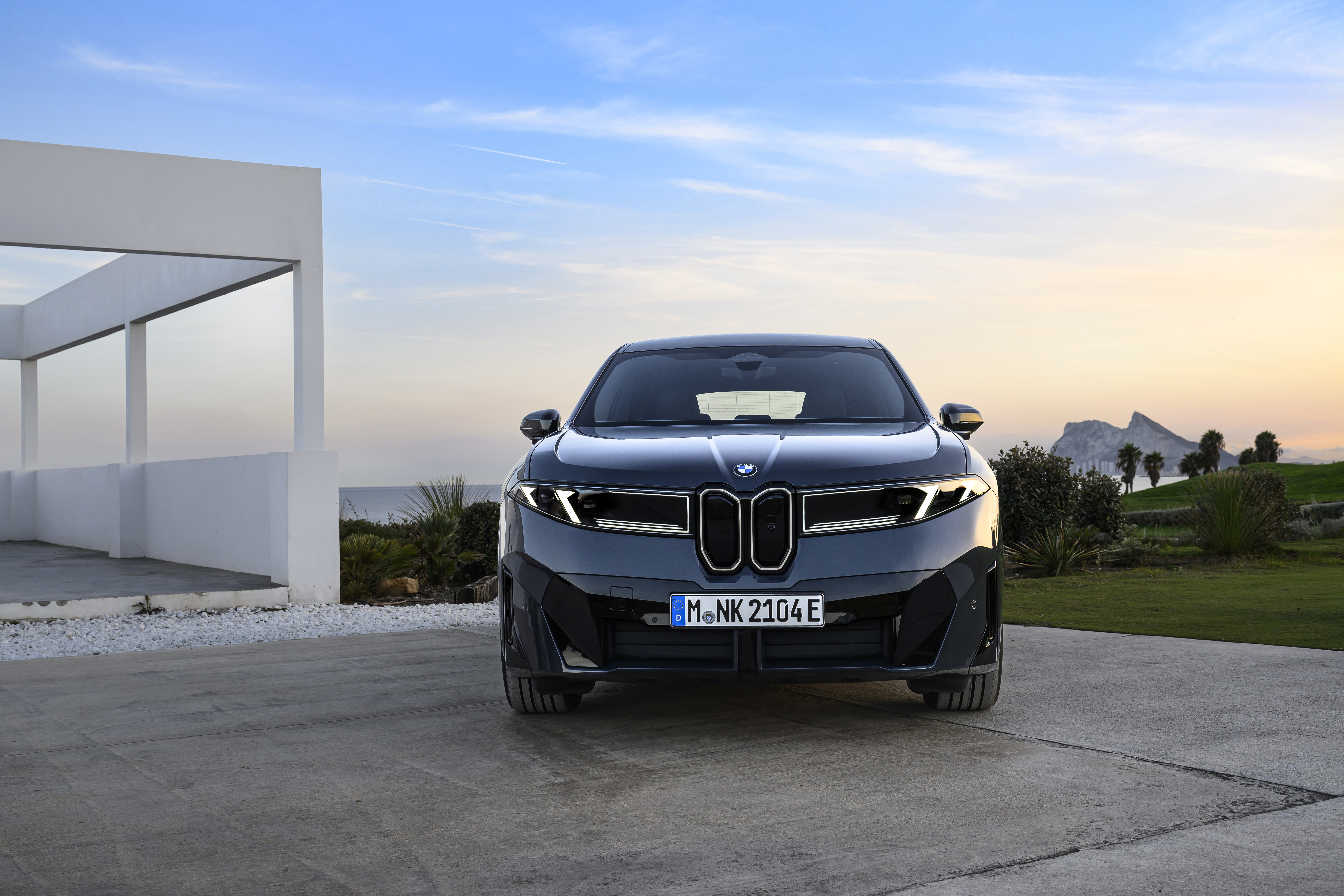
The iX3 is the first production version of the “new” Neue Klasse. “The Neue Klasse is our biggest future project and marks a huge leap in terms of technologies, driving experience and design,” said Oliver Zipse, Chairman of the Board of Management of BMW. “Practically everything about it is new, yet it is also more BMW than ever. Our entire product range will benefit from the innovations of the Neue Klasse – regardless of the drive technology.”
Exterior design of the new BMW iX3
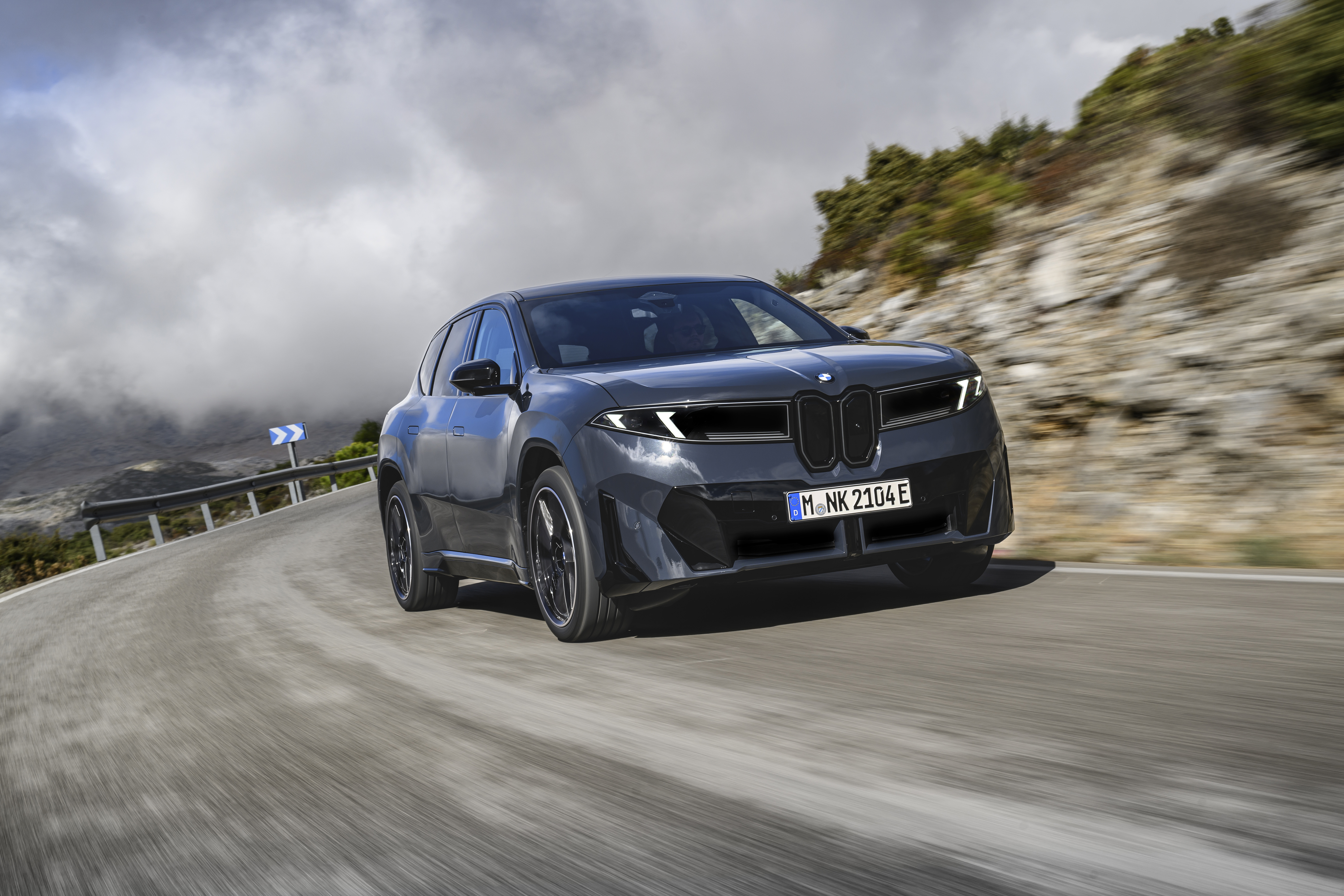
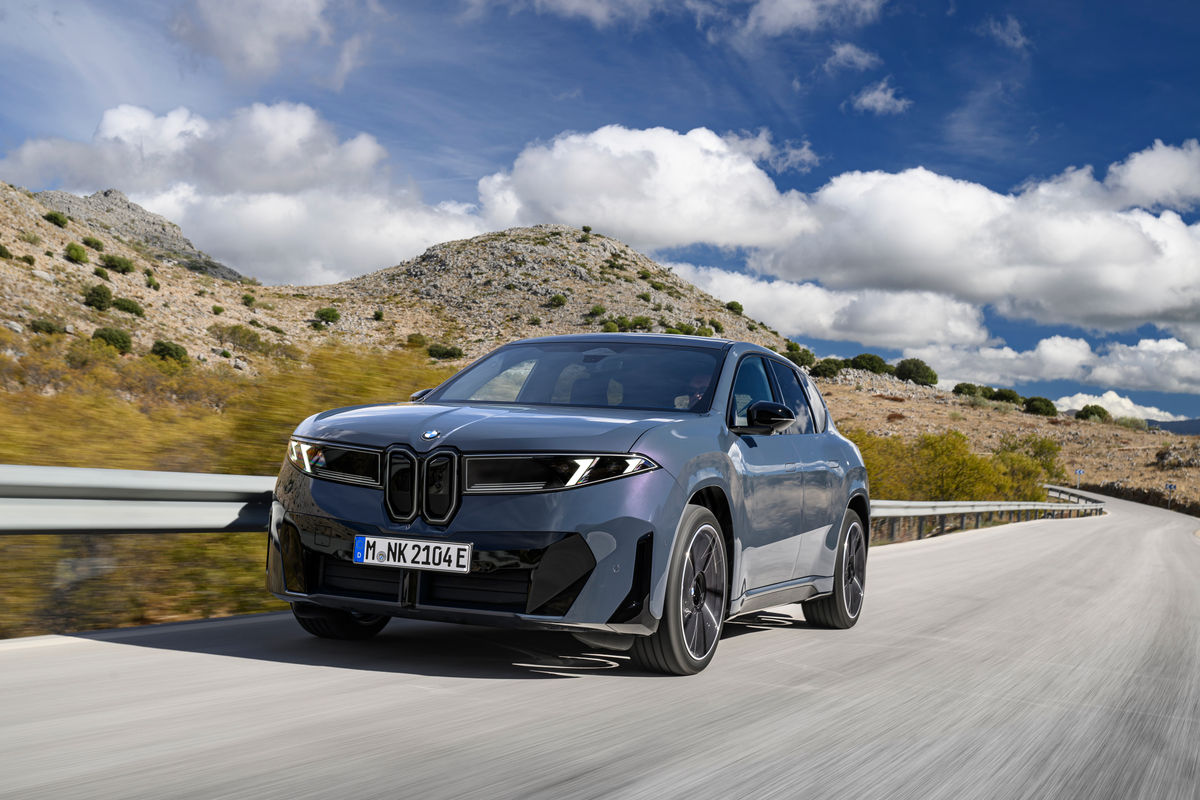
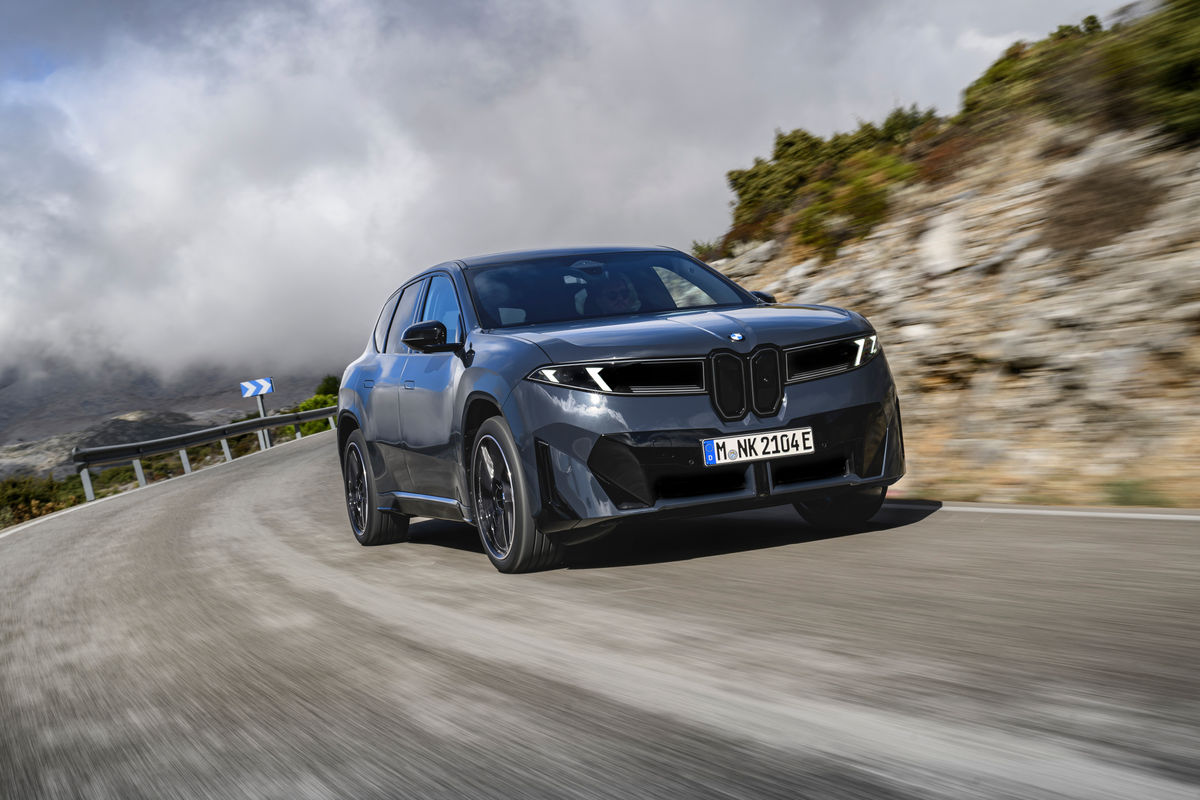
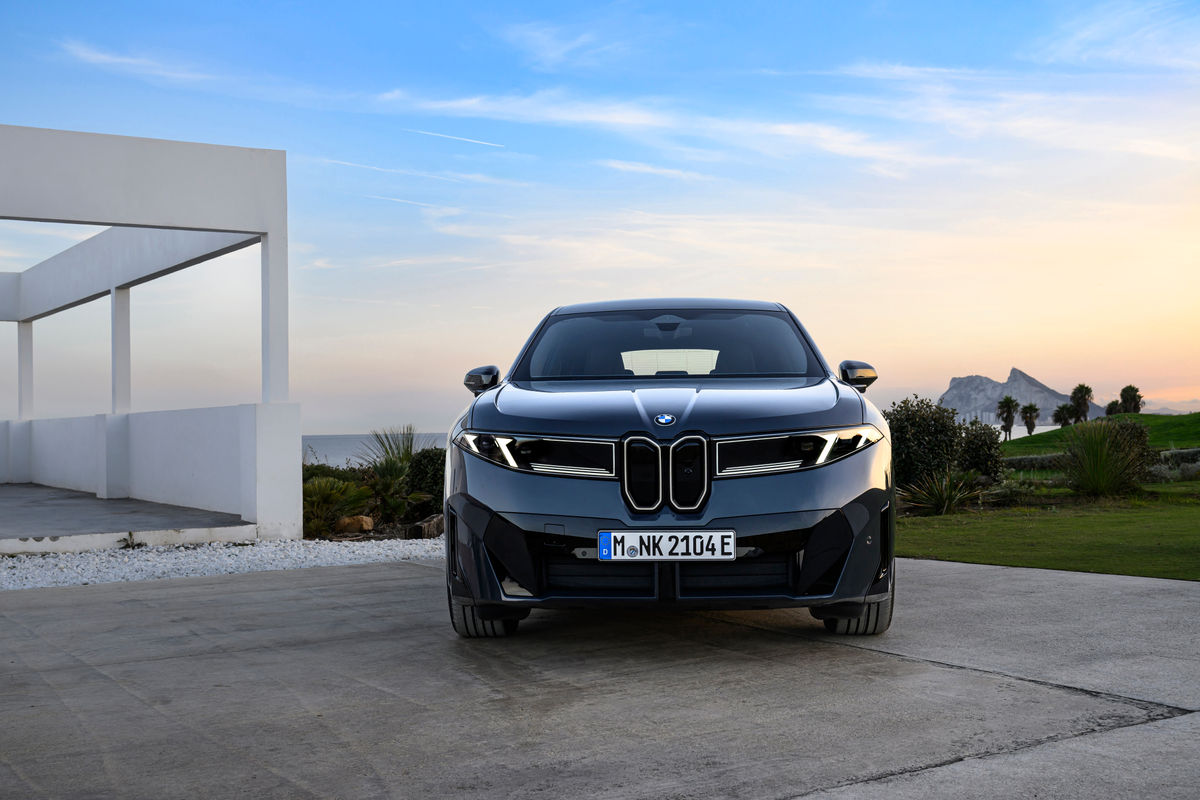
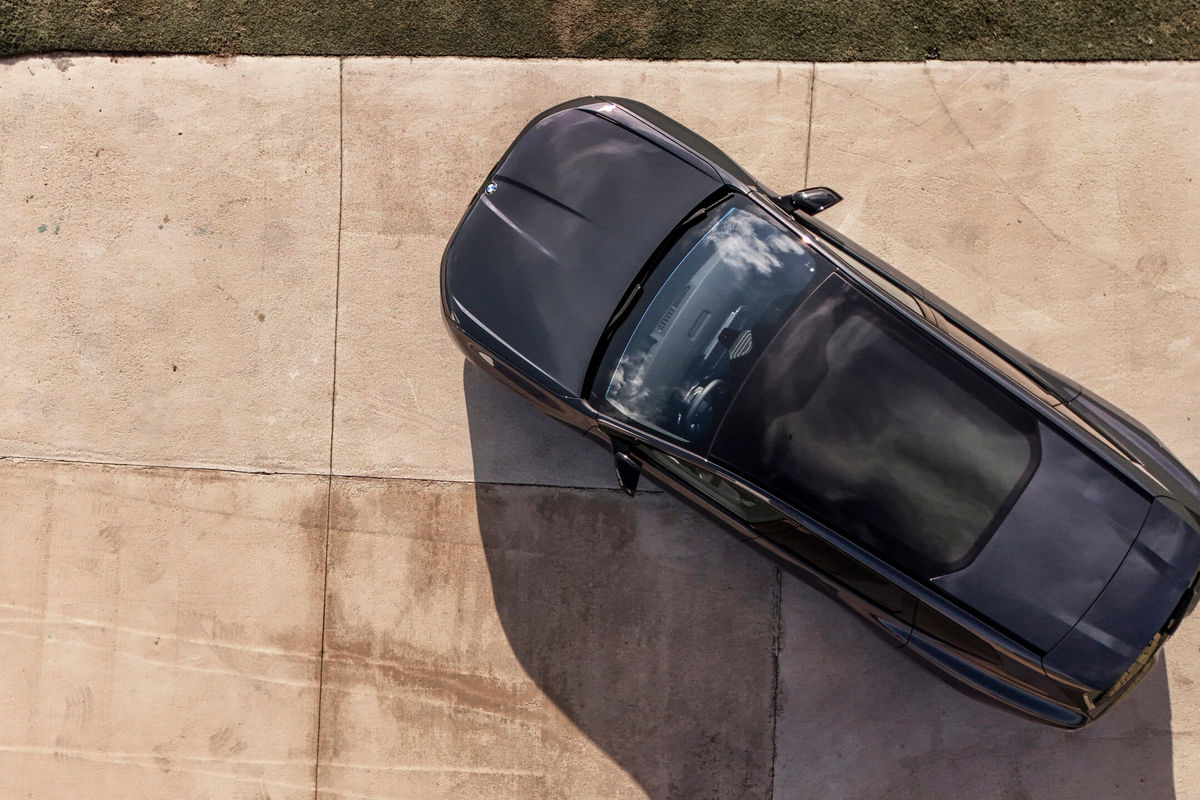
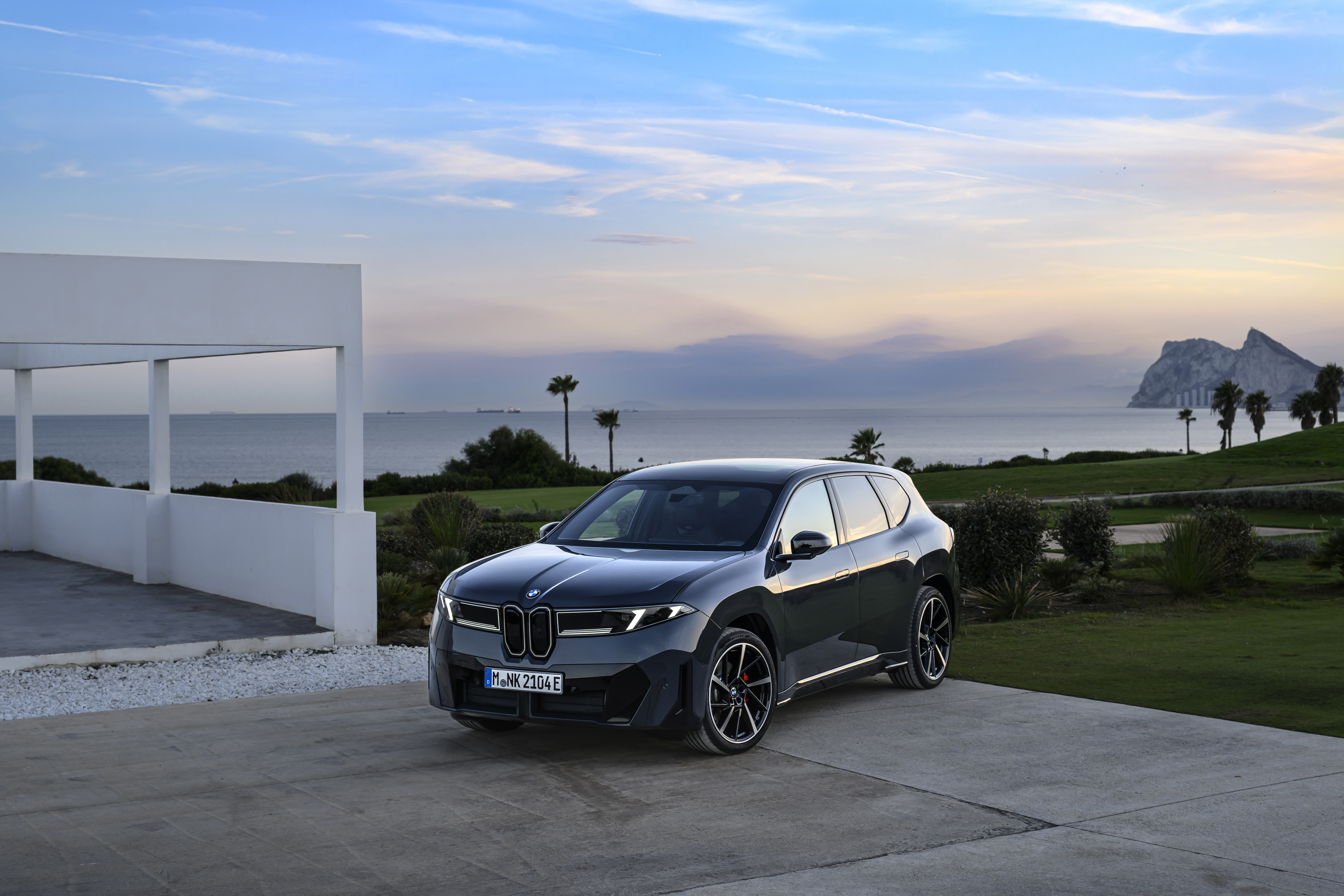
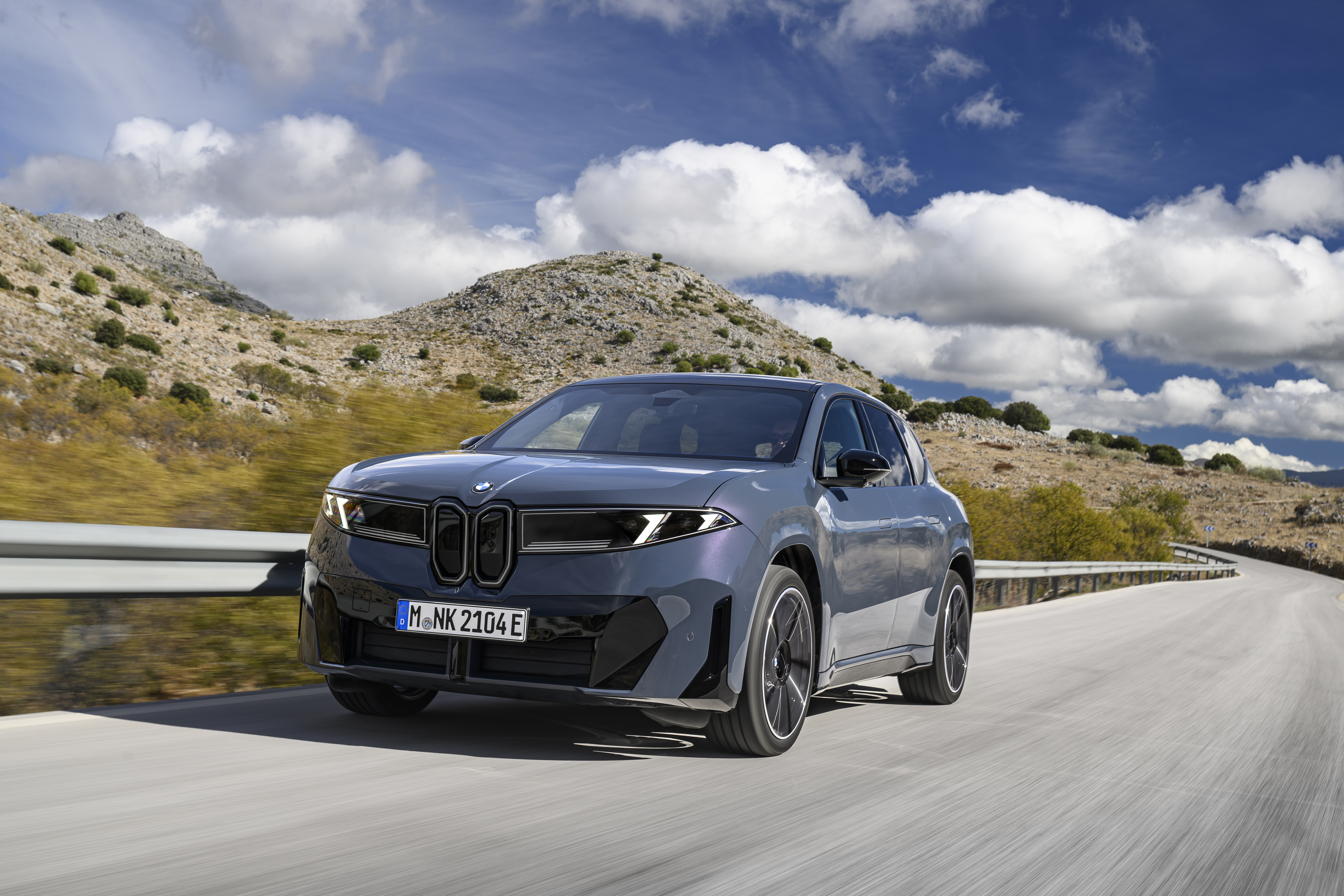
It is only fitting that a car so fresh in every department also gets a quite revolutionary new look. The narrow, upright BMW kidneys at the front hark back to the first wave of Neue Klasse cars from the ‘60s, but you can’t call the iX3 “retro” in any way.
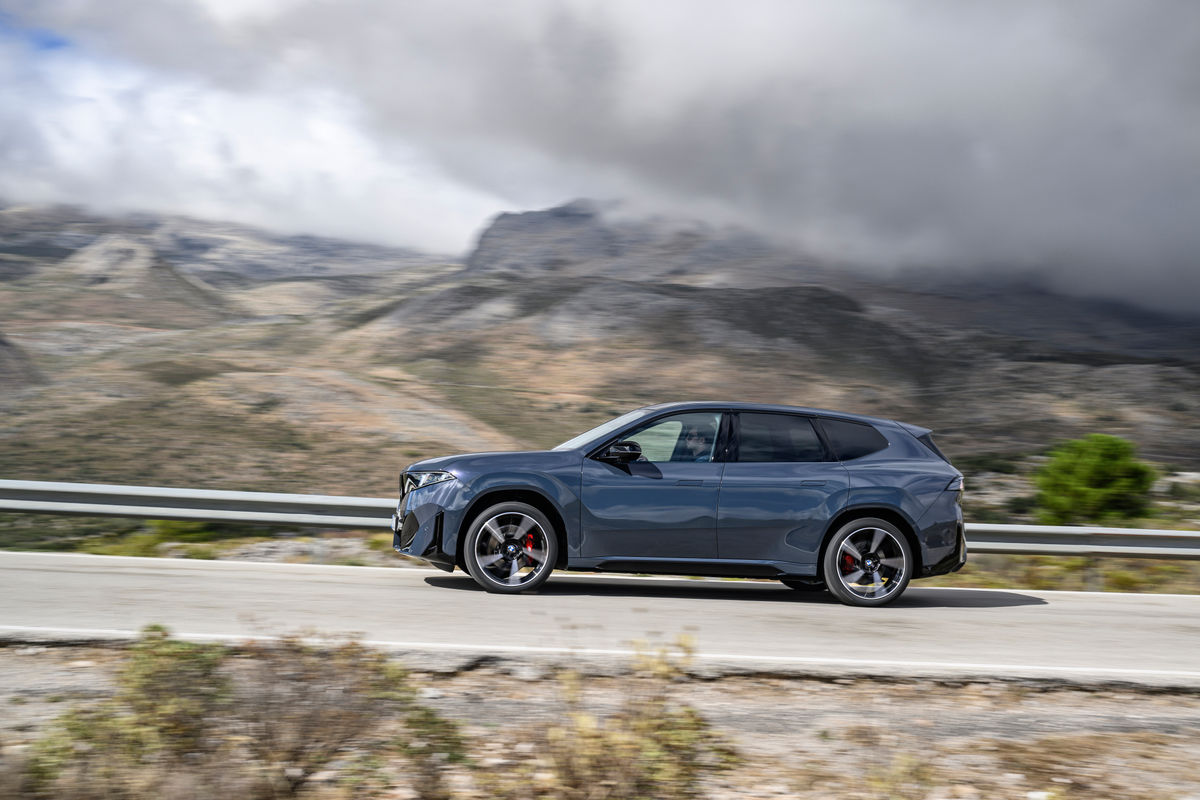
Firstly, while the iX3 does have BMW kidneys, they’re not part of a real grille, but rather clever LED lighting and black plastic backgrounds. It all does give the iX3 a very distinctive character, with a slight shark nose effect further marking it out as a BMW in profile.
Anders Warming, head of exterior design at BMW, explained at the launch that it is particularly in the nose area of the future Neue Klasse cars that distinction will be created between the different models. So don’t just expect mere copy/paste designs going forward, and thankfully the big-grille era appears to be over.
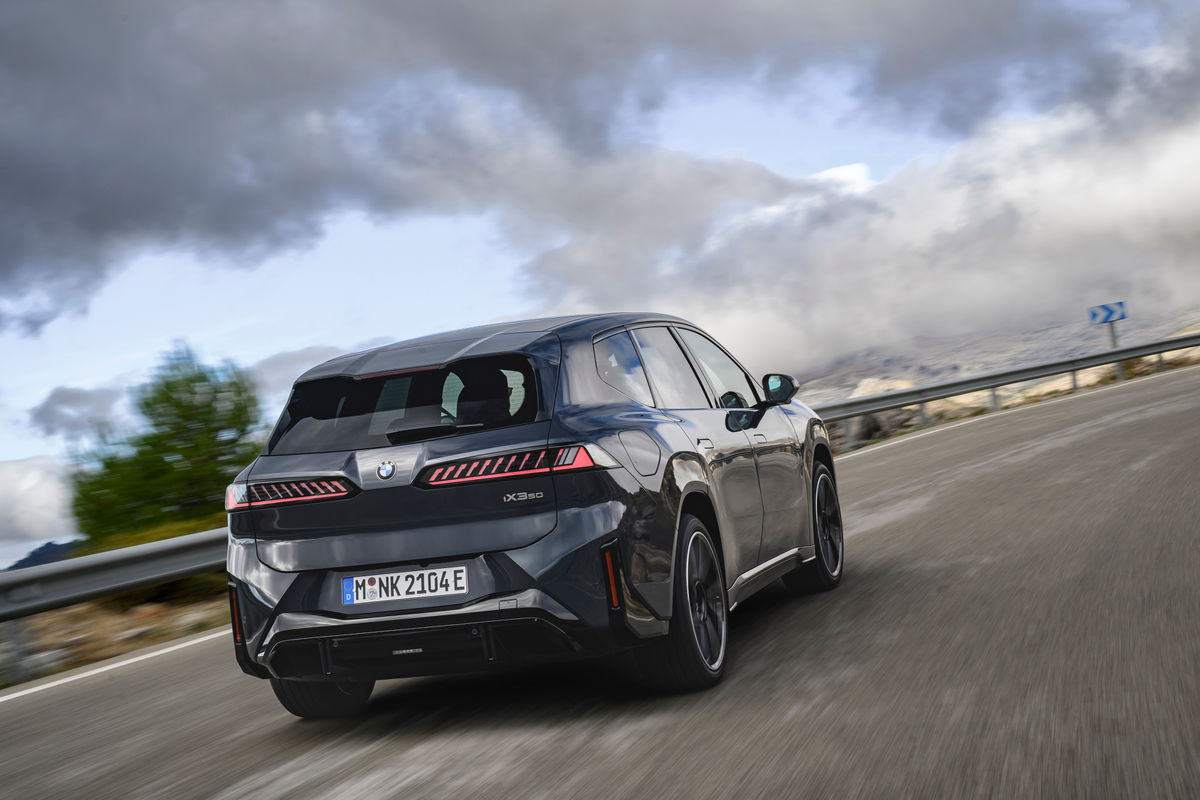
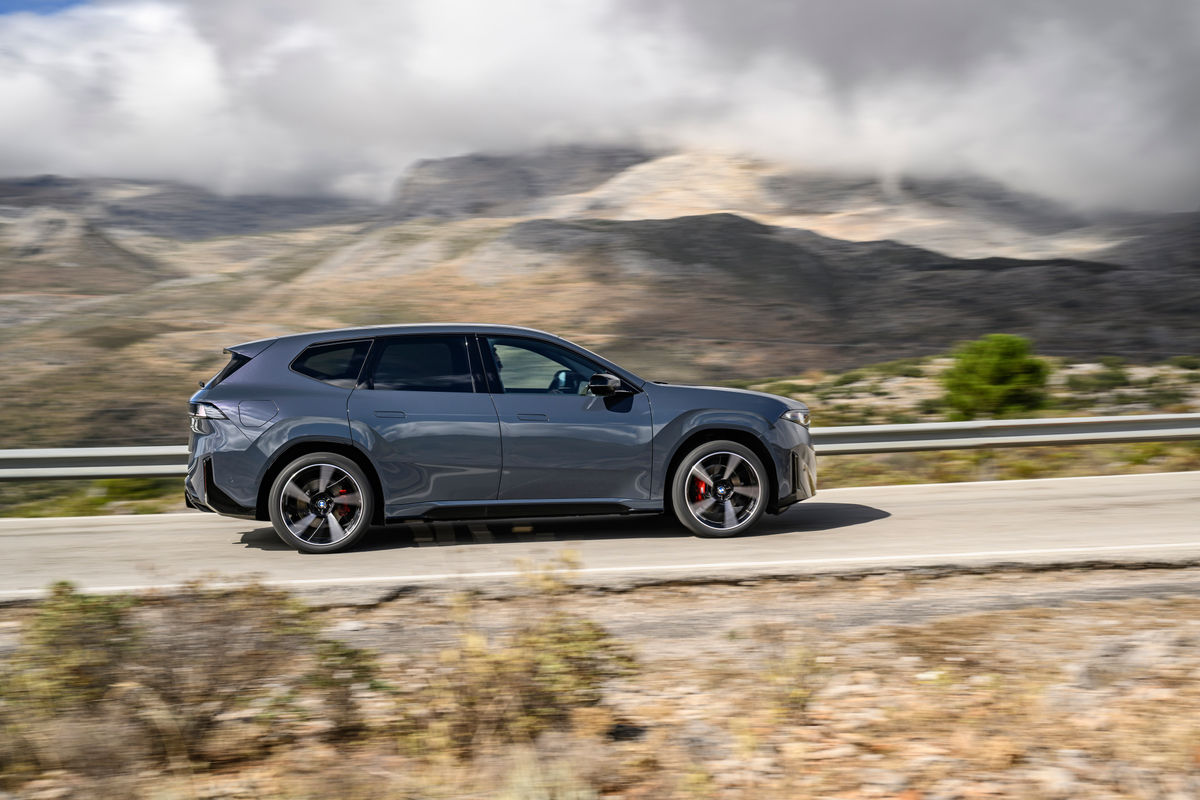
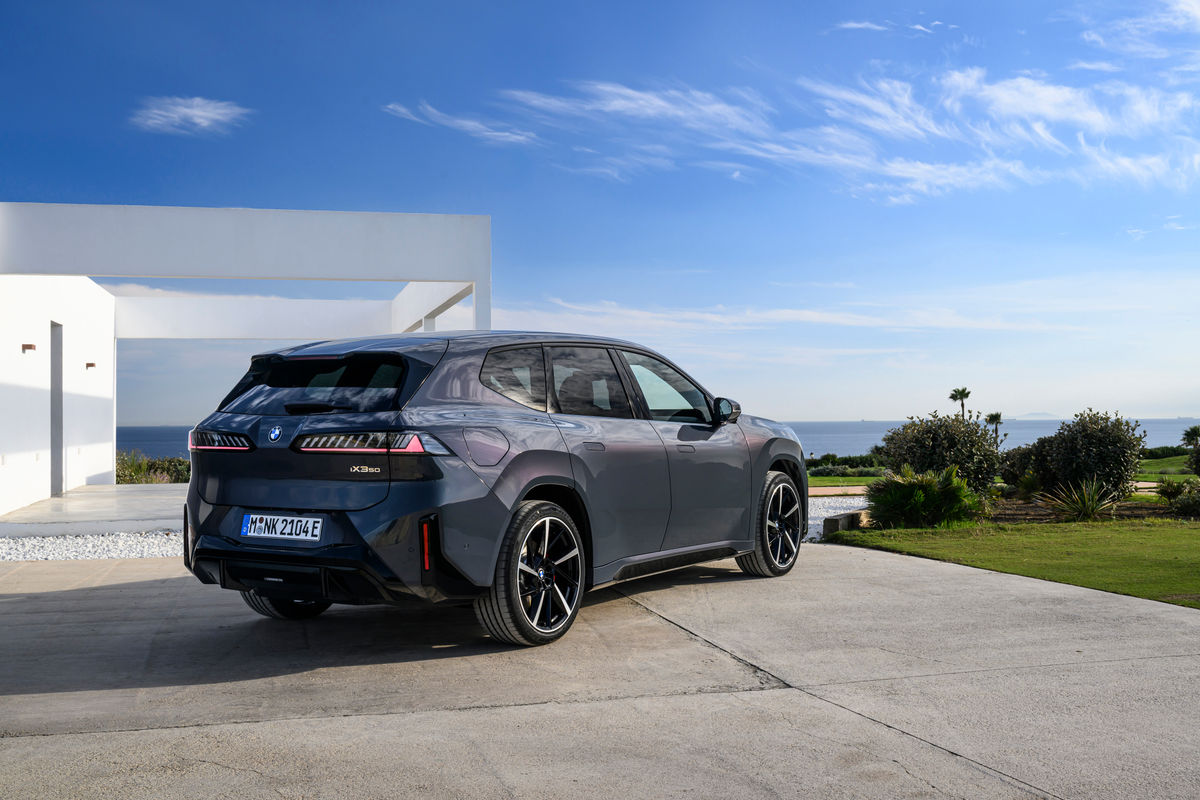
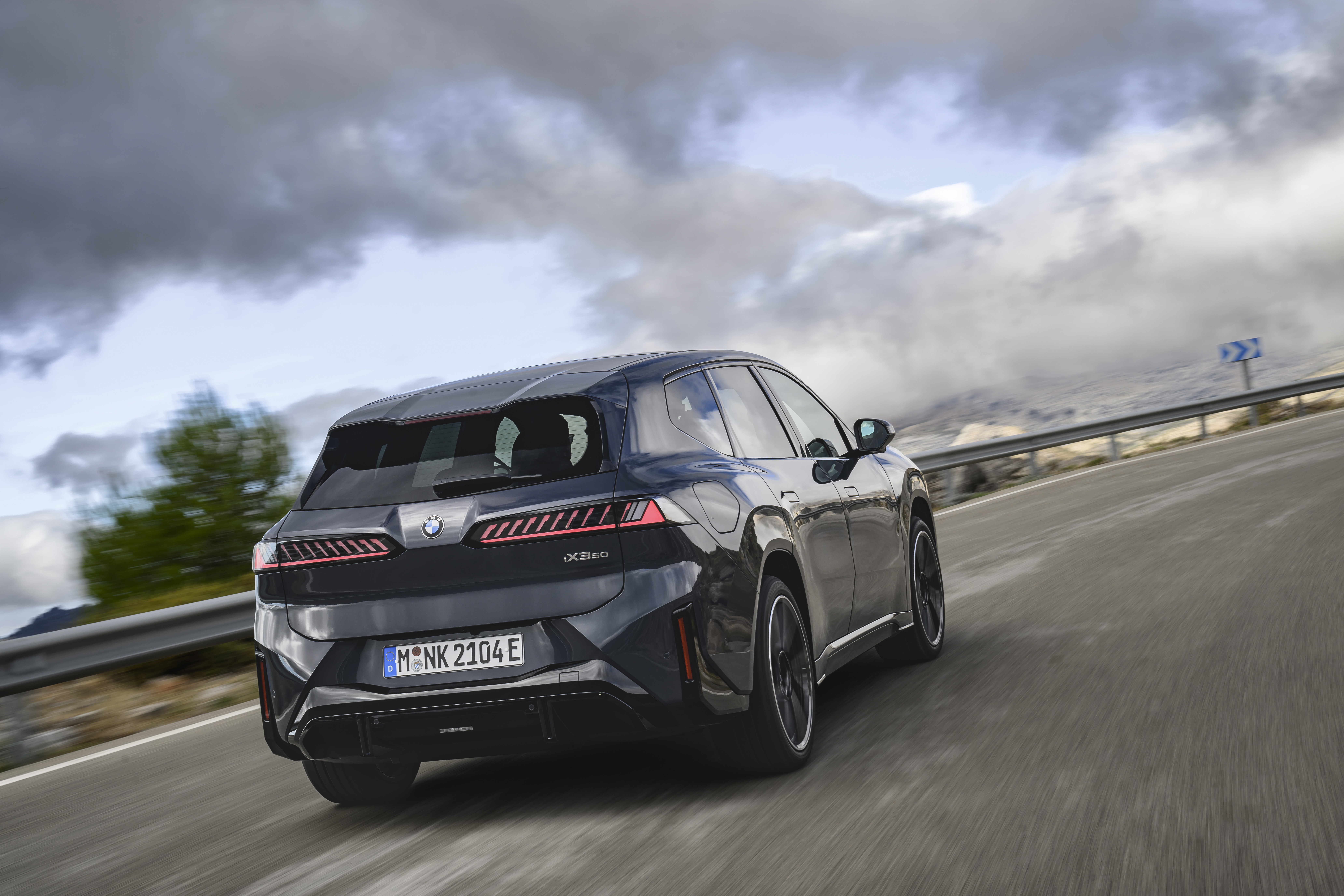
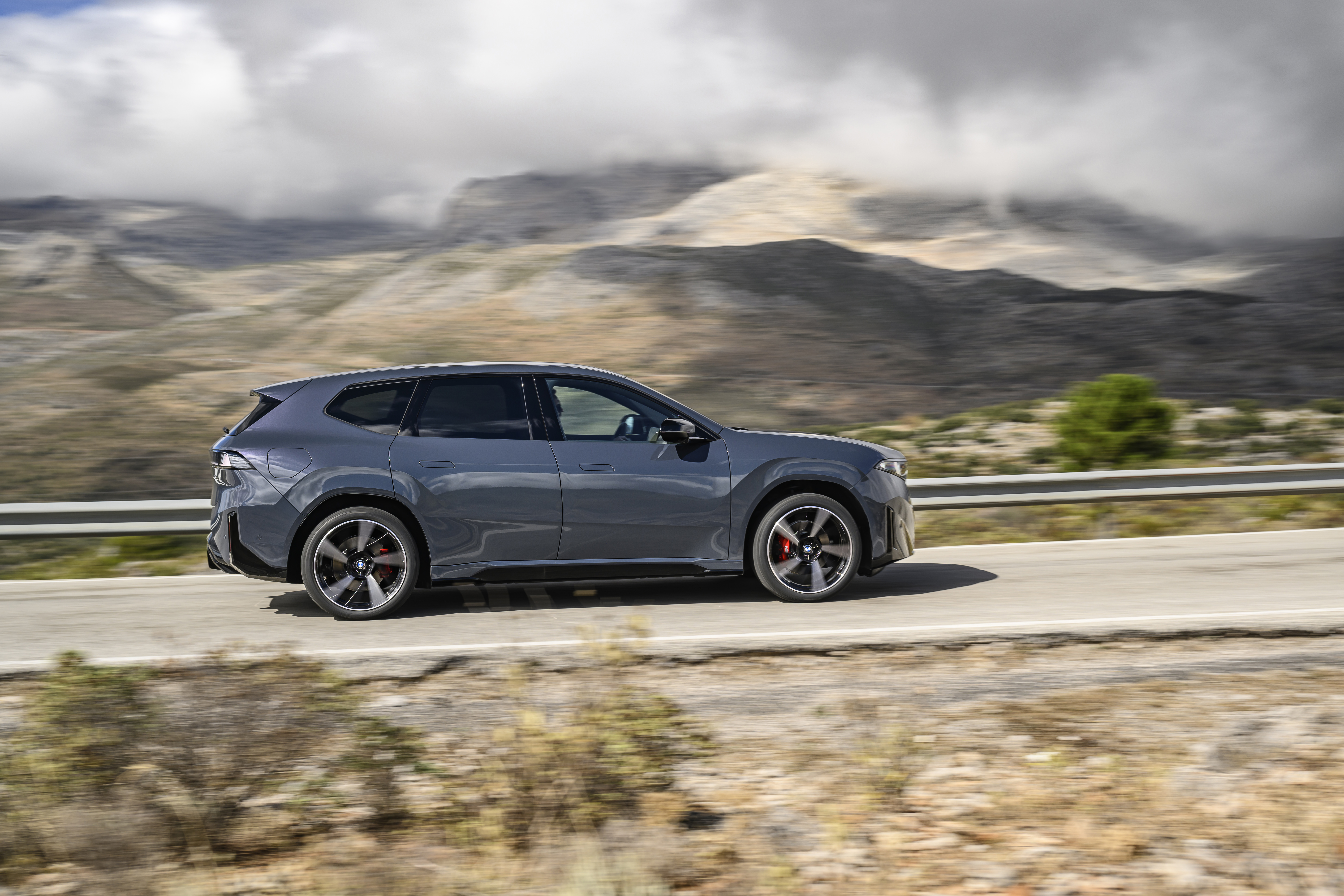
The rest of the BMW iX3’s exterior is beautifully chiselled and stretched tight over its large wheels. It is quite an imposing car, with a length of 4 782 mm, width of 1 895 mm and height of 1 635 mm. There are very few protrusions and clearly a lot of work has gone into aerodynamics. BMW claims a drag coefficient of 0.24 Cd, which is excellent.
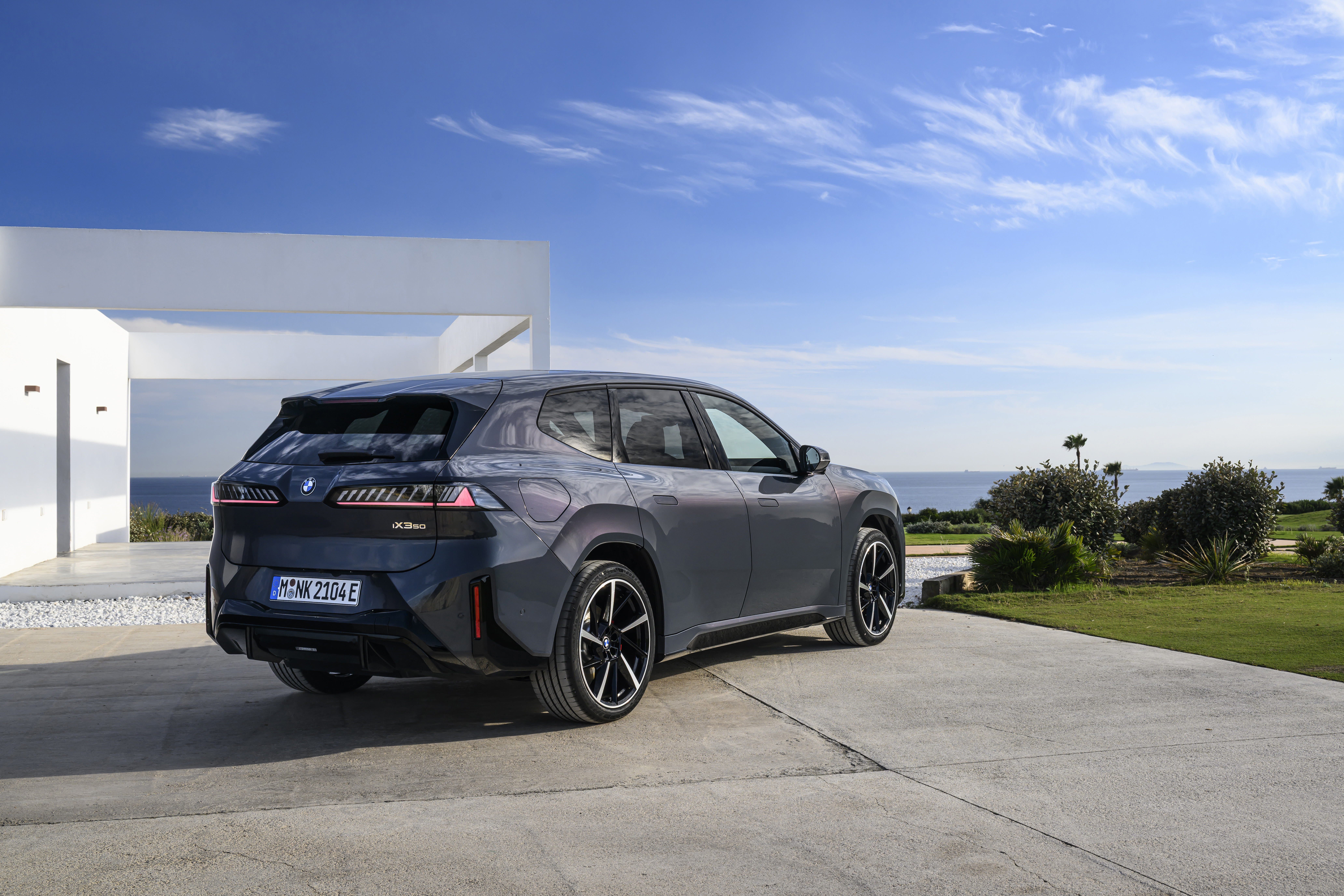
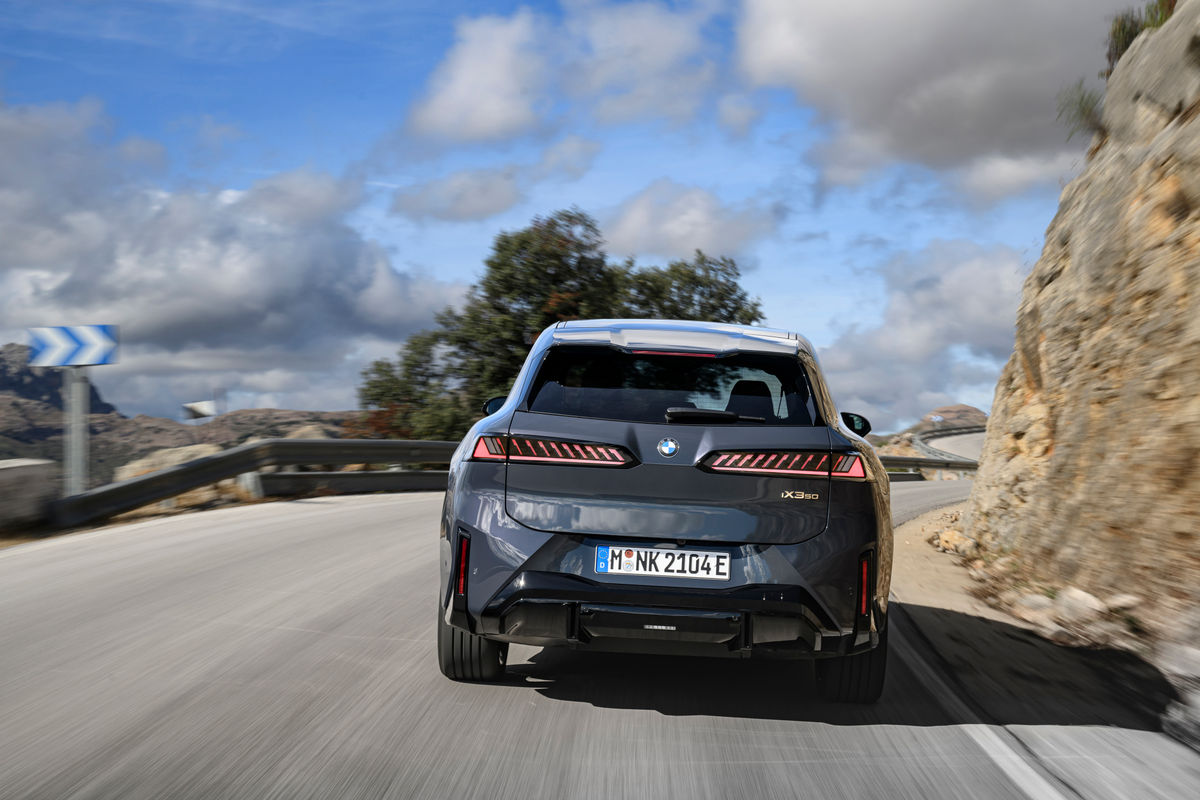
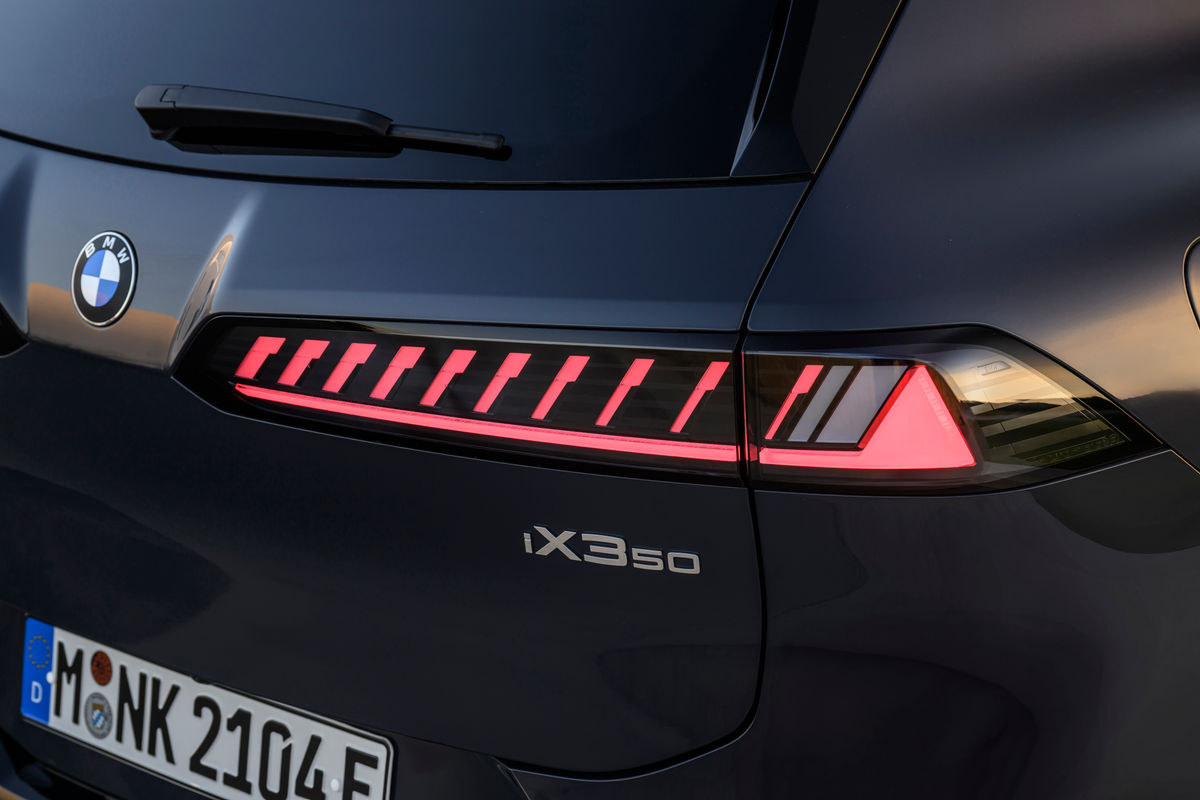
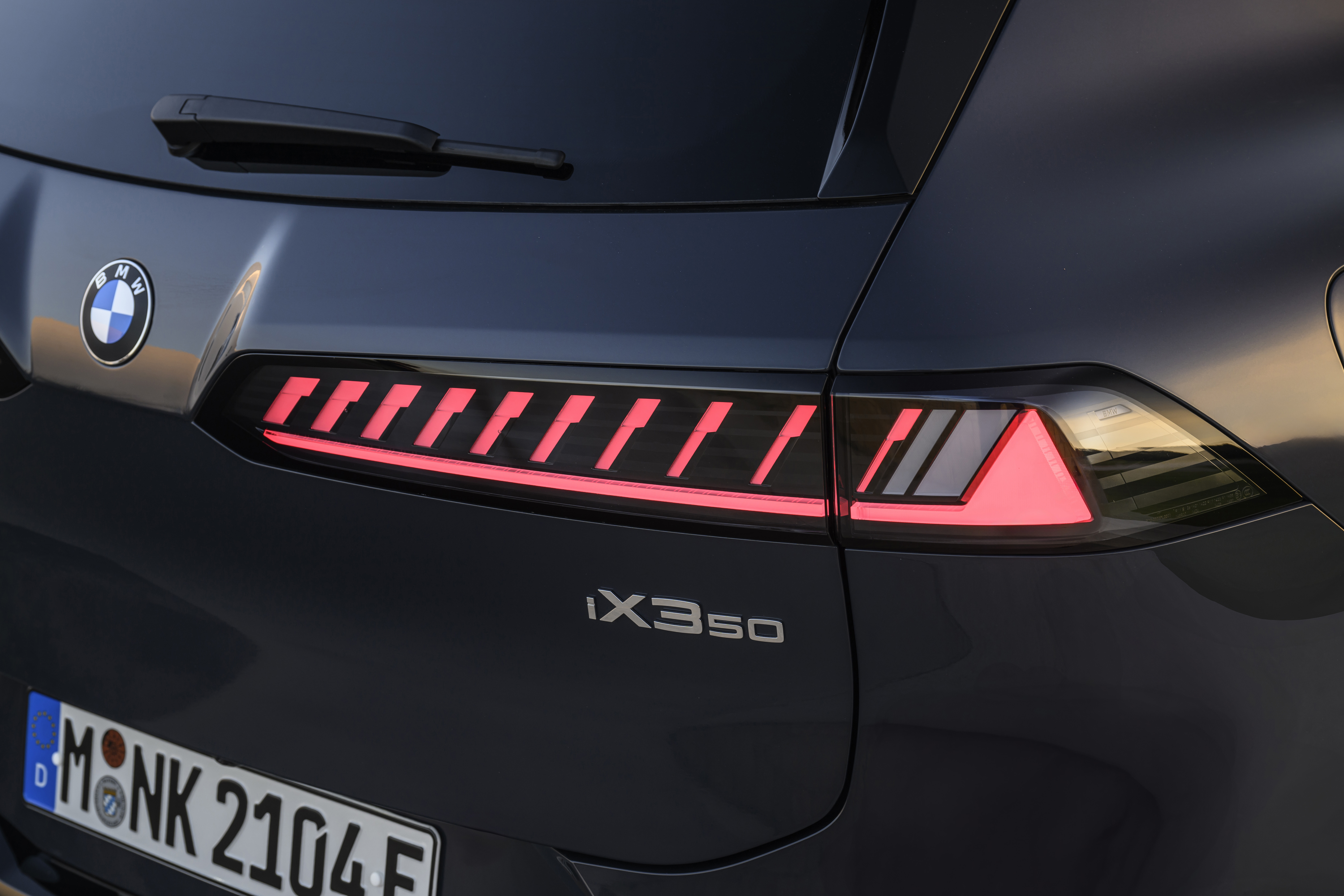
In my view, this is a production car that actually still looks like a futuristic concept! Along the sides, the typical “Hofmeister kink” of the window line hovers over subtly flared wheelarches. And at the rear, the LED-infused taillights stretch almost across the entire width of the car.
As per usual, a number of packages and options will be available for customers to personalise their iX3s, including M Sport and M Sport Pro packages. Alloy wheel sizes stretch from 20 to 22 inches.
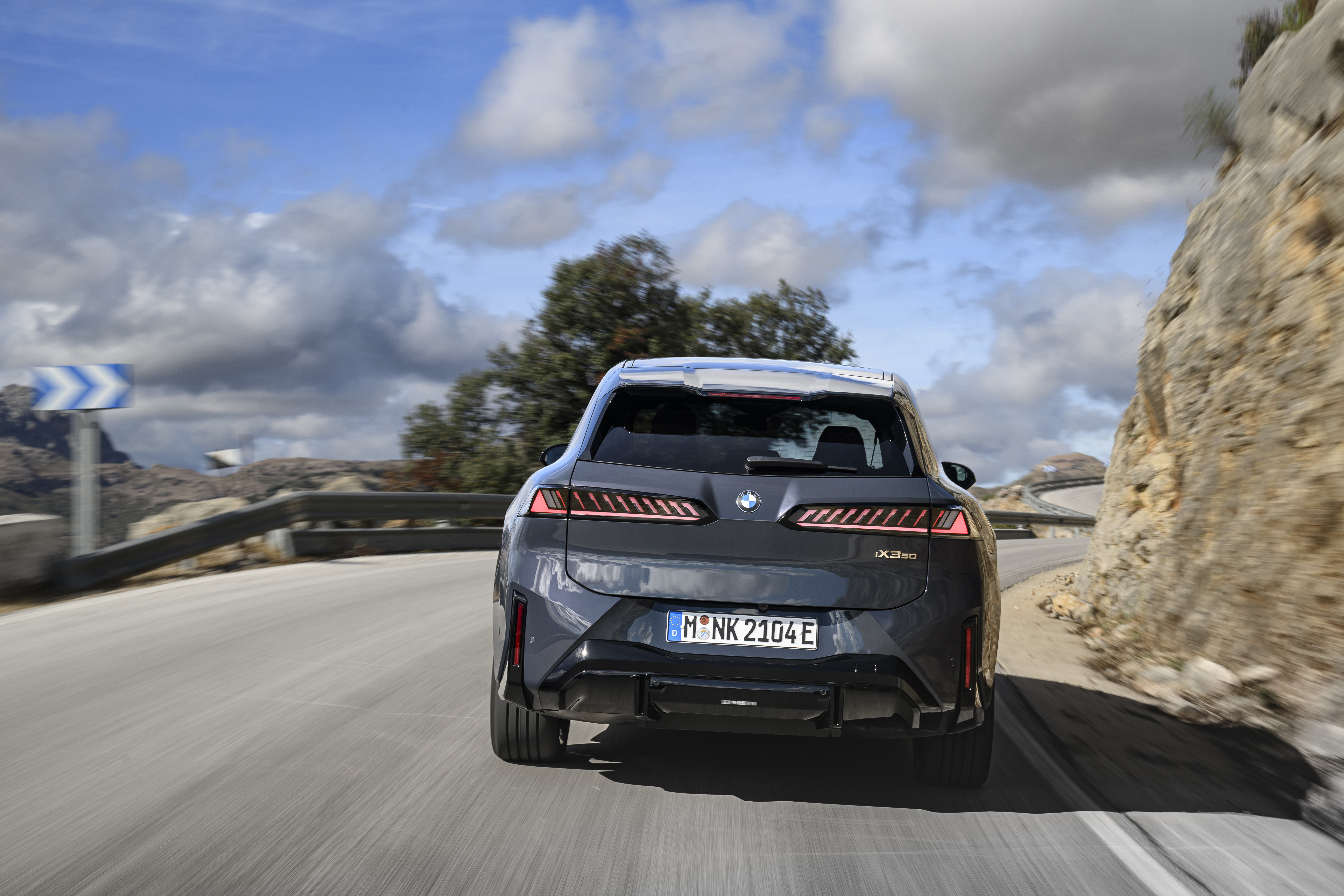
What will be offered in South Africa when the car launches (around September 2026) remains to be seen, but a local representative did say that the South Africa market prefers the more premium (sporty) packages generally.
Inside the new iX3: A step up in quality
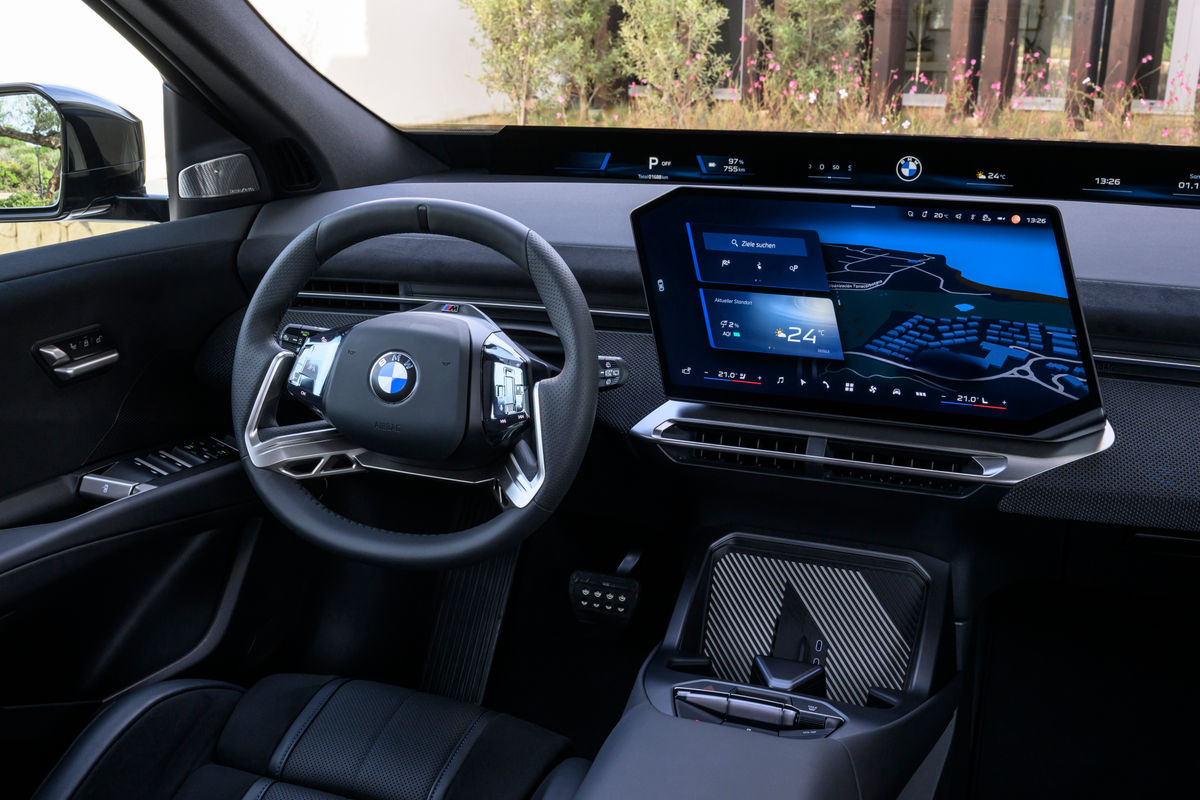
As much as I admire the exterior design, it was when seated in the cabin that the massive leap forward really became obvious. It is a beautifully minimalist design, but one that hasn’t come at the cost of functionality.
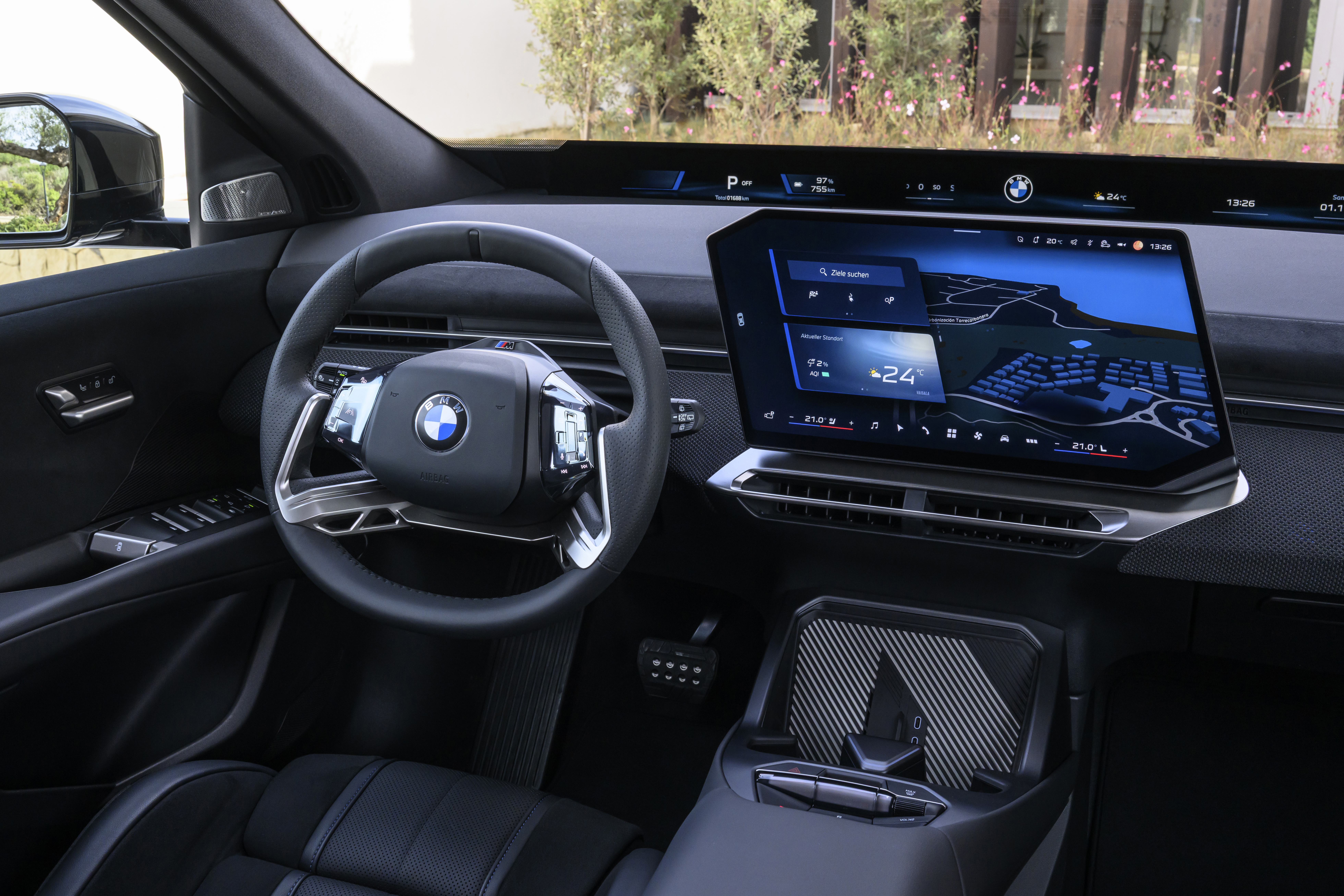
BMW says that data from over 10 million connected vehicles and usability studies with more than 3 000 customers were incorporated into the development process. There is no rotary iDrive controller and no faffing with gesture control. The controls used most regularly are either physical buttons, or in the 1st layer of touchscreen controls. Even the voice-activated assistant has been improved significantly and will be further fine-tuned with gradual Large Language Model (LLM) tech roll-outs.
For me, the star of the show, however, is the Panoramic iDrive system, which includes Panoramic Vision. Essentially, information is projected in a strip across the full width of the bottom of the windscreen from A-pillar to A-pillar. The display is so crisp and clear that initially you may think it is actually a screen.
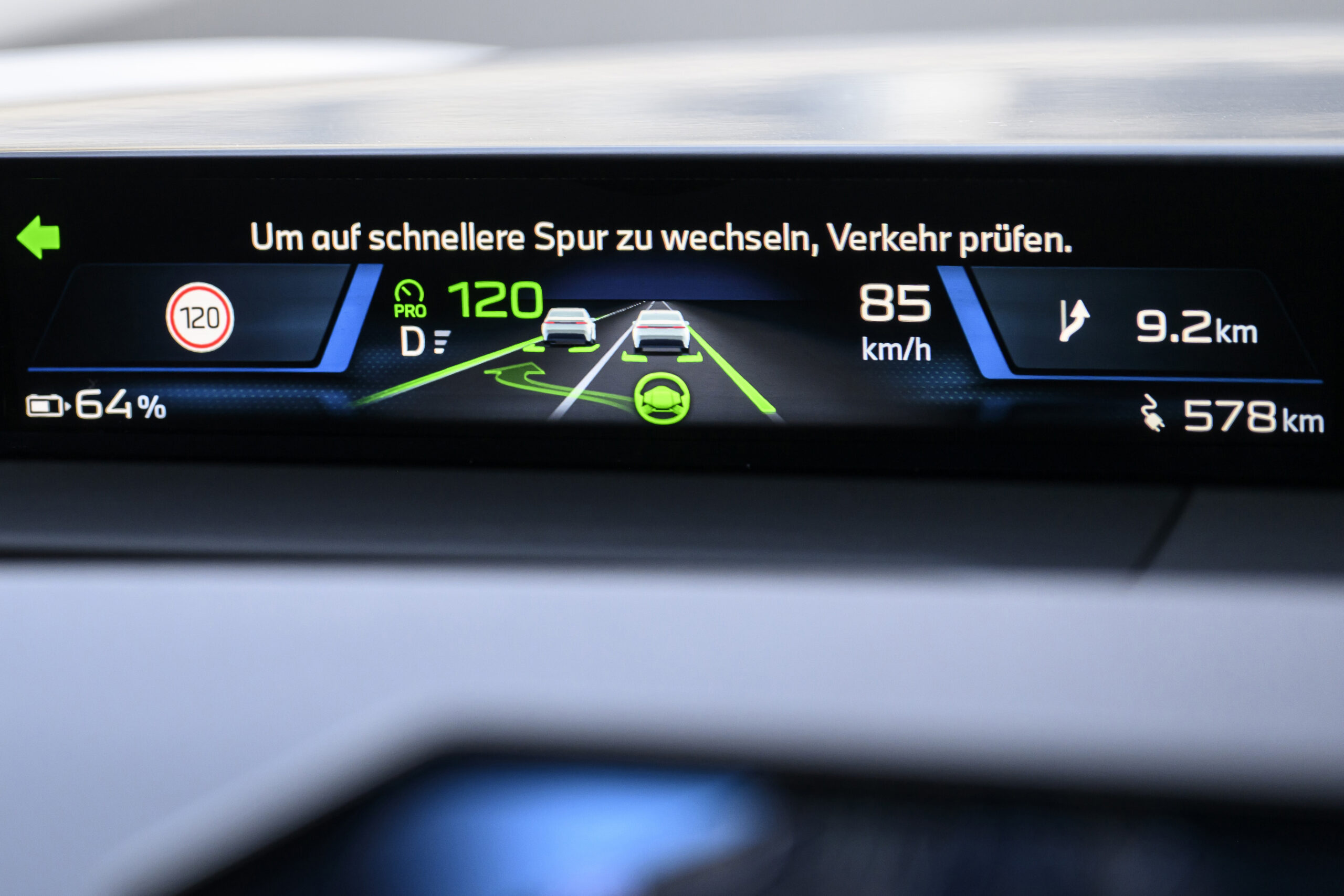
This display essentially replaces the traditional instrument binnacle and it works beautifully, putting the most important driving information in the driver’s line of sight (just above the steering wheel), and allowing for customisation of the display in the centre and in front of the front passenger. It works so well that I can’t imagine why nobody has thought of this before. I suspect this will become a regular feature on all cars (not only BMWs) in the near future.
Above the Panoramic Vision display, the 3D head-up display (if fitted) can show integrated navigation and automated driving displays on the road with spatial depth.
The next element in the Panoramic iDrive system is the touchscreen, but even here BMW has made some bold design changes. It’s not your traditional rectangular screen, but rather a 6-corner “free-cut” design that sort of leans towards the driver. It is really well-placed, and its menu structure (as well as the QuickSelect tech for frequently used functions) is simple and quick. It is underpinned by BMW’s latest Operating System X, which is the best on the market.
Unfortunately, as is the case with much of the market, the iX3’s climate controls have migrated to the touchscreen system. While the virtual buttons are permanently on display and relatively easy to use on the move, the outgoing iX3’s array of tactile physical controls were undoubtedly simpler to master. What’s more, the voice assistant, while improved over previous iterations, can occasionally stumble and fail to understand basic commands. This issue isn’t unique to BMW, it must be added.

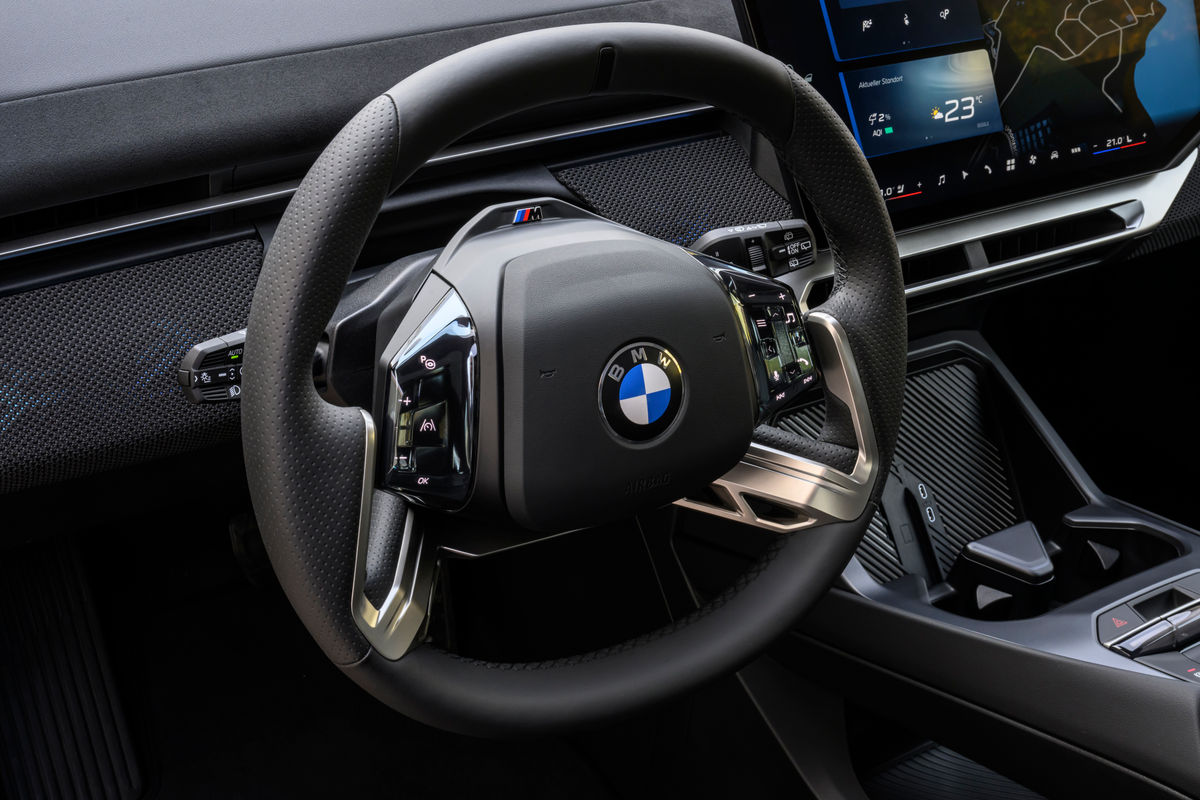
And then, the final component of Panoramic iDrive is the steering wheel. Yes, BMW has had a go at reinventing that too. Several designs are offered, including some with 12 o’clock spokes, so you can choose how radical you want to go, but the important thing is that it also contains some physical controls that are simple to use and neatly integrated. If you place your hands on the rim in the 9 and 3 o’clock positions, you actually get a sort of pistol-grip effect, and you can access the touchpads with your thumb without moving your hands at all. Oh, and it does retain that rim thickness that has become part of BMW’s control DNA.
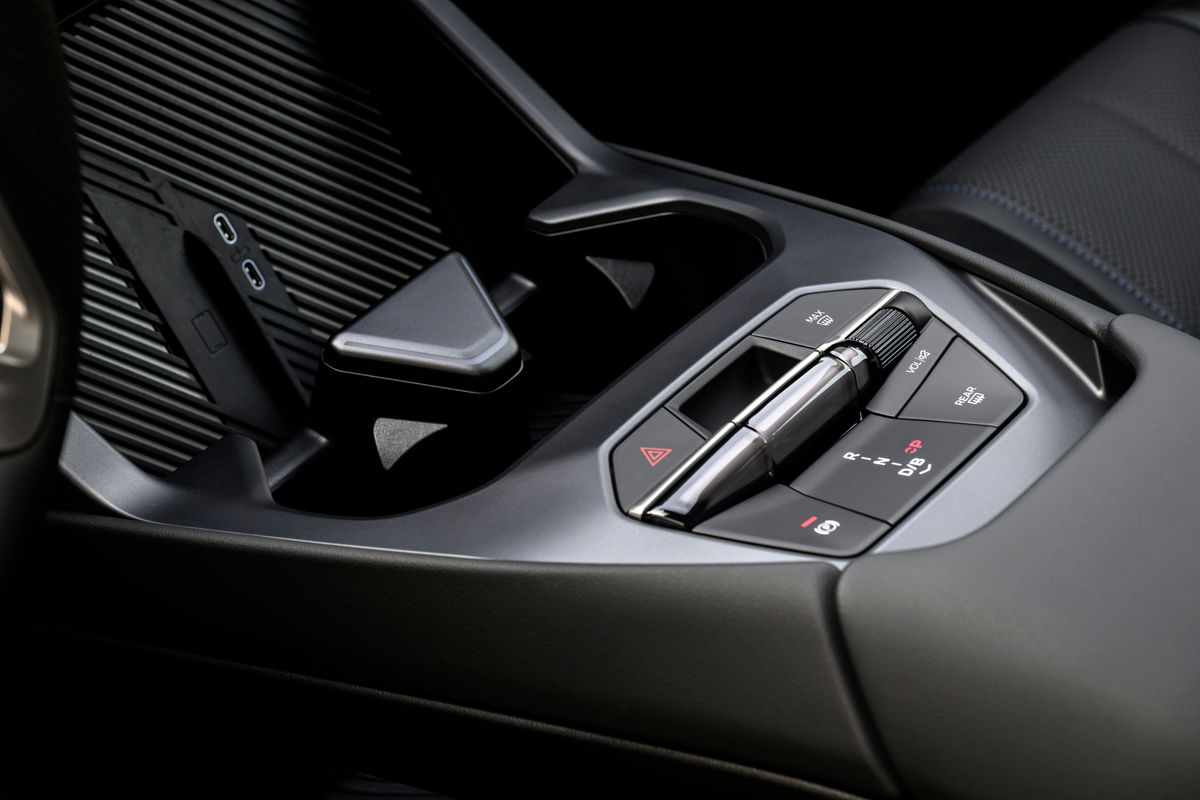
As for the rest of the cabin, highlights include build quality and material selection that is superior to what you’ll currently find in an X3 and there is an attention to detail to just about everything that marks out the iX3 as a car that was obsessed over during the development phase.
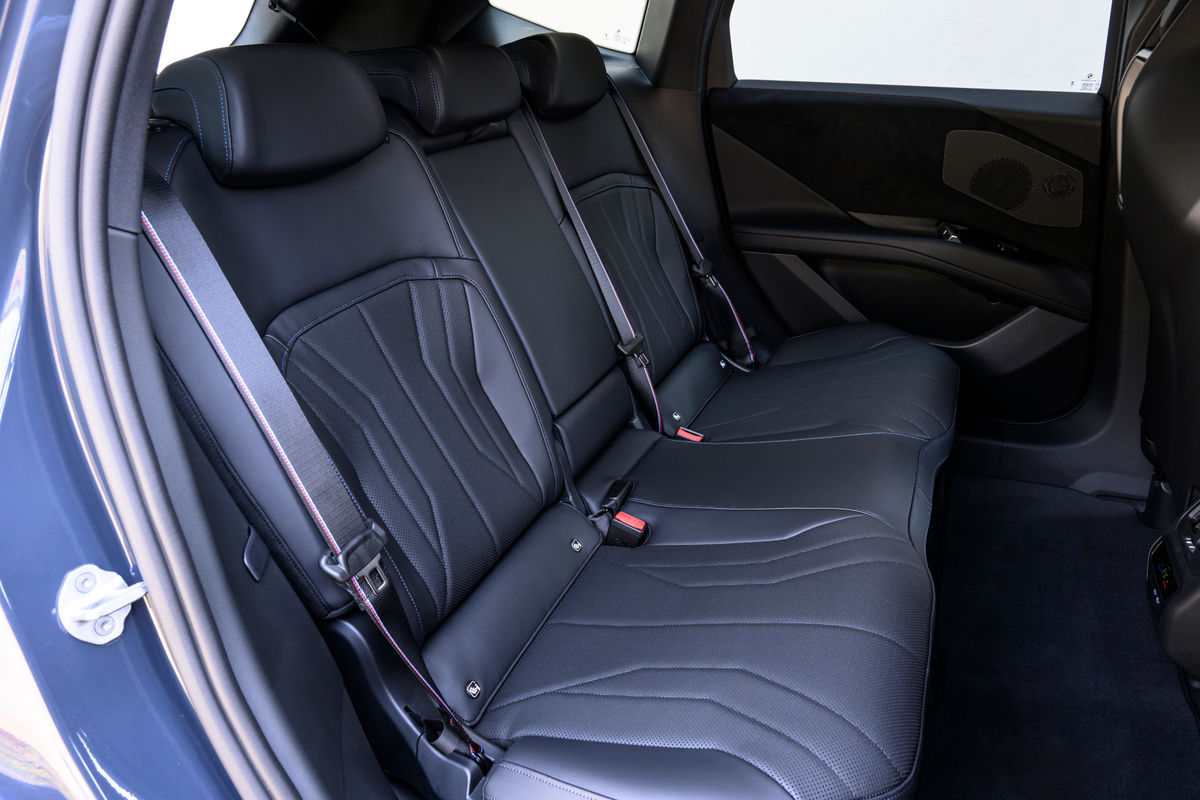
Rear legroom is excellent, the boot measures a large 520 L and total utility space can be expanded to 1 750 L by folding the rear seats down. There is also more stowage space in the front “frunk”.
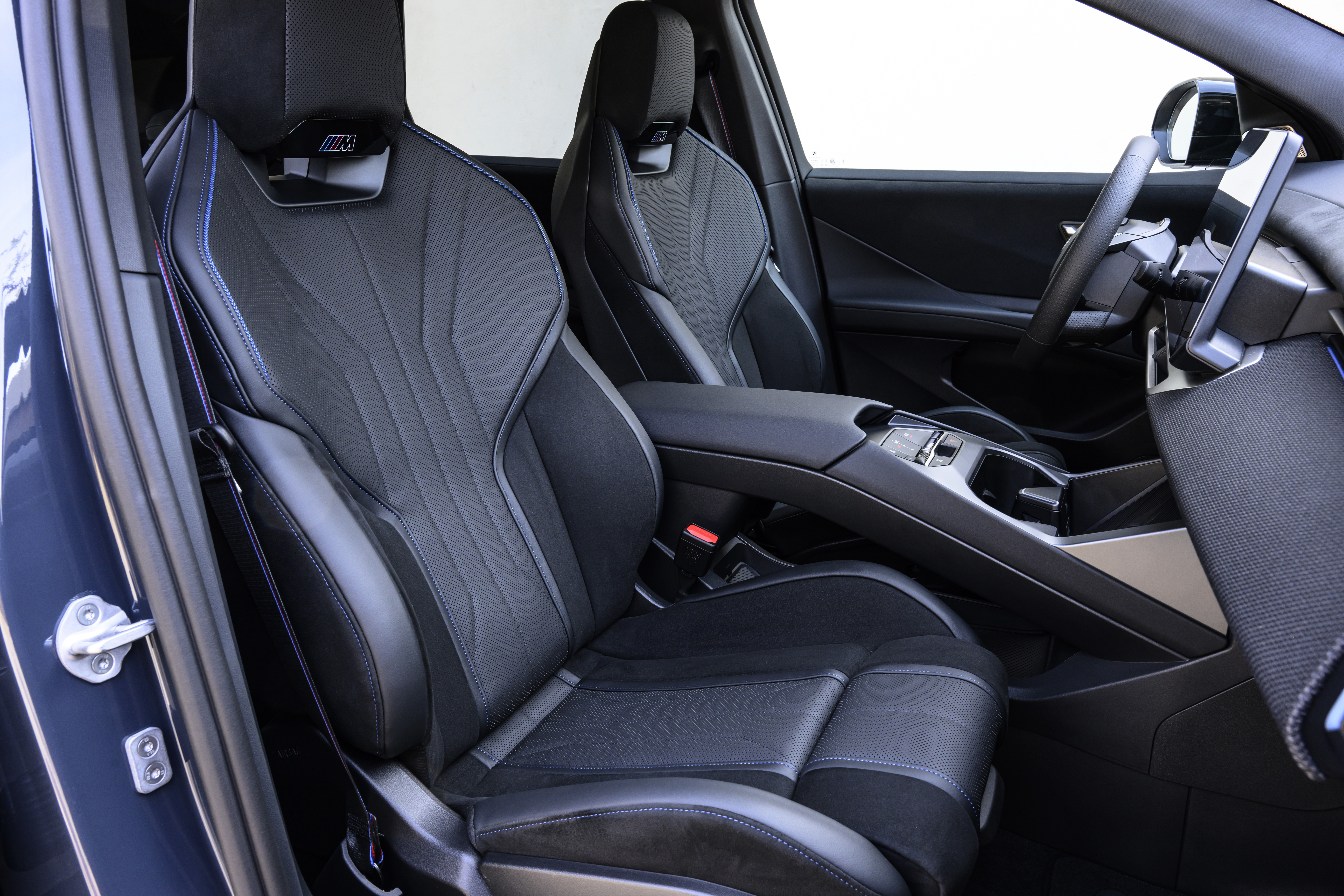
Standard specification (in Europe) for the iX3 50 xDrive includes two-zone automatic climate control, comfort access, automatic tailgate operation, the extended exterior mirror package, an alarm system and the telephony with wireless charging function.
The new BMW iX3’s drivetrain tech
The Neue Klasse BMWs are powered by BMW’s 6th-generation BMW eDrive technology that features new high-voltage batteries with cylindrical cells and 800 V technology. BMW says that energy density at a battery cell level is 20% compared with what was achieved with its 5th-generation tech, and that consequently there is also a 30% increase in charging speed.
Furthermore, through the use of a more efficient electrically excited synchronous motor (EESM) at the rear and a new asynchronous motor (ASM) at the front, energy losses have been cut significantly. Overall, BMW says that energy losses have been reduced by 40% compared with the previous tech, weight by 10% and manufacturing costs by 20%.
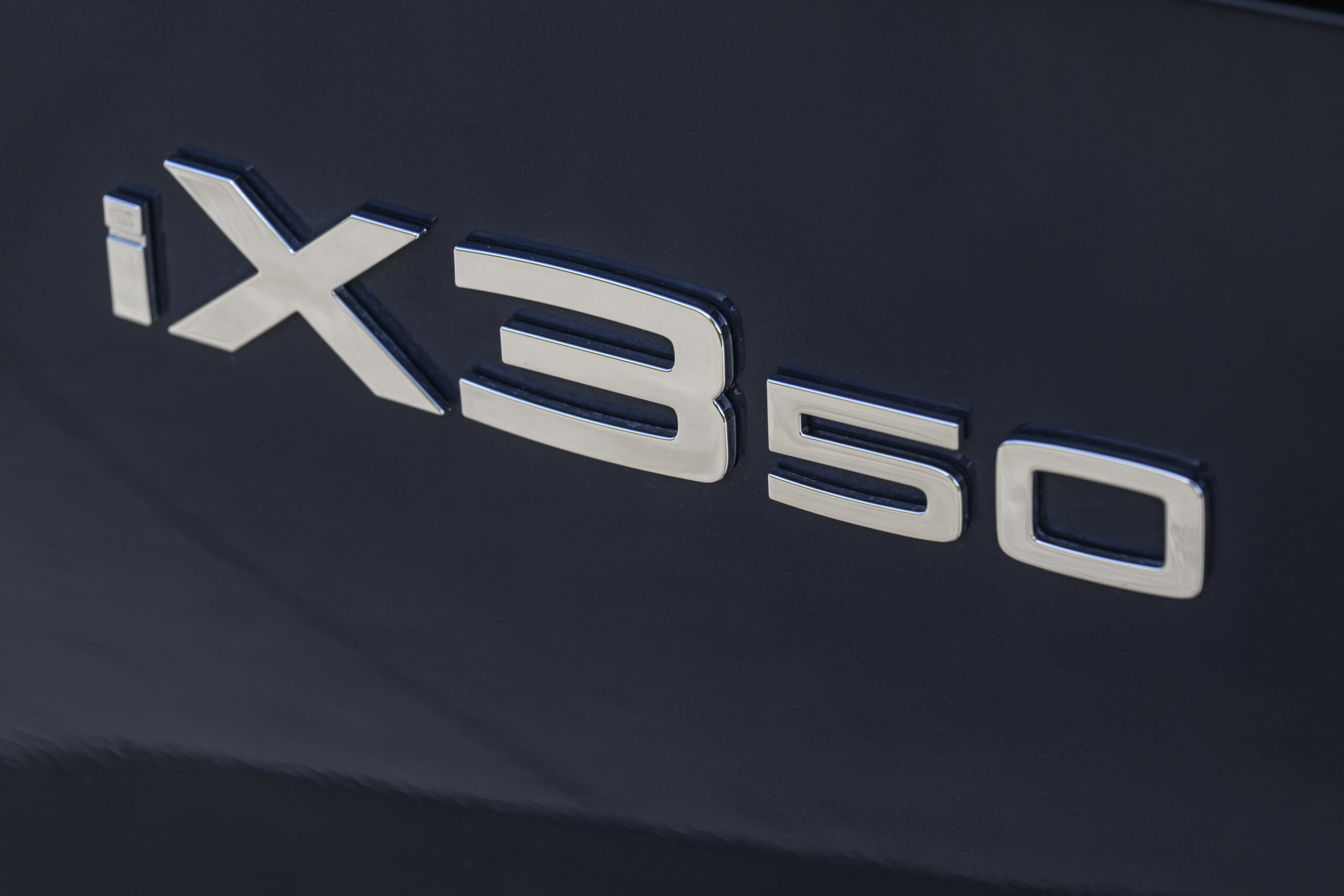
The first model launched (and the topic of this driving impression) is the iX3 50 xDrive, which is powered by two electric motors, together generating an output of 345 kW and 645 Nm of torque. BMW claims a 0-100 kph time of 4.9 seconds and a top speed of 210 kph.
The high-voltage battery in the iX3 50 xDrive has a usable energy content of 108.7 kWh, resulting in a claimed range of up to 805 km in the WLTP cycle – a staggering improvement of 330 km over the previous-generation iX3. Consumption would depend on a variety of factors, but can be as low as 15.1 kWh/100 km, which is truly excellent for this type of vehicle.
The claimed range will raise plenty of eyebrows, and based on our extensive driving I don’t believe it is any more optimistic than the claims for most internal-combustion engines. For what it’s worth, when we first stepped into the test cars in the morning, the range meter said 918 km was available!
Of course, on long road trips, even with a traditional vehicle, you will want to stop every 400 km or so and stretch your legs, so BMW’s claim that, courtesy of the maximum charge rate of 400 kW you can add another 372 km of range in just 10 minutes of charging, is both impressive and practical.
There is a caveat, however, and it’s one that is particularly applicable to our situation in South Africa. You will need access to a 800 V direct current (DC) rapid charging station, of which there aren’t yet too many in SA (although the number is growing).
In the meantime, the iX3 can also be charged from 400 V DC stations or even a 11 kW AC charger. What is clear is that the iX3 has genuine long-range capability. You’ll want to make use of that capability, too…
On the road in the new iX3
BMW’s selected route for the iX3 test drive included not only exceptionally twisty and narrow mountain roads, but even the Ascari racing circuit, where we had to chase an instructor driving a BMW M5.
By now, I think most people are aware that EVs can be ridiculously fast, and as the iX3’s performance claims show, this SUV certainly gets a move on. But speed is not the lasting impression that the iX3 leaves from a driving point of view. It delivers a type of dynamic finesse and lightfootedness that no tall, heavy EV should be able to do.
Many years ago, when Jaguar still seemed to care about such things, it talked a lot about “control harmonisation” and, at that time, it was the master of it. Essentially, it means that the effects or the outputs of a driver’s steering, braking and throttle inputs should somehow intuitively correlate with what the driver had intended, and that the weighting or directness of those three major controls should feel similar. When a car company gets major control harmonisation right, you get a product that feels like an extension of the driver.
BMW has absolutely nailed control harmonisation with the iX3, even though it uses a lot of AI in the process, or perhaps because it uses AI as intended … and cleverly. The weighting and directness of the steering, the pressure needed for the brakes and the throttle; all of it feels as you would want it, in harmony.
What is unexpected, however, is the car’s exceptional body control, resistance to roll and grip. When you head onto a track like Ascari, where there are so many corners and also tight bends with altitude changes, you can’t hide poor body control. The iX3 was a revelation on the track, with the instructor in the lead car actually egging us on to push harder. Here you have a 2.3-tonne electric SUV that is actually fun to drive.
How did BMW achieve this? There are 4 so-called “superbrains” in the electronics architecture of the iX3, and one of them is suitably named “Heart of Joy”. Heart of Joy looks after drivetrain and driving dynamics management, including brakes, energy recuperation and steering sub-functions. BMW says it processes information up to 10 times faster than a conventional control unit.
The system is paired with a BMW Dynamic Performance Control software stack with the aim of delivering a “uniquely harmonious and BMW-typical driving feeling whatever the situation and speed.” I am happy to report that for once, the claims made for this advanced tech actually correlate with what is experienced in the real world.
Finally, the iX3 boasts a lot of advanced driver assistance functions, too. You can, for example, get out and park your iX3 using your phone, and the Motorway Assistant now allows drivers to take their hands off the steering wheel for longer periods of time.
The City Assistant, meanwhile, includes traffic light detection, allowing the car to automatically stop and start moving again.
But, while all the self-drive tech works beautifully and will excite a new generation of drivers, at its core you sense that the iX3 puts the driver and hands-on driving first. Yes, it uses AI software to monitor and consider your inputs, but somehow the tech avoids adding a layer of delay or confusion. It is deeply impressive, well beyond anything I’ve experienced in an EV before.
Summary
In my 25 years of driving new cars, I don’t think I’ve piloted a car that so comprehensively rewrites the existing rulebook. The new iX3 is not only a pivotal car for BMW, but for the evolution of the EV in general.
With its usable range, fast-charging capability, stunningly fresh interior design and sensible, intuitive tech, the iX3 answers every possible argument you attempt to make against EVs with laughable ease, and will force the rest of the industry to react quickly.
For South Africans, of course, the EV situation is not as straightforward. The roll-out of 800 V chargers, necessary to make use of the iX3’s rapid charging talents, has started, but they’re not exactly ubiquitous yet. Ironically, it looks like Chinese rival BYD might help South Africa out a fair bit in that regard.
And then you may want to make the price argument… But the latter is becoming a difficult one to win against the iX3, too. BMW South Africa says it doesn’t want price to be the deciding factor for buyers choosing between an X3 and iX3, and so will aim for price parity between the models when the iX3 lands locally.
Overall, then, the new BMW iX3 is a massively promising start to the Neue Klasse generation and, given its dynamic excellence, bodes well for high-performance BMW sedans and coupes, too. It sets a very heady new standard.
Frequently Asked Questions (FAQ)
Q: What is the significance of BMW’s “Neue Klasse” for the iX3?
A: Neue Klasse is a philosophy that marks a decisive moment of change, refocus, and a new direction for the brand. For the iX3, it means the vehicle is based on an all-new platform and technology concept, skipping a generation and using the freshest available technologies to their full extent.
Q: What is the claimed maximum WLTP driving range for the BMW iX3 50 xDrive?
A: The BMW iX3 50 xDrive, featuring a 108.7 kWh high-voltage battery, has a claimed range of up to 805 km in the WLTP cycle. This is a staggering improvement of 330 km over the previous-generation iX3.
Q: When is the new BMW iX3 expected to launch in South Africa?
A: The new BMW iX3 is expected to launch in the South Africa market around September 2026. A local representative also indicated that BMW plans to price its EVs within 10% of their ICE equivalents.