Hyundai Staria Multicab (2022) Review
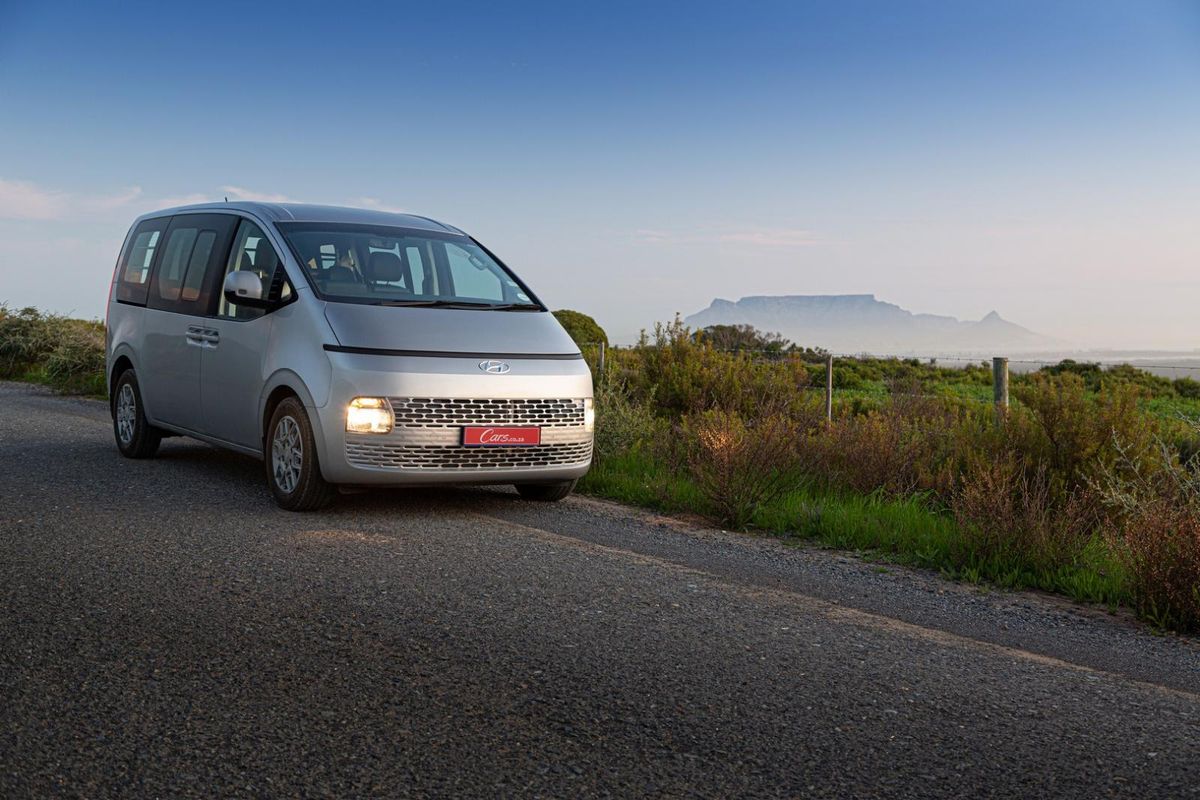
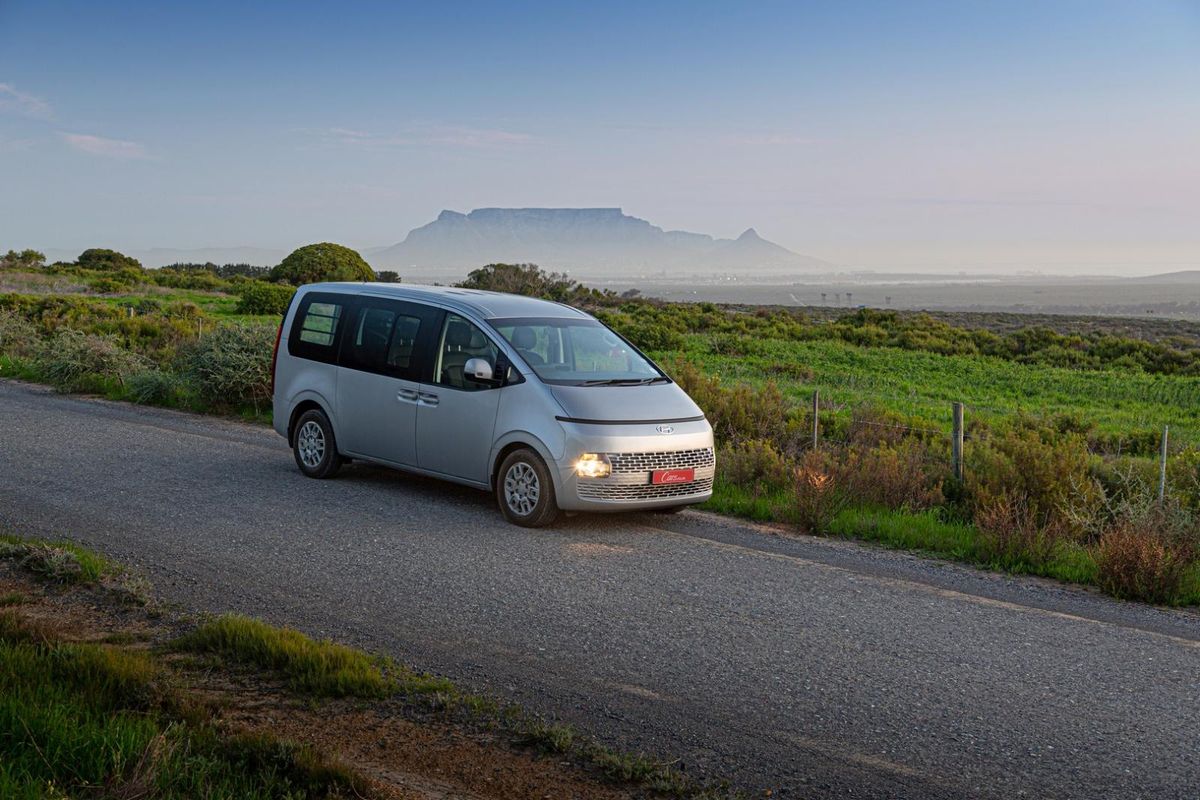
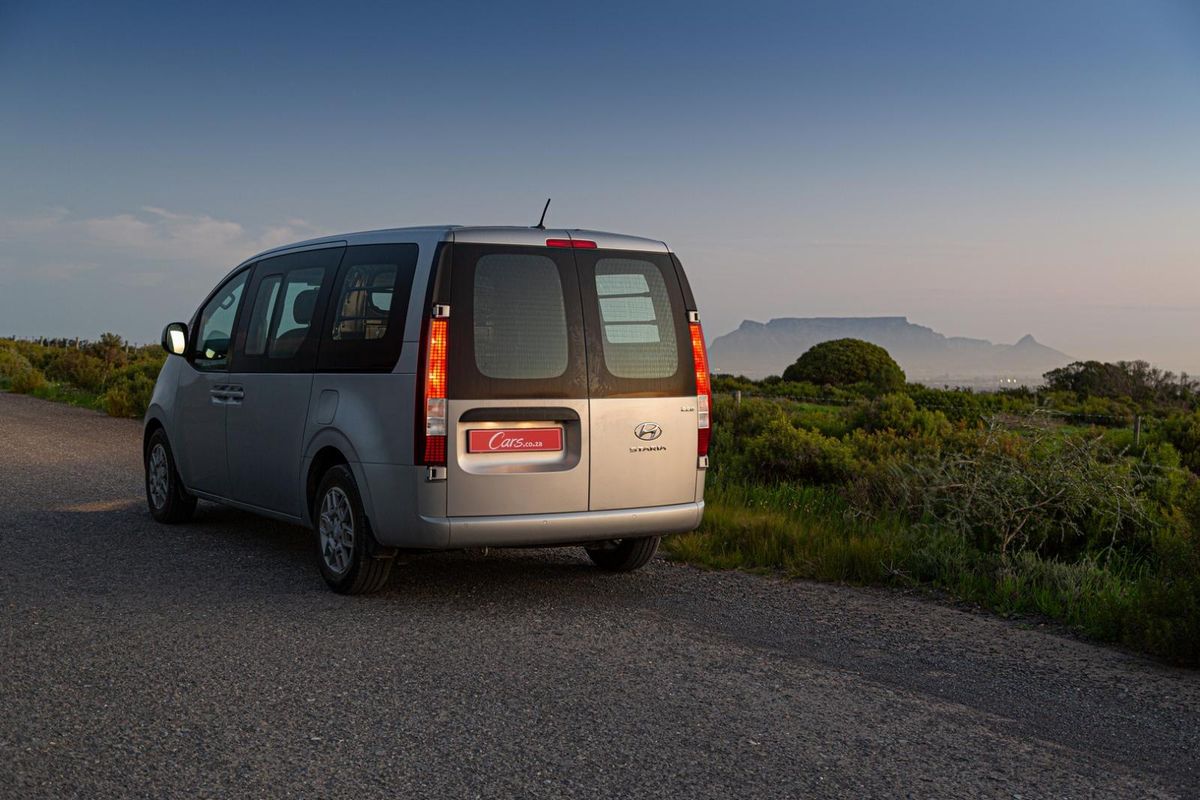
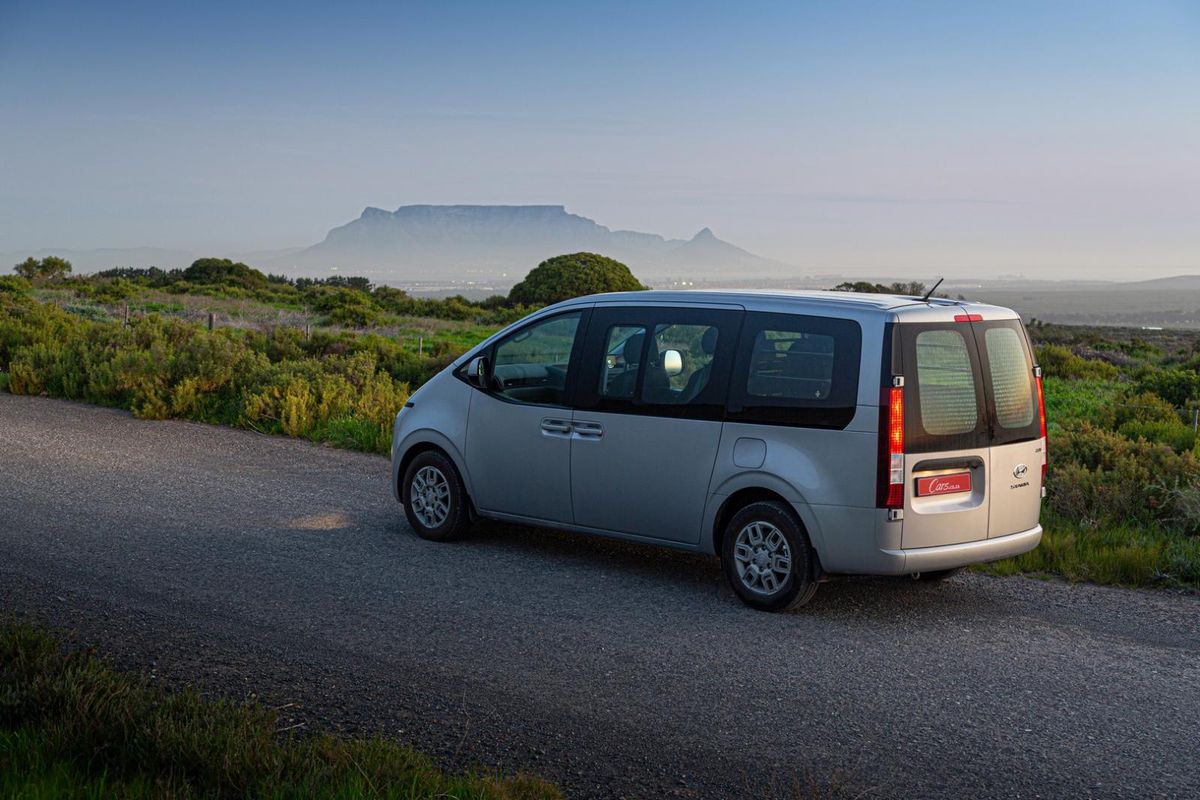
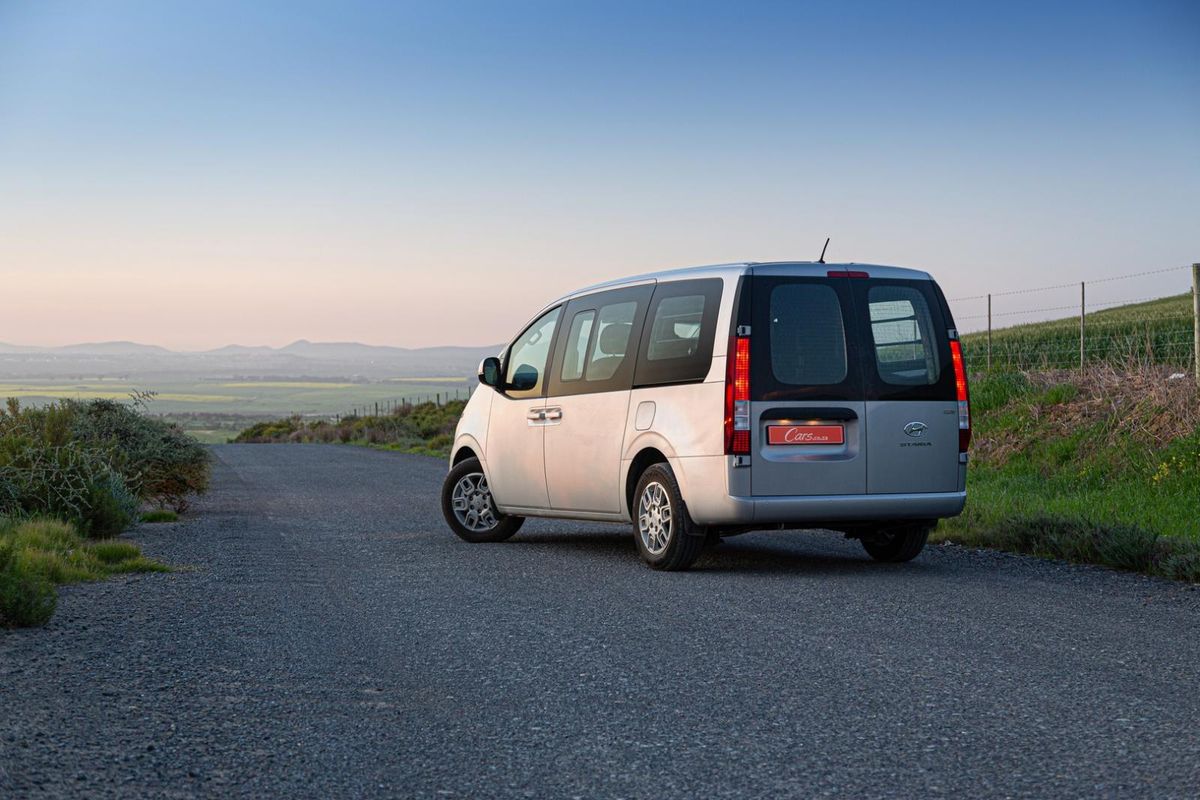
It may look like a vehicle that was procured from the set of a science-fiction movie, but Hyundai’s futuristically styled MPV – the Staria – has proved a revelation. As the model finds success in the local market, new derivatives are being introduced to the line-up – and the Multicab might just be one of the most practical family cars on the market.
We like: Practicality of a 5-seater family car and a panel van. Modern infotainment and tech.
We don’t like: No 4×4 version to make it perfect.
FAST FACTS
- Model: Hyundai Staria 2.2D Multicab
- Price: R764 900
- Engine: 2.2-litre 4-cylinder turbodiesel
- Power/Torque: 130 kW/430 Nm
- Transmission: 8-speed automatic
- Fuel consumption: 8.7 L/100 km (claimed)
- 0-100 kph: 12.4 sec (claimed)
- Luggage capacity: 2 890 litres
Serious about buying/selling?
Some Hyundai dealerships regularly offer great deals. See our New Car Specials!
Where does the Staria Multicab fit in?
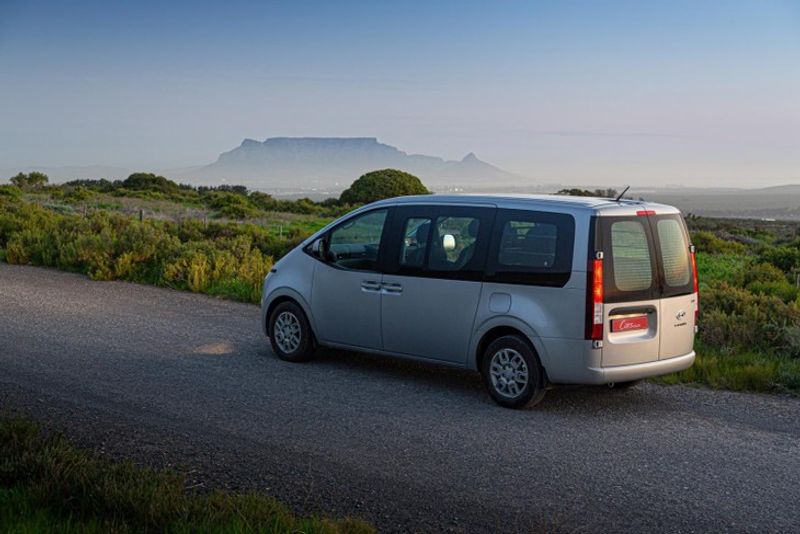
The Staria Multicab combines a family car and panel van into one.
Upon its South African introduction in late 2021, the Hyundai Staria replaced the long-serving H1 model. With all due respect to the H1, it was an all-too-conventional shuttle for people (or goods) that lacked the design flair or mod cons to genuinely attract buyers of large family cars. The Staria looks interesting in a way that it combines elements of a Dalek (a robot-like creature from the Dr Who series), the lighting from a fibre router and, at the rear, one of those fancy gas-fire contraptions that outdoor restaurants use in winter. I doubt those influences featured on the Staria design team’s mood board, but they do stimulate discussion… van drivers aren’t accustomed to commenting on the shapes of their vehicles.
How well is the Hyundai Staria selling in SA?
The Hyundai Staria 2.2D Multicab combines 5 seats (2 up front and 3 in the rear) with an enclosed panel-van load bay behind the rear passengers. If you think about it, it’s an ideal combination – you get the comfort of a family car up front and then nearly 3 000 litres of load space at that back (in the panel-van section). In terms of value, it’s a veritable bargain at R770k, at least when compared to your traditional SUV options. Surely there must be a catch? Well, let’s find out…
How the Staria Multicab fares in terms of…
Practicality
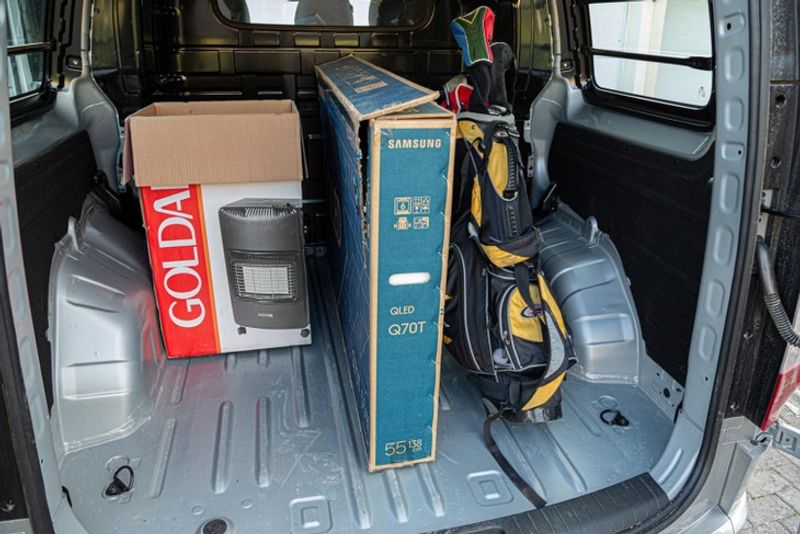
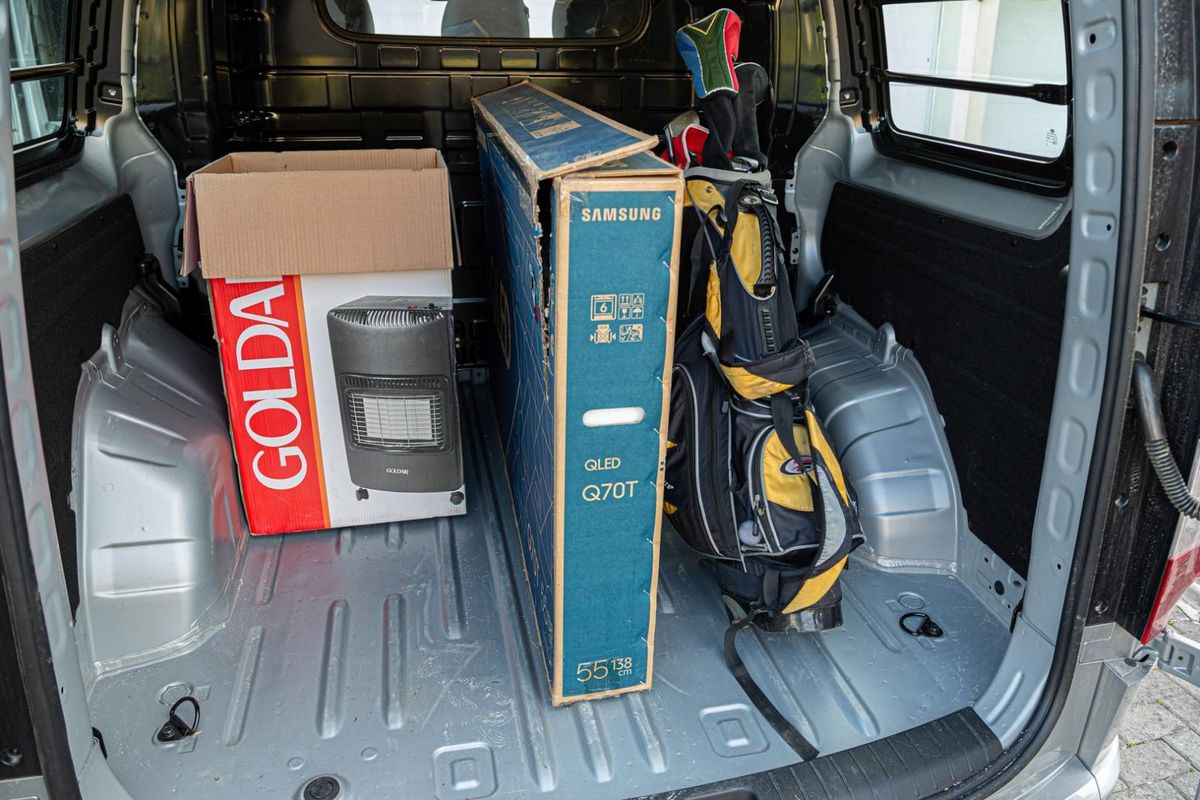
You can stack the load bay until to your heart’s content. The Staria has a humungous load bay.
It’s difficult to accurately describe just how practical it is to have a panel-van section at the back of your family car. There’s a lot of peace of mind in having a completely enclosed loading area that can be locked and isn’t exposed to prying eyes. The sill is nice and low, which makes it easy to load heavy items into the bay; it also enables you to stack things up until you reach the height of the roof. In fact, there’s so much room in the load bay you may pack things you don’t really need.
We used the Staria 2.2D Multicab to take a week-long trip to the Overberg. Usually, a mountain bike comes along for the ride (ahem!), as well as your usual holiday gear and assorted detritus, but this time the road bike was loaded up too, well, because it also fits in the back, as well as an indoor cycling trainer, a fan, some golf clubs and all the usual luggage, for 4 people. The separate load bay also means you can throw dirty items in the back without having to worry about the leather upholstery getting covered in dust or grime. To give you more examples, the load-bay keeps sand, from surfboards and wetsuits, or mud, from mountain bikes, out of the passenger space – and the space can easily be cleaned later.
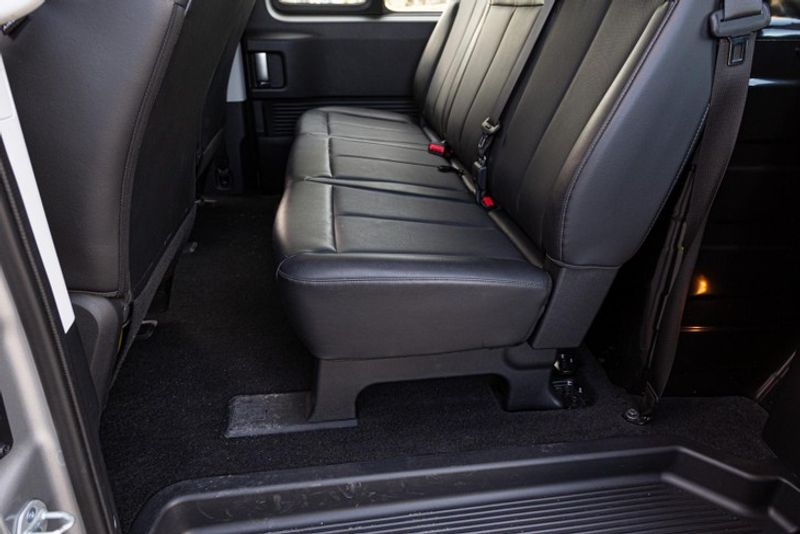
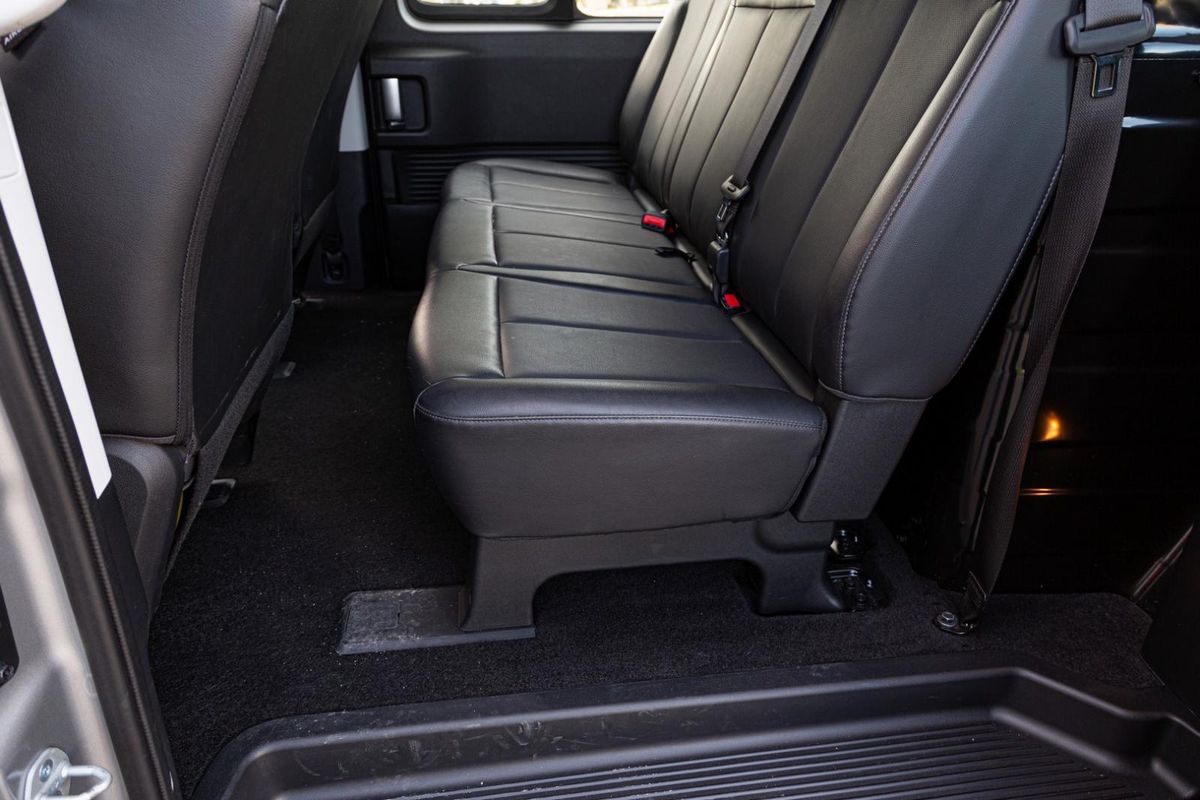
Rear passengers have plenty of space, even with the front seats in their rear-most settings.
Besides the obvious benefits of the panel-van section, passengers have plenty of room in the rear and the sliding doors open on both sides of the Staria Multicab. The doors are easy 1-touch open and close, which eliminates the hassle of having to heave them closed when the MPV is parked on an incline. They aren’t electrically-operated doors per se, but there is an assist function that makes sliding them closed much easier.
The rear passengers are closed off from the load-bay area creating a passenger “bubble” that does a good job of muffling the noise you get from the floor of the panel van (amplified road noise and the literal echo-chamber effect you usually encounter in a panel van). This seating configuration does mean that the rear seats don’t recline – their backs are quite upright – but there weren’t many complaints from aft passengers, even after they’d spent 2 hours sitting on the bench.
Look up the Hyundai Staria’s full specifications
Ride and handling
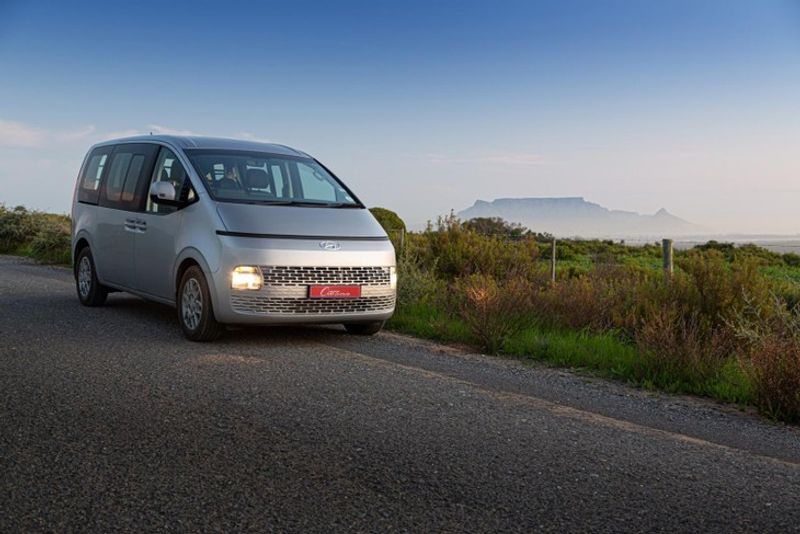
The Staria isn’t an SUV, but it drives better than most other vans.
Considering that the Staria is a light commercial vehicle at its core, it’s quite good to drive. It doesn’t exhibit as much body roll as others models in the segment and it rides out bumps – and other road imperfections – relatively well. There is a little bit of crashiness to the suspension when the Multicab traverses bigger bumps, but you don’t get that floaty/boaty feeling that seems so characteristic of very long wheelbase vehicles.
The steering is on the lighter side, but provides enough feedback that you can easily place the Staria and keep it centred in its lane. With vans, you can often feel like you’re driving in a ‘90s sitcom, which is to say constantly sawing at the ‘wheel to correct the van as it gets buffeted/crabs across the road. The Staria feels more planted and straight-tracked in that regard. It’s far more car-like to drive than almost any other van (this side of a pricey Mercedes-Benz V-Class).
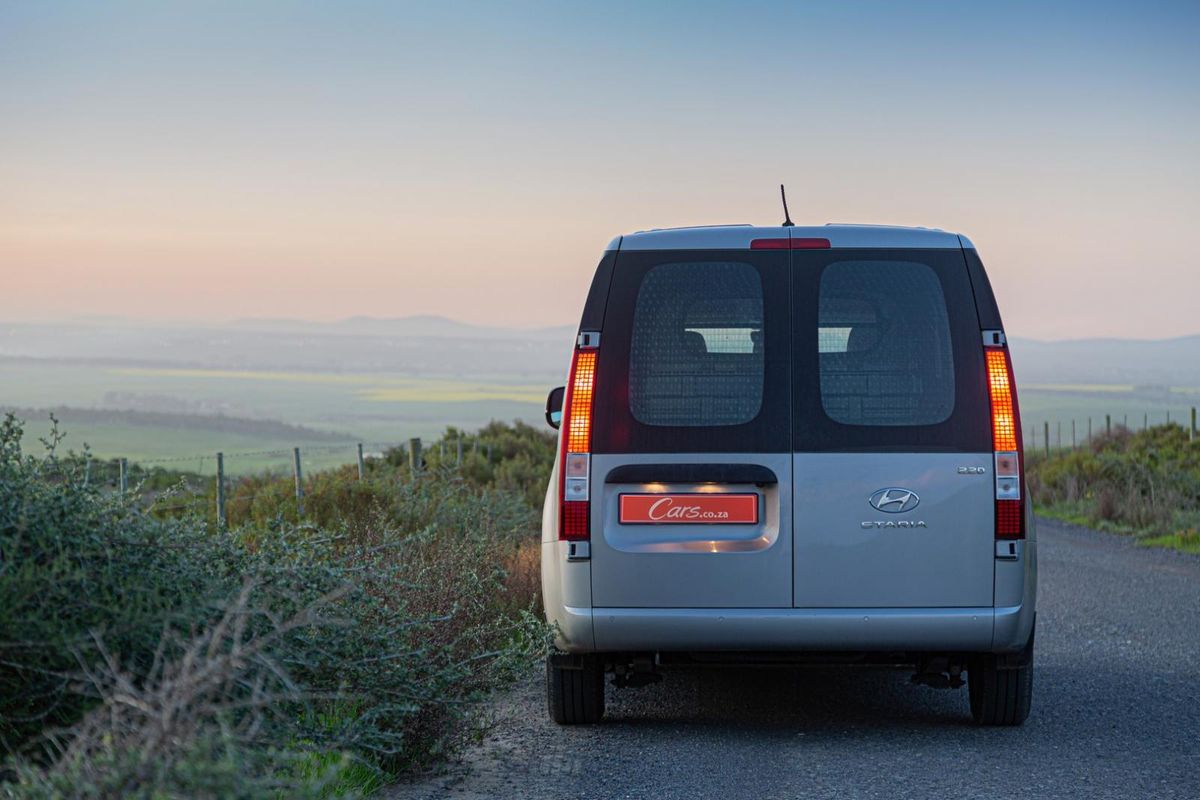
The seating position is still cab-forward like in a van, so there’s no hiding the fact that you’re driving an MPV – not an SUV. It’s also particularly difficult to park in a regular parking space so you tend to have to look at the outer limits of a parking lot to find an easier spot to, um, dock. That said, the reverse camera is high-res and helpful enough to manoeuvre the Staria with some ease. It’s a must-have feature, considering you don’t get a view out of the rear of the Staria Multicab.
Performance and economy
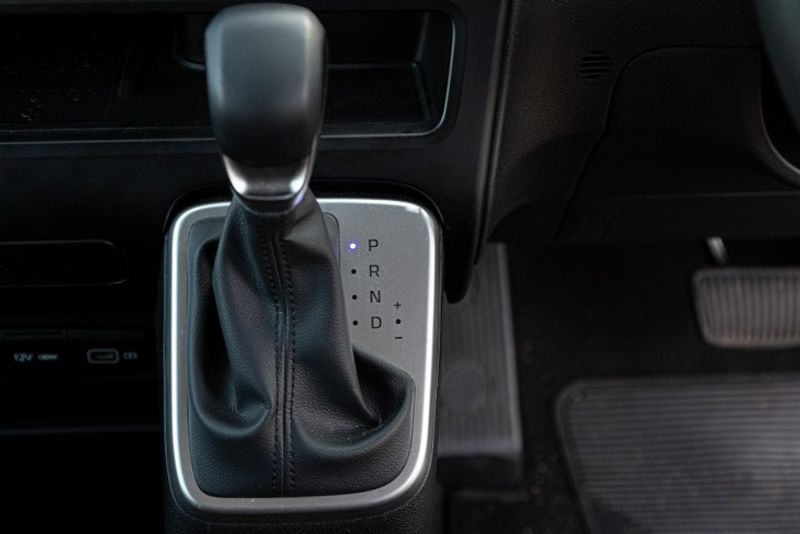
The Staria makes use of the same engine and transmission as the Hyundai Santa Fe, but with different outputs.
We’ve gained a lot of experience with the 2.2-litre turbodiesel Hyundai/Kia motor throughout the past few years. The engine is used in many of Hyundai’s SUVs and is usually up to the task, well, to a lesser extent in the gargantuan Palisade.
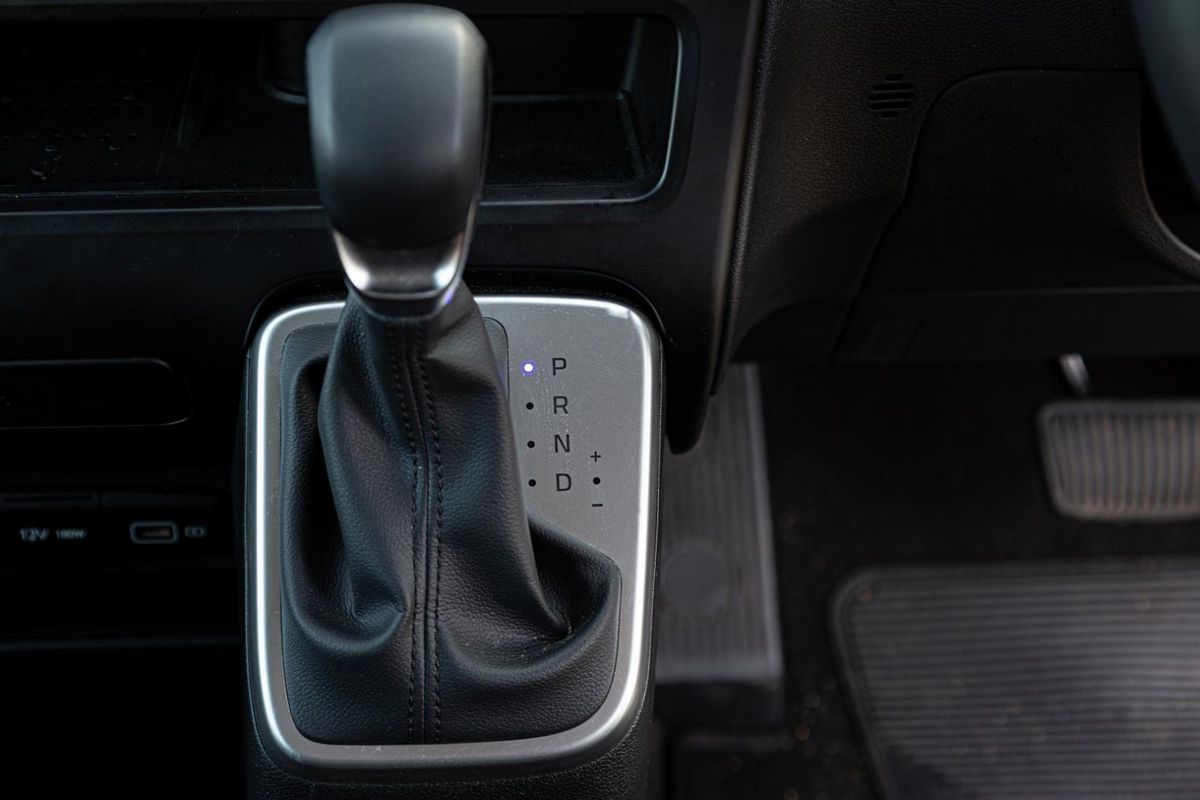
In this format, the 2.2 litre produces 130 kW and 430 Nm of torque and we found the Multicab’s performance more than adequate on the freeway. Even when fully loaded, the MPV can maintain the national speed limit with little difficulty, with surfeit torque available if you need to execute overtaking manoeuvres. Around town, it’s got enough “get up and go” to keep up with traffic, while the well-calibrated auto ‘box facilitates a smooth and comfortable driving experience.
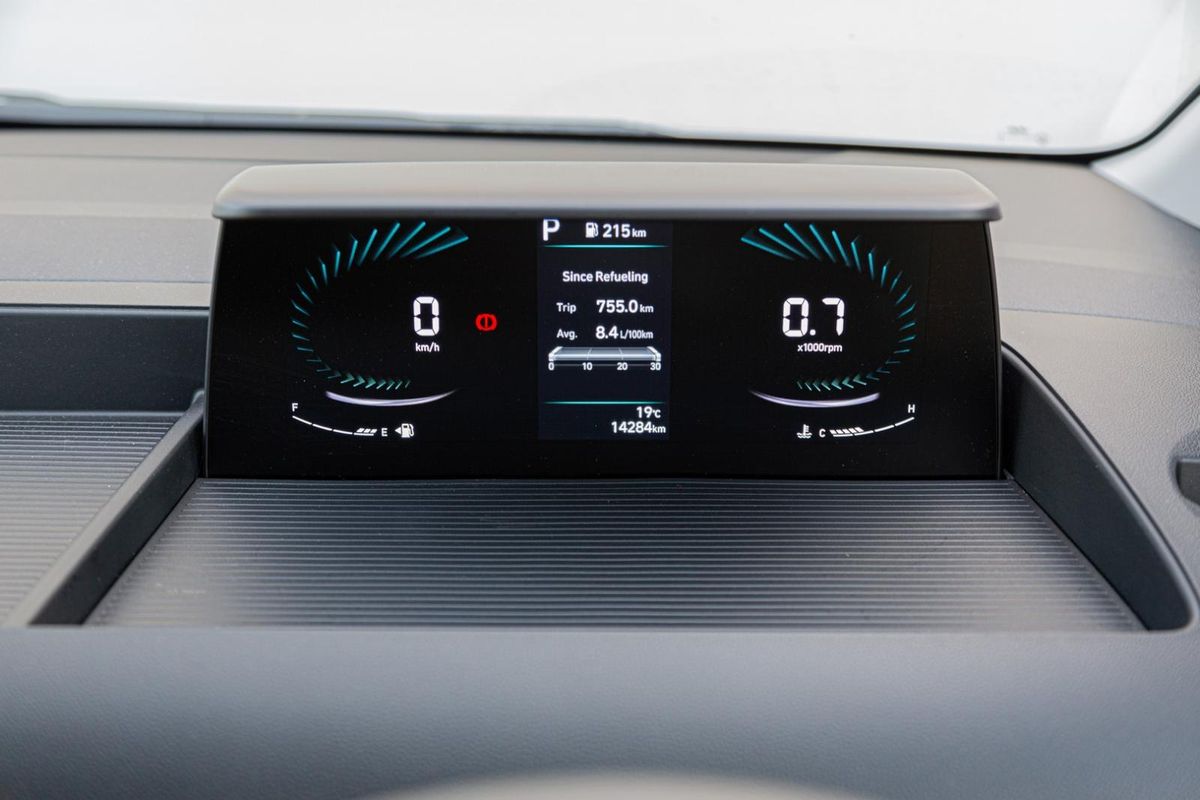
The test unit’s fuel economy was good during its tenure in our fleet – after clocking up 1 000 km over 2 weeks, the indicated consumption figure was 8.9 L/100 km. In town, the Staria’s going to be thirsty because it’s a hefty vehicle, but it’s quite efficient once you’re out on the freeway or open roads. An SUV with similar power/torque will almost certainly be more fuel efficient than the Multicab, and that’s an area where you may have to accept that it won’t be as effective as an SUV.
The Staria Multicab is only available in front-wheel-drive guise and that might be its only major drawback as a family vehicle. South Africans love to travel to difficult-to-reach locations and an all-wheel-drive version of the Multicab would further entice contemporary family-car buyers. Nevertheless, it will still get you to the same places that a regular two-wheel-drive SUV would, because its ground clearance (186 mm) is similar to that of a medium SUV, such as the Hyundai Tucson.
In-car technology and safety
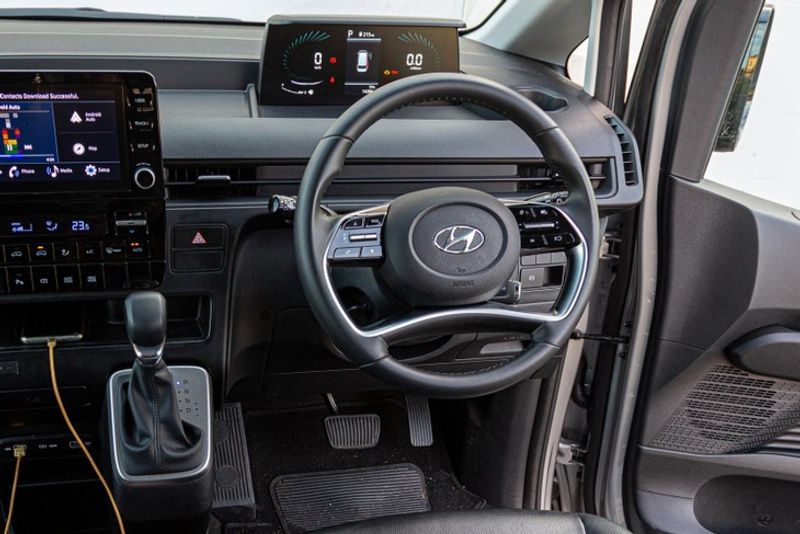
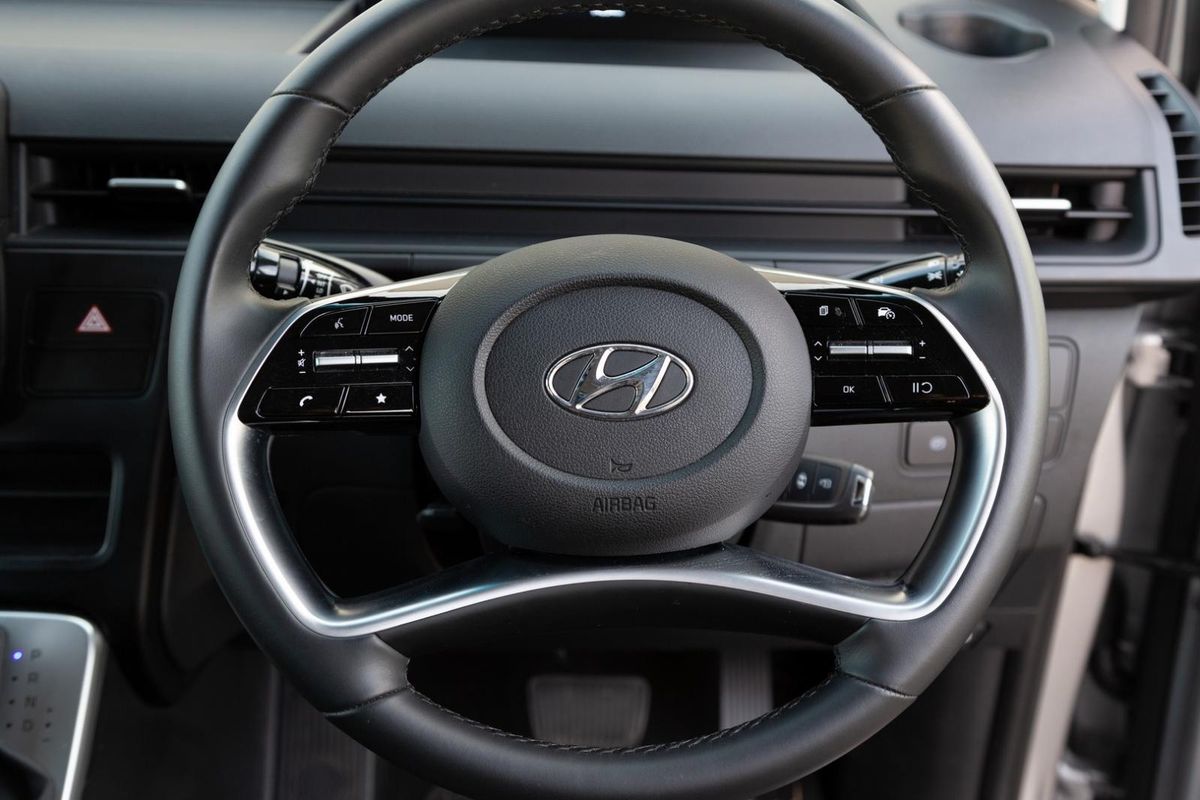
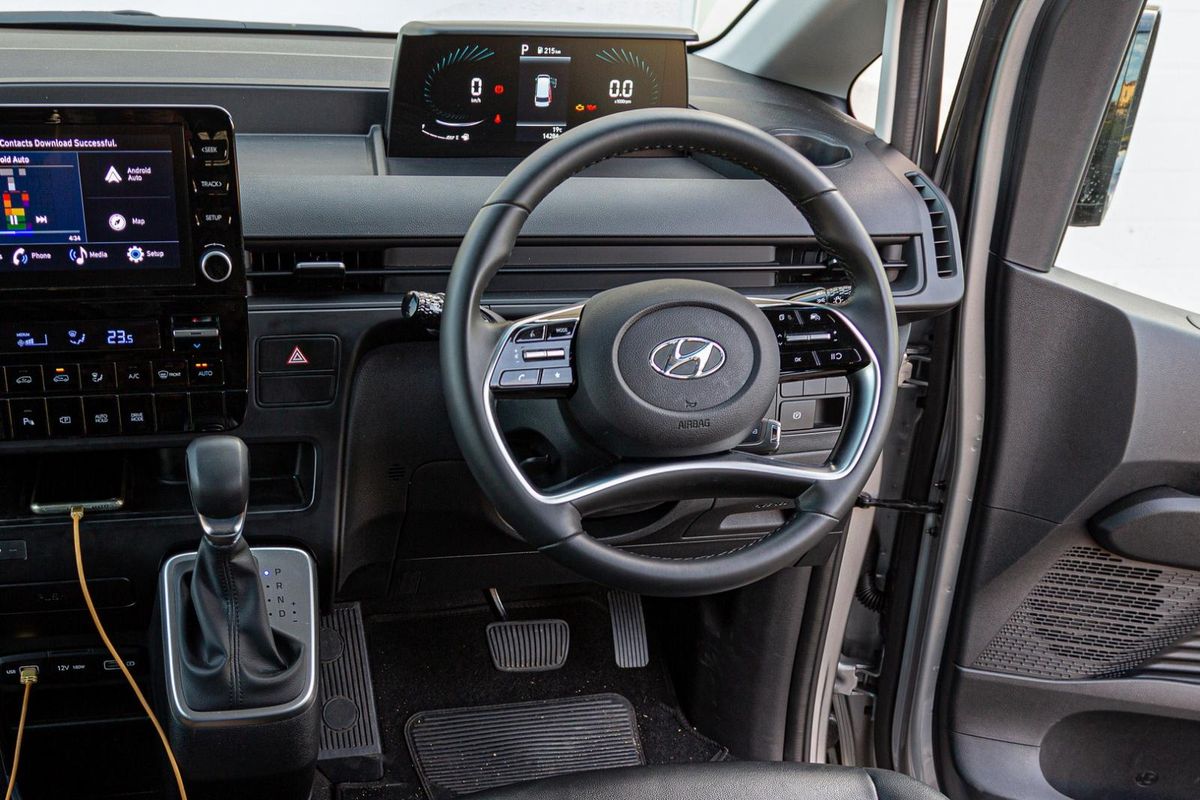
The cabin is very modern with all the features of a new SUV.
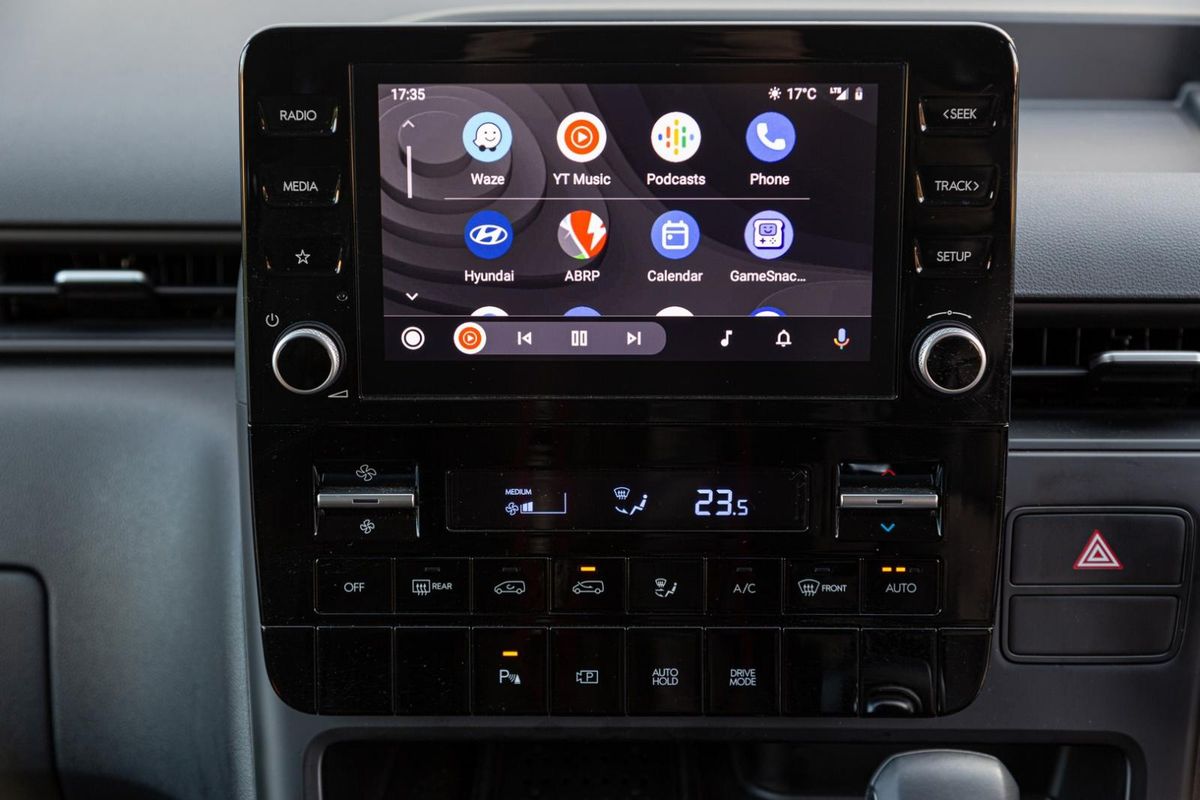
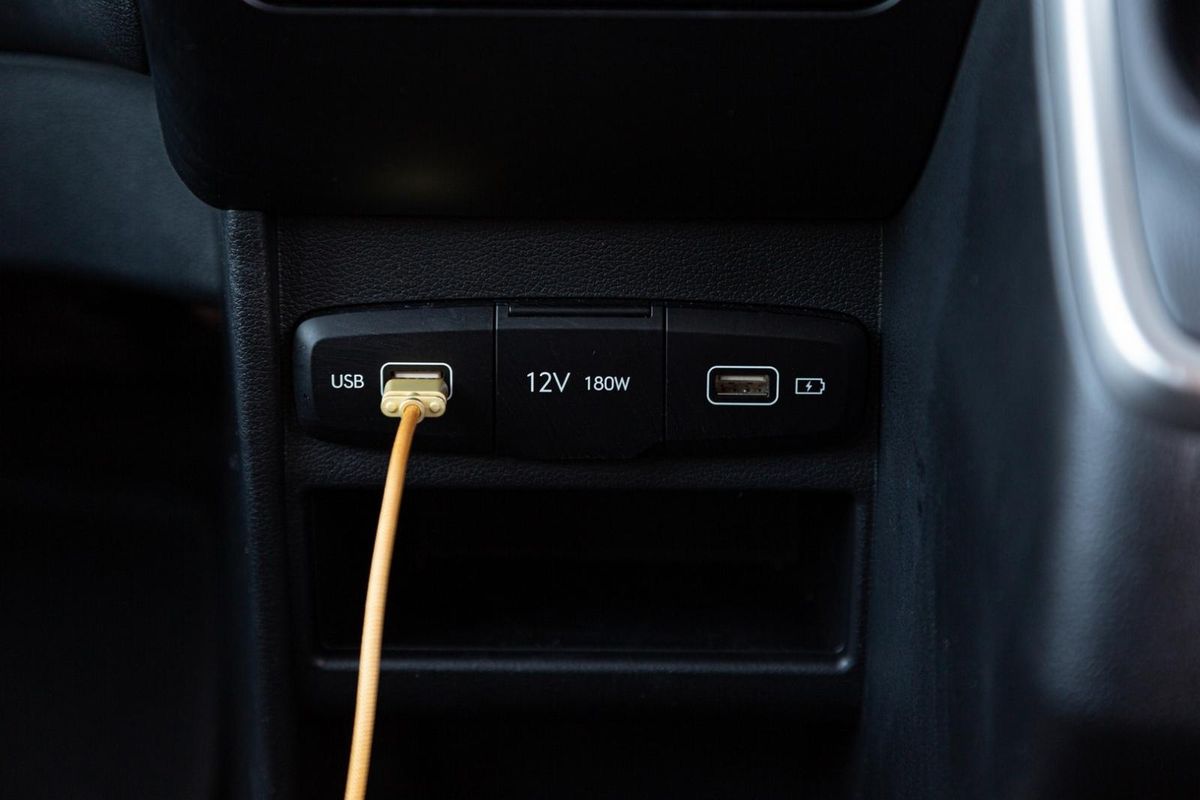
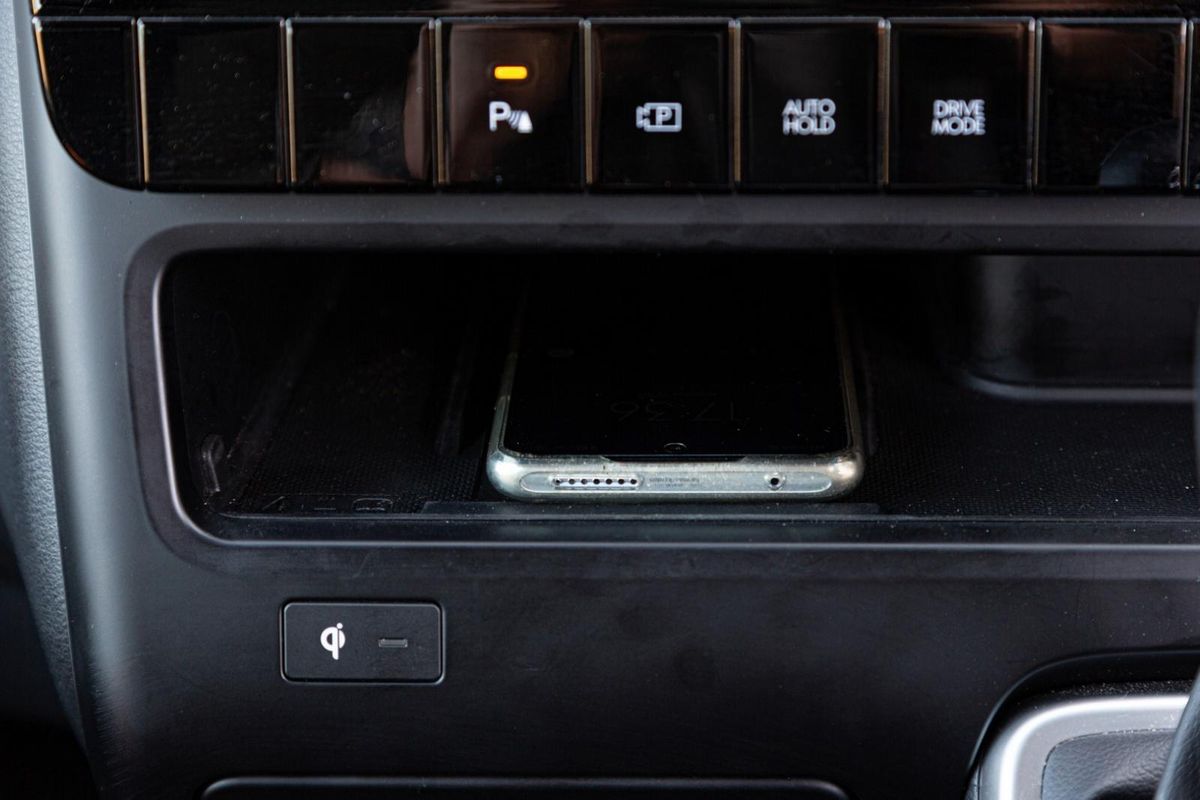
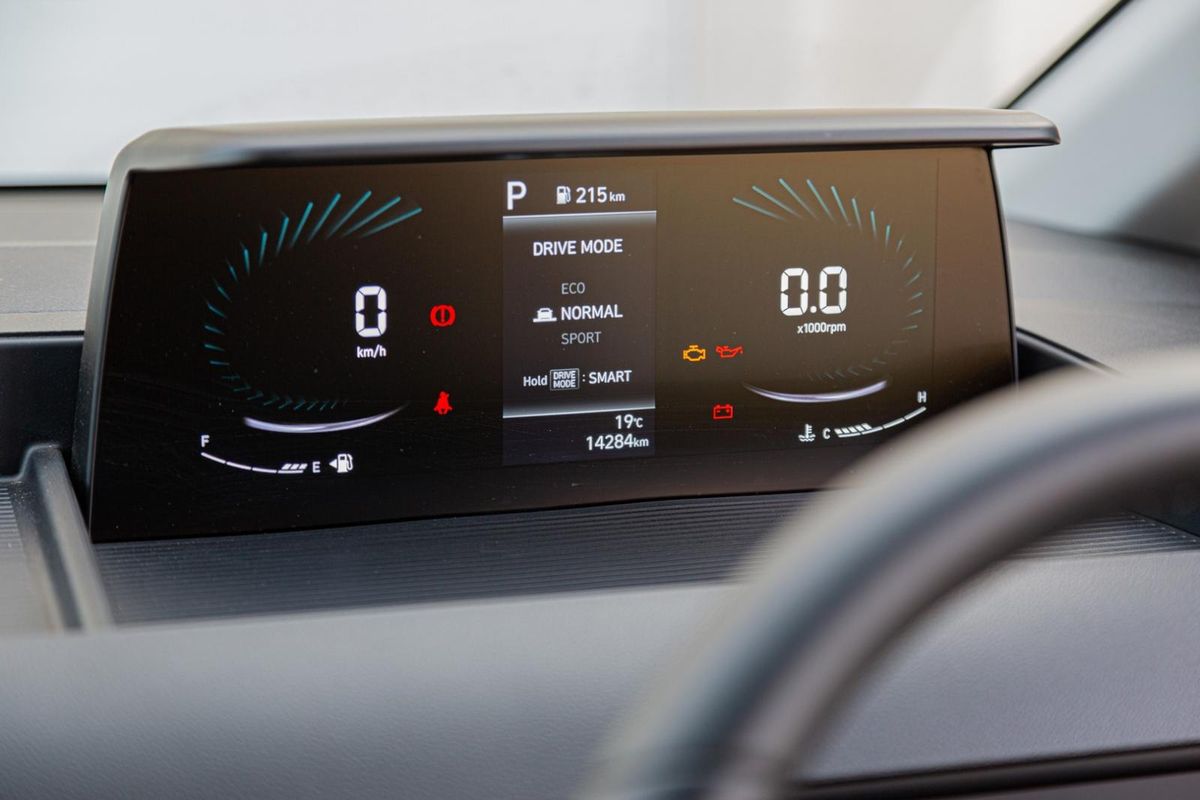
The majority of “vans” draw the short straw on the technology front, but the Staria feels like a modern car in that regard. It gets a full digital infotainment system (with Bluetooth, plus Android Auto and Apple Carplay compatibility), which is the same as you get in Hyundai’s SUV lineup. There are 2 USB ports up front, 2 in the rear and a wireless charging bay for front occupants. Strangely, when it comes to climate control (auto aircon), the Multicab is single-zone only.
In terms of safety, the Hyundai is fitted with 6 airbags in the passenger cell and comes equipped with the full suite of ABS, EBD, traction control and electronic stability control. Nice-to-have features include daytime running lights, folding side mirrors, cruise control and park distance control (front and rear) in conjunction with a reverse-view camera, as we mentioned above.
Buyer’s Guide – Multi-seater MPVs
Hyundai Staria pricing and after-sales support
The Hyundai Staria 2.2D Multicab costs R764 900 (September 20222) and comes with a 5-year/150 000 km warranty with a 7-year/200 000 km drivetrain warranty. The service plan is valid for 6 years/90 000 km.
Looking to sell your car? Sell it on Cars.co.za for free
Verdict
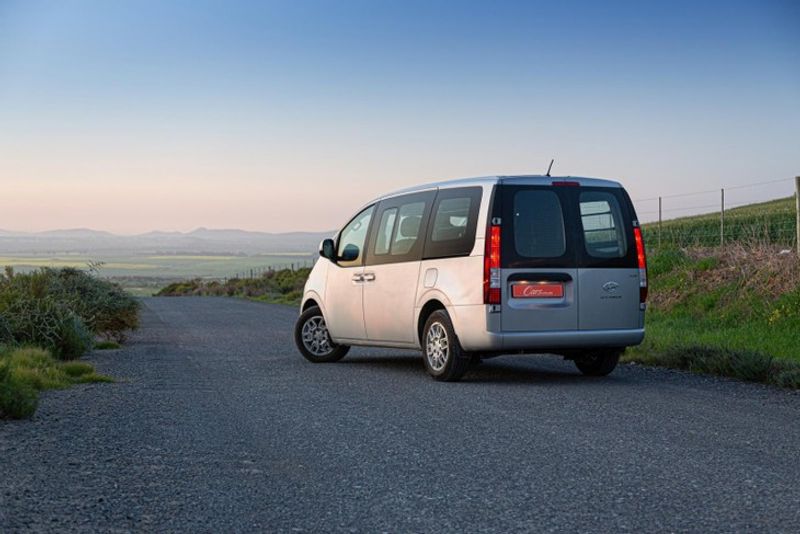
The Staria Multicab could be in with a shout as the most practical family car on the market.
The Hyundai Staria 2.2D Multicab represents a bit of a bargain when compared with family SUVs in its price range. There isn’t another van offering we can think of that is a family car at one end and a (separate) panel van at the other.
South Africans tend to choose bakkies at the R750k price point, but the Multicab makes an extremely good case for itself by virtue of offering more passenger space, more (fully enclosed) loading space, and better fuel efficiency than double cabs do. All of your stuff isn’t on display in the MPV either – it’s still more practical than utilising a canopy on your bakkie. The only area in which it may be deficient is the lack of all-wheel drive, but how often do you really need 4×4 capability?
Overall, the Staria Multicab offers a lot of vehicle for the price. It’s got a capable drivetrain, a car-like infotainment and onboard tech setup, as well as a full house of safety features. With your thinking cap on, it could easily be the most practical family car on the new-vehicle market. Considering the Staria comes with a 7-year/200 000 km drivetrain warranty and a 6-year/90 000 km service plan, this genuine multipurpose vehicle is a good proposition for long-term ownership.