The 2015 Geneva Motor Show is scheduled to take place in less than a month, and with that, many automakers are giving us a glimpse into what theyll be showcasing including Suzuki, which has just released the first teaser images for the iK-2 and iM-4 concepts.
Suzuki describes the iK-2 concept as an ideal compact sized car, developed with an innovative theme of Harmonized Force. And from the image it looks like the model will compete in the C-segment as a hatch.
On the other hand, the iM-4 looks to be a mid-size SUV which Suzuki says will feature a compact 4×4 DNA and new technologies, as well as distinctive styling that will give real inspiration to drivers.
Detailed information on both concepts will be disclosed at the motor show in March 2015.
Hyundai i20 (2015) First Drive
Hyundai new model launches in Gauteng follow a pattern: quick in, quick out, an insightful industry and model-related talk by Stanley Anderson, Marketing Director at Hyundai Automotive SA, a drive that takes half the morning, and apart from lunch, thats pretty much it.
The new i20 launch on February 5 was no different, and the interesting bit was analysing just how important i20 sales are to Hyundai here. Last year saw Hyundai lose some passenger market share as a whole in this country, and although Anderson put this down to a lack of new product compared to some of the Korean-based companys main rivals, pricing definitely had something to do with it.
And the sales figures of this car over the past five years also tend to be an eye-opener. Since 2009, the previous-gen i20 sold 68 631 units. Do the math and you realise thats a solid average of over 1 000 units a month, impressive for a car that only had a mild face lift in its life cycle.
The style is evolutionary rather than revolutionary, and there is far less of the Fluidic Sculpture approach on this car than there has been on the current Elantra and Accent models. Its rather been a case of stretching the little hatchback slightly, creating shorter overhangs, freeing up more interior space and modernising key elements like the distinctive trapezoidal grille. On the flanks, Hyundai mentions key elements like the high styling line just below the windows and sculptured undercuts on the body panels to get away from a slap sided appearance.
At the rear, the cars most distinctive design feature is found in the tail lamps positioned at the outmost edges of each side of the rear, with a blistered look blending into the rear wheel arches and giving the car a staunch, planted look from the rear, with the wheels placed close to the body panels and thus avoiding the soft, tucked-in look that afflicted some previous examples of Hyundai hatch-dom.
Improvements Inside
The biggest changes, perhaps are inside, where there has been a huge effort to use premium-level plastic in areas like the door, switch-gear surrounds, and on the dashboard, which is now mounted higher and further forward, to free up leg space for the front passengers.
Talking of space, the boot is quite impressive for a hatch of this size at just under 300 litres and there are large stash-spaces in the cabin too for outsized cans of energy drinks or giant cups of coffee.
Same Engines
Engine-wise, there has been no change from the previous offerings on the i20, although the 1.6-litre model is no longer in the line-up. Power outputs are competitive without being earth-shaking: the 1.2-litre is rated at 61 kW and 115 Nm, with the 1.4 (which we drove) at 74 kW and 133 Nm.
The car used for the launch drive was the 1.4 manual, which is a six-speeder, and on level open road cruising it is possible to use sixth regularly, with down-shifts only required for gradients or for overtaking. It is interesting to note that none of the journos present at the launch asked about performance, and there was scant mention of it in the media release. This is not a performance car, but a utility vehicle with the required level of creature comfort and sophistication now demanded by this market.
i20 Positioning
And indeed, the new Hyundai achieves a level of sophistication in terms of ride and steering feel that is now very close to the best of Europeans in this market. The chassis is not quite there yet but its so close that the target-market customers probably wouldnt notice the difference between this car in the way it handles, compared, say, to the benchmark Polo or the excellent, but ageing Suzuki Swift.
The thing is, Hyundais are no longer the inexpensive cars that they were a decade ago, thanks to the globalisation of the brand. They have to compete head to head with the best, and yes, the i20 is a pretty good bet in this market. One of the indications that exchange rate movements have affected Hyundai is to be found in the fact that, while the five-year/150 000 km warranty is still in place, the sticker pricing only includes a two-year/30 000 km service plan on the 1.2-litre Motion model, while the 1.4 Fluid model gets a slightly more generous, but still frugal three-year/60 000 km service plan as part of the deal. Extended service plans are available at extra cost.
Pricing
Thus the new i20 range comes in with a model line-up pretty much at the lower end of the range available internationally. Right now there are three models: the 1.2 Motion manual at R184 900, the 1.4 Fluid manual at R204 900 and the 1.4 Fluid Automatic at R214 900.
Pricing Update: 2015 Hyundai i20 in SA
The all-new 2015 Hyundai i20 hatchback has been launched in South Africa and is ready to make its mark in the competitive B-segment and continue as one of the bestsellers in its local range.
The new model makes its entry into South Africa in three derivatives: the i20 1.2 Motion, the i20 1.4 Fluid and the i20 Fluid equipped with an automatic gearbox.
The new i20 does not only look fresh from the outside, with its clean and exciting lines, but the interior reflects a feeling of luxury and excellent ergonomic design. Customers are also in for a pleasant surprise when they take this new model in our stable for a test drive: The engineers have done a fine job of creating a car with solid, surefooted dynamics on the road, and a well-tuned, direct steering setup that gives good feedback, says Stanley Anderson, marketing director of Hyundai Automotive South Africa.
To read up more on the 2015 Hyundai i20 click here
2015 Hyundai i20 price in South Africa
Hyundai 1.2 Motion Manual R184900
Hyundai i20 1.4 Fluid Manual R204900
Hyundai i20 1.4 Fluid Automatic R214900
Included in the prices are the Hyundai Warranty and Roadside Assistance for 5 years or 150 000 km. Theres also a 2 year or 30 000 km Service Plan is included in the 1.2 Motions price, while the 1.4 Fluid derivatives include a 3 year or 60 000 km Service Plan.
Final Bugatti Veyron To Show Up In Geneva
Bugatti is said to roll out the 450th and final Veyron in Geneva next month.
Bugatti Veyron to bid farewell at the 2015 Geneva Motor Show
The report comes from a German publication Auto Motor Und Sport, which spoke to Bugatti president Wolfgang Durheimer who said that production of the final Veyron will be completed this year. He also recently revealed that there were only eight Veyron models left, which have now been sold.
Apparently, when asked whether the Veyron will be a 2016 model, Durheimer stated that the brand’s production cycle cannot be compared with other car companies.
While details on the supercar are still scarce, the CEO confirmed that the Veyron successor faces a unique challenge as the model “must do everything better than its predecessor”, in essence “make the best even better.’
“Bugatti is unique. Our super sports cars are not only in terms of vehicle dynamics and technology particularly, each car is equally a work of art in itself. Many of our customers are art collectors, and they know that it takes time to create a work of art,” he added.
The final Bugatti Veyron will be introduced next month during the 2015 Geneva Motor Show.
*Please note pictured is the 2011 Bugatti Veyron Super Sport
Infiniti QX30 Concept Teased For Geneva
Infiniti has teased its QX30 concept which set to premiere next month at 2015 Geneva Motor Show.
QX30 Concept foreshadows an urban explorer
According to the automaker, the QX30 concept will reignite the premium compact segment with a distinctive approach to design that looks beyond the practicality and conformity expected of the segment.
Details are yet to be revealed, however, Infiniti has issued a teaser image showing the cars distinctly and dramatically styled backside with a mixture of contoured lines and curves. You can also see a prominent tailgate, trapezoidal exhausts housed on a large bumper, and large wheels possibly fitted with wide wheel arches with plastic body cladding.
Apparently the crossover will also follow in the footsteps of the Q30 concept which was unveiled at the Frankfurt Motor Show in 2013, and make use of Mercedes-Benz’s MFA platform which is currently used for the A-Class and GLA.
More details will surface once the QX30 concept premiers next month.
Audi S1: All You Need To Know (Video)
In this video well save you the hassle of driving to an Audi dealership with a detailed look inside, outside and under the bonnet of the new Audi S1.
Audi S1 (2015): All You Need to Know
When you consider these days that cars like the Audi A6, BMW 5-Series and Mercedes E-Class are powered by 2.0-litre engines, it almost seems absurd that Audi would want to squeeze a 2.0-litre powerplant into the tiny A1 the smallest car in the range.
But squeeze it is and the result is a car that on paper should be blisteringly quick. 170kW and a hefty 370Nm are figures only partially rivalled by the upcoming Mini Cooper JCW. Even so, the S1 stands alone as the only car in the segment with all-wheel drive, which is an achievement.
The quattro system helps the little tyke deal with all the horses and it does feel planted, albeit with a bit of understeer to let you know youre really being a wally. In-gear acceleration borders on frightening and snapping through the notchy box is a genuine hoot. However the weight penalty, significant reduction in boot space and the fact that Audi can only offer a manual gearbox due to space restrictions are all notable downsides of this pioneering set up.
And there is the price. At R449 500 for the Sportback, the S1 is surely a tough sell to everyone except the most hardcore lovers of small cars with big engines. For that kind of money, you could purchase any Audi A3 in the range, or even a TT. But what I suspect most Audi enthusiasts will look at is a used S3 or even a bonkers RS3.
The S1 seems to be more of a marketing exercise in what Audi can achieve with their go-faster tech, and while it is extremely good fun and a very decent daily drive, the asking price is a deterrent.
This is the first of our All You Need to Know videos, a series of short, highly informative videos that we conceived to give you, the car buyer, a detailed, visual understanding of new cars available on the SA market.
We feel its much better and much more convenient than visiting your local dealership; you dont have to leave the comfort of your home or office, you dont have to decline a cup of instant coffee and no one with a name badge is going to pressure you into buying anything.
We have plenty of these useful videos in the pipeline, so stay tuned for everything you need to know about your favourite cars.
2015 Citroen DS 4 Receives New Engines
The 2015 Citroen DS 4 has been updated with a range of engine options along with upgrades to the tech.
2015 Citroen DS 4 boasts new engines
The engine line-up on the DS 4 now consists of three new engines including a THP 165 S&S EAT6 (petrol turbo with six-speed automatic gearbox), the BlueHDi (diesel) S&S 150 6-speed manual and the BlueHDi S&S 180 EAT6 (diesel, six-speed auto).
The THP 165 S&S EAT6 enables the model to return 5.5-litres/100km with CO2 emissions of less than 130 g/km, while torque ratings for all units range from 240 Nm to 400 Nm.
Tech upgrades include a new touchscreen navigation system with a seven-inch display which the automaker says allows access to all major functions while also contributing to improving cabin ergonomics.
Volkswagen up! (2015) First Drive
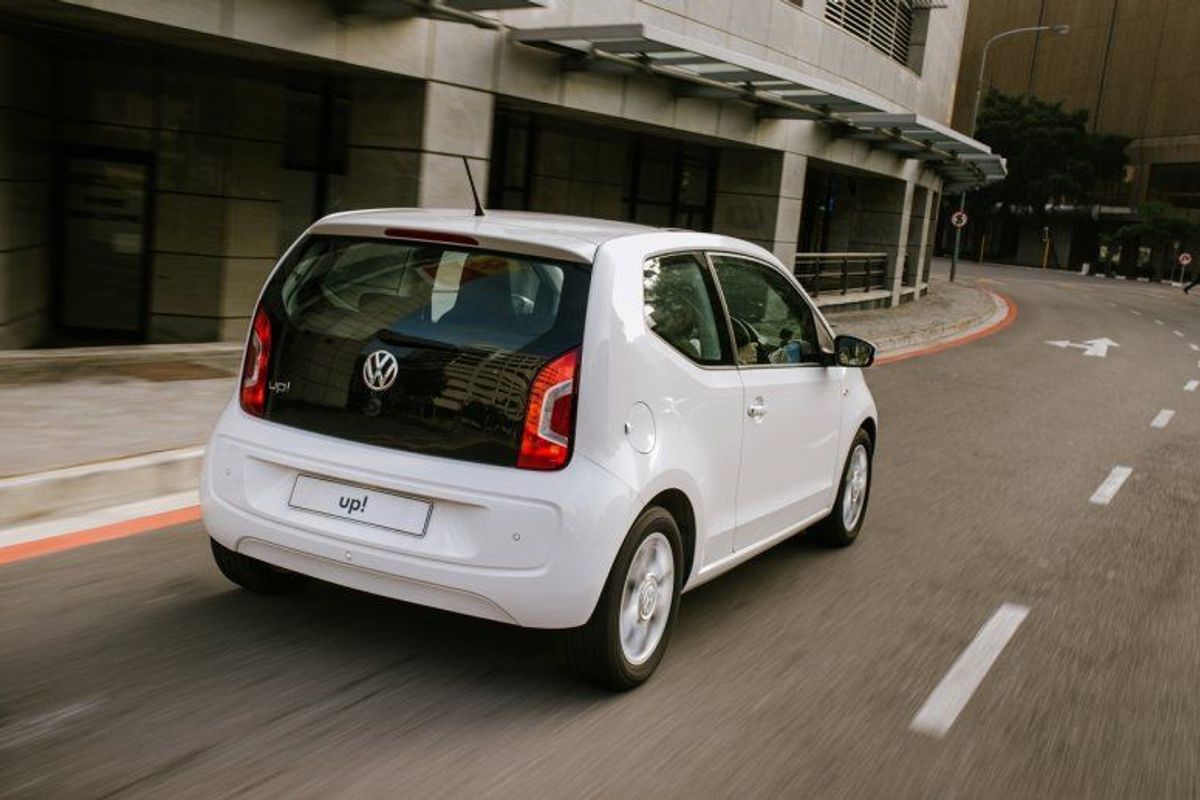
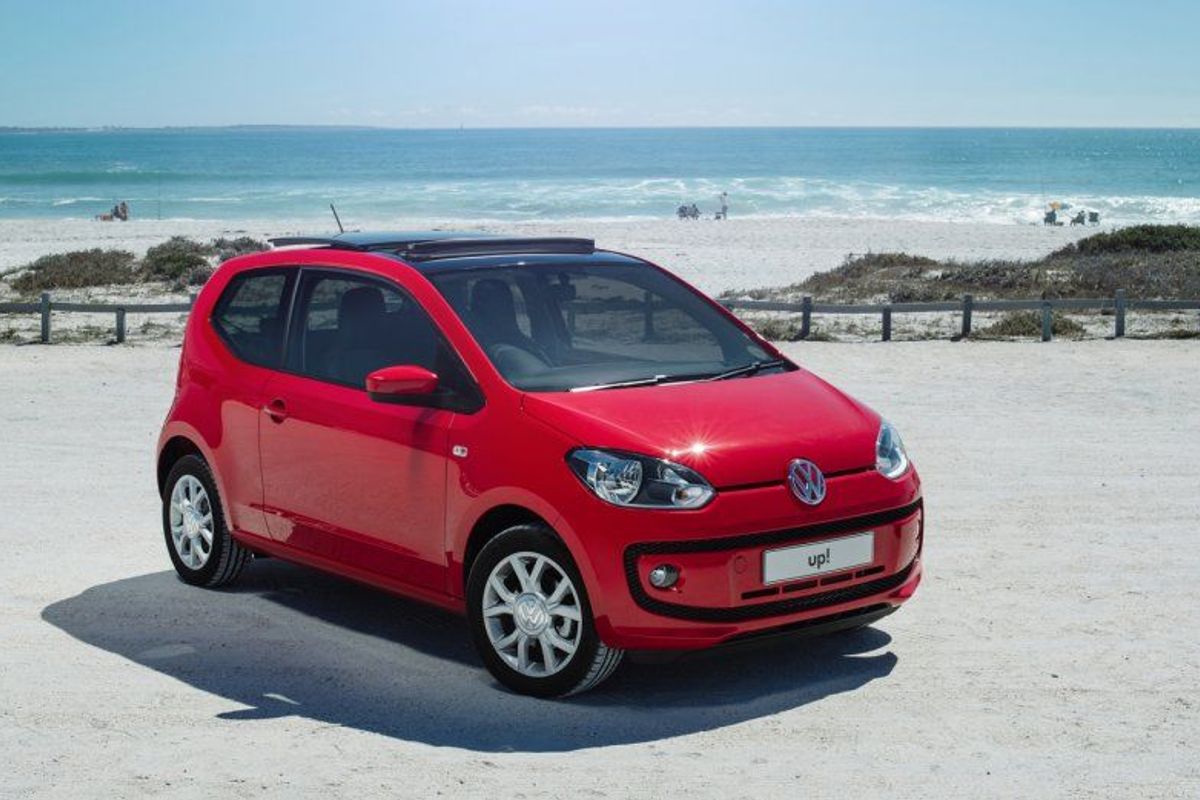
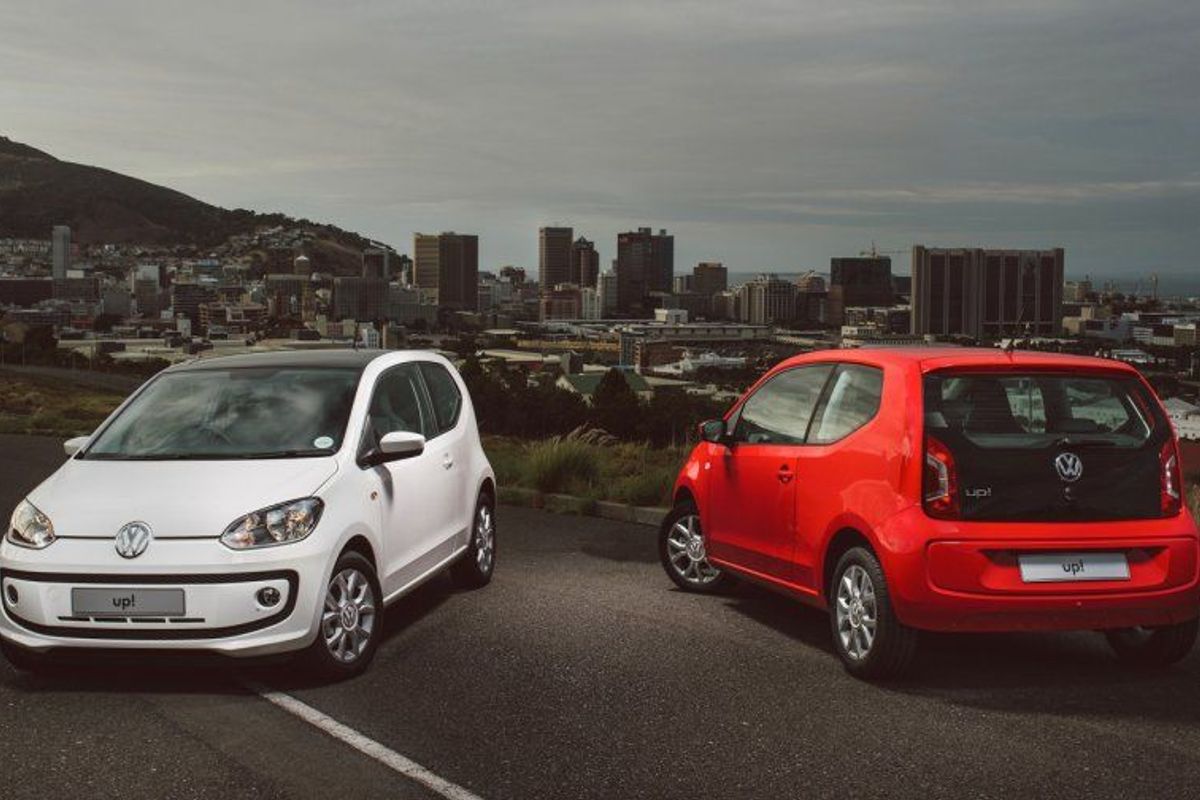
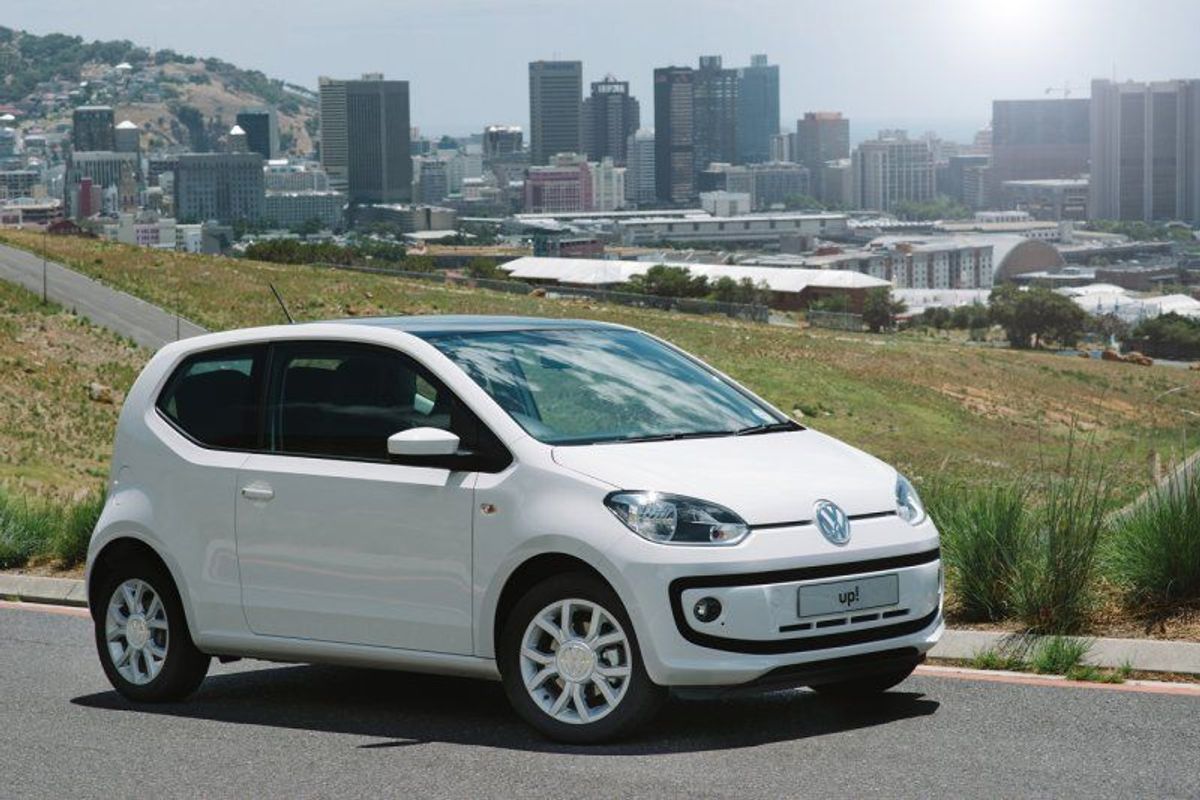
It has taken Volkswagen a fair few years to make the call to bring the up! to South Africa. Now that its been done, you wonder why it took so long. The up! fights in the small two-door hatchback segment just below the Polo Vivo and hopes that the two wont steal from each others market. WI drove the up! at the launch in Cape Town and was quite impressed with it.
Shake up!
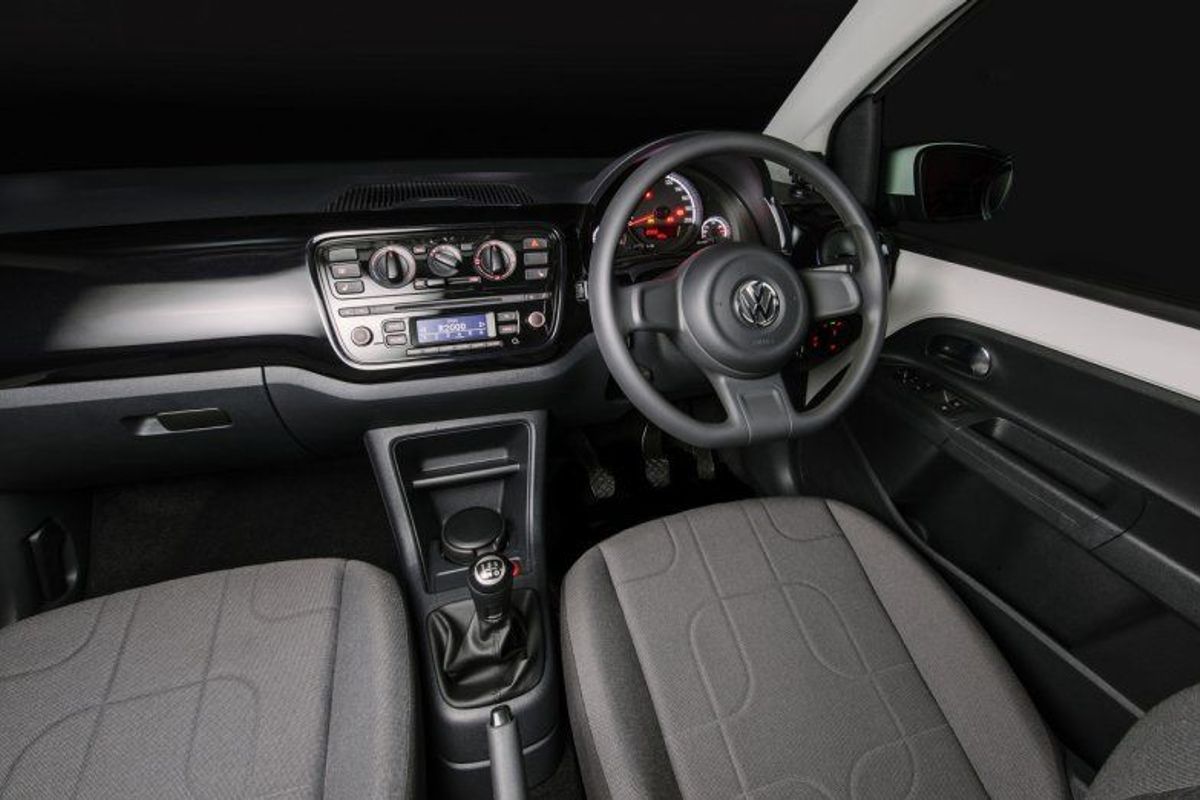
The Volkswagen up! will likely do a serious job of shaking up the entry-level hatch market. If the initial interest is anything to go by, VW will have no problem meeting the 200-250 units a month target it has set. Initial impression upon stepping into the up! is that its typically well-built inside with a solid feel to all the finishings and joins. Its not specced as well as some of the competition gadget wise, but they probably wont lose too many sales by not having a USB port or only including Bluetooth as an optional extra unit. Theres still an AUX port and MP3 compatible radio unit on the top-of-the-range Move up!
Speed up!
There is only one engine available in the up! range and thats a 1-Litre, three-cylinder petrol motor capable of 55 kW and 95 Nm. Over our test route at the coast, the engine actually felt adequate better than the Vivo 1.4 motor for sure. The up!s lightweight chassis means it get a move on quite quickly. You wont be racing around town beating up traffic, but it feels ample for city driving and not too difficult on the freeway either. Whether this is still true for those who live at the Reef will still have to be tested. Claimed fuel consumption is as low as 4.7L/100km and we were averaging around 5.5L/100km over our 250km round trip of the Cape.
Drive up!
The VW up! has a solid feel to its road holding, its sturdy and well-planted for a such a small and light car. The steering feels evenly weighted through turns in the city and out on the open road. The front of the cabin feels quite roomy but the back as youd expect is quite confined. VW rates the boot has a loading space of 251-Litres and thanks to a movable floor board in the boot can be turned into a flat load bay once the rear seats have been folded down. A big plus for the up! is its five-star Euro NCAP safety rating and standard ABS, front and side airbags and hydraulic brake assist.
Buy up! ?
The up! makes a good case for itself as VW is a much-loved brand in SA so will probably sell well on that case alone. There are two derivatives available, the Take up! entry level model is extremely basic and misses out on electrics like windows and mirrors, but importantly gets good safety equipment. The top spec Move up! gets a better radio, electric windows and mirrors and some body colour mirrors. There are a few options here and there to customise your car such as 15-inch alloys, heated seats and rear parking sensors. The up! feels like a really strong competitor in this segment with badge appeal to take on Kias Picanto, the Chev Spark and the Suzuki Splash.
Pricing:
Volkswagen 1.0 MPI Take up! (55kW) R133 500
Volkswagen 1.0 MPI Move up! (55kW) R140 500
2016 Volkswagen Caddy Revealed
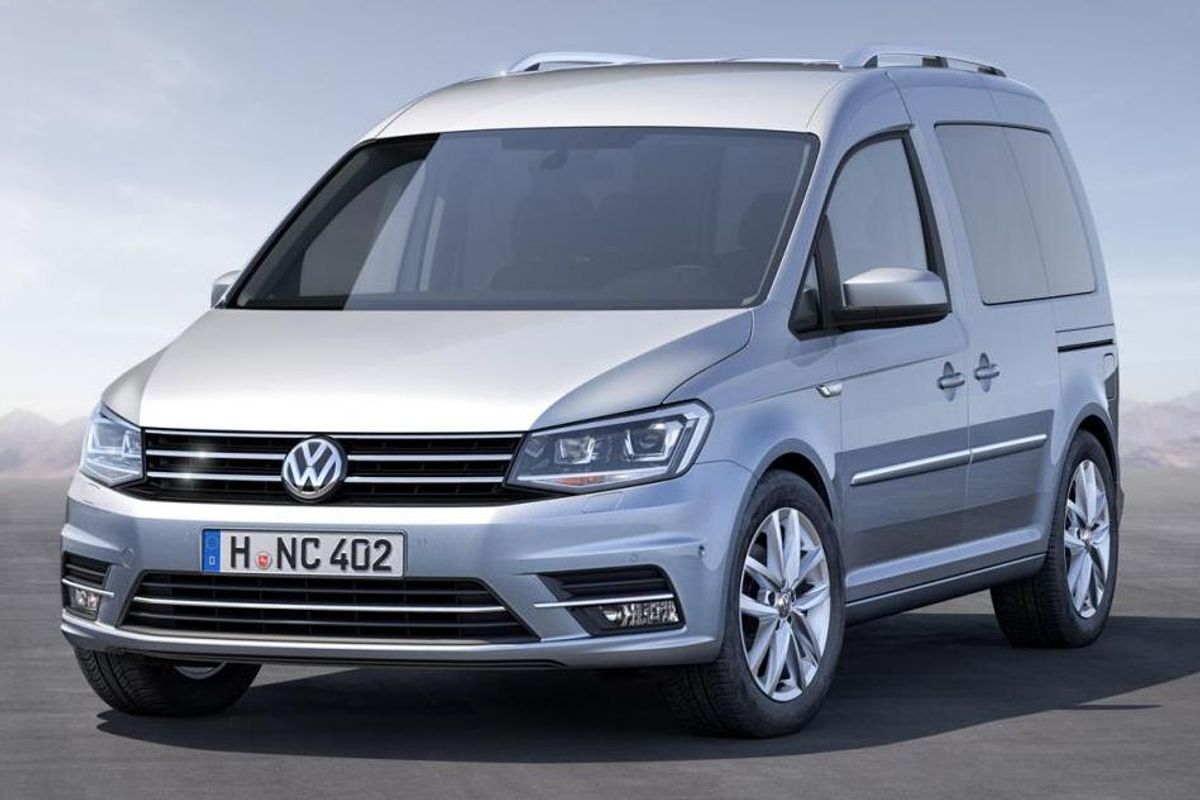
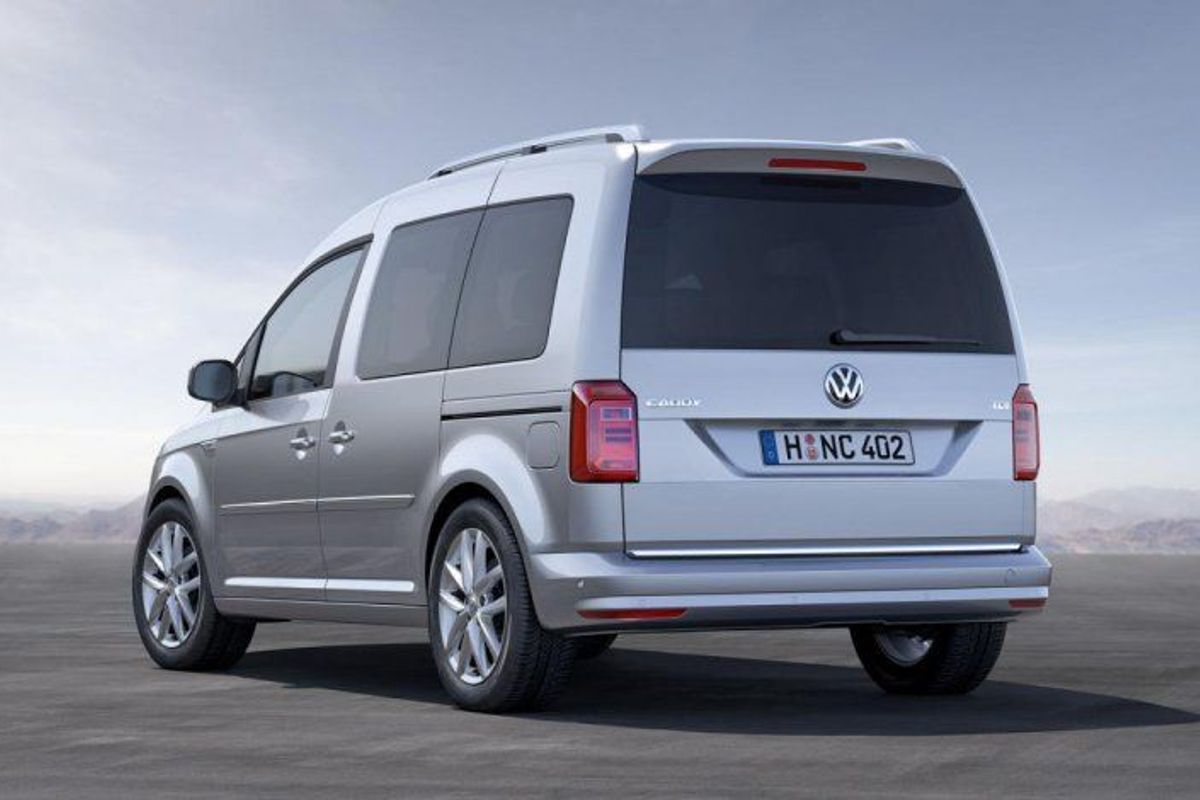
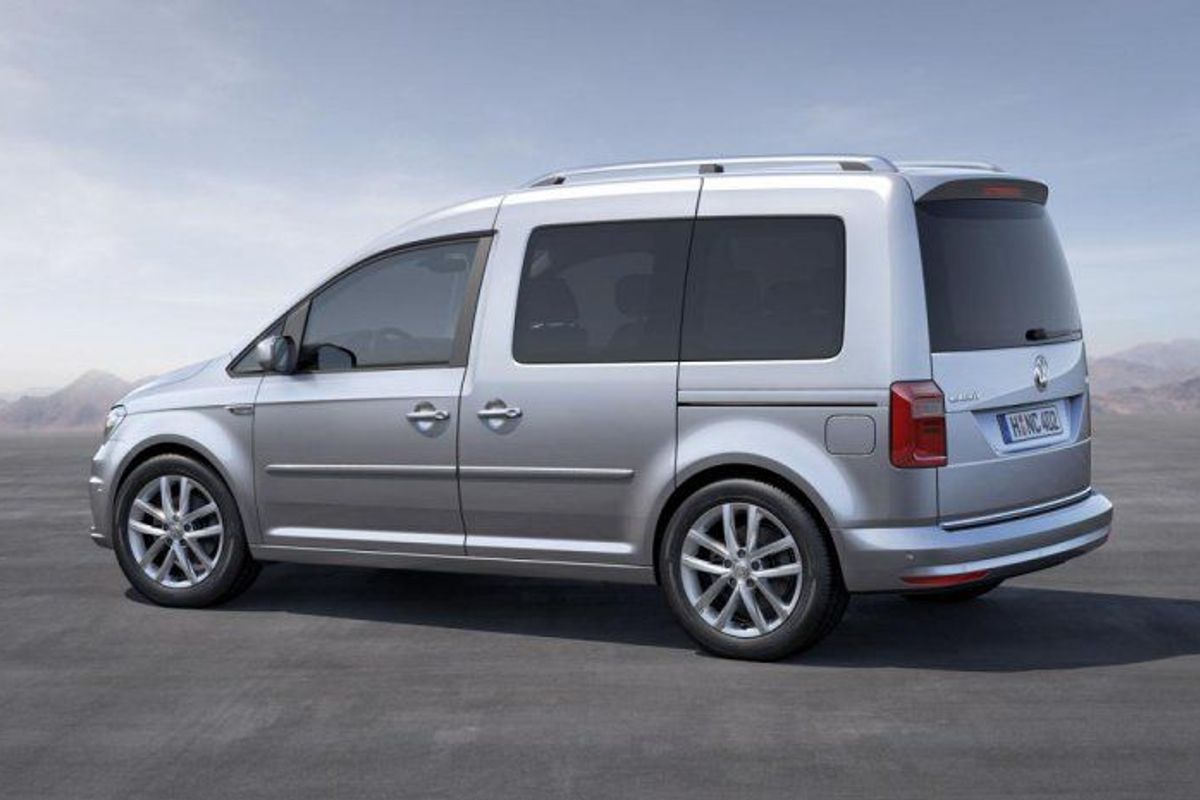
Eleven years after the introduction of its predecessor which was launched in South Africa in the last quarter of 2004 and was updated in 2010, the 2016 Volkswagen Caddy compact van has been revealed, gaining new engines, and a range of advanced safety systems.
Enhanced and refined
Globally, the Caddy has sold around 1.5 million units over the eleven year period, and Volkswagen promises a dynamic continuation of this success story with the new model.
The new Caddy has a redesigned front section with a larger grille that is flanked by restyled headlights, while at the rear it features a restructured tailgate, new bumper and restyled taillights.
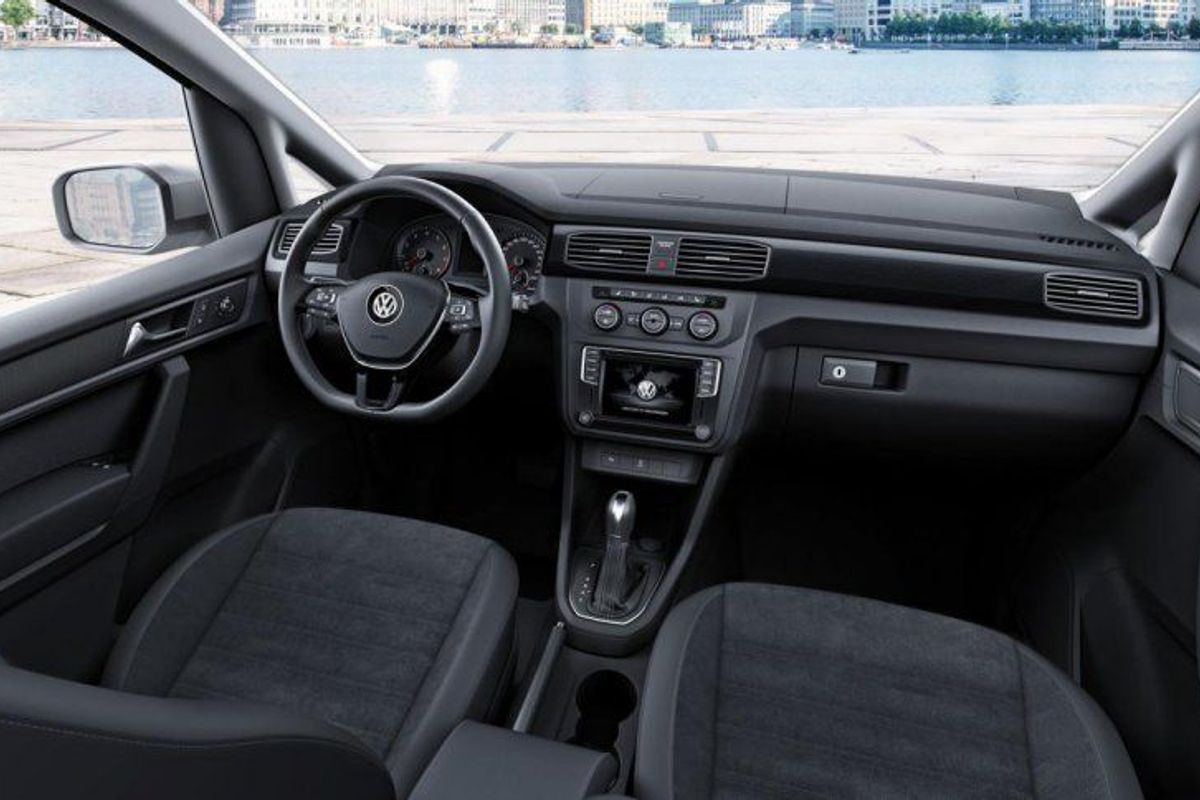
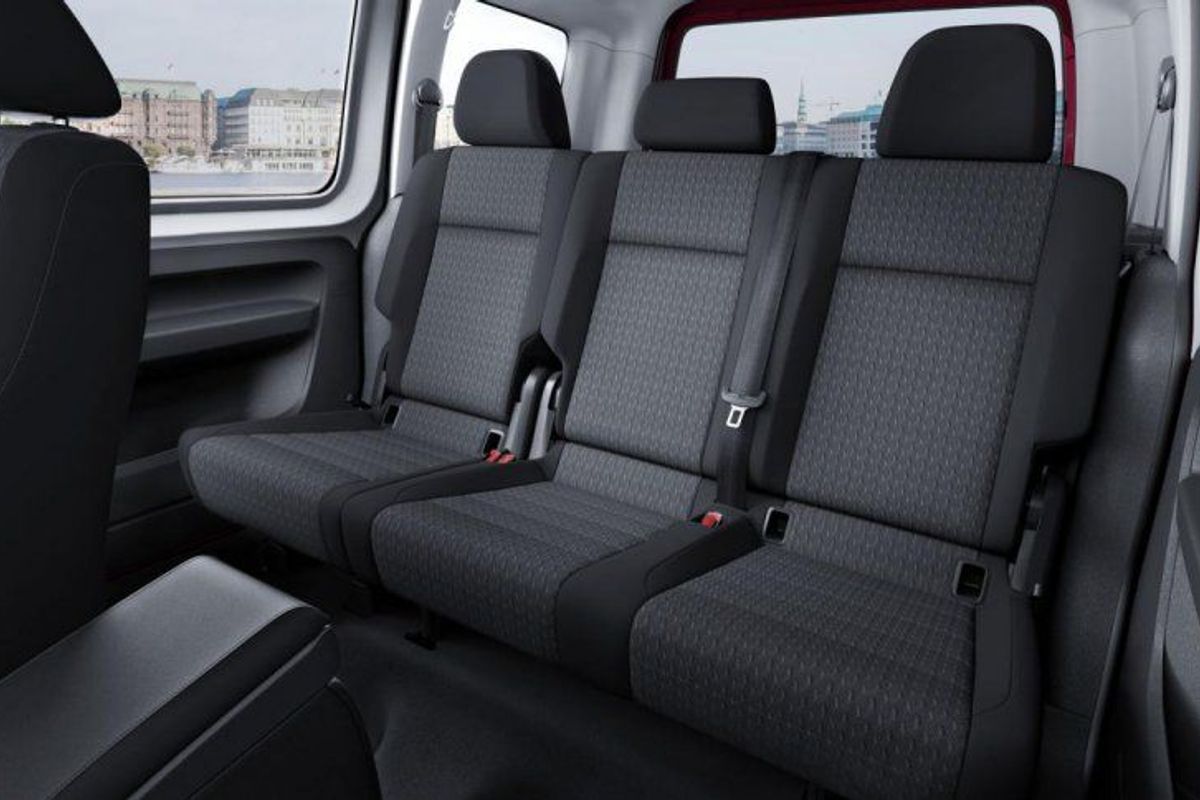
The vehicles interior has also been updated with a new infotainment system, fresh switchgear, new door panels, a new flat-bottomed steering wheel, and higher quality materials throughout including metallic accents and colour-coordinated trim on higher-end variants.
Unmatched tech specifications
For 2016, the Caddy will be available with a range of engines including a 75 kW 1.0-litre TSI three-cylinder unit, a 1.2-litre TSI four-cylinder with 62 kW and a 1.4-litre TSI four-cylinder unit delivering 92 kW. In addition, there will be four TDI diesel engines with power outputs ranging from 55 kW to 110 kW.
The 2016 Volkswagen Caddy is claimed to be the first vehicle with unmatched driver assistance systems in the urban van segment, such as city emergency braking, which automatically applies the brakes to avoid a collision or lessen its severity at speeds below 30km/h, adaptive cruise control, which is operational up to 160km/h, and light assist and driver alert systems.
Other features include satellite navigation, reverse-view camera, and semi-automated reverse parallel and rear-to-kerb parking.
McLaren 675LT Confirmed (Video Update)
McLaren has confirmed that its new track-focused supercar based on the 650S will be called the McLaren 675LT and will have its global premiere at the upcoming 2015 Geneva Motor Show in March.
McLaren 675LT official, minor details revealed
According to McLaren, the road legal supercar will embody the Longtail ethos with a focus on performance optimised aerodynamics, increased downforce, driver engagement, power and reduced weight. The number ‘675’ in the name denotes the increased output of 675PS (a “devilish”497 kw) and 700 Nm of torque. The model is said to sit just above the 650S supercars and is further described as the the lightest, the quickest, the purest version in the Super Series range.
More details of the 675LT, including more about its performance figures, will be announced closer to the cars reveal. However, the company did release a teaser video and mentioned that the 675LT will join the core range of McLaren supercars alongside the existing 650S and Asia-only 625C to form the newly named McLaren Super Series which sits above the recently announced Sports Series. It also mentioned that the car will be offered in coupe bodystyle only when deliveries start later this year.
New rear teaser
The bespoke 675LT will feature a redesigned crossover exhaust system formed from lightweight titanium with two circular pipes which go through the exposed bodywork and are positioned below the rear Longtail airbrake. According to McLaren, this system has been developed specifically for the 675LT and has been optimized for added performance and weight savings.