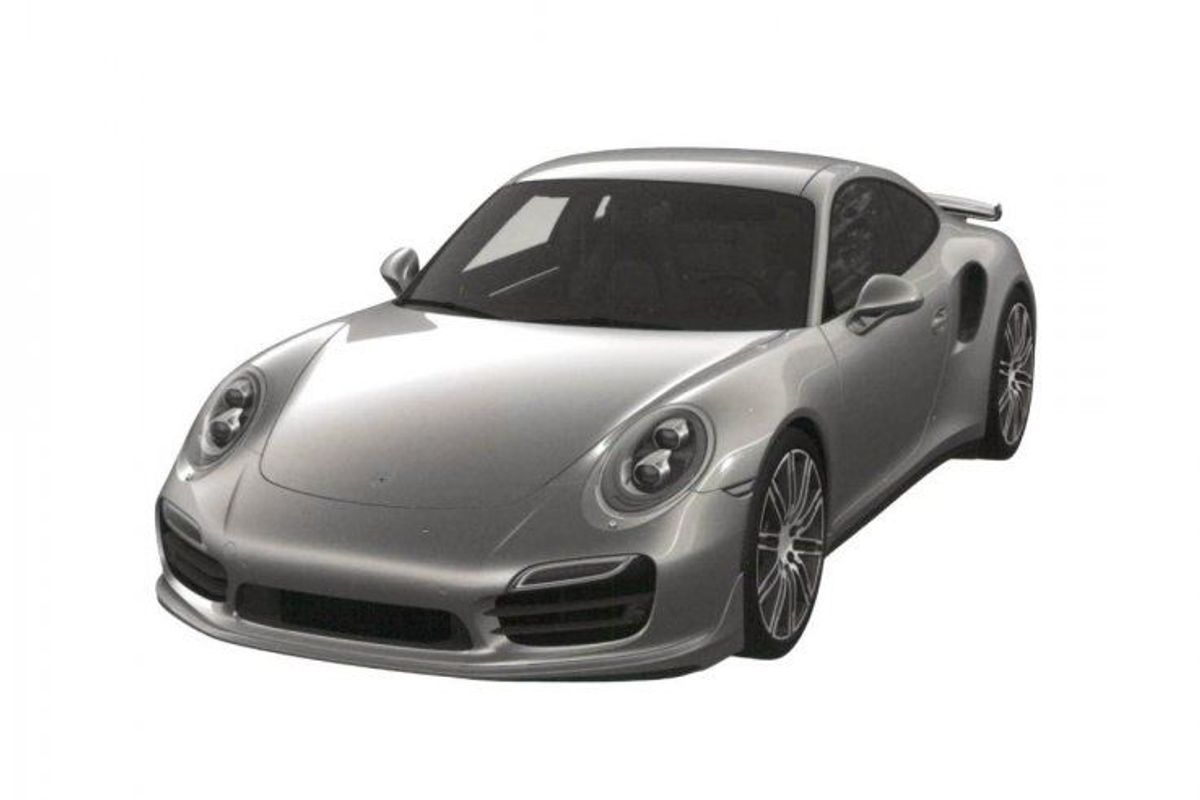
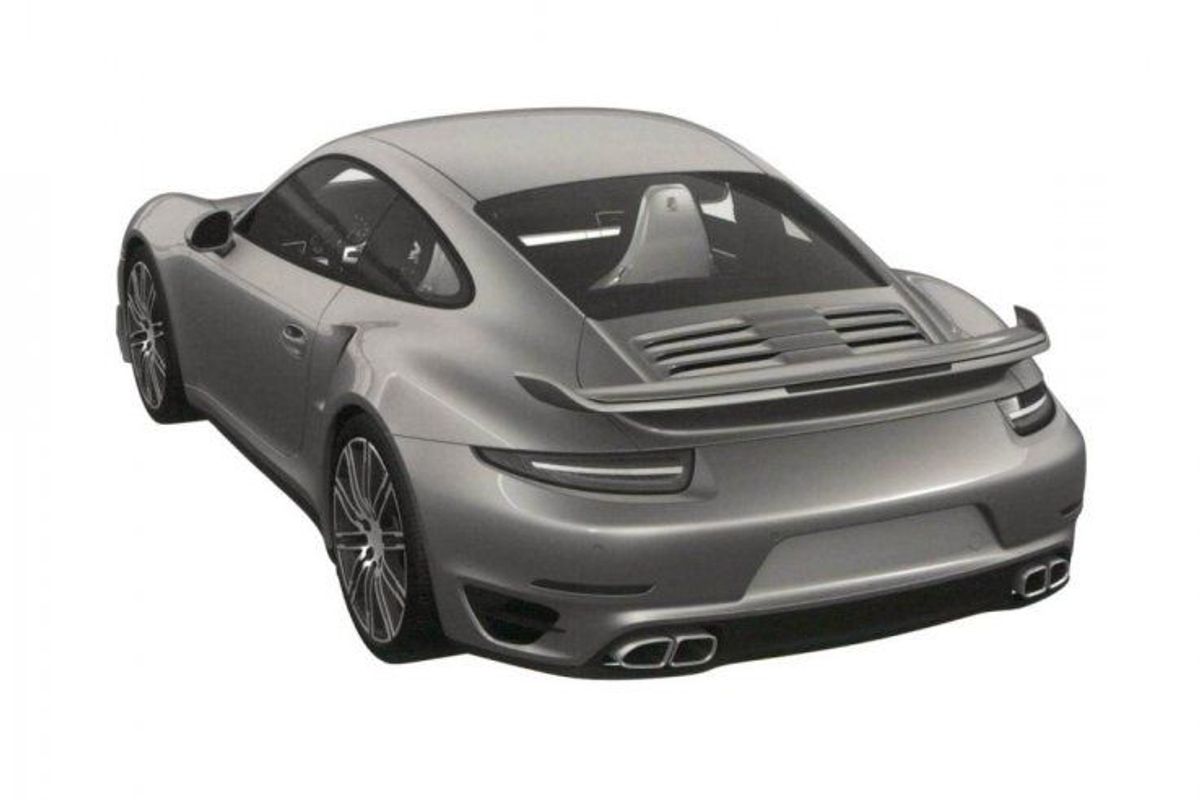
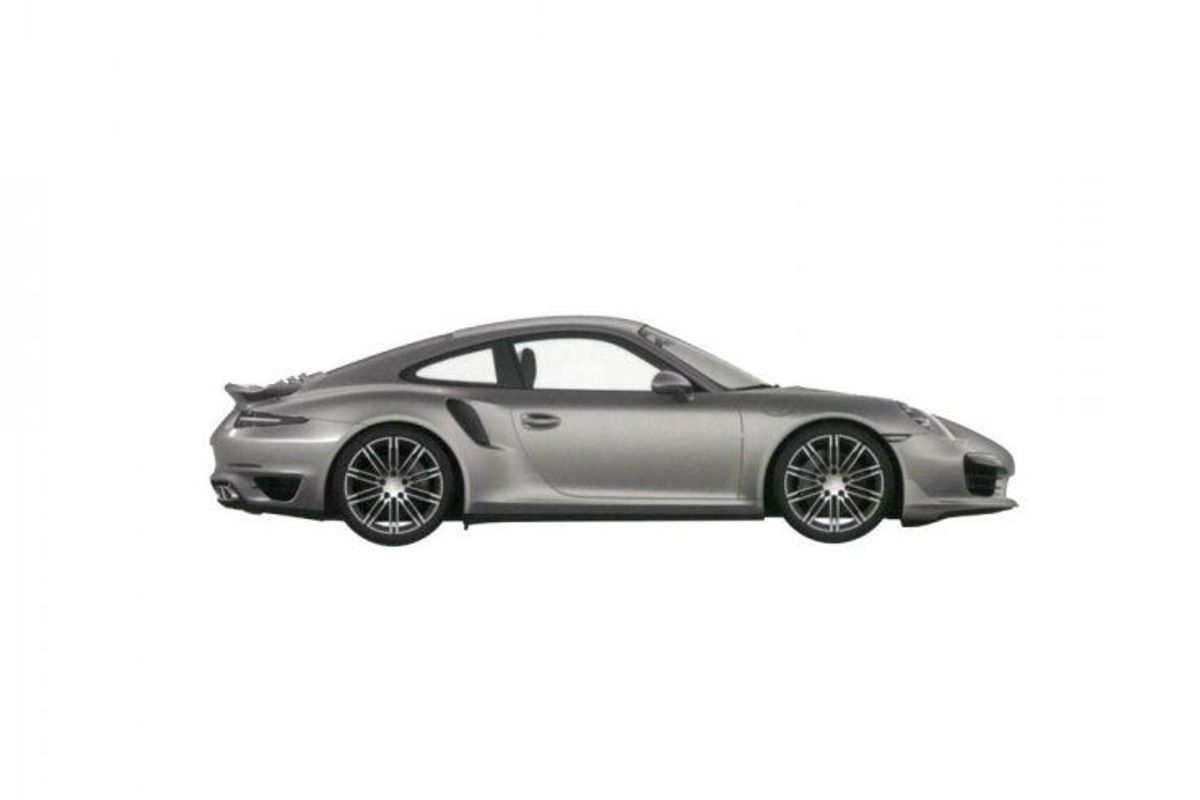
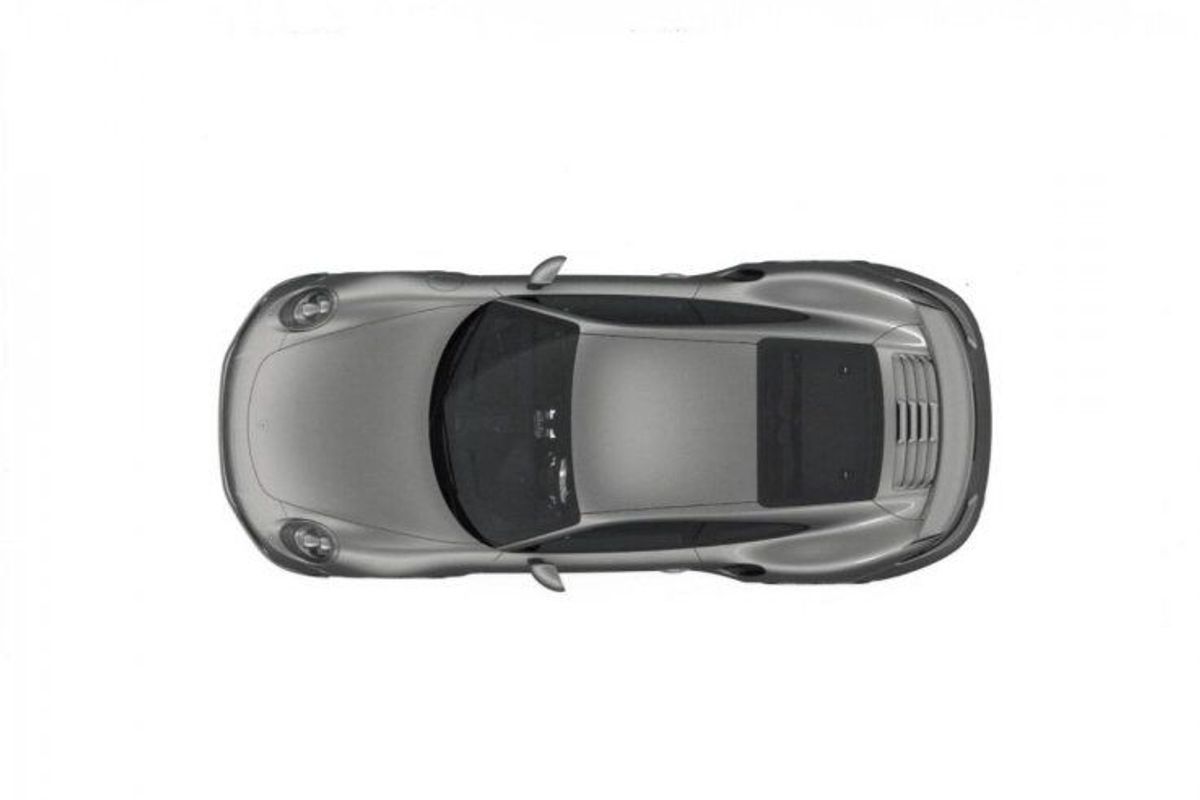
Images of the updated 2015 Porsche 911 Turbo have already surfaced on the web ahead its public debut expected to take place at the Frankfurt Motor Show in 2015.
These images are said to be the first to completely reveal the entire exterior of the 2015 Porsche 911 Turbo facelift. The cosmetic revamp seems to include subtle changes to the rear spoiler which has been reshaped; so has the headlight graphics, while the taillights have been tweaked to seem slightly longer.
Power is rumoured to come from a 3.8-litre six cylinder turbo engine, which could be upgraded to as much as 441 kW of power. As part of a new strategy, the entire range except for the GT3 and GT3 RS could be upgraded with a turbocharged engine.
Toyota Fortuner Epic Introduced In SA Specs and Prices
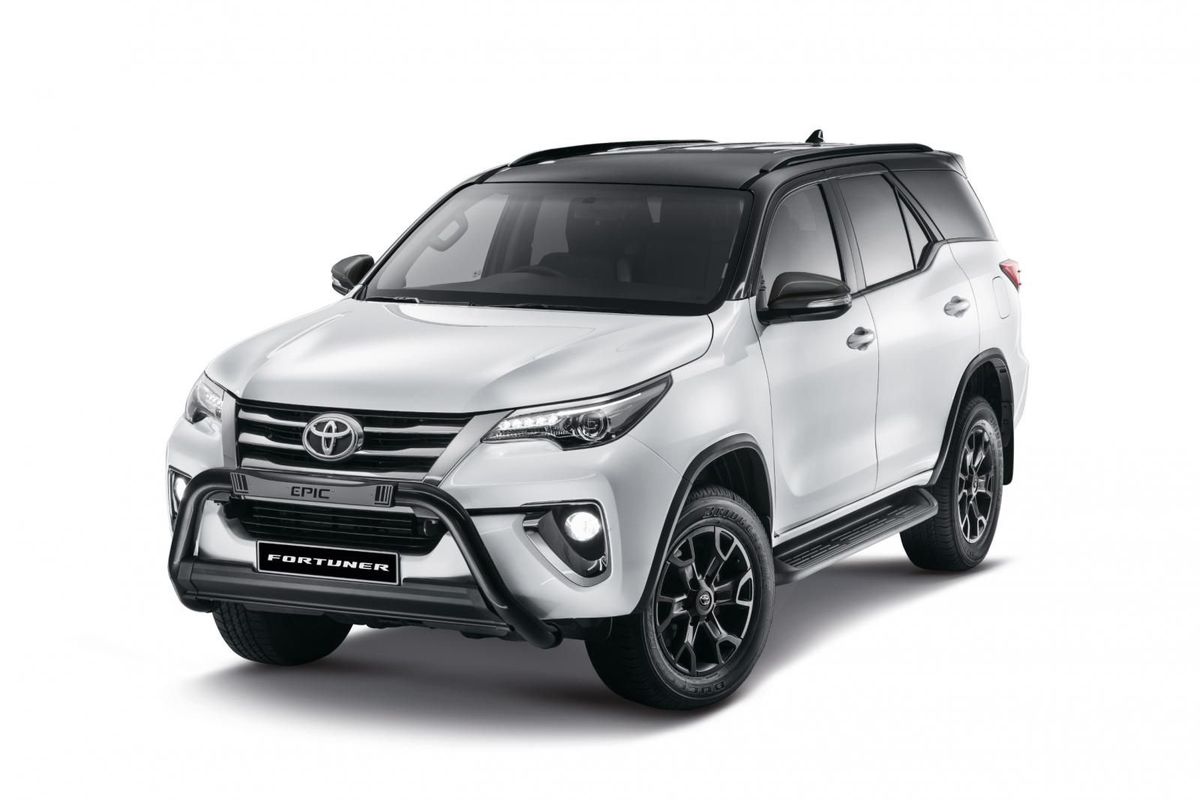
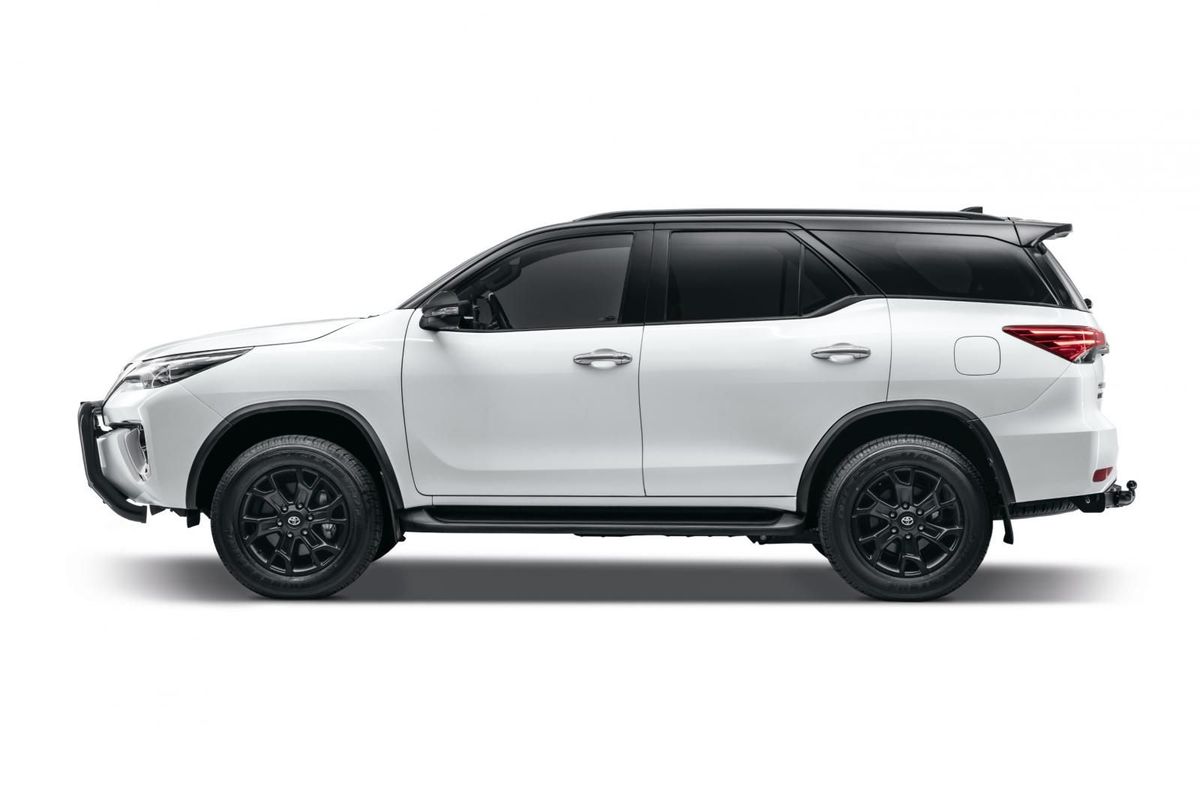
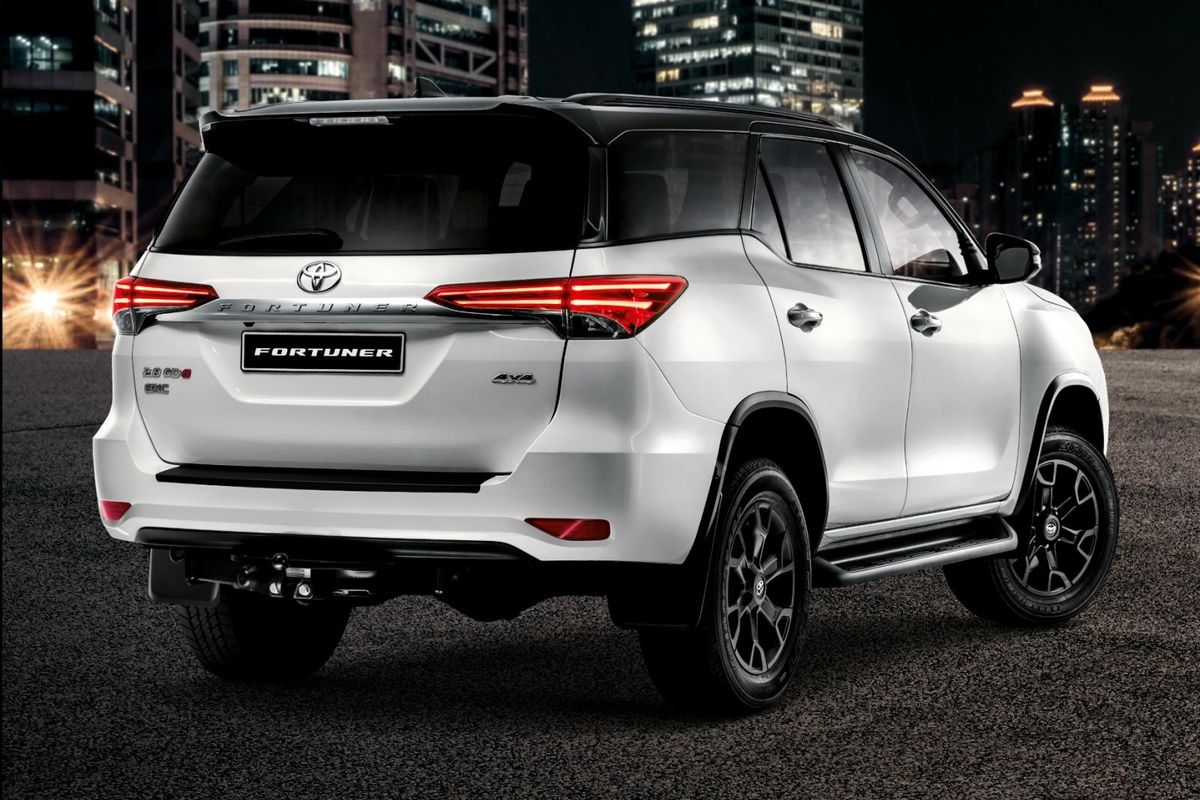
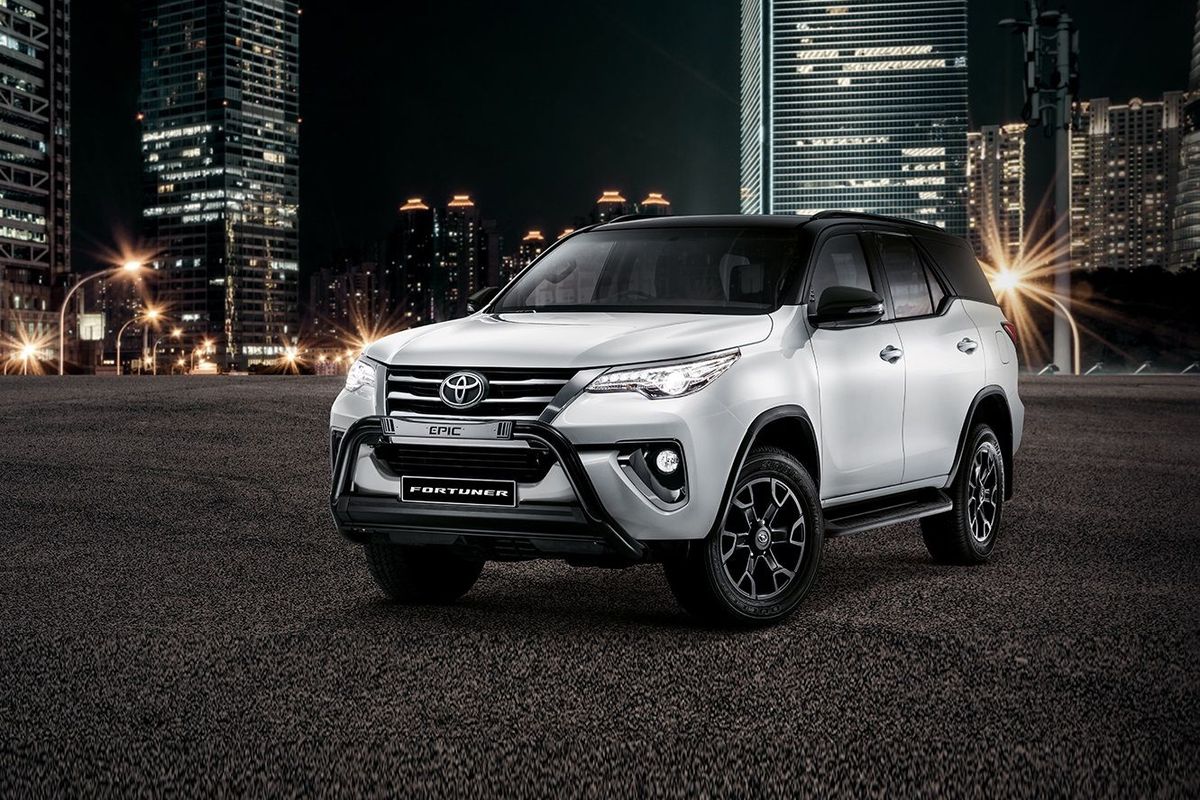
The Toyota Fortuner has received quite a number of facelifts since its debut on the local market in 2006, including the now recent introduction of a Fortuner Epic, which comes with changes to the exterior and interior enhancements.
Toyota Fortuner Epic redesigned for the 2014/2015 model year
The proudly South African built Toyota Fortuner Epic features a redesigned front, flanked by new headlights with black-out detail. Other new details include the refreshed teardrop-shaped chromed bezels surrounding the front fog lights, sport dark grey 17-inch alloy rims and chromed mirrors all-round as opposed to body-coloured, as well as new taillamps also with black-out detail. Theres a chromed nudge bar with unique Epic branding up front, and a towbar as well as a rear sill protector to make loading bulky objects easier and hassle free.
According to Kerry Roodt, general manager of marketing communications for Toyota SA, the Fortuner “is the consummate all-rounder, suitable for use in a number of different conditions, from urban highways and rocky mountain passes to sand dunes and the bushveld.”
This Go Anywhere, Do Anything and Do it in Style character of the Fortuner perfectly complements the lifestyle of outdoor-loving South Africans who need the dual-purpose capability of a bush and boulevard cruiser. If ever there was an apt tag line then the Fortuners got it Freedom is indeed beautiful.
Toyota Fortuner Epic price in South Africa
Toyota Fortuner 3.0 D-4D 4×2 Epic R461 800
Toyota Fortuner 3.0 D-4D 4×2 auto Epic R474 700
Toyota Fortuner 4.0 V6 4×2 auto Epic R493 100
Toyota Fortuner 3.0 D-4D 4×4 Epic R513 400
Toyota Fortuner 3.0 D-4D 4×4 auto Epic R526 500
Toyota Fortuner 4.0 V6 4×4 auto Epic R544 500
Toyota has confirmed that the Epic treatment will be applied to “50% (over two months of production) of all 3.0 D-4D and 4.0 V6 derivatives”.
Our Editor David Taylor will be on the launch of the model next week, look out for his driving impression and more details then.
New Jeep Wrangler To Feature Eight-Speed Auto
It has been reported that the 2018 Jeep Wrangler will benefit from an eight-speed automatic transmission, doing away with the old-five speed ‘box and cut fuel consumption by more than nine percent.
Eight-speed automatic for 2018 Jeep Wrangler, 9% more efficient
The company is yet to release any detailed information on the 2018 Wrangler which is scheduled to go on sale towards the end of 2017. However, according to Automotive News, in a filling revealed by the Securities and Exchange Commission (SEC), Jeep stated that the eight-speed transmission is currently paired with petrol and diesel engines in the 2014 Ram 1500 and Jeep Grand Cherokee and is also featured in the new 2014 Dodge Durango. We plan to use this transmission in all of our rear-wheel-drive vehicles, except for heavy-duty versions of the Ram pick-up truck and the SRT Viper.
The filing further notes that the eight-speed ZF transmission, “reduces fuel consumption by more than nine percent over the five-speed transmission it replaces.
Apparently the company had no intention of introducing the eight-speed transmission in the current Wrangler because it did not fit. So with the new model, which, is set to receive a fresh aluminium body that will also enable a massive diet, engineers have the freedom to infuse optimum packaging techniques.
Market entry of the 2018 Jeep Wrangler is slated for 2017.
2015 Nissan GT-R Launched In Japan
The Nissan GT-R has been given myriad of enhancements for the 2015 model year, including a new Nismo-tuned Track variant.
2015 Nissan GT-R updates detailed
The 2015 Nissan GT-R sportscar now benefits from modified dampers and ECU, which now makes for better cornering and steering feel, as well as an altered boot, which has undergone some changes to improve sound deadening. The powertrain management systems along with the flywheel-housing bearings have also been modified to provide a smoother operation and reduce noise.
Other updates include revised Dunlop run-flat tyres which now feature new material and inner structure, promising improved ride quality and straight-line and rough-road stability. Theres a new shim structure and pad on the Brembo brakes, which is said to offer less noise and superior feel, while the steering damper has been optimized to enable lower vibrations while the engine is idling.
The Premium GT-R will be optionally available with split-spoke RAYS alloys featuring a Hyper Blue Black chrome finish. The new Nismo-tuned Track variant will additionally be configured with sports unique suspension settings, flared front fenders (with outlet air duct), forged RAYS wheels, more track-focused Dunlop tires, and special adhesive bonding for additional body rigidity.
Rumour mill has it that Nissan is planning on one final facelift for the current GT-R R35, while the R36 model is expected to make an appearance in the next 3-4 years.
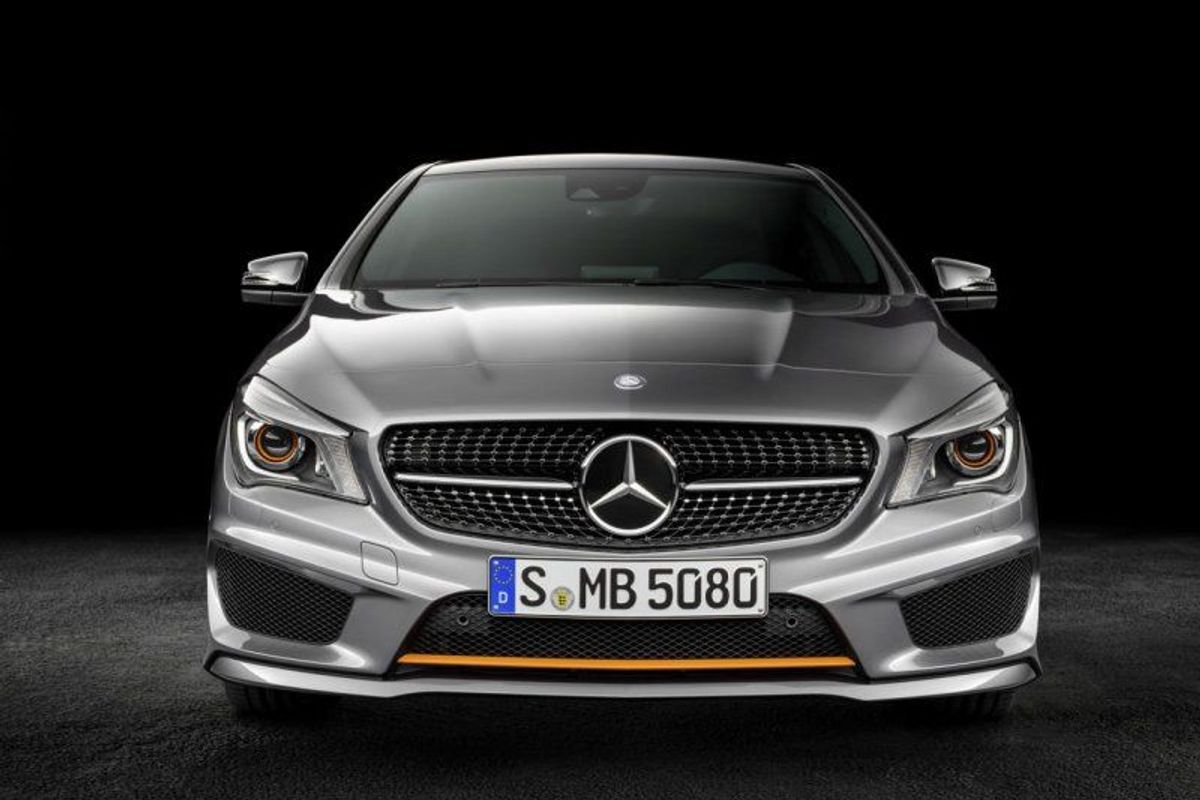
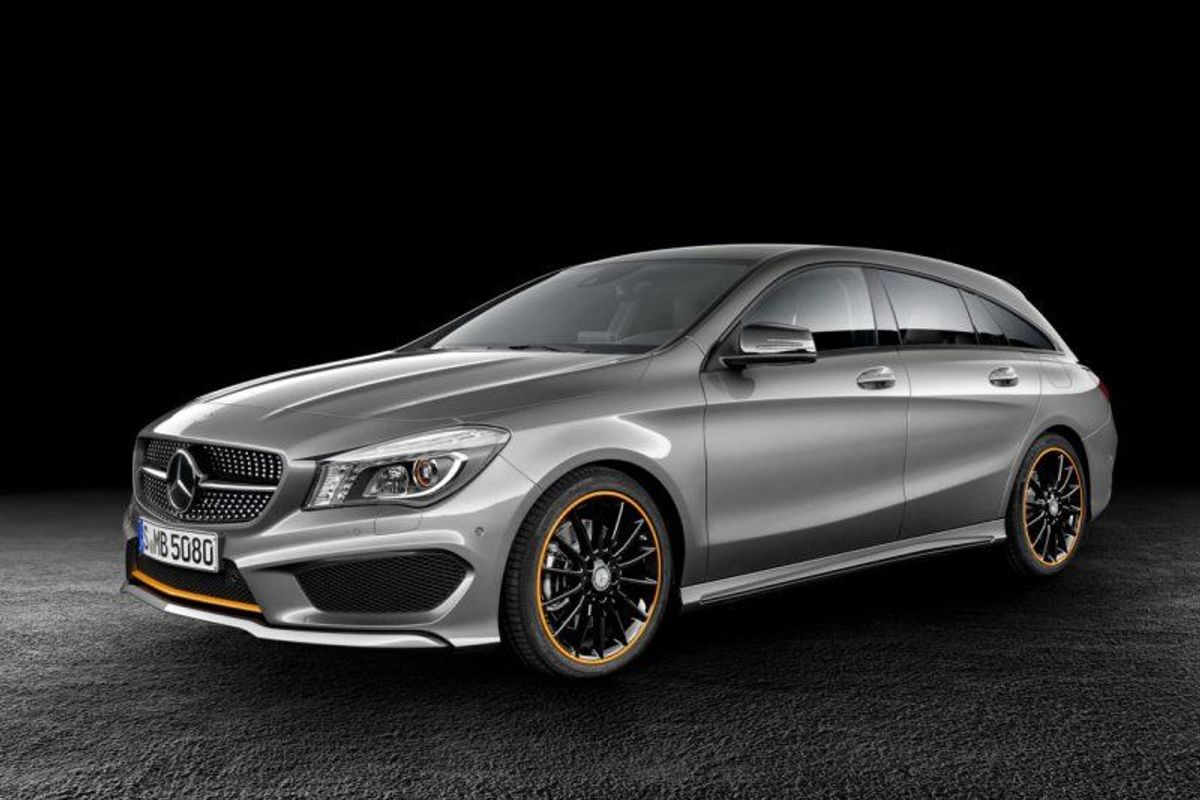
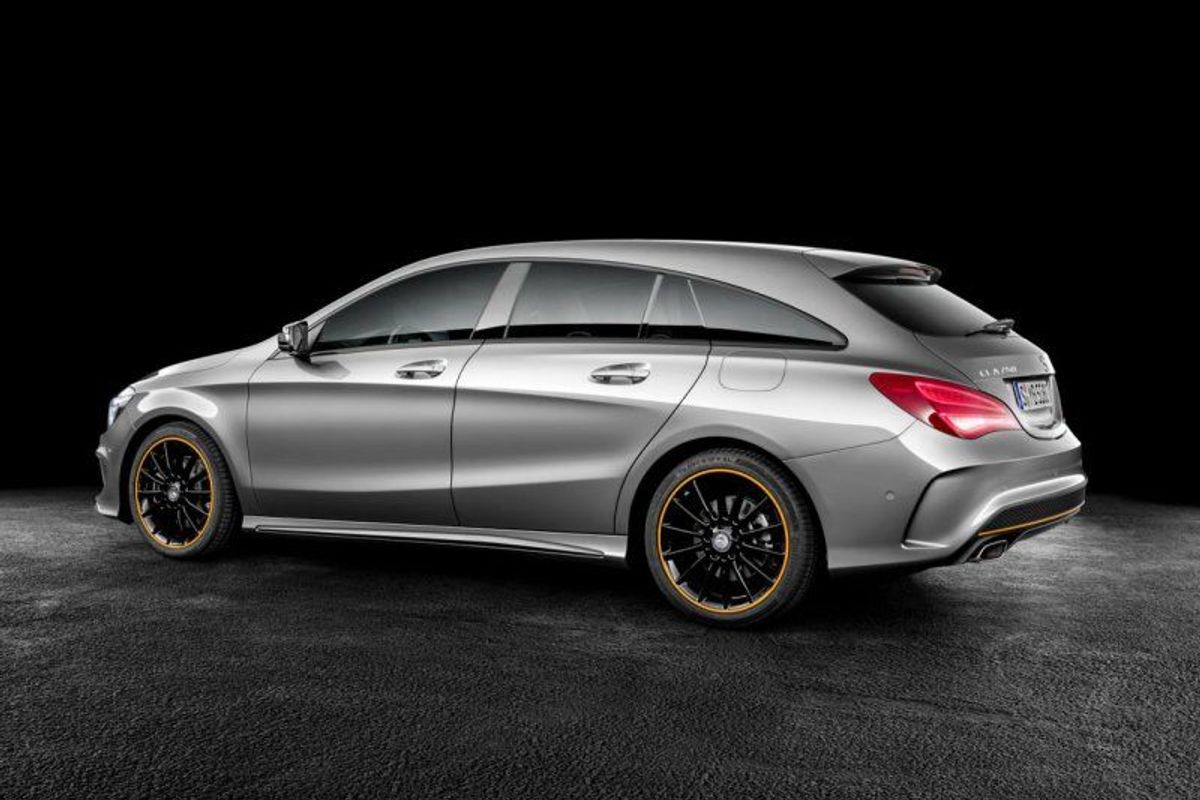
Following a number of spy shots, Mercedes-Benz has finally let the cat out of the bag in the form of the breath-taking CLA Shooting Brake, along with its sportier counterpart the CLA 45 AMG Shooting Brake.
“The new CLA Shooting Brake is the latest member of our successful family of compact models. The range, which now includes five models, covers an extremely wide spectrum: with the spacious B-Class sports tourer, the youthfully dynamic A-Class, the avant-garde CLA-Class Coupe and the compact GLA-Class SUV, we cater for a host of different customer wishes in this segment,” says Ola Kallenius, Member of the Divisional Board Mercedes-Benz Cars, responsible for Marketing & Sales.
“Like its big brother, the CLS Shooting Brake, the CLA Shooting Brake is targeted at active customers who are looking outside of the mainstream for a car that impresses with a high utility value.”
Mercedes-Benz CLA Shooting Brake – powerfully and dynamically designed
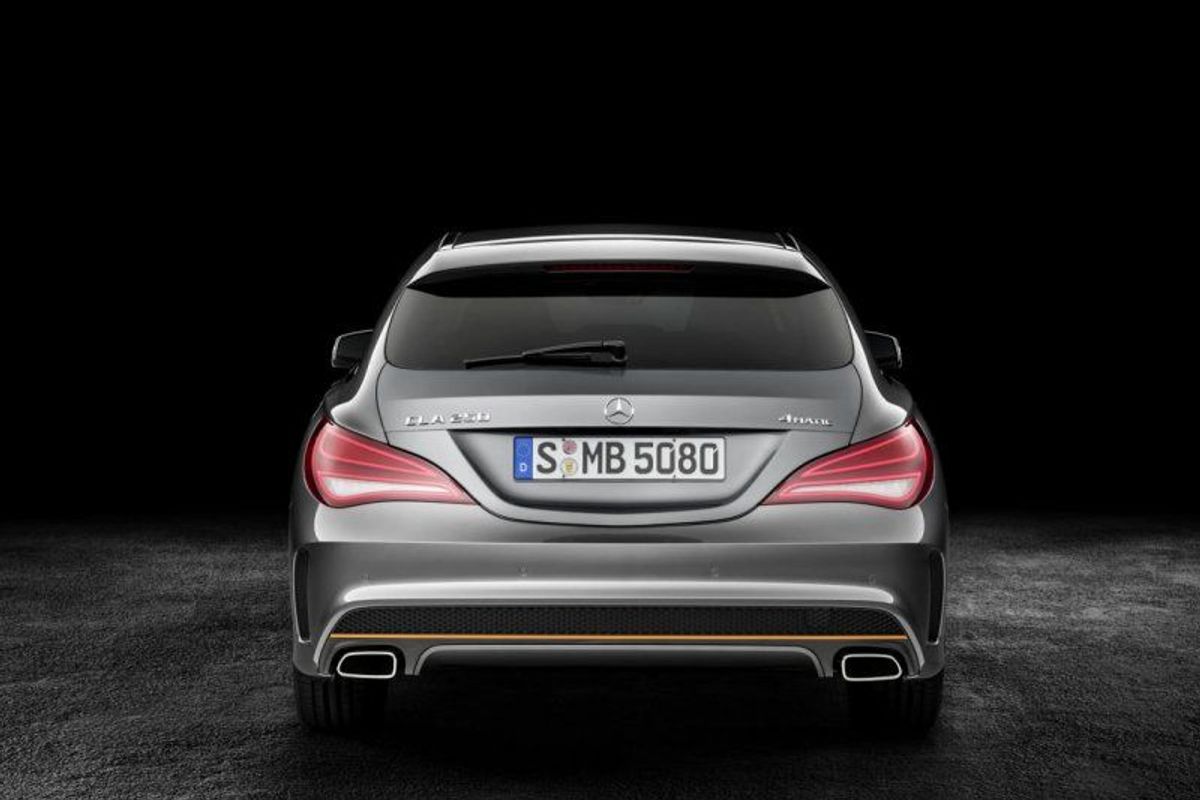
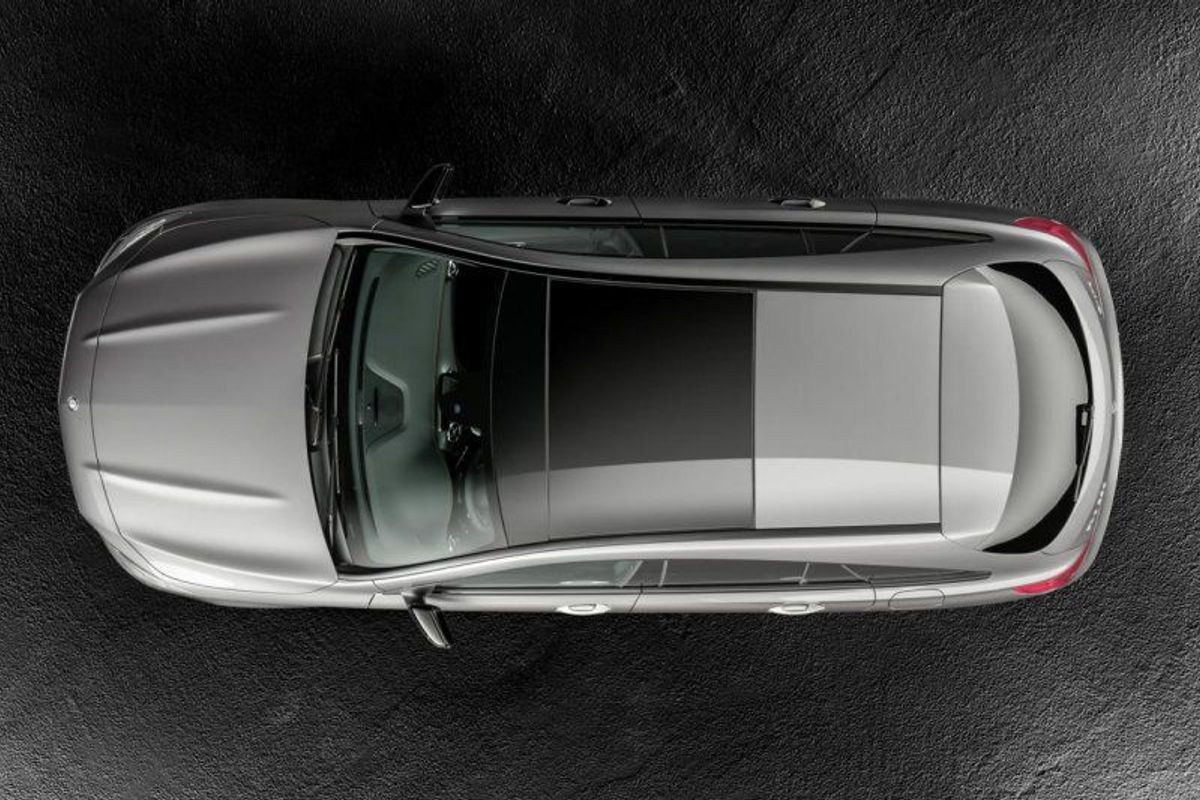
Styling wise, the Mercedes-Benz Shooting Brake looks similar to the CLS Shooting Brake, featuring a swooping roofline leading to the tailgate, flanked by wedge-shaped frameless side windows which, makes it seem like a coupe. Mercedes calls it a gentle downward slope, and says the Shooting Brake offers significantly more headroom than in the four-door Coupe.
The model sits at 4630 mm long, 1777 wide and is 1435 high. The boot space has been bumped up to range from 495 to 1354 litres; depending on the position of the rear seats. These seats can be shifted to a true upright cargo position, offering 595 litres of boot space.
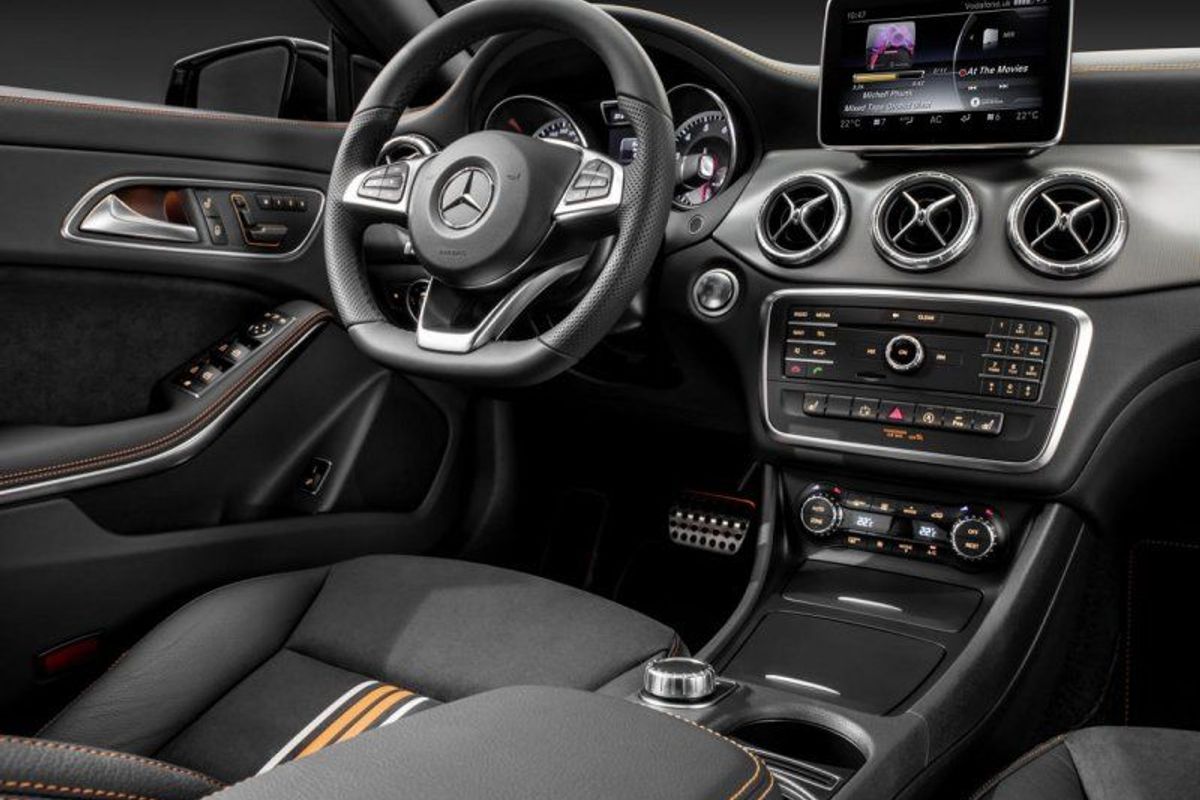
The exterior’s progressive, sporty appearance is continued inside the vehicle with a flat-bottomed steering wheel, a standard seven-inch touchscreen, piano-black gloss highlights and 13 light sources. The CLA Shooting Brake in the AMG Line and Urban equipment lines is fitted with integral seats in the front and rear, additionally underscoring its sporty character.
Available as options will be an electric tailgate and a panoramic sliding sunroof, as well as Urban Line and AMG-Line styling packages, while the AMG model offers optional Exterior Carbon-Fibre, AMG Night and AMG Exclusive packages.
Safety features comprise of standard autonomous emergency braking and driver drowsiness detection systems, along with the Contact Me breakdown, accident and maintenance assistant that also allows owners to communicate with their CLAs using a smartphone.
Engine line-up
Upon launch, the 2015 Mercedes-Benz CLA Shooting Brake will be offered in four different trim levels. Engine line-up will include a four-cylinder 2.1-litre turbodiesel engine producing 100 kW and 300 Nm in the CLA 200 CDI and 130 kW and 350 Nm in the CLA 220 CDI.
Petrol units will include a 1.6-litre delivering 90 kW and 200 Nm in the CLA 180 and 115 kW and 250 Nm of torque in the CLA 200. Theres also a 2.0-litre rated at 155 kW and 350 Nm in the CLA 250 which, will be available with an optional 4MATIC all-wheel drive system.
The range-topping Mercedes-Benz CLA 45 AMG Shooting Brake will be equipped with a 2.0-liter turbocharged engine outputting 265 kW at 6000 rpm and 450 Nm of torque. Power from this engine is sent to a 4MATIC system through a seven-speed dual-clutch gearbox, which enables the model to reach 100kph in 4.7 seconds before reaching an electronically-limited top speed 250kph.
The 2015 Mercedes-Benz CLA Shooting Brake and CLA 45 AMG Shooting Brake will make their debut at next year’s Geneva Motor Show.
Volvo XC90 Visits SA
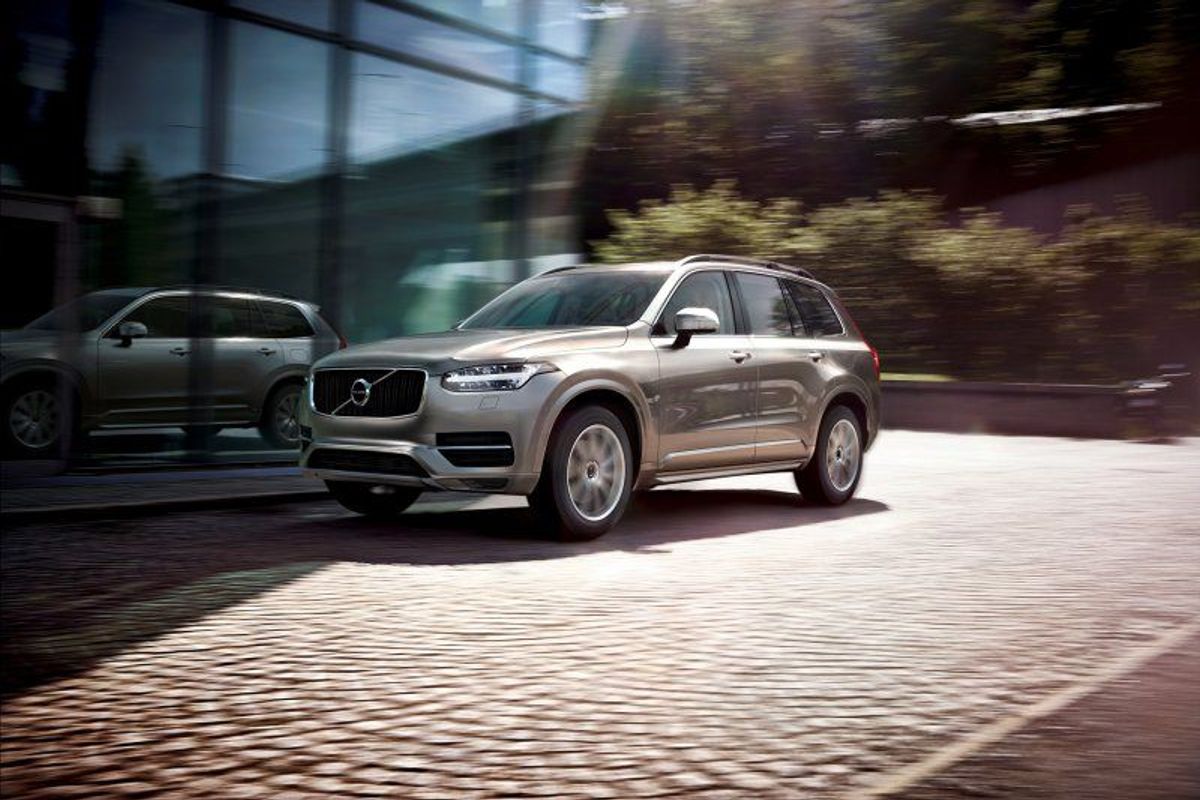
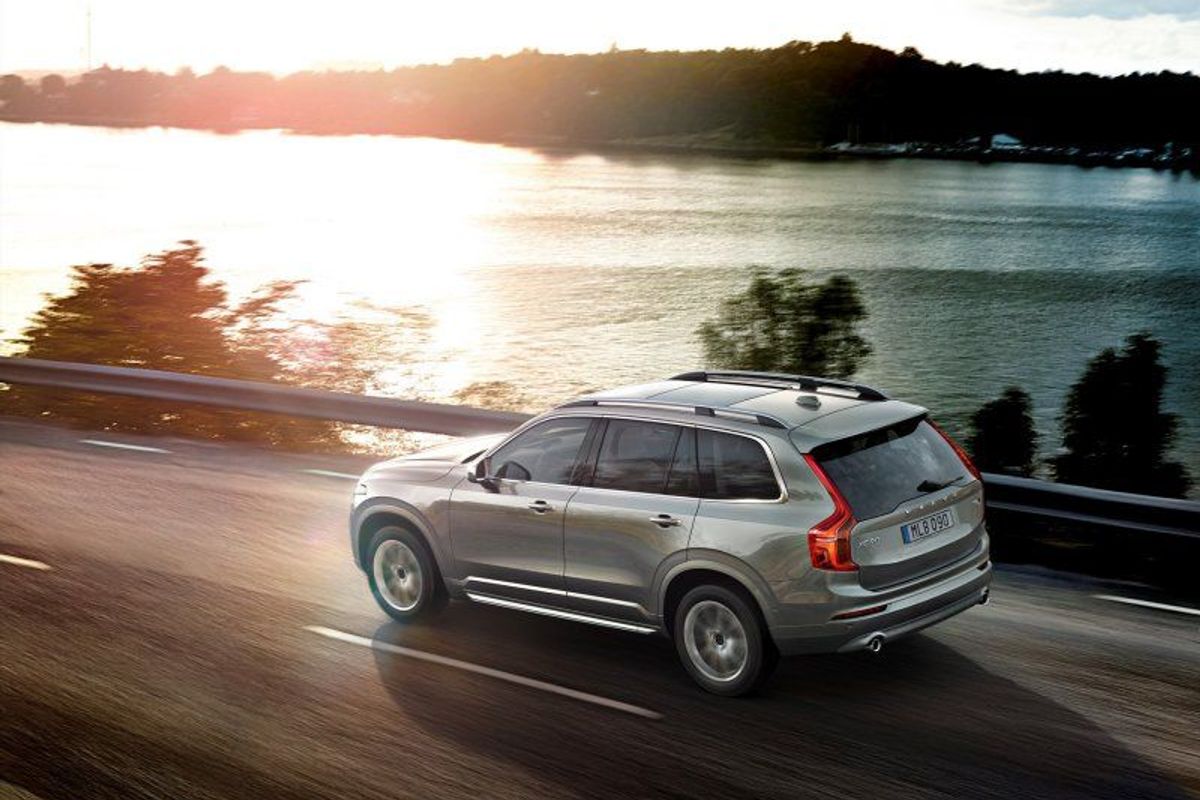
Much has been made of the brand spanking new Volvo XC90. The entire first production was sold almost immediately through online sales and the car hasnt even made it to dealerships yet. During the Volvo Ocean Races stopover in Cape Town, we got a chance to inspect the new XC90 close up.
XC90 Styling and Thor’s Hammer
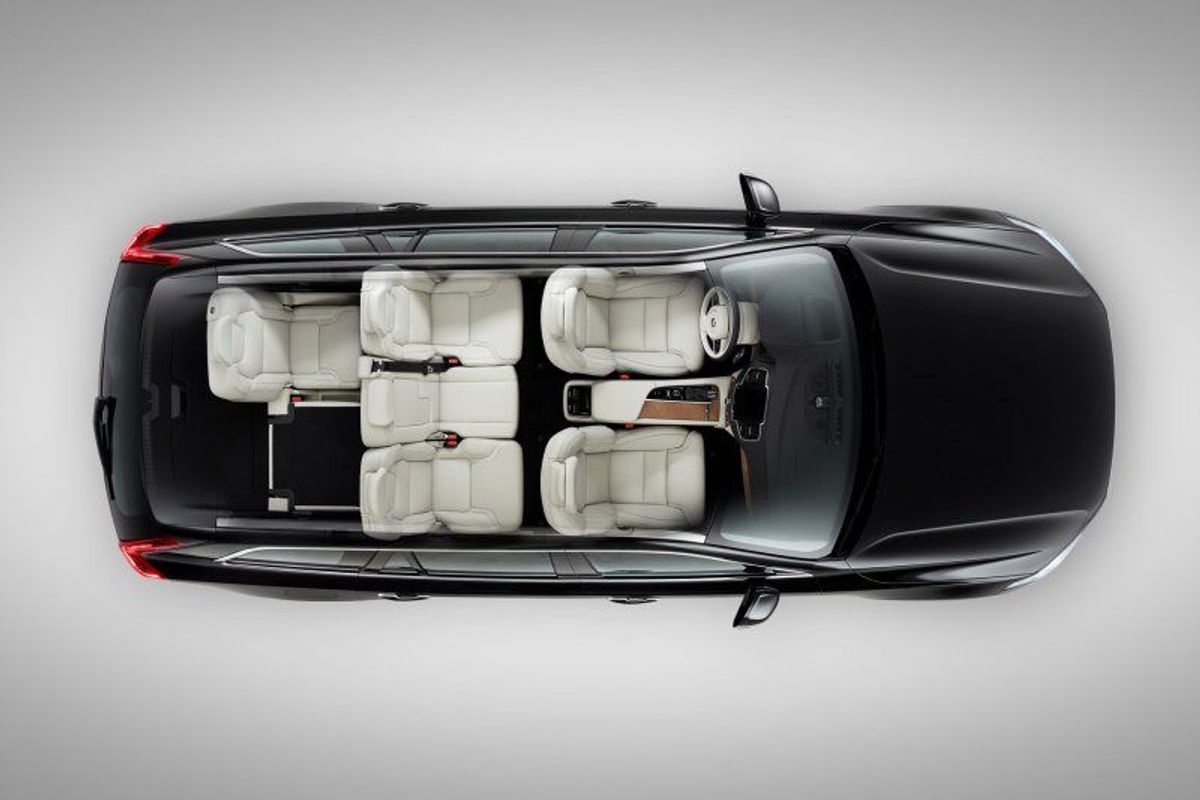
This is a big SUV to say the least, there are seven really comfortable seats and still room for a large boot on the back of that. It actually looks big too, flaunting its size with a rectangular front grille that is flanked by the new Thors Hammer styled lights. Im assured that this styling feature will make it onto Volvos of the future. Interesting fact about this XC90 is that it is wholly developed, designed and built by Volvo and features a pure Volvo engine.
2-Litre Power
Speaking of engines, Volvo has gone the four-cylinder route for the entire range using 2-litres of capacity throughout. Dont despair though as these can get pretty powerful, especially when combined with a supercharger, turbocharger and an electric motor. Volvo claims this particular petrol engine can produce 295 kW and 630 Nm of torque whilst on exhausting 60g/km of CO2.
Interior Luxury
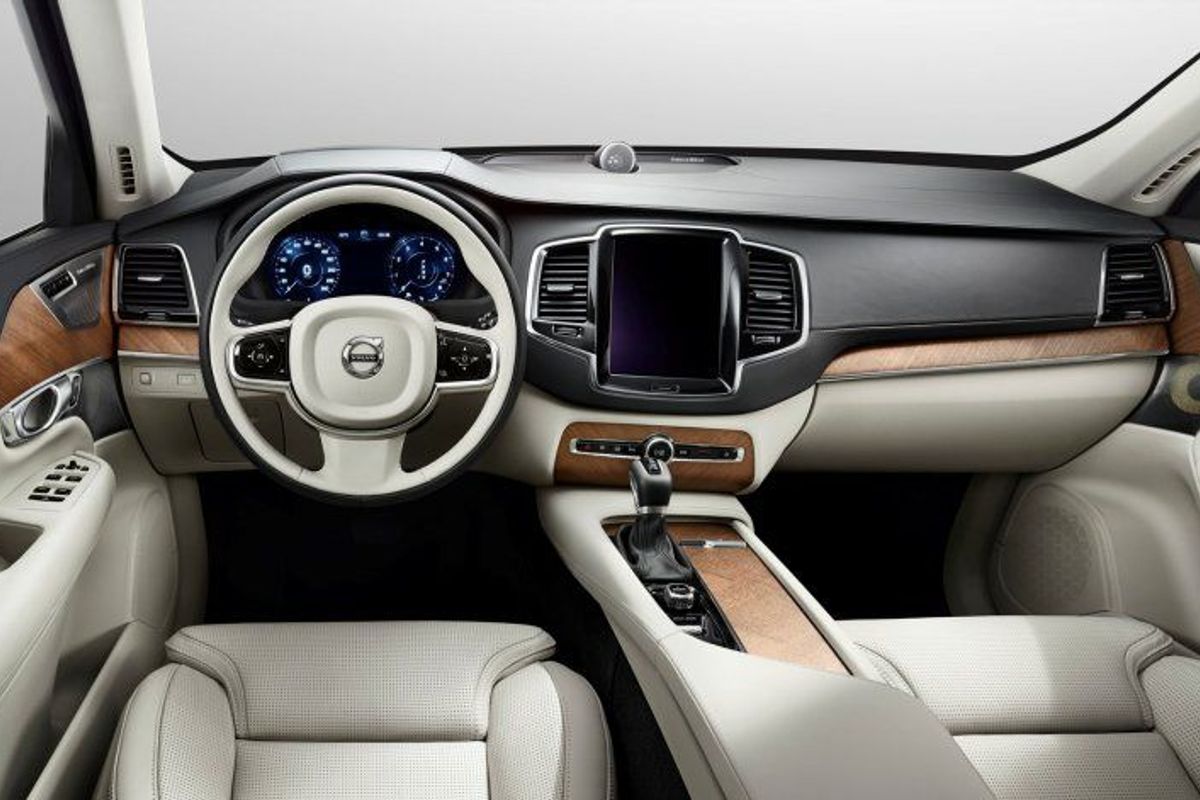
Whilst the exterior is beautiful to take in and the proportions extremely strong, the inside is where the magic lies. The centre dash for instance has been cleaned up of all clutter and excess buttons, in fact theres just one row of buttons, I counted seven buttons, thats all. Everything is now controlled by a central touchscreen that works like a Smartphone. You swipe the screen to slide pages and tap to select things, theres a home button underneath that returns you to the main menu from anywhere within the submenus.
The seats are a really plush leather and the finishings all look high quality and well assembled. I was most impressed by the size of the rear boot once the third row of seats were in use. These rear seats are actually quite comfy but are meant for slightly smaller folk of 1m70 or less.
New safety Systems
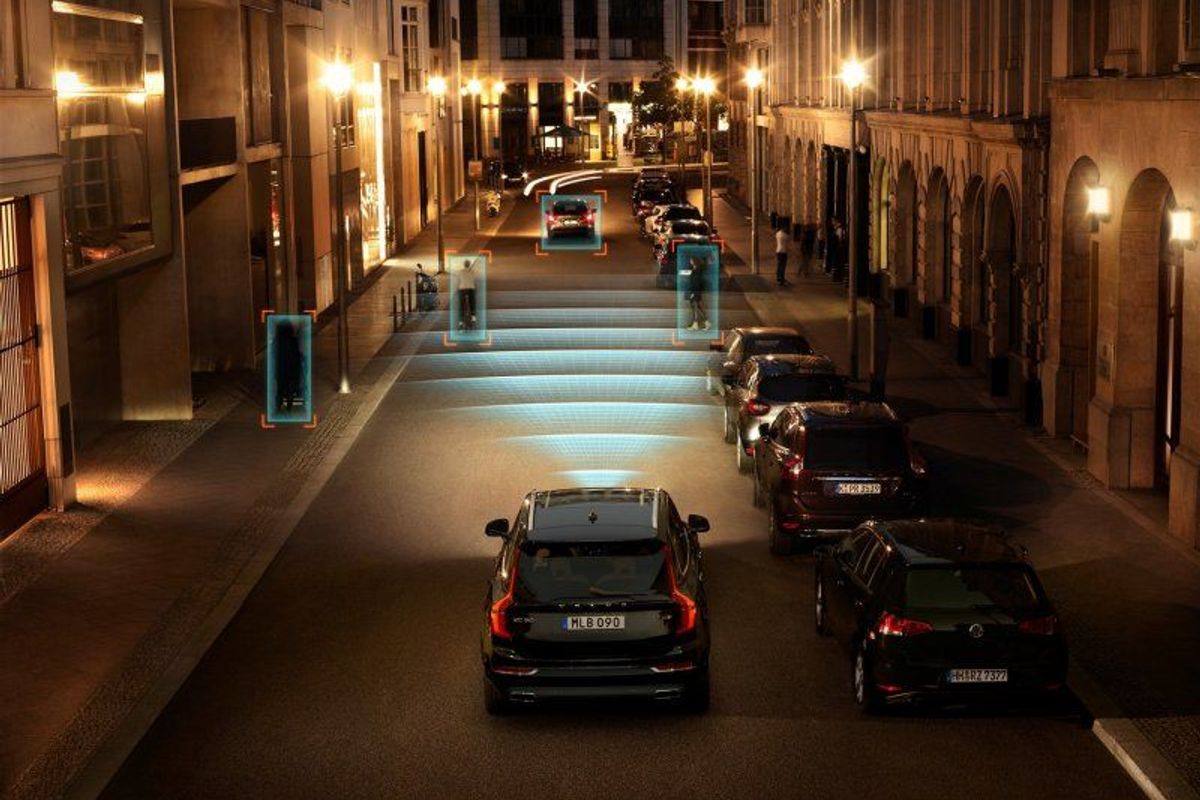
Volvo is also showcasing two brand new safety features on the new XC90, run-off road protection and an auto brake at intersections. In the run-off road scenario (if driver is distracted the vehicle gradually veers off the road), the XC90 detects what is happening and the front safety belts are tightened to keep the occupants in position. To help prevent spine injuries, energy-absorbing functionality between the seat and seat frame cushions the vertical forces that can arise when the car encounters a hard landing in the terrain.
Automatic braking happens if the driver turns in front of an oncoming car. This is a common scenario at busy city crossings as well as on highways, where the speed limits are higher. The car will detect what is coming from the side and stop you before you move into the intersection.
The Volvo XC90 really does look the part and by the sounds of it has a lot to offer, the international launch is set for March 2015 with the XC90 hopefully making it to SA by August 2015.
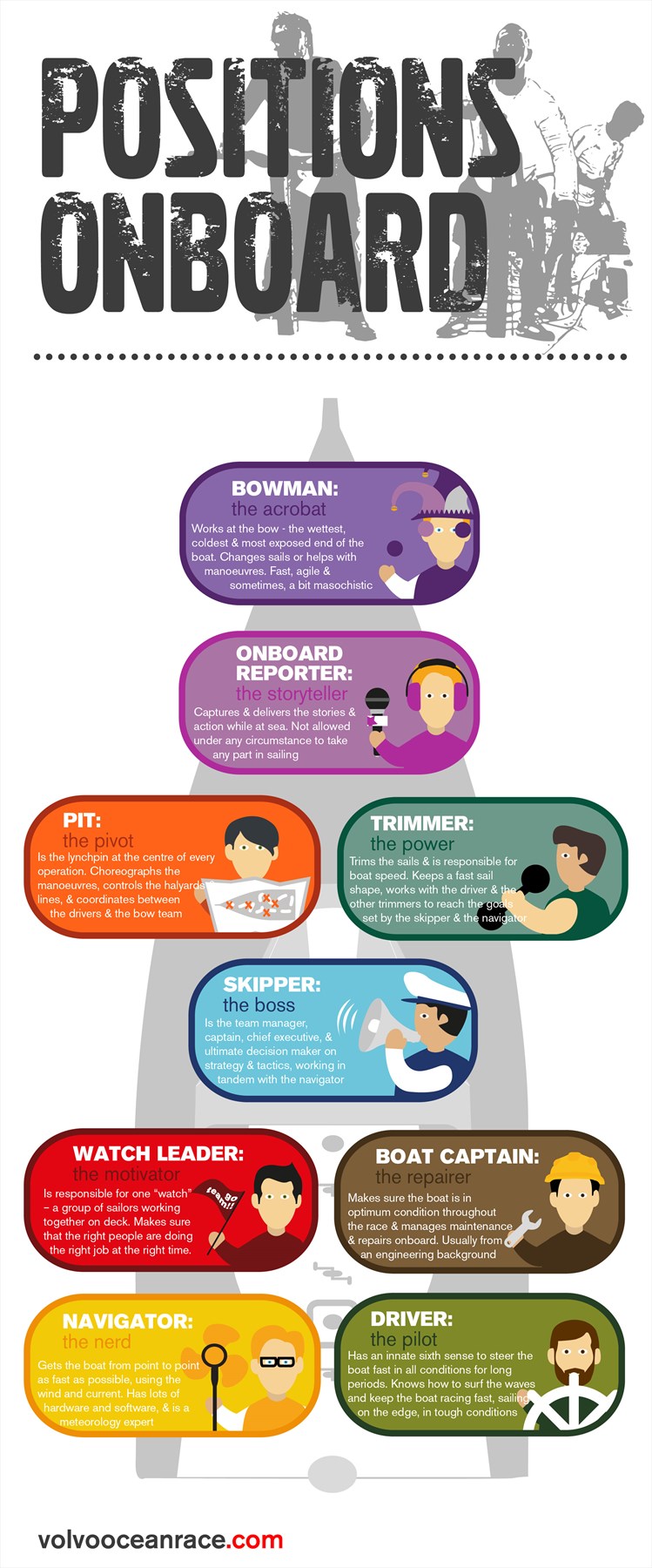
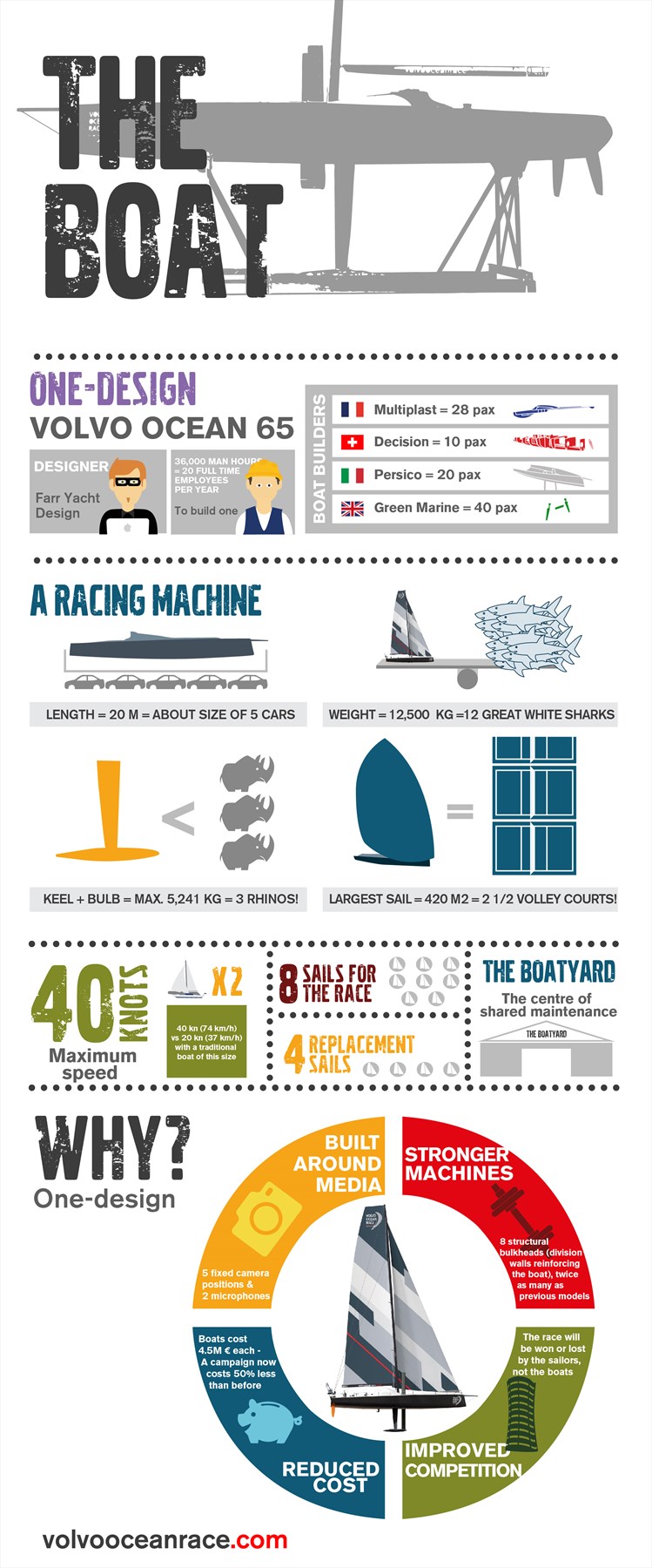
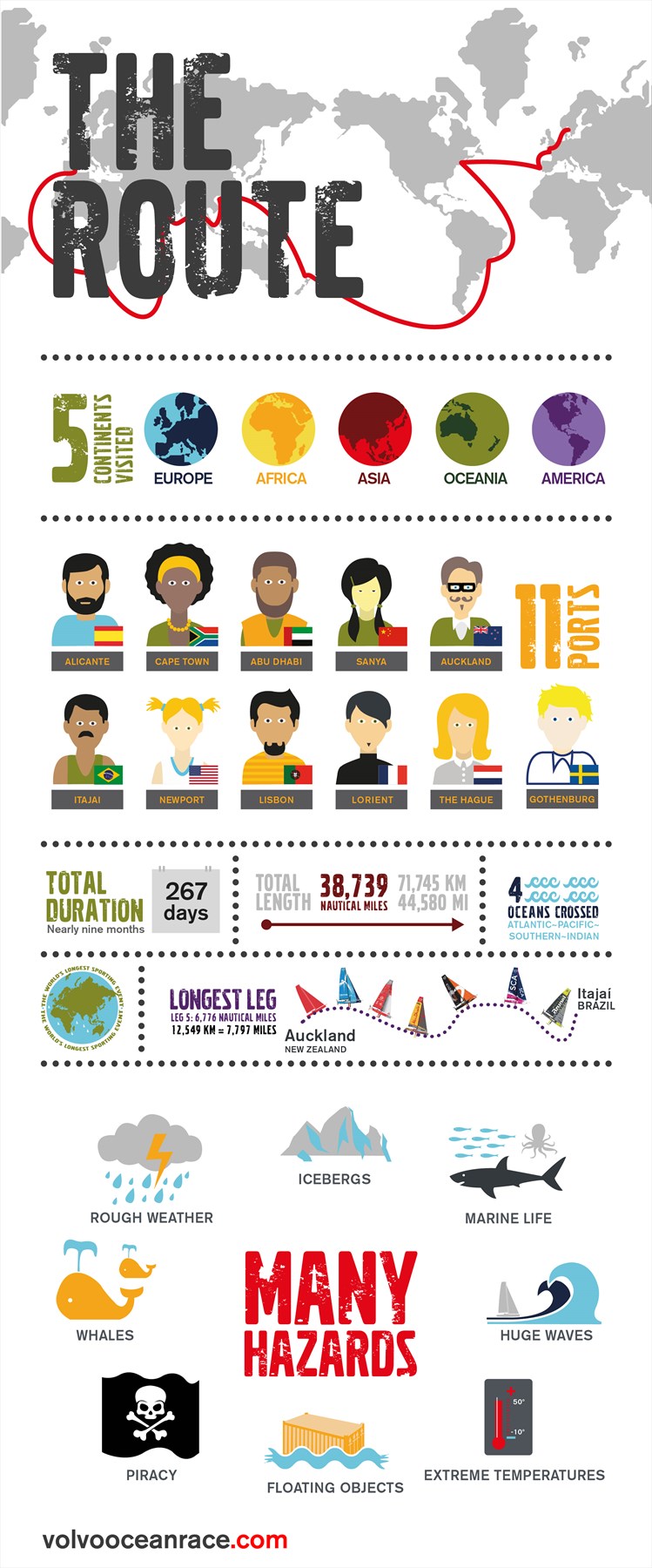
Interesting Facts About the Volvo Ocean Race
Six New Ford Models Due In 2015
Ford is said to launch at least six new models in 2015, entering what is rumoured to be its busiest year in the last two decades.
The cars in question will supposedly range from ordinary models to flagship vehicles that will push the brand to be more upmarket and appeal to new customers. The company will kick off its six model launch with the facelifted Focus and Focus ST, which are expected to arrive on our shores sometime later next year.
The recently revealed ST which made its debut at this years Goodwood Festival of Speed, is distinguished by its sportier and more aggressive styling. It features a new bonnet, modified bumpers, and restyled fog lights as well as new 18-inch alloy wheels.
Also due for an early 2015 launch is the Mondeo, which is said to be available in a number of combinations including 1.0-litre petrol units to 4x4s and specific trim levels to a high end Vignale version. We miss the Mondeo in SA and hopefully with a more premium offer on the cards, Ford can see a place for it in our market.
The premium Vignale brand and the new Mustang are expected to a make an appearance mid-way through the year, with the launch of the S-MAX (MPV kind of like a Mazda 5 or Peugeot 3008) Vignale and the highly anticipated coupe and convertible versions of the Mustang, followed by the launch of the Transit which will celebrate 50 years next year.
GWM Steed 6 and 5E Driven
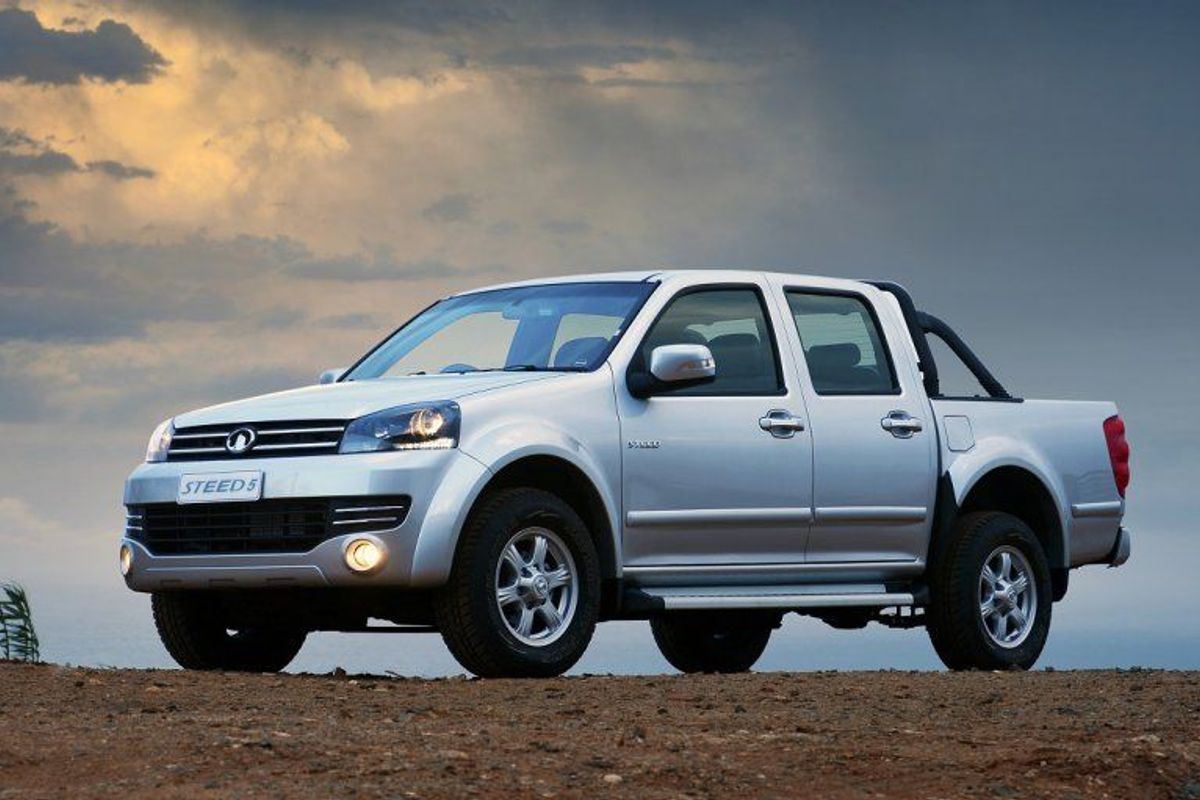
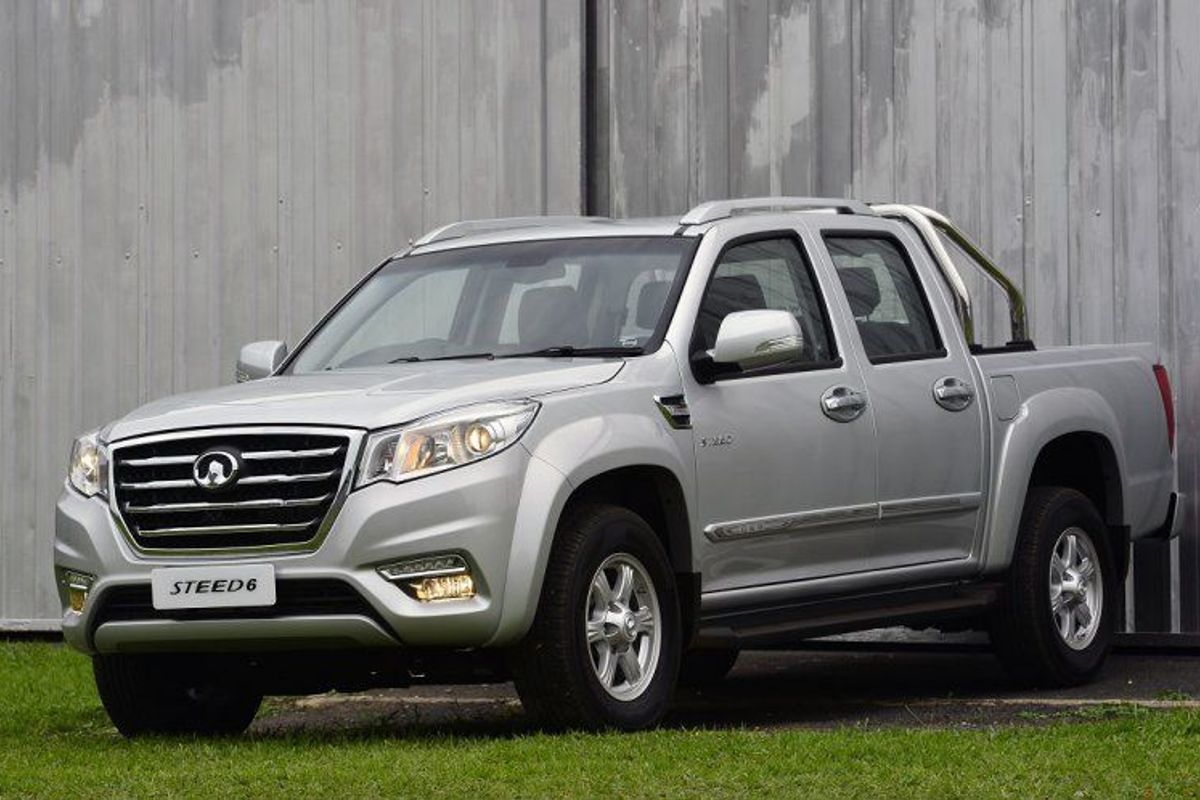
GWM has probably done the best job of all the Chinese manufacturers with regards to integrating into SA. The brand has primarily focussed on workhorse bakkies that undercut the competition. The scheme has worked for them as theyve sold 50 000 vehicles since they entered SA in 2007. GWMis now expanding its range of Steed 5 bakkies and is adding a Steed 6 to the range as well. We had a chance to sample them on the KZN roads.
GWM Steed 6 Leisure Bakkie
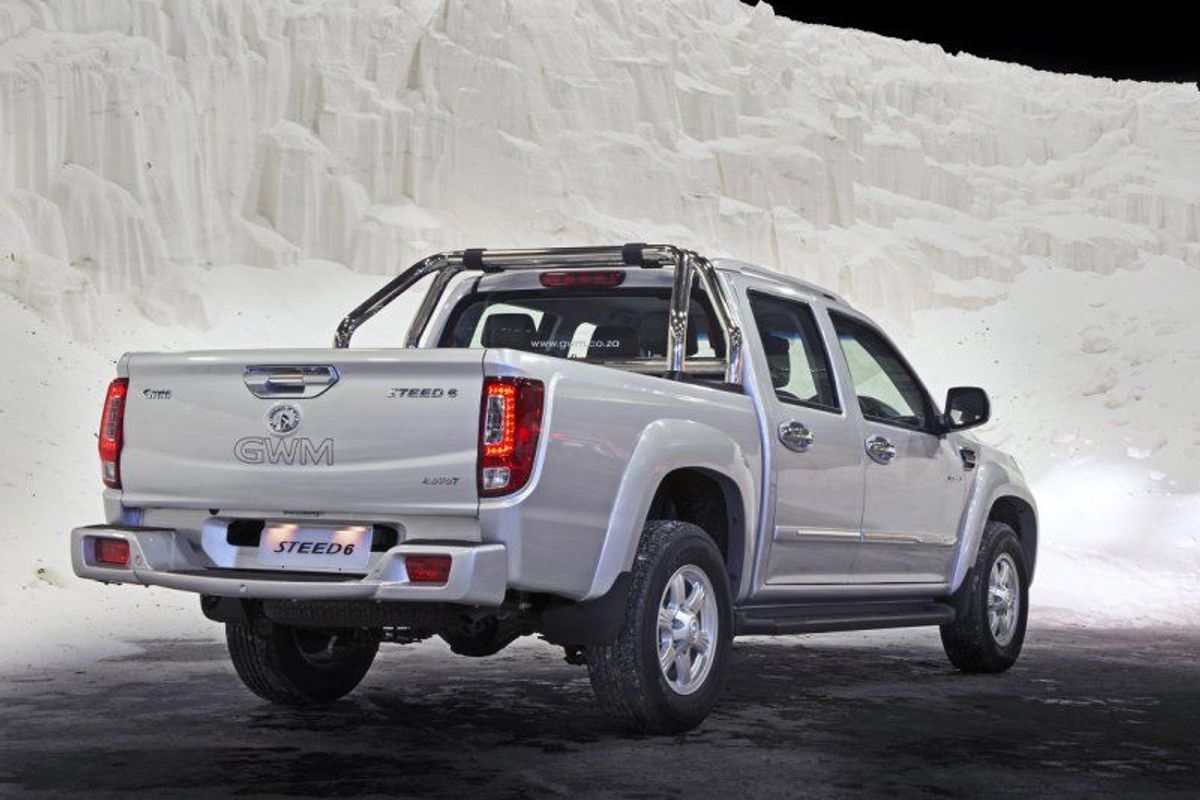
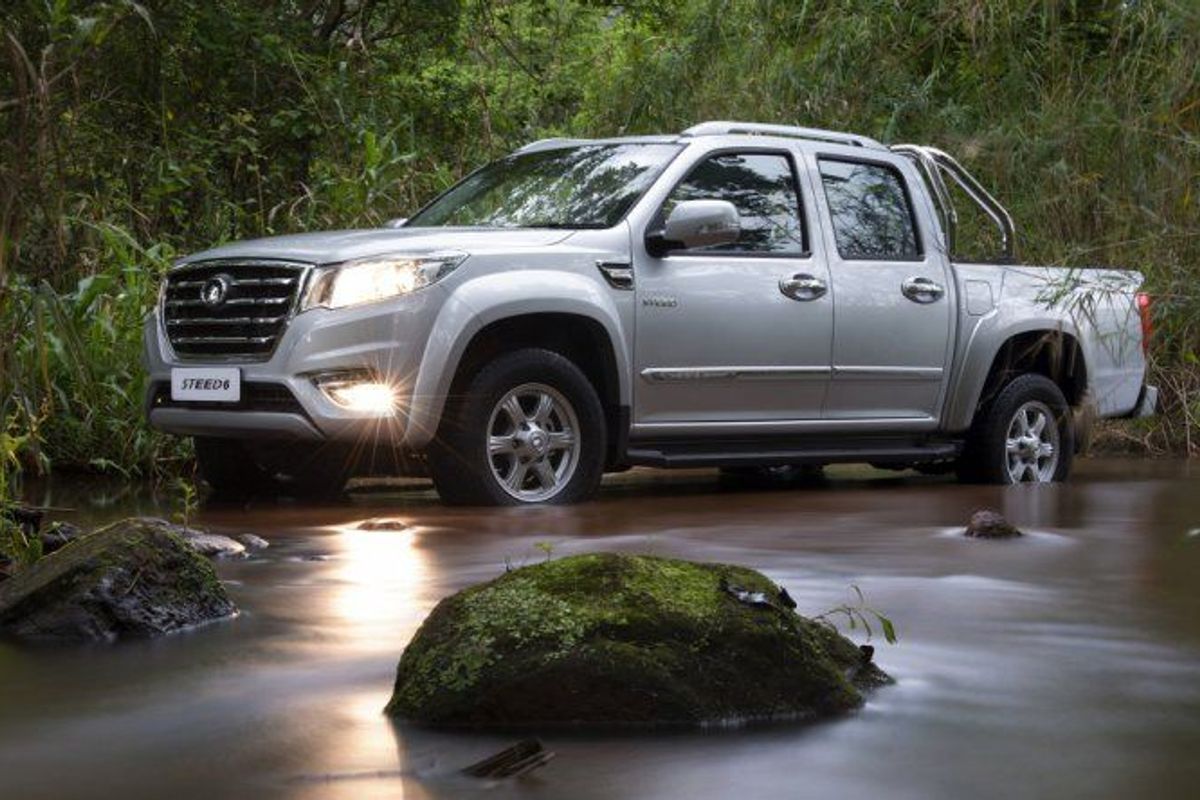
Firstly the new Steed 6, its a bit more of a leisure offering from GWM with just a double cab offering and a feature-packed interior. The exterior styling looks more butch and bakkie like now with a big grille up front and squared-off headlights backing up the manly demeanour. I think theyve done well in the styling department and its not instantly recognisable as another brands slightly uglier sister anymore. There have been tweaks to make it more modern like side-step sills, indicators built into the mirrors and a tail-bumper step. The Steed 6 is also a long vehicle measuring 5 345mm with a wheelbase of 3 200m. The Steed 6 is actually 255mm longer than the Steed 5.
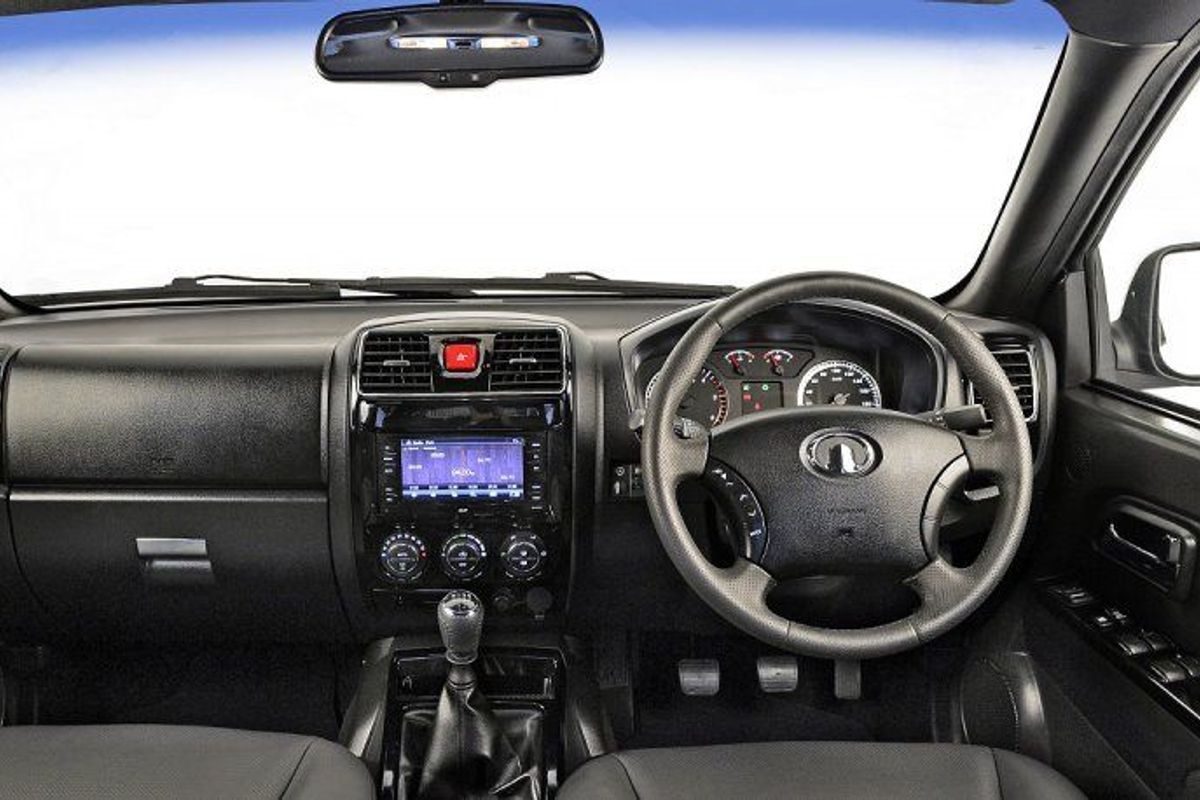
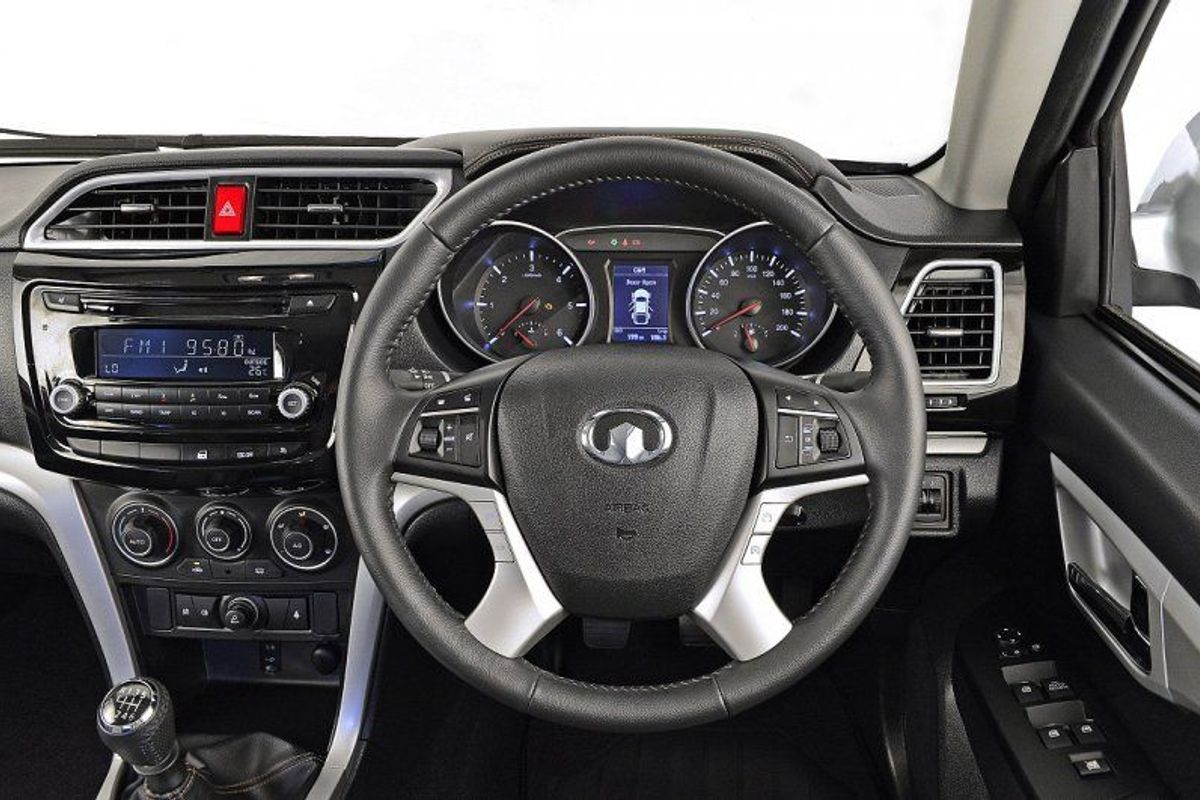
The interior has undergone a revamp and looks impressive considering what youre paying for it. The seats are leather, so is the steering wheel and theres steering mounted controls. The instrument binnacle has been remodelled and looks quite posh. The Steed 6 Xscape top of the range model has just about everything youd need as far as accessories go and matches the more expensive Japanese models in this department.
The ride though could be better the Steed 6 feels a little soft and the bumpiness of the road filters through into the cabin making for a jittery ride. The steering is also very vague and the connection between it and the wheels doesnt inspire much confidence when driving at higher speeds. The Steed 6 is quite highly specced in the safety department for a bakkie, featuring ABS/EBD, ESP and dual front airbags.
The engine is decent and the 2-litre turbodiesel we drove actually revs quite well through the rev range. It doesnt have much from immediate pull-off but once its up around 1800-2000rpm it has good pull and if you keep it in that range it feels quite torquey. Outputs currently are at 105 kW and 305 Nm. 4×4 models are to be added to the Steed 6 as well during 2015.
Double Cab Steed 5E
The Steed 5E has also joined the range of Steeds as a double cab version of the workhorse Steed 5. For me it seemed to have a better and stiffer ride. Its still bumpy inside the cabin but feels more like a hardy-built ladder frame bakkie. The outside has had some improvements like removing the aerial from the top of the roof and the side indicators have been incorporated into the rear-view mirror housing. Inside, the Steed 5E has also been improved with bits of leather inserts in the doors and reduced levels of noise intruding into the cabin. GWM has upped the level of fit and finish on the 5E and it feels a more premium or lifestyle option in the top spec diesel model (Xscape).
Pricing is still extremely competitive as GWM aims to win over the market with value for money propositions. Both bakkies are improvements over previous Chinese models driven before and once they start sorting the ride and handling out they could be a serious force to the major players.
GWM Steed 6 Price:
Steed 6 2,0VGT SX R294 900
Steed 6 2,0VGT Xscape R319 900
GWM Steed 5E Price:
Steed 5E 2,4 SX R229 900 (petrol)
Steed 5E 2,4 Xscape R244 900 (petrol)
Steed 5E 2,0VGT SX R259 900
Steed 5E 2,0VGT Xscape R274 900
BMW i3 Scoops 2014 Green Car Of The Year Award
Widely recognised as the auto industrys most important environmental accolade, the 2014 Green Car of the Year Award celebrated its 10th anniversary at this years LA Auto Show, with the BMW i3 walking away with the top honour.
Innovative electric car named 2014 Green Car of the Year Award
This is the first time in the history of the award, when an electric car has won the award. Offering 126 kW electric motor and a range of 130-160km on a single charge, BMW’s first plug-in electric vehicle surpassed the other finalists which included the Chevrolet Impala Bi-Fuel; the Audi A3 TDI; the Honda Fit; and the Volkswagen Golf.
The judging process considers all vehicles, fuels, and technologies, also that vehicles are all-new, or in the early stages of their model lifecycle, and must be on sale by January 1 of the award year. In addition, availability and market significance are taken into consideration in order to ensure that models have the potential to make a real impact on improving air quality, reducing greenhouse gases, and promoting transportation efficiency.
According to a statement issued by the publisher of the Green Car Journal, Rog Cogan, BMWs entire strategy around sustainable transportation helped gear the i3 to its win. Its also said the model won because of its zero emissions at the point of use, and also because of the high percentage of sustainably produced materials used in the car’s construction, such as its carbon fibre reinforced plastic body.
“BMW’s i3 is a milestone vehicle in many respects and illustrates the automaker’s expansive vision of future motoring,” says Cogan in a statement. “It is purposefully designed with a small environmental footprint and zero emissions, offering the best features of an electric vehicle with the functionality of an available on-board engine-generator that nearly doubles its battery electric range.”
While the i3 is designed as a battery electric car, its optional REx Petrol engine-generator enables extended driving range with electricity created on board easing potential range anxiety, however, it does not act as a replacement for electric power. The vehicle can hit 100km/h in just 7.2 seconds and thanks to a very low centre of gravity offers the same driving dynamics as BMW’s petrol powered cars.
As finalists for 2014 Green Car of the Year Award, the Audi A3 TDI, BMW i3, Chevrolet Impala Bi-Fuel, Honda Fit, and Volkswagen Golf are additionally honoured with Green Car Journal’s 2014 Green Car Product of Excellence.
Next-Generation Volkswagen Golf To Feature 10-Speed Automatic Gearbox
New reports indicate that the next-generation Volkswagen Golf will be offered with a new 10-speed automatic transmission.
Next-generation Volkswagen Golf minor tech details revealed
According to Auto Express, the DSG gearbox will be available for the VW Golf GTI, GTD and R models. The report also says the gearbox will be designed for a peak torque of 550 Nm, and will be the same size as the current 7-speed DSG.
The new transmission is also expected to help improve fuel consumption and lower CO2 emissions. Power will supposedly come from a more powerful version of the 2.0 BiTDI, recently introduced with the new Passat, which will also power the GTD version.
Previous reports claimed the VW Golf VIII will be revealed in 2017, while the current generation VW Golf will likely receive a facelift for MY2015 or 2016.