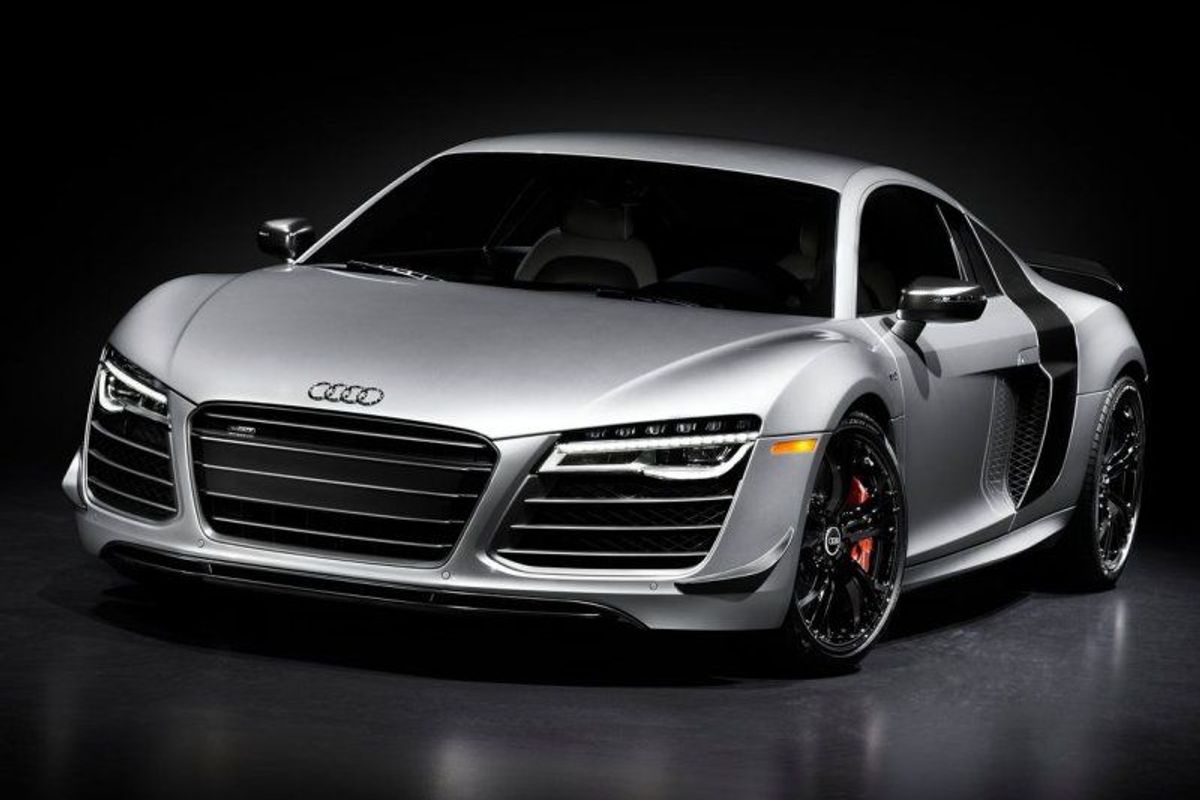
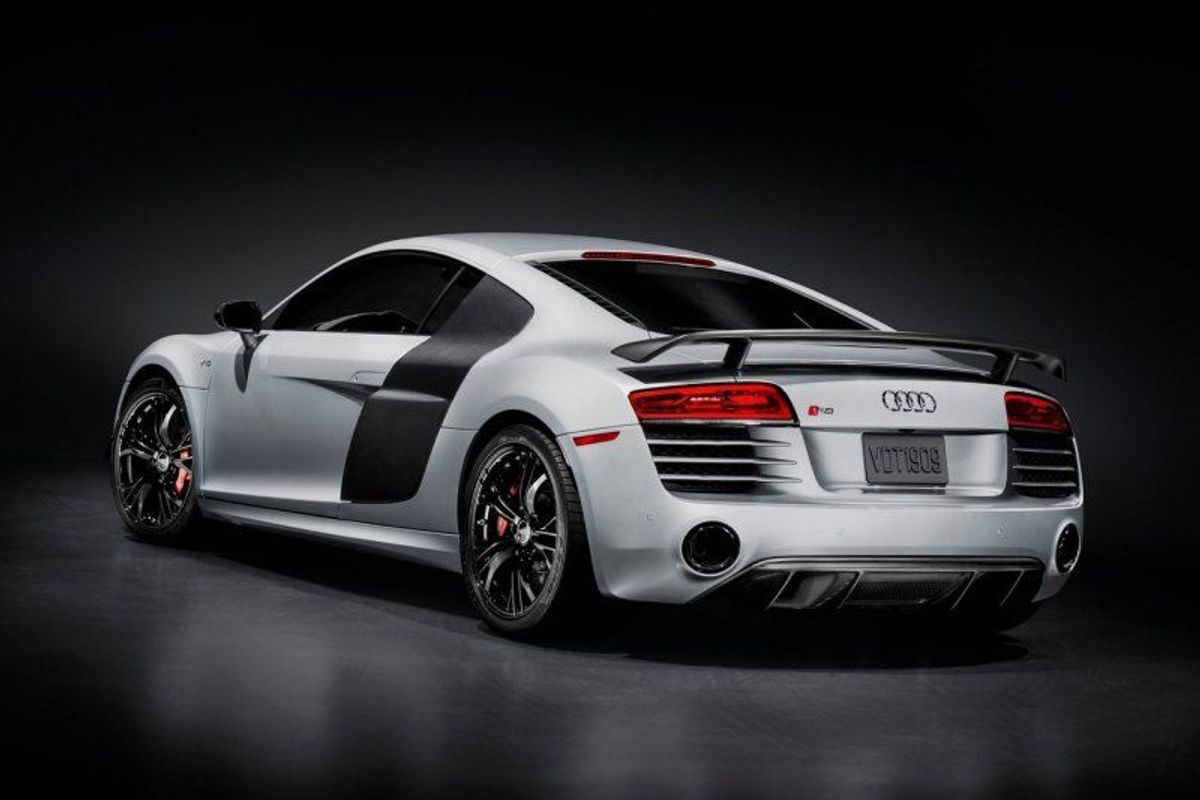
Audi will fully reveal its most powerful production car ever the Audi R8 Competition during Novembers LA Auto Show. The new R8 is said to be the closest thing it can build to its all-conquering R8 LMS car.
R8 Competition Packs 425 kW
The 5.2-Litre V10 has been tuned to deliver 425 kW via the seven-speed S-Tronic gearbox, that makes it the most powerful production Audi it has ever made. Audi says the R8 has an improved 0-100kph sprint time that now takes just 3.2 seconds. Top speed is 320kph and falls just one-mph short of the magical 200mph mark.
The limited-edition Audi R8 competition is the closest road car to our R8 LMS ultra race car that has won virtually every race around the world, said Scott Keogh, President, Audi of America. It is designed for the driving enthusiast and were excited to bring 60 units as a limited-edition to the U.S.
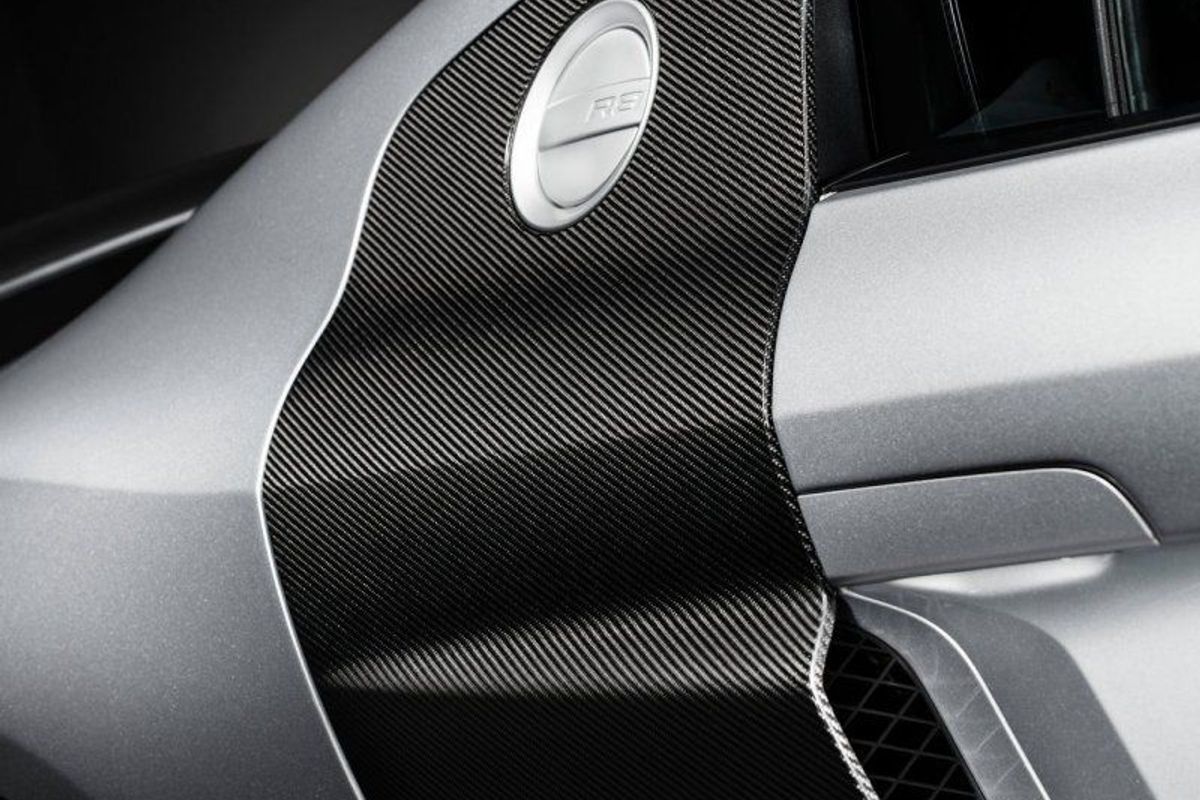
Differentiating the Audi R8 competitions design are matte carbon exterior elements consisting of a fixed rear spoiler, engine bay, mirror housings, side blades, front spoiler and rear diffuser. The combination of the carbon elements lower the weight of the R8 competition and also provide greater downforce.
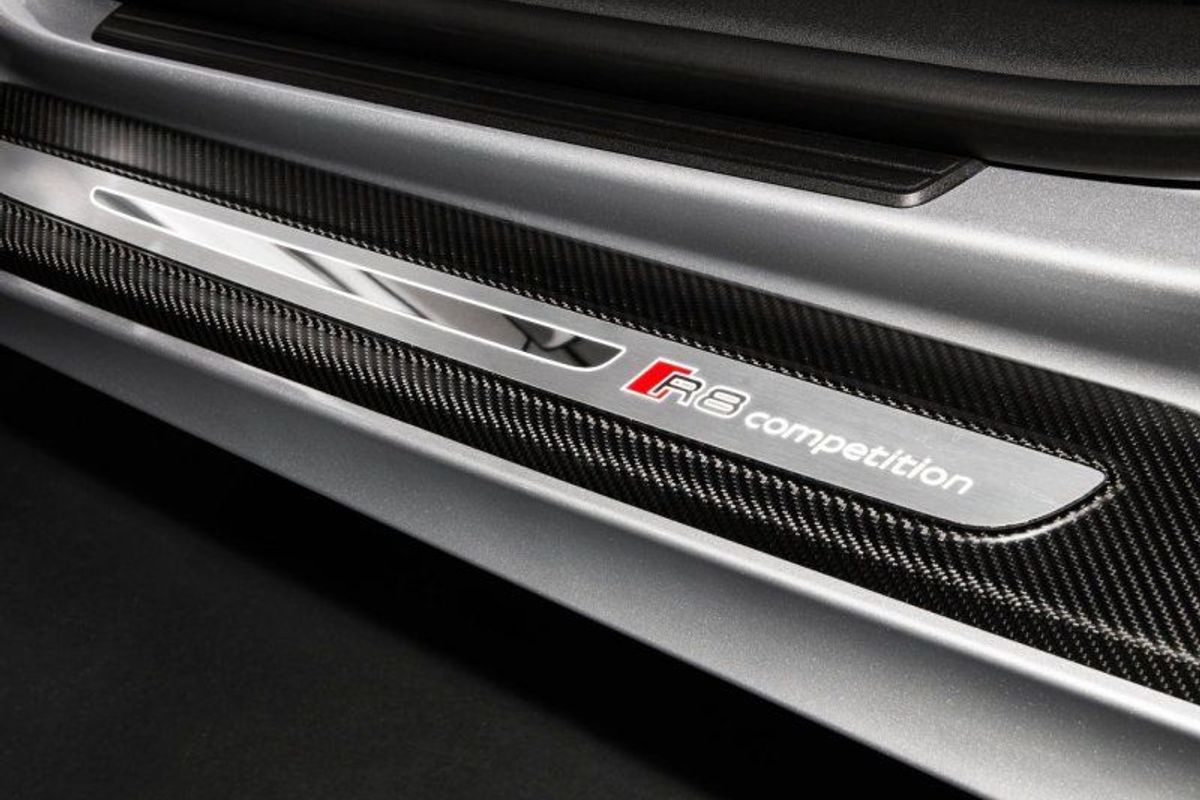
Gloss black wheels and ceramic brakes with anodized red brake callipers provide contrast to the matte carbon fibre elements. Inside, drivers will find yet more matte carbon fibre treatment surrounding the centre console and illuminated R8 competition door sill inlays. The R8 competition is an Audi exclusive line vehicle, which allows the driver to pair a variety of interior and exterior colours and choose from a selection of wheel finishes for a unique look.
Updated Mitsubishi Pajero – Specs and Pricing
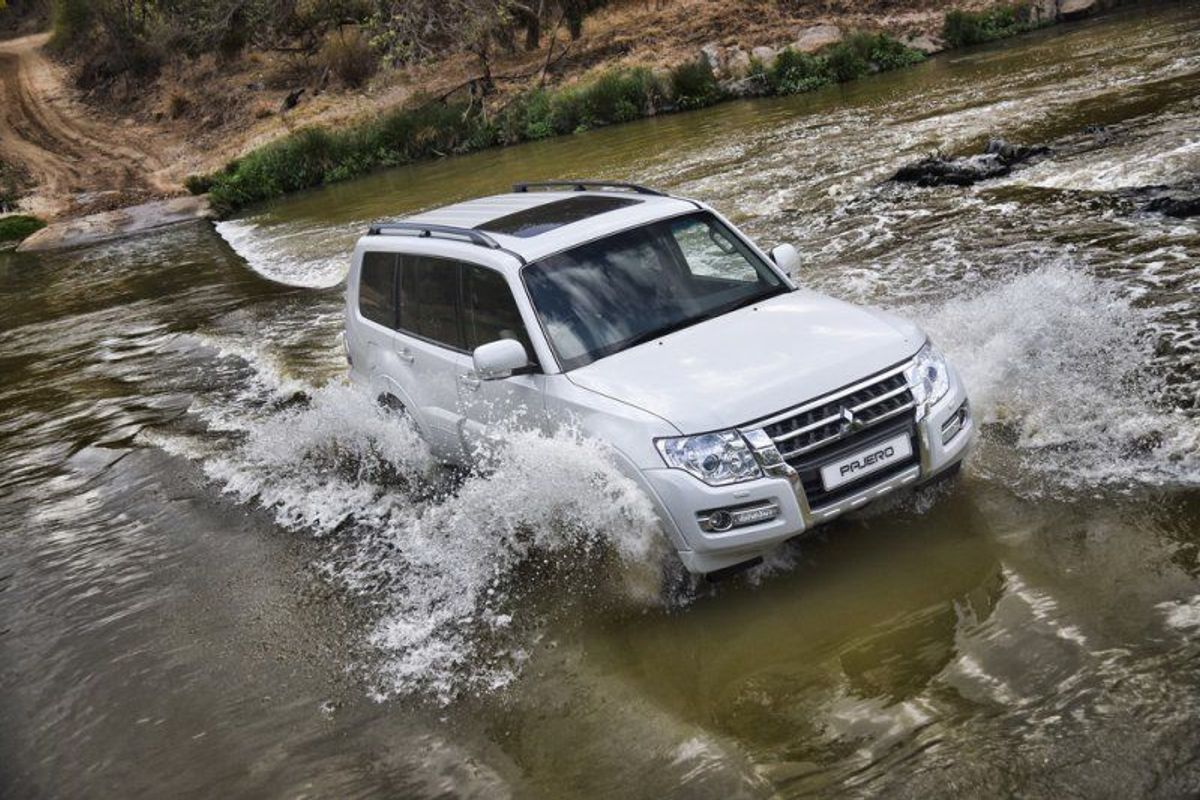
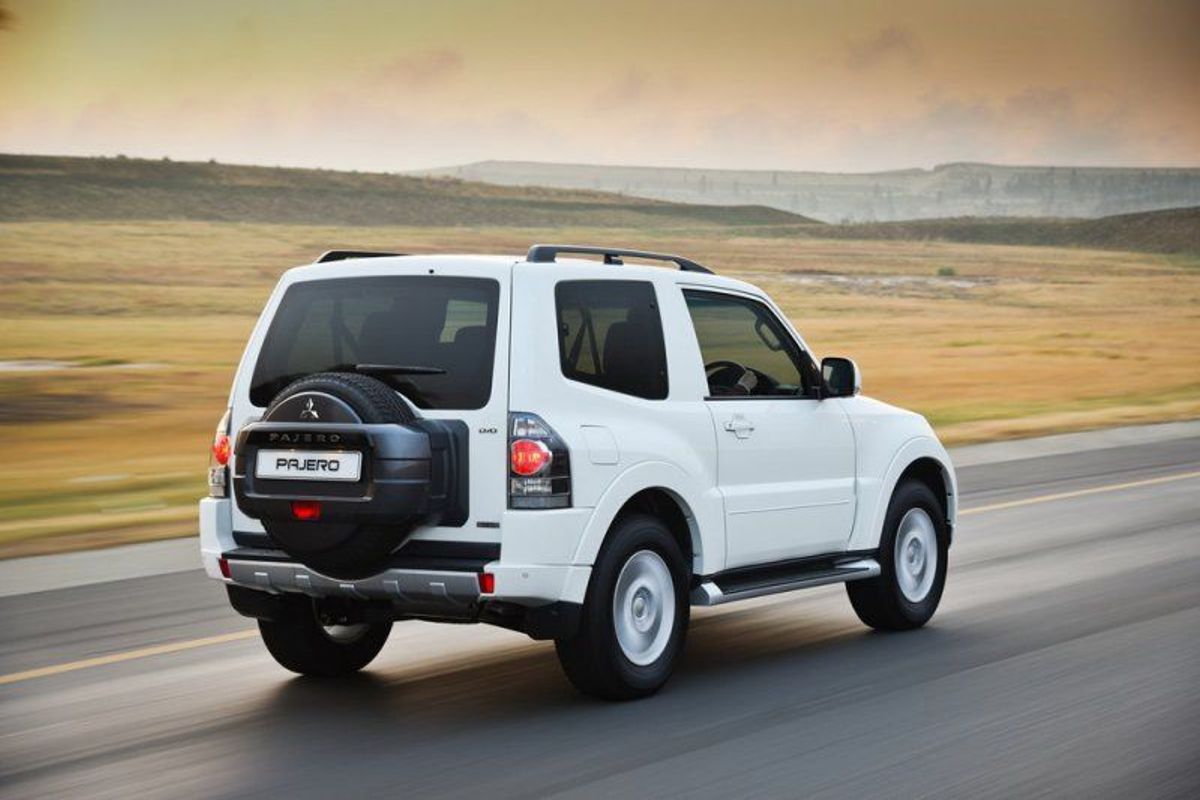
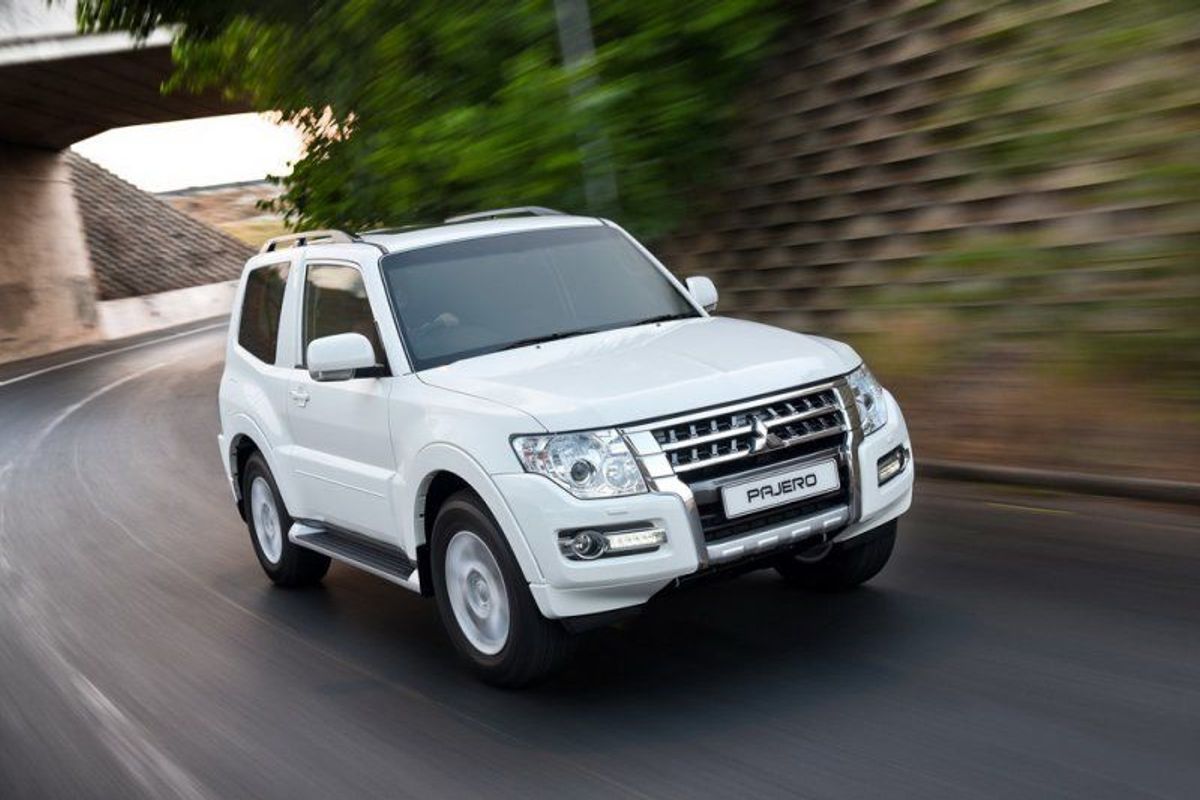
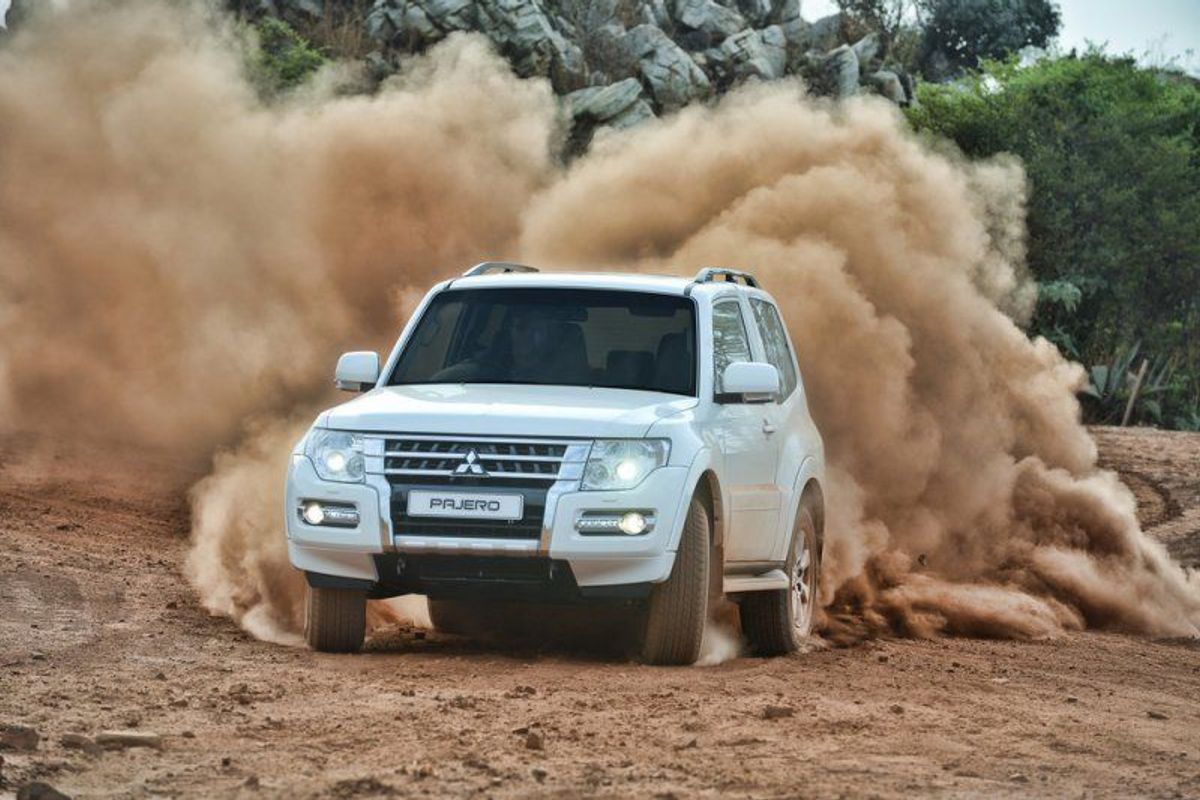
The Mitsubishi Pajero has received a number of updates and the new model is now on sale in South Africa.
Specification details
The 2015 model year Pajero range includes short wheelbase and long wheelbase vehicles, and all powered by Mitsubishi’s proven 3.2-litre DI-D turbocharged diesel engine. The 3.2-litre turbocharged diesel engine makes 140 kW and 441 Nm with power going to the wheels via a five-speed automatic gearbox with manual override option. The vehicle can also run on 500 ppm diesel when necessary, meaning you really can take it into the wild.
There’s a new front end design which incorporates LED daytime running lights. Note the new bumper design does not impact on the class-leading approach and departure angles. There are new alloy wheels as well as a newly designed and sturdier new spare wheel cover on the LWB derivatives now.
Interior
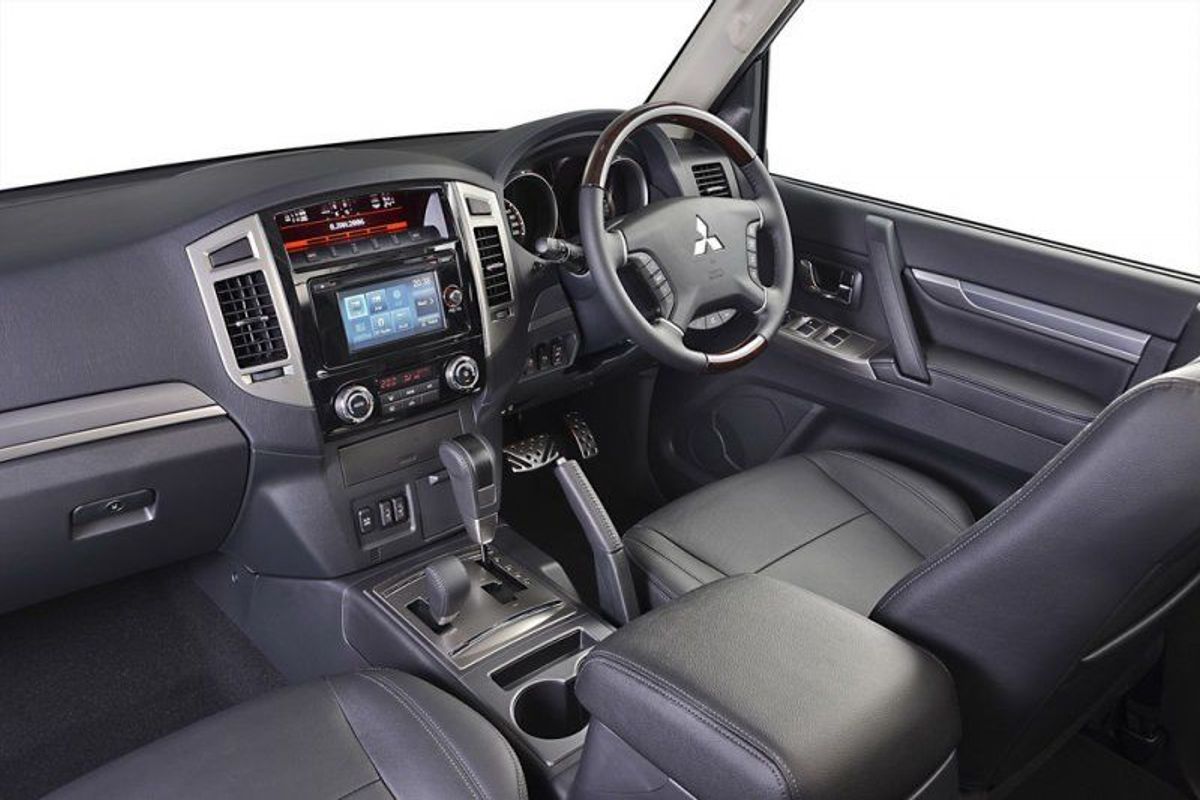
The interior now receives a rear-view camera which now displays its picture on the infotainment screen, and automatic headlight dimming is now available on all derivatives. The Pajero comes well equipped and you get leather upholstery, electric and heated front seats, the rear view camera, rear parking sensors, variable intermittent windscreen wipers, front and rear fog lights, the LED daytime running lights, black roof rails, a multi-function steering wheel, Bluetooth, voice control, cruise control, automatic climate control, rear air conditioning control (LWB only), and a radio/CD/MP3 touch screen audio system with USB and aux support as standard equipment.
The top-of-the-range LWB GLS Exceed model adds a 12-speaker Rockford Fosgate audio system, HID xenon headlights with washers, 18-inch alloy wheels, an electric sliding/tilting panoramic sunroof and a wood/leather combination steering wheel for an added touch of luxury.
The vehicle is safe too, with the Pajero receiving a 5-Star Euro NCAP safety rating.
4×4 Ability
All Pajeros come with the Super Select 4WD system with four drive modes. 2H mode is best for town driving, 4H mode can be engaged at speeds up to 100 km/h and all four wheels are engaged in a 34% (front) and 66% (rear) split. When road surfaces worsen, the 4HLc mode comes into play and the traction control system and the centre diff lock are engaged for enhanced control in tougher circumstances.
Finally, the 4LLc engages low-range and deactivates the traction control system for ultimate control in even the stickiest of situations. The rear diff lock can be engaged manually by means of a switch, according to driver needs and environment demands.
2014 Mitsubishi Pajero Price in South Africa
All Pajero models are sold as standard with a 3-year/ 100 000 km warranty and a 5-year/ 100 000 km maintenance plan, with service intervals every 10 000 km.
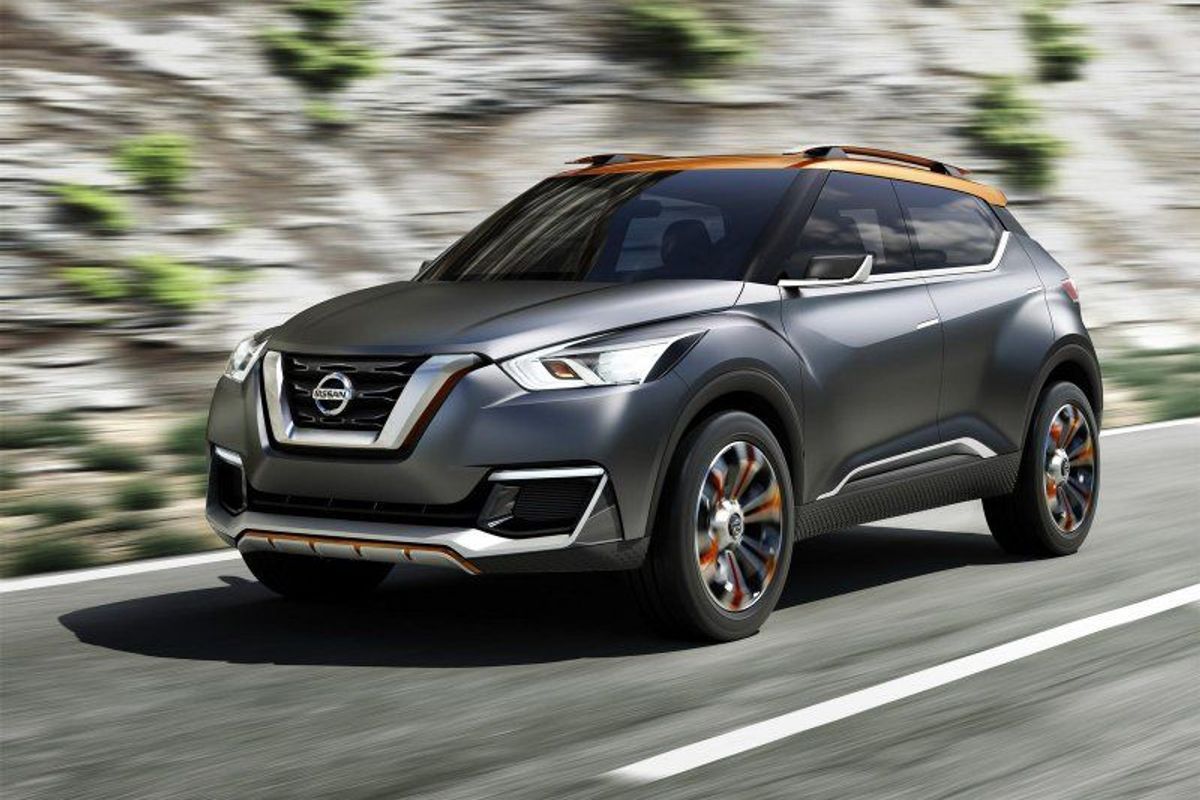
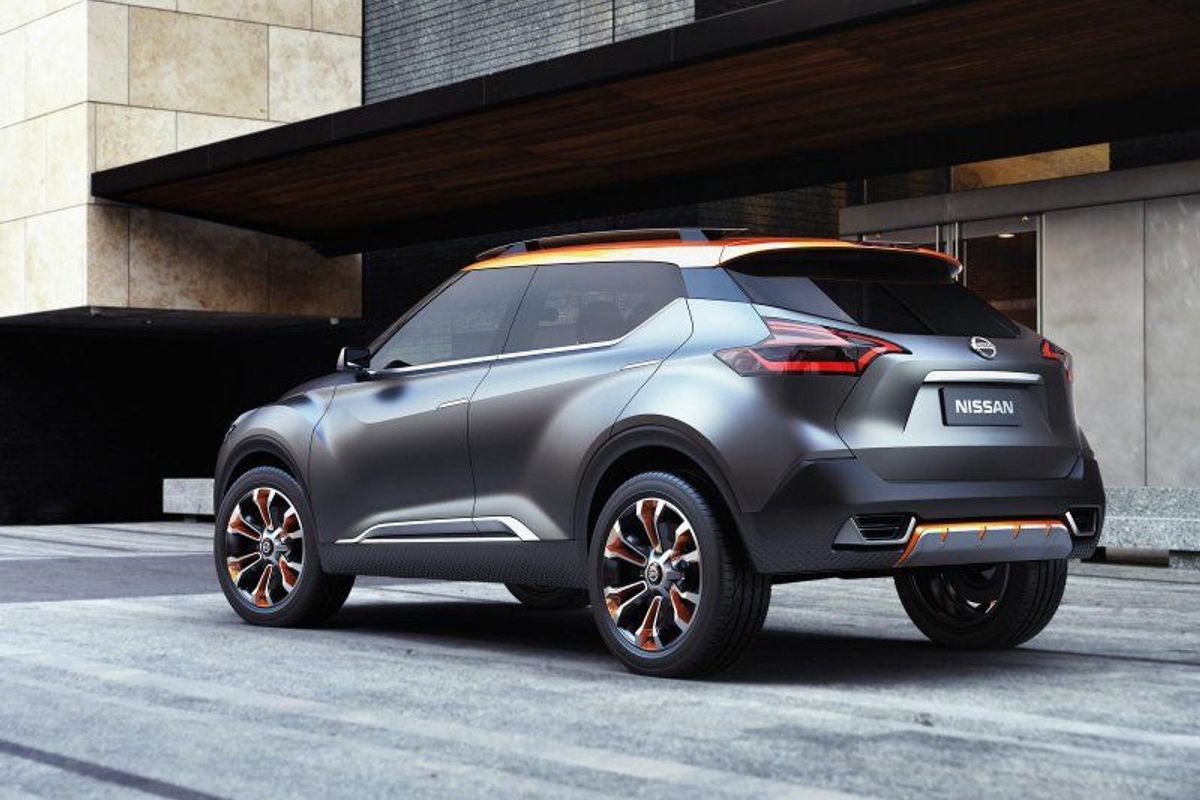
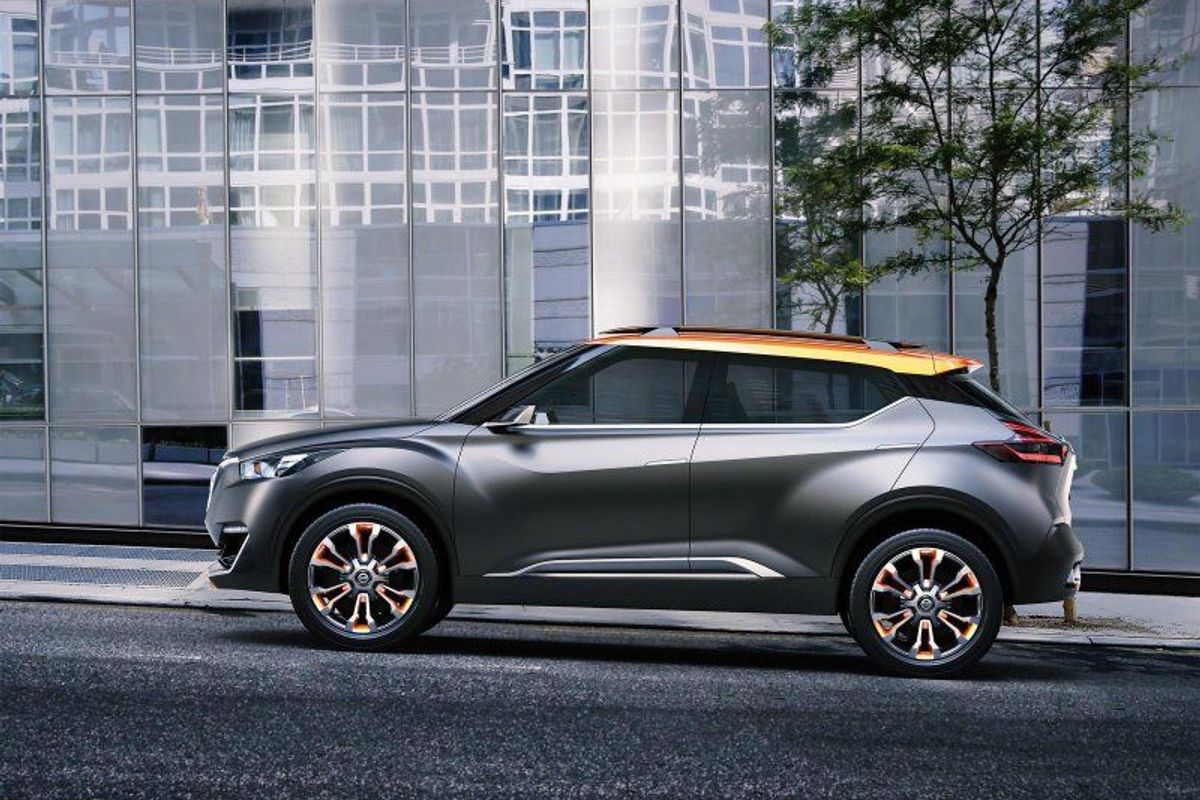
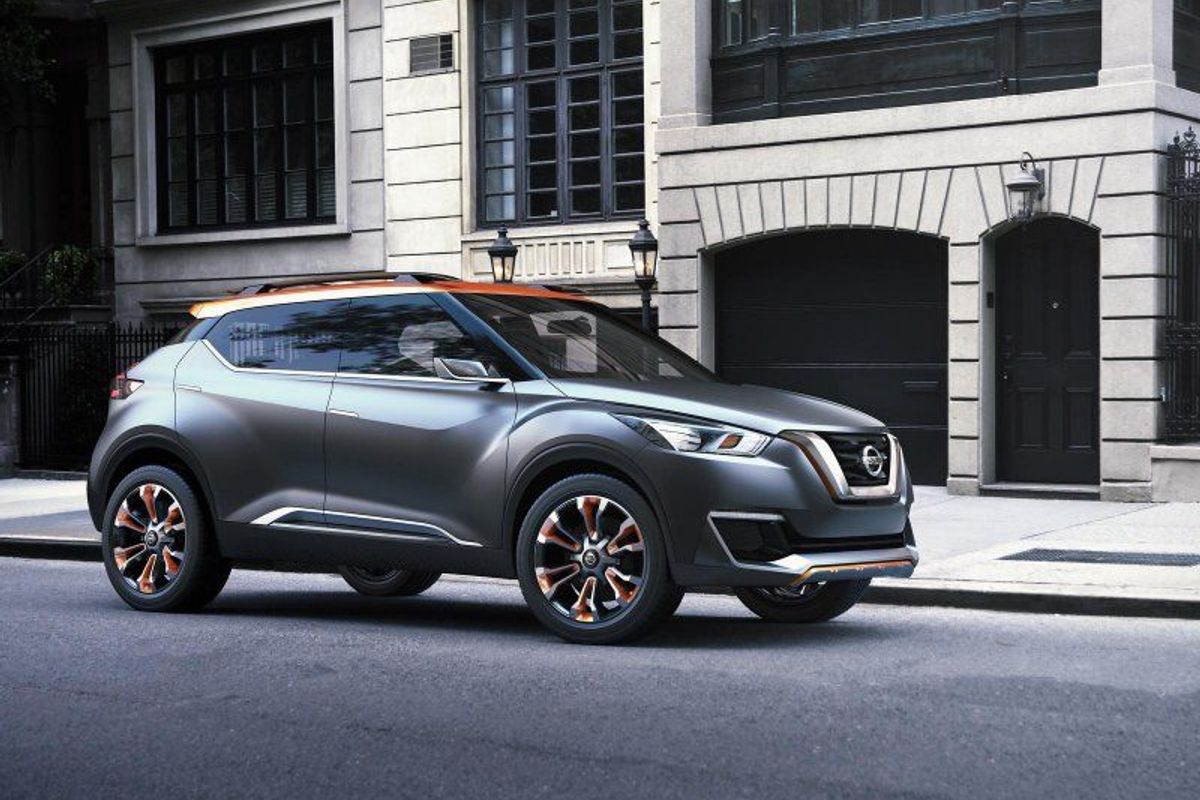
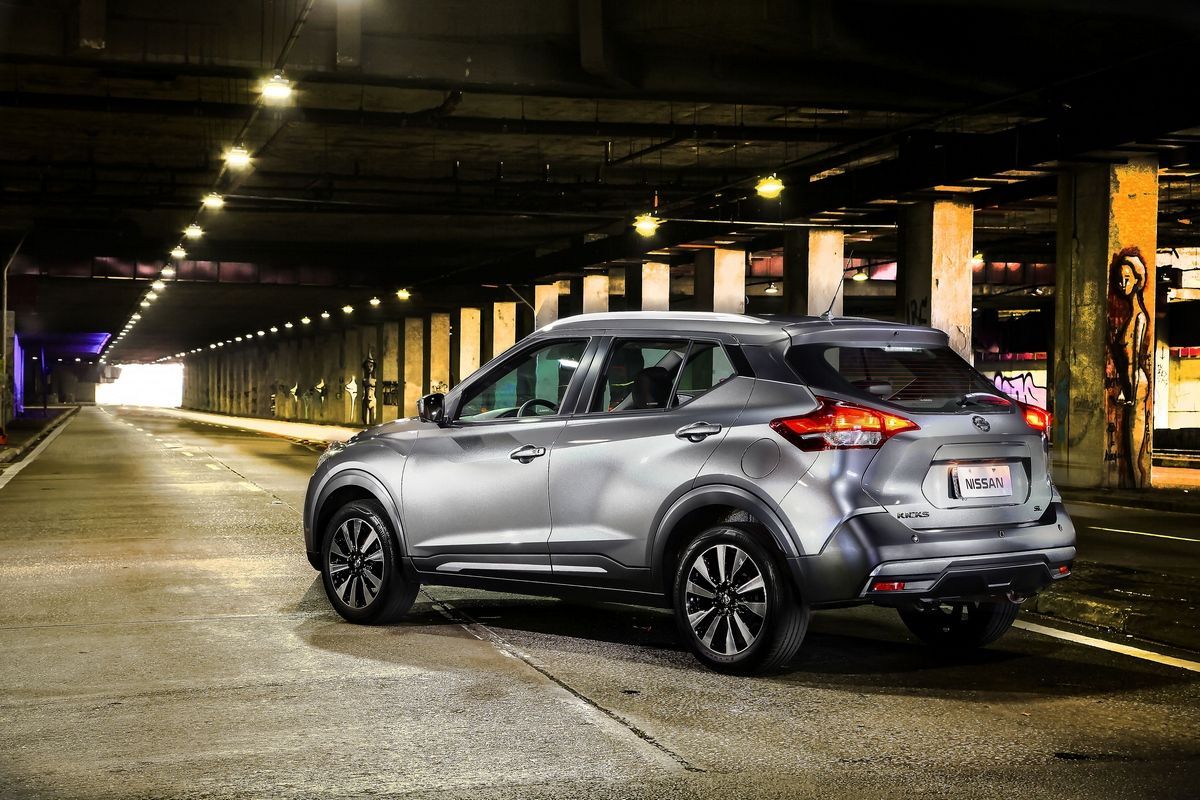
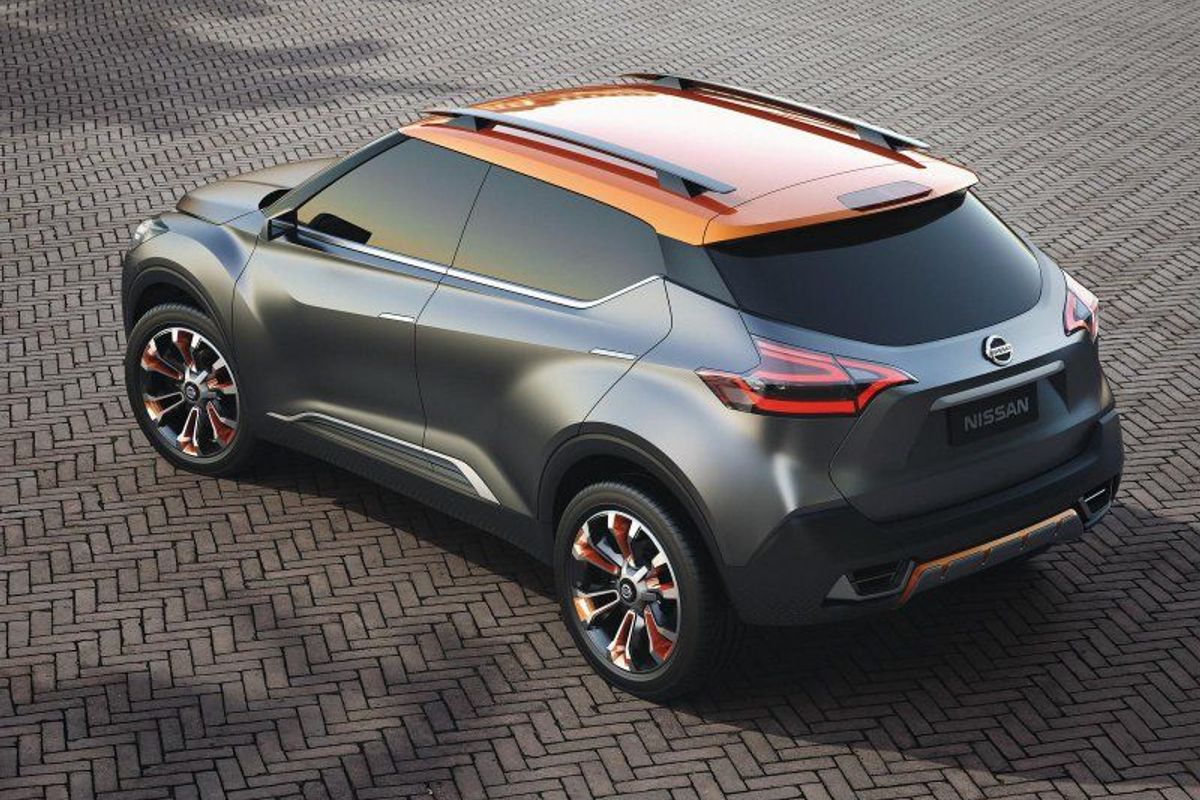
The Nissan Kicks Concept will debut at the Sao Paulo motor show during November 2014 and adds yet another SUV derivative to the Nissan brand. The Kicks concept was teased earlier this month (October 2014) and could be sold as a cheaper alternative to the Nissan Juke.
Kicks Built for Brazil Vibe
This concept is a product of global collaboration, but it was inspired by the streets of Brazil and designed for its people, said Mamoru Aoki, Executive Design Director of Nissans Global Design Strategy Department.
The main inspiration for this concept was the contrast that we saw in the grey tones of the urban settings in São Paulo and the bright natural colours that we saw near our studio in Rio, said Robert Bauer, Chief Designer at the Rio studio. ‘How to combine these two, the more grey urban tones with the bright sunset orange that we would see this combination we thought was really uniquely Brazilian.
The vehicle is not purely for Brazil but has been designed for its marketplace. With the likes of the Juke and Fords Ecosport selling in strong numbers locally and the Opel Mokka being introduced in 2015, there may still be a spot for it in our local market. The dimensions of the Kicks concept reveal that it is 4300mm long, 1800mm wide and 1600mm tall, which actually makes it slightly bigger than a Juke.
Suzuki Swift vs Kia Picanto: What to Buy
The Suzuki Swift and the Kia Picanto are popular choices in the budget car segment and this comparative article provides useful information for car buyers considering these vehicles.
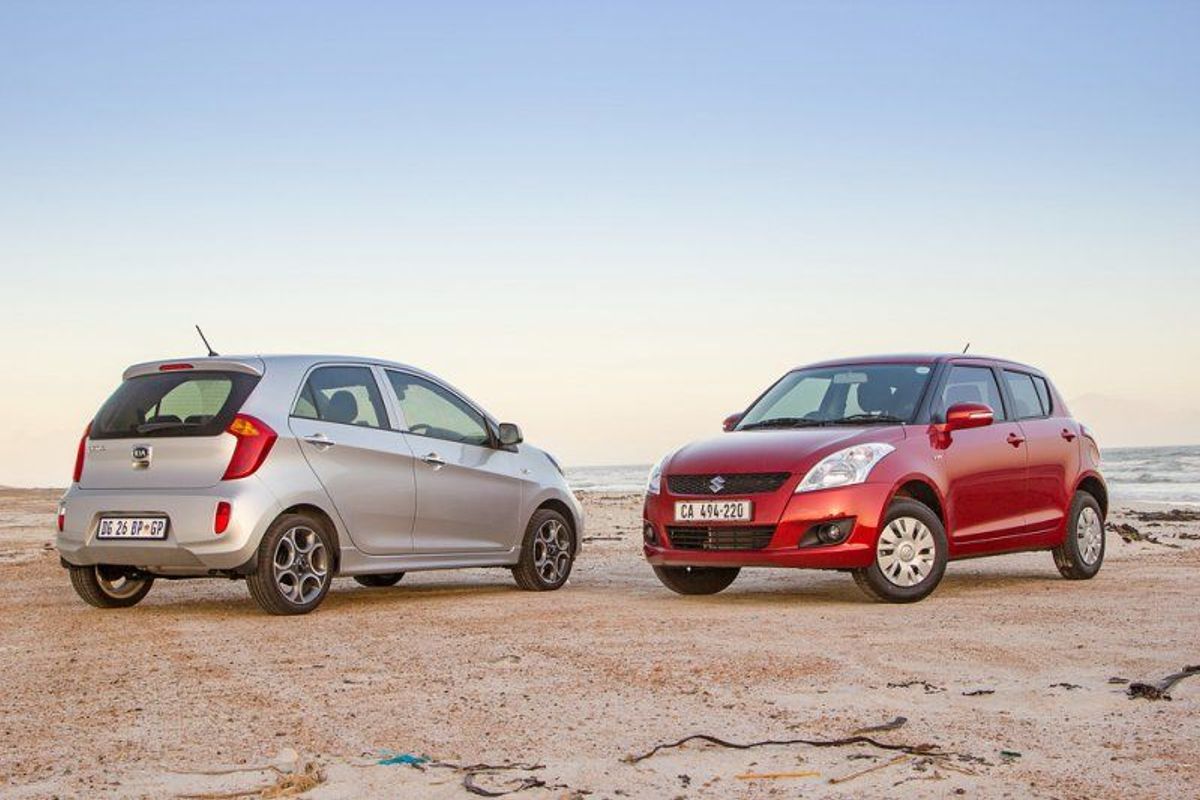
Is the Suzuki Swift a better buying proposition than the Kia Picanto?
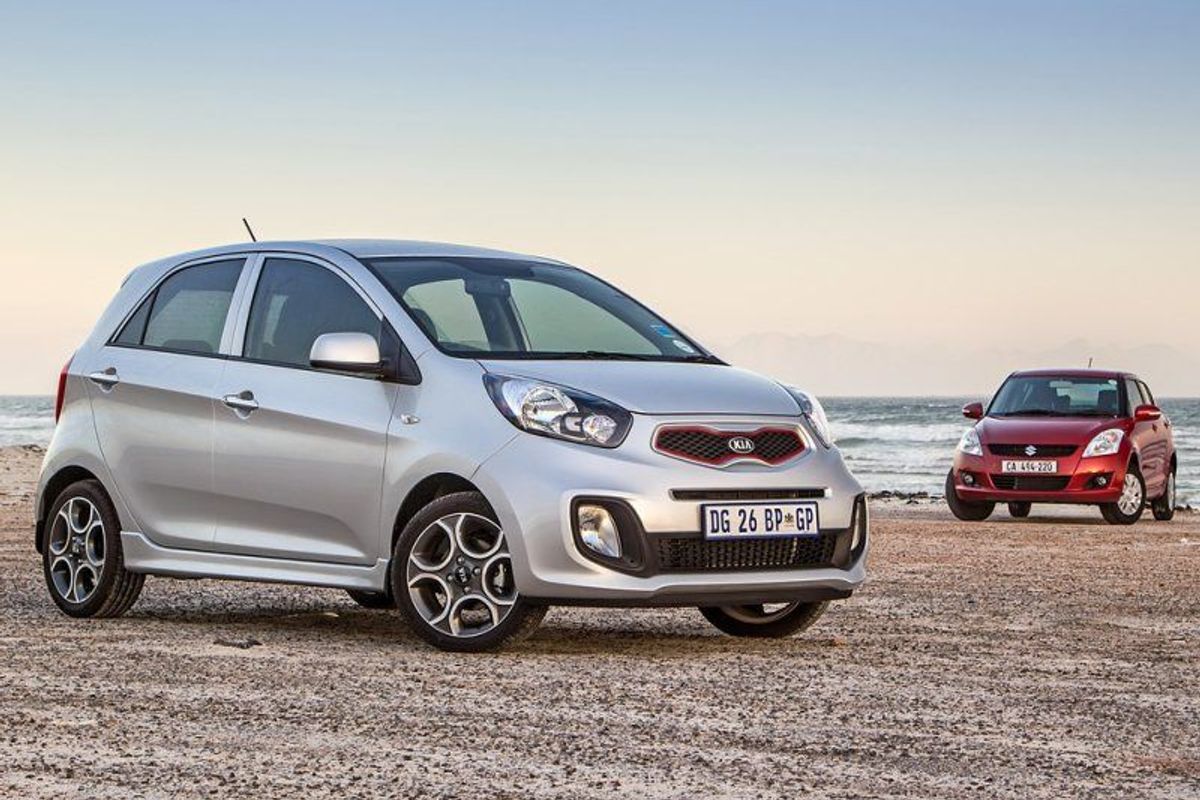
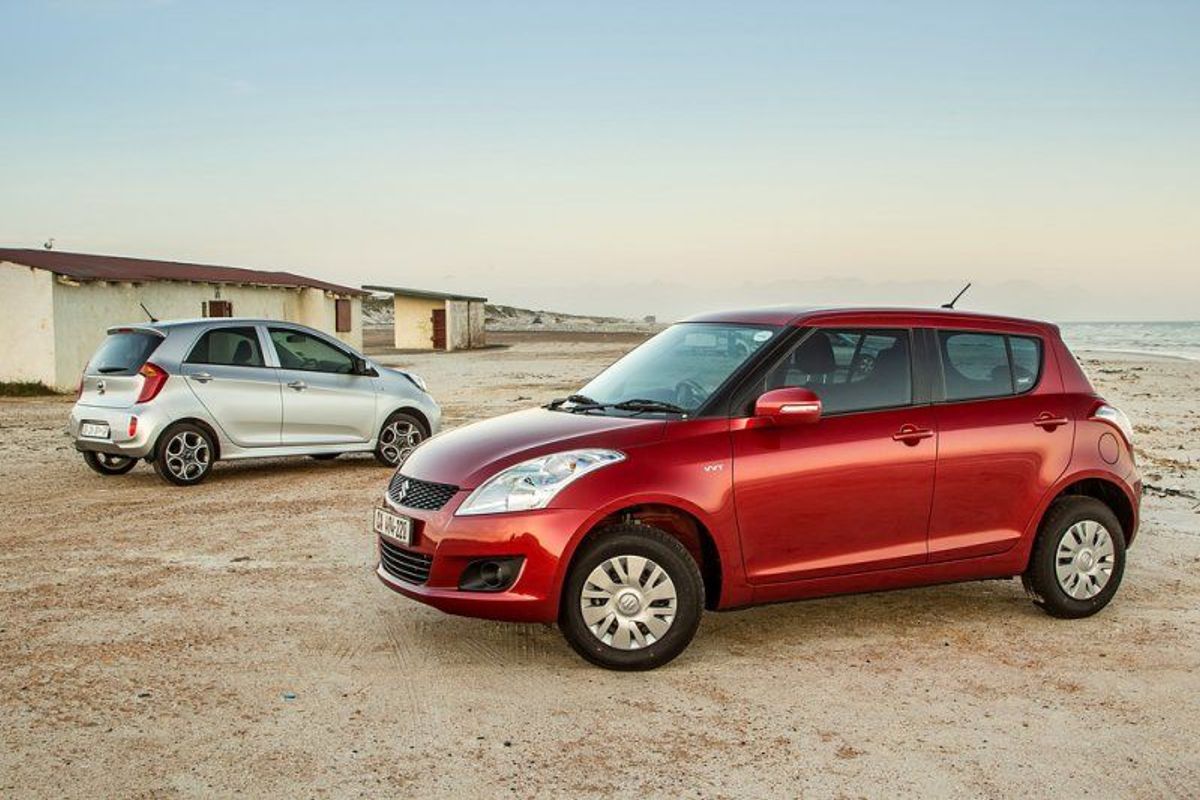
Entry level cars don’t all have to be crude and unrefined. Gone are the days when the entry-level segment was a car with seats and a steering wheel, and not much else. We’ve assembled two of the better prospects available on the market. Kia’s Picanto 1.2 EX and Suzukis Swift 1.2 GL. Which is best?
Skin Deep
From the outside these two rivals may look vastly different, but are actually fairly similar in dimensions with the Swift being slightly bigger in length, width and height. If it is looks you’re after however, the Picanto has the Swift licked. The Picanto comes standard with those funky 15-inch alloy wheels that give it a lot more attitude.
The Picanto’s front grille is also lined with some red trim and it’s these sort of small touches around the Picanto that make it look more sophisticated and attractive to young buyers. The Swift though isn’t an ugly duckling by any means, it just lacks the exterior flair the Picanto possesses. The optional 15-inch wheels might be worth the extra cost as the 14-inchers with wheel covers don’t fill the arches as well.
Inside Story
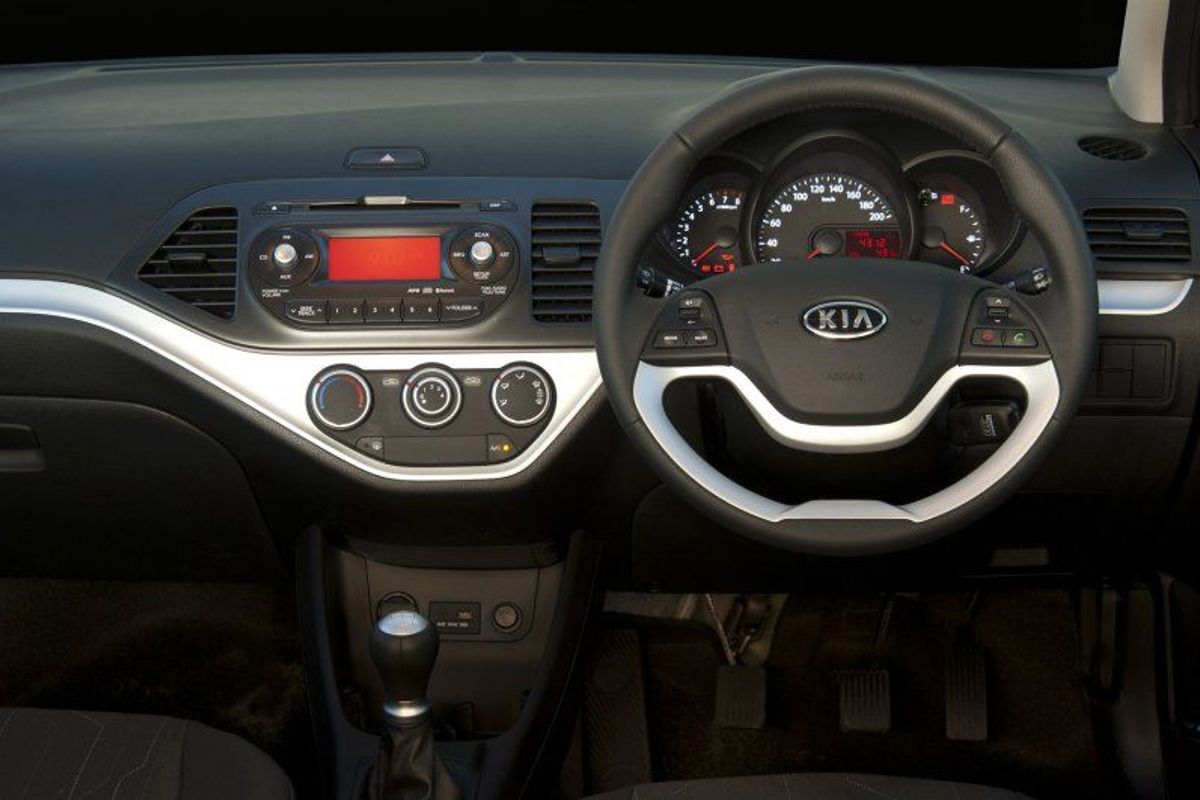
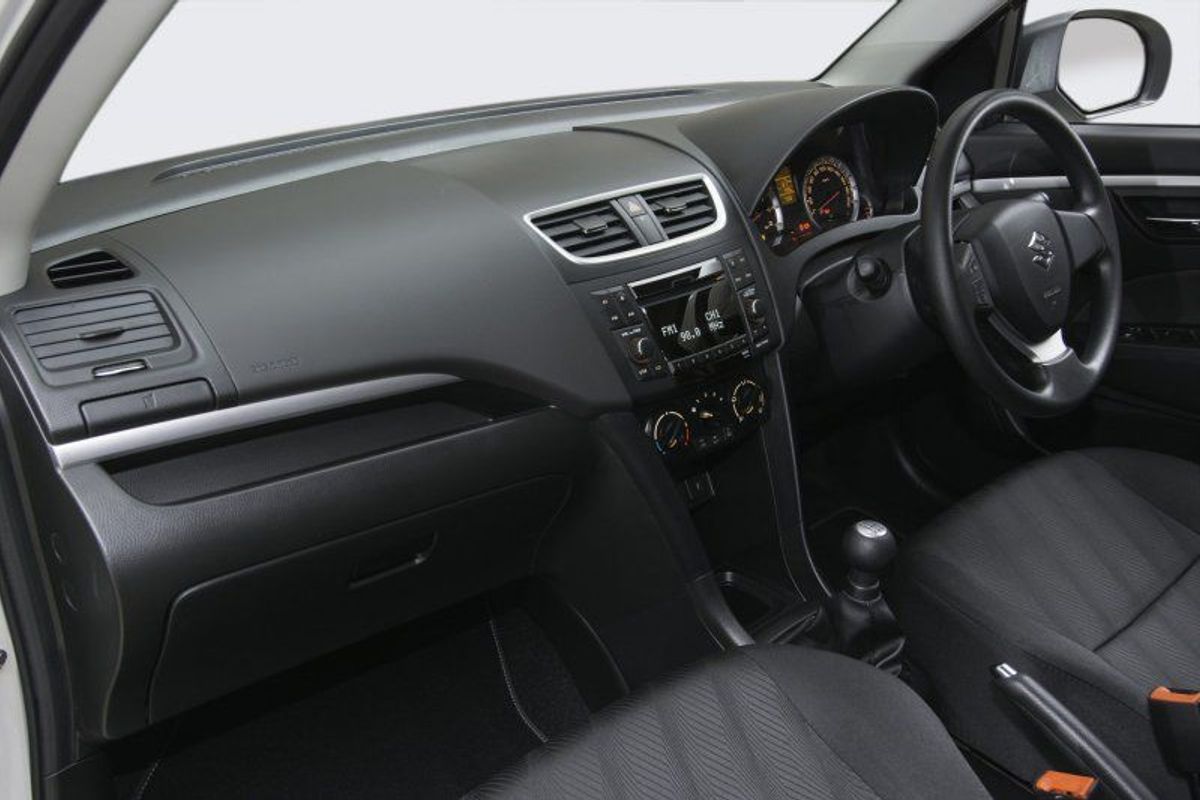
Both of these models are fairly well equipped as standard and for starter vehicles have most of the quintessential needs covered. The Picanto has got the added luxury of a Bluetooth compatible radio that the Swift doesn’t, but other than that they are almost identical in spec. You get electric windows all-round, air-conditioning and power steering for starters, then there’s a CD player with AUX and USB slots and buttons on the steering wheel to control the radio. The Swift has the better trip computer giving range readout and average fuel consumption.
Space wise the Swift feels the bigger car, passenger in the front and rear have more space to move around and theres more rear legroom in the Swift. The boot size on both cars is very similar the Picanto has the slightly smaller boot at 200-Litres, while the Swift’s is 210 litres. We expected the Swift to have a clearer advantage in luggage space, but the Swift seems to rank passenger space above luggage space. Both are reasonably comfortable cars to sit in with what feels like durable and long-lasting materials all-round, while not feeling like hard and scratchy plastics.
Up to Pace
The Swift and Picanto both have 1.2-litre naturally aspirated engines. They put out similar power figures with the Swift at 63 kW and the Picanto at 65 kW, torque is 113 Nm and 120 Nm respectively. The tiny bit of extra torque the Picanto has makes it the slightly more fun car to nip around town in as it climbs the revs just that bit faster than the Swift does.
Weight doesn’t even factor into the equation as both cars are within 20kg of each other but the Picanto is the faster of the two in a 0-100kph sprint managing 11.6 seconds where the Swift is a full second slower at 12.6 seconds. Another major factor with these budget beaters are the fuel consumption figures. Kia claims it has the better average consumption with 5L/100km with the Swift at 5.7L/100km but over our week of driving the two cars we found the Swift to be the more economic, often returning well under 6L/100km (I got 4.7L/100km – Ed) where the Picanto could only manage 7L/100km.
Get a Handle on it
While the ride and handling are probably not top of the requirements list of entry-level cars like these, it’s still nice to know that youre in a well-balanced and controllable car should you ever need to pull off some emergency cornering. The Swift nudges comfortably ahead of the Picanto in this respect as it feels the more controllable car and gives the driver a greater sense of feel.
The Picanto isn’t going to fall over the first time you have to yank the steering wheel, but it feels narrow and has a tendency to lean over a bit more than expected in the bends. That said, it’s actually a fun car to thrash around in as the handling nuances become enjoyable in a comical sense.
Suzuki Swift vs Kia Picanto: Verdict
At the end of it all, price is going to be a key point of sale here and the Swift undercuts the Picanto by just over R7 000. The Picanto does have a five-year warranty compared to the Swift’s three-year, but then the Swift has a standard two-year/30 000km service plan where the service plan on the Picanto is an optional extra. If looks matter to you and you want something quite cheeky and peppy around town then you can’t go wrong with the Picanto, but if it’s a killer value for money budget hatchback that’s built with Japanese reliability then the Swift is the better buy here.
Comparison Specs: Kia Picanto 1.2 EX vs Suzuki Swift 1.2 GL
Mazda is set to reveal a brand new CX-3 compact crossover at the Los Angeles motor show in November 2014. The newcomer will fill in under the bigger CX-5 we drove earlier this year.
CX-3 to be based on Mazda 2
The Mazda CX-3 is to based heavily on the Mazda 2 and will likely feature the same 1.5-Litre petrol and diesel engine variants available. That means power of anywhere between 55 kW and 85 kW from the compact crossover.
The Mazda CX-3 is the latest model in Mazdas line-up of new-generation products featuring the full range of Skyactiv technology and KODO Soul of Motion designs.
We’ve always fancied the idea of a hot Subaru Forester and it seems like our dreams have been answered as a teaser image showing an STI-badged Subaru Forester has hit the Internet.
The 2.5 XT Subaru Forester is a very capable performer thanks to its turbocharged engine, but this Subaru Forester STI will take performance to the next level. Subaru has announced the 2015 Forester STI will be officially unveiled on the 25th of November 2014.
Subaru Forester STI details
What we do know is that the Forester STI will feature a more aggressive body kit, with STI-branded brakes, larger alloy wheels, front lip and red touches across the board. Let’s not forget the stereotypical Subaru paintjob and STI badging. The car will also feature a sportier suspension setup and rumours are strong there’ll be a more potent engine. We hope to see the engine from the Subaru WRX STI, but that’s not likely.
A few years back Subaru South Africa had the Forester S-Edition, which had the engine of the WRX sedan. It sounded promising on paper, but its automatic transmission meant performance wasn’t quite up to spec. The concept was right though, and we hope that the Forester STI is a global product, and not just for the Japanese domestic market. Mark your calendars for 25 November when all will be revealed.
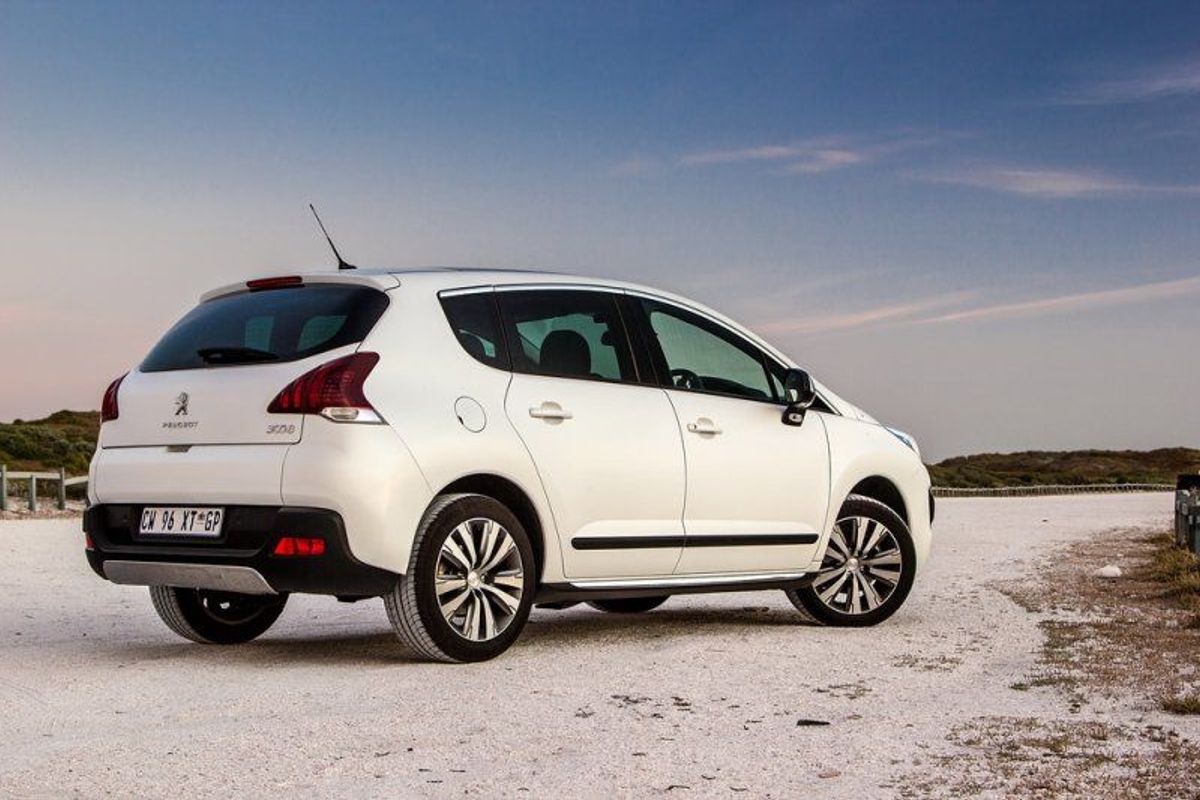
Peugeot 3008 2.0 HDi Allure (2014) Review
The French know a thing or two about cramming tons of practicality and sensibility into a reasonably compact MPV. Peugeot launched its facelifted 3008 earlier in 2014 and we spent a week with the top of the range 2.0 HDi Allure model.
We like: . Specification
. Strong diesel engine
. Plenty of practicality
We dislike:
. Price
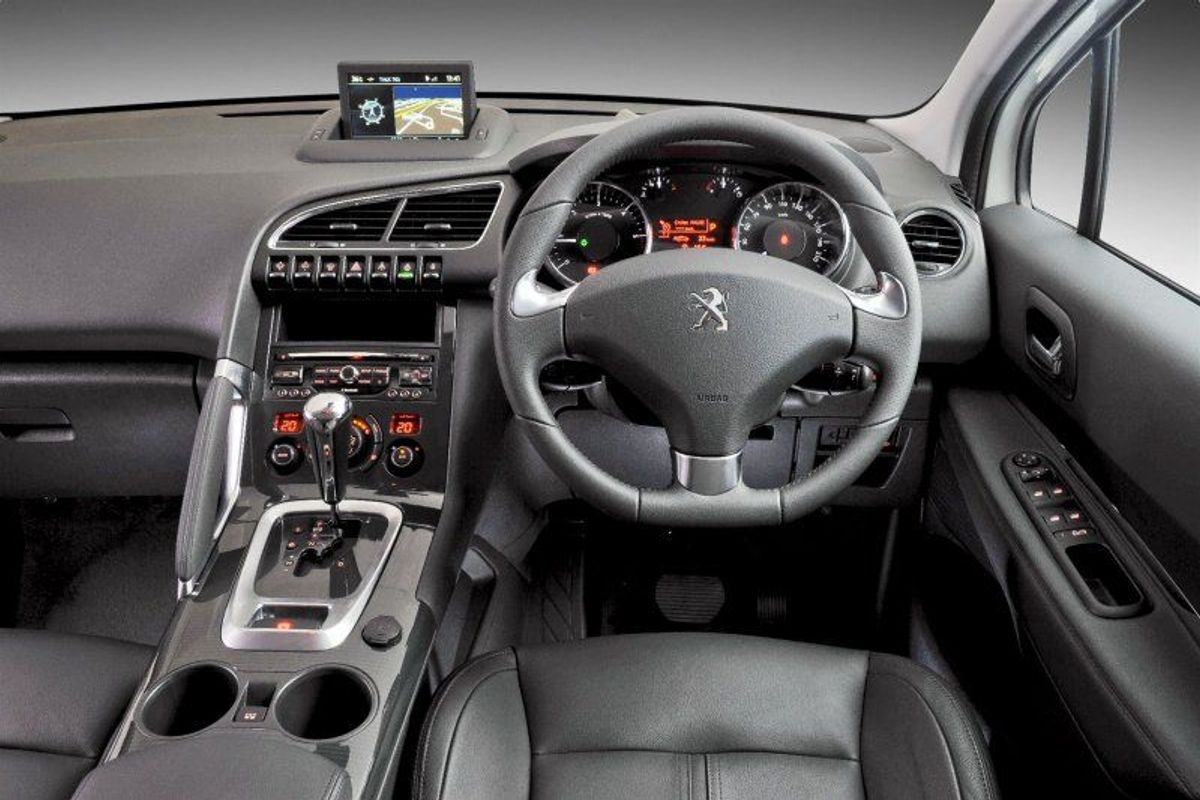
. Infotainment screen too small and too far away
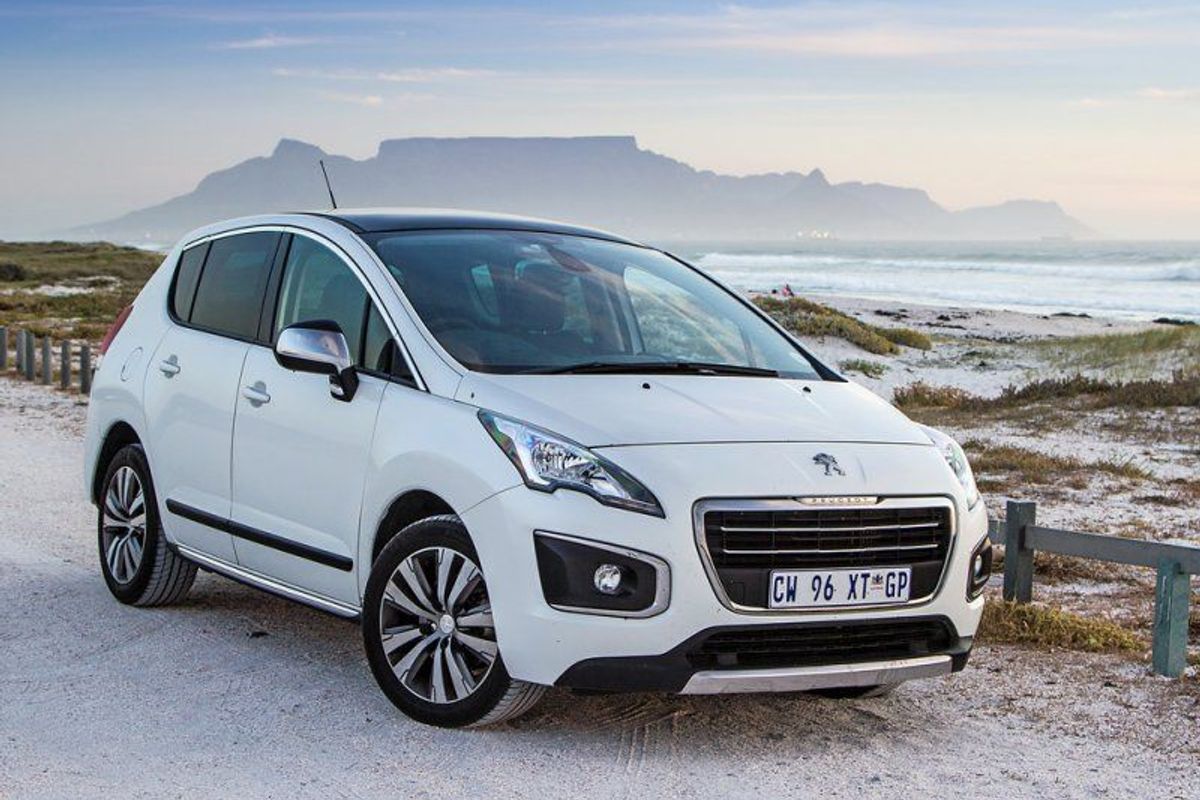
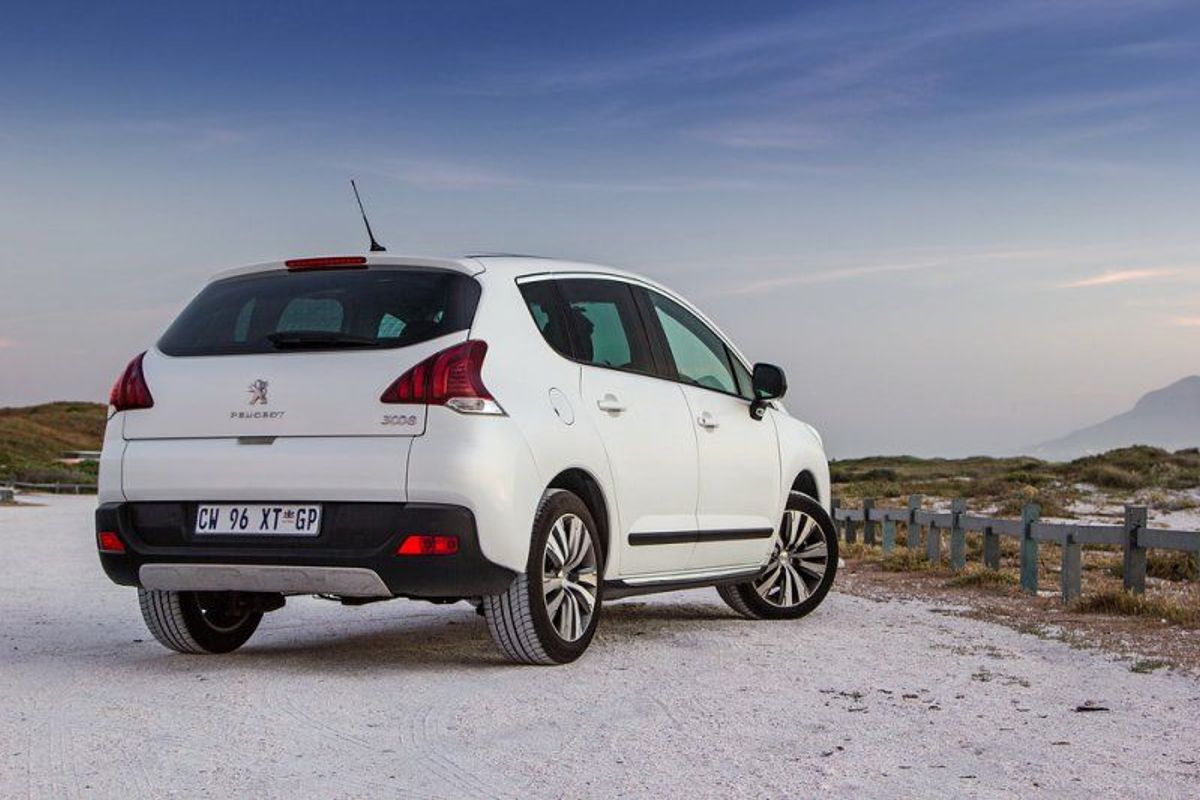
The previous generation 3008 was an average car, but for me was let down primarily by its anonymous styling. The 2014 model has been substantially upgraded in the visual department and the redesigned front features all-new headlights with daytime running lights. The tail lights have been changed too.
Strong engine
The engine is strong and purposeful. Combined with a six-speed automatic gearbox, the Peugeot 3008 offers up 120 kW and a hefty 340 Nm of torque. Open road driving is where this vehicle shines and overtaking ability is to be commended. I did note that the gearbox often liked to change down a ratio which was not always required, but driving it in manual mode means you’re in full control – something I prefer anyway.
Practicality galore
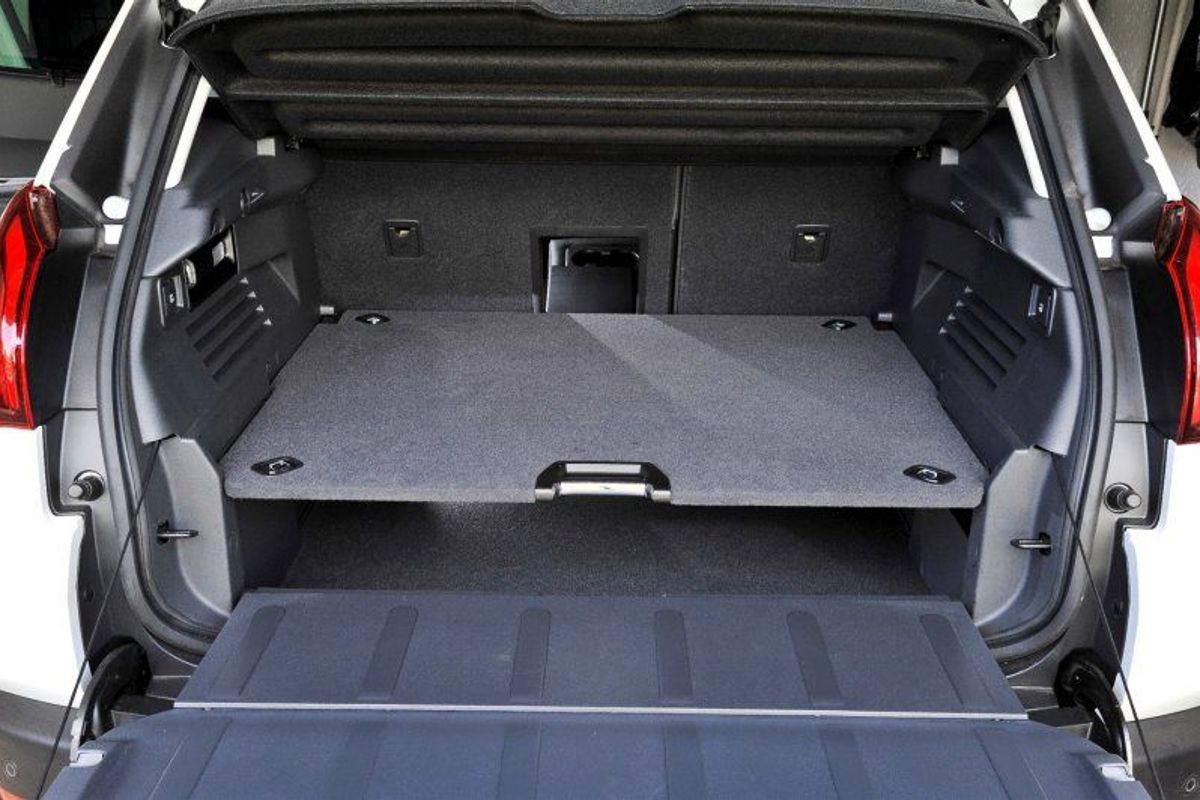
The Peugeot 3008 impresses in the practicality department. Not only is there is a double-tiered boot, but all the seats including the front passenger can be folded flat. Ever wanted to buy curtain rails or a ladder? This arrangement will change your life. Speaking of practicality and specification, the Peugeot 3008 comes very well equipped.
Satellite navigation, cruise control with speed limiter, heads-up display, full panoramic roof, 17-inch alloy wheels, heated front seats, leather trim, rear park assist, Bluetooth connectivity, USB/Aux inputs, and dual-zone climate control. This is the range-topping Allure model, but there is a lesser model, the Active available from R334 000.
Summary and conclusion
The ride is a little on the firm side and you will feel serious imperfections in the road. This vehicle was clearly designed for European-style smooth roads, but on our South African roads the Peugeot offers acceptable ride quality.
With that practicality, standard specification and strong engine, I’d like to believe the Peugeot 3008 is a competent car. It is and if you’re after a clever and practical car, you could do no wrong in investigating this car. However the super practical Peugeot 3008 is unfortunately undone by its fellow Frenchman, the Citroen C4 Picasso, which offers smarter technology, a more frugal engine and a substantially cheaper price tag.
Second opinion
Peugeot’s 3008 is one of the most practical cars around. There are loads of storage boxes, the seats all fold flat and the centre console resembles the Kimberly Hole. The ride though is a bit jittery and it’s a bit awkward to look at. The diesel engine is a strong performer in this package and its enthusiasm staves off the boredom of MPV driving. Ashley Oldfield
Peugeot 3008 2.0 HDi Allure quick specs
Price
R410 300
Engine
2.0-litre four-cylinder diesel
Power
120 kW
Torque
340 Nm
Transmission
Six-speed automatic
Wheels
17-inch alloys
0-100km/h
10.2 seconds (claimed)
Fuel economy
6.1L/100 km (claimed)
Future Nissan GT-R could be a Hybrid
Nissan has hinted fairly firmly at the possibility the next generation GT-R will use hybrid technology. The next GT-R is still a few years away, with 2017 and 2018 being the current rumoured arrival dates. Nissan still has plans for yet another update to the current R35 GT-R before then.
GT-R R35 last hurrah
Nissan believes there is still room to improve in the current model and are to deliver a final facelift before shifting full attention to the new car. The next GT-R will then focus on how to incorporate hybrid technology into the supercar, possibly in a similar way to the Porsche 918, McLaren P1 and La Ferrari.
Nissan UKs sports car chief James Oliver mentioned that there’s been obsessive development of the GT-R over the years, and at some point we will move onto the next generation car. The overall market is looking at different methods of powering cars, and at Nissan we’ve got great expertise and investment of electric.
Looks wise the 2020 Vision Concept that Nissan revealed at the 2014 Goodwood festival of speed earlier this year is a starting point for inspiration. The focus will be on performance though as Nissan looks to maintain the GT-R ethos of supercar performance at a bargain price.
Is hybrid the right direction for Nissan to take or should they be looking at more alternative ways to bang out responsibly insane amounts of power?
* Nissan 2020 Vision Concept pictured
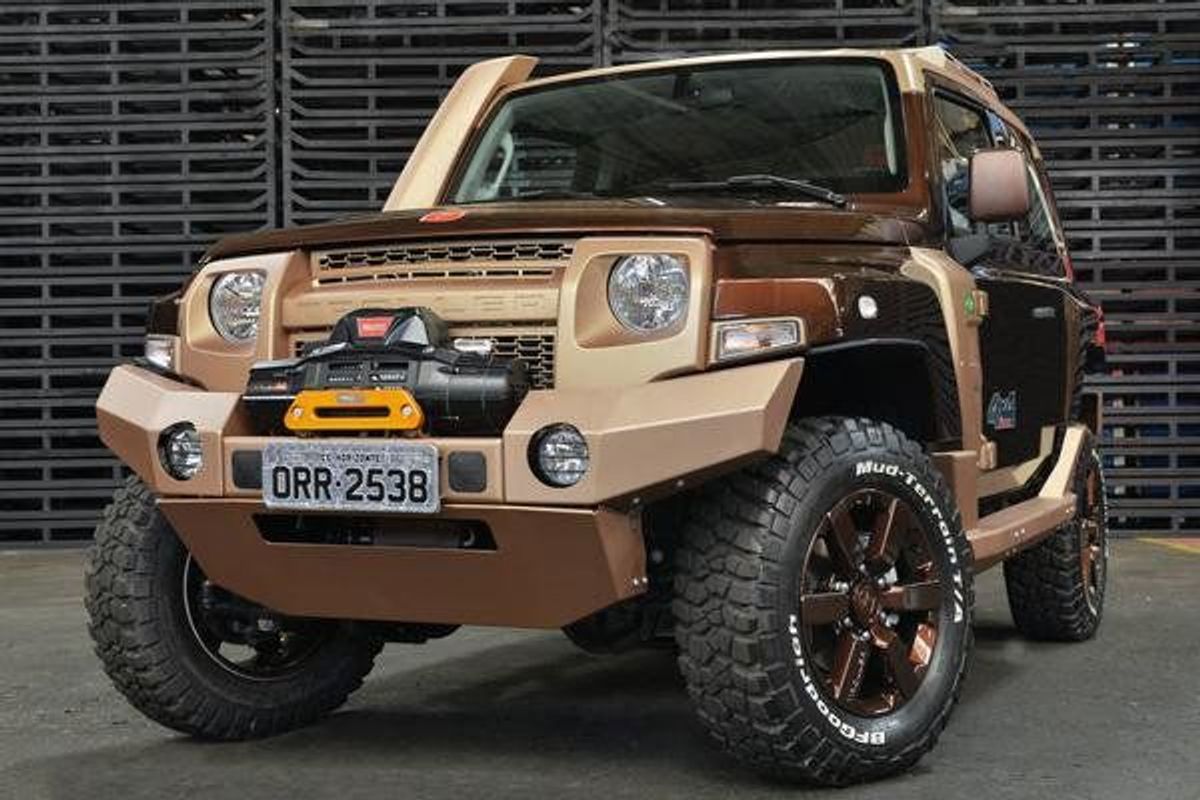
Ford Troller Concept to be shown in Brazil
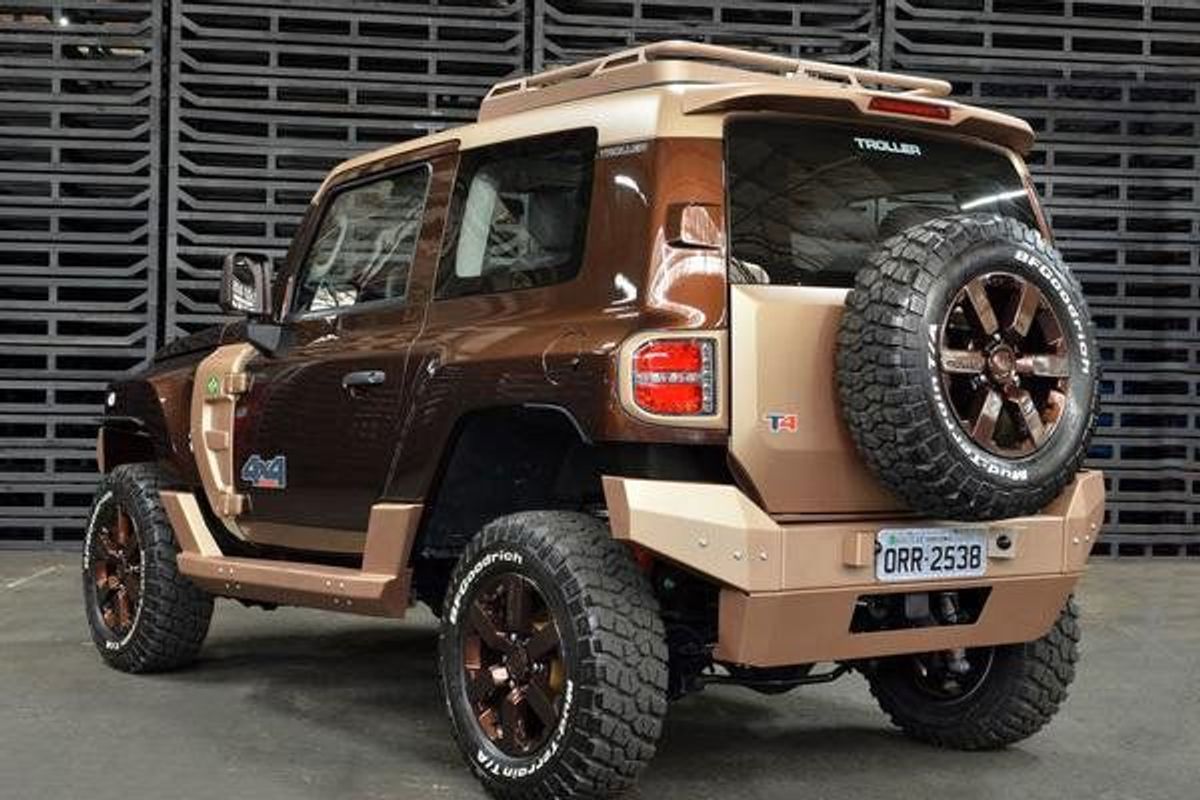
The Ford Troller concept will make its debut at the Sao Paulo motor show at the end of October 2014. The Troller is a pretty hardcore looking off-roader as you can see. This new Troller concept is set to replace the old version that did duty in Brazil for 20 years.
Troller Concept Details
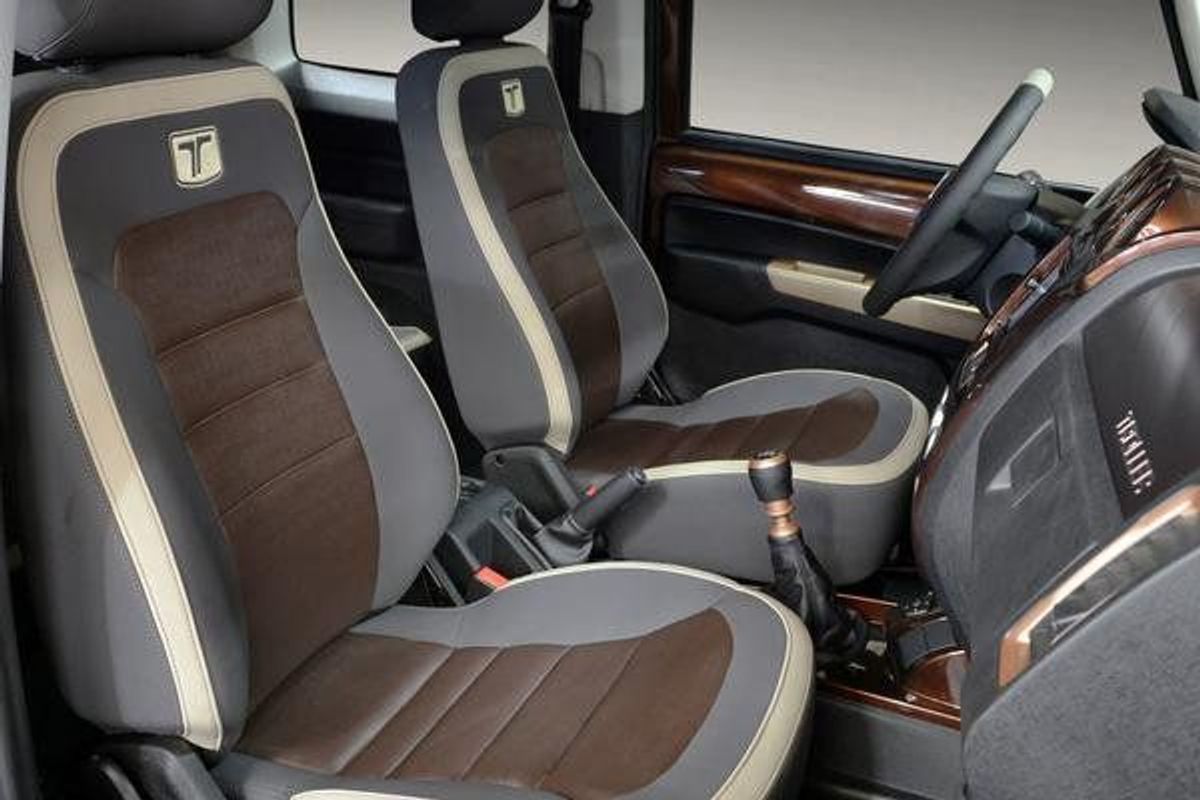
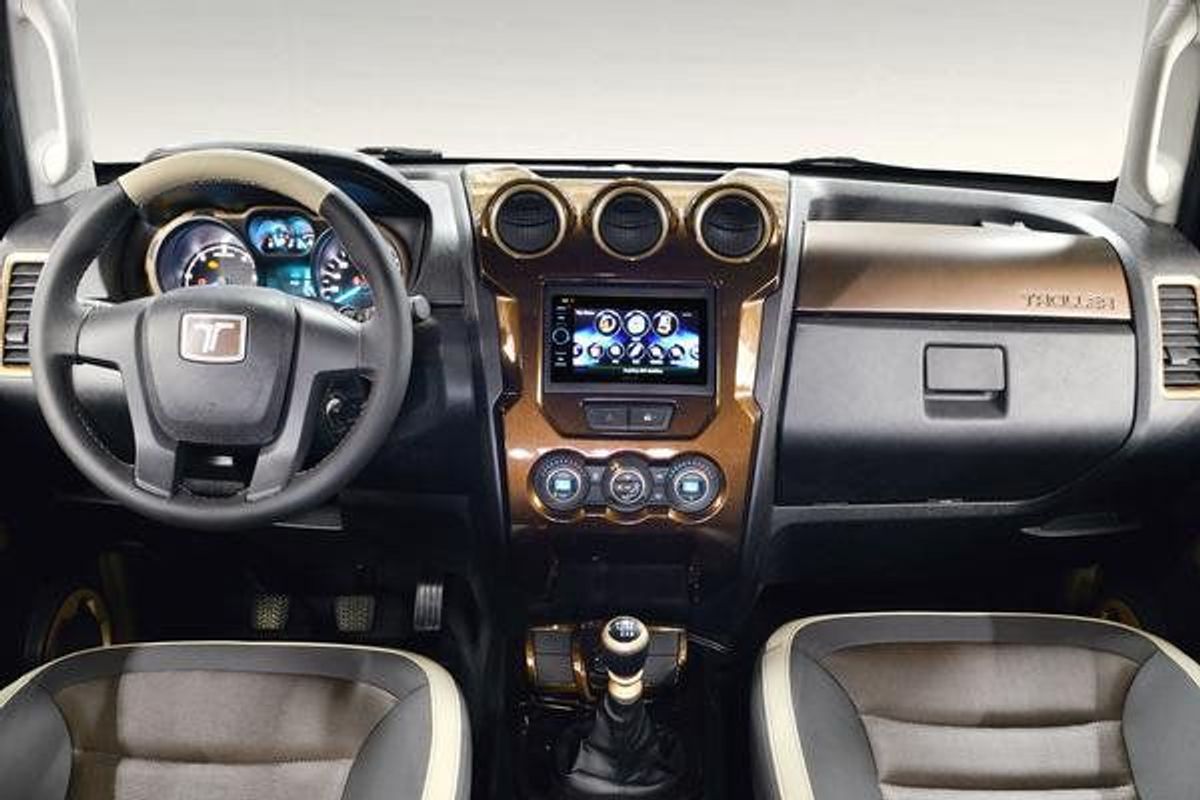
The Troller T4 concept is equipped with a winch, steel storage box, snorkel and bumpers modified to deal with off-road bashings. The interior and exterior showcase how beige and brown can be combined but not be an army issue vehicle. The interior is equipped with SatNav and climate control as well as leather seats.
The engine that does duty under the bonnet is the 3.2-litre five-cylinder turbodiesel from the current Ford Ranger. Power output is the exact same 147 kW except the Troller uses a six-speed manual gearbox as standard.
The Troller brand used to be a stand-alone manufacturer in Brazil before Ford purchased the company back in 2005.
Toyota Hilux Legend 45 – Specs and Pricing
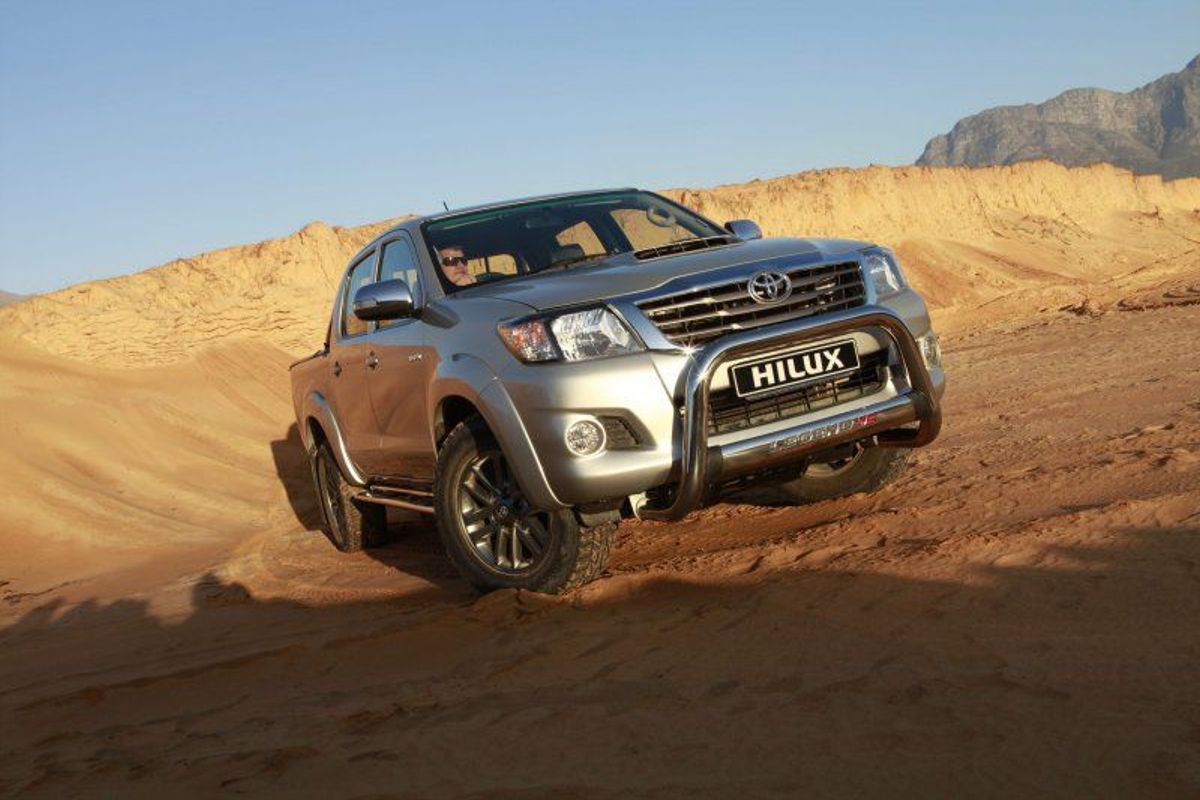
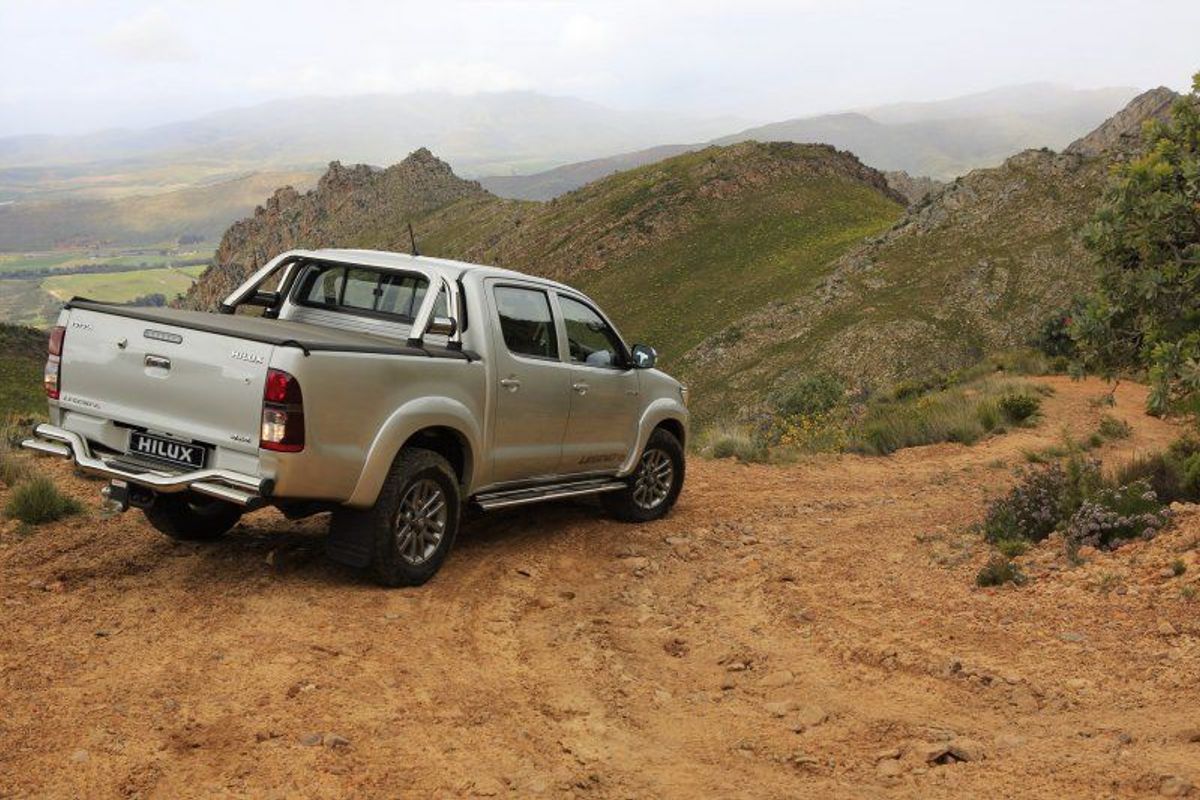
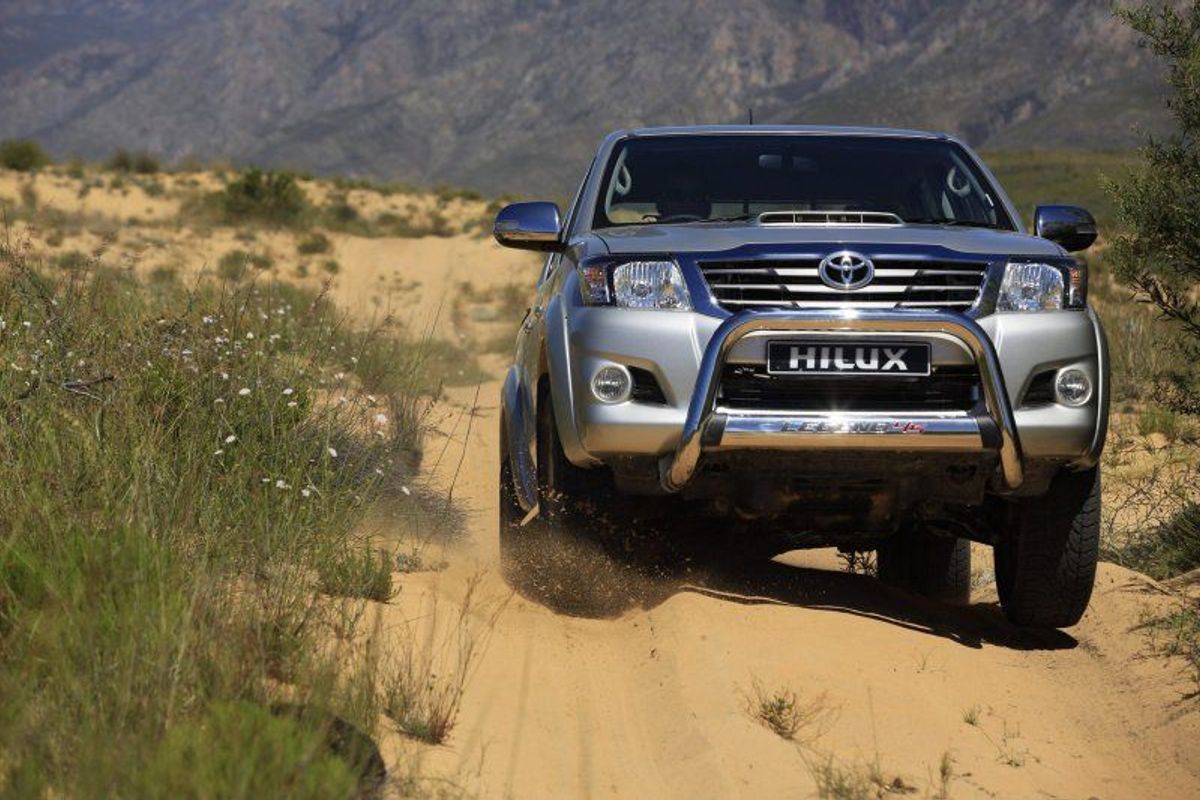
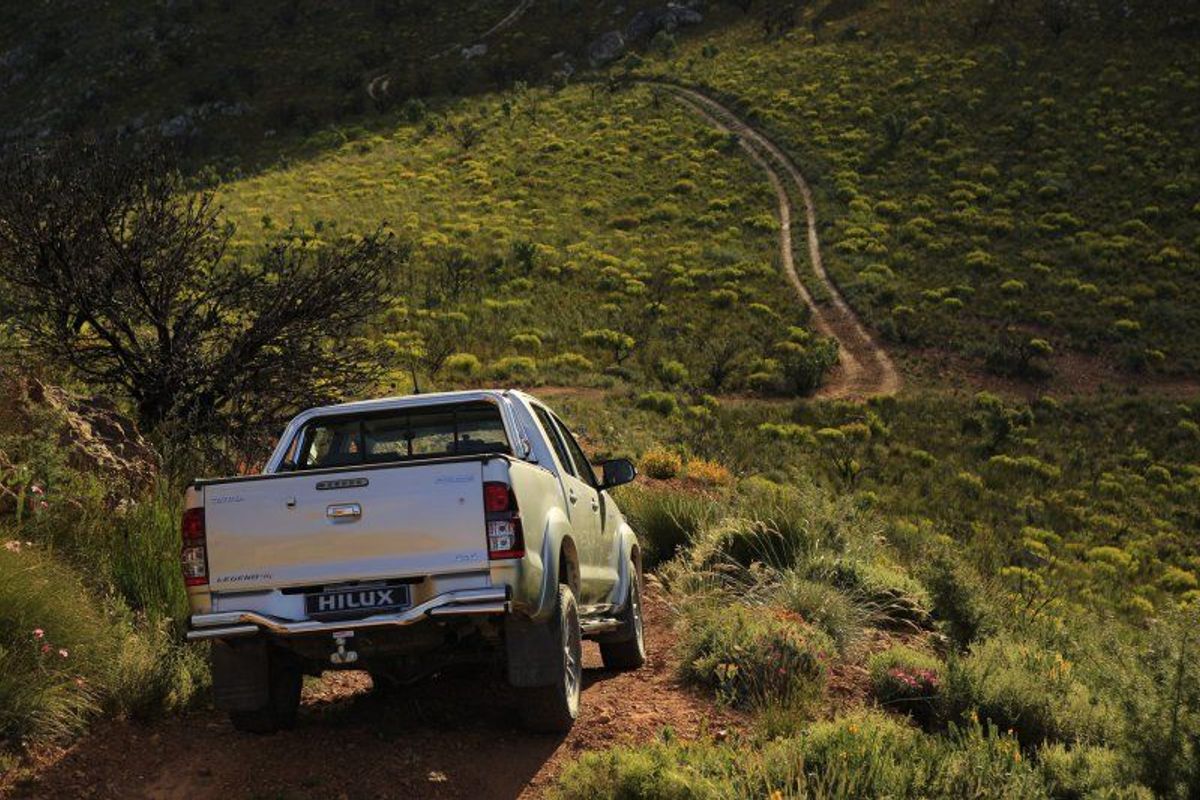
The Toyota Hilux has quite an incredible history. With over 13 million Toyota Hilux bakkies sold over 45 years, the Hilux is somewhat of an institution for South Africa. It's popular because of its reliability, off-road prowess and ruggedness. It's also a farmer's best friend as many of these vehicles do agricultural duty in tough terrain. To celebrate 45 years, Toyota South Africa has announced the introduction of the Toyota Hilux Legend 45. The limited special edition 45 package is available in 4×2 Raised Body and 4×4 formats and across all variations – Single Cab, Xtra Cab and Double Cab. In total there are 13 different Toyota Hilux Legend 45 model variants.
Toyota Hilux Legend 45 Features
Key features include:
• New headlamp and front fog lamp design with black-out detail
• Smoked tail light design
• Stainless steel front nudge bar
•Stainless steel rear step bumper
• Towbar
• Matt black side steps
• Exclusive Legend 45 badging for the nudge bar, side decals and tailgate
• Colour-coded door handles with chrome finish mirrors
• Multi-spoke 17-inch anthracite alloy wheels
• Full range of exterior colours including Glacier White, Chromium Silver, Chilli Red, Pacific Blue Metallic, Graphite Grey, Attitude Black, Silky Gold and Dark Steel Mica
• Tonneau cover and rear styling bar available as optional extras (Legend 45 Plus)
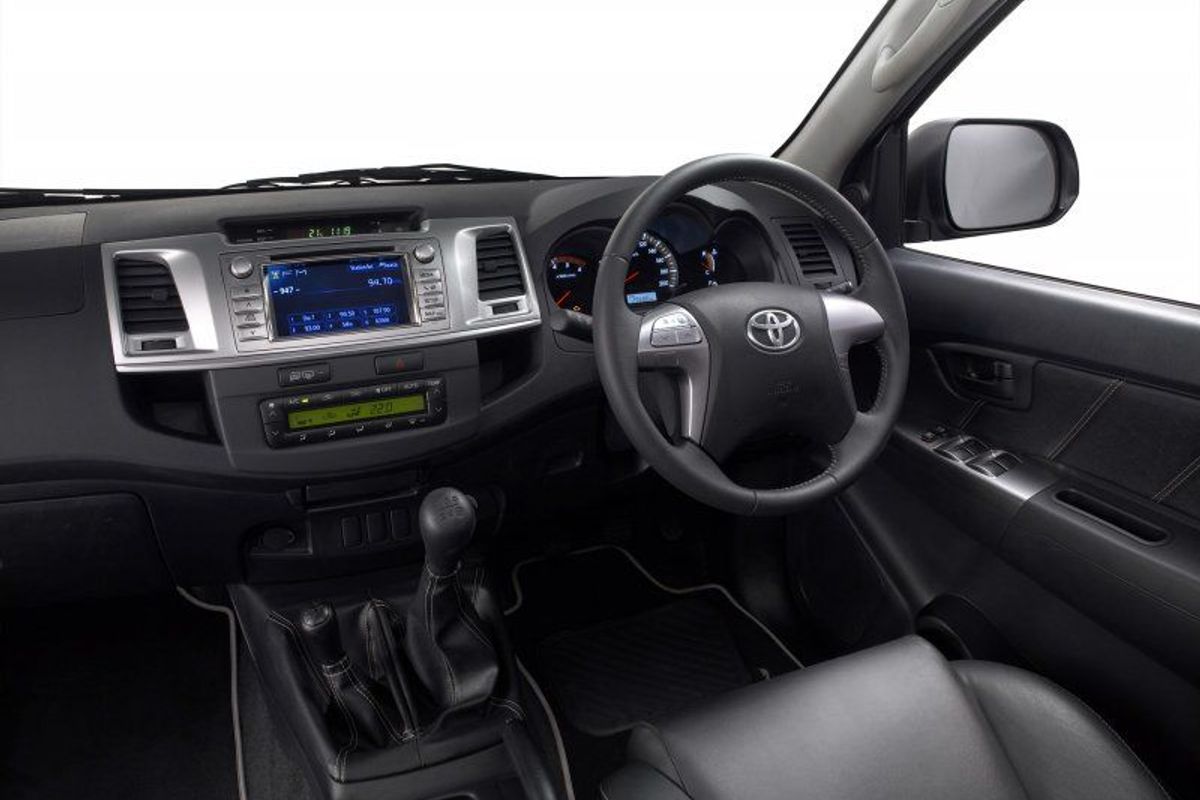
Likewise when it comes to the interior, Toyota Hilux Legend 45 models are well specced:
• Full black interior for the cabin including dashboard finish
• Black leather with silver contrast stitching on the seats, door panels, steering wheel and shift lever boot (manual)
• Reverse camera now added to Xtra Cab Legend 45 models as well as 2.5 D-4D and 2.7 VVTi Legend 45 models (standard on all other Double Cab Legend 45 models)
Toyota claims its Hilux is one of the most generously equipped bakkies on the market with all 3.0 D-4D and 4.0 V6 Double Cab models coming standard with a full suite of luxury and safety accoutrements ranging from automatic climate control, auto lights, multi-function steering wheel and display audio (with reverse camera) to six airbags and stability control.