Funky Toyota U2 Concept Unveiled
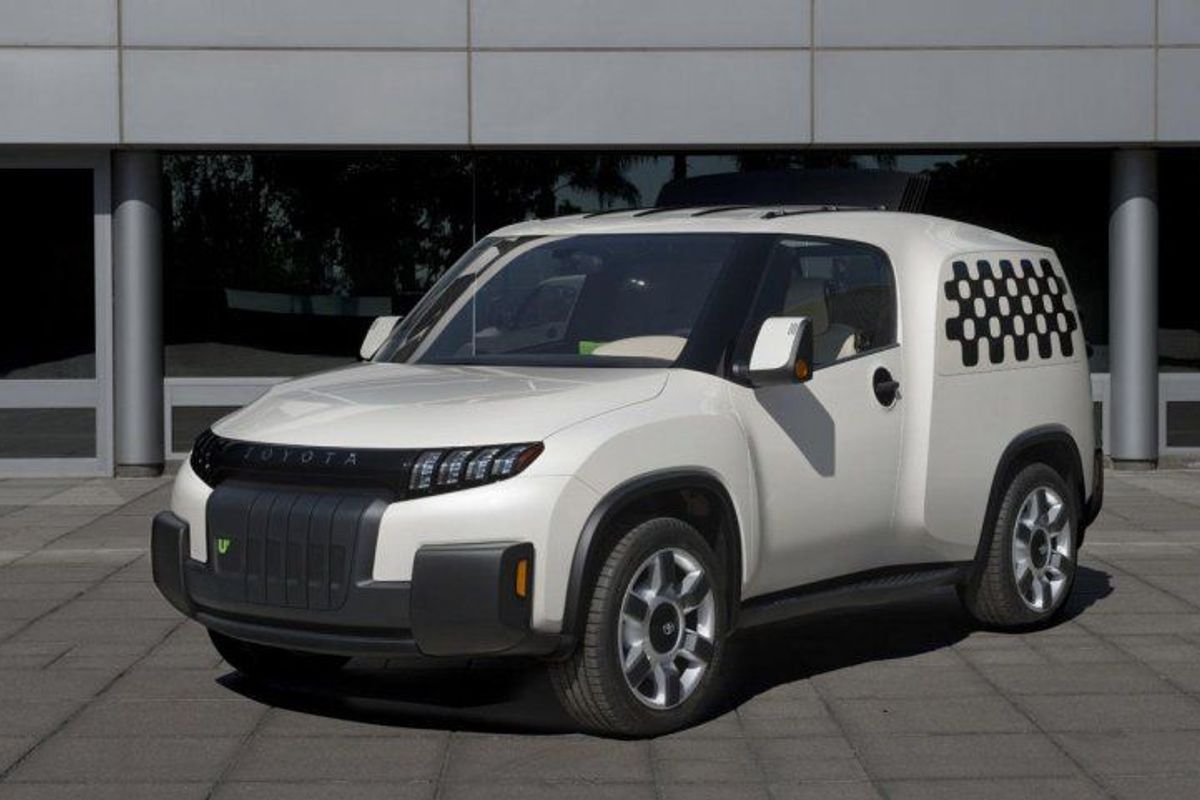
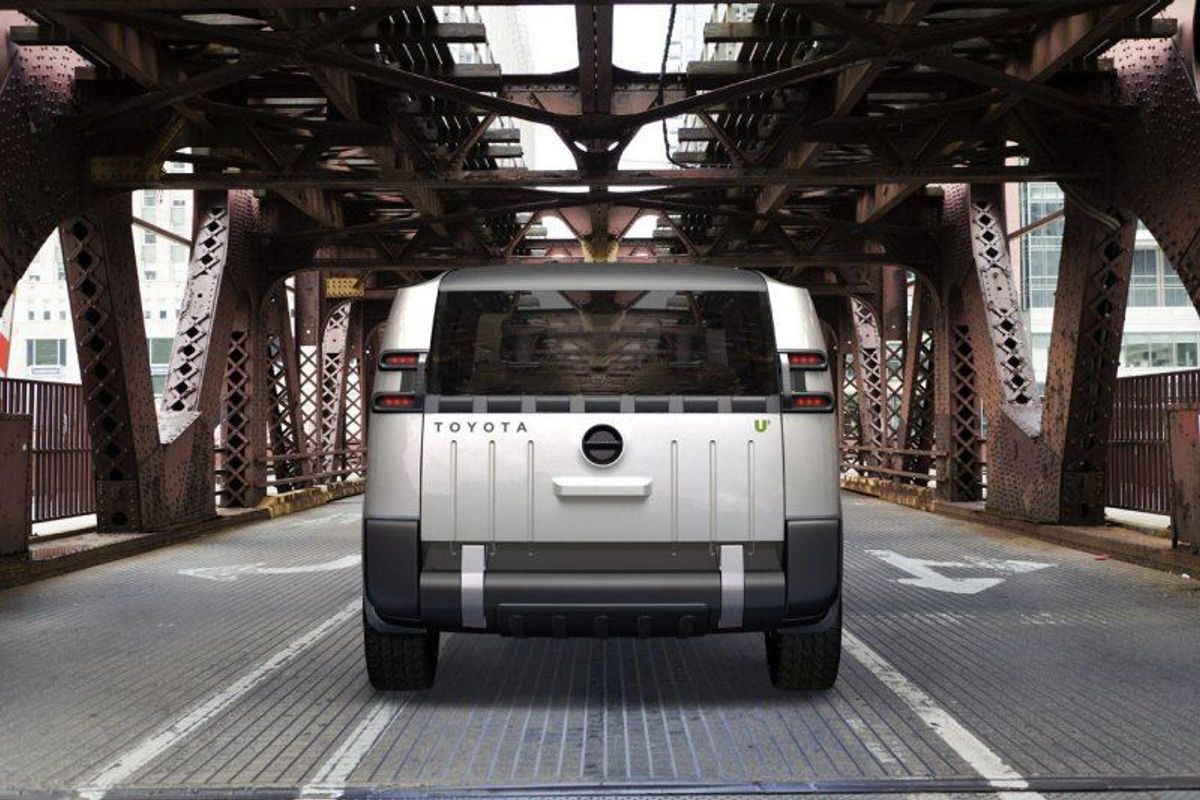
Toyota has revealed the first images and details of the Urban Utility (U2) concept, scheduled to make its official public appearance during the World Maker Faire event in New York City later this month.

Toyota U2 concept detailed

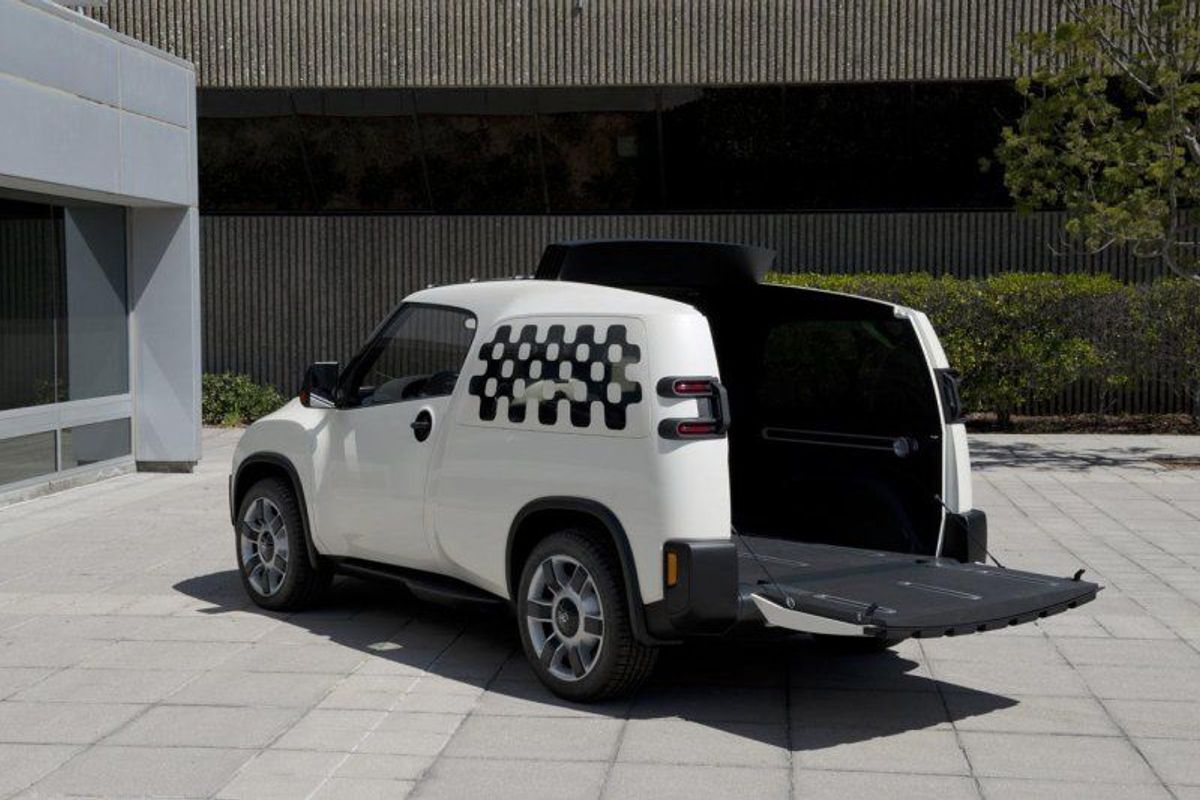
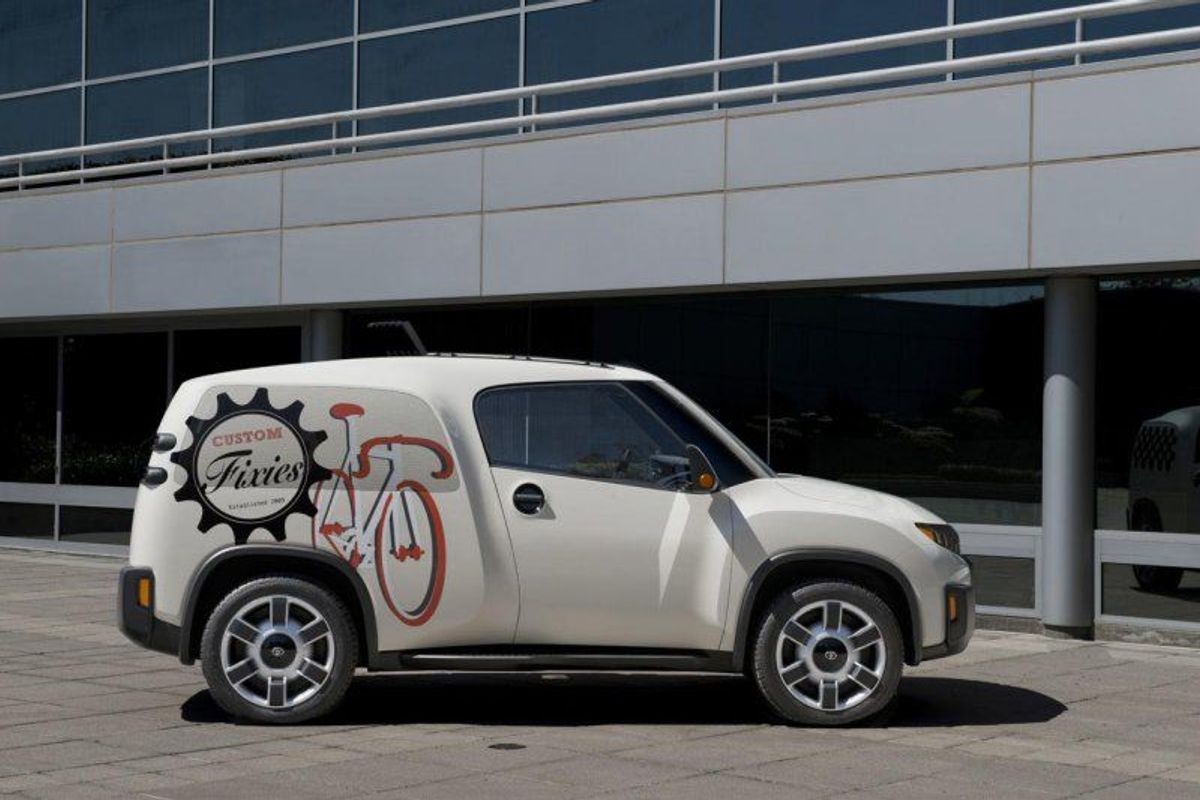
The Toyota U2 concept was developed by Toyota’s Calty Design Research, the same crew responsible for the FT-1 concept. The concept is further billed by the automaker as “a compact car with the functionality of a compact truck and the spaciousness of a cargo van. It satisfies other key urban driver priorities including good fuel economy, manoeuvrability in city environments and easy loading and unloading.”

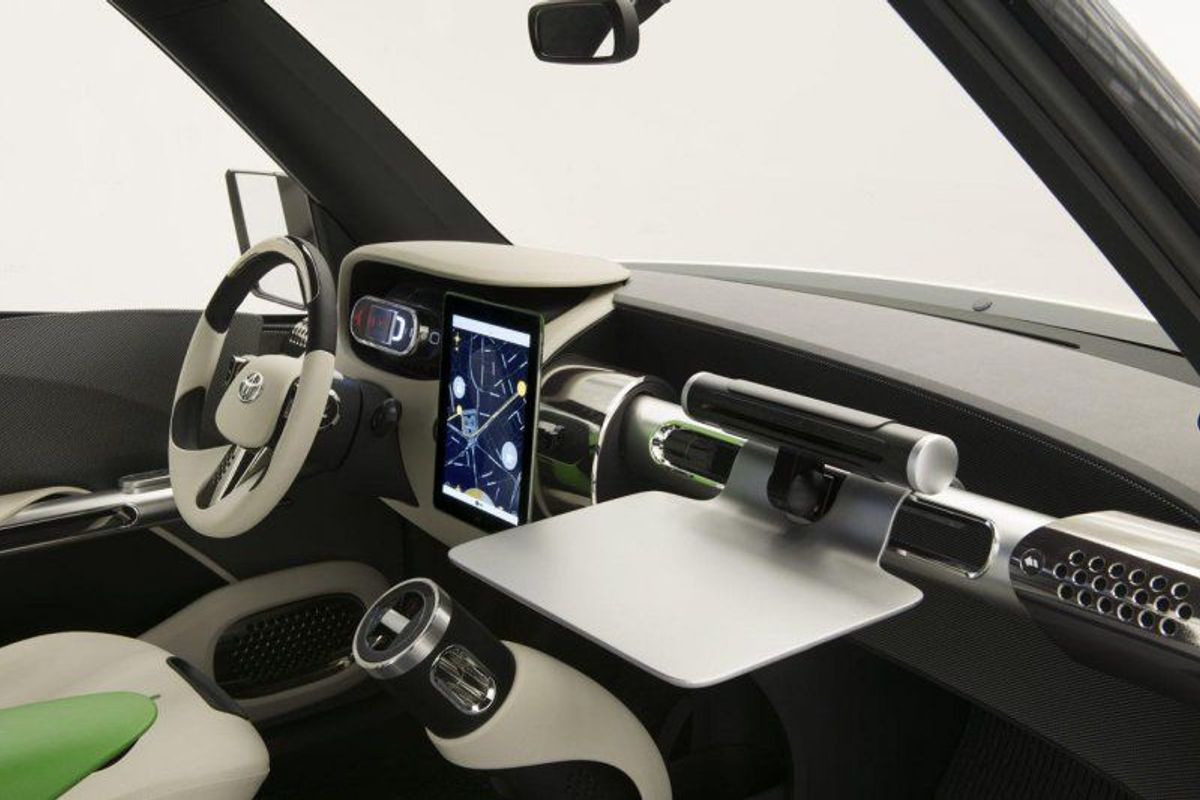
The styling comes across as very unique, with a rear end that has a sliding retractable roof and a rather large tailgate that can also double as a charging ramp. The distinctive styling continues inside with a highly minimalist approach focussing on ergonomics and functionality. Interior highlights included a unique instrument cluster and an iPad that doubles as an infotainment system, a centre console with a ‘floating’ arm rest and a unique gear selector, as well as a removable front passenger seat and a rail system that can to hold everything from baskets to bike stands.

“Toyota saw an opportunity for a new approach to an urban vehicle based on increasing re-urbanization of our cities and urban drivers’ desire for flexibility, fun and manoeuvrability,” said Kevin Hunter, president of Calty, Toyota’s North American design studio.

“Calty keeps a number of projects concealed while exploring ideas and products. Revealing a project like the U2 gives people a window into the constant innovation that happens inside Toyota and our Calty studios and one possible future for urban mobility.”

BMW 2 Series Convertible Unveiled

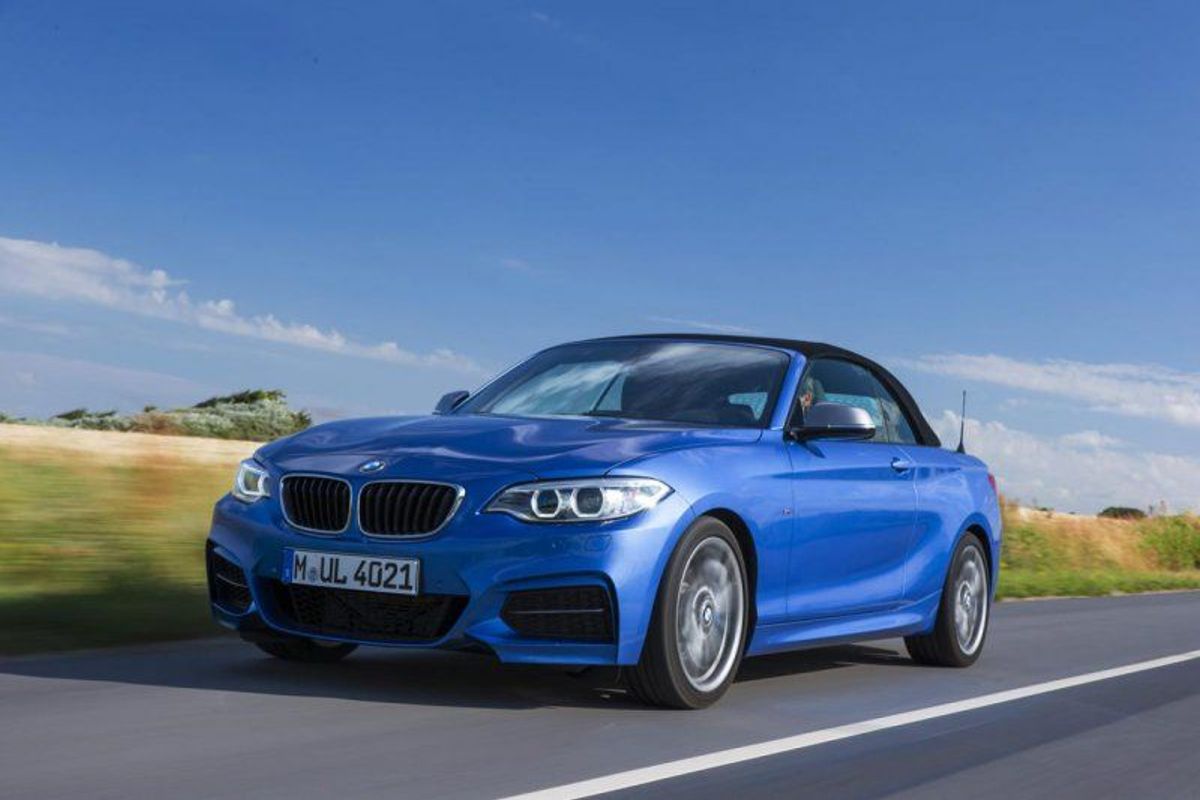
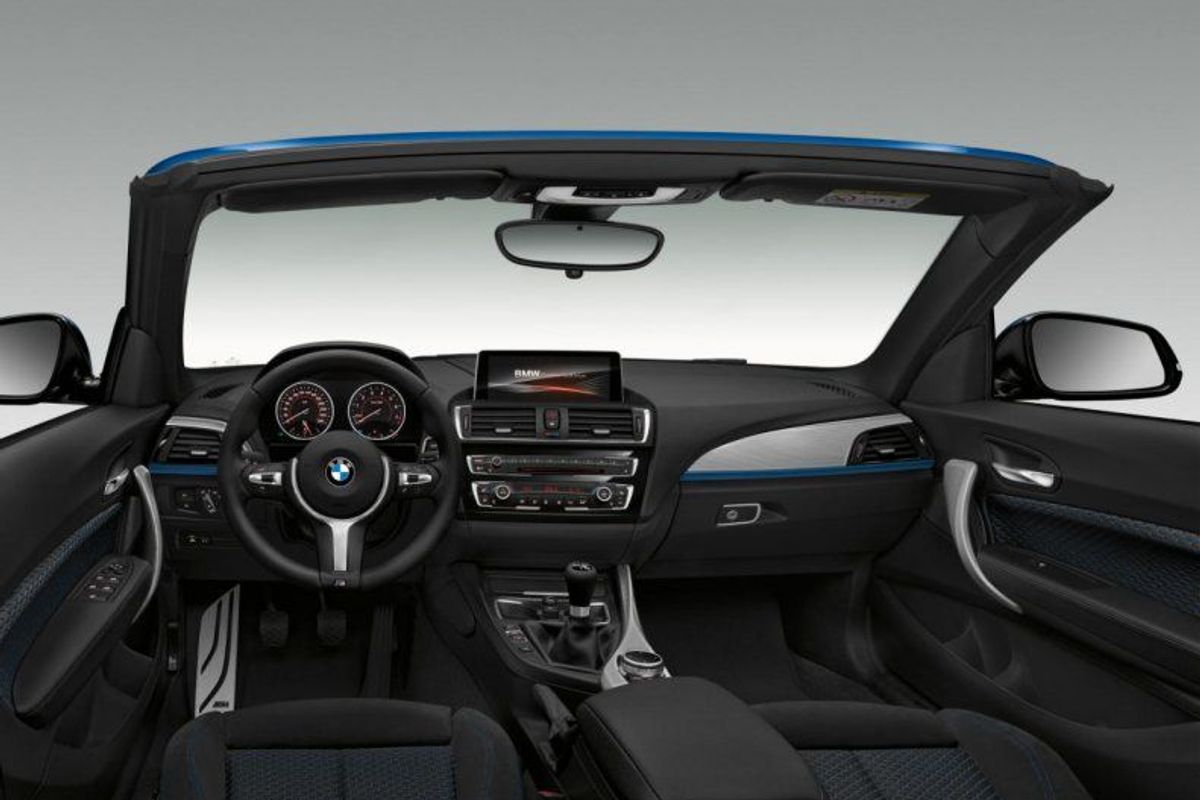
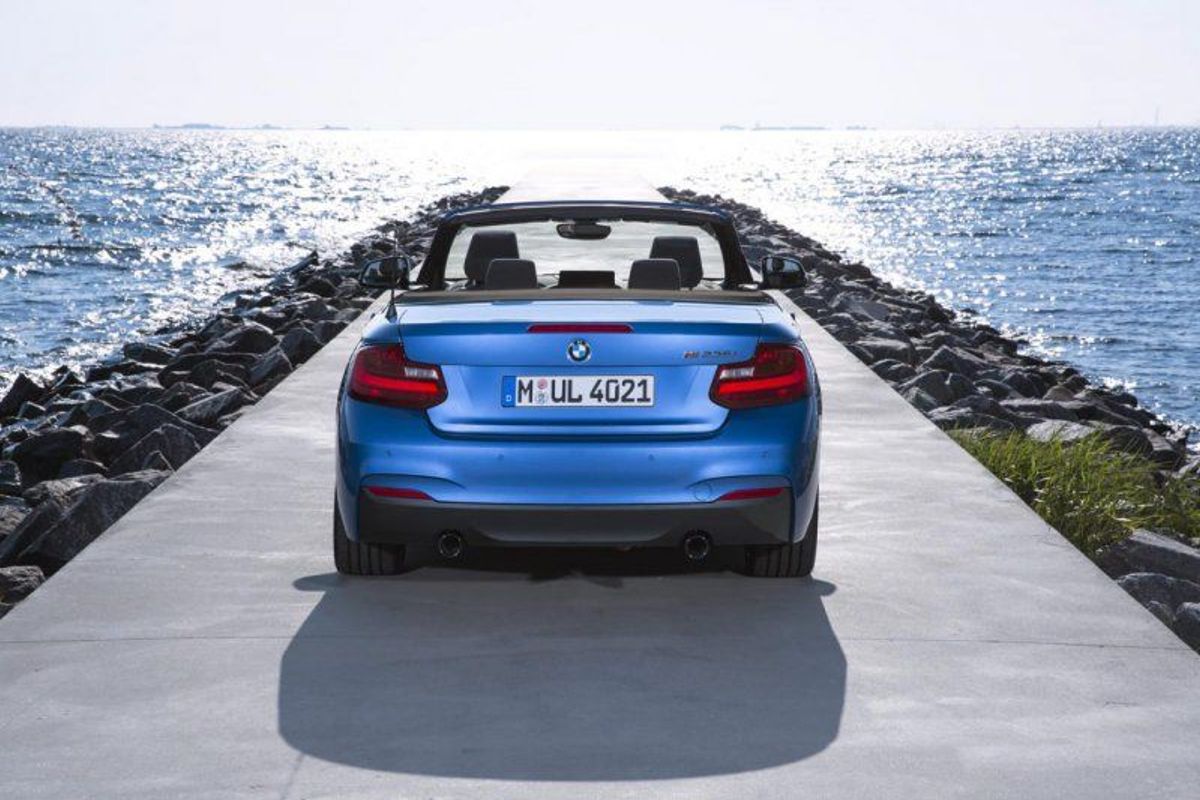
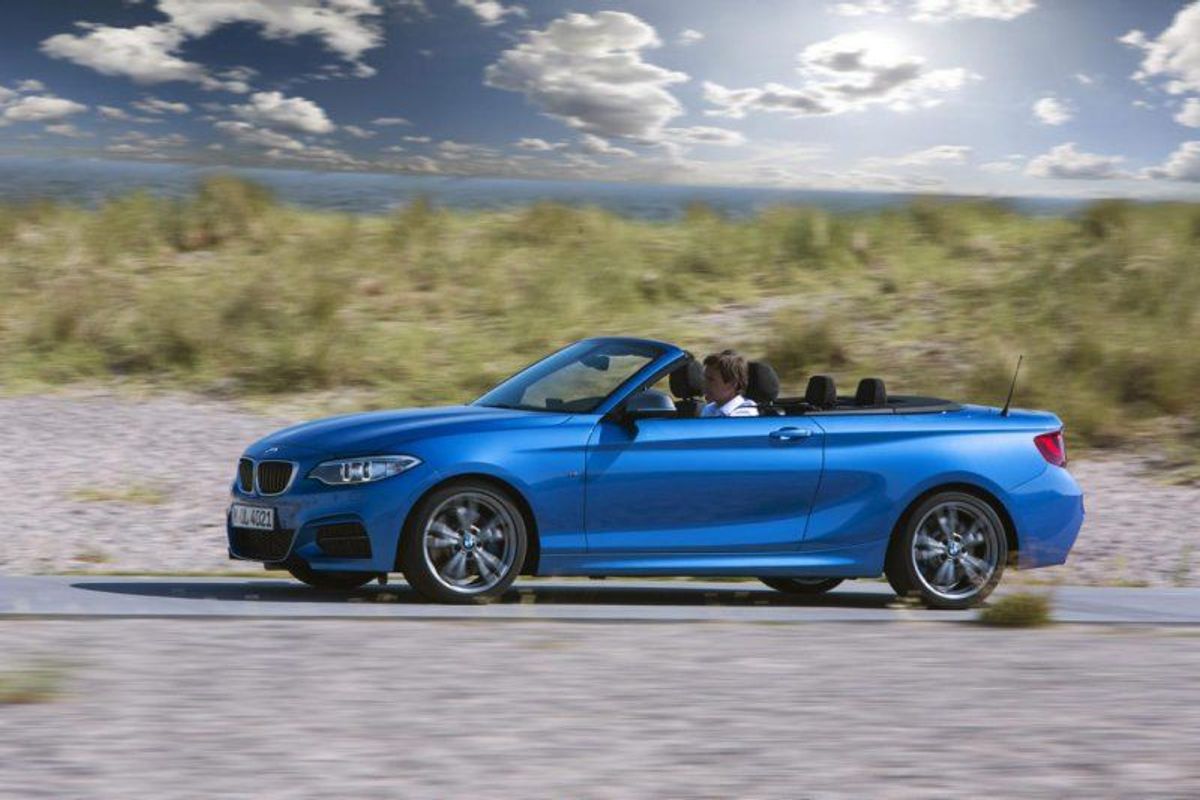
The BMW 2 Series convertible has been unveiled online ahead of its scheduled public Paris Motor Show debut.

More open-top driving pleasure

The convertible comes as a successor to the BMW 1 series convertible which has sold more than 130 000 units worldwide. The new model is in addition longer (by 72 mm) and wider (by 26 mm) than the model it replaces, and has a wheelbase which has been elongated by 30 mm to 2 690 mm.

The front and rear tracks have been extended by 41 mm and 43 mm respectively. According to BMW, the increase in size makes for easier entry and exit from the car for rear passengers, and greater luggage space. The luggage compartment now has a total of 335 litres with the top up and 280 with the top down.

At the push of a button, the newly developed, electrically powered fabric top with additional insulation and optimised acoustic comfort opens and closes in 20 seconds – even while driving at speeds of up to 50 km/h. The fabric top comes in a choice of three colours: Black, Anthracite with silver effect and Brown.

ConnectedDrive now with free wireless navigation updates

High-quality standard equipment includes electrically powered and acoustically insulated roof, BMW Professional radio including iDrive operating system with Control Display in flatscreen design, automatic climate control with convertible mode as well as optional leather trim with SunReflective technology to reduce surface heating in direct sunshine.

A new addition to the convertible is the navigation system which updates navigation data wirelessly and for free through the built-in SIM card. The model will also feature Bluetooth connectivity with audio streaming and USB interface.

The individual trims (Advantage, Luxury Line, Sport Line and M Sport) will all be distinguished by interior trim options, different alloy wheel sizes and design, as well as exterior design accents and colours.

Greater performance

Engine options will be similar to the choices on the Coupe. The engines include a new 2.0-litre diesel for the 220d and, for the first time in a BMW convertible, an M Performance power unit for the M235i. There are also two 2.0-litre petrol engines available, the 220i and 228i.

The entry-level 220i model comes with a 2.0-litre turbocharged petrol unit making 135 kW and 270 Nm of torque. Acceleration from 0-100 km/h is said to take 7.5 seconds for the manual and 7.6 seconds for the automatic.

The 220d makes use of the new generation of diesel engines and will be pushing 140 kW and 400 Nm of torque to the rear wheels, getting to 100 km/h in just 7.5 seconds (0.1 seconds faster with the automatic).

Then there’s the 228i equipped with a 2.0-litre turbocharged petrol engine delivering 180 kW and 350 Nm of torque. This will enable the car fitted with the standard 6-speed manual gearbox to get to 100 km/h in 6.1 seconds and 0.1 seconds less for an automatic.

The range-topping model is the M235i Convertible with 240 kW and 450 Nm of torque. It can sprint from standstill to 100 km/h in 5.2sec – just 0.2sec slower than the Coupe – and hit a top speed of 250 km/h.

All engines can be paired with an eight-speed Steptronic transmission or a standard six-speed manual.

The new BMW 2 Series Convertible is confirmed to go on sale in South Africa in the first quarter of 2015. Pricing and other detailed specifications will be confirmed closer to the launch date.

Honda HR-V Shown Ahead of Paris Reveal

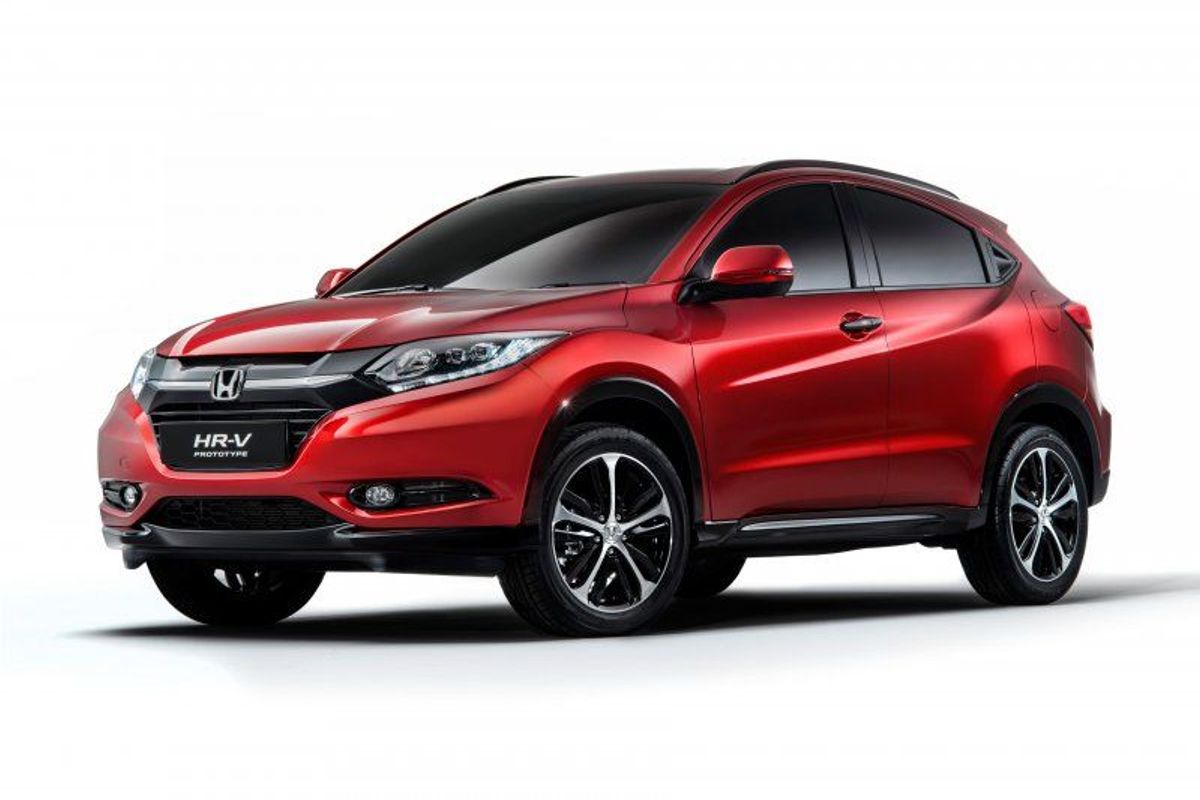
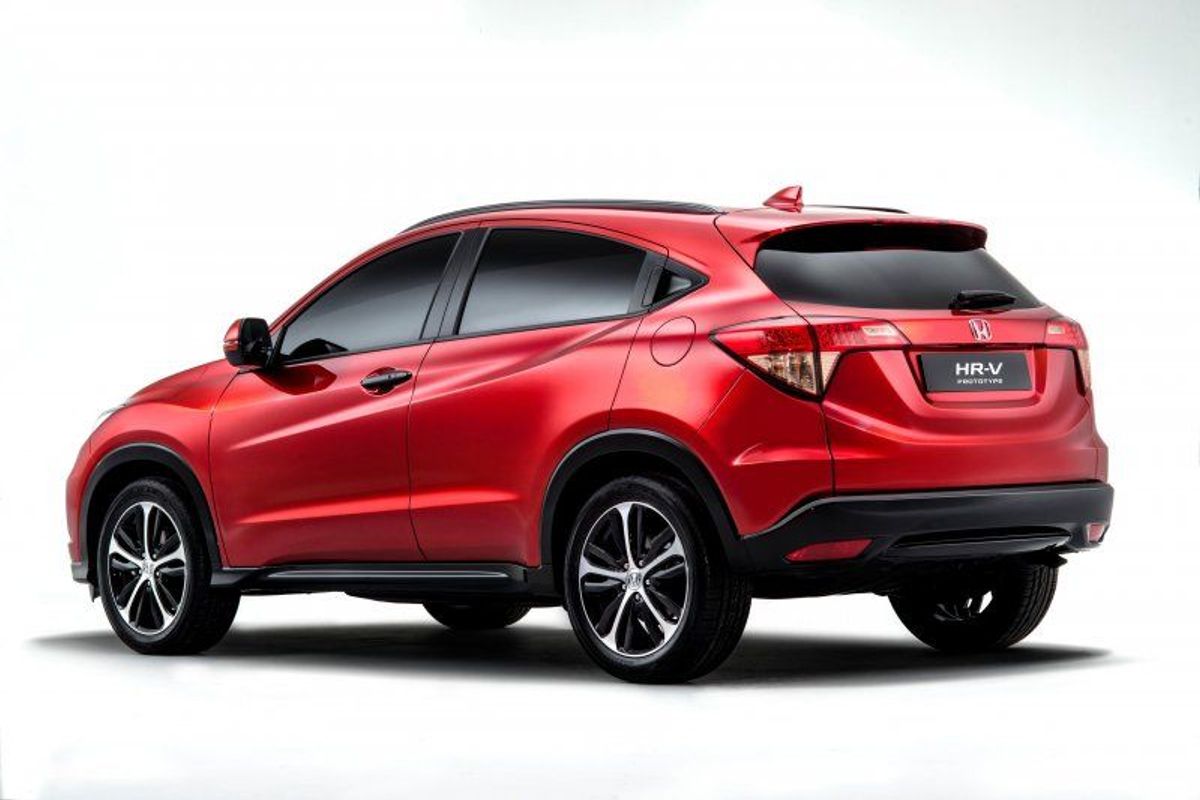
Honda has revealed the first images of the brand’s small SUV ahead of its world premiere at the Paris motor show next month. The HR-V is Honda’s new entry into the fast-growing small SUV segment.

HR-V Big on Space

Honda is particularly good at creating interior space – think Honda Jazz, so this new HR-V features a centre fuel tank location to create more space and an adaptable small SUV cabin. Honda has installed its patent Magic Seats, enabling a wide range of seating configurations, with the ability to fold the second row seats completely flat for added cargo space.

No specifics have been given on powertrain, or anything really. In all likelihood there will be a small diesel- possibly the 1.6 i-DTEC from the Civic. The petrol version is a little tougher to predict as Honda makes more of them, but the 1.5-litre naturally aspirated four-cylinder is a solid bet.

The HR-V will go on sale in the UK during mid-2015. Hopefully we’ll get details on a South African model launch soon.

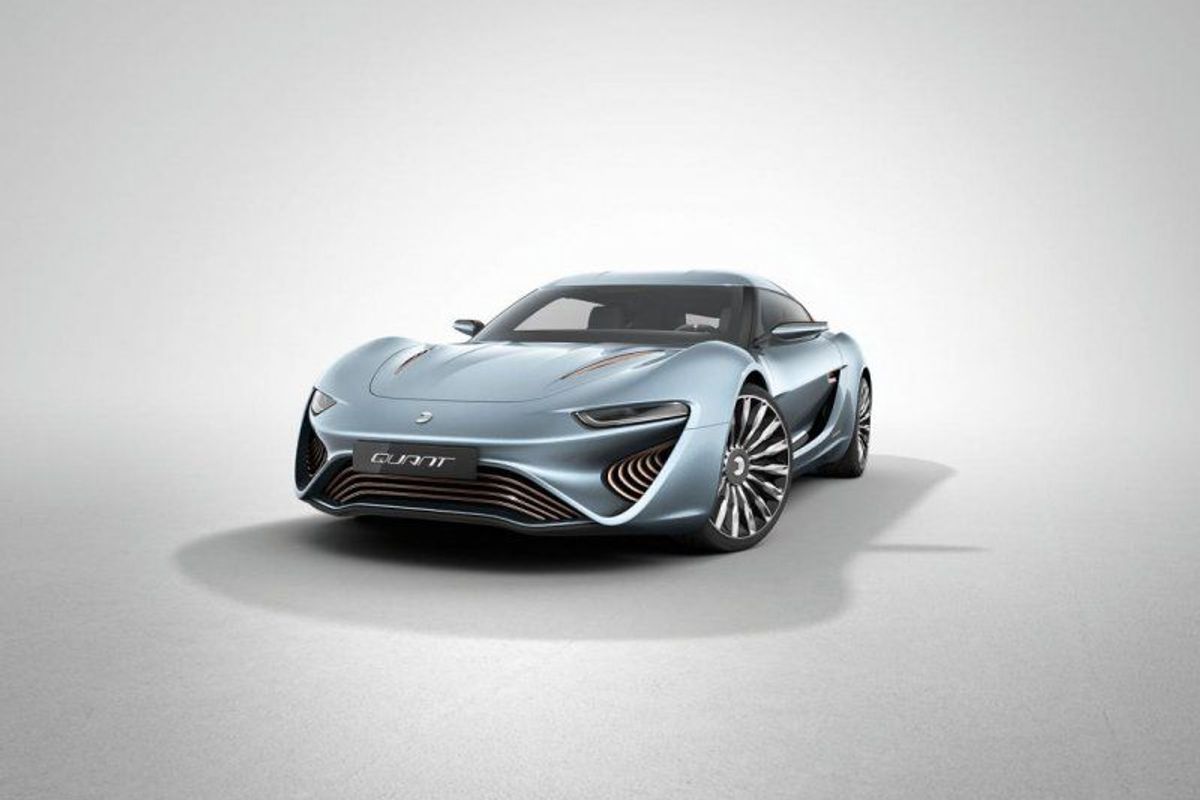
The AG Quant e-Sportlimousine Runs Completely On Salt Water

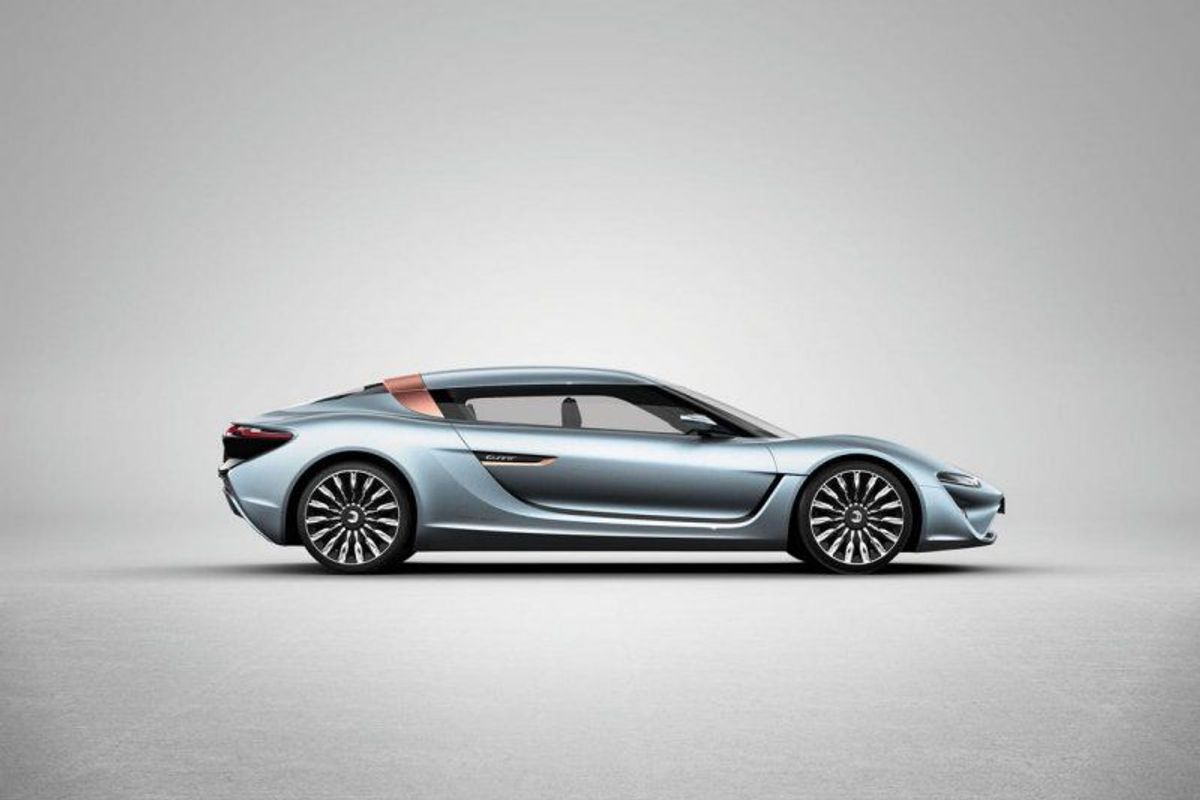
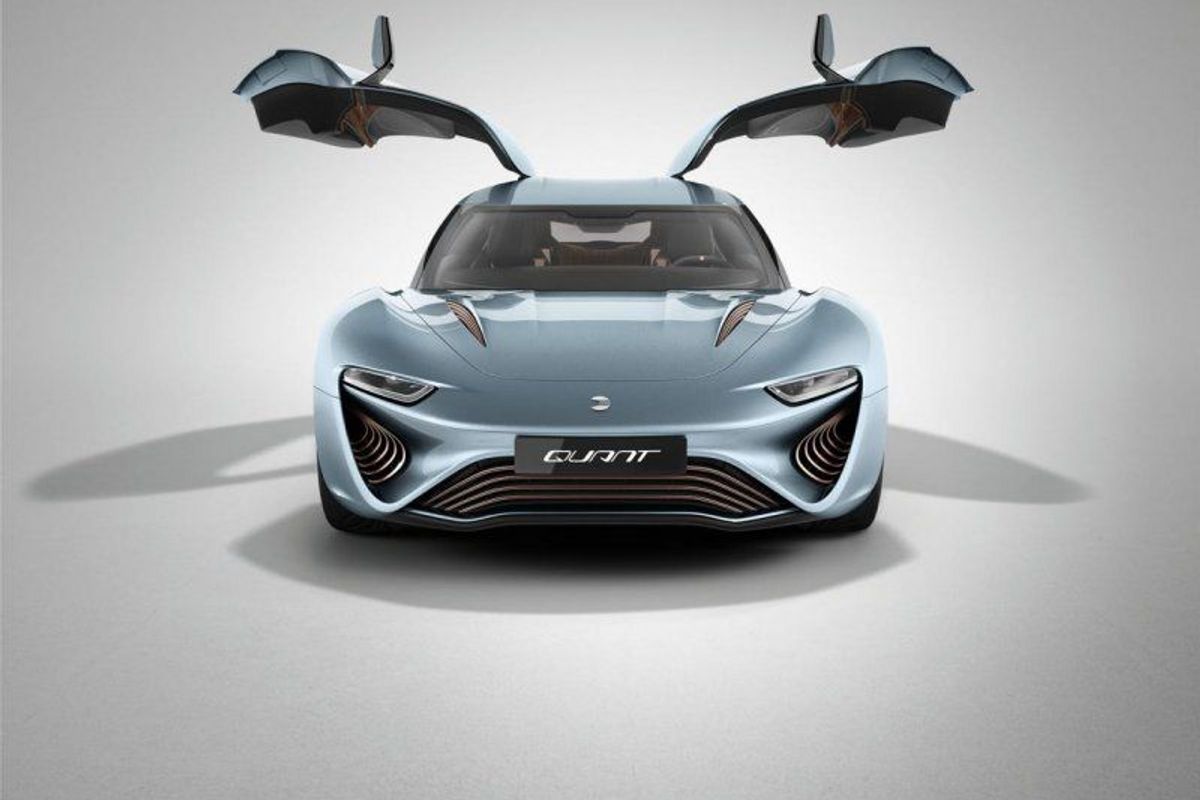
After making a debut at the 2014 Geneva Motor Show, the Quant e-Sportlimousine with nanoFLOWCELL drivetrain has received approval from TÜV Süd in Munich for use on public roads in Germany and Europe.

Quantum leap in the development of electric mobility

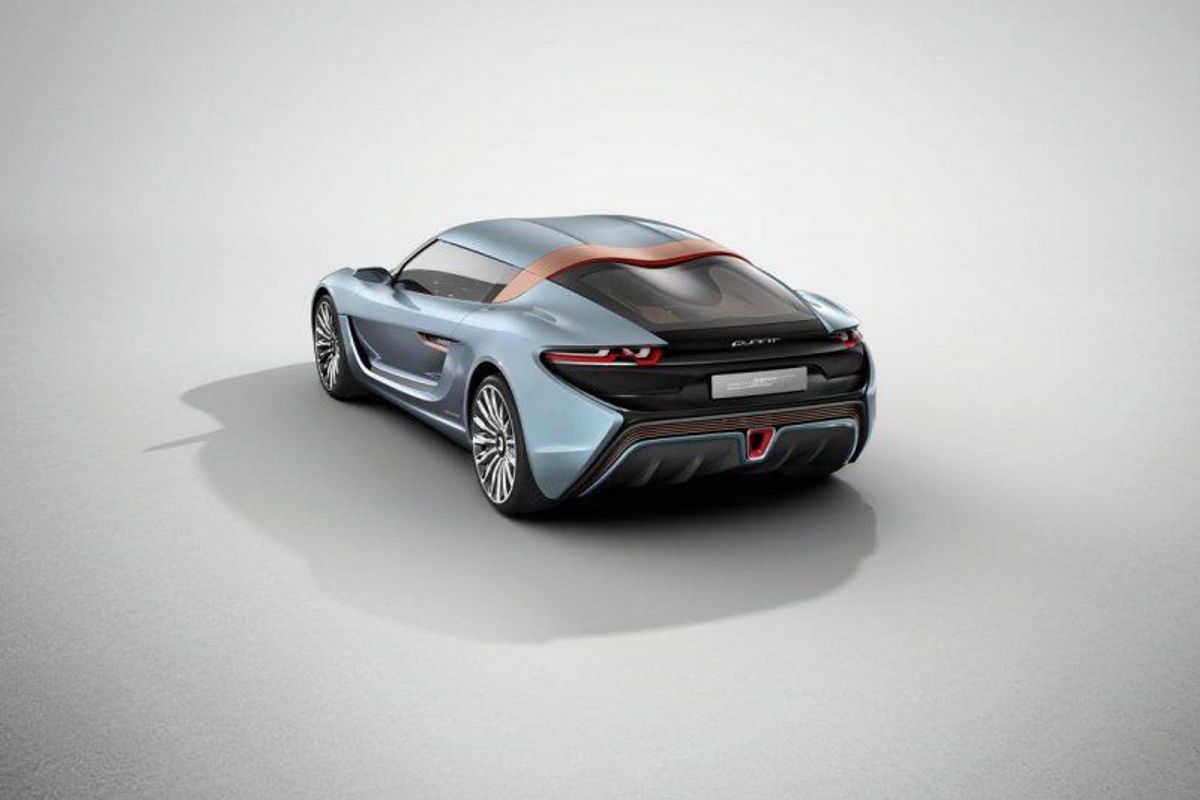
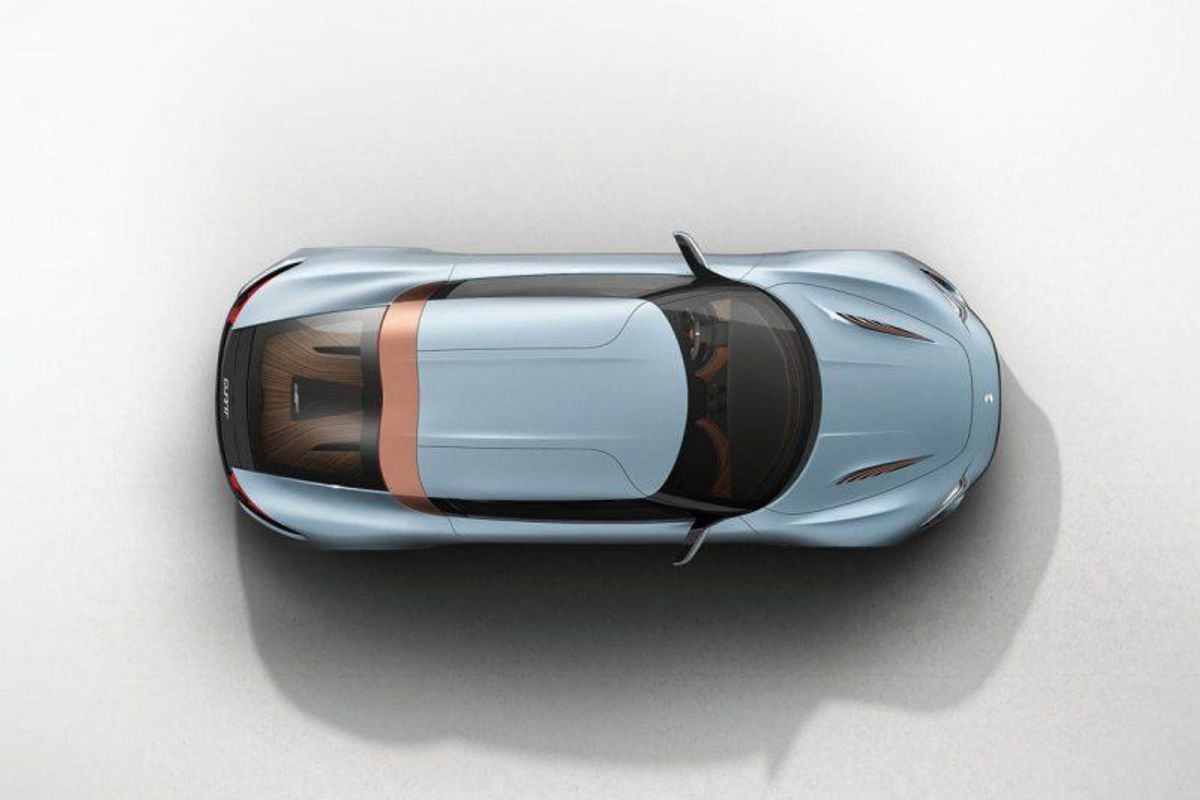
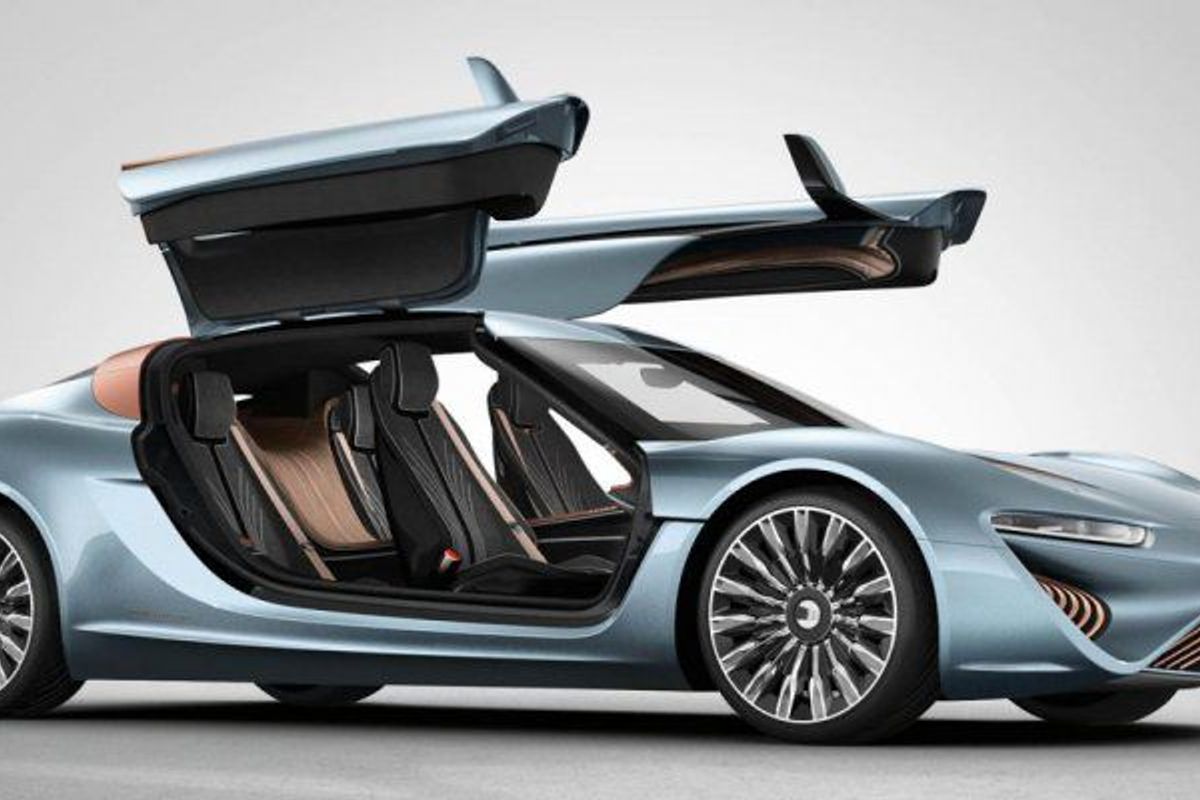
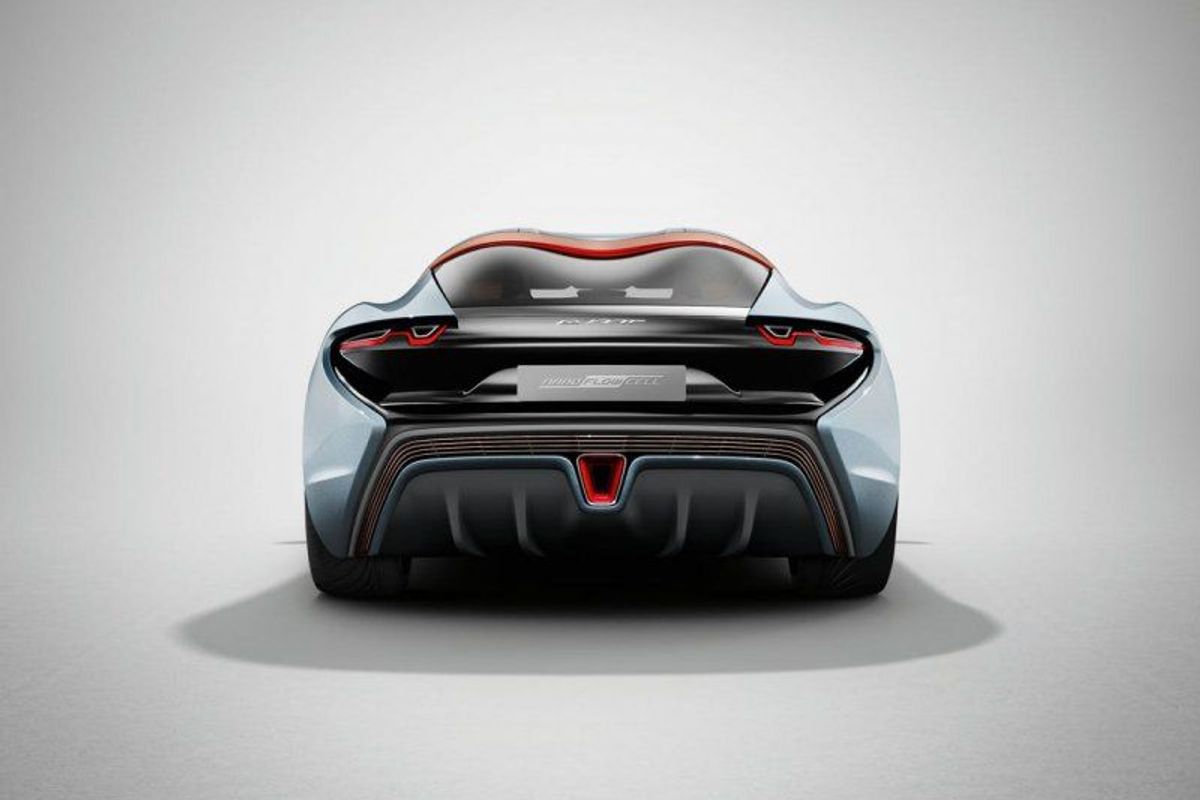
Posing as a game-changing breakthrough for electric vehicles, the Quant e-Sportlimousine stands out in its crystal lake blue” paint, distinctive rear window, gullwing doors, a sloping double bubble roof as well as an extremely curved front and rear windscreen and 22-inch tyres.

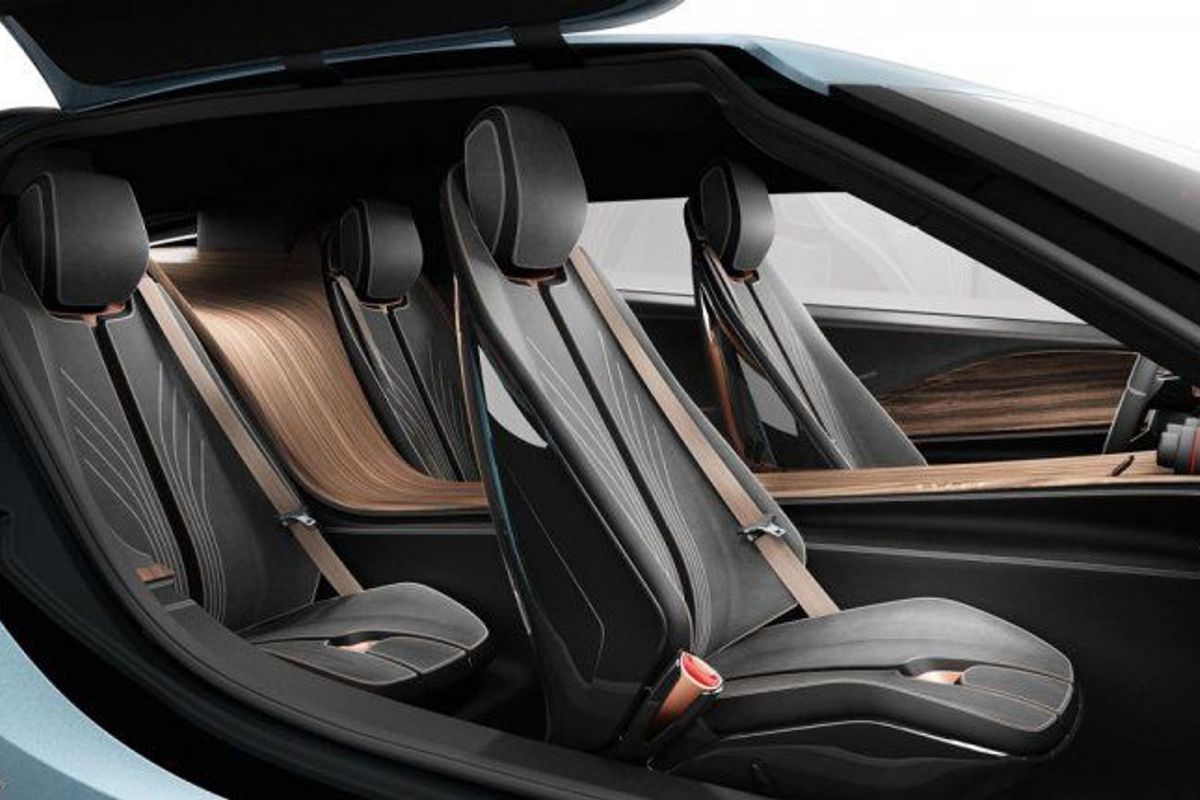
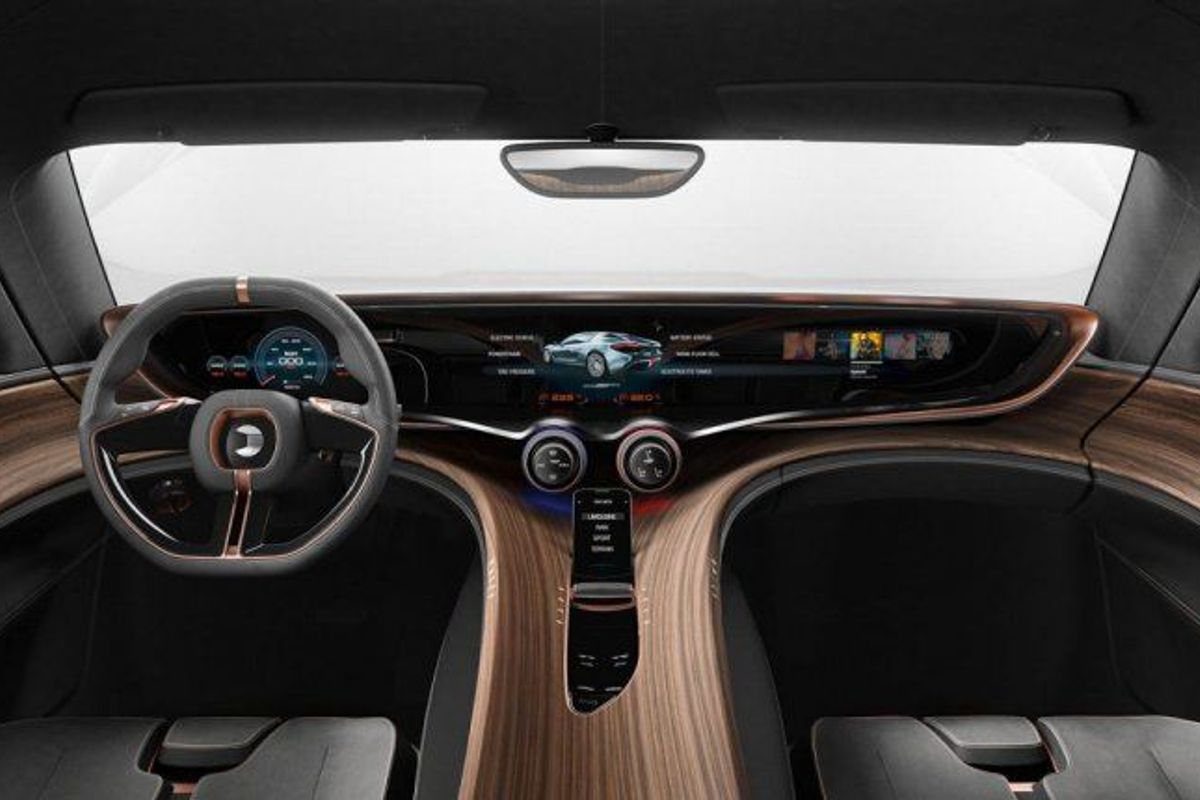
The four-seat interior stands out with its jet-cockpit style which is accentuated by premium leather upholstery, ash wood trim and copper accents. There’s also a full-length centre console and a massive display that measures 1.25 meters wide and 16 centimetres tall.

At the heart of the QUANT e-Sportlimousine is the nanoFLOWCELL battery which gives the car a driving range of 600 km. The car is additionally equipped with four electric motors that produce a combined output of 480 kW. This setup allows the car to accelerate from 0-100 km/h in 2.8 seconds, reaching a top 380 km/h.

How the nanoFLOWCELL works

According to the company, “flow cells combine aspects of electrochemical accumulator cells with those of fuel cells. Liquid electrolytes are kept in two tanks and circulated through the cell. At the heart of the system, a membrane separates the two electrolytic solutions, but allows electrical charge to pass through and thereby produce power for the drive train.”

The company goes on to say “The nanoFLOWCELL has a 5-times greater performance-by-weight than current lithium-ion technologies that power most of today’s electrical vehicles, meaning its driving range is 5-times greater than a conventional unit of the same weight.”

“The advantages of the nanoFLOWCELL® lie in its high charge density, high performance density, and its light weight compared to conventional energy storage systems. Furthermore, it contains no harmful substances, no moving parts, and it is very efficient,” explained Nunzio La Vecchia, technical director of nanoFLOWCELL AG.

Audi TT Roadster Confirmed For Paris Debut

Speaking to Car Advice at the international launch of the TT Coupe, Audi interior designer Artur Deponte confirmed the company will be bring a new TT Roadster at the 2014 Paris Motor Show which is happening next month.

TT Roadster to have neck heater system

Although Deponte didn’t go into specifics about the car, he hinted that the model will feature a neck heater system that will be integrated into the repositioned climate controls, which are now located inside each of the five face-level air vents in the cabin.

He further mentioned that seat heating buttons have been grouped on each of the far vents specific to each of the front passenger because each seat heater was also specific to each side only.

TT-RS to come

Technical project manager Markus Siewart additionally squashed rumours of the next Audi TT RS variant making use of a four-cylinder unit.

“We will bring an RS as well,” said Siewart. “It’s obvious because it’s a successful car, people loved it, people ask for the new one. And why not? There’s no reason not to do it.

“It will be a five-cylinder, and it was a successful car for us, it was engine of the year several times. I can’t tell you about horsepower or kilowatts, but it will be more than the outgoing TT RS.”

*Pictured is the 2013 Audi-TTS Roadster Competition.

Kia Picanto Updated for 2014

The Kia Picanto which first made its local appearance in 2011, has been updated for the 2014 model year featuring enhancements to the exterior and uncompromised technology and safety equipment.

Mild exterior update

Available with same two model line-up the updated Kia Picanto comes with a new slightly larger grille with silver painted bezel surrounded by bevelled edges, while the ‘tiger nose’ on the range-topping EX model features red bordering which separates the bezel from the black mesh grille.

There’s also a restyled front bumper which incorporates a smaller kidney grille, as well as larger fog lamps and integrated fog lamp housings. The 1.0 LX rides on 14-inch steel wheels with full wheel covers, while the 1.2 EX features sporty 14-inch alloys.

Efficient engines

The 1.0 LX is equipped with a three-cylinder, 998 cc unit producing 51 kW and 94 Nm of torque, while the range-topping 1.2 EX features a four-cylinder, 1248 cc engine delivering 65 kW and 120 Nm of torque. Both engines are mated to a five-speed manual transmission, with a four-speed automatic transmission available as an option.

Both engines additionally feature DOHC, dual CVVT (continuously variable valve timing), a cast aluminium block, off-set crankshaft, and maintenance-free long-life timing chain and low friction ‘beehive’ valve springs.

High quality interior

Features available on both models include manual air-conditioning, an under-floor trunk storage box, retractable dual cup holders and sun visors with vanity mirrors, as well as AUX/iPod/USB connections for the radio CD player with MP3 compatibility (the EX also sports steering wheel mounted controls and hands-free Bluetooth.

Uncompromised safety features comprise of driver and passenger airbags, ISOFIX child seat anchors, ABS anti-lock braking is standard on the 1.2 EX, as is an ESS (Emergency Stop Signal) system.

Updated Kia Picanto price in South Africa

Kia Picanto 1.0 LX (manual) – R130 995

Kia Picanto 1.0 LX (automatic) – R142 995

Kia Picanto 1.2 EX (manual) – R140 995

Kia Picanto 1.2 EX (automatic) – R152 995

All derivatives come standard with a five-year/150 000km warranty, while a two-year/45 000km service plan is optional.

Jaguar XE Officially Revealed

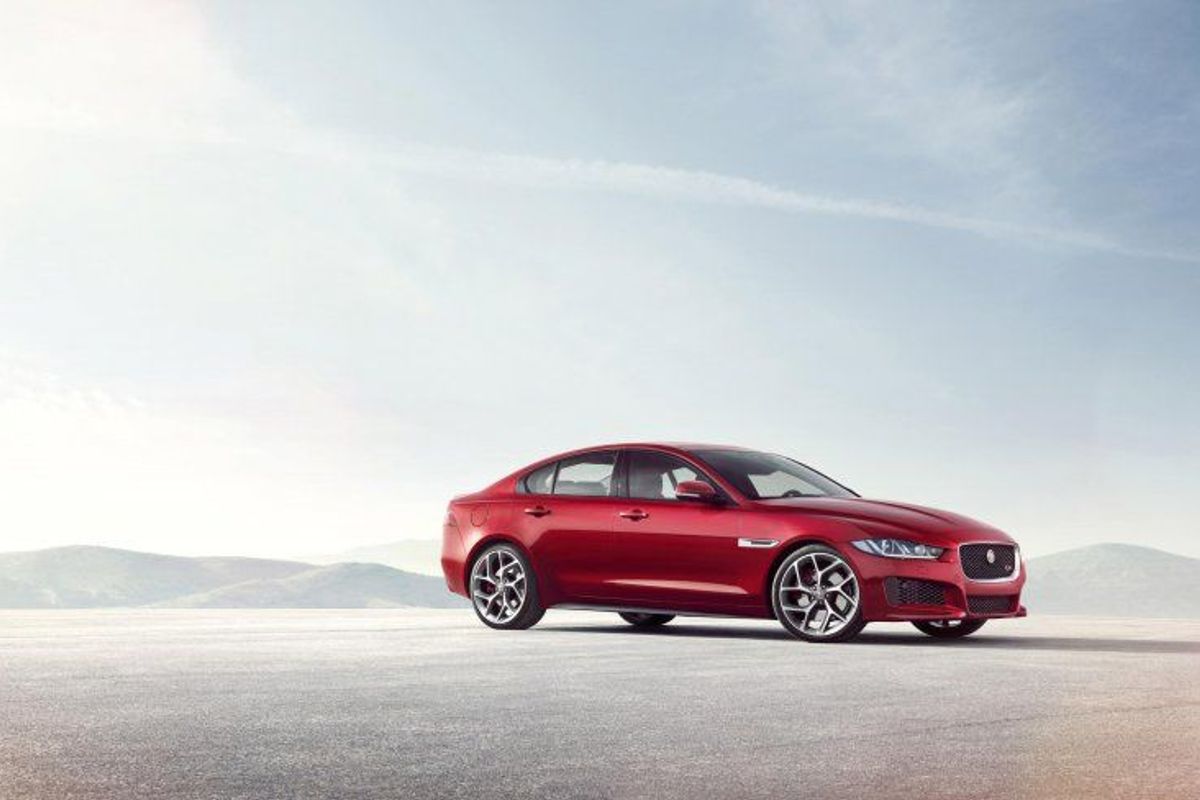
The most anticipated Jaguar of this year has finally been shown to the world at a reveal in London. The Jaguar XE will set the cat amongst the pigeons in a segment the British marque seeks to earn large sales growth from.

XE full details including engine

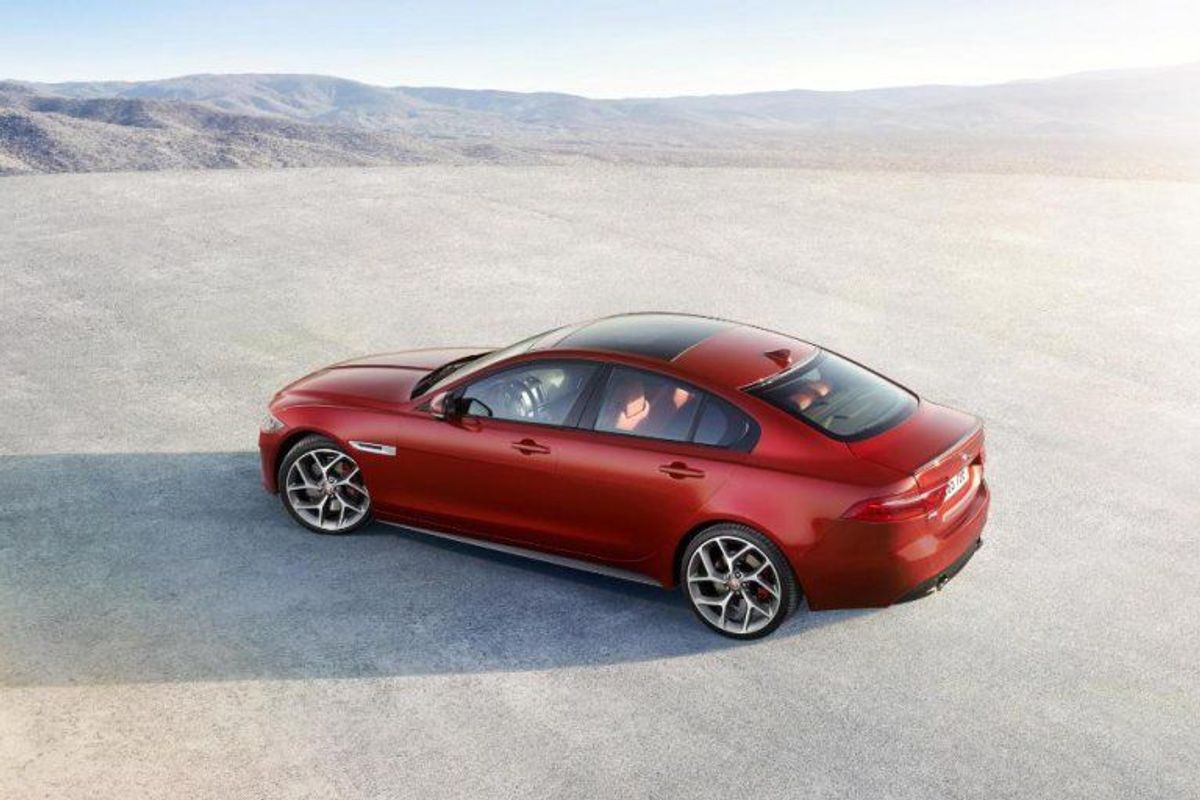
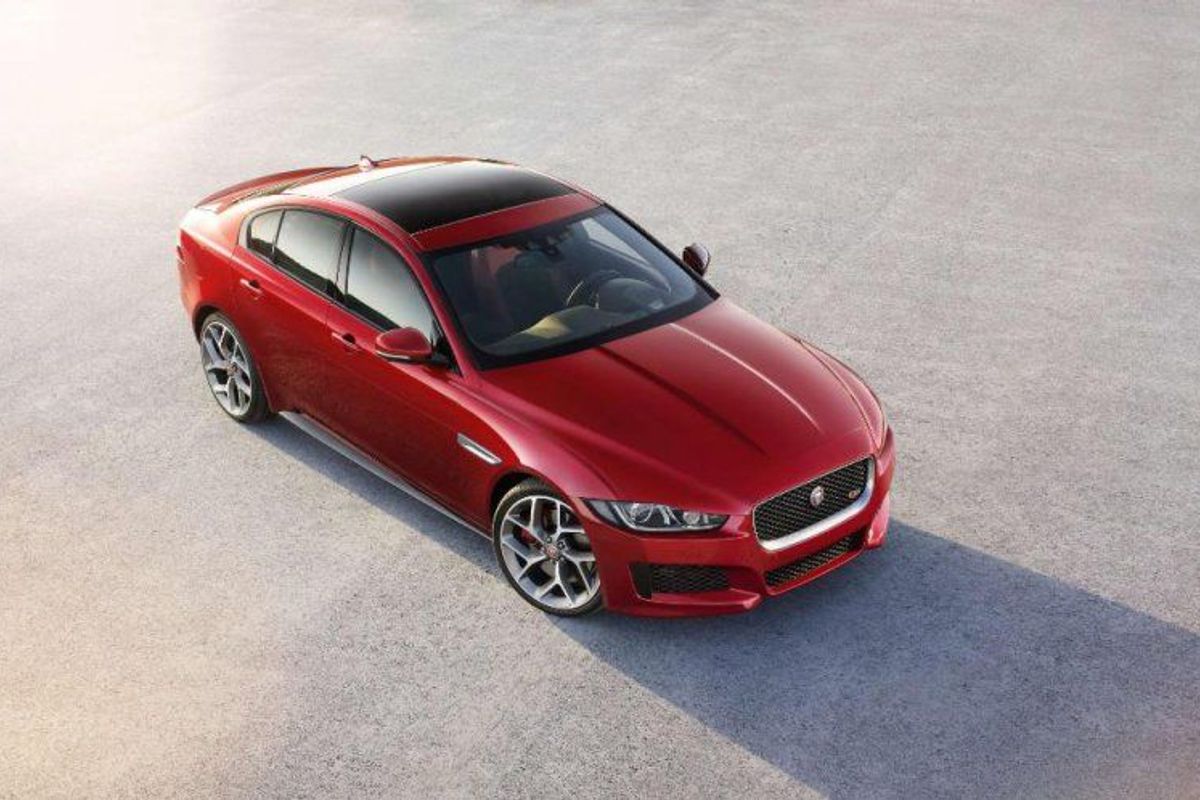
So far Jaguar has only released images of the top of the range XE S that is styled towards sporty intentions. The front end is distinctly Jaguar and the front headlight cluster appears to be a meaner example of the ones currently doing duty on the XF. The side features a chrome side outlet and 20-inch optional wheels are fitted. The boot lid has a visible rear spoiler lip and twin exhausts exit at the rear.

Three engine versions will be available at launch including two petrol and an economical diesel from the new Ingenium range. The 2-litre petrol starts off the range and will be available in two power choices that Jaguar will disclose closer to the launch at the Paris motor show. The Ingenium diesel motor is a 2-litre turbodiesel capable of just 3.7l/100km from the 120 kW and 380 Nm derivative. Jaguar says it will offer more powerful versions of the diesel as well. The range topping XE S gets a 3-litre supercharged V6 that puts out 250 kW and 450 Nm of torque. It’s capable of rocketing the XE to 96kph in 4.9 seconds.

Jaguar is pulling in the technology that it used to create the latest Range Rover chassis over 400kg lighter for the XE range. Around 75% of the chassis is made from aluminium but Jaguar has not gone into details regarding how much weight has actually been saved as a result, saving exact details for the launch event at Paris. Jaguar has also chosen to go the electric steering route in order to make the Jaguar more efficient, we’ll have to wait and see the result on its handling as a result.

The interior for the XE has been updated and looks a much more modern example of the XF we drove a while ago. It comes with a crystal clear head-up display showing things like speed and navigational directions. The entertainment system has been updated to an eight-inch touchscreen version that has all the usual abilities plus Smartphone integration that allows you to control functions such as the door locks and climate control from your phone, from anywhere.

Safety systems on the XE include autonomous emergency braking system, providing highly accurate measurements of speed and distance of objects ahead, and can initiate full braking to avoid or mitigate a collision. The stereo camera performs traffic sign recognition and lane departure warning functions too. The XE also offers systems such as adaptive cruise control, closing vehicle sensing, blind spot monitoring, semi-automated parallel and bay parking, and reverse traffic detection.

The Jaguar XE will begin sales in 2015, set to take on the likes of the BMW 3-Series, Mercedes-Benz C-Class, Audi A4 and Lexus ES.

Isuzu KB Receives Minor Updates For 2014

The Isuzu KB has been enhanced for the 2014 model year, following what GMSA says was constructive feedback from customers throughout South Africa.

“We constantly strive to improve our products and with the added advantage of the sixth-generation Isuzu KB being developed, engineered and built for South Africans in South Africa, we are able to introduce updates with quick turnaround times for maximum effect,” says Isuzu Brand Manager at General Motors South Africa (GMSA), Mlungisi Nonkonyana.

Subtle exterior and interior tweaks

“The subtle new tweaks to the Isuzu KB are all geared at enhancing visual appeal and creating a better driving experience.”

Updates to the bakkie comprise of a new overhead storage compartment which includes a sunglass holder on LX extended cab and double cab models, while the LE and LX models come with new Anthracite Grey upholstery.

LE models additionally feature a more striking Anthracite Grey radiator grille and a black rear bumper, while the LX double cab now features a chrome lockable tailgate handle. All Isuzu KB models now feature a centre-high-mounted stop lamp.

“The changes are now reflected on a streamlined range of 18 Isuzu KB derivatives, all powered by our renowned diesel engines,” concludes Nonkonyana.

Updated Isuzu KB range price in South Africa

Single Cab
KB 250 Leed R208 300
KB 250 Leed Fleetside R230 800
KB 250 D-TEQ Fleetside (safety) R257 700
KB 250 D-TEQ LE R297 000
KB 250 D-TEQ LE 4×4 R342 500
KB 300 D-TEQ LX R335 400
KB 300 D-TEQ LX 4×4 R389 100
Extended Cab
KB 250 D-TEQ LE R310 400
KB 300 D-TEQ LX R374 500
KB 300 D-TEQ LX 4×4 R429,600
Double Cab
KB 250 D-TEQ LE R383 900
KB 250 D-TEQ LE 4×4 R405 900
KB 300 D-TEQ LX R426 300
KB 300 D-TEQ LX Auto R440 100
KB 300 D-TEQ LX 4×4 R483 500
KB 300 D-TEQ LX (leather) R436 300
KB 300 D-TEQ LX Auto (leather) R450 100
KB 300 D-TEQ LX 4×4 (leather) R493 500

All Isuzu KB models are sold with a fully-comprehensive 5-year/ 120 000 km warranty and roadside assistance programme, a 5-year/ unlimited mileage anti-corrosion warranty and a 5-year/ 90 000 km service plan. Service intervals are 15 000 km or twelve months for all derivatives.

Citroen DS Brand Plans Six Car Global Line-Up

Citroen’s newly-independent DS brand has confirmed plans to introduce a six car global line-up.

Citroens DS brand to expand from three to six models

Speaking at the unveiling of the Divine DS at PSA’s design studio in Paris, Bonnefont said: “We created the DS brand in June. Our ambition is to generate growth by developing the product range – in the mid-term to have six models – which will be the same in all regions.”

This confirmed plans to put an end to distinct line-ups developed for specific markets, including China-only variants like the DS 5LS and DS 6WR models.

Bonnefont did not reveal what the six models would be, however reports suggest that the line-up might include a large and a small sedan car and a large and a small SUV. There are also rumours of a replacement for the DS3 hatchback as well as the DS4 and DS5 models.

Auto Express reports that while a timeframe is yet to be put in place for this whole development, the new approach underlines recently-announced plans to slowly distance DS from Citroen in Europe as well as in Asia.

“Our ambition with the DS brand is to generate growth for the group, so we have two directions for growth,” confirmed DS CEO Yves Bonnefont. “One is to develop our product range, so today in Europe we have three cars on the market – with the DS3, the DS4 and the DS5 – and our ambition for the mid-term is to double that range.”

“This will be the same in all the regions because we have taken a global product strategy as a group, so these products in the future will have the attributes on the Divine, the concept we are revealing today.”

Bonnefont also revealed that the brands growth will be spearheaded by the Divine itself which is based on three key attributes of the DS brand, which include “avant-garde design, visible technology, and refinement”.

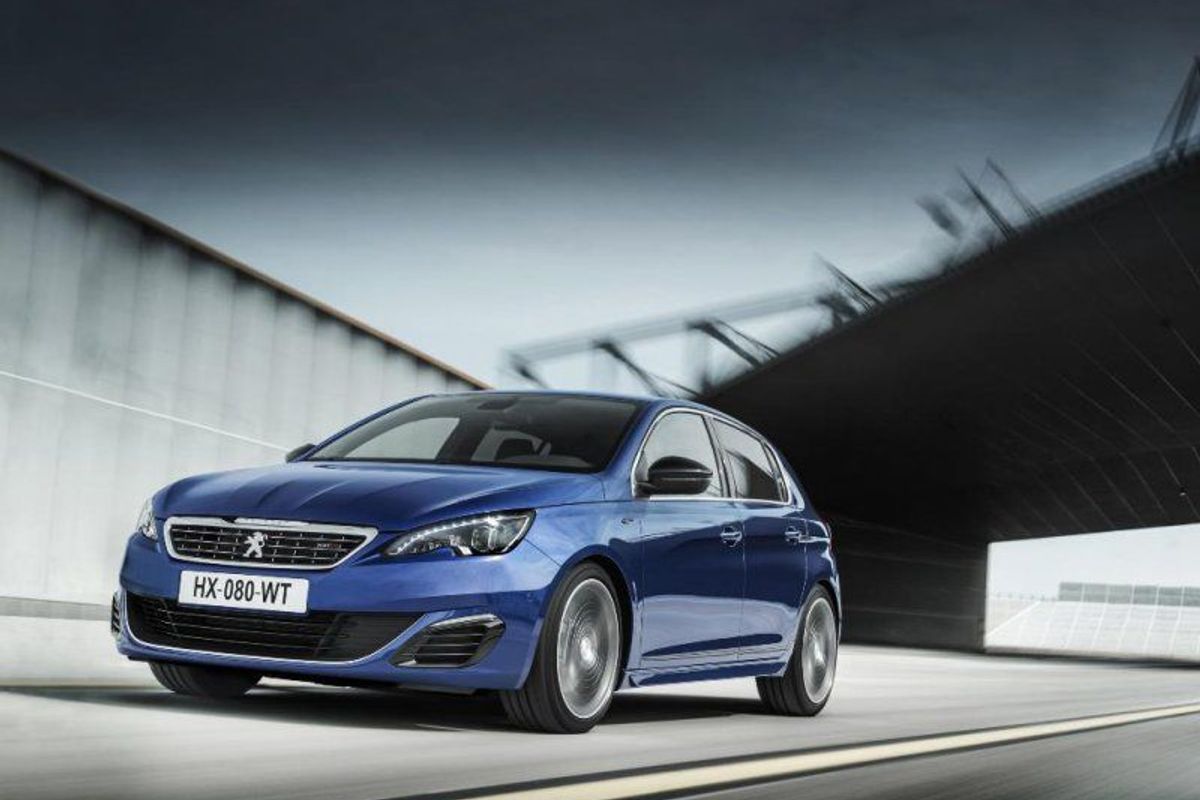
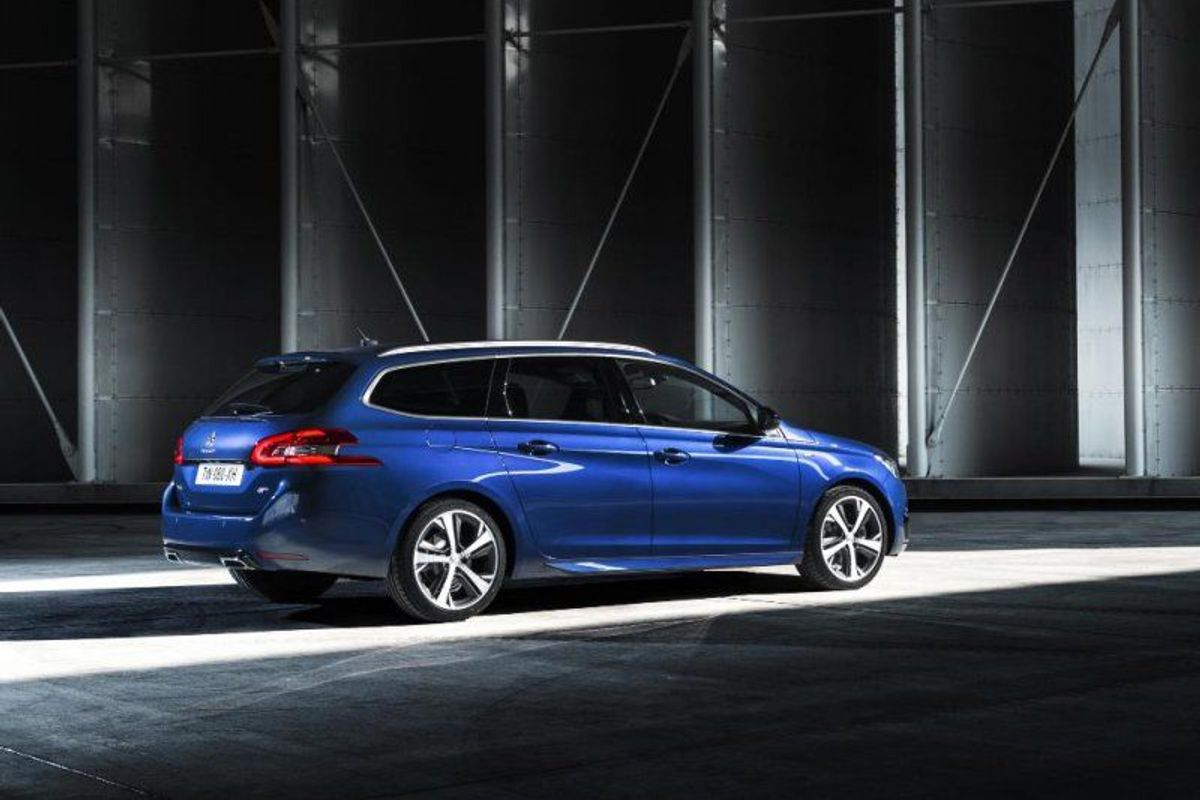
Peugeot 308 GT adds Performance Line

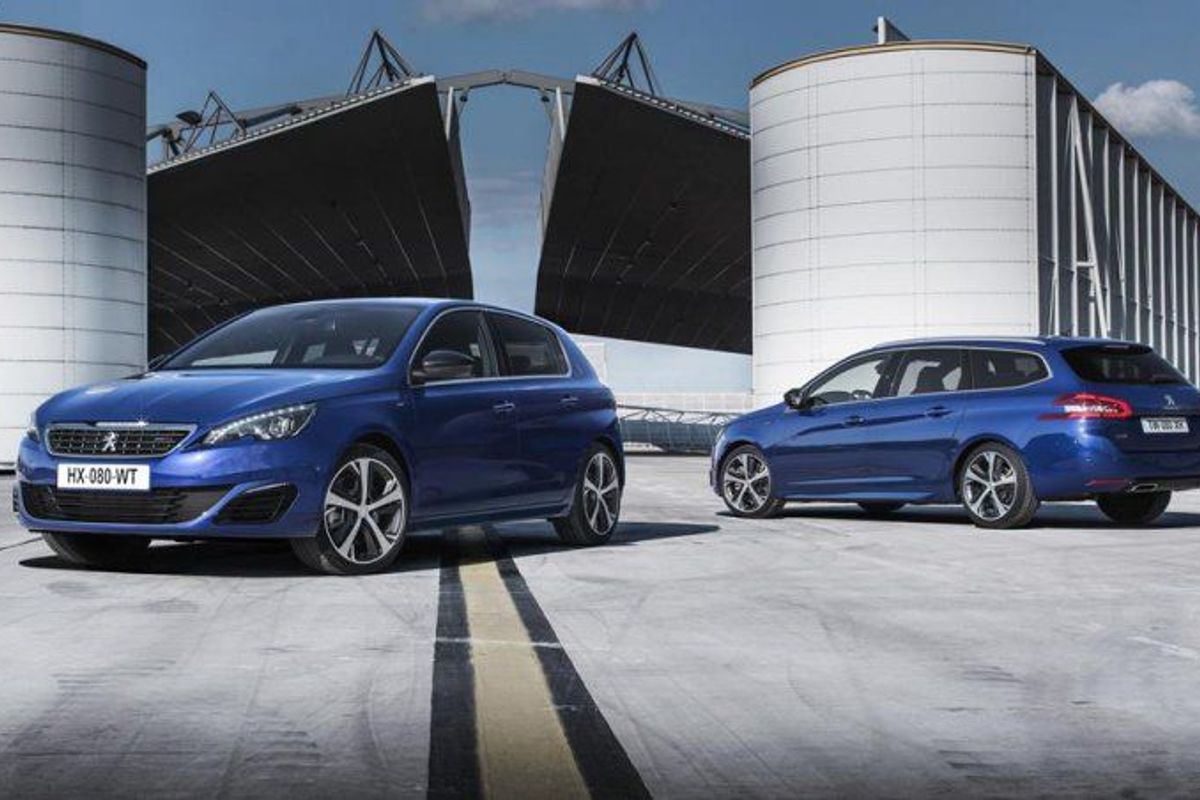
The Peugeot 308 has not arrived in SA yet, but already the French manufacturer is adding a performance line to its medium-sized hatch and estate.

Peugeot 308 GT Exterior Mods

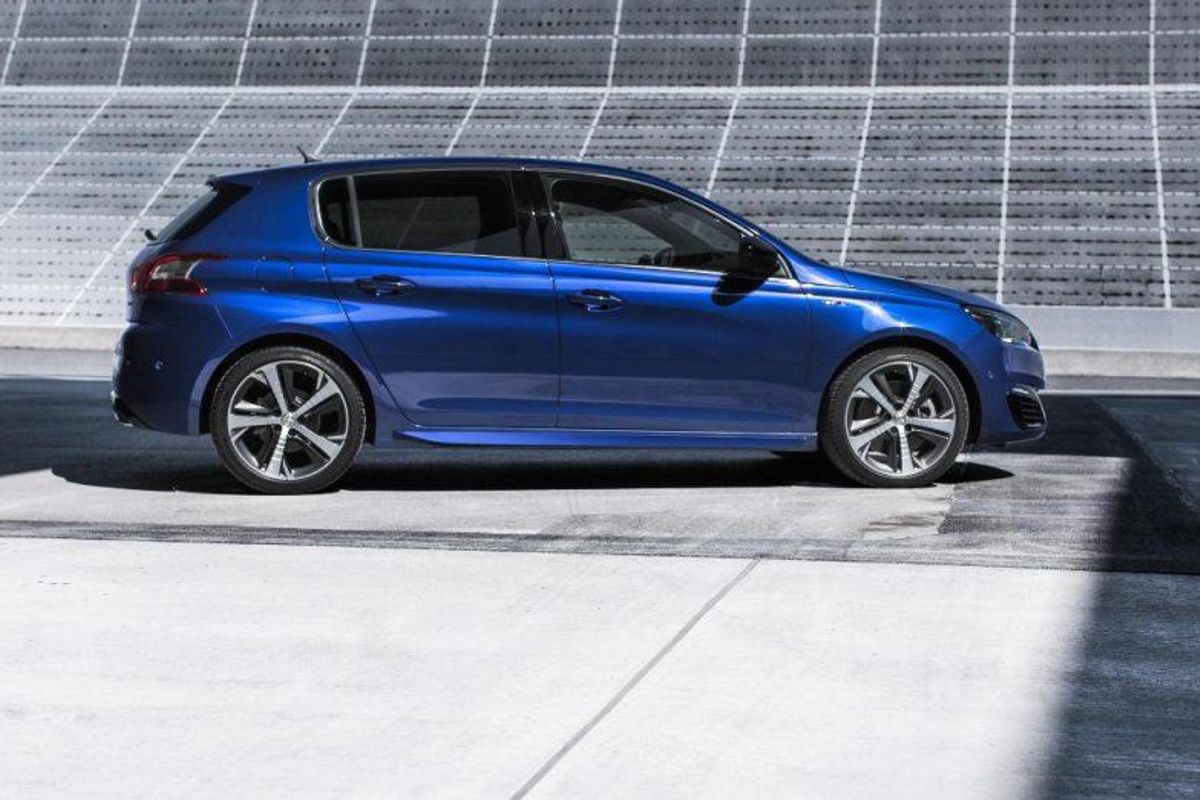
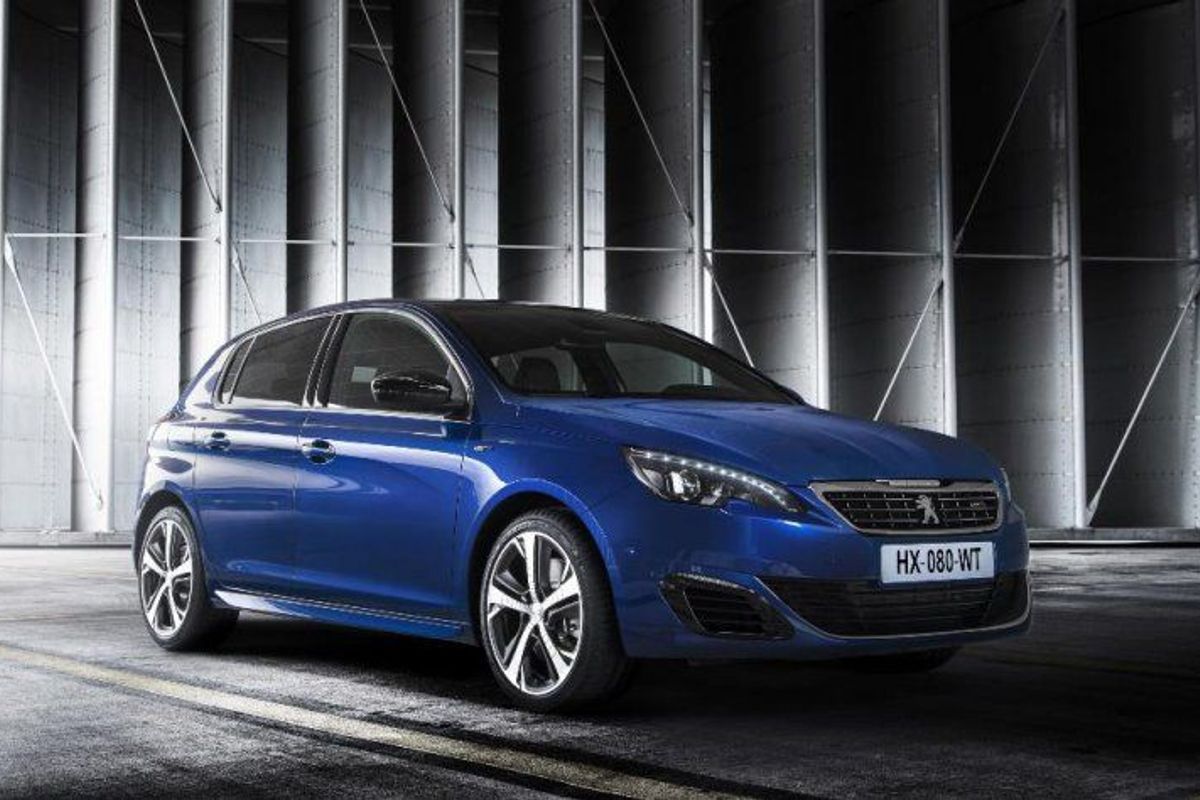
The colour is the major addition to the GT line as the ‘Magnetic Blue’ hue is usually reserved for Peugeot racing cars. The Lion emblem, normally pressed into the top of the bonnet is shifted to the front grille. LED lights have also been incorporated into the front headlights giving the 308 GT a more distinctive face. The rear has been garnished with a black diffuser and Peugeot has thrown twin tailpipes in the mix for added effect.

The ride height has been lowered by 7 mm at the front and 10 mm at the rear for a more aggressive stance. Along with the drop the suspension has been fettled with to make the 308 GT more athletic and agile in the corners. The power steering is firmer and more responsive as is the throttle response.

The engine lineup for the 308 GT consists of a petrol and a diesel. The petrol manages 150 kW and 275 Nm from its turbocharged 1.6-litre. The 2-litre diesel in the range copes with 132 kW and 400 Nm of torque. The petrol is available in a six-speed manual, whilst the diesel comes with a six-speed automatic.

The official unveiling of the range happens at the Paris motor show during October 2014 and the GT line will go on sale shortly after that.