Volkswagen has announced its building a production of its CrossBlue concept which debut at the Detroit Auto Show in 2013.
Volkswagen CrossBlue
Slated for 2016, the seven-seat mid-size SUV is said to be built in U.S. at Volkswagen’s three-year-old Chattanooga factory, which presently assembles the Passat midsize sedan, and has the capacity to produce 150 000 units per year.
The Chattanooga-built midsize SUV will allow us to fulfil the wishes of our dealer network, bringing new customers to our showrooms and additional growth for the brand, VW Group of America CEO Michael Horn said. We are eager to be entering this growing vehicle segment with a world-class, seven-passenger SUV from Volkswagen.
Not much has been revealed about the car, however the report mentions that the Volkswagen CrossBlue will ride on the MQB platform and will likely feature the same large dimensions as the concept. It will also be offered with a seven-seat configuration featuring a three-seat bench in the middle and maybe two stadium-style seats in the back as seen in the concept.
A sportier coupe version of the Volkswagen CrossBlue was also unveiled at the Shanghai Auto Show late last year, you can read more about it here.
Audi S3 Sedan (2014) Review
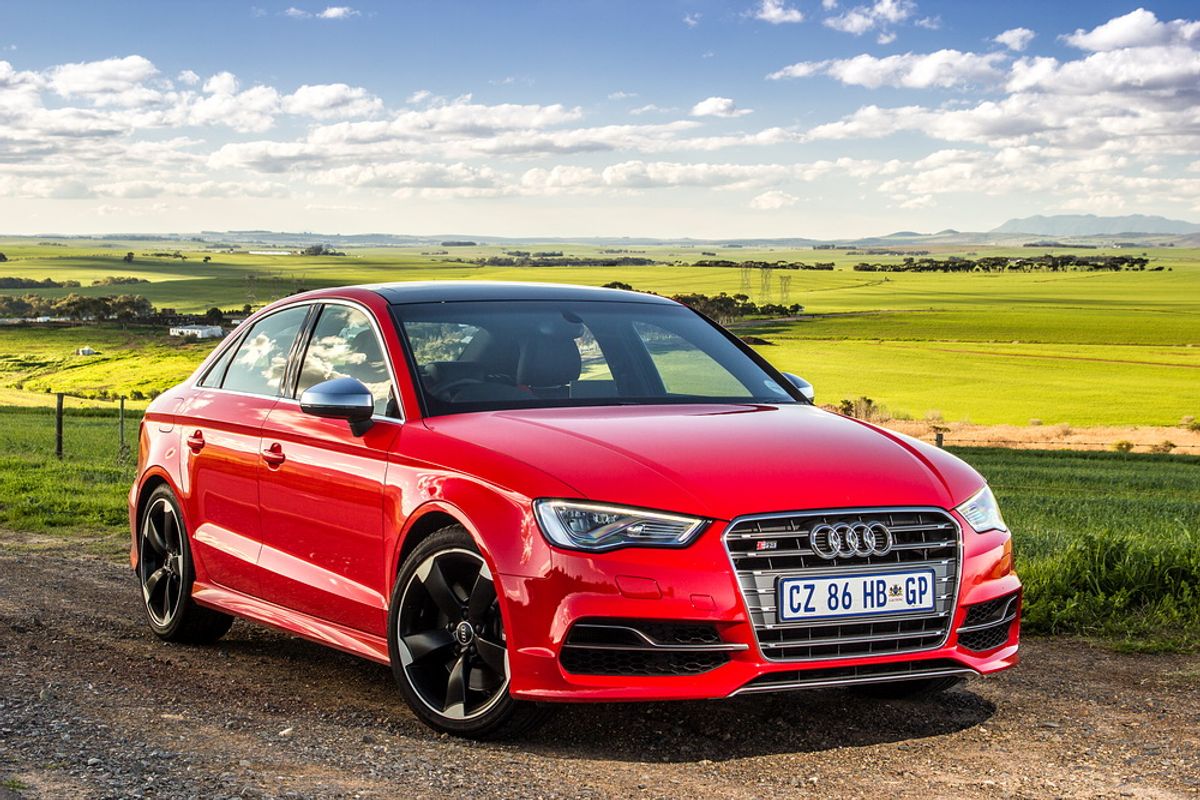
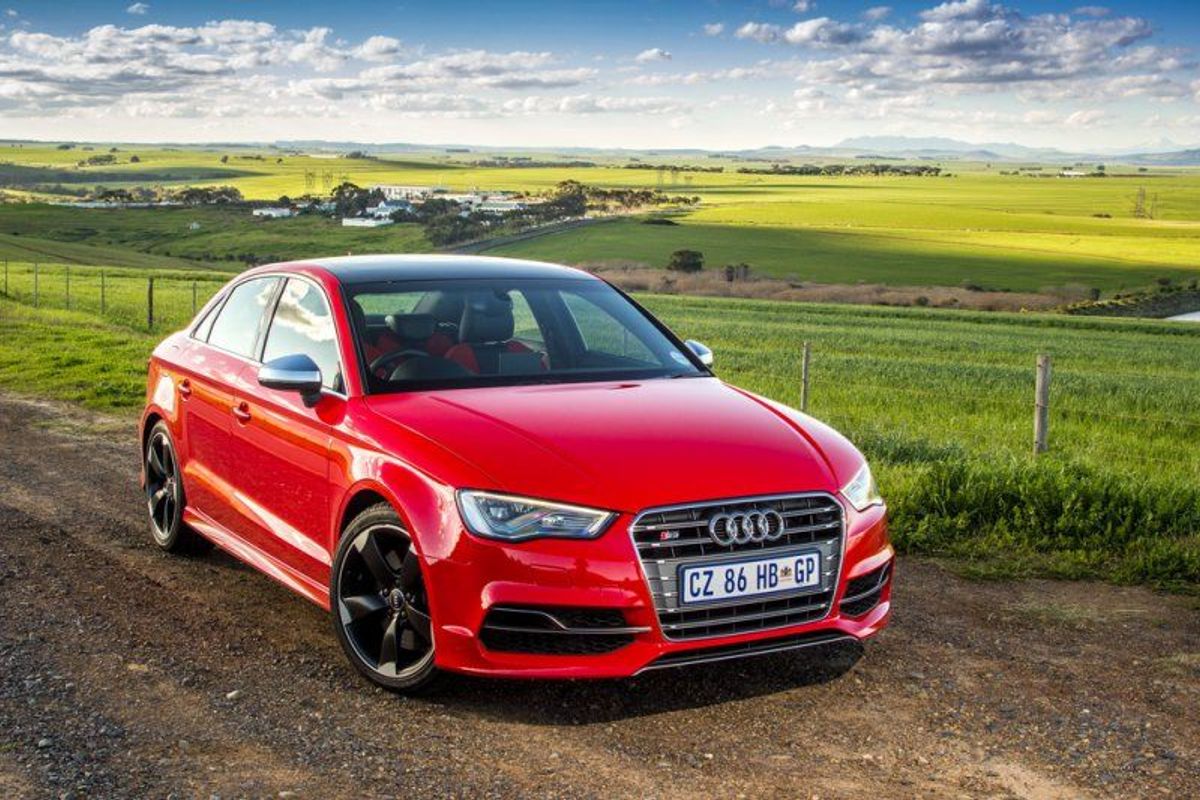
Having jumped straight out of the very powerful, very fast Audi RS Q3 and directly into this less powerful Audi S3 Sedan, I may have thought at one stage I was downscaling or going to be left wanting more. Not at all, this Audi S3 Sedan had me sold after just a few kilometres of driving it from collection. Its a stunner to look at, fast enough to keep your heart rate escalated and just enough fun in the corners to keep the inner racer interested.
Number Crunching
The Audi S3 Sedan is a quick car and considering it hasnt had the full RS treatment yet, makes you wonder just how fast Audi is going to make that RS3 when they ever get around to it. 0-100 kph in the S3 Sedan is dealt with in a face slapping 5-seconds flat thanks to the 206 kW, two-litre turbocharged four-cylinder petrol motor.
Combine that with torque of 380 Nm thats available for an unbelievably long period (1 800-5 500 rpm) and Audis fast shifting S-Tronic gearbox and youve got a pleasing array of figures to enjoy. Fuel economy is quite decent at 7 l/100 km claimed, although I saw around the 9l/100 km on our fuel economy run.
Plays Hard
Audi S-models have never struggled for speed though, if anything its in the handling and fun department that they could work on, at thats where this S3 Sedan comes into its own. Its exciting to drive right from the moment you hear the bark of the exhaust as the gearbox cracks another gear to attention.
Its an addictive sound, I found myself using the paddle shifters more often than usual, snapping the upshift paddle like a Formula 1 driver. As much as the rip of the gearbox shift is exciting so is the handling when you get it onto a nice long stretch of twisty tarmac. The S3 Sedan feels low and controllable, theres an abundance of grip from the chassis and tyres as you swing the S3 from side to side. It seems the more you push it the more grip it offers up. The steering is nicely weighted at higher speeds and though lacks out-and-out feedback, it never leaves you feeling anything but in control.
Plush Interior
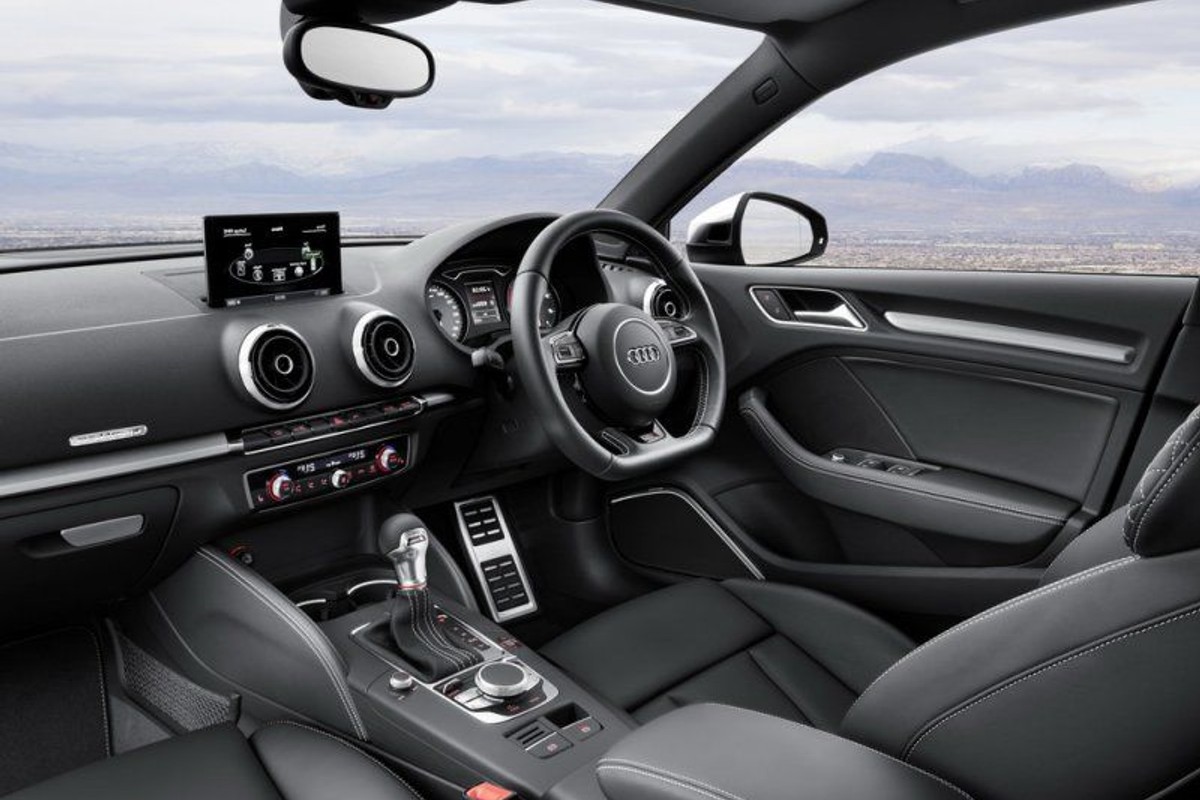
The S3 Sedans interior is concise and reeks of build quality. Its not laced with buttons everywhere but rather keeps all the functions simple with a few buttons for the dual zone climate control adjustments. Above that theres one row of buttons for traction control settings and the Drive Select option it allows you to change the cars personality through eco, comfort, auto, individual and dynamic settings.
The rest of the interiors functionality is dealt with via the multimedia interface and the centre console scroller. Its neat and uncluttered and that helps it feel more focussed on the driving part. The red and black sports seats are an S3 addition as is the S3 logo embossed on them. The boot space is quite generous too, although it does compromise a little on the rear legroom.
Finding Faults
I was finding it hard to fault this S3 Sedan and I may even have let slip that this would be a really cool birthday present for my upcoming name day. I did however come across something to nit-pick at.
Whilst driving in traffic or start/stop driving it can be a bit jerky, as you lift your foot off the brake and let the car creep in first gear, the initial bite can be a bit bumpy. When the fuel saving start/stop engine cut kicks in, the restart to moving time is prolonged and the rolling speed in first gear is maybe a bit fast for crawling traffic.
Verdict
The Audi S3 sedan is a get in and feel instantly comfortable kind of car. Its planted on the road and urges you on to go faster, its backed up by a fast acting S-Tronic gearbox and a banging exhaust note on shifts. Its also comfortable to drive over long distance and has a well-equipped and beautifully finished interior.
Audi S3 Sedan Price in South Africa
At R529 500 the sedan may be a R10 000 more expensive than the five-door S3 Sportback, but Id pick the sedan purely on the improved looks and that great side profile.
Second Opinion
The Audi S3 Sedan has gone from youthful and pricey hot hatch to junior premium performer. It’s exceptionally comfortable and offers luxury quality, with great performance just a stab of the right foot away. – David Taylor
Audi S3 Sedan quick specs
Engine
2-litre four cylinder turbo petrol
Power
206kW
Torque
380Nm
Transmission
Six-speed S-Tronic
Wheels
18-inch alloys
0-100km/h
5.0 seconds (claimed)
Fuel economy
7.0l/100km (claimed)
We like:
. Great looks
. Superb performance and handling
. That gear-shift bang
The 2014 Mitsubishi Outlander offers a great blend of practicality, sensibility and thanks to a generous helping of standard features, this seven-seater SUV may just be one of the finest offroad purchases of 2014.
Mitsubishi is an interesting brand and I do like its products. The Mitsubishi Pajero Sport is a massively underrated truck and the Lancer Evolution promises massive performance for not an obscene amount of money. Sadly, the lack of variety in the product line-up means Mitsubishi often falls under the radar.
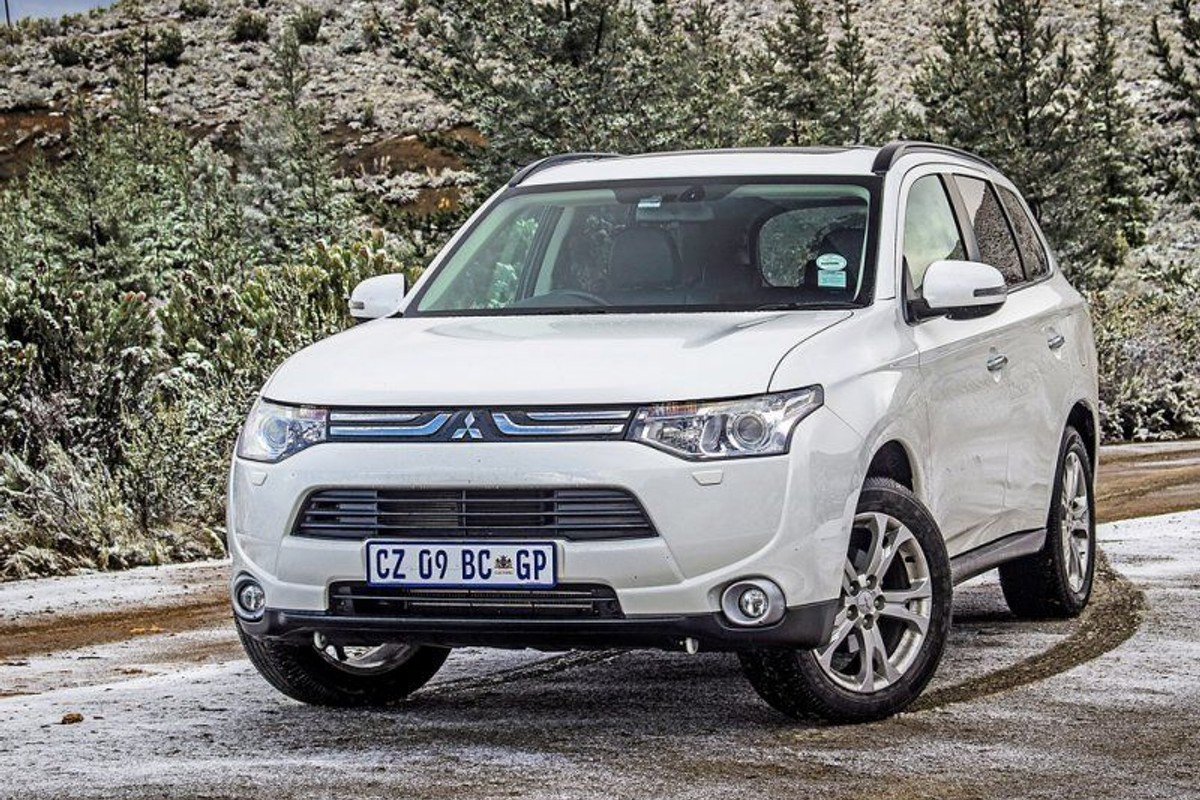
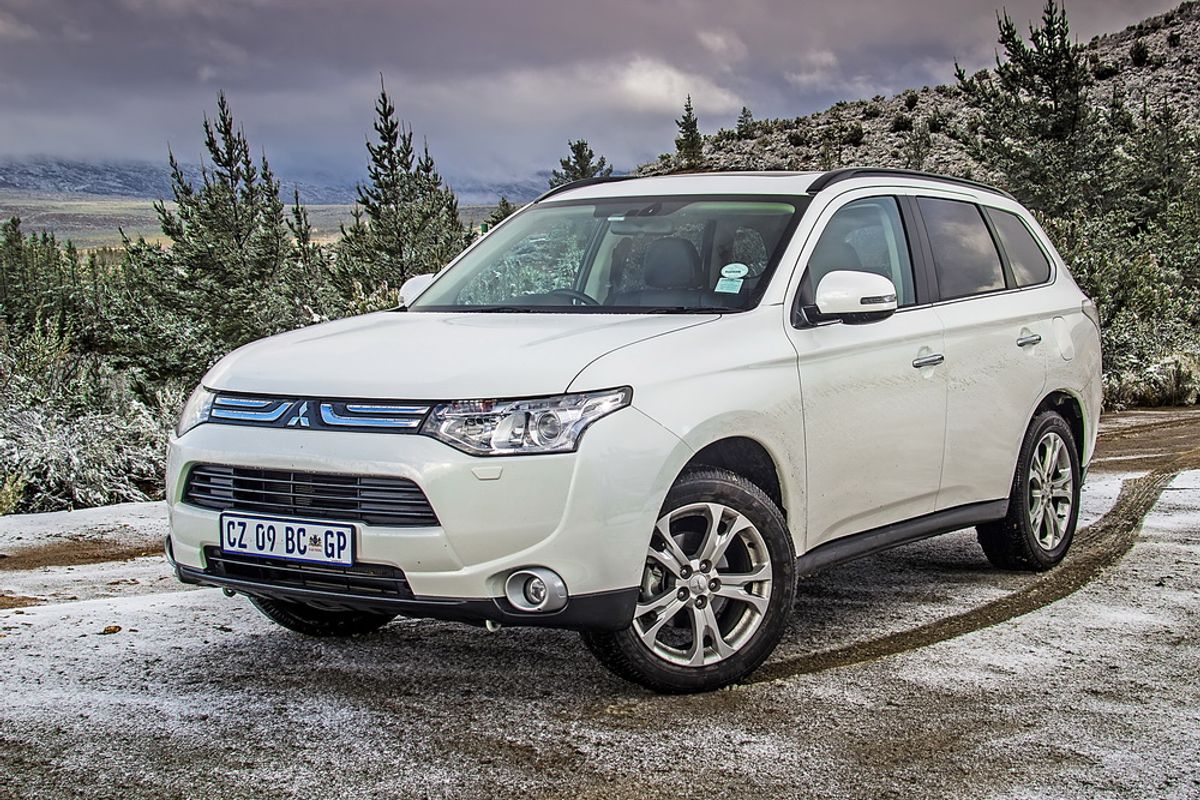
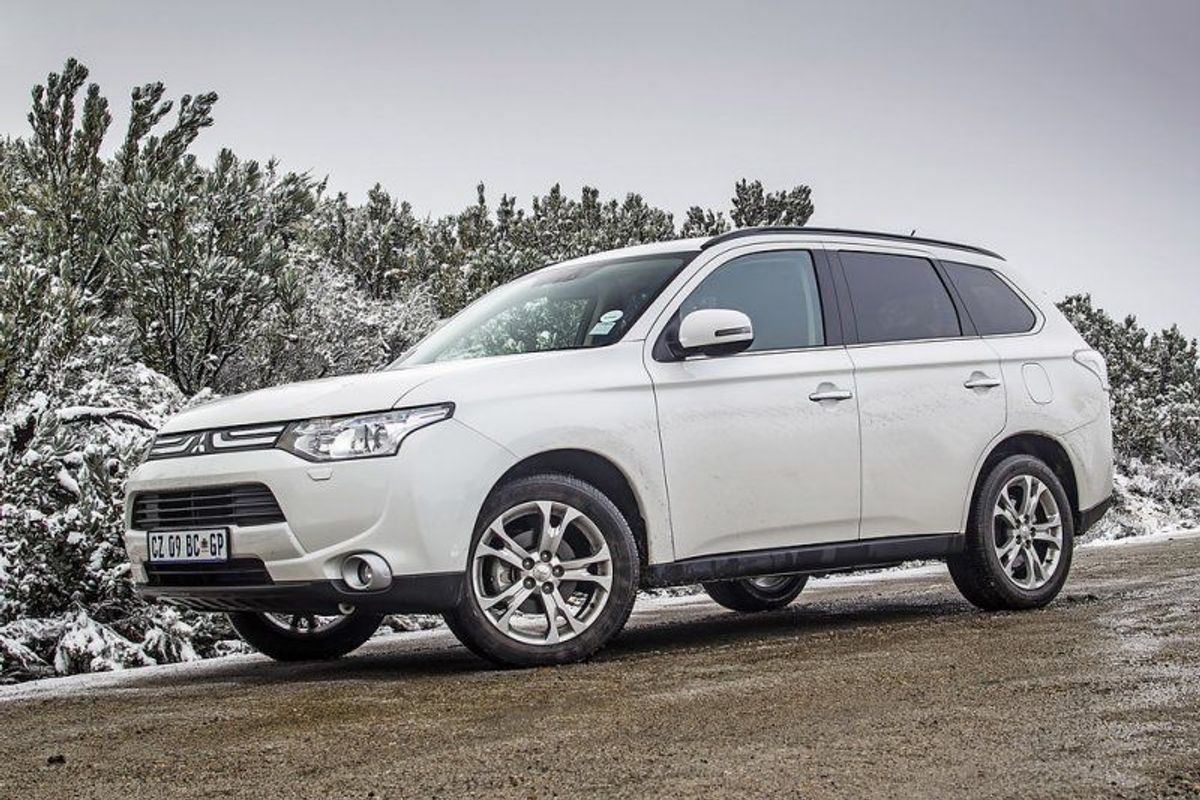
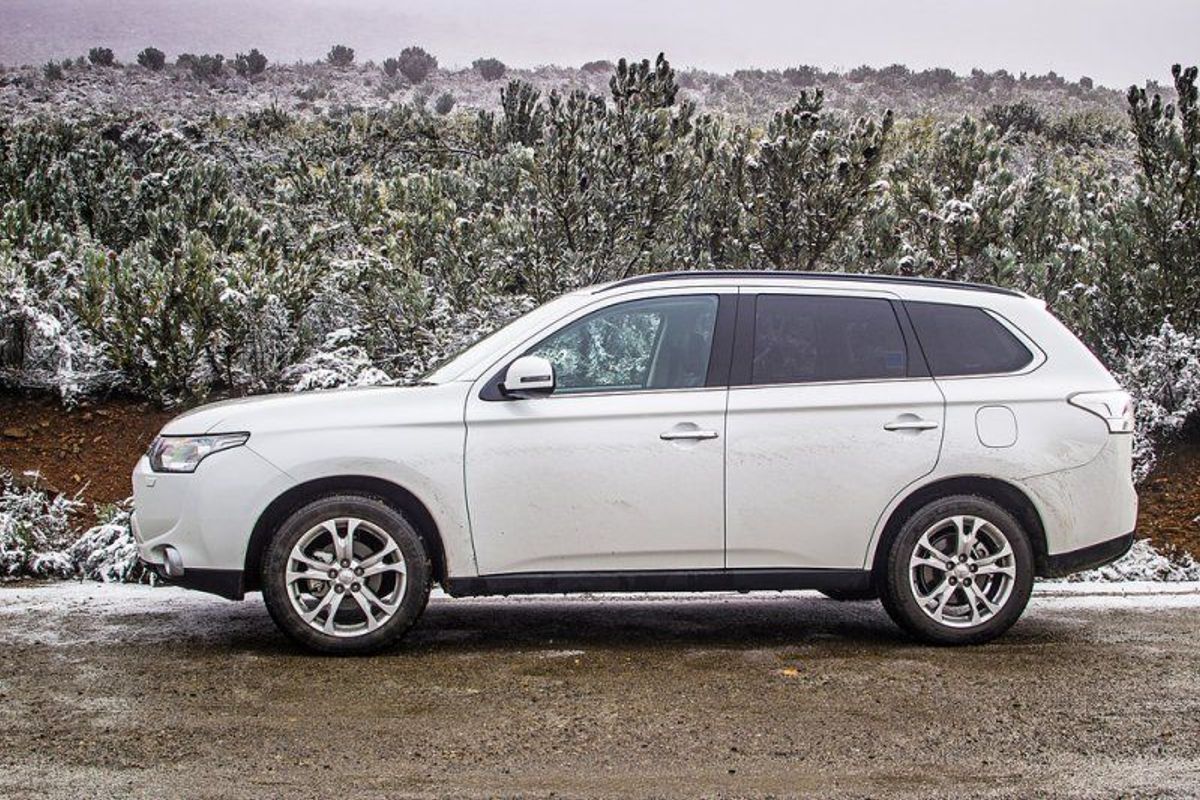
The Outlander was launched earlier in 2014 and Ashley was there to drive it. Fast forward a few months and I found myself behind the wheel of this generic-looking SUV. It’s not the best of starts as I find the 2014 Mitsubishi Outlander very average in the looks department and there’s nothing really striking about its design at all.
Thankfully, the good far outweighs the bad as the capabilities and specification of the vehicle means looks are soon forgotten. Let’s start with the standard specification. The only thing missing is satellite navigation and to be honest, most smartphones are GPS-capable.
All the features!
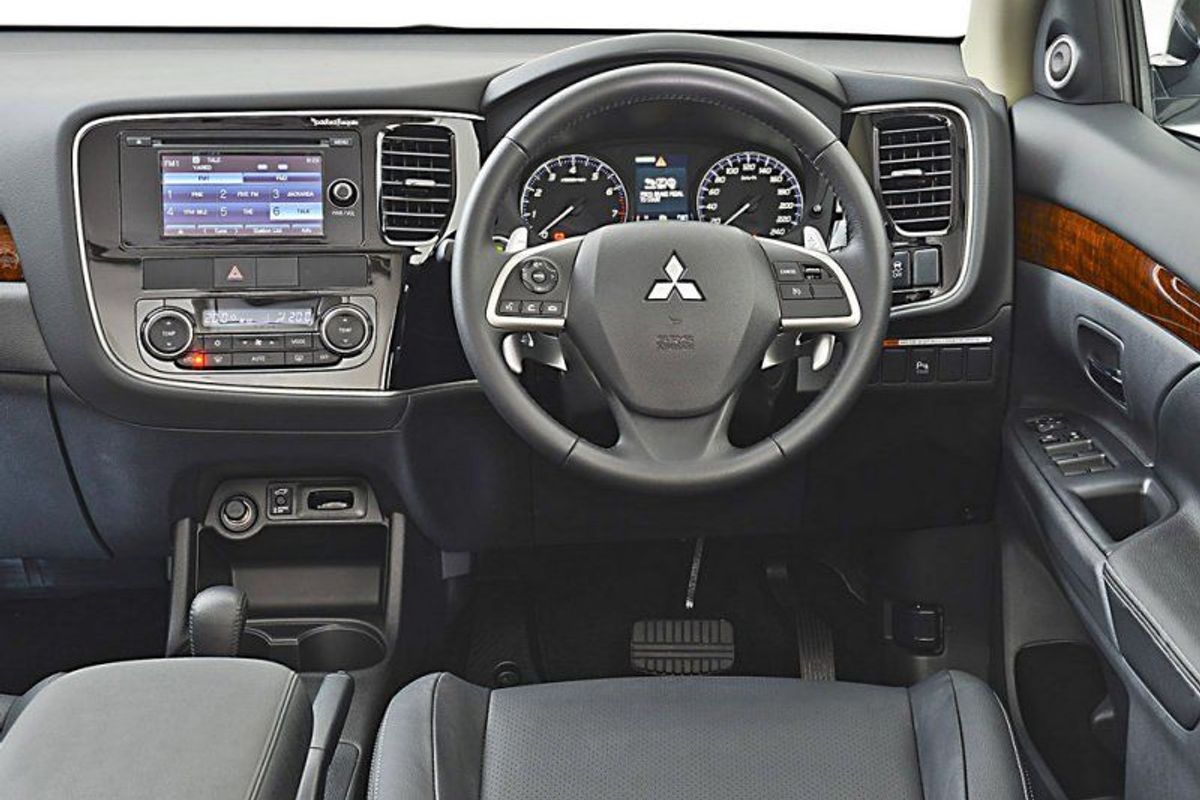
There’s seven seats all with leather with the driver and passenger chairs featuring heaters, Bluetooth with Handsfree Voice Control, Dual-zone Automatic Air-conditioning, Multi-functional Leather Steering Wheel, Touch Screen Audio Display System, Rockford Fosgate sound system, USB port, auto wipers, auto levelling headlamps, rear view camera, park distance control, automatic tailgate, flipdown DVD player for second row (includes 1x headphone set) as well as top of the range safety features.
It’s very impressive and I don’t think I’ve ever seen a car with this much specification under R500 000. Truly remarkable!
Engine
Powering the 2014 Mitsubishi Outlander is a 2.4-litre petrol engine with a CVT gearbox. Being an offroad vehicle, there are some 4×4 modes too, and there’s no need for any complications as operation between four-wheel drive lock and eco mode is as simple as a single button. Power comes in at 123 kW, with torque being rated at 222 Nm.
It’s not the quickest of vehicles, and it’s not the thriftiest of cars either. You should see 100 kph come up in around 11 seconds and while Mitsubishi claims 8.2l/100 km, I couldn’t get below 10.1l/100 km.
Offroad ability
The real test of the 2014 Mitsubishi Outlander came during a particularly cold snap of weather had hit the Western Cape. Snow had been reported overnight, and my girlfriend insisted we get up early and drive to Ceres. Driving in snow is something I’d never done before and it was a perfect opportunity to grab some photos and put the Mitsubishi Outlander to the test.
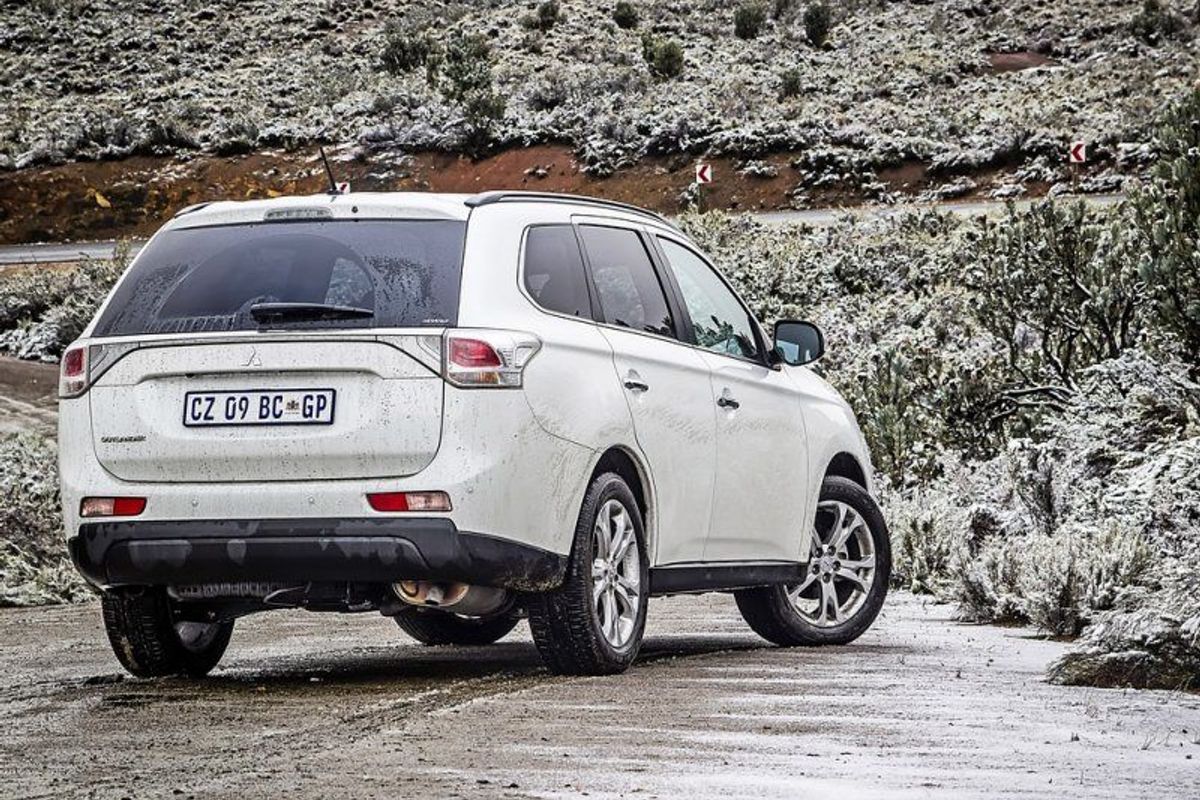
As we reached the Matroosberg area, the car sounded an ice warning as temperatures dropped from 9 to -1 degree and the road was covered in snow. I put the vehicle into 4×4 Auto, which automatically transfers power across both front and rear axles as the wheels started slipping in the mud and slush. It handled a brief detour down a frozen gravel road too and I was impressed with its offroad ability. As you can see by the pictures, it was properly cold, but the vehicle handled it all.
2014 Mitsubishi Outlander Price in South Africa
R439 900 puts you behind the wheel of the 2014 Mitsubishi Outlander. Included in that price is a 3 year/100 000 km manufacturers warranty and a 5 Year/90 000 km service plan. Service intervals are every 15 000 km.
A second opinion
The Mitsubishi Outlander is an underrated competitor in the medium SUV segment. It has credible offroad skills and decent on-road dynamics. Seven seats counts as a major plus when you factor in price-worthy competitors. It may look bland, but it has a good deal of standard specification and that DVD player screen should be a serious hit on the long journey. – Ashley Oldfield 2014 Mitsubishi Outlander quick specs
Engine
2.4-litre four cylinder petrol
Power
123 kW
Torque
222 Nm
Transmission
Six-speed CVT (Multi-select control-on-demand 4WD Eco mode, 4WD Auto and 4WD Lock)
Wheels
18-inch alloys
0-100km/h
10.6 seconds (claimed)
Fuel economy
8.2 l/100km (claimed)
We like:
. Has everything you’d ever need in terms of specification
. Can go offroad with ease
. Excellent family vehicle
We dislike:
. Engine is thirsty
. Styling is generic
Audi Introduces Powerful A7 Sportback 3.0 TDI Competition
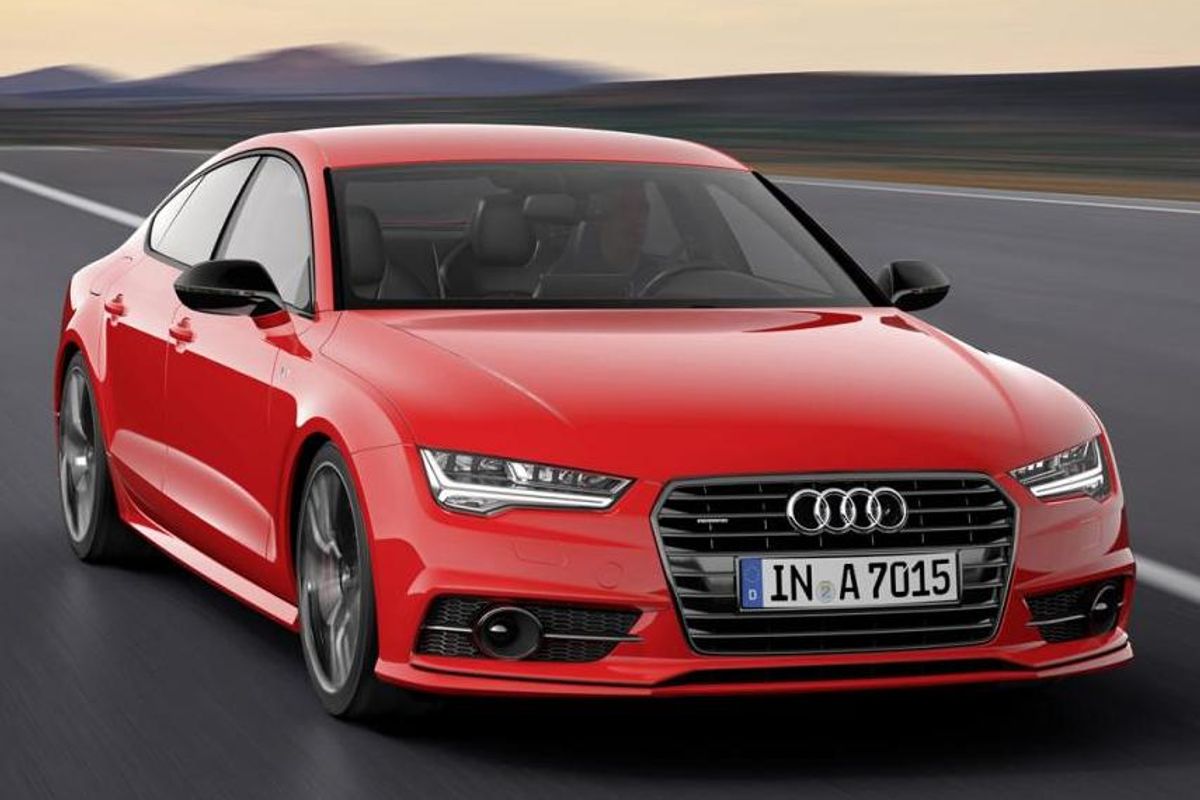
Audi is celebrating the 25th anniversary of turbo diesel (TDI) technology with a special edition A7 Sportback 3.0 TDI Competition.
Engine Spec
Under the bonnet of the A7 Sportback 3.0 TDI Competition is 3.0 TDI bi-turbo diesel engine which delivers 240 kW combined with a powerful 650 Nm of torque, and accelerates from zero to 100 km/h in 5.1 seconds.
Adjustments in the charging and camshafts have boosted power by an additional 5 kW compared with the standard model, while a boost function additionally grants an extra 15 kW when the driver accelerates in full. Audi also says the dynamic special edition A7 Sportback returns 6.1-litres/100 km of fuel with CO2 emissions of 162 g/km. Those are great figures, considering this is a sporty model.
Exterior features
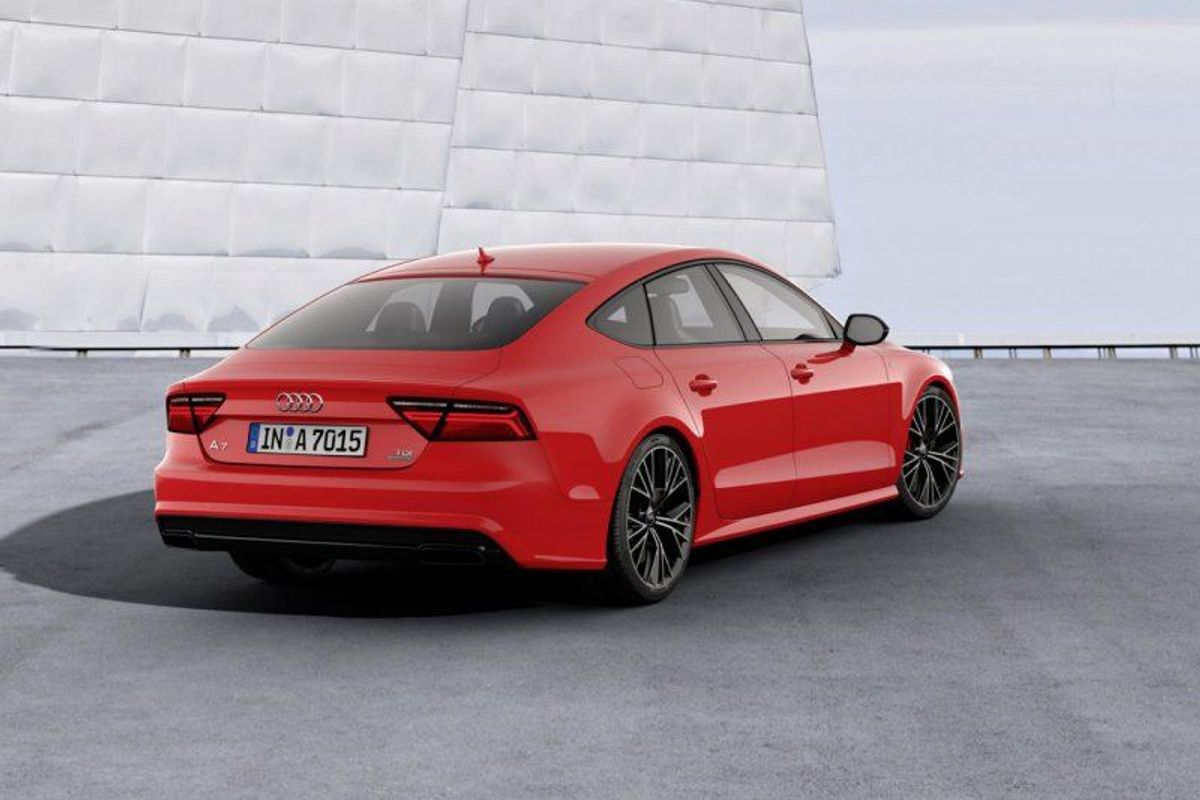
The car is offered with the S line sport package, which sees the suspension dropped by 20 mm, 20-inch five-spoke W design alloy wheels with black painted sides and are covered in 265/35 tyres complete with 17-inch discs with red brake callipers.
The car is offered in Nardo Grey, Misano Red, Daytona Grey and Sepang Blue body paints which all come with a glossy black package and high-gloss black tailpipe trims. Since its based on the recently facelifted A7 Sportback, the special edition comes with matrix LED headlights, MMI Navigation plus and night vision assist.
Interior features
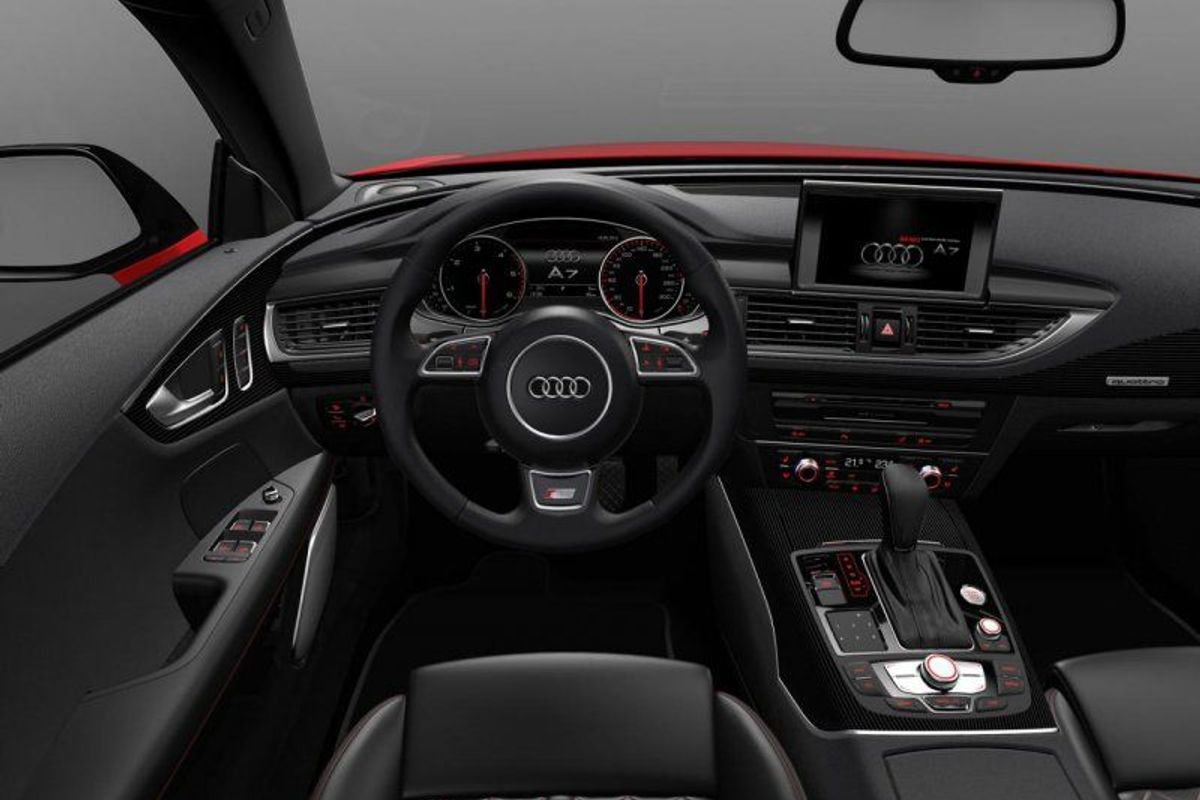
The interior is designed in black with sport seats upholstered in black Valcona leather or lunar silver and decorated with contrasting stitching in Agate Grey or Misano Red. The armrests are also upholstered in leather with contrast stitching, while the inlays consist of aluminium and Beaufort wood in black, and the door sill trims feature “quattro” logos. The shift paddles behind the multifunction sport steering wheel can be used to control the eight-speed tiptronic manually.
Order books are said to open at the beginning of August. South African availability of the model is yet to be confirmed.
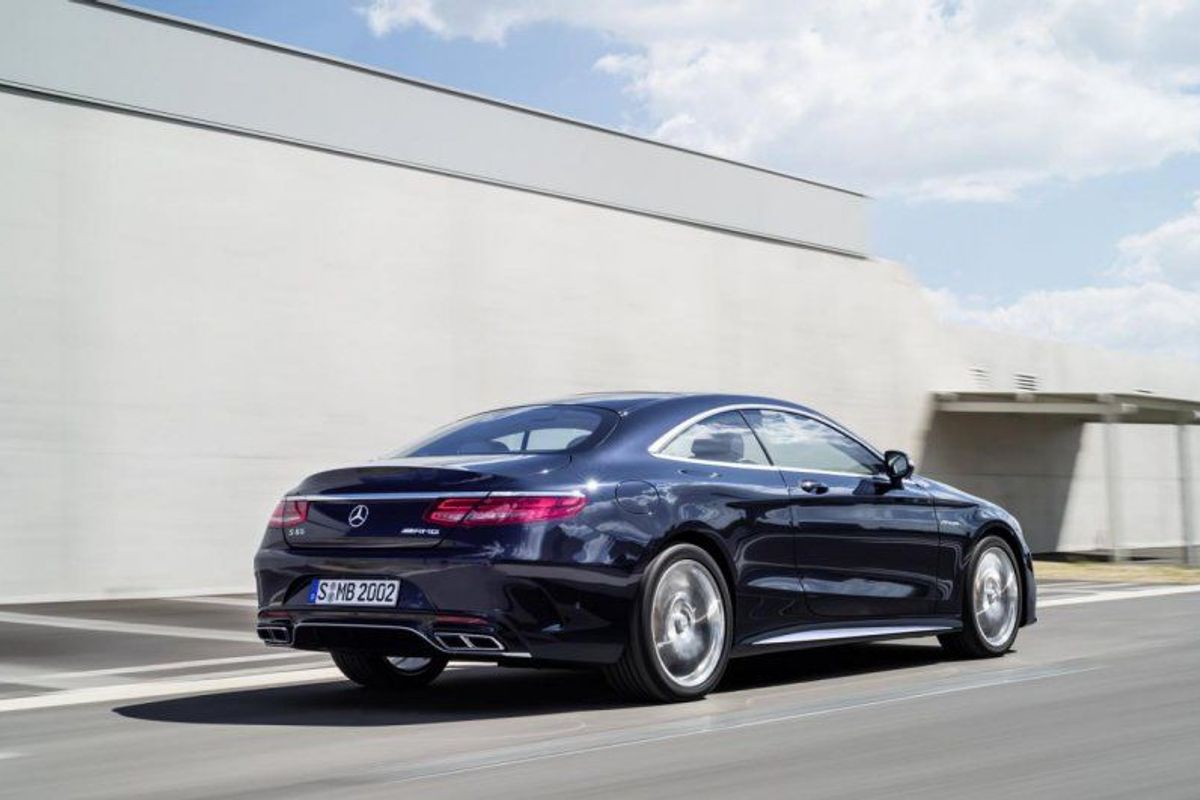
2015 Mercedes Benz S65 AMG Coupe Revealed
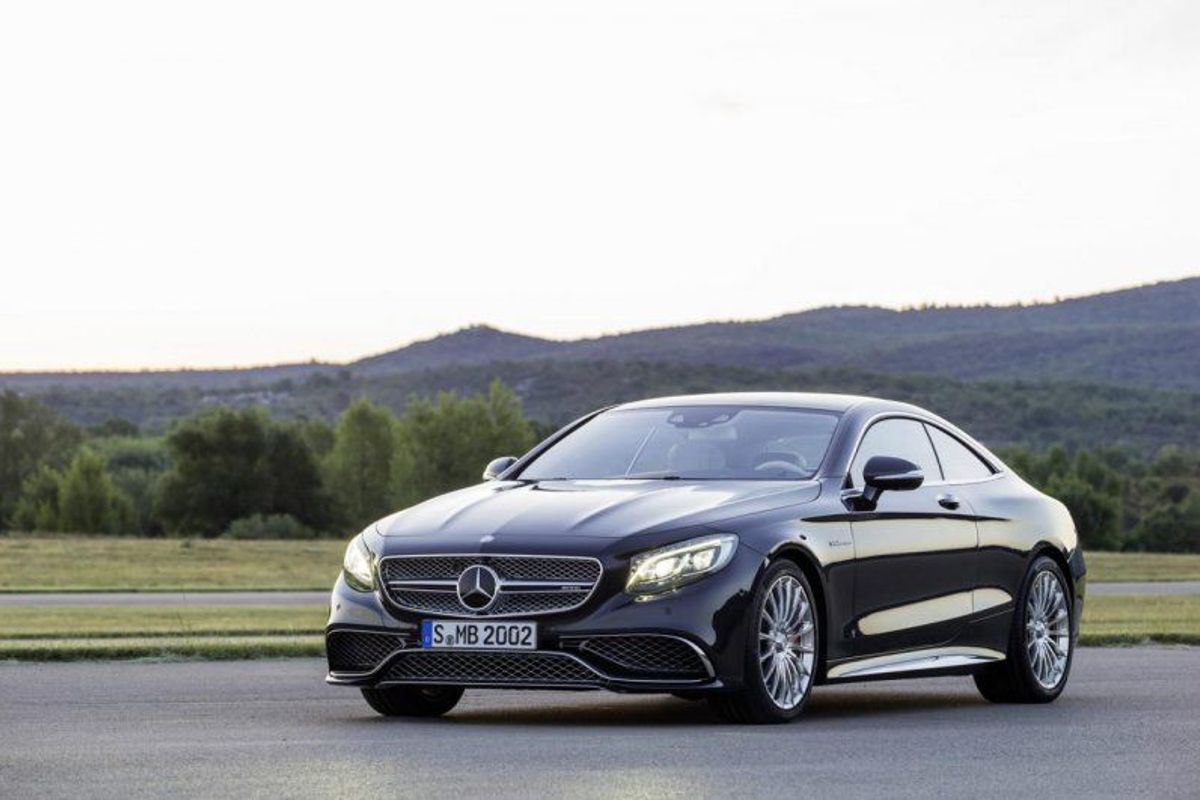
The 2015 Mercedes Benz S65 AMG Coupe has officially been revealed.
2015 Mercedes Benz S65 AMG Coupe powerplant
The S65 AMG Coupe is equipped with a twin-turbo V12 6.0-litre engine, similar to the one found in the S65 AMG Sedan, and produces 463 kW and a peak torque of 1 000 Nm. This allows the model to travel from 0-100 km/h in around 4.3 seconds and achieving a governed top speed of 250 km/h, while fuel consumption is rated at 11.9-litres/100 km.
The engine is mated to a 7G-Tronic AMG Speedshift gearbox, and with a push of a button the driver can choose between Controlled Efficiency (C), Sport (S) and Manual (M) driving modes. Theres also a Magic Body Control system that helps improve the ride by scanning the road ahead and adjusting the cars sport suspension to minimize the impact of any undulations, as well as the new curve tilting function that allows for a flat response when cornering.
New exciting features
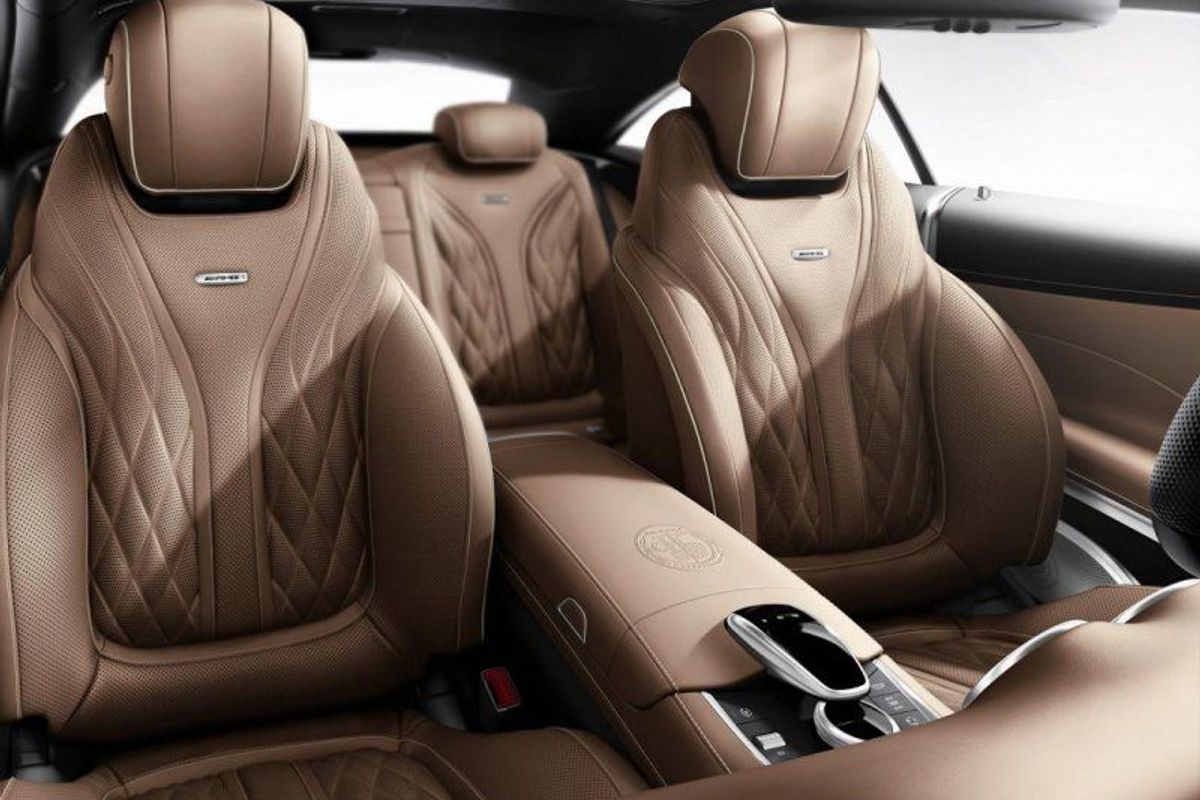
The coupe rides on 20-inch AMG forged wheels with yellow brake callipers and features a revised front grille and rear diffuser. Standard equipment includes a 360-degree camera, Active Parking Assist with Parktronic, Burmester high-end 3D surround sound system, Driving Assistance Package Plus, upholstery in AMG exclusive Nappa leather and Keyless-Go package.
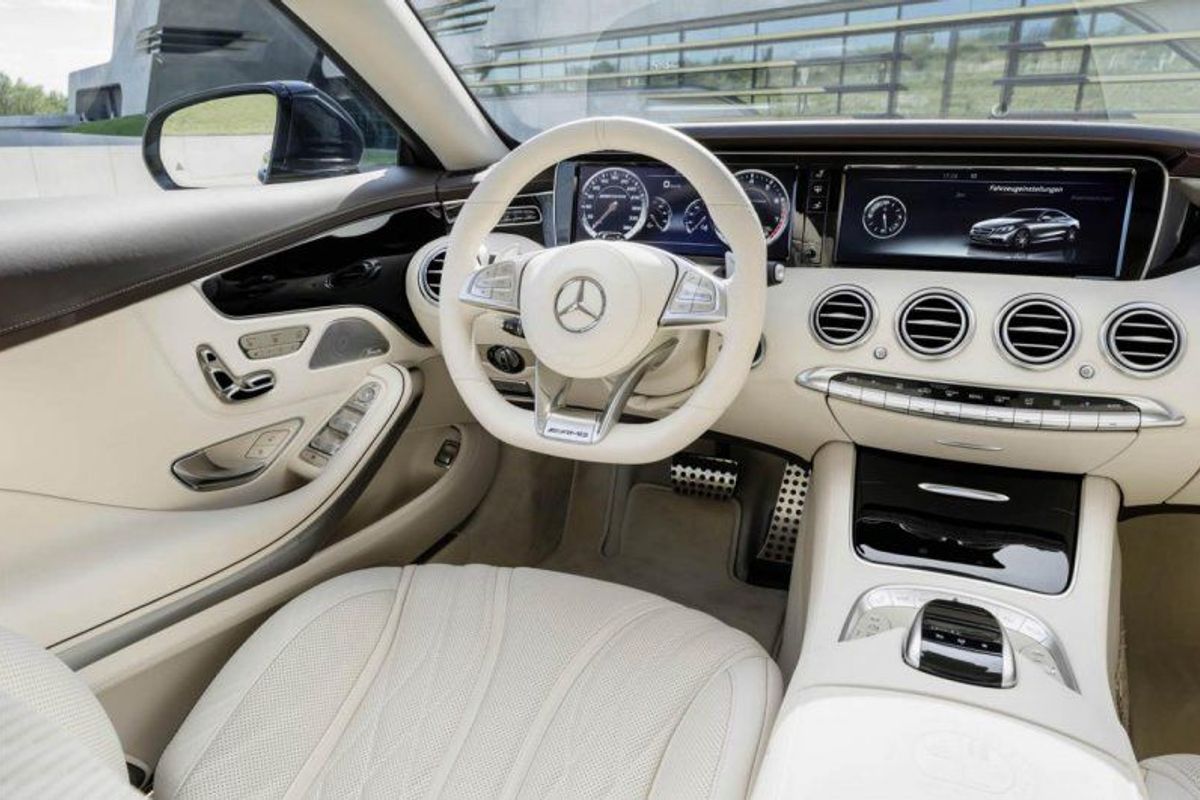
The cabin consists of a new three-spoke sports steering wheel with shift paddles while the AMG instrument cluster features a 12.2-inch high-resolution colour TFT display.
Order books for the new 2015 Mercedes Benz S65 AMG Coupe are expected to open in the coming weeks, while the first cars should be delivered by the end of the year.
Next Mitsubishi Triton to be more Car-like
In a report coming out of Australia, the next Mitsubishi Triton slated for 2015 is to be built with a softer more car-like style than its current offering.
Next Mitsubishi Triton
Mitsubishi Australias marketing director Antonio Principe mentioned that the next Triton will likely depart from its off-road based nature in favour of a more consumer friendly model that caters to more buyers. The next generation, particularly from what weve seen, will be much more car like, youre going to get something thats practical, yet drives even better than the model today.
Theres obviously a move towards making them a lot more passenger car-like. Manufacturers are fitting them with a lot more amenities, and theyre more car like to drive. That said, its still important that these utes (bakkies) still have the flexibility, the big towing capacity and everything else.
There was also mention of the safety aspects that need to be improved on the next Mitsubishi Triton. Much of the vehicle’s focus will be to attain a 5-star ANCAP (Australian NCAP) rating to take it above the likes of the Ford Ranger, Isuzu KB and 2015 Nissan Navara.
The next Triton will be badged a Fiat in Europe and Latin America and sold by Fiat Professional in order to increase the groups market share globally.
*Please note pictured is the Mitsubishi GR-HEV concept from the 2013 Geneva Motor Show
Next Generation Bugatti Veyron To Receive Hybrid Power Boost
Reports coming from Autoguide say that the next generation Bugatti Veyron will be launched sometime next year with a 1103 kW hybrid drivetrain.
Extra power from hybrid drivetrain
Despite these rumours of a new model being squashed by Bugatti President Dr Wolfgang Schreiber earlier this year, sources inside the company confirmed that the automaker has developed a 2015 follow-up model to the limited series Veyron that may sell out this year.
Its believed the new two-door model will be equipped with a 16-cylinder engine outputting an impressive 1103 kW, which is way more than the 895 kW in the current SuperVeyron.
It is also believed the French manufacturer is targeting a top speed way above the 435.31 km/h set by the Hennessey Venom GT in order to reclaim the title for the world’s fastest car.
Like today’s Veyron, of which only 20 units are remaining to be sold, the production of the next generation Bugatti Veyron model would be limited to 450 examples.
Golf R Video Review: VW’s Most Powerful Golf Ever
In the 7th generation Golf R, Volkswagen has stuck to the same formula as in the previous version: a beefed up 2.0-litre turbo, borrowed from the GTI and tweaked to produce over 200 kW.
Jaguar Land Rover has released a video showing off its self-learning system designed to reduce driver distraction by predetermining what the driver intends to do. The system learns from its previous experiences and will offer the driver options as well as adjusting the car to suit the driver.
Auto Adjust Seat and Mirrors
The system uses the latest in artificial intelligence to make its decisions and will detect who the driver is based on their Smartphone. The car will then automatically adjust the mirrors, seat position and radio station preference before the driver enters the vehicle. It will also adjust the interior temperature depending on the weather outside. Depending on the time of day and drivers routine the artificial intelligence will select a route via GPS along with traffic info and alternate routes.
Smartphone Calendar Access
The system also integrates with the drivers Smartphone calendar and depending on what appointments are logged, it will set the GPS location to that appointment. If you happen to be running late it will also offer to send an email or call ahead to let people know you are running late.
Self Learning AI
Whilst on the road the system learns your driving style and will automatically adjust to your cruise control settings and following distances. If you usually make a phone call at a certain time or on a particular journey, the car will predict this and will offer to make the call.
The personalised experience would also not be limited to the car owned by the driver. If you hire an intelligent Jaguar or Land Rover in the future, the car will recognise the driver and passengers and offer them the same preferences learned by their vehicle at home.
Self Learning Car
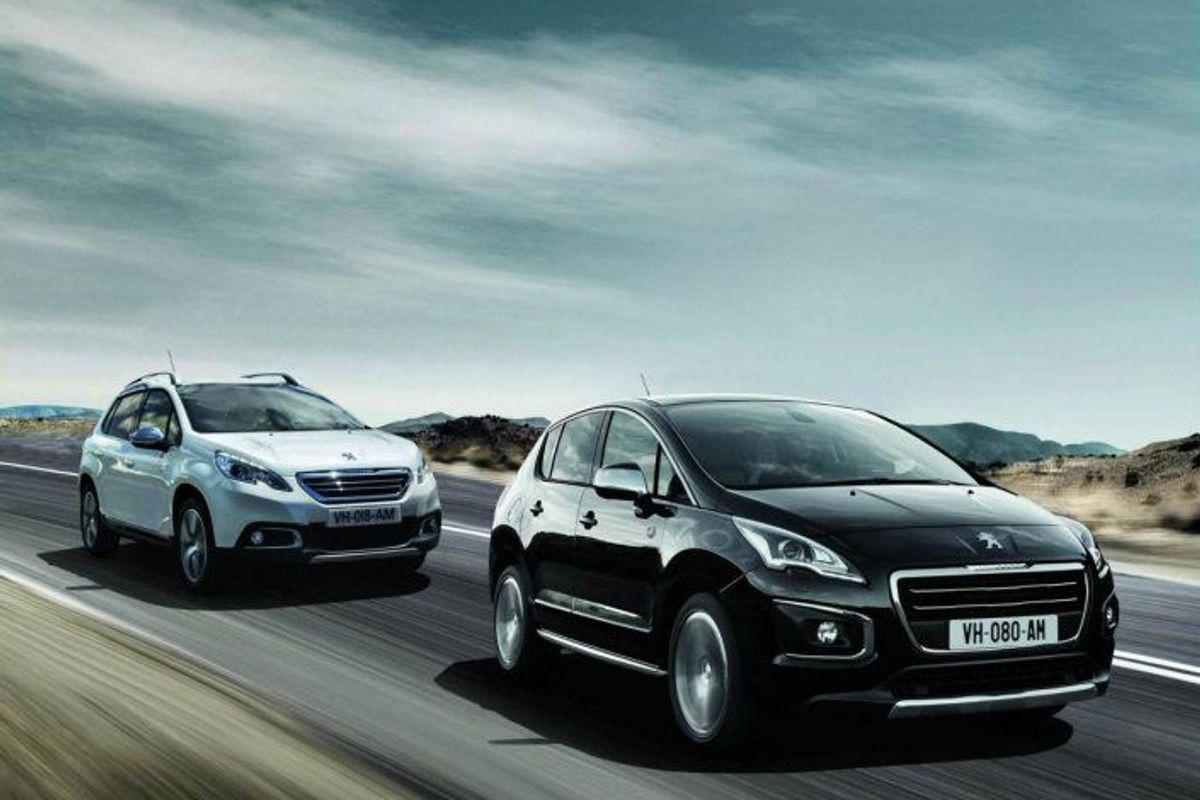
Peugeot 2008 and 3008 Crossway Special Editions Revealed
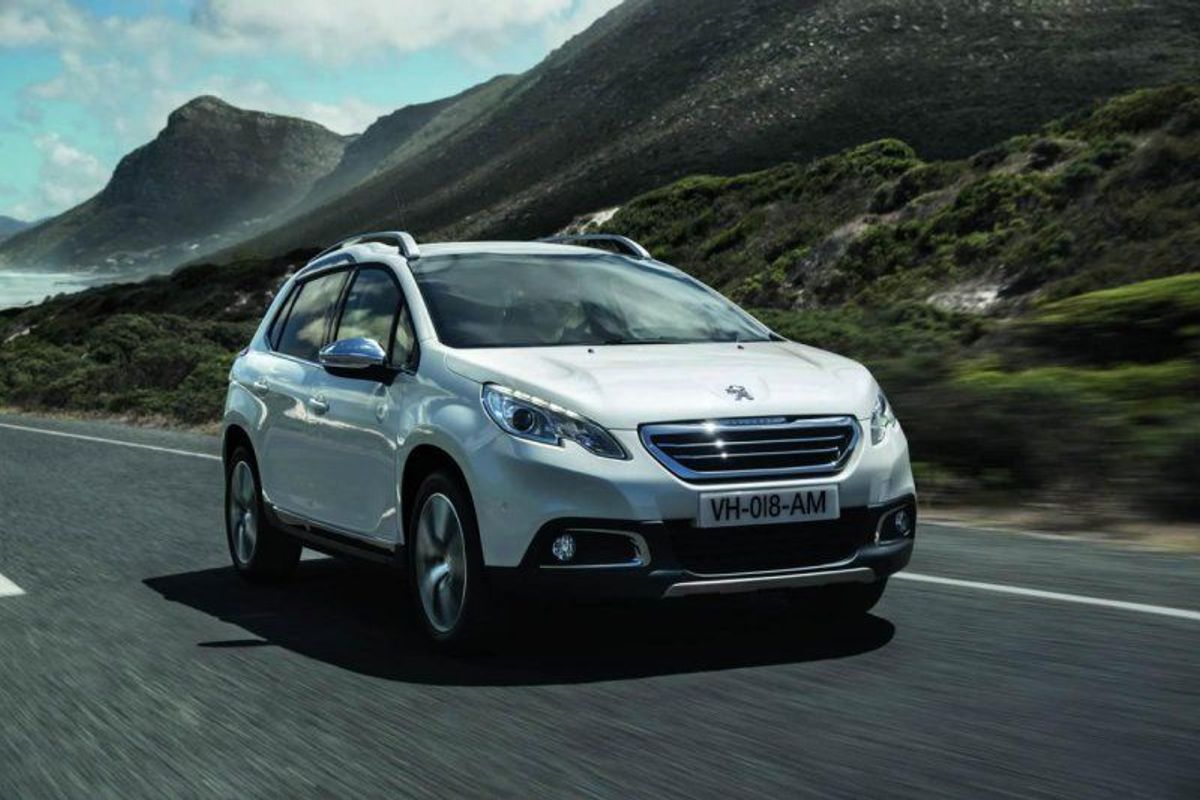
Peugeot has updated its line-up with two new special editions, the Peugeot 2008 and 3008 Crossway which come with a number of enhancements.
The 2008 Crossway
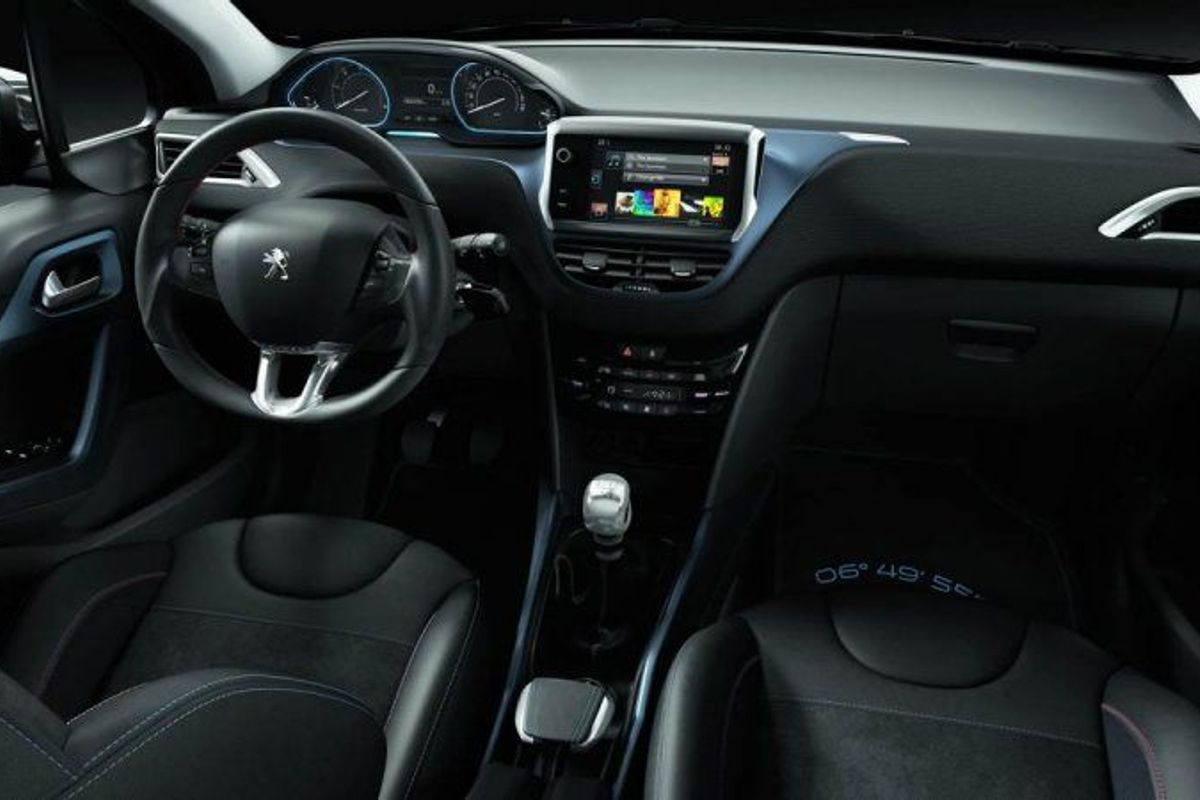
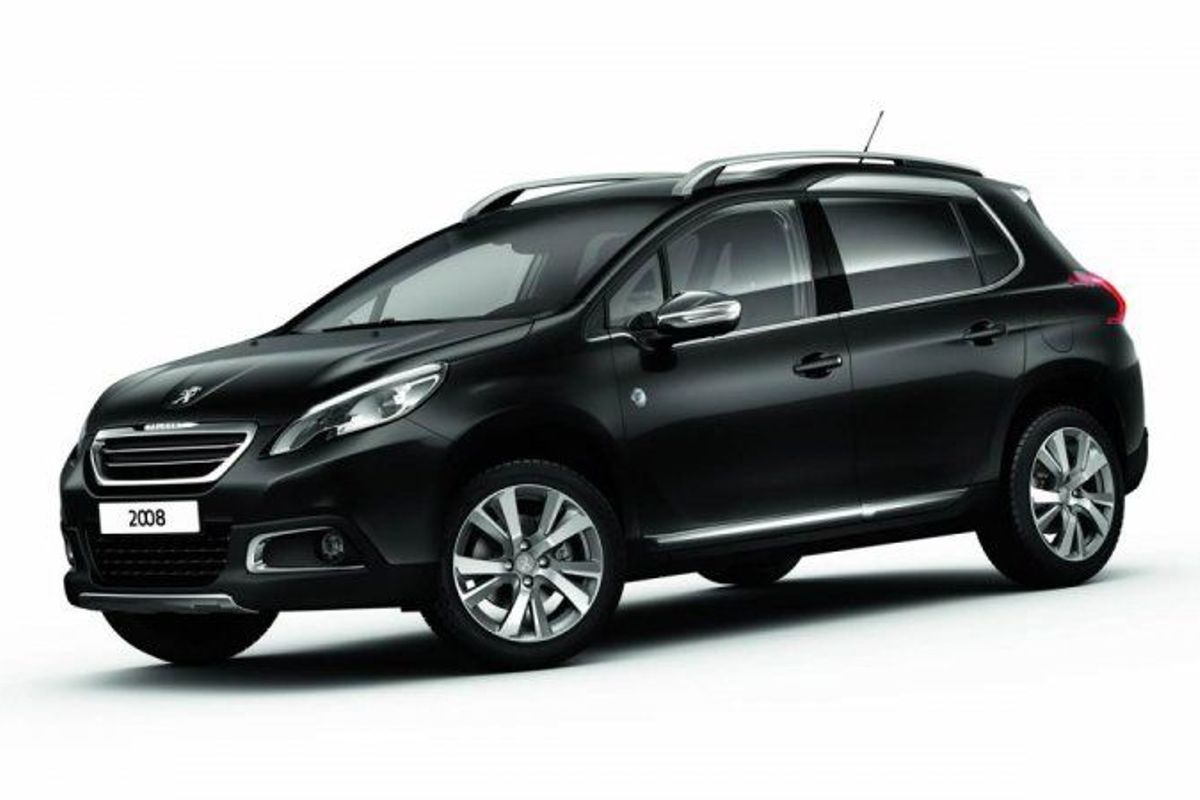
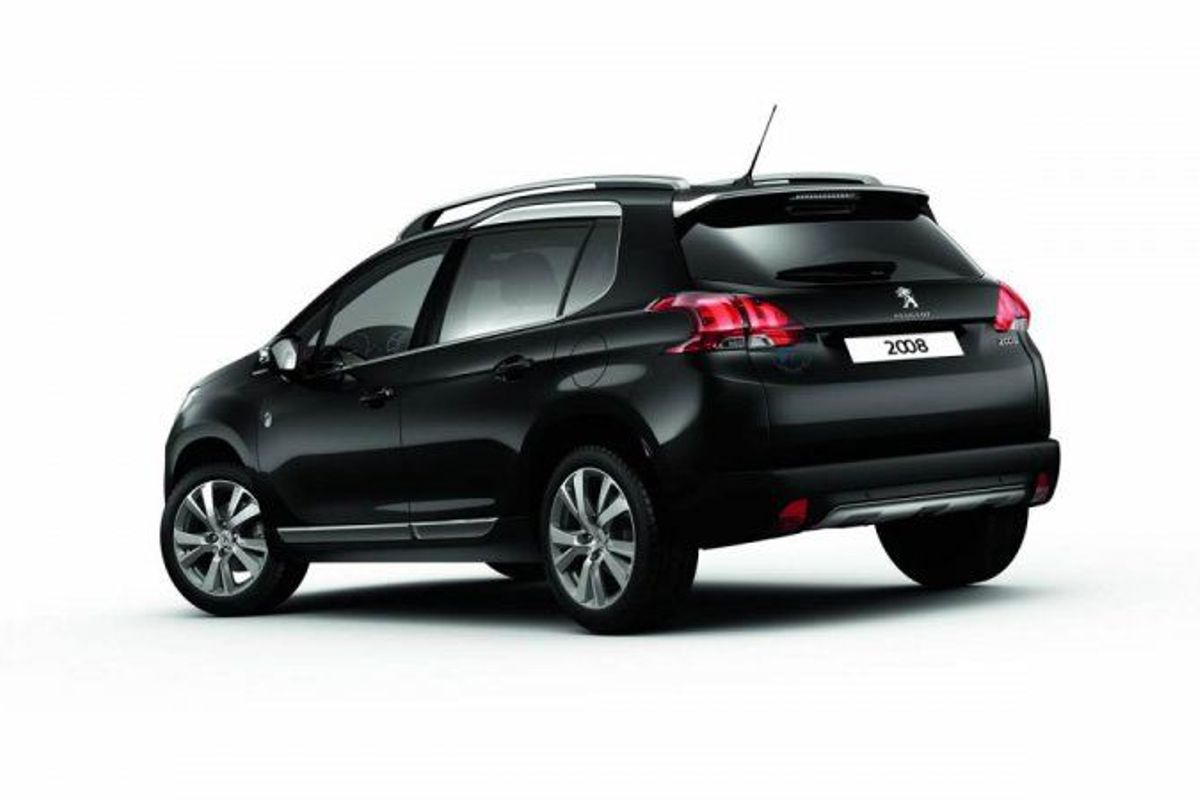
The 2008 Crossway is based on the Allure trim level and comes with compass badges on the front doors, tinted windows and grey matte 17-inch alloy wheels. The model also features an electronic Grip Control system, satellite navigation system, Alcantara finishes on the seats and dashboard with red contrasting stitching along with LED lighting for the instrument cluster.
Power comes from three engine options which include a 1.6-litre VTi 120 petrol unit, and two diesel options a 1.6-litre e-HDi 92 and 1.6-litre e-HDi 115.
The 3008 Crossway
The Peugeot 3008 Crossway is fitted with a WIP Nav Plus system, rear parking assist, head-up display and a leather & Alcantara trim. The interior is finished with copper-coloured stitching on the armrests and steering wheel, while the floor mats are adorned with compass detailing and the door sills have been covered in aluminium. Optionally available is a rearview camera, Grip Control as well as metallic or pearlescent paints.
This models engine options include a 1.6-litre HDi 115 6-speed manual, 1.6-litre e-HDi FAP 115 and 2.0-litre HDi 150.
Both the Peugeot 2008 and 3008 Crossway Special Editions will be at the Paris Motor Show this October.
It’s yet to be confirmed whether these models will make it to SA, in the meantime you can read more about the updated 2014 3008 crossover here, and our review of the 2014 Peugeot 2008 here.