Mitsubishi Introduces Concept XR-PHEV Evolution Vision Gran Turismo

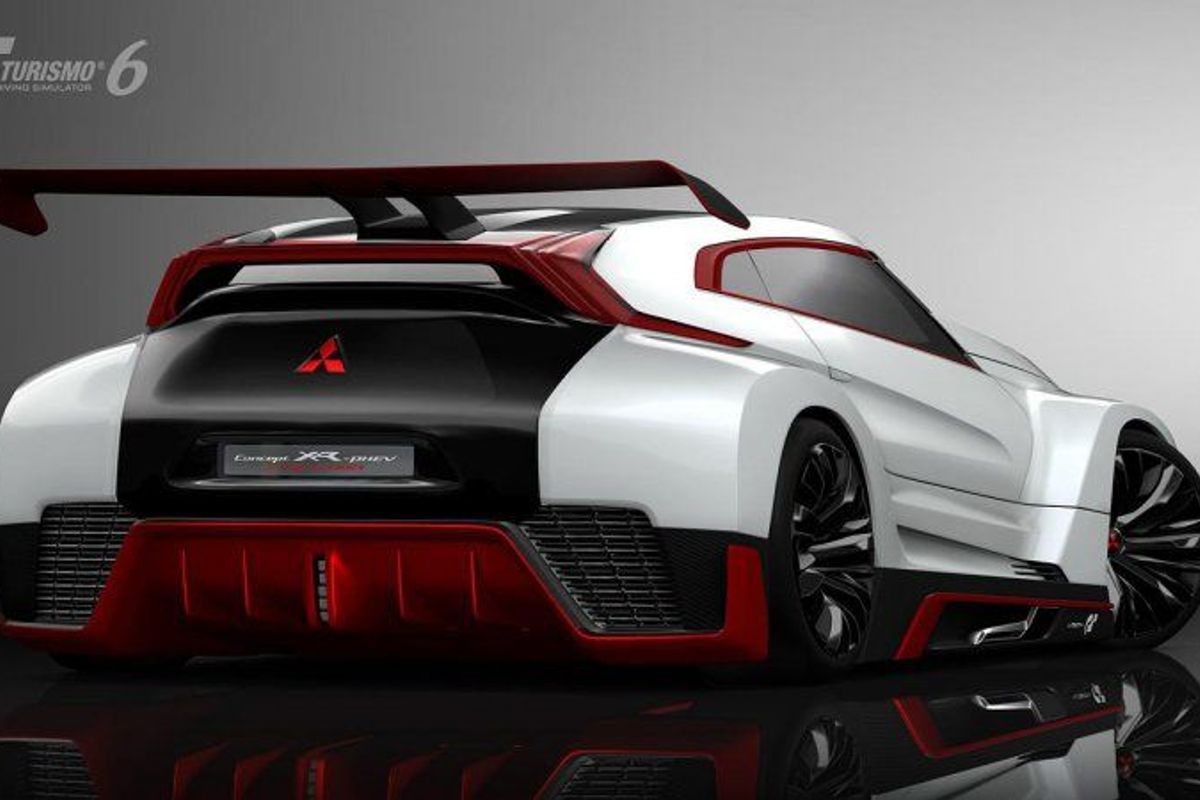
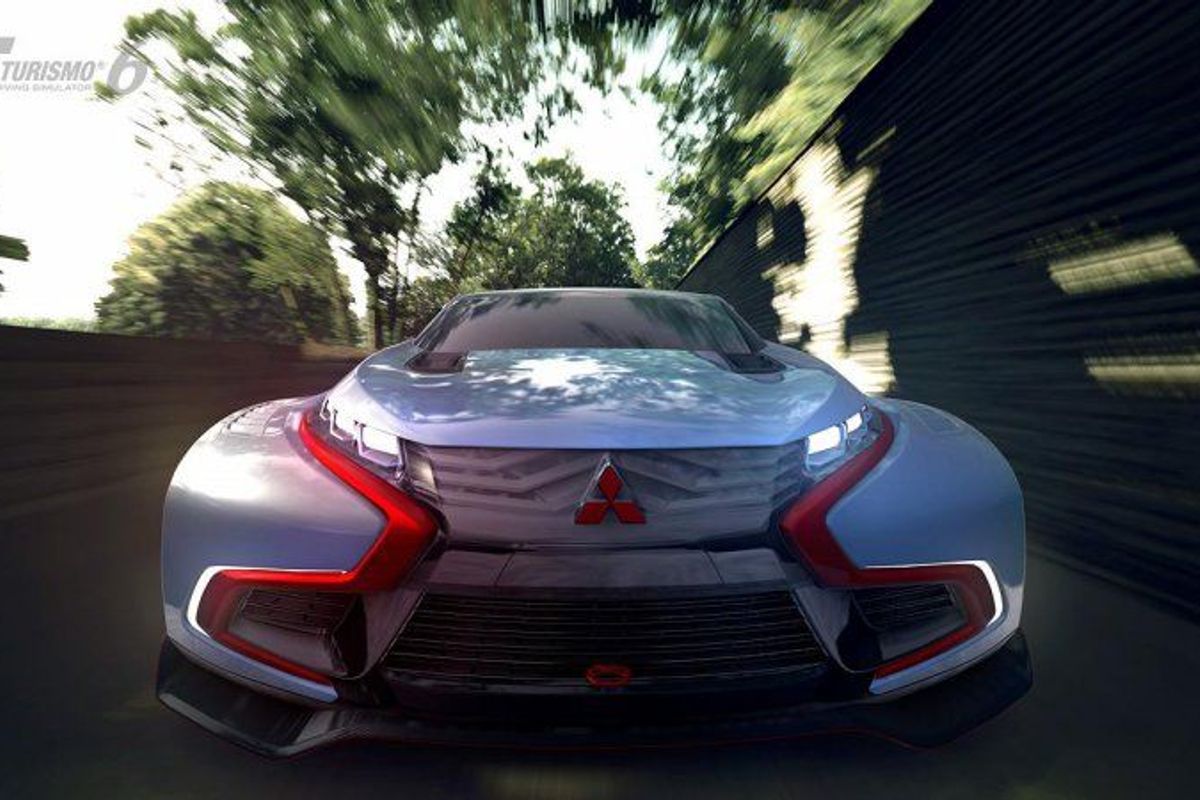
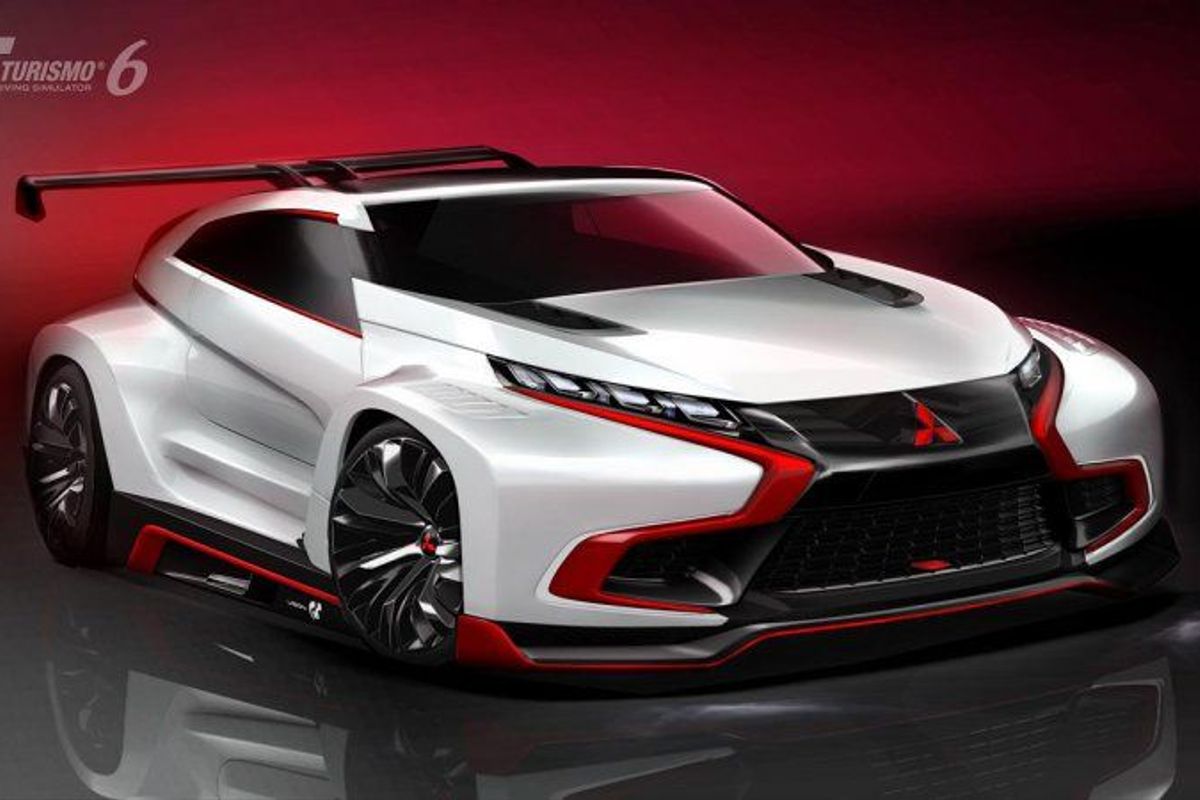
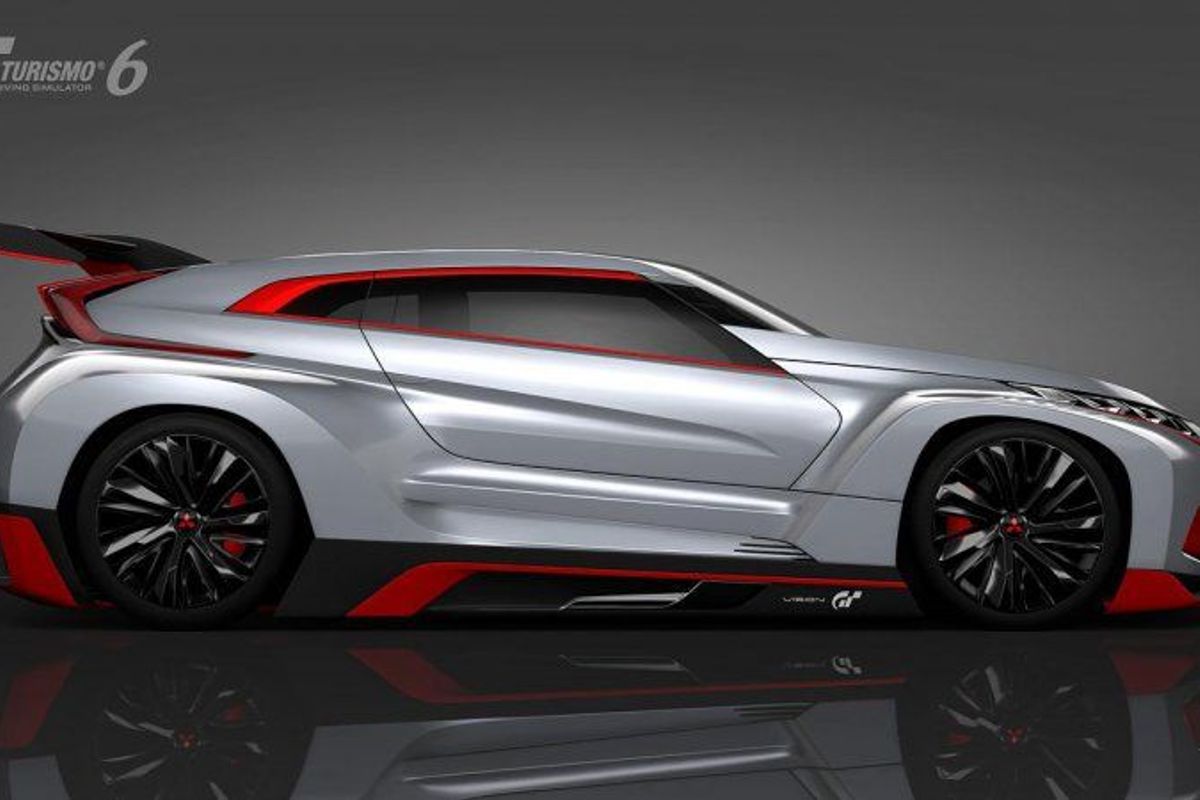
Mitsubishi has revealed the Concept XR-PHEV Evolution Vision Gran Turismo based on the XR-PHEV model introduced at the Tokyo Motor Show in 2013.

Athletic design structure

The concept features a carbon fibre reinforced plastic body and a huge rear wing. In addition, the car features dynamic front fascia, massive 20-inch aluminium wheels and aerodynamic side skirts.

According to Mitsubishi, the iconic front grille is a study of next generation Mitsubishi automobiles, and the shape that forms a wedge starting from the triple diamond mark is designed in the image of an athlete at crouching position on a starting line, evoking an intense image of tension and potential.

The car is powered by a plug-in hybrid powertrain that is connected to an eight-speed dual-clutch transmission to drive the four wheels. Its performance is additionally controlled with the S-AWC vehicle dynamics control system that distributes the drive force optimally to the four wheels, producing a handling characteristic that moves the car exactly as the driver desires.

The Concept XR-PHEV Evolution Vision Gran Turismo is available now in Gran Turismo 6 through individual purchase in the Cars section of the game or by completing a lap in a brand new Seasonal Event.

Mitsubishi Concept XR-PHEV Evolution Vision Gran Turismo unveiled

New Mercedes-Benz C-Class Now in South Africa

By Mercedes-Benz standards, the C-Class is relatively new in the product line-up. After all, there have been Benz cars driving around since 1886! But since 1982 – when the C-Class car was still called the 190 series, the Stuttgart-based company has sold 8.5 million of the so-called kleine Mercedes.

It is obvious then the new Mercedes-Benz C-Class had to be not just good, but very good, a big leap ahead of its predecessor, since in volume terms it is the most-produced car in the passenger line-up. And just before lunch on the very first day of the Mercedes-Benz C-Class international launch in Provence, France, I was of the opinion that yes indeed, this is not only a good Mercedes, but an excellent one.

Relief? Well, I have been less than convinced by the A-Class and its sedan-coupe sibling, the CLA, launched here in the past nine months or so. Styling-wise, yes the A-Class is a huge success, doing the very job it was designed to do and that is to woo young customers to the Mercedes family. They are selling up a storm!

But as an overall package, they lack that composure for which Mercedes-Benz is famous, and I was afraid this might be the case with the C-Class too, that the chassis-cum-suspension engineers may have strayed too deeply in the stiff-equals-sporty territory that in my opinion mars the current entry-Merc.

C-Class safety tech

The new 2014 C-Class evinced all the characteristics that traditionally sets a Mercedes-Benz apart from entry-premium sedan segment competitors – composure, and an absolute sense of assurance, with no hint of aggression. Technologically, the new C-Class moves the boundaries in terms of having safety and driver-assist systems that have only just been introduced on the range-topping S-Class

As part of the new Intelligent Drive driver-assistance safety package it has the most advanced collision avoidance systems currently in production, its Plus system offering autonomous braking at speeds of up to 200 km/h. It also brakes automatically in response to stationary vehicles at up to 50 km/h and the braking force initiated totally without driver intervention is astounding.

Engine choices

The new C-Class comes with a variety of engine options, all designed to meet the forthcoming Euro 6 emissions standards. The diesel options include 1.6-litre turbo-diesels in 85 or 100 kW form, as well as improved versions of the current 2.3-litre diesel four-cylinder motor ranging in output from 85 kW to 150 kW.

Torque readings, more important from a diesel perspective, range from 280 Nm in the entry-spec 1.6 turbo diesel to 400 Nm in the C 220 BlueTEC, which we sampled on the launch drive. The petrol variants range from  a 1.6, badged as the C180 (115 kW) to a 180 kW two-litre. South Africa will be getting initially, the C 180- and C 200 petrol variants, the C220 BlueTEC diesel and the C250, which is a 155 kW  petrol model.

Ride and handling

In recent years, many manufacturers have battled in achieving this ideal steering feel, where the front tyres loading up in a corner transfer that increase on torque through to the steering wheel, as manufacturers have moved from hydraulically-assisted steering systems to electric power assistance, so that the electric systems can be switched off when there is no movement on the steering wheel and thus save energy.

A longer test drive in South Africa will confirm just how good it is, but for now, I feel Mercedes has achieved a great compromise. And the same goes for the suspension system with its all-new four-link from strut system which is superb in the way it absorbs bumps and keeps steering and suspension geometry accurate.

Build quality

The cabin is also very much a step way ahead in  terms of tangible quality, the materials used being of exemplary class and tasteful, and the fit of panels, such as those on the inside of the A-pillars and the door arm rests and cappings,  is way ahead of the offering in previous C-Class.

Design

All this, and the car looks good too. Mercedes’ designers have managed to incorporate many of the themes introduced on the SLS sports car, the A-Class and the CLA, as well as the S-Class, into an integrated whole that to my mind is very pleasing on the high. It has a cutting-edge feel to it, as well as a svelte elegance, something not that easy to achieve. There may be the odd fussy detail, but these, perhaps, add character too. Bland the new C-Class certainly isn’t, and yet it is still a C-Class.

Pricing and summary

There is much more to tell about the new car, but not enough time and space right here. By the way, the test cars we drove in France were produced in Germany, but right now as we speak Mercedes-Benz South Africa is ramping up to full production on the all-new C-Class in its East London.

Those will be the ones we will getting in a few months time and the average price increase over the current model is said to be just six per cent. That means that the launch prices here in May will range from R415 900 for the c 180 to R502 600. Right now, my leaning would be towards the C 220 Blue TEC at R459 000, although this is for the manual model, and I would definitely go for the automatic model in this engine configuration.

For detailed pricing and specifications of the new Mercedes-Benz C-Class, click here.
2015 Ford Mustang Sells Out In Seconds in Europe

Ford announced the first 500 registrations of its new 2015 Mustang were reserved just 30 seconds into the match where Real Madrid CF beat Club Atletico de Madrid 4-1 after extra time.

“We knew there was huge excitement building for the new Ford Mustang coming to Europe, but the response during the UEFA Champions League Final was overwhelming,” said Roelant de Waard, vice president, Marketing, Sales & Service, Ford of Europe. “It was a truly special way to kick off the Ford Mustang era in Europe.”

Ford additionally confirmed that more than 9 300 people registered online for a chance to reserve one of the first 500 new Ford Mustang models. In the next few weeks, the company will contact the customers from each of the 20 allocated countries who were quickest to place their reservation to let them know they have been successful. Each customer will then be invited to complete their order at a dealership later this year.

The 2015 Mustang, scheduled as one of the 15 new vehicles that Ford plans to launch in South Africa by 2017 features the iconic signature shark-bite front fascia with a prominent grille that is flanked by three-dimensional tri-bar taillamps. It is further equipped with a front splitter, aerodynamic side skits and a bulging hood.

The launch of this model will additionally mark 50 years of the iconic pony car’s heritage which according to Ford “has evolved to attract a wider array of customers and expand global market availability.” Since its first launch in 1964, 9 million units have been sold.

Audi RS5 TDI Concept Revealed In Leipzig

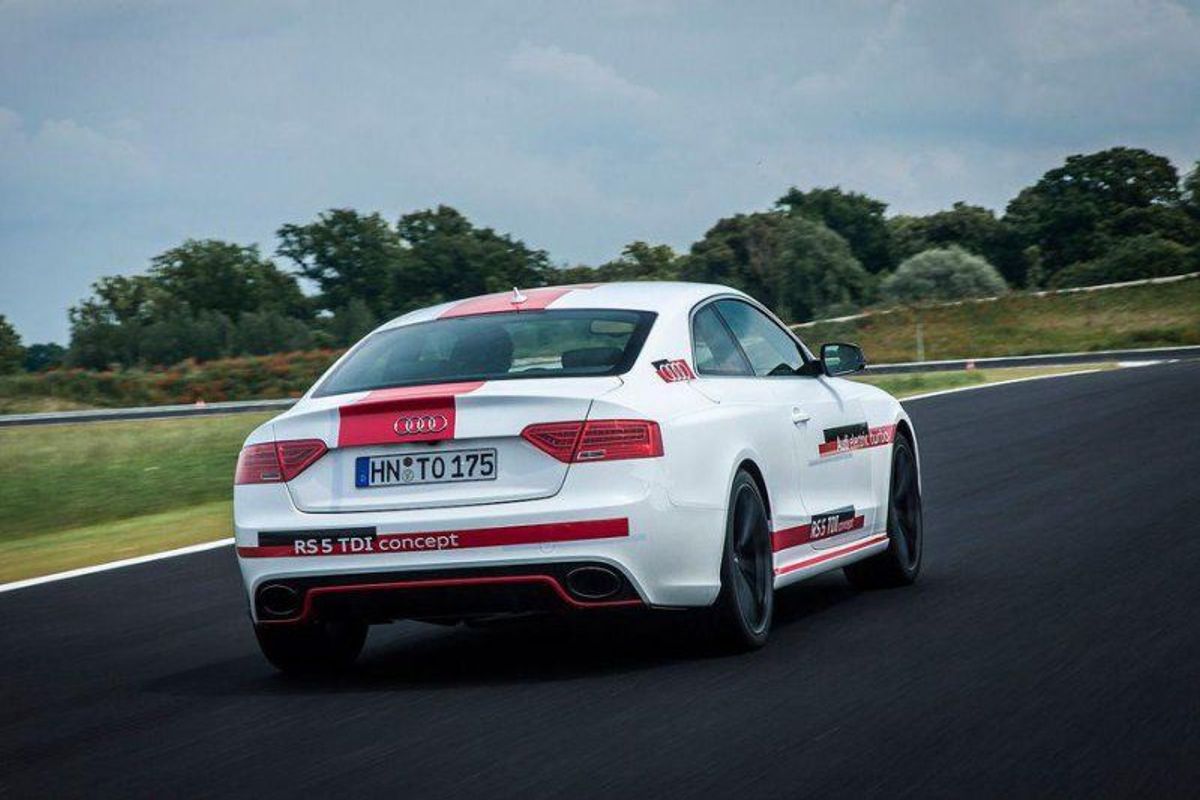
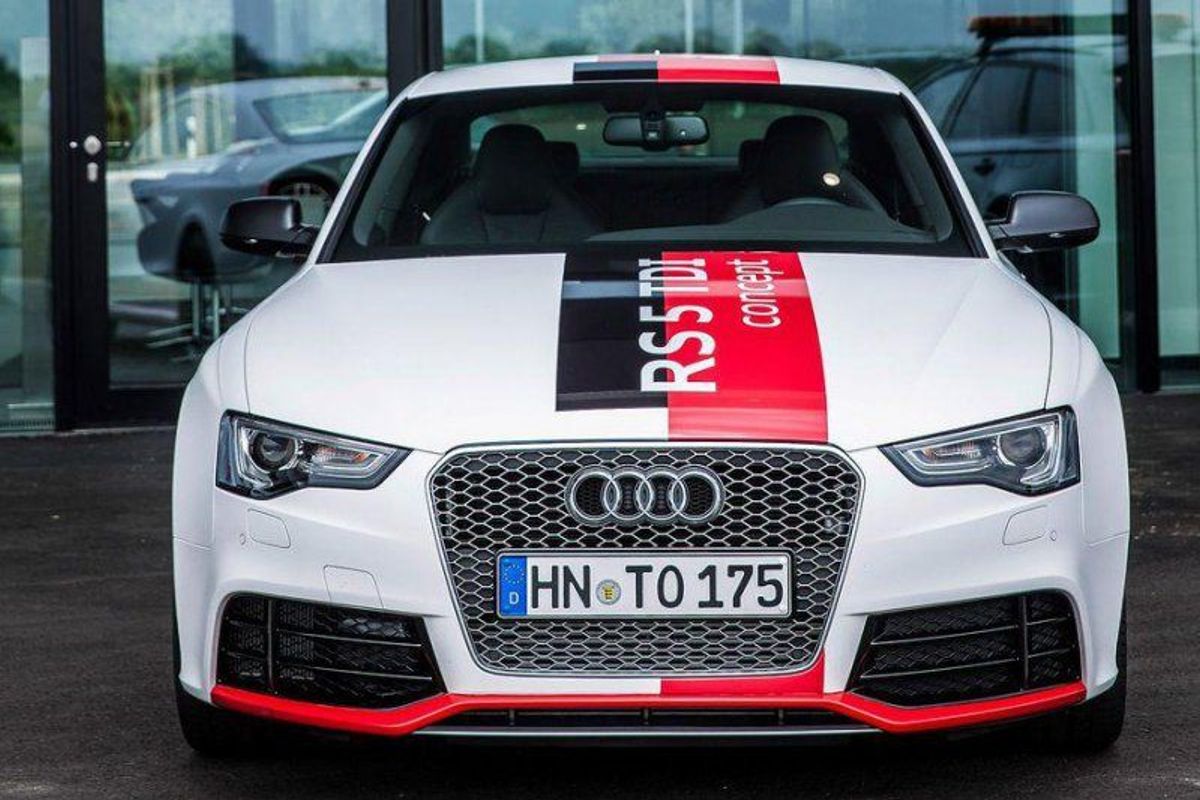
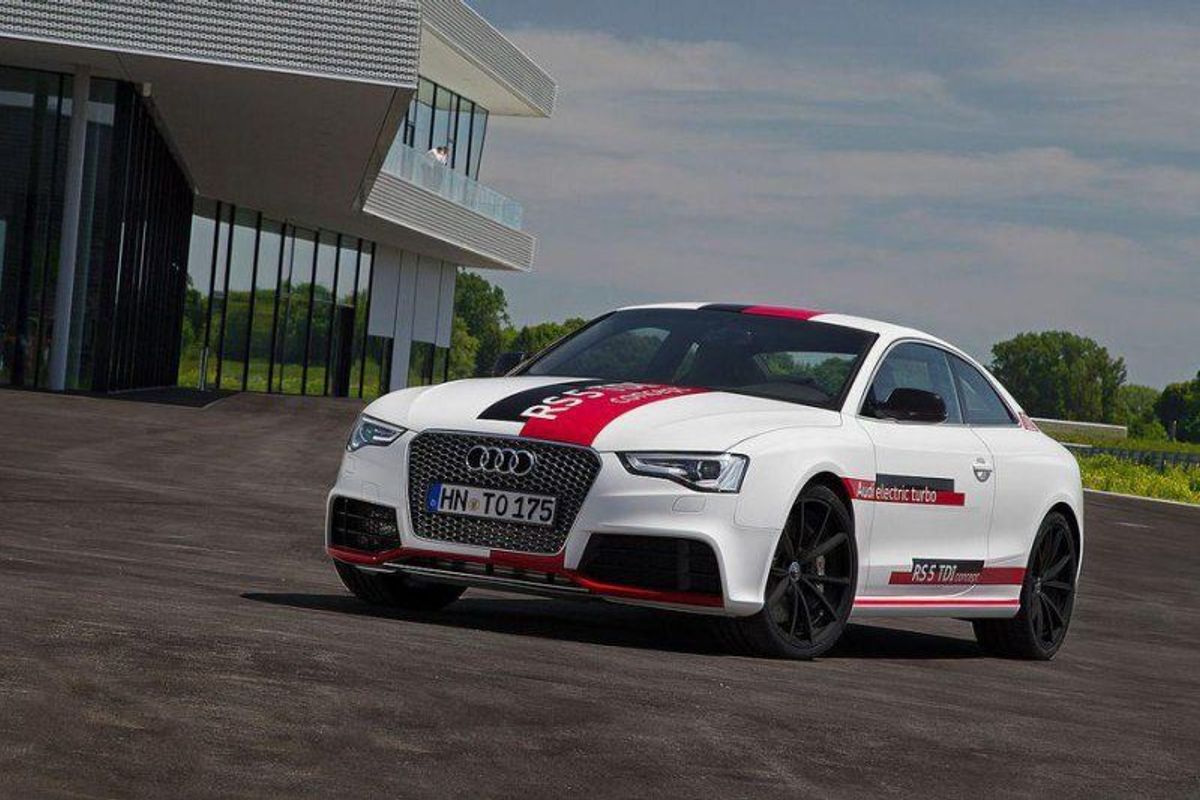
Audi has revealed the RS5 TDI concept at AMI Leipzig, in honour of its 25th anniversary of the TDI engine.

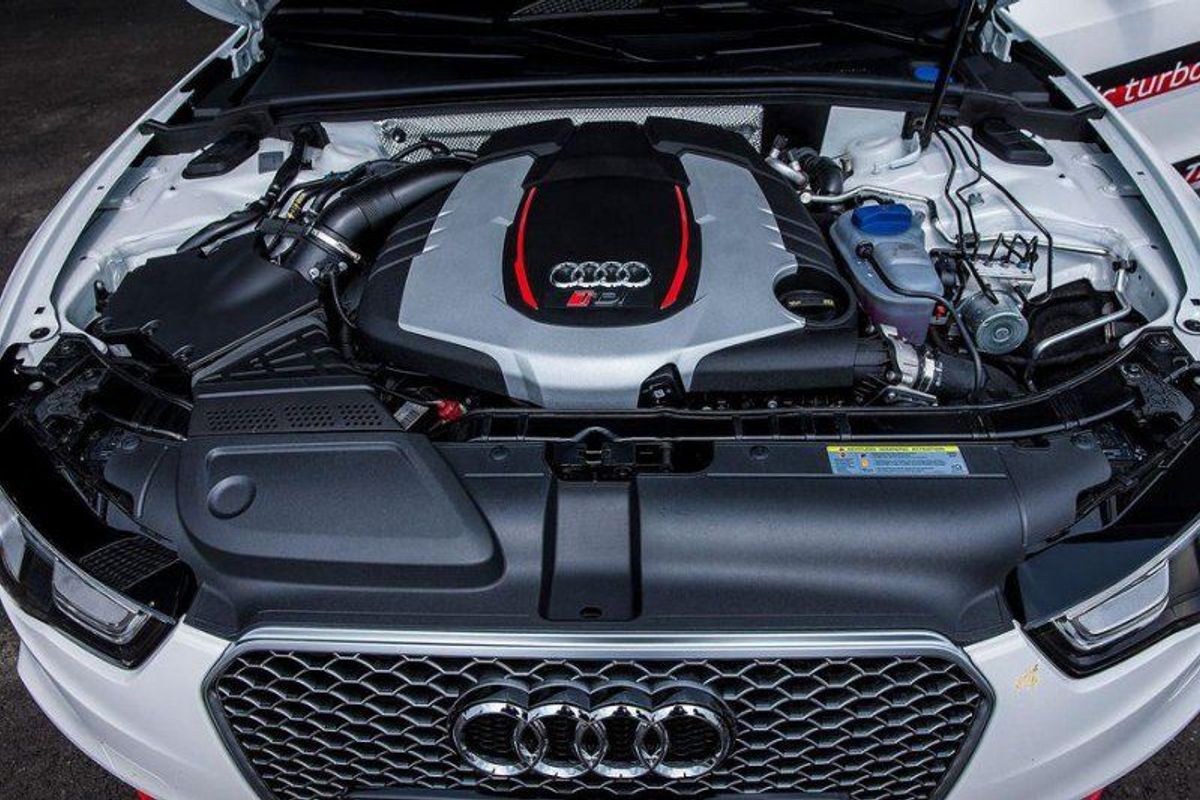
Instead of the 4.2-litre V8 petrol engine found in the production Audi RS5, the Audi RS5 TDI concept uses a 3.0-litre V6 twin-turbo diesel engine with an electric supercharger that promises to eliminate turbo lag.

The engine delivers 283 kW of power and 750 Nm of torque and is connected to an eight-speed automatic transmission which sends power to a quattro all-wheel drive. Audi claims the RS5 TDI Concept will hit 100 km/h in just around 4 seconds and a top speed above 280 km/h. Fuel consumption is rated to be less than 5-litres/100km. This interesting engine is rumoured to power the forthcoming Audi A4, which will make its international debut later in 2014.

Could this be the first sign that a diesel-powered Audi RS model is on its way?

Audi RS5 TDI Concept gallery

Mercedes-Benz AMG GT Teased (Video)

Mercedes-Benz has released a teaser video depicting the engine sound of its upcoming AMG GT sports car expected to debut at the Paris Motor Show later this year.

The company is yet to confirm the spec details of the model, however it’s believed it will be equipped with a 4.0-litre twin-turbocharged V8 engine delivering around 447 kW of power and will be connected to a seven-speed dual-clutch transmission. According to some reports, Mercedes-Benz will also offer a more affordable version with 358 kW along with a Black Series-like derivative delivering as much as 432 kW.

“The new Mercedes-AMG GT proves that we will be positioning AMG as a dynamic sports car brand even more strongly and aggressively than before,” said Mercedes-AMG CEO Tobias Moers. The AMG GT is also the second vehicle in the line-up, after the SLS, to be developed fully by Mercedes-AMG.

Earlier in the year, the company released some details about the models interior, saying it will benefit from a two-tone red and black theme, leather-wrapped seats, dashboard and centre console. There will also be a flat-bottomed three-spoke steering wheel with aluminium inserts, along with a carbon fibre trim and an Alcantara roofliner. A full introduction is scheduled for October at the 2014 Paris Motor Show.

Mercedes-Benz AMG GT Engine Revs

Honda Ballade (2014) Launched in SA

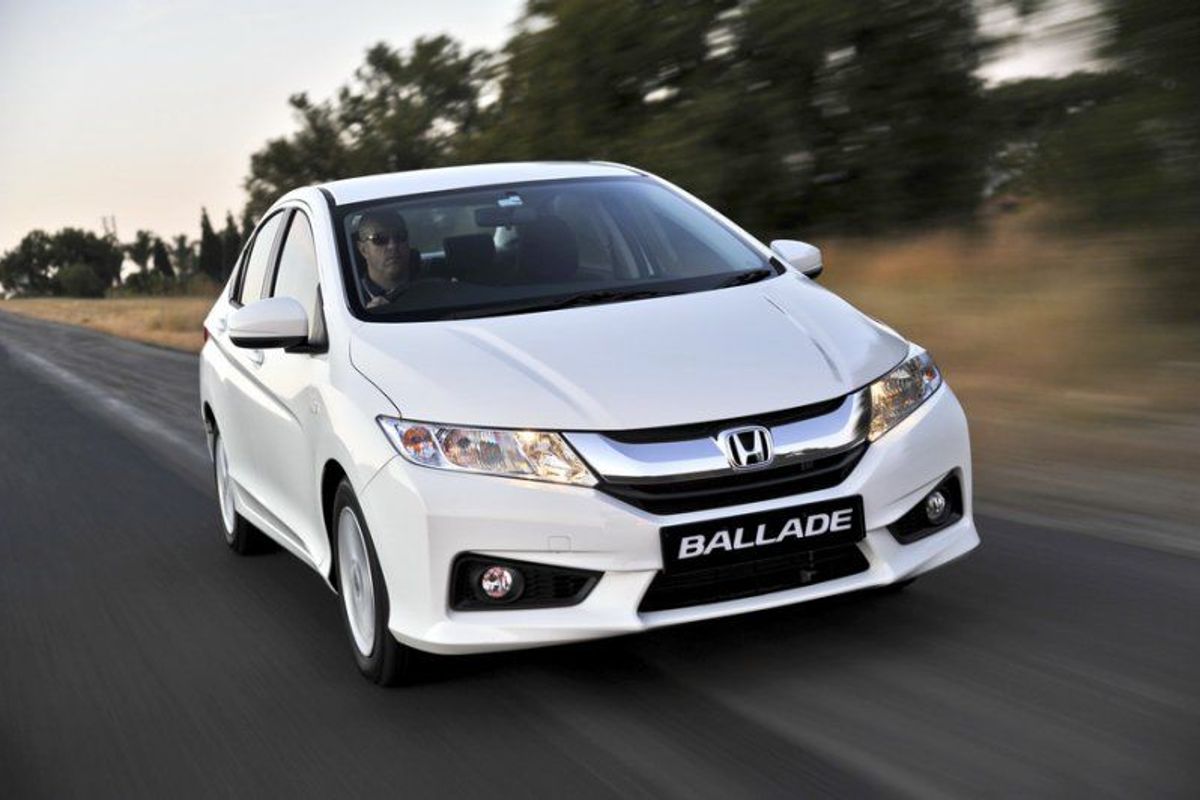
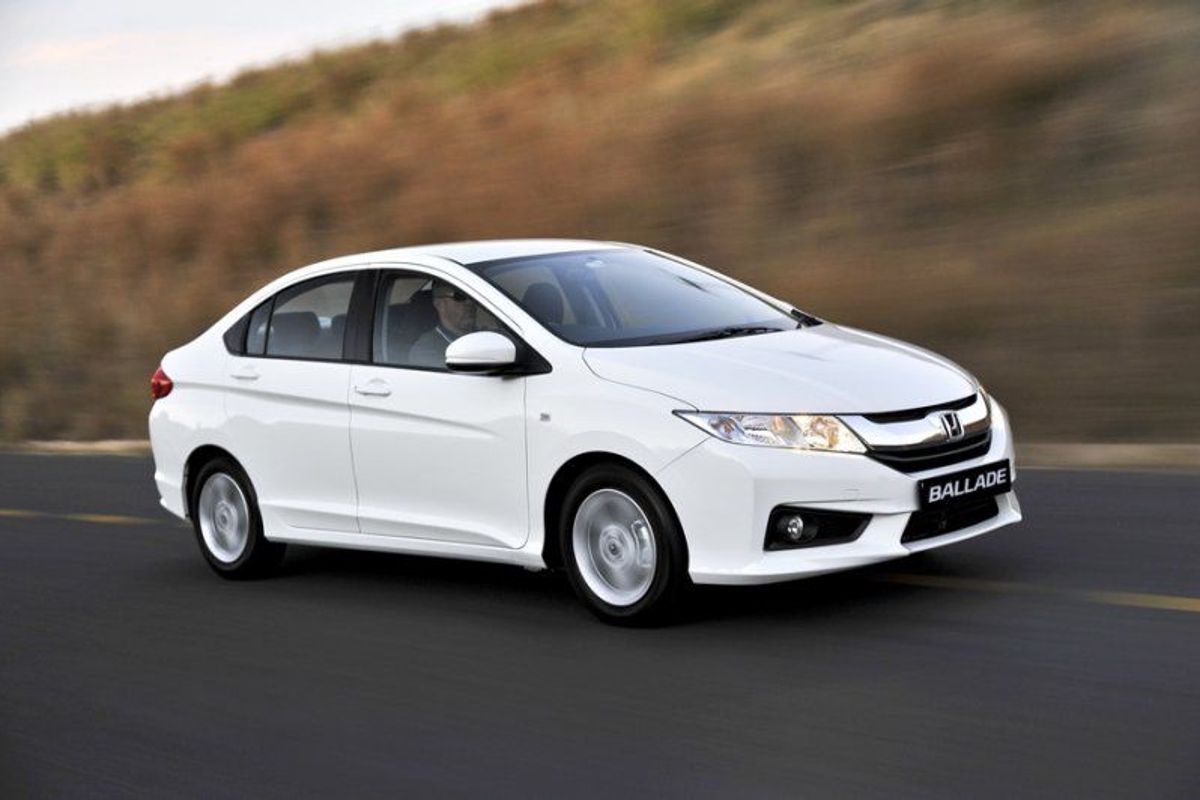
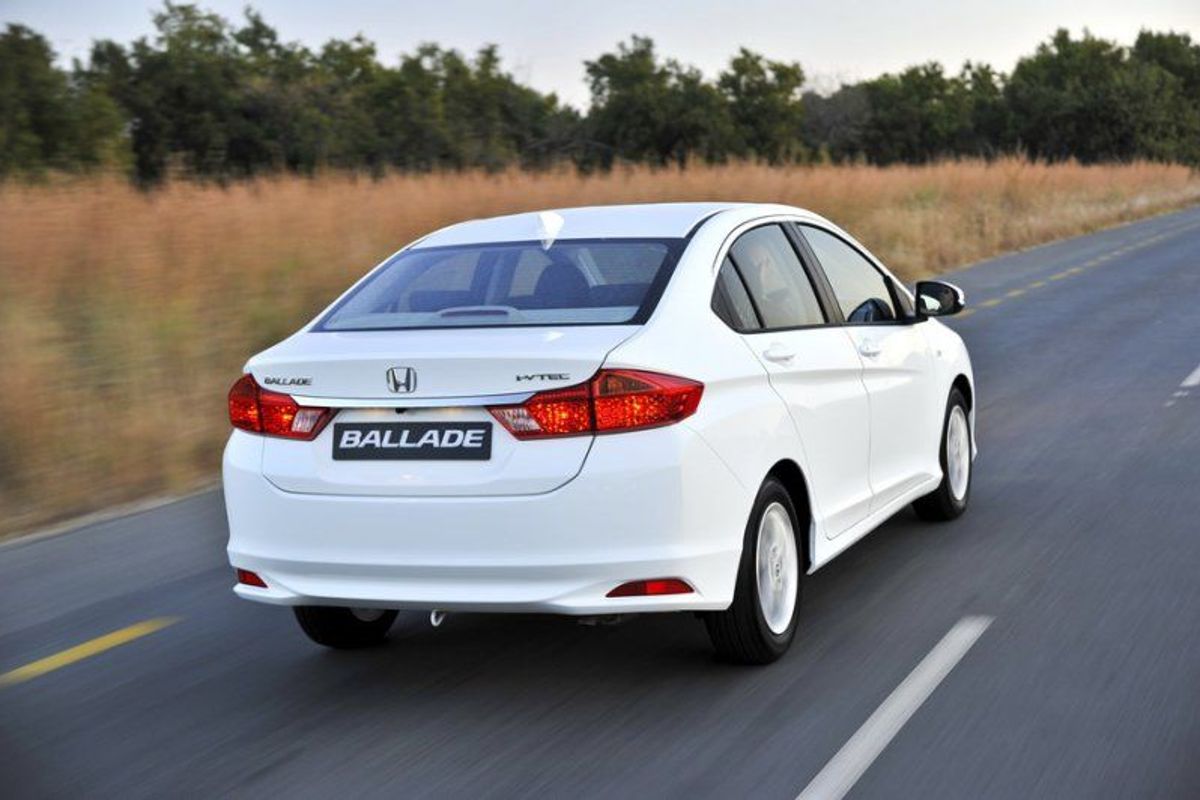
The next-generation Honda Ballade has arrived on South African shores and we attended its local launch in Cape Town.

Honda is one of those brands which always does well. Its products are always good and have picked up a reputation for quality and reliability. The Honda Brio is the cheapest model you can buy in the range, but what if you require more space and practicality? Enter the Ballade. Badged as the Honda City, I first saw this latest version of the car in India, at the 2014 Auto Exhibition.

The Ballade has not had it easy. Due to the tsunami which smashed Japan thereby hitting the automotive component suppliers, and a massive flood in the Honda Thailand factory, Ballade stock has been severely hampered. That’s all in the past though, and there’ll be plenty units to go around.

This car is vastly different to the outgoing model both in terms of looks and features, and initial impressions are good. For detailed specifications and pricing about the new Honda Ballade, click here. The 1.5-litre four-cylinder motor with a few minor tweaks is fitted and it comes with a choice of either a five-speed manual ‘box or a CVT clutchless transmission. There are two trim levels available, Trend and the kitted-out Elegance.

The car rides on the same platform as the Honda Jazz, which isn’t a bad thing considering how good the little Jazz is. The new Ballade looks refreshingly modern and is bigger. It’s a little longer, boasts a longer wheelbase and is a little taller. The boot capacity has grown, but so has the opening – meaning it’s easier to load cargo.

Honda Ballade driving impression

We left the airport vicinity and headed out towards the Winelands. I opted for the CVT-equipped vehicle first and when driven slowly, the car is refined and quiet. It’s only when you’re in a hurry that the CVT noise becomes a little intrusive and the car feels hindered. That said, the benefits of fuel economy outweigh any minor gripe about CVT gearboxes. Honda claims the CVT-equipped Ballade will consume just 5.9l/100km.

Honda manual gearboxes have always been a pleasure to drive, and the 2014 Honda Ballade is no exception. It’s smooth, precise and a joy to use. After a quick vehicle swop into the manual Ballade, we tackled the mountain passes into Stellenbosch and the car had a small sporty edge – something the younger market will appreciate.

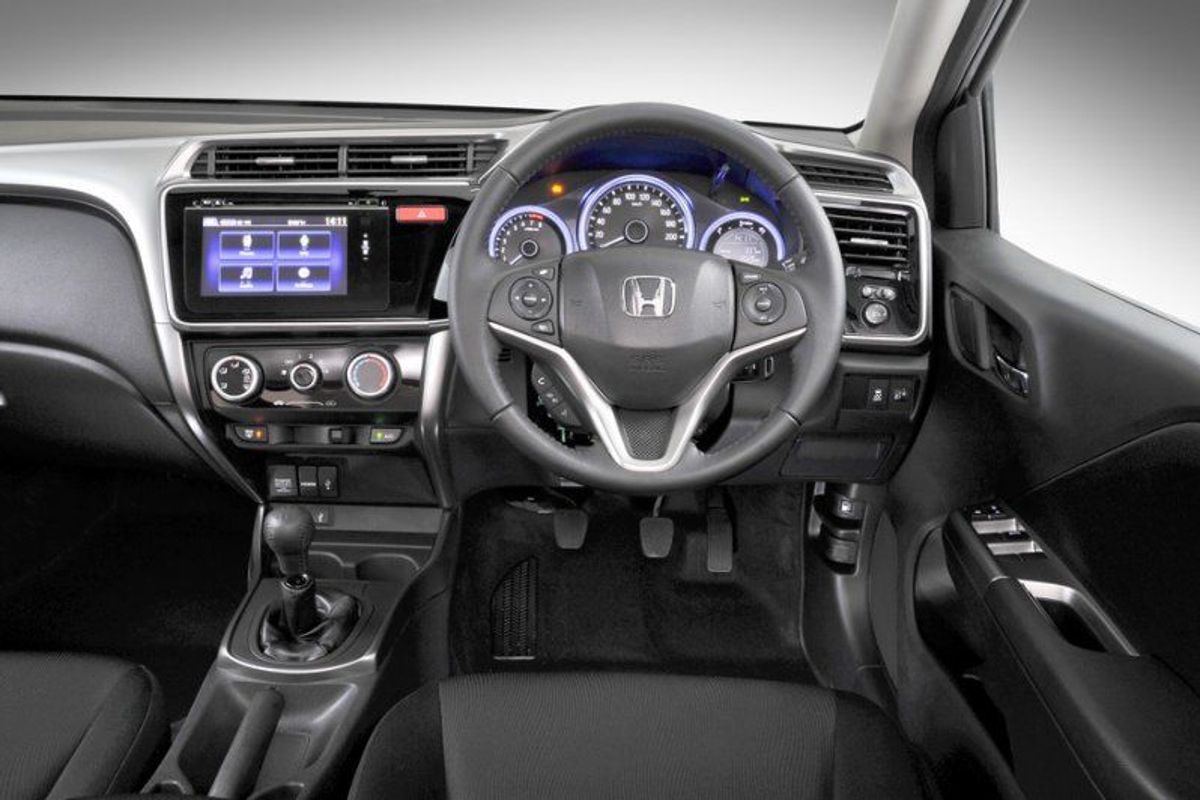
I like the new look of the Honda Ballade interior. It’s modern and simple to use, and the Elegance model features some very fancy technology. There’s a multi angle reverse camera, cruise control, two USB ports, HDMI port as well as a touchscreen interface which resembles a tablet.

Touchscreen infotainment

This full-colour 18-inch touchscreen links to your Apple or Android smartphone through the HDMI port and diagnostic port. You can download apps such as satellite navigation, internet radio and you can even diagnose problems and see car settings by using DashCommand. For a performance person, seeing car temperatures and parameters is fascinating and I hope this system makes its way into something a bit more sportier than a Honda Ballade. Honda Civic Type R please!

Honda Ballade summary

The Honda Ballade is rather pleasant to drive and the current Honda clientbase will no doubt consider the vehicle when it comes to upgrade. It goes up against the Toyota Corolla Quest, Nissan Almera and Hyundai Accent, and given its features and practicality, would make for a great buy. Pricing starts from R195 900 and this includes a three-year or 100 000 km warranty, a four-year or 60 000 km service plan and a year’s worth of free roadside assistance.

Subaru BRZ Series Blue Limited Edition Unveiled

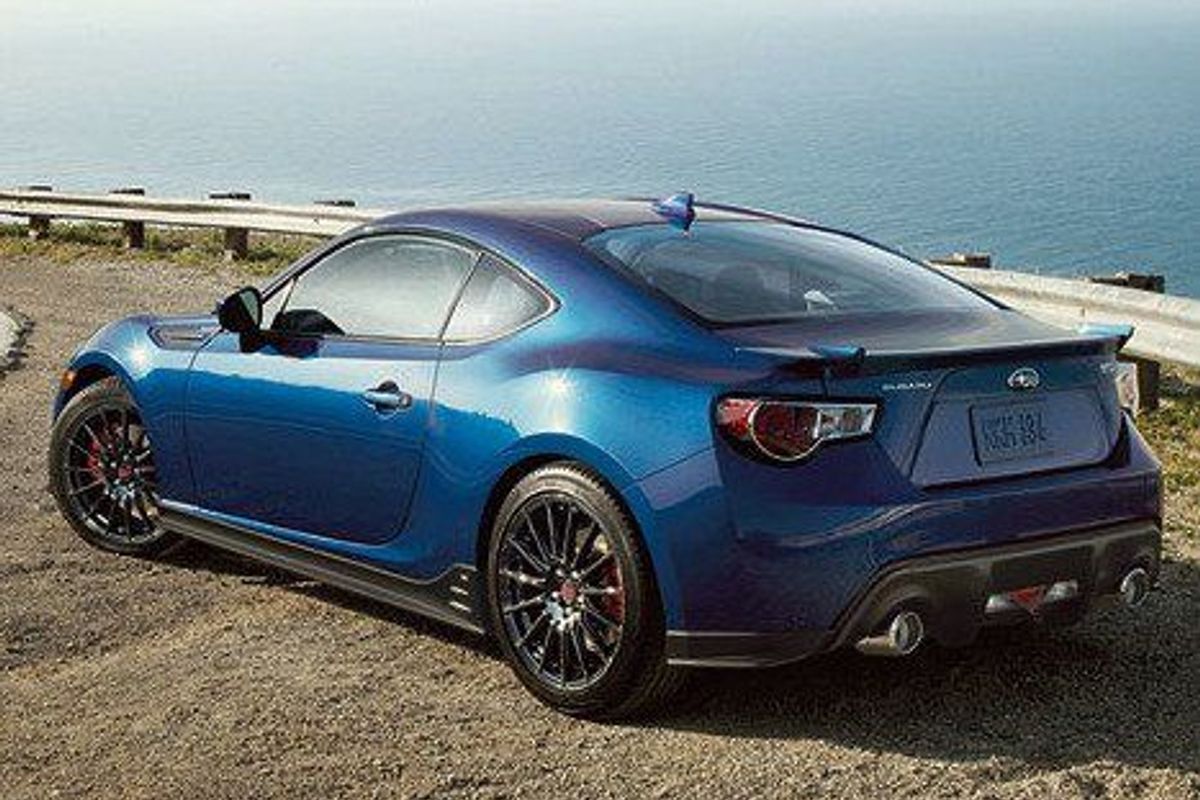
Subaru has announced a new special-edition Subaru BRZ Series Blue for the 2015 model year, which will be limited to 1 000 units.

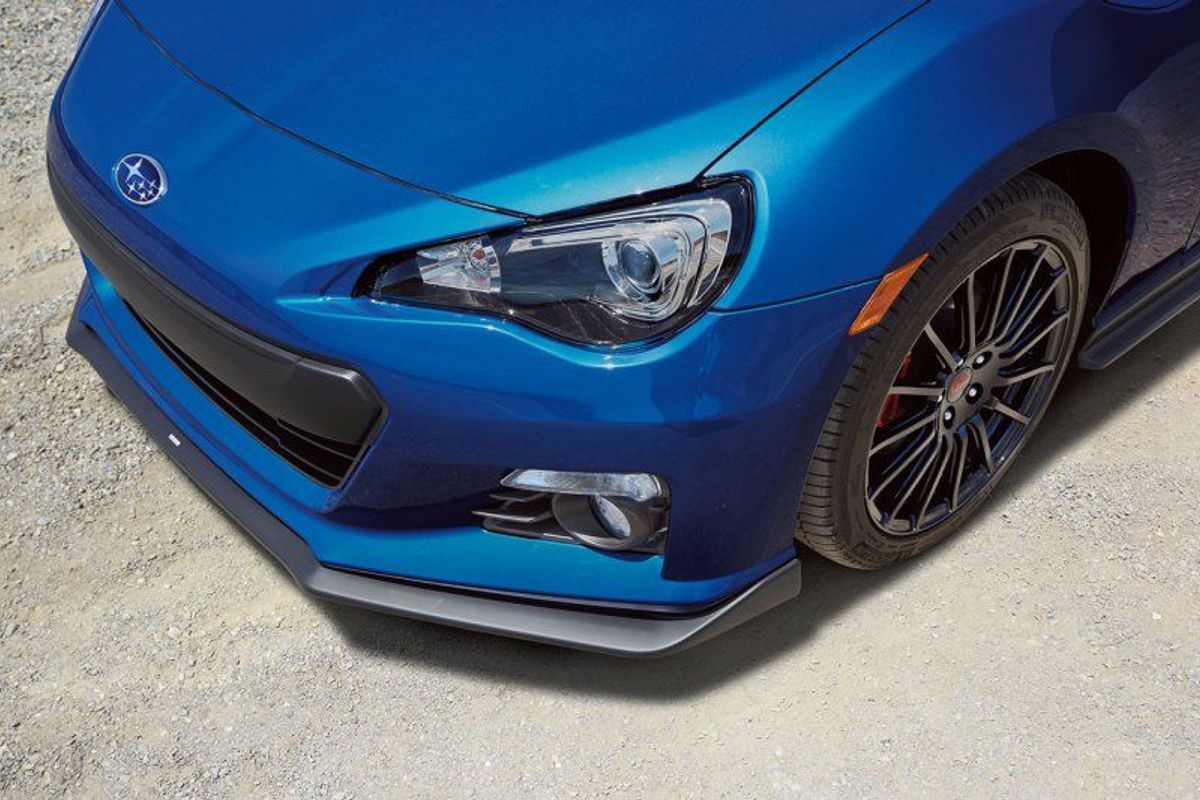
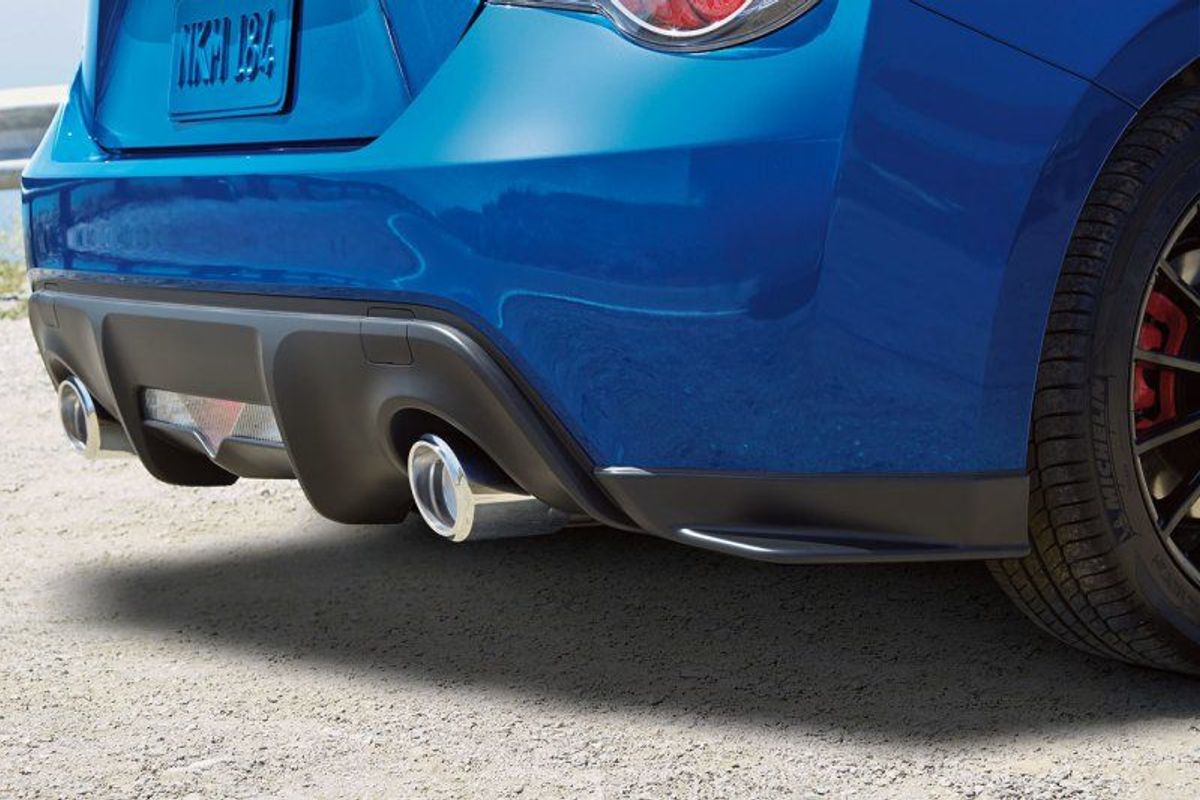
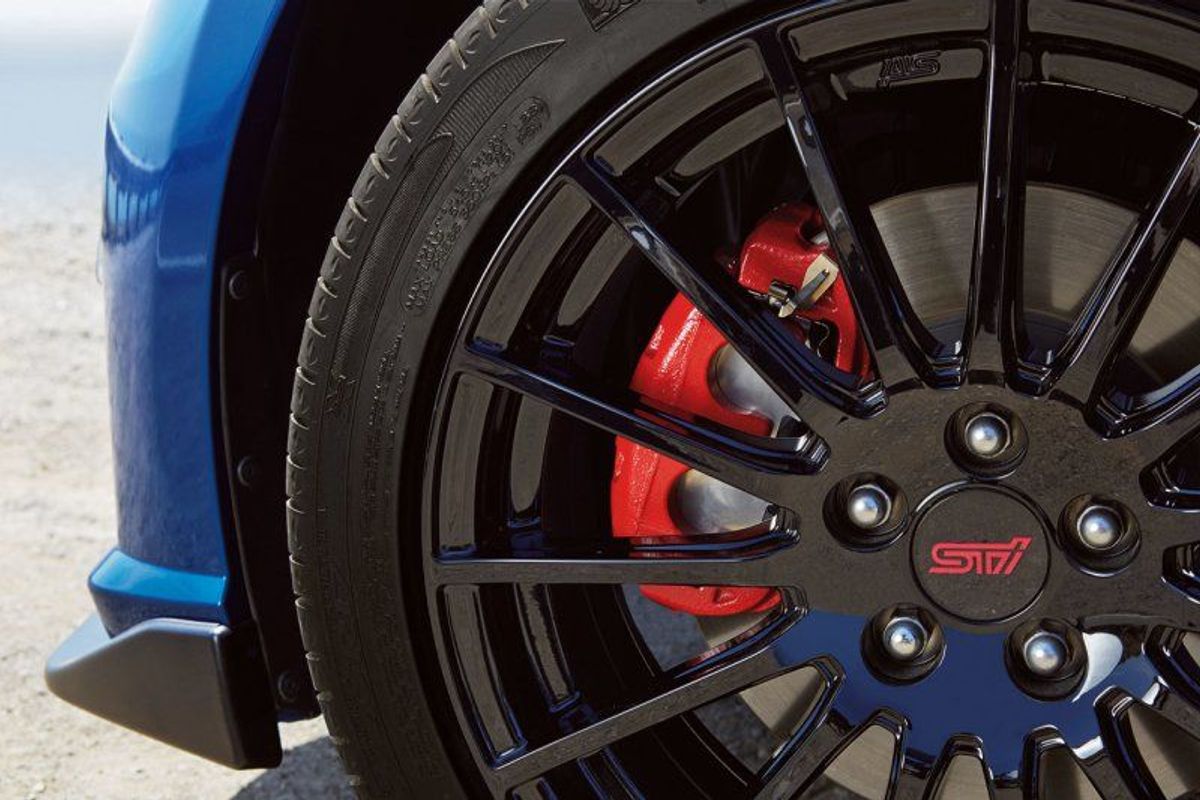
The BRZ Series Blue comes exclusively with a combination of STI-branded functional aerodynamic body design, black-painted STI-branded 17-inch wheels and unique interior trim that creates a striking look. It additionally comes with red brake calipers which can be seen behind the spokes of the STI- branded black alloy wheels.

Power comes from a 2.0-litre boxer four-cylinder engine which makes 149 kW, while the car’s aerodynamic performance is further boosted with black STI front, side, and side-rear under spoilers. These features contribute to additional front downforce, and underbody panels that reduce the drag coefficient from 0.28 to 0.27.

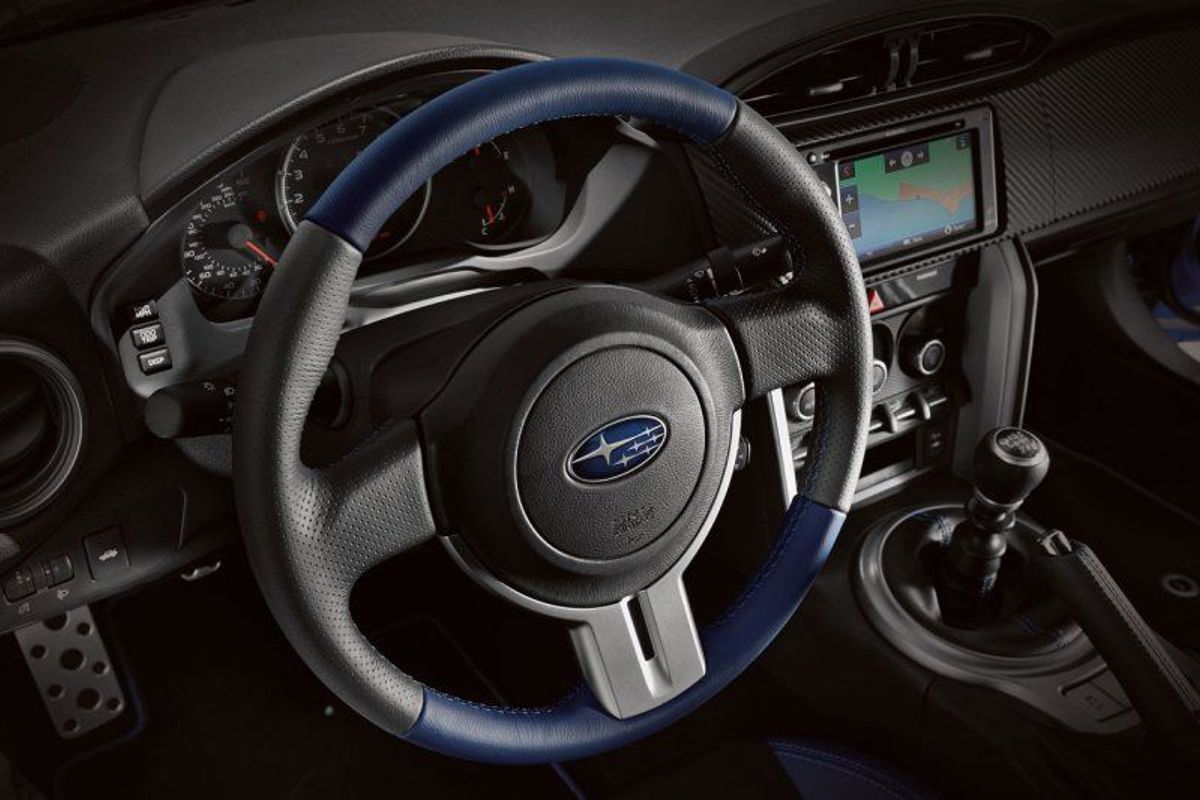
The interior of the Series Blue edition is based on the BRZ Limited trim, and benefits from leather and Alcantara upholstery along with a blue and black leather-wrapped steering wheel as well as blue leather seat bolsters and head restraints. Blue stitching is continued throughout the entire interior, while silver BRZ logos are embroidered into the seats and floor mats.

The Subaru BRZ Series Blue will be offered in 500 painted WR Blue Pearl and the other 500 units will be in Crystal White Pearl.

Impressive appearance upgrades

Delta Wing Technologies Reveals Four-Passenger Car

Delta Wing Technologies has released an illustration of a road-going, four-passenger car, intended as a solution for manufacturers facing more stringent fuel economy and emissions standards.

The company won’t be producing the car itself but hopes OEM partners that share its vision will want to license the Delta Wing architecture “that is 35 percent lighter, requires 35 percent less horsepower and consumes 35 percent less fuel than a conventional vehicle.”

A Delta Wing model equipped with a small four-cylinder petrol engine producing between 63-82 kW and is expected to accelerate from 0-100 km/h in approximately six seconds, reaching a top speed of 209 km/h, while achieving fuel consumption of about 3.3-litres/100km.

The car, although still in virtual concept form, is said to be made with lightweight steel, aluminium and advanced composite materials to keep the weight down. It additionally keeps a narrow-track front wheelbase and rear-mounted engine which results in significantly less weight on the front axle, reducing rolling resistance.

“While we certainly have the capabilities and decades of auto manufacturing experience through our affiliates Panoz LLC and Élan Motorsports Technologies, the Delta Wing deserves the higher volume that an OEM can provide to truly have a beneficial impact on the future and the environment,” said Al Speyer, Delta Wing Technologies president and COO.

If the model becomes a reality, it will be direct competition for the Nissan BladeGlider concept which according to Nissan, is crafted on a “unique architecture to give the driver and passengers “sustainable exhilaration” – a fresh electric vehicle driving experience based on peerless technology and exotic styling.”

Seat Ibiza Cupster Shown At Worthersee

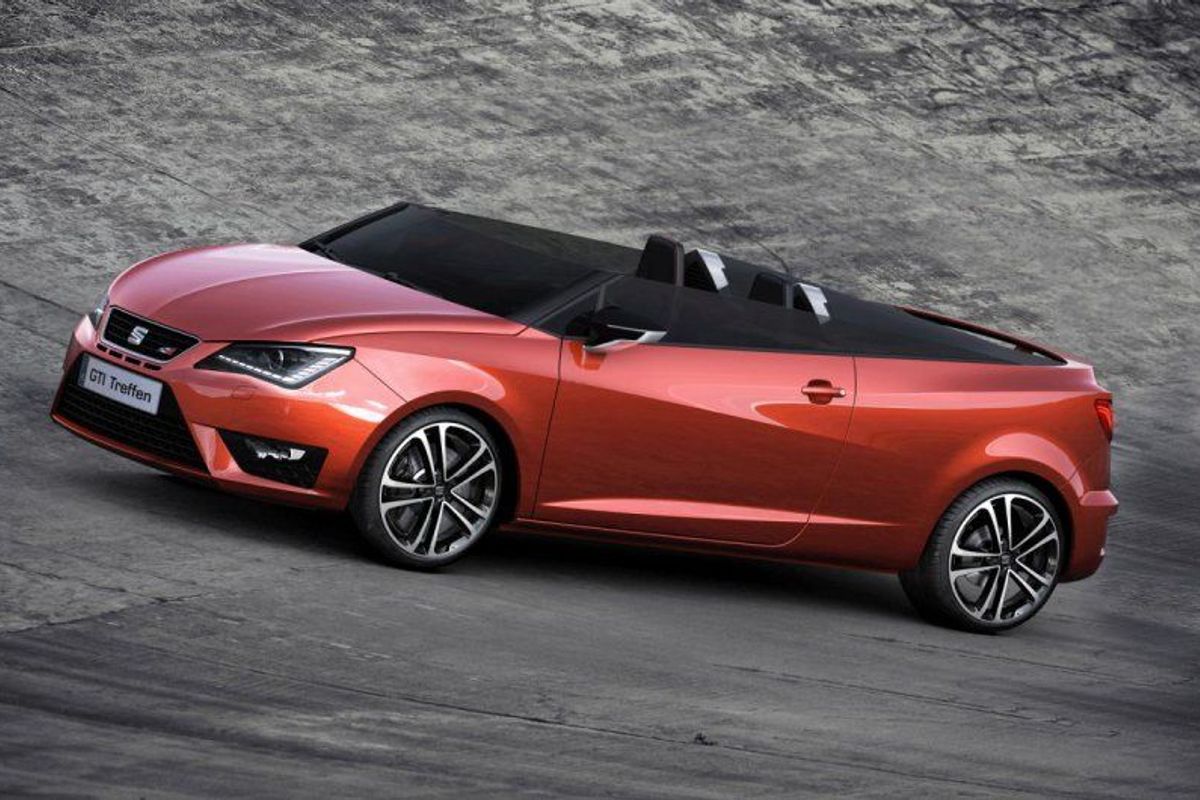
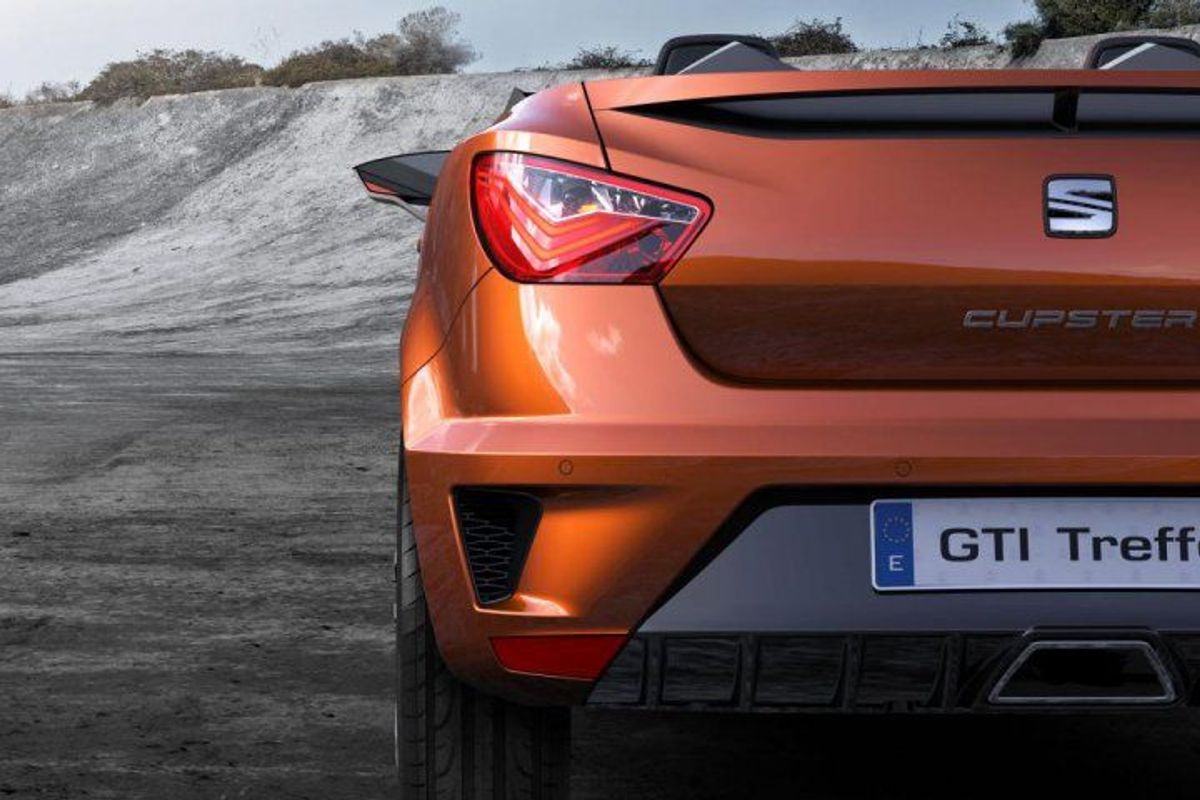
Seat has presented the one-off Ibiza Cupster concept at the 2014 Worthersee show, to celebrate the 30th anniversary of the Ibiza.

Dynamic design features

“The Ibiza has always been the heart of SEAT – a young, dynamic car with an emotional design, a good head for the practical things in life and excellent value for money,” says Jurgen Stackmann, President of SEAT S.A.

“At Worthersee, we are celebrating the anniversary of our most successful model with the unique Ibiza Cupster, not to mention the exceptionally well-equipped 30 Years edition – and, of course, with a great programme.”

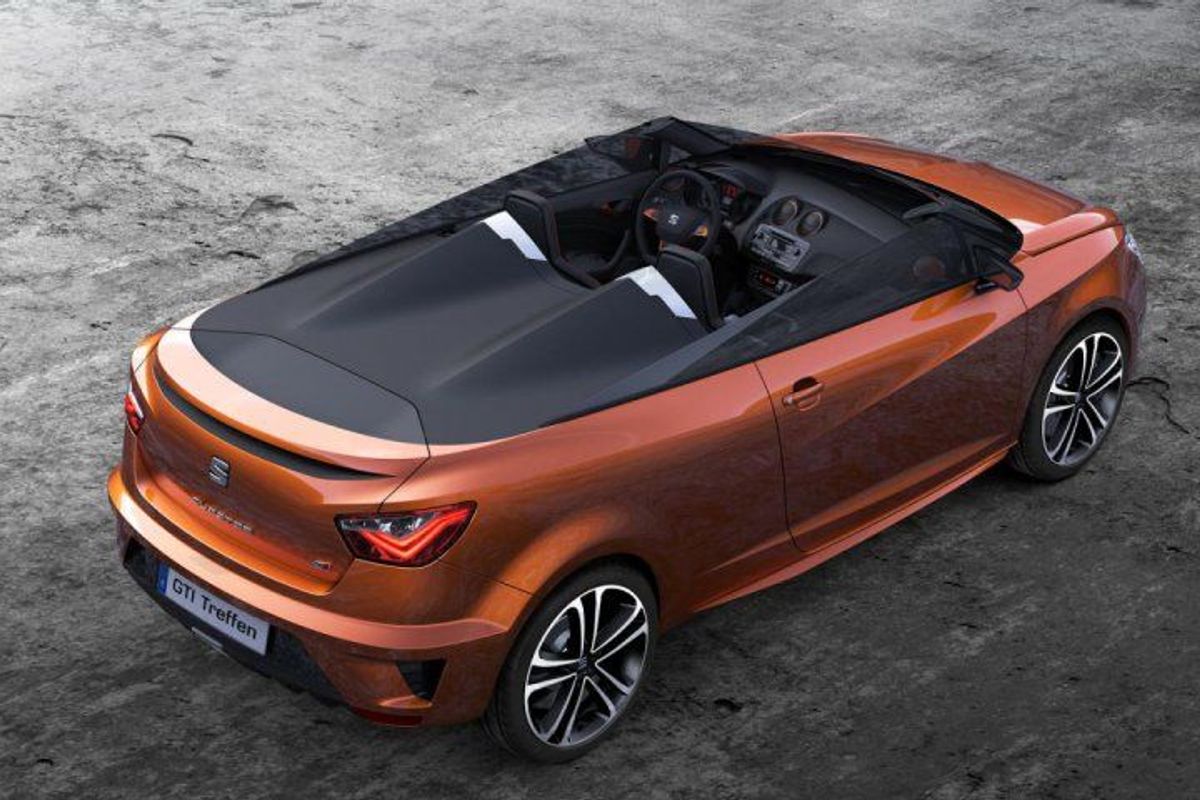
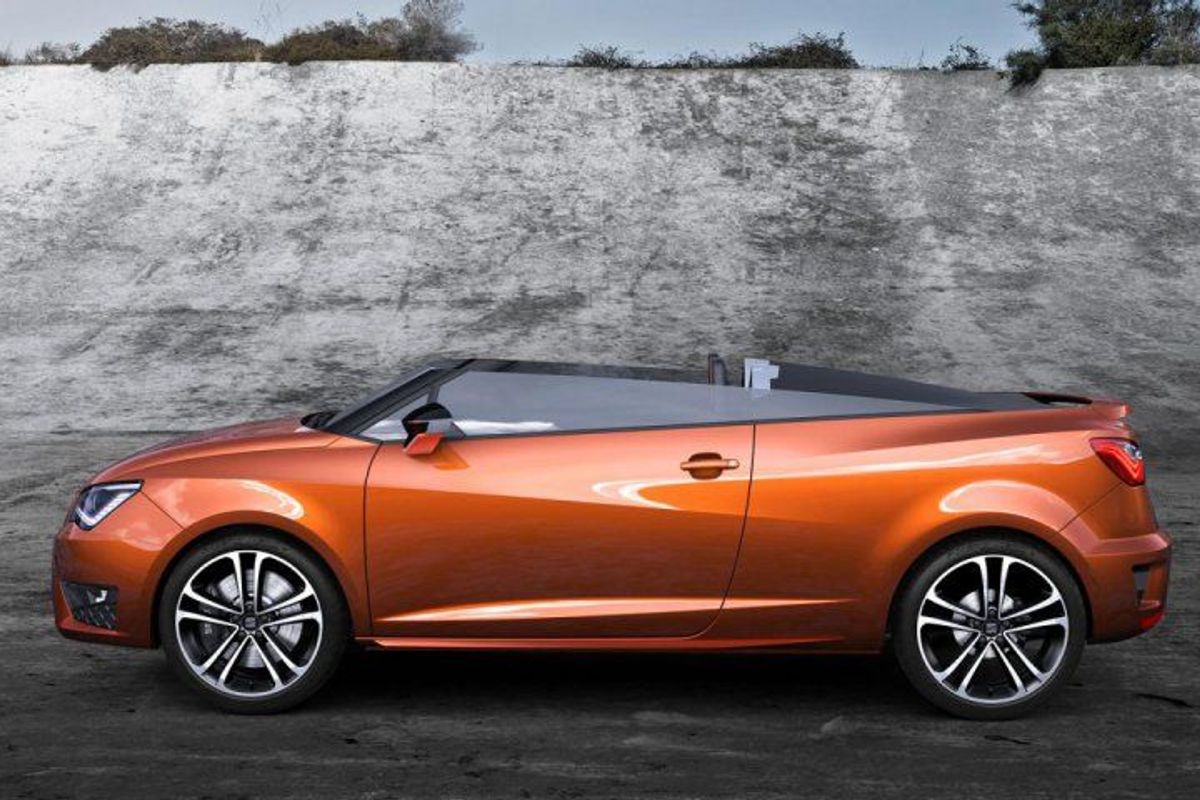
The two seat roadster features a low, wrap-around windscreen and a unique rear end. The driver and co-driver are protected from the airflows thanks to the seating position, which is 80 millimetres lower than in the series-production car.

Metallic roll hoops complete the roadster look, while the body shell is largely the same as that of the series-production model up to the shoulder line – everything above has been specifically redesigned. The model is also equipped with New Orange paint and 18-inch alloy wheels.

The interior is fitted with black Alcantara racing seats and a “pure aniline leather” steering wheel that is “coloured all the way through, without a layer of pigment, making it open-pored, very supple and pleasant to the touch.”

Power comes from a 1.4-litre TSI four-cylinder engine that produces 132 kW and 250 Nm of torque, and is connected to a seven-speed DSG transmission.

Google Self Driving Prototype Revealed

After years of testing the idea of autonomous vehicle technology, Google has unveiled its own self-driving prototype aimed not only at saving lives, but also at eliminating traffic jams and improve road safety.

The Toyota Prius and Audi TT were some of the test cars they used to test the technology. The video below shows their very own self-driving two-seater car which does not have a steering wheel, accelerator or brakes.

The prototype uses a software system which includes Google Maps and built-in radar sensors and lasers to do the driving. It runs with an electric engine (limited to 40 km/h for safety reasons) and is made from off the shelf car parts including the use of foam. The software can additionally recognise objects, people, cars, road marking, signs and traffic lights, obeying the rules of the road and allowing for multiple unpredictable hazards, including cyclists.

Google says a 100 early versions of the vehicles will be used for testing later in the year, but will come with manual controls in case any problems arise.

Google Self Driving Car in action