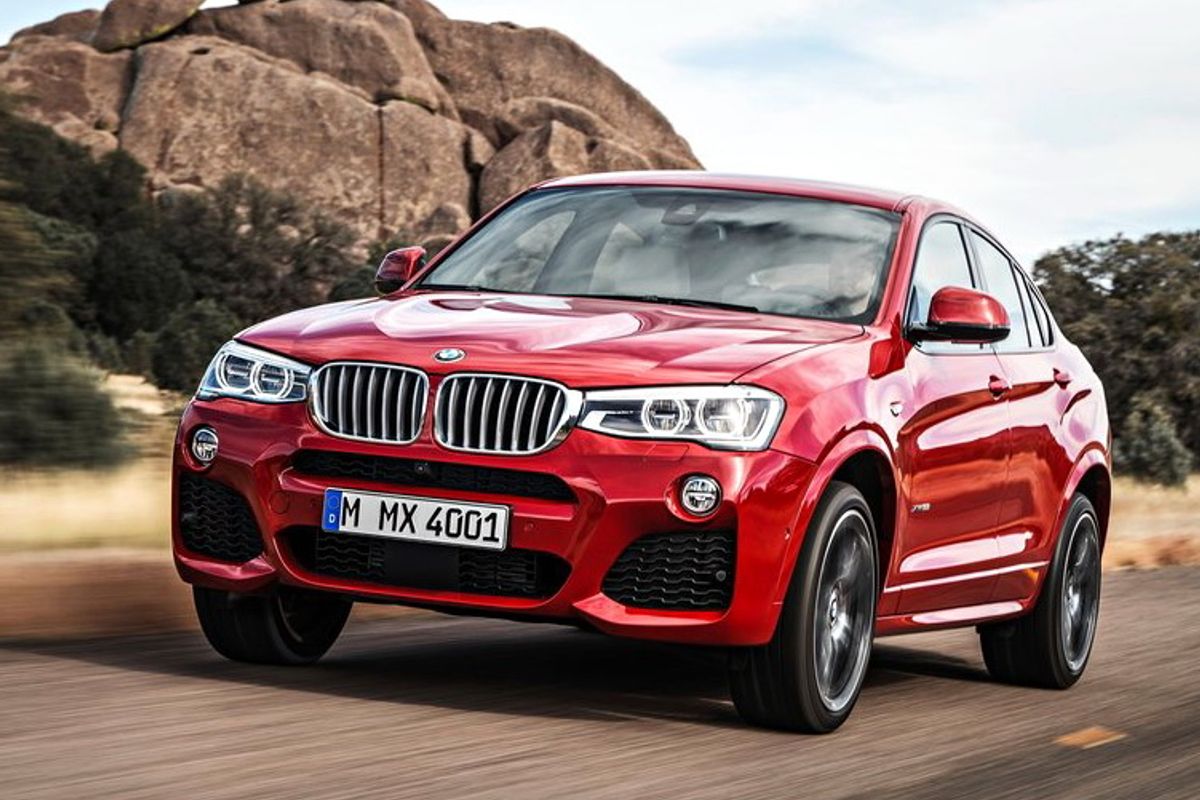
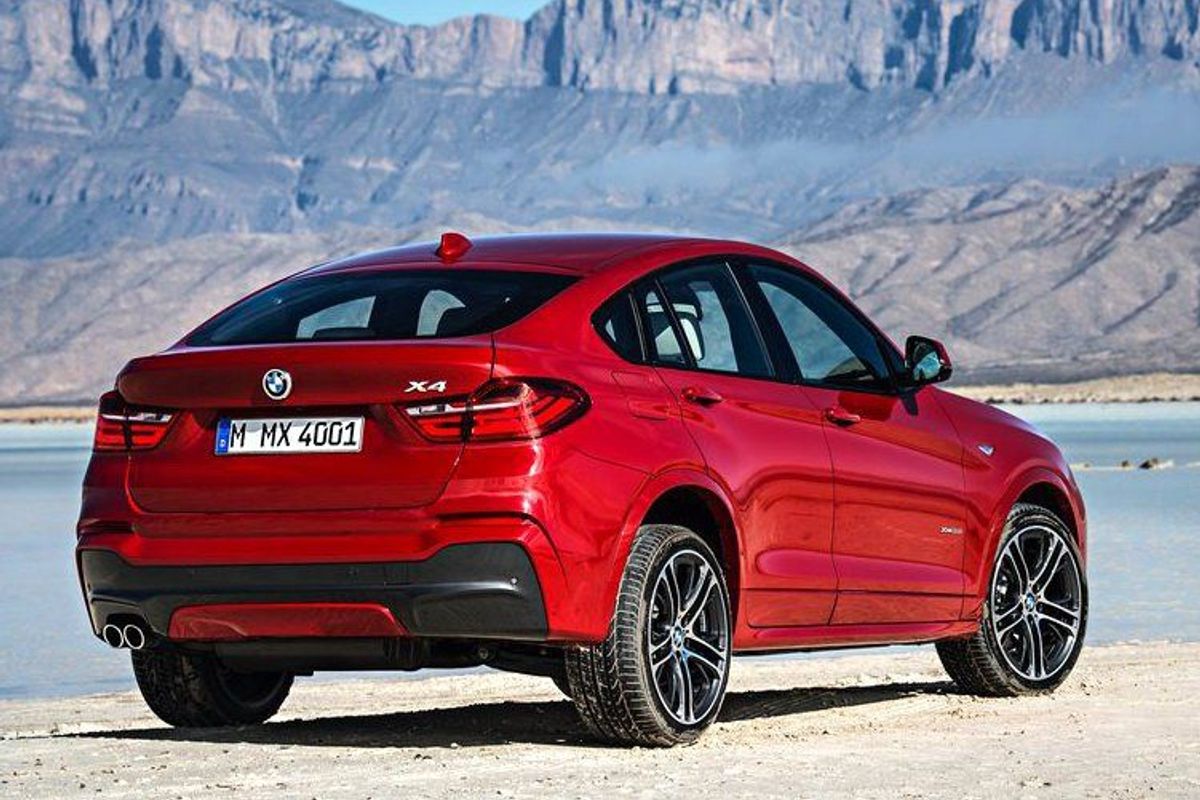
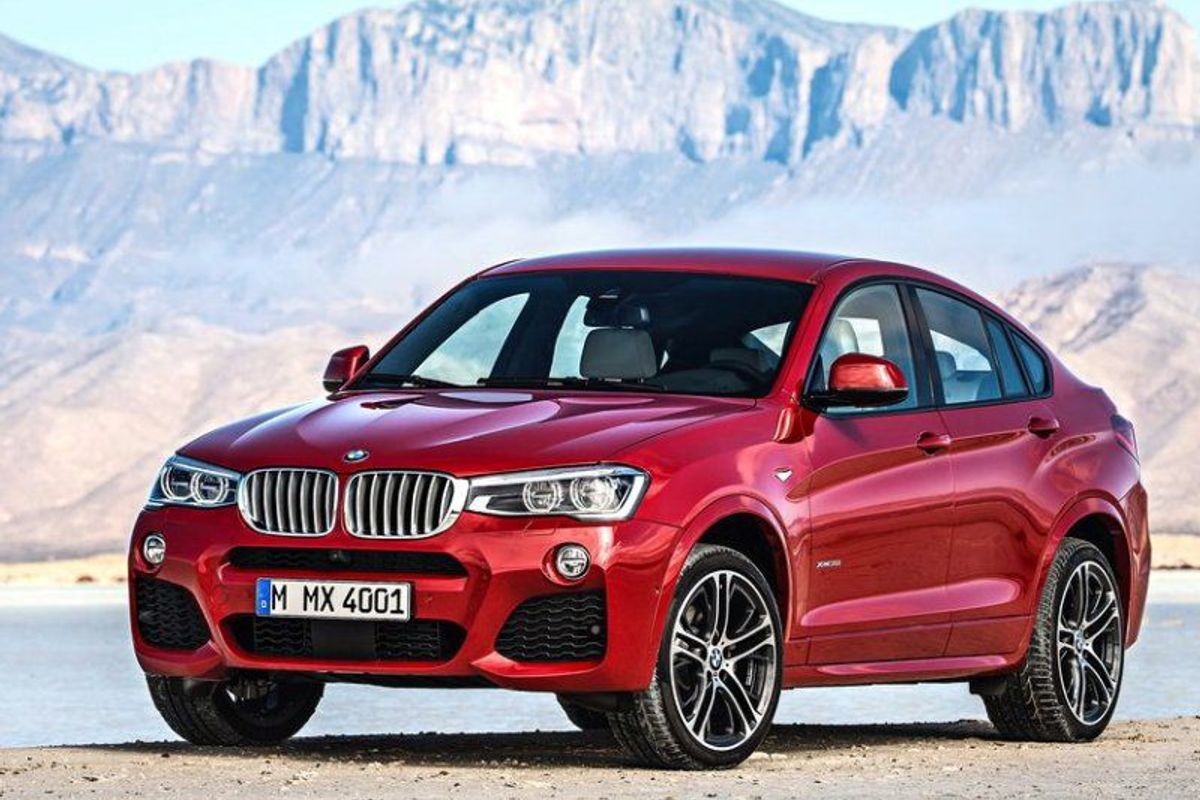
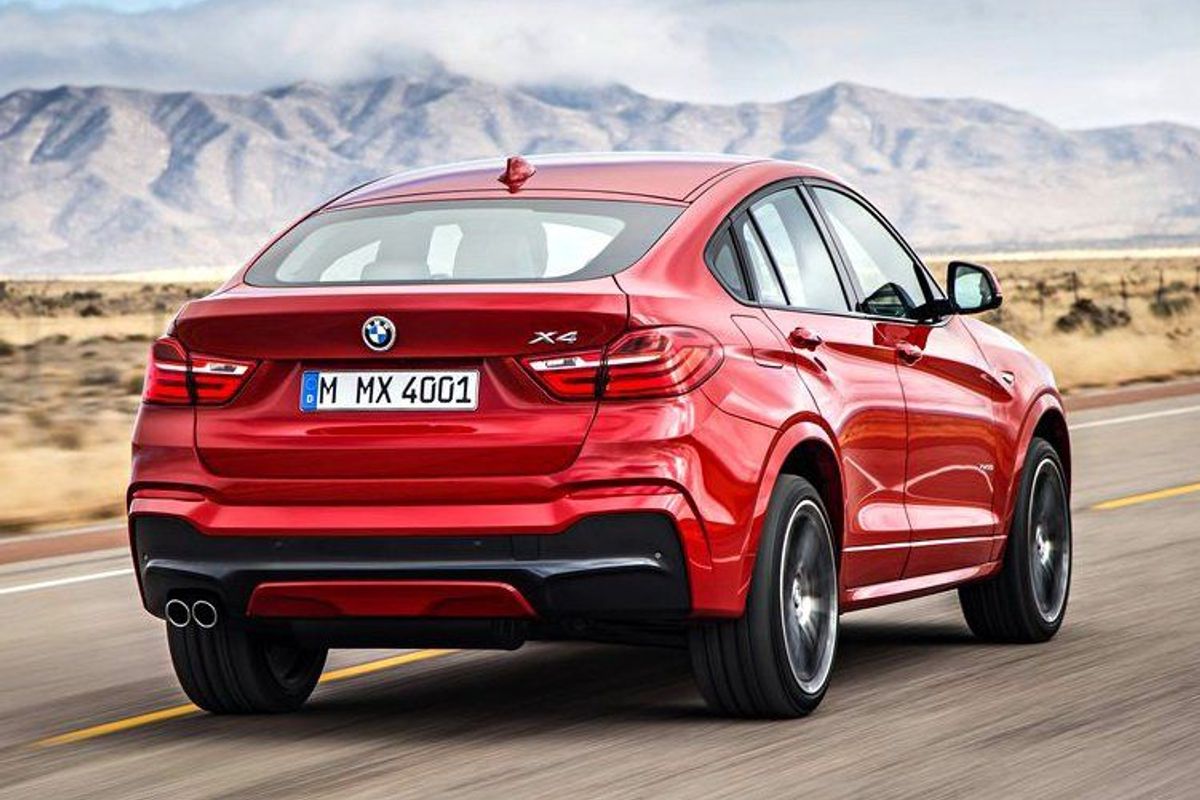
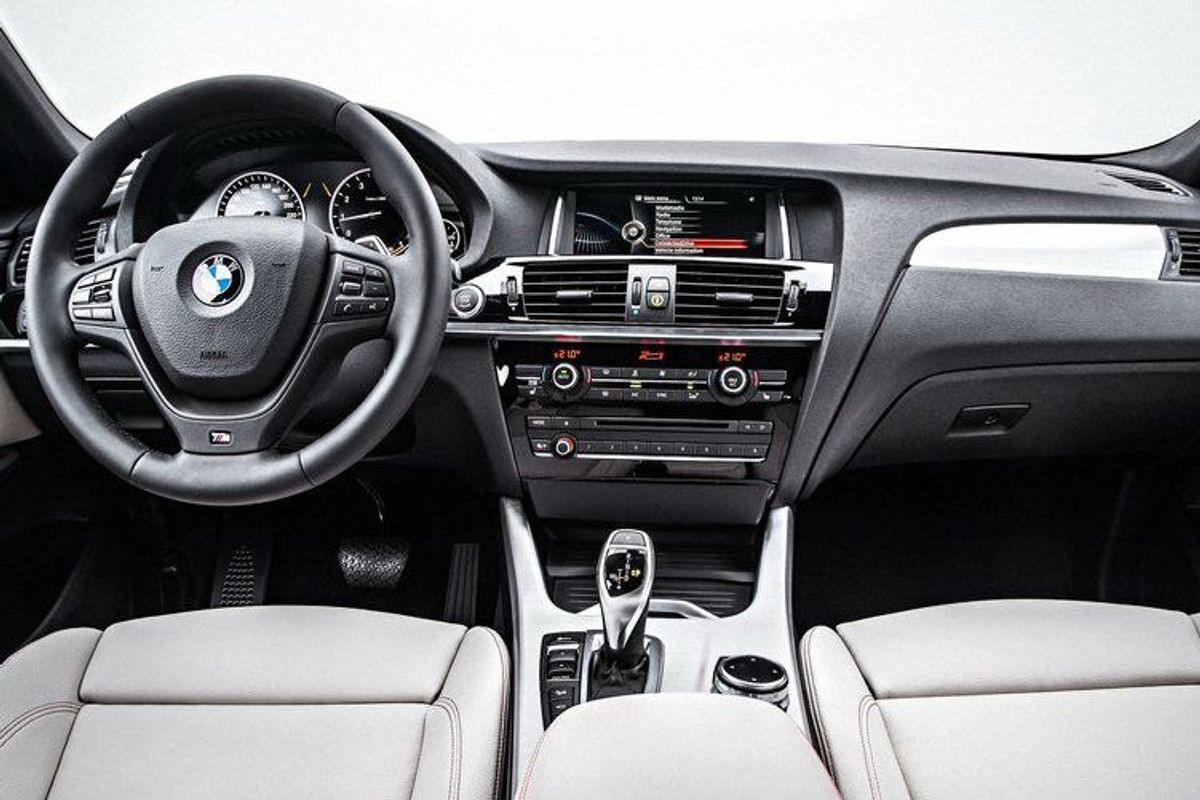
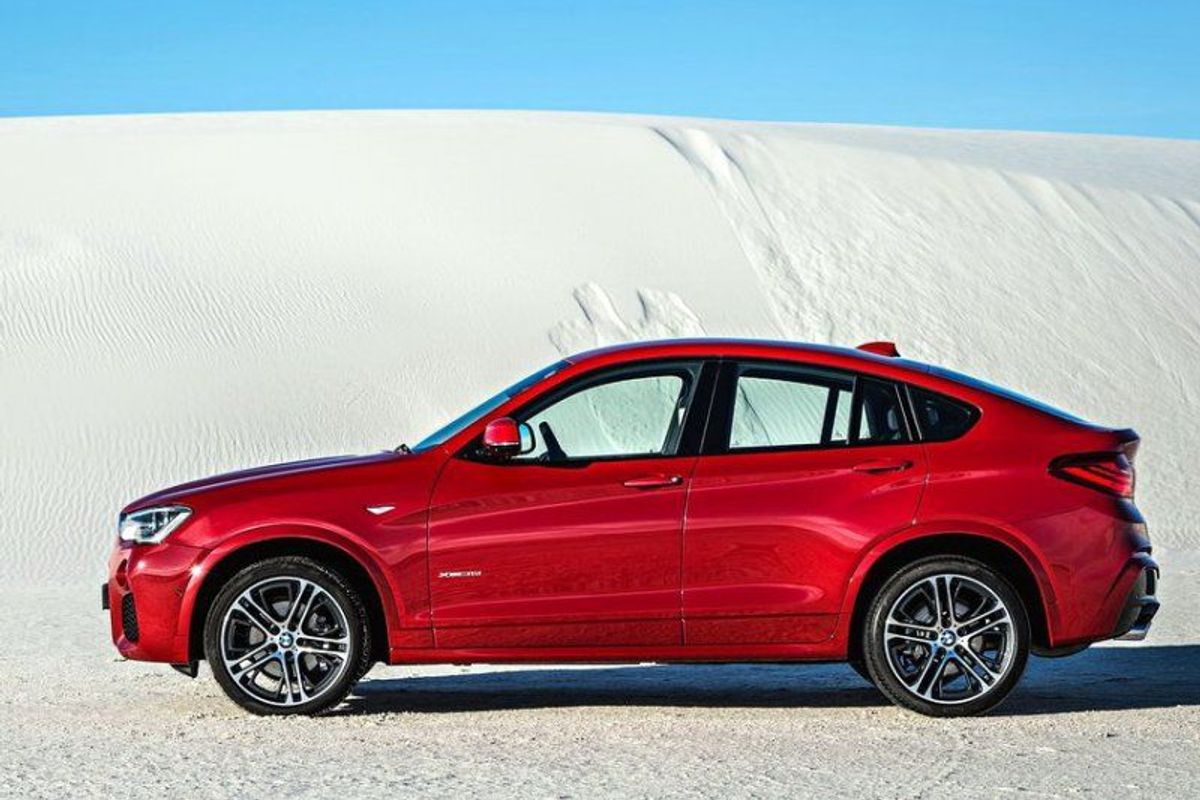
There’s a new addition to the BMW family. The all-new BMW X4 combines attractive coupé looks in a Sports Utility Vehicle body. BMW claims this vehicle fits in the premium Sports Activity Coupe segment.
Like many BMW products in the X family, it will feature xDrive all-wheel-drive, a great list of standard equipment features as well as the powerful and efficient engines which BMW has become renowned for.
BMW X4 Origins
The BMW X4 is based on the BMW X3, but visually resembles a smaller X6. It’s very clearly a sporty model, especially when you look at the vehicle from a head on point of view. Sportiness factor is increased as the driver and front passenger sit 20mm lower than in the X3. There’s also a surprising amount of space for five people, and there’s a 40:20:30 split rear seat backrest.
Engines for BMW X4
There are three petrol engines and three diesel powerplants available for the new BMW X4. Outputs range from 135 kW to 230 kW and the engines come tagged with EfficientDynamics, meaning good performance with impressive fuel consumption. The one to watch out for is the BMW X4 xDrive35d – a potential monster in terms of outright sprint ability.
Transmission options include the eight-speed Steptronic or six-speed manual gearbox.
Technology in the BMW X4
Yet again BMW shows off its incredible technology. The BMW X4 comes with a full-colour BMW Head-Up Display, the anti-dazzle High Beam Assistant, Driving Assistant Plus including Lane Departure Warning, Active Cruise Control with Stop & Go function, preventive pedestrian protection and a Collision Warning system, which applies the brakes with anything up to maximum stopping power as required.
The very smart ConnectedDrive Services also allow drivers to sign up to innovative services such as Real Time Traffic Information (RTTI), the Concierge Service and Remote Services. Facebook, Twitter and AUPEO! personalised internet radio.
BMW X4 Gallery
Maserati Alfieri Concept Coupe Revealed In Geneva
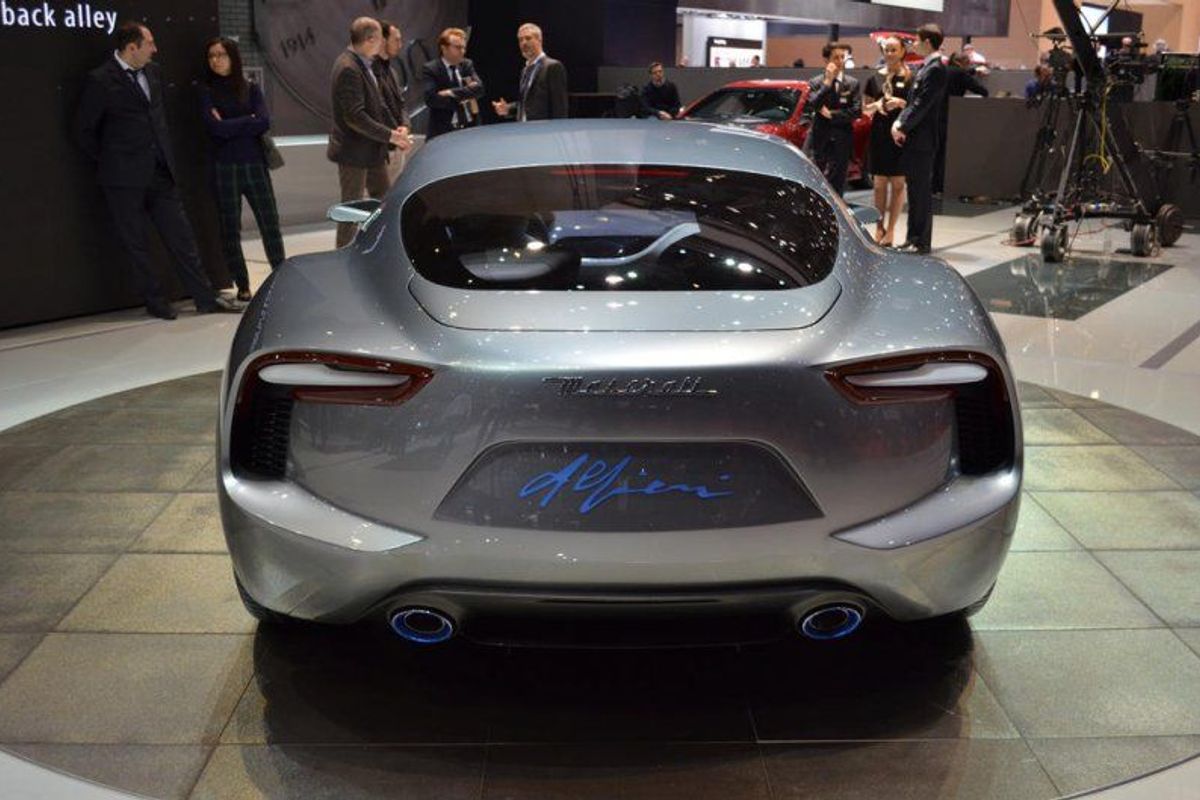
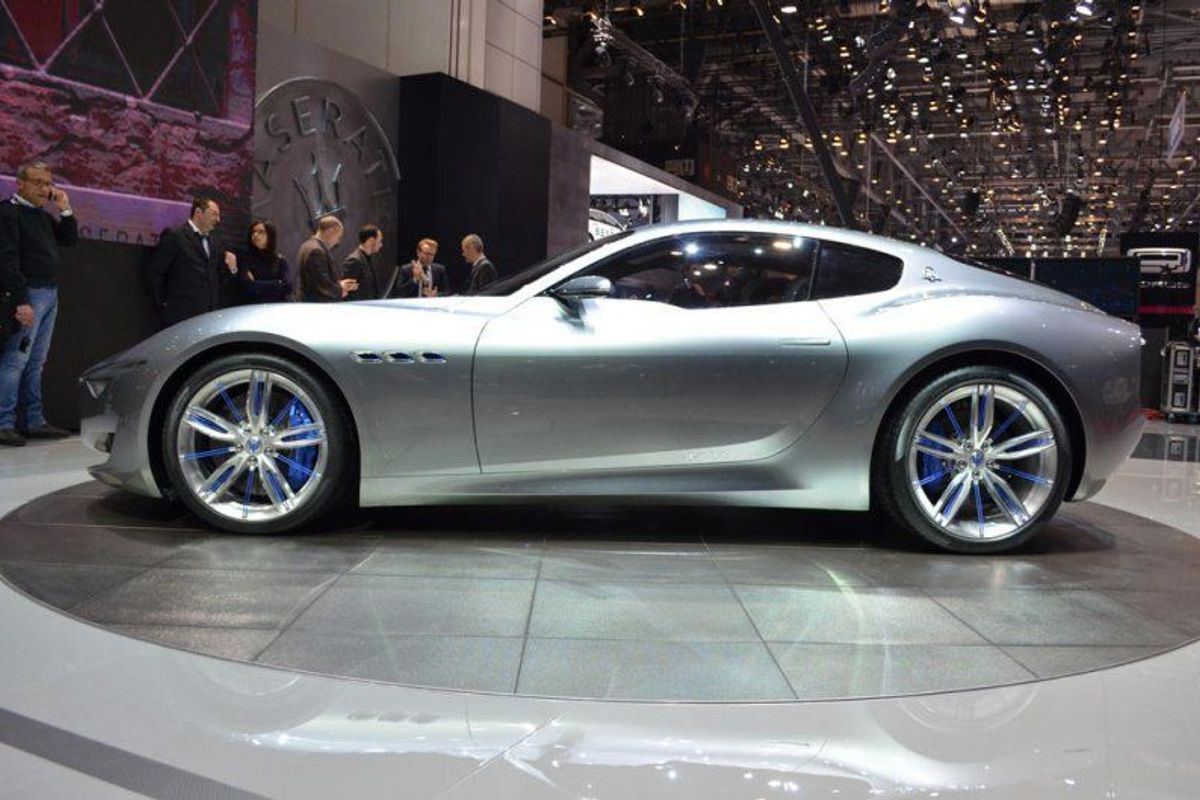
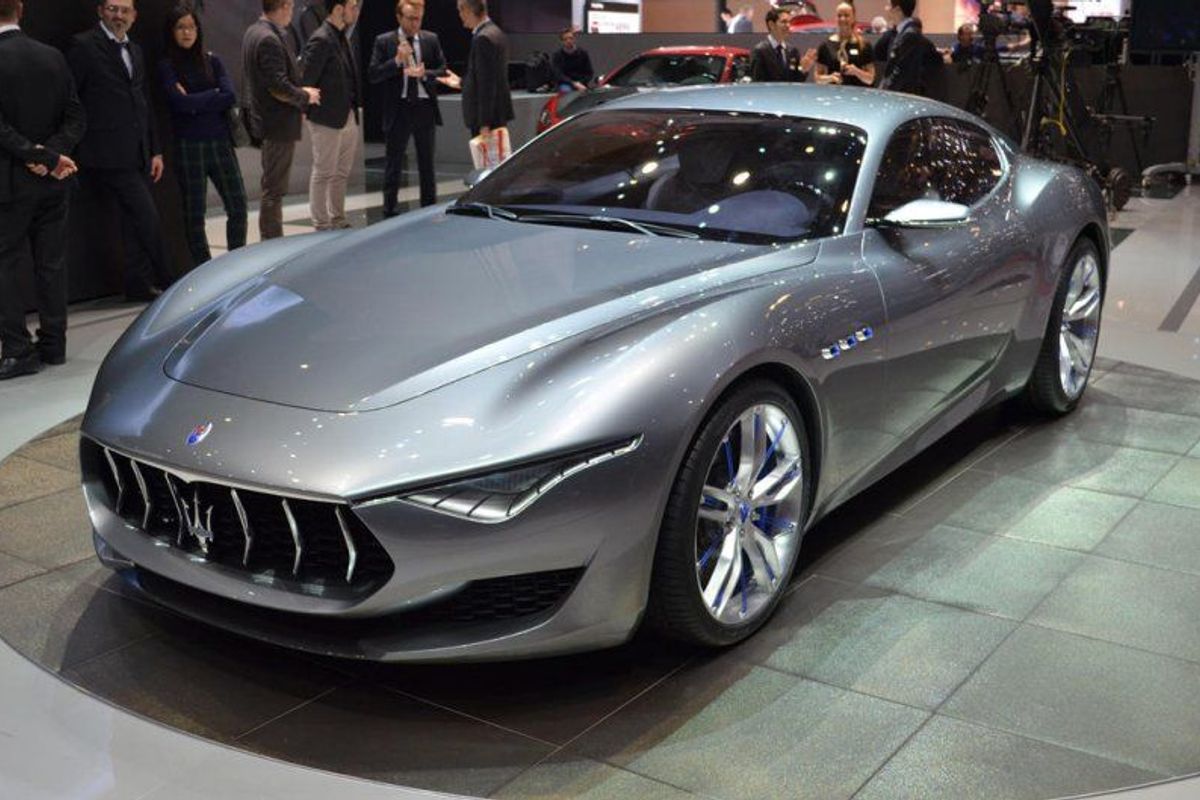
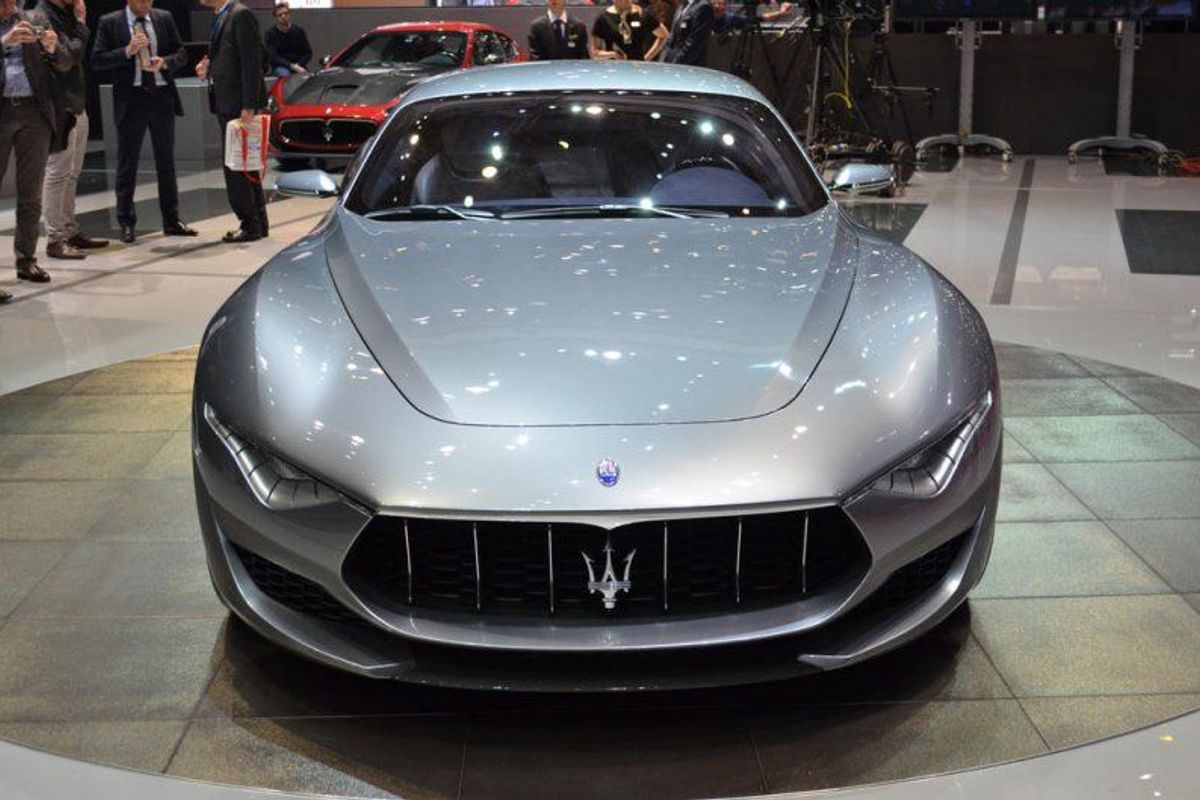
Maserati has introduced in Geneva the stunning Alfieri 2+2 concept which was built to celebrate the brands centenary and hints at a new production model.
Exterior styling
The Alfieri 2+2 concept is based on Maserati’s GranTurismo MC Stradale adopting an appealing curvaceous styling approach with elegant lines. It is further highlighted by its long, low nose and front grille that is divided vertically into two concave sections.
The LED DRLs complement the aggressive headlights that incorporate bi-xenon-LED bulbs. The floor of the concept is finished in a material that imitates oxidized steel, a material commonly found on race cars of the 1950s.
Additionally the Alfieri concept measures 4590mm long, 1930mm wide and 1280mm tall, with a 2700mm wheelbase and is equipped with specially developed 20-inch front/21-inch rear wheels.
Engine capability
Under the bonnet is a naturally-aspirated V8 4.7-litre engine producing 343 kW at 7000 rpm and 520 Nm at 4750 rpm delivered to the road via a six-speed gearbox and a limited-slip differential.
The Alfieris carbon ceramic disc brakes come directly from the GranTurismo MC Stradale and are combined with blue Brembo brake callipers.
Minimalist interior
The interior styling was influenced by classic Maserati models such as the 1957 3500 GT and the 1959 5000 GT. There is a 2+2 arrangement with an open-space cargo area and Aniline leather upholstery can be found on the central console and dashboard.
The seat profile inserts, gearbox lever and oval clock on the central console are milled from single piece aluminium billets, hand finished and anodised in a natural copper colour.
The aluminium-made steering wheel spokes, gearbox paddles and pedals have received a palladium hue, while the suspended instrument panel boasts a clean, organic and two-tone design built around a central TFT display.
Also joining the Maserati Alfieri Concept Coupe at the 2014 Geneva Motor Show is the production model of the Quattroporte Ermenegildo Zegna Limited Edition.
Maserati Alfieri Concept Coupe gallery
GWM C50 Now In SA Specs and Prices
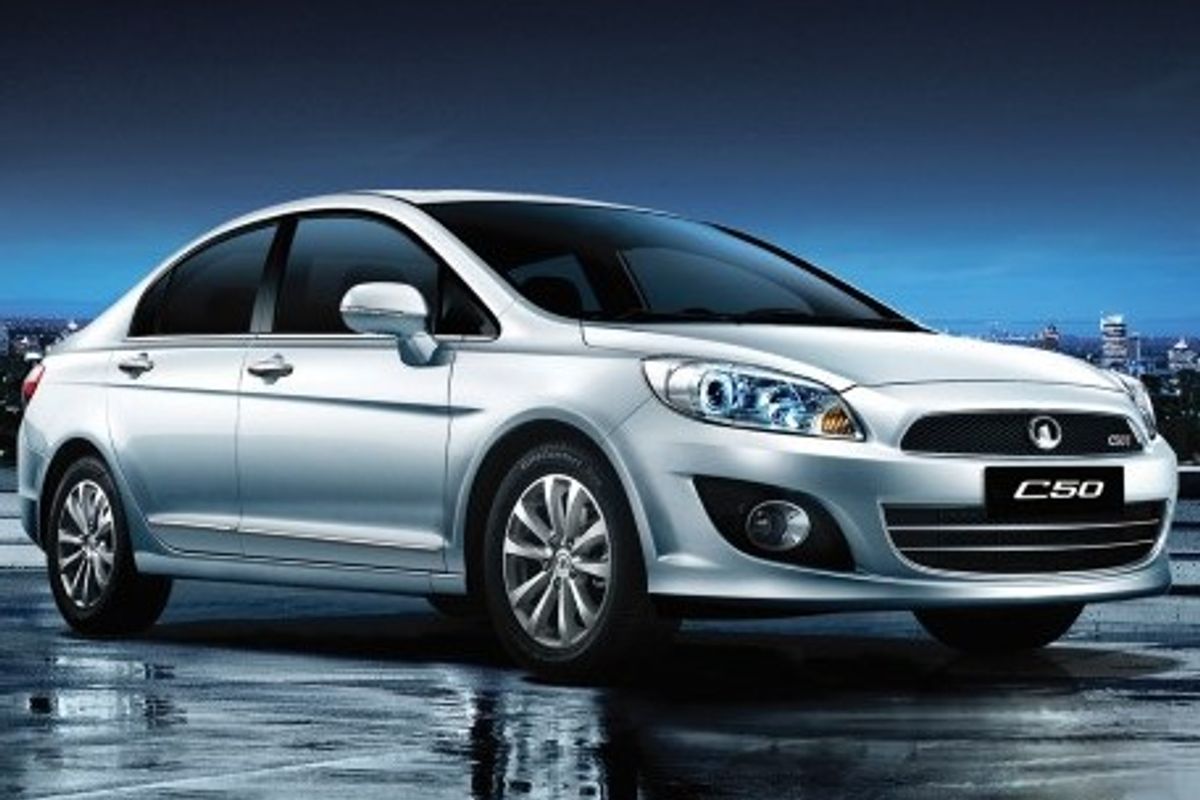
The GWM C50 four-door C-segment sedan has finally made its way to the local market featuring the brand’s latest 1.5-litre turbocharged petrol engine.
Power and economy
The C50 is equipped with a new GW4G15T 1.5-litre turbocharged petrol engine which delivers 93kW at 5600rpm and 188Nm of torque between 2000rpm and 4500rpm. The model is further mated to a five-speed manual gearbox and has a claimed combined cycle fuel consumption figure of 7.4-litres/100km.
Exterior design
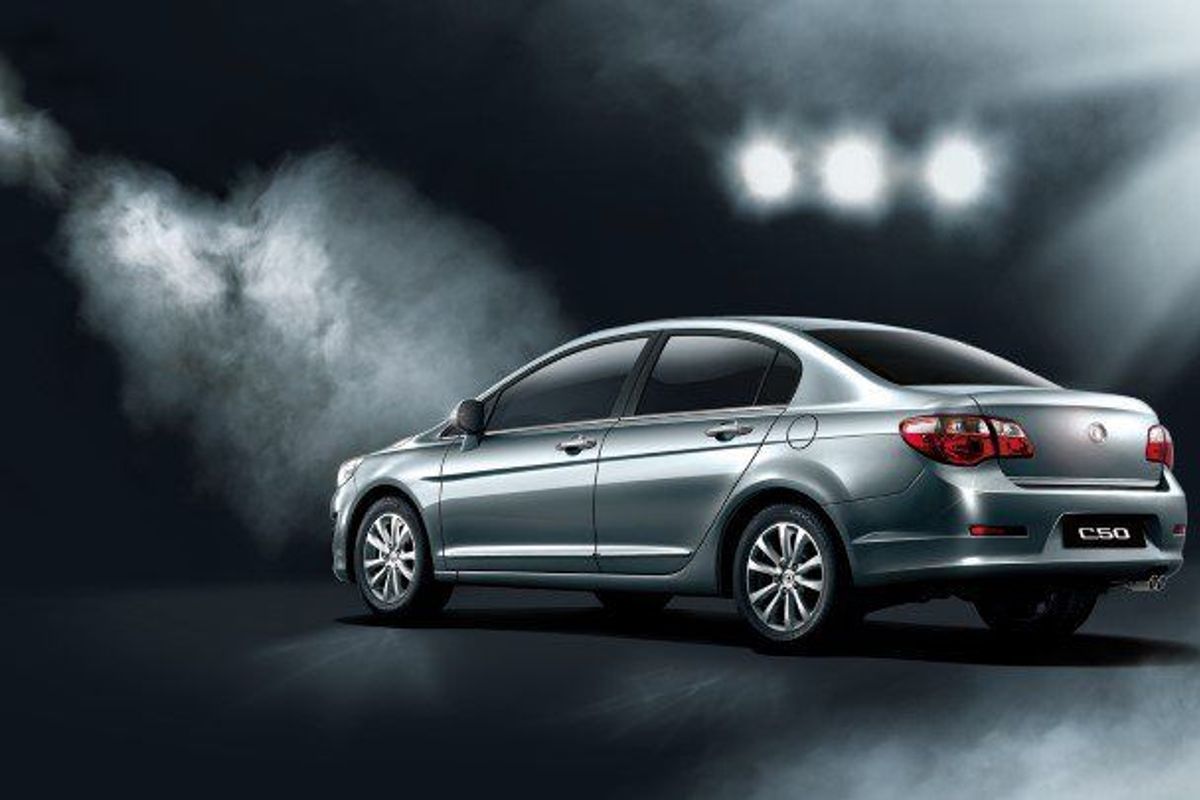
The C50 is offered in South Africa in two trim levels Luxury and Elite, and in a choice of five colours. The sophisticated sedan comes with an extended 2700mm wheelbase, chrome detailing, multi-spoke 16-inch alloy wheels and chrome-tipped twin exhaust outlets as well as wide front and rear tracks.
The long wheelbase also results in plenty of rear legroom and a spacious boot which is at 530 litres.
Interior features
The interior is finished in black, with silver and piano-black lacquer detailing. The steering wheel is adjustable for rake and reach, and the Elite model benefits further from the standard fitment of a height-adjustable driver’s seat. Both C50 models feature durable black cloth upholstery, however the flagship Elite model can be visually distinguished from the Luxury by its leather-wrapped steering wheel, remote audio and cruise control buttons and stainless steel thresholds.
Standard features on both models include a radio/CD/MP3 system (with auxiliary and USB points), air-conditioning, power-steering, electric windows all round and electric mirror adjustment. The Elite derivative also boasts cruise control and Rear Park distance control.
South African-specification C50 models feature dual front airbags, disc brakes all-round, ABS with EBD (electronic brake force distribution) and BAS (brake assist). At the rear, Isofix anchorages provide the safest possible mounting points for child seats.
GWM C50 price in South Africa
GWM C50T Luxury R234 999
GWM C50T Elite R249 999
Both C50 models come with GWMs comprehensive 5 year/100 000 km warranty and come with 2-years AA roadside assistance. The prices include a 5-years/60 000 km service plan.
GWM C50 gallery
Volvo Drive E Engines Now In SA
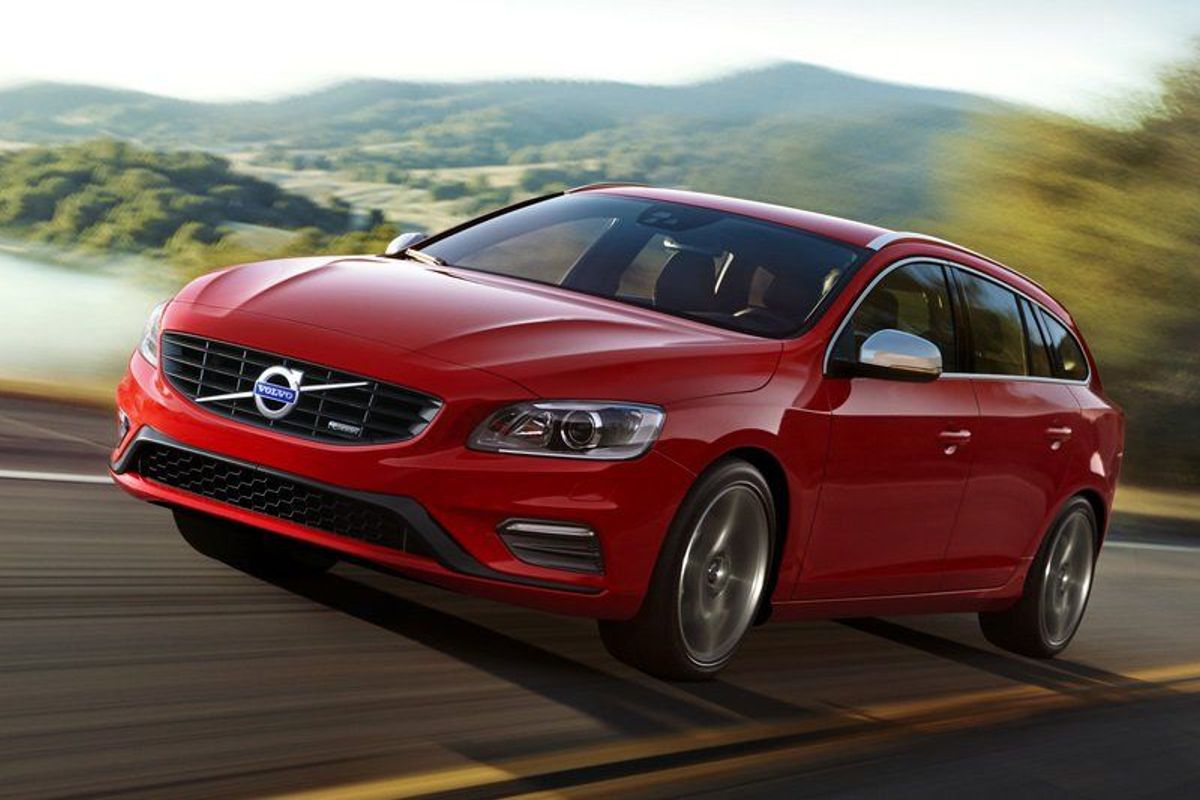
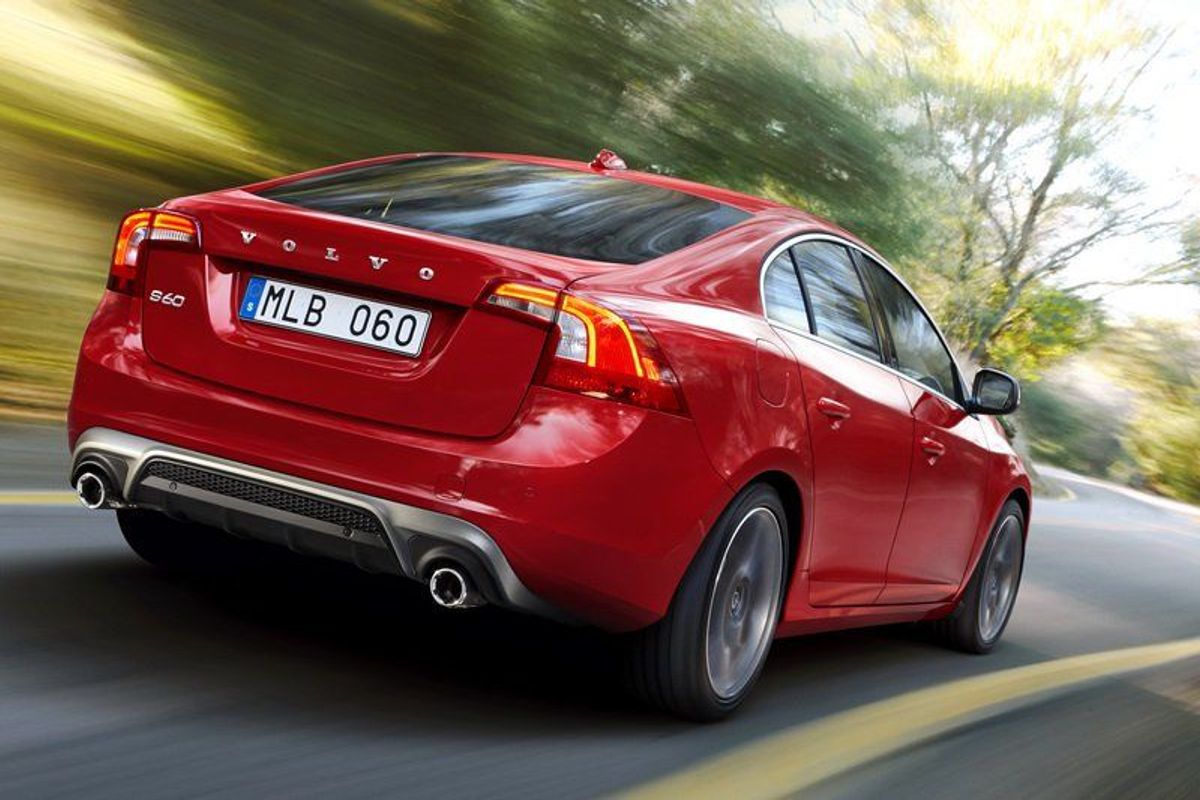
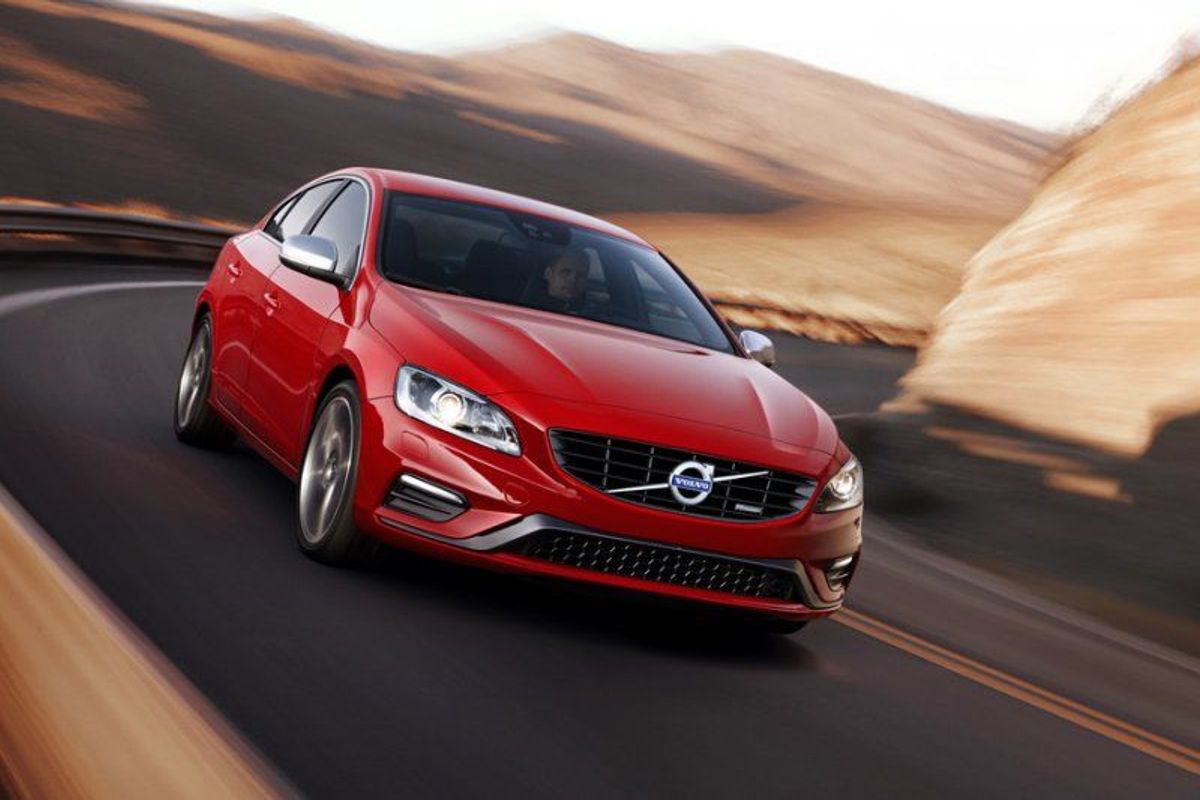
Volvo Drive E engines are in South Africa. The Swedish car maker has launched a bevy of new engines into the South African market at a launch in Nelspruit. The aim of this launch was to refine the current Volvo line-up and introduce powerful, yet frugal new powerplants.
Volvo also took the opportunity to show off its all-new eight-speed gearbox, which on paper sounds like it has the engineering to be able to match the twin-clutch setups from its German rivals. Mechanically the gearbox is able to improve fuel consumption by as much as 35%, and the actual gearbox units are between 30 and 50kg lighter than their predecessors.
I can remember when the Volvo S60 and V60 were launched, and you had many engine options at your disposal. In fact, there were no fewer than eight (both petrol and diesel) motors in varying capacities to choose from. Now, there are two four cylinder motors with different power outputs. These engines are developed solely by Volvo and manufactured in the town of Skovde.
Emissions and economy priority
The main aim of these new engines is to meet the current and future emission/economy legislation. Sadly, emission laws are becoming stricter and car companies are being forced to downsize. These new engines are efficient and economical, yet still have enough power to keep things interesting.
Volvo South Africa bought in Malin Labecker, the manager for cylinder systems at Volvo HQ in Gothenberg. She’s very passionate about engines and their components, and has worked on many of the current products. She talked about the current products and chatted about future technology such as superturbocharging (similar to the TFSI tech from Volkswagen). It’s always fascinating talking technology with, arguably, a leader in her field. Labecker is immensely proud her engines are greener and more efficient than any of Volvo’s competitors.
Available to test drive in rather rainy conditions were petrol and diesel variants of the S60 sedan, V60 and XC60. I have always enjoyed the powerful refinement of a Volvo diesel engine and a white S60 D4 was my first choice. I then climbed into a petrol-powered S60 T5, before ending off with a bigger XC60 T5. I wanted to see if the 2.0-litre turbocharged motor could handle the added mass of the bigger SUV, and I came away satisfied. I can happily report that on the swooping and curvy roads around Nelspruit, Hazyview and White River, both the new engines performed well.
All-new eight-speed gearbox
The new-speed gearbox is simply superb. In sport mode the ‘box shifts with a satisfying mechanical clunk between gears, which I quite enjoyed. When left in full auto mode, it works well and can change down very quickly like when you need to perform an overtake. The car went from eighth, to fifth, to third in less than a second, which then put it right in the sweet torque spot of the motor.
Volvo Drive E Petrol impressions
The turbo petrol is refined and powerful, giving the S60 a nice dynamic edge. The S60 isn’t a performance car though, but this engine complements it nicely. Power is rated at 180 kW, while torque is a commanding 350 Nm. Emissions and economy is what these new motors are all about, and the S60 T5 is claimed to consume just 5.9l/100km with just 137g/km of CO2 making its way out the exhausts.
Volvo Drive E Diesel impressions
As mentioned earlier, I’ve always admired Volvo’s diesel engines and the new D4 is a terrific piece of engineering. It’s remarkably refined, offers tremendous overtaking ability yet is really quiet. You’d be excused for forgetting the engine is still running… The diesel has 133 kW and 400 Nm, impressive figures for a 2.0-litre diesel. Fuel consumption is reportedly 4.1l/100km with CO2 emissions coming in at 107g/km.
2014 will be a busy year for the Swedes and there’s talk of a lot more in terms of product launches and cool technology. Watch this space.
Volvo Drive-E Gallery
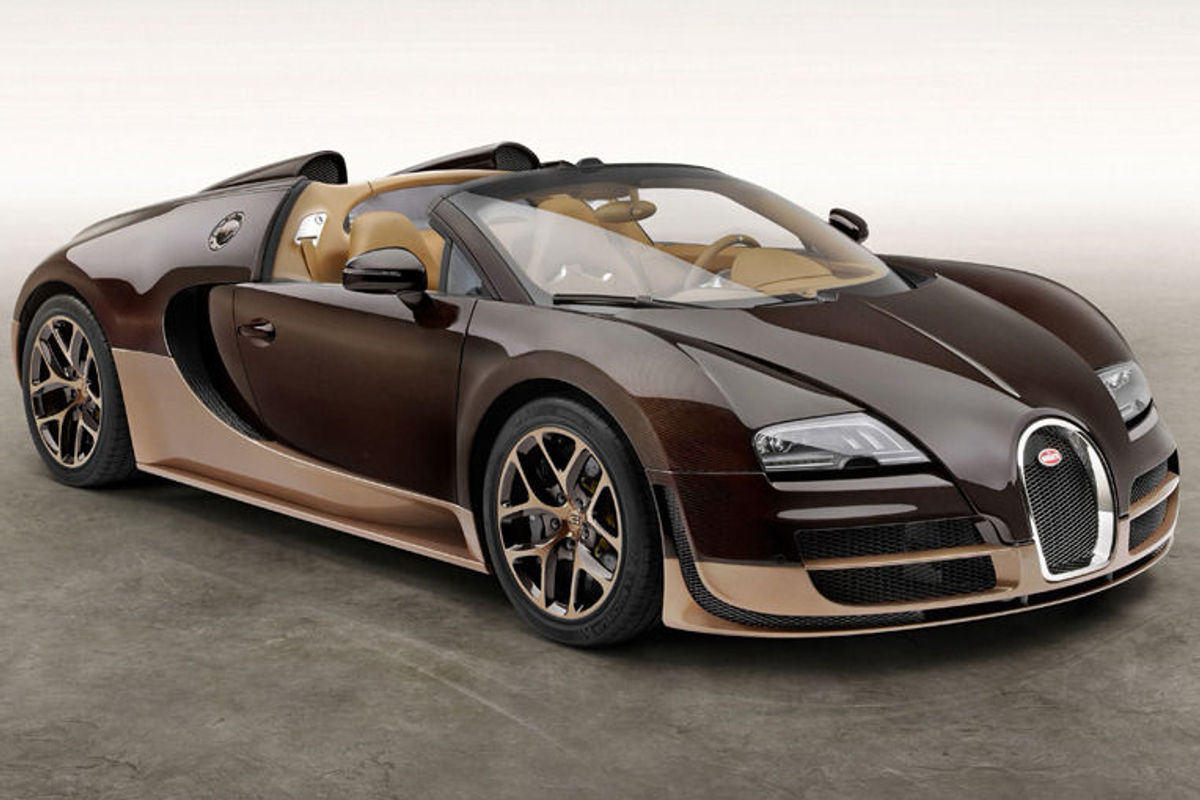
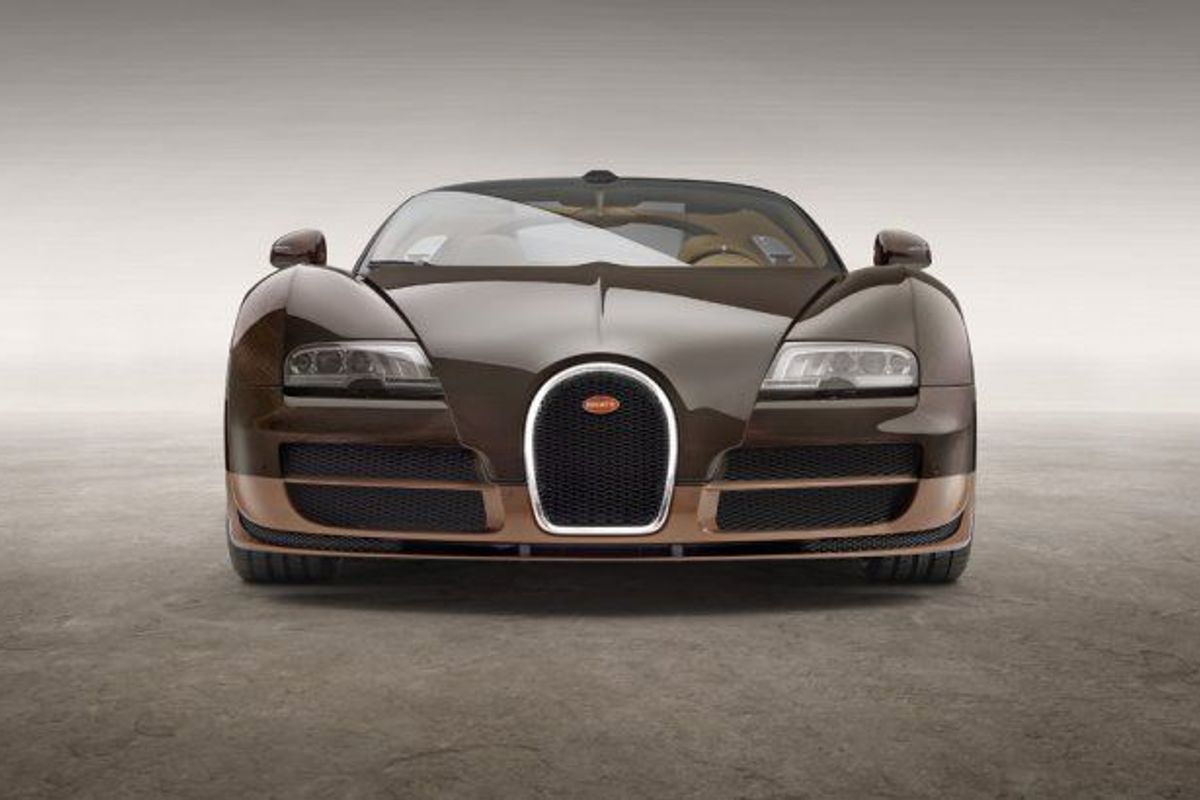
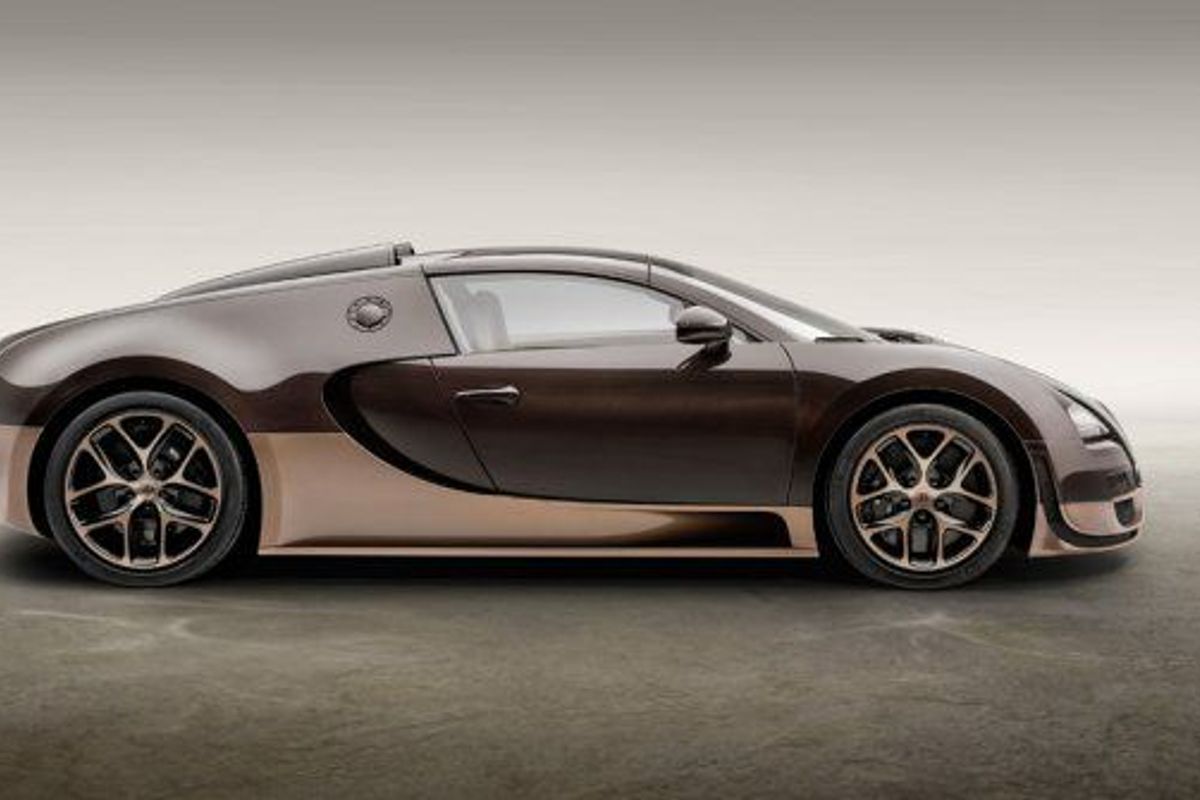
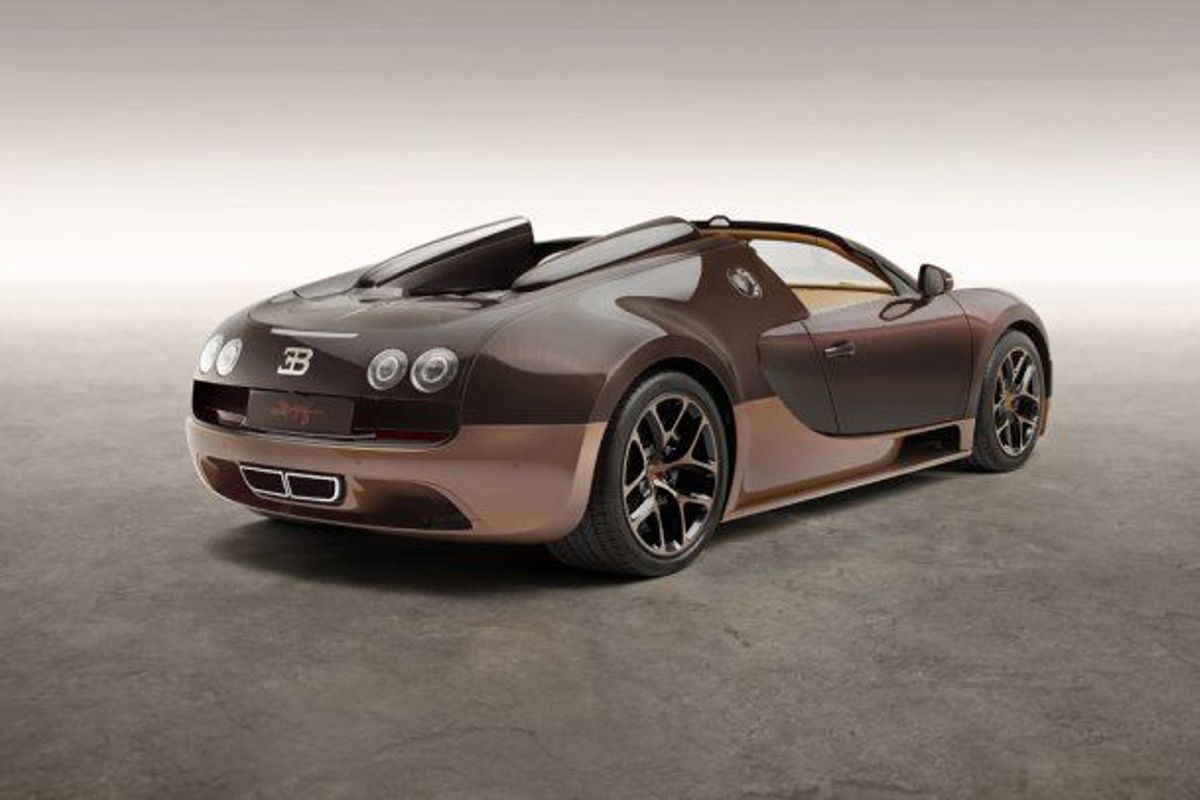
Rembrandt Bugatti Veyron Grand Sport Vitesse Unveiled
The Bugatti Veyron Grand Sport Vitesse Rembrandt Legend Edition has been unveiled today in Geneva and is the fourth Legend Edition model which honours Rembrandt Bugatti and is based on the Bugatti Veyron 16.4 Grand Sport Vitesse.
The new Bugatti Legend
Rembrandt was the brother of company founder Ettore Bugatti and also one of the most notable and artistically independent sculptors of the early 20th century. To launch the “Les Legendes de Bugatti” edition in 2013, Bugatti presented “Jean-Pierre Wimille” at California’s Pebble Beach, “Jean Bugatti” at the IAA in Frankfurt and “Meo Costantini” at the Dubai Motor Show. And already all nine vehicles of these three Legends have been sold.
Exterior and interior features
This special edition Bugatti Veyron Grand Sport Vitesse features a bronze clear-coated carbon exterior that pays homage to Rembrandt’s preferred material. The lower half of the supercar is painted a light brown hue called Noix, while a platinum look has been applied to the Bugattis horseshoe as well as on the EB logo at the back. The vehicle’s alloy wheels are painted in dark “Firefinch” and light “Noix” brown shades and Rembrandt Bugattis signature can be found embedded on the fuel and oil cap.
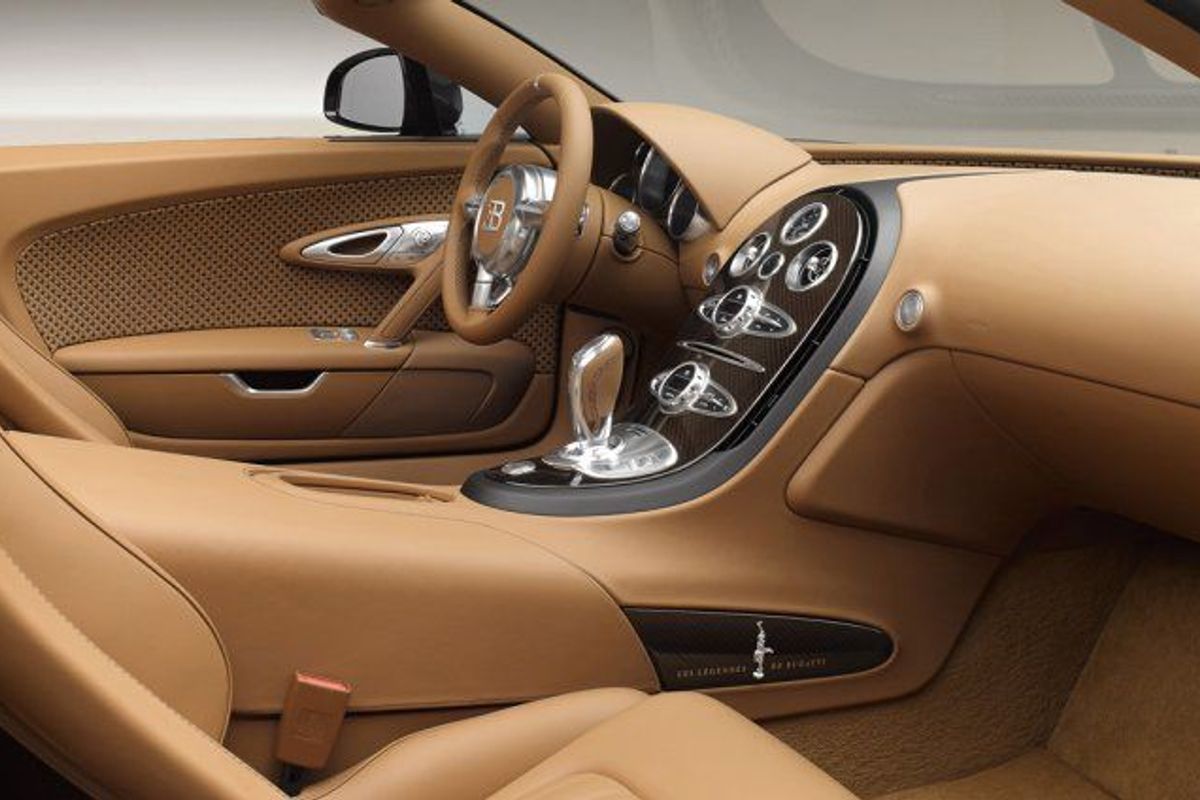
The interior continues with same colour theme as the exterior with a light brown “Cognac” leather upholstery with an elephant structure on the rear centre box between the seats where Bugatti has also applied the Type 41 Royale’s hood ornament.
Other highlights include a platinum EB logo on the steering wheel, bronze-coloured, clear-coated carbon on the centre console with the lettering LesLegendes de Bugatti, and braided leather for the door trims.
Driving dynamics
The Vitesse is apparently the fastest production roadster ever built and has a maximum speed of 408.84 km/h with the roof down. Its equipped with an 8 litre W16 engine which achieves an unparalleled torque of 1500 Nm at 3000-5000 rpm, and can accelerate from 0-100 km in 2.6 seconds.
The special edition Bugatti Veyron Grand Sport Vitesse will also be showcased in Berlin, Germany during an exhibition in the Old National Gallery.
Bugatti Veyron Grand Sport Vitesse gallery
2015 Audi TT Coupe Officially Revealed
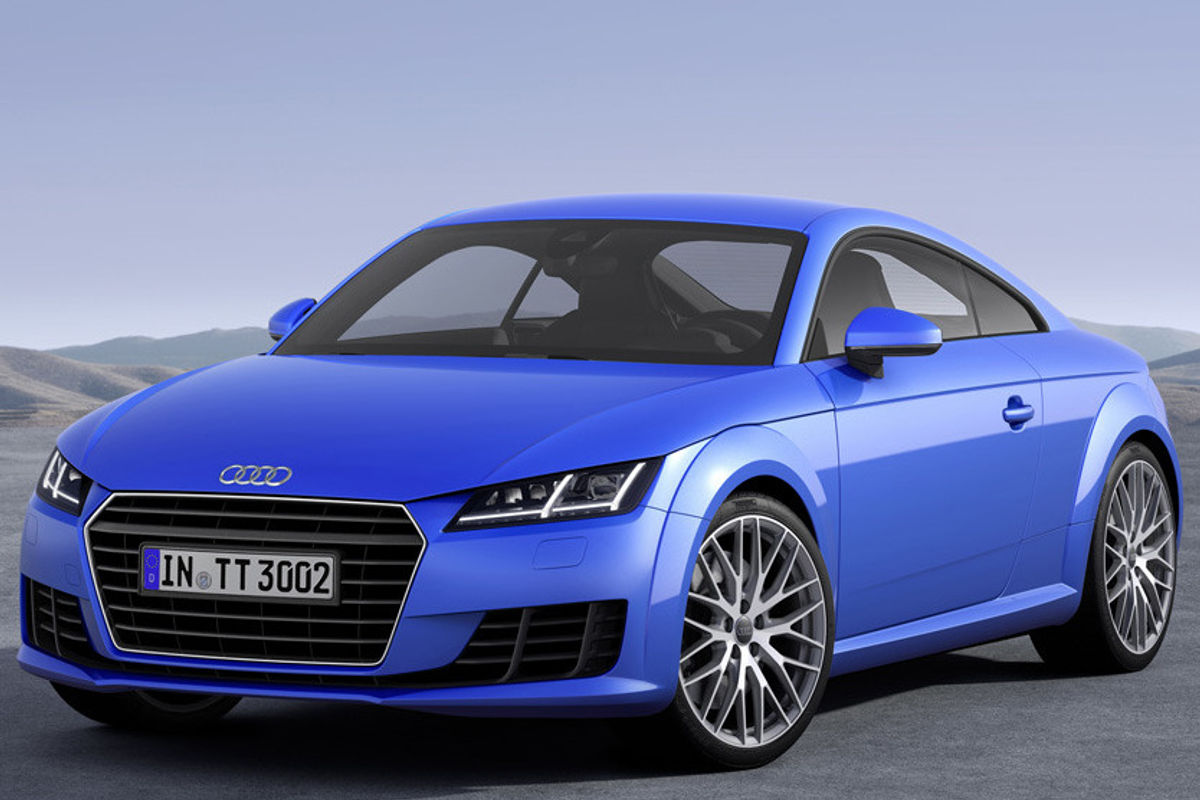
Audi has officially unveiled at the 2014 Geneva Motor how the all-new third generation TT Coupe along with a powerful TTS variant.
Both cars are characterized by the use of innovative technologies in their engines and in their control and display concept, including the Audi virtual cockpit.
Updated and re-engineered for the third generation
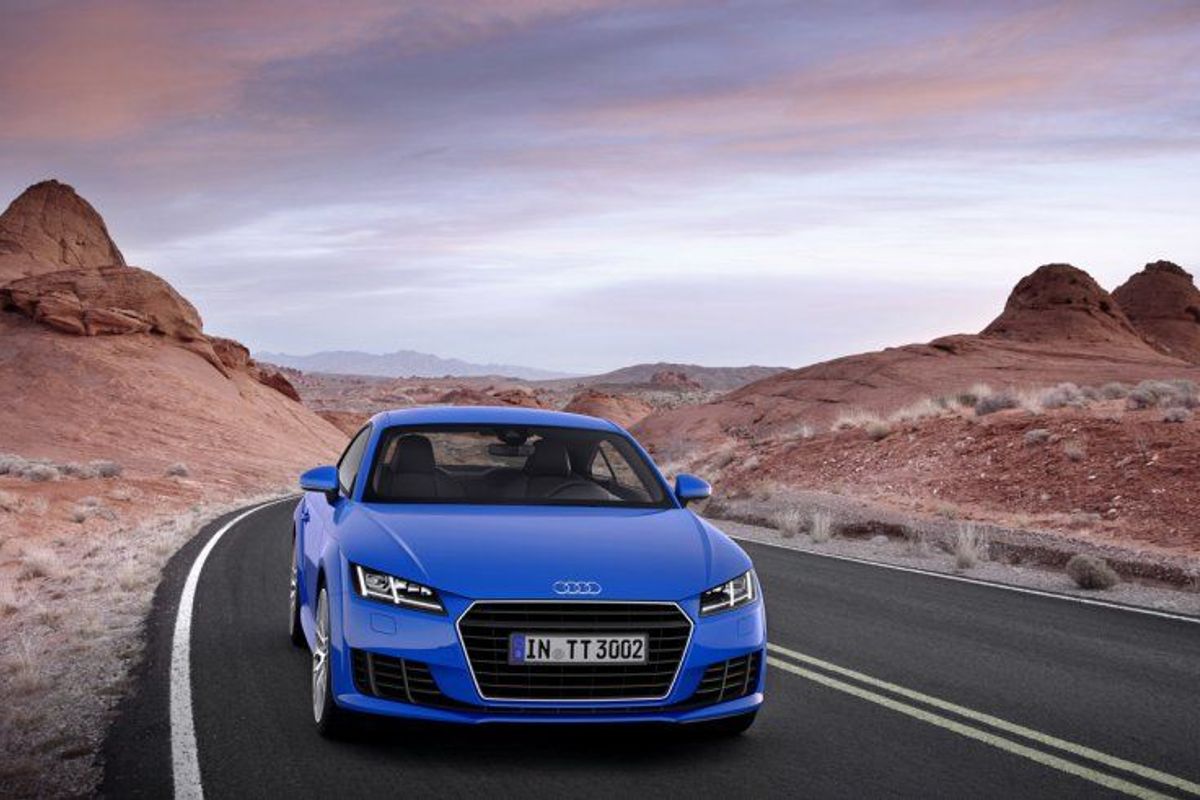
Styling ideas of the 2015 Audi TT Coupe are reminiscent with those of the sports car that debuted back in 1998 but have been developed in a new context that is as dynamic as it is diverse for its third generation.
It comes with a more aggressive front fascia with a hexagonal grille flanked by the trapezoidal optional LED headlights. There’s also a contoured clamshell hood while the Audi logo has been moved onto the lower section of the hood.
Xenon Plus units are standard, with LED headlights or units using the Audi Matrix LED technology first seen in the A8 available as optional extras. On both the TT and TTS, there is an unmistakable contour created by the separating strip in the headlights, which is illuminated by light guides.
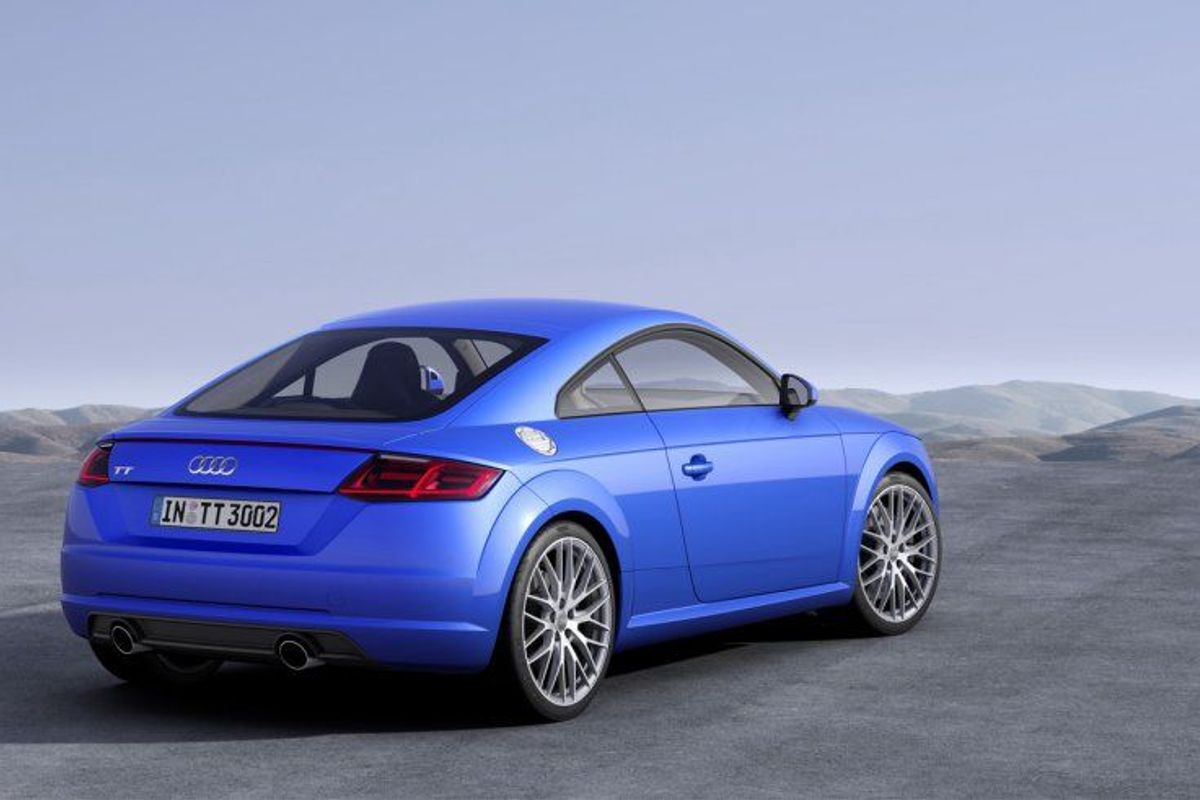
Other features include the prominent wheel arches, a defined “Tornado” horizontal shoulder line running through to the tail as a strong body shoulder and a spoiler that automatically deploys at speeds exceeding 120 km/h, as well as wheels ranging from 17 inches to 20 inches.
At 4.18 metres long, the Coupe is almost exactly the same length as its predecessor, though its wheelbase has grown by 37mm to 2505mm. It is 1832mm wide, and has the same height as the previous model at 1353mm.
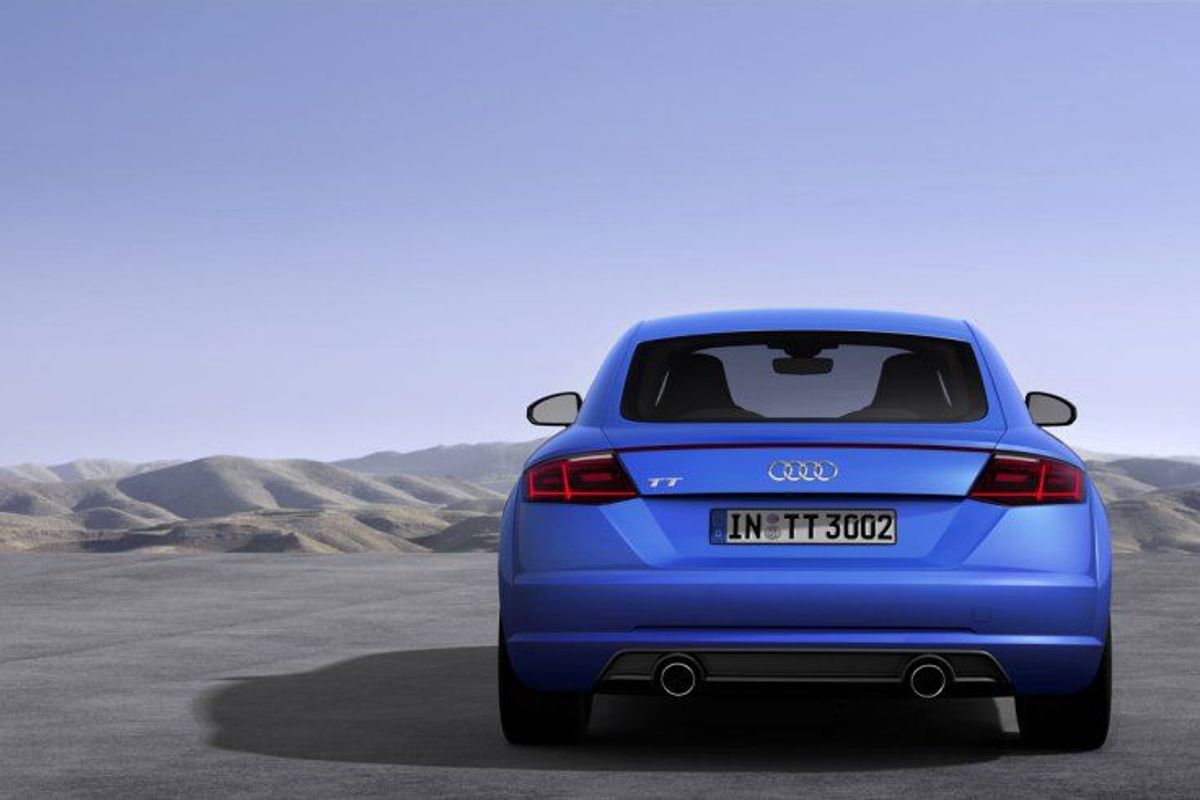
All standard models have two large round exhaust tailpipes which are again reminiscent of the original TT. Like all Audi S models, the TTS exhales through four oval tailpipes.
The optional S line exterior package makes the design of the bumpers, air intakes, Single-frame grille, sills and the rear diffuser even sharper and sportier. The package also comes with 18-inch wheels and a body that rests 10 mm lower.
Lightweight construction
The third-generation TT is the German automakers first sports car built on the Volkswagen MQB platform and is up to 50 kg lighter, resulting in a curb weight of 1230 for the 2.0 TFSI model. Trunk capacity has increased by 13 litres so customers will be able to fill up 305 litres with luggage.
Engine line-up
At launch the 2015 Audi TT Coupe and TTS will be available with three four-cylinder engines featuring turbocharging and direct injection.
There are two 2.0 TFSI units with 169 kW and 370 Nm and one with 228 kW and 380 Nm in the TTS derivative, along with a 2.0 TDI outputting 135 kW and 380 Nm of torque and can accelerate to 100km/h in 7.2 seconds, yet is also good for a claimed 4.2 litres/100km.
There is also the 2.0 TFSI mated to a six-speed manual gearbox which enables the new TT to reach 100 km/h in 6 seconds (5.3s with S tronic) before reaching an electronically-limited top speed of 250 km/h.
The Audi TTS covers the standard sprint in 4.7 seconds and its top speed is electronically governed at 250 km/h, and is optionally available with an S tronic gearbox. The diesel TT does the run in 7.2 seconds and will tops out at 235 km/h.
Interior features
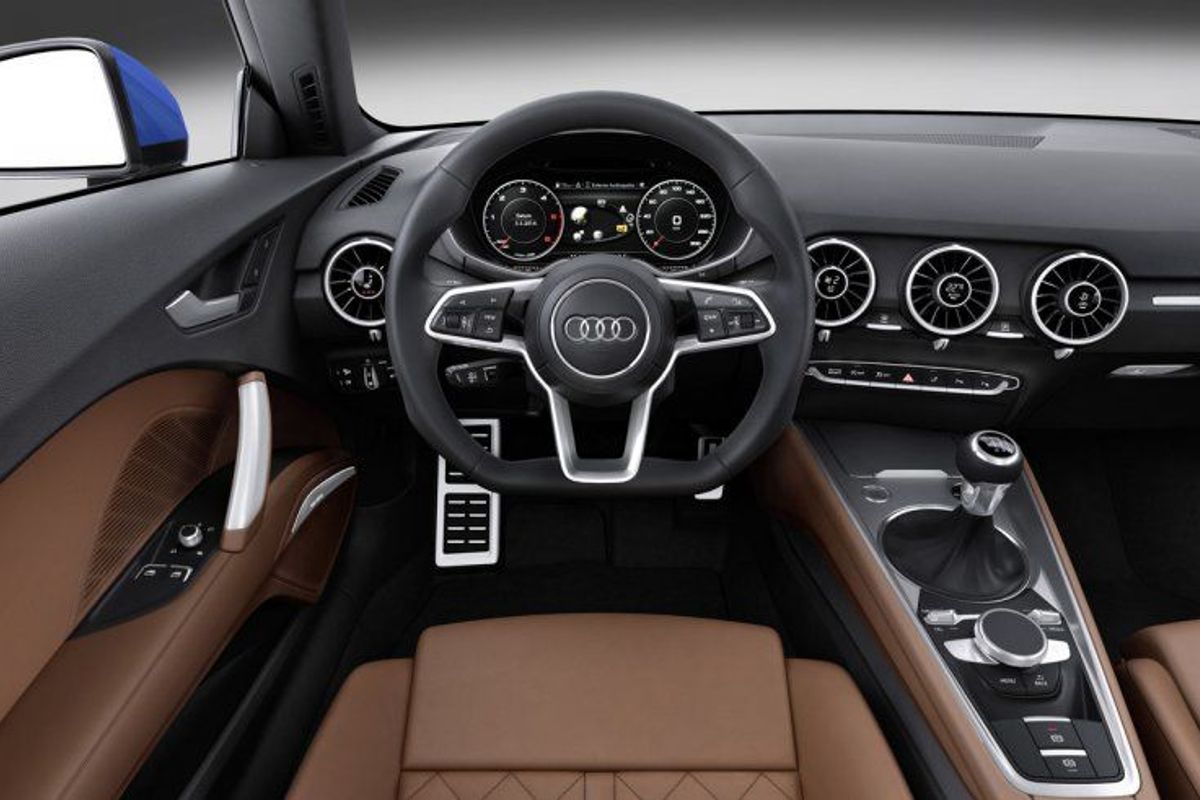
The cabin is equipped with an all-new 12.3-inch TFT screen powered by an Nvidia Tegra 30 graphic processor, repositioned air conditioning controls in the air vents, while the optional S sport seats (standard on TTS) have integrated head restraints and pneumatically adjustable side sections that are highly contoured to offer optimal support and comfort.
There’s also a new multifunction flat-bottomed steering wheel featuring a new airbag that occupies 40 percent less space than before without compromising on safety, a newly designed split gear lever, and an MMI rotary pushbutton. Audi has also installed a 12-speaker Bang & Olufsen audio system with a 14-channel amplifier and door-mounted woofers which are illuminated by an adjustable light conductor.
The 2015 Audi TT Coupe is the epitome of an authentic design icon and a top-performance driving machine, explained Dr. Ulrich Hackenberg, Member of the Board of Management of AUDI AG for Technical Development. With the new generation, we are making this technology even easier for the driver to experience just as they would expect from a real sports car.
2015 Audi TT Coupe gallery
Lexus RC 350 F Sport Debuts in Geneva
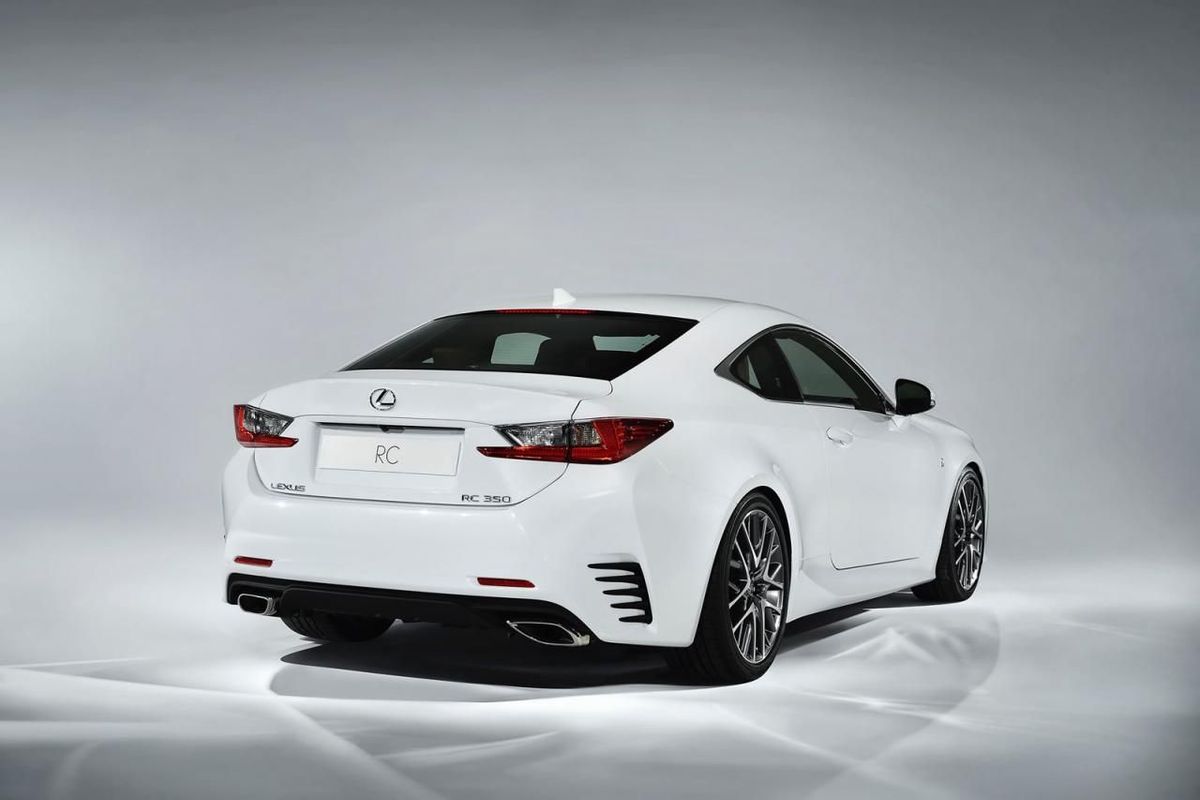
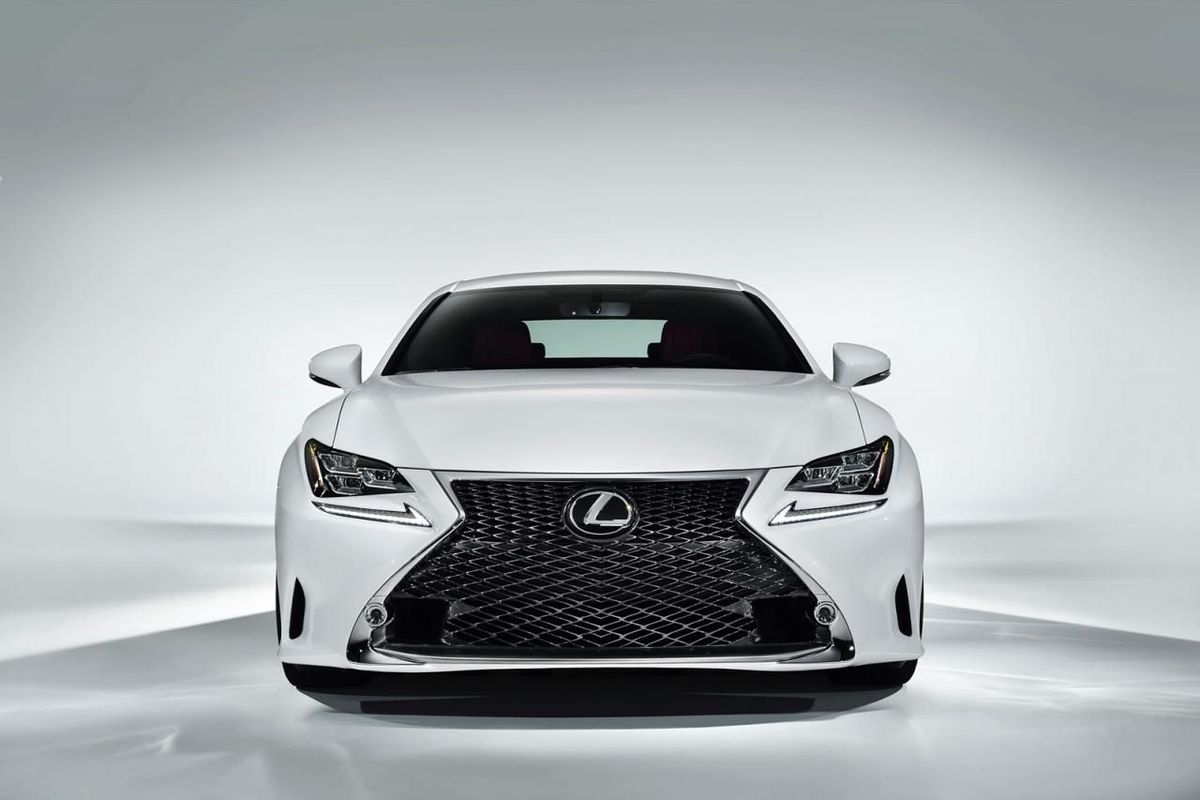
Following an announcement made earlier this month, Lexus has unveiled at the 2014 Geneva motor Show the RC 350 F SPORT which is a derivative of the RC Coupe which was first revealed at the Tokyo Motor Show last year.
Design
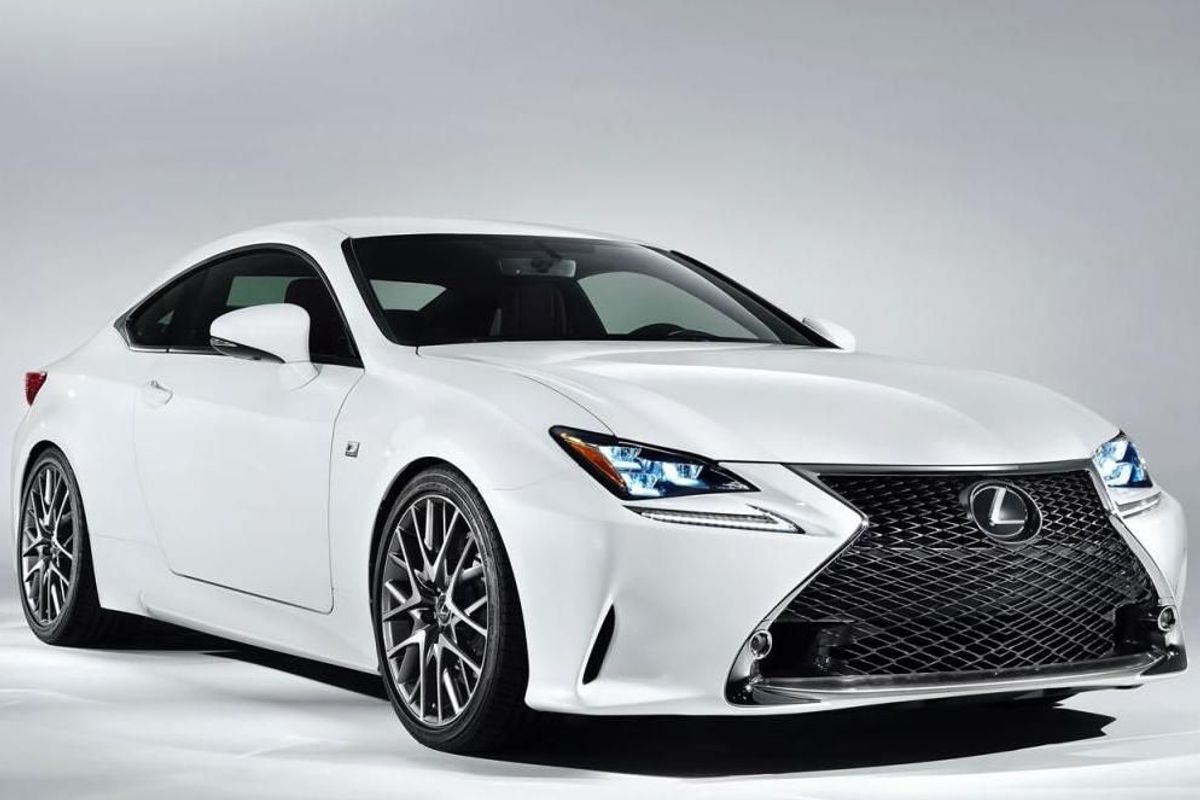
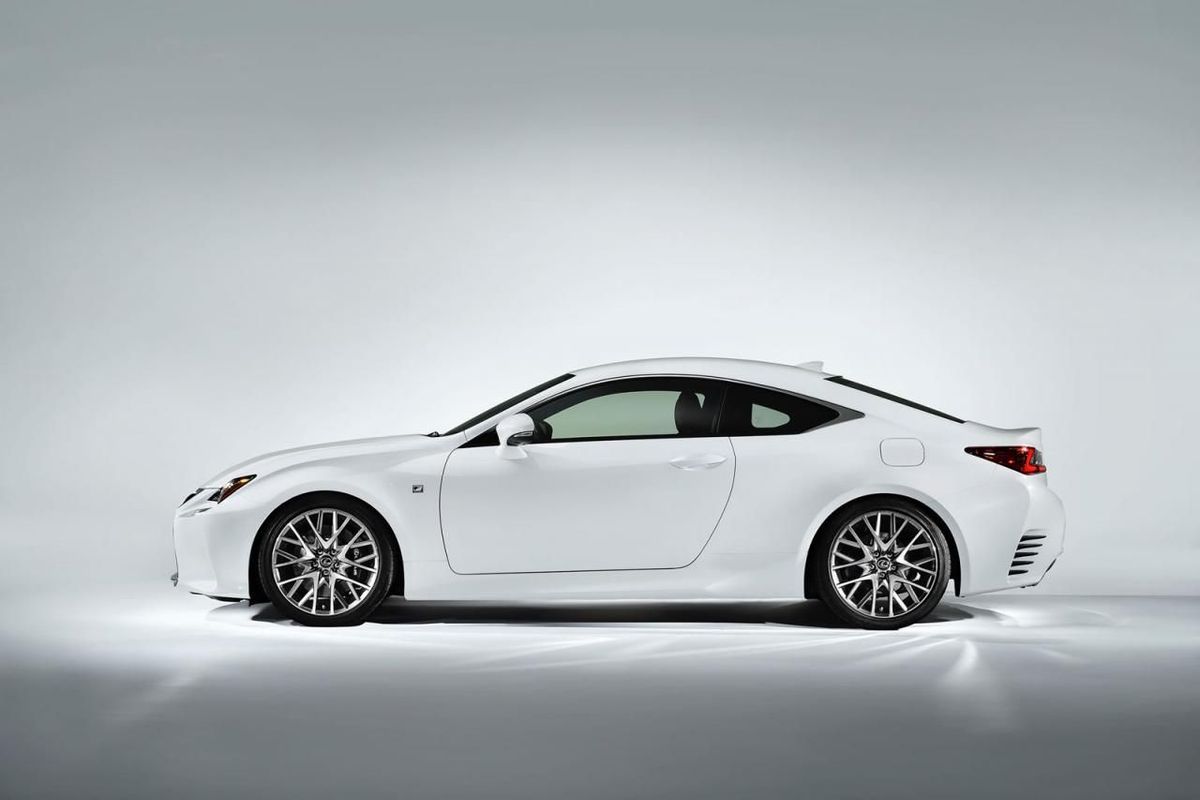
The Lexus RC 350 F SPORT is based on the GS platform but differs in all dimensions from the GS and IS models. It joins the already introduced RC 350 and RC F models and offers visual and dynamic upgrades over the standard model.
It rides on a bespoke set of 19-inch F Sport alloy wheel design featuring a machine-finished outer 10-spoke layer offset over an inner 10-spoke layer finished in a dark metallic paint and comes with a double wishbone front and multilink rear suspension.
The RC F model is further identified by a model-specific F mesh grille design and a Lexus spindle grille and will be available with three exclusive exterior colours White Nova, Orange and Flame Blue.
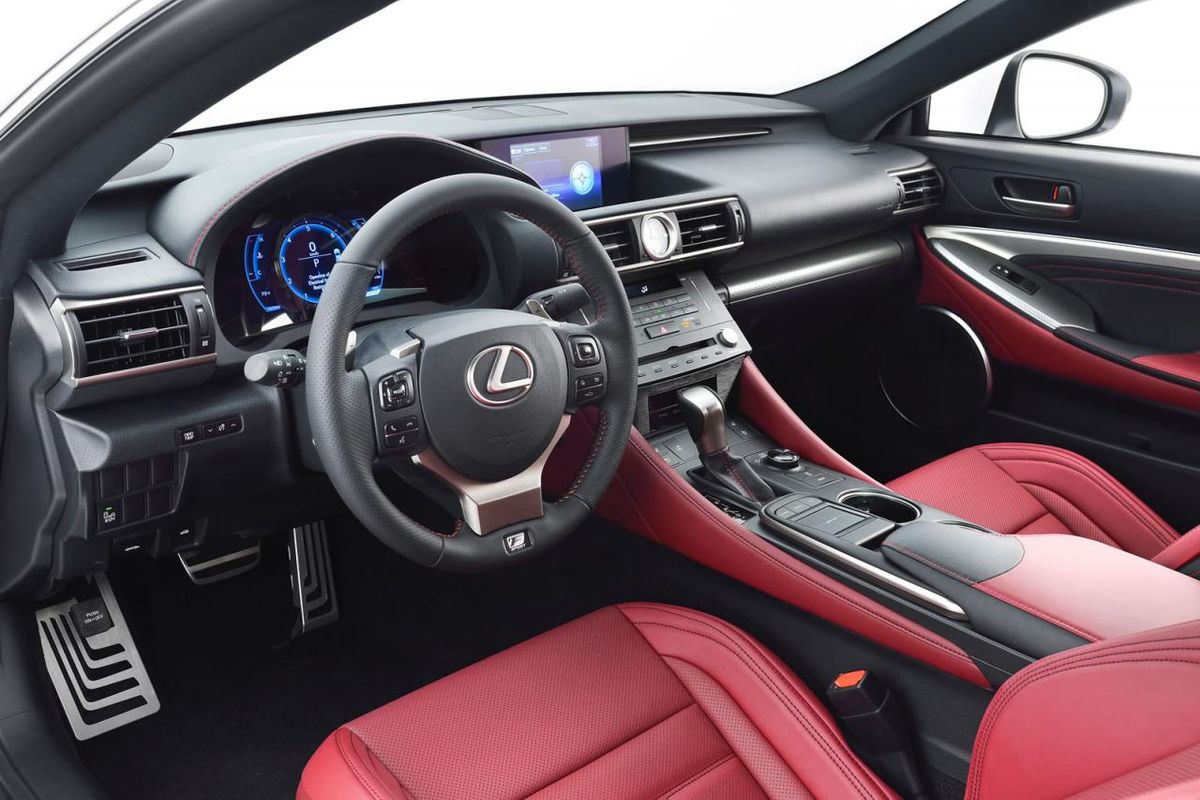
The interior features an LFA-style instrument cluster with moveable centre ring, and a perforated F Sport leather steering wheel and premium shift knob as well as Rioja Red upholstery only found on the F SPORT model.
Driving dynamics
Power is provided by a V6 engine delivering 236 kW at 6400 rpm and 375 Nm of torque at 4800 rpm sent to the rear wheels through an eight-speed automatic transmission.
Standard on the F Sport is adaptive variable suspension and the Lexus dynamic handling (LDH) system which consists of rear-wheel steering in the back and variable gear ratio steering for the front.
The Lexus RC 350 F SPORT is currently on display at the 84th Geneva Motor Show.
Lexus RC 350 F Sport gallery
Lexus RC F GT3 Unveiled
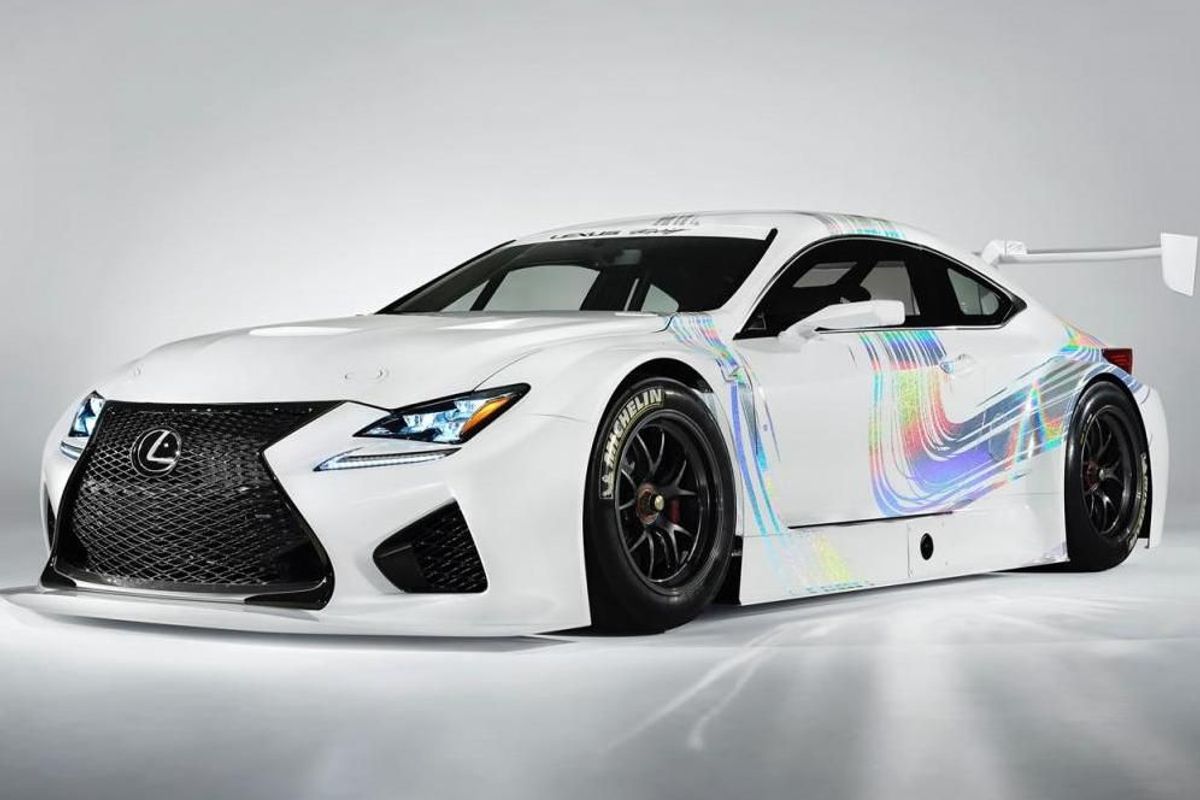
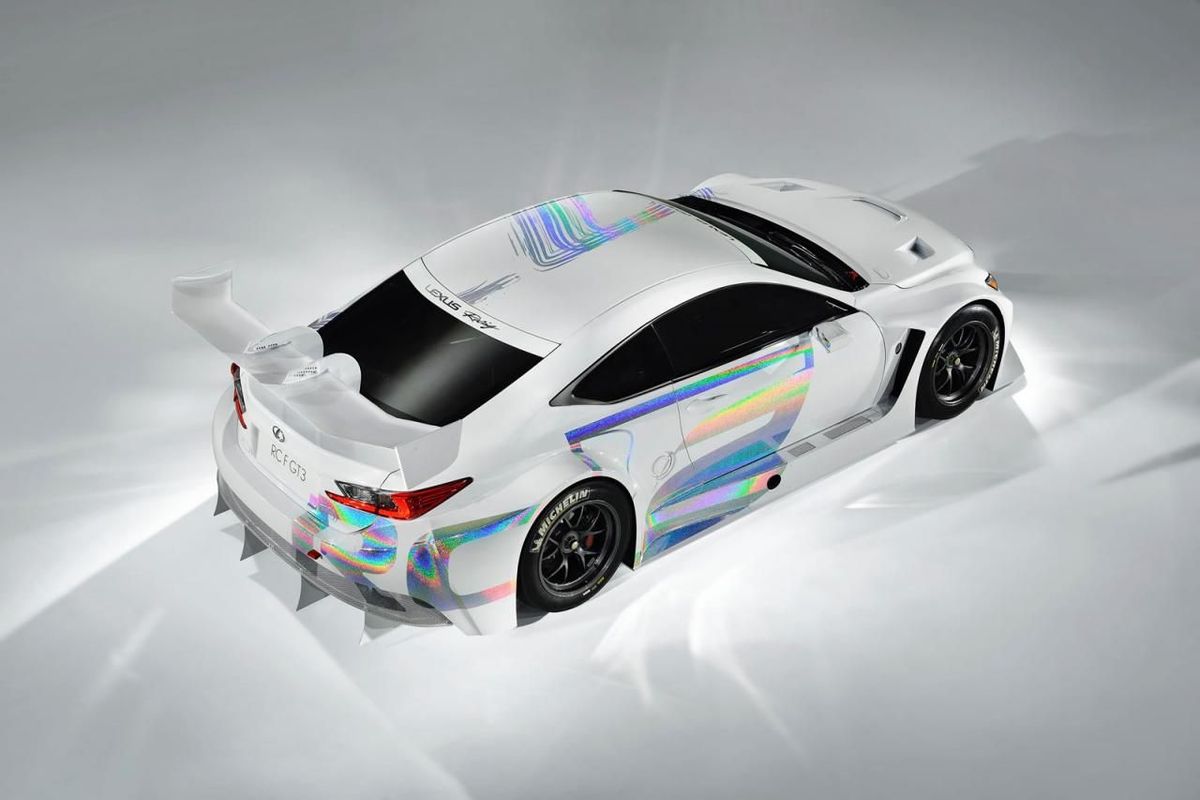
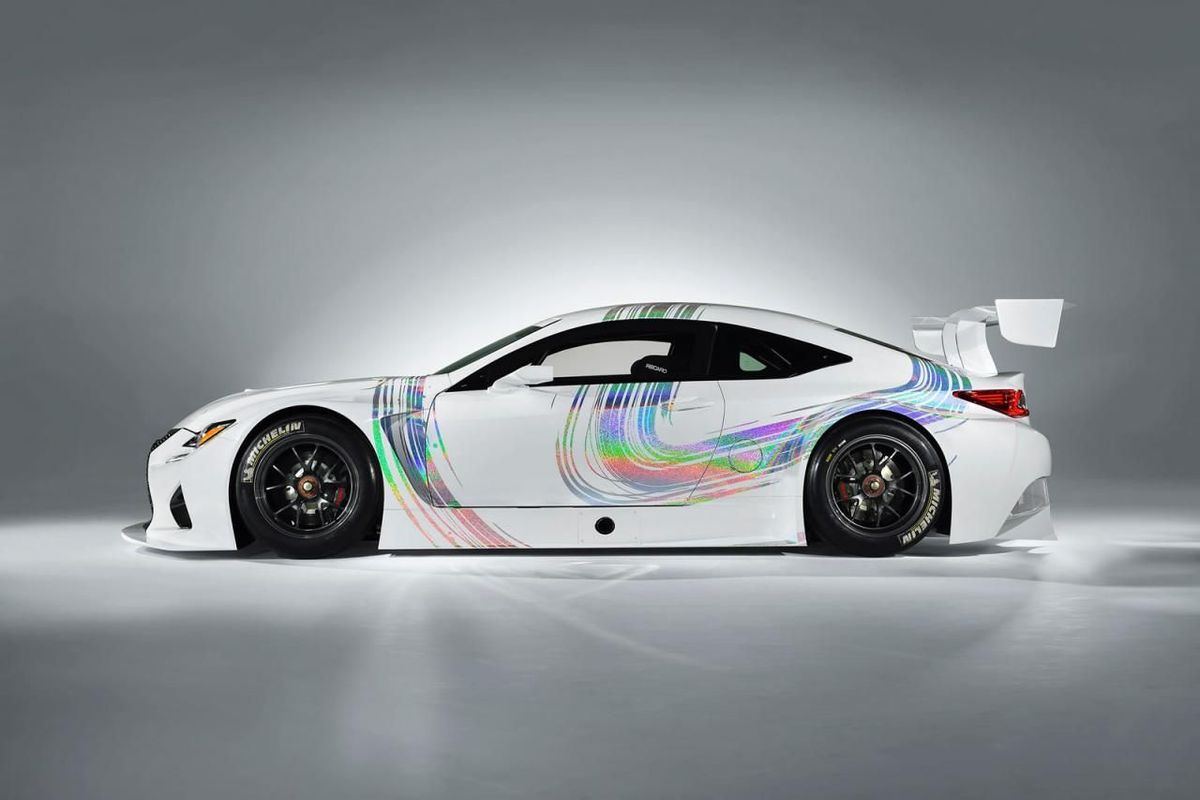
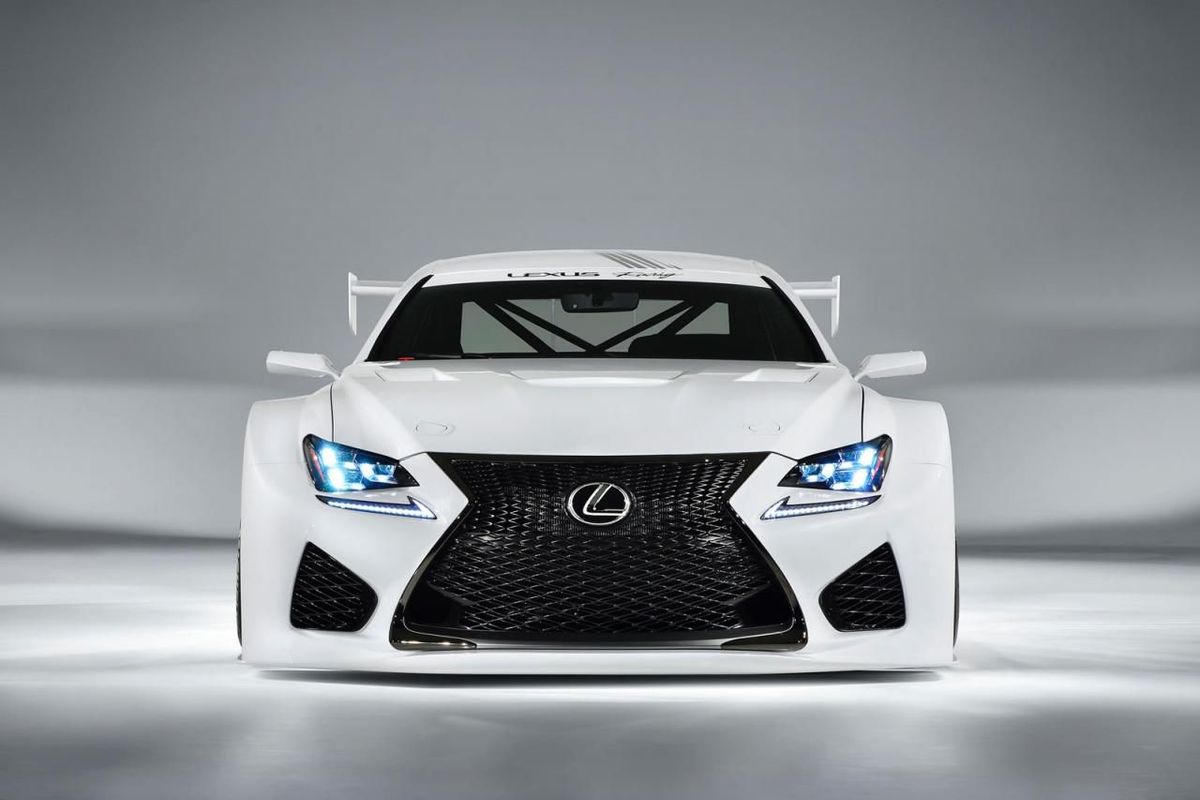
The Lexus RC F GT3 concept car has been revealed and is set to officially at the 84thebut Geneva Motor Show this week.
Apart from showcasing the RC 350 F Sport, Lexus will also introduce the RC F GT3 concept car which gets the same V8 engine from the RC F but boasts over 397 kW whereas the road-going RC F offers 335 kW. The brand also announced that it plans to provide GT3 vehicles to racing teams next, so its highly likely that several RC F GT3 race cars might be seen early next year.
The vehicle tips the scales at 1 249 kg and measures 4 705 mm long, 2 000 mm wide and 1 270 mm tall, with a 2 730 mm wheelbase.
In addition, the RC F GT3 will be joined in Geneva by the European debut of the new sporty coupe from Lexus including the RC 350 F Sport, RC 350 and RC F.
Lexus further announced vehicle testing will commence in the following months ahead of next year’s plans to participate in races all over the world, including the 24 Hours of Nurburgring endurance race in Germany and the Super Taikyu Endurance and Super GT series in Japan.
The Lexus RC F GT3 concept will be on display in Geneva starting tomorrow.
Lexus RC F GT3 gallery
Nissan Smart Rearview Mirror Set To Debut in Geneva
Nissan has announced the development of the Smart rearview mirror the world’s first LCD monitor which will be on display at the 2014 Geneva Motor Show.
Unique high-performance cameras and image processing technologies
According to the Japanese automaker, the Smart rearview mirror not only provides clear rearward visibility under various conditions but also allows the driver the ability to switch between the LCD monitor and the traditional rearview mirror, depending on the driver’s preference.
The system uses a high-resolution rearview camera and a built-in LCD monitor that can be activated in place of the conventional mirror. A high-resolution camera mounted on the rear of the vehicle provides the driver with a clear unobstructed view of the rear flanks, allowing the ability to check blind spots and other traffic conditions.
In addition, theres a versatile switch function in order to go back to a traditional rearview mirror. However, compared to the standard mirror, Nissan says the LCD monitor gives a wider and clearer view and can provide a crisp image in a variety of environmental conditions including rain, snow, dawn and dusk, and obstacles such as tall rear seat passengers and luggage.
Smart rearview mirror will give our customers the best possible view no matter how tall the passengers in the back seat, or the road conditions. said Andy Palmer, Chief Planning Officer and executive Vice President of Nissan.
It also offers the possibility of new and exciting designs for our upcoming models because Smart rearview mirror is an alternative to a very wide rear window for good visibility. We’ll have the flexibility to create new shapes, and to further improve aerodynamics for better fuel efficiency.”
The Smart rearview mirror will become a dealer option in Japan this spring and Nissan will introduce it globally in 2015. There are also plans on incorporating the Smart rearview mirror in the ZEOD RC race car that will be competing at this years 24 Hours of Le Mans. It will then head to global markets next year.
Watch the Smart rearview mirror system in action
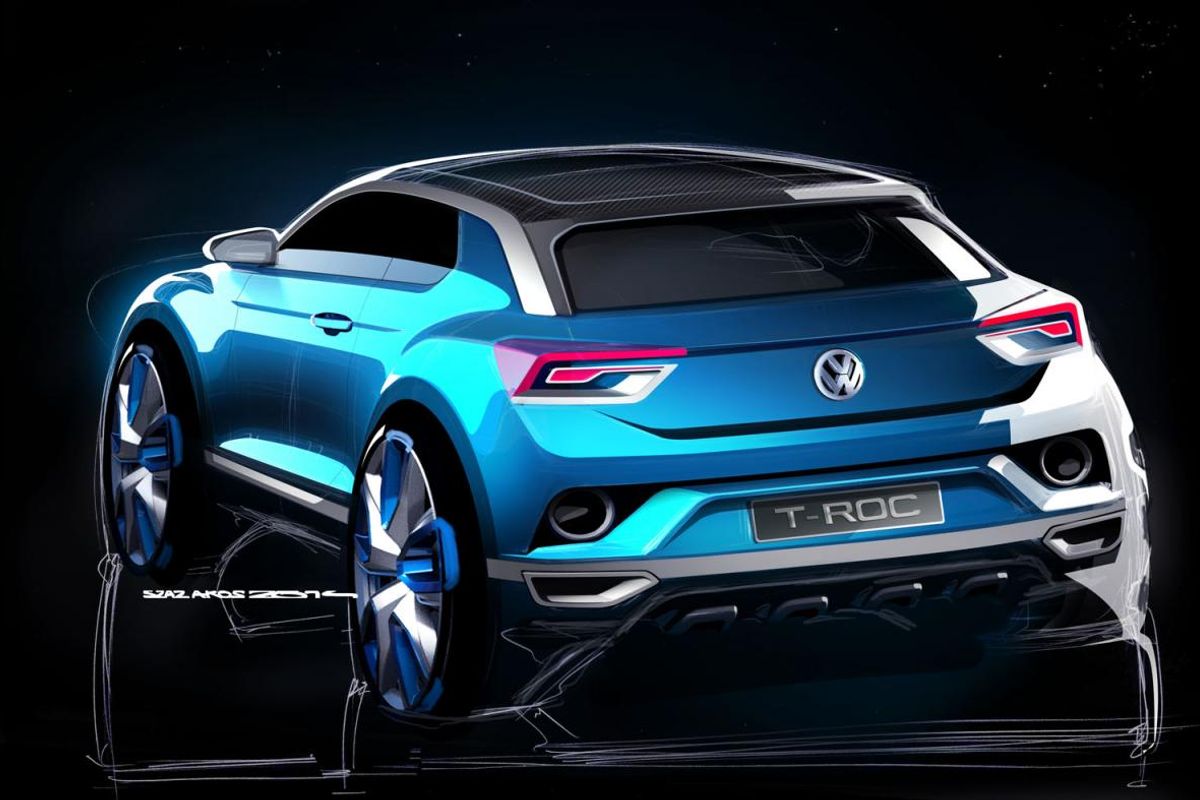
Volkswagen T ROC Concept Announced For Geneva
Volkswagen has announced plans to introduce its latest SUV concept, dubbed the T-ROC at the Geneva Motor Show starting tomorrow.
A new approach to compact SUVs by Volkswagen
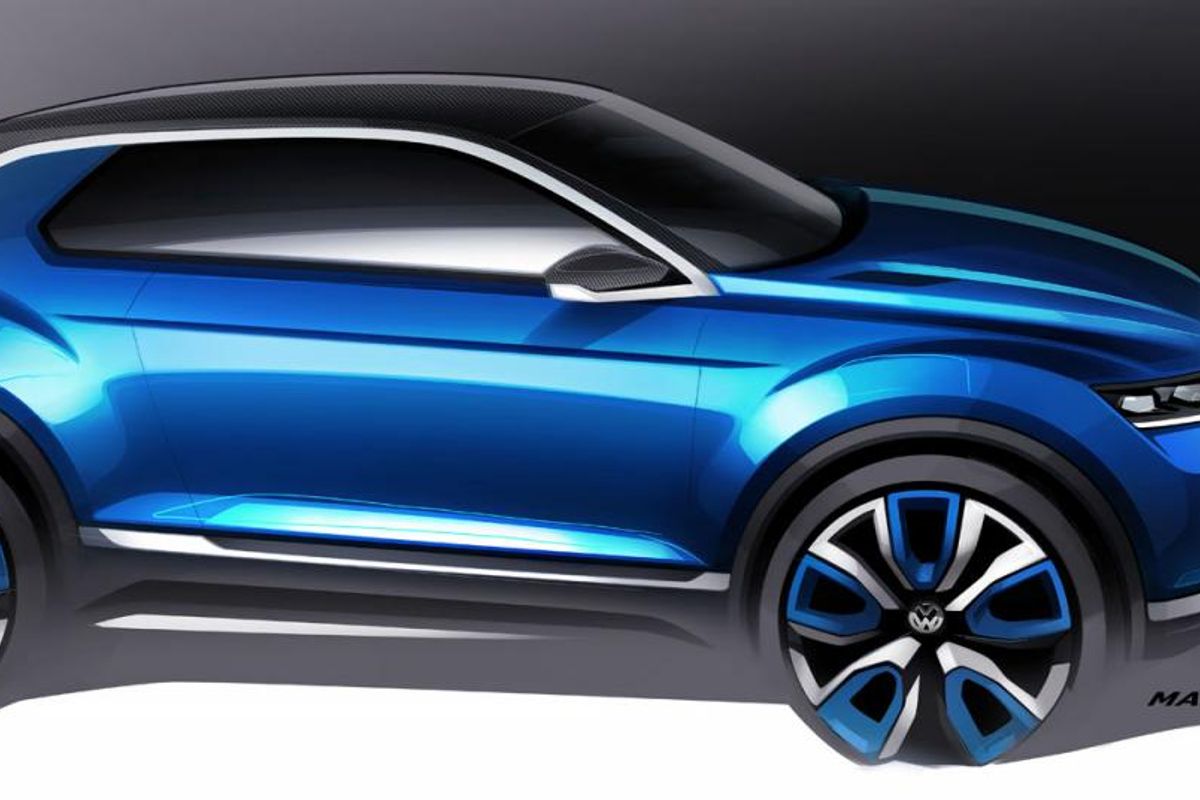
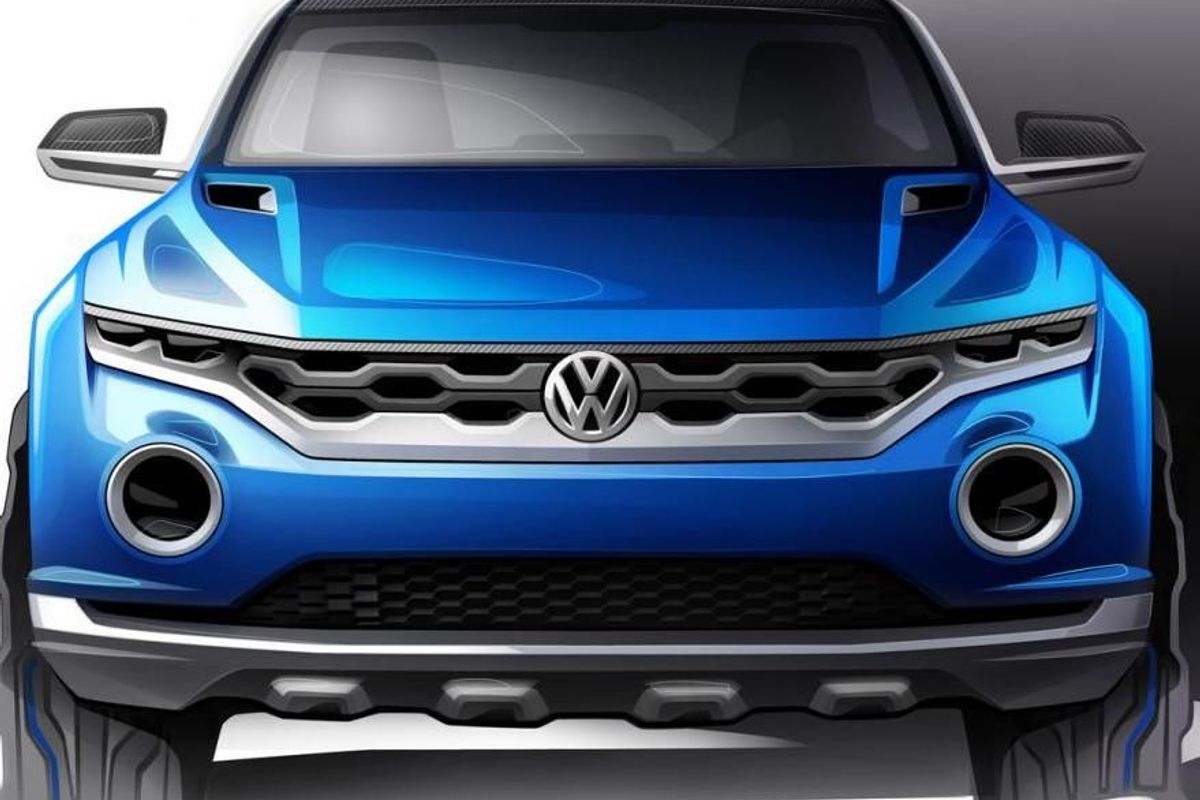
The Volkswagen T ROC Concept SUV offers a glimpse at future Volkswagen SUVs. The two-door crossover coupe is smaller than the Tiguan, but larger than the Taigun SUV concept, which is in the development phase.
The T ROC’s name is derived from “T” is a reference to the nomenclature of current and future Volkswagen SUVs such as the Taigun, Tiguan and Touareg., and “ROC” meaning that the all-wheel-drive car does not shy away from rocky off-road trails.
Drive system of the T ROC
Power is provided by a 2.0-litre four-cylinder TDI engine that develops 135 kW and 380 Nm of torque. It is connected to a newly developed seven-speed DSG gearbox and a 4MOTION all-wheel drive system which enables the crossover to accelerate from 0-100 km/h in 6.9 seconds and hit a top speed of 210 km/h.
In terms of fuel efficiency, the model averages 4.9 L/100km and has CO2 emissions of 129 g/km.
Exterior features
The German automaker says that the four-seater T ROC combines the talents of an all-wheel-drive SUV with the light summery air of a convertible, thanks to its roof design. The middle section of the roof is made from a carbon composite and consists of two halves which can be removed with just a few hand movements and can then be stored in the boot.
The Volkswagen T ROC concept is based on the modular transverse matrix (MQB) platform, and thanks to its lightweight design, the SUV weighs just 1420 kg. It measures 4179 mm long, 1831 mm wide and 1501 mm tall. The vehicle’s proportions are distinguished by relatively short overhangs and large track relative to its body width.
It also features a Blue-Splash Metallic exterior with a three dimensional grille flanked by LED headlights, gloss black and aluminium accents, LED daytime running lights (that double as turn signals) and 19-inch alloy wheels with 245/45 tyres. There is also a camera beneath the three LEDs, which is used to display visual images of the space behind the T ROC.
Interior features
The interior features four leather-wrapped seats, Blue-Splash Metallic trim and a 12.3-inch digital instrument cluster. The concept also has a removable tablet that acts as an infotainment display.
Volkswagen hasnt said anything yet about a possible production schedule of the concept which will officially debut tomorrow at the 2014 Geneva Motor Show.