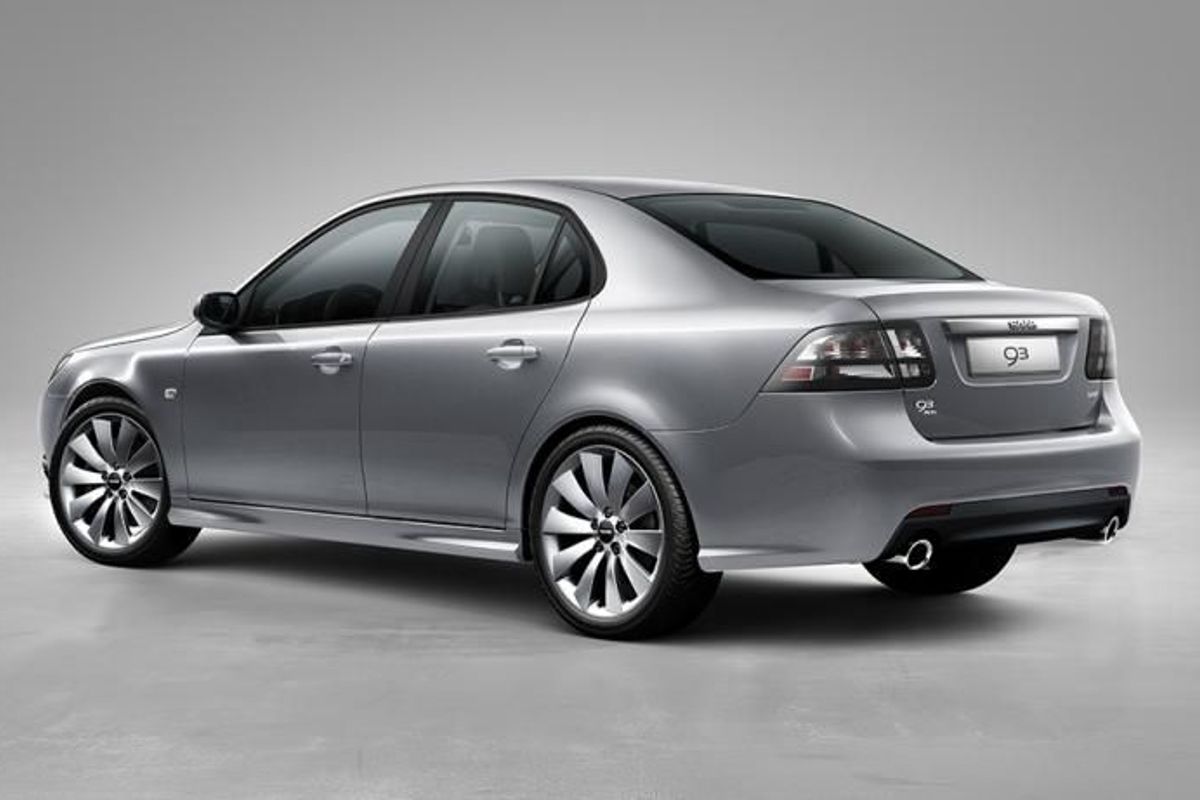
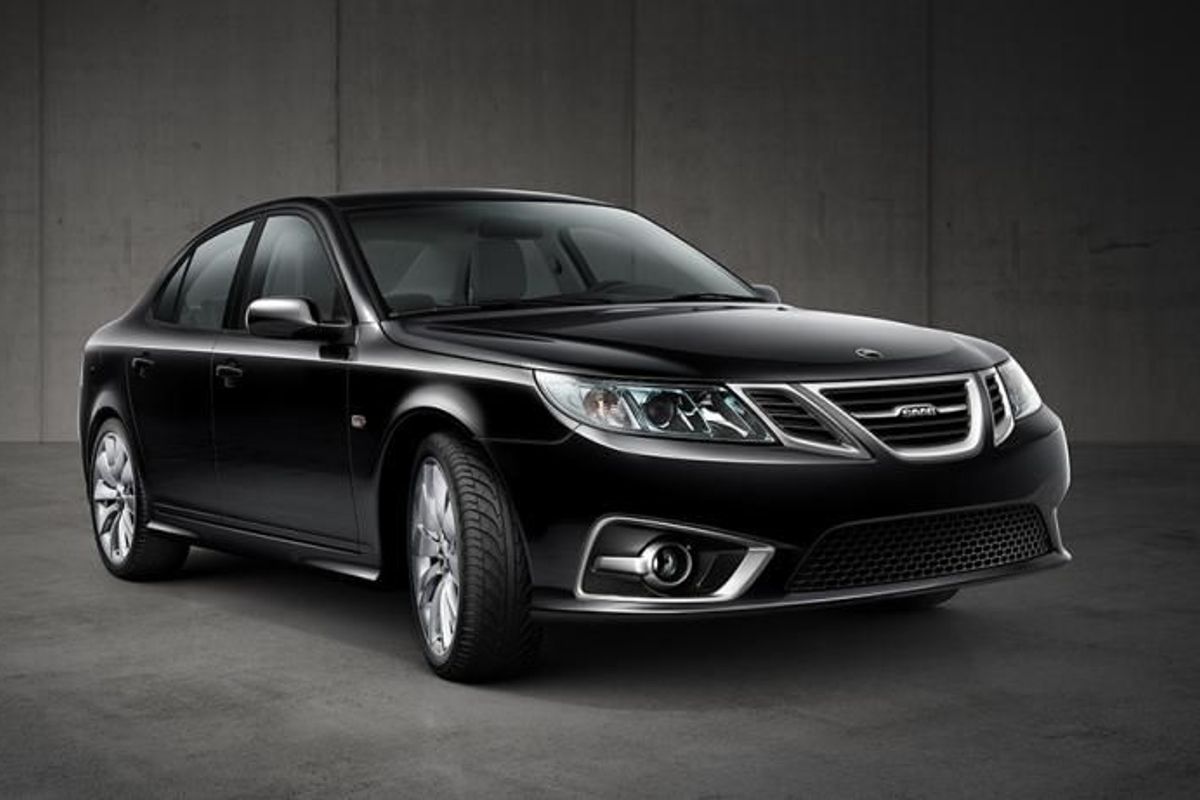
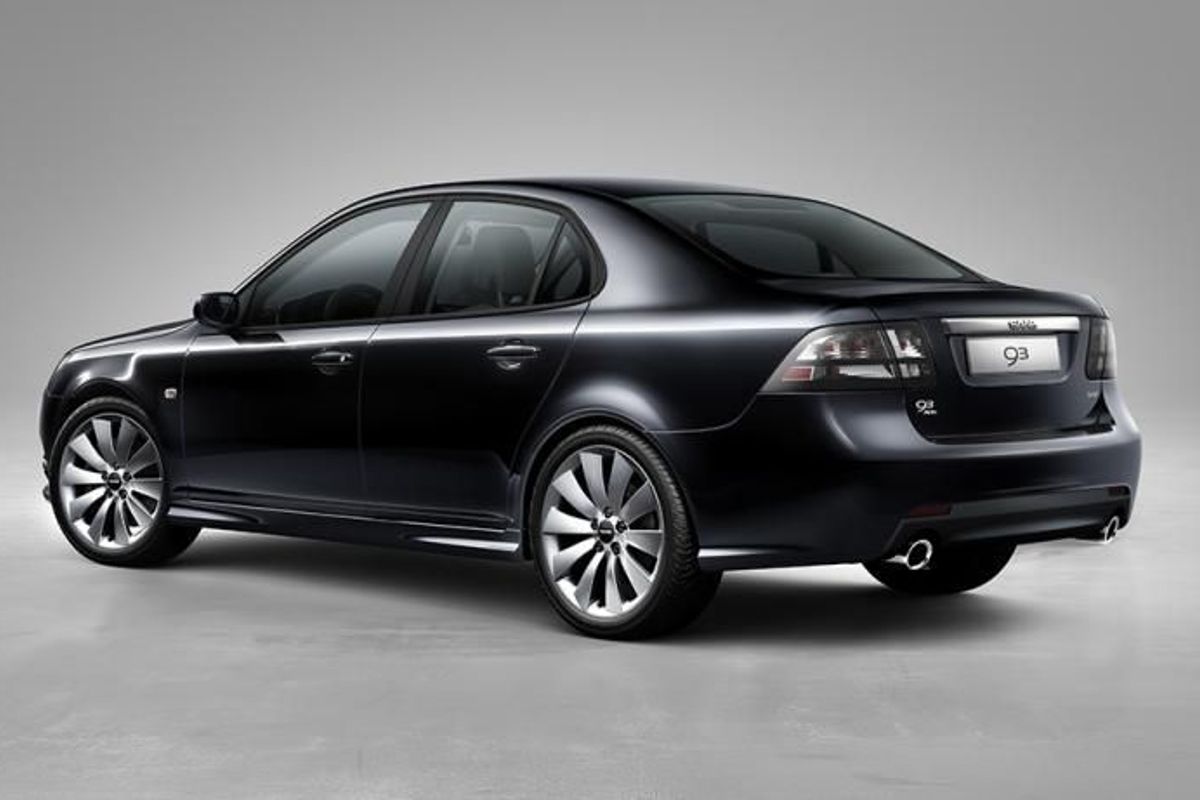
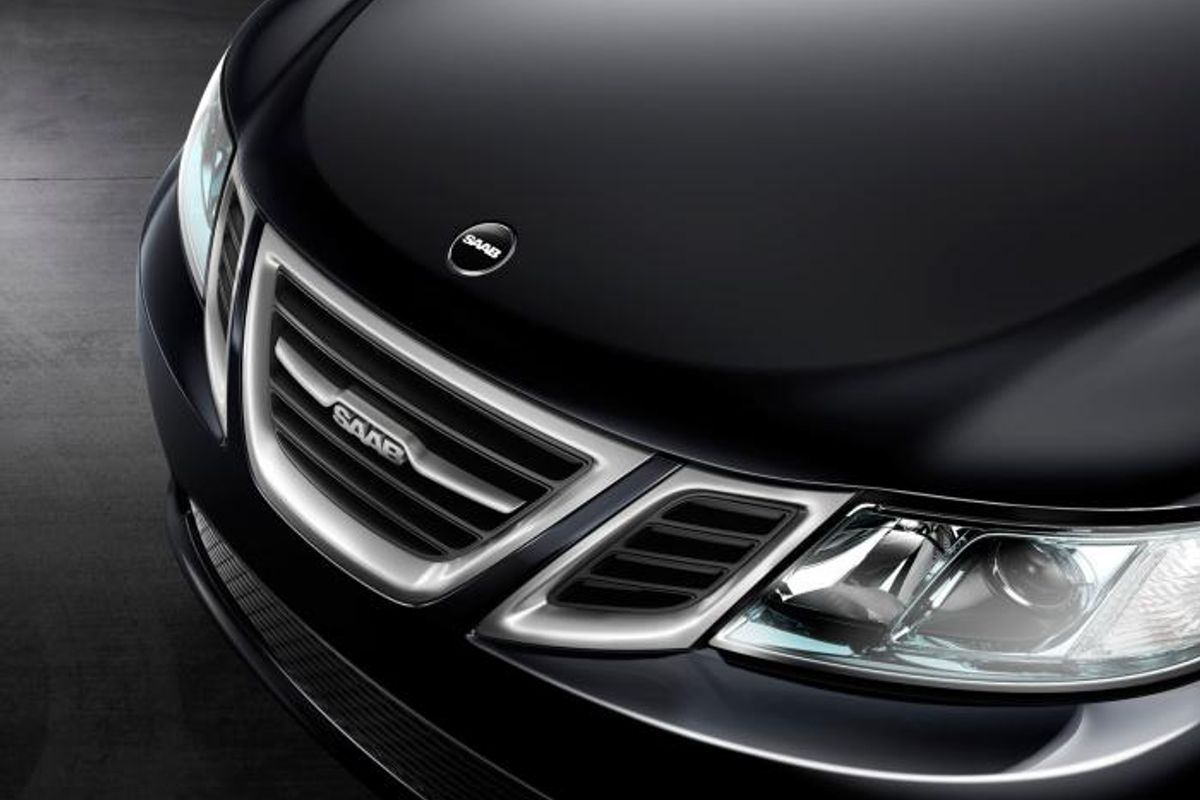
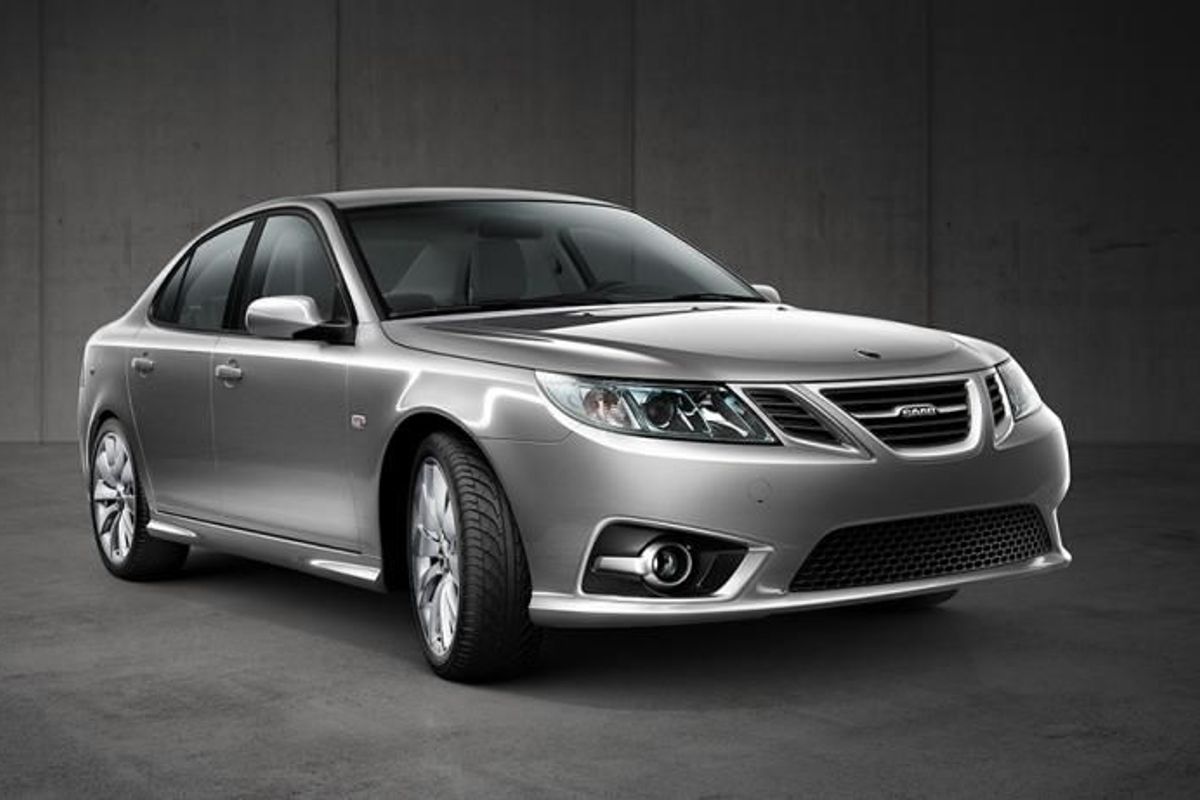
Saab has announced that production of the 9-3 sedan will resume at their Tollhattan assembly plant in Sweden.
Saab back after two years of bankruptcy
The Swedish car manufacturer was founded in 1947 and was an independent automaker until 1989 when General Motors began the decade-long process of acquiring it. However in 2010, GM sold Saab Automobile AB to the Dutch automobile manufacturer Spyker Cars.
After struggling to avoid insolvency throughout 2011, the company petitioned for bankruptcy, which is when much of the companys assets were acquired by National Electric Vehicle Sweden (NEVS), which in turn is partially owned by the Chinese city of Qingdao.
In early 2011 SAAB closed up shop while being under the control of Spyker. On June 13, 2012, it was announced that a newly formed company called National Electric Vehicle Sweden (NEVS) had bought Saab Automobile’s bankrupt estate. In September 2013, SAAB started to roll off pre-production 9-3 models and now they have announced regular production series will commence before the end of the year.
The new SAAB 9-3
Details about the car are limited at the moment, but NEVS spokesman Mikael Oestlund said it will be very similar to the 2011MY 9-3 and will be offered with a turbocharged petrol engine.
A facelift and China-only electric version is also planned for 2014, and the 9-3 will be sold initially in Europe and China, and in other markets later on.
Oestlund said that initial production levels at their factory in western Sweden will be modest and rise if demand grows.
You cant change or develop very much in a year. We acquired the assets in August last year. Our focus has been to get the co-operation up and running with 400 suppliers and ensure the facilities were working, he continued.
“We are humble and say well start the production volume with low figures and be able to increase over time according to the markets demand.
SAAB 9-3 gallery
Chevrolet Cruze Now With Turbo Power
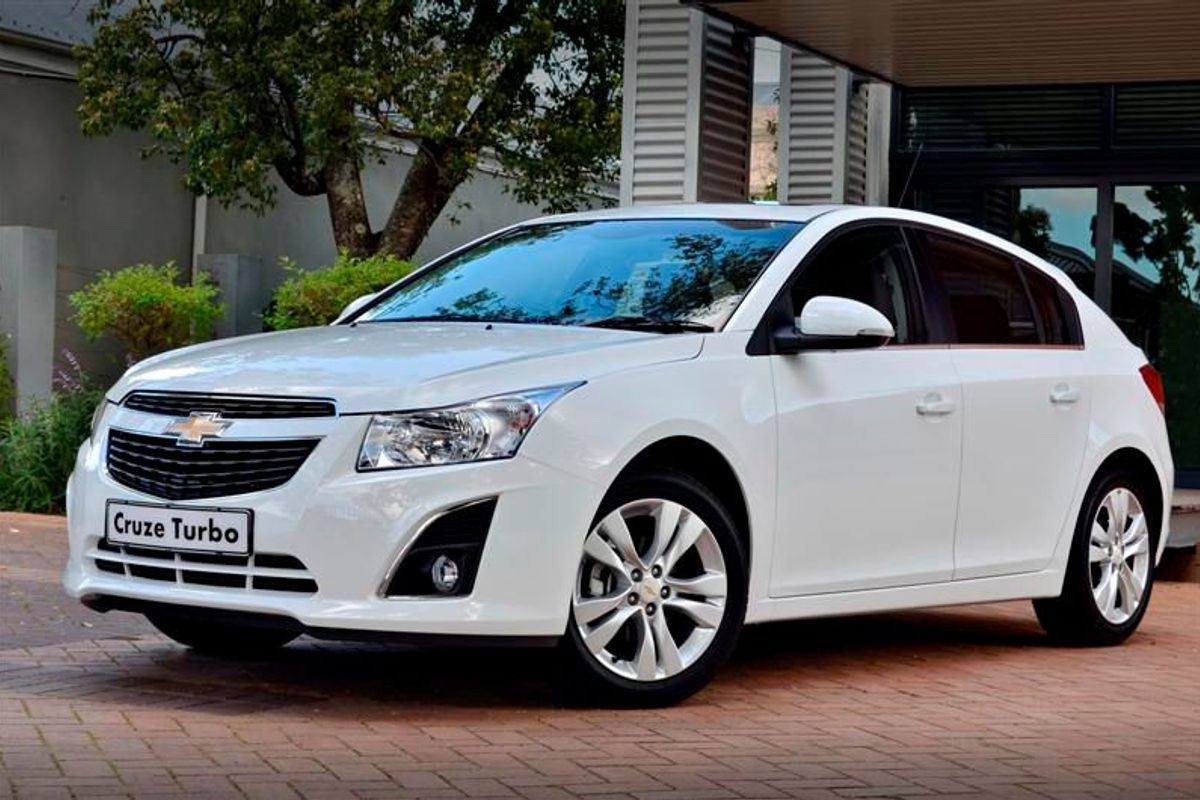
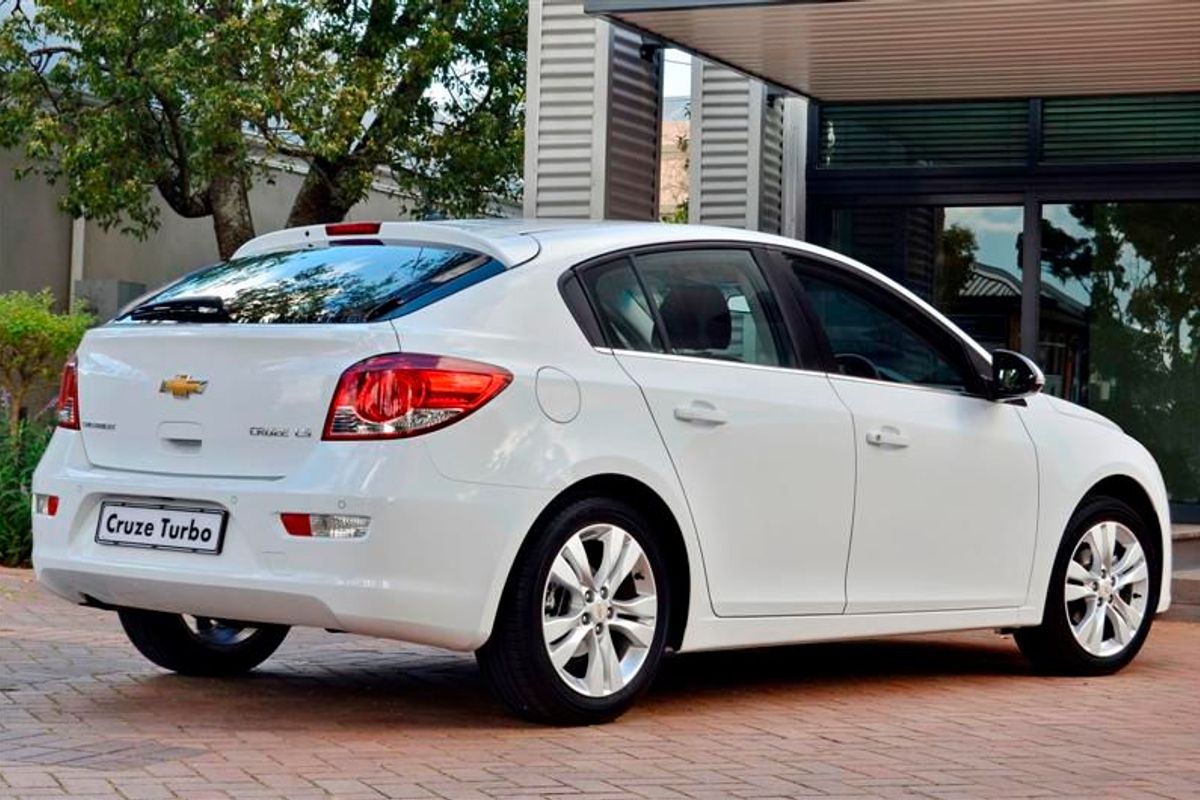
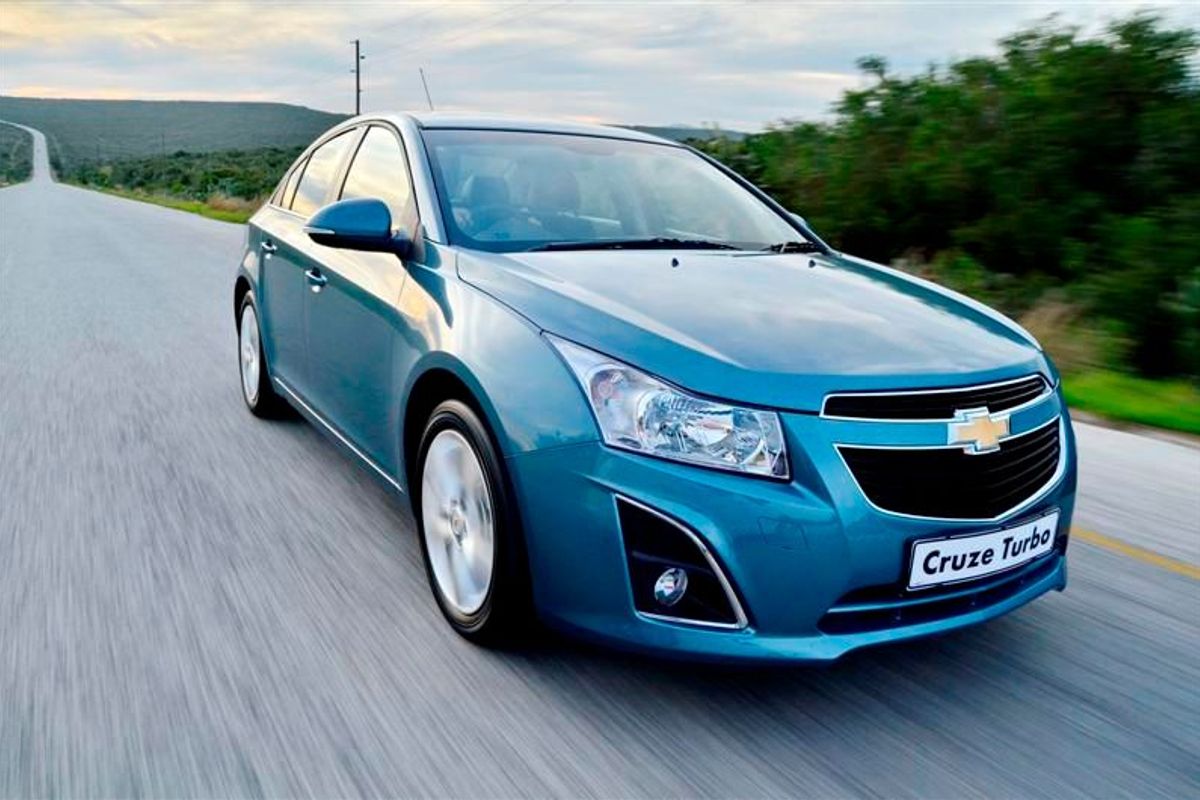
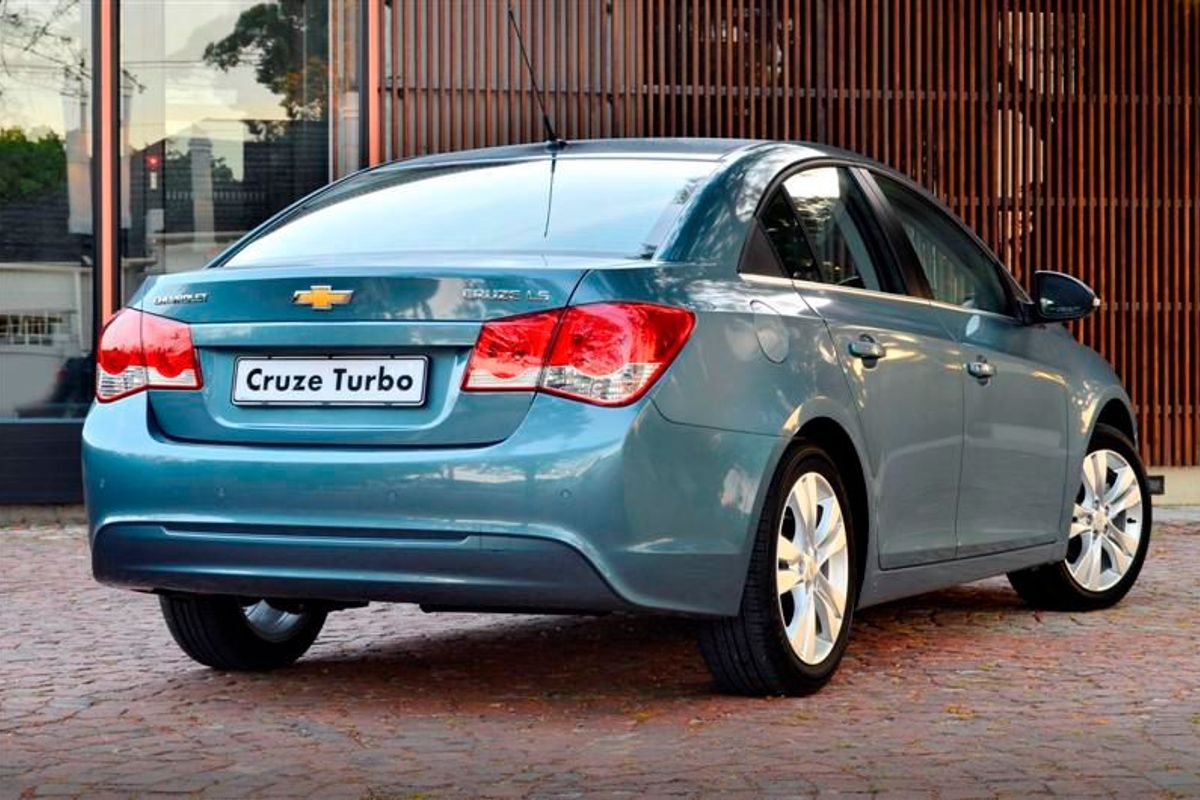
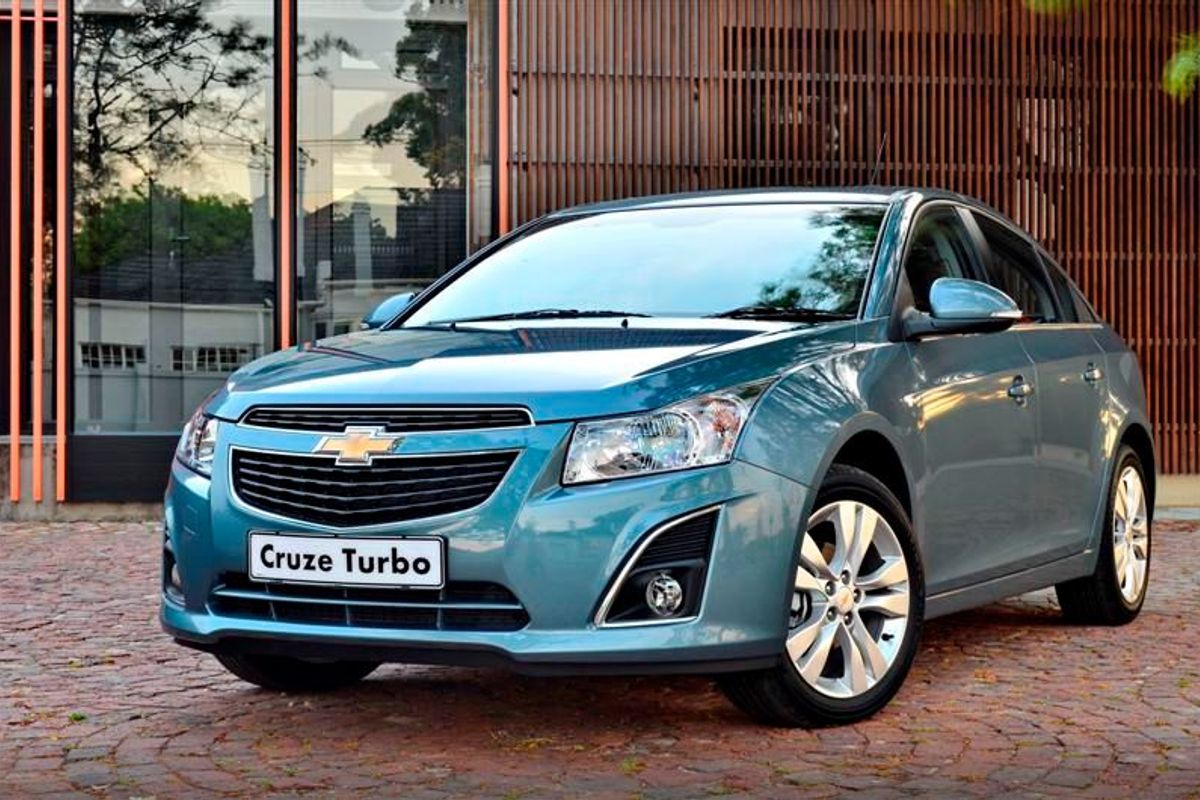
Turbocharged derivatives have been added to both body styles of the Chevrolet Cruze ranges in South Africa, marking the first time turbocharged Chevrolets have been available in South Africa. The new turbo models also add minor upgrades to the refreshed model line-up.
New fuel- efficient engine
The Cruze is fitted with a 1.4-litre turbocharged ECOTEC petrol engine which now produces 103kW of power between 4900rpm and 6000rpm and 200Nm of torque between 1850rpm and 4 900rpm.
The four-cylinder unit has a dual overhead camshaft with variable valve timing and a multi-point injection fuel system and also features a standard start/stop technology.
Featured in the Chevrolet Cruze 1.4T LS Sedan and Cruze 1.4T LS Hatch models, the new powertrain returns a claimed combined fuel economy of 5.8 litres/100km, with corresponding CO2 emissions of 135g/km each. Both models come standard with a six-speed manual gearbox.
Upgraded features
Striking new design features include optional new 17-inch alloy, LED side indicators integrated into the door mirrors on all models, and a chrome belt line on the Hatch. Two new colours are also available Mars Stone Blue and Blue Sapphire.
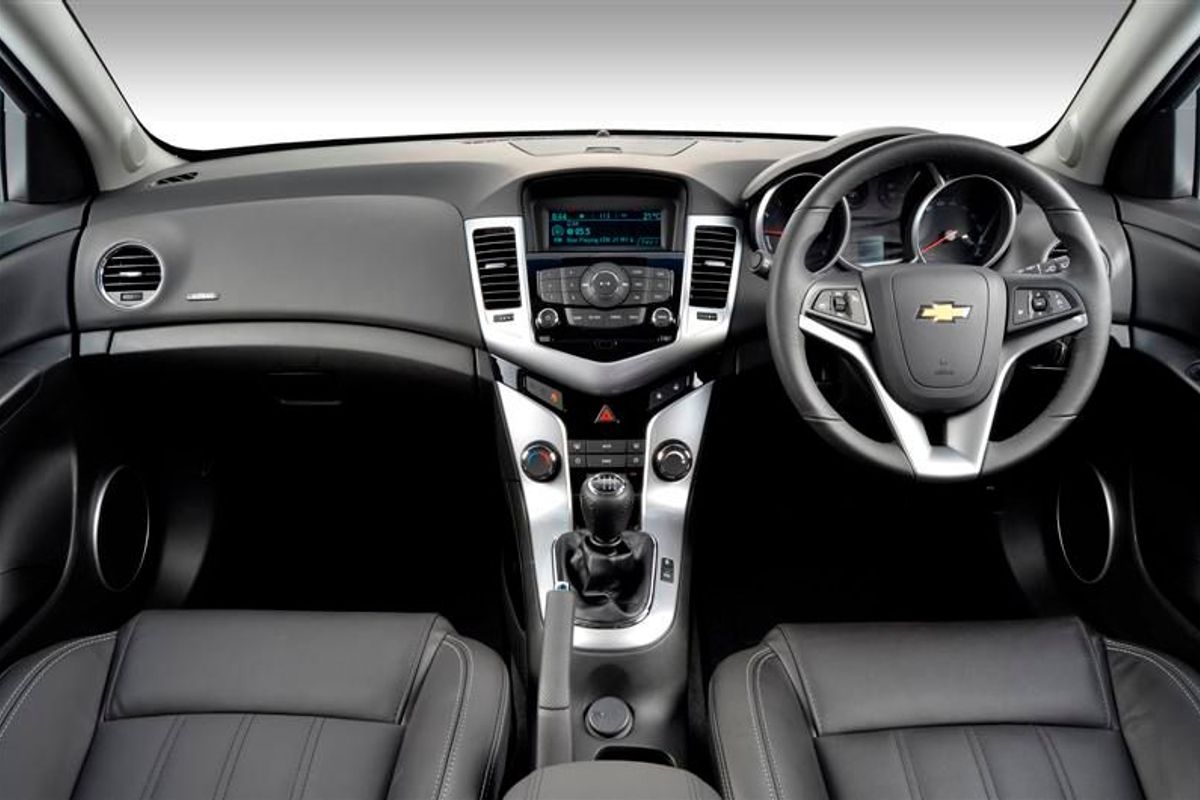
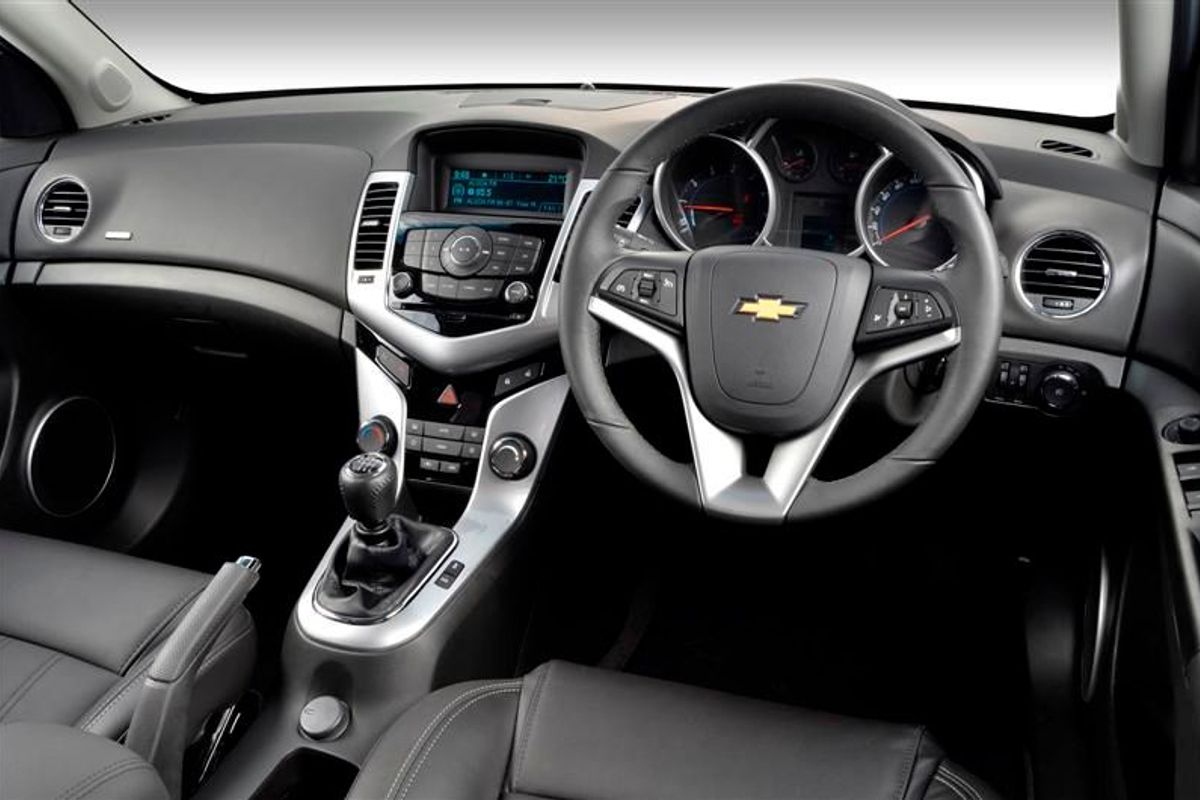
Other standard equipment applicable to LS and LT-spec models includes one-touch up/down driver and front passenger windows, while LS-specific options include leather upholstery, a sunroof and the Drivers Pack which incorporates automatic climate control and rear parking sensors.
Advanced active and passive safety systems
The safety architecture of the local Cruze sedan and hatch models is based on the original design which has earned top five-star safety ratings from both Euro NCAP and the U.S. National Highway Traffic Safety Administration (NHTSA).
Some of the advanced active safety systems include Electronic Stability Control (ESC), Traction Control and four-channel Anti-lock Braking System (ABS) with Electronic Brake-force Distribution (EBD).
All Cruze LS and LT models are equipped with five three-point seatbelts and six standard airbags. Safety seats for children can be secured using the ISOFIX anchoring system on the two rear outboard positions.
The Cruze 1.4T LS Sedan and Hatch derivatives replace the 1.8 LS Sedan and Hatch models. The two hatchback derivatives and five sedan derivatives complete a seven-model range in South Africa.
Chevrolet Cruze price in South Africa
Chevrolet Cruze 1.6 LS 5DR Hatch R227 000
Chevrolet Cruze 1.4T LS 5DR Hatch R242 100
Chevrolet Cruze 1.6 4DR Sedan R219 100
Chevrolet Cruze 1.6 LS 4DR Sedan R229 200
Chevrolet Cruze 1.4T LS 4DR Sedan R244 700
Chevrolet Cruze 2.0 LS 4DR Diesel Sedan M/T R275 100
Chevrolet Cruze 2.0 LT 4DR Diesel Sedan A/T R296 200
All Chevrolet Cruze derivatives are sold inclusive of a 5-year/ 120 000 km warranty and a 3-year/ 60 000 km service plan.
Chevrolet Cruze gallery
Daytona Group Celebrates A Decade In The Industry In Style
South African supplier of the worlds luxurious supercar marques, Daytona Group, celebrated their 10 years in the industry with style, glamour and five new state-of-the art supercars at the courtyard in Sandton.
Together with its 10th year anniversary, the group was also celebrating the centenary birthday of legendary British motoring icon, Aston Martin and the 50th birthday of Formula 1 competitor McLaren.
The five new state-of-the art models
Showcased like models on a catwalk were the Aston Martin Rapide S. Its stunning visual appeal is matched by a much more powerful and yet more efficient new AM11 V12 engine which massively increases both the excitement and performance potential of the Rapide S.
Then there was the elegant and powerful Rolls-Royce Wraith which is apparently the most powerful Rolls-Royce ever made and features a dynamic Satellite Aided Transmission which uses GPS mapping data to ensure that the correct gear is pre-selected to suit the road conditions ahead.
Guests also got to see the Vanquish Volante which according to the automaker was engineered and crafted for the connoisseur, by people dedicated to delivering exceptional sports cars with clearly defined characters.
The Aston Martin V12 Vantage was also present. Its powered by an updated 6.0-litre V12 power unit thats mated to a new seven-speed Sportshift III AMT gearbox. Its also said that it is the fastest road-going model the British automaker has yet to offer, with exception of the One-77 supercar.
The launch ceremony also saw the presence of a very special guest, the McLaren P1 which is the 674kW McLaren hybrid hypercar and the long-awaited successor to the legendary McLaren F1. With production limited to only 375 units worldwide, the super exclusive McLaren P1 is the ultimate expression of McLarens engineering expertise.
Guests were regaled by newly appointed Aston Martin ambassador and Top Billing presenter Jeanie D, as well as musical entertainment from DJ Euphoinik and Prime Circles Ross Learmonth.
I am so proud to be an ambassador for Aston Martin. But you know it didnt do much for my ego because I always thought that I was a head turner. But when I was in the Aston Martin, nobody cared about me, the car was the head turner, commented Jeanie on her new role as ambassador for Aston Martin.
Five things that I love about my Aston martin Vantage are: its unbelievable sound system, the incredible stitching of the cream leather interior, you can take it out on a drive on any terrain, its spacious, but also on the side pockets it has these little adapters where you can charge your phone and iPod. Its just an overall amazing car she added.
Additionally, the 10-year celebration which was hosted in partnership with Standard Bank reflected on the accomplishments thus far and looked toward the future of the Daytona Group in South Africa and was about networking in a collaborative mode that is beneficial.
Feast your eyes on gallery below to see all the impressive supercars that were launched on the night.
Daytona Group supercar launch gallery
SA Bound 2014 Hyundai Genesis Revealed
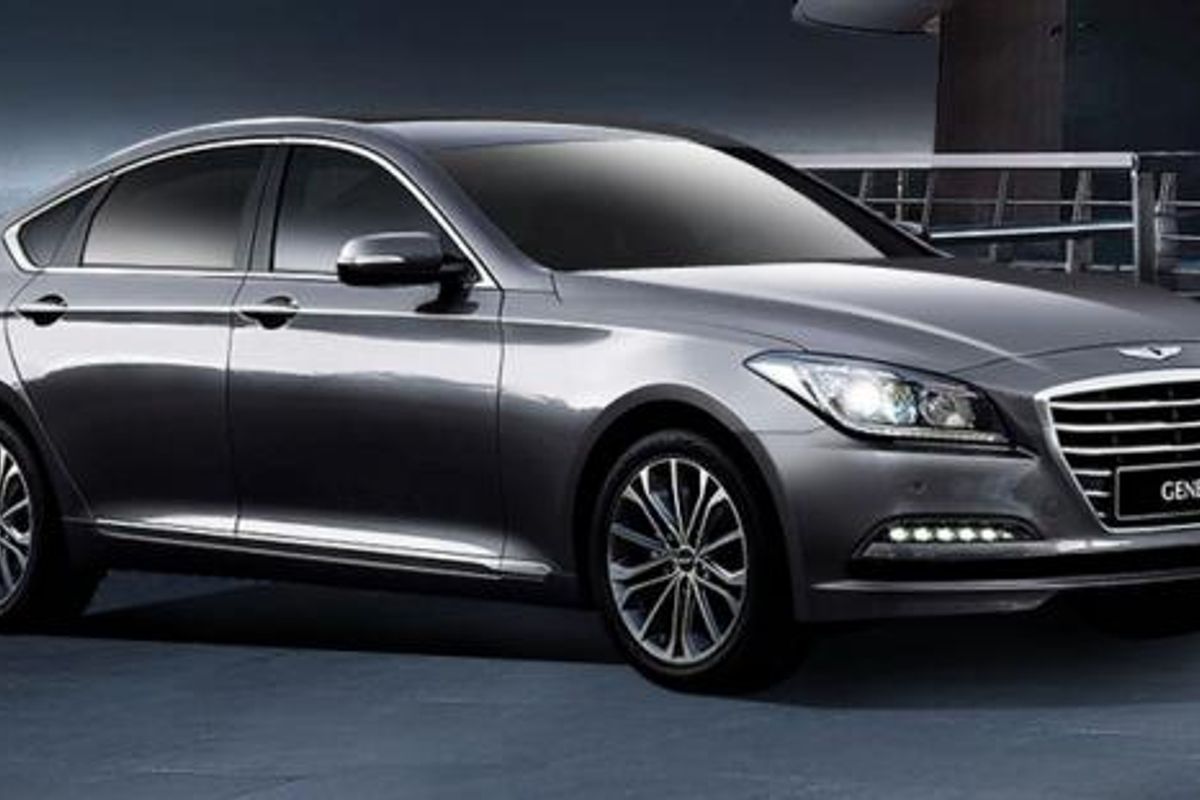
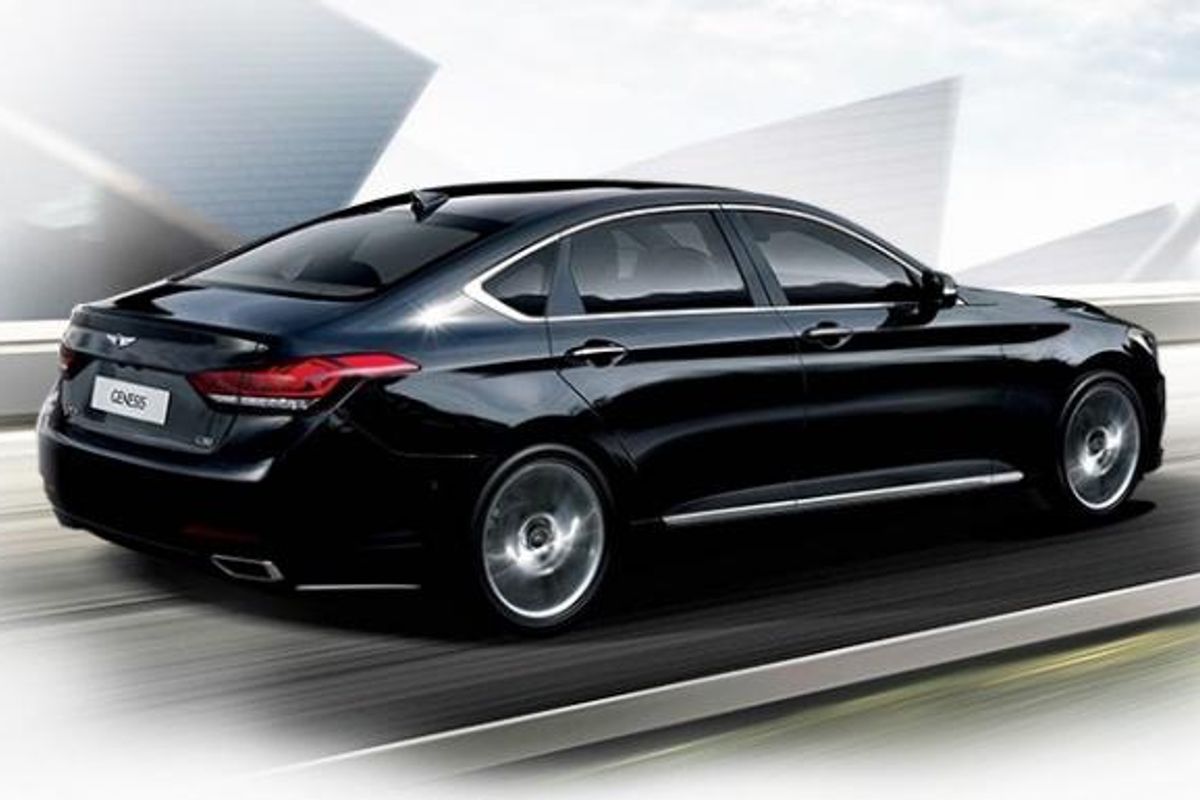
The 2014 Hyundai Genesis has been officially revealed with four engines and All-Wheel-Drive, and is expected to go on sale globally next year.
All-new Genesis design
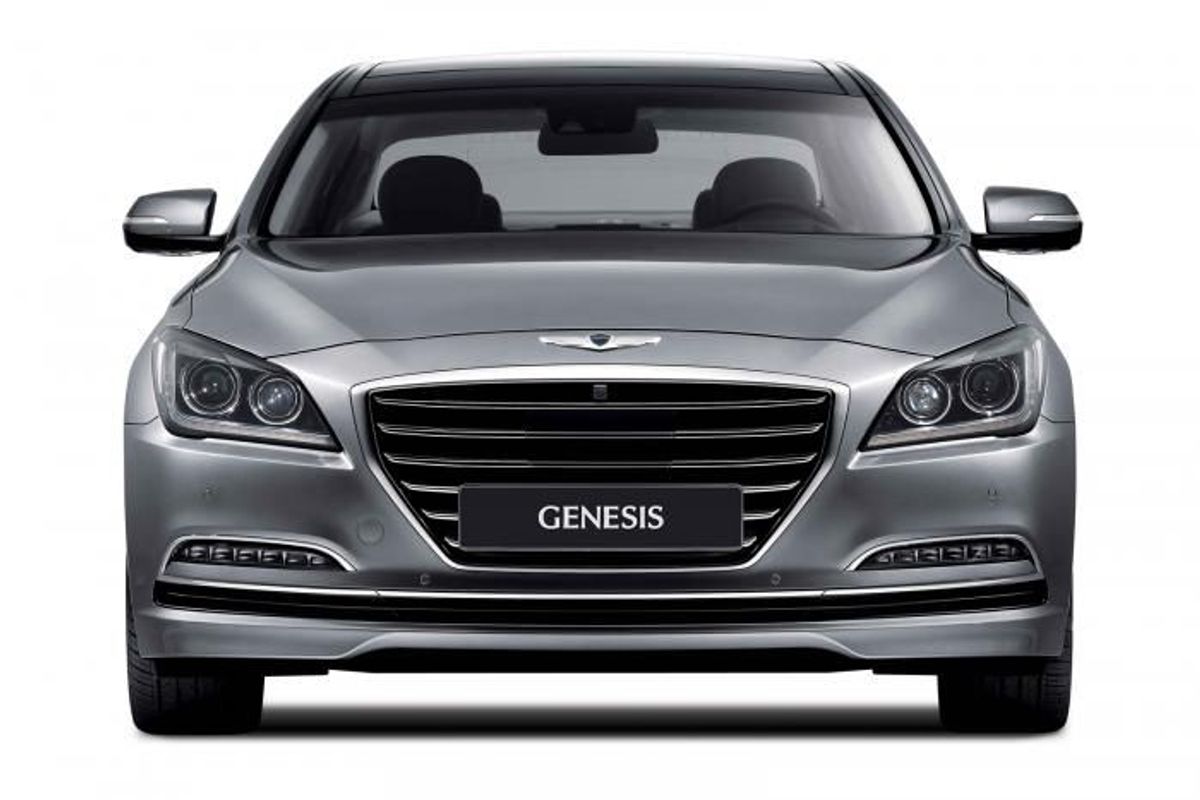
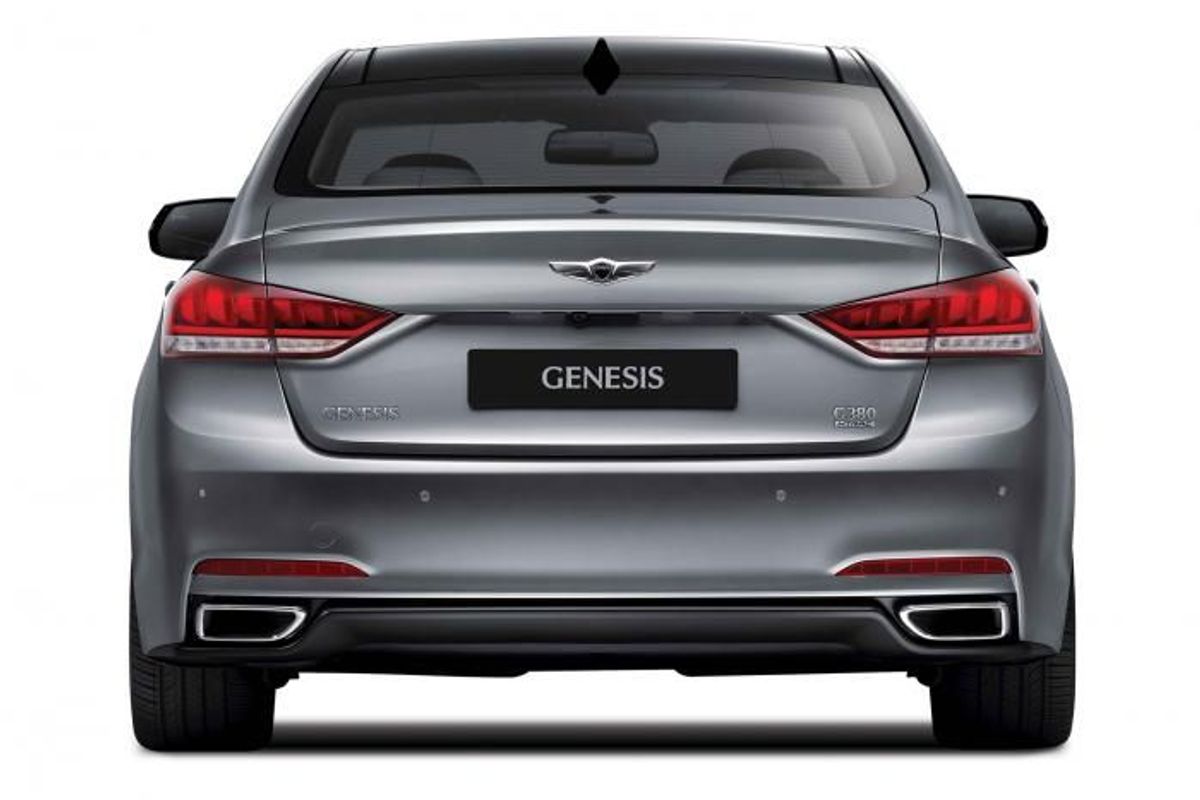
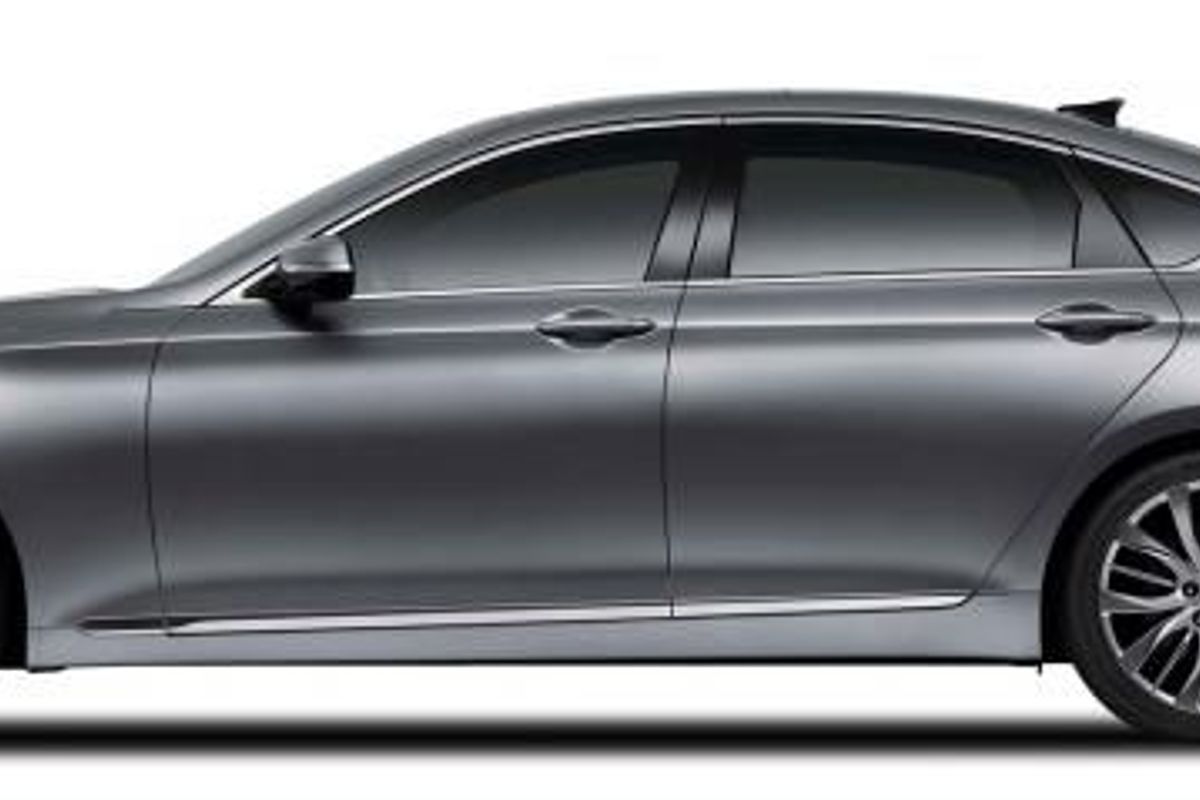
The AWD Sedan adopts the automakers Fluidic Sculpture 2.0 design language which incorporates a singular hexagonal front grille, shorter overhangs, and a gloss chrome finish. Its also fitted with bi-functional HID headlamps, LED indicators, fog lamps and full LED taillights.
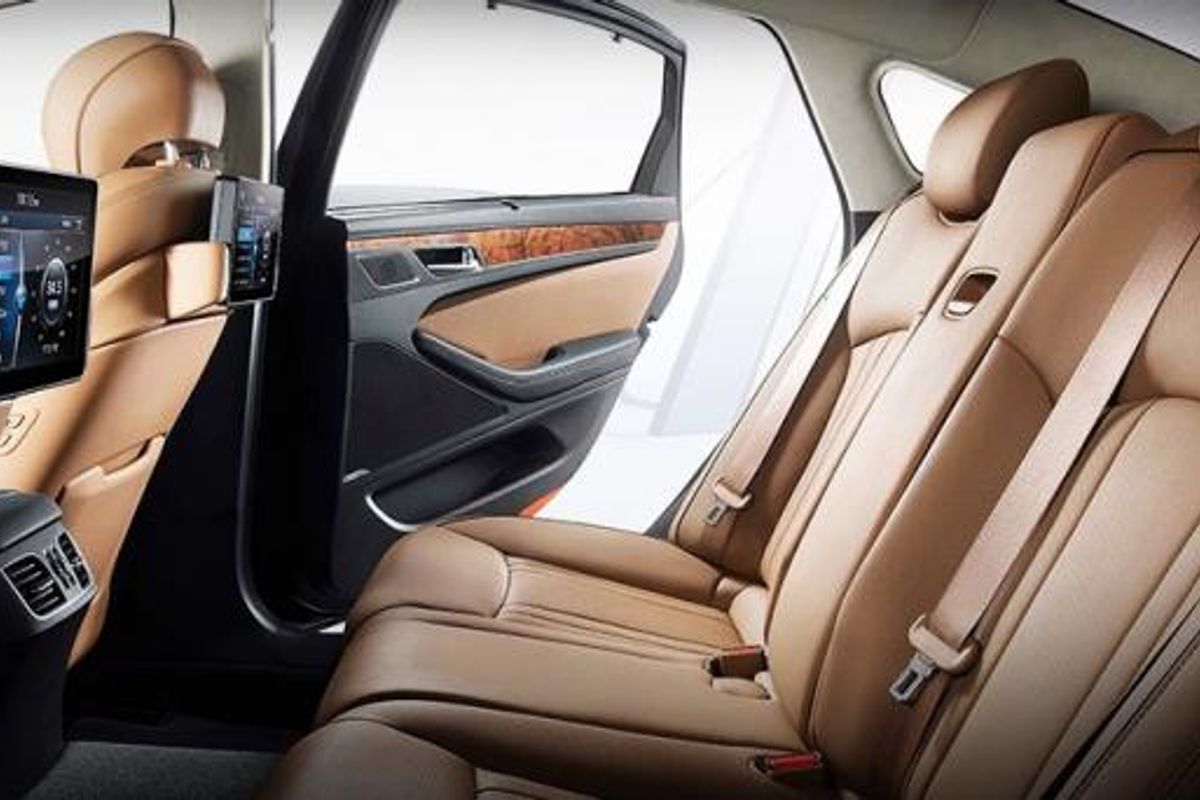
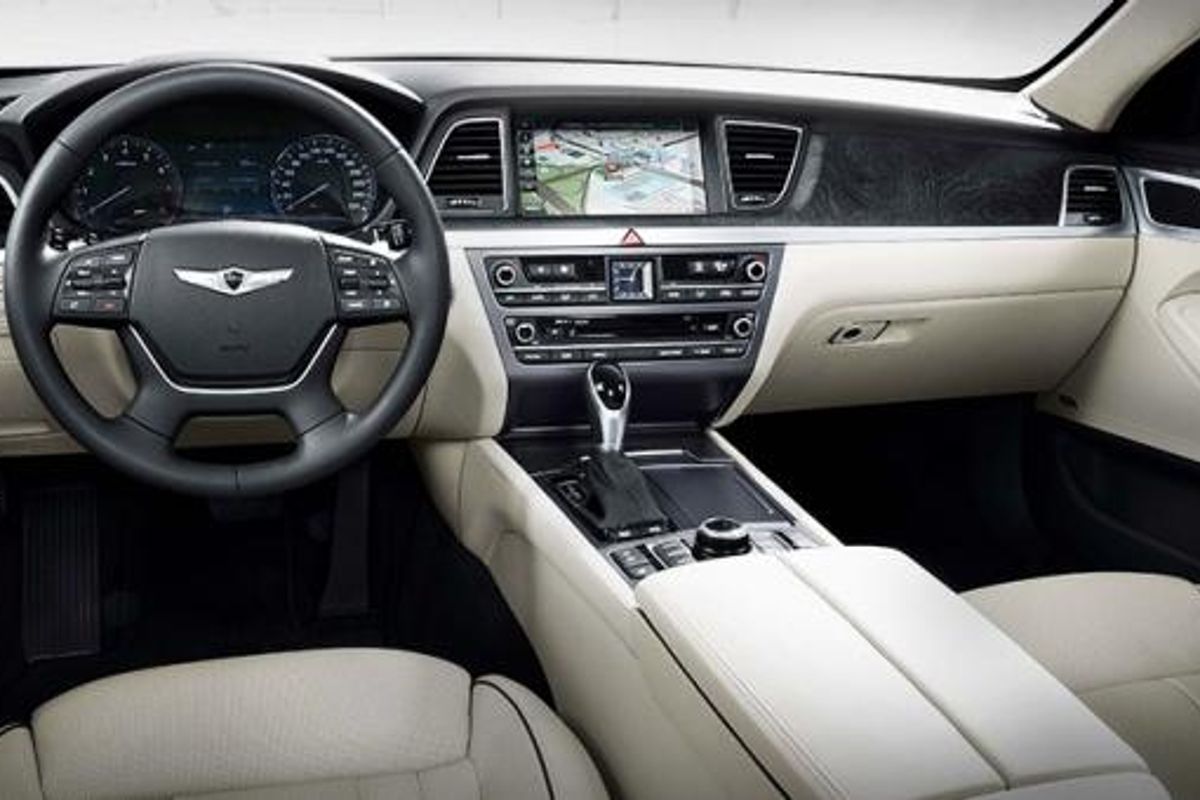
Its interior design aligns with the premium exterior, adopting consistent design details and has increased storage space by 3.7 litres to 26.9 litres. Aluminium and real wood-grain are integrated into the centre console, while the front buckets seats are built with a denser pad material.
The all-new Genesis features an overall length of 4,990mm, overall width of 1,890mm and overall height of 1,480mm. In particular, its wheelbase was extended 75mm to 3,010mm compared to its predecessor, boasting best-in-class cabin space.
It is further available with a variety of alloy wheels in sizes ranging from 17 to 19 inches and comes as standard with a rear-wheel drive setup. However theres an optional HTRAC all-wheel-drive system which will electronically control torque split between the axles depending on road conditions.
Improved driving performance
Power for the 2014 Hyundai Genesis will be provided for by four powerful engines, however the sedan wont be universally marketed with its full range of powertrains and the company didnt specify which engines would reach which market.
The first being the V6 3.0-litre engine developing 189kW of power and 303Nm of torque. Then therell be a V6 3.3-litre unit with 207kW of power and 347Nm of torque, while the V6 3.8-litre engine is rated at 232kW and 397Nm.
The more powerful top of the range 5.0-litre V8 engine will produce 312kW of power and 519Nm of torque and will complete the 0-100 km/h task in 5.4 seconds, before reaching a top speed of 240 km/h.
The base engine will complete the 0-100 km/h task in 8.6 seconds before reaching a top speed of 230 km/h. The 3.3-litre will do the sprint in 7.2 seconds, while the 3.8-liter can do it in 6.5 seconds.
All these engines will be connected to an eight-speed automatic transmission.
Safety features
Other improvements of the 2014 Hyundai Genesis compared to the original Genesis include reduced NVH, increased stiffness, a multi-link rear suspension and the addition of a driver-knee airbag.
The 2014 Hyundai Genesis also comes with a wide variety of safety systems such as Lane Departure Warning System (LDWS), Lane Keeping Assist System (LKAS), Rear Cross Traffic Alert (RCTA) and Advanced Smart Parking Assist System (ASPAS).
The 2014 Hyundai Genesis is scheduled to arrive in South Africa in the second half of 2014. Prices and specs will be announced closer to launch date.
2014 Hyundai Genesis gallery
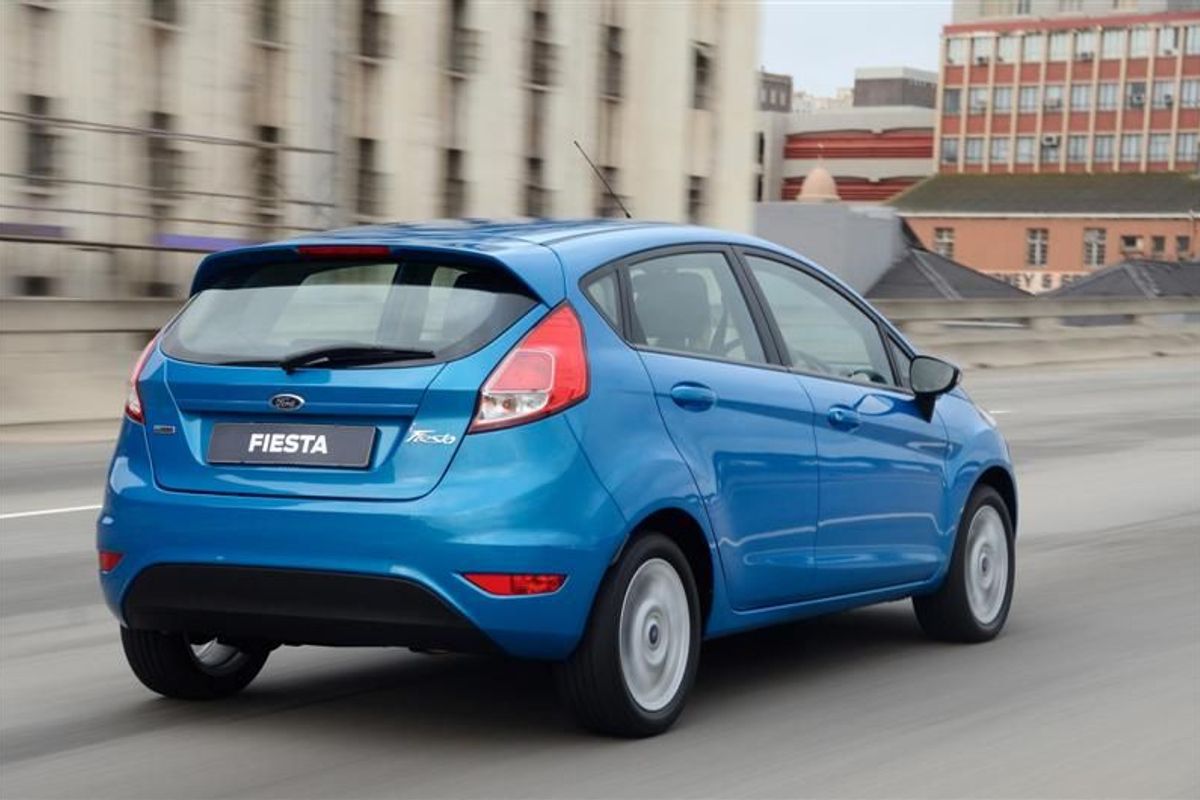
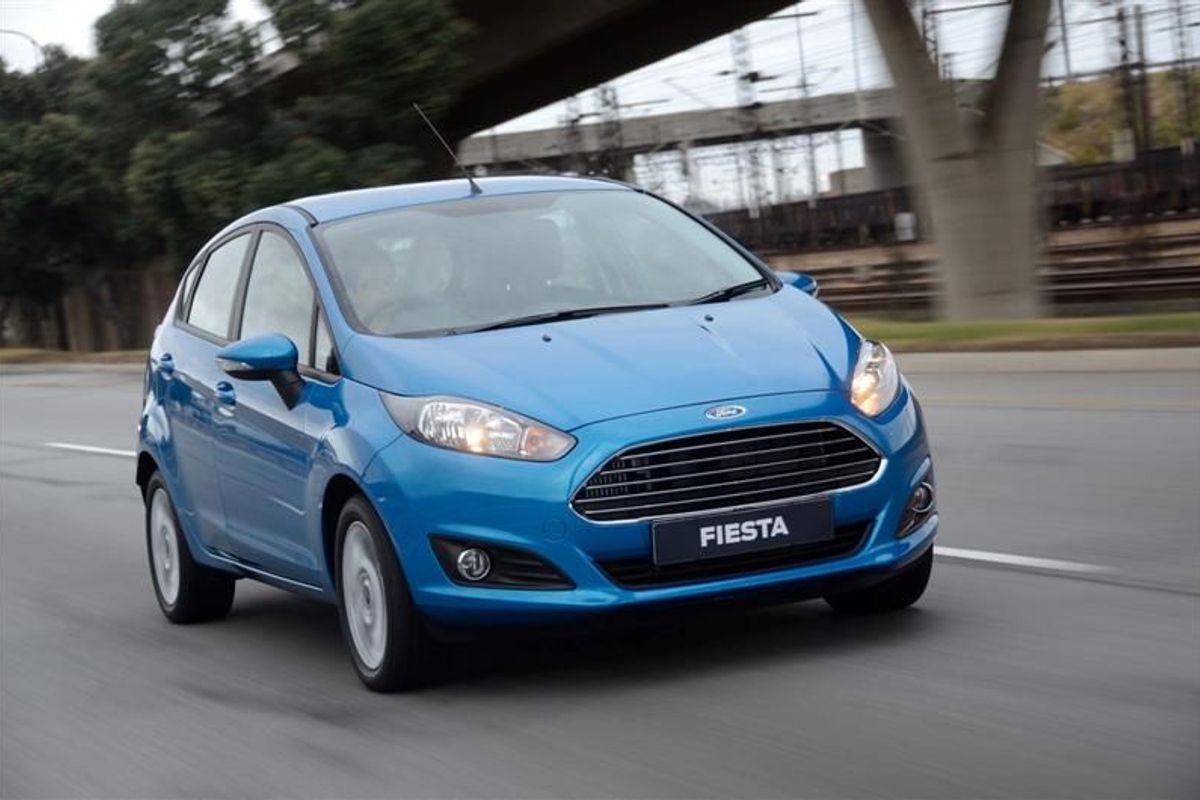
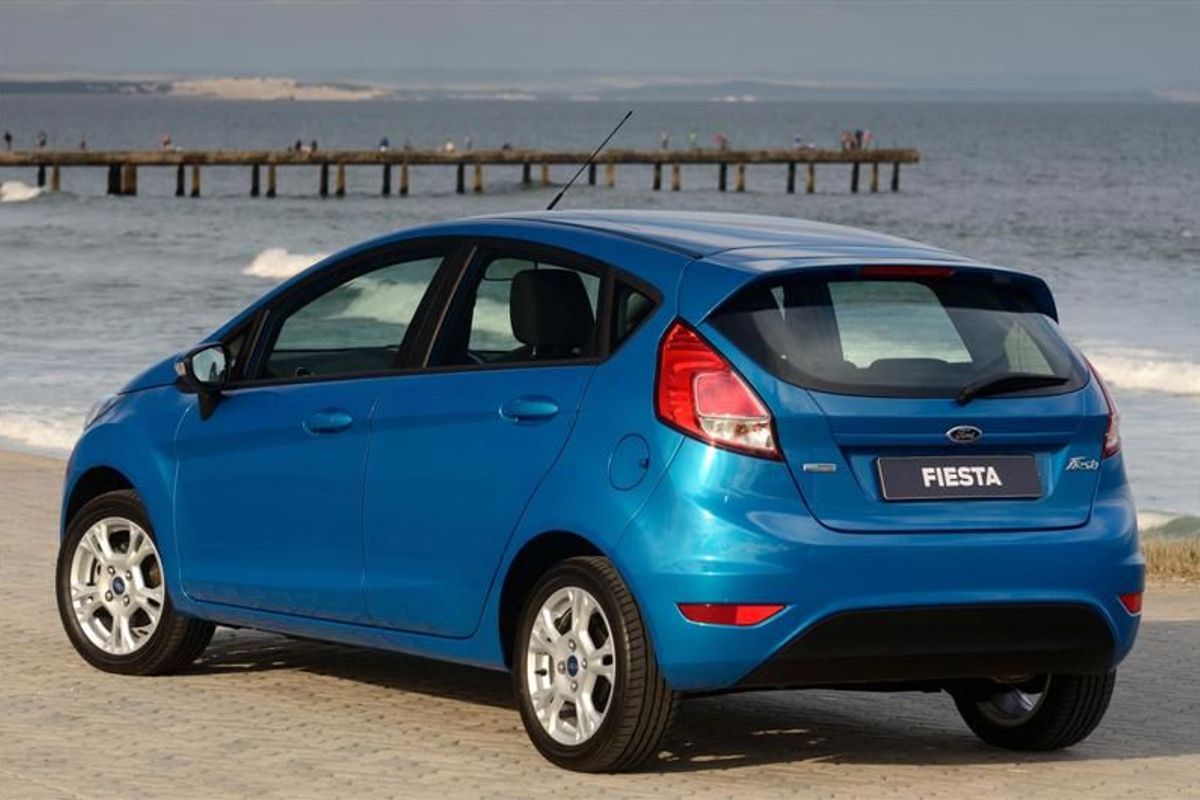
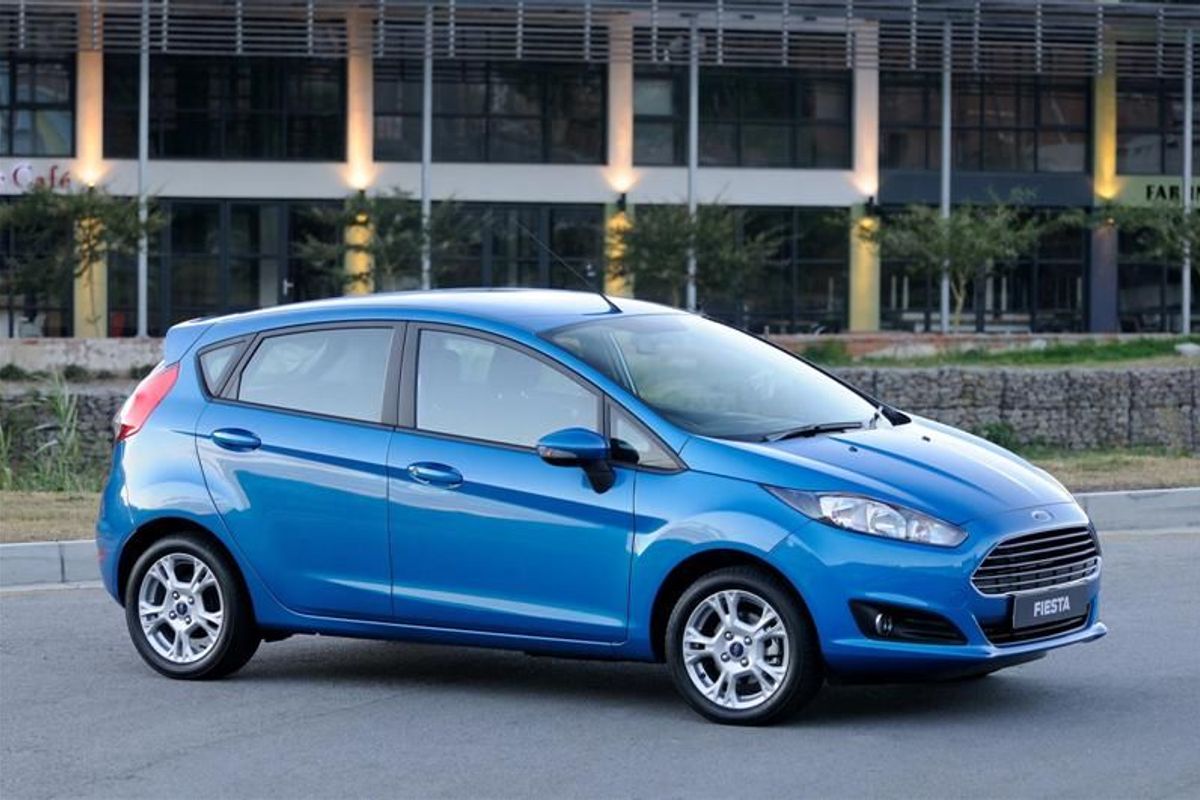
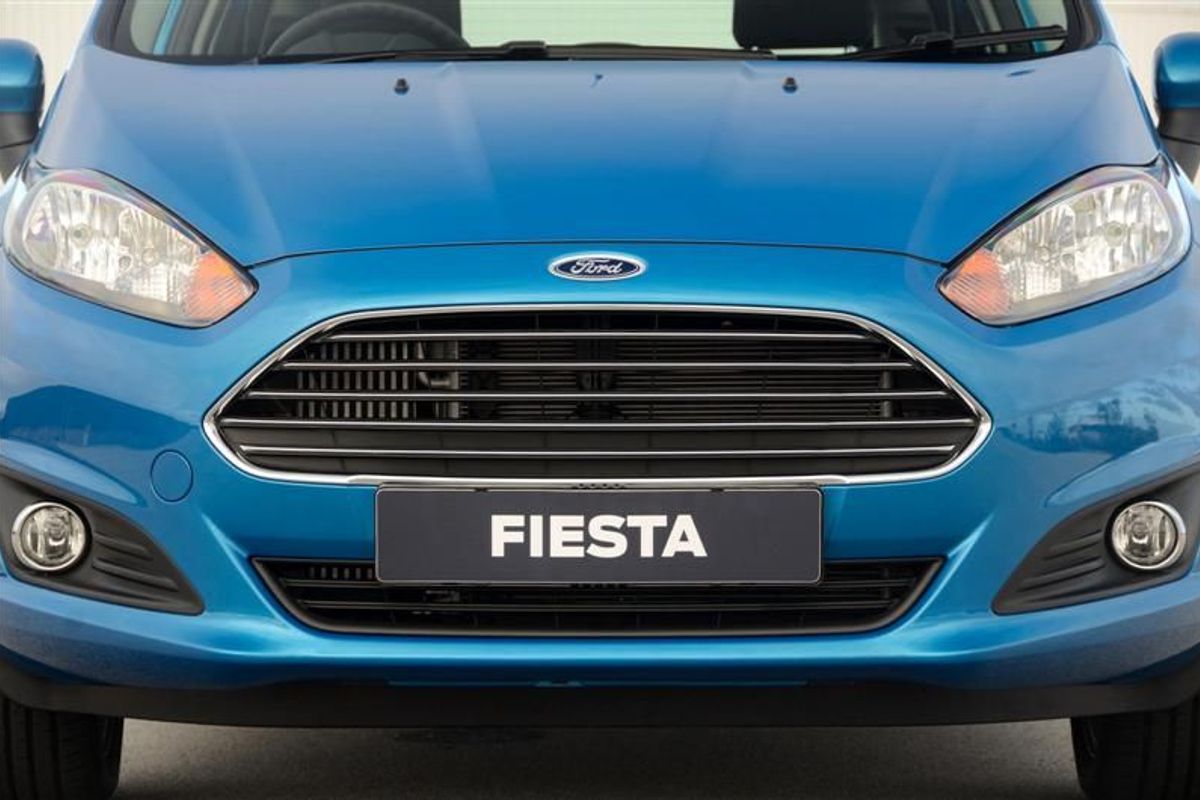
Ford Fiesta 1.0-Litre EcoBoost Wins 2013 Womens World Car Of The Year Award
A panel consisting of 18 experienced female motoring writers made this decision after taking into account things like safety, value-for-money, aesthetic appearance, storage space, child-friendliness, ease-of-driving, colour, sex appeal and environmental footprint. Along with winning the 2013 Womens World Car Of The Year Award, the Fiesta was also awarded with a WWCOTY Economy award for 2013.
The winner
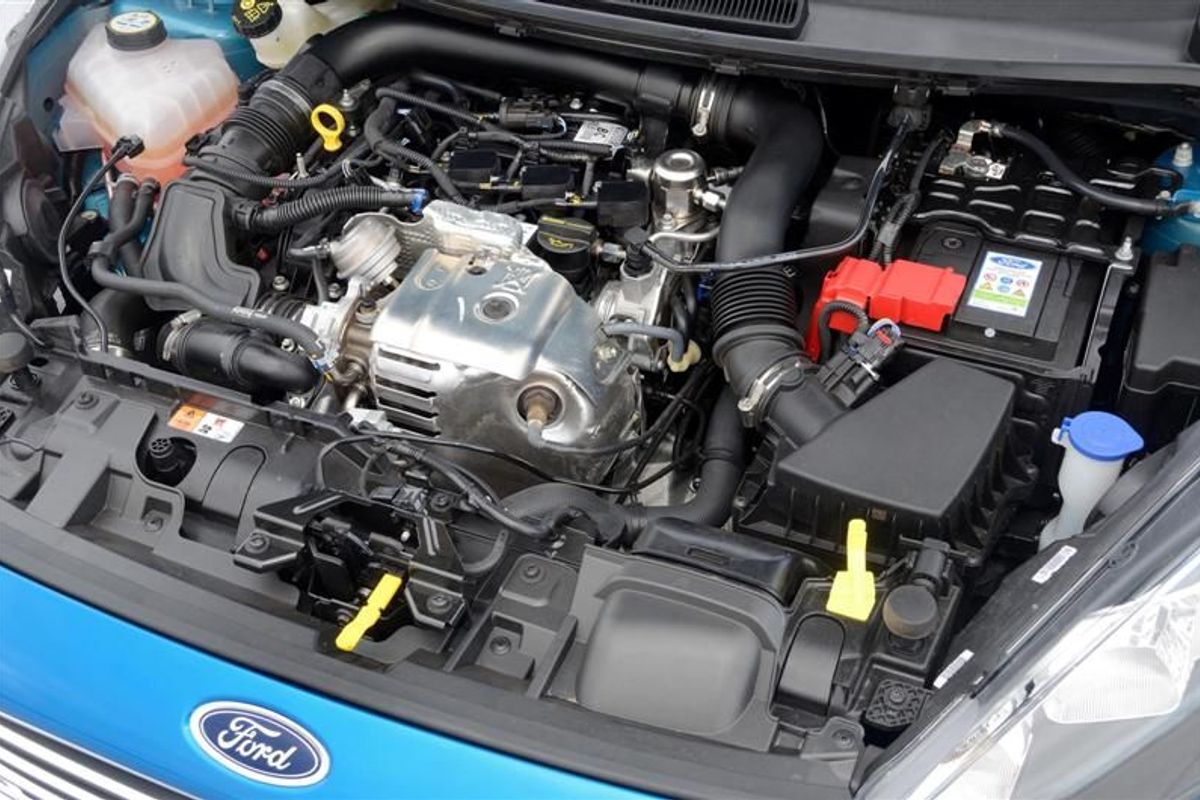
The 1.0-litre EcoBoost engine fitted in the Fiesta with a 92kW power output and emits 99 g/km of CO2 and has already won “International Engine of the Year” in 2012 and 2013.
The stylish new Fiesta further offers a bold new exterior, an interior optimised for ergonomics and comfort, and Ford MyKey an industry-first technology that allows parents to encourage safer driving and limit their teenagers exposure to risk at the wheel.
Commenting on the win, Craig Von Essen, Product and Communications Manager for Ford Motor Company, Asia-Pacific and Africa, said the company was ‘thrilled’ to receive not only the economy car category award but the overall supreme award.
He added that “women pack powerful purchasing power, representing a huge market opportunity.
The fact that a respected panel of published and specialist women motoring writers selected the Ford Fiesta 1.0-litre EcoBoost is a significant accolade as we work to design, develop and market our vehicles, technologies and services in a way that captures the attention of this very influential buying group.”
The results of the 2013 Womens World Car Of The Year Award are as follows
Family Car
1. Audi Allroad
2. Volkswagen Golf
3. BMW 3 Series
Sports Car
1. Porsche Boxter S
2. Audi RS5
3. Toyota 86/Subaru BRZ
Economy Car
1. Ford Fiesta 1.0-litre EcoBoost
2. Kia Forte
3. Toyota Prius
Luxury Car
1. Range Rover
2. Mercedes-Benz SL550
3. BMW 6 Series
SUV Car
1. Mazda CX5
2. Hyundai Santa Fe
3. Nissan Pathfinder
Ford Fiesta 1.0-litre EcoBoost gallery
2014 Chevrolet Corvette Stingray Premiere Edition Convertible Revealed
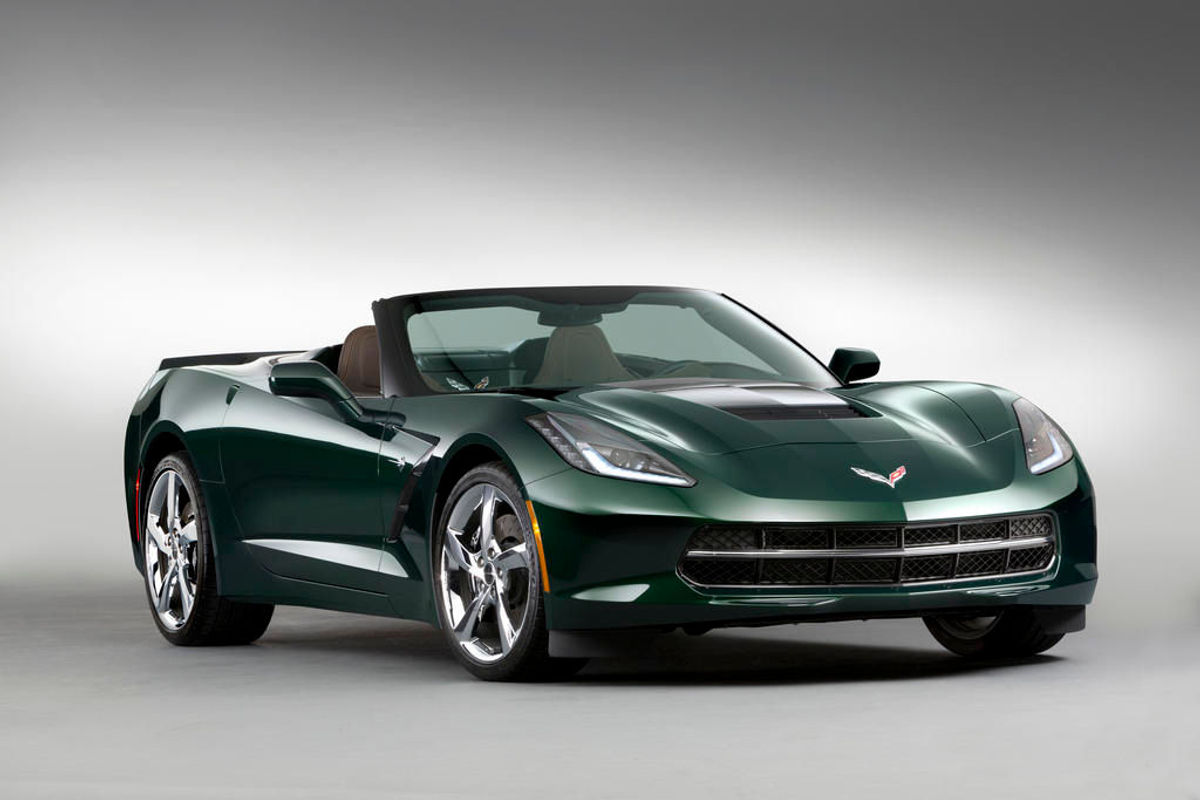
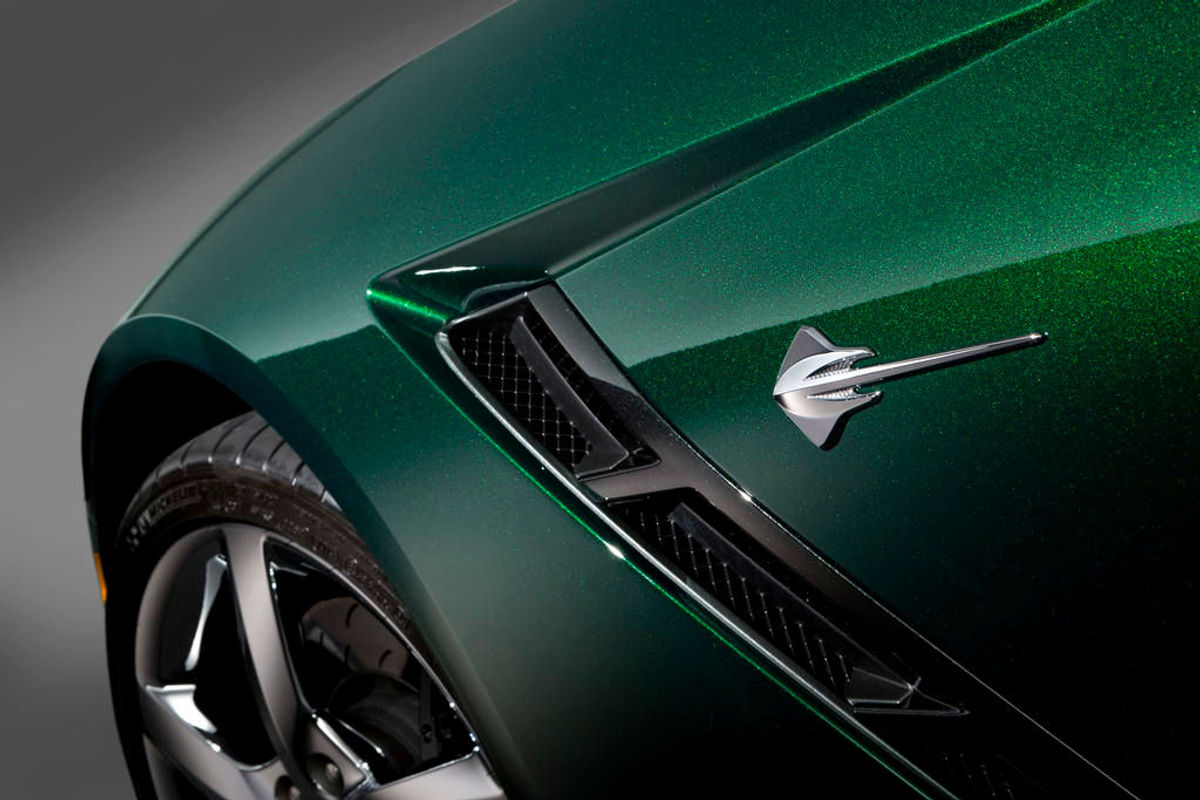
Chevrolet has unveiled the 2014 Corvette Stingray Premiere Edition Convertible which will be available in just 550 units.
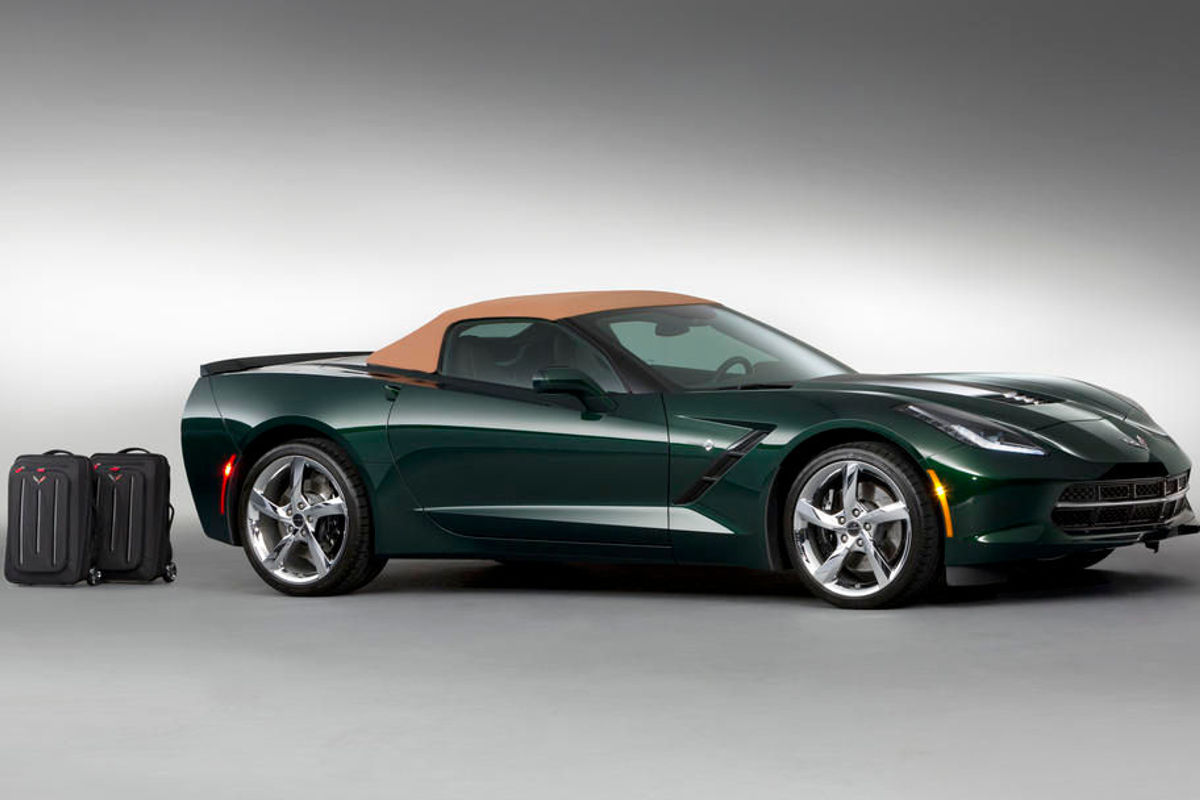
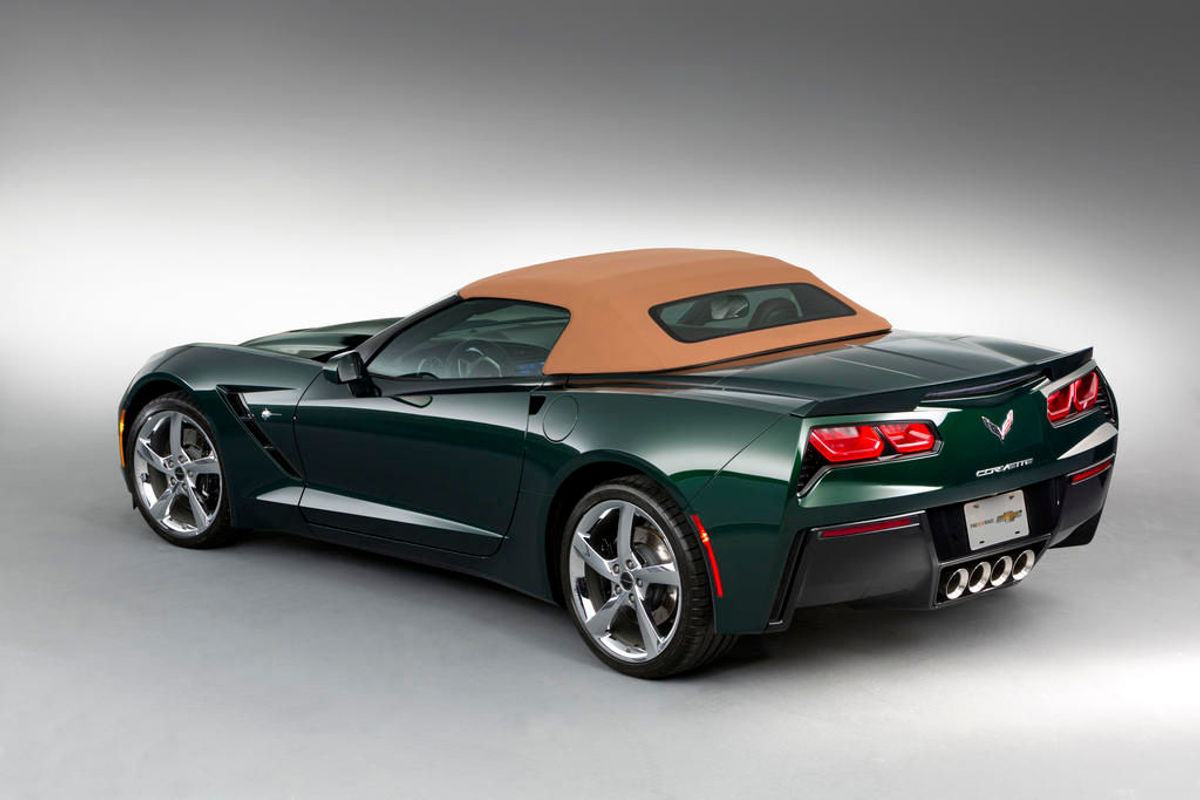
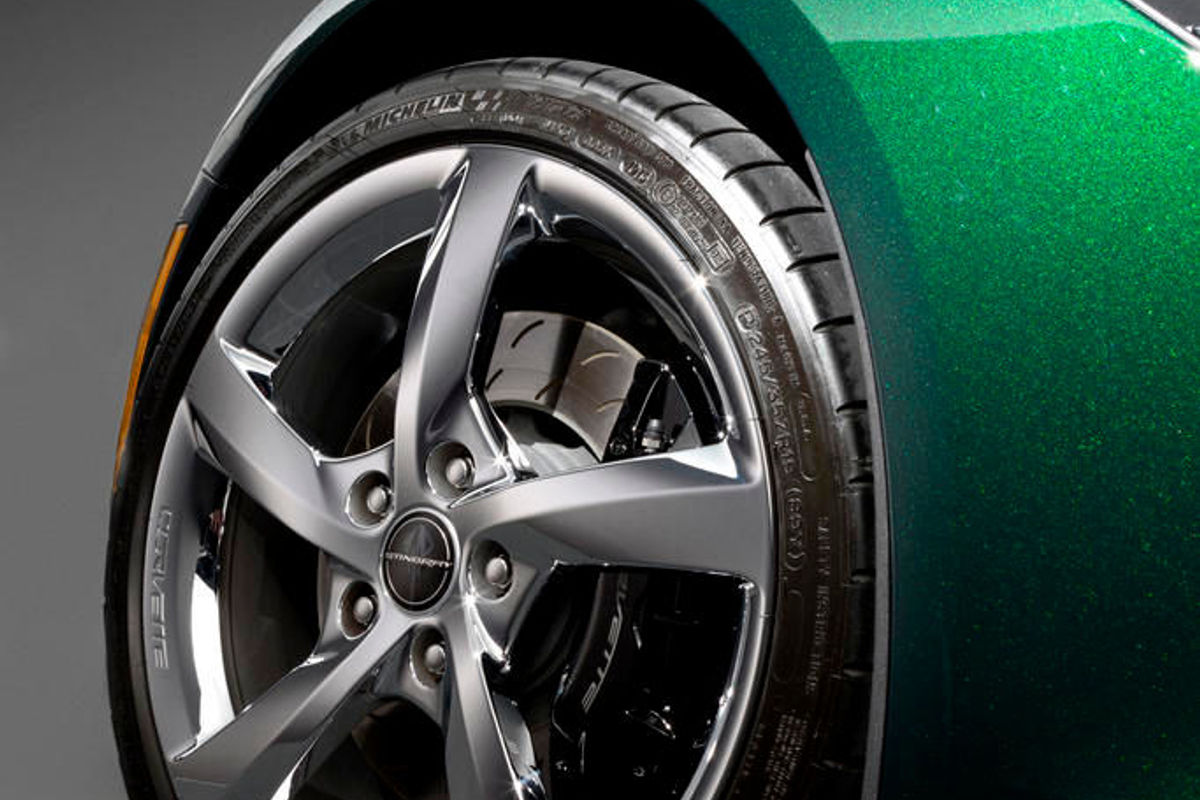
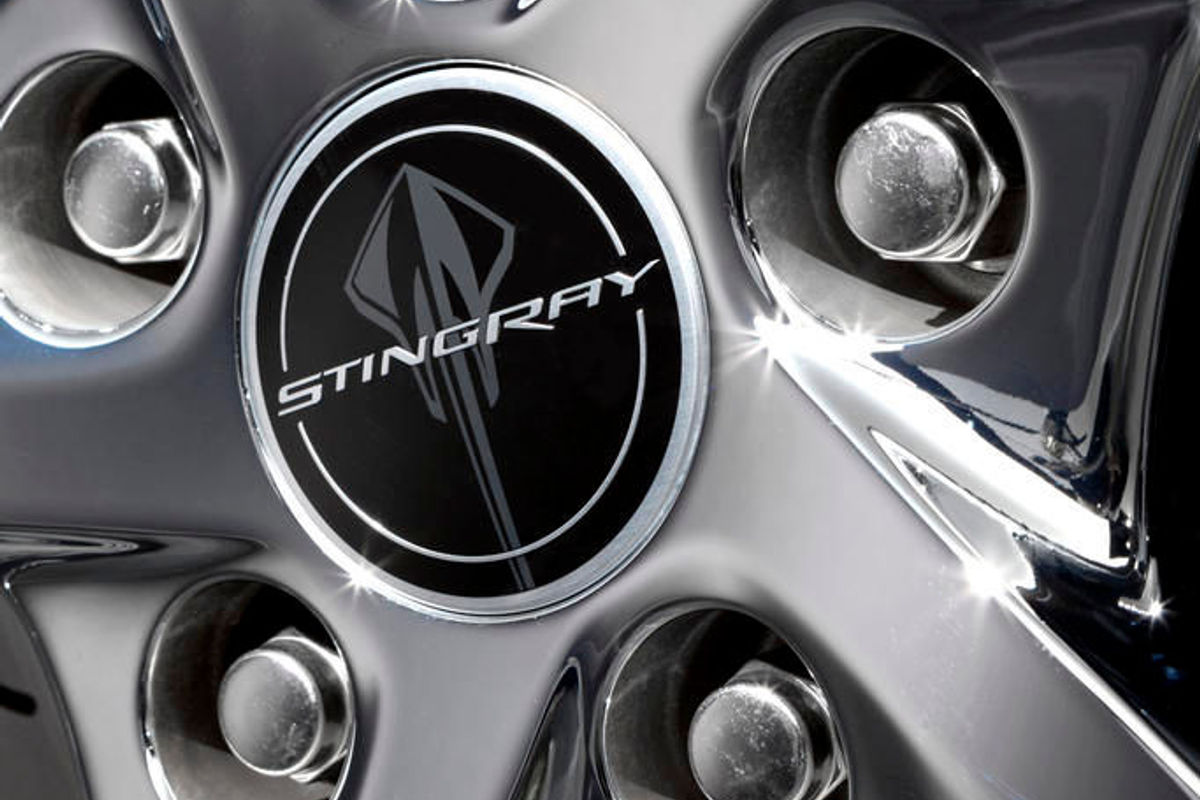
Based on the 3LT model, the 2014 Chevrolet Corvette Stingray Premiere Edition Convertible features a Lime Rock Green exterior with Brownstone suede upholstery and unique alloy wheels that have Stingray logos on their centre caps.
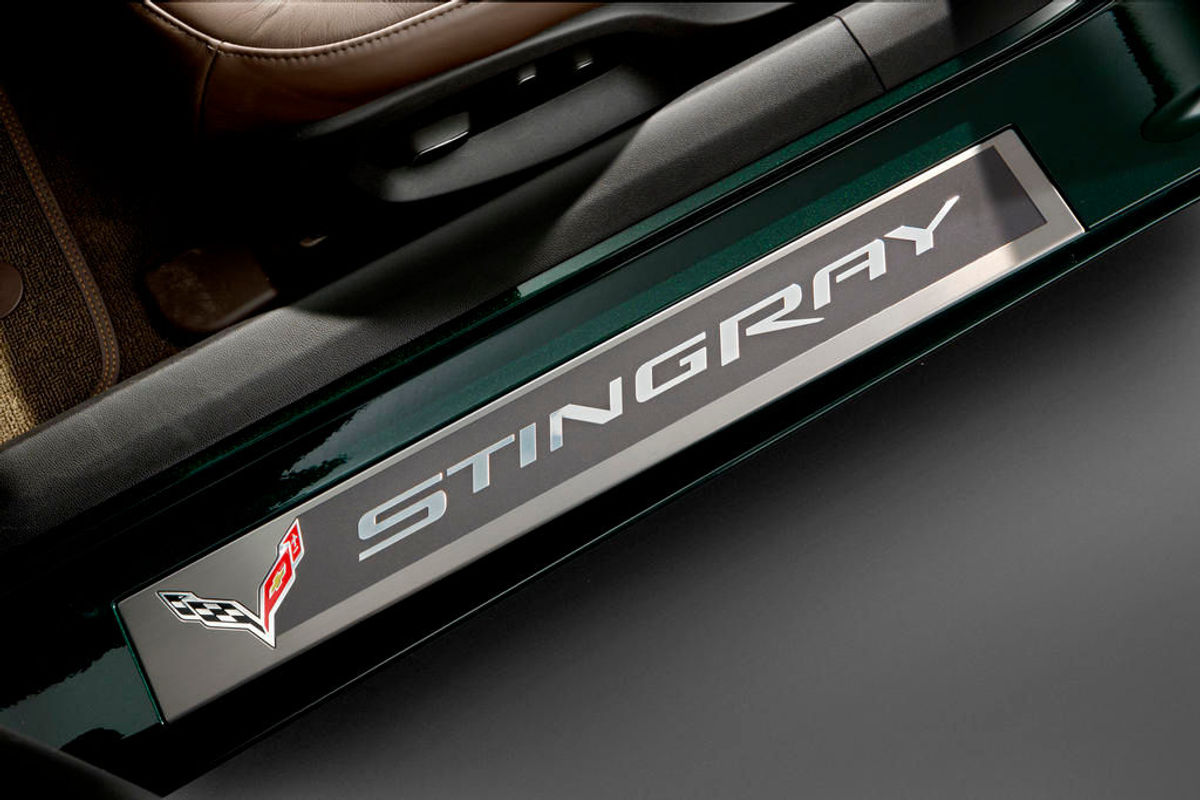
The interior is further accentuated with carbon fiber trim, “Stingray” branded sill plates and an individually-numbered dash plaque.
In addition, the 2014 Chevrolet Corvette Stingray Premiere Edition Convertible is equipped with the Z51 Performance Package and Magnetic Selective Ride Control. It also gets a performance exhaust system and a five-piece Corvette-branded luggage set from Thule.
The 2014 Chevrolet Corvette Stingray Premiere Edition Convertible is said to be available early next year. Unfortunately we don’t get this vehicle in South Africa, but rumours are this might change pretty soon.
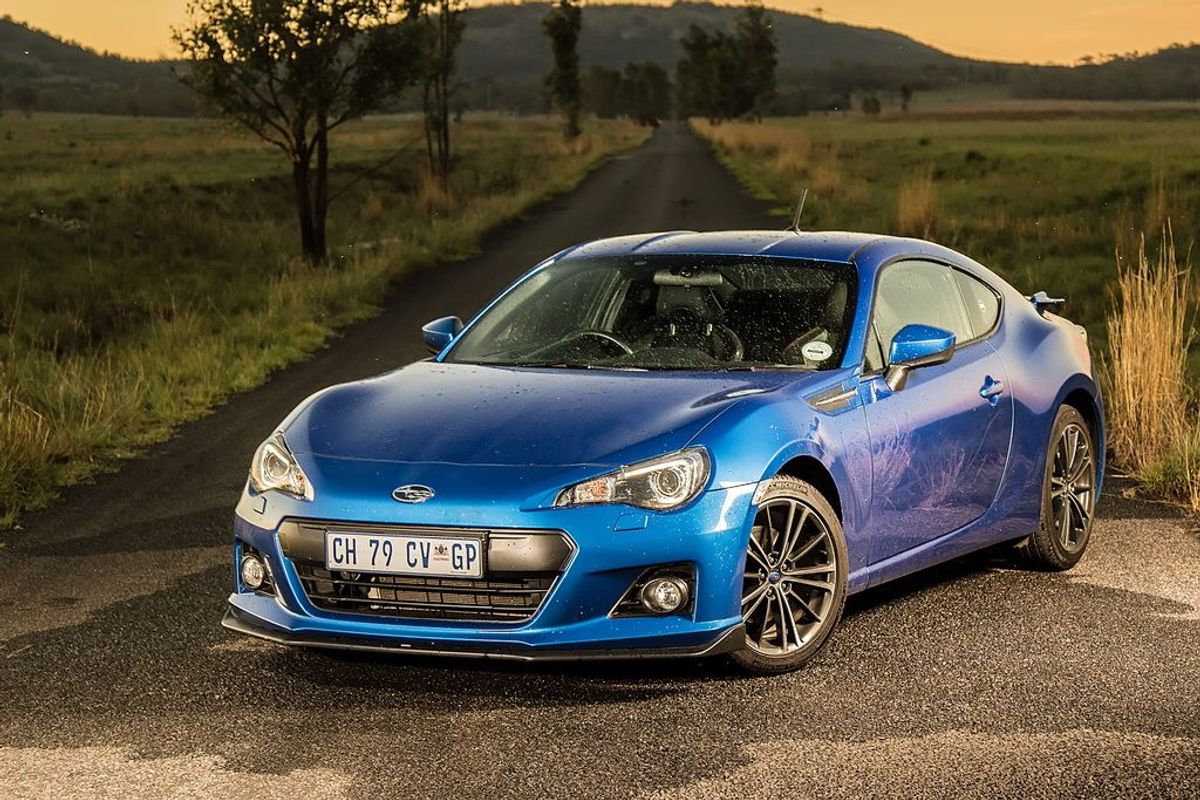
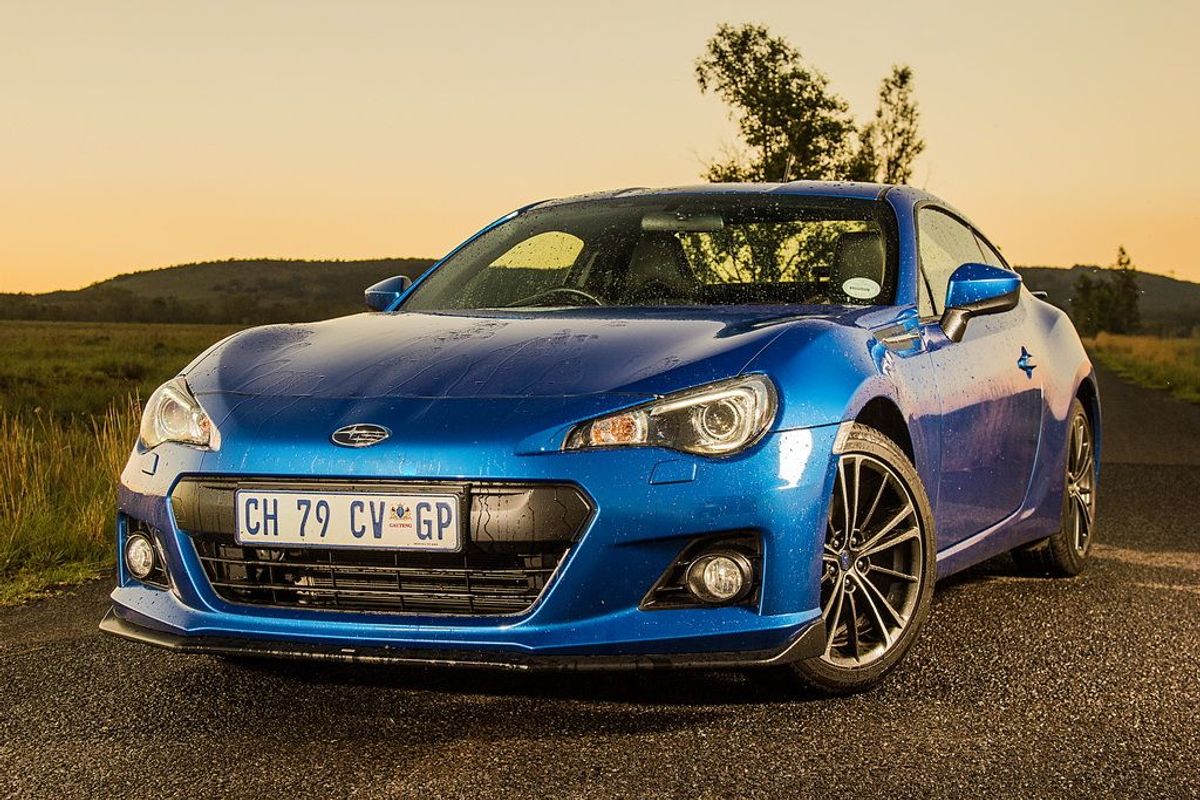
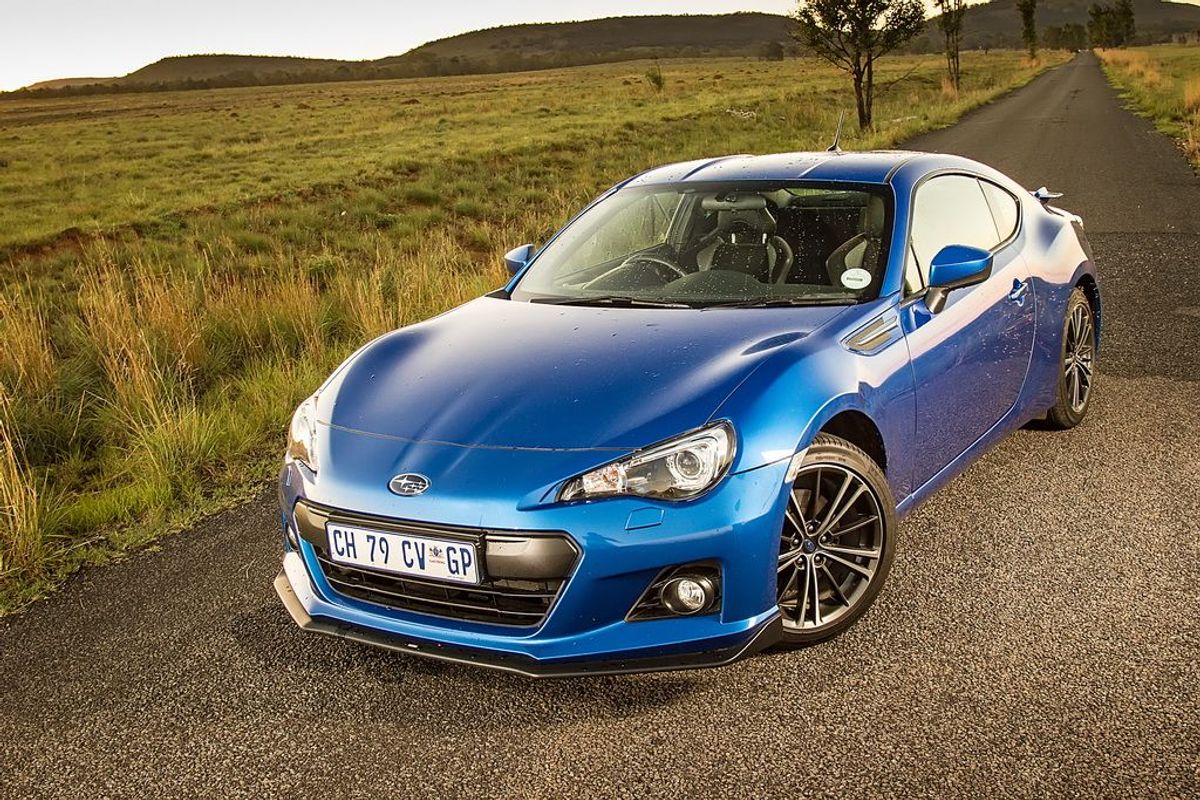
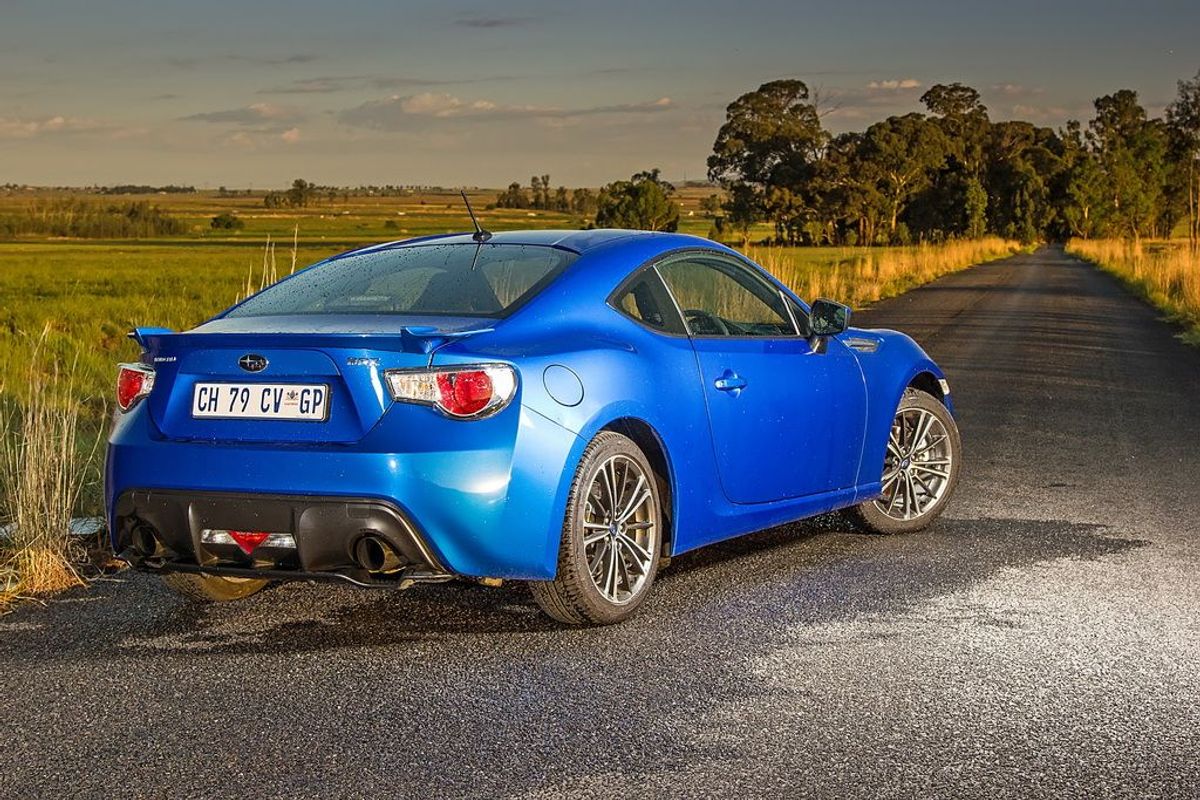
What does this Subaru have in common with the rally pedigree Subarus weve come to know and love? Well, its blue and the similarities pretty much stop there.
The Subaru BRZ is a total 180-degree direction change for the brand and the vehicle is unlike anything Fuji Heavy Industries has ever produced. At first glance you may think its a Toyota 86 with a couple of add-ons. Youd be right, but think of the BRZ as a more refined, precise driving tool.
Comparisons to the 86 are inevitable and the little Toyota has received much love on a global scale. The BRZ however is like discovering your girlfriend has an exceptionally pretty sister and you werent told about her until youd already made a commitment. I would go as far to suggest the Subaru brand has more prestige and snob value over Toyota
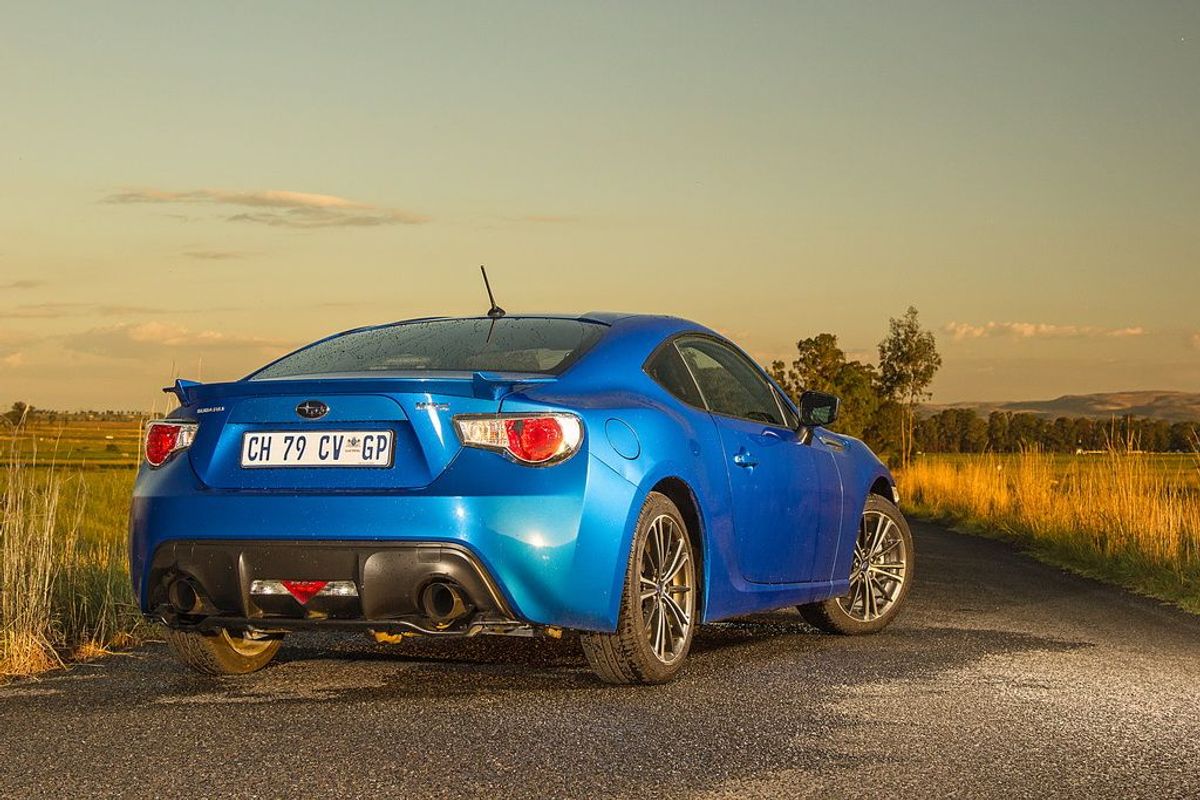
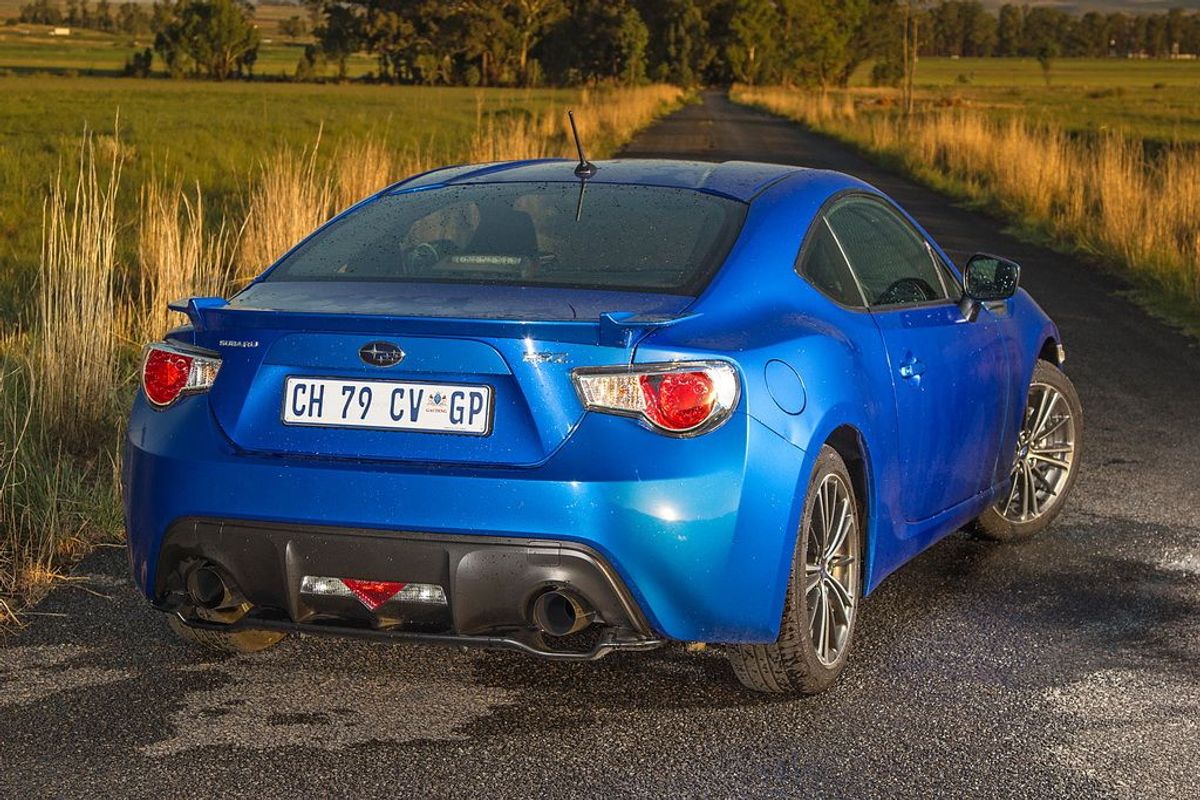
Speaking of pretty, the BRZ is a great looking little thing. Coupled with go-faster bits like an STI front lip, a boot-mounted wing and a rear diffuser (complete with massive exhaust tips), the BRZ is eye-catching and I found myself becoming the target for cellphone-wielding onlookers. I guess the World Rally blue paint helped a little too.
Subaru BRZ engine
It has the same 2.0-litre flat-four motor as its Toyota cousin, but Subaru has fitted a sports exhaust, which gives it a little more power. The result is a delicious sounding toy car, which should hit 100km/h in under 8 second, thanks to 147kW and 200Nm driving to the rear wheels. Rear wheels? What is the world coming to? Yes, this is a Subaru that doesnt have all-wheel drive. Rear-wheel drive plus an excellent chassis and a rev-happy motor makes for a fun driving experience. Thats what the world is coming to.
The 86 is marketed as a tail-happy sports car and while I personally havent experienced its sideways demeanour, there are more than enough YouTube videos to get some idea. The BRZ is a little different. Dont get me wrong, you can get it properly sideways and get the Tokyo Drifter in you grinning like mad, but this thing feels very precise and darts around twisty and tight roads. You can always switch the stability control to sport, which affords the driver some rear-wheel slip but to be honest I couldnt be bothered. Read: scared.
Fun to drive, yet economical
Thanks to a great chassis and suspension setup, the BRZ is a delightfully entertaining drive. Some people would suggest its a little too hands-on and involving, but if youre after a vehicle thats relatively attainable and cheap to run, the BRZ will make you happy. Speaking of cheap to run, the BRZ is impressively light on fuel. During the few days of enthusiastic ownership, the BRZ went through fuel at a stately 9.1L/100km.
It follows a simple recipe. This would be a rev-happy motor, six-speed gearbox, rear-wheel drive and a coupe shape. Mazdas MX-5 has successfully cornered this market for many years now, and its about time a few other choices were added to the mix.
Subaru BRZ cabin
It may be simple in engineering terms, but thankfully the cabin is quite high-tech. Youre getting some decent kit in the BRZ and theres none of that worry youre being short changed when it comes to specification. There are some heavy-duty leather racing seats which are heated, dual-zone climate control, USB ports, satellite navigation, Bluetooth connectivity, trip computer and one-touch electric windows.
It may be small in dimensions, but the cabin isnt as cramped as youd think. Subaru may have fitted back seats with seatbelts, but in reality these are only really suitable for the littlest of people. Me? Id use it as an extra cargo area. The boot isnt that small either, but the only problem is the position of the spare wheel. Its a great idea to fit a full-size spare to offer owners peace of mind, but unfortunately its in plain sight and a nuisance when youre packing suitcases.
Subaru BRZ price in South Africa
You can get yourself a Subaru BRZ for only R389 900.
Subaru BRZ Review conclusion
Subarus BRZ is not too silly a price either. Your R389 900 gets you a fun to drive little sportscar thats less compromised than you think. You have enough gadgets and features to keep you happy and when youre driving enthusiastically, its not going to drink you out of money. The downside though is the hot hatchback.
For similar money youre treading on five-door turbocharged family hatches, which simply decimate the BRZ in straight-line performance, while offering sensible practicality. Its not a good place for a little sports car to be and as good as the BRZ is, its far more logical to purchase something like the Ford Focus ST or Renault Megane RS265 if you have a family. Single petrolheads however can rejoice, this car has your name on it.
Why you should: Fun to drive, surprisingly light on fuel, a proper sports car for the masses, Subaru badge offers more exclusivity than its Toyota counterpart
Why you shouldnt: Snug cabin, can be a little too involving and hands on.
It would be better if: it had more power. That chassis is just so good.
Subaru Outback Range Refreshed For 2014 Model Year
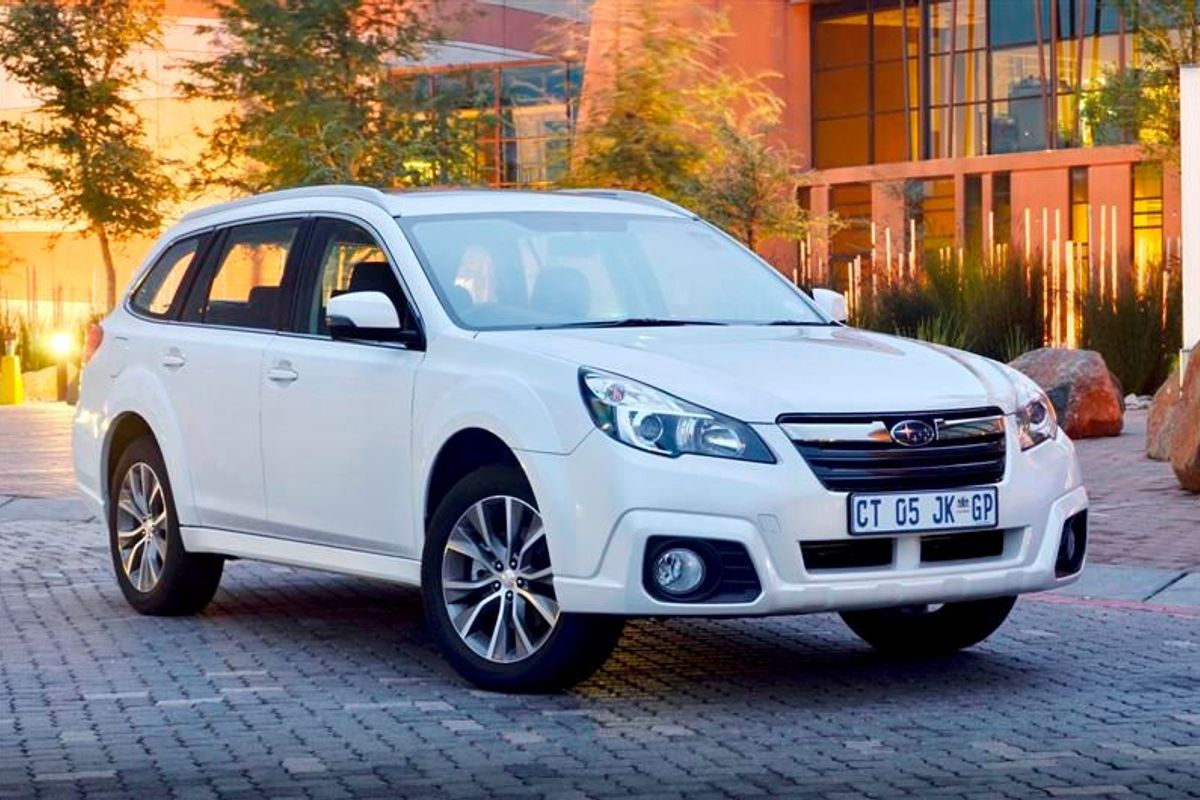
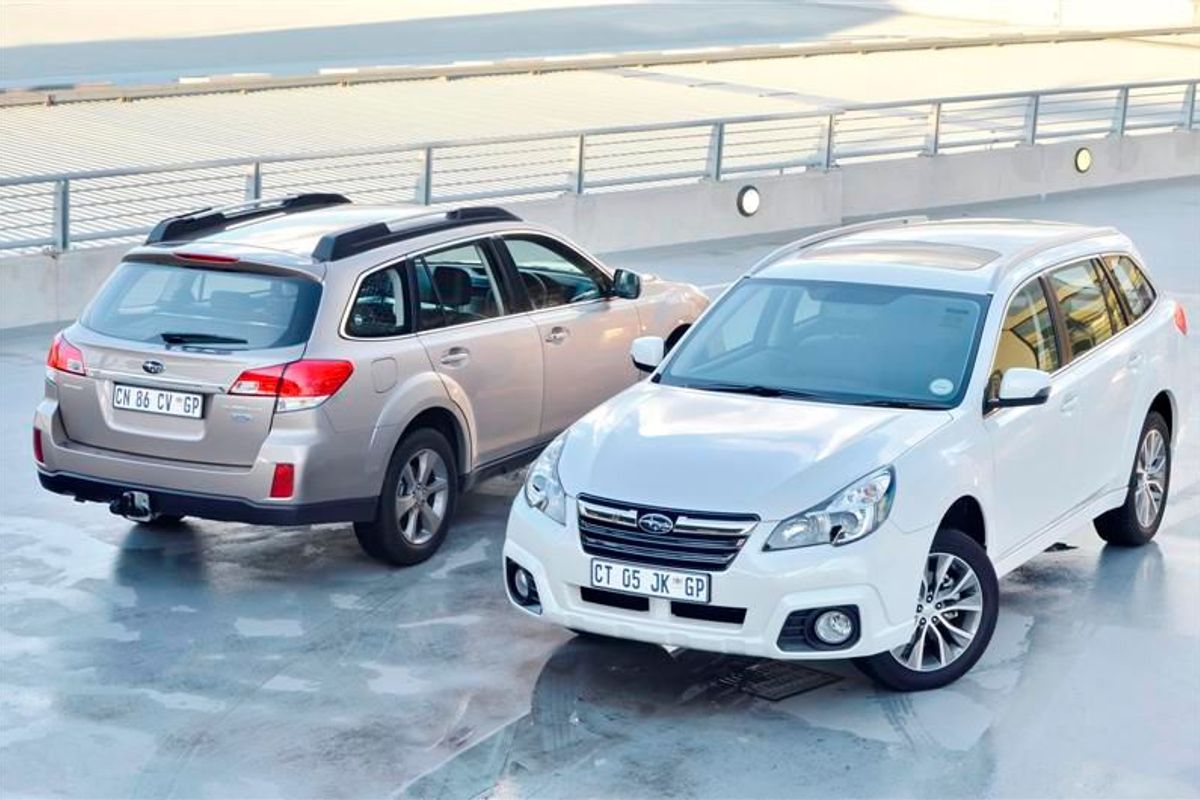
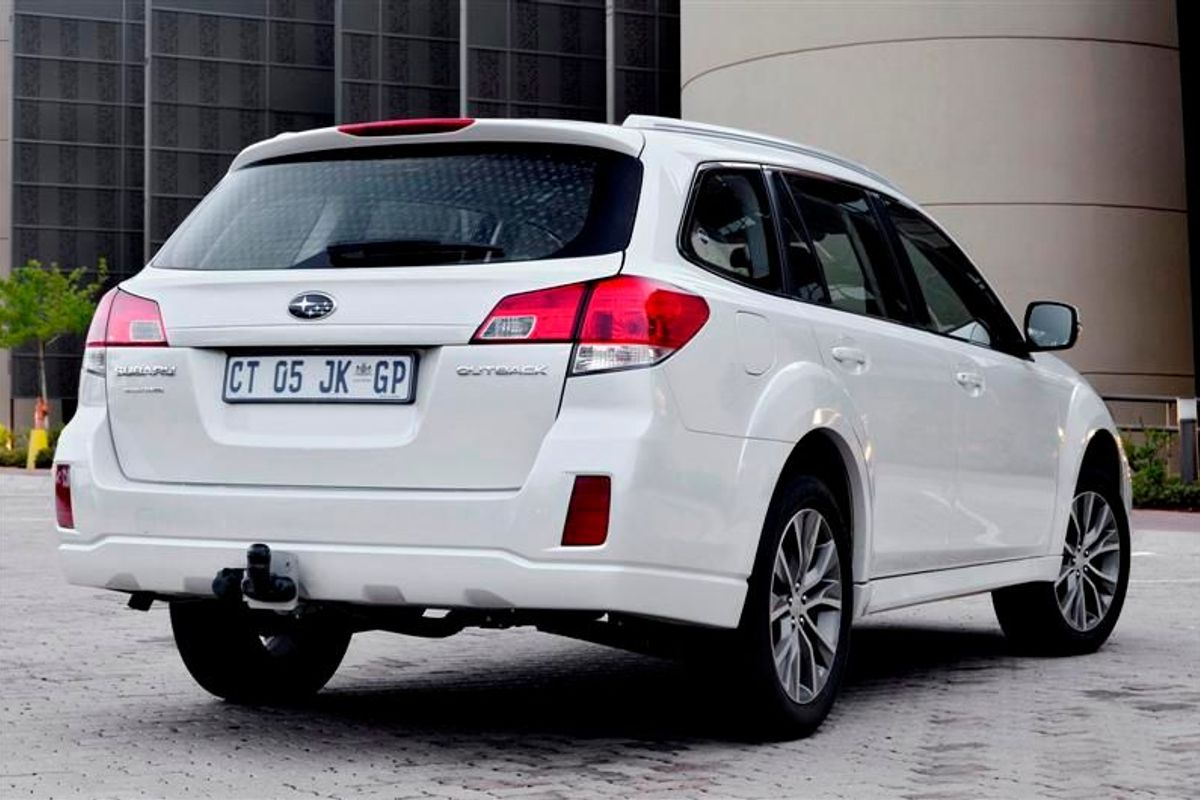
Subaru have enhanced their Outback range for the 2014 model year with a new model line-up featuring Boxer engine power, Lineartronic Continuously Variable Transmission and Subarus trademark Symmetrical All-Wheel Drive.
The three distinct models
First up is the Subaru Outback 2.5i Premium Lineartronic equipped with the naturally aspirated Boxer power plant producing 123kW of power and 229Nm of torque.
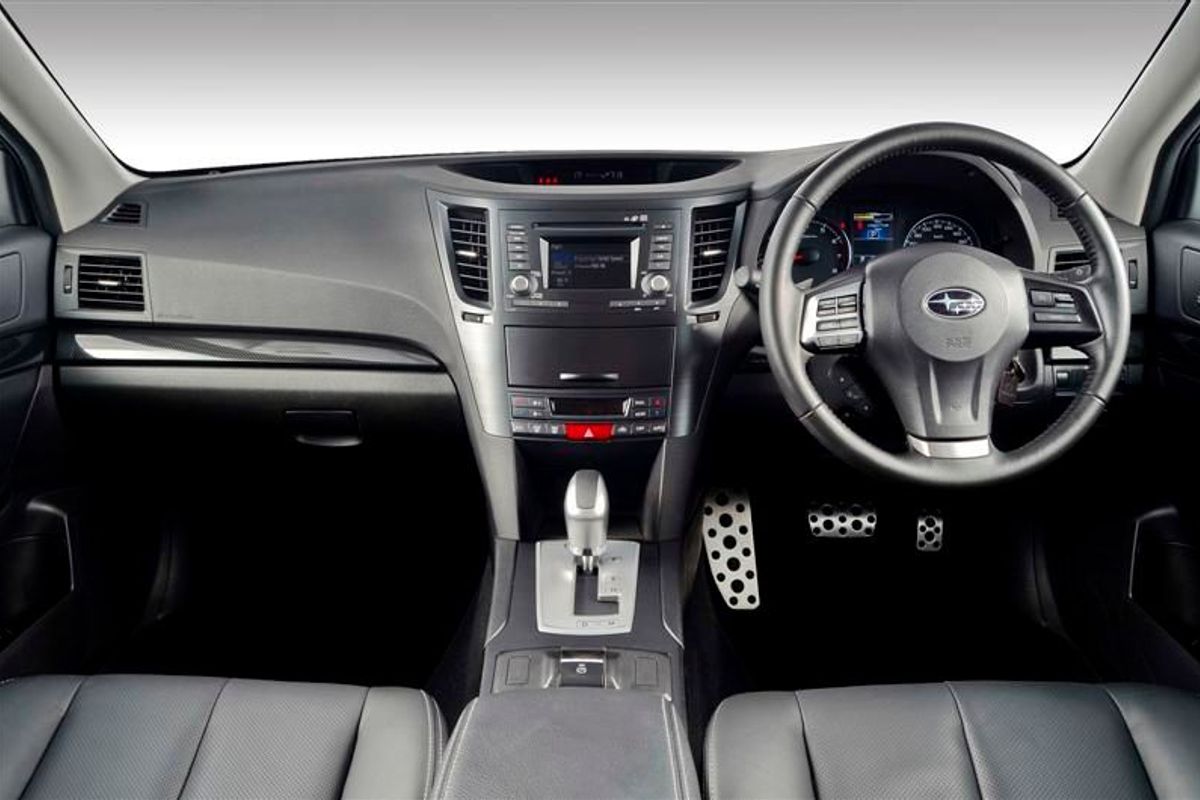
Standard equipment includes 17-inch alloy wheels, hard-wearing bumpers and side sills, a sunroof, roof rails, ambient cabin lighting, leather upholstery, dual-zone climate control, cruise control, a rear-view camera, an electric driver’s seat with memory function, a six-speaker sound system (MP3/CD/AUX/USB) and Bluetooth.
Next up is the Outback 2.5i-S Premium Lineartronic, which features the same drivetrain as the 2.5i. However it gets colour-coding and its front features dark-painted headlight clusters and a black radiator grille with a chrome accent.
The eighteen-inch gunmetal alloy wheels and silver-painted roof rails also increase visual appeal and set it apart from the entry-level model. Feature upgrades to go with the Sport nomenclature on the inside include carbon-like interior trim and sports alloy pedals.
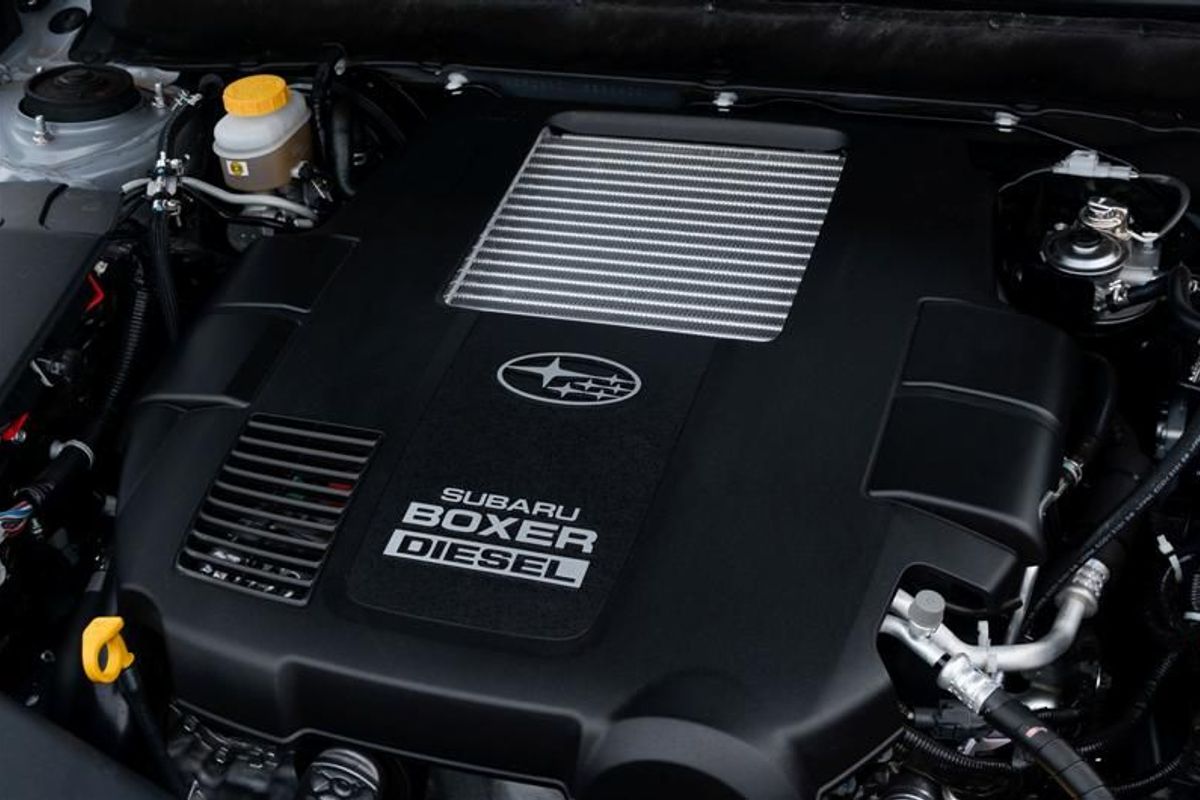
Lastly, the robust Subaru Outback 2.0D Premium Lineartronic is fitted with a turbo-diesel engine developing 350Nm from just 1800rpm. According to Subaru, the diesel CVT consumes just 6.5-litres of 50 ppm diesel per 100km on the combined cycle.
The range-topping diesel model further benefits from dark-painted 17-inch alloy wheels, keyless entry and push-button starting, and roof rails which feature built-in cross-bars that can be folded across the roof for fitment of a bike rack or roof storage box. There are also contrasting black-painted side skirts and bumper edges and an intercooler scoop on the bonnet, along with dark-painted xenon headlight clusters and a black-painted grille.
High-spec safety features
All Subaru Outback models feature the manufactures Ring-Shaped Reinforcement along with seven airbags, seat belt warning buzzers for all five seats, a collapsible brake pedal, ISOFIX child seat anchor points and whiplash-reducing seats.
The Outback’s five-star ANCAP and EuroNCAP safety ratings were achieved thanks to a host of electronic aids which include ABS, EBD, BAS, VDC (Vehicle Dynamics Control) and traction control. The Subaru Outback also received the IIHS Top Safety Pick award, something it shares with the rest of the Subaru product offering.
All Subaru Outback models come standard with a three-year or 100 000km warranty. Both the 2.5-litre petrol models feature a three-year or 75 000km maintenance plan, while the diesel model features a three-year or 60 000km maintenance plan.
Subaru Outback gallery
New Powerful Volvo V60 and S60 Polestar Globally Unveiled
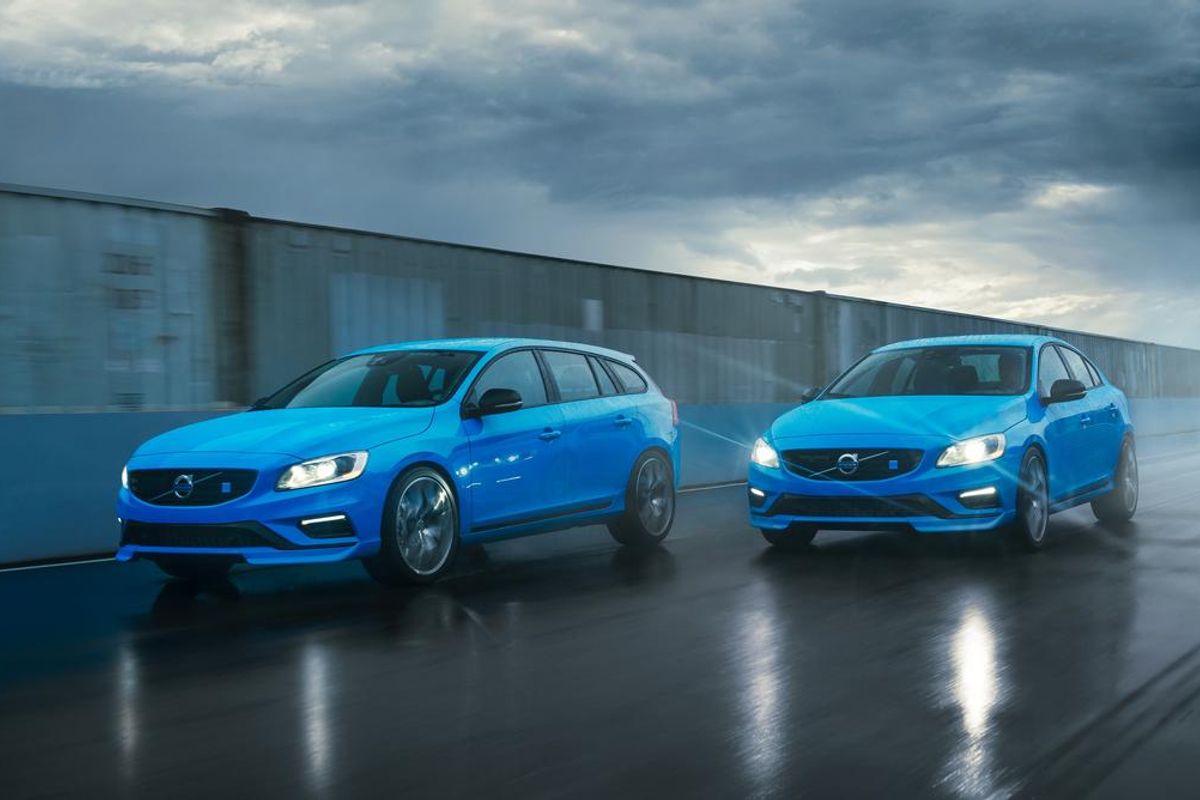
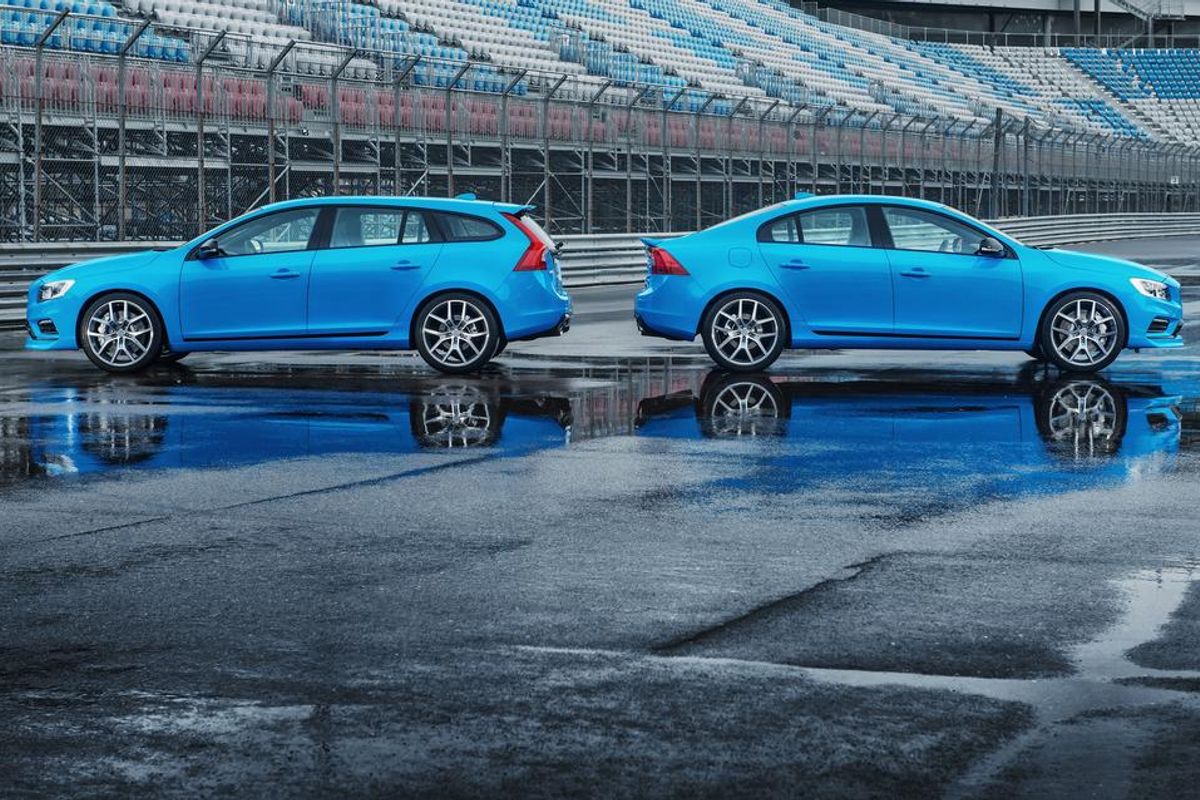
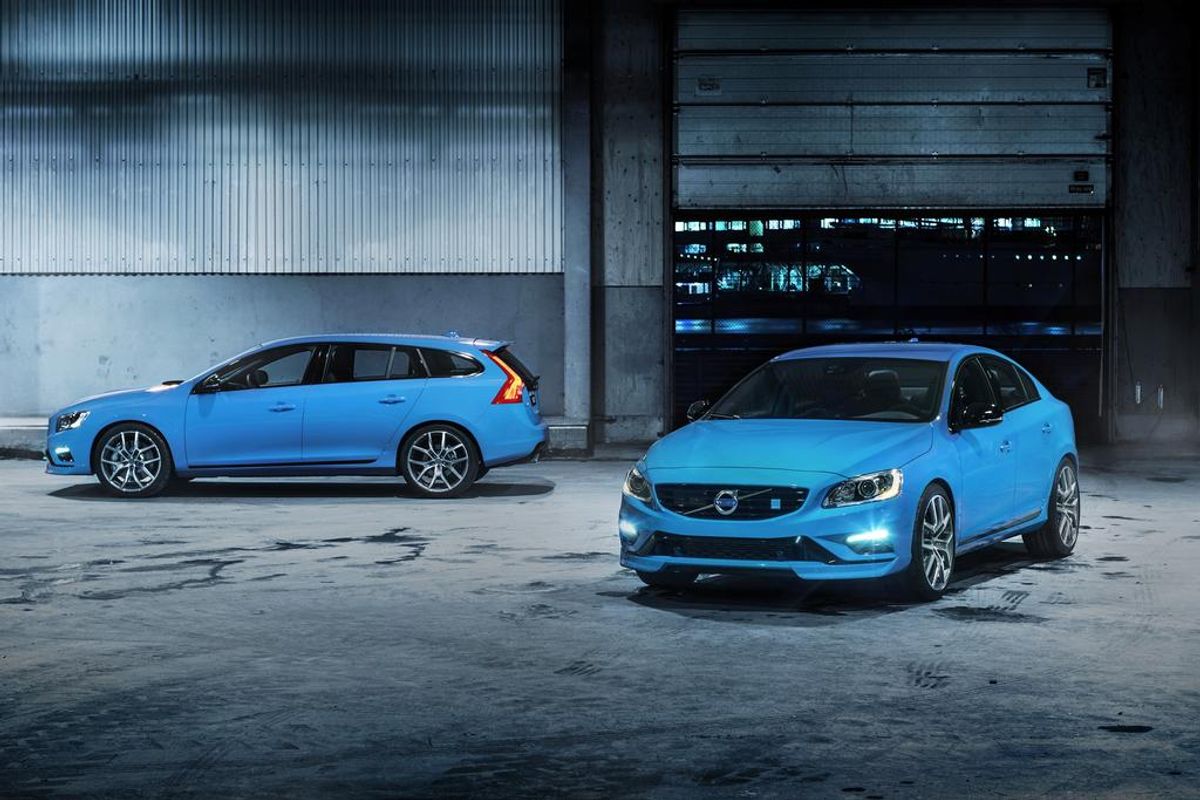
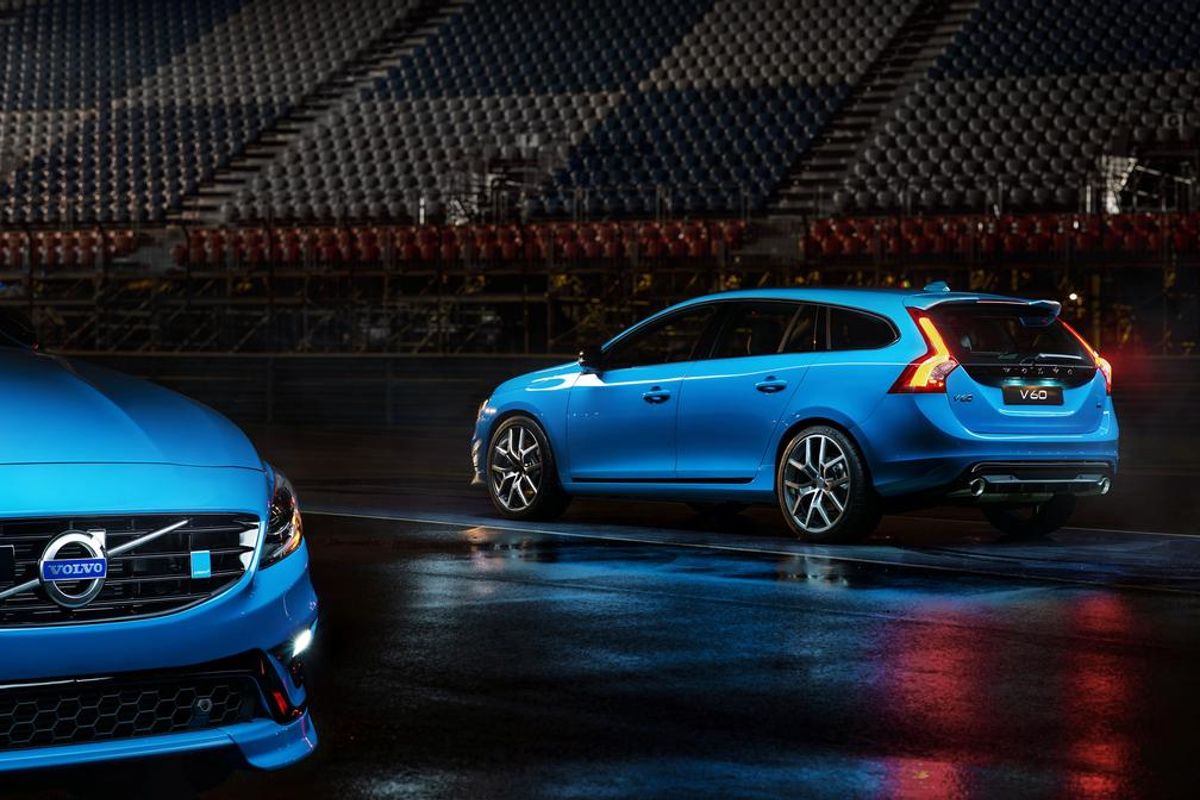
In addition to the unveiling of the Volvo S60 which debut as a concept at last years LA Motor Show, official Volvo factory racing team Polestar has revealed the identity of both the production ready S60 and the hot new Volvo V60.
Polestar performance engineering
Powering both models is a six-cylinder petrol engine delivering 257kW at 5700 rpm and 500Nm of torque at 2800 rpm. The engine is mated to a six-speed automatic transmission featuring a paddle shift system and a specially-tuned Haldex all-wheel drive system. This setup takes the car from 0-100 km/h in just 4.9 seconds and to a limited top speed of 250 km/h.
To reflect the increased performance of both the Volvo V60 and S60 Polestar, the Swedish firm says the positive aerodynamic effects were achieved through subtle, yet efficient, modifications based on data from tests in the Volvo Cars wind tunnel.
Recalibrated features
Some visible changes of the Volvo V60 and S60 Polestar include the front splitters, optimising the airflow underneath the car, as well as a new rear spoiler and diffuser, increasing down-force. There is also a new twin-scroll Borg Warner turbo, an intercooler and the tuner’s stainless full-flow exhaust which make for a throaty engine note.
Stopping power is provided by the 371 mm ventilated front discs and six-piston Brembo callipers and 302×22 mm ventilated rear discs.
Additional upgrades include a stiffer chassis made to handle the new spring setup which is 80% stiffer relative to the standard Volvos R-Design line-up of cars. And tailored high performance Ohlins shock absorbers, as well as 20-inch alloy wheels shod in 245/35 R20 tyres.
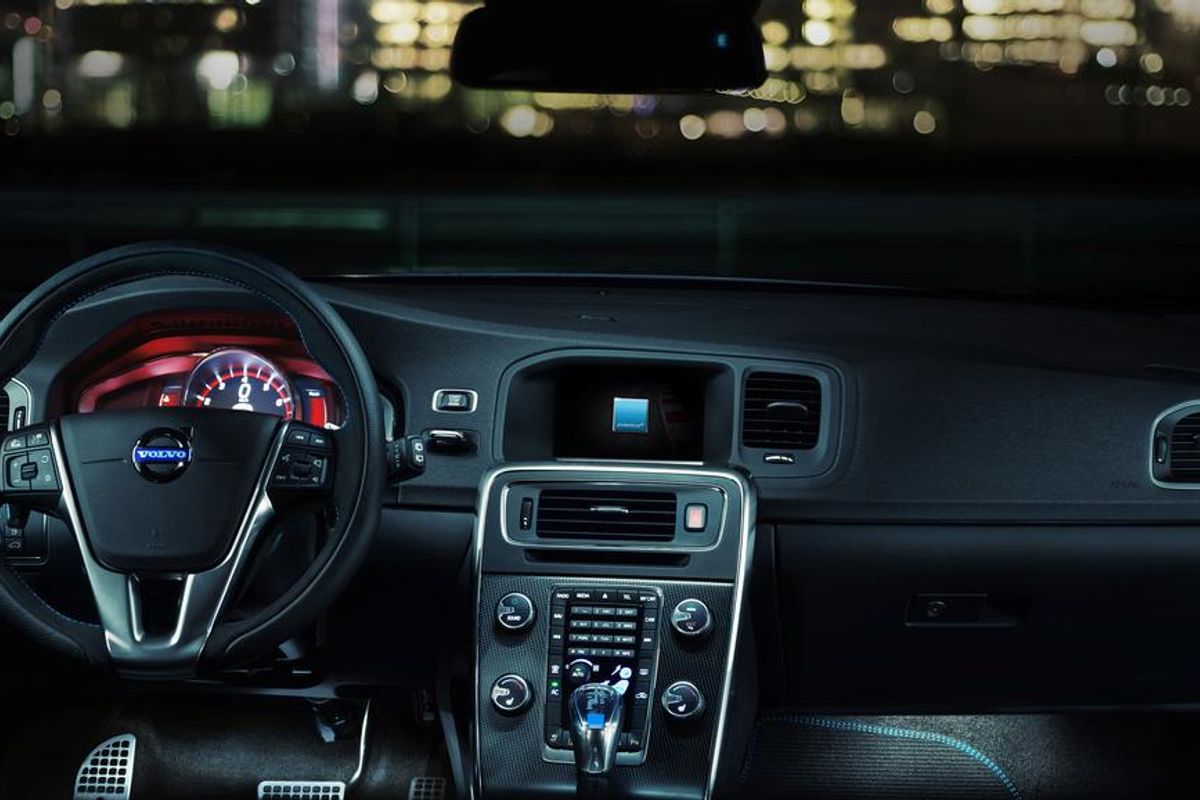
The interior features Polestar blue accents on the steering wheel and seats along with upgrades that adapt to increasing driver support and control.
Deliveries of the Volvo V60 Polestar and S60 cars will begin in June 2014, and production numbers will be limited. However Volvo hasnt said how many of these Polestar cars will be built.
Volvo V60 and S60 Polestar gallery
2014 New Honda City Introduced In India
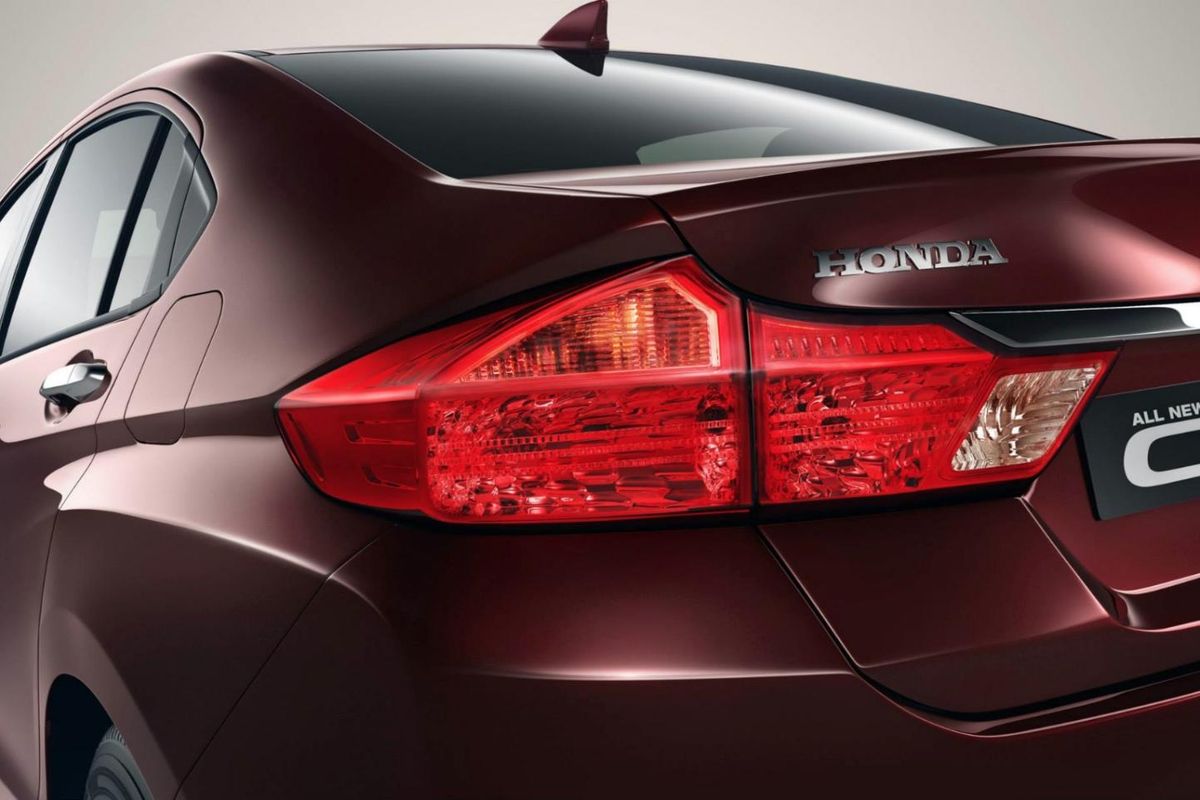
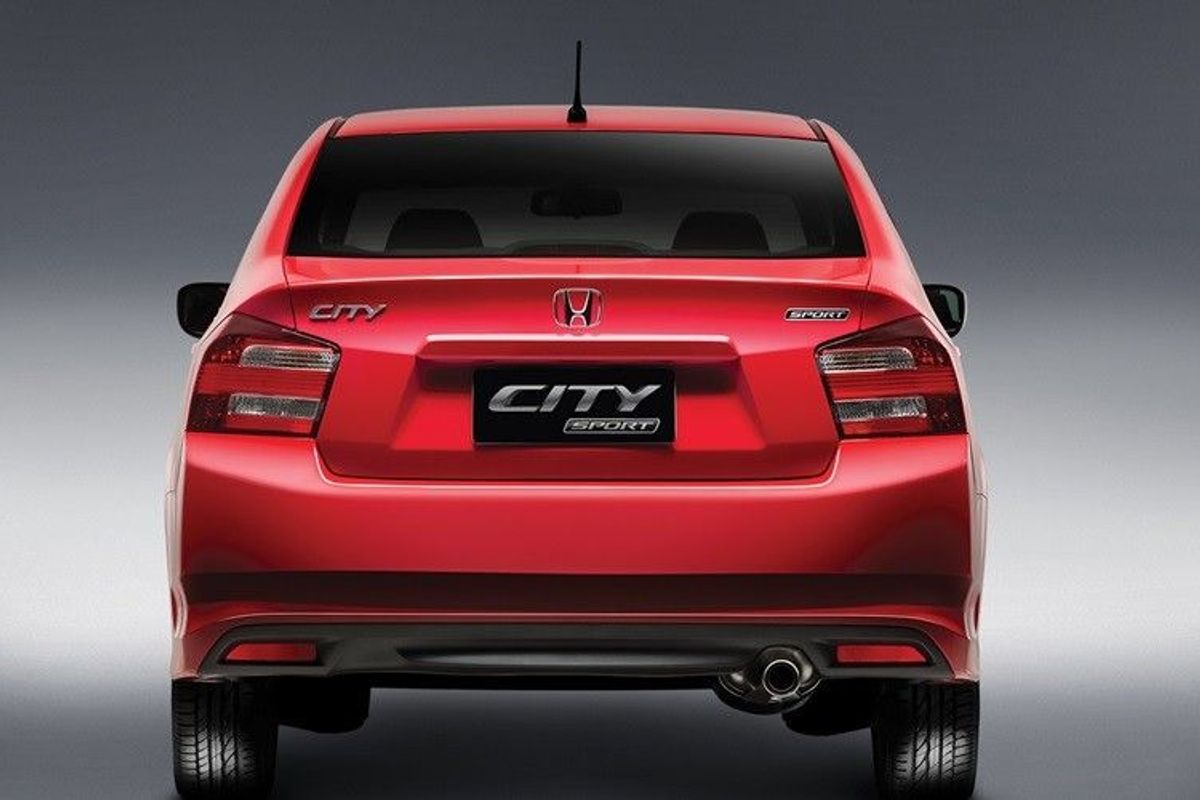
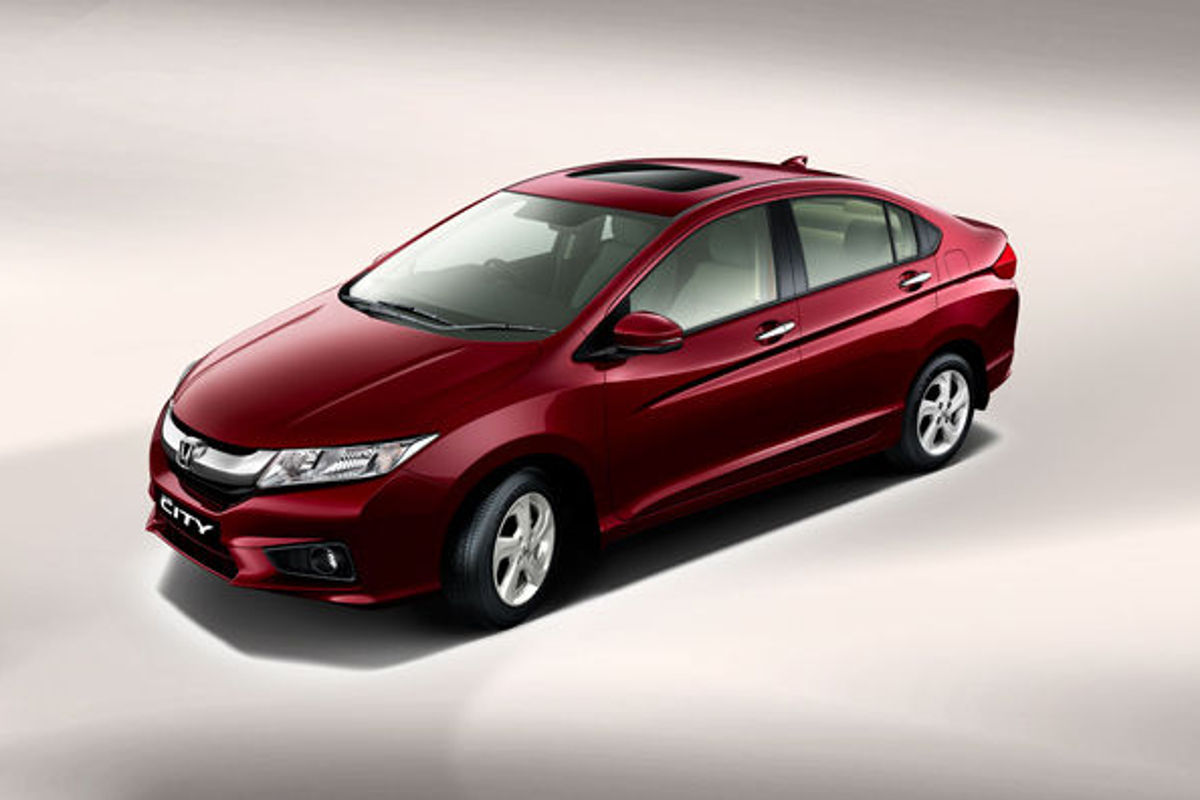
Honda has unveiled its fourth generation Honda City (known as the Ballade in South Africa) at a World Premiere in India, also marking the introduction of a new 1.5-litre iDTEC diesel engine.
Advanced sporty design
The all-new mid-size city sedan was developed at Honda’s R&D centre in Tochigi, Japan and is the manufacturers first model to adopt the new Exciting H Design styling language.
The vehicle has the same 4400mm length and 1695mm width as the previous generation. However its wheelbase has been extended by 50mm to 2600mm, and its height has increased by 10mm to 1495mm.
The interior has been dramatically redesigned with high gloss finishes around the dashboard, and has an all-round edgy look. It also features easy to read clocks, and a touchscreen interface for the stereo and air on functioning.
New and improved powertrains
The 2014 New Honda City will be powered by the 1.5-litre DOHC i-DTEC 4-cylinder diesel engine which has been exclusively developed for the Indian market which uses the latest Earth Dreams Technology.
There will also be an improved 1.5-litre 4-cylinder SOHC i-VTEC petrol engine which has been designed to offer better balance between performance and fuel economy.
The 2014 New Honda City is already available on order, and will go on sale in January 2014 in India and will be followed by 60 other markets.