The Cars.co.za September Motoring Report Infographic
The Cars.co.za September infographic has launched and features all the important information you need in the South African motor industry.
This months infographic features the release of the highly anticipated Renault Duster, which we had the pleasure of recently reviewing. Read our Renault Duster review right here.
Also included in the report are the following features:
Top 5 motoring brands
Results of our poll
New car market share
Most popular new cars in South Africa
Most popular used cars – based on views on Cars.co.za
*The new car statistics included in the infographic were sourced from the Naamsa new car sales report.
**The used car statistics used in the infographic are sourced directly from Cars.co.za
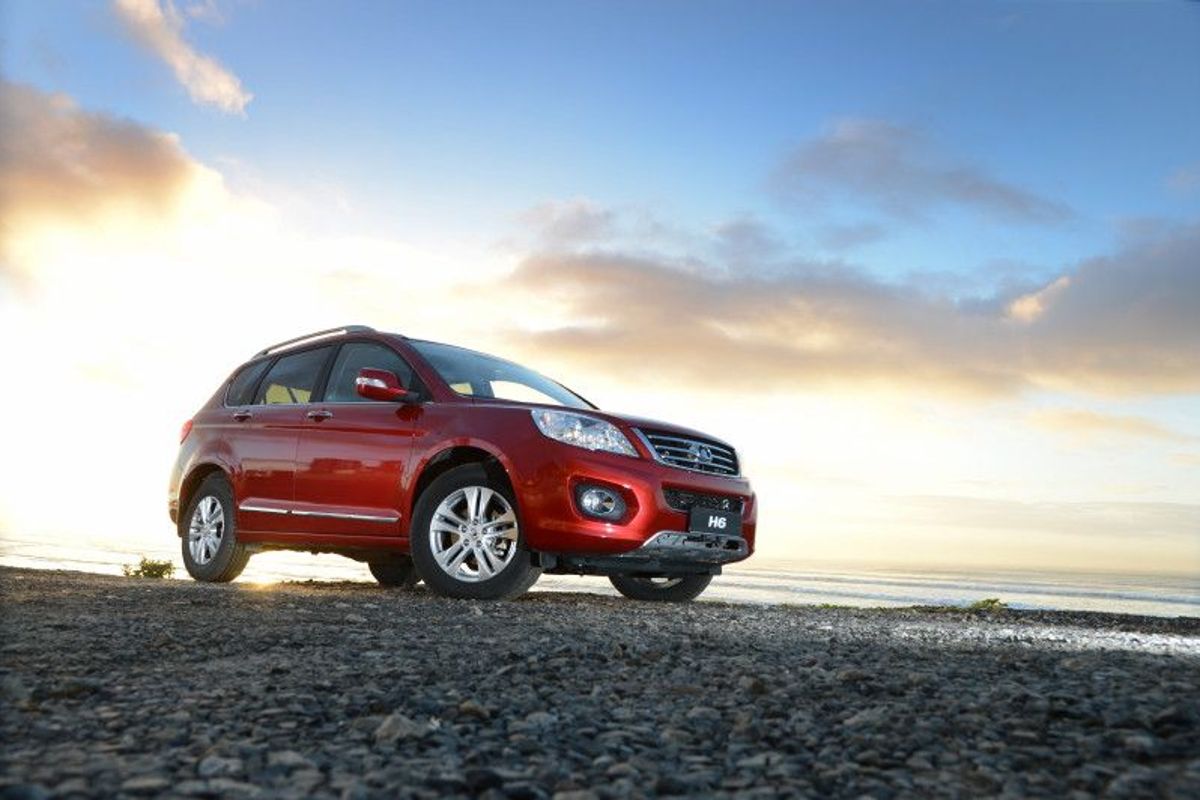
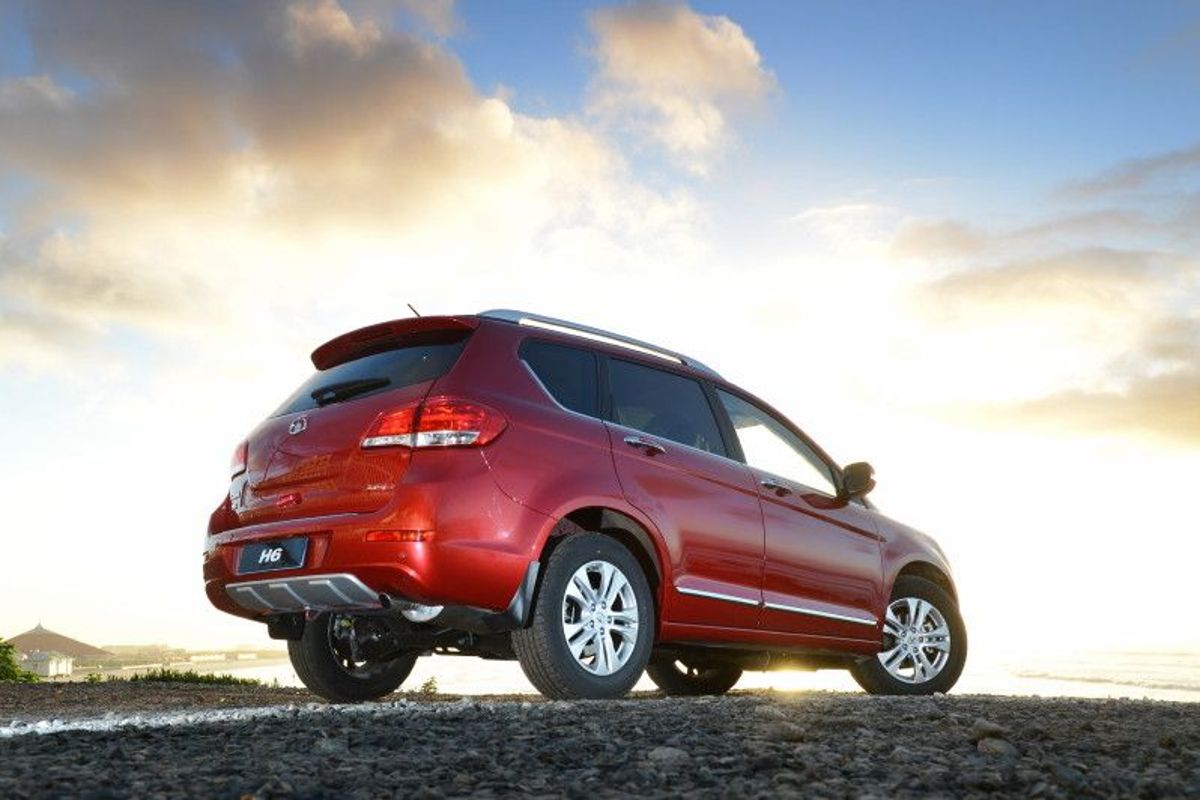
GWM H6 SUV – Official Details Revealed for South Africa
GWM will showcase its first ever unibody, front-wheel drive SUV, the H6, at the Johannesburg International Motor Show next week.
The sporty and luxurious SUV first appeared in South Africa at the Durban Motor Show last year and is Chinas best-selling SUV so far this year. Soon to be available for purchase in South Africa, the SUV will be offered with two engine options.
Power and economy
The GWM H6 engine line-up will consist of two powerplants, the first being the companys proven 2.0-litre TCI turbodiesel engine that produces 105kW at 4000 rpm and 310Nm of torque between 1800 rpm and 2800 rpm. Following soon after will be a 1.5-litre turbopetrol that delivers the same power (105kW) but with 210Nm of torque.
Both engines will be connected to a six-speed manual transmission transmitting power to the front wheels, and delivering a combined cycle fuel consumption figure of 6.7-litres/100 km (for the turbodiesel).
Premium Elite specification
On the styling front, the GWM H6 is distinguished by smooth contours and chiselled flanks, including 17-inch alloy wheels, full colour-coding with chrome detailing and tinted windows for the rear doors and tailgate. The all-new unibody platform makes for excellent rigidity and low levels of NVH (noise, vibration and harshness), while the SUVs underpinnings have been tuned to deliver maximum occupant comfort. Suspension is via MacPherson struts at the front and a multi-link arrangement at the rear.
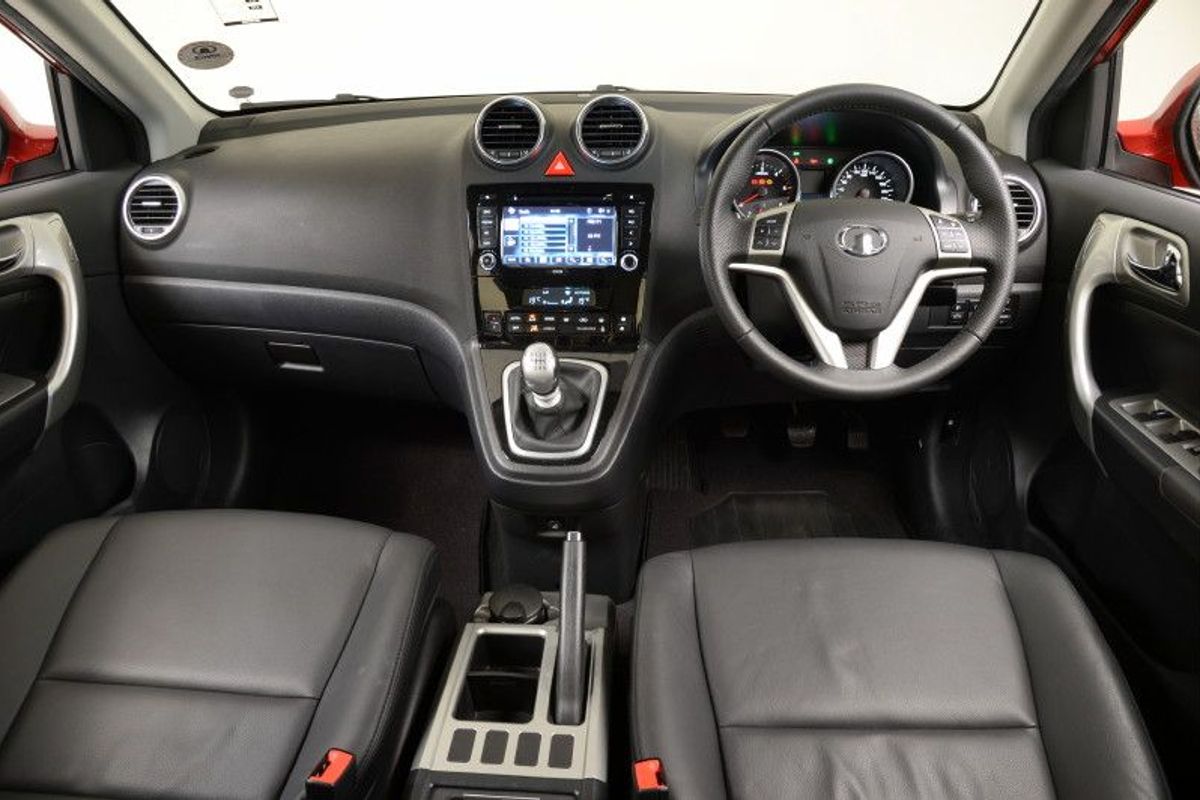
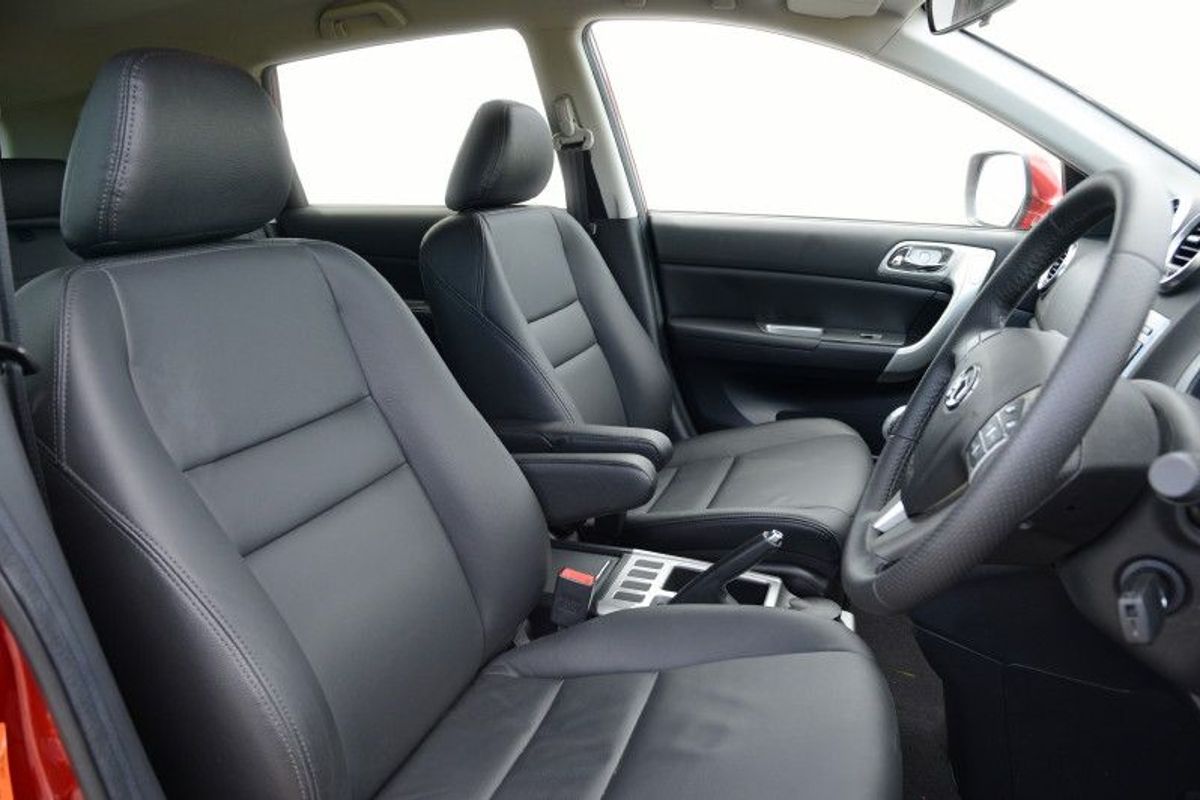
Interior features include an adjustable leather trimmed steering wheel, facia-mounted gearlever, black and silver satin finishes, full-colour touch screen system with radio/CD/DVD/MP3 playback, Bluetooth integration, rear-mounted camera and an audible warning system. Rear seats with reclining backrest are split 60:40 and can tumble forward to provide more boot space, while the height-adjustable drivers seat and front passenger seat both feature fold-out armrests.
Other standard features include climate control, power steering, electric windows all-round, electric mirror adjustment, rain-sensing wipers and automatic headlights with manual levelling.
Safety features
Safety comes from dual front SRS airbags, disc brakes all-round, ABS with EBD (electronic brake force distribution) and BAS (brake assist), height-adjustable seatbelts with load limiters and pre-tensioners, Isofix child seat mounts, as well as front and rear fog lights and rear park sensors (with camera view).
Want to see the GWM H6 for yourself at the Johannesburg International Motorshow? You can win tickets to the show by visiting the GWM website (www.gwm.co.za).
GWM H6 gellery
Volkswagen Sales Summary for September 2013
During the month of September Volkswagen maintained its leadership position in the passenger car market with total sales of 8961. Yet again the Polo (2634 units) and Polo Vivo (2435 units) were respectively the top two selling models in total passenger car market.
Audi achieved another record month with the delivery of 1689 units. The A4 Sedan was the top selling model with 577 units. Volkswagen further sold 575 units in the light and medium commercial segments, the Amarok single and double cab models being the best sellers with 389 units.
Here is a breakdown of Volkswagen sales summary for September 2013 including top 5 model sales and the top 5 used cars.
Volkswagen new car sales summary for September 2013
Total new car sales: 8961 units
Total market share: 16.5%
Total passenger vehicle sales: 8321 units
Total Light Commercial Vehicle (LCV) sales: 575 units
Top 5 Volkswagen new passenger car sales for September 2013 (compared to August 2013)
VW Polo 2634 units (2625)
VW Polo Vivo 2435 units (2324)
Audi A4 577 units (628)
VW Golf 7 525 units (587)
VW Amarok 389 units (365)
Top 5 used Volkswagen cars in South Africa for September 2013
Ford sales continued to increase during September, and were driven by strong performances across the model range. While the countrys new vehicle market declined by 1.5 %, an all-time record for the brand was driven by demand of the turbocharged EcoBoost products.
The recently introduced Ford EcoSport continued to lead its segment for the second month running, more than doubling sales of its closest rival with 827 sales. Figo sales were helped by seasonal rental deals to boost sales to 1690 units, the best Figo sales month since August 2011.
Surrounding economic conditions continue to impact the sales environment and against which, the automotive industry continues to perform. We can still expect 2013 to be a successful year for industry sales, which will be aided by a return to some labour stability, says FMCSAs General Manager, Rob Crouse.
Here is a breakdown of Ford sales summary for September 2013, including the top 5 model sales and top 5 used cars.
Ford new car sales summary for September 2013
Total new car sales: 6152 units
Total market share: 11.3%
Total passenger vehicle sales: 4411 units
Total Light Commercial Vehicle (LCV) sales: 1741 units
Top 5 Ford new passenger car sales for September 2013 (compared to August 2013)
Ford Ranger 1435 units (1695)
Ford Figo 1690 units (1200)
Ford Fiesta 836 units (824)
Ford EcoSport 827 units (522)
Ford Focus 350 units (448)
Top 5 used Ford cars in South Africa for for September 2013
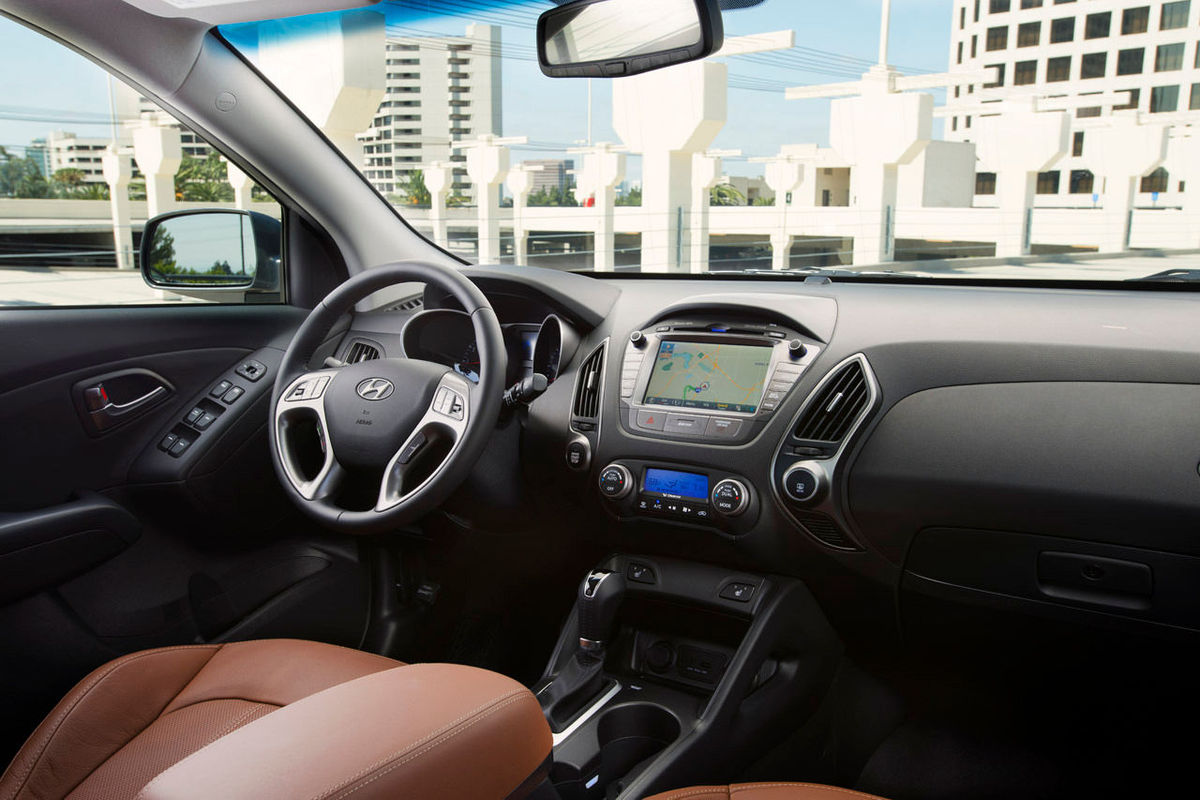
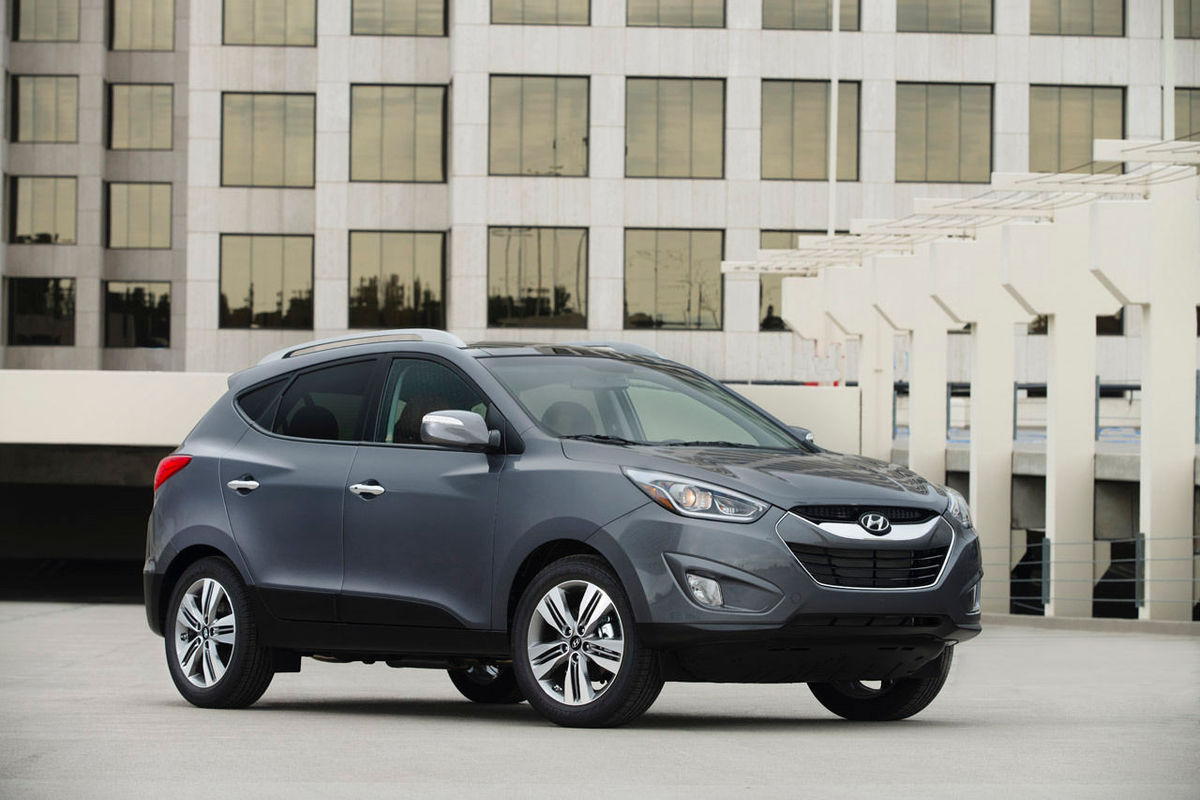
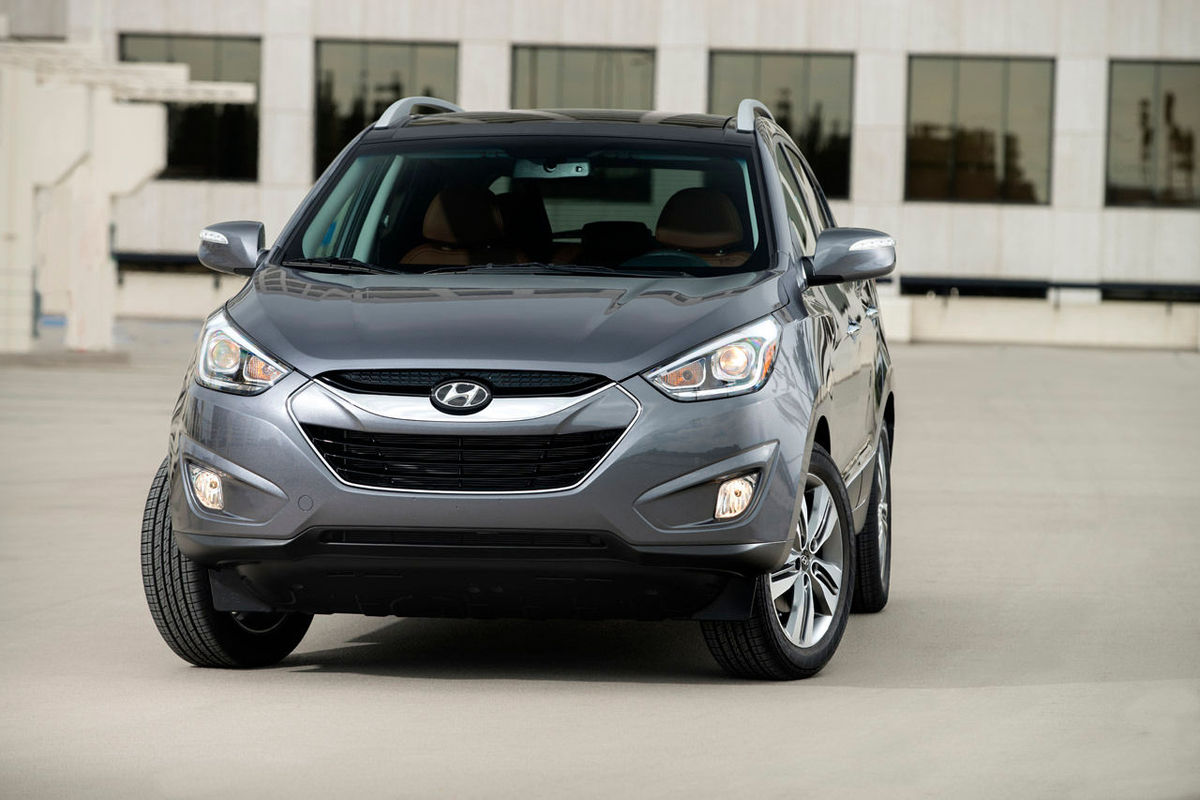
The 2014 Hyundai Tucson has been revealed sporting a series of changes including two new GDI four-cylinder engines.
Performance enhancements
The most significant upgrade to the Tucson is seen under the hood with two new GDI four-cylinder engines that replace the previous MPI units. The 2.0-litre Nu GDI produces 122kW and 204Nm of torque, while the 2.4-liter Theta II GDI develops 135kW and 240Nm of torque. Both engines are mated to a six-speed automatic transmission which can be paired to an optional all-wheel drive system.
Improved styling and functionality
Visual changes to the 2014 Hyundai Tucson includes LED-infused headlights, restyled wheels, optional LED taillights, shark-fin antenna on Limited trim levels, roof side rails with panoramic sunroof, and redesigned 17- and 18-inch alloy wheels.
Inside, there are more extensive changes, such as a tilt/telescopic steering wheel, illuminated front cup holders, reclining rear seats and Bluetooth connectivity. The model also has revised upholstery (with a choice of two new cabin colours beige and brown) and a higher quality instrument panel on SE and Limited variants. The Limited variants can be equipped with an upgraded infotainment system that has an improved user interface and a larger touchscreen display.
Hyundai has confirmed that the facelifted Tucson will be available in South Africa in the first quarter of 2014. Prices and more specs will be revealed closer to the launch date.
2014 Hyundai Tucson gallery
GMSA Sales Summary For September 2013
Total sales of 54281 vehicles were reported for the month (excluding 505 sales by GWM who do not fully comply with reporting criteria), a number that is 1.5% down on the same month last year.
GMSAs key passenger vehicle models, the medium sized Chevrolet Cruze and the Chevrolet Spark small car offering continued to fare well with sales of 592 and 718 units respectively. The Chevrolet Trailblazer continued to make its mark on the market with 283 deliveries while the Chevrolet Utility continued to dominate the sub 1-ton light commercial sector with 1329 sales.
September sales show a gain of 0.8% over September 2012 for passenger vehicles while the LCV sector is a significant 9.6% down. Factors of influence here are the strength of the rental market during the past month, up 21.6% on September 2012, which buoyed demand for passenger vehicles. In addition, a shortage of inventory in the Light Commercial sector where there is a high percentage of locally manufactured vehicles that will have impacted negatively on sales, says GMSA Vice President for vehicle sales, marketing and service.
Here a breakdown of GMSA Sales Summary For September 2013 including key sales figures, Top 5 model sales and the most popular GMSA used cars in trms of views on cars.co.za.
GMSA new car sales summary for September 2013
Total new car sales: 5096
Total market share: 9.3%
Total passenger vehicle sales: 2397 units
Total Light Commercial Vehicle (LCV) sales: 2441 units
Top 5 GMSA new passenger car sales September 2013 (compared to August 2013)
Chevrolet Utility 1329 units (1485)
Isuzu KB 1049 units (1439)
Chevrolet Spark 718 units (1086)
Chevrolet Cruze 592 units (401)
Chevrolet Trailblazer 283 units (271)
Most popular used GMSA cars in South Africa for September 2013 (in terms of views on Cars.co.za)
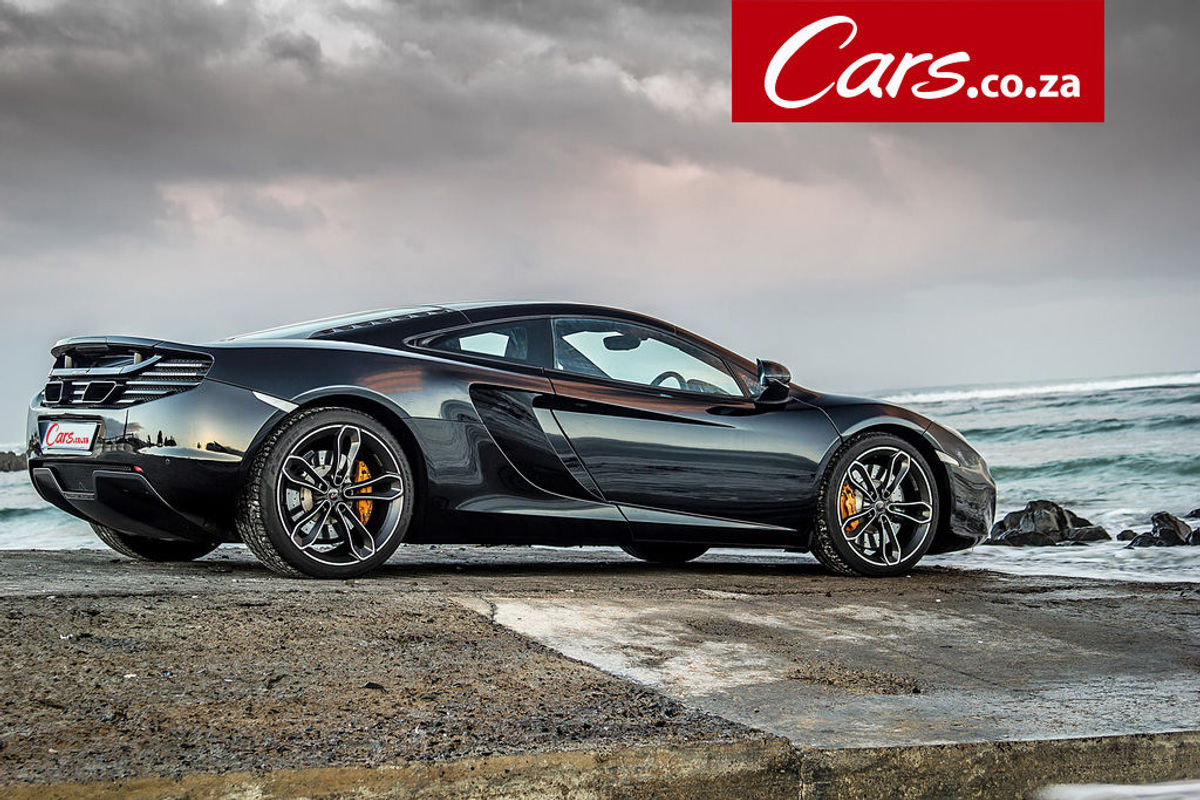
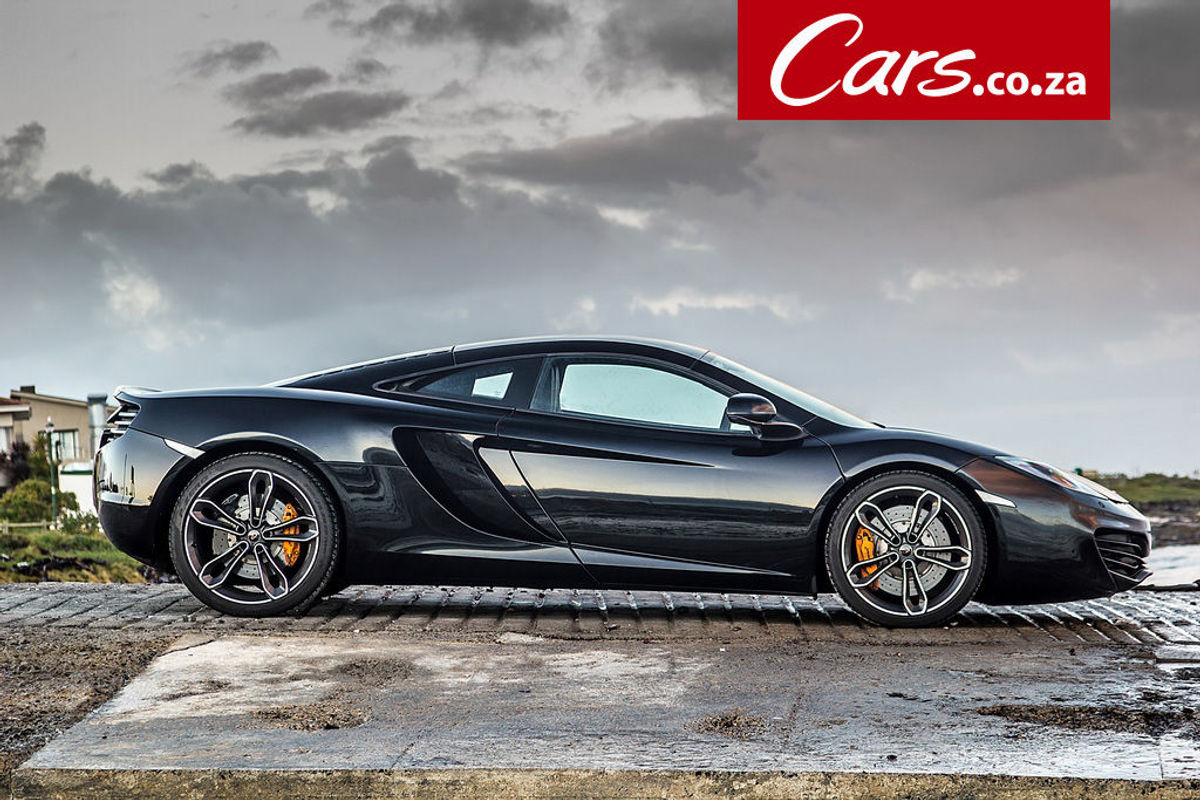
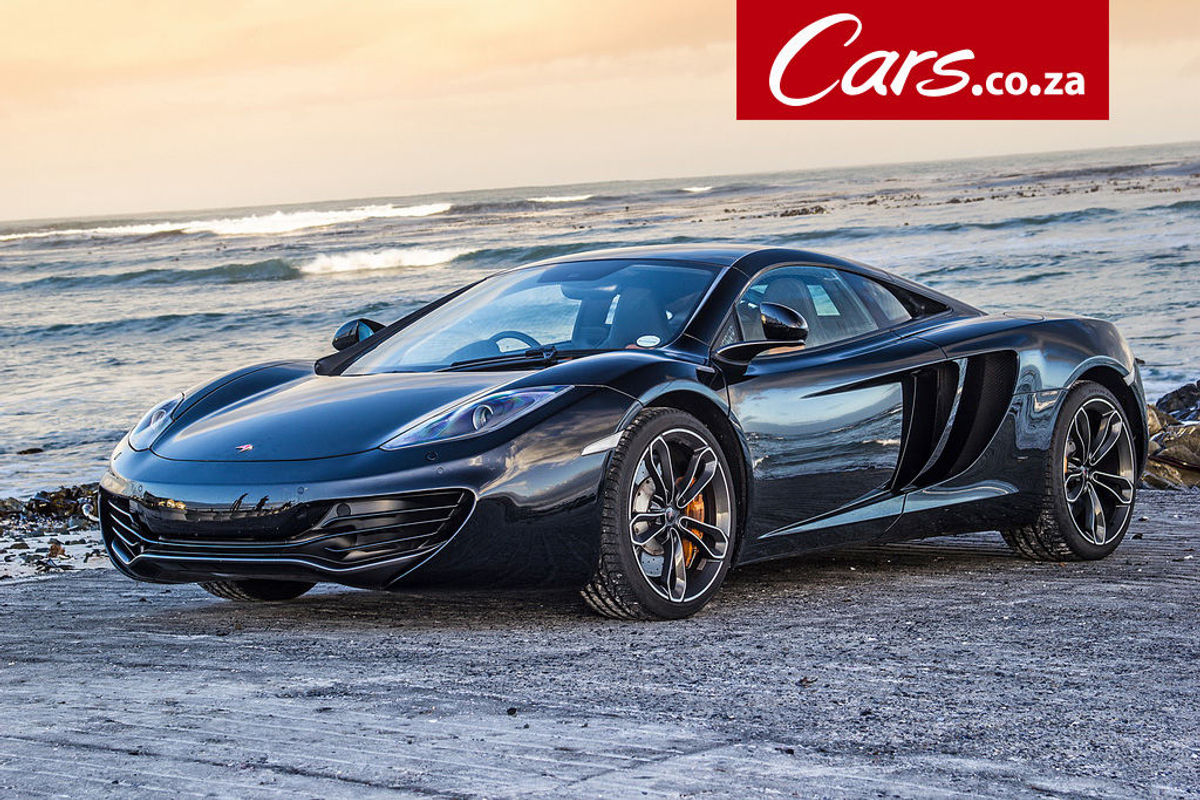
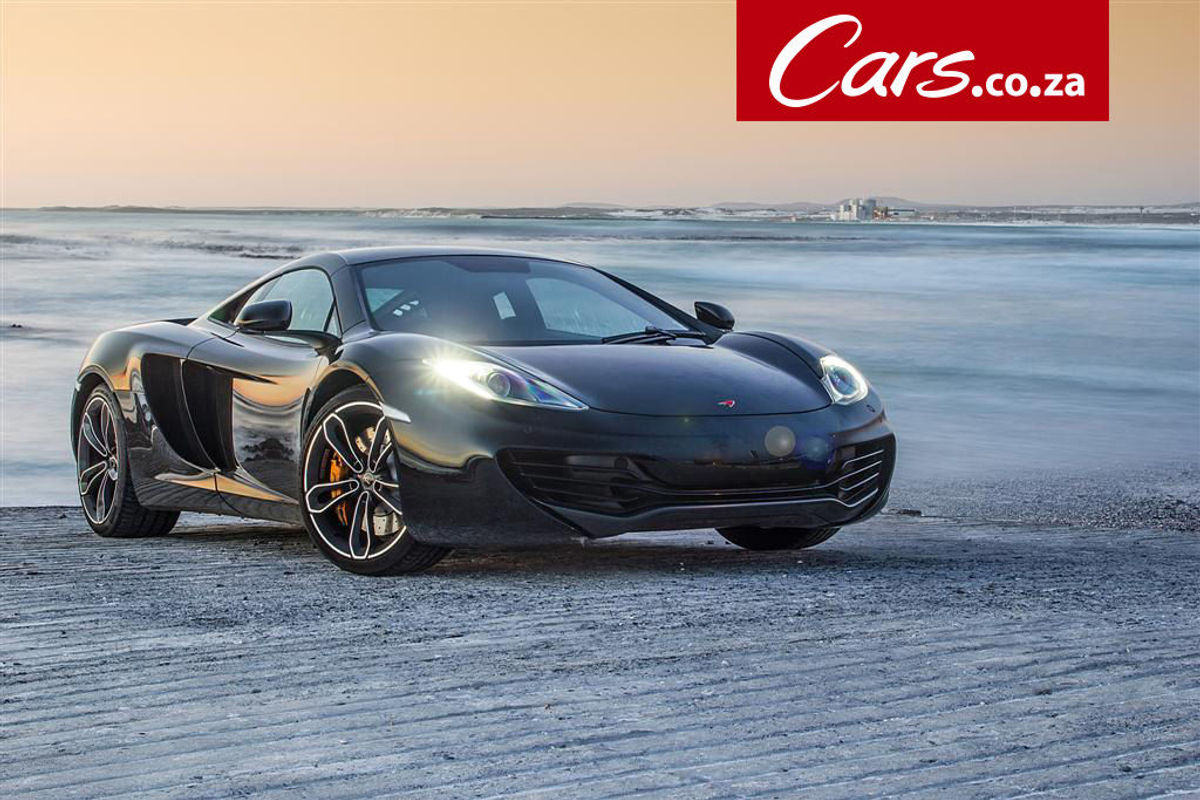
We all love supercars for their power, style and presence. Weve all dreamed of driving at speed through the scenic countryside, but its time for a reality check. What is a supercar like to own on a daily basis? This is the fastest, most powerful and most expensive car to feature on Cars.co.za.
McLaren technology
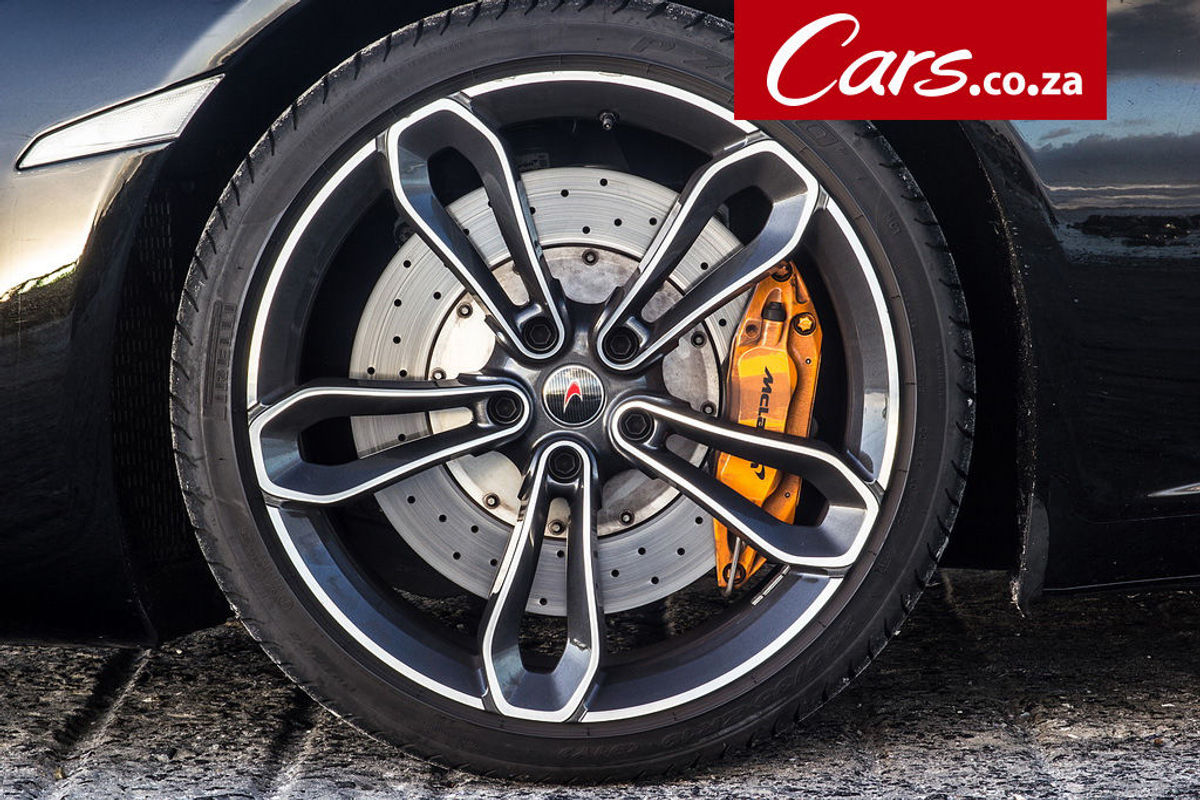
Forget how fast (very fast) it goes and how it looks (gorgeous) for a moment. This car is about the incredible engineering and technology from Formula One racing cleverly placed into a road car. The body is made from a combination of carbon fiber, aluminium and magnesium.
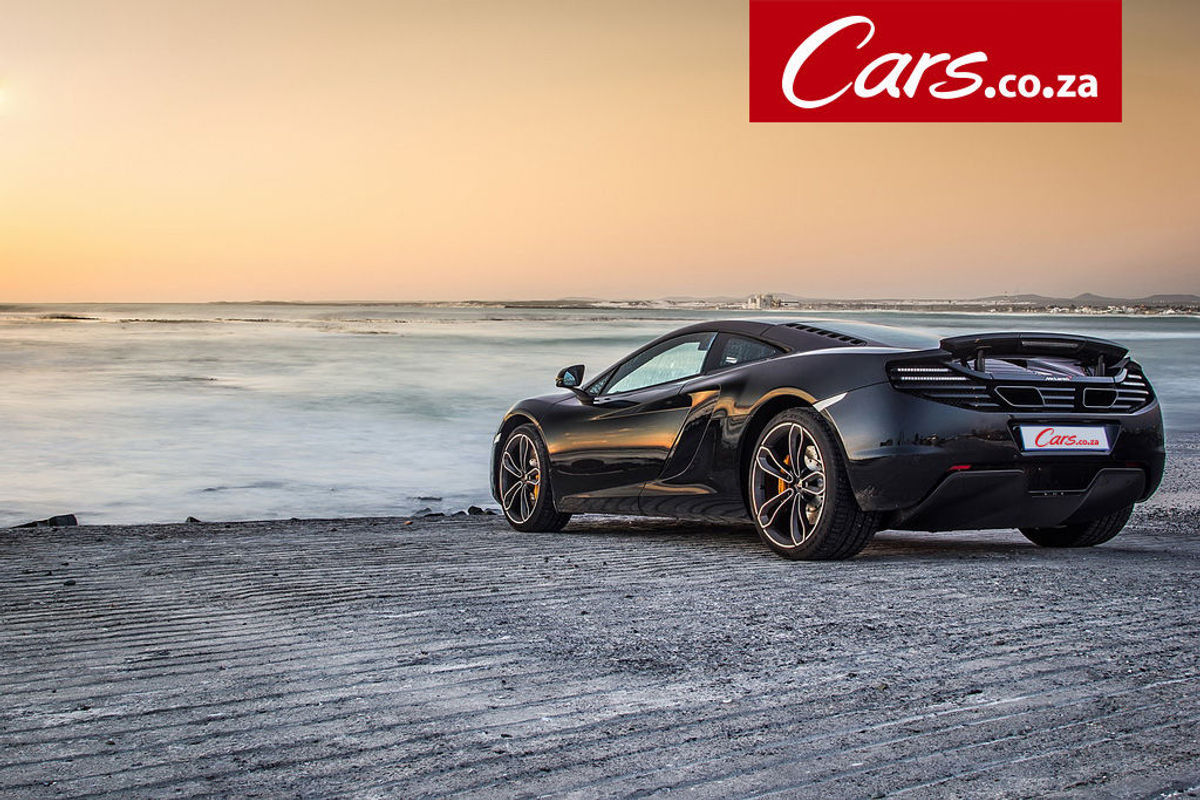
This means its exceptionally light and when placed on the scales, weighs about the same as a Toyota Yaris. My personal favourite bit of tech has to be the airbrake. When you brake hard, the wing rises up by 70 degrees which helps slow the car down and it looks brilliant in your rearview mirror. Another feature worth mentioning is the hydraulic lift. You no longer need to worry about steep driveways or speedbumps because you can raise the front of the car a few centimetres. It may not sound like much, but in most cases thats all you need to avoid scraping the nose.
Simple to drive
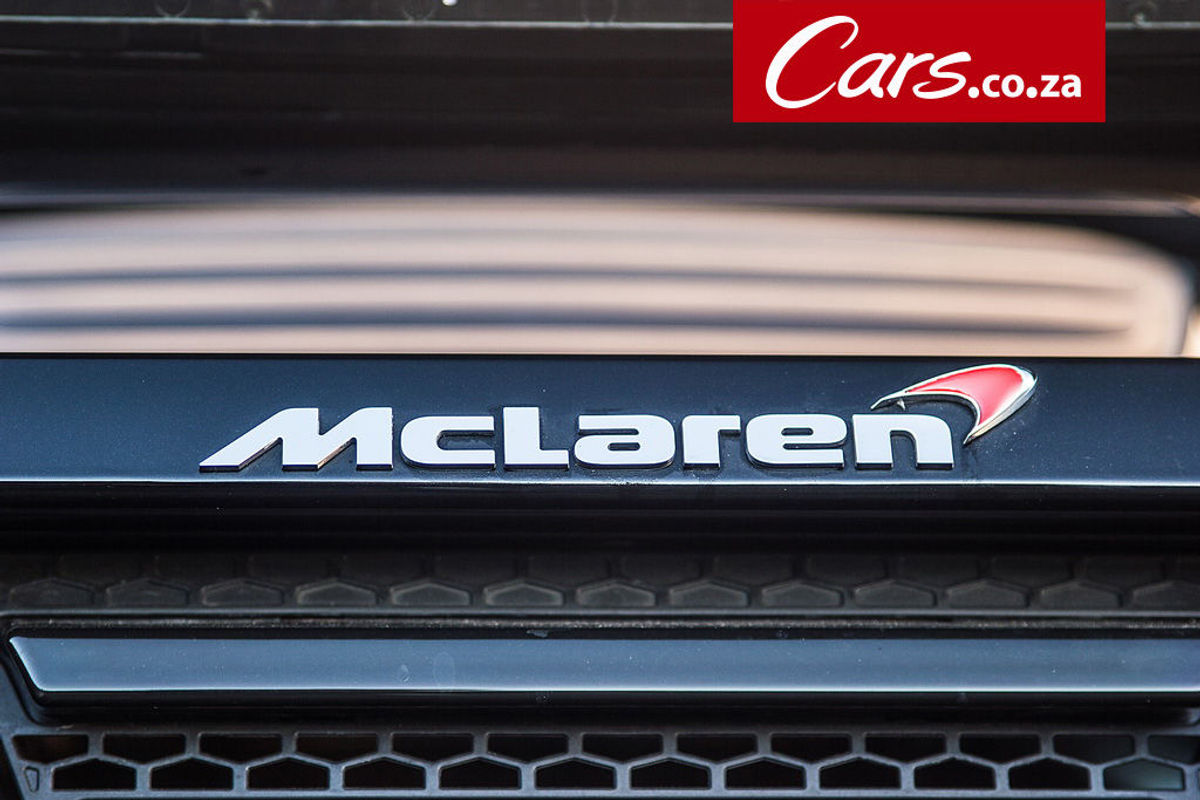
The McLaren MP4-12C is amazingly easy to drive. Im not a professional driver, but after the first few hundred metres it felt very straightforward to drive. Its calm and sedate, which is a pleasant alternative to the average supercar which lunges around like a caged animal trying to escape. The suspension is something of a masterpiece. Yes it is firm, but at no point did I feel like my back was suffering any damage and even on the bumpier sections of tarmac, the cars ride felt great. I found it very composed and gentle in peak hour traffic too, something which McLaren can be proud of.
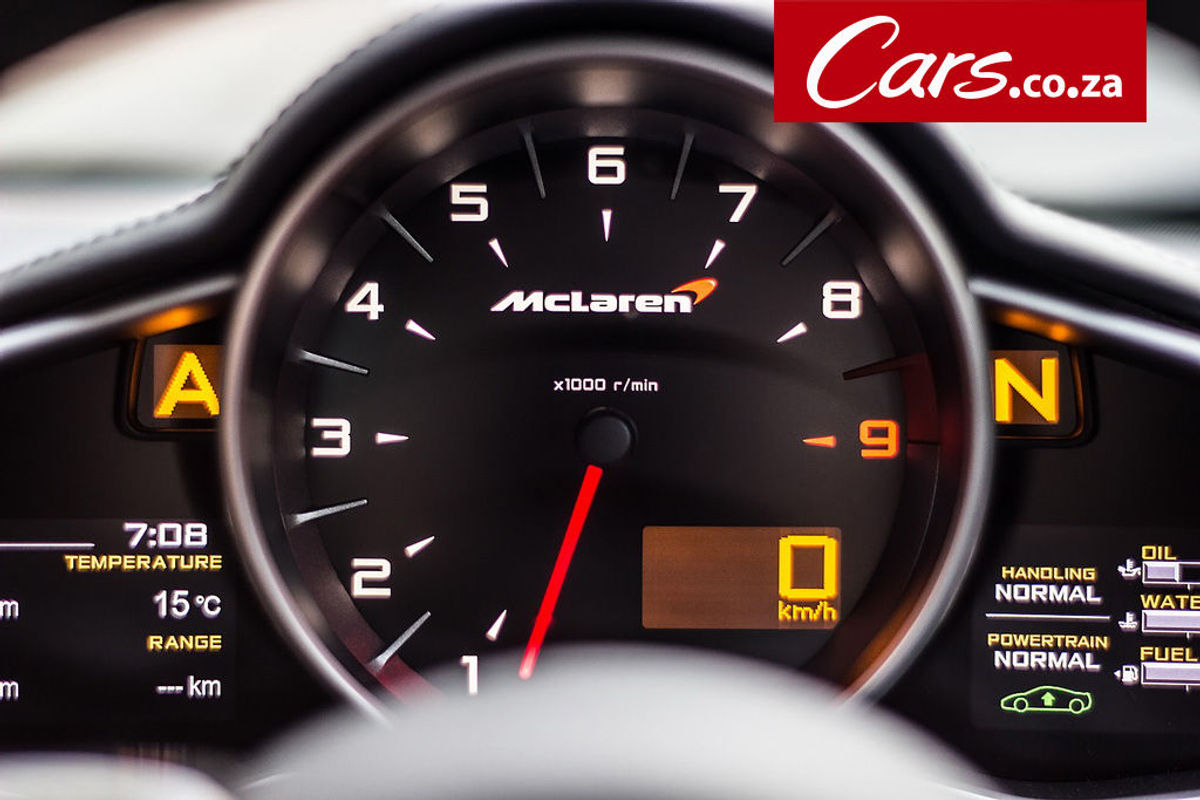
Once that traffic clears, you can start squeezing that throttle and seeing what sort of entertainment the 3.8-litre twin-turbocharged V8 can dish up. With 460kW and 600Nm, the McLaren is a stupidly fast machine. Ive been in quick cars before, but the way this accelerates even with just 70% throttle applied is dizzying. Yes, dizzying in the way it blurs your vision.
Theres a slight pause as the turbos spool up, and then full power comes in at around 3 000rpm. By that time you should already have your right index finger resting on the gearshift paddle in anticipation of the change Words cannot really describe how fast the MP4-12C is. Top speed is rated at 333km/h and itll hit 100km/h in 3.1 seconds It even sounds aggressive, with the turbos whooshing and whistling as you drive along. It may not have the vocals of a screaming V12, but I quite liked the character of the engine. Accelerate hard and the cabin fills with an angry noise as if youve awoken a monster.
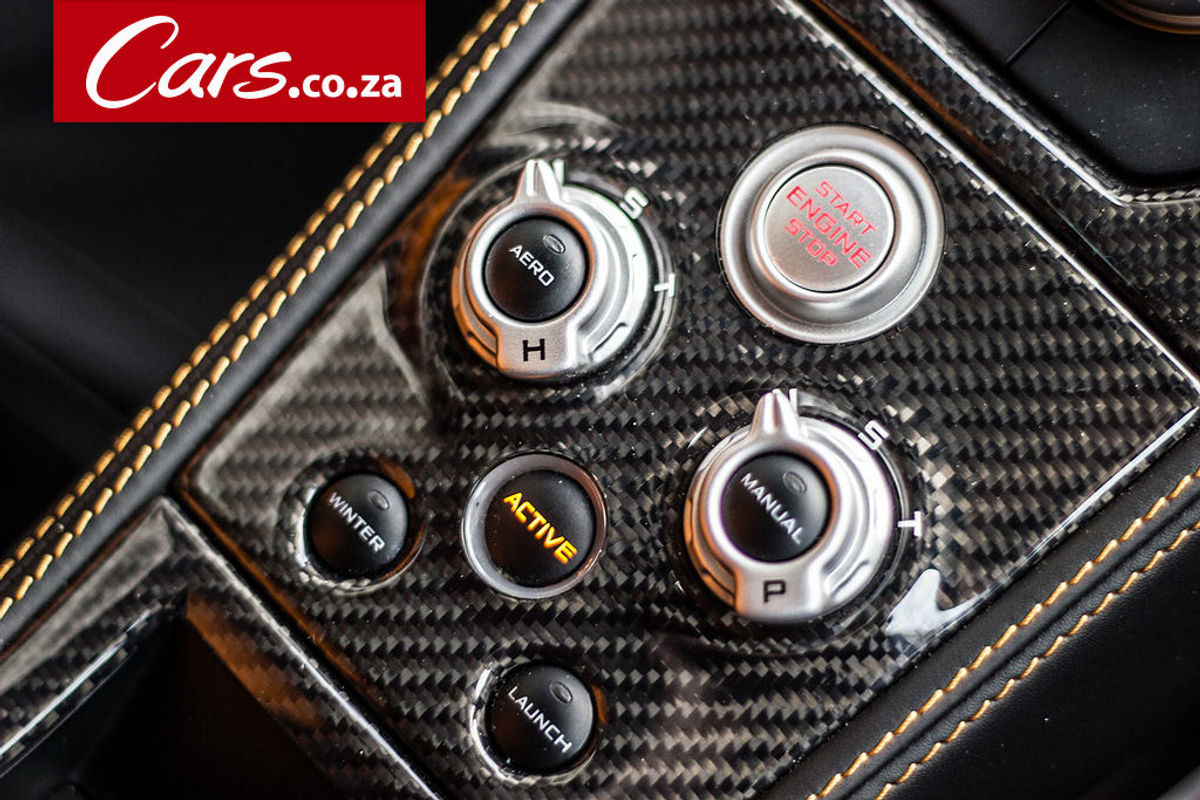
Inside youd expect it to be quite bare, but in fact its quite the opposite. Theres a McLaren-designed satnav/infotainment system complete with Bluetooth connectivity. A USB port and an aux jack rounds off the sound system. I didnt try it out as I was too busy enjoying the burbling V8 located behind me. There is climate control and cruise control as well.
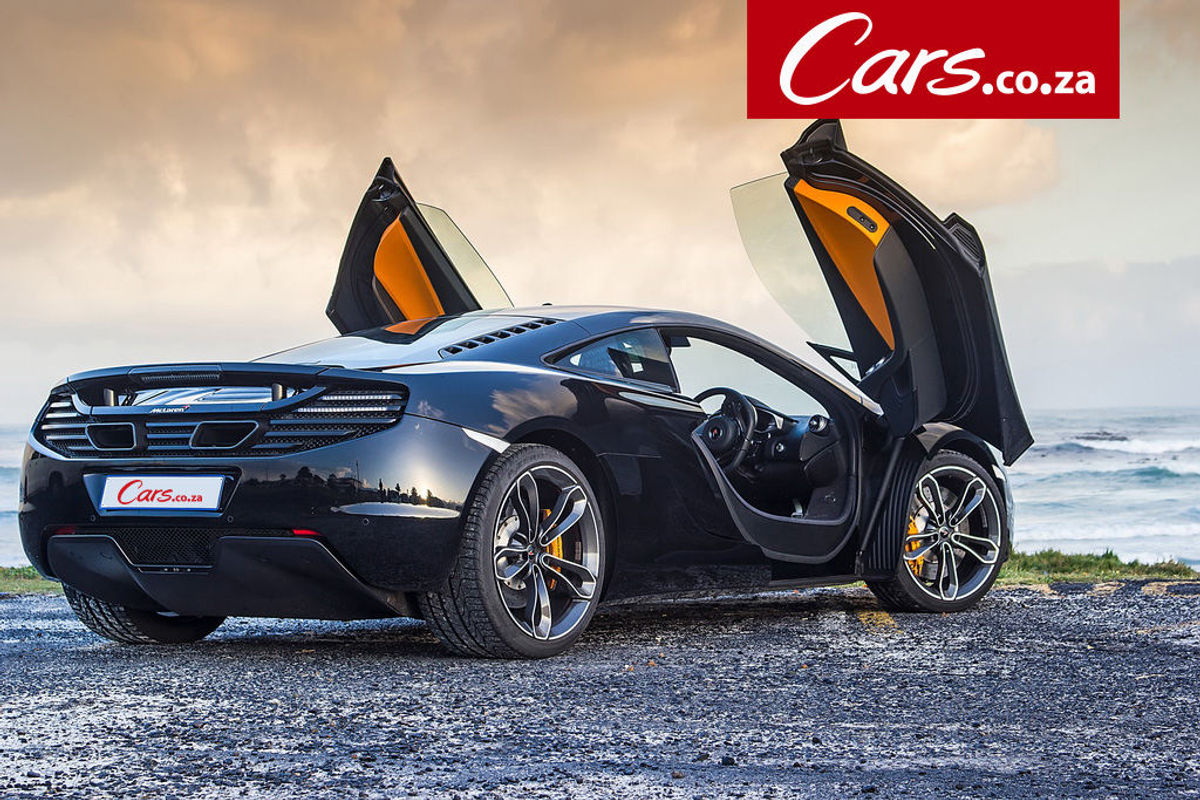
The supportive seats are made from leather and on longer journeys were surprisingly comfortable. From a quick glance you can see the carbon-fibre cabin is aimed at being functional with a strong focus on ergonomics. A prime example here would be the ventilation controls being located in the doors. Speaking of doors, did I mention they open upwards? The engine is located behind you, so theres no boot. Instead there is a small compartment at the front of the vehicle which has enough space for two small suitcases or four bags of shopping.
McLaren MP4-12C price in South Africa
The McLaren MP4-12C is priced at R3.5-million
McLaren MP4-12C review conclusion
The McLarens critics complain that it doesnt look outrageous enough, nor does it sound dramatic. Those people are liars and clearly need their heads checked. Nearly every millionaire has a Ferrari or Lamborghini, and in my opinion, those brands have lost some exclusivity. McLaren on the other hand, isnt trying too hard nor is it creating brand-building nonsense like laptop bags, iPhone covers or amusement parks.
This is a driving machine which has been designed from scratch as the company hasnt really ventured into the everyday supercar arena. The best part is you dont need to be an F1 driver or have an engineering degree to appreciate how superb a vehicle this is. Its brutally fast, yet simple enough to use on a daily basis. This is how all supercars should be.
Why you should: a smart alternative to the Ferrari/Lamborghini/Porsche Turbo brigade, brutally fast, excellent ride quality, effortlessly simple to drive, quite light on petrol when driven gently.
Why you shouldnt: This is the real deal. If youre in the market for a high-performance vehicle, you shouldnt overlook the MP4-12C.
It would be better if: The name wasnt just a series of letters and numbers.
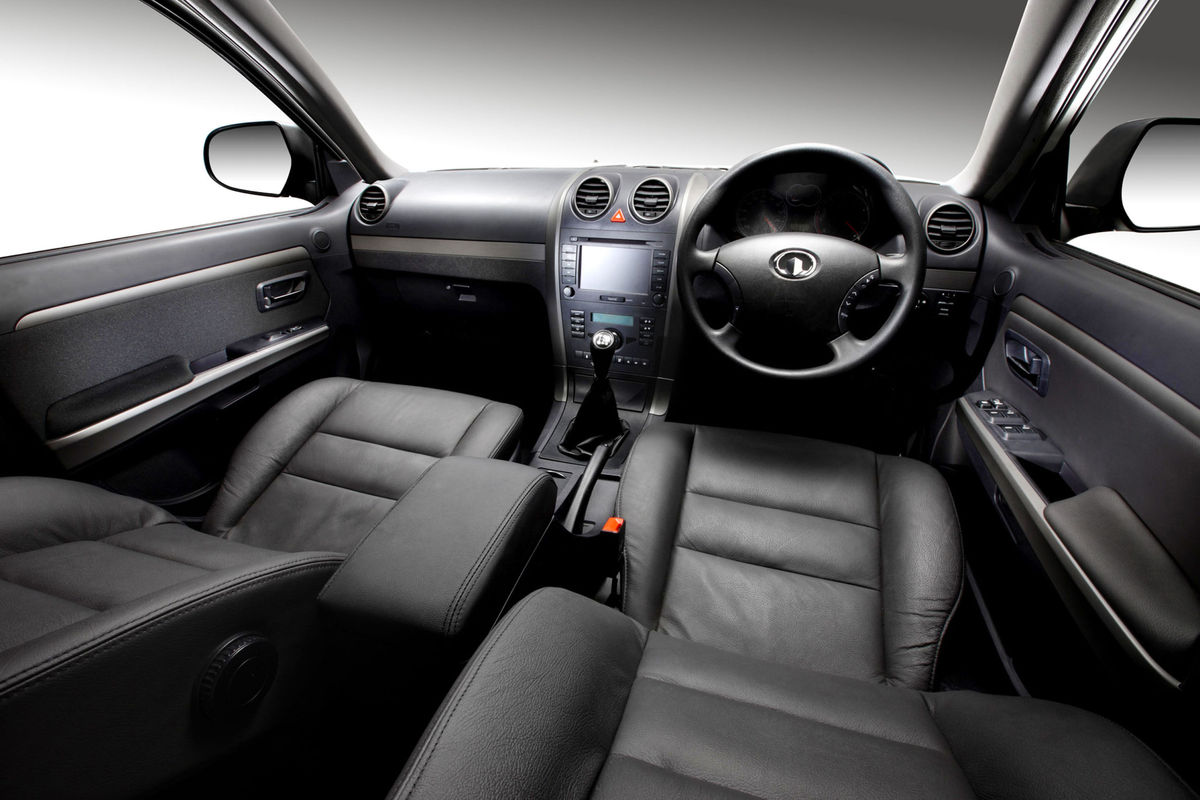
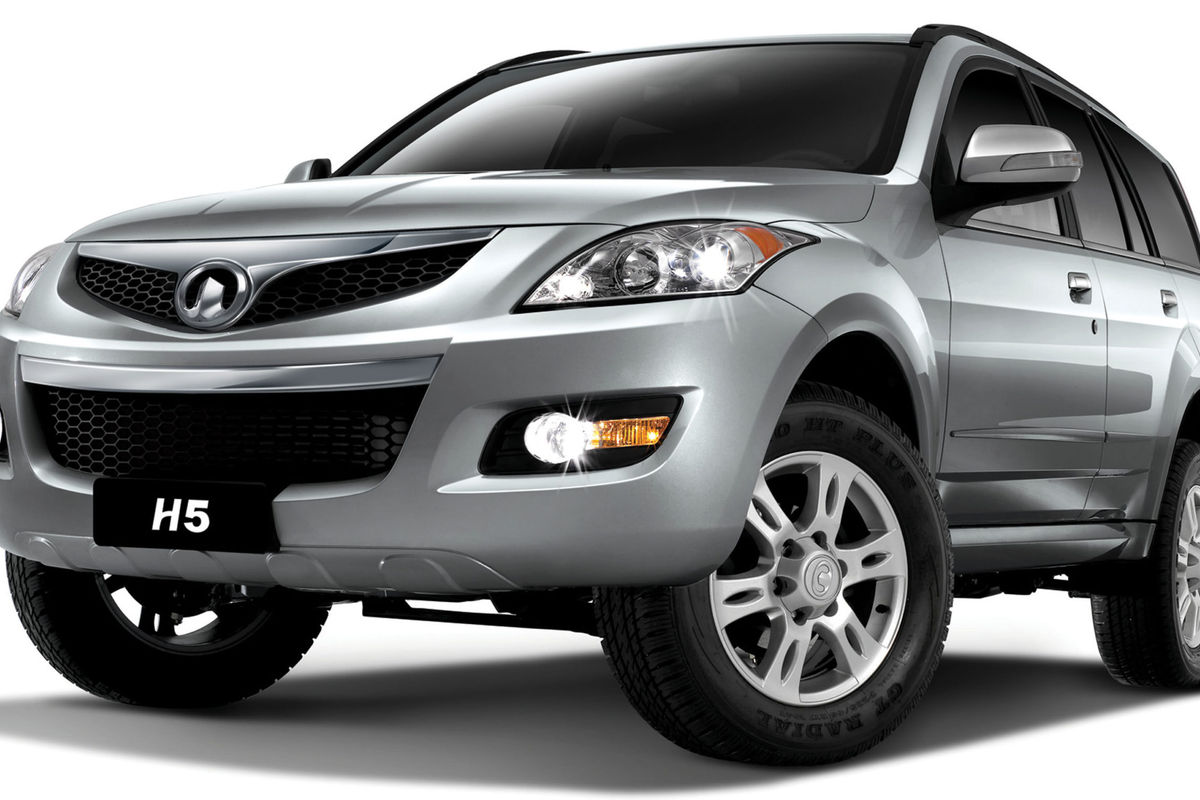
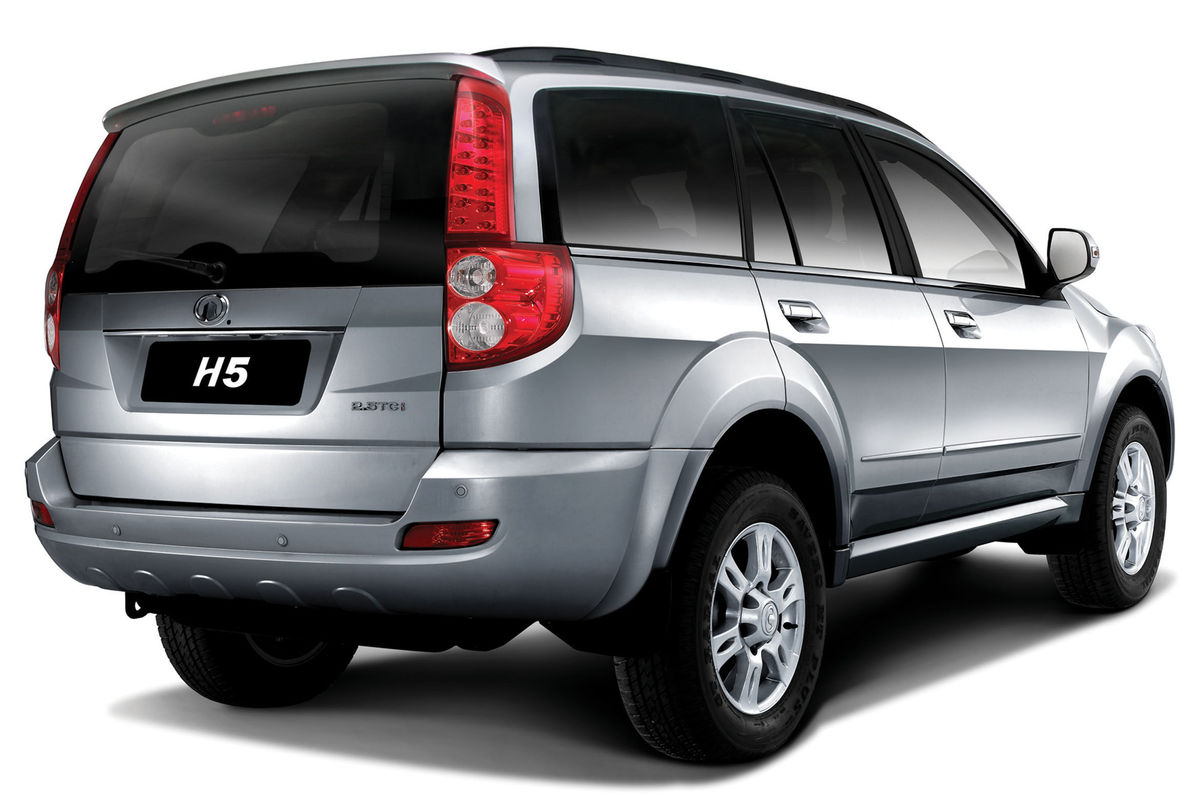
Introduced first in 2011, the GWM H5 SUV enters the 2014 model year with a number off refinements and upgrades but still maintains its rugged looks and luxurious features in a spacious cabin.
Comfort and entertainment
The revised H5 off-roader adopts a modified front fascia encompassing a chrome strip above the lower front airdam, redesigned rear LED lamps and new spoiler. Other tweaks include a near ground clearance of 200mm and 17-inch alloy wheels as standard. The model will be available in Pearl Black, Sky Silver, Titanium White, Noble Grey, Blue or Red.
Standard features include climate control, leather seats, automatic headlights and an infotainment system that comes with a reverse camera and MP3/USB/AUX audio system, a leather wrapped steering wheel and gear knob, seatbelt reminder and height adjustment system. Additional features for the diesel models include an auto dimming rear view mirror, instantaneous fuel consumption read-out on the instrument panel, tyre pressure monitoring and an airbag disable function, as well as cruise control.
Power and economy
Powering the 2014 GWM H5 SUV is the same 2.4-litre normally aspirated petrol engine that delivers 100kW of power and 200Nm of Torque. The 2.0-litre VGT turbodiesel produces 110kW at 4000 rpm with maximum torque of 310Nm available from 1800 to 2800 rpm.
The H5 petrol models are mated to a five-speed manual transmission while the diesel models make use of either a six-speed manual or a five-speed automatic.
Safety features
A series of safety features have been added to the 2014 H5 SUV which earned the brand a four-start rating by Australias ANCAP organisation. These include dual SRS airbags, side impact protection bars, Isofix child seat anchors, ABS with EBD, and pretensioning front seatbelts with load limiters.
Included is a three-year/100 000km warranty and 2-year roadside assistance package.
2014 GWM H5 gallery
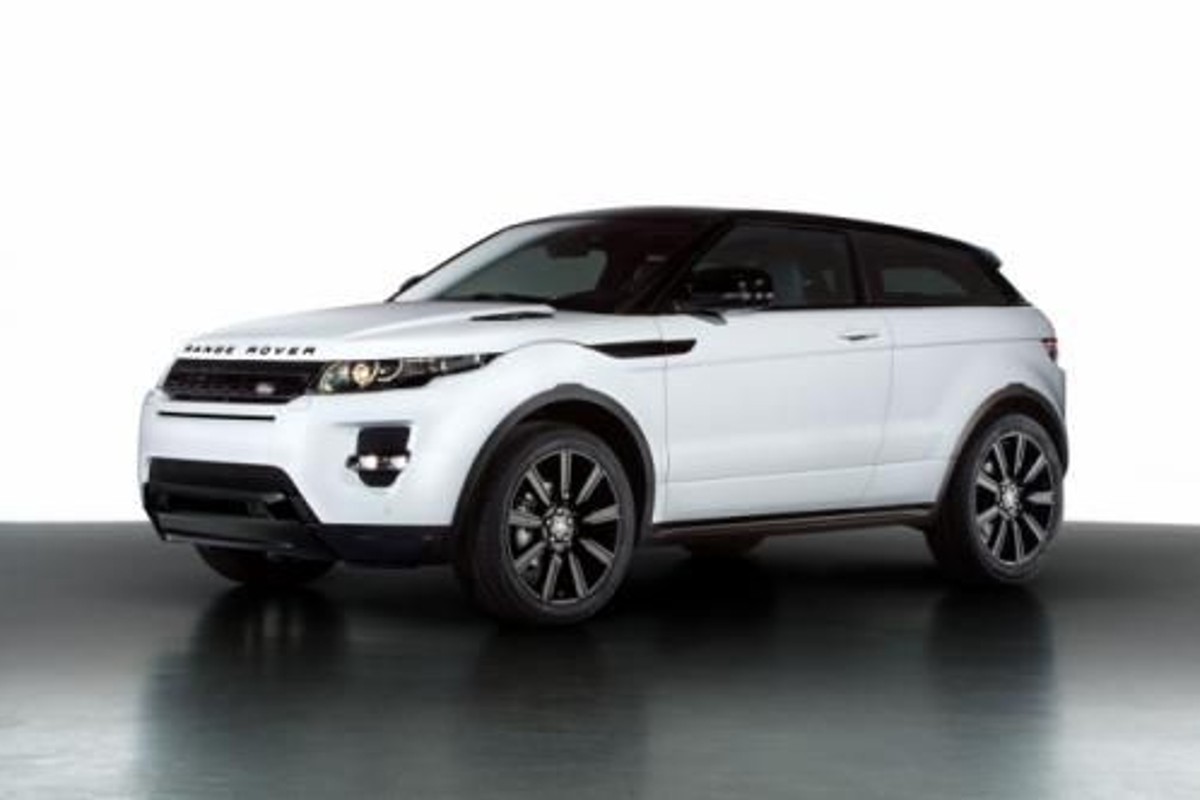
Range Rover Evoque Black Edition Now In South Africa
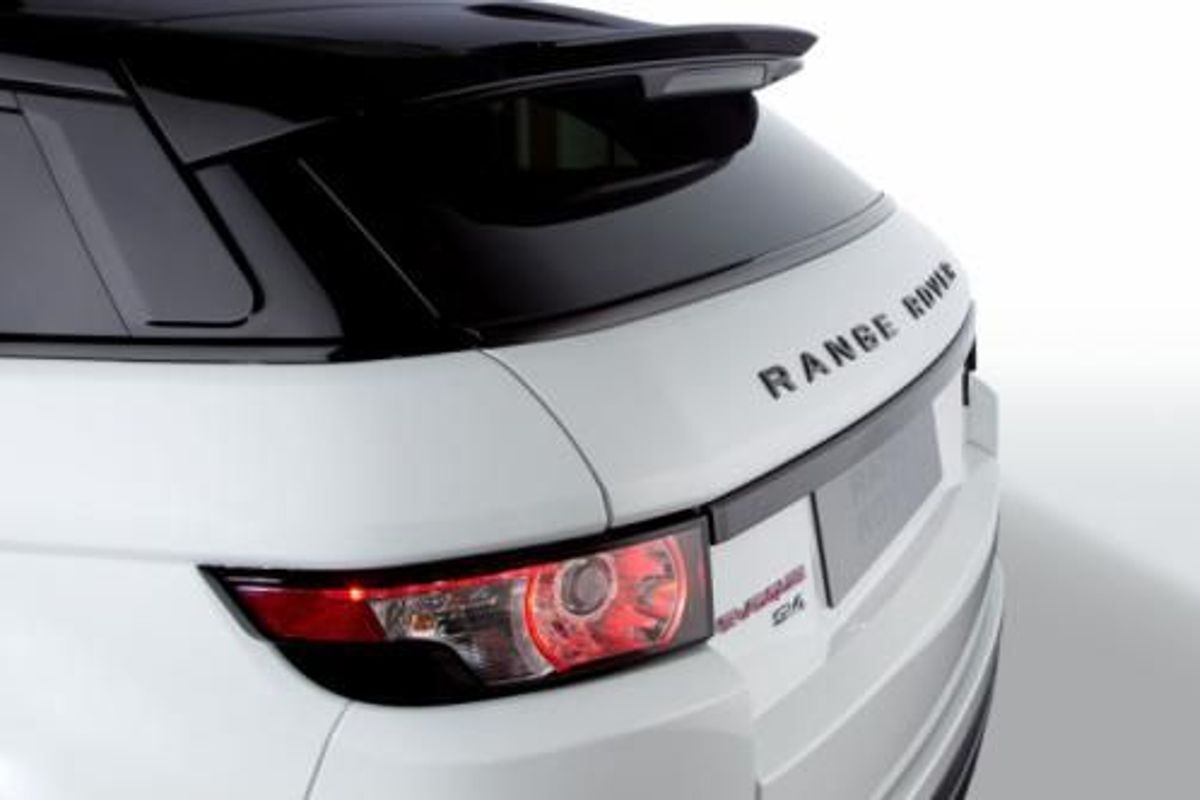
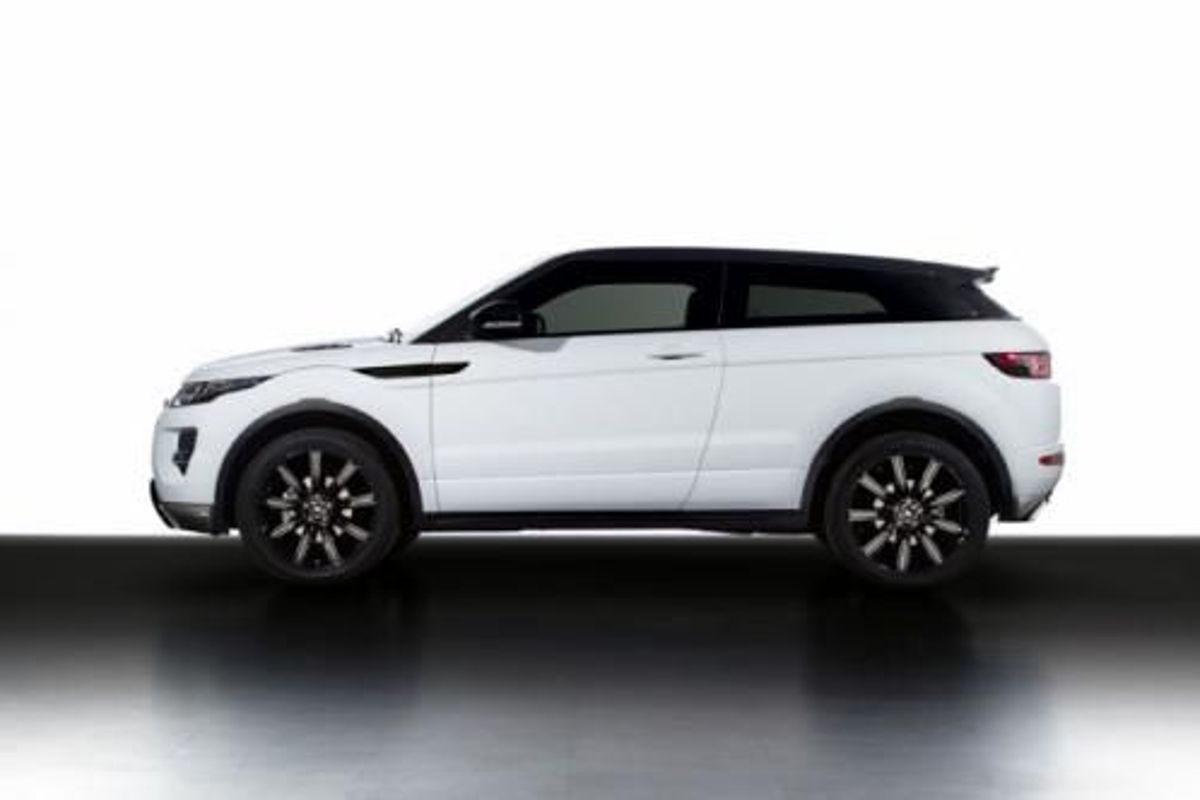
Land Rover has introduced a new Black Design Pack for the Range Rover Evoque Dynamic, available to a select few featuring distinctive exterior details on both three and five-door variants. The package is designed to further enhance the model’s “assertive and confident stance.”
Distinctive bold features
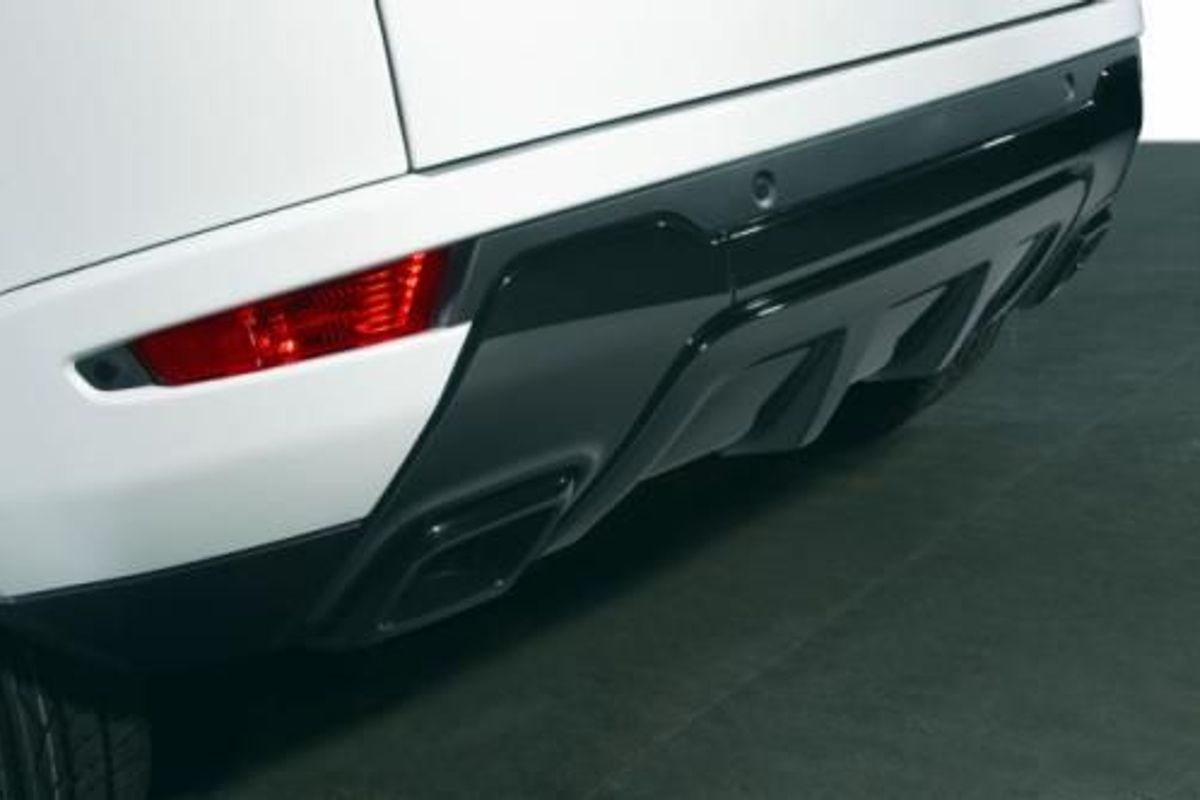
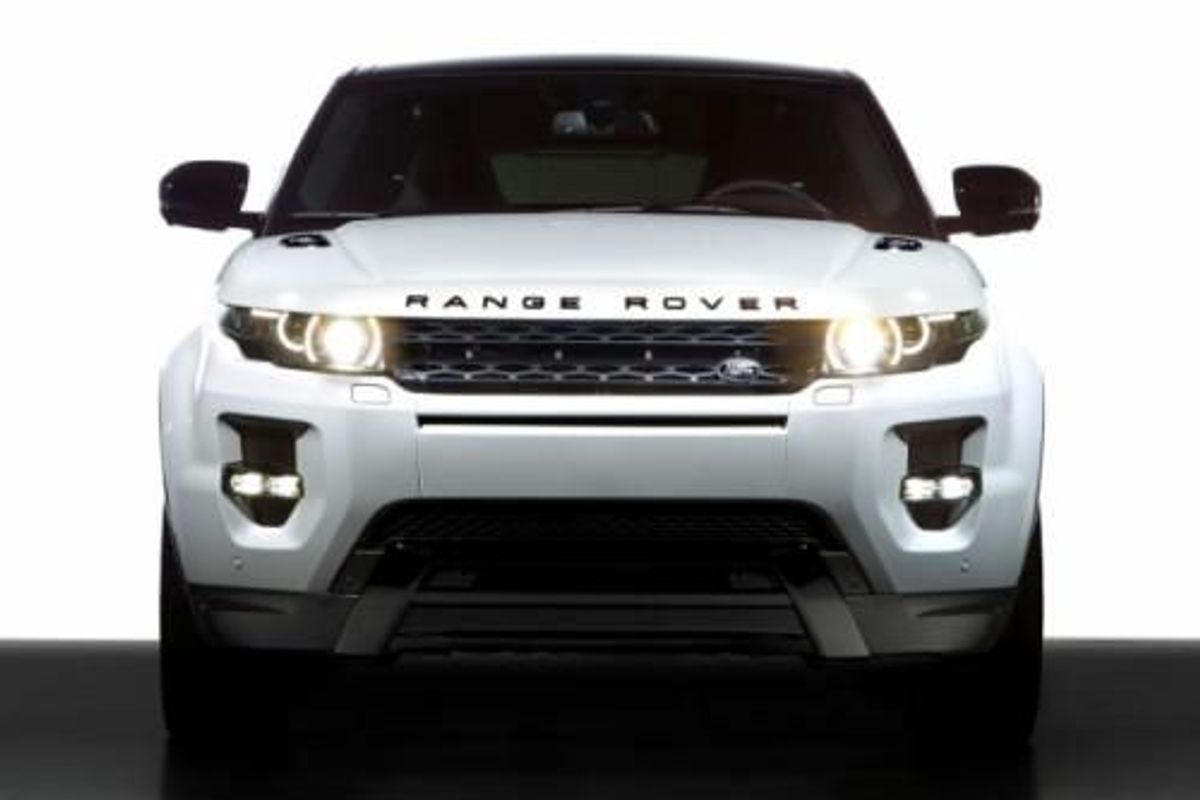
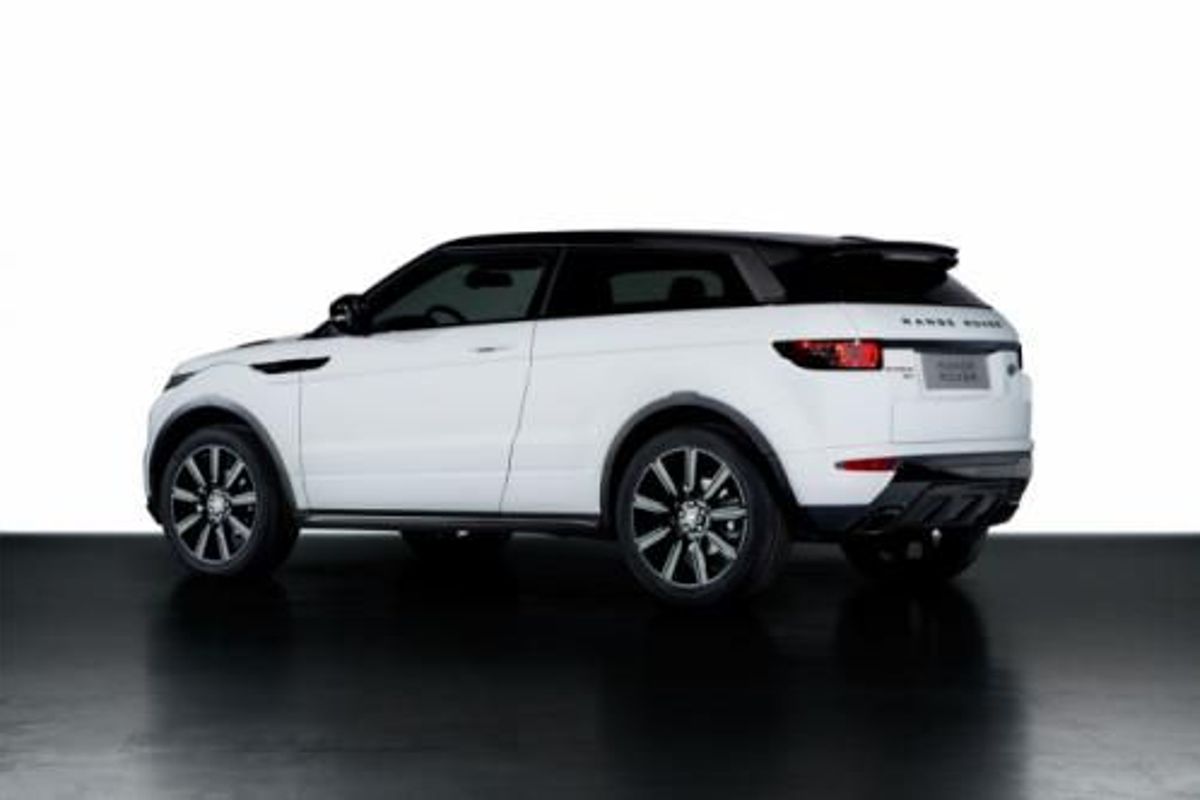
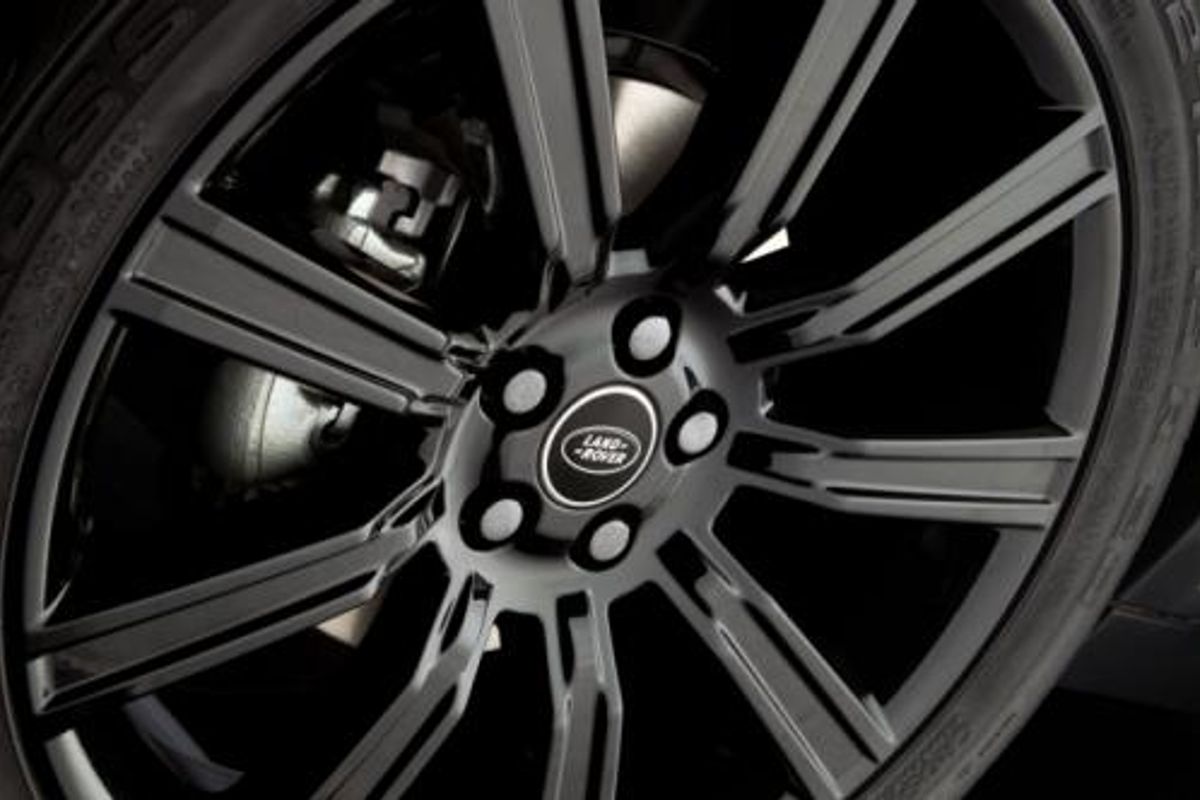
The Range Rover Black Edition features tinted lighting units, black “Range Rover” lettering and exclusive 20-inch gloss black alloy wheels, as well as gloss black accents, a tailgate-mounted spoiler and Santorini Black exhaust finishes. The front headlamps and foglamps have been darkened, while the rear lamps are similarly unique, and have clear lenses.
Only 30 of these distinctive cross-roaders are available, and are all built to Dynamic 5-dr specification level with either a 177kW Si4 2.0-litre petrol engine, or the SD4 2.2-litre turbodiesel rated at 140kW. Both are mated to a six-speed transmission.
In addition, the four-wheel-drive Range Rover Black Edition has carefully designed stowage areas under the load floor which add extra capacity, while load rails help secure contents in the luggage compartment. For even more space and flexibility, 60/40 folding rear seat allows the luggage capacity to be expanded.
The Range Rover Evoque Black Edition will be available from November and is priced from R670 100.
Range Rover Evoque Black Edition gallery
Toyota Sales Summary For September 2013
In September, Toyota maintained its popularity despite suffering severe production losses due to the strike in the manufacturing industry and the current strike in the component manufacturing industry.
The brand recorded sales of 9751, and further managed to export 1913 units. Strong sales came from the passenger car market and were spearheaded by the Etios which increased sales by 506 units from August.
The decline in sales will weigh heavily on overall vehicle sales growth for 2013 which has dropped to 5% compared to the same period last year. This is well below many initial industry growth estimates of 10% or more, explains Calvyn Hamman, Senior Vice President for Sales and Marketing at Toyota.
Here is a breakdown of Toyota sales summary for September 2013 including Top 5 model sales, and the brands top 5 used cars according to views on cars.co.za.
Toyota new car sales summary for September 2013
Total new car sales: 9751 units
Total market share: 17.9%
Total passenger vehicle sales: 5654 units
Total Light Commercial Vehicle (LCV) sales: 3799 units
Top 5 Toyota new passenger car sales September 2013 (compared to August 2013)
Toyota Hilux 2739 units (3339)
Toyota Etios 2358 units (1852)
Toyota Corolla/Auris 1005 units (821)
Toyota Fortuner 821 units (945)
Toyota Quantum 676 units (1122)
Most popular used Toyota cars in South Africa for September 2013 (in terms of views on Cars.co.za)