The Chery Tiggo 4 Pro Panel Van has gone on sale, marking the brand’s entry into the light-commercial vehicle market. Here’s pricing and specifications.
This Chinese brand is better known for its well-priced Tiggo range of family crossovers and SUVs, but with the demise of the popular commercial Nissan NP200, many brands are trying to fill the void with light-commercial vehicles, like the Hyundai Venue.
Granted, they’re not single-cab bakkies, but rather converted crossovers that have been turned into panel vans. The Chery Tiggo 4 Pro Panel Van has been locally homologated which means VAT-registered businesses can claim the VAT back on the car’s purchase price.
To get from popular crossover to panel van has meant the rear passenger bench has been deleted and in its place is a storage bay. Measuring 1 387 mm long, 1 255 mm wide and 941 mm high, this loadbay serves up around 1 500 litres of space and a payload of 360 kg.
Under the bonnet is a 1.5-litre naturally-aspirated petrol engine which makes 83 kW and 138 Nm. Customers have the option of either a 6-speed manual gearbox or a continuously variable transmission (CVT).
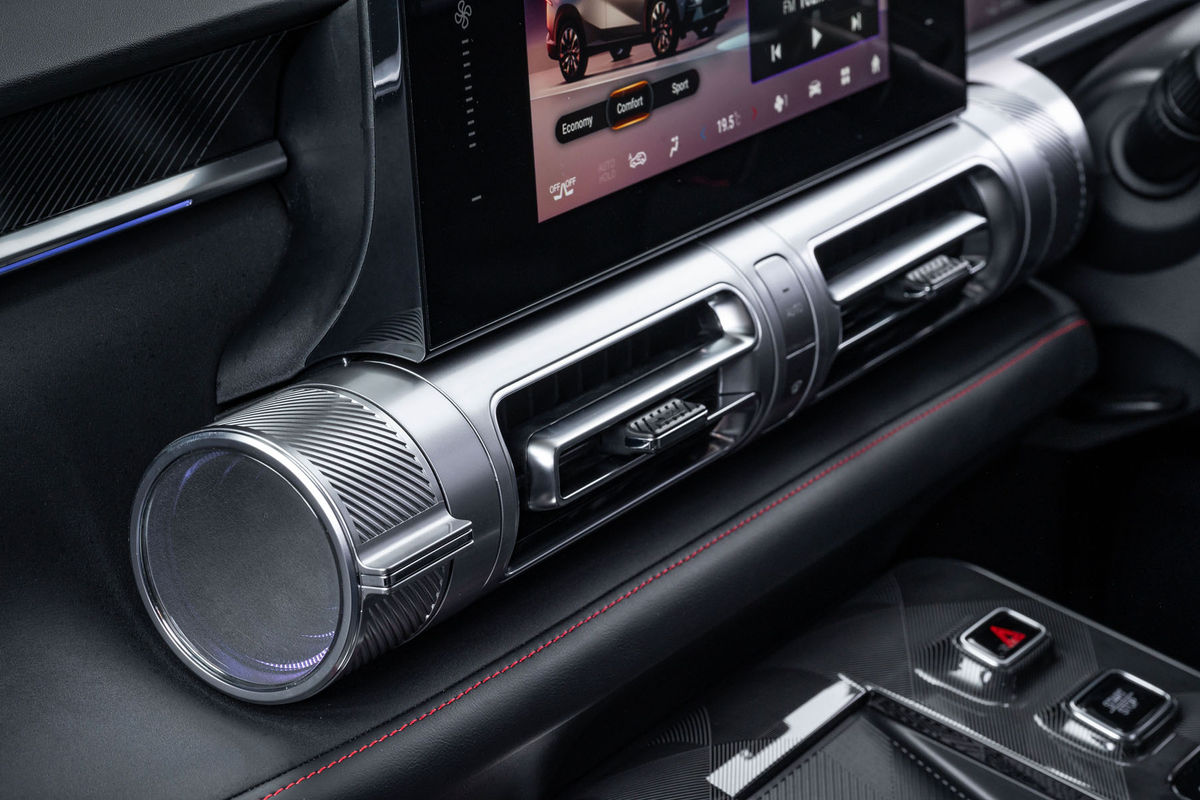
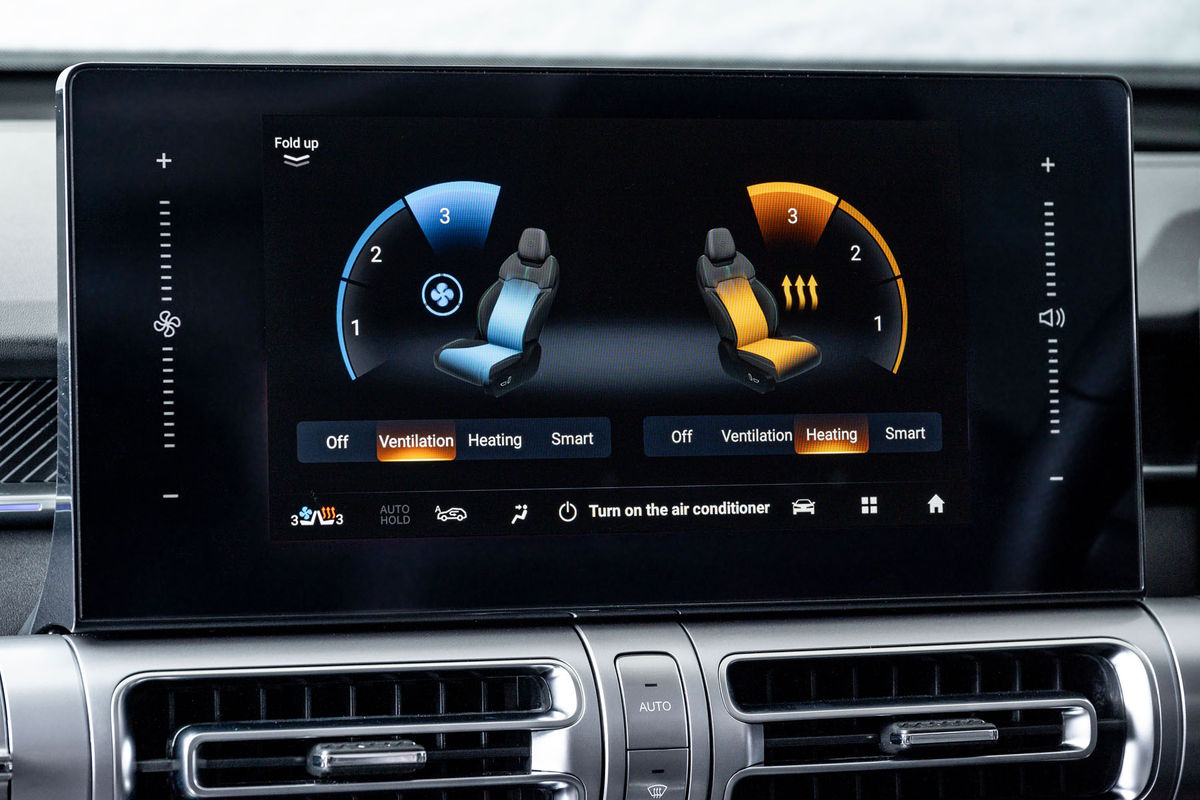
While it’s designated as a light commercial vehicle, this panel van still has numerous creature comforts as standard, like keyless entry, 16-inch alloy wheels, daytime LED running lights, cruise control and Apple CarPlay/Android Auto connectivity through the 10.25-inch touchscreen display.
There’s no shortcuts on safety either, with anti-lock brakes, dual front airbags, stability control, hill hold assist and rear parking sensors. Go for the CVT derivative as that includes additional airbags, tyre pressure sensors and a reverse camera.
“The new Tiggo 4 Pro Panel Van builds on the many strengths of our strong-selling compact SUV and arrives as an affordable alternative to a full-size traditional bakkie. We see this model appealing to owners of small businesses as well as courier companies and even security firms, along with multiple other industries,” saidSiphiwe Nkutha, National Fleet Sales Manager at Chery South Africa.
How much does the Chery Tiggo 4 Pro Panel Van cost in South Africa?
This van is sold with a 3-year/30 000 km service plan, 5-year/150 000 km warranty as well as a 10-year/1 million km engine warranty for the first owner.
These are the semi-finalists of the 2024/25 Cars.co.za Awards – sponsored by Absa. The 13 eventual category winners will be selected from this pool of vehicles, which collectively represent the best purchasing propositions in the new-car market.
“We believe that any of the cars that made the cut as semi-finalists in their respective categories are worthy of serious consideration by car buyers,” says Hannes Oosthuizen – the project manager of the 2024/25 Cars.co.za Awards.The 2025 CarsAwards marks the 8th iteration of the programme, which was established in 2015 and hosted its first gala event in 2016.
“Keep in mind that all cars on sale on 1 September this year were considered for semi-finalist (top 5) selection in the 2025 CarsAwards, not only cars launched in the past year,” he explains.
Furthermore, models that are due for imminent release, and which will be priced and made available for test drives before the extended editorial team selects the finalists (top 3) of each category in early October, have been given wildcard entries into their respective segments.
Toyota/Lexus is the reigning Cars.co.za Brand of the Year and leads the way with 11 total nominations.
“This was done to ensure the Awards are as representative as possible of the local new-car market when the winners are announced in February 2025,” says Oosthuizen.
No fewer than 25 brands are represented in the semi-finalist line-up of the 2025 CarsAwards. Toyota/Lexus – the reigning Cars.co.za Brand of the Year (an award entirely based on customer feedback and market data) – has the most nominations: 8 for Toyota and another 3 for Lexus.
GWM (including Haval and Ora) and Volkswagen have the 2nd-highest number of semi-finalists (5 each) in the 2025 CarsAwards, with Kia, BMW and Volvo in 3rd place (4 each). This is the first year that the specialist off-road brand, Ineos, appears on the list – in 2 of the categories!
How were the top 5 in each category selected?
In the first round of the 2025 CarsAwards (styled as #CarsAwards on social media), the Cars.co.za extended editorial team selected the 5 best cars in each of the 13 categories by consensus, to ensure that each selection is debated and carefully considered. Attention was paid to the categories’ “Filters of Eligibility” and the “Pillars of Success” to reach an agreement on the identities of the semi-finalists.
Endorsed by Naamsa and sponsored by Absa, the Cars.co.za Awards is the most important motoring awards programme in Mzansi.
“The debate and agreement by consensus is a core pillar of our programme,” says Oosthuizen. “We debate each eligible vehicle within the context of its category, and will not finalise any category’s top 5 line-up until the entire team is in agreement. This means far deeper interrogation and more exhaustive investigation than is typical in a ‘secret vote’ setup.”
When it comes to the new wildcard entry system, it is important to note that only cars that are due for imminent release and which will be priced and made available for test drives prior to finalist voting in October, will be considered in addition to the top 5 in their respective categories.
“Imminent arrivals such as Suzuki’s new Swift and Hyundai’s Exter are high-profile newcomers this year that simply can not be ignored,” says Oosthuizen.
Best Budget Car (under R300 000)
Suzuki’s soon-to-be-launched Swift is a Wildcard entry in this segment.
Buying an affordable car doesn’t mean you should have to compromise on safety, technology and quality. The winner of this category of the 2024/25 Cars.co.za Awards – sponsored by Absa represents “as much good car as possible” for the asking price. Value is very important, as are low running costs and all such “common sense” considerations. The price cap in this category is R300 000.
The semi-finalists in this category of the 2025 CarsAwards are:
Can Opel’s recently-refreshed Corsa take the fight to the segment sales leaders?
While this traditionally strong segment (in terms of sales) is certainly feeling the heat from compact family cars (small crossovers) and more affordable hatchbacks these days, it’s fiercely contested nonetheless. In this category, we’re looking for a balanced offering that is excellent across the board.
Cars in this segment must appeal to a very wide audience – from the young professional or family “buying up” from an entry-level car, to pensioners “buying down” from something larger and pricier.
The winner of this award must truly reflect what is best about modern automotive design and engineering, but present it in a concentrated, reasonably affordable package.
The semi-finalists in this category of the 2025 CarsAwards are:
Volkswagen’s Polo is the reigning champion in this segment, which now incorporates cars that featured in the 2023/24 Budget Car category. The feature-rich Suzuki Baleno could be the Polo’s biggest rival.
Best Budget Crossover (R300 000 to R400 000)
Kia’s recently refreshed Sonet could be a strong contender for the Budget Crossover title.
The rise of crossover has been one of the strongest trends in the automotive industry for about a decade or so – and there’s no sign of it slowing down!
Manufacturers keep finding new product niches and ways of producing crossover offerings based on traditional hatchback platforms. Some of the biggest sellers in the local market can be found here.
The semi-finalists in this category of the 2025 CarsAwards are:
With household budgets stretched to a breaking point, the reasonably affordable compact family car must be able to fulfil many roles – from compact traffic dodger, to spacious school-run specialist and even weekend getaway machine. Practicality and spaciousness are important considerations, but so are fuel efficiency, safety, technology and a modicum of lifestyle flexibility.
The semi-finalists in this category of the 2025 CarsAwards are:
Volkswagen’s new Tiguan enters a very competitive segment. Can it dethrone Kia’s excellent Sportage?
The typical family car (also known as a medium SUV) fulfils a wide variety of duties and needs to be a practical, safe all-rounder. The winner of this category should be ideally suited not only for the morning school run, but also the school holiday run to a distant location.
In judging this category, we’ve placed particular emphasis on interior flexibility, comfort and safety.
The semi-finalists in this category of the 2025 CarsAwards are:
Can BMW’s new X2 take the silverware in a category where BMW’s X1 emerged victorious last year?
Upwardly mobile individuals used to aspire to own executive sedans, but these days those buyers shop for reasonably attainable machines with prestigious badges in the Premium Crossover segment.
We’re looking for an aspirational vehicle that will appeal to the image-conscious driver who places a priority on performance, dynamics, technology and design. The target customers have achieved success and want a car that isn’t only a personal reward, but also one that boldly broadcasts their achievements.
The semi-finalists in this category of the 2025 CarsAwards are:
Mazda steps into the big leagues with its CX-60 3.3D Takumi. Can it beat the traditional prestige brands?
Most premium brands now offer road-biased SUVs that combine prestige and practicality in a superbly refined package, because such vehicles are increasingly regarded as must-have status symbols by luxury car buyers. Drivetrain performance and refined road manners are a priority, as is a cabin that features upmarket materials and the most up-to-date technology.
The semi-finalists in this category of the 2025 CarsAwards are:
The all-new BMW X3 is the Wildcard entry in this category this year.
Best Premium SUV (R1.5m to R2m)
With a strong 2nd-place finish last year, perhaps the BMW X5 will emerge victorious this time around.
Luxurious SUVs may appeal for irrational and emotional reasons such as heightened kerb appeal and status, but at their core they are some of the most sophisticated and capable vehicles on the market.
Blending spaciousness with high-tech off-road equipment, powerful engines, as well as luxuriously trimmed cabins, the apex prestige-badged Premium SUV we are looking for in this category should be tailor-made for image- and practicality-obsessed buyers.
The semi-finalists in this category of the 2025 CarsAwards are:
Ford’s Everest is the defending champion in this segment, but the competition is stiff!
In this revised category, we’re looking for the ultimate recreational vehicle to transport a family and all their holiday and lifestyle gear in comfort to almost any destination, on- or off-road. Off-road ability is important, in combination with practicality, comfort, towing ability and long-distance cruising.
The semi-finalists in this category of the 2025 CarsAwards are:
In this new category for high-value double-cab offerings, could Mahindra spring a surprise?
While the category name is not new, it now caters for more affordable double-cab derivatives priced below R750 000. Suffice it to say, South African consumers love their bakkies, and in this revised category of the 2024/25 Cars.co.za Awards – sponsored by Absa, we are looking for a high-value offering that combines genuine off-road capability (4×4 is required) with comfort (automatic is a must).
The semi-finalists in this category of the 2025 CarsAwards are:
An unknown contender in this segment is Ineos’s Grenadier Quartermaster.
In this immensely popular and fiercely contested category of the market, the search is on for the ultimate all-rounder. From luxurious touring vehicle, to hardcore off-roader, capable carry-all, family do-all and lifestyle activity machine, the Ultimate Double Cab bakkie can no longer be too utilitarian and rough around the edges, as they say, but should be a highly sophisticated offering.
The semi-finalists in this category of the 2025 CarsAwards are:
The BMW M2 is undoubtedly a strong contender for the Performance Car of the Year title.
While supercars and other “exotics” are mere fantasies for most new-car buyers, there are cars priced below the R2 million mark that offer near-supercar thrills and performance. In this category, we are not only looking for sizzling performance but also driver engagement, whether driven on track or road.
The semi-finalists in this category of the 2025 CarsAwards are:
The new Ford Mustang is the Wildcard entry in this category, this year.
Best Electric Vehicle (under R1.3m)
Volvo’s new EX30 is a controversial but well-priced contender.
The South African electric vehicle market welcomes new arrivals on an almost monthly basis and sales are growing steadily. While many ownership challenges remain, the latest EV offerings offer increasingly appealing range, performance and prestige. Affordability remains a key to unlocking greater market acceptance, and that is why we place the focus on the more affordable offerings in the local market.
The semi-finalists in this category of the 2025 CarsAwards are:
In the next round of judging, due to take place early in October 2024, the same jury will score each vehicle individually, taking into account the various, different criteria that each category prescribes. The top 3 (finalists) will then be announced next month at Naamsa’s South African Autoweek in Cape Town, and then be put through back-to-back testing at Gerotek in Gauteng early in November, by the entire 2024/25 Cars.co.za Awards – sponsored by Absa, jury.
In early November the 39 finalists will be subjected to testing at Gerotek in Gauteng.
Double-cab & single-cab bakkies: SA’s top sellers in August 2024
In August 2024, the Hilux and Ranger dominated SA’s bakkie sales charts. But which one led the single-, extended- and double-cab segments? We have the figures!
You’ve probably already seen our list of South Africa’s best-selling bakkies for August 2024, with just 215 units separating the Toyota Hilux and the Ford Ranger. Now, however, we’ve managed to lay our paws on detailed sales figures, showing the respective performances of the top 1-tonne bakkies in the single-, extended- and double-cab segments.
As a reminder, Naamsa’s monthly sales report unfortunately doesn’t include a breakdown of the 3 bakkie body styles. Thankfully, however, the studious folks over at Lightstone Auto have again assisted us with these frankly fascinating registration figures.
Isuzu’s D-Max again completed the bakkie podium overall in August.
For the record, the Hilux headed the bakkie charts overall – as it has every month this year so far – in August 2024, finishing on 2 527 units (down 16.4%, month on month). The Ford Ranger (2 312 units) wasn’t far behind in 2nd position, while the Isuzu D-Max again completed the top 3, settling on 1 634 units.
According to our records, which are based on collated figures reported to Naamsa, the Hilux (21 293 units) is still well ahead in the overall race, year to date. The Ranger (16 782 units) remains in 2nd position, followed by the D-Max (12 724 units).
SA’s best-selling double-cab bakkies in August 2024
A whopping 81% of Rangers sold in August were double cabs.
Right, let’s have a closer look at sales by body style. According to Lightstone Auto, the Ford Ranger yet again led the double-cab sales charts in August 2024, with 1 873 dual-cab units registered (81% of the Silverton-built bakkie’s overall tally for the month). Year to date, the Ranger is likewise in 1st place, with a total of 12 972 units.
With 1 234 units sold, the Toyota Hilux again ranked 2nd on the list of Mzansi’s top-selling double-cab bakkies in August (that figure represents 48.8% of the Prospecton-produced stalwart’s overall tally last month). Over the opening 8 months of 2024, the Hilux’s dual-cab tally of 9 810 units puts it in 2nd place, 3 162 sales behind its Blue Oval rival.
As you may have predicted, 3rd spot on the double-cab podium last month went to the Struandale-made Isuzu D-Max, which managed 728 dual-cab sales (44.6% of the Japanese contender’s aggregate for August 2024). Year to date, the D-Max also finds itself in 3rd, with 5 265 double cabs sold.
Lightstone Auto’s figures furthermore show that all other 1-tonne double-cab bakkie derivatives (over and above the Ranger, Hilux and D-Max) collectively managed 1 318 registrations last month and 11 502 units, year to date.
August’s bakkie sales: single- & extended-cab body styles
Toyota’s Hilux leads the single-cab race, year to date.
What happened in the single-cab space? Well, in August 2024, the Hilux (923 units) was at the top of the table, finishing ahead of the D-Max (724 units). The 2-door version of the KwaZulu-Natal-assembled Mahindra Pik Up again placed 3rd in August, with 629 units (or 80.1% of the nameplate’s total).
In the year-to-date race in this segment, the Hilux (8 066 units) enjoys a strong lead over the D-Max (6 117 units), with the Pik Up in 3rd on 4 558 units. The Ranger single cab, meanwhile, managed only 134 registrations in August and finds itself on just 1 225 units, year to date.
Meanwhile, the Hilux Xtra Cab (370 units) kept 1st place in the extended-cab segment in August 2024, with the Ranger Supercab (305 units) again in 2nd. Year to date, the Hilux leads in the segment, with 3 408 units compared with the Blue Oval brand contender’s 2 579 registrations. As the only other model offered in this body style, the D-Max Extended Cab was 3rd both in August (182 units) and year to date (1 342 units).
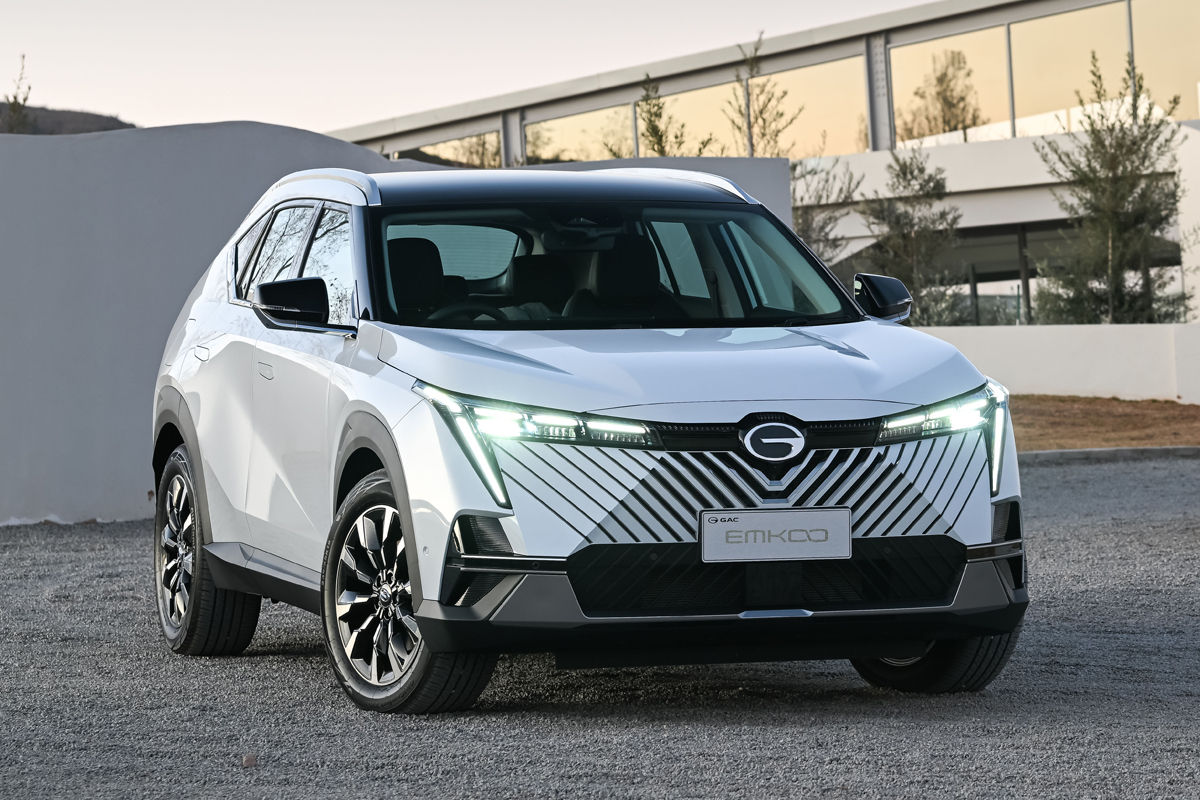
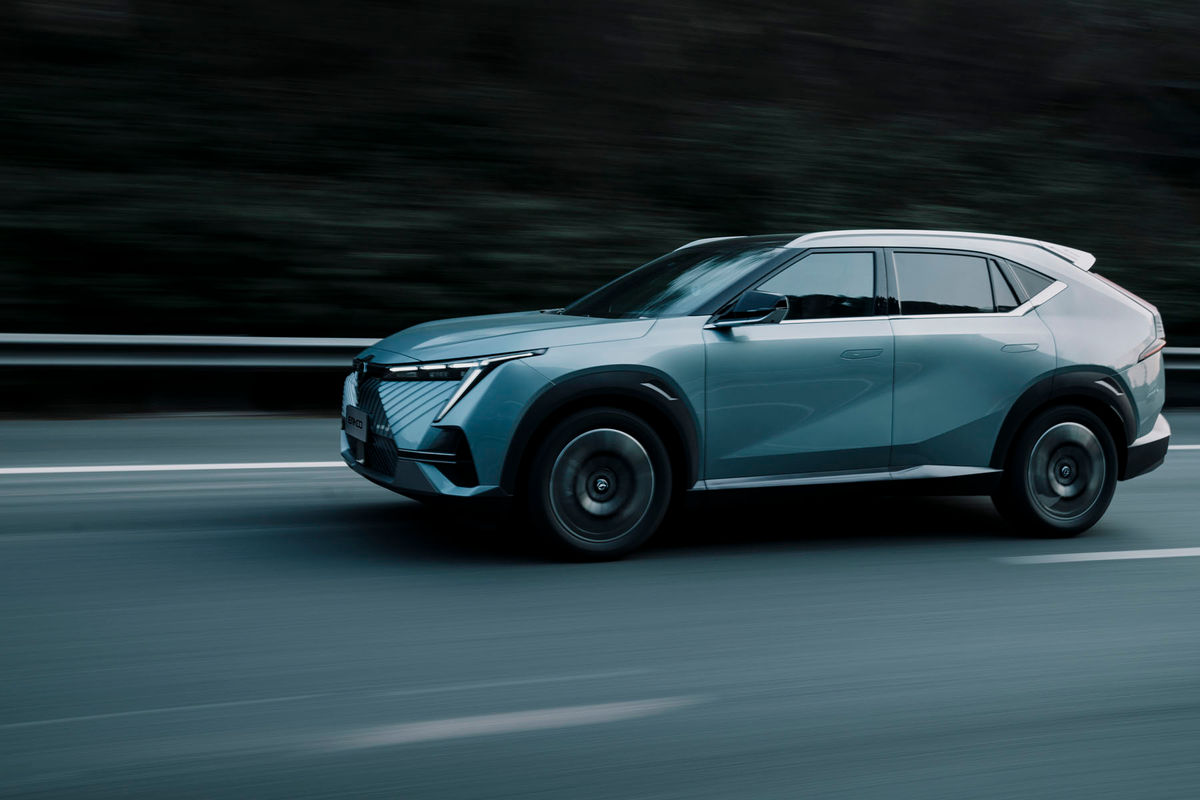
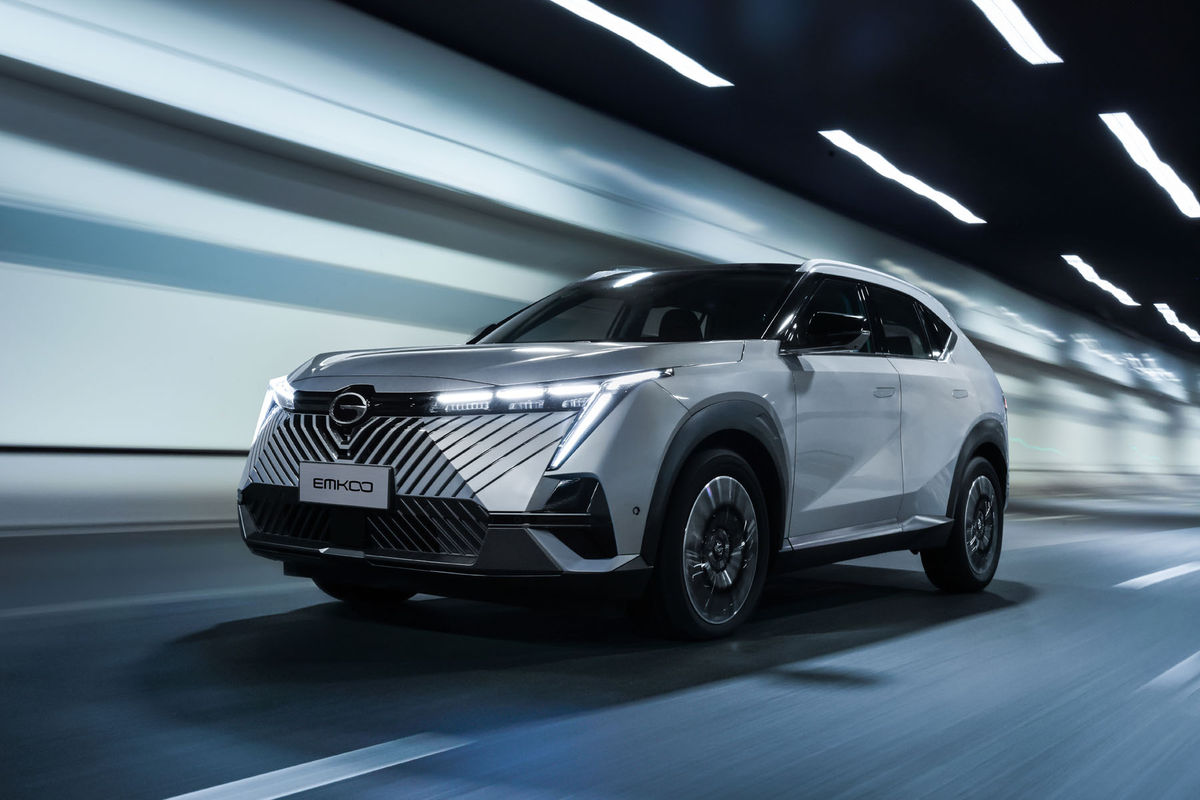
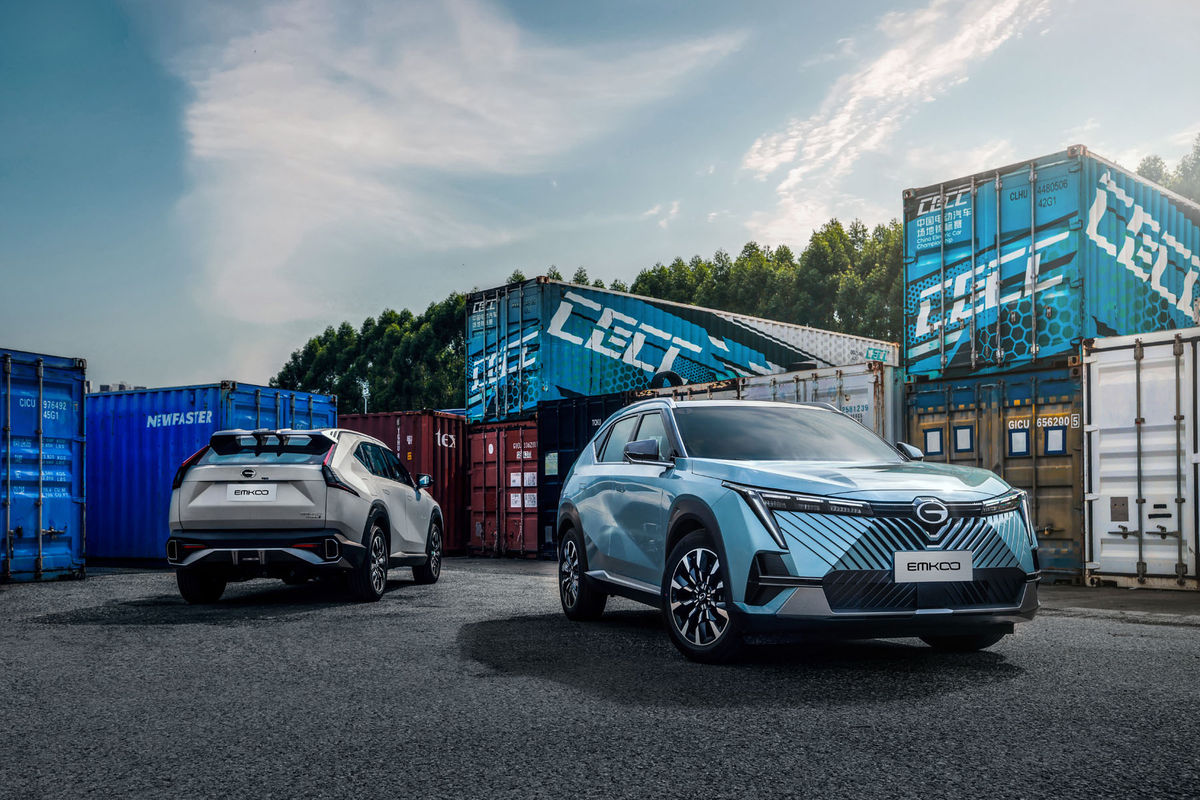
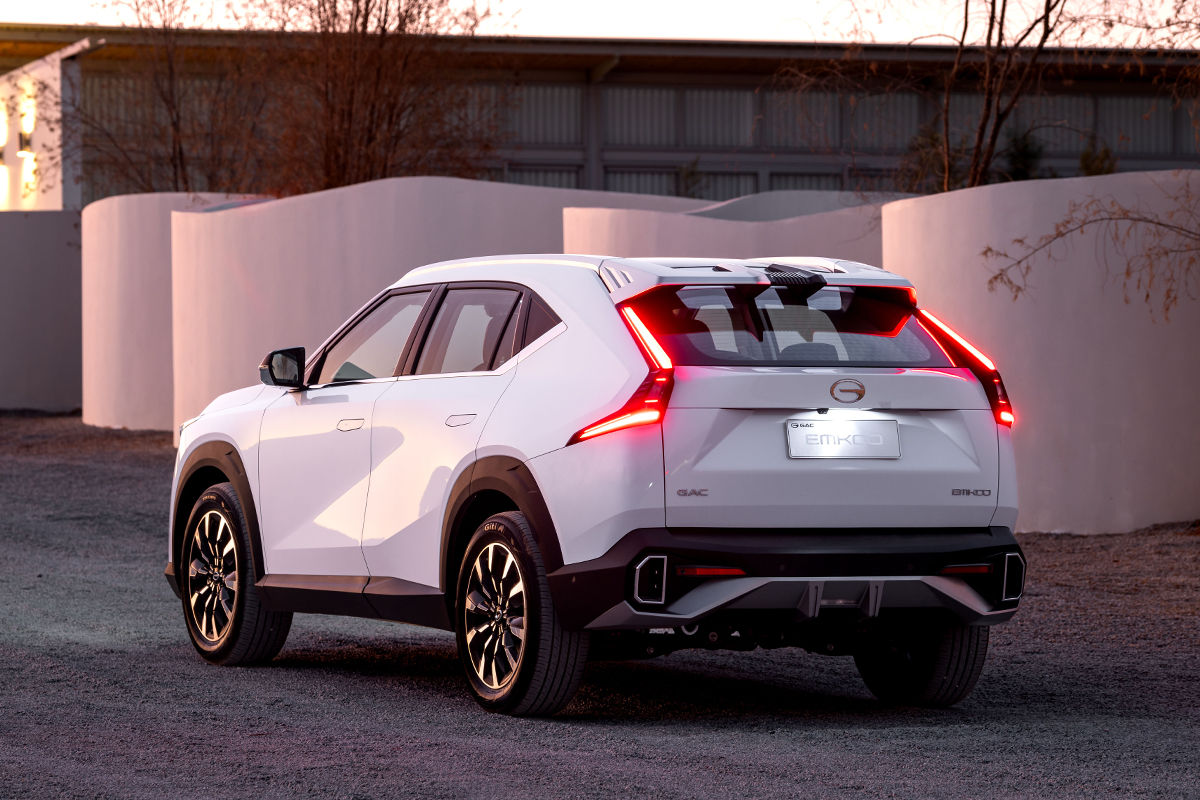
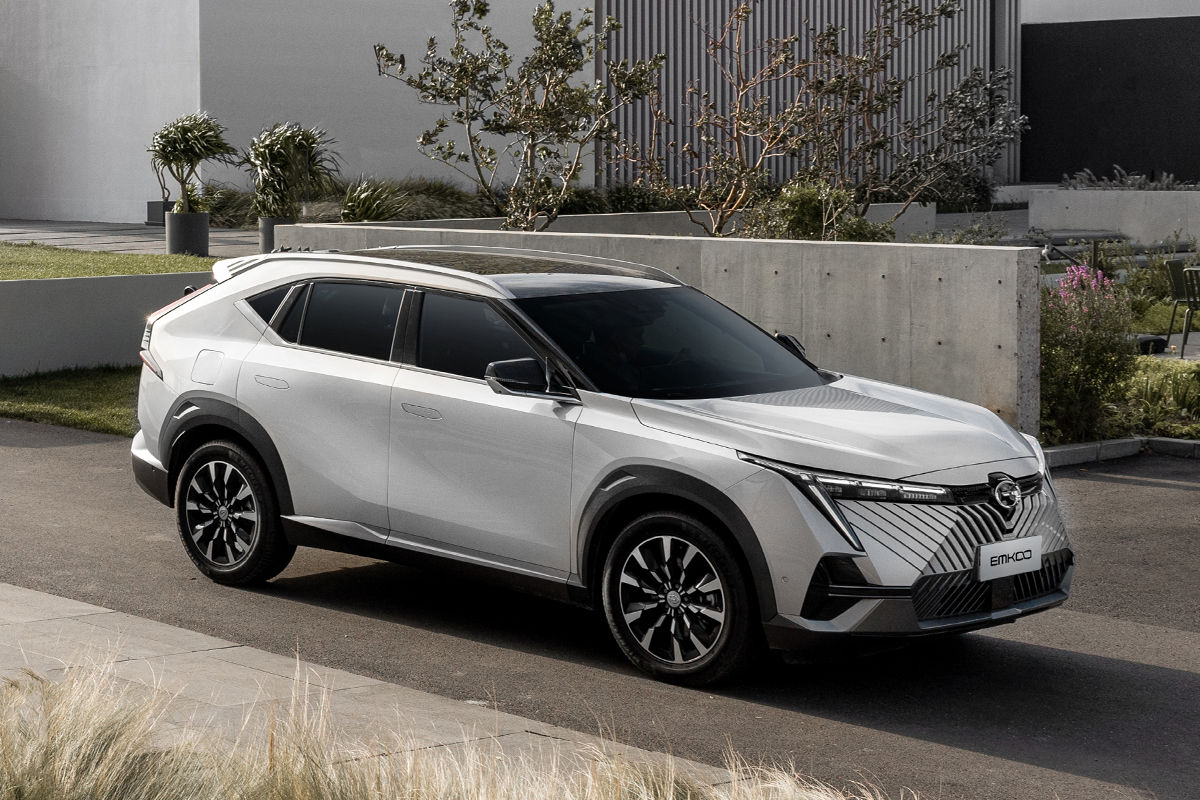
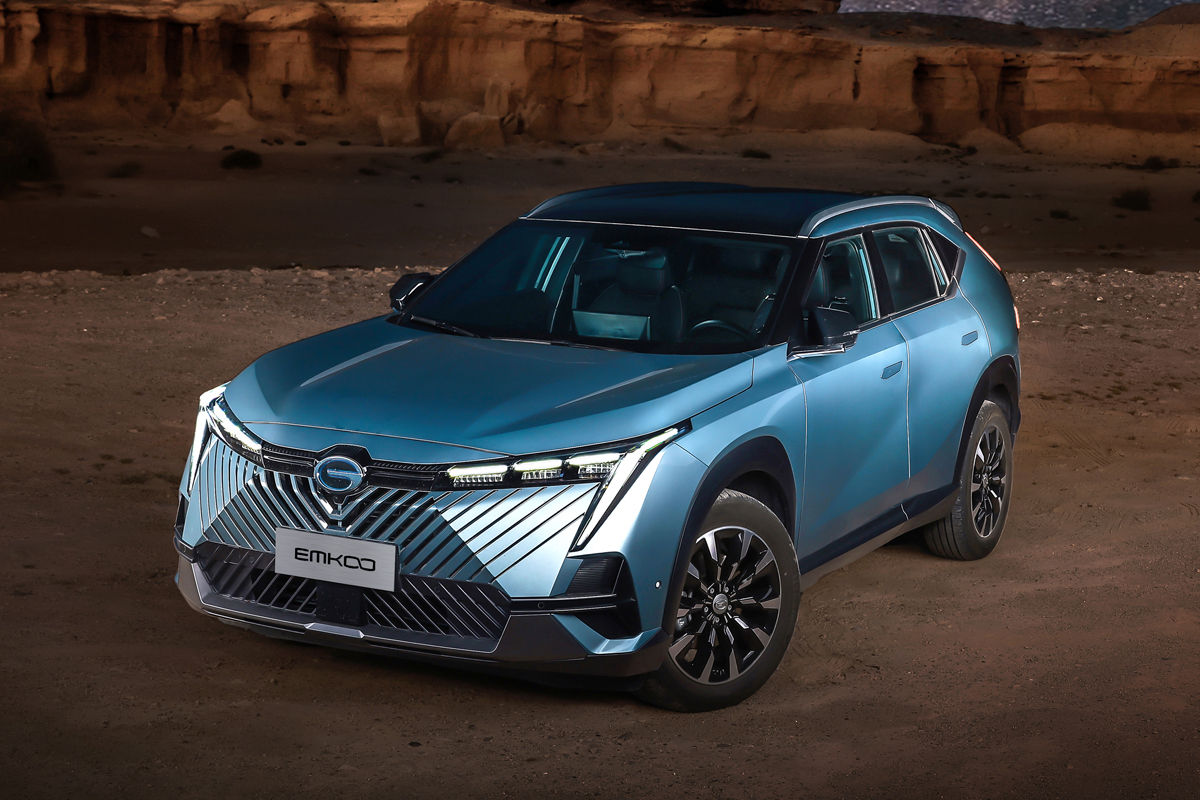
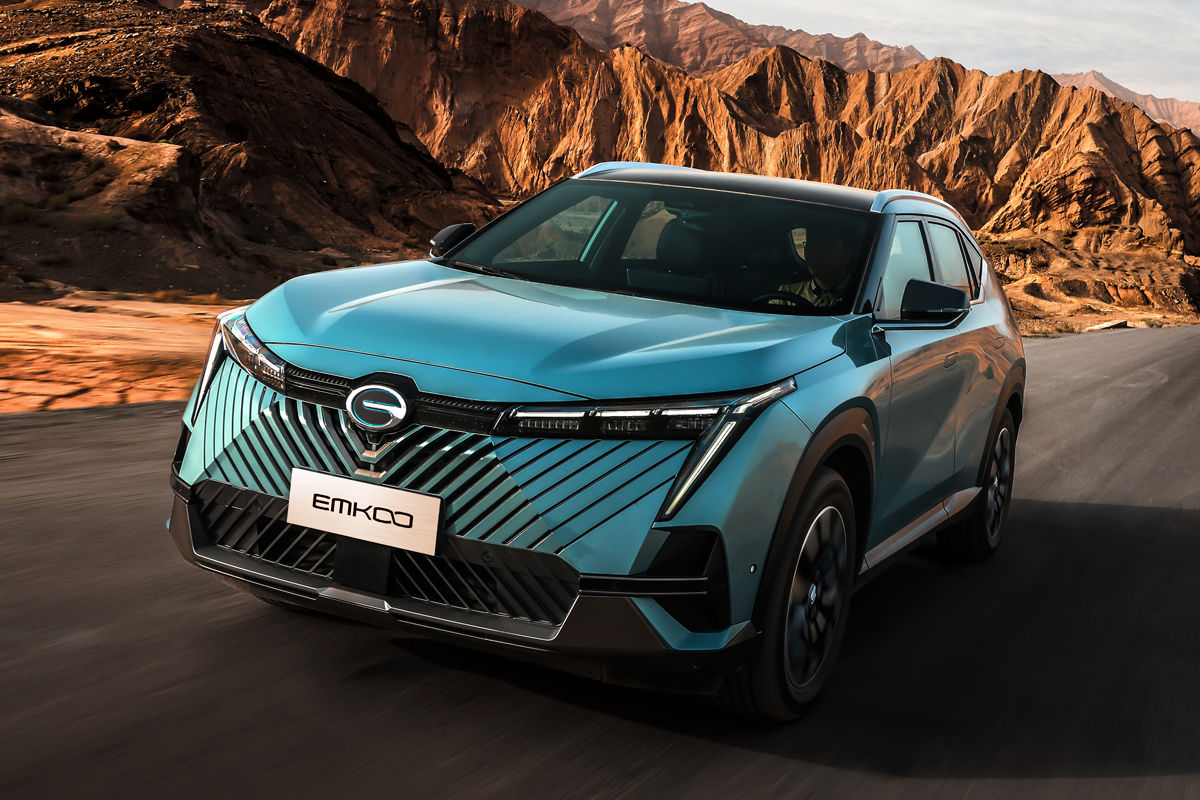
GAC Motor South Africa’s 2nd offering in the local market – the GAC Emkoo – isn’t but one of a gazillion models that contests the small crossover market, it competes with long-established offerings in the medium SUV segment… and with notable aplomb!
Another month, another new offering from a fledgling Chinese car brand, right? Meet the GAC Emkoo and first impressions are great. This model follows hot on the (w)heels of the recently launched GS3 Emzoom, but it’s bigger and has a sticker price that’s so compelling it forces me to play an old game.
I call it The Alien Game. It’s where I ask myself: “If an alien landed his flying saucer on my lawn right now, and demanded that I explain why a Lexus NX costs twice as much as a GAC Emkoo (while pointing a ray gun at my temple), could I do it?” Well, in this case, I’d soon be a tiny crater in the suburbs, I’m afraid.
Salvador Caetano is a Portugal-based holding company that has obtained the distribution rights to GAC motorcars in Mzansi. And look, I’m not saying this new family car from the Chinese mainland is as polished an offering as the deeply impressive Lexus NX, but the margins are diminishing rapidly.
When the GS3 Emzoom was launched, it impressed us with its aggressive styling, tight panel gaps and favourable perceived build quality, as well as an eager drivetrain which, once again, does duty here in this larger SUV – but more on that later. I’ll try not to constantly refer to the GS3 Emzoom (starting now) and review the Emkoo on its merits, so allow me to say: it is easily the best Chinese car I’ve driven this year.
We drove the Emkoo on a route (of about 400 km) in the Johannesburg area that comprised urban and rural asphalt roads plus a short stretch of dirt road. When we arrived at our destination, we had almost nothing to moan about. The GAC exhibited not so much as a quirk or emitted an annoying bong or ping.
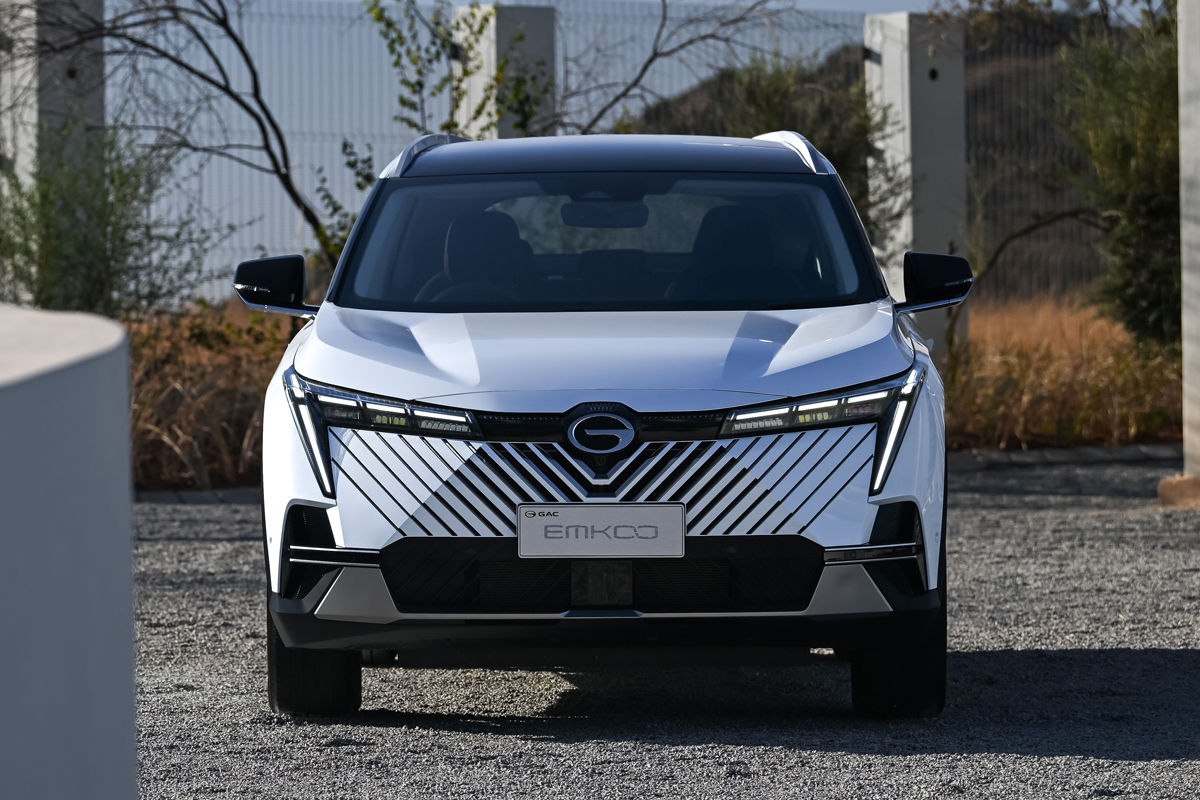
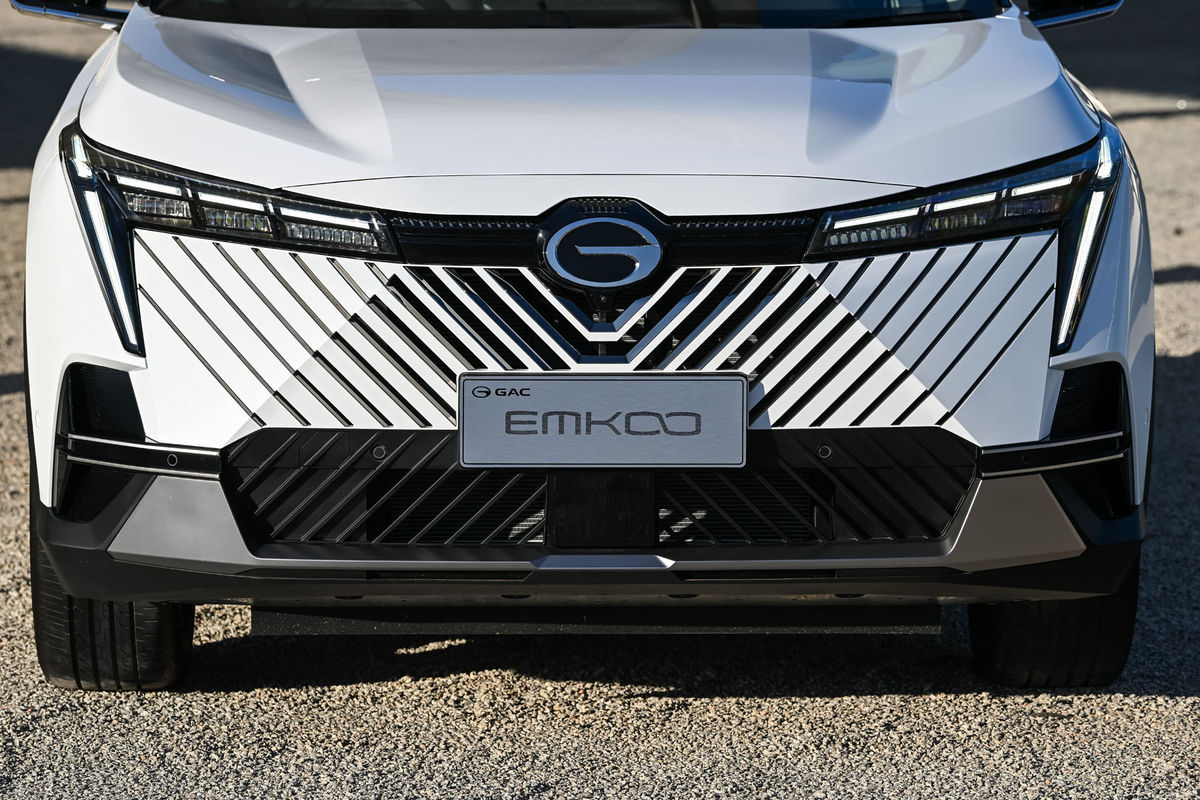
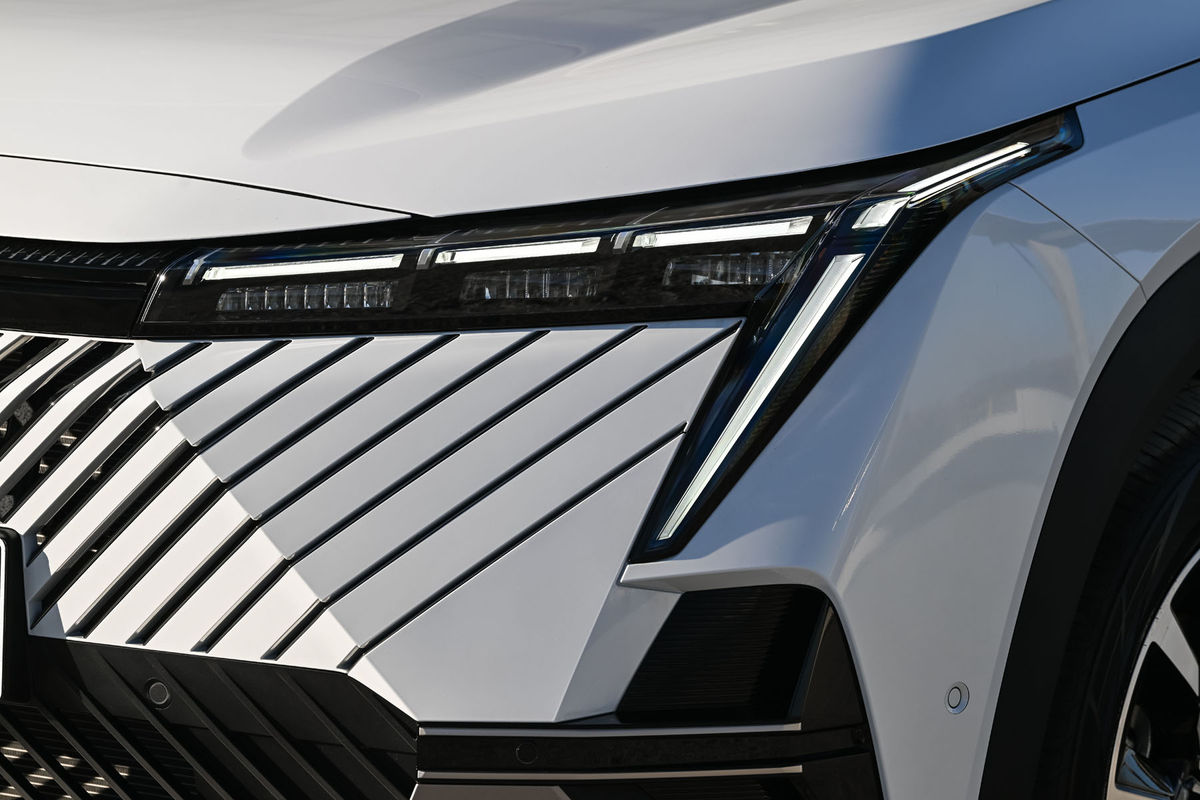
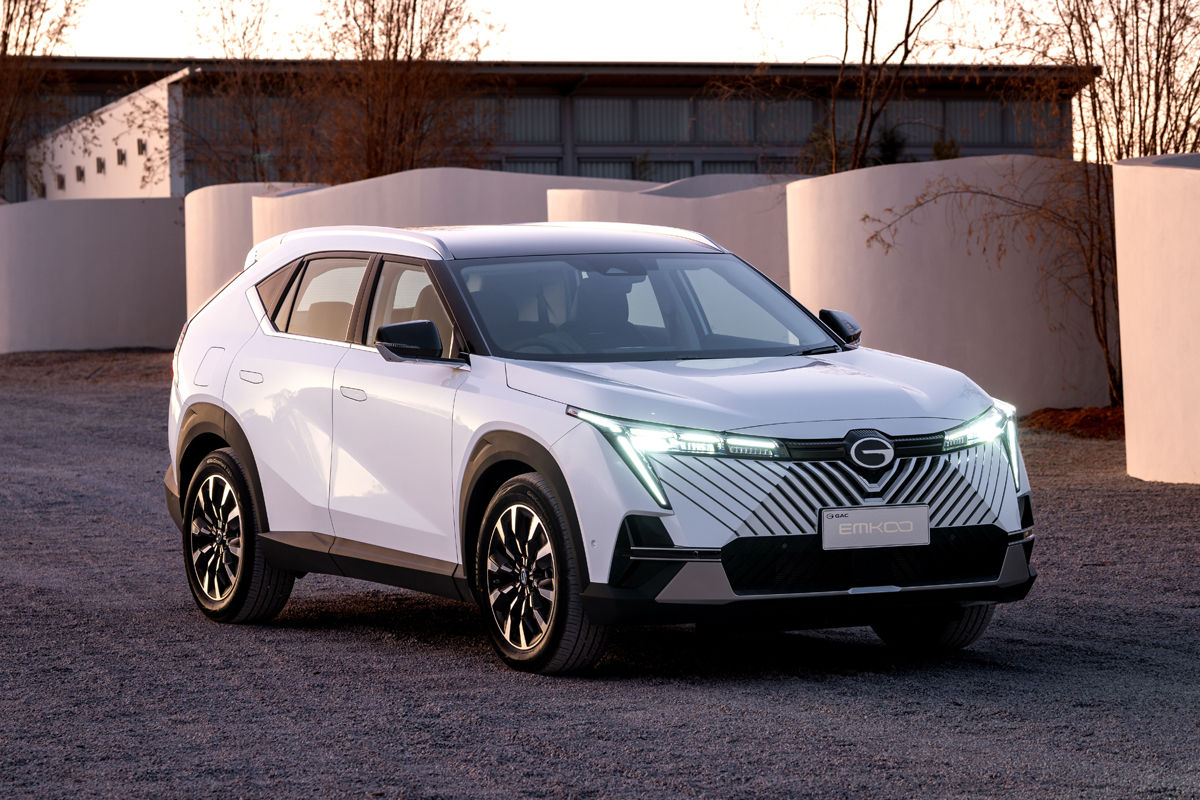
At first glance, we encountered an attractive, angular aesthetic – the GAC Emkoo has no shortage of kerb presence. The front-end in particular is an origami treat, its V-shaped grille comprising 12 diagonal bars. These are bookended by some impressive 32-LED headlamp clusters that feature sequential illumination (so there’s no need for flicking between regular and high beams, the brand suggests).
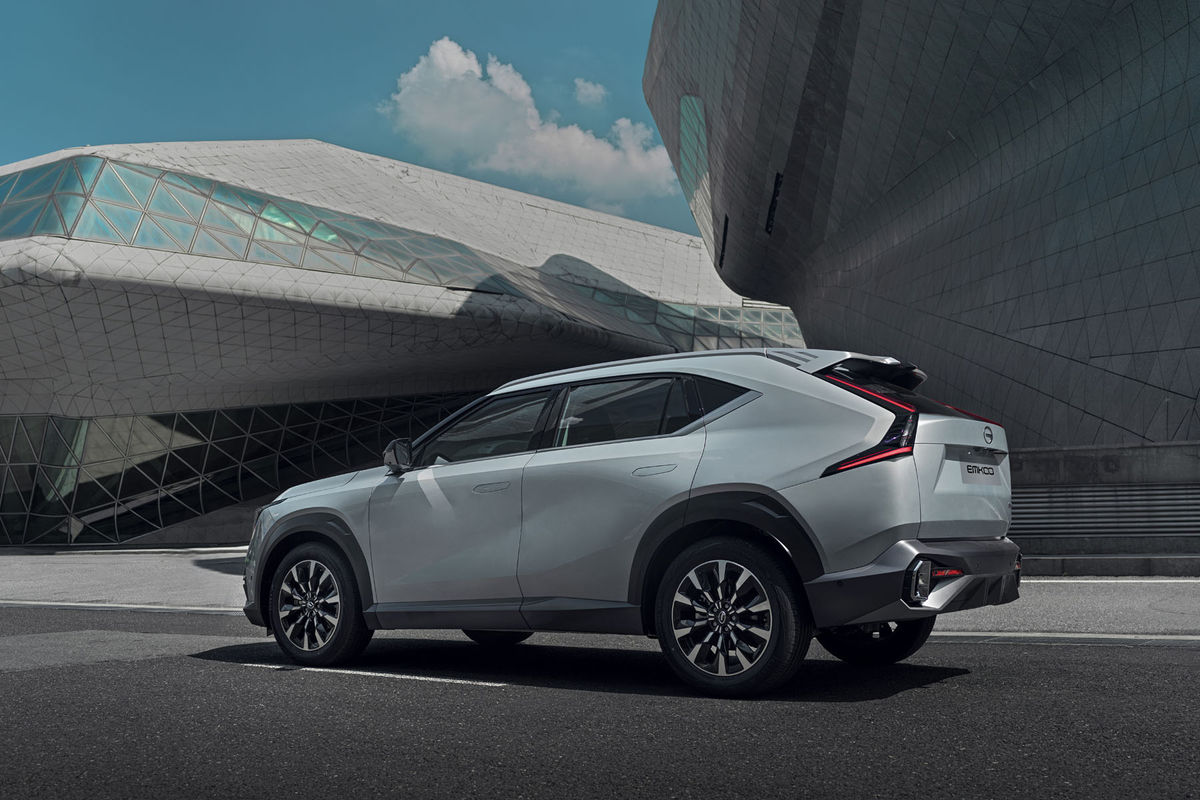
The rear end is well conceived too, replete with a large diffuser and mecha-inspired roof spoiler. Mecha meaning as in a large anime-like robot, yet somehow it only complemented the Emkoo’s sharp styling. They’ve also dubbed the newcomer’s taillamps as Quantum Lightsabres and again, I wasn’t offended.
In fact, it felt like I was looking at a Nissan Qashqai (now no longer offered in our market, but still) or a Honda HR-V if their makers’ design teams were allowed to style the SUV of their dreams. And while I think Honda is currently enjoying a good innings, these GACs make you wonder if there’s any space left in the market for Nissan to make a meaningful return to form with their upcoming crossover models.
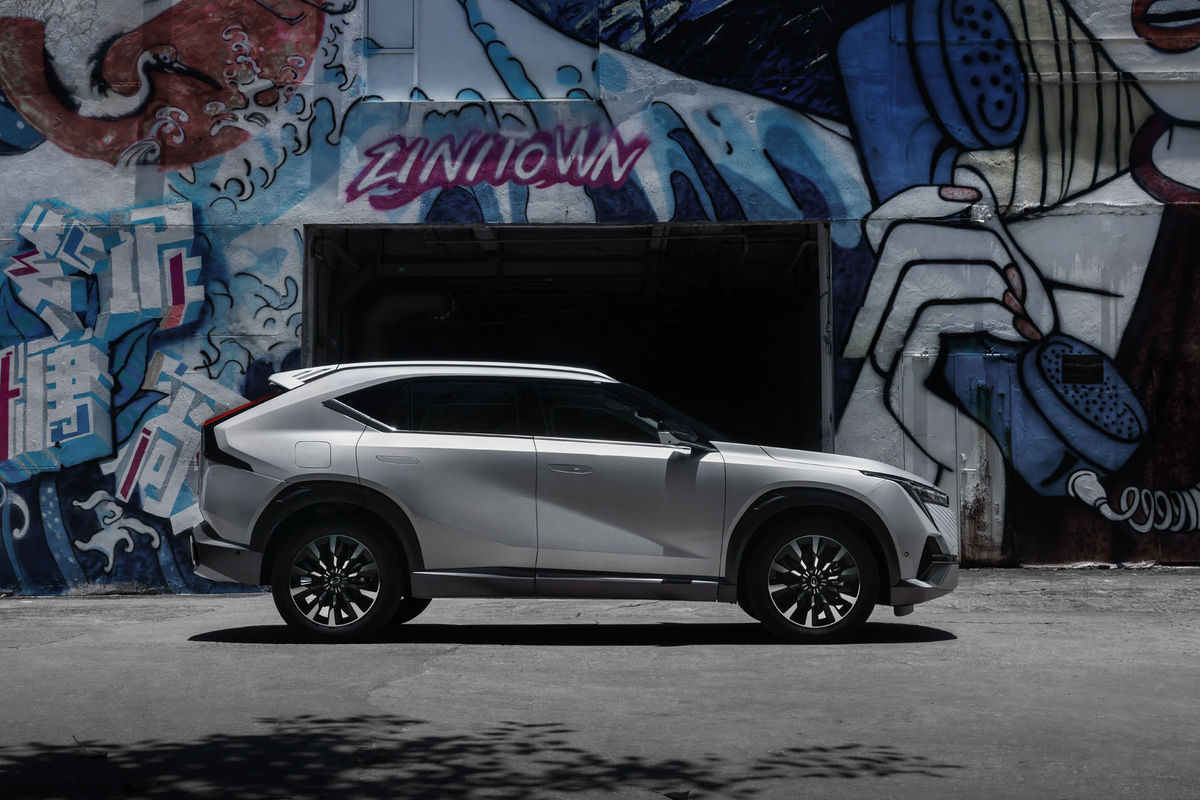
The Chinese manufacturers’ wares have become not good, but very good. Where GAC did, however, manage to restrain its design team was with perfectly flush door handles that endow the Emkoo with smooth flanks. It’s impressive, as is the overall visual package (highlighted by 19-inch alloy wheels).
GAC Emkoo’s cabin doesn’t disappoint
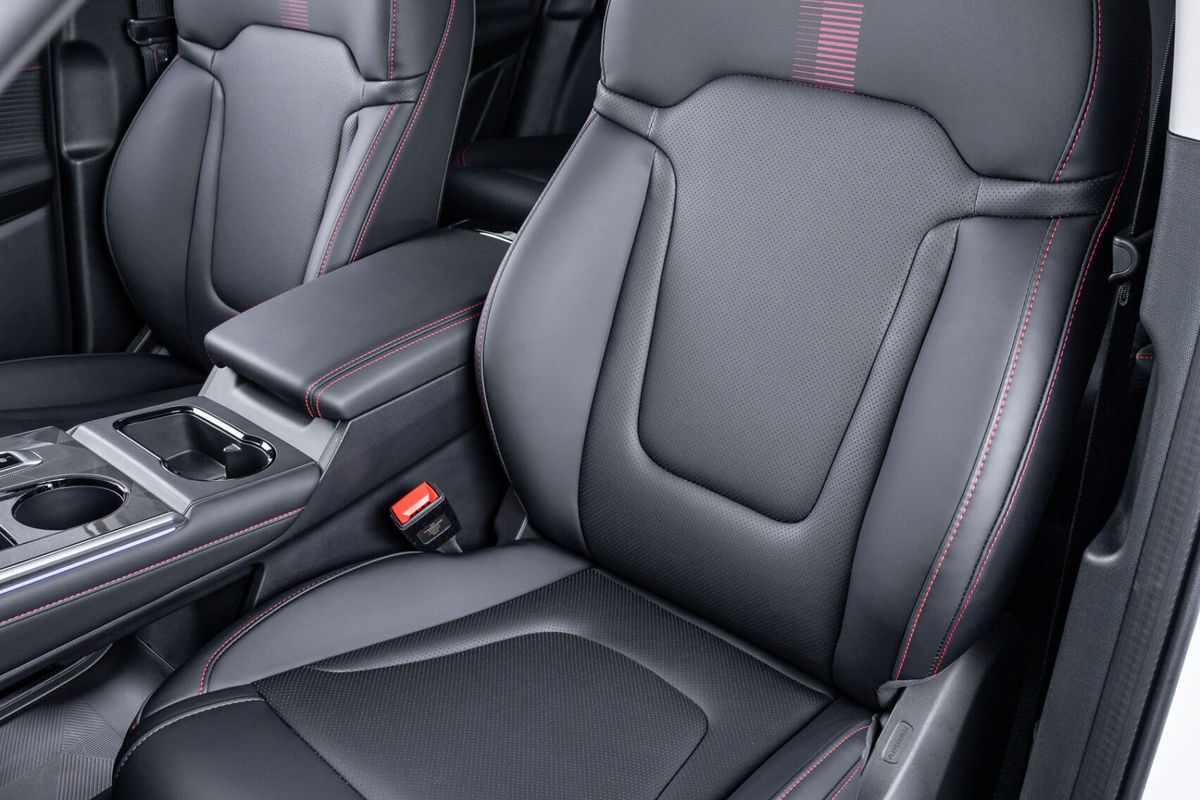
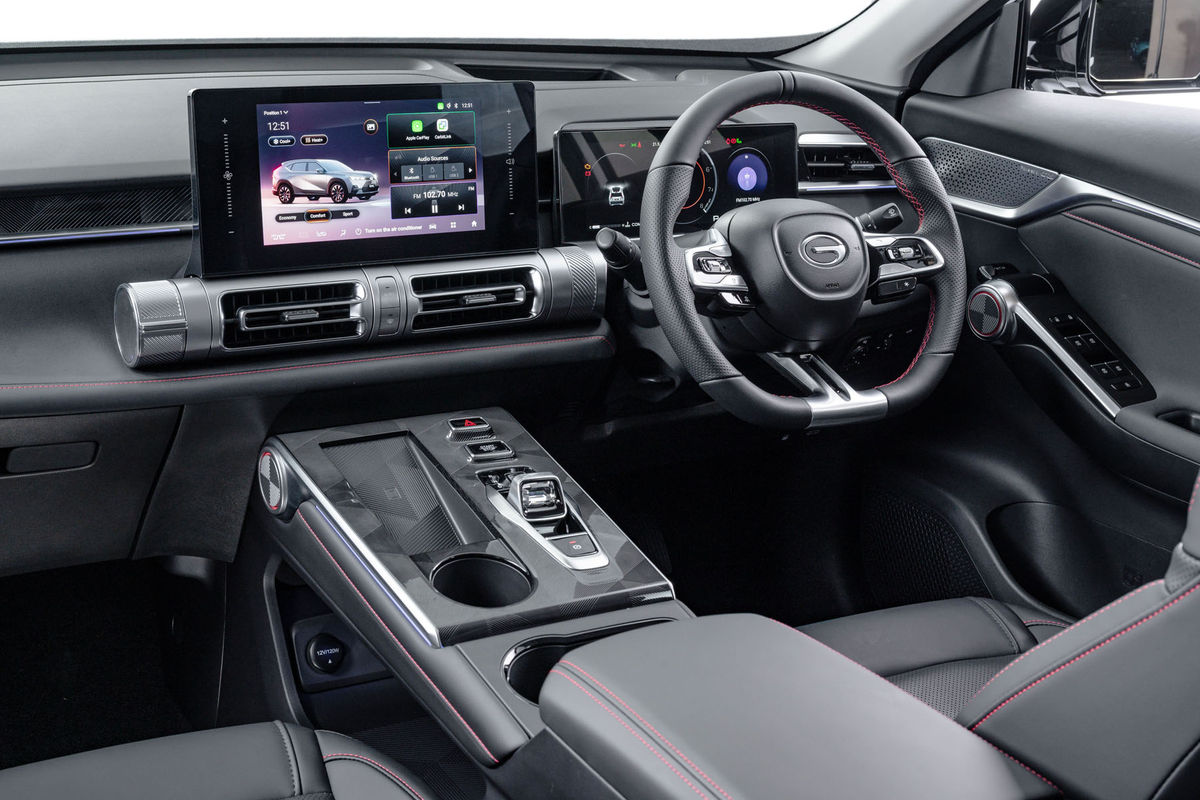
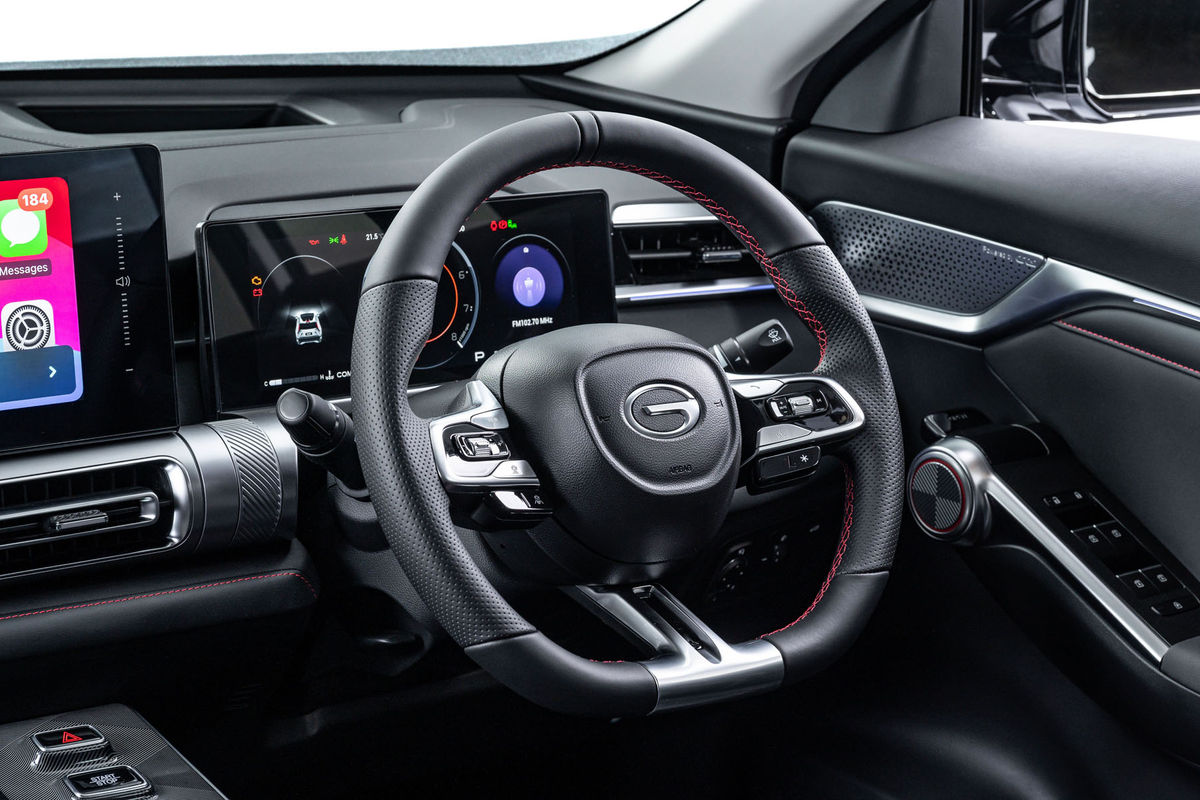
Clamber aboard and it’s more of the same: the GAC Emkoo’s cabin is a tactile living space finished off in sombre greys and cool blue surfaces, plus a machined “crystal effect” on the centre console and fascia. The helm is covered in hide and features an array of multimedia controls, plus adaptive cruise control.
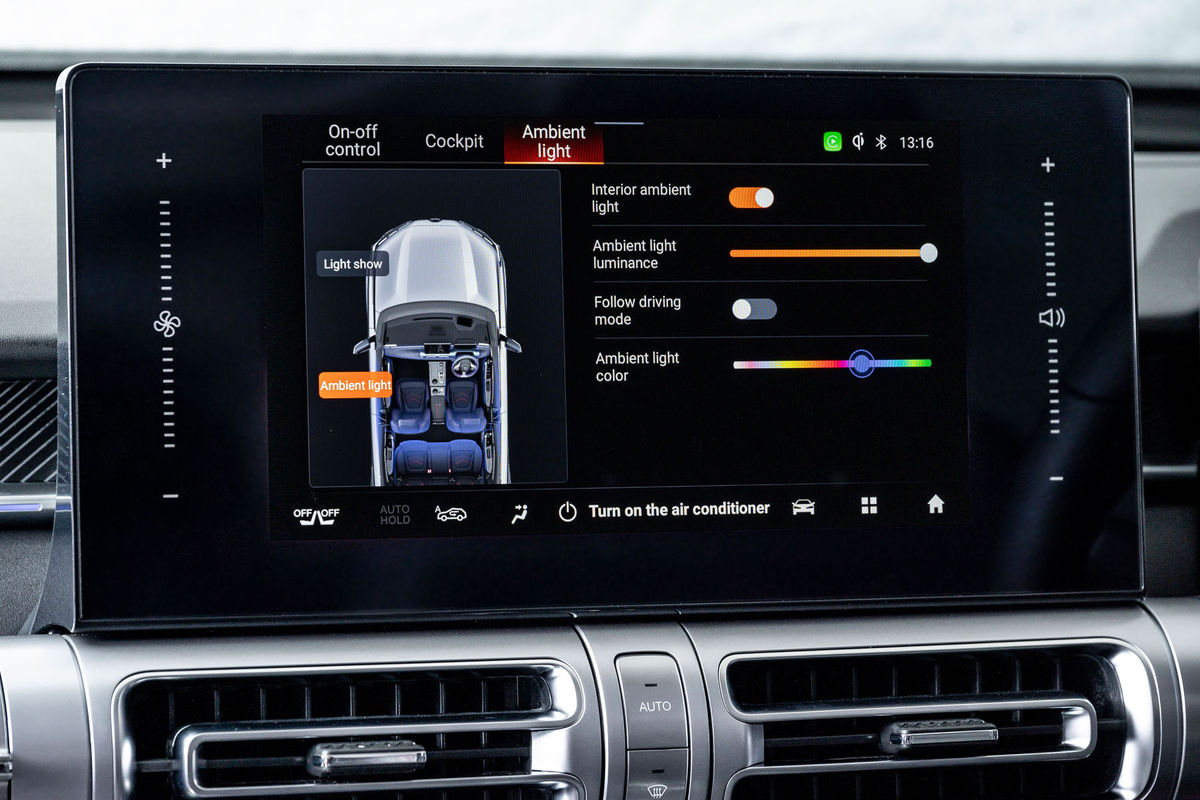
The automatic aircon receives its own “thrust vector” styling that features physical rotary knobs, as well as the de rigeur slidey, swipey controls on the 10.1-inch touchscreen of our flagship (1.5T Executive Plus) test car. There’s lots of natural lighting in here too, thanks to a (non-opening) panoramic sunroof.
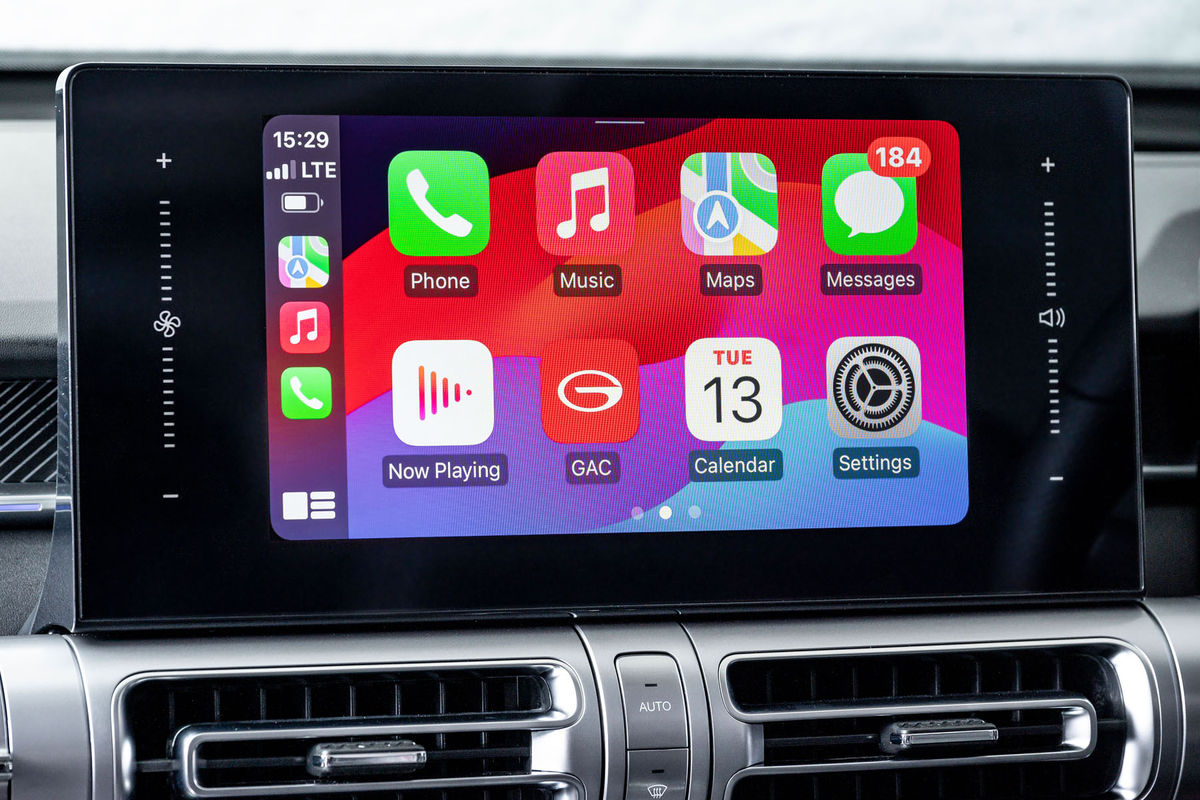
Also in that crystal area around the shift-by-wire transmission lever, you’ll encounter a wireless phone charger. The infotainment system supports wireless Apple Carplay but sadly, not Android Auto.
According to GAC’s spec sheet, the 1.5T Executive Plus’ leather-trimmed front seats are electrically adjustable, heated and ventilated, with a memory function for the driver. Both variants feature adaptive cruise control with integrated cruise assist, a 360-degree camera system and keyless start, though.
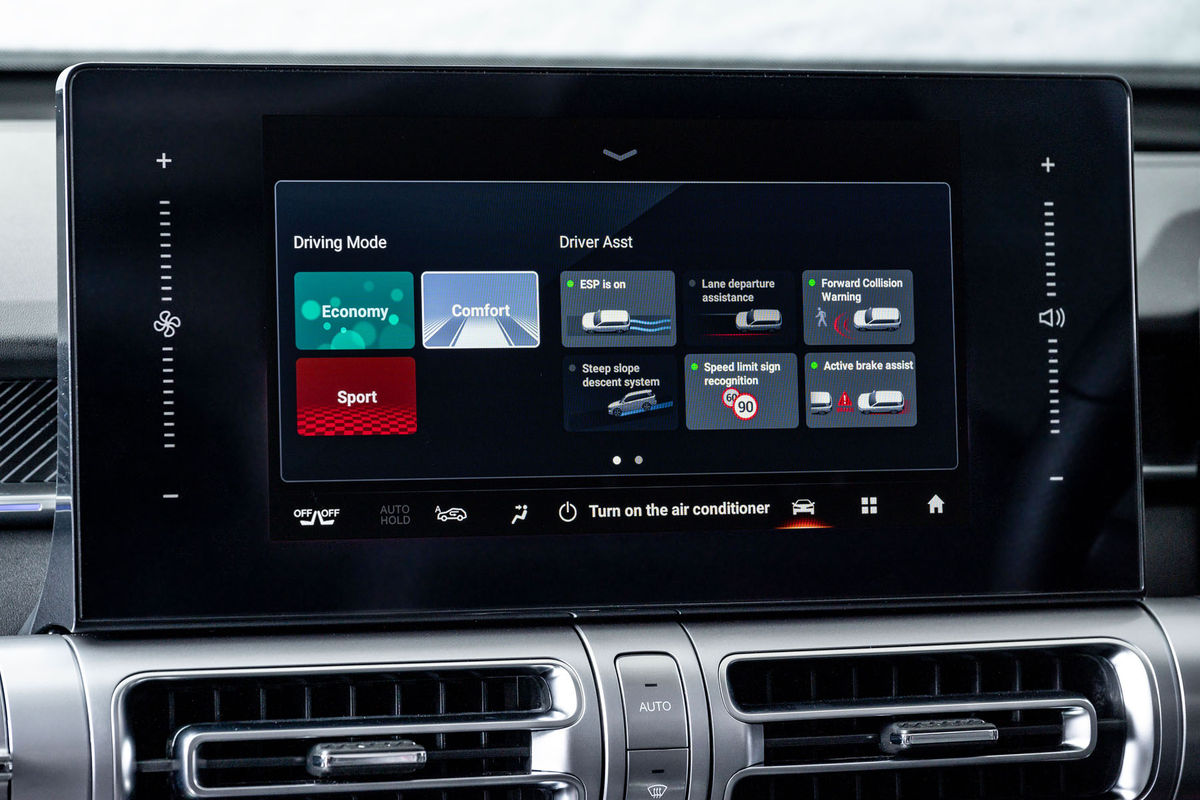
Naturally, the Emkoo offers the obligatory 3 drive modes (Eco, Comfort and Sport), which not only affect the car’s demeanour but also change the info displayed on the 10.35-inch digital instrument cluster.
But if we’re honest, the pilot is practically obsolete since the GAC Emkoo features “Level 2 autonomy” thanks to an array of safety technologies, including lane-change assist, blind-spot detection, and a veritable ream of acronyms (ICA, RCTA, FCW, AEB etc.) Check out the GAC Emkoo’s full safety spec.
Further fortifying the GAC’s safety credentials is the fact that it comes fitted with 6 airbags (each is said to hold their pressure for 6 sec) in combination with high- and ultra-high-strength steel construction.
What is the GAC Emkoo like to drive?
The GAC Emkoo is powered by the same 1.5-litre dual-channel (and water-cooled) 4-cylinder turbopetrol motor as its GS3 Emzoom sibling. It has high-pressure fuel injection, produces 130 kW/370 Nm and is paired with a 7-speed wet dual-clutch auto. The claimed average fuel consumption is 6.4 L/100 km.
We managed to achieve an indicated consumption figure of around 8.0 L/100 km, which is respectable considering that we hadn’t attempted to drive economically. The GAC Emkoo is a snappily accelerating thing – gear shifts are said to be executed in just 0.2 sec – and it doesn’t mind being hustled along twisty sections of road. You can even use the shift paddles if you’d like extra engagement (in Sport mode).
Granted, the handling is as you’d expect from an SUV the size of a Kia Sportage or Volkswagen Tiguan, with Mcpherson struts upfront, and a multilink rear suspension. On the plus side, it didn’t feel like it was “on the plus side”, instead, the GAC’s handling felt composed, wieldy and, well, enjoyable. To reiterate, we arrived at our destination relaxed, unbothered and with almost nothing to say. And that’s critical.
Prices (correct in September 2024) include a 5-year/150 000 km manufacturer’s warranty, as well as an impressively long (distance-wise) 5-year/100 000 km service plan.
And why was our contentment with the GAC Emkoo so critical? Because while being far from boring, the newcomer features that one quality lacking in the constant stream of Chinese metal. That is: the ability to connect on an uneventful level where you’re not bombarded with warning noises, aggressive virtual tugs at the ‘wheel and constant intrusion to break the connection between car and driver. The GAC Emkoo impressed me for simply being a good car, despite wearing all the digital tinsel we’ve come to expect.
The Mercedes-Benz X-Class took the brand into unchartered waters – and promptly sunk. But with a few redeeming qualities and its depreciation curve starting to level off, is now the time to buy a used version of this premium-badged bakkie?
In the months leading up to its highly anticipated reveal, the Mercedes-Benz X-Class double-cab bakkie was one of the most talked-about vehicles in the industry, culminating in website-crashing levels of hype on the day the wraps were finally peeled back. But much of that chatter was anything but positive. Ultimately, sales proved exceedingly slow, which led the W470-series bakkie to an early grave.
Hopes were high in March 2015 when the Three-pointed Star announced plans to launch what it billed as the world’s “first pick-up from a premium manufacturer”. The company promised a “high level of utility” plus everything buyers had come to expect from a Mercedes-Benz passenger car, an approach it described as a “recipe for success”.
The “Powerful Adventurer” version of the X-Class concept.
The Sindelfingen-based brand attempted to draw parallels with the original M-Class, saying it expected its bakkie to “completely redefine” its segment just as its premium SUV sibling did. But, unlike that SUV, the later-revealed production version of the X-Class wasn’t a Mercedes-Benz through and through.
Despite having a dedicated commercial-vehicle division (responsible for the likes of the Vito), as well as deep off-road heritage (think Geländenwagen and Unimog), Mercedes-Benz chose not to develop a new ladder-frame-based bakkie from the ground up. Instead of embarking on what would likely have been a prohibitively costly and time-consuming exercise, it opted to leverage an existing platform from Nissan.
The road-biased “Stylish Explorer” iteration of the X-Class concept.
So, the X-Class – offered exclusively in the double-cab body style – was based squarely on the D23-gen Nissan Navara, saving Mercedes-Benz considerable research-and-development costs, and allowing it to be relatively fast to market. With its eye on the premium end of the growing 1-tonne bakkie market, Benz pitched the newcomer at markets such as Australia, Latin America, parts of Europe and indeed Mzansi.
For the record, though production was also initially planned for Nissan’s Cordoba factory in Argentina, the X-Class was ultimately built only at the Japanese brand’s Barcelona plant in Spain. Incidentally, the latter facility closed towards the end of 2021, although it has since been bought by Chinese firm, Chery.
X-Class sales were never really on track.
How many examples of the X-Class were sold globally? Well, Mercedes-Benz said only around 16 700 units were registered in 2018 (the bakkie’s 1st full year on the market in some markets), a worldwide figure that fell to about 15 300 units in 2019. Production officially ceased at the end of May 2020.
So, by global standards, the Mercedes-Benz X-Class wasn’t a popular vehicle.
Mercedes-Benz X-Class model line-up in South Africa
The production X-Class (seen here in Progressive trim) was revealed in mid-2017.
In October 2016, Mercedes-Benz unwrapped a pair of Concept X-Class models, promising the final product would be “positioned in the segment at an attractive price”. That production version of the model was unveiled in July 2017 and it famously made its global premiere in Cape Town (with the brand describing South Africa as one of the newcomer’s “core markets”).
Production commenced in November 2017, before the X-Class officially touched down in Mzansi in May 2018. At launch, the local line-up comprised 6 derivatives, each powered by Nissan’s 2.3-litre, 4-cylinder turbodiesel engine (offered in single- and twin-turbo guise). Both 4×2 and 4×4 configurations along with a pair of trim levels and transmissions were available:
X220d Progressive 4×2 6MT (120 kW/403 Nm)
X220d Progressive 4×2 7AT (120 kW/403 Nm)
X250d Progressive 4×4 6MT (140 kW/450 Nm)
X250d Progressive 4×4 7AT (140 kW/450 Nm)
X250d Power 4×4 6MT (140 kW/450 Nm)
X250d Power 4×4 7AT (140 kW/450 Nm)
At launch, only 4-cylinder Nissanengines were available.
With a price tag of R818 105 (before options), the X250d Power 4×4 7AT debuted as South Africa’s most expensive double cab, eclipsing the Volkswagen Amarok 3.0 V6 TDI 4Motion Extreme of the era. Still, Mercedes-Benz SA insisted that the X-Class was “well positioned to elevate the (local) bakkie segment to the next level”, soon thereafter declaring that the newcomer had “disrupted the bakkie scene”.
For the record, the base “Pure” grade – which rode on steel wheels and featured an unpainted front apron and a polyurethane steering wheel – wasn’t offered in South Africa.
The V6-powered X350d finally touched down late in 2018.
By the end of November 2018, the X350d – which employed a burly 3.0-litre V6 turbodiesel engine, a 7-speed automatic transmission and permanent all-wheel drive (with centre and rear differentials, plus a low-range transfer case), all from the Mercedes-Benz parts bin – finally arrived in South Africa, billed as a “next-to-none offering”. The X350d was available in the Progressive and Power trim grades, with the latter derivative priced at a heady R973 188 (again, before extras).
X350d Progressive 4×4 7AT (190 kW/550 Nm)
X350d Power 4×4 7AT (190 kW/550 Nm)
Despite the launch of this top-spec powertrain derivative, sales remained sluggish in all markets and rumours of the bakkie’s early demise soon started to swirl. In February 2020, Mercedes-Benz finally confirmed one of its worst-kept secrets: production of “this relatively young model” would cease in May 2020. As an aside, the X-Class was technically discontinued locally only about a year later, in the 2nd quarter of 2021, when the stock finally ran dry.
What are the advantages of an X-Class?
At the time, the X350d was SA’s most-powerful bakkie.
That V6 engine: There’s little doubt that the derivative in the X-Class line-up most closely aligned with the brand’s initial intention of creating a premium-bakkie experience was the one endowed with the 6-cylinder Benz powertrain. Yes, the X350d’s 3.0-litre V6 turbodiesel unit (OM642) generated lofty peak outputs of 190 kW and 550 Nm, facilitating a claimed 7.9-second 0-100 kph time. In short, it had plenty of shove.
It’s this engine – which offered its maximum twisting force from 1 400 rpm all the way through to 3 200 rpm – that helped to elevate the appeal of the otherwise underwhelming X-Class, even if its prohibitively pricey price tag did it no favours.
The short-lived X350d was not only Mzansi’s priciest pick-up but also its most powerful, outpunching the 165 kW/550 Nm Amarok V6 of the time (the Volkswagen did, of course, have its outputs hiked to 190 kW and 580 Nm in December 2020, but by then production of the X-Class had fizzled out).
The X-Class inherited the Navara’s multi-link rear suspension.
Ride and refinement: Like the Navara on which it was based, the Mercedes-Benz X-Class employed a 5-link rear axle with coil springs, as opposed to the more common leaf-spring aft arrangement. This configuration – together with bespoke settings for the springs and dampers, plus a reinforced chassis and wider tracks – meant Benz’s bakkie served up one of the more forgiving rides in its class (though it perhaps still wasn’t quite as polished as the Amarok in that department).
Interestingly, models sold in South Africa were fitted with the so-called “raised” suspension set-up; Euro-spec derivatives on the standard suspension were said to offer ride comfort closer to that of a premium SUV. The X-Class was also praised for high levels of rolling refinement (for a bakkie, anyway), achieved largely via the liberal application of extra insulation material. The latter, of course, added plenty of unwanted weight.
The X-Class set new bakkie standards in its Euro NCAP crash test.
Impressive crash-test score: In November 2017, Euro NCAP released the results of its X-Class crash test. The X250d Power derivative subjected to the punishing safety evaluation scored a full 5 stars (beating its 4-star Navara cousin), achieving bakkie bests of 87% for child-occupant safety and 77% for its safety-assistance features.
In South Africa, all derivatives in the X-Class range came fitted with a full complement of 7 airbags (unlike the original Amarok, which lacked rear airbags throughout its lengthy life-cycle), along with Isofix child-seat anchors and disc brakes front and rear.
However, some of the driver-assistance features were unfortunately relegated to Mercedes-Benz’s typically lengthy list of options…
What are the disadvantages of an X-Class?
There was no escaping the fact the X-Class shared much with the Navara.
It was (mostly) a Navara underneath: While the “Navara with Mascara” jibe that did the rounds at the time of the X-Class launch was perhaps a little unkind, it wasn’t entirely inaccurate.
The production version of the X-Class lost much of the concept’s aggressive styling, instead inheriting a somewhat toned-down design applied over the Navara’s general proportions. To Mercedes-Benz’s credit, however, at least most of the bodywork was unique.
The key fob, however, certainly wasn’t, as it shared its insubstantial shell with the keys of the Navara as well as Nissan’s budget cars of the time. The cabin featured yet more hints of the bakkie’s roots, with the X-Class making do with various carried-over items (such as the window switches and the gear lever). Ultimately, there was no hiding the Navara relation.
Payload topped out at 1001 kg.
Still, the Navara was an accomplished performer, so the X-Class at least scored reasonable load-lugging credentials, with the claimed payload varying from 861 to 1001 kg, depending on the derivative. Ground clearance came in at 220 mm and wading depth at 600 mm, while approach, departure and ramp-over angles were listed as 30, 25 and 22 degrees, respectively.
Ergonomically compromised cabin: Despite material quality being a bit of a mixed bag (and the odd Nissan part hiding in plain sight), the X-Class cabin at least looked relatively special. However, it was unquestionably flawed in practical terms. For example, the lack of reach adjustment on the steering column led to a compromised driving position for most.
The X-Class cabin was ergonomically clumsy (spot the starter button).
Other ergonomic annoyances included a starter button inconveniently sited at knee level (to the right of steering column) and heating-and-ventilation controls positioned so low down (just ahead of the gear lever) that they were exceedingly tricky to operate on the move.
Furthermore, the bakkie’s cabin suffered from a bizarre lack of oddments storage space, while also making do with undersized cupholders and an earlier-generation infotainment system.
Price: What was the main reason the X-Class failed to attract enough sales to keep the whole project afloat? Well, there’s certainly an argument to be made that buyers might have been able to overlook the Navara underpinnings had the X-Class been more competitively priced.
The X-Class plus its various options and accessories were very pricey.
Instead, Mercedes-Benz positioned it at a considerable premium over not just the Navara but also every single established rival, even though the X-badged bakkie didn’t offer all that much more. In addition, specification levels weren’t exactly generous, with the already steep pricing inflated even further once various options and accessories boxes had been ticked.
An upshot of the bakkie’s early demise, of course, is the seemingly accelerated rate of depreciation, which means the X-Class tends to offer better value on the used market today.
How much is a used Mercedes-Benz X-Class in SA?
The 4-cylinder versions of the X-Class have been hit hardest by depreciation.
In Mzansi, all derivatives of the X-Class shipped standard with Mercedes-Benz’s 6-year/100 000 km PremiumDrive maintenance plan, parameters that buyers had the option of extending to 8 years/180 000 km. The company offered a wide range of (rather pricey) accessories, from velour mats, load-bed liners and underbody protection to styling bars, aluminium roll-covers and canopies.
Just how steep a depreciation curve has the X-Class endured? Well, to form a broad idea, we examined the average retail estimate (using the AA’s vehicle-value report, which relies on Lightstone Auto data) of selected 2018 derivatives, expressed as a percentage of the vehicle’s price new in its year of registration.
At least the X-Class’ cabin looked relatively special (for a bakkie).
Based on these figures, we calculated that over the past 6 years (at the time of writing), an X250d Power 4×4 7AT in average condition would have lost about 36% of its value, while an X350d Power 4×4 7AT in a similar state would have shed around 26% of its original value.
Interestingly, a 2018 Amarok 3.0 V6 TDI Extreme 4Motion would have found itself somewhere between the pair, losing approximately 28%. For further context, consider that a 2018 Hilux 4.0 V6 Raider 6AT 4×4 would have, on average, relinquished just 14% of its value over the same period.
The X350d appears to have held its value better than the X250d.
That’s the theory, anyway. In practice, however, it seems the typical X-Class unit bears an even more modest residual value, based on listed asking prices on Cars.co.za. Still, our window-shopping experience backs up the notion that the X350d tends to hold more of its value than its X250d sibling.
So, of the Mercedes-Benz X-Class units listed on our platform at the time of writing, the cheapest was a manual-equipped 2020 X250d Progressive 4×4 going for just R349 900. In fact, nearly half of all listings came in below the R500 000 mark!
The X250d was the most commonly listed engine derivative.
The most common model year was 2019, while almost 70% of listed models showed under 100 000 km on their respective odometers. Interestingly, 33% were equipped with manual gearboxes, while just 10% were specified in 4×2 guise. The mid-tier X250d was easily the most popular engine derivative at 74%, followed by the flagship X350d (24%) and seldom-spotted base X220d (2%).
Below R400 000: While all listings we found below this point were X250d 4×4 derivatives, they were interestingly spread evenly across the opening 3 model years. However, most units here showed mileage on the far side of 100 000 km.
From R400 000 to R500 000: Almost 40% of all X-Class listings were grouped in this fairly narrow pricing bracket, where the X250d again dominated. Intriguingly, the split between manual and automatic transmissions was almost even here.
From R500 000 to R600 000: Though there was marginally less choice in this space, it was here we found the least-expensive examples of the V6-powered X350d, including a 2020 unit priced at R569 900. Several models here were additionally equipped with canopies.
R600 000 and up: The X350d accounted for most stock priced above R600 000, though we were a little surprised to find numerous examples fitted with aftermarket Panamericana-style grilles. The most expensive X-Class we discovered was a 2019 X350d Power 4×4 with 35 000 km on the clock, priced at R899 900. It was, however, fitted with several options and accessories.
Which Mercedes-Benz X-Class variant should I buy?
The X350d is easily the most accomplished engine derivative.
So, which X-Class should you buy? Well, though the X250d is comfortably the most prevalent on the used market – and its 2.3-litre bi-turbodiesel motor perfectly sufficient in terms of output – we have no hesitation in stating that the most accomplished version of this premium-badged bakkie is the X350d.
Equipped with this 6-cylinder powertrain rather than a Nissan-sourced 4-pot, the flagship X-Class feels a touch more like a genuine Mercedes-Benz. Of course, purchasing a V6 over a 4-banger requires a more substantial budget, though settling for the Progressive grade would mitigate that to some degree.
For the record, the top-of-the-range Power trim level added items such as 18-inch alloy wheels (up from 17-inch items), LED headlights, leather upholstery, electrically adjustable front seats and an uprated audio system with integrated satellite navigation.
Does the Mercedes X-Class make sense as a used buy?
The X350d competed with VW’s Amarok V6 TDI.
During its brief, ill-fated stay on the local market, the X-Class had to contend with several established – not to mention far more palatably priced – bakkie nameplates, including top-spec double-cab versions of the locally built Toyota Hilux, Ford Ranger and Isuzu D-Max. Of course, it also competed with its Navara cousin, which at that stage was imported rather than produced at Rosslyn.
However, the X-Class bakkie’s chief rival was the 1st-generation Volkswagen Amarok, which at the time was the only other double-cab contender available with 6-cylinder turbodiesel power and the closest thing to a truly premium pick-up. Though the Amarok 3.0 V6 TDI was by no means cheap, it looked like a veritable bargain next to the excessively expensive X-Class.
A clean Mercedes-Benz X350d at the right price would be tempting…
Still, while Benz’s potent V6 engine wasn’t enough to justify the X350d’s eyewatering asking price when new, this derivative makes for a far more attractive proposition on the used market today – even if it’s the X-Class engine that seemingly depreciates the slowest. Though we’d pick the Amarok 3.0 V6 TDI over the Mercedes-Benz X350d on merit, a neat example of the latter at the right price would be a tempting alternative…
Ferrari 458 Speciale vs 488 Pista: Classic Comparison
The Ferrari 458 Speciale and 488 Pista are the most exciting mid-engined Prancing Horses in recent memory. They have much in common, but demonstrate their (ample) talents in notably different ways. We drive them back-to-back at Zwartkops.
IMAGES: Stefan Kotze
The alarm clock goes off at 05:00, but after a 30-minute drive and with the sun already up, the early start is quickly forgotten. I park my car in the pits of Zwartkops Raceway, looking forward to an epic duel.
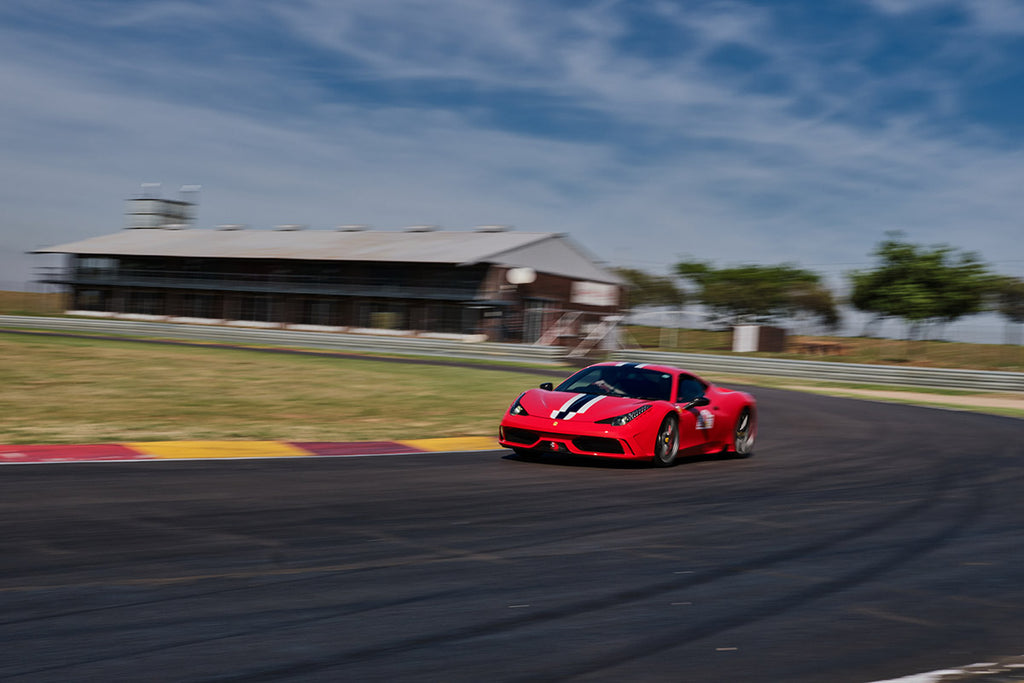
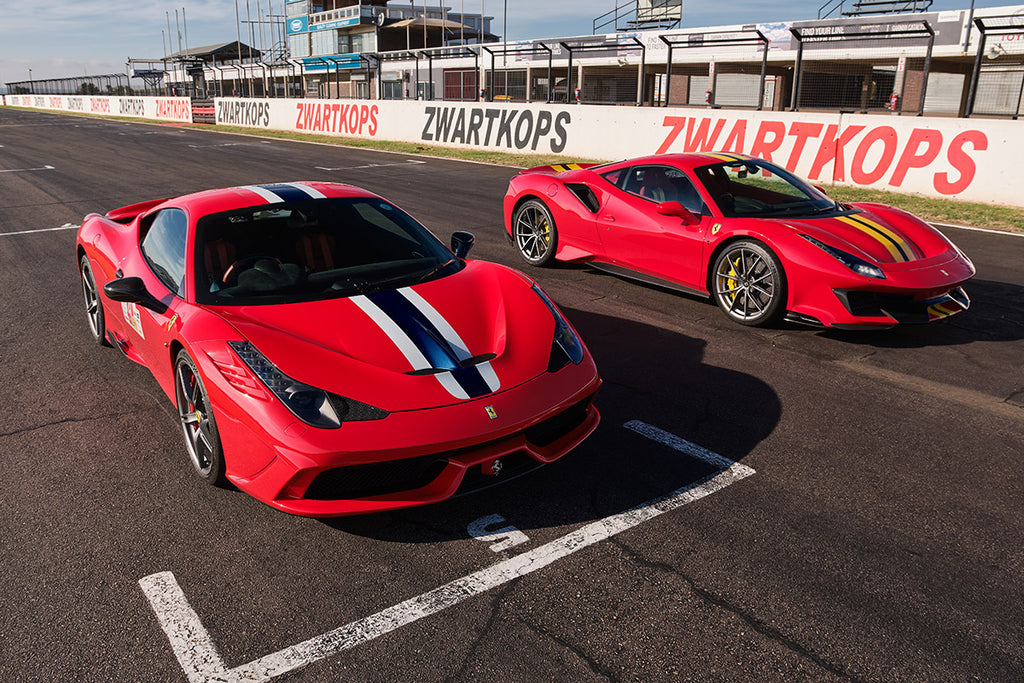
I hear the deep, gruff burble of 2 of Ferrari’s greatest cars from the past 2 decades. The headlights and sculpted shapes of the Ferrari 458 Speciale and 488 Pista fill my view. An exhilarating morning awaits.
Both represent the lightweight, more focused version of their “mainstream” siblings: the 458 Speciale is to the 458 Italia what the 488 Pista is to the 488 GTB. These 2 are arguably the most affordable way to gain access to Ferrari’s rarer models, although they do not form part of the limited numbered cars.
Our track time is limited though and the owner asks me which one I want to drive first. I always drive the oldest first, so I eagerly grabbed the 458 Speciale’s keys. I had a brief drive in a Speciale many years ago, but on a public road. Here we have an empty track, mild temperatures and a few laps to play with…
458 Speciale takes to the track
The Speciale’s cabin is more basic than an Italia’s, but to call it stripped out would be an overstatement. The use of lightweight materials becomes evident as I close the door with its carbon-fibre and Alcantara panels; the cabin offers a high level of comfort, but at the same time, no unnecessary equipment.
There is, for example, plenty of space in the footwell, while the seats offer great support combined with a level of luxury. As with all Ferraris these days, the long gearshift paddles are fixed to the steering column.
Specifications
Model: Ferrari 458 Speciale
Engine: 4.5-litre, V8, petrol
Power: 445 kW at 9 000 rpm
Torque: 540 Nm at 6 000 rpm
Transmission: 7-speed dual-clutch auto, RWD
Weight: 1 395 kg
0-100 kph: 3.0 sec (claimed)
Top speed: 325 kph (claimed)
The seatbelt is a 4-point harness, although its simplified design does away with the racing centre unit and offers the easier standard seatbelt clip instead. Needless to say, it keeps you securely in place.
I twist the key and then press the starter button, also positioned on the steering wheel. With an urgent bark from the exhausts the engine catches and I pull the carbon-fibre paddle to select first gear.
With a throaty burble emanating from the exhaust, I pull away and head onto the track. For the first few corners, I take it easy, but even so, the turn-in of the Speciale is sharp. Each downshift, even if it is only at 4-, 5- or 6 000 rpm is accommodated by a prompt bark from the exhausts as the engine auto-blips.
I start pressing the car a little harder and the Speciale blooms as I turn in a little quicker and chase that 9 000 rpm red line. The minimal inertia from the engine allows the revs to climb rapidly, complemented by the 7-speed dual-clutch Getrag transmission shifting with enthusiasm and blistering speed.
The exhaust sound is such a huge part of the experience, especially as the owner had the car’s catalysts and silencers removed. One would think that it might ruin the original sound (so carefully developed by Ferrari’s engineers) – but it hasn’t. It remains true to that of the original, but turns up the volume to 11!
The brake pedal feels strong with good feedback, although being someone else’s car I bleed off speed long before the brake marker. At all times, the car feels light and nimble and even if you have been exposed to several different high-performance cars in the past, once you start to understand how the 458 Speciale engine delivers its peak performance, it won’t take long to fully enjoy this car. Grip levels are good, but at the same time, especially in the slower corners, I sense that you can play with the car.
The view over the relatively short nose allows you to place the car perfectly through the apex and you feel part of it in a way that most front-engined cars cannot replicate.
The 458 Speciale is better than I remember because a track excursion allows you to focus 100% on the car and the experience with no other traffic or distractions to deal with. It is completely understandable why values have increased. It is a very unique car and deserves all the love and attention it gets.
How 488 Pista compares with 458 Speciale
Compared with its predecessor, the 488 Pista’s design is more aligned with Ferrari’s contemporary design language, but not significantly so. It also has more aerodynamic addenda, so in some ways, one could say that the Speciale has a marginally smoother design than the more purposefully styled Pista.
While form most definitely follows function in both instances, the difference in design approach can be seen when comparing, for instance, the discreet “shark” winglet design of the 458 Speciale to the large and very obvious air intakes on the sides of the 488 Pista.
Specifications
Model: Ferrari 488 Pista
Engine: 3.9-litre, V8, turbopetrol
Power: 530 kW at 8 000 rpm
Torque: 770 N.m at 3 000 rpm
Transmission: 7-speed auto, RWD
Weight: 1 385 kg
0-100 kph: 2.85 sec (claimed)
Top speed: 340 kph (claimed)
Also, additional winglets, not to mention the more significant air duct at the front, make the 488 Pista’s intent much clearer than the more subtle 458 Speciale. From the back, the similarities in terms of the diffuser and rear addenda are immediately apparent, even though the 488 Pista has a larger integrated rear “wing”, whereas the 458 Speciale has a more conservative upper rear design.
That is also the case with the Pista’s cabin. It is more modern, but the minor upgrades aren’t immediately noticeable. The principle remains the same though. The cabin is a more focused version of the 488 GTB, but any Speciale owner will immediately feel at home as all the instruments are located in approximately the same position. Having said that, I did not play around with any of the settings as the main objective was the put both cars in “Race” mode and drive them back-to-back in the limited time we had.
With the Manettino dialed to Race, I set off. It only takes minor inputs of the throttle to realise there are totally different forces at play behind your shoulders.
Part throttle inputs are accompanied by waves of torque that push you forward, which is quite unlike the power and torque delivery of the 458 Speciale’s engine. Unlike the naturally aspirated 458 Speciale, the turbocharged 488 Pista is less rev-happy but more tractable. The exhaust note is expectedly slightly softer, but don’t be fooled: it has a piercing voice with a raw, metallic sound still very much in evidence.
Talking to a mechanical engineer and ex-colleague who attended the launch of the car, he shares the following insight: “To measure throttle response in a car, Ferrari’s engineers drive the vehicle in a steady-state condition in 3rd gear at 2 000 rpm on a level road.
“The accelerator is then mashed to the floor and the engine’s increase in torque delivery over time is calculated by measuring the acceleration (or fitting torque-measuring hub devices to the wheels).
“The in-house specification records the time it takes to achieve 90% of the theoretical maximum torque value at a given engine speed. In the case of the 488 Pista, this is a class-leading 0.8 seconds.” That explains the on-demand intensity of the engine.”
With the tyres a little warmer I hold longer onto each gear and suddenly the violence with which torque is delivered surprises me. The delivery feels notably faster than the in 458 Speciale and it would be very easy to allow your enthusiasm and eagerness to explore the limits of the car to get the better of you.
The carbon-composite brakes work perfectly and have the expected slightly rough sound to them, but the moment you press the accelerator pedal, the torque is immediately on offer and pushes you down the straight with such intent that I often find myself changing up 1 000 rpm too early.
It feels like you must be close to the redline, but then you realise that is not the case. It is when driving the car to the limit that the rev lights on the steering wheel really come into their own, as you simply do not have enough time to look down at the rev counter when you are trying to set a fast lap time.
I found it is best to leave the gearbox in its auto setting, even if it’s immensely satisfying to change gears manually (when you can execute down changes when you feel like it). Another option is to keep the left paddle pulled in as you brake into a corner and allow the box to change to its lowest appropriate gear.
I do one final lap and remain completely astonished by the performance that the 488 Pista offers. It is the torque availability throughout the rev range that gives this car a completely different driving experience from that of the 458 Speciale. You really need to have your wits about you to fully explore its potential!
With only a few laps in each car it is difficult to judge decisively the difference between the steering feedback in both cars. In retrospect, I found the 458 Speciale offered marginally more levels of feedback than the 488 Pista, but even if that is the case, the difference is negligible and there were so many other factors (that differentiate the 2 cars from one another) to pay attention to rather than the steering feel.
I pull into the pits on a high and buzzing – it has been a while since a car(s) have had this effect on me. The last time it was an atmospheric flat-six engine revving to 9 000 rpm in a Porsche 911 GT3 RS and the highly tuned 5.2-litre V10 from a Lamborghini Huracán Performante that revs to over 8 000 rpm. I didn’t expect the 488 Pista to have this effect on me, but its performance is truly astounding.
Owner’s thoughts on 458 Speciale & 488 Pista
I relax a little and start sharing my thoughts with the owner. He, in turn, explains that he has done 1 other thing to the cars (apart from the changes to the exhaust system): as standard, the stripes end at the rear wing, but the fact that they don’t continue to the diffuser seemed peculiar to him. Therefore he had them extended and, because they’re of the same quality as the original stripes, they don’t look out of place.
The owner has had both these cars since new and eagerly shares his thoughts. “First of all, what makes them special for me is that they are limited in numbers, are lightweight and they are relatively hardcore. I also prefer to enjoy my money in this way rather than just sitting in an investment.
The 488 Pista, even just driving it to the track this morning, is surprisingly civilised – maybe too civilised. However, you really need to be careful with the performance on offer. If you don’t know what you are doing, depending on the driving mode, the back can easily step out.
“The 458 Speciale is uncompromising, but the 488 Pista does everything better, in a more civilised and smoother manner. To be honest, the latter lulls you into thinking it is a docile machine! If I had to choose one, it’d probably be the Pista. But, if I had to sell one, that would be a very, very difficult choice for me.
“I far prefer the mid-engined cars to the front-engined cars. You can drive to the track, do a few laps and head home. Even with the standard settings and street tyres you can do phenomenally fast lap times.”
Prefer your retro-inspired hatchback with 5 rather than 3 portals? Well, we have pricing for the new Mini Cooper 5-Door ahead of its launch in South Africa…
A more practical offering than its 3-door sibling, the new Mini Cooper 5-Door hatchback is seemingly on the verge of arriving in South Africa, with pricing having just been added to the local configurator.
Unsurprisingly, the F65-generation Mini Cooper 5-Door portfolio mirrors that of the F66-series 3-door line-up, comprising a Cooper C and a Cooper S derivative at launch. Big thanks to the ever-observant folks over at duoporta.com for alerting us to this model’s quiet arrival online.
According to Mini South Africa’s configurator, the new Cooper C 5-Door – which was revealed as recently as June 2024 – starts at R624 052, representing a R22 000 premium over the 3-door version. The Cooper S 5-Door, meanwhile, kicks off at R676 395, making it R30 000 more than the 3-door equivalent.
As a reminder, the Cooper C 5-Door draws its urge from a turbocharged 1.5-litre, 3-cylinder petrol engine, which delivers 115 kW and 230 Nm to the front axle via a 7-speed dual-clutch transmission (upgrading to a “Sports” version of this gearbox, complete with paddle shifters, will cost you an additional R65 000). Expect a 0-100 kph sprint in about 8.0 seconds and a top speed of 225 kph.
Opting for the Cooper S 5-Door sees the powertrain upgraded to a turbocharged 2.0-litre, 4-cylinder petrol motor, offering 150 kW and 300 Nm to the front wheels (also courtesy of a 7-speed double-clutch ‘box or a R65k dearer “Sports” transmission). The listed 0-100 kph time is 6.8 seconds, while maximum speed is shown as 242 kph.
While the base grade is the “Classic Trim”, Mini SA also offers the “Favoured Trim” and “John Cooper Works Trim” for an additional cost. Meanwhile, individual paid options are largely limited to exterior paint colours, a multi-tone blue roof (R10 900) and various alloy-wheel designs (peaking with the 18-inch JCW “Lap Spoke” 2-tone rims wrapped in sport tyres at R44 800).
There are, however, several equipment bundles on offer, from the Classic pack (R21 200 in the case of the Cooper C and R31 000 for the Cooper S) and Signature pack (R35 700 and R44 500, respectively) to the Comfort Package (R38 000), Comfort Package Plus (R40 000) and Iconic pack (R46 700 for the Cooper C and unavailable for the S).
For the record, the Cooper 5-Door has an extra 72 mm between its axles compared with the 3-door model, while its body measures 4 036 mm long (making 172 mm lengthier than its sibling). Luggage capacity is listed as 275 litres, a figure that is expandable up to 925 litres by dropping the 60:40-split rear bench.
How much does the Mini Cooper hatch cost in SA?
Mini Cooper C 3-Door – R602 052
Mini Cooper S 3-Door – R646 395
Mini Cooper C 5-Door – R624 052
Mini Cooper S 5-Door – R676 395
The prices above include a 2-year/unlimited kilometre warranty and a 5-year/100 000 km maintenance plan (as well as VAT and CO2 emissions tax).
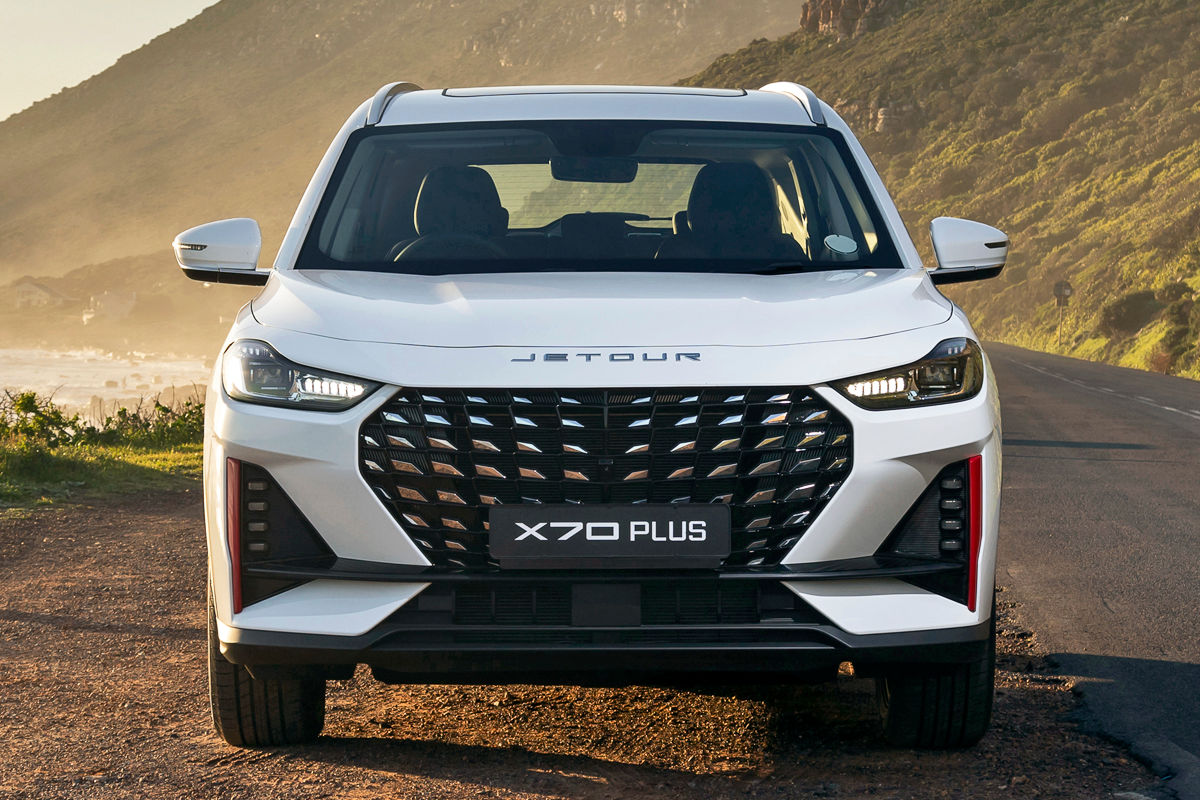
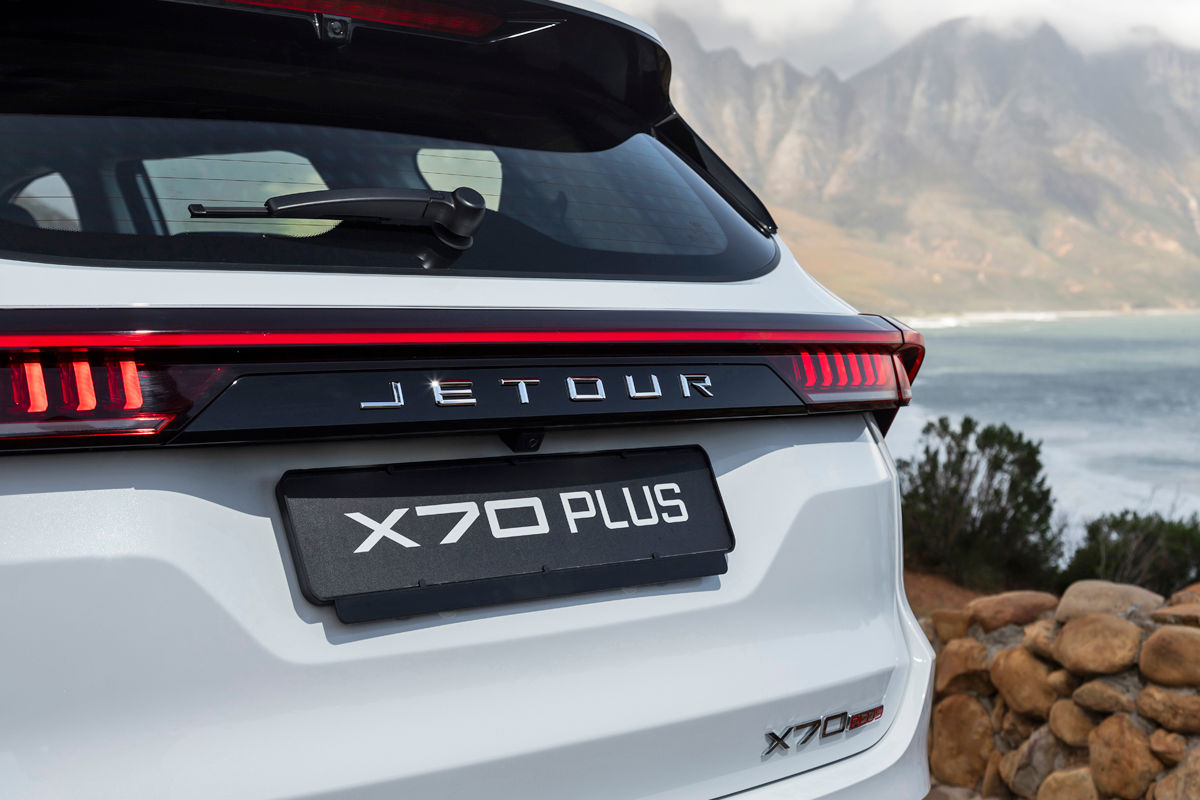
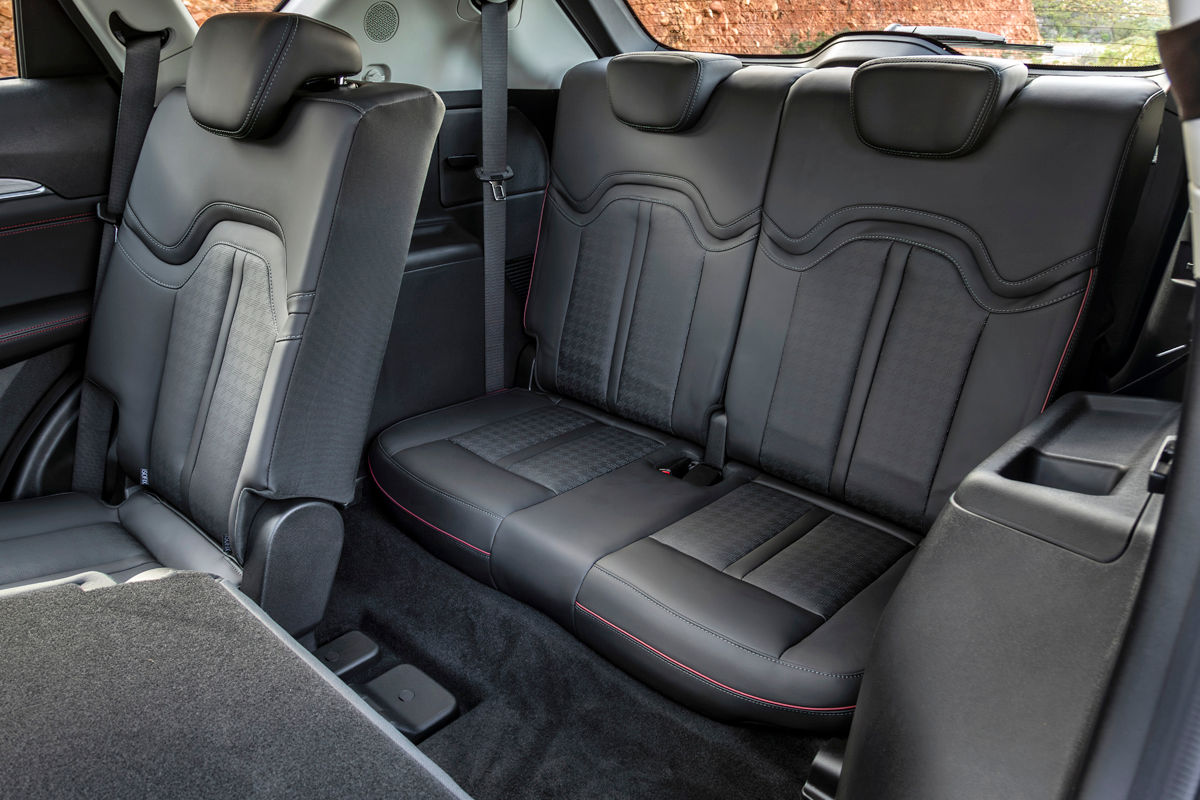
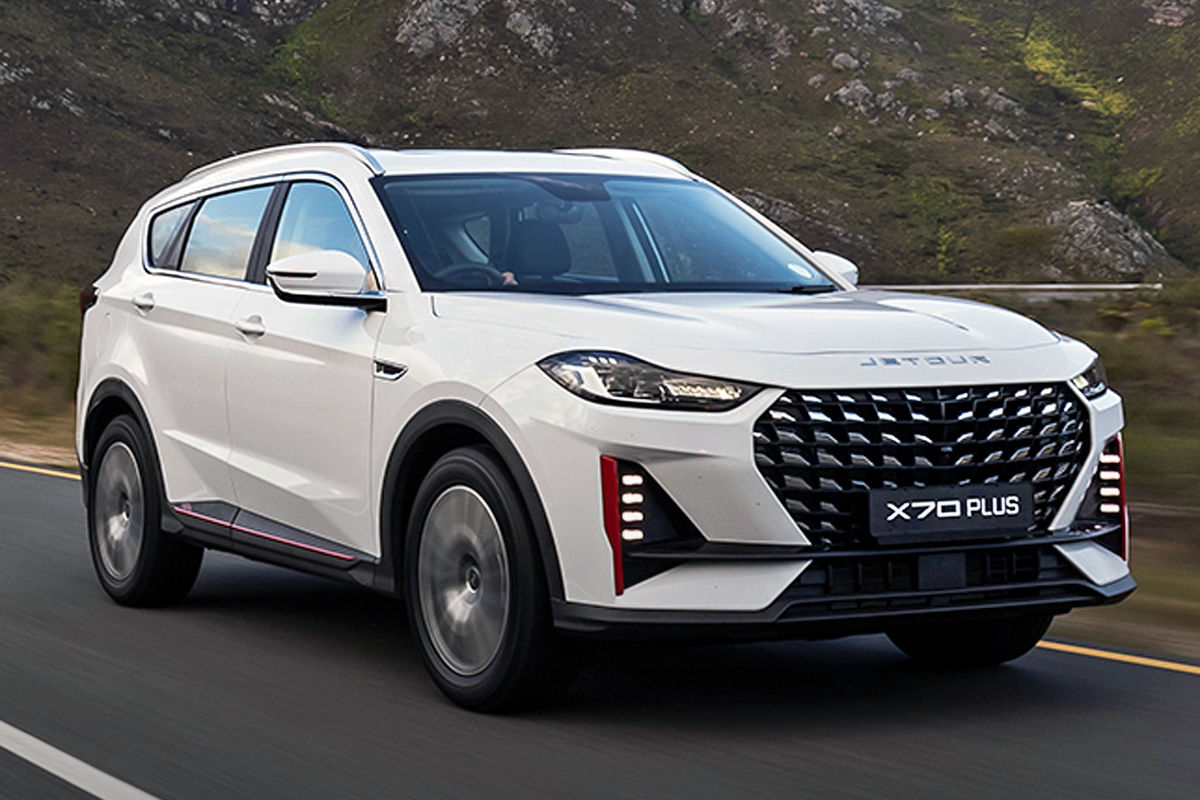
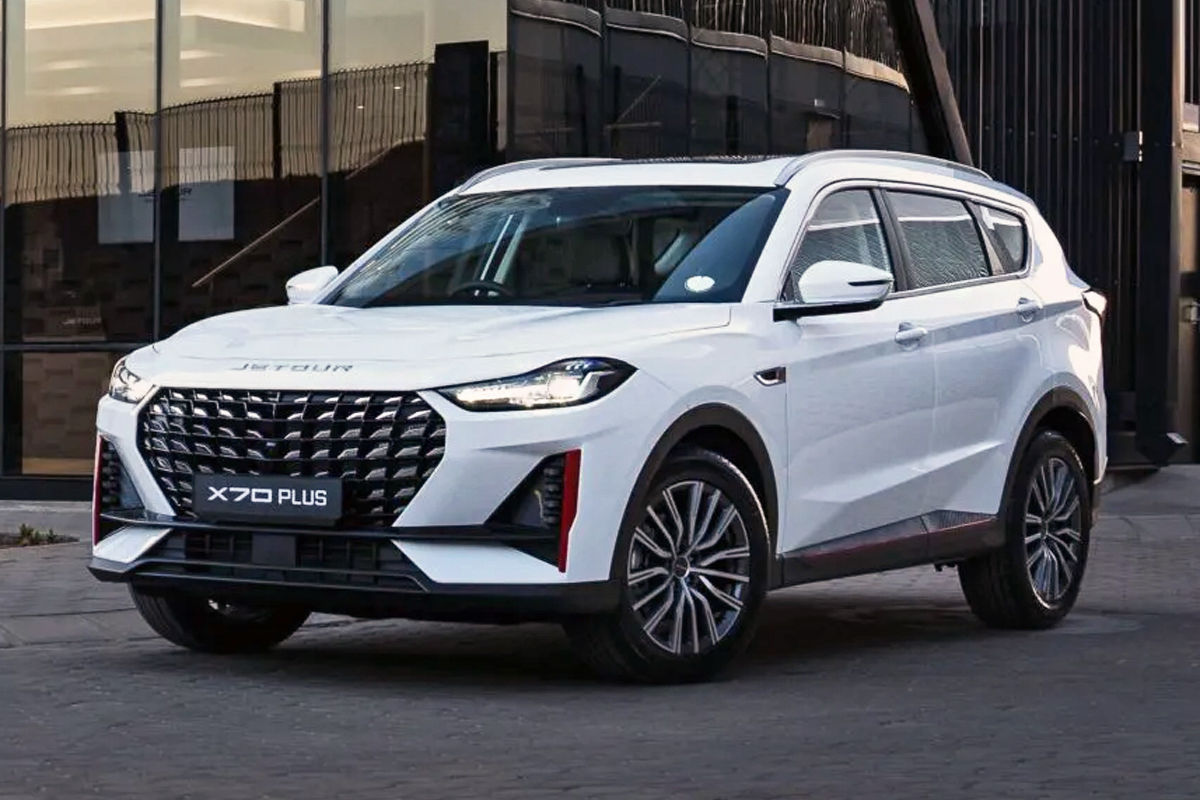
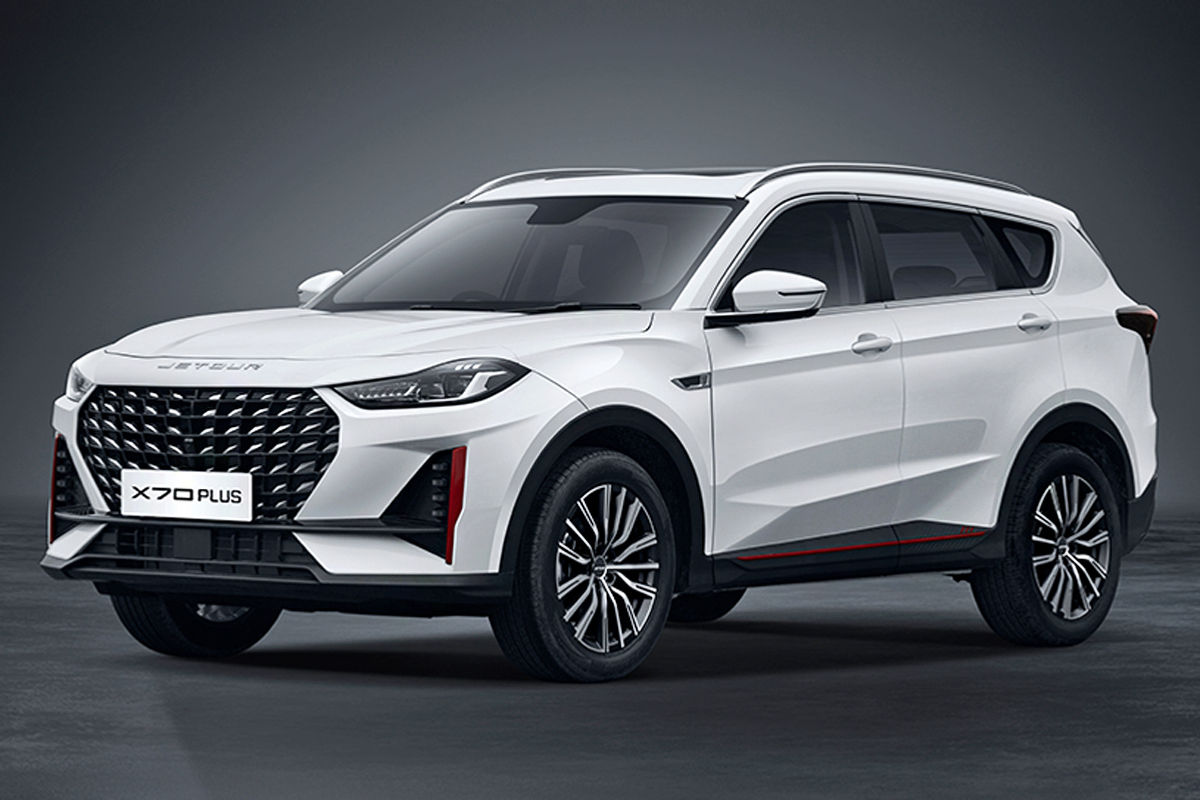
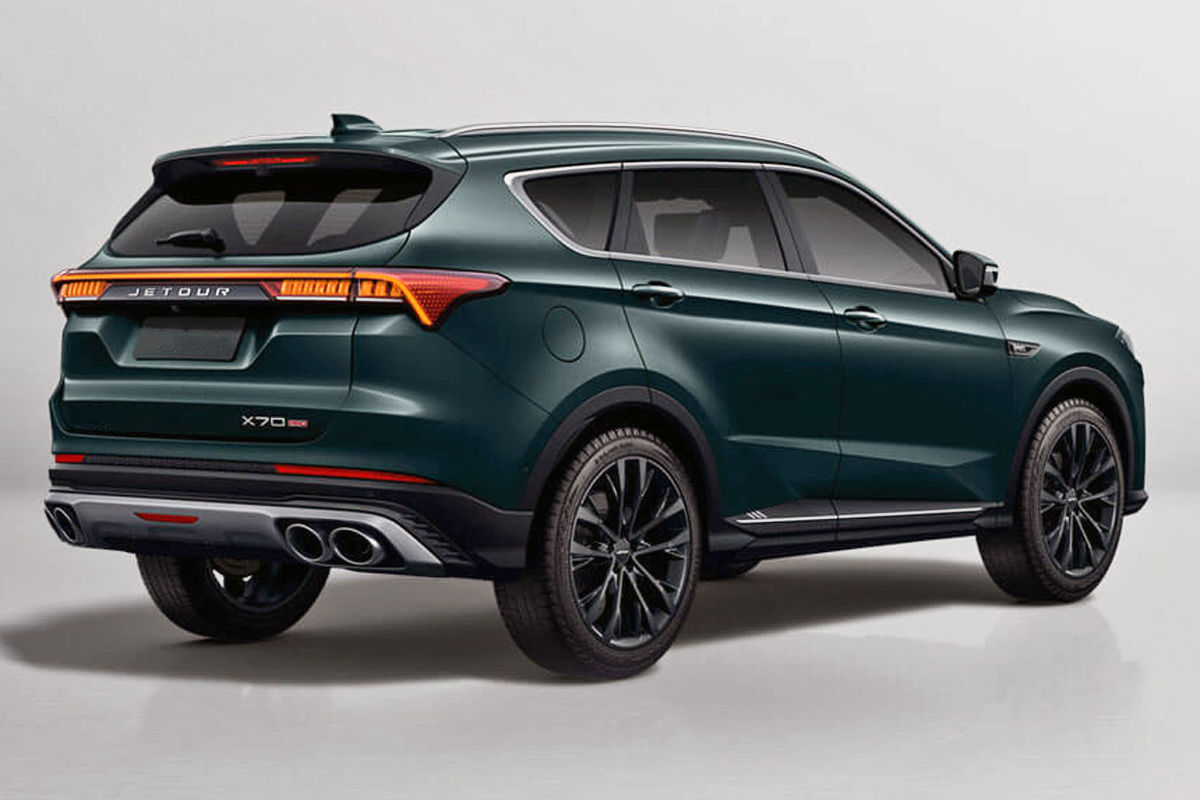
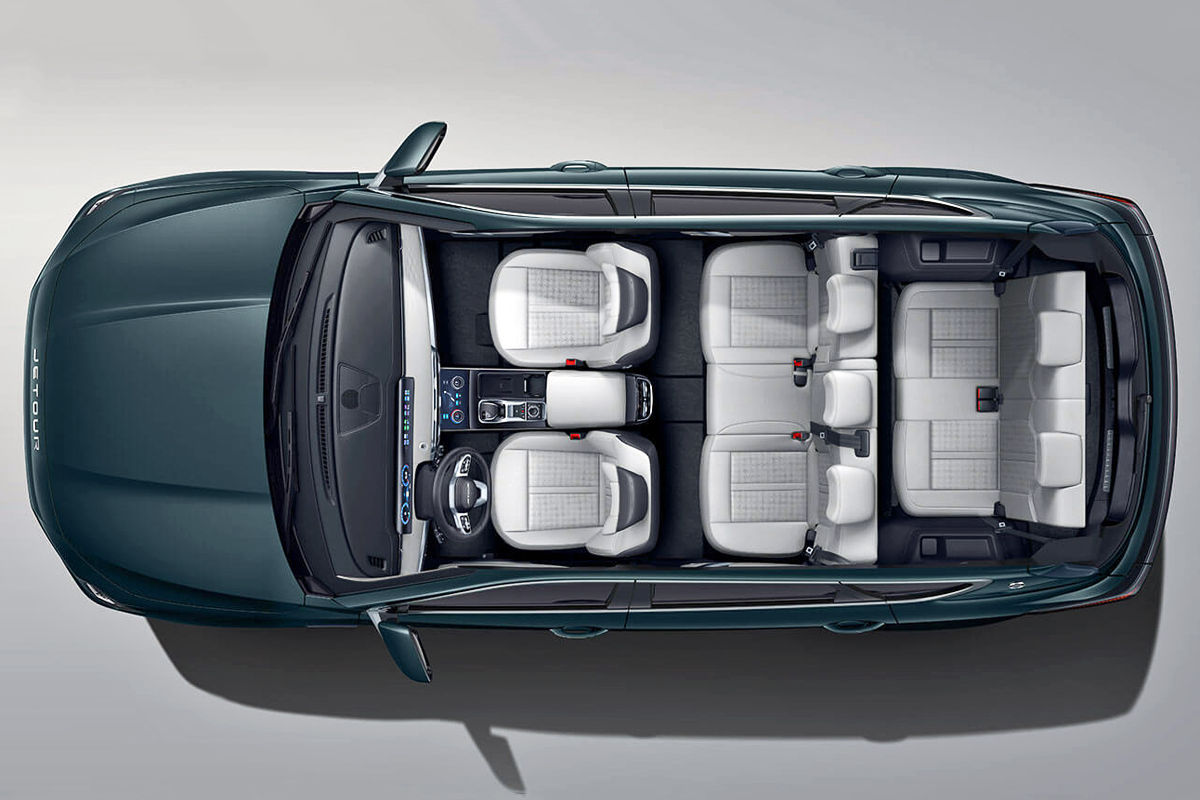
The Jetour X70 Plus has launched in South Africa as one of the Chinese brand’s first models, alongside the Dashing. Here’s how much this 7-seater crossover costs…
Chinese marque Jetour has launched in South Africa, owned by the Chery Group but describing itself as an “independent brand”. We’ve already brought you local pricing for the Dashing and now we’re taking a look at exactly how much the Jetour X70 Plus costs.
The X70 Plus line-up – not to be confused with Proton’s X70 range – comprises a pair of derivatives at launch, each powered by the same turbocharged 1.5-litre, 4-cylinder petrol engine employed by the 5-seater Dashing.
As it does in that model, the petrol mill in the 3-row X70 Plus delivers 115 kW and 230 Nm to the front axle via a 6-speed dual-clutch transmission as standard, while the claimed combined fuel economy comes in at 7.8 L/100 km. The Jetour X70 Plus 1.5T Momentum starts at R454 900, with the Jetour X70 Plus 1.5T Deluxe priced from R484 900.
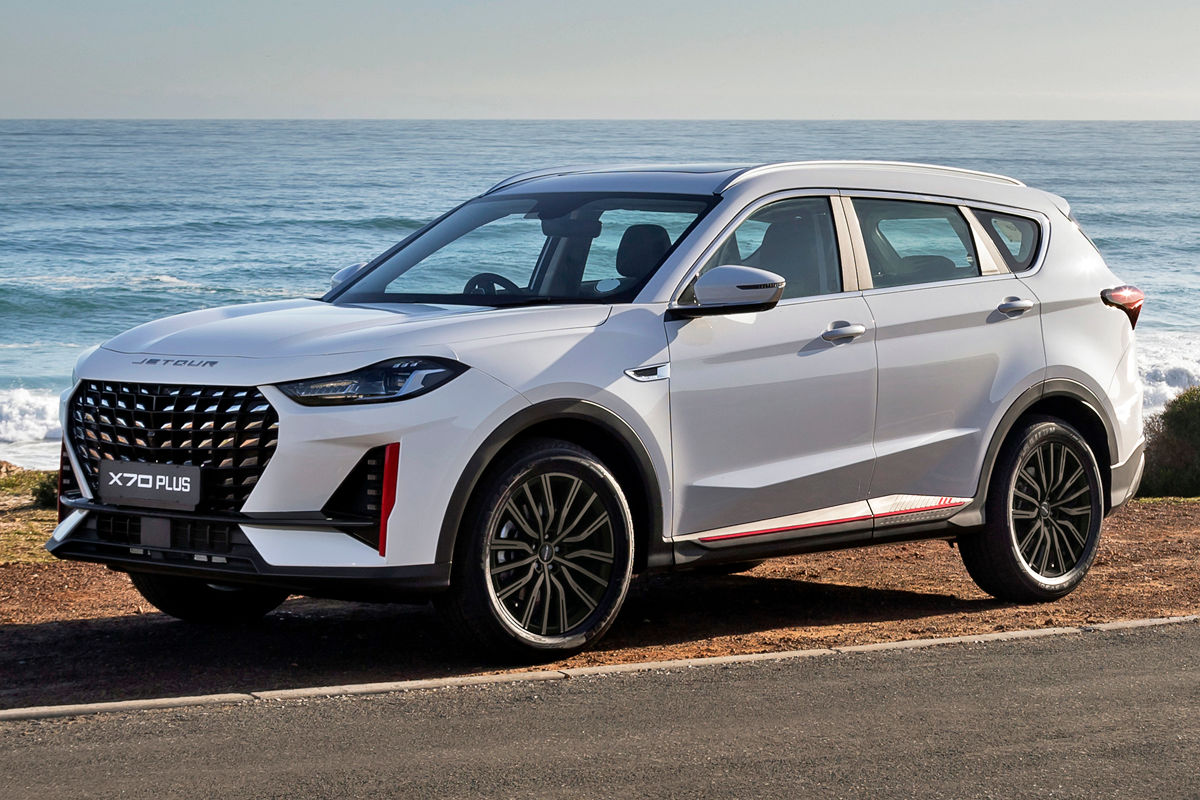
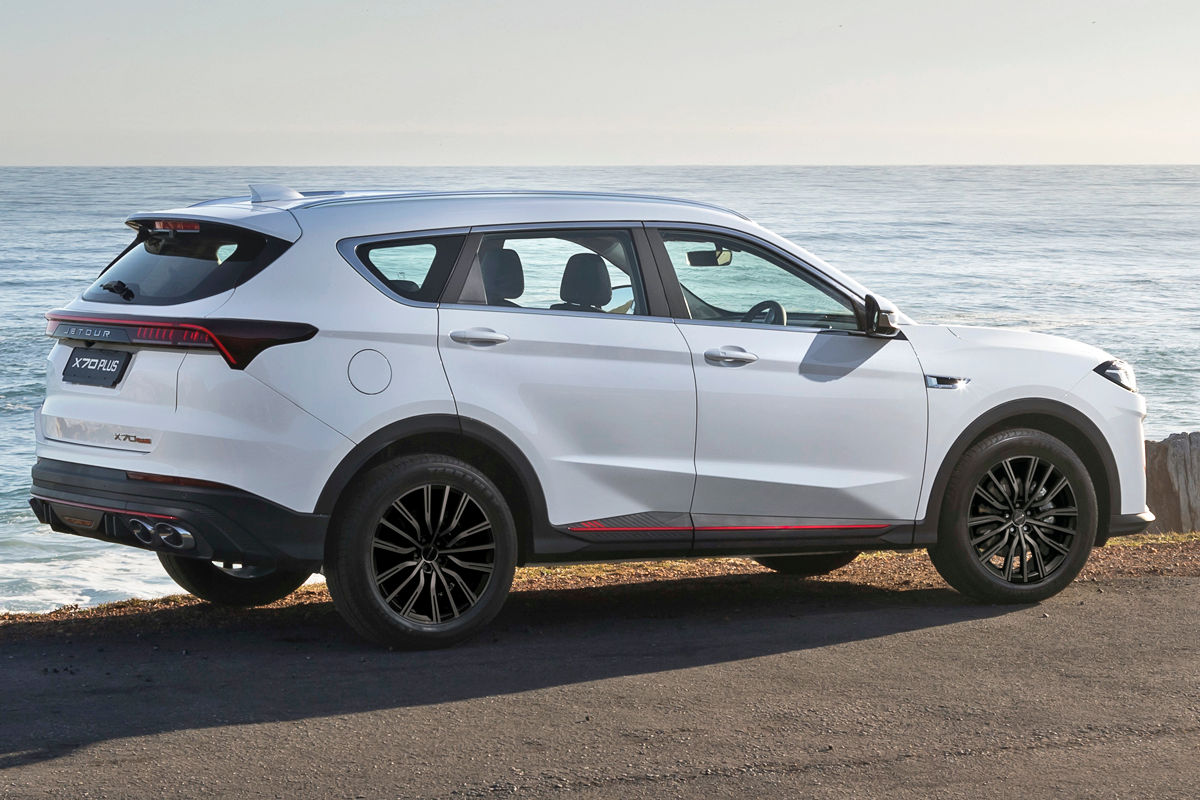
The X70 Plus measures 4 724 mm from nose to tail and has a wheelbase of 2 720 mm. For reference, that makes it a mere 4 mm longer than the Chery Tiggo 8 Pro, with an extra 10 mm between its axles. Interestingly, the version of the X70 Plus offered in South Africa looks a little different from the vehicle listed on the brand’s global website. The SA-spec model appears to share styling with the “X70 Pro” offered in China, complete with a more intricate grille design and a more aggressive body kit.
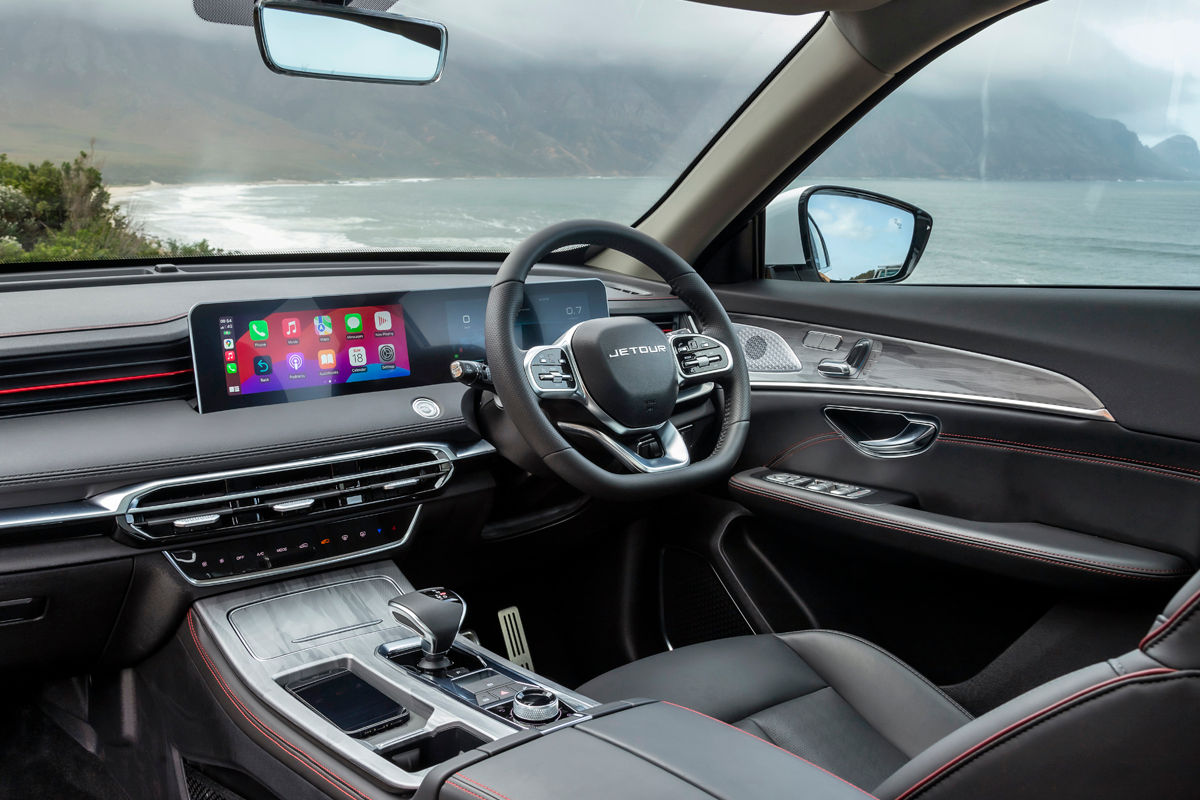
The Momentum trim level includes features such as 19-inch alloy wheels, keyless entry, rear parking sensors, a reverse-view camera, faux-leather upholstery, a 10.25-inch touchscreen infotainment system, a 10.25-inch digital instrument cluster, wireless smartphone charging, automatic LED headlamps, an electrically operated tailgate, electric adjustment for the driver’s seat and ambient interior lighting.
Meanwhile, the Deluxe specification adds items such as a 360-degree camera parking system, a panoramic glass sunroof, electric adjustment for the front passenger seat, rain-sensing wipers and extra speakers (for a total of 6). While the Momentum grade ships standard with 4 airbags, the Deluxe adds side-curtain airbags to take the total to 6.
Standard safety features across the 2-derivative range include ABS with EBD, electronic stability control, traction control, hill-hold control, hill-descent control, ISOfix child-seat anchors and tyre-pressuring monitoring. Deluxe adds driver-assistance features such as blind-spot detection, lane-change assist and rear cross traffic alert.
The X70 Plus comes with a 5-year/150 000 km vehicle warranty, a 10-year/1-million km engine and a 5-year/60 000 km service plan. Jetour South Africa says it has already set up 40 dealerships across the country and started building up stock of spare parts at its Johannesburg headquarters.
How much does the Jetour X70 Plus cost in SA?
Jetour X70 Plus 1.5T Momentum – R454 900
Jetour X70 Plus 1.5T Deluxe – R484 900
The X70 Plus ships standard with a 5-year/150 000 km warranty (along with a 10-year/1-million km warranty specific to the engine and likely linked to the original owner) and a 5-year/60 000 km service plan.
*This article was originally published on 17 September 2024 as a pricing scoop and has since been updated with specification details and fresh images.
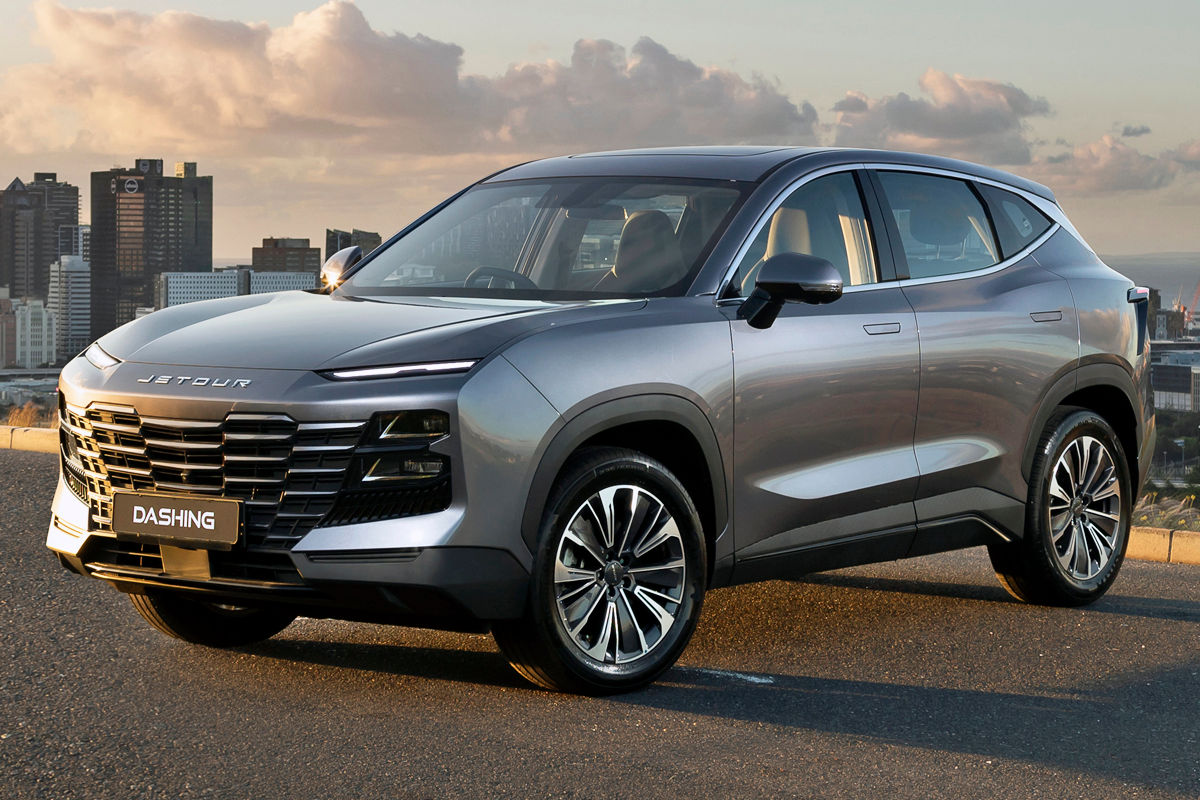
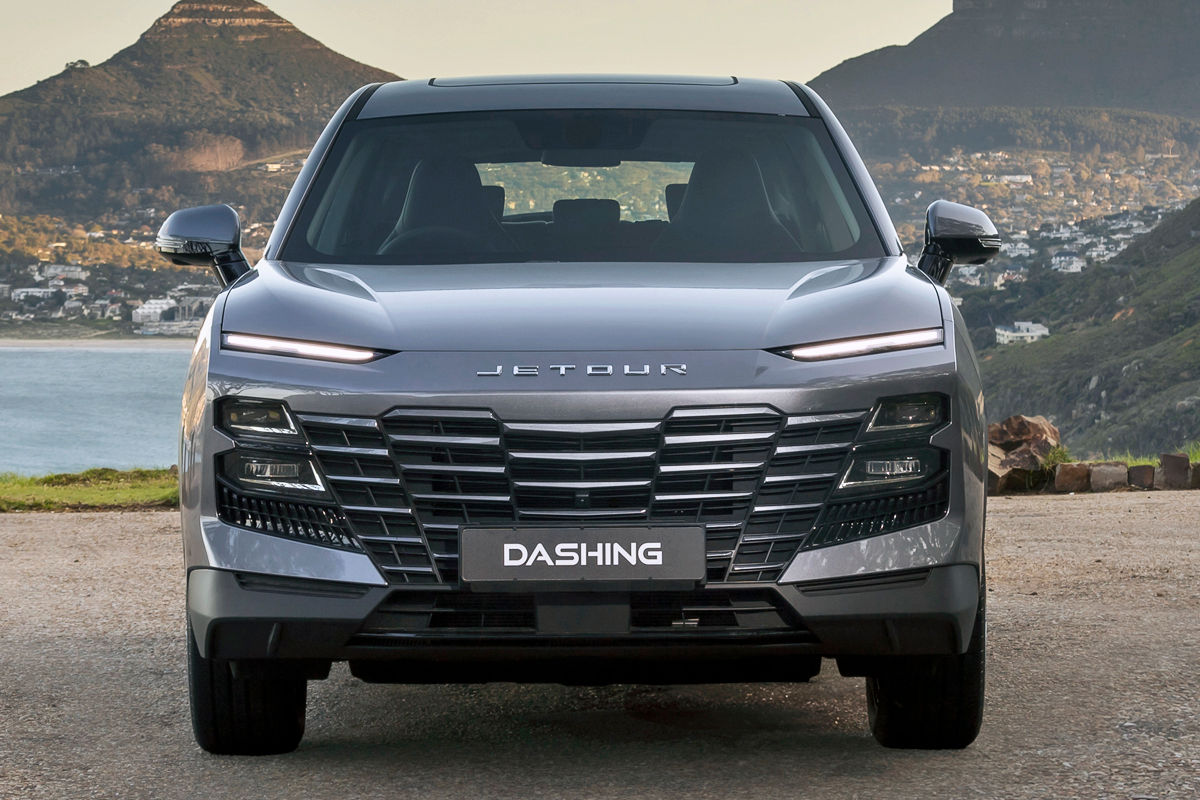
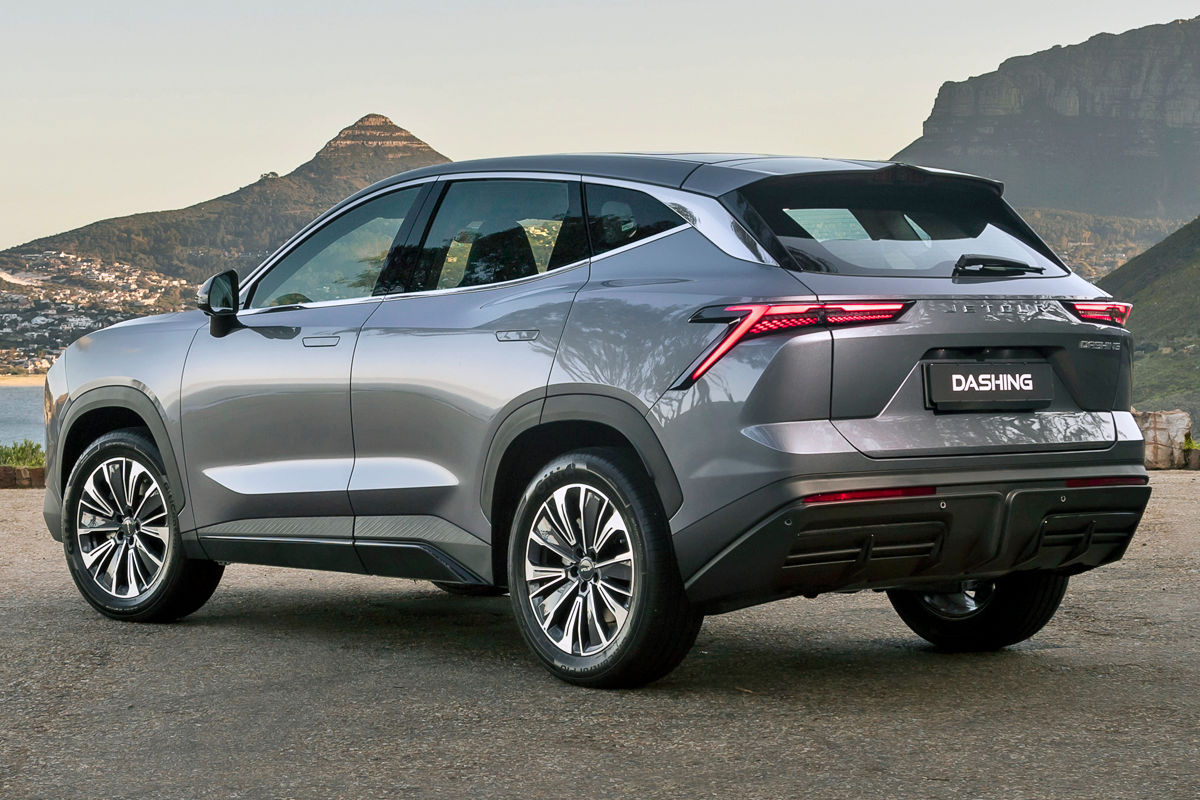
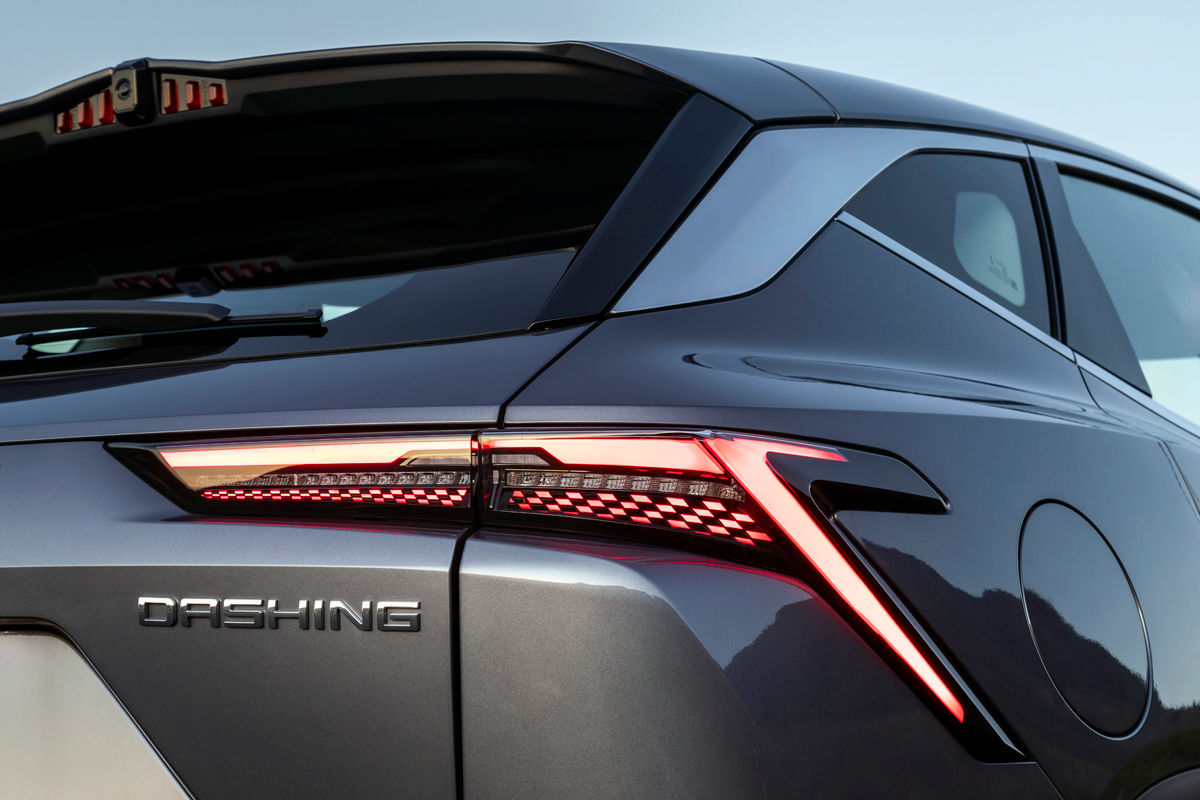
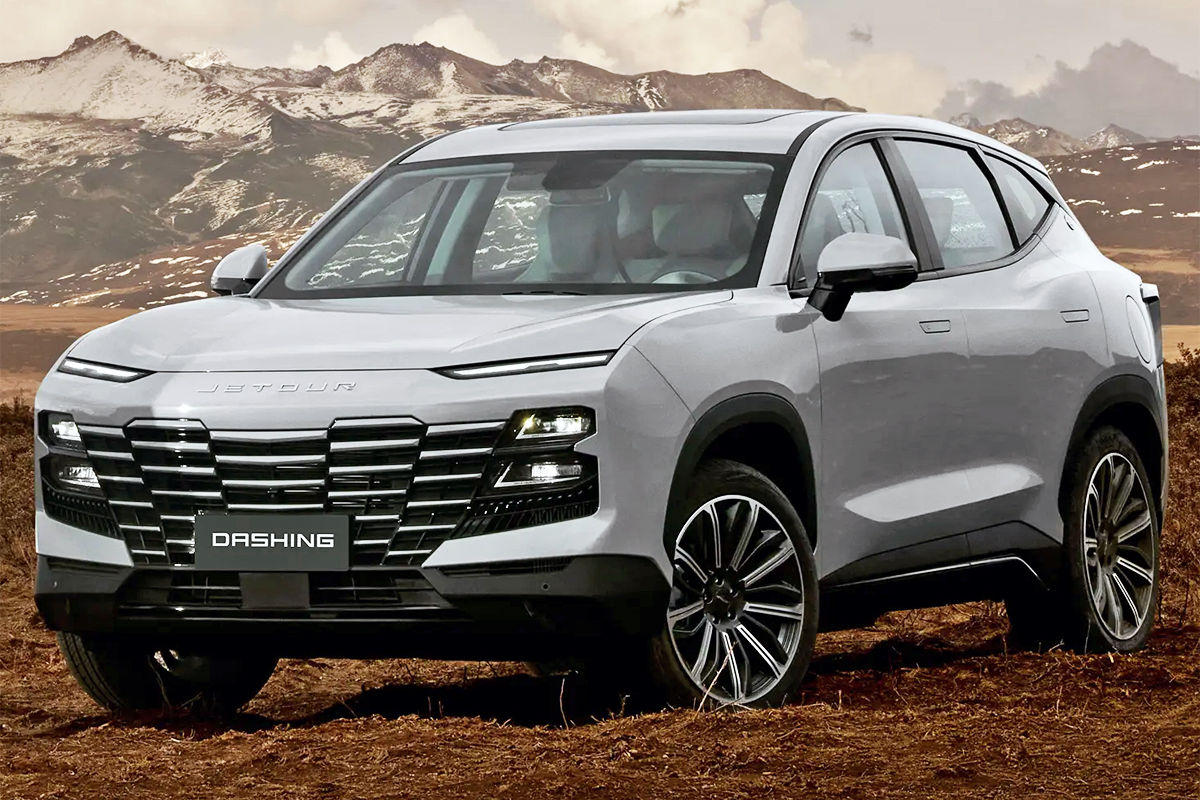
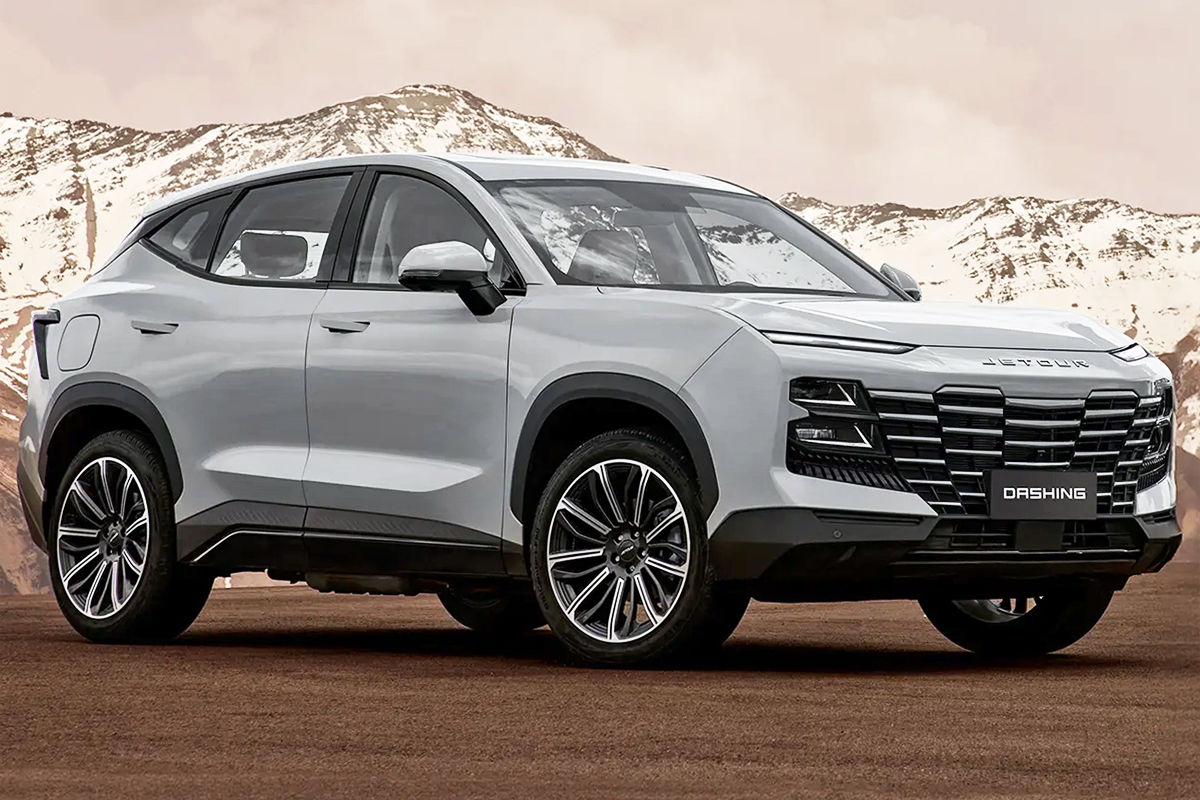
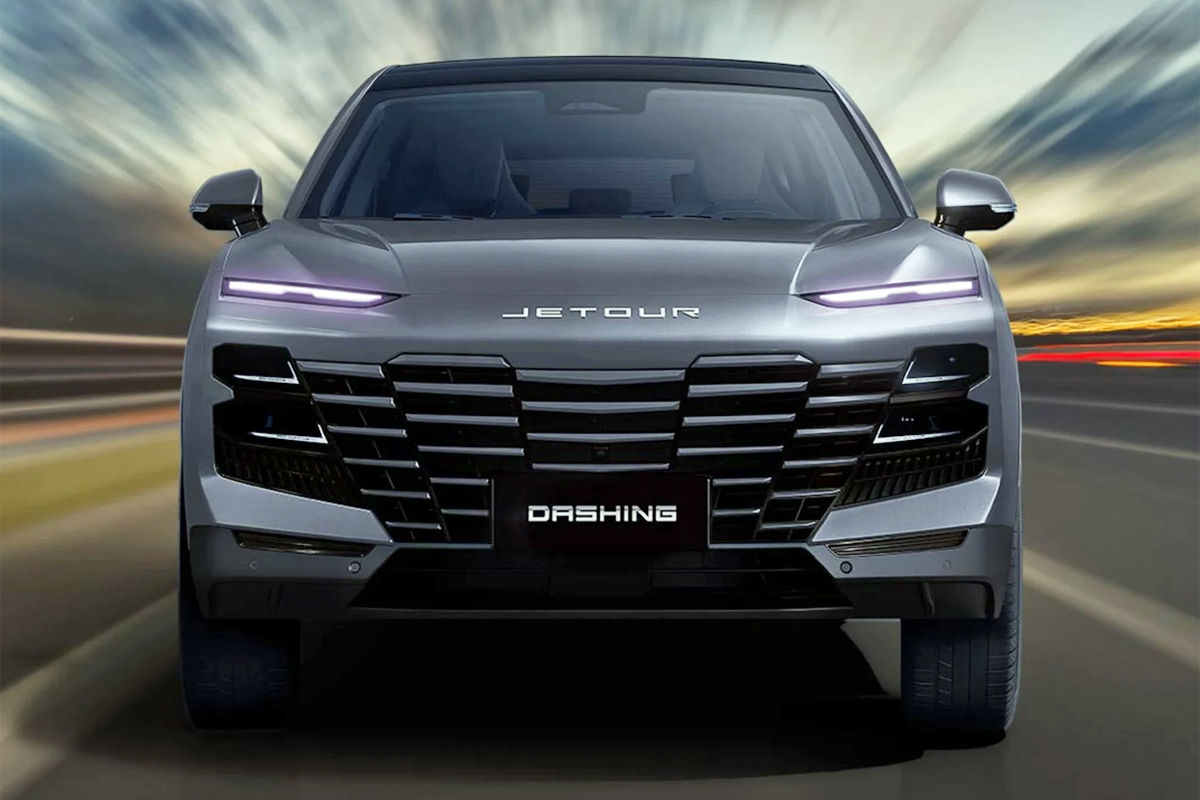
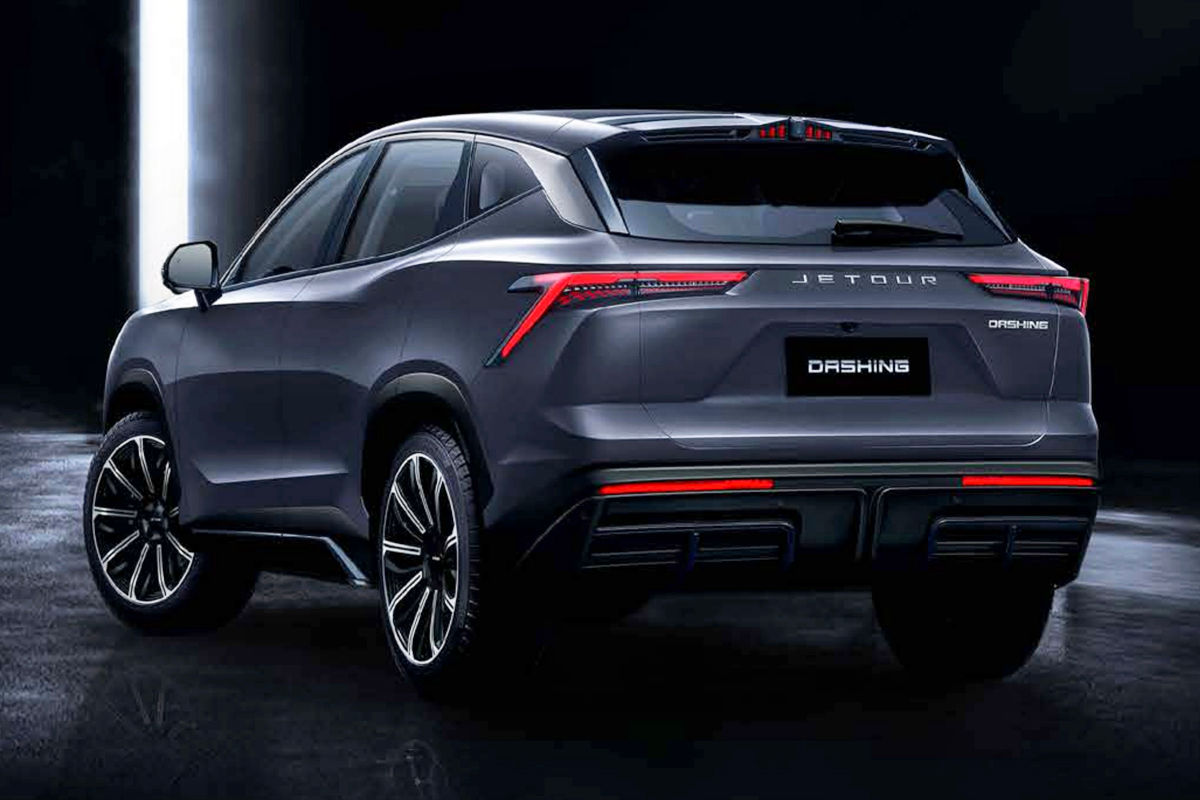
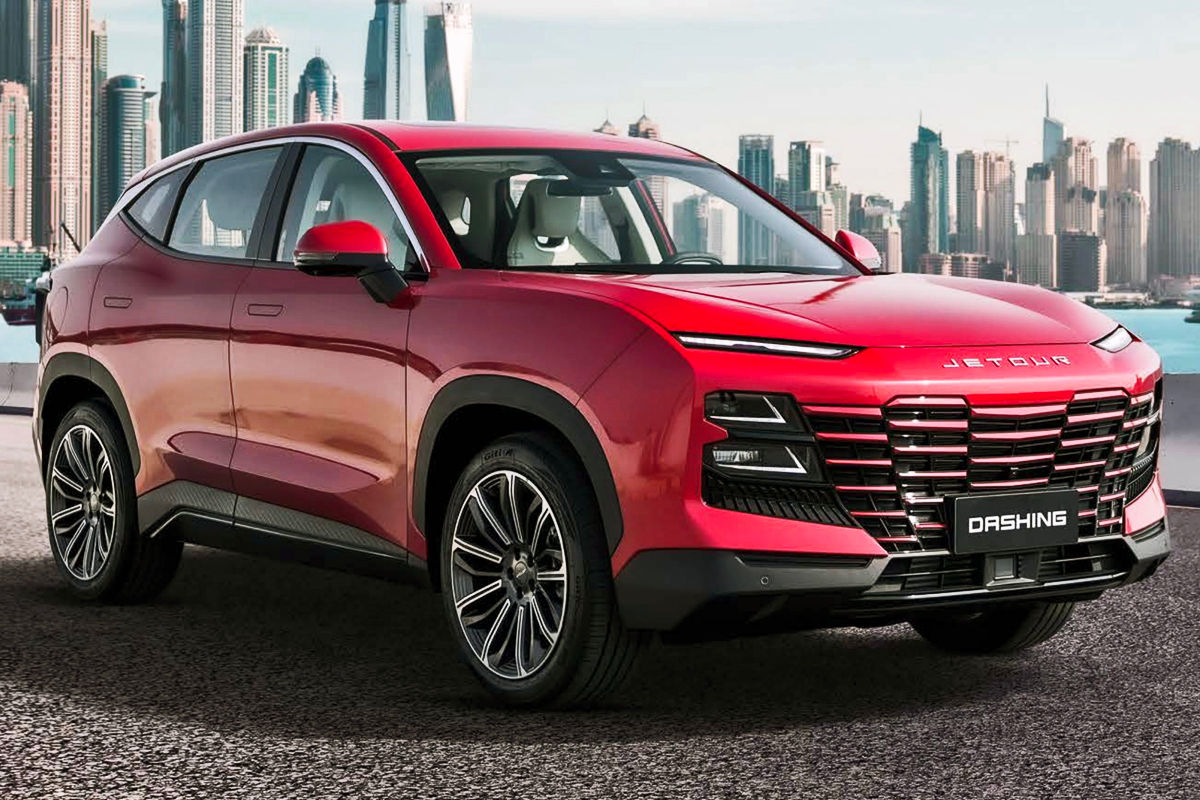
Chinese brand Jetour has launched in South Africa, with one of its first models being the Jetour Dashing. Here’s how much this 5-seater crossover will cost you…
Yes, another Chinese brand has launched in South Africa: meet Jetour. Owned by the Chery Group but describing itself as an “independent brand”, the newcomer kicks off its local operations with a pair of crossovers: the Jetour Dashing and the Jetour X70 Plus.
The local Dashing line-up comprises 2 derivatives at launch, each powered by a turbocharged 1.5-litre, 4-cylinder petrol engine sending 115 kW and 230 Nm to the front wheels via a 6-speed dual-clutch transmission. The claimed combined fuel economy comes in at 7.8 L/100 km.
The Dashing 1.5T Momentum is priced at R439 900, while the Dashing 1.5T Deluxe comes in R30 000 higher at R469 900. For the record, the Dashing measures 4 590 mm from front to rear (with a wheelbase of 2 720 mm), making it around 90 mm longer than the Chery Tiggo 7 Pro (with an extra 50 mm between its axles, too).
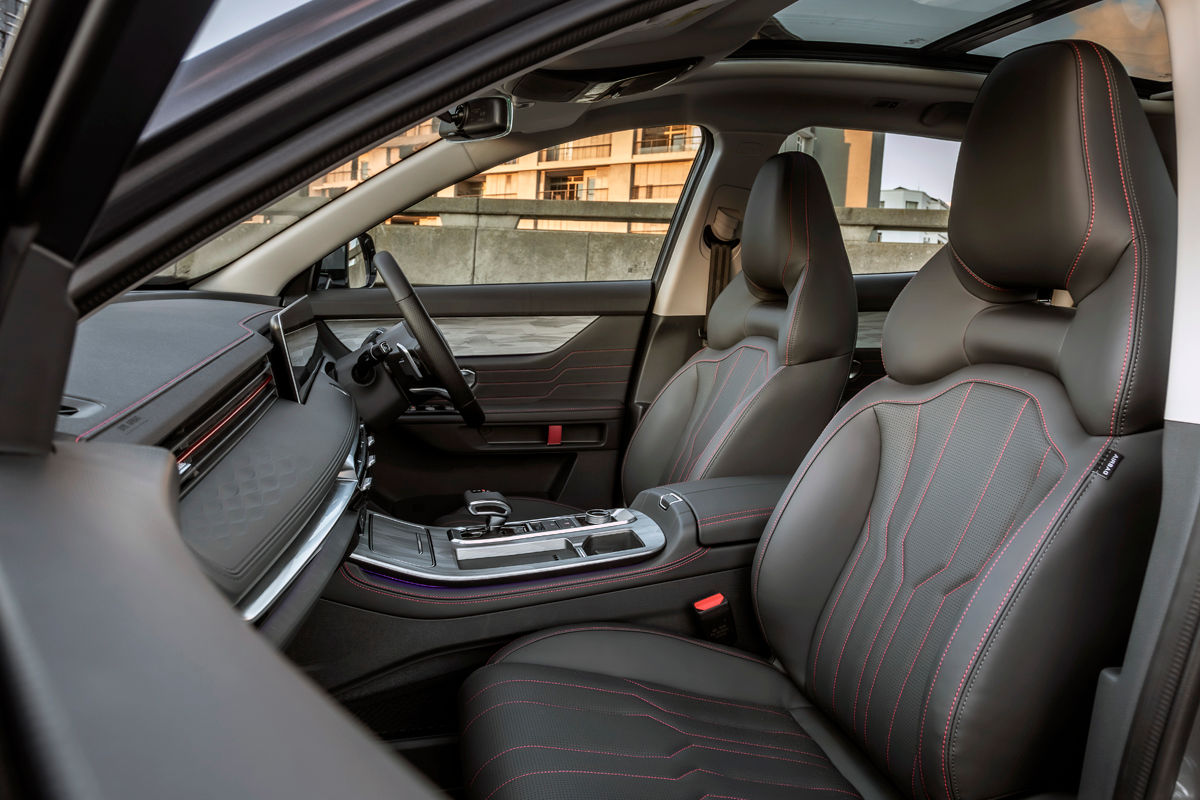
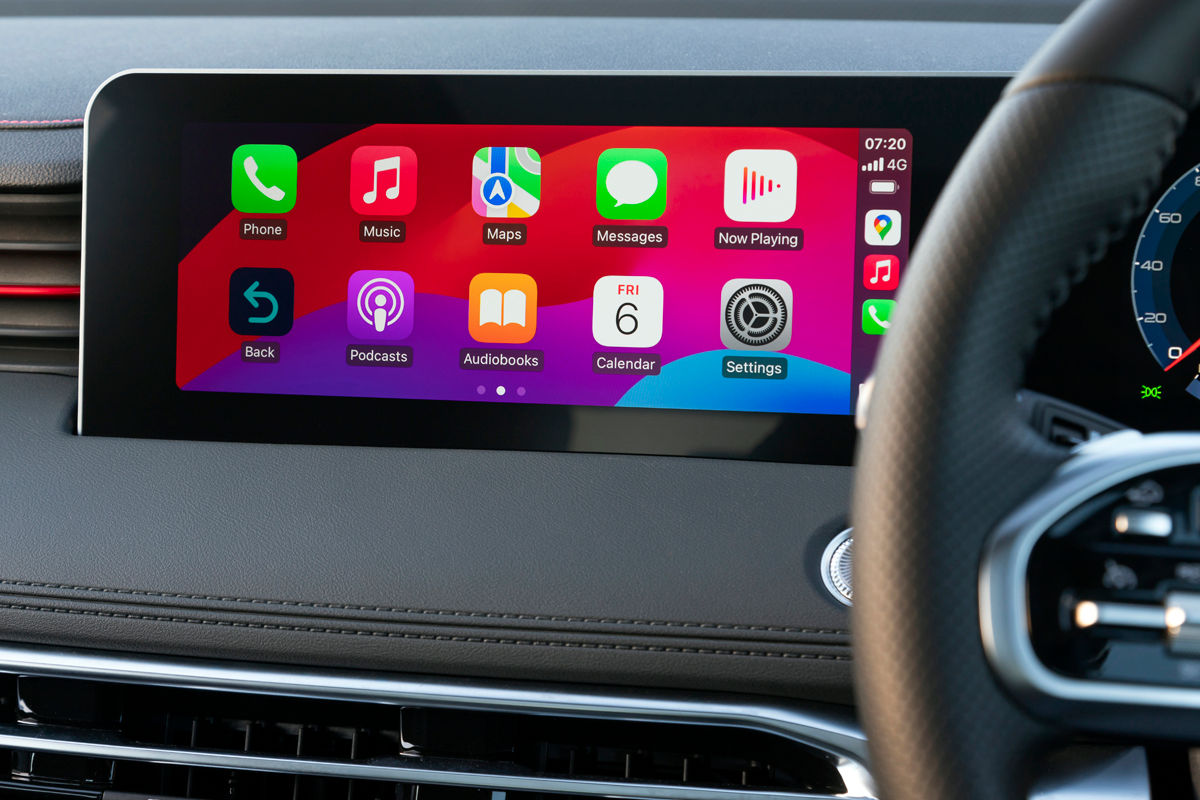
The Momentum grade includes features such as 19-inch alloy wheels, keyless entry, an electrically operated tailgate, electrically adjustable driver’s seat, faux-leather upholstery, a 10.25-inch touchscreen infotainment system, a 10.25-inch digital instrument cluster, wireless smartphone charging, rear parking sensors, reverse-view camera and automatic LED headlamps.
The Deluxe trim level, meanwhile, adds items like a panoramic sunroof, 8-colour interior ambient lighting, extra speakers (for a total of 6), rain-sensing wipers, electric adjustment for the front passenger seat, a 360-degree parking assist system and various additional driver-assistance features (blind-spot detection, lane-departure assist and the like).
While the Momentum grade comes with 4 airbags, the Deluxe adds side-curtain airbags for a total of 6. Standard safety features across the 2-derivative range include ABS with EBD, electronic stability control, traction control, hill-hold control, hill-descent control, ISOfix child-seat anchors and tyre-pressuring monitoring.
Jetour products (just like those from the Chery brand) ship standard with a 10-year/1-million km warranty specific to the engine. The Dashing furthermore features a 5-year/150 000 km vehicle warranty and a 5-year/60 000 km service plan. Jetour South Africa says it has already set up 40 dealerships across the country and started building up stock of spare parts at its headquarters in Johannesburg.
How much does the Jetour Dashing cost in South Africa?
Jetour Dashing 1.5T Momentum – R439 900
Jetour Dashing 1.5T Deluxe – R469 900
The new Dashing ships standard with a 5-year/150 000 km warranty (along with a 10-year/1-million km warranty specific to the engine and likely linked to the original owner) and a 5-year/60 000 km service plan.
*This article was originally published on 16 September 2024 as a pricing scoop and has since been updated with specification details and fresh images.
Best Used Budget Hatchbacks in South Africa (2024-2015)
If you are looking to buy one of the best used budget hatchbacks in South Africa right now, what should you buy? #CarsAwards judge, Gero Lilleike explores the past Budget Car category winners and examines what’s on offer in the used car market. Take a look!
If you’re looking for the best used budget hatchbacks and only want the best options available in the used car market then you needn’t look further than the past #CarsAwards Budget Car winners!
Nearly a decade ago, Cars.co.za set out to establish South Africa’s most definitive and trusted car awards programme to recognise the best cars available in the new car market across various categories while simultaneously giving South African consumers the knowledge and power to make the best car buying decisions possible.
Since its inception in 2015, the Cars.co.za Awards, or #CarsAwards, has to date delivered 7 iterations of the programme, with the 8th instalment of the prestigious programme already underway to determine the best new cars in the local market for 2024/25.
The #CarsAwards finalists represent the best cars across 13 categories.
With almost a decade of #CarsAwards category winners on offer in the used car market, these cars still carry the recognition of the ultimate accolade and while they were acknowledged as the “best new buys” in their respective segments at the time, they can now be regarded as some of the best used budget hatchbacks you can buy.
As the saying goes, “Once a champion, always a champion” and consumers would be wise to at the very least have the past #CarsAwards winners on their shortlists when shopping for a used car.
With the above in mind, this article highlights the winners in the Budger Car category across all 7 iterations of the Cars.co.za Consumer Awards and will provide you with direct links to used car stock on Cars.co.za. We will also mention the runner-up finalists as they are also well worth consideration in your used car buying journey.
Which one of these award-winning, best used budget hatchbacks or finalists would you buy in the used car market? Let us know!
The cars on this list are ordered from the most recent #CarsAwards winner to the first winner back in 2016.
Best Used Budget Hatchbacks in South Africa (2024-2015)
Suzuki Baleno 1.5 GLX (2023/24)
The Suzuki Baleno 1.5 GLX was recognised as the best budget hatchback in the 2023/24 #CarsAwards and is one of the best used budget hatchbacks on the market.
The Baleno is powered by an economical, naturally-aspirated 1.5-litre petrol with 77 kW and 138 Nm of torque and is paired with a 5-speed manual transmission or a 4-speed automatic transmission.
The Suzuki Baleno has been available in South Africa since 2016 and used car buyers have a wide range of options to choose from. The updated Baleno launched in South Africa in 2022.
The runners-up in the Budget Car category of the 2023/24 #CarsAwards sponsored by Absa include the Renault Clio 1.0 Turbo Zen and the Toyota Starlet 1.5 XR.
This iteration of the Starlet was fitted with a naturally-aspirated 1.4-litre petrol engine that delivers 68 kW and 130 Nm of torque and was offered with either a 5-speed manual or 4-speed automatic transmission.
The Toyota Starlet and indeed its Suzuki Baleno counterpart, represents excellent value as a used car buy. If you’re not sure which one to buy, take a look at our comprehensive comparison article which will help you decide.
There are currently over 750 used Toyota Starlets for sale on Cars.co.za!
The Swift 1.2 GL scooped the Budget Car category win in the 2018/19 #CarsAwards and followed up with another win in the 2019/20 iteration of the #CarsAwards where the Suzuki Swift 1.2 GLX took the category win with its tried-and-tested 1.2-litre naturally aspirated engine doing duty under the bonnet with 61 kW and 113 Nm of torque available and paired with a 5-speed manual or 4-speed automatic transmission.
Pricing for a new Suzuki Swift starts from R213 900 (Swift 1.2 GA) and goes up to R272 900 for the Swift 1.2 GLX.
Cars.co.za currently has well over 1 000 used Suzuki Swifts for sale and you can drive away in a low-mileage, award-winning Swift 1.2 GLX from about R120 000 while a low-mileage Swift 1.2 GL can be had for around R100 000.
There’s much to like about the Ignis and with a frugal 1.2-litre petrol engine under bonnet delivering 61 kW and 113 Nm of torque, this is a peppy urban runabout. The Suzuki Ignis arrived in South Africa in 2017 with an updated Ignis coming to market in 2020.
There are many attractive used Ignis’ for sale in the used car market and budget-conscious buyers would be wise to have the Ignis on their shortlist.
The long-standing Suzuki Celerio 1.2 GL is a budget car stalwart and when it arrived in South Africa in 2015, it became Suzuki’s entry-level budget car offering and became the Budget Car category champion in the 2016/17 #CarsAwards.
The first generation Celerio is fitted with a 4-cylinder, 1.0-litre naturally aspirated petrol engine that delivers 50 kW and 90 Nm while the second generation Celerio is powered by a 49 kW/89 Nm 1.0-litre, 4-cylinder petrol engine.
With over 200 used Celerios currently for sale on Cars.co.za, buyers are not short of choice and the Celerio is particularly attractive for buyers with a budget under R100 000.
The second-generation Renault Sandero came to market in 2014 fitted with Renault’s 0.9-litre, 3-cylinder turbopetrol engine paired with a 5-speed manual transmission. A facelifted Sandero arrived in South Africa in 2017.
The Sandero and the later Sandero Stepway were popular in South Africa and as a result there are numerous examples available in the used car market.