BMW owners and enthusiasts flocked to Mall of Africa last month to celebrate the best local examples of the Munich-based brand’s modern-classic models at the BMW Car Club Gauteng Concours d’Elegance 2024.
IMAGES: Stefan Kotze
Again sponsored by iTOO, the annual BMW Car Club Gauteng Concours d’Elegance attracted not only club members, but also a large crowd of brand aficionados who could not only ogle the beautiful metal on display, but also choose from a wide variety of BMW branded merchandise.
South Africans’ love affair with this brand certainly is passionate!
Also on display and receiving a lot of attention (and pre-orders) was the officially endorsed book on BMW’s Unique South African Story. The stunningly detailed and comprehensive publication was a labour of love for authors Marek Letowt and Johann Venter, and has now gone to print.
Limited quantities remain, so if you would like to add this to your library, order your copy now!
In this, the 43rd staging of the Concours since its inception in 1981, 5 major trophies were handed out, with a further three special awards for Best M car, Best 5 Series and Best 325is.
Joining the cars vying for Concours honours was a magnificent display of historically significant BMW production cars, as well as racing machines. Uniquely South African BMWs, such as the E30 333i, E23 745i and very rare 2004 as well as 2000 SA could be viewed.
This year, Cars.co.za’s Hannes Oosthuizen was part of the exterior judging team (he judged cars’ interiors during the 2023 event). See also:Highlights from BMW Concours d’Elegance 2023
“Though there were fewer cars, the quality of the entrants was certainly of an extremely high standard,” Oosthuizen said.
“We used a lot of earbuds to find dirt that a casual, or even a keen observer, would not have been able to spot. I was also particularly impressed with the originality of the top-scoring cars – the two E36 M3s looked pretty much brand new!”
Riaan Writes’ 1995 E36 325i Convertible took the trophy in the Show and Shine category with a total of 94 points. He even had the car’s original hard-top on display.
Andre Alleman’s 1988 E30 325i Shadowline emerged victorious in the D’Elegance category with a score of 122.5 points.
In the hotly-contested D’Etat category, only one point separated the winner from the runner-up. In second was Yaseen Cassim’s stunning E36 M3 (126 points) with the trophy going to Dhiresh Dewnaryan’s beautifully prepped 2012 E92 M3.
In the D’Honneur Preserved category the silverware went to Preenie Pillay for his stunningly original (and mint) E30 325is. It is rare to see an original Evo 2 Gusheshe with its black chin spoiler.
The final big trophy (in the D’Honneur Restored category) went to the ’89 E30 318 Coupe belonging to Bilaal Mia.
Dewnaryan’s E92 M3 also took the Best M Car award, and Pillay’s E30 325is deservedly received the Best 325is trophy. The Best 5 Series award went to the rare red E60 M5 owned by Guy Patron.
The facelifted BMW 4 Series Gran Coupé will again be offered exclusively in M Sport guise in South Africa. Here are the derivatives available and what they cost…
The BMW 4 Series Gran Coupé was handed a facelift in April 2024. Now, ahead of the launch of this updated G26-generation 4-door model in South Africa, we’ve found local pricing.
In Mzansi, the line-up again kicks off with the 420i Gran Coupé and 420d Gran Coupé, which still come standard in M Sport guise. Interestingly, however, there’s no sign of the updated 6-cylinder M440i xDrive Gran Coupé (nor the revised fully electric i4) yet.
According to BMW SA’s online configurator, the 420i Gran Coupé M Sport is priced from R1 012 067, representing a R63 504 increase over the pre-facelift version. Meanwhile, the refreshed 420d Gran Coupé M Sport now starts at R1 059 044, a R63 671 hike over the outgoing iteration.
However, it’s worth keeping in mind the configurator forces the selection of the otherwise-optional Parking Assist Plus, with this R13 000 included in the figures above. For the record, the website says “it is currently not possible to remove” this option from the configuration “due to product updates”.
As a reminder, the 420i employs a turbocharged 2.0-litre, 4-cylinder petrol engine that sends an unchanged 135 kW and 300 Nm to the rear axle via an 8-speed automatic transmission. The 0-100 kph time is listed as 7.9 seconds, with the claimed combined fuel economy coming in at 6.5 L/1 00km.
The 420d, meanwhile, uses a 2.0-litre, 4-cylinder turbodiesel motor delivering 140 kW and 400 Nm to the rear wheels (also through an 8-speed auto). From what we can tell, the updated version of this oil-burning powertrain gains a 48V mild-hybrid system capable of temporarily contributing 8 kW. Expect a 0-100 kph time of around 7.3 seconds and a consumption of approximately 5.0 L/100 km.
Options for the facelifted BMW 4 Series Gran Coupé in South Africa include 20-inch BMW Individual alloy wheels (for R10 000 to replace the standard 19-inch items), the M Sport Package Pro (R30 000), the M Carbon exterior package (R35 000) and the Deluxe Package (adding items like a sunroof, keyless entry, electrically adjustable front seats and a Harman Kardon surround-sound system, for an additional R60 000).
Extras such as adaptive M suspension (R10 000), M Sport brakes (R14 000), M Sport seats (R19 000), adaptive LED headlights (R33 000), BMW Live Cockpit Professional (R27 000) and Driving Assist Professional (R27 000) are also available.
The 4 Series Gran Coupé facelift includes new exterior paint colours, redesigned alloy wheels and subtle styling revisions up front (chiefly to the LED headlamps and kidney grille). Round back, the exhaust tailpipe diameters have grown 10 mm to 100 mm, while the cabin gains an upgraded BMW iDrive system, a new steering-wheel design, standard ambient lighting and revised adjustment controls for the air vents.
How much does the BMW 4 Series Gran Coupé cost in SA?
BMW 420i Gran Coupé M Sport – R1 012 067
BMW 420d Gran Coupé M Sport – R1 059 044
The prices above include BMW’s 2-year/unlimited kilometre warranty and a 5-year/100 000 km maintenance plan (as well as the R13 000 Parking Assist Plus option, selection of which the local configurator currently forces).
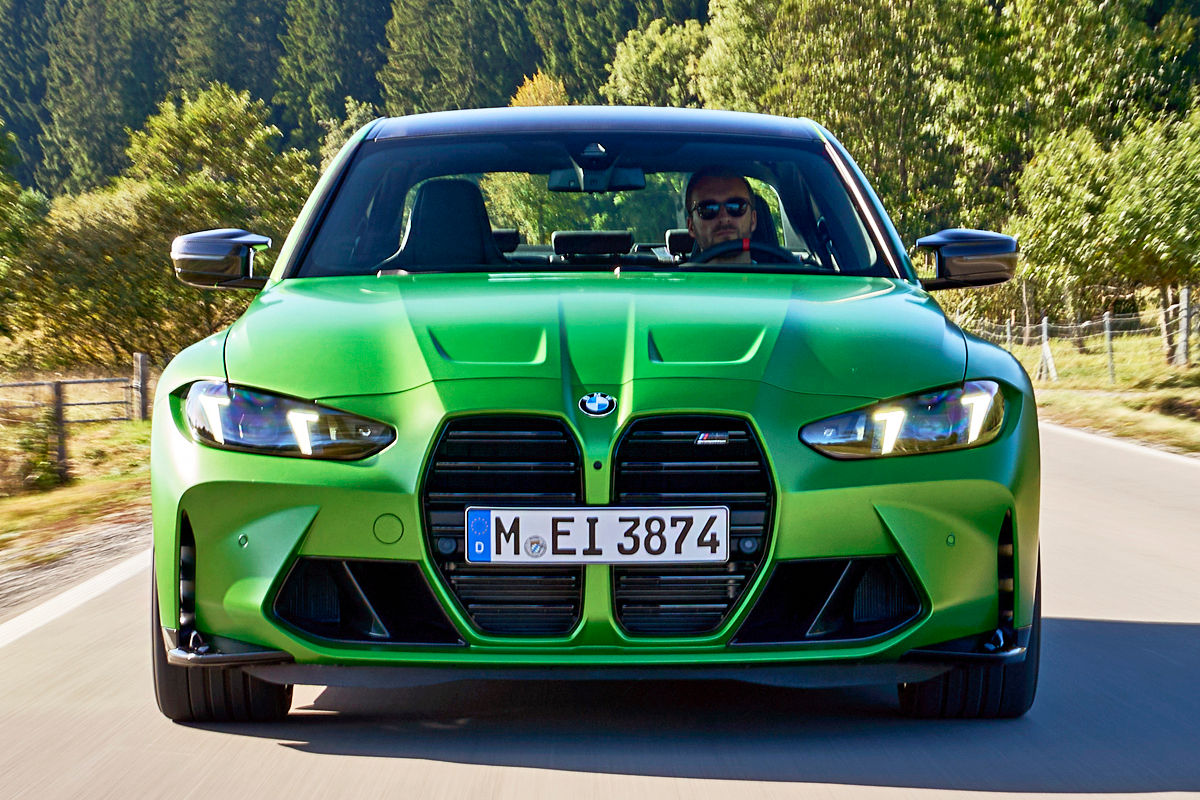
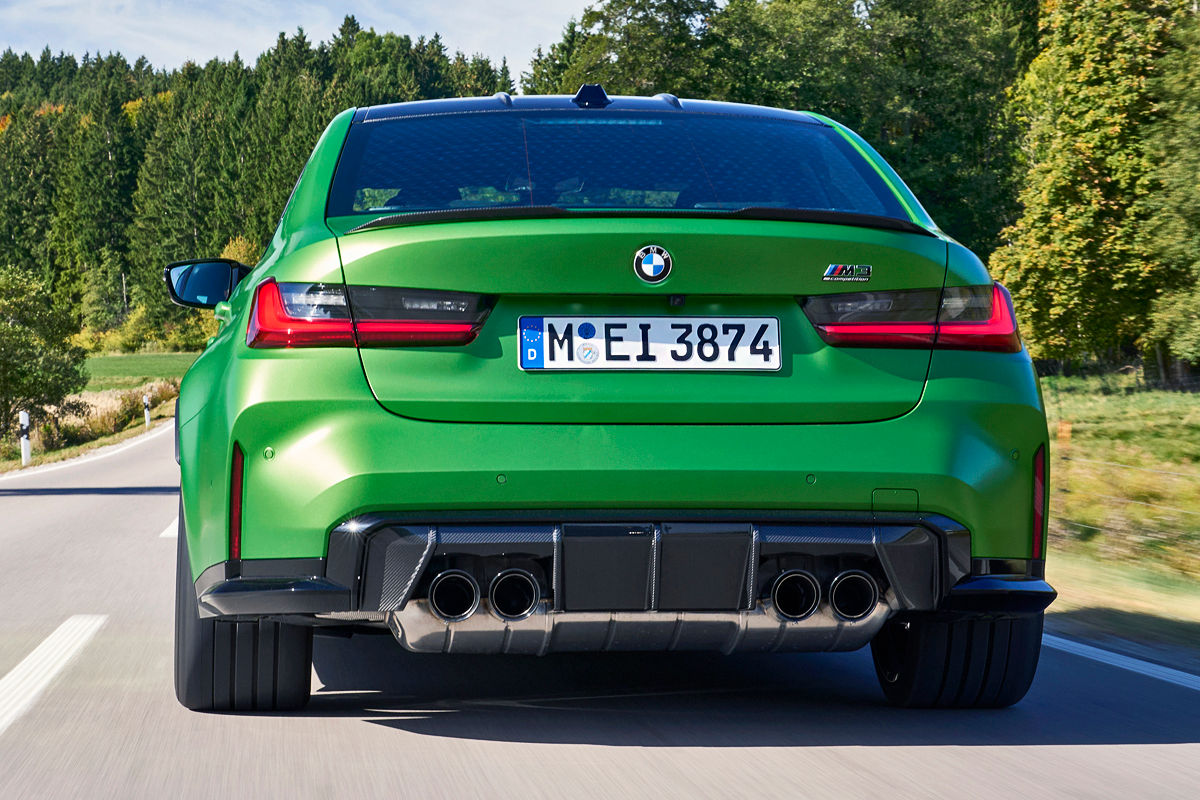
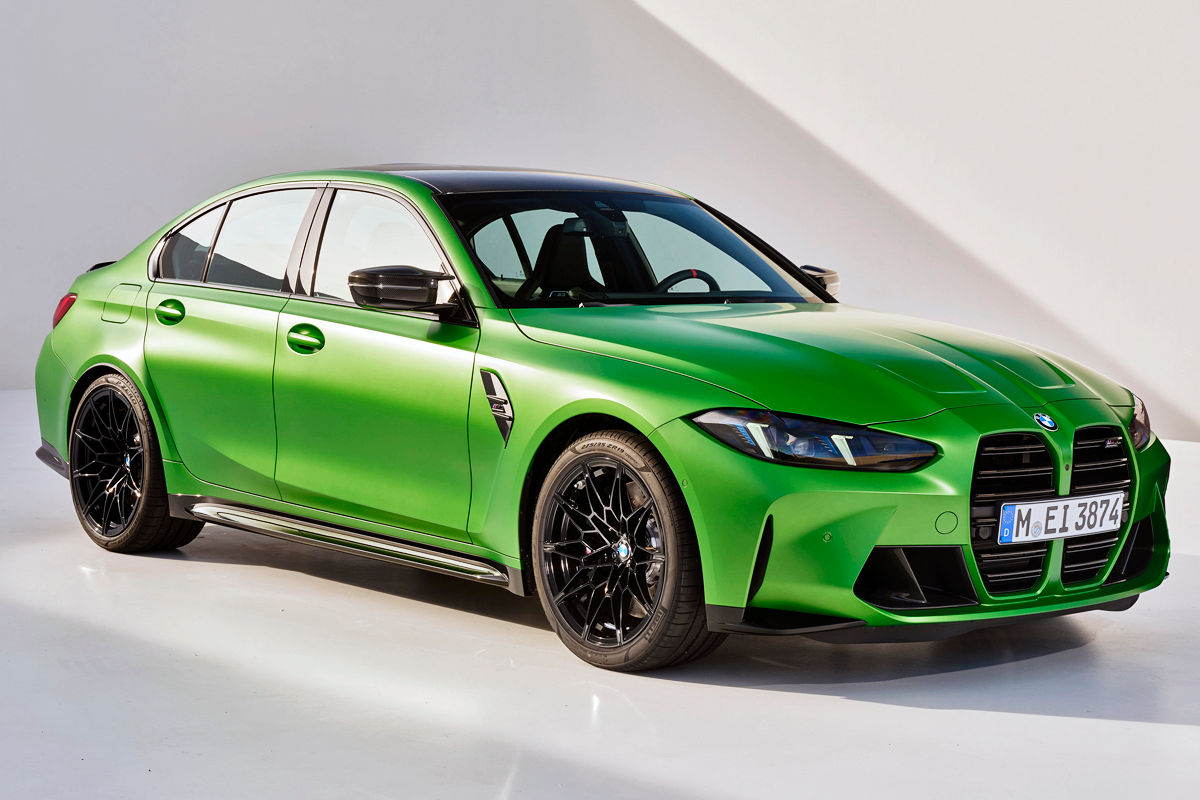
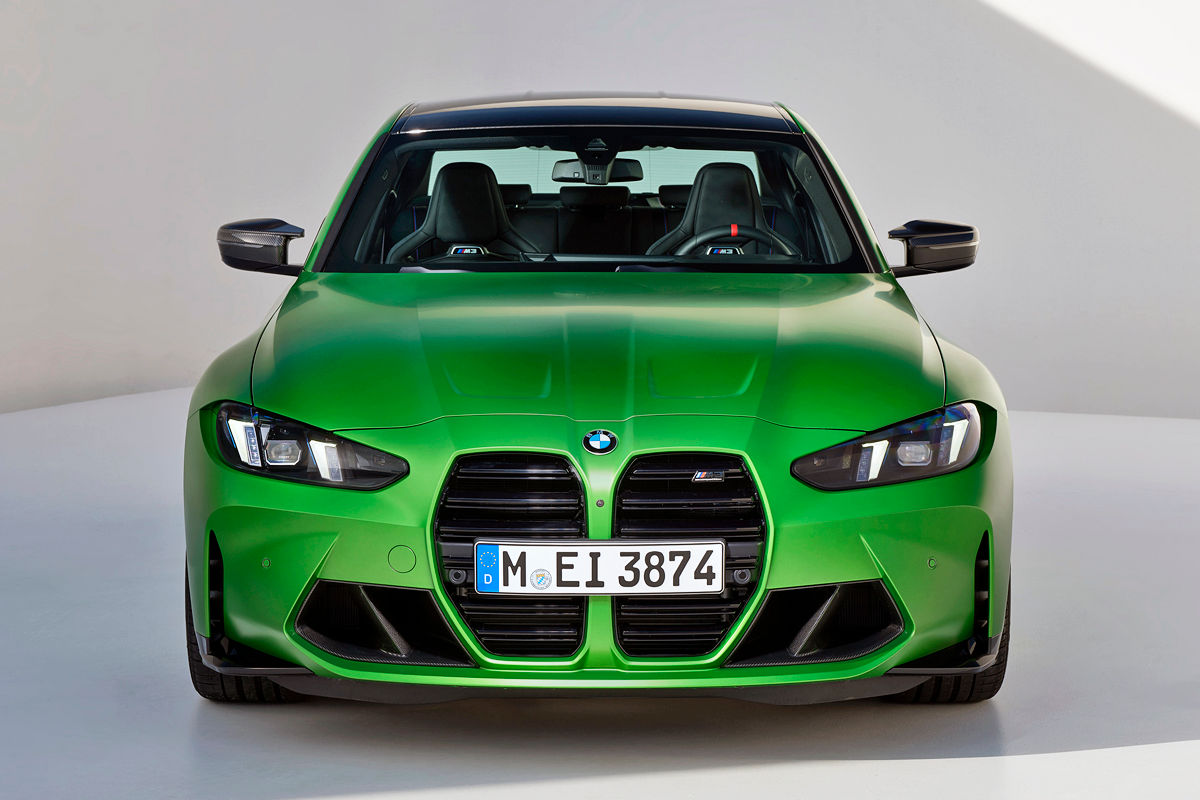
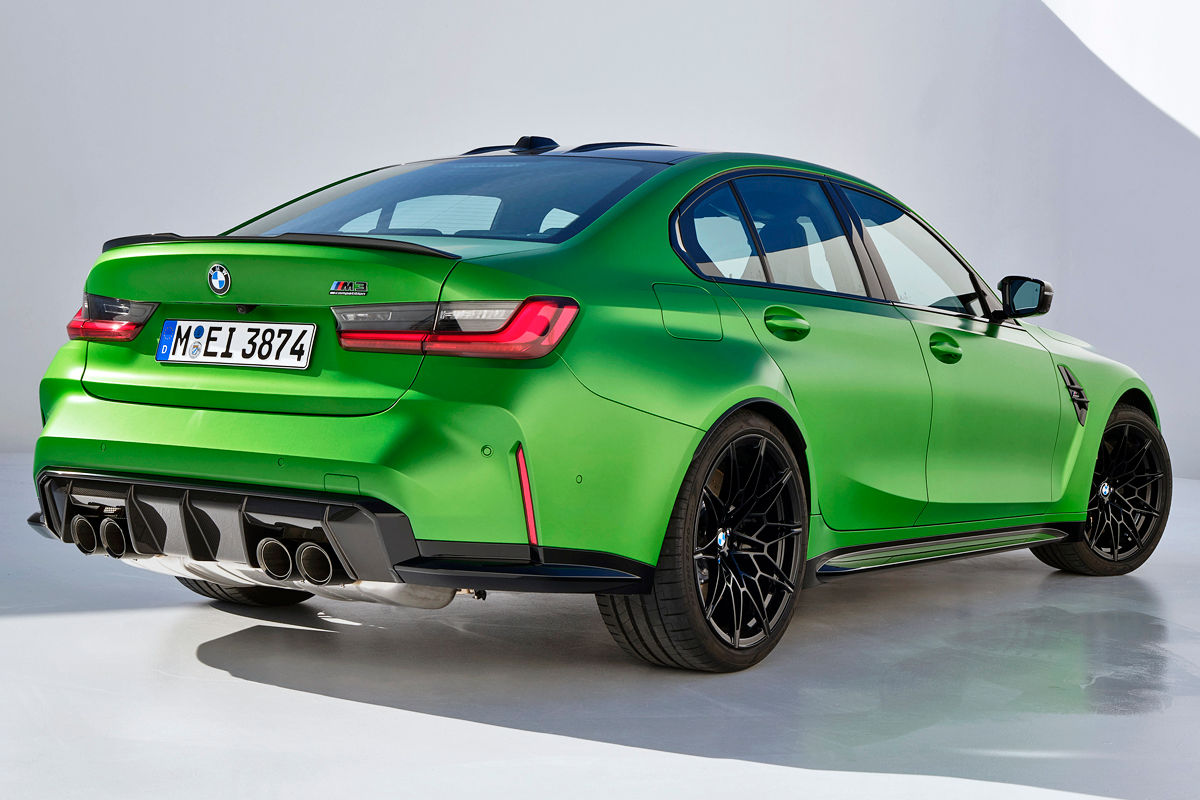
Wondering what the latest (390 kW) version of the G80-generation BMW M3 Competition Sedan will cost you in South Africa? Well, we have local pricing…
Revealed as recently as May 2024, the updated version of the G80-generation BMW M3 Competition Sedan generates an increased output of 390 kW. While the new M3 Touring has been hogging the headlines in South Africa, we’ve now come across local pricing for the high-performance saloon.
According to BMW SA’s online configurator, the latest M3 Competition Sedan is priced from R2 208 002 (including VAT and CO2 emissions tax) in Mzansi. For the record, that means the sedan costs R20 840 less than the G81-generation estate, which currently kicks off at R2 228 842.
Interestingly, in either case, the local configurator forces the selection of the otherwise-optional M Alcantara steering wheel, which is priced at R10 000. We’ve included that number in the figures above since the website says “it is currently not possible to remove the desired option” due to “product updates”.
As a reminder, the M3 Competition Sedan employs the same twin-turbo 3.0-litre straight-6 petrol engine as its Touring sibling, which sends 390 kW (up from 375 kW) and 650 Nm to all 4 wheels. That peak torque figure is now available across a wider rev range, from 2 750 r/min through to 5 730 r/min.
Endowed with an 8-speed automatic transmission as standard, the super-saloon sees off the 0-100 kph sprint in a claimed 3.5 seconds, making it a tenth quicker to the mark than the estate. In South Africa, the M Driver’s Package is included as standard, which sees the top speed pegged at 290 kph (interestingly, some 10 kph higher than that of the Touring).
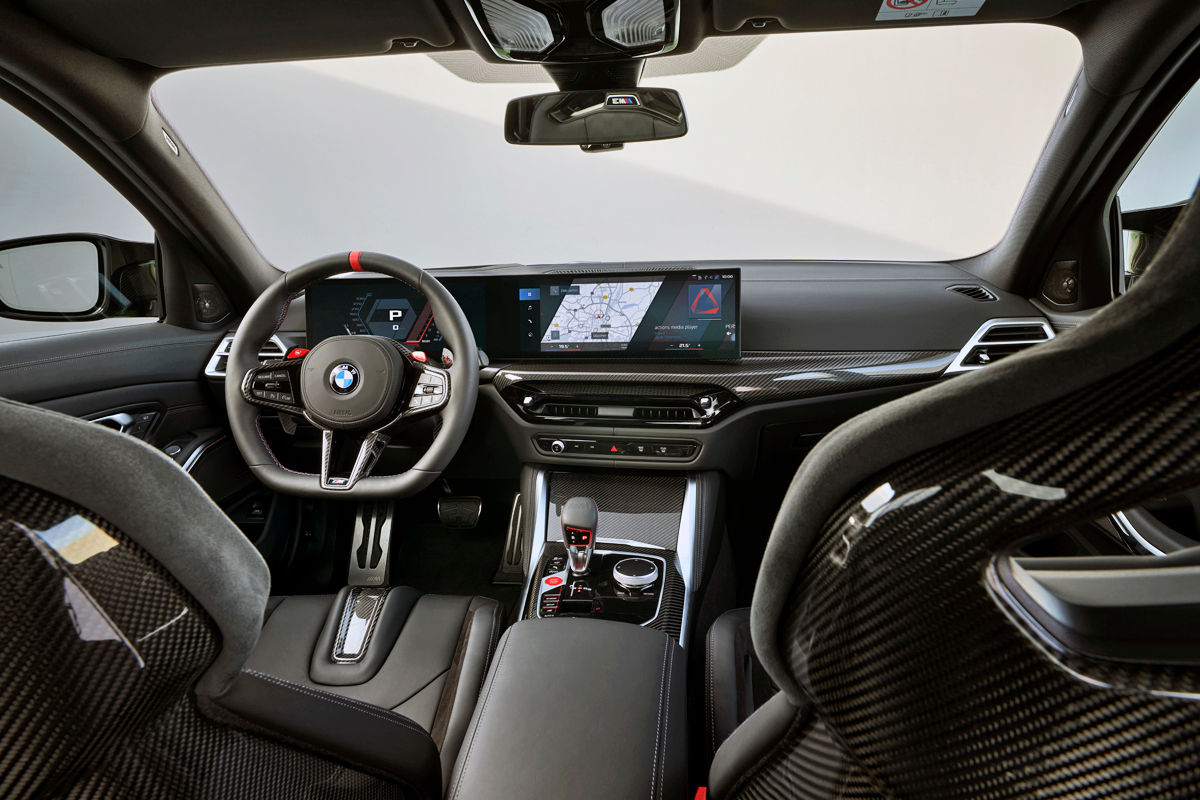
This update includes a revised LED headlamp design, while the model badge on the bootlid is now accented by a silver-hued surround. The Munich-based automaker has also applied the latest BMW Operating System 8.5 software to the curved display, with the latter comprising a 12.3-inch digital instrument cluster and a 14.9-inch infotainment screen.
Available extras in South Africa include various exterior paint colours (culminating in BMW Individual hues for R69 000), new upholstery options (up to R42 000), the M Carbon exterior package (R90 000), M Carbon ceramic brakes (R190 000), M carbon bucket seats (R95 000), Driving Assist Professional (R23 800), acoustic glazing (R9 000), front-seat ventilation (R17 000) and steering-wheel heating (R5 000).
How much does the BMW M3 Competition cost in SA?
BMW M3 Competition Sedan M xDrive – R2 208 002
BMW M3 Competition Touring M xDrive – R2 228 842
The prices above include BMW’s 2-year/unlimited kilometre warranty and a 5-year/100 000 km maintenance plan (as well as the M Alcantara steering wheel, a R10 000 option forced by the configurator).
Mercedes-AMG C63 Video Review – Is 4 cylinders enough to replace the V8?
Jacob Moshokoa gives us his impression of the latest AMG sedan. Does it miss the mark, or is it just the inevitable evolution of Mercedes-AMG?
The W204 Mercedes C63 AMG has become something of a living legend, a modern classic. Back in 2008, Mercedes-AMG made the brave move to stick its largest V8 into the smallest sedan, and the result was something quite special.
Fast forward to 2024 and the world is quite a different place. The European government reckons there is a replacement for displacement and its called electricity. And so the very latest C63 is a 2.0-litre 4-cylinder turbocharged plug-in hybrid. But it is a massively potent machine, over 500 kW and over 1000 Nm of torque, which makes this car a bit of a weapon.
We’ve tested the new hybrid C63 and it recorded a 3.29 second run to 100 kph, so yes, it is fast, but there’s something missing in terms of character. Watch Jacob Moshokoa try figure out if four cylinders is enough to replace the iconic and soulful V8.
It’s official: Renault finally confirms new half-tonne bakkie
Renault has announced a fresh investment in its Córdoba plant in Argentina, finally confirming it will produce a new half-tonne bakkie based on the Niagara concept…
It’s finally official: Renault has announced a fresh investment in its Santa Isabel, Córdoba factory in Argentina, confirming that it will indeed produce a new half-tonne bakkie based on the Niagara concept.
Expected to replace the long-in-the-tooth Duster-based Oroch that didn’t ever make it to South Africa, the upcoming bakkie will likewise employ a unibody rather than ladder-frame configuration, riding on a new Renault Group modular platform. It’s expected to hit the market in Latin America in 2026.
The Niagara concept was revealed in October 2023.
According to translated press material released in the Latin American country, the Boulogne-Billancourt-based firm says its new half-tonne pick-up “will initially be manufactured only in Argentina and will have a strong export profile”.
Renault has yet to announce whether the new bakkie will also be built in right-hand-drive form (remember, countries in that part of the world use left-hand-drive models). However, as Cars.co.zareported in May 2024, the French automaker has already applied to trademark the “Niagara” badge in South Africa, so there’s at least some hope for an eventual local introduction.
The Santa Isabel factory that will produce the new half-tonne bakkie.
This investment announcement also includes confirmation from Renault that the design of the new half-tonne bakkie “will be based on the Niagara concept”. For the record, that show vehicle featured a double-cab body style.
“On the road to 70 years of our beloved Santa Isabel factory, the launch of this half-tonne pick-up truck manufactured exclusively in Argentina marks a new chapter in our rich industrial history in our country,” said Pablo Sibilla, President and CEO of Renault Argentina.
The production model will be based on the Niagara concept.
“With an export profile that will reach between 65% and 70% of production, we reaffirm the capacity and talent of the Argentine industry, consolidating it as a strategic pillar in our global operation,” Sibilla said. Luiz Pedrucci, CEO of Renault Latin America, separately told Motor1.com that “my goal is to export it to other continents”, adding that he “would like to reach an annual volume of 100 000 units”.
As we’ve previously reported, a Nissan-badged version of the Niagara production model – courtesy of the Renault-Nissan-Mitsubishi Alliance – is also very much on the cards. This model could, in theory at least, replace the NP200 half-tonner that went out of production at Rosslyn in March 2024.
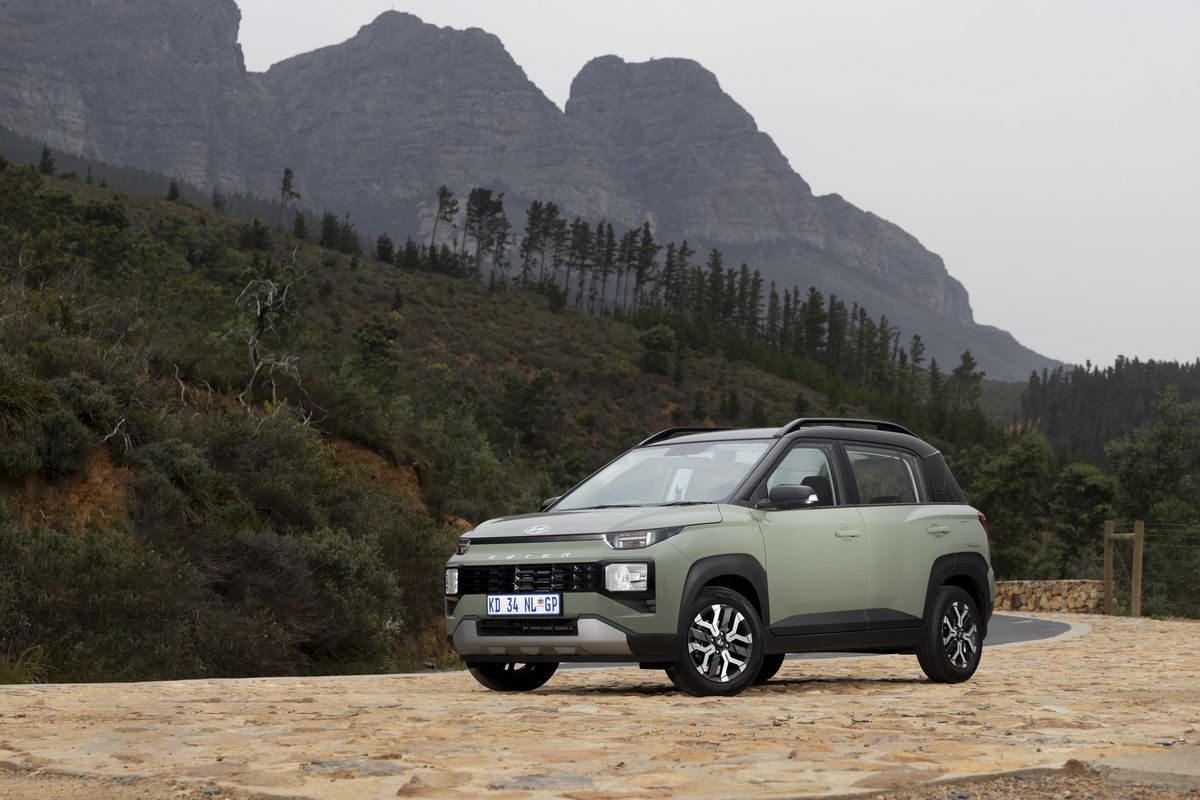
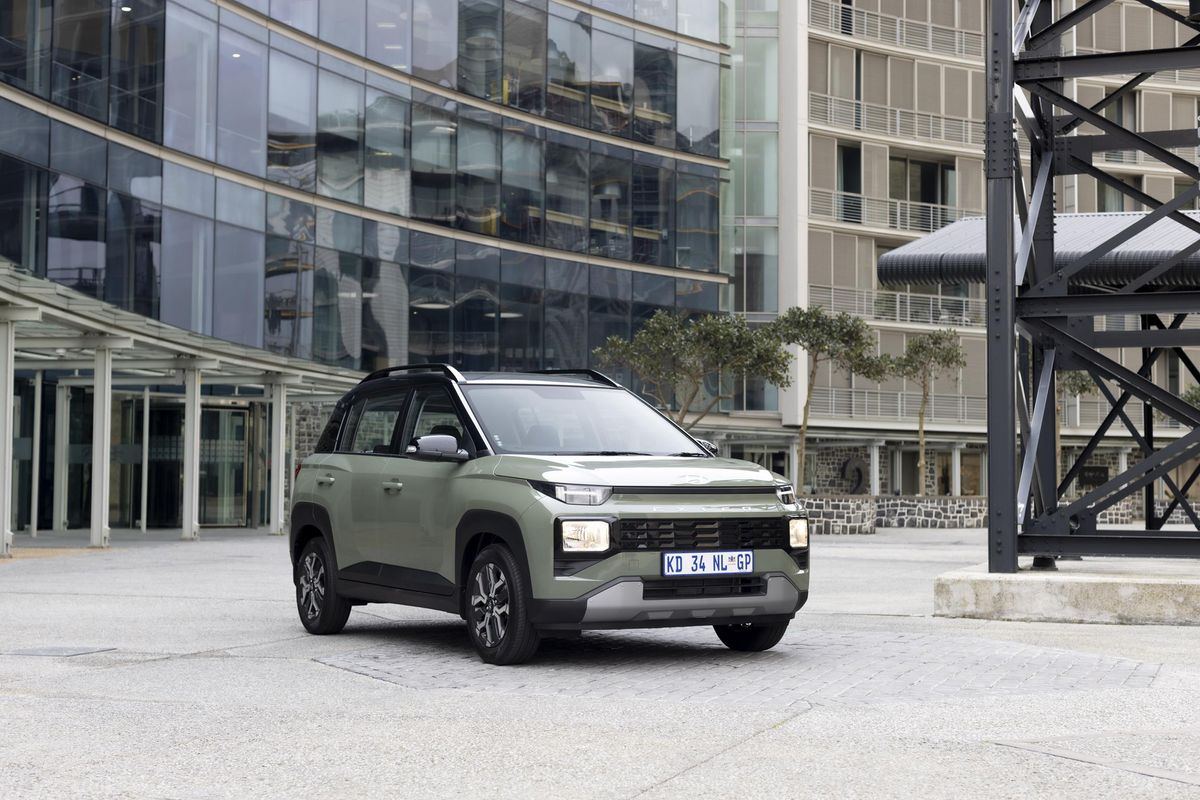
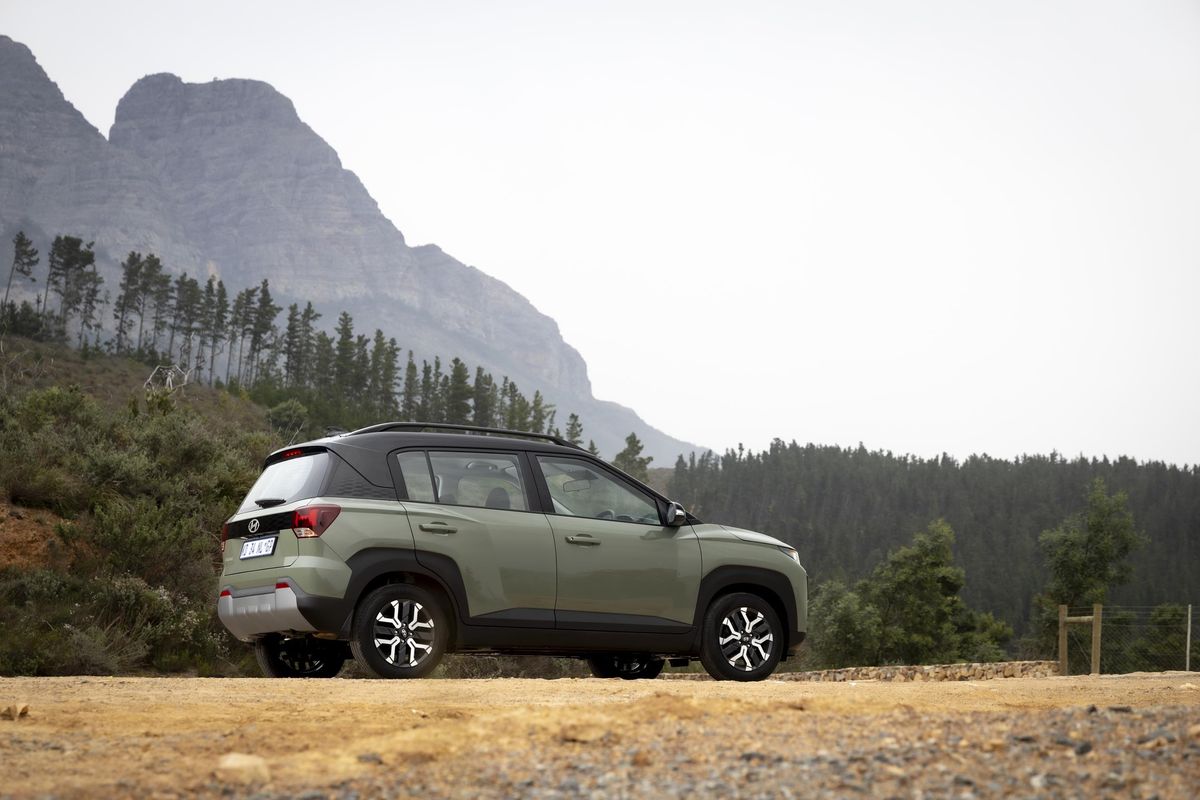
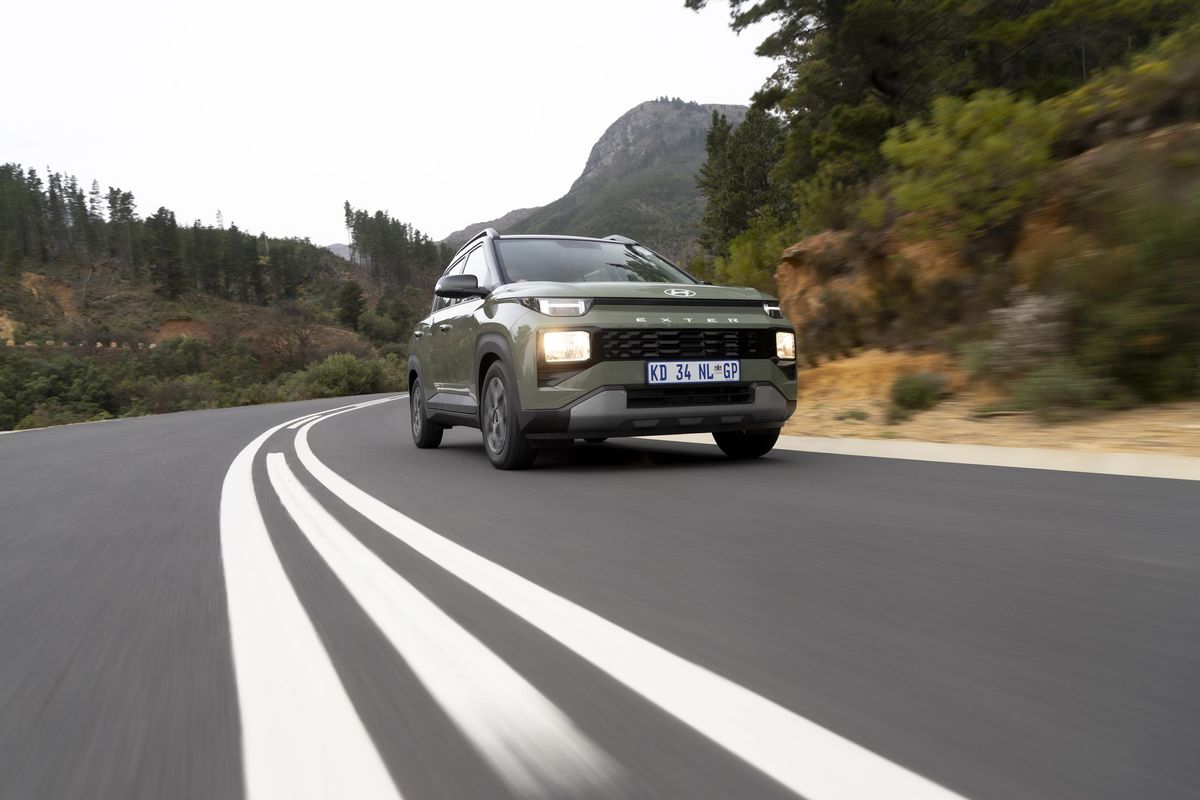
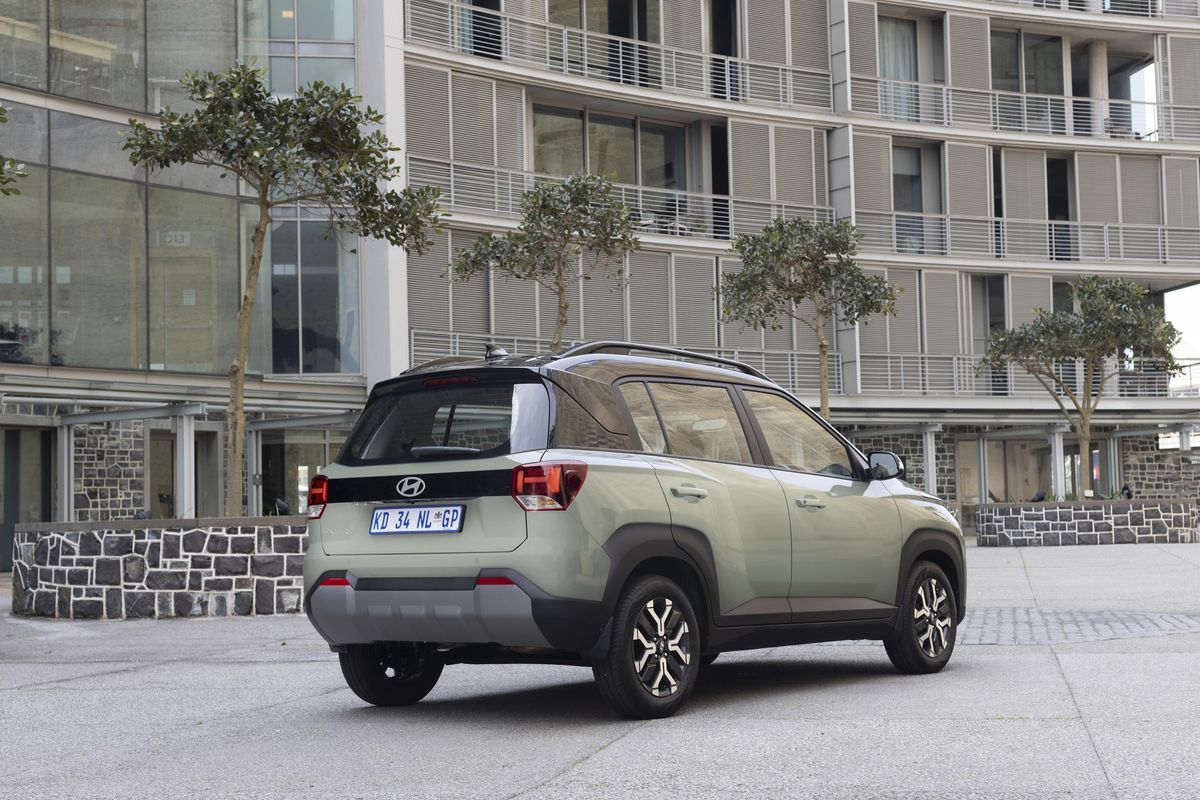
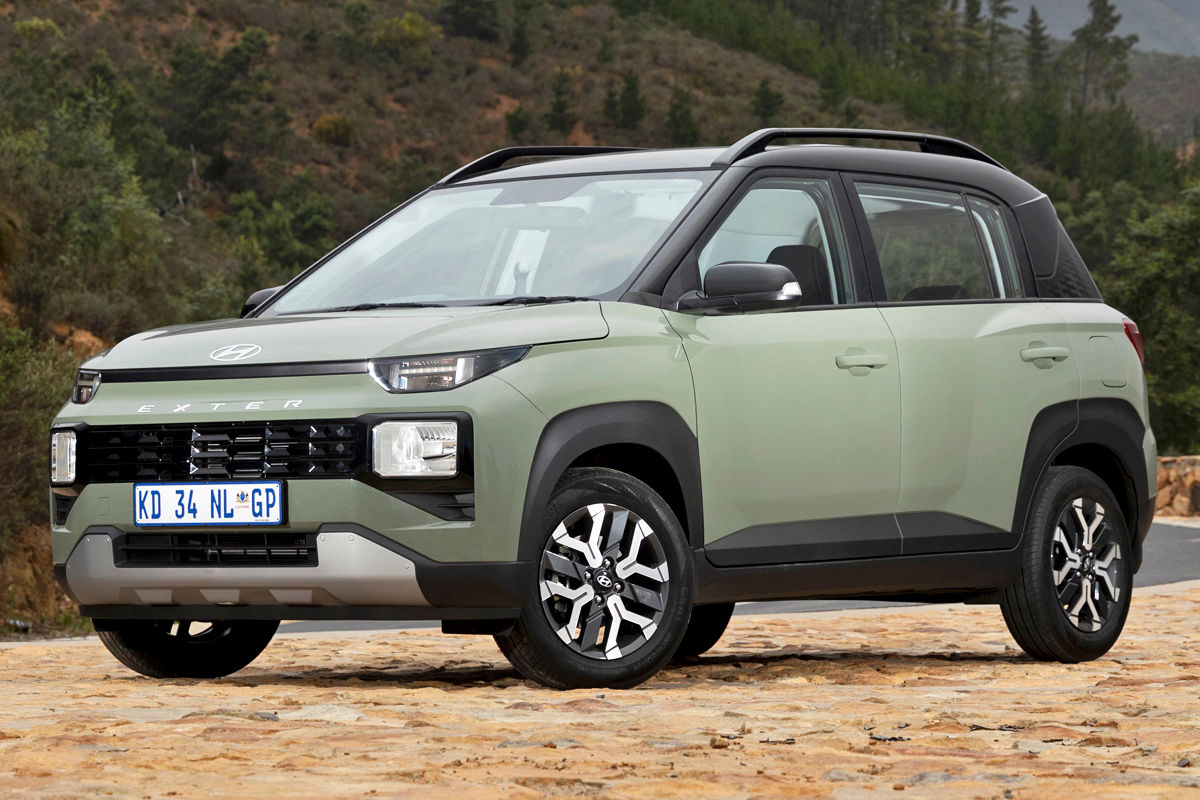
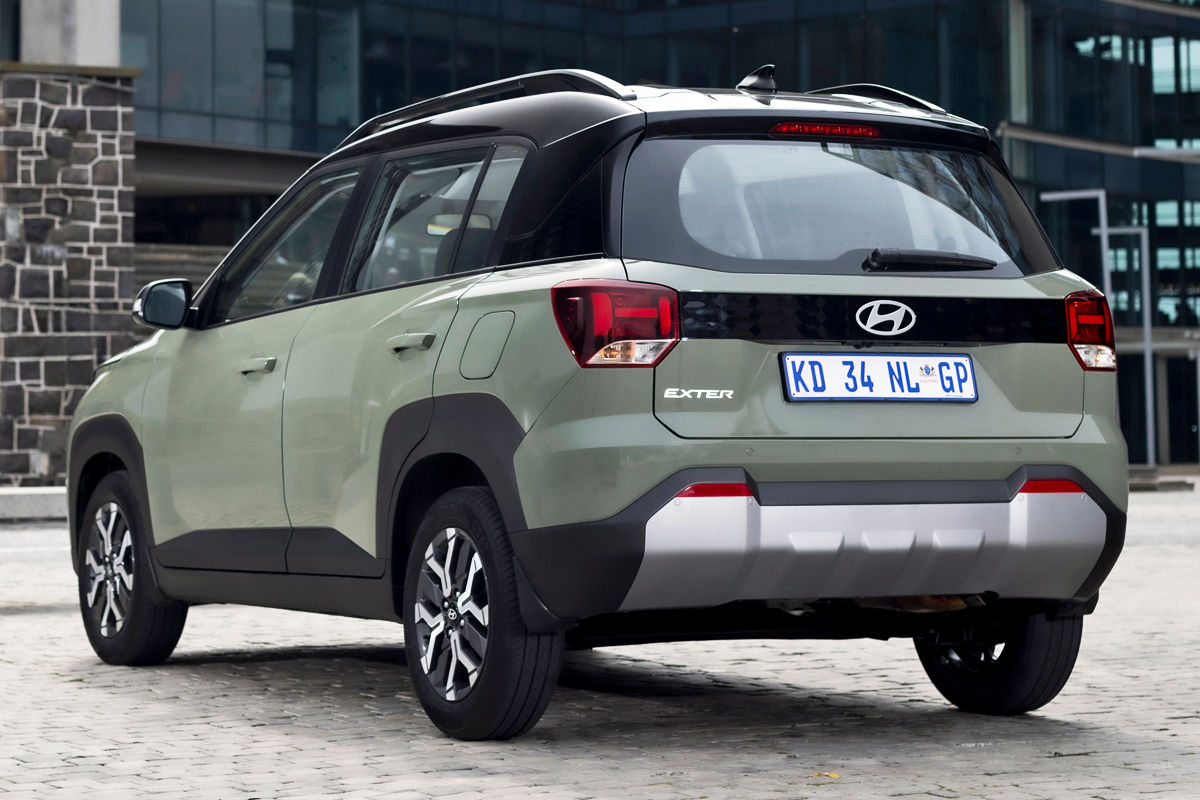
The Indian-built Hyundai’s Exter has arrived in South Africa. Not only is it the Korean brand’s most affordable crossover model – it comes backed with a comprehensive warranty and service plan. We take the newcomer for a drive in the Western Cape.
The South African market will be getting 5 derivatives, which will be available in either 5-speed manual or 5-speed automated manual (AMT) guise. There are 3 trim grades: Premium, Executive, and Elite.
The Exter is powered by a naturally aspirated 1.2-litre 4-cylinder petrol that produces 61 kW and 114 Nm. It’s a pint-sized crossover, so it’s no surprise that the claimed average consumption is only 5.7 L/100 km.
Spec-wise, the Exter punches well above its weight. Even though the entry-level Exter costs under R300k at launch, its standard features list covers more than the basics. Here are some highlights of the 1.2 Premium derivative: it features a 4.2-inch digital instrument cluster, Apple CarPlay/Android Auto compatible 8-inch touchscreen infotainment system, rear parking sensors, as well as auto headlights.
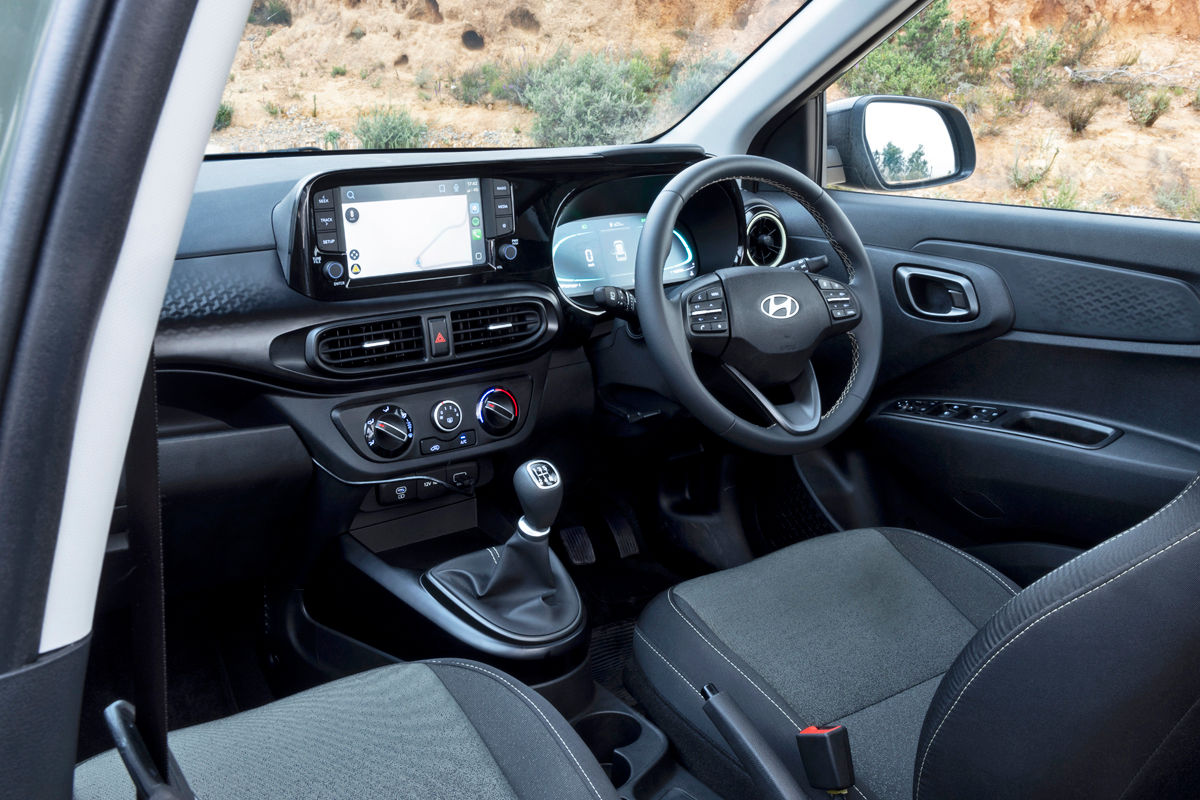
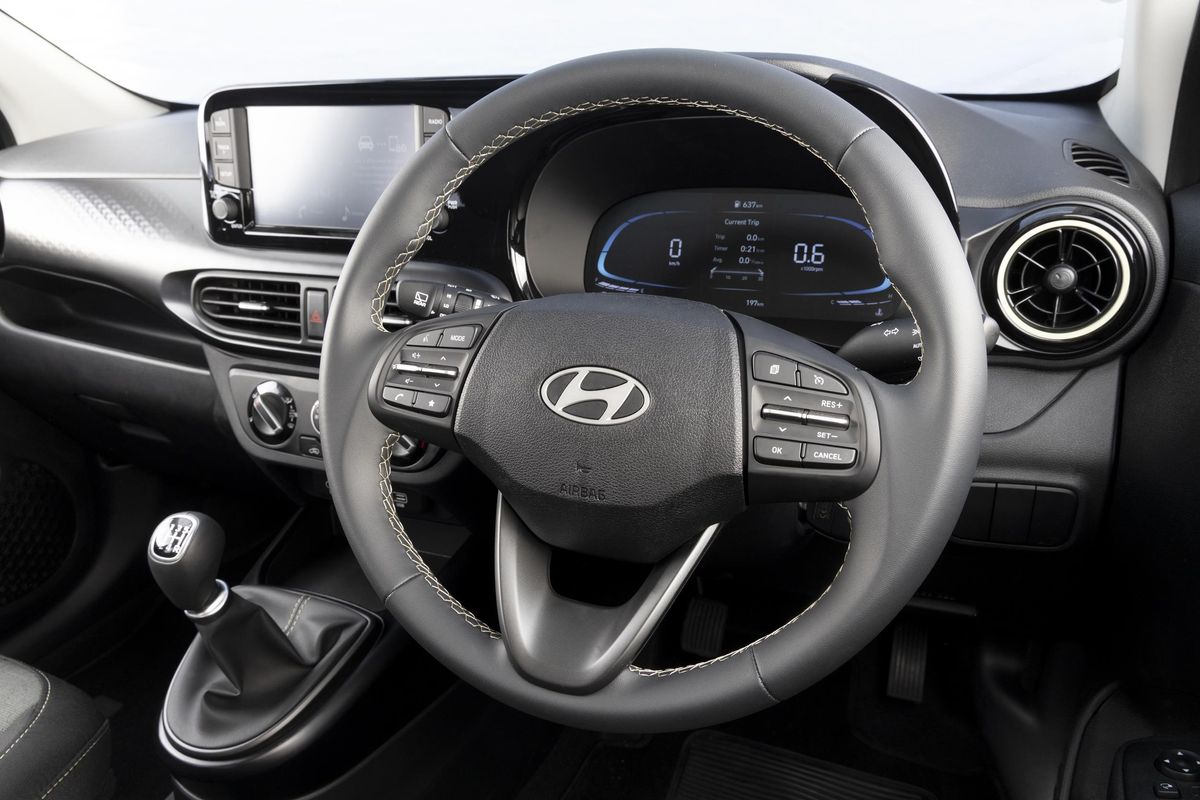
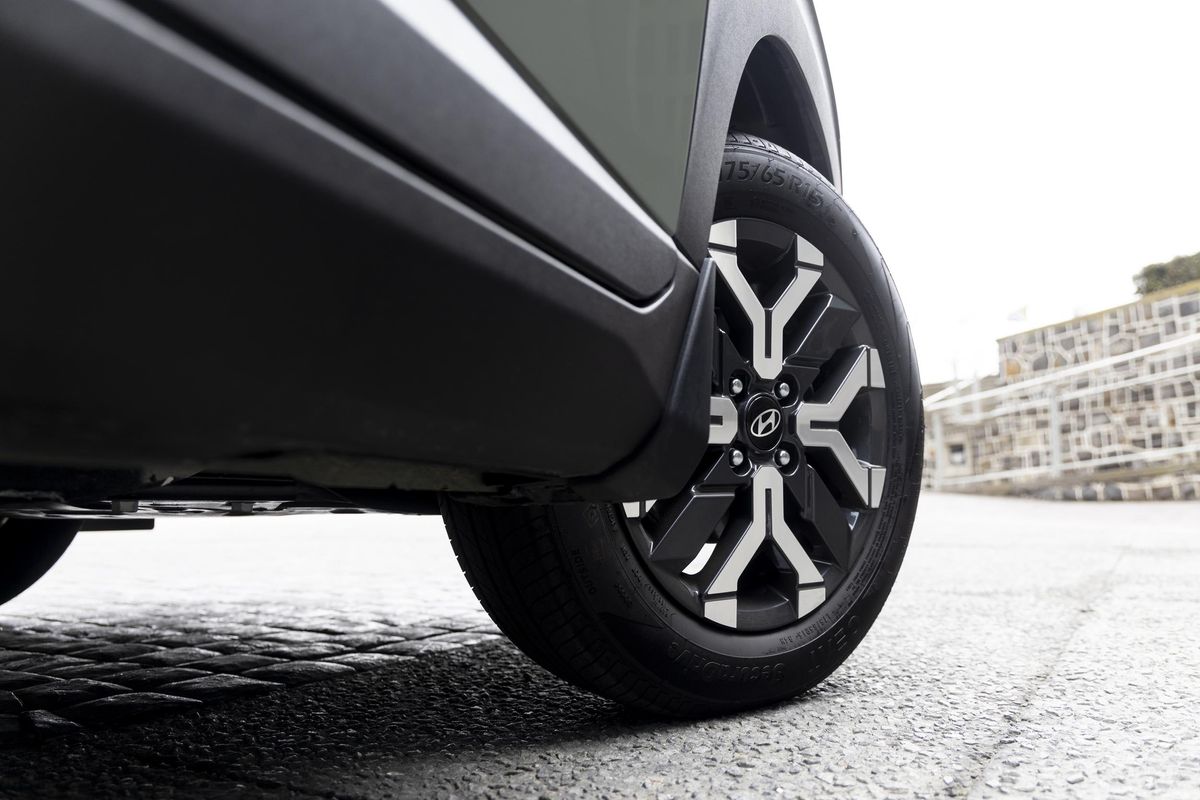
During the launch event, we test-drove the Exter 1.2 Executive MT, which is the manual gearbox-equipped mid-range variant. The Executive trim includes (rather pretty) 15-inch alloy wheels, roof rails, mudguards, cruise control, a reverse-view camera and a (tilt-adjustable) leather-trimmed steering wheel.
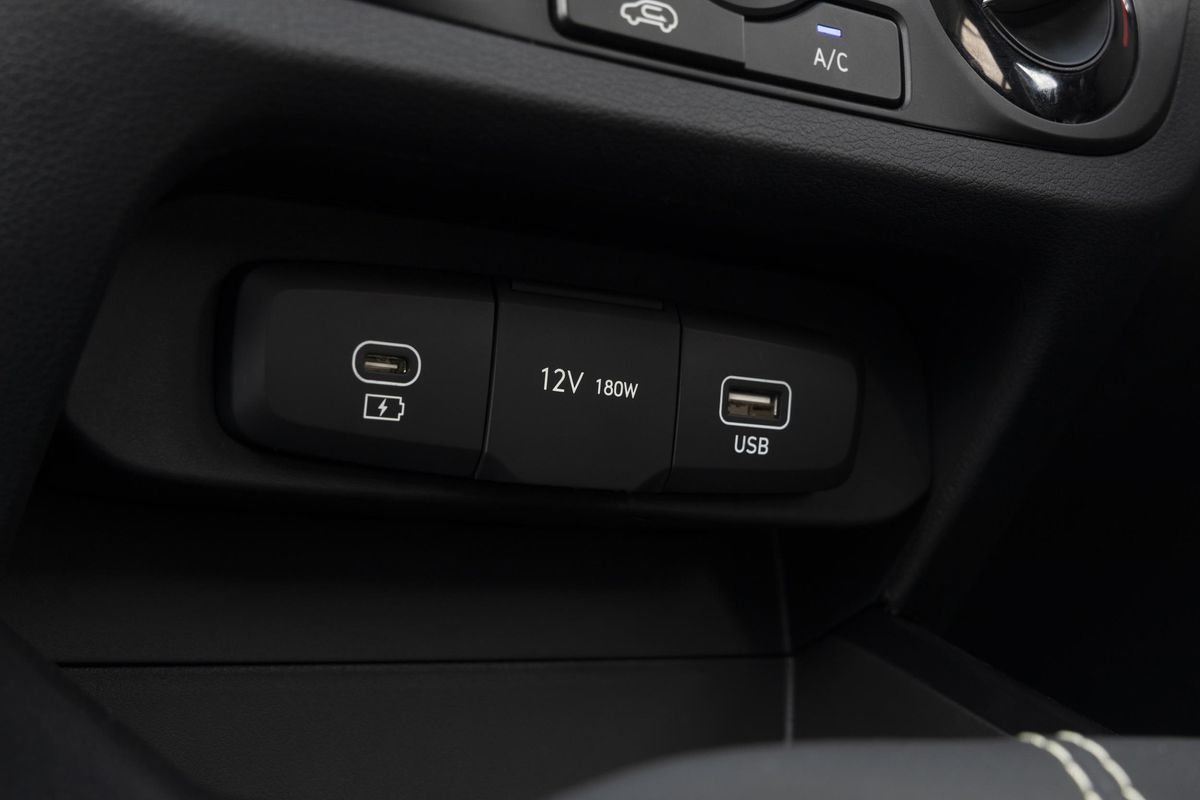
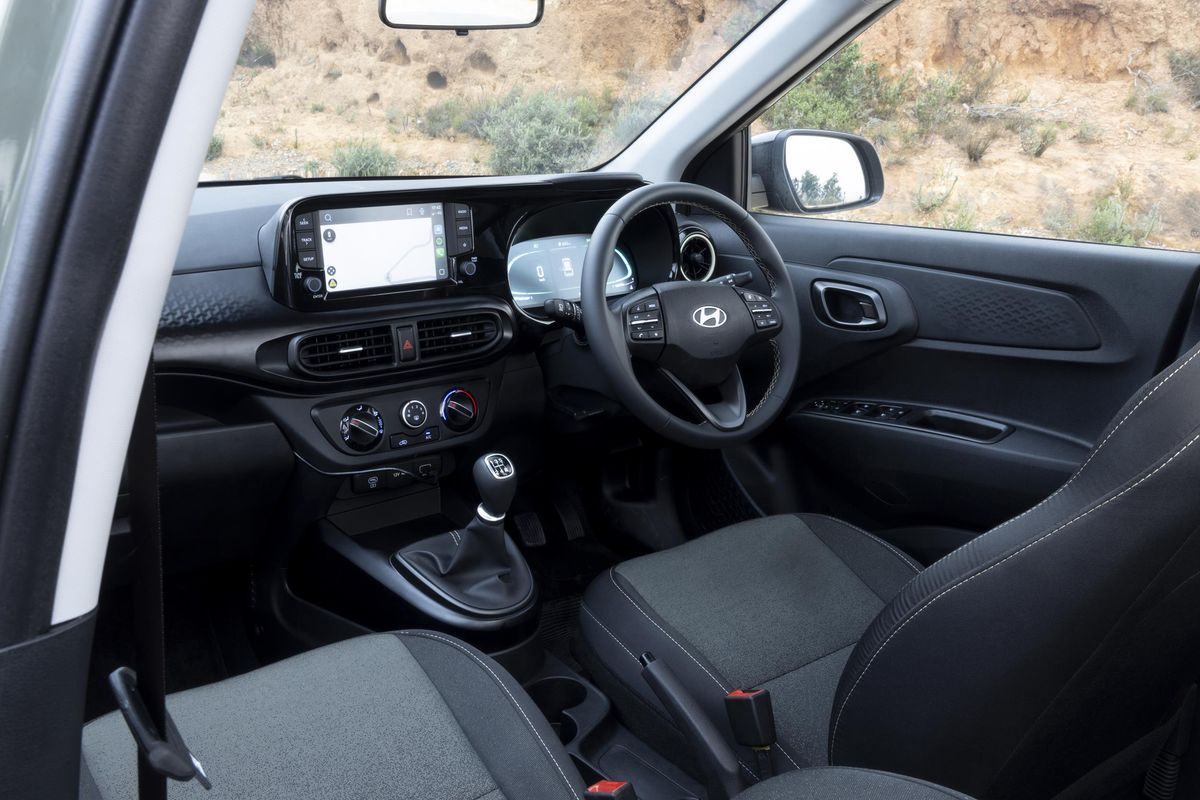
We were delighted to see that Hyundai fitted a faster-charging USB-C port alongside a standard USB-A port for the front occupants. Yes, there are some cheap-feeling plastics in the cabin, but the common touchpoints feel quite substantial. Again, you’ve got to manage expectations; this is a budget vehicle!
Brands tend to keep budget-car prices low by omitting high-end safety features from such models, but in the case of the Exter, every derivative features 6 airbags. Higher-trim AMT derivatives have stability control, which – in our opinion – is a must-have. Tyre-pressure sensors are standard across the range.
What’s the Hyundai Exter like to drive?
During the launch, we drove on the national highway and then turned onto the coastal road to Hermanus. While the 1.2-litre 4-cylinder’s outputs may seem meagre in the era of turbocharging, the Exter has a low kerb weight (940 kg), which means the small crossover doesn’t require much grunt to get up to speed…
The 5-speed ‘box has a pleasingly light and direct action, while the clutch pedal is effortless to modulate. With this powertrain, the Exter is quite capable of pressing on in the cut and thrust of urban traffic.
The driver’s seat affords an excellent vantage out of the cabin and the multifunction ‘wheel is ultra-light to twirl, but the Exter’s steering responds to inputs promptly and directly. Suffice it to say, manoeuvring into (and out of) tight parking spaces will be far easier when you’re behind the tiller of one of these.
Given that the Exter was developed for the Indian market (where the average speed is lower than in SA – you rarely drive at triple-digit speeds on the Subcontinent), we expected the Hyundai’s performance to drop off when travelling on the highway. And sure enough, when we drove at the national limit (120 kph), we noticed that the test unit’s rev counter reading was approaching a rather heady 4 000 rpm.
Apart from the fact that the 1.2-litre 4-pot is quite vocal (even a bit buzzy) at those engine speeds, the Exter’s short gearing will hamper fuel economy somewhat when you’re touring. It’s a trait of most Indian-built A- and B-segment cars, but bear in mind that the Exter is city runabout first and foremost; besides, if you are in a hurry, you can rev the motor out – it may sound strained, but will deliver a dash of speed.
Speaking of fuel economy, we completed the test route with 2 occupants aboard and, after I drove to the driver-change location in a purposely conservative manner and my co-driver opted for a more spirited approach, we achieved near-identical fuel consumption figures: 6.0- and 6.2 L/100 km – impressive!
One of the biggest selling points of the Exter is its suitability for driving on dirt roads (or its “gravel-travel capability”, if you like). Thanks to its plump tyres and 185 mm of ground clearance, the plucky Korean looks ready to venture down a dirt track. We’ll be sure to test this when the unit makes its way to us.
How much does the Exter cost in South Africa?
The new Exter ships standard with a 3-year/45 000 km service plan and Hyundai’s 7-year/200 000 km manufacturers’ warranty.
Hyundai Exter 1.2 Premium MT
R269 900
Hyundai Exter 1.2 Premium AMT
R294 900
Hyundai Exter 1.2 Executive MT
R289 900
Hyundai Exter 1.2 Executive AMT
R314 900
Hyundai Exter 1.2 Elite AMT
R334 900
Summary
With rising new-car prices (in conjunction with the escalating cost of living) pushing new-car ownership out of reach of so many consumers, it’s refreshing to find a stylish, well-packaged and safety feature-rich crossover positioned under R300 000. In the race for passenger segment dominance, we can see Hyundai South Africa making serious inroads into territory previously held by Suzuki and Volkswagen.
Should you consider buying an Exter? Yes, certainly. At the price, there’s very little to fault with this stylish entry-level crossover. Every minor drawback we discovered during our test drive of the Exter is outweighed by the Hyundai’s keen price and point ownership proposition (including its long warranty). We look forward to getting to know the model better – and trying out the automated manual version.
Unaudited mid-month fuel price data indicates that significant fuel price cuts could materialise for October 2024! See the fuel price forecast below!
There’s good news on the horizon for South African motorists as mid-month fuel price data is showing signs of significant fuel price cuts on the cards for October 2024!
If this price cut is realised, October will be the fifth consecutive month of cuts, bringing further relief to consumers.
According to the data published on the Central Energy Fund (CEF) website, Petrol 95 ULP is showing potential for a R1.25 p/l decrease while the price of Petrol 93 ULP could be slashed by R1.16 p/l.
Diesel price cuts are also likely, with both 0.05% and 0.005% grades of diesel showing potential for a R1.11 decrease. Illuminating Paraffin might be R1.05 p/l cheaper too come October 2024.
A stronger Rand combined with lower international fuel prices are the main contributing factors with just under 2 weeks of the month remaining, the adjustments will change.
In addition to fuel price cuts, consumers can also expect interest rates to be cut by 25 basis points this month as inflation has reached its lowest point since 2021 at 4.9%.
Fuel Price Forecast for October 2024
Fuel Type
Sept’ 24 Inland
Sept’ 24 Coast
Oct’ 24 Inland*
Oct’ 24 Coast*
Petrol Unleaded 93
R21.79
R21.00
R20.63
R19.84
Petrol Unleaded 95
R22.19
R21.40
R20.94
R20.15
Diesel 0.05%
R19.59
R18.80
R18.48
R17.69
Diesel 0.005%
R19.69
R18.93
R18.58
R17.82
*October 2024 figures are forecast figures and not official
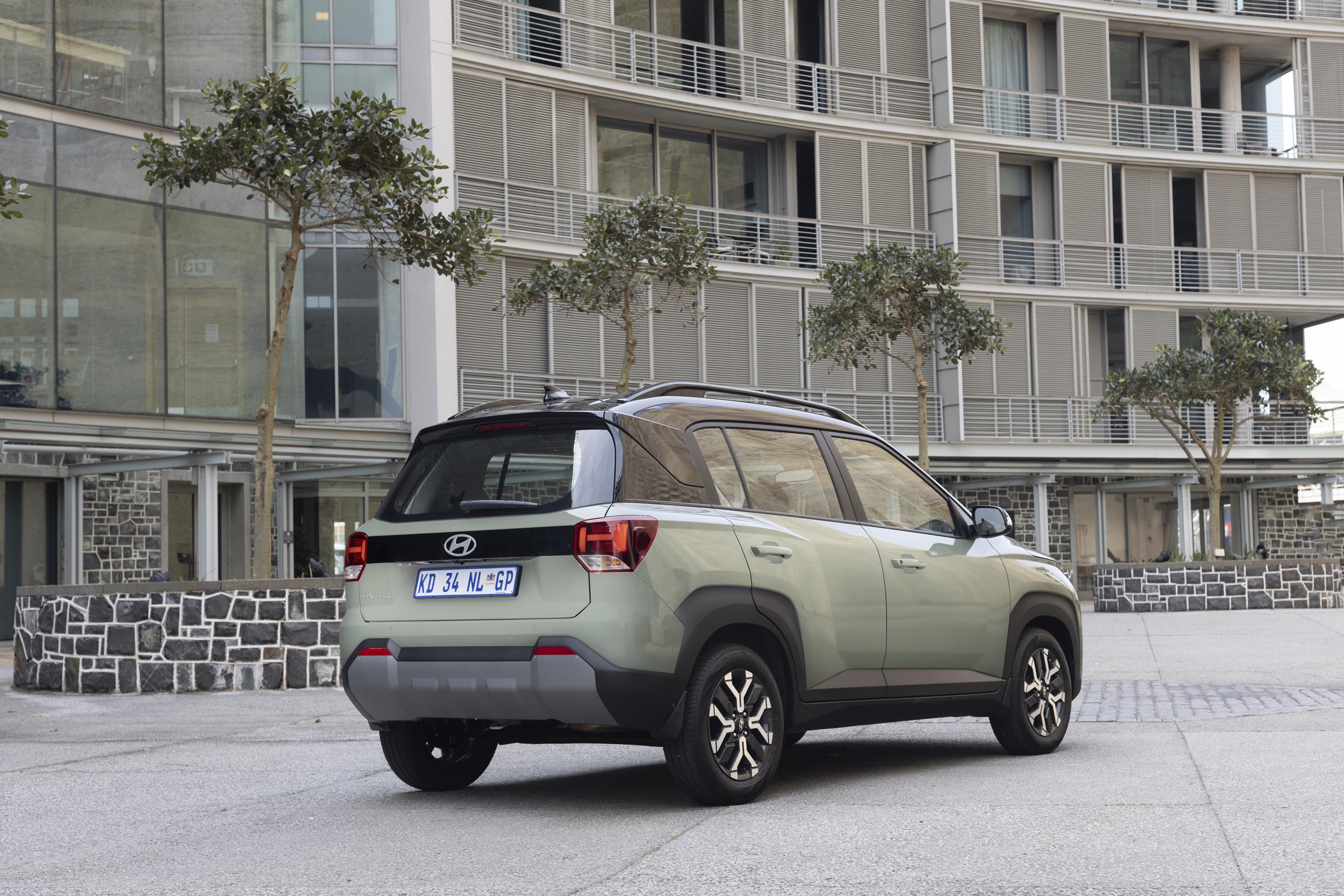
The new Hyundai Exter has launched in South Africa as the South Korean brand’s most affordable crossover, slotting in below the Venue. Here’s a look at what it costs…
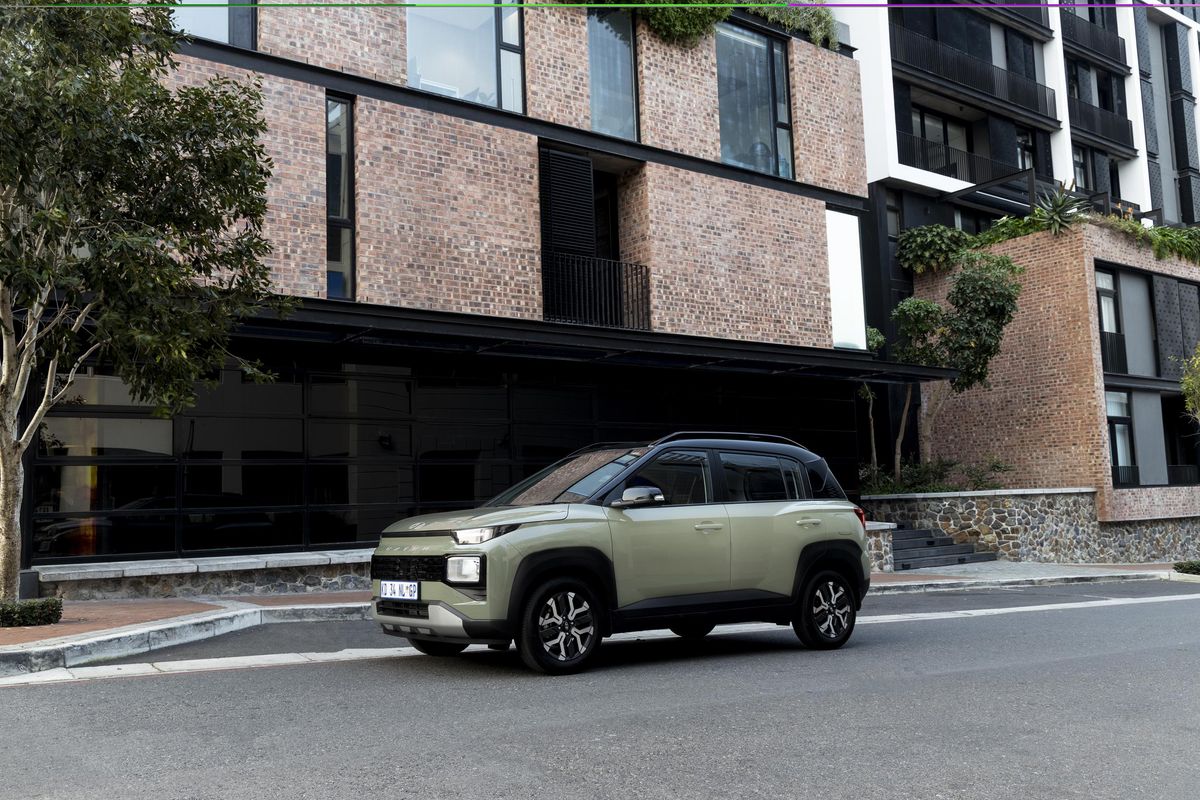
The new Hyundai Exter has officially hit the market in South Africa, positioned as the South Korean firm’s smallest and most affordable crossover.
Just as our information suggested well ahead of the launch, the local Exter range comprises 5 derivatives, 3 of which are furthermore offered in dual-tone form (effectively adding an optional black roof). Starting at R269 900 and running through to R334 900, the Exter slots in below the Venue, which currently has pricing bookends of R309 900 and R499 900 (after a handy price cut).
The new Exter slots in below the Venue.
In Mzansi, the Indian-built Exter is offered in a trio of grades: entry-level Premium, mid-tier Executive and top-spec Elite. All variants employ the automaker’s naturally aspirated 1.2-litre, 4-cylinder petrol engine, which is familiar from the Grand i10, i20 hatchback and aforementioned Venue.
This “Kappa” motor delivers 61 kW and 114 Nm to the front axle. Premium and Executive derivatives are available with either a 5-speed manual gearbox or a 5-speed automated manual transmission (AMT), while the flagship Elite variant is offered exclusively with the latter cog-swapper. The manual version has a claimed fuel economy of 5.7 L/100 km, while the AMT’s listed figure is 5.9 L/100 km.
Boxy, off-road-inspired styling.
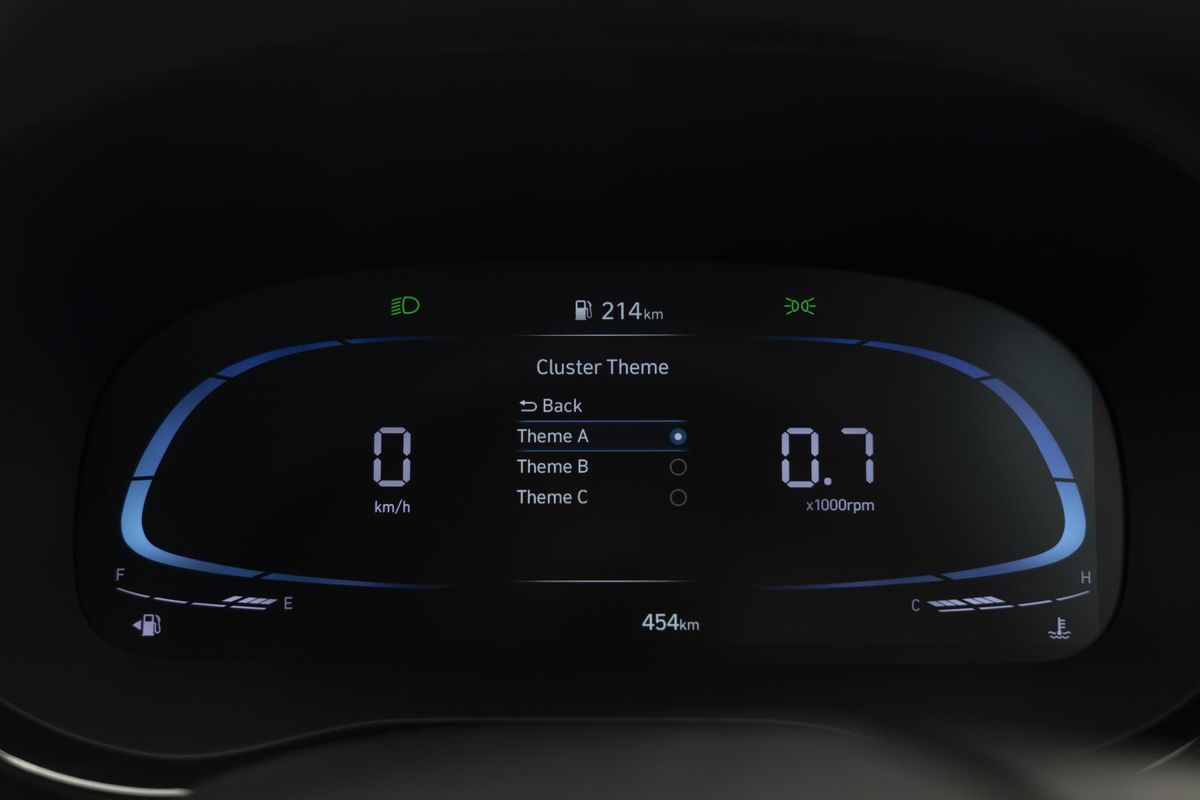
The base Exter 1.2 Premium MT (R269 900) ships standard with features such as manual air conditioning, a 4.2-inch digital instrument cluster, an 8.0-inch infotainment display, tyre-pressure monitoring, rear parking sensors, ISOfix child-seat anchors, automatic headlamps, 15-inch steel wheels (with plastic covers), cloth seats and a polyurethane steering wheel. A full complement of 6 airbags is standard, too.
Meanwhile, the Exter 1.2 Premium AMT (R294 900) furthermore scores electronic stability control, hill-assist control and an electric folding function for the side mirrors, in addition to the self-shifting transmission, of course.
A look at the SA-spec cabin.
Next come the Exter 1.2 Executive MT for R289 900 and the Exter 1.2 Executive AMT for R314 900, which gain features such as 15-inch alloy wheels, roof rails, mud guards, cruise control, a reverse-view camera, leather trim for the steering wheel and tilt adjustment for the steering column.
Finally, the top-spec Exter 1.2 Elite AMT is priced at R334 900 and upgrades to items such as automatic air conditioning, bi-function projection headlamps, a powered sunroof and cloth-and-vinyl upholstery. Paint colours in South Africa include Titan Grey, Shadow Grey, Fiery Red, Moonlight Blue, Cosmic Blue, Atlas White and Ranger Khaki, with the final 3 hues also available in conjunction with a black roof (though only on Executive and Elite variants).
The Elite derivative features a sunroof as standard.
Revealed in May 2023, the Exter employs the same platform that underpins the Grand i10 hatchback and sedan twins, and is likewise produced in India at Hyundai’s plant in Sriperumbudur near Chennai. The boxy little crossover measures 3 815 mm long (the same length as the Grand i10 hatch), with a wheelbase of 2 450 mm, a width of 1 710 mm, a height of 1 631 mm (including roof rails) and a ground clearance of 185 mm.
For the record, that makes it around 180 mm shorter from nose to tail than the likes of the Venue, Nissan Magnite and Renault Kiger (and 166 mm stubbier than the CC21-generation Citroën C3, too), but about 115 mm longer than the diminutive Suzuki Ignis. The Exter’s luggage capacity comes in at a claimed 290 litres.
The Exter measures just 3 815 mm long.
We first reported that the Exter was coming to South Africa back in May 2024, receiving confirmation from Hyundai Automotive SA after we discovered the company’s Seoul head office had applied to register the “Exter” badge in South Africa as early as October 2022. The local registration of this trademark took effect in December 2023.
*This story was originally published on 5 September 2024 as a pricing scoop. Additional information has since been added.
How much does the new Hyundai Exter cost in South Africa?
Hyundai Exter 1.2 Premium MT – R269 900
Hyundai Exter 1.2 Premium AMT – R294 900
Hyundai Exter 1.2 Executive MT – R289 900
Hyundai Exter 1.2 Executive AMT – R314 900
Hyundai Exter 1.2 Elite AMT – R334 900
The new Exter ships standard with a 3-year/45 000 km service plan and Hyundai’s 7-year/200 000 km manufacturers’ warranty.
New SA-built Ford Ranger PHEV: peak outputs revealed
Key figures for the new Ford Ranger PHEV – a plug-in bakkie to be produced at the Silverton plant in SA – have been revealed. Meet the torquiest Ranger yet…
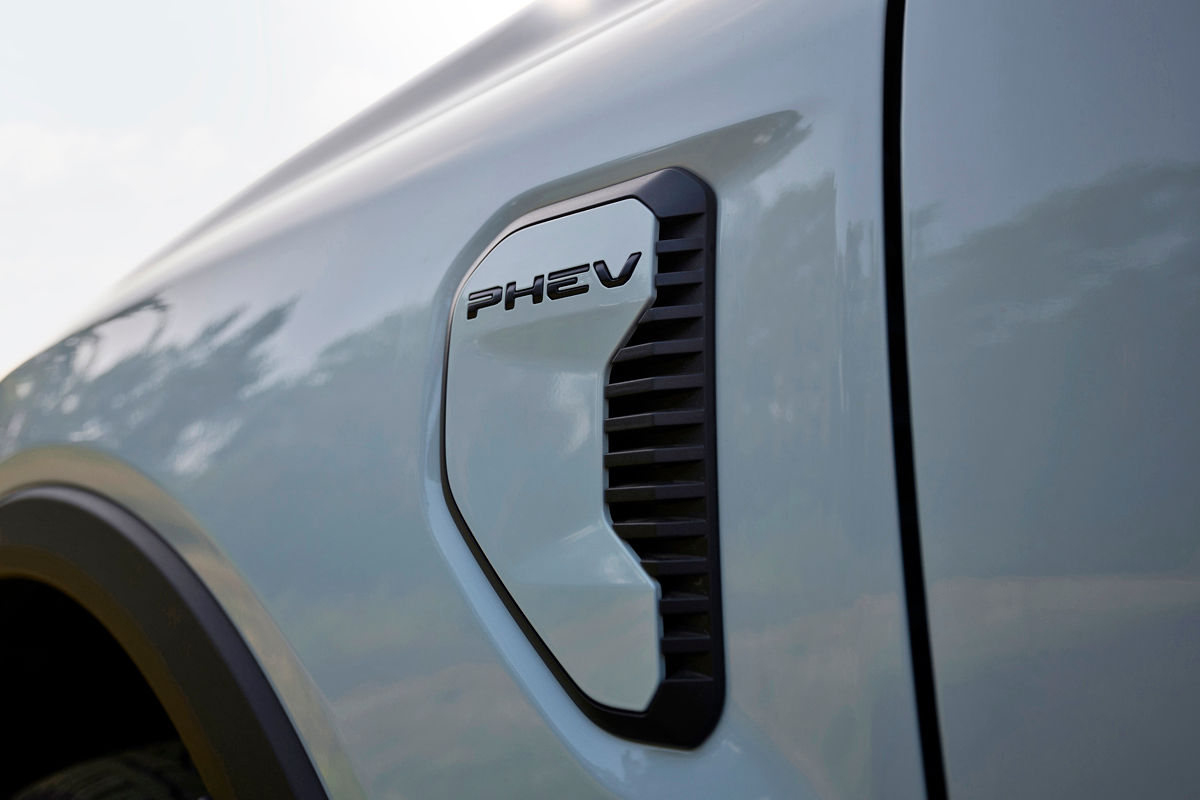
Unveiled a year ago, the Ford Ranger PHEV has finally made its show debut at the IAA Transportation event in Germany, with the Blue Oval brand also using the occasion to release key information (including power and torque figures) for this plug-in hybrid bakkie.
As a reminder, the Ranger PHEV will be built at the Silverton assembly plant in South Africa (the only plant worldwide handed this task) following a R5.2-billion investment announced in November 2023. Though Ford SA has yet to officially confirm this electrified derivative for our market, it seems only a matter of time.
According to the Dearborn-based automaker, the new plug-in hybrid electric double-cab bakkie is a “no-compromise new model” that offers “full Ranger towing, payload and off-road performance, with electric-only driving ability”.
The PHEV powertrain combines Ford’s turbocharged 2.3-litre, 4-cylinder petrol engine and 10‑speed automatic transmission with a 75 kW electric motor and an 11.8 kWh (usable capacity) battery pack. Peak system outputs stand at 205 kW and 690 Nm, with this torque figure described as the “highest of any production Ranger ever” (eclipsing even the high-performance Raptor’s 583 Nm).
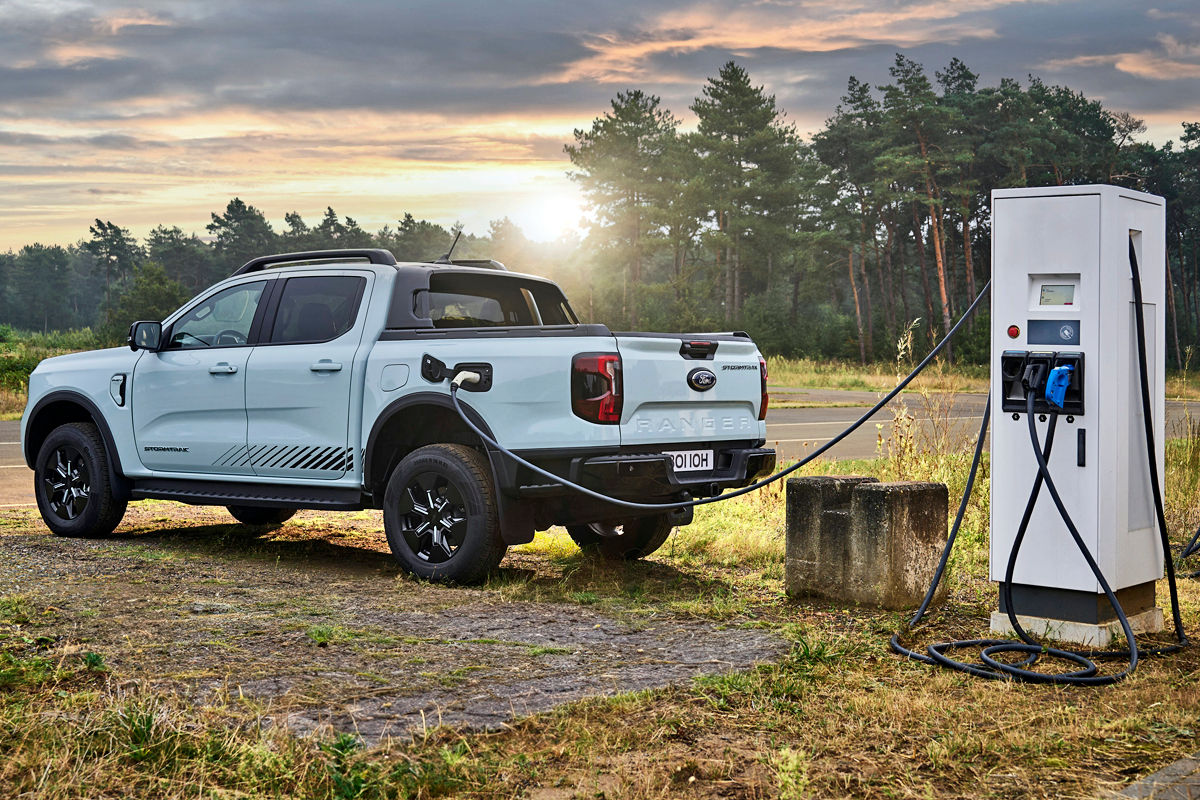
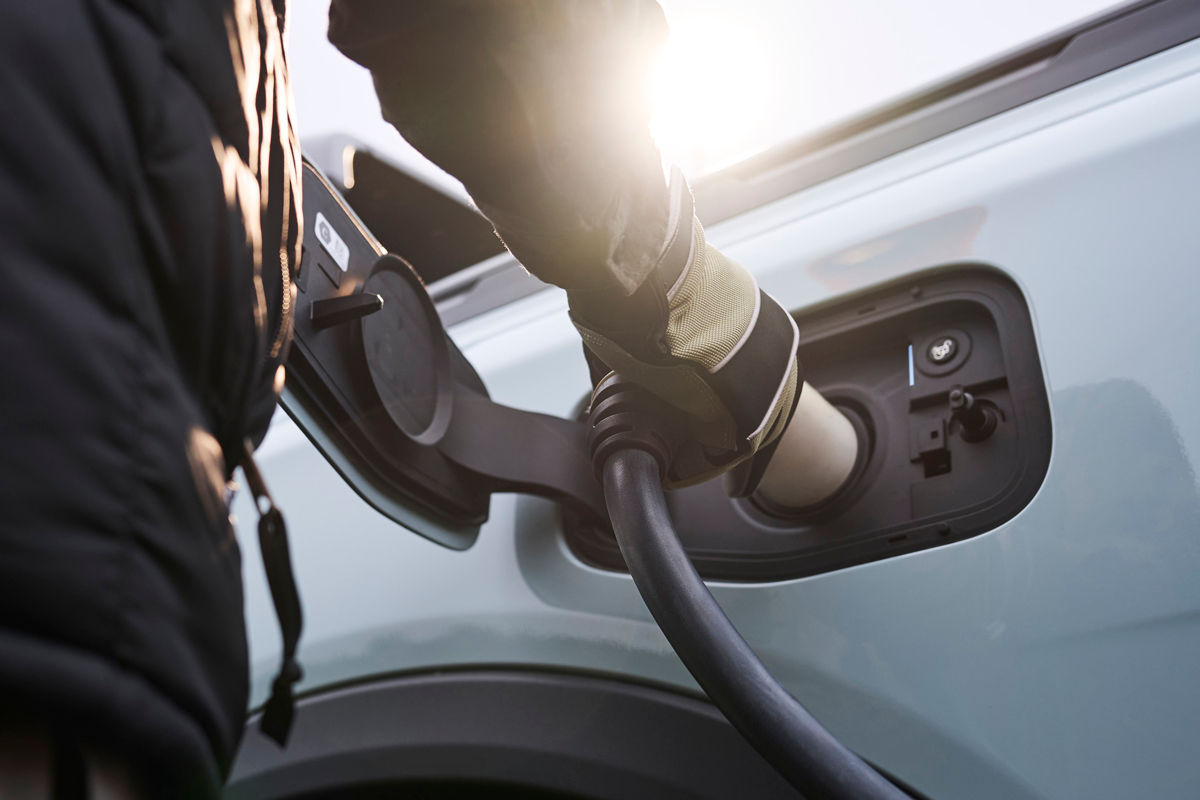
The electric motor is integrated into the transmission bellhousing, while the battery takes “less than 4 hours to charge using a single-phase 16-amp charger”, according to Ford. Interestingly, the company has still not provided a confirmed single-charge electric-only range, saying only that it has a target of “over 45 km”.
Ford adds that buyers can expect a payload of “up to 1 tonne” and a braked towing capacity of 3 500 kg. The Ranger PHEV employs a new “e-4WD” system along with a dual-range transfer box and rear differential lock. The traction battery, meanwhile, is packaged between “specially engineered” frame rails.
The plug-in hybrid Ranger also features something Ford calls “Pro Power Onboard”, which enables owners to power tools and appliances on a worksite or remote campsite by plugging them into power outlets in both the cargo bed and the cabin.
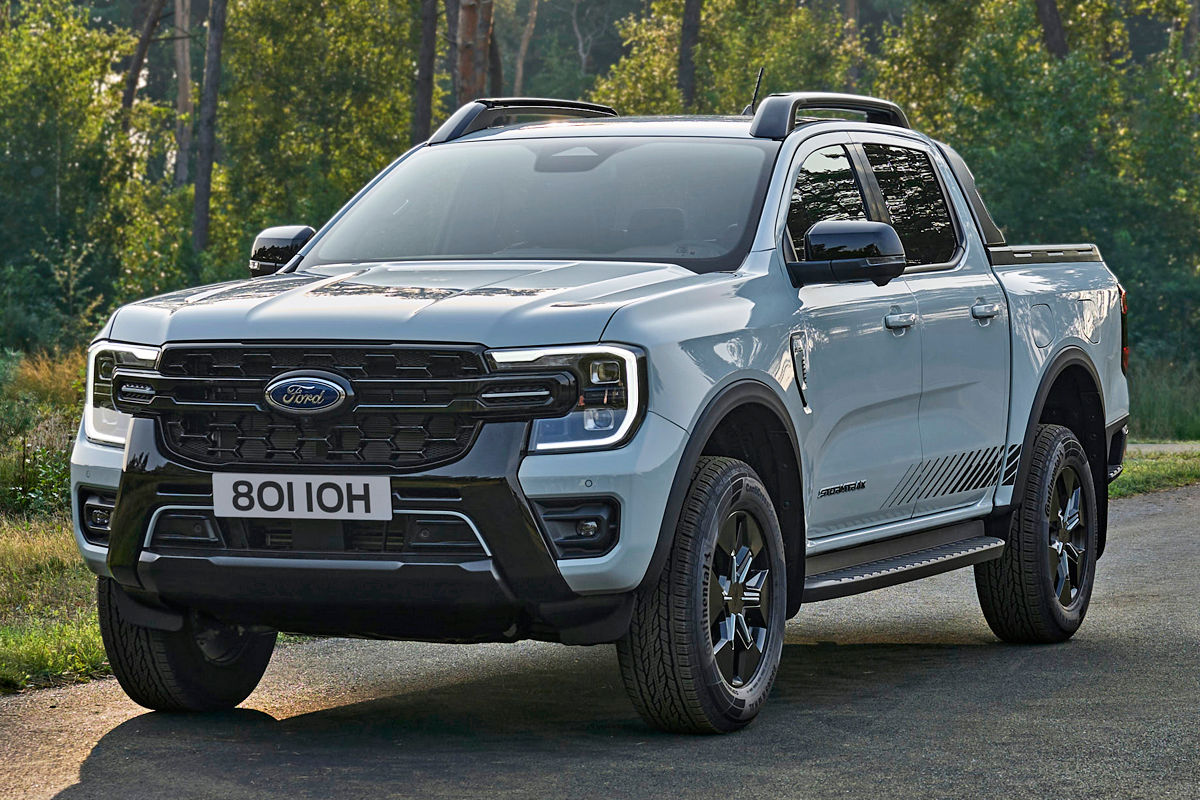
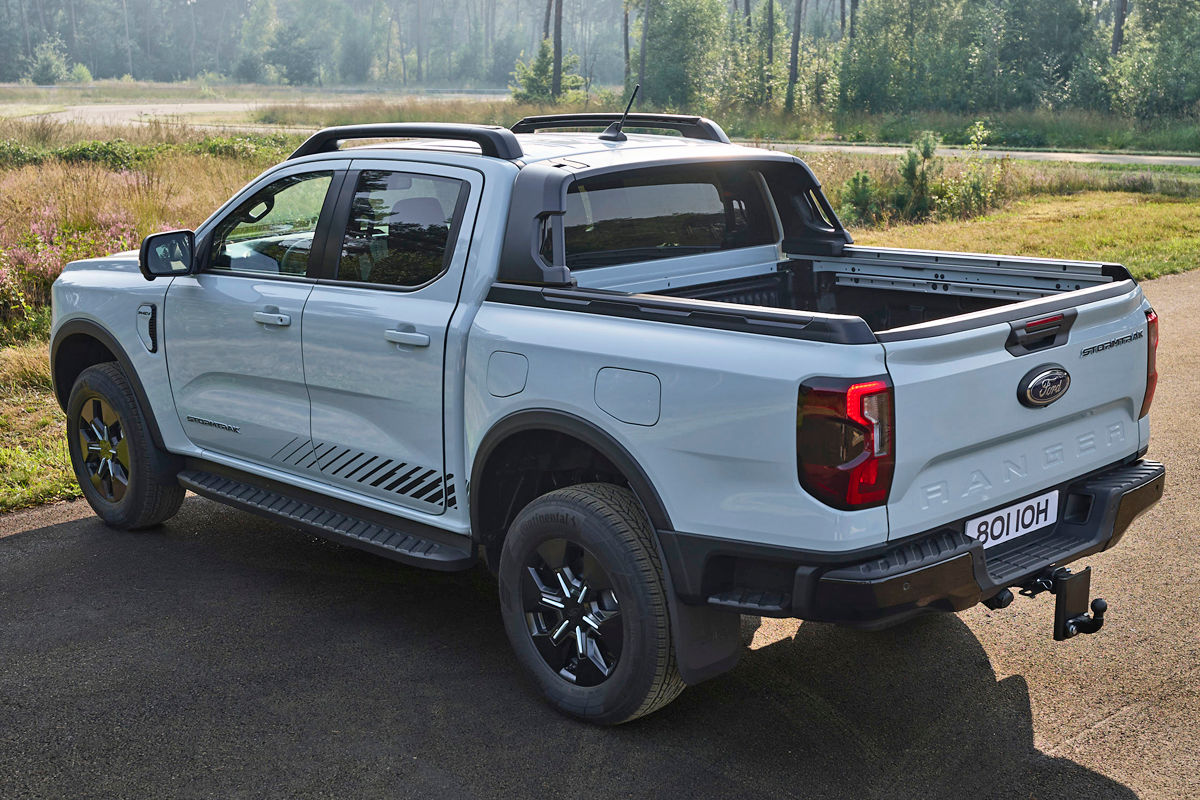
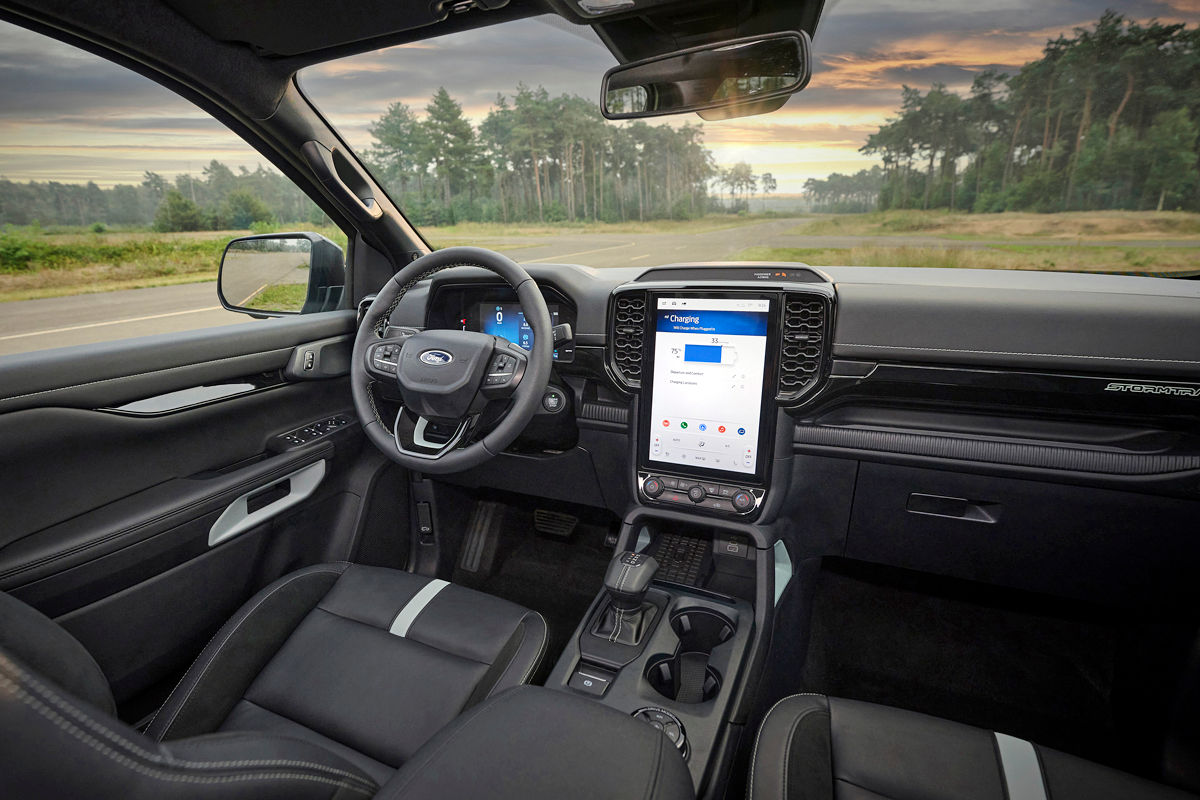
In Europe, the Ranger PHEV will be offered in XLT and Wildtrak form, along with the “PHEV-exclusive” Stormtrak launch edition pictured here. The latter is set apart by model-specific design features, such as 18-inch alloy wheels, a honeycomb grille, fender vents and a decal kit, along with Matrix LED headlamps and a 360-degree camera system.
GWM Tank 500 vs Ford Everest: What Should You Buy?
How well does the recently launched GWM Tank 500 stack up against one of the Adventure SUV segment’s most formidable products – the Ford Everest? And, which one of these SUVs represents a stronger buying proposition? Let’s take a closer look!
Since its local launch in 2022, the 3rd-gen Ford Everest has gained a strong following in our market; it’s the 2nd-best-selling bakkie-based 7-seater behind the formidable Toyota Fortuner (September 2024).
For context, in the first 7 months of 2024, the Everest racked up 1 856 sales while the Fortuner managed to sell an incredible 5 700 units over the same period. However, bear in mind that the Ford has a larger footprint and newer tech than the Toyota. Therefore, it commands a premium over its Japanese rival.
The Ford Everest Platinum sits at the pinnacle of the Everest range.
At the time of writing, the 2.0T HEV Ultra Luxury 4×4 was the only Tank 500 derivative available in South Africa, which means it’s a direct rival to the 3.0TD V6 4WD Platinum flagship in the Ford Everest line-up.
The main aim of this article is to help you, the consumer, make an informed buying decision. To help you do this, we will provide you with the need-to-know information and insight based on available vehicle information and our experience with the cars in question.
This article will cover key aspects including Exterior Styling, Performance & Efficiency, Interior Features & Safety, Dimensions & Practicality and Pricing & Warranty details.
If, at the end of this article, you are still undecided as to what to buy, you are more than welcome to reach out to us for advice via X, Facebook or Instagram. Our experienced test team will gladly assist you.
What To Buy: Tank 500 vs Ford Everest
Exterior Styling
GWM Tank 500
Talk about bling! The Tank 500 makes its presence known with a chunky grille (although, in our market, the model has a slightly different, but no less chrome-lashed, grille design than the international model) and large 2-tier LED headlamps with daytime running lights. The lower bumper houses discreet fog lights as well as a chrome strip. The chrome theme is further emphasised by large 20-inch alloy wheels.
A full-size spare wheel is mounted on the rear tailgate where another thick chrome strip leads to the vertically orientated tail-light clusters, each of which has – you guessed it – chrome surrounds.
The Tank 500’s flashy, chrome-laden “look at me” exterior design is unapologetically expressive and that approach may very well strike a chord with extraverted buyers – but it might be too bold for others…
Ford Everest
By contrast, the Ford Everest Platinum has a more restrained and refined design. The flagship derivative is identified with “Platinum” lettering on its bonnet lip, while the central grille is divided with a double horizontal chrome strip that stretches into the Everest’s distinct C-clamp LED headlights. The grille is further detailed with fine horizontal chrome elements that provide texture to the front-end design.
At the rear, the Ford’s taillights are relatively slim (considering the considerable height and width of the SUV) with a neat “hockey stick” light signature. Large 21-inch alloy wheels are fitted as standard.
With its more measured design approach, the Everest Platinum is likely to appeal to a wider audience.
Performance and Efficiency
GWM Tank 500 Ultra Luxury
Ford Everest Platinum
Powertrain
2.0L 4-cylinder turbopetrol hybrid
3.0L V6 turbodiesel
Power Output
255 kW
184 kW
Torque Output
648 Nm
600 Nm
Transmission
9-speed automatic
10-speed automatic
Fuel Consumption (Claimed)
8.5 L/100 km
8.5 L/100 km
GWM Tank 500
The GWM Tank 500 has impressive stated outputs, but its powertrain under-delivers in the real world.
Despite its generous peak outputs of 255 kW and 648 Nm of torque, the Tank 500 delivers less-than-sparkling performance. Our launch experience highlighted that while the Tank 500 can offer sufficiently punchy acceleration on flatter sections of the road, its performance on inclines is less impressive.
It’s worth mentioning that the Tank 500 has a kerb weight of around 2 605 kg, so it’s no lightweight. This fact is also a contributing factor to its seemingly high real-world fuel consumption.
You’d think that opting for a hybrid powertrain will guarantee lower fuel consumption but our experience with GWM and Haval hybrids has proven otherwise…
The electric motor and lithium-ion hybrid battery seem to exist to supplement performance more than enhance efficiency; while GWM claims an ambitious 8.5 L/100 km, you’re likely to see figures above 12 L/100 km, depending on your driving style. Higher figures can be expected on off-roading jaunts.
Despite featuring a hybrid powertrain, fuel efficiency is not one of the Tank 500’s strengths.
The 9-speed automatic transmission’s gear changes are relatively seamless and unobtrusive. The ride quality, in turn, is good – the Tank 500 rides comfortably, even if its suspension is fairly firmly sprung.
With the above information in mind, one could say the Tank 500 under-delivers in terms of its general performance and expected efficiency*, but we’ve put an asterisk next to that statement because we will hopefully spend more time with the Tank 500 soon, when we’ll give it a thorough assessment.
Ford Everest
Ford’s 3.0-litre V6 engine is a major highlight of the Everest Platinum.
We may have limited experience behind the ‘wheel of the Tank 500, but we’ve driven the Ford Everest on numerous occasions! Last year, we conducted a month-long test of the range-topping derivative and it’s well worth reading our detailed review of the 3.0 V6 AWD Platinum if you are thinking of buying the Ford.
First and foremost, we found that the Ford Everest’s 3.0-litre V6 turbodiesel offers strong performance with purposeful acceleration off the line, plus it has reserves of in-gear shove available at speeds above 80 kph, which is particularly useful for executing overtaking manoeuvres on the highway. Moreover, the 10-speed auto transmission shifts promptly and predictably, with smooth transitions between gears.
As for fuel efficiency, Ford, like GWM, claims an average consumption of 8.5 L/100 km for the Everest Platinum, but when we reviewed the variant, it returned figures above 10.5 L/100 km. However, such a result is expected for a vehicle of such a size (and engine capacity), so it is unlikely to deter buyers.
The Everest strikes a good balance between performance and economy.
The Everest’s general ride quality is also on the firm side of pliant, but like its GWM rival, the Ford does not compromise on comfort. What’s more, the Everest feels surefooted on its rubber and has a more direct and communicative steering feel than the previous-gen model – and indeed many of its rivals.
While the Ford Everest trumps the more powerful Tank 500 in terms of performance, neither model excels at being fuel efficient. But in our opinion, the Ford offers a better balance between performance and fuel economy than the GWM and that’s a notable advantage in this closely-matched comparison.
Leather Electric front seats with heating function, 8-point massage function and memory function 2nd-row reclining seats and adjustable
Leather Electric driver’s seat Heated seats (front and rear), electric lumbar support and memory (for the driver)
Safety Features
7 airbags, ABS with EBD, Brake Assist, Blind Spot Warning, Lane Keep Assist, Rear Collision Warning, Cross Traffic Alert, Lane Departure Warning, Auto Intelligent Parking, Downhill descent Control, Tyre Pressure Monitoring
6 airbags, ABS with EBD, brake assist, Blind Spot Warning, Lane Keeping System with Lane Keeping Alert and Lane Keeping Aid, Road Edge Detection, Driver Attention Warning, Pre-Collision Assist, Forward Collision Warning, Distance Alert and Indication, Evasive Steer Assist, Active Park Assist 2.0, Downhill Descent Control, Tyre Pressure Monitoring
Feature Summary
The perceived build quality inside the Tank 500 is good with a better-than-expected level of fit and finish. A mix of soft-touch materials and faux wood trim gives the cabin an upmarket look and feel.
A large touchscreen infotainment system – the largest we’ve seen in the segment – dominates the central fascia and is flanked by an all-digital instrument cluster, complemented by a head-up display.
As highlighted in the table above, the Tank 500 is generously equipped with safety and comfort features – which is what buyers expect at the 2.0T HEV Ultra Luxury 4×4‘s price point. Ventilated and reclinable rear seats are a highlight and the 2nd row can slide fore/aft to increase passenger legroom as required.
While the Ford Everest’s vertically-orientated touchscreen infotainment system is comparatively smaller, its SYNC 4A operating system is superior to the Tank 500’s interface in terms of functionality and usability. Note that integrated navigation is also offered in the 3.0TD V6 4WD Platinum.
Comfort features also abound in the Everest Platinum and the suite of safety features (including several autonomous driver assistance systems) that it offers as standard equipment is particularly impressive.
As for the look and feel of the cabin, the Everest Platinum’s interior execution isn’t as overtly flashy as the Tank 500’s (but some buyers will prefer it that way). Build quality and materials are of a high standard.
While the feature specifications of these models are closely matched (the GWM has the edge insofar as seat functions and conveniences are concerned, while the Ford excels in terms of safety systems) your preference in terms of interior execution may very well come down to a matter of personal taste.
Dimensions, Practicality and Off-road Features
GWM Tank 500 2.0T HEV Ultra Luxury
Ford Everest 3.0 V6 Platinum
Length
5 078 mm
4 940 mm
Width
1 934 mm
2 015 mm
Height
1 905 mm
1 837 mm
Wheelbase
2 850 mm
2 900 mm
Ground clearance
224 mm
226 mm
Approach angle
30°
30.3°
Departure angle
24°
23.3°
Breakover angle
22.5°
21.9°
Wading depth
800 mm
800 mm
Low Range
Yes
Yes
Differential Locks
Front + rear electronic
Rear electronic
Driving Modes
Standard, Sports, Economy, Slippery and Off-Road including Mud, Sand, Rock, 4L, 4H, automatic and Expert
Normal, Eco, Tow/Haul, Slippery, Mud & Ruts, and Sand
Towing capacity (braked)
2 500 kg
3 500 kg
Load Capacity
98-795-1459 L
259-898-1818 L
Practicality Summary
The Tank 500 and Everest are similarly sized, but the Everest looks bigger due to its wider stance. Note that the Ford has a slightly longer wheelbase which will have a positive impact on its spaciousness.
The GWM Tank 500’s load bay is not as spacious as the Everest.
The Tank 500 has 2 electronic diff locks, but whereas its rival’s off-road ability is well documented, we’ve yet to pilot the GWM on dirt or in mud. They have the same wading depth and similar off-road angles.
A major point of difference is braked-trailer towing capability. Caravaners, boat enthusiasts and horse lovers take note: the Tank 500 has a max capacity of 2 500 kg, but the Everest is rated for 3 500 kg.
Rear passenger space is good in the Everest.
While both vehicles are spacious, the Tank 500 does offer reclinable, rear seats which will prove useful on longer journeys. The Ford Everest, however, does feature a noticeably larger load bay than its GWM rival, which is something that many potential buyers will be scrutinising when shopping for these cars.
Price and Warranty
GWM Tank 500 2.0T HEV Ultra Luxury
Ford Everest 3.0 V6 Platinum
Price
R1 222 900
R1 240 600
Warranty
7-year/200 000 km 8-year/150 000 km hybrid battery
4-year/120 000 km
Service Plan
5-year/75 000 km
Optional 6-year/90 000 km
What should you buy: GWM Tank 500 or Ford Everest?
With its bold looks and feature-packed interior, the Tank 500 is likely to garner some impressive sales.
As it strives to provide excellent value and aftermarket support to its growing customer base, GWM also aims to shatter the perception that it is “a bakkie brand”. Given the success it has achieved with Haval, the Tank and Ora sub-brands are well poised to increase the Chinese automotive giant’s foothold.
To that end, the Tank 500 – with its flashy exterior styling, an elegantly executed interior and a generous list of standard features – makes a bold statement, which many buyers will be attracted to. The package, however, is let down by its middling on-road performance and seemingly poor fuel consumption.
Nonetheless, the Tank 500 offers “a lot of SUV” for its asking price and GWM’s impressive warranty will certainly give buyers peace of mind. We wouldn’t be surprised to see many more Tank 500s on South African roads and we can’t wait to spend more time with the model to evaluate it fully!
The Ford Everest Platinum is a fantastic all-rounder that deserves to be on your shortlist.
Given its 2023/24 #CarsAwards category-winning pedigree, the Ford Everest represents a strong buying proposition (in 3.0TD V6 4WD Platinum guise) if you desire a fully loaded and capable adventure SUV.
The Ford Everest is an accomplished product and the strong performance of its 3.0-litre V6 turbodiesel bodes well for long journeys with a full complement of passengers and their cargo. Also, unlike the Tank 500, which is a standalone derivative, buyers on a tighter budget have other derivatives to choose from in the Everest range. The Everest is also a bit more spacious – that’s another feather in its cap.
It’s not perfect, though. Take note of the Ford’s average warranty and that you have to pay extra for a service plan: the latter may irk some buyers, but the extra cost can be absorbed into your finance deal.
Overall, our assessment of the Tank 500 and Ford Everest leans in favour of the Blue Oval’s offering, but we’d be happy to be proven wrong! The sales numbers will soon speak for themselves…