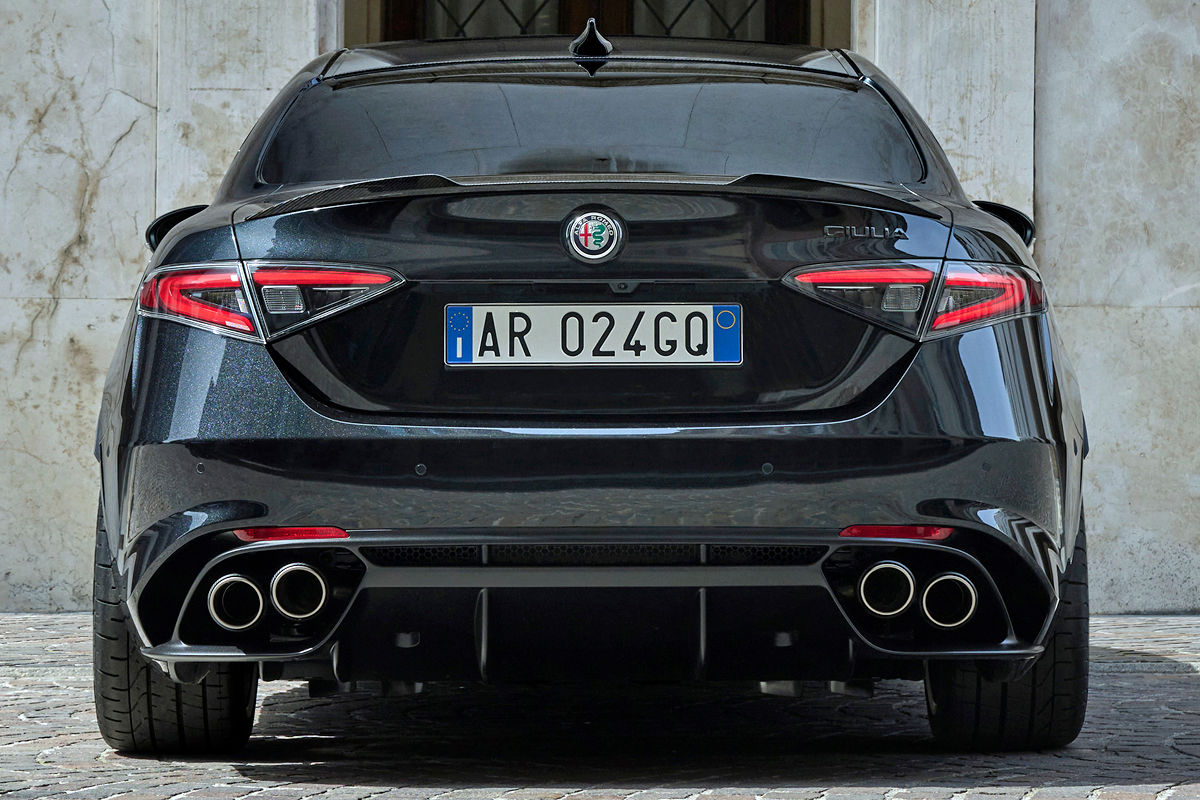
Alfa Romeo Giulia & Stelvio Quadrifoglio Super Sport (2024) Price & Specs
Prices for the newQuadrifoglioSuper Sport versions of the Alfa Romeo Giulia and Stelvio have been released, but South Africa will likely receive only a few units…
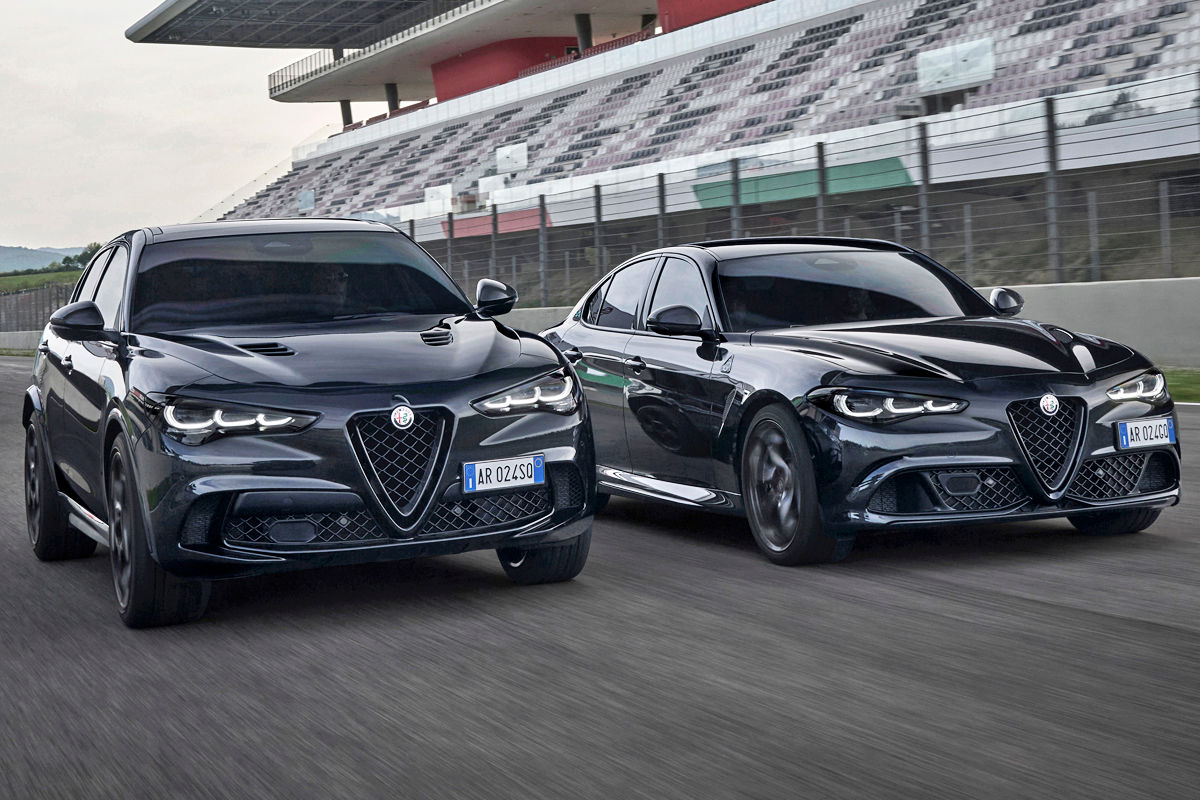
Back in May 2024, Alfa Romeo whipped the wraps off new Quadrifoglio Super Sport versions of its Giulia sedan and Stelvio SUV. Now, prices for these limited-run derivatives in South Africa have been released.
Before we take a closer look at the sticker prices, it’s worth keeping in mind the Italian firm will produce just 275 units of the Giulia Quadrifoglio Super Sport and only 175 units of the Stelvio Quadrifoglio Super Sport for global consumption.
Only a few units are expected to be available in Mzansi.
As such, South Africa seems likely to receive an extremely limited allocation – we’re thinking a number you can count on one hand. So, how much will these exclusive derivatives cost you (if they’re not all already accounted for, that is)?
Well, the rear-wheel-drive Giulia Quadrifoglio Super Sport is priced at R2 229 900, representing a R220 000 premium over the “standard” Quadrifoglio version of the high-performance sedan (which Alfa Romeo currently lists at R2 009 900 on its website, along with a seemingly outdated figure of R1 849 083 – perhaps for the prior model year – on its configurator).
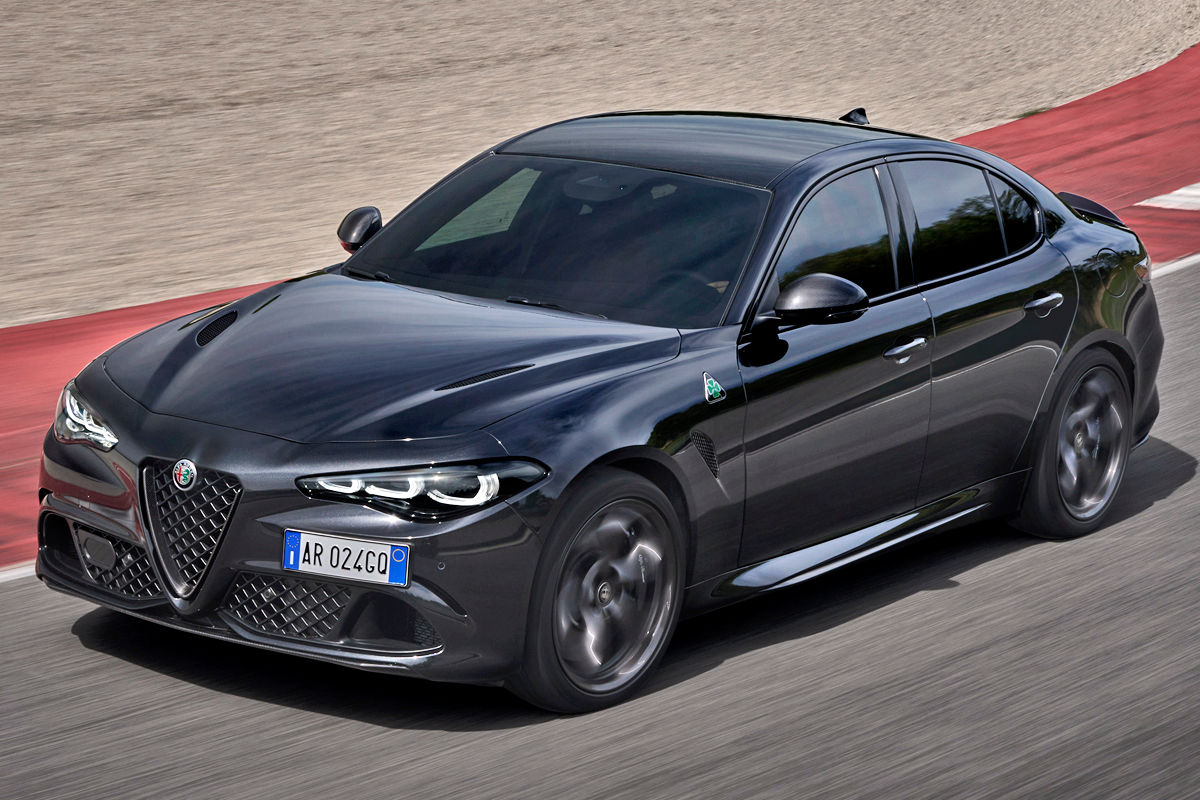
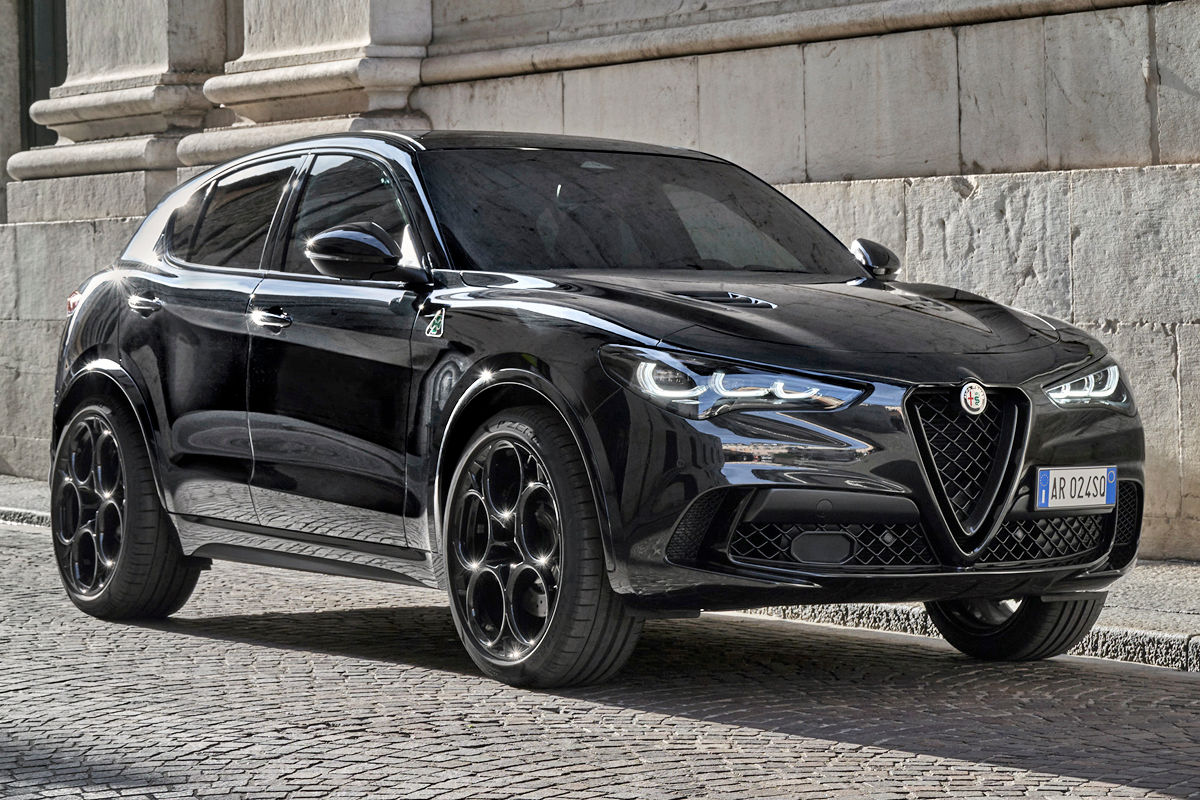
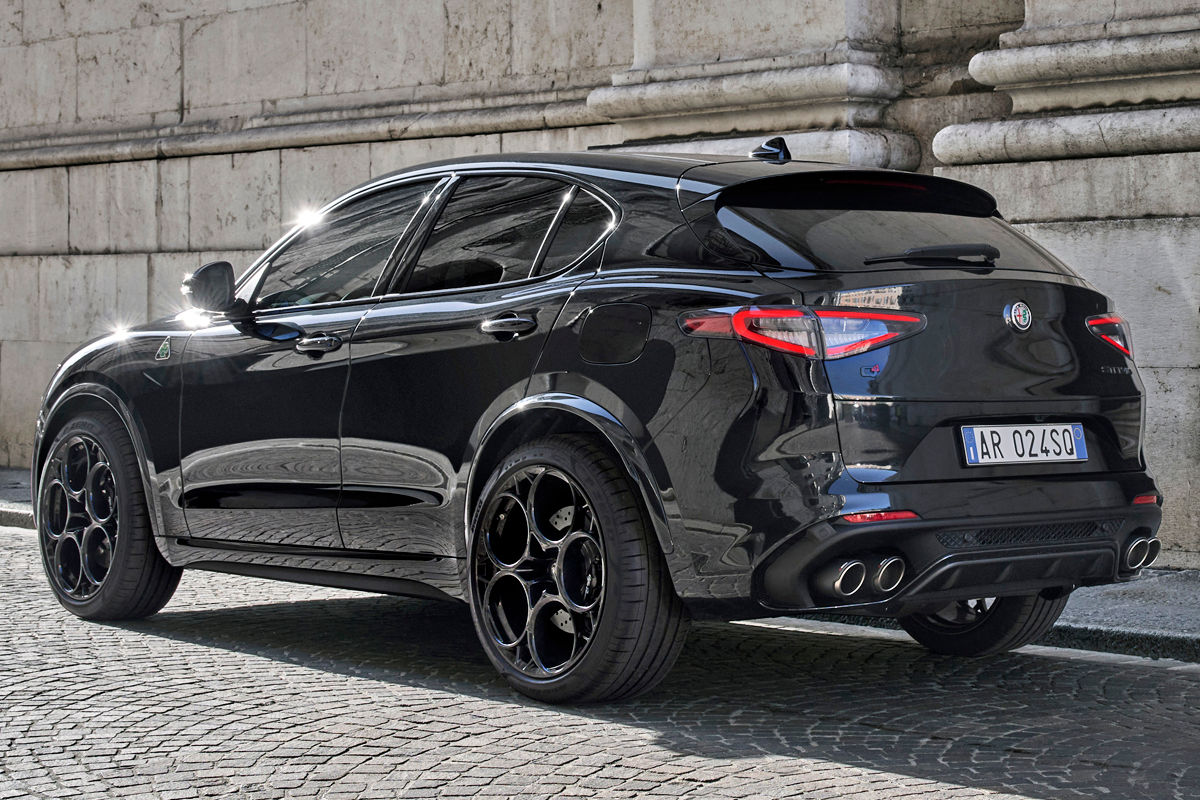
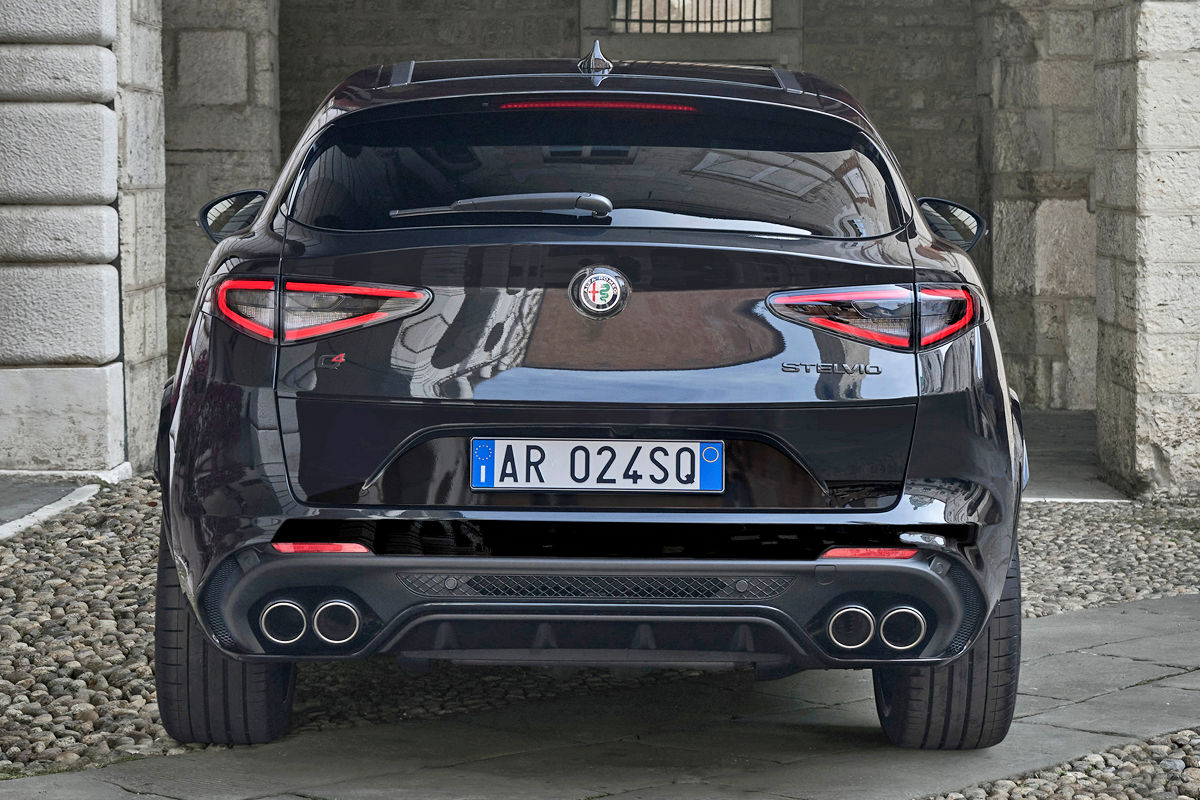
Dark 21-inch alloys are standard on the Stelvio Super Sport.
Meanwhile, the all-wheel-drive Stelvio Quadrifoglio Super Sport starts at R2 508 900, which makes it R316 000 pricier than the model it’s based on. For the record, the standard Stelvio Quadrifoglio is listed on Alfa’s local website at R2 192 900, with the configurator still showing an old figure of R1 956 900.
So, what makes a Super Sport? Well, while the twin-turbo 2.9-litre V6 petrol engine is unchanged – as are its peak outputs of 375 kW and 600 Nm – here it combines with a mechanical limited-slip differential derived from the Giulia GTA. Alfa Romeo claims this optimises torque transfer and increases stability, agility and cornering speed.
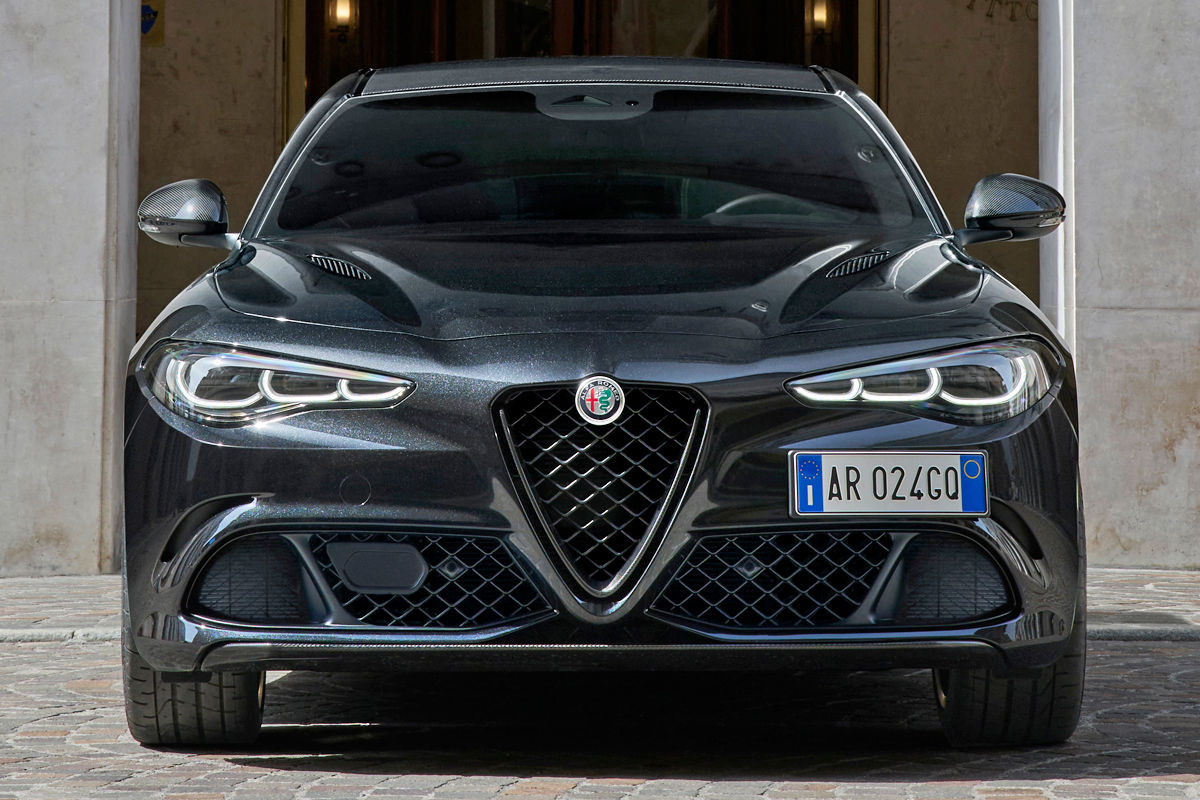
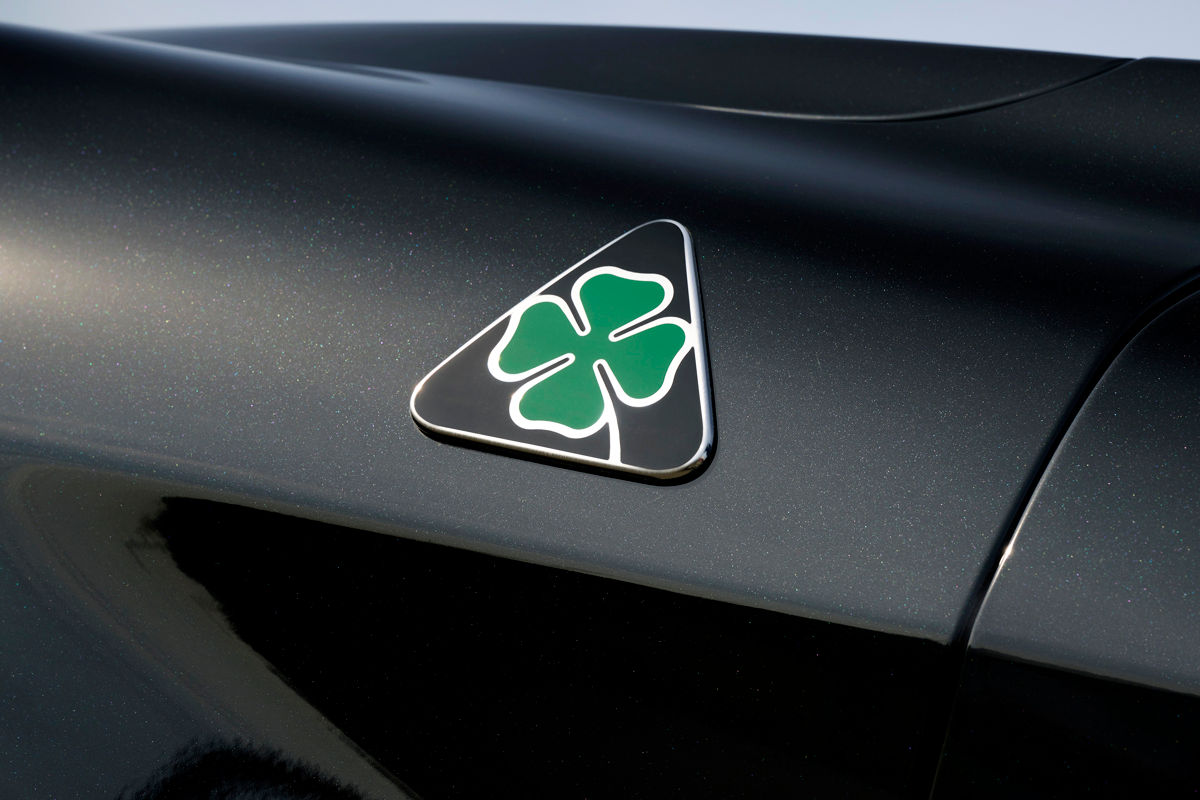
The 4-leaf clover badge features a black background for the first time.
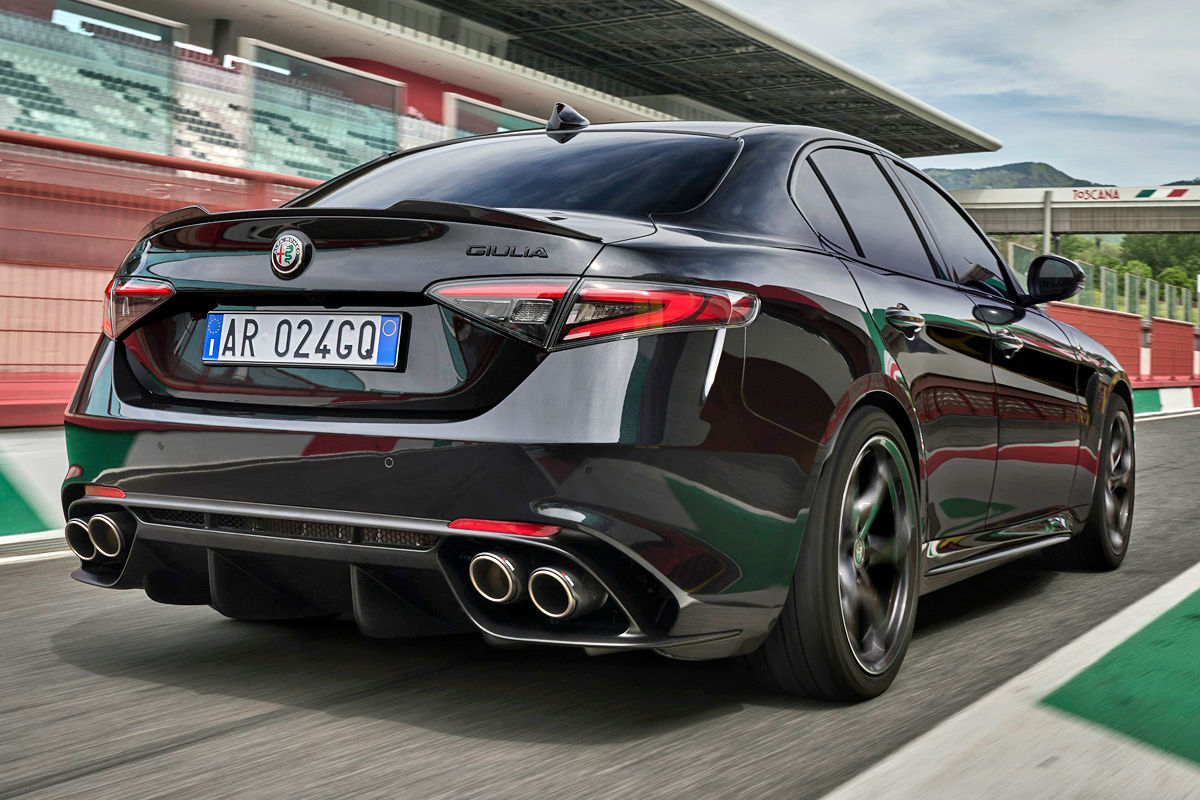
In addition, the Giulia version scores an Akrapovič exhaust system, a carbon-fibre roof, carbon-fibre side mirror caps, black brake callipers, a black “Giulia” badge and a 4-leaf clover logo featuring a black background. Meanwhile, the Stelvio version adds 21-inch alloys and drops the carbon-fibre roof for a panoramic glass roof.
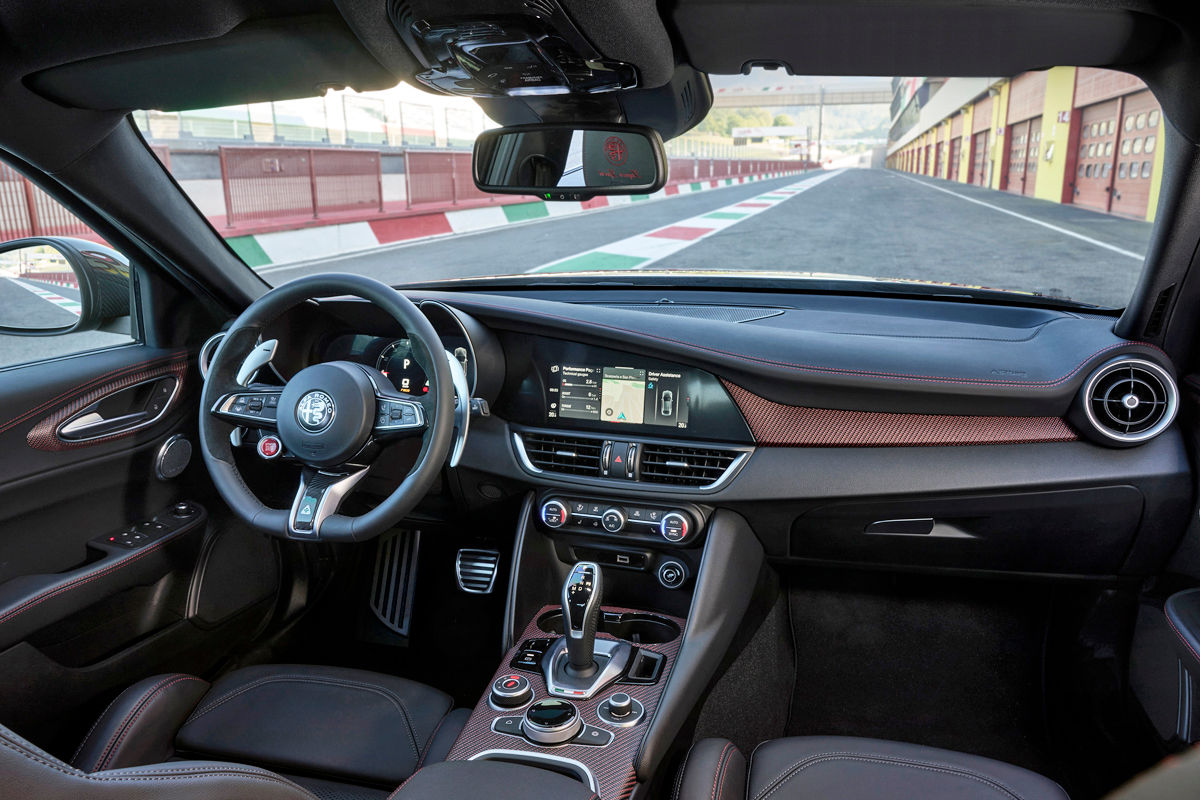
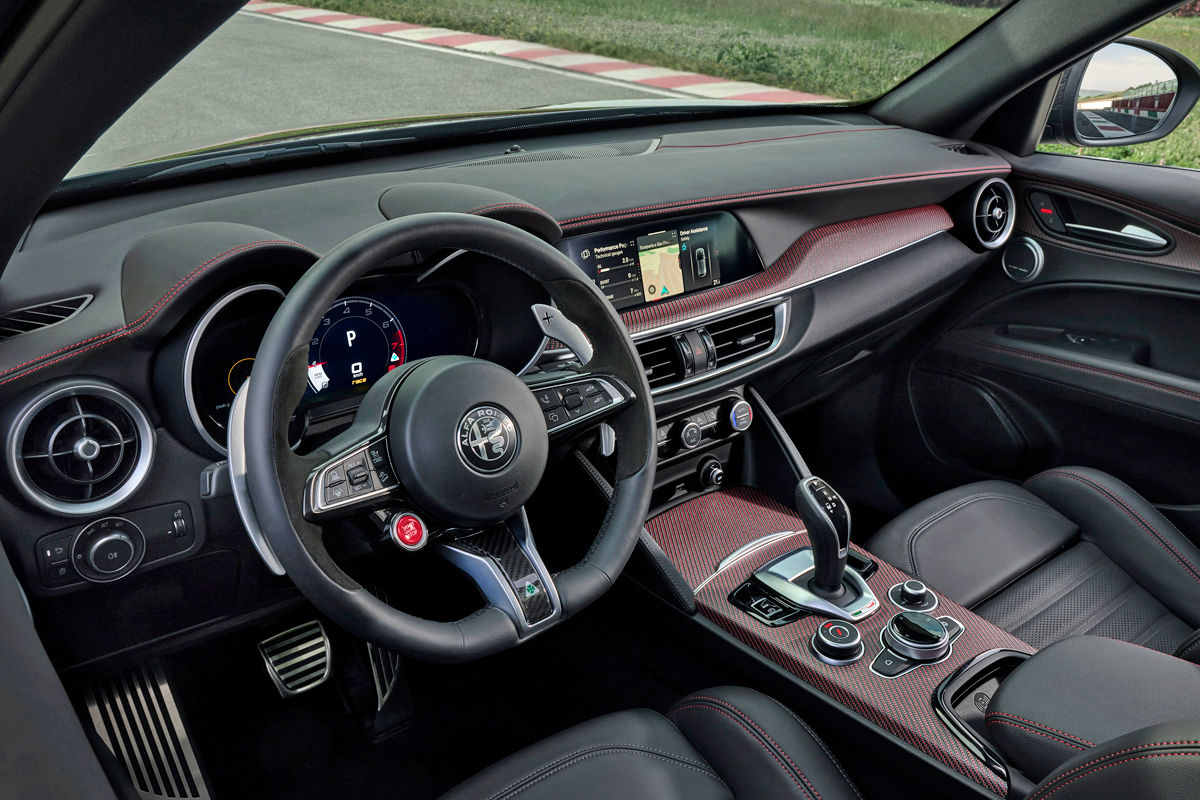
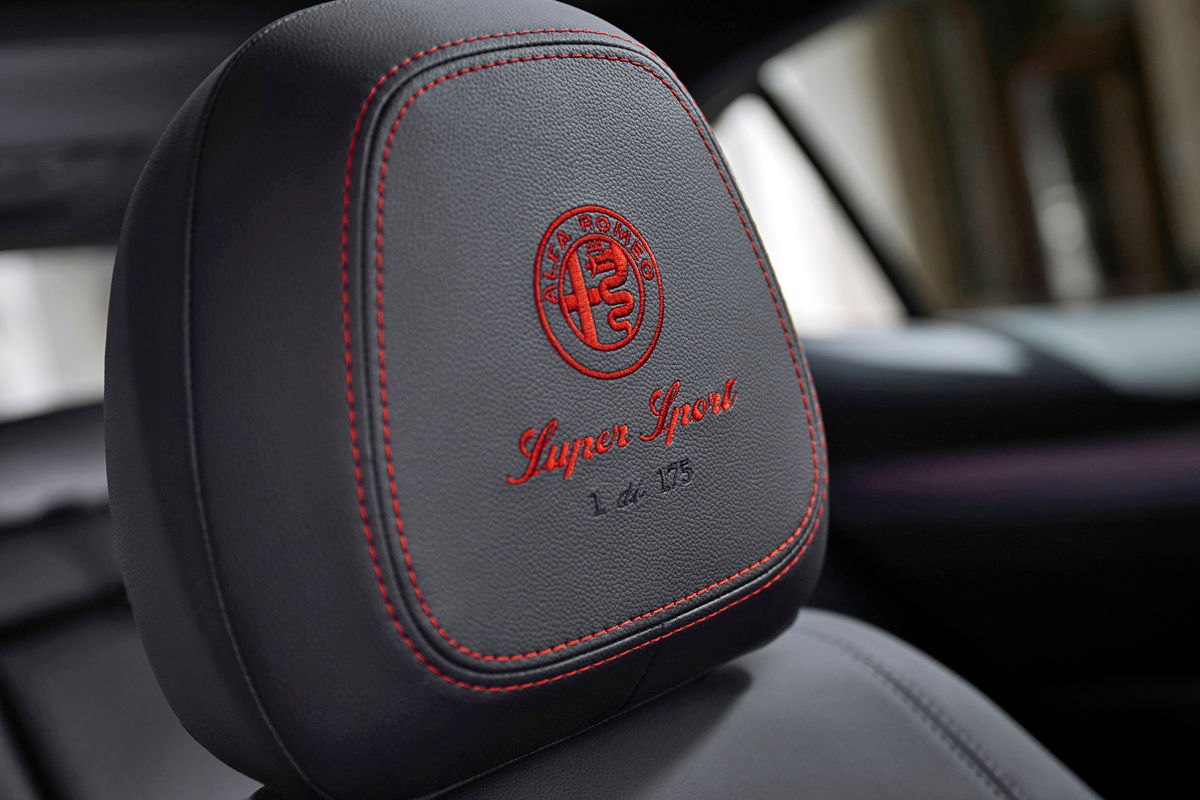
Inside, both derivatives feature a new “3D” finish in red carbon-fibre on the dashboard, central tunnel and door panels. Furthermore, the front headrests gain the “Super Sport” logo in red as well as the vehicle’s build number in black.
How much do the new Super Sport derivatives cost?
Alfa Romeo Giulia Quadrifoglio – R2 009 900
Alfa Romeo Giulia Quadrifoglio Super Sport – R2 229 900
Alfa Romeo Stelvio Quadrifoglio – R2 192 900
Alfa Romeo Stelvio Quadrifoglio Super Sport – R2 508 900
The prices above include the brand’s 5-year/100 000 km warranty and maintenance plan.
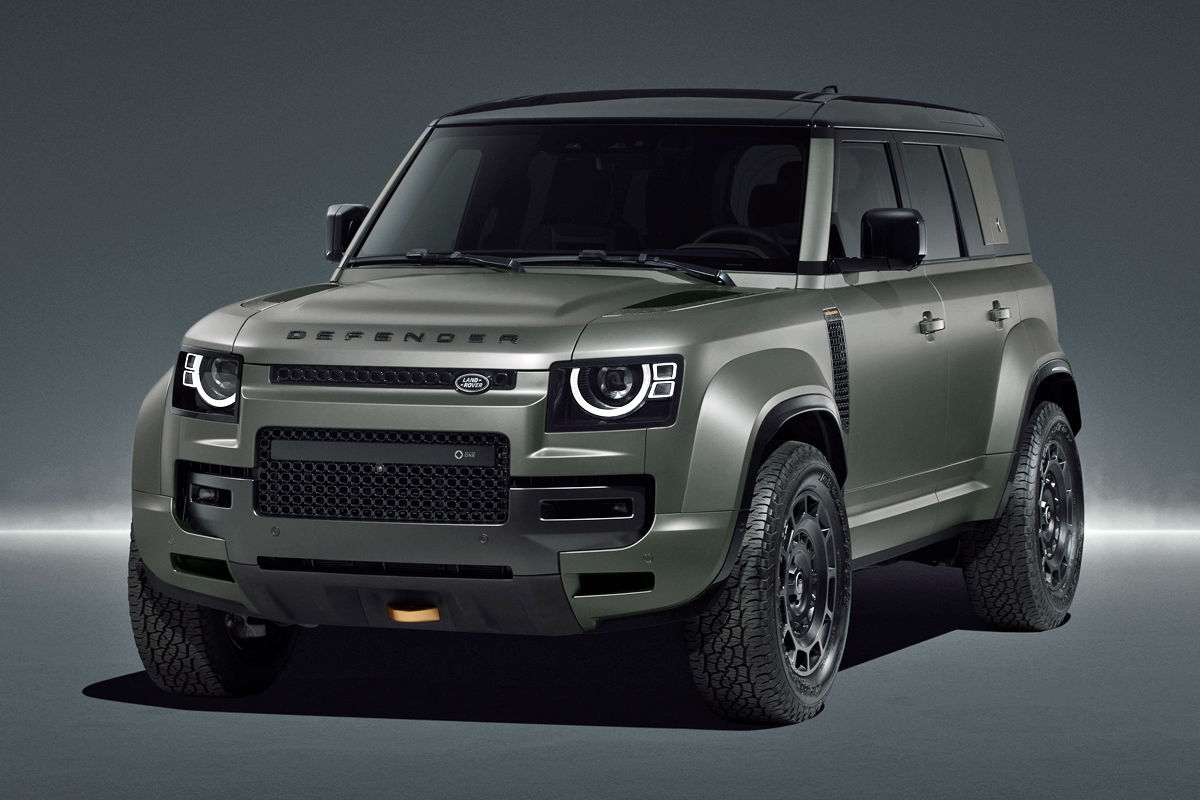
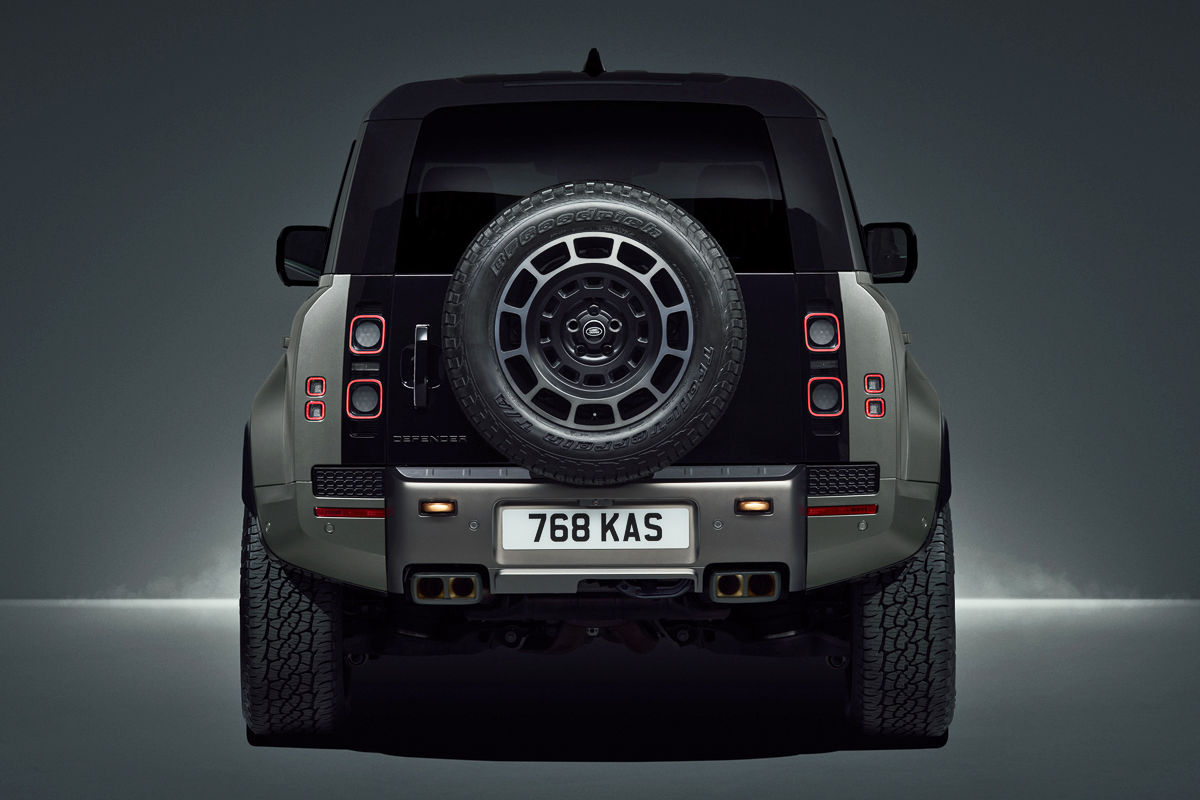
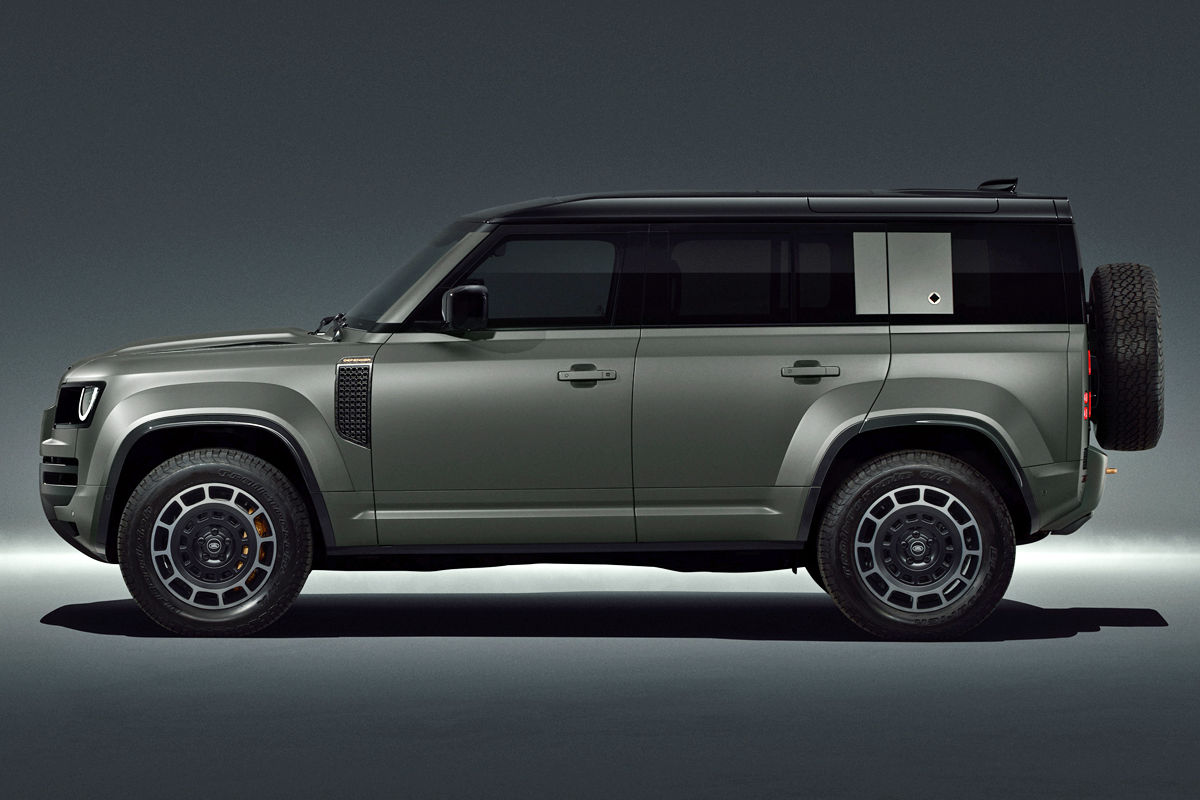
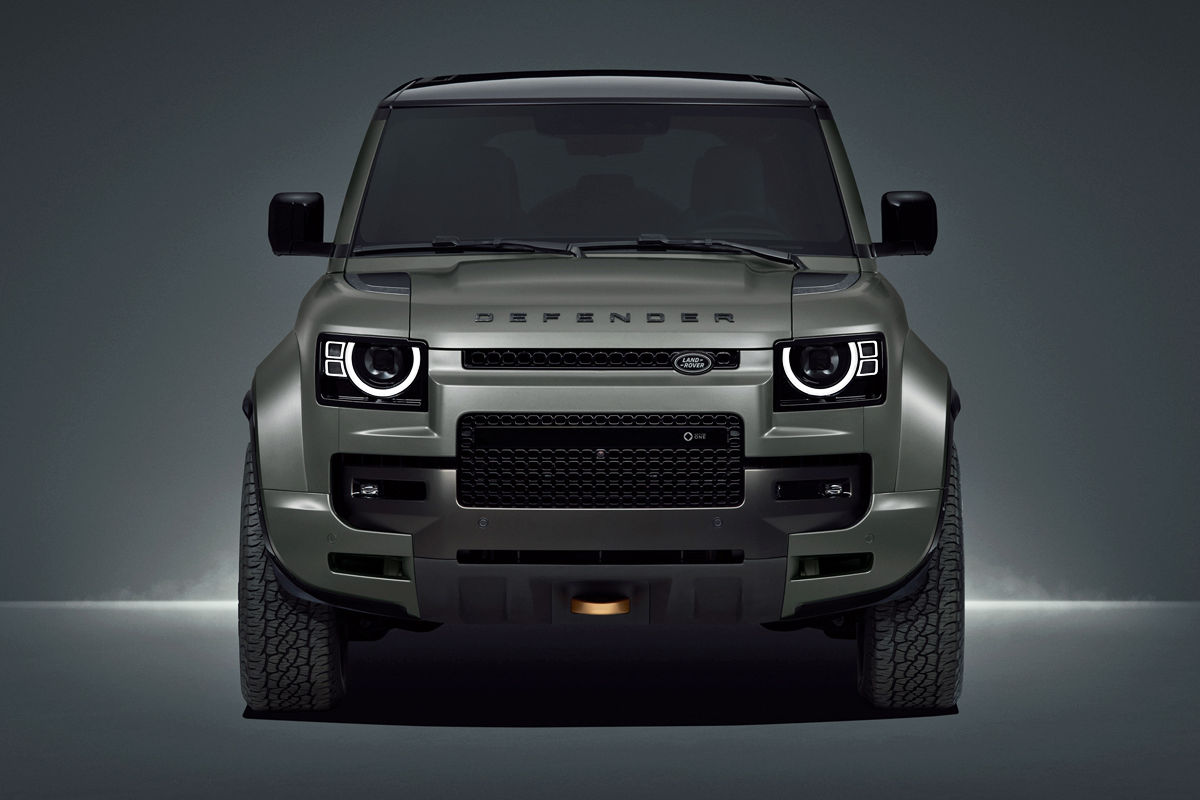
Defender 110 Octa Edition One (2024) Price & Specs
A limited number of Defender 110 Octa Edition One units will be available in South Africa. Here’s how much this special version of the 467 kW SUV will cost you…
The burly 467 kW Defender 110 Octa was revealed in July 2024 as the most powerful version of the SUV yet. Pricing for this V8-powered model in South Africa has now been confirmed, as has the price of the limited-run Defender 110 Octa Edition One.
On the day of the Octa’s reveal, the British company’s local division listed an “indicative” price of R3 499 100, a figure that turned out to be spot on. However, Cars.co.za can now also confirm that the more exclusive Defender 110 Octa Edition One will start at R3 749 100.
For the record, that’s a R250 000 premium over the “standard” (for lack of a better term) Defender 110 Octa. So, the pair of Octa-badged derivatives will slot in above the Defender 130 V8, which currently kicks off at R3 074 400 and uses a supercharged 5.0-litre V8 petrol motor.
As a reminder, the Defender 110 Octa instead employs a twin-turbo 4.4-litre V8 mild-hybrid powertrain sourced from BMW, along with an 8-speed automatic transmission. Peak system outputs come in at 467 kW and 750 Nm (or up to 800 Nm with “Dynamic Launch Mode” activated), resulting in a 0-100 kph sprint in a claimed 4.0 seconds.
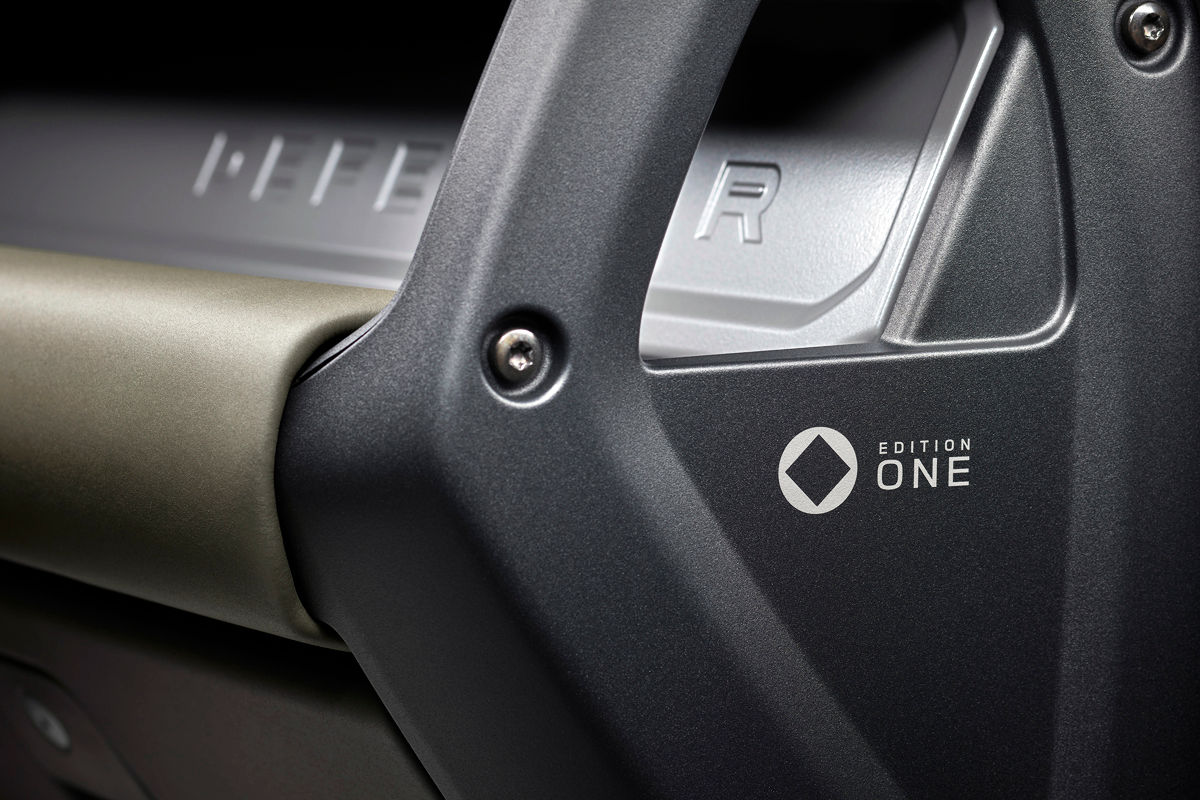
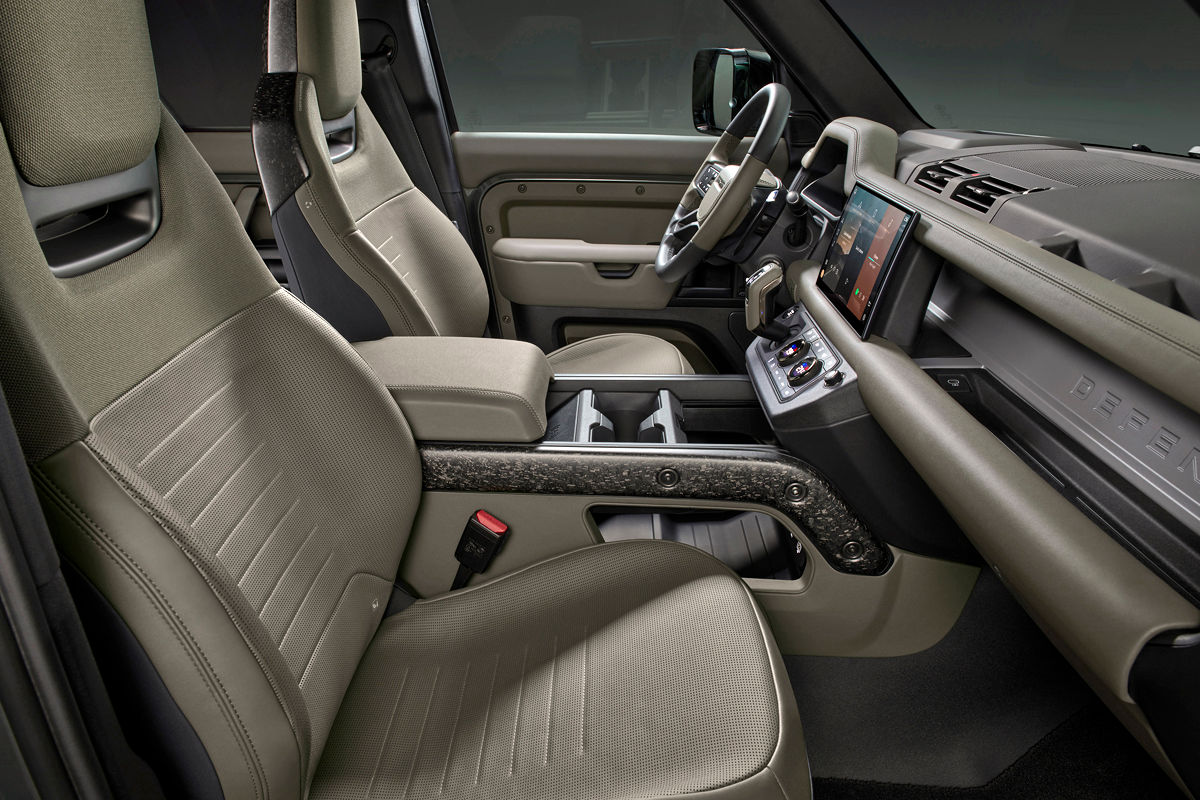
So, what makes an Edition One? Well, this derivative will be available only in the opening year of production and features what the company describes as a “curated specification”. In short, it’s finished in an exclusive new “Faroe Green” paint colour, while the cabin features Khaki and Ebony finishes and new “Chopped Carbon Fibre” detailing.
The Defender 110 Octa Edition One furthermore rides on 20-inch forged alloy wheels and can be specified with either standard all-terrain tyres or optional “specially developed” all-terrain rubber. Like the model on which it’s based, however, the Edition One benefits from hydraulically interlinked “6D Dynamics” suspension as well as “extensive hardware and geometry changes”.
Note that under its latest corporate identity, JLR (rather than Jaguar Land Rover, as it was previously known) no longer prefixes Defender with “Land Rover”, instead opting to position Defender as a standalone brand, alongside Discovery and Range Rover.
How much does the Defender 110 Octa Edition One cost?
Defender 110 P635 Octa – R3 499 100
Defender 110 P635 Octa Edition One – R3 749 100
The prices above include a 5-year/100 000 km warranty and a 5-year/100 000 km maintenance plan.
It’s official: MG Motor is returning to South Africa
MG Motor is officially returning to South Africa some 8 years after it last left the local market. Here’s what we know about the Chinese-backed firm’s imminent relaunch…
Back in July, Cars.co.za reported that MG Motor was poised to return to South Africa before the end of 2024. Now we have official confirmation that the Chinese-backed British firm will indeed re-open its doors locally in the final quarter of the year, just in time to celebrate the brand’s centenary.
MG Motor South Africa says the “exact dates [of its official relaunch] have still to be confirmed” (as it is still “in the process of finalising” its plan) but adds that “it will be to[wards] the end of the year”.
MG Motor South Africa’s recently created Facebook page.
Though the brand’s local website is not yet up and running, it created an “MG Motor South Africa” profile on Facebook as recently as 3 September 2024. In addition, the Hatfield Motor Group – a well-known multi-franchise dealer network – recently posted details on its website about 2 soon-to-open MG dealerships.
While this page on the Hatfield Motor Group’s site has curiously since been removed, we tracked down a cached version, which included the image below as well as the following text: “Prepare to rediscover the iconic MG car brand as it returns to South Africa with two new dealerships opening up in Rivonia and Midrand on 1 October 2024”.
A since-removed image from the Hatfield Motor Group’s website (showing the Cyberster EV roadster!).
For the record, the listed address of MG Motor South Africa’s headquarters is 93 Grayston Drive in Sandton. For now, however, it’s unclear whether the division will relaunch as a wholly owned subsidiary of SAIC Motor or whether a private company has been appointed to distribute the marque locally.
As a reminder, the MG brand – which was founded 100 years ago as “Morris Garages” in the United Kingdom – is owned by Chinese group SAIC Motor, a state-owned manufacturer also responsible for the LDV marque. Officially under the stewardship of Shanghai-based SAIC Motor since around 2007, MG began its previous re-entry to South Africa late in 2011, though again exited the local market in 2016.
The LinkedIn profile of Ian Nicholls, including a line suggesting the brand’s return in 2024.
As we reported earlier, Ian Nicholls, a former General Motors executive who spent several years as the American firm’s director for Sub-Saharan Africa (based in the Eastern Cape), was this year appointed as a “senior advisor” to MG Motor South Africa, according to his LinkedIn profile.
Separately, we discovered that SAIC Motor had advertised various employment positions under the MG brand in South Africa, including posts for a national marketing manager and a service manager (both based in Sandton). In addition, Lex Kriel, the former General Manager for Sales and Operations at Hyundai Automotive SA, was appointed Sales and Network Director at MG Motor SA, according to his LinkedIn profile.
The Hector is one of the SUVs that MG builds in India.
For now, the big mystery is around exactly which products MG will offer locally. One option is to source certain vehicles – such as the Astor, Hector and Gloster – from MG Motor India’s manufacturing division in Gujarat, while another is to bring in models from China (the company could, of course, also import from both countries).
Either way, considering the wide variety of global products at its disposal – from budget-friendly combustion-engined models to new-energy vehicles (including fully electric cars) – it will be fascinating to see where MG positions itself in the local market…
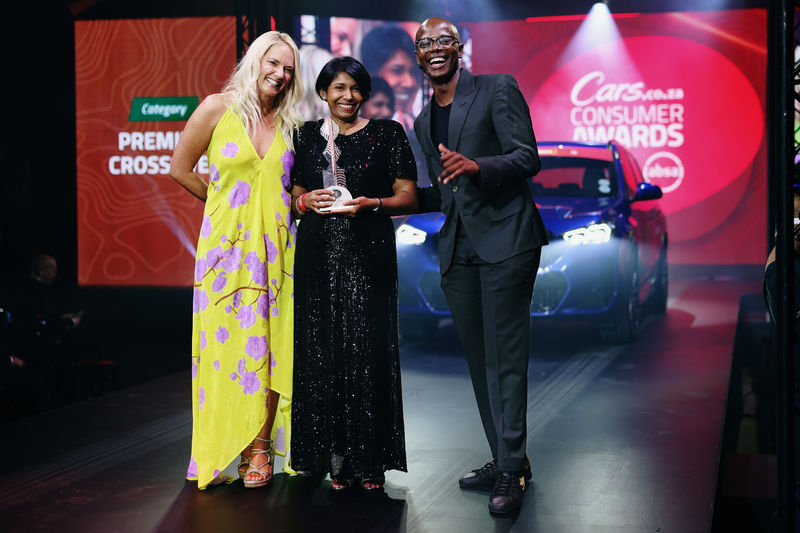
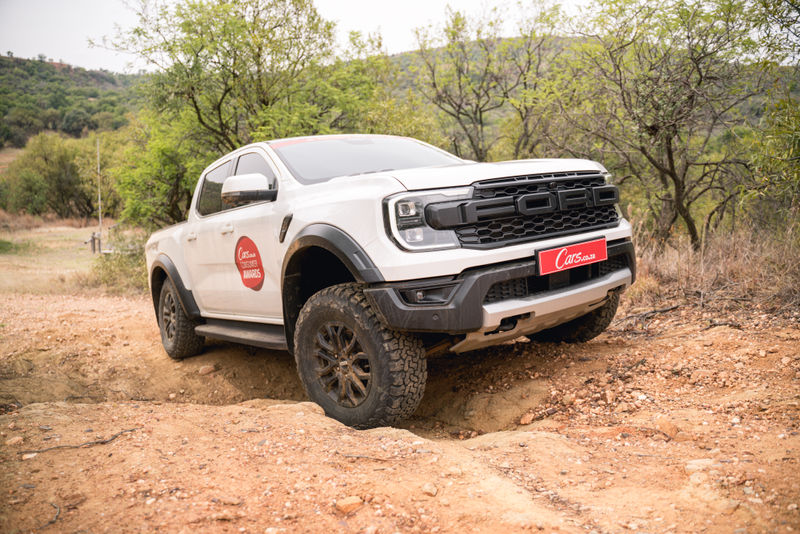
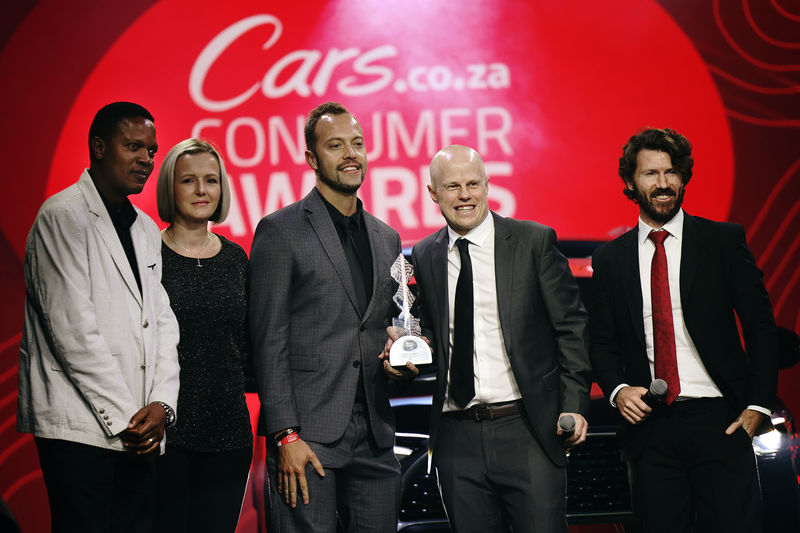
South Africa’s definitive motoring awards programme, the Cars.co.za Awards – sponsored by Absa, is gearing up for its 8th season. To kick things off, the organisers have announced the judges and categories for this year’s #CarsAwards.
“We believe that the ultimate measure of success for our Awards programme is its potential to impact consumer behaviour,” says Hannes Oosthuizen – the project manager of the 2025 Cars.co.za Awards.
“With this in mind, we re-evaluate just about every facet of the Awards structure and systems every year to make sure it remains in tune with market shifts, consumer demands, media consumption and more.”
The keen observers will notice that the word “Consumer” has been dropped from the naming.
“There is a very simple reason for this,” says Oosthuizen. “The word impacts the sizing of the type where we apply our Awards logo to billboards, for example, and with it removed the visibility of our logo will increase significantly. It furthers our pursuit of greater impact and making it easier for consumers to recognize the best cars in the market, where we publicise them.”
The #CarsAwards – as it is widely referred to on social media – is about much more than just handing over trophies to carmakers in February 2025. It’s a 6-month long project that is designed to inform potential car buyers about the vehicles that should appear on their shortlists. Importantly, it also gives consumers a say in the results.
The semi-finalists in each of the 13 categories will be announced on Friday 13 September.
Watch the highlights video of the 2023/24 #CarsAwards – sponsored by Absa
An awards programme that helps the consumer
“It is important to note the #CarsAwards differs from other awards programmes in several key aspects,” says Oosthuizen. “Firstly, the consumer can get directly involved, by telling us about their experiences with the vehicles they own, including the after-sales service they’ve received,” he adds. Data collection for this important aspect of #CarsAwards has already begun, in partnership with Lightstone Consumer.
In the final round of judging, the inputs of actual car owners account for 50% of a finalist vehicle’s score. “This is a crucial aspect, because while we can rely on motoring- and other specialist journalists to evaluate the products by testing them, they can’t judge what it’s like to live with a car – owner feedback is equally important,” he explains.
Categories aligned with market hot-spots
Another key difference is that the #CarsAwards doesn’t only consider and reward models that have been launched in the past year… and it’ll be no different for the 2025 Cars.co.za Awards – sponsored by Absa.
“These awards are really for the consumer,” Oosthuizen says. “For that reason, all cars on the market are in the running, provided they have been launched locally by 1 September 2024 and comply with the various categories’ criteria. We have tweaked the 13 categories of the 2025 Cars.co.za Awards to be even better aligned with where consumers are shopping,” he says.
The biggest change this year is the introduction of a second bakkie (pick-up) category. “South Africans love double-cab bakkies, but the price range from the most affordable to the top-end is vast, and so we wanted to introduce a fair way of including almost all of them,” Oosthuizen explains.
“As a result, the new Leisure Double Cab category is for automatic, four-wheel drive double-cabs below R750 000, while a new category called “Ultimate Double Cab” caters for vehicles above R750 000.”
Another significant change can be found near the bottom-end of the market, in terms of price.
“Not so long ago the so-called B-Segment of hatchbacks was one of the most popular in the market, with all the major brands competing for sales.
“However, in recent years the increasing popularity of cheaper crossovers and even cheaper hatchbacks produced in India have eroded what seemed like a mainstay of the market,” Oosthuizen adds.
Consequently, the #CarsAwards categories have been streamlined at the lower end of the market. The Entry-Level Hatch category has been replaced by the Budget Car category with a raised price ceiling of R300 000. Importantly, the category now includes any body type of vehicle, not only hatchbacks.
Meanwhile, the new Compact Hatch category now stretches from R300 000 to R500 000 and merges the previous Budget Hatch and Compact Hatch categories from previous years.
The third major change is in South Africa’s ever-popular Adventure SUV category, where the requirement for 7 seats has been dropped and the price cap removed.
“The thinking here is that we want to shift the focus to dual-road capability. South Africans are passionate about their 4x4s, and we want to find and award the best in the market. The off-road test component of this category will therefore become more important,” Oosthuizen says.
As before, the 14th and most prestigious category is Brand of the Year. “This is a really special award and 100% based on consumer feedback gained from our Ownership Satisfaction Survey, and also incorporating market share growth and resale data.
The 13 product categories are:
BUDGET CAR (Priced below R300 000)
COMPACT HATCH (Priced between R300 000 and R500 000)
BUDGET CROSSOVER (Priced between R300 000 and R400 000)
COMPACT FAMILY CAR (Priced between R450 000 and R600 000)
FAMILY CAR (Priced between R600 000 and R800 000)
PREMIUM CROSSOVER (Priced between R700 000 and R1m)
EXECUTIVE SUV (Priced between R1m and R1.5m)
PREMIUM SUV (Priced between R1.5m and R2m)
ADVENTURE SUV
LEISURE DOUBLE CAB (Priced below R750 000)
ULTIMATE DOUBLE CAB (Priced above R750 000)
PERFORMANCE CAR (Priced below R2m)
EV (Priced below R1.3m)
Timelines
As before, there are 4 phases to the #CarsAwards process.
September 2024: The Cars.co.za extended editorial team meets in Cape Town and debates all vehicles in the South African new vehicle market, within the defined categories and against the category criteria. All vehicles launched by 1 September 2024 will be considered. The top 5 contenders in each category are determined by consensus and not a secret vote to ensure rigorous analysis and debate. The 5 semi-finalists will be announced on Friday, 13 September 2024.
October 2024: The same Cars.co.za extended editorial team meets in Cape Town and votes on the vehicles in the individual categories to determine the finalists (3 per category).
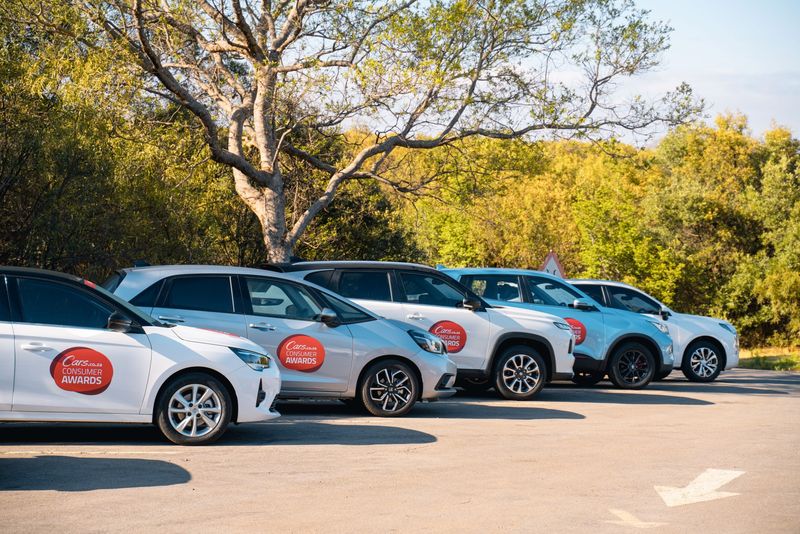
4-5 November 2024: The 39 finalist vehicles (3 per category, 13 categories) of the 2025 Cars.co.za Awards are tested back-to-back at Gerotek in Gauteng.
February 2025: Announcement of all winners.
Respected, influential judges
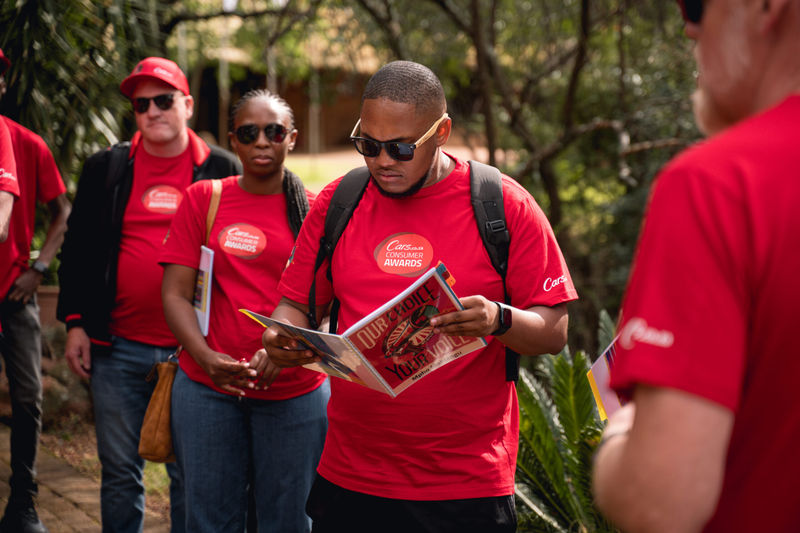
In building the judging panel, the goal was to achieve a balance of motoring expertise (particularly in the first 2 phases of the programme, which determine the finalists) and respected non-motoring, highly analytical media professionals.
“It is absolutely crucial that motoring journalists’ opinions are supplemented by those of non-motoring media professionals, who, in many ways, represent the consumer at the test days,” explains Oosthuizen.
“As these Awards are designed to be of maximum benefit to the consumer, it is also critical that as many South Africans as possible know about the results,” says Oosthuizen.
“Our panel of judges has been selected with that in mind, and consequently you will find a mix of new and traditional media, print, broadcast and social media specialists,” he explains.
Volkswagen Group Africa has introduced the 3rd-gen Tiguan family car in South Africa. The latest Tiguan boasts much-revised stylish inside and out, plus a raft of technology- and equipment upgrades. We travelled to Gqeberha to experience the new Tiguan.
Almost exactly a year after the new Volkswagen Tiguan was revealed globally, the Wolfsburg-based local subsidiary has launched the new-gen family car in Mzansi. Will it build on its predecessors’ successes?
Since the arrival of the 1st-gen Tiguan in 2009, the model has found favour with more than 41 000 families in South Africa and has notched up sales of 7.4 million units around the globe. What’s more, the 2nd-generation Tiguan was twice recognised as the winner of the family car category of the Cars.co.za Consumer Awards (in the 2016/17 and 2018/19 programmes), highlighting its impact on the local market.
Evidently, the Volkswagen Tiguan is a front-running model, but competition in this segment is formidable! With excellent family car products such as the Kia Sportage (the current #CarsAwards Family Car champion), Toyota RAV4, Hyundai Tucson, Haval H6 and others, the outgoing Tiguan (which was introduced in 2016) started falling behind the segment’s pace as new competitors joined the market.
Now though, with a brand-spanking-new Tiguan on the market, Volkswagen can once again compete with confidence – and perhaps the new Tiguan will reclaim its perch at the top of the segment, which is currently dominated by Chery and Haval. Let’s take a look at what the new Tiguan has to offer!
New Volkswagen Tiguan: Bigger, better, smarter
The new Tiguan is more sophisticated than its predecessor. Do you like the new look?
The new Tiguan, built on the Wolfsburg-based firm’s scalable MQB Evo platform, has grown up!
The new model is 30 mm longer (4 539 mm), 4 mm wider (1 843 mm) and stands 1 640 mm tall. Even though the new Tiguan’s wheelbase is 2 mm shorter than before (at 2 676 mm), Volkswagen says its load bay has grown by 37 litres to 652 litres, expanding to 1 650 litres when the split-folding seats are folded.
The new Tiguan is easily recognisable thanks to its new front-end execution, which is highlighted by a light bar that spans the width of the car, leading into the new LED Plus headlight units (on the Life and R-Line), while optional IQ Light HD matrix LED headlights are optional (R16 500) on the R-Line derivative.
A keen eye will also notice that the lower bumper section has also been revised. A horizontal LED light bar also features across the width of the Tiguan’s tailgate – the design element essentially conjoins the pair of 2-part tail-light clusters. Similarly, Volkswagen has also revised the bumper and tailgate design.
Cipressino Green Metallic is one of three new colours on offer.
In terms of wheels, 17-inch Bari alloys are standard on the base and Life derivatives, while 18-inch Bologna and 19-inch Catania rims are optional for the Tiguan Life. Meanwhile, the Tiguan R-Line gains 19-inch Coventry wheels as standard, while the 20-inch Leads and York wheels are offered as an option.
A total of 7 exterior colours are available for the new Tiguan, including new hues such as Persimmon Red Metallic, Cipressino Green Metallic and Oyster Silver Metallic, all of which have joined the palette. It’s well worth noting that a “Black Style” Package is also available – it adds black trim details, black mirror housings, black roof rails, black chrome details, rear privacy glass and 20-inch black York alloy wheels.
While the 3rd-gen Tiguan’s exterior styling is arguably softer and rounder compared with that of the outgoing model, we think the design of Volkswagen’s newcomer will be a hit with local buyers. It needs to be said that the most significant changes have been made inside the family car’s cabin, however.
Added technology and comfort features
The new tech-infused Tiguan has much to offer. Note the large, optional 15-inch infotainment system.
The new Tiguan’s cabin execution has moved decidedly upmarket to take the fight to its (also luxurious) rivals. Highlights include a new 10-inch configurable digital instrument cluster, as well as a new standard 12.9-inch infotainment touchscreen that houses Volkswagen’s latest MIB4 operating system.
If that’s not big enough for you, Volkswagen is also offering a larger (15-inch) infotainment system (in conjunction with a wireless charging pad) as an option for the 2024 Volkswagen Tiguan.
The system houses all the major vehicle functions, which has made the new Tiguan’s fascia a study in minimalism, with very few buttons to speak of. Up to 30 ambient colours are available to further enhance the ambience in the cabin and this feature is particularly impressive (and fun) to play with at night.
A major change is the addition of a transmission stalk behind the steering wheel, replacing the previous ‘shift lever, which has consequently freed up space in the central console.
The “Driving Experience Dial” is a new feature in the Tiguan.
The new Tiguan further features a “Driving Experience Dial” through which drivers can toggle between the various drive modes (Eco, Comfort, Sport, Individual, Offroad and Snow) and interior “atmospheres” (Lounge, Energetic, Joy, Minimal, Me and Nature – R-Line only). It also serves as a huge volume knob!
The new Ergo-Active leather seats (with a 10-chamber pressure-point massage function) are arguably the most welcome additions to the new Tiguan; they can also heat or cool their occupants’ posteriors.
The seats are impressively comfortable and well-bolstered and the massage function is a fantastic addition to the Tiguan package, making every journey something to look forward to. Both the driver and passenger seats are also electrically adjustable.
The new seats in the Tiguan, with massage function, are a major highlight.
Additional optional features include an 11-speaker, 700W Harmon Kardon sound System (R19 800), a head-up display (R12 000) and tilting and sliding panoramic sunroof (including rear) for R18 000.
From an interior perspective, we think Volkswagen has done an excellent job of elevating the Tiguan’s interior quality, technology offering and importantly, comfort.
Let’s talk engines
Three engine choices will be offered to buyers in South Africa.
From launch, the new Tiguan is available with Volkswagen’s familiar 1.4-litre turbopetrol engine (110 kW/250 Nm) and comes paired with a 7-speed dual-clutch transmission as standard across the range.
In November 2024, Volkswagen will introduce a 2.0-litre turbodiesel engine derivative in both front-wheel-drive and all-wheel-drive guise with peak outputs of 110 kW and 340 Nm (previously 130 kW and 380 Nm), while a 140 kW/350 Nm 2.0-litre turbopetrol engine (detuned from 162 kW) will arrive in the first quarter of 2025 with 4Motion all-wheel-drive capability.
What’s the reason for Volkswagen offering detuned engines in South Africa? Well, our deteriorating fuel quality is a major contributing factor and Volkswagen is not the only brand affected by this problem. This topic certainly deserves further attention – we’ll share more in-depth information on this subject soon.
For buyers looking to tow boats or caravans, Volkswagen was keen to point out that the diesel-powered Tiguan would be ideal for towing, thanks to its 350 Nm torque figure and a towing capacity of 2 300 kg.
What’s the new Volkswagen Tiguan like to drive?
Refinement, comfort and solid performance are what you can expect from the new Tiguan.
The launch route for the Tiguan launch took us on a return drive from Gqeberha to the Karoo town of Graaf-Reinet, a total distance of just over 500 km.
Volkswagen made both Life and R-Line derivatives available for assessment. When you step inside the new Tiguan for the first time, it takes a few moments to shake off previous conceptions of the outgoing model and absorb the new, much-improved cabin design in detail.
With a push of the Start-Stop button, the 1.4-litre turbopetrol engine comes to life with little drama and with the comfort seats enveloping me with a much-needed back massage, we set off into the Karoo.
The Tiguan’s pleasingly forgiving ride quality is immediately noticeable. The leather-wrapped steering wheel is light to wield but still pleasingly responsive. As far as refinement goes, the Tiguan excels! The cabin is well-insulated and engine noise is quite muted, which further enhances the driving experience.
The 1.4-litre turbopetrol was the most popular engine in the outgoing range and Volkswagen expects this trend to continue with the 3rd-gen Tiguan. This engine punches above its weight and delivers energetic performance, which is well complemented by the slick 7-speed dual-clutch automatic transmission.
Note the new transmission stalk. The instrument cluster is configurable too according to your preference.
Paddle shifters mounted behind the steering wheel add further driving engagement to the package and we found the transmission calibration to be ideal with little to no intervention needed from the driver.
The Tiguan cruises comfortably at the national speed limit and beyond (if you must) – to me, it’s clear that Volkswagen has maintained or even improved upon the Tiguan’s excellent overall drive quality.
In terms of fuel consumption, Volkswagen claims 7.6 L/100 km, but buyers can realistically expect returns of between 9 and 10 L/100km under average driving conditions.
As this is a family car, safety is paramount. Volkswagen’s IQ.Drive safety suite (R27 500) includes features such as adaptive cruise control, hill-start assist, travel assist, driver alert system, lane assist, side assist with rear-traffic alert, area-view camera and trailer manoeuvring assist. In addition to that, 8 airbags are fitted as standard across the new Tiguan range and Park Assist Plus is also standard.
How much does the new Volkswagen Tiguan cost in SA?
Tiguan 1.4 TSI 110 kW DSG
R651 500
Tiguan 1.4 TSI 110 kW Life DSG
R702 800
Tiguan 2.0 TDI 110 kW Life 4Motion DSG
R755 700
Tiguan 1.4 TSI 110 kW R-Line DSG
R766 300
Tiguan 2.0 TDI 110 kW R-Line 4Motion DSG
R834 800
Tiguan 2.0 TSI 140 kW R-Line 4Motion DSG
R835 900
The Tiguan is sold with a 3-year/120 000 km warranty and a 5-year/90 000 km service plan.
The new Tiguan is bang-up-to-date and well worth putting on your family car shortlist.
The new Volkswagen Tiguan represents a marked improvement over the outgoing model, particularly in terms styling, technology and overall quality. As such, we think that the new Tiguan will be well received by local buyers, especially considering that Volkswagen has maintained a competitive pricing structure.
In fact, some derivatives are cheaper than the equivalent 2nd-generation Tiguan, which will surely be welcomed by local Volkswagen stalwarts.
The number nerds out there who keep a keen eye on the monthly new car sales figures will know that Volkswagen is under tremendous pressure to protect its market share. Currently the 2nd best-selling car brand in South Africa (behind Toyota), Volkswagen is working hard to stave off Japanese budget car giant, Suzuki, whose growth trajectory in South Africa has been nothing short of phenomenal.
In a tough economic climate, consumers are more price-sensitive than ever before. With this in mind, Volkswagen is making a concerted effort to minimise price increases for some of its models including the facelifted Polo Vivo (prices remain unchanged) and revised T-Cross (prices reduced for some variants).
Considering the significant changes made to the new, 3rd-gen Tiguan in conjunction with palatable pricing, it will be interesting to see if Volkswagen will gain ground on its rivals in the months to come.
Does the new Tiguan have what it takes to win the Family Car category of the #CarsAwards for the 3rd time? We’ll soon have the new Tiguan on test, so look out for a thorough review that’s coming your way!
How many GWM Tank 500 units were sold in August 2024?
The GWM Tank 500 has only just hit the market in South Africa, but how many units of this R1.2-million hybrid SUV were sold locally in August 2024? We have the figures…
The GWM Tank 500 was officially launched in South Africa on 13 August 2024, arriving as a petrol-hybrid SUV featuring 3 rows of seating and a R1 222 900 price-tag. So, how many examples were registered locally last month?
Well, according to figures reported to Naamsa, GWM South Africa sold 13 units of the Tank 500 in what was a partial month (effectively 2 weeks) for the nameplate. Interestingly, 12 of those units were registered via the dealer channel, with the remaining unit listed as a “single” registration (a vehicle GWM SA kept and licensed for its own use). In addition, 6 units were registered ahead of launch in July, with a single unit in each of April and June as well.
Incidentally, the smaller Tank 300 enjoyed its best month of 2024 thus far, with 62 units sold in August 2024. Of course, the 300-badged model’s starting price is far lower than that of the Tank 500, kicking off at R725 950 (though a new top-spec “Ultra Luxury” hybrid derivative was recently added to the range, albeit quietly). Still, we’ll keep an eye on the sales figures of both models over the next few months and revisit this topic if there’s anything interesting to report.
As we pointed out in our Tank 500 pricing article, just a single derivative of the Chinese 7-seater SUV is currently available in the form of the Tank 500 2.0T Ultra Luxury Hybrid 4×4 9AT. However, our initial information suggested 2 variants would be offered locally, with the 2nd being a “Super Luxury” derivative priced at a slightly lower R1 122 900. Perhaps this is still on the cards…
Either way, the Tank 500 is the 1st GWM model to be priced north of R1-million in Mzansi, which sees it going head to head with several established 7-seater SUVs, including the Ford Everest (229 units sold in August) and the J250-generation Toyota Land Cruiser Prado (248 units sold last month).
As a reminder, the ladder-frame Tank 500’s turbocharged 2.0-litre, 4-cylinder petrol-hybrid powertrain generates total system outputs as lofty as 255 kW and 648 Nm, with a 9-speed automatic transmission and 4×4 (including as many as 11 driving modes) shipping standard. This hulking GWM’s claimed fuel economy comes in at 8.5 L/100 km, while the 0-100 kph time is listed as 8.3 seconds.
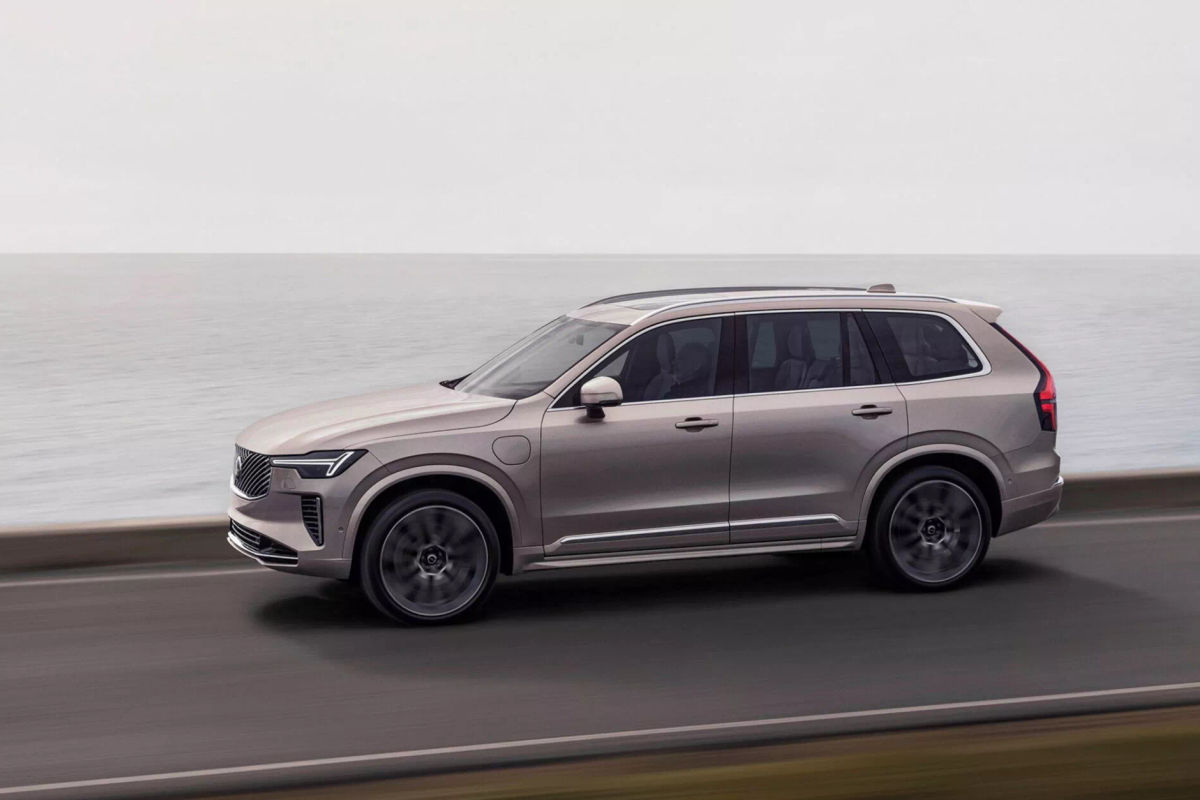
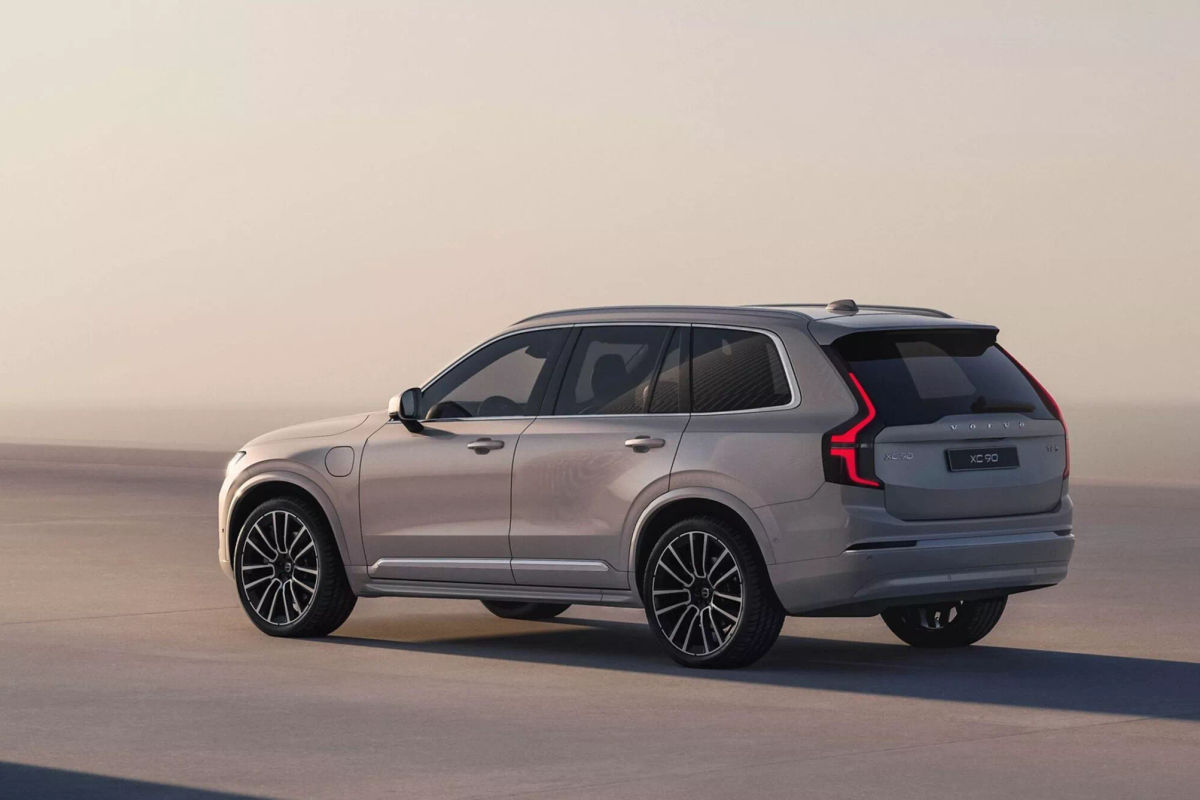
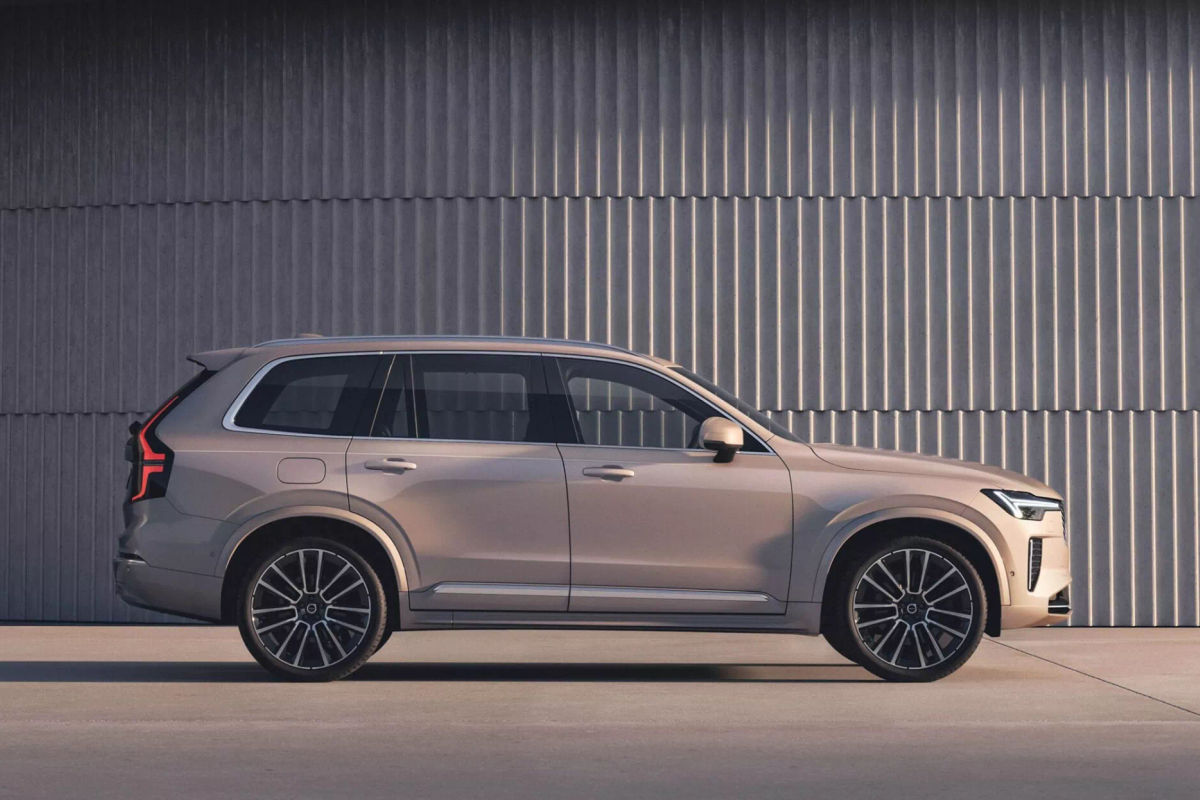
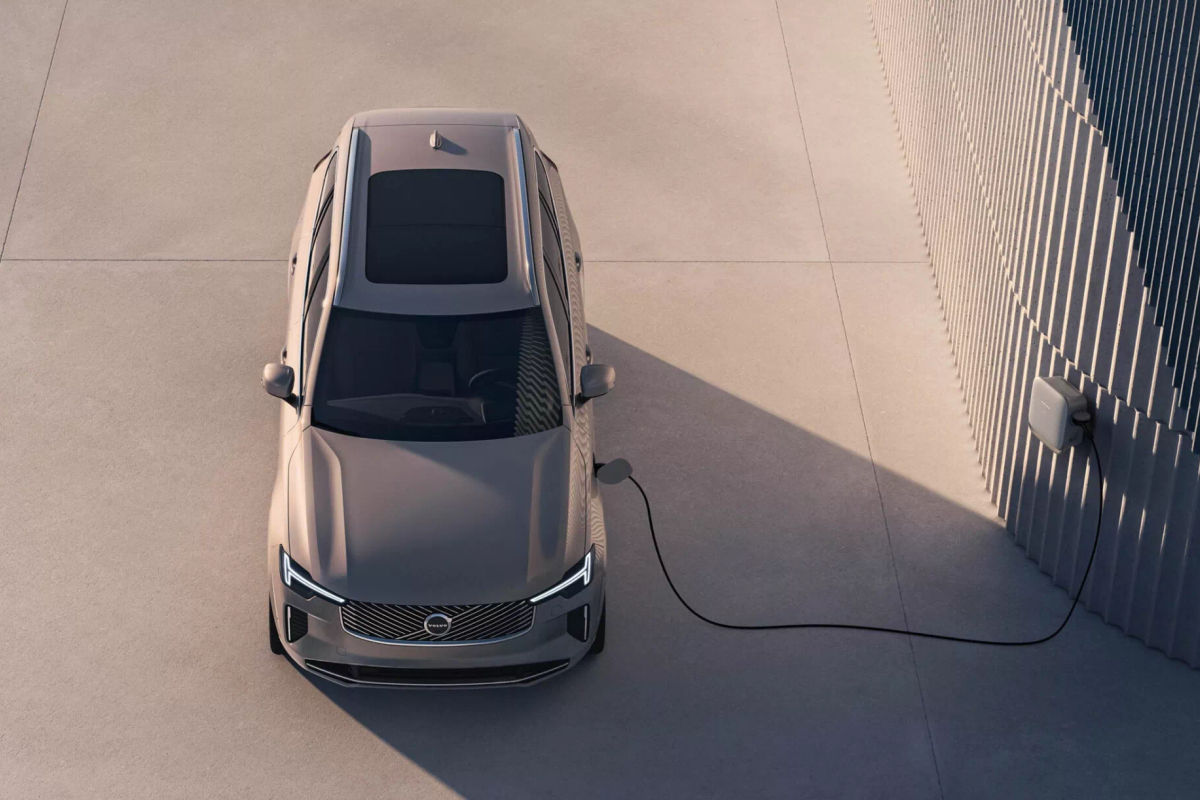
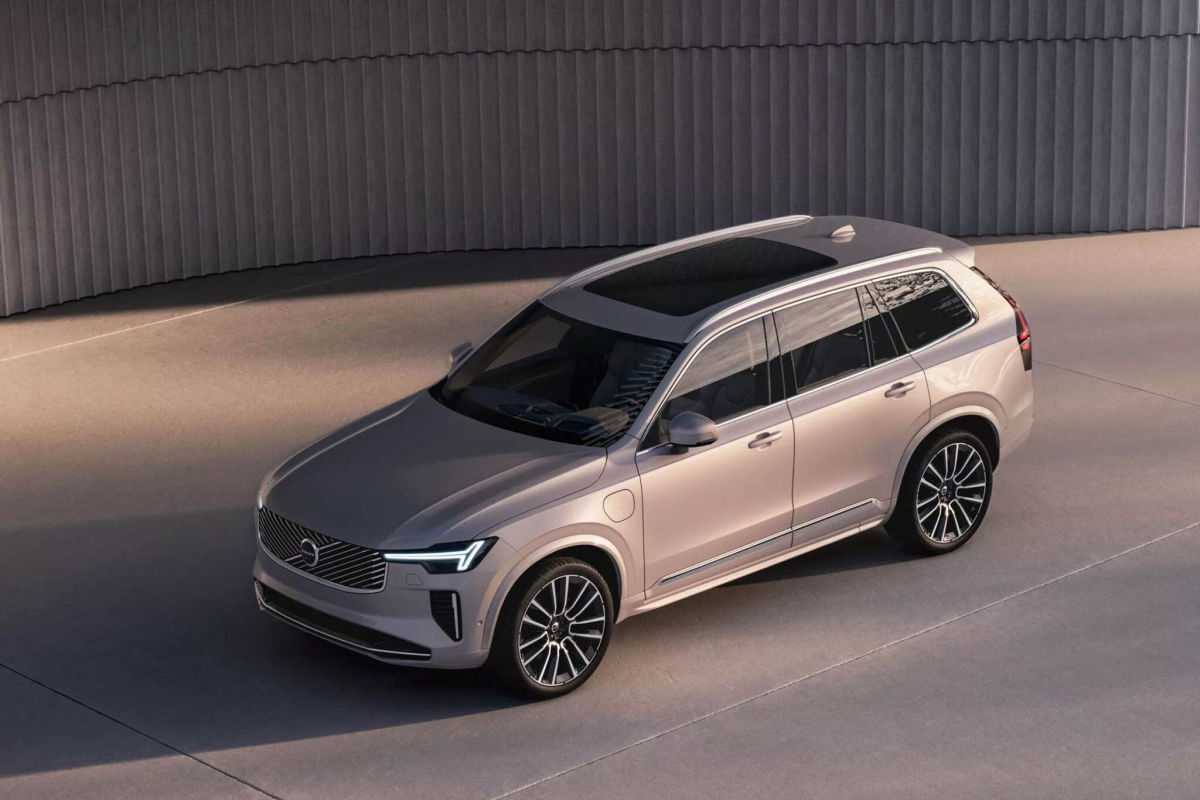
The second-gen Swedish luxury SUV has been given yet another facelift in an effort to keep it relevant in the face of stiff competition. Here’s all you need to know about the facelift Volvo XC90.
The Volvo XC90 was launched globally back in 2015 and received its first update in 2019. Given the current timelines of Volvo’s electrification strategy, it’s clear the carmaker needs a model to plug the gap before the all-electric EX90 sales truly kick off.
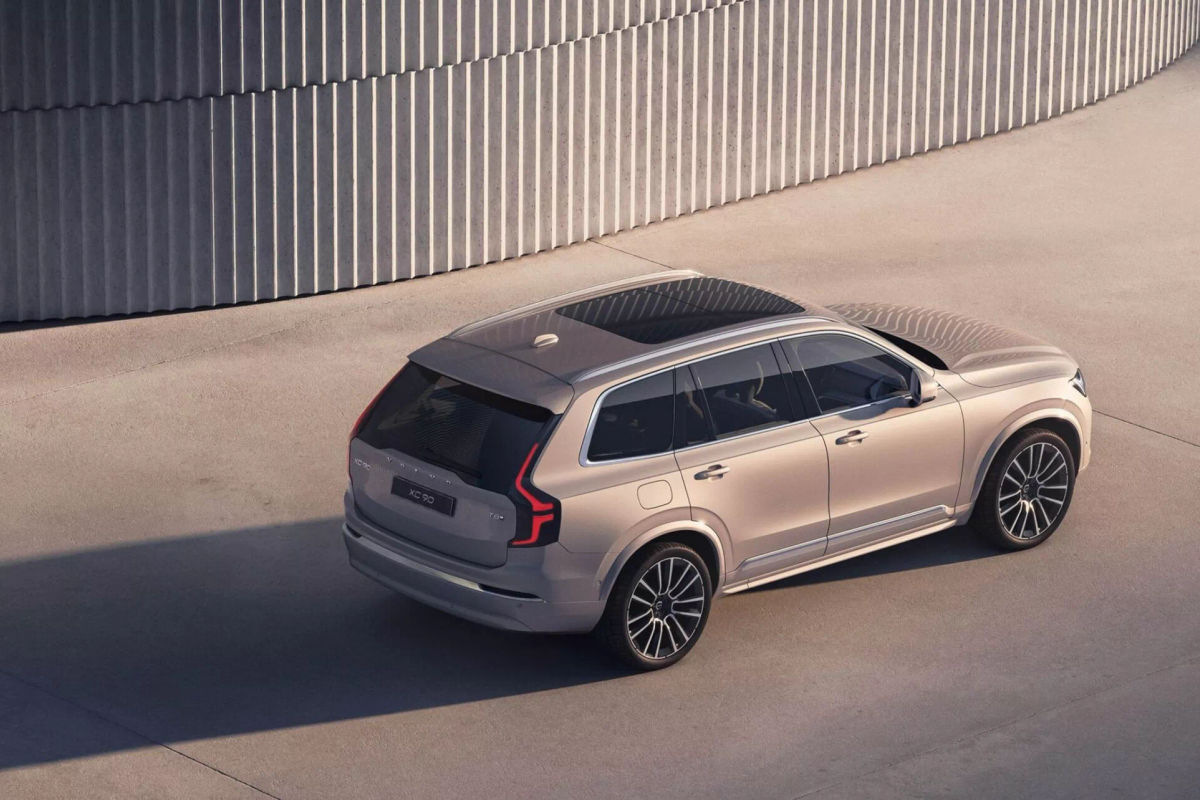
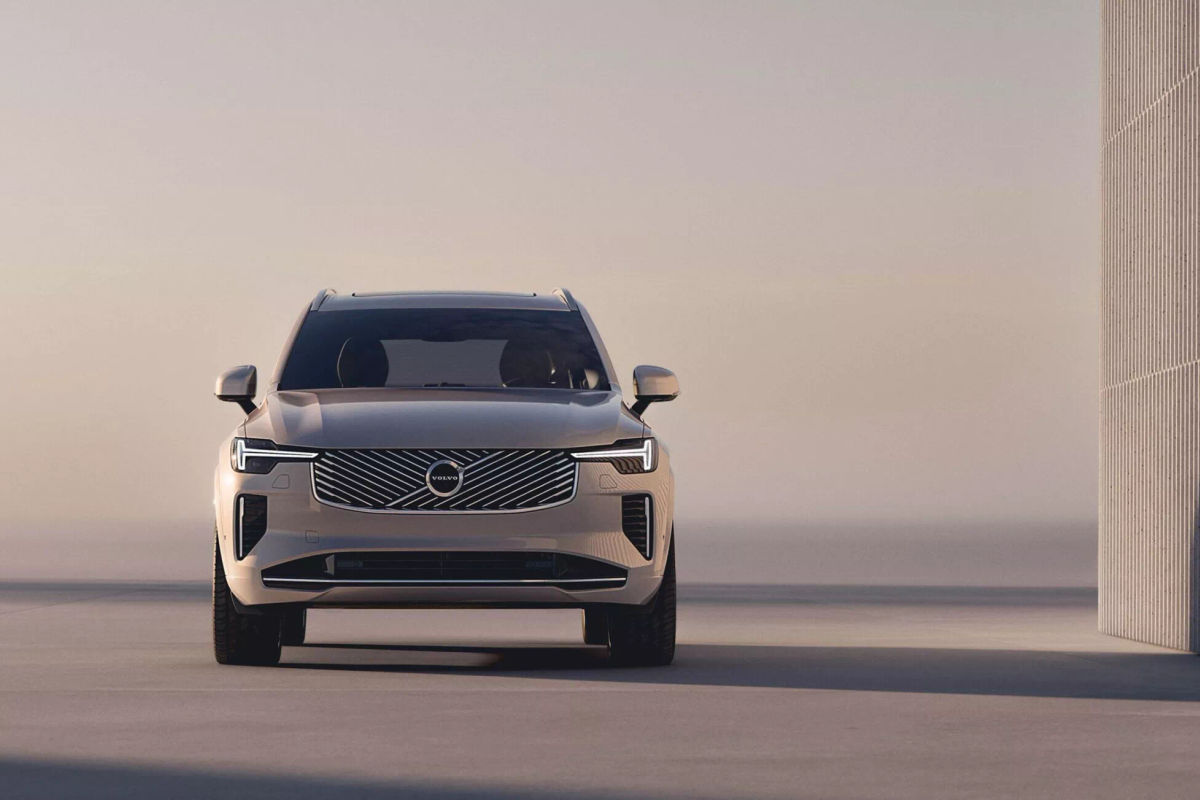
So, what exactly has changed? Visually, the facelift Volvo XC90 gets a tweaked front with revised LED daytime running lights, a strikingly-styled grille, and updates to the rear lighting.
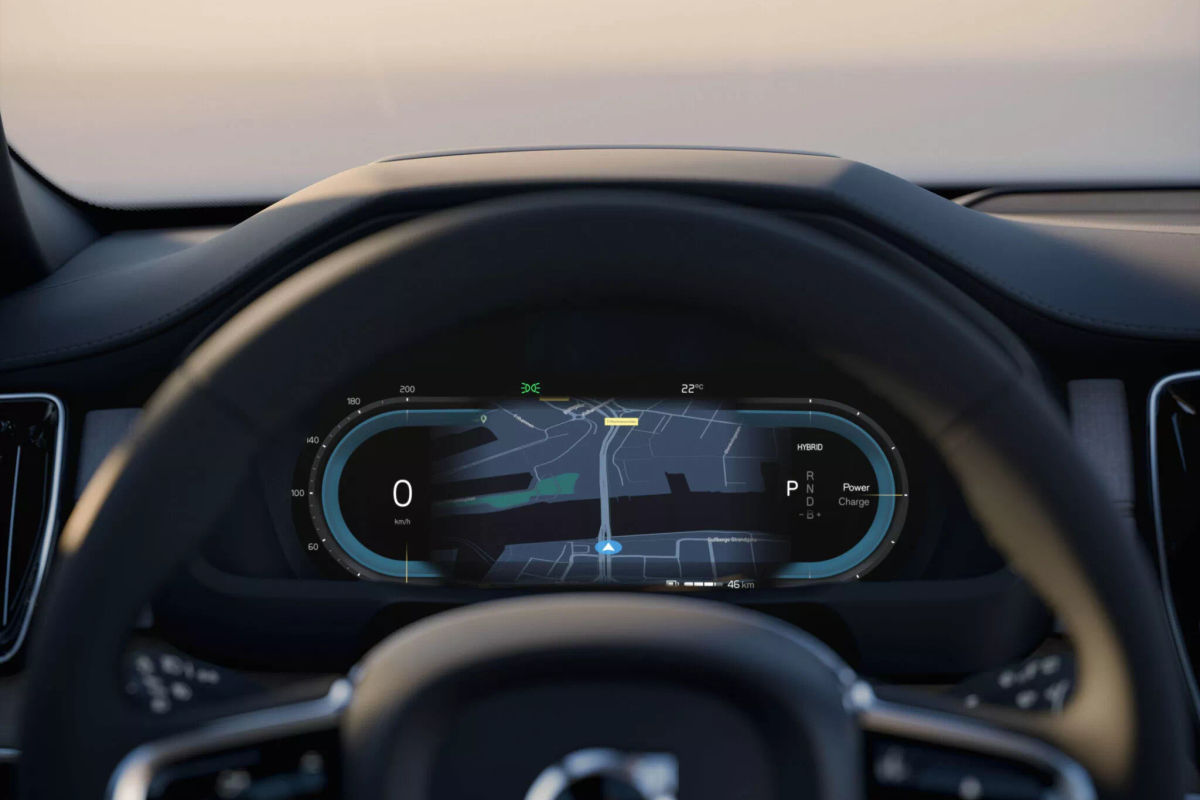
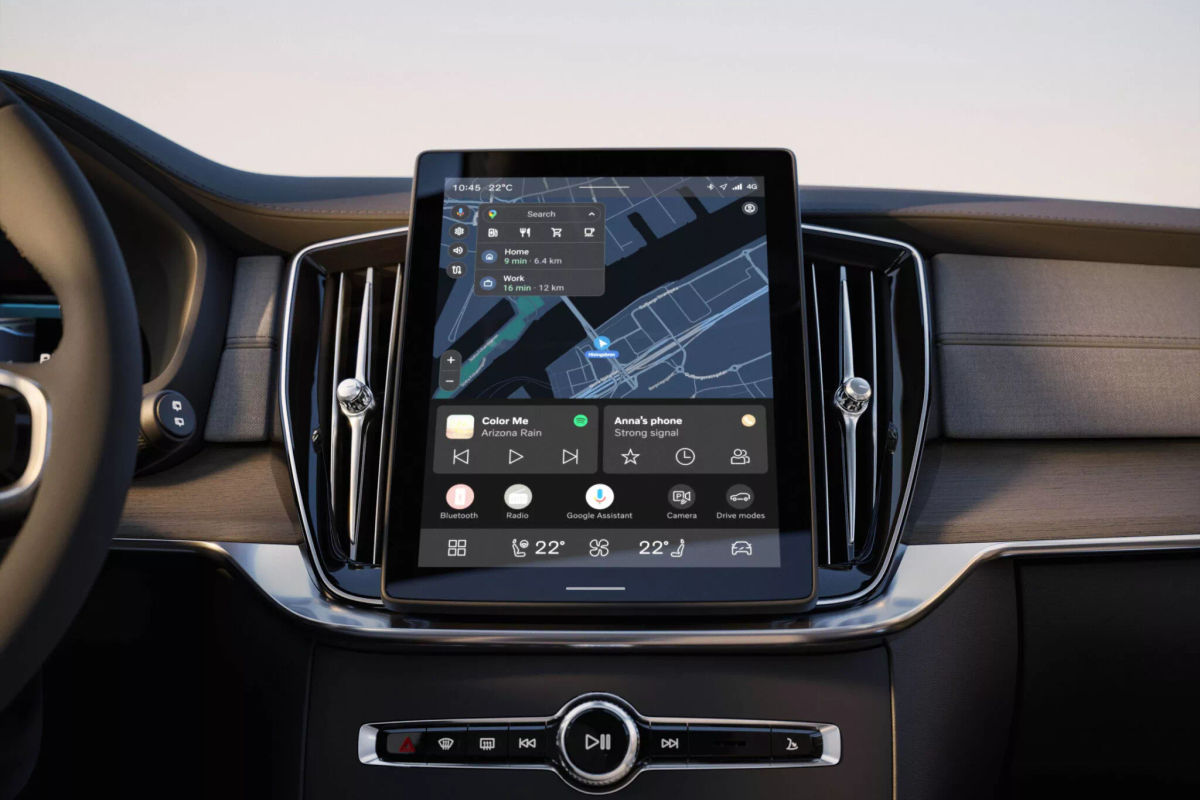
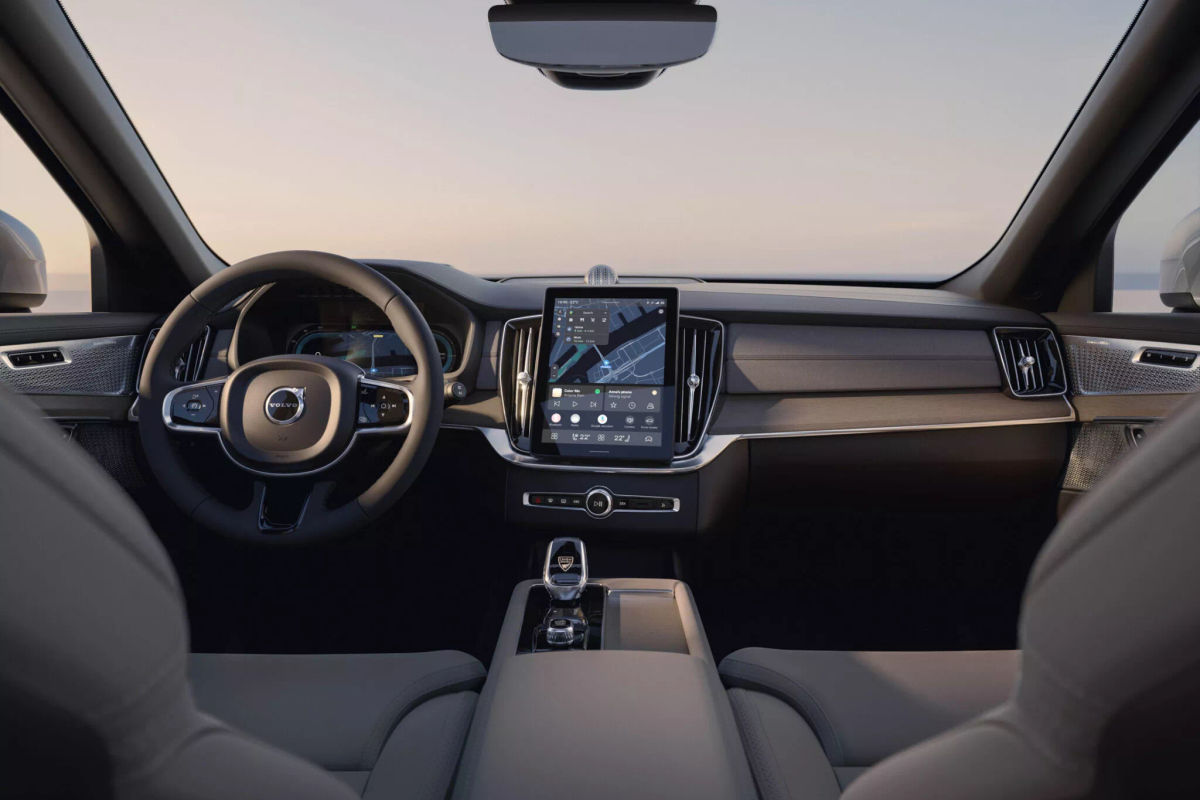
There are also updates to the cabin, with new materials and refinement, but the biggest change will be the introduction of a larger infotainment screen that’s again powered by Google. Customer feedback has resulted in adjusted cupholders that clutch bottles and cans so they don’t rattle and the wireless charger has been repositioned.
Facelift Volvo XC90 infotainment
The 2.0-litre turbocharged mild-hybrid petrol engines, badged as B5 and B6, have been carried over, but Volvo claims these have been upgraded in terms of fuel efficiency. There are updates to the suspension and soundproofing, with the goal of comfort and refinement.
The T8 plug-in hybrid has also been given an update, but it appears the power outputs have not changed. Around 70 km of pure electric range has been claimed. As a reminder, we recently reviewed this 340 kW and 709 Nm SUV and despite its age, it’s still a highly recommended product.
When will the facelift Volvo XC90 arrive in South Africa?
Right now we have no official confirmation, but we estimate the updated model will be touching down in early 2025.
In the motoring world, the Electric Revolution refers to consumers switching from driving cars with fuel-burning internal combustion engines (without electrification) to new energy vehicles. In this video, brought to you by Absa Vehicle and Asset Finance, Jacob Moshokoa explains the differences between hybrids, PHEVs and EVs.
PARTNERED CONTENT
Ever since the Oil Crisis of the Seventies, car manufacturers have been looking to improve vehicles’ fuel consumption, but whereas incremental improvements – in some market segments – would have sufficed in the past, the automotive industry is now determined to dramatically reduce cars’ carbon footprints.
The BMW iX became the first electric car to win the Premium SUV category of the #CarsAwards in 2023/24.
Whether because lawmakers have mandated that car manufacturers will not be allowed to sell vehicles powered by internal combustion engines (ICE) past a certain date (in some countries) or because of environmentalism, which has inspired motorists to adopt more fuel-efficient lifestyles to reduce (and ultimately end) our society’s reliance on fossil fuels, hybrid and fully electric models are proliferating.
According to national new-vehicle sales statistics supplied by the National Association of Automobile Manufacturers of South Africa (Naamsa), 7 164new-energy vehicles (NEVs) – that is, hybrids, plug-in hybrids (PHEVs) and fully electric vehicles (BEVs) – were sold by 18 vehicle brands in Mzansi during the 1st half of 2024. In April, May and June, NEV sales increased 169.8% year-on-year to 4 122 units.
The Toyota Corolla Cross Hybrid is South Africa’s top-selling new energy vehicle.
Considering that the local uptake of new-energy vehicles is gaining momentum, have you considered embracing the Electric Revolution by buying an “electric or electrified car” as your next new vehicle?
For many South Africans, combustion engines are the norm and although, understandably, consumers may prefer to stick with what they know, they may not realise how appealing an NEV is. In hybrid and plug-in hybrid guises, they are greener (better for the environment) because they use less fuel and, therefore, emit lower levels of carbon dioxide per km than their counterparts that have engines only.
Watch Ash Oldfield’s video review of the 2024 Volvo EX30:
Fully electric vehicles (also known as battery-electric vehicles – BEVs) are relatively pricey, BUT they do require less maintenance and have lower running costs than conventional vehicles. They’re tailored to suit the lifestyles of urban-based commuters, who drive relatively short distances on most days.
And, despite South Africa’s energy challenges (remember load shedding?), the nation’s network of charging stations is constantly expanding; suffice it to say that new energy vehicles are here to stay.
The different types of New Energy Vehicles
Let’s start with the hybrid. It’s exactly what it sounds like: A hybrid, such as the Honda Fit 1.5 Hybrid e.HEV (shown below), runs on petrol as well as electric power, which means that it should achieve notably better fuel consumption than a similarly sized combustion vehicle without electric assistance.
You get regular as well as plug-in hybrids – PHEVs have larger-capacity hybrid batteries, can be recharged by being plugged into power outlets and can run for longer on battery power alone.
We have it on good authority that BMW’s X1 xDrive30e was the best-selling PHEV in H1 2024.
Another option is a battery-electric vehicle (BEV), which is fully electric with no combustion engine, just a battery-driven motor under its bonnet. The amazing part is that it produces zero emissions, but bear in mind that such models tend to be much pricier than hybrids (the starting price is around R700k).
But consider that while it costs about R55 to charge a BEV to travel 100 km, a combustion vehicle would consume about R228 worth of fuel to travel 100 km. On top of that, BEVs require way less maintenance than normal cars, because they have comparatively far fewer moving parts – and don’t need oil changes.
South Africa’s infrastructure is growing steadily and includes more than 400 private and public charging stations across the nation, with 100 more expected by the end of the year. As the charging network expands, the relatively low travel range of most BEVs will eventually not be a concern for most drivers.
And, at around R200 to recharge a battery with a range of about 400 km, it’s looking pretty attractive, considering that owners of large SUVs spend a mini mortgage every time they fill up!
Watch Ciro De Siena’s video review of the 2022 Audi e-tron S Sportback
Ready to embrace the Electric Revolution?
It’s certainly worth considering a new energy vehicle as your next car! You can embrace the Electric Revolution with the help of Absa Vehicle Finance; try Absa’s Vehicle Finance Calculator to see what you can afford or explore Vehicle Finance Solutions for more information on Absa Vehicle Finance’s offerings.
Earlier episodes in our Street Smart video series:
Absa’s Fulufhelo Mandane discusses what you need to consider before you start shopping for a vehicle, the costs of ownership and your various finance options. Absa First-time Buyer Guide to Vehicle Finance
Absa’s Gordon Wood details how the new Aftermarket Guidelines, which were introduced in the motor industry last year, affect you as a vehicle owner. Absa’s Guide to Responsible Vehicle Ownership
Mercedes-AMG (R231) SL65: Classic Drive
An extensive road trip (including an early morning drive) through the Karoo at the ‘wheel of the muscular R231-series Mercedes-AMG SL65 yielded many memorable experiences. You may not need a biturbo V12 in your life, but you’ll want one!
IMAGES: Duwyne Aspeling
Human beings are curious creatures. No matter how prosperous we are, we yearn to achieve more and accumulate more than what we have. If you could afford it, wouldn’t you rather opt for the awesome power of the modern-classic Mercedes-AMG SL65 instead of its humble SL63 sibling? But then, in the car world, more doesn’t always mean better. There are numerous examples of that out there…
The SL65’s muscular exterior
The Designo selenite grey magno paint finish of the SL65 wouldn’t be my first choice, but it undoubtedly gives the car a dark, brooding aura. The chrome and carbon-fibre adornments and shiny 19(f)/20(r)-inch, 10-spoke wheels do everything in their capacity to inform road users (and add a bling factor that won’t be to all tastes) that this is the most expensive Mercedes-Benz SL variant you could buy at the time.
Behind the handsome alloys are massive carbon-ceramic brake discs and bronze-coloured brake callipers. Take a closer look and you’ll spot there are carbon trimmings on the front and rear bumper.
Step inside, and the wealth of the Mercedes-AMG SL65‘s opulent finishes continues. The quilted leather seats are eminently comfortable and offer the necessary level of support. There are smatterings of carbon fibre here too, while this facelifted model still offers the original R231’s main interior features.
This means, if you were expecting trimmings, technology and infotainment screens from the superior S-Class Cabriolet, you may be a trifle disappointed. Needless to say, when you appreciate a car for the experience it can offer, and are more concerned about what is hiding underneath that huge, vented bonnet, the (then) 1-generation-old interior is of little concern – especially on crisp Karoo day.
Specifications
Model: Mercedes-AMG SL65 (R231)
Engine: M279 AMG, 6.0-litre, V12 biturbo
Power: 463 kW from 4 800 to 5 400 rpm
Torque: 1 000 Nm from 2 300 to 4 300rpm
Transmission: 7-speed automatic, RWD
Weight: 1 950 kg
0-100 km/h: 4.0 sec (claimed)
Top Speed: 250 kph (300 kph with AMG Driver’s package)
The moment the 6.0-litre biturbo V12 engine rumbles into life there is a deep, burbling sound from the exhaust. It sounds different to AMG’s V8s, being even deeper in its aural pleasure.
On the highway when I get blocked behind a truck for a while, there are a few opportunities to drop back and then rapidly increase speed. And, it is during these small bursts of torque that I immediately sense what a punch the combination of a massive 463 kW and 1 000 Nm can deliver.
You simply need to (lightly) flex your right foot and the Mercedes-AMG SL65 will surge urgently forward. Make no mistake though; even at parking speeds, you sense there is an immense amount of weight in the Teutonic roadster’s nose. Fully fuelled, it tips the scales at a hefty 1 883 kg. Having said that, in 2024, that suddenly doesn’t seem that heavy taking the weight of modern cars into account.
Cruise control (dis)engaged in the Mercedes-AMG
With cruise control in operation, the rev needle sits at a very relaxed 1 850 rpm and the speedometer indicates 120 kph. If an engine was ever unstressed at highway speeds, this must surely rank up there with the best. AMG’s 6.0-litre biturbo V12 engine was installed in several of the brand’s products. You can just about make a case for each of them, and the Mercedes-AMG SL65 is no exception.
When I turn off the highway towards the first evening’s stop, the small rural town of Sutherland, I wonder what that road, the one I’ve never been on, will be like. Quickly any doubts are laid to rest. Firstly there are several long stretches, and as they present themselves, the SL65 pushes through the dry and harsh landscape at speeds you can only safely achieve in a handful of places on Earth.
However, the SL65 is surefooted and the brakes do a sterling job of impeding the behemoth’s speed when needed. However, a marvellous sweeping bend accompanies every long straight. When braking hard from a long dash, you need to quickly recalibrate your brain as you enter one of these long turns.
But, to my surprise, that was not the best part. As the kilometres simply fly past while I am blissfully cocooned in the ‘Benz’s air-conditioned cabin, there is another surprise in store. Before the trip, I was told that there was a pass before you entered the town, but I didn’t know what to expect from it.
It truly is the cherry on the cake. Although its surface is not perfect, the road twists around several of the rocky hills. You have to keep the sheer mass of the SL65 in mind, but the moment a corner opens up and you plant your foot on the accelerator, the mighty V12 virtually bosses the car towards the horizon.
One of the most fascinating aspects of piloting a Mercedes-AMG SL65 is to do a comparison between the behaviours of the rev counter and the speedometer. You can be doing a seriously high speed, and the rev needle will sit at a very relaxed 9- or 10 o’clock position. Flex your right foot on the long pedal, and the speedometer will climb very quickly, followed by the slow movement of the rev counter.
Day 2 with the Mercedes-AMG SL65
After a good night’s rest, I decide to get up at around 05:00 to experience what is, without a doubt, one of the most deserted pieces of tarmac in South Africa.
The R356 heads out of Sutherland towards the South African Astronomical Observatory (SAAO), but with the sun still hiding below the barren landscape, there is not a living being in sight.
The surface is better than the great stretch of road we experienced yesterday, and again I utilise the opportunity to pilot the Mercedes-AMG SL65 with fervour… Only this time, the roof is down and the seat warmers and Air Scarf are switched on.
The SL65 is very sensitive to road surface quality; it most definitely doesn’t ride as pliantly as the SL63 or the SL500, but on this stretch of road it’s absolutely in its element. The crisp early-morning air (around 7 degrees Celsius) will have a significant effect on the turbocharged powertrain’s performance, and although I can’t measure it, the car feels more awake and delivers its lofty outputs vigorously.
Until 10 minutes ago I was still sleepy, but now I’m wide awake and marvelling at the sheer breadth of the car’s abilities.
When I flatten my foot, the needle swings to the red line at 6 000 rpm. The SL65 picks up speed like no heavyweight convertible should have the right to, and all too quickly I need to brake for a set of corners. Yes, I can understand, more than ever before, why Horacio Pagani selected this engine for his supercars.
Summary
After playing on this road (where most of these photographs were taken) it is time for breakfast. I realised that whoever owns and pilots a Mercedes-AMG SL65 will be treated to one of the most luxurious and powerful convertibles on the market! Select an appropriate open road and you are in for a treat!
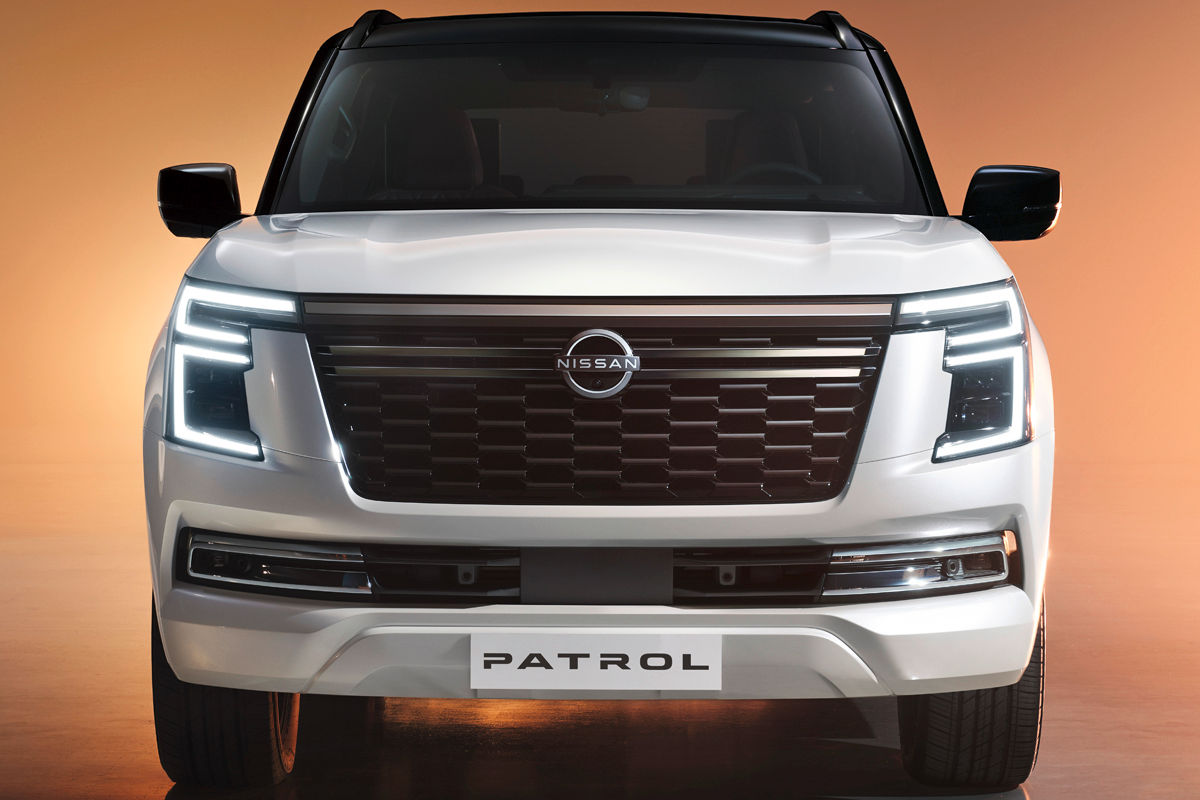
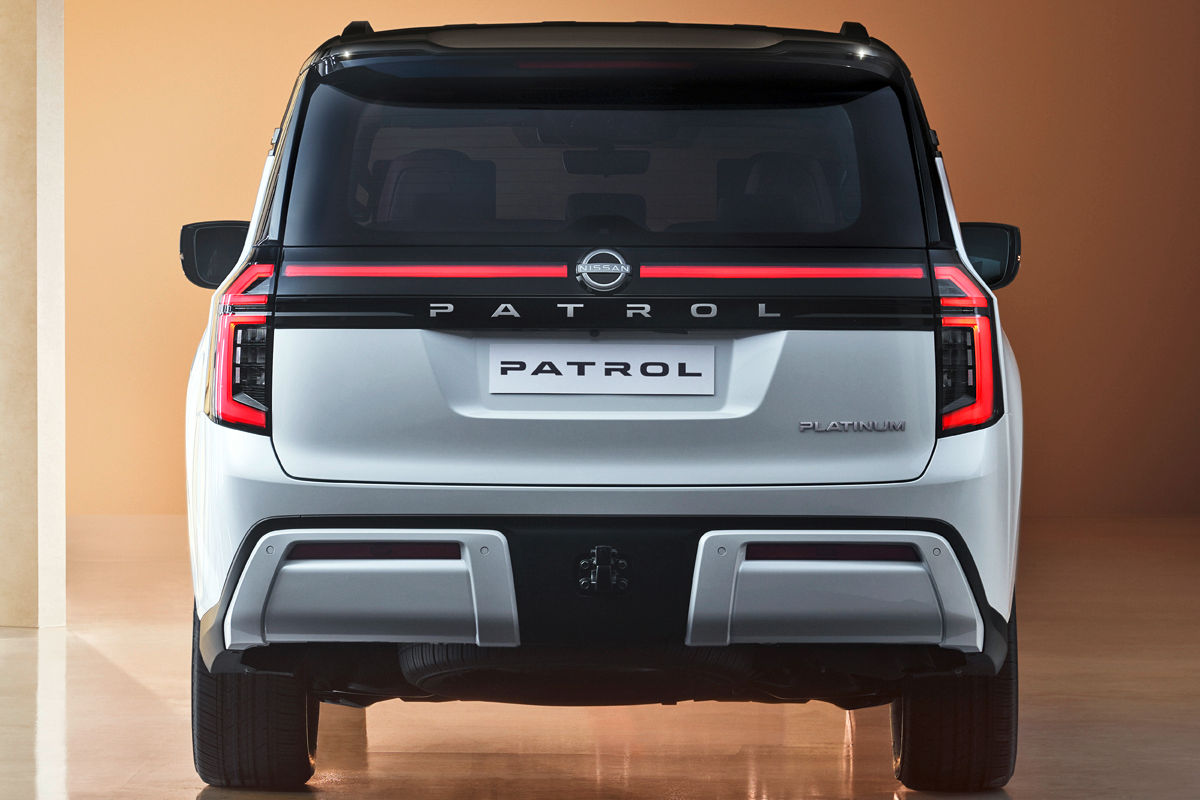
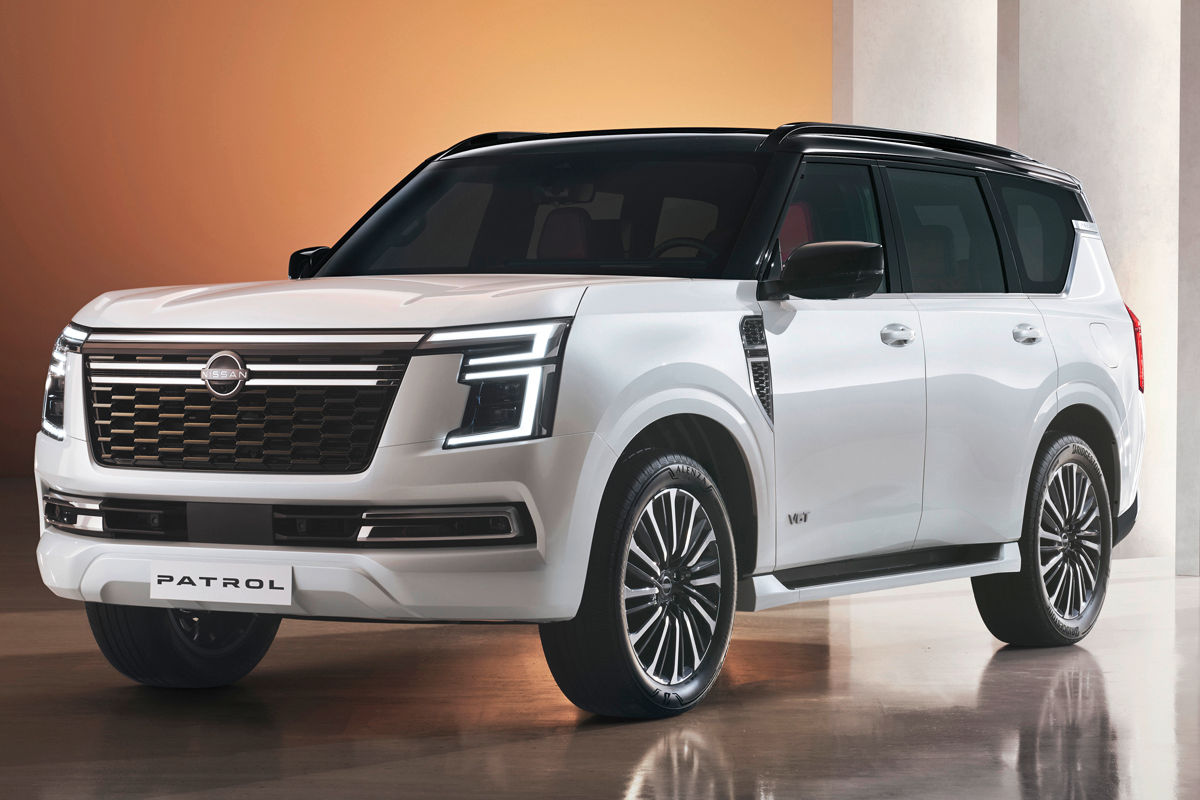
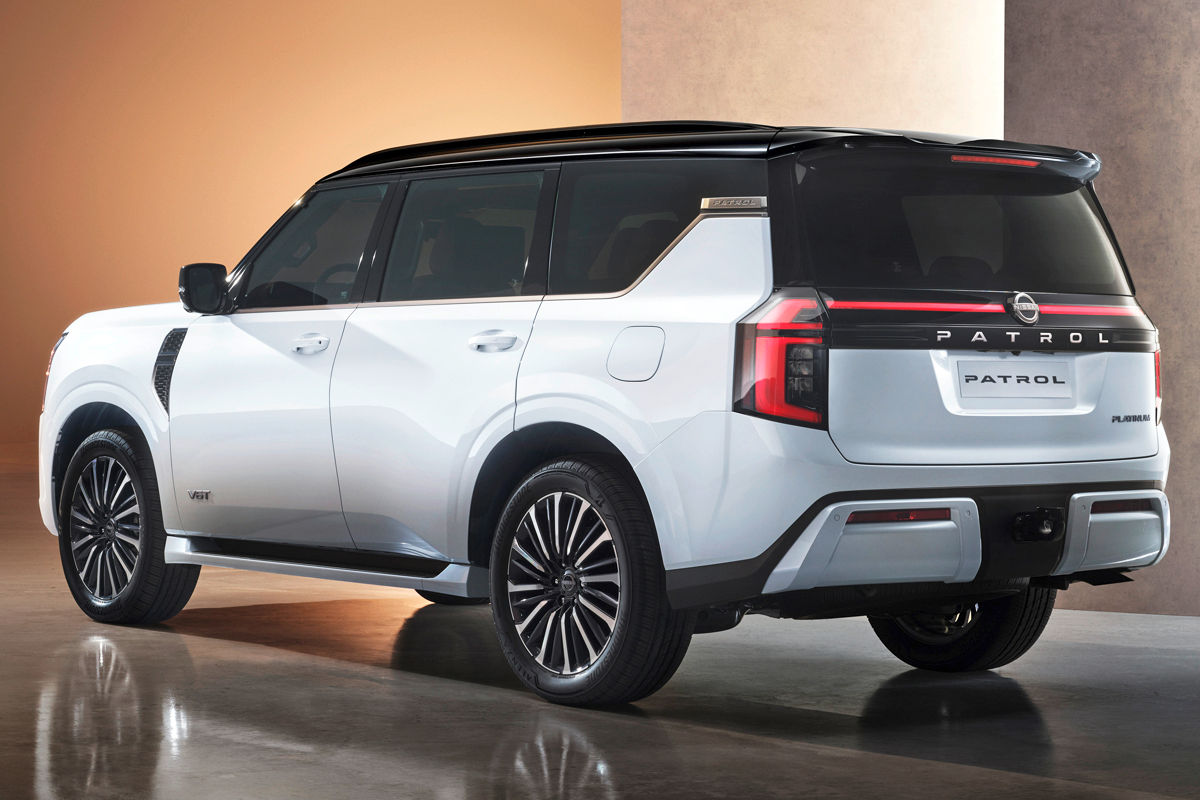
The new Y63-generation Nissan Patrol SUV has finally been revealed, ditching the old naturally aspirated V8 engine in favour of a new twin-turbo V6 motor…
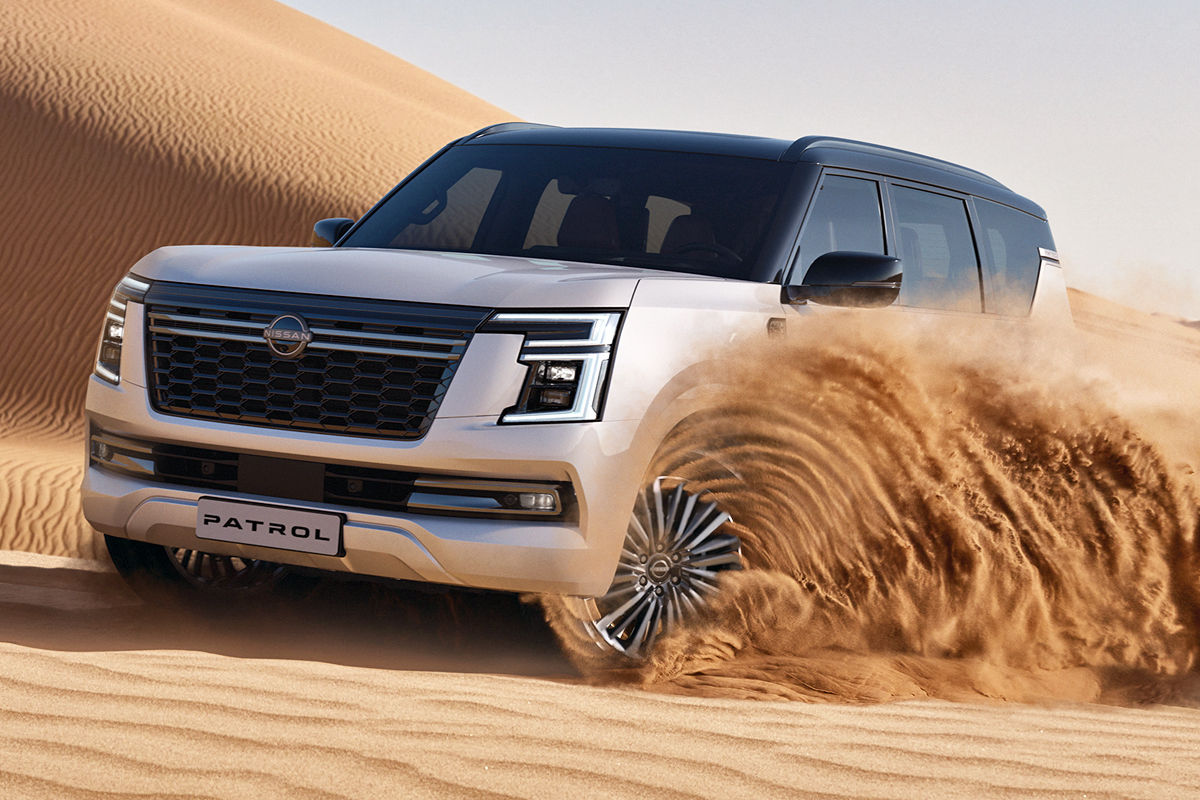
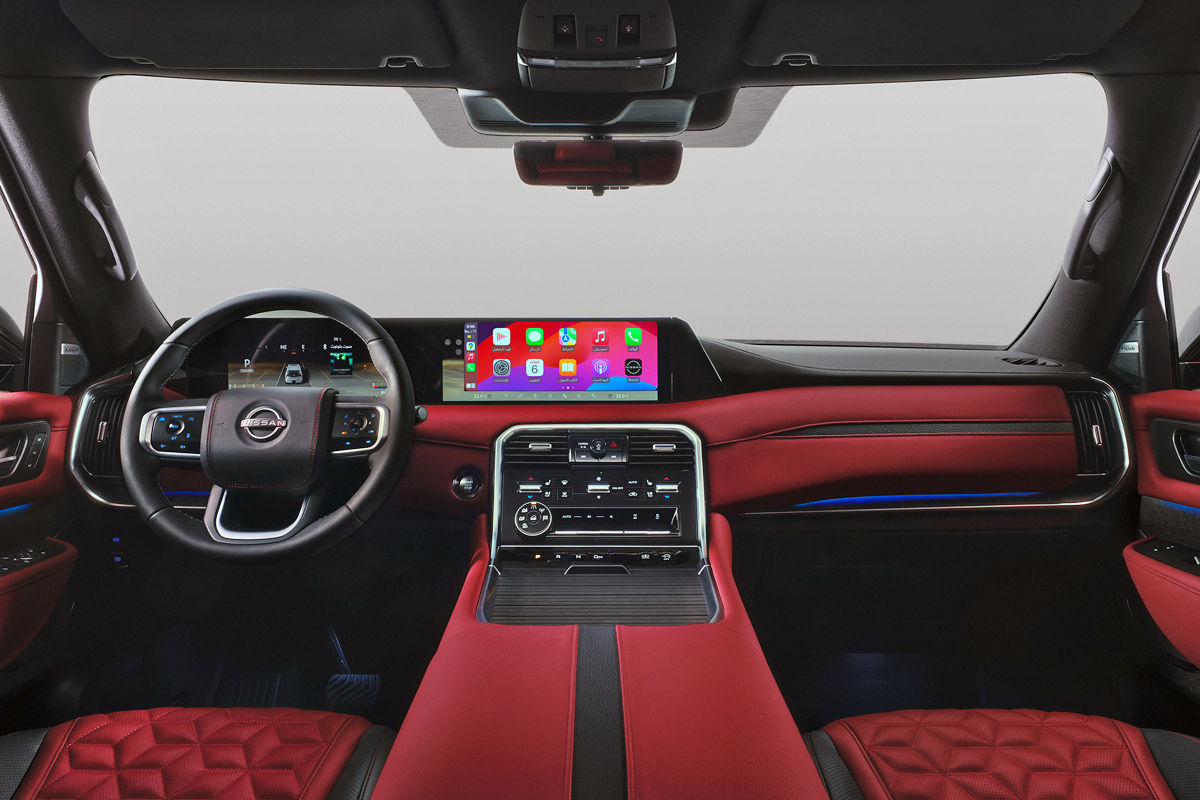
Meet the new Nissan Patrol SUV. Revealed in Abu Dhabi, this Y63-generation model arrives some 14 years after its predecessor was unwrapped. The big news? The old naturally aspirated V8 engine has been ditched in favour of a new twin-turbo 3.5-litre V6 motor.
Technically the 7th generation of a heritage that dates all the way back to 1951, the new (again ladder-frame) Patrol is the most powerful iteration yet, with the turbocharged V6 sending 317 kW and 700 Nm to all 4 wheels via a 9-speed automatic transmission.
As a reminder, that’s more power and torque than offered by the outgoing Y62 model’s free-breathing V8, which makes 298 kW and 560 Nm. It’s also a little more than the Patrol’s closest rival, the Toyota Land Cruiser 300 (its twin-turbo 3.5-litre V6 petrol mill churns out 305 kW and 650 Nm).
Interestingly, the Y63-generation Patrol 4×4 will also be available in some countries with a naturally aspirated 3.8-litre V6 petrol option, which offers 236 kW and 386 Nm. Whether or not this powertrain will be offered in South Africa – provided the new SUV receives the green light for the local market, that is – remains to be seen.
In the Middle East, the new 3-row Patrol features adaptive air suspension as standard, along with 6 drive modes and a 4WD transfer mode interlock system (which Nissan says allows drivers to “seamlessly switch between modes and tackle challenging landscapes with ease”).
The Japanese firm claims buyers can look forward to a “meticulously crafted interior”, complete with “exquisitely” quilted leather seats and detailing “inspired by the traditional Japanese wood craft, Kumiko”. A panoramic sunroof is standard in the Middle East, too.
Up front, there’s a 28.6-inch horizontal “Monolith” display that comprises twin 14.3-inch screens, while rear passengers enjoy optional dual 12.8-inch displays. A 12-speaker Klipsch Premium Audio system will furthermore be available in some markets.
“The all-new Patrol is a prime example of the exciting and empowering models we are delivering under our global business plan, ‘The Arc’. The 7th generation is a bold leap forward, blending unparalleled performance, cutting-edge technology and a commanding presence to redefine what an SUV can be,” said Makoto Uchida, president and CEO of Nissan.