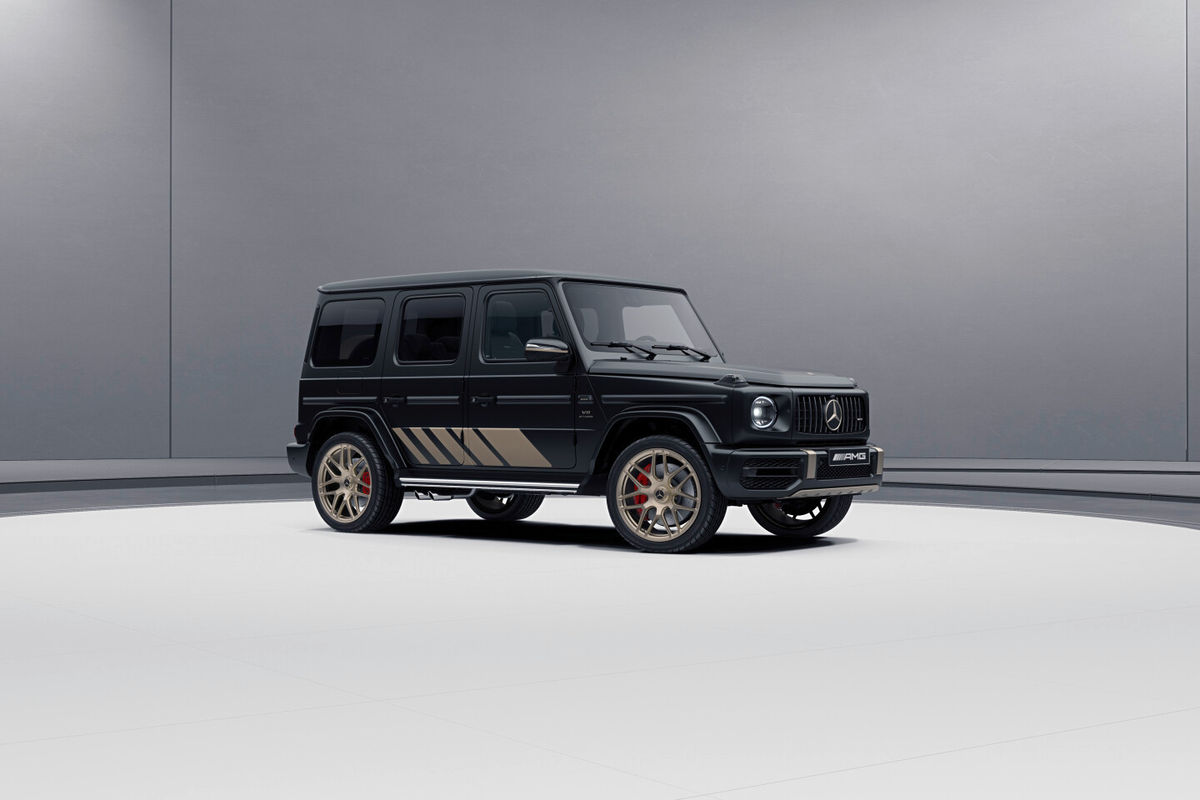
Mercedes-AMG G63 Grand Edition (2024) Price & Specs
The limited-run Mercedes-AMG G63 Grand Edition has been confirmed for South Africa. Here are the price and specs of the variant and how many units have been allocated to Mzansi…
Let’s get the bad news out of the way first. There will be just 20 Mercedes-AMG G63 Grand Edition units for South Africa, from a global production run of 1 000.
As a reminder, the G63 is powered by AMG’s 4.0-litre biturbo petrol V8 engine and that makes a commendable 430 kW and 850 Nm. Power goes to all four wheels via an automatic gearbox, and the Three-pointed Star’s Affalterbach division claims the variant will sprint from 0-100 kph in 4.5 sec.
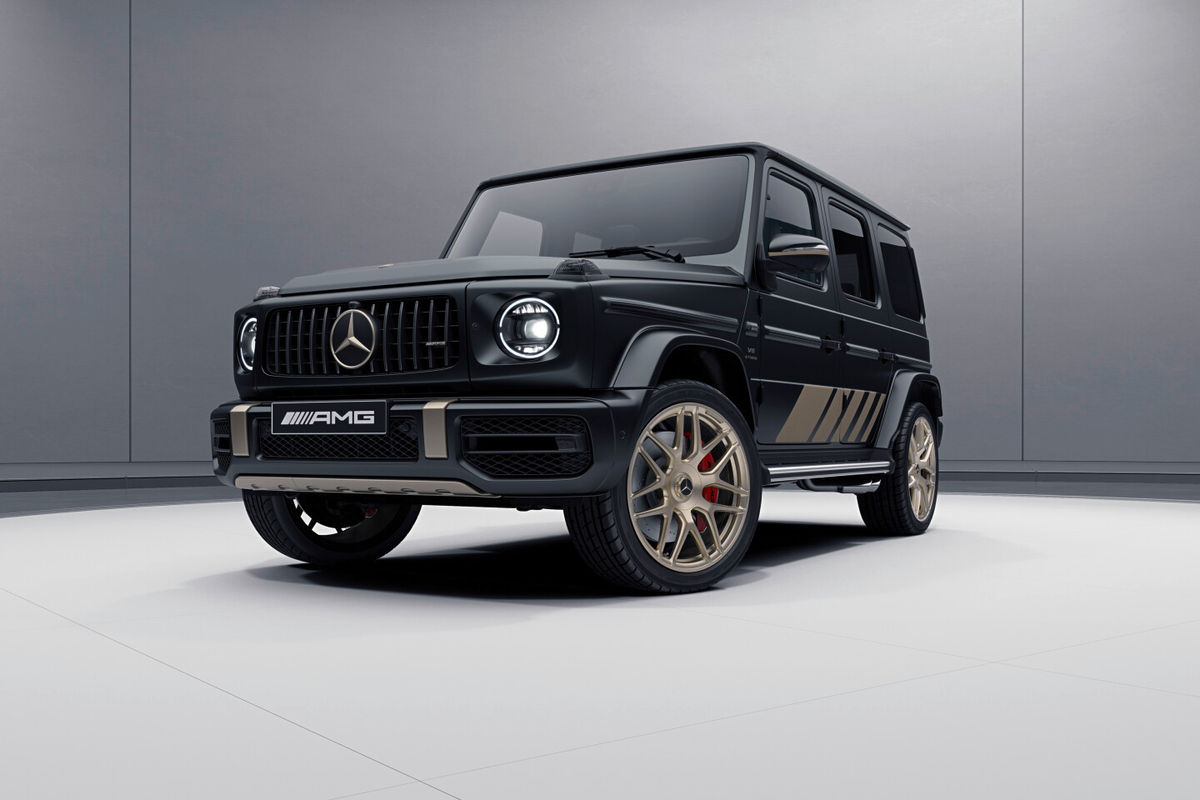
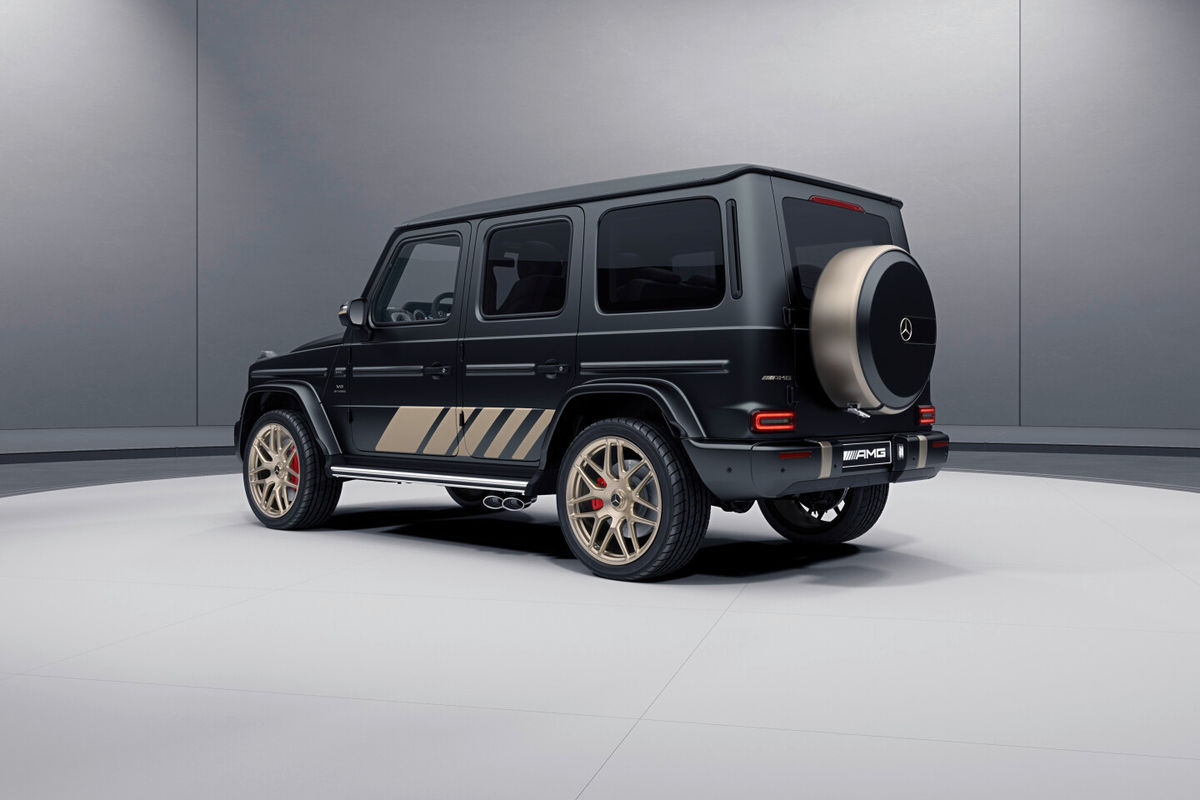
So, what makes this special edition command a R1 million premium over the standard G63? Let’s start with the exterior paint, its the Manufaktur night black magno and there’s extensive gold detailing. The AMG logo and Mercedes star are finished in Kalahari gold magno, as is the Affalterbach logo on the bonnet. There’s also gold detailing on the front and rear bumper inlays and underride protection.
The 22-inch AMG forged wheels feature a cross-spoke design in tech gold, with matte-black central locking nut, but its the interior which should draw all the attention.
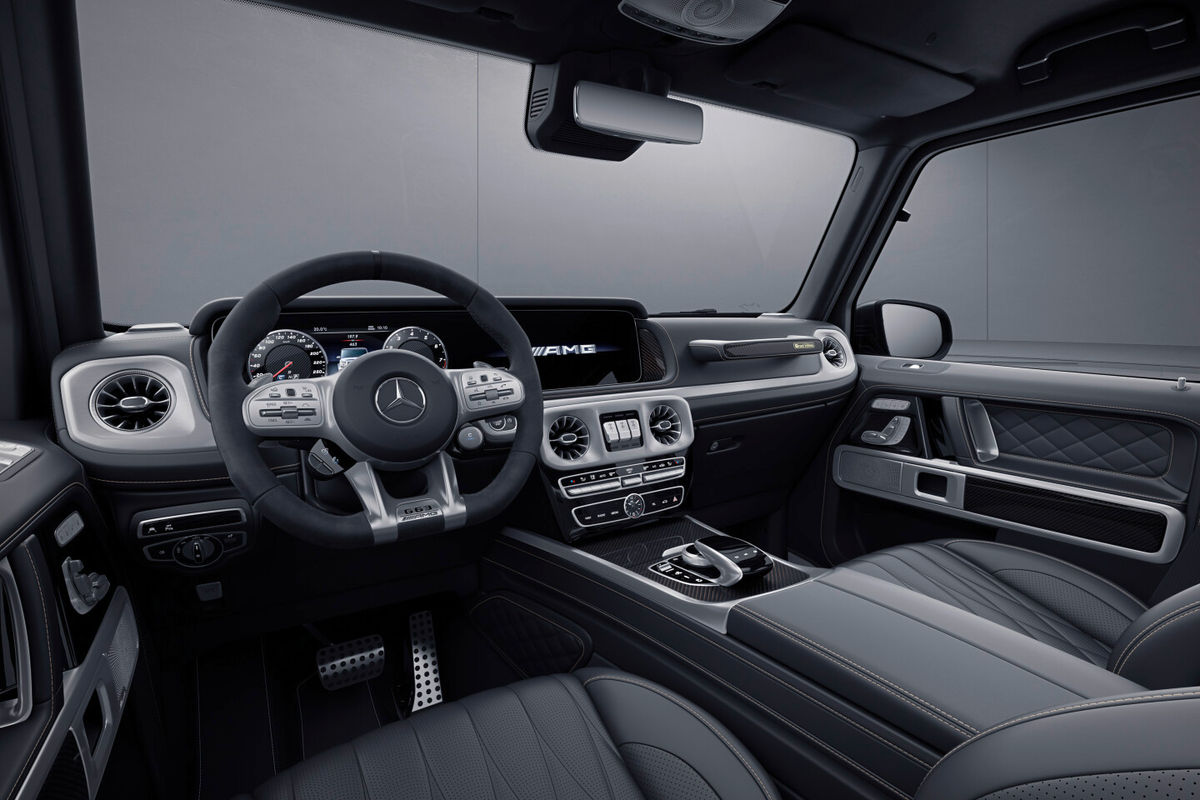
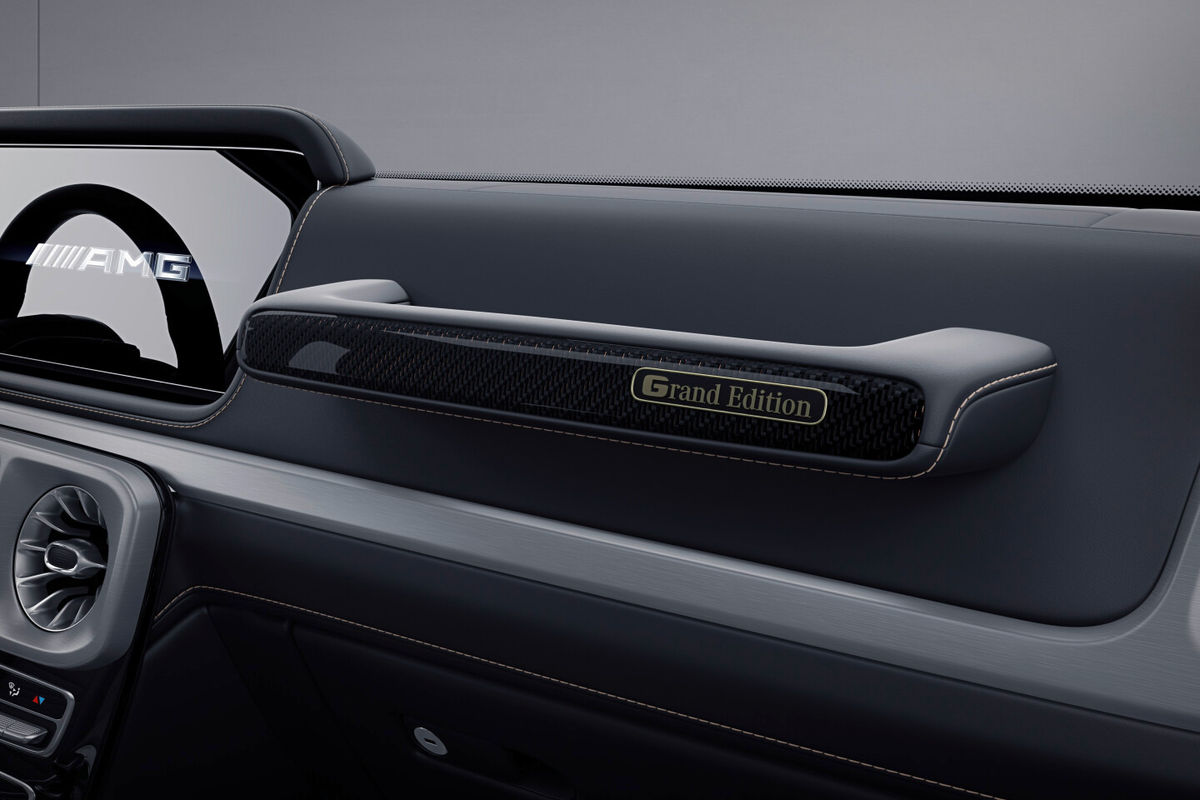
The seats are finished in G Manufaktur black nappa with gold stitching and gold AMG logo. There are extensive AMG logos dotted around the cabin, there are napped-wrapped roof grab handles and a Grand Edition badge for the front passenger. The steering wheel is finished in Dinamica microfibre with a G63 plaque.
How much does the G63 Grand Edition cost in South Africa?
As mentioned, there’ll be just 20 units confirmed for our market. Priced from R5 474 512, the Grand Edition is just over a million Rand more than the standard car. A 2-year/unlimited-kilometre warranty and 5-year/100 000 km maintenance plan are included in the price, as is a custom AMG car cover!
From rentals and rep cars to ride-hailers: these are the app-tap small sedans that you can find among our used car listings. They may not be glamorous – or particularly sophisticated – cars, but they offer great value for those who appreciate their utility.
Whatever you may think of the 21st century – and amazingly (or depressingly, if you’re imminently headed for the old-age home), a full quarter of it would have lapsed by next year – some of the most consequential advances humanity has ever seen, are unfolding before our eyes in the new millennium.
The Honda Ballade is more fun to drive than you might expect.
From smartphones to social media and machine learning, technology is evolving faster than culture can keep up with. And inevitably, each successive wave of new products that either triggers or responds to changes in consumer habits, leads to mainstream products of yesteryear being eclipsed and sidelined.
The prospective demise of the internal combustion engine (ICE) was predicted most prominently in the 1970s in the wake of the 1973 Oil Crisis. But, with the prosperous Eighties then just around the corner; and coupled with an absence of cleaner, cheaper and then-viable alternatives, fossil fuels got a stay of execution that lasted well into the 2010s.
About 40 years ago, a Toyota Corolla sedan was the top-selling passenger car in South Africa.
Less fortunate in its transition towards the future has been the staple silhouette of 20th-century family transport: the 3-box sedan.
It’s called a “3-box” because the engine, cabin and luggage areas are separated in a production-friendly and aesthetically balanced configuration. Yet this once-iconic automotive blueprint is now on life support due to the rampant usurpation of private transport by crossovers and SUVs, which gathered momentum in Mzansi in the 2010s. Sedans were fashionable family fare yesterday, but are fringe offerings today.
Kia used to sell 4-door variants of the Rio and Cerato in Mzansi, now it only offers the Pegas in sedan guise.
However, it’s not just the SUV revolution that’s relegated sedans away from automotive catwalks and into the proverbial slums. For every one of the precious few Mercedes-Benz S-Class or BMW 7 Series still being sold, remnants of the genre lurk at the opposite side of the scale as usually-cheap, sometimes-nasty – affordable re-imaginings built in China or India that prioritise functionality over frills; they seem lightyears removed from their forebears, which embodied European or Japanese engineering prowess.
Due to their perceived value and concessionary approach to luxury and safety specifications (driven by their low production costs and, therefore, price points), contemporary small sedans have largely moved out of the suburbs and into the realm of tendered services such as the ride-hailing and rental categories.
The Etios marked the first time Toyota SA looked to its Indian counterpart to offer a budget model in our market.
A deep dive into the segment reveals the sweet spot for these tiny-tyred, 4-door, front-driven, naturally-aspirated (save for the new-ish Volkswagen Polo 1.0 TSI) and usually manual-shift sedans with large, separate rear load areas (boots) is somewhere between R320 000 and R340 000. Automatic versions are available, but generally – and unattractively – far beyond the upper limit of this price bracket.
While not SA’s cheapest new car (that honour goes to the gawky R179k Suzuki S-Presso hatch), the Proton Saga with its 420-litre-sized boot can be had from R210 000. For that money, you get a 1.3-litre engine pushing 70 kW/120 Nm and elementary luxury and safety provisions, of which a USB port and Bluetooth are the most important to the ride-hailing driver (the aircon, less so) or on-the-road sales rep.
The Amaze, which also hails from India, is Honda’s entry-level sedan proposition.
The ironically-dubbed Honda Amaze (66 kW/110 Nm) matches the Proton for boot space, though falling somewhat short of the now-discontinued Toyota Etios’ frankly astonishing 562-litre luggage capacity.
Elsewhere in the Honda stable, the Ballade with its rev-happy 1.5-litre engine (89 kW at 6 600 rpm) is arguably the most entertaining to drive in the segment. Pre-2024 facelift models provide better value.
The Nissan Almera, which bowed out last year, offered acres of rear legroom.
Notable recent departures from the market include the Ford Figo sedan (445 litres) and the BAIC D20 (450 litres), but the most prominent fleet favourite to say “sayonara” was the Nissan Almera in 2023.
With one of the most capacious rear passenger arrangements this side of an Emirates business class seat and an exterior rear three-quarter view as hideous as the face of a proboscis monkey (not to be too unkind to the homely simian), the Almera has been a popular sight at local tourist hotspots for a decade.
The axing of the Almera (and the Sentra in 2017, which incidentally did not sell a single unit until it was discontinued in May of that year), has left open the door for other less-considered candidates such as the Kia Pegas, Fiat Tipo and recently introduced Hyundai Grand i10 sedan to fill its void.
Engine-wise the Hyundai’s 1.2-litre (61 kW/113 Nm) provides almost identical outputs to Suzuki’s pint-sized, self-jesting Dzire, although the latter’s flagship undercuts its Grand i10 counterpart by R62k.
Suzuki’s larger, unpronounceable Ciaz with a 510-litre boot capacity offers a more powerful 1.5-litre 4-cylinder engine that delivers 77 kW/138 Nm, but only starts from R279k and ranges up to R339k.
Watch Ciro De Siena’s extended review of a 2017 Suzuki Ciaz:
Without a doubt, such a conducive engine capacity/price/boot space ratio explains why the Suzuki Ciaz is a common ride-hailing hit.
Disappointed at the absence of your favourite Japanese or German brand? Not to worry, for Volkswagen sells the Indian-built Virtus as the Polo Sedan here, with a choice of a 1.0-litre, triple-cylinder from R421 000 (85 kW/178 Nm) paired with a cost-saving non-DSG automatic; or a marginally less Virtuous and unboosted 1.6-litre 81 kW/152 Nm petrol engine, solely available in manual guise (from R360 500).
The 10-year-old Toyota Quest, another redoubtable ride-hailer, initially launched with a 90 kW/154 Nm 1.6-litre 4-cylinder petrol engine, mated with either a 6-speed manual- or 4-speed automatic ‘box.
The 2nd iteration of the Corolla Quest, based on the 11th-gen model, debuted in 2020. It, um, sports a larger (1.8-litre) engine with peak outputs of 103 kW/173 Nm and plays in the R336k-R415k league.
In 2014 a new, entry-level VW Tiguan with 90 kW from a 1.4-litre turbopetrol engine cost just over R318 000. Today, for the same money we have to accept the developing world’s interpretations, and decade-old rehashes, of once-glamourous 3-box sedans with compromised comfort and safety specs.
As inflation- and exchange-rate-wrestling salaries battle to keep up with the cost of living, we’re getting poorer year by year and our money buys “a lot less new car” than it used to. As unfashionable as small sedans are, they still get you to your destination and, if you put them to work, they can pay their way.
Handsome is as handsome does
And that is precisely why app-tap small sedans excel so much as shared transport in what’s effectively their 2nd life, which – when I last checked – had become a 21st-century phenomenon in and of itself.
Suzuki Jimny Buyer’s Guide: Is the Jimny Still a Good Used Buy?
Suzuki Jimny. It has been a major success for Suzuki and it remains in high demand in the used car market.
Our Buyer’s Guide, presented by Juliet McGuire, highlights everything you need to know if you are looking to buy a used Suzuki Jimny. Watch the video for insight!
Suzuki Jimny – buying the best one
The compact Suzuki 4×4 has built a cult-like following, since its local launch in the late 2000s. People either love Jimnys or don’t understand why you would ever want something so impractical. We live in a country where people love to venture off-road and do things off the beaten track and the Suzuki Jimny can do that on a budget.
The Jimny is one of the few vehicles where looks and size are very deceiving. It’s a lot more capable in severe off-road conditions than you’d ever imagine. But it can be challenging on long-distance highway drives.
And being so small, it does have advantages in some urban driving routines. But being a tiny vehicle, the 3-door Jimny, might or might not work for your lifestyle. Juliet goes into all the details that matter, about what the Jimny is really like to live with.
Our Buyer’s Guide video covers everything. Juliet takes you through all the details that matter, with the small but wildly capable, Suzuki 4×4. From its driving experience to its cabin size and how well it works for different lifestyles – from true outdoorsy adventurers to someone who wants an urban parking hero car.
This is a Buyer’s Guide video that will give you the insights and knowledge required. To make the best possible decision if you are in the market for one of these Japanese compact 4×4 icons.
Juliet also advises on how to test drive a used Jimny and what specific problems to look for.
The facelifted Volkswagen T-Cross has arrived in South Africa and while the base derivatives are missing for now, variant-for-variant pricing has decreased slightly…
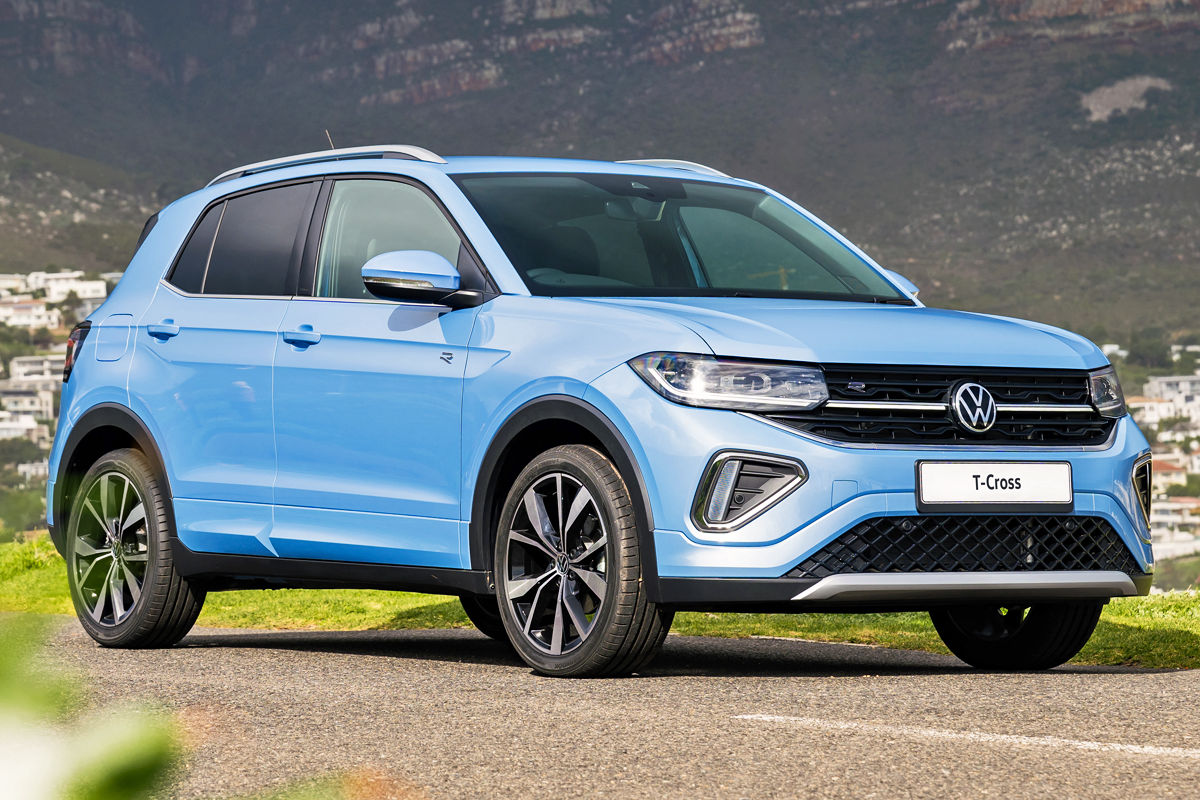
The facelifted Volkswagen T-Cross has officially hit the market in South Africa. The big news? Variant-for-variant pricing has decreased slightly compared with the outgoing range, though we should point out the base derivatives have yet to arrive and that powertrains are seemingly carried over unchanged.
As a reminder, the pre-facelift T-Cross portfolio – which has long served as Volkswagen’s best-selling imported model in SA – comprised 4 derivatives. The rejigged line-up, however, will eventually feature 6 derivatives, though only 3 are available at launch. From what we understand, the new base models are expected to join the local range at some point in 2025.
As such, pricing for the T-Cross 1.0 TSI 70 kW MT, T-Cross 1.0 TSI 85 kW DSG and T-Cross Life 1.0 TSI 70 kW has yet to be released. As you may have noticed, VW has dropped the old trim-level naming convention (as it recently did with the updated Polo Vivo), ditching the “Comfortline” and “Highline” grades in favour of Wolfsburg’s latest nomenclature.
So, the base derivative is now known simply as the T-Cross, while the mid-tier variant is named “T-Cross Life” and the Highline replacement is called “T-Cross Style”. The top-spec grade, however, retains its “T-Cross R-Line” designation. While a Trendline version of the pre-facelift T-Cross didn’t ever make it to Mzansi, the new base derivatives pencilled in for 2025 are expected to fill that longstanding gap.
What about the variants that are available right now? Well, the T-Cross Life 1.0 TSI 85 kW DSG is priced at R462 200, representing a saving of R3 600 compared with the outgoing Comfortline equivalent. The T-Cross Style 1.0 TSI 85 kW DSG, meanwhile, comes in at R501 300, some R6 200 less expensive than the old Highline.
Finally, the T-Cross R-Line 1.0 TSI 85 kW DSG starts at R533 100, which the German firm’s local division suggests is R300 cheaper than the pre-facelift version (however, the last price we have for the outgoing 85 kW R-Line was R530 000, which would make the refreshed variant R3 100 more expensive).
Interestingly, the old range’s flagship 1.5 TSI 110 kW R-Line model (which had been priced at R553 400) appears to have been scrapped, meaning all T-Cross derivatives now draw their urge from VW’s turbocharged 1.0-litre, 3-cylinder petrol motor (offering either 70 kW/175 Nm or 85 kW/200 Nm). Transmission options include a 5-speed manual gearbox and a 7-speed dual-clutch gearbox.
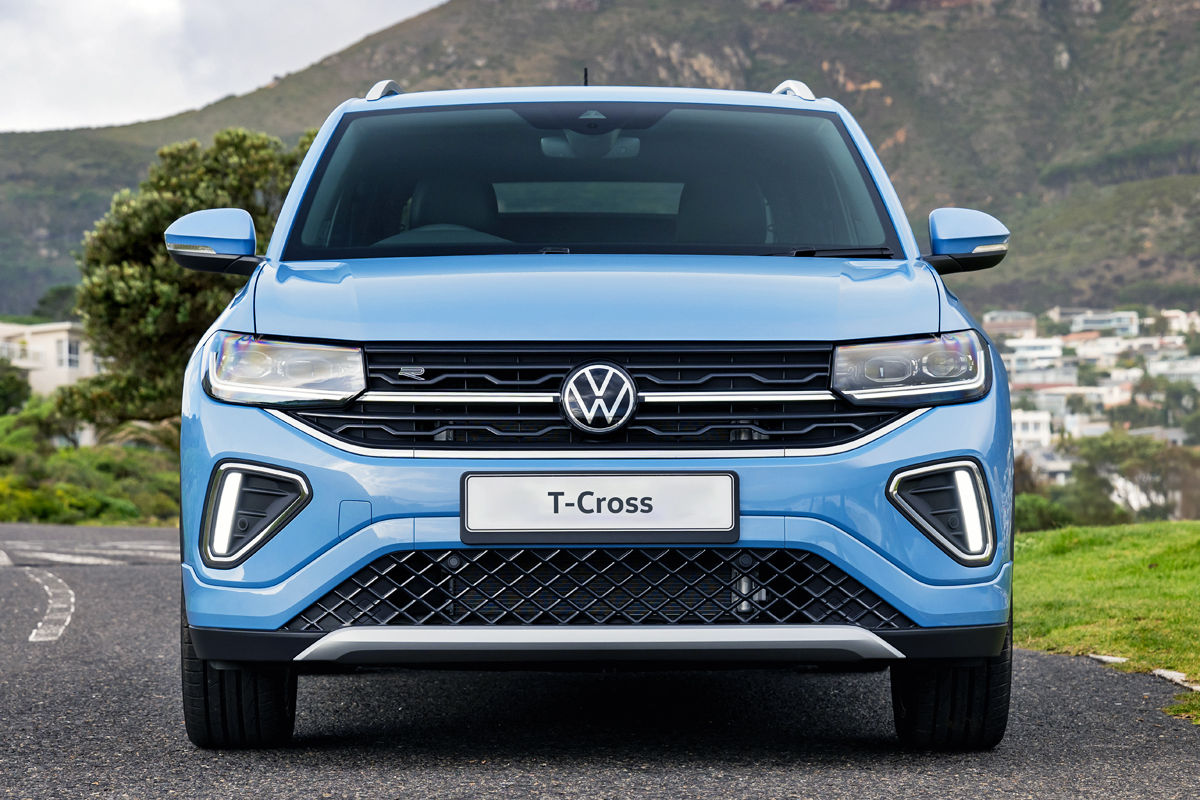
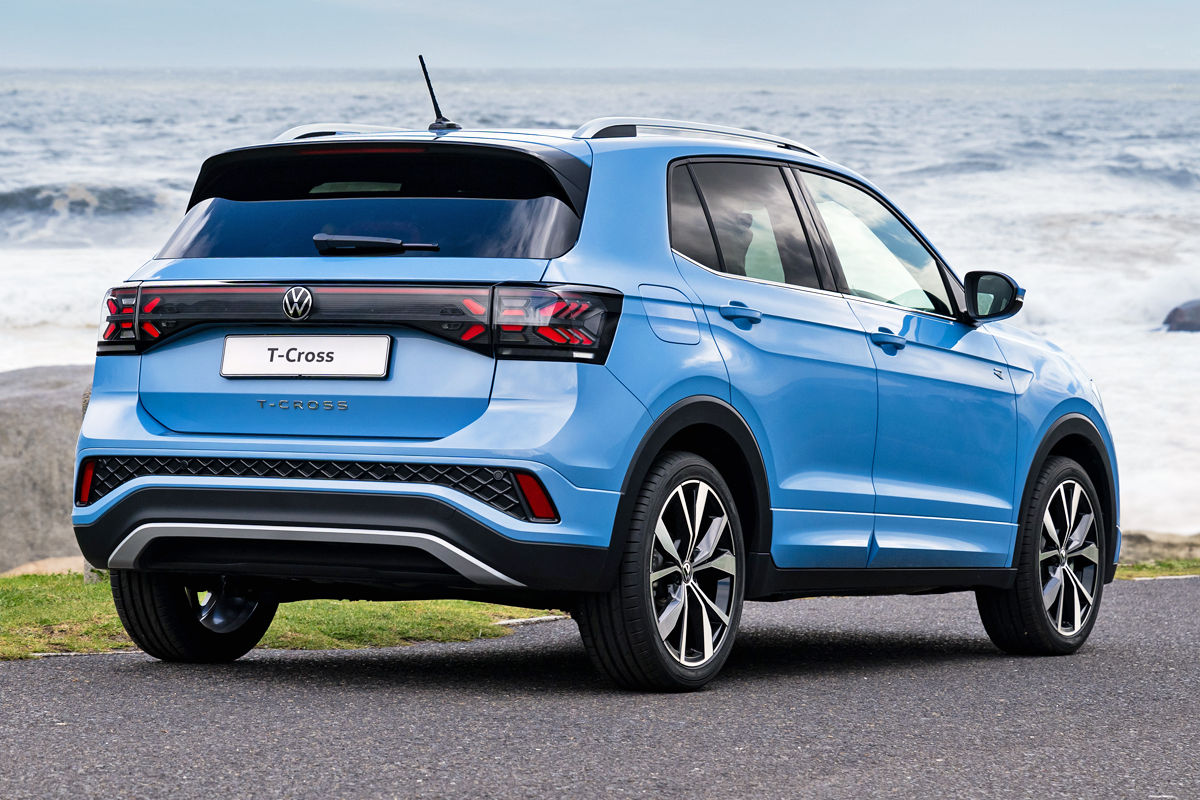
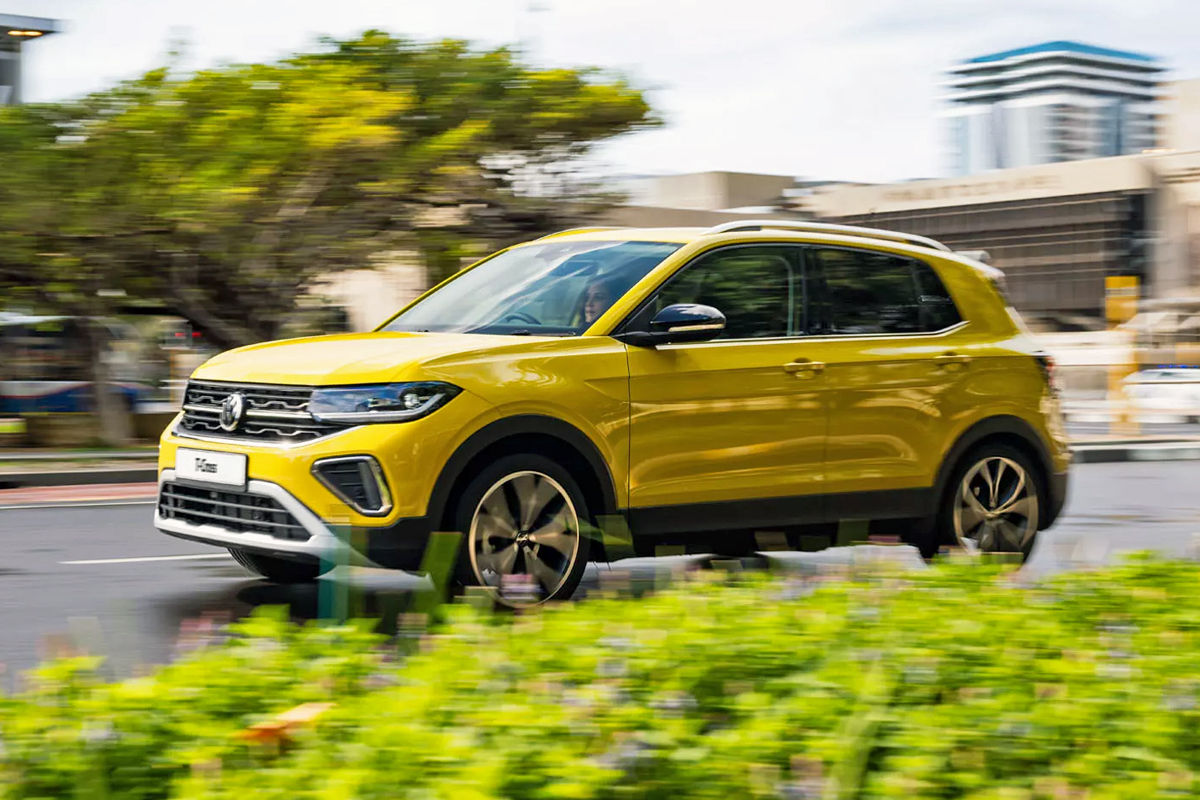
Again built in Spain, the updated T-Cross gains a fresh front-end design, complete with new LED headlights and daytime running lights, along with LED taillight clusters round back. Furthermore, 3 new paints colours have been added to the range: Grape Yellow, Clear Blue Metallic and Kings Red Metallic.
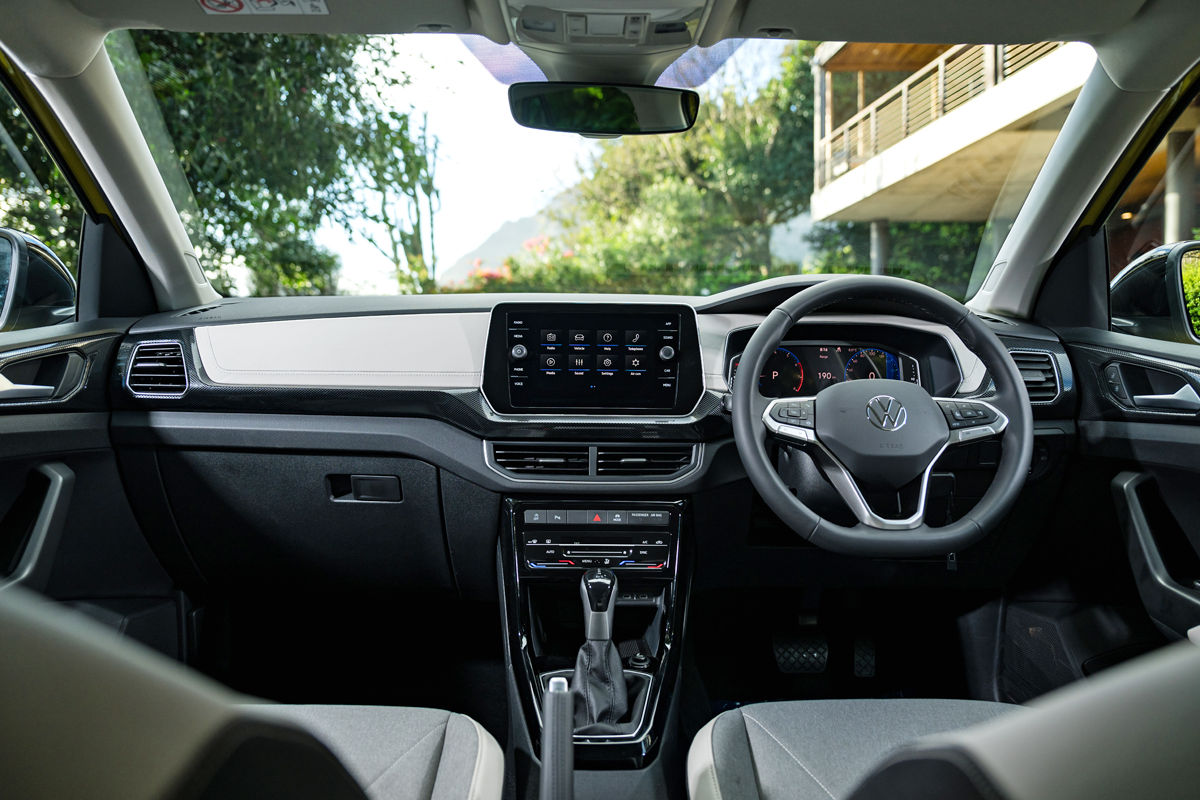
Inside, the facelifted T-Cross gains a new free-standing, 8-inch touchscreen, while all derivatives now feature a digital instrument cluster as standard. Moreover, the dashboard panel and interior door trim gain what VW describes as “significantly higher-quality surface materials”.
According to the Wolfsburg-based automaker, the T-Cross Life derivative features 16-inch “Nottingham” alloy wheels, electric folding side mirrors, parking sensors (fore and aft), cruise control, inductive smartphone charging and black roof rails.
The Style grade adds items such as IQ Matrix LED headlights (with dynamic light assist), 17-inch “Manila” alloys, an illuminated grille strip, silver-anodised roof rails, sports seats, a 10-inch digital instrument cluster (up from the Life’s 8-inch version) and 2-zone climate control.
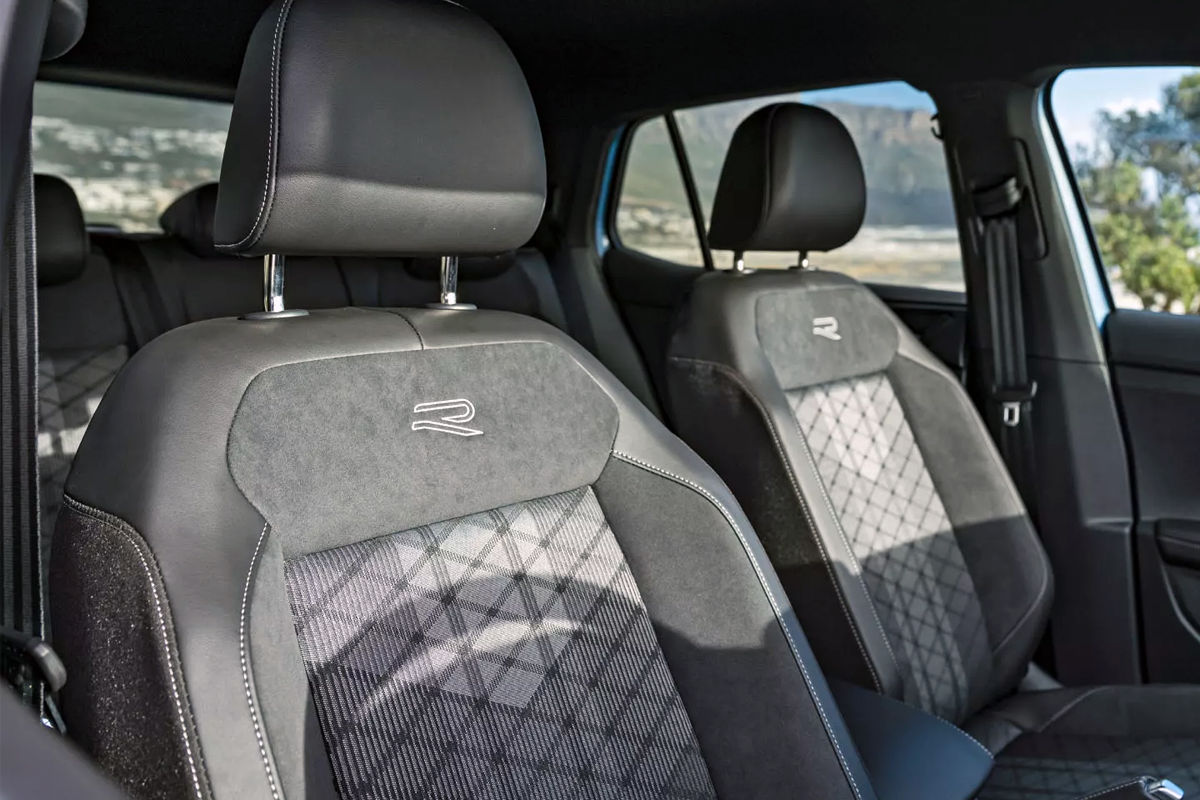
Finally, the T-Cross R-Line sports VW’s popular R-Line interior and exterior styling package, complemented by 17-inch “Valencia” alloys, “ArtVelour” seats, stainless-steel pedals and a drive-mode selector. Round back, the R-Line version is set apart by dynamic indicators. Meanwhile, the optional “Travel Assist” package (R13 100) unlocks safety-assistance technology such as predictive adaptive cruise control, cornering assist, lane assist and emergency assist.
Other options include an uprated “Discover Media” infotainment system (R15 000), the “beatsAudio” sound system (R10 700), 18-inch “Misano” rims (R3 500), heated front seats (R6 000) and the “Comfort Package Plus” (which adds a reverse-view camera, keyless access and park assist for an additional R16 500).
How much does the facelifted Volkswagen T-Cross cost in SA
T-Cross 1.0 TSI 70 kW MT
TBA
T-Cross 1.0 TSI 85 kW DSG
TBA
T-Cross Life 1.0 TSI 70 kW MT
TBA
T-Cross Life 1.0 TSI 85 kW DSG
R462 200
T-Cross Style 1.0 TSI 85 kW DSG
R501 300
T-Cross R-Line 1.0 TSI 85 kW DSG
R533 100
From what we understand, the prices above include VW’s 3-year/120 000 km warranty and a 3-year/45 000 km service plan.
New Mini Countryman Review (2024) Biggest Mini Yet
Are you eyeing out the new Mini Countryman? David Taylor reviews the new model in our latest video review! Give it a watch!
The brand-new third-generation Mini Countryman has arrived in South Africa. David Taylor has driven both the Countryman C and the Countryman S and in this video he takes us on a walkaround tour, covers the pricing, lineup, interior, boot space and shares his favourite fun features for the new model.
Mini is all about celebrated British design. BMW’s rejuvenation of the Mini brand since taking over in the late 1990s has been remarkable. With the latest Mini crossover-SUV, you get something that’s big enough for a long-distance family road trip, but still has all the iconic interior architecture design features.
Designers working on the Countryman know that Mini customers value individuality. That’s why it has some very interesting interior features. From the choice of fishing surfaces and fabrics. To the colours. And that circular infotainment screen, which is unlike anything else in the segment.
In a market where Chinese brands dominate the infotainment screen as a feature, Mini’s made a massive statement with the Countryman’s circular screen. But it is just a shape-and-style thing, or does it have real UX value? David will tell you the truth about the circular screen’s usefulness.
But does it all really work? David’s done the work, experiencing and analysing everything that matters with the Countryman, to help you gain real insight into this premium crossover SUV. And how it really works for which lifestyles. If you really want the ‘knowledge’ about this adventure Mini, which is rightsized for family life, David explains all in the video.
Although this collection is primarily focused on German vehicles, it all started with a British car – a 1936 Armstrong Siddeley 12hp Plus. We visit a wonderful car collection in Johannesburg.
Before the owner of this fascinating classic and race car collection walks me through his garage in Johannesburg, I sit down with him to hear his story.
IMAGES: Wilhelm Lutjeharms
This collection started with 1 car that sparked the collector’s interest and led to him becoming fascinated with cars, maintaining them, keeping them on the road and enjoying them. This collector clearly loves cars from the middle of the 20th century, and that has always been the case throughout his life.
“When I was a youngster, my dad did a lot of business in Germany and when he came back from a trip overseas one day, he told us (this was in the early ’50s) of a customer who took him for a drive in a Porsche and how impressed he was with that car and how you almost sat on the floor.
That memory left a lasting impression on me.
“When I grew up, I used to go to the café and buy CAR magazine. I could tell you everything about the cars that were on sale. If the magazine hadn’t arrived yet, I would go down the next day to check again.”
That first car
“We didn’t grow up with a lot of money. My mother used to make money by buying stuff from the railways. They had a place called the ‘excess depot’. What used to happen is that the stuff that got lost on the railways would be auctioned there.
My mother one day told me about this old car that was there… I was 17 at the time and was beside myself with excitement. I didn’t have the money to buy it, but my older brother, who had a job, did. We bought the car – a 1936 Armstrong Siddeley 12hp Plus (a sedan) – at the auction for £17.
I thought it was the most magnificent thing in the world… and so I started restoring it.
“In those days restoring a car was not like it is today. You needed to buy a magazine from England, then write a letter to the company to request the part(s). Then, 4 weeks later, you would receive a letter saying no, they don’t have the part – and you would be back at square one. It really was not an easy job.
“I then attended university, and the Armstrong was still around. Slowly I realised that I was throwing away the money I was putting into that car.
“By that time, I was in the auction industry with my brother, but I studied as a metallurgist.
The first Porsche
“I slowly started to learn about being sensible with my money. I took the Armstrong and all the bits and pieces and I sold it all, and I still lost money!
Then a friend bought a Porsche 356 for me at a sale in 1971, which I restored, but I discovered that the car had been involved in an accident. It was a 356A with the front of a -B – “a 356 A-B” – and not right.
Then I bought a 356C, but the doors needed attention and it was simply too expensive to order new parts, so I found a body specialist who did a great job for less than what new parts would have cost. I sold that car and made a small profit in the process.”
Jokingly, he says he thought he was the cleverest guy in the world at that time.
“It started rolling from here on and then another Porsche 356 crossed my path. At the time the sellers wanted R50 000 for the car, but I offered them R35 000. They didn’t want to take it. Then an auctioneer had an accident with the car and they approached me.”
As is to be expected, the collector wasn’t going to offer R35 000 for a car that had been in an accident since he last saw it, so he offered them R25 000 – and they accepted! He would eventually convert the car into a race car, which he admits he has had a lot of fun with – and still owns to this day.
Around 2004, during an international rally, he met a fellow enthusiast and Porsche 356 specialist. During conversations with the gentleman, they discussed the rare Porsche 356 Carrera 2 with the special 4-cam engine. Long story short: a car was sourced and he added a 356 Carrera 2 to his collection.
What is encouraging about the cars in the collection is that they don’t stand around. The 356 Carrera 2 is a good example: he drove it from Johannesburg to Matjiesfontein for a special car meet a few years ago.
“The first night we slept at the Gariep Dam. On the way back we drove through Barrydale, Bloemfontein and then the timing gave some issues in the Free State, so the car returned to Johannesburg on a trailer.”
If you appreciate early race cars, the Elva-Porsche will undoubtedly draw your attention.
“There wasn’t a Porsche race car between the Porsche 718 RSK and the 904. Some guys in the United States wanted one though. Elva was building some race cars at the time. They looked a lot like the Lotus 23. Porsche wasn’t completely involved with the project, that is why it was called an Elva-Porsche.
Elva built about 50 Mark VIIs (most had BMW and Ford engines). Only 18 of them had Porsche engines, most of which went to America. A local enthusiast and amateur racer bought 1, but without an engine.”
Years later, he met the owner of the Elva-Porsche and expressed an interest in buying this unique race car, but the former turned him down. Eight years later, however, the owner was willing to part with it.
“At the time it didn’t have a Porsche engine and the incorrect gearbox, but I bought it and had it restored. Then I started searching for an engine. My son assisted me and he found a 4-cam engine in France.”
Thankfully, there is also clear evidence on the car that it was originally an Elva-Porsche. Subsequently, the collector has enjoyed the car on track on several occasions.
When I saw it in the metal for the first time, I was struck by how it’s one of the most compact and lowest classic race cars I’ve ever seen. Simplicity is one of the most attractive elements of this era of race cars.
The collector takes me through the collection, which includes a couple of Mercedes-Benz models, a gorgeous Porsche 911 (930) Turbo, a 356 Speedster and even an MG. All these cars get driven regularly.
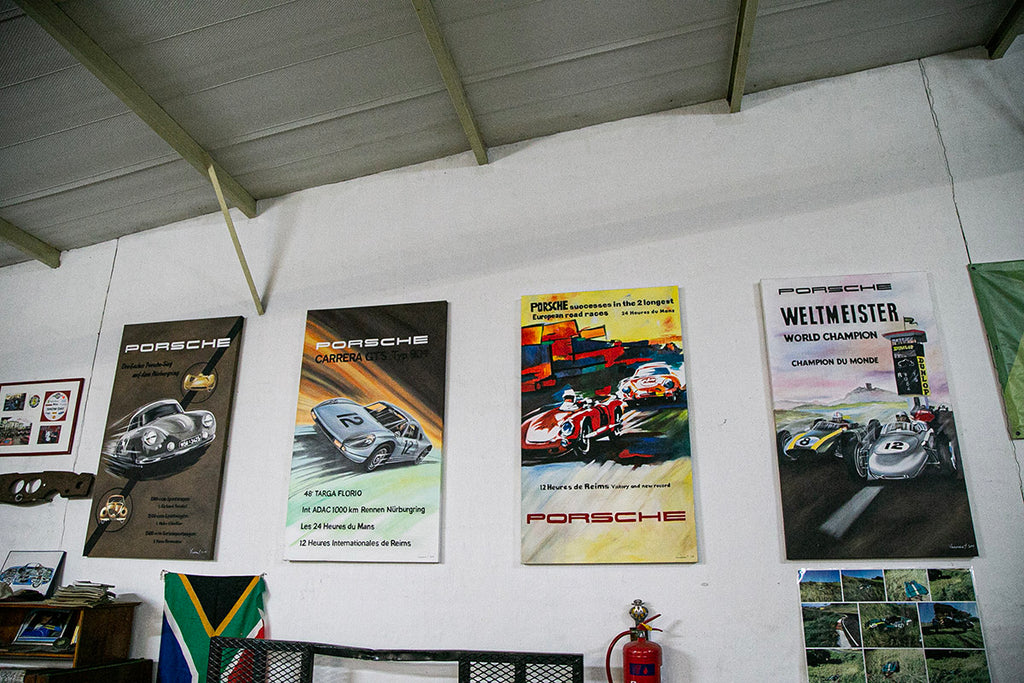
The old photos, paintings and memorabilia along the walls each tell their own story and, judging from what he tells me, the collector’s love for the restoration of classic cars shows no slowing down. In the workshop at home, there are 2 Porsche 912s that he and his assistant are busy restoring.
We page through one of his albums that details the restoration done on a Mercedes-Benz, but I cannot keep my eyes off the 220S Ponton Cabriolet which has recently been finished, as well as one of only two in South Africa pre-war 1938 BMW 327 Sport Cabriolets that has also been meticulously been restored.
Finally, there is a Mercedes-Benz SL300 roadster next door, which is no garage queen and has been used often on long journeys, which is exactly as it should be!
Pricing for the new BMW 1 Series – including the flagship M135 derivative – has been revealed. Here’s how much you’ll pay for this premium hatchback in South Africa…
Despite the new BMW 1 Series having been unveiled as recently as June 2024, we already have local pricing for this latest version of the premium 5-door hatchback, which is scheduled to launch in South Africa in the final quarter of 2024.
As we reported earlier, the local F70-generation BMW 1 Series line-up will comprise just a pair of derivatives at launch: the front-wheel-drive 118 and the all-paw M135 xDrive (with the front-driven 120 expected to follow in 2025).
Note the Bavarian firm’s latest naming convention drops the “i” suffix for petrol derivatives, seemingly reserving this for future fully electric variants. Both the 118 and M135 employ a 7-speed dual-clutch transmission as standard.
The new BMW 118 starts at R713 395, which makes it R21 679 more expensive than the outgoing F40-gen equivalent (specifying the M Sport package pushes the price to R753 395). However, while a turbocharged 1.5-litre, 3-cylinder petrol engine again provides the urge, it offers more generous outputs in F70 guise. Here, the 3-pot makes 115 kW and 230 Nm, respective increases of 12 kW and 10 Nm.
For the record, BMW says the SA-spec 118 will complete the 0-100 kph sprint in 8.5 seconds (matching the previous version’s time), before topping out at 226 kph (13 units higher than before). Claimed combined fuel economy for this variant increases from 5.9 L/100 km to 6.4 L/100 km.
Available options for the new 118 include 18-inch alloy wheels (a inch larger than standard, for an extra R17 000) and various exterior paint colours, with the bulk of extras grouped in either the Equipment Package (R24 500) or the Deluxe Package (R32 000).
What about the M Performance model? Well, the new M135 kicks off at R982 768, an increase of R30 175 compared with the outgoing M135i. Thankfully, while the European-spec version’s turbocharged 2.0-litre, 4-cylinder petrol engine has been detuned, South Africa will receive the full-fat configuration.
That means peak power of 233 kW (8 units more than the F40-gen version) and maximum torque of 400 Nm (interestingly down 50 Nm). The claimed 0-100 kph time is listed as 4.9 seconds, a tenth of a second slower than before, while top speed is unchanged at 250 kph.
The M135 can furthermore be ordered with 19-inch alloys (up an inch, for an additional R14 000), the aforementioned Equipment Package (R24 500) and the M Sport Package Pro (R25 000). The latter includes M Sport seats, M seatbelts, M Sport brakes (with red callipers), BMW Individual Lights Shadow Line and high-gloss Shadow Line exterior trim.
As a reminder, the latest-gen 1 Series measures 4 361 mm from snout to rump, making this Leipzig-built model 42 mm longer than the outgoing version, though its wheelbase is unchanged at 2 670 mm. In addition, the hatchback stands 25 mm taller than its predecessor at 1 459 mm. Luggage capacity is listed as 380 litres, a figure expandable to 1 200 litres by dropping the rear bench.
Inside, the new 1 Series is “completely leather-free as standard”, with options including “leather-like” material as well as upholstery fashioned from recycled polyester. There’s also a redesigned gear selector as well as the latest BMW Curved Display, which comprises a 10.25-inch digital instrument cluster and a 10.7-inch infotainment screen. Air conditioning controls are now fully digital.
How much does the new BMW 1 Series cost in South Africa?
BMW 118 – R713 395
BMW M135 xDrive – R982 768
The prices above include BMW’s 2-year/unlimited kilometre warranty and a 5-year/100 000 km maintenance plan.
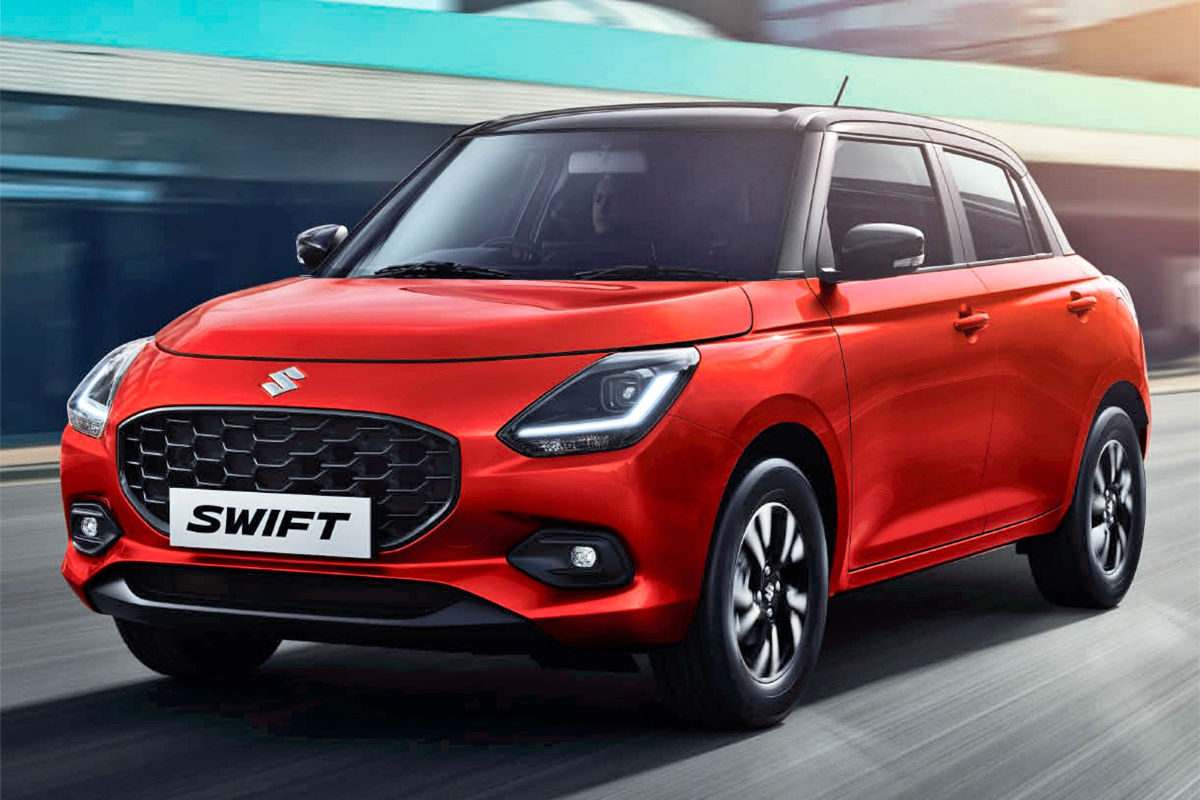
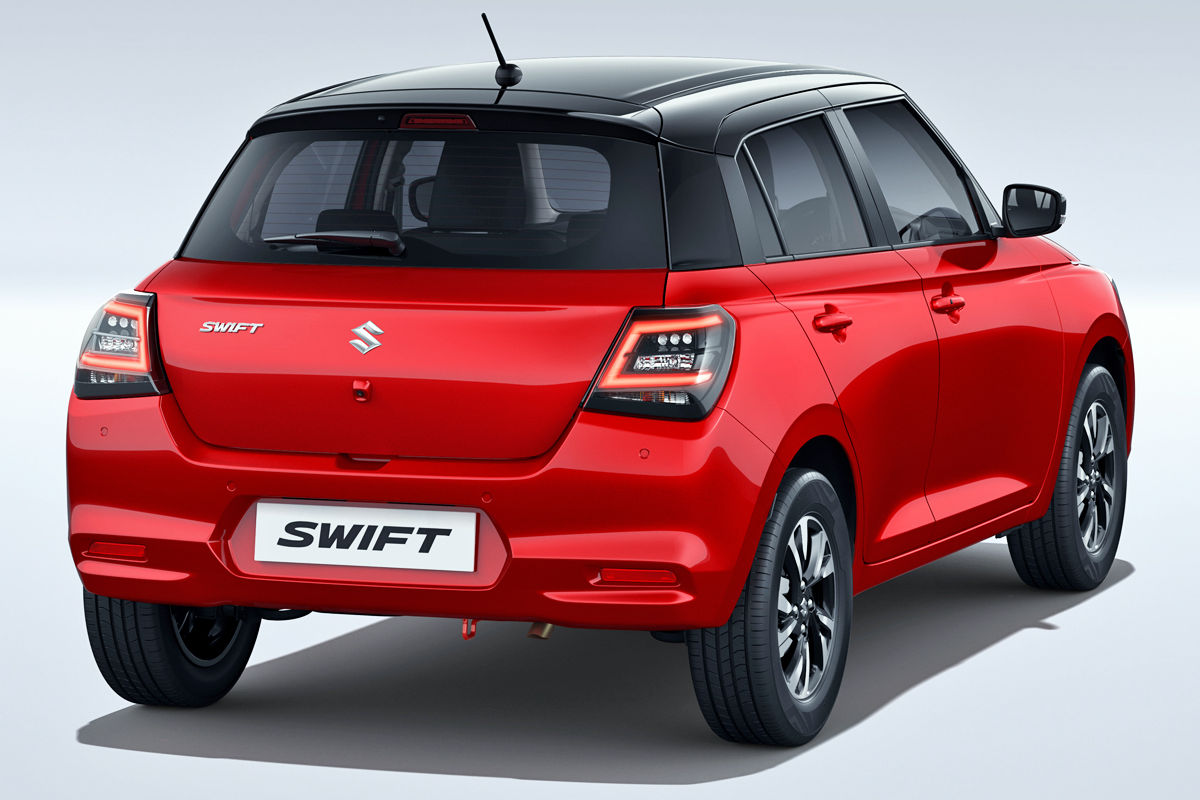
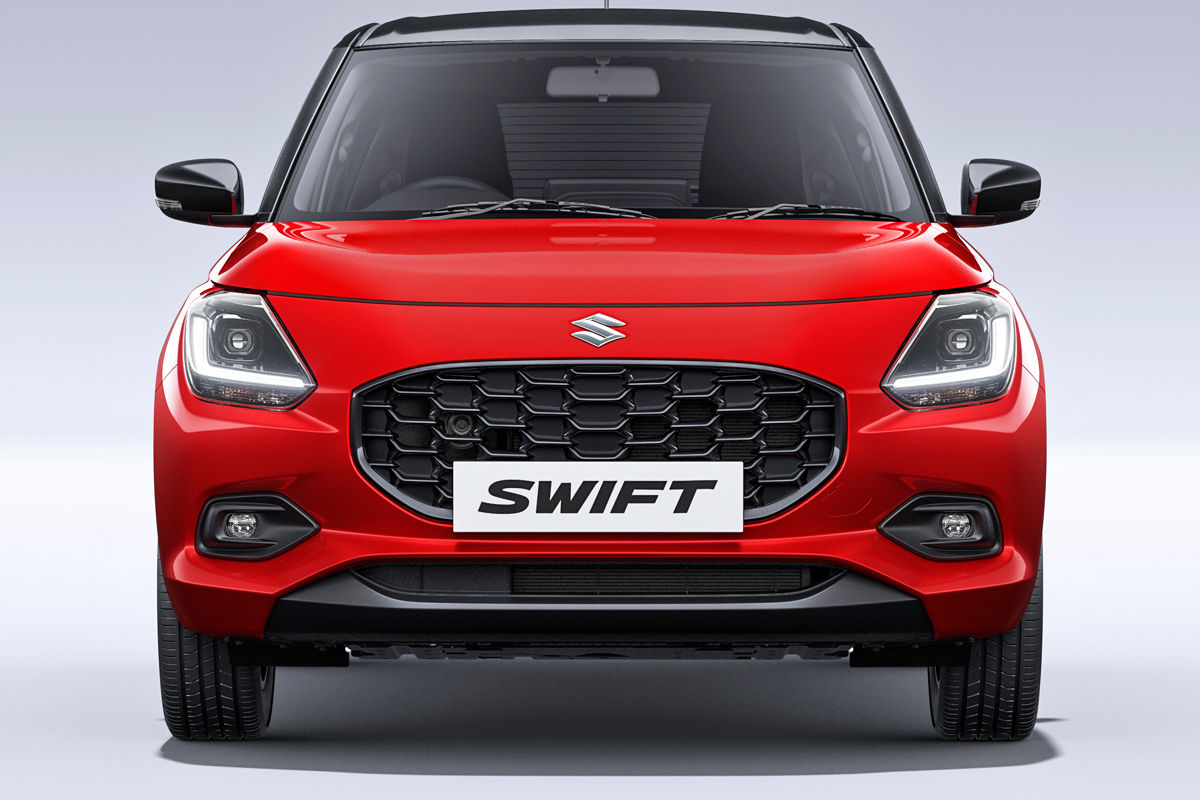
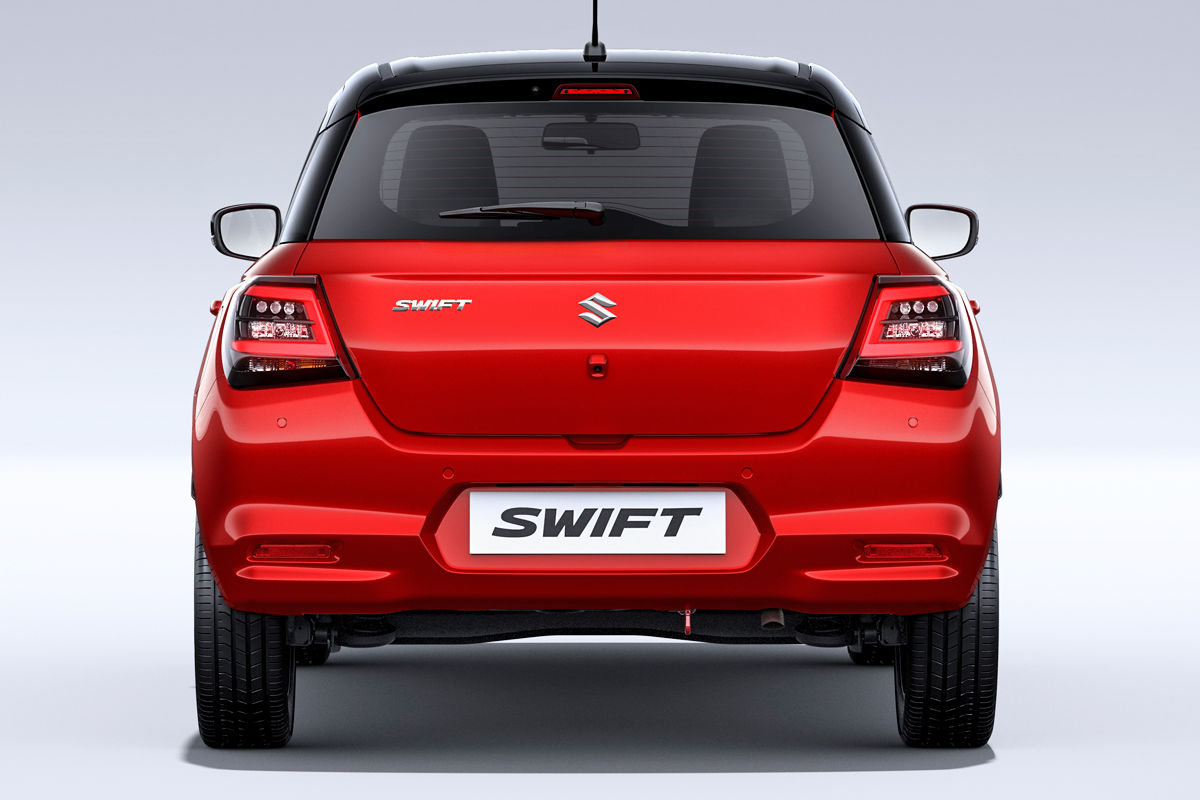
New Suzuki Swift to launch in SA soon (with fresh engine)
The new Suzuki Swift is set to launch in South Africa “in the near future”, with the latest generation of this popular hatch powered by a “new engine”. Here’s what we know…
Suzuki Auto South Africa has finally confirmed that the new Swift is scheduled to launch locally “in the near future”, while also revealing that the popular hatchback – which has become one of Mzansi’s top-selling passenger cars in recent years – will be powered by a “new engine”.
Set to make its local premiere at the imminent 2024 Festival of Motoring in Gauteng, the AOL-generation Swift for Mzansi is again expected to be imported from Maruti Suzuki’s Manesar facility in India rather than from the brand’s domestic market of Japan.
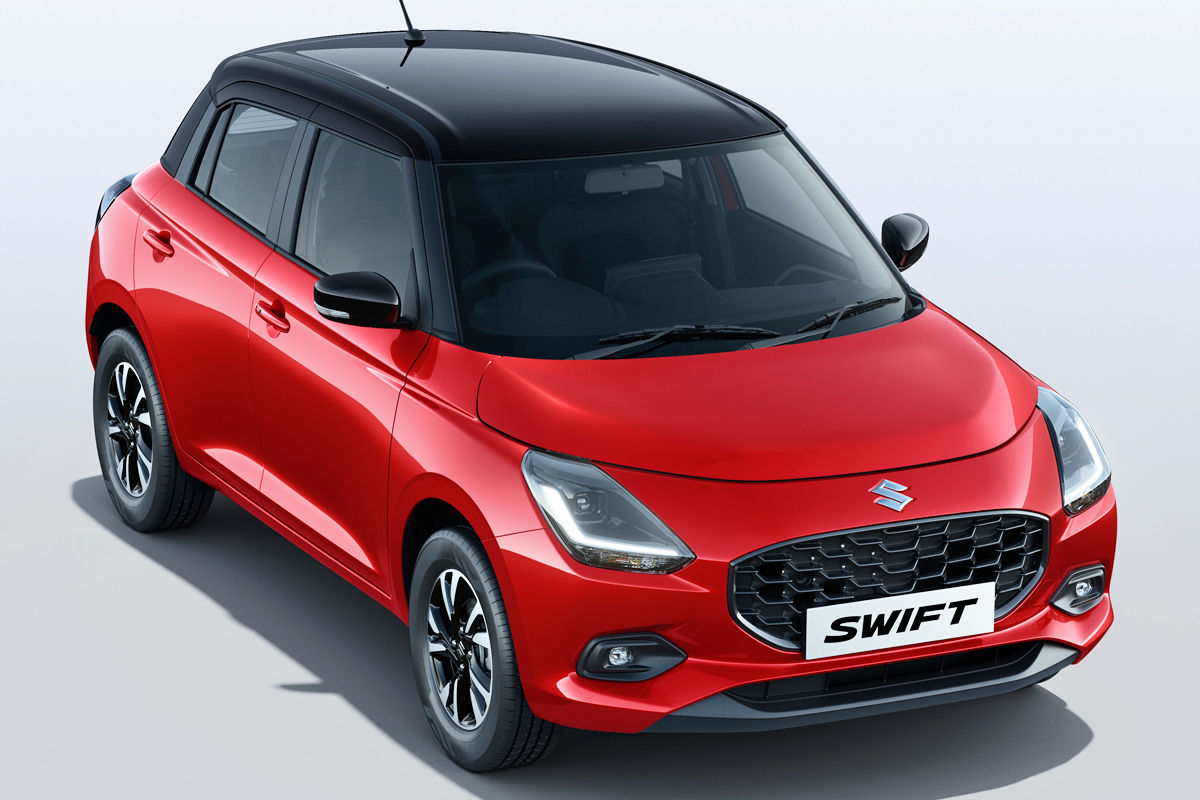
New Swift pictured in “Luster Blue” with a black roof.
Suzuki Auto SA describes the new-gen Swift as “brand new from rubber to roof, with a sporty new design, new engine and safety features never before offered as standard in this class of compact vehicles”.
So, what do we know about this new engine? Well, considering only a single powertrain is currently available in the Indian market, we can speculate that the SA-spec version will employ the same latest Z-Series engine as offered in the world’s most populous nation.
The new SA-spec Swift will likely be powered by Suzuki’s latest Z-Series engine.
Displacing 1.2 litres, this fresh naturally aspirated 3-cylinder motor generates 60 kW and 5 700 rpm and 112 Nm at 4 300 rpm, peak outputs that are delivered to the front wheels via either a 5-speed manual gearbox or an automated manual transmission (AMT) with the same number of cogs.
As a reminder, all derivatives in the outgoing Swift range in South Africa (bar the Japanese-built Swift Sport 1.4T models, that is) use a likewise atmospheric 1.2-litre, with similar maximum outputs of 61 kW and 113 Nm but 4 cylinders rather than 3.
In India, the new Swift is offered with either a 5-speed manual ‘box or an AMT.
According to Maruti Suzuki, the new Z-Series mill used in the Indian-market model is capable of returning a combined fuel-economy figure as low as 3.9 L/100 km when fitted with the AMT, or a similarly miserly 4.0 L/100 km in manual guise. Of course, local fuel-consumption claims have yet to be announced.
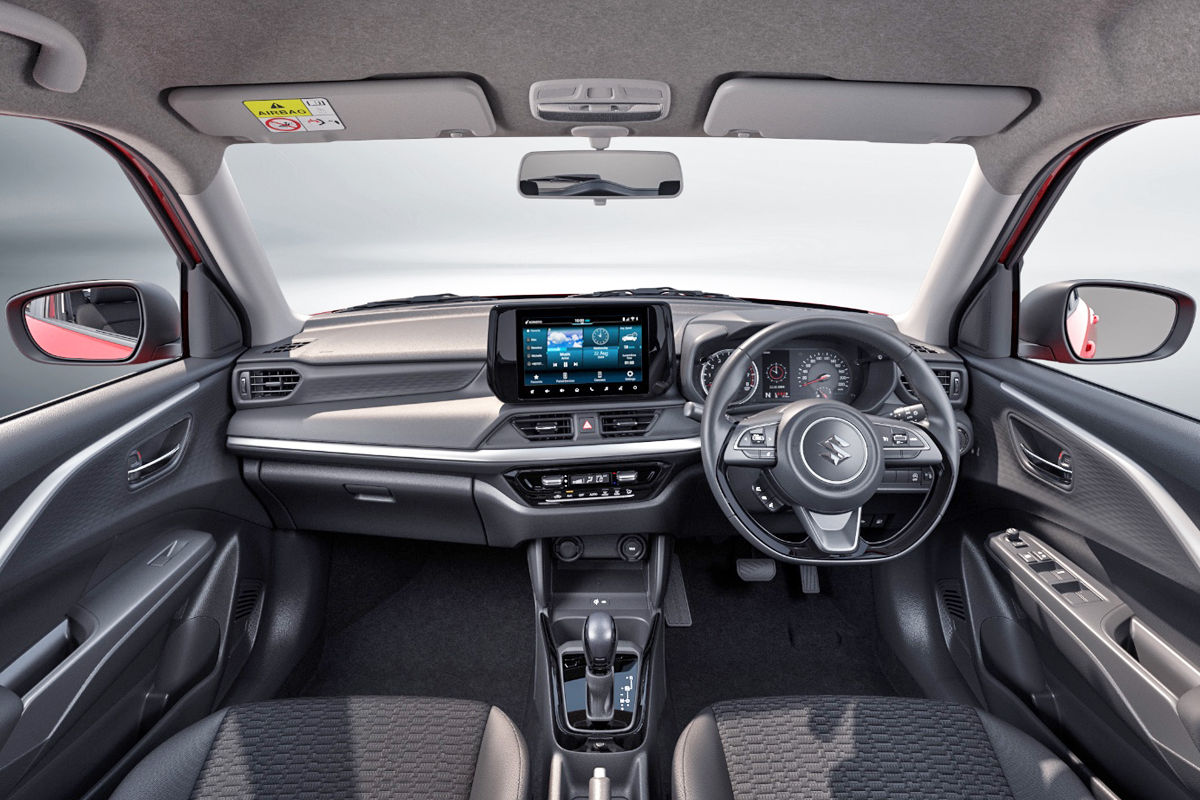
What about the safety features that Suzuki Auto SA refers to in the quote above? Well, we can again turn to the Indian market to form an idea of the safety kit likely to be offered locally. In India, for instance, all versions of the new Swift come fitted with ABS (with EBD), 6 airbags, electronic stability control, hill-hold assist and rear parking sensors, with the top-spec derivative furthermore scoring a reverse-view camera.
This 9-inch infotainment system is available in India.
As a reminder, the outgoing A2L-generation Swift arrived in South Africa in mid-2018. In 2022, this model ranked 2nd place on the list of Mzansi’s best-selling passenger vehicles (behind only the Kariega-built Volkswagen Polo Vivo), with its tally of 17 282 units seeing it rocket up the table from 6th place in the prior year.
In 2023, the Swift dropped a spot to 3rd position in the passenger-vehicle rankings, with sales of the Indian-built hatchback – which was again SA’s best-selling imported vehicle overall – slipping 7.6% year on year to 15 974 units. Over the opening 7 months of 2024, meanwhile, as many as 9 708 units have been registered locally, keeping the Swift in a comfortable 3rd place.
Will the new Swift pick up where the outgoing model leaves off in terms of local sales?
Check back from more local information on the new Suzuki Swift as and when we find it (we’re particularly interested to see where Suzuki Auto SA will position this newcomer in relation to the outgoing version, which currently kicks off at R213 900)…
We get reacquainted with the award-winning Volvo XC90 PHEV. Given that its rivals have either been updated or are about to be replaced, can the ageing Swedish contender still hold its own in the premium SUV space?
We like: Great balance of performance and economy, excellent fit and finish, a genuine 7-seater, impressive infotainment system.
We don’t like: Brittle ride quality, PHEV system requires familiarisation, depreciation.
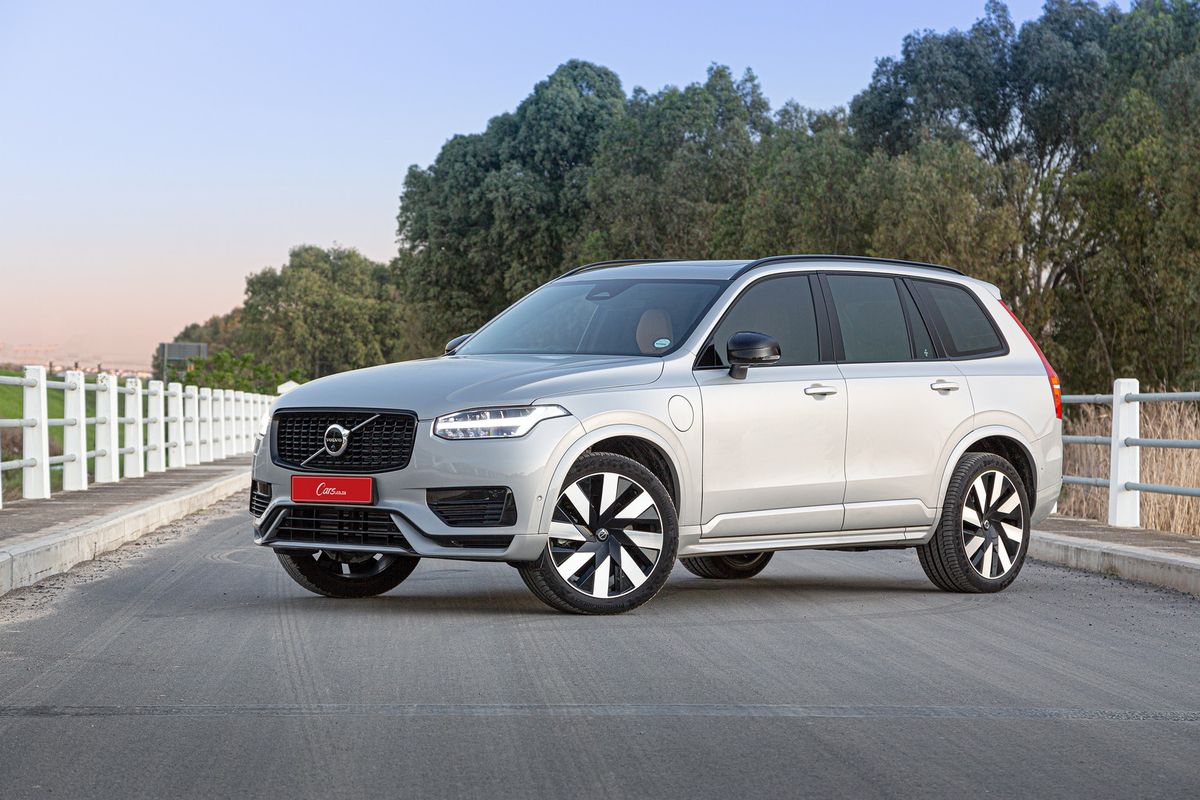
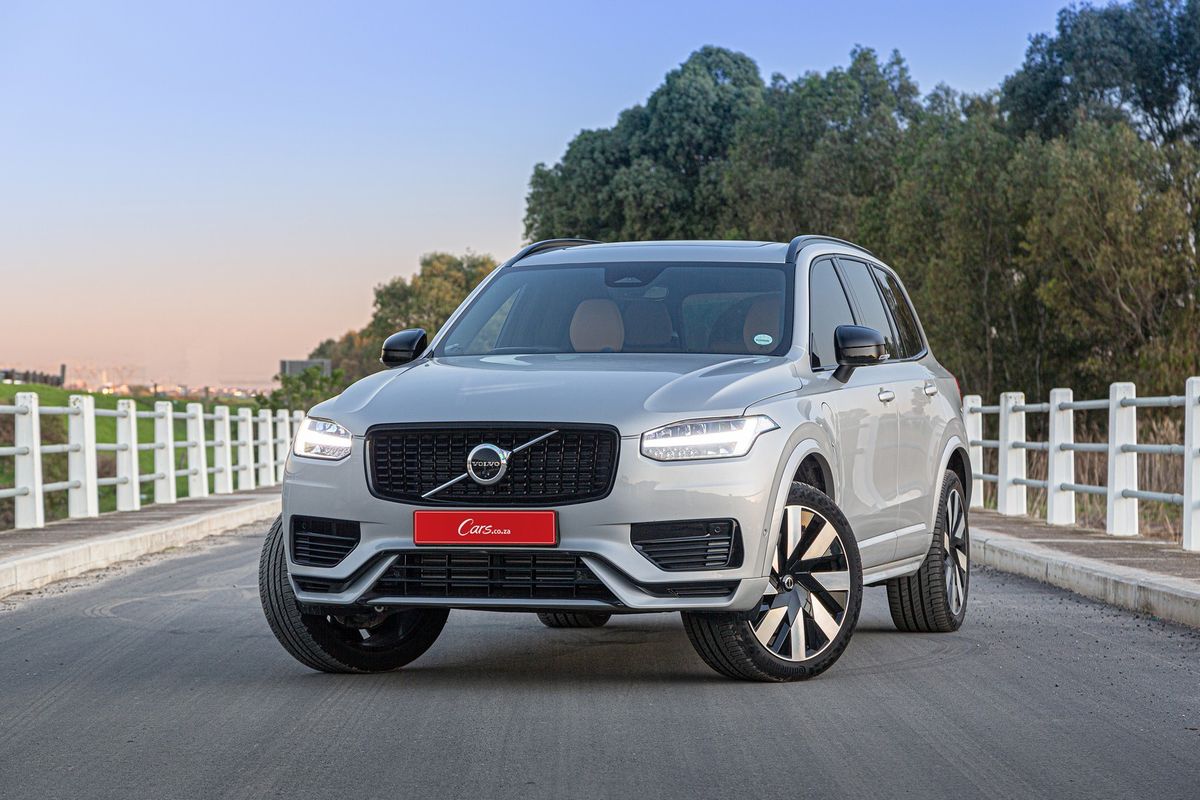
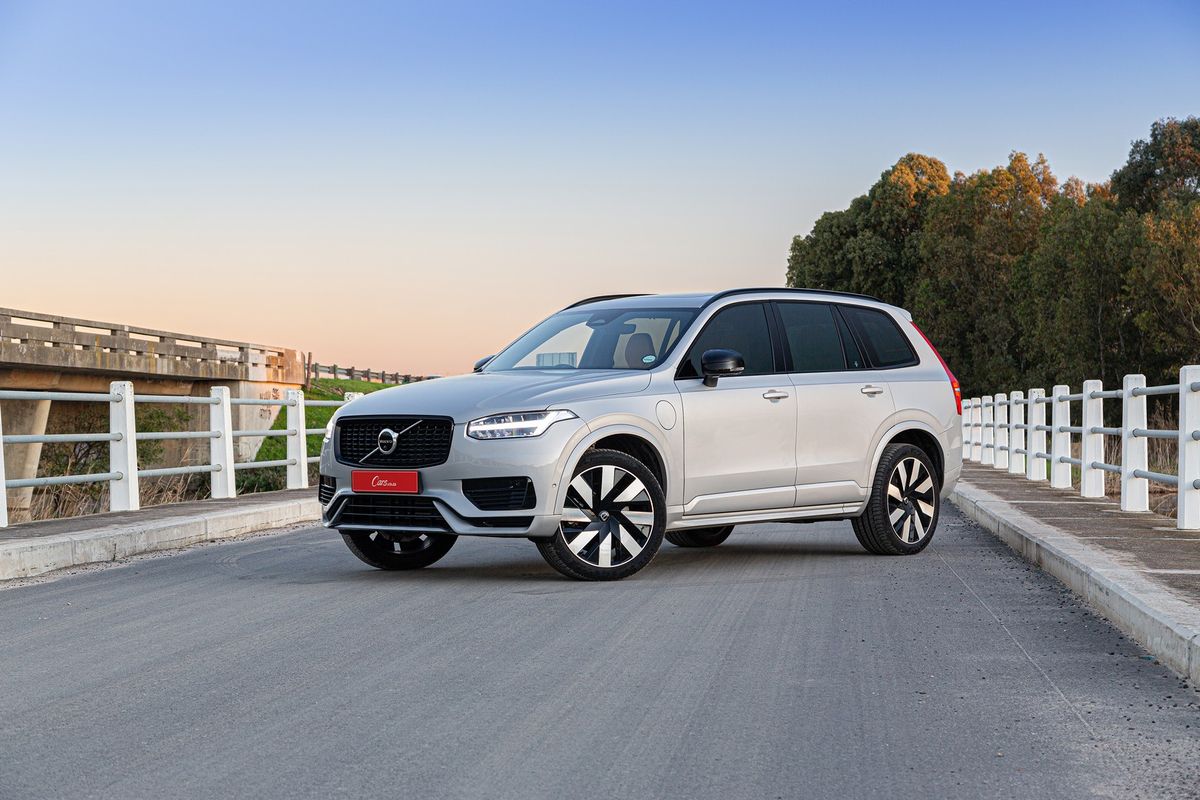
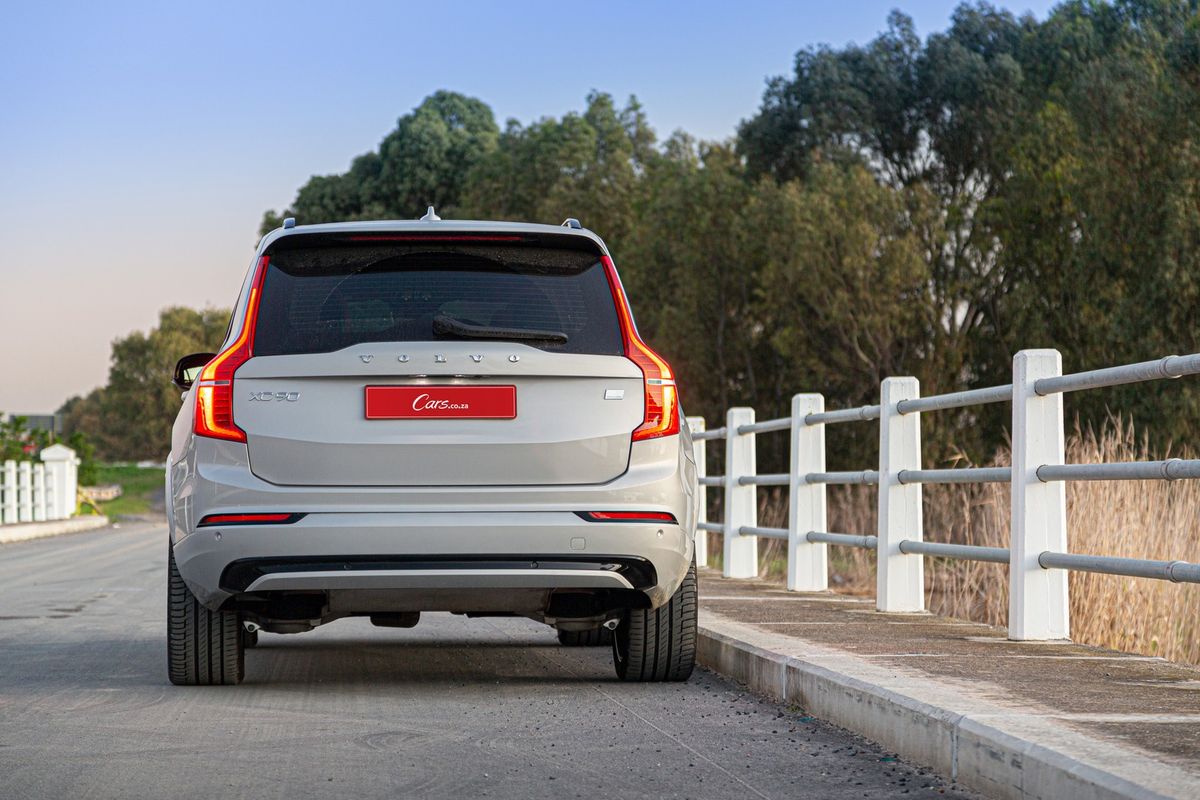
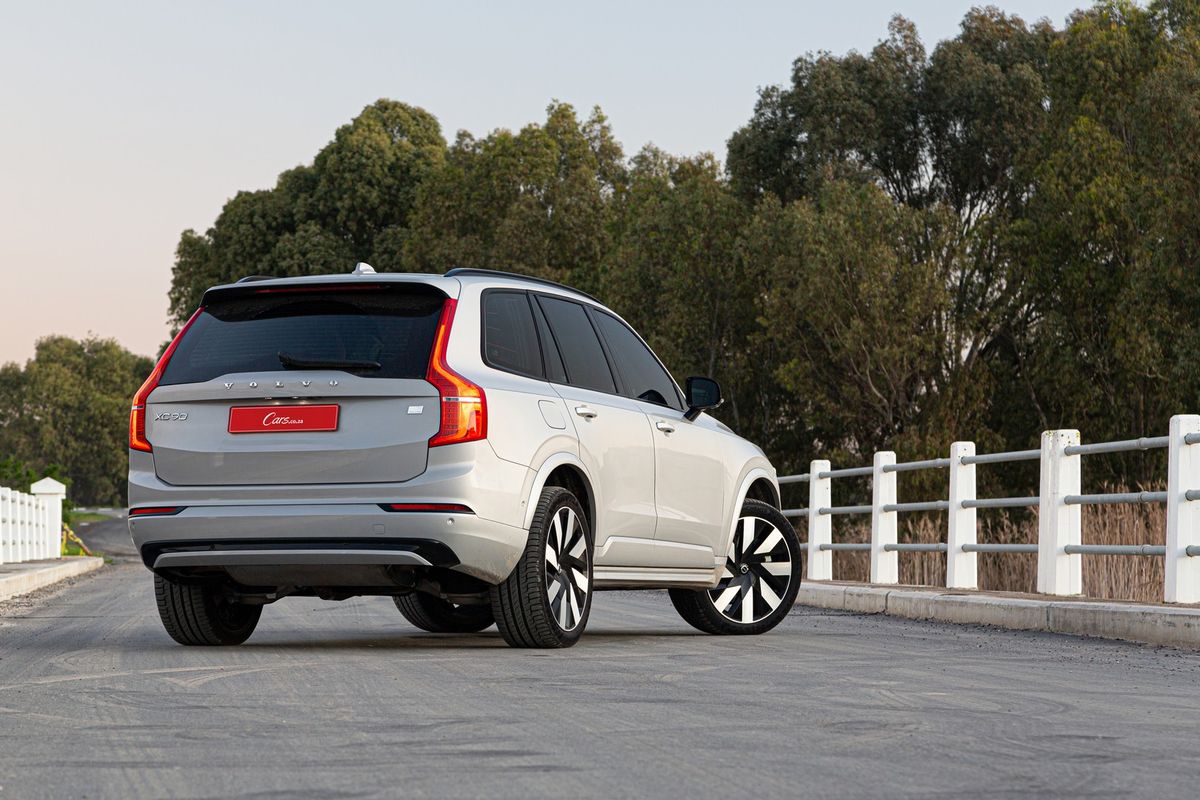
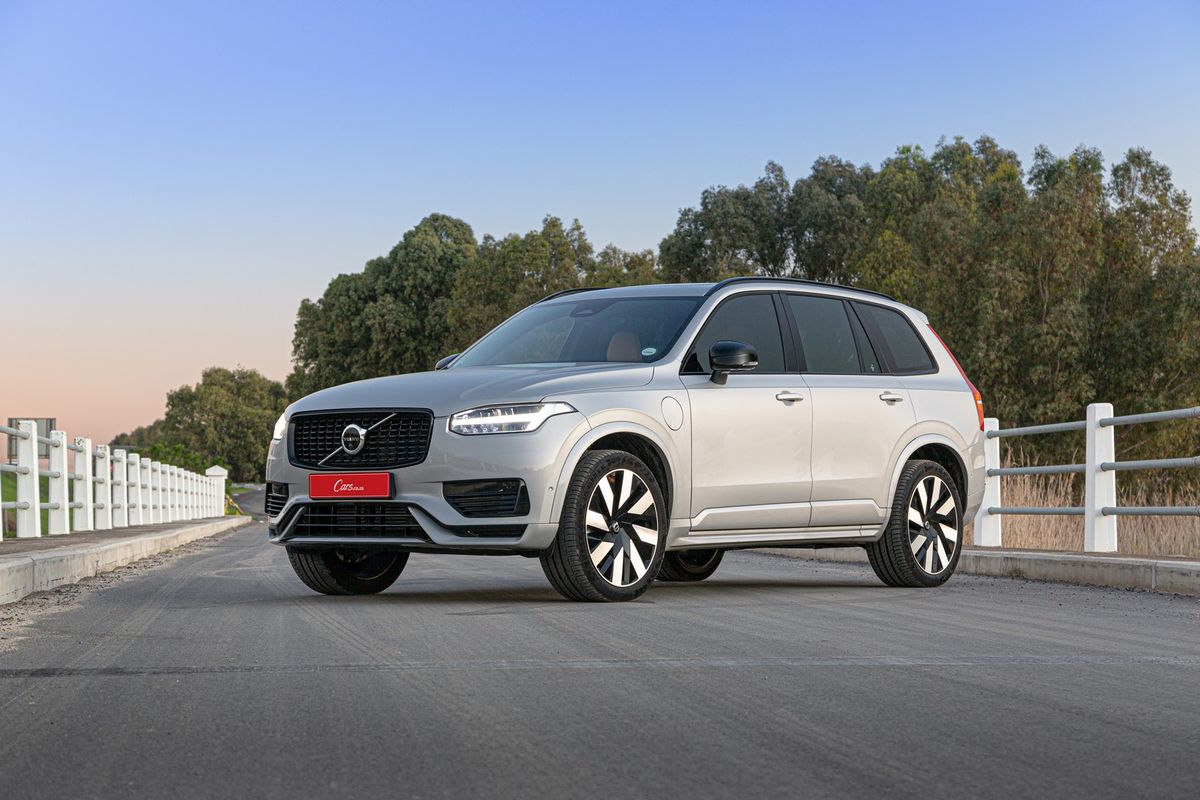
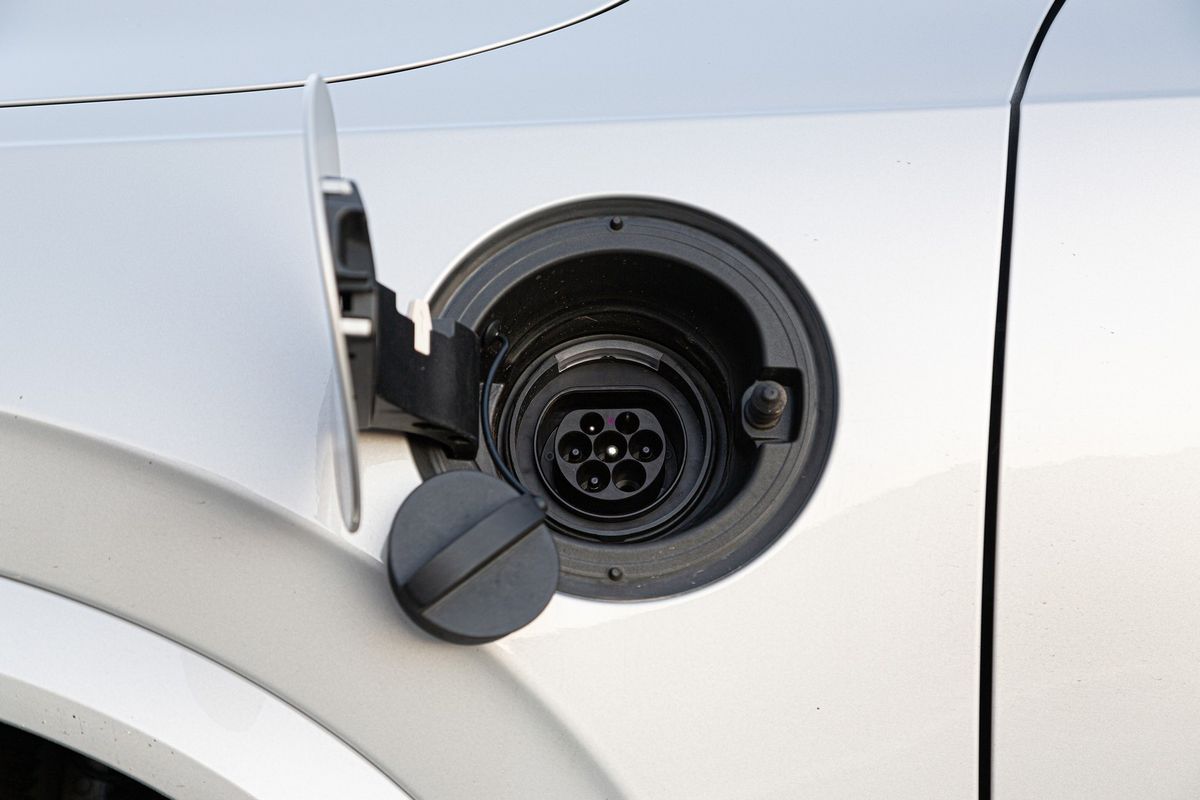
The Volvo XC90 PHEV still looks fresh and fabulous. Note the charging port on the front fender.
The Volvo XC90 PHEV is not a new vehicle by any means. When it debuted in South Africa in 2015, the 2nd-gen XC90 was at the forefront of a revitalised Volvo model line-up. With high-tech safety, striking designs and cabins that oozed Scandi charm, it boldly blazed a trail for the Gothenburg-based brand.
Volvo XC90 derivatives dominated the Premium SUV category of the Cars.co.za Consumer Awards for the first 3 years of the programme. Variants of the XC90 T8 Twin Engine (as the T8 Recharge was then known), famously bagged category wins in the 2016/17 and 2017/18 iterations of the #CarsAwards.
Nine years after its global launch, the XC90 has received some incremental updates, but there’s been no major facelift. Talk about confidence in one’s product – it evokes the adage: “If it ain’t broke, don’t fix it.”
Numerous small updates have kept the Volvo XC90 relevant in the Premium SUV segment.
The Volvo XC90 PHEV is rivalled by a trio of German offerings, consisting of the BMW X5, Mercedes-Benz GLE and Audi Q7. While BMW and Mercedes-Benz recently applied facelifts to the X5 and GLE respectively, an updated Q7 is earmarked for local introduction before the end of 2024.
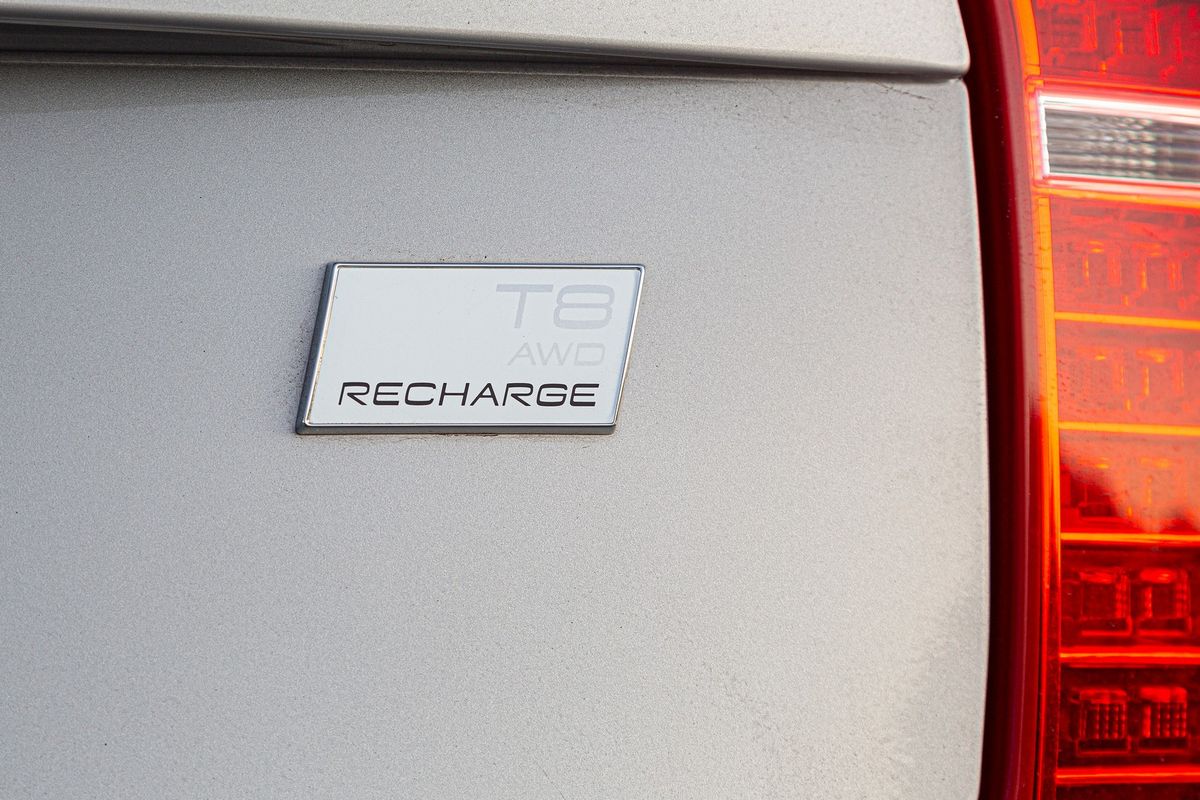
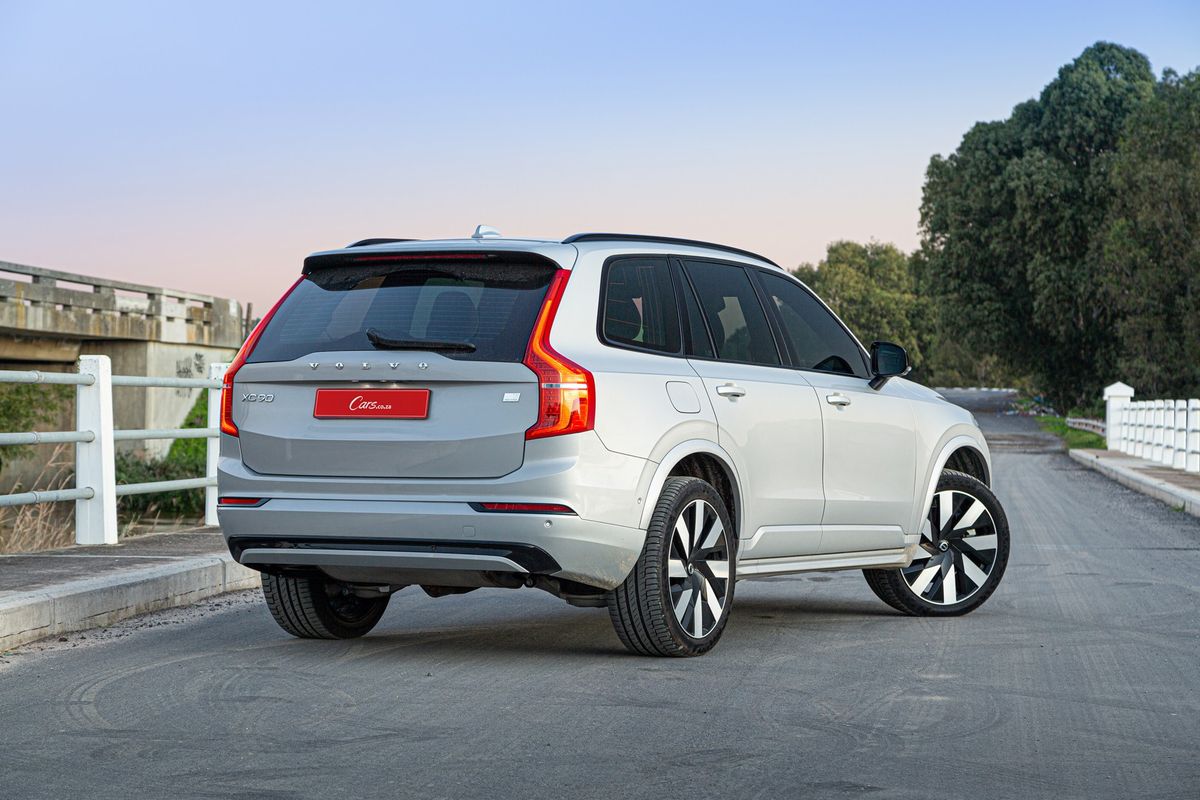
The subtle T8 badge lets you know this is no ordinary XC90.
The Volvo XC90 PHEV is powered by a turbo- and supercharged 2.0-litre 4-cylinder petrol engine, which is paired with an 8-speed automatic transmission, with assistance from an electric motor. The powertrain drives all 4 wheels, with the electric motor pushing the rear axle. The petrol motor alone makes 233 kW and 400 Nm, with the electric system contributing to combined total outputs of 340 kW and 709 Nm.
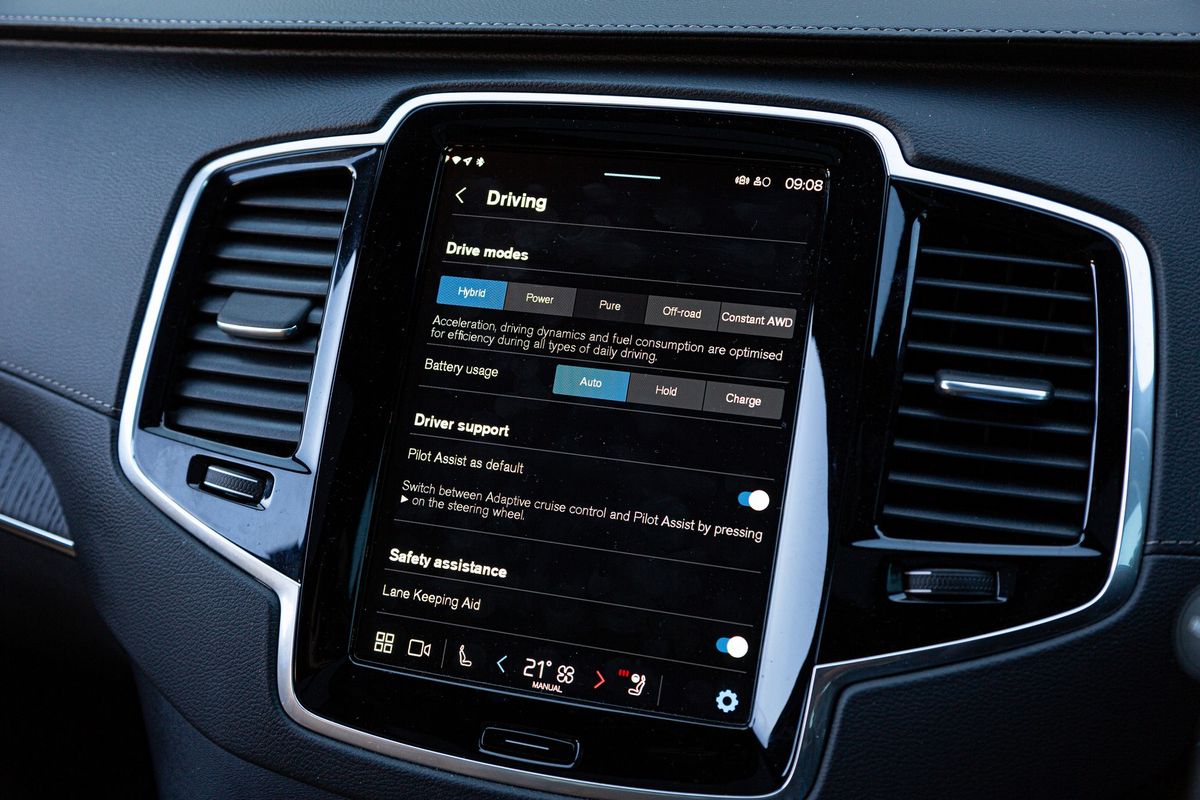
To experience the full effect of those lofty outputs, we set up our test equipment and engaged the Volvo’s most aggressive drive mode (Power); the test unit subsequently galloped from a standstill to 100 kph in 5.48 sec, which was not significantly slower than the Swedish manufacturer’s claim of 5.3 sec.
Keeping it simple with Hybrid, Power, Pure (EV) and Off-road drive modes.
Interestingly, the XC90 will run to a limited top speed of 180 kph. This limit was created by Volvo Car because it felt that going any faster wouldn’t be in the best interests of road safety, which is laudable.
To get the best out of the T8 Recharge on the daily commute, it’s best to keep the Volvo’s hybrid battery topped up. You can do this either by recharging at a normal electrical outlet (or wall box) at your home, or using the internal combustion engine to top up the charge – at the expense of fuel economy, mind you.
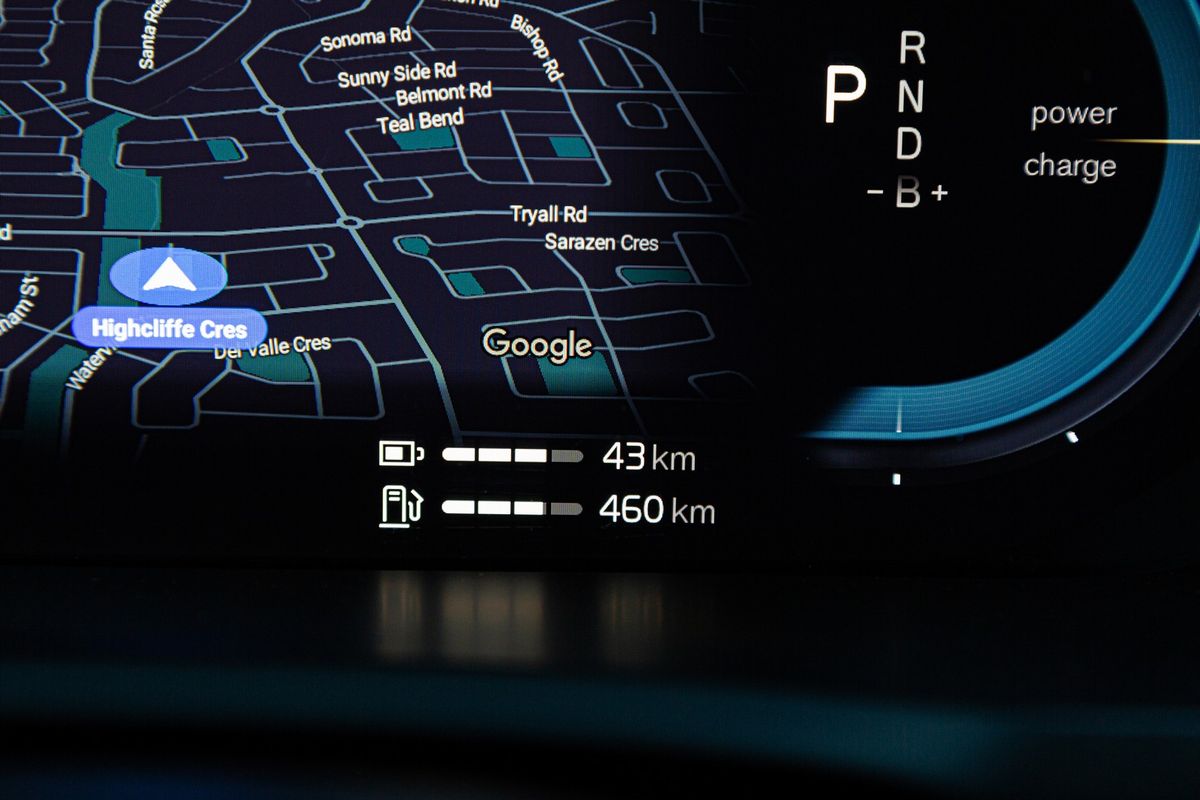
Pure battery range and pure petrol range readouts. Brake regeneration will eke out a bit more range.
The claimed fuel economy figure of 1.8 L/100 km is, well, ambitious. The Volvo’s frugal all right, but it’s not that good! Our tests yielded fuel consumption figures of between 3.8 L/100 km and 4.2 L/100 km, but some testers said they “broke into the 2s” by driving considerately – and leaning on the hybrid system.
The key to achieving these phenomenal figures is to make use of the battery as much as you can and, to do that, you will have to plug in the T8 Recharge overnight. Unlike its JLR rivals, the XC90 PHEV does not support DC fast charging, but that’s okay considering an overnight AC charge is adequate to top up the 18.8-kWh battery. Avoid using the petrol engine to top up the battery; it ruins the fuel consumption.
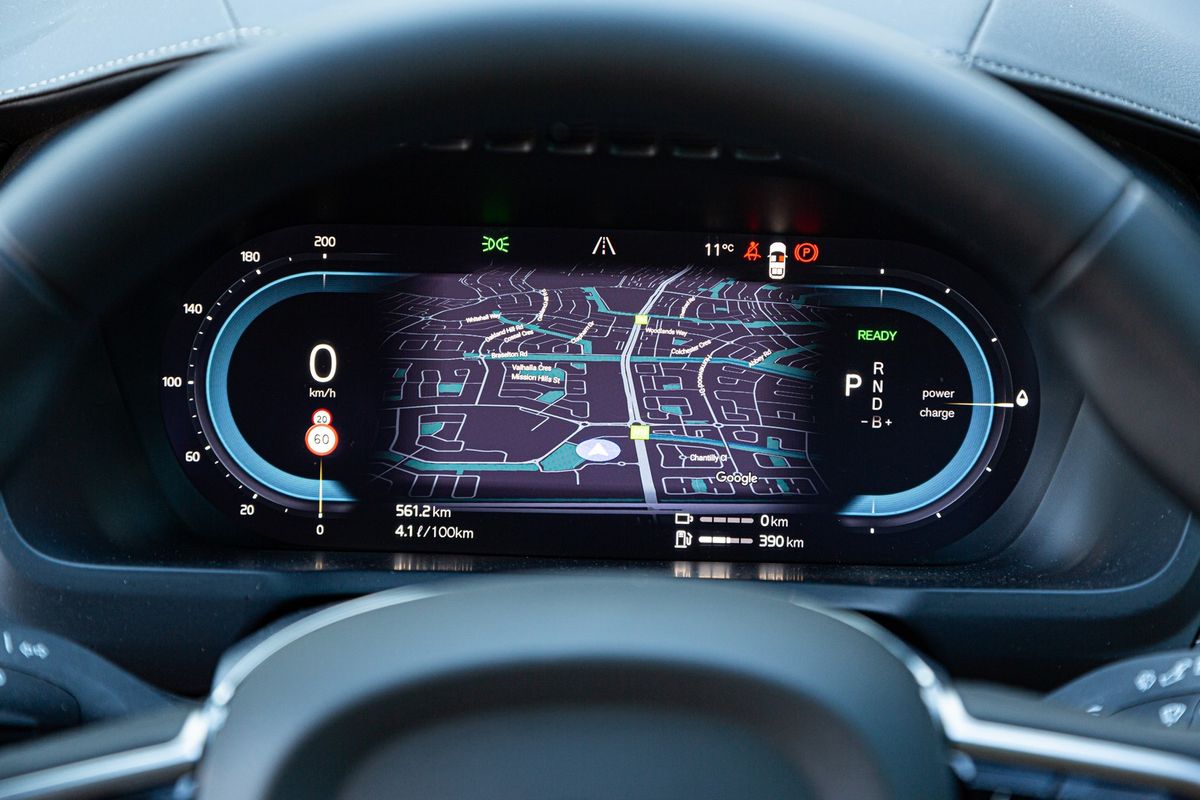
The digital cluster has a neat layout and is easy to follow: 4.1 L/100 km was our best combined average.
With all the tech in its armoury, the Volvo will only prove as fuel-efficient as your driving style allows, but the package is undoubtedly tailor-made for making the best of congested urban traffic conditions (where you can utilise all of a fully-charged T8 Recharge’s pure-electric range). Conversely, if intend to travel considerable distances on the national highway often, a B5 (turbodiesel) variant may be a better option.
The author lives 26 km from work and completed his daily commute on battery power alone. Because he utilised the GridCars charging station at the office, the test unit rarely consumed petrol during that cycle.
Design, Features and Practicality
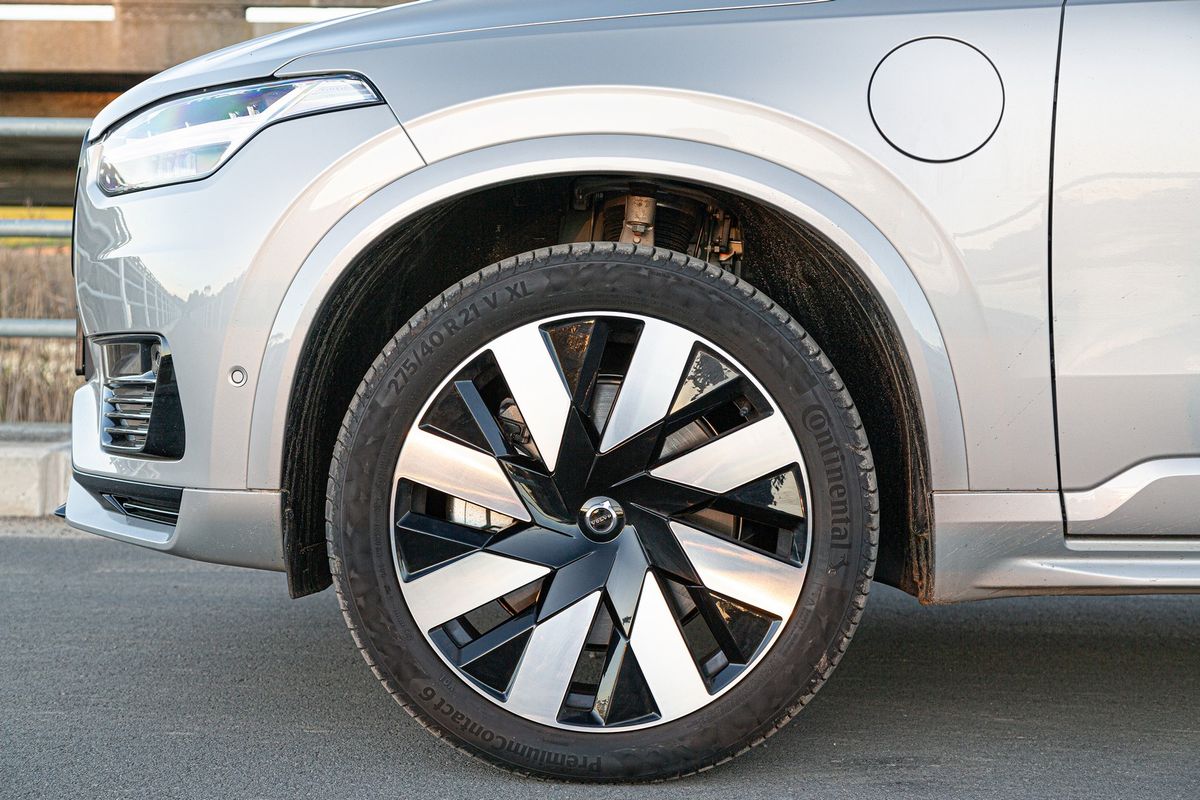
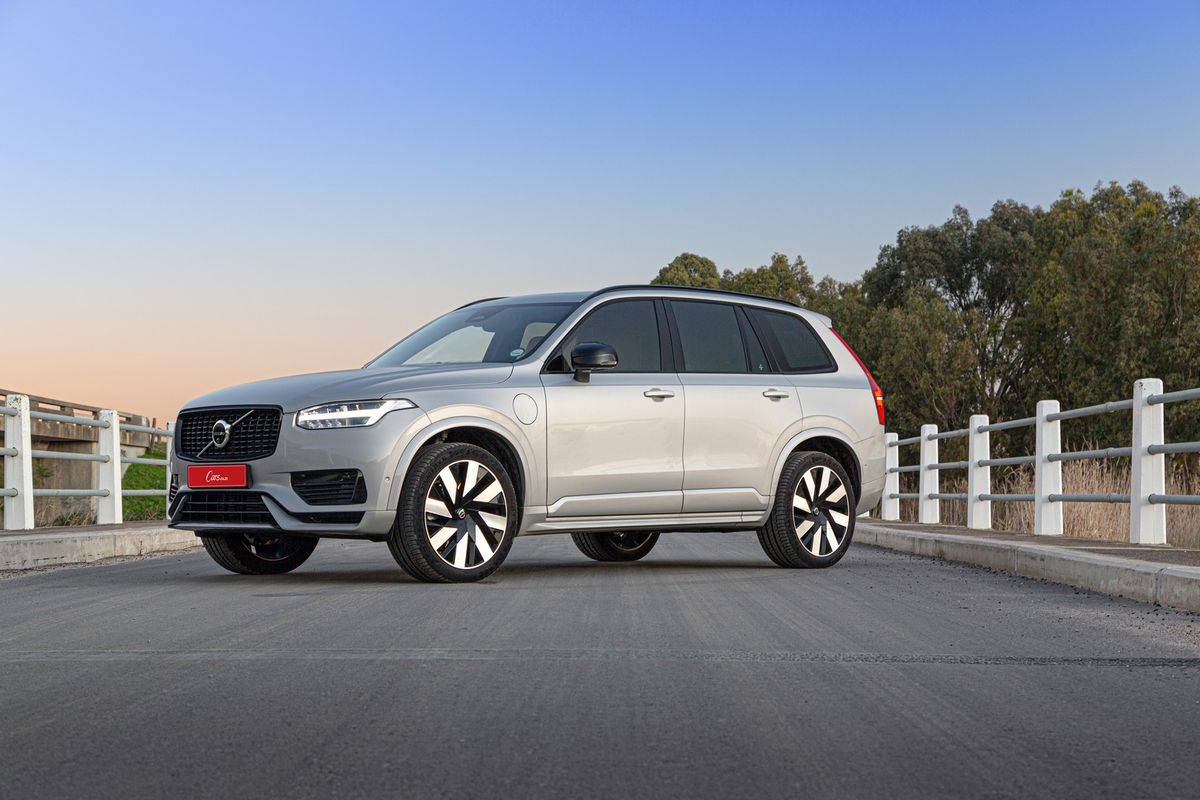
Those 21-inch alloy wheels and the smoky paint finish make for a classy combination.
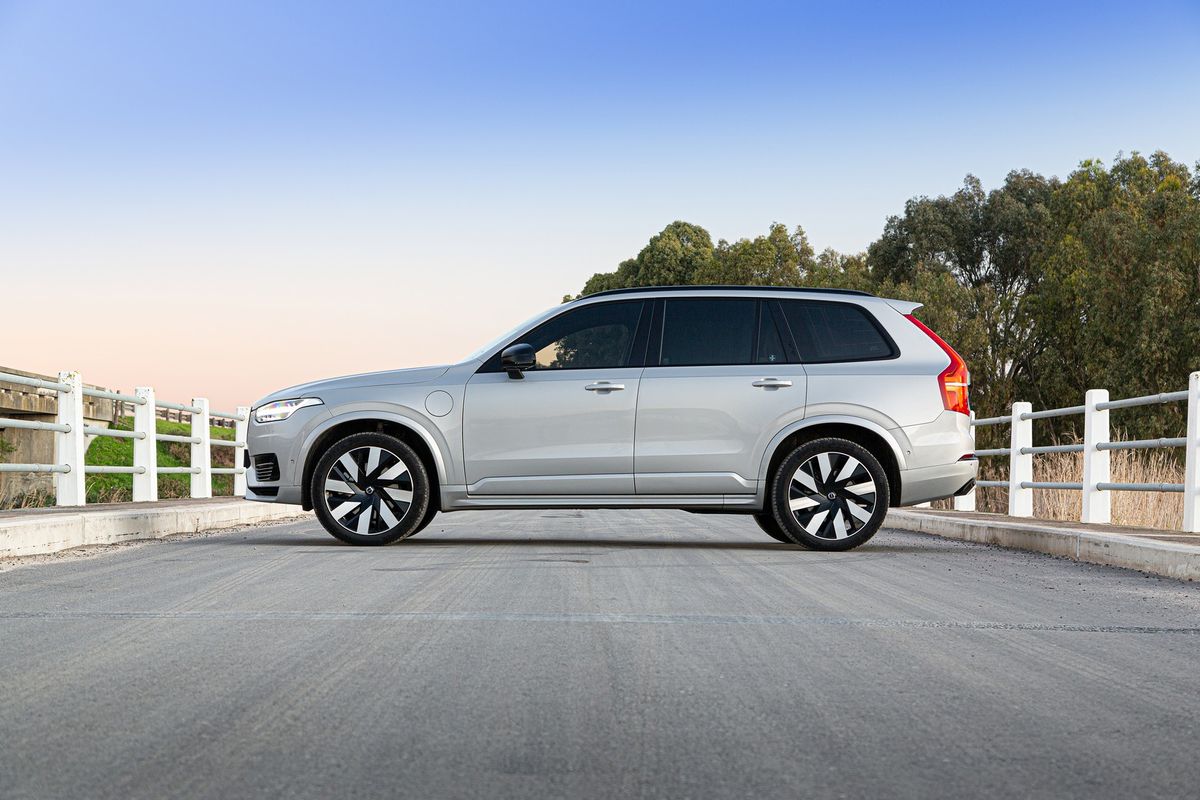
Vehicle design is subjective. One person’s style icon is another’s brickbat – it’s virtually impossible to pass an objective judgement on the merits of a vehicle’s exterior design. Nonetheless, the consensus of our test team was that the XC90 has managed to remain visually fresh and appealing despite its age.
Perhaps the test unit’s tasteful choice of metallic exterior finish and handsomely styled alloy wheels play a role, but we’re standing our ground – this car has cleaner (or less fussy) lines than its German premium SUV rivals and the less said about the awkward proportions of the Land Rover Discovery, well, the better.
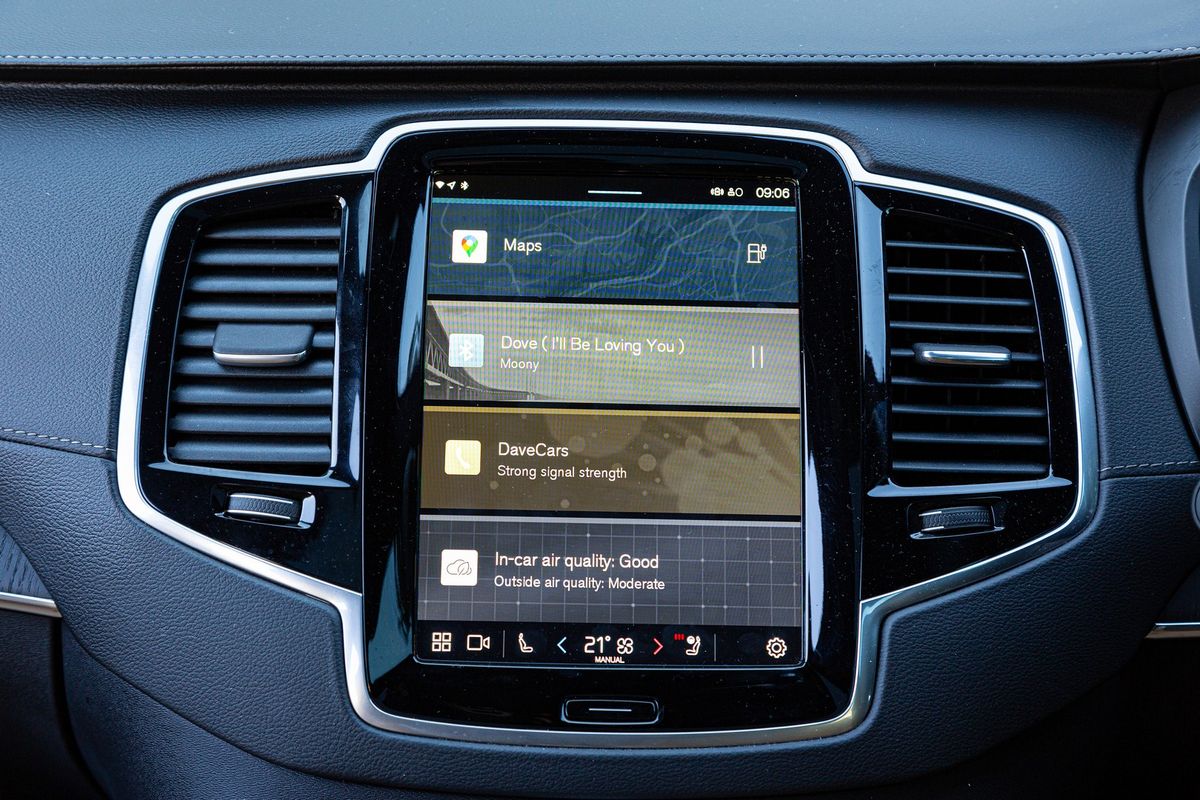
The Google-powered infotainment system is uncomplicated and easy to follow.
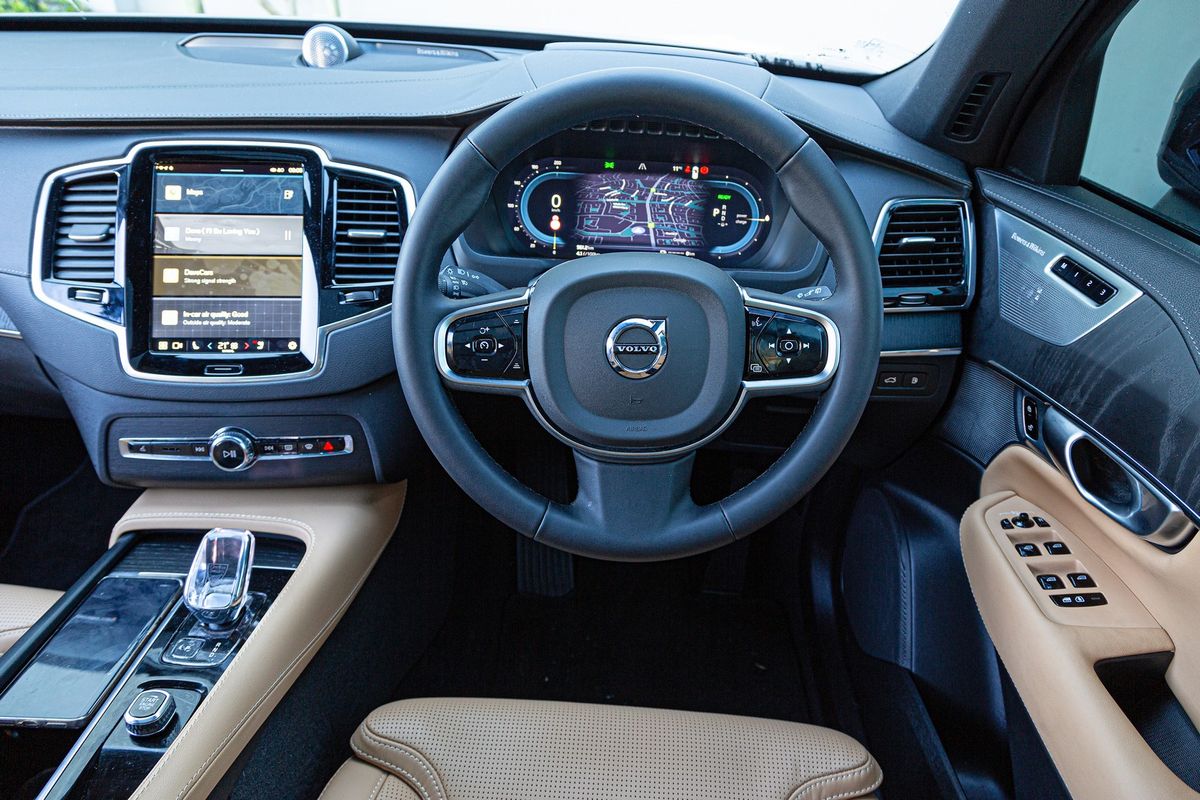
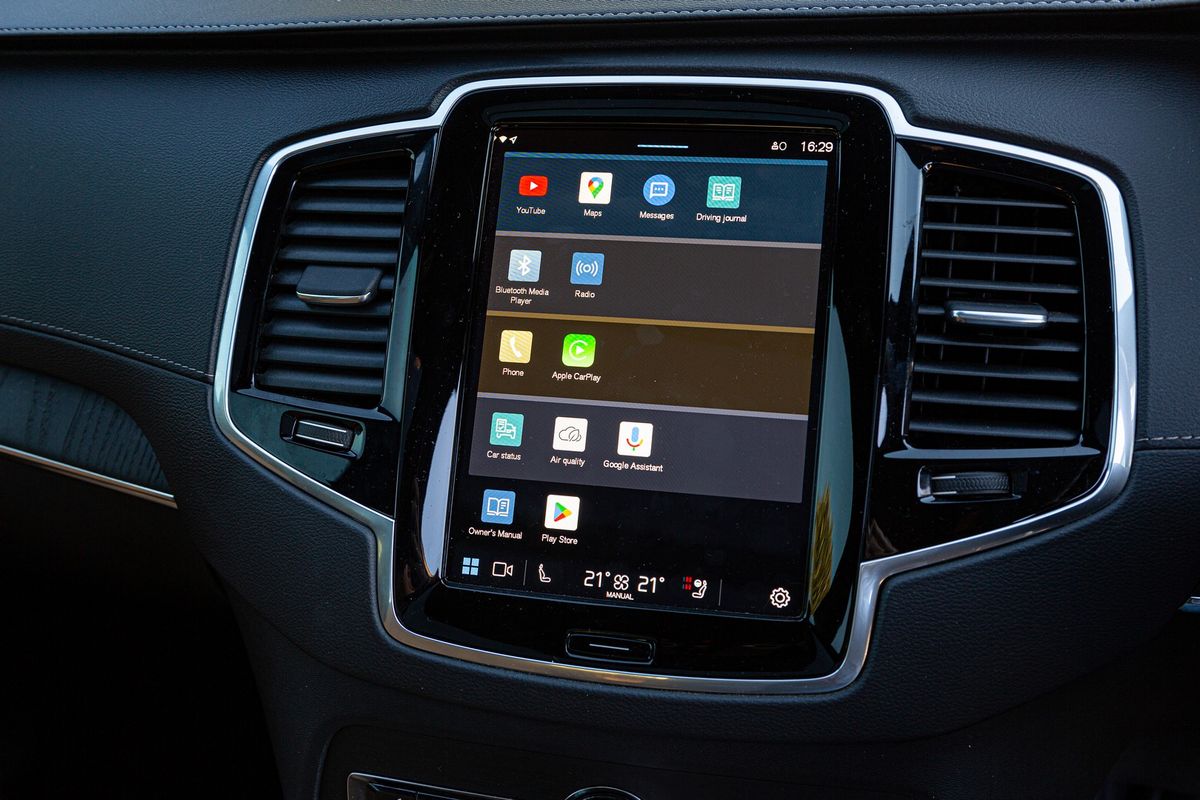
The minimalism is carried through to the luxurious, but restrained cabin, where the Sensus infotainment system has bowed out. In its place is an all-new operating system from Google, but don’t confuse it with Android Auto, which mirrors your smartphone – this infotainment system utilises the Google ecosystem.
CarPlay is available for those who insist on the Apple way of life…
This means Google Maps is standard and you get access to all the Google services, as well as several apps, including Spotify, YouTube music and so much more. The Apple acolytes are not short-changed, however: Apple CarPlay is included and everything is laid out in a simple, straightforward interface.
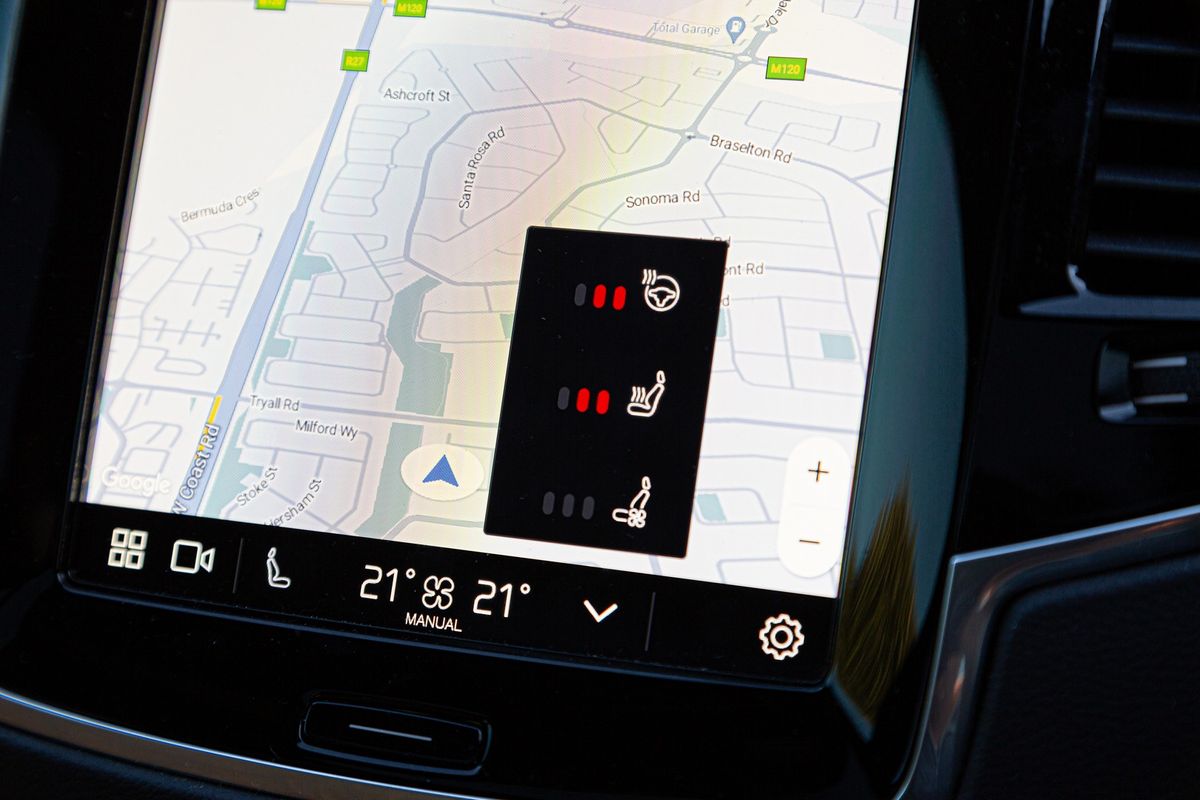
Heated and ventilated seats, along with a heated steering wheel. Perfect for winter!
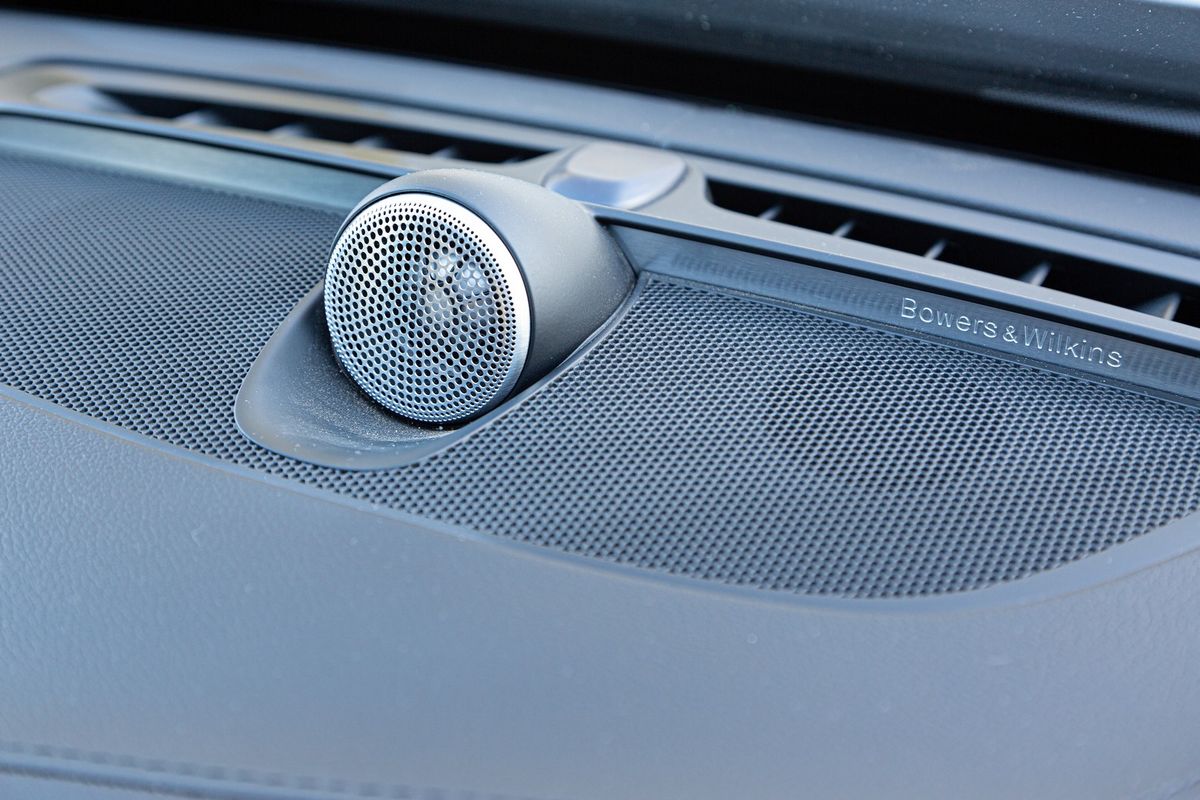
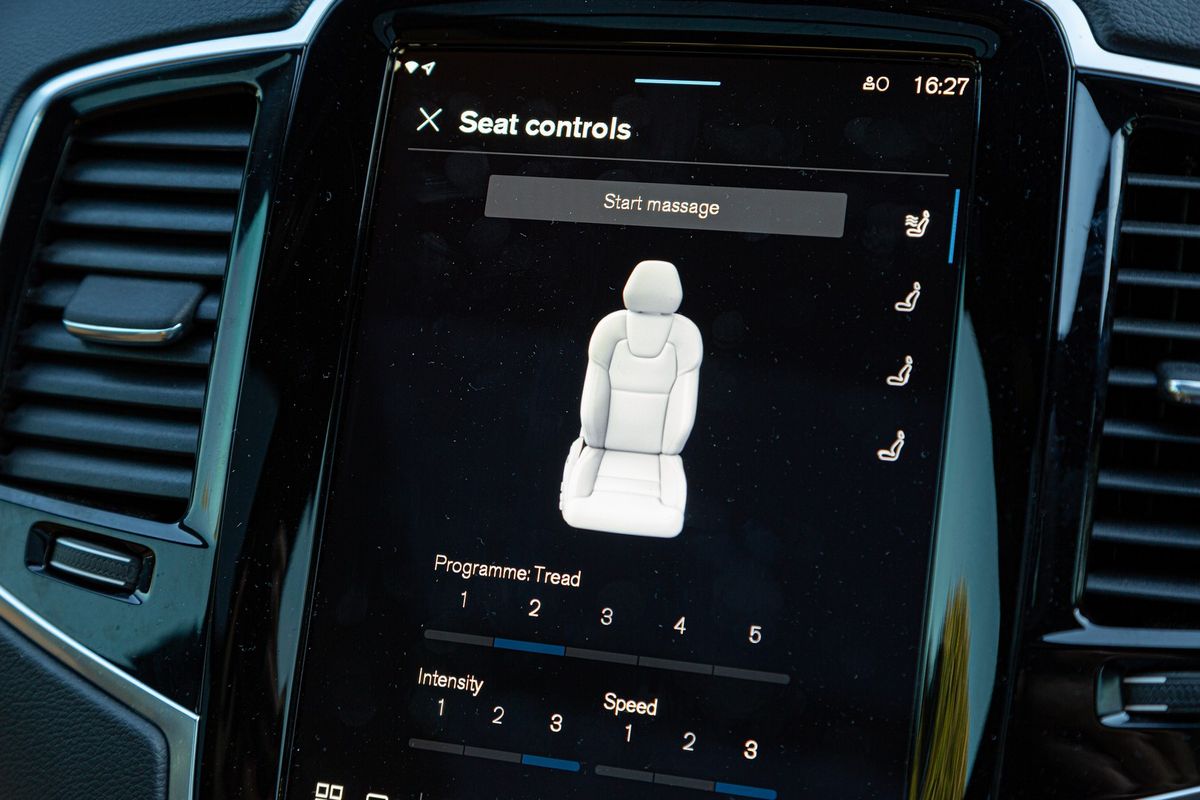
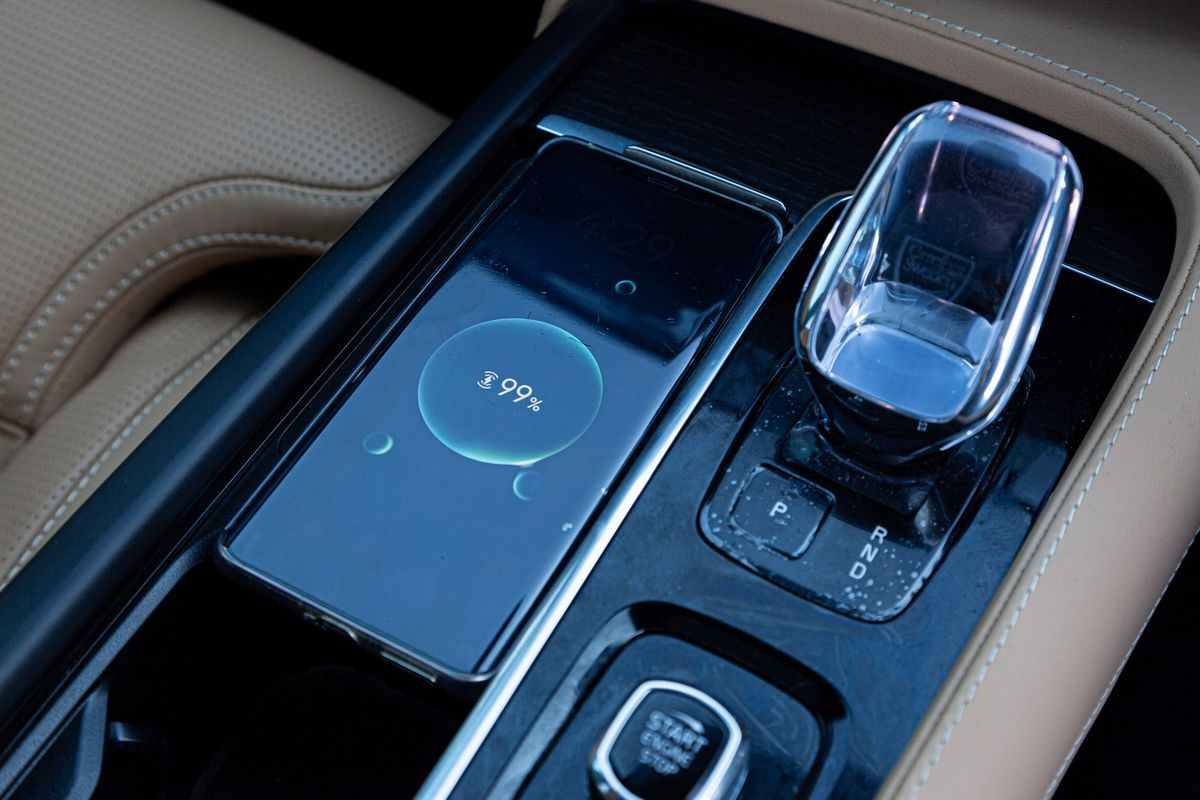
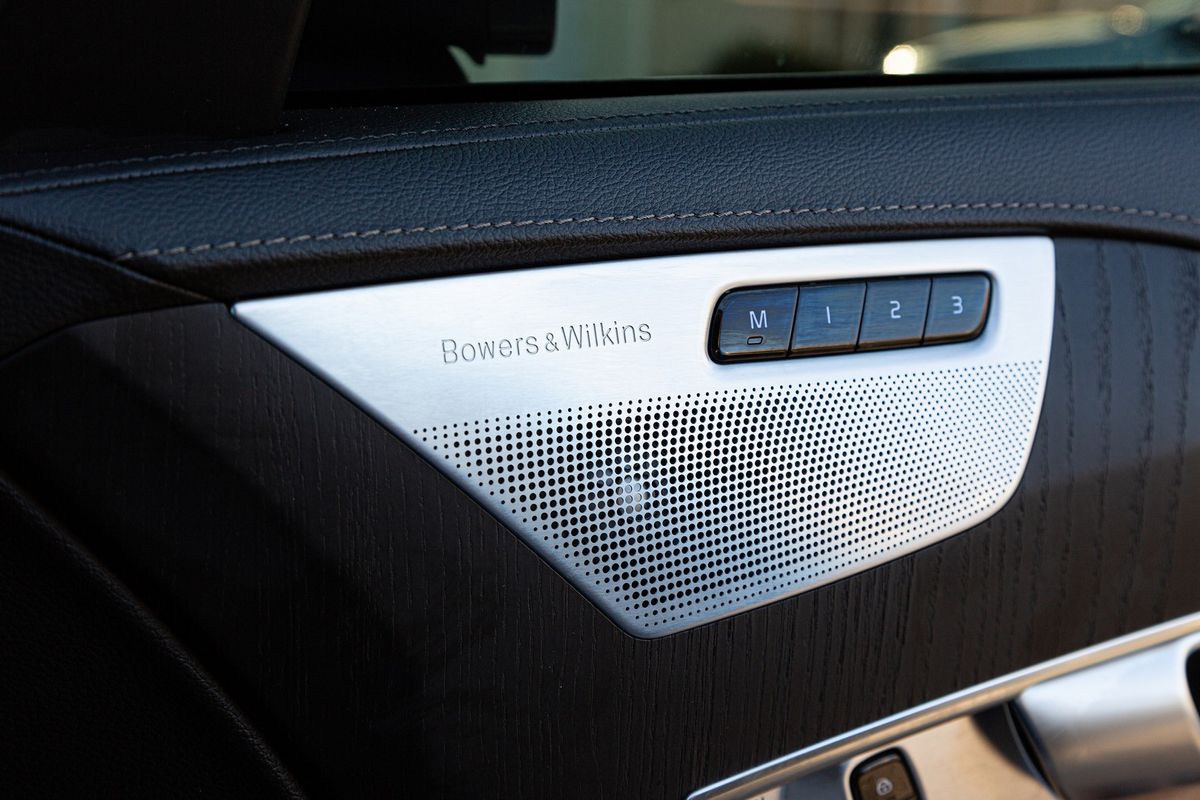
Unsurprisingly, the Volvo XC90 is fitted with virtually all the luxury features you expect at this price point, including heated front seats with massage and memory functions, a heated steering wheel, a superb 19-speaker Bowers & Wilkins audio system, a wireless charging pad, a head-up display, a digital instrument cluster, surround view cameras, an air-quality sensor and all the advanced safety tech Volvo is known for.
340 kW and 709 Nm make for punchy acceleration!
If the XC90 detects that a collision is imminent, it will automatically apply the brakes (if the driver doesn’t react in time to visual and audible alerts) and stay within its lane by applying steering corrections.
There’s also adaptive cruise control, which enables the Volvo to keep pace with the traffic ahead of it (with automatic resume). Making use of the assisted driving systems while the seat’s massage function is on and your favourite songs are playing on the audio system is a great way to reduce traffic-jam stress!
One of the 19 speakers located in the XC90.
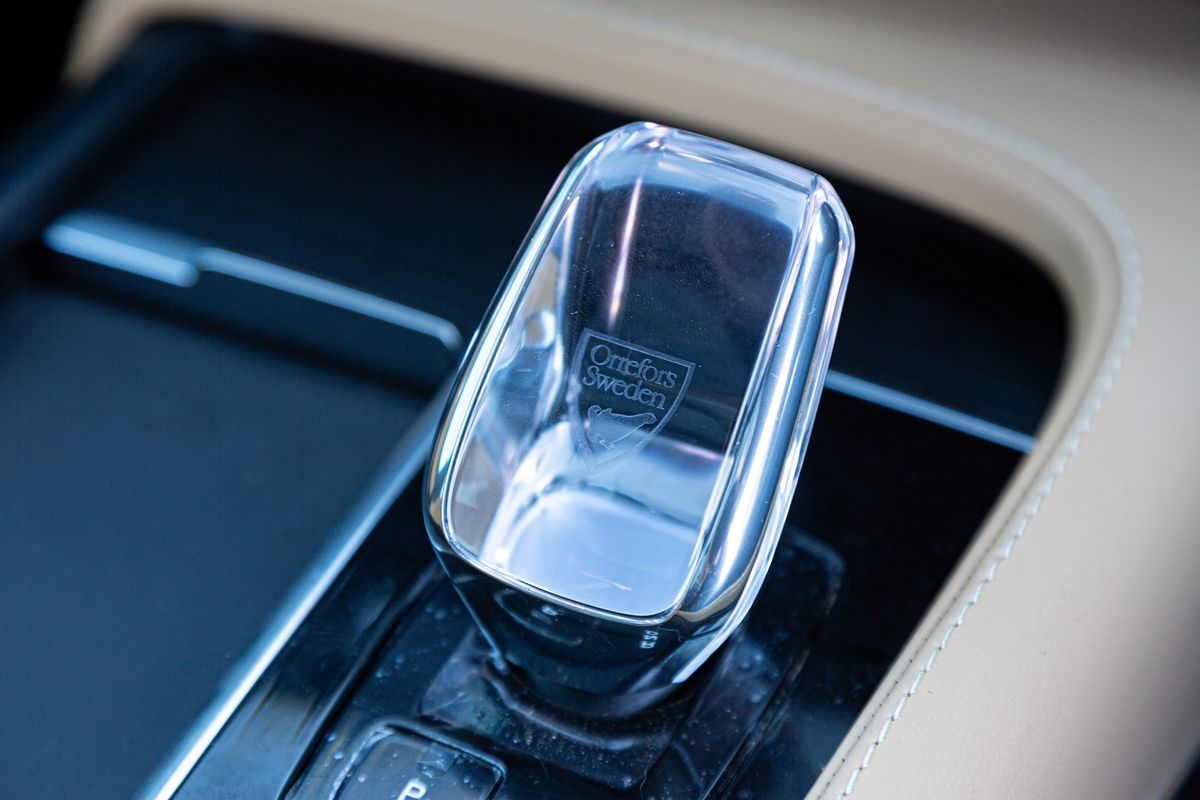
In terms of fit and finish, the XC90 cabin is a class act. But it doesn’t only look premium, it feels that way too: all the common touchpoints are plush. We loved the opulent Orrefors crystal transmission lever!
Expensive touches aside, we can only laud the Volvo’s clean, uncomplicated fascia layout, but we fear for the future, as the Swedish brand’s latest models’ ergonomics are, um, less resolved. Exhibit A: The EX30.
An exercise in Swedish functionality and minimalism.
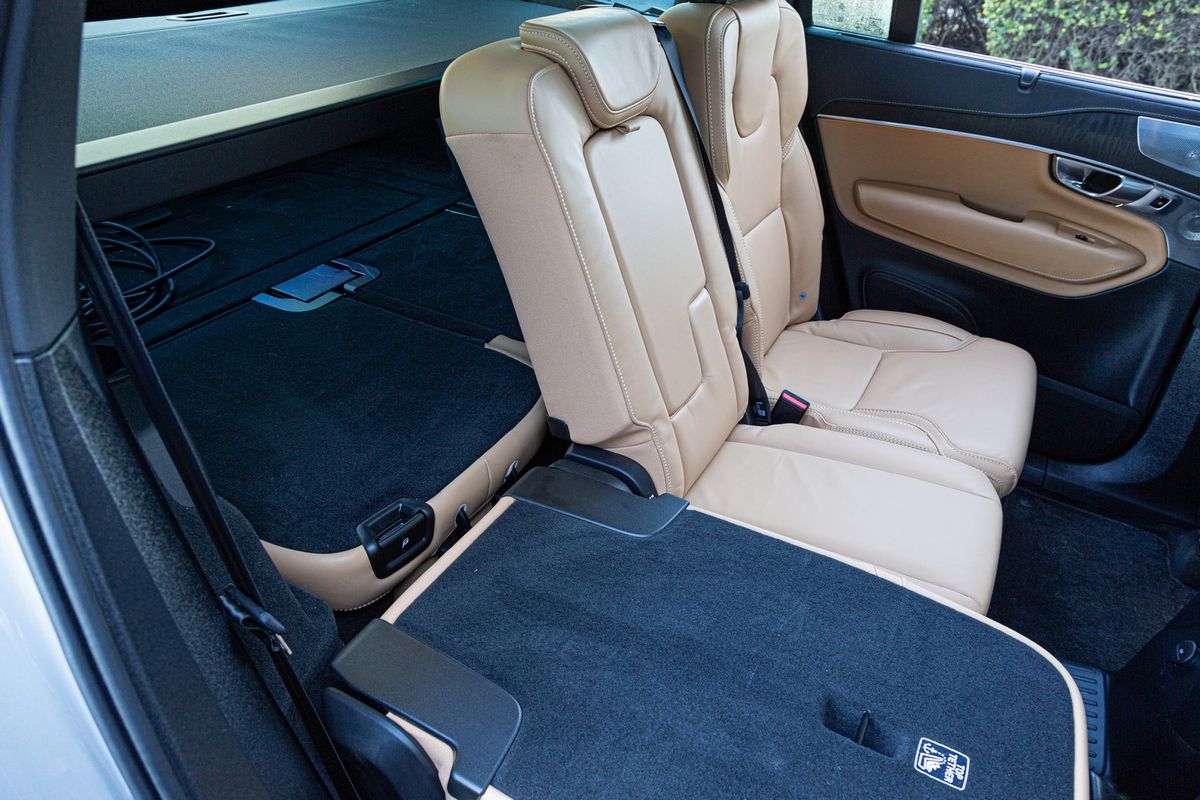
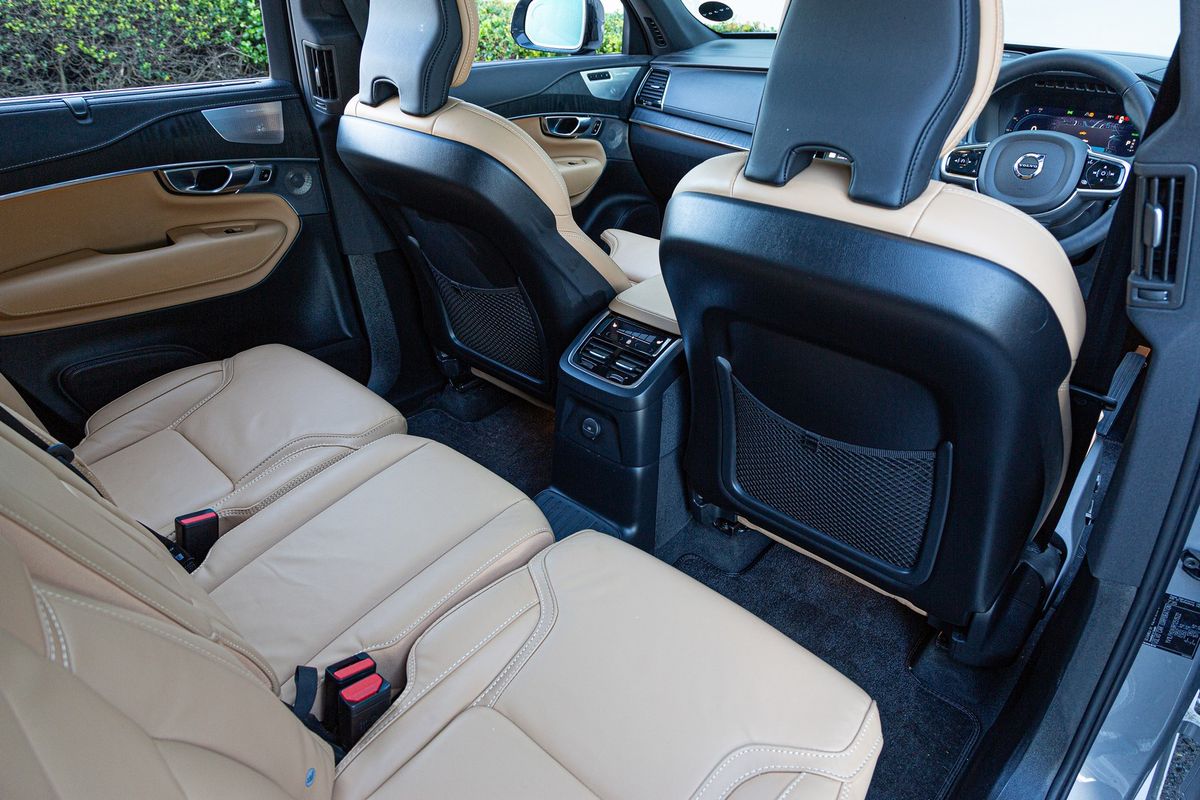
In terms of space utilisation, the 2nd-gen XC90 doesn’t show its age. If you want to seat a large family in comfort and luxury, the XC90 is one of the few Premium SUVs that offer genuine 7-seater capability.
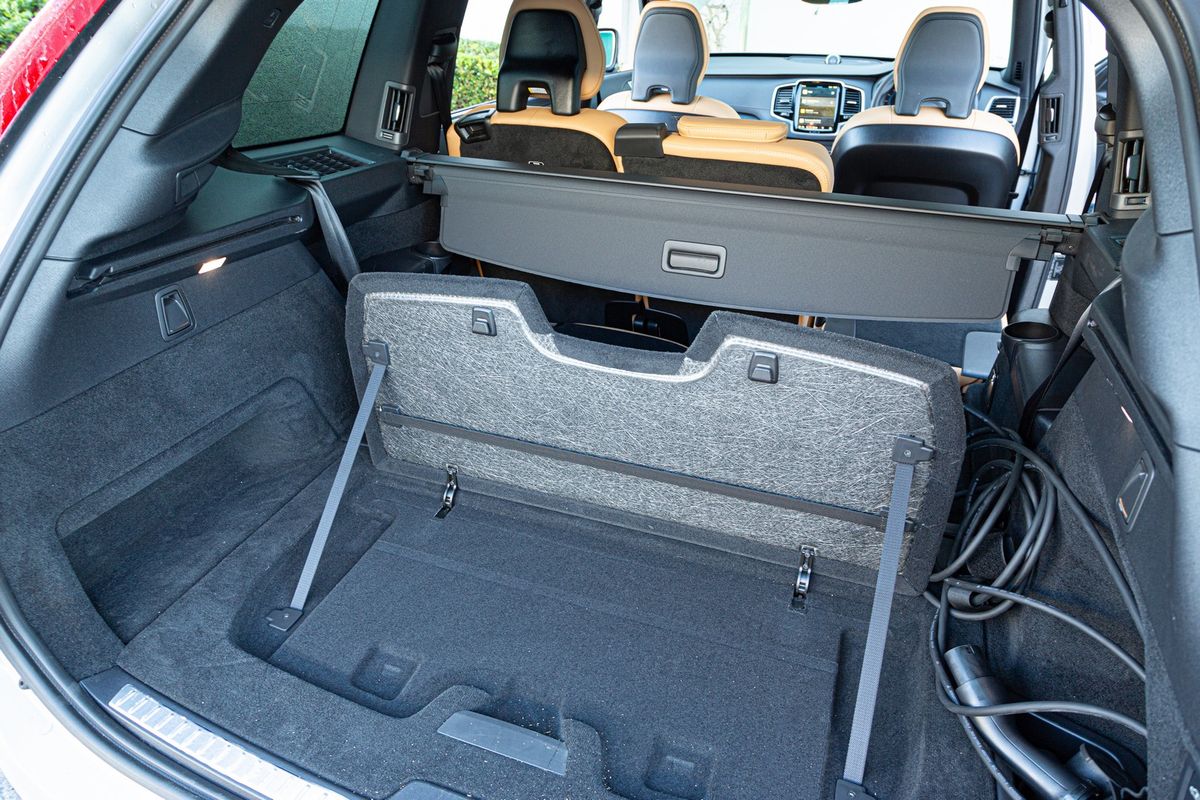
With a 2-3-2 configuration, there’s ample space for most occupants, but the 3rd row is only suited for the small children. The 2 seats in the rear can fold flat into the load-bay floor for additional cargo space; in that department, the Volvo is said to offer 262-1 005-1 816 litres, which is about par for the segment.
The 2nd row of seats can fold flat for additional storage or to facilitate access to the rearmost row.
For what it’s worth, the BMW X5 PHEV musters 500-1 720 litres, while the Audi Q7 leads the class with 740-2 050 litres with the 7-seater option ticked. As is customary for Volvo, clever storage and practical solutions abound – one of our favourites has to be the deployable shopping bag holder in the load bay.
The shopping bag holder is deployed! Will someone please stow the charging cable in its designated load-bay compartment?
Ride and Handling
The Volvo XC90 PHEV is equipped with an adaptive air suspension, which obviously benefits the T8 Recharge’s ride quality, but if you do choose to drive off-road, it can also be raised to clear obstacles.
In its Off-road setting, the SUV’s ground clearance can be hiked to 252 mm, which should be enough to avoid rocks damaging the underbelly. In its standard drive modes, the XC90’s ride height is 212 mm.
This must be one of the best-looking alloy wheel designs in the business.
In general, the ride quality is on the softer side. The Volvo sails over most bumps, but we suspect the oversized wheels contribute to some slight crashing/jiggling over small undulations (such as tree roots).
While the 21-inch alloys are aesthetically pleasing, we’d advise going for a smaller rim and a plumper tyre to improve the ride quality. Also, thicker tyre sidewalls offer better resistance to pothole-impact damage.
The Volvo XC90 PHEV performed surprisingly well in the slush and snow.
To sum up, the Volvo XC90 PHEV’s driving experience is cossetting, relaxing, and confidence-inspiring. Suffice it to say, this SUV makes you feel grand when you’re behind its tiller. The light steering setup, raised driving position and excellent outward visibility make piloting the sizeable Volvo, well, fuss-free.
You can make the T8 Recharge hustle around bends – it will cope better than you expect – but it’s not nearly as poised as the equivalent BMW X5 or Porsche Cayenne, but then, few – if any – 7-seaters are.
The steering setup could be sharper, but that would not really suit the Volvo XC90’s character.
Price and After-sales support
The Volvo XC90 T8 Recharge (PHEV) AWD Ultra Dark retails for R1 808 000 (August 2024) and comes standard with a 5-year/100 000 km warranty and a 5-year/100 000 km maintenance plan.
Despite its age, the Volvo XC90 is as graceful and elegant as ever, plus a substantial dose of state-of-the-art onboard technology helps it stay relevant alongside strong competition from its (mostly German) rivals. We understand that Volvo Cars will announce a further update to this model around September 2024, which will coincide with the global media launch event of the XC90’s all-electric EX90 sibling.
Should you buy one? There’s a reason why the Volvo XC90 has won a flurry of awards globally, as well as a hat trick of Cars.co.za Consumer Awards category wins. While the T8 Recharge AWD Ultra Dark’s price may feel steep, mainly due to the additional taxes levied on plug-in hybrids and electric cars, a low-mileage, year-old demo unit looks to be a lot of luxury car for not a crazy amount of money. If you don’t need that 3rd row of seats, this fantastic powertrain is also available in the Volvo XC60 executive SUV.
The Hyundai Cargo range hopes to attract the light commercial vehicle customers that would have bought the (now discontinued) Nissan NP200. We had a preview of what’s on offer.
It’s unusual for a carmaker to reference a rival brand’s model during a product presentation, but recently, Hyundai had no hesitation in mentioning the Nissan NP200, of which local production ended in March 2024, repeatedly. In 16 years on the market, that little bakkie survived all its peers and its departure has left a significant vacuum in the commercial space; many car brands are trying to cater for that market.
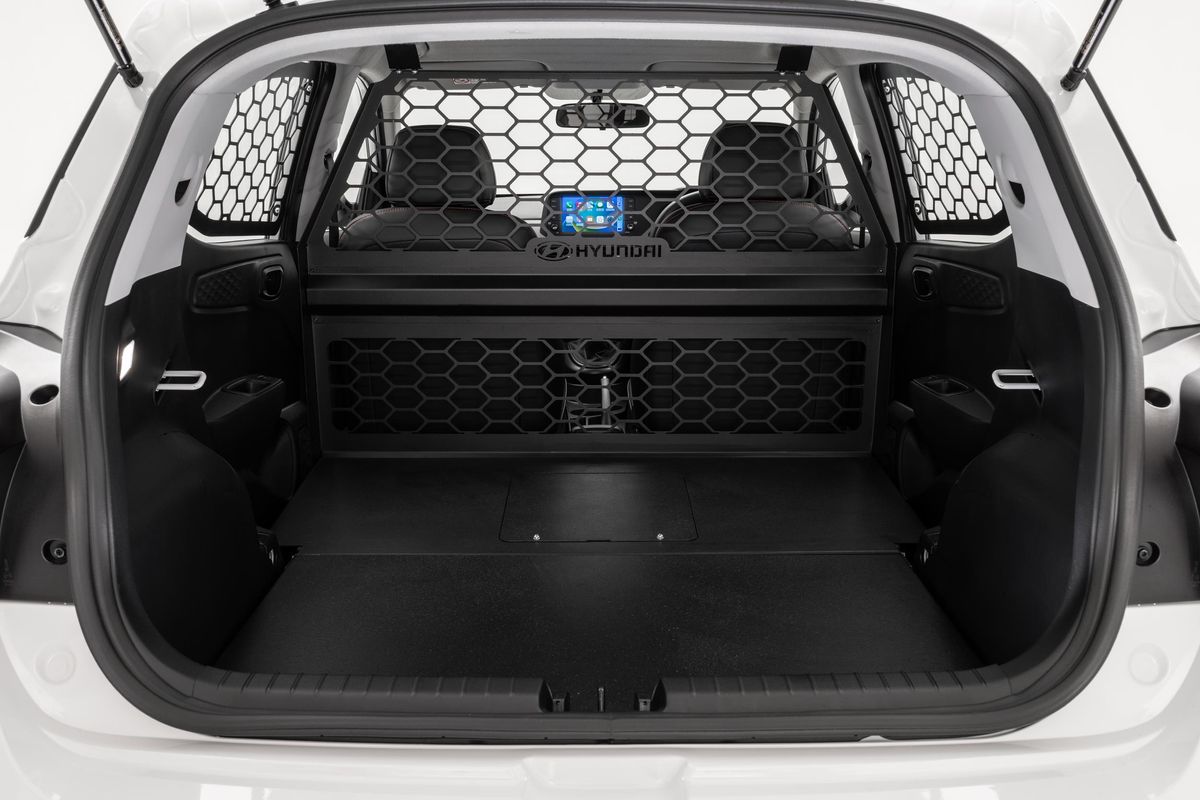
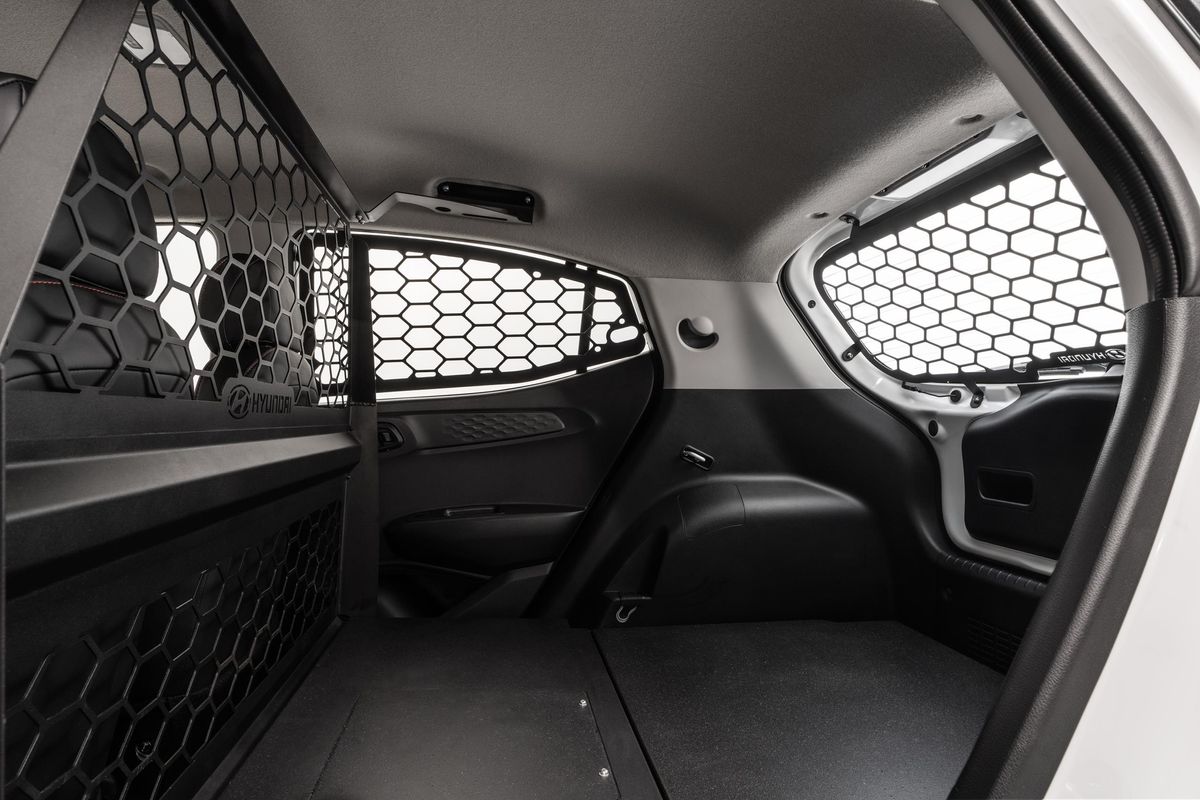
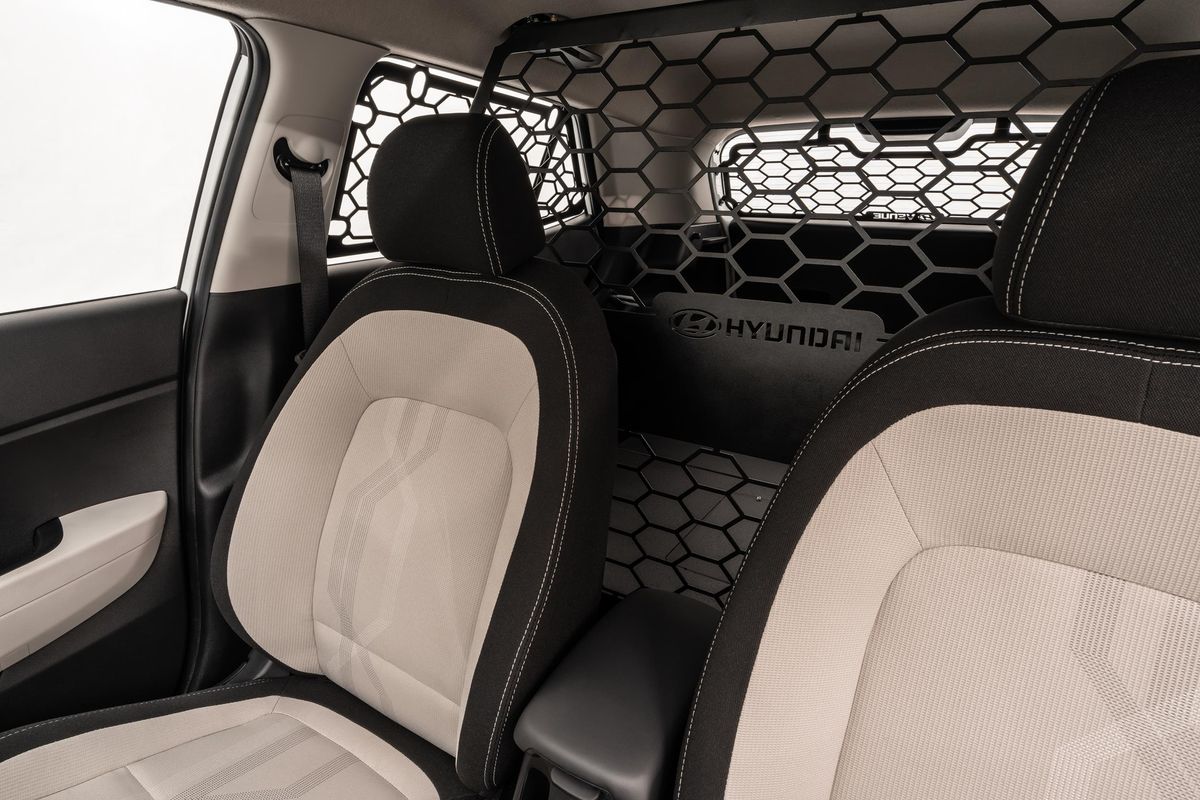
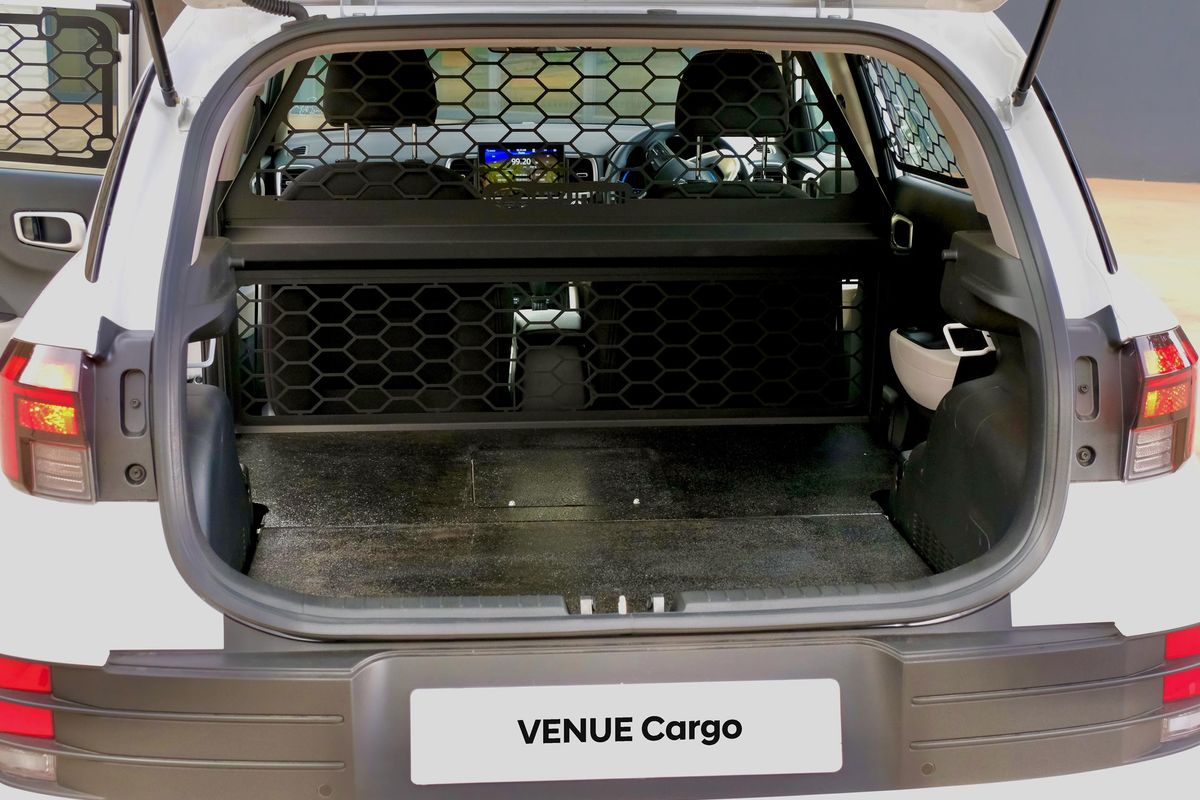
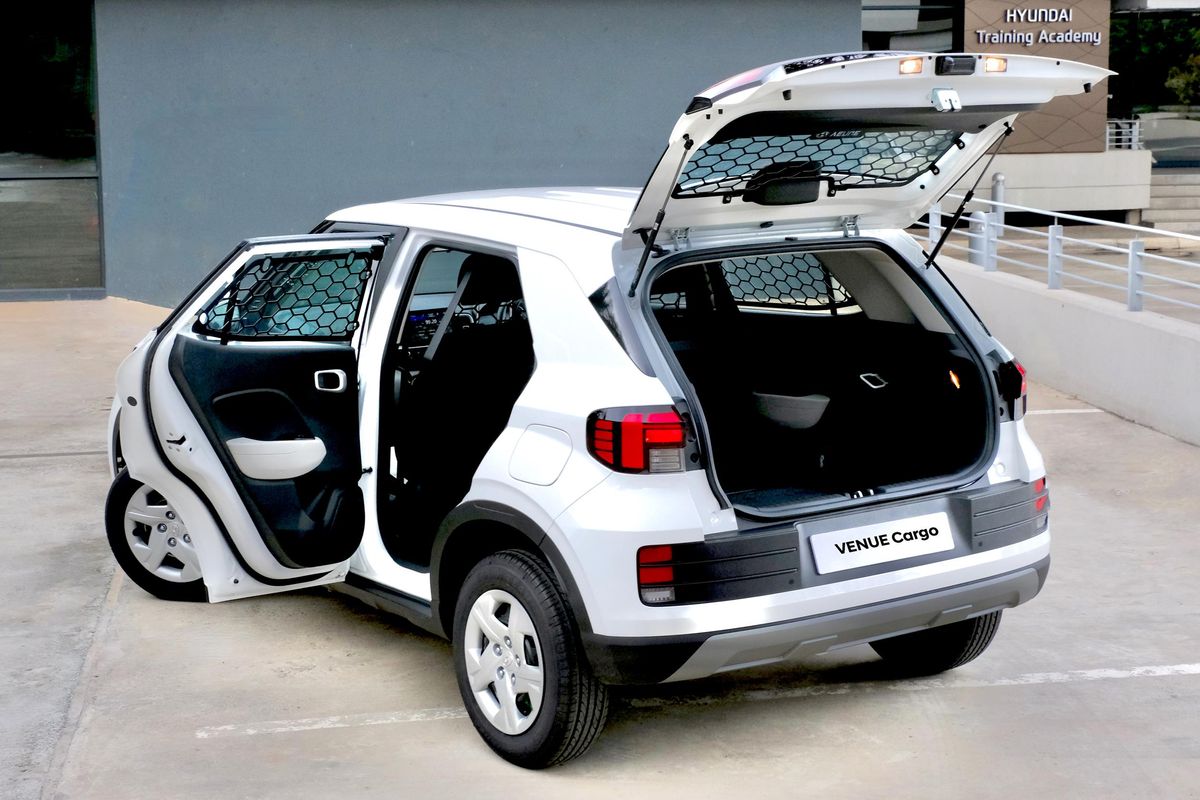
The conversion process from (hatchback to LCV) is straightforward. It involves removing the rear bench, and fitting a solid floor and sections of cargo netting, to protect the driver, front passenger and cargo.
For the record, the Hyundai Grand i10 and Venue Cargo variants have been homologated as official light commercial vehicles by the National Regulator for Compulsory Specifications (NRCS), which means that owners can claim VAT back after buying one of these variants. All the conversions are done at a fitment centre in KwaZulu-Natal and Hyundai Automotive SA’s commercial SKD plant in Benoni on the East Rand.
As far as engines go, the Grand i10 Cargo uses the same 48 kW/94 Nm 1.0-litre 3-cylinder naturally-aspirated petrol motor as its siblings. The variant’s front wheels are driven via a 5-speed manual ‘box.
The Venue Cargo has a 1.2-litre 4-cylinder naturally-aspirated petrol engine with peak outputs of 61 kW and 115 Nm. It too has a 5-speed manual gearbox and is front-wheel driven. Both vehicles are claimed to be light on fuel, with claimed figures of 5.5 L/100 km (Grand i10) and 6.5 L/100 km (Venue) respectively.
The Grand i10 Cargo has been on sale since 2019, while the Venue Cargo recently joined the Korean brand’s local line-up. Considering that the former is a business vehicle, Hyundai SA representatives emphasised that its estimated running costs were lower than those of the outgoing Nissan NP200.
Intended roles of the Hyundai Cargo variants
Hyundai SA exhibited both vehicles at the launch so that we could appreciate the effectiveness of the conversions and the variants’ cargo-carrying capacity. Hyundai claims its newcomers could suit small businesses (such as delivery and courier firms), and serve as response vehicles for security companies.
Companies that have mobile support technicians, such as Tracker and Netstar, have already ordered a few units, as have Fidelity Services and ADT. Netcare uses Cargo variants to transport medical samples.
Both vehicles retain their siblings’ standard specification and this includes comfort features such as aircon, electric front windows, remote central locking, Apple CarPlay and Android Auto compatible infotainment systems, USB charging ports (for smartphones etc), as well as a reverse-view camera.
A Grand i10 1.0 Premium Cargo with an automatic transmission will be added to the range towards the end of this year at a retail price of R289 900.
The above prices include VAT, as well as a 7-year/200 000 km warranty and roadside assistance valid for 7 years or 150 000 km. The Grand i10 Cargo comes with a 1-year/15 000 km service plan, while the Venue Cargo has a 3-year/45 000 km service plan.