New GWM Tank 300 flagship variant quietly arrives in SA
A new flagship version of the GWM Tank 300 has quietly arrived in South Africa, closing the gap to the new Tank 500. Here’s how much this “Ultra Luxury” hybrid model costs…
When the GWM Tank 300 officially launched in South Africa in February 2024, the Chinese firm’s local division detailed a trio of derivatives. Now, however, a 4th (flagship) variant has snuck into the line-up, slotting in at the very top of the range.
At launch, GWM SA provided details on the 162 kW/380 Nm turbocharged 2.0-litre petrol engine – offered in both Super Luxury and Ultra Luxury grades – as well as the hybrid powertrain (based on a similarly sized 4-pot but churning out 255 kW and 648 Nm), with the latter made available only in Super Luxury guise. At the time, it seemed a little curious the hybrid wasn’t offered in conjunction with the top trim level.
A dealer website showing the new Ultra Luxury version of the Tank 300 hybrid.
But now that’s quietly changed. Though it’s not yet listed on the local GWM Tank website, a handful of GWM dealerships have started advertising a new “Ultra Luxury” version of the hybrid. Priced from R925 000 (a figure we’ve since confirmed with a separate source), the Tank 300 2.0T HEV Ultra Luxury 4×4 commands a R73 050 premium over the previous – likewise dual-powered – range-topper.
As such, it effectively closes the gap somewhat to the freshly launched 7-seater Tank 500, which uses the same hybrid powertrain but costs R1 222 900 in Ultra Luxury trim (interestingly, a Super Luxury version of the Tank 500 has yet to materialise on the local market, despite Cars.co.za unearthing unofficial confirmation of a R1 122 900 sticker price for such a derivative).
The local Tank 300 line-up now comprises 4 derivatives.
So, what sort of extra equipment does the new top-spec Tank 300 derivative score? Well, based on the non-hybrid version’s Ultra Luxury specification list, we’re confident it gains features such as an electro-chromatic rear-view mirror, a heated steering wheel, a 64-colour ambient lighting system, Nappa leather upholstery, heated-and-ventilated front seats, 8-way electric adjustment for the driver’s seat (plus a massage function) and an uprated Infinity sound system.
Look out for official details as and when we have them…
How much does the GWM Tank 300 cost in South Africa?
GWM Tank 300 2.0T Super Luxury 4×4 – R725 950
GWM Tank 300 2.0T Ultra Luxury 4×4 – R775 950
GWM Tank 300 2.0T HEV Super Luxury 4×4 – R851 950
GWM Tank 300 2.0T HEV Ultra Luxury 4×4 – R925 000
The prices above include a 7-year/200 000 km warranty and a 5-year/75 000 km service plan (with 15 000 km intervals). Hybrid models furthermore feature an additional warranty that covers the complete high-voltage system and battery pack for 8 years or 150 000 km.
If you want to buy a car in South Africa, Cars.co.za has everything you need to find the car that’s best suited to your needs. This article will help you find the right car for you!
At Cars.co.za, we know and understand that buying a car can be an intimidating exercise and it’s for this very reason that we’ve worked hard to develop the best car-buying platform in South Africa to provide you with a seamless and pleasant car buying experience, no matter what car you are looking for!
This article will help you find new or used cars on Cars.co.za!
Let’s find what moves you.
The car-buying process can be broken down into 4 stages and each stage requires rigorous attention to detail to ensure that you arrive at the best result possible — which is the best car you can buy within your budget.
The 4 stages in the car buying process are:
Focus on Finance: Know your budget
Research
Finding your car i.e. The car search
Buying your car
Let’s unpack each of these stages…
How to Buy a Car in South Africa
1. Focus on Finance: Know your budget
Buying a car is a significant financial commitment and it will have a major impact on your household budget. It’s therefore wise to carefully assess your financial situation to ascertain how much of your disposable income can or should be allocated towards car repayments.
Note that your disposable income, i.e. the money left over after paying all your monthly expenses, will determine your affordability. It goes without saying that if you don’t have disposable income, you won’t qualify for a car loan. In this circumstance, you either have to increase your income, reduce your expenses or consider saving money and buying a car with cash.
Over-extending on a car purchase can create significant financial stress and it’s therefore advised that you aim to buy a car that you’re able to comfortably afford as opposed to buying a car that will create unwanted financial hardship.
If you’re unsure of what car you’re able to afford, we suggest that you use our Car Affordability Calculator to help you establish a car budget. You can also use our Car Finance Calculator to work out what you can expect to pay for a car on a monthly basis.
To arrive at a realistic car budget, you must include other costs such as monthly fuel costs, monthly car insurance and regular maintenance costs including servicing and regular wear-and-tear parts replacement such as tyres and windscreen wipers.
We also strongly advise that you spend some time on our Car Finance Page where you can access useful information relating to car finance such as car loans, credit rating and financial planning.
Once you have established a car budget, you are ready to proceed to Stage 2 of the buying process — research!
2. Research cars on Cars.co.za
You’ve got a budget to adhere to, now it’s time to decide what car will best suit your needs and lifestyle!
The Goal: Create a shortlist of 3 cars that you would consider buying.
Research is a vitally important part of the car-buying process and access to trustworthy information is paramount to making the best buying decision. Cars.co.za has a highly experienced and respected team of automotive professionals with over 100 years of combined experience that produces informative motoring content that car buyers can trust.
The Cars.co.za News & Reviews section features the latest motoring news, video car reviews, written car reviews, South African car launches, Buyer’s Guides, opinion pieces, reports and lifestyle content.
The Cars.co.za Youtube Channel is the largest branded motoring channel in South Africa with over 1 000 videos providing insight and buying advice on hundreds of new and used cars available in South Africa.
If you haven’t done so already, we strongly advise that you subscribe to the Cars.co.za Youtube channel so that you stay informed on all the latest cars arriving in South Africa.
When you are looking for a new or used car, we suggest that you spend time reading articles and watching videos about the cars that interest you. This process will help you decide what cars you like and what cars you don’t like.
Your goal for the research phase is to identify at least 3 cars that you are prepared to buy based on your specific needs, including your budget and practical considerations.
Once you’ve done your research and decided on 3 cars that meet your needs, it’s time to proceed to Step 3 to find cars for sale in your budget!
3. Use the Cars.co.za Search Tool to find your car
The Goal: Find the best new or used cars on your shortlist
Our new car search functionality allows you to easily search for cars using Price or Monthly Payment which means you can easily search for budget-friendly cars within your particular budget!
If you want to search for a car by ‘Body Type’, you can simply select the relevant oversize tiles which will automatically produce the search results according to the body type you are looking for.
You can further refine your search by choosing particular brands that you like, setting mileage parameters as well as selecting relevant filters, such as Province, that will help you find relevant cars for sale in your area.
But that’s not all, Cars.co.za has also introduced ‘Quick Search’ functionality that gives you fast access to the cars that interest you most.
The Quick Search bar is found on the Cars.co.za Home Page and at the top of the Search Tool.
Simply type what you are looking for. For example: “Toyota Hilux” and then click on the results that you want to browse.
Finding a car to buy in South Africa is that easy!
Top Tip: Find cars that are in good condition, with the lowest mileage and at the best price!
If you want to buy a new car, visit our New Car Specs portal to view all the new cars available on the market as well as book test drives for the cars you like the most. You can also use our handy Compare Cars tool where you can compare up to 3 new cars side-by-side!
Car dealers across South Africa regularly offer New Car Specials that are worthwhile considering if you are shopping for a new car.
Visit our Consumer Advice page for more information on a wide range of topics related to buying a car and selling a car.
If you already have a car and want to trade it in to make your next car purchase, you can sell your car easily on Cars.co.za! You can choose to sell your car privately or you can receive offers from trusted dealers immediately.
Once you have found potential used cars to buy, it’s time to proceed to Stage 4 — buying your car!
4. Buy your car on Cars.co.za
So, you finally found the car you want to buy and now it’s time to make contact with the dealer/seller!
Every car listing on Cars.co.za offers up to 3 ways to make contact with the dealer/seller.
You can fill out the contact form on the listing and send it to the dealer/seller. The dealer will then receive your message and make contact with you. You can then arrange to view the car in person and negotiate directly with the dealer/seller if you’re interested in buying the car.
You can contact the dealer/seller telephonically using the number shown on each listing.
You can chat to the dealer directly via WhatsApp (selected dealers only)
Once you have made an appointment to view the car, be prepared to inspect the car thoroughly, checking for faults, scratches, dents, wear and tear, interior condition, service history and paperwork.
When you’re happy with the car presented to you and based on your inspection, you’ll be able to negotiate the price with the dealer/seller and proceed to purchase the car.
The dealer will be able to assist you with a car finance application and once approved, your car purchase will be finalised.
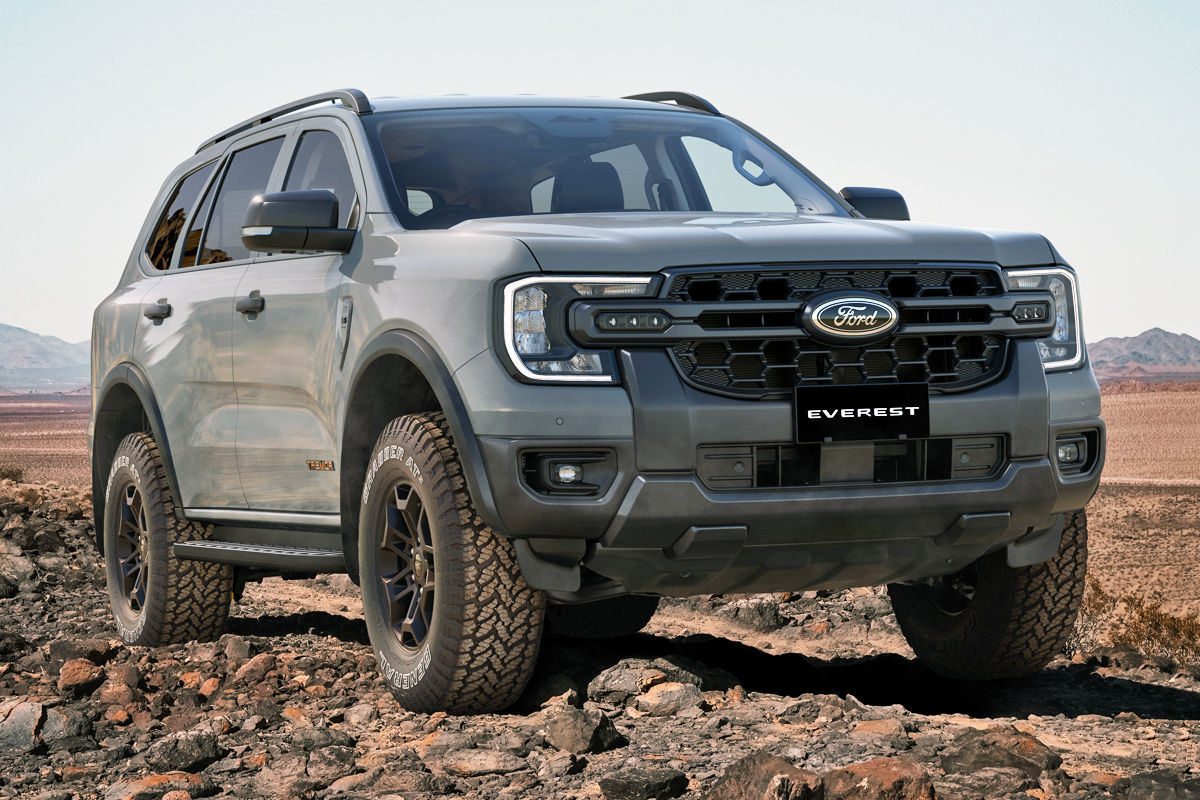
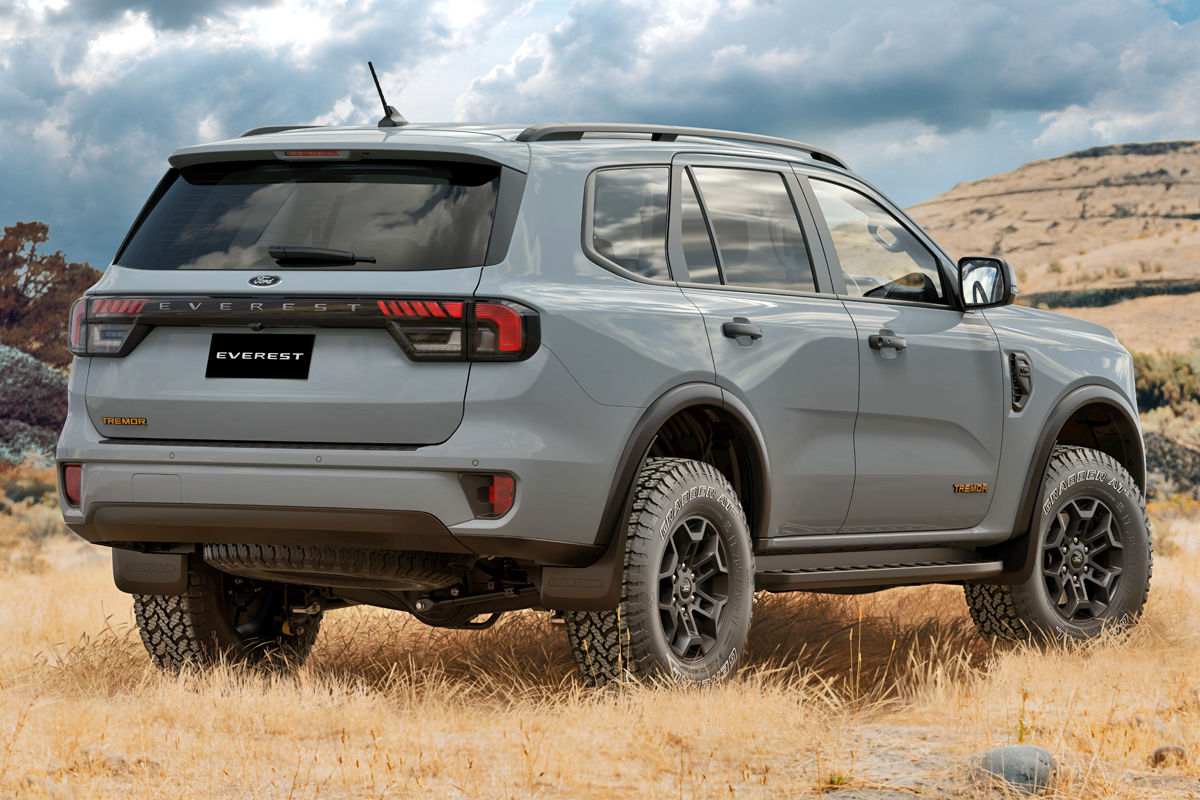
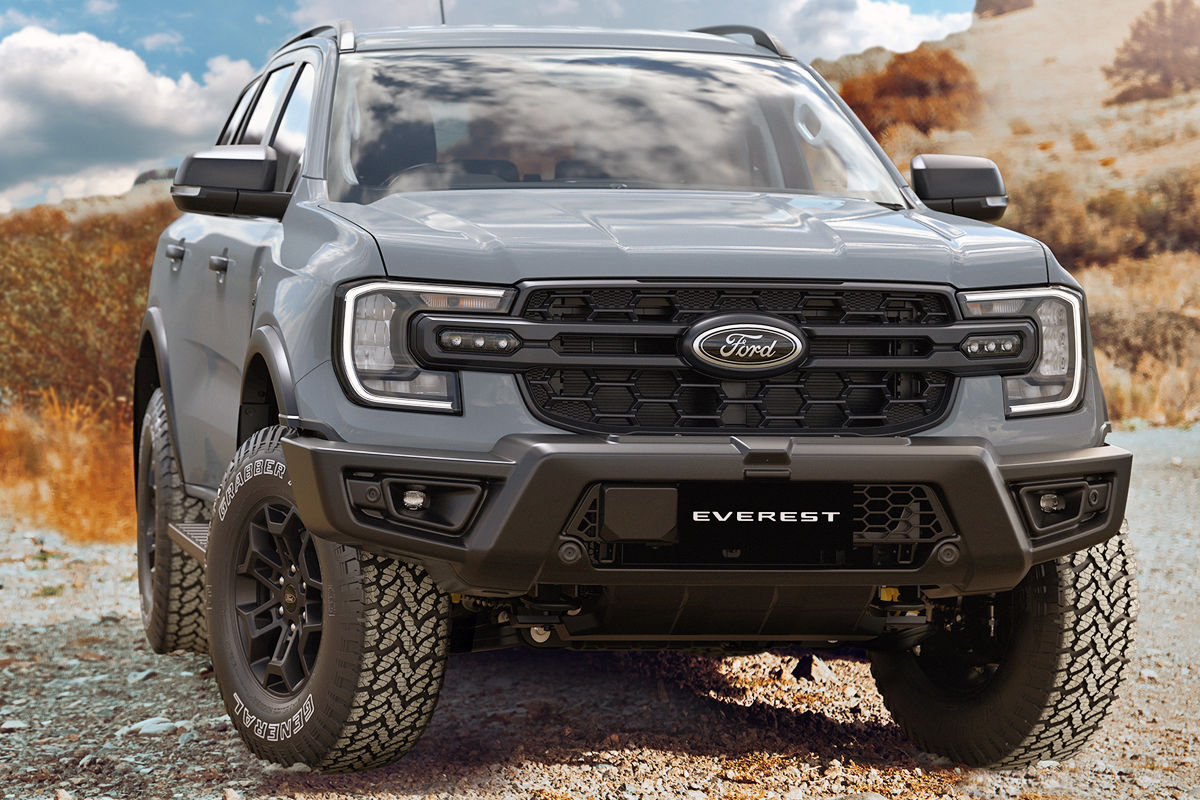
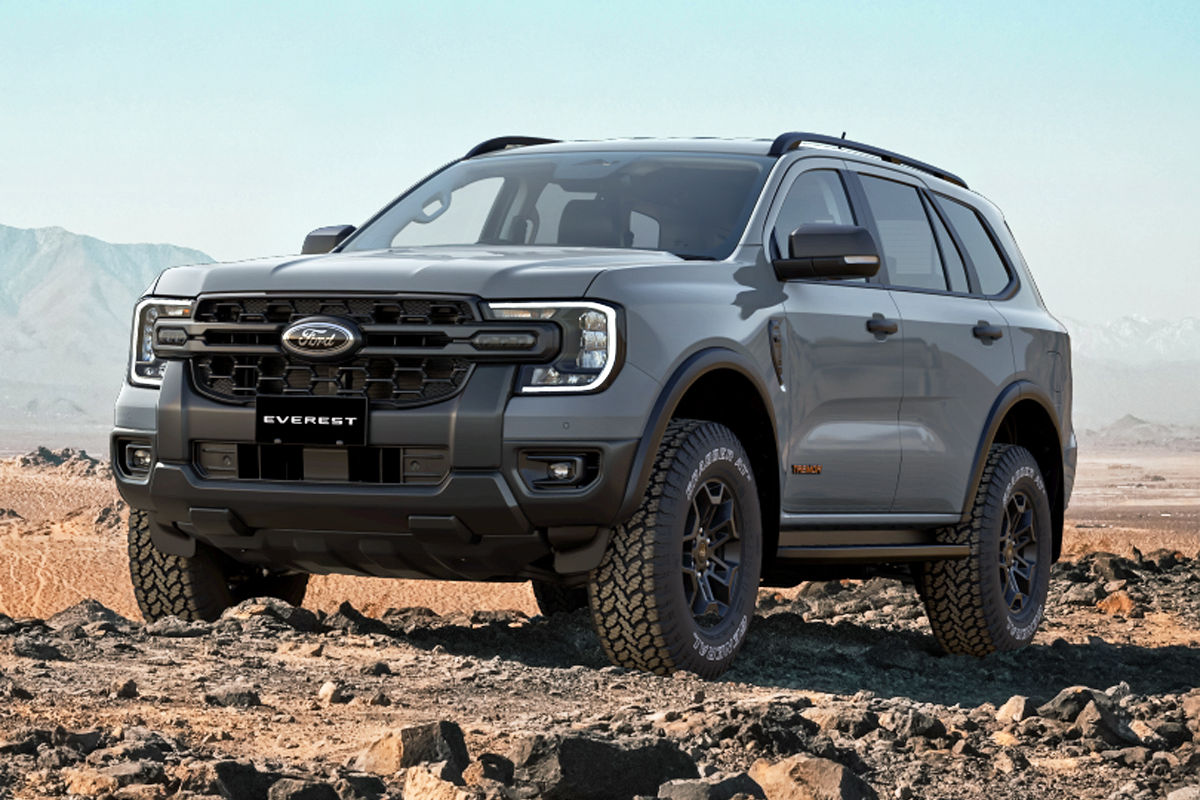
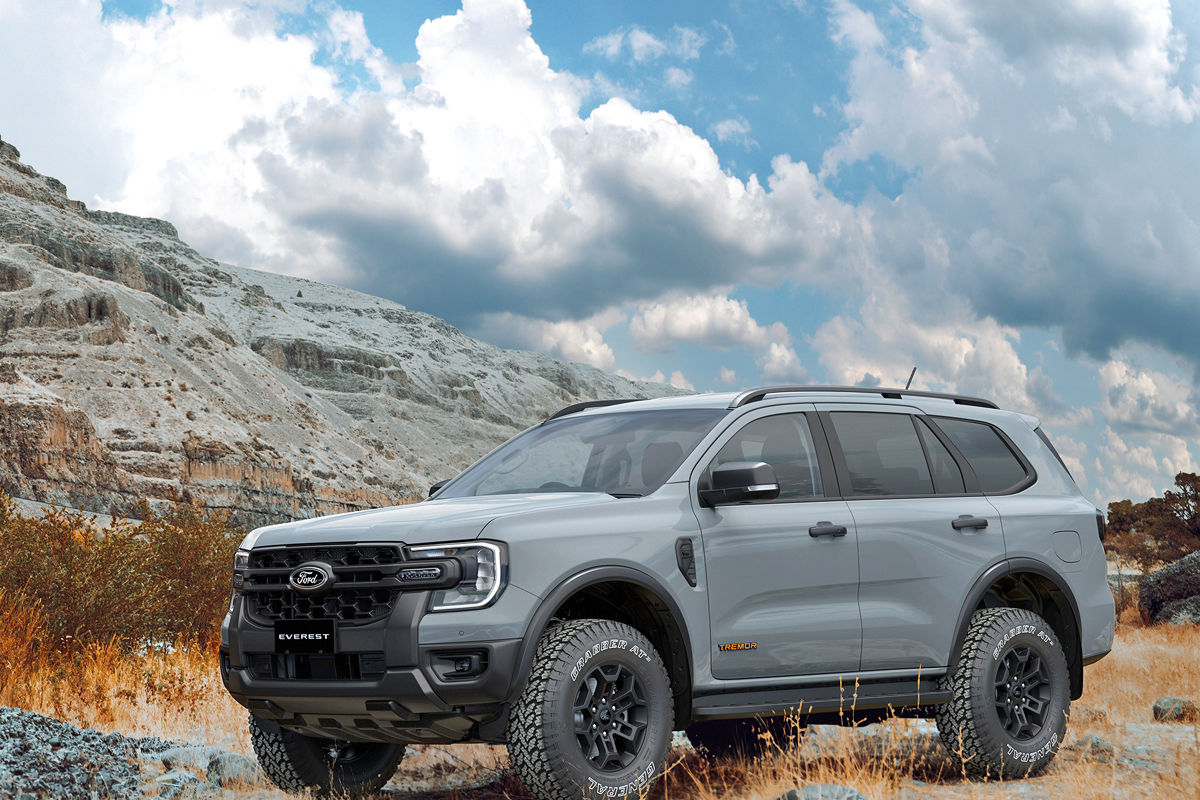
The new Ford Everest Tremor boasts all manner of off-road goodies as well as a V6 heart (unlike its 4-pot Ranger Tremor sibling). But will this uprated adventure SUV come to SA?
This is the new Ford Everest Tremor, an off-road-ready, V6-powered version of the Blue Oval brand’s 7-seater adventure SUV. For now, it’s been confirmed only for the Australian market, but will it eventually come to South Africa, too?
Well, we asked Ford South Africa that very question. Unfortunately, the Dearborn-based firm’s local division could tell us only that it “does not comment on future models”. That’s not a “no”, at least…
Considering Mzansi sources its Everest units from the same Rayong manufacturing facility in Thailand as Australia does, there’s certainly a chance that the Tremor-badged SUV will eventually reach local shores. But with production expected to commence only in November 2024, we’d speculate any such introduction would take place only in 2025.
So, what exactly makes an Everest Tremor? Well, before we delve into the off-road details, it’s worth noting that the Australian-spec model employs Ford’s 184 kW/600 Nm 3.0-litre V6 turbodiesel engine (driving all 4 wheels via a 10-speed automatic transmission), rather than the 2.0-litre bi-turbodiesel motor used in the Tremor-badged Ranger bakkie available in Mzansi.
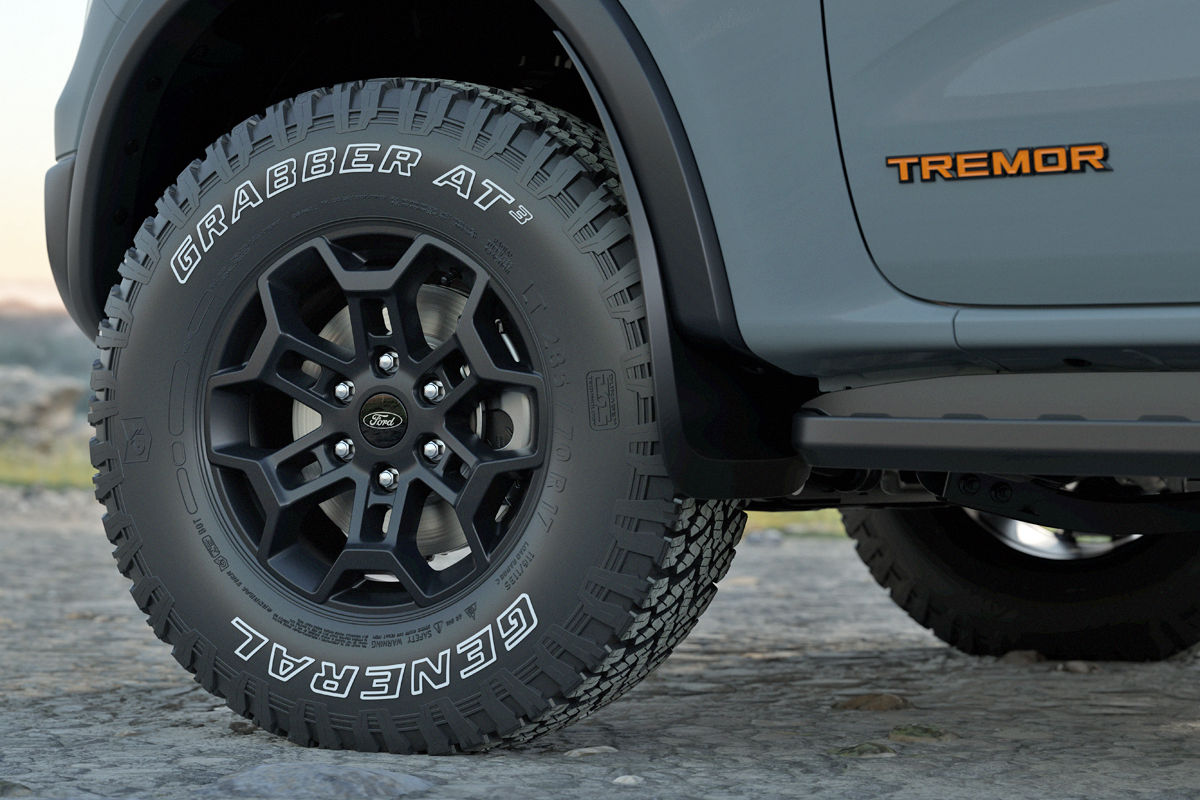
Set to be available in a model-specific “Command Grey” exterior colour, the new Everest Tremor features a honeycomb grille design (with auxiliary LEDs) familiar from the Ranger Tremor as well as the Ranger Wildtrak X. It furthermore gains a steel bash-plate, heavy-duty side steps and “Tremor” badging on the lower sections of its front doors as well as on the tailgate.
Under the skin, the Everest Tremor boasts Bilstein position-sensitive dampers and uprated springs, while General Grabber AT3 all-terrain tyres add 26 mm to the SUV’s ground clearance. In addition, this derivative features a “Rock Crawl” drive mode that ostensibly “optimises traction and momentum on loose and rocky surfaces, ensuring confident off-road exploration”.
Inside, Ford says you’ll find “Tremor” logos embossed onto the leather front seats, ebony-coloured interior accents and “all-weather” floor mats. In addition, the Blue Oval brand offers a range of factory-backed options Down Under, including a “Rough Terrain” package featuring ARB accessories such as “under-vehicle armour” and an auxiliary switch bank.
We’ll keep our ears close to the ground and update you should we hear anything more about a possible local introduction of the Everest Tremor…
Will South Africans buy a R1-million Chinese double cab?
GWM’s range-topping P500 hybrid double cab could test pricing and technology limits for South African bakkie buyers. Is it destined to suffer the same fate as the Mercedes-Benz X-Class, which failed to find a strong following in the local market?
Several landmark bakkies have been launched in the local market during the past decade, during which the price tags of some double cab variants have breached the R1-million mark.
Ford’s Ranger Raptor changed how bakkie owners viewed high-speed off-road driving, with a competition-spec double cab off the dealership floor; Land Cruiser’s latest 70-Series proved that you can charge new money for very old technology; by contrast, the Mercedes-Benz X-Class was a lesson in humility for the Three-pointed Star – the model proved that a luxury badge doesn’t fool local buyers.
The X-Class was a terrible disappointment for Mercedes-Benz, but it is memorable for 1 reason – it gave South Africa its first R1-million new bakkie. When order books opened in late 2018 and X-Class bakkies arrived at dealers during the first half of 2019, the V6 version was priced at a very ambitious R1 million.
GWM is South Africa’s leading Chinese bakkie brand
South Africa’s first R1-million bakkie… was a disaster.
Today, there are several R1-million double cab bakkies. But will South African bakkie buyers (who are notoriously brand loyal) be willing to pay R1 million for a new double cab produced by a Chinese bakkie brand? Since the launch of GWM’s P500, that question has become the bakkie debate of the moment.
During the early 2010s, when most Chinese bakkie brands that had rushed into South Africa during the early 2000s had faded from the local market, GWM remained. Its Steed double cabs (of that era) weren’t spectacular and traded on the appeal of recycled Japanese technology at very low prices.
GWM kept reinvesting in its bakkie product development, which led to further iterations of the Steed and, when the P-Series arrived in late 2020, it was evident that the Chinese automotive giant’s bakkies had advanced significantly. The P-Series was arguably the first Chinese bakkie which could compete with legacy Japanese and American brands on capability and driving experience, not merely price.
There is no question that GWM has developed brand awareness and loyalty, but how invested are its customers in the P-Series nameplate, as it moves progressively upmarket? The only way to test that is price. This is exactly what the new P500 (launched in Mzansi in late August 2024) is going to do.
The bigger, bolder (P-Series) P500 offers a slightly more potent 2.4-litre turbodiesel engine and a range-topping petrol-electric hybrid derivative that costs only R100 shy of R1 million. That’s where the debate has formed: will South Africans choose the R1-million GWM P500 over a Toyota Hilux or Ford Ranger?
But does that price make it a part of the traditional R1-million double cab argument? Not quite. And it has nothing to do with that R100 in change you’d get if you bought one with a R1-million budget.
Inflation is a real thing, especially in Mzansi’s vehicle market. R1 million today is not the R1 million you paid for an X-Class a few years ago.
If we apply some inflation calculations to the moment when the X-Class became a R1-million double cab, it would be R1.3 million in current money. That’s a lot closer to Ranger Raptor and Jeep Gladiator pricing.
The P500 2.0T HEV might be touching that psychological R1-million barrier, but it’s not quite as symbolic as some would imagine. It’s not the price-remaking moment Mercedes-Benz created for South African bakkies with the V6 turbodiesel-engined X-Class, back in 2019.
Still, how will South African bakkie buyers respond to a Chinese double cab priced so close to R1 million?
The GWM P500 HEV is a lot of bakkie
Loaded with features, some more useful than others. The sunroof is pointless during South African summers.
The P500 2.0T HEV is very comprehensively equipped, as one would expect. There’s nothing at the price from Toyota or Ford that compares in terms of equipment, sensor fusion or infotainment gadgetry.
Seeing as bakkies priced in and around R1 million are regarded as passenger cars, the P500 2.0T HEV’s luxury kit and trim are a valid flex from GWM. Price is not the P500 2.0T HEV’s problem. Neither is power.
The potential issues that are troublesome about this near-as-makes-no-difference R1-million Chinese double cab are fuel and size. Or rather, the kind of fuel it uses and the reality of parking in urban areas.
South Africa remains a very diesel-biased market. That is unlikely to change. Ford and Jeep’s apex double cabs might be petrol-powered (Ranger Raptor and Jeep Gladiator), but they are niche offerings within a, well. niche of the bakkie market. Diesel is the default fuel for South African double-cab buyers.
Can it convince bakkie buyers to go the petrol route?
Default 18-inch wheels are clever spec. A complex turbopetrol powertrain needs to woo diesel followers.
The P500 2.0T HEV is up against a lot of legacy diesel prejudice and its parallel-series hybrid configuration doesn’t help.
When you think “hybrid”, you imagine optimised fuel economy. But everyone knows that a PHEV is the only hybrid you really want (provided you can afford one) because it combines the best of petrol and battery power – with decent onboard battery capacity. The P500 2.0T HEV doesn’t work like that.
A high-power petrol bakkie isn’t popular in South Africa, because there is a real need for range.
The difference in cruising fuel consumption between a powerful petrol and diesel bakkie isn’t enormous, but when you are getting anxious about “the range left in the tank” with the nearest fuel stop that’s just a little bit too far away, 50 km can feel like 500 km. The margins matter.
The diesel issue is real
Lots of power on the test bench. But real-world fuel consumption will be the concern.
What do you gain from the P500 2.0T HEV’s hybrid powertrain? There’s a lot of peak power (255 kW), which matters when cruising long distances between provinces and needing safe overtaking margins. But what do you lose? Fuel economy – which sounds bizarre when discussing a hybrid, but it’s true.
A series-parallel hybrid uses petrol to charge electrons into the hybrid system, and on a large, (let’s just call it an) aerodynamically challenged bakkie, that’s a bit silly. It’s just a performance gain with marginal – if any – real-world fuel economy benefits. Especially when you compare it with the balance of performance and economy offered by a turbodiesel-powered double-cab bakkie.
The P500 2.0T HEV utilises the same powertrain as the Tank 300, which has proven to be rather heavy on fuel in local driving conditions. That powertrain in the larger, heavier and, forgive me, aerodynamically challenged P500, leaves little possibility of GWM’s hybrid double-cab matching the cruising fuel consumption of a turbodiesel Toyota Hilux or Ford Ranger.
For real-world towing and high-speed driving, not to mention low-range off-road driving, the Ranger’s 3.0-litre V6 and Hilux’s 2.8-litre 4-cylinder turbodiesels are more usable engines than P500 2.0T HEV’s more sophisticated powertrain. Not only are they less complex, they’re likely to be more fuel efficient.
Oversized bakkies aren’t great to drive in town
Lots of space to park out here, but the P500 won’t easily fit into Sandton City or V&A Waterfront parking bays.
The P-Series P500’s other issue is its sheer size. All the surround view cameras and over-assisted power steering can’t mask the realities of steering geometry, wheel cut angles, vehicle width and an enormous wheelbase. Huge bakkies are a nightmare to park – and this GWM is bigger than any of its rivals.
Edging one of the current-generation double-cab bakkies into narrow parking bays is a chore, which often necessitates making 3-point turns. With the P500 being even wider than the Hilux or Ranger, it will be a proverbial mission to park the newcomer in crowded covered or underground parkades with pillars.
Off-road? Wider, longer vehicles have more risk of panel damage, especially on narrow, technical, rocky 4×4 routes. Being bigger really isn’t much of a win, for bakkies.
Price – or cost of ownership?
The latest Toyota Hilux upgrade offers very mild integrated hybridisation – and unrivalled residual values.
Buying a R1-million double cab bakkie is more than the purchase price transaction; it’s also the cost of ownership, which is greatly determined by durability and depreciation.
Because of their popularity, strong brand affinity and reasonable technical simplicity, double cab bakkies lose less value than many comparably priced vehicles. But, as you pile on the electronics and gadgets, the risk of gremlins increases, especially in the mid- to long-term. And there is the question of depreciation, which remains constant during the entire ownership lifecycle with a bakkie.
This is where Toyota has proven that simple – works. The Hilux suffers very little depreciation, meaning you get the most for your R1-million double cab bakkie investment, even if its feature list and infotainment grade are nowhere near that of a GWM P500.
Is there sufficient demand for a very big, petrol-powered, luxury double-cab bakkie without brand legacy and many electronic gadgets, at R1 million? We’ll have to track sales until Christmas to know. However the market responds, the P500 can certainly do no worse than South Africa’s first R1-million bakkie did.
A Car Warranty ensures that vehicle maintenance doesn’t cost you more than you can afford. If your car is a recent model, its warranty will cover you against costly mechanical repairs, but if your vehicle is a bit older, add-on warranties are available.
If you aren’t sure what a Car Warranty is or how to distinguish between a Standard and an Extended Car Warranty, this article – brought to you in conjunction with Budget Insurance – explains this in more detail.
What is a Car Warranty?
When an automotive manufacturer produces a car, it understands there is a reasonable expectation that various parts of the car will last for some time before needing repair or replacement. To give you peace of mind, they provide buyers with a warranty in terms of kilometres driven or years owned after purchase.
This warranty promises to repair and replace any manufacturing or factory defects that may pop up during the provided period (usually for 3- or 5 years). It generally excludes items you can expect to develop wear and tear, and these more frequently replaced items often come with a separate warranty.
The Car Warranty also will NOT cover accidental damage, damage stemming from neglect or damage from altering the car outside of the manufacturer’s specifications in any way.
A Car Warranty and a Service Plan (which covers the cost of servicing a vehicle at pre-set intervals) tend to complement one another, but there are differences between them. A new car comes with a warranty, and if you purchase a pre-owned vehicle, it could still be within its warranty period, depending on its age and mileage (used-car dealerships often refer to this as “the balance of the manufacturer warranty”).
An Extended Car Warranty, in turn, is a top-up you can purchase once your manufacturer’s warranty expires. Your Service Plan will also come with your new or pre-owned car and will cover the cost of servicing your car at any authorised service centre up to certain time and mileage limits.
What a Car Warranty includes and excludes
While the costs of repairing or replacing your car’s components may not seem like a lot when viewed individually, they can add up.
It’s essential to know what your Car Warranty and Service Plan does and doesn’t cover. Manufacturers have different lists of inclusions and exclusions for what is covered under their Vehicle Warranties.
For this reason, it’s highly advisable to familiarise yourself with what your car’s warranty covers. Most warranties protect the following major automotive components:
Engine
Steering
Brakes
Suspension
Gearbox
Electronics
Fuel and ignition
Cooling
Transmission
Turbo/superchargers
The following items are usually excluded from your warranty because they experience more wear and tear or have a short lifespan. This means that you may need to replace or repair them out of your pocket.
Oil and coolant top-ups
Converters and brakes
Tyres and wheels
Body and paintwork
Windows and headlights
Heating and cooling system and components
Sound equipment
Navigational equipment
Vehicle Warranties: New vs Used Cars
If you’re thinking about buying a car, you should know what you’re getting into when buying a new or used model. Here’s what different options could mean for you.
1. New Car Warranty
A new car will come with a full warranty valid for specific years and kilometres. Familiarise yourself with your car’s warranty Terms and Conditions to avoid mistakes that could lead to the warranty being voided.
This usually requires servicing your car on schedule at an authorised service centre using Original Equipment Manufacturer (OEM) parts. It can also mean avoiding misusing your car (for example, using it for drag racing or overloading it) or modifying it (for example, lowering or lifting its suspension).
2. Used Car Warranty
When you purchase a used car, it can come with the remainder of its warranty (don’t buy a car that ought to have a valid warranty – but doesn’t), which you may want to top up with an Extended Warranty. Either way, ensure you have all the paperwork to verify your car’s condition before you sign on the dotted line
This means accessing its Vehicle Identification Number so you can confirm that it has a full service and maintenance history (which includes major services, such as a timing belt replacement). This can also show you if the car’s mileage is genuine and whether it has sustained hidden damage or been modified… all of these things could void your remaining warranty or prevent you from getting an extended one.
How to get the most out of your Warranty
So, to sum up, the best way to get the most out of your Car Warranty is to operate your car as it was intended and honour your agreement with its manufacturer to service and maintain it as prescribed. This includes being proactive about your car’s upkeep and even using free inspections and road assistance. When doing this, document everything and always use official channels, repair technicians and parts.
Following these steps will give you a solid and reliable background that the manufacturer can rely on to see that you have upheld your part of the Car Warranty. This responsible care will make it easier for you to get repairs and replacements if you need them.
Get a Car Warranty quote from Budget Insurance
Now that you understand the benefits that a Car Warranty can afford you, you may be interested in extending the one on your vehicle. If so, get a Vehicle Warranty quote from Budget Insurance today.
New Mitsubishi Outlander Sport (née Xforce) coming to SA in 2025
Mitsubishi says the new Xforce is now scheduled to hit SA only in early 2025, while also confirming the crossover will wear the “Outlander Sport” badge in our market…
When the new Mitsubishi Xforce officially touches down in South Africa, it won’t be wearing that nameplate. The Japanese firm’s local division has confirmed to Cars.co.za this small crossover will instead be badged as the “Outlander Sport” in Mzansi, while also giving us an update on launch timing.
Yes, the new model’s local market introduction will no longer take place in the 3rd quarter of 2024, as initially targeted, with this launch date now pushed into next year. Indeed, Mitsubishi Motors SA tells us the new Outlander Sport is now expected to arrive in South Africa “early” in 2025.
Mitsubishi’s small crossover was revealed as the Xforce in August 2023.
Interestingly, Mzansi won’t be the first to offer the 4 390-mm-long Xforce – which was revealed in August 2023 – as the Outlander Sport, with other African markets like Egypt as well as some Latin America countries (such as Mexico and Costa Rica) having already launched the crossover under the latter nameplate.
Of course, “Outlander Sport” is by no means an unfamiliar badge to Mitsubishi fans, having been used on the ASX in various markets around the world for well over a decade. And it’s that long-in-the-tooth ASX – which launched locally way back in 2011 – that the new Outlander Sport looks likely to replace in South Africa.
Badged as the Outlander Sport, the new crossover will likely replace the ASX in SA.
While a 2nd-generation ASX based on the Renault Captur is offered in Europe, the original has soldiered on in Mzansi (it earlier formed the basis for the Citroën C4 Aircross and Peugeot 4008, though both French versions went out of production back in 2017). Today, the local ASX range still comprises 5 derivatives, with pricing bookends of R409 990 and R494 995.
Though local specification and pricing details have yet to be divulged, the new Indonesian-built Outlander Sport may well be positioned slightly below the outgoing Japanese-built ASX, particularly if Mitsubishi Motors SA intends on taking on Indian-sourced contenders such as the similarly sized Toyota Urban Cruiser (not to mention strong-selling Chinese models like the smaller Chery Tiggo 4 Pro and larger Haval Jolion).
Note the 12.3-inch screen in this Indonesian-spec version.
For the record, the Xforce offered in Indonesia employs a naturally aspirated 1.5-litre, 4-cylinder petrol engine (familiar from the SA-spec Xpander) that delivers 77 kW and 141 Nm to the front axle via a continuously variable transmission (CVT). Inside, the Indonesian-spec model features a 12.3-inch touchscreen, with top-spec versions furthermore scoring an 8.0-inch digital instrument cluster.
Look out for more local details on the new Mitsubishi Outlander Sport closer to its expected arrival in Q1 2025…
Juliet McGuire lists the strengths and weaknesses, common problems and resale values of the 3rd-gen Audi A3. Also in this guide, Ryan Bubear reveals which variants were offered in South Africa and how much you can expect to pay for a good example…
Back in 2012 when the 3rd-gen Audi A3 broke cover, C-segment family hatchbacks were still very much in vogue (yes, not quite everyone had made the switch into a crossover). The 5-door version of Ingolstadt’s then-fresh contender went right at the top of the premium hatch class, offering an assortment of sprightly powerplants, a high-quality interior and oodles of badge appeal.
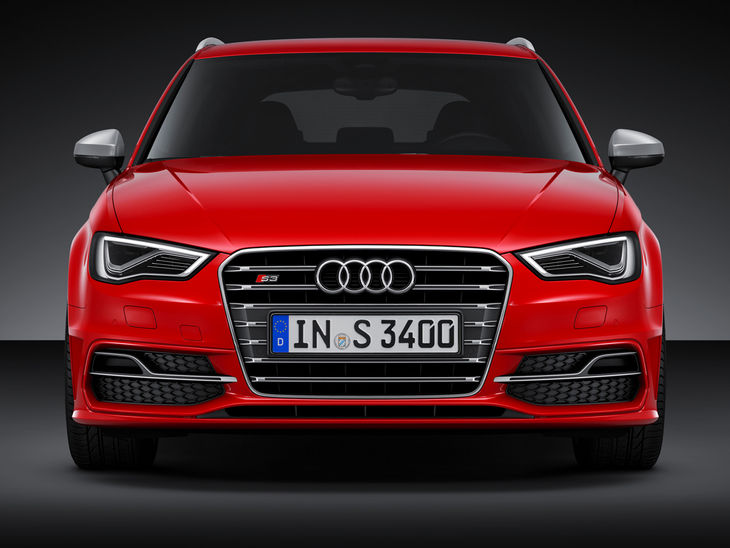
Of course, considering they shared much of their running gear, you could make the argument the closely related Volkswagen Golf 7 represented better value than its Audi-badged cousin. But the A3 was certainly the more desirable of the 2, boasting arguably sharper exterior styling, a slightly more upmarket (yet still suitably robust) cabin and the sonorous 5-cylinder RS3 Sportback at the summit of the range.
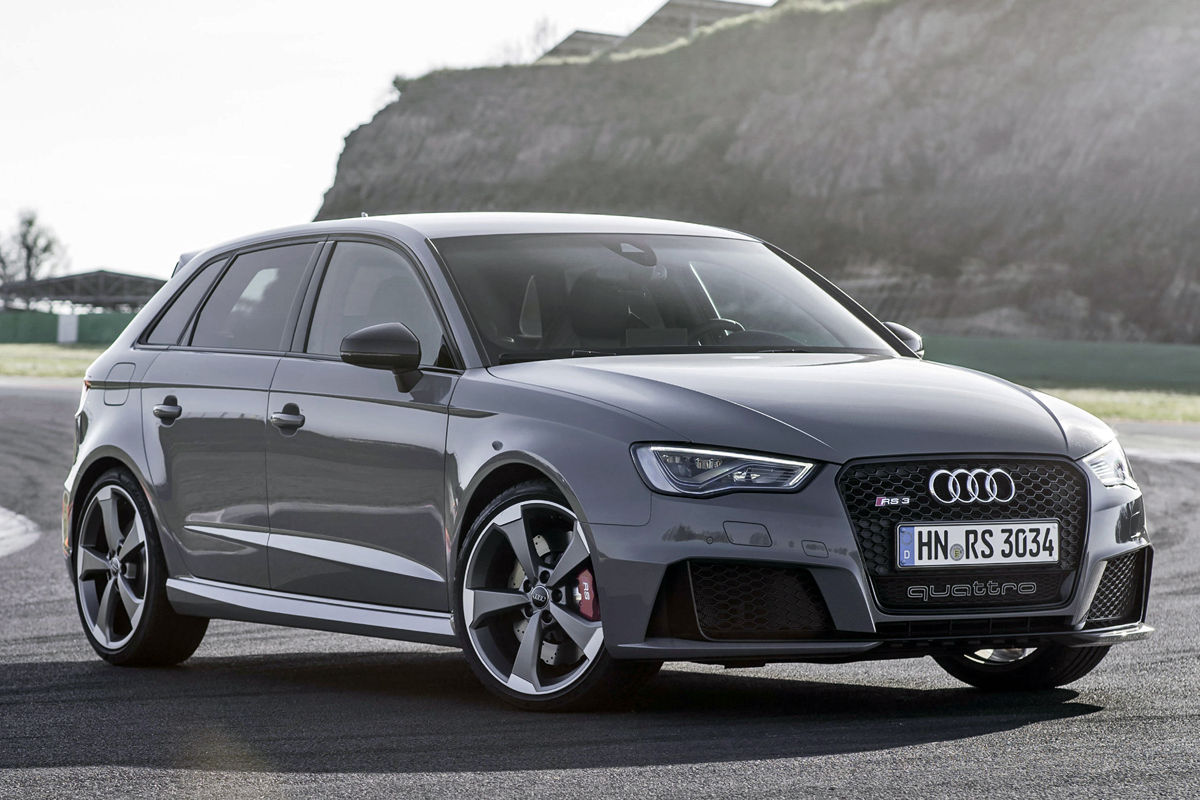
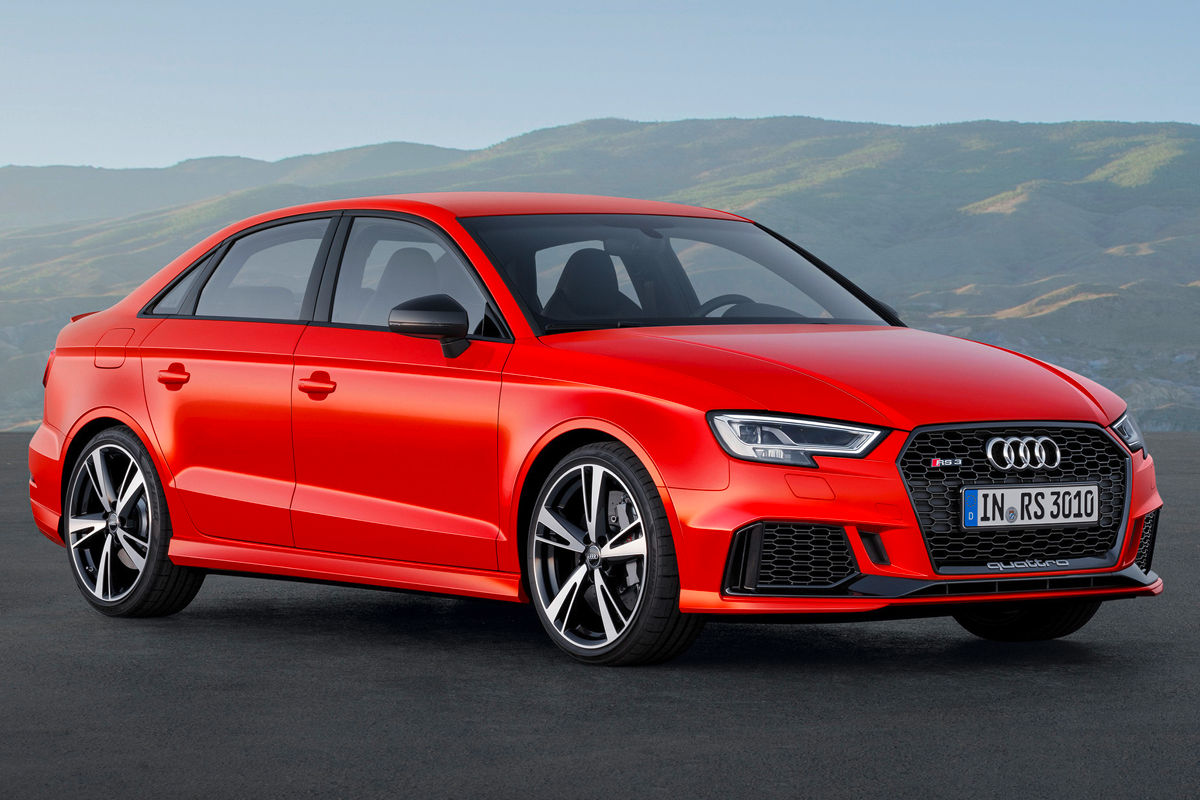
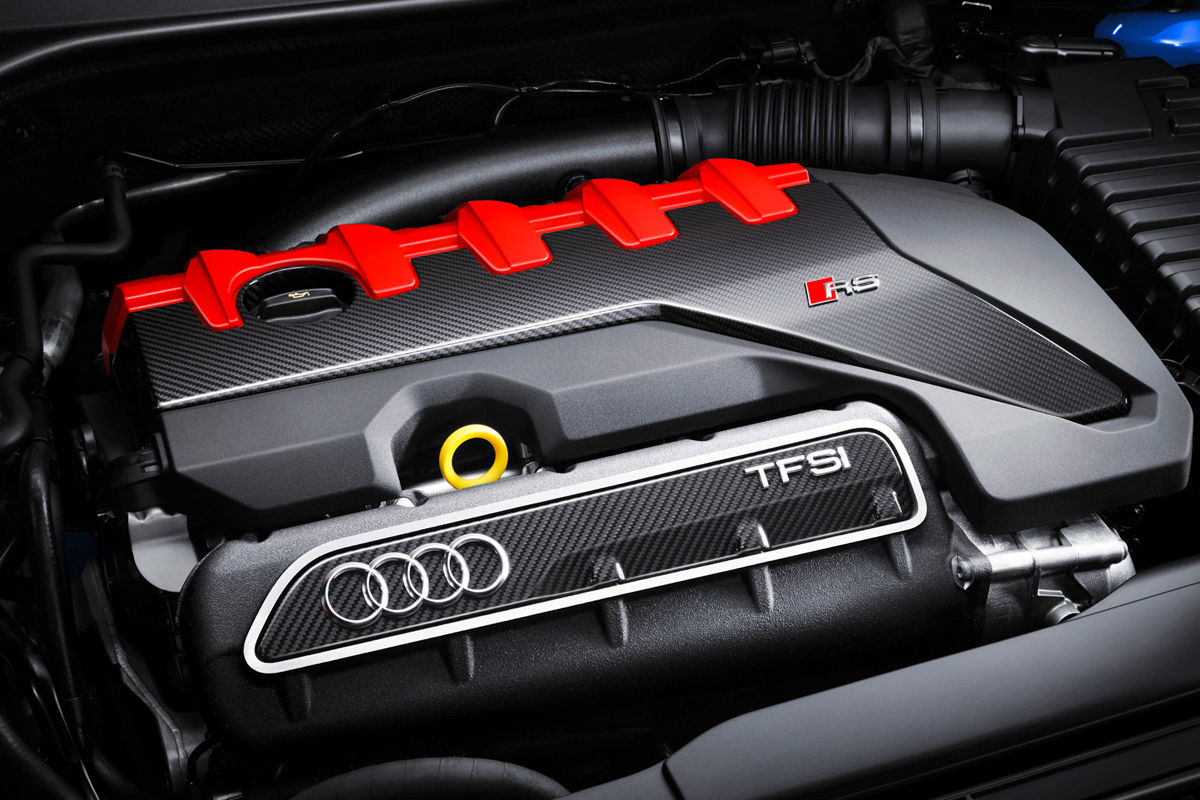
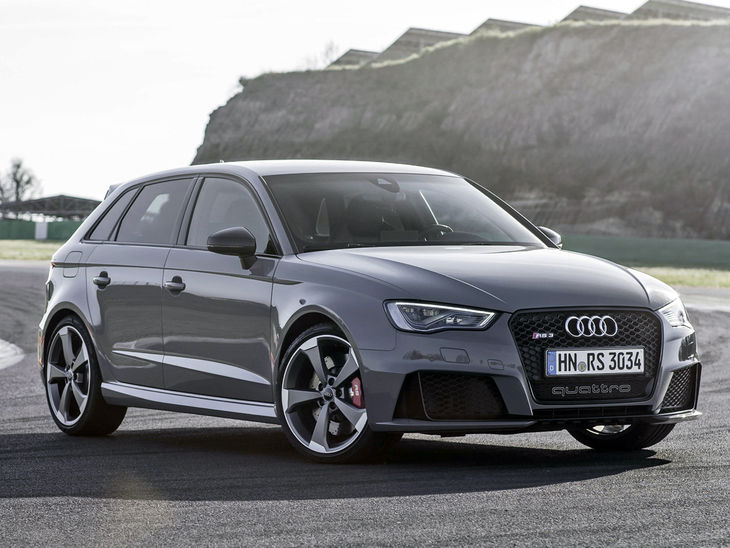
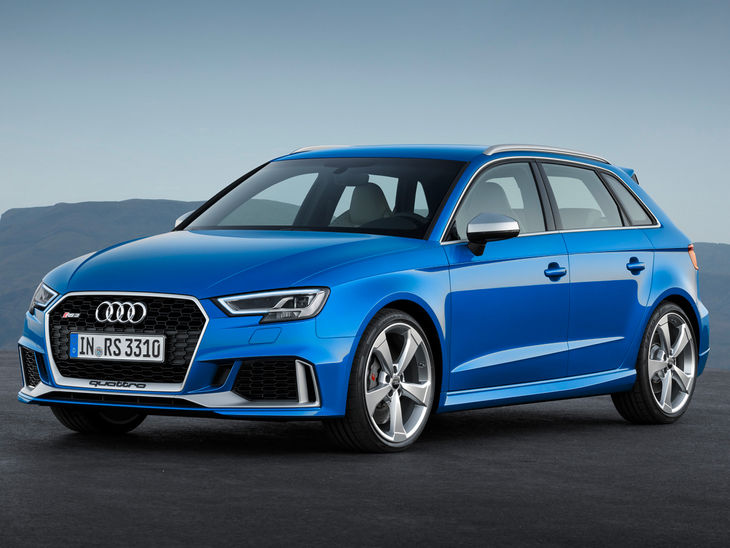
In pre-facelift form, Audi’s RS3 Sportback delivered 270 kW.
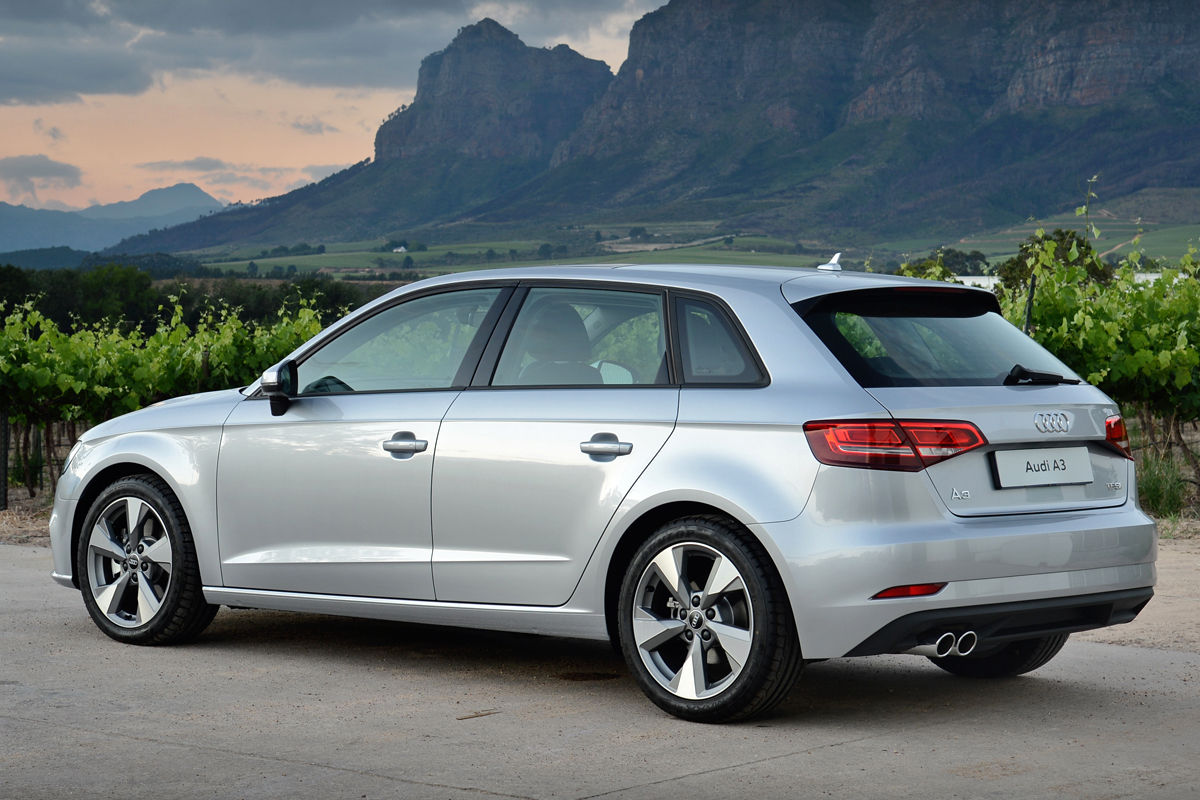
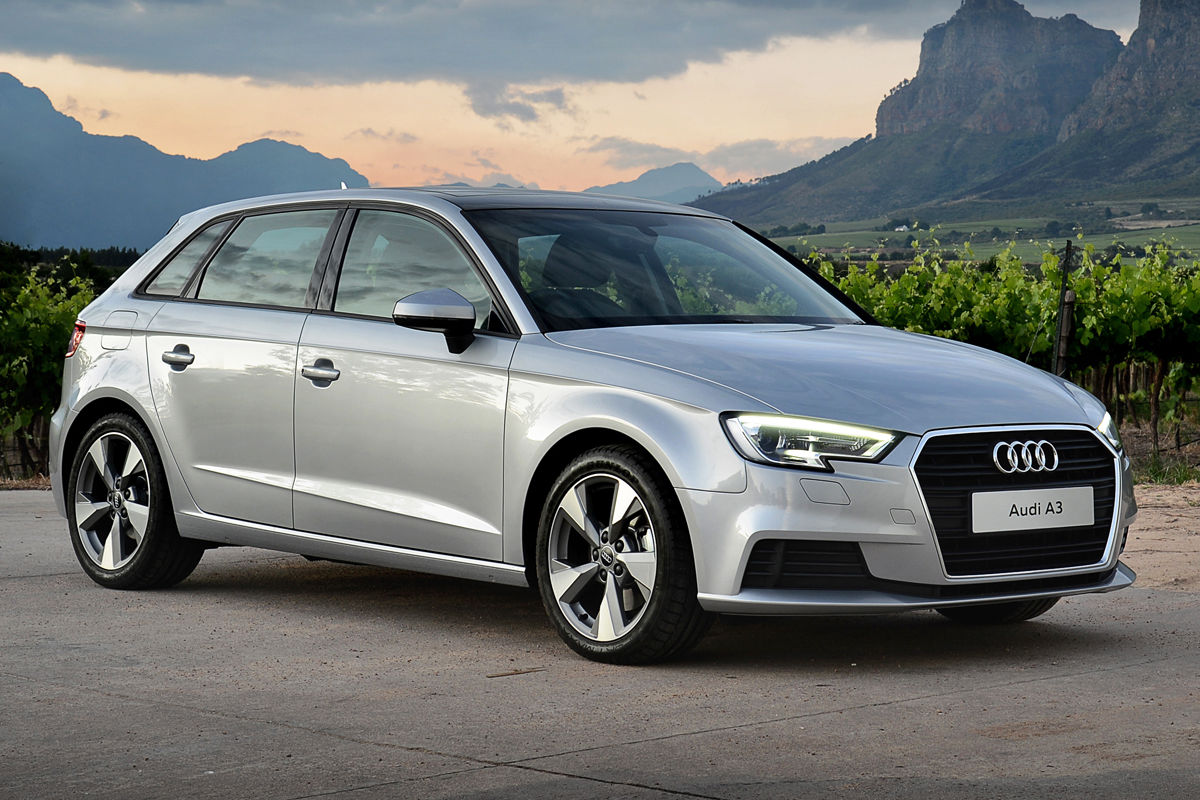
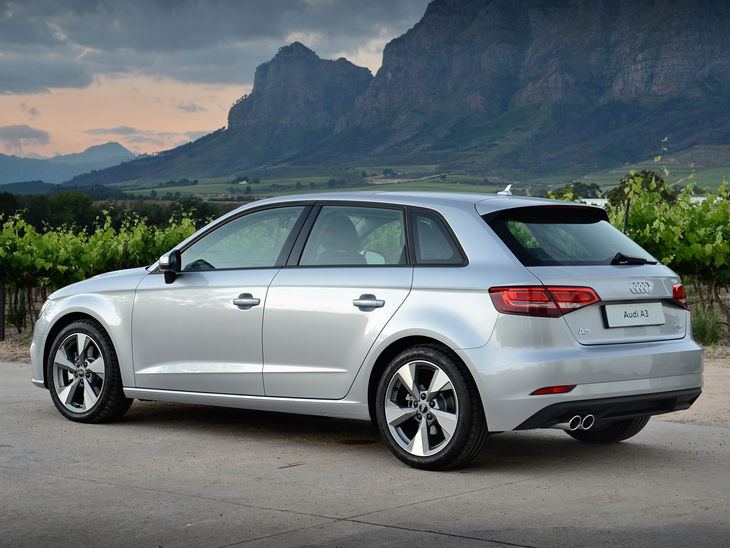
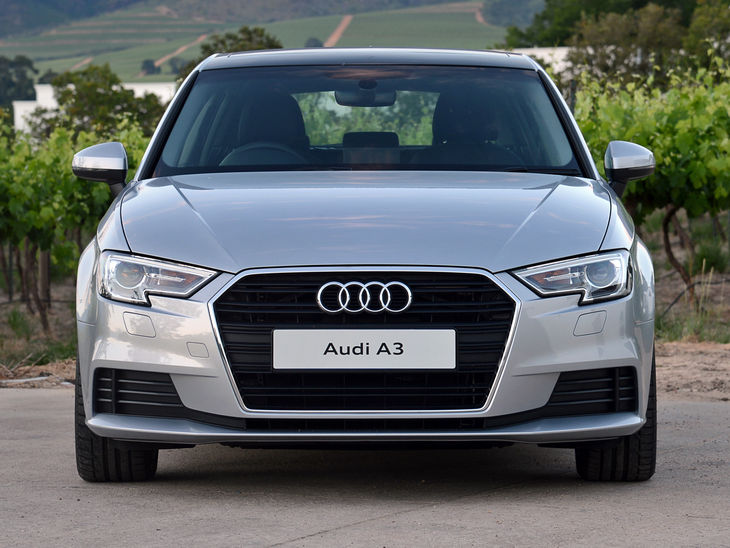
Though the A3 line-up included as many as four body styles (we’ll touch on all of them below), we’ve narrowed the focus in this buyer’s guide to the most popular: the 5-door Sportback. For the record, while the 3-door hatchback and cabriolet soldiered on locally after the Mk3 model’s mid-cycle refresh in 2016, they were eventually quietly put out to pasture owing to comparatively slow sales.
Audi A3 model line-up
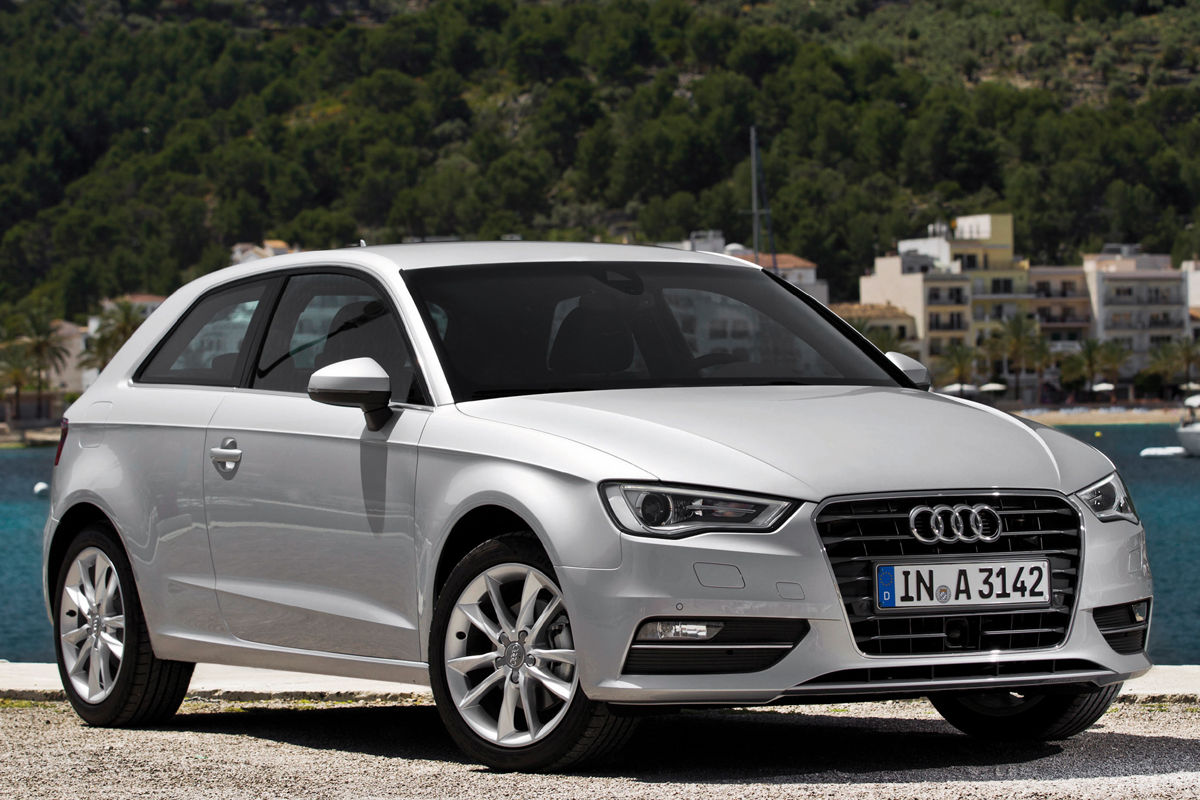
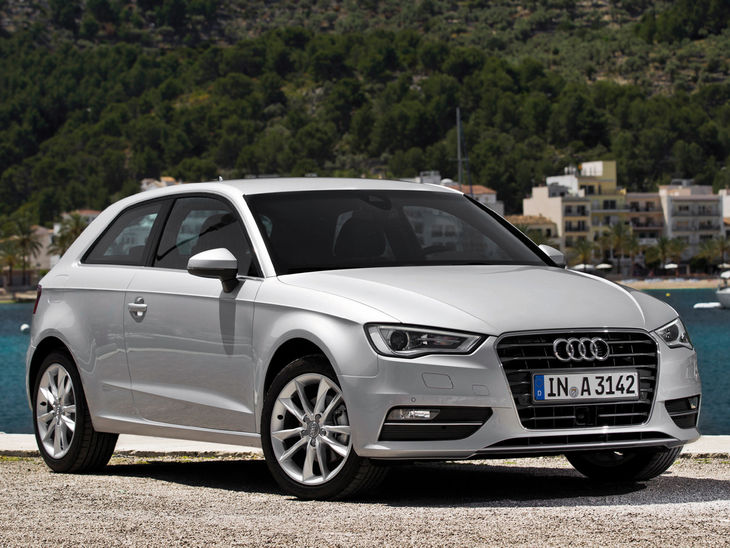
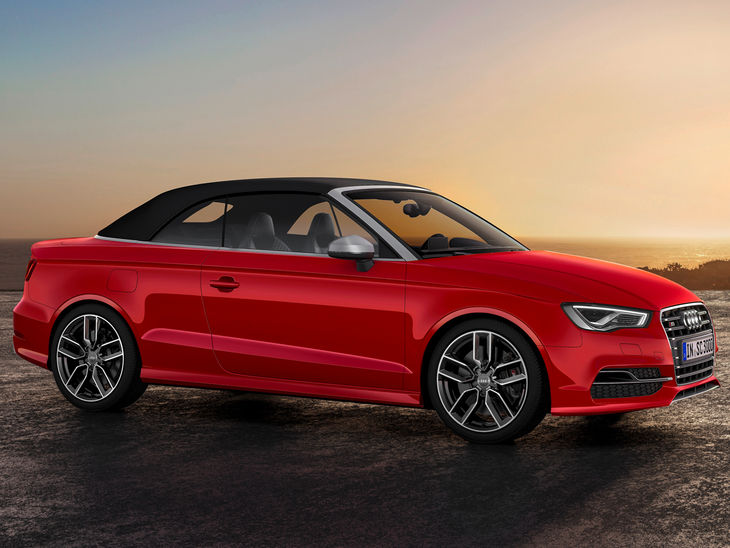
The third-generation A3 made its first appearance in 3-door form.
Revealed in 3-door guise at the 2012 Geneva International Motor Show, the third-generation A3 was the first Volkswagen Group product to use the now-familiar MQB platform (yes, beating the Golf 7 to the punch). Internally known as the Typ 8V, the A3 later won the 2014 World Car of the Year award, edging out the likewise third-gen Mazda3 and the original BMW 4 Series.
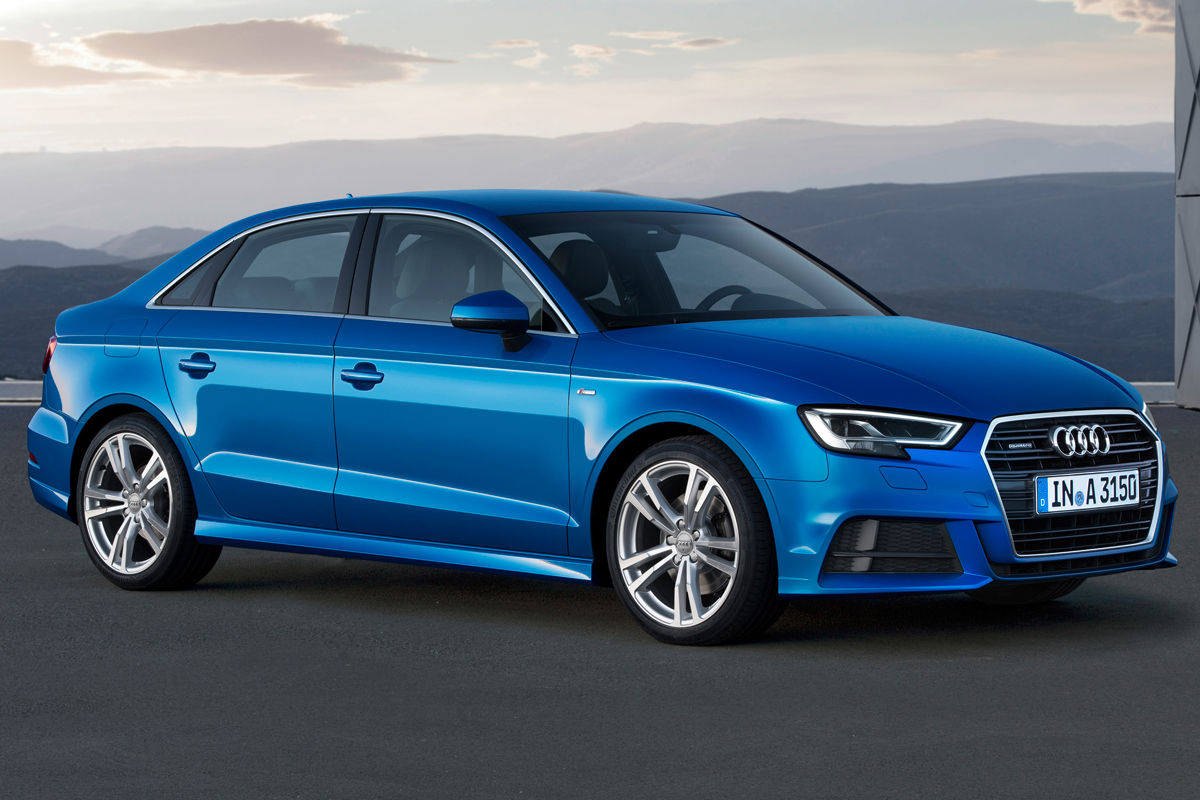
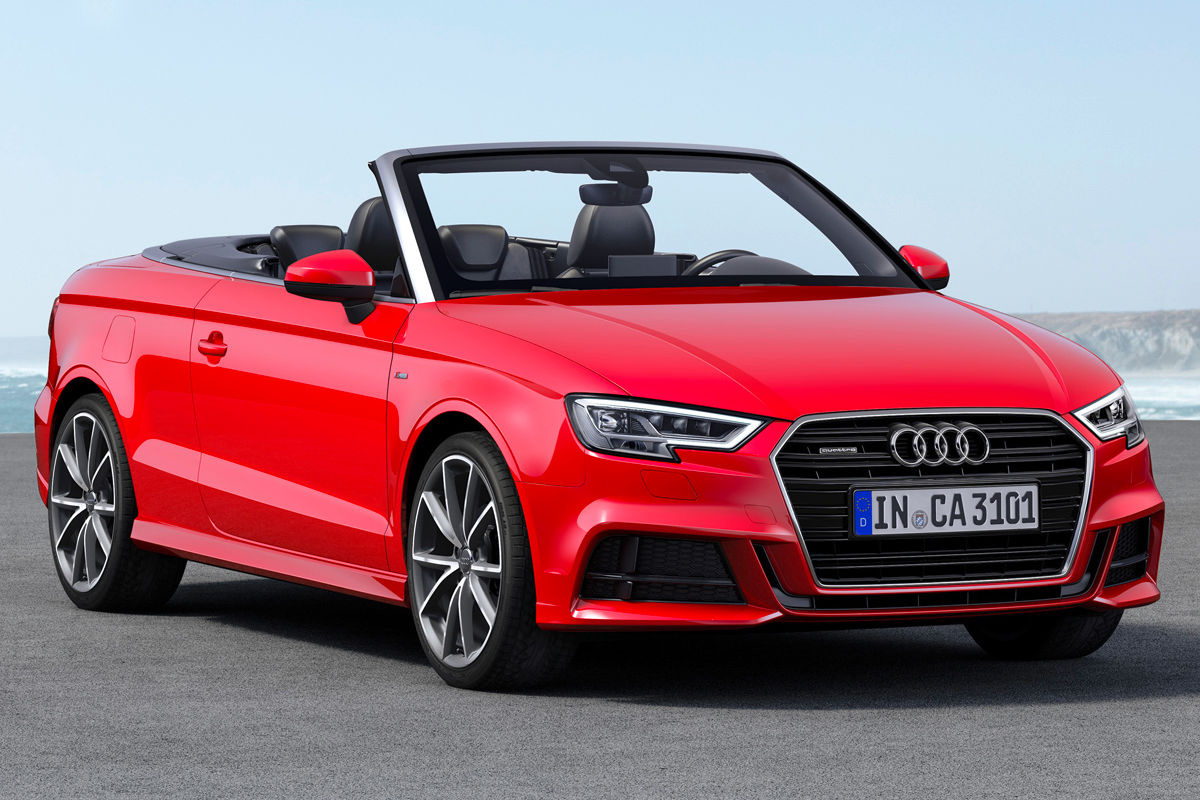
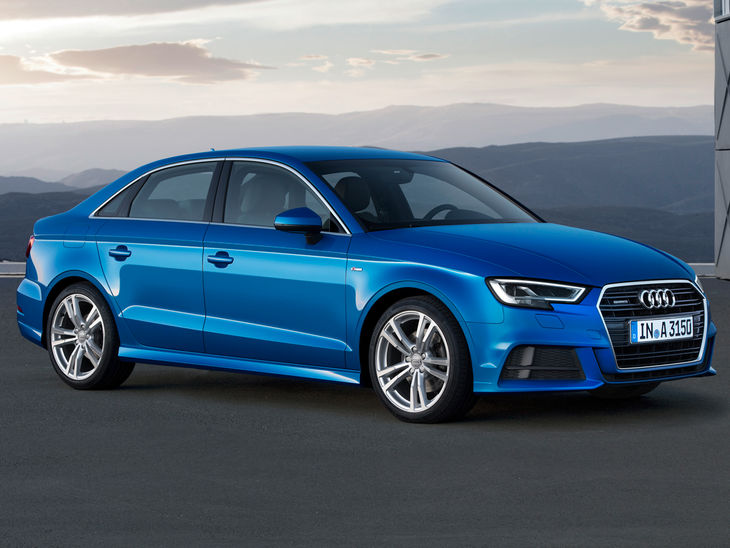
It was available in 3-door hatch, 5-door Sportback, 4-door Sedan and 2-door Cabriolet forms, with most of the cooking variants featuring front-wheel drive. Only select higher-powered derivatives as well as the S- and RS-badged versions offered Audi’s quattro all-wheel-drive system as standard.
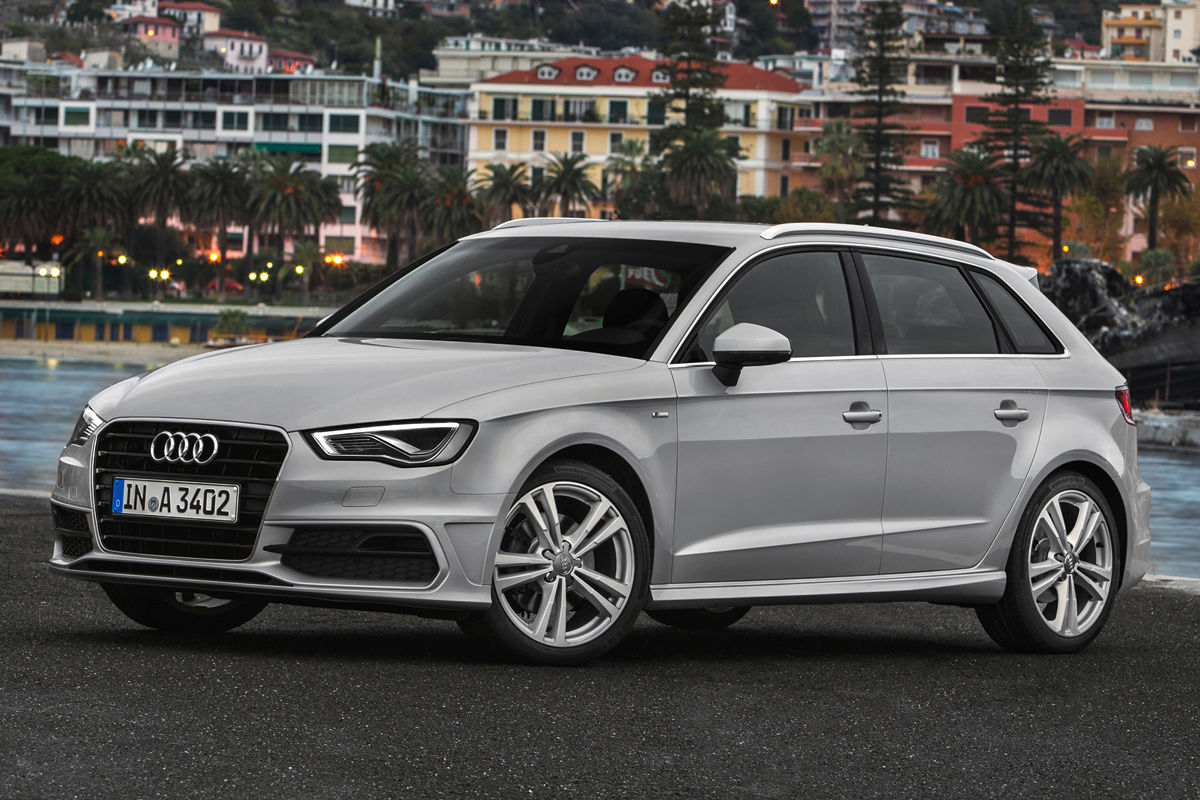
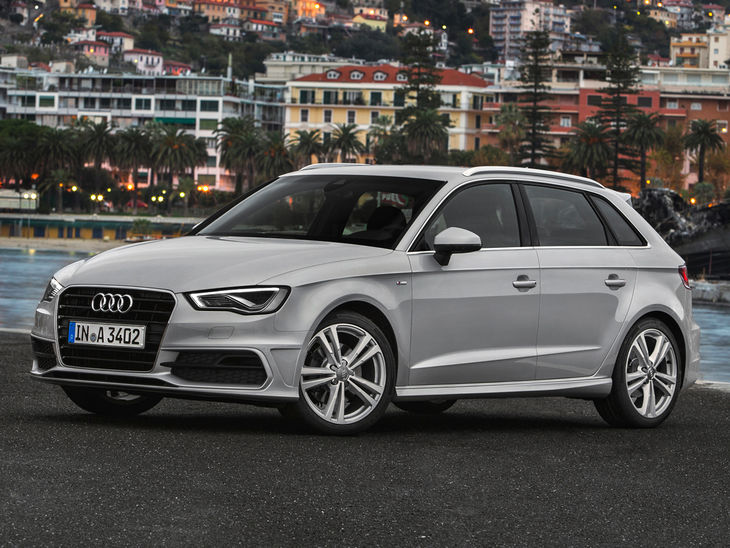
The Sportback offered two extra doors and added practicality.
The 3-door version hit the South African market in November 2012, with the 5-door Sportback following a year later. At the launch of the latter, four variants were available (with the base 77 kW 1.2T FSI S plus top-spec 1.8T FSI S tronic SE and 1.8T FSI quattro S tronic arriving a few months later):
1.4T FSI S (90 kW/200 Nm) 6-speed manual
1.4T FSI S tronic S (90 kW/200 Nm) 7-speed dual-clutch
1.6 TDI S tronic S (77 kW/250 Nm) 7-speed dual-clutch
1.8T FSI SE (132 kW/250 Nm) 6-speed manual
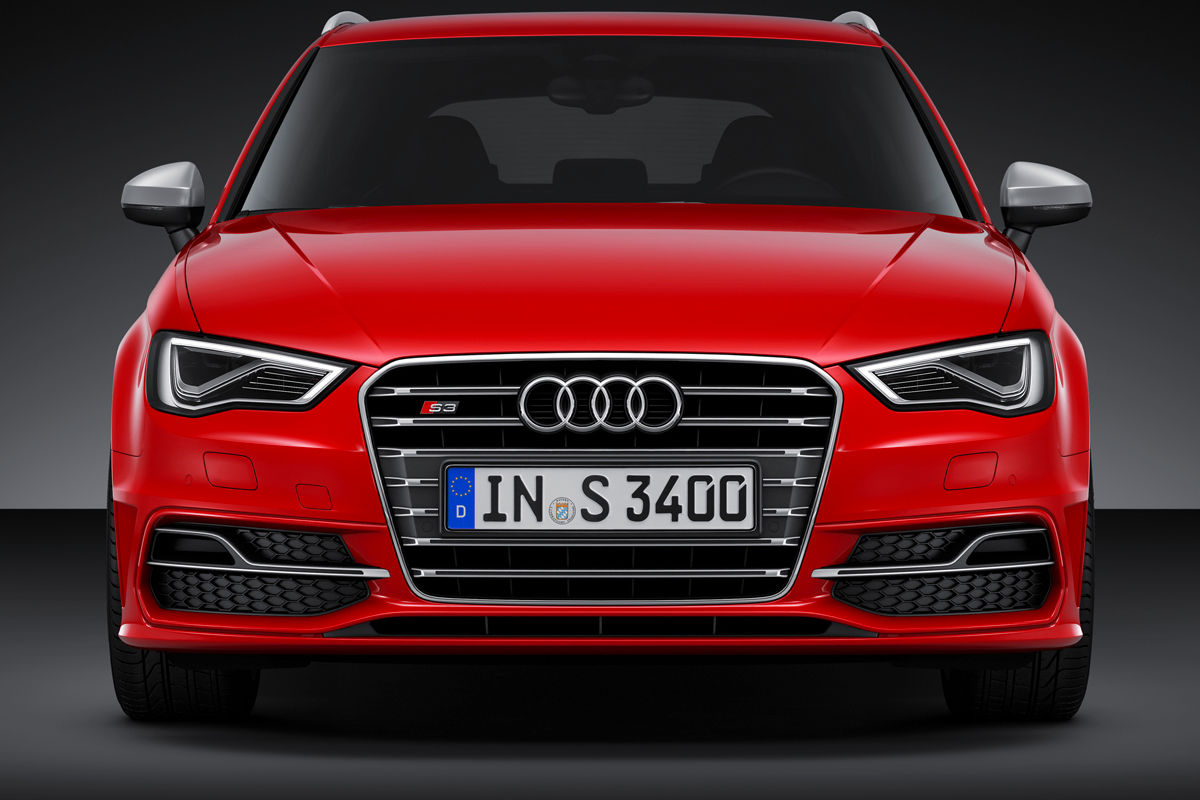
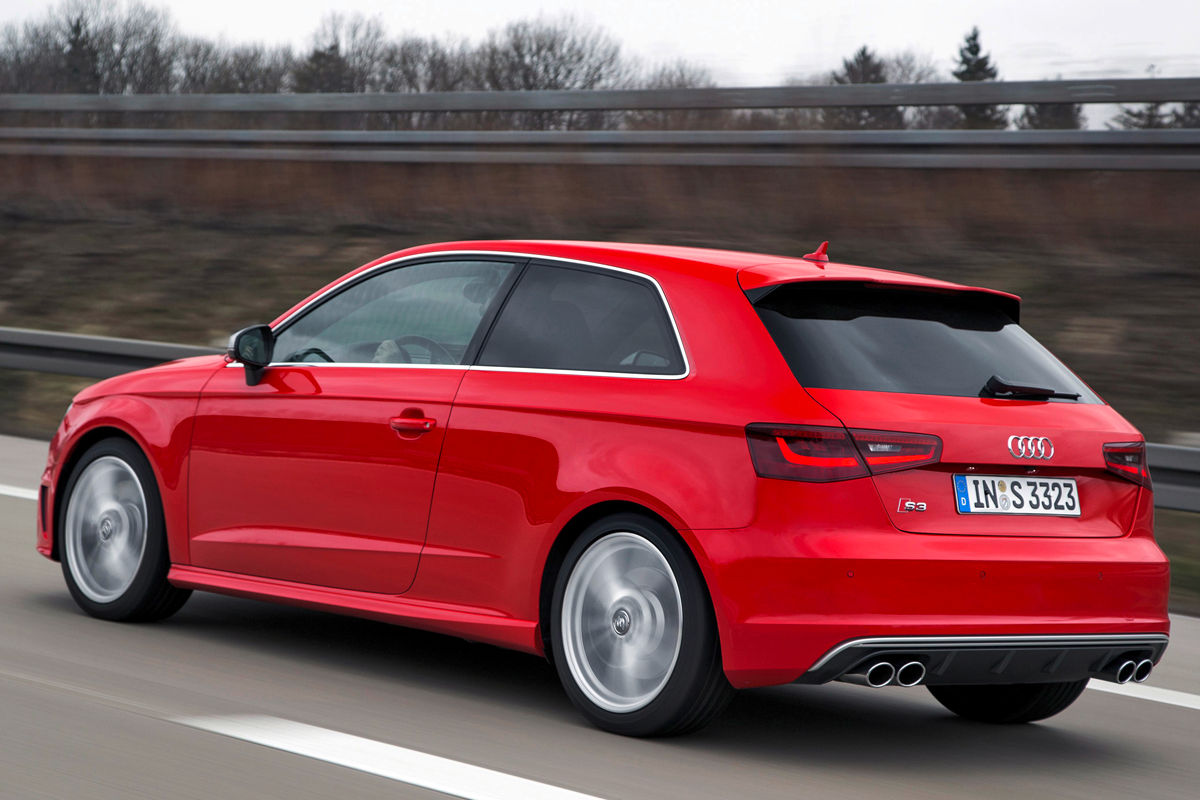
In pre-facelift guise, the S3’s turbocharged 4-pot generated 206 kW.
The quattro-endowed S3 hatch touched down in South Africa in October 2013, boasting 206 kW and 380 Nm courtesy of a slightly detuned (thanks to the Republic’s classification as a “hot climate” market) 2.0T FSI engine. The S3 Sportback arrived a little while thereafter, but was interestingly available only in 6-speed dual-clutch guise, whereas the 3-door was initially offered in 6-speed manual form, too.
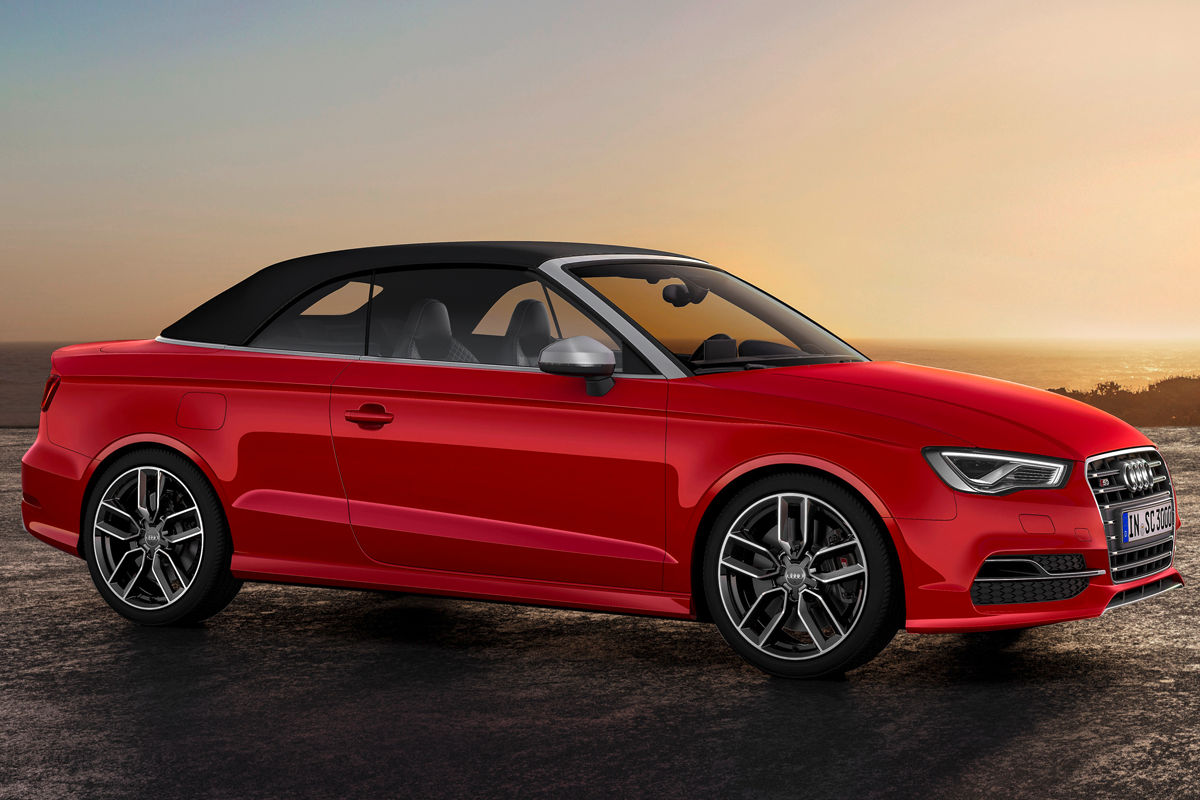
The A3 Sedan made local landfall as the curtains came down in 2013, with the S3 Sedan and A3 Cabriolet joining the burgeoning range in May 2014 (and the S3 Cabriolet following a while later). Fans of Audi’s famous 5-cylinder engine were forced to wait until the end of 2015 for the RS3 Sportback to rocket into the country. As the apex derivative, the RS3 Sportback’s turbocharged 2.5-litre engine delivered 270 kW and 465 Nm to all four wheels through a 7-speed twin-clutch transmission.
A refresh for the Audi A3 range late in 2016
The A3 range enjoyed a mid-cycle update in 2016.
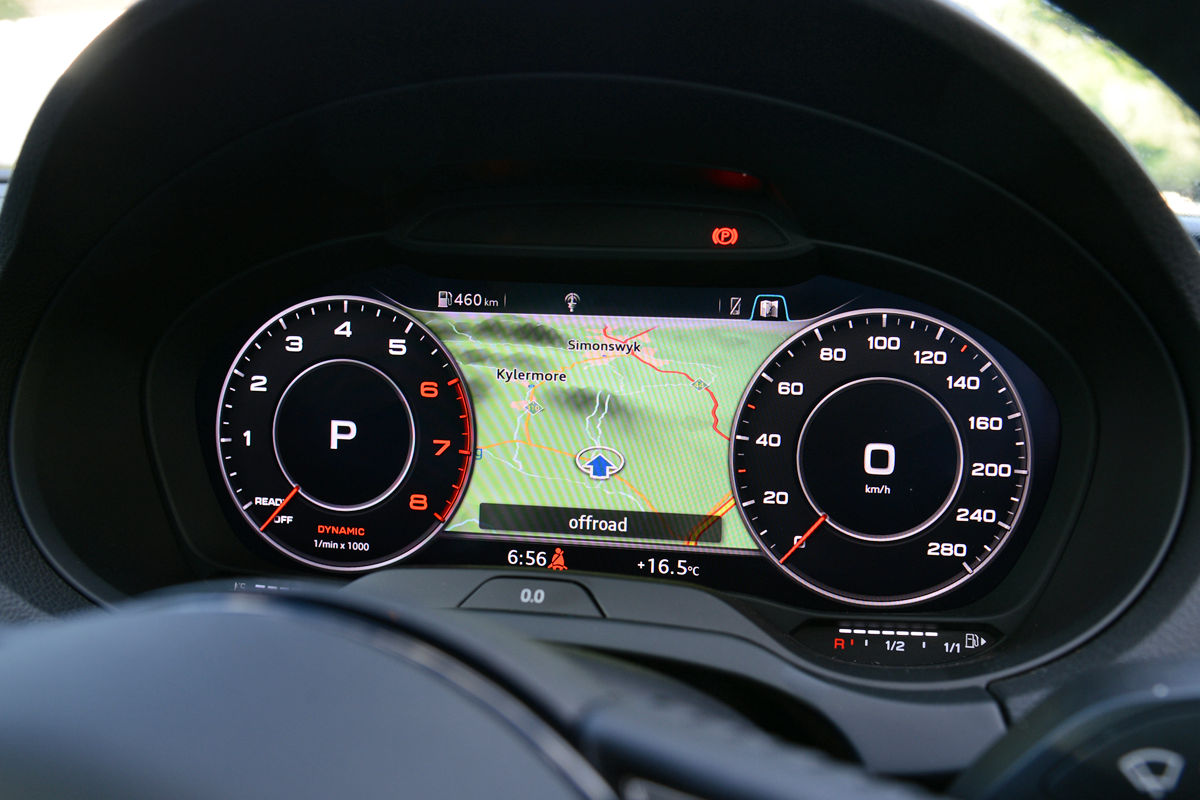
By November 2016, the facelifted A3 line-up debuted locally, bringing subtle exterior styling changes, the option of the clever Audi Virtual Cockpit and fresh engines. The revamped powertrain line-up included the 1.0T FSI 3-cylinder unit (85 kW/200 Nm), the updated 1.4T FSI (110 kW/250 Nm), the oil-burning 2.0 TDI (105 kW/340 Nm) and the new 2.0T FSI (140 kW/320 Nm), with the latter furthermore ditching the old 6-speed dual-clutch cog-swapper in favour of a new 7-speed wet version. The refreshed S3 models also gained this latest twin-clutch gearbox, while Audi Sport’s 2.0T FSI was upgraded to the full peak outputs offered in overseas markets (228 kW and 400 Nm).
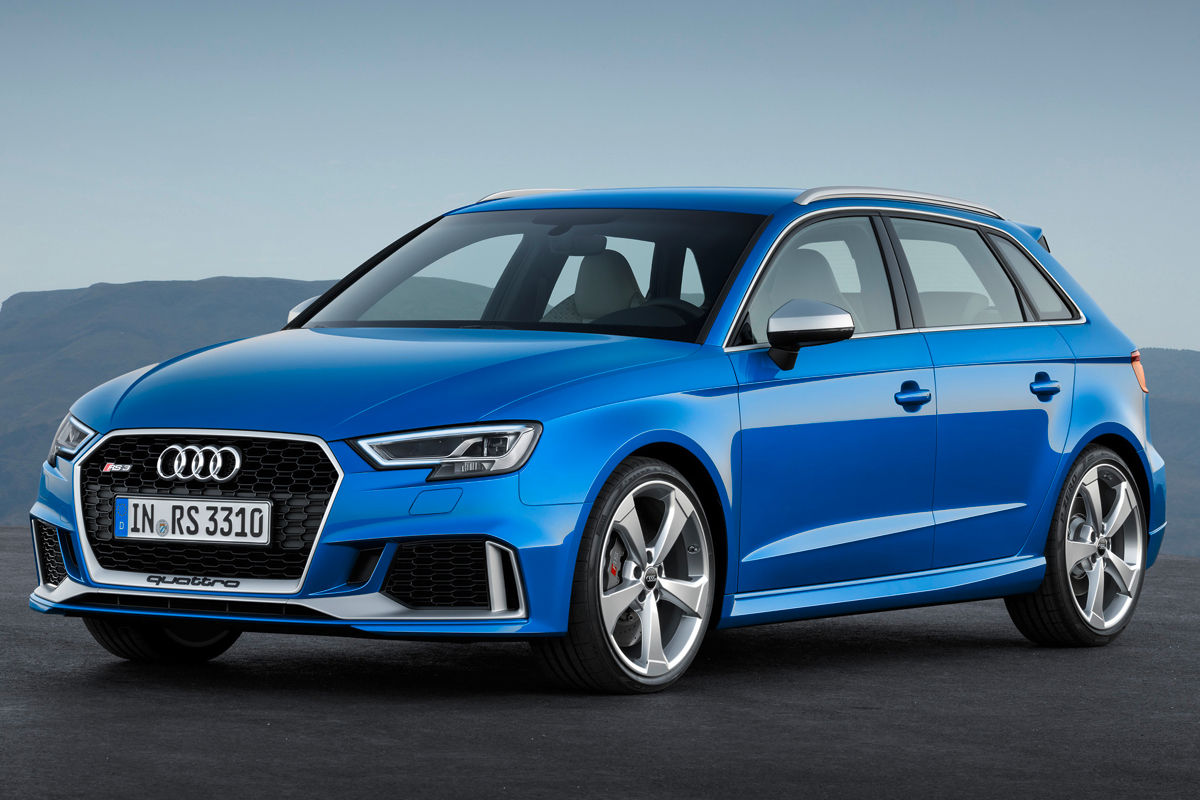
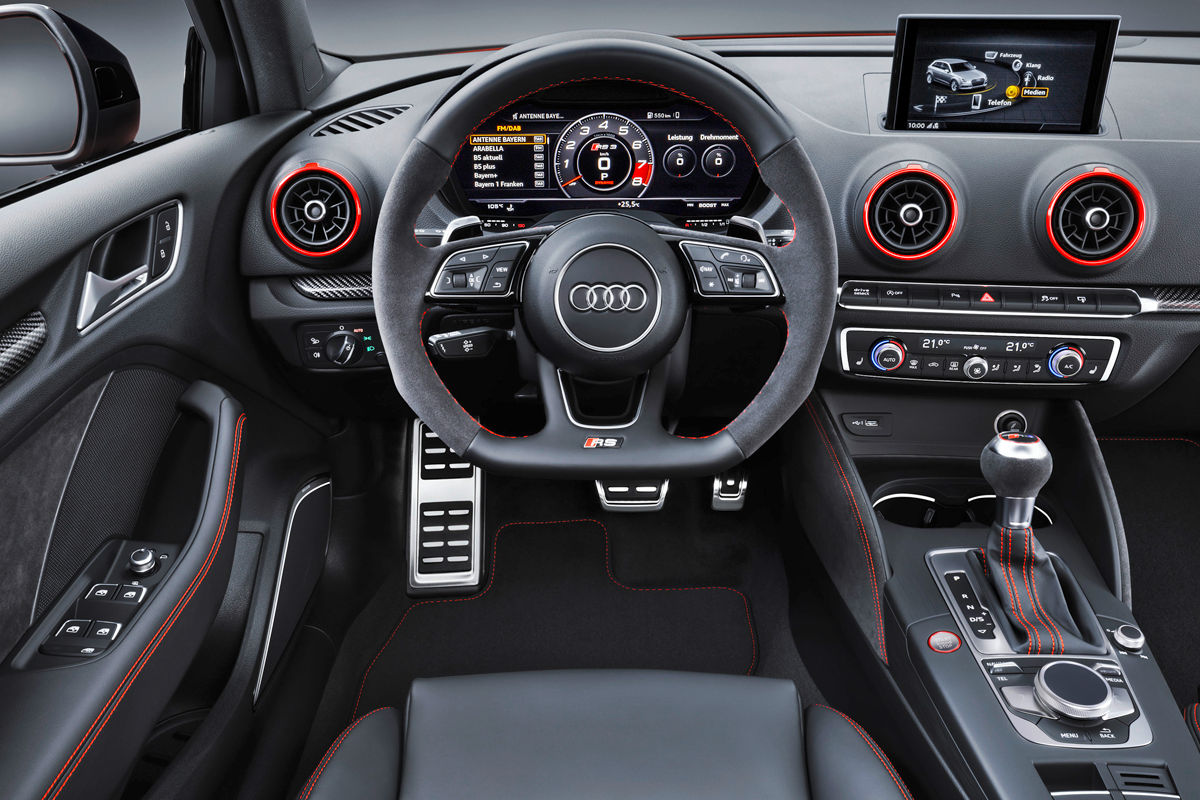
By August 2017, the very first RS3 Sedan arrived, with the updated RS3 Sportback following a few months thereafter. Both of these giant-slaying performance models drew their urge from a further fettled version of the 2.5T FSI 5-cylinder powerplant, which now delivered 294 kW and 480 Nm to all four corners via a 7-speed dual-clutch transmission. In the first half of 2019, the A3 range adopted Audi’s latest, somewhat confusing nomenclature (the A3 1.0T FSI, for example, became the A3 30 TFSI).
Product strengths
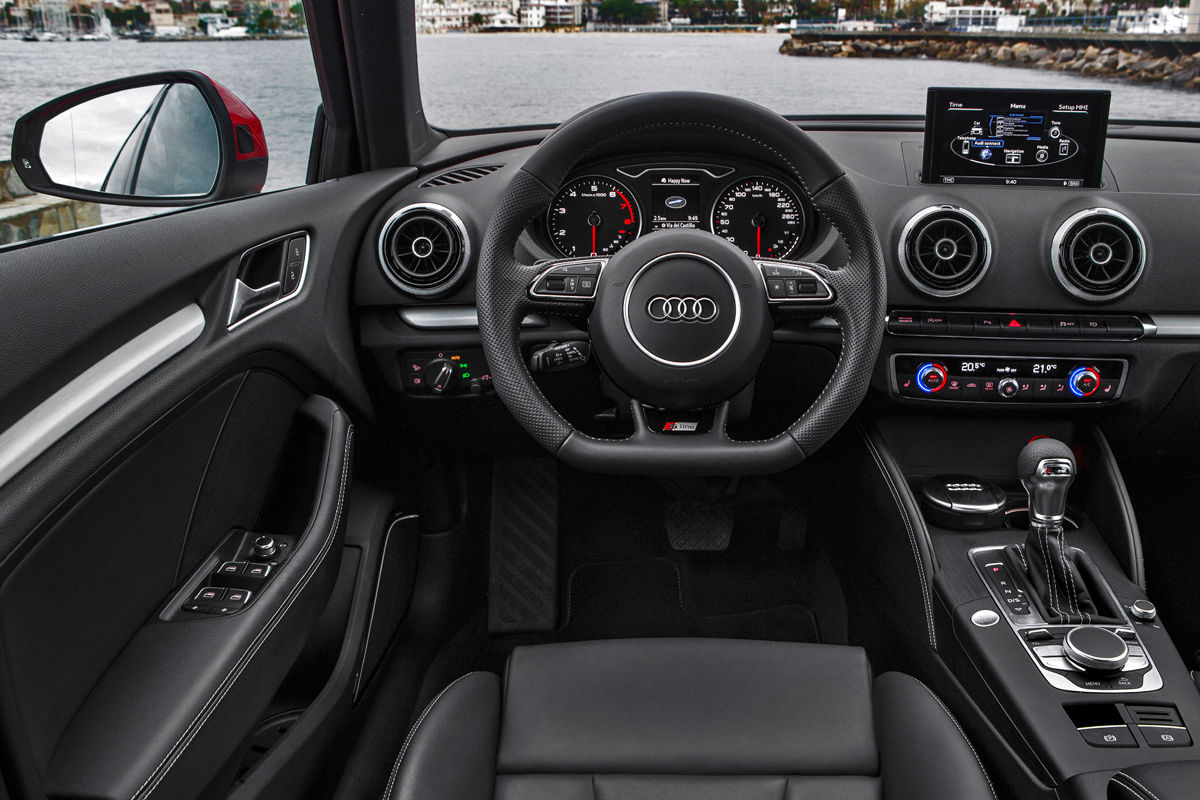
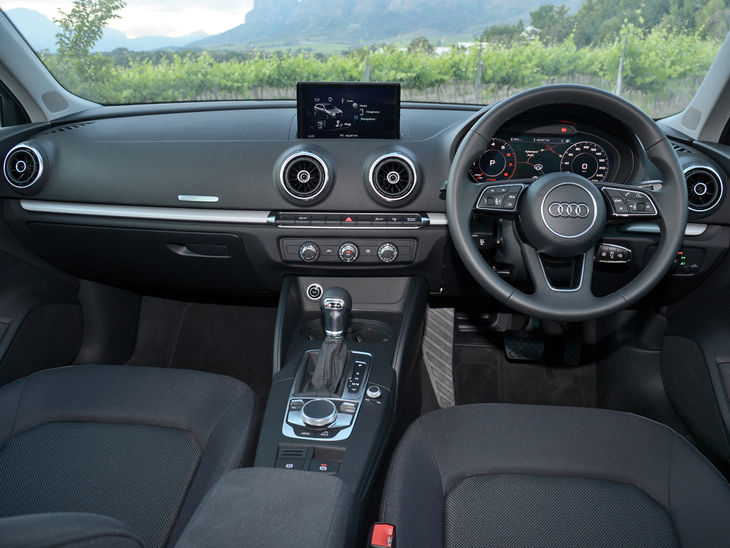
One of the best-quality facias in the segment, seen here in facelift form.
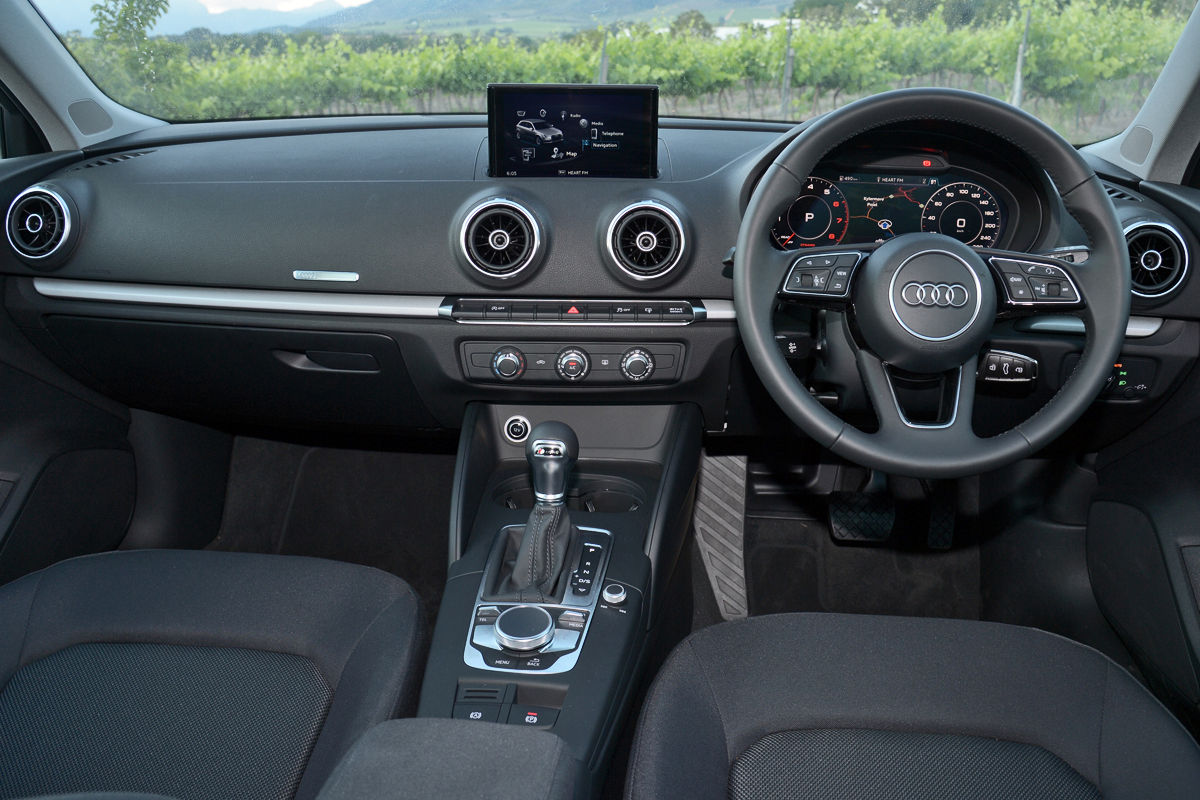
Fit and finish: The 3rd-gen A3 boasted best-in-class fit and finish virtually throughout its lifecycle, with its cabin offering sturdy build quality, an abundance of premium materials and enough insulation to keep refinement levels suitably lofty. Though the facia didn’t bear the most exciting design, it all felt very well constructed. Of course, that bodes well for today’s prospective buyers of used models.
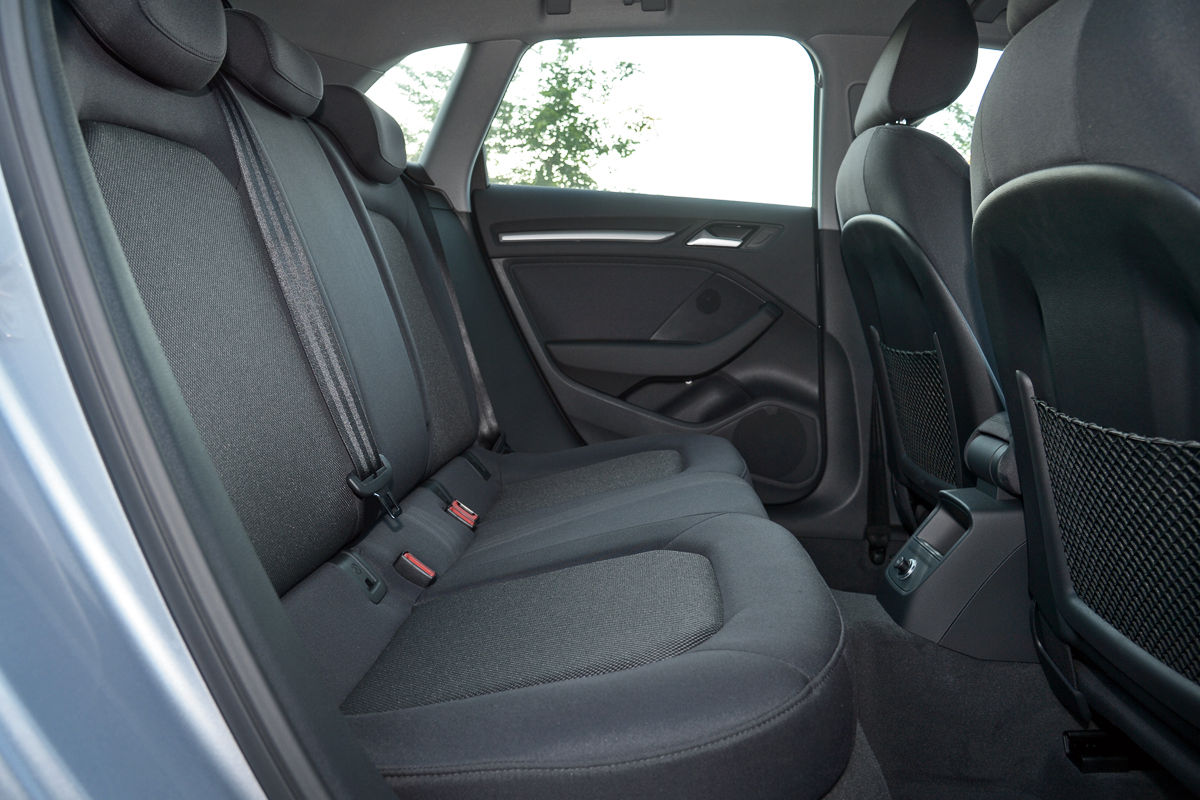
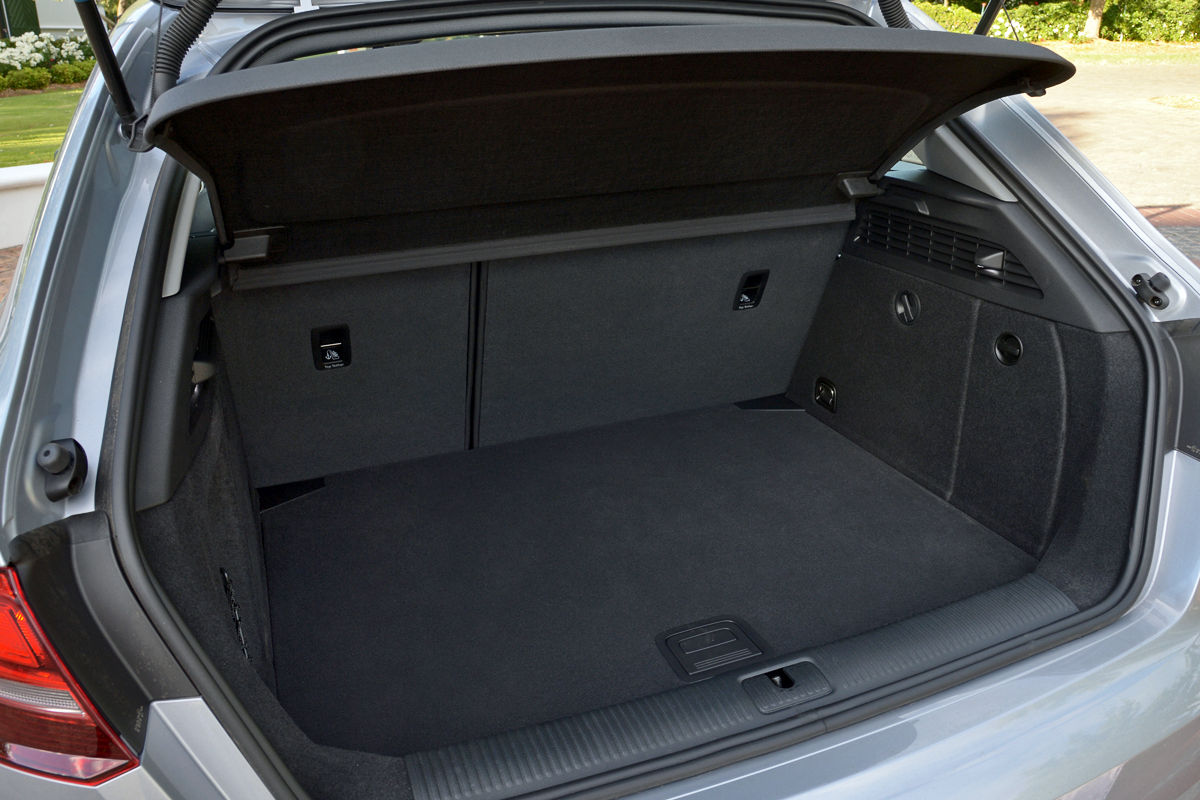
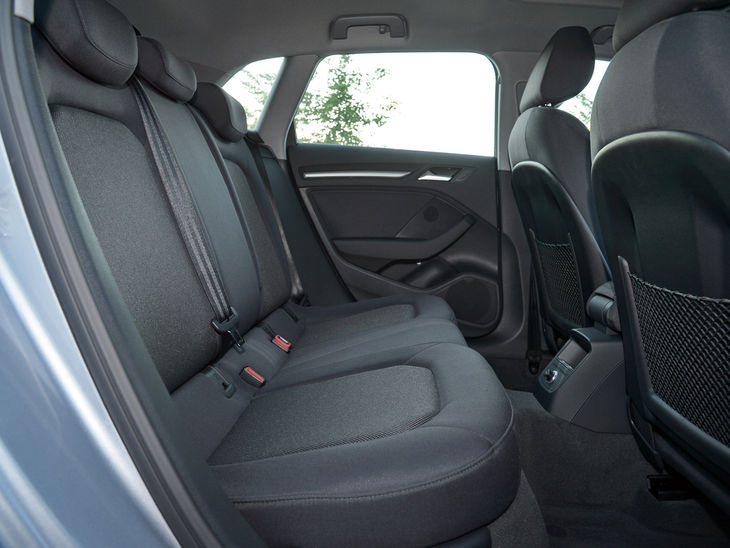
Overall practicality: The A3 Sportback was the most versatile of all four body styles, delivering generous room for passengers as well as offering decent luggage capacity (plus impressive utility space with the rear bench folded down). The driver enjoyed a wonderfully ergonomic arrangement of switches and buttons, including an intuitive (but sadly since abandoned in favour of touchscreens) rotary controller to operate the MMI infotainment system.
Plenty of room to stretch out in the rear of the Sportback.
Broad powertrain range: The pre-facelift model was available with four engine choices – three turbopetrol and one turbodiesel – in addition to the high-performance units that powered the S3 and RS3. As outlined above, further options arriving with the mid-cycle refresh included a fuel-frugal 1.0-litre 3-pot and new turbocharged 2.0-litre, 4-cylinder units, the latter available in petrol and diesel flavours. In short, there was something to satisfy virtually every powertrain taste (up to 5 cylinders, of course).
Ride/handling balance: In this segment, buyers who valued dynamics above all else would have gone for BMW’s rear-wheel-drive F20-generation 1 Series (or F21, if they preferred three doors to five). However, the A3 certainly wasn’t a dud when the tarmac turned twisty, offering drivers predictable handling and accurate (if a little numb) steering. In addition, ride comfort levels were impressive, but bear in mind that variants with the S line package featured larger alloy wheels, lower-profile rubber and sports suspension. Though this still looks great today, there is a palpable trade-off in terms of comfort and road noise.
Product weaknesses
The S3’s 2.0T FSI was one of the engines prone to developing a leak from its water-pump housing.
Leaking water-pump housing: In some versions of the 3rd-gen A3, the water pump and thermostat are packaged in a plastic housing. Unfortunately, these are prone to early failure, quickly leading to what can become quite a substantial coolant leak (and, if left unchecked, potential overheating of the engine). This problem appears to pertain to the 1.8T FSI and 2.0T FSI engines, including the S3. It’s worth noting other models in the Volkswagen and Audi line-ups using these engines have had similar problems, too.
Clogged DPF: As is the case with most oil-burning engines, the diesel particulate filters (DPF) on the 1.6 TDI and 2.0 TDI are by no means immune to becoming clogged, particularly if the vehicle is primarily limited to short journeys. In addition, both of these engines use a timing belt rather than chain, so require changing at set intervals. Also, keep in mind the 2.0-litre version of the EA189 engine was at the centre of the Volkswagen Group’s Dieselgate scandal (though no action was taken here in South Africa).
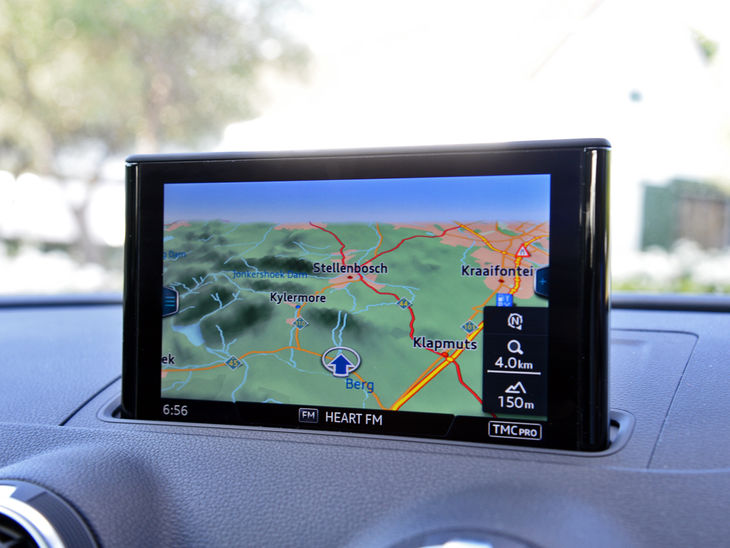
Perhaps the only niggle in the A3’s cabin? A potentially creaky infotainment screen.
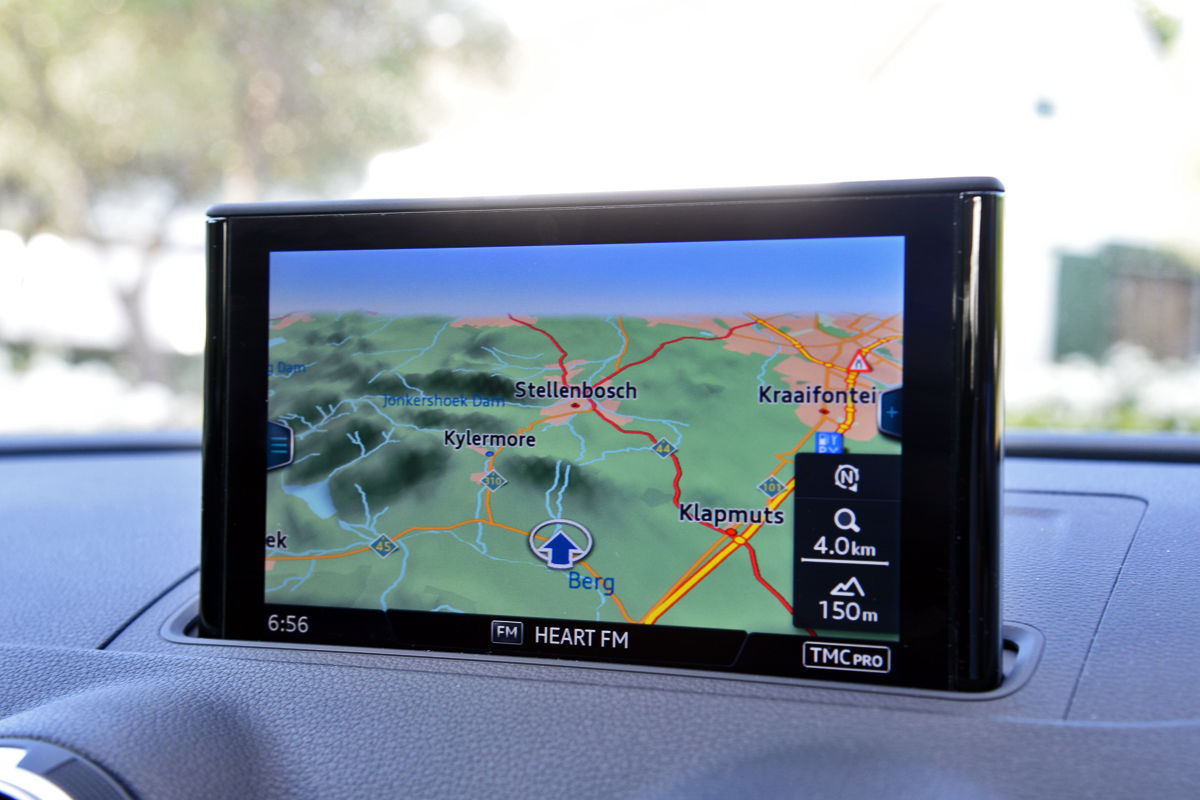
Creaking infotainment screen: The 3rd-gen A3 shipped with an electrically retractable infotainment screen that automatically popped up out of the fascia on ignition. We’ve heard of a few owners of early cars complaining of creaking noises during operation as well as the odd rattle over rough roads with the screen in position. Though not impossible to remedy, it’s worth looking out for during your test drive.
Haldex failure on early S3 models: Though Audi uses the quattro name on the S3, this variant employs a Haldex system – just like the closely related Volkswagen Golf R and many other all-paw hot hatches. The Haldex system effectively turns a front-wheel-drive platform into one with four driven wheels, courtesy of clever electronics and differentials. Some pre-facelift versions of the S3 suffered from Haldex pump failures, leading to a lack of drive to the rear axle. Keep in mind routine maintenance is required here.
What to pay?
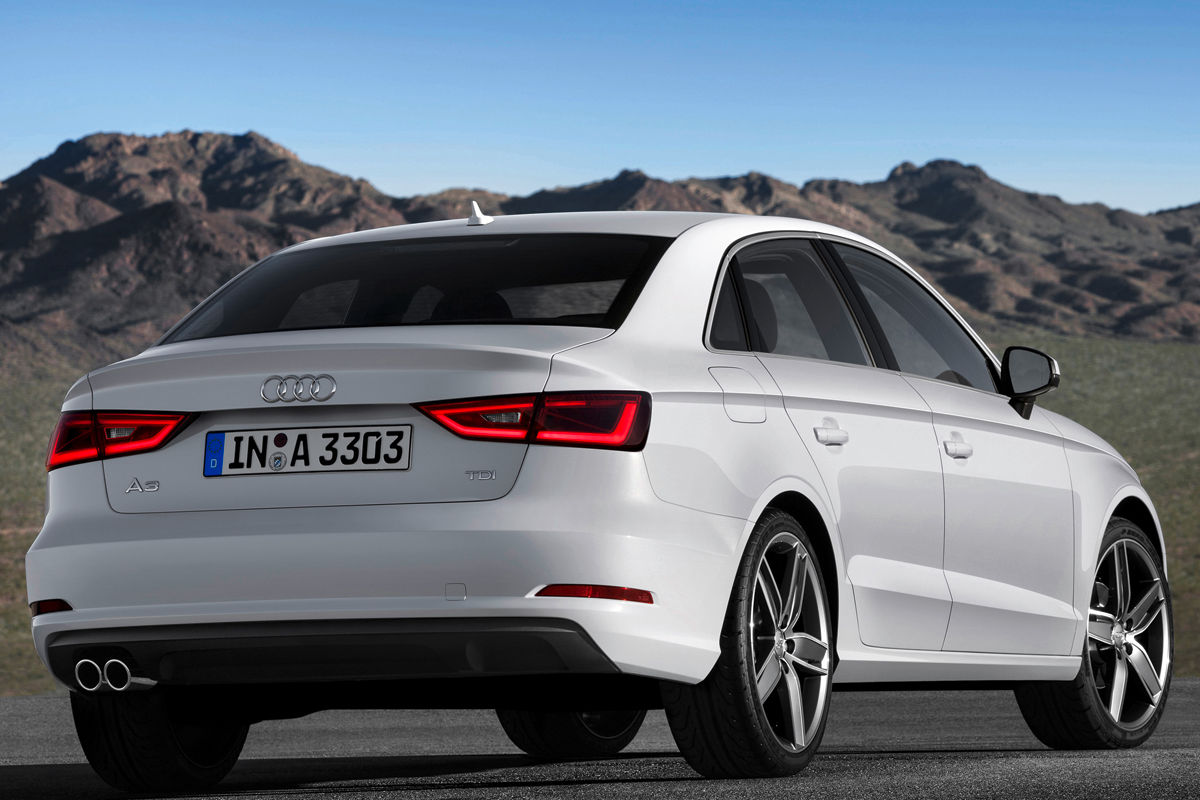
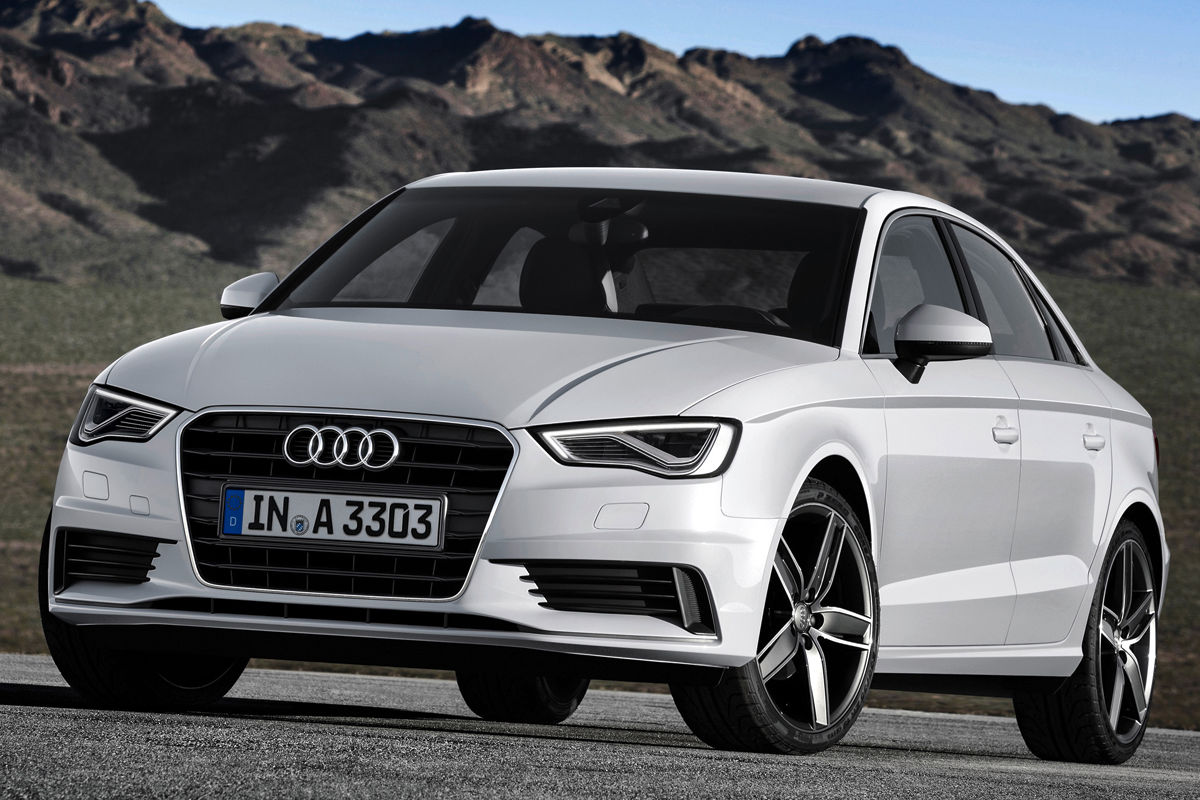
The Sportback body style is the most common, though a number of sedans are available used, too.
Of all the used 3rd-gen A3s listed on Cars.co.za at the time of writing, the Sportback body style was easily the most common. In terms of engines, the most popular was the 1.4T FSI (accounting for 37% of all listings), followed by the 1.0T FSI (making up 25%) and the 1.8T FSI (15%). The two turbodiesel units were in relatively short supply, as was the 2.0T FSI. Just 11% of all listings featured a manual gearbox.
Since the A3 was available with a wide selection of optional extras, make sure you’re comparing apples with apples if you find yourself trying to choose between two or more vehicles. As always, give preference to models with full service history (the A3 shipped standard with a 5-year/100 000 km Audi Freeway Plan, the balance of which might still apply on newer vehicles).
Below R200 000: As you’d expect, the handful of examples priced at less than R200 000 were all early model-year cars, most featuring quite high mileage (a good few on the wrong side of 200 000 km, in fact). That said, there were also a couple of base-spec sedans using the later 1.0-litre engine.
From R200 000 to R350 000: It’s in this price bracket we found the overwhelming majority of 3rd-gen A3 stock. We eyed everything from early saloons with the 1.8T FSI engine and a small selection of convertibles to post-facelift Sportbacks employing the above-mentioned 3-cylinder mill.
From R350 000 to R500 000: Though there was a little less choice between these pricing bookends, this is where we found many two- and three-year-old basic models, along with earlier versions of the S3 in both hatchback and sedan guise.
R500 000 and up: What about above half a million? Well, unsurprisingly, here we discovered low-mileage, post-facelift S3s as well as some RS3 examples (some priced well above R800 000). Interestingly, however, there were even some highly specced 2-year-old 1.0 TFSI derivatives.
Pick of the range?
A facelifted A3 Sportback with the updated 1.4T FSI powertrain is our pick.
While you’d be best placed to decide on the required body style, we’d suggest the 1.4T FSI engine is the pick of the available powertrains in the 3rd-gen Audi A3, particularly in post-facelift form. This version of the turbocharged 4-cylinder unit generates 110 kW and 250 Nm, peak outputs that are today still more than sufficient for most applications. It also boasts Audi’s cylinder-on-demand technology, deactivating two cylinders under light loads for further fuel savings. Note this isn’t the problematic “twin-charged” engine used by the likes of the Golf 6, pre-facelift Polo 5 GTI and original A1.
Regardless of your chosen engine, plumping for a facelifted model makes a fair bit of sense – should your budget allow, that is. After all, with its mid-cycle update, the A3 gained more standard kit as well as options such as the 12.3-inch Audi Virtual Cockpit (in addition to a range of more efficient powertrains). As mentioned earlier, however, be aware the S line package brings compromises to the ride quality.
What about the performance variants? Well, we’d suggest steering clear of the early S3 models and instead looking at updated 228 kW examples registered in late 2016 or thereafter (that way, you’d avoid the detuned engine and score the later, wet twin-clutch gearbox as well). The post-facelift RS3 Sportback, too, offers the full 294 kW power output, while those who prefer the 3-box body style are by default limited to this later version of the 5-cylinder engine.
Verdict
The updated version of the RS3 Sportback boasted a whopping 294 kW.
Sophisticated and classy, the Typ 8V version of the A3 was right at the top of its class. Thus, alternatives are today largely limited to contenders from fellow premium brands (though, again, there’s an argument to be made for the related Volkswagen Golf and perhaps even the third-generation Mazda3, should you harbour a distinct distrust of forced induction).
The BMW 1 Series of the era offers purer driving dynamics thanks to its rear-wheel-drive configuration, though the A3 has its number in virtually all other departments. The Audi is also significantly better to drive (and rides with far more finesse) than the underwhelming W176-generation Mercedes-Benz A-Class, and offers more interior room and refinement, too. The Volvo V40, meanwhile, is a solid if somewhat left-field (read: often overlooked) alternative.
When it comes to the performance variants, the S3 and particularly the RS3 offer ballistic pace but lack the sort of driver engagement that defined the pre-facelift F20 BMW M135i (with its N55 inline-6) and post-facelift M140i (which upgraded to the B58 inline-6). Still, there’s plenty to be said for the Audi’s hyper-hatch pace, limpet-like cornering ability and that iconic 5-cylinder soundtrack, along with plenty of everyday practicality. And, in the right hands, the RS3 will keep up with far more expensive machinery.
But let’s wrap things up by getting back to the standard model. During most of its time on the new-vehicle market, the 3rd-gen Audi A3 offered the best overall package, that catered to a wide variety of needs. That remains wholly true today. Scoop up a fastidiously maintained example – perhaps even one with a bit of Audi Freeway Plan remaining – and you’ll have a premium hatch (or sedan) that is capable of matching far newer models in areas such as in-traffic punch, open-road refinement and cabin quality.
Updated Haval Jolion Pro Review: Does Pro mean better?
Jacob Moshokoa tests the new Haval Jolion Pro to find out if it represents an appealing buying proposition in a crowded compact SUV segment. Should you buy it? Watch the video!
The Haval Jolion has been a top seller in the compact SUV segment since its introduction in 2021.
New for 2024 is the Jolion Pro which receives new styling and an uprated engine. The price has gone up with the introduction of the Pro model, but does that mean it’s still a worthwhile buy in the segment?
Jacob Moshokoa takes us through the fine details of the new model, reviewing the new interior features and how this new model stacks up against its closest rival, the Toyota Corolla Cross.
Single- & double-cab bakkie sales: Hilux vs Ranger in July 2024
In July 2024, the Hilux and Ranger again led SA’s bakkie sales race. But which one dominated the single-, extended- and double-cab segments? Here are the figures!
You’ve likely already seen our list of South Africa’s best-selling bakkies for July 2024, which was yet again topped by the Toyota Hilux, with the Ford Ranger taking 2nd place. But what happens when we separate the sales by the single-, extended- and double-cab body styles?
Well, since Naamsa’s monthly sales report unfortunately doesn’t include a breakdown of the 3 bakkie body styles, we’ve again turned to the folks over at Lightstone Auto for assistance with these fascinating figures.
Before we jump into sales by body style, it’s worth noting the Hilux topped the bakkie charts overall in July 2024, hitting a total of 3 021 units (up 24.1%, month on month). The Ranger (2 258 units) was 763 units off the pace in the runner-up position, while the Isuzu D-Max again completed the podium, despite sales sliding 8.5% month on month to 1 641 units.
According to our records (based on collated Naamsa figures), the Hilux (18 766 units) is still comfortably in 1st place overall year to date, ahead of the Ranger (14 470 units) and D-Max (11 090 units).
SA’s best-selling double-cab bakkies in July 2024
So, let’s now turn our attention to sales by body style. According to Lightstone Auto’s dataset, the Ford Ranger once again topped the double-cab sales charts in July 2024, with 1 758 dual-cab units registered. By our maths, that translates to 77.9% of the Silverton-built bakkie’s overall tally for the month.
Therefore, the Toyota Hilux again had to settle for 2nd position in Mzansi’s double-cab sales race in July, with 1 514 units sold. For the record, that figure represents 50.1% of the Prospecton-produced stalwart’s overall tally last month.
Predictably, then, 3rd place on the double-cab podium thus went to the Struandale-made Isuzu D-Max, which hit 683 dual-cab units last month. Thanks to a few choice pokes at a calculator, we find that works out to 41.6% of the Japanese contender’s aggregate for July 2024.
Lightstone Auto’s figures showed that all other 1-tonne double-cab bakkie derivatives (over and above the Ranger, Hilux and D-Max) collectively managed 1 357 registrations last month. Year to date, the Ranger leads the double-cab race on 11 099 units, ahead of the Hilux (8 576 units) and D-Max (4 537 units).
July 2024 sales of single- and extended-cab bakkies
What about the single-cab space? Well, in July 2024, the Hilux (1 145 units or 37.9% of its total) stood at the very top of the table, finishing well ahead of the D-Max (752 units or 45.8%). The 2-door version of the KwaZulu-Natal-assembled Mahindra Pik Up again grabbed 3rd in July, with 615 units (or 77.8% of the nameplate’s total).
In the year-to-date race in this segment, the Hilux (7 143 units) holds a strong lead over the D-Max (5 393 units), with the Pik Up in 3rd on 3 929 units. The Ranger single cab, meanwhile, managed just 142 registrations last month and stands at 1 091 units, year to date.
Meanwhile, the Hilux Xtra Cab (359 units) retained 1st place in the extended-cab segment in July 2024, with the Ranger Supercab (352 units) right on its tail in 2nd position. Year to date, the Hilux leads in the segment, with 3 038 units compared with the Blue Oval bakkie’s 2 274 registrations. As the only other model offered in this body style, the D-Max Extended Cab was 3rd both in July (206 units) and year to date (1 160 units).
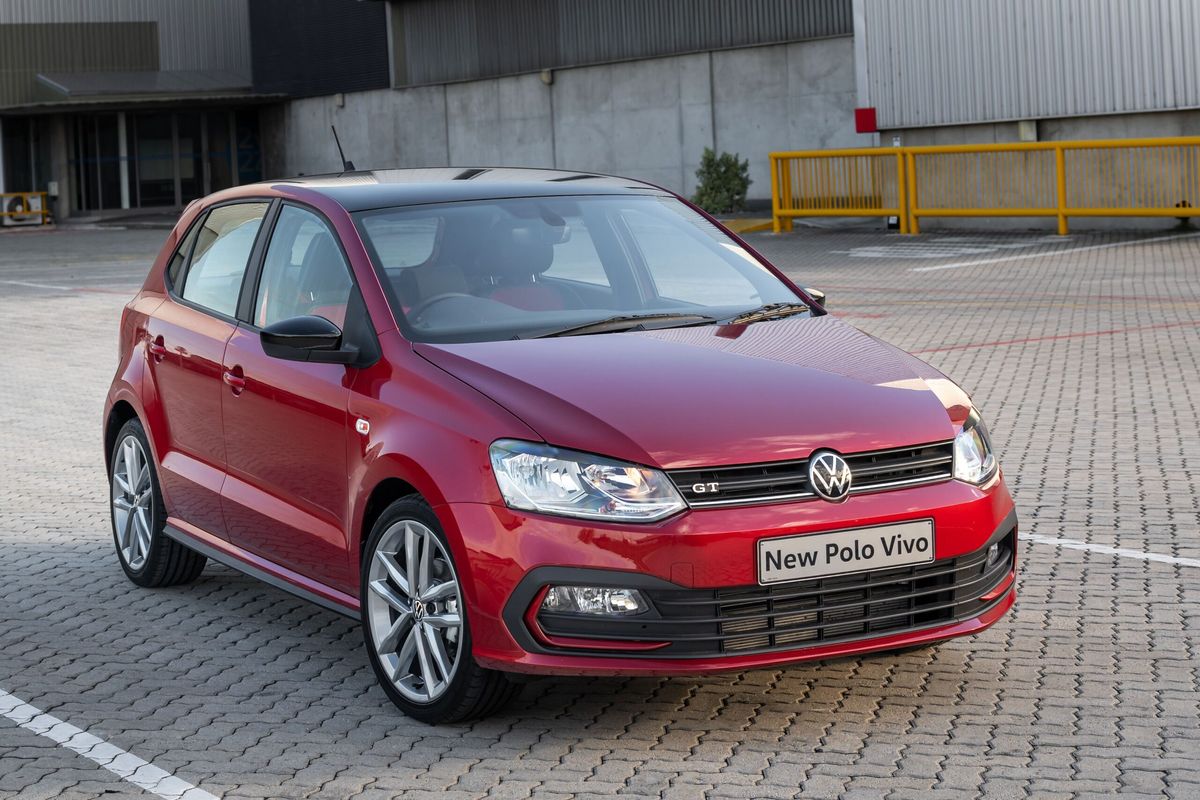
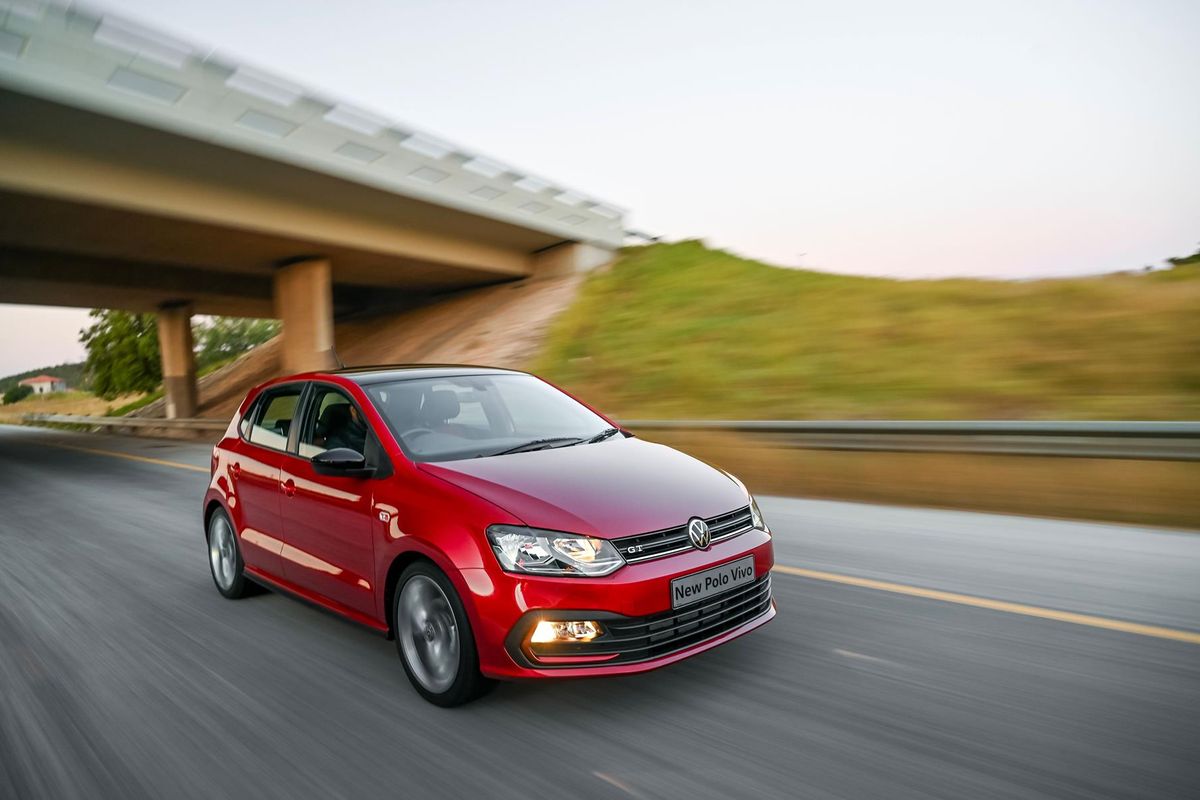
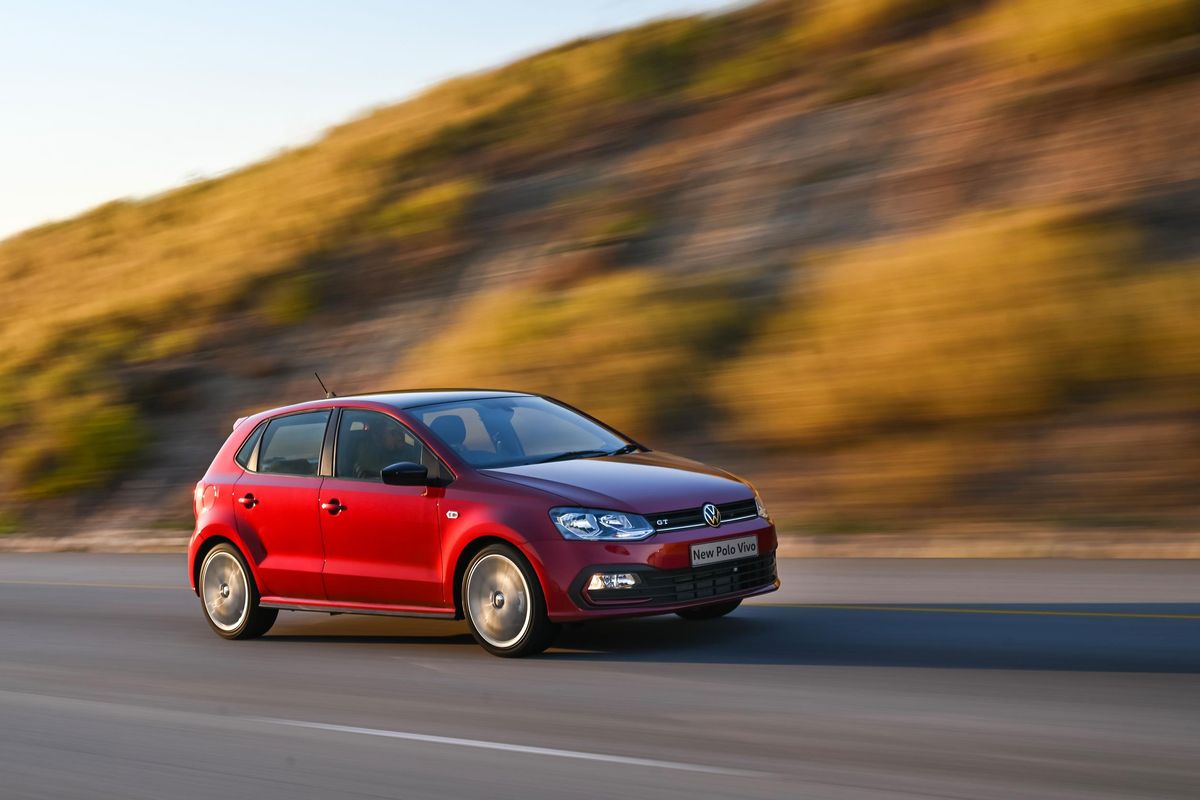
A freshly updated Volkswagen Polo Vivo – with styling enhancements, equipment upgrades and improved safety features – has been launched in South Africa. We visited VW Group Africa’s Kariega production facility to drive the revised model.
Since arriving in 2010 (as a “replacement” for the beloved Citi Golf), the Polo Vivo has been a sales success story for Volkswagen; it’s consistently ranked among the nation’s top-selling passenger cars.
The success of the Polo Vivo is rooted in the engineering prowess of the previous-gen Polo – a proven and highly regarded product. Unsurprisingly, used Volkswagen Polos are in high demand in Mzansi.
The Polo Vivo is, therefore, an important model for Volkswagen Group Africa – it’s one that the German firm is immensely proud of, and rightfully so. The Polo Vivo is built in South Africa, for South Africa, and is also exported to other African countries, such as Kenya, Namibia, Botswana, Mozambique and Mauritius.
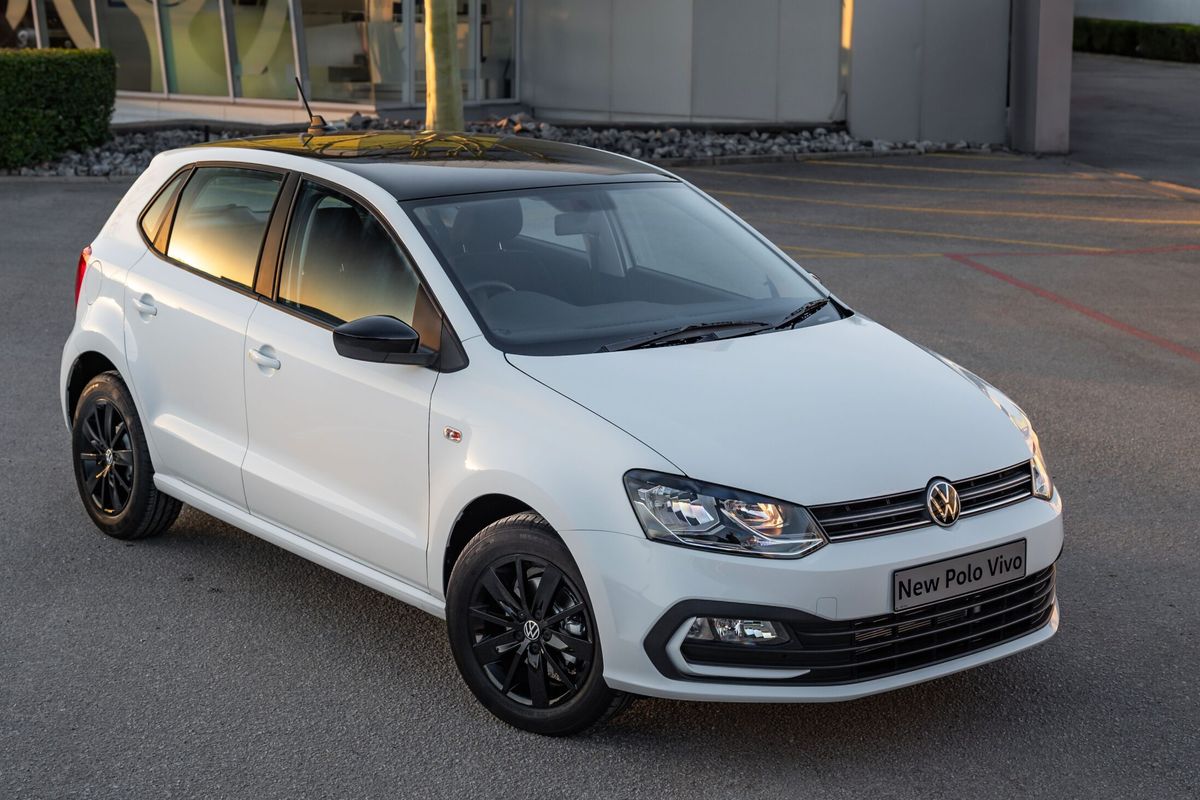
A Black Style Package is offered on Vivo and Life derivatives.
Since 2010, the Polo Vivo (of which each iteration was based on a previous-gen Polo model) has racked up more than 425 000 sales over 14 years, with numerous special edition Polo Vivos coming to market. Remember the 1st-generation Polo Vivo Street or the Polo Vivo Citi: a homage to the original Citi Golf?
The current, 2nd-generation Volkswagen Polo Vivo came to market in 2018. It’s based on the 5th-generation Polo and is built alongside the 6th-generation Polo in the Eastern Cape.
To enhance the Polo Vivo and further entice local buyers, Volkswagen has launched this thoroughly updated model that ushers in refreshed styling, enhanced safety kit, as well as interior improvements.
Importantly, Volkswagen has not increased pricing for this updated Polo Vivo, which should come as a welcome relief for cash-strapped consumers in South Africa (prices are listed lower in the article).
Watch Jacob Moshokoa’s video review of the pre-facelift Polo Vivo GT
What exactly has changed in the latest VW Polo Vivo?
The first major change for the Volkswagen Polo Vivo is seen in its naming convention, which now includes the entry-grade Vivo (replaces Trend), mid-spec Vivo Life (replaces Comfortline), high-spec Vivo Style (replaces Highline) and range-topping GT (okay, well, that one remains the same).
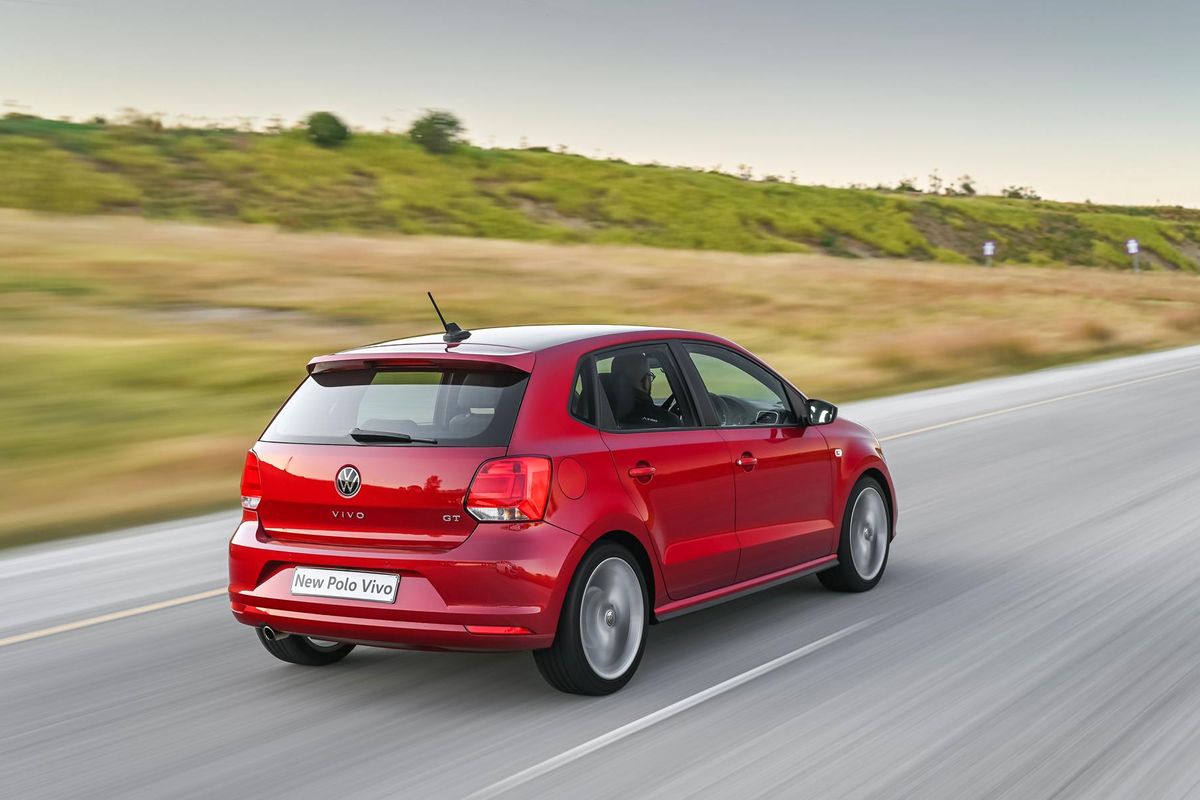
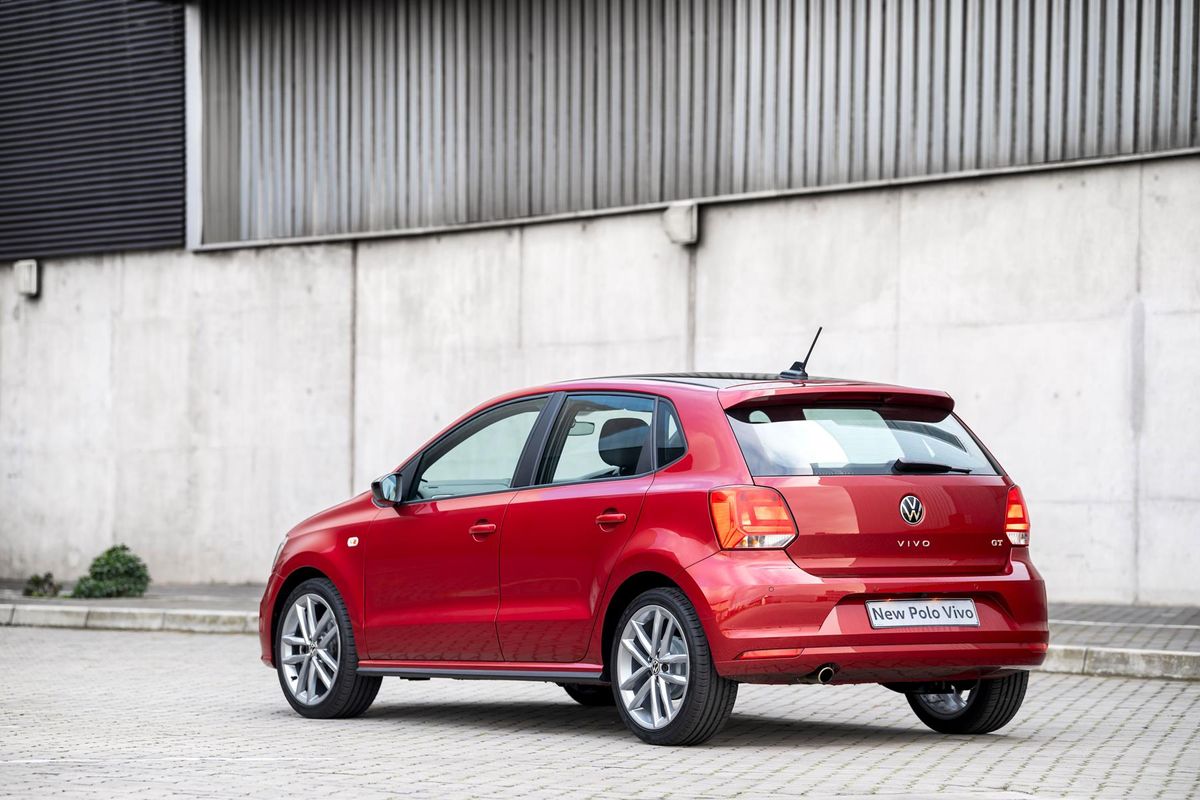
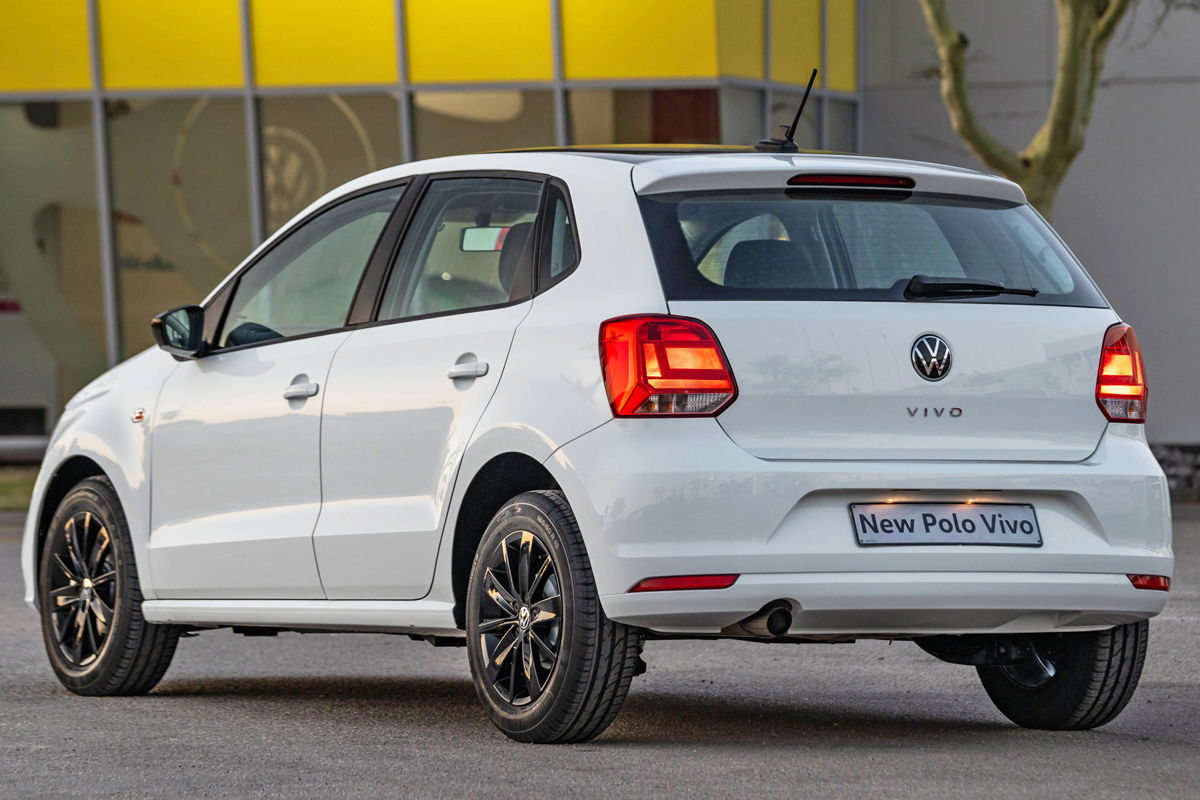
The centred chrome Vivo lettering now conforms with the rest of the Volkswagen product range.
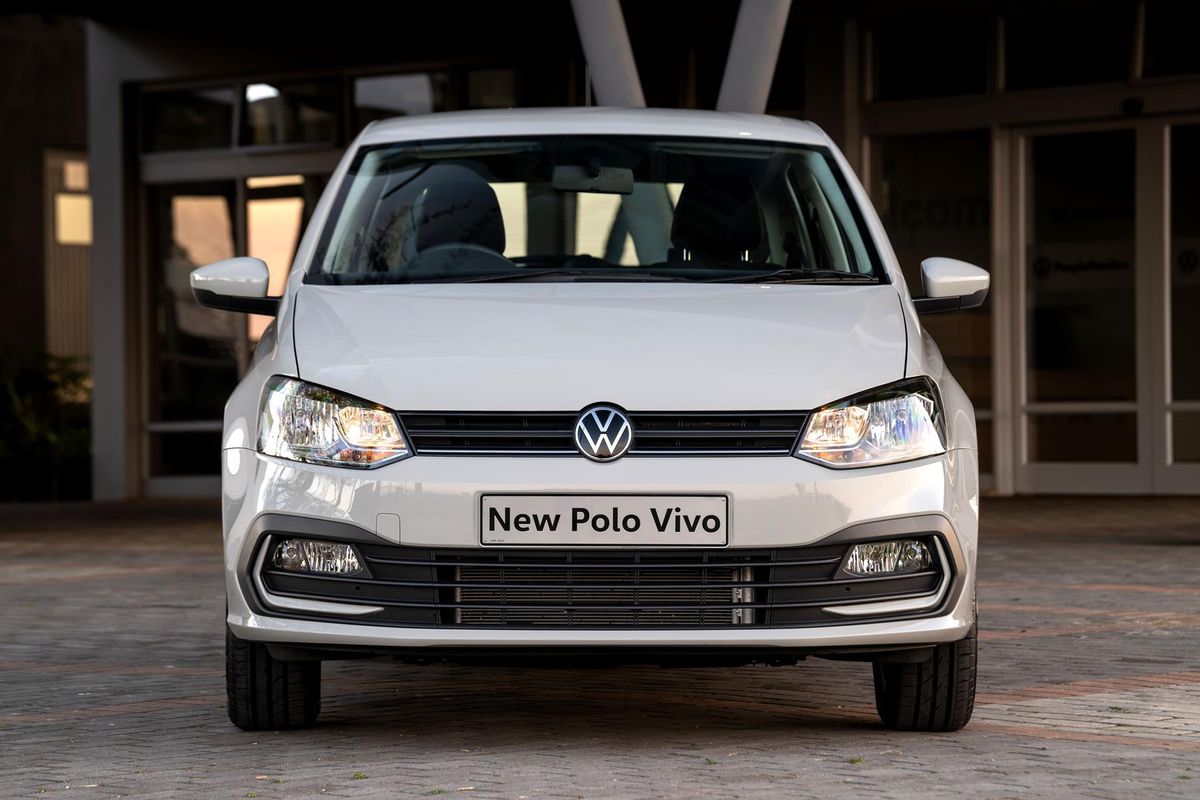
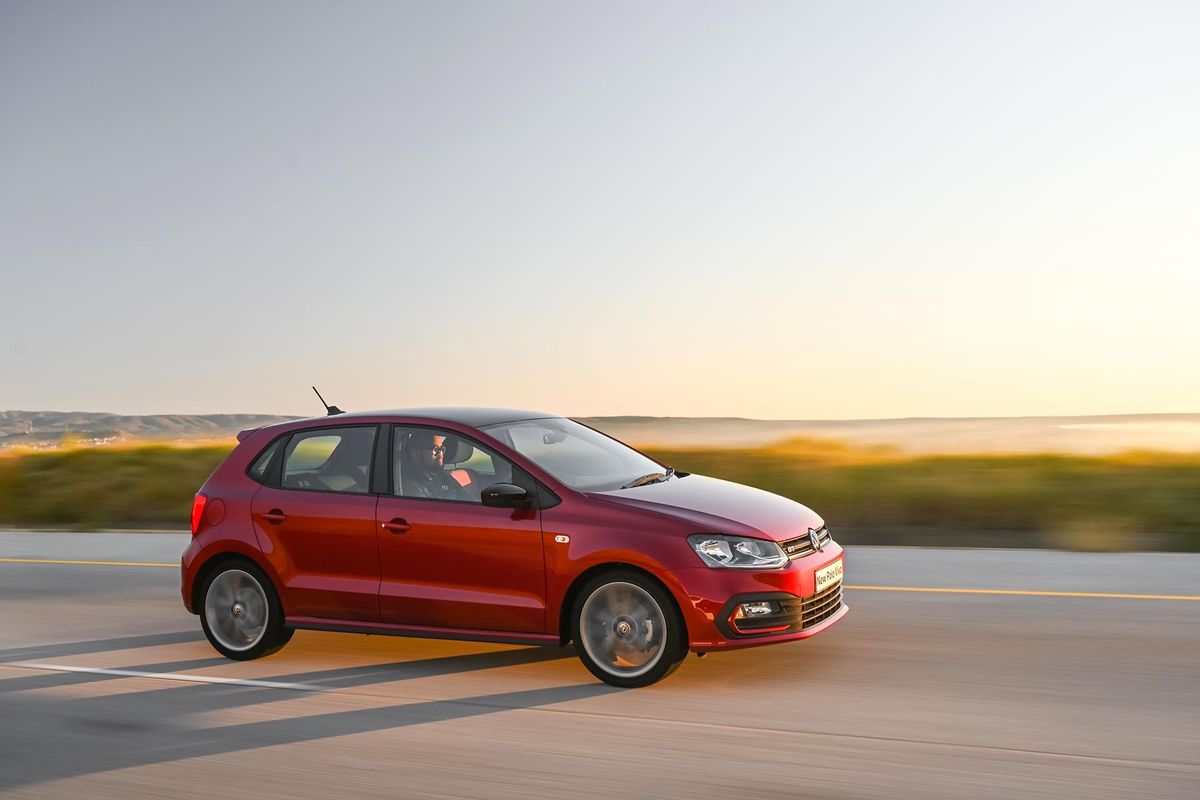
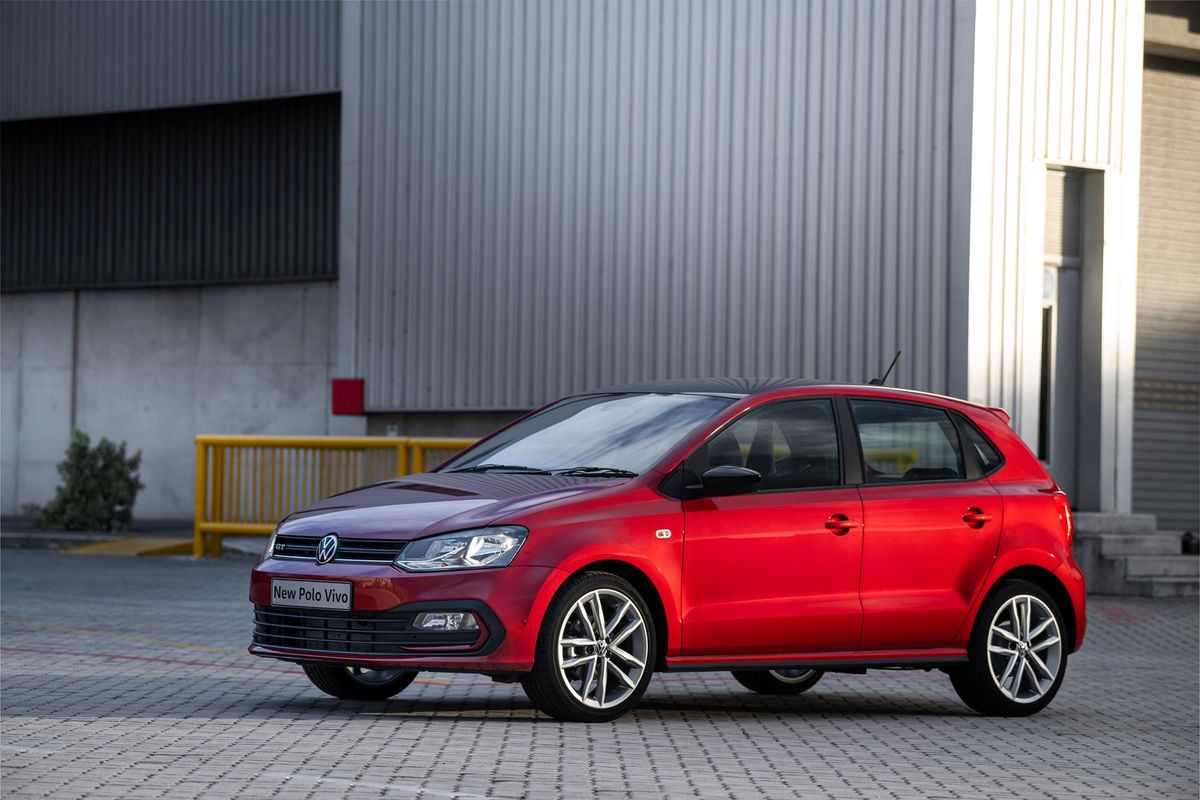
In terms of aesthetics, Volkswagen has revised the Polo Vivo’s bumpers and updated the hatchback’s grille and headlamp designs to create a sharper, sportier look. The lower grille section now features wider horizontal ribs flanked by new boomerang trim elements inspired by those of the Polo GTI.
Note how the rounded headlamps have been replaced with more squared-off units; they give the Polo Vivo an edgier look. Onlookers might even mistake the Polo Vivo GT for a Polo GTI, which is a good thing!
Can you spot the changes on the updated Volkswagen Polo Vivo?
GT lettering has also been added to the grille and, at the rear, you’ll notice new Vivo lettering neatly centred beneath the new 2D Volkswagen emblem, bringing the model in line with other VW products. Also, note that front fog lights and cornering lights are now standard on all Polo Vivo derivatives.
The Polo Vivo package is further enhanced with new wheel designs for each trim grade. For example, the base Vivo derivative still rides on 14-inch steel wheels, but now has the option of 15-inch Tosa alloy wheels, while the Vivo Life gains 15-inch Ubomi alloy wheels. Similarly, the Vivo Style is now fitted with 16-inch Rivazza alloys, while the range-topping GT wears the familiar 17-inch Mirabeau alloy wheels.
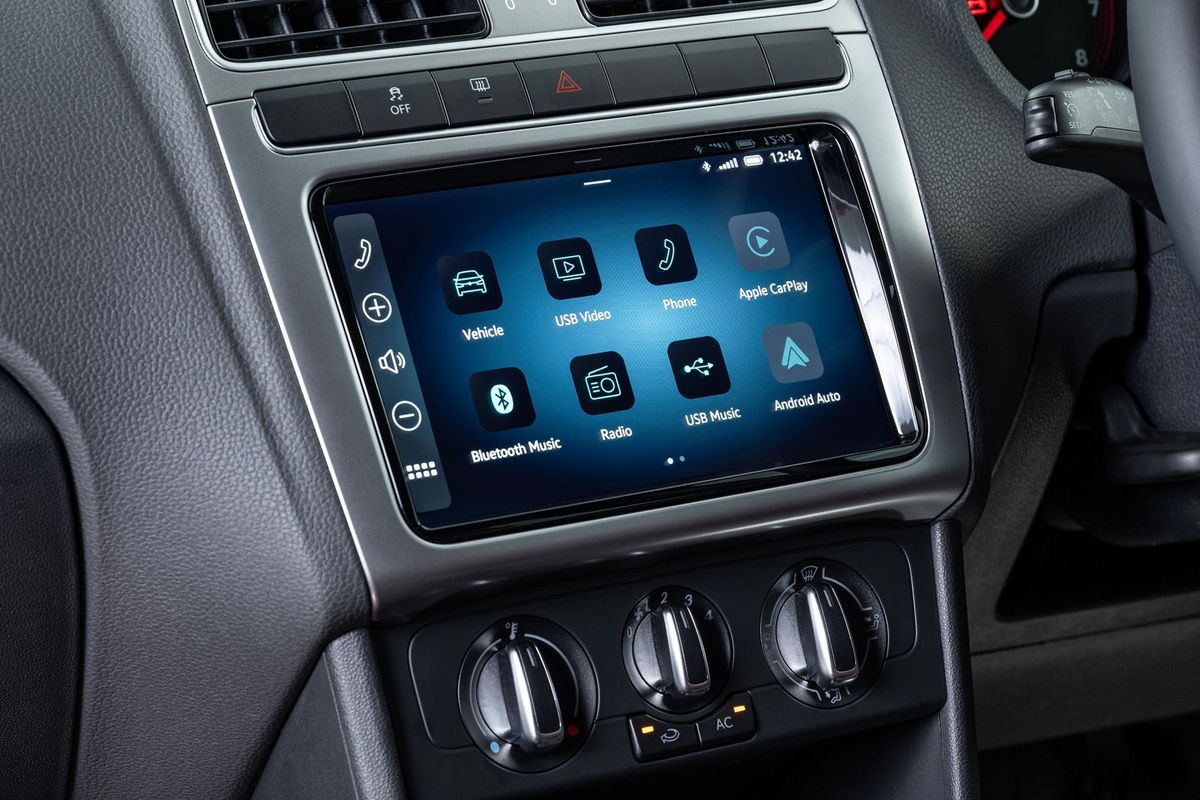
A new 9-inch infotainment system is an interior highlight.
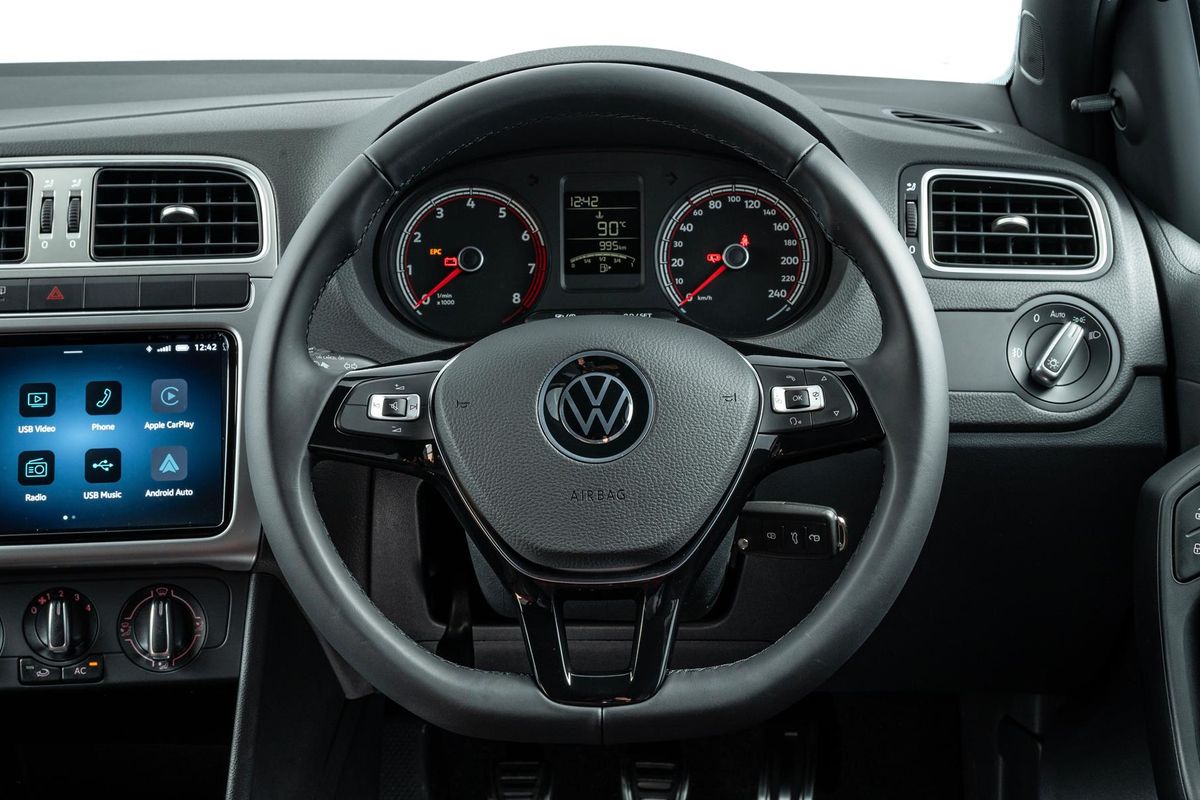
Inside, the biggest change is the fitment of a new, enlarged (9-inch) Mirgar touchscreen infotainment system (with Apple CarPlay and Android Auto functionality), which is standard equipment across the entire Polo Vivo range. The centre of the instrument cluster has also been updated.
The new infotainment system marks a major improvement over the rather basic “Composition” radio it replaces. Not only does the system lift the interior ambience to a more modern level, but its easy-to-use menu interface, which is similar to that of a modern smartphone, is sure to be a hit with local buyers.
New seat designs add style and comfort to the Polo Vivo package.
Volkswagen has also taken the initiative to improve the safety credentials of the Polo Vivo and it has done so by adding electronic stability control (ESC) and a tyre-pressure monitoring system (TPMS) to all Polo Vivo derivatives. Moreover, passenger seat-belt recognition is now standard.
While the base Vivo and Life derivatives are equipped with 2 front airbags, Volkswagen has upped the airbag count to 4 on the Style and GT derivatives with the fitment of front side airbags, which are located in the variants’ sporty front seats. As a matter of fact, new seats feature throughout the 2024 Polo Vivo range, plus they’re clad in fresh cloth upholstery designs that differentiate trim grades from each other.
What engines power the latest VW Polo Vivo?
Engines and transmissions remain unchanged.
Mechanically speaking, there are no changes to the engine and transmissions on offer in the range.
The familiar 55 kW/130 Nm and 63 kW/132 Nm 1.4-litre- (paired with a 5-speed manual transmission) and 77 kW/153 Nm 1.6-litre (paired with a 5-speed manual or 6-speed automatic transmission) naturally-aspirated petrol engines are carried over, while the range-topping 1.0-litre turbopetrol engine with 81 kW and 200 Nm (paired with a 6-speed manual transmission) continues its service in the Polo Vivo GT.
As there are no mechanical changes to the updated Polo Vivo, buyers can expect the 2024 version of the popular hatchback to deliver the same driving experience as before (unless the ESC needs to intervene).
The Polo Vivo remains one of the market’s most refined “budget” hatchbacks. Not only does it deliver a composed and pliant ride quality, but it’s impressively fuel-efficient. VW’s claimed average consumption figures range from 4.8 L/100 km (for the Polo Vivo GT) to 6.6 L/100 km (for the Polo Vivo 1.6 Style).
While the base 55 kW 1.4-litre petrol engine is said to return a respectable fuel consumption figure of between 5.7- and 5.9 L/100 km, its general performance is sluggish. And, that sensation will only be exacerbated when the base Polo Vivo is loaded with passengers and luggage, especially if you’re driving “at altitude” in the northern part of the country (where the thinner air saps about 17% of engine power).
If you will be driving in such conditions most of the time, prepare to gear down often to squeeze every ounce of power out of the engine – thankfully, the manual gearbox has quite a positive shift action.
The Polo Vivo GT offers punchy performance, but the Polo Vivo 1.6 Style is probably the sweet spot in the range.
While the 63 kW 1.4 Polo Vivo Life performs marginally better than the base offering, we think that the 77 kW 1.6-litre Polo Vivo Life and Style derivatives represent the performance (and price) sweet spot in the range. These derivatives cope better under load and mid-range acceleration is more forthcoming.
Of course, if you’re after punchy turbocharged performance then the Polo Vivo GT is a no-brainer (if you can afford to buy one). With impressive overall performance and a dollop of street-cred with its GT-spec styling details, the Polo Vivo GT will appeal to those looking for more kerb appeal from their Polo Vivo.
How much does the Volkswagen Polo Vivo cost in SA (Aug 2024)?
Derivative
Price
Base Polo Vivo 1.4 55kW Manual
R266 600
Polo Vivo Life 1.4 63 kW Manual
R288 500
Polo Vivo Life 1.6 77kW Auto
R320 200
Polo Vivo Style 1.6 77kW Manual
R318 000
Polo Vivo GT 1.0TSI 81 kW Manual
R356 000
The 2024 Polo Vivo is sold with 3-year/120 000 km general- and 6-year anti-corrosion warranties. Volkswagen has also added a 5-year/150 000 km engine warranty, but a service plan remains optional.
Sales of the Polo Vivo are expected to improve in conjunction with this latest update.
Summary
This represents the most significant update that has been applied to the 2nd-gen Volkswagen Polo Vivo to date and, with the model’s 15th birthday coming up in 2025, we wouldn’t be surprised if Volkswagen Group Africa introduced a new special edition derivative to celebrate the milestone.
While the styling changes are welcome, the infotainment system upgrade is perhaps the feature that local buyers will appreciate the most along with the much-needed safety upgrades (ESP and additional airbags), all for the same prices as Volkswagen Group Africa charged for the pre-facelift derivatives!
Volkswagen Group Africa recognises the importance of the Polo Vivo in the local market and the Kariega-based firm is sensitive and sympathetic to the plight of budget-sensitive car buyers. The decision to keep the Polo Vivo’s pricing unchanged should be applauded.