South Africa’s most affordable 7-seater MPVs (2026)

Occasionally require 7 seats but not looking to break the bank? Here are the South African new-vehicle market’s 4 most affordable 7-seater MPVs right now…

South Africa’s best-selling 7-seater vehicle is – and has long been – the Prospecton-built Toyota Fortuner. However, the (outgoing) 2nd-generation version of this ladder-frame SUV kicks off at nearly R700 000. So, what are your new-vehicle options if your budget doesn’t extend nearly that far? Well, here are SA’s 4 most affordable 7-seater MPVs.

A quick caveat: considering their general size and cost, keep in mind these budget MPVs don’t have the roomiest of final rows. So, if you plan on regularly filling all 7 seats, we’d recommend looking elsewhere (perhaps the used-vehicle market, where you could pick up something far larger for similar money). Note all prices below are correct in March 2026.

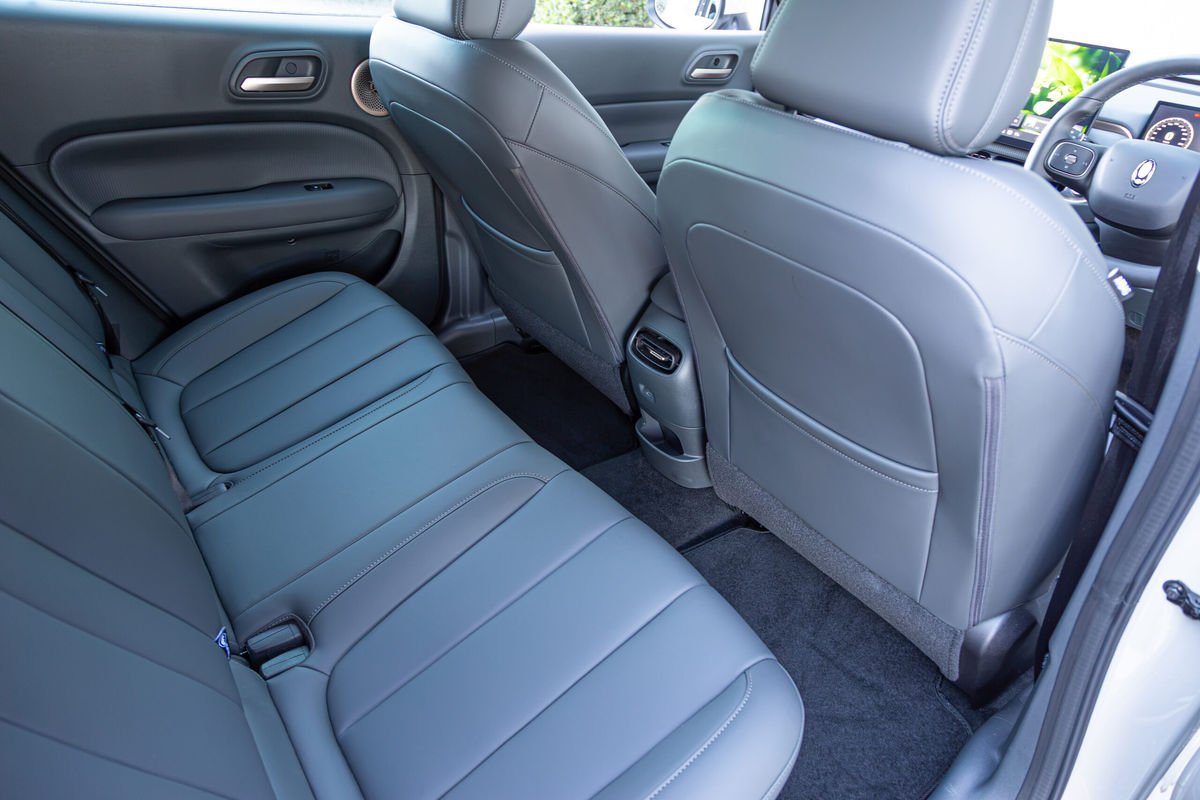
1. Renault Triber – from R218 999

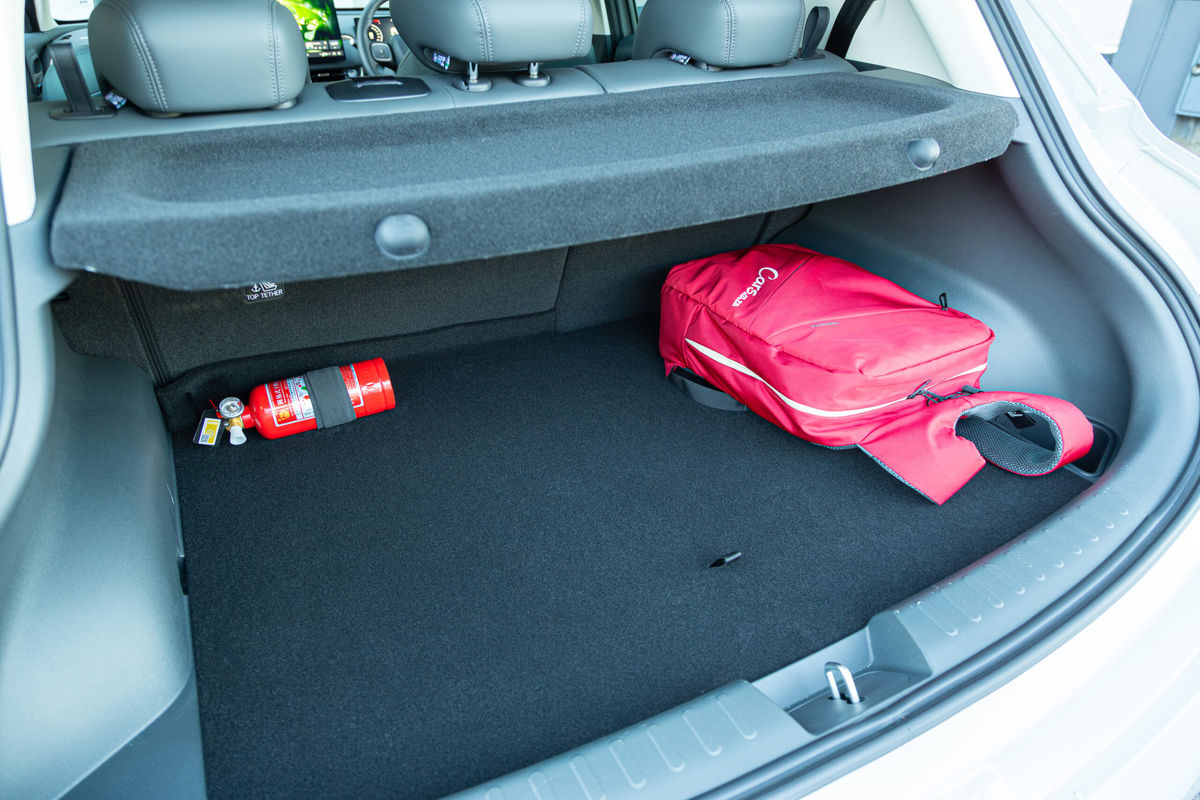
The refreshed Renault Triber arrived in South Africa in October 2025, featuring a slightly pared-back range and sharper pricing compared to the pre-facelift iteration. It remains the most affordable of all 7-seater MPVs on the market by quite some margin, starting at under R220 000 and running through to R259 999. Keep in mind, however, the compact Triber offers just 84 litres of boot space with all 7 seats occupied.

All derivatives are powered by a naturally aspirated 1.0-litre, 3-cylinder petrol engine, which delivers 52 kW and 96 Nm to the front axle via either a 5-speed manual gearbox or a 5-speed automated manual transmission (AMT). Every variant in the facelifted line-up ships standard with 6 airbags (previous versions were offered with either 2 or 4 airbags). 

2. Suzuki Ertiga – from R304 900

Kicking off at just over R300 000 and topping out at R363 900, the Suzuki Ertiga is a fairly distant 2nd on the list of SA’s most affordable 7-seater MPVs. All 3 derivatives use the Japanese firm’s ubiquitous naturally aspirated 1.5-litre, 4-cylinder petrol engine, which sends 77 kW and 138 Nm to the front wheels through either a 5-speed manual or 4-speed automatic transmission.

Just like the Triber above, all variants in the Ertiga portfolio come with 6 airbags as standard. With all seats in place, this likewise Indian-built MPV’s luggage capacity comes in at a claimed 153 litres (although this figure can be expanded to up to 803 litres by dropping various seats, according to Suzuki).

3. Toyota Rumion – from R307 900

Yes, the Rumion is based squarely on the Ertiga thanks to Toyota’s global alliance with Suzuki. Interestingly, while the local Ertiga line-up comprises 3 derivatives, Toyota SA Motors offers as many as 5 versions of its Rumion (across 3 rather than 2 trim levels). Pricing ranges from R307 900 to R403 600.

As you’ve likely already guessed, the Rumion uses exactly the same powertrain as its Ertiga cousin, while 6 airbags are standard across the range as well. The Toyota version even shares the Suzuki’s listed luggage capacity.

4. Mitsubishi Xpander – from R365 995

The only contender here not sourced from India (but instead imported from Indonesia), Mitsubishi’s Xpander range comprises a trio of derivatives, with pricing bookends of R365 995 and R419 995. Power comes from a naturally aspirated 1.5-litre, 4-cylinder petrol engine, which directs 77 kW and 141 Nm to the front axle via either a 5-speed manual or a 4-speed automatic cog-swapper.

Though Mitsubishi Motors SA launched the Xpander in mid-2021, it added the long-awaited flagship Cross derivative only in March 2025, offering this version – set apart by its SUV-inspired exterior styling – exclusively in 2-pedal guise. The automaker doesn’t list a luggage capacity with all seats in place, though we believe it to be approximately 220 litres. Note all derivatives make do with dual front airbags.

Frequently Asked Questions (FAQ) About SA’s Most Affordable 7-Seaters

Q: How much luggage space is actually left when all 7 seats are in use?


A: Not much. In the budget MPV segment, “7-seater mode” usually sacrifices almost all your boot space. The Renault Triber leaves you with just 84 litres, while the Suzuki Ertiga and Toyota Rumion offer a slightly better 153 litres.

Q: What is the actual difference between the Suzuki Ertiga and Toyota Rumion?


A: Mechanically, they are twins, sharing the same 1.5-litre engine and 6-airbag safety suite. The choice comes down to brand ecosystem: Suzuki offers a longer 5-year/200 000 km warranty, while Toyota offers a massive dealer network and traditionally stronger resale value. Toyota also offers a wider range of 5 derivatives compared to Suzuki’s 3.

Q: Why is the Mitsubishi Xpander more expensive than the others?


A: The Xpander is imported from Indonesia rather than India, which likely impacts its base cost. However, it offers a “tougher” feel with 225 mm of ground clearance and an arguably more robust interior. The Xpander Cross, launched in March 2025, adds SUV styling and a digital instrument cluster, though it still only features 2 airbags compared to the 6 found in its cheaper rivals.

Related content

Nissan Gravite is Triber’s badge-engineered twin

8-seat MPV options for South African families

5 cheapest double-cab bakkies in SA (2026)

Car subscription vs car finance: Which is better?

Buy or rent? South Africans like owning. But car subscriptions in South Africa could be a smarter way to be mobile for you and your family.

Subscriptions rule your life. From your device and data contracts to streaming services, monthly expenses are stacked with subscription fees. But what about car subscriptions in South Africa?

Unless you are a cash buyer, the conventional way to purchase a vehicle is to finance it. That means you have full discretion over how much and where you drive your financed vehicle. And at the end of the financial term, it becomes yours to keep or resell.

But what if you don’t want to pay more for a vehicle that will be underused? That’s where a vehicle subscription can be the solution, rather than traditional financing. But what are the real differences? And does subscribing to or financing a vehicle in South Africa differ from other global markets?

We’ve analysed the structure of car subscriptions in South Africa and compared them to more traditional vehicle ownership financing. This will allow you to have all the insights you need to choose the financing and ownership model that works best for your needs.

It is just a fancy “lease?”

These are really your options, with subscriptions being “smart” leases.

Experienced automotive finance people will tell you a subscription is just a trendy word for leasing. You bundle all the monthly motoring costs into a single payment, which has some advantages. It gives you better visibility into your operating expenses by consolidating them into a single payment.

An advantage is that it allows you to think smarter about your budgeting without having to track and reconcile separate monthly payments for vehicle, insurance, and maintenance. 

The subscription or lease package can also offer a slight frictional cost benefit. How? Well, you pay only 1 monthly transaction fee instead of 3 or 4 fees for separate vehicle, insurance, maintenance, or additional coverage plans.

The depreciation workaround

Toyota Hilux was SA's best-selling bakkie yet again
Toyota’s KINTO One offers personalised subscriptions for South Africa’s most popular vehicle.

An under-appreciated benefit of leasing is that you can avoid the depreciation trap. That’s something many new vehicle buyers underestimate.

If you buy a model or brand that starts suffering reliability issues, multiple recalls, or inadequate support for its local after-sales service needs, you could suffer severe vehicle depreciation during your ownership period.

Depreciation is often the silent creator of debt and credit distress, particularly in car financing and complex vehicle ownership structures. It’s difficult for most buyers to understand the quite opaque future depreciation risk. But the consequences can be devastating, especially if you have taken the upfront convenience and long-term risk of purchasing with a balloon payment.

Balloon payments are generally a terrible idea because you are lulled into a false sense of security about what you can afford. Often, you’re enticed to buy-up to a model and trim level you can’t really afford, with the shock of a big settlement number (the balloon) at the end of your repayment term. This is where depreciation can be a real disaster: you might be in a position where your car is worth a lot less than you owe on it, as mandated by the balloon-repayment settlement contract.

How much will you pay monthly? Use the Cars.co.za finance calculator

Smarter for luxury vehicles?

With the brand having stalled, you’d have been better off leasing a Jaguar F-Pace.

A subscription or lease transfers the depreciation risk to the dealership or brand. You know exactly what you are in for when the lease or subscription ends. If the model you’re subscribing to has been well kept and developed a good reputation during your ownership term, that’s to the benefit of the dealership or brand, which can then market it at a neat profit.

If it’s been a depreciation disaster, it becomes the dealership or brand’s problem (to a certain extent), and they take the loss when they try to remarket the car.

Depreciation numbers can become scarily big on more expensive cars. For drivers who can look beyond the status of “owning”, a subscription or lease can be the smarter way to use a car with all the safety or tech features you desire, without risking the guaranteed depreciation and capital loss.

Finance gives you more freedom

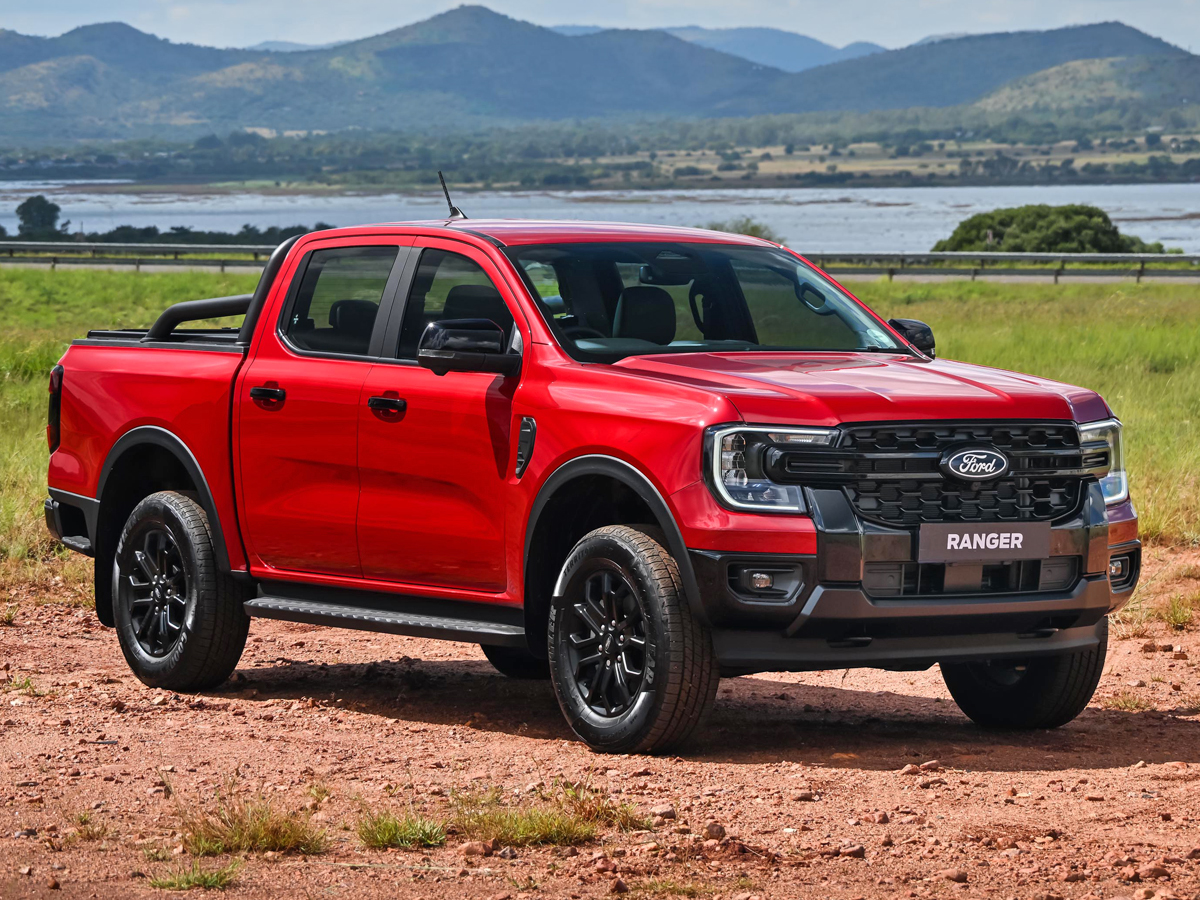
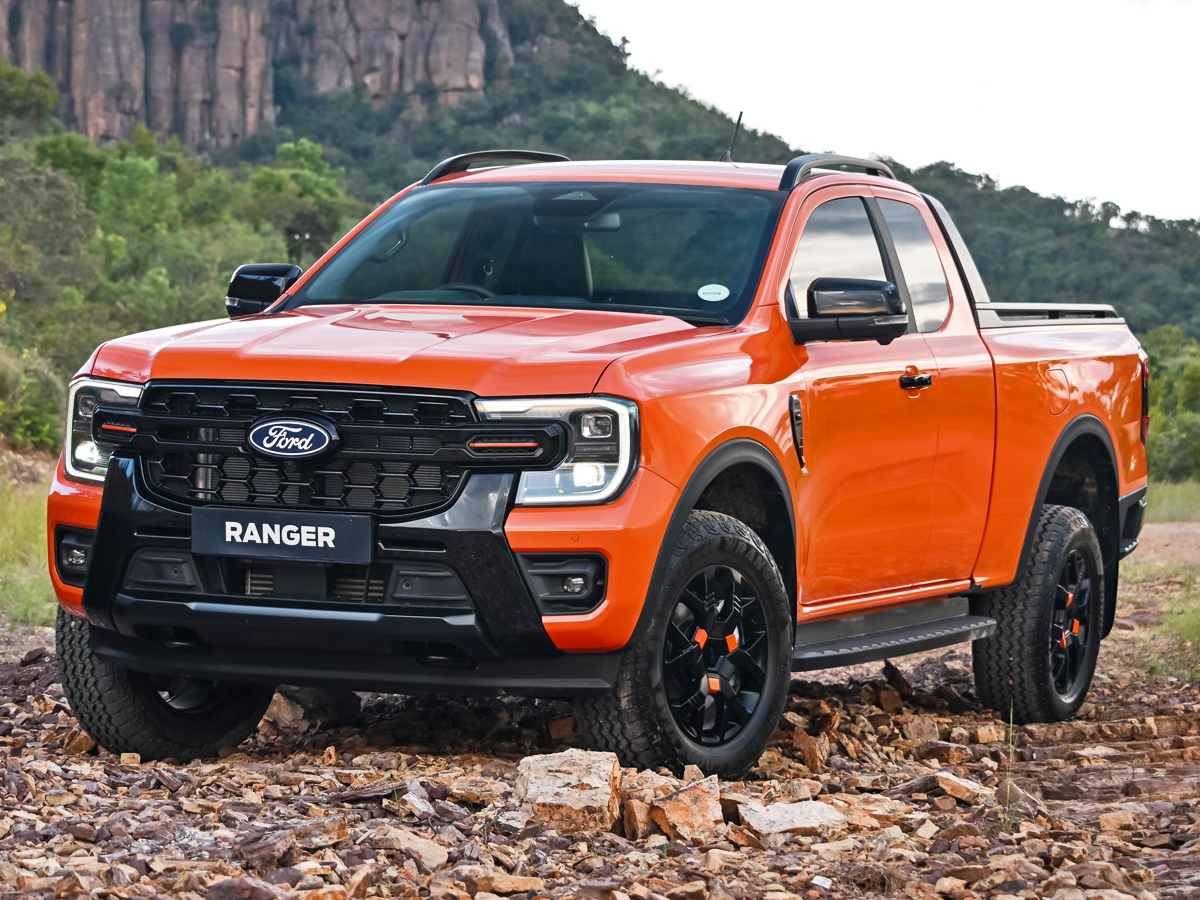
Ford Ranger Tremor
If you like doing this in the middle-of-nowhere, subscriptions aren’t for you.

If subscribing is such a smart solution, why transfer the depreciation and mechanical gremlin risk to the brand and dealership? Why finance at all?

For many South Africans, the idea of taking ownership of a depreciating asset at the end of its payment term still matters. The status of ownership is real for South African buyers. And if you buy smart, like a popular Toyota model, and keep it in good condition, finance can be smart. You’ll be in a strong position for trade-in, instead of a subscription model, where you are left with nothing once the period ends.

Car subscriptions in South Africa are a terrible idea for drivers who don’t have complete control over their schedules and routines. Or for people who do a lot of highway driving and prefer a road trip to flying for long weekends and vacations. The mileage limitations on vehicle subscriptions can limit your lifestyle and mobility, especially in South Africa, where the average driving mileage is higher than in many other global markets.

If you need the freedom to use your vehicle without mileage limitations, and know that even the idea of approaching a mileage limit creates real anxiety for you, a vehicle subscription is a terrible idea. You should rather finance.

For families where the routine and driving schedule involve many incidental journeys and unplanned rerouting, the vehicle subscription’s mileage limit is too restrictive. Financing a vehicle is better because you don’t have to keep worrying about the mileage limit every time you back out of your garage.

Can you afford what you want? Use the Cars.co.za affordability calculator

Cabin wear and repair costs

Think how demanding your lifestyle is on cabin trim…

Also consider where in South Africa you are driving. The fine print in a vehicle subscription contract is severe on seemingly minor cosmetic and mechanical details.

Minor stone chips that don’t bother you will become a point of contention when your vehicle subscription ends and the handover evaluation takes place. Drive a lot of dirt roads for those weekends away? Who is going to cover the accelerated wear of those suspension bushings, or the interior trim rattle? You or the brand that offered the subscription?

Have pets or little kids? Do you mountain bike or do a water sport that involves dirty/wet gear and sharp-edged objects travelling inside the vehicle? Think about how all those factors influence the cabin trim wear on your vehicle. And how expensive small cabin trim repairs can be at the end of a vehicle subscription period.

If you are an outdoorsy South African couple or family, the mileage limit or fine print of a subscription could create too much discrepancy and admin to be worth the savings from the monthly payment.

Vehicle subscriptions are innovative and can work for a niche group of South Africans. Who are they? Those people who don’t drive much and take immaculate care of their vehicles. But for most drivers, the traditional financing model (even with all that depreciation) is often the best option instead of car subscription in South Africa.

Mahindra mulling BE 6 and XEV 9e EVs for SA

Mahindra South Africa has confirmed it’s evaluating the “feasibility” of entering the local electric vehicle (EV) market with 2 coupé-style crossovers: the BE 6 and XEV 9e…

  • Mahindra BE 6 and XEV 9e are both on the cards
  • Local “feasibility” study currently in progress
  • Up to 210 kW from a rear-mounted electric motor

Mahindra South Africa has confirmed to Cars.co.za it’s considering launching the battery-powered BE 6 and XEV 9e locally, a move that would mark the Indian brand’s entrance to Mzansi’s growing electric vehicle (EV) segment.

We recently unearthed local trademark applications for both the “BE 6” and “XEV 9e” badges. Mahindra Electric Automobile Limited (rather than Mahindra & Mahindra Limited) filed these applications in South Africa in July 2025, with both still listed as “pending”.

Mahindra BE 6 and XEV 9
The BE 6 and XEV 9e are both on the cards for SA.

So, we asked Mahindra SA to comment on its EV plans, including whether the XEV 9e and BE 6 might be on the cards for a local introduction. Though the company wouldn’t be drawn on possible timing, it did confirm to us it was engaged in a feasibility study.

“Mahindra South Africa is currently evaluating both models’ [the BE 6 and XEV 9e] market and product feasibility,” the Indian brand’s local division told Cars.co.za in a short statement.

At 4 371 mm, the BE 6 is the same length as a Range Rover Evoque.

So, what do we know about these 5-seater EVs, which were revealed back in November 2024? Well, both are coupé-style crossovers (featuring futuristic exterior designs) and both are built on the brand’s so-called “INGLO” platform.

The BE 6 – which was originally named “BE 6e” but later rebranded after a trademark conflict – is the more compact of the pair, measuring 4 371 mm long. It’s additionally available in India in special-edition “Formula E” guise, complete with model-specific bumpers and headlamps. The XEV 9e, meanwhile, comes in at 4 789 mm, though shares its 2 775 mm wheelbase with its smaller “Electric Origin” sibling.

The XEV 9e is only 6 mm shorter than a Toyota Fortuner.

Interestingly, these 2 models also share powertrain configurations in their domestic market. As such, both the BE 6 and XEV 9e can be specified with either a 59 kWh or a 79 kWh lithium iron phosphate battery pack (seemingly sourced from Chinese firm BYD), facilitating respective claimed ranges of up to 682 km and 656 km on the Modified Indian Driving Cycle (MIDC P1+P2) testing standard.

Both vehicles are currently built exclusively in rear-wheel drive, with the 59 kWh battery pack feeding a 170 kW electric motor and the 79 kWh item linked to a 210 kW electric motor. Peak torque comes in at 380 Nm in each case. Mahindra claims the battery’s state of charge can be increased from 20% to 80% in “just 20 minutes” when hooked up to a 175 kW fast charger.

The XEV 9e’s cabin is dominated by a trio of screens.

In 2025, Mahindra SA broke into Mzansi’s calendar-year top 10 for the first time, posting the 2nd strongest instance of year-on-year growth in the top 10 with a significant 40.7% increase. After placing 12th in 2024, the Indian automaker climbed to 10th in 2025, with its final tally of 18 100 units representing a 3.0% share of the overall market (up from 2.5%). Though SA’s new-energy vehicle (NEV) market is still a relatively low-volume space, Mahindra seemingly has aspirations in this segment, too.
Frequently Asked Questions (FAQ) About Mahindra’s Future EVs in SA

Q: When will the Mahindra BE 6 and XEV 9e launch in South Africa?


A: While a formal launch date hasn’t been set, Mahindra SA is currently conducting a “feasibility” study. Given that production for these models ramped up in India in early 2025 and trademark applications were filed locally in July 2025, we anticipate a potential market entry late in 2026 or early 2027.

Q: What kind of range and performance can we expect from these EVs?


A: Both models are built on the “Electric Origin” INGLO platform. You’ll likely see two battery options: a 59 kWh pack and a 79 kWh pack. The latter is a powerhouse, delivering up to 210 kW and 380 Nm, with a claimed range of over 650 km. More impressively, they support 175 kW fast charging, which can juice the battery from 20% to 80% in about 20 minutes.

Q: How do the BE 6 and XEV 9e differ in terms of size?


A: The BE 6 is a compact, sporty “crossover-coupé” at 4 371 mm long (roughly the size of a Range Rover Evoque) designed for urban agility. The XEV 9e is a much larger, more premium model at 4 789 mm long (just 6 mm shorter than a Toyota Fortuner), featuring a more luxurious “lounge-like” cabin with a triple-screen dashboard layout.

Related content

Mahindra XUV 7XO revealed as updated XUV700

‘Vision’ concepts revealed: SUVs and ‘half-bakkie’

Mahindra XUV300 (2019-2024) Buyer’s Guide

Code 2 vs Code 3 cars: What’s the real difference?

Everybody loves a used-car bargain, but buying cheap today often translates to buying dear tomorrow. Both Code 2 and Code 3 cars denote used status in South Africa, yet that one digit difference could mean getting it road-worthied, financed and insured – or not. This is what you need to know.

As if all the vehicular acronyms you need to familiarise yourself with aren’t overwhelming enough already before going used-car tyre-kicking, the two most essential ones are often only considered when the time comes to sign on the dotted line. Or worse, when it’s too late. In used-car jargon, the phrases “Code 2” and “Code 3” are the two fundamentals all shoppers should know. But what do they mean; where do they come from; and how do they affect your purchase decision?

Read more: Should I buy a car from a dealer or a private seller?

The national Electronic National Administration Traffic Information System (e-NaTIS) database is the equivalent of Home Affairs for every South African car, keeping records of its VIN and engine numbers, owner details and, crucially, its status code. Whenever a car is sold, crashed or stolen, that status is updated. 

Used cars are always classified as Code 2 or Code 3. Notwithstanding the fundamental differences between the two, there are also subtle distinctions within those definitions.

What is the difference between between the codes?

Briefly, Code 2 is a standard used vehicle; Code 3 is built-up.

Regardless of its age, as soon as a vehicle changes owner, it becomes a Code 2, which is industry-speak for a used vehicle. Code 3 is assigned to accident or flood-damaged vehicles that have been rebuilt, put  through police clearance and road-worthied. 

Status codeOfficial descriptionWhat it means for you
Code 1NewBrand new, first owner
Code 2UsedTypical second-hand car
Code 3Built-upPreviously written off
Code 4ScrappedPermanently demolished; cannot be put back on the road

Read more: How to buy a used car from a private seller

Under what circumstances are vehicles written off?

Vehicles are usually written off by the insurer for these reasons:

  • The cost of restoring a structurally damaged car (think bent chassis or compromised safety structures) to its original safety standard exceeds its value. The owner is paid out and the salvage wreck sold at an auction. The next owner revives it and can only sell it as a Code 3.
  • A car may also be deemed non-viable for repair if it is hail or flood damaged; or where the bodyshell is intact, yet the cost of repair to the bodywork or ECU damage and other associated electric glitches loom as future risks.
  • When cars are stolen and recovered in a stripped state, and the cost of repair exceeds its value.  

Is buying a Code 3 vehicle worth the risk? The pros & cons

Here’s where balancing common sense with reality gets tricky.

For incurable bargain-hunters, the headline news is that Code 3s hold only 50% to 70% of their market value and are therefore much cheaper than their unviolated equivalents. However, in 99.9% of the cases, owing to the uncertainty over the extent of an undead vehicle’s crash history, along with its forever-tainted DNA, a Code 3 should be a no-brainer no-go.

car inspections after an accident

That said, a hail-damaged Code 3 is a much safer bet than a front-smashed Code 2 that has been privately repaired. To that point, any Code 2 could, of course, have previously suffered accident damage and indeed be deemed as cosmetically “unrepairworthy” by the insurer – yet still be sold as a Code 2.   

The challenges of insuring and financing a Code 3 car

As the credit industry revolves around risk, trying to finance and insure a Code 3 car is where the rubber of all those saved cents hits the potholed-road.

As opposed to Code 2s, which are bread-and-butter deals for banks and underwriters, the latter institutions are extremely unlikely to extend the same courtesy towards written-off vehicles.

Read more: Top tips for financing a car: A comprehensive guide for South Africans

A handful of insurers may provide some form of cover, albeit at an significantly reduced market value.

If financial assistance is a must-have to clinch the deal, your next best bet would be a personal loan. As these credit extensions are often unsecured (with no collateral for the bank to repossess in the case of payment defaults), the interest rate will be much higher than conventional vehicle finance.     

 Code 2Code 3
e-NaTIS classificationSecond-handBuilt-up / Rebuilt
Vehicle historyNo structural write-offPreviously declared a write-off
Market value100%50-70%
Finance availableYesIn most cases, no
Insurance availableYesLimited or high premium

How to check a car’s history: Avoiding Code 3 scams

If you still simply can’t reach that Code 3 itch to scratch, there’s good news and bad news.

Curious but cautious tyre-kickers can do a VIN lookup on the South African Insurance Association’s vehicle salvage database website (www.vinlookupsa.co.za) to establish if a vehicle has been registered as a Code 3.

While free, it’s far from foolproof. And that’s because less than a 3rd of all South African vehicles are insured: if a wreck is sold privately and repaired, it may be sold as a Code 2 because no insurance company was involved to register it as a Code 3.

Read more: Avoid car scams in South Africa

In addition, insurers may occasionally write off a car as “uneconomical to repair” while retaining its Code 2 status when it is sent to the salvage yard. The VIN lookup algorithm focuses on Code 3, Code 3A (blacklisted for any road use; spares only) and Code 4s (crushed), while ignoring Code 2 write-offs.

The database also isn’t maintained in real-time. Input delays may result in false positives if a VIN lookup is requested too soon after a vehicle has been written off.

Read more: How to register and license your car

Suspect odo tampering?

Far greater peace of mind can be had – at a cost – when using paid services like FirstCheck and Transunion that provides insights into a vehicle’s accident history, finance status (if it has been repossessed), stolen status, market value and mileage check. The latter is updated at every dealer-conducted service, insurance claim, financing event and roadworthy test. This is useful to evaluate odometer tampering.

As for mileage, never just trust the dashboard reading. Your deep-level search may reveal a car listed as having 90 000 km on the clock (often the case with German executives whose comprehensive maintenance plans are set to expire at 100 000 km) yet may have been quoted for repairs at 120 000 km.

Read more: How depreciation affects the value of a car

Of course, as with any other black market activity, however thorough in collecting the digital breadcrumbs, the system cannot track cash transactions and backyard repairs of any vehicle, be it a Code 1, Code 2 or Code 3. 

Ultimately, buying a Code 3 means buying a car with a documented past; buying a Code 2 demands you trust a story that hasn’t been challenged yet. One is a gamble you can see coming, the other is a trap that stays unrevealed until you try to insure it.

Ready to find your next car? Search for a used car in South Africa on Cars.co.za


New Suzuki Across for SA: what to expect…

The new Suzuki Across is set launch towards the top of the Japanese brand’s line-up in SA. Here’s what to expect, including an early look at some specification highlights…

  • New Suzuki Across set to be launched in March
  • GL & GLX grades already confirmed for Mzansi
  • GLX to boast “Infinity by Harman” sound system

The new Suzuki Across is scheduled to launch in South Africa towards the middle of March 2026, billed as the brand’s “most advanced” crossover yet. With the Across set to launch towards the top of Suzuki Auto SA’s line-up, the Hamamatsu-based automaker’s local division has hinted at some specification details.

From what we can tell, the new Across will be available in the GL and GLX grades, mirroring the approach taken with the Grand Vitara. As a reminder, the Across rides on the same Global C platform as the Grand Vitara (and shares its 2 600 mm wheelbase), though at 4 360 mm it’s 15 mm longer. Also note the Indian-sourced Across coming to SA is not based on Toyota’s RAV4, as is the case in Europe.

According to Suzuki Auto SA, the Across will be offered locally with a new 10.25-inch digital instrument cluster (complete with multiple display modes), a 10.1-inch touchscreen infotainment system (likely linked to a reverse-view camera) and a powered tailgate (complete with gesture control). We expect 6 airbags to be included as standard across the line-up.

In addition, the range-topping GLX trim level looks set to ship with an 8-way power-adjustable driver’s seat, front-seat ventilation, an 8-speaker “Infinity by Harman” sound system and 64-colour customisable ambient lighting for the cabin. Furthermore, one of Suzuki Auto SA’s teaser videos for the newcomer shows a large panoramic sunroof, while we expect various advanced driver-assistance system (ADAS) features to be available, too.
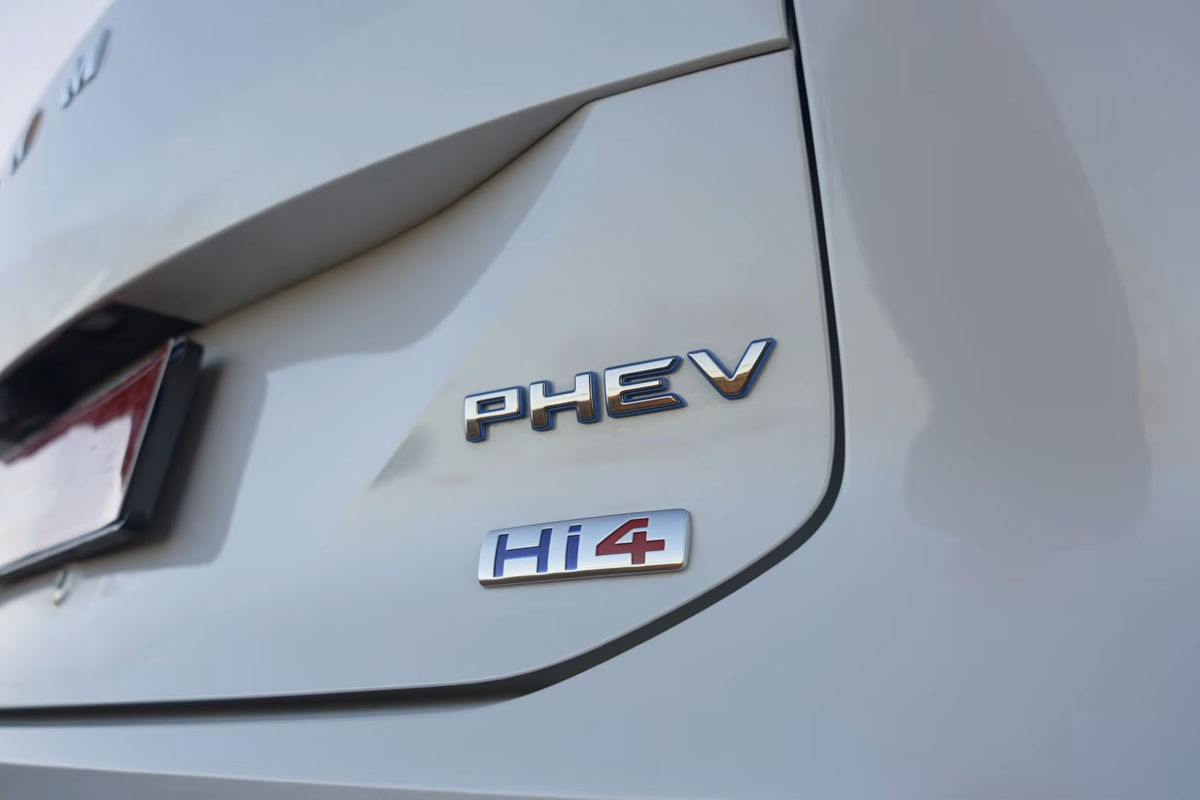
So, what engine will do duty in the new Across? Well, Suzuki Auto SA has yet to officially confirm powertrain options for the local market, so far saying only that a “highly efficient petrol engine that delivers confident, reliable performance” will be available.

However, we’d speculate the newcomer will be offered with the mild-hybrid version of the Japanese firm’s familiar naturally aspirated 1.5-litre, 4-cylinder petrol motor (K15C), delivering peak outputs of around 76 kW and 137 Nm. Transmission choices are likely to include a 5-speed manual gearbox and a 6-speed automatic cog-swapper.

Late in 2025, Suzuki Auto SA quietly rationalised its Grand Vitara range, dropping both the mid-spec GLX manual derivative and the flagship GLX mild-hybrid AWD variant. This action was seemingly taken to make room for the upcoming Across.

For the record, the Across is available in India – where it’s produced by Maruti Suzuki at the brand’s Kharkhoda plant and badged as the “Victoris” – with a trio of powertrain options. There’s the aforementioned mild-hybrid option, along with a petrol/CNG (compressed natural gas) powertrain also based on the K15C unit and a Toyota-sourced 1.5-litre, 3-cylinder traditional hybrid arrangement.

Frequently Asked Questions (FAQ) About the New Suzuki Across (2026)

Q: Is the SA-spec Suzuki Across the same as the one sold in Europe?


A: No. While the European-spec Across is a rebadged Toyota RAV4 Plug-in Hybrid, the South African version is an Indian-sourced model based on the Suzuki Victoris. It shares the same “Global C” platform and 2 600 mm wheelbase as the Grand Vitara, but features a slightly longer body (4 360 mm) and a more tech-focused interior.

Q: What makes the Across “more advanced” than the Grand Vitara?


A: The Across introduces several features never before seen in a local Suzuki. Key highlights include a 10.25-inch digital instrument cluster, an 8-speaker Infinity by Harman sound system with Dolby Atmos, and a powered tailgate with gesture control. It might also become the first Suzuki in SA to feature Level 2 ADAS (Advanced Driver Assistance Systems) like Adaptive Cruise Control and Lane Keep Assist.

Q: Will there be a high-performance or hybrid version for South Africa?


A: While India gets a “Strong Hybrid” version, the South African line-up is expected to focus on the 1.5-litre K15C mild-hybrid petrol engine. For those needing extra grip, the flagship GLX model will likely offer the AllGrip Select AWD system paired with a 6-speed automatic gearbox.

Related content

New Suzuki Across (aka Victoris) locked in for SA

So long, Suzuki Ciaz! Budget sedan departs SA

SA’s 15 best-selling passenger vehicles of 2025

Toyota Corolla Cross GR-Sport (2026) Price & Specs

The Toyota Corolla Cross GR-Sport has finally been refreshed, gaining a new look up front and a few tweaks inside. Here’s what this SA-built crossover now costs…

  • Refreshed Corolla Cross GR-Sport hits the market
  • Flagship grade gains new grille and cabin tweaks
  • Powertrain options for SA-built model unchanged

When the facelifted Toyota Corolla Cross launched in South Africa at the start of 2025, the GR-Sport derivatives curiously carried over without any styling changes (though did gain some extra standard features). Now, however, the redesigned version of this flagship grade has officially hit the market in Mzansi.

Previewed at the Japanese firm’s recent State of the Motoring Industry (SOMI) 2026 event in Gauteng, the refreshed Corolla Cross GR-Sport (or GR-S, for short) that is built at Toyota’s Prospecton plant for the local market interestingly differs markedly from the version unwrapped for Europe in May 2025.

A closer look at the revised front end.

The most obvious changes have been made up front. The Aichi-based automaker has introduced a new honeycomb-style grille, which does without contrasting surround trim and without the horizontal bars that flanked the Toyota badge on the previous version. This revised grille furthermore gains a “GR” badge (something that was missing on the original), while the headlamps feature a subtly reworked lighting signature.

In addition, the GR-Sport’s front and rear skidplates have been redesigned, while new dual-tone 18-inch alloy wheels have been introduced (replacing the previous all-black versions). The 3 paint-colour options are again Glacier White, Arizona Red and Chromium Silver, each paired with a black roof (and black side-mirror caps) as standard.

Toyota Corolla Cross GR-Sport seats
Note the red seatbelts.

Inside, the Corolla Cross GR-Sport’s front-seat headrests each gain a full-colour “GR” logo (now repeated on the steering wheel, too), while red seatbelts and additional red stitching have been incorporated (though the slim red trim strips on the dashboard are seemingly gone). We can also spot a redesigned gear lever.

So, what do the refreshed GR-S derivatives now cost in South Africa? Well, the updated Corolla Cross 1.8 GR-Sport is priced from R527 000 (up R8 800), while the revised Corolla Cross 1.8 HEV GR-Sport tops the range at R569 700 (up R8 000). Interestingly, prices across the broader Corolla Cross line-up have also increased – with hikes of between R5 900 and R8 800, depending on the derivative – seeing the portfolio’s XI-badged starting point climb to R420 700.

Pre-facelift GR-S at the top and updated version at the bottom.

The GR-Sport is available with a choice of 2 (unchanged) powertrains. The first is the naturally aspirated 1.8-litre, 4-cylinder petrol engine, which delivers 103 kW and 172 Nm to the front wheels via a continuously variable transmission (CVT). The other option is Toyota’s hybrid powertrain (based on a 1.8-litre mill), offering a combined system output of 90 kW, along with 142 Nm from the petrol engine and 163 Nm from the electric motor.

What does the updated Corolla Cross GR-Sport cost in SA?

DERIVATIVEPRICE
Toyota Corolla Cross 1.8 XIR420 700
Toyota Corolla Cross 1.8 XSR458 400
Toyota Corolla Cross 1.8 HEV XSR501 100
Toyota Corolla Cross 1.8 XRR508 200
Toyota Corolla Cross 1.8 GR-SportR527 000
Toyota Corolla Cross 1.8 HEV XRR552 400
Toyota Corolla Cross 1.8 HEV GR-SportR569 700

The prices above include Toyota’s 3-year/100 000 km warranty and a 6-service/90 000 km service plan. Hybrid derivatives furthermore benefit from an 8-year/195 000 km warranty specific to the battery pack.

Find a Toyota Corolla Cross on Cars.co.za!

Frequently Asked Questions (FAQ) About the Refreshed Corolla Cross GR-Sport

Q: What are the main styling differences on the refreshed GR-Sport?


A: The most significant change is the new honeycomb-style grille that does away with the old horizontal bars and adds a “GR” badge for the first time. You’ll also find redesigned front and rear skidplates and new dual-tone 18-inch alloy wheels that replace the previous all-black versions.

Q: Did Toyota make any mechanical or engine changes to the updated GR-S?


A: No, the powertrains remain identical. You can still choose between the 103 kW 1.8-litre petrol or the 90 kW 1.8-litre hybrid.

Q: What are the new interior “pop” features in the 2026 model?


A: Toyota has leaned into the racing aesthetic by adding bright red seatbelts and full-colour GR logos on the front headrests and steering wheel. A redesigned gear lever also makes an appearance, though the slim red decorative strips previously found on the dashboard have been removed for a cleaner look.

Related content

New Toyota and Lexus models for SA in 2026

Toyota SA Motors hints at fresh Daihatsu plans

Corolla hatch and sedan go hybrid-only in SA

Why Lexus EVs in SA might work

The idea of a Lexus EV might be niche. But for the brand, it’s a simple fulfilment of destiny that started in South Africa with hybrids a long time ago.  

EVs are not having their moment in South Africa. Beyond all the marketing hype and slick recharging campaigns, Cars.co.za’s statisticians have done the numbers and EV sales are down.

Only wealthy South African new-car buyers can afford EVs. BYD’s Dolphin Surf is an outlier, priced below R400k, but it’s not really representative of real EV demand or supply curves in South Africa. The truth is that most EVs are wildly expensive, and South Africans are choosing turbodiesel double cabs and SUVs instead – as they have for most of the last 2 decades.

The market for PHEVs was phenomenal last year but there aren’t many legacy OEMs marketing PHEVs. It’s a market segment almost completely dominated – predictably – by the Chinese.

If the EV market is weakening and South African buyers with the budgets to buy those R1m+ EVs are choosing turbodiesel luxury double cabs and SUVs, this would be a terrible time to introduce your first EV model, right? Yes. But Toyota, and by implication Lexus, doesn’t follow conventional automotive market trends. Or rules.

The original ZA “new energy” brand

Hybrid crossoves? Lexus had one 20 years ago already…

While many legacy car companies desperately tried to reposition their brands and marketing strategies a few years ago to appear like hybrid and EV powertrain innovators, Lexus didn’t. It didn’t have to.

Mute all the noise from industry consultants and policy advisors who have called the local EV demand market completely wrong since 2023 and you’ll sense the clarity from Lexus. It’s the only brand that has been marketing, selling, and servicing luxury hybrids in South Africa since the late 2000s. Don’t believe us? Here is a mint South African Lexus RX400h from 2009…

Toyota is an enormously powerful company. South Africans know that the Hilux dominates the new model market and that the Quantum moves more South Africans than any other mode of transport. There’s a broad misunderstanding of how deeply Toyota is invested in several powertrain technologies. Like a typical Japanese corporate entity, Toyota is more of a “show, don’t tell” kind of company.

You could argue that Lexus knows more about luxury hybrid and battery-powered vehicles than all the other premium brands combined. Lexus dealers are renowned for their excellent after-sales and service. And because Lexus has always been a relatively small brand in South Africa, but links into the enormous Toyota technical and resource network, Lexus has better data awareness and clarity around customer needs than most.

Buy a new or used Lexus on Cars.co.za

It’s all about ownership

Nothing has ever set higher Japanese build quality and brand standards than this car, the LFA…

Lexus knows it can’t compete with BYD’s powertrain technology or the flood of Chery brands now marketing PHEVs and EVs in South Africa.

Engineers at all legacy car companies have obviously had the uncomfortable conversation with their boards. China has won the high-energy automotive battery war and has a technology advantage that won’t be matched, at an affordable cost, for decades.

So if Chinese EVs are so much better in terms of battery tech-to-cost, what is Lexus doing by launching a luxury crossover EV into a South African EV market that’s down more than 10% year-on-year? It’s all about that unquantifiable thing that automotive marketing people love to talk about but very few can explain: brand equity. Lexus has it in abundance.

“Luxury” Toyota means something

Conservative cabin architectures but unrivalled build quality.

Toyota’s immense success in South Africa, with 25% market share and dominance in many of the segments it sells into, has enabled it to carry low-volume Lexus as a niche brand. That’s meant that, even with trivial sales, Lexus still provides the calibre of luxury ownership and service experience that made it such a success in the world’s most demanding luxury car market: the USA.

Wealthy people without an image issue buy Lexus. They know you get Toyota-grade technical support and a luxury brand experience without the attitude of certain European brands. And that matters even more if you are a brand trying to move EVs in a market where only wealthy people can afford them.

Wealthy car buyers know they will suffer significant vehicle depreciation. But they don’t want to suffer vehicle downtime because of silly electronic or powertrain gremlins. And that’s where the Lexus confidence becomes a thing.

How many RX400/450h and LS600h nightmare stories do you know? Exactly – none. If there is resistance to owning a luxury vehicle with a battery powertrain or battery elements in the powertrain, it doesn’t really apply to the brand.

The RX400h proved what Lexus was capable of in terms of “new energy” vehicles. These were amazingly well-built crossovers and a true alternative to the very best BMW X5 and Mercedes-Benz ML. Technology has advanced dramatically since those first RX400h models. But has the South African luxury market advanced with it?

Buy a new or used Lexus on Cars.co.za

What is the first ZA Lexus EV about?

Sharp styling (literally). But there’s nothing class-leading about the battery or drivetrain.

As a product, there’s nothing spectacular about the RZ. You could argue that the GS450h from 2008 was a much more advanced car. When it was launched, there was nothing else with such an advanced powertrain and drivetrain. It offered exemplary Lexus build quality and a very differentiated driving experience: matchless roll-on overtaking acceleration on the highway and silent, high-efficiency driving economy in heavy traffic.

The RZ450e has a 77 kWh battery pack with a proven but not exceptional lithium-ion chemistry. It’s the default standard for most luxury brands outside China. But the latest Chinese automotive-grade battery chemistries have evolved to sodium-ion and blended LFP chemistries.

There’s nothing in the numbers that makes the RX 450e exceptional. Its claimed 500 km range is average for EVs of a similar price. Sure, the 0-100 kph acceleration is quick at 5.3 seconds, but that’s a given for any EV. And the top speed of 160 kph is similarly limited for most other luxury crossovers.  

What matters with the RX 450e is that it’s made by Lexus. Build quality is still a brand mission in a way that is absent in some other legacy luxury car brands.

The Lexus difference matters

You can get into a GS from a few years ago and the tactile experience still feels new.

Unless you are an industry expert, it’s difficult to understand how much European brands have cheapened the quality of interior trim, finishes and panel fixtures. But it’s telling after a few thousand kilometres, especially on rough South African roads, when creaks start to become annoying. Or you realise how cheap most of the cabin trim is when you are confronted with it daily.

Lexus isn’t like that. The design language might be a bit messy but what really matters is the cabin architecture and build quality. Spend time in a Lexus, even the smaller versions, and everything you touch feels like it’s quality and, more importantly, made to last for 20 years or more.

That’s why Lexus South Africa can be so boldly contrarian with its RX 450e. Launching a Lexus EV crossover into one of the world’s weakest EV markets with confidence. Because people who might be EV-curious want to buy one that feels like a quality luxury car, not a tactile-screen spacecraft that nobody knows how to deal with if it triggers an elementary error code.

Next-Generation Toyota Fortuner Spotted

The next-generation Toyota Fortuner will be revealed at some point in 2026, before going on sale in South Africa in 2027. Here’s what we know so far.

The next-generation Toyota Fortuner has been spotted in Thailand before its official reveal. Given how popular the 7-seater, bakkie-based SUV is in South Africa, we’re going to share what we know so far, plus make some educated estimations and guesses.

As a reminder, the Toyota Fortuner is assembled right here in South Africa at Toyota’s plant in Durban. It is still the segment leader, comfortably ahead of both its direct rivals; Ford Everest and Isuzu MU-X, as well as pretty much every other body-on-frame SUV. In 2025 it sold almost 10 000 units and was the 15th most popular passenger segment.

Next-Generation Toyota Fortuner
Credit: Car250/Rushlane

The criticisms of the current iteration of Fortuner are substantial as it lags behind rivals in terms of technology and cabin aesthetics. That said, there’s no denying the toughness, the rugged offroad talents and performance from the diesel powertrains.

Next-Generation Toyota Fortuner render
AI-generated 2027 Toyota Fortuner render

We’ve had some fun superimposing the front face of the new 9th-generation Hilux onto the body of the Fortuner and we think that’s a reasonably accurate assumption to make when it comes to the design of the all-new 3-row SUV.

For the next-generation Toyota Fortuner, we expect it to follow the same route as the new 9th-generation Toyota Hilux and utilise an updated version of the current model’s IMV platform instead of moving to the more premium TNGA-F setup, the one used in things like the Prado, Land Cruiser 300 and so on.

Toyota IMV platform

We already know why Toyota stuck to its IMV platform for the Hilux and it makes perfect sense to retain the chassis and current powertrain lineup. As a reminder, the current Fortuner makes use of 2.4-litre and 2.8-litre 4-cylinder turbocharged diesel engines with varying outputs and 48V mild-hybrid tech on some derivatives. Let’s not forget about the flagship Fortuner GR-Sport either, armed with 165 kW and 550 Nm.

Interior Updates

The cabin of the next-generation Toyota Fortuner will likely be the recipient of the biggest upgrade. While there’s nothing fundamentally and ergonomically wrong with the current model, it just doesn’t look or feel appropriate at this price point.

Hilux cabin

Our gutfeel suggests the interior from the new 9th-generation Toyota Hilux was serve as a basis for the new Fortuner, taking elements like the gear selector and switchgear from the higher-specced Land Cruiser.

While we’ve yet to have any face time with the new Hilux, first impressions from the photographs are positive. The retains a rugged and utilitarian ambience, without feeling cold and soulless. A digital instrument cluster and widescreen infotainment screen, as well as plenty of connectivity options should keep the tech-obsessed generation happy.

Hilux interior

When will the next-generation Toyota Fortuner go on sale in South Africa?

We’re yet to hear from Toyota South Africa Motors (TSAM) or Toyota global when it comes to official Fortuner timelines but based on the current spy shots, we estimate a global reveal will happen soon, with some publications suggesting the middle of 2026.

As far as a South Africa debut is concerned, there was no mention of Fortuner at TSAM’s State of the Motoring event held in February 2026 so we’re penciling this into our diary for the first quarter of 2027.

Want to purchase a new or used Toyota? Browse vehicles for sale

All the latest Toyota news and reviews

Frequently Asked Questions

How much does the Toyota Fortuner cost in South Africa?

As of early 2026, the Toyota Fortuner range starts from approximately R685,900 for the 2.4 GD-6 manual. The top-of-the-range 2.8 GD-6 4×4 GR-Sport is priced at roughly R1,009,000. Pricing for the popular VX and 48V mild-hybrid variants falls between R870,000 and R975,000 depending on the drivetrain.

What are the engine and hybrid options for the Toyota Fortuner?

The South African Fortuner line-up includes:
  • 2.4 GD-6: Turbo-diesel producing 110 kW and 400 Nm.
  • 2.8 GD-6: Turbo-diesel producing 150 kW and 500 Nm (standard in VX models).
  • 2.8 GD-6 48V (Mild-Hybrid): Features a 48V system for improved stop-start smoothness and fuel efficiency.
  • 2.8 GD-6 GR-Sport: A high-output version delivering 165 kW and 550 Nm.

What is the fuel consumption of the Toyota Fortuner?

Claimed combined fuel consumption varies across the range:
  • 2.4 GD-6: Approximately 6.8 to 7.2 L/100 km.
  • 2.8 GD-6 48V (Mild-Hybrid): Approximately 7.3 to 7.6 L/100 km.
  • 2.8 GD-6 standard: Approximately 7.6 to 7.9 L/100 km.
  • 2.8 GD-6 GR-Sport: Approximately 8.4 L/100 km.

What warranty and service plan are included?

New Toyota Fortuners come standard with a 3-year/100,000 km warranty and a 9-service/90,000 km service plan. For hybrid models, the battery typically carries an 8-year/195,000 km warranty. Toyota also offers “EasyDrive” extensions to increase cover up to 10 years or 300,000 km.

Does the Fortuner have a 4×4 system across all models?

No, the Fortuner is available in both Raised Body (4×2) and 4×4 configurations. The 4×4 models feature a selectable part-time system with high and low-range gearing, along with a rear differential lock for serious off-road use.

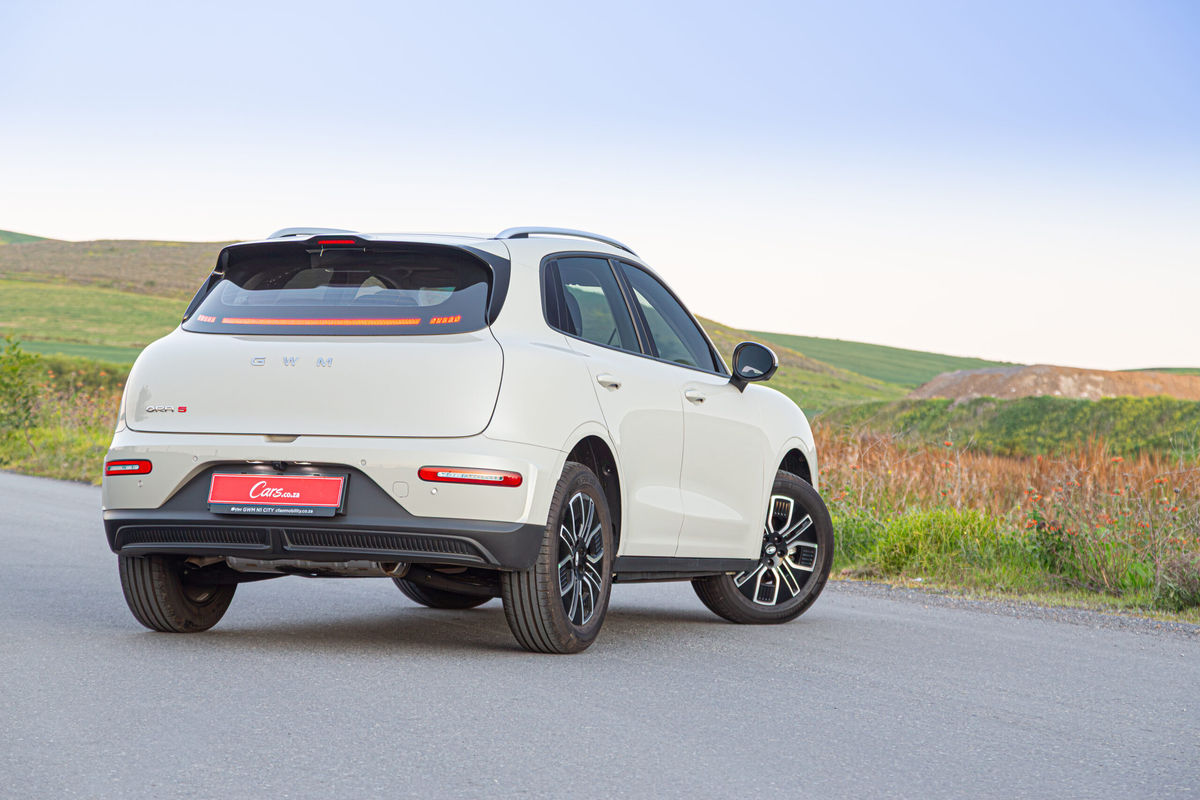
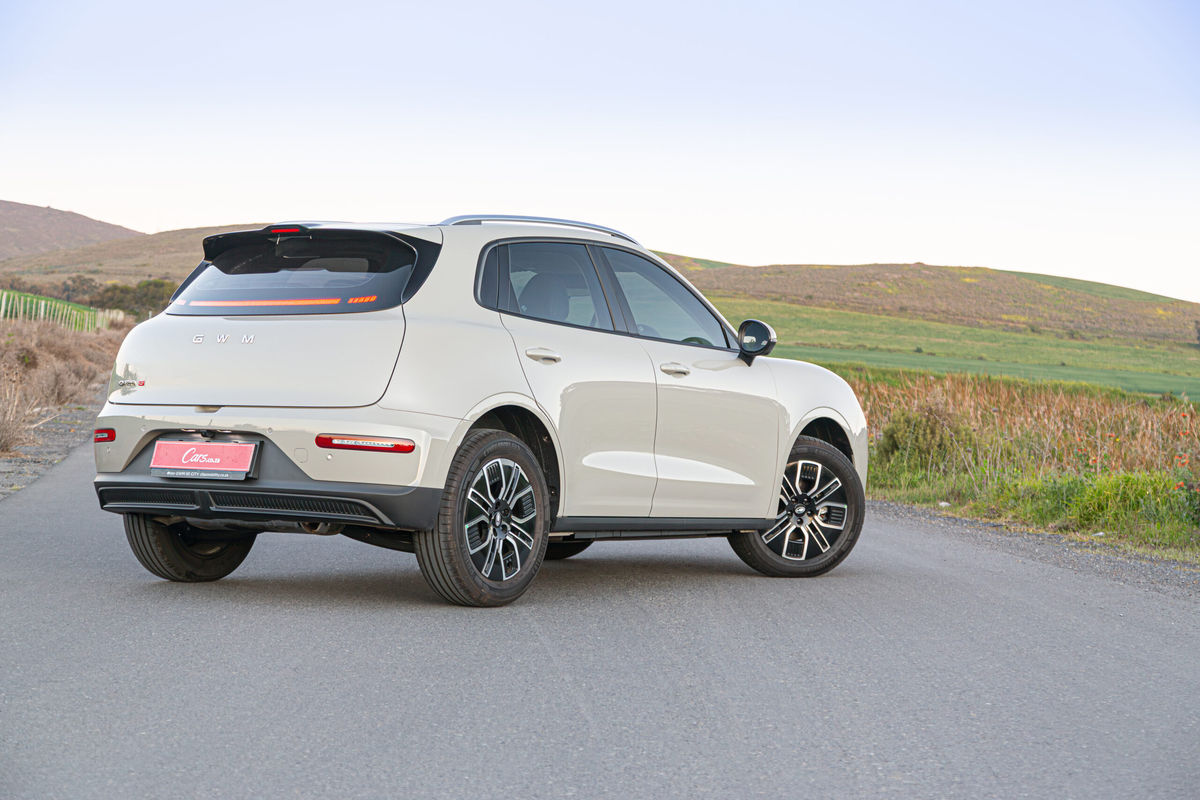
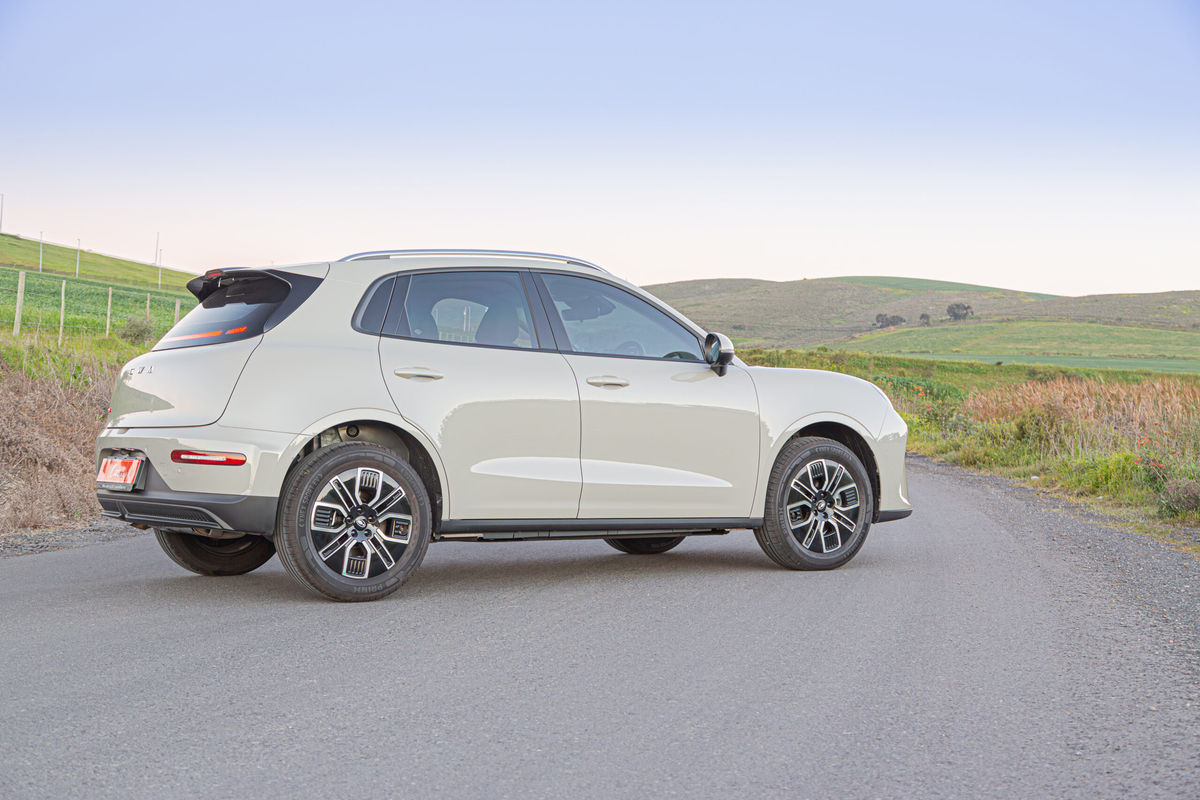
GWM SA to launch new Ora 5 in petrol form?

GWM South Africa looks set to offer the new Ora 5 crossover in petrol form, with the once pure-electric Ora sub-brand transforming into a multi-powertrain marque…

  • GWM to relaunch Ora sub-brand in SA
  • Ora 5 looks set to arrive in petrol form
  • Similar in dimensions to Haval Jolion

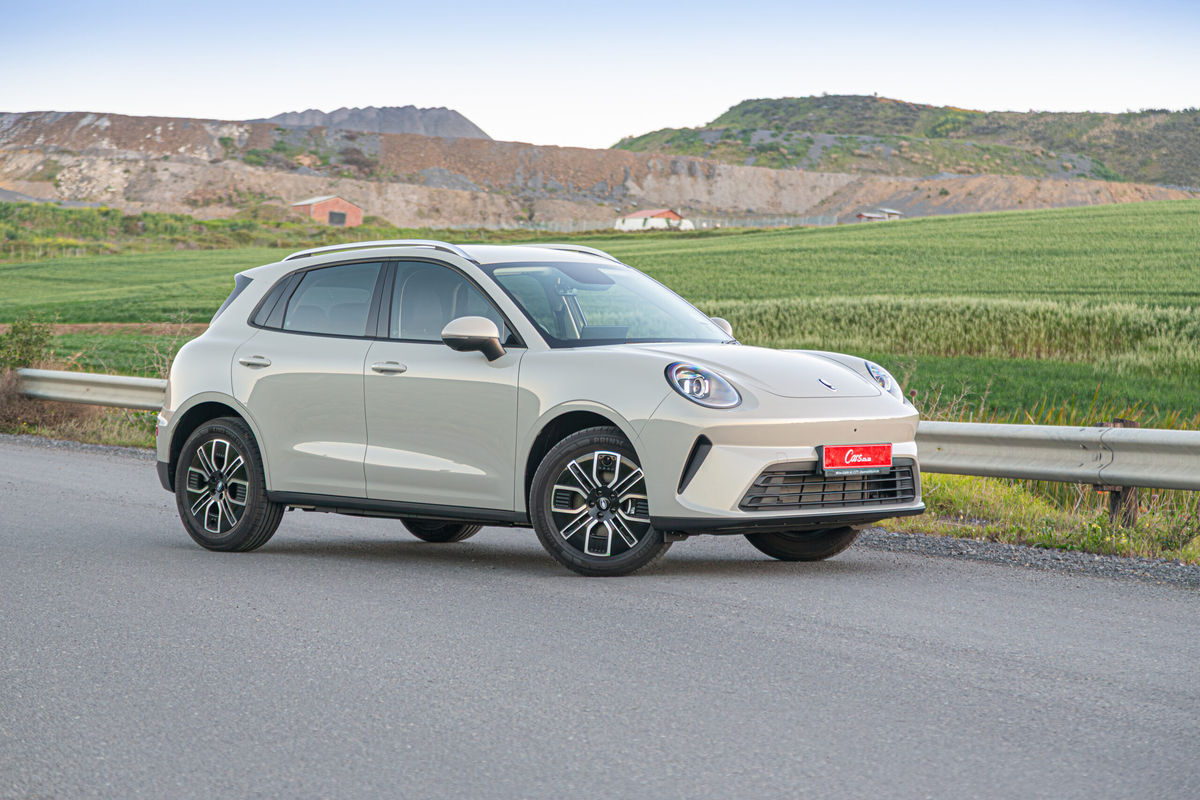
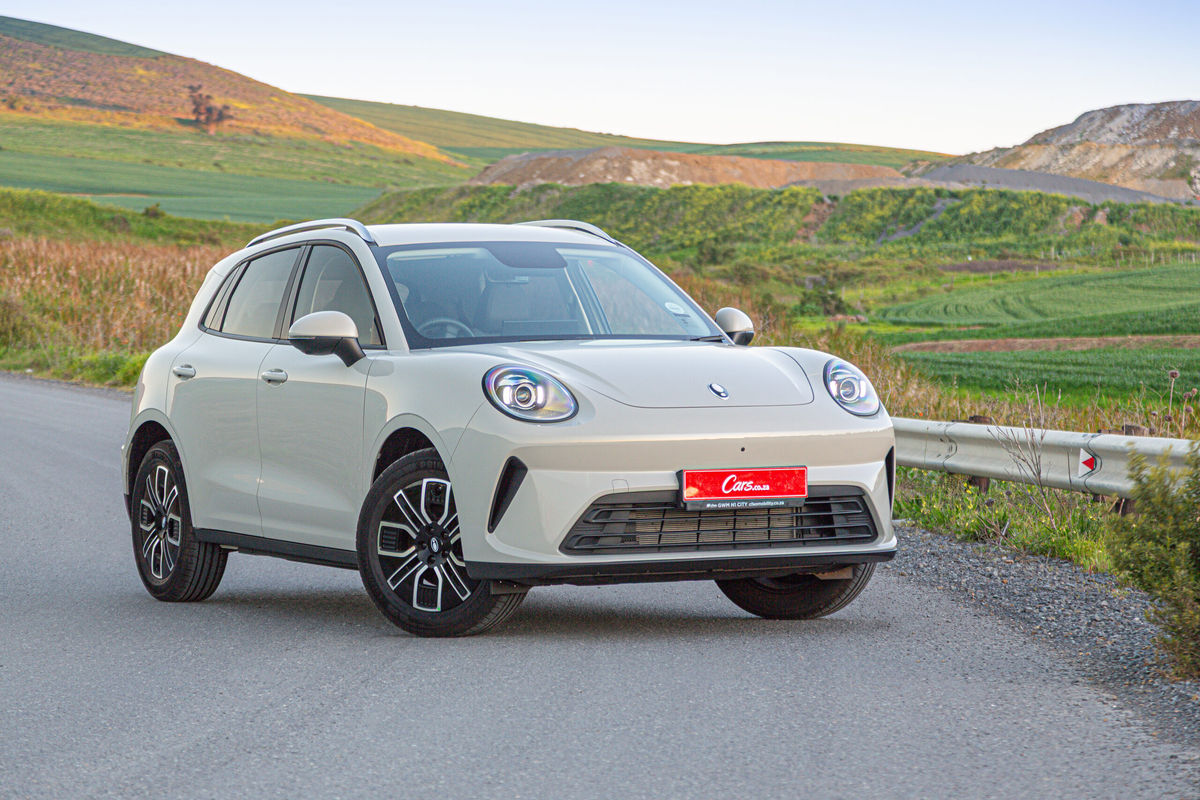
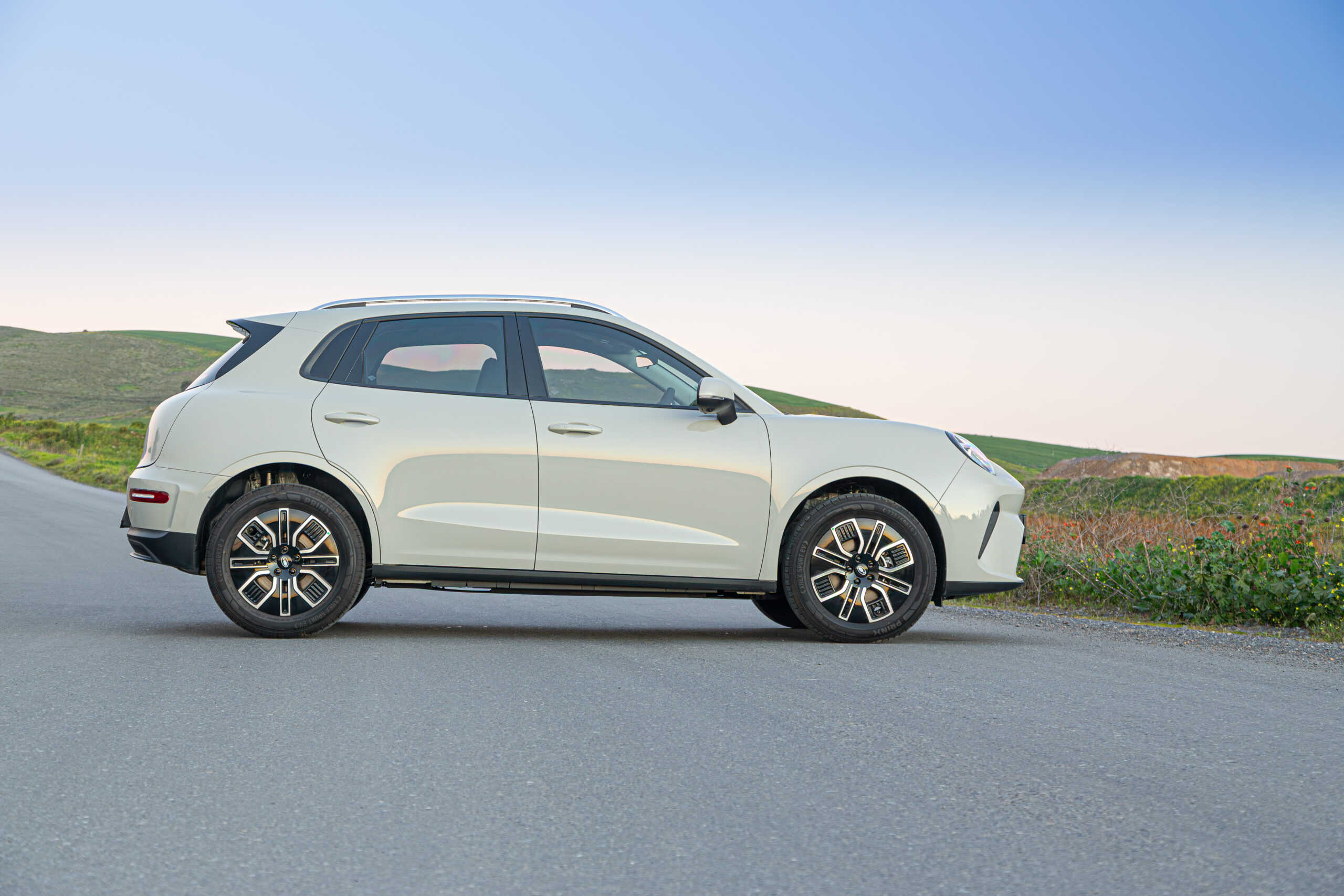
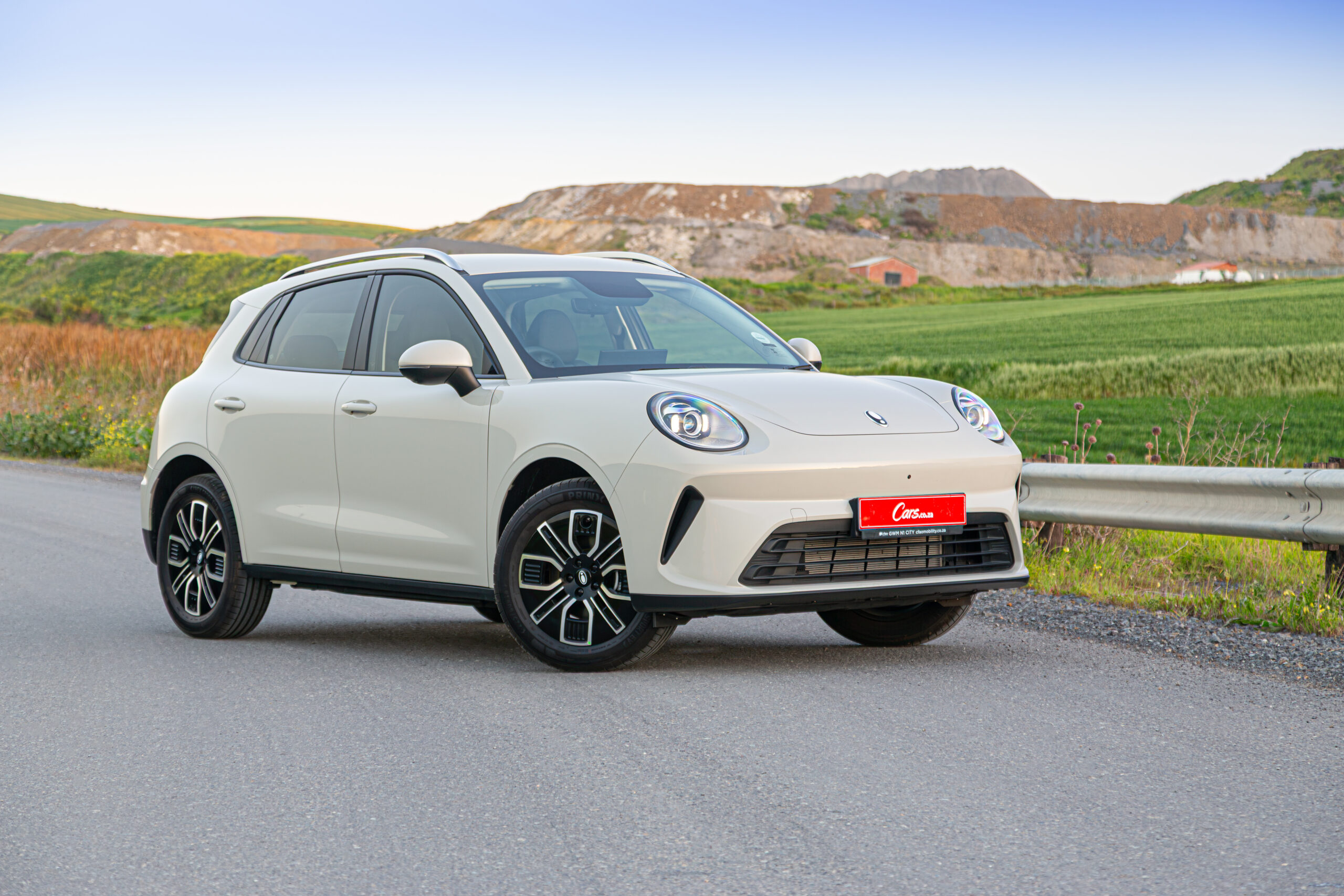
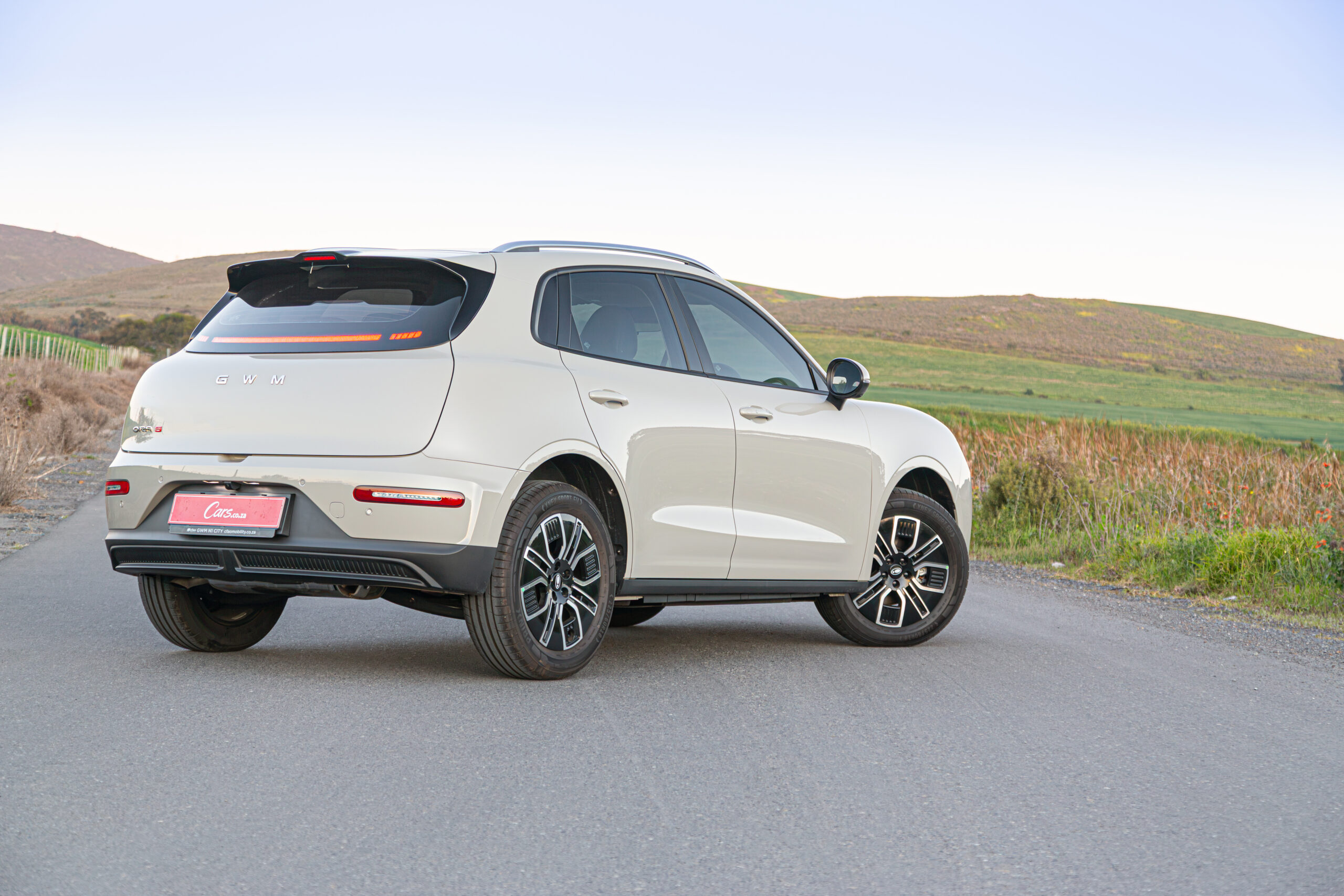
Back in October 2025 at Naamsa’s South African Auto Week 2025, the head of GWM South Africa told Cars.co.za the Chinese firm planned to reboot its Ora sub-brand locally. And it seems that relaunch includes powertrain flavours that aren’t electric, with the new Ora 5 set to arrive in petrol form.

As a reminder, GWM entered the local electric vehicle (EV) space back in November 2023 with the introduction of the Ora 03 hatchback. While it launched as Mzansi’s most affordable EV, several cheaper options have since arrived on the market. Sales of the Ora 03 have been slow, with just 18 units registered in SA in 2025 (and only 83 examples sold since launch).

The Chinese-market version, pictured here in EV guise.

Conrad Groenewald, Chief Operating Officer of GWM SA, told us last year the firm had “not quite seen the traction on Ora that we wanted”, though added “we have a plan” for 2026, without going into further detail. At the time, we speculated the Ora 5 might be on the cards for Mzansi, though – seeing as Ora was initiated as a pure-electric brand – we assumed it would arrive in battery-powered form.

However, we now have information suggesting the Ora 5 crossover will hit the market in South Africa in petrol guise. Though this model launched in EV form in its domestic market of China late in 2025, GWM’s global division has since confirmed the crossover will be produced in BEV, PHEV, HEV and ICE guise.

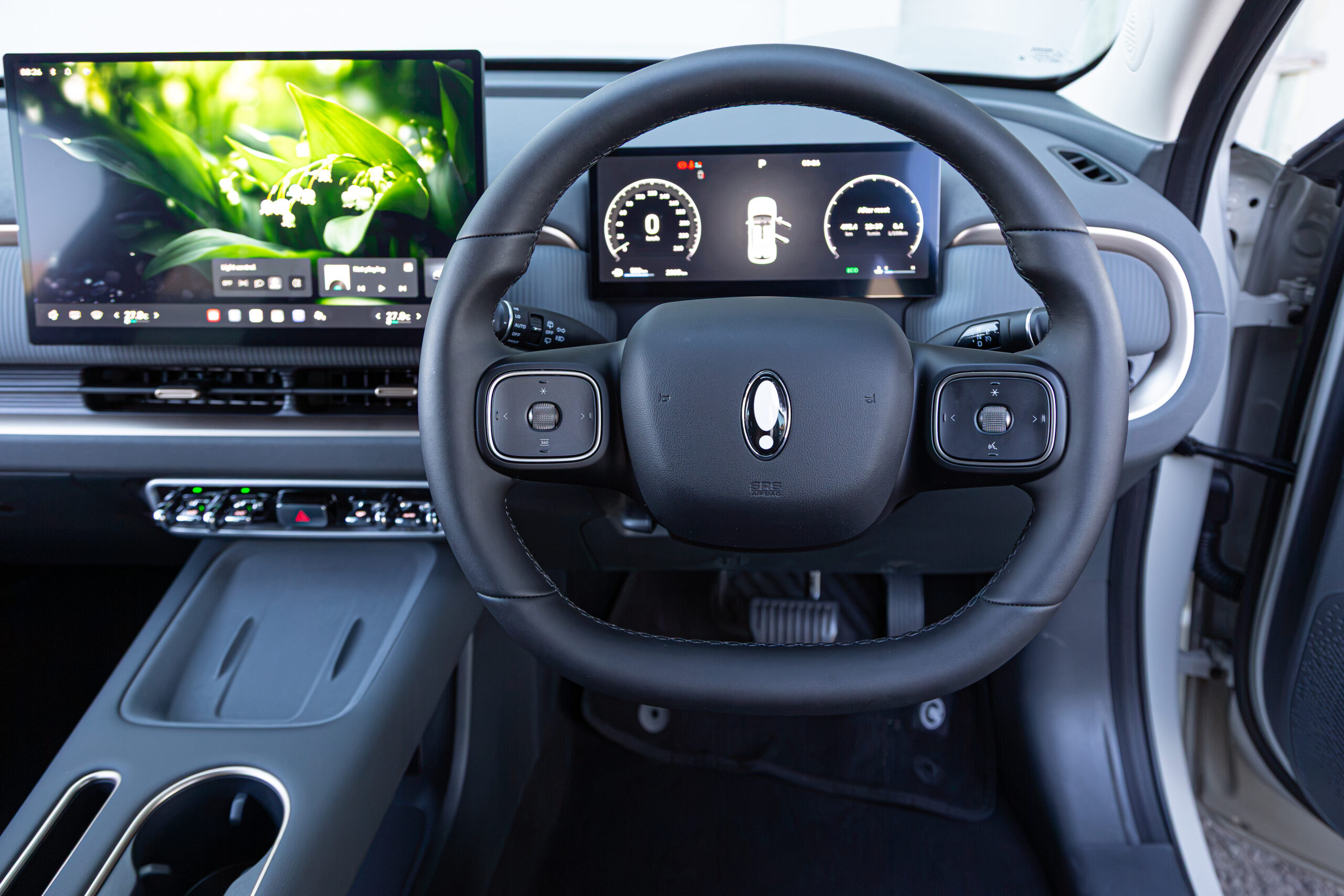
One of 3 cabin colour schemes offered in China.

From what we understand, the petrol-powered Ora 5 will employ a version of GWM’s familiar turbocharged 1.5-litre, 4-cylinder engine (likely related to the unit used in the Haval Jolion range). We expect a peak power output of approximately 130 kW, delivered to the front axle via a 7-speed dual-clutch transmission. It’s not yet clear whether the hybrid, plug-in hybrid and EV versions of the Ora 5 are also on the cards for SA.

For the record, the Ora 5 crossover measures 4 471 mm from snout to rump, while offering a wheelbase of 2 720 mm. That makes it a single millimetre longer than the Haval Jolion Pro (and just a millimetre shorter than the standard Jolion), with an additional 20 mm between its axles, too.
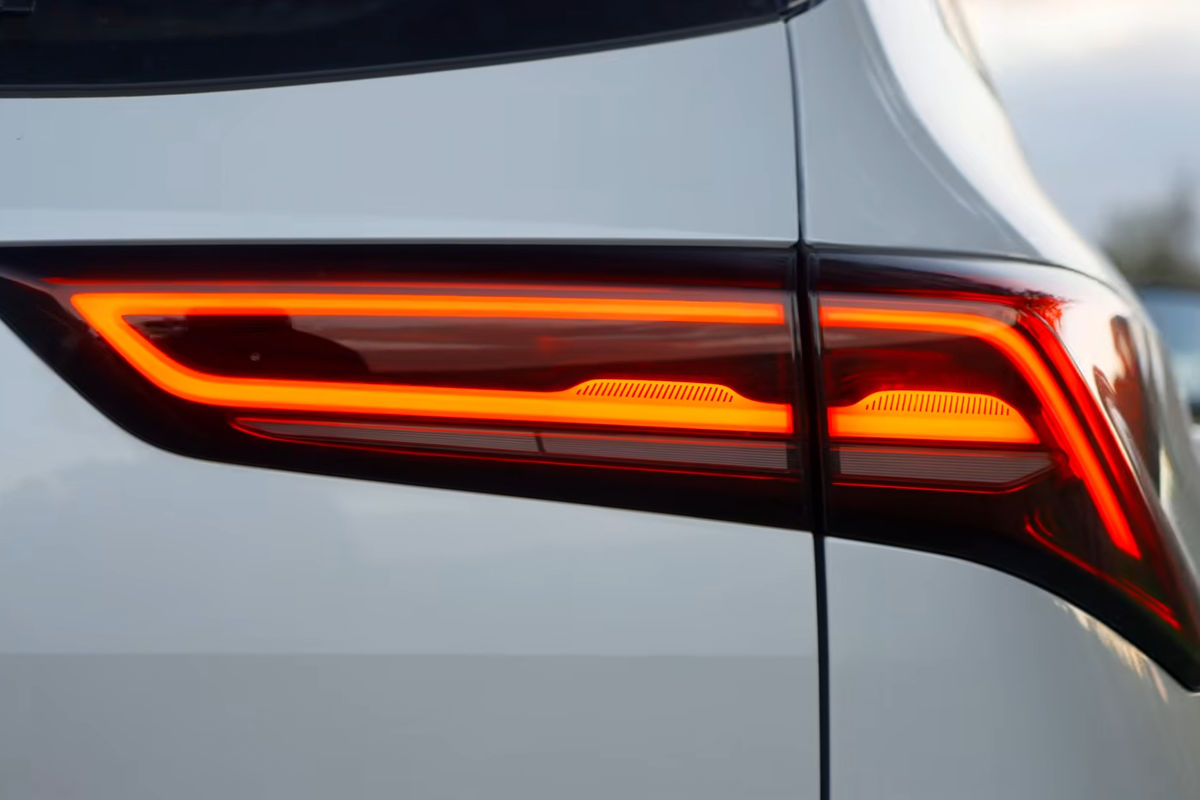
The Ora 5 is around the size of the Haval Jolion.
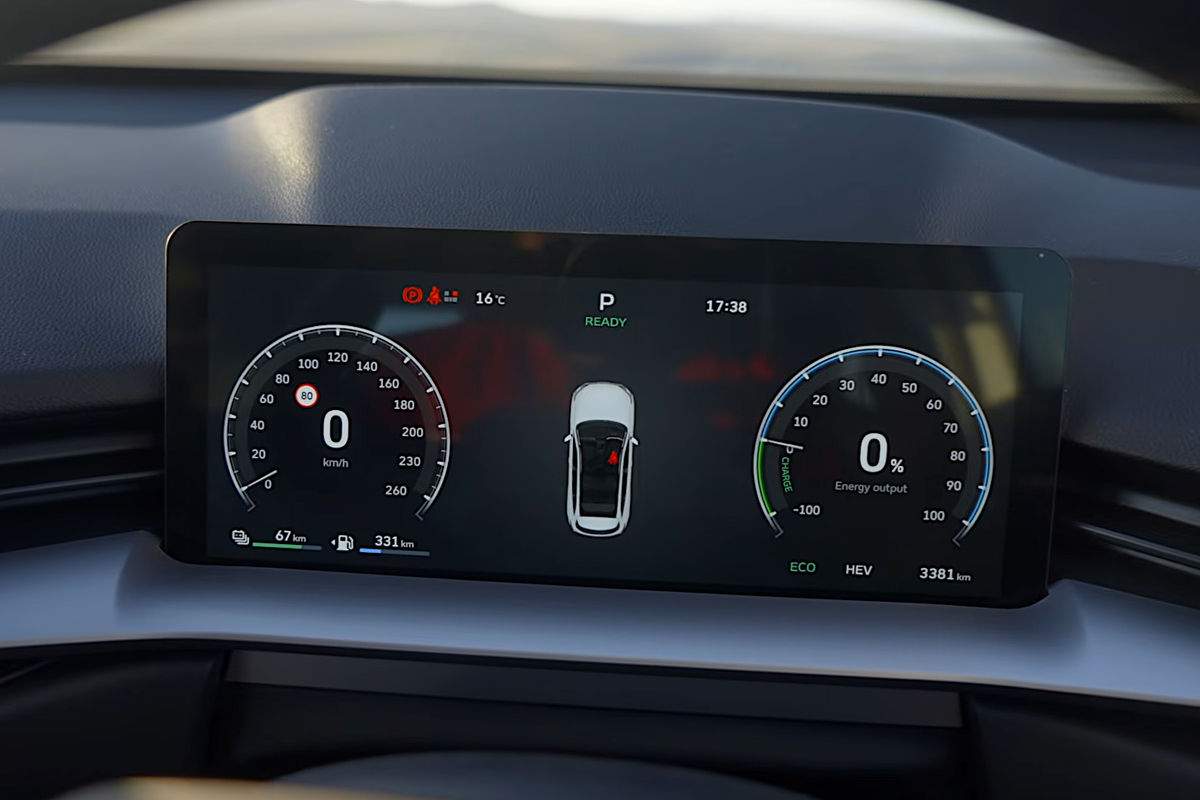
What does the impending arrival of the petrol-powered Ora 5 mean for the slow-selling Ora 03? Well, while this battery-powered hatchback – which is known as the “Good Cat” in some markets – is still listed on GWM SA’s website, it’s our understanding this EV may soon fall away completely…

Frequently Asked Questions (FAQ) About GWM’s Ora Relaunch in SA

Q: Is GWM Ora still an electric-only brand in South Africa?


A: Not for long. While Ora was originally launched as a pure-electric (EV) brand, GWM is seemingly shifting its strategy in 2026 to include internal combustion engines (ICE).
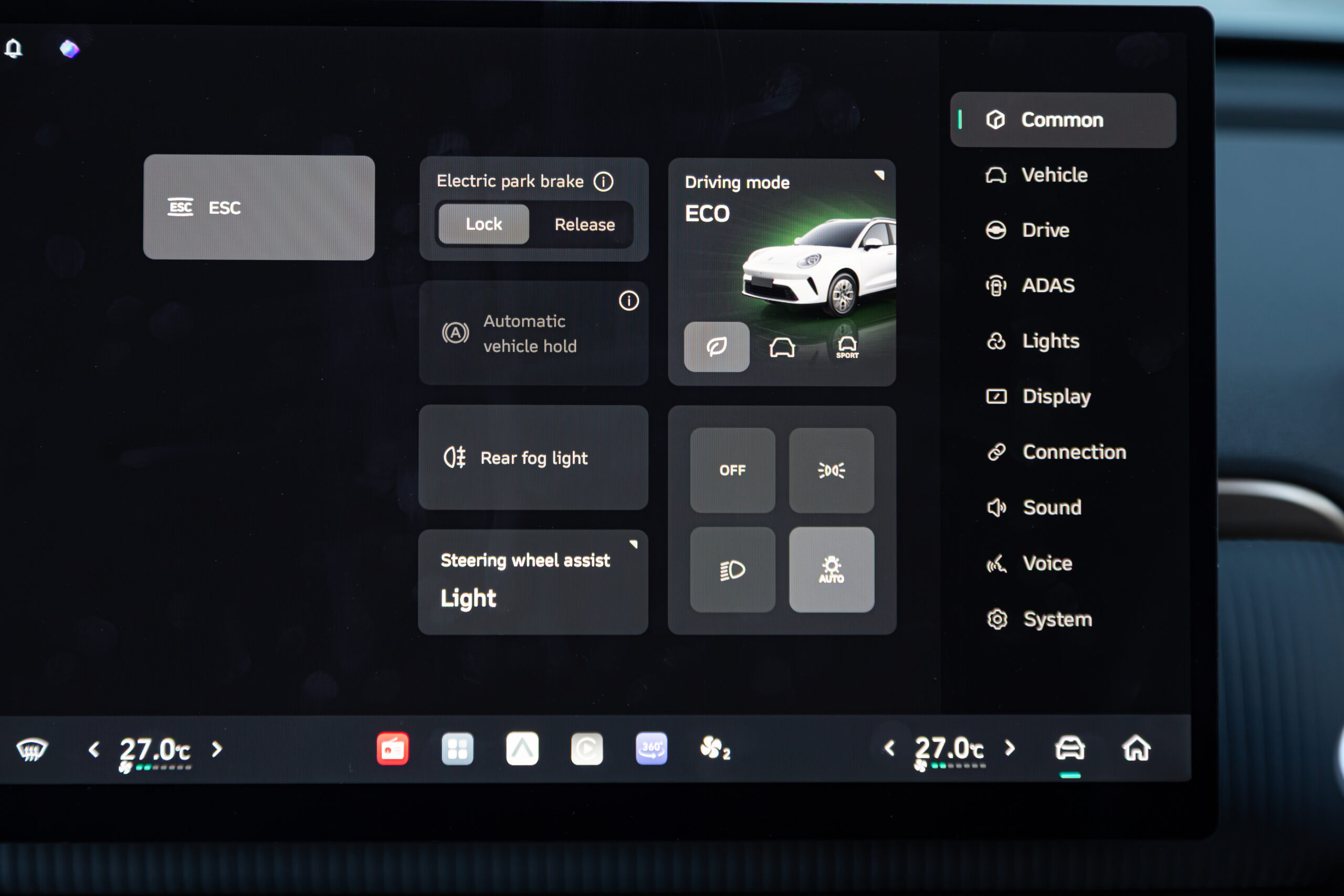
Q: How does the new Ora 5 compare to the Haval Jolion?


A: They are almost identical in footprint. The Ora 5 measures 4 471 mm in length, which is nearly the same as a Haval Jolion (4 472 mm). However, the Ora 5 features a longer wheelbase (2 720 mm vs 2 700 mm), which typically results in better rear legroom.

Q: What will happen to the current Ora 03 (Good Cat) EV?


A: The Ora 03 remains on sale for now, but its future is uncertain given its low sales volume (just 18 units in 2025). With the arrival of significantly cheaper EVs like the BYD Dolphin (starting at R339 900), the Ora 03 at R686 950 has struggled to compete. GWM’s “aggressive plan” for 2026 might involve phasing out the high-priced 03 in favour of the more versatile Ora 5 line-up.

Related content

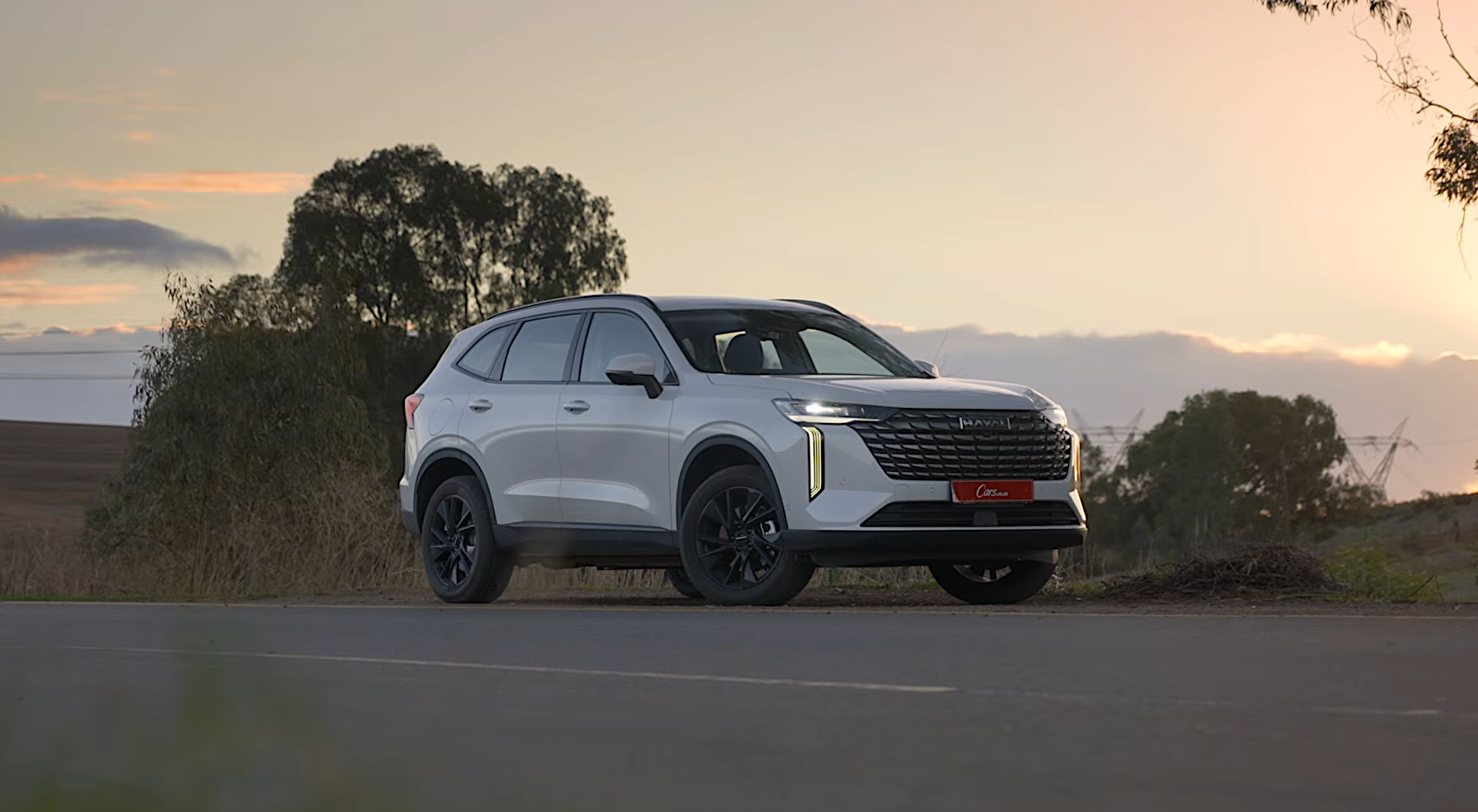
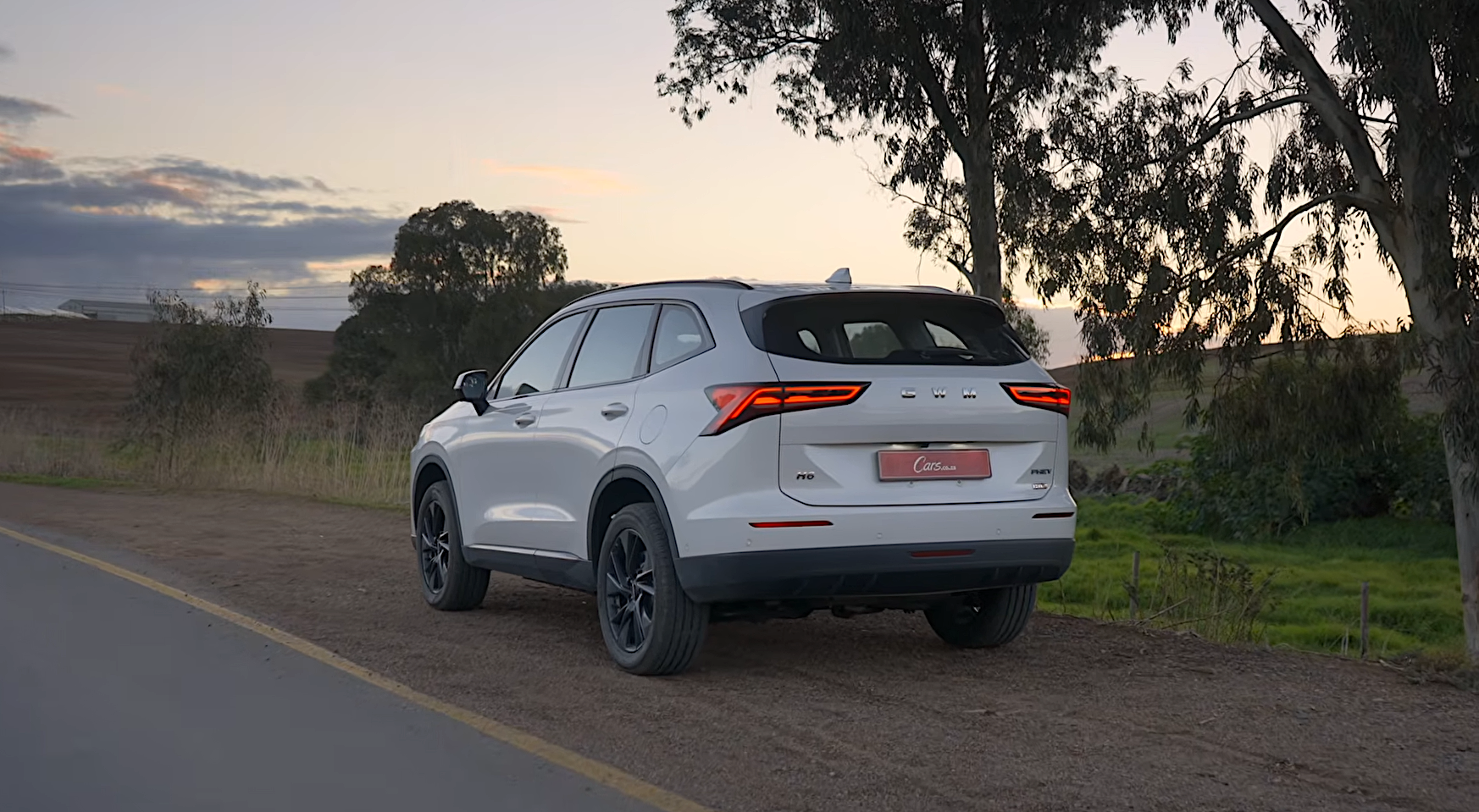
New Haval H6 PHEV confirmed for Mzansi

GWM eyes top 5 spot in South Africa in 2026

GWM SA bidding to build new model locally

Mazda 2 (2026) Review

The Mazda 2 soldiers on as the Japanese brand’s entry-level hatchback. In the face of more popular crossovers, is it still worth a look?

We like: Excellent ride and drive refinement, good blend of performance and efficiency, build quality.

We don’t like: Lacking features at this price point, showing its age.

FAST FACTS

  • Model2026 Mazda2 1.5 Dynamic auto
  • Price: R371 300
  • Engine: 1.5-litre 4-cylinder naturally-aspirated petrol
  • Transmission: 6-speed automatic
  • Power / Torque: 85 kW/148 Nm
  • Claimed fuel consumption: 6.0 L/100 km
  • 0-100 kph: 10.4 sec (claimed)

Where does the Mazda 2 fit in?

When you look at sub-R450k vehicles, the venerable hatchback’s sales numbers have been in decline for a number of years simply due to the broader appeal of crossovers and small SUVs. Understandable it is, too – there is a perception that you’re getting a more practical and bigger vehicle.

Old, but gold!

On the entry-level side of things, the hatchback market is still flourishing with the likes of the Volkswagen Polo Vivo selling in healthy numbers, followed by the likes of the Suzuki Baleno/Toyota Starlet.

Go a little more expensive and there are just a handful of hatchback rivals remaining, with the likes of the Kia Rio, Renault Clio and Ford Fiesta being discontinued for our market. When you remove the turbocharged rivals from the equation, there’s just a handful of B-segment vehicles chasing down this Mazda 2.

If you’re after sensible practicality, then look to the Honda Fit, née Jazz. Sadly, they’ve become quite pricey over the years and the entry point starts at R380 500. If you’re on a budget and happy to sacrifice some of that plush cabin feeling, then look at the Suzuki Baleno in GLX trim.

See how they compare: Mazda2 vs Honda Fit vs Suzuki Baleno

Other choices include the Hyundai i20, Opel Corsa, Citroën C3 Max, new-kid-on-the-block MG 3 hatchback and, if you’re willing to settle for a demo unit, a good old Volkswagen Polo will serve you nicely.

See how they compare: Mazda2 vs Hyundai i20 vs MG 3

The design remains neat, but it’s showing its (advanced) age…

How the Mazda 2 fares in terms of…

Design & Packaging

The Mazda 2 has been around for many years and yet its overall design hasn’t changed much. To be fair, it hasn’t needed to, offering an inoffensive and pleasant look. A variety of unique paint choices like Airstream Blue metallic helps make things a bit more interesting. Sadly, our Aero Grey unit blended in with some late afternoon fog.

An interesting design element on the nose

The Japanese have a stellar reputation for fit and finish, and this is echoed in the cabin. Granted, the cockpit of the Mazda 2 looks sparse and minimalist in the face of large-screen-obsessed rivals from the East. Yet, there’s something pleasant about an ergonomically designed and easy-to-understand driver’s interface.

The Mazda2 has a well-built interior.

Mazda has reversed its strategy of not offering touchscreens, citing safety concerns, but the caveat is the latest iteration of products will only allow this if the vehicle is stationary. Good thing we’re already well versed in the art of Mazda’s rotary controller!

Specification for the Dynamic trim covers all the bases, with two USB ports, wired Apple CarPlay/Android Auto connectivity, cruise control and steering wheel controls. Surprisingly, you’d think automatic lights, reverse camera, rear parking sensors and climate control would be present at this price point.

The rotary controller for the infotainment screen.

In terms of safety, stability control and 6 airbags are standard, but we would have liked to have seen some form of assist, like forward collision warning or semi-auto emergency braking.

Rear cabin space is a tight squeeze for 4 adults, but if its just 2 adults and 2 small children, the Mazda 2 is adequate. In Dynamic spec, the seat material is cloth, with only the flagship Individual offering leather seat trim.

Ride, Handling & Comfort

It should come as no surprise that the brand responsible for the MX-5 roadster has imbued some driving magic into its sensible city hatchback. Driving expectations for a vehicle in this class are comparatively low, yet the Mazda’s agility and engagement are possibly some of the highest in the segment. It didn’t need to drive well, and yet…

Sensible 185/65 R15 tyres on duty.

The ride quality is a solid blend of performance and comfort, with the suspension and 15-inch wheels soaking up the varying quality road surfaces of South Africa. The steering feel is excellent, being nicely weighted and accurate.

Performance & Efficiency

The Mazda 2 makes use of the tried-and-tested 1.5-litre naturally-aspirated petrol engine. In this application, there’s 85 kW and 185 Nm driving the front wheels via a 6-speed automatic gearbox. At sea level and once past the run-in period, we stretched the vehicle’s legs.

A digital rev counter makes the dashboard interesting.

Mazda claims 0-100 kph in 10.4 seconds, with our data logger recording a spritely 9.93! The vehicle does come with a discrete sport mode button, but we couldn’t notice a difference in performance with it on or off. We presume its just a bit of code to tell the gearbox software to change gears a little later. You can shift the cogs yourself but the car’s transmission mapping is more than good enough.

It is worth noting this engine won’t be as energetic at Gauteng altitudes due to the rarefied air. Expect a 17% reduction in engine outputs, something which the Mazda’s turbocharged rivals don’t suffer from.

A good blend of performance without compromising on economy.

Speaking of turbocharged engines, naturally-aspirated motors tend to be a bit more frugal and we managed a combined consumption figure of 7.1 L/100 km. Granted, that was some way off the car’s claim, but we were not holding back. A measured driving style should see around 6.5 L/100 km.

Price & Aftersales support

The Mazda 2 is sold with a 5-year/unlimited kilometre warranty, 3-year/unlimited kilometre service plan and 5 years of roadside assistance.

1.5 ActiveR321 500
1.5 DynamicR351 200
1.5 Dynamic AutoR371 300
1.5 Individual AutoR417 300

Verdict

We can’t be distracted by the fact that the Mazda 2 is in its twilight years and a replacement is expected in the next few years. Rumours suggest production of this generation will be stopping around the middle of 2026.

Should you buy one? Certainly, it’s priced higher than some of its established rivals while offering less standard specification, but you might choose to prioritise build quality and driving engagement by opting for the Mazda. It’s a good car but comes at a price and it’s starting to show its age. Newer and fresher rivals simply offer more for less.

Want to purchase a new or used Mazda? Browse vehicles for sale.

All the latest Mazda news and reviews

Frequently Asked Questions

What is the price of the Mazda 2 in South Africa?

As of early 2026, pricing for the Mazda 2 lineup is approximately as follows:

  • Mazda 2 1.5 Active (Manual): R321 500
  • Mazda 2 1.5 Dynamic (Manual): R351 200
  • Mazda 2 1.5 Dynamic (Automatic): R371 300
  • Mazda 2 1.5 Individual (Automatic): R417 300

What engine does the Mazda 2 use?

All Mazda 2 models in South Africa are powered by a 1.5-litre naturally aspirated 4-cylinder petrol engine (SKYACTIV-G). It produces 85 kW of power and 148 Nm of torque, and can be paired with either a 6-speed manual or a 6-speed automatic transmission.

What are the different trim levels available for the Mazda 2?

The local Mazda 2 range is streamlined into three distinct trim levels:

  • Active: The entry-level model featuring push-button start, LED headlamps, and basic Bluetooth connectivity.
  • Dynamic: The mid-range model that adds a 7-inch infotainment screen with Apple CarPlay and Android Auto, cruise control, 15-inch alloy wheels, and a leather-wrapped steering wheel.
  • Individual: The flagship model offering premium features like 16-inch alloy wheels, a reverse camera, wireless smartphone charging, automatic headlights, rain-sensing wipers, and a heads-up display.

What warranty and service plan comes with the Mazda 2?

The Mazda 2 offers excellent peace of mind with a standard 5-year/unlimited kilometre vehicle warranty. The purchase price also includes a 3-year/unlimited kilometre service plan (with 15 000 km service intervals) and 5 years of roadside assistance.

What is the fuel consumption of the Mazda 2?

The Mazda 2 is known for its efficiency. The manual transmission models claim an average fuel consumption of 5.7 L/100 km, while the automatic variants claim approximately 6.0 L/100 km.