Nissan SA has built ‘additional stock’ of axed NP200
Though the NP200 is no more, Nissan SA says sales of the half-tonne bakkie will continue for a few months yet, thanks to the production of “some additional vehicle stock”…
After 16 years, production of the Nissan NP200 officially ended at the Japanese firm’s Rosslyn factory in March 2024. However, the company says it managed to build “some additional vehicle stock” before bringing down the curtain on what was South Africa’s last surviving half-tonne bakkie.
“Nissan SA was able to build up some additional vehicle stock before the end of production, which is sitting with our Nissan dealer network. We foresee a continuation of sales for the next couple of months, until stocks run out,” the firm told Cars.co.za.
Nissan added it would “continue to support” its existing NP200 customers, providing “maintenance, part replacements and other services” going forward, with a further guarantee “that service, warranty and all other related policies will remain in place”.
In addition, Nissan confirmed to Cars.co.za that its “study into an alternative model” for local production is “progressing”, adding that although it is “not able to share details currently, Rosslyn remains in good shape to attract new models”. It then reiterated that “finding a new model [for production] remains a priority for Nissan”.
Back in October 2023, Nissan announced it had officially entered a “formal consultation phase to restructure the business“, thanks largely to the then-looming end of production of the NP200 (local manufacture of the Navara, of course, continues today, with a plan to ramp up production further in the coming months).
The automaker furthermore revealed it had earlier lined up an “immediate replacement model for NP200”, which was planned to be built on a Renault-Nissan-Mitsubishi Alliance shared platform in Russia. However, that model was “no longer viable” due to significantly reduced volumes brought about by the “geopolitical situation in Russia”.
For the record, the outgoing NP200 range comprises just a pair of derivatives: the NP200 1.6i 8V Base (safety pack) priced at R245 300 and the NP200 1.6i 8V Base (safety pack + air-con) pegged at R266 000. In either case, the naturally aspirated petrol engine offers 64 kW and 128 Nm to the front axle via a 5-speed manual gearbox.
As a reminder, the NP200 arrived on the scene as a replacement for the Nissan 1400 back in 2008, boasting an 800 kg payload. The workhorse had the local half-tonne bakkie segment all to itself since the close of 2017, when General Motors quit Mzansi, thus marking the end of the road for the Chevrolet Utility.
In 2023, the NP200 placed 4th on the list of Mzansi’s best-selling bakkies, with as many as 12 721 units registered (down 1.1%, year on year). A further 2 245 examples were sold in the opening 2 months of 2024.
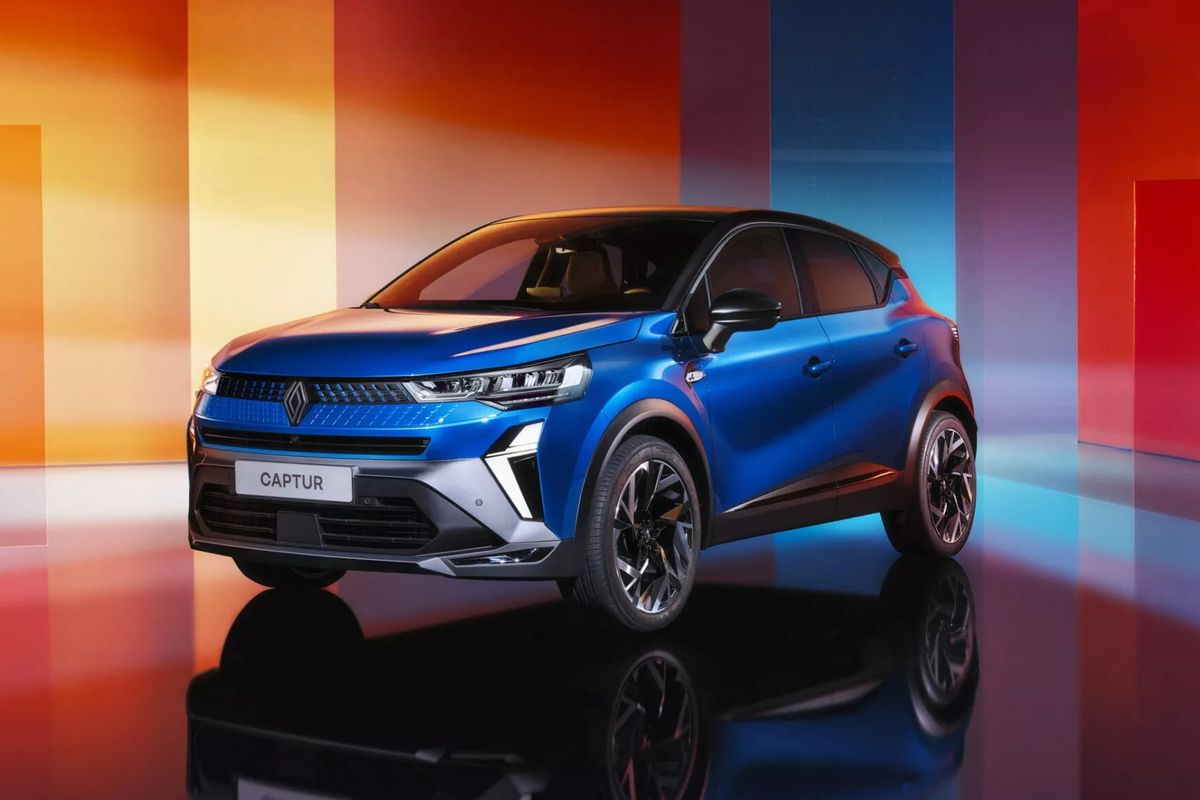
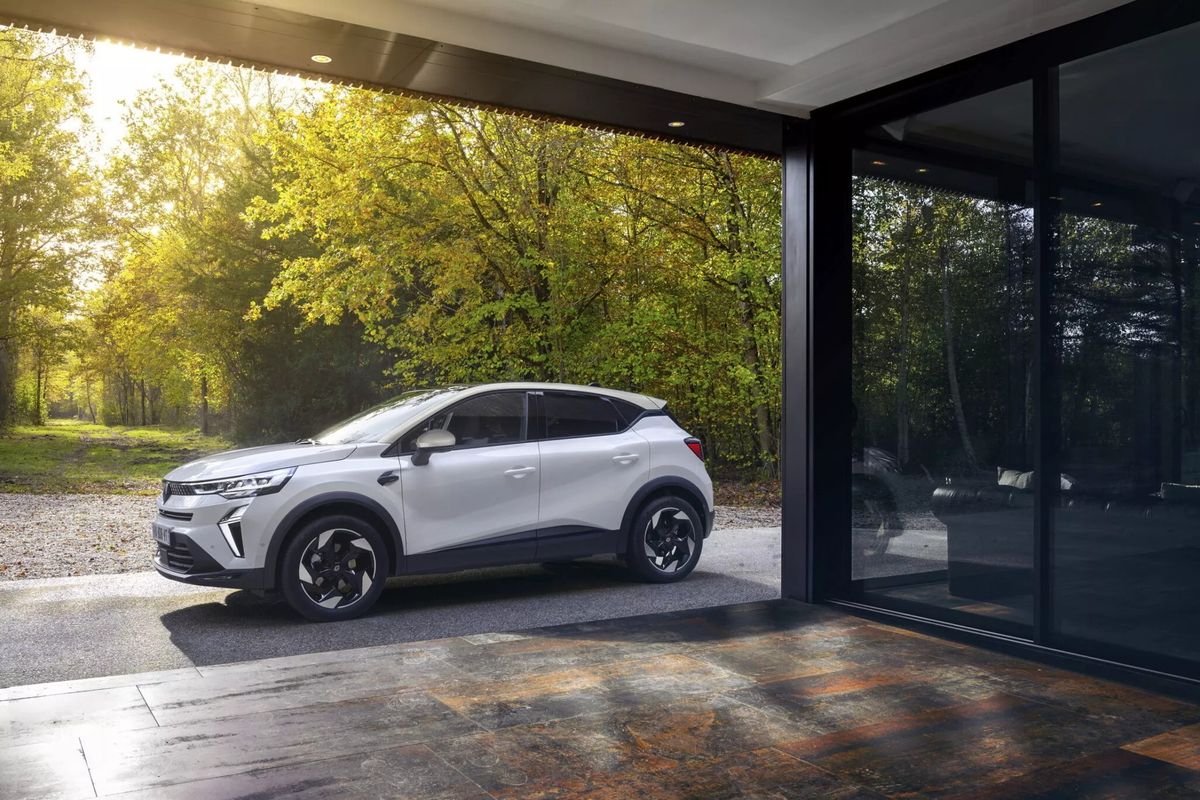
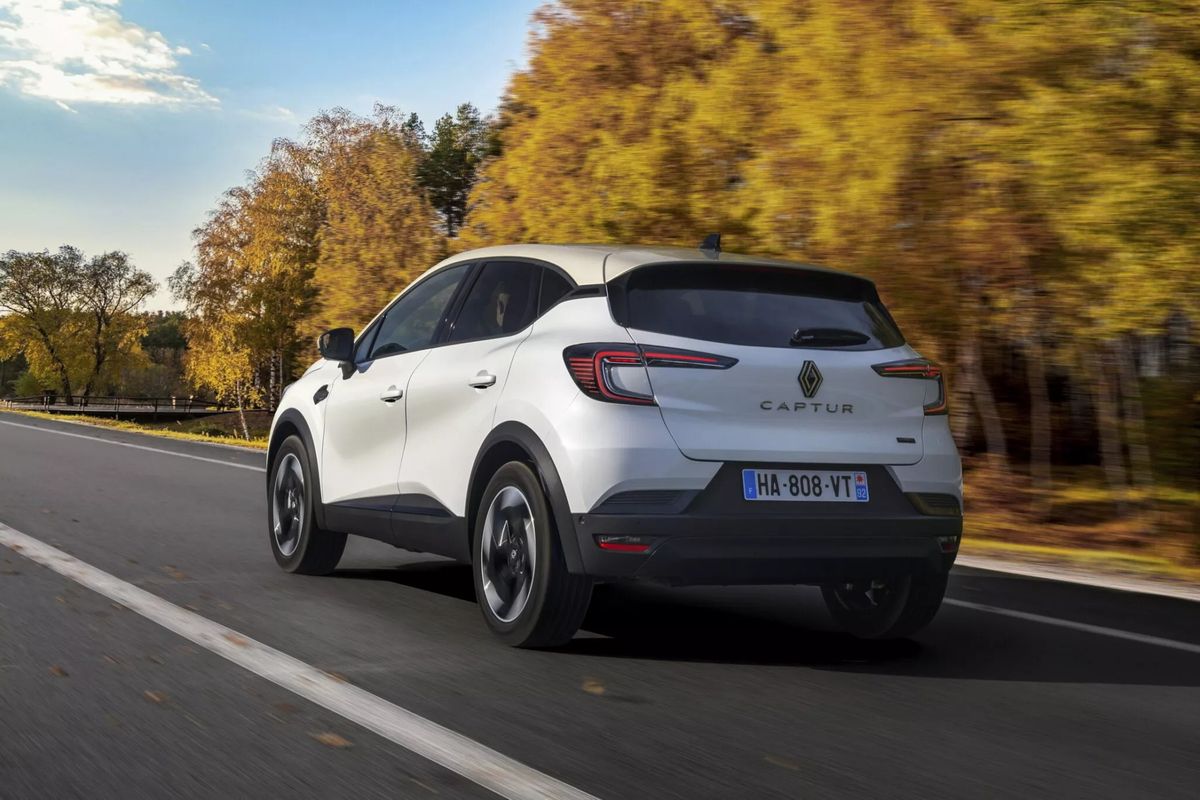
Images and details of the facelifted Renault Captur have just been released. Here’s your first look.
The facelifted Renault Captur has just been revealed and the good news is that it’s confirmed for South Africa.
What’s changed?
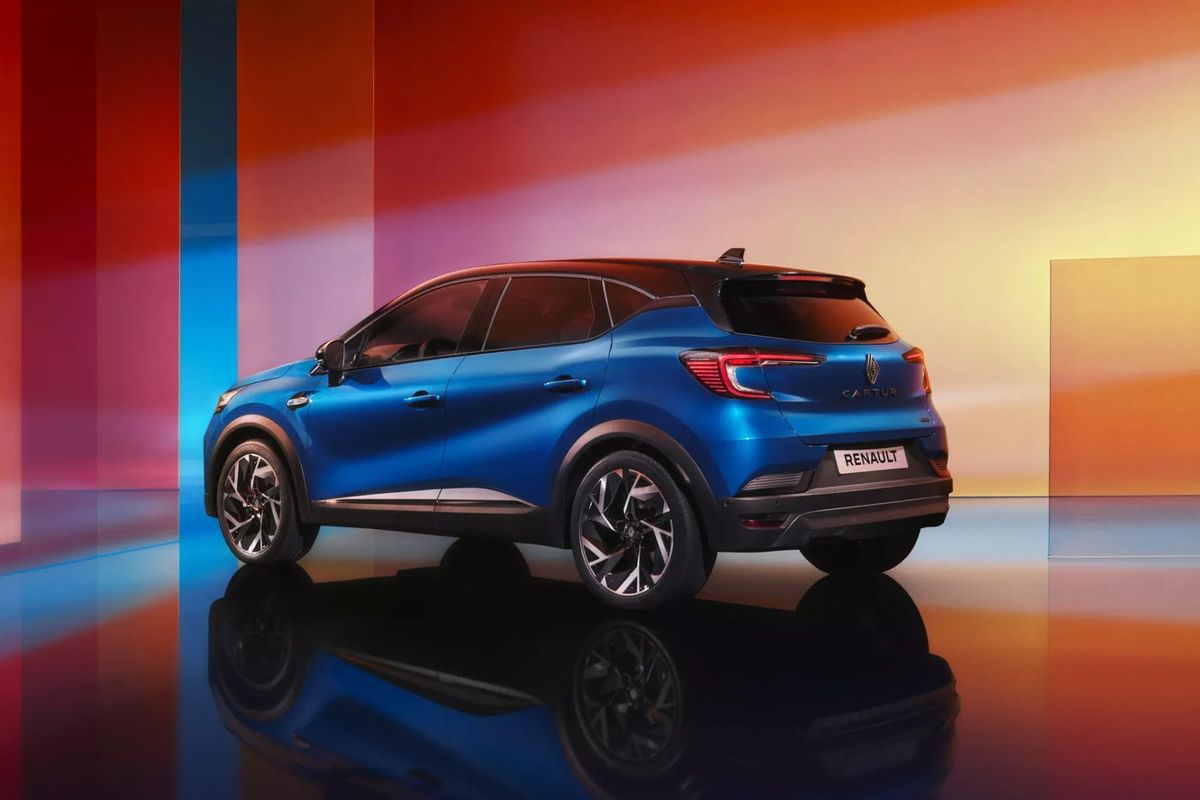
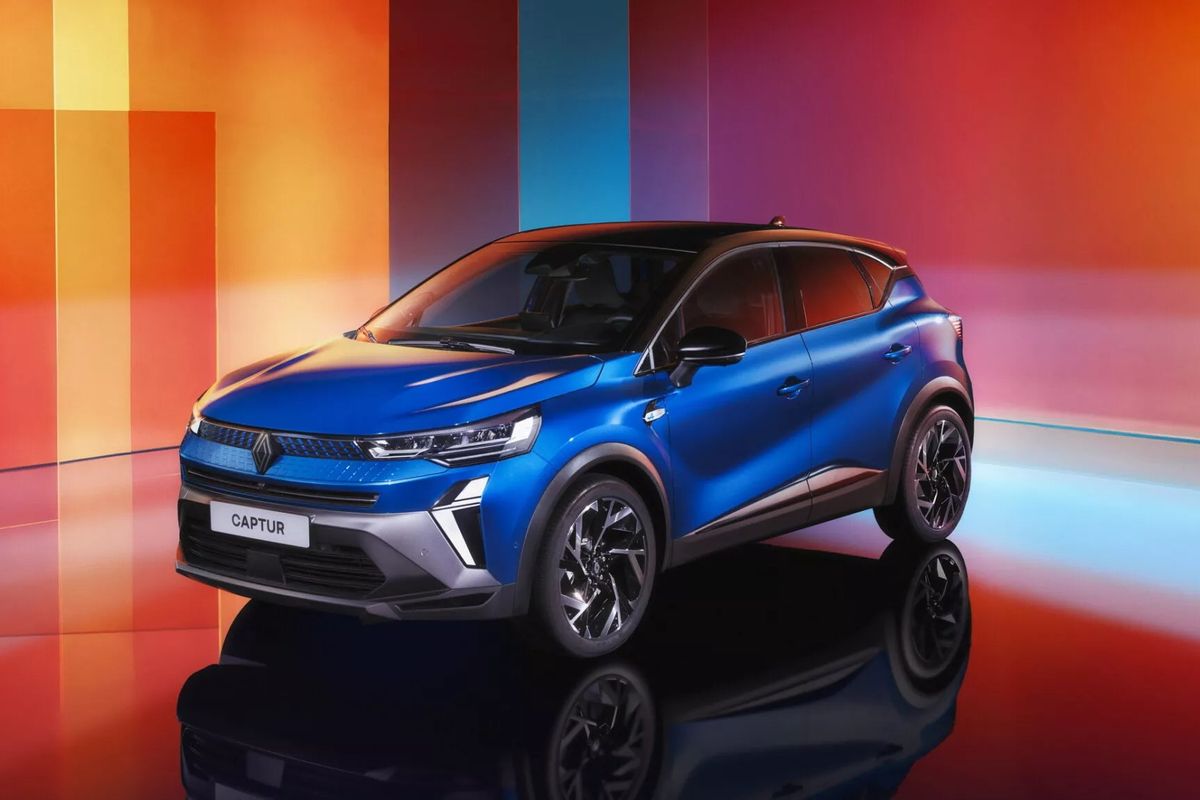
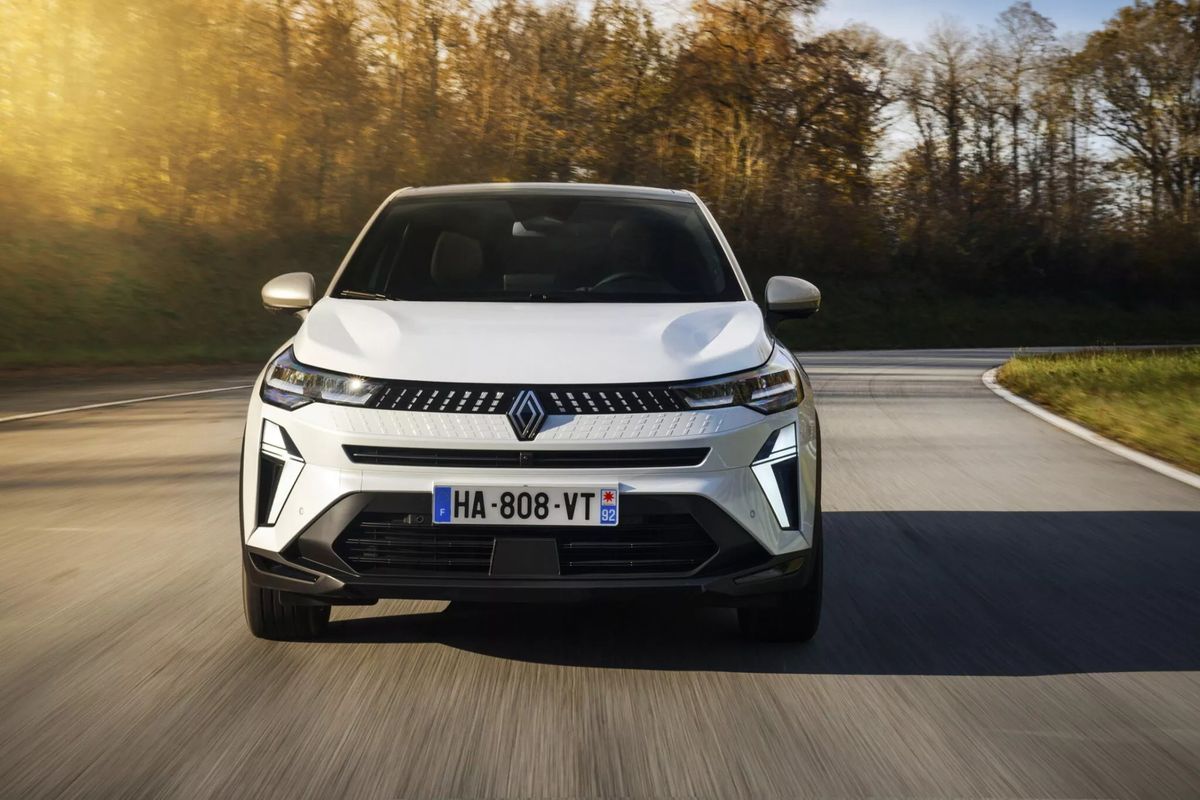
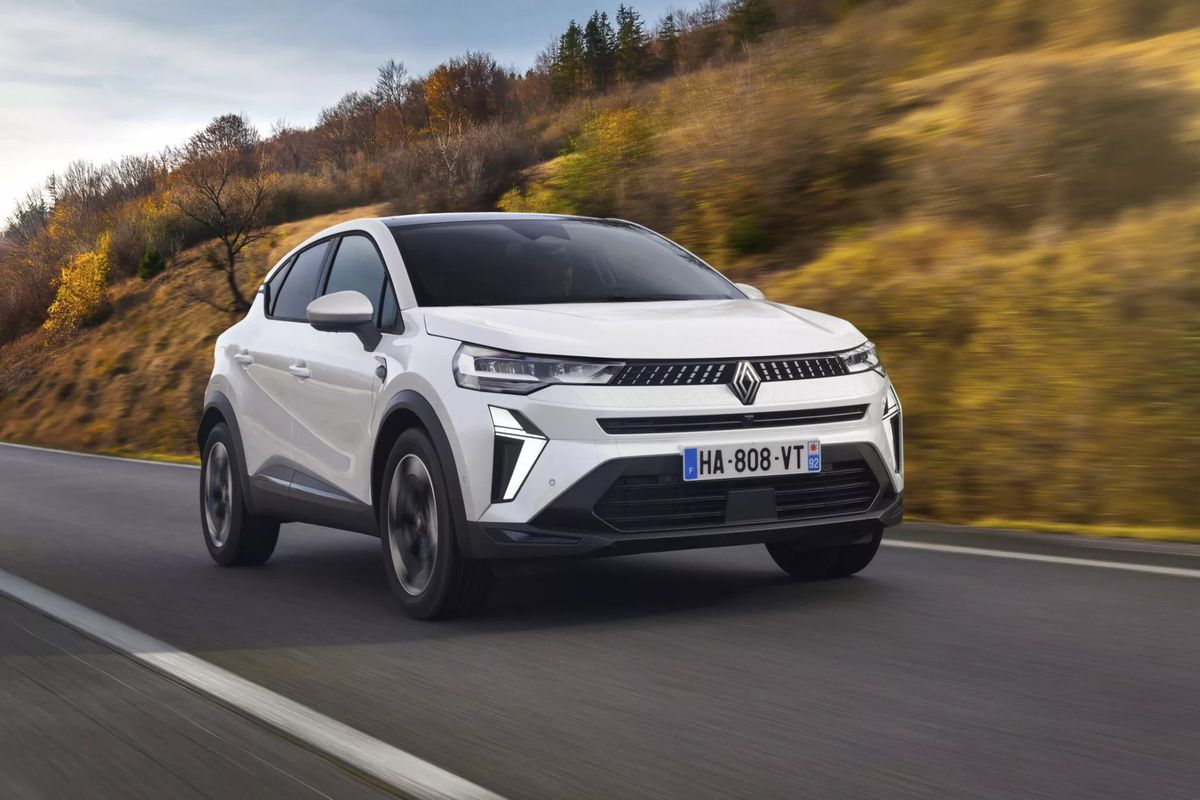
The facelift, or as Renault calls it ‘mid-lifecycle update’ sees the Captur get a new look at the front. The design language is fresh and was first seen on the facelifted Clio, which is also earmarked for South Africa. Penned by designer Gilles Vidal, the facelifted Renault Captur gains a premium look.
There are new LED headlights, new-look daytime running lights and a bold new grille. The rear is mostly unchanged, other than LED taillights. If you look closely, the new Renault logo makes its debut. Renault Europe says there are now 14 colour combinations and new wheel designs, with the largest sitting at 19-inches.
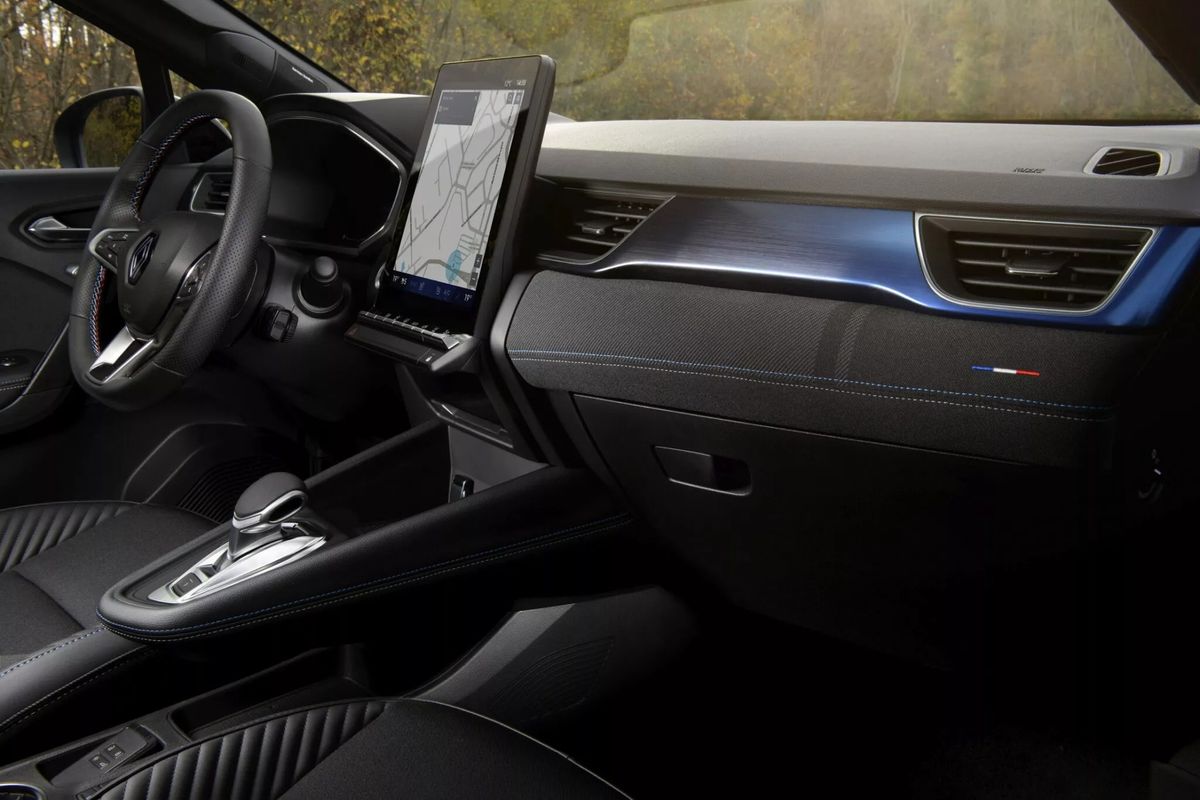
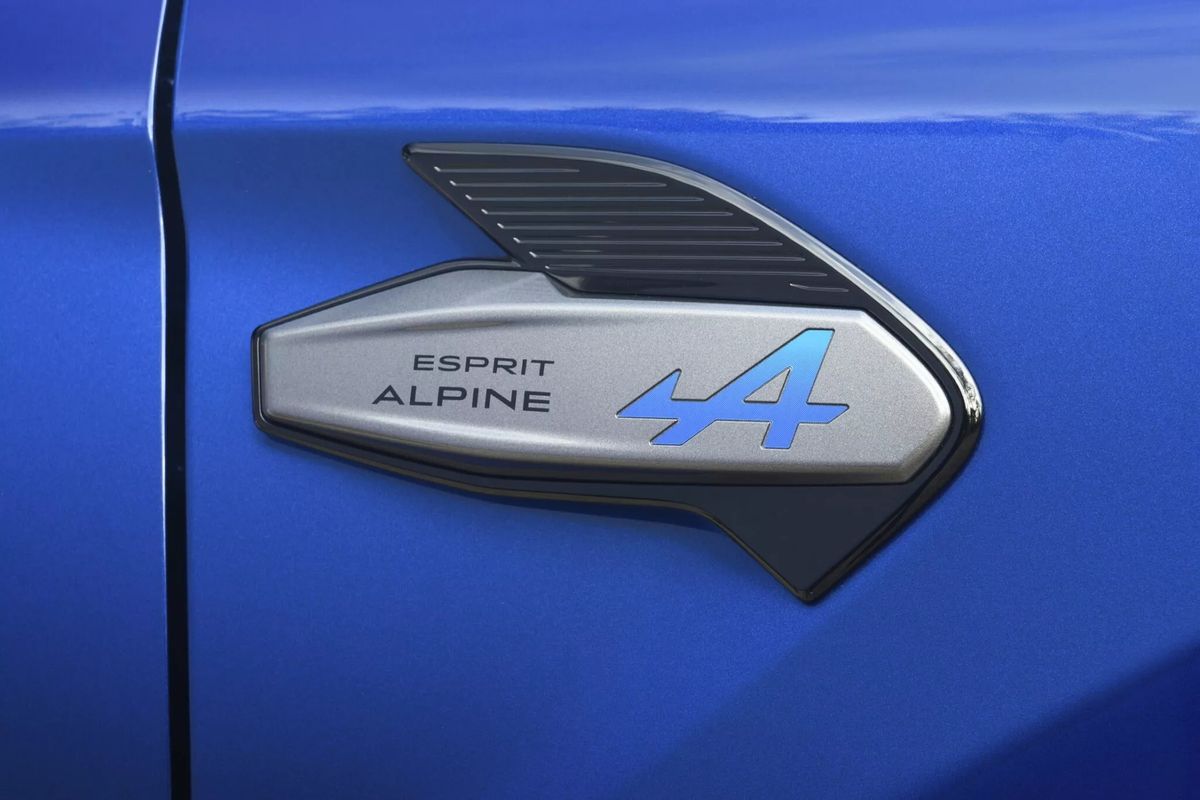
Also offered is the new sporty-looking Esprit Alpine trim level which replaces the older RenaultSport (RS) Line. It gets its own visual kit, model-specific 19-inch wheels as well as a sportier cabin.
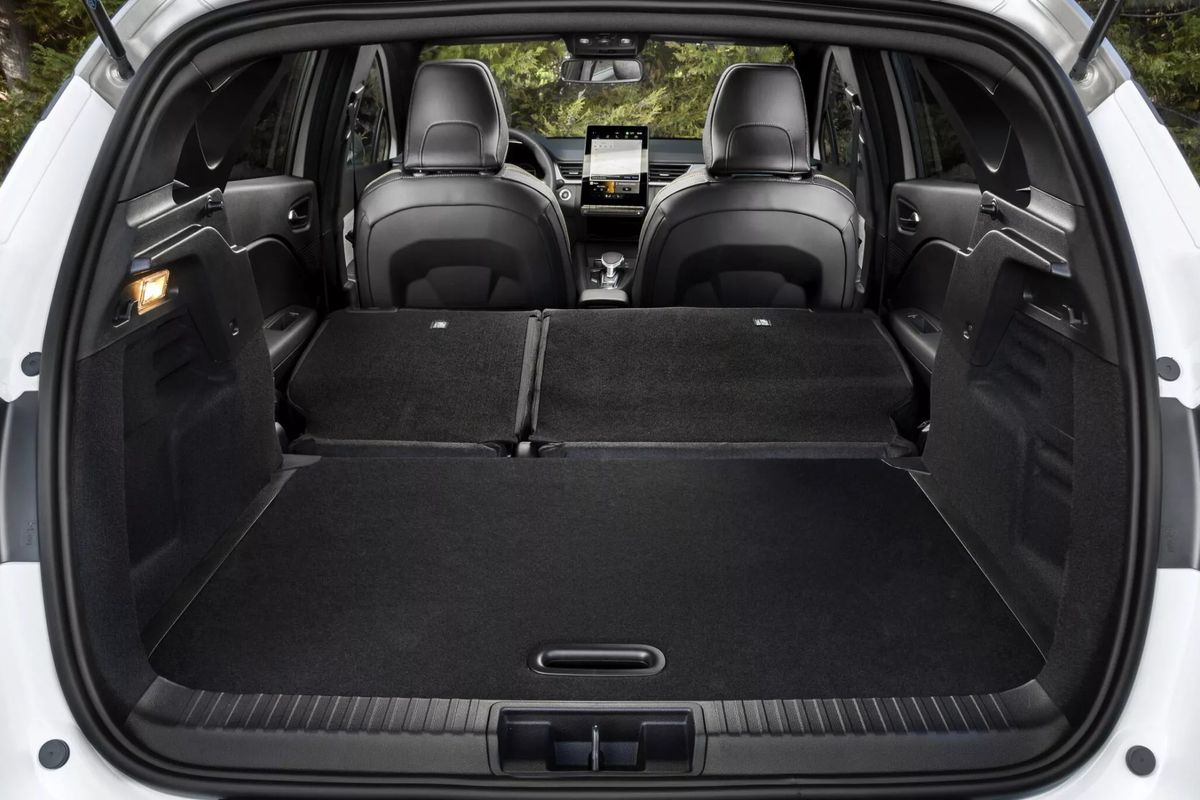
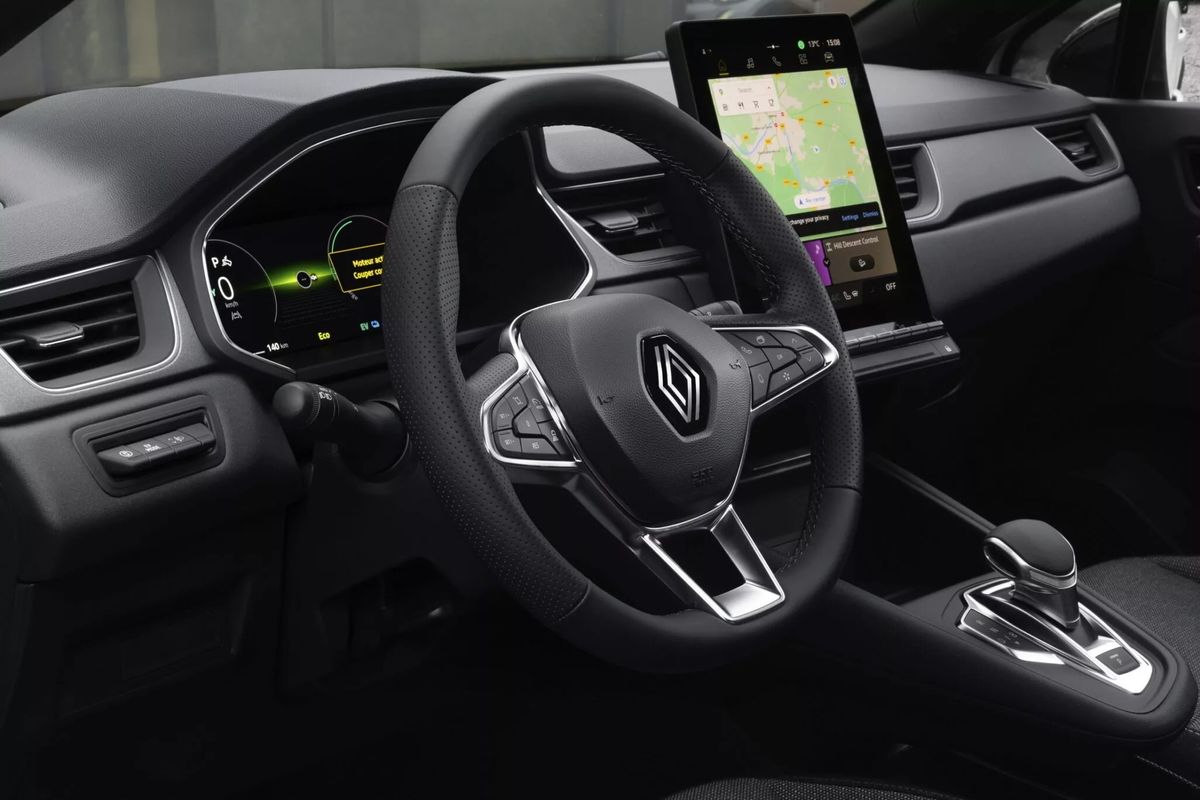
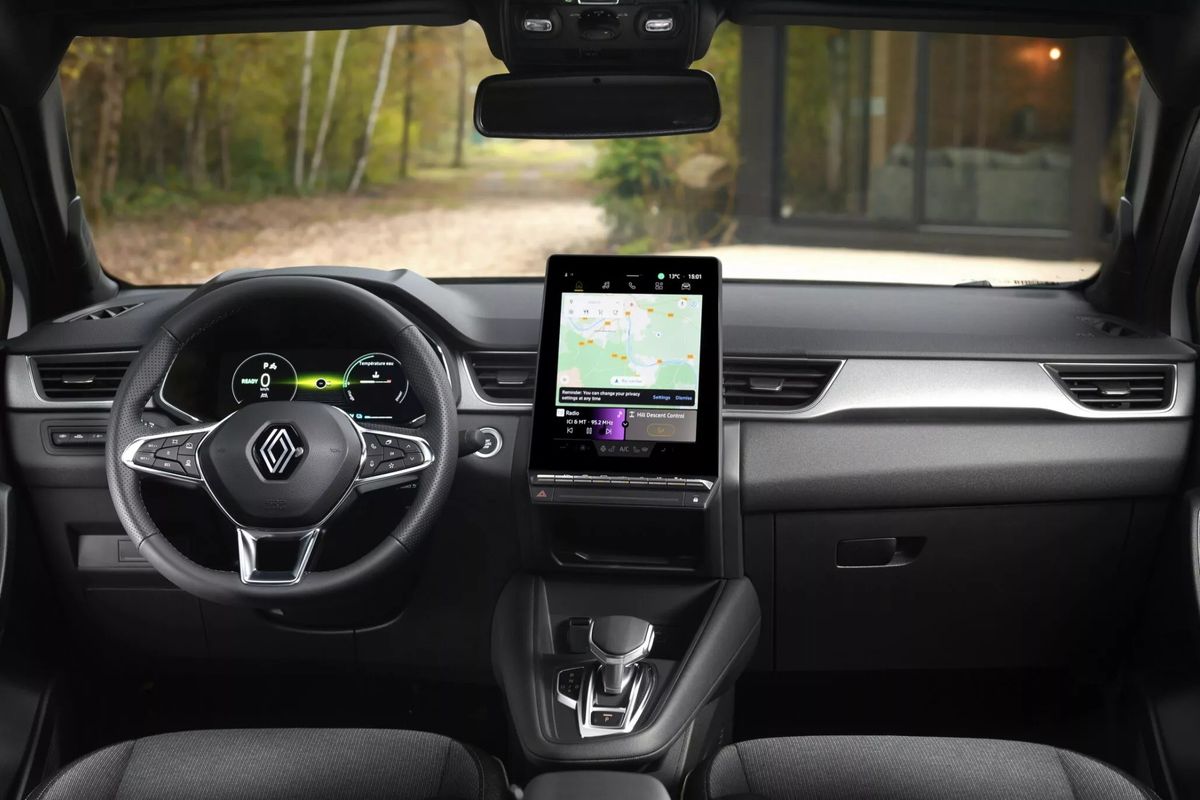
Climb inside and the facelifted Renault Captur now features a 10.25-inch digital instrument cluster and a bigger central infotainment screen. The big change is the infotainment system is powered by Google, with Android Automotive 12 software. Other noteworthy features include USB-C charge ports, wireless charging as well as a Harmon Kardon audio system.
Mechanically, the facelifted Captur has received tweaks to the suspension, shocks and steering setup for additional comfort. It appears the engine lineup is unchanged and while the SA market gets a 1.3-litre turbocharged petrol 4-cylinder engine, the Euro market also has a 1.0-litre turbocharged 3-cylinder which makes 66 kW and paired to a manual gearbox. Again, the E-Tech hybrid engine will be offered, but its local availability in South Africa is still in doubt due to an unfavourable Rand/Euro exchange rate.
Facelifted Renault Captur arrival in South Africa?
Good news, as Renault South Africa has confirmed that the Captur facelift will be coming to our market. It is expected to arrive in the first half of 2025.
Suzuki XL6 Video Review: New Suzuki 6-Seater SUV Better than Ertiga?
Does the new Suzuki XL6 offer a stronger buying proposition than the Suzuki Ertiga? Jacob Moshokoa explores the case for XL6 in our latest video review. Watch the video!
The 2023 Suzuki XL6 is a newcomer to the South African car market. The 6-seater SUV or people carrier (MPV) is similar to the Ertiga in many ways but features a Captain’s seating layout in the rear. This gives a bit more of a luxurious feel to the cabin and leans it more towards the family car buyer as opposed to the e-hailing fleet buyer.
Equipped with the same running gear as many other Suzuki models such as the Ertiga and Grand Vitara, how does the XL6 distinguish itself from other Suzukis? Jacob Moshokoa reviews the new model digging into details such as the price, the interior, which model to choose as well as whether he prefers the automatic or manual XL6.
Kia explains why Tasman bakkie won’t launch with V6
A Kia executive has explained why the upcoming Tasman bakkie – which is under consideration for SA – likely won’t be offered with a V6 engine at launch…
Kia is set to reveal its new Tasman ladder-frame bakkie towards the end of 2024. And it seems recent rumours that a V6 engine won’t be offered from launch hold plenty of water. In fact, an executive from the Korean firm’s Australian division has explained why the Tasman will likely hit the market exclusively in 4-cylinder form.
Roland Rivero, Kia Australia’s general manager of product planning, hinted to Drive that customers won’t have the option of 6-cylinder power at launch, saying the “bulk” of buyers in the 1-tonne bakkie segment opt for 4-cylinder diesels and pointing out the company planned to “strategically target the big volume”.
“We’ve dissected that category in that segment accordingly, so the big volume areas are targeted,” Rivero explained. “And if it means that initially there’s no V6 diesel or V6 petrol in the mix, then that’s what we have to do,” he said.
The Tasman is listed as “coming soon” on Kia Australia’s website.
“The majority of the products out there in the marketplace, bar say a [Ford Ranger] Raptor and a V6 [Volkswagen] Amarok, fundamentally are doing it with a 4-cylinder turbo, with 3.5-tonne towing, over-a-tonne payload and meeting most of the needs of farming, agriculture, building, construction – you name it.”
That said, could a 6-cylinder motor join the Tasman range (if that’s indeed what it ends up being called) at some point further down the line? Well, Rivero certainly left the door open, though confirmed the aging 3.0-litre V6 turbodiesel unit offered in the Mohave in South Korea was “not being looked at”.
“There’s a 10-year life – it’s got an extended model life, an LCV [light commercial vehicle] – and the extended model life gives us the ability to look at any low-hanging fruit that we may have missed along the way,” he told Drive.
Kia’s familiar 2.2 CRDi engine (seen here in the Carnival) seems the most likely bet.
While Kia has yet to confirm which 4-cylinder turbodiesel it plans to offer in the new Tasman, reports suggest the brand’s familiar 2.2-litre CRDi engine employed by the likes of the Sorento and Carnival (where it generates peak outputs of 148 kW and 440 Nm) is the most likely.
In March 2024, Kia’s local distributor confirmed to Cars.co.za that it was “conducting all the feasibility studies to see whether or not [the new bakkie] will be a viable product for the South African market”.
Though the Kia South Africa told us “no timing of possible introduction is available as yet”, it’s worth noting the new 1-tonne bakkie – which is expected to be offered in both single- and double-cab body styles (the latter catering to the all-important leisure market) – is slated to launch in fellow right-hand-drive market Australia only at some point in 2025.
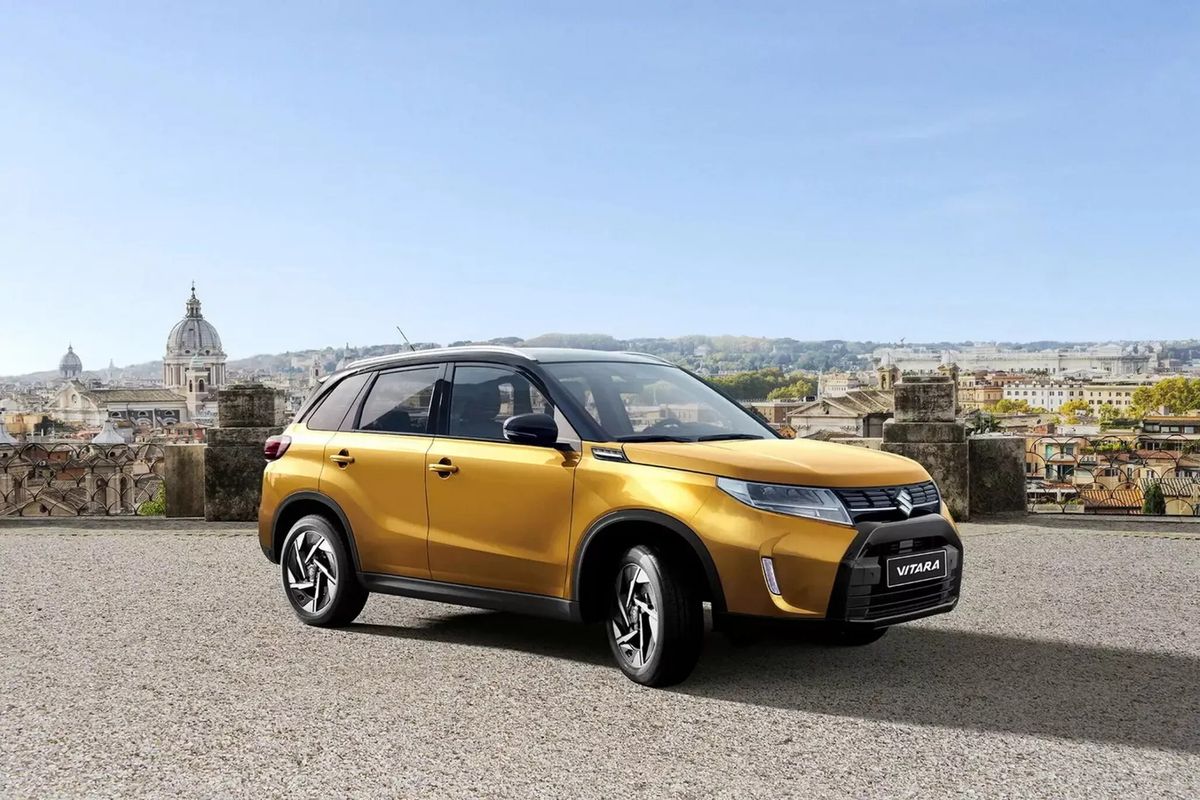
The Suzuki Vitara facelift has just hit the European market. Here’s a quick look at what’s changed.
The Suzuki Vitara is one of the Japanese brand’s iconic models and despite its age, the 4th-generation Vitara has been given a mild facelift to keep it relevant. As a reminder, it was first revealed globally back in 2014 and locally, the range was bolstered by the addition of a turbocharged petrol engine in 2019.
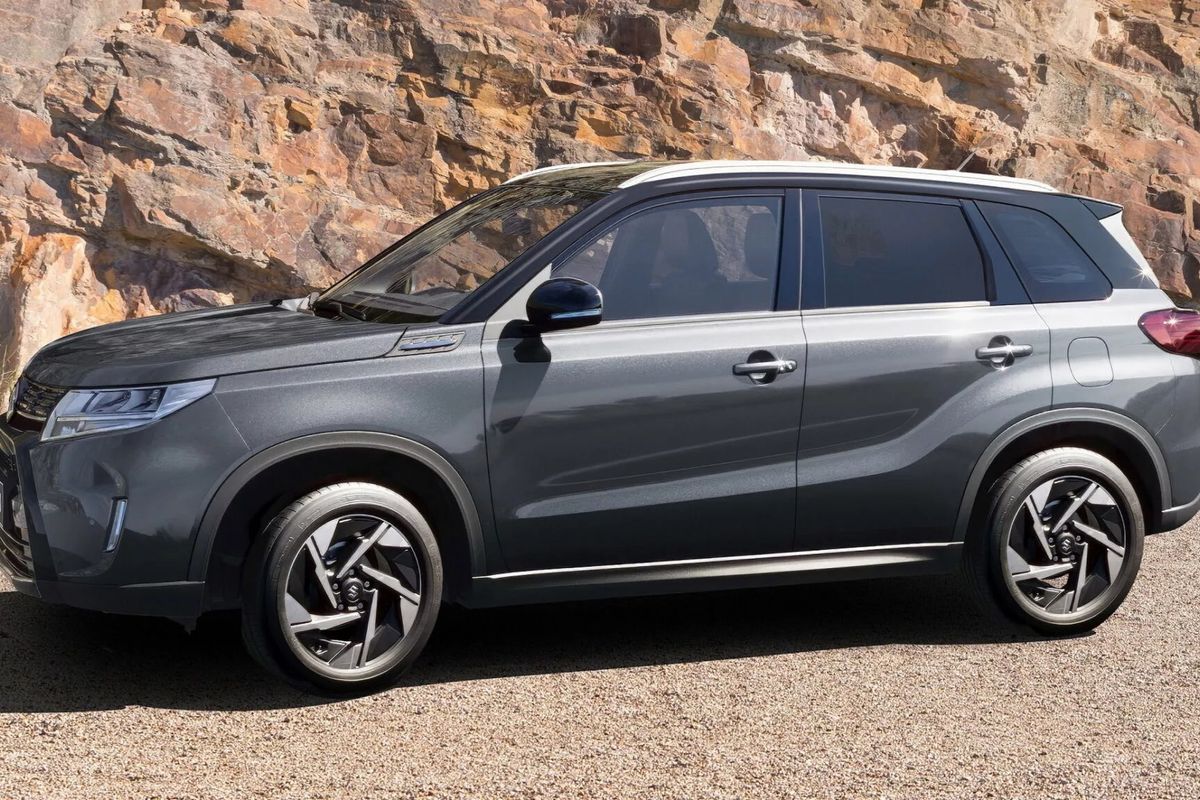
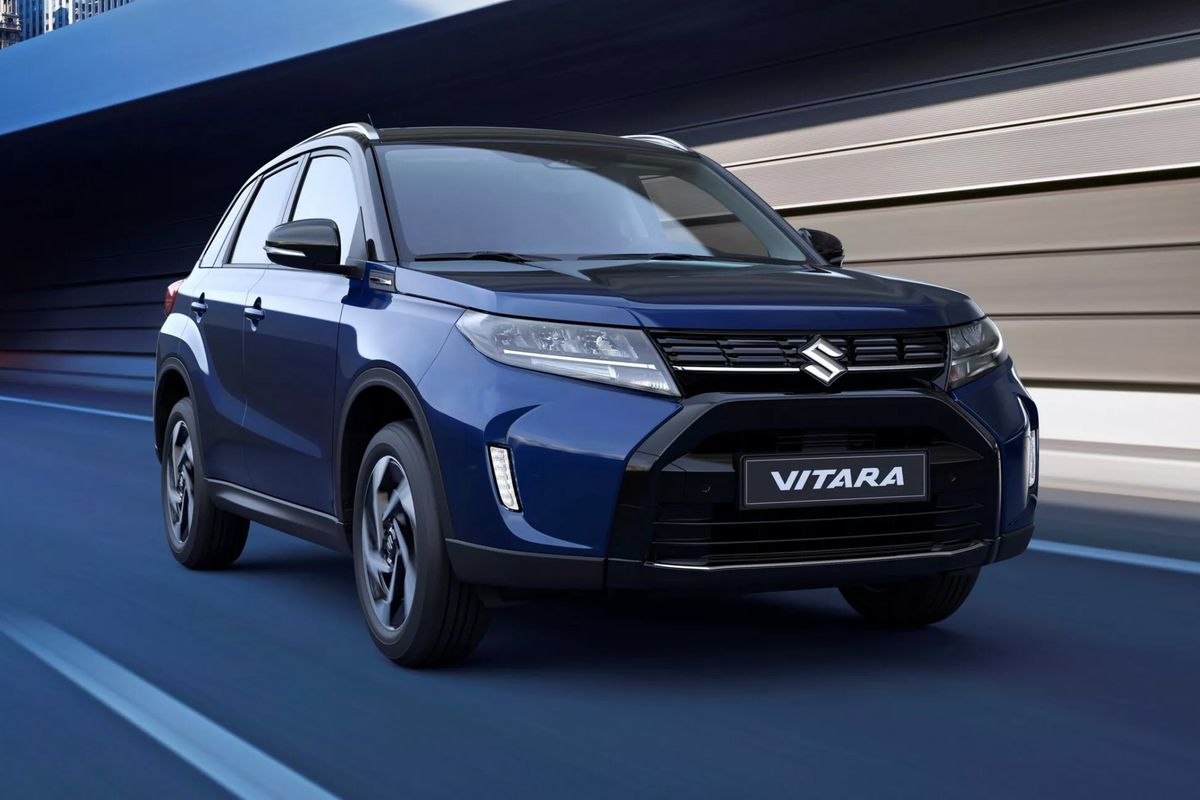
The Suzuki Vitara facelift for Europe gets a new-look front end as well as an upgraded infotainment system. Suzuki also says it has enhanced the safety offering. It appears the engine and transmission have been carried over. The brand also introduced some new-look wheels as well as two additional colours, one of which you can see here.
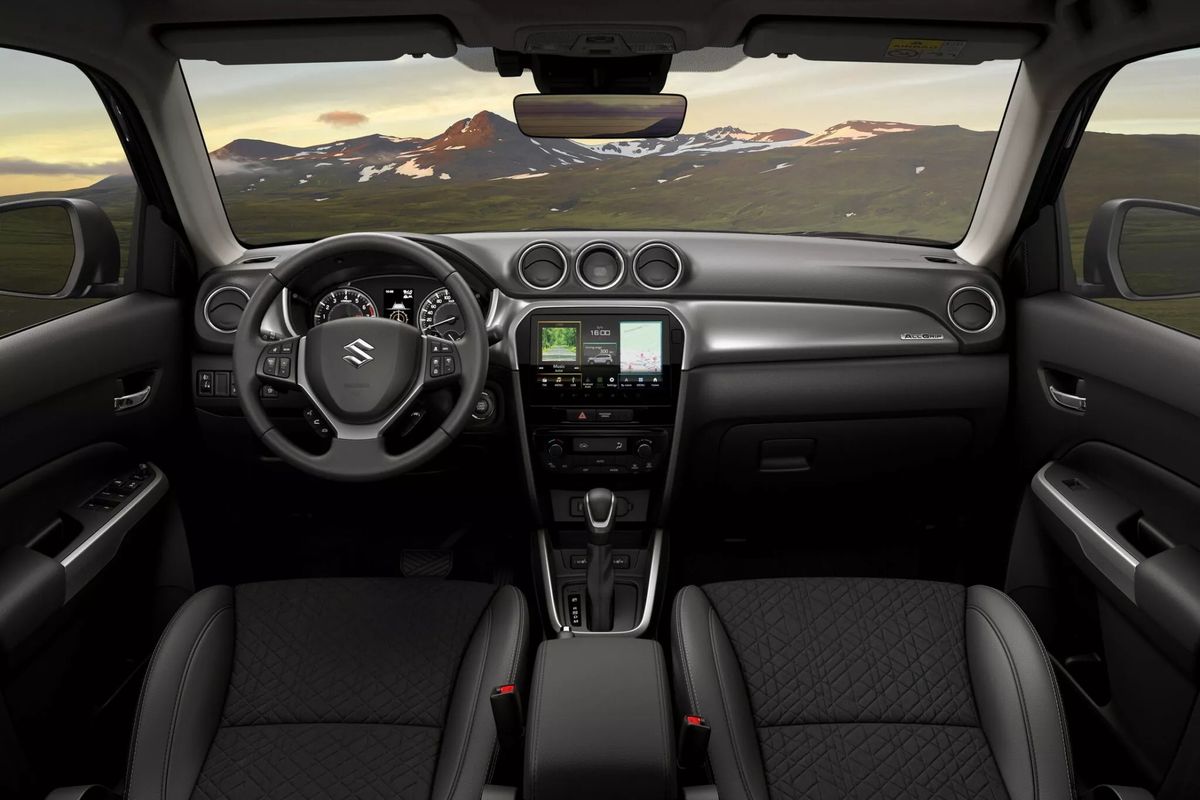
Inside, the cabin gets the new 9-inch infotainment system with a touchscreen display, USB, Bluetooth, Wifi connectivity, as well as Apple CarPlay/Android Auto. The Suzuki Vitara facelift for the European market gets adaptive cruise control, traffic sign recognition, lane-keeping assist as well as driver monitoring system.
As a reminder, the European engine lineup comprises mild-hybrid petrol and full-hybrid powertrains. The 1.4-litre turbocharged petrol engine is paired to a 48V hybrid system for a combined 105 kW, with customers being able to choose either front-wheel drive or AllGrip Select 4 wheel drive.
There’s also a naturally-aspirated 1.5-litre petrol engine paired to a bigger 140Volt lithium-ion battery. There’s 74 kW from the engine and 24.6 kW from the electric motor going to the front wheels via a 6-speed automatic gearbox.
Will the Suzuki Vitara Facelift come to South Africa?
Interestingly, at the time of writing, the Hungarian-built Suzuki Vitara had been removed from the local OEM’s website. Granted, sales of this model had been in significantly lower numbers in comparison to its siblings like the Grand Vitara, Baleno and 5-door Jimny.
At this stage, we suspect its the end of the road for the legendary Vitara in South Africa, but if we hear from Suzuki SA, we’ll update this article.
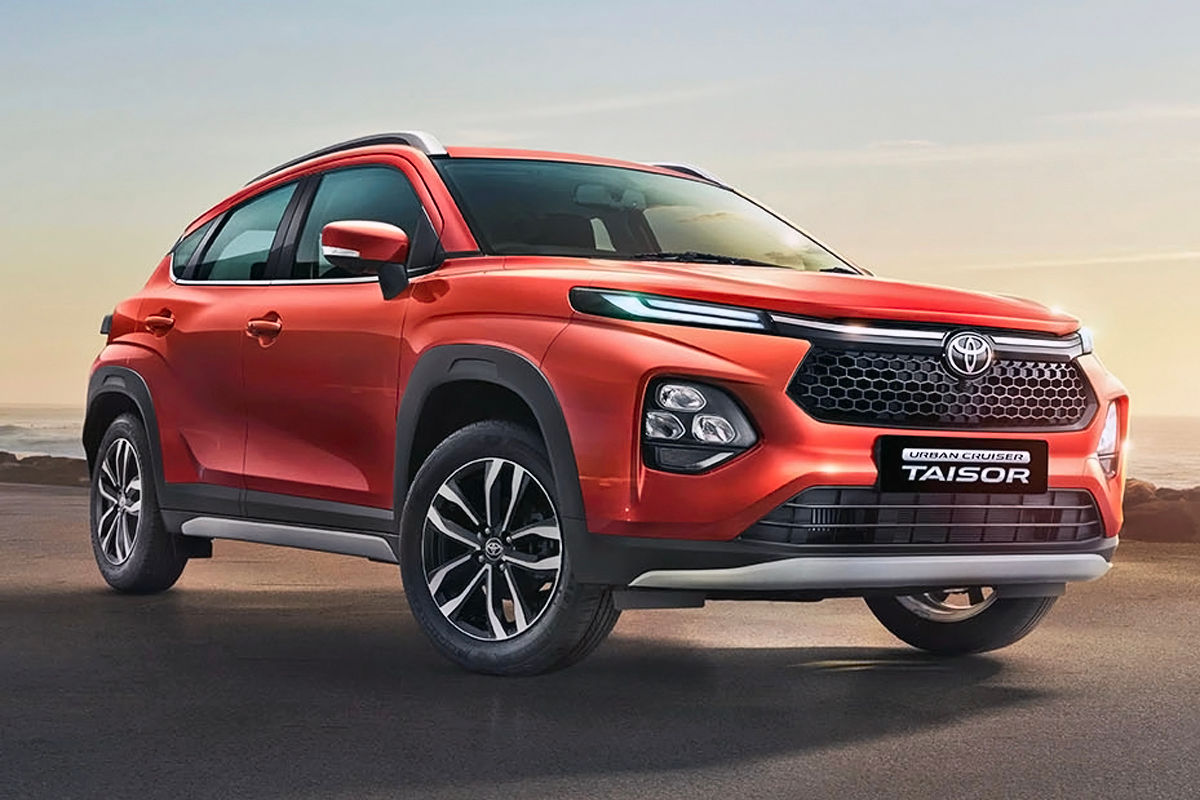
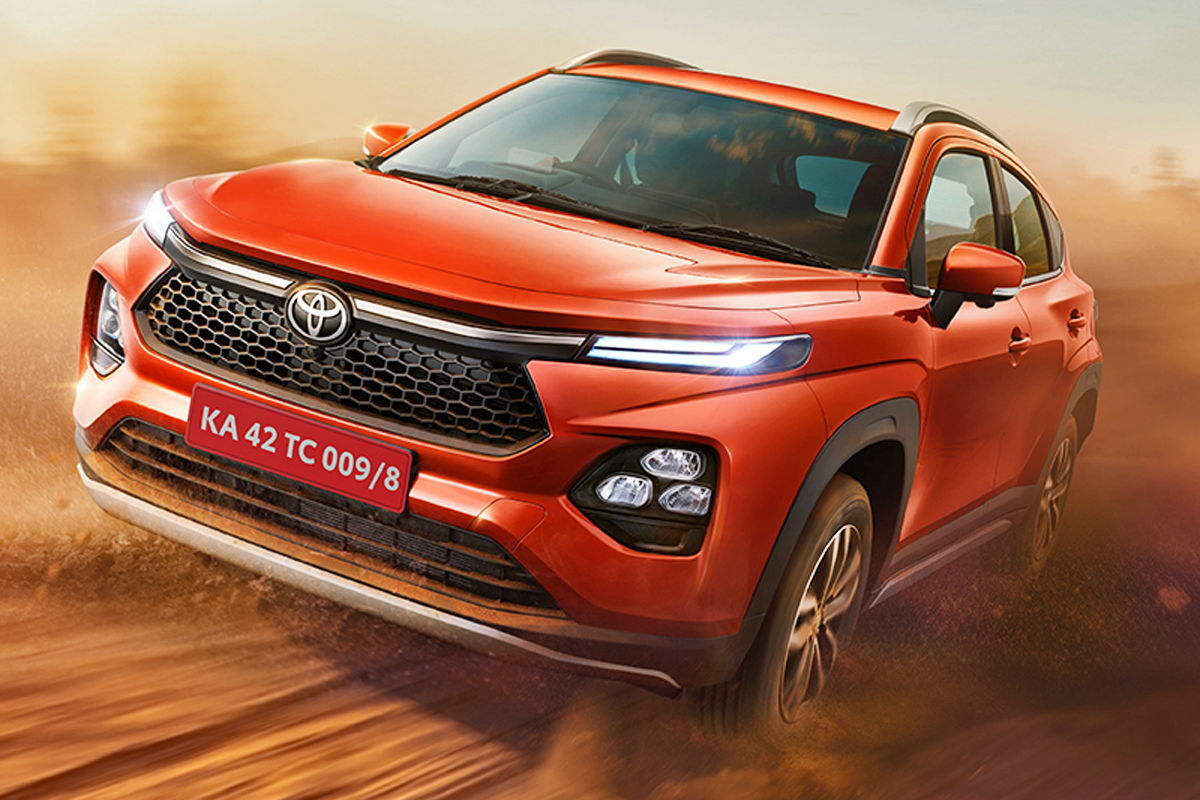
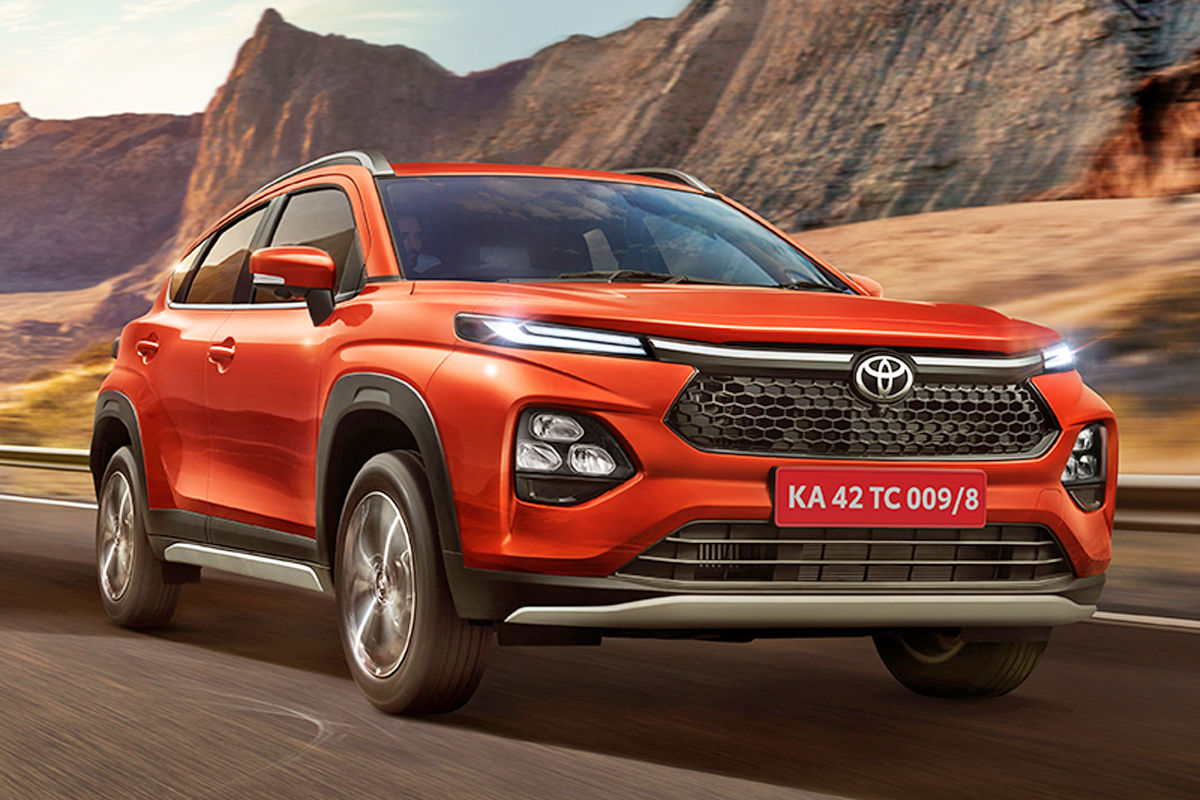
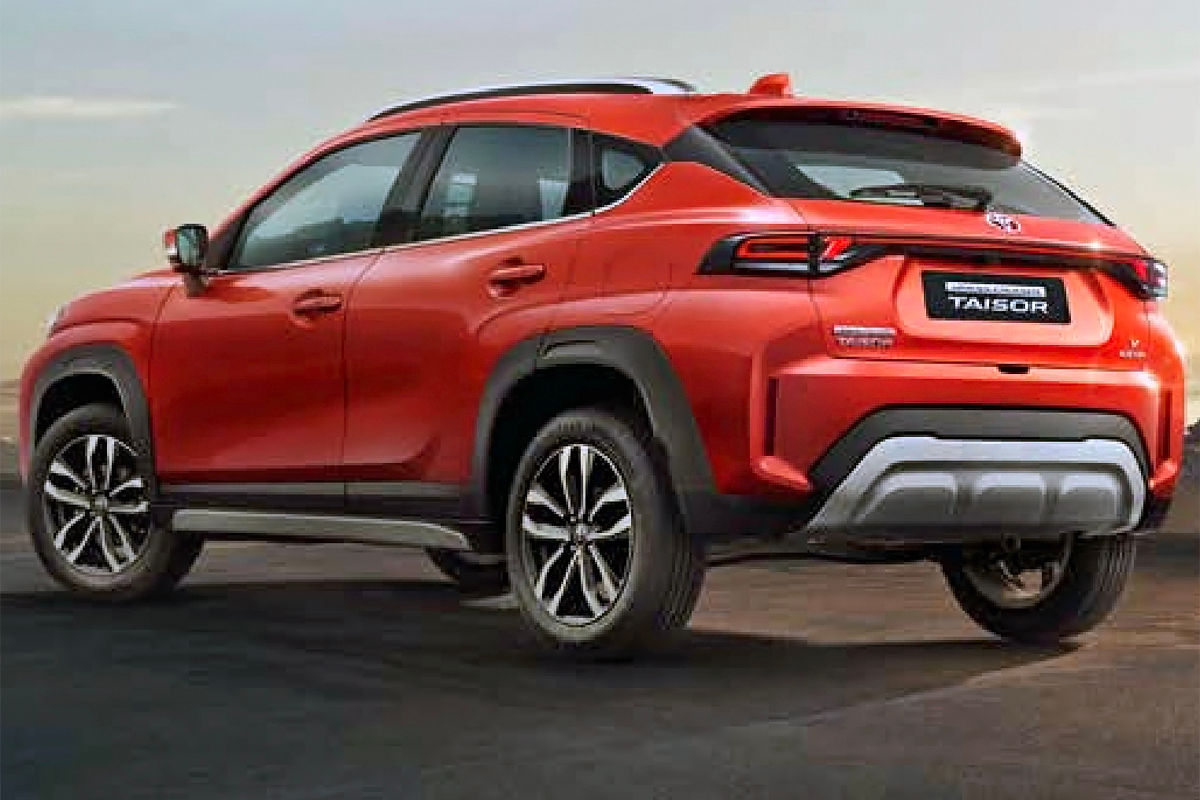
Meet the freshly revealed Toyota Urban Cruiser Taisor, a coupé-style crossover based on the Suzuki Fronx and already confirmed for launch in South Africa (though it will wear a different name here)…
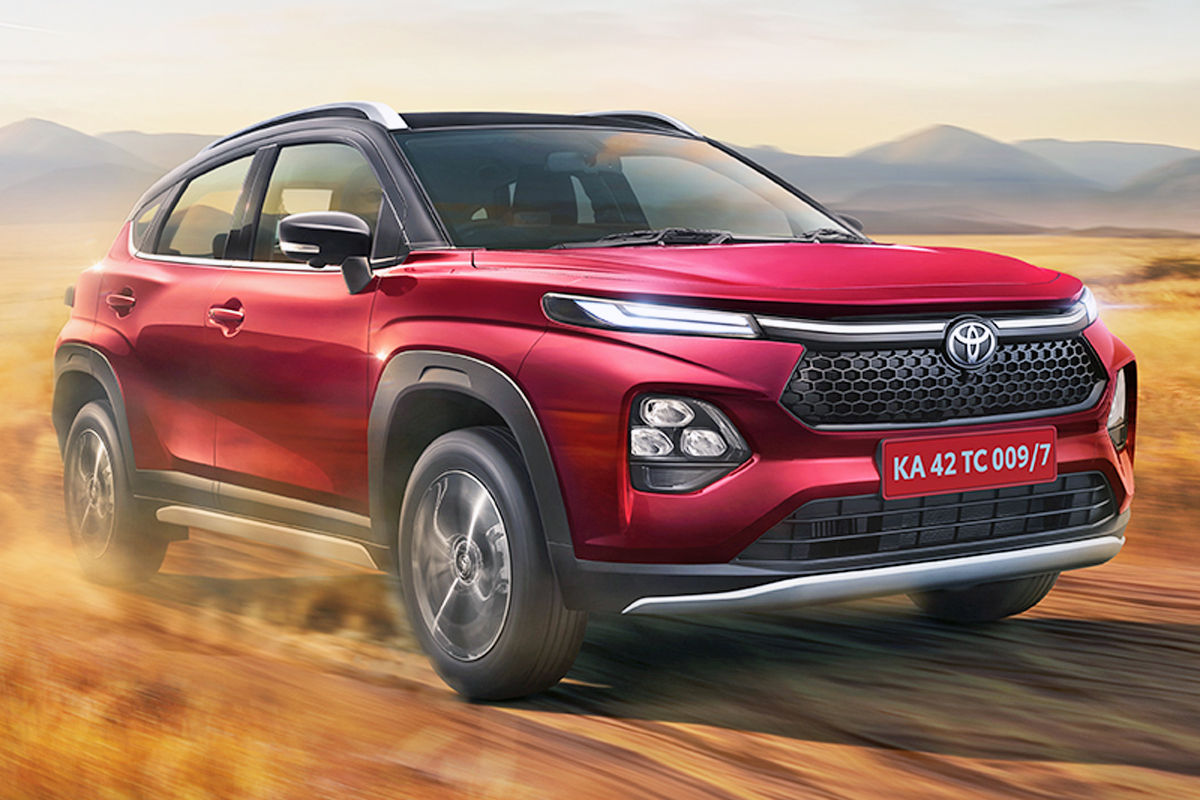
Say hello to the new Toyota Urban Cruiser Taisor. Revealed in India, this new coupé-style crossover is the latest product of the Japanese giant’s wide-reaching alliance with Suzuki. And, yes, it’s based on the Suzuki Fronx.
UPDATE: Toyota South Africa Motors has announced that the new Urban Cruiser Taisor will be introduced in the local market “under a model name yet to be announced”, saying “further details about the SA version of Urban Cruiser Taisor will be made closer to launch timing”.
Toyota SA Motors earlier confirmed to Cars.co.za that the new Urban Cruiser Taisor is indeed coming to local roads, though the company would not yet be drawn on launch timing. Since orders have seemingly already opened in India, we wouldn’t be surprised to see the newcomer in Mzansi before the end of 2024.
Expect both mono- and 2-tone paint options to be available locally.
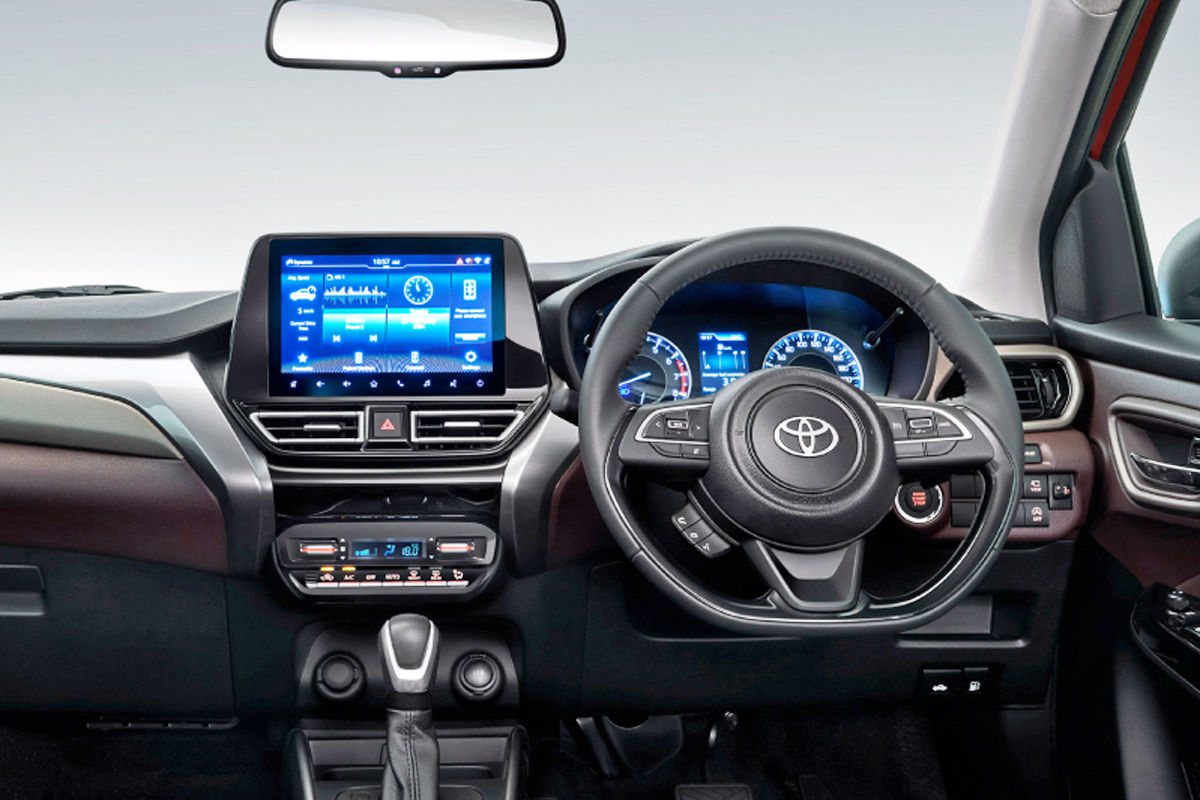
So, what sets the Urban Cruiser Taisor apart from the Fronx? Well, though all body panels are seemingly carried over, the Toyota-badged version unveiled in India features a revised grille finish, restyled bumpers (fore and aft), fresh alloy-wheel designs and a model-specific front lighting signatures (front and back). At first glance, very little has changed in the cabin at all.
Like the Fronx, the newcomer measures 3 995 mm from nose to tail, with a wheelbase of 2 520 mm and a height of 1 550 mm. Though local pricing has yet to be released, we expect the Urban Cruiser Taisor to slot in at the foot of Toyota SA Motors’ crossover line-up, below the likewise Indian-made Urban Cruiser and the locally built Corolla Cross. That will, of course, make it Toyota’s most affordable crossover.
The Indian-spec Taisor features the same touchscreen system as the Fronx.
This model may well turn out to be another significant volume driver for Toyota SA Motors, particularly since it looks set to be positioned to pick up where the old Urban Cruiser left off. As a reminder, the new Urban Cruiser – which wears the Hyryder suffix in India and launched locally in April 2023 – is larger and more expensive than the original, and thus hasn’t enjoyed quite the same sales success.
As such, we see the Urban Cruiser Taisor slotting in below the Urban Cruiser, which now kicks off at R342 500. For more potential pricing context, we could look to the 4-strong Fronx line-up, which currently has bookends of R288 900 and R344 900.
Note the Taisor-specific grille finish.
Like the SA-spec Fronx (which made landfall back in August 2023), we suspect the new Taisor will be offered locally with Suzuki’s ubiquitous K15B naturally aspirated 1.5-litre, 4-cylinder petrol engine, sending 77 kW and 138 Nm to the front axle via either a 5-speed manual gearbox or a 4-speed automatic transmission. That’s despite the fact the Indian-spec model will be available with an atmospheric 1.2-litre, 4-cylinder petrol motor or a turbocharged 1.0-litre, 3-cylinder engine.
Despite reported supply constraints, the Fronx has already proved successful for Suzuki Auto SA, with 2 048 units registered in Mzansi over the final 5 months of 2023 during which it was on sale. A further 738 units have been sold in the opening 2 months of 2024. This bodes well for the new Taisor considering Toyota-badged products of the alliance have made a habit of outselling their Suzuki donors.
We’ll update this story with more SA-specific information once it becomes available…
South Africa’s new-vehicle market suffered its 8th straight month of year-on-year decline in March 2024. Here’s your overview, including Mzansi’s most popular brands…
Yes, the weak performance continues. March 2024 was the South African new-vehicle industry’s 8th consecutive month of year-on-year decline, with total market sales falling 11.7% to 44 235 units. That figure furthermore represented a 1.1% drop compared with February 2024’s effort.
The bad news even extended to the export market, which suffered a 27.1% year-on-year decline to 24 161 units in March 2024. According to Naamsa, the market’s overall performance was impacted by a “constrained business environment amplified by weak consumer demand” as well as the recent Easter holidays (the latter resulting in fewer trading days).
Unfortunately, the picture isn’t much rosier year to date. For the first quarter of 2024, for instance, South Africa’s aggregate new-vehicle sales stood at 131 201 units, some 5.3% below the corresponding 3-month period in 2023.
But back to March 2024. Out of the total reported industry sales last month, Naamsa estimated that 39 016 units (or 88.2%) represented registrations via the dealer channel, while 6.0% were sales to the vehicle-rental industry, 3.5% to government and 2.3% to industry corporate fleets.
The March 2024 new passenger-vehicle market registered a 15.1% year-on-year drop to 26 819 units, with rental sales accounting for 7.8% of that total. Even the country’s typically robust light-commercial vehicle segment wasn’t spared, with sales in this space declining 5.9% year on year to 14 626 units.
Meanwhile, Brandon Cohen, Chairperson of the National Automobile Dealers’ Association (NADA), commended the country’s dealers for their sales performances amidst what he described as “exceptionally challenging market conditions” in March.
“March presented additional challenges with 3 public holidays disrupting operations for both dealers and manufacturers. This period coincided with school holidays, further impacting consumer behaviour. Additionally, as March marked the fiscal year-end for many companies, purchasing decisions were influenced by budgetary considerations, resulting in varied trading patterns,” Cohen pointed out.
Lebo Gaoaketse, Head of Marketing and Communication at WesBank, said all was not lost for March sales. He explained that the “particularly early” calendar impact of the Easter public holidays meant March 2024 was a much shorter selling month than March last year (20 selling days versus 22 last year).
“One can hope that April will bounce back and provide some level of correction against last year’s sales,” Gaoaketse said.
New-vehicle sales summary for March 2024
Aggregate new-vehicle sales of 44 235 units decreased by 11.7% (5 879 units) compared to March 2023.
New passenger-vehicle sales of 26 819 units decreased by 15.1% (4 782 units) compared to March 2023.
New light-commercial vehicle sales of 14 626 units decreased by 5.9% (916 units) compared to March 2023.
Export sales of 24 161 units decreased by 27.1% (8 975 units) compared to March 2023.
10 best-selling automakers in South Africa in March 2024
Nissan enjoyed its best sales month in recent memory.
Despite the overall negative sentiment, it was another bumper month for Toyota (including the Lexus and Hino marques), which was once again South Africa’s best-selling automaker in March 2024. Last month, Toyota SA Motors registered as many as 11 109 units (4 352 of which came in the light-commercial vehicle segment) around Mzansi, just 3.6% down on its February 2024 showing.
The Volkswagen Group (including the Audi marque) likewise held steady in 2nd position, with 5 219 units sold. After breaching the 5 000-unit mark for 2 months on the trot, Suzuki Auto SA fell back to a still-solid 4 335 sales in March 2024, opening up some space between it and the VW Group but still retaining 3rd.
Intriguingly, Nissan found itself just 340 sales off the pace in 4th position. The Japanese firm’s local division ended March 2024 on a surprisingly heady 3 993 units (up a whopping 45%, month on month, with much of that growth thanks to the departing NP200), easily its best effort in recent memory. Isuzu (2 587 units), meanwhile, climbed 2 rankings to 5th place, with Hyundai (2 436 units) holding steady in 6th.
That saw Ford (2 409 units) slip 2 spots to 7th, with GWM SA – recently renamed from Haval Motors SA – again taking 8th, this time on 1 564 units. Chery (1 531 units) was once more right on its fellow Chinese group’s tail in 9th, while Renault (1 301 units) again closed out the table in 10th.
Outside of the top 10, Naamsa’s figures furthermore suggested Mahindra finished in 11th on 1 163 units, putting the Indian automaker ahead of the BMW Group (1 068 units), Kia (1 007 units) and Mercedes-Benz (with a Naamsa-estimated 567 units).
1. Toyota – 11 109 units
2. Volkswagen Group – 5 219 units
3. Suzuki – 4 335 units
4. Nissan – 3 993 units
5. Isuzu – 2 587 units
6. Hyundai – 2 436 units
7. Ford – 2 409 units
8. GWM – 1 564 units
9. Chery – 1 531 units
10. Renault – 1 301 units
New vehicle-sales outlook in SA for remainder of 2024
Naamsa says SA buyers continue to turn to “more budget-friendly vehicles“.
So, where to from here for South Africa’s new-vehicle market? Well, Naamsa suggests the market looks set to continue on this “downward slope”, though believes “better economic prospects are expected for the new-vehicle market” once the anticipated interest-rate cutting cycle commences – likely only during the 2nd half of the year.
“Due to ongoing cost pressures, including escalating fuel costs, along with interest rates, affordability remains a decisive factor in purchasing decisions as consumers increasingly turn to more budget-friendly vehicles,” says Naamsa, adding that SA’s economic growth outlook for 2024 remains muted (though hopefully still stronger than in 2023).
What about the export market? Well, the industry representative body says “prospects for the balance of the year remain upbeat on the back of new-model introductions by major exporters, while the global economic cycle is expected to bottom out in the first half of 2024”.
“Lower inflation, central bank easing and modest global economic growth are therefore expected to support the South African automotive industry’s export performance,” Naamsa concludes.
NADA’s Cohen says the “consistent resilience and adaptability demonstrated by South Africa’s franchised motor dealers are indicative of their enduring strength in navigating dynamic market conditions”.
“While the month marked a continuation of declining retail vehicle sales, insights suggest promising fiscal performances for several industry stakeholders. As we move forward, our focus remains on building momentum and driving growth within the retail automotive sector,” says Cohen.
Meanwhile, WesBank’s Gaoaketse believes the market will “inevitably also be cautious” with pending elections in May, potentially further dampening year’s opening half performance.
“The broader economy remains a challenge for South African motorists. With interest rates unchanged once again, they remain high amidst generally high inflation. Fuel prices will increase again this week, continuing to place pressure on household budgets and their ability to service debt,” cautions Gaoaketse.
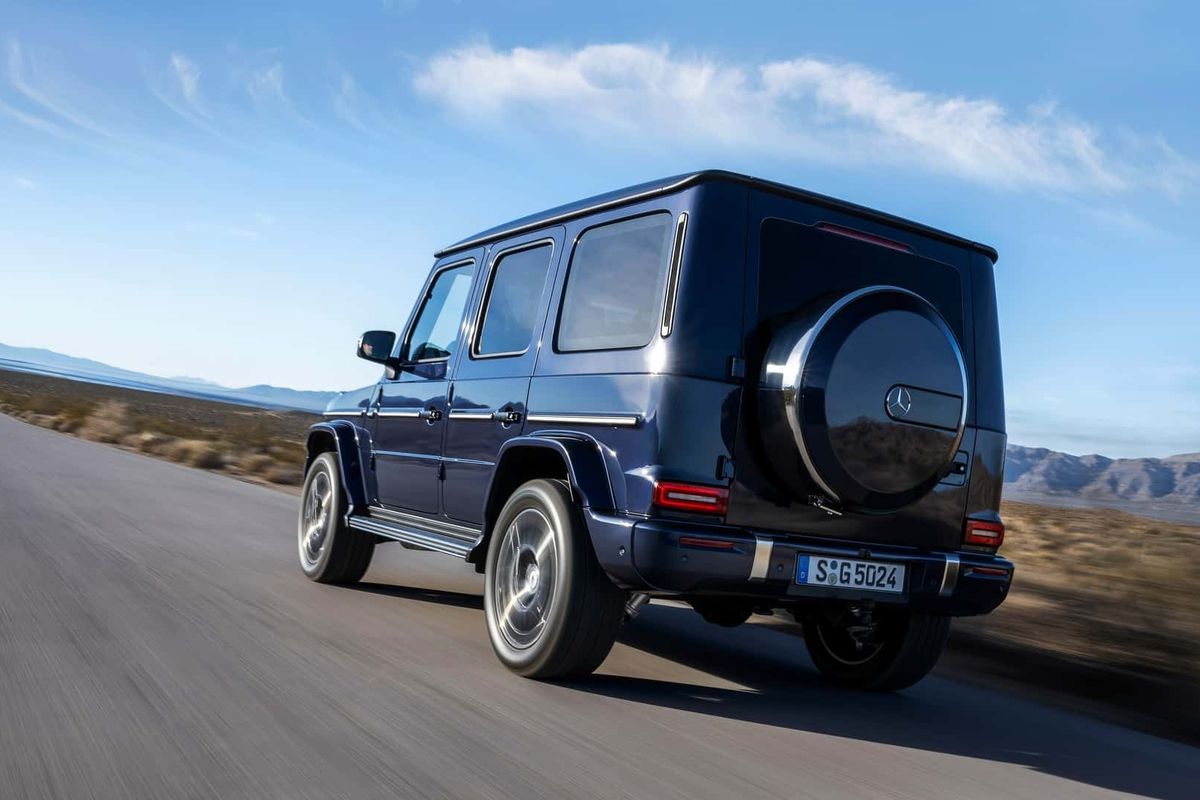
The facelift Mercedes-Benz G-Class has just been revealed and will be arriving in SA by the end of 2024.
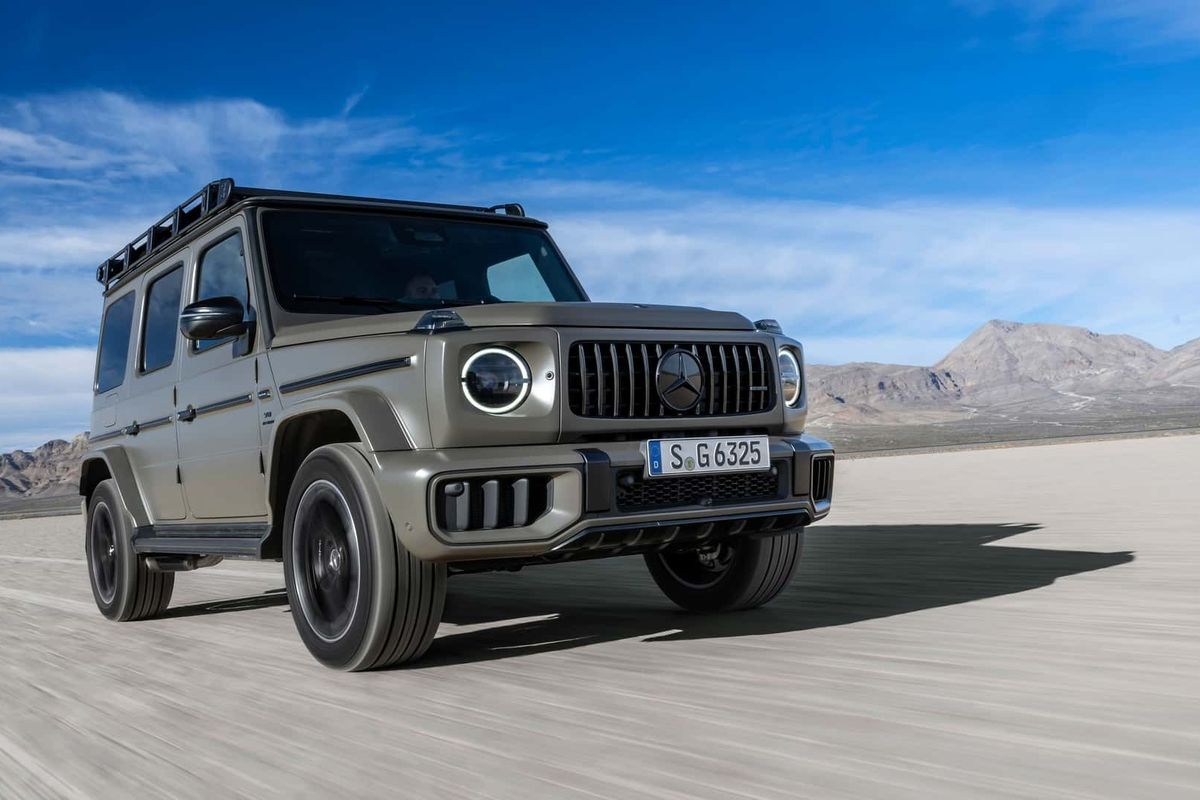
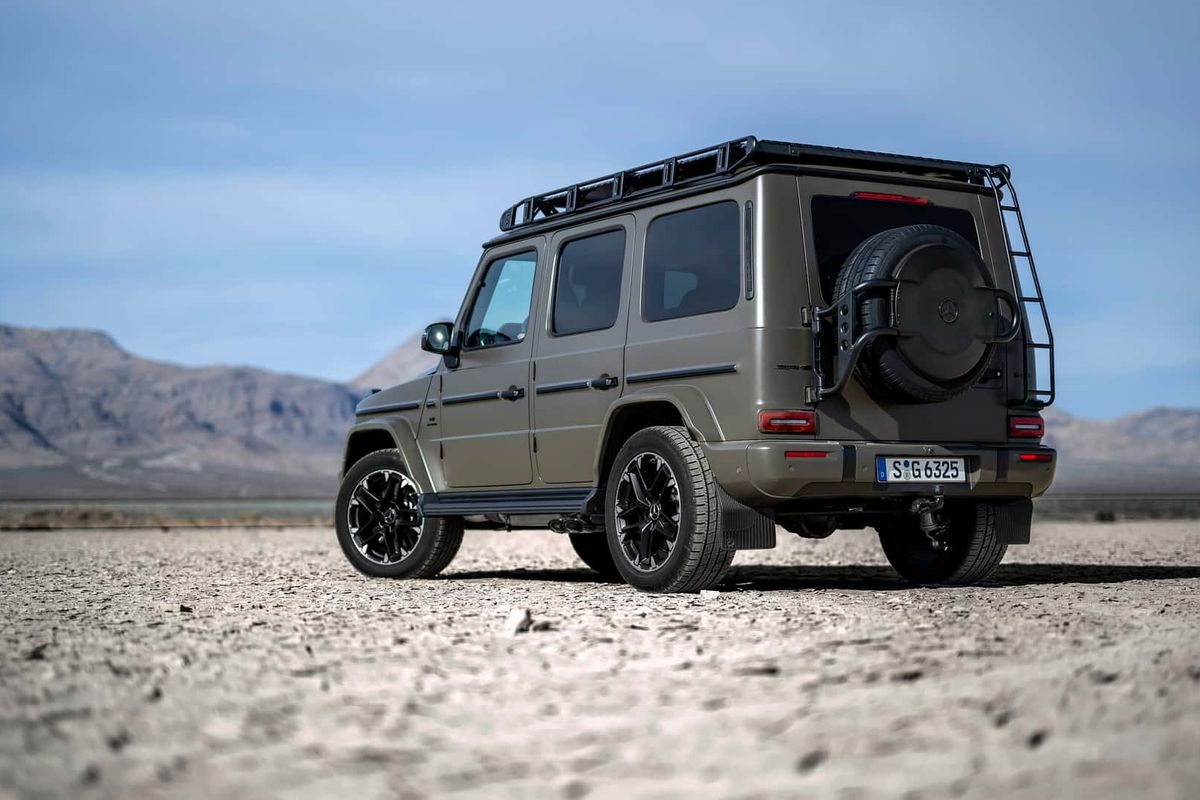
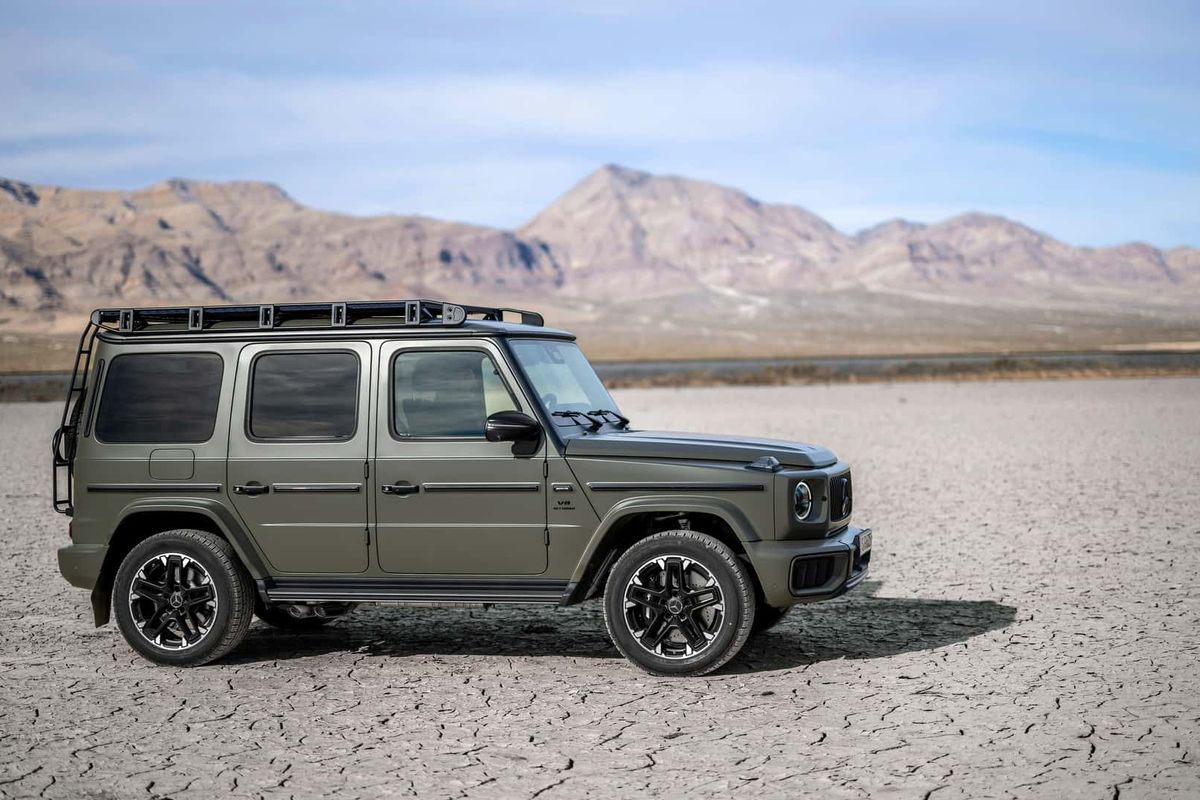
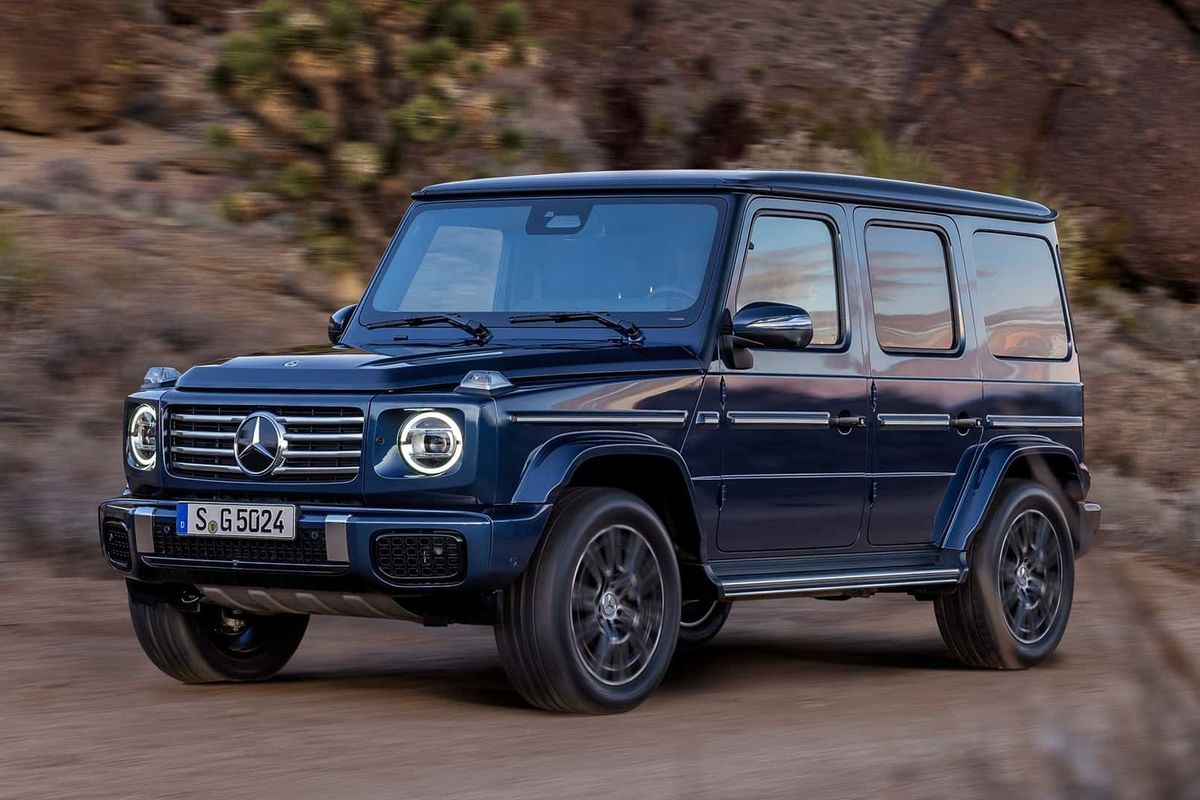
The facelift Mercedes-Benz G-Class has received the smallest of changes and it will take a keen eye to spot the differences. There are new paint options, new wheel designs and a new-look front bumper.
The good news is that the 4.0-litre V8 twin-turbocharged petrol engine has been retained, but gains an integrated starter generator hybrid system and outputs of 430 kW and 850 Nm are on offer. It’s still going to be ballistic quick, with a 0-100 kph claimed time of 4.2 seconds.
While all eyes will be on the mighty AMG-fetted G-Class, the diesel-powered G gets an update too. Badged as the G450d (G400d was the outgoing badge), the 3.0-litre turbocharged 6-cylinder diesel now makes 270 kW and 950 Nm, which is quite the increase in comparison to the predecessor’s 243 kW and 700 Nm.
A mild-hybrid system has been introduced to reduce emissions and to provide a temporary power boost. With such increases, performance has increased too and the facelift Mercedes-Benz G-Class is said to sprint to 100 kph in 5.8 seconds, which is six tenths quicker.
All facelift Mercedes-Benz G-Class variants will feature an updated 9-speed automatic transmission. Later this year, we’ll see the reveal of the all-electric EQG.
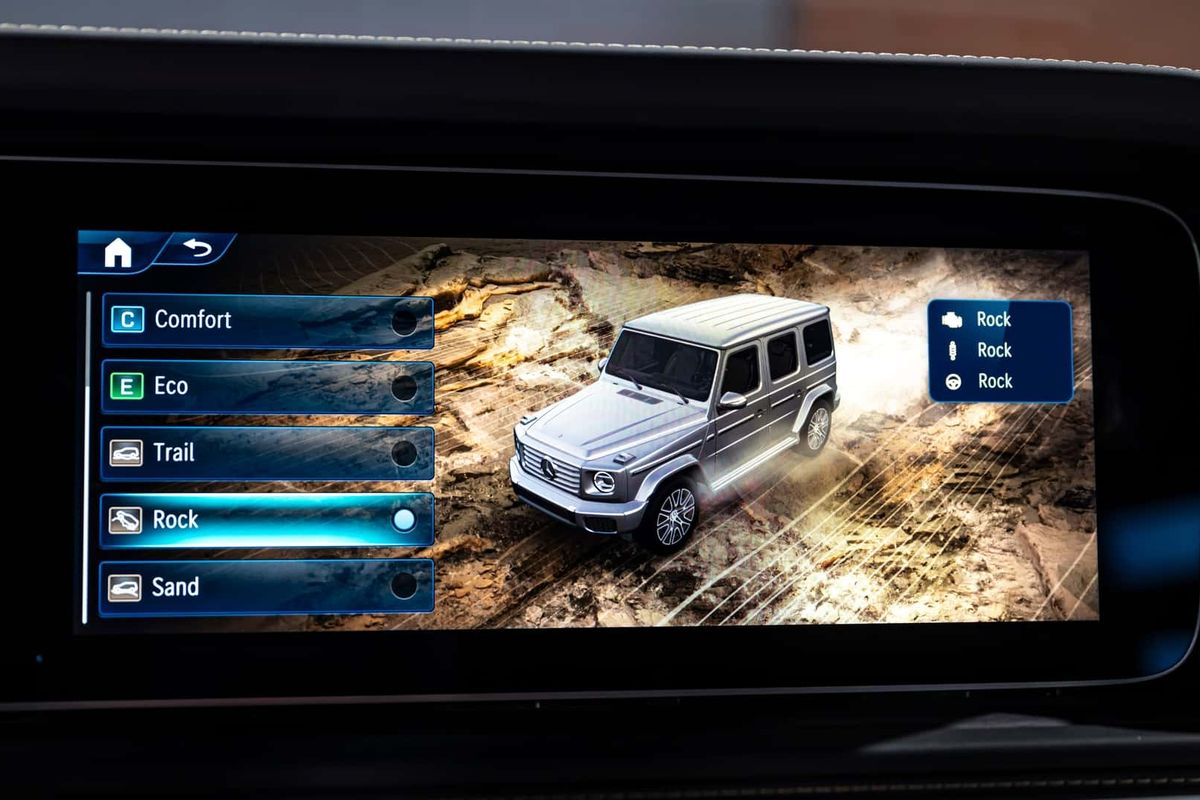
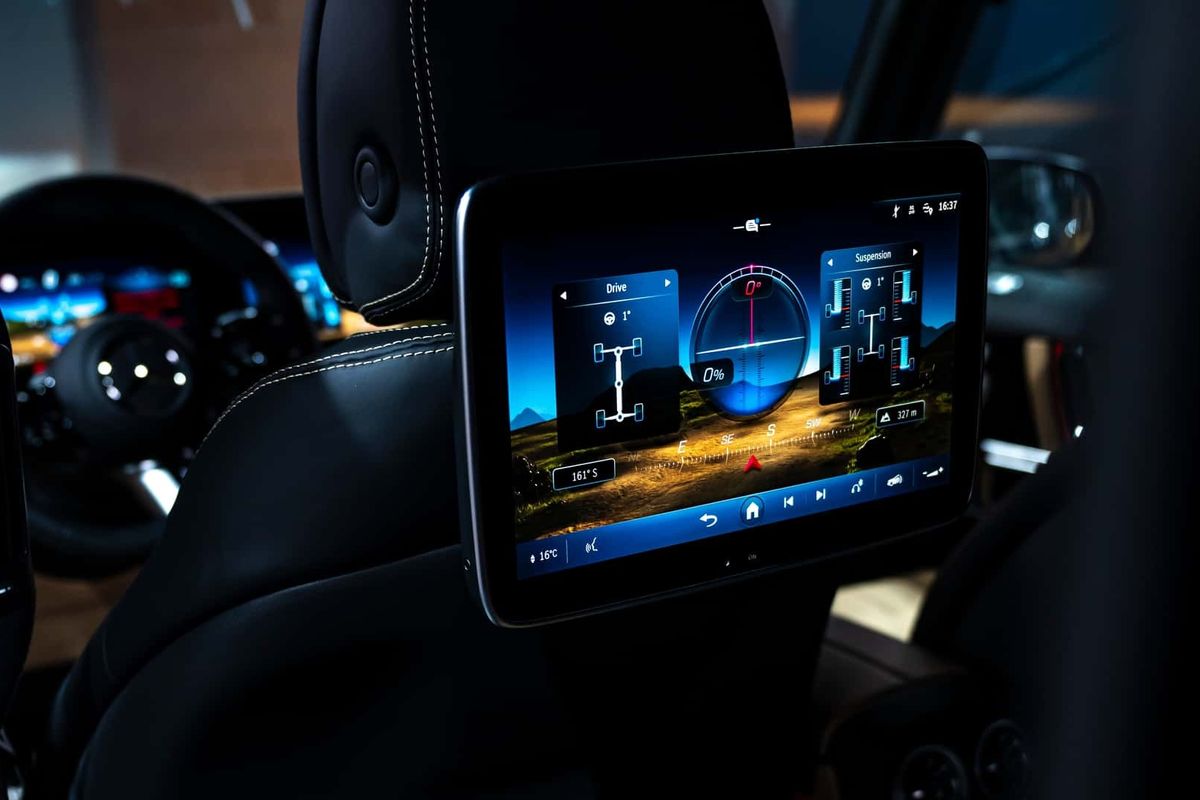
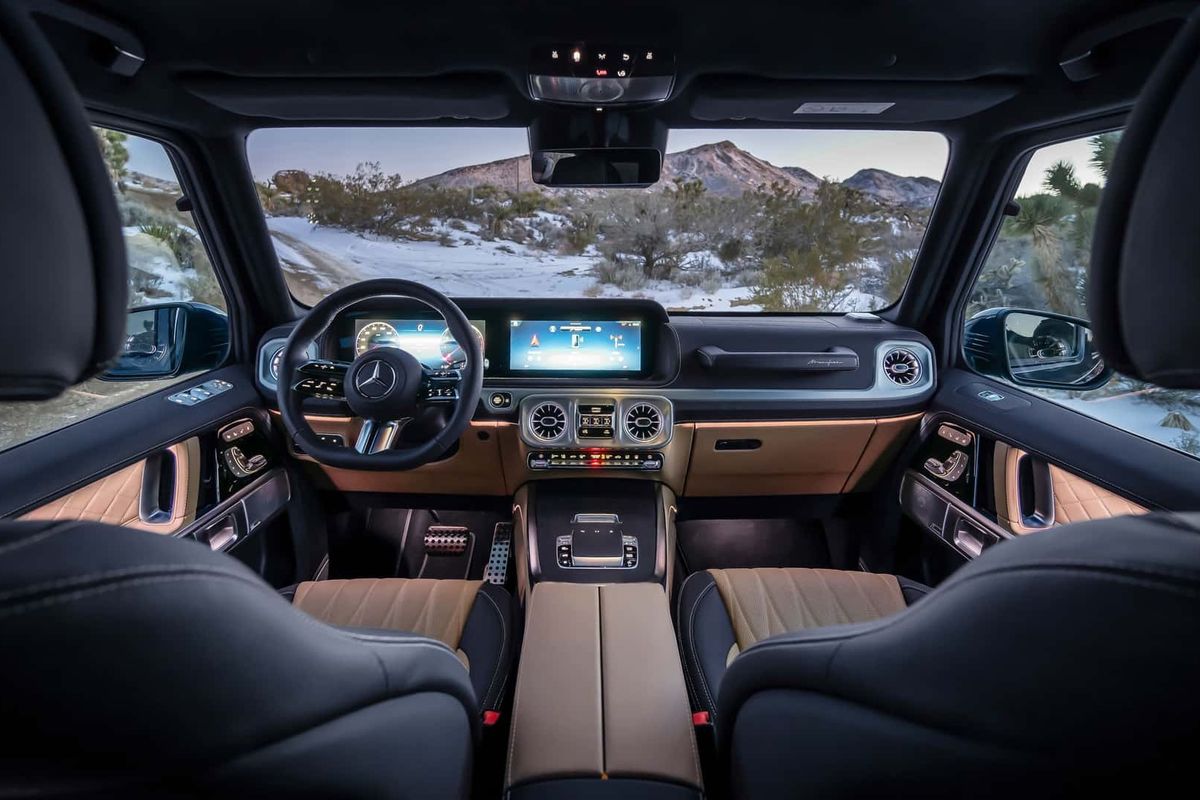
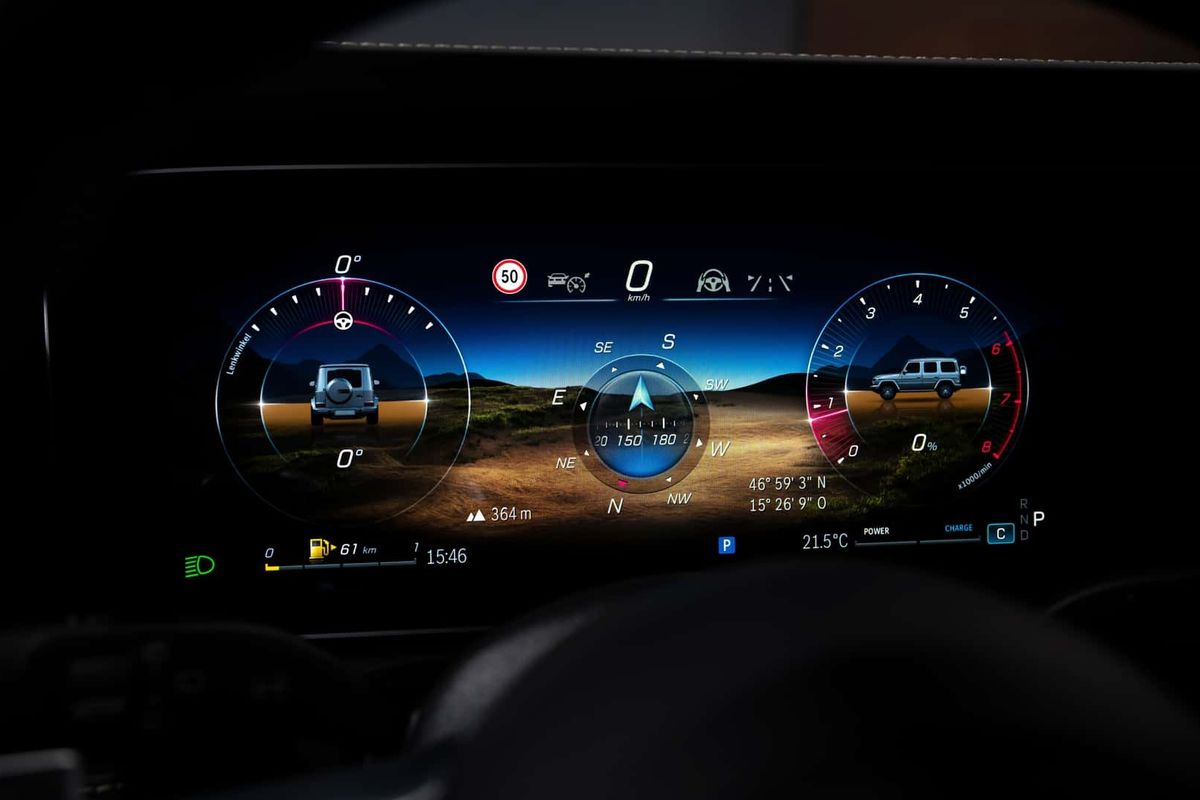
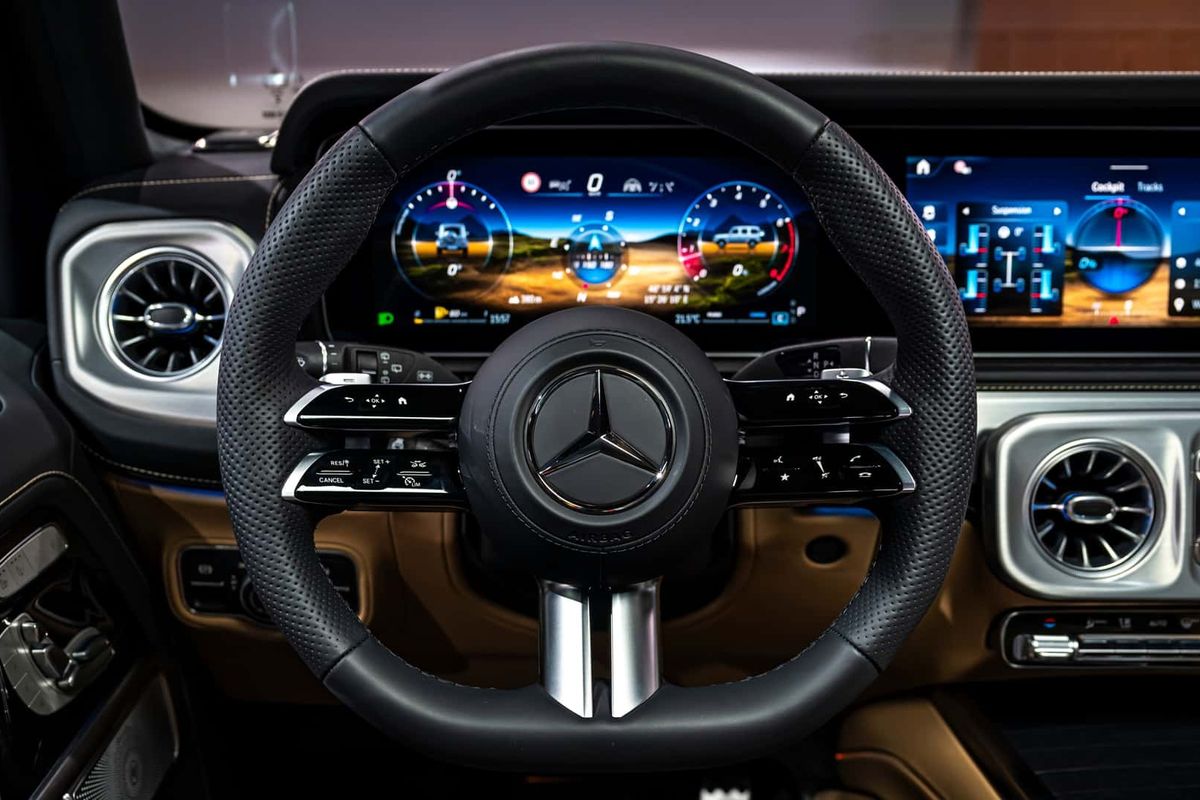
It will still be a supremely capable offroader, with three diff locks, low-range transfer case, 30 and 31 degree approach/departure angles and 270 mm of ground clearance. For 2024, Mercedes-Benz has added some offroad-specific graphics to the car’s MBUX infotainment system.
Facelift Mercedes-Benz G-Class arrival in South Africa?
Mercedes-Benz SA has confirmed the G-Class arrival for our market, with an expected showroom debut planned for December 2024/January 2025. The electric EQG has also been confirmed.
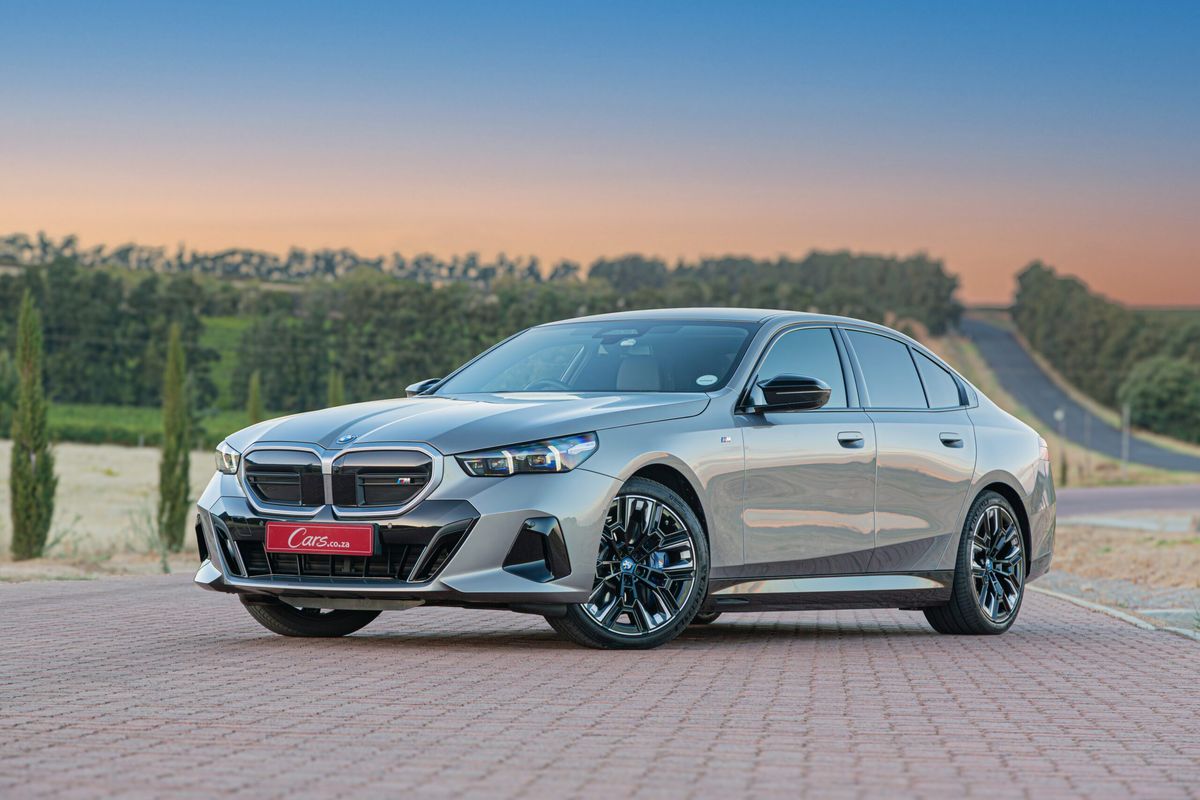
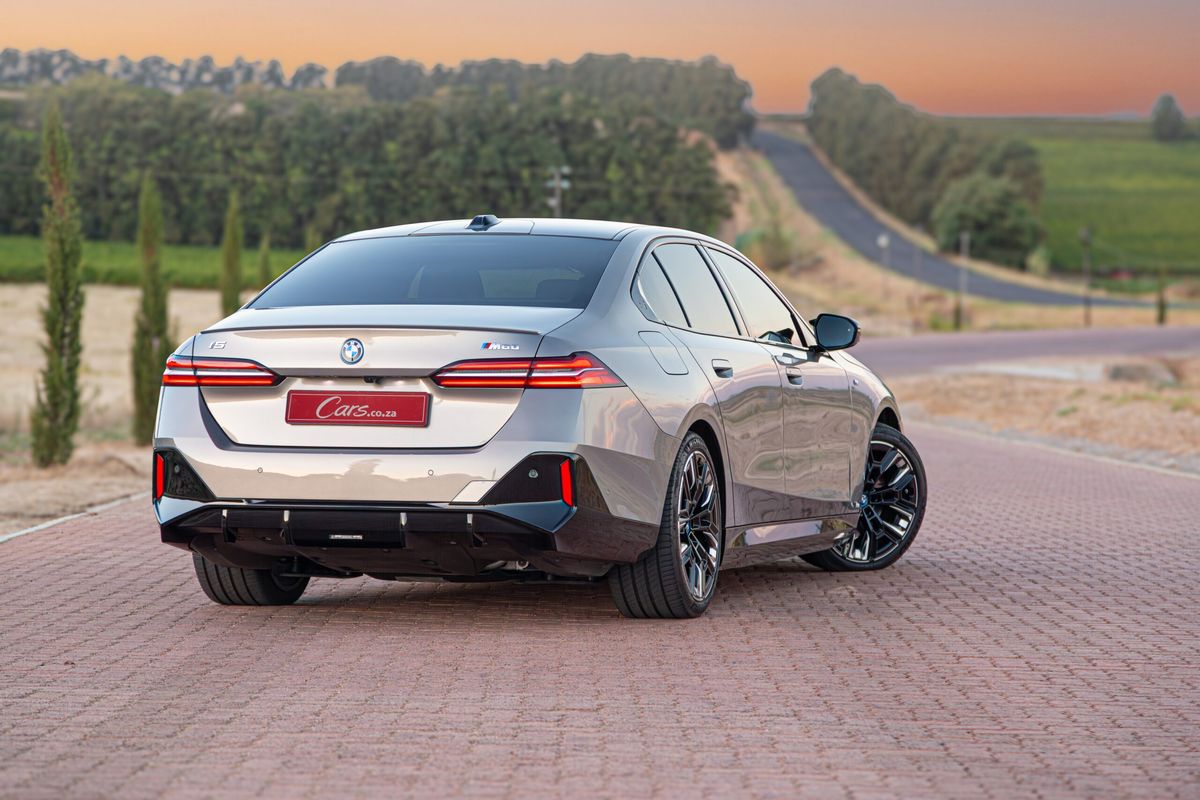
The BMW i5 M60 is positioned at the very top of the 5 Series line-up in South Africa and the M-fettled all-electric executive sedan is such a blast to drive that we cannot help but wonder how the upcoming M5 super sedan could eclipse it…
We like: Stupendous performance, build quality, comfort, tech, rewards frugal driving style with good efficiency
We don’t like: Extremely low undercarriage prone to scraping
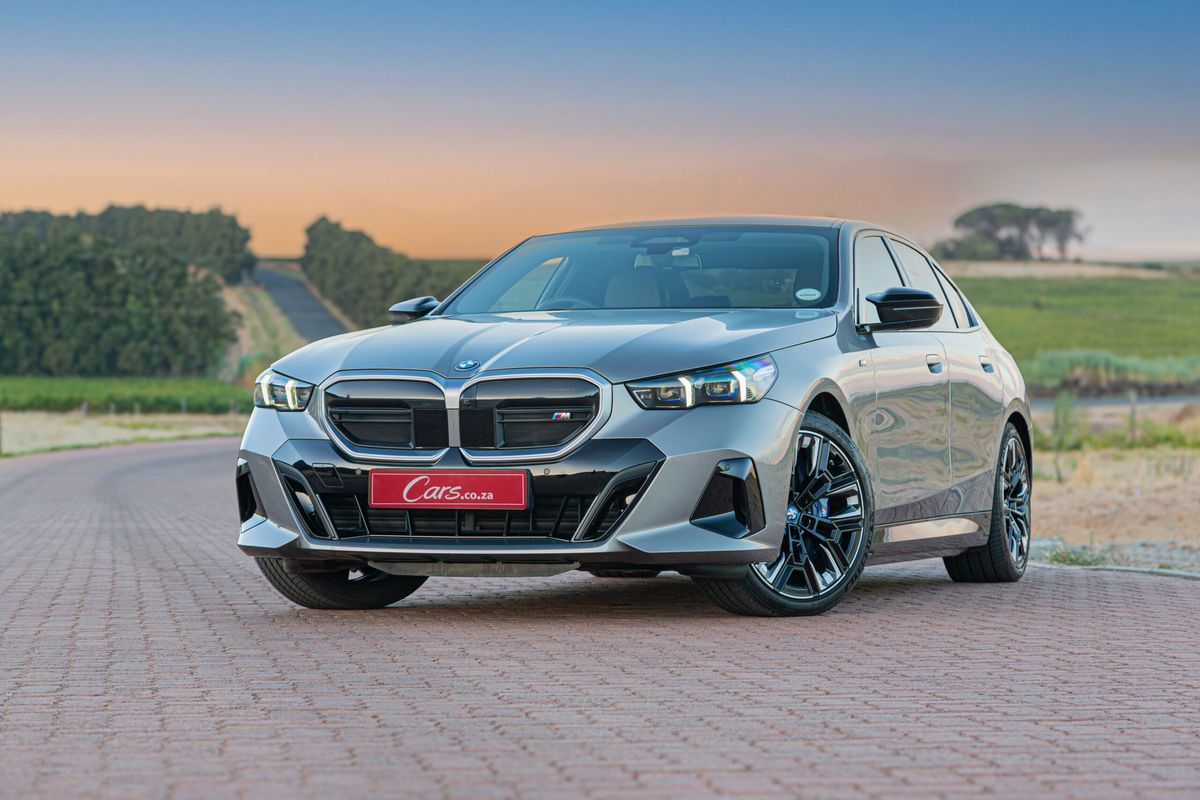
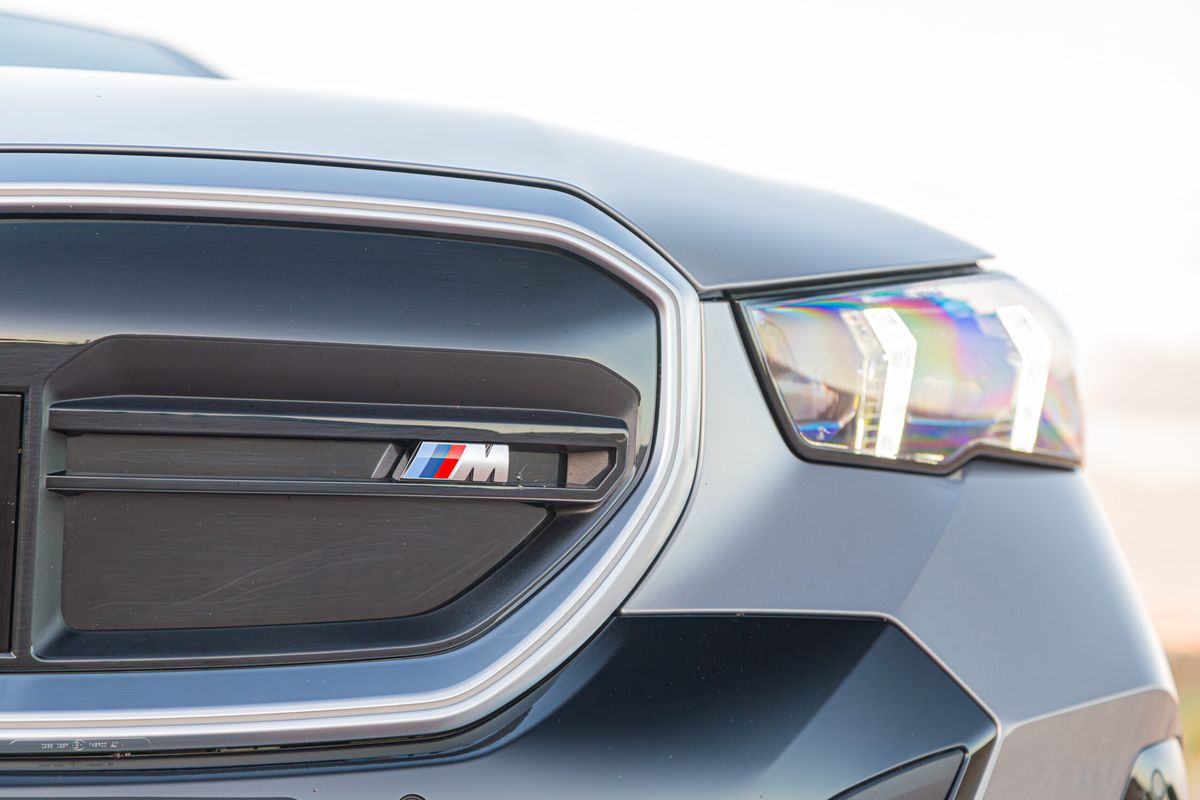
Even though the G60 5 Series’ grille is sizeable, it doesn’t look too big on the BMW i5 M60’s front end.
Where does the BMW i5 fit in?
Having recently taken 2 category wins in the 2023/24 Cars.co.za Consumer Awards, sponsored by Absa (with the iX1 xDrive30 M Sport and iX xDrive40), BMW is arguably “King of the Electric Vehicles” (EVs) in Mzansi’s new-car market. You could argue that its battery-electric models offer the best of what makes EVs appealing, but are also relatively well-priced. BMW’s EV portfolio is also rapidly expanding, but now, for the first time, it has applied its electric knowledge to one of its mainstay models: the iconic 5 Series.
Traditionalists will undoubtedly be concerned… Since the mid-’70s, the 5 Series has offered one of the purest BMW experiences on the SA market: an intoxicating combination of luxury, performance and dynamism (G60 is the 8th-gen model). Can an electrified 5er successfully emulate its predecessors? After all, the previous 5 Series was still the 3rd-best-selling model in the marque’s expansive portfolio!
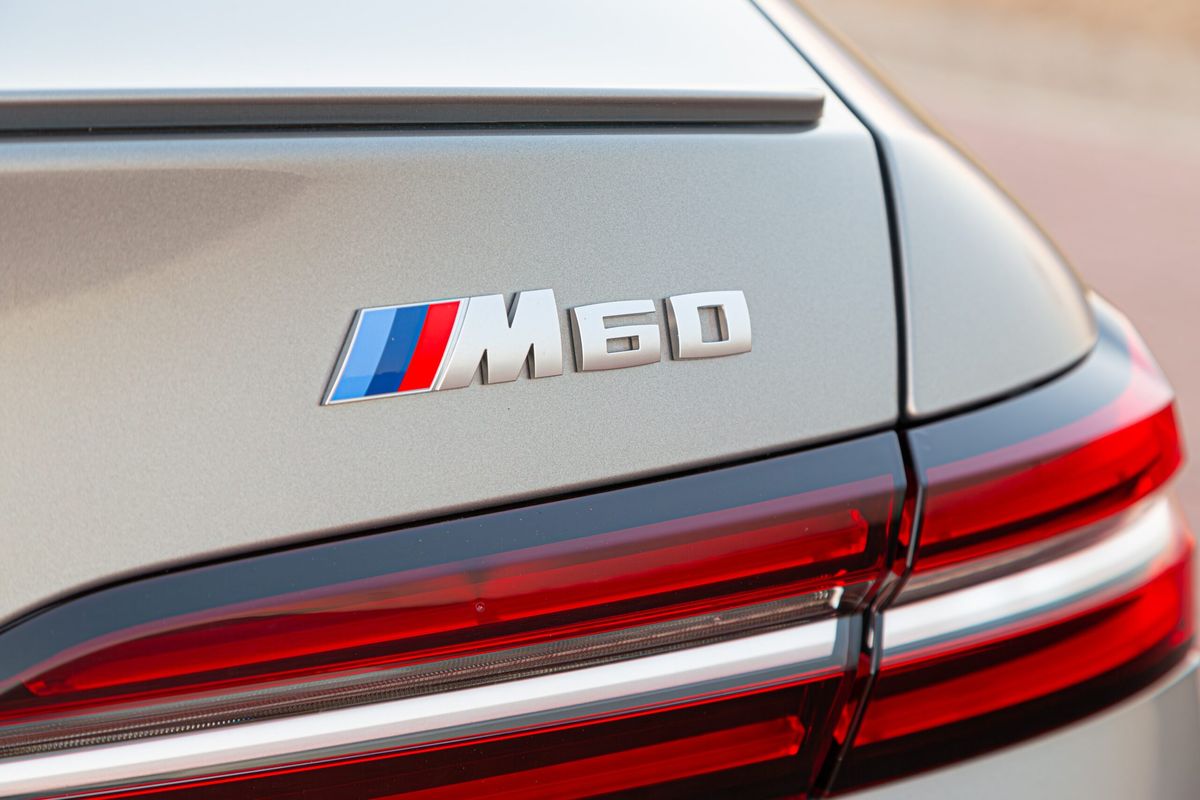
Although the M60 badge seems to denote an M model, the apex G60-generation M5 is still in the pipeline.
For now, the i5 M60 sits at the summit of the local G60 BMW 5 Series line-up, which consists of only this derivative and the 520d. The all-electric flagship is priced at around R2.2 million, which although dear, is significantly more affordable than any similarly sized and performance-capable luxury sedan. If you want a high-performance 5 Series, this is your only choice until the M5 super sedan (which will be a hybrid) arrives. But, after experiencing the i5 M60, we have to ask: “How much faster do you really want to go?”
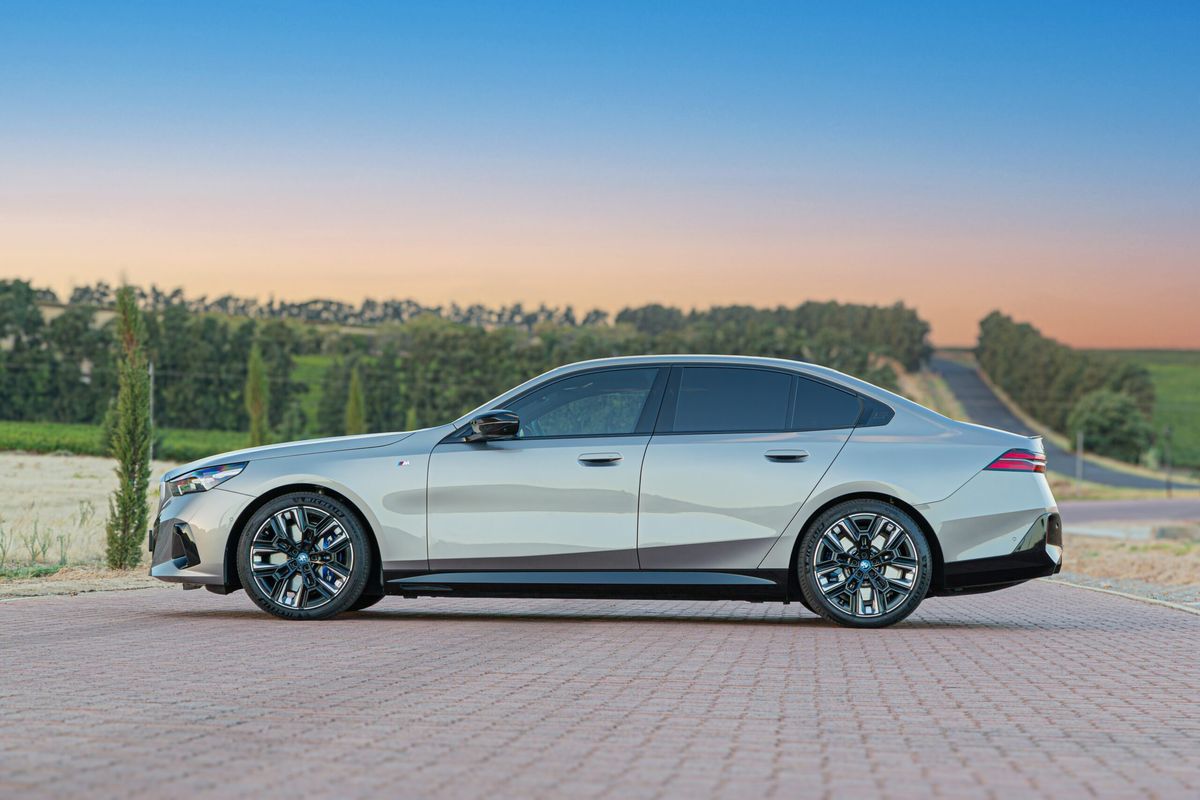
The i5 M60 has a suitably slippery profile, allied with a virtually flat underbody.
Design and Features
Isn’t it refreshing when a contemporary BMW design does NOT cause a public outcry? Whereas the styling cues of several of the Munich-based brand’s recent models have courted controversy, the 8th-gen BMW 5 Series is more universally pleasing. That’s not to say it looks bland or piecemeal – the i5 M60 is an eye-catching machine; during its tenure in our test fleet, it swivelled heads wherever we drove it.
The G60 sports a relatively normally-sized grille (even if some traditionalists may scoff at the illuminated outlines of the “double kidneys”), which is in proportion with the sedan’s front end. The car’s chiselled lines are stretched tightly over the big wheels and (bigger in every direction) dimensions. To most of our testers, the i5 M60 looked less “obviously an EV” or deliberately futuristic than a Mercedes-AMG EQE 43.
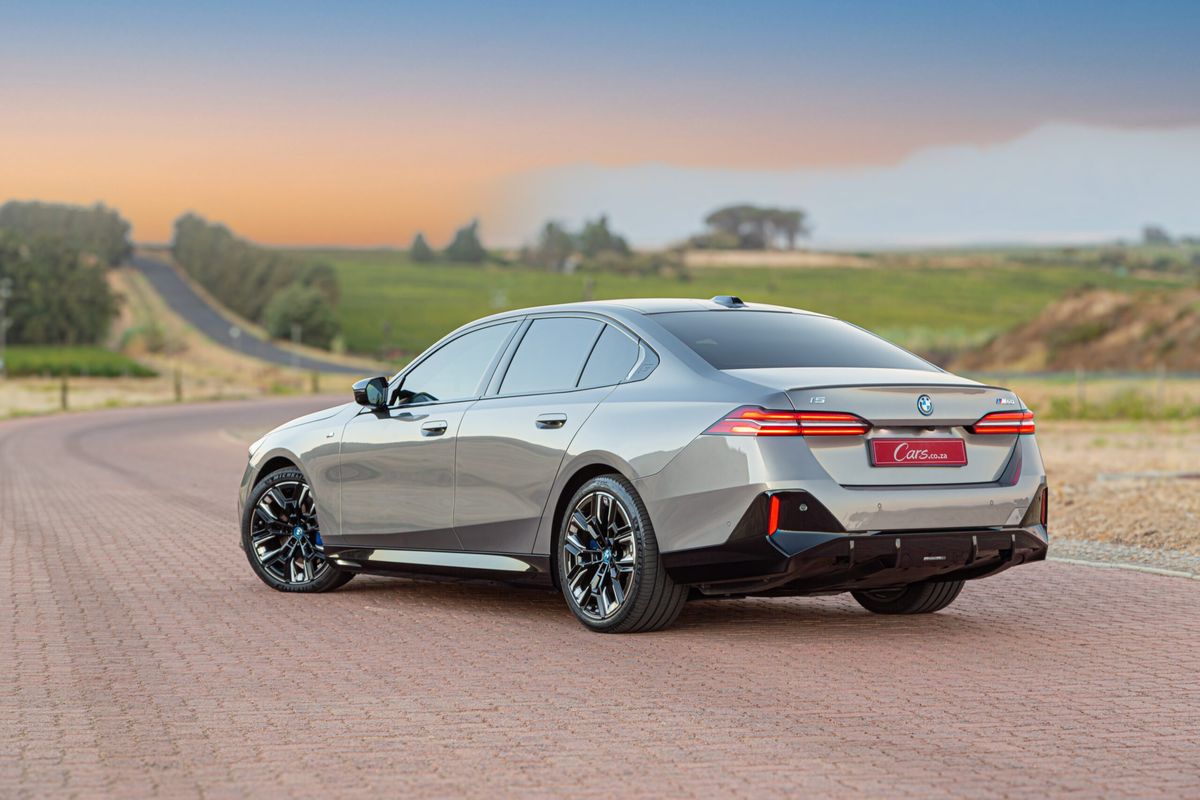
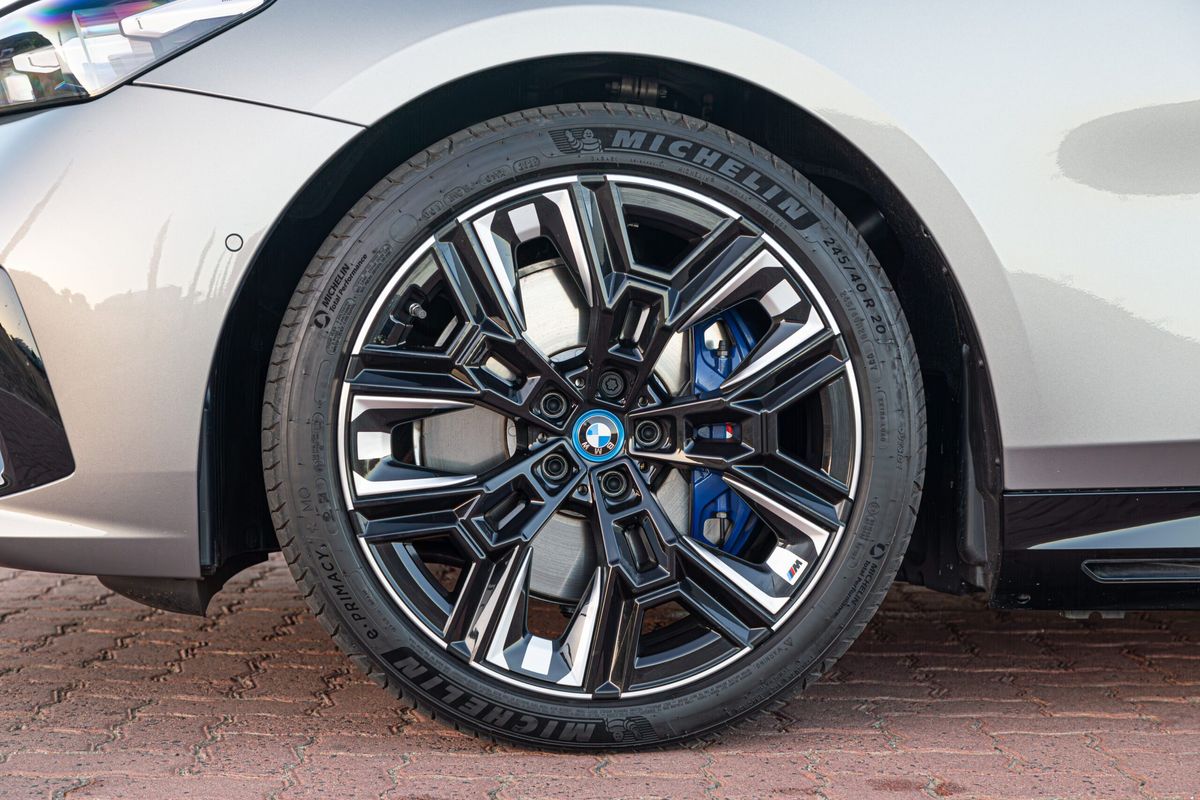
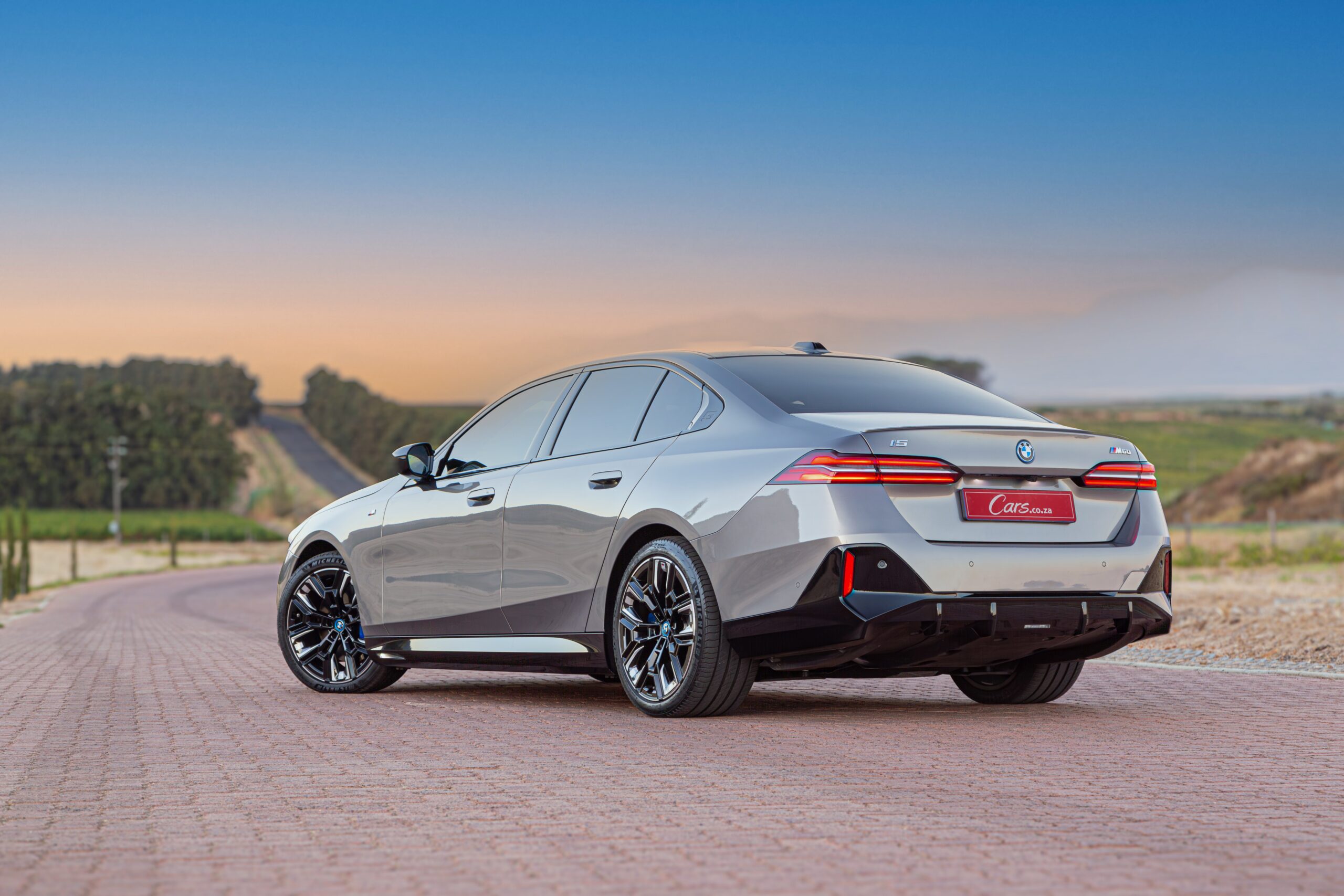
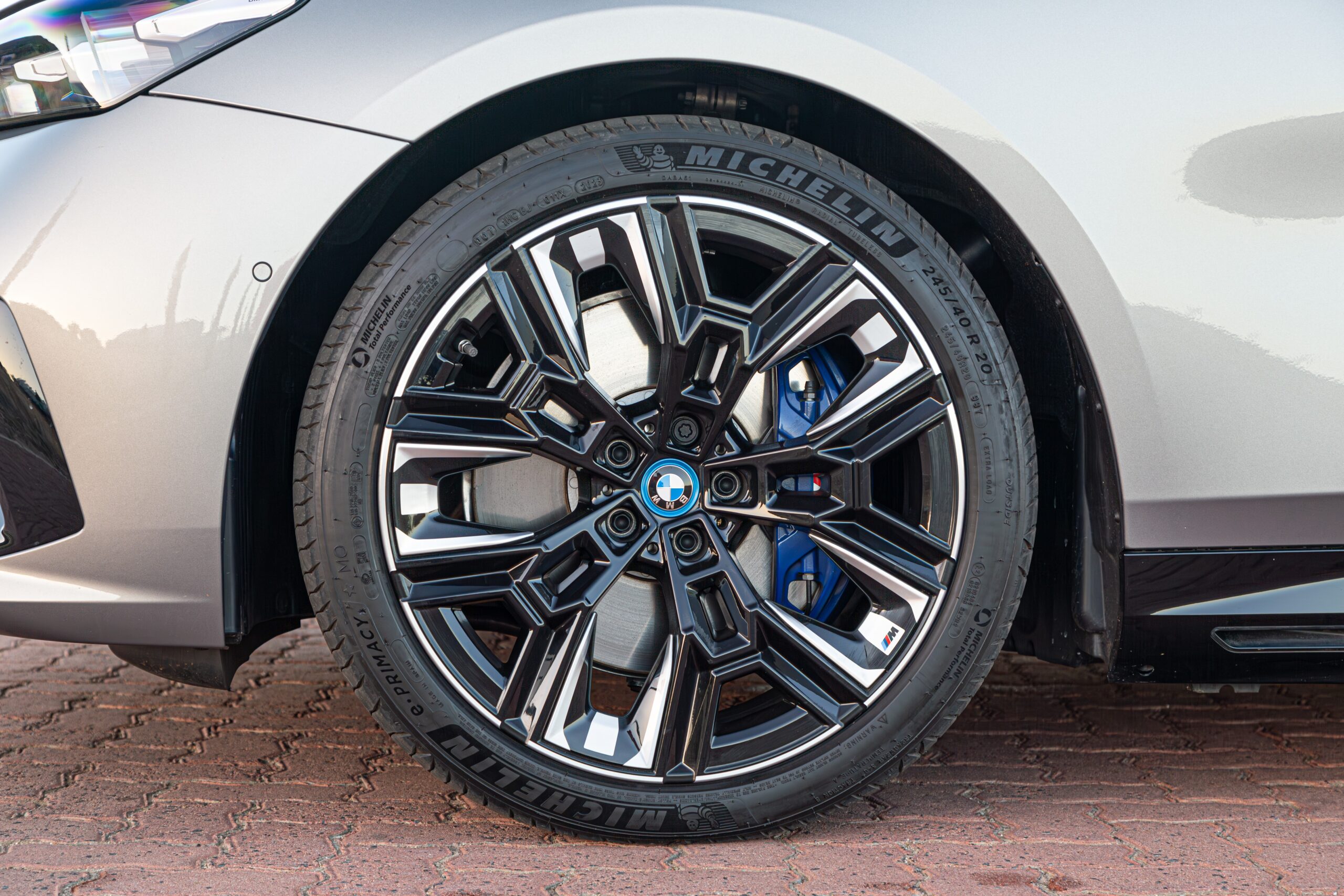
It does, however, resemble an M car, which isn’t a bad thing. The front is lashed with generous helpings of gloss black detailing, while the grille has horizontal slats and an M badge. Various wheel designs are available, but the standard (19-inch) alloys look great. The mirror caps are also finished in gloss black and they complement the substantial rear diffuser. You can spec a small rear spoiler at no extra cost.
With no exhaust ends to integrate, the i5 M60’s diffuser practically spans the width of the rear bumper.
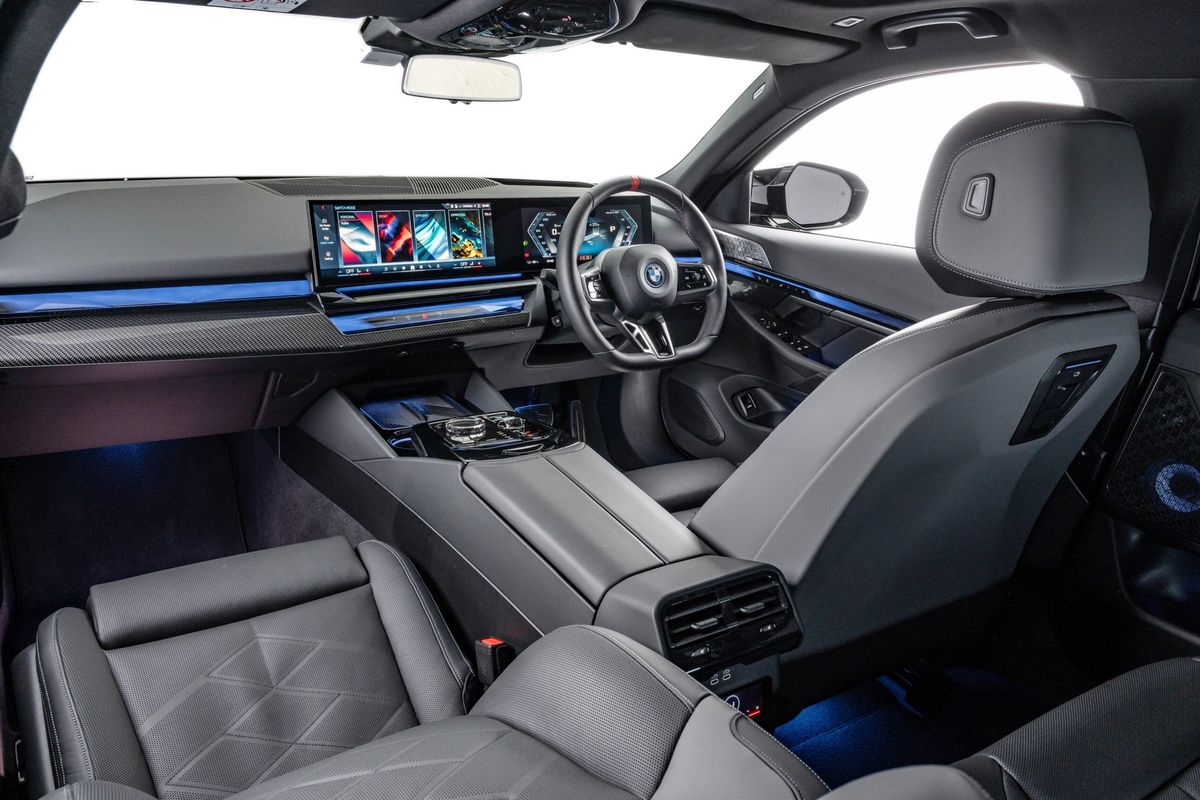
As for the newcomer’s interior, the i5 M60 sports another excellently executed cabin, which underlines the notion that BMW has stolen a march on its rivals in this regard. The perceived quality is superb; there is a feeling of solidity and high quality to the materials, allied with a complete lack of squeaks or rattles from the cabin even when the G60, which rolls on relatively low-profile tyres, traverses poor surfaces.
Comfort levels are class-leading, thanks in no small part to the sedan’s seats, which are trimmed in a plush “leather-like” material (named Veganza – yes, really). When you’re driving enthusiastically, they support your torso in all the right places, but they’re also cossetting enough to make long journeys (or sitting in traffic) a joy. BMW says the G60 is its first model to feature a completely vegan interior – even on the steering wheel. Of course, various trim and seat options are available. The seats on our test unit also featured ventilation/heating and side bolsters that give you a little hug when Sport mode is active.
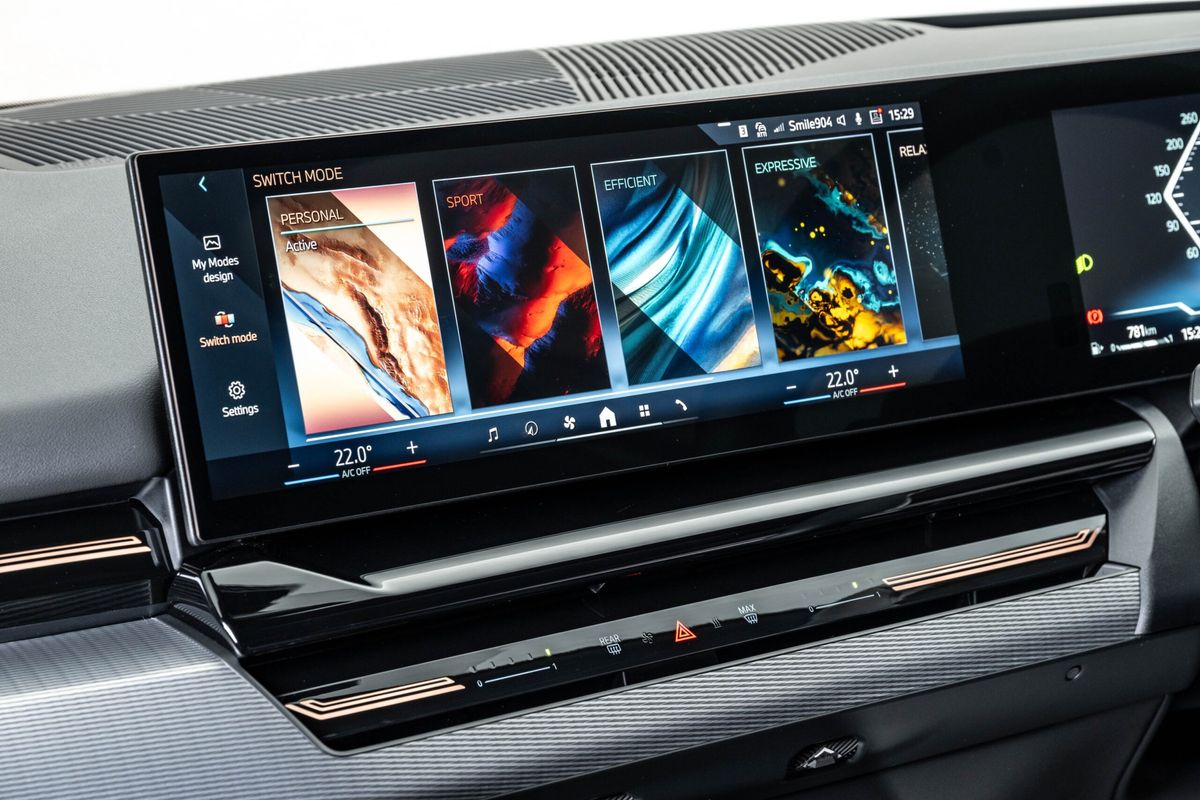
As opposed to its 3 Series sibling, the new 5 Series’ cabin was designed with the expansive screen (and hidden vents) in mind.
Space in the back is generous and aft occupants are afforded a separate digital interface for the climate control system. The i5 M60 needs to accommodate an electric motor at the rear, so we were surprised to find that the executive sedan offers capacious boot space. The claimed luggage capacity is 490 litres, which is more than what is (said to be) offered by the Audi RS e-tron GT and Mercedes-AMG EQE 43.
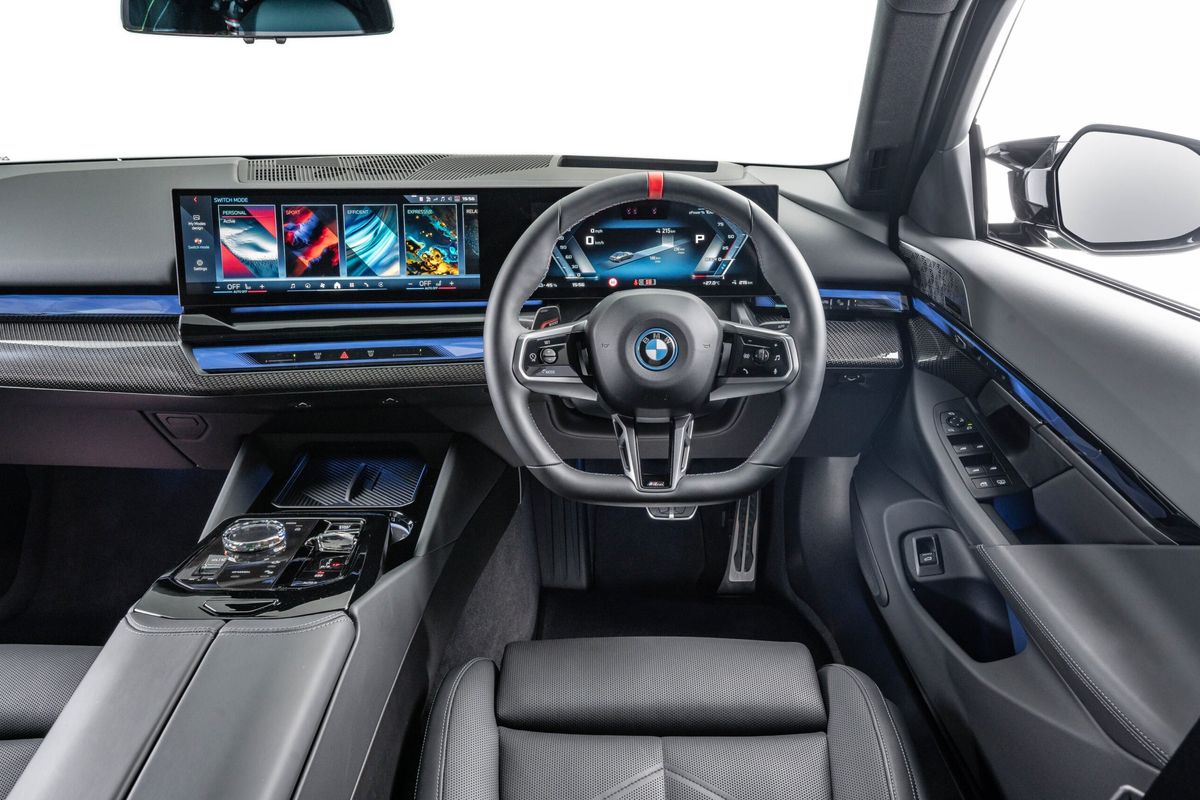
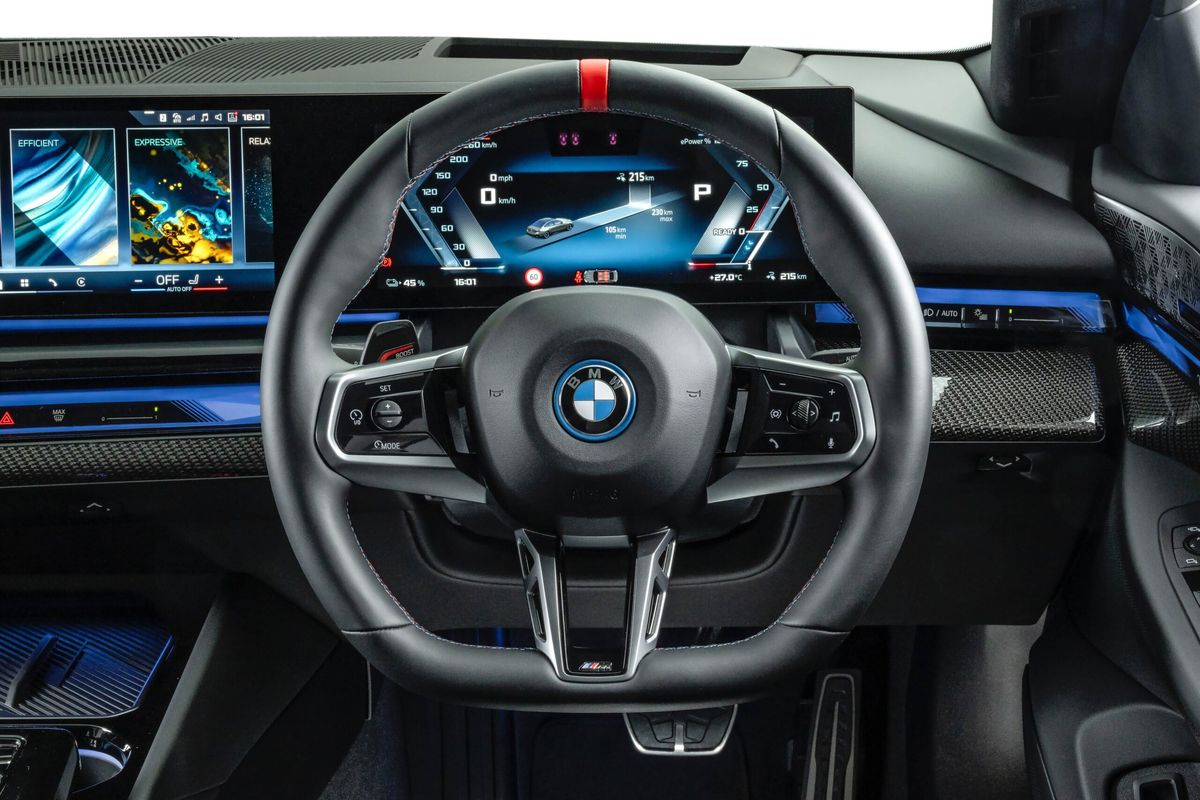
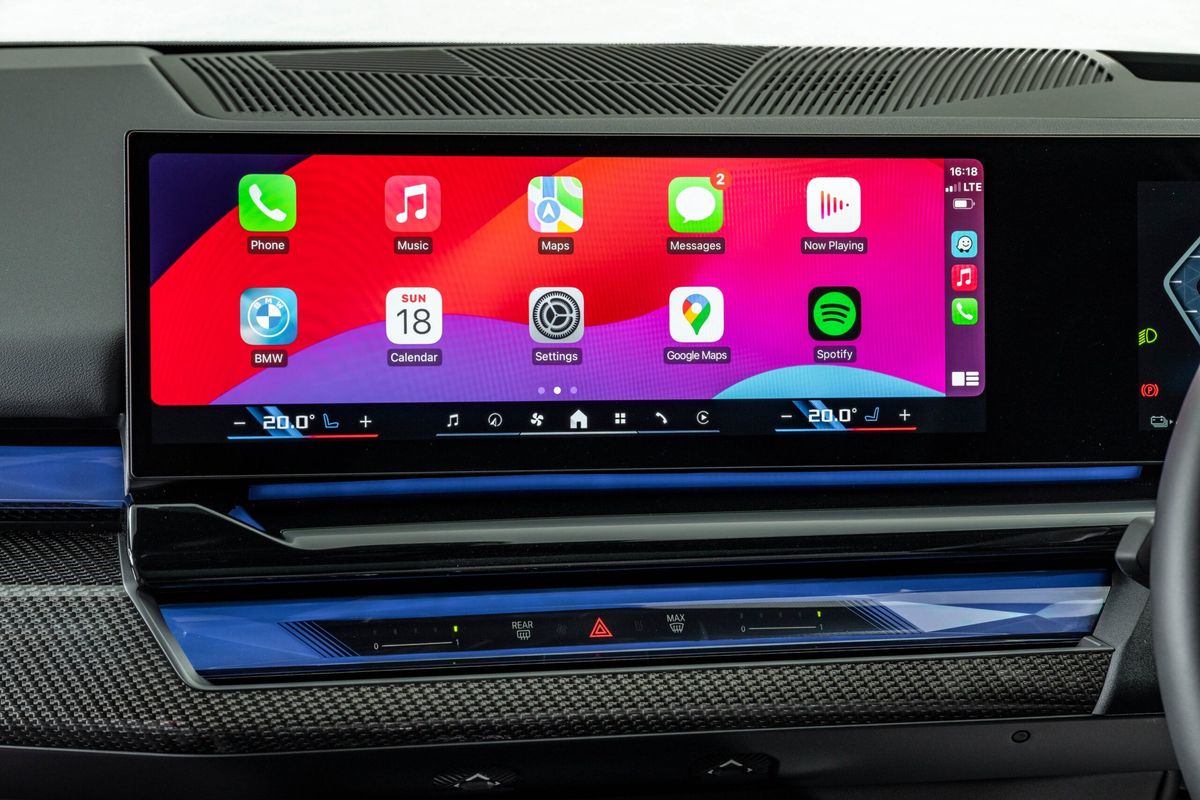
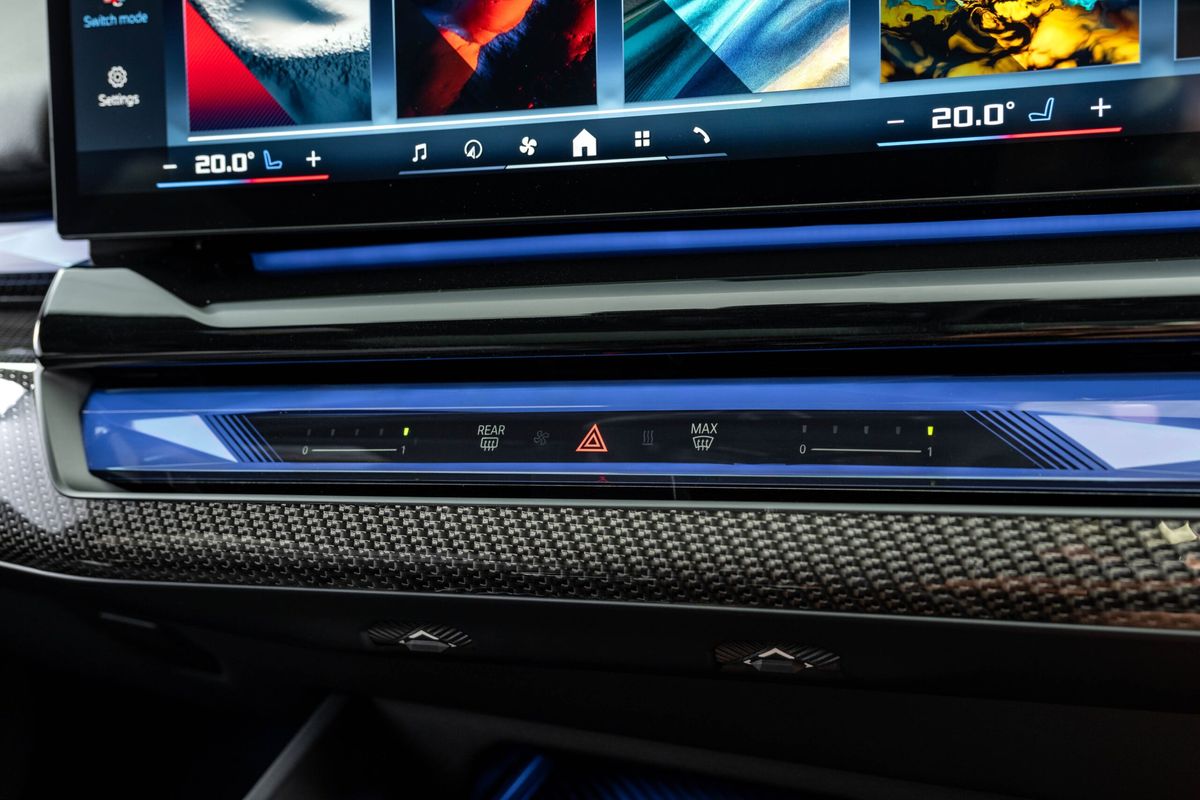
The 5 Series’ cabin is dominated by an expansive, slightly curved digital instrument cluster that flows into the infotainment screen. The graphics are superbly crisp and the menu system is logically structured (you don’t have to divert your gaze from the road long to find a function). Cleverly, the most often-used functions are accessible via physical buttons. Voice- and gesture-control functionality are also included.
Even though the G60 5 Series has an elaborate digital interface, BMW has not dispensed with physical buttons entirely.
The hidden ventilation outlets are an interesting design feature. They’re located in the space above what BMW calls the “Interaction Bar”. First seen on the G70 7 Series, the crystal-like bar stretches almost the entire width of the cabin and emits visually pleasing lighting (you can set the colour in the infotainment screen), but it is also functional – for example, it will flash in red when you press the hazard button. It also signals a visual warning when it detects you’re about to exit the vehicle into potentially dangerous traffic.
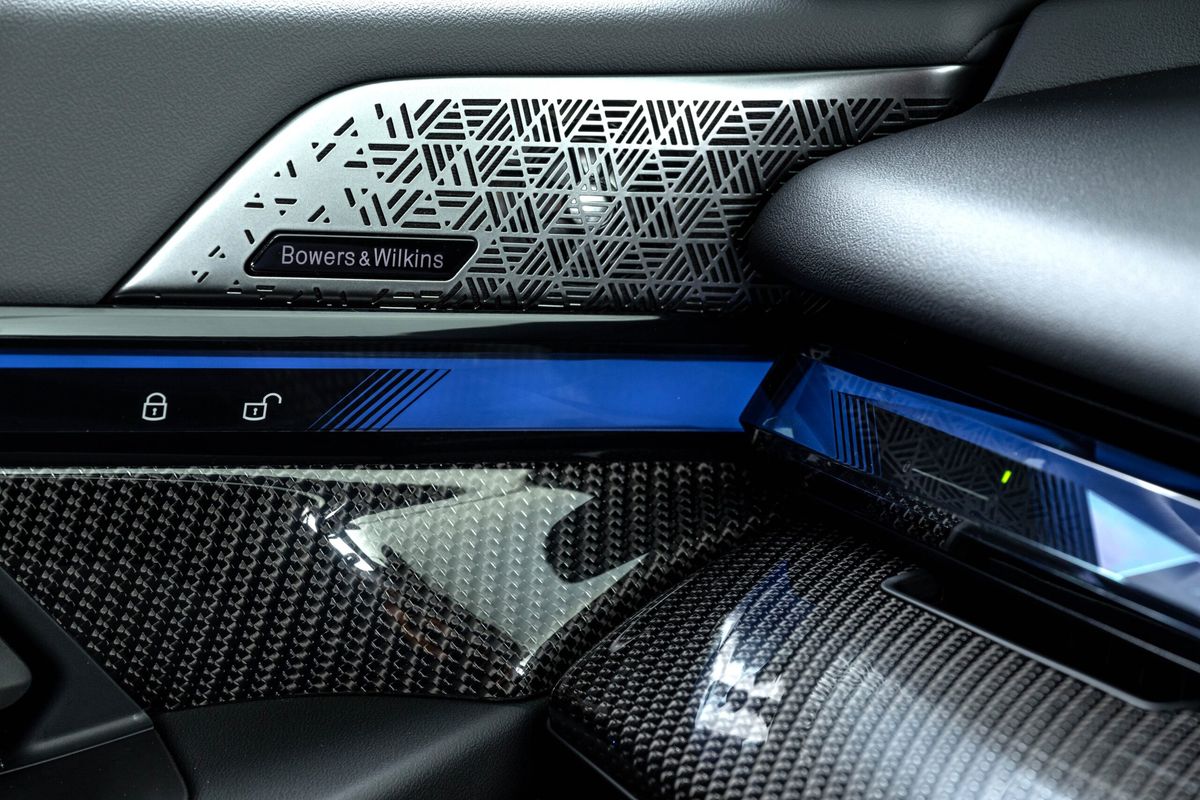
As with most German luxury cars, the i5 M60 has an extensive list of options (not that the derivative’s standard spec isn’t near-comprehensive). To give you a pair of examples: specifying a Bowers & Wilkins surround sound system will cost an extra R15 000 and Active Seat Ventilation is available for R17 000.
The speaker covers of the Bowers & Wilkins surround sound system feature an ornate pattern.
So, there are many, many toys to play with, but what we particularly enjoyed about the i5 M60’s cabin was that it fulfils the fundamental requirements of a luxury sedan appreciably well, but without skimping on build quality, plus it incorporates useful tech that is easily accessible via an intuitive user interface. Young (early adopters) and old (conservative types) will all find the cabin alluring. That’s no mean feat.
Performance and Efficiency
The i50 M60 is powered by a pair of integrated drive units that are positioned on the sedan’s front and rear axles respectively, which explains the test unit’s all-wheel drive (xDrive) designation. The two unit housings each incorporate an electric motor, transmission and electronics and both are very compact.
The motor on the rear axle produces a peak output of 250 kW and the one at the front adds 192 kW, which makes the total power output a thumping 442 kW. Maximum torque is 795 Nm, but up to 820 Nm is available for short periods when you utilise the BMW’s Boost paddle or activate the launch control.
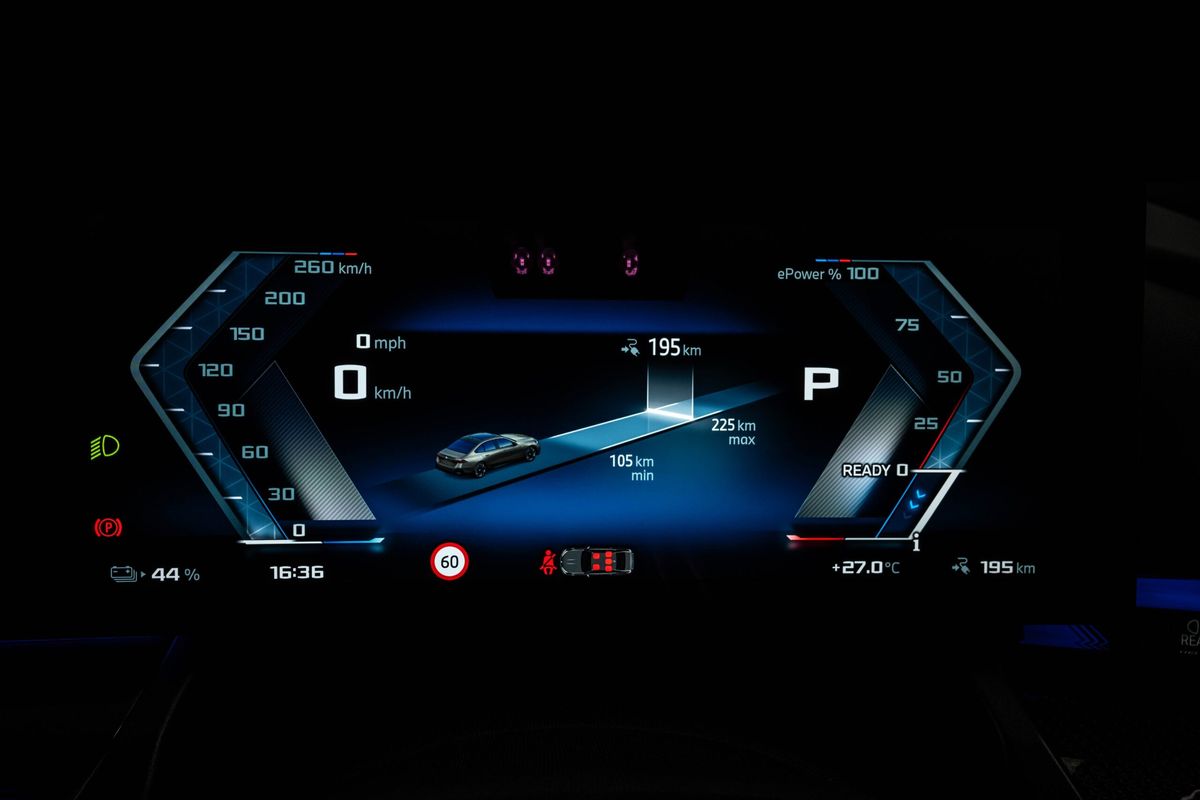
EV owners will be accustomed to seeing a power meter instead of a rev counter on the instrument panel.
These figures make the i50 M60 a good match for the vastly pricier, sportscar-like Audi RS e-tron GT, and while the similarly-priced Mercedes-AMG EQE 43 has more torque, the BMW is (and feels) faster…
BMW claims a 0-100 kph time of 3.8 sec, but that doesn’t quite convey how brutally the i5 M60 can pull away from a standstill. Many EVs accelerate strongly from rest, but they almost all feel like they run out of puff past (let’s say) about 120 kph. The i50 M60, by contrast, always seems to have more grunt on offer.
The sound effects, which were developed in partnership with famous movie soundtrack composer Hans Zimmer, contribute to the sensation of relentless acceleration. For what it’s worth, we achieved a 0-100 kph time of 3.78 sec – even without using launch control! Top speed is electronically limited to 230 kph.
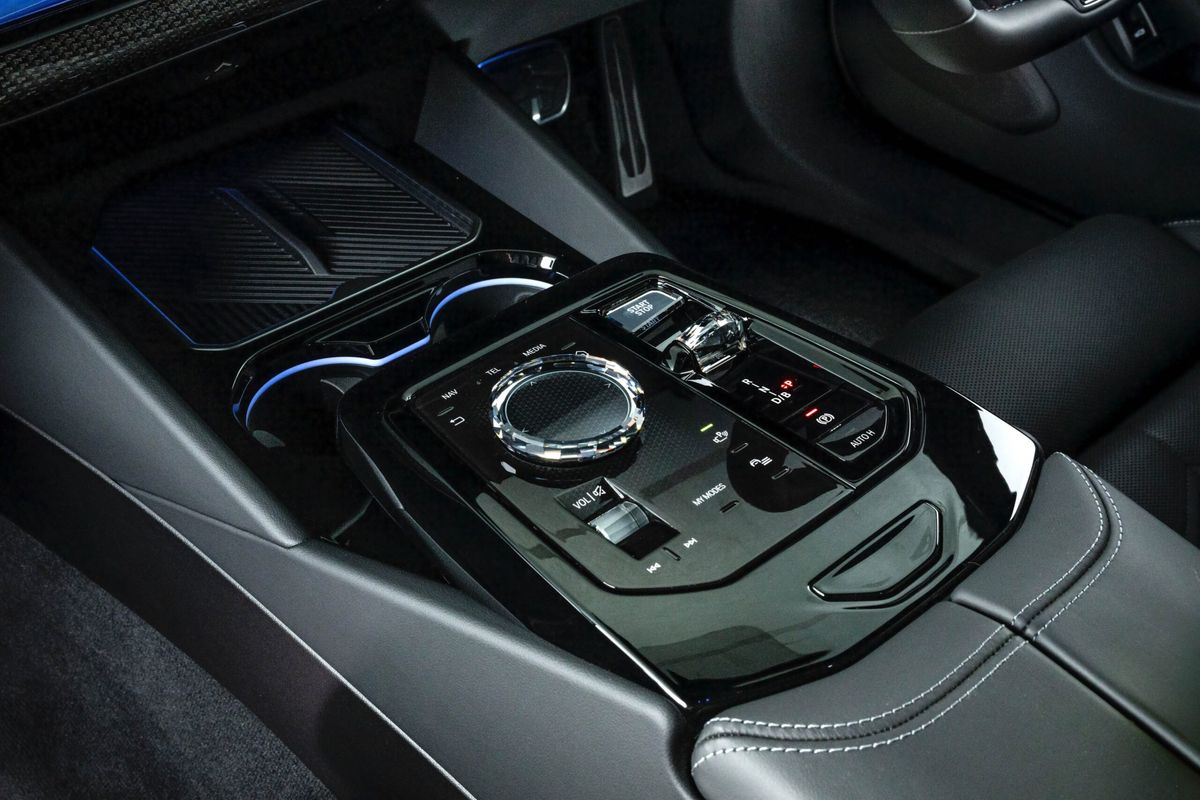
The minimalist centre console has freed up space for the inductive charging pad and increased oddment storing capacity.
The motors draw their energy from a high-density 81.2 kWh battery. Based on the WLTP test cycle, the i50 M60’s maximum range sits somewhere between 455 and 516 km. Average consumption is claimed to be around 20.6 kWh/100 km. While that figure is by no means poor, the extra weight of the 2nd motor housing and the more performance-oriented nature of this derivative does mean that you will get more range out of the more affordable i50 eDrive40, but that version of the i5 is not available in South Africa – yet. It is worth noting the i5 M60’s claimed range beats those of both the RS e-tron GT and EQE 43.
And charging? The battery accepts DC charging of up to 205 kW, but good luck finding such a charging station in your area! Still, you can add significant range surprisingly quickly at one of the more common local “fast” chargers (we used a 70 kWh station). Go for a coffee while it charges for a few minutes and you’ll add 100 km (or so) in a flash! A 22 kW charger will power up the i5 M60 in about 4 and a half hours.
The i5 M60 may not be a fully-fledged M car, but it certainly deserves to wear M badges.
If you misjudge the distance of your journey and find that you have to “limp home” with minimal charge, you can use a function BMW calls “Max Range”. As the name suggests, the function (used in conjunction with the Efficient setting) prioritises range (adding up to 25%), by lowering the maximum speed and sacrificing some luxuries (the climate control is deactivated, for example). It’s useful when you can’t find a charge station or the one on the way home is occupied, faulty… or (sigh) experiencing load shedding.
Another interesting “capability” of the i5 M60 is that it can be utilised for towing trailers (after all, that is not what most EVs are renowned for). BMW claims a maximum (braked) towing capacity of 2 000 kg for this derivative. The RS e-tron GT has no tow rating and the maximum quoted for the EQE 43 is 1 800 kg.
Don’t be fooled by the i5 M60’s sports-sedan body addenda – it is rated to tow trailers up to 2 000 kg (braked).
Ride and Handling
The i5 M60 may wear numerous M badges, but it’s not an M5 (BMW will reveal the range-topping super sedan version of the G60 5 Series soon). So, you may wonder whether the test unit’s M badges are just for show… Do they befit a derivative endowed with true M-car-like characteristics? And, what are such characteristics anyway, considering that the lightest M car (the M2) weighs 1.7 tonnes nowadays?
The issue of weight is particularly pertinent here because this is an all-electric car… and battery-electric vehicles are notoriously heavy. But even at 2.3 tonnes, the i5 M60 is slightly lighter than its main rivals.
Whereas as sporty electric vehicles tend to be stiffly sprung, the i5 M60 has a pliant ride quality.
M car or not, BMW has incorporated its latest chassis tech in the i5 M60. It gets what is called “Adaptive Suspension Professional” as standard. This includes electronically controlled shock absorbers, a lowered suspension (by 8 mm), integral active (four-wheel) steering and a powerful M Sport braking system.
When you’re driving the i5 M60 while any of the car’s more comfort-oriented (or default) modes are engaged, it’s the consummate luxury vehicle, with a level of pliant, supple ride quality that you hardly ever experience in performance-biased vehicles these days. The manner in which the BMW irons out road imperfections is highly impressive – the suspension comprises stroke-dependent dampers all round, allied with rear air springs. When you want the i5 M60 to waft along, it does so very convincingly.
Whether you want to waft to your next destination or carve up corners on your favourite twisty road, the i5 M60 nails the brief.
When you reach your favourite ribbon of asphalt and activate Sport mode, you will immediately feel the i5 M60’s suspension firm up. The car’s heft is ever-apparent, however, so if you spear into corners at high speeds, the tyres tend to squeal a bit earlier than expected, but they cling on and facilitate traction in a manner that beggars belief. The steering – pleasingly weighted and admirably responsive – is superb.
Thanks to its tenacious grip, deft handling and (when required) stupendous acceleration, the i5 M60 will give you a thorough core and neck workout if you drive it “enthusiastically” for a while. Is it an old-school “M-Car” experience? No, but “new school” is kinda cool, too. It’s certainly entertaining to drive, and has more layers to it than most performance EVs, which only seem to succeed at going fast in a straight line.
The i5 M60 offers a cabin ambience and soundscape to suit almost every mood.
If there is one minor issue, it concerns the i5 M60’s ride height. That, coupled with a lengthy wheelbase, reduces the car’s breakover angle, so some ramps and speed bumps need to be negotiated carefully to avoid grounding the underbody. Thankfully, the car’s belly is entirely flat and has a protective cover.
BMW i5 M60 xDrive price and After-sales support
The i5 M60 xDrive costs R2 190 000 (March 2024, before options), which includes a 2-year/unlimited km warranty (plus 8 years/100 000 km for the battery) and a 5-year/100 000 km maintenance plan.
Verdict
The G60 BMW 5 Series combines the ICE and EV segments with much aplomb.
While we finalised this review, it was announced that the BMW 5 Series/i5 won the Luxury Car category of the 2024 World Car Awards – a well-deserved achievement. The i5 M60 is the best electric sedan on the market by some margin. Given its plethora of abilities, the R2.2m asking price seems… reasonable.
The BMW i5 M60 possesses head-turning good looks, offers fantastic comfort and luxury, surprise-and-delight tech and delivers explosive performance, coupled with a surprisingly multi-faceted fast-driving experience. BMW has knocked this one out of the park; the new M5 will have to be brilliant to top this!
A fresh report claims the BMW 4 Series won’t see a 3rd generation, which furthermore suggests the current petrol-powered M4 could be the last…
Will the world see a 3rd-generation BMW 4 Series? Well, if a fresh report is anything to go by, the answer may well turn out to be “no”.
Quoting unnamed sources within the Munich-based automaker, BMWBlog claims the current G22-generation 4 Series coupé is “not expected” to have a direct successor. Though it’s not entirely clear, we suspect this would also apply to the G23-series convertible and the G26-gen gran coupé.
Will the G22-gen 4 Series have a successor?
While the 4 Series nameplate traces its roots back to 2013 when the F32-generation was launched as a 2-door spin-off of the 3 Series family, the current version debuted in 2020 and was facelifted at the start of 2024.
Based on a presumed 7-year lifecycle, that would see the 4 Series put out to pasture around 2027, if the report turns out to be accurate, of course. Interestingly, the publication adds that the supposed decision to let the 4 Series ride off into the sunset could be “reversed”.
So, why would the Bavarian company consider killing off the 4 Series – a nameplate that has seen great sales success, specifically in North America – in the first place? Well, BMWBlog claims the thinking could be twofold: firstly, there’s the broader shift of focus towards fully electric cars; the i4 would, in theory, live on.
Could the G82-gen model be the final petrol-powered M4?
Secondly, there’s the idea that the next-generation 3 Series family – which was previewed by the Vision Neue Klasse concept – will end up covering the space (and indeed taking on a more “coupé-like” shape) currently occupied by the 4 Series.
What does all of this mean for the high-performance M4? Well, since the M-badged flagship is obviously derived from the standard 4 Series, BMWBlog says a next-gen petrol-powered M4 “seems off the table for now”. However, the publication suggests a new M3 sedan remains “under consideration”. Of course, only time will tell…