The Cars.co.za Consumer Awards (CarsAwards) are back this year and sponsored by Absa. The most extensive automotive awards program in South Africa aims to provide South Africans with the best cars across 13 carefully selected categories.
We understand that not everyone is in the market for the same type of car, so we have categorised every new car in SA into a segment that makes sense. Check out how we select the finalists, test them and ultimately, award the winners!
For this year, we are taking the finalists to Sandton City and displaying them from the 1st – 3rd March 2024. Come down to the mall, meet the Cars.co.za team and check out all the cars on display.
At Sandton City, Absa will be giving away R500 000 for one lucky winner to spend on the car of their dreams. You have to be at Sandton City in order to stand a chance of winning. Follow all the results and info on #CarsAwards on all you favourite social apps.
Stellantis has announced plans to offer a family of new Fiat Panda models, revealing as many as 5 concept cars – including an interesting small bakkie…
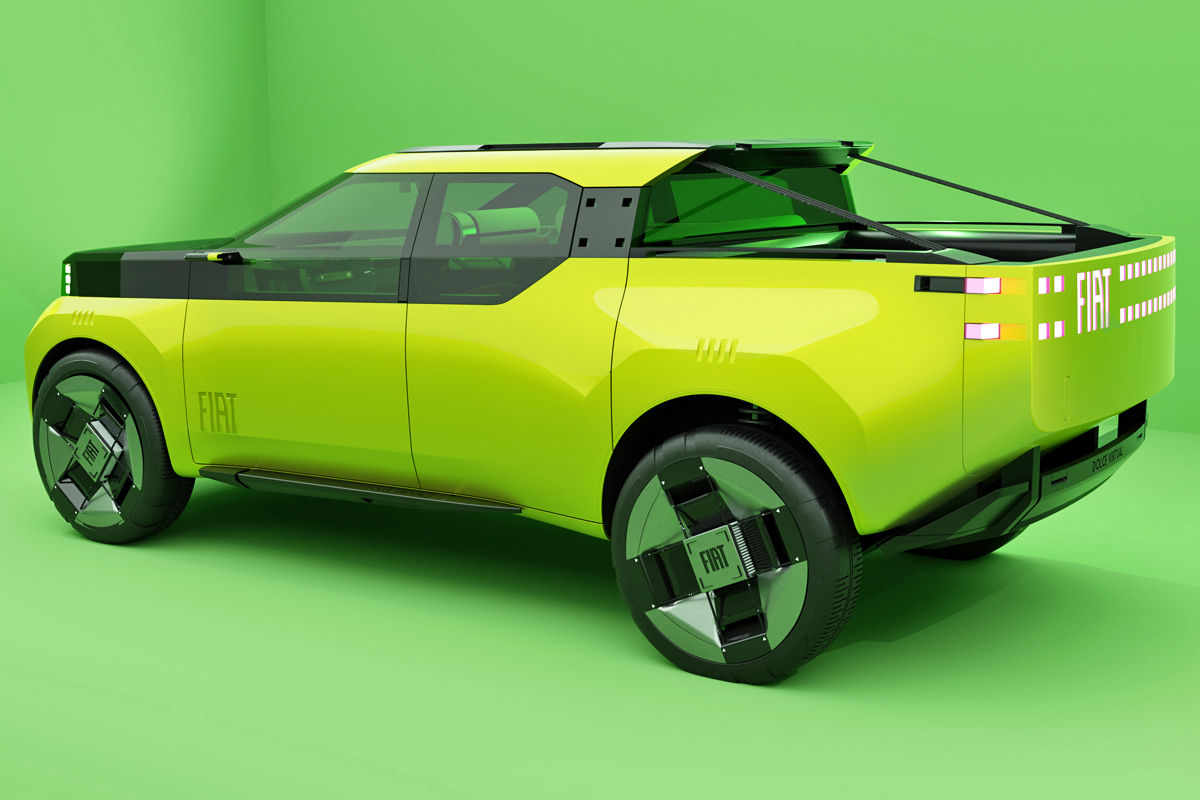
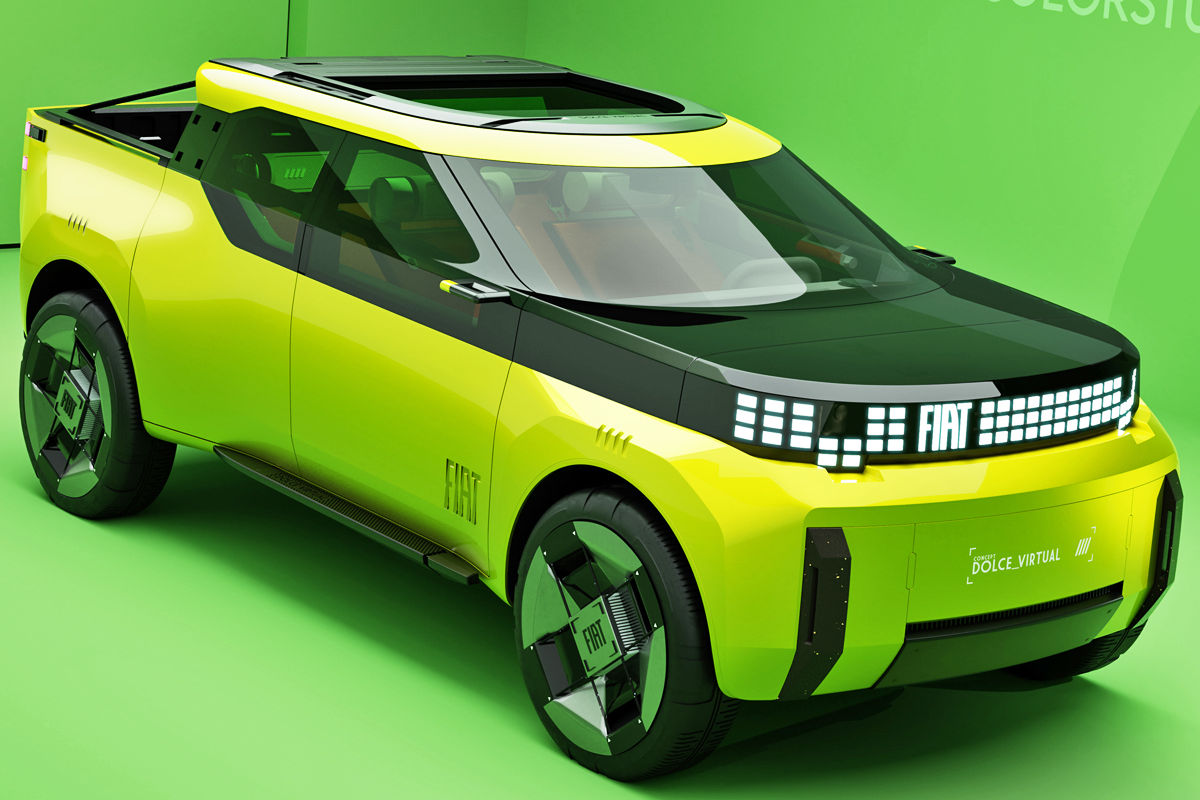
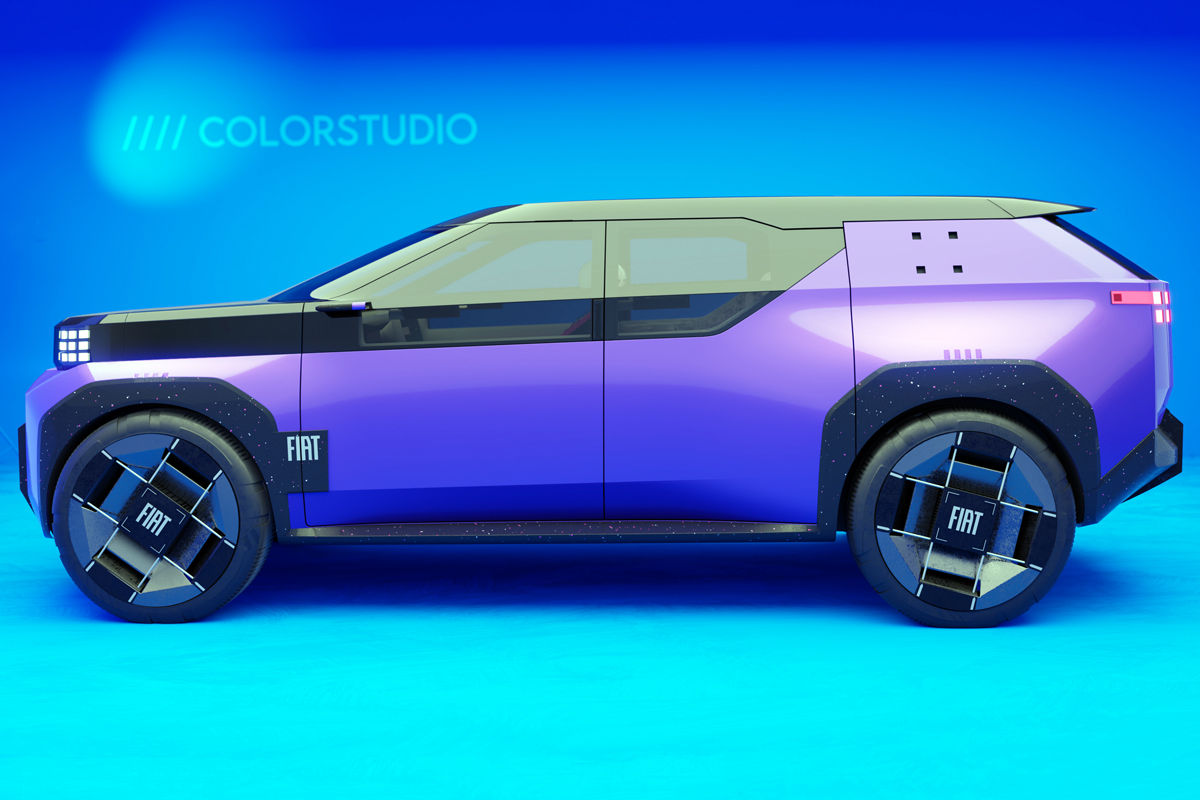
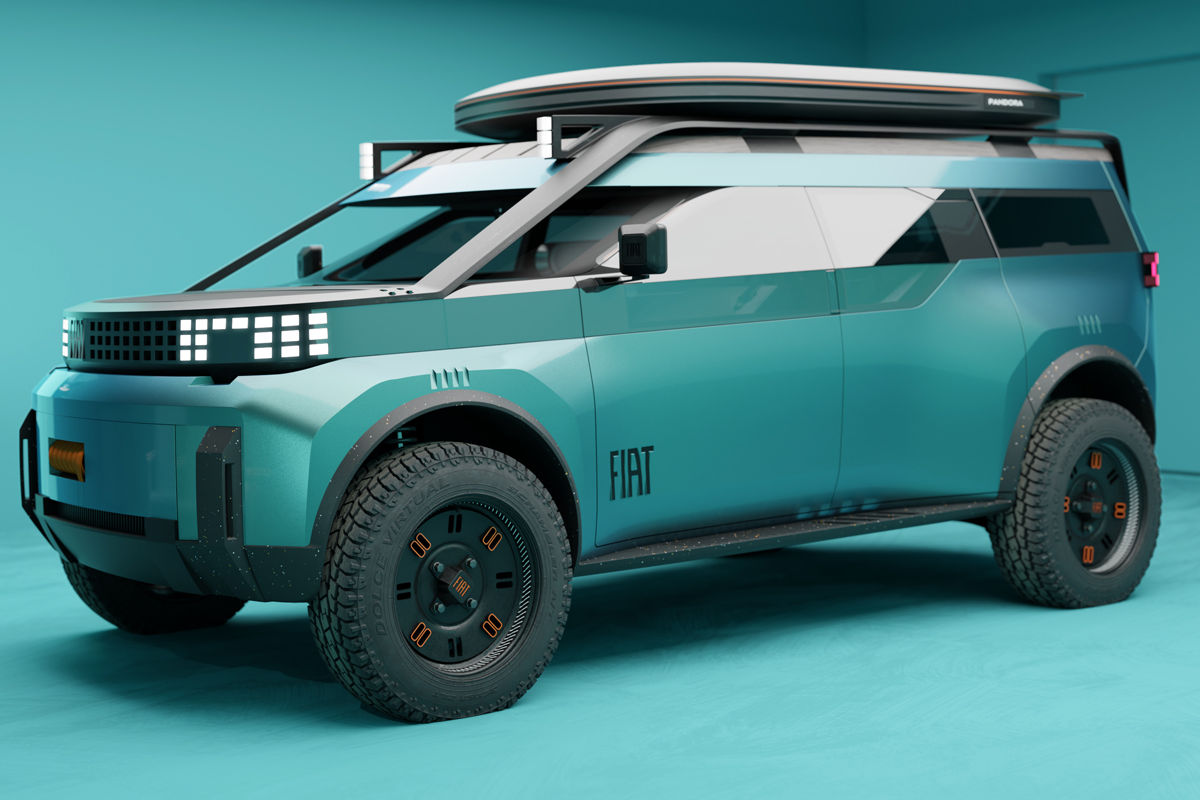
Stellantis plans to create an entire family of new Fiat Panda models, marking its announcement with the reveal of a raft of “Panda-inspired” show cars. Perhaps the most interesting from a South African perspective is the inclusion of a small bakkie concept.
But before we take a closer look at the Panda pickup, let’s take a step back. Fiat, which was the best-selling Stellantis brand in 2023, says its new Panda family will comprise “global” models. The first – likely the next-generation version of the standard city car – is scheduled to be revealed in July 2024, followed by the launch of another Panda spin-off every year until 2027.
All body styles will be based on a Stellantis multi-energy platform, which Fiat says will allow the use of “all types of powertrain” (in this case, internal combustion, hybrid and fully electric).
“Fiat is a global brand with 1.3 million cars sold last year and solid leadership in many parts of the world. We are in a global game and our next step will be to transition from local products to a global offer that can benefit all of our customers everywhere in the world,” said Olivier Francois, Fiat CEO and Stellantis Global CMO.
“We are excited to share this glimpse into our future; a very near future, actually, since the first car will be presented in 4 months during the brand’s 125th anniversary celebration. That car will then be followed by one new model every year.”
So, back to the Panda bakkie concept. Referencing the Strada – again the best-selling vehicle in Brazil in 2023 – the Italian automaker says it’s “certain that this type of vehicle can replicate its success at a global level, even in Europe”. Still, we get the impression the production model will be more “lifestyle” than workhorse.
Indeed, Fiat claims its new pick-up concept “responds to the global rediscovery of free time as value for people”, saying the vehicle “blends the concept of a pick-up with the functionality of an LCV [light commercial vehicle] and the comfort of an SUV in a size that is suitable to urban environments all over the world”.
We’re guessing the production version will be far removed from the double-cab concept, which features a bluff front end, intricate lighting signatures, oversized alloy wheels, a high beltline and what appears to be a relatively compact loadbin.
While the current Strada half-tonne bakkie is not offered in South Africa (owing to the fact it’s built in left-hand-drive form only), Stellantis has pencilled in the next-generation version for Mzansi. Should the production version of the Panda pick-up also make it to local shores, Fiat could potentially offer a pair of bakkies in SA.
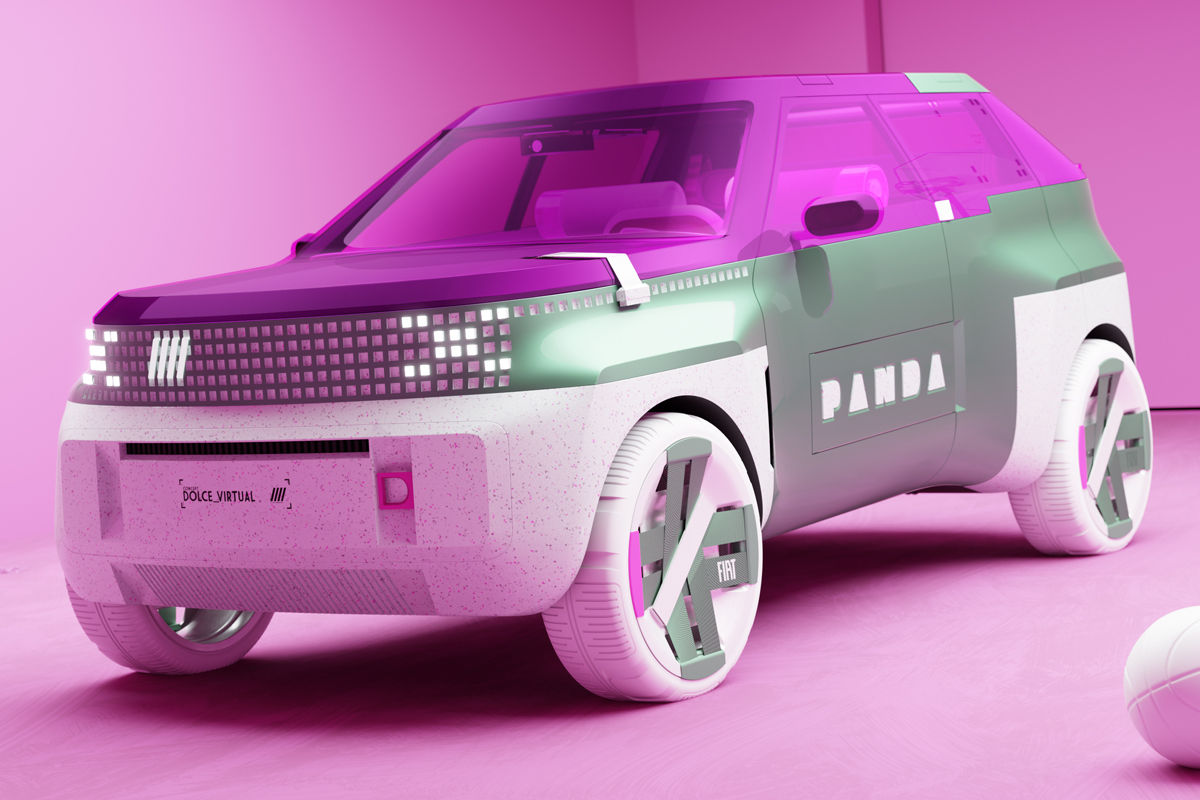
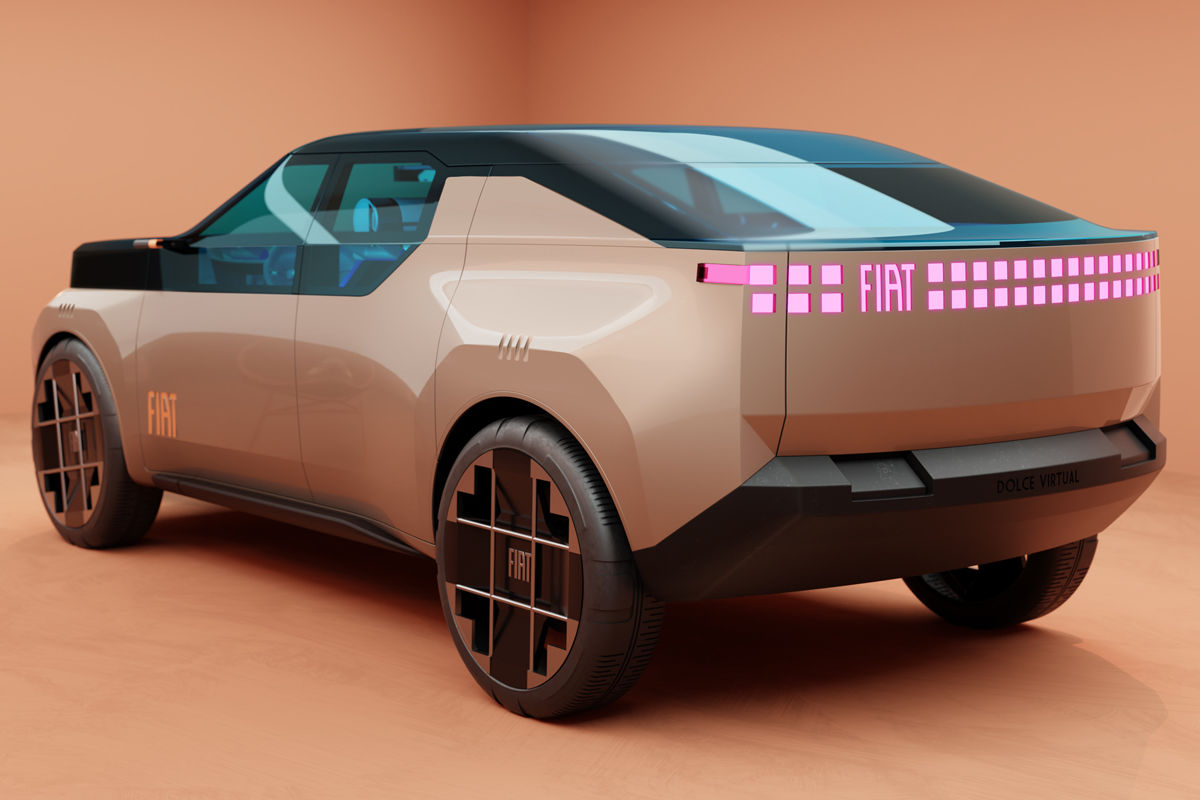
So, what about the other Panda concepts? Well, there’s a city car (though Fiat says it’s bigger than the current Panda), a fastback, an SUV and even a camper, all of which you can see in the gallery above. As a reminder, the Panda nameplate dates back to 1980, with the current (3rd) generation set to bow out when the new model debuts later this year.
It’s the end of the road for the Korean hot hatch duo as the Hyundai I30N and I20N are axed to make way for electric performance cars.
Yet more vehicles have been given the chop as production of the performance-orientated hatchback duo of the Hyundai I30N and I20N will come to an end in February 2024.
In an official statement, Hyundai said: ‘Production of the ICE N models has ceased for the European market starting from February, in line with our commitment to offering a zero-tailpipe-emission line-up to our customers by 2035 and to operating 100 per cent carbon neutrally by 2045. Going forward in Europe, Hyundai is developing Hyundai N as a pioneer of high-performance EVs. Our customers will benefit from technological developments that will make EVs even more attractive in the future.’
We’re hoping other markets like Australia will keep interest in these two fun cars alive, but we’re not holding out much hope. Pity, as the Hyundai I30N was a thoroughly entertaining product.
The Hyundai I30N was a genuine rival to the traditional hot hatches like the Volkswagen Golf GTI, Ford Focus ST and Renault Megane RS. Both the Focus and Megane have already been cancelled, leaving the iconic Golf GTI to have the market nearly all to itself.
The I20N sadly never came to South Africa, but we reckon it would have been a great rival to the Volkswagen Polo GTI. It packed 150 kW and 275 Nm from a turbocharged 1.6-litre petrol engine, and power reached the front wheels via a 6-speed manual transmission.
Ineos Fusilier Announced with Electrified Powertrains
The Ineos Fusilier is the brand’s third vehicle, after the Grenadier SUV and Quartermaster bakkie. Here’s a first look.
Following on from the Grenadier and Quartermaster is the Ineos Fusilier, which is physically smaller than the halo model, has reduced offroading capability, but is powered by a choice of either a pure electric powertrain or what the brand calls a range-extender.
No details were given on the engines, but we’d assume the range-extender follows the principle of having a small internal combustion engine which generates electricity, which in turn drives the wheels. We’ve already seen some working examples in the motoring world, with the Audi RS Q e-tron which won the 2024 Dakar rally.
“As we developed this vehicle, we quickly concluded that in order to move towards decarbonization but continue making cars that consumers want to drive, we need a mix of powertrain technologies,” said Ineos Chairman Sir Jim Ratcliffe. “That is the reason we are offering an additional powertrain for the Fusilier, one that dramatically reduces emissions but has the range and refueling capabilities needed.”
Under the skin, the Ineos Fusilier makes use of a bespoke skateboard platform and the company reckons this setup is good for 400 km of range. The new Ineos Fusilier is being developed with the assistance of Magna Steyr in Austria. This company has a stellar track record when it comes to the R&D and production of tough offroaders, and if you weren’t aware, the plant in Graz, Austria also makes the legendary Mercedes-Benz G-Class. Right on the factory’s doorstep is the brutal Schockl mountain trail, which all vehicles have to complete, and you can bet the Fusilier will be put through its paces.
The Ineos Fusilier will be launching globally in 2026 and we’re keen to see how the range-extender powertrain works. As a reminder, the Ineos Grenadier is on sale in South Africa, via selected BMW dealerships.
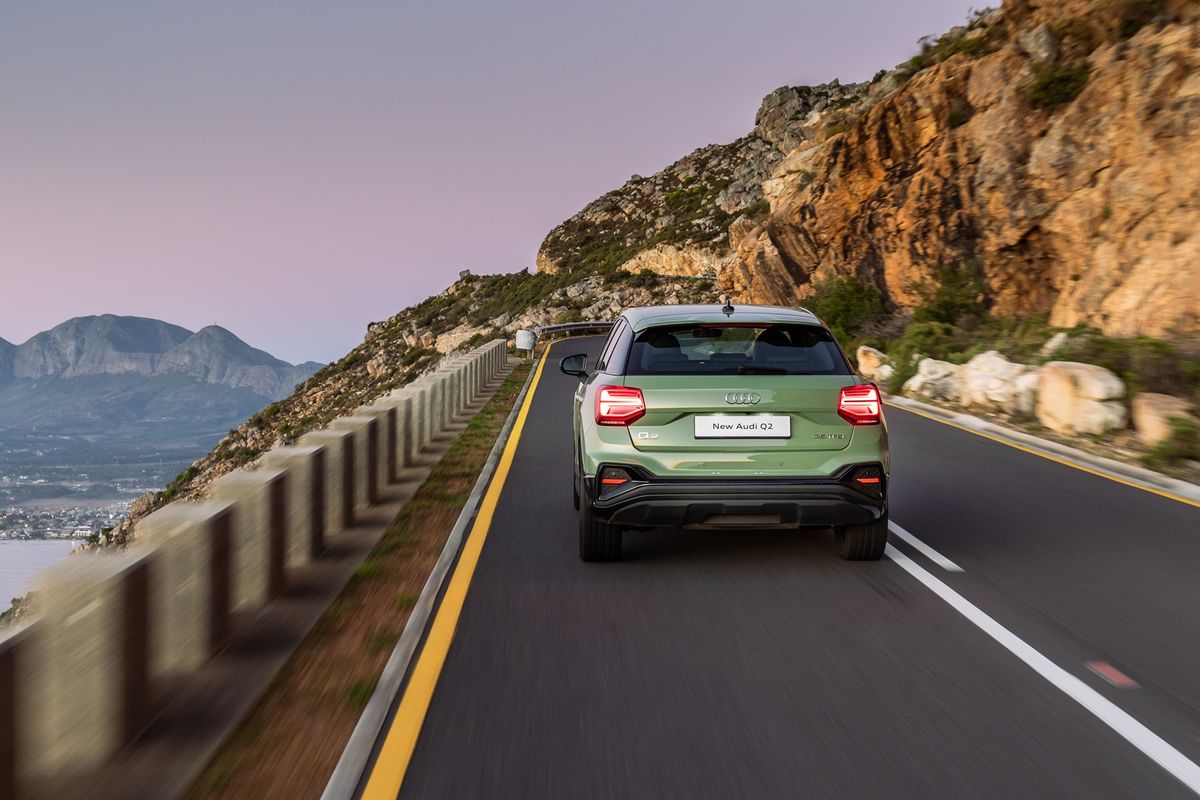
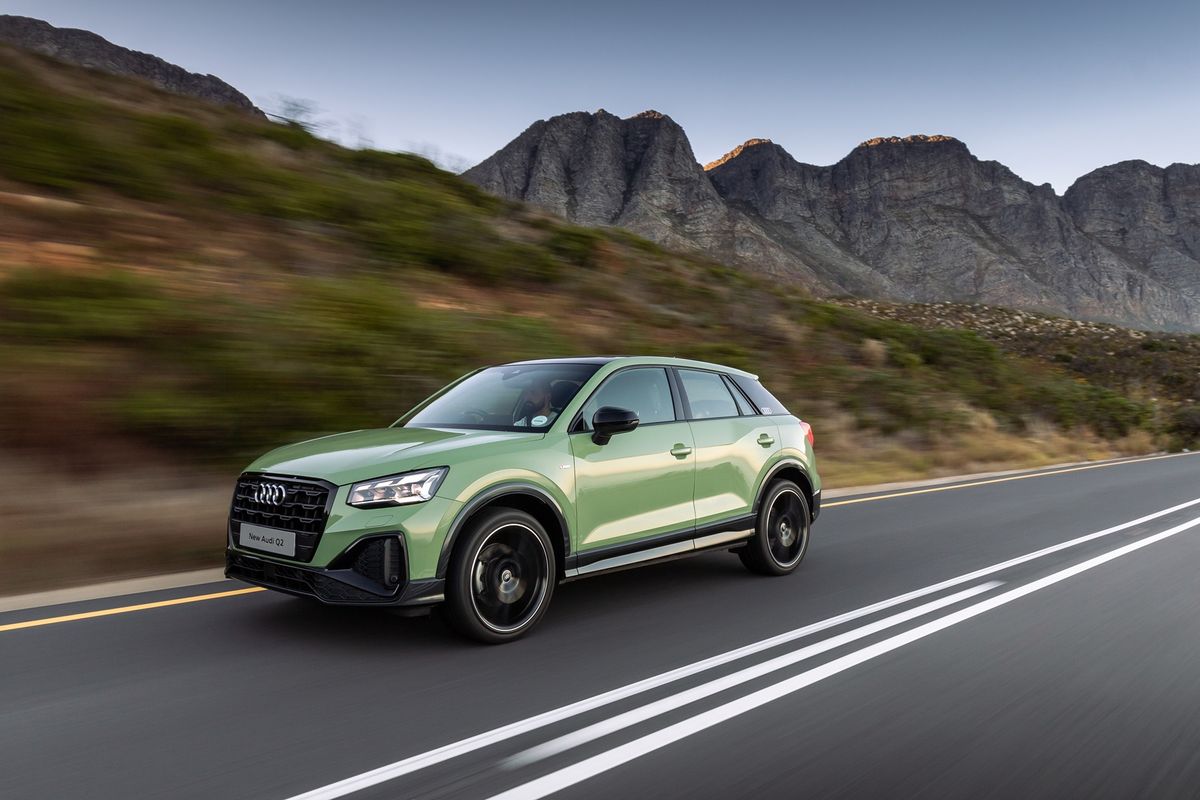
The compact Audi Q2 will be getting an enhanced infotainment system and the brand has confirmed this updated model will be arriving locally in the fourth quarter of 2024.
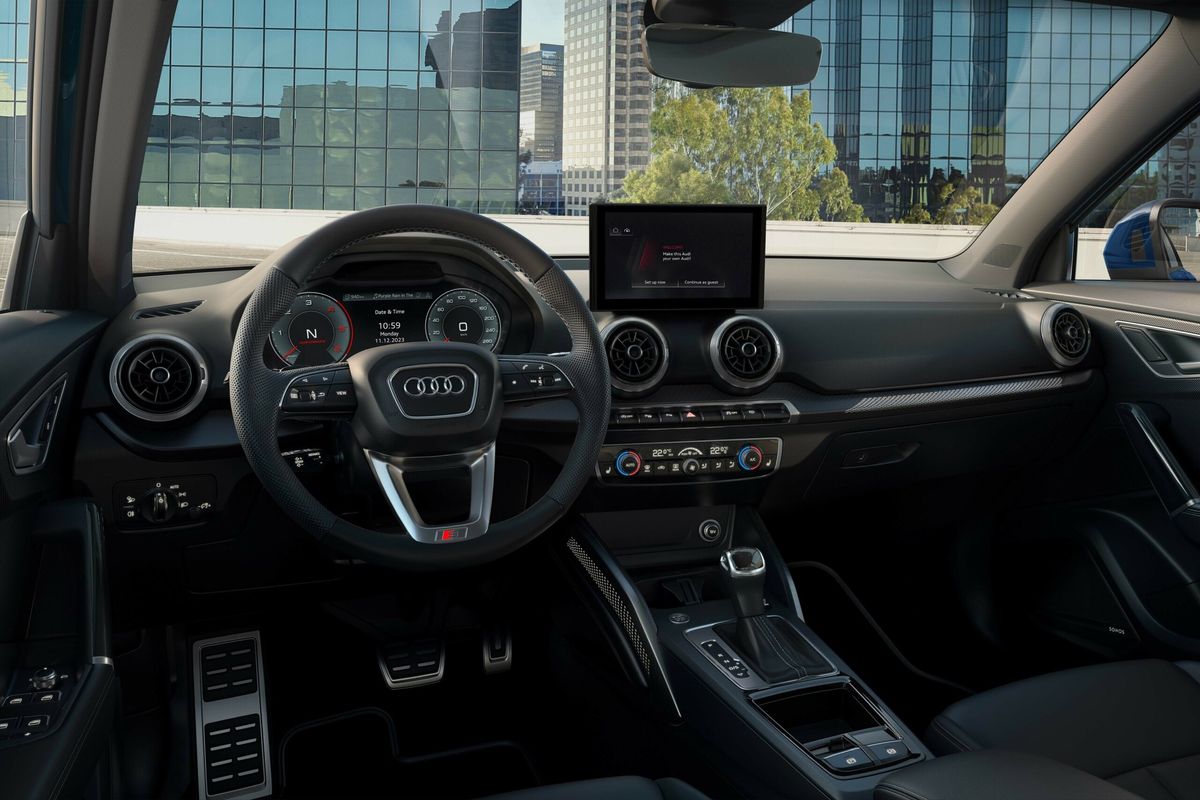
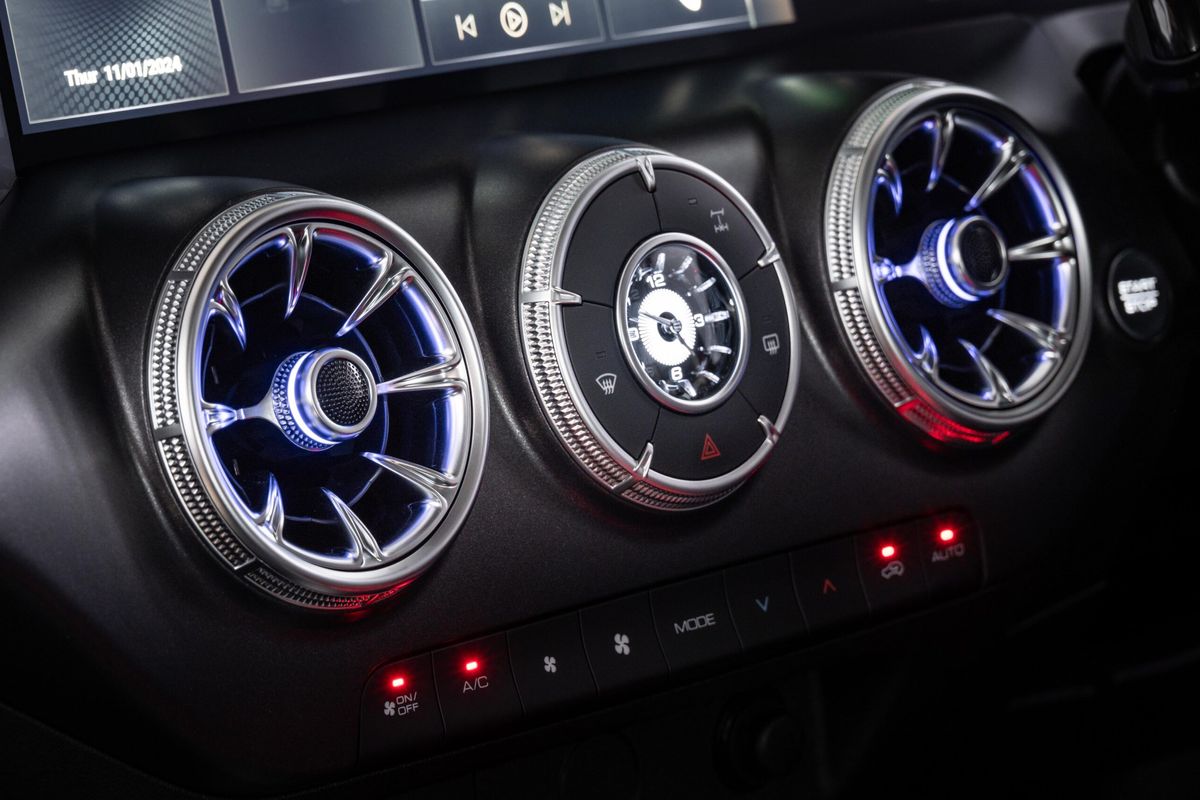
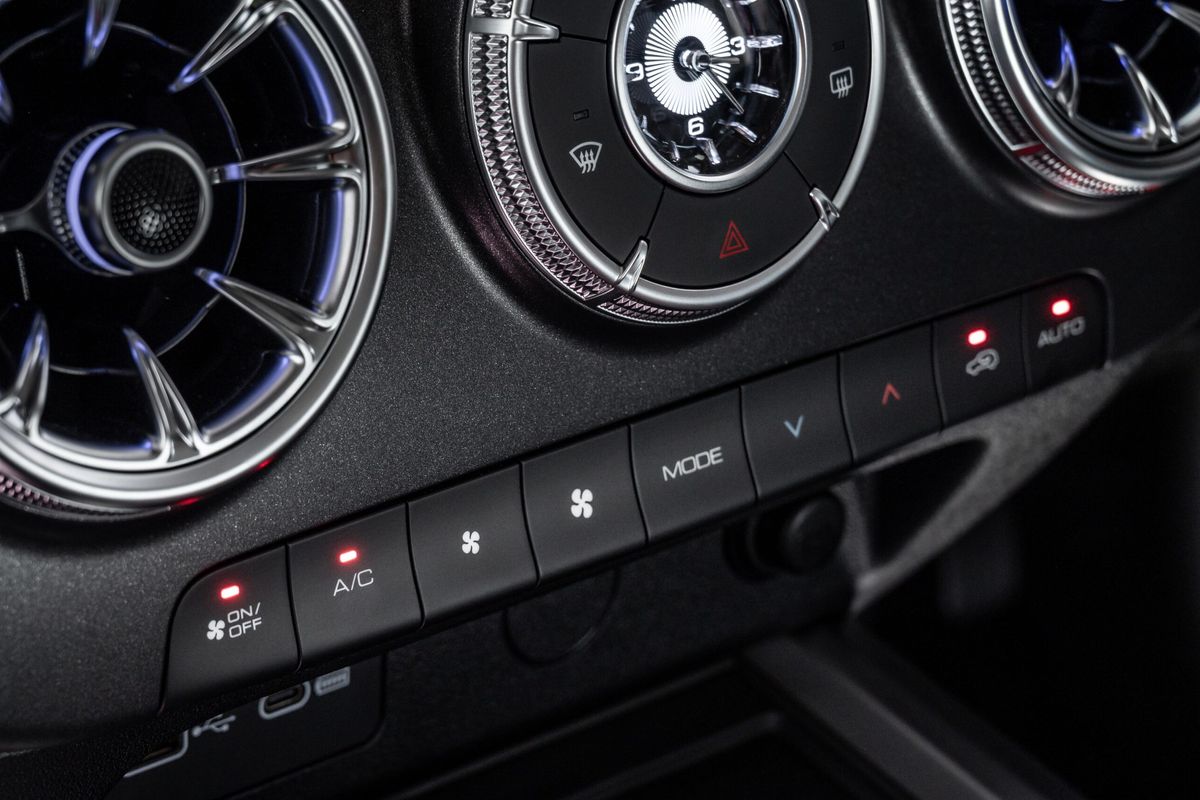
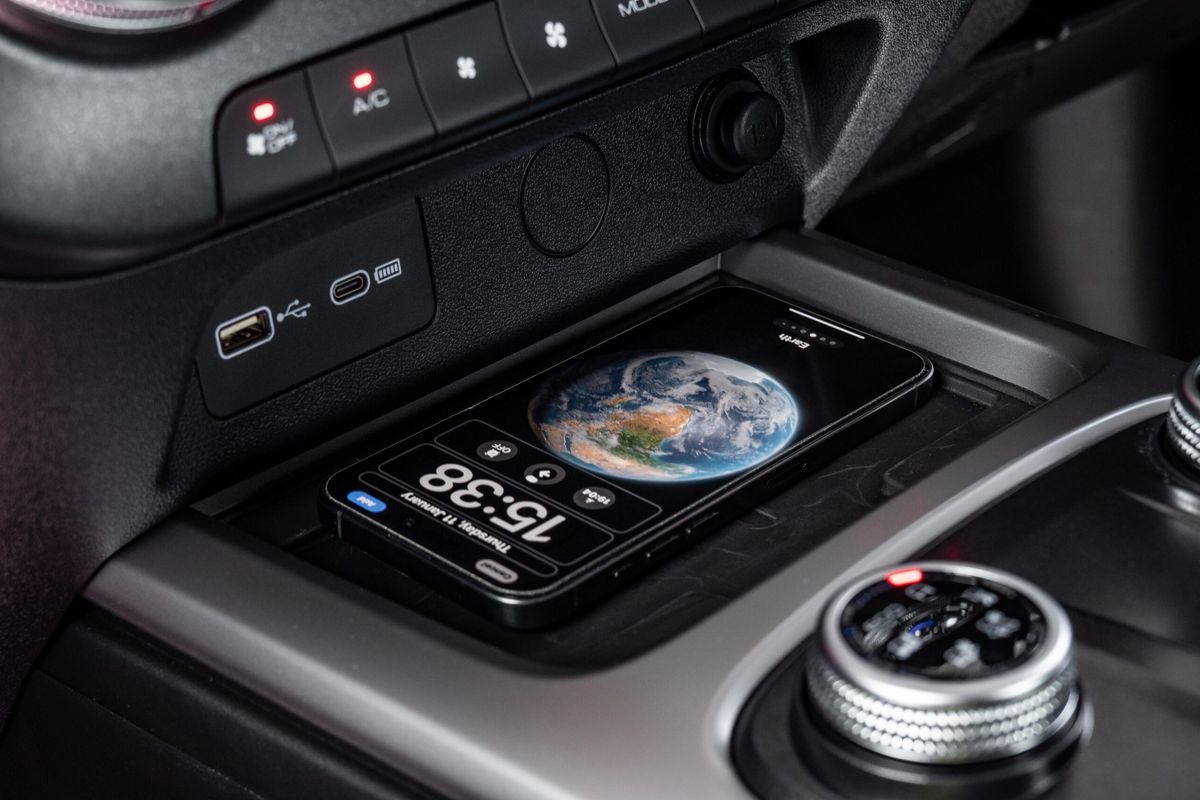
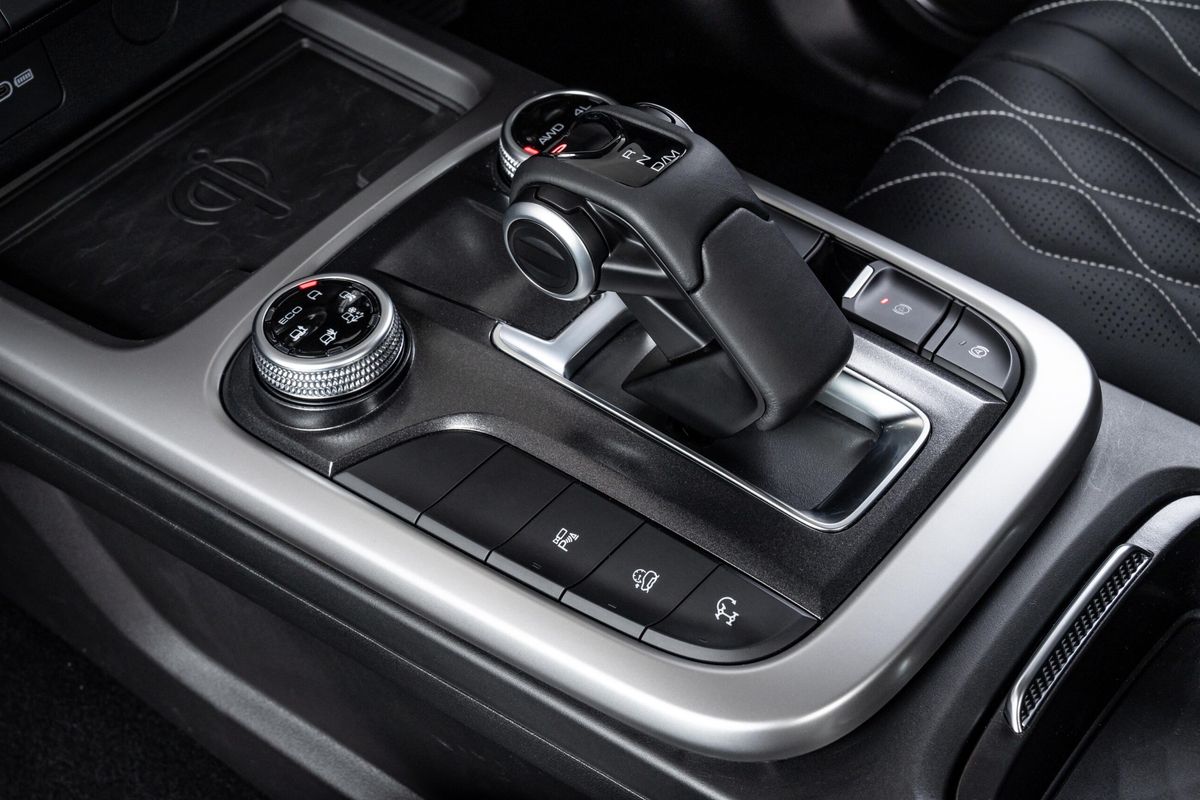
The Audi Q2 infotainment upgrade comprises the 12.3-inch Audi virtual cockpit and a new 8.8-inch infotainment touchscreen. There’ll also be a new-look 3-spoke multifunction steering wheel and the MMI dial has been replaced by a storage compartment. Previously the digital dashboard was an optional extra and the standard load out was analogue dials.
There’s been a spec change too, with the introduction of traffic sign recognition, lane departure warning and rear parking assist. Two USB-C ports have been added for additional convenience and these replace the single USB-A port.
As a reminder, the Audi Q2 range locally is powered by a 1.4-litre turbocharged 4-cylinder petrol engine which makes 110 kW and 250 Nm. Power reaches the front wheels via an automatic transmission. Currently, there are three derivatives to choose from, with pricing starting from R608 500.
When will the Audi Q2 infotainment upgrade come to South Africa?
An Audi South Africa representative confirmed the updated Q2 will be arriving in local showrooms in the fourth quarter of 2024.
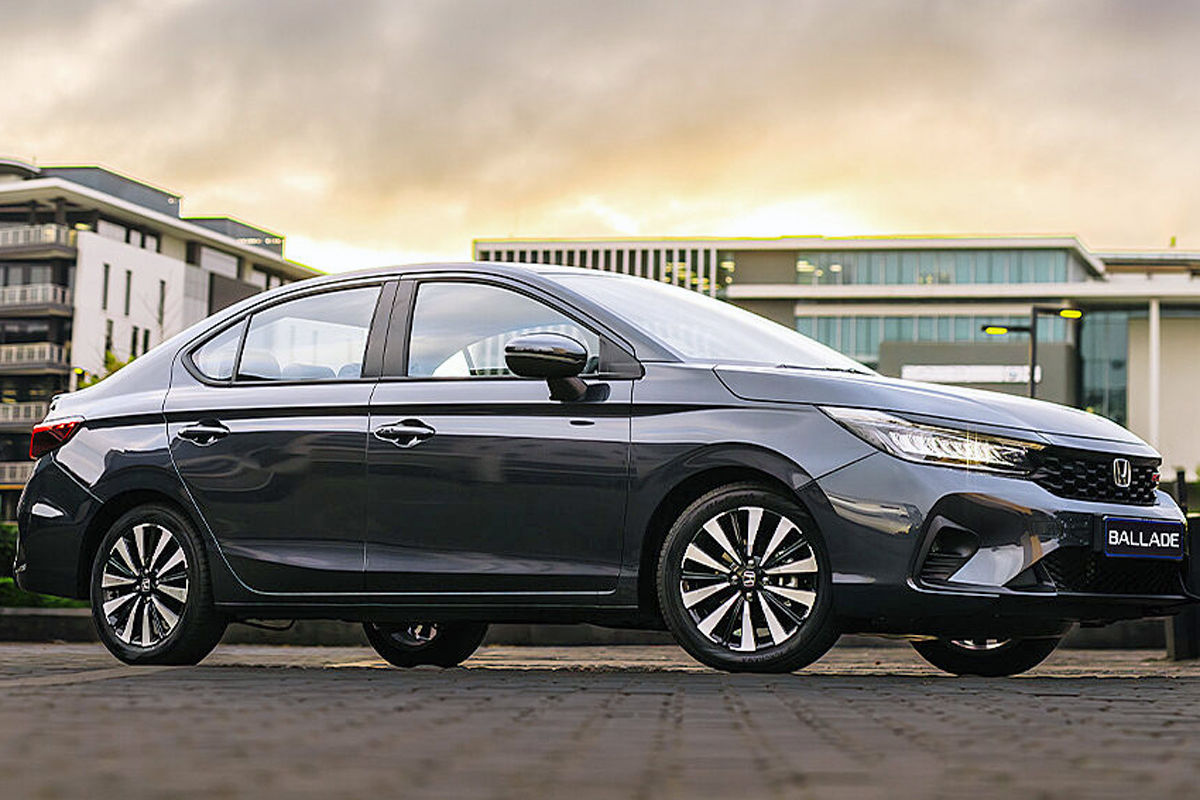
A facelifted version of the Honda Ballade has quietly landed in South Africa. Here’s how much the updated sedan – including the flagship RS derivative – will cost you…
With all the attention currently falling on the freshly launched Honda Elevate, the arrival of a facelifted version of the related Honda Ballade in South Africa has gone almost unnoticed.
Thankfully, the eagle-eyed experts over at duoporta.com spotted what would otherwise have been an entirely under-the-radar update.
As before, the local Ballade range comprises 3 sedan derivatives, each fitted with the firm’s naturally aspirated 1.5-litre petrol engine. Just as it does in the Ballade’s platform-sharing Elevate sibling, this 4-cylinder mill sends 89 kW and 145 Nm to the front wheels, though here it’s mated exclusively to a continuously variable transmission (CVT).
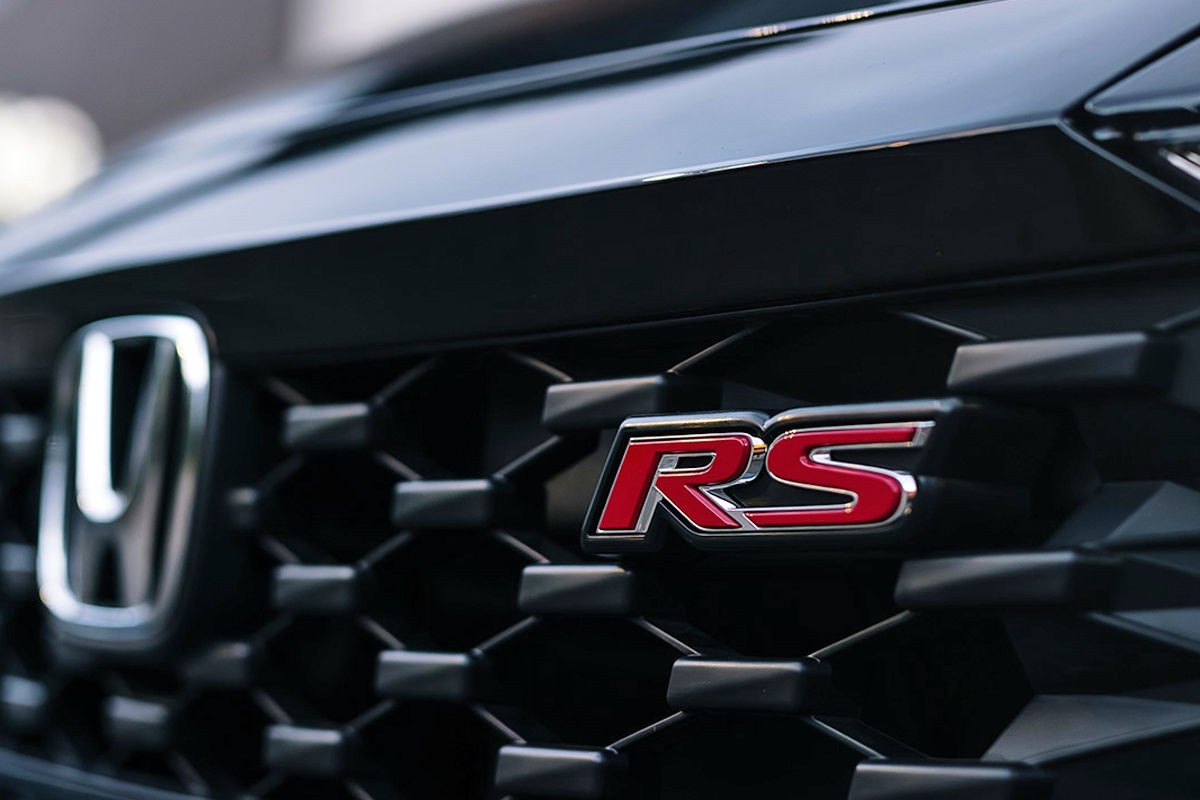
So, to the all-important topic of pricing. The Ballade 1.5 Comfort CVT now kicks off at R389 900, while the Ballade 1.5 Elegance CVT is priced at R424 900. The flagship Ballade 1.5 RS CVT, meanwhile, will set you back R459 900.
From what we can tell, the refreshed Ballade – which is known as the City in other markets – is mechanically unchanged from the version that touched down in Mzansi back in November 2020. So, it appears this mid-cycle revision centres on styling changes and perhaps some equipment upgrades (we’ll have to wait on Honda Motor Southern Africa for details on the latter).
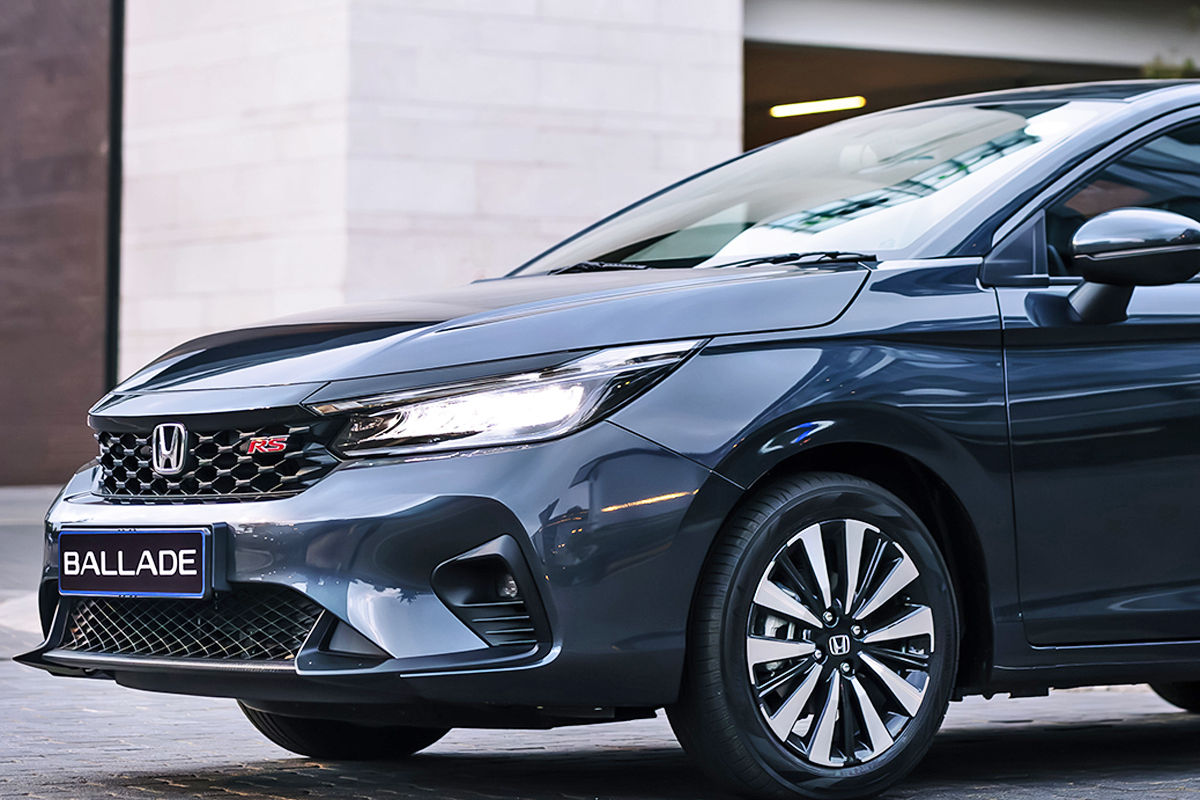
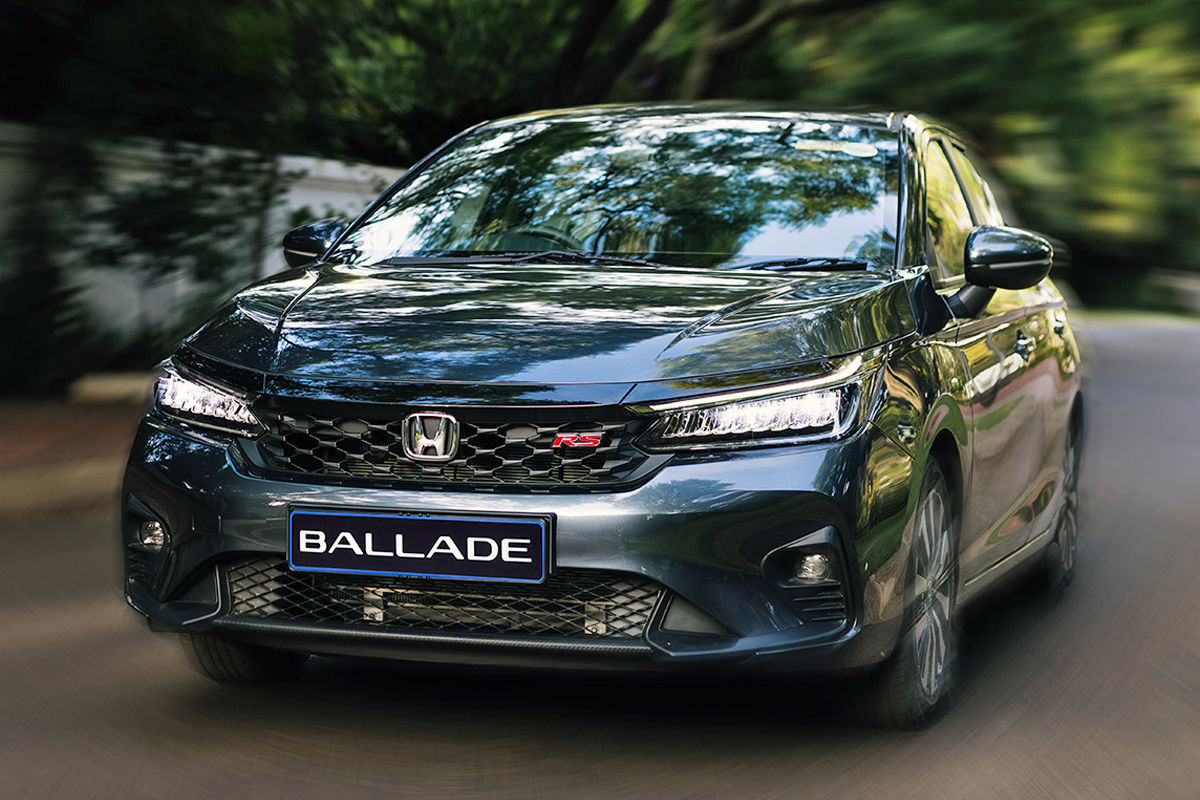
A little frustratingly, Honda’s local website currently includes images of only the top-spec RS derivative, though this variant clearly gains fresh front-end styling. The latter overhaul is led by a new grille design, while dispensing with the outgoing model’s chunky slab of chrome-effect trim. In addition, the Ballade RS scores a new front bumper with revised foglamp bezels.
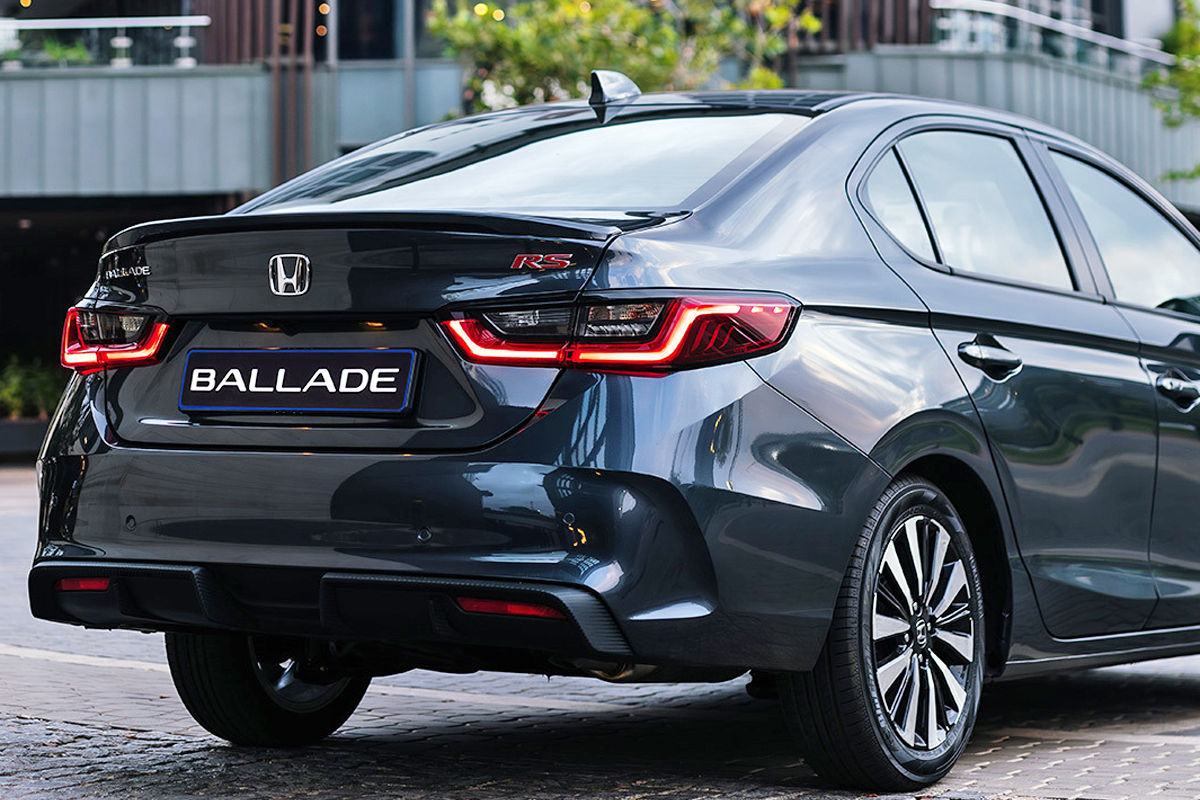
Round back, the changes appear to be a little less pronounced, though this saloon does feature an updated rear bumper design (the relatively subtle RS bootlid spoiler, meanwhile, remains in place). Judging by the images, the Ballade also upgrades to a fresh (again 2-tone) 16-inch alloy-wheel design.
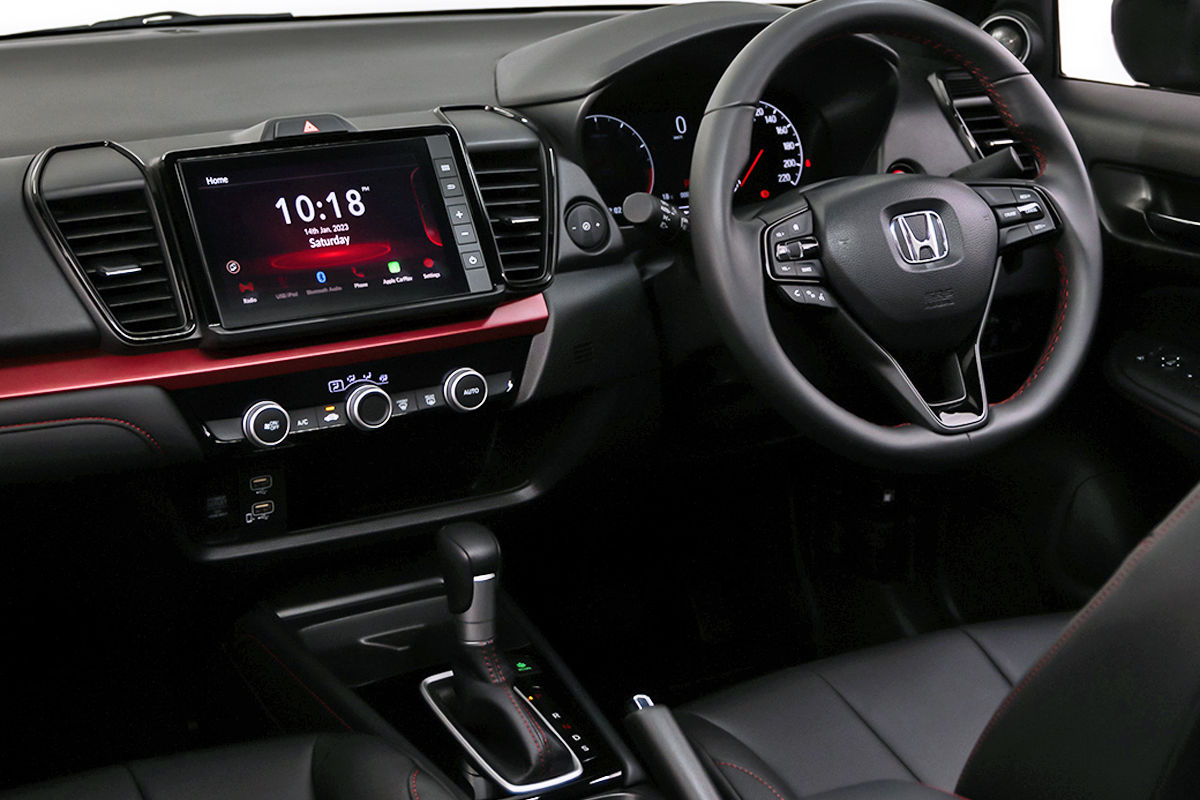
The cabin, too, seems to have benefitted from some tweaks, with the RS model gaining red dashboard trim and red contrast stitching. The lone image on the local website furthermore suggests some silver finishes – such as those applied to the steering wheel and around the air vents on either side of the touchscreen – have been dropped in favour of black finishes.
We’ll update this story with more information on any other specification changes should Honda Motor Southern Africa release official details…
How much does the facelifted Honda Ballade cost in SA?
Honda Ballade 1.5 Comfort CVT – R389 900
Honda Ballade 1.5 Elegance CVT – R424 900
Honda Ballade 1.5 RS CVT – R459 900
A 5-year/200 000 km warranty and a 4-year/60 000 km service plan (with intervals of 15 000 km) are included in the purchase price.
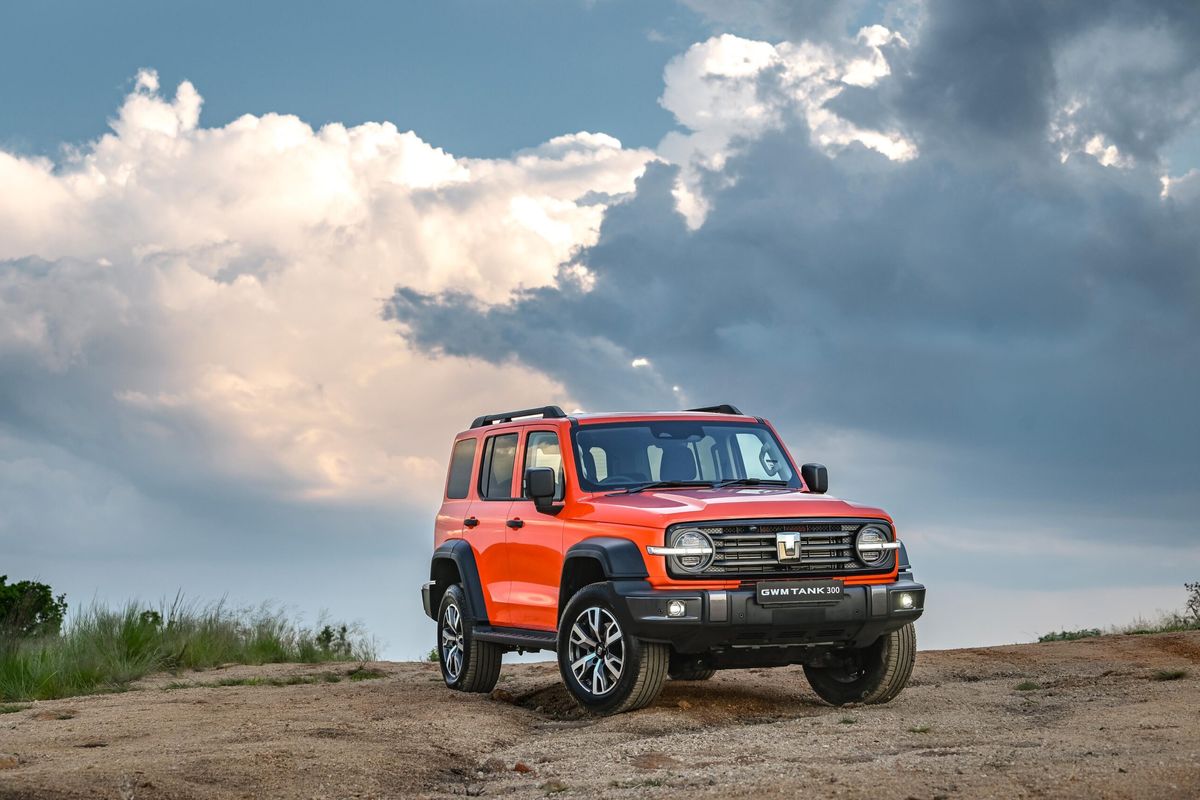
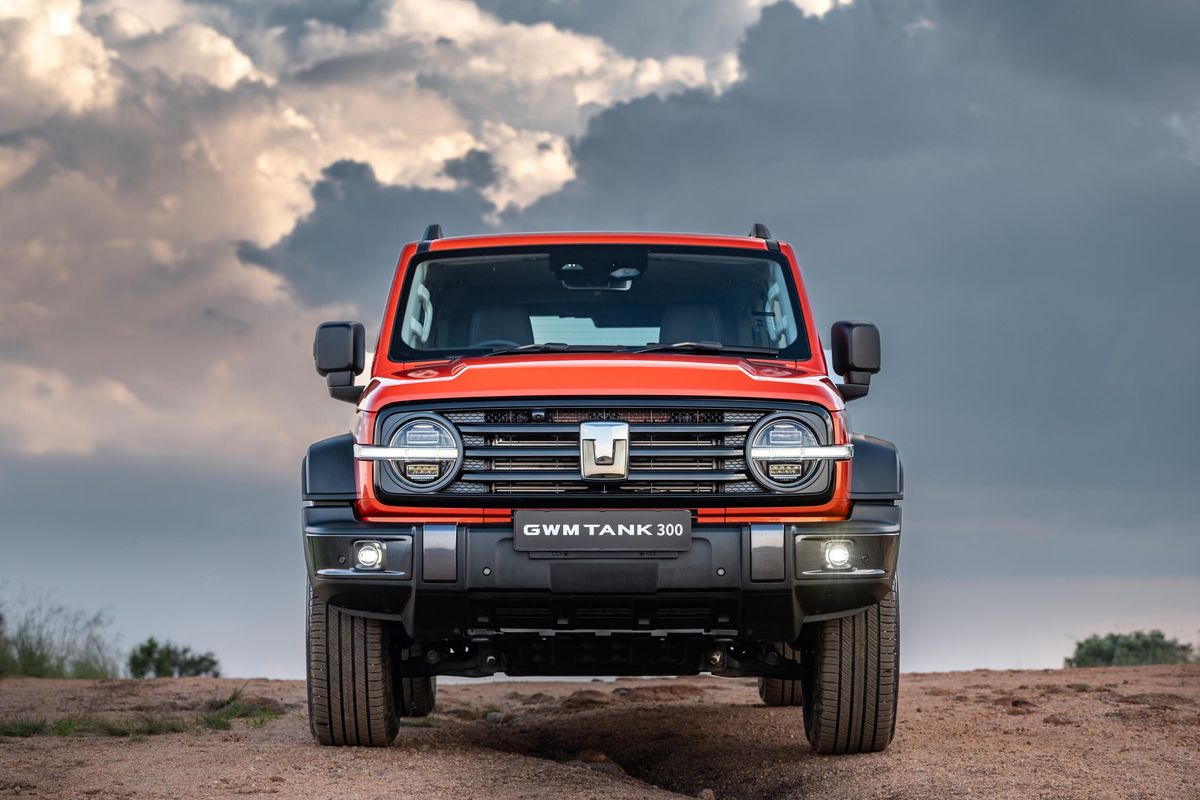
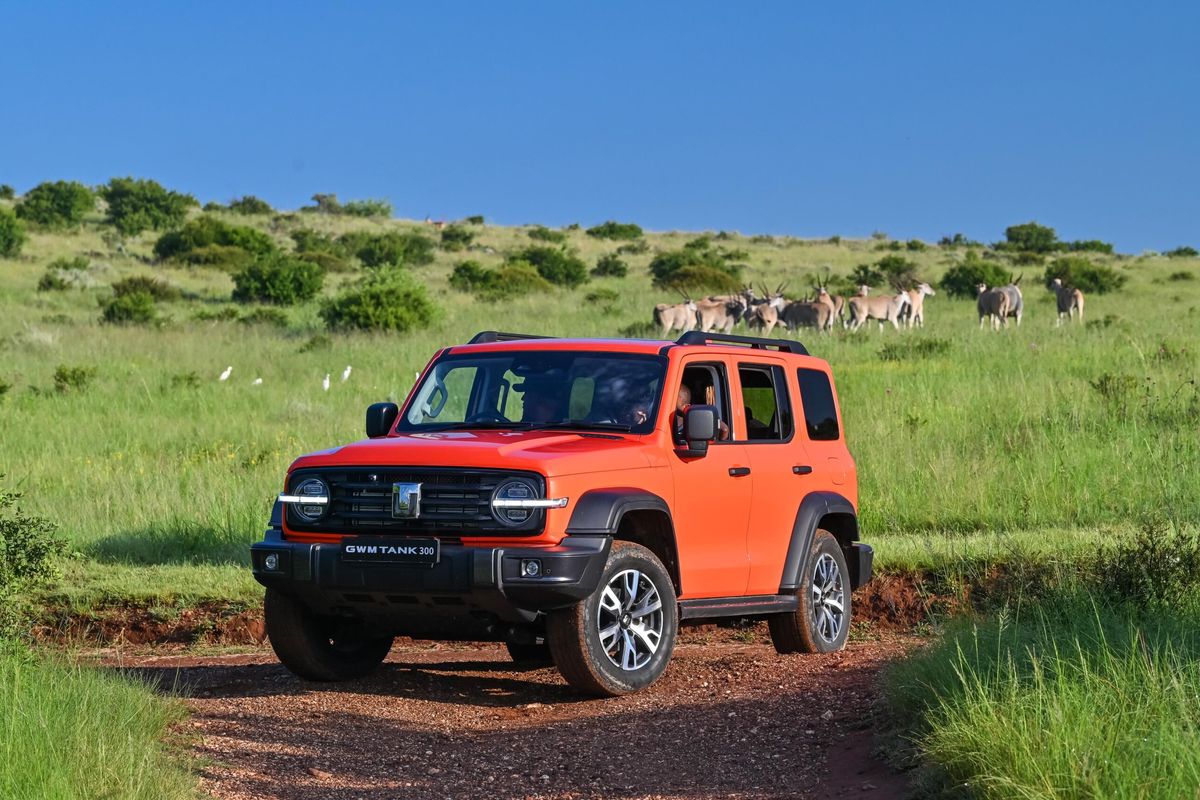
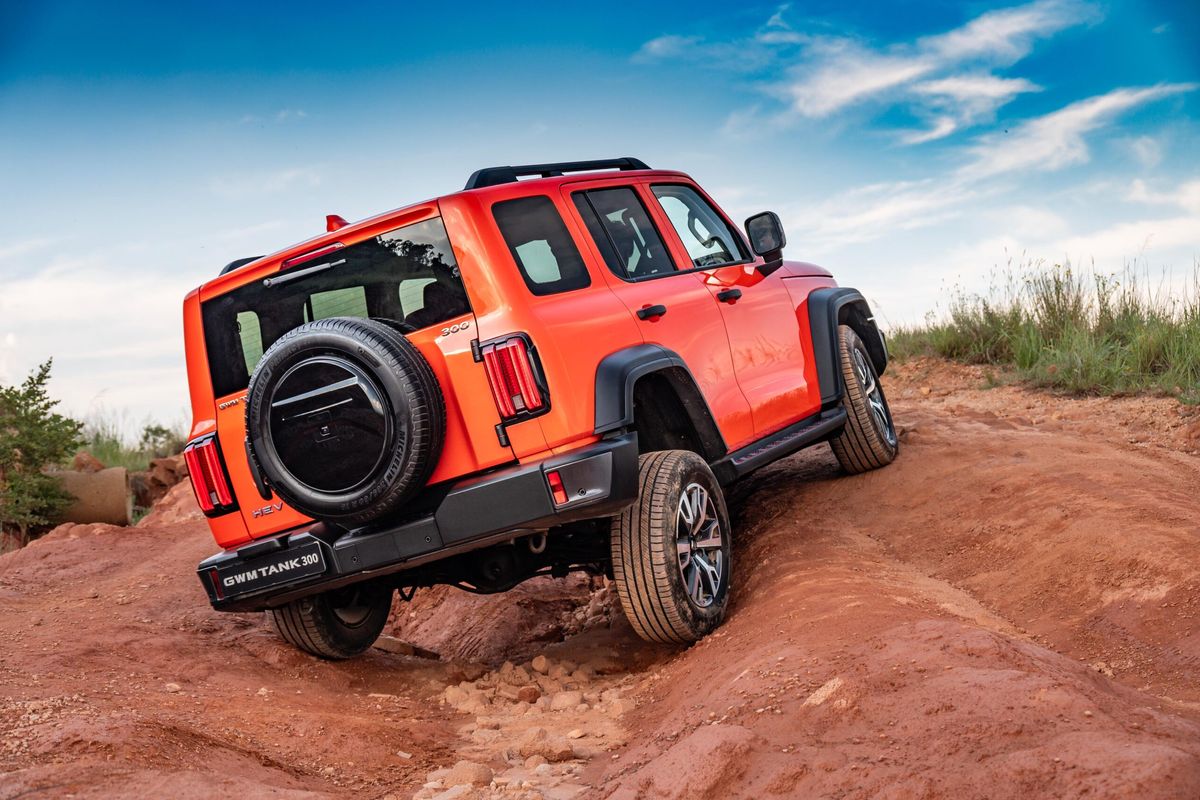
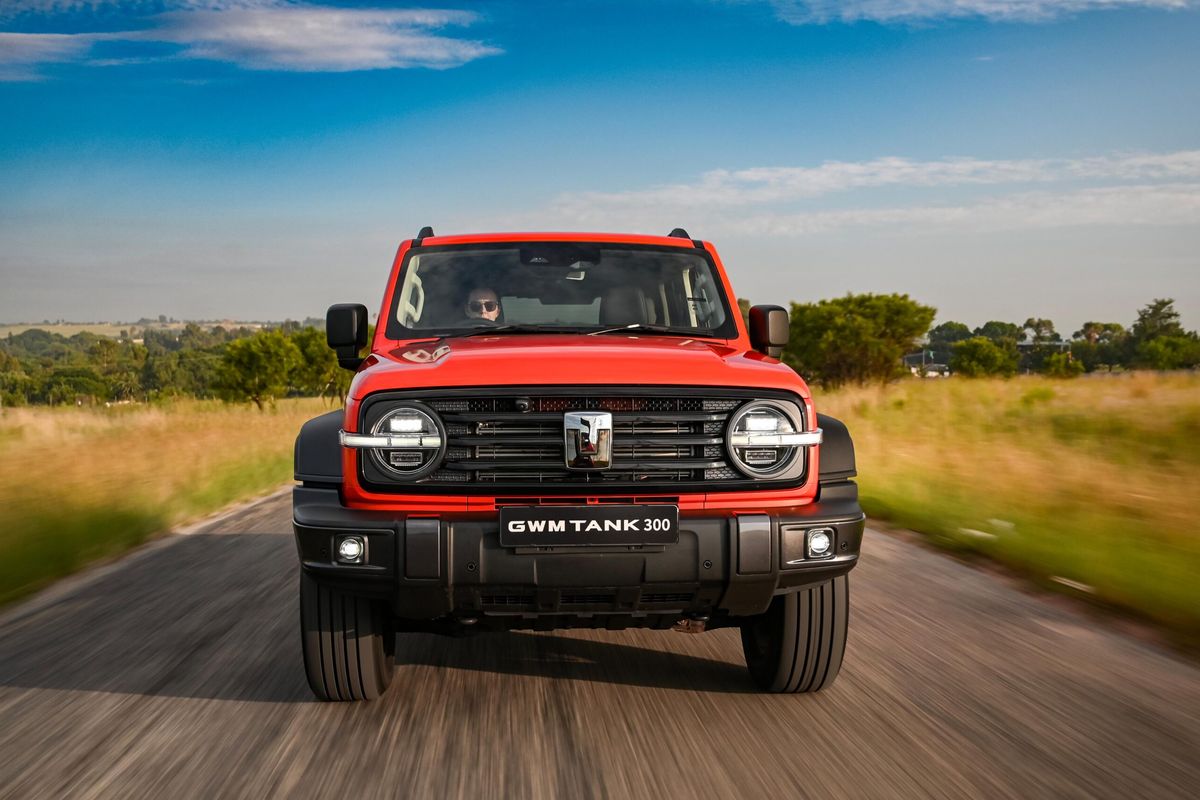
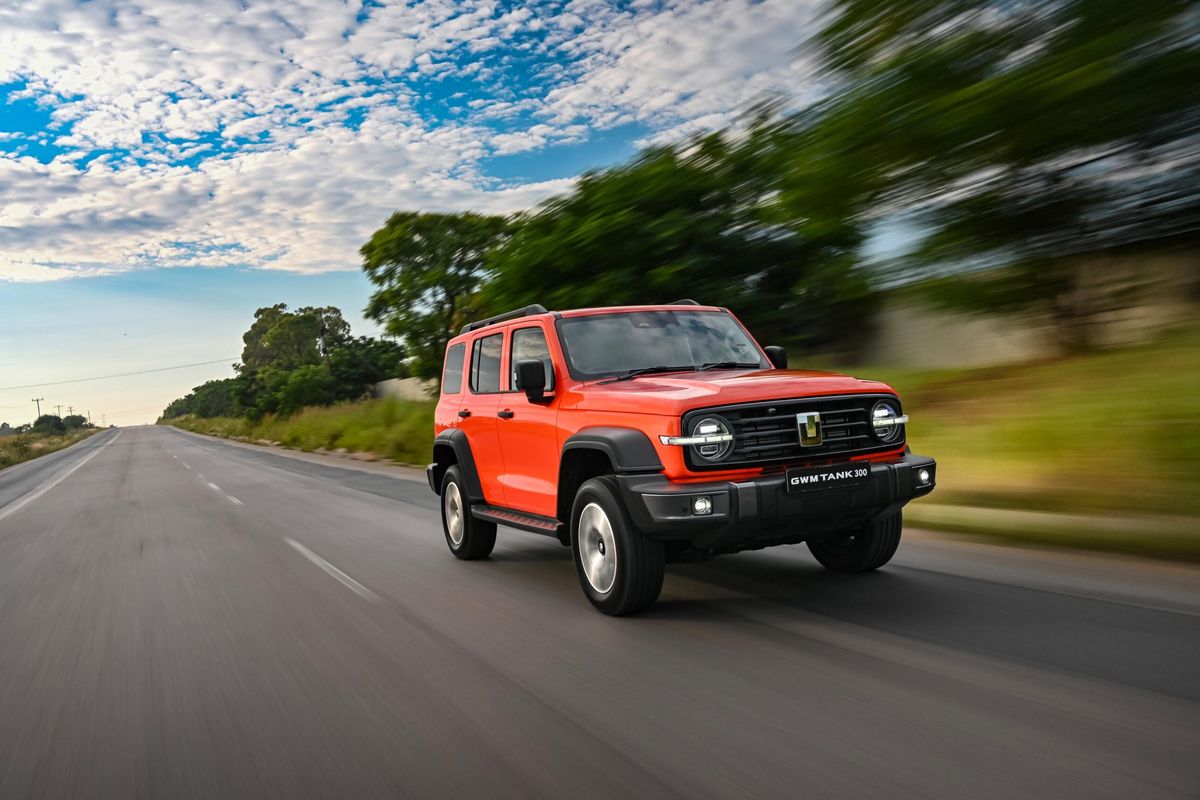
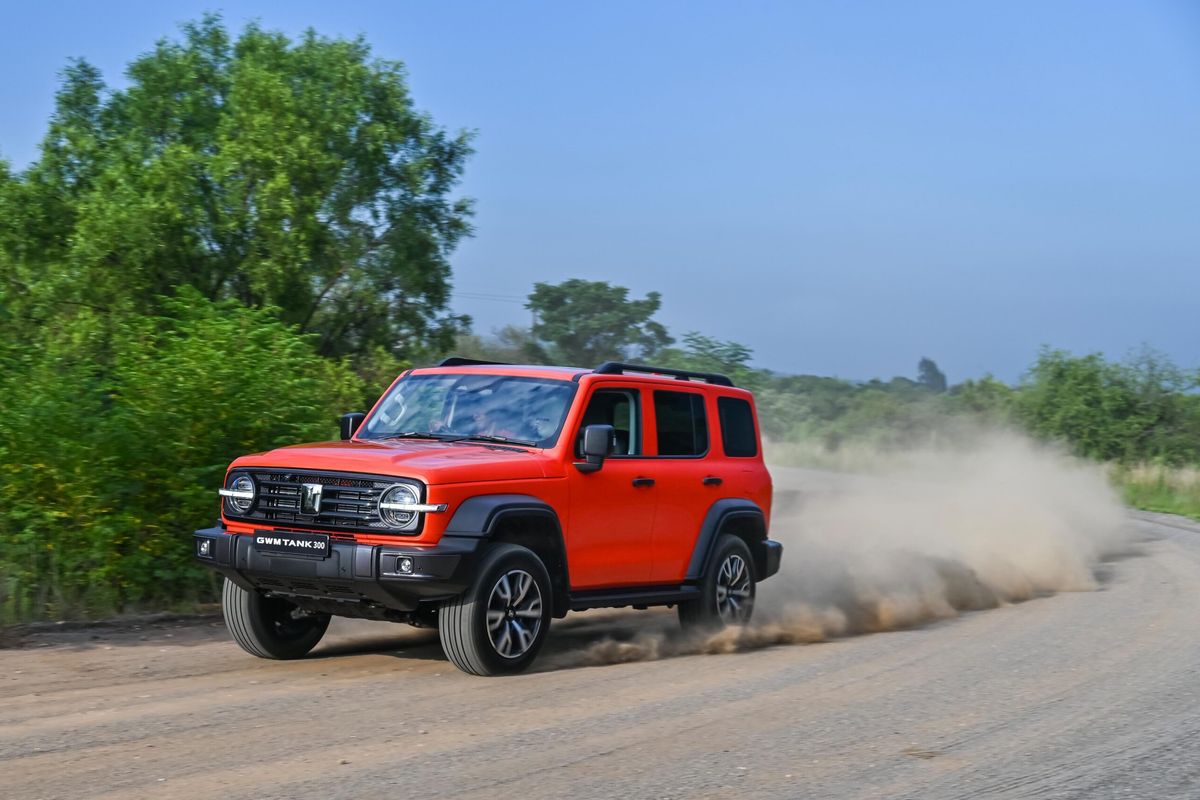
Those who have been clamouring for a new off-roader model priced under R1 million may need to look no further than the GWM Tank 300, which combines highly desirable exterior styling with notable off-road ability and an abundance of luxury features.
Consider this: South Africa is a “4×4 country”. Yet, if you remove our beloved bakkies (think Toyota Hilux, Ford Ranger and Isuzu D-Max) and the Adventure SUVs derived from them (so Fortuner, Everest and MU-X) from that list of vehicles, well, there aren’t quite as many 4x4s available as you may think.
The diminutive Suzuki Jimny, of which we recently reviewed the new 5-door variant, and the pricey Jeep Wrangler spring to mind, but overall, sub R1 million, there’s not too much going on…
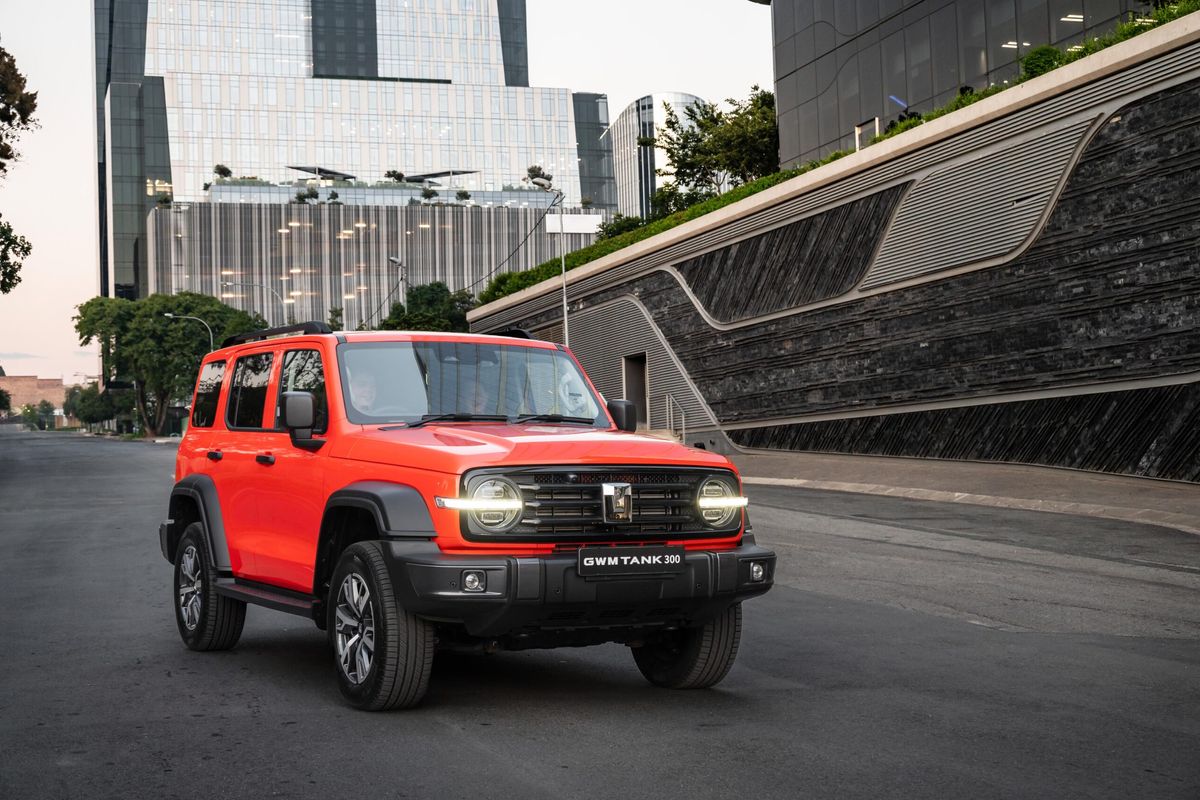
Enter the GMW Tank 300 HEV, which is a dyed-in-the-wool mudslinger with all the axle articulation you require and prices that begin as low as R725 950 (sort of). Its off-roader underpinnings are dressed with a Tonka Toy exterior that evokes the stylings of more vehicles than you could shake a Ford Bronco at.
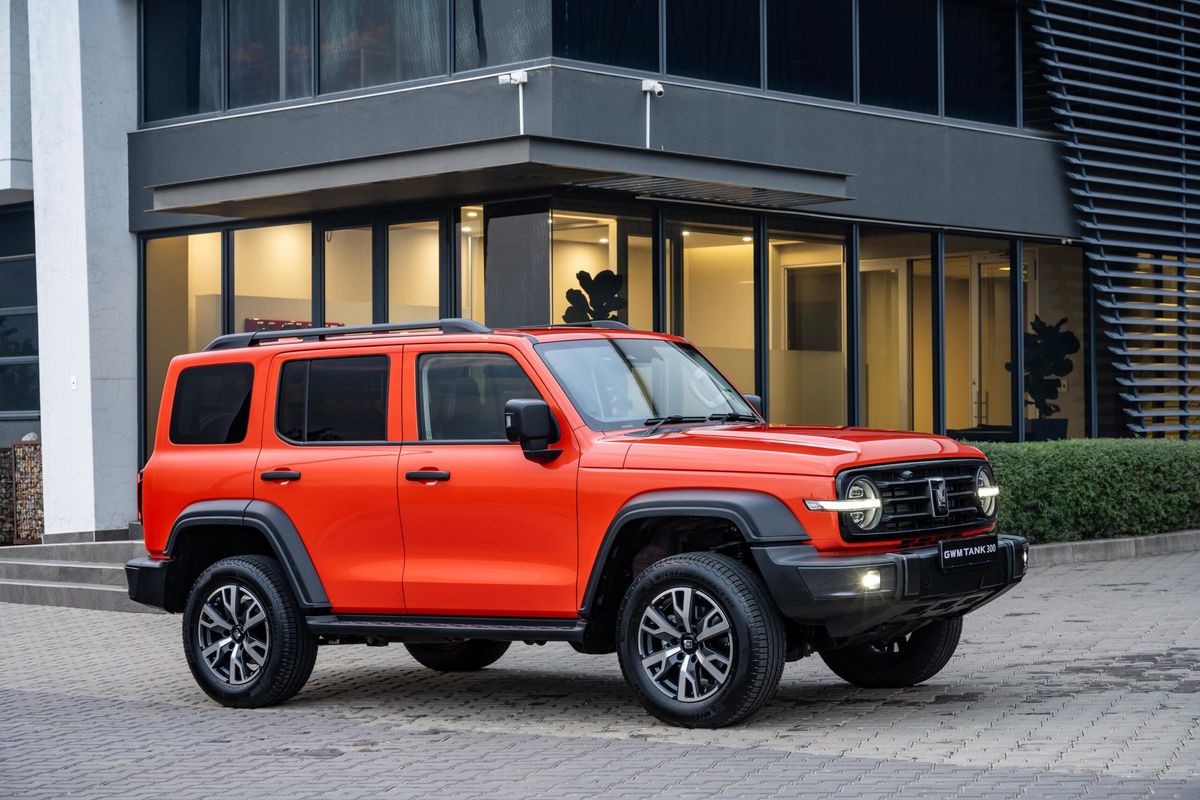
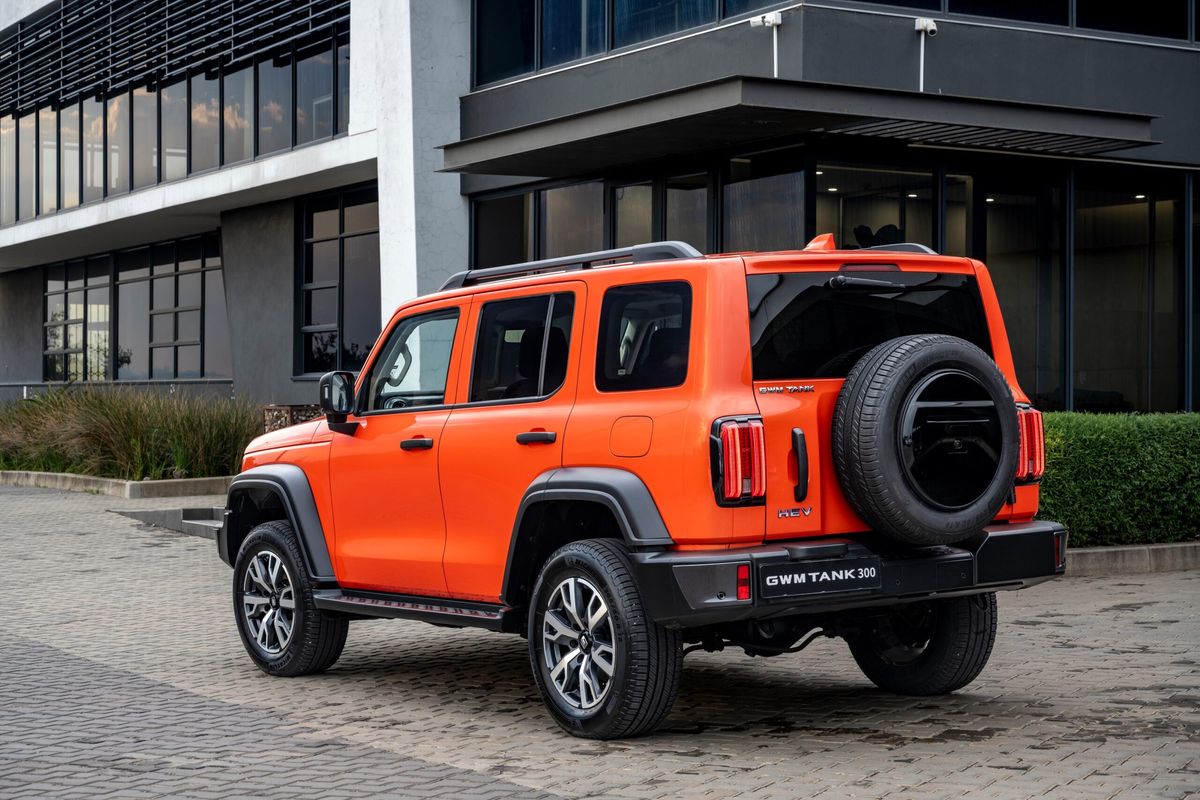
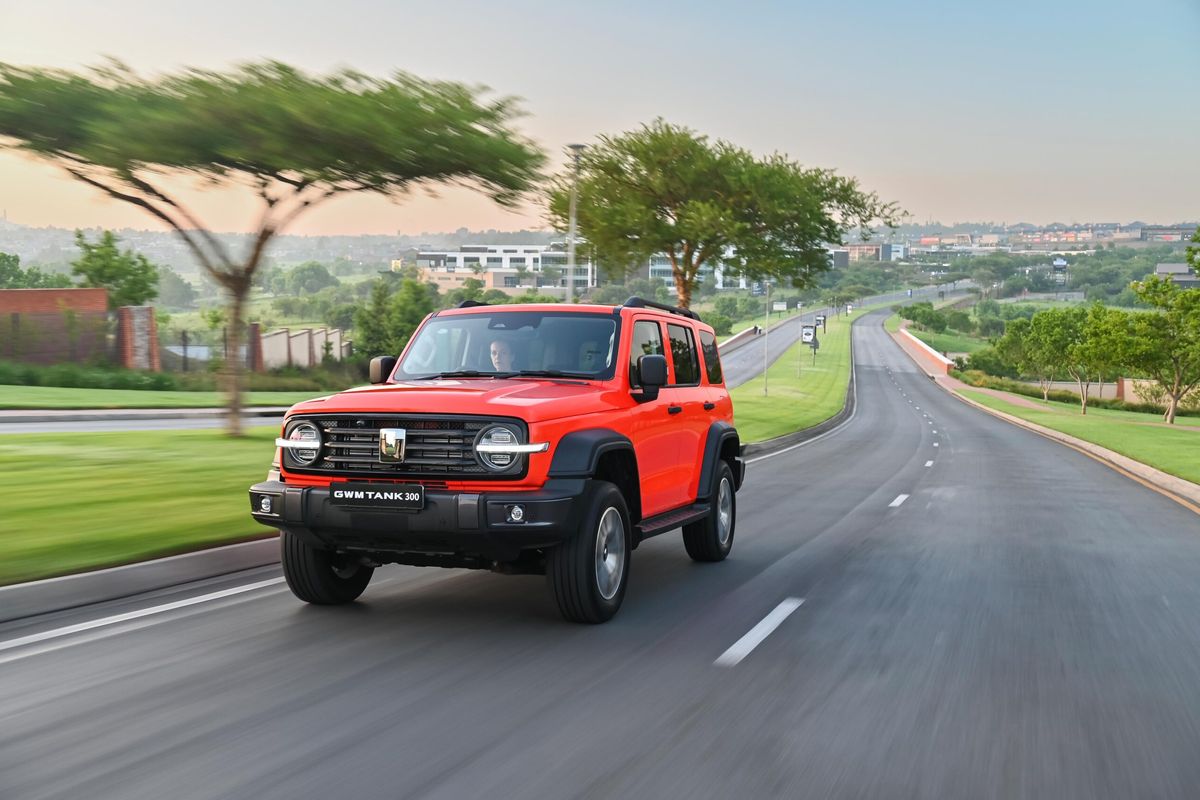
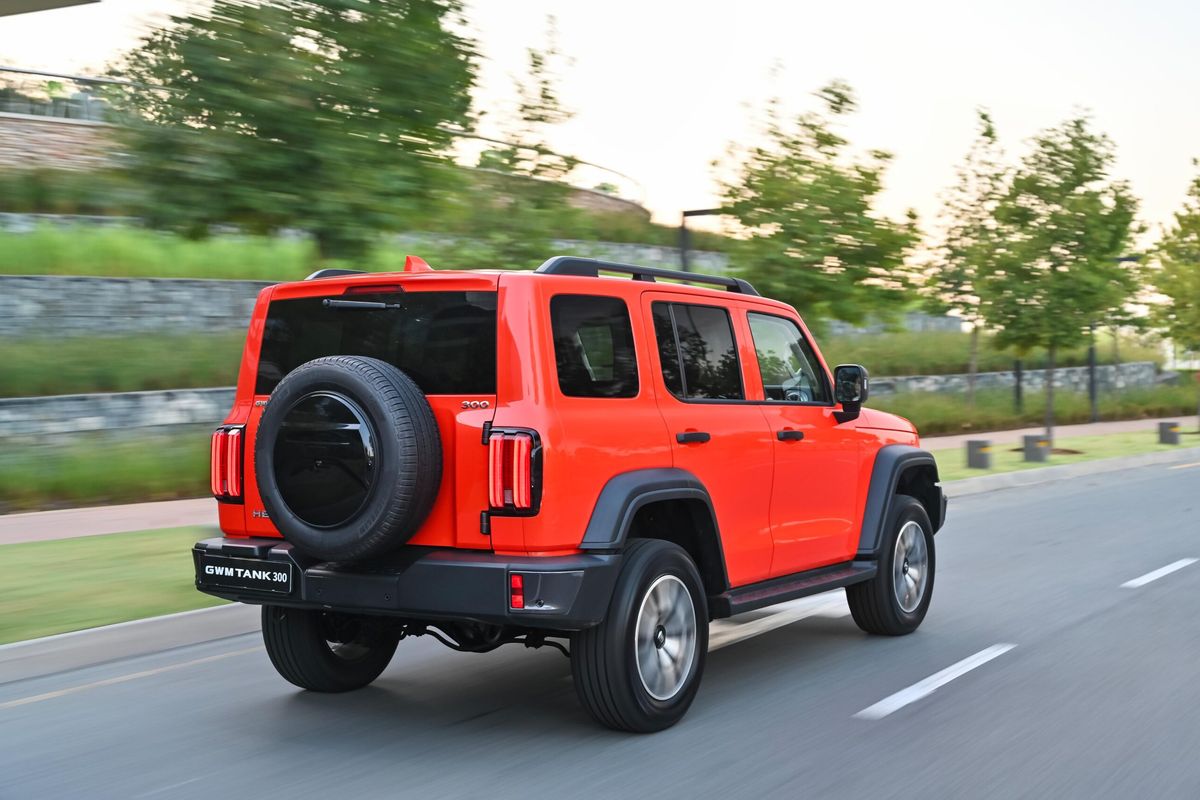
The result is impressively cohesive and, ultimately, a feel-good new face on the road. Visually, the GWM Tank 300 is a retro-pastiche head turner, despite not having that much SUV heritage to hark back to.
On that note, I’ll preempt some of the conversations to the extent of “you can’t buy pedigree” and “there’s no shortcut to legacy”. It’s true, but having said that, I’d like to point out that GWM South Africa has been operating in Mzansi for 16 years and its Haval sub-brand has been on the market for 6 years. Furthermore, the manufacturer has enjoyed great sales success and garnered notable critical acclaim.
To this point, it was 10 years ago (precisely) when I took a GWM C20R on a road trip from Cape Town to Durban and back, via gnarly backroads and gravel passes, to Hogsback and the Eastern Cape with zero hassle. So, a decade later, when presented with a proper off-roader, well, GWM has my full attention.
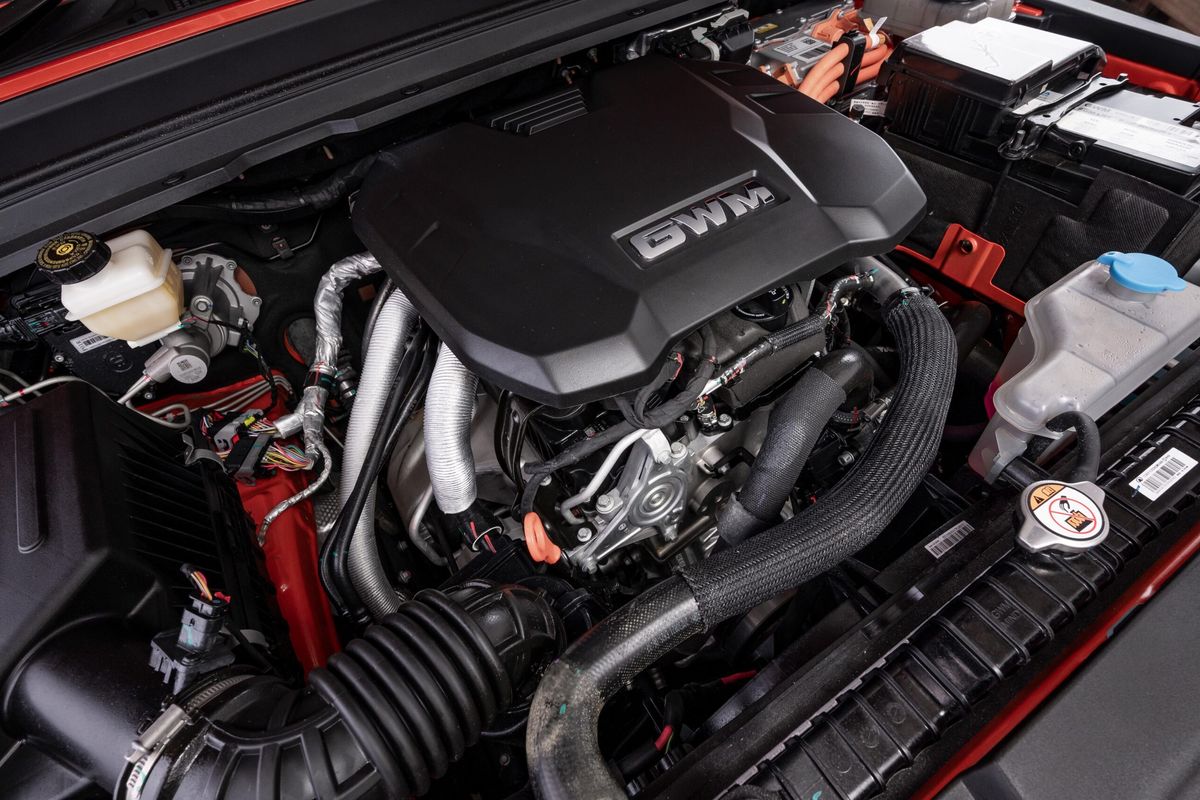
We got to sample the flagship HEV (hybrid electric vehicle) derivative, which retails for R851 950 and, as a result, comes with the largest performance payload: 255 kW and 648 Nm of torque. If you opt for either version of the non-electrified 2.0-litre turbopetrol (2.0T), which will be launched in about a month’s time, you’ll have 162 kW and 380 Nm of torque at the disposal of your right foot.
All 3 derivatives in the launch line-up are backed by a 7-year warranty, a 5-year service plan, as well as an 8-year battery warranty. Whereas the petrol-only iterations (Super Luxury and Ultra Luxury) feature an 8-speed automatic transmission, the HEV has a 9-speed auto box. The latter produced fairly creamy ‘shifts on tar and gravel surfaces, both of which we covered extensively throughout the 2-day event.
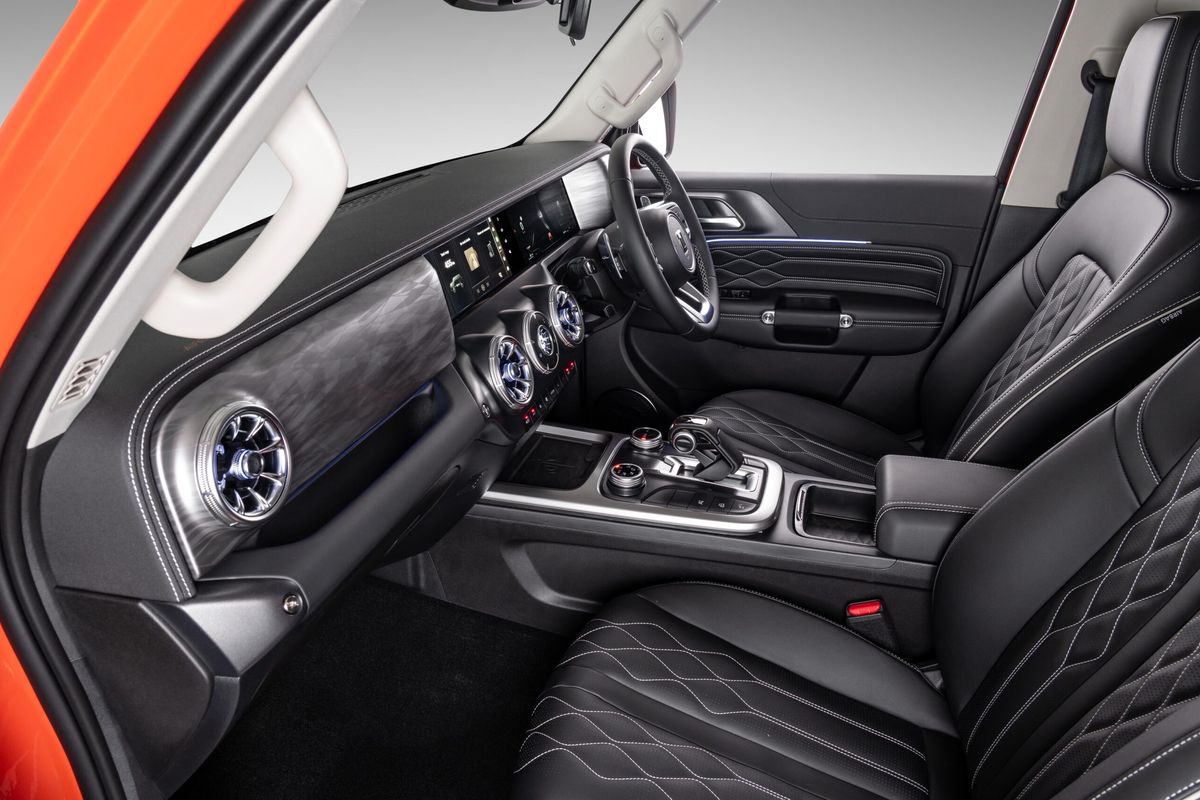
G-Class inspired interior has the “wow factor”
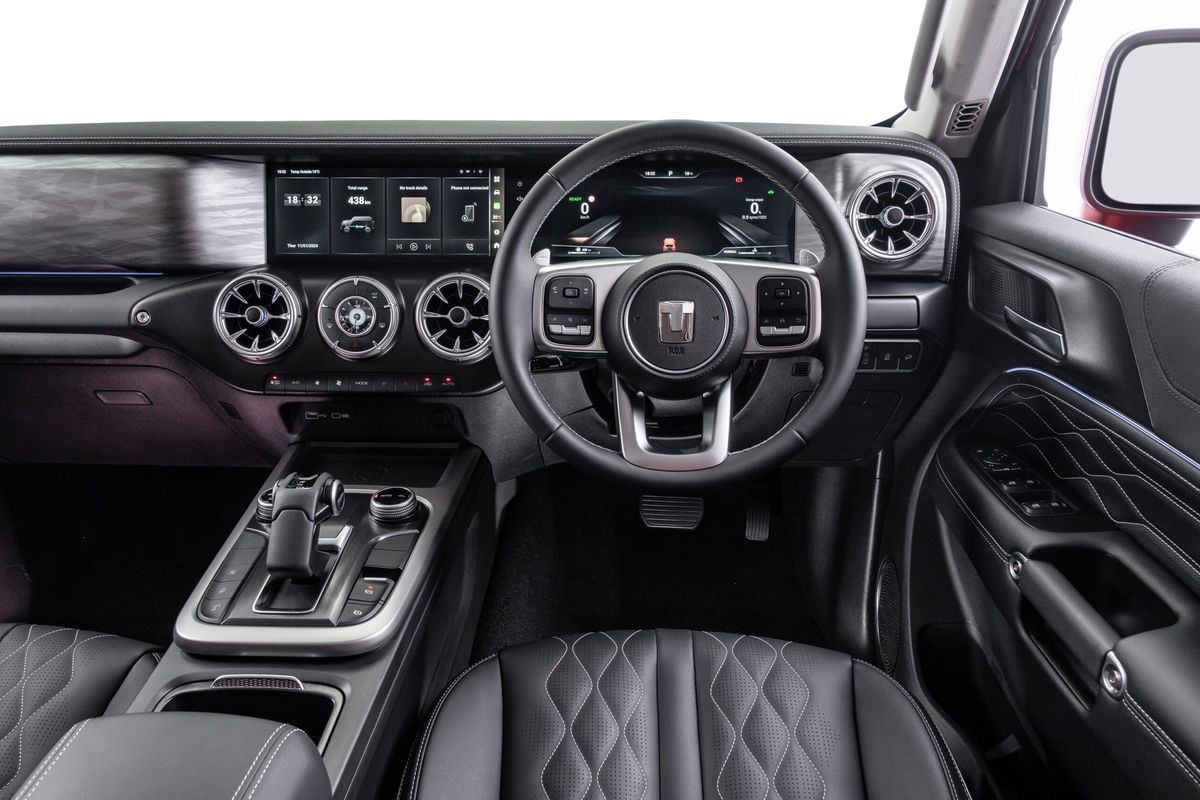
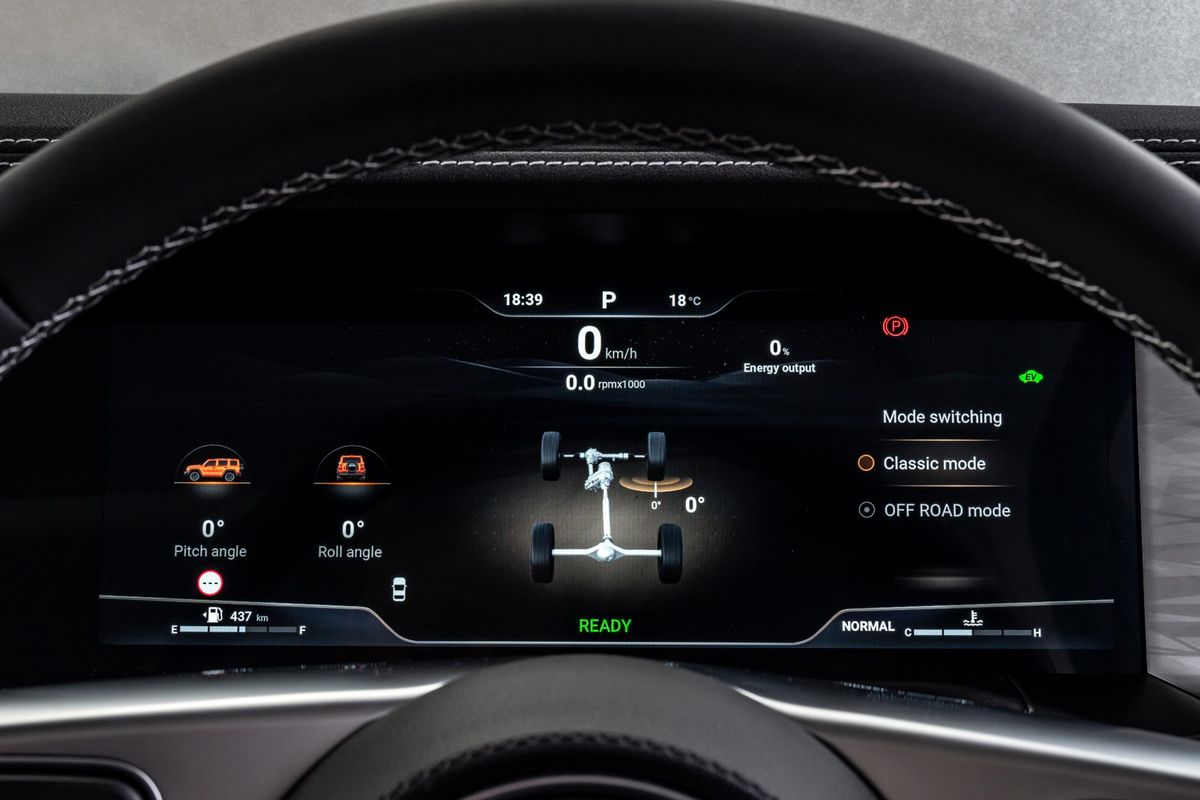
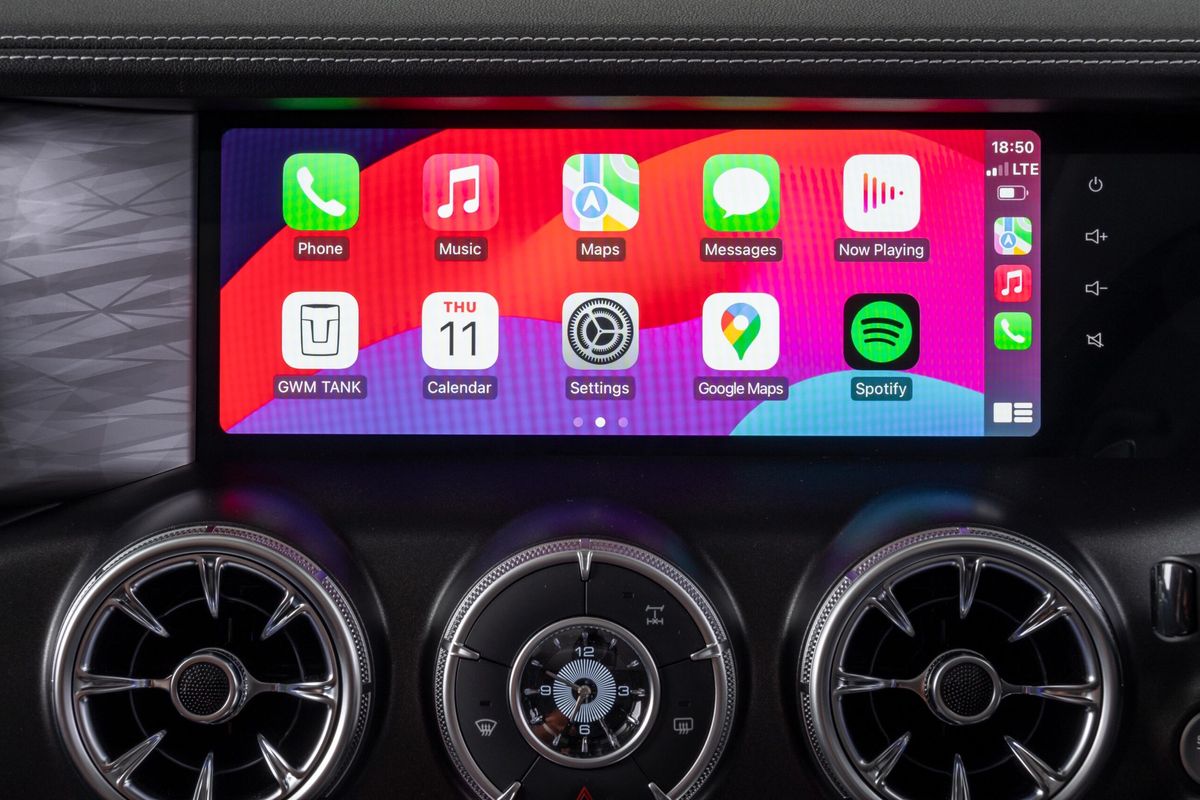
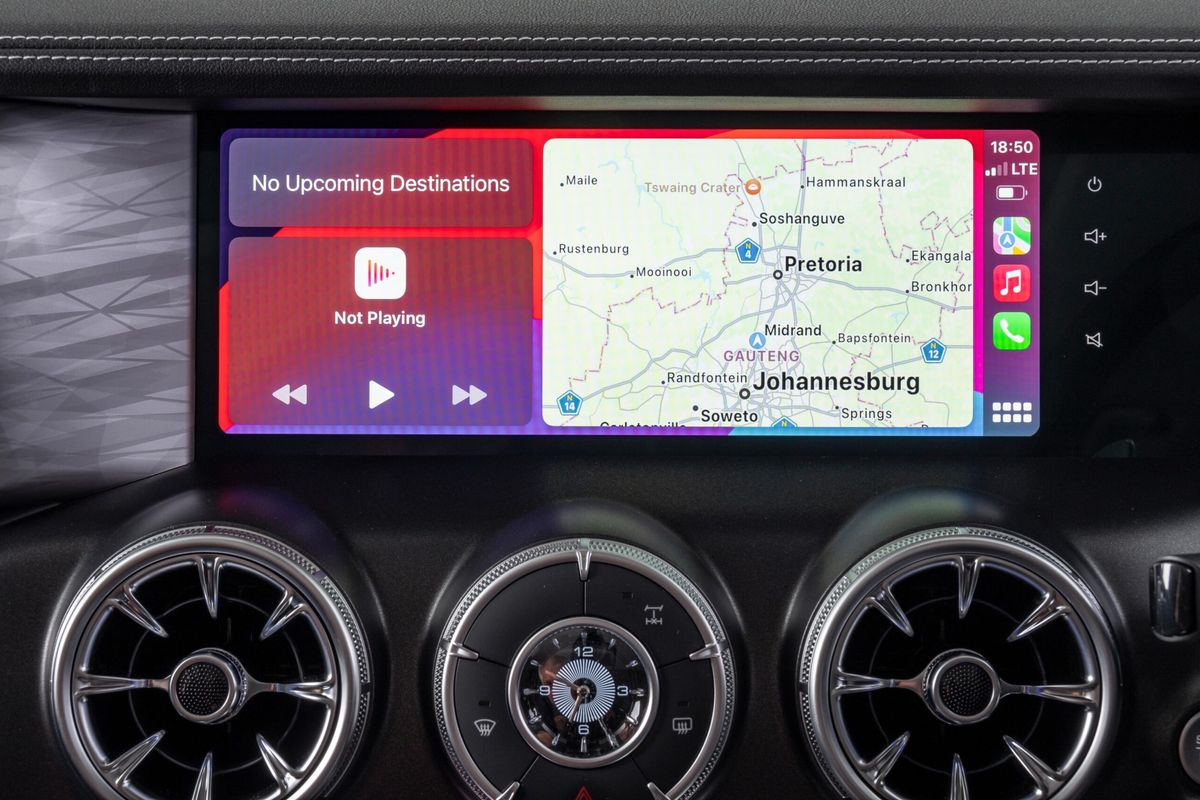
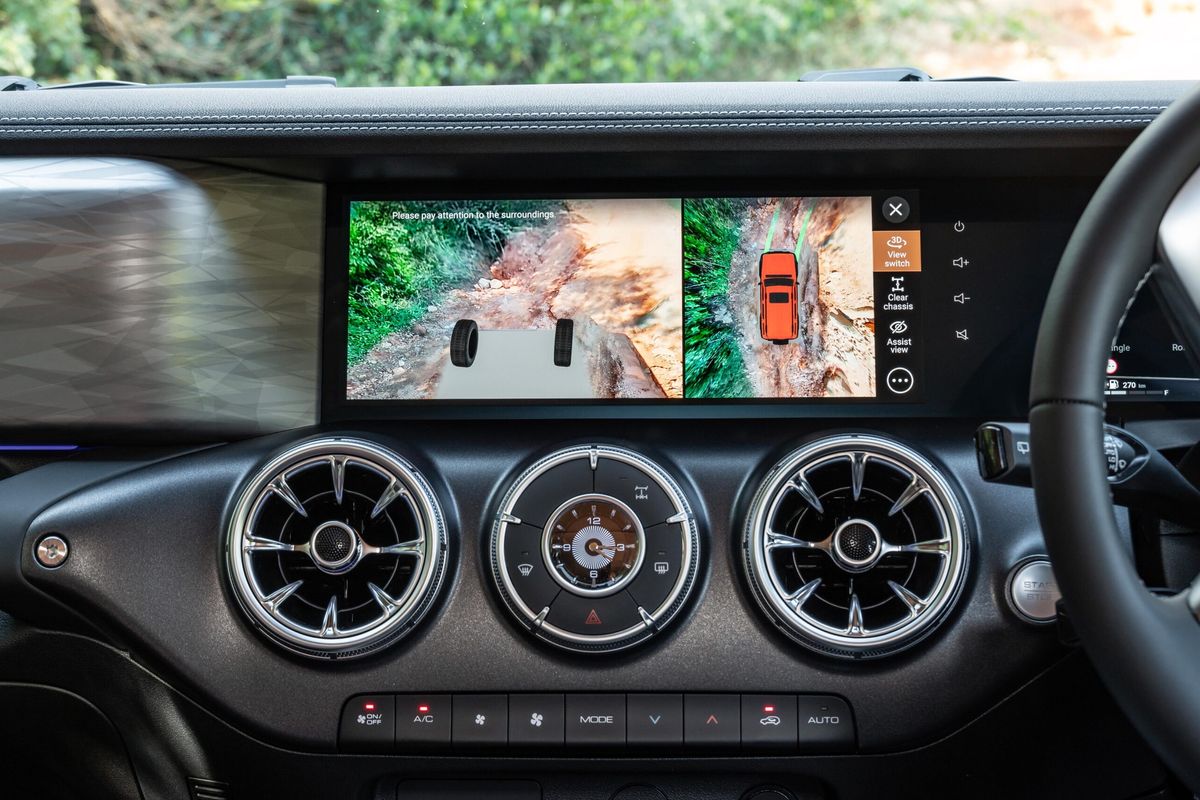
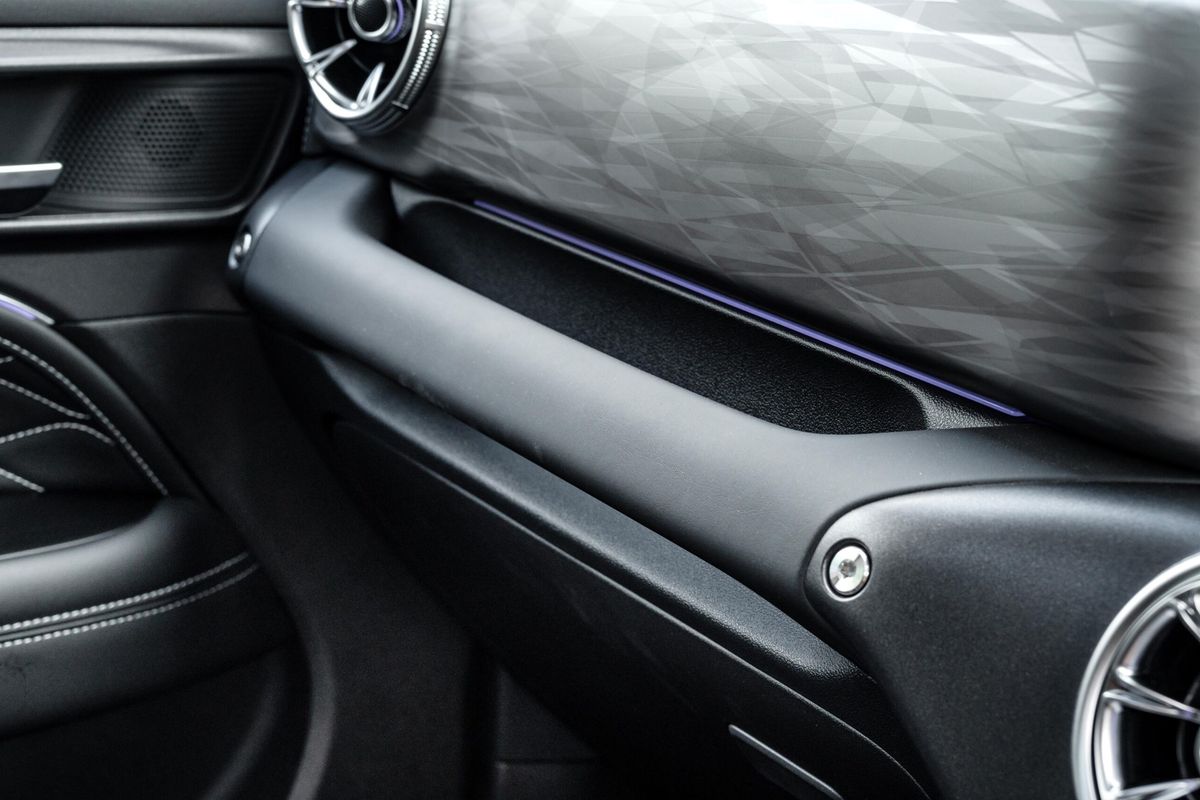
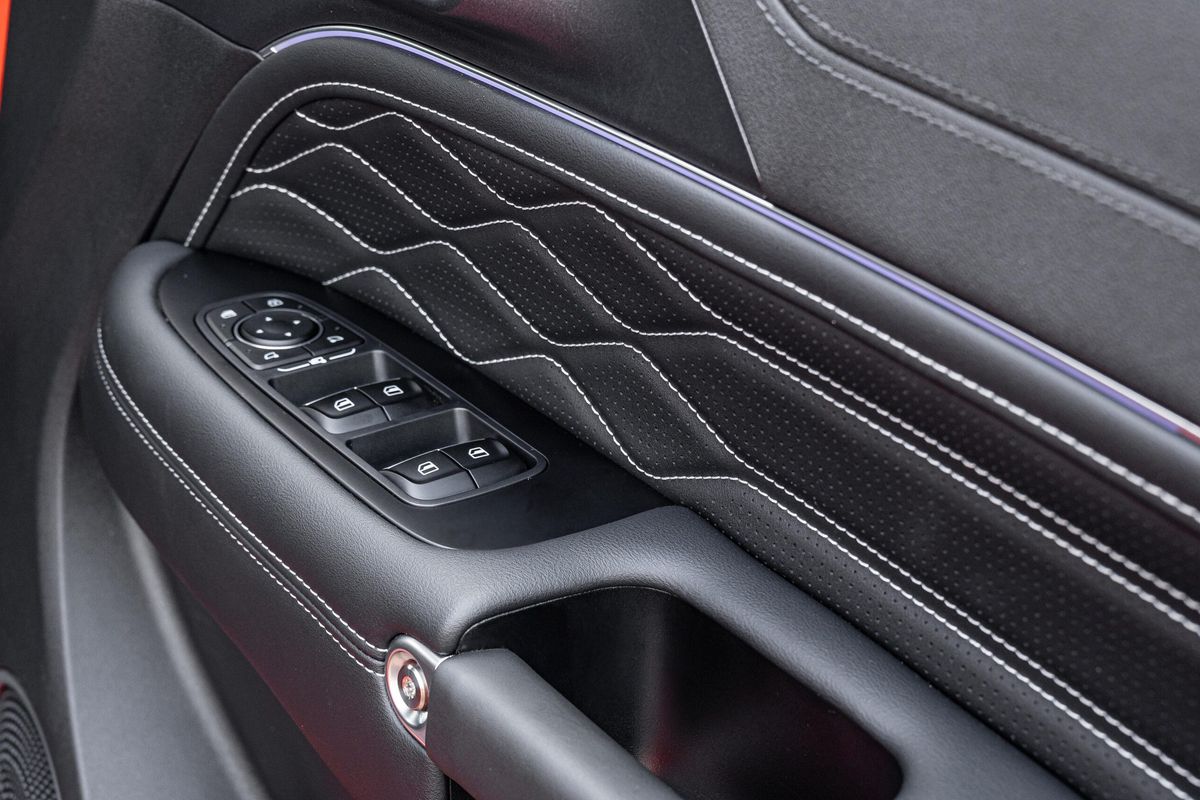
The cabin architecture feels inspired by that of a Gelandewagen Mercedes-Benz (G-Class), albeit with more plastic surfaces and finishes. I wasn’t offended by it (Mercedes’ Copyright department may beg to differ) – it certainly makes one feel as though you’ve spoiled yourself a little. The 12.3-inch touchscreen, seamlessly paired with the driver’s TFT info cluster, was particularly impressive (and well-implemented).
A sunroof, heated steering wheel, plush seats with massaging functions and, for your ears, a 9-speaker Harman Kardon audio system (complemented with wireless Apple Carplay and Android Auto), are all standard. What’s more, GWM has installed a 220V plug point, as well as a 12V power outlet at the rear.
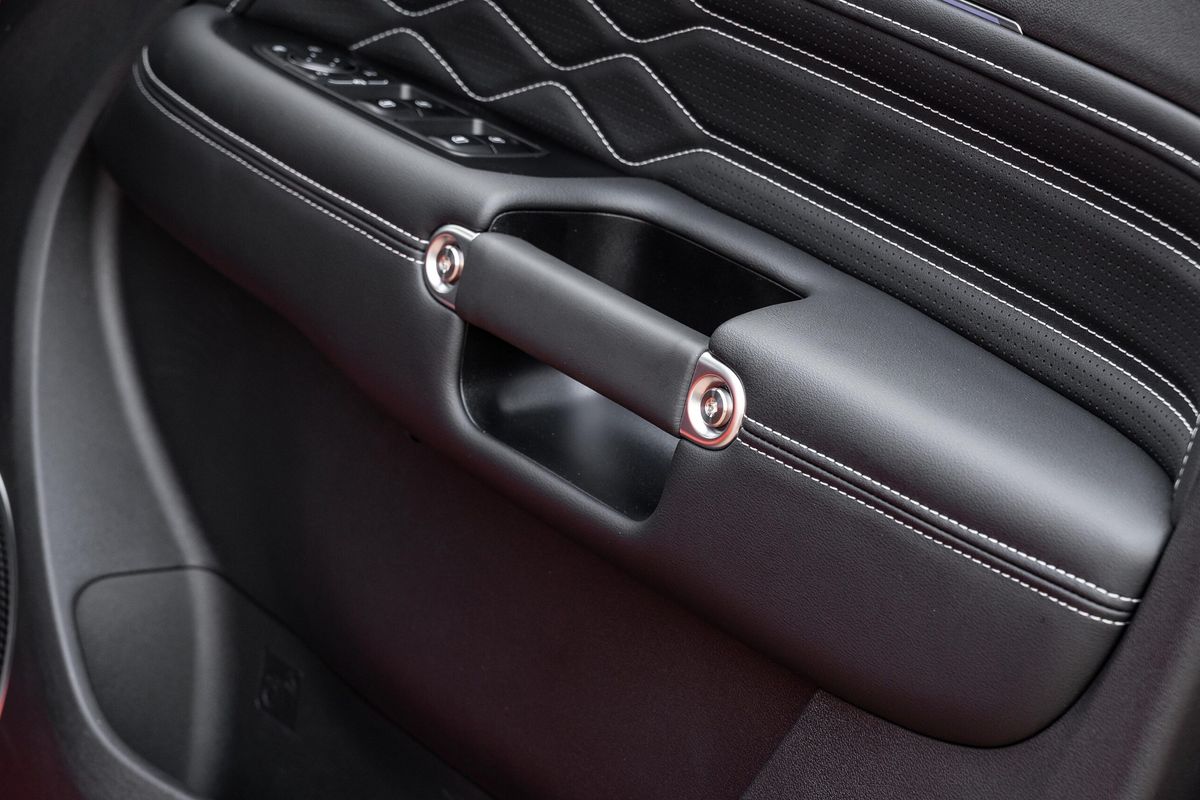
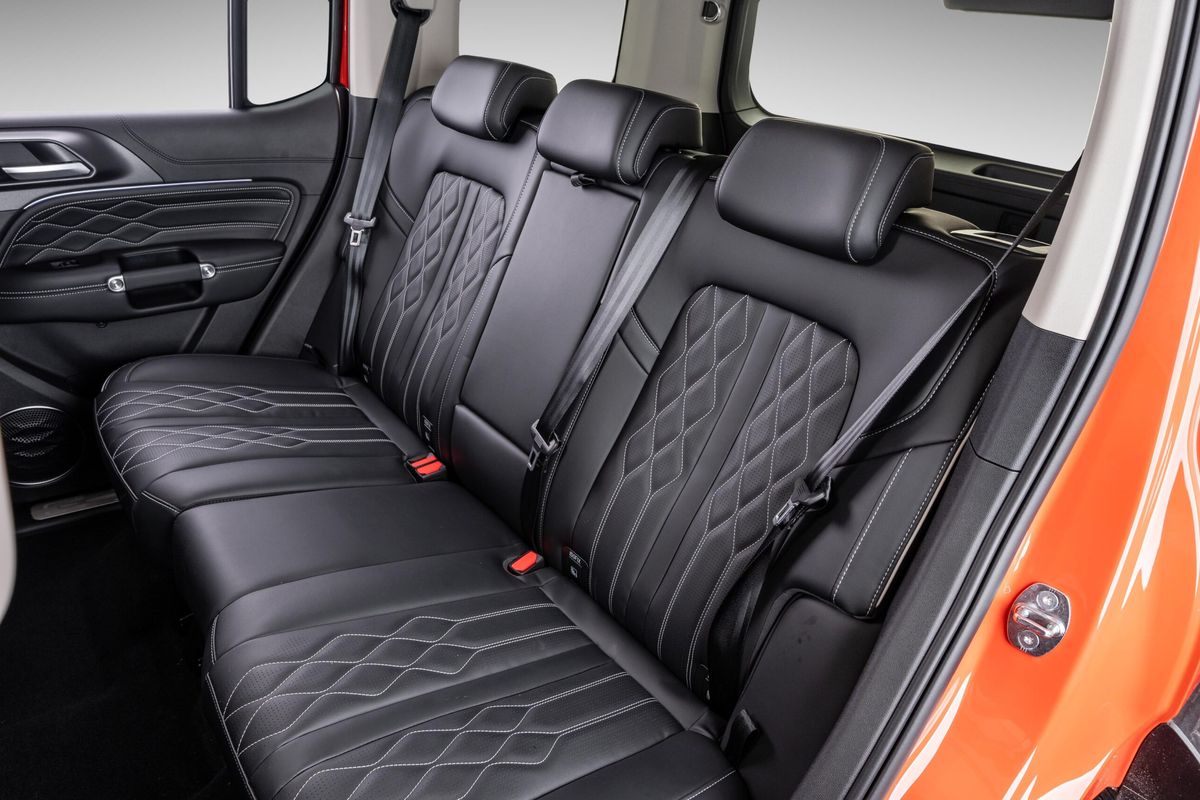
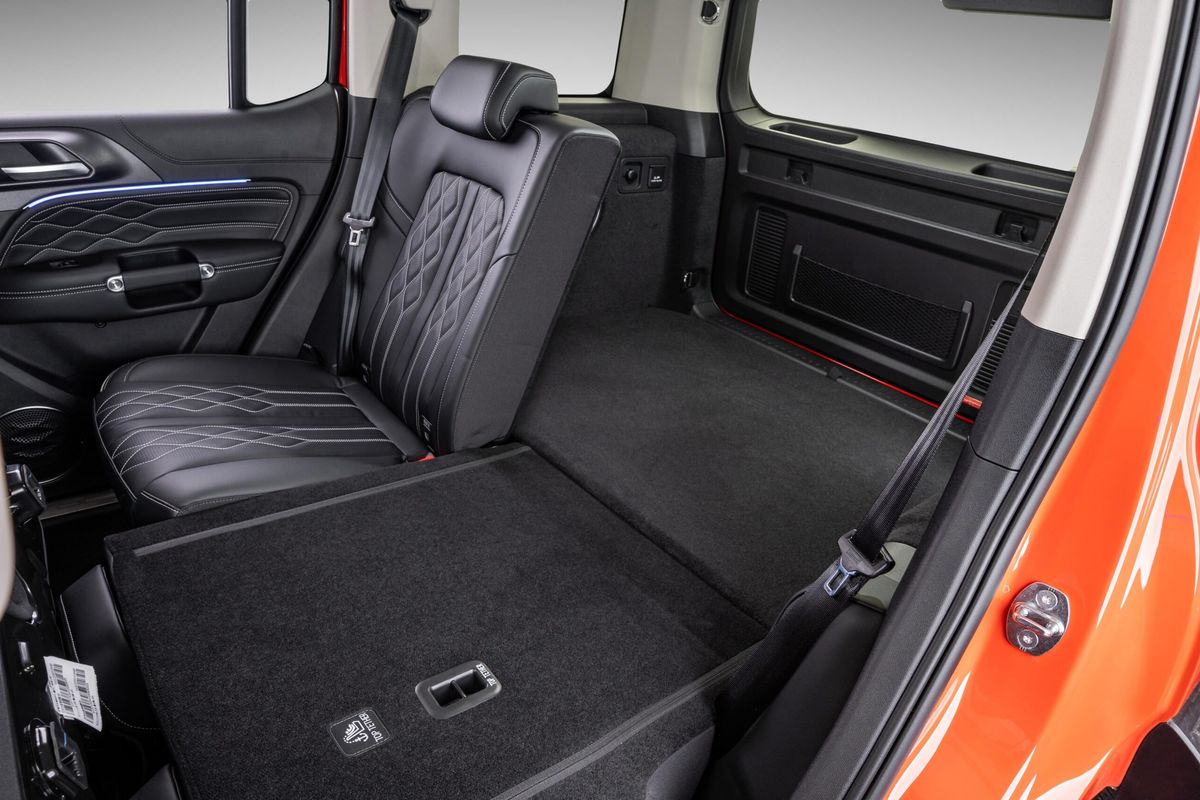
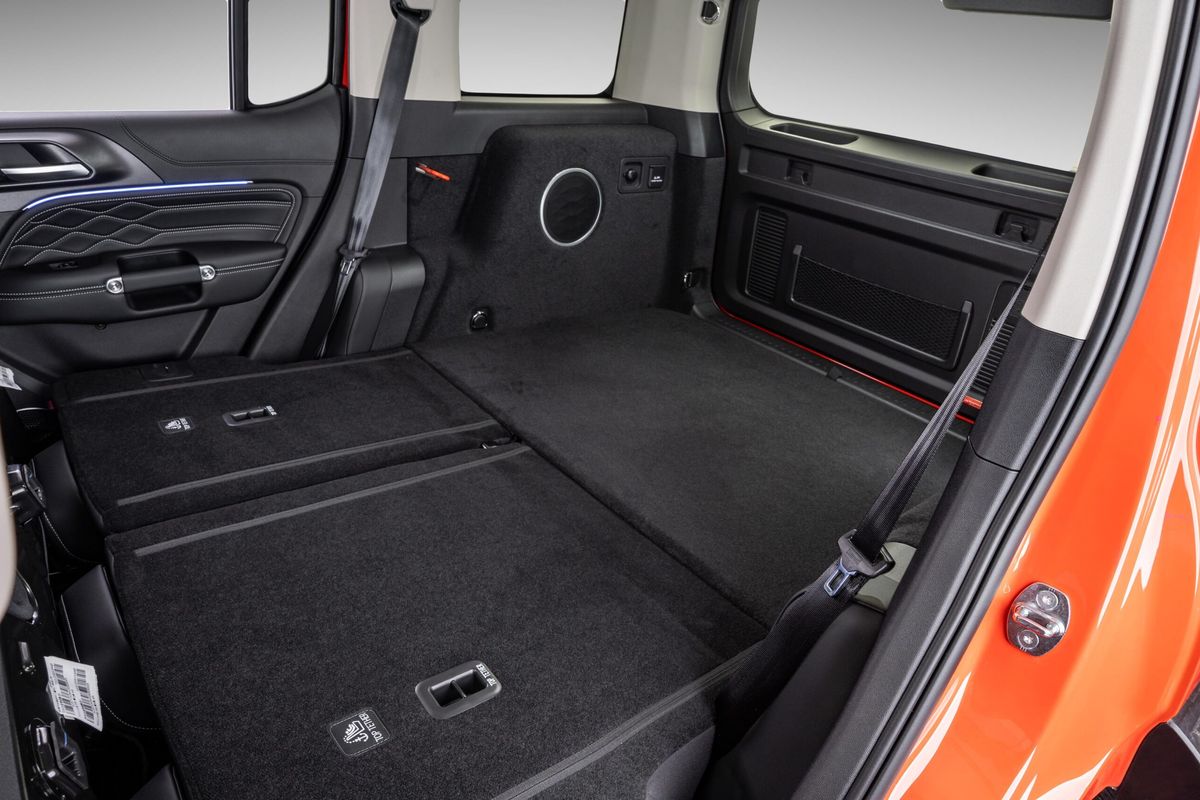
Meanwhile, the 60/40-split rear seats can be folded flat to create utility space, and there’s no shortage of grab handles throughout. The front passenger alone has 3(!) places to grip when things get twisty.
To that point, the Tank 300 has a plethora of safety features; it was awarded a 5-star rating by ANCAP (the Australian motor industry body for vehicle safety testing), helped in part by 7 airbags, lane-keeping- and adaptive cruise control, Intelligent Cornering tech and the use of high strength steel throughout its construction. The GWM also comes equipped with bash guard plates, 8 parking sensors, scratch-proof black mouldings and, at each corner, an 18-inch chrome alloy wheel wrapped in Primacy SUV rubber.
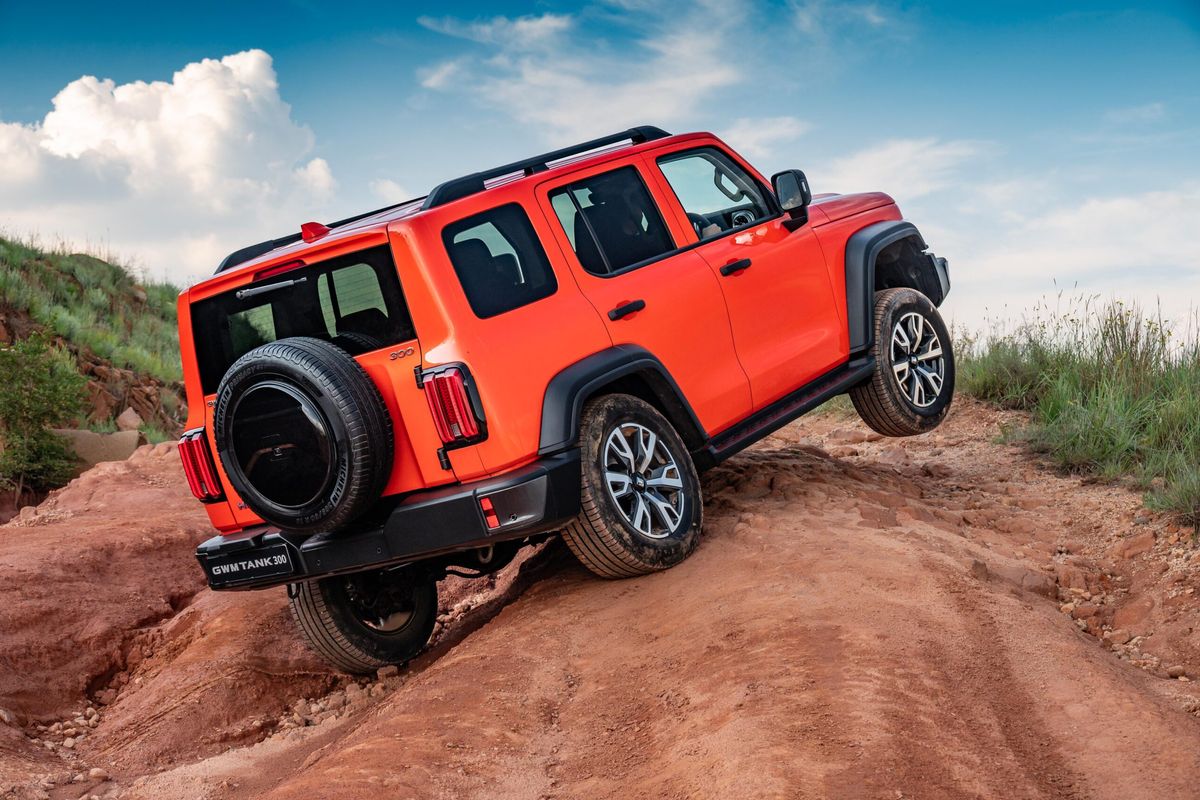
LED head- and taillamps are fitted. The ones at the front feature automatic high beams, can go around corners and feature a striking daytime running lamp (DRL) strip that wraps around the sides of the Tank 300’s nose. The clusters at the back, in turn, look great with their black backing. Black roof rails and privacy glass for the 2nd row add further gravitas to the newcomer’s bold, high-contrast aesthetic…
What’s the GWM Tank 300 like to drive off-road?
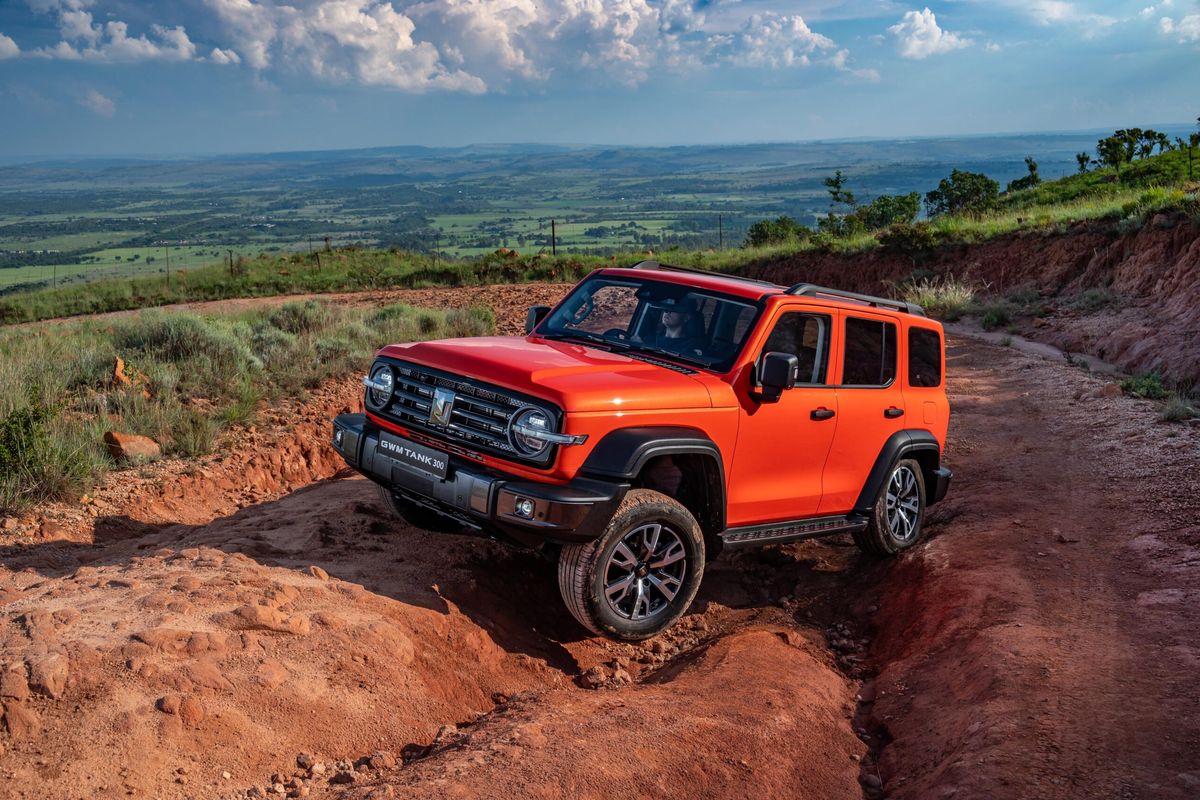
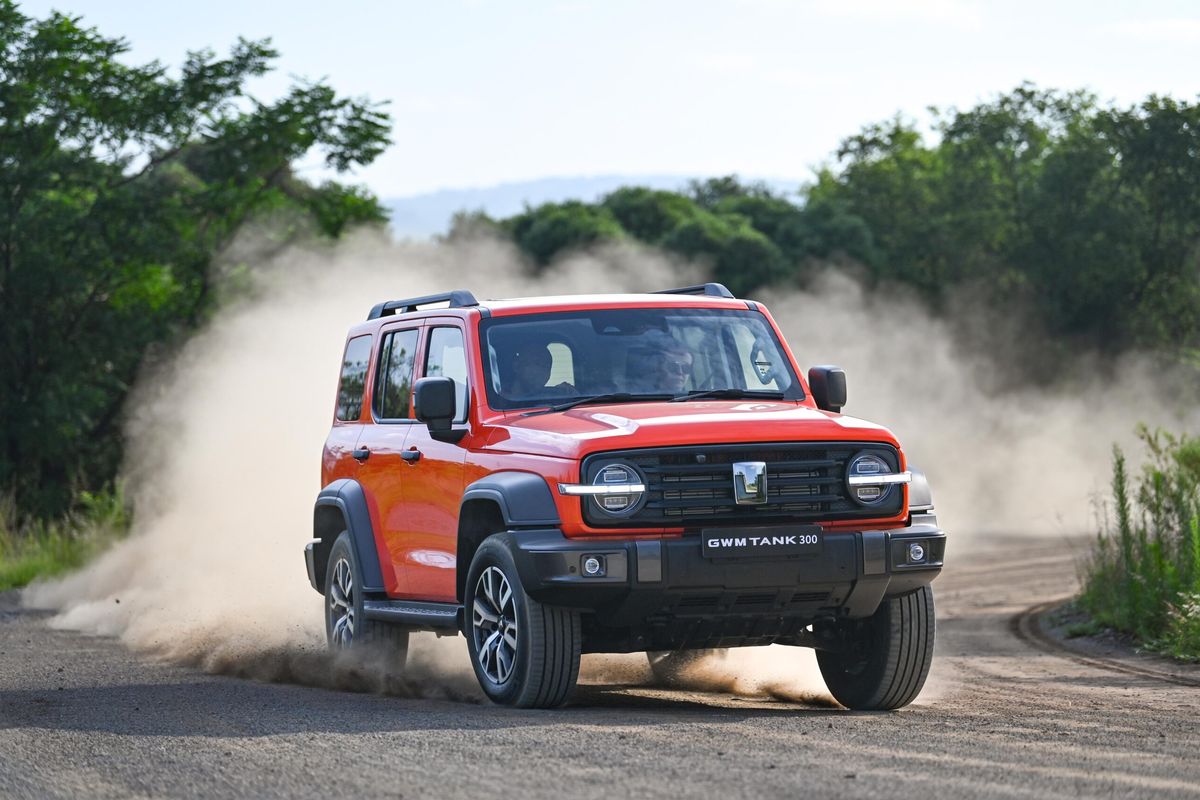
Back to those off-road credentials, however. It’s worth mentioning the multilink rear suspension, which smoothed out the tarmac of Gauteng and the Northern Province, then impressed us again on the dirt, and finally, once more through the De Wilt 4×4 course.
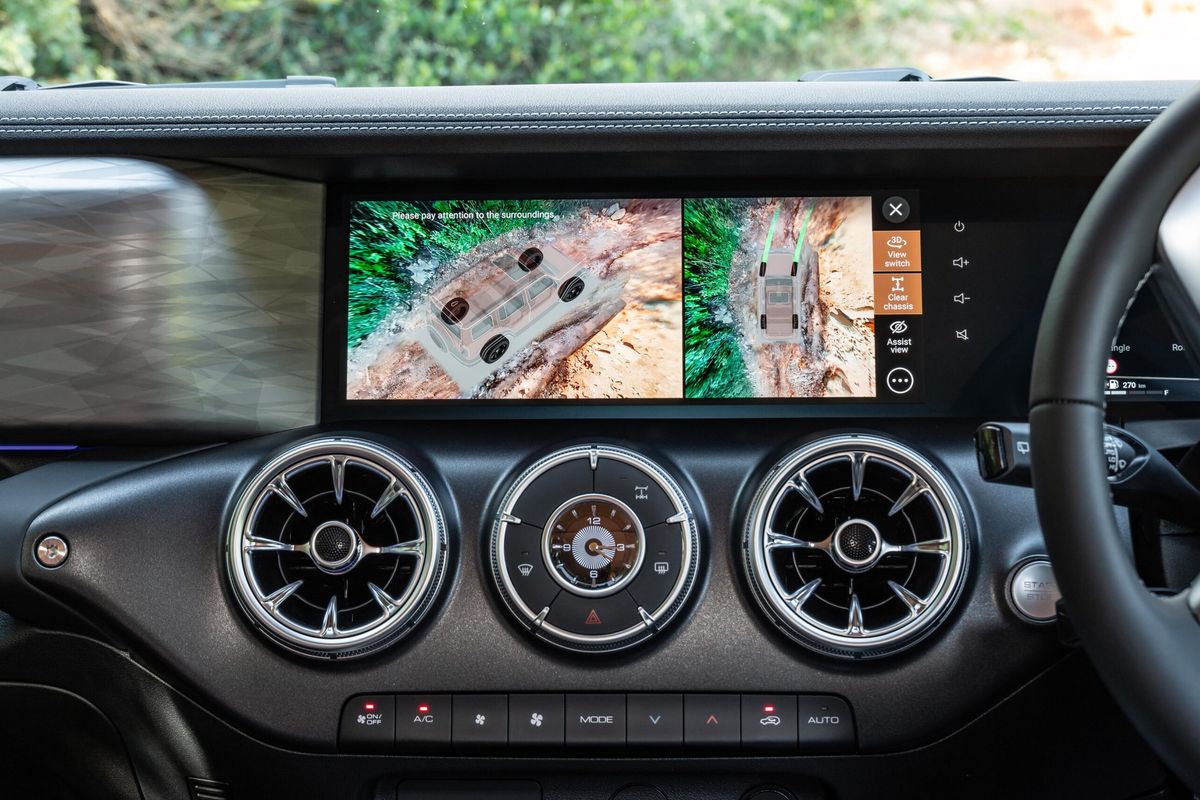
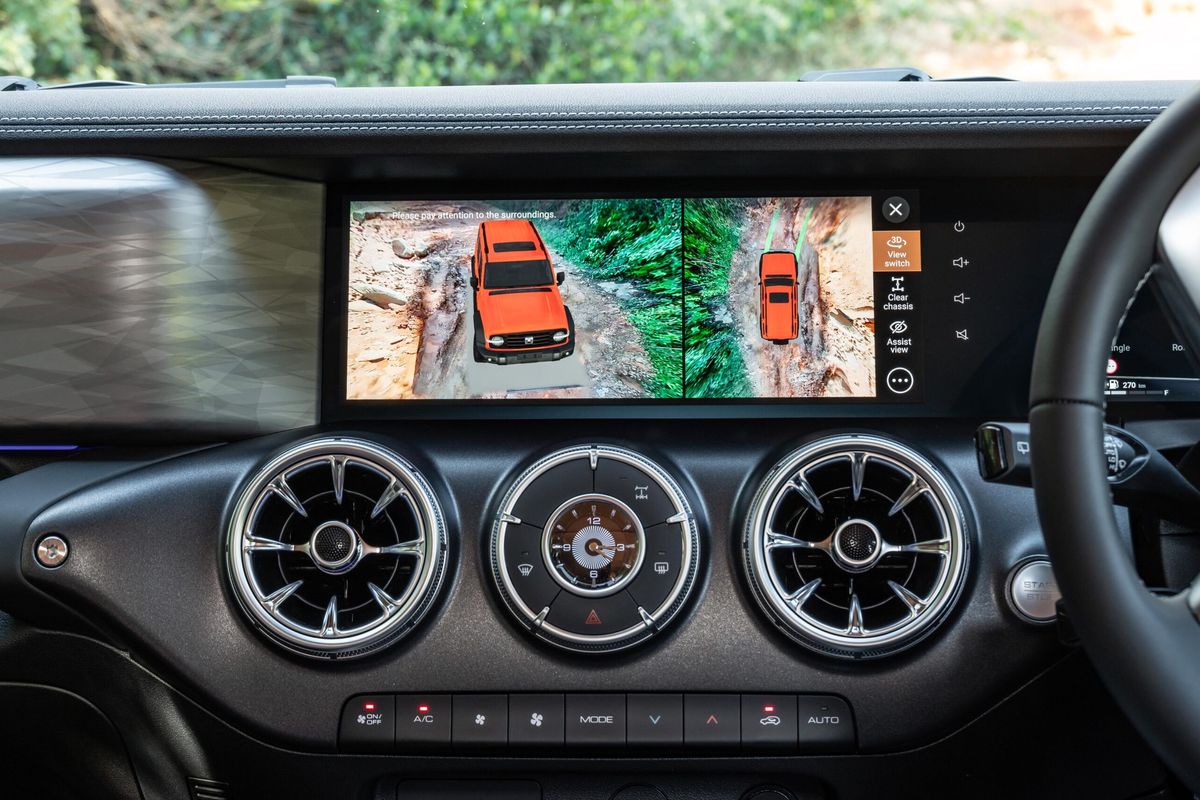
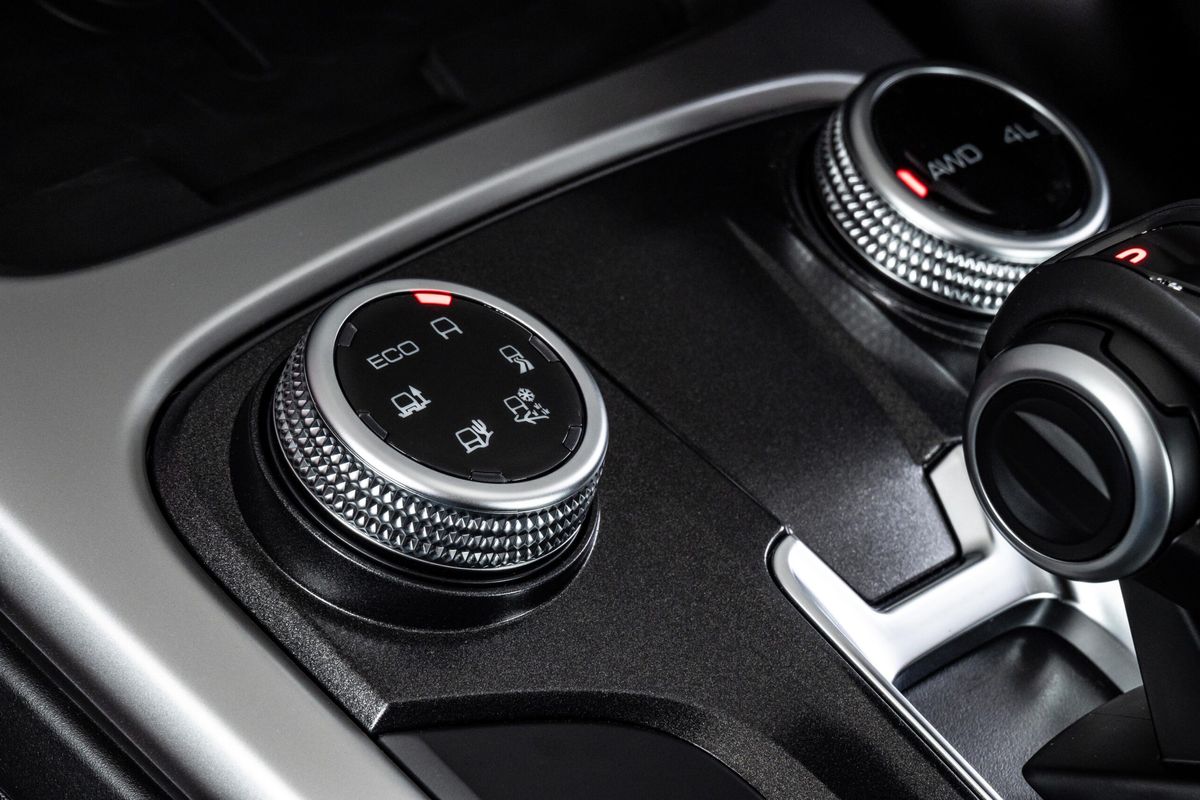
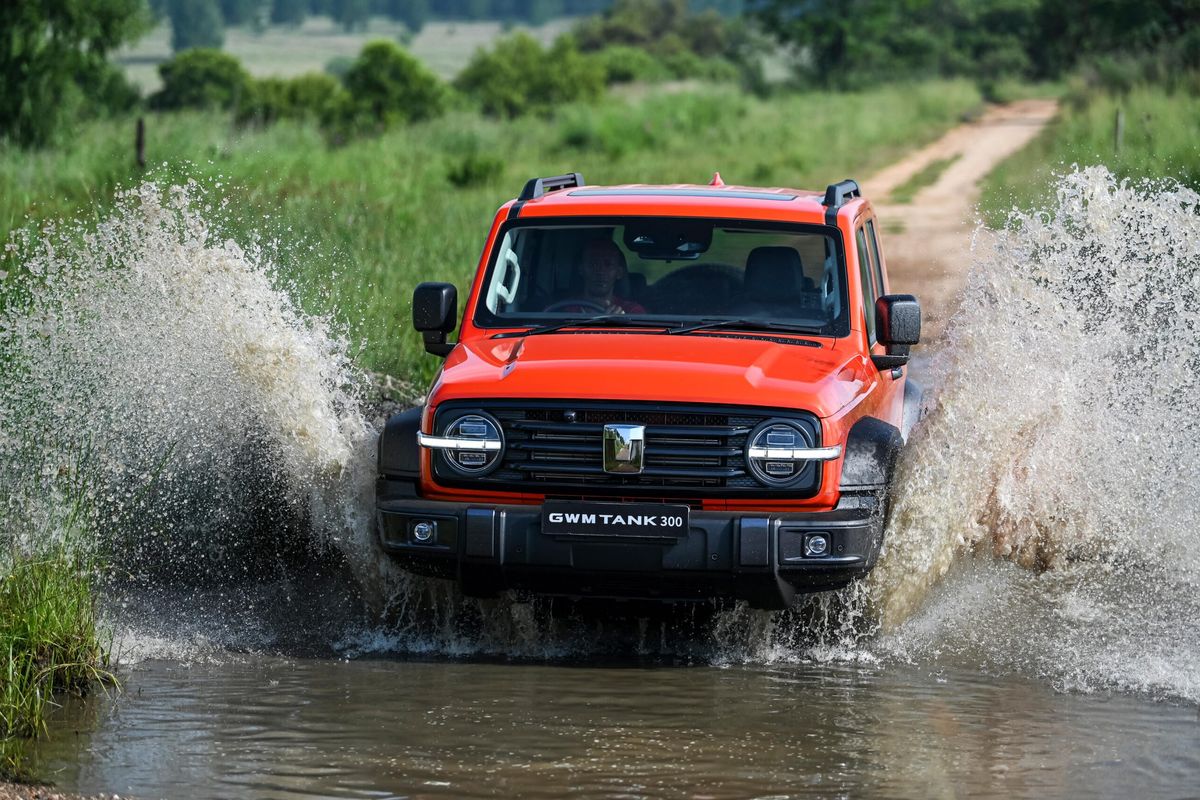
The Tank 300 crawled over everything the environment could throw at us; we fully used the vehicle’s selectable terrain modes and the “transparent” 360-degree camera system (it makes it easier to position the vehicle when off-roading) and even played with the off-road cruise control function on gradients.
If you’re into numbers, you may like to know that the GWM Tank 300 boasts respectable 33-degree approach- and 34-degree departure angles, as well as 224 mm of ground clearance. It’ll wade 700 mm deep – not a claim, we got to test this, with the knowledge that GWM had fit chassis protection guards underneath. Again, we emerged perfectly unscathed and surprisingly chuffed with the SUV’s abilities.
Summary
To reiterate, the only version of the GWM Tank 300 that is currently on sale is the flagship HEV Super Luxury 4×4 derivative. With a price tag of R851 950 (February 2024) it is not cheap, albeit well beneath that R1-million mark. For that premium, however, you do get a very attractive, feature-laden 4×4 with a classy interior that will make you feel like you’ve really splashed out on a premium product.
It handles well, isn’t shy to accelerate hard when required and then there’s the peace of mind that when the road turns to shrapnel, you’ll almost certainly be able to traverse it in your chunky GWM.
But if you are concerned about the Chinese-made GWM Tank 300 not being a proven product (members of the 4x4ing community tend to be fiercely loyal to the legacy brands), I can’t ease your fears. But I can declare that the 2.0-litre turbopetrol engine impressed me on the day and, as I mentioned at the start, it’s my professional opinion that GWM and Haval have truly emerged as a quality prospect in South Africa.
Still, in terms of robustness and reliability in the more challenging nooks and crannies of the South African gravel network, your favourite bush mechanic might prefer a more familiar engine to operate on in case of an emergency. But then, that’s what tow rope was invented for…
Jokes aside, besides being an unproven entity on and off our roads, I have very little negativity to report. Perhaps an indicator lever that needed to be finessed and the ‘box’s tendency to hold onto its cogs a bit longer (in low range) than I would’ve liked were irksome, but neither quirk made a major blip on my radar.
Overall, the GWM Tank 300 is a worthy and undeniably colourful addition to our portfolio of 4x4s in South Africa and you would not be a fool to take a chance on one – far from it.
Kia’s small(est) crossover contests an exceedingly congested segment of the new-car market, but has proven a popular purchase nonetheless. We conducted an extended test of the Kia Sonet 1.5 LX Auto to discover its strengths and (very few) weaknesses.
It seems like yesterday when A- and B-segment compact hatchbacks ruled the sales charts, but the relentless growth in popularity of small crossovers (also known as compact family cars) has seen those once dominant vehicle types eclipsed by their (relatively) high-riding siblings, such as the Kia Sonet, the topic of this article!
Kia no longer offers the Rio in South Africa, and while the next iteration of the Picanto is coming, it is likely to play a smaller role.
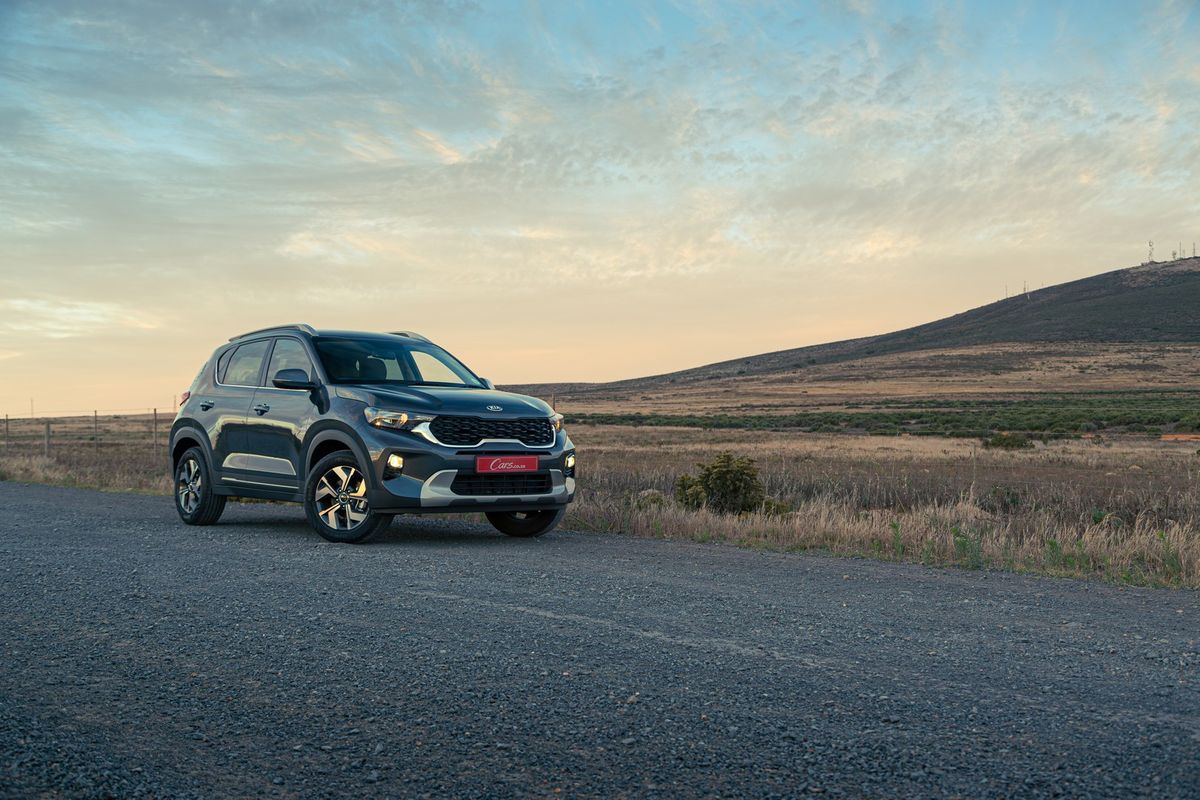
As we zipped around Cape Town in the popular Sonet for a few weeks, we couldn’t help but notice how many examples were on the roads. Kia South Africa has achieved notable sales volumes by boosting the Sonet through the rental car industry, but evidently, the stylish little Kia holds considerable appeal for private buyers as well, even though it is comparatively expensive compared with some of its rivals.
But what’s it like to live with? And given its relative price premium, is it worth the extra money?
3 Things we like about the Kia Sonet
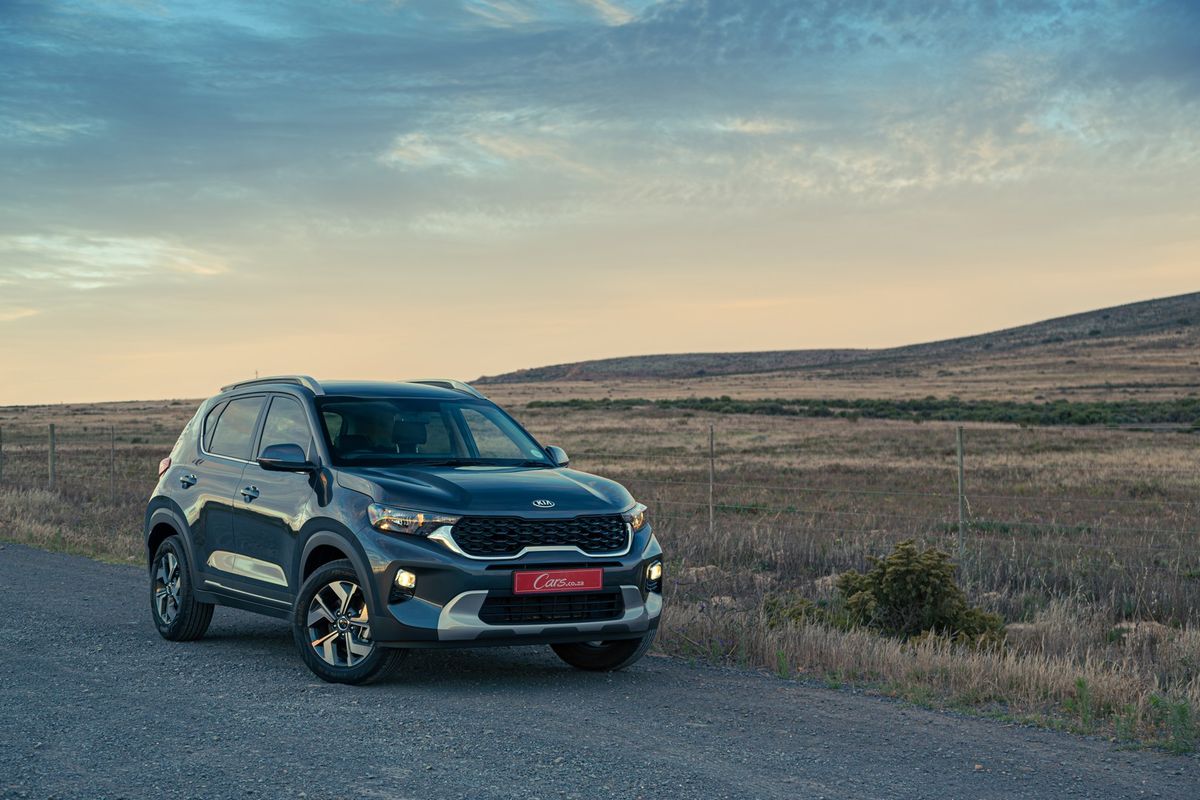
In a segment full of cookie-cutter designs, the Kia Sonet’s front-end styling is distinctively handsome.
Ride and overall comfort levels
Indicative of its modern design, the Sonet may have a shorter wheelbase than those of the Chery Tiggo 4 Pro and Suzuki Fronx (its 2 main rivals, in our opinion), but it fits between them in terms of overall vehicle length and, importantly, width. The seats are comfortable and the driver’s chair is height adjustable.
Combined with the ride height of the vehicle (190 mm), and the high-perched driver’s seat, the Sonet creates the impression of being a “bigger” vehicle than it is – a trait that many buyers of small crossovers (let alone some of the larger examples) seem to prefer. A minor irritation is that the steering column is only adjustable for rake (angle), but nevertheless, a comfortable driving position should be easy to find.
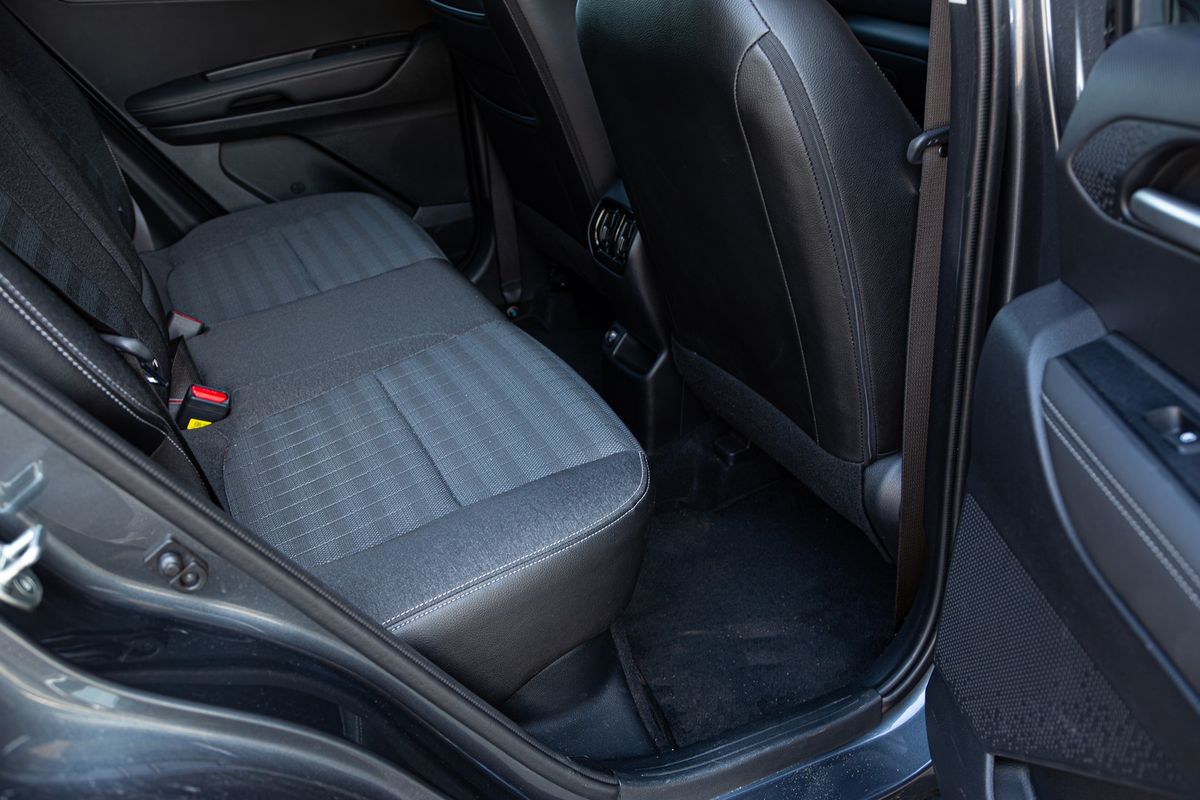
The rear space is good, with surprisingly generous leg- and headroom available. Then again, the Sonet is a taller vehicle than the Fronx and only a smidge lower than the more overtly SUV-like Tiggo 4 Pro. Aft occupants have access to their own ventilation outlets (always a nice touch) and a USB charging port.
Rear occupants will find more leg- and headroom than expected – a credit to Kia’s clever packaging of the Sonet.
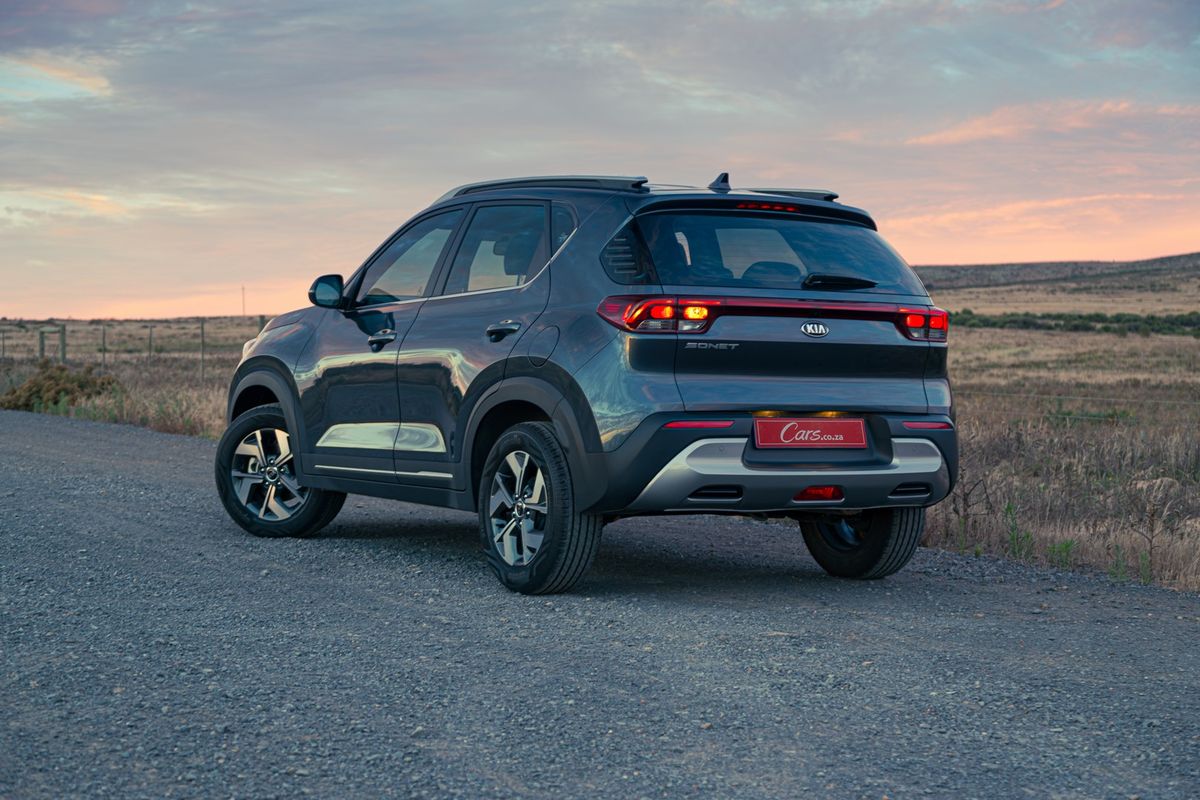
The load bay has a noteworthy claimed capacity of 392 litres, which is better than the figures claimed for the Chery and Suzuki respectively. It is also nicely box-shaped, to better accommodate bulky items.
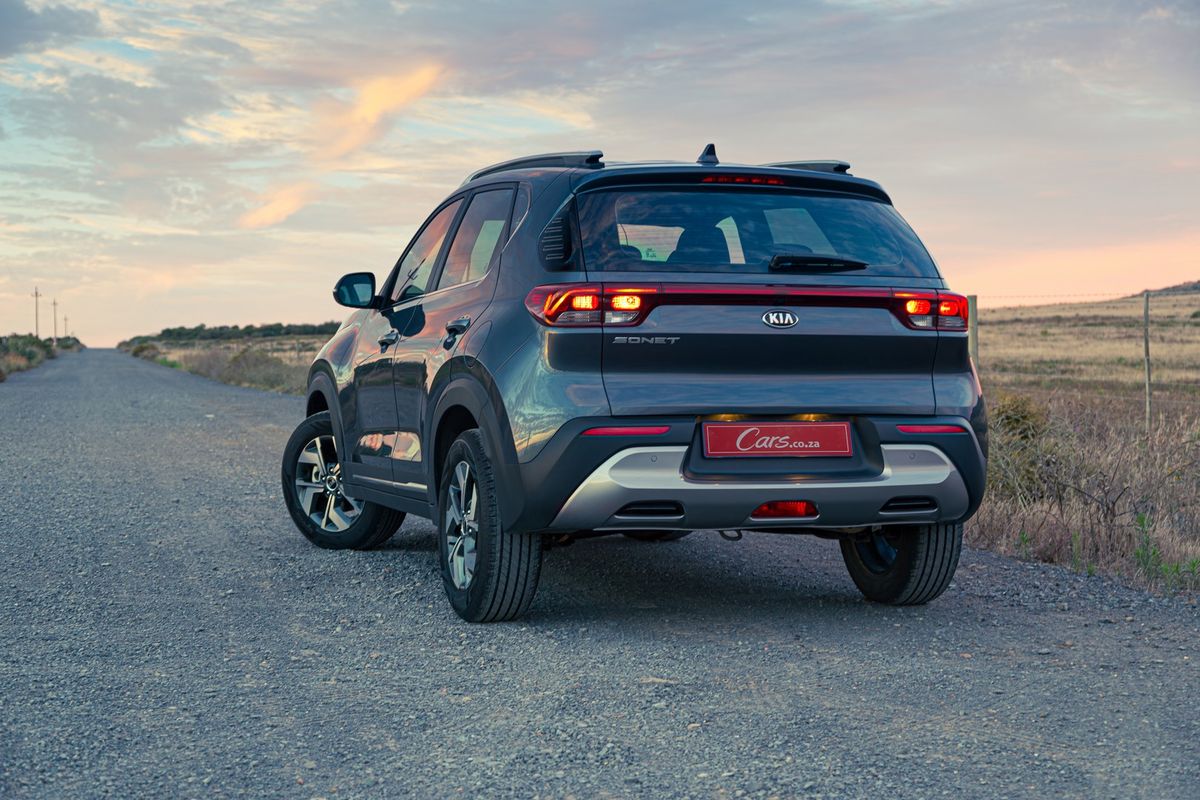
But, unfortunately, the Sonet is fitted with a single-piece rear backrest. Folding that down does free up a lot of utility space, but it also turns the Sonet into a 2-seater.
Riding on 15-inch (steel) wheels fitted with plump 195/65 tyres, the softly-sprung Sonet provides a relaxing driving experience around town. What’s more, given the Korean model’s compact dimensions (and standard reverse-view camera), it is also easy to park in the city. The lack of fancy alloy wheels and the generous width of the tyres’ sidewalls also help to make parking against high kerbs less stressful.
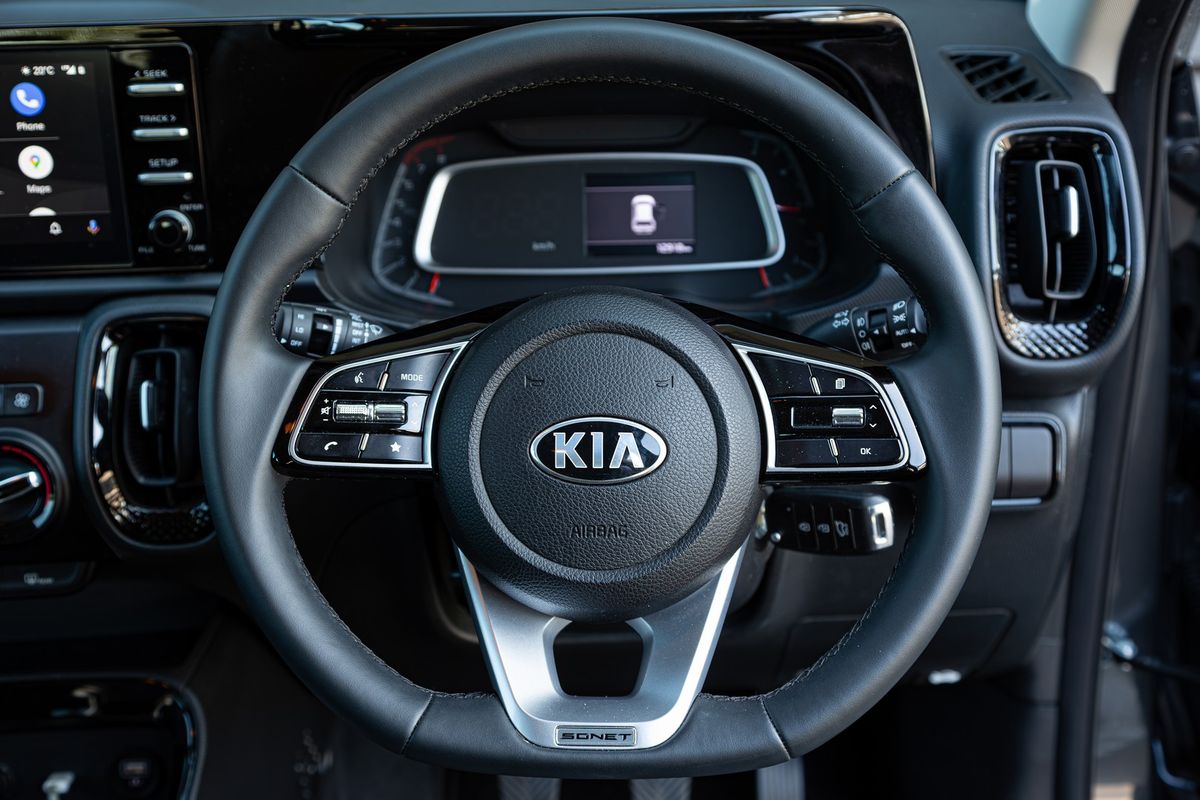
The Sonet is Kia’s most affordable crossover, but it imparts a feeling of high quality when you’re behind the ‘wheel.
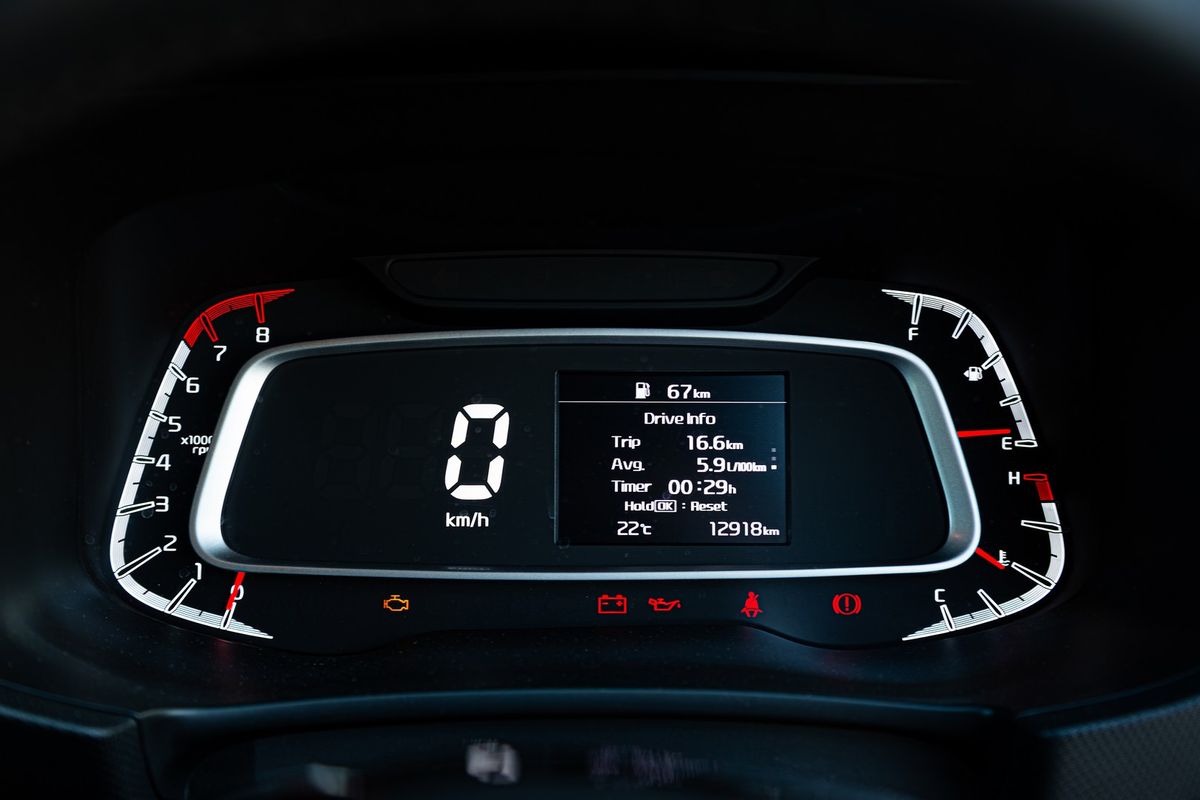
Inside, the Sonet feels every bit a well-made, decently equipped and thoroughly modern little runabout. The instrumentation is digital, the manual aircon is potent and electric windows are standard, while the touchscreen infotainment system supports Apple CarPlay, Android Auto, Bluetooth and voice commands.
The Kia is a quiet and relaxed car to drive, even when it’s traversing poorly maintained road surfaces, which is a testament to its good build quality; we discerned neither a rattle nor a squeak from the cabin.
But compared with the competition, it has a few shortcomings. Perhaps most importantly, it only has dual front airbags (its aforementioned rivals have additional side- and curtain airbags) and no cruise control.
The Kia Sonet has a composed ride quality, courtesy of a pliant suspension and the fitment of plump tyres.
Power and efficiency balance
This Sonet is powered by a 1.5-litre, 4-cylinder petrol engine. There is no fancy turbo- or supercharger here, just a simple, unstressed naturally aspirated motor that should prove reliable for many, many years.
The engine delivers strong maximum outputs: 85 kW and 144 Nm of torque, both of which best the peak numbers claimed for the Suzuki and Chery. The Sonet is about 100 kg heavier than the Suzuki, but 100 kg lighter than the Chery, and its engine dovetails nicely with the continuously variable auto transmission (CVT) to deliver refined cruising and impressive responsiveness when you put your foot down.
Of course, with a claimed 0-100 kph time of 11.8 sec, it’s unlikely to win many traffic-light grands prix, but for general driving, performance is spot-on, seeing as the 1.5 LX delivers impressive fuel efficiency.
Kia claims an average consumption figure of 7.2 L/100 km and, for once, we managed to achieve that level of efficiency. In fact, we bettered it… On our usual test route, the little Kia returned 6.9 L/100 km!
As an ownership proposition, the Sonet scores highly thanks to Kia’s reputation for reliability and a long warranty.
Peace of Mind
Kia has built a reputation for quality and reliability, with strong performances in JD Power surveys across the globe. During the Sonet’s tenure in our fleet, we were regularly impressed with the test unit’s build quality.
It’s one of Kia’s more affordable models, but when you’re seated behind its ‘wheel (while travelling to your next destination) you don’t get that impression, quite the contrary. Further boosting ownership confidence is an excellent 5-year/unlimited km warranty, backed with a 4-year/60 000 km service plan.
Watch Ciro De Siena’s earlier video review of the Kia Sonet 1.0T EX+
What we dislike about the Kia Sonet
Although we were impressed with the Sonet’s refinement, build quality and comfort levels, we still think Kia South Africa needs to either sharpen its pencil (make the pricing keener) – or add some features.
The staggering success of the Chery Tiggo 4 Pro, for example, is largely built on the buying public’s perception of value for money, but that model is quietly building a reputation for having other talents too.
So, Kia cannot rest on its laurels. Offering dual front airbags only in this day and age – at this price level – is not acceptable. We also missed a split-folding rear seat and reach adjustment for the steering column.
The Kia Sonet is easy to recommend, but the 1.5 LX automatic’s standard features list needs to be padded out.
Verdict
Comfortable, efficient, stylish and backed with a strong warranty, the Kia Sonet is an attractive option in the congested small crossover/compact family car segment. There is nothing inherently flawed about the car (except, perhaps, the single-piece folding rear seat); most of our criticisms are merely spec-related.
Still, the competition in this segment is fierce and, if Kia wants a bigger slice of the action, it would be well-advised to ramp up the showroom appeal of its LX trim grade. There’s a facelifted version of the Sonet on the way – wouldn’t that be the perfect opportunity to pack more value into the package?
What is the fuel tank capacity and mileage of the Kia Sonet?
The Kia Sonet has a fuel tank capacity of 45 litres. The official fuel consumption figures for the Sonet range between 5.8- and 6.6 L/100km depending on the engine and transmission combination.
How many people can sit in the Kia Sonet?
The Kia Sonet is a 5-seater SUV, with seating for a driver and four passengers. It does not come in a 7-seater option.
What are the available engine and transmission options for the Kia Sonet?
In South Africa, the Kia Sonet is available with two petrol engine options (1.2L and 1.0L turbo). The transmission options include manual, CVT and duel clutch automatic transmission.
What are some of the key features of the Kia Sonet?
The Kia Sonet is known for its feature-rich cabin. Depending on the variant, key features can include an electric sunroof, a 10.25-inch HD touchscreen infotainment system, a digital instrument cluster, a Bose premium 7-speaker sound system, ventilated front seats, and advanced driver-assistance systems (ADAS).
What is the ground clearance of the Kia Sonet?
The Kia Sonet has a ground clearance of 205 mm, which is suitable for navigating various road conditions and terrains.
What are some common complaints or drawbacks of the Kia Sonet?
Commonly reported drawbacks include a lack of rear-seat knee room, which can be a concern for taller passengers, and noticeable tyre noise in the cabin at higher speeds. Some users also note that for its premium price, it could include features like auto wipers or a 360-degree camera on more variants.
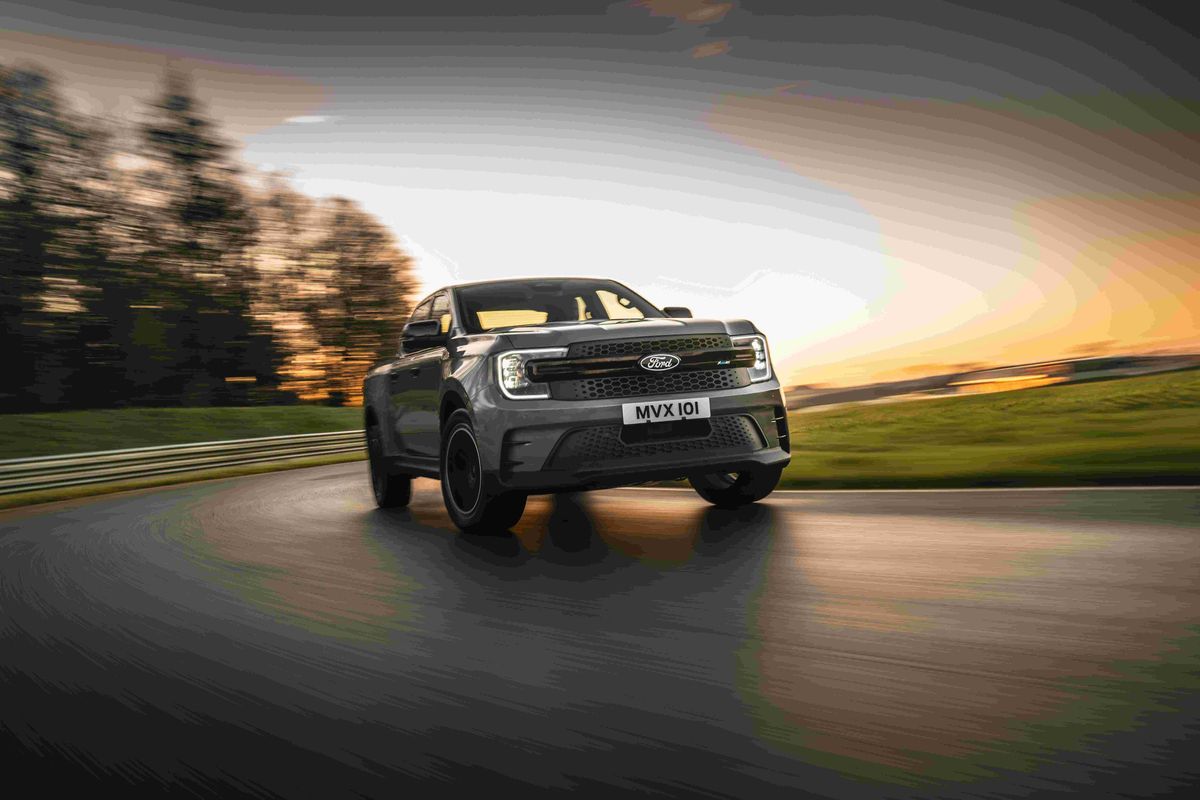
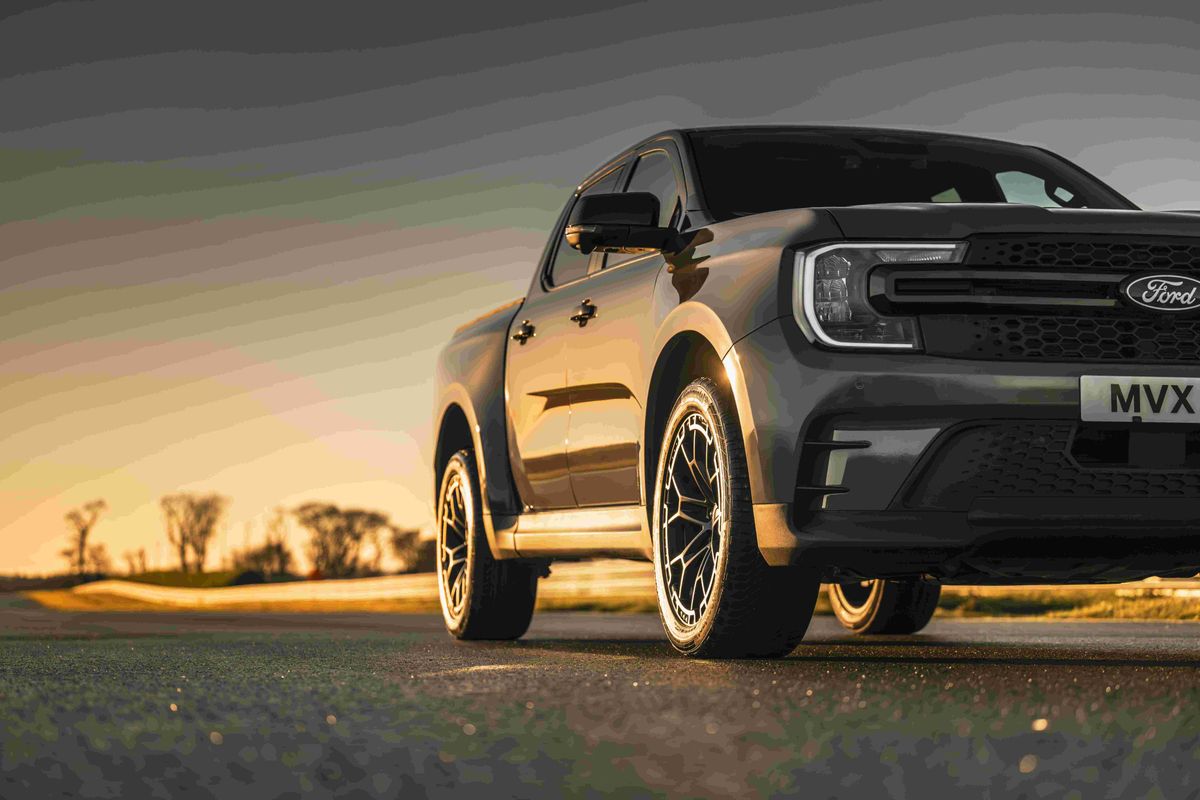
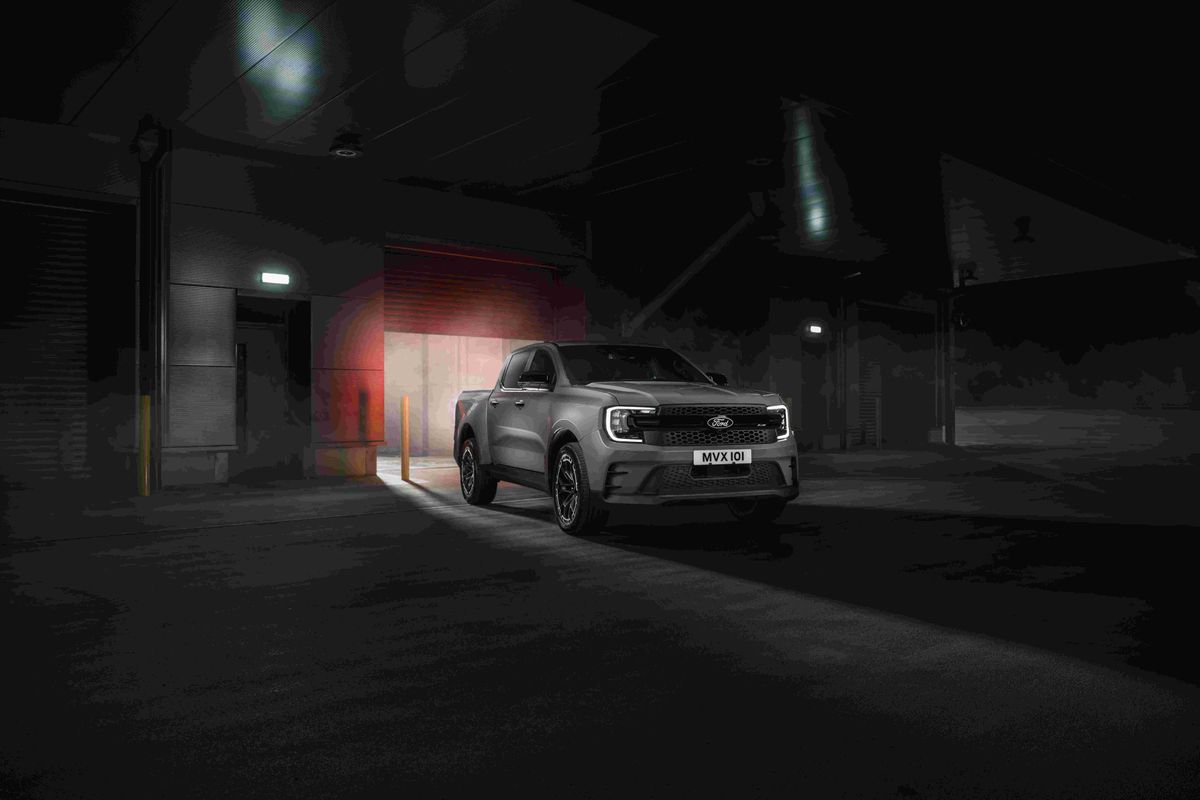
While unlikely to go on sale in SA, the Ford Ranger MS-RT is one of the best-looking iterations of the new bakkie and we hope it inspires a local creation.
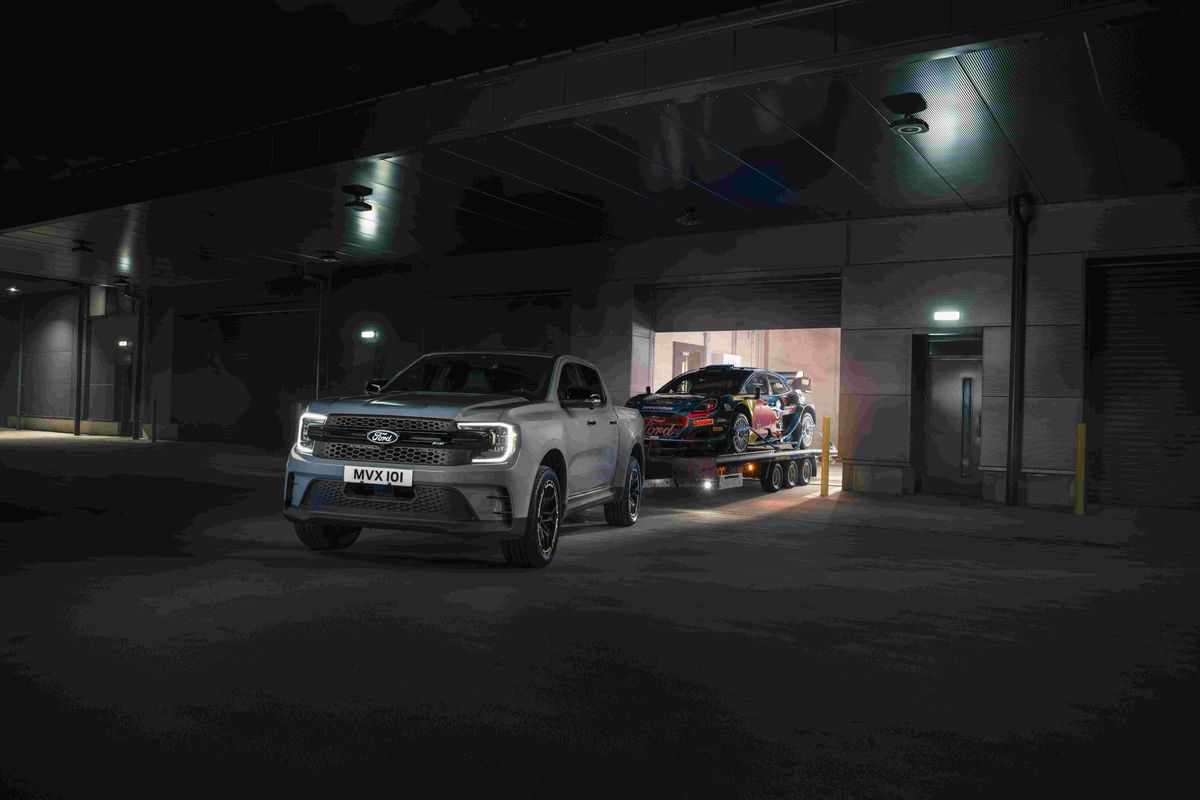
Created by Ford Pro in Europe, the Ranger MS-RT (M-Sport Road Technology), features a sporty re-design both inside and out, improved workhorse capabilities and sportier drive.
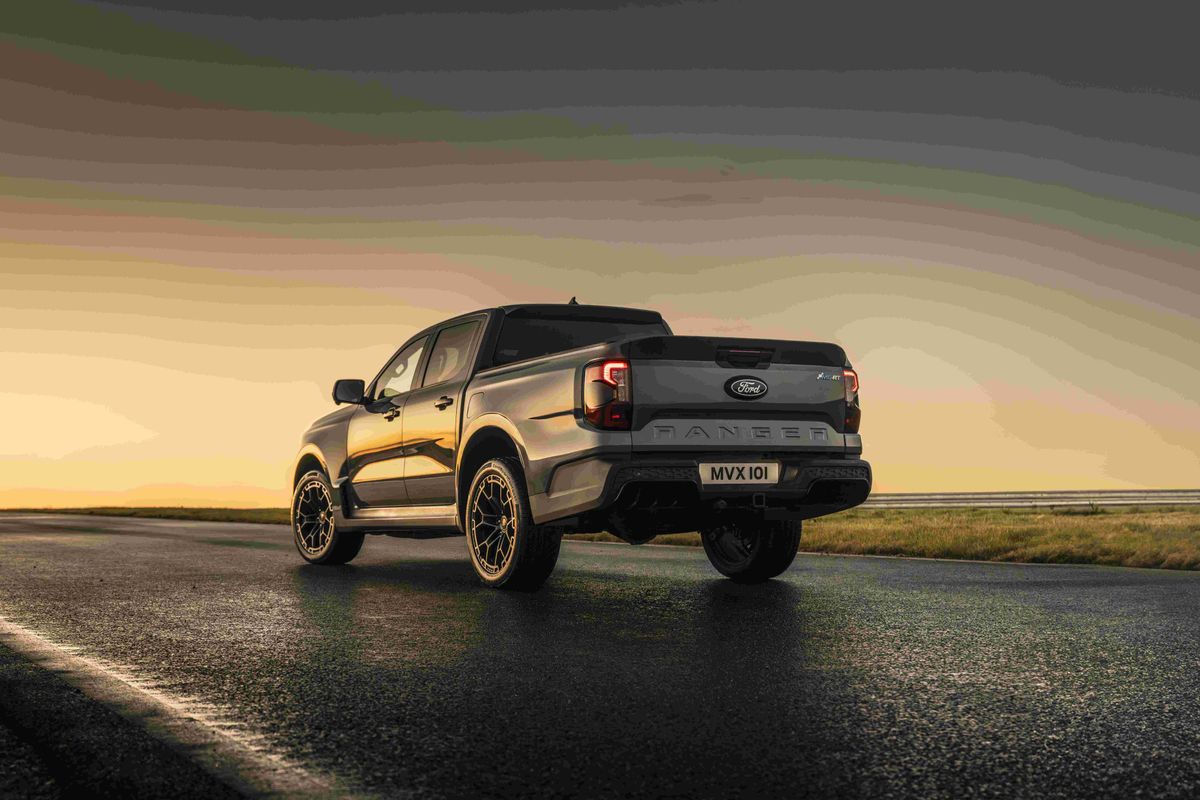
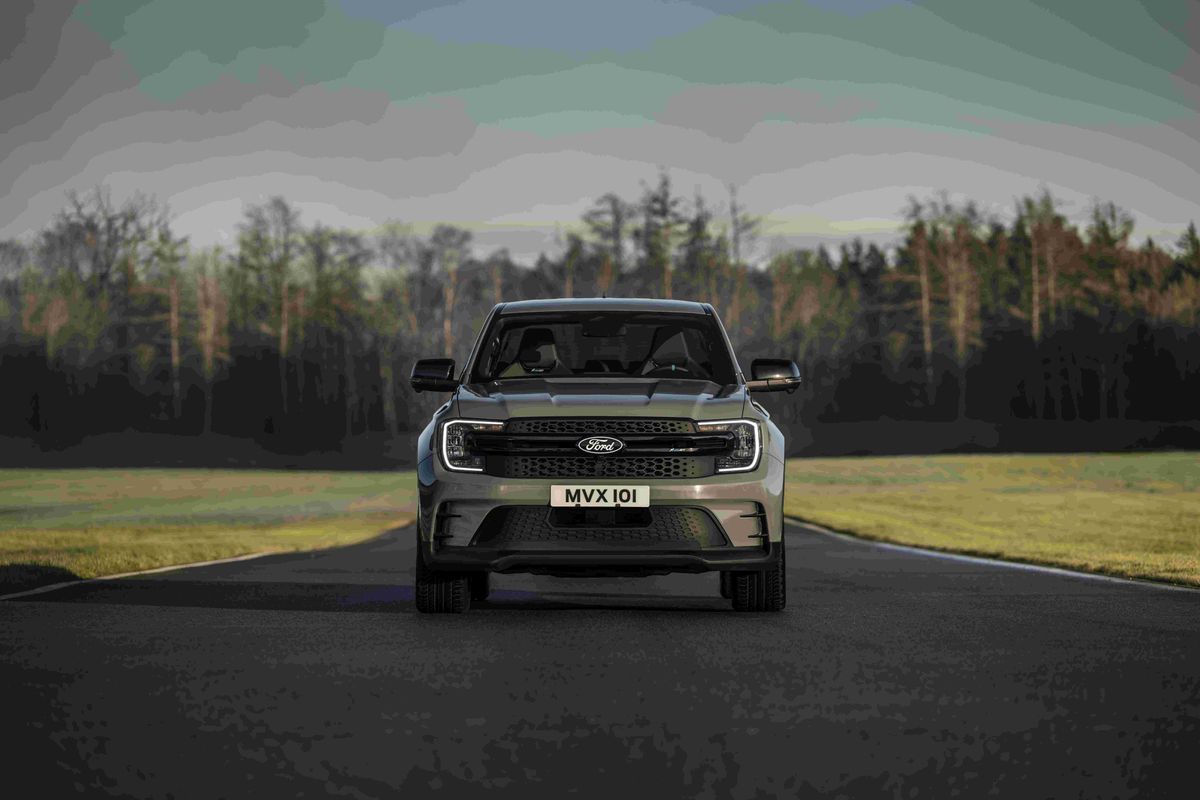
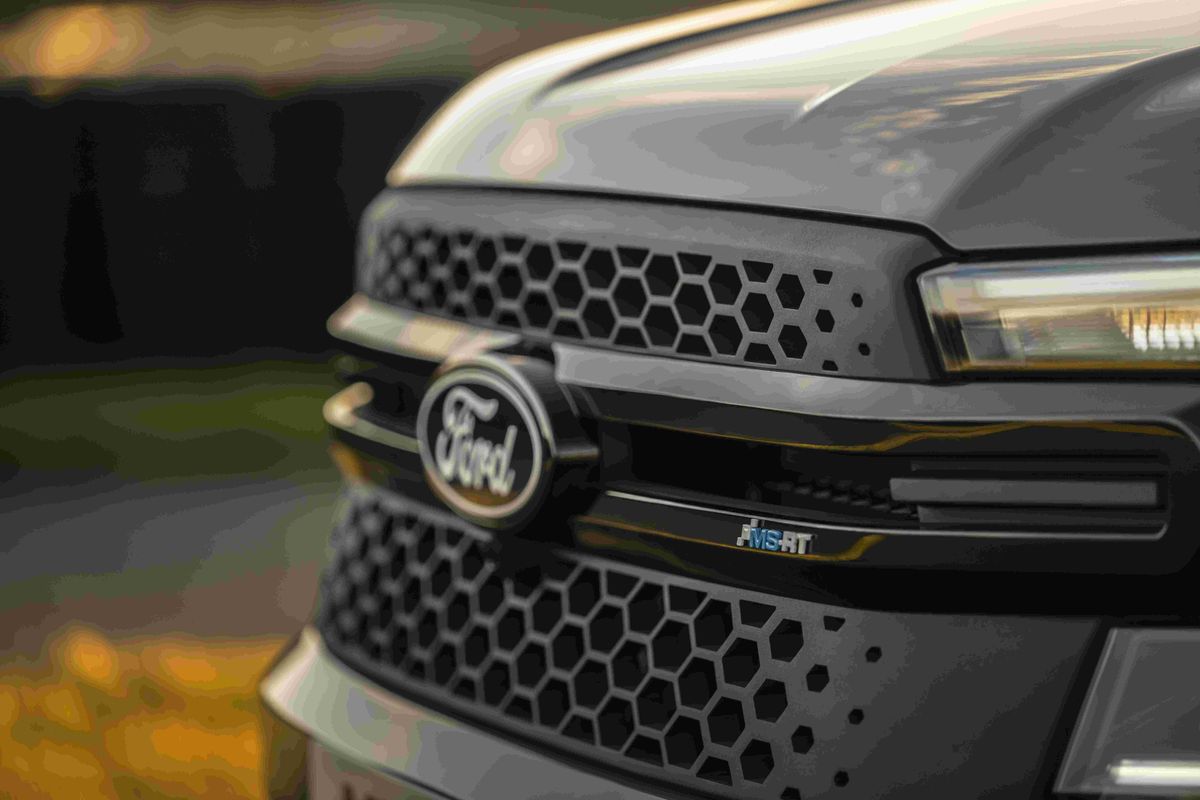
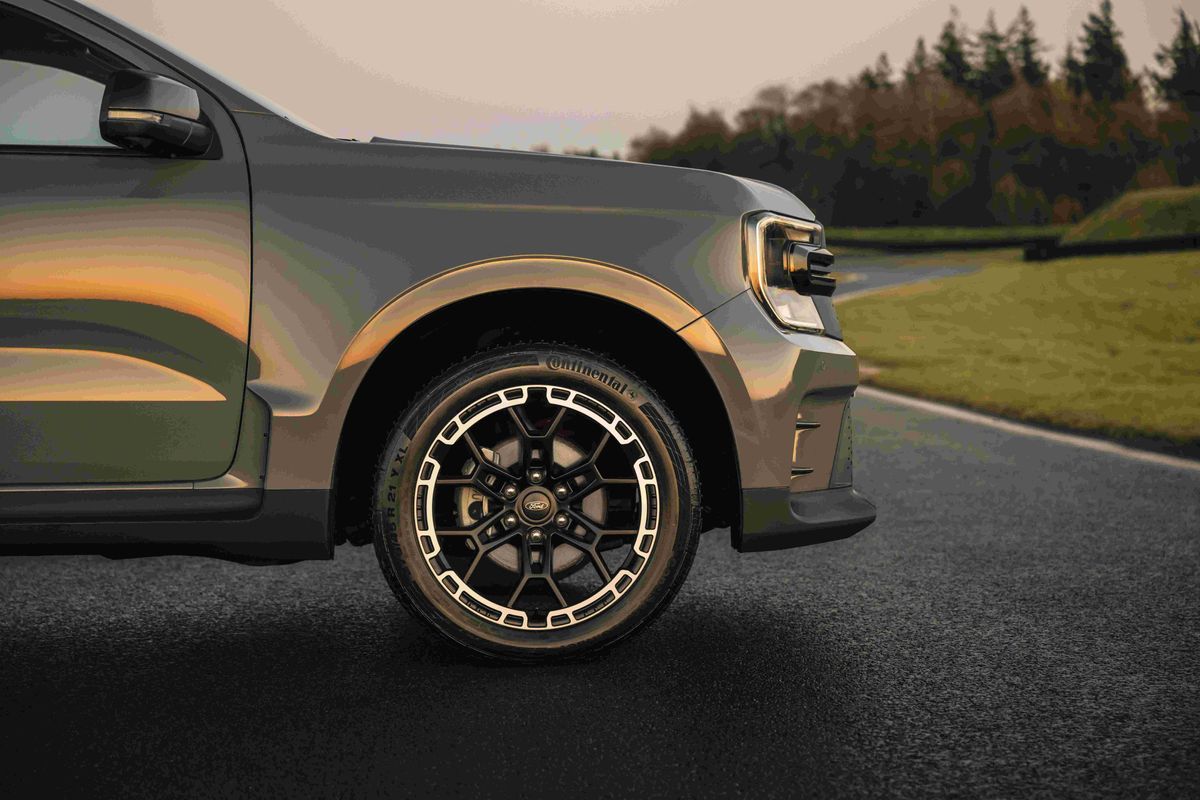
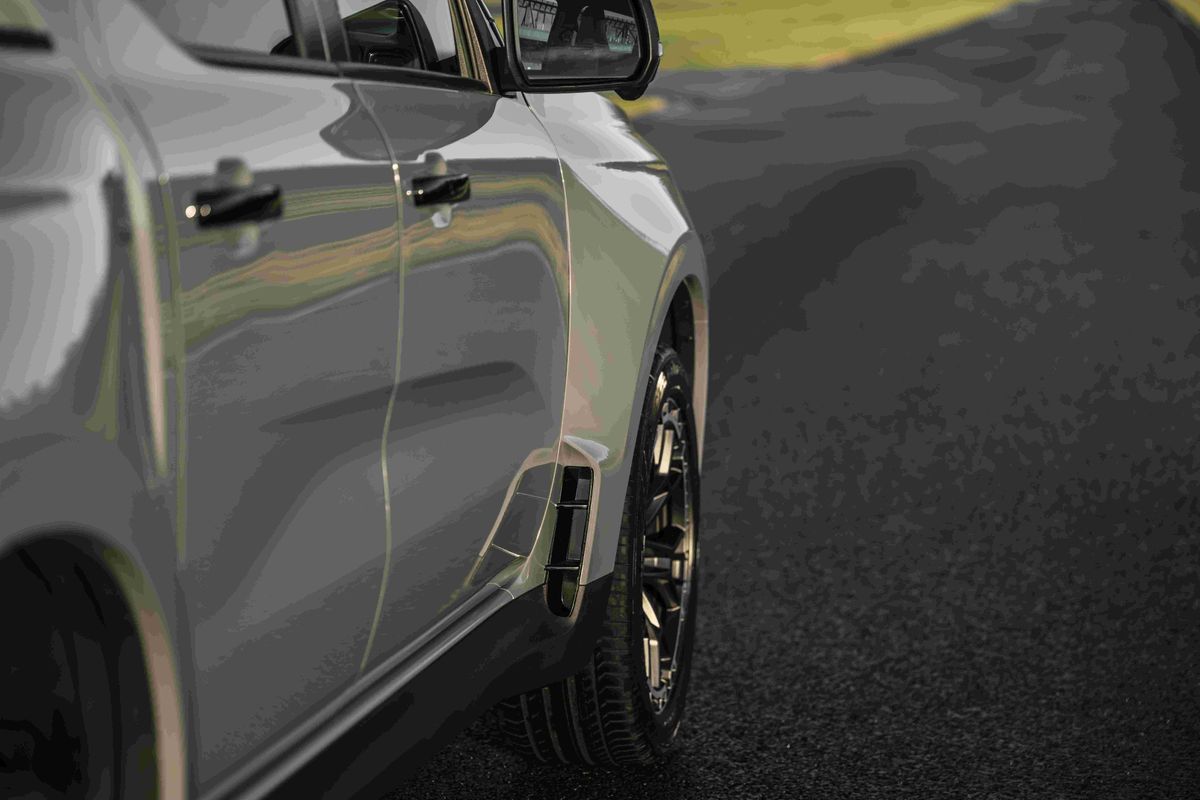
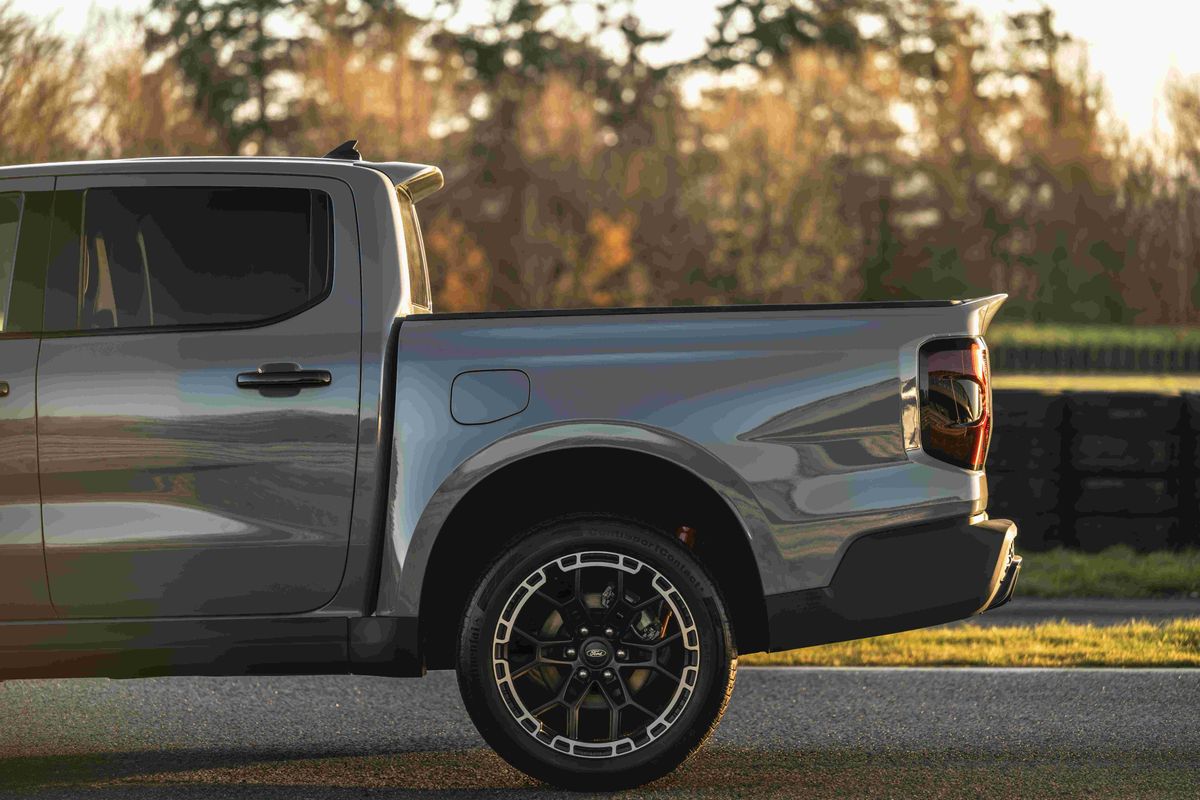
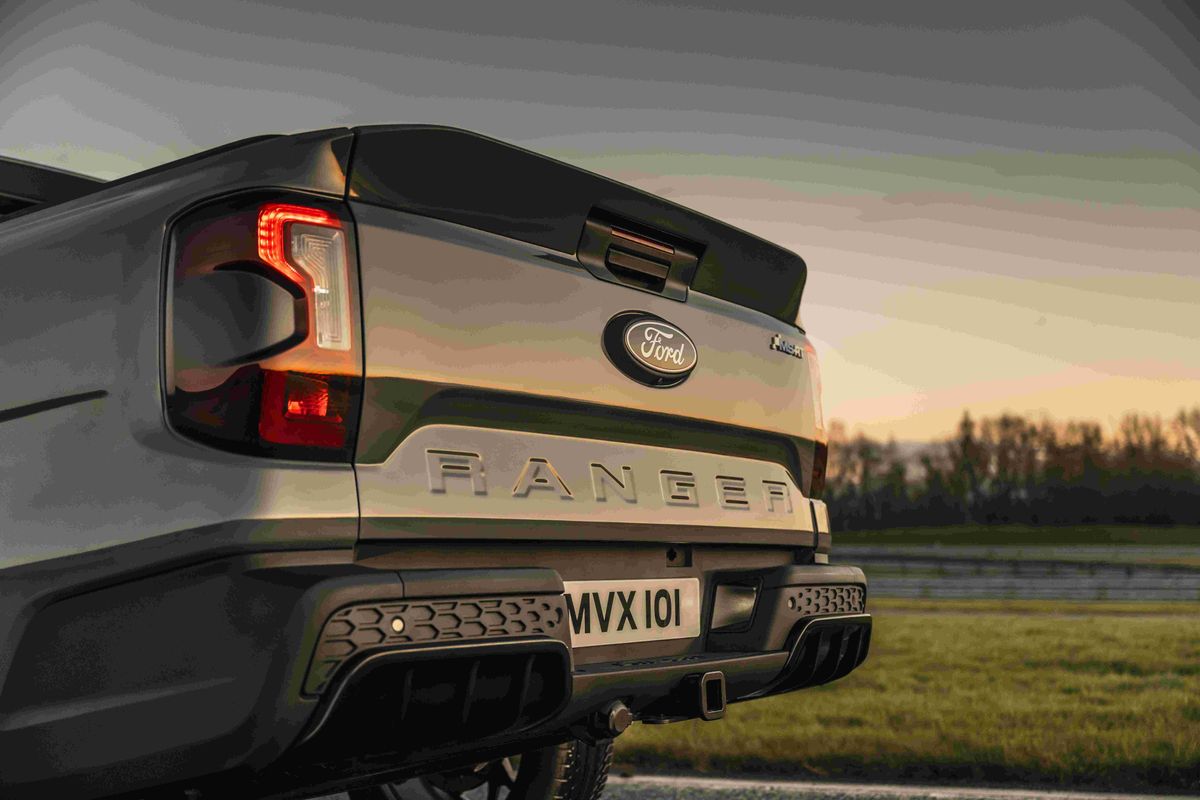
Visually, we think this is one of the best-looking Ford Rangers and while everyone loves the outrageous Raptor, this runs it very close in the design stakes. At the front, there’s a splitter and honeycomb grille which Ford Pro says is inspired by the Ranger racing series in Asia. The Ford Ranger MS-RT sits lower to the ground and there’s a neat integrated diffuser and spoiler at the rear. These aren’t just for show and there are aerodynamic benefits like additional stability.
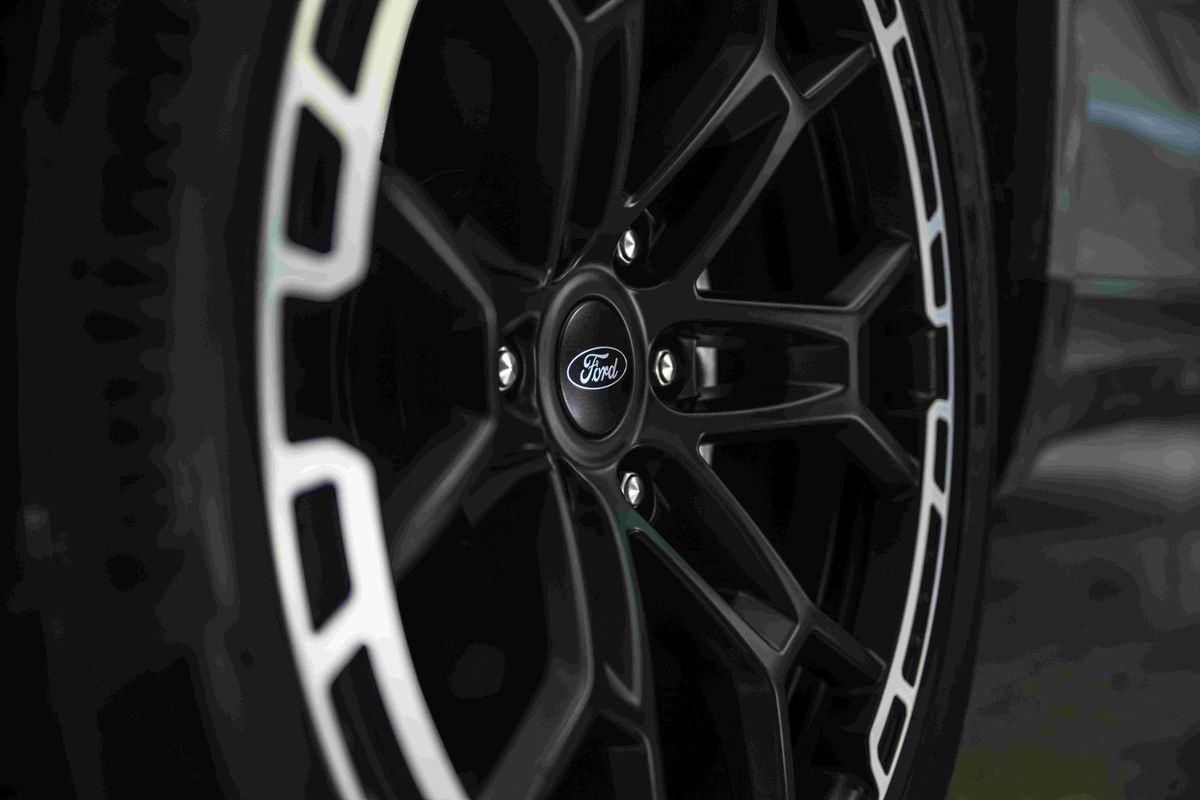
The Ford Ranger MS-RT is also 82 mm wider and has its track width increased by 40 mm. The 21-inch diamond-cut wheels are wrapped in 275/45 R21 rubber. While it shares the same 4×4 system as the standard Rangers, the suspension has been enhances for a more dynamic drive.
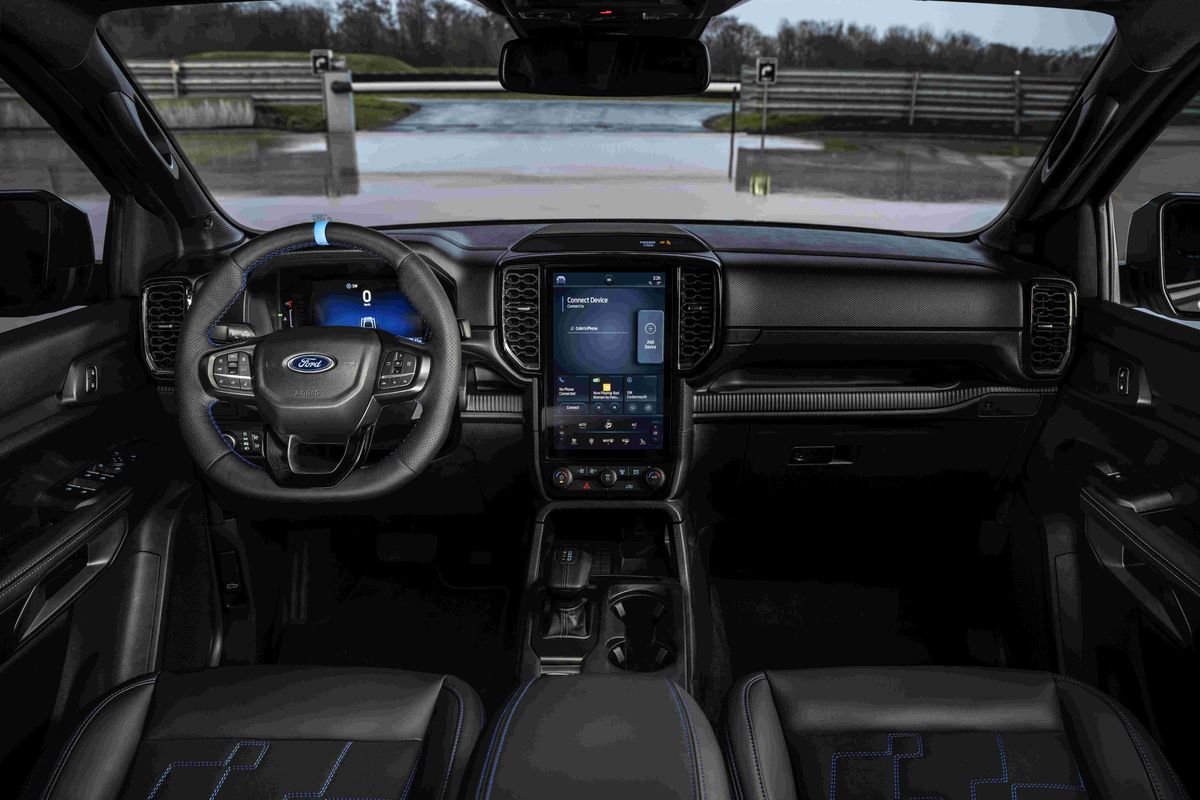
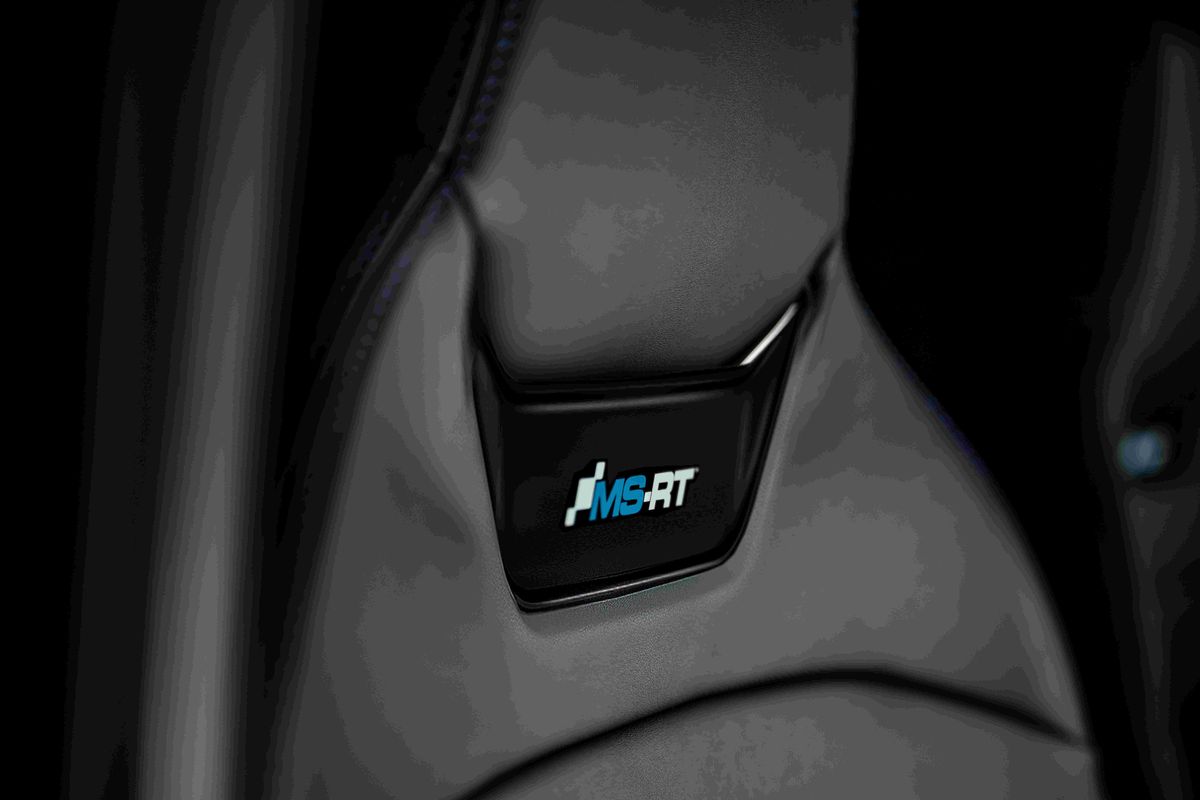
Climb inside and there are new sports seats and extensive stitching in that lovely shade of Ford blue. Standard equipment like the dual-zone climate control, iPad-style infotainment system, digital instrument cluster have been carried over.
Interestingly, the Ranger MS-RT is powered by a 3.0-litre turbocharged V6 diesel engine making 176 kW and 600 Nm, but instead of the 10-speed automatic that does duty in the standard Ranger, there’s an 8-speed automatic ‘box.
Hans Schep, general manager at Ford Pro Europe, said: “If Ranger Raptor is the ultimate off-road truck, then the Ranger MS-RT is the ultimate street truck.
As mentioned, the Ranger MS-RT will be sold in European markets, but that’s not going to stop us admiring it! C’mon Ford Motor Company South Africa, make us a sweet body kit for our Rangers?
New Ford Ranger and Ranger Raptor: which one should you buy?
Mahindra Global Pik Up: trademark points to new badge
What badge will the production version of the Mahindra Global Pik Up concept wear? Well, a freshly approved trademark application may provide more than just a hint…
Back in August 2023, the Mahindra Global Pik Up concept was revealed here in South Africa, with the automaker saying it had yet to settle on a name for the upcoming production version of its fresh-faced bakkie. But a newly approved trademark in India suggests the firm may have made a decision.
Yes, Mahindra has successfully trademarked the “Scorpio X” moniker with Intellectual Property India (IPI), leading Autocar Indiato speculate that it’s this badge that will be used on the new bakkie. Interestingly, the application was made back in May 2022, though the entry’s journal date of 19 February 2024 suggests it’s only just been approved.
Screengrabs from the IPI website show the Scorpio X filing (left) alongside other similar wordmarks (right).
Furthermore, upon searching IPI’s database, we found 4 more similar trademark applications from Mahindra, all also made in May 2022: Scorpio M, Scorpio L, Scorpio Z and Scorpio K. However, the status for each of these wordmarks is currently listed as “objected” rather than “accepted and advertised” (the latter being the case with the Scorpio X ).
So, what do we know about the upcoming new bakkie, which bears an internal project code of Z121 and is expected to be pitched against segment leaders such as the Toyota Hilux and Ford Ranger? Well, the Scorpio X – if it indeed ends up wearing that badge – will ride on a lengthened version of the Scorpio N’s ladder-frame platform while also likely inheriting a version of that SUV’s 2.2-litre, 4-cylinder turbodiesel engine.
Mahindra hopes to rival the likes of the Hilux and Ranger with its new bakkie.
Mahindra has promised it will be an “authentic lifestyle pickup”, complete with “luxurious touches”, a spacious cabin and “state-of-the-art technologies”, all while meeting “high standards of safety”. Though the Indian automaker has yet to reveal a projected launch date, Autocar India claims the bakkie will hit the market at some point in 2025.
As a reminder, this new model will be entirely separate from the current Mahindra Pik Up, which is assembled in KwaZulu-Natal and may well soldier on as a workhorse of sorts. For the record, the Pik Up placed 5th on the list of South Africa’s best-selling bakkies for 2023, with its final tally of 8 063 units representing a 0.2% year on year increase.