Toyota Land Cruiser 70 Series (2024) Launch Review
Does the addition of the Hilux-sourced 4-cylinder engine, mated with a 6-speed auto transmission, add a new dimension to, or detract from, the Toyota Land Cruiser 70 Series’ cult status? Nicol Louw went on a safari in the Limpopo province to find out.
Throughout the past 4 decades, the Land Cruiser 70 Series has well and truly proven itself as a vehicle “capable of conquering Africa”. Suffice it to say, Toyota has applied changes to the J70 Land Cruiser rather sparingly – the Aichi-based brand is, understandably, reluctant to tamper with a winning formula.
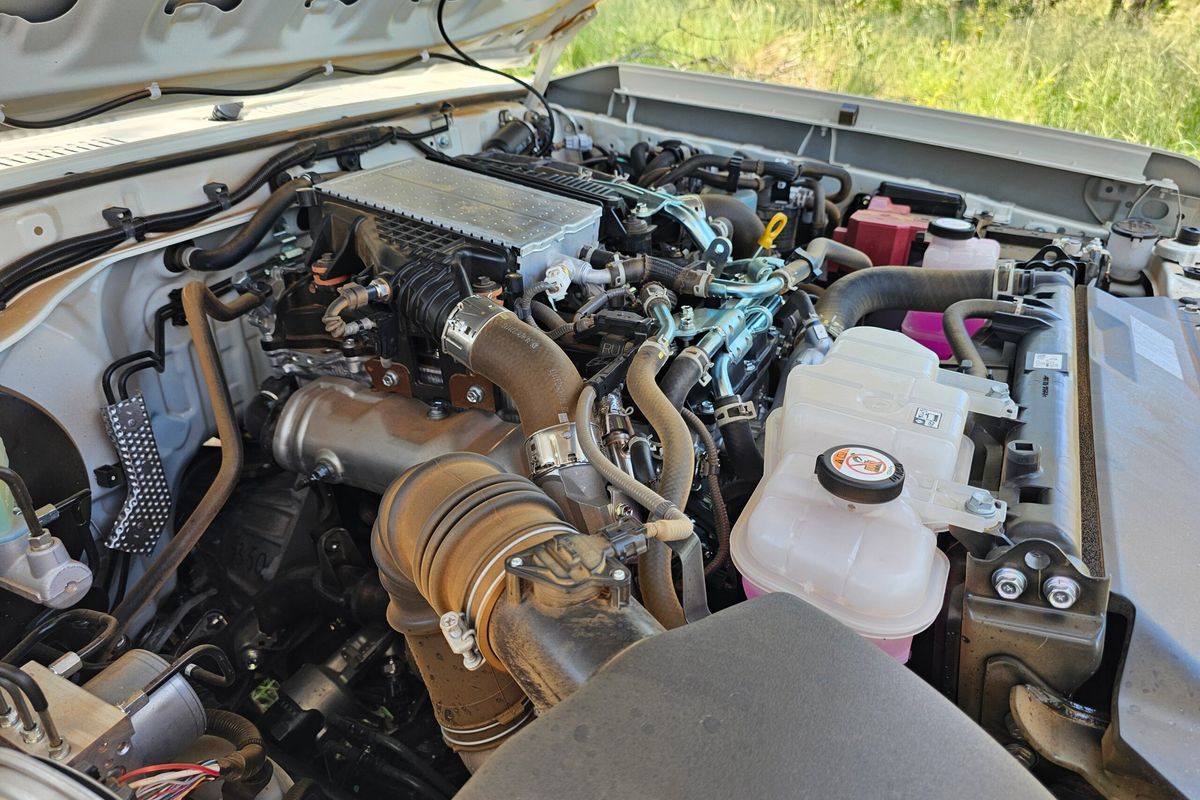
This facelift to the J70 encompasses more than the usual cosmetic and specification updates, however. For 2024, the Land Cruiser 70 Series incorporates the Hilux’s 2.8-litre 4-cylinder GD-6 turbodiesel engine – arguably, most importantly – in conjunction with a 6-speed automatic transmission.

The introduction of the gearbox is particularly significant because, although an automatic transmission conversion was available in the aftermarket for J70s powered by the 4.5-litre V8 turbodiesel engine, it never had the approval of Toyota Japan… and was simply too expensive for most owners to consider.
So, could this new introduction be the Land Cruiser 70 Series that we have all been waiting for?
What is new with the Land Cruiser 70 Series?
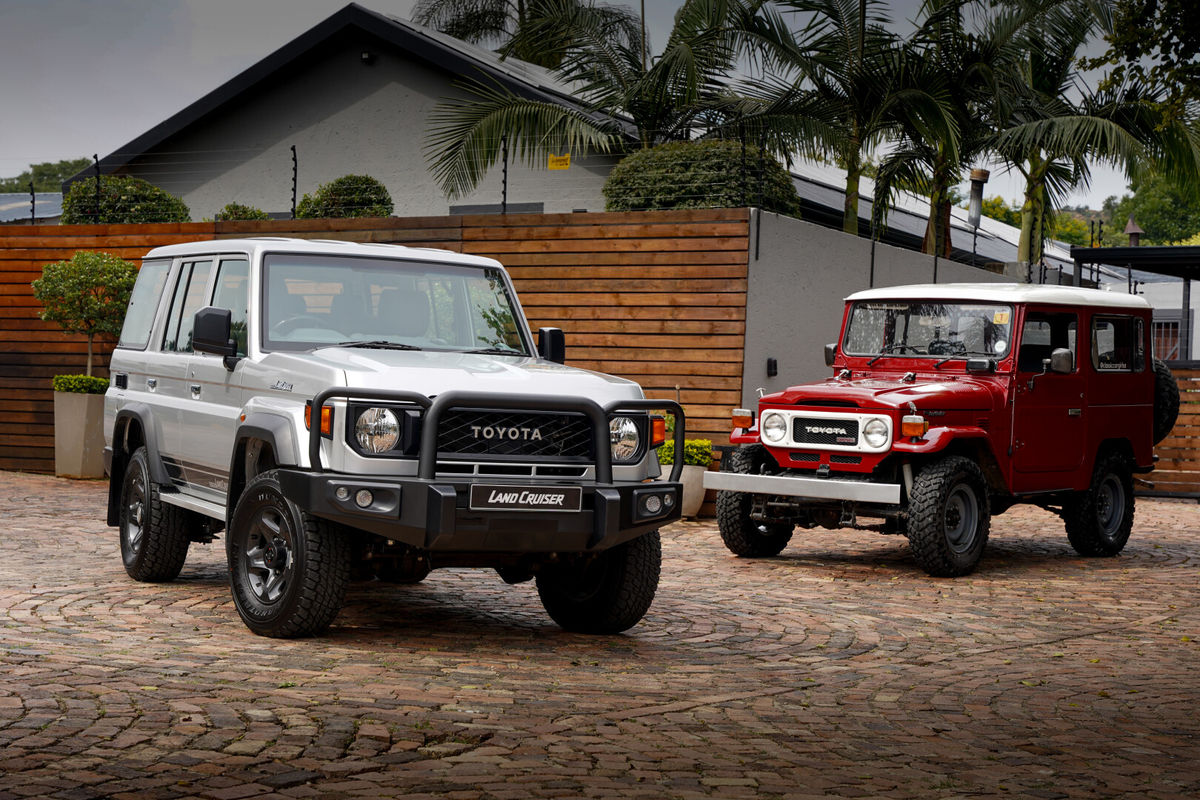
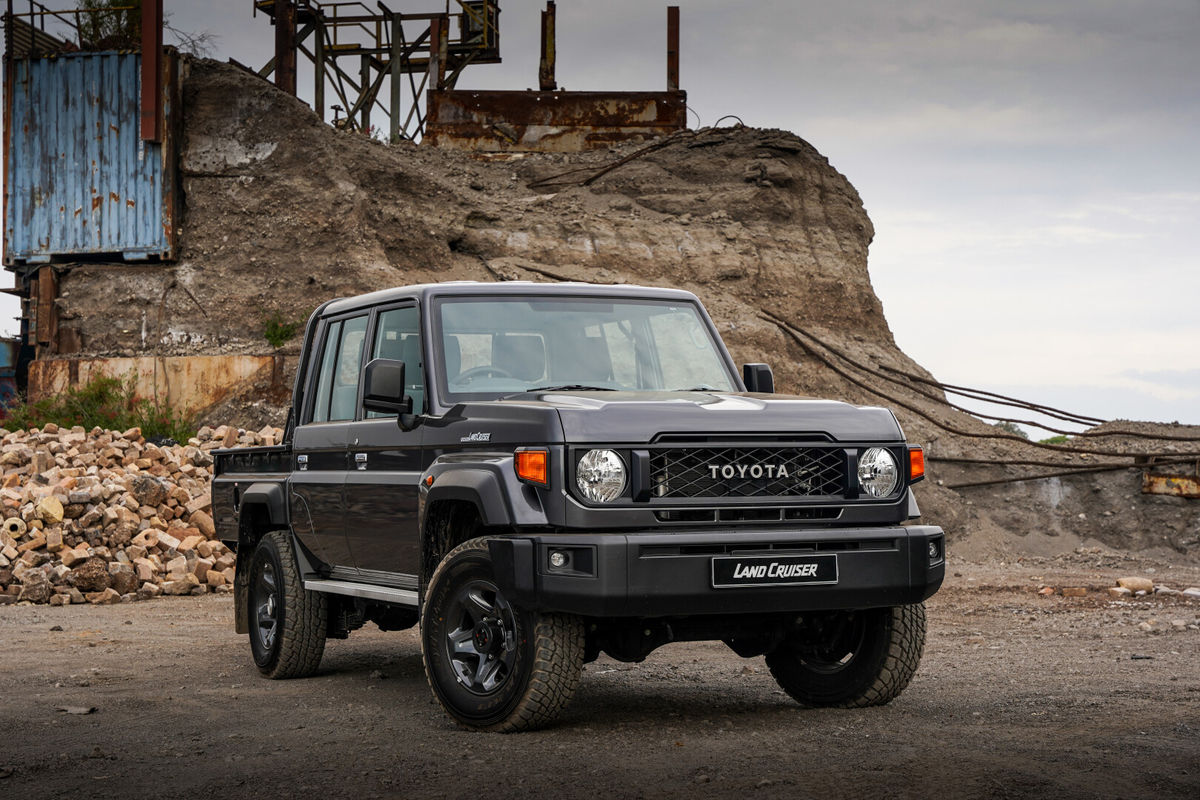
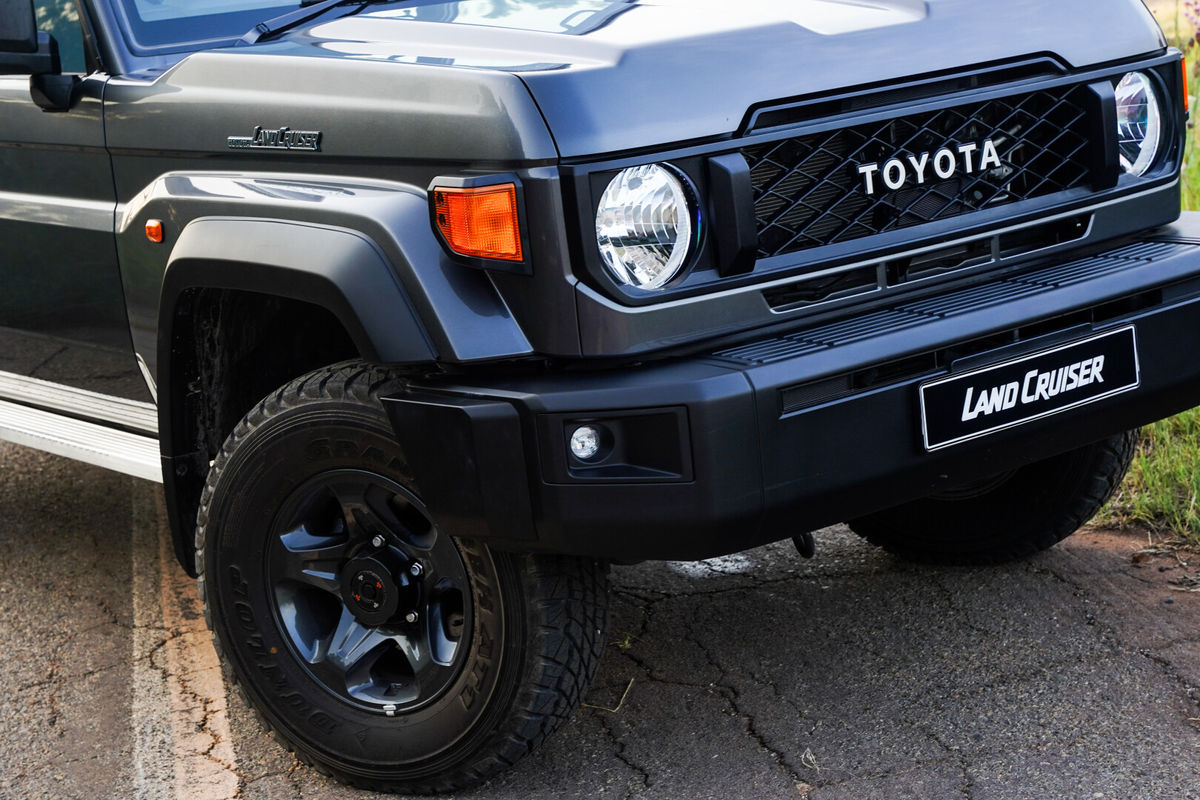
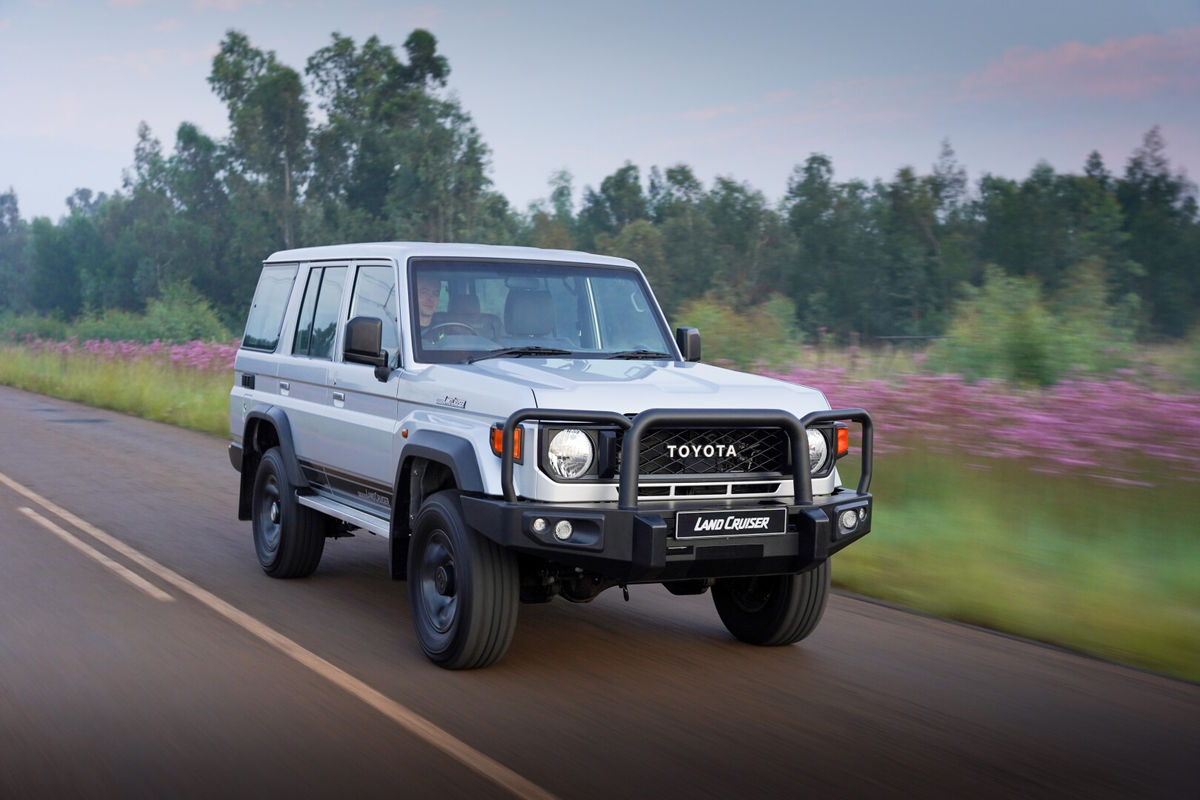
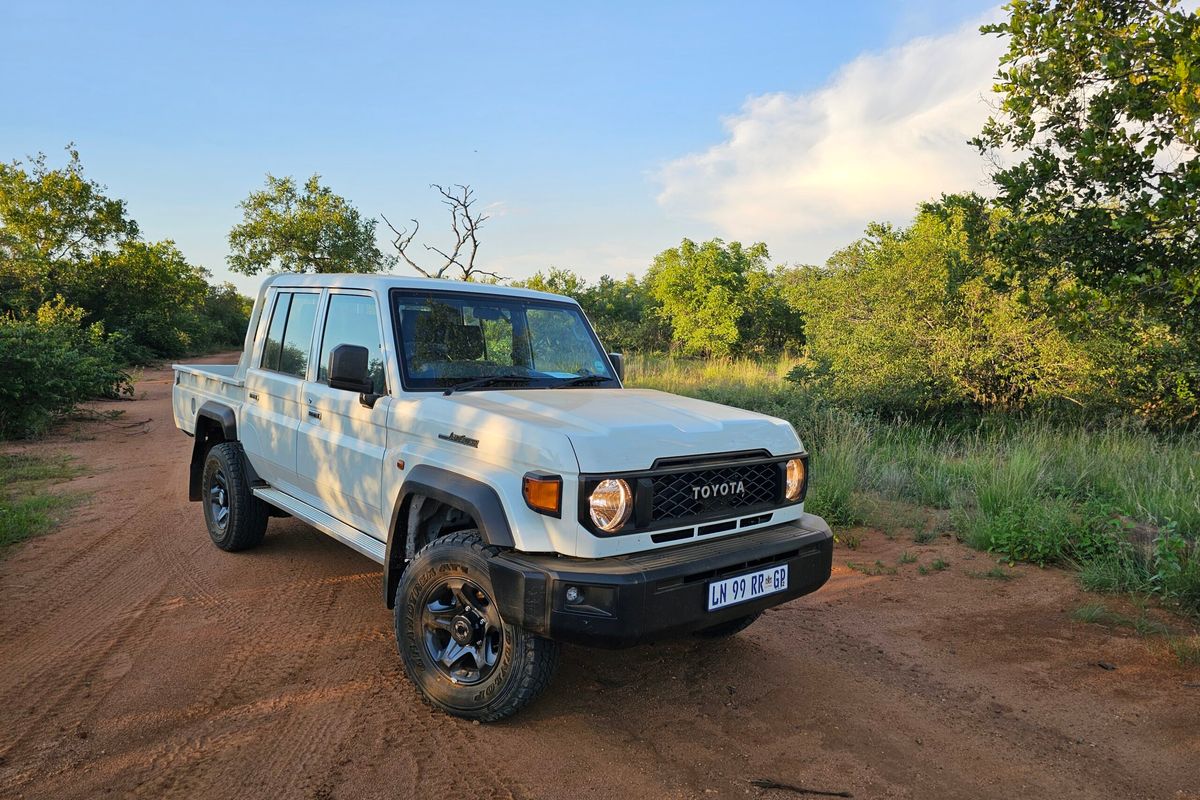
In terms of the newcomer’s appearance, Toyota’s designers have tapped into the Land Cruiser heritage; the front, in particular, draws inspiration from the J40-generation model. Gone are the square headlights – they’ve been replaced with round units – and the bumper has grown into a larger, one-piece slab.

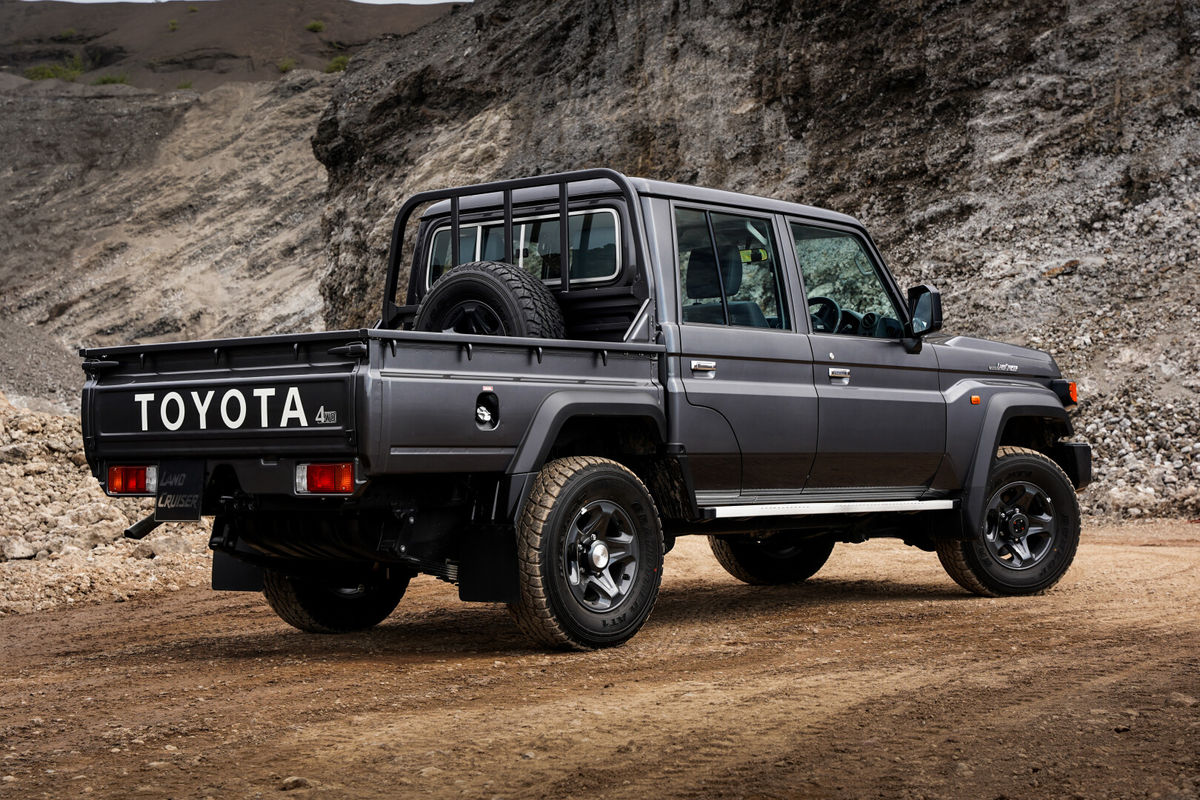
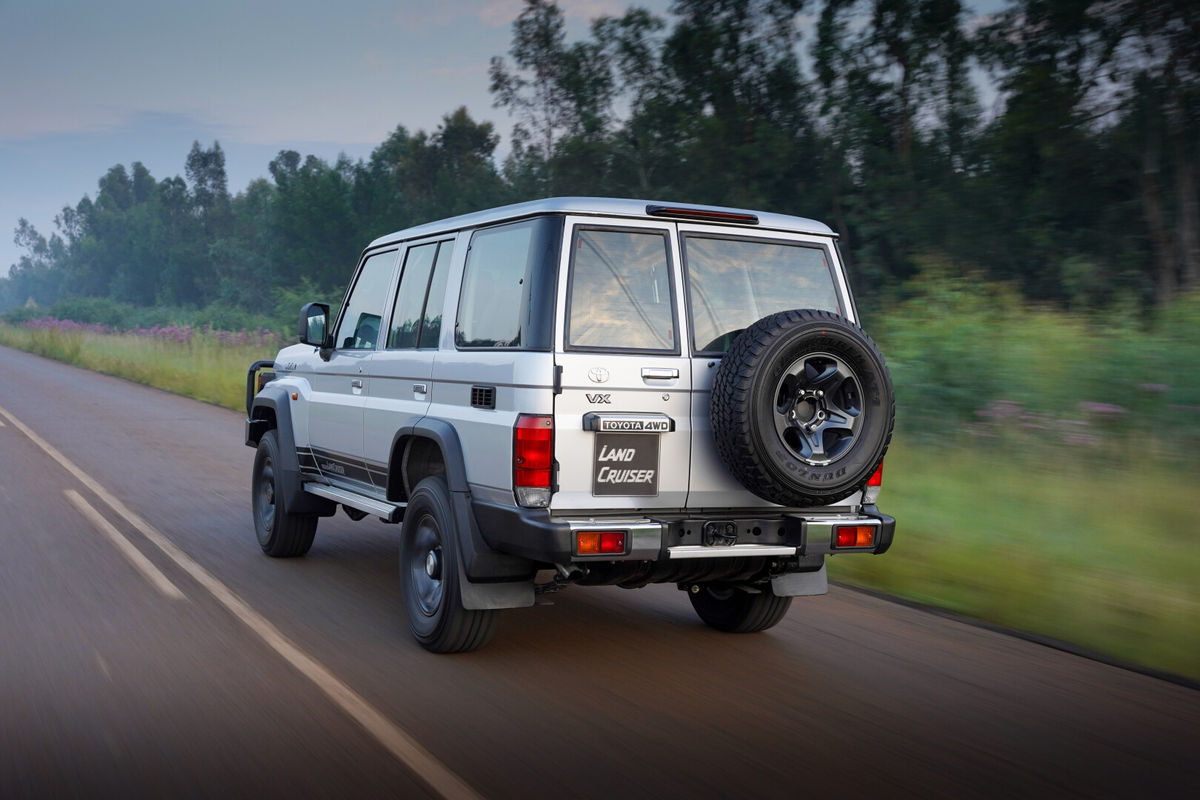
The bonnet, in turn, now sports a pair of power bulges, which reminds me of the Land Cruiser 300‘s “clamshell hood”, and it slopes upward towards the windscreen. Other updated elements include the dark-coloured alloy wheels and cosmetic changes to the rear section of the station wagon variant.
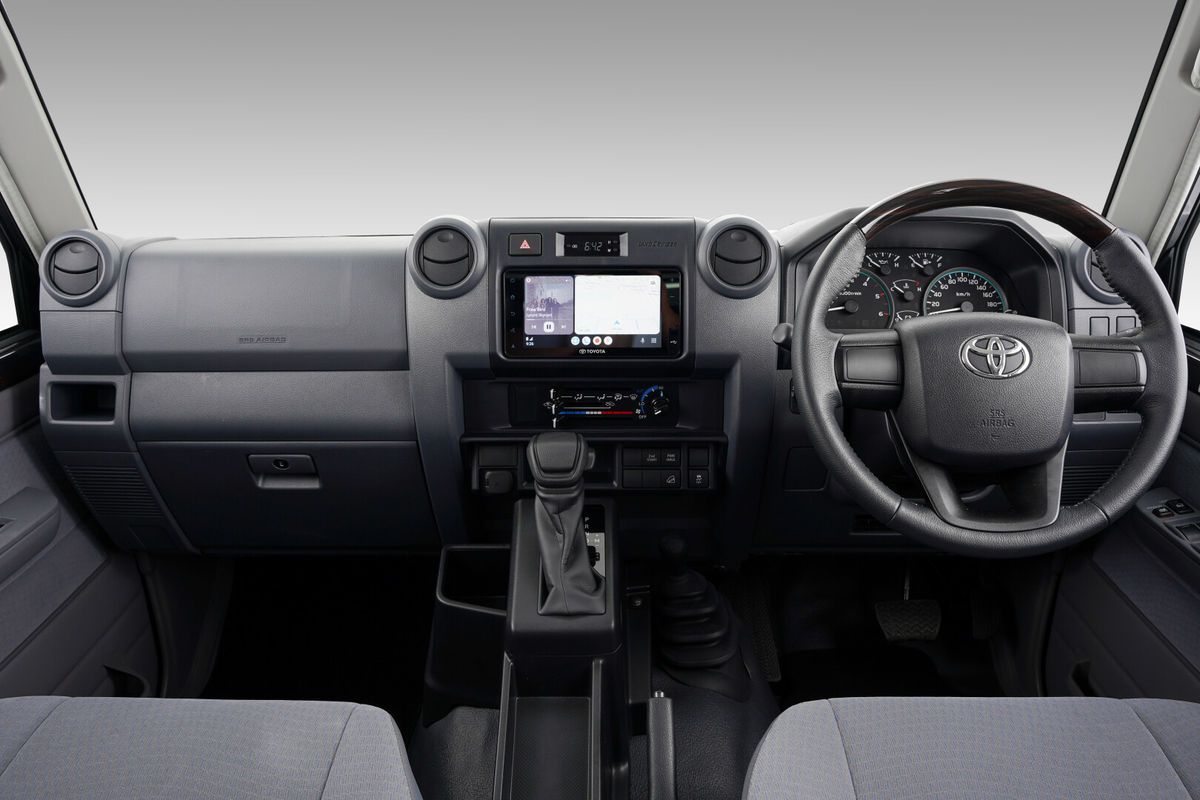
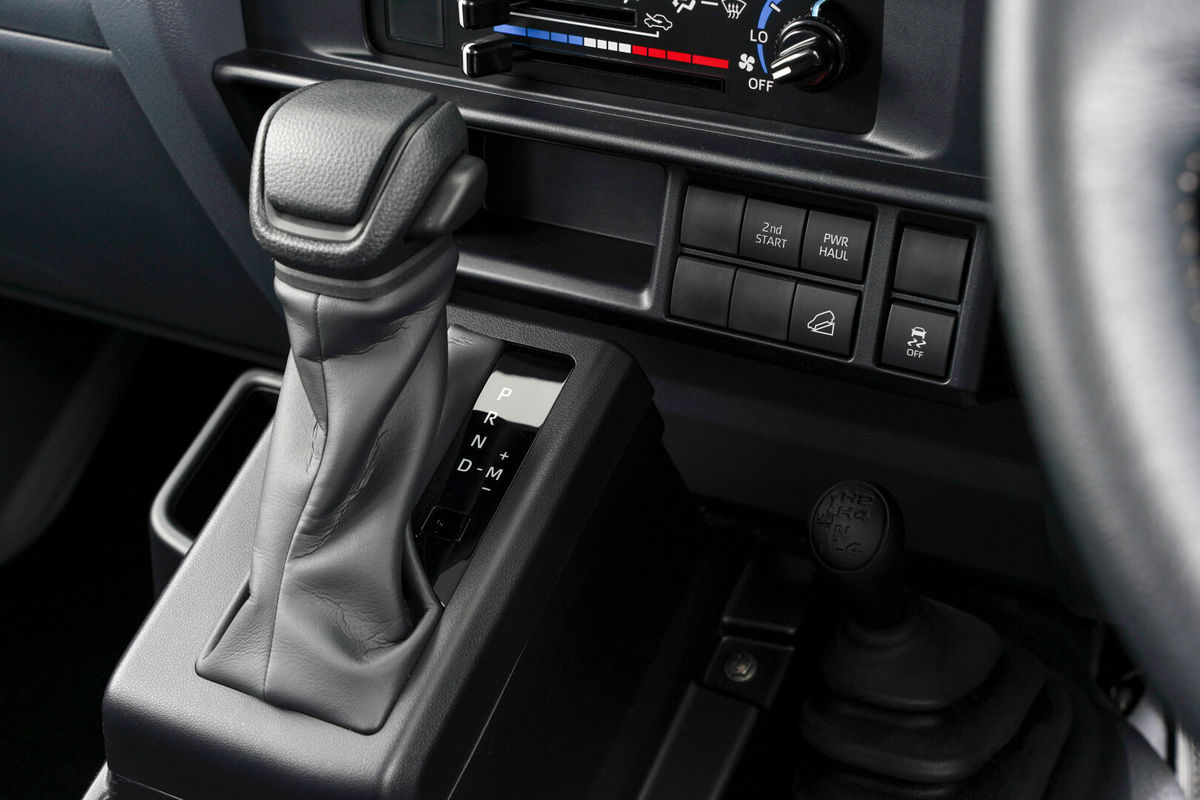
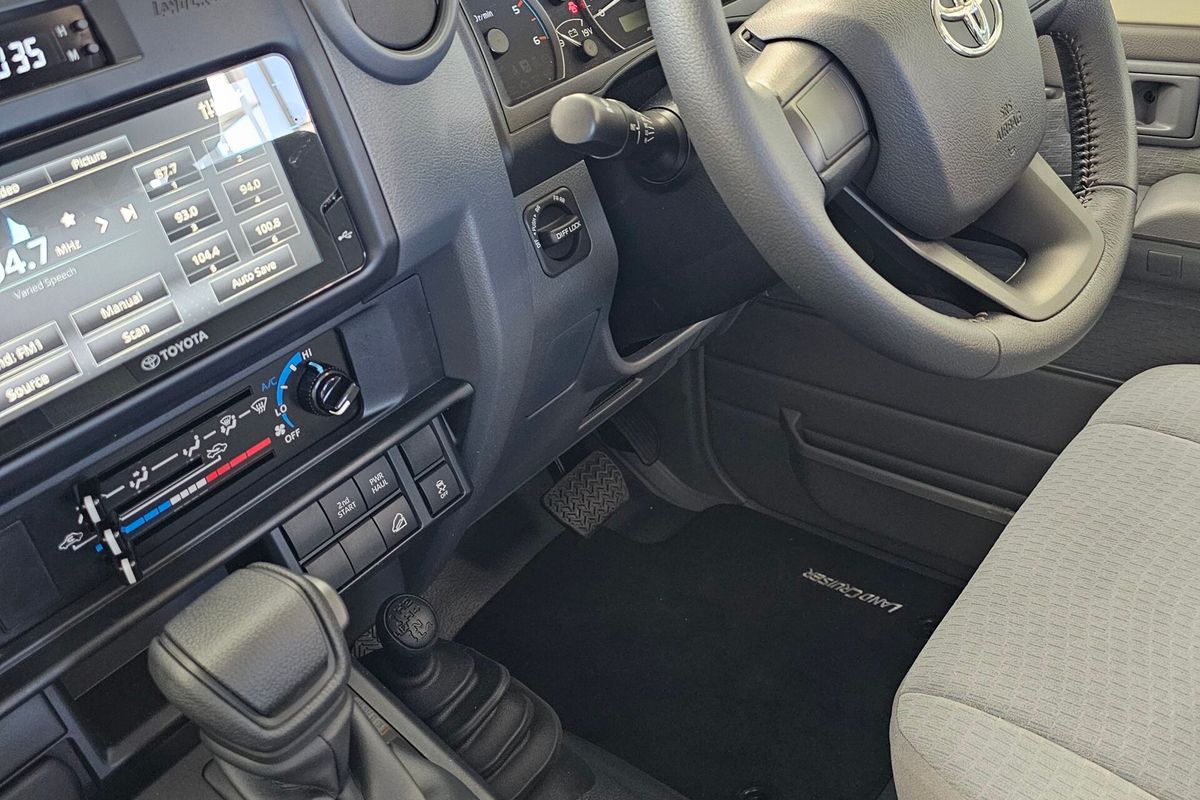
Inside, the centre console shows the biggest update: the automatic shifter sits on a raised platform made of black plastic and off-set cupholders have been added. The unit is best described as, um, “functional”.

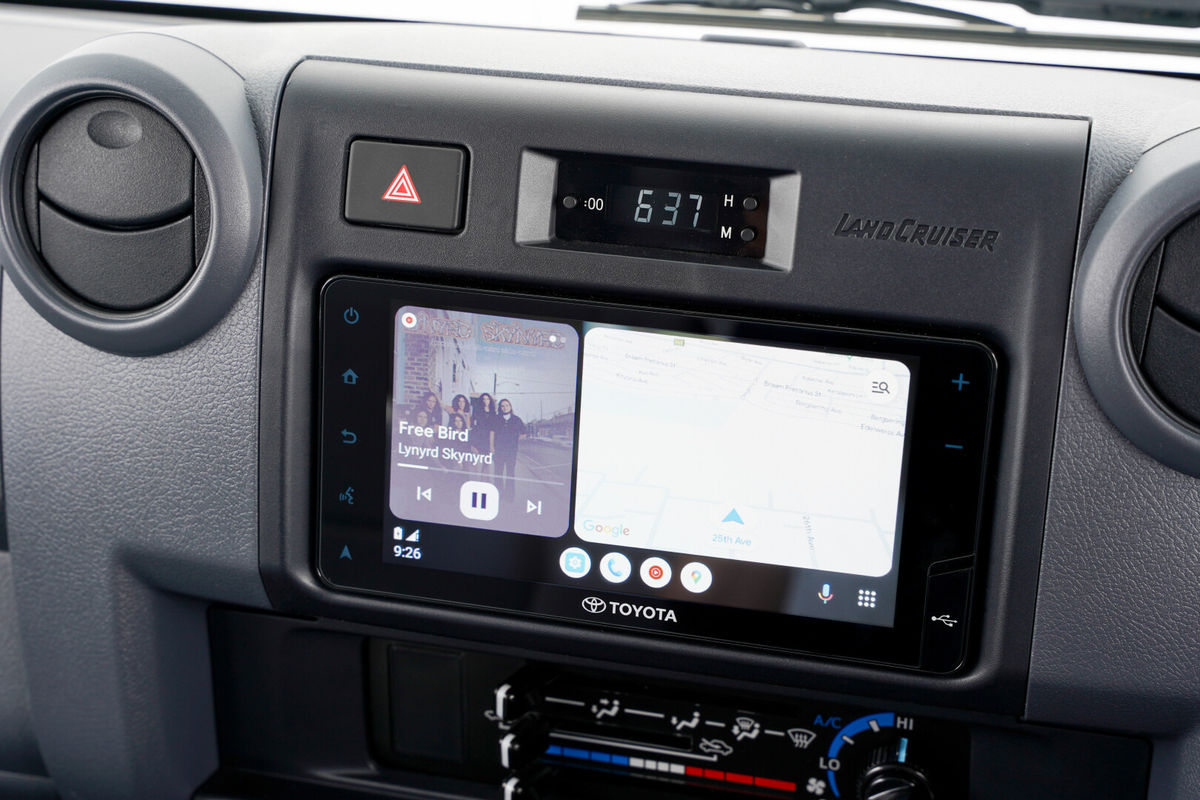
The dashboard, with that famous digital clock still in place above the updated infotainment touchscreen, will be quite familiar to 70 Series aficionados. It is a pity there is no knob for the volume adjustment, but ‘Cruiser owners may appreciate that the manual, lever-operated climate control system remains in situ.
The station wagon variant, meanwhile, gains USB ports, cruise control and carpet trim, while the pick-up must make do without those creature comforts – indeed, it has a rough vinyl floor covering. Both body styles get a new Hilux-sourced steering wheel with rake- as well as reach adjustment.
A VX derivative, which will offer a modicum of luxury (including leather upholstery), a bull bar and other external cosmetic trim additions, will be available soon, Toyota South Africa Motors (TSAM) says.

The battle of the engines
The main question is: How does the 2.8-litre motor stack up against the 4.5-litre V8? Very well, in fact – it only produces 1 kW less (150 kW), but trumps the larger unit by 70 Nm (500 Nm). The fact that it is also lighter, more fuel efficient (and, therefore, kinder to the environment) made its introduction a no-brainer.
Will loyal supporters of the V8 be willing to relinquish that baritone burble and naughty induction noises in favour of a more refined powertrain? Well, they have a while to make up their minds… According to TSAM vice president Glenn Crompton, the V8 engine will be offered in the Land Cruiser 70 Series for at least the next 2 years. That is good news for the off-roading diehards who also prefer shifting manually.

What is the Land Cruiser 70 Series like to drive?
Although we travelled more than 600 km in the Land Cruiser 70 Series during the launch event, it barely took 10 meters (not much more than exiting the parking lot at Toyota HQ in Sandton) to realise the benefit of the automatic transmission. The turning circle still matches that of an oil tanker, but moving from “P” to “D” is so much simpler than giving your left calf muscle a workout – are we getting soft?
As expected, stop-start traffic is much easier to contend with and the Toyota’s acceleration on the onramp joining the N1 north was surprisingly brisk, considering the 2.8GD-6’s reduced engine capacity.

In short, this is the most user-friendly and sprightly 70 Series I have experienced. Cruising at the national speed limit is a doddle and it’s easier to perform overtaking manoeuvres at those speeds than in the stick-shift 4.5-litre V8. I would go so far as to say that the 2.8GD-6 would outperform its V8 counterpart in most on-road scenarios. Think of it as a tougher Hilux with a firmer suspension… and more wind noise.
Subjectively, the station wagon’s suspension felt more pliant, but the ride quality was far from supremely comfortable – the downside of having two solid axles. It is, however, possible to consider the LC76 as a more robust family alternative to the popular Fortuner (sans some of the luxury and safety equipment).

And off-road?
The Toyota comes into its own where paved roads end and the going gets tough. There were numerous opportunities to view wildlife in the Lepogo resort and the Land Cruiser 70 Series offered excellent all-round visibility courtesy of its large glass areas (ah, one of the lasting benefits of a 40-year-old design).
A short off-road section presented a chance to engage low range (with the traditional short lever on the transmission tunnel, of course). Again, the automatic transmission came into its own and made it almost too easy to traverse obstacles in our path. The 2.8-litre engine provided a metered and smooth torque response with more than enough poke in reserve, although some lag was noticeable at pullaways.

The test route was not an “all diff-locks engaged” type of challenge, but I am sure that this new-for-2024 powertrain would take a Grade 5 course in its stride. My only real gripe was that the Toyota’s aircon struggled to keep the cabin cool at low engine speeds when the ambient temperature was about 35°C.
How much does a Land Cruiser 70 Series cost in SA?
All Land Cruiser 76, 78 and 79 derivatives come with a 3-year/100 000km warranty. A service plan is optional, however.
| Single cab | |
| LC79 4.0 Petrol S/C 5MT | R765 500 |
| LC79 4.2 Diesel S/C 5MT | R829 000 |
| LC79 4.5 Diesel V8 S/C 5MT | R956 200 |
| LC79 2.8 GD-6 Diesel S/C 6AT | R917 100 |
| Double Cab | |
| LC79 4.0 Petrol D/C 5MT | R864 600 |
| LC79 4.2 Diesel D/C 5MT | R920 800 |
| LC79 4.5 Diesel V8 D/C 5MT | R1 039 200 |
| LC79 2.8 GD-6 Diesel D/C 6AT | R1 009 000 |
| Station wagon | |
| LC78 4.2 Diesel SW 5MT | R900 100 |
| LC76 4.5 Diesel SW 5MT | R1 076 800 |
| LC76 2.8 GD-6 Diesel SW 6AT | R999 900 |
| LC 76 2.8 GD-6 VX Diesel SW 6AT | TBC |

Summary
I was sceptical when I heard about the Hilux’s 4-cylinder engine being transplanted in the Land Cruiser 70 Series, but I am now convinced the 2.8 litre more than plays its part in contemporising the J70 model. There is no doubt that the market yearned for an automatic version and it has transformed the vehicle.
The fact that the ol’ Cruiser’s 130-litre fuel tank was barely below half full after the 600-km trip, which included some off-roading, speaks for itself (there is no claimed fuel consumption figure, but 10 L/100 km should be attainable). Welcome to a new, downsized era for the Land Cruiser 70 Series – it’s great.
If you don’t agree, go for a test drive. You won’t have to drive far to appreciate that new auto ‘box…
Search for a new/used Toyota Land Cruiser listed for sale on Cars.co.za