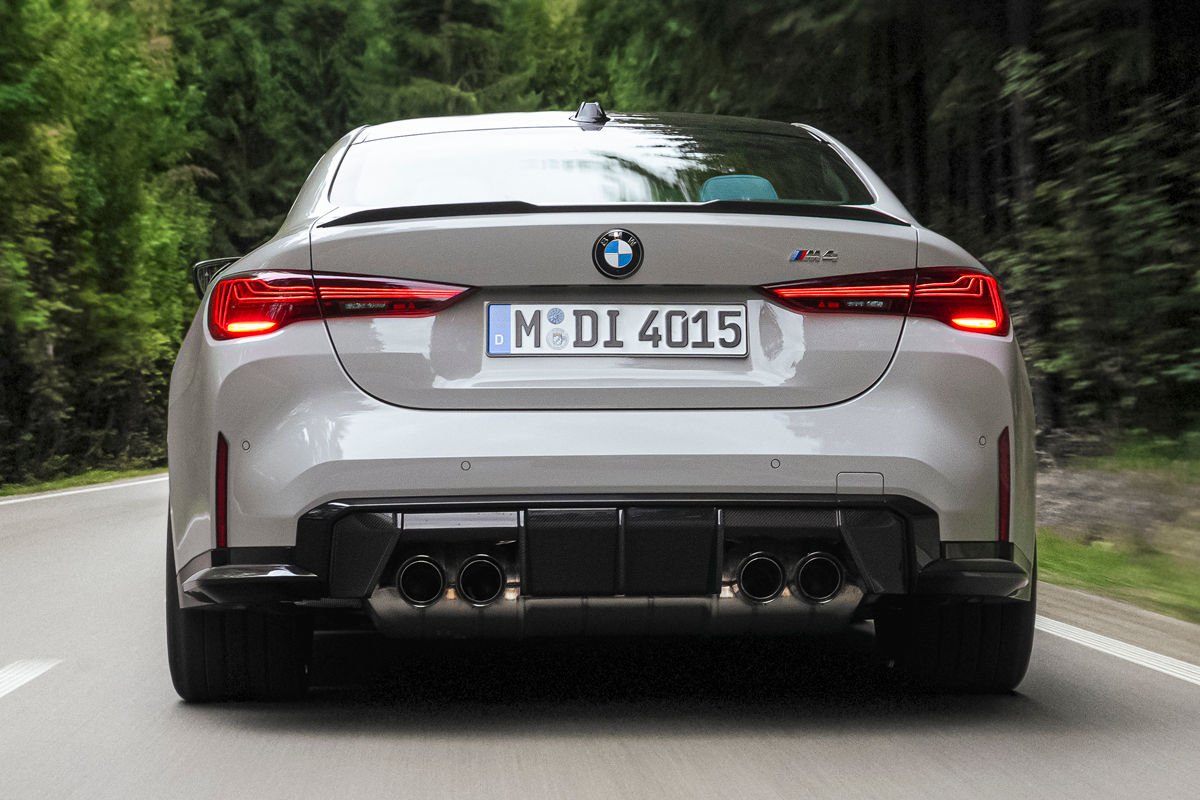
Facelifted BMW M4 Competition xDrive: more power, same grille
Meet the facelifted BMW M4 Competition xDrive! Though the controversial grille design has been carried over, the all-paw version of the high-performance 2-door model has gained even more power…
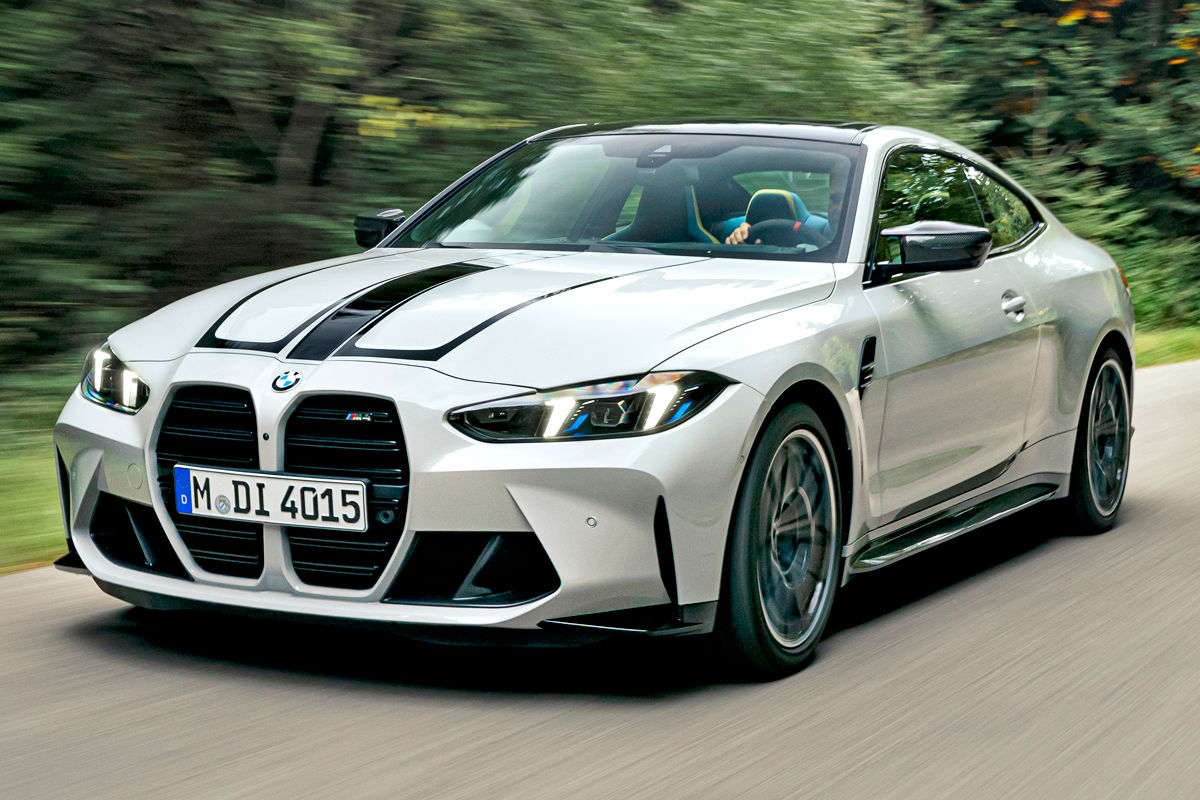
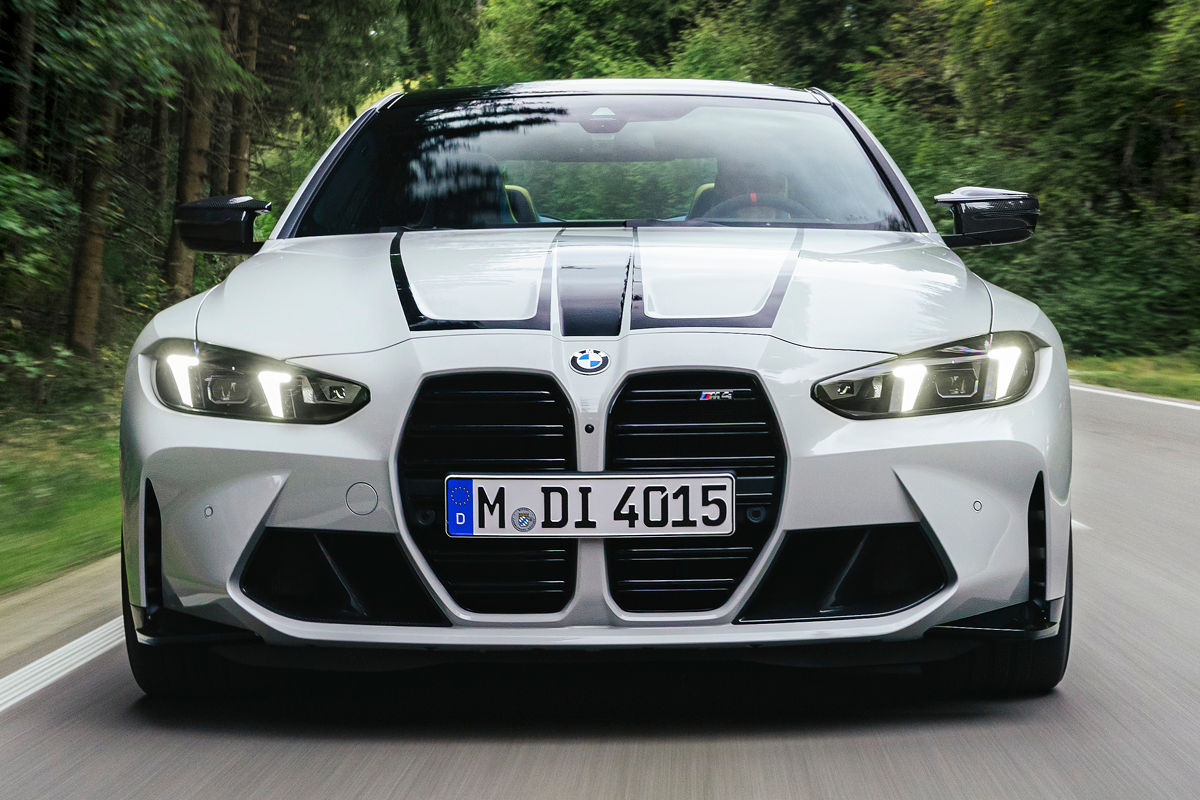
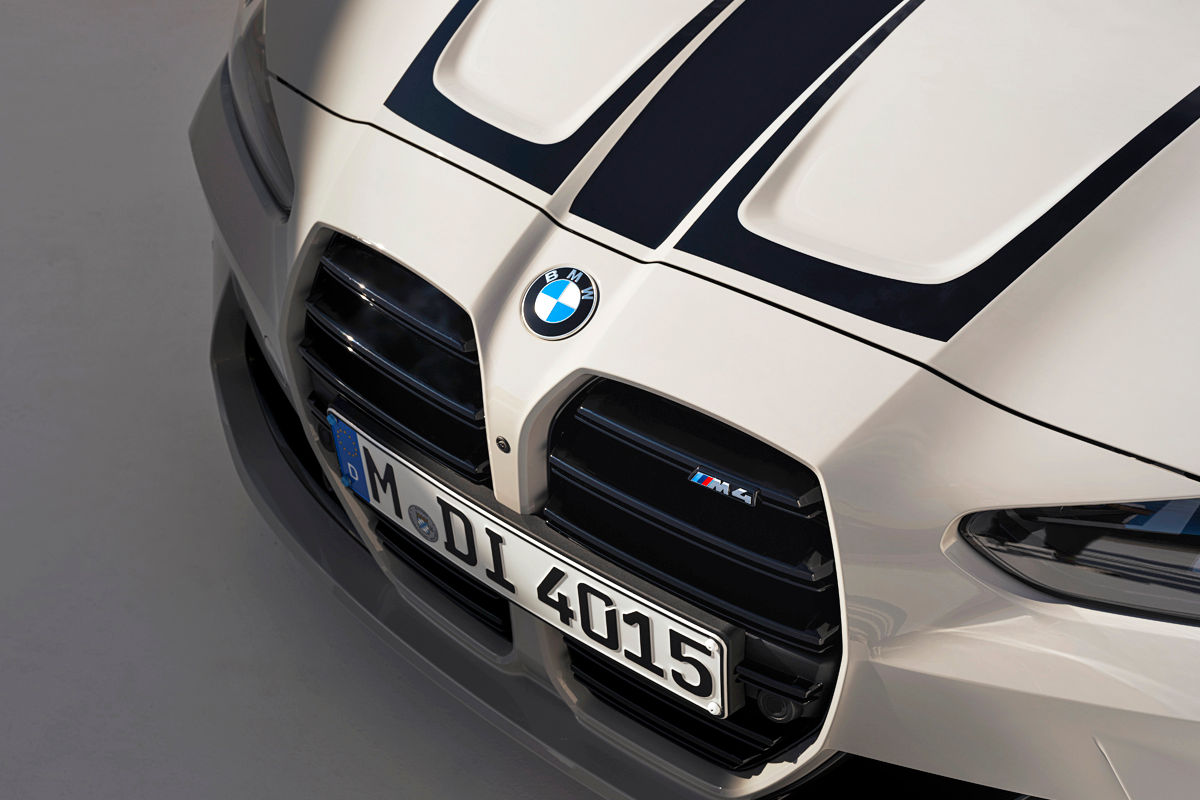
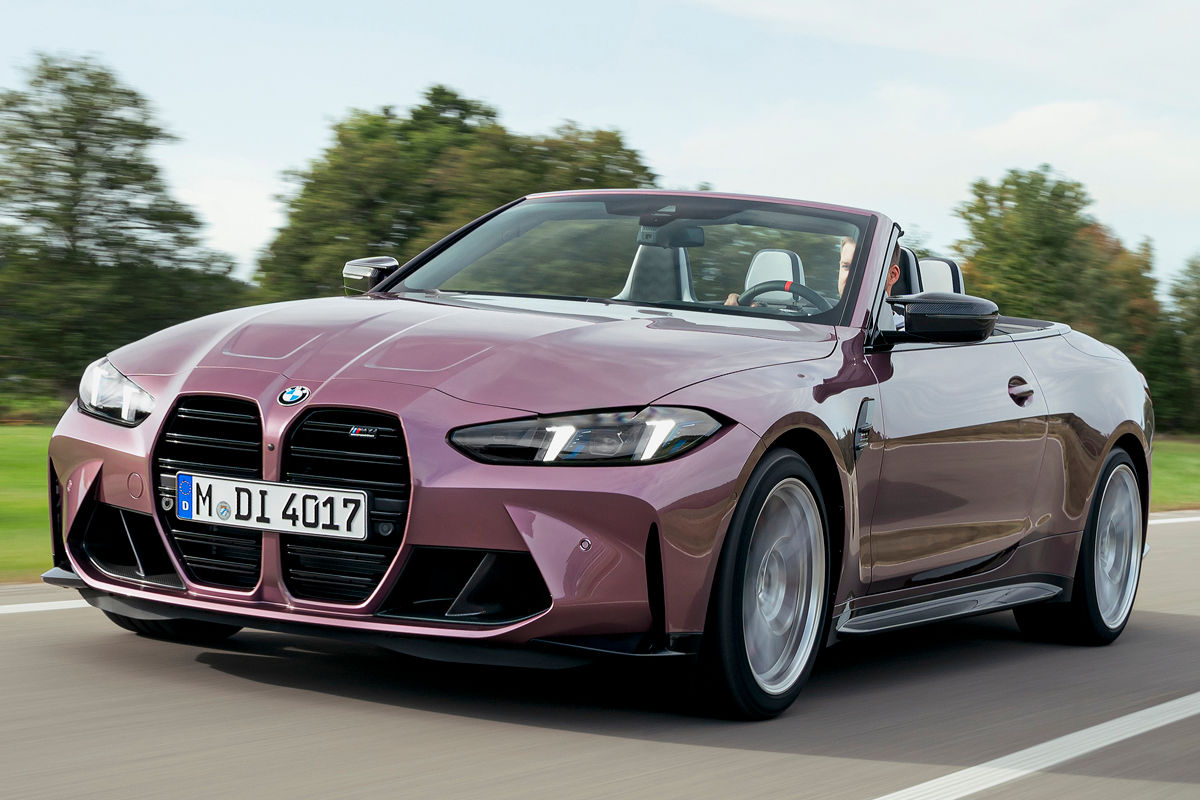
The facelifted BMW M4 Competition has broken cover, as part of the refreshed 4 Series range. While the Munich-based automaker has opted to retain the high-performance 2-door model’s divisive oversized grille design, it has also seen fit to hand the all-paw Competition variant’s straight-6 engine even more power.
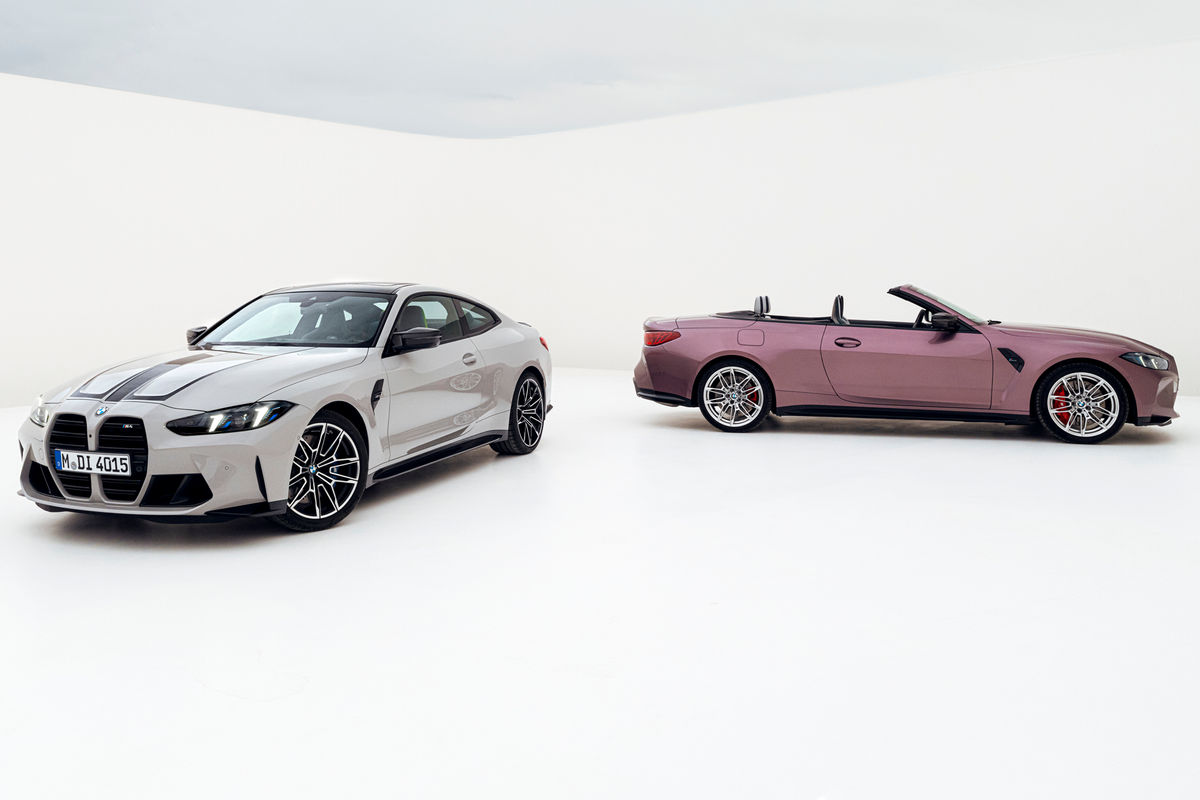
Yes, the LCI (that’s Lifecycle Impulse, in BMW Speak) version of the G82-generation M4 Competition xDrive – which will again be available in both coupé and convertible form – has had its twin-turbo 3.0-litre inline-6 motor suitably uprated.
Again set to be manufactured at the BMW Group Dingolfing plant in Germany, the refreshed M4 family is scheduled to hit initial markets soon after production commences in March 2024. BMW Group South Africa says the facelifted 4 Series range is due to touch down in Mzansi in the 3rd quarter of the year.
While the standard M4 that isn’t offered in South Africa sticks with the 353 kW/550 Nm engine tune (and the likewise rear-driven Competition stays at 375 kW), the Competition-badged xDrive derivatives have had their peak power output hiked by 15 kW to 390 kW (on tap at 6,250 r/min). Though maximum torque is unchanged at 650 Nm, it’s now available over a slightly wider rev range (from 2 750 to 5 730 r/min).
As before, M4 Competition models employ an 8-speed M Steptronic transmission in conjunction with the German firm’s rear-biased xDrive all-wheel-drive system. The M4 Competition xDrive’s claimed 0-100 kph time remains 3.5 seconds, while the M4 Competition Convertible xDrive’s sprint likewise holds steady at 3.7 seconds. Top speed is listed as 250 kph, a figure that climbs to 280 kph (for the soft-top) or 290 kph (for the coupé) with the optional M Driver’s Package specified.
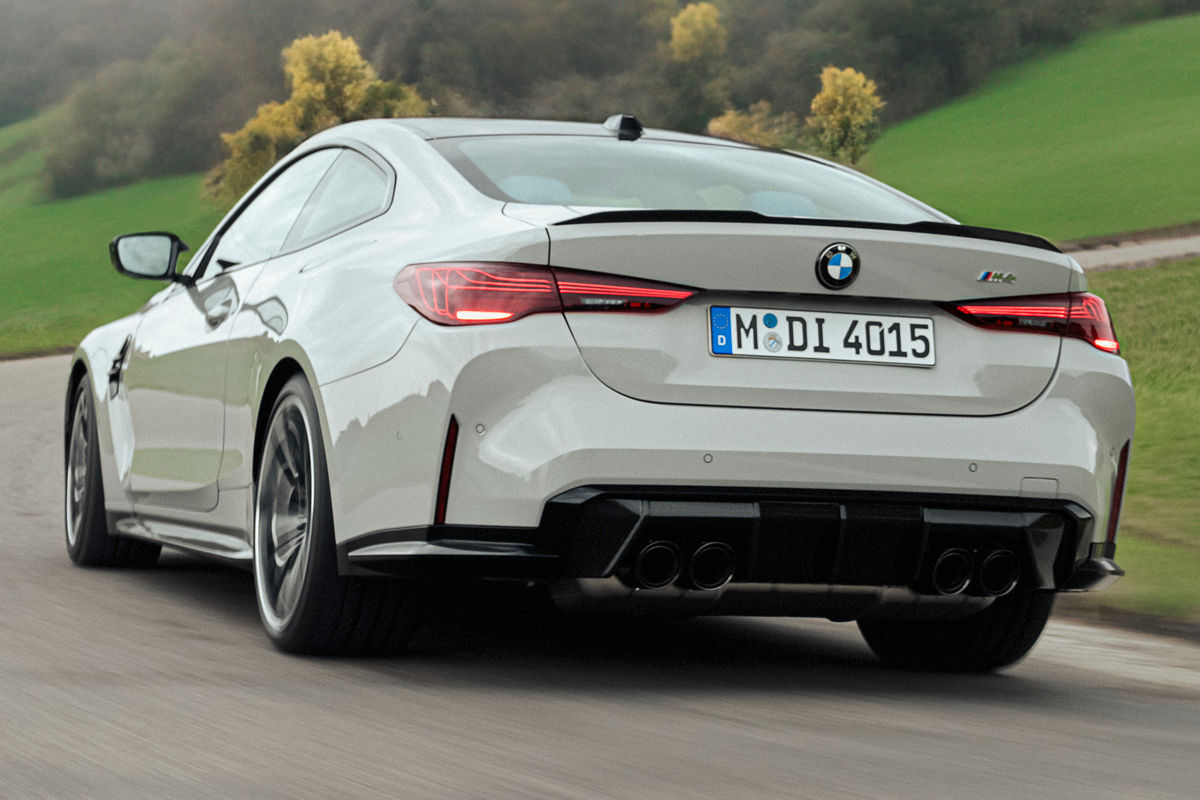
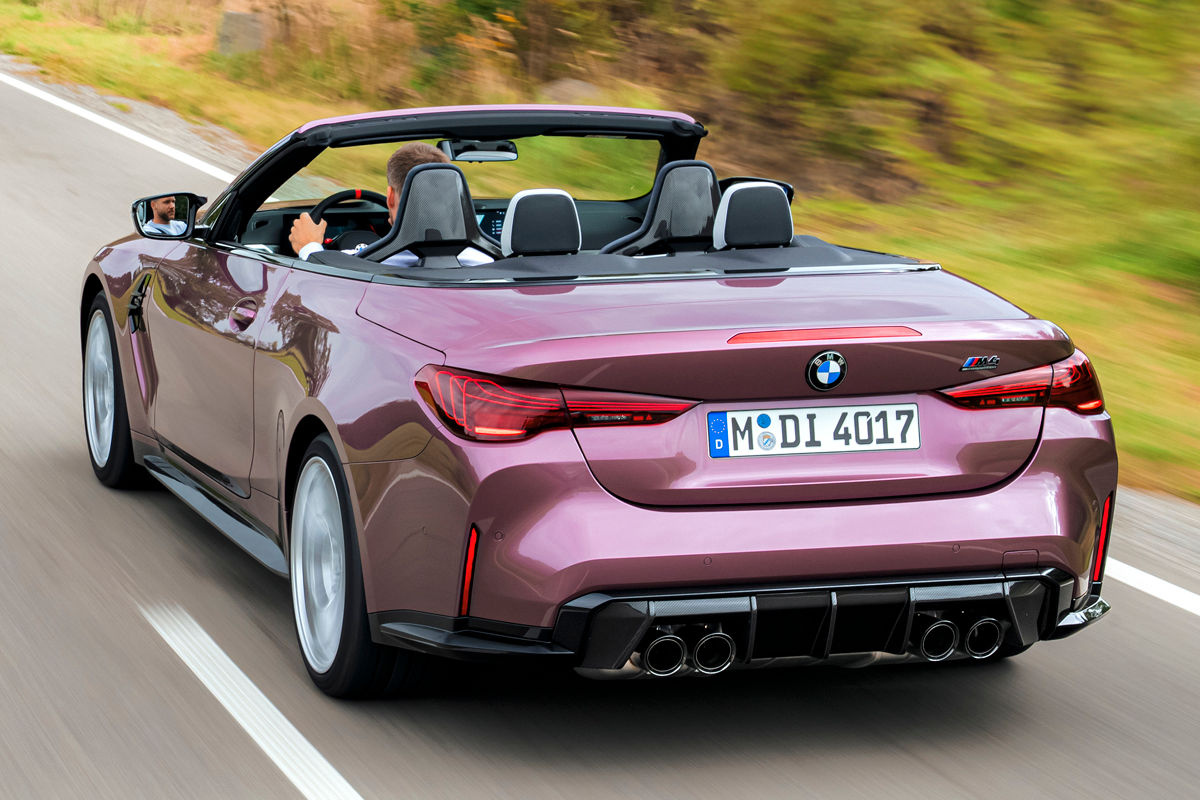
So, with the kidney grille design carried over, what has BMW changed on the exterior of the M4? Well, the LED headlights have been revised, while the LED taillights now feature laser technology and a likewise fresh layout.
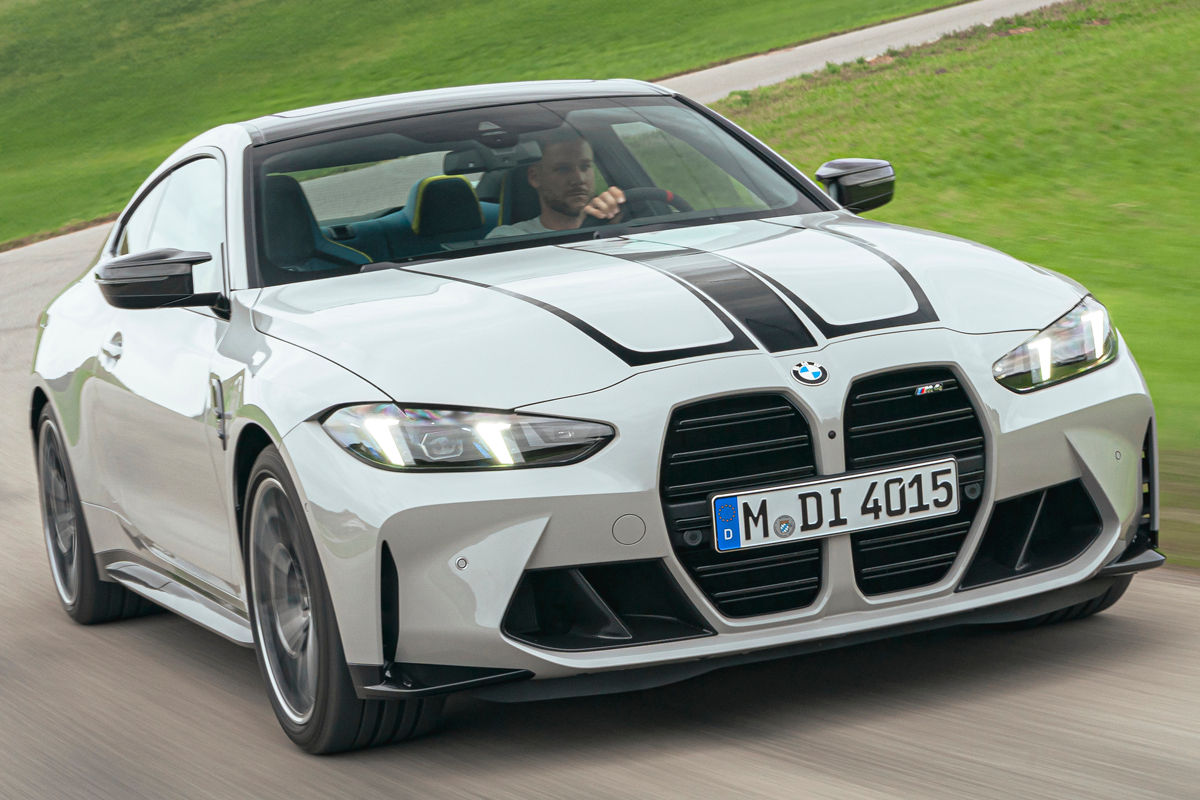
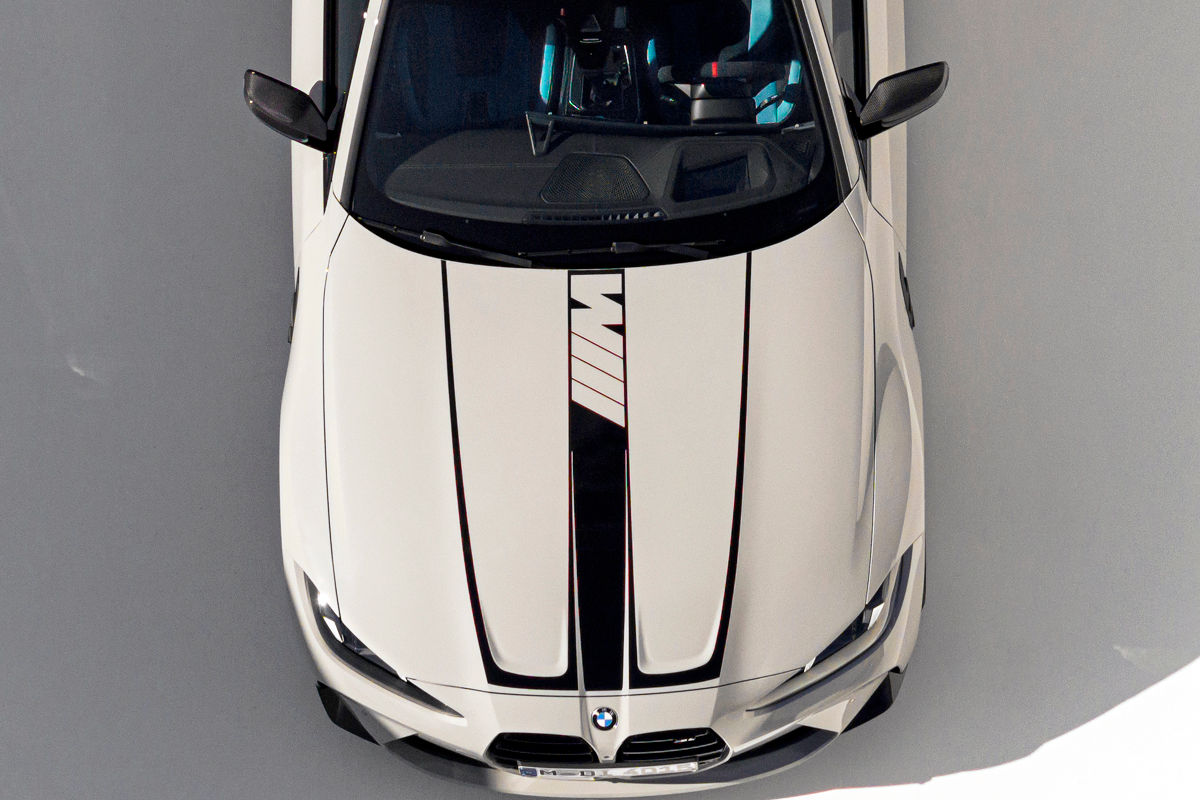
Look even closer and BMW says you’ll notice a new design for the surrounding surface of the both the BMW logo and the M logo at the rear of the Competition models. In short, the base of the famous roundel is now finished in high-gloss black, while the M badge on the read lid gains a silver surround. As you can see in the accompanying images, BMW has also rolled out (thankfully optional) M design graphics for the coupé’s bonnet and the rear lid.
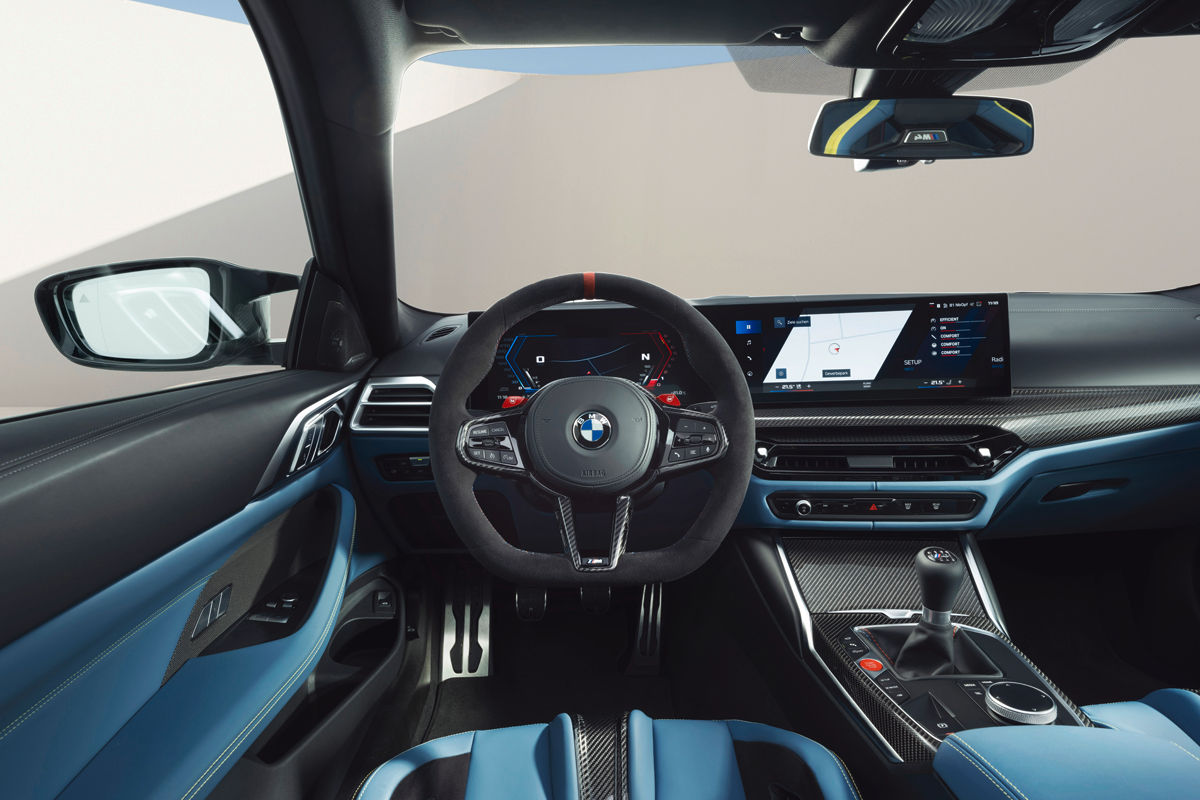
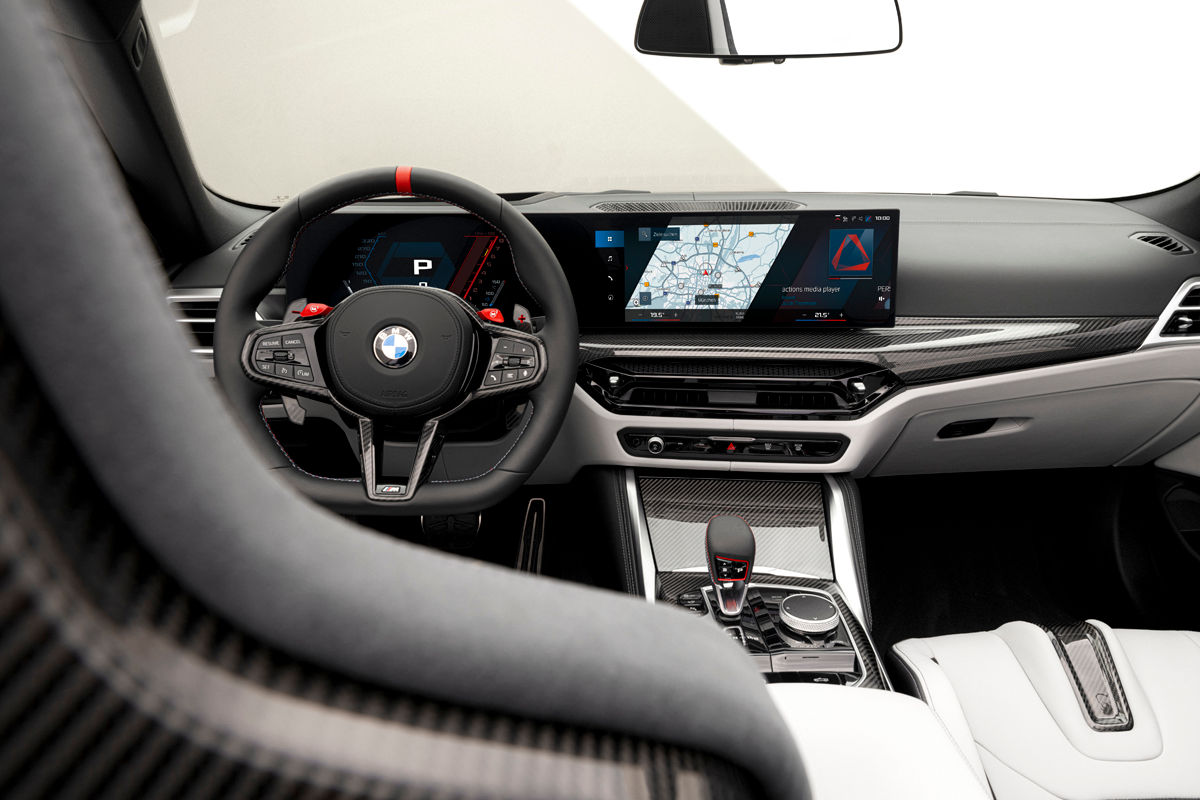
In addition, the M forged light-alloy wheels gain a new design, with Competition models using 19-inch items at the front and 20-inch items used the rear. Inside, you’ll find fresh steering-wheel designs (either a flat-bottomed leather-trimmed tiller or an Alcantara ‘wheel) and control elements as well as new materials for the instrument panel and interior trims.
Finally, there’s the latest version of the high-resolution BMW Curved Display, now based on the BMW Operating System 8.5. As a reminder, this set-up comprises a 12.3-inch display behind the steering wheel and a control monitor with a 14.9-inch diagonal.
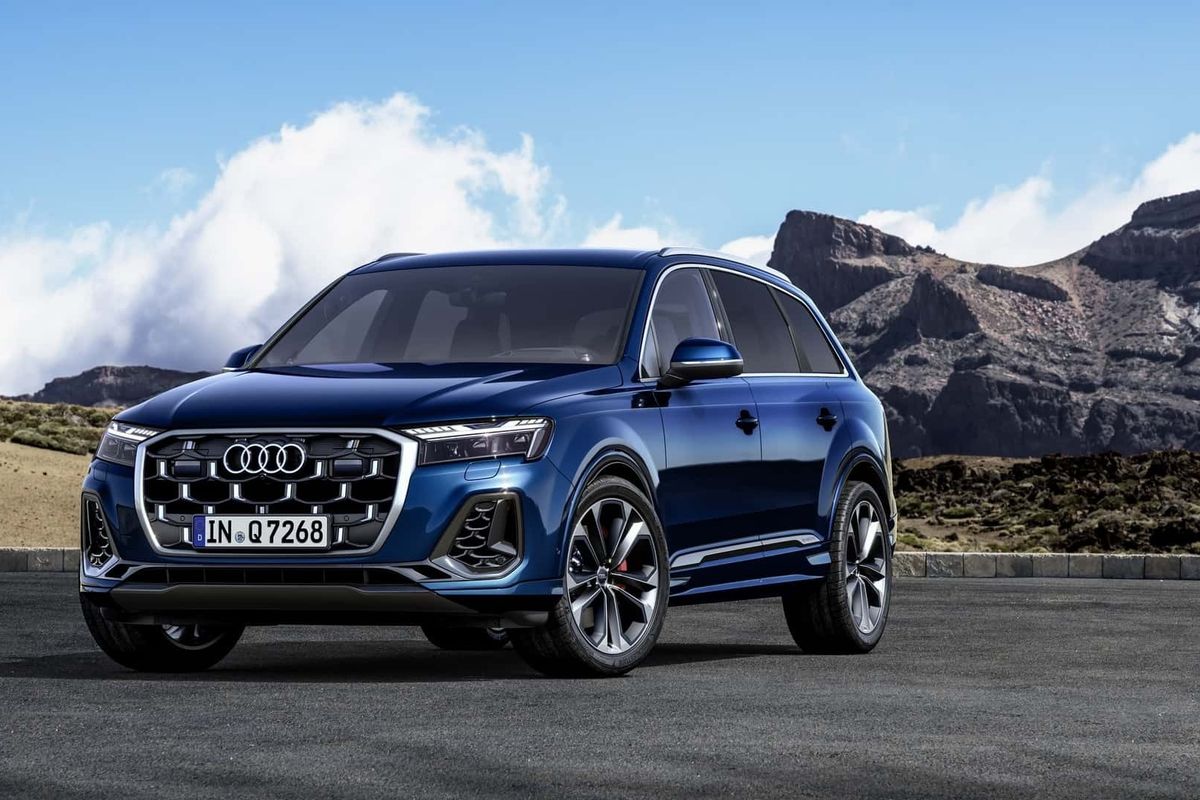
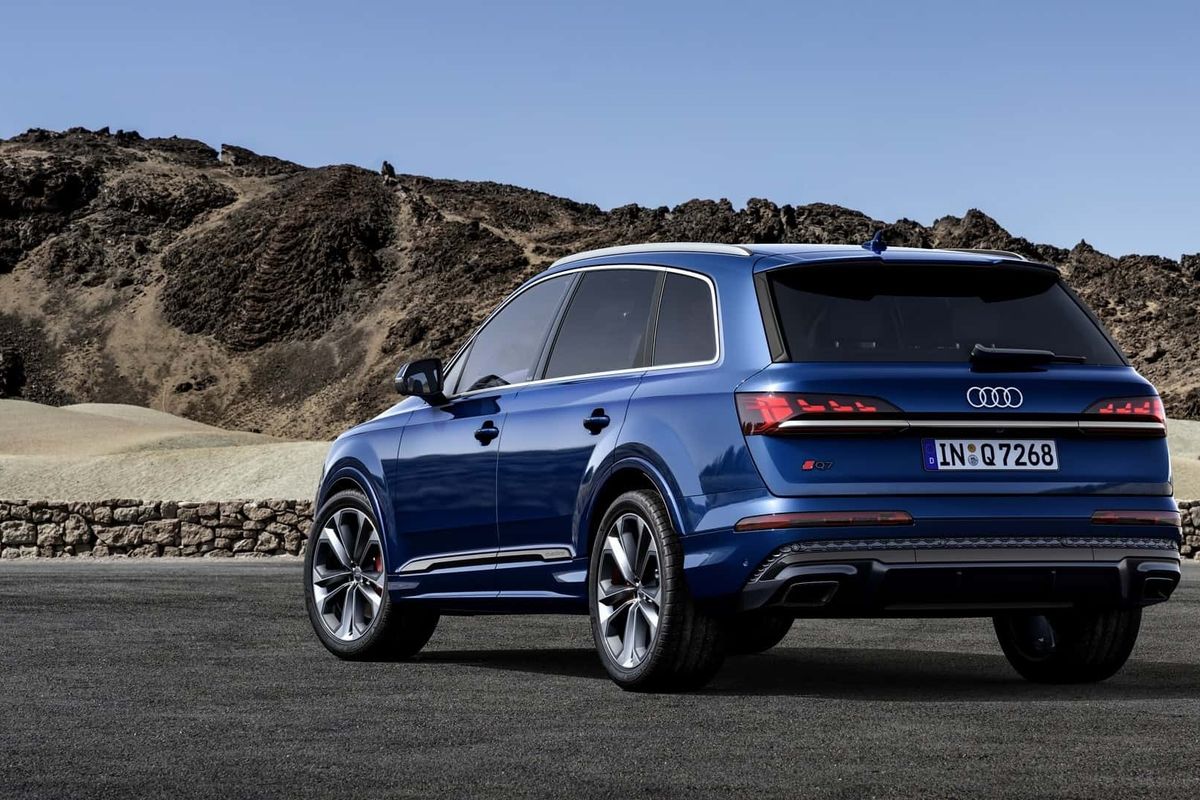
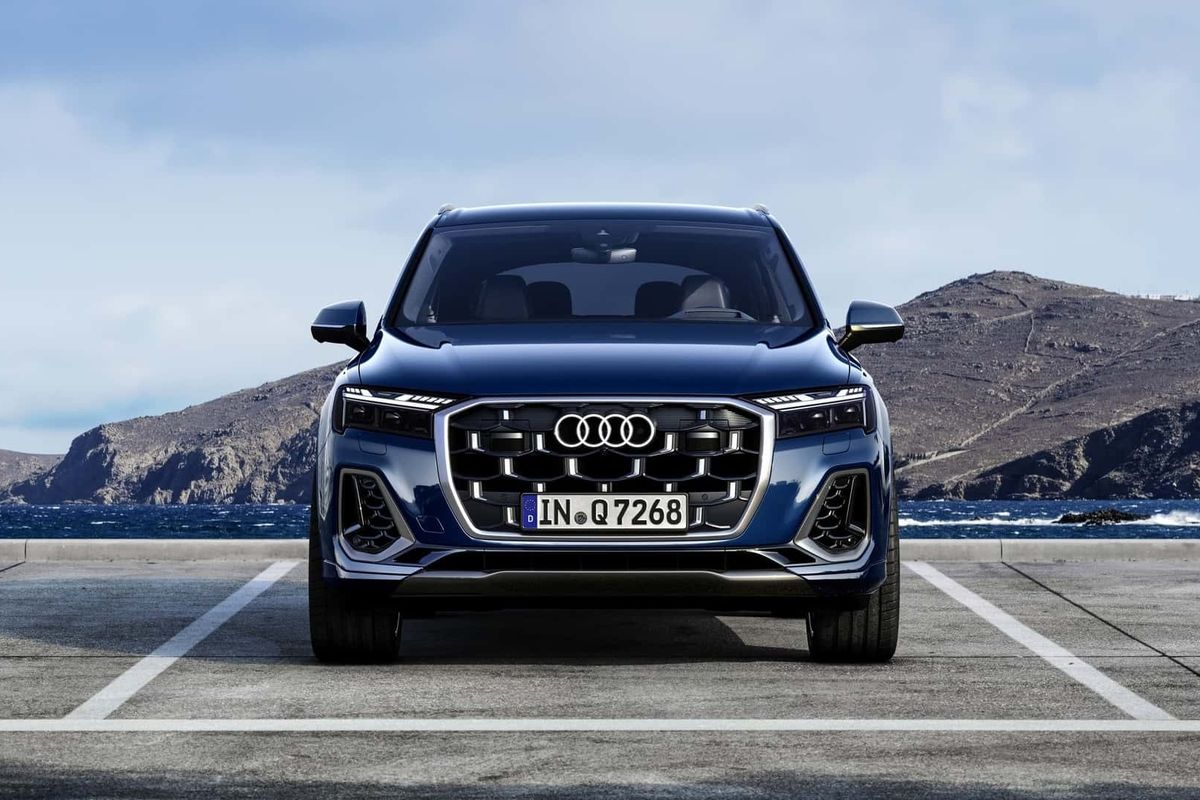
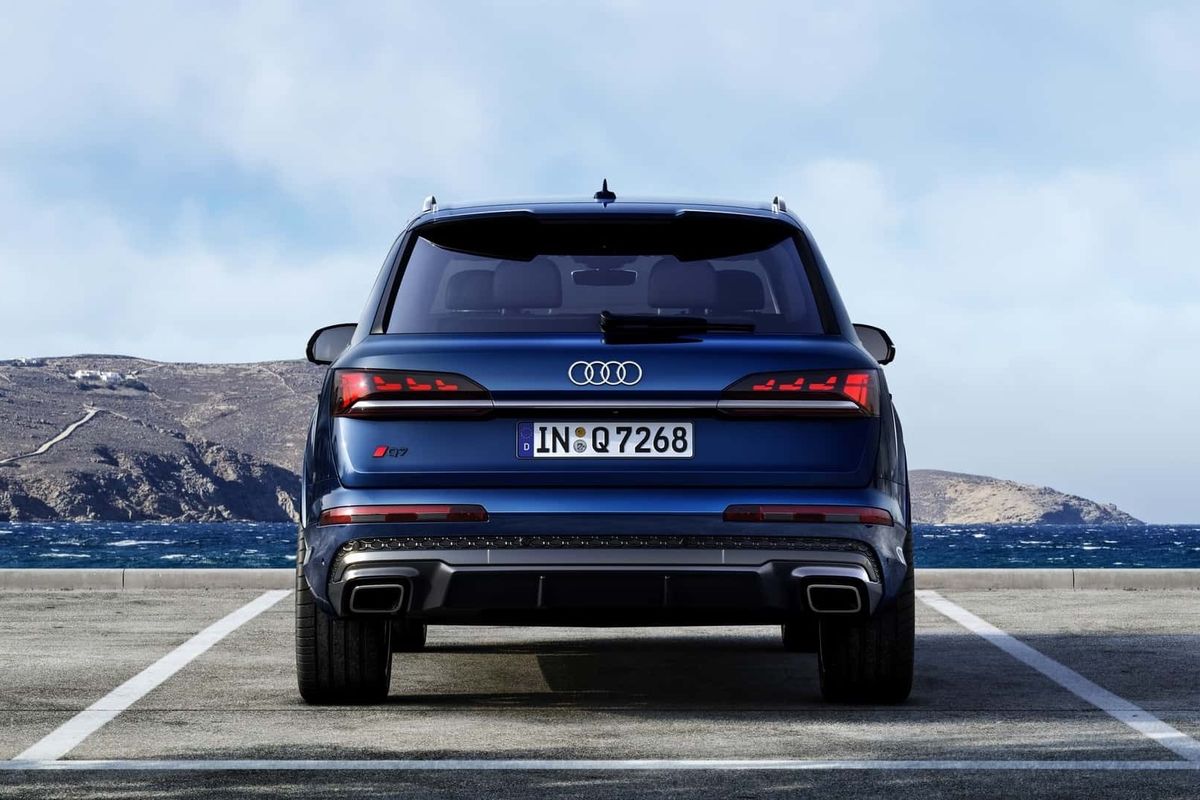
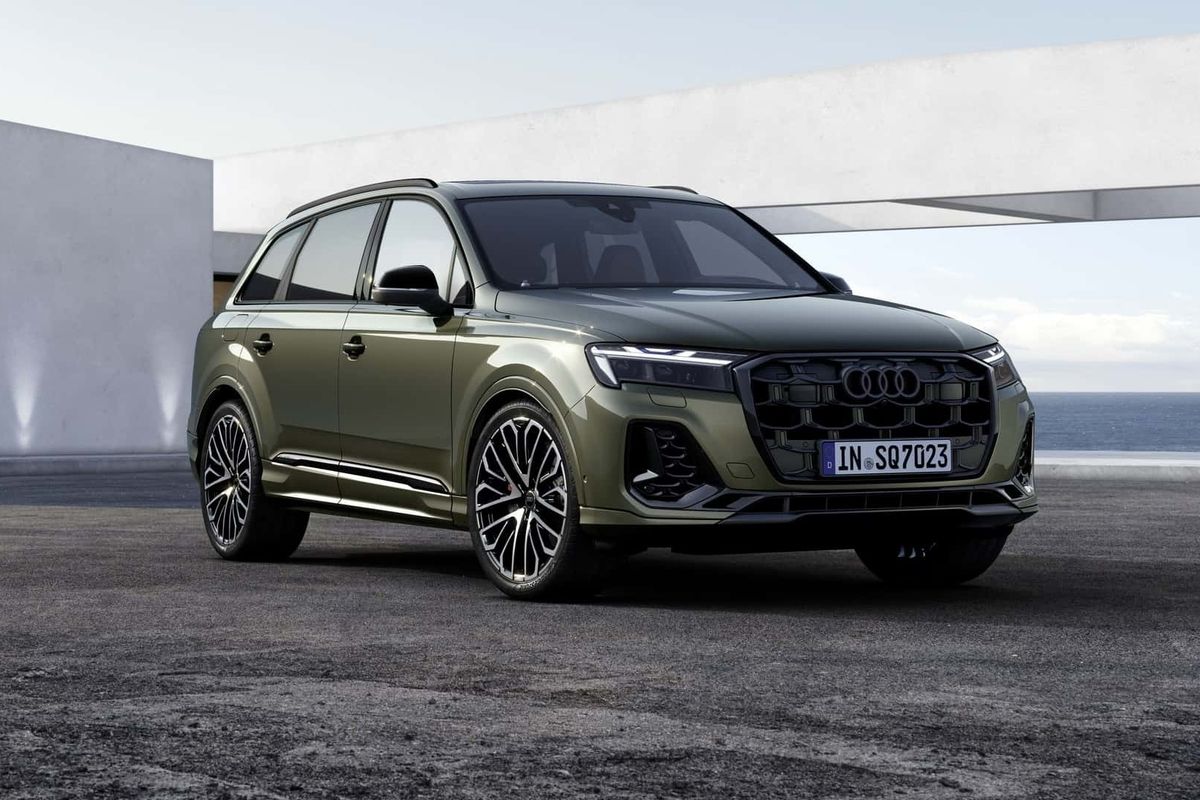
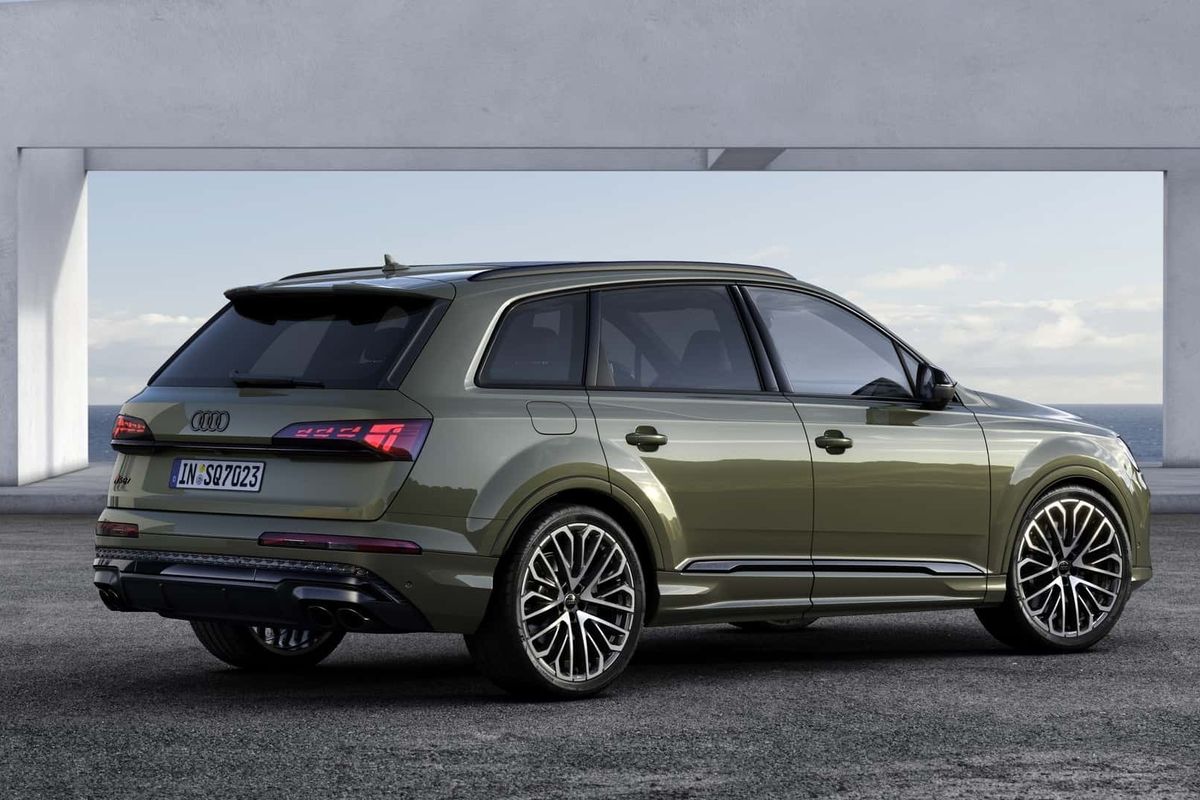
This is the 2025 Audi Q7 facelift, which receives a number of upgrades to keep it relevant in a competitive market. Here’s a look at the changes.
The Audi Q7 has been with us since 2015 and the German carmaker has released a second facelift for the premium SUV in an effort to keep pace with the ever-changing luxury SUV market.
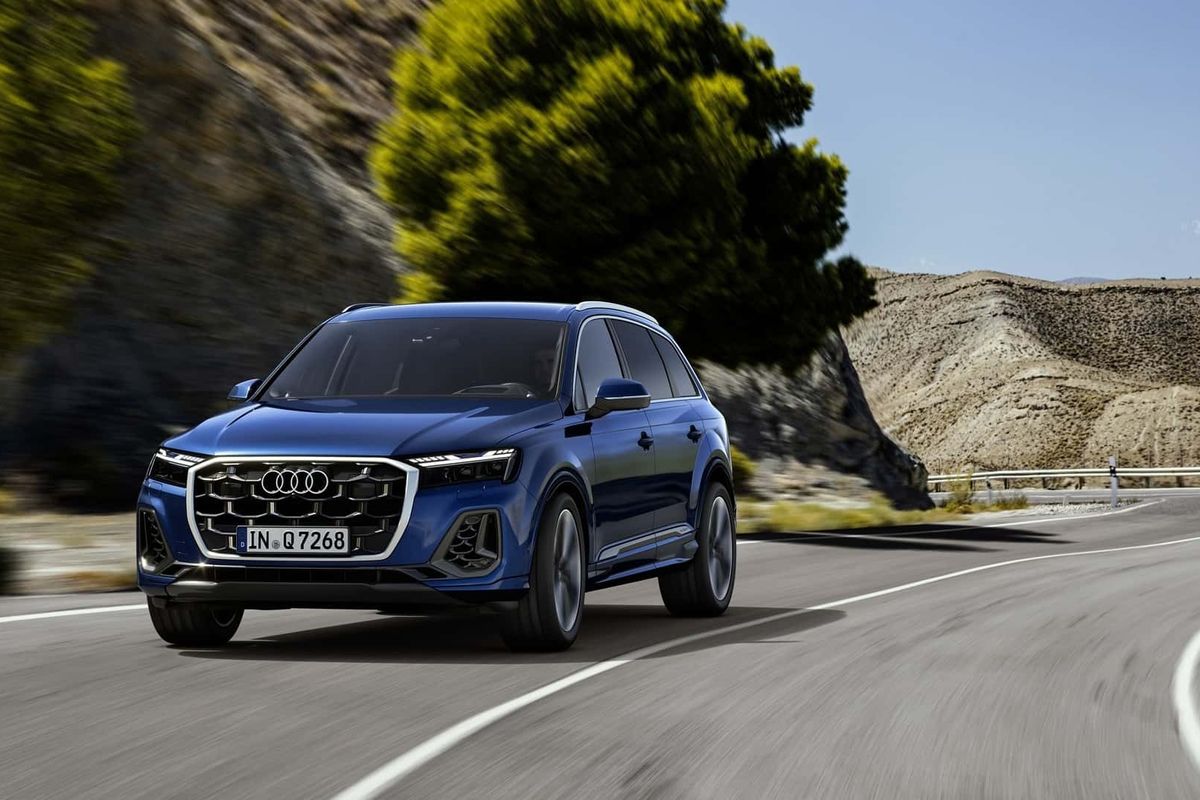
Visually, the updated model features a revised front end with a tweaked grille and new headlights. While some versions of these headlights will be optional, Audi says its new laser diode headlights offer increased distance at night. There will also be light signatures which can be customised. We’ve already had a first taste of the new headlight technology in the facelifted Audi Q8, which we drove late last year.
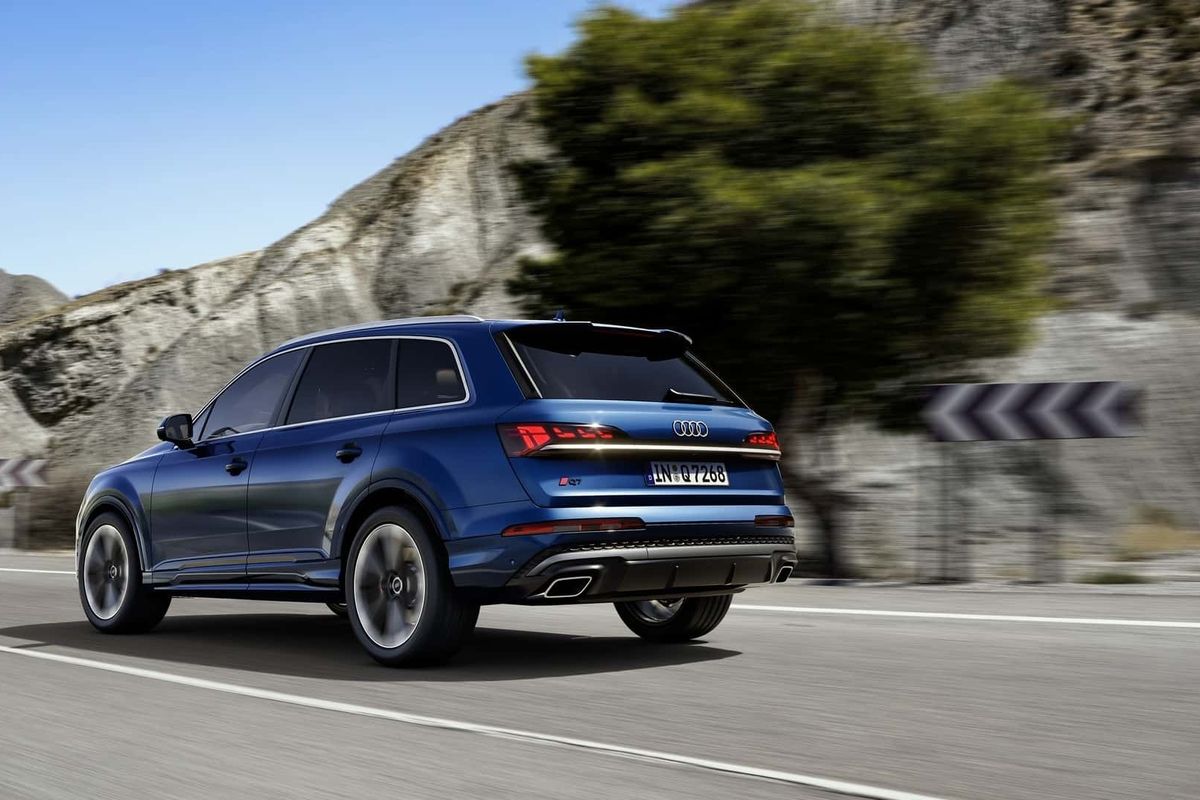
There will be new colours for the 2025 Audi Q7 facelift, like the Ascari Blue (pictured here) as well as Chili Red and Sakhir Gold. New wheel options are also offered, with sizes ranging from 20 to 22 inches.
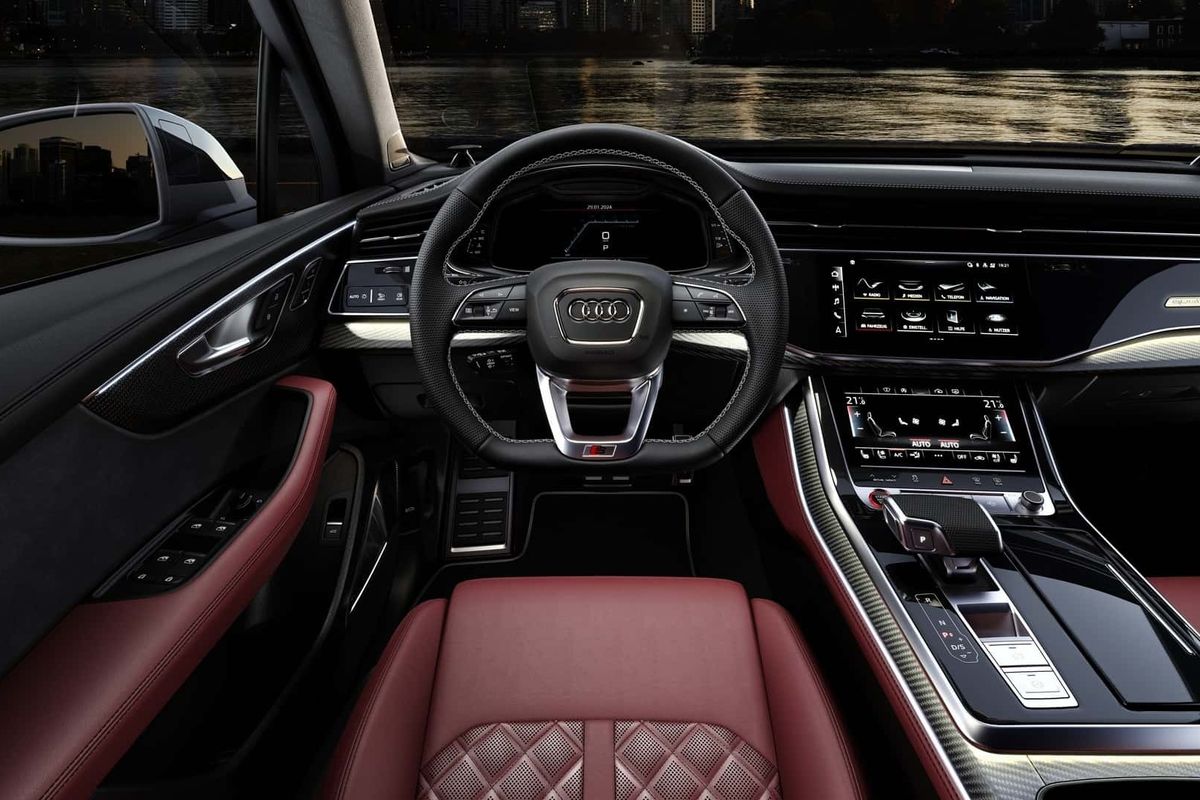
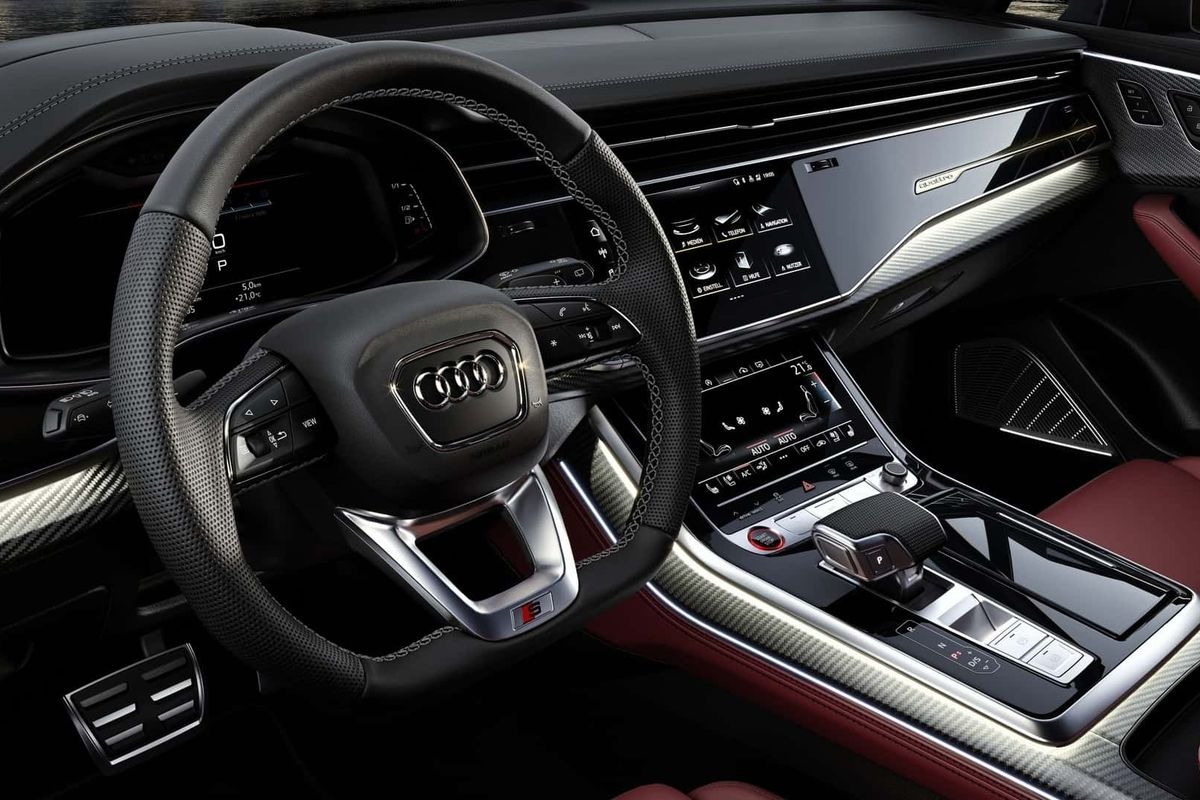
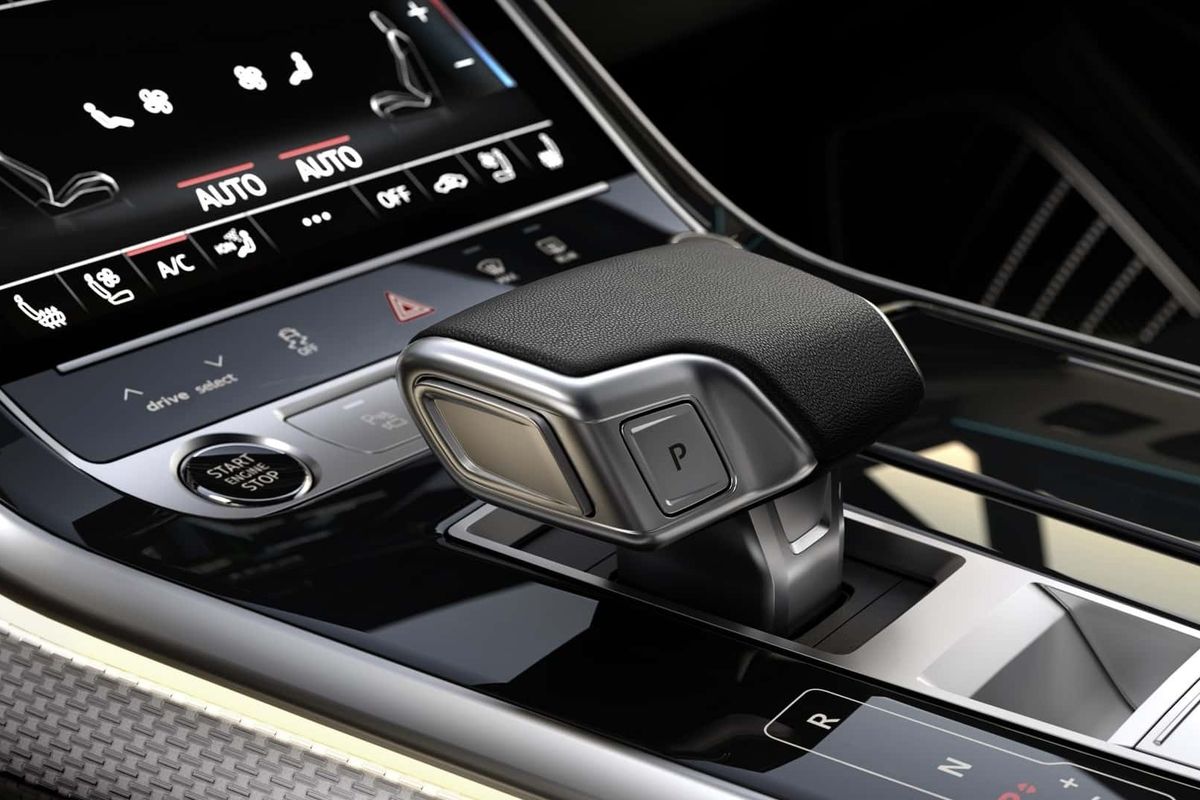
Audi has introduced updates to the car’s infotainment system and third-party apps like Spotify are able to plug directly through the vehicle.
Audi has confirmed the powertrain options for the Q7 facelift and it follows a similar pattern to the engines of the Audi Q8 facelift. There will be a 3.0-litre turbocharged diesel V6 available in two states of tune; 170 kW / 500 N and 210 kW / 600 Nm. A petrol turbocharged 3.0-litre V6 brings 250 kW and 500 Nm to the table, and for the performance fans, the SQ7 has a 4.0-litre twin-turbocharged V8 with 372 kW and 770 Nm. The Audi Q7 will come with quattro permanent all-wheel drive and an 8-speed Tiptronic transmission.
When will the 2025 Audi Q7 Facelift come to South Africa?
An Audi South Africa representative confirmed the facelifted Q7 will be touching down on our shores in October 2024. Pricing, specifications and engine lineup will be confirmed closer to launch.
The Mitsubishi Outlander range will be growing to five models, with a brand-new flagship derivative. Here are specs and pricing.
The Mitsubishi Outlander is a large family SUV which has seating for 7. Before this recent announcement, the lineup comprises two derivatives, which has now been increased to five.
The Mitsubishi Outlander range is powered by a 2.5-litre naturally-aspirated petrol engine that makes 135 kW and 245 Nm. There’s a continuously variable transmission (CVT) with 8 simulated speeds. All derivatives feature all-wheel drive, and with 210 mm of ground clearance and modes, the Outlander has the offroad go to match the show. Mitsubishi claims a fuel consumption figure of 8.1 L/100 km.
Mitsubishi Outlander Range Comparison
All Mitsubishi Outlanders feature seven airbags, ABS, Electronic Brakeforce Distribution, Emergency Stop signal system, Hill Start Assist, and Hill Descent Control as well as Active Stability and Traction Control.
GL
18-inch alloy wheels
LED day running lights
Rear-view camera
Front and rear parking sensors
Heated door mirrors
Heated seats
Synthetic leather with suede combination
Push start button
Cruise control
ESS (Emergency Stop System)
Seven-inch driver display
Eight-inch SDA with Apple CarPlay and Android Auto
GLS
20-inch alloy wheels
Digital speedometer
12.3-inch digital driver display
Powered lift tailgate
Auto-dimming rear-view mirror
Keyless operation system
Front rain sensing wipers
Automatic headlights with dusk sensor
Headlight washer
Front LED side turn signals and front LED fog lamps
Three-zone automatic climate control (front dual-zone)
Rear USB port
GLS Plus
Multi Around Monitor
Aspire
Powered panoramic sunroof
Door mirrors with position memory
Leather seats with seat memory
Eight-way power adjustable and power lumbar support seats
Bigger nine-inch SDA with Apple CarPlay and Android Auto, and built-in navigation.
Exceed
Smartphone wireless charger
BOSE Premium sound system with 10 speakers
Multi around view monitor
Door mirrors with position memory and reverse auto tilt
Pull-up sunshade
How much does the Mitsubishi Outlander range cost in South Africa?
The entire Outlander model range is covered by a 3 year/ 100 000km manufacturer’s warranty, 5-year/90 000 km service plan and 5-year/ unlimited mileage roadside assistance. Service intervals are every 15 000 km.
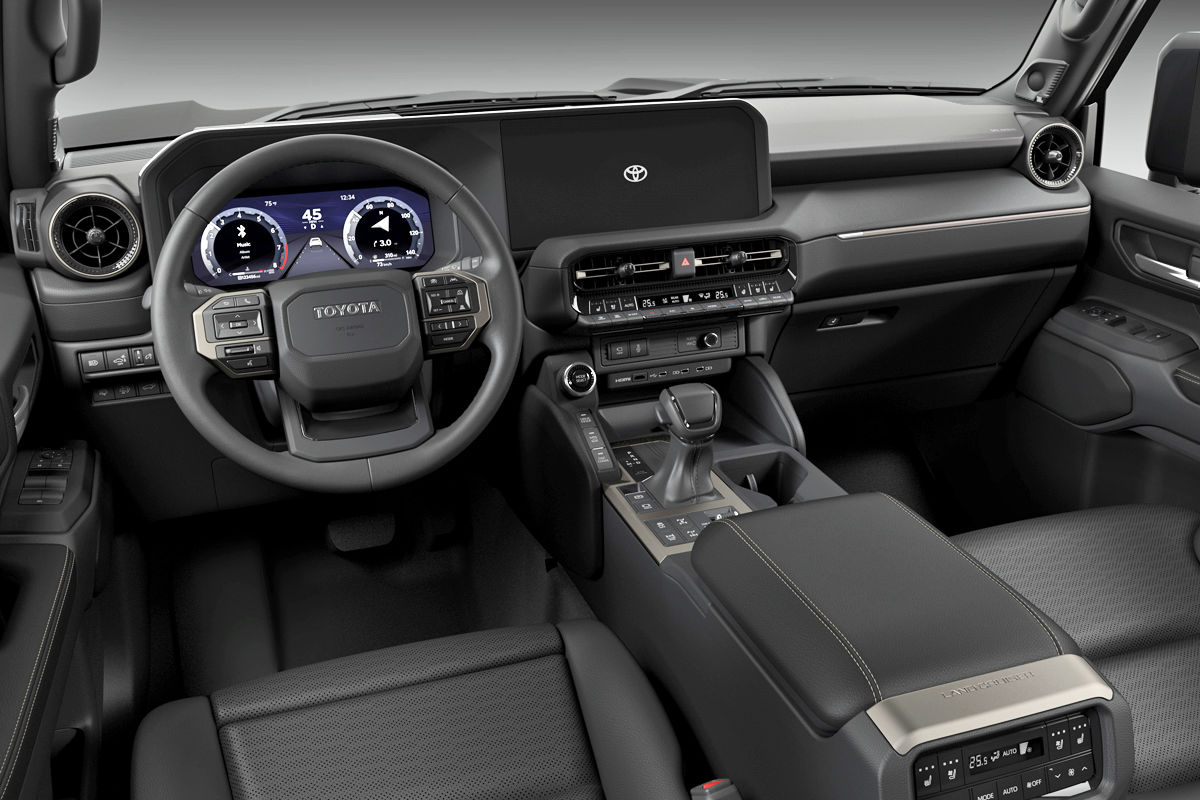
New Toyota Land Cruiser Prado: Full SA Line-Up Uncovered!
The new Toyota Land Cruiser Prado is due to launch in South Africa in April 2024, but we’ve already uncovered details of the local range. Here’s what you need to know…
The J250-generation Toyota Land Cruiser Prado was revealed back in August 2023, riding on a fresh platform and boasting a new retro-inspired exterior design. Now, ahead of this ladder-frame SUV’s highly anticipated touchdown in South Africa in April 2024, Cars.co.za has unearthed several details of the local line-up.
According to our information, the local Prado range will shrink slightly – from the current 5 derivatives to 3 variants – largely owing to the removal of the naturally aspirated 4.0-litre V6 petrol engine from the line-up. As such, all models will employ the Japanese firm’s familiar 2.8-litre, 4-cylinder turbodiesel engine.
The J250-generation Prado range will shrink slightly in SA.
In J250-series Prado form, this well-known 1GD-FTV motor will again deliver 150 kW and 500 Nm to all 4 corners, though will switch from the outgoing model’s 6-speed automatic transmission to an 8-speed self-shifting gearbox. Braked towing capacity will remain at 3 000 kg. All derivatives will ride on 18-inch alloy wheels wrapped in 265/65 R18 tyres.
The Prado 2.8 GD TX will again serve as the entry point to the range, though we understand this derivative will lose its centre limited-slip differential. The TX is, however, in line to score a more comprehensive anti-theft system, as well as added safety features such as tyre-pressure monitoring, parking sensors, blind-spot monitoring, lane-trace assist, adaptive cruise control and extra airbags.
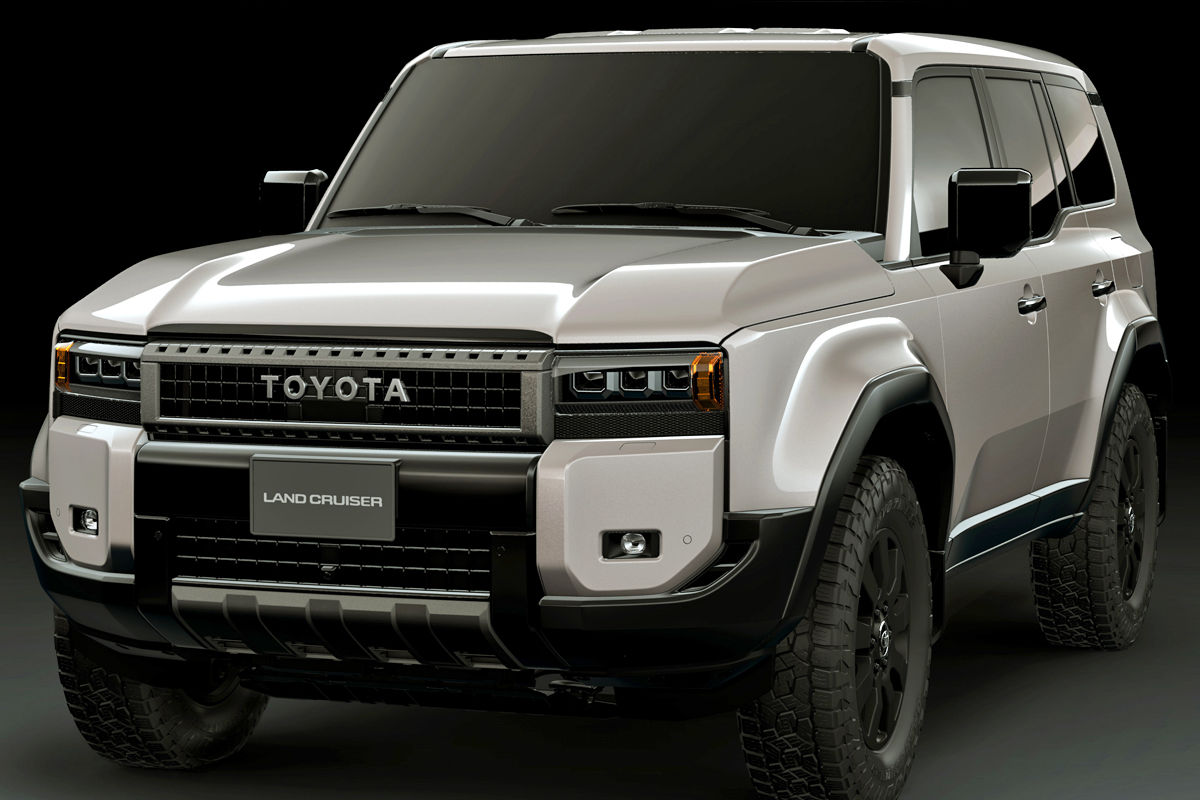
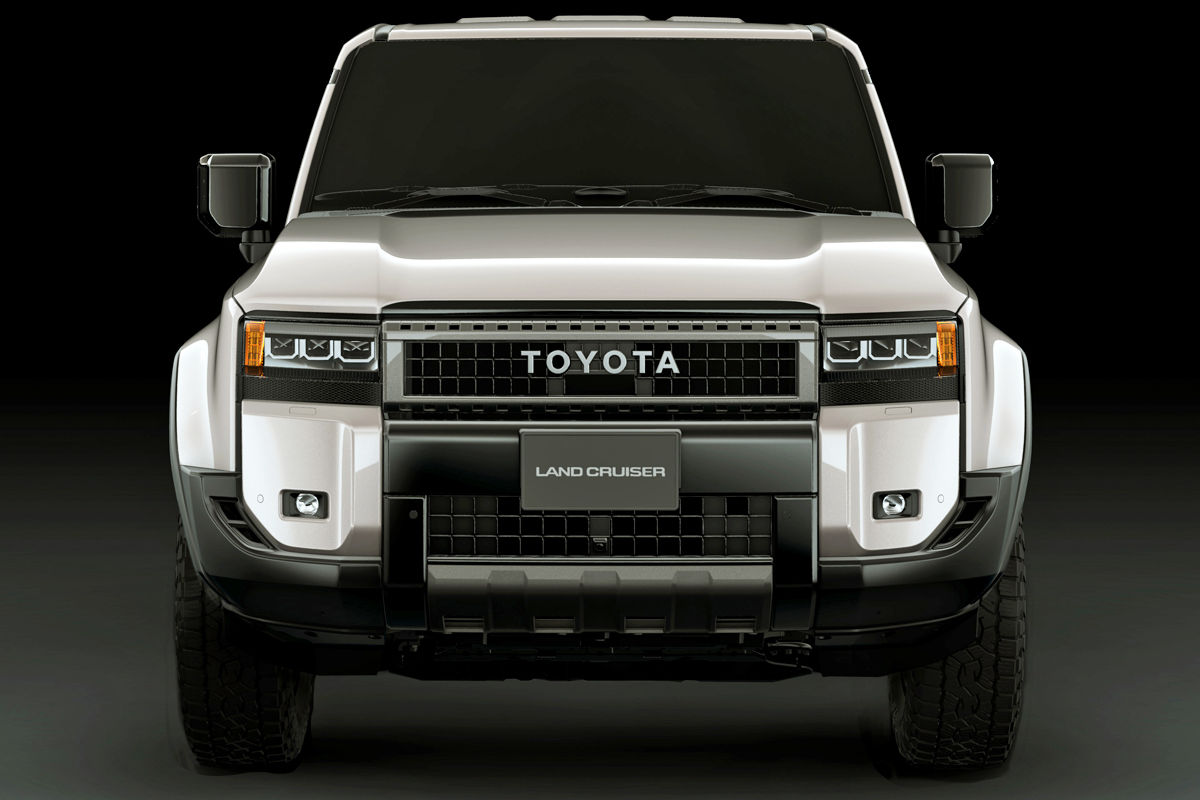
TX and VX-R models will sport rectangular headlamps.
Like all variants in the new range, the 2.8 GD TX derivative will come with a black finish for its front bumper, grille, side-mirror caps, rear bumper and wheel-arch mouldings. Inside, however, it will switch from a leather-and-fabric combination to straight leather (while also dropping its traditional handbrake lever in favour of an electric version).
With the VX and VX-L trim levels set to be scrapped, the new Prado 2.8 GD VX-R specification is up next. This grade will add items such as a moonroof, a heated steering wheel, a cooler box, wireless smartphone charging and adaptive high-beam headlamps. It appears set to do without adaptive variable suspension but will score a rear and centre torque-sensing limited-slip differential.
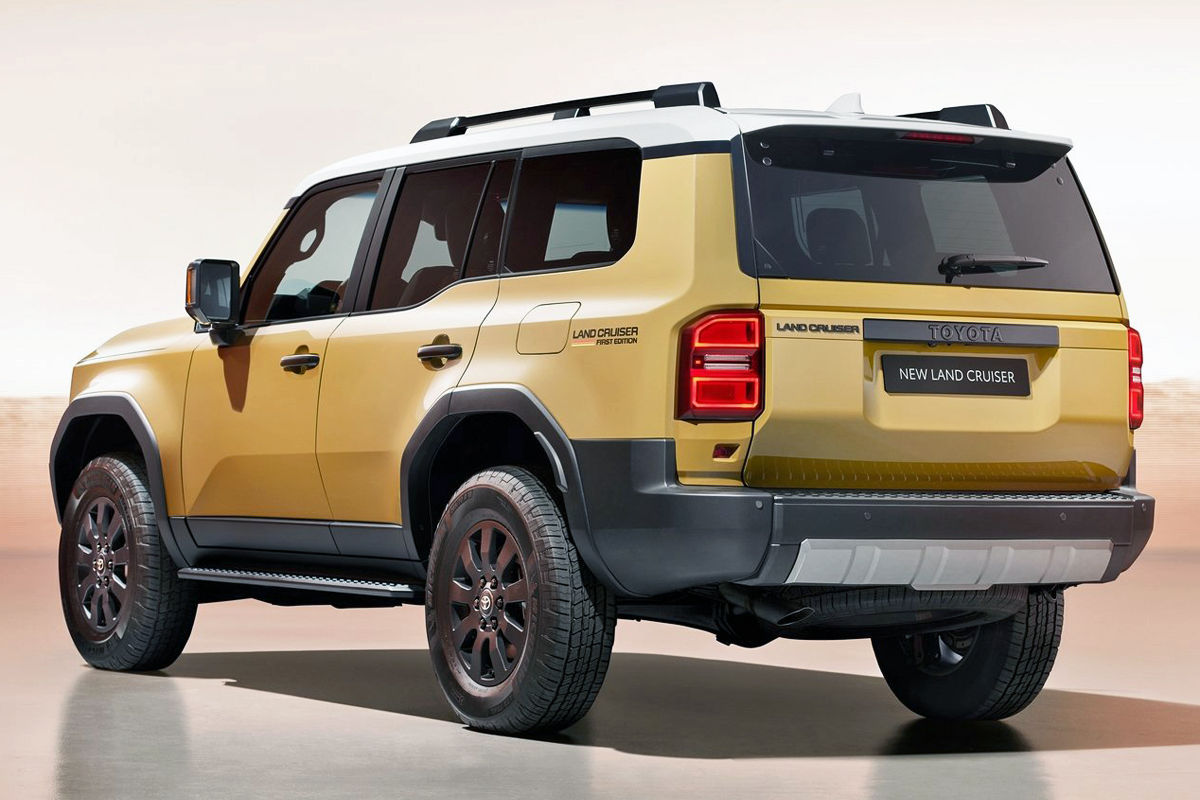
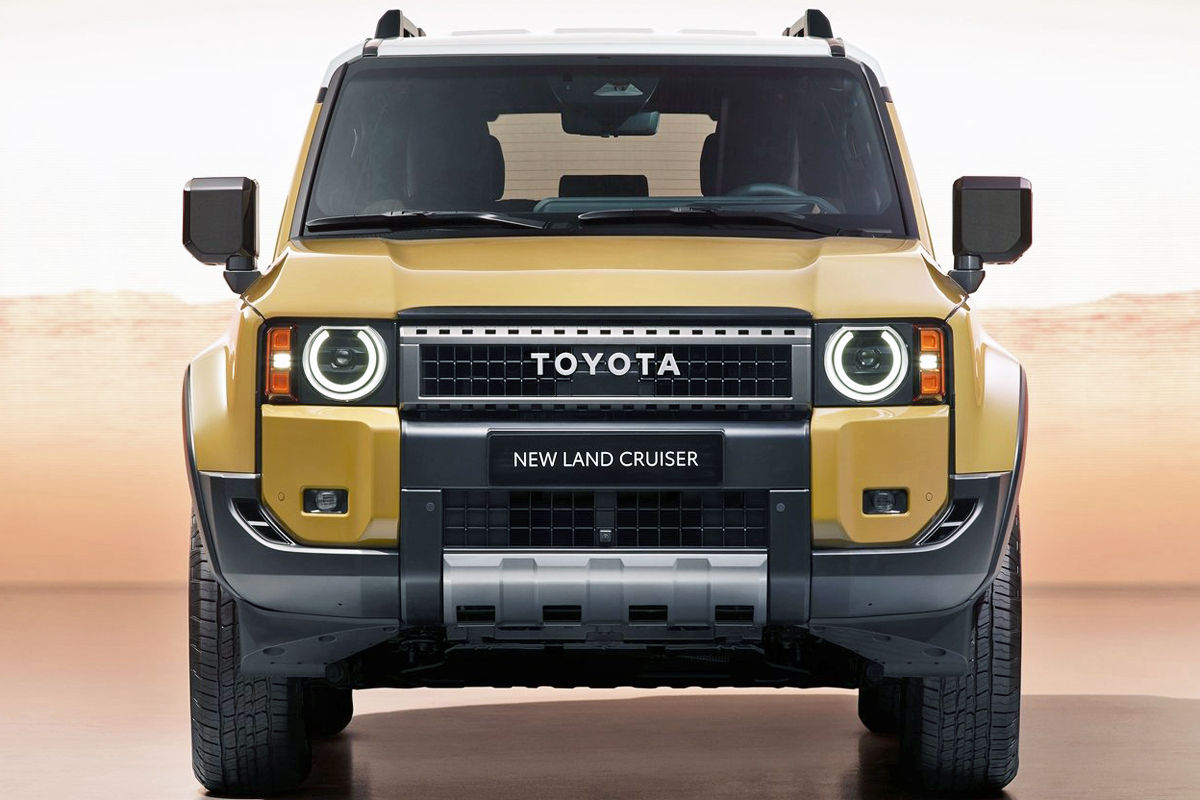
First Edition headlights on the left, standard headlights on the right.
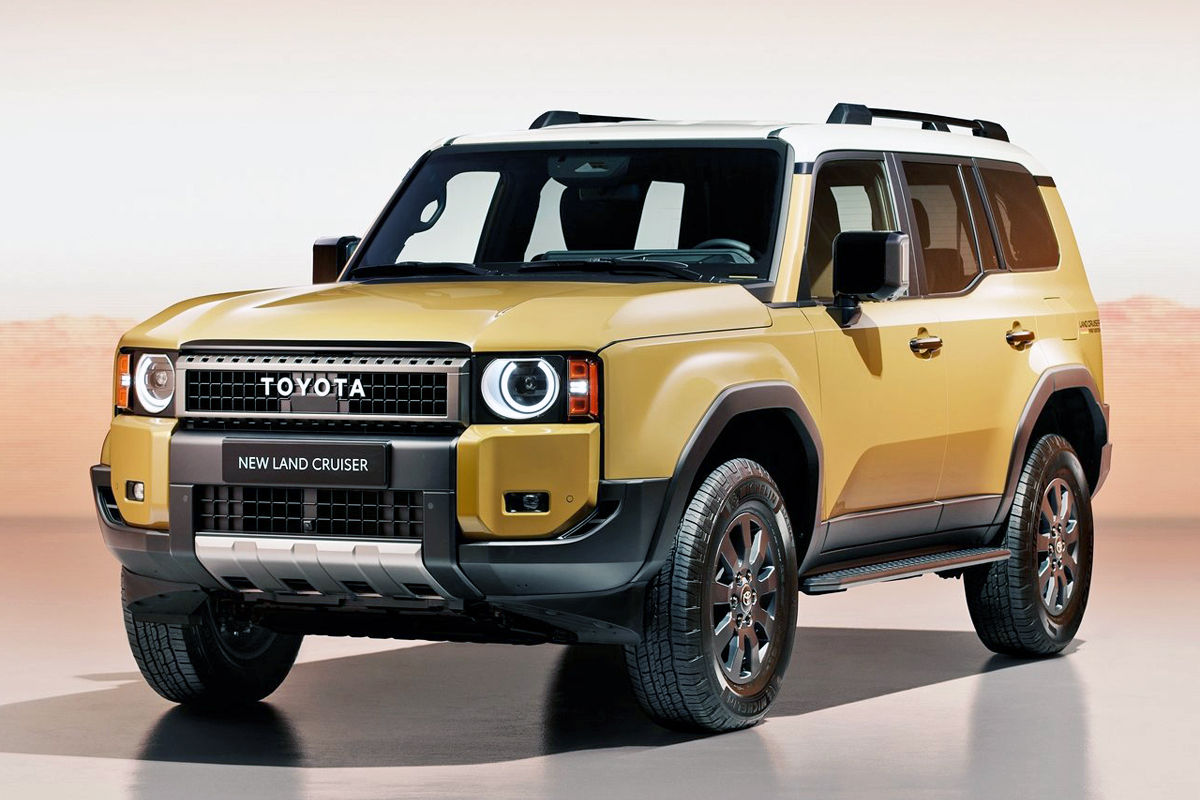
Finally, there is the Prado 2.8 VX-R First Edition, which Toyota SA Motors says will arrive a little before the TX and VX-R. As we understand it, there will technically be 2 versions of the First Edition (1 in monotone form and the other in bi-tone guise), each based on the VX-R specification. First Edition models will be easily recognisable thanks to their circular headlamps.
In South Africa, First Edition variants will be offered in a choice of 4 exterior paint colours: Platinum Pearl White, Avant-Garde Bronze Metallic, Sand and Sand Bi-Tone (the latter featuring a white roof). Meanwhile, TX and VX-R models will also be available in Platinum Pearl White and Avant-Garde Bronze Metallic, along with Glacier White, Attitude Black, Black and Smokey Grey.
The 2 faces of the new J250-generation Land Cruiser Prado.
As a reminder, the new 7-seater Prado is underpinned by the same TNGA-F ladder-frame chassis as employed by the Land Cruiser 300. Our information suggests the SA-spec version will measure 5 105 mm from nose to tail, making it a considerable 95 mm longer than its predecessor. Also note the old hydraulic power steering will make way for an electric system.
Check back closer to the local launch date in April for pricing. For the record, the outgoing range is currently priced from R1 168 400 to R1 376 400. In the meantime, why not browse our selection of used J150-generation Prado listings?
New Toyota Land Cruiser Prado line-up for South Africa
Land Cruiser Prado 2.8 GD TX
Land Cruiser Prado 2.8 GD VX-R
Land Cruiser Prado 2.8 GD VX-R First Edition (also available in bi-tone)
We expect the new Prado to ship standard with Toyota’s 3-year/100 000 km warranty and a 9-service/90 000 km service plan.
Toyota halts Hilux, Land Cruiser shipments over engine ‘irregularities’
Toyota has suspended shipments of popular models such as the Hilux, Land Cruiser Prado and Land Cruiser 300 over “potential irregularities” related to their turbodiesel engines…
UPDATE: Toyota South Africa Motors has issued Cars.co.za with the following statement:
“With the current information at hand, Toyota South Africa (TSAM) can confirm that this issue does not affect any models sold in South Africa. Should this change, we will notify our customers.
“As reference, this matter relates to irregularities in the certification process based on national requirements in certain countries but does not have any impact on horsepower, torque or other powertrain-related values. Additionally, these irregularities do not compromise the emissions or safety of the vehicles involved,” TSAM told us. The original story continues below.
The 2.8-litre GD engine is involved in the shipment suspension.
Toyota’s global division has announced a temporary suspension of shipments of popular diesel-powered models – such as the Hilux, Land Cruiser Prado and Land Cruiser 300 – over “potential irregularities” related to their turbodiesel engines.
The Japanese giant released a statement confirming that a special investigation committee had found that “irregularities occurred during the horsepower output testing for the certification of three diesel engine models for automobiles that Toyota had commissioned to TICO [Toyota Industries Corporation]”.
“During certification testing, the horsepower output performance of engines was measured using ECUs [engine control units] with software that differed from that used for mass production so that results could measure to make values appear smoother with less variation. Ten vehicle models are using the affected engines globally, including six in Japan,” the statement from Toyota Motor Corporation said.
Land Cruiser 300 derivatives using the 3.3D engine are also affected.
“We have re-verified the mass-produced products manufactured at the plant and confirmed that the affected engines and vehicles meet engine performance output standards. Therefore, there is no need to stop using the affected engines or vehicles. However, we deeply apologise to our customers who have been supporting affected vehicles and waiting for a long time, and also to all other stakeholders for the significant inconvenience and concern that this has caused.”
Based on the results of this investigation, TICO has decided to “temporarily suspend shipments of the affected engines”, with Toyota Motor Corporation following suit. The Japanese brand says it “will provide detailed explanations to the authorities and promptly proceed with appropriate measures, including conducting testing in the presence of witnesses if appropriate”.
The 2.4 GD motor is likewise involved in the certification investigation.
The 3 oil-burning engines involved in the shipment suspension are the 2.4-litre (2GD-FTV) and 2.8-litre (1GD-FTV) – as employed by the Hilux and Fortuner, with the larger-capacity unit also used by the Land Cruiser Prado, not to mention the Quantum (and the upcoming 4-cylinder version of the Land Cruiser 70 Series) – and 3.3-litre (F33A-FTV) motors. Meanwhile, diesel versions of the Land Cruiser 300 and Lexus LX (specifically the LX500d) are fitted with the latter F33A powerplant.
What does this mean for South Africa? Well, that’s not yet clear though it’s interesting to note that Toyota SA Motors’ Prospecton factory is mentioned – among numerous others around the world – in the global statement, specifically relating to the 2.8-litre 1GD-FTV engine in the Hilux. We asked Toyota SA Motors for local comment and updated this story with a local statement (see top of article)…
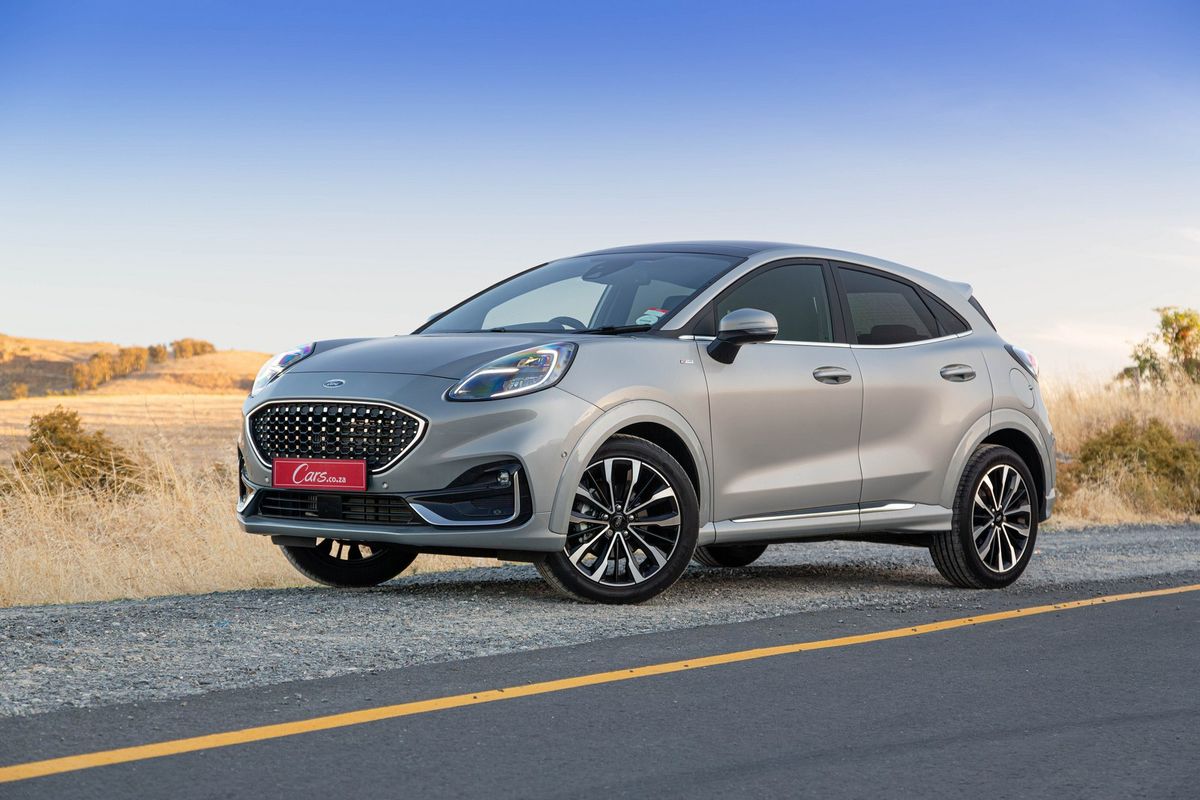
When Ford Motor Company of Southern Africa shelved the Figo, Fiesta, Kuga and EcoSport, we thought the Blue Oval’s passenger car ambitions were quashed in favour of the Ranger. The arrival of the Ford Puma suggests otherwise, but is it any good?
We like: Excellent on-road manners, punchy engine, smart load-bay configuration
We don’t like: Late arrival, imminent facelift, so-so build quality, optional extras.
It’s hard to believe only a handful of brands still offer B- and C-segment hatchbacks, let alone sedans. Rather than producing those models that were once the backbone of the new passenger car market, carmakers now churn out a plethora of higher-riding small crossovers (also called compact family cars).
These offerings are oh-so-fashionable and attractively priced. Developing all-new vehicles is costly, but for small crossovers, brands utilise existing platforms and common components to reduce production costs. And, seeing as the models are based on proven hatchbacks, they tend to be quite nice to drive.
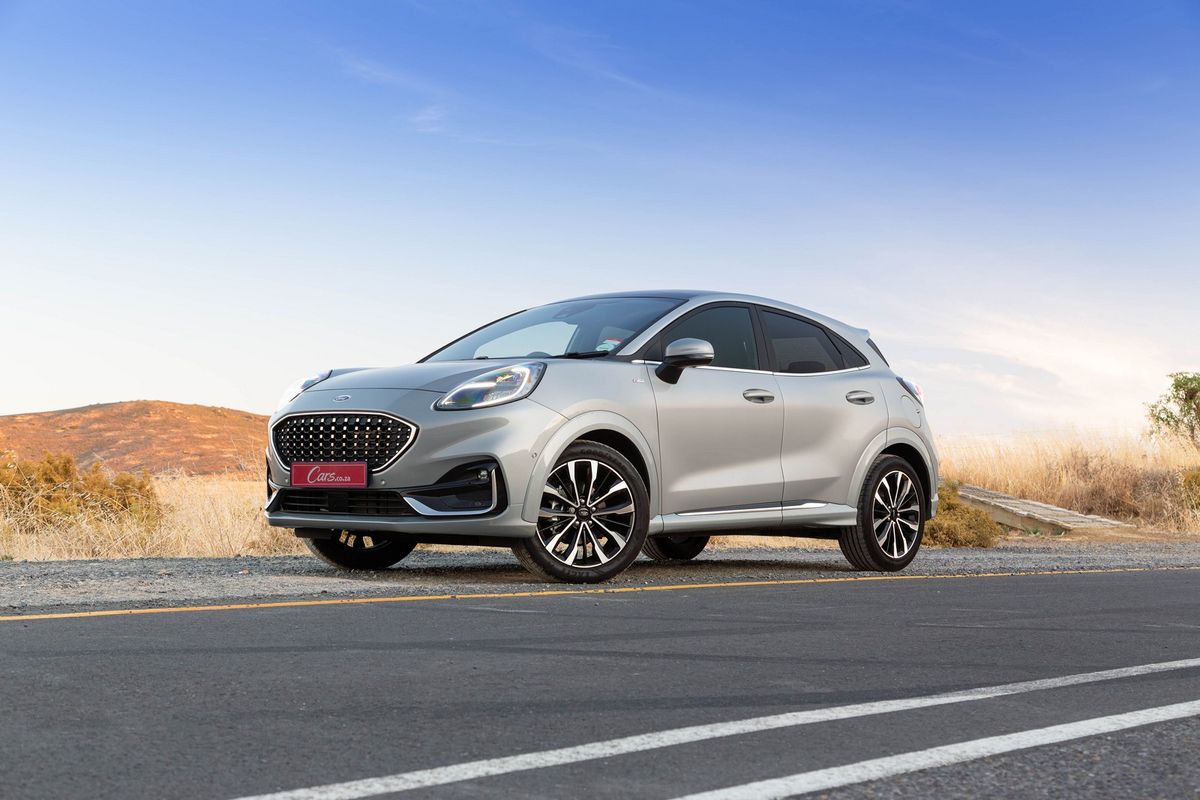
Think of the Puma as “a taller Fiesta”, in the same way as a Renault Captur is a lifted Clio and a Volkswagen T-Roc is an elevated Golf. Interestingly, the Ford’s introduction to South Africa (at the end of 2023) happened almost 4 years after its global debut. Some regard the Puma as a replacement for the popular EcoSport (of which production ended), but we disagree – the “newcomer” is far more upmarket.
Ford offers the Puma in 2 flavours: Titanium and ST-Line Vignale; prices start at R570k (January 2024).
The Puma competes in a tightly contested segment. If you’re shopping in the “boutique” small crossover segment, you’re spoilt for choice. Ford will tell you the Puma is positioned against the Volkswagen T-Roc and Hyundai Kona, but we’d also include the Volkswagen Taigo for a like-for-like engine comparison.
If you’re partial to a European model, also consider the underrated Renault Captur and distinctive Opel Mokka. And, if you want to make a premium statement, the Audi Q2 may be well within your grasp too.
Another Korean brand that offers an alternative to the Puma at a similar price point is Kia – perhaps the Seltos might fulfil your needs. Finally, the Chinese brands continue to improve their offerings in leaps and bounds, so you would be unwise to ignore stylish offerings such as the Omoda C5 and Haval H6 GT.
How the Ford Puma fares in terms of…
Design and Packaging
Under the smart-looking body lies the tried-and-tested Fiesta platform
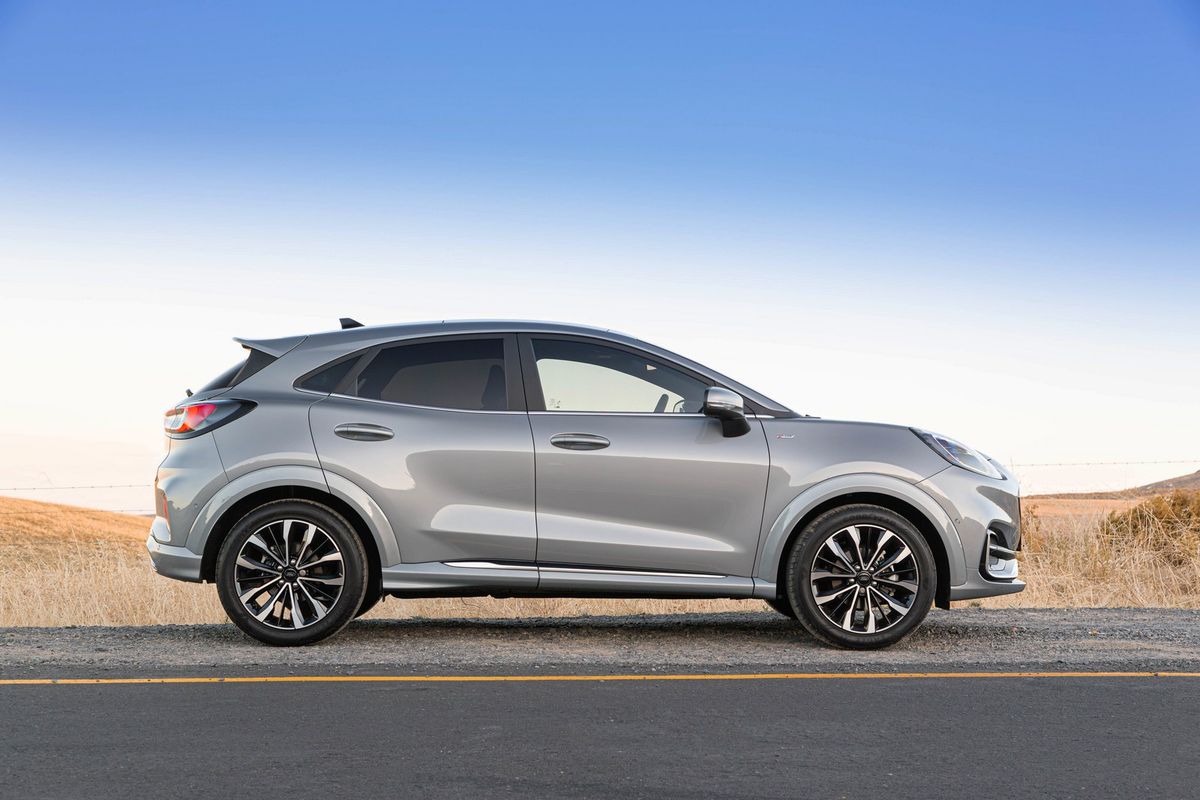
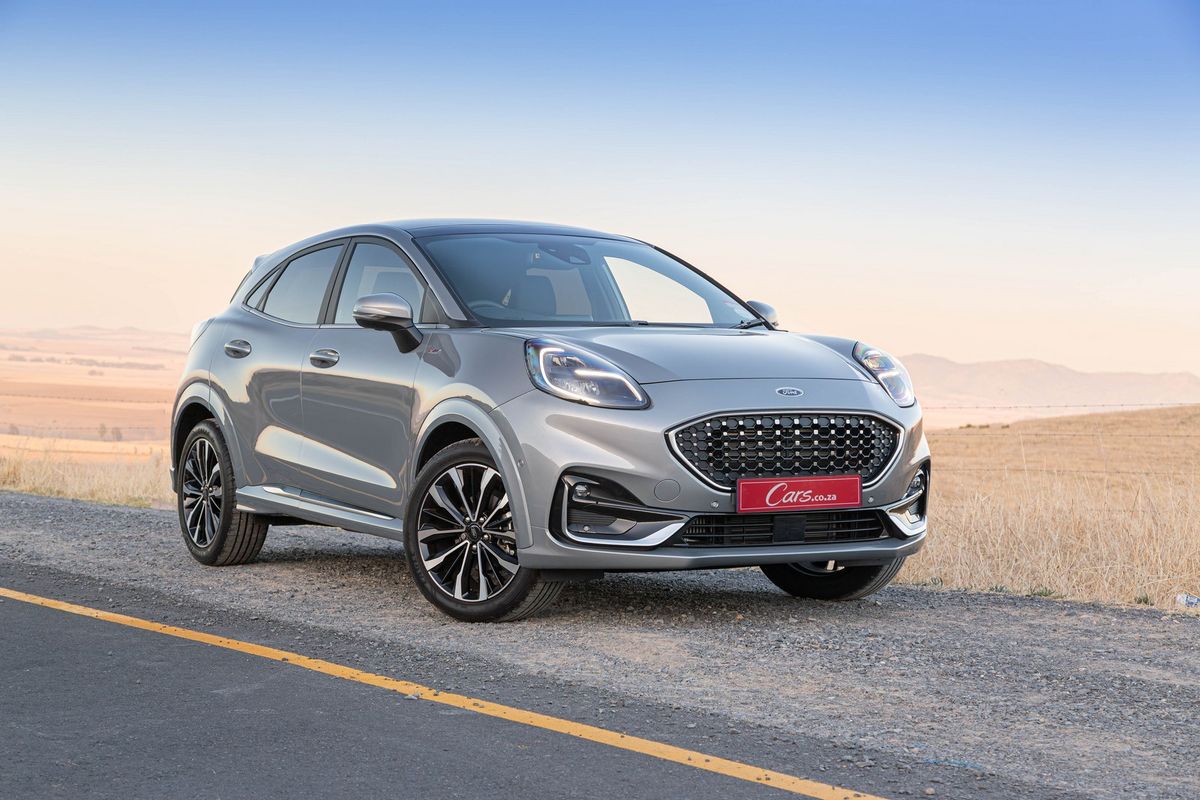
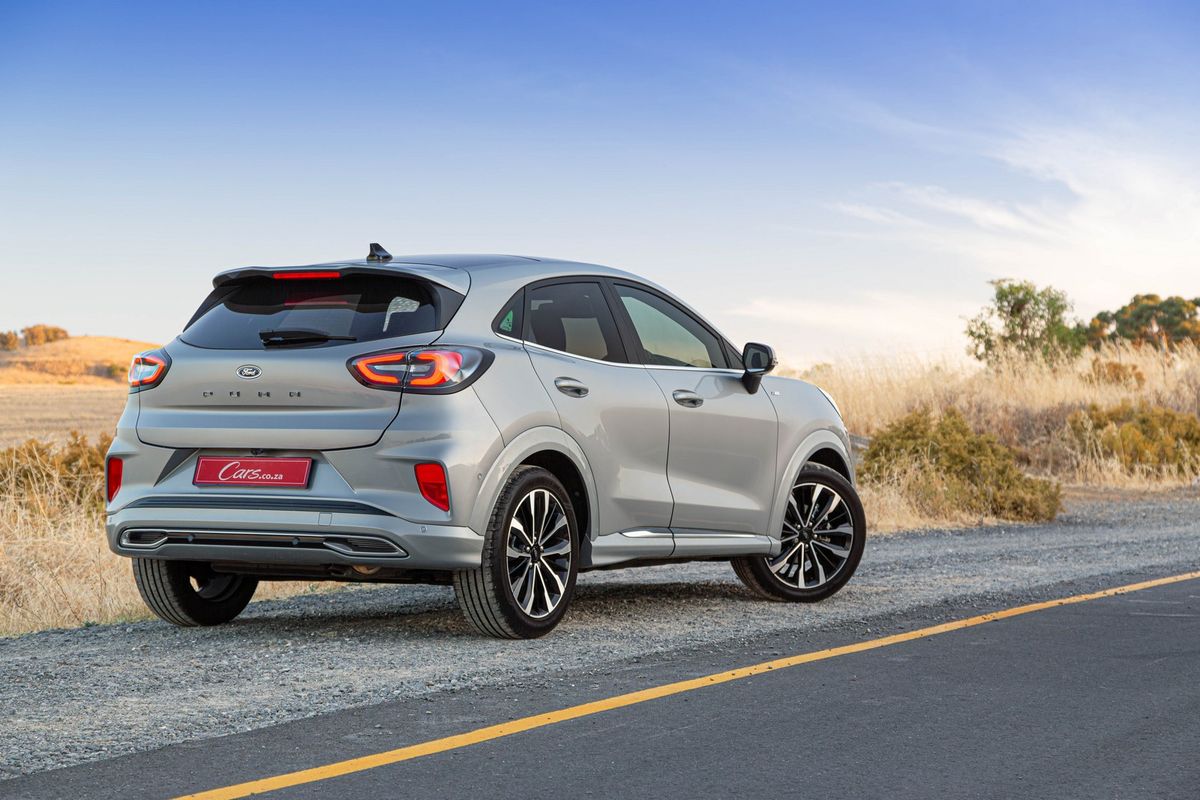
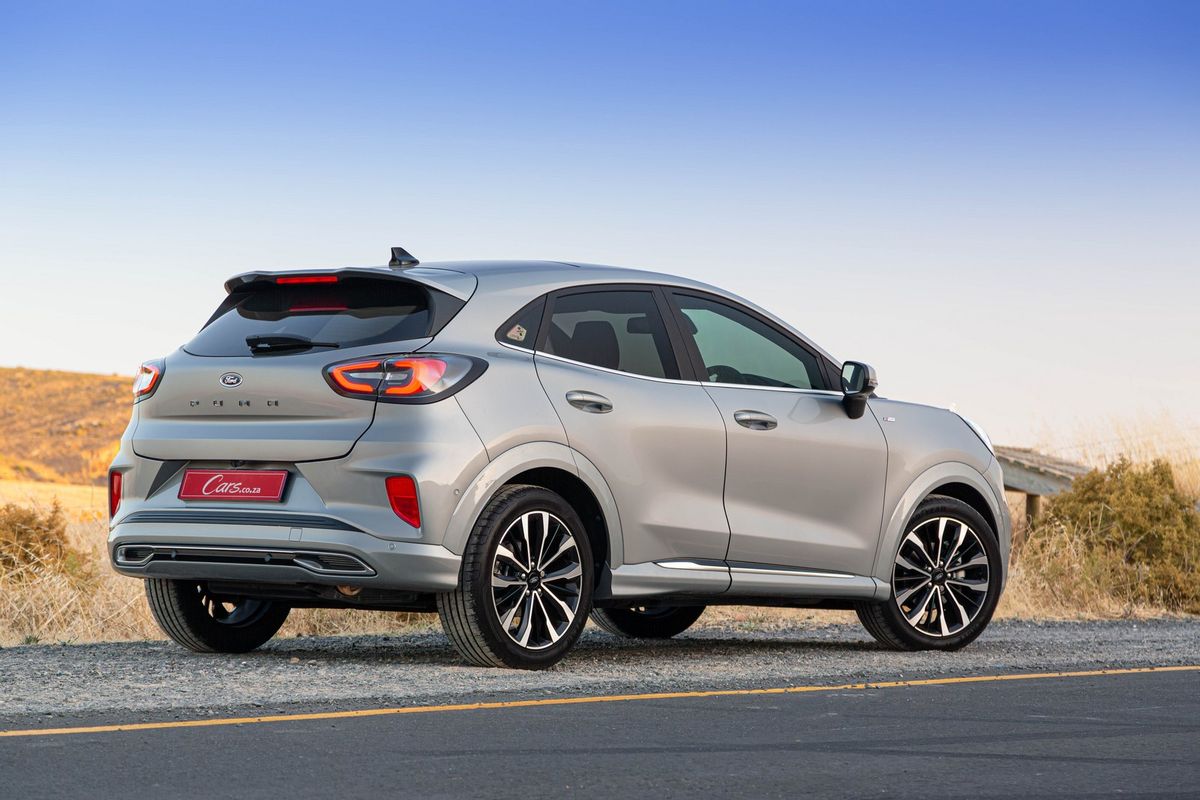
Design is subjective, but the majority of Cars.co.za testers liked the Puma’s looks. The daytime running lights and grille give the Ford a posh and fresh look; it garnered more than a few stares from onlookers.
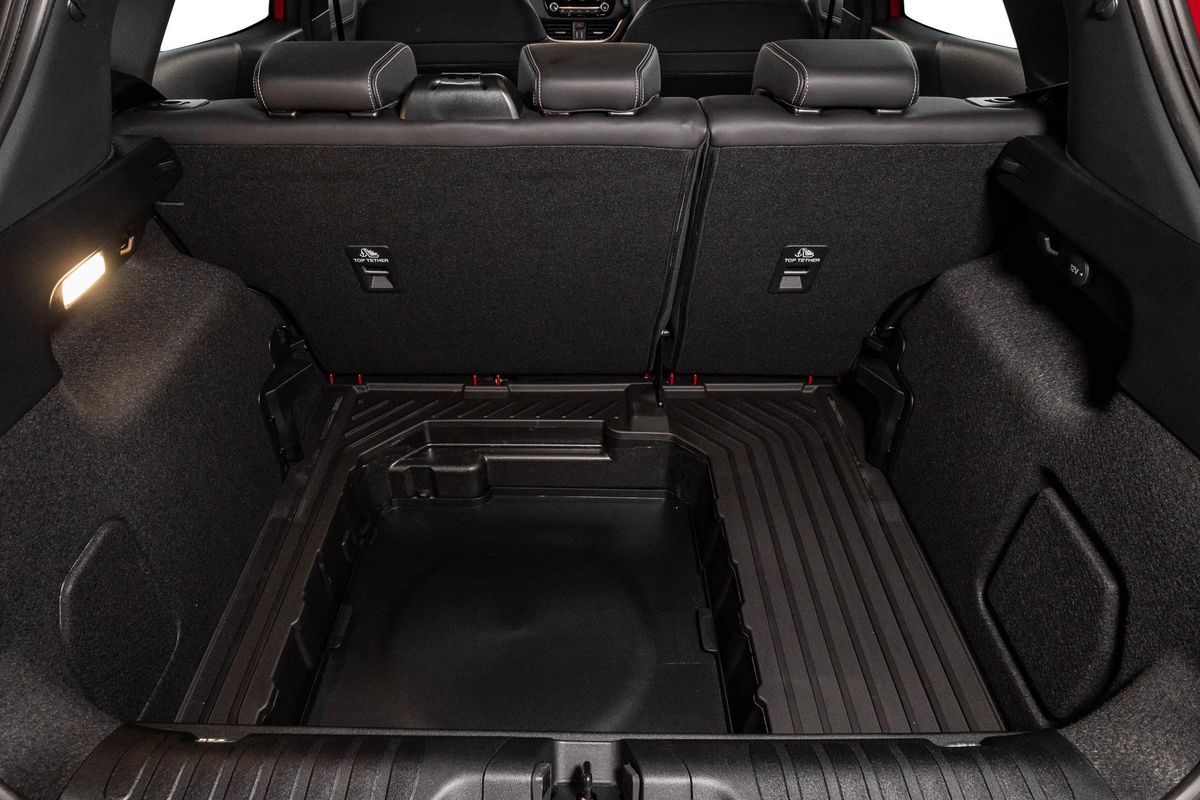
To reiterate, the Puma is not a direct replacement for the EcoSport, but consumers will inevitably draw comparisons between the models. These images don’t convey the Puma’s size – while it appears to be a cute compact SUV, the newcomer is longer, wider and has a bigger load bay than the EcoSport. What’s more, the Puma boasts a smart 2-floor boot storage system, as well as something called the Megabox.
Given its crossover positioning, the Puma does offer a slightly raised ride height, but its limited ground clearance (164 mm) means it’s not suited to venturing further off-road than a well-graded dirt track.
The general build quality is good, but not perfect – the shut lines adjacent to the test unit’s driver’s door, for example, did not match those of the rest of the car (perhaps the door was slightly misaligned?)
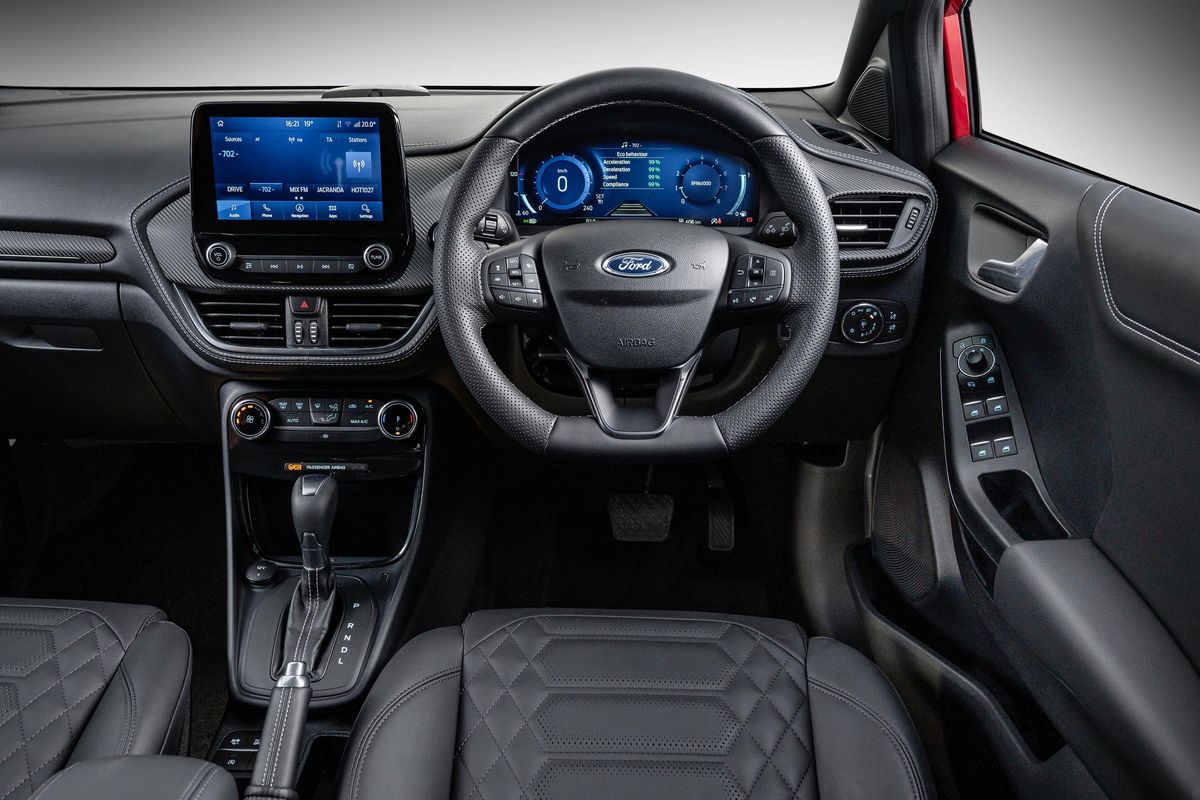
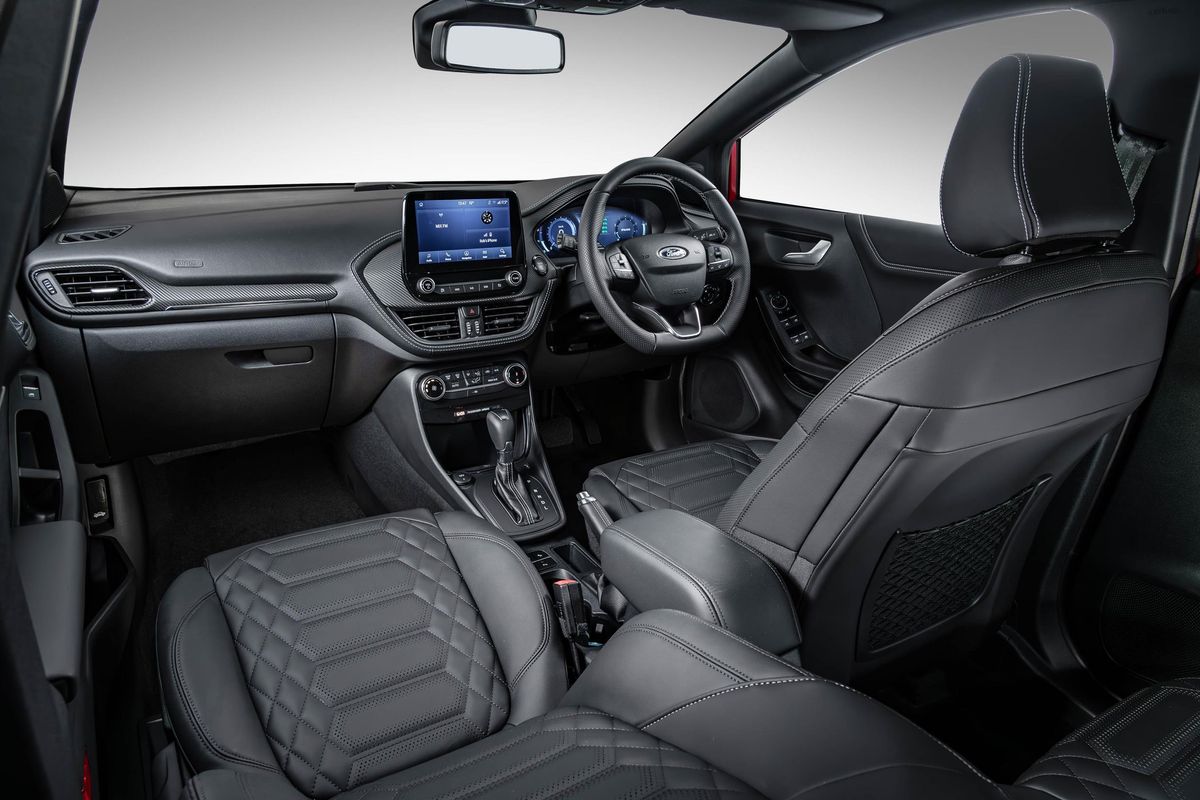
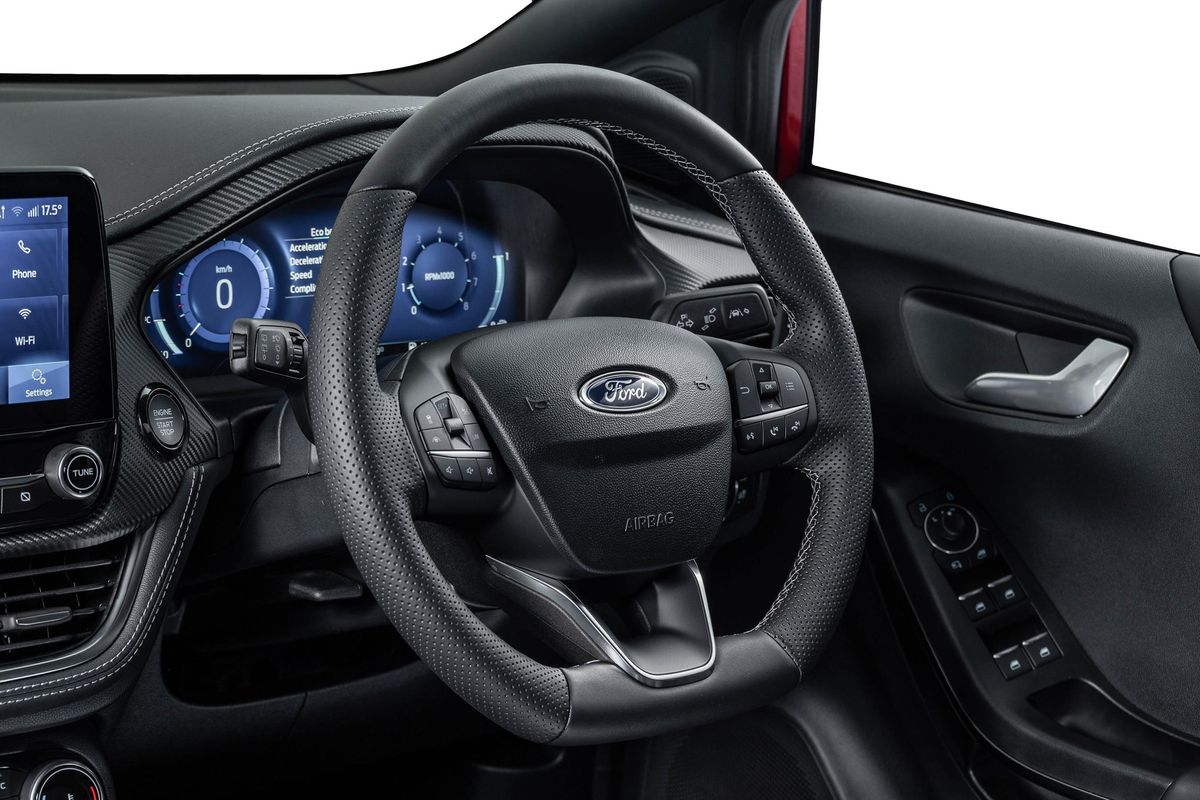
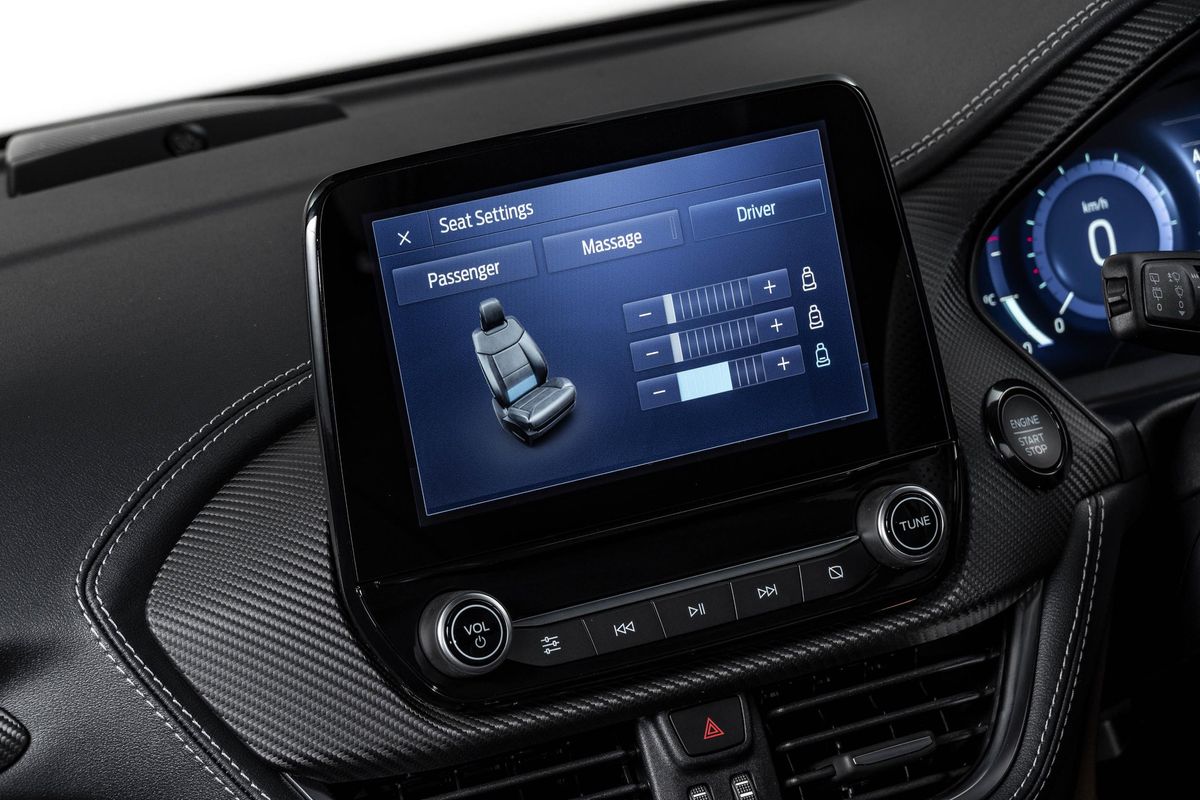
The interior, in turn, looks modern, upmarket and reasonably well-finished. The high-perched driver’s seat offers great visibility out of the cabin and a generous range of adjustment. Plus, this flagship derivative includes a massage function for the front seats, which helps reduce fatigue on longer trips.
Unsurprisingly, the Puma’s rear occupant space is less than generous. Taller testers were able to pass the sit-behind-yourself test, but their knees brushed against the driver’s seat. And, as in most small crossovers, rear headroom is at a premium, with the rear bench best suited to seating youngsters.
The Ford Megabox makes a lot of sense for practicality
To its credit, the Puma fulfils its practical compact family car role well thanks to a well-thought-out luggage area. If you lift the load bay’s floor, there’s a second tier with additional storage space and, if you go past the spare wheel, there’s a large rubberised tub, named the Megabox, that can accommodate dirty wellies or a wetsuit.
There’s even a drain plug in the Megabox so that you can hose it out. Finally, a powered tailgate is provided; if your hands are full, the hatch door can be activated by wiggling your foot under the bumper.
Performance and Efficiency
All Puma derivatives utilise the proven 1.0-litre 3-cylinder turbopetrol EcoBoost engine. In this model, it produces 92 kW/170 Nm and works in conjunction with a 7-speed dual-clutch automatic transmission.
Three-cylinder engines typically have a thrummy, off-beat engine note, but Ford has done a good job of refining this motor to the point that it revs reasonably smoothly/refinedly. The Puma is capable of easily keeping pace with traffic and has enough oomph to execute open-road overtaking manoeuvres briskly.
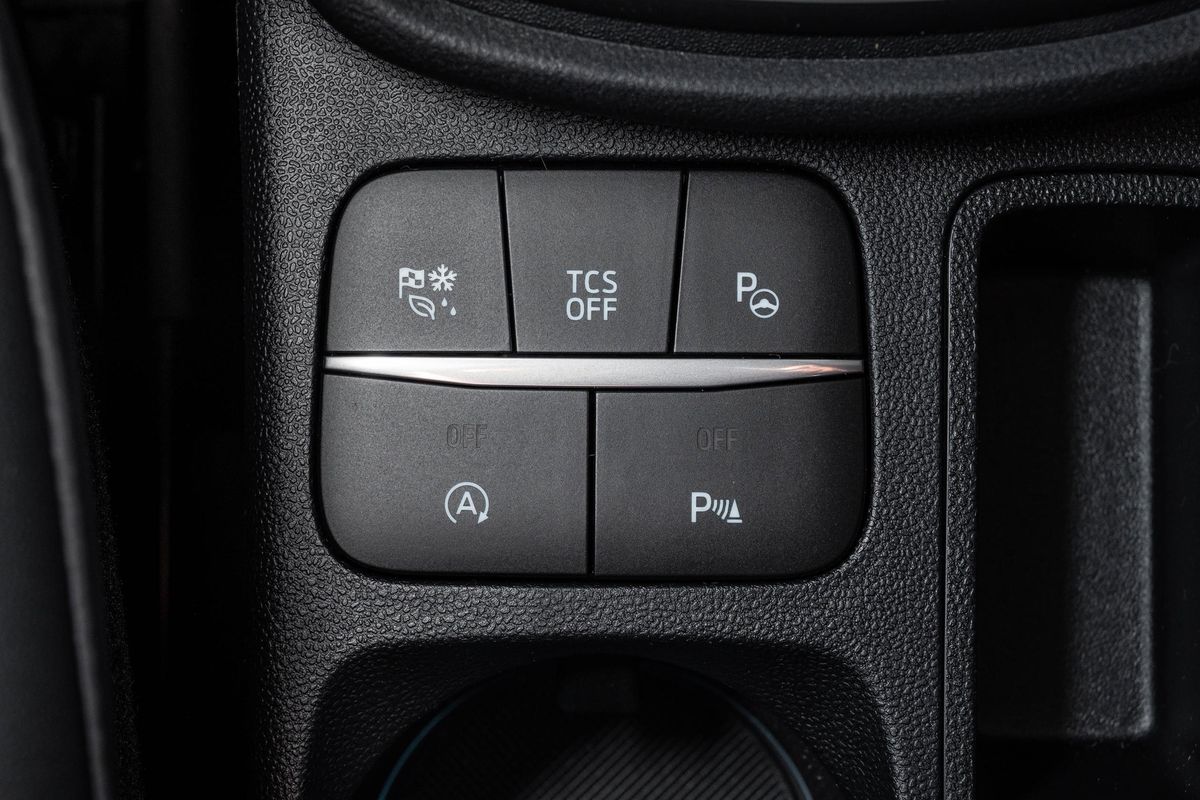
The Puma has driving modes and advanced parking tech
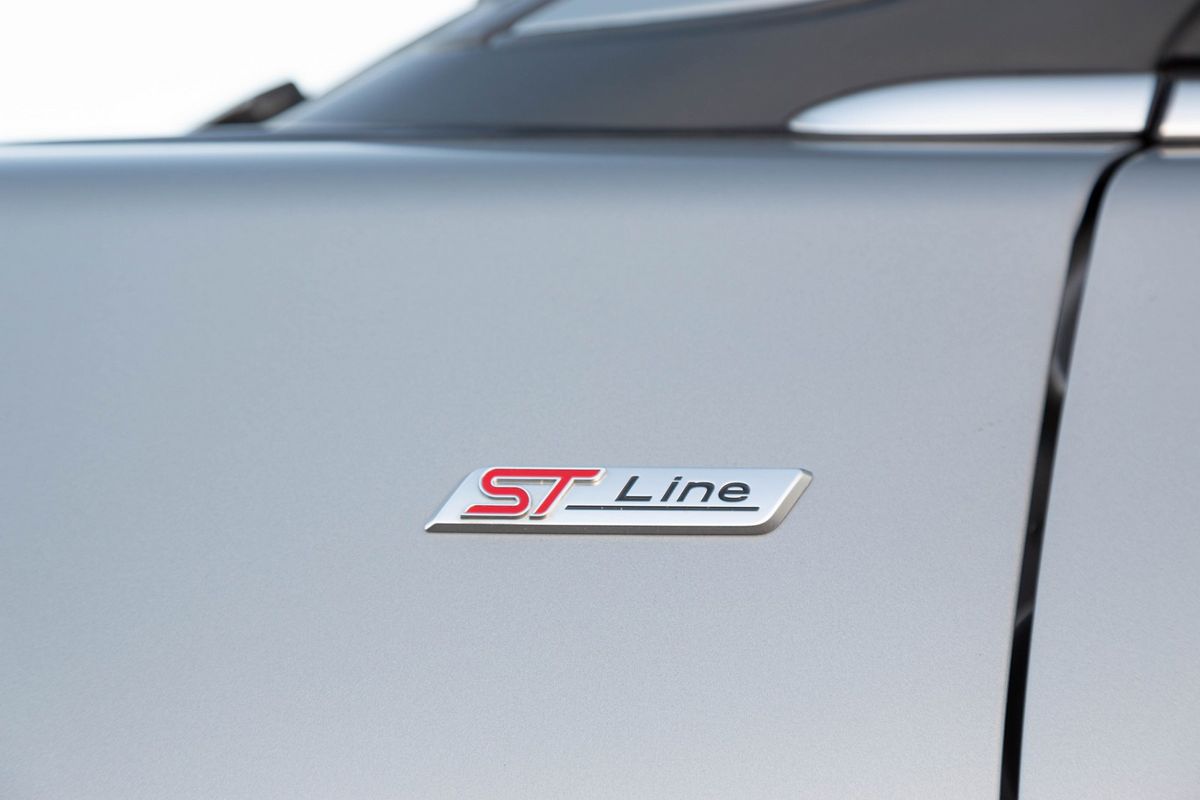
Given the implied sportiness of the ST-Line designation, it is a letdown that the Puma’s transmission doesn’t offer the option of actuating manual up- and downshifts. Still, ‘shift paddles are only nice to have in this segment and the ‘box performs fine in daily driving conditions and during eager, spirited jaunts.
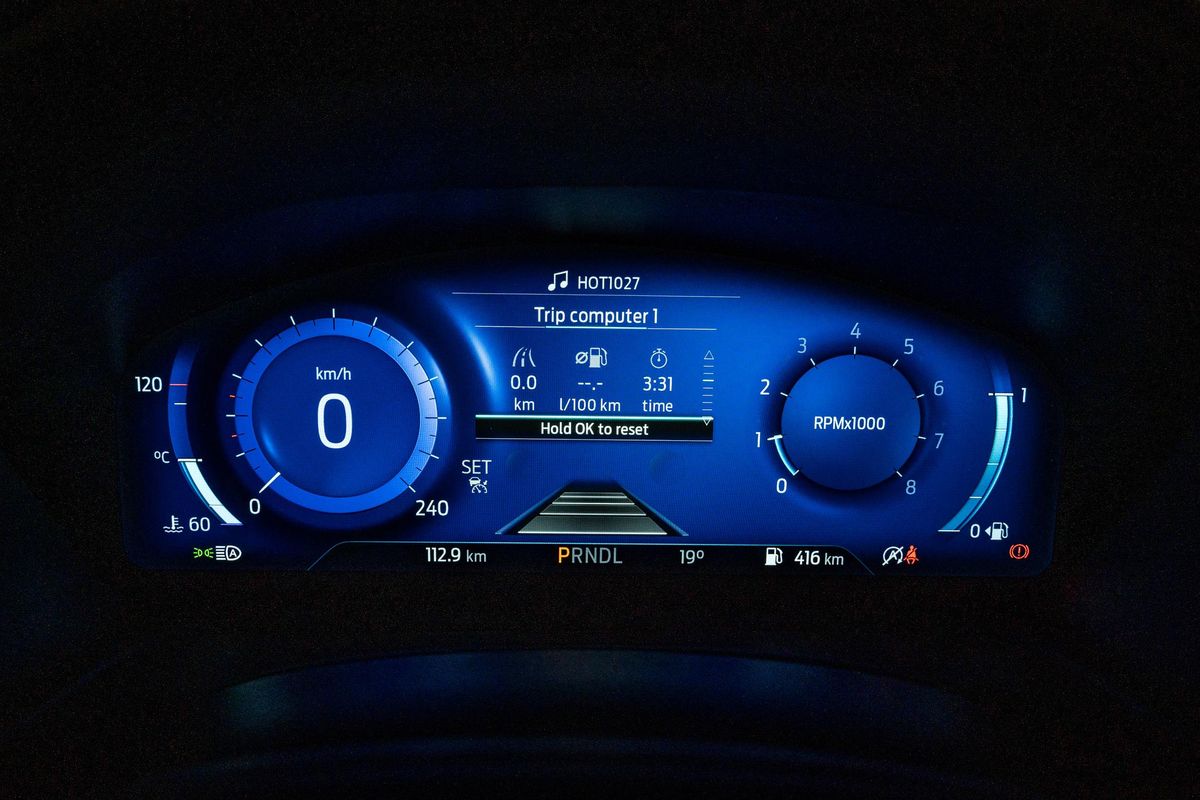
You can toggle between 5 drive modes (each of which has distinct throttle responses, gear shifts and steering feel, plus changes the digital instrument cluster’s colour scheme/theme accordingly). Sport makes the most of the Puma’s commendable handling ability (more about that later), while Slippery/Trail is optimised for low traction and off-tar scenarios. Still, it’s unlikely that many owners will drive their front-wheel-drive crossover (with just 164 mm of ground clearance) too far from the beaten track.
Interestingly, this engine has been known for commendable performance, but mediocre fuel economy… During previous reviews of Ford models powered by the 3-cylinder EcoBoost engine, we’ve encountered higher-than-expected fuel consumption, but we’re happy to report that this iteration of the 1.0-litre triple sipped fuel – as opposed to guzzling it. At the end of its tenure in our test fleet, the Ford’s trip computer indicated 7.1 L/100 km (which was not too far off the manufacturer’s claimed figure of 5.3 L/100 km).
Ride and Handling
The Puma is far nicer to pilot than it needs to be
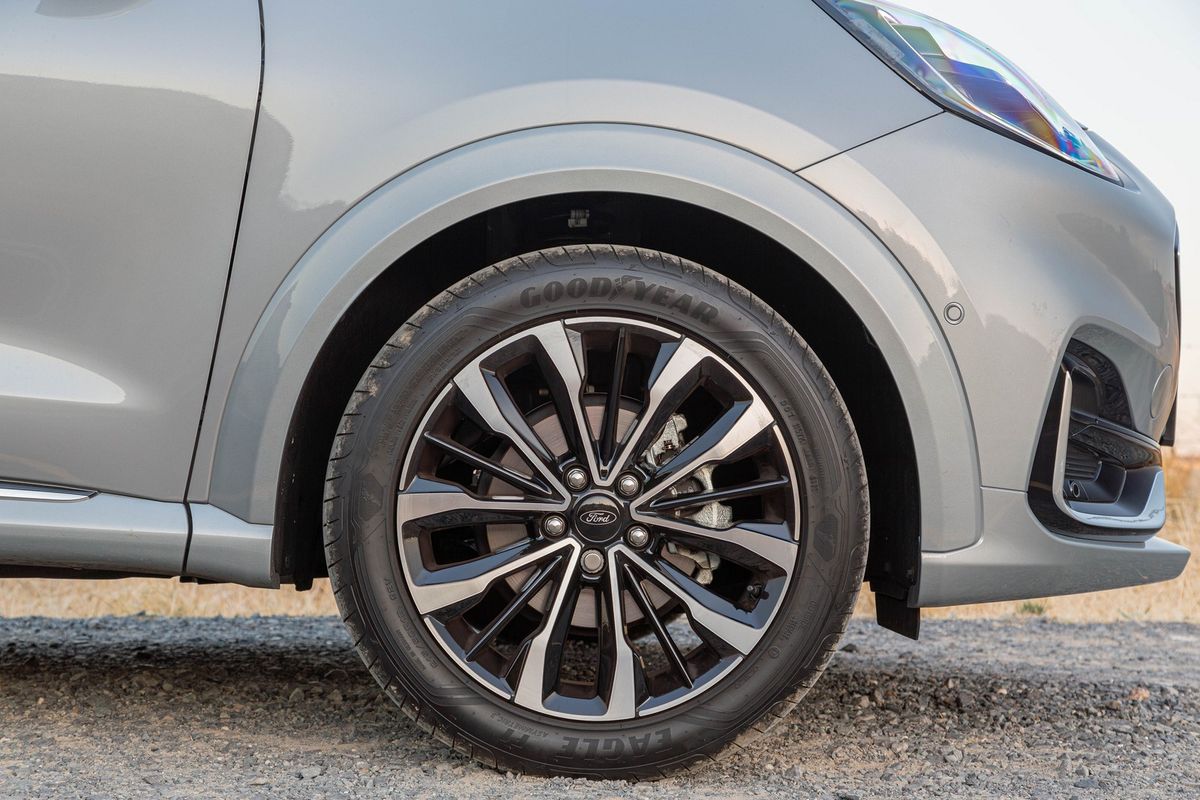
Seeing as it rides on the Ford Fiesta’s B2E compact car platform, the Puma has excellent road manners. The ST-Line Vignale has a sportier suspension setup and larger (18-inch) alloy wheels than its entry-level Titanium sibling. As a result, it offers a more engaging driving experience, let alone greater kerb appeal.
Suffice it to say, the Puma is more pleasant to drive than most small crossovers or, to put it another way, it’s far nicer to pilot than it needs to be!
We would have liked some gearshift paddles on the steering wheel for additional engagement
Even in the default drive mode, the steering setup has enough directness and feedback to be classed as sporty. It’s little wonder there’s a performance-focused ST derivative in other markets; the underpinnings facilitate commendable surefootedness and body control.
The downside, however, is that the majority of crossover customers (compact family car buyers) aren’t looking for an entertaining driving experience. If ride comfort is your priority, the Puma 1.0T Titanium foregoes the sporty suspension setup and rides on smaller wheels wrapped in higher-profile tyres…
Comfort and Features
The Ford Puma ST-Line Vignale interior
Considering this Puma derivative’s list price is just over R610 000 (January 2024), prospective buyers will expect it to have an extensive standard features list and, to a degree, the 1.0 ST-Line Vignale ticks that box. In fact, even in the base Titanium-spec, the Puma comes reasonably well equipped.
We like this digital dashboard interface
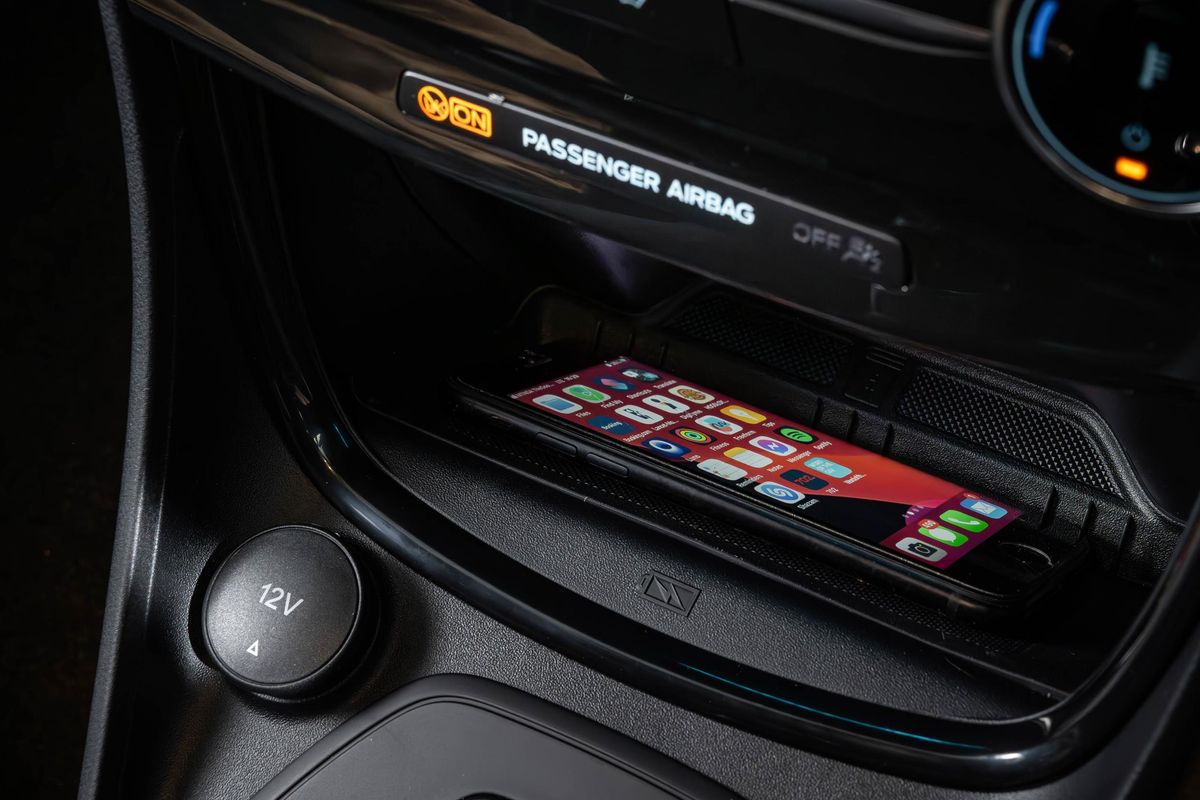
If you do step up to the ST-Line Vignale, you’ll benefit from a terrific 10-speaker B&O audio system, digital instrument cluster, leather trim (with a massage function for the front seats), Apple CarPlay and Android Auto compatibility, a wireless charging pad, USB ports, as well as an assortment of safety technologies, such as hill-launch assist, lane-keeping aid, pre-collision assist and auto high-beam assist.
Massage functionality is a pleasant feature
However, the Puma’s SYNC3-based infotainment system is showing its age (perhaps we’ve been spoilt by the sensational and state-of-the-art SYNC4 system in the new Ranger and Everest). That being said, the system’s intuitive, still delivers a crisp-looking and responsive user experience and we rate its hands-free voice-control capability as one of the best in the business. Satellite navigation is included as well.
Our test unit was specified with the optional Driver Assistance Pack (R21 100), which adds blind-spot information system (BLIS), intelligent adaptive cruise control (with traffic jam assist), traffic-sign recognition, driver alertness monitor, front parking sensors and active park assist. The Styling Pack (R17 300) adds a black roof, a panoramic sunroof and 4-way passenger seat adjustment. There’s no standard colour either: each 1 of the 5 paint finishes available costs R1 050, according to FMCSA’s configurator.
This all adds up. Before you’ve even ponied up for the optional service/maintenance plan, the total price has ballooned to around R650k, which puts the Puma in the league of larger models, such as the H6 GT.
Ford Puma Price and After-Sales Support
The Puma is sold with a 4-year/120 000 km warranty. Service or maintenance plans up to 8 years or 135 000 km are sold separately.
Puma Titanium
R569 900
Puma ST-Line Vignale
R613 900
Verdict
Decent, but pricey
The Ford Puma is a welcome addition to South African showrooms; we enjoyed our time with the model, because it’s a well-resolved product that fills the gap left by the Fiesta compact hatchback and its bigger brother, the Focus. We’d say the Puma offers more driving enjoyment than most models in its segment!
But perhaps Ford’s boutique small crossover has arrived in our market too late to gain a meaningful foothold in this ever-expanding segment. Worse still, its price tag positions it north of its competitors. A Volkswagen T-Roc 1.4TSI 110kW Design with most options ticked (to bring it up to the Puma’s spec) would demand a similar premium, but offer more performance and space for your hard-earned cash. The German model would also include a 5-year/90 000 km service plan, which is optional on the Ford…
So, what if you’ve fallen head over heels for the (undeniably charming) Puma, just like the 93 customers who purchased one in December 2023? Should you buy one? Our advice is to wait a while, because we understand an updated version of the Puma is due to be released globally at some point in 2024.
Upgrades to the cabin are believed to be significant and an all-electric version is on the cards too, so it may well be worth waiting a few months to see if FMCSA confirms the facelifted Puma for our market.
The GWM Ora 03 is South Africa’s most affordable Electric Vehicle (EV), but it now faces fresh competition in the shape of the new Volvo EX30! Which one of these EV products represents a stronger buying proposition? Let’s take a closer look!
The Electric Vehicle (EV) market is steadily growing in South Africa – major brands, such as BMW, Audi and Mercedes-Benz have already launched a wide range of EVs in South Africa. Interestingly, of all the car manufacturers selling electric cars in South Africa, Volvo ended 2023 as Mzansi’s best-selling EV brand with more than 150 units of the XC40 registered throughout the year!
Granted, electric cars are anything but affordable in South Africa, yet brands such as GWM (and Volvo) are catering to buyers looking for more affordable EV solutions in the lower end of the market.
Enter the new GWM Ora 03! With pricing starting from R686 950 for the entry-level Ora 03 300 Super Luxury, this is the most affordable EV on sale in South Africa! Opt for the range-topping Ora 03 400 GT Ultra Luxury and pricing goes up to R835 950. The Ora 03 came to market in November 2023 and a total of 18 units were sold in 2023, which is a promising start for GWM’s first electric car on local soil.
However, the Ora 03 has staunch competition in the form of the new all-electric Volvo EX30 compact crossover which recently arrived in South Africa. The EX30 is smaller than the XC40 and its pricing structure is in the same realm as the Ora 03 with pricing starting from R775 900 and going up to R995 900.
This comparative article aims to help potential buyers make an informed buying decision. To do this, we will cover key aspects such as styling, performance, interior features, practicality and pricing and warranty details.
If, at the end of this article, you are still undecided as to what to buy, you are more than welcome to reach out to us for advice via X, Facebook or Instagram and our experienced test team will gladly assist you.
Note that we have yet to test the Volvo EX30 on local soil and we will therefore reserve judgment on its performance delivery and handling capability.
Exterior Styling
GWM Ora 03
The GWM Ora 03, also known as the Funky Cat in overseas markets, brings a fun(ky) design to a compact package. In pictures, the Ora 03 looks more like a hatchback than a crossover but it does have a fairly large footprint which makes it more comparable to a compact crossover (see practicality section below). In range-topping 400 GT guise, the Ora gains a GT body kit which includes a GT roof-mounted spoiler (with red GT lettering), 18-inch GT alloy wheels with red detailing and red brake calipers red detailing seen on the front and rear diffusers.
Volvo EX30
The soon-to-be-launched EX30 incorporates familiar svelte Swedish design cues from contemporary Volvo products, most notably the XC40 Recharge. While the EX30 adopts a boxy design typical for a vehicle in its class, the sloping roofline and contoured body panels give it a coupe-like appearance. The range-topping EX30 rides on 20-inch alloy wheels and while the EX30 isn’t purported to be sporty-looking, it rather adopts a refined styling approach that’s in line with Volvo’s current design language.
We think the Volvo has the Ora licked in the style stakes but you can be the judge and let us know which car you think looks better.
The GWM Ora 03 is offered with 2 battery options: a 48 kWh battery paired with a 105 kW/210 Nm front electric motor and a 63 kWh battery in combination with a more powerful 126 kW/250 Nm front electric motor. Depending on your battery choice, range varies from a claimed 300 km to 400 km respectively.
The base Ora 03 300 Super Luxury offers basic performance for city commuting and while its outputs are modest, the instantaneous torque delivery endows it with nippy acceleration from a standstill.
Opt for the Ora 400 GT and performance increases notably to deliver a fun driving experience. Ride quality errs on the firmer end of the spectrum, but not at the expense of overall comfort.
As with most EVs, the battery’s charge depletes much quicker at highway speeds, where there are fewer opportunities for regenerative braking, thereby increasing the need for recharging. Therefore, the Ora is most efficient in an urban setting, which offers regular opportunities to harvest energy through braking.
Volvo EX30
On paper, the Volvo EX30 offers significantly better performance potential than the Ora 03. Like the GWM, the Volvo is available with a choice of 2 batteries: 51 kWh and 69 kWh. Unlike the Ora 03, the EX30 makes use of either a rear-mounted single-electric motor with 200 kW and 343 Nm or a twin motor setup (front and rear) that delivers 315 kW and 543 Nm; the latter is technically all-wheel-driven.
Based on the Swedish marque’s claimed acceleration figures and power outputs, the EX30 is expected to deliver excellent performance in terms of acceleration and ride comfort and it should, at the very least, be on par with the XC40 Recharge in this regard. We will hopefully have the Volvo EX30 on test soon for a thorough evaluation and we’ll update this article accordingly thereafter.
Interior Execution and Features
For this comparison, we’ll compare the features found in the range-topping derivatives of each model.
7 airbags, ABS with EBD, brake assist, electronic stability control with traction control, secondary collision mitigation, lane-change and -keeping assist, lane-departure warning, front and rear cross-traffic assist, front and rear collision warning, smart dodge system, traffic jam assist, parking assist, tyre pressure monitoring
7 airbags, ABS with EBD, brake assist, electronic stability control with traction control, collision avoidance and mitigation, lane keeping aid, lane departure warning, blind spot monitoring, run-off road mitigation, front and rear cross-traffic alert, rear collision warning, post-impact braking, pedestrian/cyclist detection, park pilot assist, tyre pressure monitoring
GWM Ora 03
The Ora 03 is equipped with a modern and stylish cabin that exhibits an upmarket look and feel with a combination of soft-touch and hard material finishes. Its modern cabin architecture is pleasing to the eye and the semi-minimalist design approach should find favour with local buyers. The Ora 03 features a wide, dual-screen setup that houses both the infotainment system and the instrument cluster in a single panel, much like we’re familiar with in the latest cars from Mercedes-Benz.
In line with GWM’s product strategy, the specification list of the Ora 03 is mightily impressive (even in base form) – prospective buyers are offered most of the bells and whistles they may want/need, as well as a comprehensive list of safety and driver-assistance features. Interior fit-and-finish is, well, excellent.
Volvo EX30
Inside the EX30, Volvo has taken its modern and minimalist approach to the next level! For starters, you’ll notice that there are virtually no buttons in the EX30. Moreover, there’s no instrument cluster either and all functionality is housed in the large portrait-style infotainment system, which will require familiarisation! However, buyers will appreciate the familiar (and expected) high levels of build quality and ergonomically designed seats. The EX30’s cabin is trimmed with a wide variety of renewable and recycled materials.
Volvo has long claimed to be the safest car brand on the planet and the long list of safety- and driver-assistance features on offer is a testament to that claim.
Dimensions and Practicality
Ora 03
Volvo EX30
Length
4 235mm
4 233 mm
Width
1 825 mm
1 837 mm
Height
1 603 mm
1 549 mm
Wheelbase
2 650 mm
2 650 mm
Kerb Weight
1 580 kg
1 833 kg
Ground Clearance
120 mm
177 mm
Load Bay Capacity
228 to 858 litres (no frunk)
318 to 904 litres (7L frunk)
Seat Configuration
60:40 split
60:40 split
Turning Circle
11.2 m
10.6 m
Practicality Summary
Interestingly, the GWM Ora 03 is similarly sized to the Volvo EX30; their wheelbases are of equal length.
The EX30, however, boasts a more forgiving ground clearance of 177 mm and offers more space for people and luggage thanks to its boxier, crossover/SUV shape. An additional 7 litres of space is offered in the Volvo’s frunk, whereas the Ora 03 doesn’t have one. Also, the Volvo has a tighter turning circle than its Chinese rival, which means it will be slightly easier to manoeuvre in close-quarter driving situations.
As far as practicality is concerned, we think the Volvo EX30 trumps the Ora 03.
Pricing and Warranty
GWM Ora 03
Price
Volvo EX30
Price
Entry
Ora 03 300 Super Luxury
R686 950
EX30 Core Single Motor
R775 900
Ora 03 400 Super Luxury
R775 950
EX30 Plus Single Motor Extended Range
R865 900
Mid
Ora 03 400 Ultra Luxury
R805 950
EX30 Plus Twin Motor Performance
R935 900
EX30 Ultra Single Motor Extended Range
R965 900
Top
Ora 03 400 GT Ultra Luxury
R835 950
EX30 Ultra Twin Motor Performance
R995 900
Vehicle Warranty
7-year / 200 000 km
5-year / 100 000 km warranty
Battery Warranty
8-year / 150 000 km
8-year / 160 000 km
Service Plan
7-year / 105 000 km
None
GWM Ora vs Volvo EX30: What to buy?
If you’re shopping for a brand new battery-electric vehicle (EV) with a budget of under R1 million, your options are limited to the Ora 03, outgoing Mini SE, BYD Atto 3 and the new Volvo EX30.
The Ora 03 makes a strong buying proposition for buyers who are looking for an urban EV that offers basic performance and practicality. Its strong standard feature set further adds to its value appeal. With (relatively) keen pricing of below R700k, the Ora 03 300 Super Luxury is a fantastic entry point for first-time EV buyers who don’t want to break the bank AND it’s worth mentioning that this derivative is a finalist in the Electric Vehicle category of the 2023/24 Cars.co.za Consumer Awards with the winners to be announced at the end of February 2024! Watch this space! It’s also worth noting that the Ora 03 does offer a longer vehicle warranty and service plan, which should give buyers some added peace of mind.
The Ora 03 is surprisingly spacious, but it may not suit buyers who want a more conventional (albeit all-electric) small crossover ownership experience. Yes, the Volvo is pricier than the (undeniably stylish) GWM, but it’s also significantly more powerful by comparison and offers a modicum more practicality! While the Twin Motor EX30 is certainly nice to have (provided your budget can stretch to just under R1 million), we think the 200-kW EX30 Plus Single Motor Extended Range is the sweet spot in the range.
While the Ora 03 might make more sense at the lower end of the price spectrum, its performance value tapers off higher up the model range. You don’t want to be paying more for less, do you? Note that the price gap between the entry-level Ora 03 300 Super Luxury and the range-topping Ora 03 400 GT Ultra Luxury is R149 000. You’ll have to decide for yourself if the additional 100km range, extra 21 kW and 40 Nm and a few additional features are worth the extra outlay. We think not… For roughly the same money, the Volvo EX30 Plus Single Motor Extended Range makes a stronger case for itself.
With that said, we think the EX30, on paper at least, represents a better overall value proposition – well, if you can afford it…
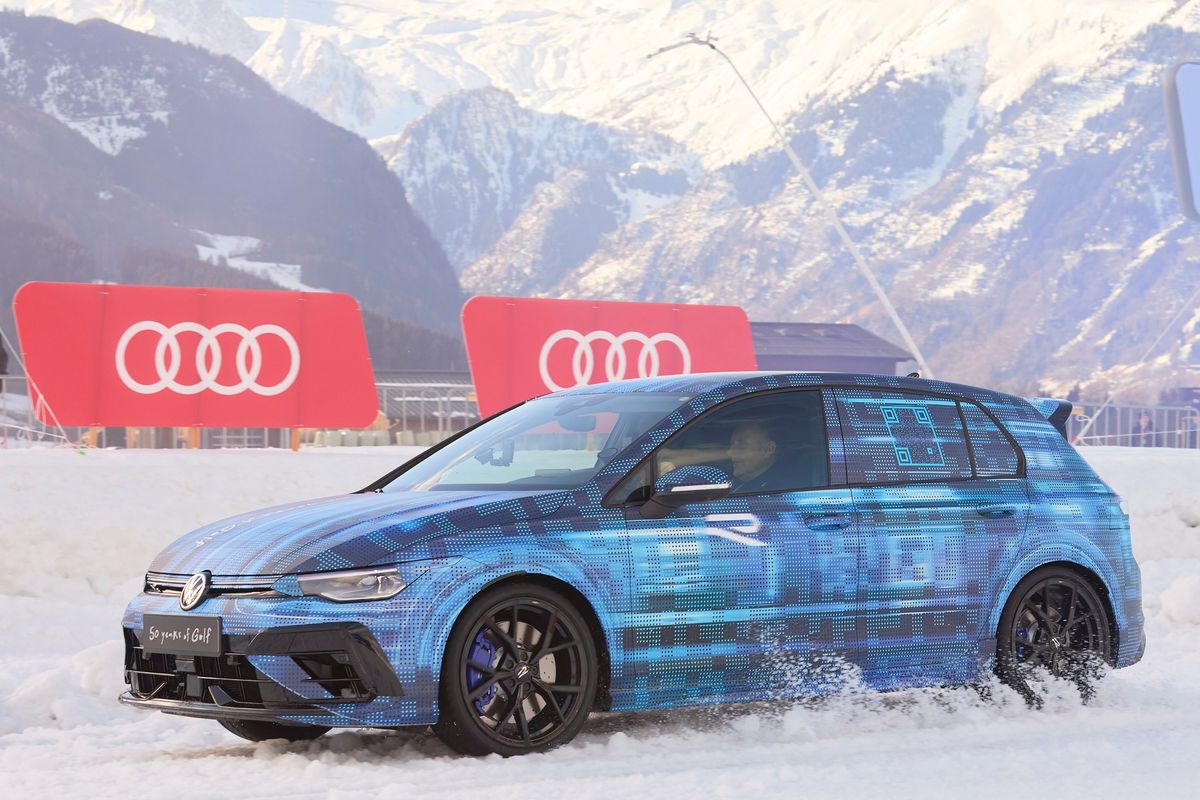
The Volkswagen Golf R facelift has been previewed at the annual Ice Race in Austria. Here are the early details of what’s to come.
The facelifted Golf 8.5 and 8.5 GTI was revealed towards the end of January 2024, but now attention has turned to the flagship performance Volkswagen Golf R facelift, which will be formally unveiled in the middle of 2024.
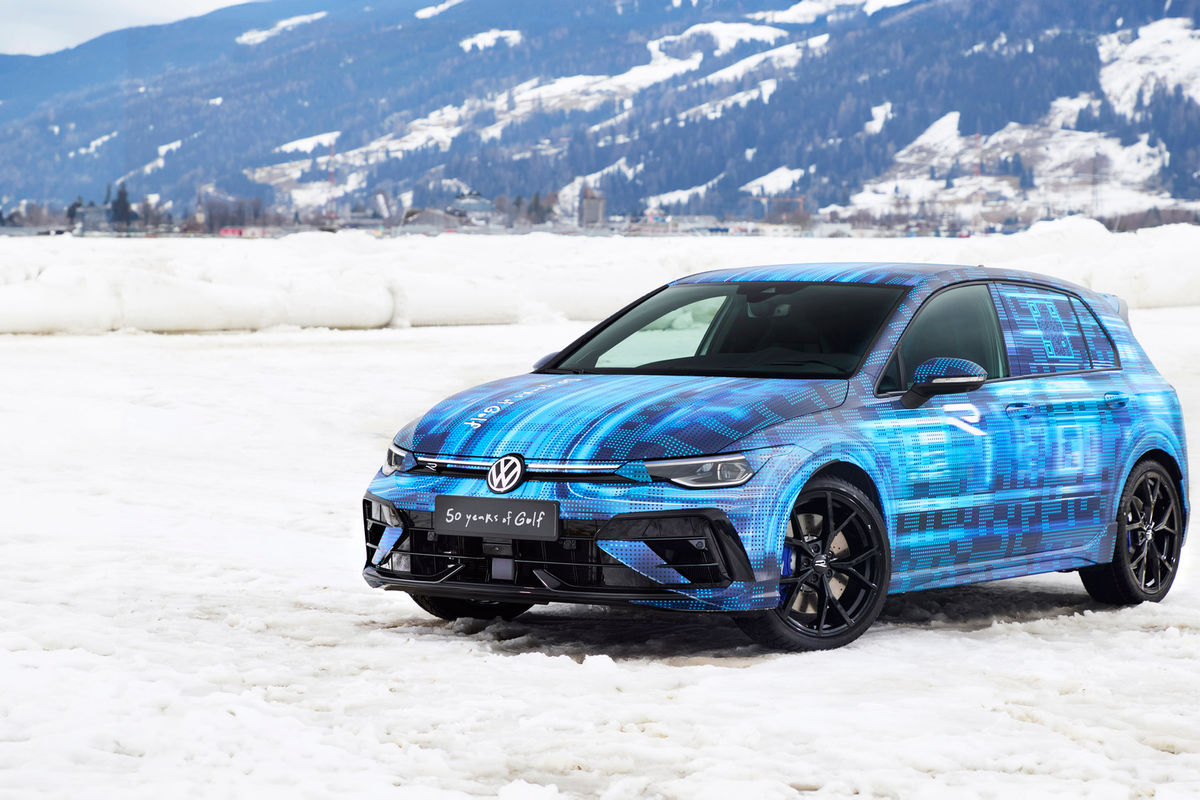
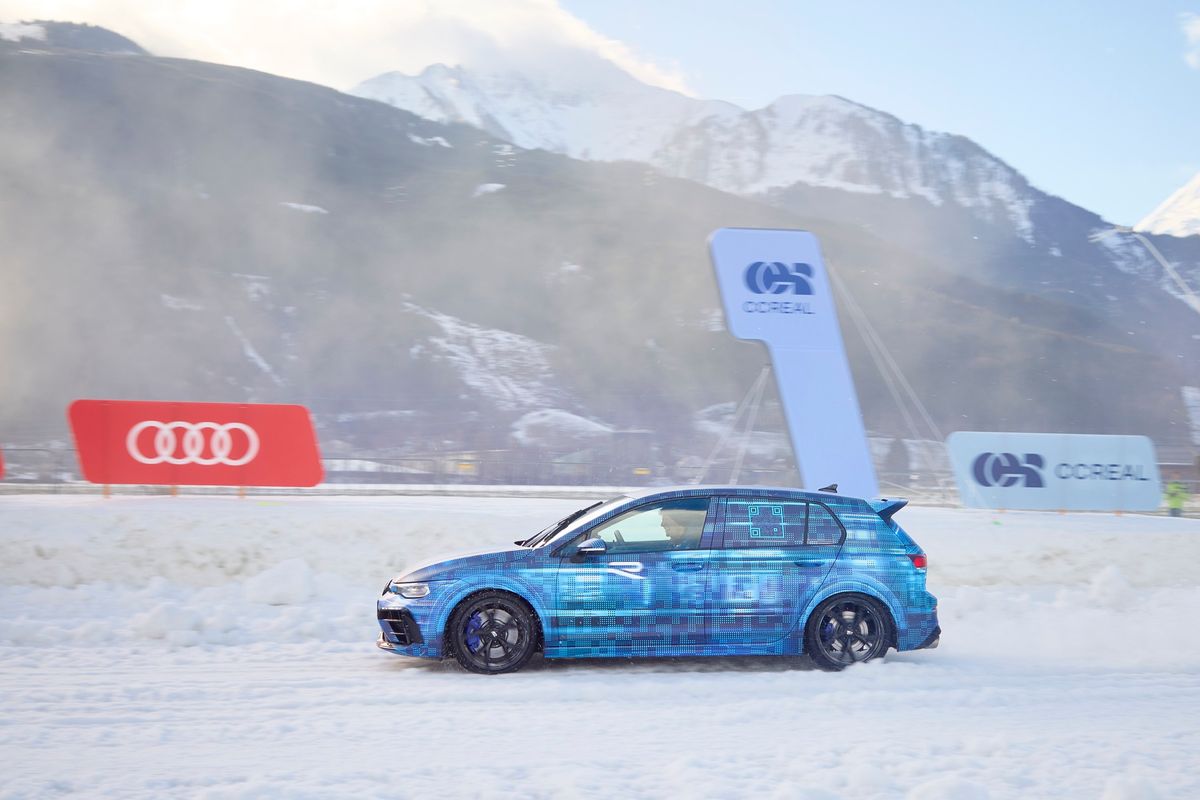
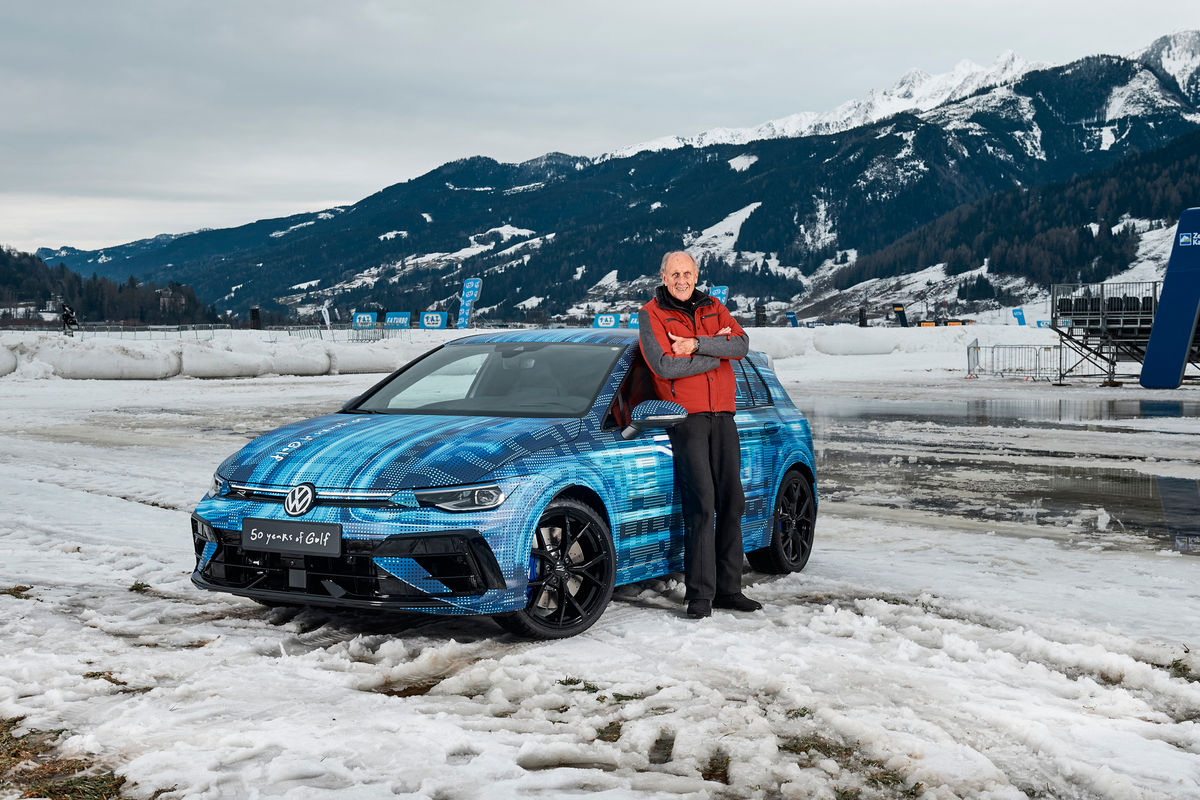
As a reminder, this year marks the 50th birthday of the Volkswagen Golf and forming part of the celebrations was the appearance of a semi-camouflaged prototype at the Ice Race in Austria. This event, which has been held since 1937 at its current location, is a fun motorsport competition that showcases high performance and car control in freezing conditions.
The Volkswagen Golf R facelift was joined by racing legend Hans-Joachim Stuck and six-time World Rallycross Champion Johan Kristoffersson, who did demonstration runs in the new car. While the vehicle was disguised, you can spot the high-performance brakes, gaping intake and bumper as well as unique IQ LED headlights.
The key changes will be in the cabin and under the skin, with revisions to the infotainment system and car’s computing systems, both of which struggled with bugs and glitches. There will be a repositioning of the infotainment screen which will also grow in size, much like the standard Golf GTI’s.
We’re not expecting big changes to the turbocharged 2.0-litre EA 888 petrol engine. In its current state of tune, there’s 235 kW and 400 Nm of torque, and the vehicle features a quick-shifting 7-speed dual-clutch transmission and 4Motion all-wheel-drive system. However, the 8.5 GTI received a power increase, so we can’t rule outputs of around 250 kW.
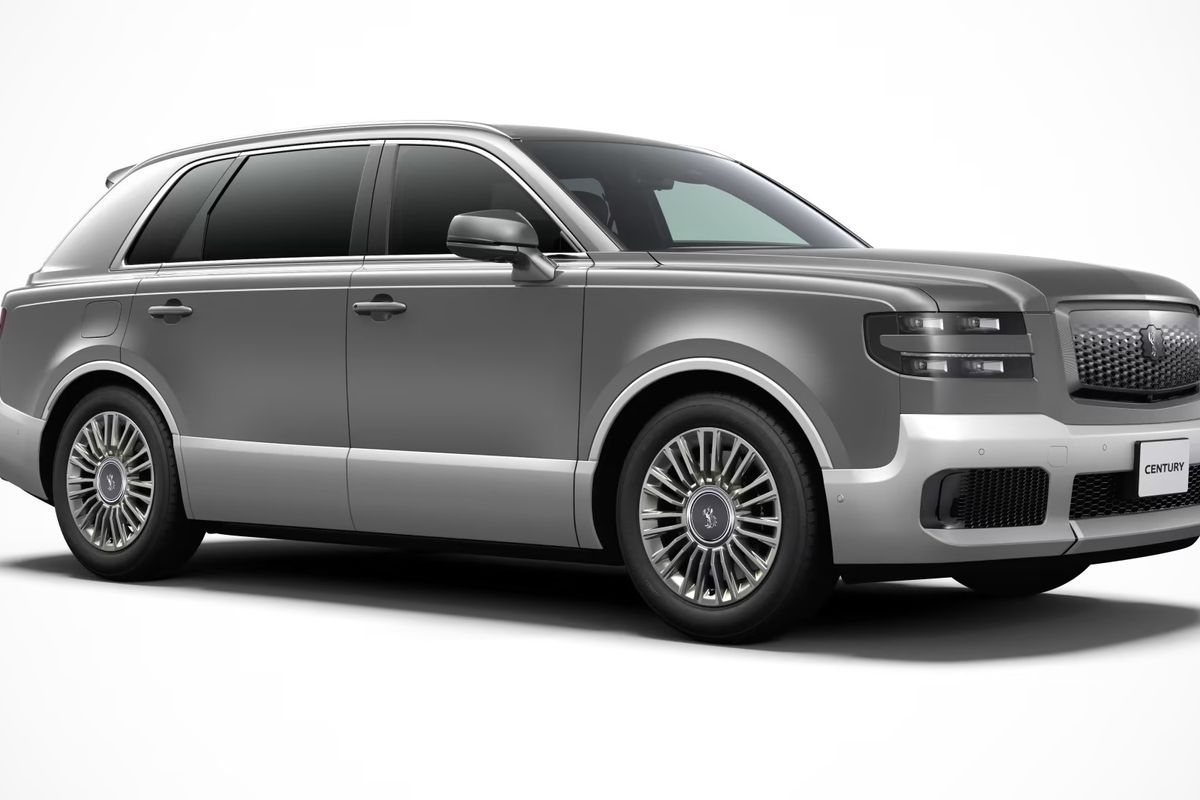
A fresh report suggests that Toyota Century will be come a stand-alone luxury brand which targets high net worth individuals.
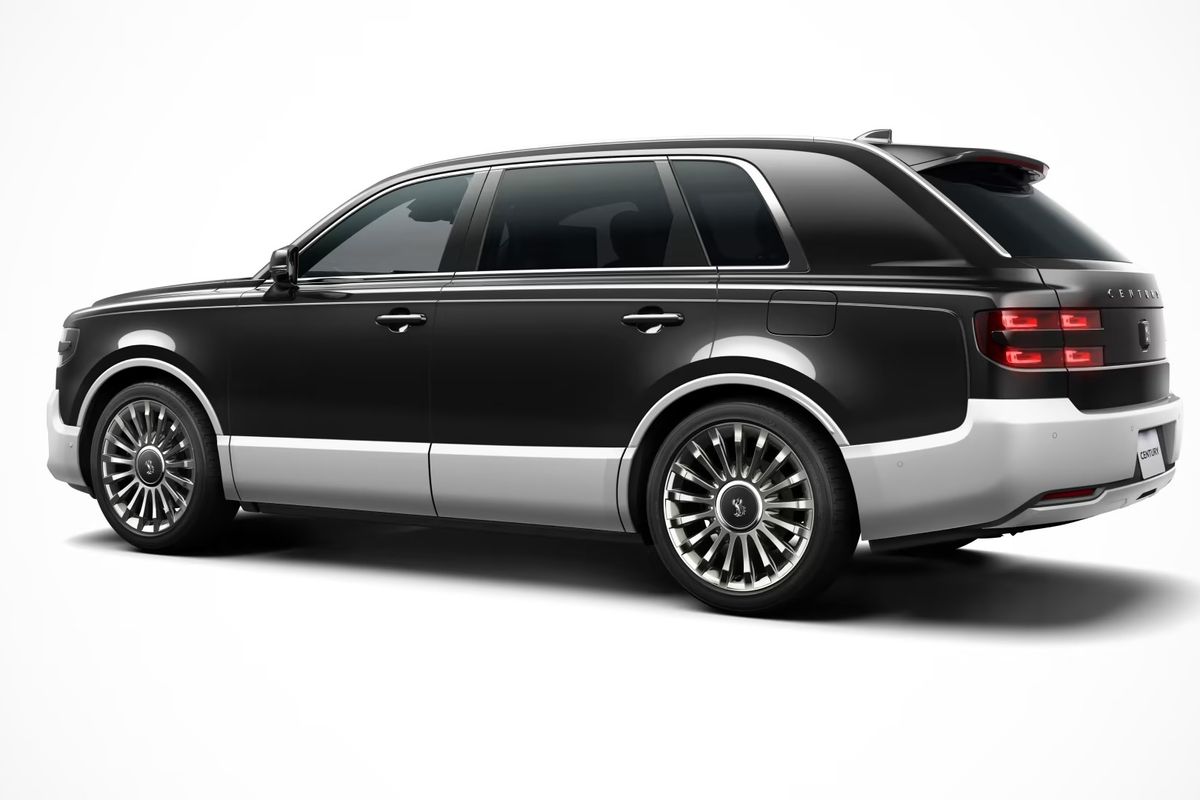
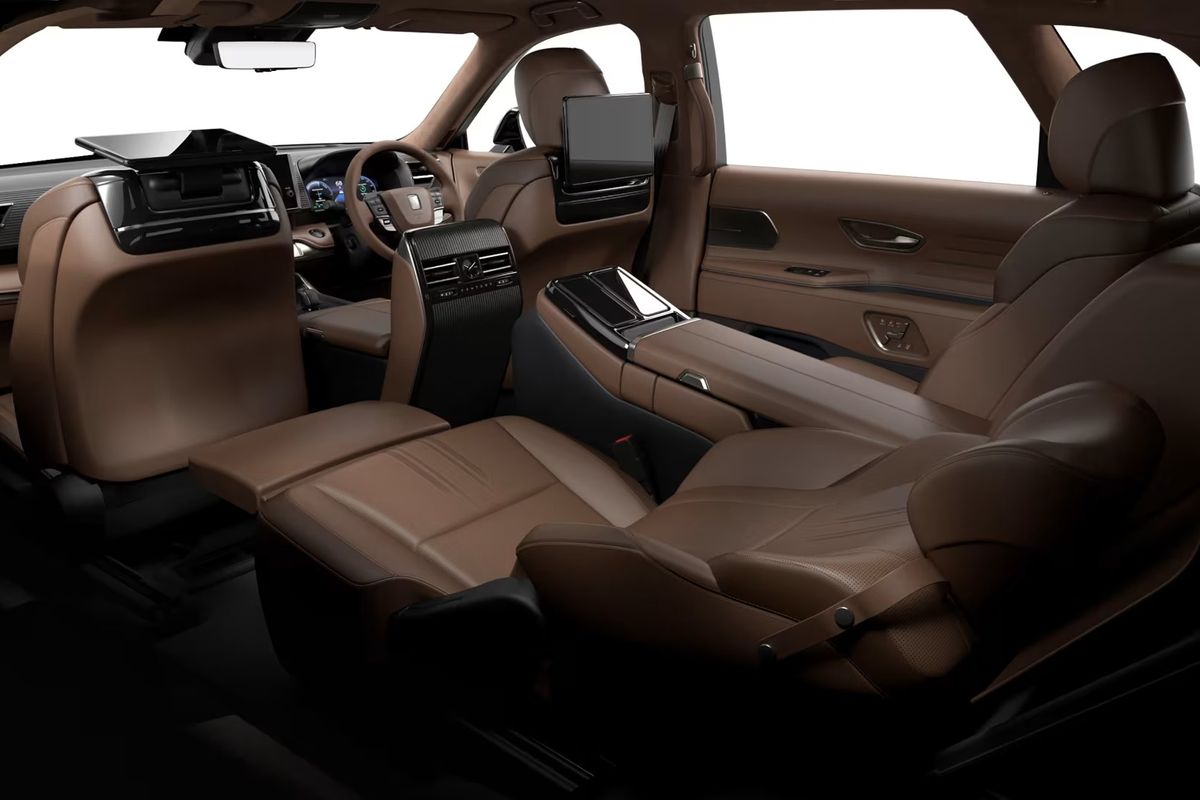
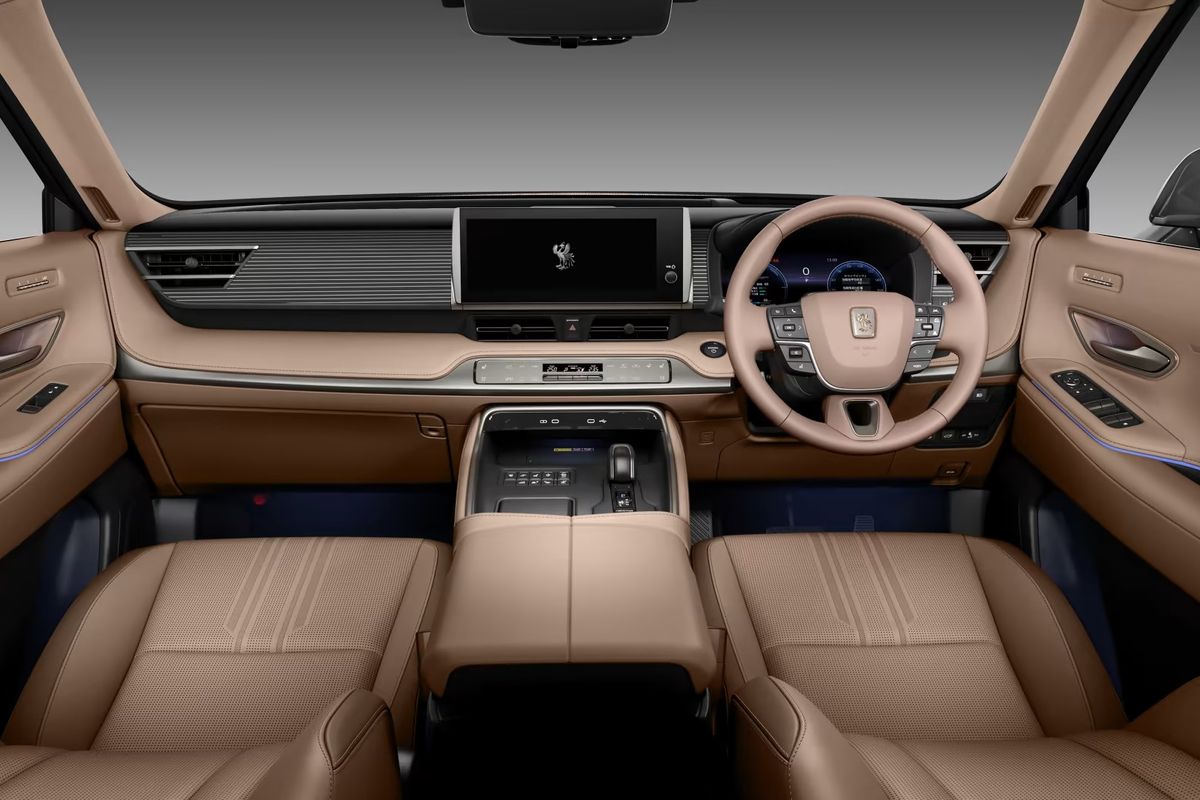
The Toyota Century is a product that is not well known outside of its home market of Japan. It offers a premium and luxurious experience and is positioned as transport for the elite. Previously, there have been sedans and even a special convertible, but right now there’s just the single SUV in the range.
According to an article by Forbes, Toyota is reportedly in the process of repositioning its Century as a stand-alone luxury brand that will go up against Bentley and Maybach-Mercedes. You may wonder why Lexus isn’t being upgraded to this top tier, but we understand that Century will be positioned as Toyota’s Rolls-Royce.
The source in the Forbes report quotes an unnamed Toyota exec who said “The Century will actually be positioned above the Lexus brand as an extra luxurious brand.” Right now, Toyota is still marketing the vehicle you see here as the “Toyota Century” but we reckon there will be other vehicles bearing the Century name which will be revealed in the next few years. Once there’s a diverse lineup, Toyota will likely ditch the prefix and formally announce the Century brand.
The Century SUV and sedan are powered by a petrol plug-in hybrid 3.5-litre V6 with 303 kW and it has a pure-electric range of 69 km. It’s sold exclusively in Japan and China.
Will the luxury Century come to South Africa?
As we head into February 2024, details on the ultra-luxurious Toyota are scarce. Given the global market’s appetite for flagship luxury SUVs and the associated profit margins, we expect the Japanese carmaker to maximise its offering around the world. There’s a thirst in the Asian, Middle East and US market for large ultra-luxurious SUVs and we think we’ll see the Century locally sooner rather than later.
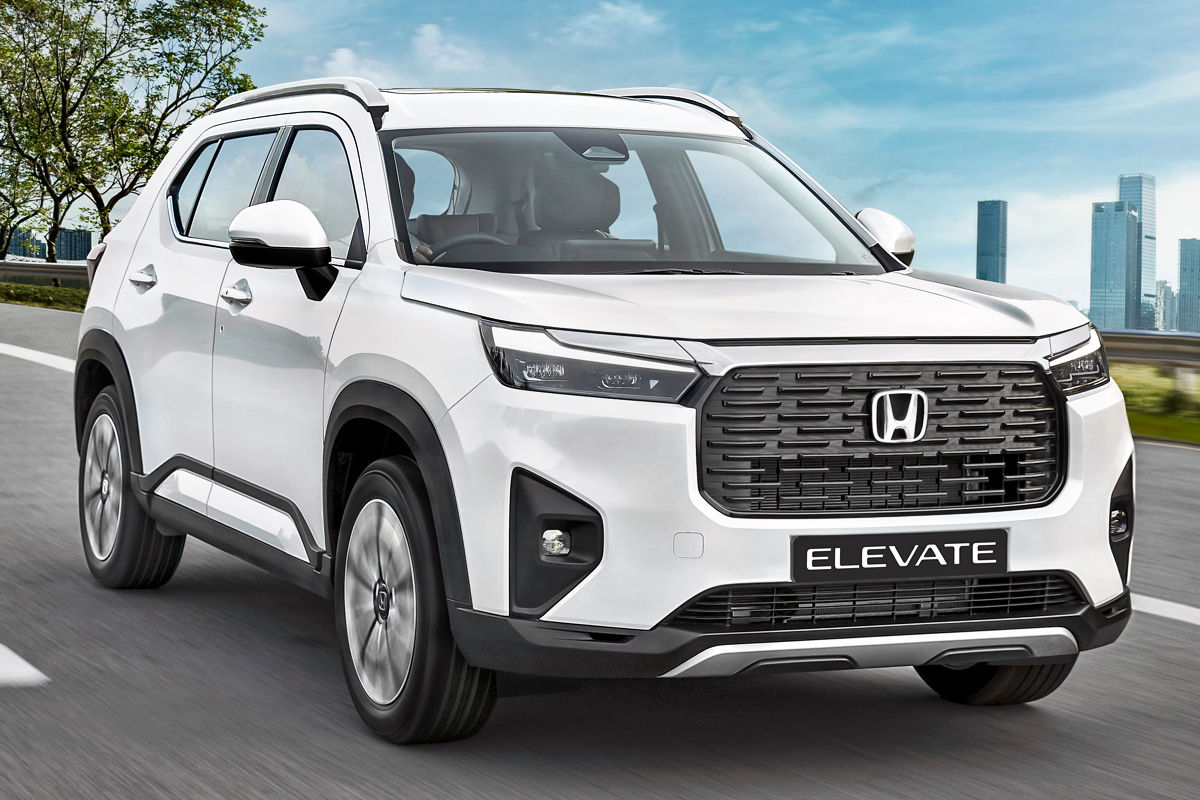
The new Honda Elevate – a crossover based on the Ballade platform and built in India – has finally been confirmed for South Africa. Here’s what you can expect…
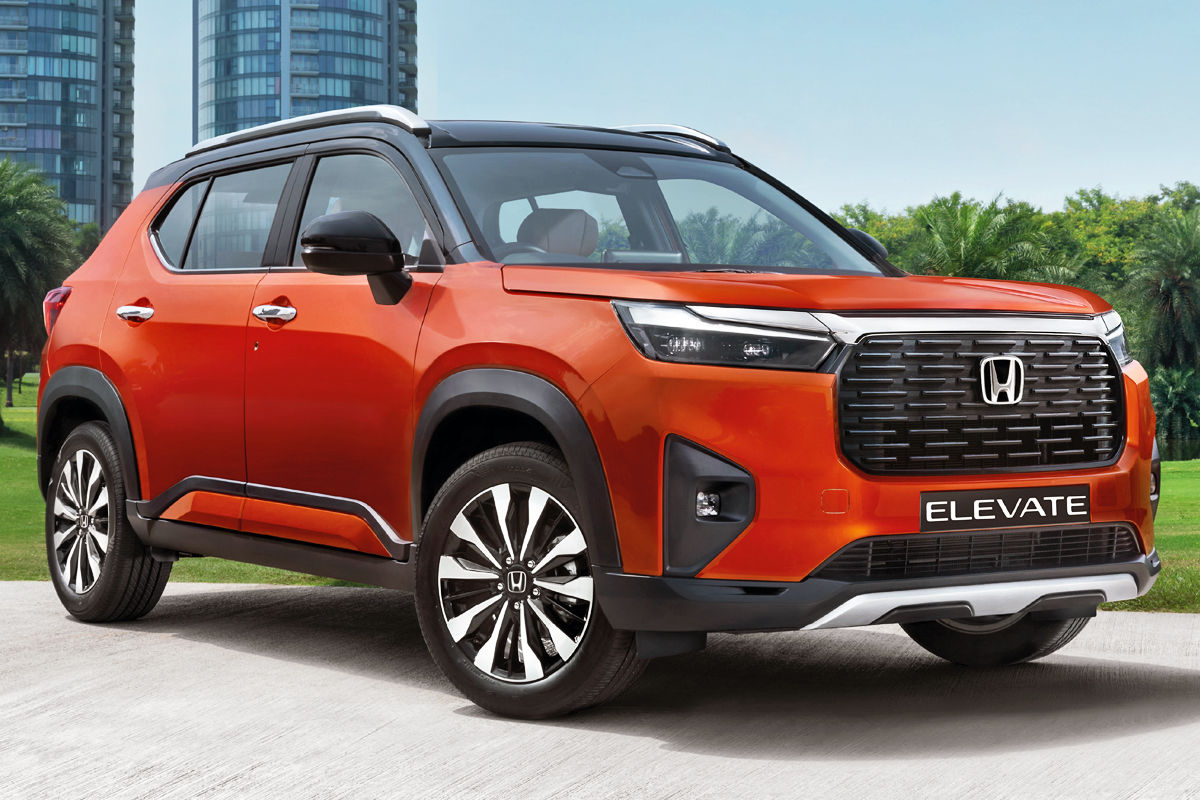
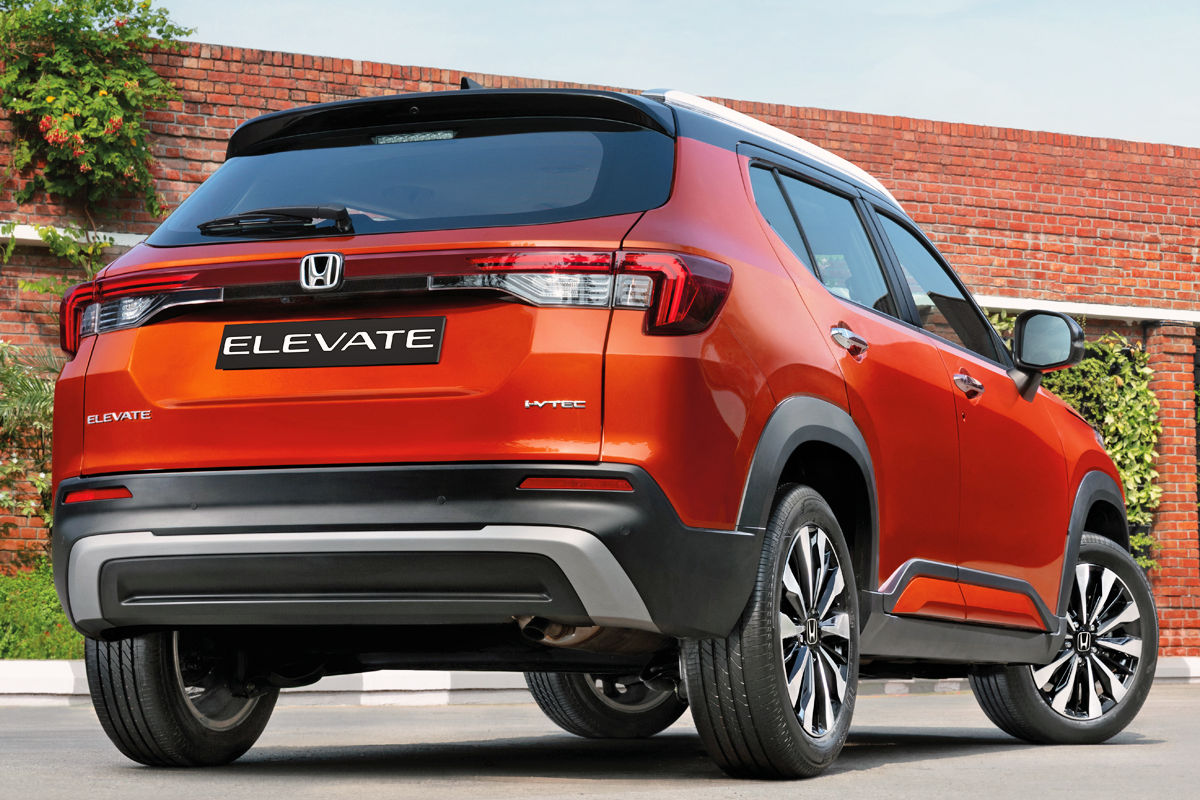
It was only a matter of time, wasn’t it? Yes, the new Honda Elevate has finally been confirmed for South Africa, with its local launch date set for the 2nd half of February 2024.
Revealed back in June 2023, this new crossover is based on the Ballade platform and built alongside that sedan (which is also known as the City) in India. Interestingly, it’s the first Indian-built Honda product to be exported to Japan, where it – rather confusingly, we might add – wears the WR-V badge.
Here in South Africa, the Elevate is poised to compete against the likes of the Hyundai Creta, Kia Seltos, Toyota Urban Cruiser and Suzuki Grand Vitara, though it’s not yet clear exactly where Honda Southern Africa will position the newcomer in terms of pricing.
So, in broader terms, where will it slot in within Honda’s crossover line-up? Well, the new Elevate measures 4 312 mm from snout to rump and has a wheelbase of 2 650 mm. That makes it 313 mm longer than the WR-V but 178 mm shorter than the BR-V. It’s also worth noting the Elevate is quite similar in size to the HR-V, which measures a mere 33 mm longer.
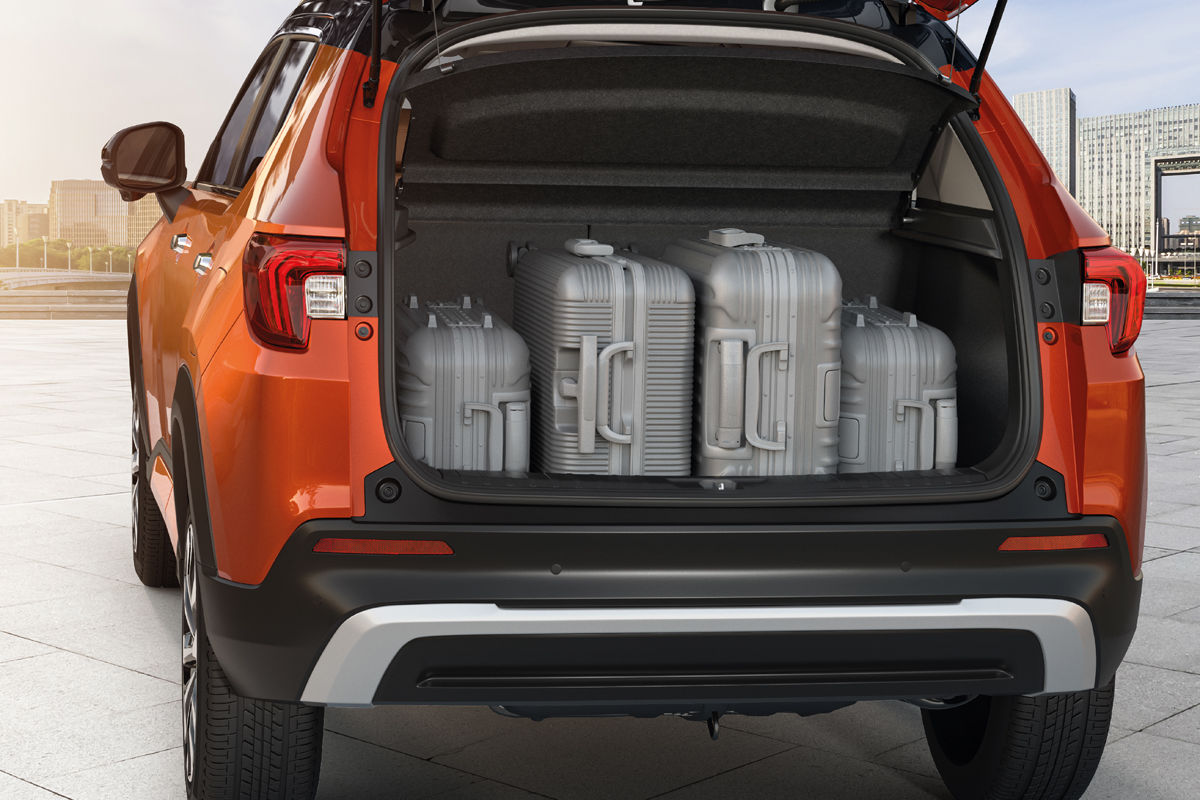
The Elevate’s luggage compartment can swallow a claimed 458 litres, while ground clearance comes in at a fairly handy 220 mm. As you might have guessed, the Elevate employs the same DOHC i-VTEC engine as the Ballade on which it’s based.
That means power comes from the Japanese firm’s familiar naturally aspirated 1.5-litre, 4-cylinder petrol motor, which delivers 89 kW and 145 Nm to the front axle via a 6-speed manual gearbox or a continuously variable transmission (CVT). SA-spec figures are, of course, yet to be confirmed.
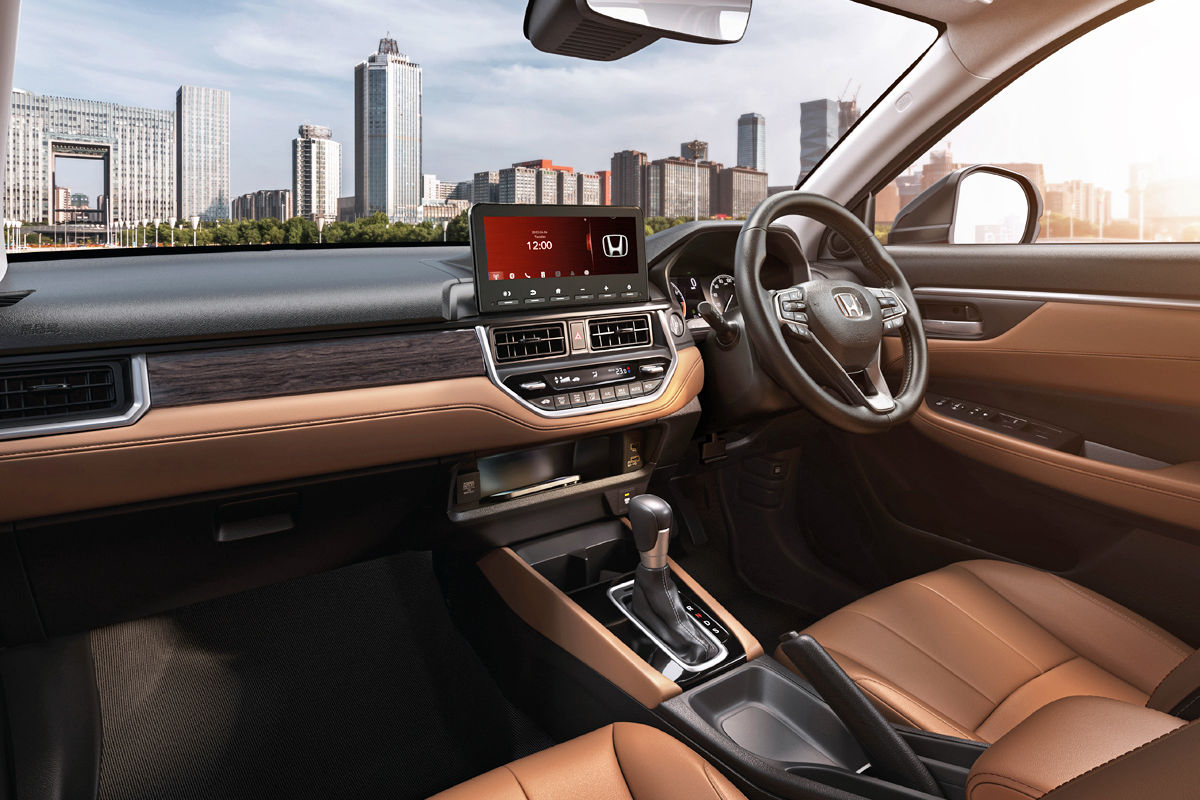
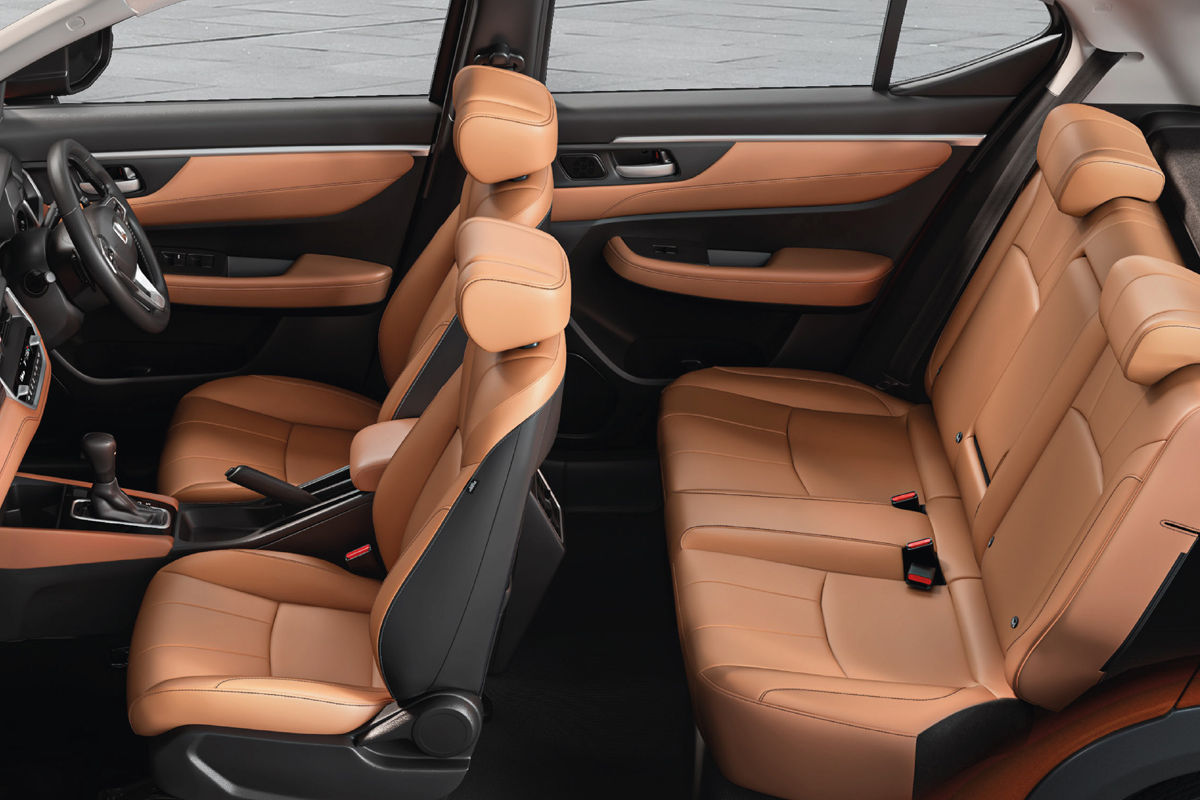
In India, the Elevate ships with items such as a 7-inch digital instrument cluster, a centrally sited 10.25-inch infotainment touchscreen (with Android Auto and Apple CarPlay) and a rear parking camera. A sunroof is furthermore available in that market. We’d speculate the SA-spec version will ditch the brown trim seen in the images for black instead.
There’s also a raft of driver-assistance features, like adaptive cruise control, lane-departure warning and automatic high-beam assist on offer in India. Other standard safety features on the Indian-spec model include 6 airbags, ABS with EBD (and brake assist), vehicle stability assist and hill-start assist.
The Elevate will be a welcome addition to Honda Southern Africa’s passenger-vehicle stable considering the brand’s top seller locally in 2023 was the Amaze, which managed just 1 034 units (or only 87 units a month). The BR-V was next on 687 units, followed by the WR-V (675 units), Fit (434 units), HR-V (183 units), CR-V (161 units), Ballade (120 units) and Civic (90 units).