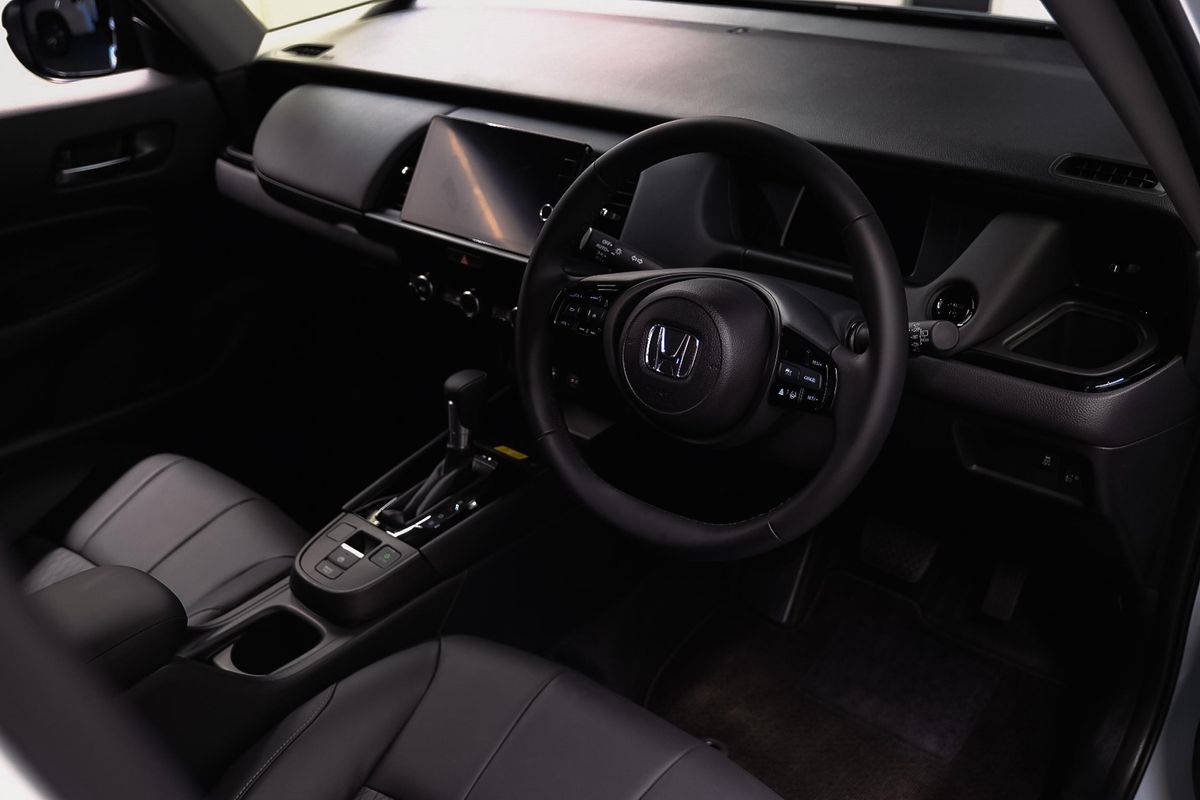
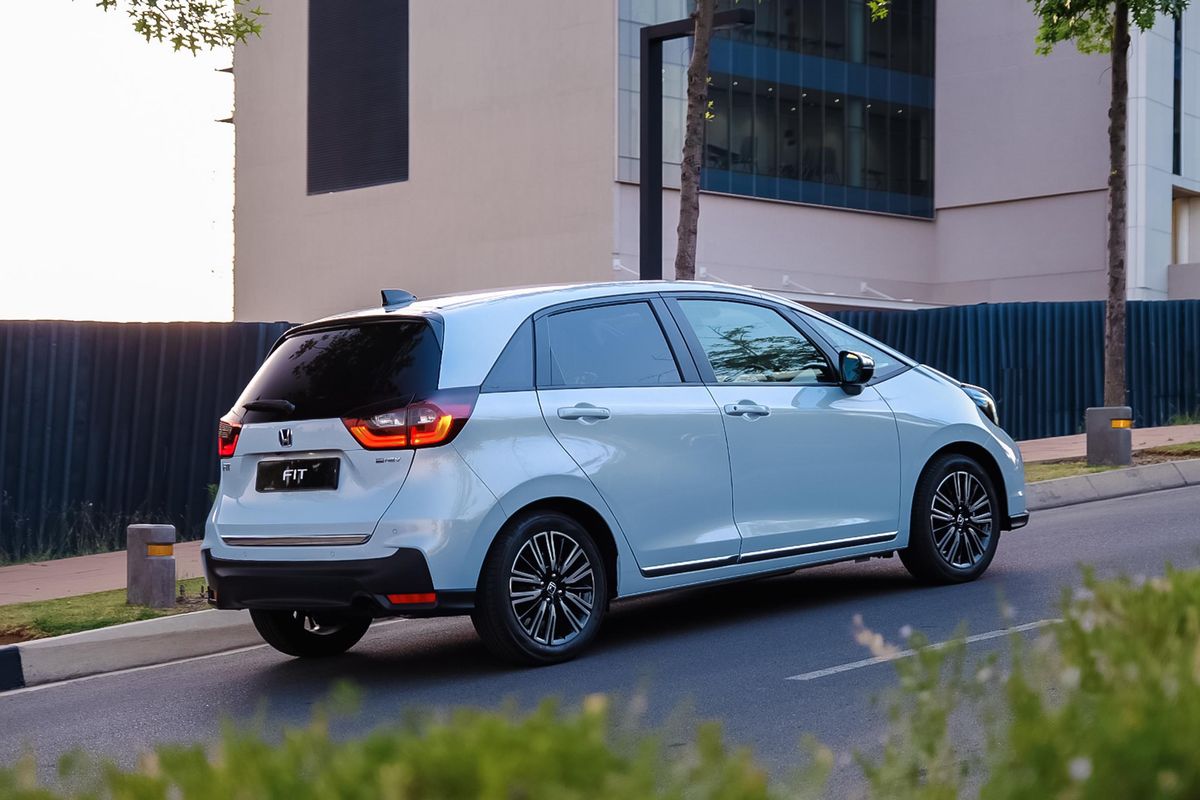
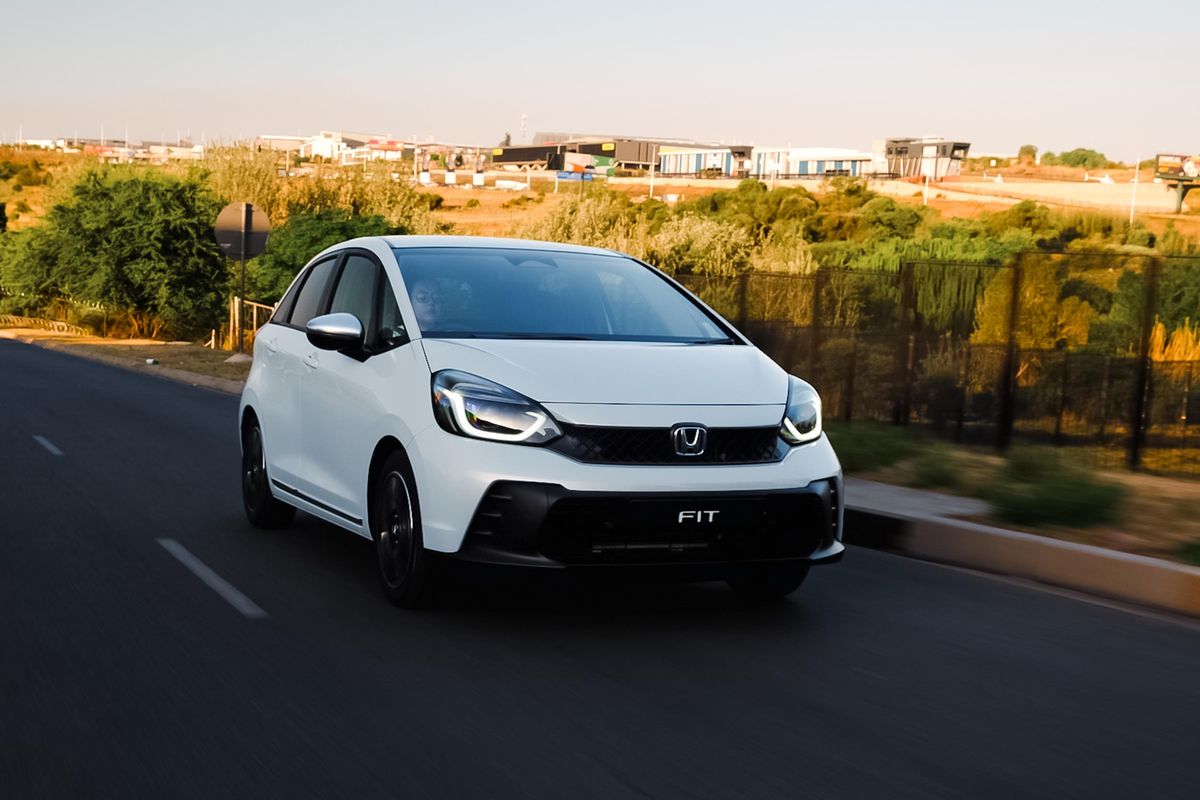
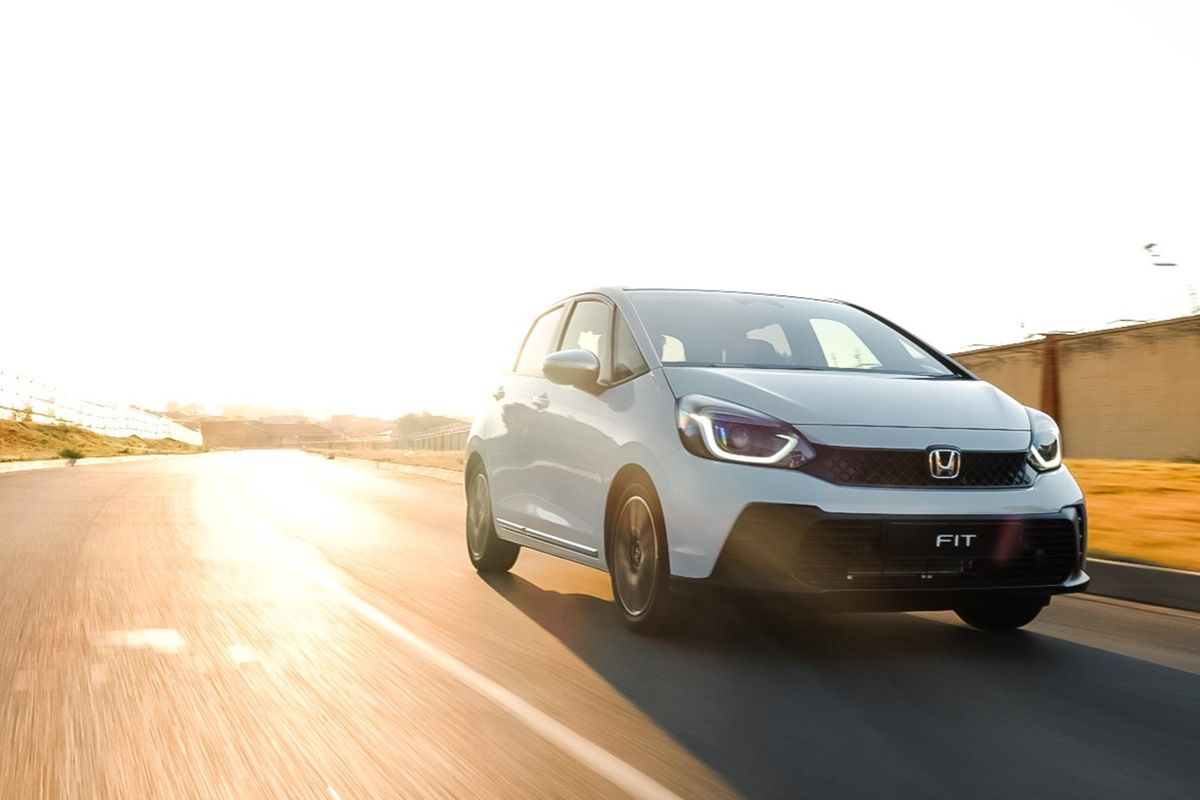
The facelifted Honda Fit has been given an update for 2024, with a sportier look, upgraded trim levels and additional safety tech which is now standard across the range. Here are specifications and pricing.
The Honda Fit is a well thought-out compact B-segment hatchback. Spanning four generations and formerly known as the Jazz, the Fit was won many fans across the globe. Now the facelifted Honda Fit has touched in South Africa.
You can spot the facelifted Honda Fit with an enhanced visual package comprising revised bumpers that give the car a sporty look. The grille has been given a honeycomb design and the headlight projector ring surround is now finished in black and there’s a matte black finish.
Facelifted Honda Fit Trim Levels
For 2024, Honda South Africa has cut the Executive derivative. There are three trim levels: Comfort, Elegance, Hybrid.
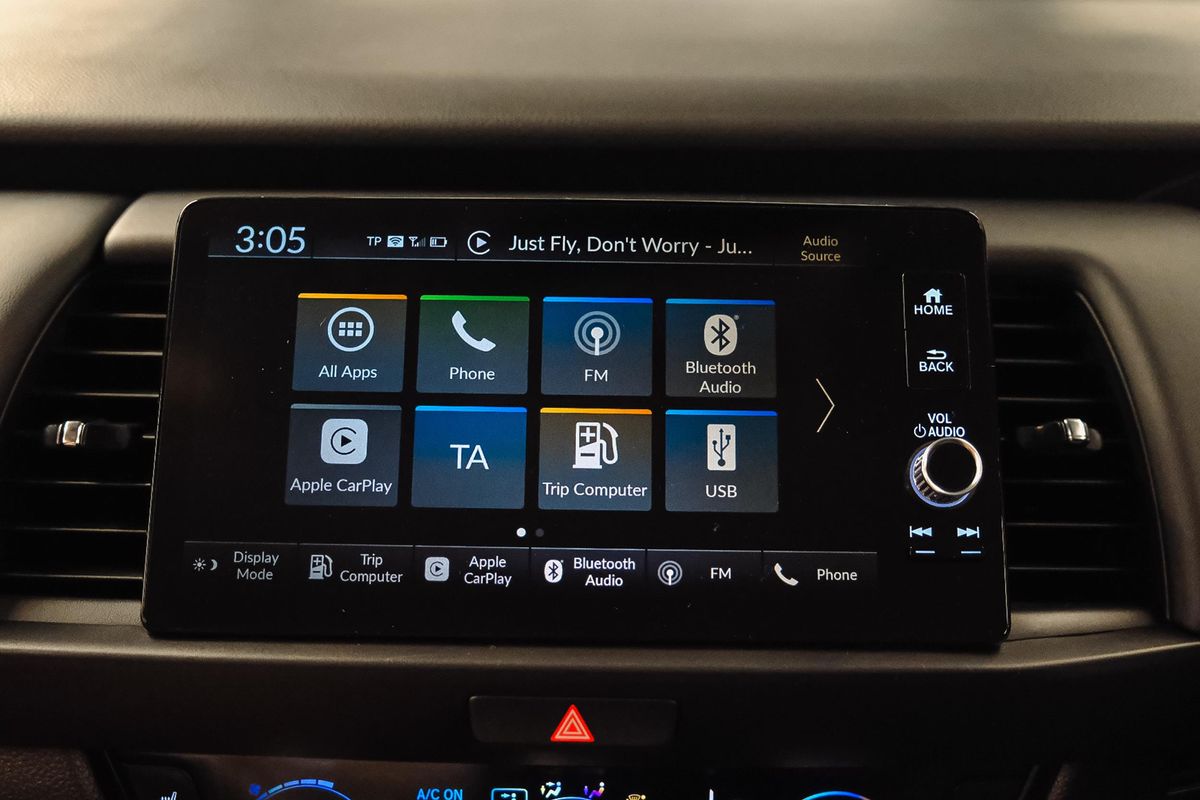
Standard features across the range range from daytime running lights, LED headlights, front/rear parking sensors, keyless entry, push button start, 9-inch infotainment system with Apple CarPlay and Android Auto. The Elegance derivative gains a wireless smartphone charger and alloy wheels.
The addition of Honda Sensing across the range enhanced the overall safety package. This tech includes Collision Mitigation Braking which can detect cars, cyclists and pedestrians, and apply brakes if the driver doesn’t react in time. Adaptive Cruise Control, Lane Keep Assist, Road Departure Mitigation and Auto High Beam all fall under Honda Sensing and are included as standard.
As a reminder, the Honda Fit is powered by a 1.5-litre naturally-aspirated 4-cylinder petrol engine making 89 kW and 145 Nm. The vehicle is sold with a Continuously Variable Transmission (CVT) and is said to consume 5.5 L/100 km.
How much does the Honda Fit cost in South Africa?
The refreshed Fit range comes standard with a 5-year / 200 000km warranty, a 4-year / 60 000km service plan, and 3 years of AA roadside assistance included. The Fit Hybrid gains an additional extended warranty of 8-year / 200,000km covering the Lithium-ion battery and other related components of the powertrain.
The cost of living keeps increasing, but that doesn’t mean you should pay more for your car insurance than you need to. Budget Insurance brings you a handful of top tips to help you save money by lowering your monthly car insurance premium…
PARTNERED CONTENT
Responsible South African vehicle owners regard adequate car insurance as an essential expense. You just never know what can happen on the road and being fully protected isn’t a luxury – it’s a necessity. However, that doesn’t mean that your insurance premiums should exhaust your disposable income…
1. Choose the type of car you drive carefully
Does the type of car you drive affect your car insurance premium? Yes, it’s a major consideration. The general rule of thumb is that the more expensive a car is, the higher you will pay for car insurance. This is because repairs or replacement costs will be higher in the event of the car being damaged or stolen.
But there are a few more factors to think about when buying a new set of wheels. This can include the vehicle’s age, whether it is a luxury model, safety features and the statistical chances of the car being involved in an accident or stolen.
Buying second-hand can be a good option, but consider these important factors before you shell out any money. This is because newer cars are equipped with more expensive features, which are more costly to replace than those in older models. Your vehicle’s body style could also have an impact on insurance costs. For example, SUVs garner higher premiums than smaller models, because they will probably do more damage to another vehicle if there is an accident.
Your car’s crash safety rating can also have an impact on you getting cheap car insurance. A vehicle that has a higher Euro- or Global NCAP test score (for crash avoidance and mitigation, as well as how the car protects passengers from injury when involved in an accident) will have a lower car insurance premium.
2. Watch your driving record & take a driving course
Does your driving record affect your insurance premiums? Yes, it does. If you are prone to getting traffic fines, have been involved in a car accident in the past, or have any other traffic infringements, this could hike up what you pay for car insurance every month. Other than being a careful driver who respects the rules of the road, there is one way you can reduce your car insurance premiums and that is by improving your skills through an advanced driving course.
What Is Advanced Driving?
When someone gets a driver’s licence, it indicates that he or she has demonstrated the necessary skills for basic driving. Most drivers never continue their learning beyond that point. However, it’s wise to take your driving education further. Advanced driving courses teach participants the skills they need to be the best drivers they can be. Students are trained in:
Vehicle control
Proper speeds for passing and travel
General road-handling
Effective observation
Suitable braking techniques for all motoring situations
Benefits of an advanced driving course
The primary reason that drivers elect to participate in an advanced driving course is to enjoy the benefits of being safer on the road. There are other benefits, too. You’ll put less wear and tear on your car, allowing you to drive it for many years without spending as much on maintenance and repairs. Furthermore, when you obtain an advanced driving course completion certificate, you can submit it to your insurance company, and you may receive a discount.
3. Increase your car insurance excess
One of the first things you are asked when you get a car insurance quote is what excess you would like to have with your policy. An excess is the amount of money you must pay when making an insurance claim. For example, if you are involved in an accident and make an insurance claim of R10 000 to replace a damaged bumper, you may have to pay R1 500 to your insurer before the repair can be made.
Most insurance companies have a compulsory excess amount, and this can differ depending on the car model and the age of the driver (more inexperienced drivers will be given a higher excess because they have a higher chance of having an accident). How much above the compulsory excess you want to pay, will be your choice, however. Having a lower excess means you will pay less when you claim, but it also means you pay more on your insurance premiums.
One of the ways you can save on your monthly insurance costs is to set a higher excess. You will have to pay more when you claim, but if you don’t make any claims, you will lower your overall insurance costs.
4. Take car security seriously
It is an unfortunate reality that vehicle crime in South Africa is alarmingly high, with billions of rands in vehicles being stolen or hijacked every year. That’s why every step you take to lower the risk of your vehicle becoming a crime statistic, will have a positive impact on your insurance premiums. This can be done by adding security measures, such as a:
Car alarm
Immobiliser
Wheel locks
Approved tracking device
There are also simple safety measures you can take. Some of these include parking in a safe and well-lit area, remembering to lock your vehicle (even when you are at home) and keeping your valuables out of plain view. Your insurer will base your premium based on where you park your car, particularly overnight.
Some areas are statistically more dangerous than others and this can raise your premiums. These statistics are worked out according to how many crime incidences have occurred in an area, including theft, robbery, smash and grabs and hijackings. However, if your car is parked in a locked garage and you live in a security estate with 24-hour guards, this is likely to lower your risk profile.
5. Review your car insurance cover regularly
Regularly reviewing your insurance policy is a good idea and could save you money in the long run. This should be done immediately if there have been any changes in your personal life, such as when you move house, buy a new car, or need to add another driver to your insurance plan.
All these changes will make a difference to your car insurance and some may prompt your insurer to offer you a lower premium (such as when you move to an area with a lower crime rate, or a home with better security or if one of the insured drivers turns 25). Don’t let your household (including car) insurance premium creep up year on year without understanding why it has increased; perhaps it doesn’t need to.
Get a quote now
If you want to learn more about car insurance or review your car insurance requirements with the help of experts, Budget Insurance‘s team is always ready to assist. Contact them on 086 1600 120 or leave your details and they’ll call you back at no expense to you! You can also request an online quote.
A high-ranking Volkswagen designer has released an intriguing sketch of an Amarok SUV, reigniting speculation that VW will offer a twin to the Ford Everest…
The head of design at Volkswagen Commercial Vehicles has released an intriguing sketch of an Amarok SUV, reigniting earlier rumours that the Wolfsburg-based automaker will offer a twin to the Ford Everest.
As a reminder, the 2nd-generation Amarok is based on the Ranger bakkie (and built by the Blue Oval brand at its Silverton facility here in South Africa). Since the Everest is underpinned by the same ladder-frame platform, a VW-badged version of the adventure SUV is hardly beyond the realm of possibility.
Albert Kirzinger, Head of Design at VW Commercial Vehicles, published the sketch on his LinkedIn page, though hinted the rendering was actually from an earlier research stage (still, his use of the words “sneak peek” is interesting in this context).
“Exploring design ideas for the Amarok pickup truck! Our research phase back in the day took us on an off-road journey, and here’s a sneak peek with a rendering featuring a fully closed pickup bed. Ready for rugged adventures!” Kirzinger wrote in the LinkedIn post.
The design sketch shows an Amarok-based SUV kitted out with various off-roading accessories, including a snorkel, BFGoodrich all-terrain tyres (wrapped round large alloy wheels), red-painted recovery points and a roof rack, the latter complete with auxiliary driving lights. The vehicle’s lower grille area is distinct from that of the Amarok, while the rear doors bizarrely appear to be missing their handles.
As an aside, the German company earlier suggested that an Everest-based SUV was off the table, before a high-ranking official admitted Europe’s upcoming stricter emissions regulations may well result in VW-badged version of Ford’s body-on-frame SUV – though with electric propulsion.
Could we end up seeing VW taking on established adventure SUVs – think Toyota Fortuner, Isuzu MU-X and Mitsubishi Pajero Sport, not to mention the Everest – with a 7-seater Amarok-based contender? Well, for now, Volkswagen is keeping its cards pretty close to its chest, but time will certainly tell…
Ford Rangeror Toyota Hilux? Which nameplate was the best seller in South Africa’s all-important double-cab bakkie segment in 2023? Well, we have the final figures!
You’ve likely already had a read of our list of South Africa’s best-selling bakkies for 2023. But what exactly happened in the double-cab bakkie sales race?
Since Naamsa’s monthly sales figures unfortunately don’t include a breakdown of the 3 available bakkie body styles (the single-, extended- and double-cab shapes), we’ve again turned to our colleagues over at Lightstone Auto for help identifying SA’s best-selling 1-tonne double-cab bakkies for 2023.
Before we share these figures, let’s take a step back and consider what the overall picture – that is, including all body styles – looked like in 2023. Based on Naamsa’s figures, the Toyota Hilux won the overall race, with sales increasing 16.1% to 37 382 units. The Ford Ranger (up 42% to 24 618 units) was 2nd and the Isuzu D-Max (up 11.1% to 18 962 units) finished 3rd.
South Africa’s top-selling double-cab bakkies in 2023
The Ford Ranger was SA’s best-selling double-cab bakkie in 2023.
Right, now let’s break down the sales statistics by body style. According to Lightstone Auto’s figures, the Ford Ranger took the title of South Africa’s best-selling double-cab bakkie last year, with 20 662 units registered. By our maths, dual-cab derivatives thus represented a whopping 83.9% of the Silverton-built bakkie’s total.
That means the Toyota Hilux had to settle for the runner-up position in Mzansi’s double-cab sales competition, ending 2023 on 18 227 units. The latter figure – which is 2 435 units off the pace set by the Ranger – fascinatingly represented 48.8% of the Prospecton-produced stalwart’s overall tally.
And the final place on the double-cab podium? Well, that predictably went to the Struandale-manufactured Isuzu D-Max, which managed a total of 8 524 units. Interestingly, compared with the Hilux, double-cab variants made up an even smaller portion of overall D-Max registrations last year, accounting for just 45.0%.
Lightstone Auto’s figures furthermore showed sales of all other double-cab bakkie derivatives (over and above the Ranger, Hilux and D-Max) totalled 16 663 units for 2023.
SA’s best-selling extended- and single-cab bakkies
The Toyota Hilux took the sales crown in the single-cab bakkie contest.
What happened in the 1-tonne single-cab space (note, we’re excluding the soon-to-depart Nissan NP200, which managed 12 721 units in 2023, since it’s a half-tonner)? Well, the Toyota Hilux was the clear winner in this segment last year, finishing on 13 710 units. For the record, that represents 36.7% of the venerable nameplate’s 2023 total.
The Isuzu D-Max grabbed 2nd position on 8 584 units (or 45.3% of its aggregate), while the 2-door version of the KwaZulu-Natal-assembled Mahindra Pik Up (6 060 units or a whopping 75.2% of its total) claimed 3rd place. The Ford Ranger single cab, meanwhile, finished the year on just 1 515 registrations, with all other one-tonne single cabs collectively managing 9 573 units.
The Toyota Hilux also triumphed in the extended-cab sales contest, with as many as 5 417 units of the Xtra Cab registered in 2023. The Ford Ranger Super Cab took 2nd (2 441 units) ahead of the Isuzu D-Max Extended Cab (1 851 units) in 3rd.
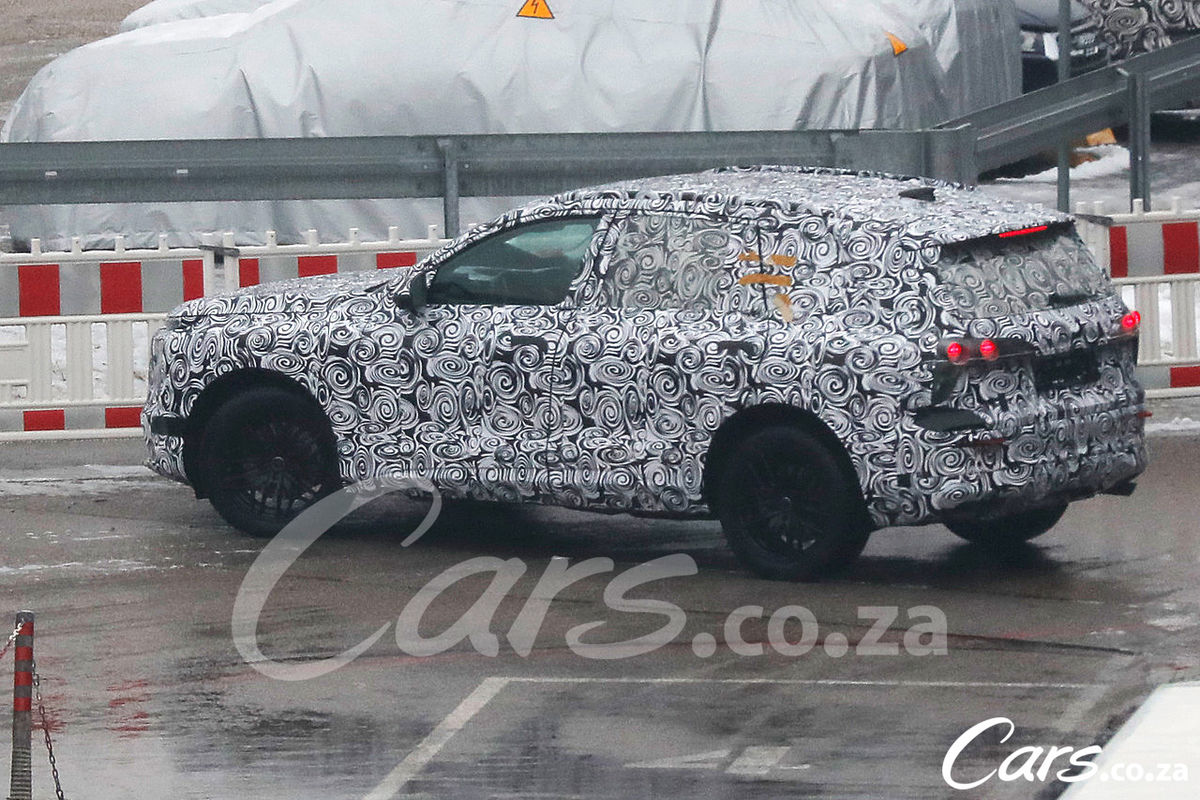
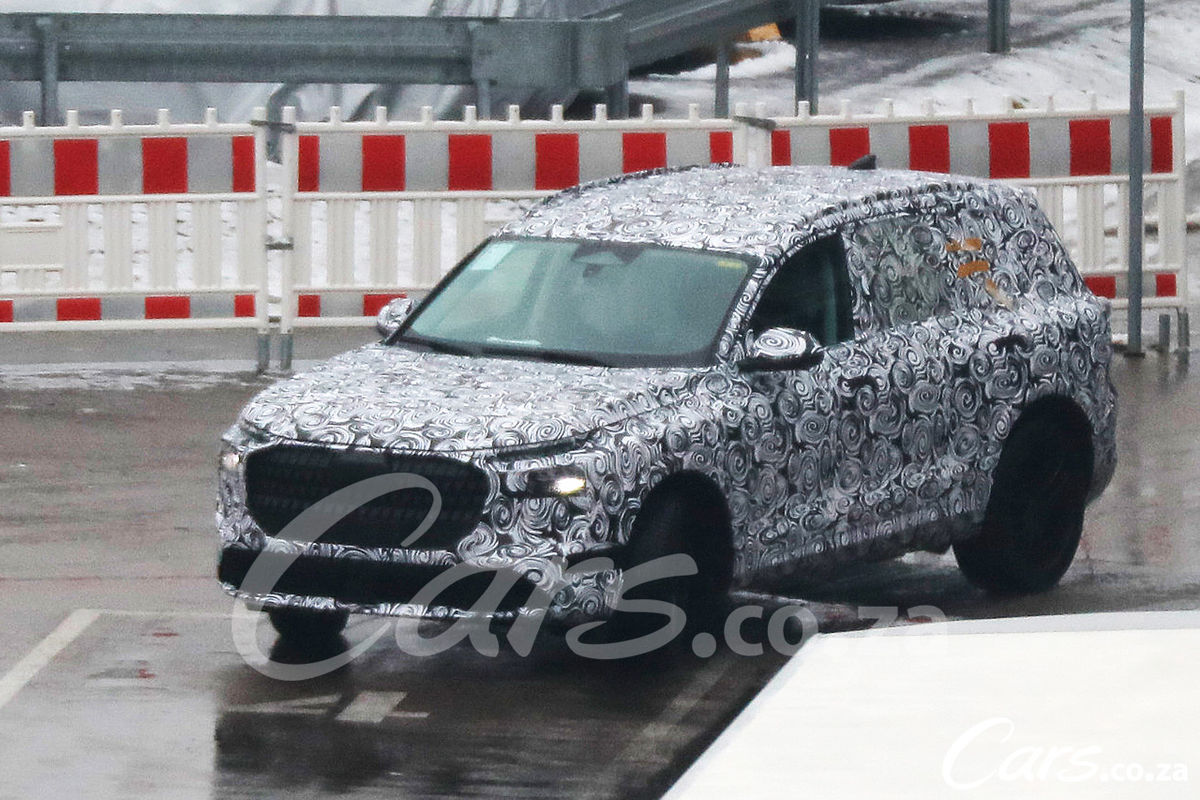
This prototype is the 2025 Audi Q9, which will be launched as a rival to the BMW X7 and Mercedes-Benz GLS.
Picture credit: S. Baldauf/SB-Medien. We have paid for these photos and at the photographer’s request, have watermarked them.
Audi is forging ahead with its electric-only strategy and from 2026, the Ingolstadt-based brand will no longer launch any new vehicles with internal combustion engines. What you see here is potentially one of the last few petrol-powered vehicles from Audi.
The 2025 Audi Q9 will be positioned as a flagship, three-row luxury SUV that will be trying to snatch some sales away from the BMW X7 and Mercedes-Benz GLS. With primary target markets identified as the USA and Asia, the Q9 will have a high-end cabin and luxury appointments for all three rows of passengers.
When it comes to engines, Audi can draw upon the vast array on offer from the parent Volkswagen Group. A cursory look at the soon-to-be-locally-launched Audi Q8 shows a turbocharged petrol V8 and turbocharged diesel V6 motors. We’d assume there would be plug-in assisted hybrid models and potentially a powerful flagship V8 to take the fight to the respective AMG and M equivalents.
We’re still early in the development phase of the 2025 Audi Q9 and we expect a formal reveal towards the end of 2024. As soon as we have more information, we’ll update this article.
No E30 M3 in South Africa? No problem, you can build your own!
South Africa never got the BMW E30 M3, but that didn’t stop one petrolhead from creating his own!
South Africa was one of the countries that missed out on the original BMW E30 M3. It was such a sore point for our local BMW enthusiasts and division that they went on to make their own special editions like the E30 333i and the iconic 325IS Evo I and Evo II.
But what if you could make your own E30 M3? That would be extremely rare in South Africa.
That’s what the owner of this custom E30 M3 decided to do when he partnered with the team at Big Boss Auto in order to create something that is almost indiscernable from the original E30 M3. A lot of detail and custom fabrication had to go into the build and this is the result. Tell us what you think of the build in the comments below.
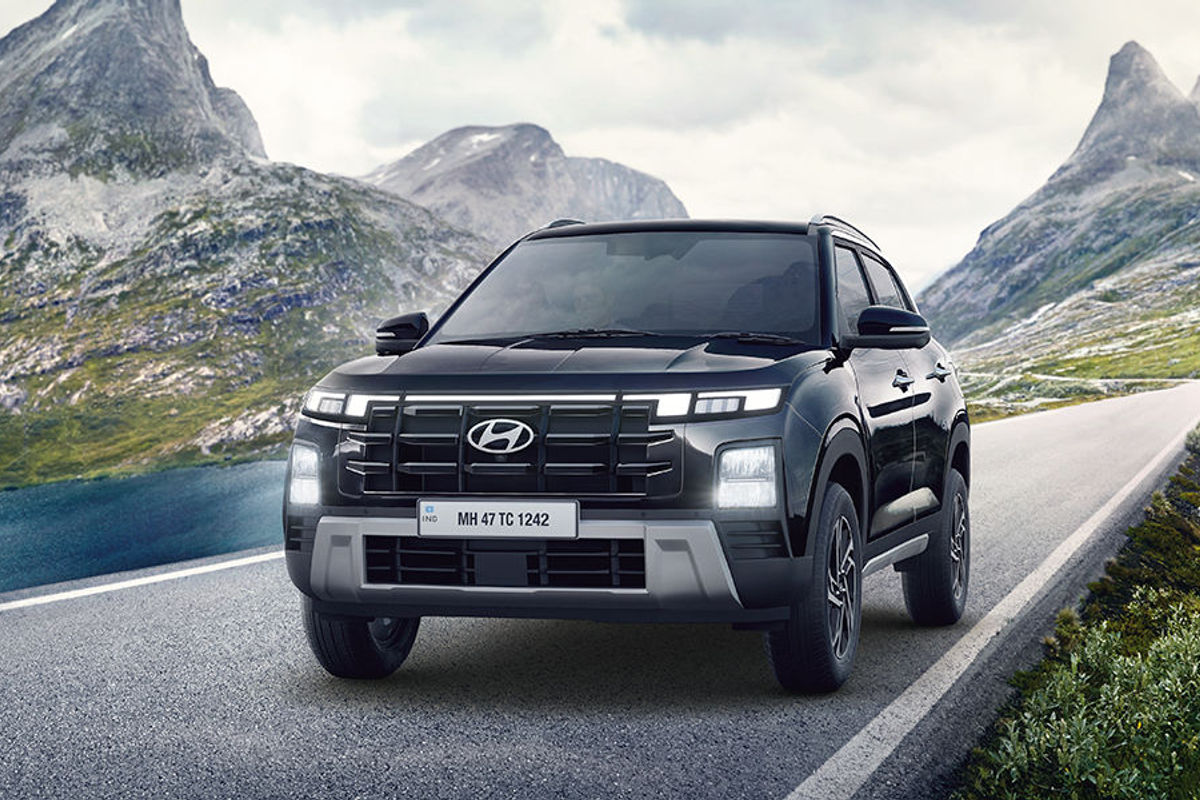
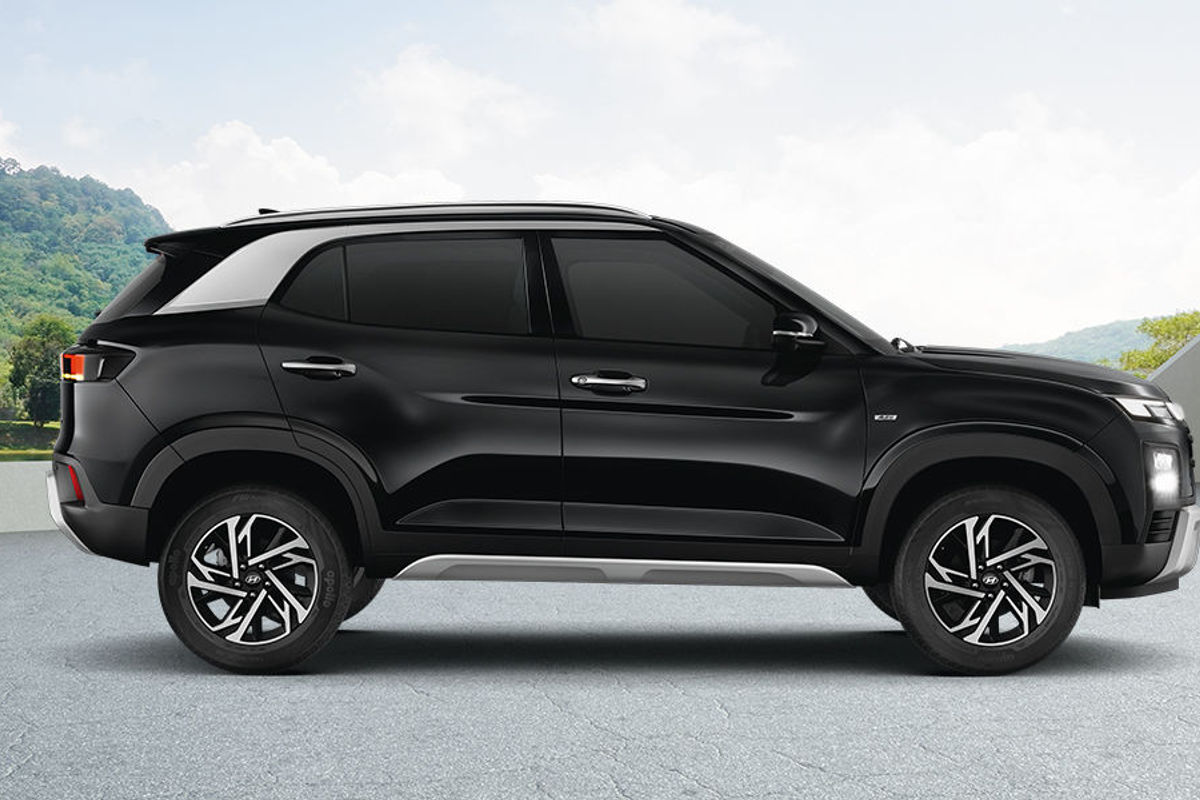
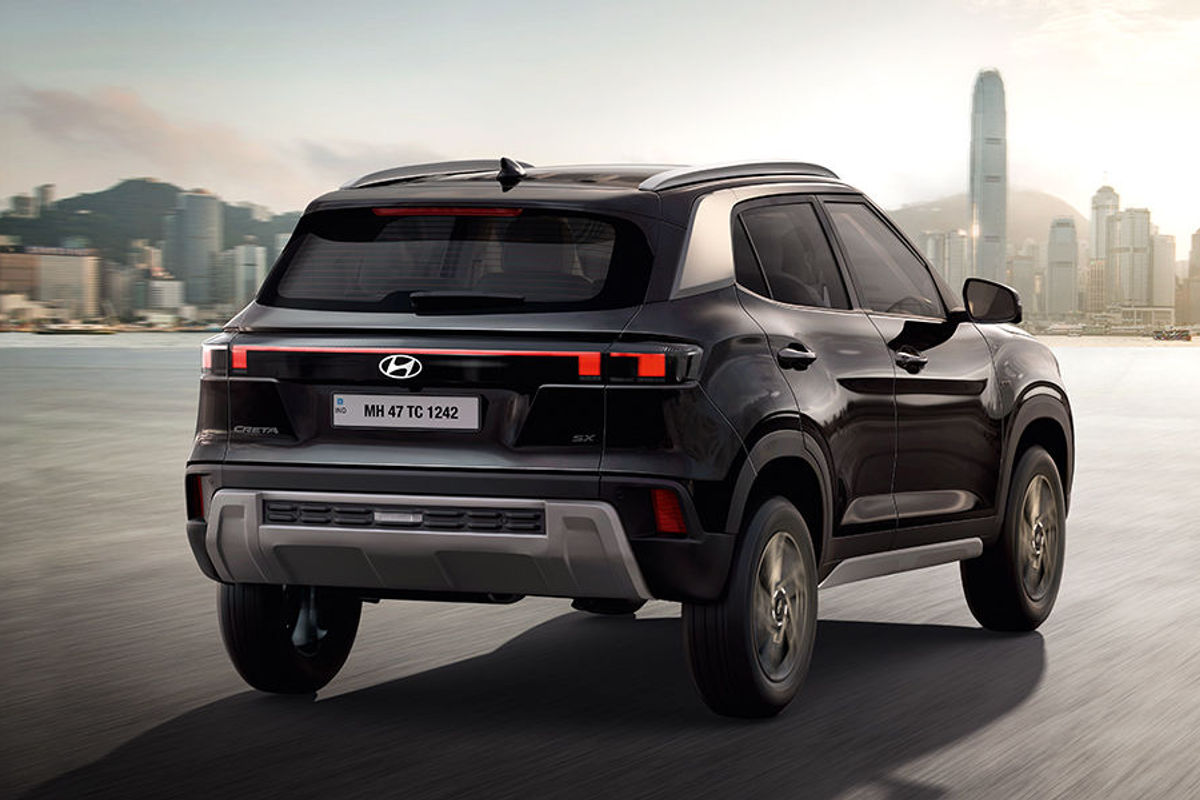
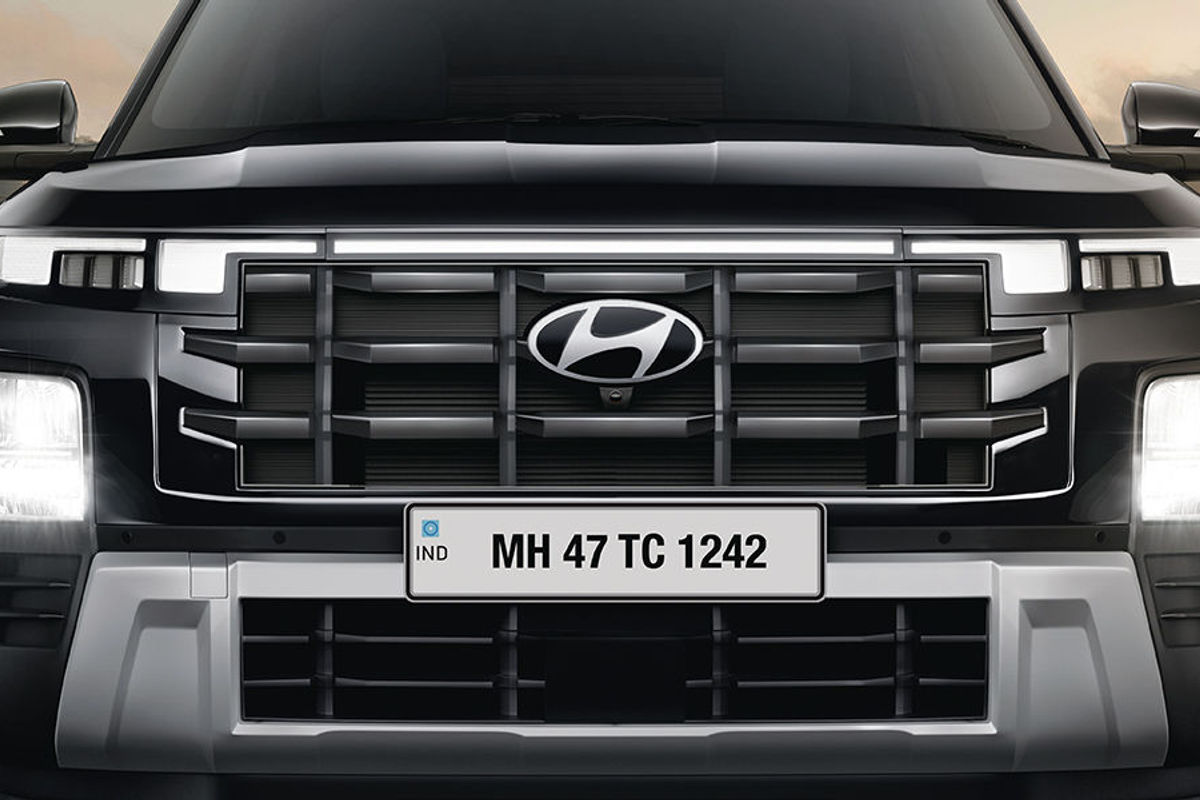
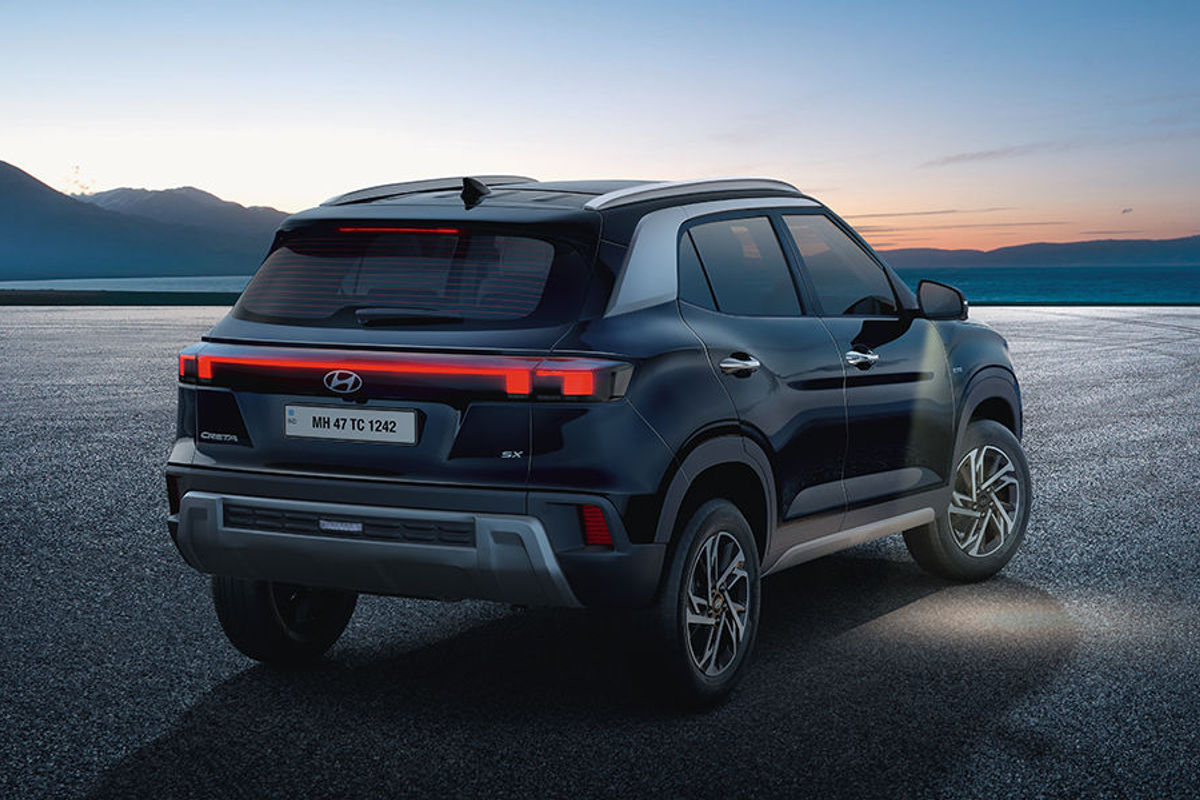
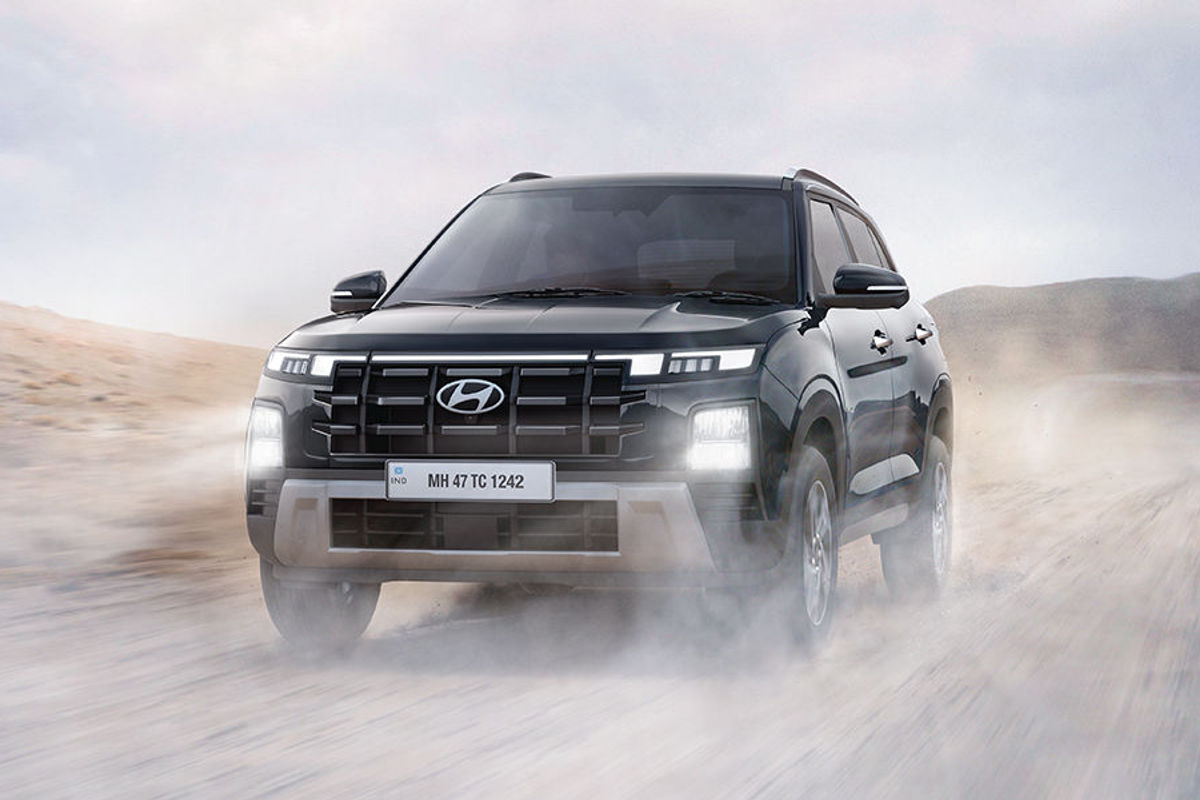
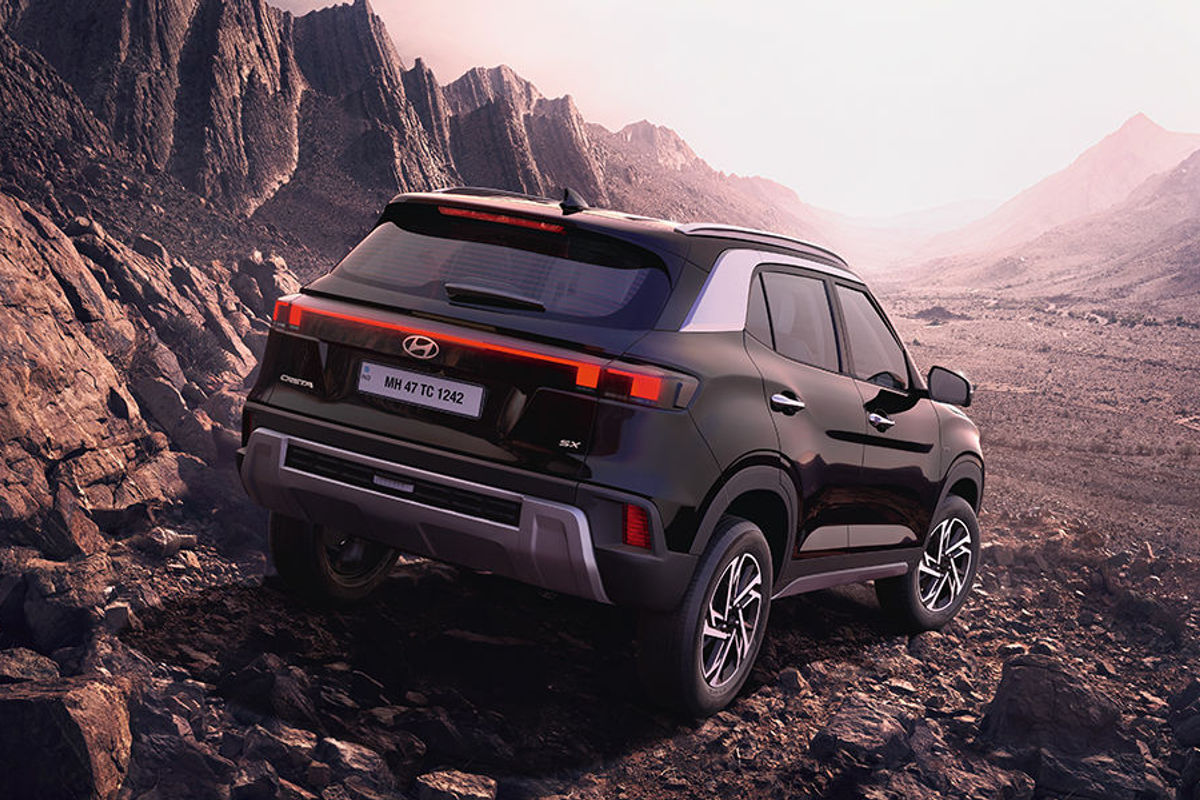
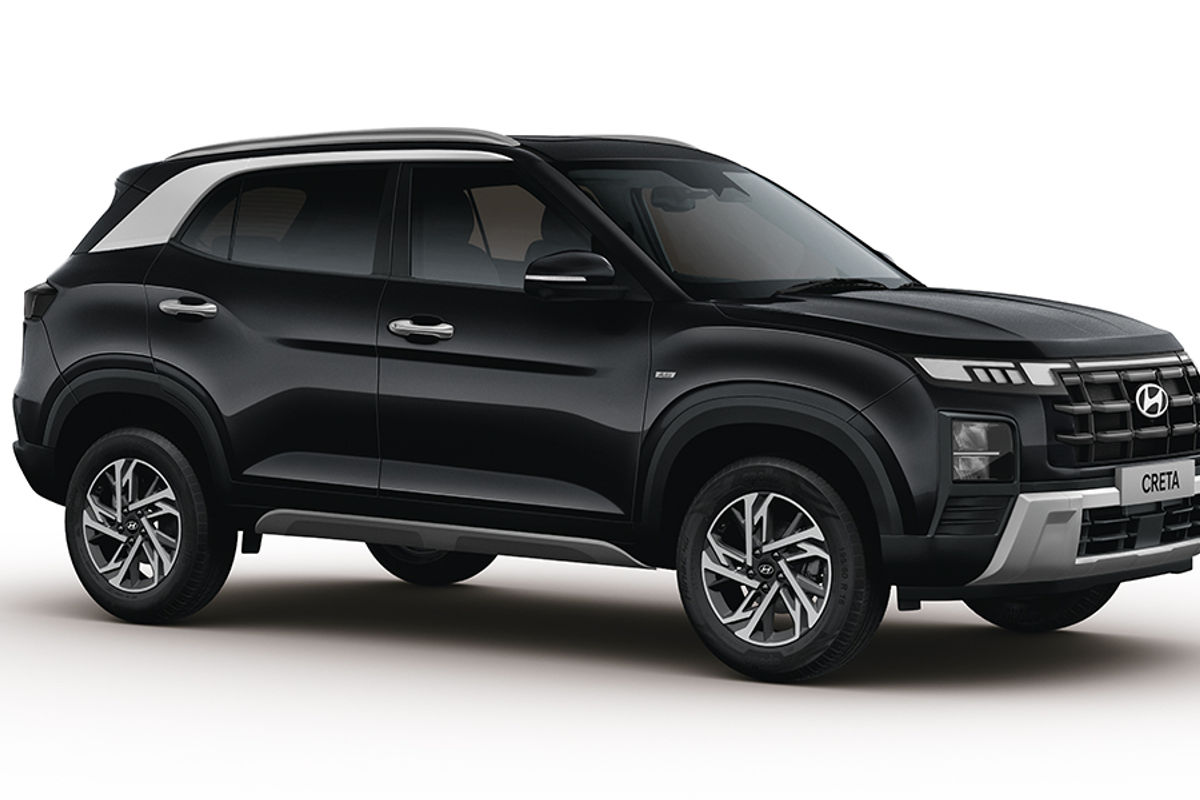
The popular family SUV from the Korean brand has been given enhancements and upgrades. Here’s your first look at the 2024 Hyundai Creta.
The 2024 Hyundai Creta has just been revealed in India and there are considerable changes. Before we get stuck into the details, it is important to remember that Hyundai South Africa sources its Creta units from Indonesia. It is fair to assume these Indian-spec upgrades will be rolled out to the Indonesian market and then onto us during the course of the year.
Upon its introduction in South Africa in 2017, the (then 1st-gen) Hyundai Creta was one of the first “upsized” compact family cars to bridge the gap between small crossovers and family cars (medium SUVs). Since the 2nd-gen model arrived in 2020, followed by a new-look version in 2022, the sub-segment has grown to include the Grand Creta, Kia Seltos, Toyota Corolla Cross and others.
2024 Hyundai Creta Changes
The front-end styling of the updated Creta (to reiterate, only confirmed for the Indian market at this stage) incorporates an upright bonnet design, full-width LED DRLs, quad-beam LED headlamps (with rhombus-shaped surrounds), sequential indicators and redesigned bumpers with squared-off dark grey garnishes. The tailgate is bisected by an LED light bar, and the taillamp clusters have a blocky lighting signature.
As far as engines and transmissions are concerned, the 2024 Hyundai Creta will be offered with three options. There’s been a continuation of the 1.5-litre naturally-aspirated petrol and 1.5-litre turbocharged diesel engine from the predecessor, but this update sees the introduction of a new 1.5-litre turbocharged petrol engine making 118 kW and 253 Nm.
Hyundai will be offering a six-speed manual, a six-speed automatic, a CVT, or a seven-speed DCT automatic, depending on the engine.
The features list is comprehensive, at least for the Indian market. Convenience and comfort features like a powered driver’s seat, dual-zone climate control, onboard air purifier, electronic parking brake, two-step adjustable rear seat backrest, pillows for the rear seat headrests and rear sunshades are standard.
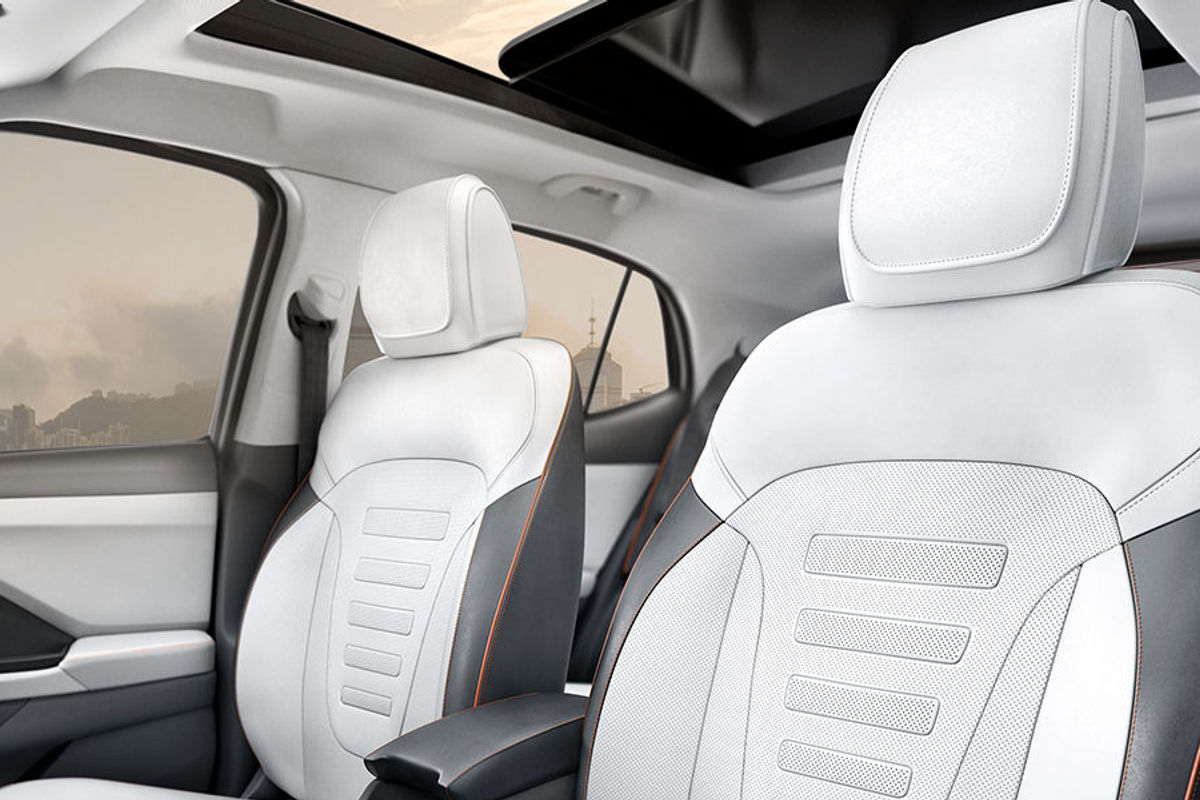
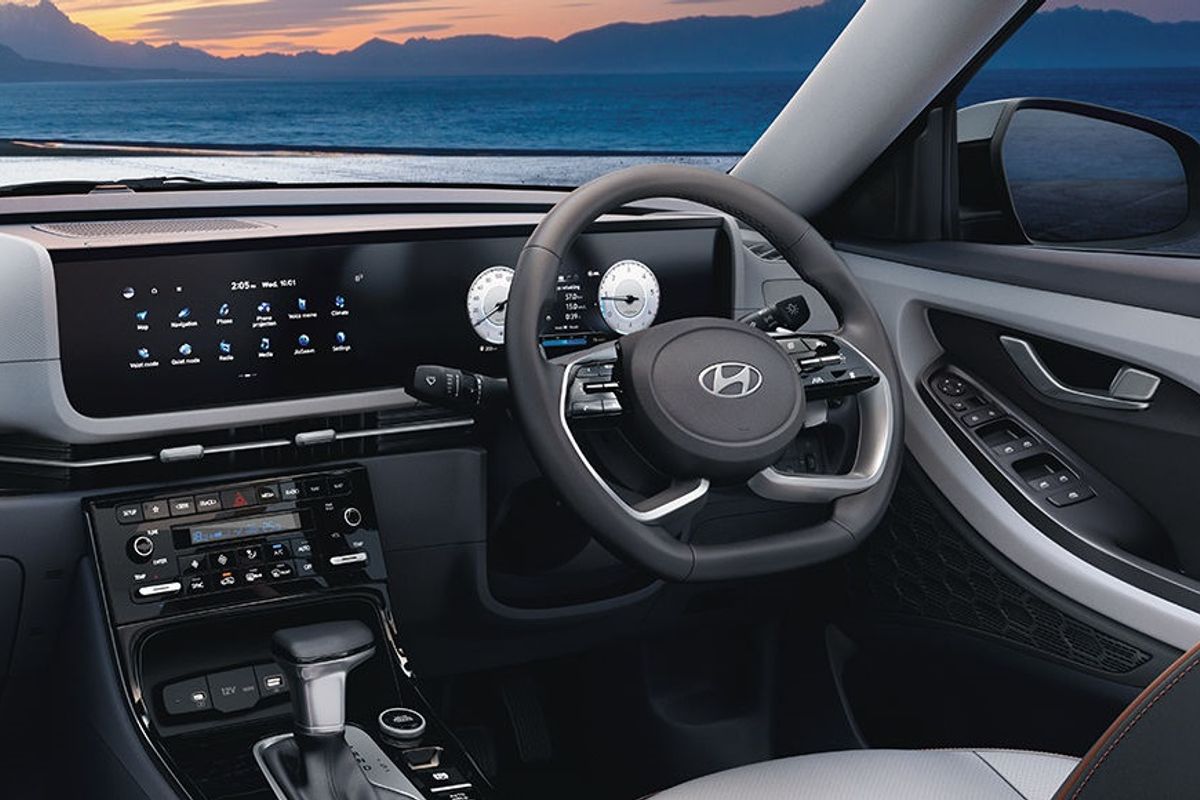
There’s a crisp-looking 10.25-inch digital display, new 360-degree camera, Bose sound system, e-Sim connectivity, as well as the ability to connect to services like Amazon Alexa. The interior trim quality has been upgraded too and there are smart-looking front driver and passenger seats.
Will this updated Creta come to South Africa?
Although we anticipate that the new Kona boutique crossover will arrive in South Africa sooner rather than later, these updates to the Creta will probably be applied to the Indonesian-built (and therefore SA-delivered) model at some point during 2024.
We’ll update this article as soon as new local market information becomes available.
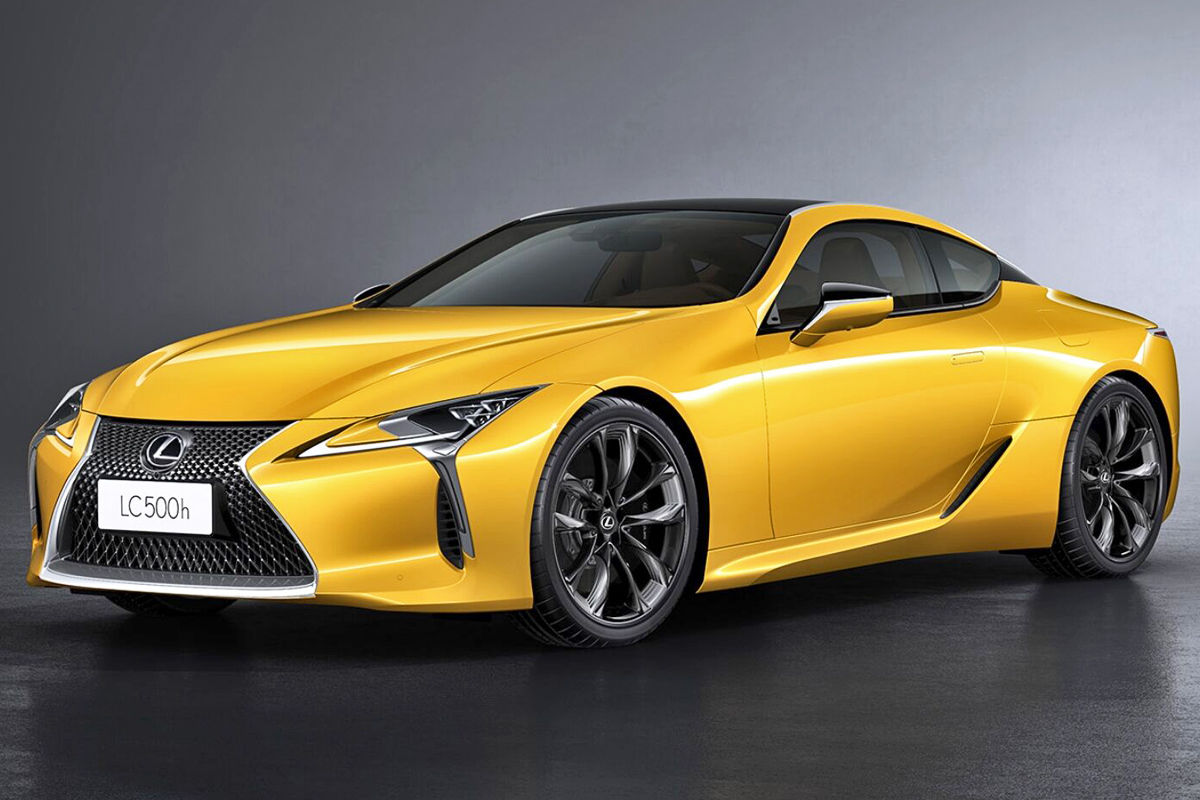
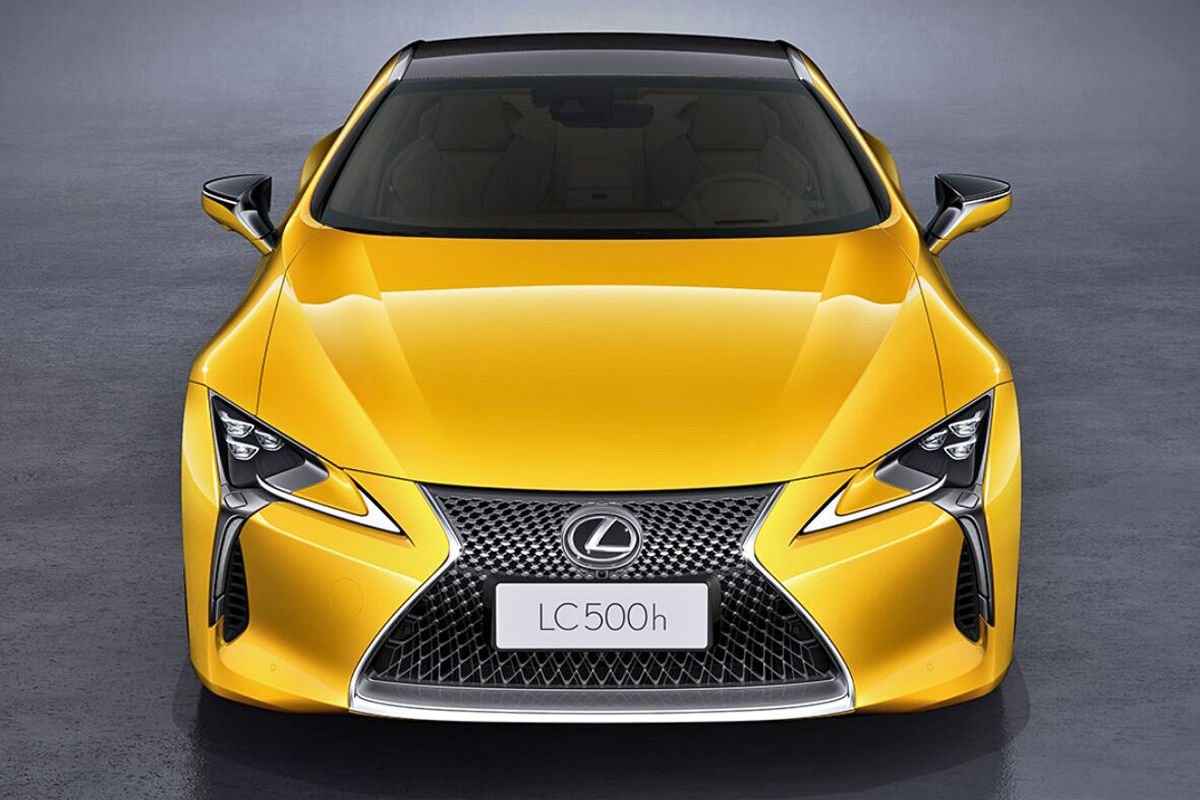
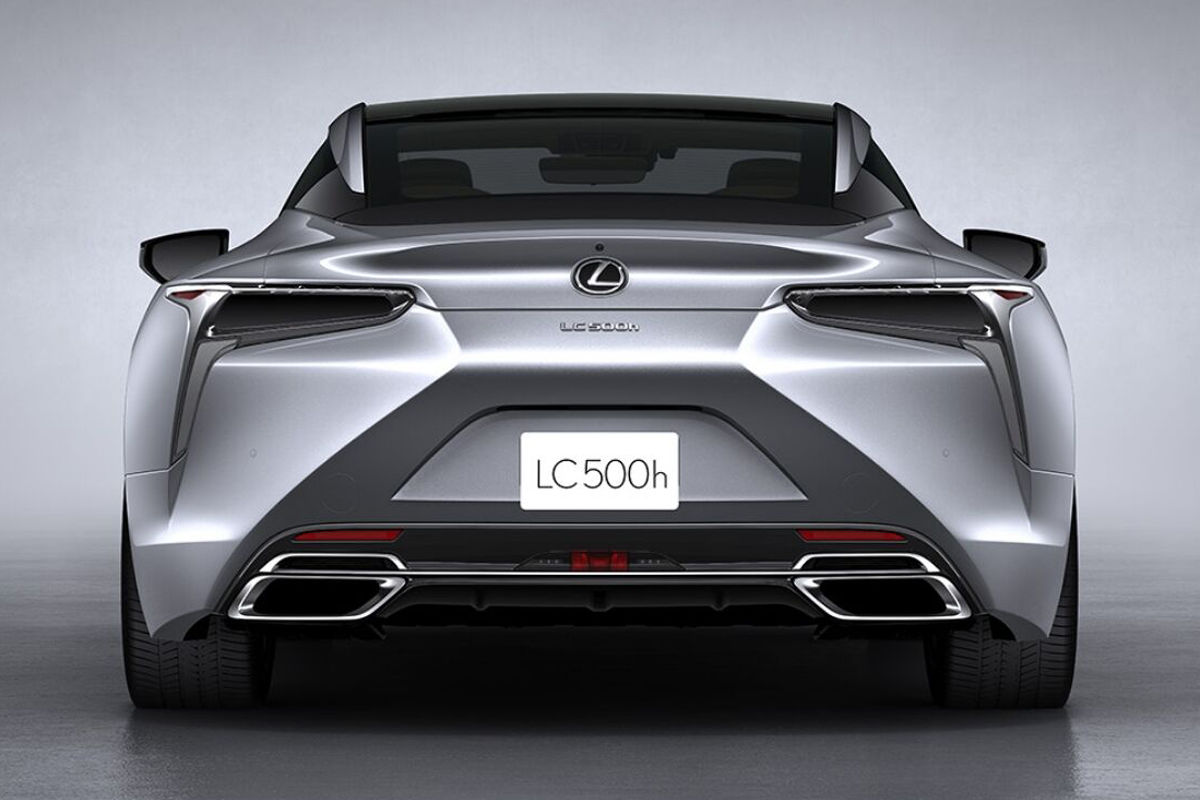
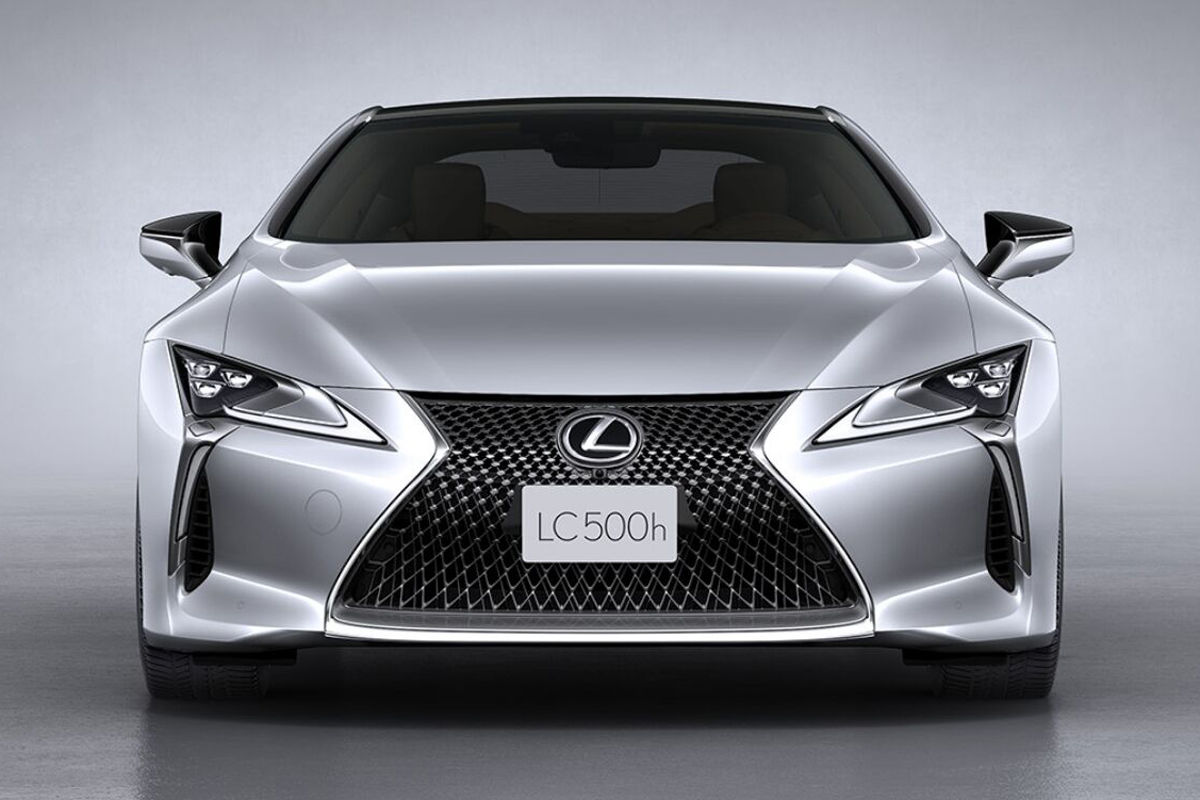
The Lexus LC nameplate has returned to SA after the briefest of breaks, though is now offered exclusively in hybrid form (farewell, V8!). Here’s how much the LC500h costs…
They promised us it would return and here it is. After a (very) brief hiatus, the Lexus LC nameplate is back in South Africa, though it’s now available exclusively in hybrid form. Yes, that means the free-breathing V8 has officially exited the Lexus SA range.
While the previous LC line-up – which was quietly removed from the Lexus SA range, along with the RC F sports coupé (likewise offered with the 8-cylinder motor) and LS luxury sedan at the end of 2023 – comprised the LC500 coupé and LC500 convertible, the revised portfolio features only the LC500h coupé.
The LC nameplate has returned to Mzansi after a brief interlude.
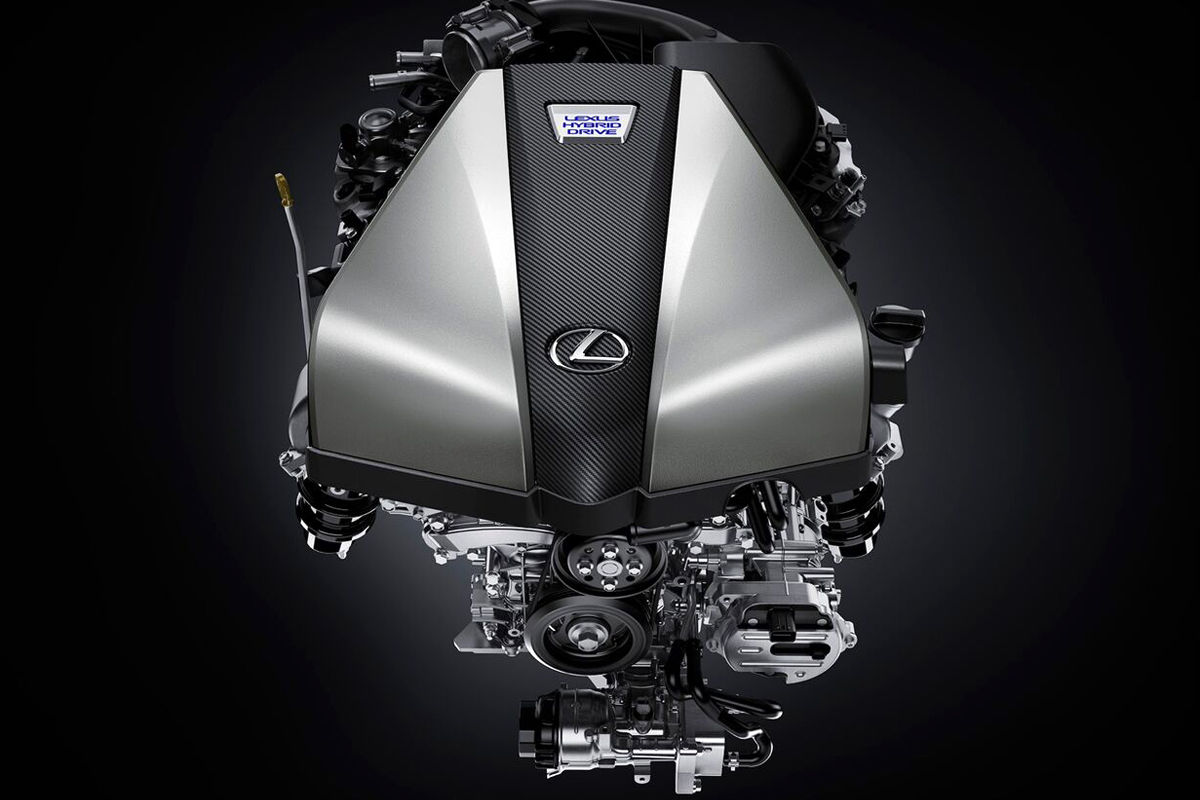
As such, the 351 kW/540 Nm naturally aspirated 5.0-litre V8 petrol engine is no longer offered locally in any Lexus model, since the LC500h instead employs a hybrid powertrain consisting of a 3.5-litre V6 petrol engine, a small electric motor and an 84-cell lithium-ion battery pack. Total system power stands at 264 kW, while Lexus quotes a torque (of 350 Nm) only for the petrol engine.
According to the Toyota-backed luxury firm, the obligatory 0-100 kph sprint takes 5.0 seconds, while top speed is listed as 250 kph. The LC500h’s claimed combined fuel economy, meanwhile, comes in at 6.7 L/100 km. As a reminder, this powertrain employs a continuously variable transmission (CVT) that drives the rear axle.
The LC500h drops the old V8 in favour of a 3.5-litre V6 hybrid powertrain.
The price? Well, the Lexus LC500h starts at R2 542 800. For the record, before they were put out to pasture at the end of last year, the LC500 coupé had kicked off at R2 515 400 and the LC500 convertible at R2 666 600. The colour palette for the new hybrid model comprises as many as 10 hues.
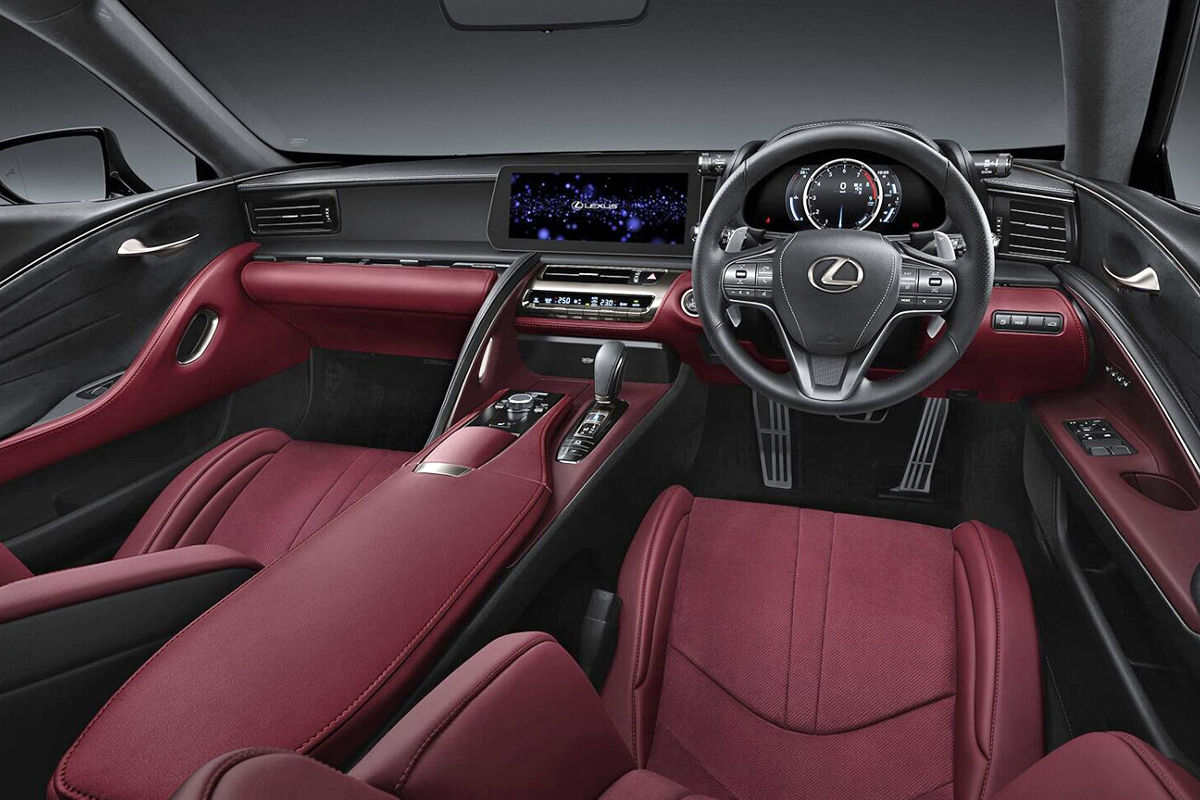
Standard features include Alcantara seat trim, electrically adjustable (and heated) front seats, a heated 3-spoke steering wheel, a 13-speaker Mark Levinson sound system, a panoramic-view monitor, a 12.3-inch multi-information display and a head-up display. Lexus SA’s flagship sports coupé runs on mixed-sized tyres measuring 245/40 R21 up front and 275/35 R21 at the rear.
Distinctive exterior styling and packed with standard kit.
The LC500h furthermore ships standard with bi-LED headlamps (including an auto high-beam feature), a carbon-fibre roof, a retractable rear wing, adaptive variable suspension, a limited-slip differential and a raft of safety and driver-assistance features (from as many as 8 airbags and blind-spot monitoring to a lane-keeping system, adaptive cruise control and active cornering assist).
How much does the Lexus LC500h cost in South Africa?
Lexus LC500h – R2 542 800
The Lexus LC500h ships standard with a 7-year/105 000 km warranty (8 years or 195 000 km for the hybrid battery pack) and a maintenance plan of the same duration.
We visit Museo Della Passione, which is situated on the picturesque Lourensford Wine Estate in Somerset West. It’s a new motoring museum that recently opened to the public and should be on any alfista’s – or petrolhead’s – must-visit list.
A new museum doesn’t open in Mzansi every day – especially not a car museum. Most of us are aware of the Franschhoek Motor Museum outside Franschhoek, and we’ve featured several private collections on SentiMETAL, but now there is a new, very professionally-curated car museum in Somerset West.
The Museo Della Passione(Italian for “Museum of Passion”) is owned and curated by Lynton Hilliard-Lomas. The exhibit will be rotated every quarter; there’s a good reason to visit it more than once a year!
The Museo Della Passione is housed in a freshly constructed building that combines a concrete structure with large wooden doors, making it an ideal place to house precious cars. And, seeing as it is situated on the Lourensford Wine Estate, there are several activities that you can enjoy before or after visiting the museum. There is also a market on weekends; it offers a variety of food and sometimes even live music.
The Museo Della Passione collection
As I walk into the museum (the entrance fee is a very reasonable R60) I am immediately greeted by an Alfa Romeo SZ (pictured below) – which is a rare sight indeed. Currently, the entire museum’s exhibit focuses on Alfa Romeo models, and from the get-go, I must mention that all these cars look immaculate.
Each car has a neat information board (including technical specs) displayed next to it… so you can test your knowledge about each vehicle – or learn something new. The SZ, for instance, is the only SZ that was converted to right-hand drive and is fitted with the larger 3.5-litre engine, tuned by Autodelta.
As I walk down along the 2 rows of cars, there is a group of four late-70s and 80s Alfettas and GTVs. It starts with the Guigiaro-designed 1976 Alfetta GT 1.8. Powered by a 90 kW 1.8-litre, 4-cylinder engine, it offered a 50:50 weight distribution, weighed only 1 050 kg and had a claimed top speed of 185 kph.
Further along the exhibit, I find the 1983 GTV6 2.5. This car marked the arrival of the “Busso”-powered GTV and, according to the info board, the first 100 GTVs to arrive in South Africa were all numbered. The 2.5-litre, V6 engine developed 142 kW and the 1 210-kg GTV6 2.5 could reach a top speed of 205 kph.
On the other side of the room are several earlier Alfa Romeo coupes in the shape of the 105-series cars. The one that stood out for me, might not appeal to collectors, but it’s cool nonetheless. It is a 1975 2000 GTV (97 kW, a 195 kph top speed and kerb weight of 1 028 kg) that formed part of the last cars of this Bertone Coupe range; it’s painted in a rare “Prugna” (Italian for prune) hue and has an auto transmission.
Further down the hall is a small BMX collection and a number of classic on- and off-road motorcycles placed among the cars that fit in perfectly with the collection.
Along the end of the hall is one of only a few Alfa Romeo 147 GTA race cars that competed in South African production car racing in the mid-2000s. One of these cars achieved the first Alfa Romeo victory at Kyalami since 1984. Closely parked to this car is a modern Giulia Quadrifoglio super sedan.
Make your way back to the start, and there are even more classics to peruse on the other side of the building. A great example is the 1976 Alfa Romeo Giulia “Introzzi” Wagon (pictured below). It is said to be one of only 4 units that were imported into South Africa and was “used as a service and parts delivery vehicle”. These cars also served as race and rally support vehicles. Further information on this car indicates that it is 1 of only 2 examples left in South Africa and that it has been lightly restored.
One of the earlier cars in the collection is a 1963 Giulietta Ti, featuring a 1.3-litre, 4-cylinder engine developing 54 kW and weighing only 915 kg.
In terms of performance, no one can miss the smooth design that is the 1961 Giulietta Sprint Speciale (pictured below). At the time this car stood out in terms of its aerodynamics and technology.
There are also several convertibles in the collection. This includes a 1963 Giulia Spider Normale and a row of 105- and 115-series Spiders. The last in this specific row is 1984 Spider Aerodinamica. Fitted with the 2.0-litre engine and featuring aerodynamic improvements, it was the fast 105/115 Spider.
You will leave this collection inspired to acquire a classic Alfa Romeo or at least with a deeper understanding of this fabulous Milanese-based brand. The website also confirms that the collection features BMWs, Porsches, Ferraris, Renaults, Lotuses, heritage Minis and even Japanese cars.
We can expect a lot more from this museum in the future. For more info, visit the Museum’s website or Facebook page.
2023/24 CarsAwards Finalists: Best Compact Family Car in SA
Meet the 3 finalists in the Compact Family Car category of the 2023/24 Cars.co.za Consumer Awards, sponsored by Absa. The winner of this #CarsAwards category will be announced on 29 February 2024.
The 2023/24 Cars.co.za Consumer Awards, sponsored by Absa is the 7th iteration of SA’s definitive consumer-driven automotive awards programme that aims to identify the best new vehicles on sale in Mzansi across 13 categories.
Judges first compiled a list of 65 semi-finalists – then trimmed it to 39 finalists. Following that, all #CarsAwards finalist vehicles were subjected to a rigorous 2-day test at Gerotek at the beginning of November 2023, after which they starred in the Cars.co.za Consumer Awards Roadshow at the Mall of Africa where, for the first time, the public could experience the cars – and meet the judges – in the flesh.
With household budgets stretched to breaking point, a reasonably affordable family car needs to wear many hats – it has to excel at being a compact urban runabout, a sufficiently spacious school-run vehicle and, on occasion, a source of transport for weekend getaways. Practicality and spaciousness are important considerations, but so are safety, technology, fuel efficiency and load-carrying flexibility.
This category is guided by both eligibility factors and pillars of success.
Eligibility factors include a list price between R400 000 to R500 000 at the time of semi-finalist voting (September 1, 2023), an anti-lock braking system (ABS) and electronic stability control (ESC), a minimum of 4 airbags, split-folding rear seats, air conditioning and a service plan.
Pillars of success for this category include powertrain flexibility, fuel economy, space and practicality, design and quality appeal, comfort and safety.
Compact Family Cars: CarsAwards Finalists
Haval Jolion S Super Luxury
Haval has rapidly become one of the most popular brands in the South African new-vehicle market and the primary reason for the Chinese brand’s success is the Jolion, which ticks nearly all the boxes for a modern, connected, practical and resolved compact family car. At this price point, the Jolion comes with a long list of standard features, a cabin that feels upmarket, a 5-year warranty and a 5-year service plan.
The Renault Duster looks rugged and, fittingly, ready to take some of Mzansi’s less-than-well-maintained roads in its stride. It boasts commendable cabin space, a large load bay, and several in-car entertainment features. The ace in its deck is its turbodiesel motor, which offers excellent fuel economy to complement a pliant ride quality. What’s more, the raised ride height makes it quite capable of traversing gravel roads.
Toyota took its time to enter the small crossover market but now offers several models in that segment. The locally-assembled Corolla Cross is the crowning achievement in that line-up; by going the raised body route with the Corolla platform, the nameplate has captured a new audience. The Corolla Cross offers the best of Toyota: spaciousness and comfort, allied with excellent reliability, service and backup.
The winners of the 2023/24 Cars.co.za Consumer Awards, sponsored by Absa (as well as the recipient of the prestigious Brand of the Year title) will be named on 29 February 2024.