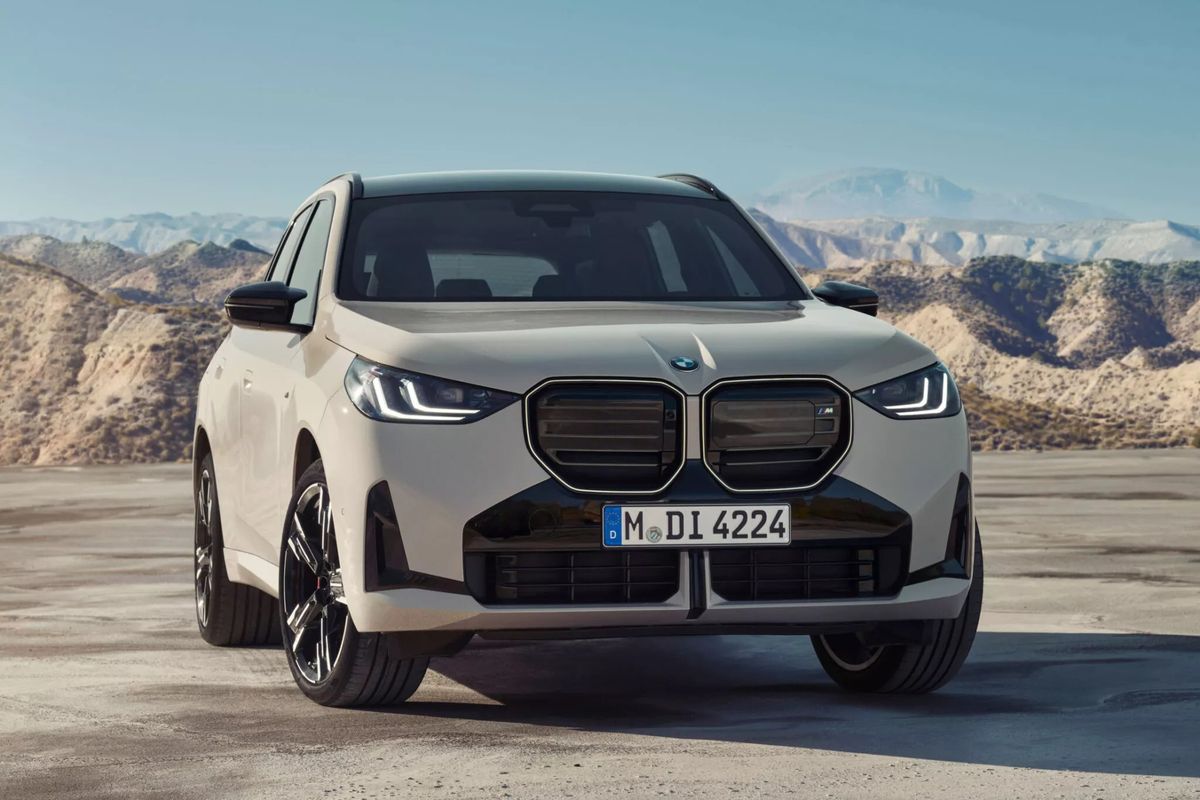
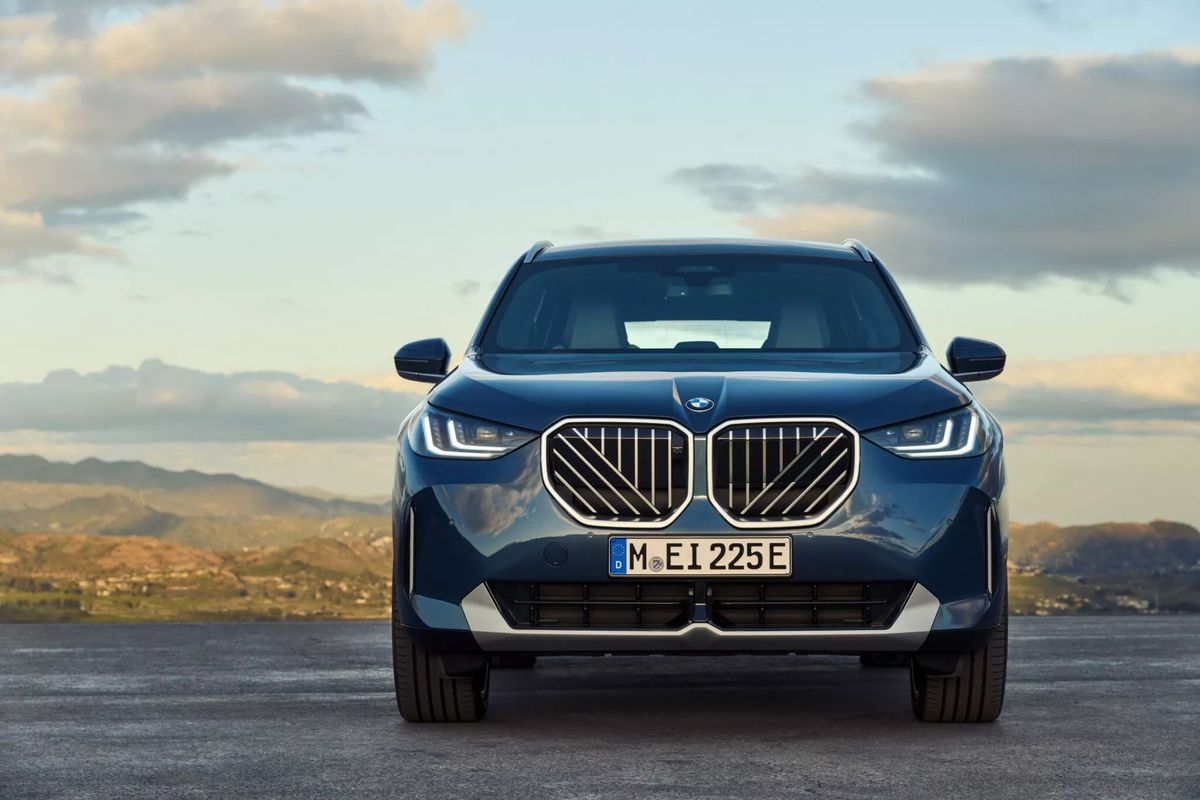
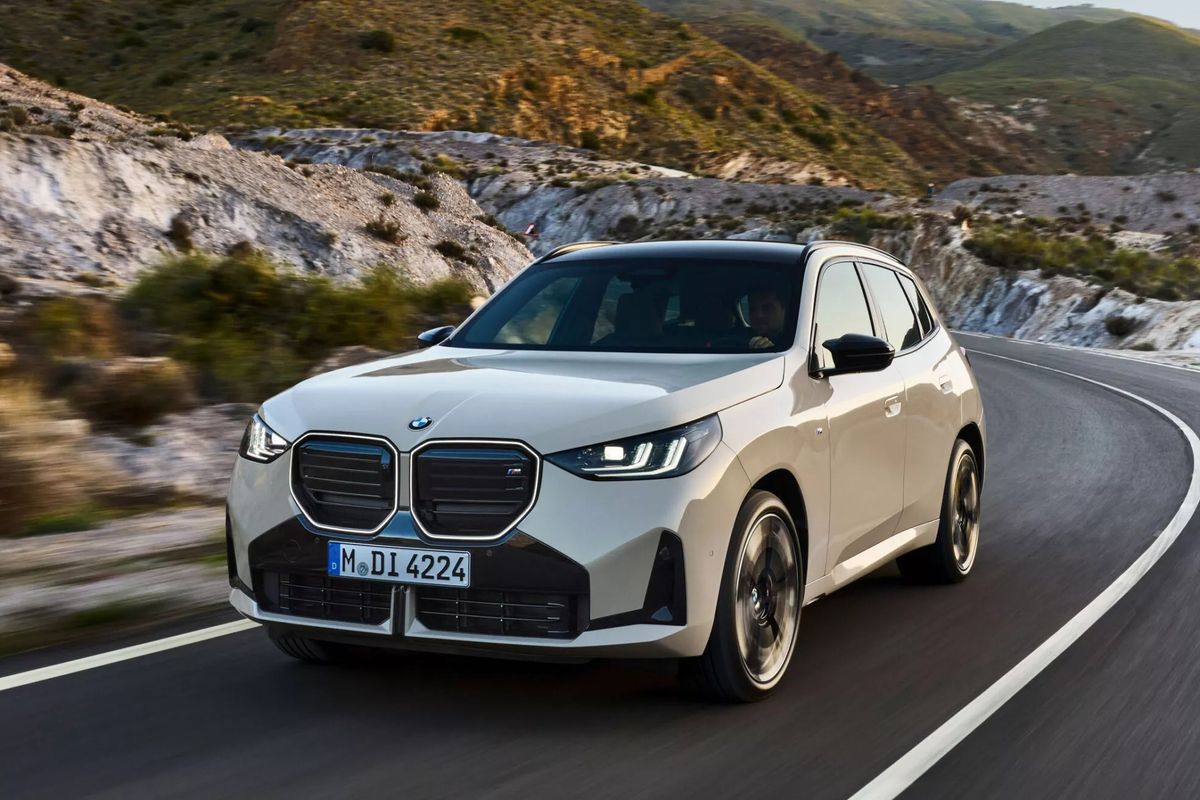
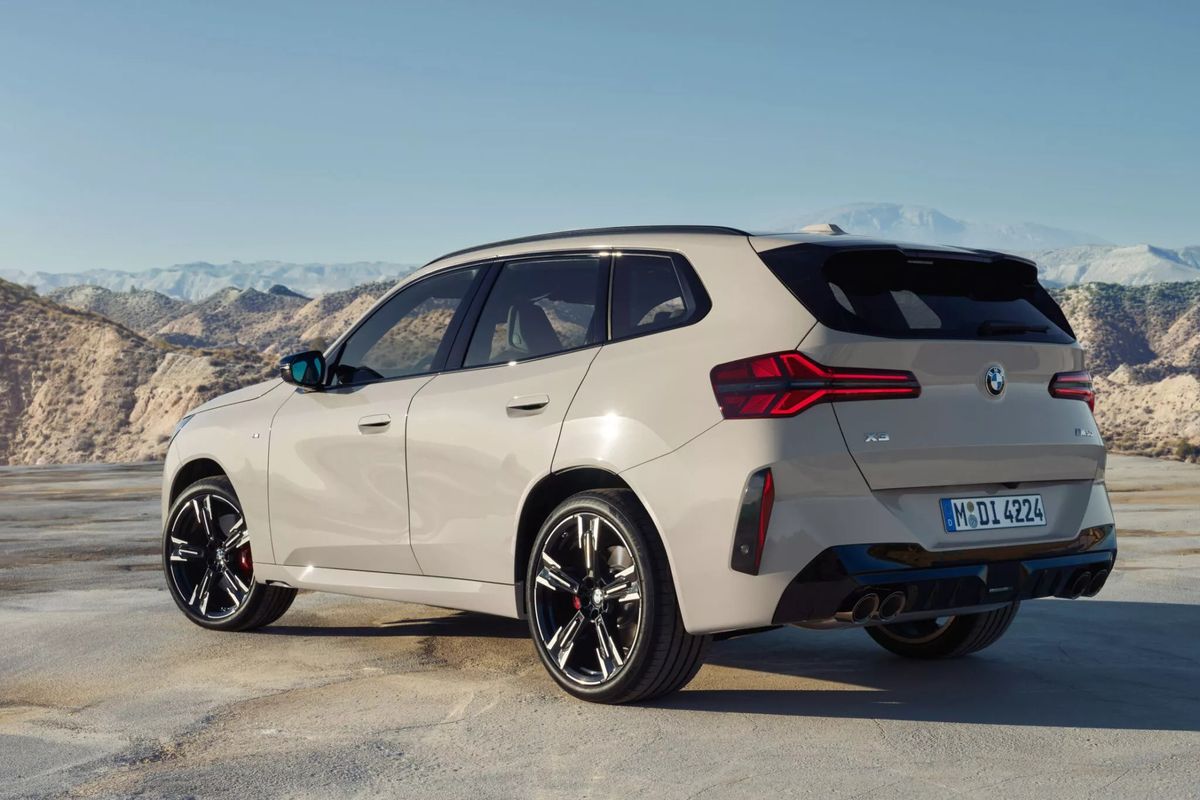
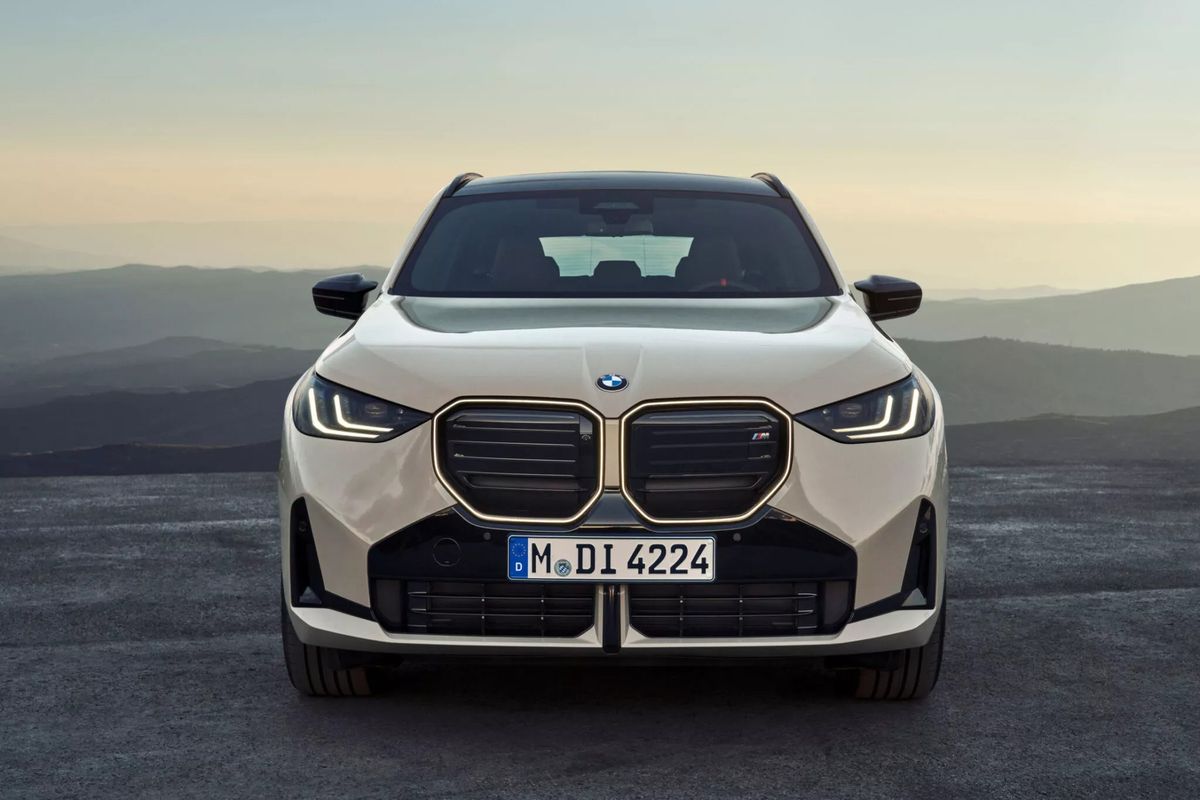
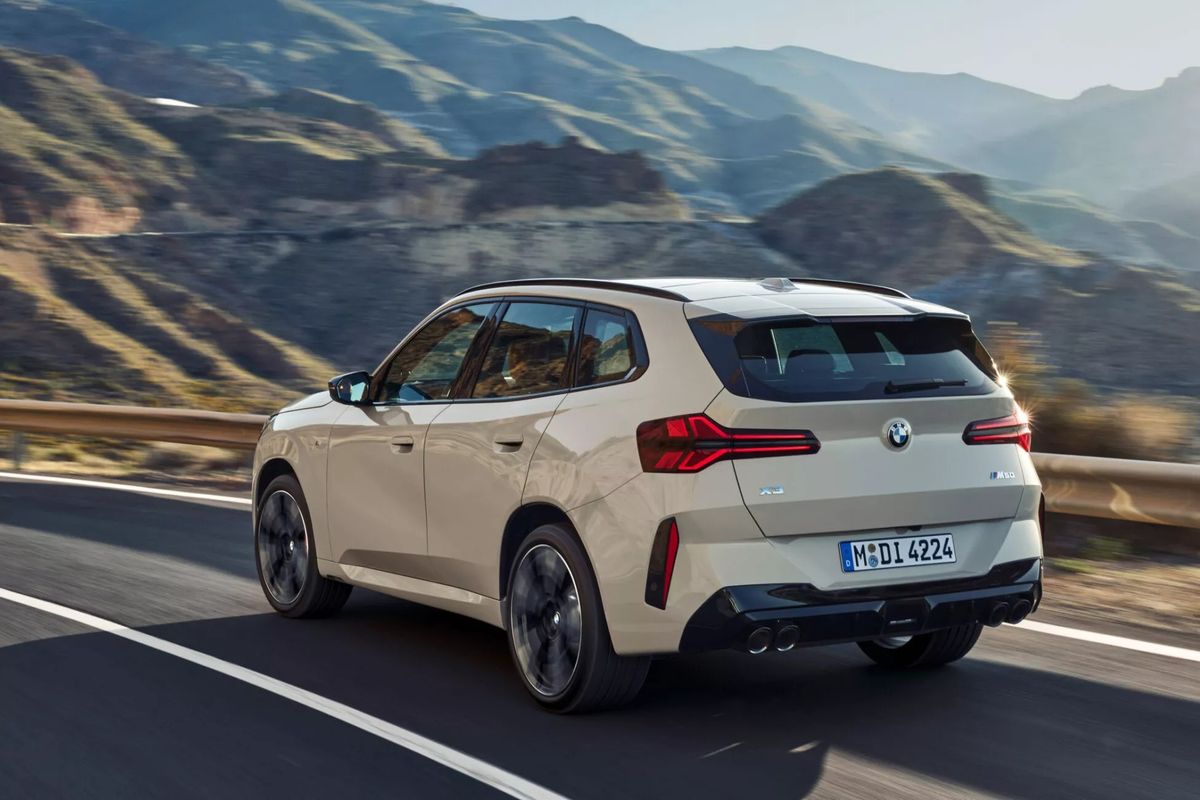
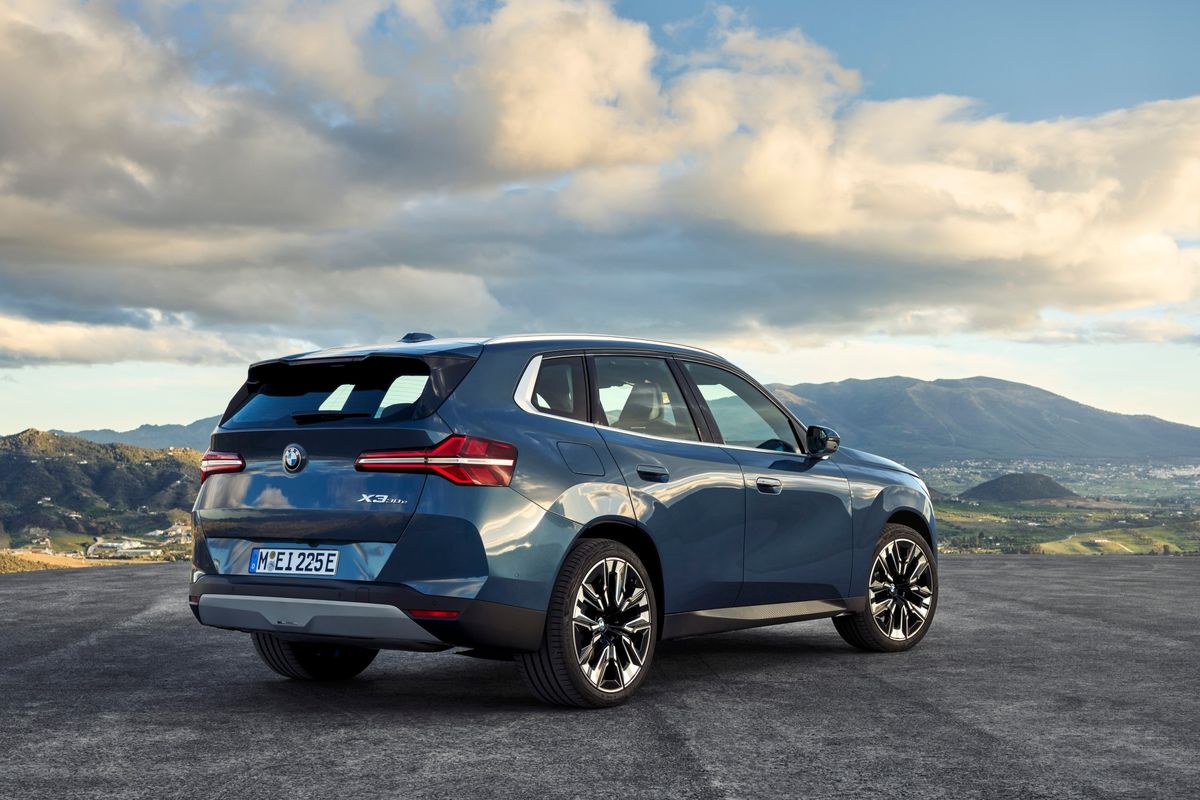
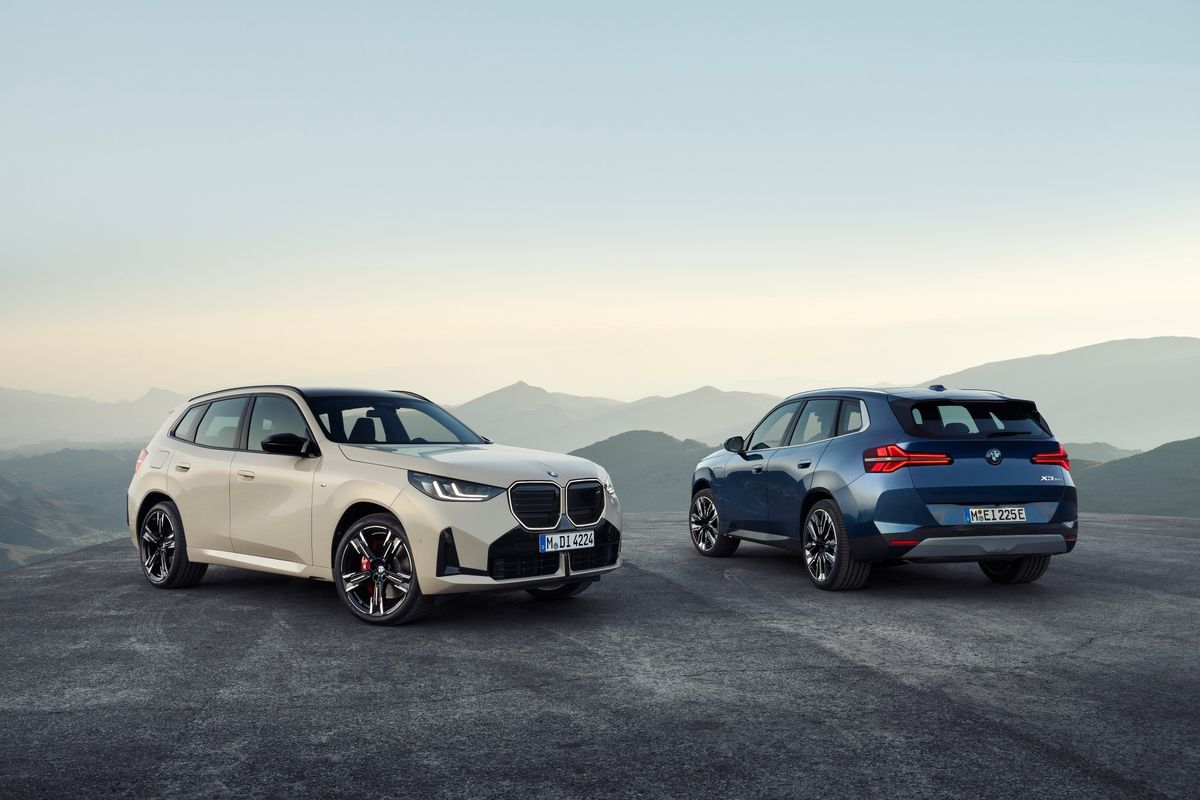
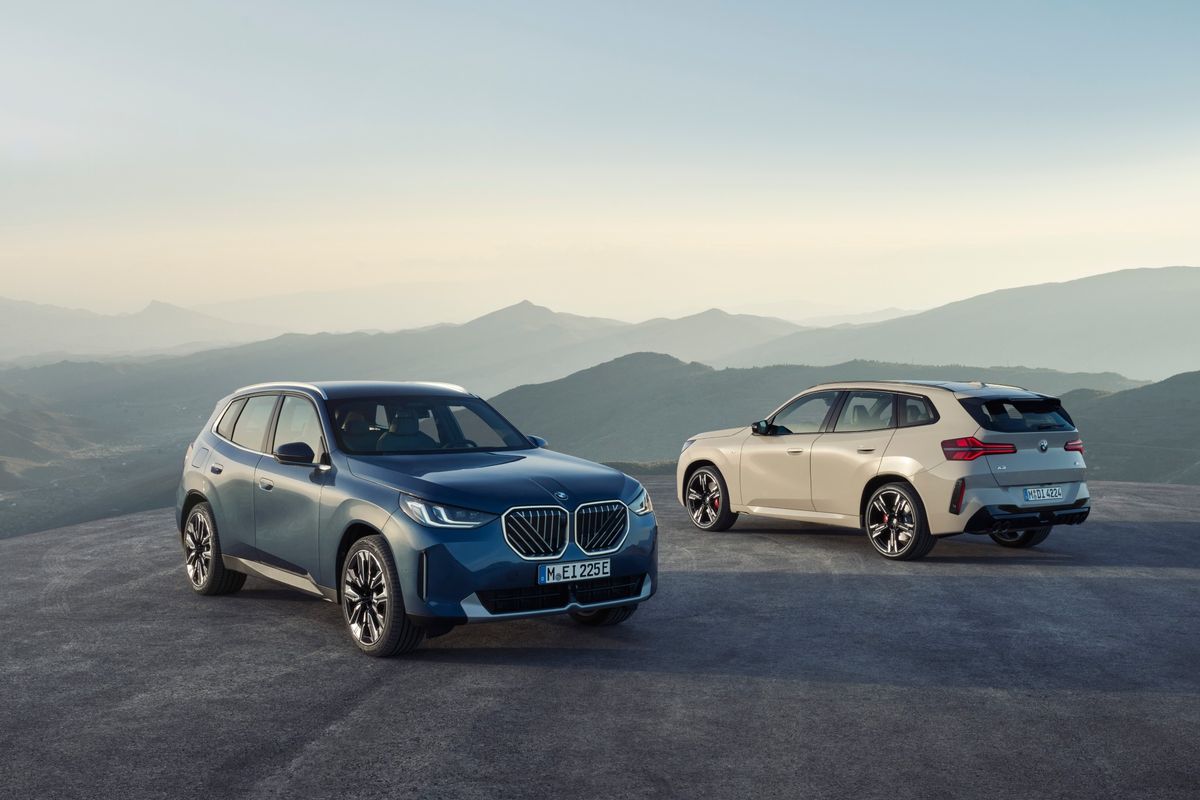
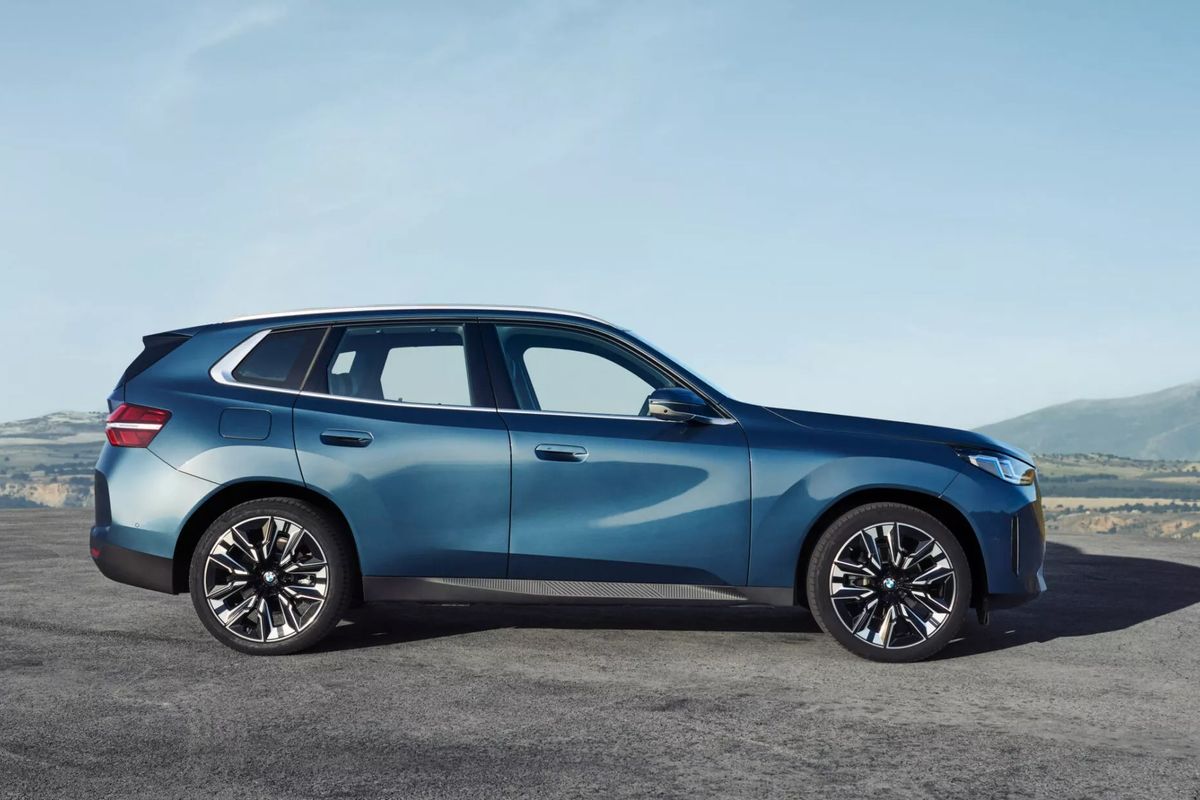
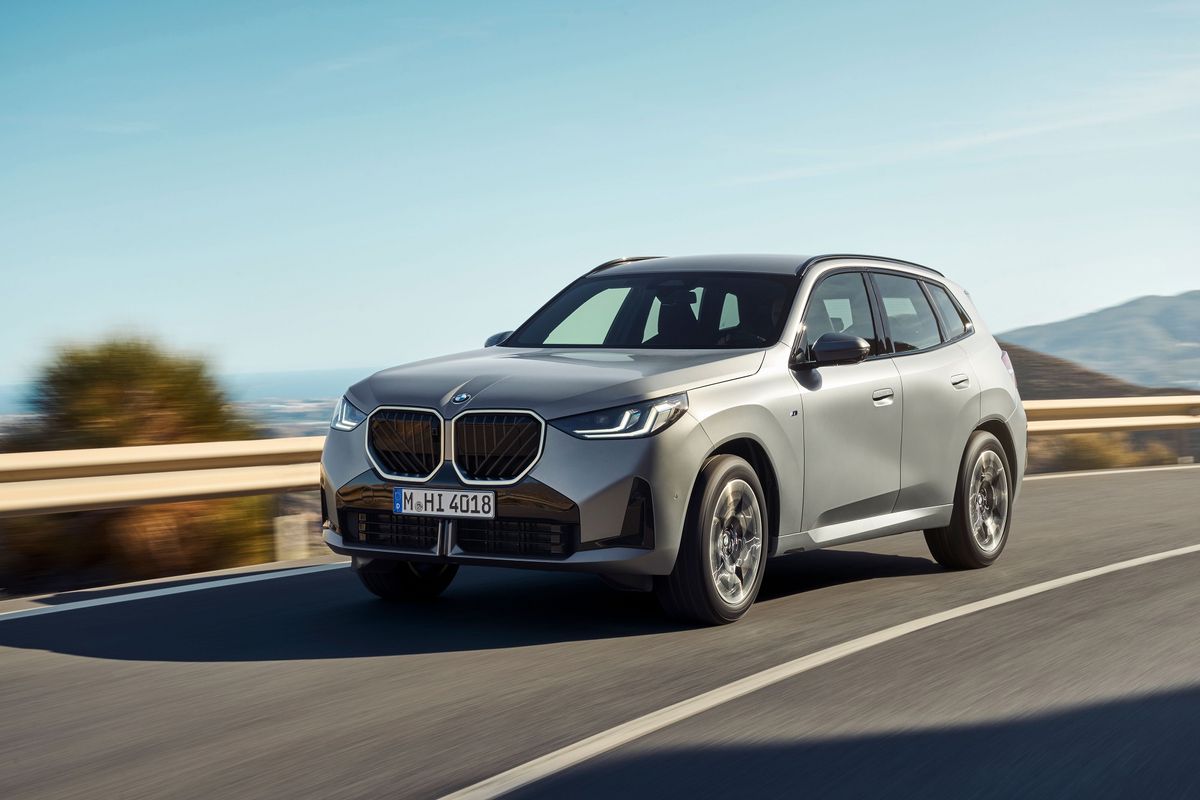
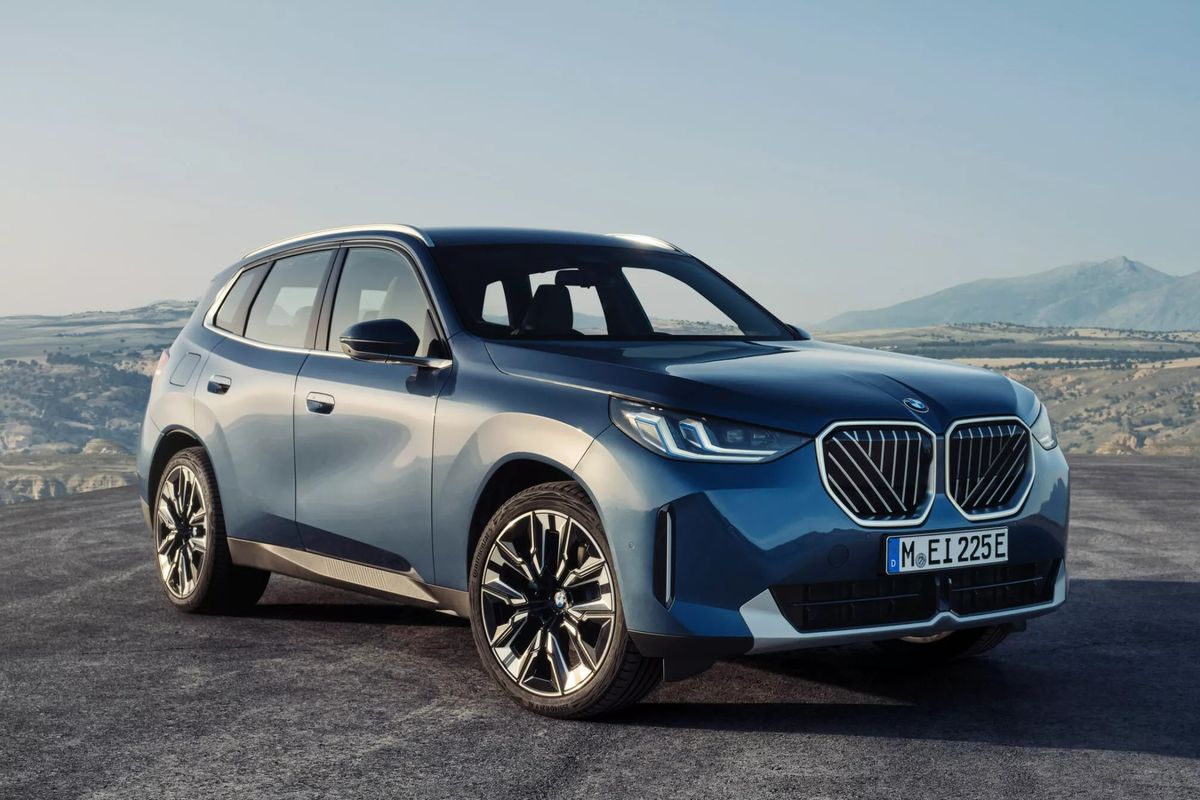
Here’s the 4th-generation and all-new BMW X3. The luxury mid-size SUV will be going on sale in SA before the end of 2024.
This is the all-new BMW X3 and it brings numerous changes to the party, both inside and out.
If you’re after an all-electric BMW X3, then you’re going to have to wait for the new-gen iX3 that will only be revealed in 2025. That will be based on the Neue Klasse architecture.
For the rest of us which want internal-combustion power, the all-new X3 will be the one to have. It’s similar in size to the outgoing model and features a wheelbase of 2 865 mm. The newcomer sits a touch lower than the predecessor and there have been tweaks to the track, body structure, steering to ensure a more precise drive.
The badging and naming structure has changed slightly, with ‘i’ being deleted. Essentially, the xDrive 30i has become the xDrive 30 and the M40i has been superseded by M50.
All-New BMW X3 Engines and Performance
The sporty M50 will be the flagship until the mighty X3 M Competition is revealed, which we expect in 2025. The M50 gets standard adaptive dampers, M Sport brakes, 20-inch alloy wheels, a trick rear differential and quad exhaust pipes. We’re happy to report the iconic 3.0-litre turbocharged 6-cylinder petrol B58 has been retained, but mild-hybrid tech has been added and outputs increased. There’s now 293 kW and 580 Nm on offer. BMW claims a 0-100 kph time of 4.6 seconds.
The xDrive 30 uses a 2.0-litre turbocharged four-cylinder petrol, again with mild-hybrid tech and that makes 184 kW and 400 Nm. For those after diesel, BMW has confirmed there will be a 2.0-litre turbocharged 4-cylinder and that makes 145 kW. From what we can see, all new X3 units feature all-wheel drive and 8-speed automatic transmissions.
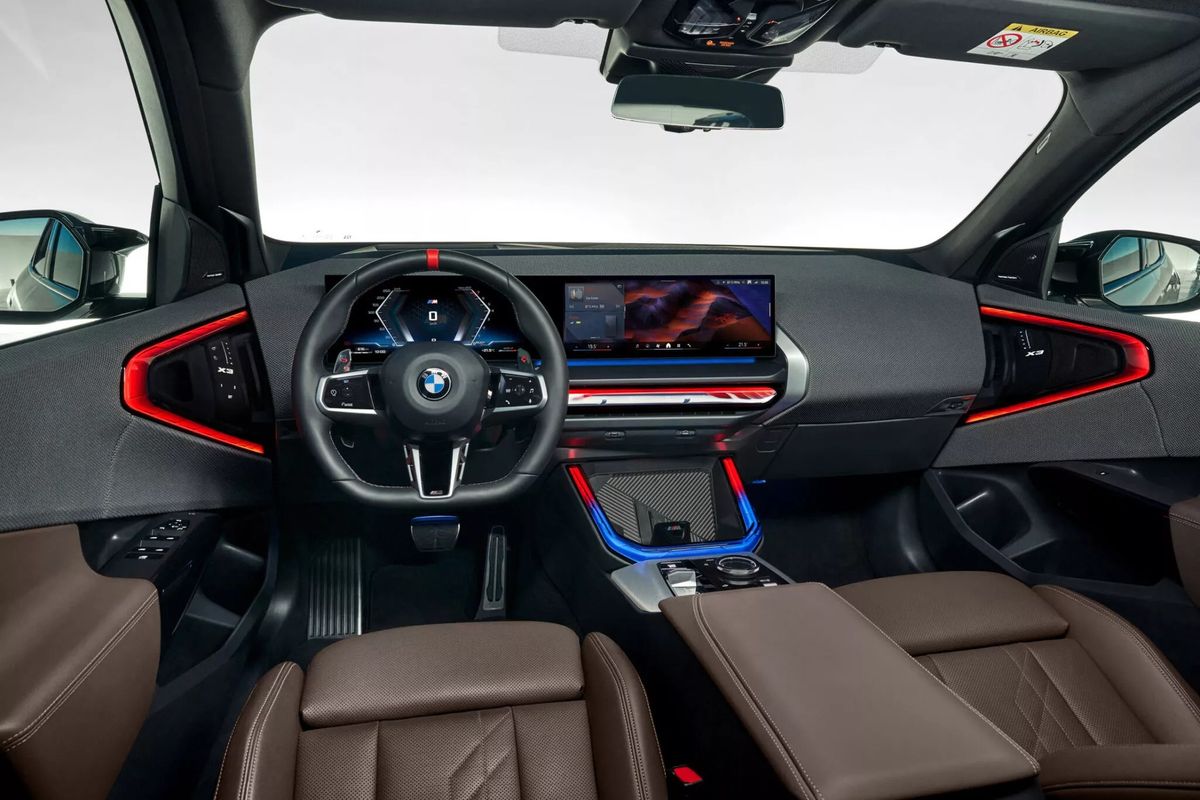
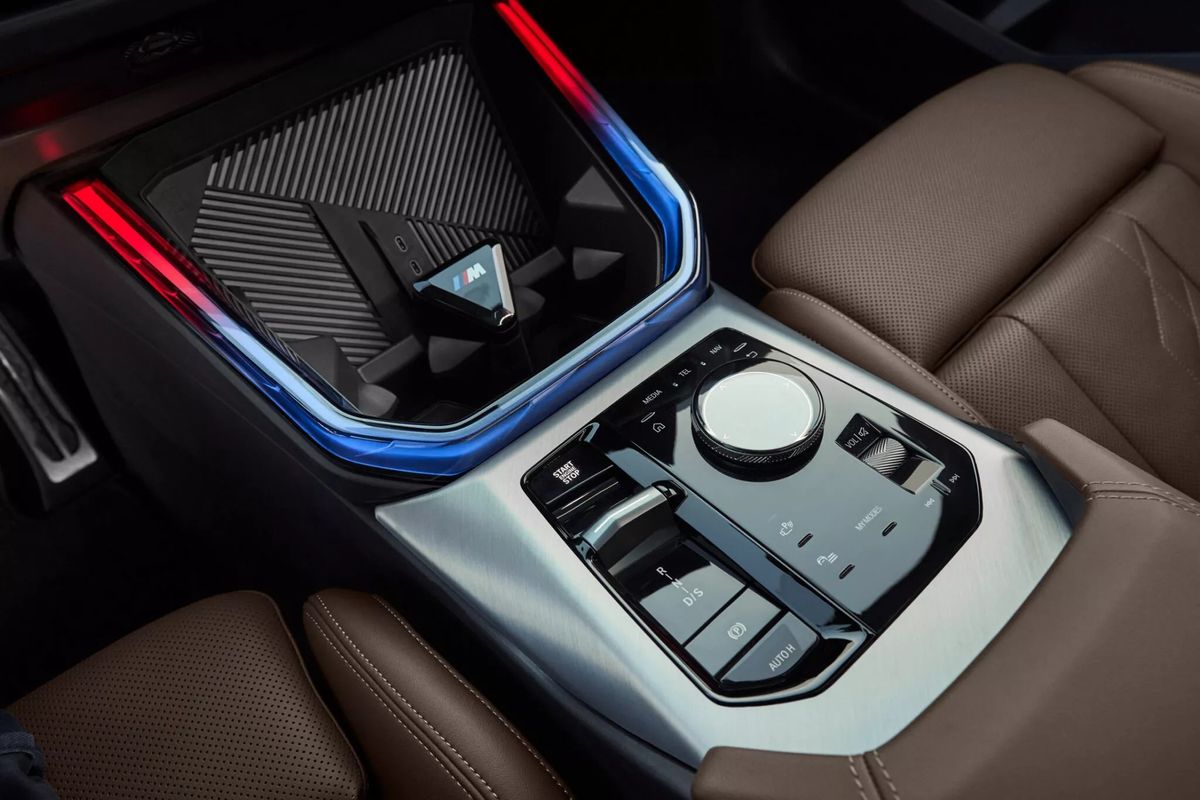
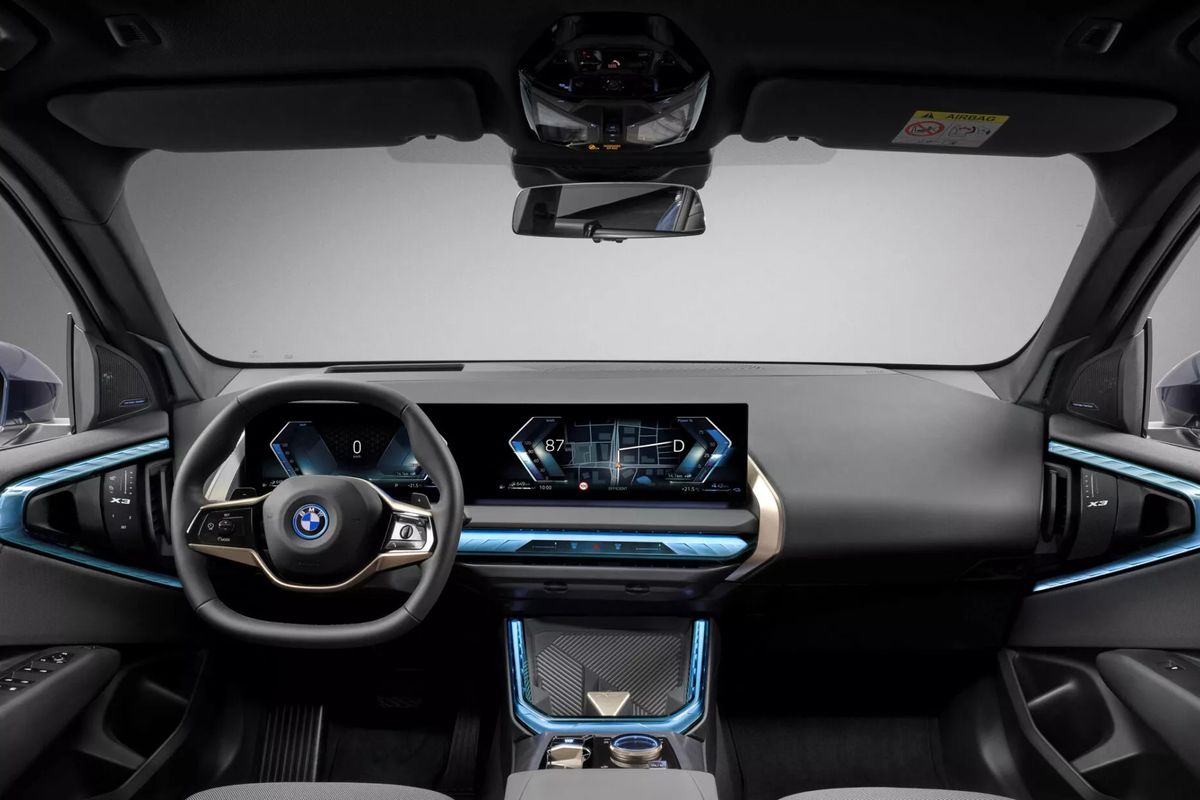
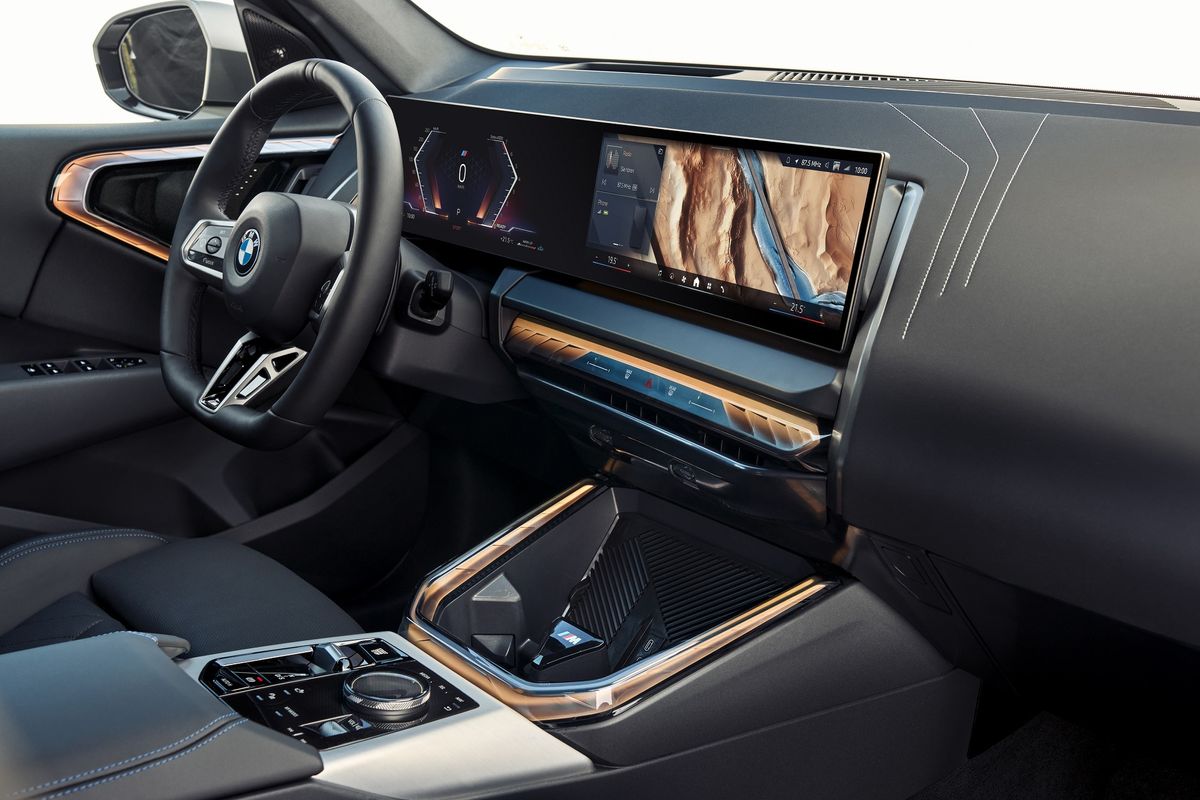
The cabin sees the debut of BMW’s Operating System 9 which allows for over-the-air updates and plenty of digital enhancements like gaming and streaming music services. BMW says there are new high-quality materials used and the standard specification is more generous across the range.
When will the new BMW X3 launch in South Africa?
BMW SA confirmed the new-gen X3 will be sold from the 4th quarter of 2024.
It’s official! VW finally confirms new (small) bakkie
It’s no longer just a rumour: Volkswagen has confirmed plans to build a new (small) bakkie in Brazil. Could this be the unibody pick-up pencilled in for SA production, too?
Volkswagen has announced a fresh R$3-billion (R9.9-billion) investment into its São José dos Pinhais factory in Brazil, finally confirming plans to build a “new pick-up” at the facility. Yes, this is surely the German firm’s long-rumoured new (small) bakkie.
The plant currently produces the T-Cross, while this latest investment will see the Virtus (or what we know as the Polo Sedan) added to the assembly line from 2025, with the new “unprecedented pick-up” (for the “Brazilian market and export”) set to follow at a later stage.
The Tarok concept of 2018 may provide some clues to the new bakkie’s styling.
Why is this potentially relevant to us here in South Africa? Well, in April 2024, the German automaker announced a R4-billion investment in its Kariega facility in the Eastern Cape, which is scheduled to start producing a new small SUV from 2027. This as-yet-unrevealed model will ride on the same MQB-A0 platform as the Polo, T-Cross and other small VWs.
A year earlier, Martina Biene, chairperson and managing director of Volkswagen Group SA (now VW Group Africa), revealed to Cars.co.za that “there is hope” for a Kariega-built half-tonne bakkie spun off this new mystery SUV. Considering Biene also told us the upcoming small SUV “is kind of in partnership with Brazil”, there’s a strong chance that the new pick-up now confirmed for Brazil is also the small bakkie that VW hopes to produce in Kariega.
Though the Wolfsburg-based automaker’s latest announcement from Brazil revealed no details of the new (surely unibody) bakkie, earlier reports suggested it would use a double-cab body style and resemble the Tarok concept revealed at the São Paulo International Motor Show way back in 2018. Biene, meanwhile, earlier hinted to us that it would be a “bigger than half-tonne” model with a 750 kg payload.
We expect the new sub-Amarok bakkie – which a February 2024 report claimed would wear the “Udara” badge, though we suspect the since-uncovered “Taroko” nameplate would be a better fit – to be a little larger than the long-in-the-tooth Saveiro, a likewise unibody model that has never been on the table for South Africa as it’s produced exclusively in left-hand-drive form.
The new bakkie is likely to be a little bigger than the aging Saviero.
Indeed, Biene earlier told us numerous feasibility studies on a possible local introduction of the Saveiro had been conducted over the years, but each one indicated that converting the Latin America-only bakkie to right-hand-drive would be a prohibitively expensive exercise.
“We’ve done multiple calculations [in an attempt] to get the current Saveiro converted to right-hand drive. Unfortunately, the downside of our Brazilian partnership is that all these [Latin American] countries are left-hand-drive countries,” she explained. The answer, then, would be to build a small bakkie at Kariega instead.
The new bakkie should slot in below the Ford-built Amarok.
It’s worth noting that VW has offered a small bakkie in SA before in the form of the Mk1 Golf-based Caddy, which traced its origins all the way back to 1978. Volkswagen’s facility in Kariega (earlier named Uitenhage) produced this model from 1981 until 2007.
In addition, the German firm currently has an SA-built bakkie in its range, since the 2nd-generation Amarok is manufactured by Ford alongside the Ranger at the Blue Oval brand’s Silverton factory.
Mercedes-AMG C63 S E Performance vs BMW M3 Competition xDrive
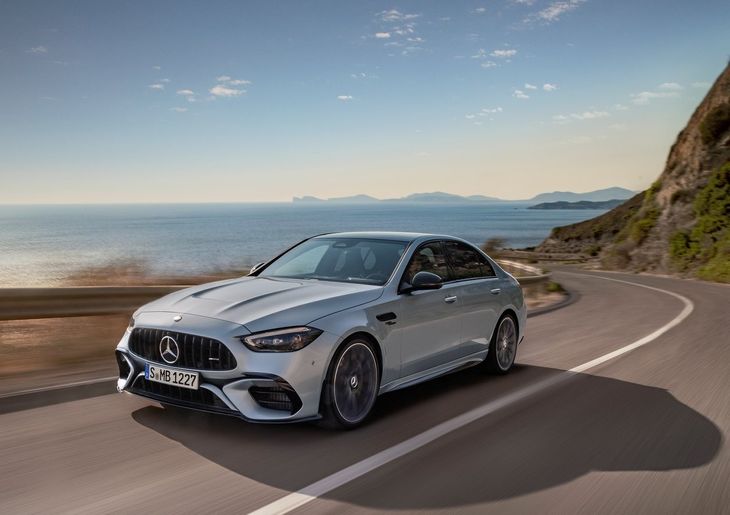
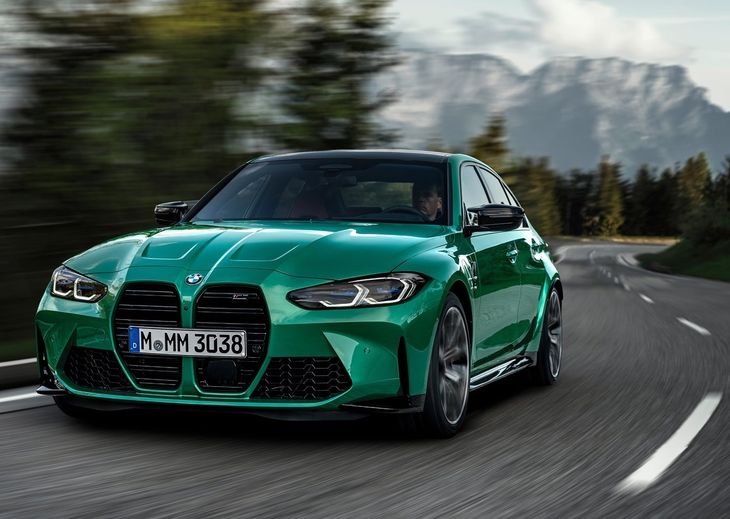
Historically, the Mercedes-AMG C 63 and BMW M3 have had an intense rivalry. Now with the all-new hybridized Mercedes-AMG C63 S E Performance on sale in South Africa, the battle for supremacy is as intense as it’s ever been. Take a look at how these high-performance sedans stack up against each other!
Are you looking to buy the new Mercedes-AMG C63 S E Performance or is the BMW M3 Competition xDrive winning your heart?
The all-new BMW M3 Competition arrived in South Africa in the first quarter of 2021 (the M3 competition xDrive arrived later) and despite its polarising appearance, its impressive performance credentials have meant that it’s been fairly well received by South African M fans. When it arrived, the outgoing V8-powered Mercedes-AMG C63 S was left looking and feeling a bit old.
Then, news broke that the new C63 would drop its V8 power for a 2.0-litre hybrid powertrain. AMG fans cried while BMW fans had a giggle. Now, with the new locally-assembled, Mercedes-AMG C63 S E Performance going on sale in South Africa, the jokes are over and the stage is set for yet another epic battle.
For buyers planning on purchasing either of these high-performance machines, it’s worth looking at some key differences in terms of performance, interior execution and technological features.
Mercedes-AMG C63 S E Performance vs BMW M3 Competition xDrive
Performance and Efficiency
Mercedes-AMG C63 S E Performance
BMW M3 Competition xDrive
Engine
2.0-litre turbopetrol engine + rear electric motor + 400V, 6.1 kWh battery
3.0- litre twin-turbocharged, 6-cylinder
Power
500 kW
375 kW
Torque
1 020 Nm
650 Nm
Transmission
9-speed multi-clutch automatic
8-speed ZF automatic
0-100 kph
3.4 seconds
3.5 seconds
Top Speed
280 kph
290 kph
Fuel consumption
10.5 L/100km
10.2 L/100km
Kerb Weight
2 111 kg
1 820 kg
The new Mercedes-AMG C63 S E Performance delivers staggering outputs and its performance is mightily impressive despite lacking the much-loved soundtrack of the previous-generation V8.
With a fully-variable all-wheel drive system (including Drift Mode) and active rear-axle steering, the new C63’s handling is sharper and more dynamic than the model it replaces. It’s worth noting that it has gained weight, 291 kg in fact, and now weighs 2 111 kg. While it’s more dynamically capable than its V8 sledgehammer predecessor, we’re not convinced it’s as nimble as the BMW M3.
It’s performance, however, defies the confines of its dimensions and with a zero to 100 kph sprint time of 3.4 seconds, it’s fast and feels faster than this claim suggests. Yes, times have changed and this is an electrically-assisted AMG C63, but it’s an entirely special package in its own right.
The BMW M3 Competition xDrive goes toe-to-toe with the new AMG C63 S E Performance, but unlike the Merc, it foregoes any electric trickery and unleashes raw 6-cylinder goodness from its twin-turbocharged 3.0-litre petrol engine. Yes, the Merc has bigger power and torque muscles, but the M3 Competition is a strong performer and, importantly, lighter!
BMW M cars have long been praised for their dynamic handling ability and the current generation M3 is formidable in this regard. In fact, from a dynamic handling perspective, the M3 is a sharper weapon in the corners.
Despite the vast differences in powertrains, the M3 Competition holds its own with a claimed zero to 100 kph sprint time of 3.5 seconds!
The only thing left to do is stage a drag race! Which one of these high-performance sedans do you think will cross the finish line first?
AMG sport seats (AMG Performance seat optional). Leather/Nappa
M sports seats in Merino leather (M carbon bucket seats optional)
Steering wheel
AMG Performance steering wheel
M Performance steering wheel
With technology trickling down from the new S-Class, the new AMG C63 S E Performance inherits its interior bits from the new C-Class, both of which are built right here in East London, South Africa. The interior of the new Mercedes-AMG C63 S E Performance looks like a technological tour de force.
In comparison, the BMW M3 looks far more understated. In South Africa, both the M3 and M4 are sold with a carbon interior package as standard which includes carbon-fibre trim spread liberally around the cabin, adding additional performance appeal to match the M3’s intentions.
Let’s talk money: What does the new Mercedes-AMG C63 S E Performance cost in South Africa?
The price of the new Mercedes-AMG C63 S E Performance starts from R2 500 810 (before options) and buyers can also opt for the limited edition F1 Edition for R2 808 310 as of June 2024. The Merc is sold with a 2-year/unlimited km warranty and a 5-year/100 000km maintenance plan.
Comparatively, pricing for the BMW M3 Competition xDrive starts from R2 098 002, so it’s significantly cheaper than its newer rival. But… on paper at least, the BMW matches the Merc in straight-line performance and dynamically excels in dynamic handling. The M3 is also sold with a 2-year / unlimited km warranty and a 5-year / 100 000 km maintenance plan.
Many purists can’t fathom how the AMG 63 S went from a V8-burbling monster to a partially electrified 2.0-litre Bahn stormer. Still, regardless of how each marque arrived at this point, both these machines offer undeniable performance brilliance.
Let us know which one of these high-performance machines you prefer and perhaps more importantly, which one do you think will win in a quarter-mile drag race? It’s bound to be very close…
It is rare, in this day and age, to consider describing a new car as a “good value for money” if it costs north of R2.5 million. However, the Range Rover Sport is no ordinary luxury SUV. It’s truly special. We review the Range Rover Sport D350 Autobiography.
We like: Sumptuous comfort, balance of performance and efficiency, refinement
We don’t like: A few trim pieces lack tactile quality
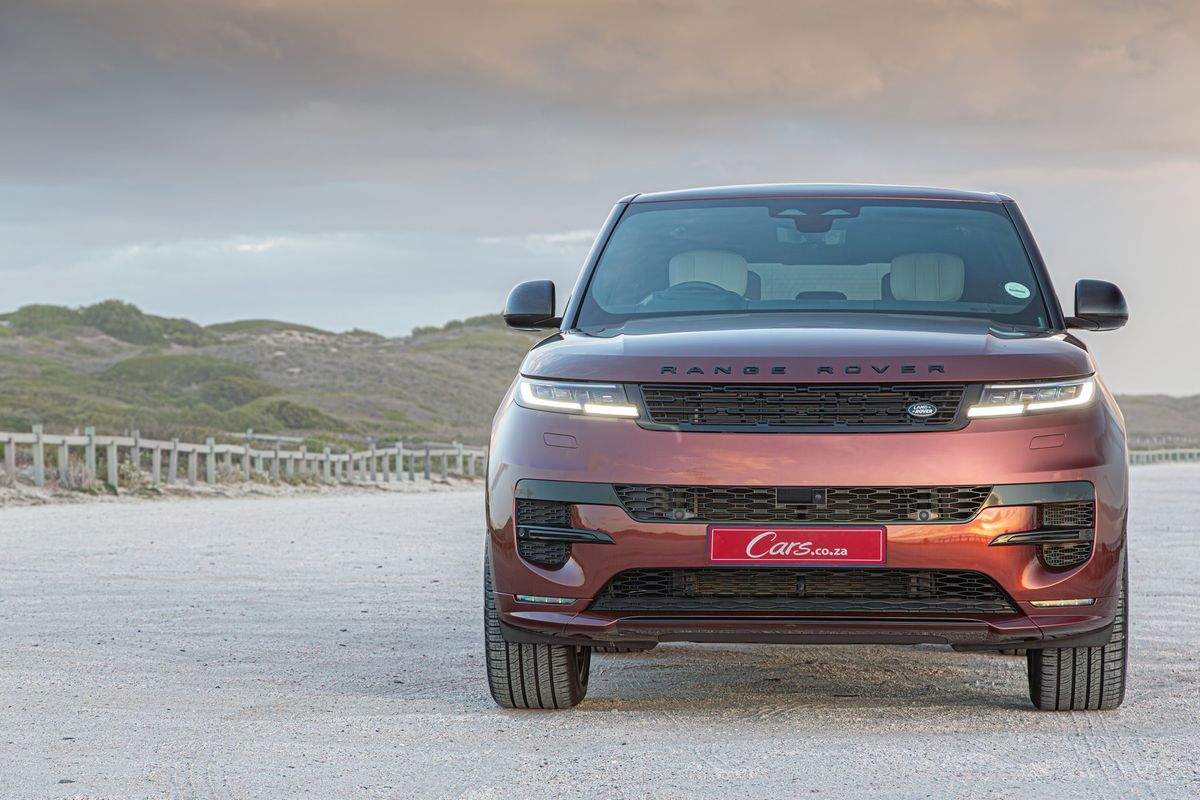
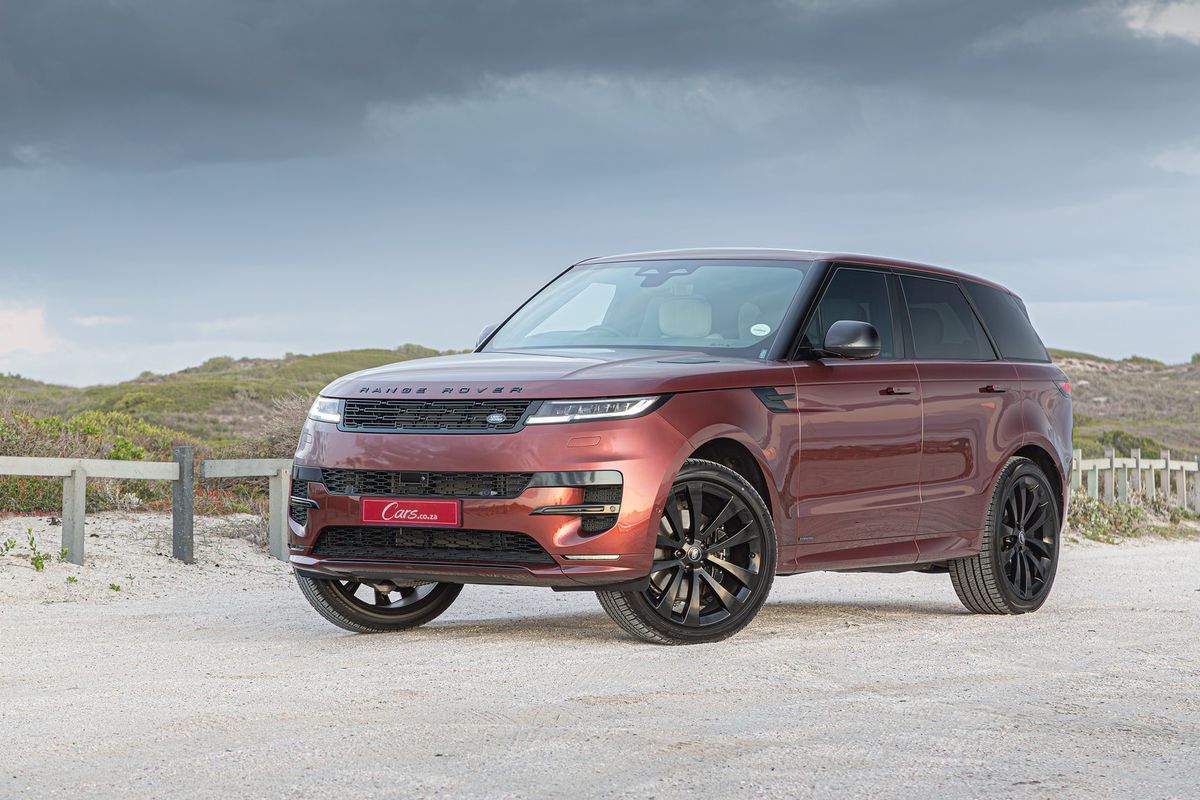
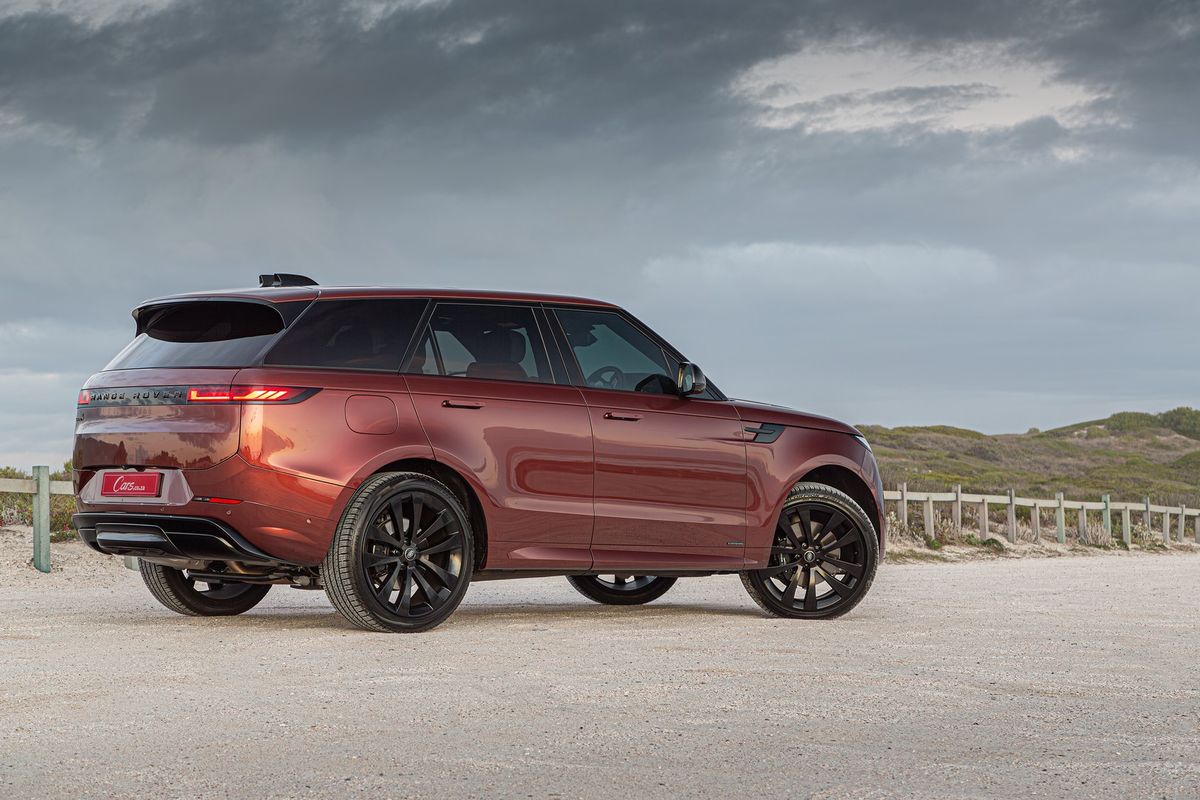
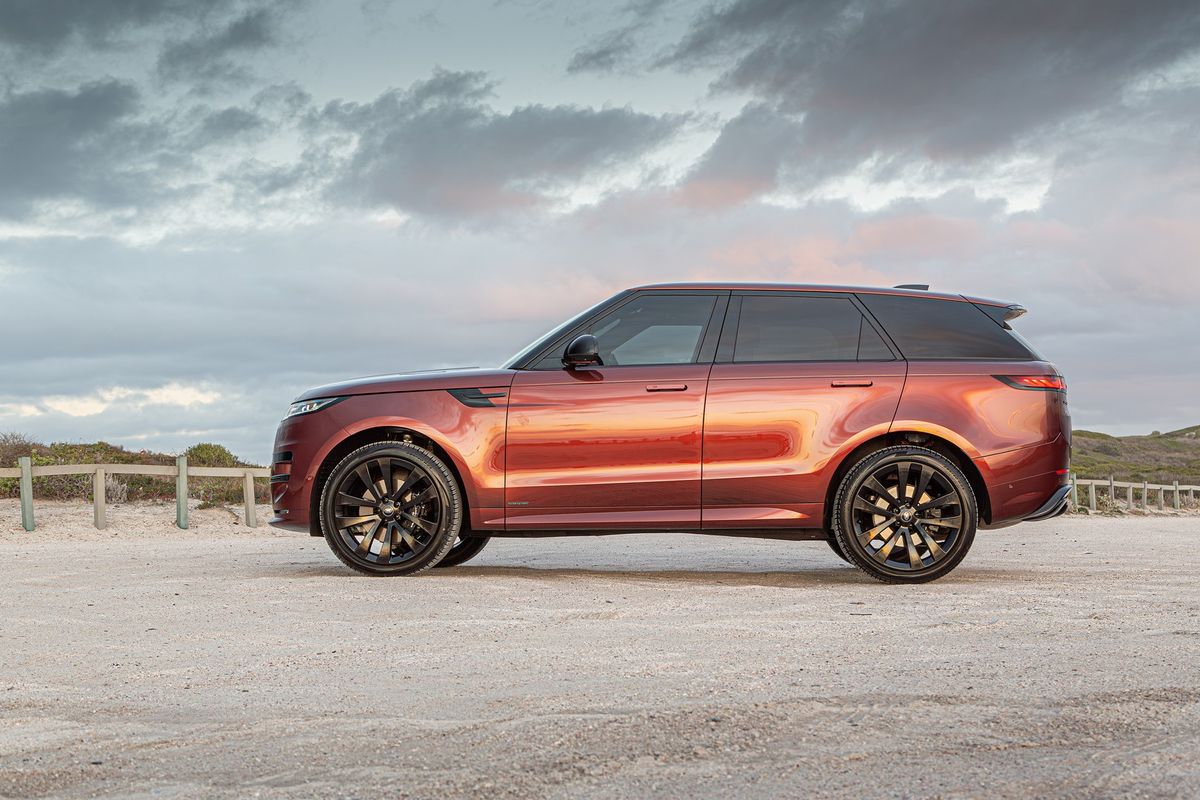
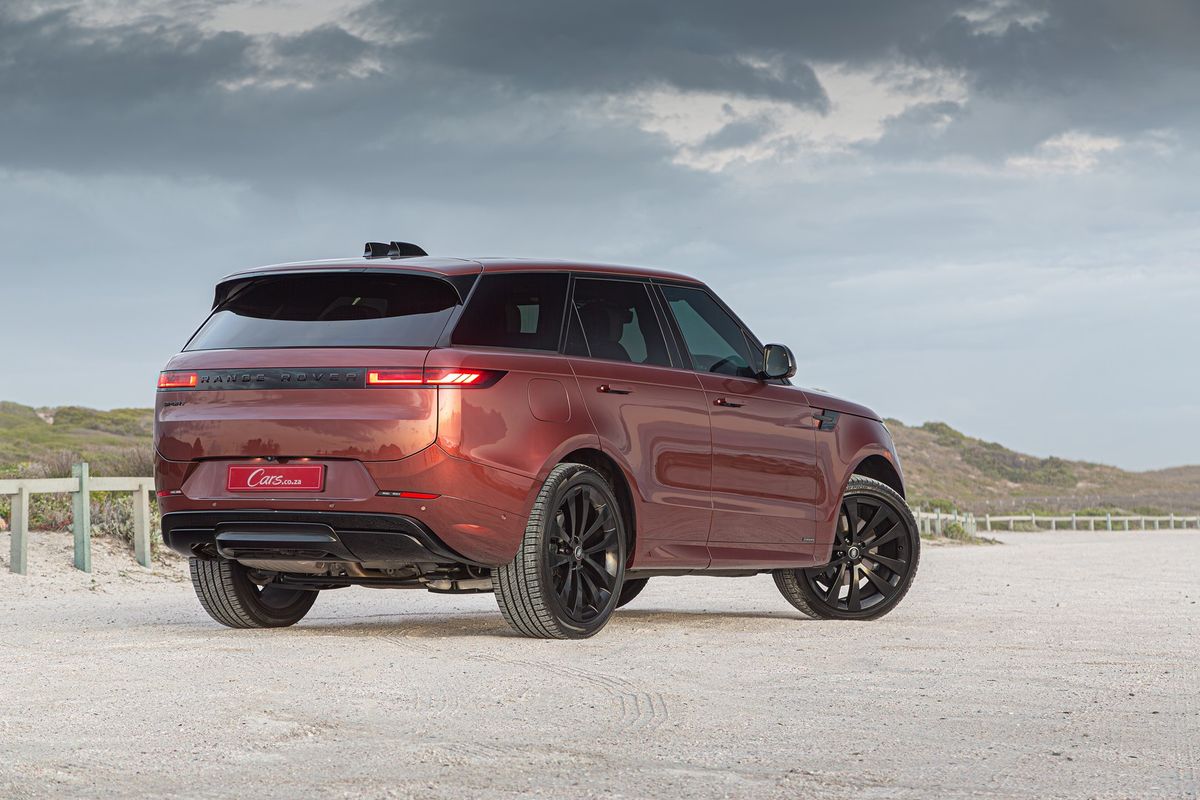
The Range Rover Sport’s smooth sheet metal aids aerodynamic efficiency… and contributes to a distinctive look.
Now in its 3rd iteration, the Range Rover Sport has become one of the most successful products in the JLR portfolio. Even though it’s pricier than similarly-sized (and -powerful) offerings from German brands, customers the world over believe the model offers something a little extra to justify its premium pricing.
The subject of this Range Rover Sport review is the D350 Autobiography, powered by the marque’s refined Ingenium 3.0-litre inline-6-cylinder turbodiesel engine. In Autobiography trim, it offers flagship luxury and, for some buyers, it may very well be all the Range Rover they’ll ever need. Priced at around R2.5 million before options, however, can it truly justify its premium over its capable German rivals?
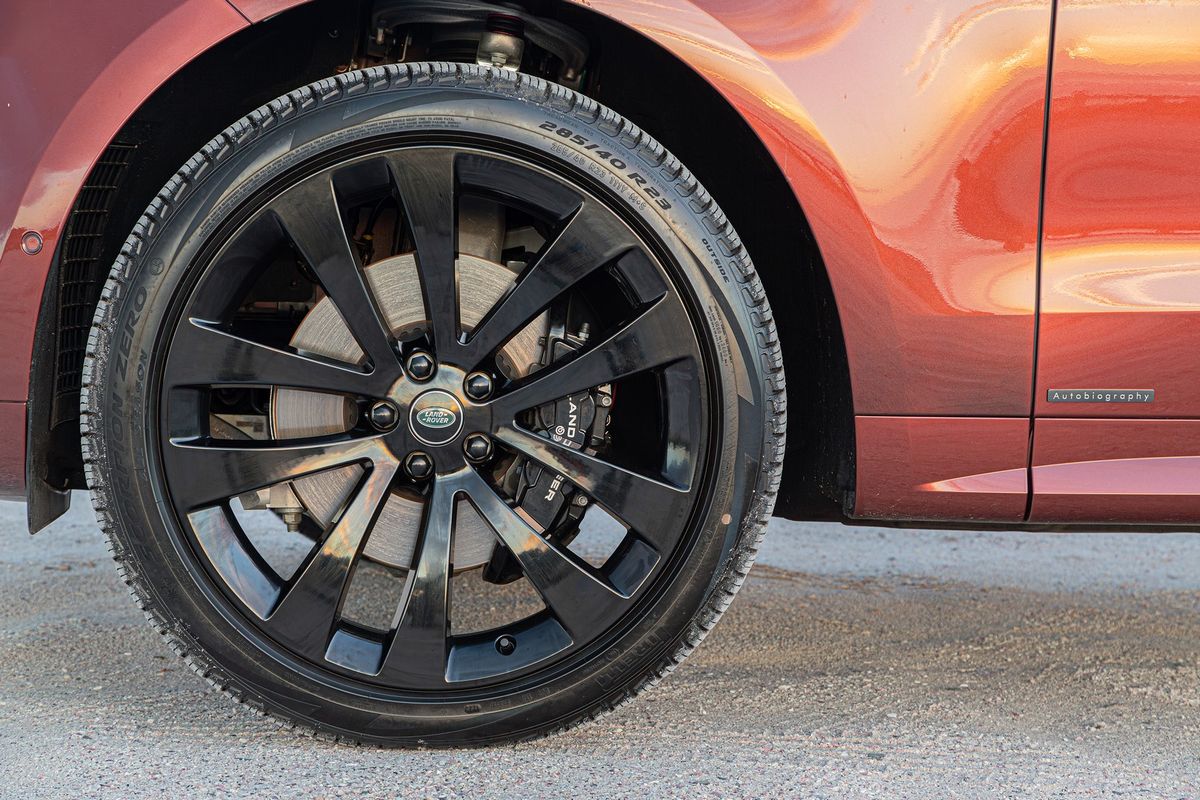
The D350 Autobiography test unit was specified with handsome, arch-filling 23-inch gloss black alloys.
Design and Features
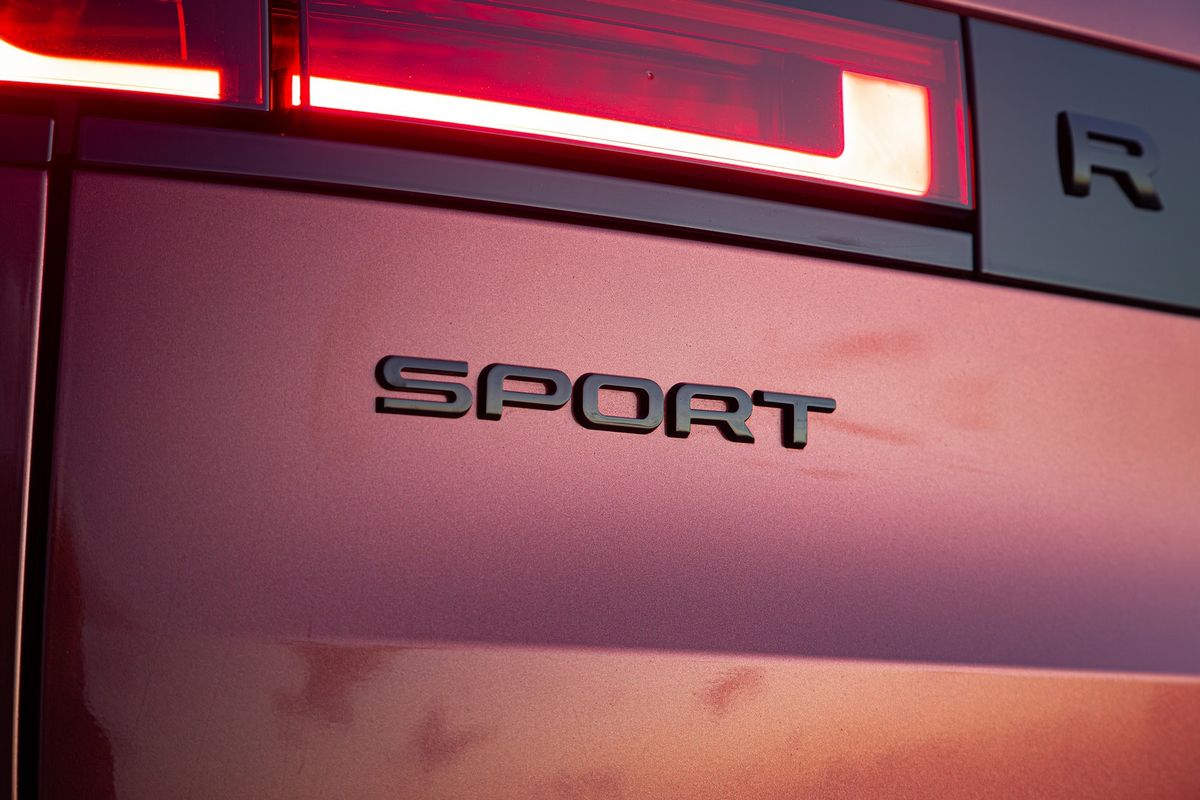
Range Rover’s contemporary (2024) design language is characterised by smooth sheet-metal surfaces devoid of unnecessary “frills”. Even the door handles retract into the doors when not needed, resulting in a polished overall look. Our test unit’s appearance was further enhanced by a striking Sunrise Copper paint finish that brilliantly accentuated the taut surfaces. It is, however, a pricey option at over R154k!
The Black Exterior Pack makes the Range Rover Sport appear more menacing and emphasises the “floating-roof look”.
Although the Range Rover Sport follows the design template of other JLR products very closely and is, therefore, instantly recognisable as a Range Rover, it still has more than enough presence to turn heads.
The 23-inch gloss black wheels (a R10 860 option), wide track and several blacked-out elements (part of the Black Exterior Pack, which costs a further R29 100) endowed “our” (oh, we wish!) Range Rover Sport D350 Autobiography test unit with a menacing appearance that most onlookers seemed to love.
The tasteful contrasting colour scheme of the D350 Autobiography is complemented by splendid finishes
Hop up and into the Range Rover Sport and you’re presented with a cabin that will leave you in no doubt that you’re seated in a rather special space that’s smartly finished and trimmed in a lovely mix of colours and materials. Our test unit featured “Light Cloud” white leather and trim, combined with Ebony finishes.
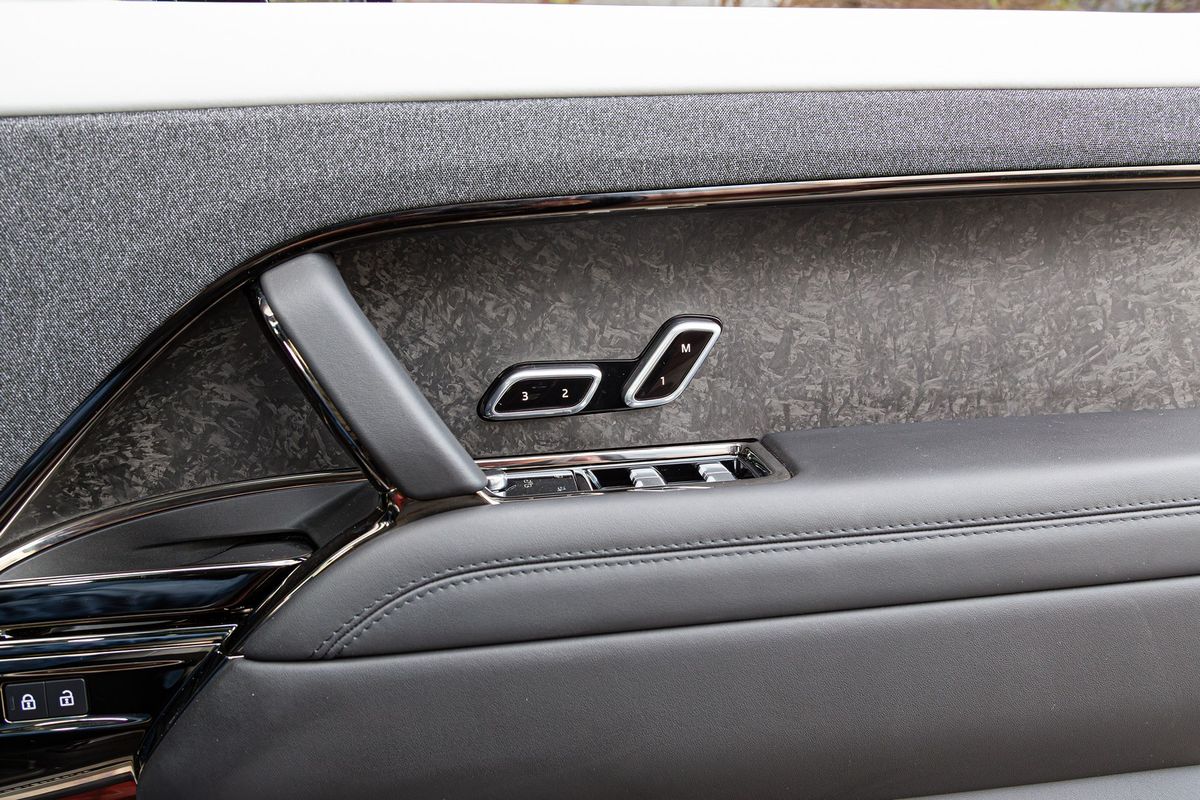
Black suede featured on the pillars and roof, while the doors were lined with attractive grey cloth. The only minor criticism is that some trim pieces, such as the “stone-textured” door inlays, felt a bit “fake”.
Kudos for the creative combination of electric seat adjustment and memory buttons, but the back panel looks a bit faux.
The JLR team deserves to be commended for how it has created a luxurious interior that embraces classical elements, but at the same time, includes all the modern features and tech you may want.
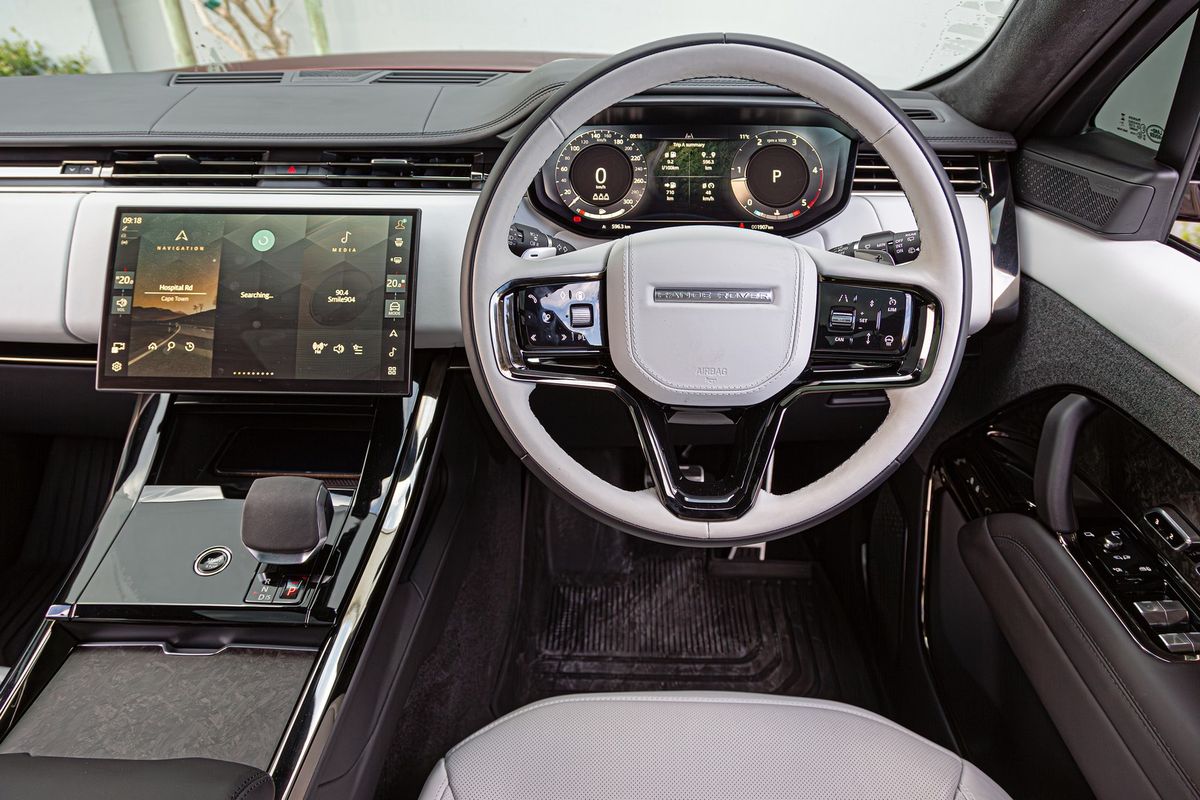
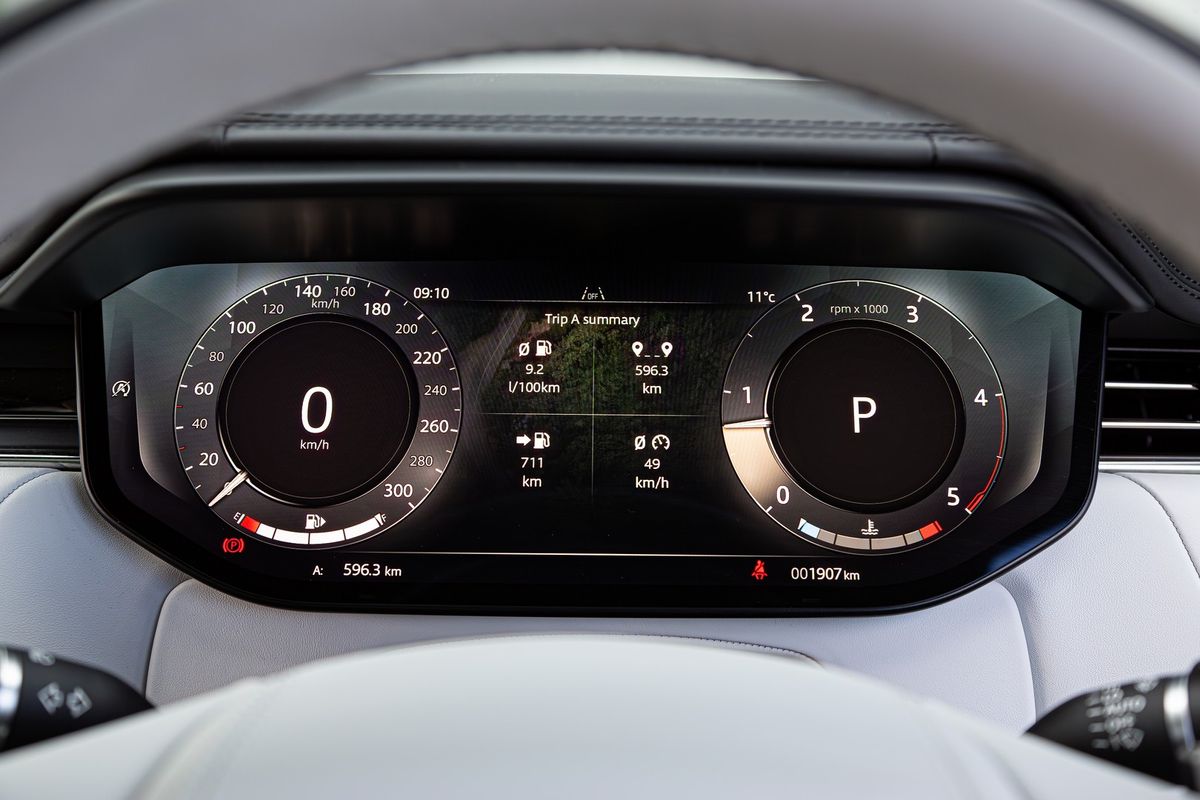
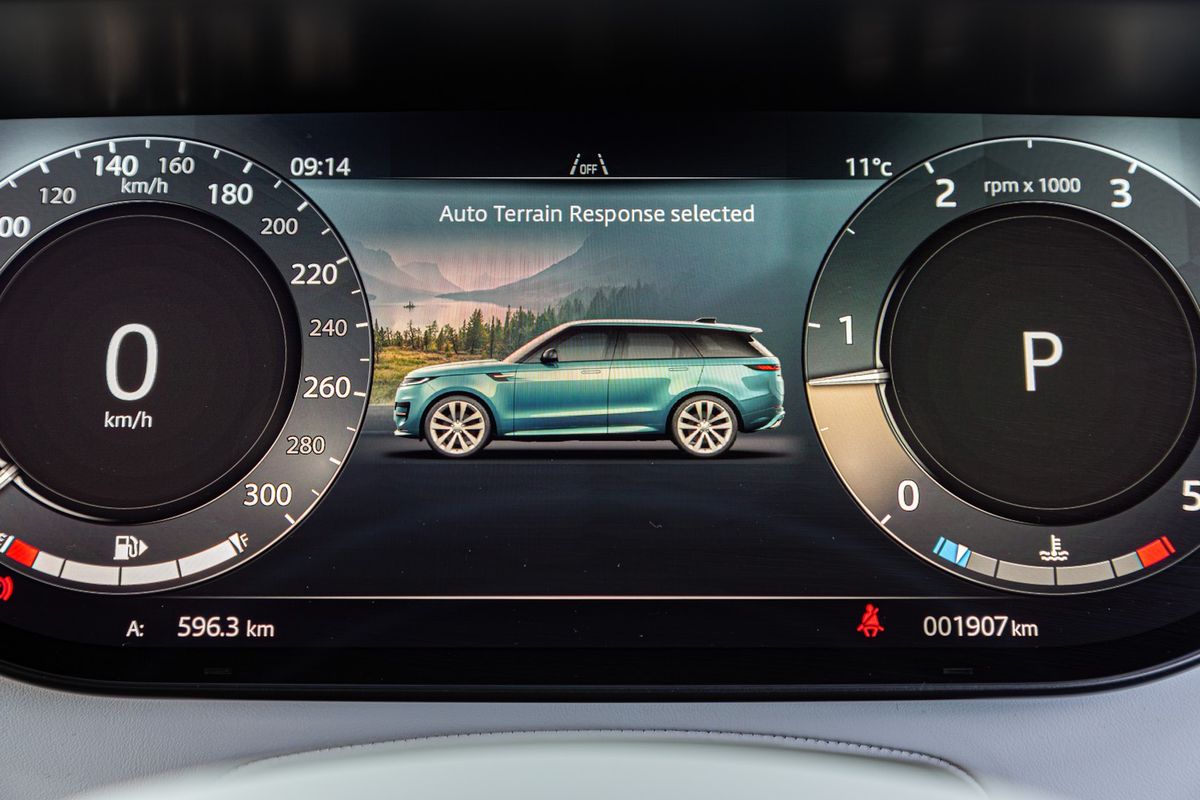
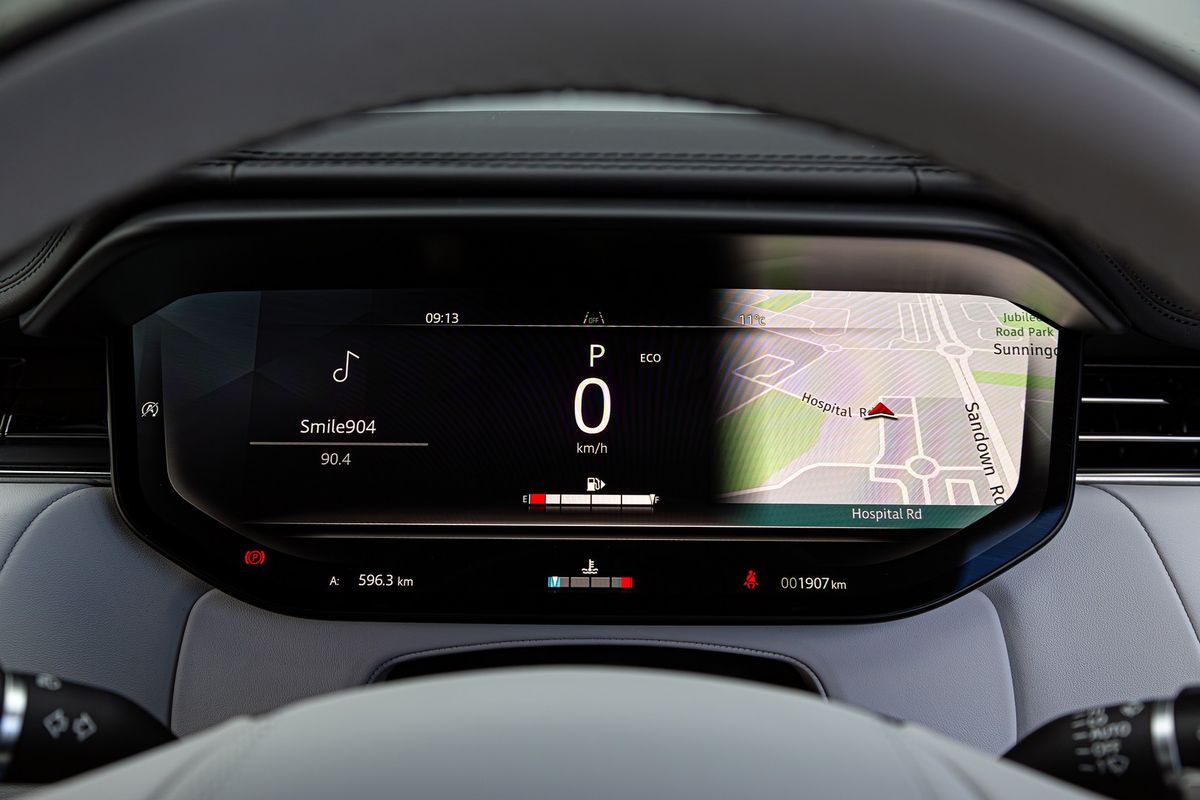
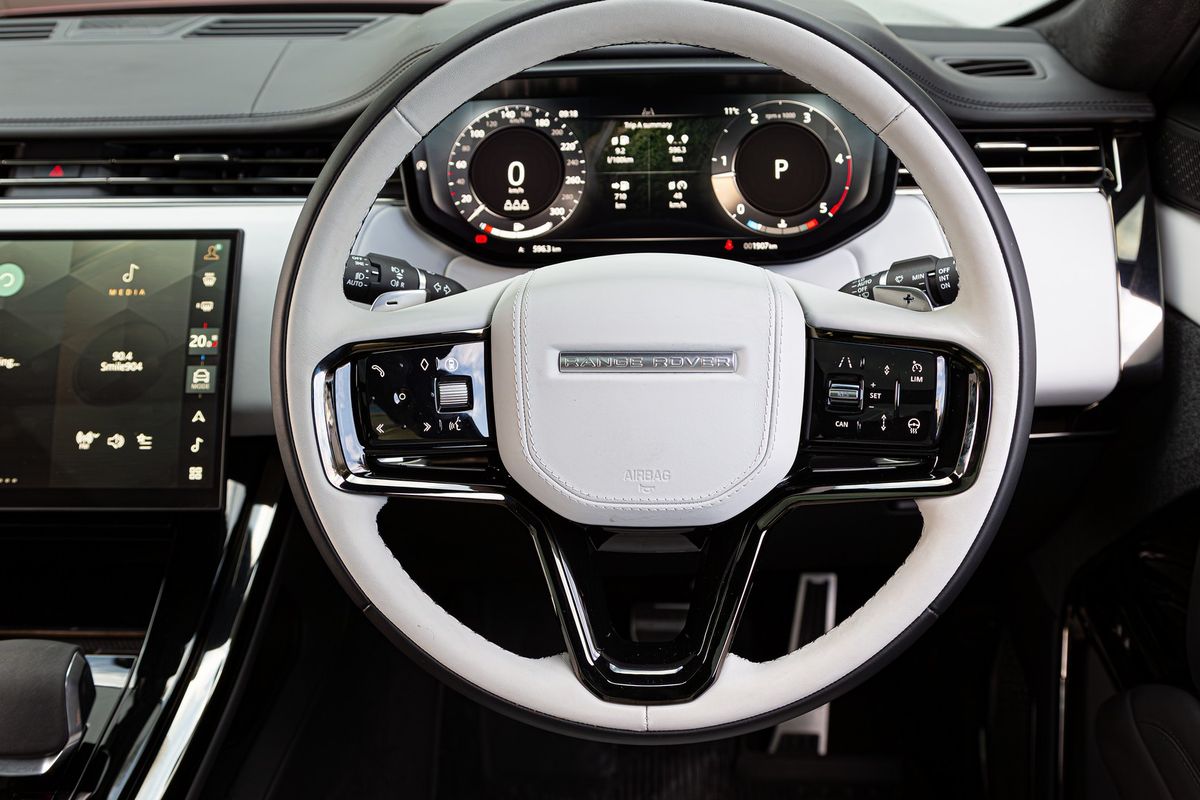
The digital instrument cluster boasts crisp graphics and can be set to display a traditional analogue set-up or show details such as a digital speed readout, flanked by media, navigation- or off-road info.
The digital instrument panel is highly customisable; we favoured this simple segmented configuration.
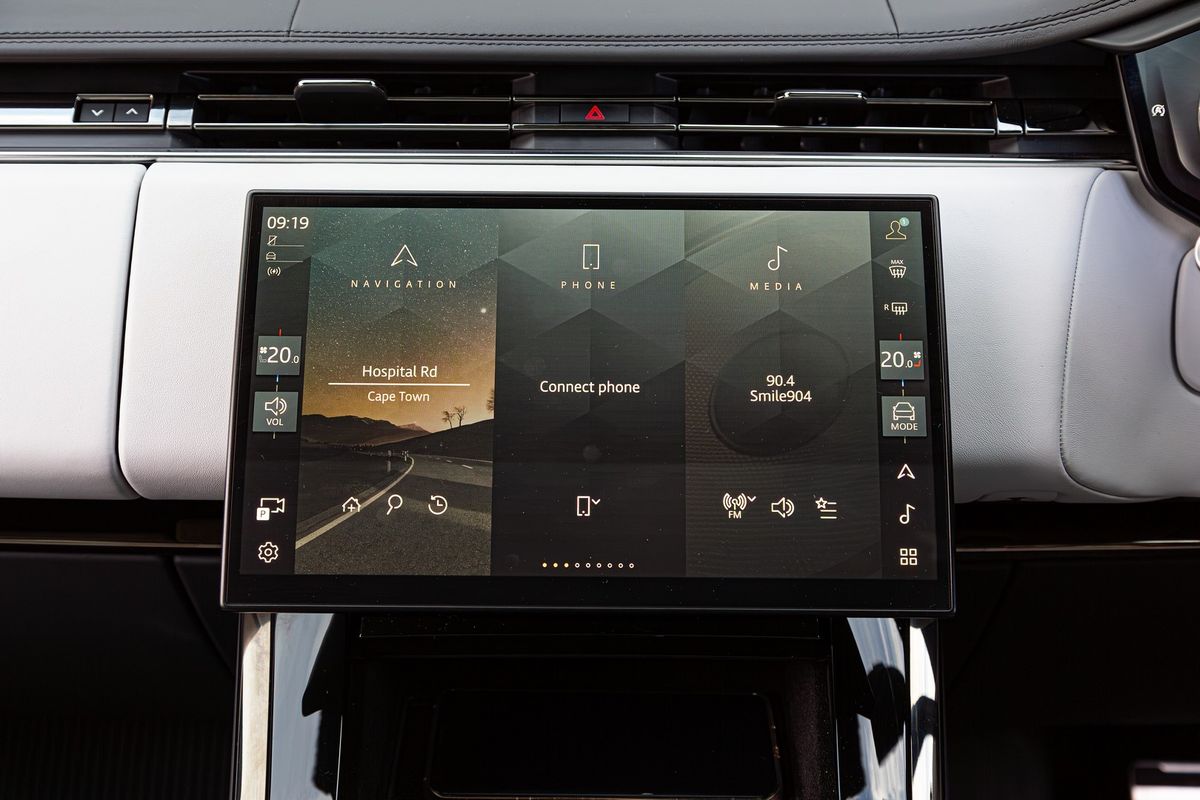
The large centre infotainment screen (powered by JLR’s latest Pivi Pro software) is also highly impressive (if not class-leading). Again, the displays are beautifully crisp and the system is quite intuitive to operate.
Some members of our test team lamented the absence of physical buttons for often-used features (such as ventilation controls), but at least there are digital shortcut keys that remain prominent on the screen.
The interface of the JLR’s Pivi Pro infotainment system looks crisp, operates slickly and is intuitive to use.
In the best Range Rover tradition, you sit fairly high in the Range Rover Sport, but the raised transmission tunnel does make the model’s front-seat positions feel slightly “sportier” than in the full-fat Range Rover.
Visibility out of the vehicle is great and also beneficial for off-roading – a talent that Range Rover emphasises is still very much present in this model.
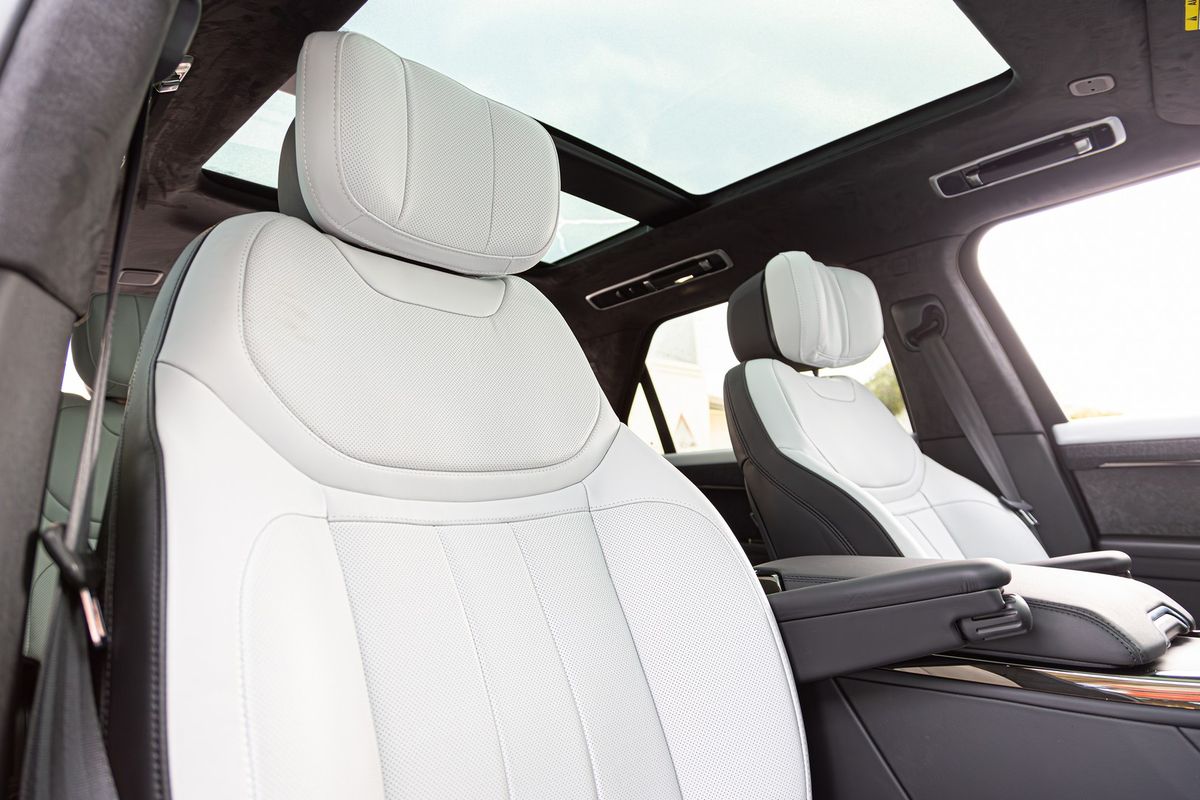
The Range Rover Sport’s shapely front seats are superbly comfortable and feel sportier than expected.
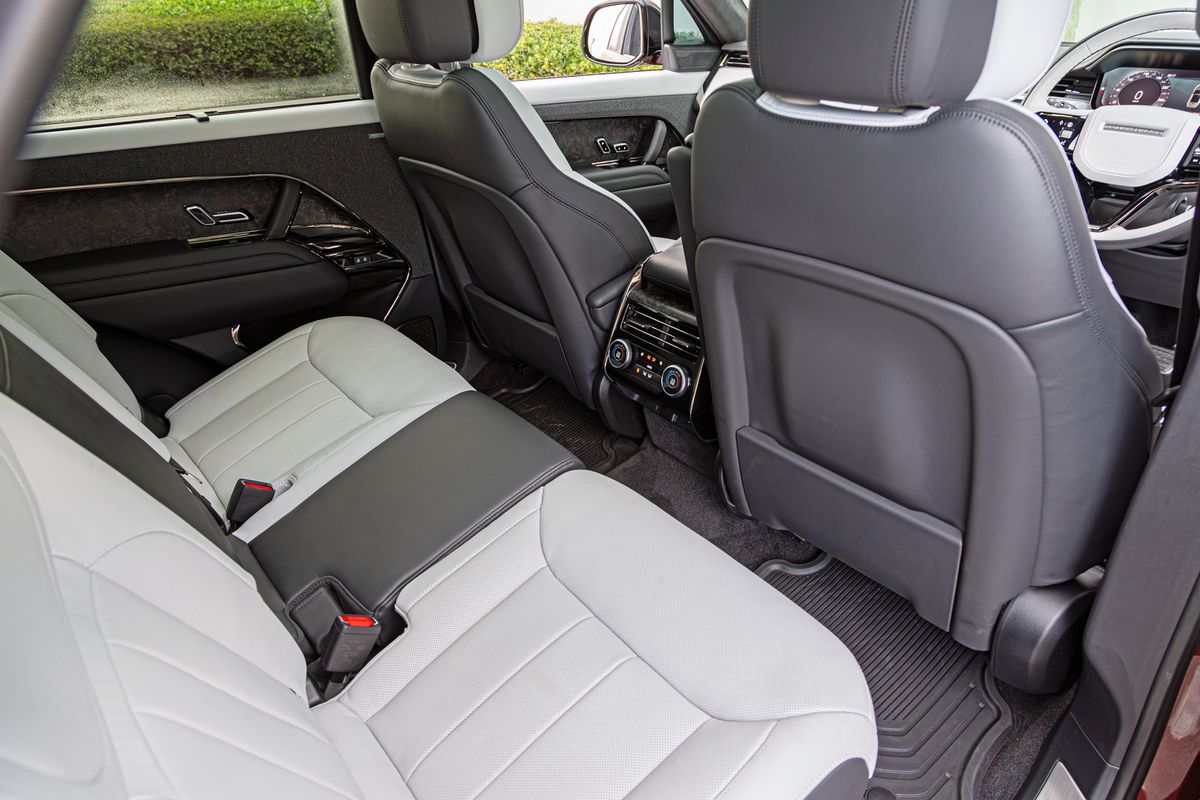
The rear occupant space (including legroom) is comparable to what is on offer from the likes of the BMW X5 and Mercedes-Benz GLE. The seats themselves are also superbly comfortable, making longer trips a pleasure for those who are ensconced in the rear.
The Range Rover Sport offers sufficient rear occupant space. Note the rear climate-control console.
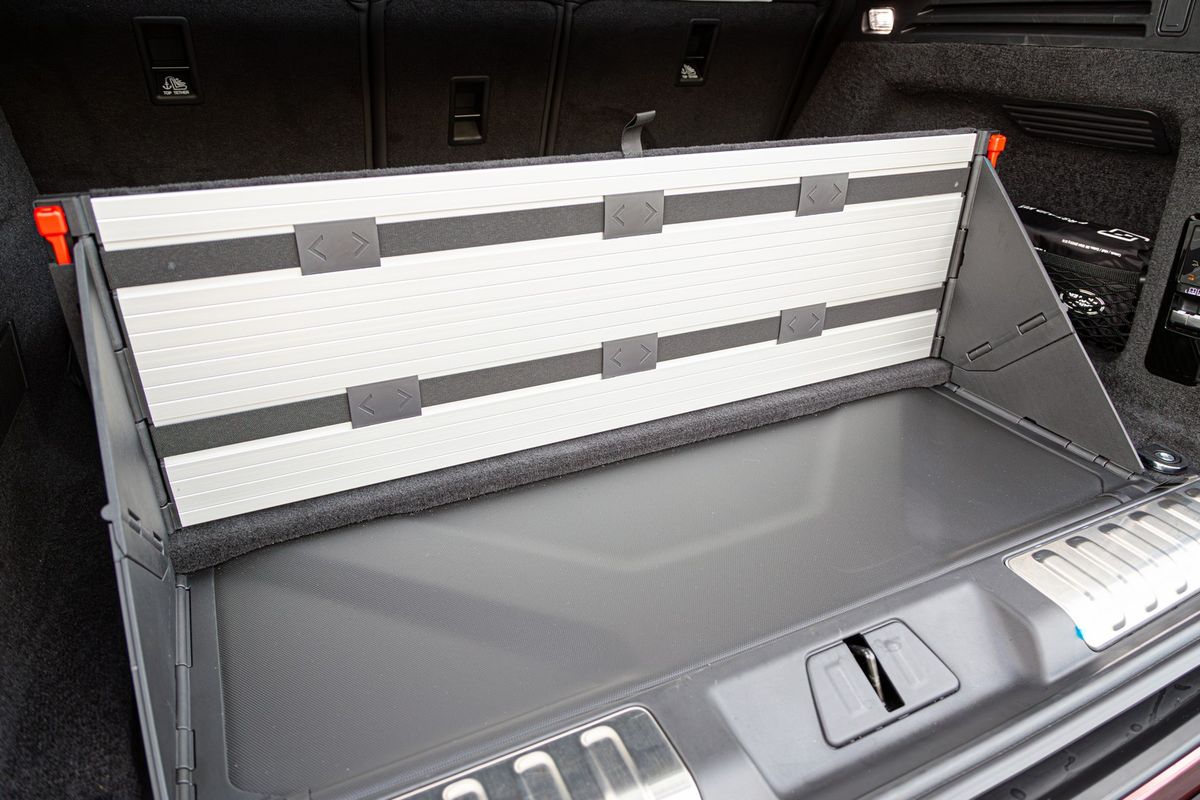
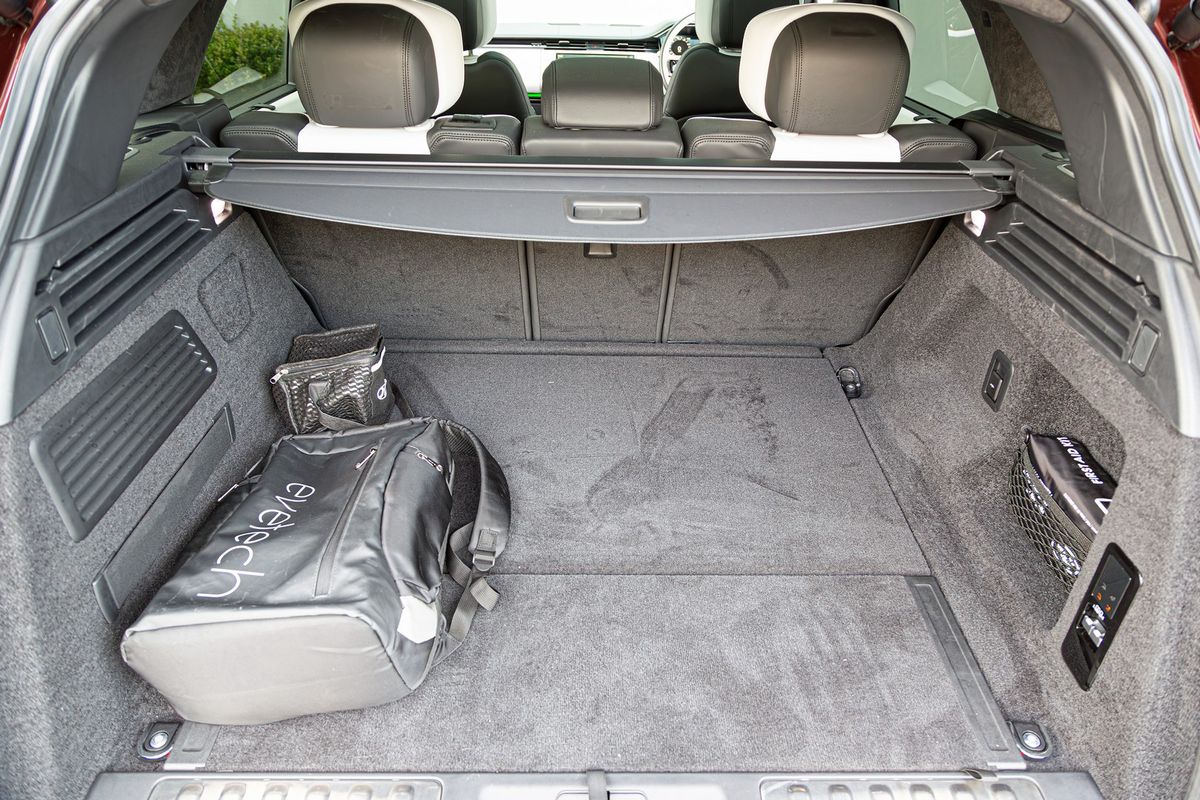
And, on the subject of long-distance family trips, the claimed load-bay capacity is a generous 647 litres, but utility space (with the seats folded down) can’t quite match what is offered by the X5 and GLE. Still, for such an opulent vehicle, the Range Rover Sport cabin offers excellent general usability and flexibility.
Although the Range Rover Sport lags behind its rivals in terms of utility space, it has a suitably large load bay.
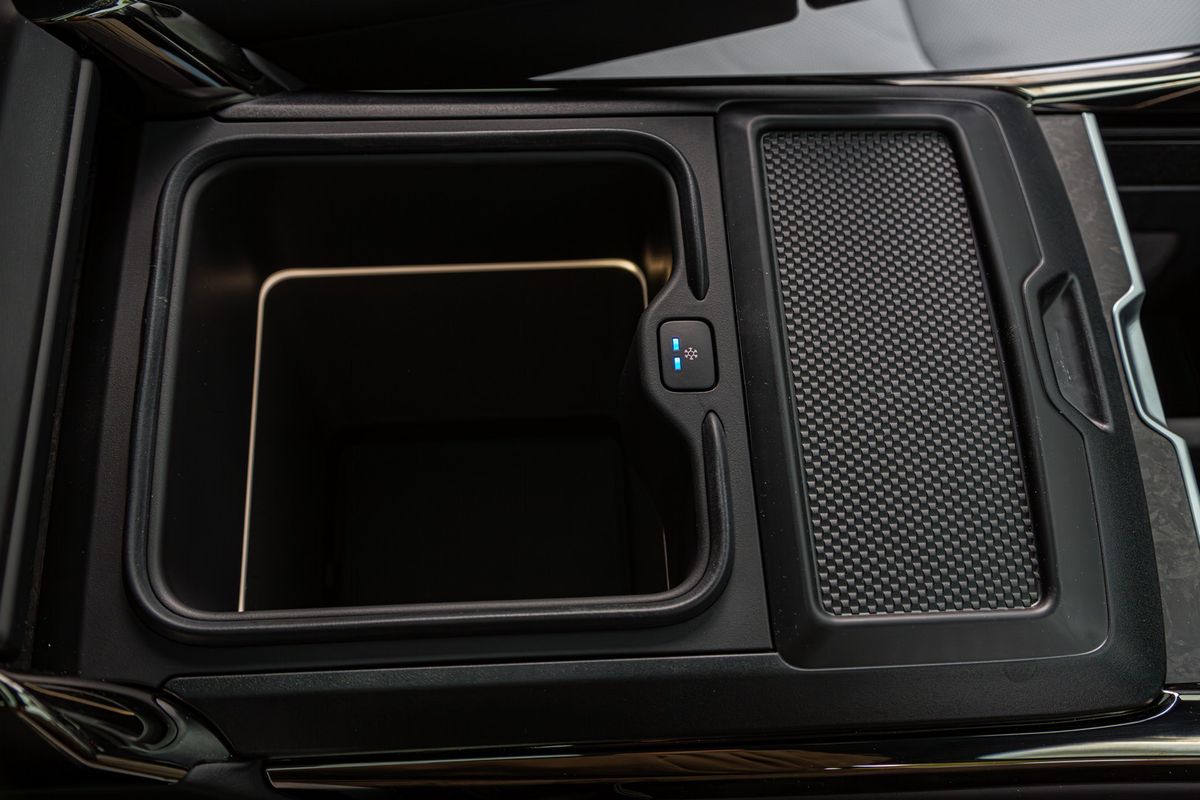
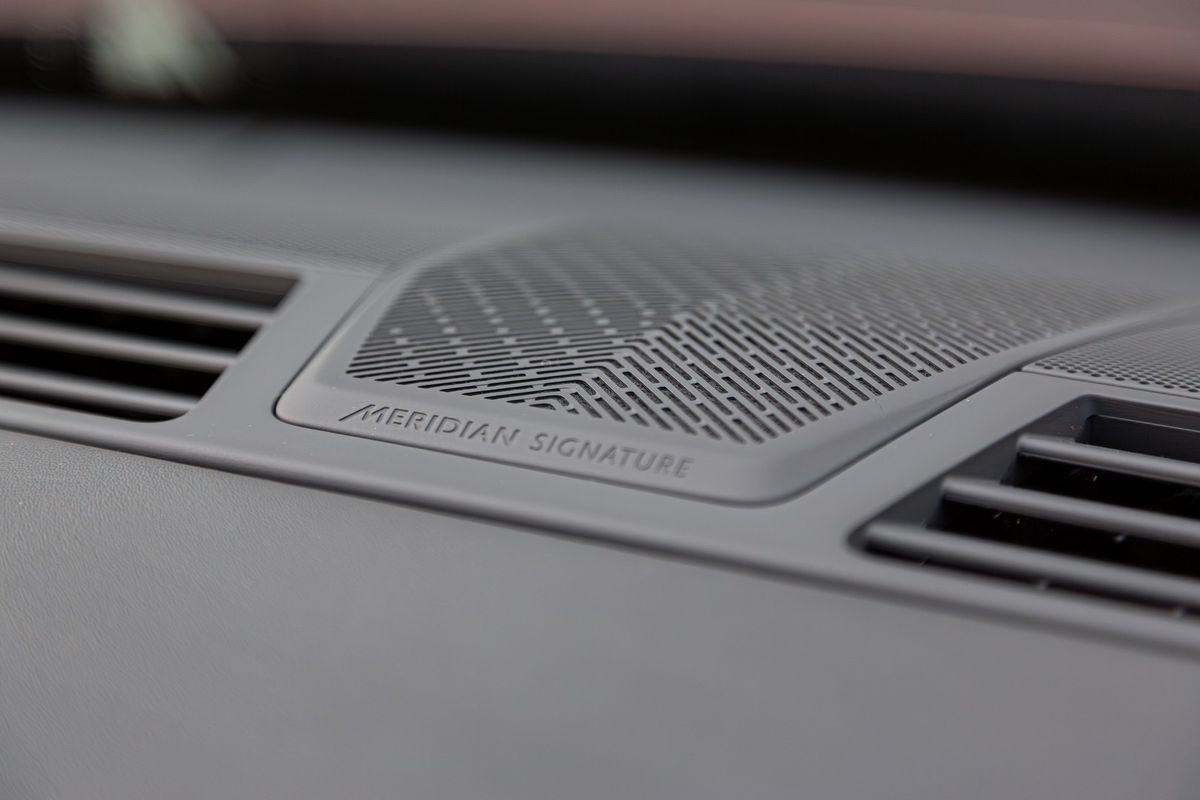
As expected, the Range Rover Sport is lavishly equipped with features, but there are some very desirable options too. The test unit featured a Meridian Signature Sound system (priced at R63 500), for example.
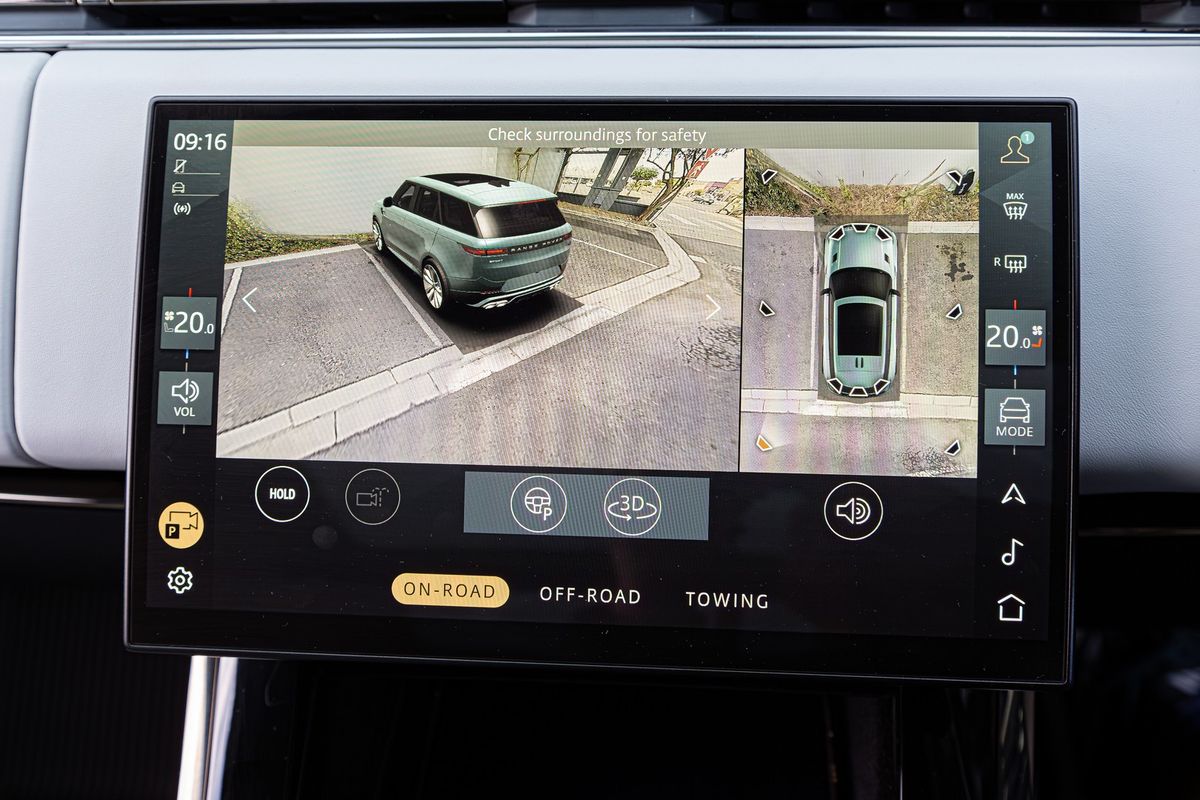
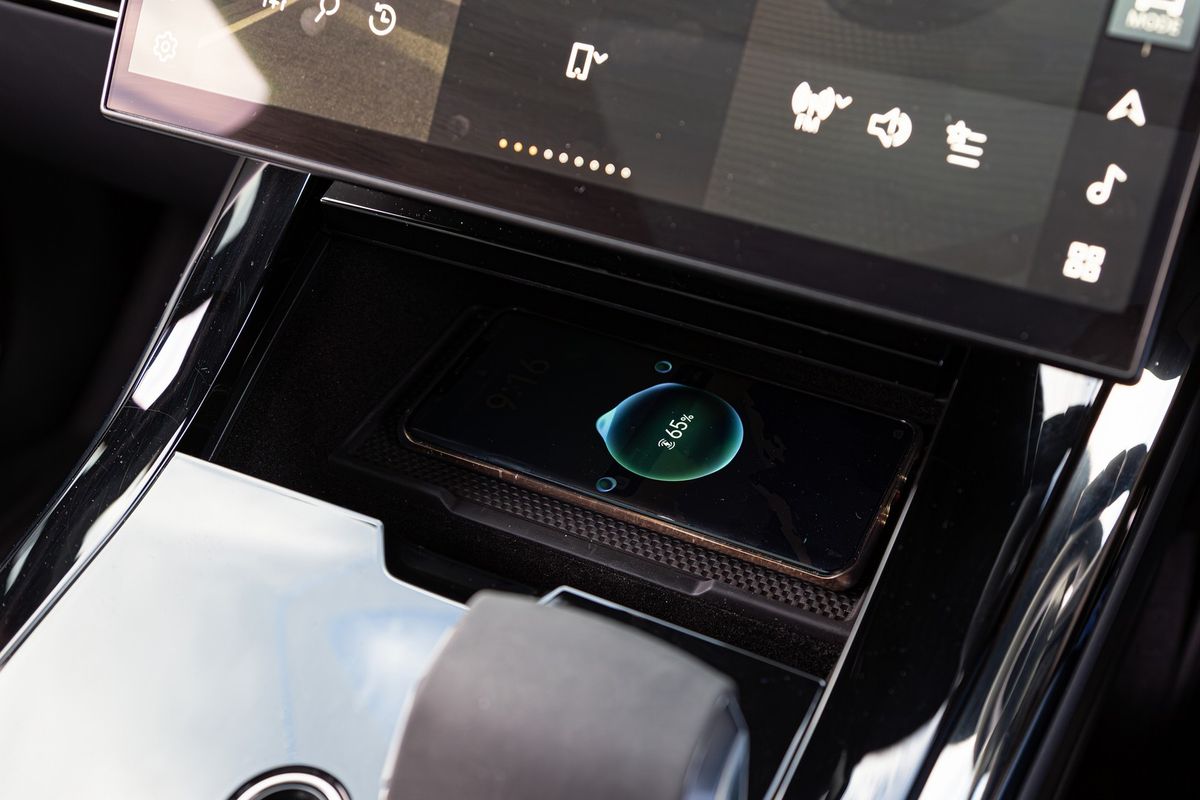
A Meridian 3D Surround System, by contrast, is standard fitment, along with 4-zone climate control, surround-view camera system, wireless device charging, rear door sunblinds and much, much more.
The 360-degree camera system proves its worth whether you’re parking – or tackling tricky off-road terrain.
Performance and Efficiency
Turbodiesel-powered derivatives are disappearing from the new-vehicle market, but they remain a force in the large-SUV segment and with good reason… The Range Rover Sport D350 Autobiography‘s powerplant certainly served as an impactful reminder of just how convincing this type of engine can be.
The D350 Autobiography offers plenty of performance, allied with a more than acceptable level of fuel efficiency.
The D350 Autobiography’s 3.0-litre inline-6 (and mild-hybrid) turbodiesel produces 258 kW and 700 Nm of torque – in truth, those are not class-leading peak outputs, but they proved conducive to impressive performance nonetheless. Range Rover claims a 0-100 kph of 5.8 sec for this derivative and we virtually matched that time when we tested the test unit (5.84 sec). Suffice it to say, it is no slouch.
More importantly, the Range Rover Sport delivers its performance with admirable refinement, which also embellishes its general driving experience. Most of the time, the engine is virtually inaudible, and the 8-speed auto transmission shifts between cogs quickly and smoothly. Combined with low NVH (noise, vibration and harshness) and a supple ride quality, the D350 Autobiography is very relaxing to pilot.
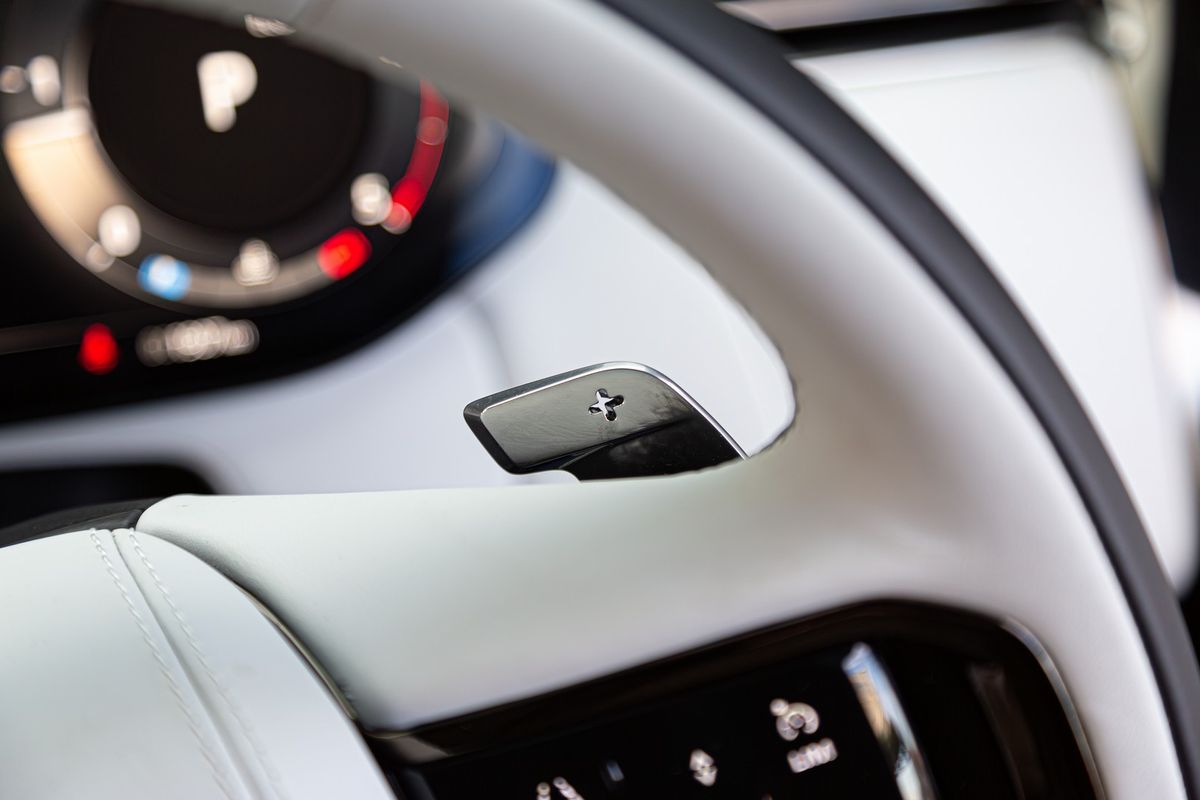
You can actuate manual gear shifts with the steering-wheel-mounted paddles… not that you’re likely to do that often.
Drive with efficiency in mind (indeed, the Range Rover Sport’s suite of drive modes includes an ECO setting) and you might even get close to achieving the claimed average fuel consumption figure of 7.4 L/100 km. In reality, however, a figure of around 8.2 L/100 km is more realistic – and still excellent.
Of course, with all that torque at its disposal, the D350 Autobiography should prove a great vehicle for towing trailers – it does boast a 3.5-tonne (braked) towing capacity and Trailer Stability Assist system.
It’s a credit to JLR’s electronic stability- and chassis systems that the Range Rover feels so wieldy, considering its size.
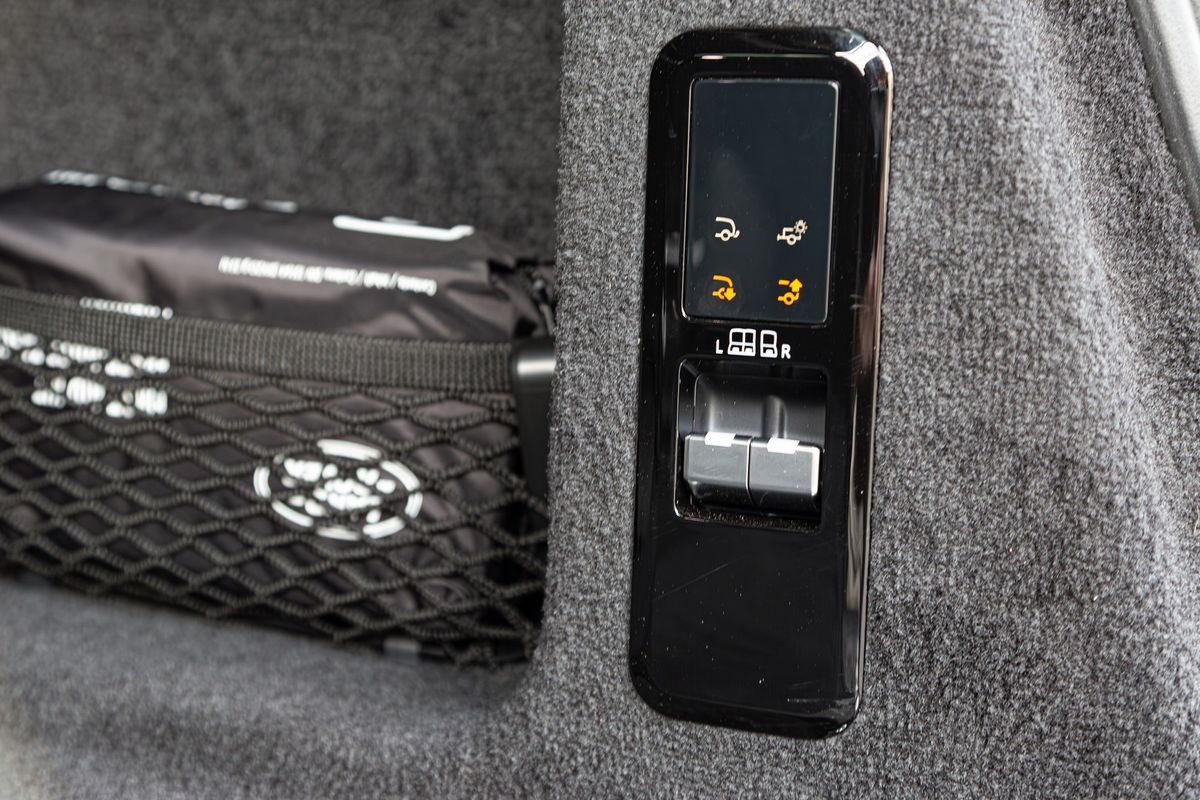
Our test unit featured the Advanced Tow Assist feature, which allows you to reverse a trailer while the Range Rover takes care of the steering – a very useful extra for a not-unreasonable price of R7 700.
Ride and Handling
At the core of the new Range Rover Sport is the brand’s so-called MLA-Flex mixed-metal architecture. This platform is 35% stiffer than the one that underpins the previous-gen Range Rover Sport model, and on top of this reassuringly solid base, Range Rover has added a host of advanced chassis systems to improve on-road comfort, dynamism and off-road performance.
The Range Rover’s sophisticated air suspension more than makes up for the fitment of low-profile tyres.
One of those systems is called New Dynamic Response Pro – it is largely in charge of body control and works in conjunction with switchable-volume air springs (an innovation) to minimise roll in the corners.
Then there is Dynamic Air Suspension, which varies the pressure within the chambers to provide a mix of Range Rover-befitting comfort and the dynamism we’ve come to expect from a Range Rover Sport. Also, Adaptive Dynamics 2 continuously monitors external factors to further fine-tune ride comfort.
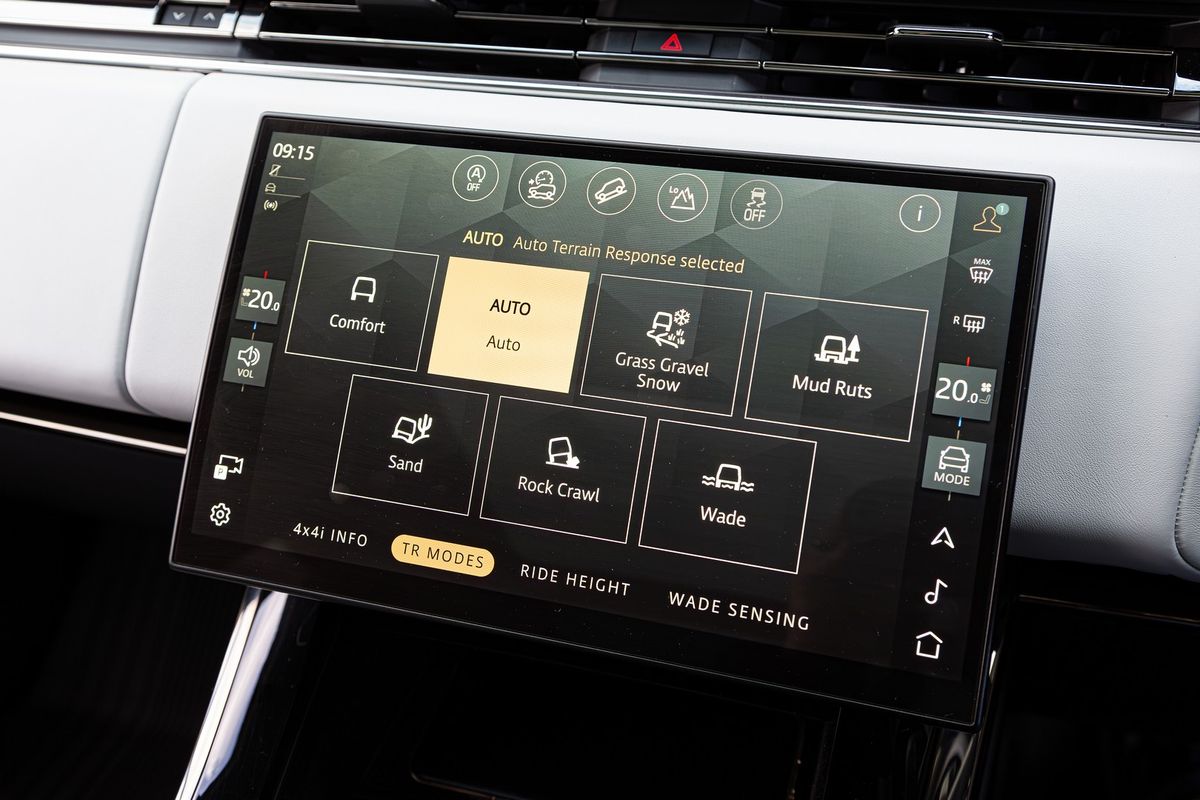
Terrain Response continues to make off-roading easy for 4x4ing novices – choose a mode, or simply leave it in Auto.
You don’t have to drive very far in the Range Rover Sport to fall in love with the way it rides; it’s supple in a way that no car fitted with such large wheels should be, and yet it is not clumsy in the corners either.
The clever tech does its job quietly in the background, but whether you’re aware of it or not, you will be left in awe of this rather hefty SUV’s ability to transform from a luxurious, softly-sprung, quiet cruiser, to a rapid cross-country blaster and, of course, serious off-road machine.
Undoubtedly playing roles in the Range Rover Sport’s ability to deliver a level of dynamism that belies its high centre of gravity are all-wheel steering, torque vectoring and an electronic active differential.
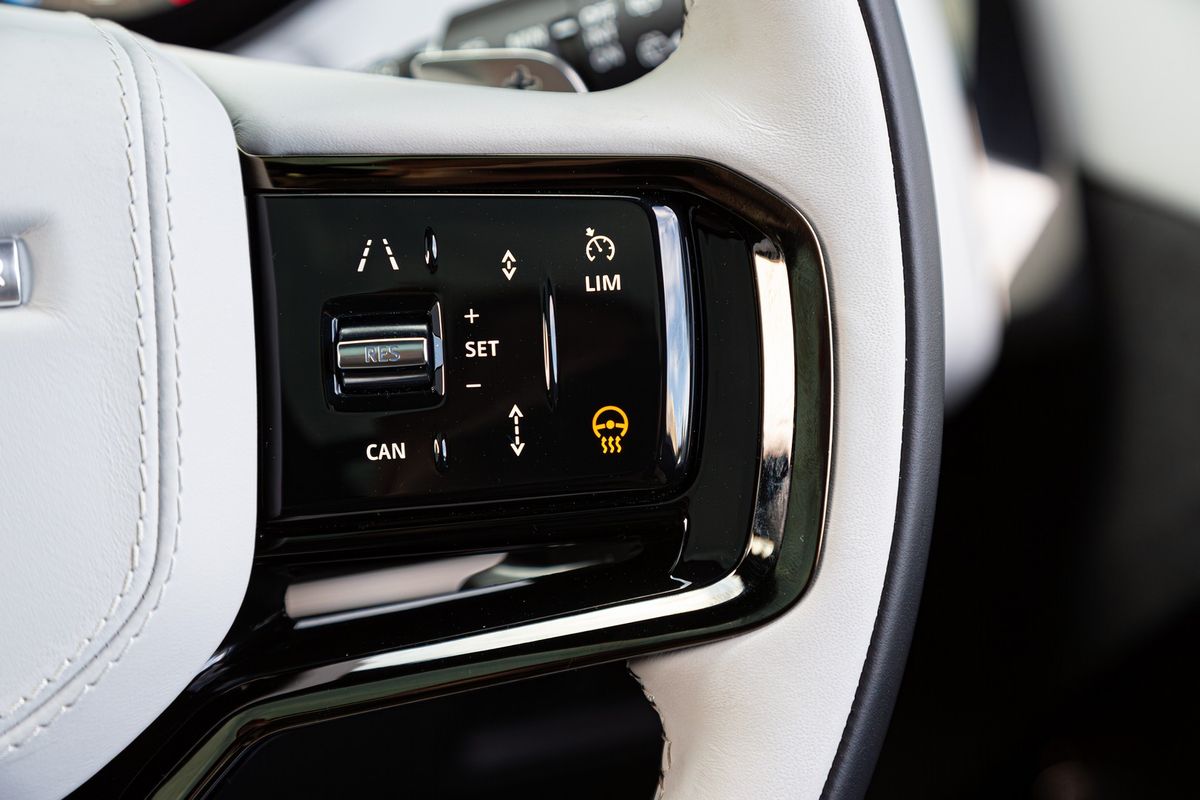
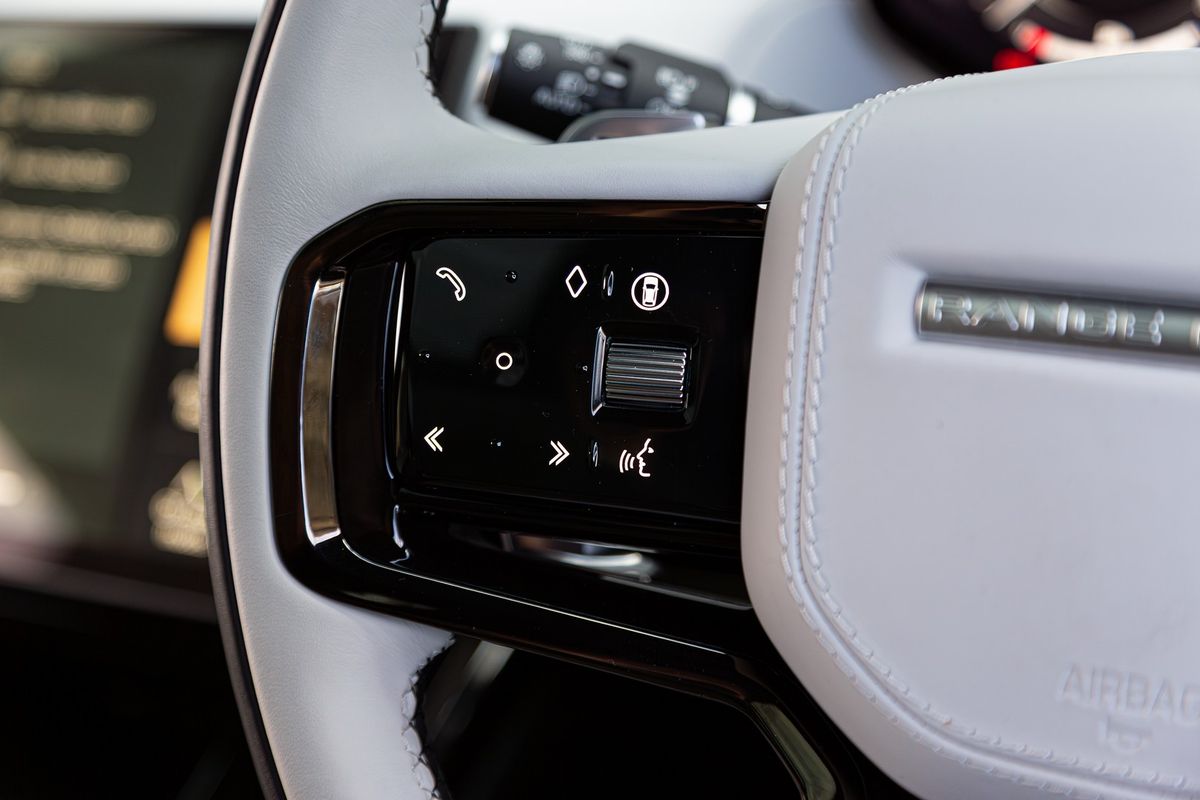
The Range Rover Sport allows you to use adaptive cruise control when cruising on the road – or off it.
If you plan to exploit the SUV’s off-road talents more often than most Range Rover Sport buyers will (which isn’t a helluva lot), you may want to choose more suitable rubber. Our car’s tyre spec made us hesitant to venture too far into the rough, but the numbers and the tech paint a promising picture…
Terrain Response is a proven quantity, but the Sport adds adaptive off-road cruise control to make it even easier to navigate tricky surface conditions. As standard, you get a single-speed (high-range only) transfer box, but our test unit featured an optional 2-speed (high/low range) ‘box priced at R8 800.
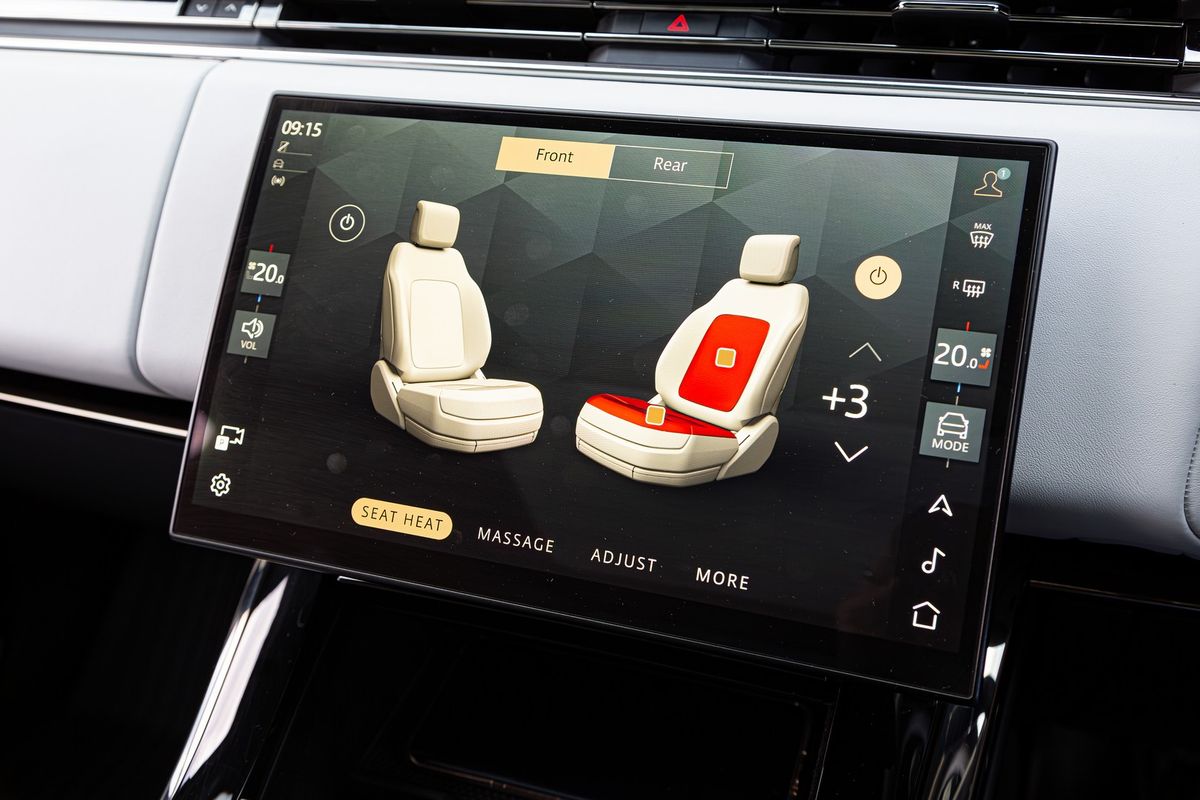
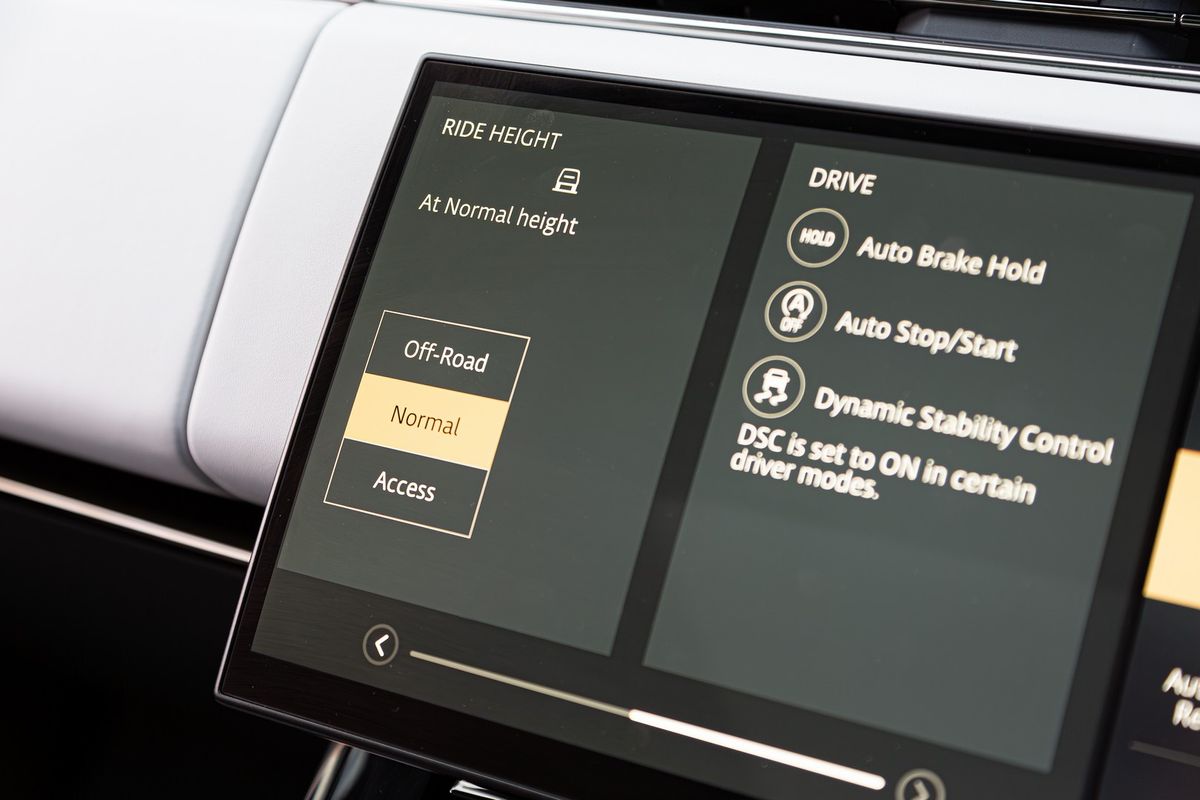
The ability to adjust the ride height is handy whether you’re off-roading with, or getting into, the vehicle.
The Range Rover Sport’s adjustable air suspension setup allows you to raise the vehicle from its default ground clearance (216 mm) to 280 mm to improve the approach, departure and breakover angles.
Range Rover Sport price and After-sales support
The Range Rover Sport D350 Autobiography featured in this review sells for R2 520 300 (June 2024) before options. The price includes a 5-year/100 000 km warranty and a 5-year/100 000 km maintenance plan. Equipped with all its described optional extras, the price of our test unit came to R2 821 945.
Such is the heightened appeal of the Range Rover Sport, that comparisons with a BMW or ‘Benz feel inappropriate.
Verdict
If you’re looking for a premium SUV that is also a status symbol with genuine off-road capability, then it will be difficult to beat the breadth of ability and appeal offered by the Range Rover Sport, particularly in D350 Autobiography guise. It is by no means cheap, but all members of our test team reported the same thing – the Range Rover delivers a driving experience that is simply beyond the capabilities of its rivals.
In some ways, comparing it with the likes of the BMW X5 and Mercedes-Benz GLE, or even the Maserati Levante, appears to be misguided, because the Range Rover Sport feels more like a suitable alternative to the exotic Bentley Bentayga, to name but one example. If you consider that pricing for the Bentaya begins at above R5 million and even a well-optioned D350 Autobiography (as featured in this review) costs less than R3 million (June 2024), the Range Rover Sport almost seems like a bargain, doesn’t it?
The limited-run Mercedes-AMG C63 S F1 Edition will be sold in SA for just one year. Here’s a look at what you get and pricing.
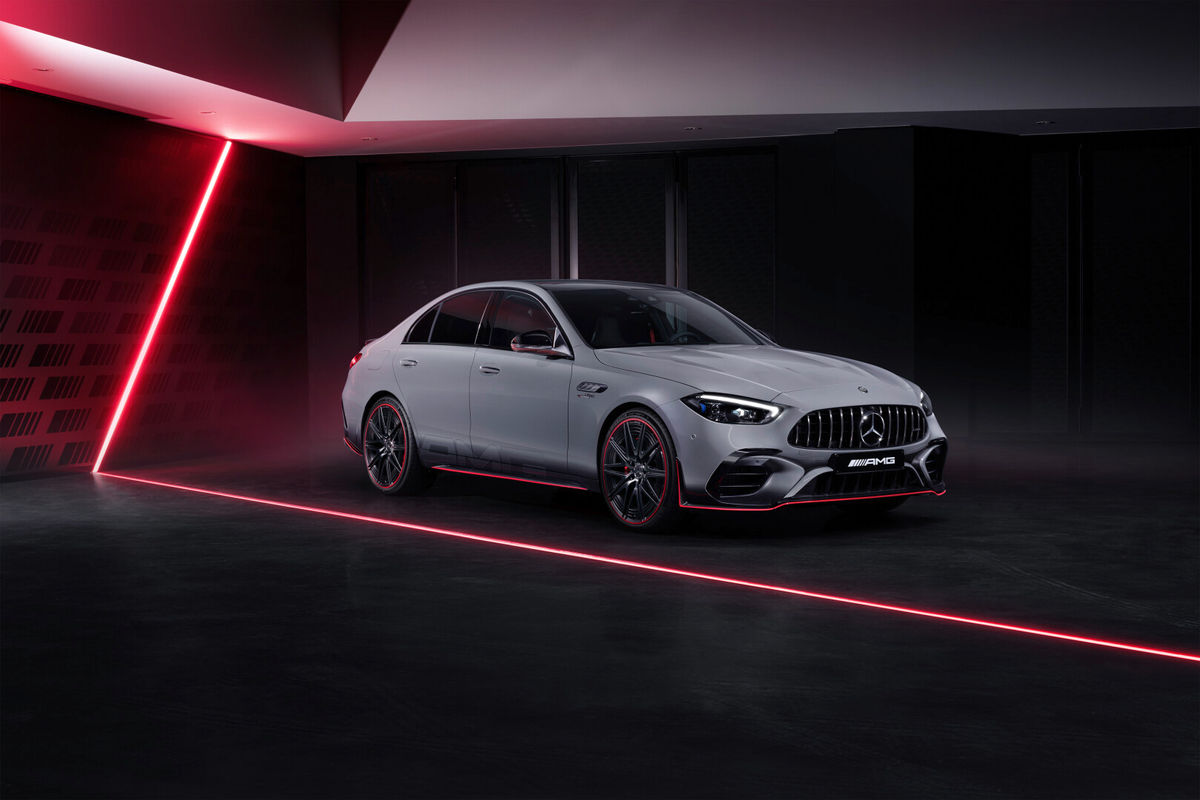
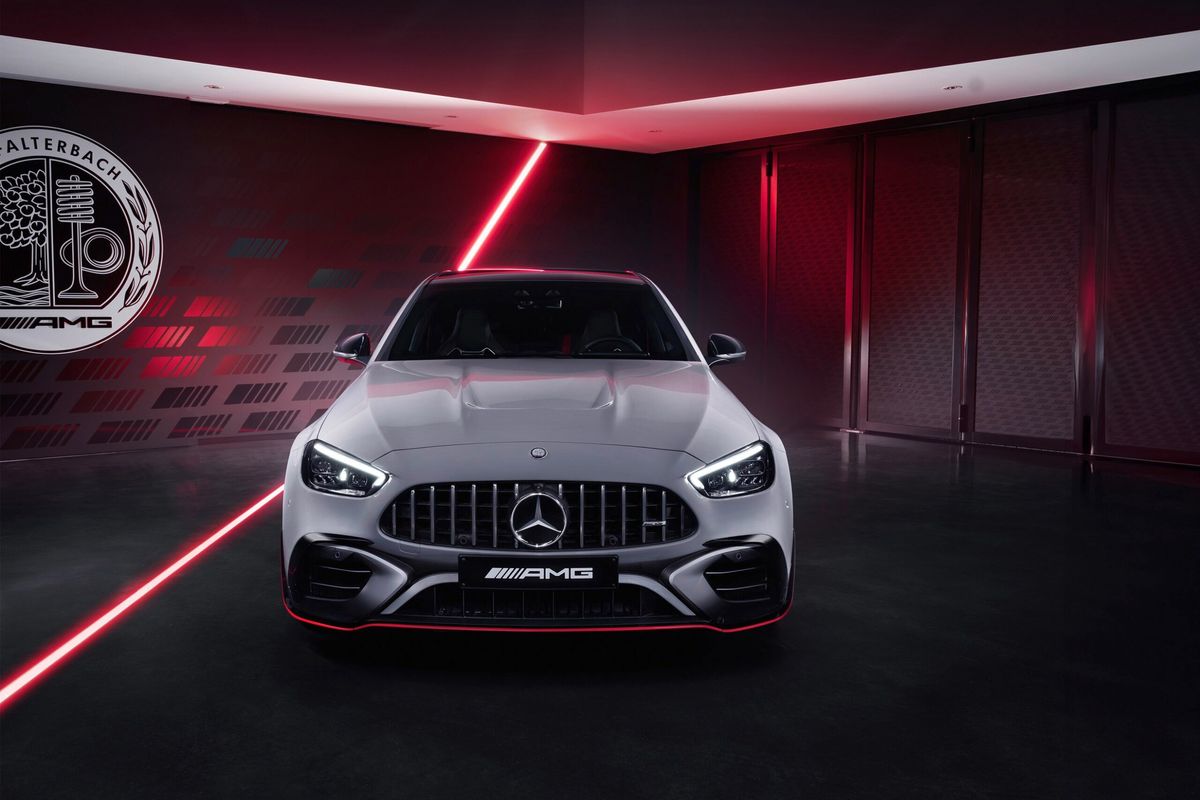
The Mercedes-AMG C63 S E Performance touched down in South Africa in June 2024 and has been joined by a special limited-run version. The Mercedes-AMG C63 S F1 Edition looks quite radical in comparison its standard sibling.
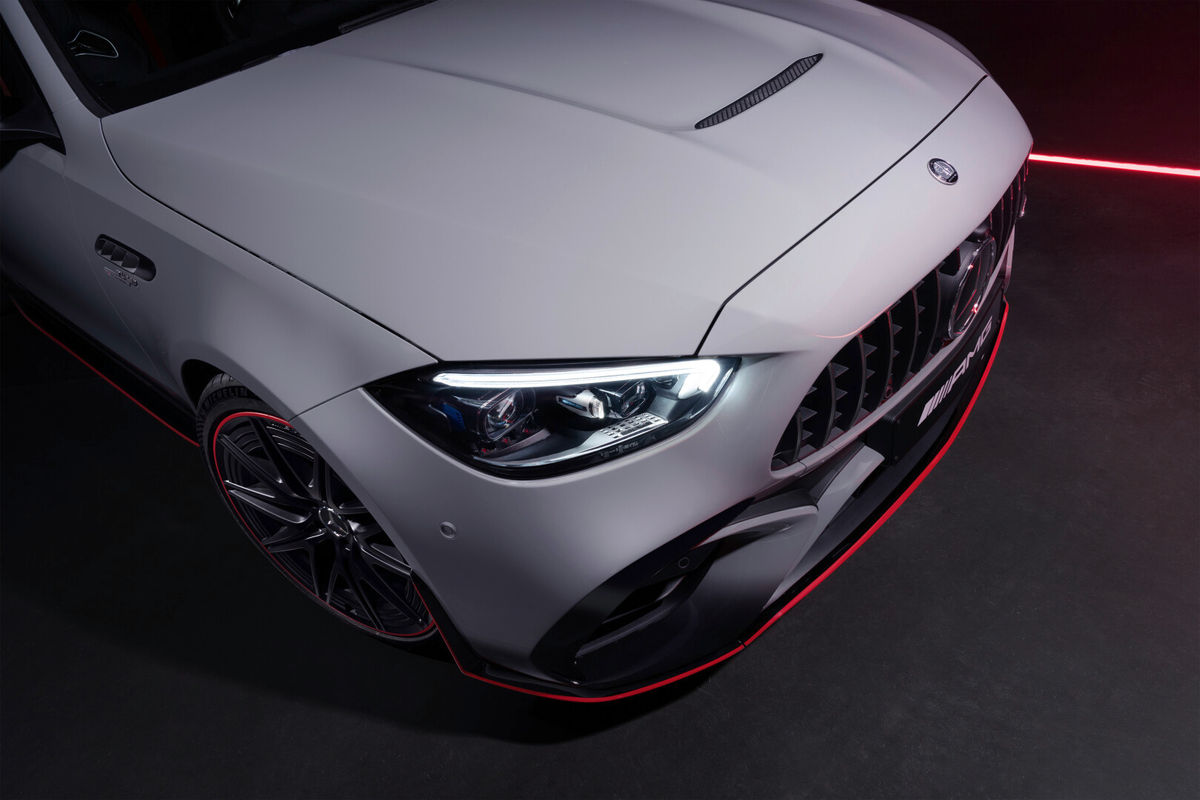
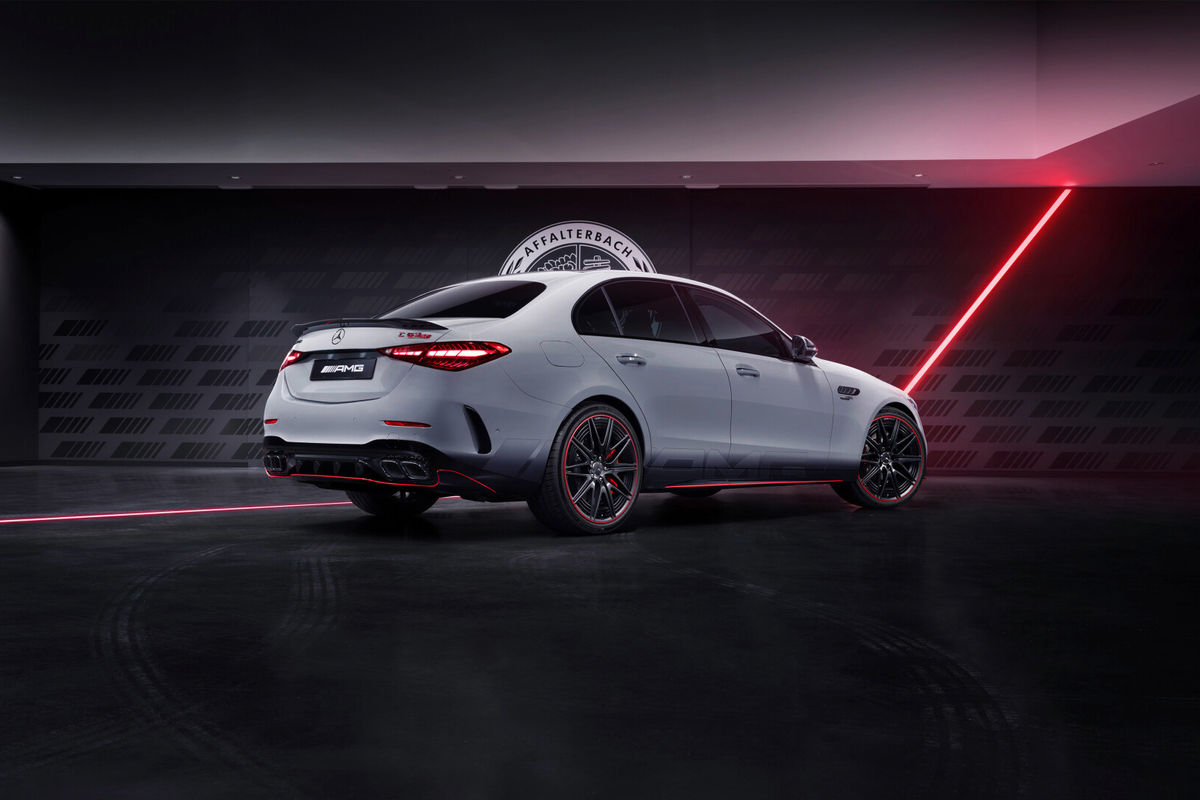
Featuring the exclusive Manufaktur Alpine Grey uni paint finish, 20-inch AMG forged wheels painted in matte black with red striping, and AMG decals in an ombre gradient style, the F1 Edition is said to look near identical to the official F1 Medical Car, which is a C63 station wagon.
Aside from the paint and wheels, there are some high-gloss black elements like the quad exhausts, radiator grille, model badging, mirror housing and the AMG fuel filler cap is finished in silver chrome.
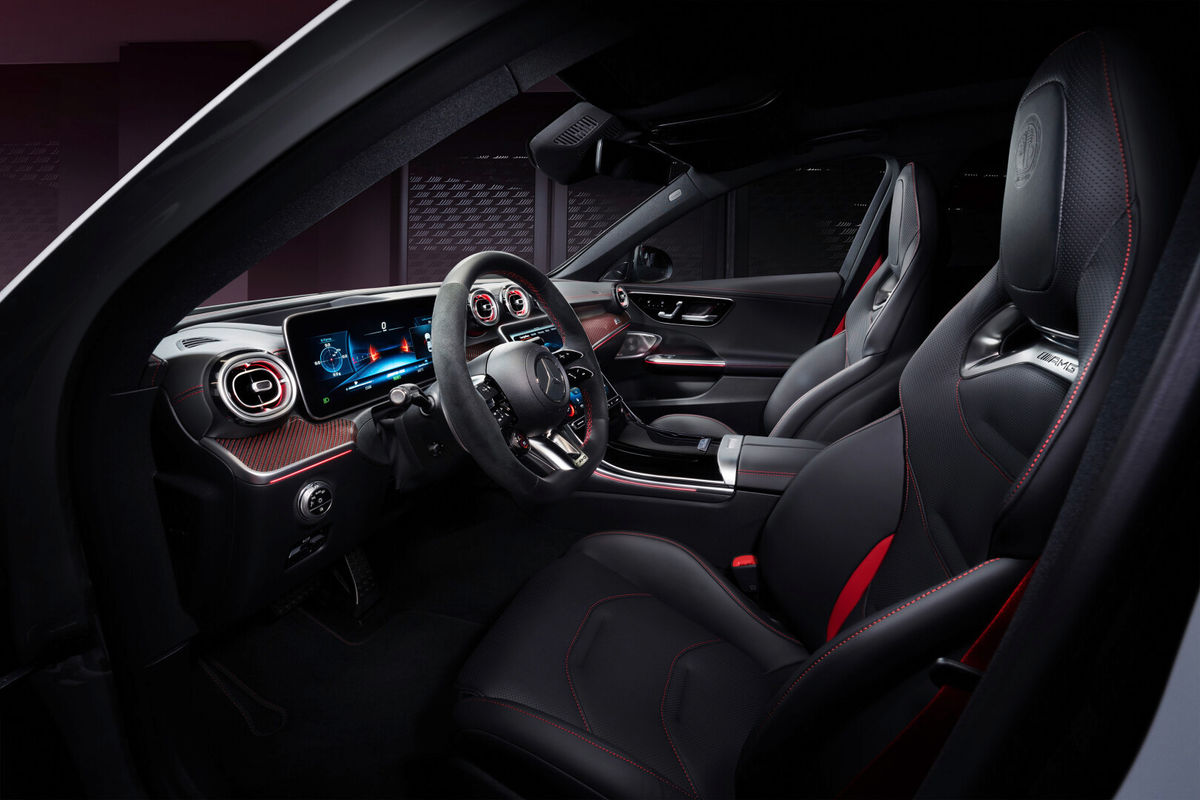
Climb inside and the AMG Performance seats are finished in exclusive back nappa leather red stitching and embossed AMG logos in the headrests. The AMG Performance steering wheel is finished in nappa leather/Dinamica microfibre with further red stitching. For added exclusivity, there are specific AMG floor mats and special Edition badge. Customers will also receive an AMG indoor car cover which will help protect the vehicle from scratches and dust.
It’s not just a cosmetic kit as the vehicle comes with the AMG Aerodynamics Package which is claimed to enhance the handling at higher speeds. There’s a diffuser board, larger front splitter and a boot lid lip.
As a reminder, the Mercedes-AMG C63 S F1 Edition is powered by a 2.0-litre turbocharged 4-cylinder petrol hybrid engine. The petrol engine works in tandem with an electric motor to deliver 500 kW and 1020 Nm, making it the most powerful C63 ever built.
How much does the Mercedes-AMG C63 S F1 Edition cost in South Africa?
The C63 S F1 Edition is sold with a standard 2-year/unlimited kilometre warranty and 5-year/100 000 km maintenance plan.
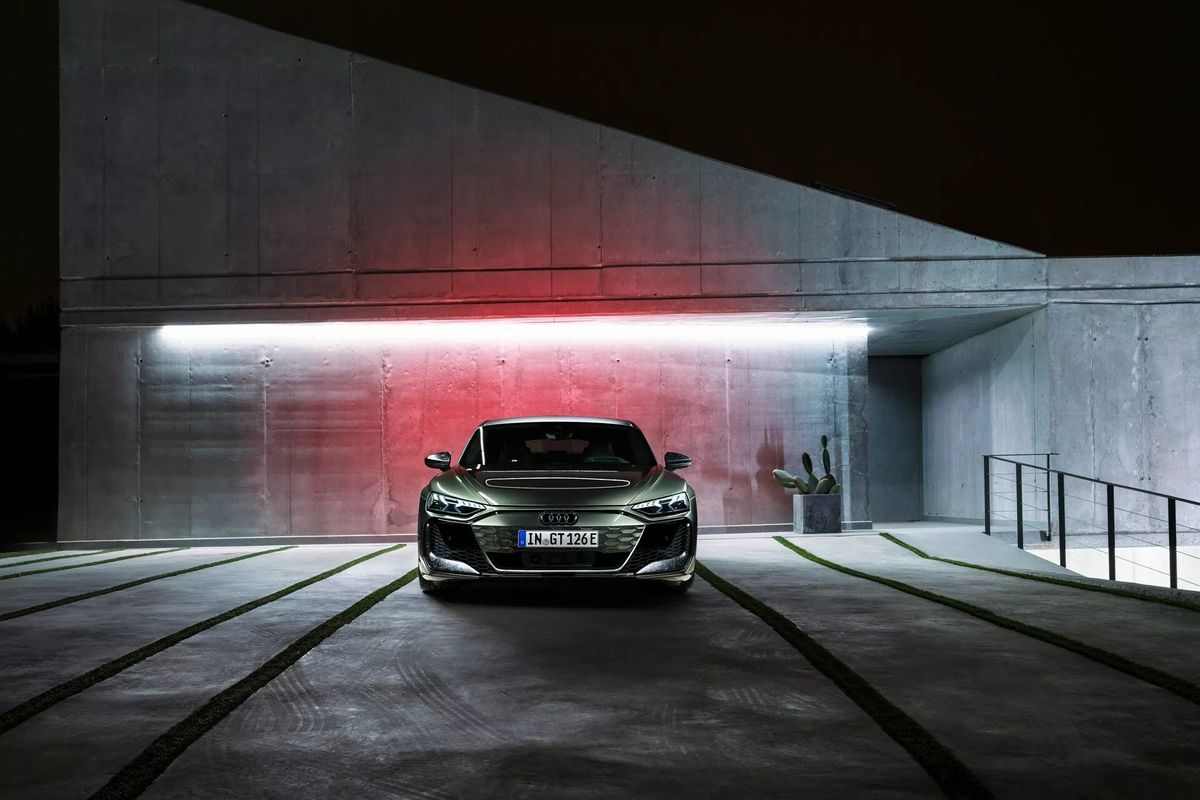
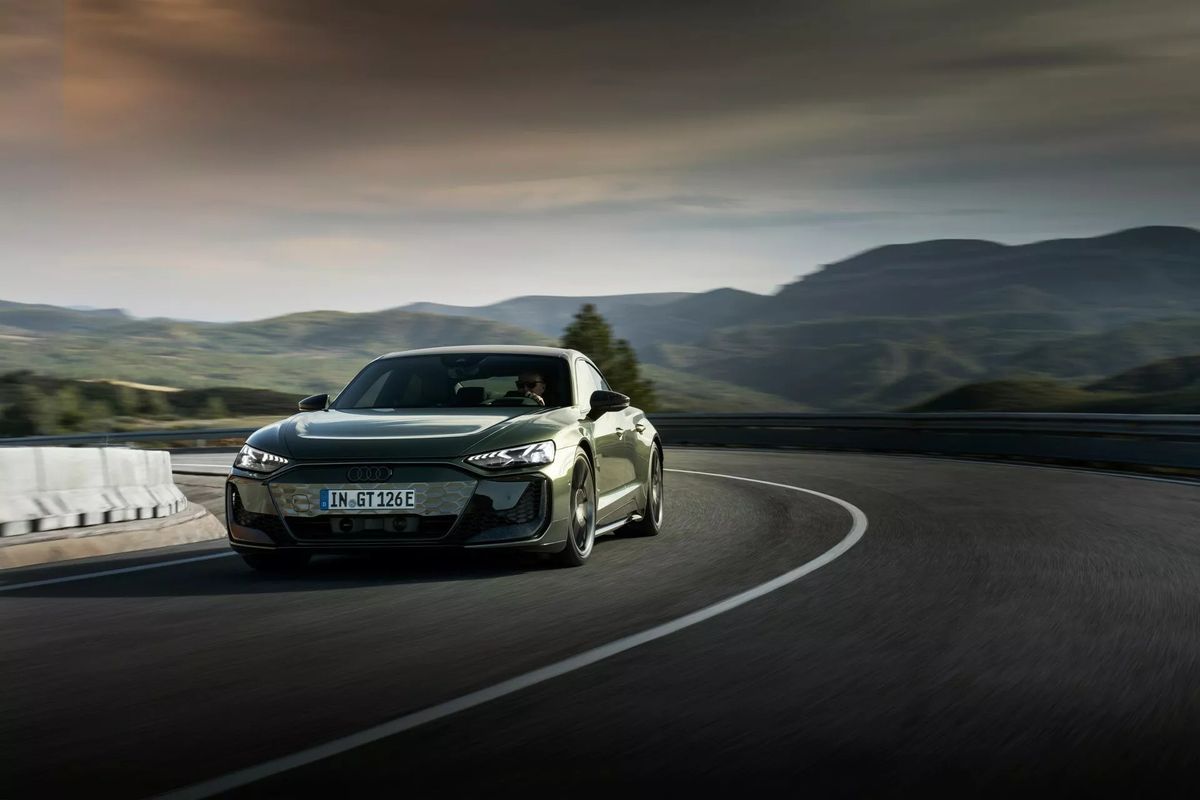
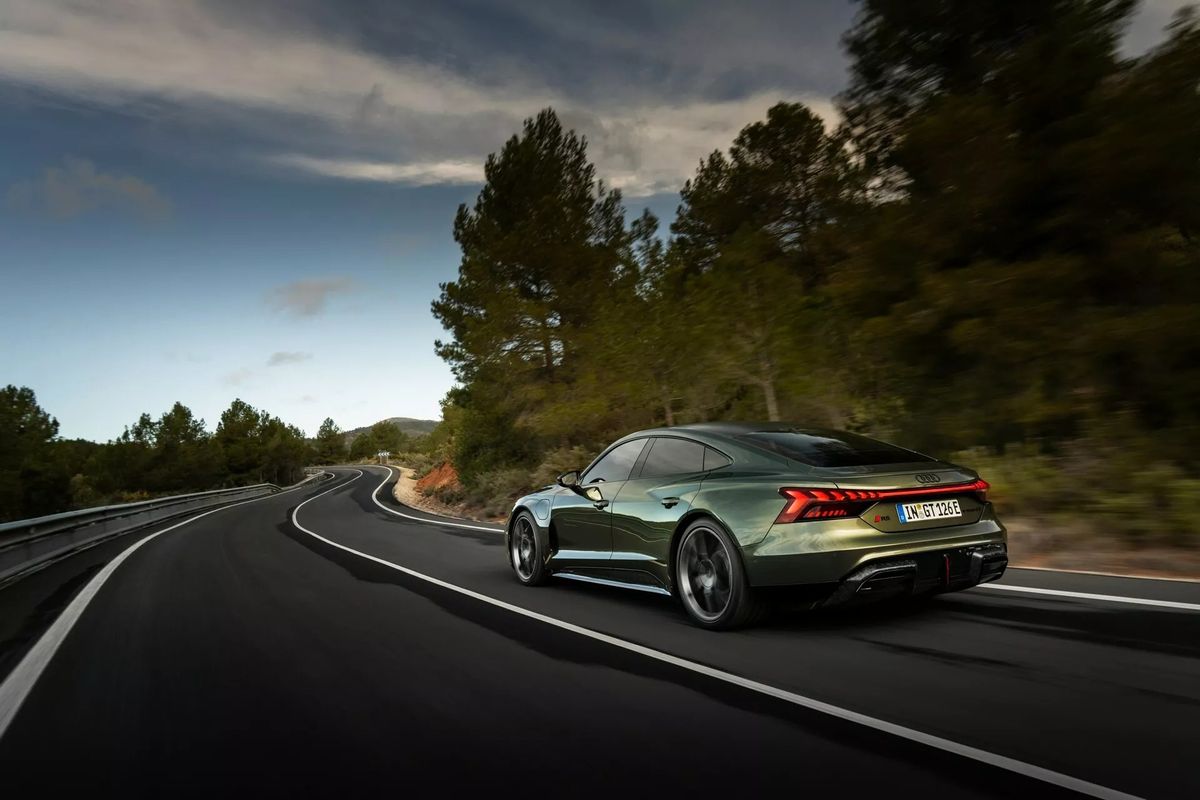
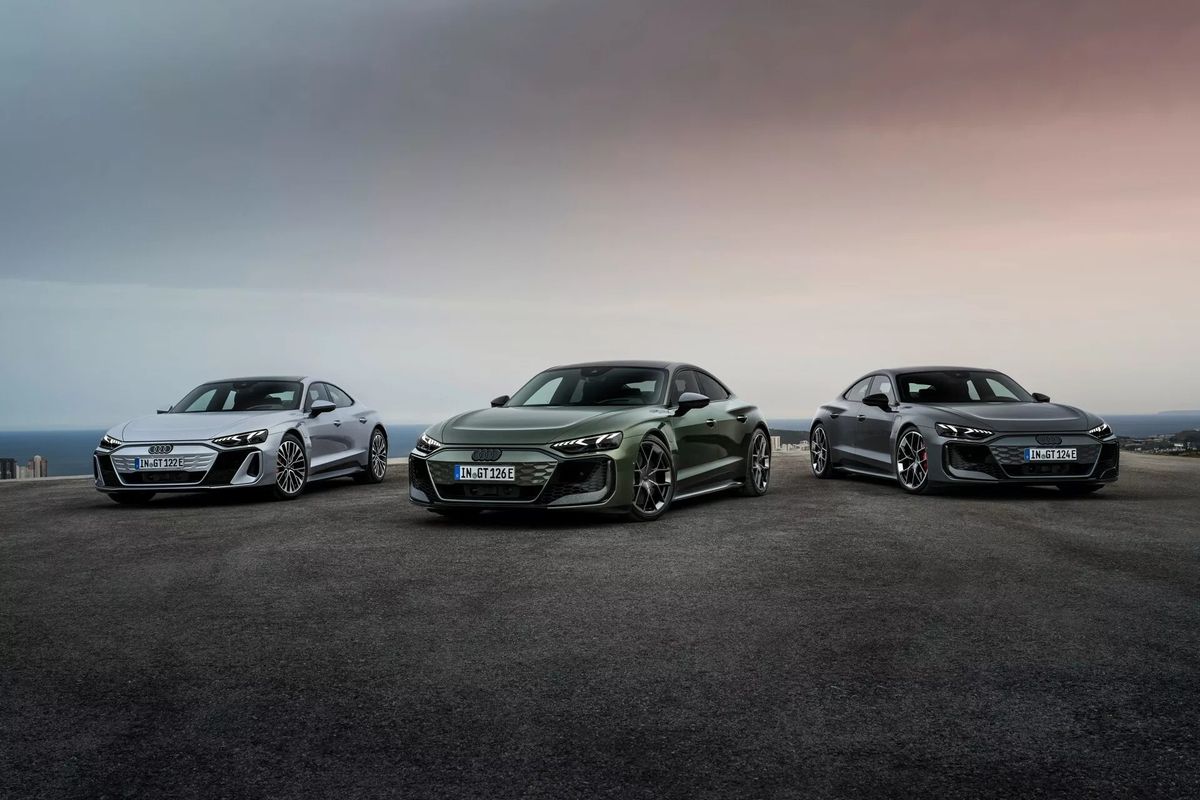
The electric four-door coupe gets a new battery, enhancements and a flagship Audi e-tron GT Performance rockets in with 680 kW.
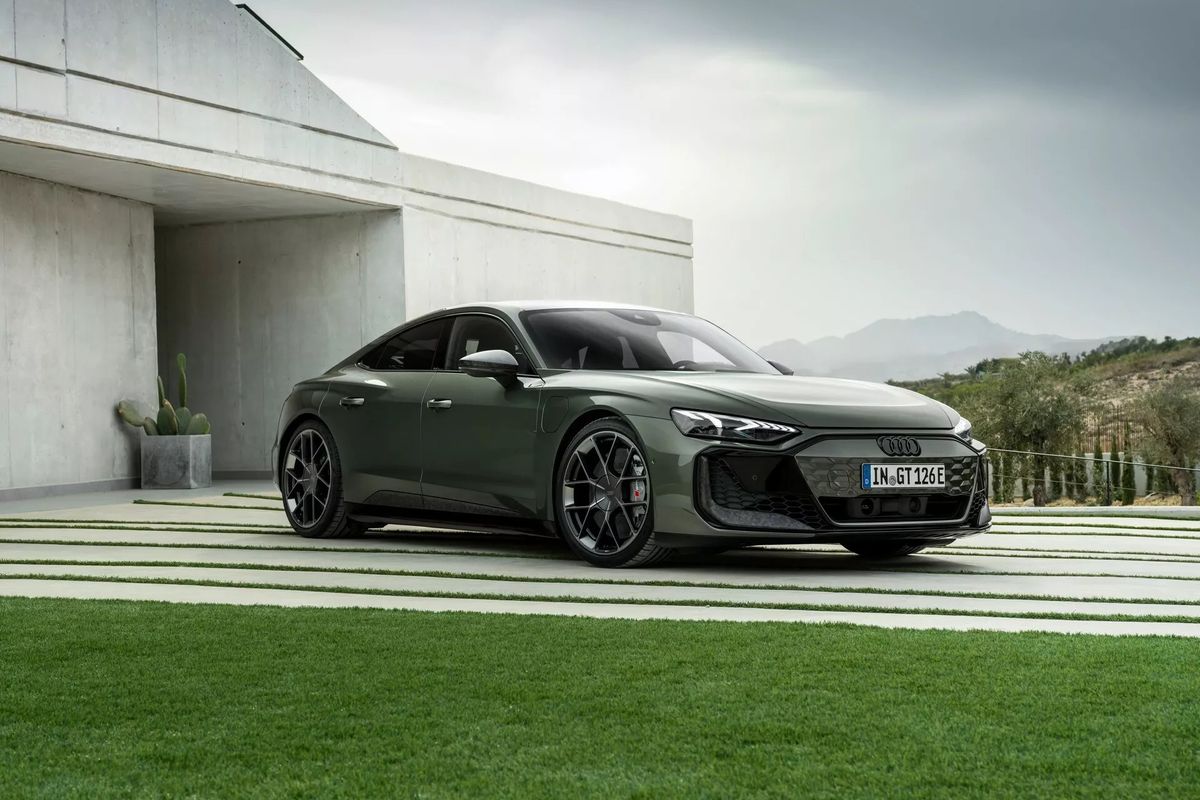
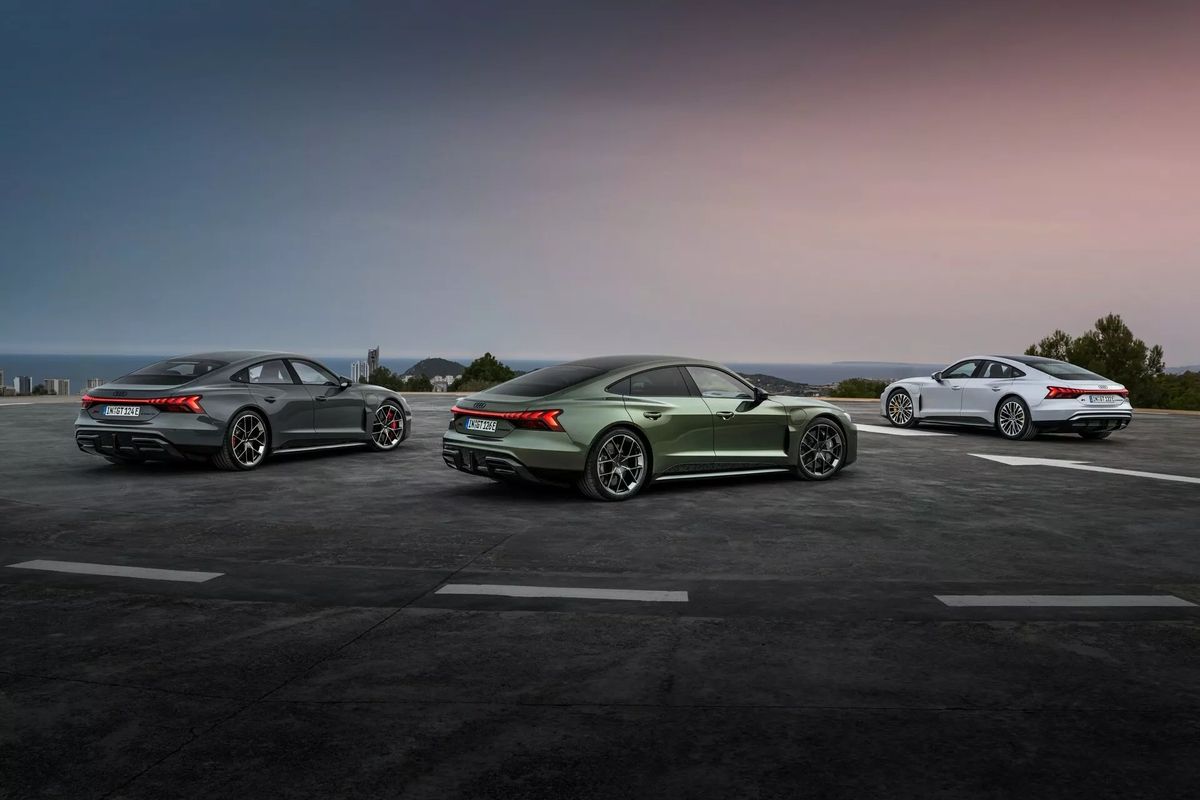
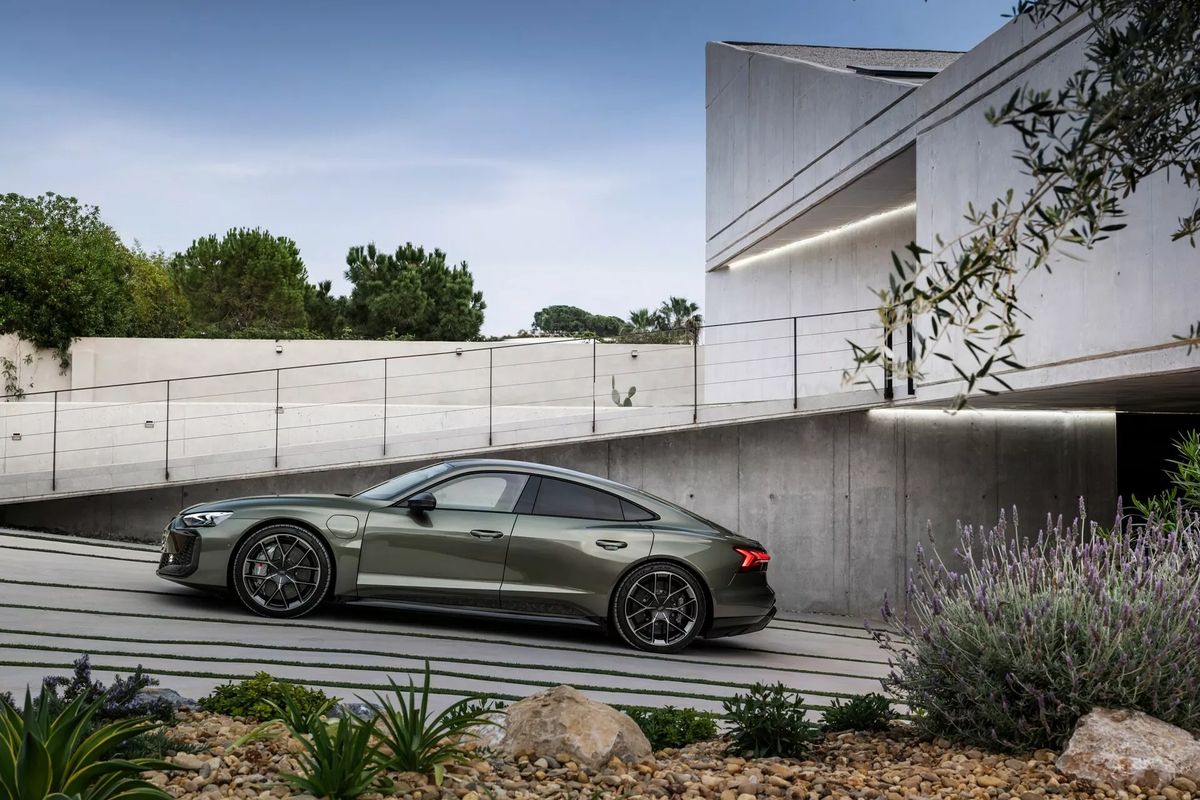
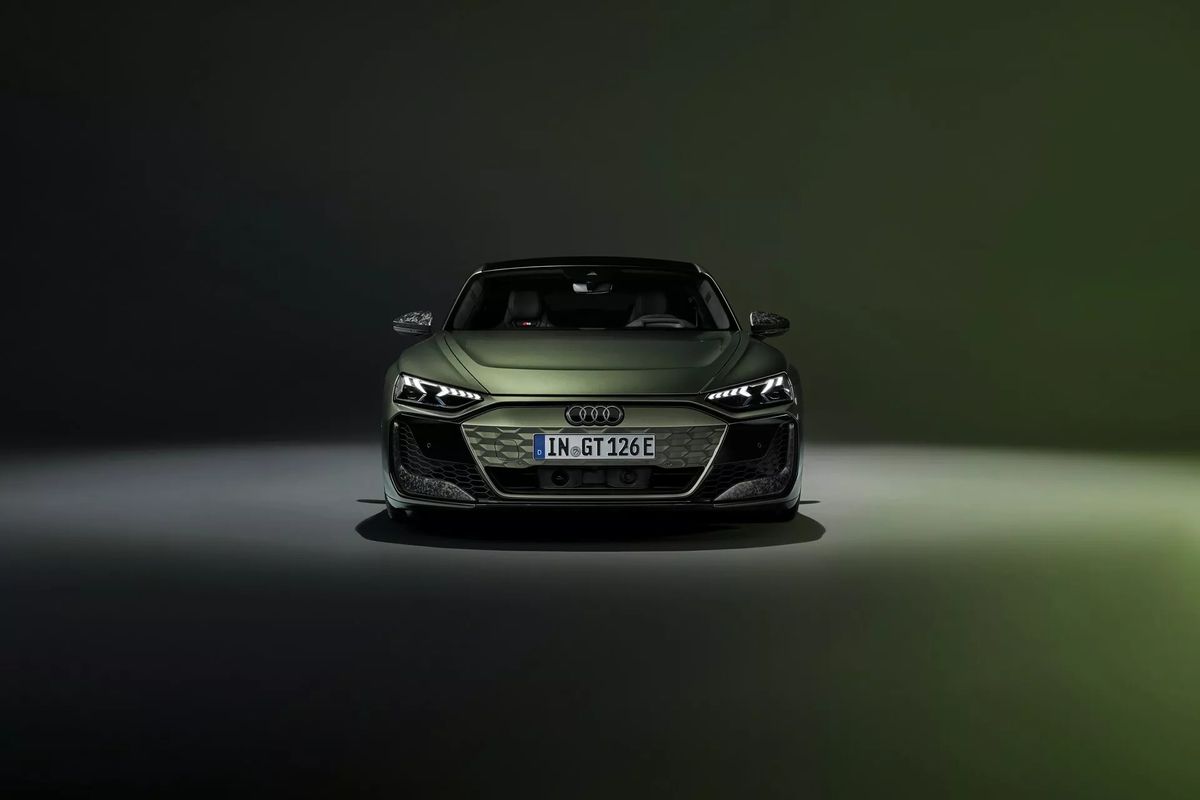
The all-electric Audi e-tron GT range has been enhanced for 2025 and the big news is there’s a brand-new RS Performance flagship.
We all know that sporty electric vehicles are lightning quick and the new RS Performance model is no different. With 680 kW, the flagship is claimed to hit 100 kph in just 2.5 seconds. Both the mid-spec (630 kW) and entry-level models (500 kW) offer impressive performance from two-motor setups.
The base model is good for 0-100 kph in 3.4 seconds (which is almost as fast as the outgoing flagship) and the mid-spec derivative can complete the same dash in 2.8 seconds. Interestingly, there’s no supplied torque figure for any of the vehicles.
Under the skin, all members of the Audi e-tron GT family get a new 97 kW battery pack which is more efficient and physically lighter than the 84 kWh unit that was used in the predecessor. There are enhancements to the regenerative braking system, allowing the car to harvest up to 400 kW under braking.
Charging speeds have been increased too, from 270 kW to 320 kW and this means you can go from 10-80% in around 18 minutes. In the right mode and conditions, Audi reckons a range of just over 600 km is possible.
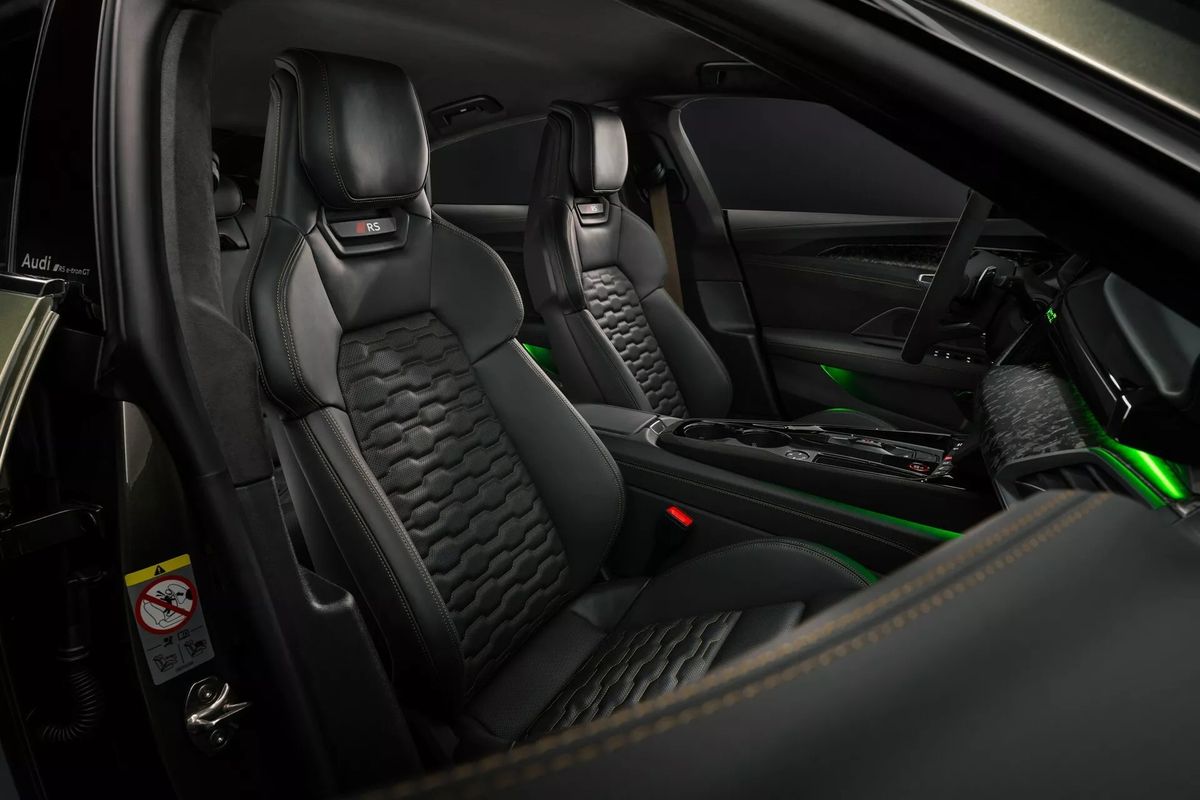
There’s also been extensive work done to the air suspension and active suspension plus all-wheel steering are available as optional extras. In terms of cabin features, there are new seats, an updated steering wheel and updates to the Audi virtual cockpit.
When will the updated Audi e-tron GT come to South Africa?
A representative from Audi South Africa confirmed the updated e-tron GT is under consideration for our market in early 2025.
A large petrol price cut is predicted for July 2024 based on unaudited mid-month fuel price data released by the Central Energy Fund (CEF). See the fuel price forecast below!
The recent trend of petrol price cuts are expected to continue into July 2024 as mid-month fuel price indicators are pointing to further cuts which is good news for local motorists.
The latest data released by the Central Energy Fund (CEF) indicates that the price of 95 grade petrol could be slashed by around R1.10 per litre while 93 grade petrol might see cuts of around R1.15 per litre.
The diesel price forecast is also positive with the price of 0.05% diesel projected to be slashed by about 46 cents per litre while 0.005% diesel could see cuts of around 40 cents per litre. The price of illuminating paraffin could be reduced by about 38 cents per litre.
Lower international oil product prices have been the main contributing factor while the local South African elections have created general uncertainty during the period which has impacted on the Rand / US Dollar exchange rate. With the remainder of June still to come, the adjustments are likely to change with the final fuel price adjustment expected early in July 2024.
South Africa Petrol Price Forecast for July 2024
Fuel Type
June’ 24 Inland
June’ 24 Coast
July 24 Inland*
July 24 Coast*
Petrol Unleaded 93
R23.91
R23.12
R22.76
R21.97
Petrol Unleaded 95
R24.25
R23.46
R23.15
R22.36
Diesel 0.05%
R20.96
R20.17
R20.50
R19.71
Diesel 0.005%
R21.15
R20.39
R20.77
R20.01
*July 2024 figures are forecast figures and not official.
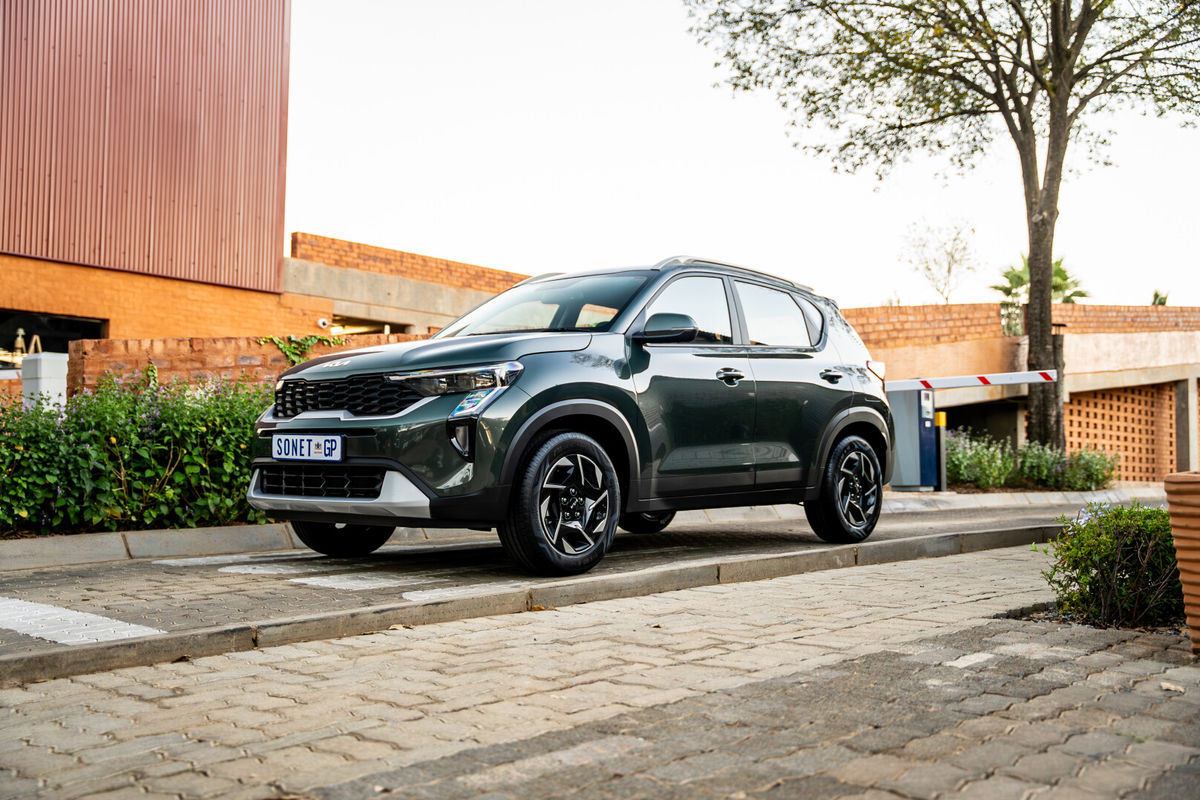
We got behind the ‘wheel of the updated Kia Sonet at its local launch event in KwaZulu-Natal. Has the Korean brand markedly improved its oh-so-charming small crossover?
What’s new about the updated Kia Sonet?
The Kia Sonet, which was launched in Mzansi in 2021 and of which the range was expanded in 2023, has very few shortcomings. We’ve reviewed various derivatives of the Sonet (and recently conducted an extended review of the 1.5 LX Auto). Our testers agree – it is a near-flawless package. This update enhances what’s already a highly competent product, but its price ceiling is slightly higher – more on that below.
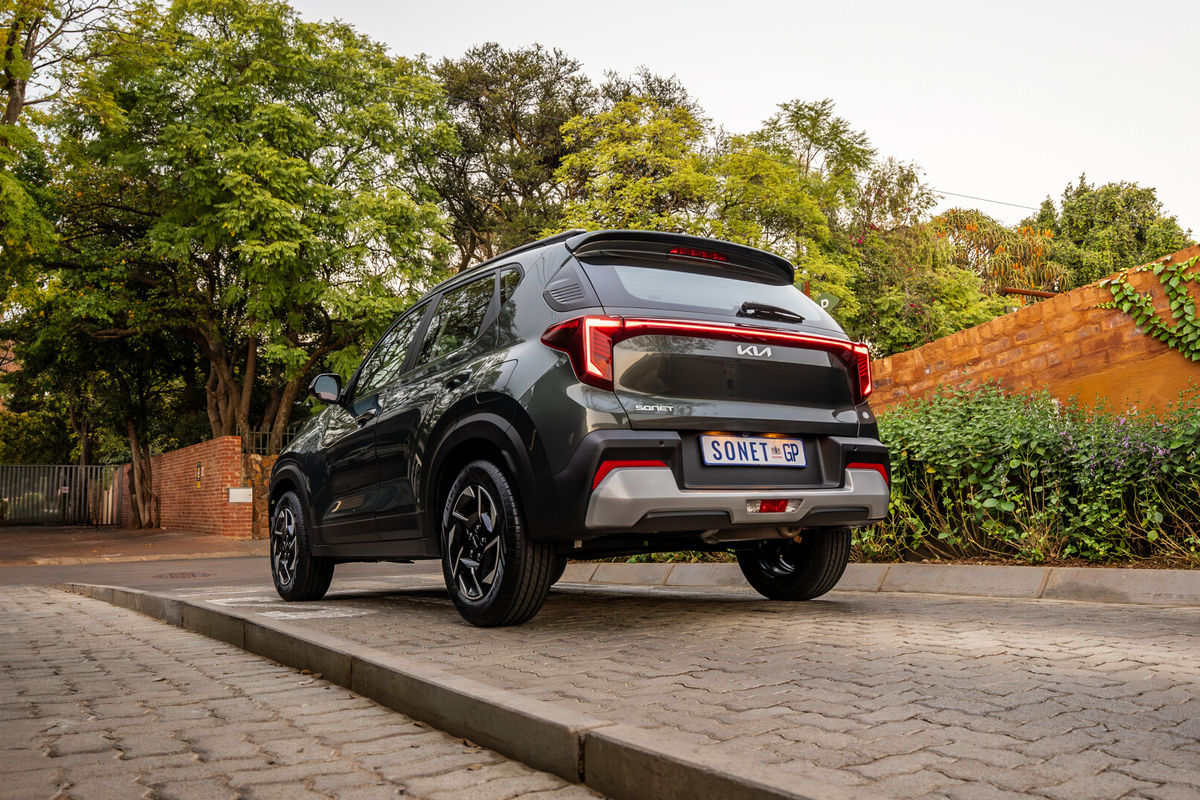
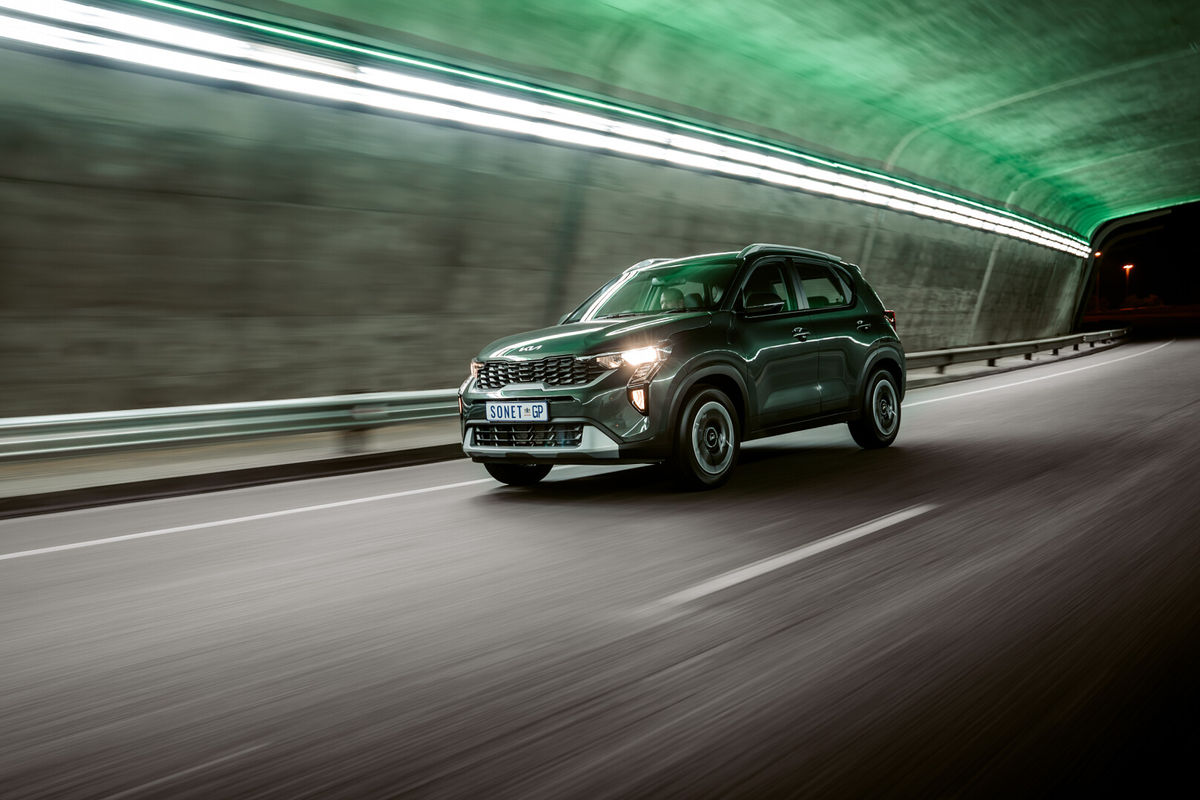
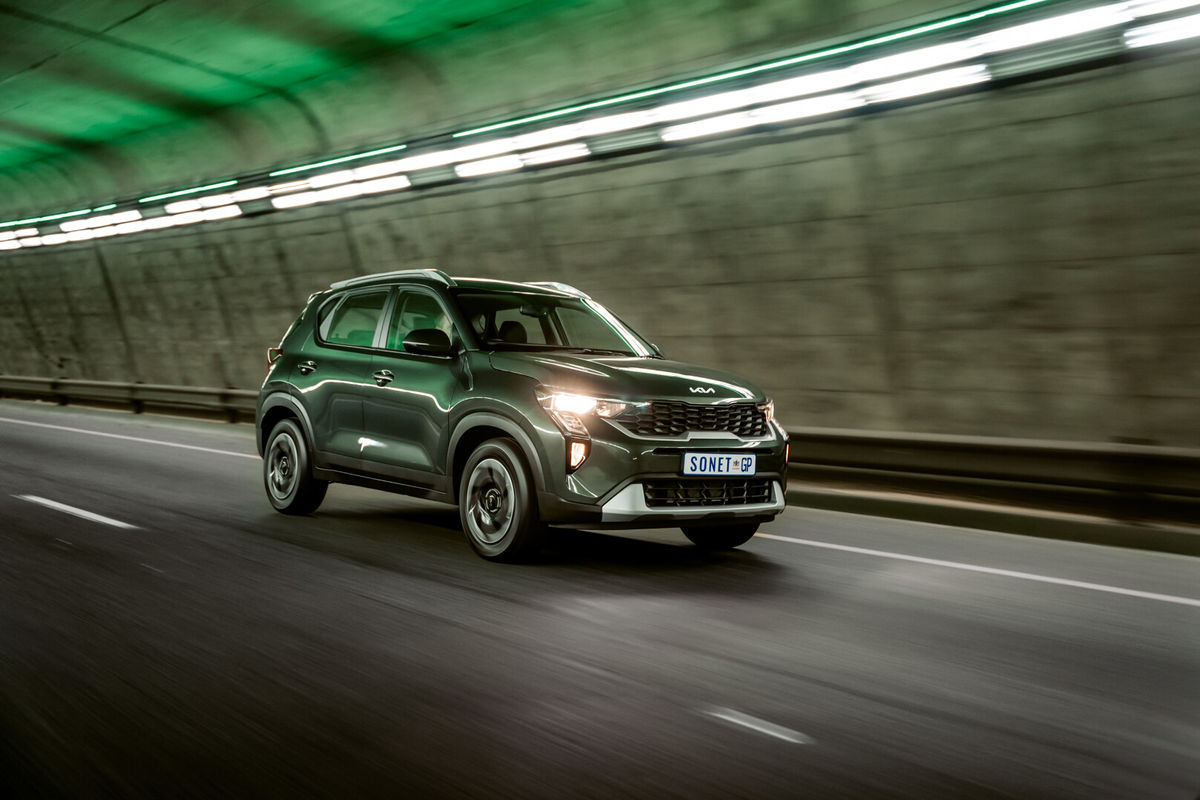
The 2024 Kia Sonet sports a new front-end treatment and an addition to the exterior colour palette.
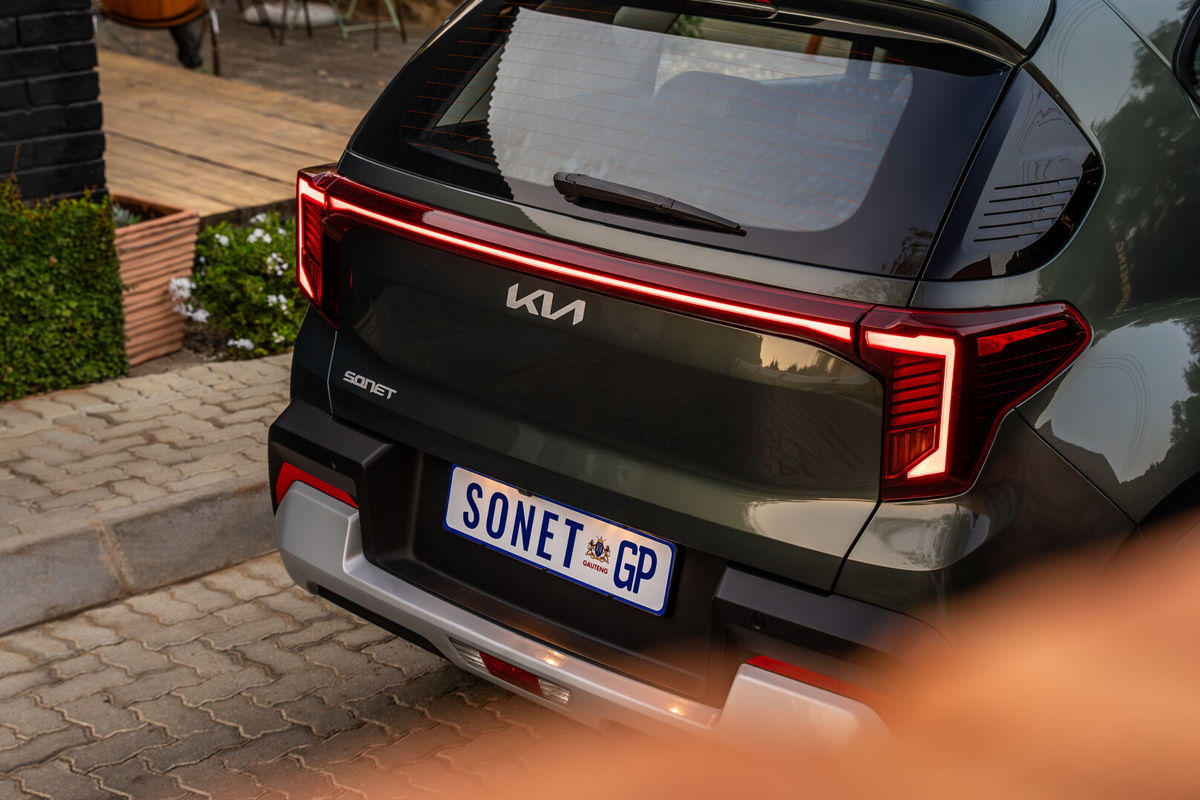
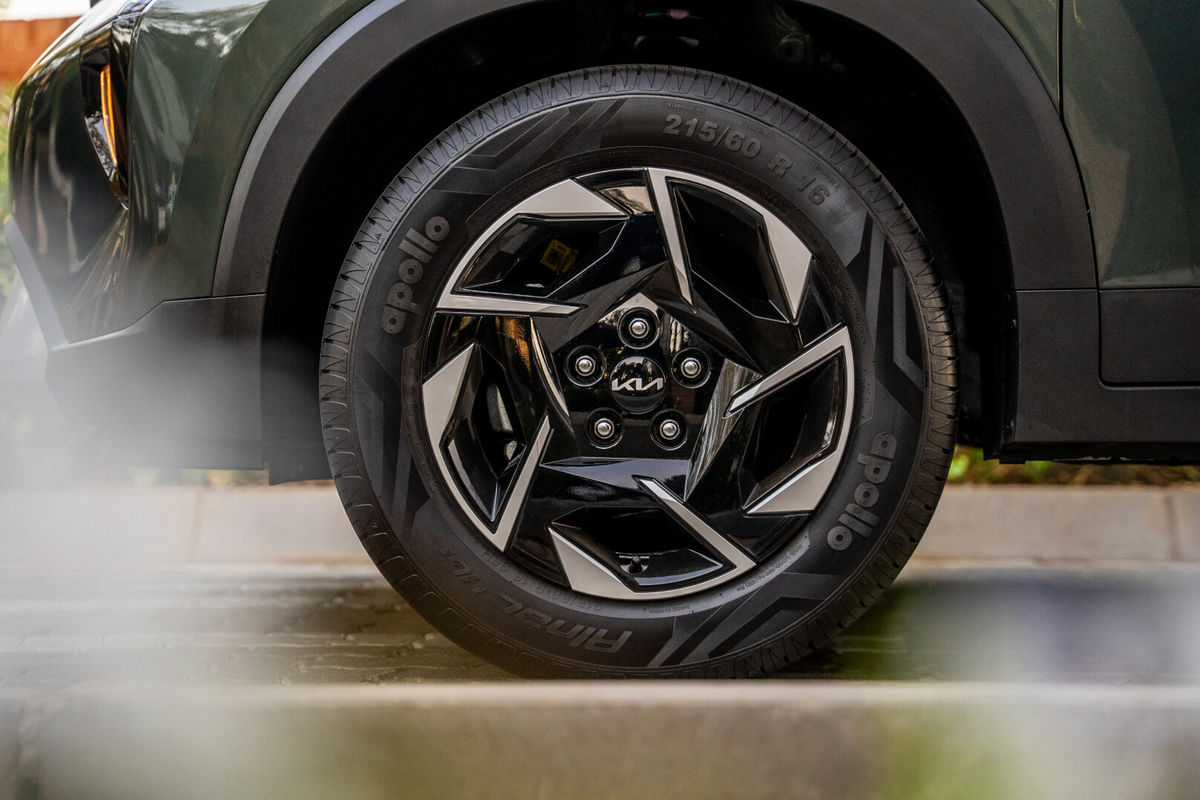
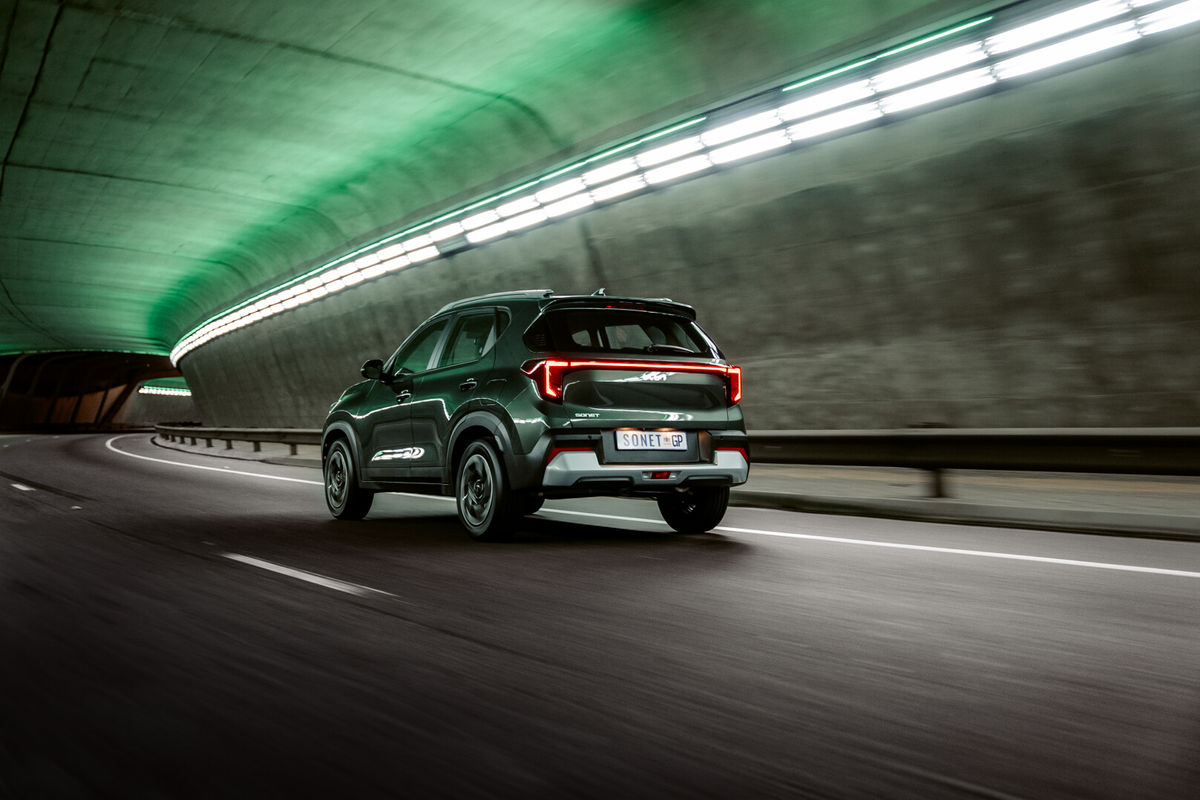
Of course, the biggest talking point of the updated-for-2024 Kia Sonet is the radically restyled front-end treatment. It borrows cues from other contemporary Kia models and aligns the Sonet’s front visage with the brand’s design language. A new wheel design debuts and a new paint finish is now available.
What does the updated Kia Sonet offer?
In the current economic climate, cash-strapped new-vehicle buyers are looking for excellent value for money from smartly packaged models. If you glance at the monthly sales figures, you’ll notice that, bakkies aside, pocket-friendly crossovers priced around the R450 000 mark are in high demand.
To that end, Kia South Africa has kept the Sonet range’s price structure quite enticing. The entry point to the range (the 1.5 LX manual) retails for R366 995 – which is the same price as the outgoing version – while, on the top end of the line-up, a new flagship SX-grade 1.5 automatic (CVT) debuts at R484 995.
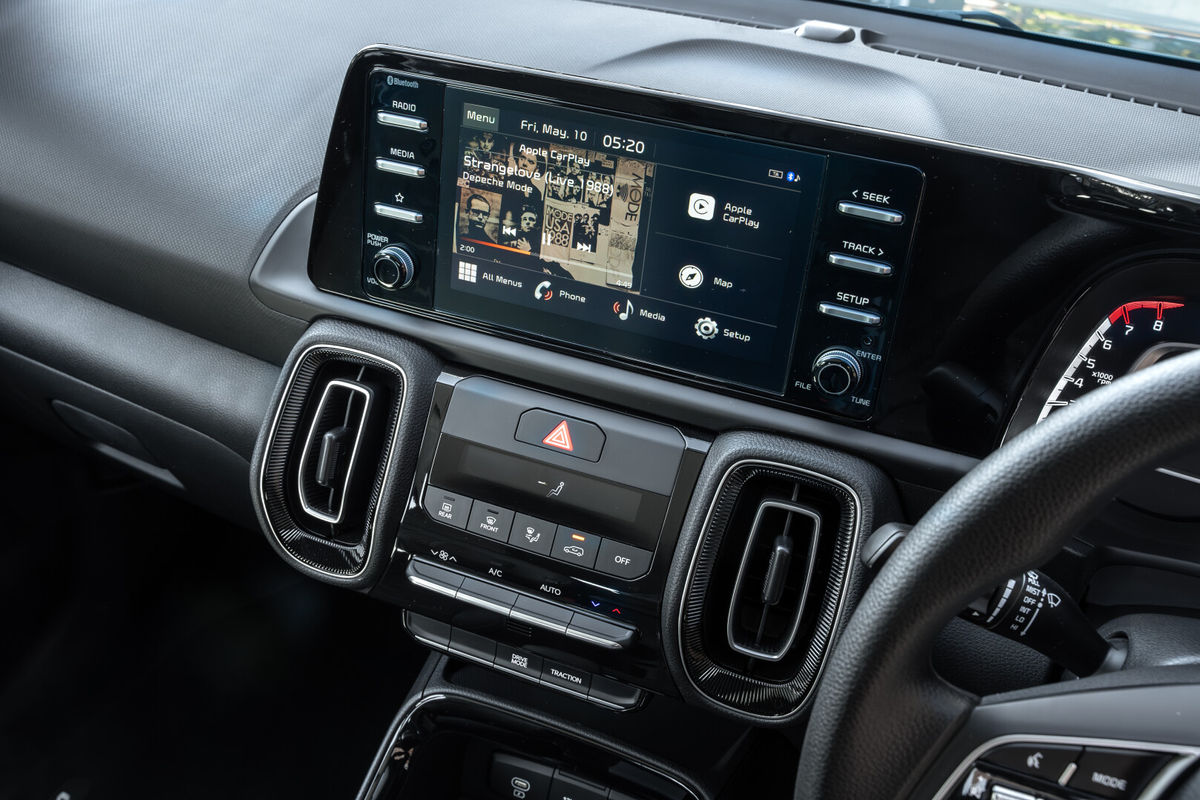
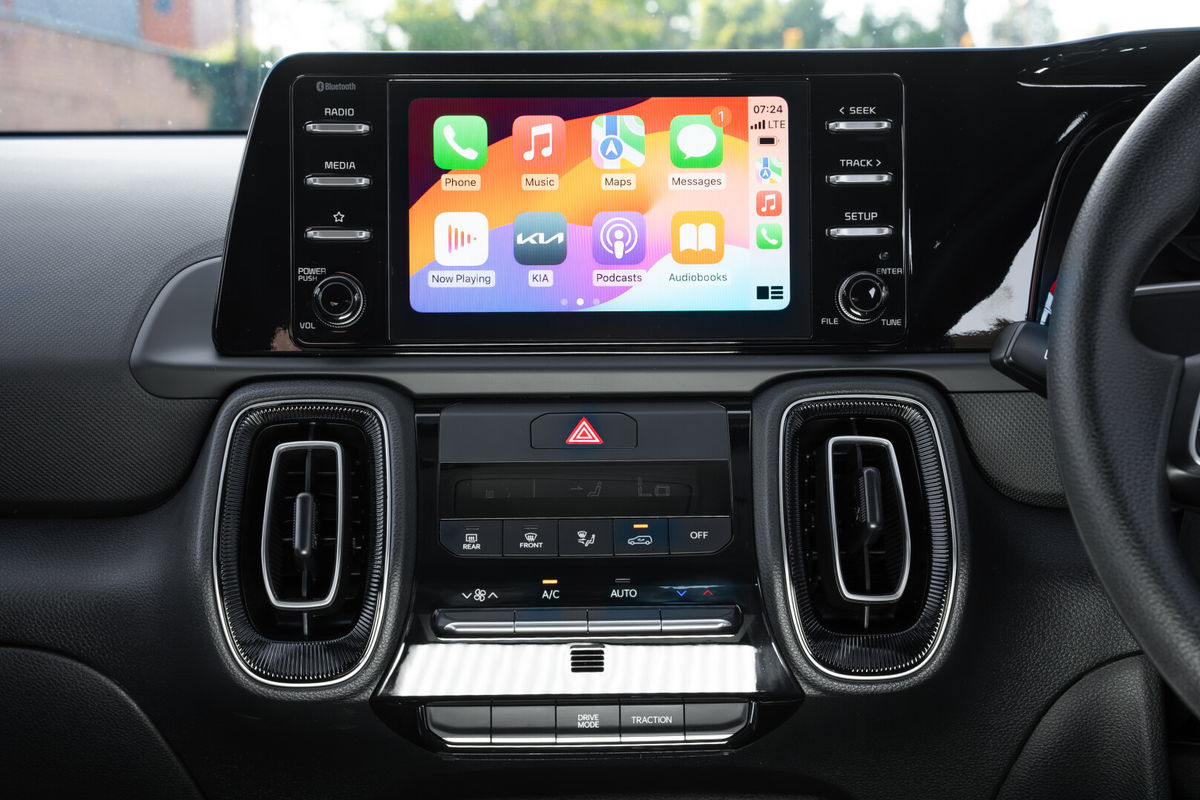
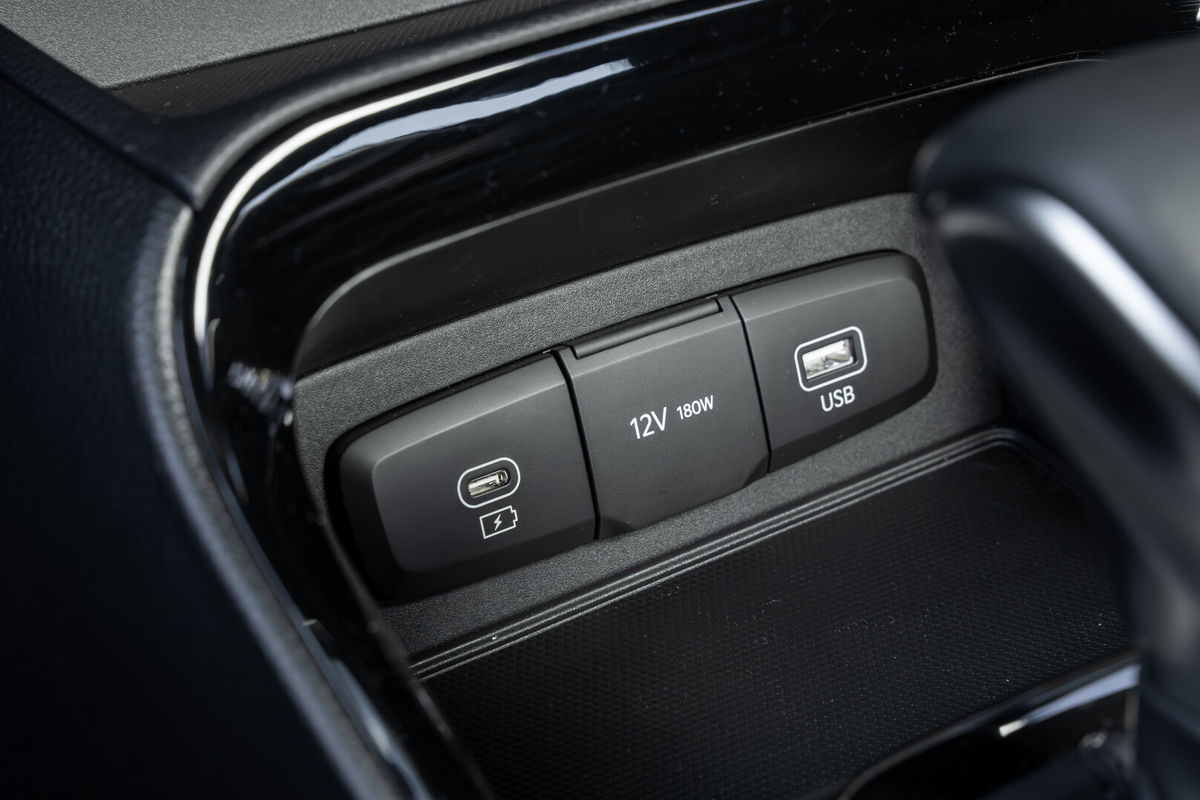
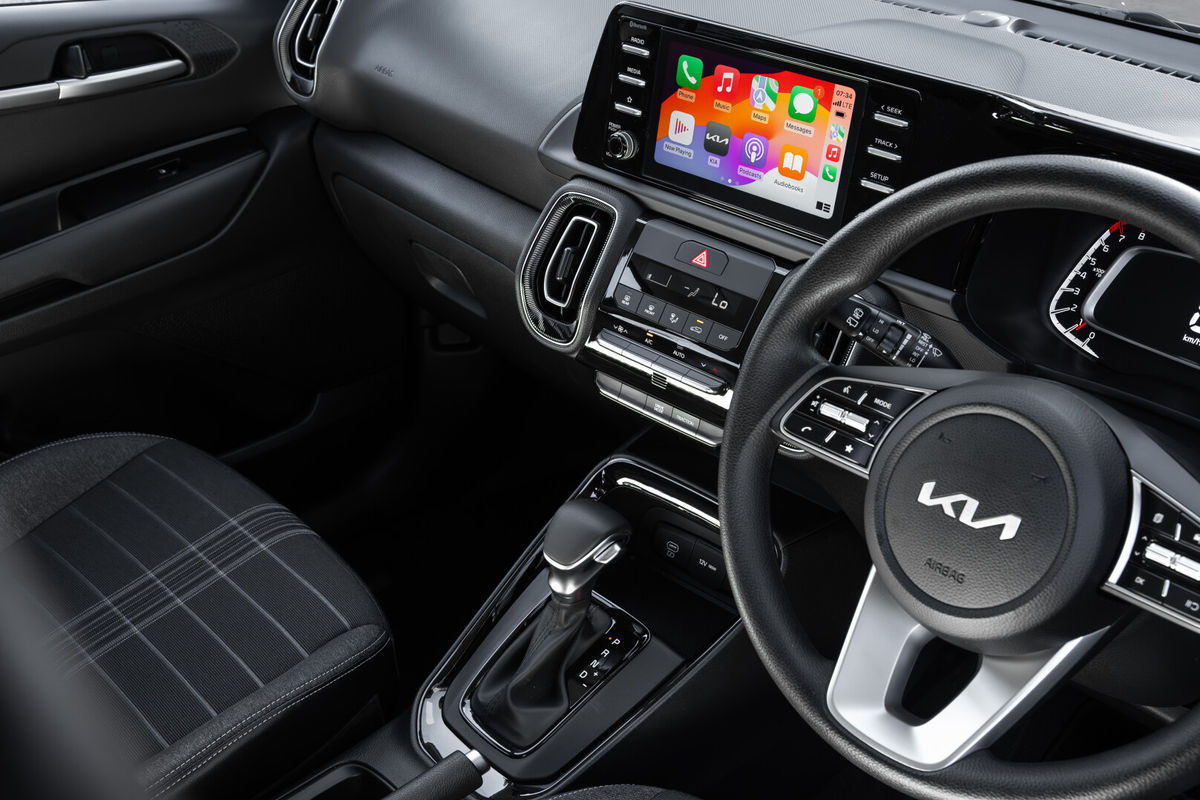
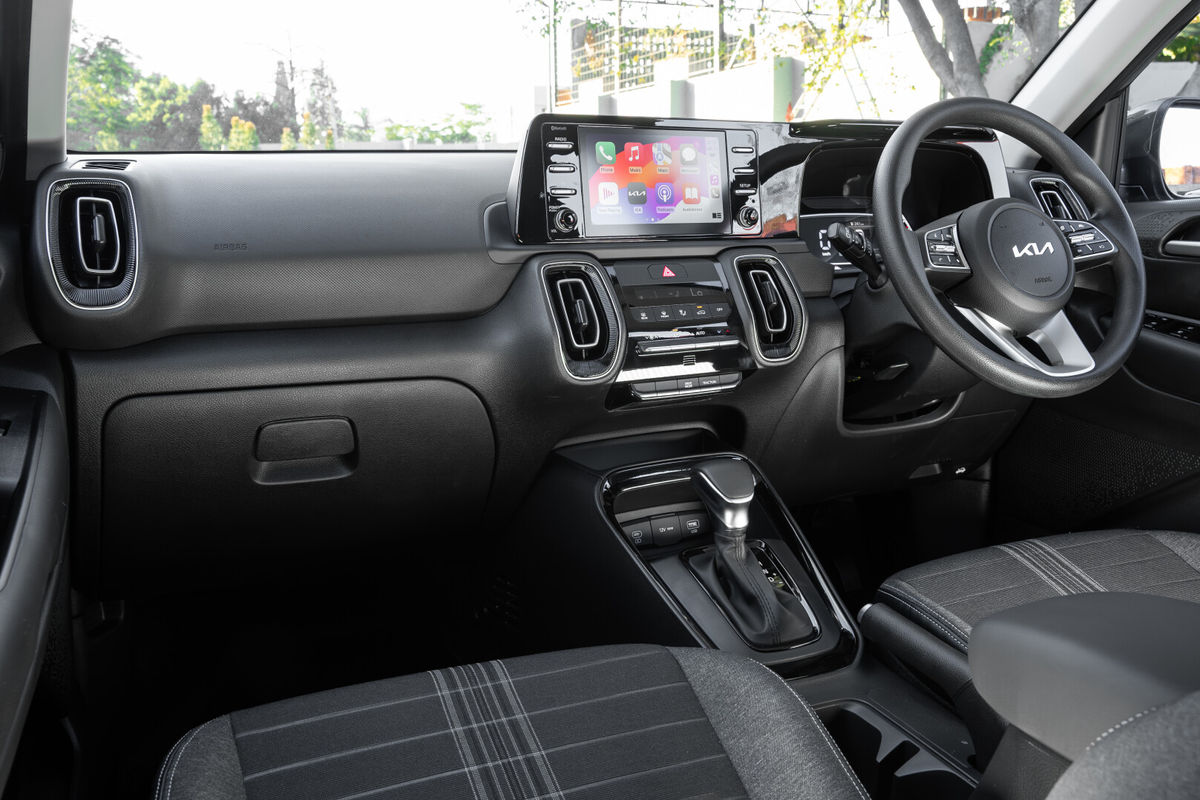
Climate control, drive modes, mobile phone connectivity etc. Kia’s crammed a lot into the Sonet.
There are 4 trim levels available: LX, EX, EX Plus and SX and all have been equipped to provide fair value. The only true “budget-spec” Sonet is the LX; most derivatives are well-specified with creature comforts.
The 2024 Kia Sonet is a great-looking urban crossover!
The two engines have been carried over from the pre-facelift model. Most derivatives are powered by a 1.5-litre 4-cylinder naturally-aspirated petrol engine that produces a tidy 85 kW/144 Nm, but for those who crave punchy performance, there’s a 1.0-litre 3-cylinder turbopetrol EX automatic with 88 kW/172 Nm.
Only the entry-level derivative has a manual gearbox – the rest of the range is strictly a two-pedal affair with a continuously variable transmission for the 1.5 and a 7-speed dual-clutch transmission for the 1.0T.
The Sonet continues to offer a satisfying driving experience. It’s wieldy but also rides pliantly.
We drove the 1.5 LX CVT and found its performance quite sprightly. Admittedly, the Sonet tips the scales at just under 1 200 kg, so the naturally aspirated engine doesn’t have to work too hard to enable the Kia to keep up with traffic. Our route included the urban roads and national highway in and around Ballito.
Motorists have a love/hate affair with continuously variable automatic transmissions (CVTs) because they tend to dull driver engagement, especially when they’re mated to engines with meagre torque outputs.
However, you cannot fault the smoothness and refinement afforded by the gearless auto transmission when you adopt a measured and unhurried approach to driving. Look, if you flatten the accelerator pedal, the powertrain will drone, but the 1.5 LX CVT offers enough punch to make that largely unnecessary.
The new-look sporty wheel design.
As before, the engine is free-revving and spirited, despite the relative newness of the test units that we drove during the launch – they were barely run-in! Sure, if you crave a bit more responsiveness and urge, then consider that 1.0-litre turbopetrol powertrain, but the 1.5-litre engine is more than up to the task.
In India (where the Sonet is made), the model is also available in turbodiesel guise. Kia SA is considering that motor for our market, but given the merits of both petrol engines, a diesel variant may be overkill…
Despite being required to perform a few spirited overtaking manoeuvres, our test unit indicated a fuel consumption figure of 7.7 L/100 km by the end of our evaluation drive. It was a fair return; if owners employ a prudent, commuter-like driving style, figures of under 7 L/100 km should be easy to attain.
The Kia Sonet may be positioned as an affordable small crossover, but there is nothing unrefined about its driving experience. The steering setup offers sufficient feel and directness to make the Korean model easy to place – both while driving at the speed limit and trying to find parking. The ride quality is good too, with the plump 215/60 R16 tyres and well-damped suspension soaking up most road imperfections.
How much does the facelifted Kia Sonet cost in South Africa?
The updated Kia Sonet’s (June 2024) prices include a 5-year/unlimited km warranty, inclusive of Roadside Assistance as well as a 4-year / 60 000 km service plan.
Sonet 1.5 LX Manual
R366 995
Sonet 1.5 LX CVT
R391 995
Sonet 1.5 EX CVT
R411 995
Sonet 1.0T EX DCT
R436 995
Sonet 1.5 EX Plus CVT
R454 995
Sonet 1.5 SX CVT
R484 995
Summary
The Kia Sonet’s facelift has enhanced a genuinely competent small crossover/reasonably practical small family car that’s tailor-made for urbanites. Affordable cars don’t have to be dour and compromised. The 2024 model made a strong first impression; like its predecessor, it’s a simple, but well-resolved product.
That being said, while a speedy first date represents a bright start, we eagerly look forward to evaluating the 2024 Kia Sonet more thoroughly (on a variety of road surfaces) before passing our final judgment.
Scoop! Toyota Land Cruiser 300 Special Edition coming to SA
A Toyota Land Cruiser 300 Special Edition – with select styling updates – is coming to SA, though just 30 units will be offered. Here’s what we know, including pricing…
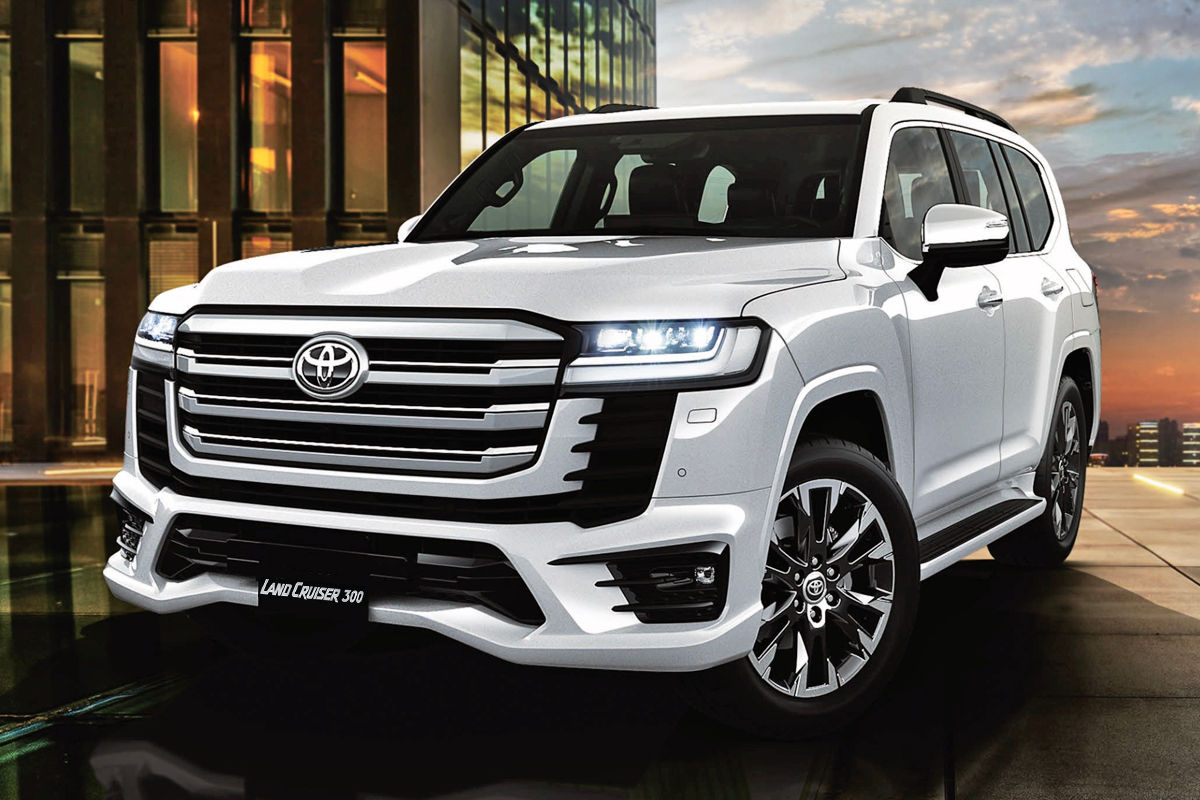
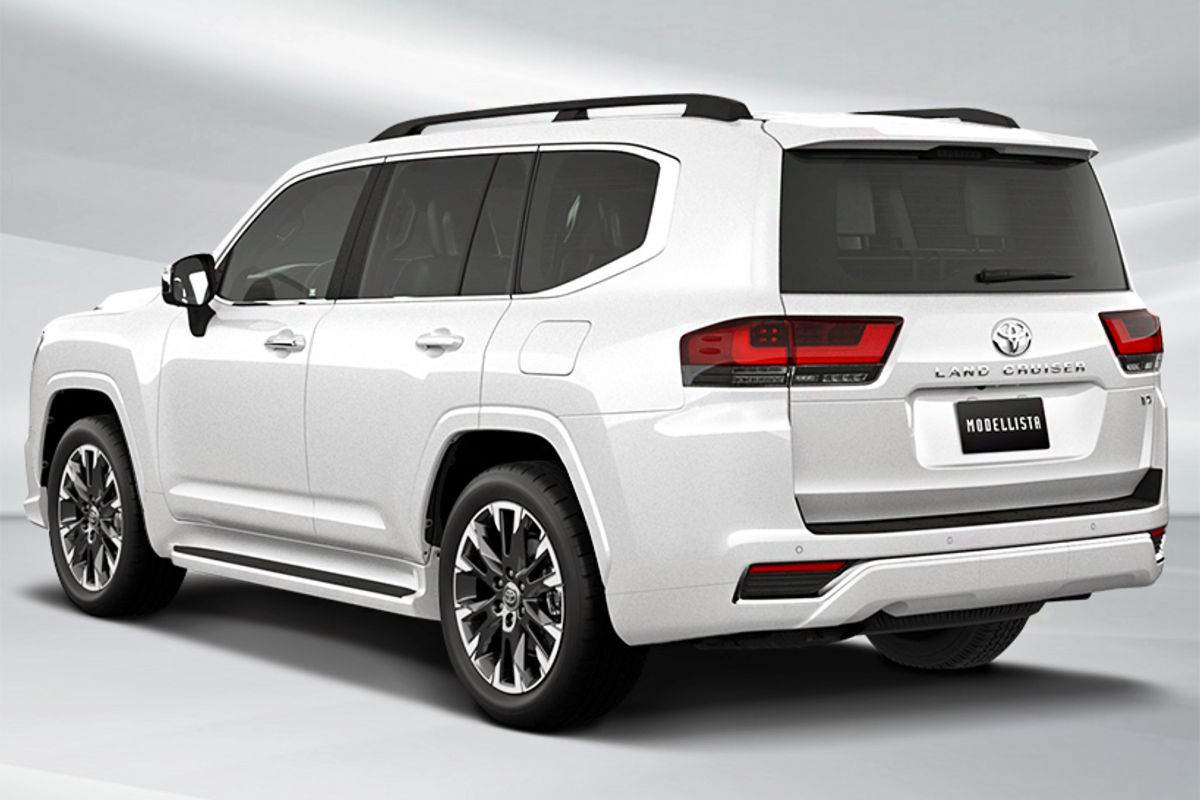
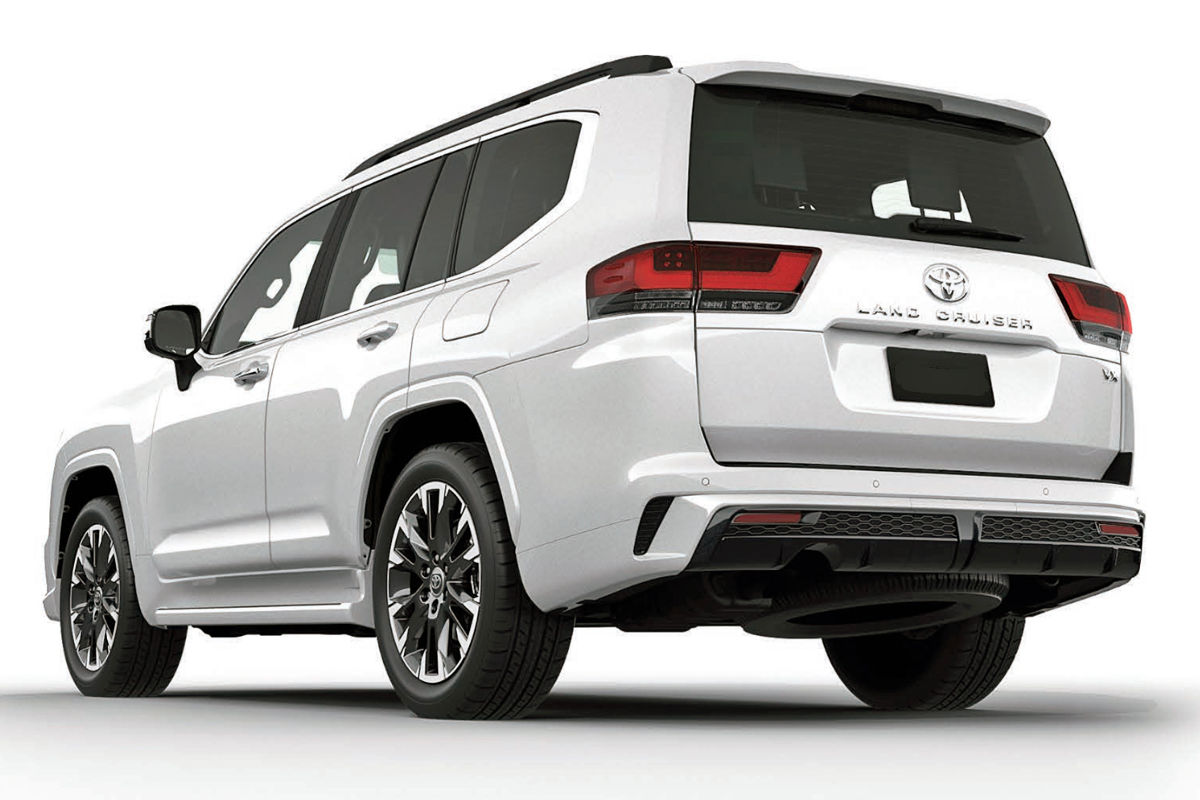
Cars.co.za can confirm that Toyota South Africa Motors will soon launch a new Land Cruiser 300 Special Edition model, though our information suggests that just 30 units have been set aside for the local market. As such, the limited-run derivative will be available on a customer order only basis.
Expected to be based on the ZX trim level and offered exclusively with the Japanese firm’s 3.3-litre V6 turbodiesel powertrain (and thus not available in turbocharged 3.5-litre V6 petrol guise), the special-edition variant will be badged as the Land Cruiser 300 3.3D ZX-SE in Mzansi. The 6-cylinder oil-burner’s peak outputs are unchanged at 225 kW and 700 Nm.
The SA model will ride on standard 20-inch ZX alloys (as above) rather than 21-inch Modellista items.
The limited-production ZX-SE derivative will be priced at R2 074 500, which represents a R70 400 premium over the standard 3.3D ZX. That said, it won’t quite be the priciest Toyota in South Africa, with that title instead going to the Land Cruiser 300 3.5T GR-Sport (R2 095 100).
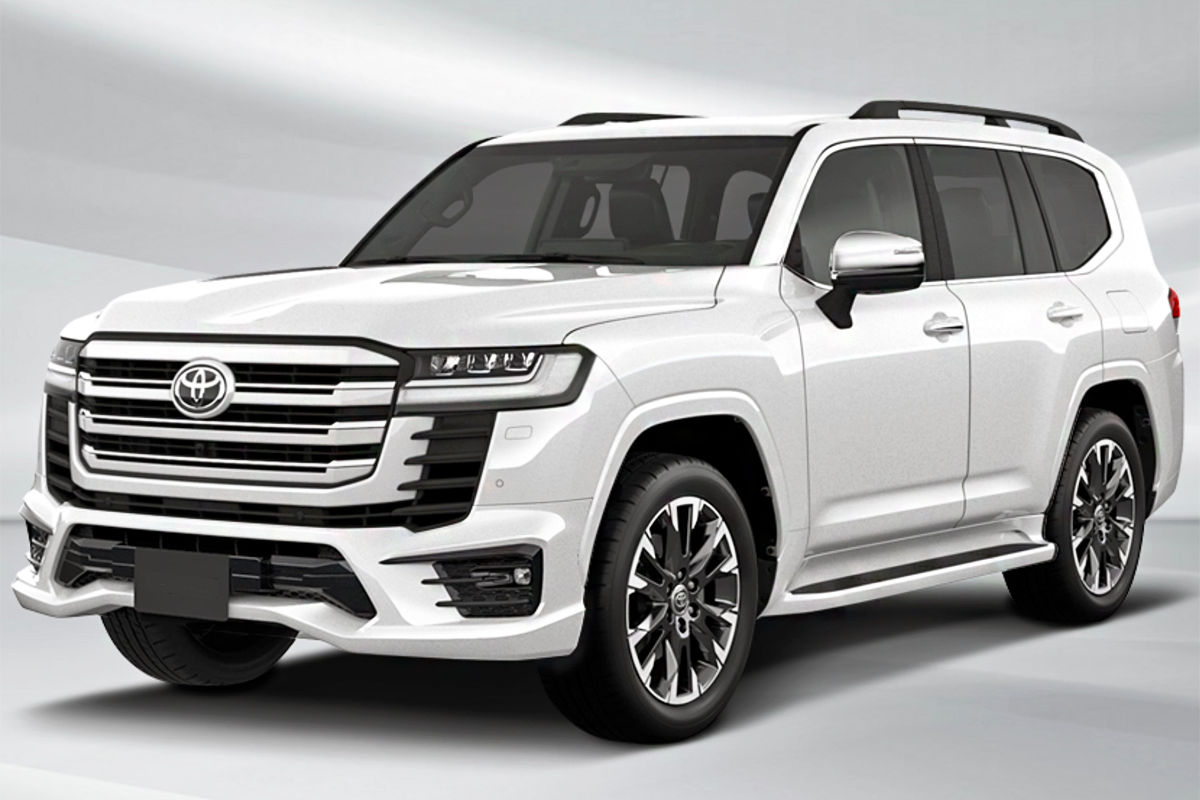
So, what sets the Special Edition model apart from the standard ZX? Well, from what we understand, the ZX-SE sports a selection of styling upgrades courtesy of Modellista, a Toyota Motor Corporation subsidiary tasked with developing accessories for Toyota and Lexus models. Though Modellista has distributors in Asia, Europe, Oceania and the Middle East, it has no official presence here in Africa.
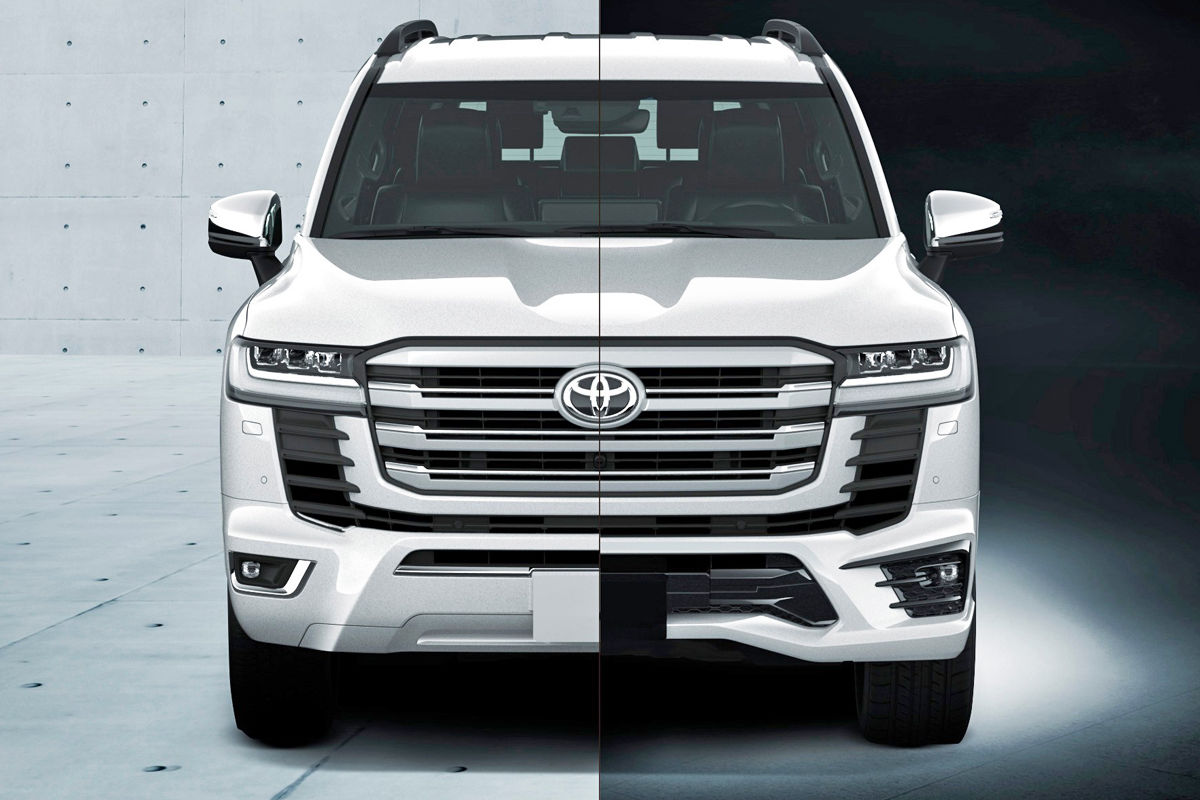
Standard ZX front bumper on the left and the sportier ZX-SE version on the right.
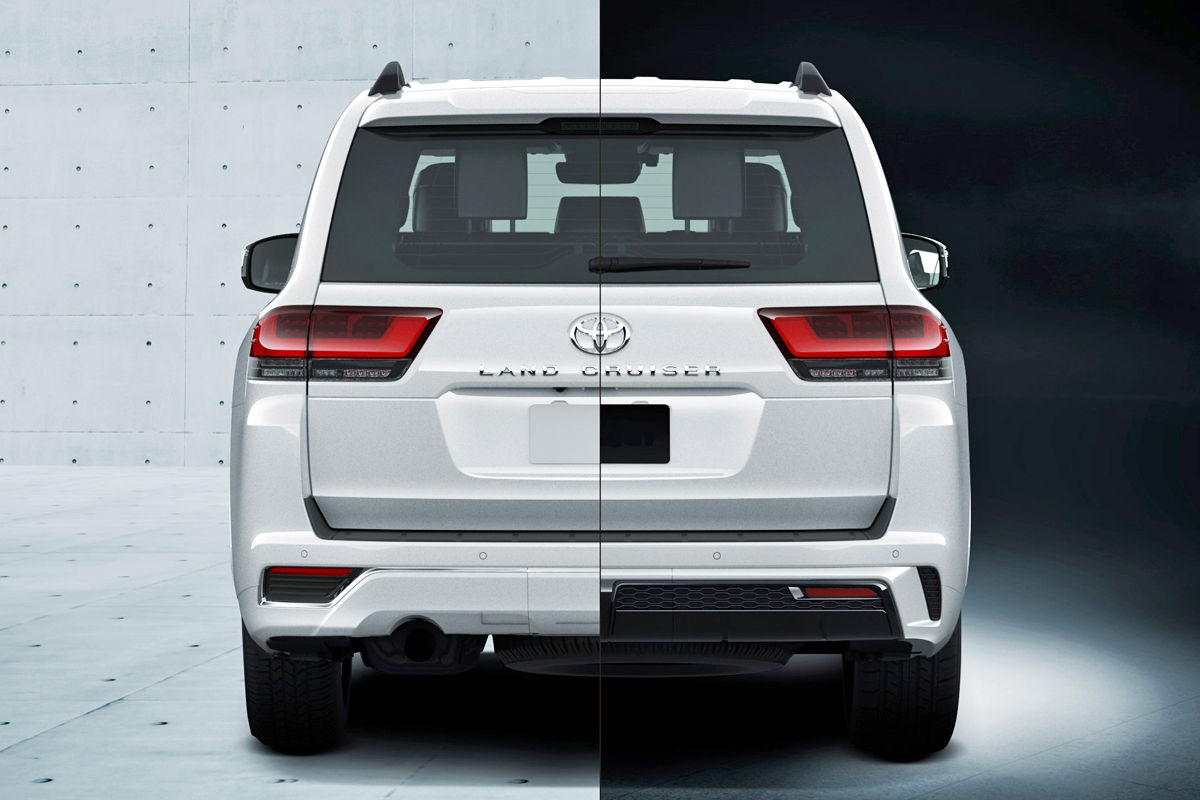
While we don’t believe the Land Cruiser 300 ZX-SE will wear Modellista badging, it looks set to adopt the company’s aero-styled front and rear bumpers (relatively subtle versions specifically made for markets outside of Japan). Interestingly, the addition of these sportier bumpers sees the ladder-frame SUV grow in length from 5 005 mm to 5030 mm. In addition, its front overhang increases from 935 mm to 970 mm, with its rear overhang swelling from 1 190 mm to 1 210 mm.
The new Modellista-supplied front bumper features sharper contours than the standard item as well as unique foglamp bezels that each incorporate a pair of blades. The new rear bumper, meanwhile, includes a faux diffuser complete with a honeycomb-type finish. Furthermore, the rear bumper gains a step guard, while the luggage compartment benefits from extra lighting (courtesy of LEDs sited on the bottom-inside edge of the tailgate) and an opening guard.
Standard ZX rear bumper on the left and the ZX-SE version on the right.
The package also includes illuminated scuff plates and chrome-effect side mouldings. Finally, our information suggests the Land Cruiser 300 ZX-SE will be available only in Pearl White Metallic, Satin Silver Metallic, Attitude Black and Classic White.
The Special Edition model will ship standard with a black interior – rather than the beige or red-and-black colour schemes also available in other Land Cruiser 300 derivatives – and will interestingly stick with the ZX’s standard 20-inch alloy-wheel design (rather than riding on the 21-inch items seen in some of the accompanying Modellista images above).
Check back for more details once Toyota officially announces this special-edition model for South Africa…
How much will the Land Cruiser 300 3.3D ZX-SE cost in SA?
Toyota Land Cruiser 300 3.3D GX-R – R1 458 900
Toyota Land Cruiser 300 3.3D ZX – R2 004 100
Toyota Land Cruiser 300 3.5T ZX – R2 043 100
Toyota Land Cruiser 300 3.3D GR-Sport – R2 060 000
Toyota Land Cruiser 300 3.3D ZX-SE – R2 074 500
Toyota Land Cruiser 300 3.5T GR-Sport – R2 095 100
The prices above include a 3-year/100 000 km warranty and a 9-service/90 000 km service plan.
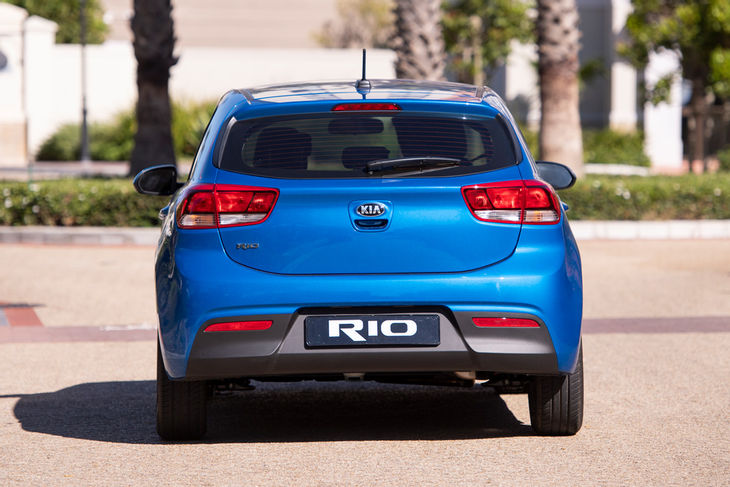
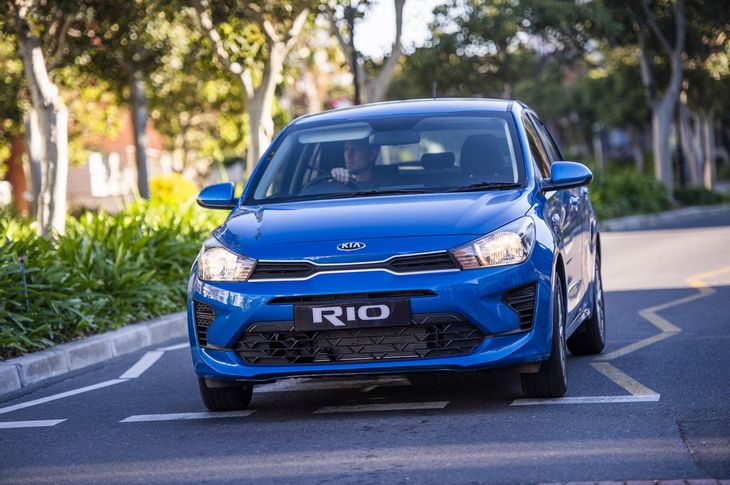
Are you looking to buy a used Kia Rio? In this video, guest presenter, Reba S, covers everything you need to know so that you have a smooth and seamless buying experience. Watch the video!
You’ve come to the right place if you’re in the market for a Kia Rio!
The 4th-generation Rio arrived in South Africa in 2017 and the facelifted Rio came to market in 2020. In 2023, Kia announced its intentions to discontinue the model in South Africa by the end of that year and the Rio is now available as a used car option in South Africa.
The reason for the Rio’s discontinuation is due to the fact that production of the 5th-generation Rio did not include right-hand-drive and therefore the model faced the axe in South Africa.
Why is the Rio popular as a used car?
The Rio is a popular choice for used car buyers looking for value. The Rio has a reputation for reliability and fairly low cost of ownership owing to its frugal naturally aspirated 1.4-litre petrol engine offering 74 kW and 134 Nm of torque and can be had with either a 5- or 6-speed manual transmission (depending on the derivative) or a 4 speed. A base 1.2-litre petrol engine with 62 kW and 120 Nm was also available.
In this video, guest presenter Reba S takes us through some of her favourite features on the Rio as well as what common problems you should look out for when shopping for one in the used car market.
Cost of ownership is an important factor to consider when buying a car and it’s worth knowing what critical parts cost in case they fail. We compare OEM parts prices of the Rio with a 3rd party supplier to see how much of a difference there is…
Cars.co.za currently has over 74 000 used cars for sale with over 400 Rio’s for you to browse.
If you’re unsure how much you’re able to afford to buy a car, please take the time to use our Car Afffordability Calculator to help you understand your affordability and you can also use our Car Finance Calculator to determine your approximate monthly instalments for the car you intend on purchasing.
No, the Kia Rio was discontinued in South Africa in the first quarter of 2024. The 4th-generation model’s production did not include a right-hand-drive version for the South African market. It is now only available as a used vehicle.
What engines were available in the Kia Rio in South Africa?
The Kia Rio in South Africa was sold with two naturally aspirated petrol engine options: a 1.2-litre (62 kW, 120 Nm) and a 1.4-litre (73 kW, 135 Nm).
Is the Kia Rio a good used car to buy in South Africa?
The Kia Rio has a reputation for being a reliable and economical choice, making it a popular option on the used car market. Many late-model examples may still have the balance of a 5-year/unlimited-kilometre warranty, which provides extra peace of mind for buyers.
What are the main alternatives to the Kia Rio?
Direct competitors and similar alternatives to the Kia Rio in South Africa include the Volkswagen Polo, Hyundai i20, and Ford Fiesta.