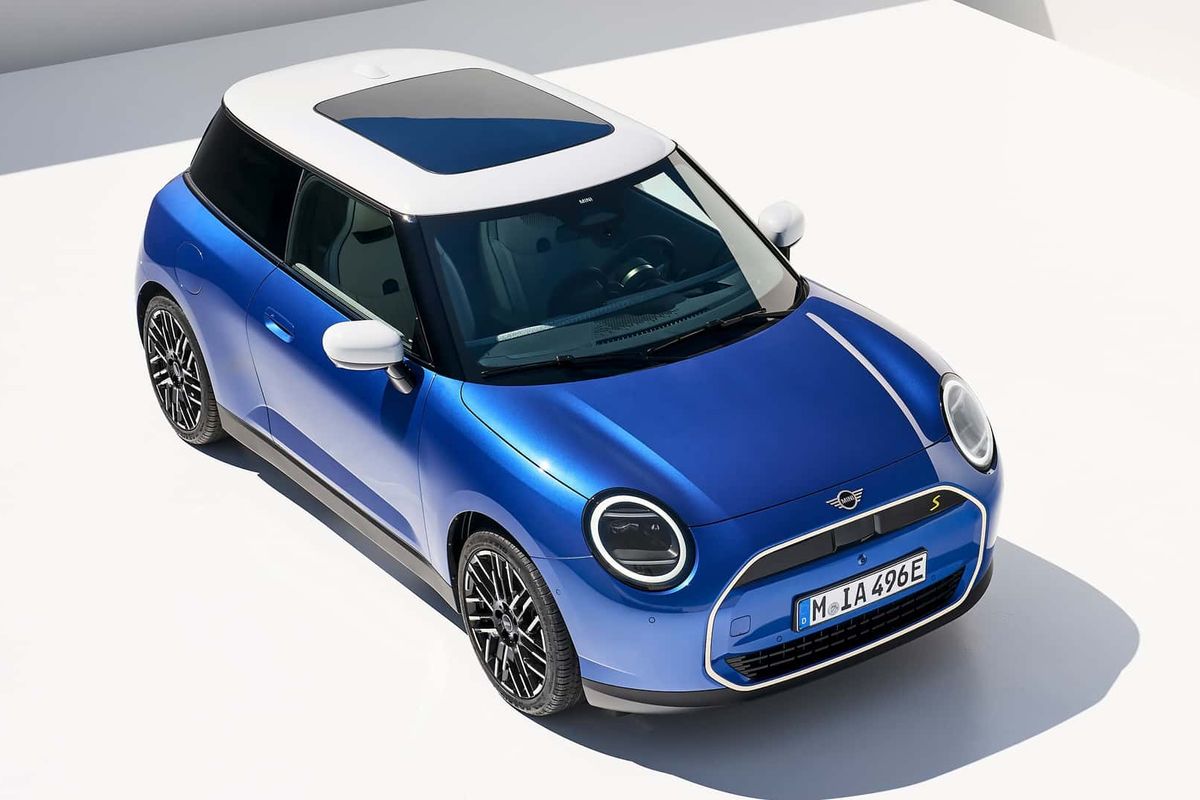
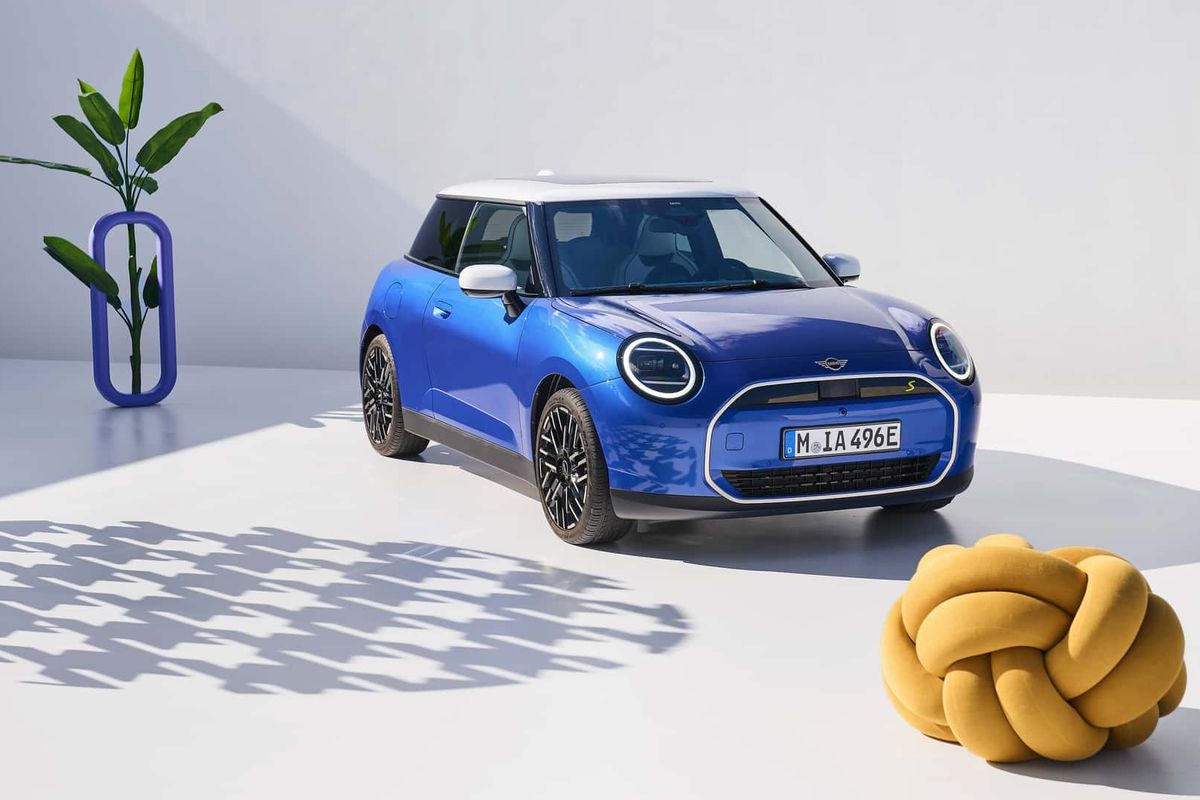
The new-gen 2025 Mini Cooper has just been unveiled in Munich, Germany. Here’s all you need to know about the newcomer, codenamed J01.
We’re live today from Munich, Germany as guests of Mini South Africa as the brand reveals the new-gen Mini Cooper. Spanning three generations in the modern era and let’s not forget the classic icon either, the Mini is a symbol for a fun, premium urban hatchback.
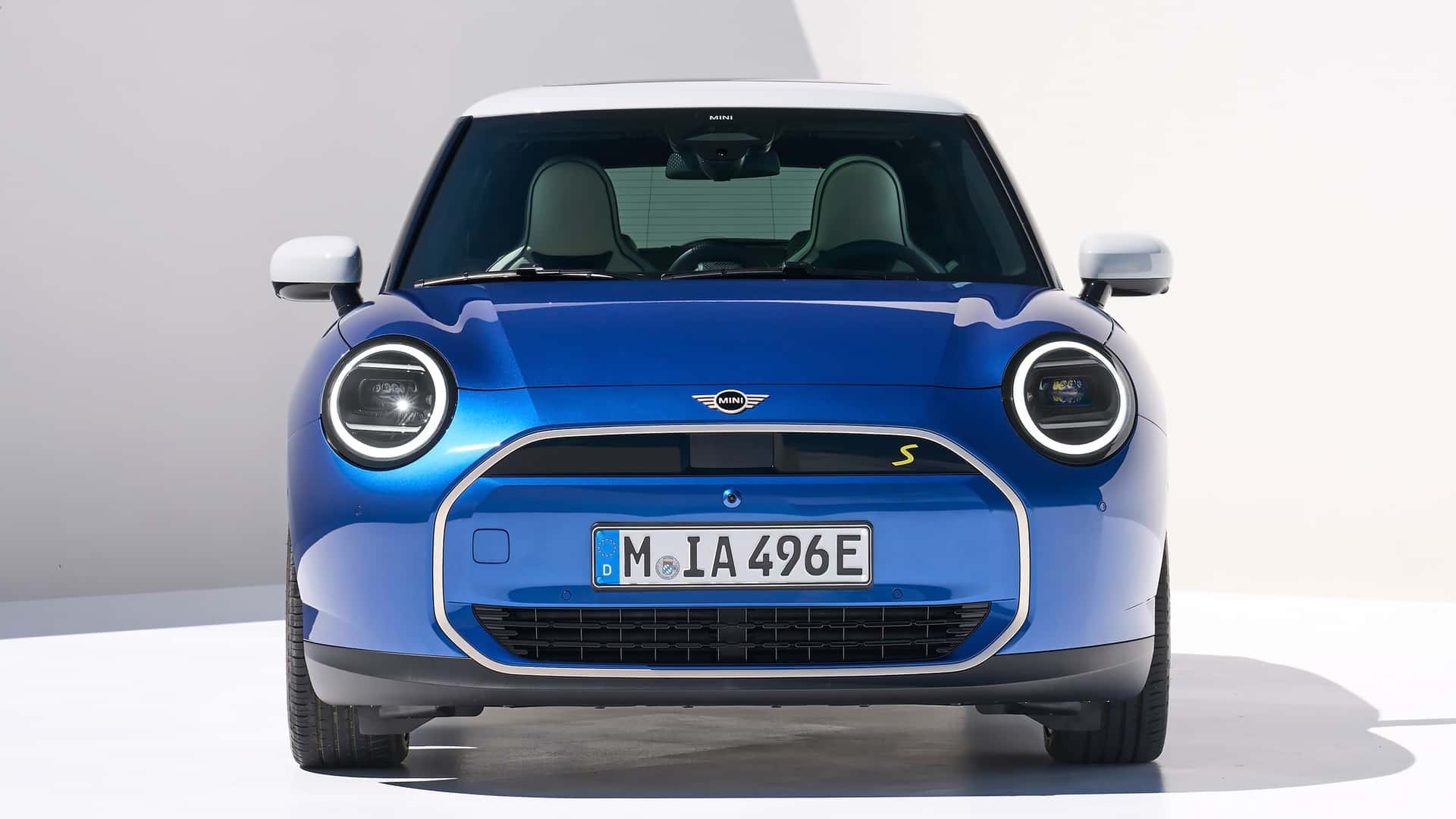
The clean and sleek new face
What’s Changed?
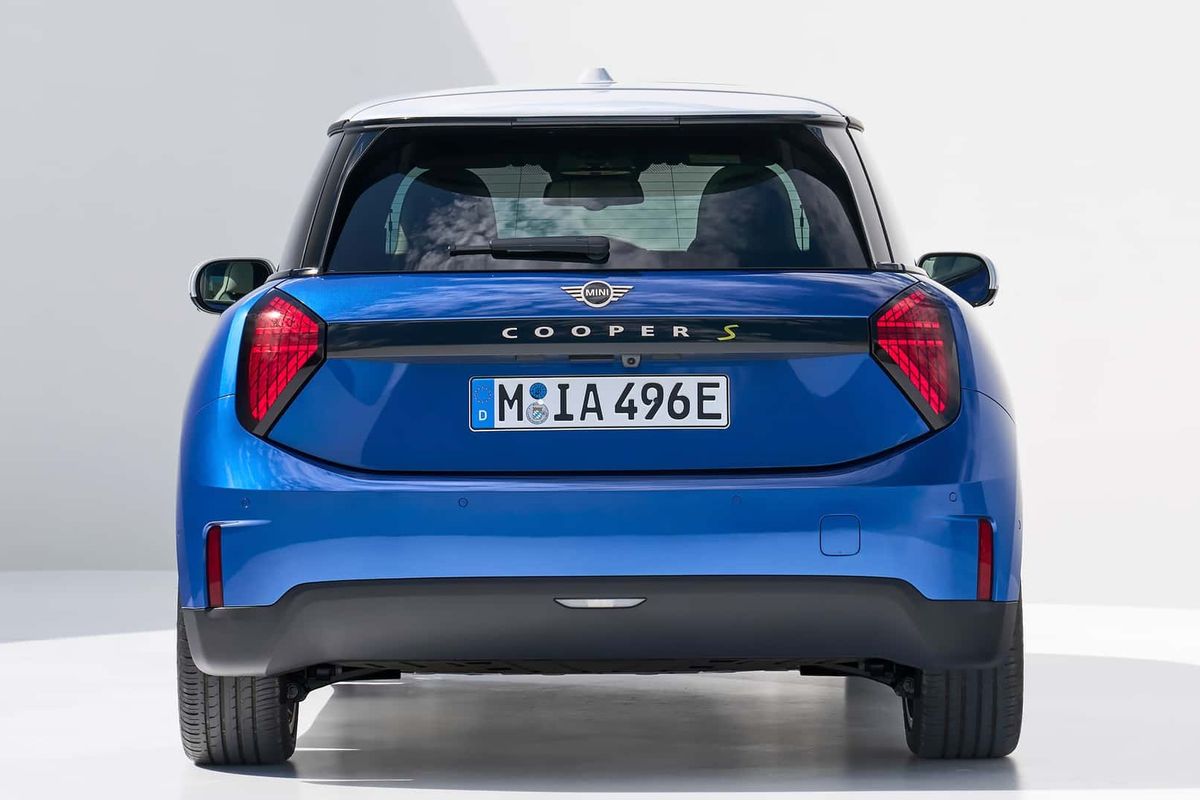
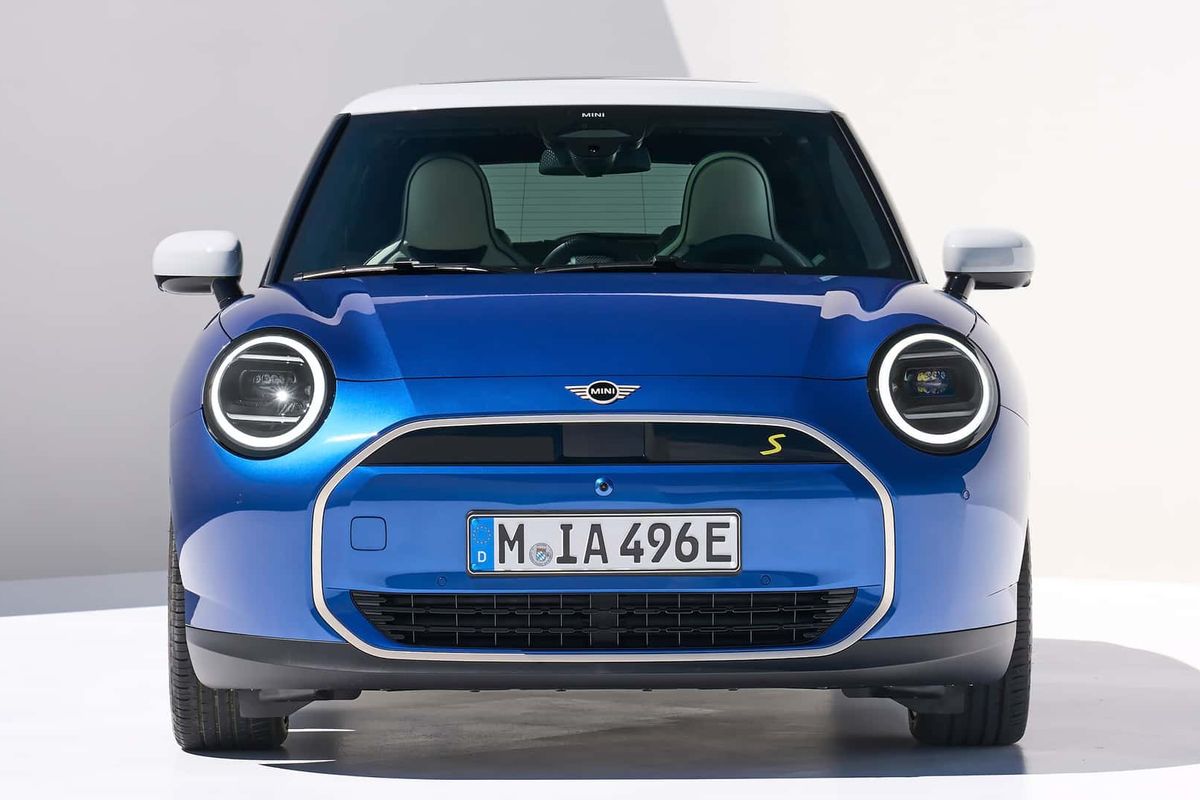
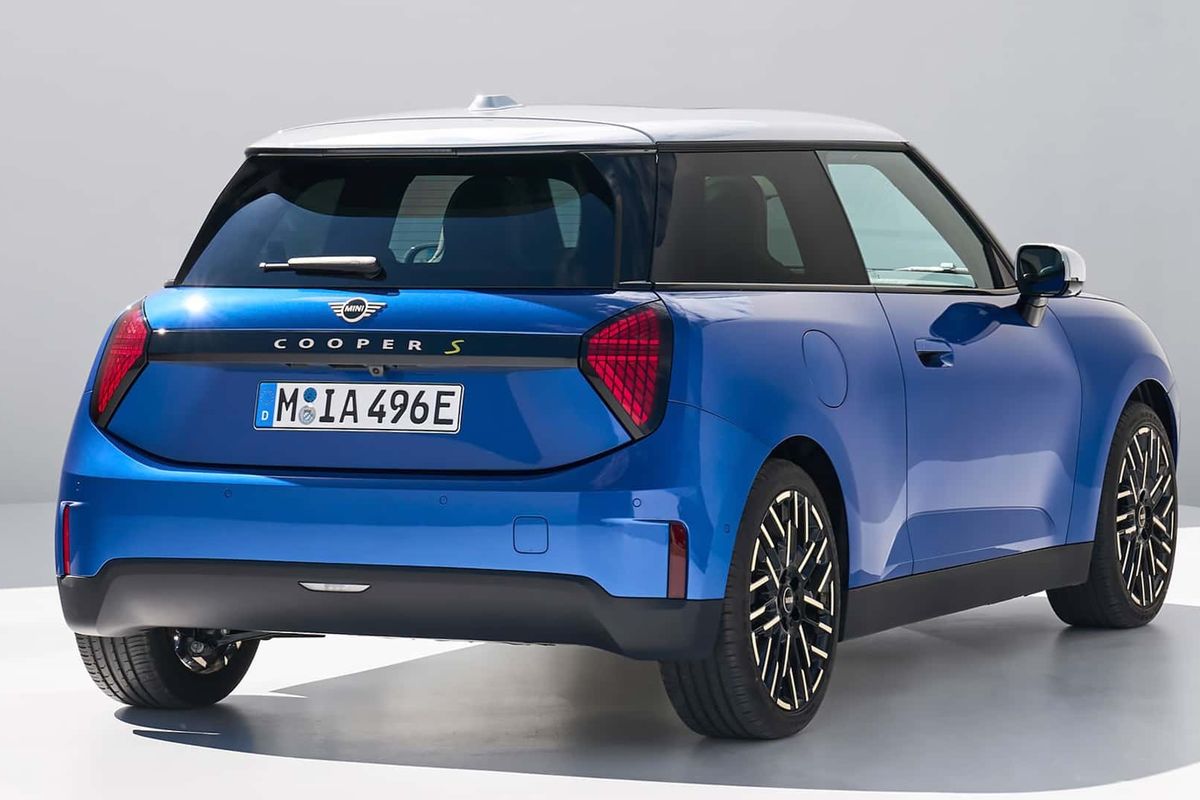
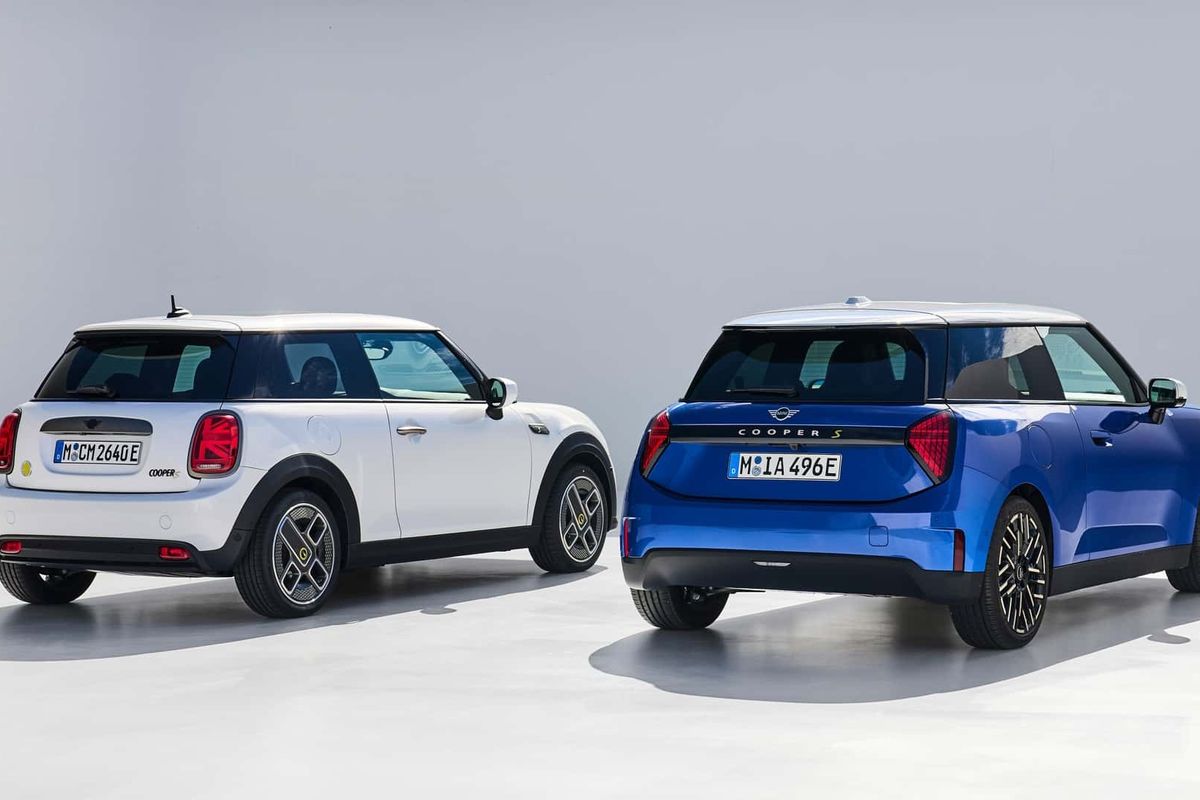
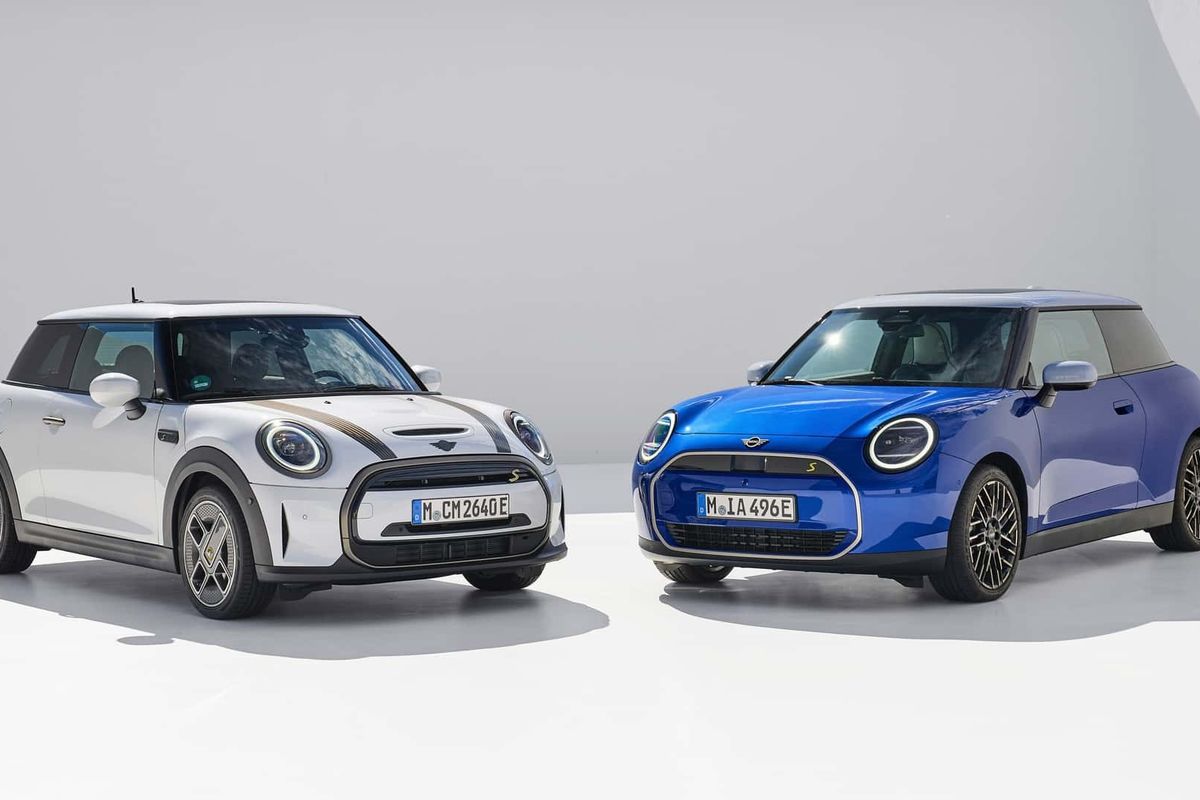
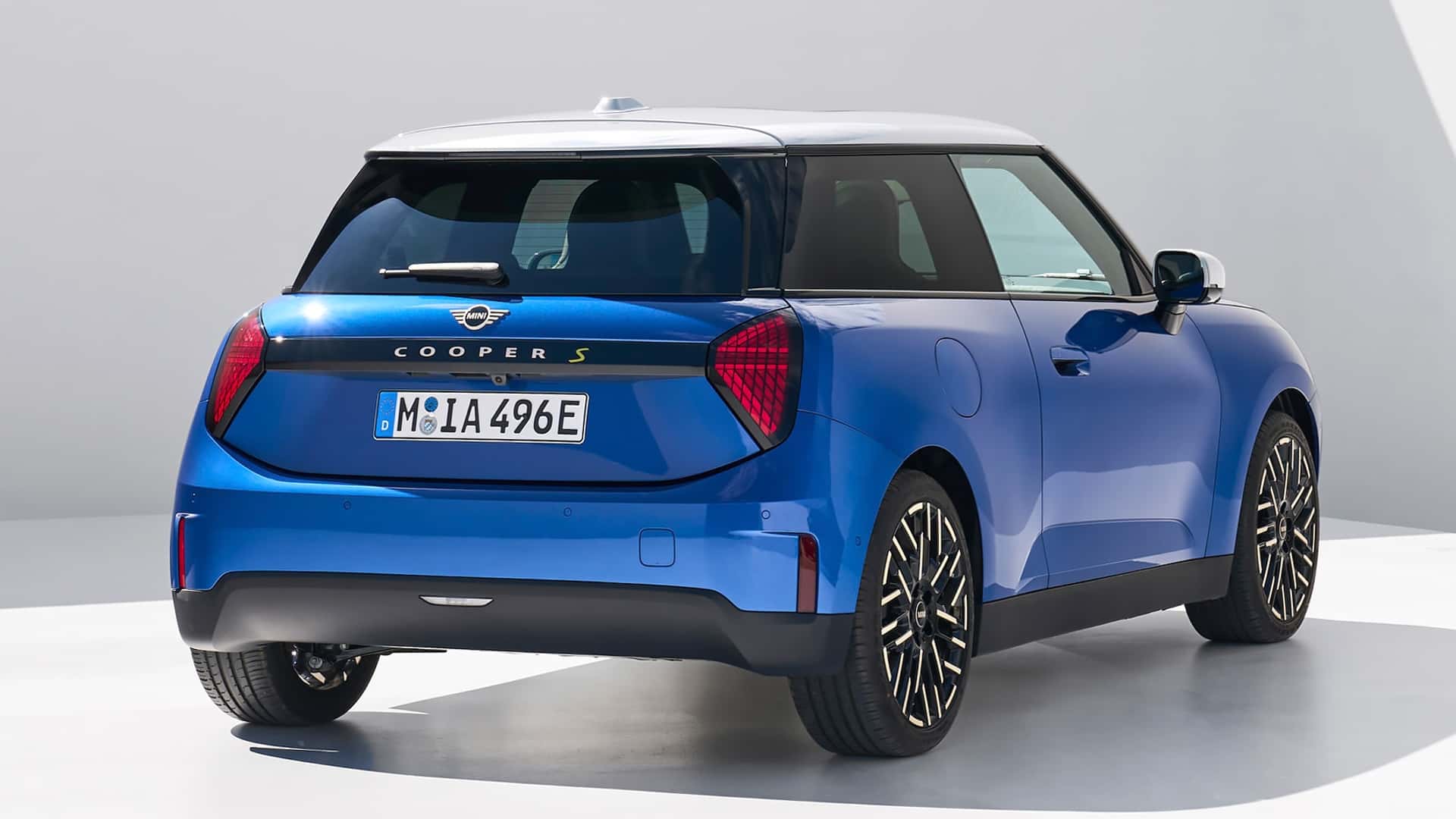
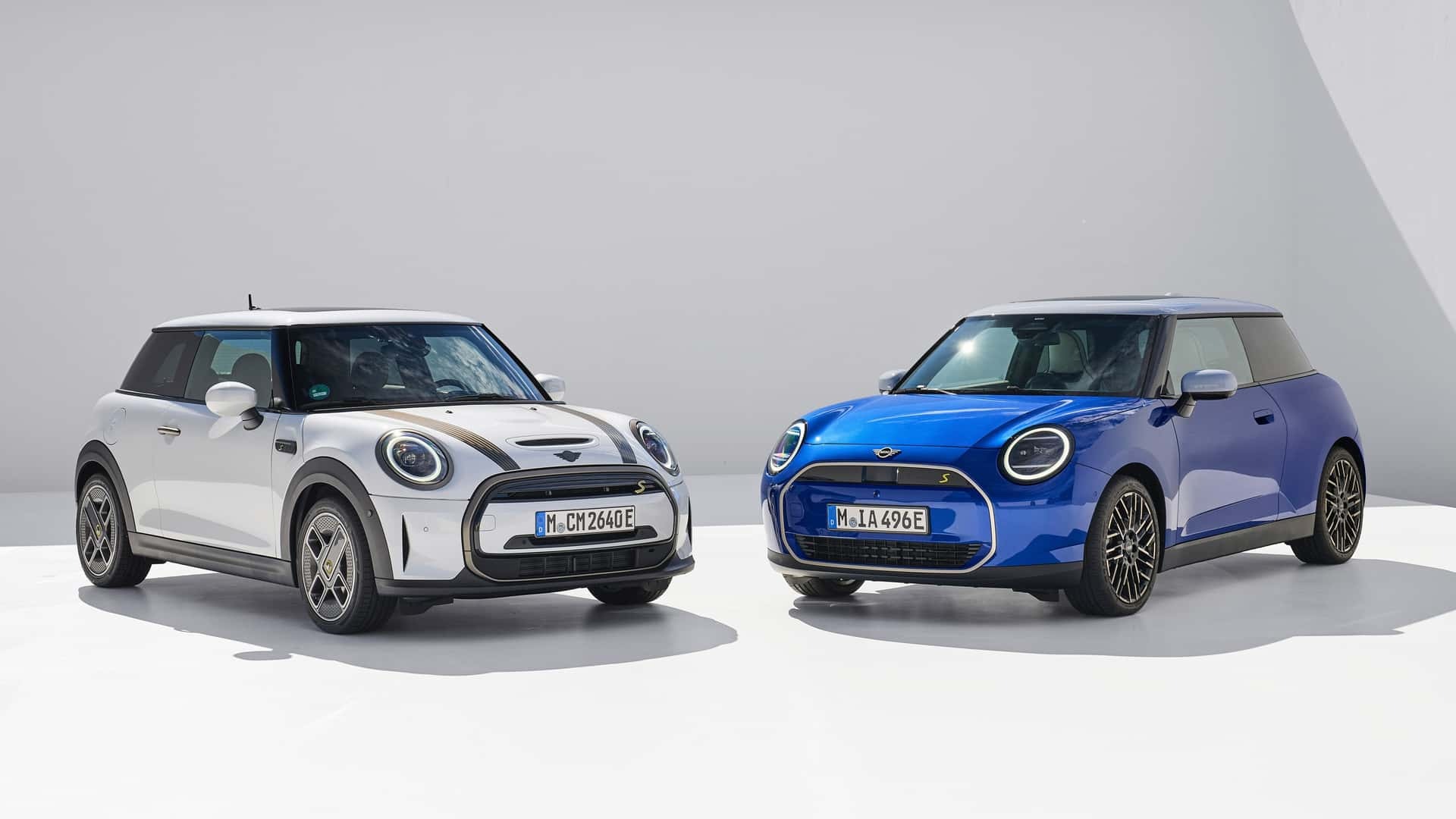
The design of the new-gen Mini Cooper has been given an overhaul, without radically changing the visual philosophy. It’s still unmistakably a Mini Cooper, which will please the purists. Keen-eyed spotters will notice many of the typical creases and kinks have been ironed out, presenting a smooth and refined look. The rear light design is quirky, but we think customers will get used to it over time.
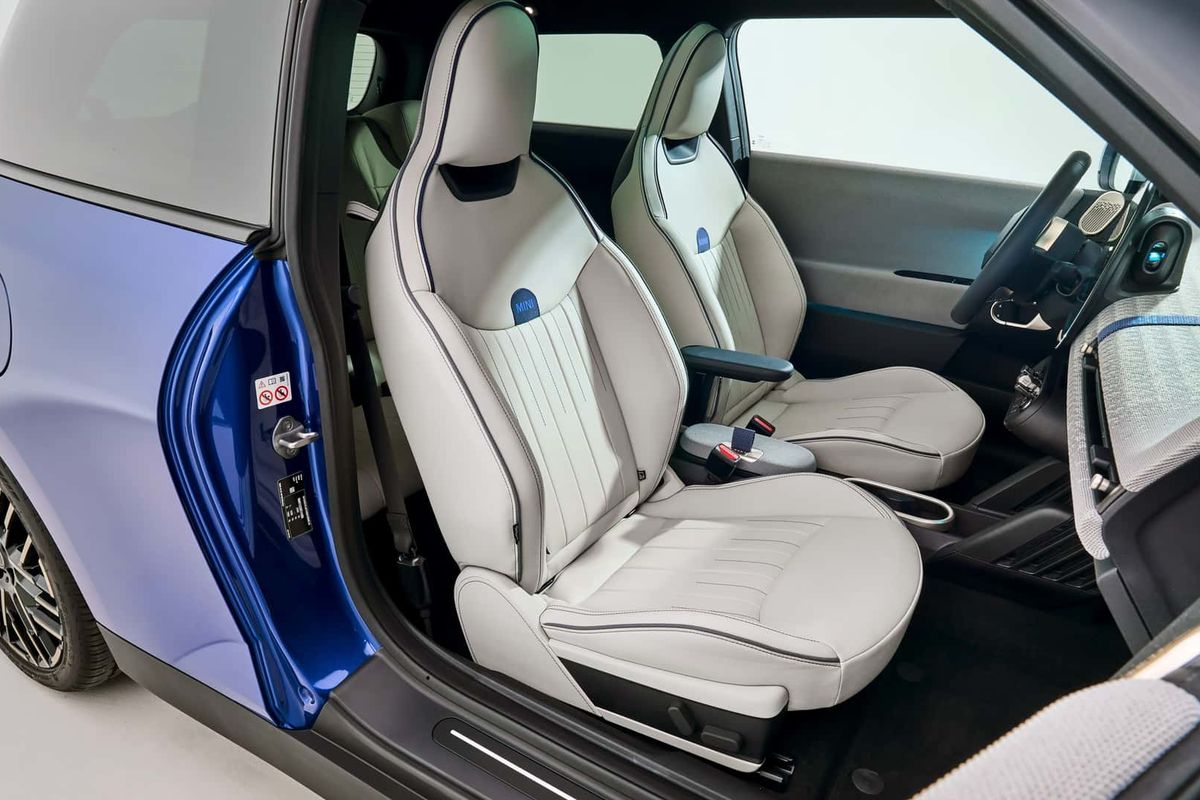
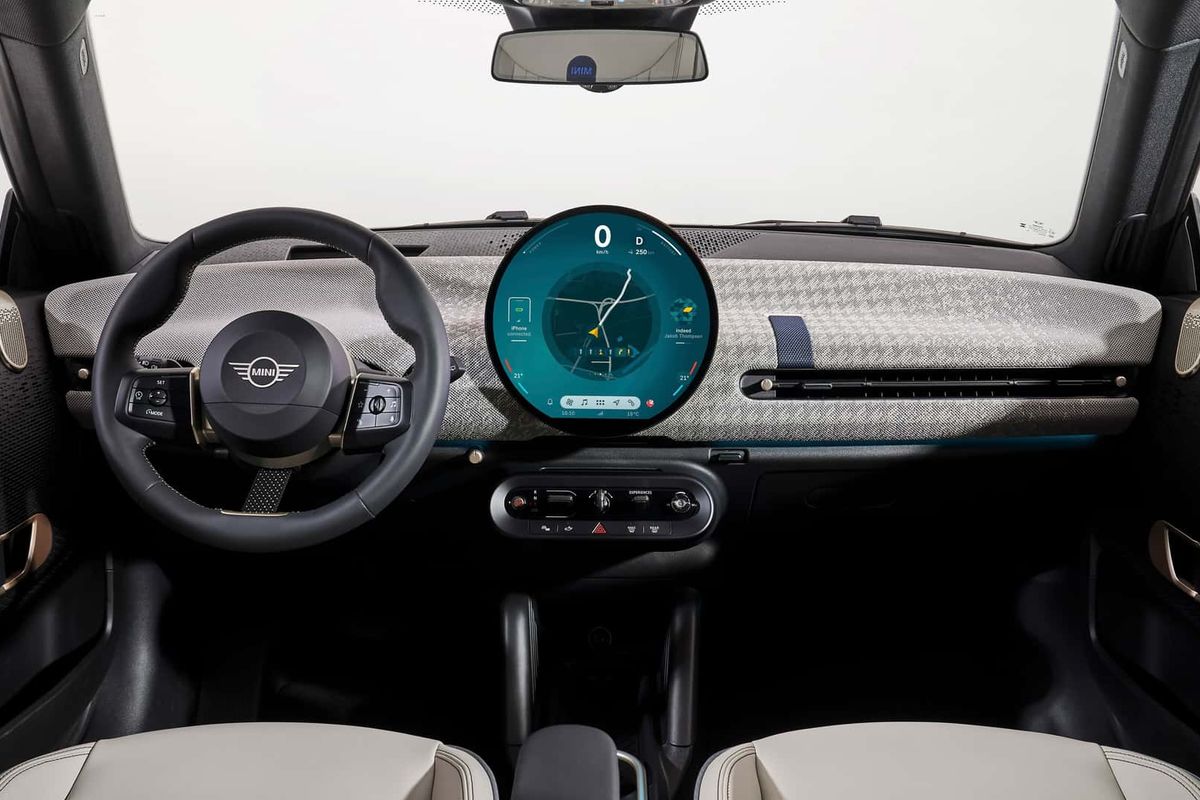
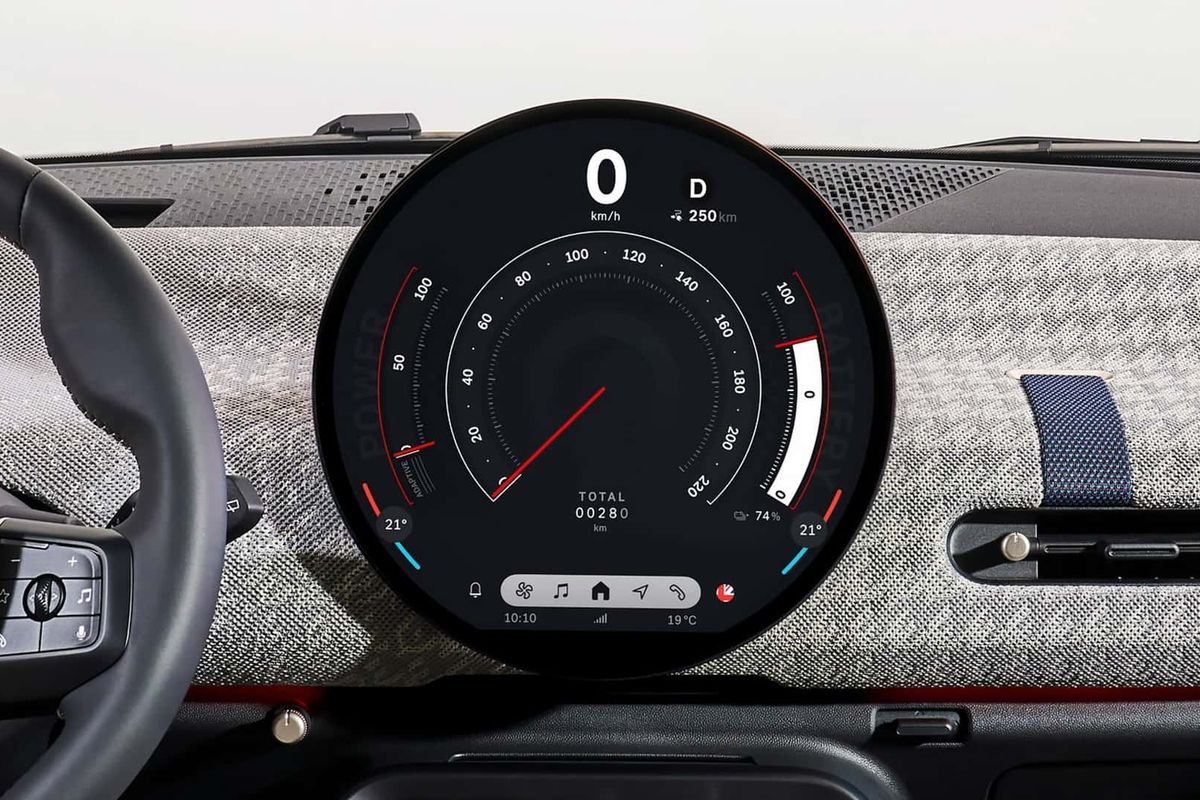
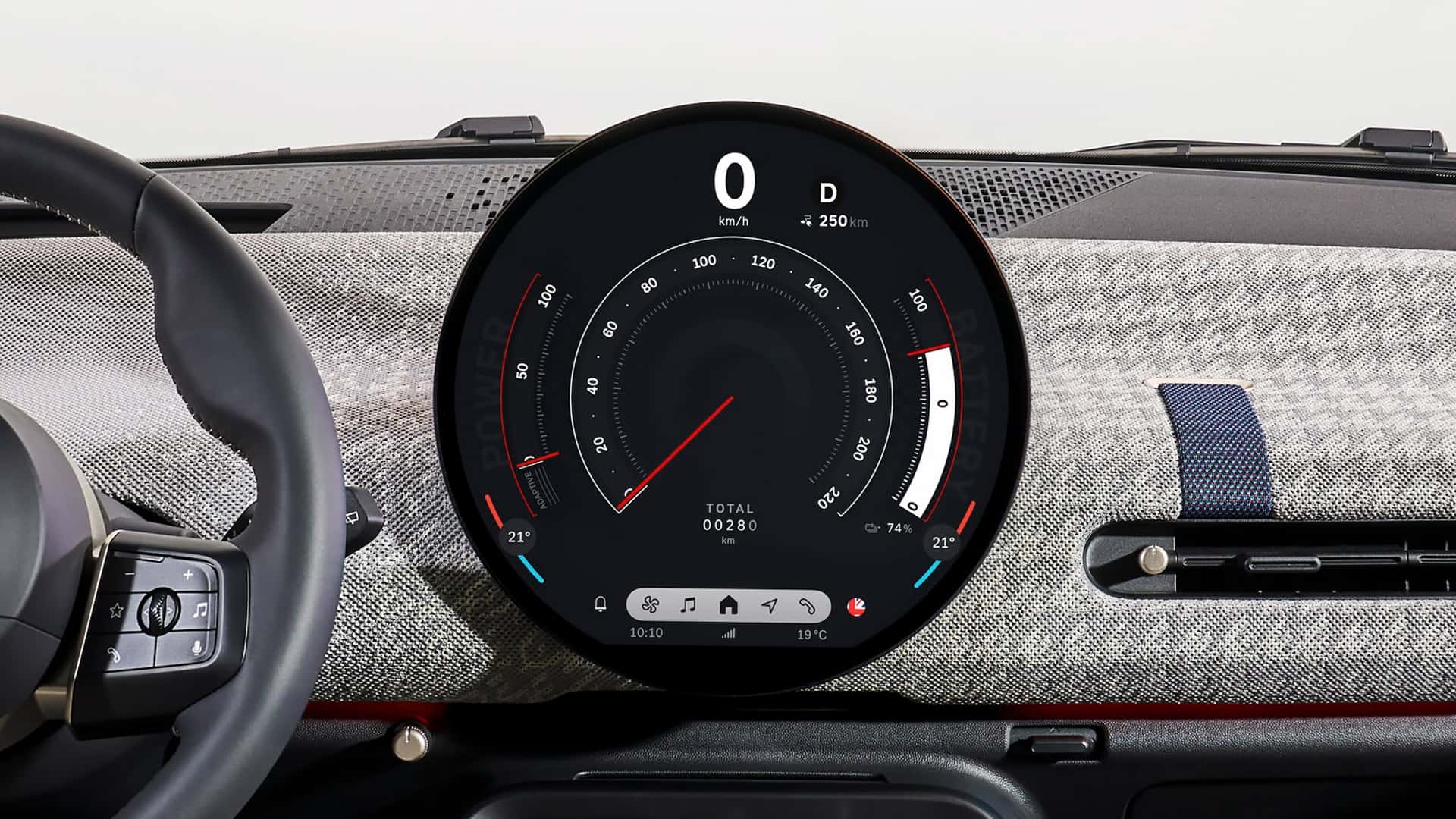
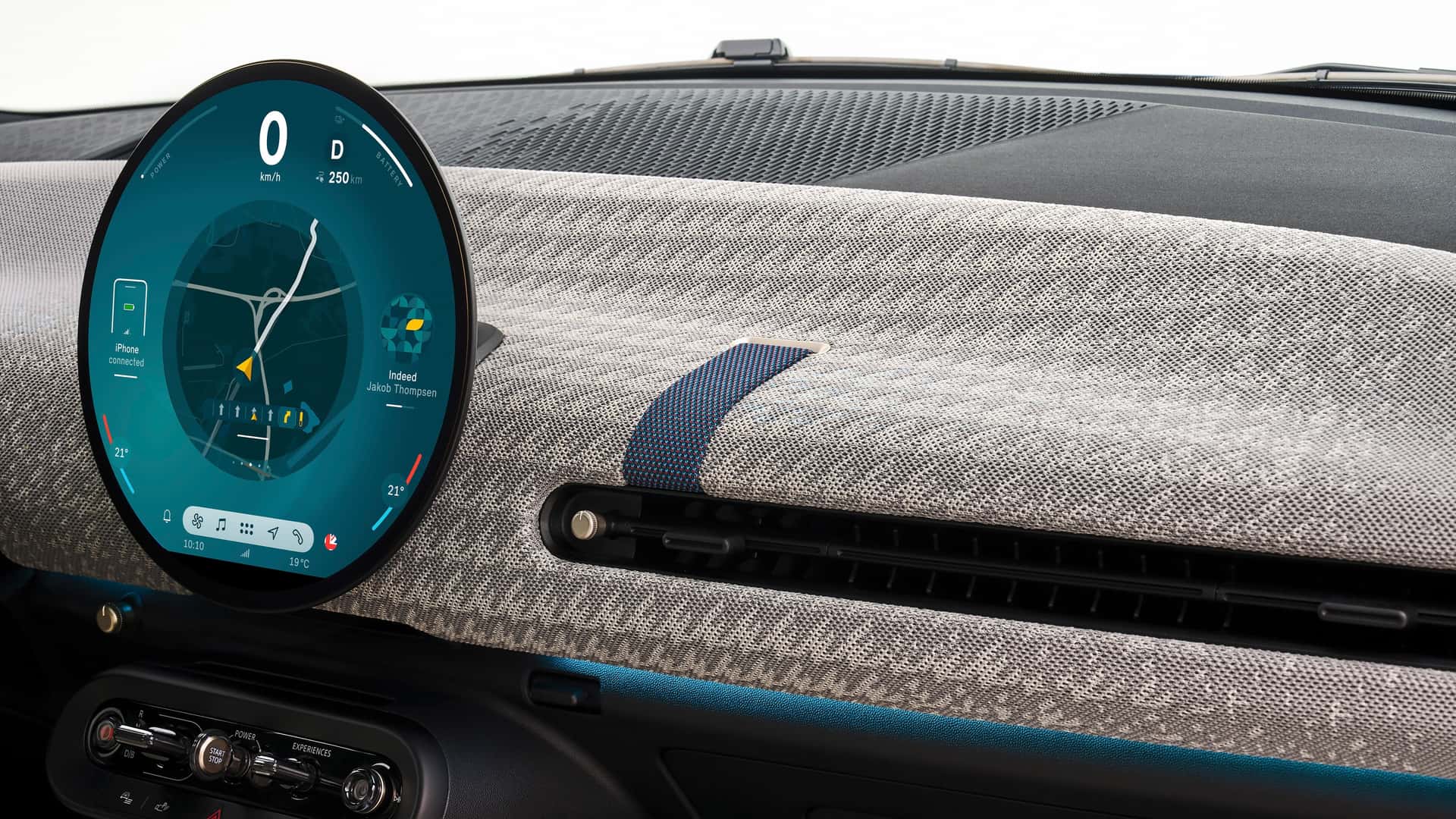
The cabin gets a big makeover too, with the iconic central infotainment system adopting a minimalist frameless look. The level of detail and playfulness that has gone into the operating system is impressive. On top of your three normal driving modes, there are a further four that focus on personalisation.
“The new Mini Operating System 9 is characterized by simple, emotional touch operation that is specific to Mini. Together with the new cloud-based Mini Navigation for particularly precise and fast route calculation, high-speed connectivity, and optional 5G capability, the new Mini Cooper takes a giant leap into the digital world, thereby underlining the brand’s charismatic heritage,” said Stefanie Wurst, Head of Mini.
We had a chance to play with the new system and the clean user experience and vivid colours will win it many fans. We also liked how neat the circular screen looked and how it was integrated into the minimalist dashboard. The cabin trims are also worth mentioning as many elements are sourced from either recycled materials and sustainable options.
Engines and performance
As far as powertrains are concerned, the new-generation Mini Cooper will feature internal-combustion power as well as electrification. Right now, this reveal is all about the electric models with the petrol derivatives earmarked for debut in early 2024.
There are two electric models to start with and both are a huge leap forward for electrified Minis. As a reminder, the outgoing Mini SE could only muster around 185km of range in the real world. The all-new Mini Cooper E claims a 305 km range from a 40.7 kWh battery. Outputs of 135 kW and 290 Nm driving the front wheels is good for a 7.3 second sprint time to 100 kph.
Opt for the Cooper SE, and you get 160 kW and 330 Nm resulting in an even quicker 0-100 kph time of 6.7 seconds and a large battery of 54.2 kWh means a claimed range of 402 km. Charging rates of 75 kW and 95 kW are claimed respectively, meaning you’ll need around 30 minutes to get from 10 to 80%.
The new Mini SE is a collaboration between BMW Group and Great Wall Motors. This agreement was signed a few years back and is essentially an agreement to work together on compact electric vehicles. Known as Spotlight Automotive, the venture will see an array of vehicles using a common electric platform rolled out over the next few years. The new Mini Cooper will be assembled in China.
Old vs New
When is the new-gen Mini Cooper coming to South Africa?
According to a BMW Group representative, the all-new Mini Cooper’s retail operations for South Africa will commence in April 2024. Pricing and specifications for our market will be released closer to the time.
The VW Golf 8 R – the Wolfsburg-based brand’s flagship premium hatchback – went on sale earlier this year, but units have been in short supply. So how and when can you get one? Ciro De Siena chats with dealers – and VWSA – to get some answers.
It’s been widely reported – and frustratingly understood by fans of the brand – that Volkswagen South Africa (VWSA) has had major supply issues with regard to distributing the 8th-generation Golf R.
After finally announcing a list price for the model in April 2023, we’ve had comments from our audience… and the talk on social media seems to suggest that Golf 8 R units are actually not available.
We asked VWSA for comment and contacted some of its franchised dealers and, while the short answer to this question is “yes”, the long answer is a bit more complicated…
According to the AA, the increases in the price of petrol in September 2023 will be the highest since July last year, while diesel prices will be hiked by a record level.
Commenting on unaudited data from the Central Energy Fund (CEF), the Automobile Association (AA) said the price of petrol was expected to climb by between R1.59- (ULP93) and R1.65/litre (ULP95) on Wednesday 6 September, while the wholesale price of diesel could increase by a massive R2.85/litre.
In the middle of last month, Cars.co.za reported that petrol was likely to increase by R1.41/litre (ULP93) and R1.45/litre (ULP95) and diesel by R2.60- or R2.61/litre, but since then, the situation has worsened – because international oil prices continue to rise on the back of slow demand and decreased output.
Reuters reports that analysts expected that Saudi Arabia, the world’s biggest oil exporter, would extend its voluntary output cut into October, keeping oil supply tight and prices high.
Predicted Fuel Prices for September 2023
“The price of a litre of ULP95 inland will rise from R22.83 to R24.48/l, while the price of ULP93 will increase from R22.43/l to R24.02/l. These prices are in line with those in August last year, but not at the record highs seen in July 2022,” the AA said.
“In the case of diesel, the hikes will push the suggested wholesale cost of this fuel from R20.21/l to R23.06/l – the highest it has been since December last year.
According to the CEF’s data, higher international oil prices are contributing between 80% and 88% to the expected increases with the weaker Rand/US Dollar exchange rate contributing the rest.
“While the Rand has weakened on average against the Greenback in August, it’s not a major contributor to the expected increases – that falls squarely on rising international oil prices,” says the AA.
Suffice it to say that the increases in the fuel prices – especially that of diesel – will have negative consequences for all consumers as higher input costs will be recovered through higher prices at the till.
“Motorists will certainly feel the pinch in terms of higher prices at the pumps, but consumers across the board can expect higher prices for all goods and services because of these hikes. In this environment, we reiterate our advice to motorists that they should keep their vehicles in good mechanical condition and their tyres inflated according to manufacturers’ specifications to ensure optimal fuel usage.
“Avoiding heavy traffic, not overloading the vehicle, and minimising driving where possible are other measures to decrease fuel consumption,” the AA concluded.
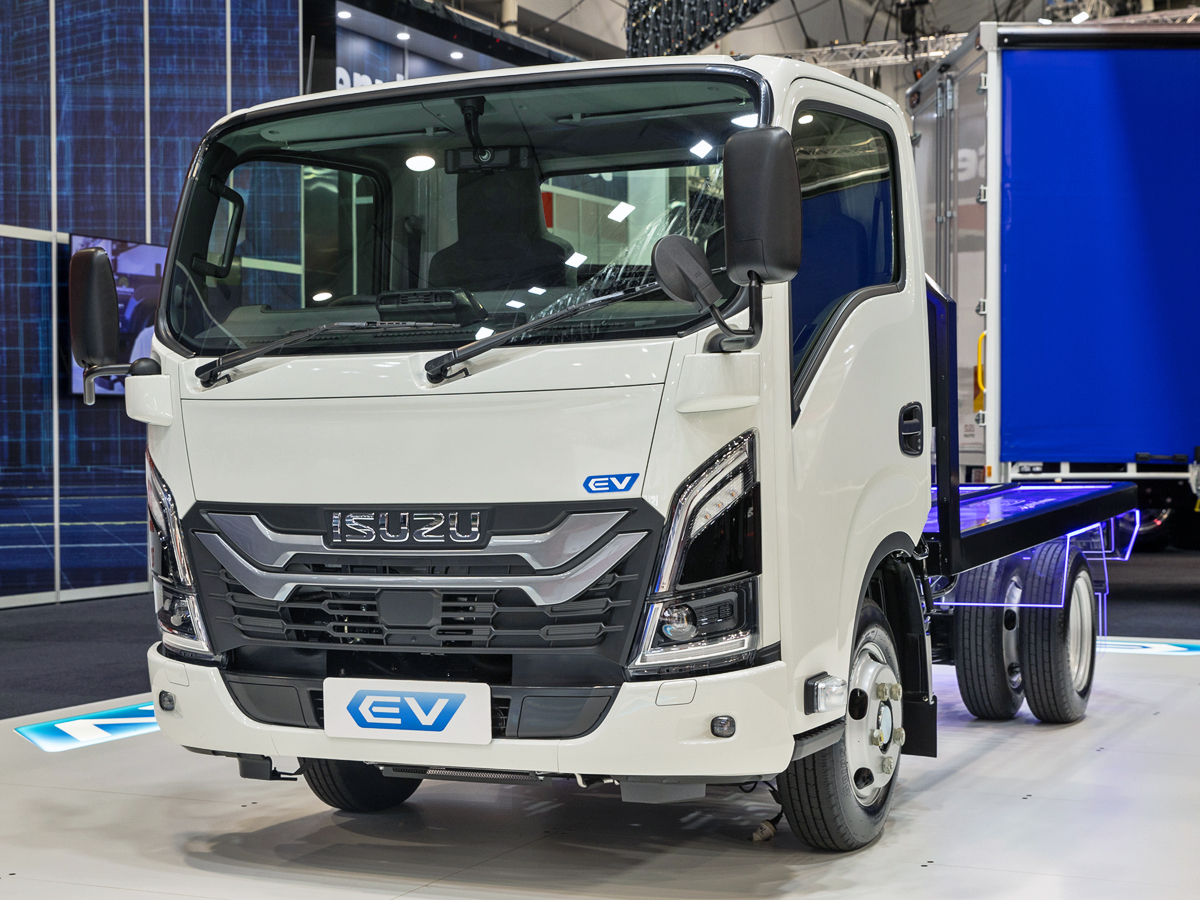
Isuzu E-Max, anyone? The Japanese company has seemingly confirmed plans to launch an electric bakkie as early as 2025. Here’s what we know so far…
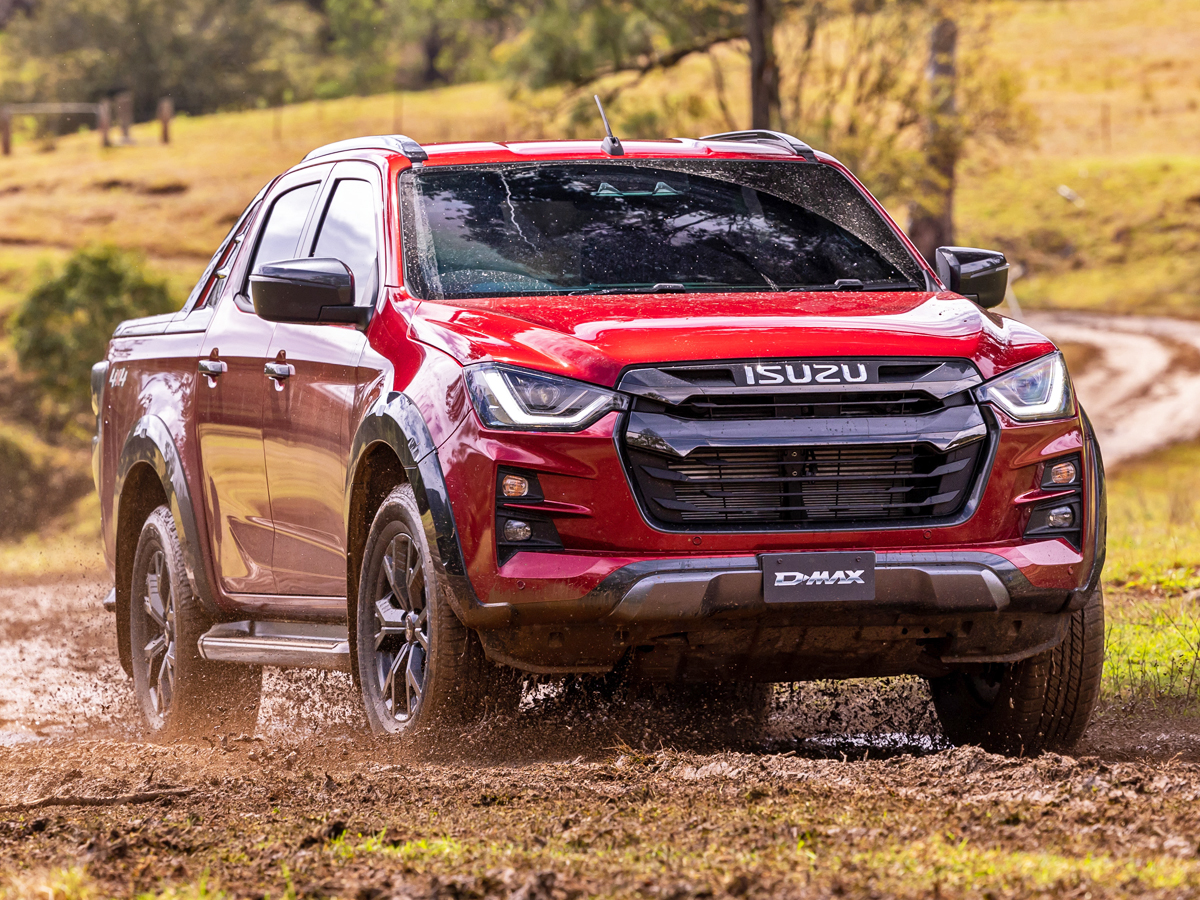
Isuzu has confirmed it plans to launch an electric bakkie – which may well wear the E-Max badge – as early as 2025, according to a fresh report out of Australia.
The Japanese company told the folks over at Drive.com.au the battery-powered bakkie is due to launch in just 2 years from now, initially in Norway. Of course, electric cars dominate new-vehicle sales in that European country, which is known as the world leader in EV adoption.
The news follows an earlier report from Nikkei Asia claiming Isuzu planned to start building an electric bakkie – based on the popular D-Max – in Thailand, with an intention of launching it in that market (as well as in Norway) in 2025.
In Isuzu’s mid-term business plan 2024 progress report (which was released in May 2022), the automaker confirmed a battery-electric truck, bus and pick-up were “coming soon”. About a year later, the company revealed a fully electric version of its N Series light-duty truck, which went on display at the 2023 Brisbane Truck Show.
According to the Drive.com.au report, it’s this model’s electric motor – which is capable of generating between 110 kW and 150 kW, and producing 370 Nm of torque, drawing its urge from a battery pack with a capacity of 60 to 100 kWh – that is likely to power the upcoming Isuzu E-Max (if that’s indeed what it ends up be called). The publication speculates a global reveal could take place in the 2nd half of 2024.
In addition, Isuzu’s Australian division told the publication it was developing “alternative powertrain options such as [hybrid-electric], [plug-in hybrid] and [hydrogen fuel-cell vehicles]”. Whether such powertrains will be available in the D-Max body remains to be seen.
For the record, while Isuzu’s Samut Prakan factory in Thailand is the main production facility for the RG-generation D-Max, the company also builds the bakkie in China and indeed in Struandale in the Eastern Cape, South Africa.
If Isuzu does launch an electric version of its D-Max in 2025, it looks likely to beat the segment’s other strong-selling nameplates – including the Toyota Hilux and Ford Ranger – to market.
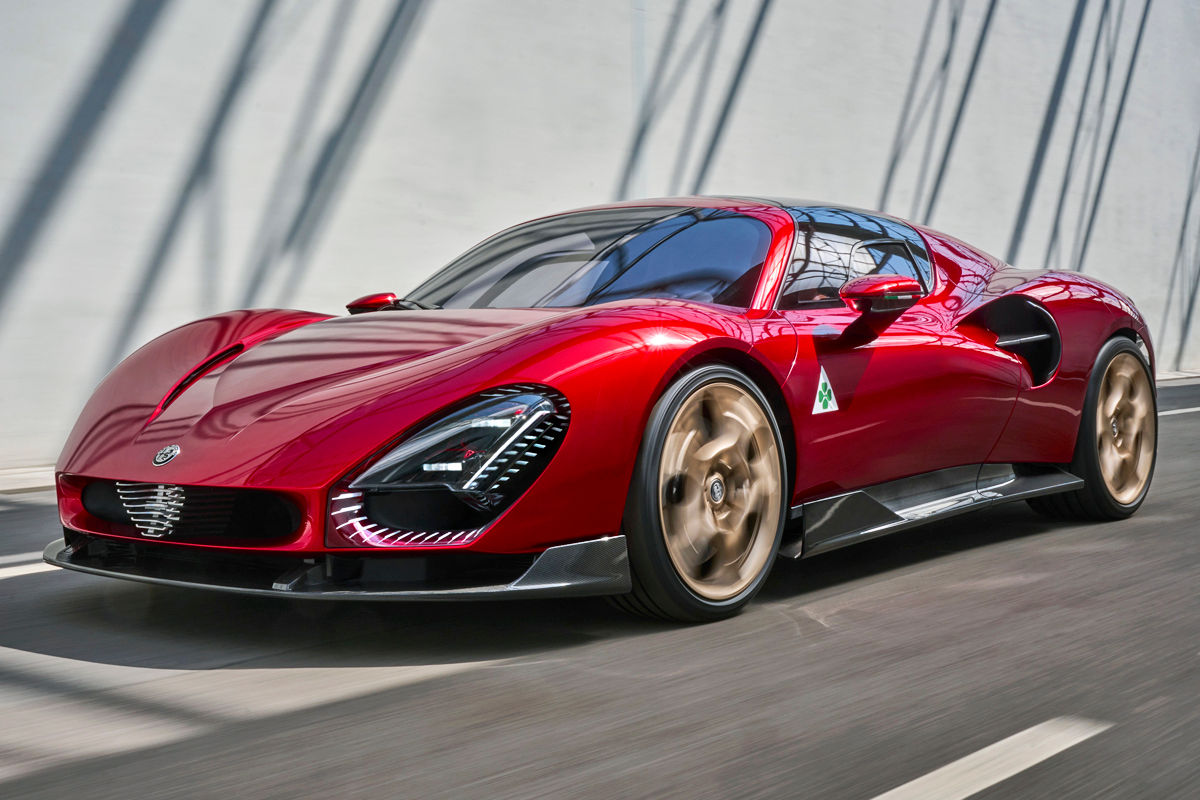
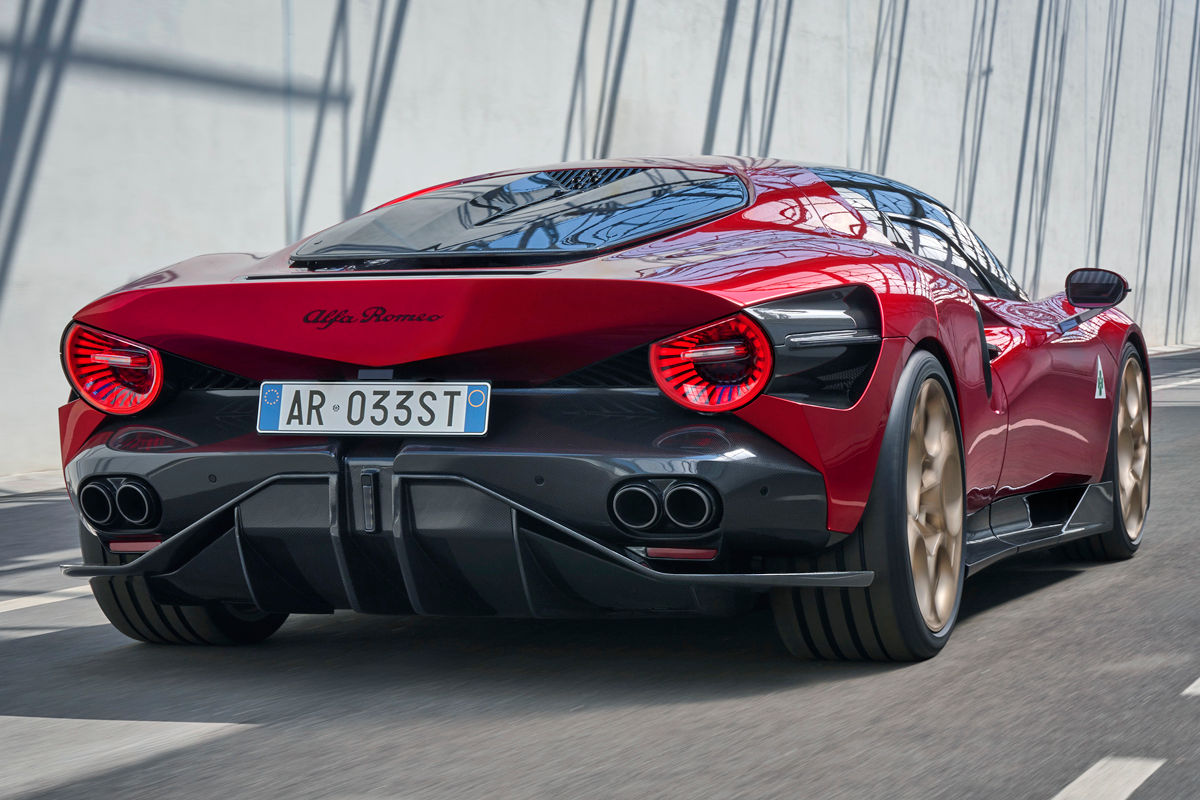
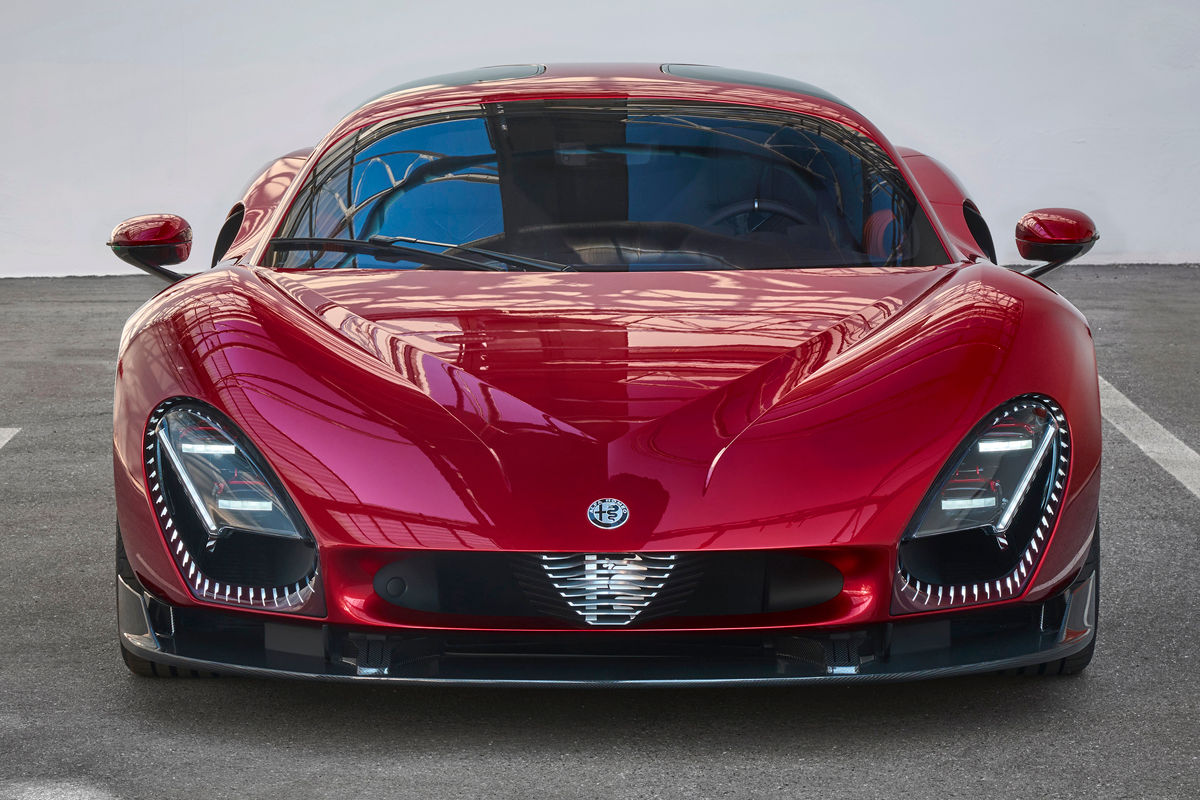
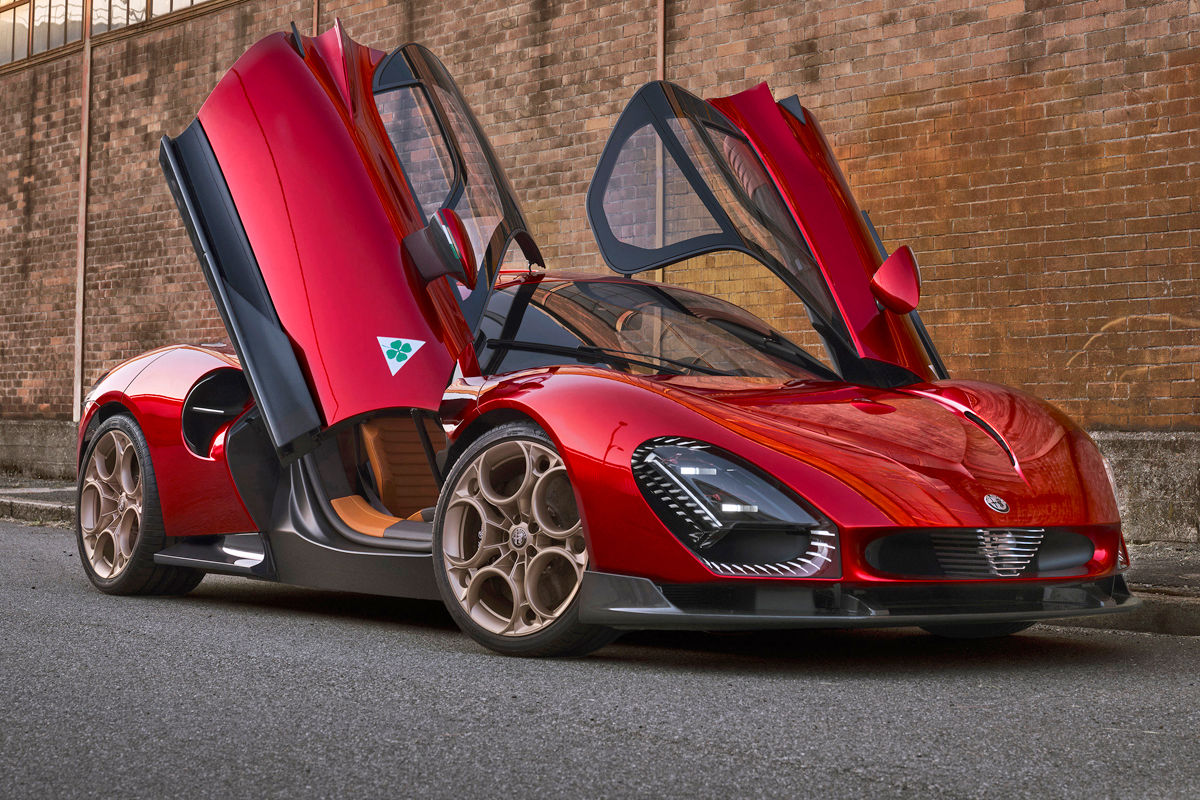
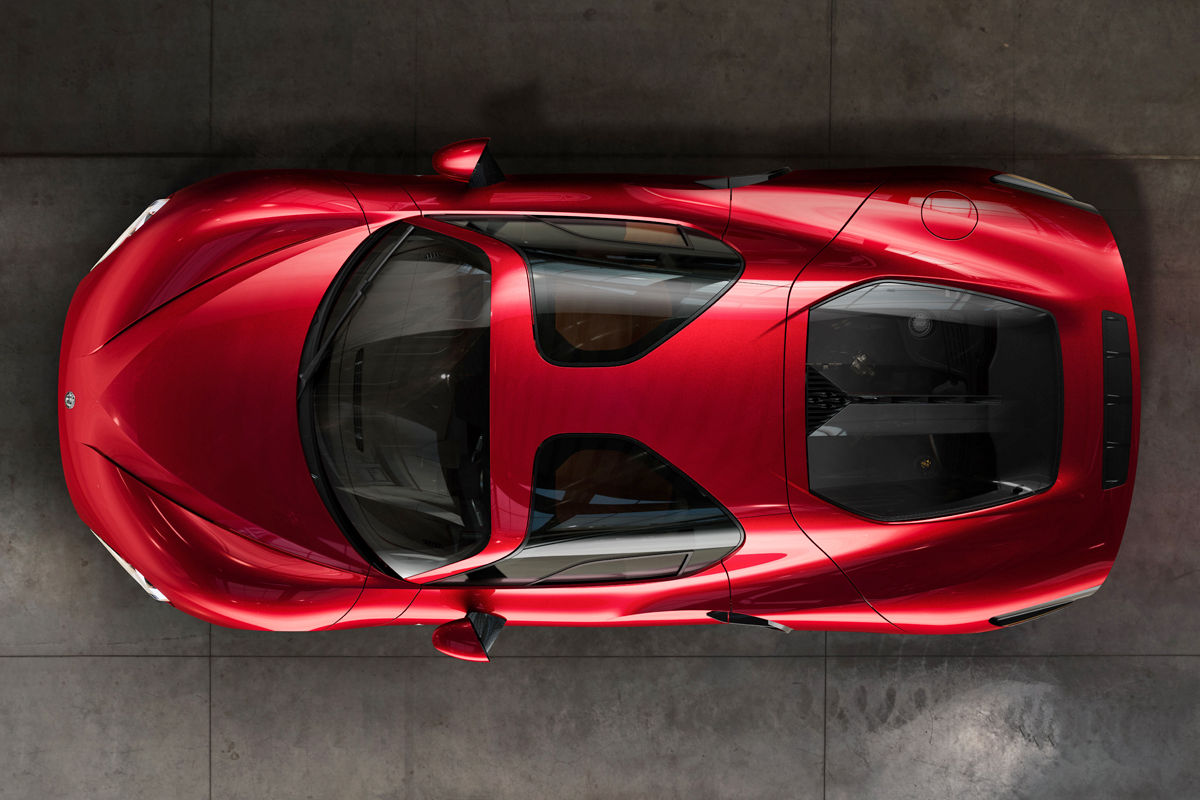
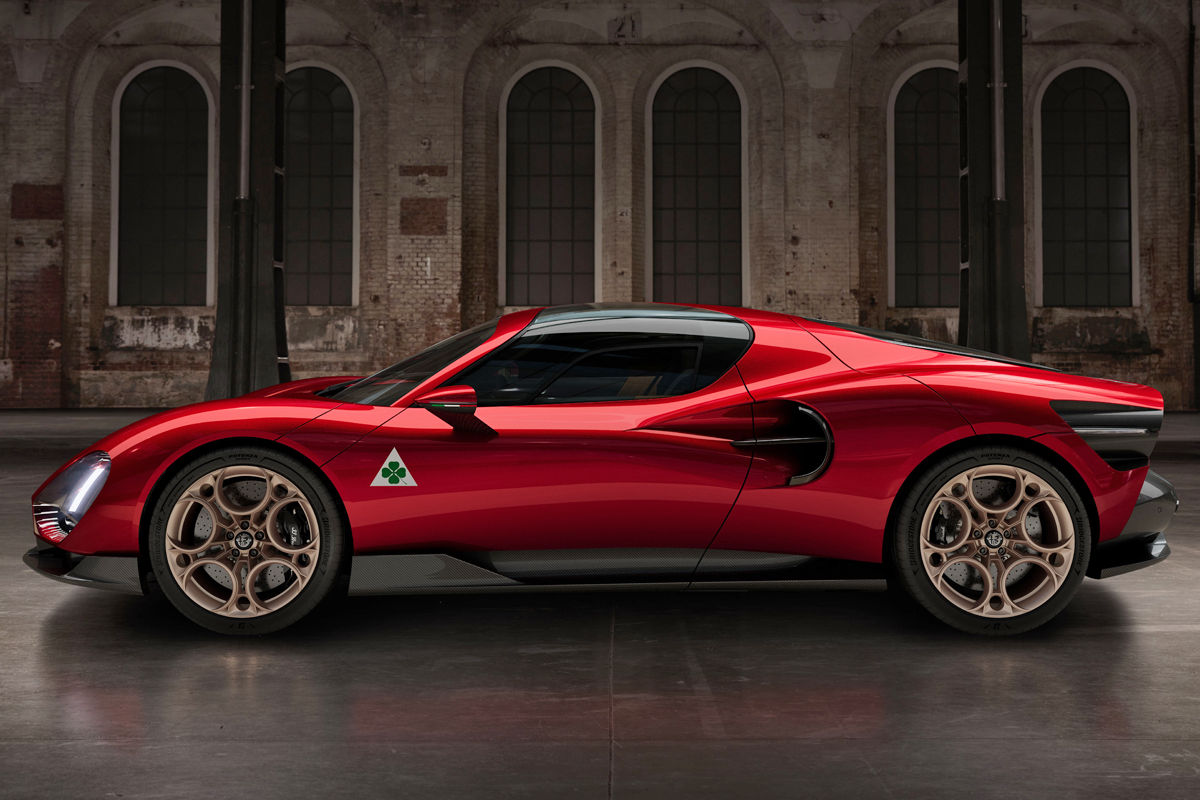
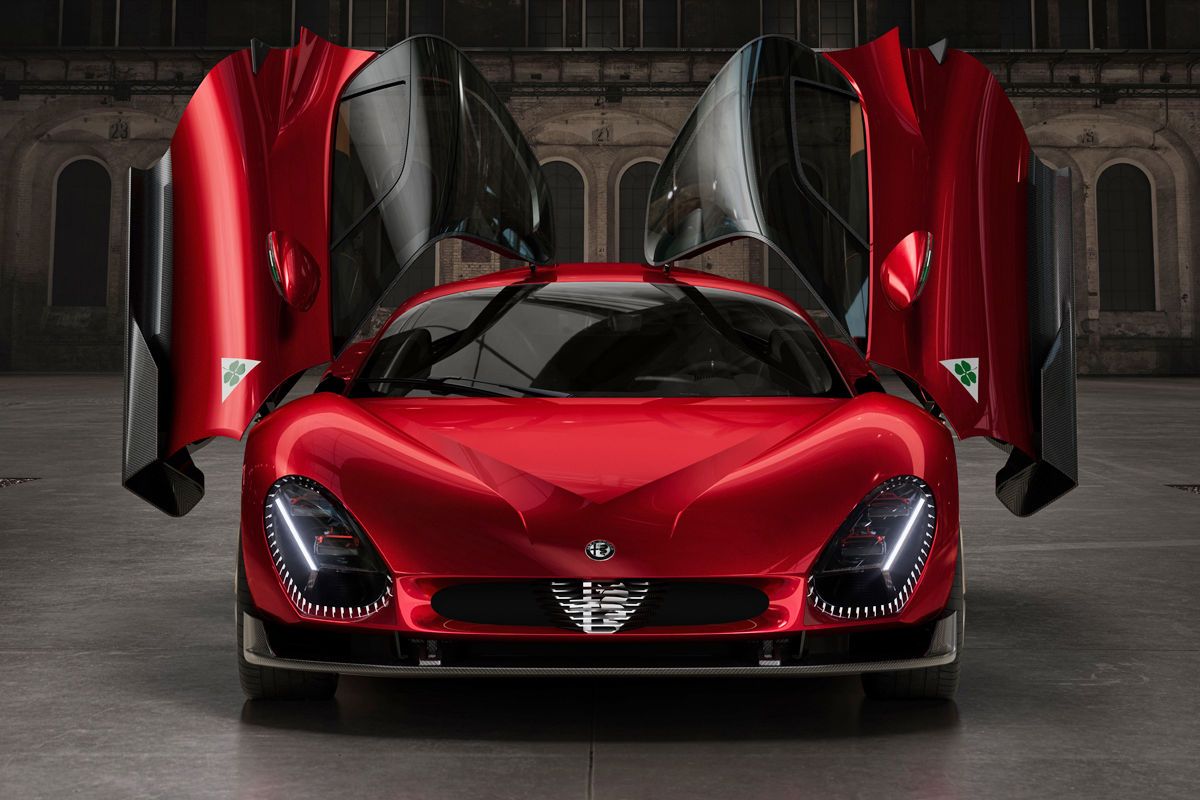
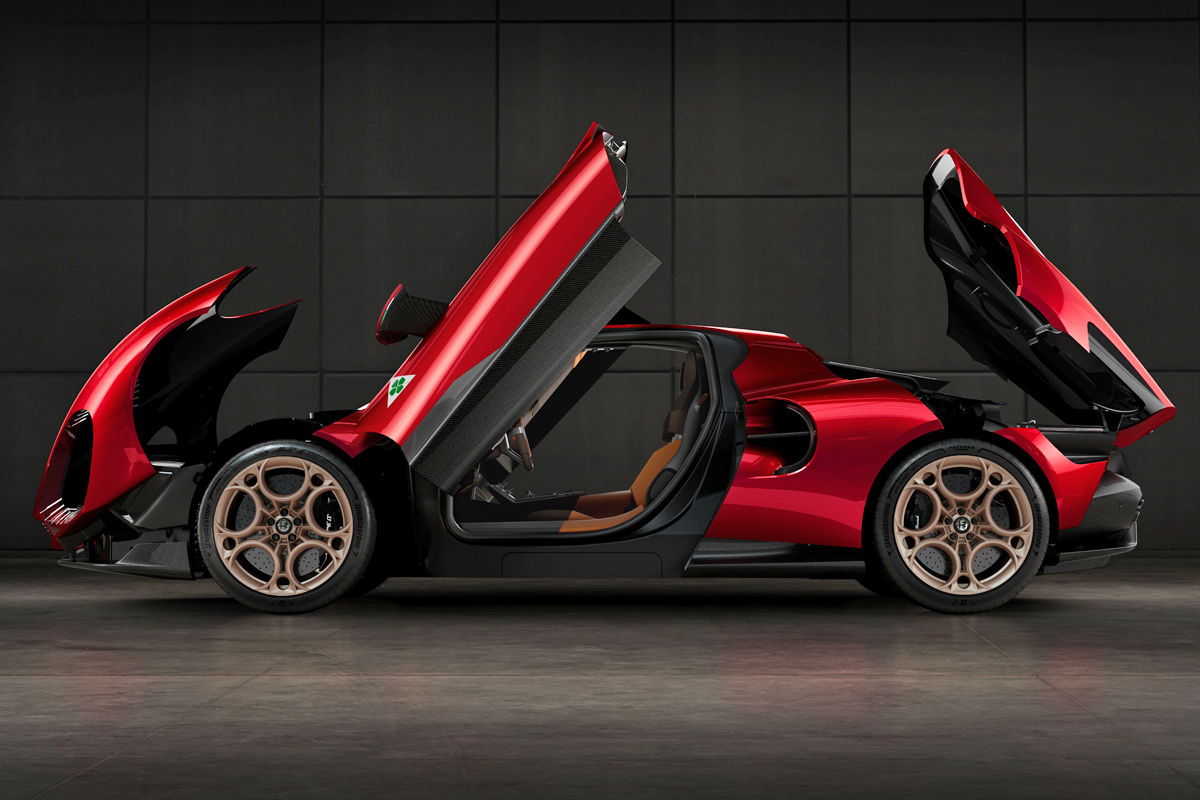
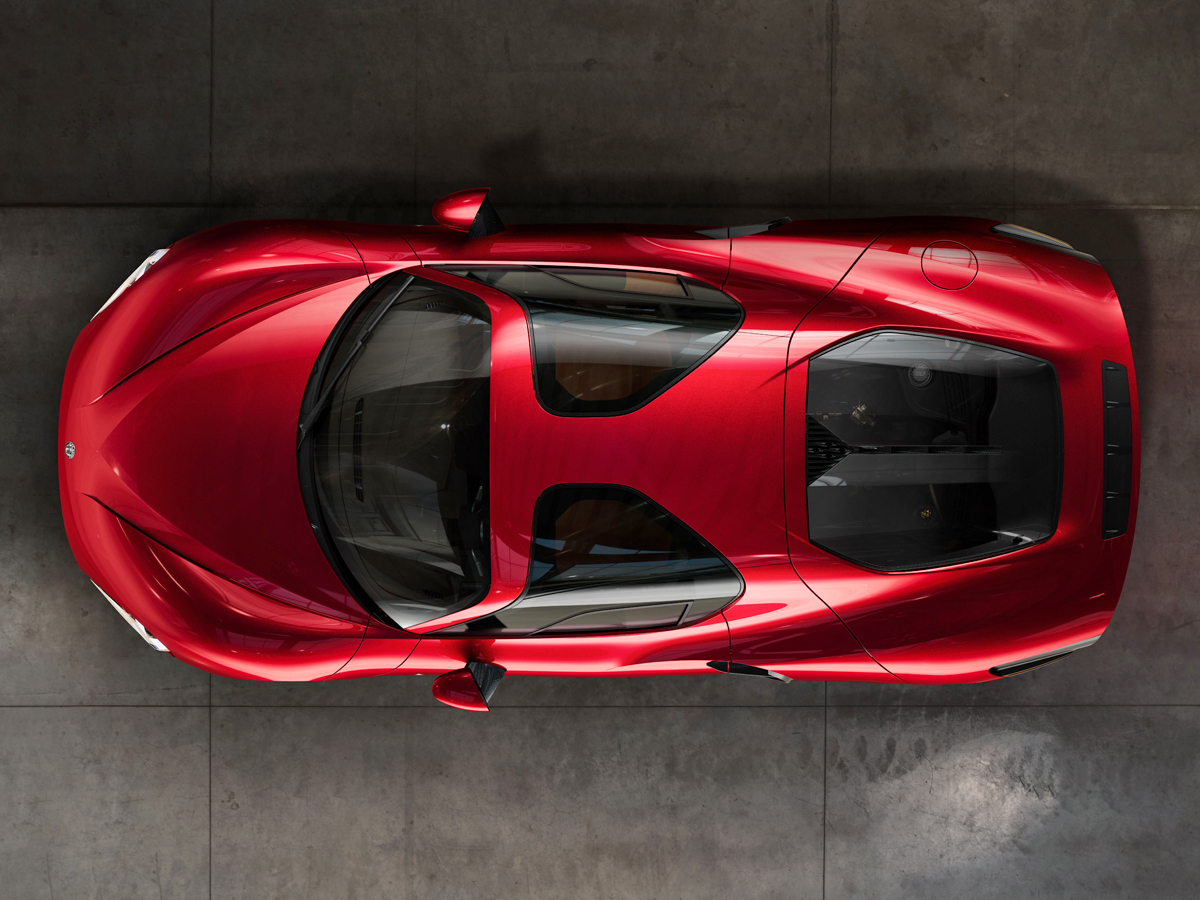
Meet the new Alfa Romeo 33 Stradale, a limited-run supercar offered with either a twin-turbo V6 petrol engine or a fully electric powertrain – and rumoured to be priced at about R40-million apiece…
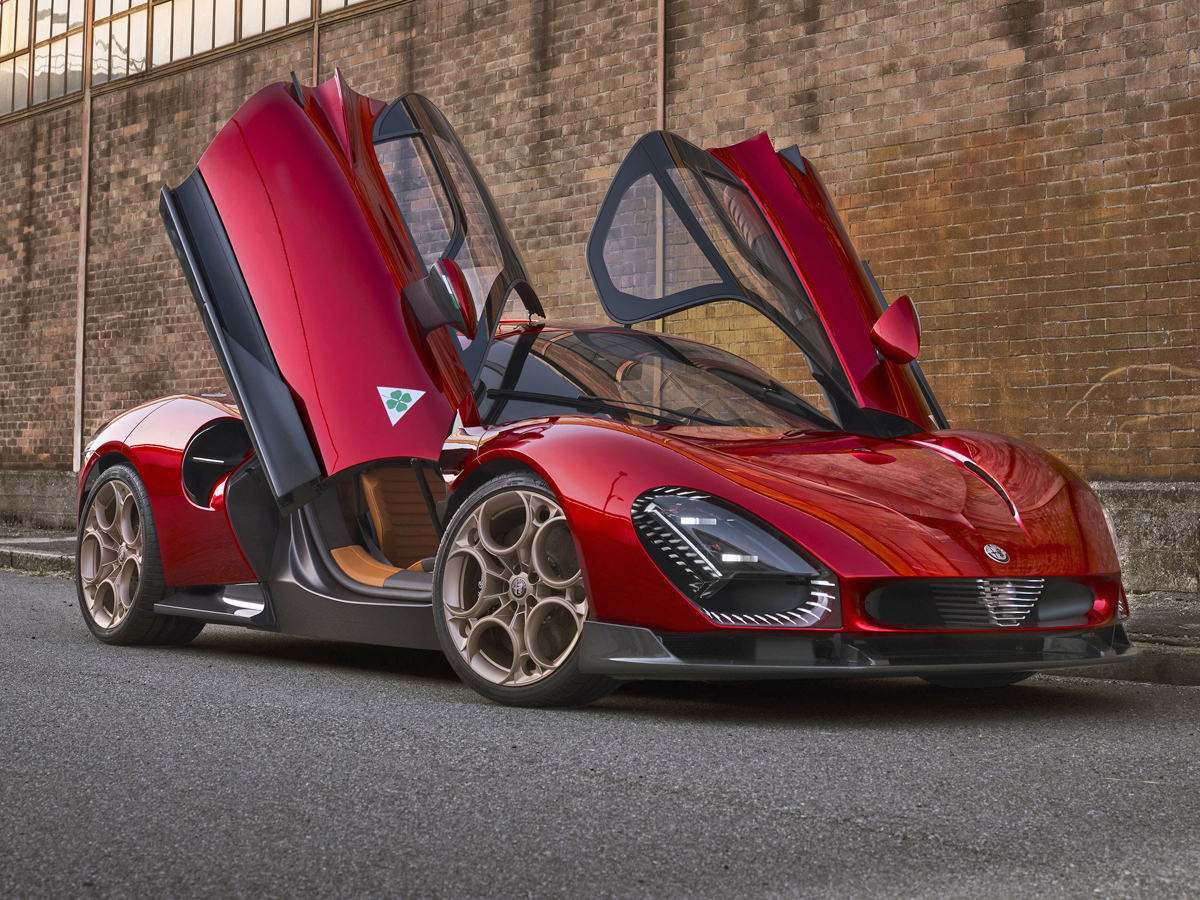
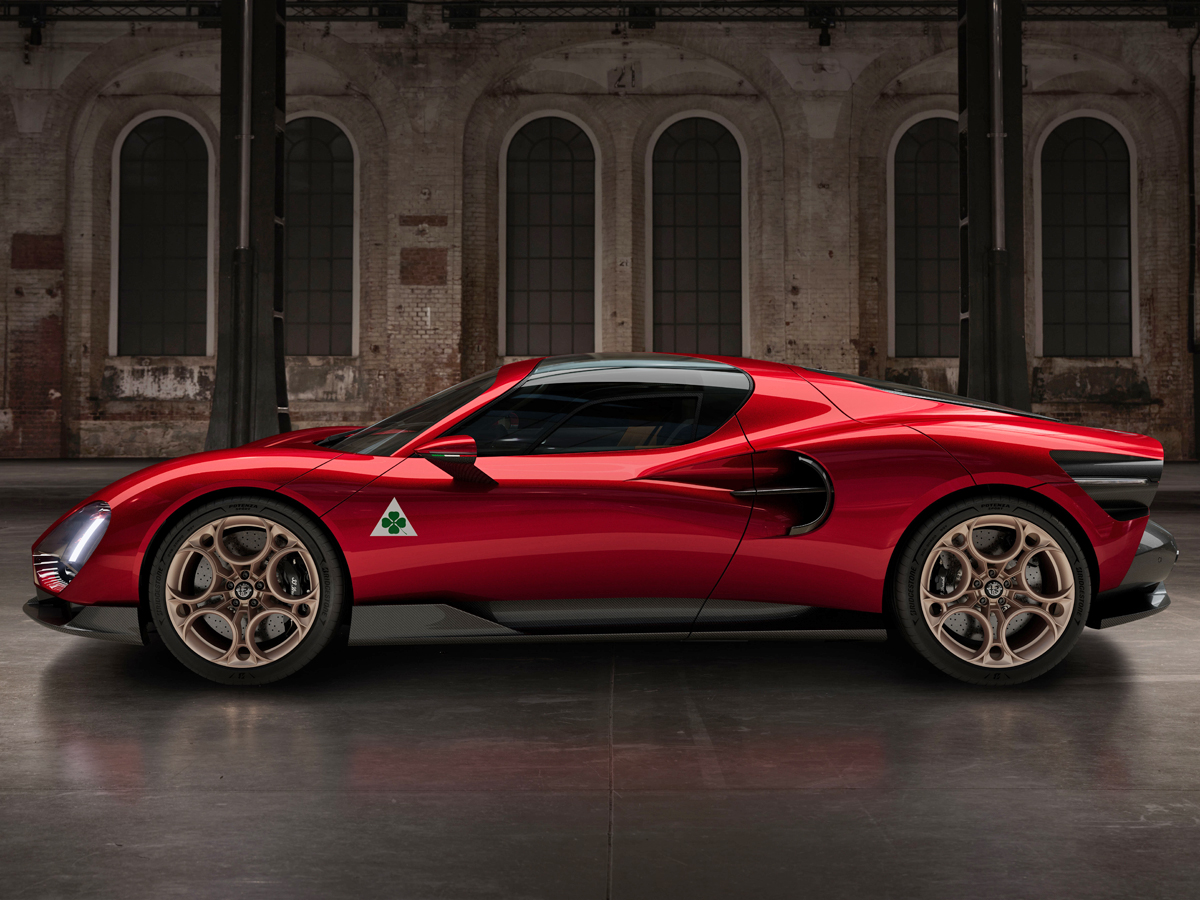
The new Alfa Romeo 33 Stradale has been unveiled, following a similar recipe to that used to create the legendary 1967 model of the same name. Just 33 units of the fresh custom-built 2-seater coupé will be produced – and all have already been sold, reportedly for as much as R40-million apiece.
“With the new 33 Stradale, we wanted to create something that lived up to our past, to serve the brand and to make the Alfisti fandom proud. Such a result could only have been achieved thanks to the expertise, hard work and passion of our team, with the support of management who have the clear ambition to contribute to writing chapters in the brand’s future, in full respect of its unique history. This is the brand’s first fuoriserie [custom-built] car since 1969, and I promise it won’t be the last,” said Jean-Philippe Imparato, CEO of the Alfa Romeo brand.
So, what powers the modern version of the 33 Stradale? Well, the Stellantis brand says the supercar can be specified with either a twin-turbo 3.0-litre V6 petrol engine delivering over 460 kW or a fully electric powertrain generating in excess of 560 kW (the latter with an estimated WLTP range of 450 km).
The V6 petrol engine is longitudinally mounted in the centre and drives the rear wheels through an 8-speed dual-clutch transmission (while also employing an electronic limited-slip differential). For this combustion-engined version, Alfa Romeo claims the 0-100 kph sprint is seen off in “under 3.0 seconds”, while the top speed comes in at 333 kph.
In order to keep weight down, the 33 Stradale employs a carbon-fibre monocoque and aluminium H-frame, along with butterfly doors (another nod to the original). In addition, the window frames are fashioned from carbon-fibre, while the rear window is made from polycarbonate. The Italian firm says the newcomer’s aerodynamic drag coefficient comes in at 0.375 at zero downforce.
The new 33 Stradale employs a double-arm suspension system with active shock absorbers along with a hydraulically activated front-axle lift system to make negotiating speed bumps and other road obstacles a little less daunting. Meanwhile, the brake-by-wire system incorporates Brembo carbon-ceramic brakes.
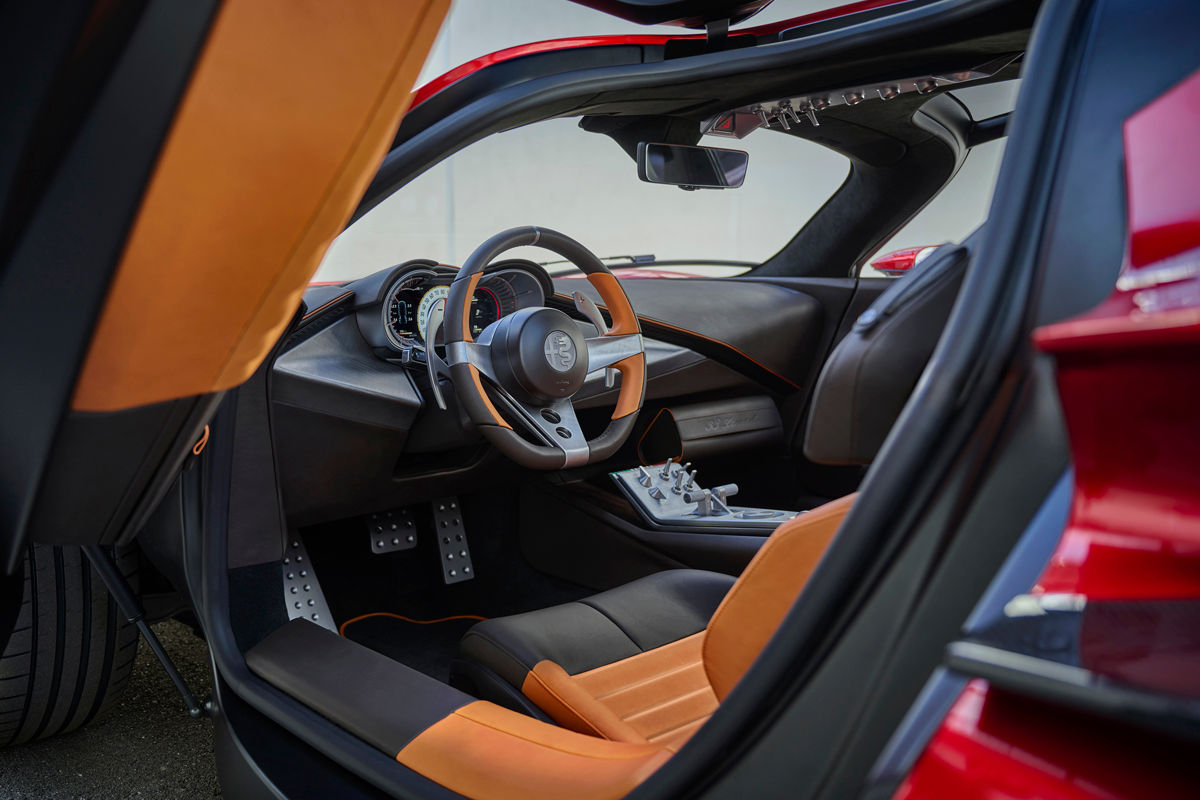
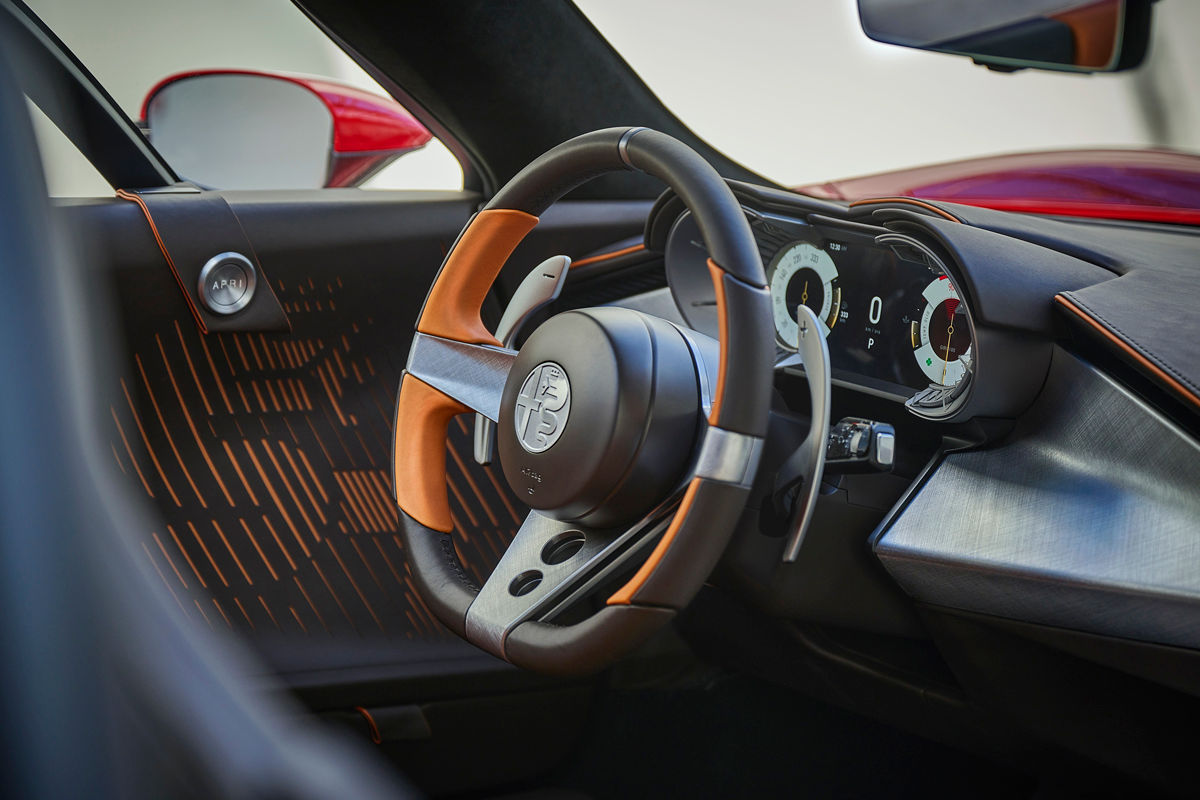
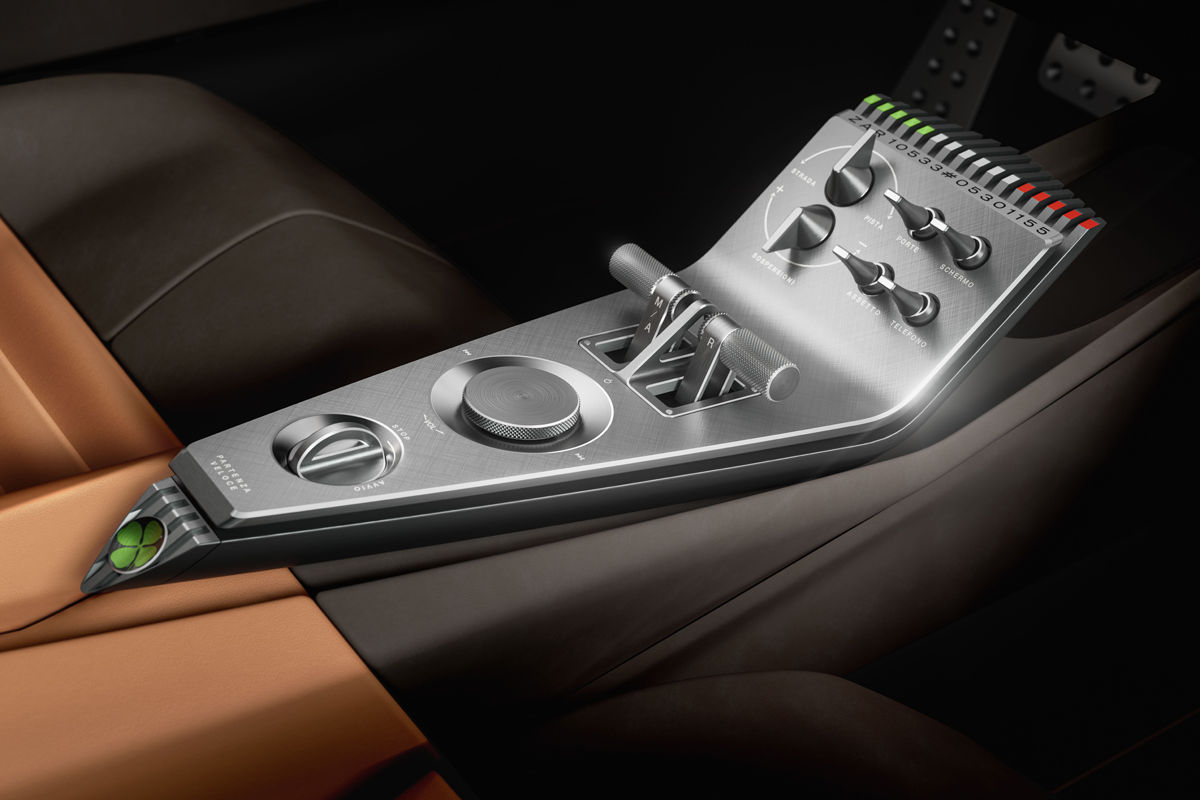
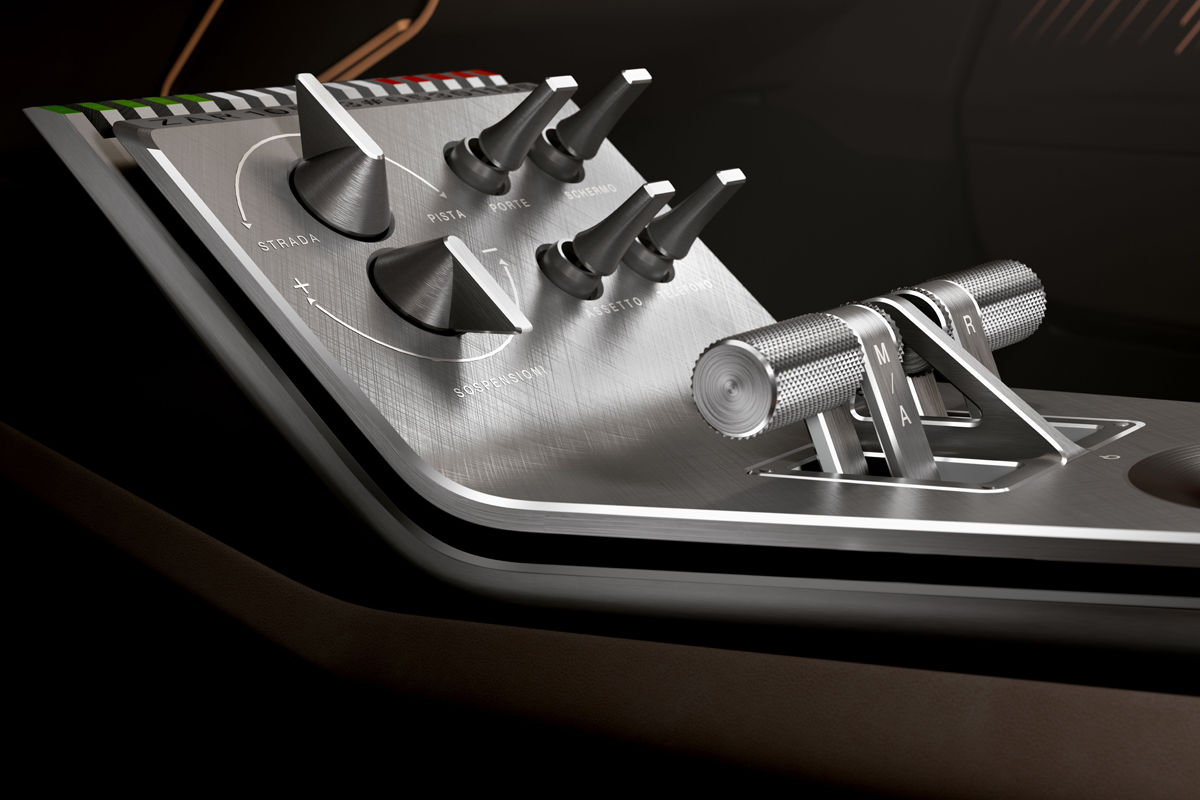
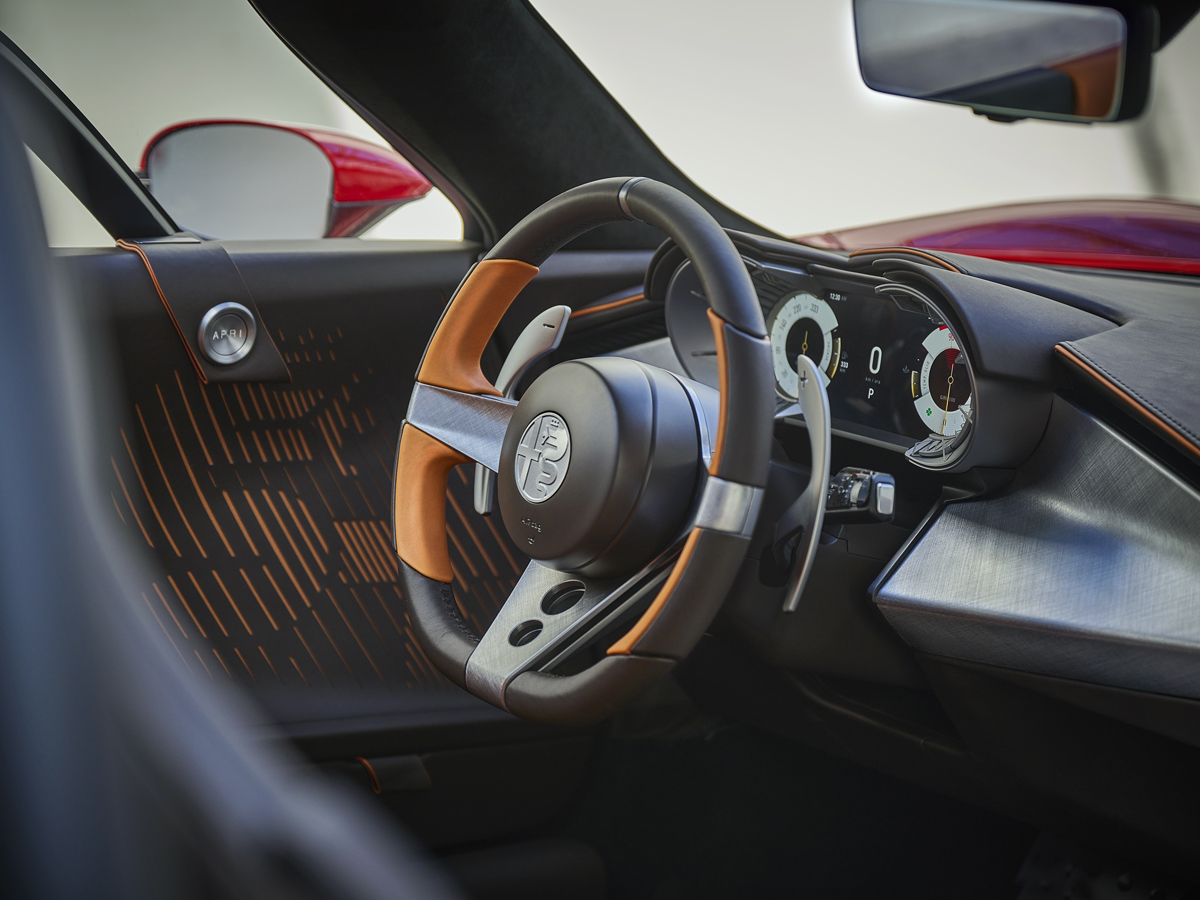
The aviation-inspired cockpit – which is filled with materials like aluminium, carbon fibre, leather and Alcantara – has been designed to “minimise” distractions, says the automaker, resulting in a “limited number of controls” on the centre console. The steering wheel is devoid of buttons while a 3-dimensional instrument cluster with a telescopic design is sited directly in front of the driver.
According to Alfa Romeo, no 2 units of the 33-strong production run will be the same thanks to variations in body colours, upholstery and fabrics, while customers were furthermore given the chance to develop “functional stylistic elements” – think air intakes, wheels and even the front shield – with the development team. Each unit comes with a special VIN (repeated on the central tunnel) that includes 8 digits chosen by the customer.
“The 33 Stradale project has come about as a result of the passion and dedication of a small team of designers and engineers at the Alfa Romeo Centro Stile. The design is inspired by Franco Scaglione’s masterpiece of 1967, with a bold look to the lines of future Alfa Romeo models,” said Alejandro Mesonero-Romanos, Head of Alfa Romeo Design.
“The result is made possible by the expertise and the best tradition of Italian design. A true manifesto of essential beauty: a limited number of lines, sensual and at the same time powerful capable of arousing desire and strong emotions.”
Italian coachbuilder Carrozzeria Touring Superleggera has been tasked with producing the new Alfa Romeo 33 Stradale.
5 Used SUVs To Buy For the Price of a VW Polo Vivo
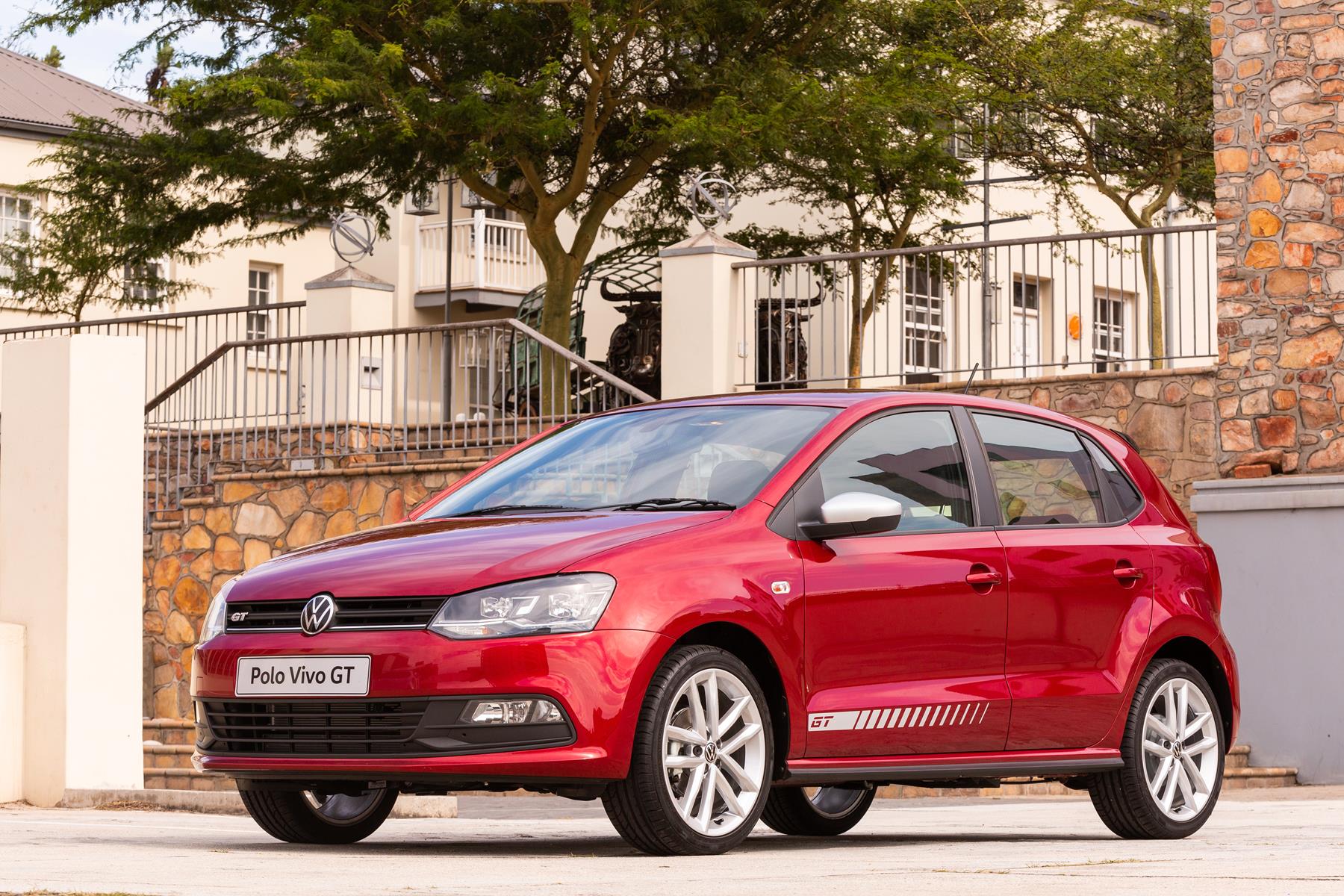
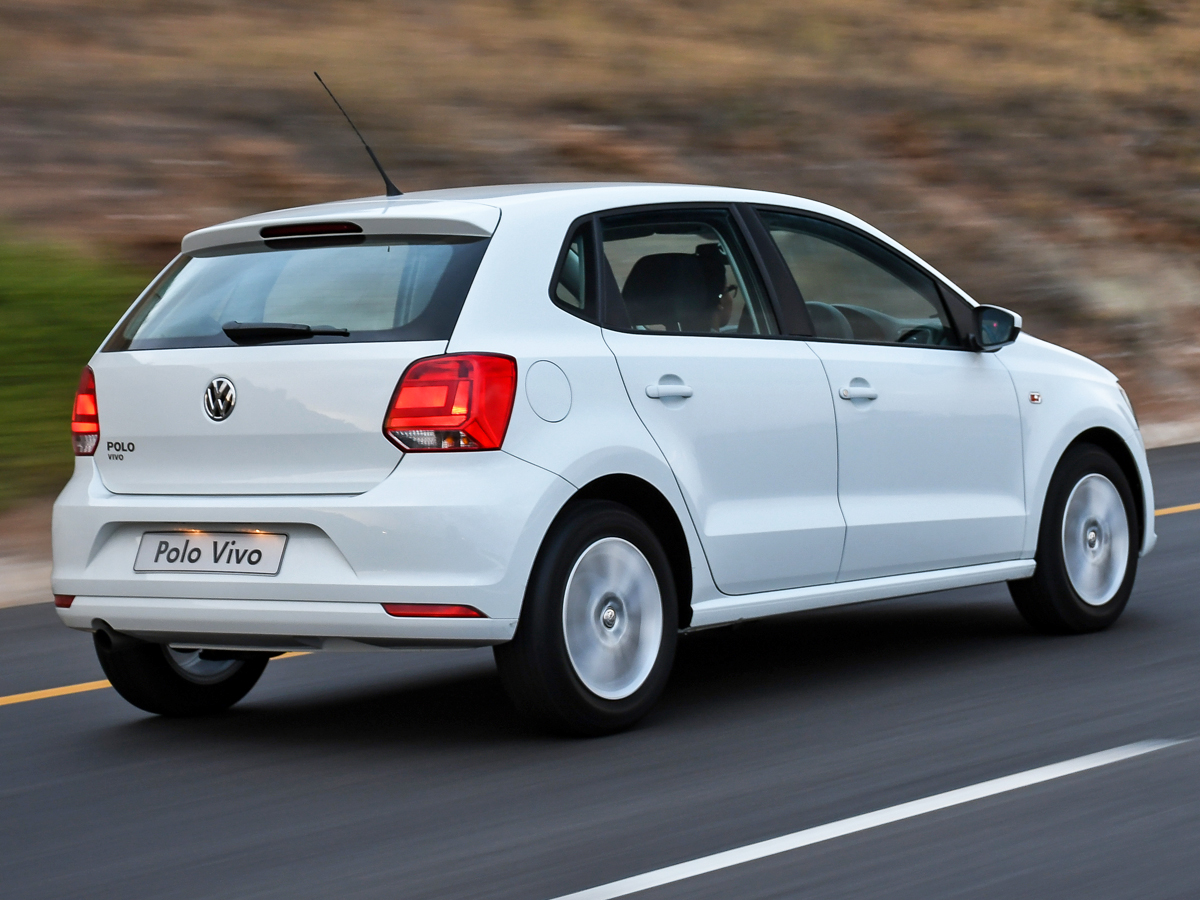
Welcome to our new “What To Buy” car-buying advice series which intends to assist you in making the most considered car-buying decision. Should you buy a new Volkswagen Polo Vivo or is there more value to be had by considering used SUVs for sale on Cars.co.za? Answers and insights here…
Should you buy a new VW Polo Vivo or rather consider choosing from a range of quality used SUVs for sale on Cars.co.za? That is a good question! The decision to buy a car is an incredibly difficult one, perhaps more now than ever before. New car prices are soaring and the sheer amount of choice on the market can be quite confusing.
Apart from knowing what your budget is to buy a car, you will have to decide whether you will be splurging on a new car or dabbling in the used car market for your next ride. This decision is an important one and it’s one that can have a significant impact on your life.
This is the first article in our new “What To Buy” series of car-buying advice articles where we will help and guide you through the car-buying and decision-making process so that you can make an informed buying decision.
Please reach out to us on Twitter, Facebook or Instagram if you require further buying advice and our experienced team will be happy to assist you.
Note that the information and suggestions in this article serve as a guide only as there are numerous variables that inform any given buying decision. We hope that you will find this information useful as you embark on your car-buying journey with Cars.co.za.
The New-Car Option
You’ve been working hard for the last 5 years, saved a bit of money and you’re tired of relying on public transport or a tired old jalopy to get around. A family member has convinced you to consider buying a new, tried-and-trusted Volkswagen Polo Vivo, which is, after all, one of South Africa’s most popular cars.
Your budget is between R250k-350k and you’ve saved up R20 000, which will serve as a deposit. While you like the idea of driving a new Volkswagen Polo Vivo, you’ve also spent countless hours browsing the Cars.co.za Mobile App and you’ve seen some used cars for sale that hold some promise.
You’re now asking yourself whether the decision to buy a new Volkswagen Polo Vivo will translate into money well spent or if you could get more value for money by considering a range of used SUVs in the used-car market…
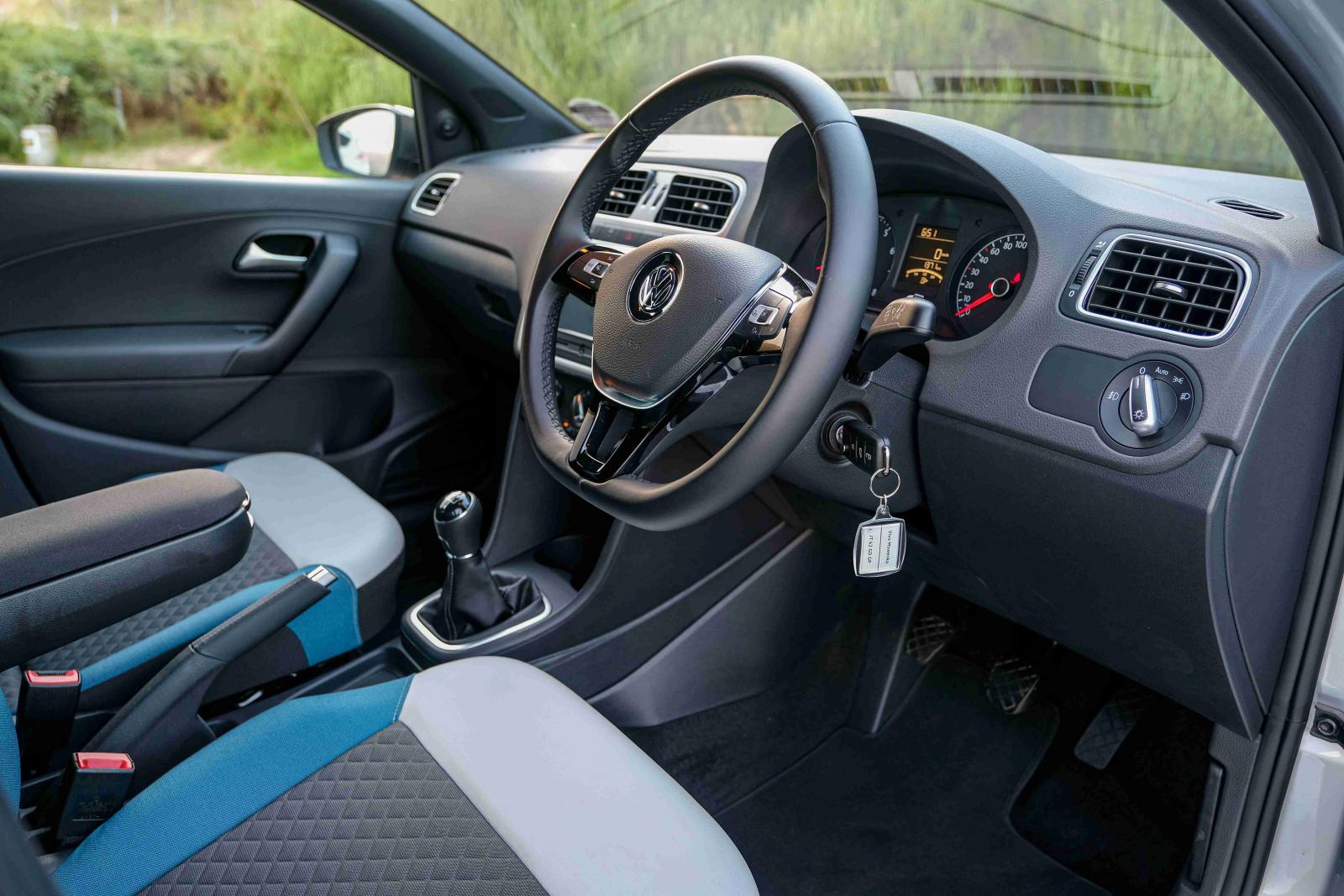
The Polo Vivo comes with a 3-year/120 000 km warranty, but a service plan must be specified at extra cost. Bear in mind 1.4-litre Polo Vivos are aimed at the budget market and equipped accordingly; for instance, only 1.6 Highline and GT versions have app-mirroring infotainment systems and cruise control.
We like: Well-proven and much-in-demand city car, broad VW dealer network, reasonably economical to run and maintain
We don’t like: dual front airbags only, ESC only from 1.6 and up, service plan optional, 280-litre load bay
The temptation to drive away in a new car is strong, because you won’t need to live with any blemishes inflicted by previous owners/drivers, plus you could benefit from the full term of the vehicle’s warranty.
However, if you buy “out of the box”, you’ll bear the brunt of depreciation, because your vehicle will lose value the moment you drive it out of the dealership. According to an article published by the AA, the loss is about 9 to 11% (immediately) and 40% of the value of the vehicle after 12 months of ownership.
Also, the Polo Vivo is undeniably an accomplished budget car, but its practicality (for the purpose of transporting multiple passengers and their luggage) is rather limited. With the same budget, if you turn to the used-car market, you’ll find a significant variety of vehicle types and models to consider.
There are a wide range of quality used SUVs for sale on Cars.co.za and if you browse through the stock listed on Cars.co.za with the Used Car Search Tool, it’s apparent that you could get significantly “more car for your money” if you’re prepared to consider a used car.
But to make the comparison fairer on the new vehicle in question, we’ve only considered used SUVs in the R250-350k price range that are 1 to 3 years old and have clocked up less than 50 000 km so far. That way, buyers could still benefit from what remains of the shortlisted vehicles’ warranty and service plans.
With the above in mind, here are 5 used SUVs to consider for roughly the same price as a new Volkswagen Polo Vivo.
Which one of these used SUVs would you put your money on?
5 Used SUVs (R250k-R350k) with less than 50k on the clock
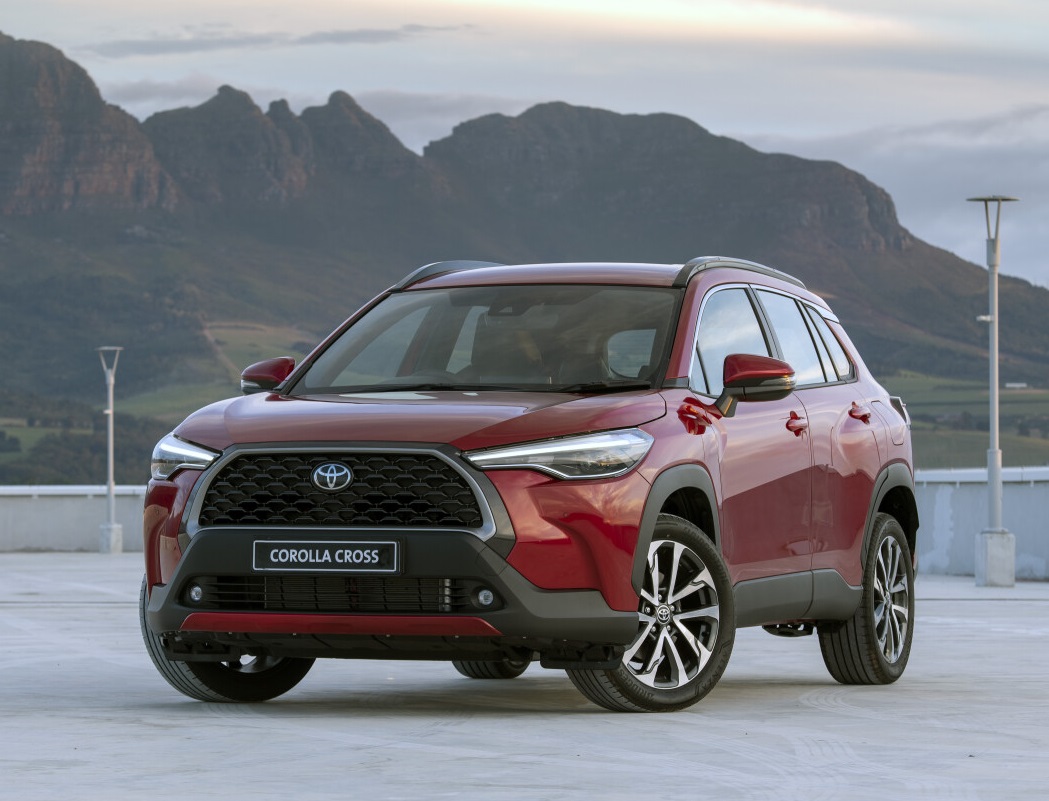
Toyota Corolla Cross
The locally-built Toyota Corolla Cross offers better practicality than the Polo Vivo (a claimed luggage capacity of 440 litres, for example) and is powered by a naturally aspirated 1.8-litre petrol engine that offers 103 kW and 172 Nm of torque and comes paired with a continuously variable transmission (CVT).
We like: Respectable fuel economy returns, good ride quality, refinement
We don’t like: Conservative interior design, limited number of used examples under R350k (Aug 2023)
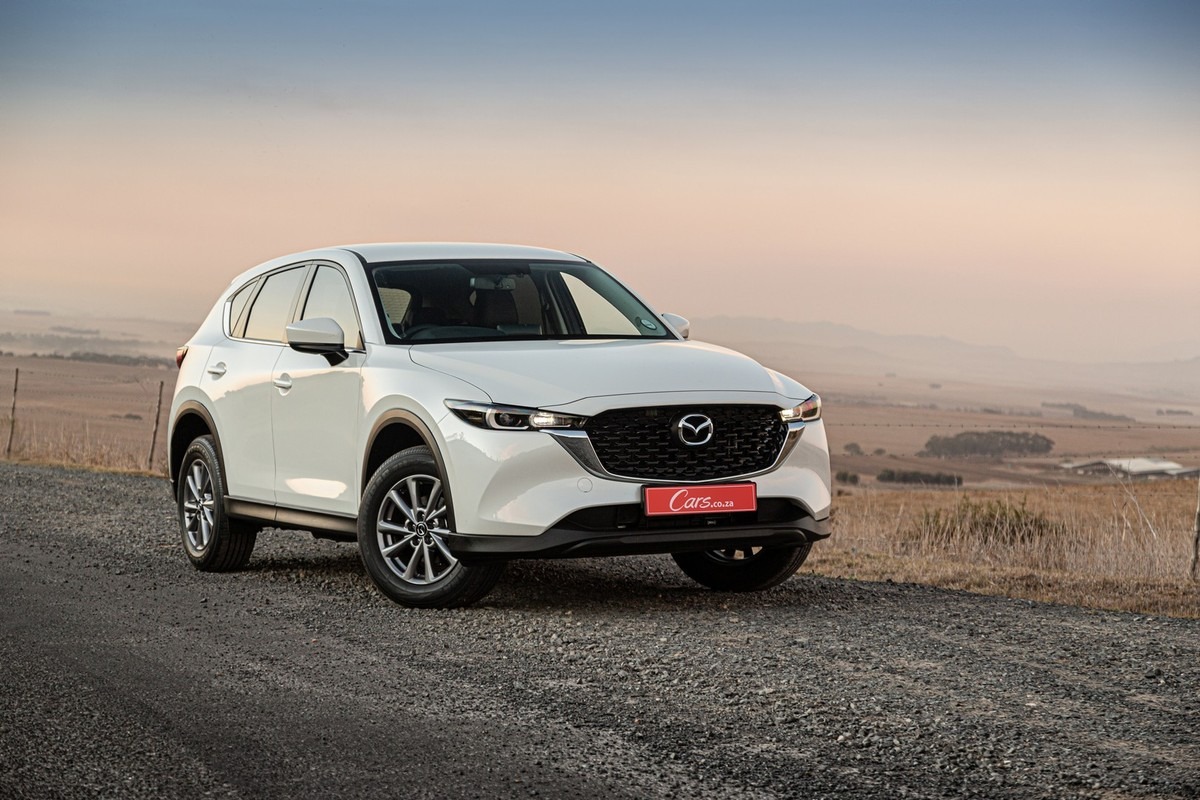
If size and style matter to you then the Mazda CX-5 represents great bang-for-buck! It goes without saying that the CX-5 is much bigger than a Polo Vivo, but it’s also more stylish with its modern exterior and minimalist, high-quality interior design. The Mazda CX-5 examples in this selection are powered by a 121 kW/213 Nm 2.0-litre naturally-aspirated petrol engine mated with a 6-speed automatic transmission.
We like: Stylish, good interior fit and finish, excellent on-road manners
We don’t like: Engine can be noisy when worked hard, leisurely overtaking acceleration
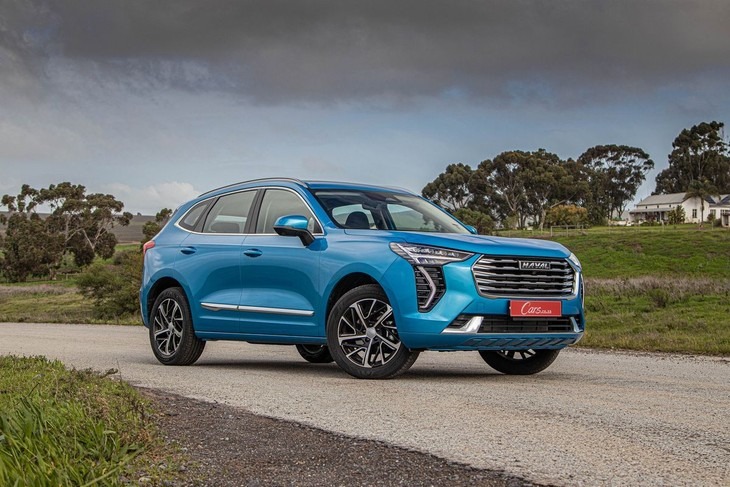
The Haval Jolion is a fairly new small crossover/compact family car model in the South African market and with Haval’s aggressive pricing, allied with the Jolion’s comprehensive standard equipment list, buyers will be hard-pressed to ignore this used-car value proposition, especially in Super Luxury guise.
The Jolion is powered by a 1.5-litre turbopetrol engine with 105 kW and 210 Nm and comes paired with a 7-speed automatic transmission.
We like: Lots of standard features, relatively spacious (compared with a budget car), value for money
We don’t like: Fuel consumption could be better, not as refined as it looks
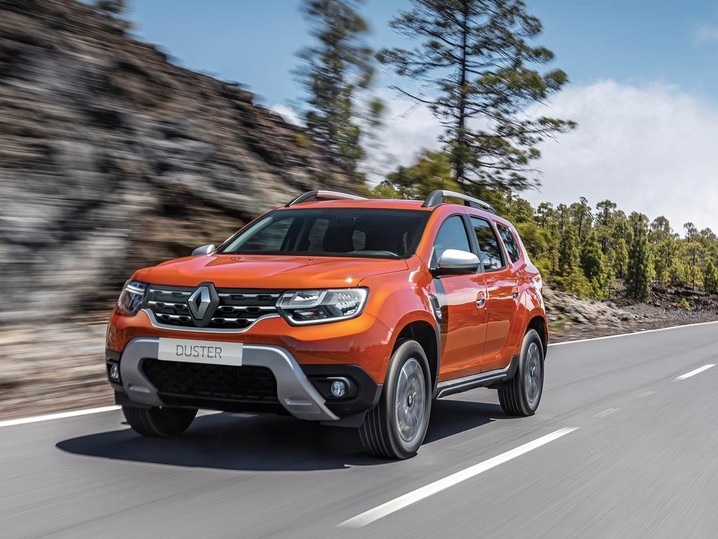
The Renault Duster with a 1.5-litre turbodiesel engine not only offers rugged practicality, but is known to return excellent performance and fuel economy. This engine delivers 80 kW and 250 Nm of torque and can be had in combination with either a 6-speed manual or 6-speed dual-clutch automatic transmission. The high popularity of the Duster (the 2nd-gen model was launched in SA in 2018) speaks for itself.
We don’t like: Ergonomic quirks (the infotainment screen is positioned low in the fascia), petrol-powered Duster’s performance is lacklustre compared with its diesel counterpart.
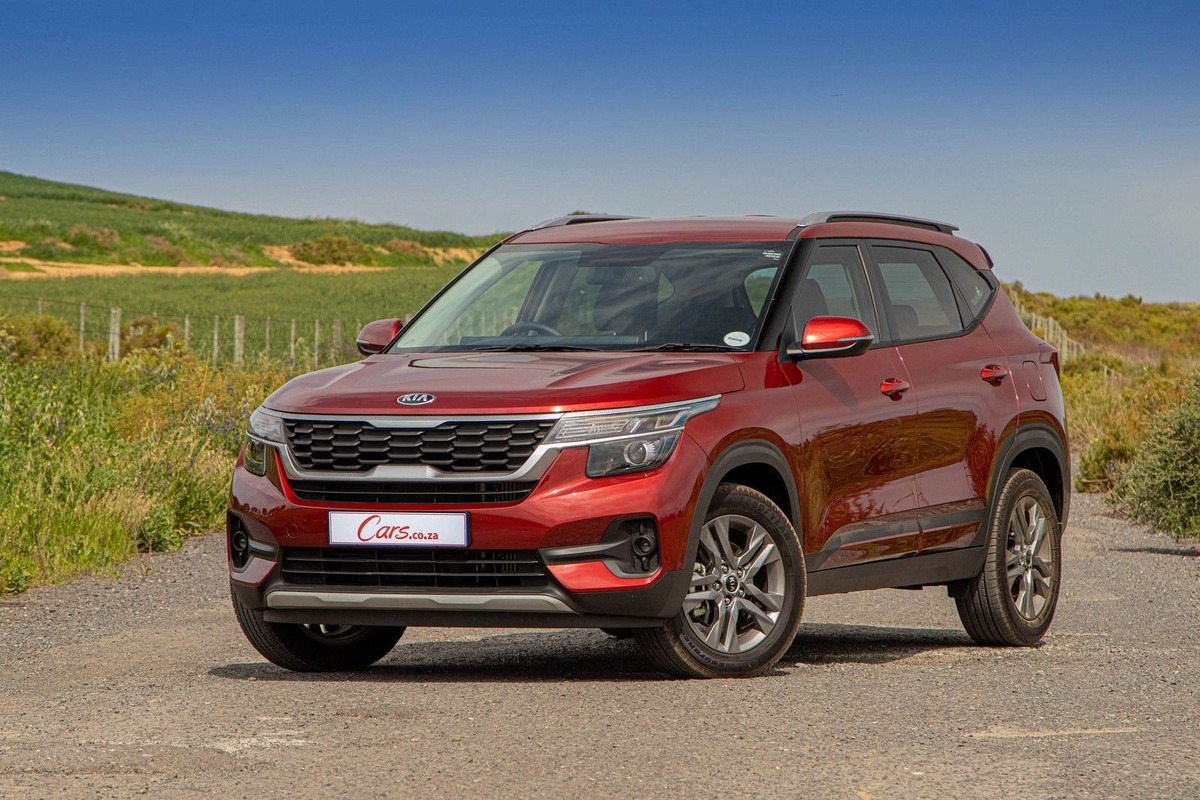
Slotting in above the popular Sonet in Kia’s SUV lineup, the Seltos offers an attractive blend of style and practicality. The turbodiesel-powered Seltos with its 1.5-litre 4-cylinder engine produces 86 kW/250 Nm and returns good fuel economy coupled with punchy performance in conjunction with either a 6-speed manual or 6-speed automatic transmission.
A 90 kW/151 Nm 1.6-litre petrol engine and range-topping 1.4-litre turbopetrol engine (with 103 kW/242 Nm) are also available, the latter of which is paired with a 7-speed dual-clutch automatic transmission.
We like: Good road manners, punchy performance and efficiency (diesel derivative), good value proposition
We don’t like: Petrol derivative is a bit thirsty, piano black trim attracts dirt (requires continuous cleaning)
With BMW celebrating its 50th anniversary in South Africa, the BMW Car Club Gauteng made sure that the BMW Concours d’Elegance 2023 was truly special.
Overall, the event saw 70 club members participate, with 21 cars vying for the impressive trophies across four categories. The BMW Car Club Gauteng has around 670 members and has been active since 1981, with the first Concours taking place in 1982.
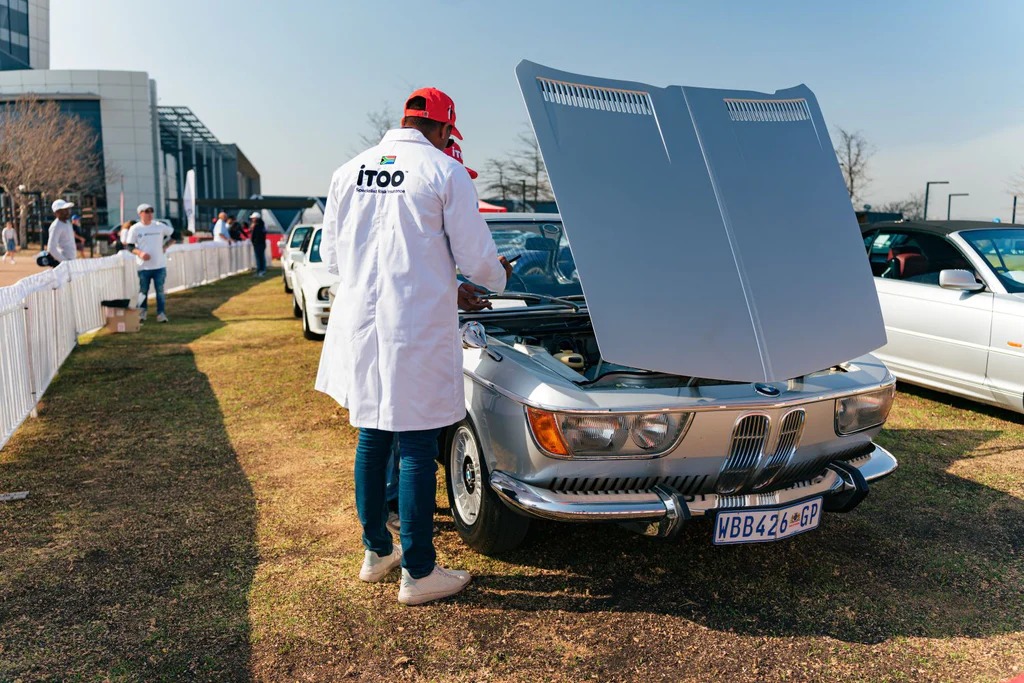
For the BMW Concours d’Elegance 2023 there were 21 cars entered, ranging from a beautiful silver 1968 BMW 2000 CS to a relatively new 2012 E92-generation BMW M3 Competition. The four categories are; Show & Shine, d’Elegance, d’Etat and d’Honneurs Preserved.
Cars.co.za and SentiMETAL’s Hannes Oosthuizen was a judge this year. “It’s been an eye-opener for me,” Oosthuizen said. “As a first-time judge in this type of competition it’s quite something to witness the detail that goes into judging. We were peeling back rubbers to look for dust, and using earbuds to check in the most intricate of places!”
In a field alongside the participating vehicles visitors could stroll between some of the most important models in BMW’s illustrious history, including the M1, 333i, 2004 SA and even an achingly beautiful 1937 327, belonging to Clive Winterstein, which received a special “Judges’ Choice” Award.
The judging process is extremely thorough
Concours d’Elegance 2023 winners
Show & Shine: Dhiresh Dewnaryan (BMW E92 M3) d’Etat: Preenie Pillay (BMW E30 325is) d’Elegance: Ian Fisher (BMW E23 728i) d’Honneur Preserved: Ross Cornelson (BMW E46 330 Ci Cabriolet)
Why Toyota might not call its electrified Hilux a ‘hybrid’
A Toyota executive has explained why the Japanese brand is unlikely to slap a hybrid badge on the upcoming production version of its electrified Hilux bakkie…
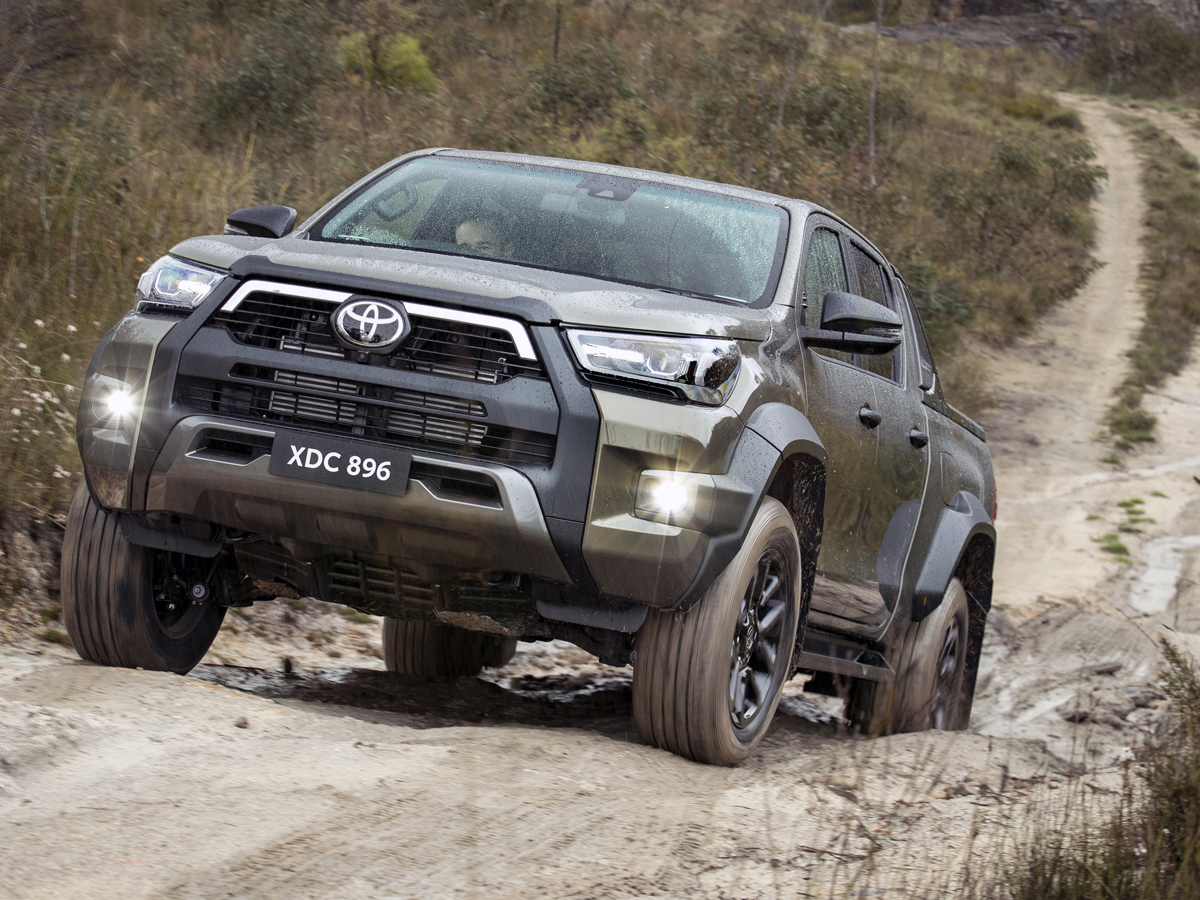
When Toyota released the 1st official details of the upcoming mild-hybrid version of its Hilux bakkie back in June 2023, we noted the Japanese automaker seemingly made a point of avoiding the word “hybrid” in its official press material. Now an Australian executive has explained why.
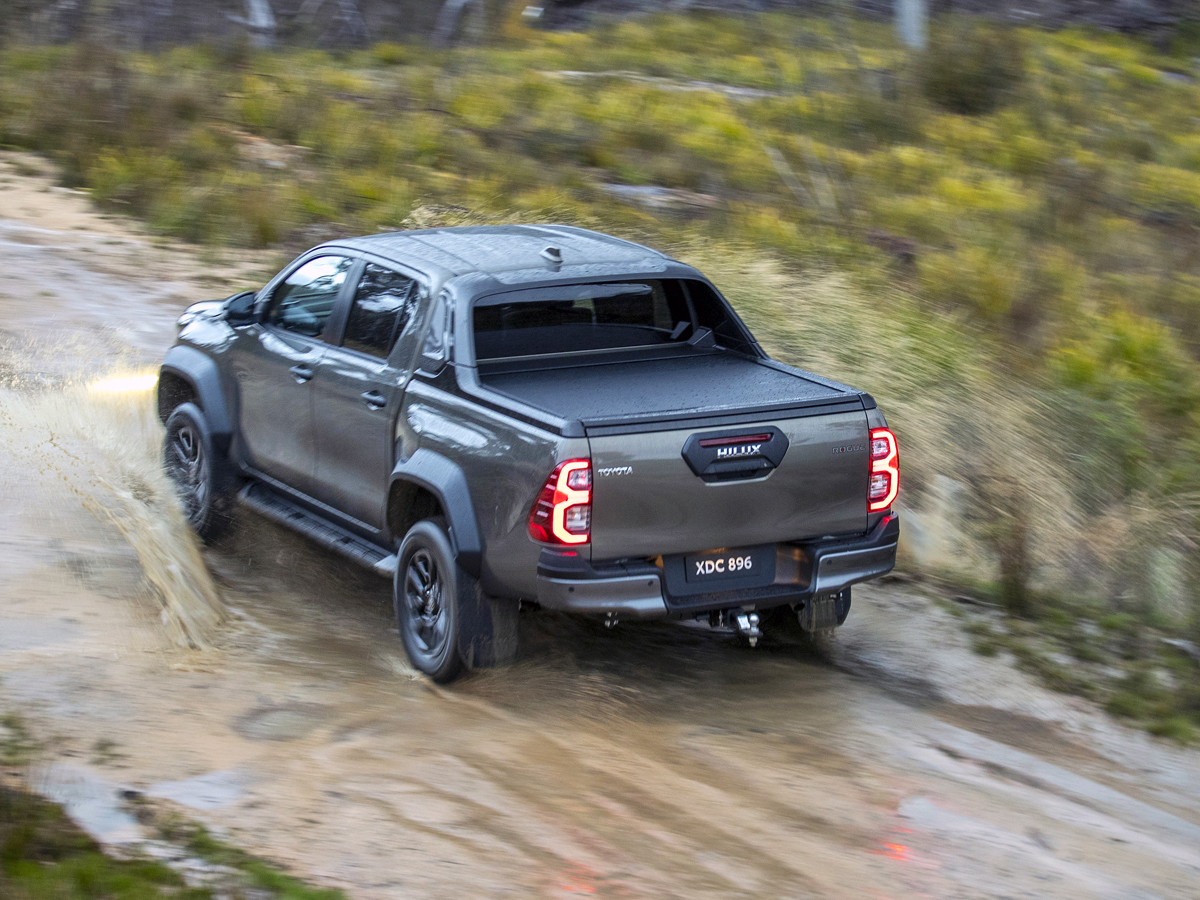
As a reminder, Toyota’s widely used 2.8-litre, 4-cylinder turbodiesel engine is in line to gain 48-volt technology, though seemingly only in conjunction with the 6-speed automatic transmission. The hybrid arrangement will include a 48-volt battery, a “small” electric motor-generator and various “other components”.
Speaking to media Down Under, Sean Hanley, who holds the role of Toyota Australia Vice President for Sales, Marketing and Franchise Operations, suggested such a system didn’t quite fit the brand’s definition of the term “hybrid”.
“Most of you have called it a mild hybrid. We don’t – and there’s a reason we don’t,” Hanley said, according to Drive.com.au. “In the Toyota world, ‘hybrid’ refers to a system where the engine and the electric motor can both propel the vehicle either together or independently. That’s not the case with the electric motor for the 48-volt system,” he added.
Interestingly, Toyota Africa conduced a demo run of what it called the “Hilux MHEV” (mild-hybrid electric vehicle) concept during the 7th round of the World Rally Championship in Kenya earlier this year, even emblazoning the word “hybrid” along the bakkie’s flanks. So, it’s not quite clear whether this avoidance of the word “hybrid” will be applied outside of the Australian market, where the automaker recently trademarked the term “Toyota Kinetic Assist”.
So, what is the 48-volt system’s purpose, then? Well, Hanley said it was designed to “assist” the oil-burning engine in various ways.
“It can power the car’s steering, pumps and fans, and it supports the fuel-saving stop/start operation, keeping the electrics firing and handling the load of the climate control. The system recharges while you’re driving, recovering and storing kinetic energy from braking, and it facilitates smoother and quicker start and take off once the brake pedal is released,” he added.
We expect a lightly electrified version of the Hilux (alongside a Fortuner with the same powertrain) to hit the market in South Africa at some point in 2024, after Toyota SA Motors announced such plans in May 2023. Whether Toyota SA Motors will use a “hybrid” or “MHEV” badge remains to be seen.
The Clubman JCW Untold Edition is the 2nd-to-last special version of the wagon-like Mini variant that’s renowned for its split rear doors. Now, as the Oxford-based brand prepares to roll out a line-up of electric vehicles, is the Clubman going out on a high?
We like: Spirited performance and engaging drive, funky-looking cabin
We don’t like: Not as practical as a van should be, stiff ride quality, pricey
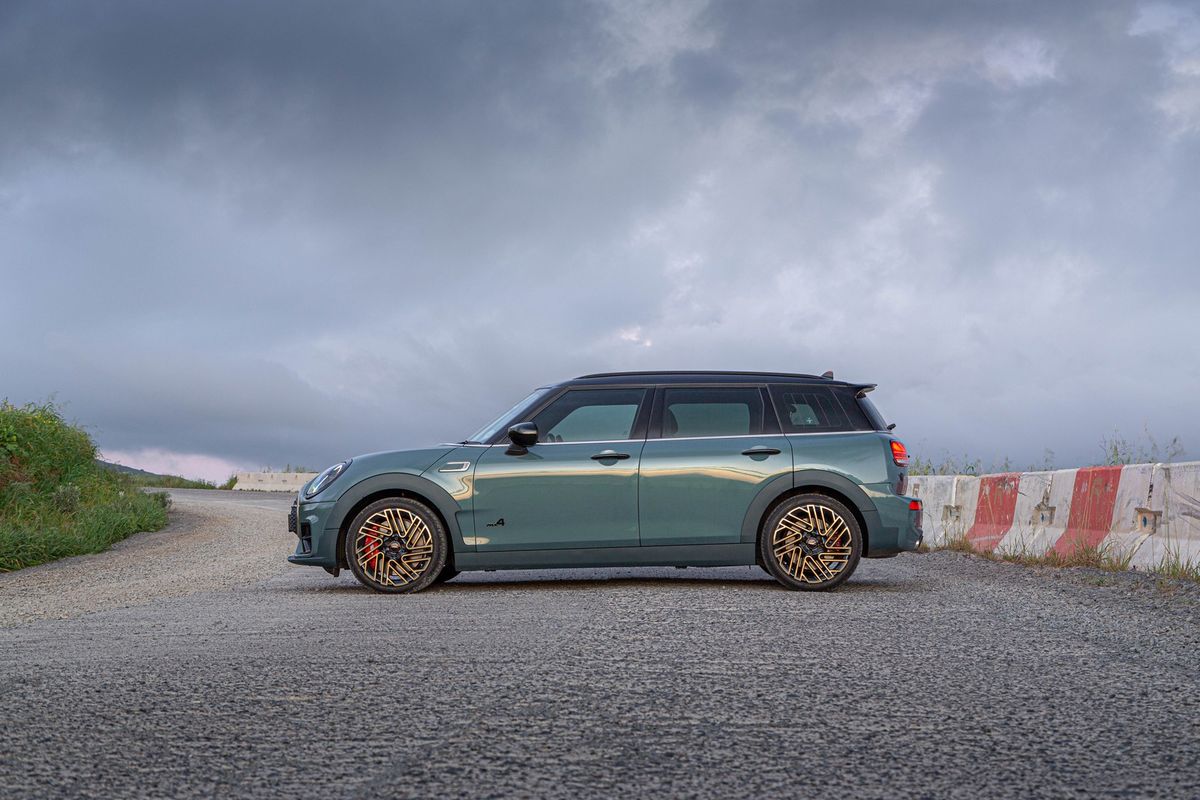
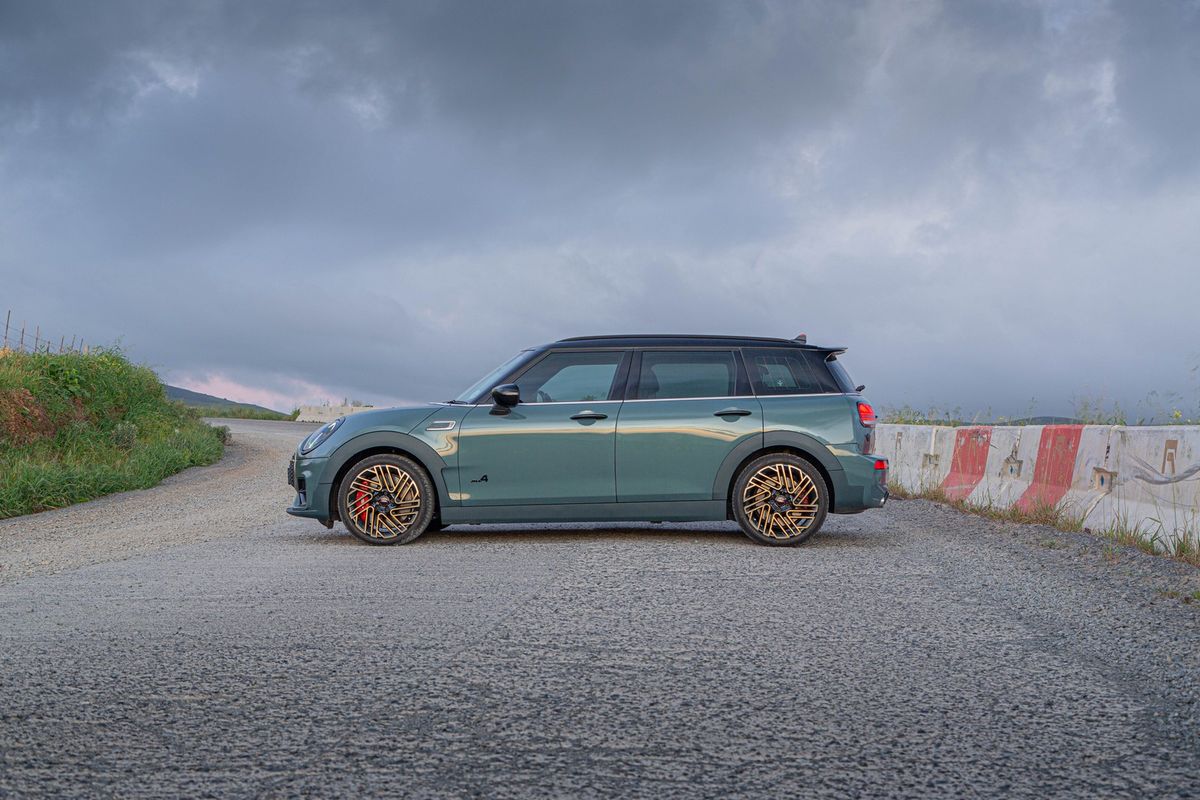
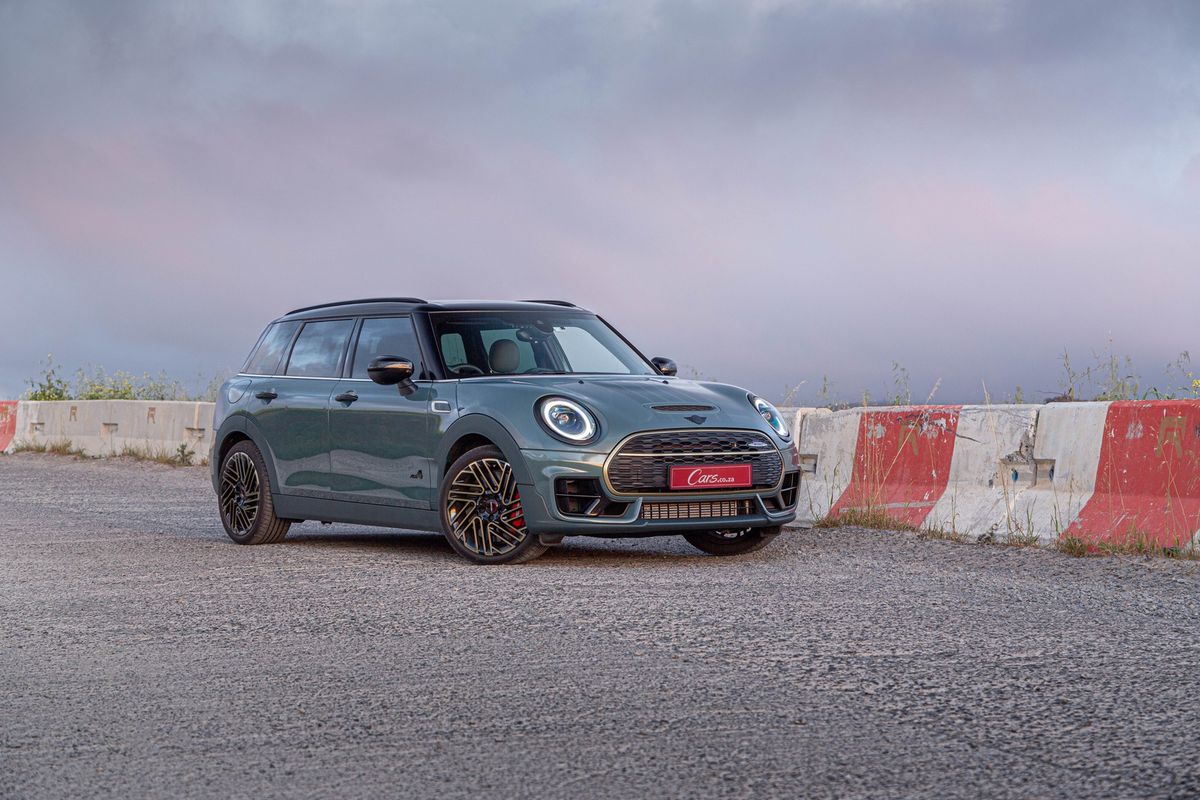
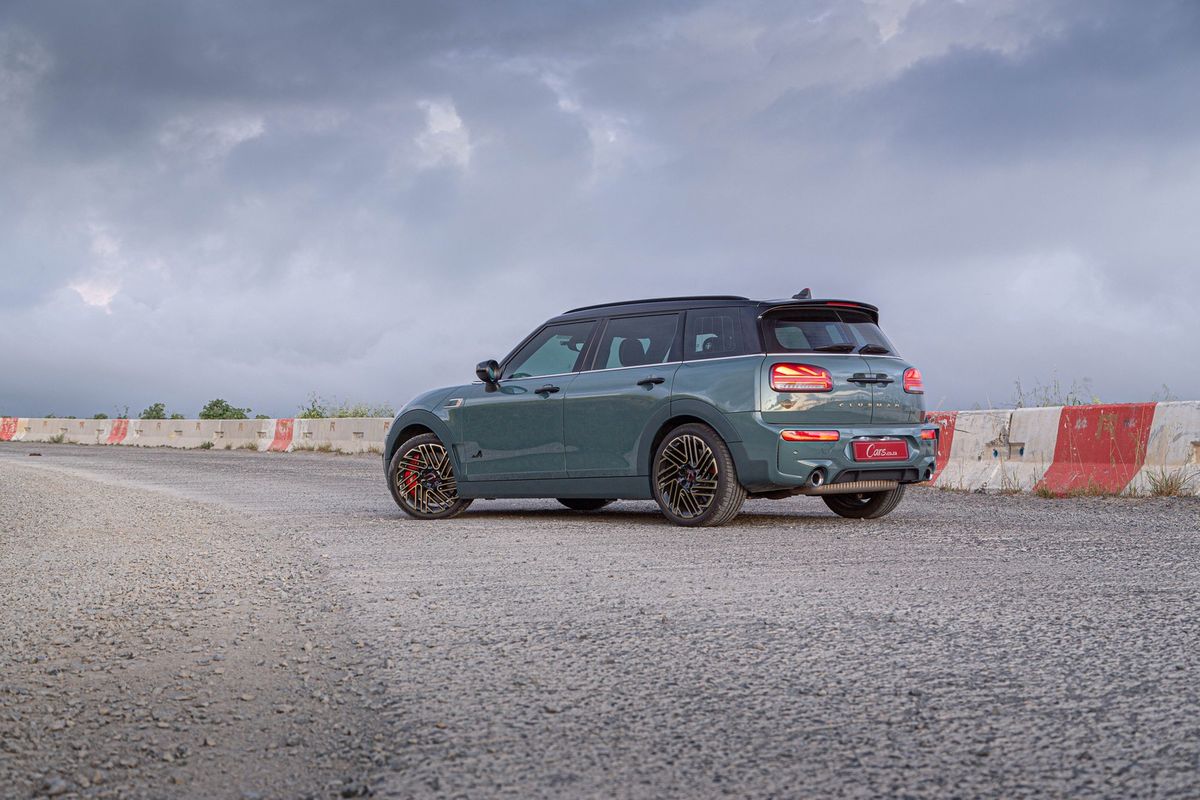
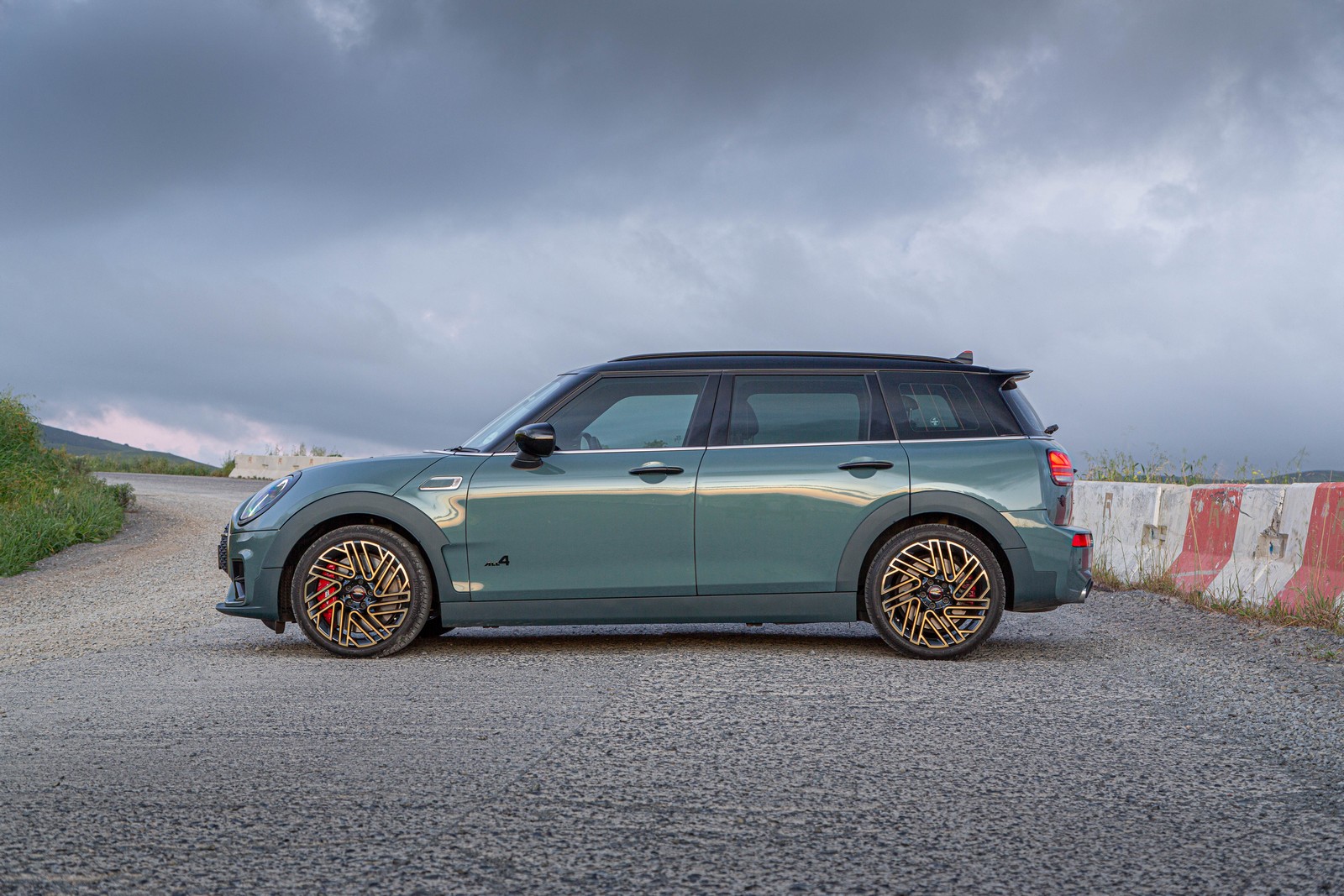
The Clubman is the most distinctive premium hatchback of the lot – just look at that striking side profile!
Where does the Mini Clubman JCW fit in?
As we move towards the final quarter of 2023, the Mini line-up for the South African market is fairly straightforward. Your entry point (and we’d argue the best definition of Mini) is the Hatch, which is available in 3- or 5-door configurations. If you like fresh air, there’s a Cabriolet droptop too.
The Clubman takes the Hatch concept further with a longer body and cool outward-opening rear doors. For those who want a crossover-like Mini, replete with added practicality, the Countryman is available.
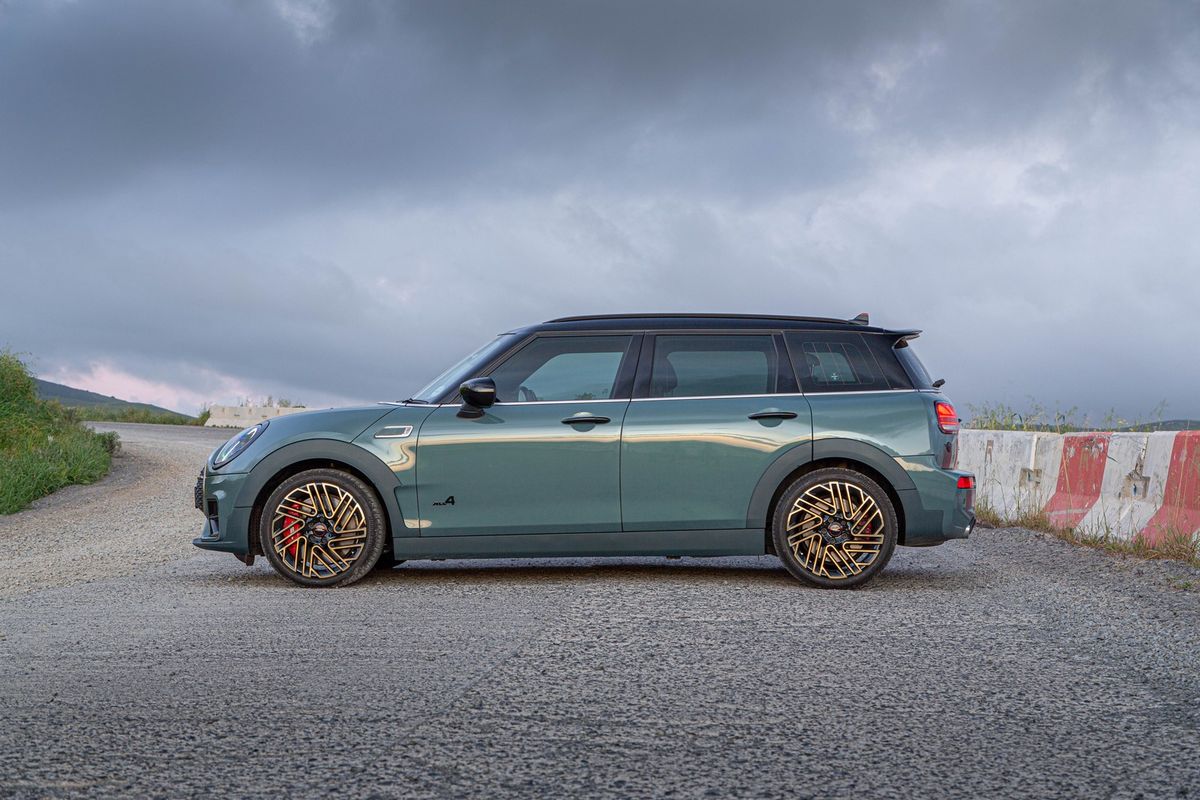
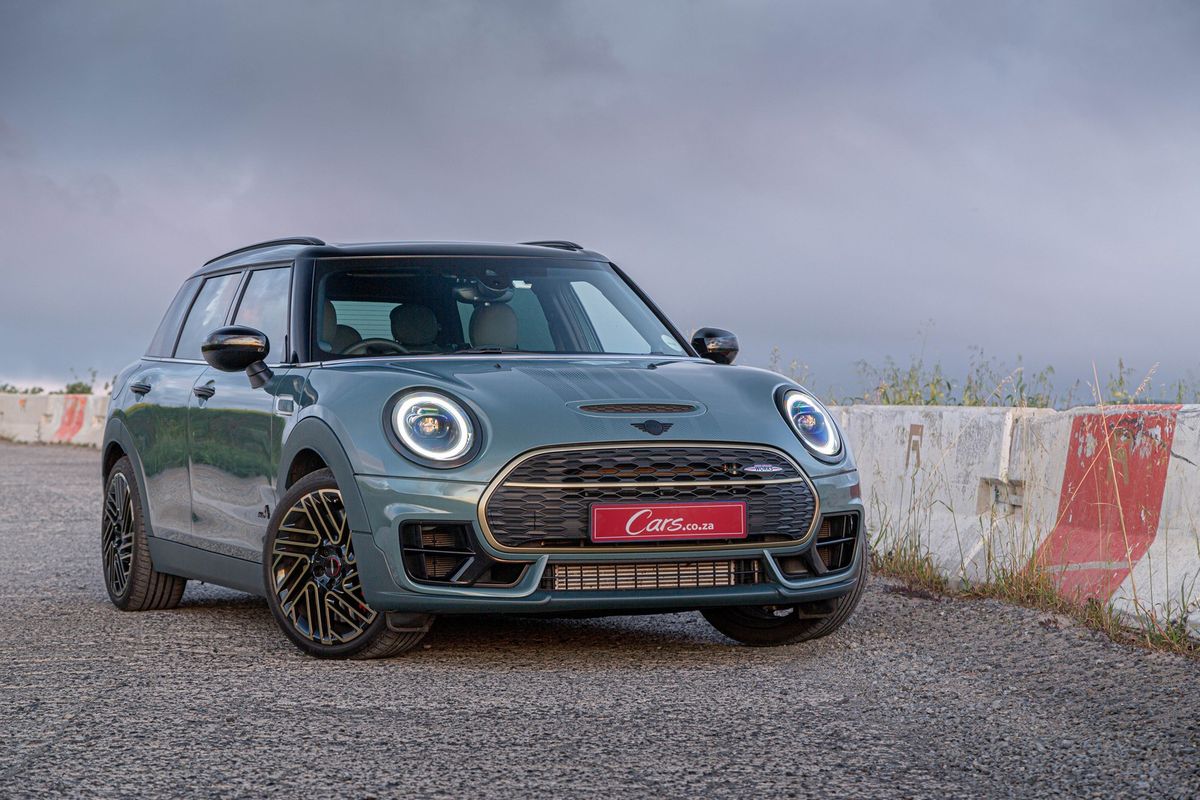
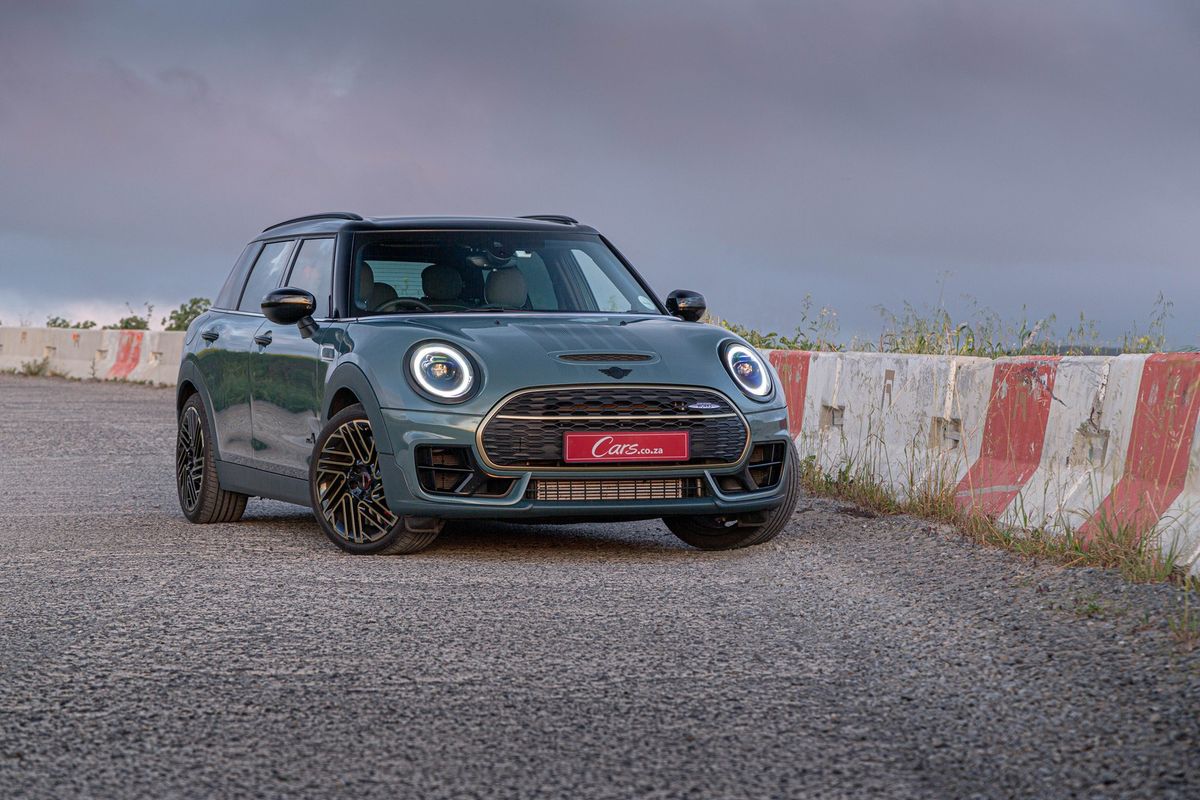
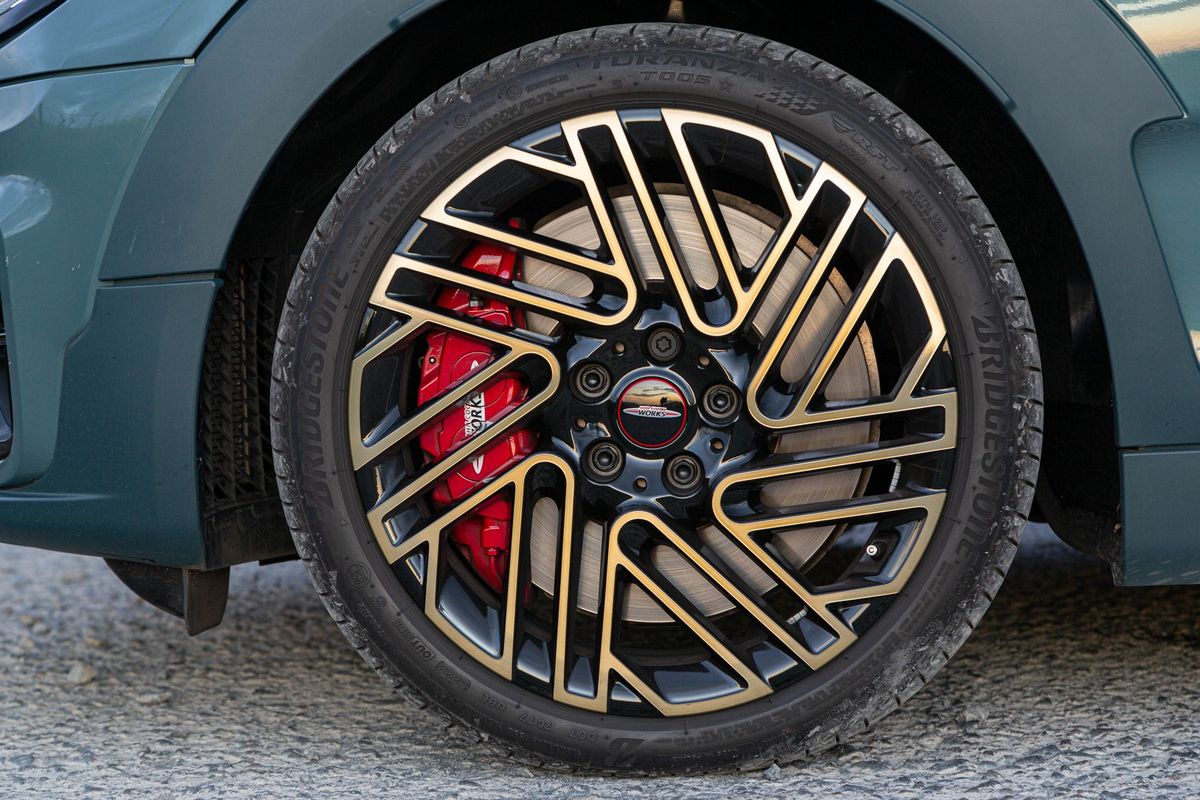
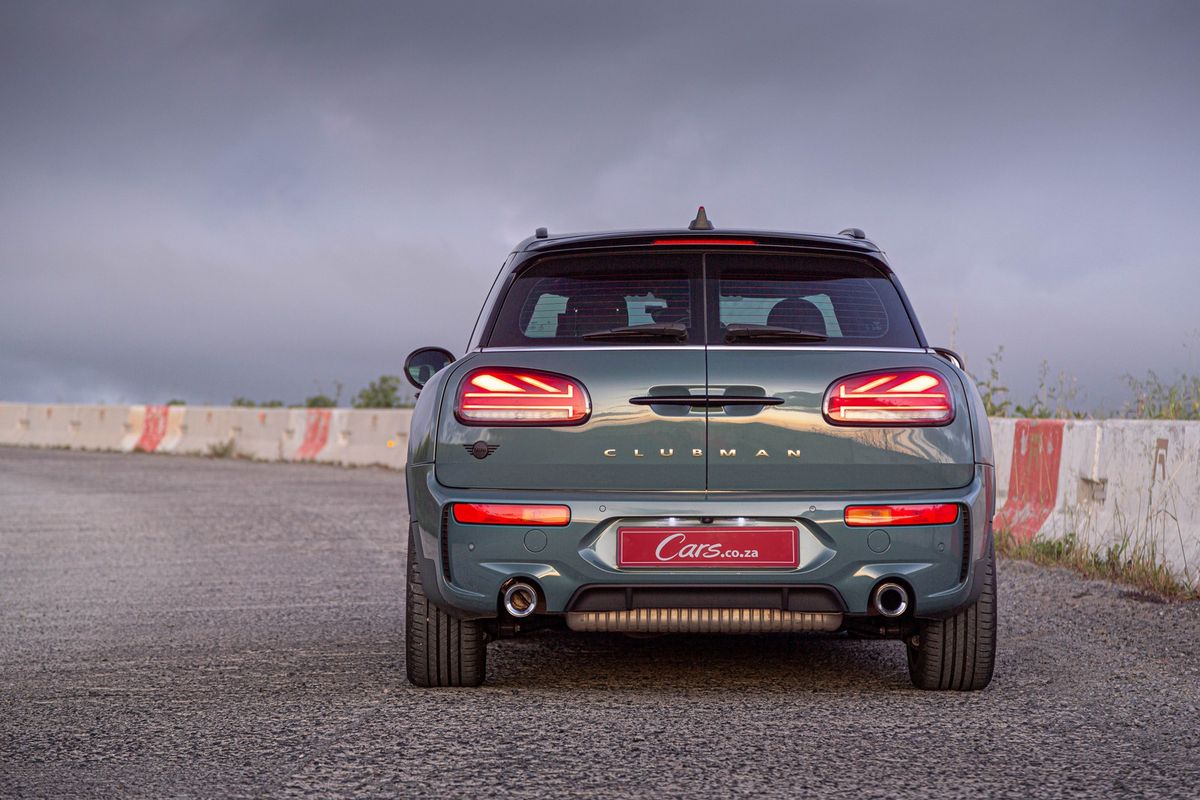
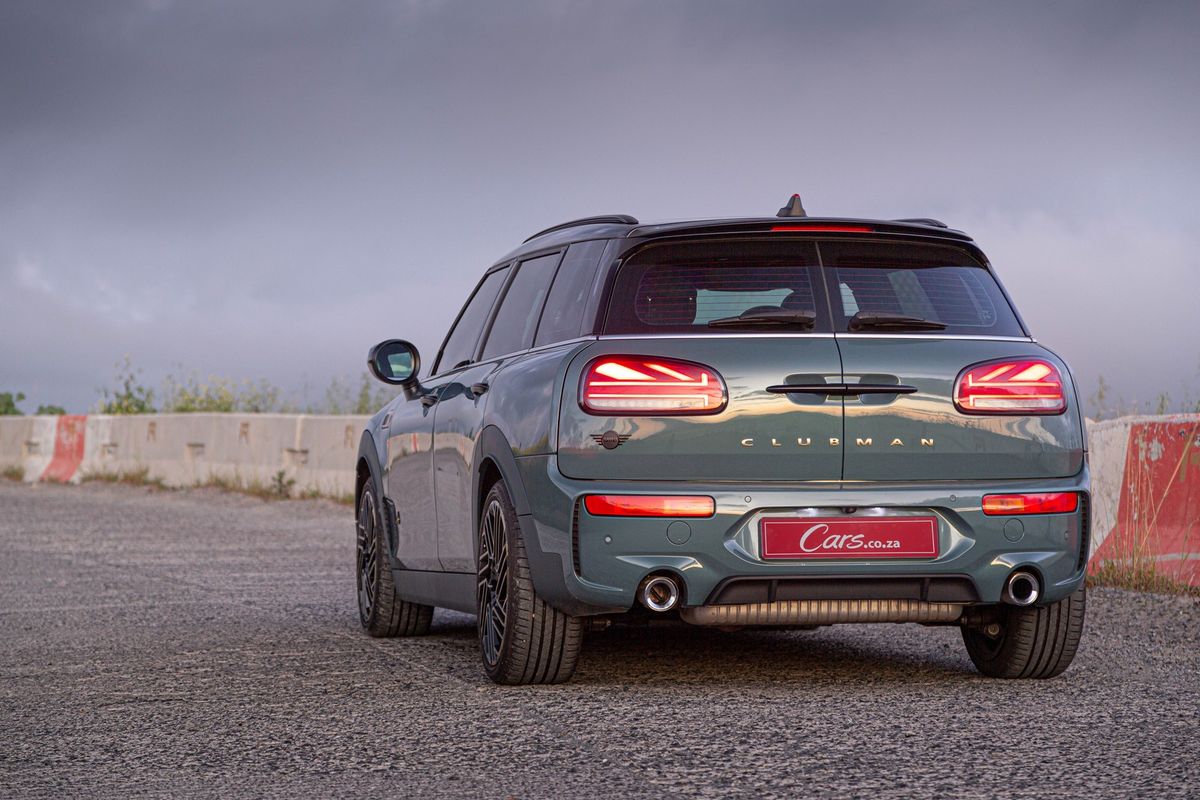
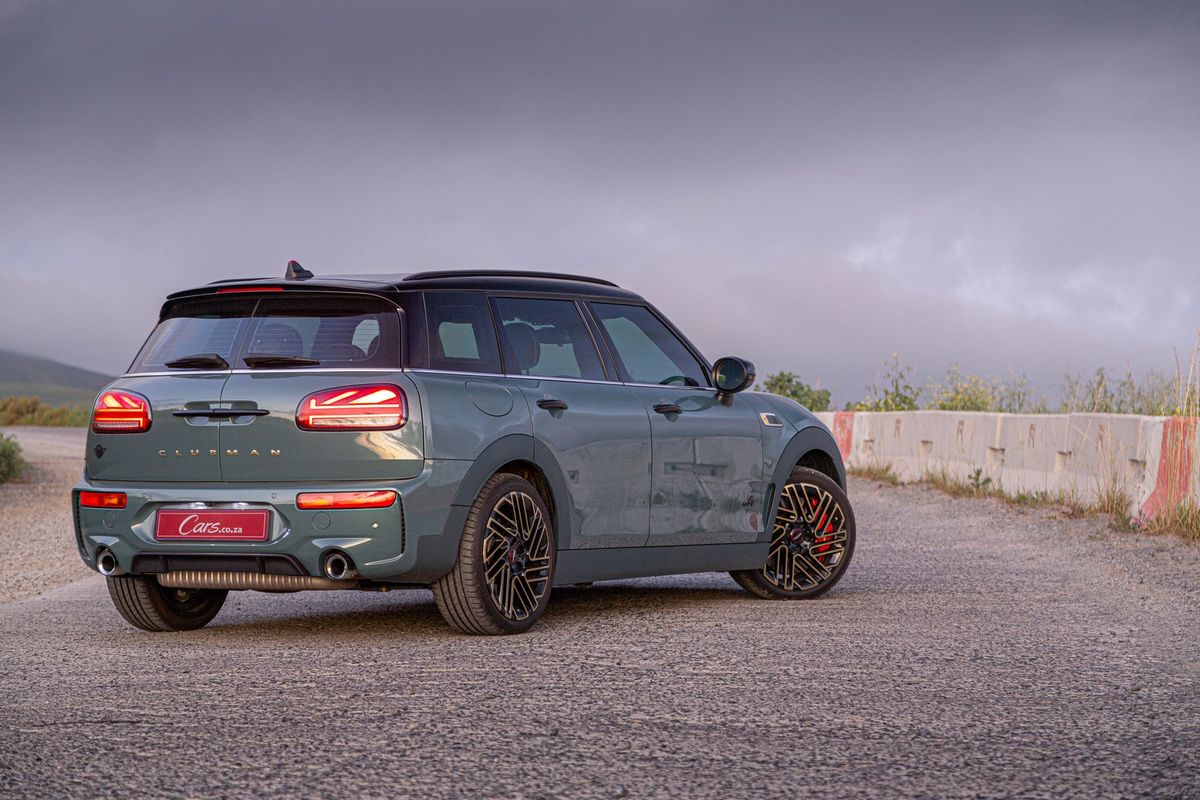
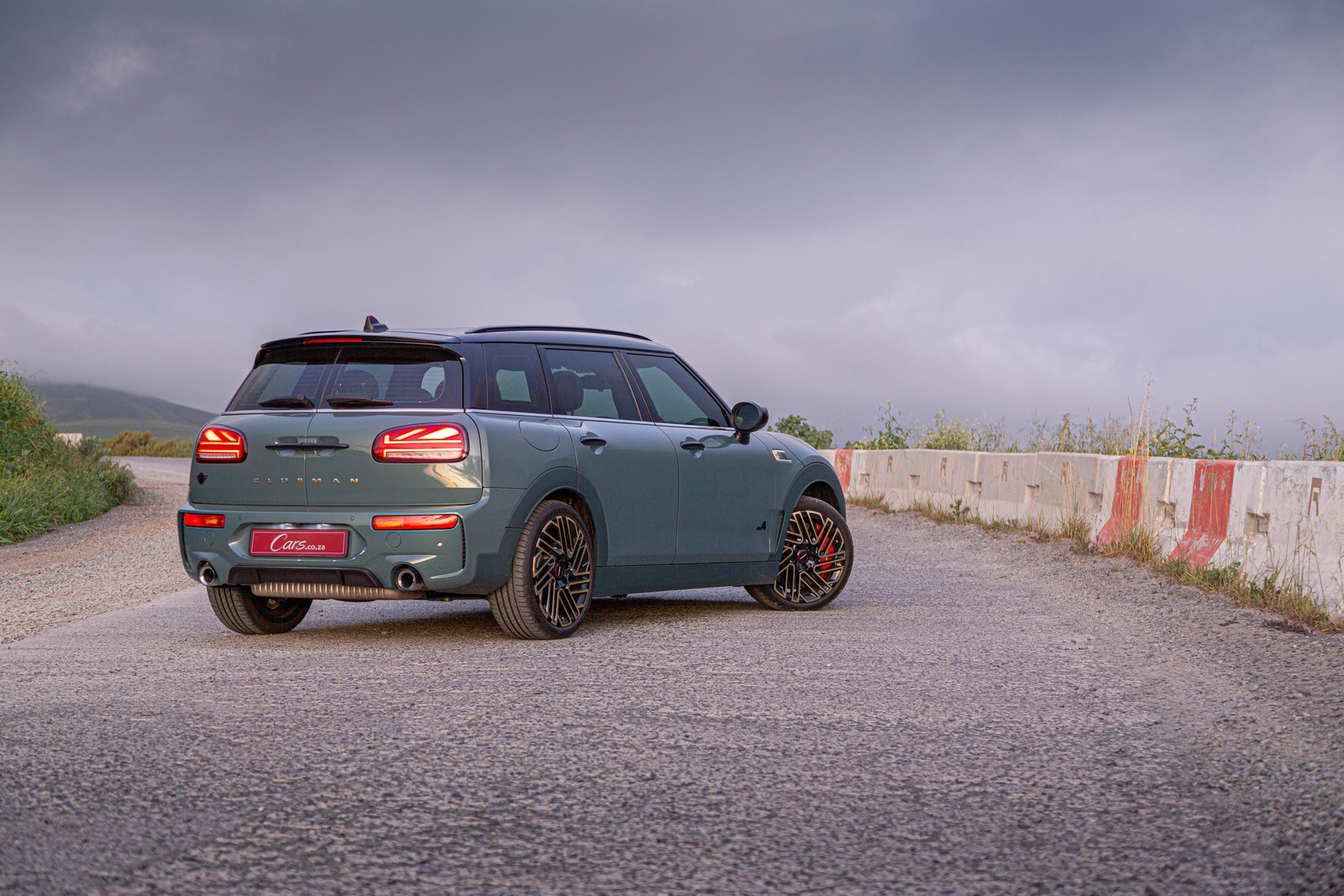
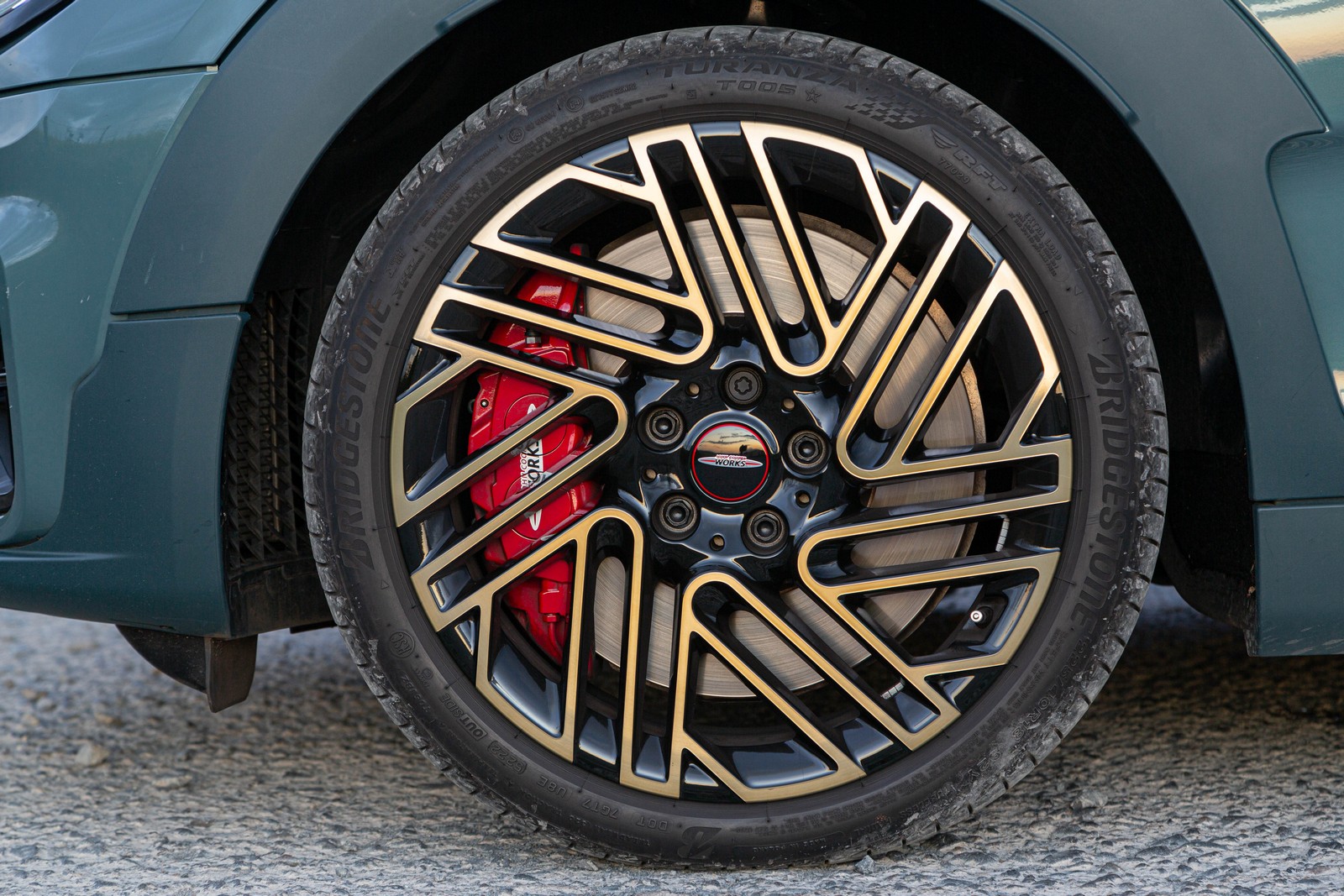
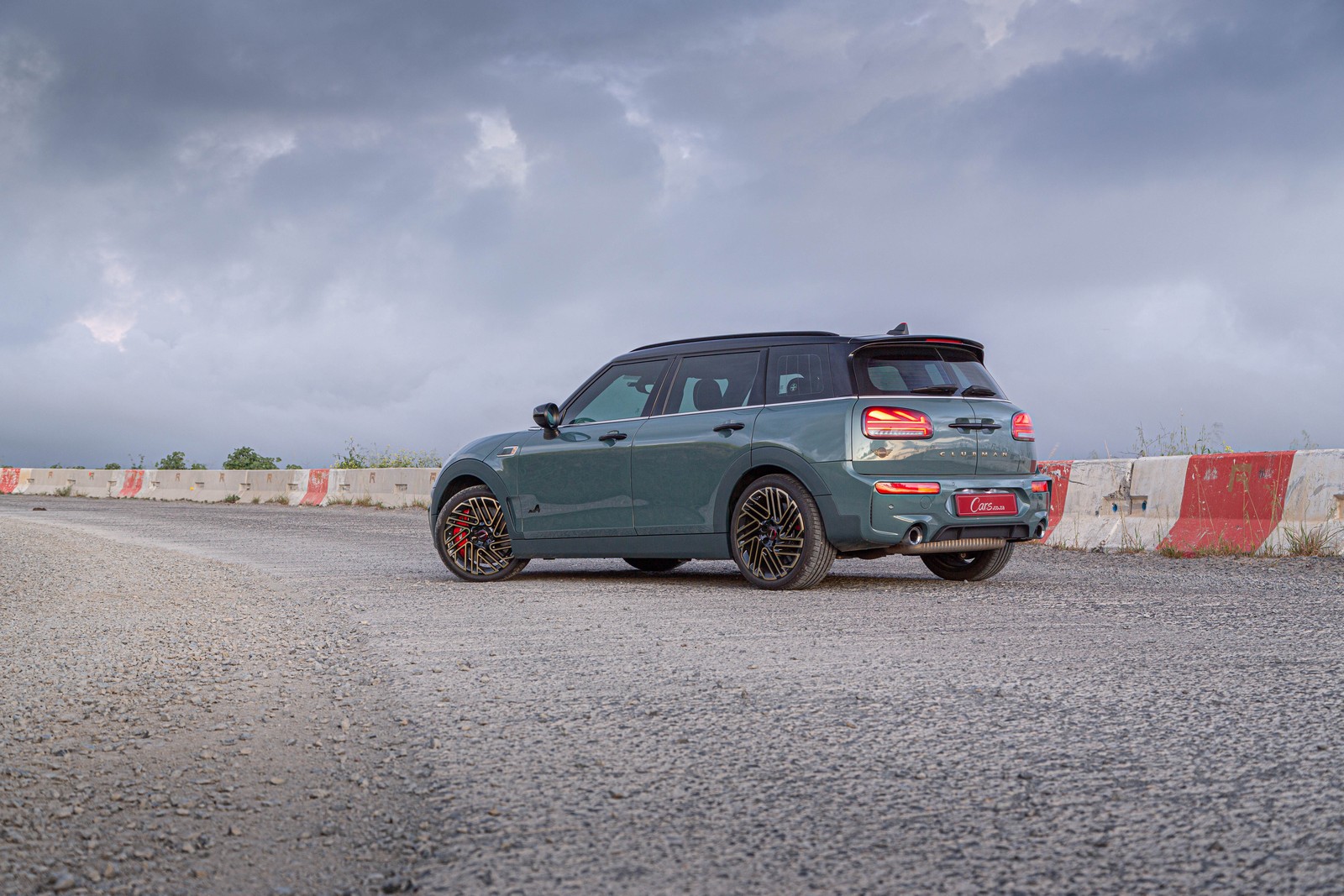
The Untold Edition is distinguishable by its intricate gold wheels and Sage green paint.
All of that will change in future, but that’s a story for another day. The Clubman is available with sensible to wild drivetrains – all of which are turbocharged – but only the flagship JCW version features all-wheel drive. The Untold Edition you see here encompasses a cosmetic upgrade, which we’ll touch on shortly.
If you’re thinking about buying a fun-to-drive premium compact car, your choices are getting fewer and quite pricey. The sportier iterations of the Mercedes-Benz A-Class, Audi A3 hatchback and sedan and BMW 1 Series or 2 Series Gran Coupe all make good cases for themselves, but if you want an all-wheel-drive version that has the pace to match the Mini Clubman JCW, you’ll close to, or more than, R1 million.
How the Mini Clubman JCW fares in terms of…
Design and Packaging
Contemporary Minis models have always had a distinctively fun and spirited look, even though they are much larger than the Sixties original that inspired them. The Clubman has the same face as its brethren but boasts additional length and practicality over the hatchback. What you see here is quite a departure from the conventional Mini… It’s called the Untold Edition and adds R58k to the Clubman JCW’s price.
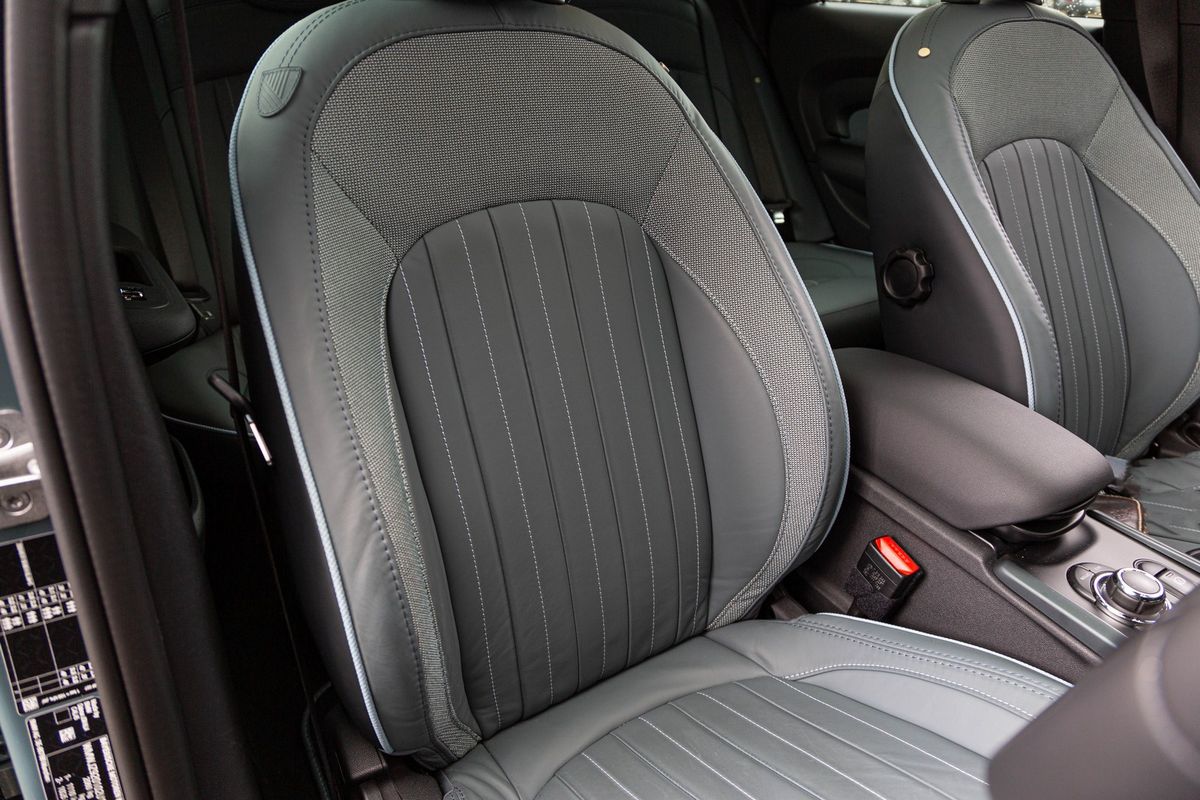
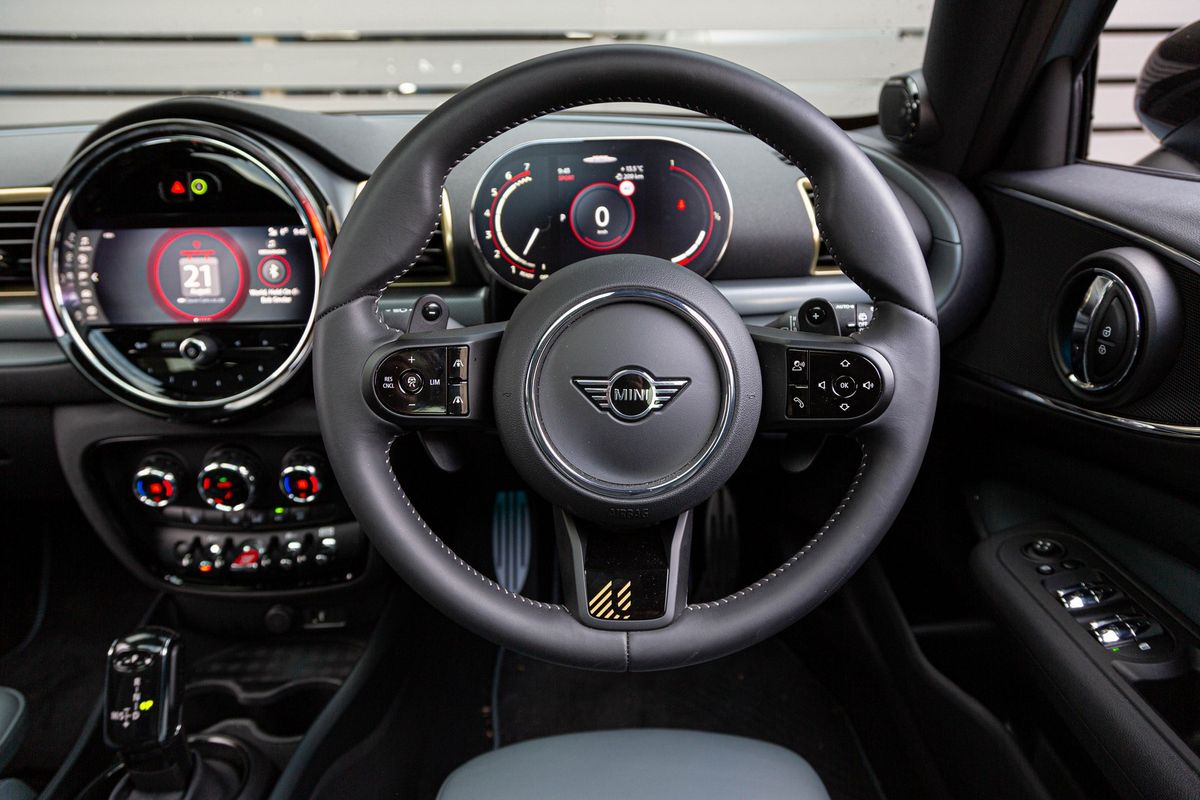
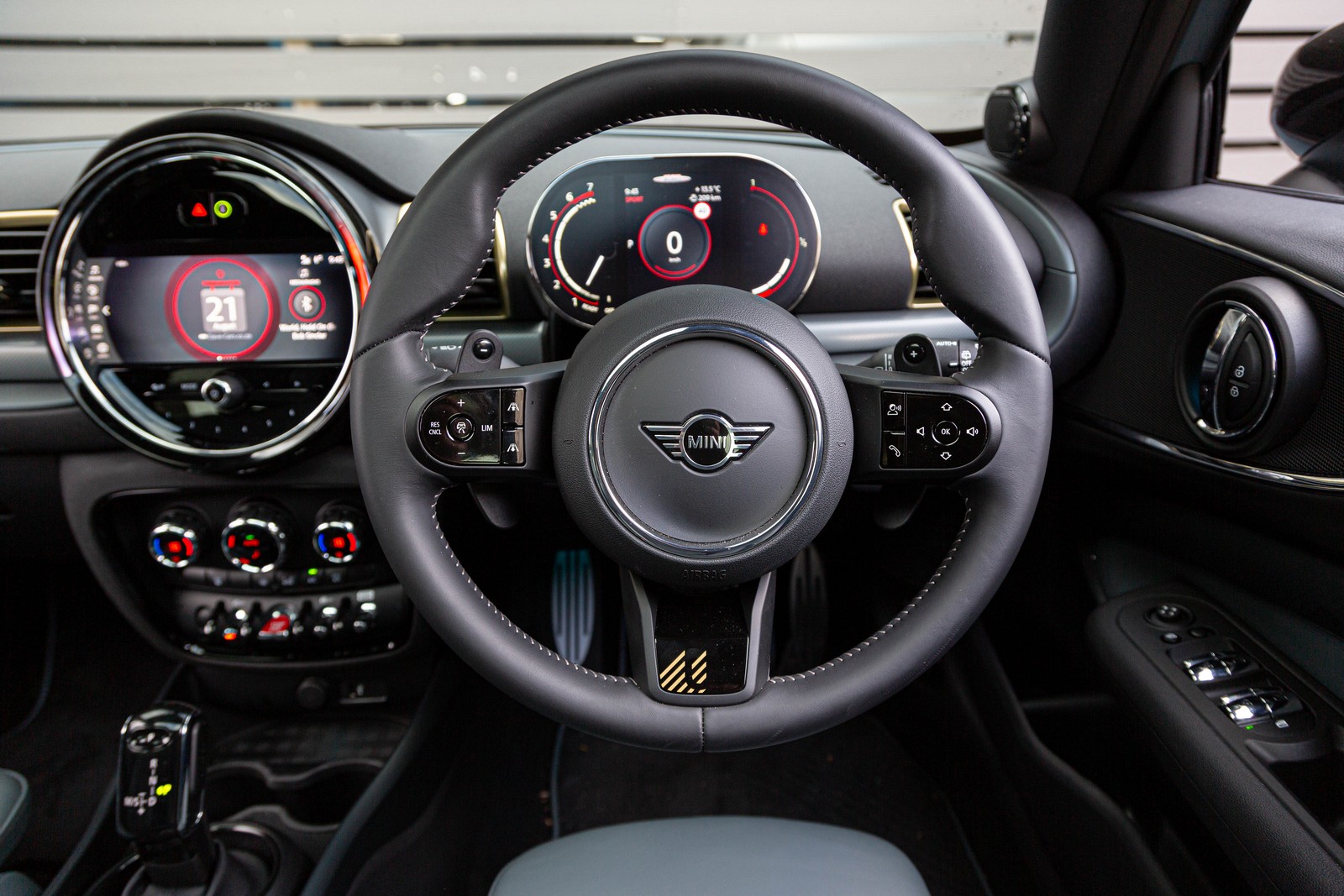
Replete with striking (and intricately patterned) gold wheels, a Sage Green paint finish, badging and edges finished in Refined Brass, the Clubman Untold Edition is unmistakable. The cabin gets a similar treatment; it features Refined Brass trim elements and sports seats finished in Sage Green leather.
The Untold Edition adds some lavish gold detailing, as seen on the surrounds of the ventilation outlets.
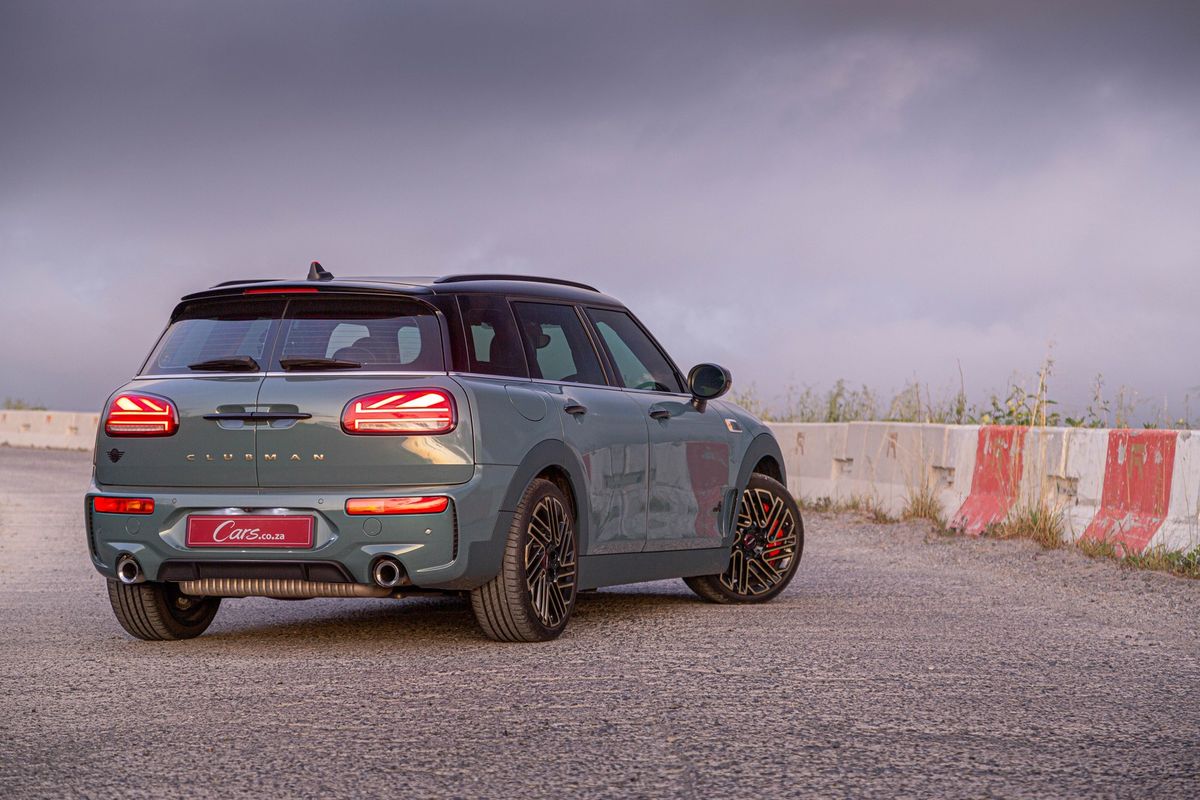
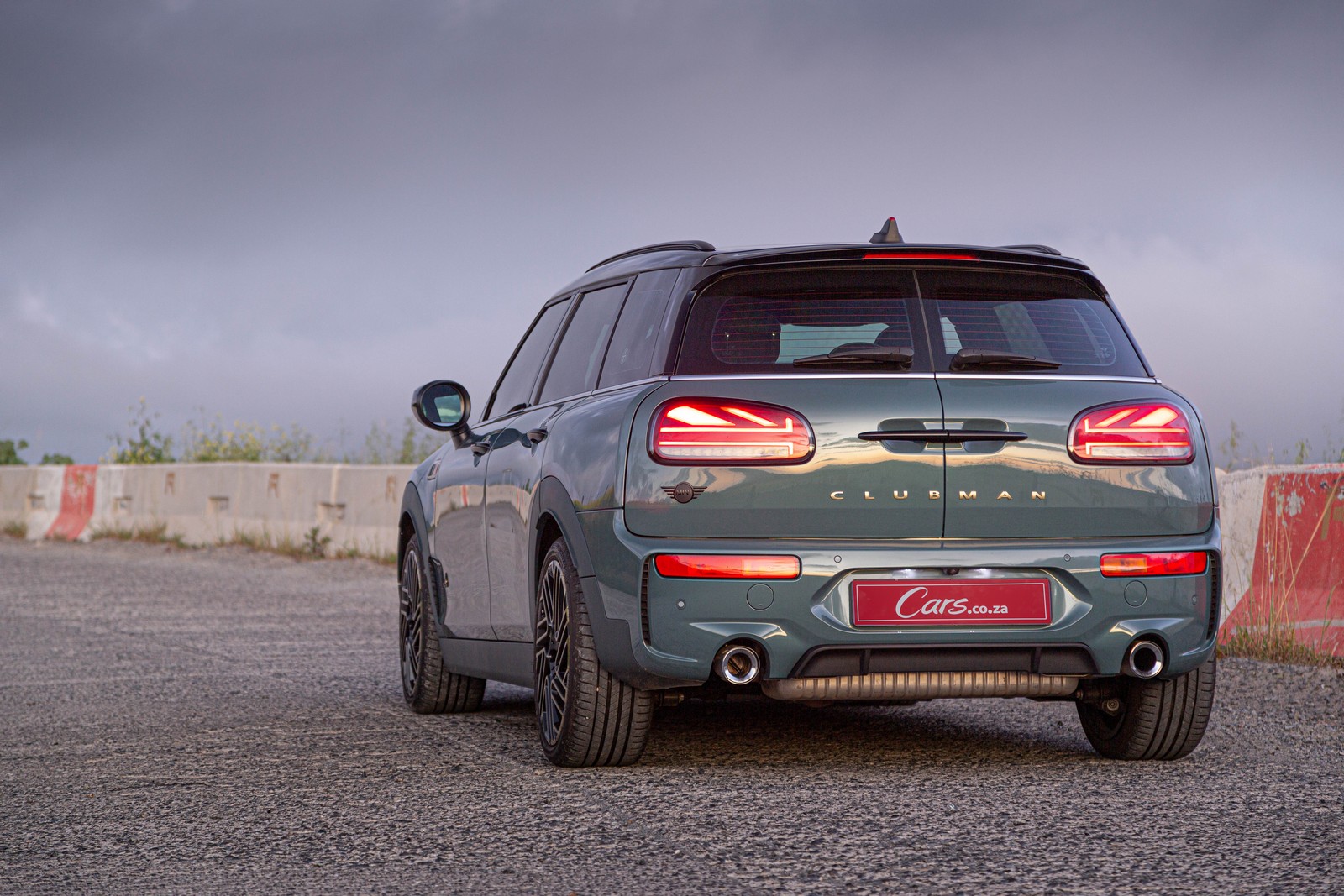
The JCW treatment for the Clubman is extensive. There are subtle John Cooper Works badges on the nose and wheels, as well as 2 large-bore exhaust ends. If you look closely, you’ll see that the left pipe is closed – it only opens in the Sport drive mode and the full-bore soundtrack is urgent, if less than rowdy.
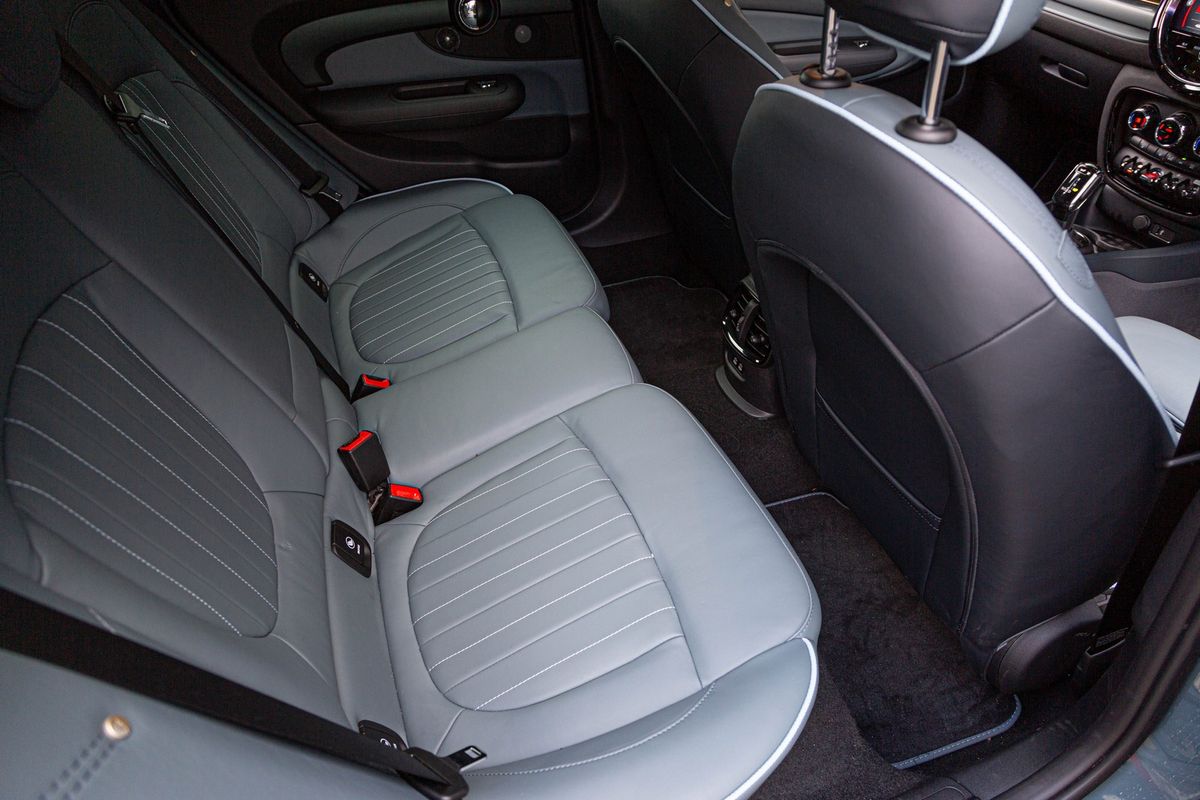
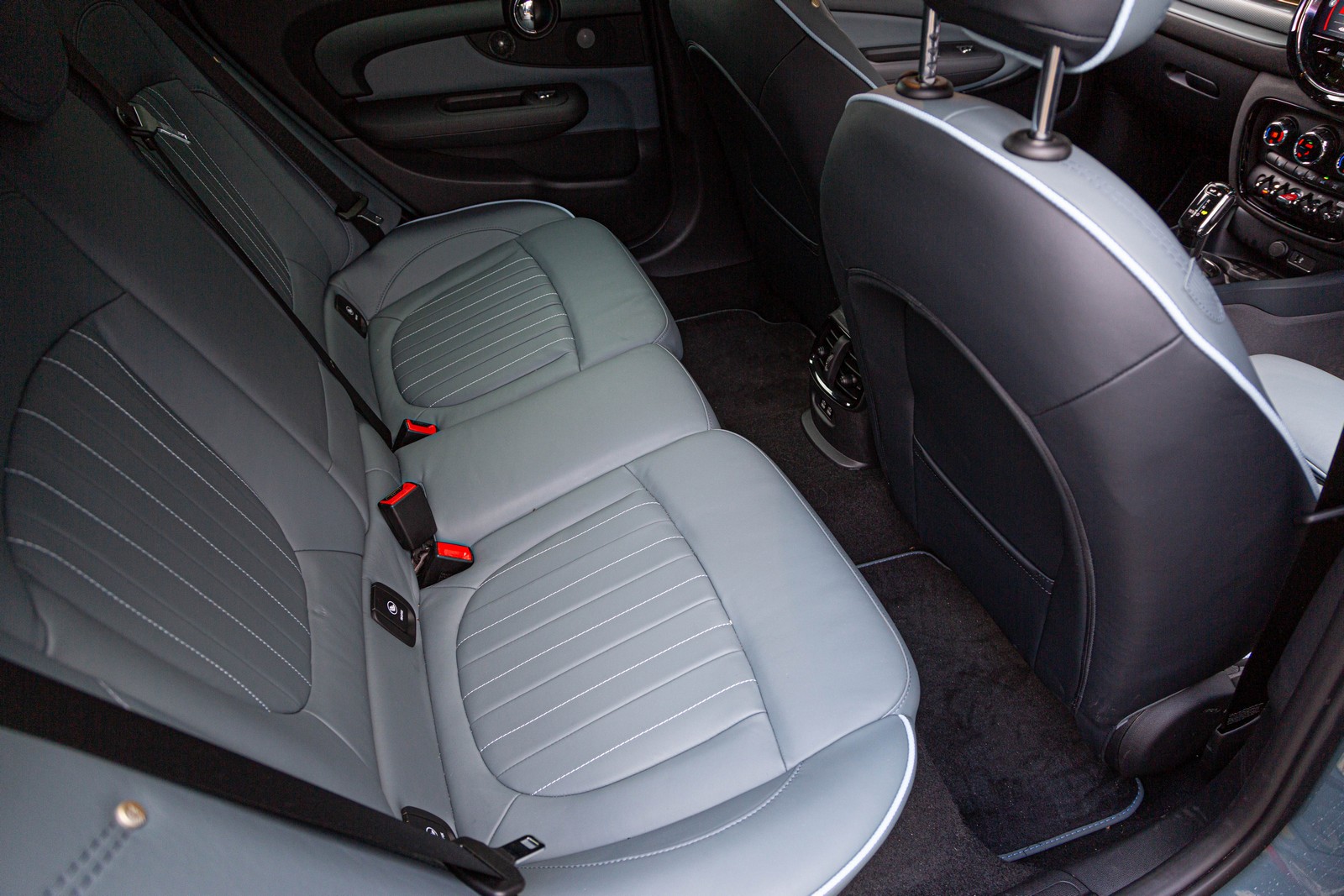
As expected, the rear legroom is a little tight, not that it will bother most Mini Clubman JCW buyers.
While the Clubman looks like an estate version of the Mini, it doesn’t feature the practicality associated with that class of car. The rear legroom is best suited for children (this author wasn’t able to sit behind the driver’s seat comfortably after it had been adjusted to suit his 1.88-metre frame. Aft occupants are catered for to some extent, however: they get their own panoroof and are availed USB-C charging ports.
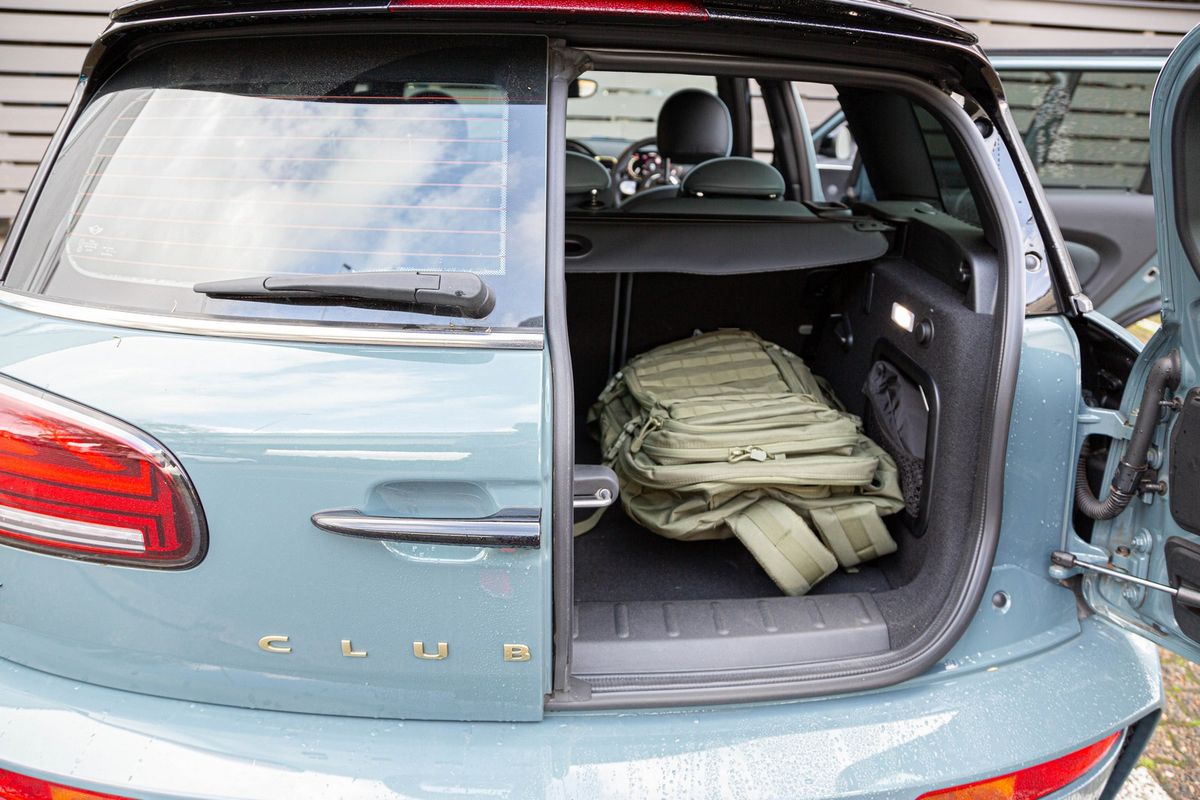
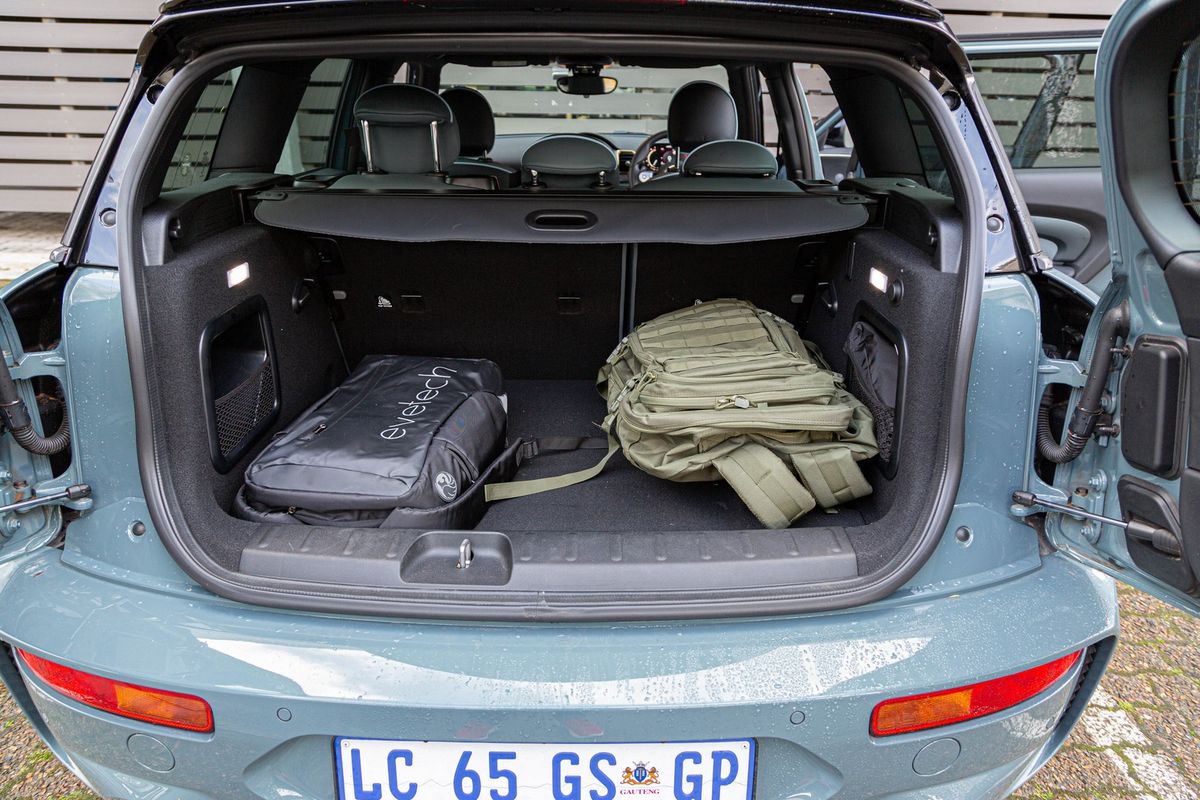
The same can be said for the load bay. At just 360 litres (a VW Polo is 575 litres), the Clubman lacks the carrying capacity to be considered a practical car. You can fold the rear seats down for additional space.
Performance and Efficiency
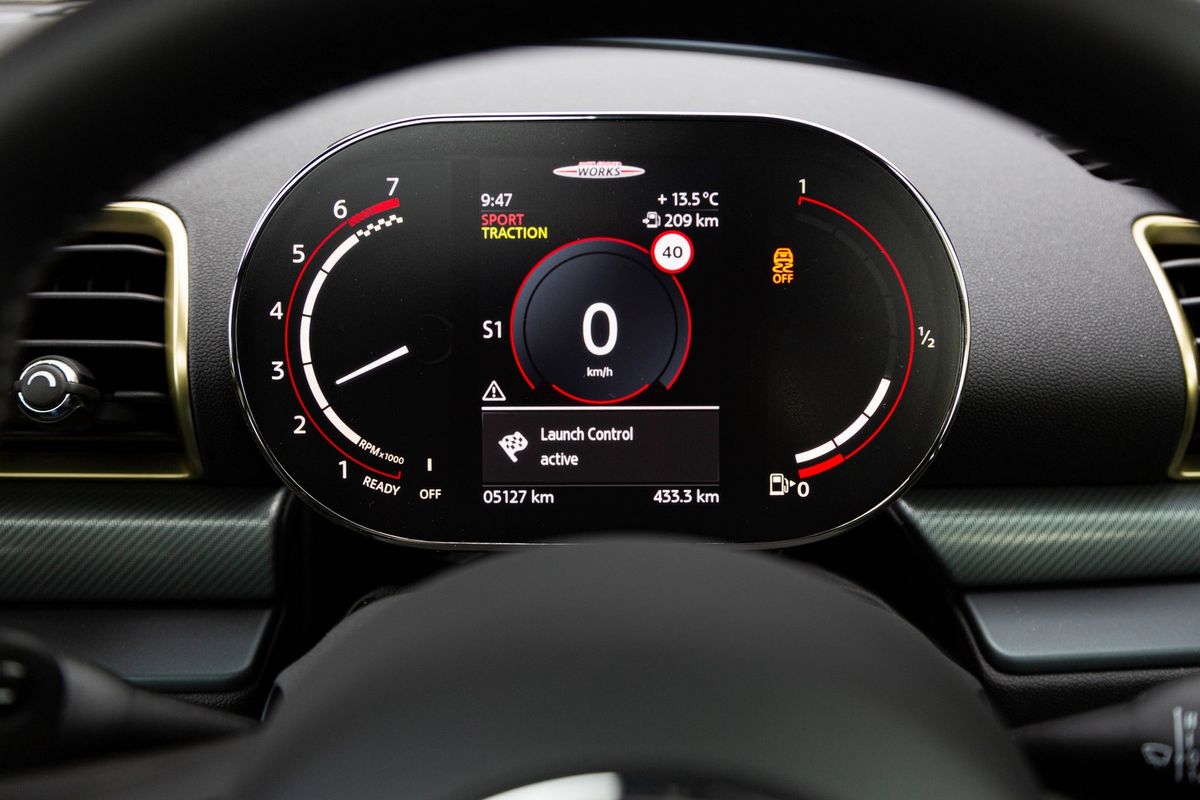
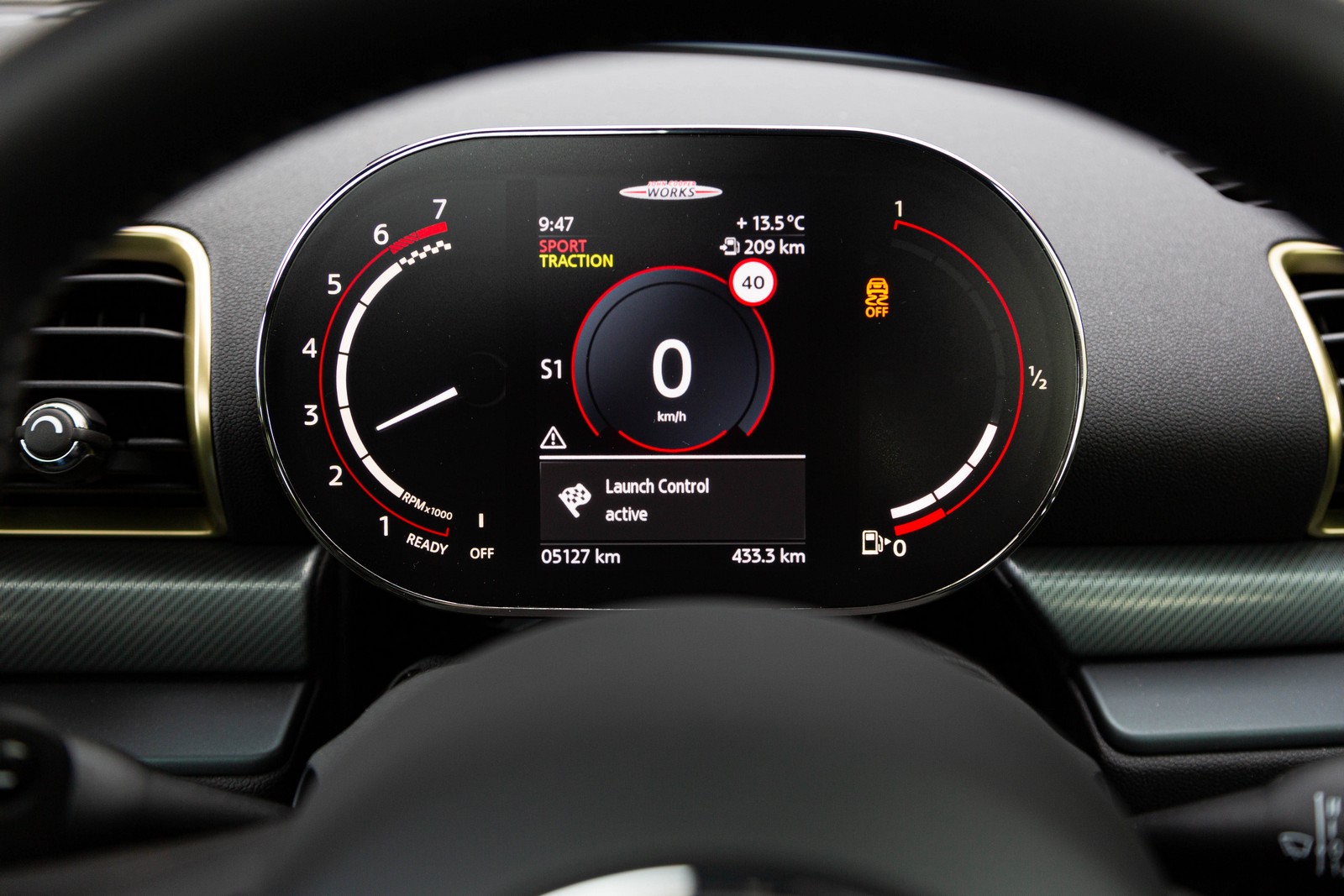
Activate launch control, take your foot off the brake pedal and away you go!
The Mini Clubman JCW is powered by a 2.0-litre 4-cylinder turbopetrol engine that produces healthy peak outputs of 225 kW and 450 Nm of torque. If those numbers sound familiar, there is a good reason for that – this powertrain forms the backbone of the BMW Group’s compact performance products. It also does duty in the M135i xDrive, as well as the M235i Gran Coupe and X2 M35i.
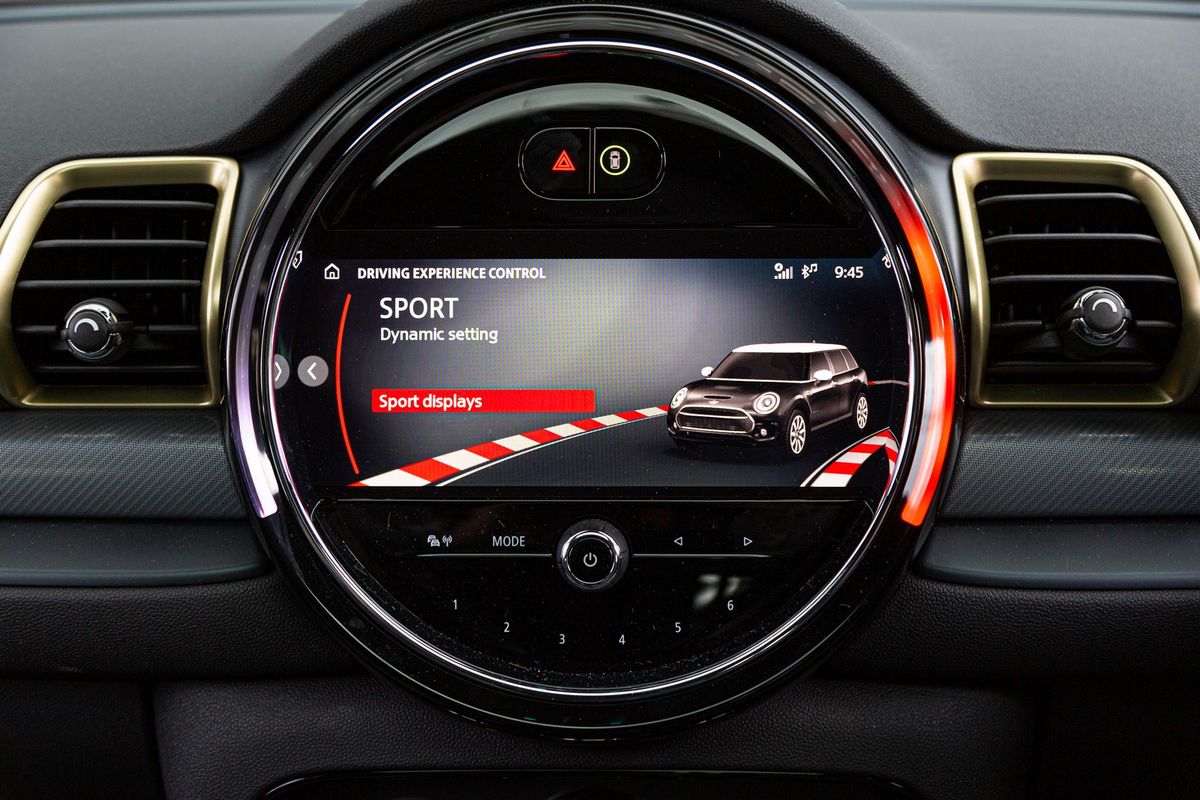
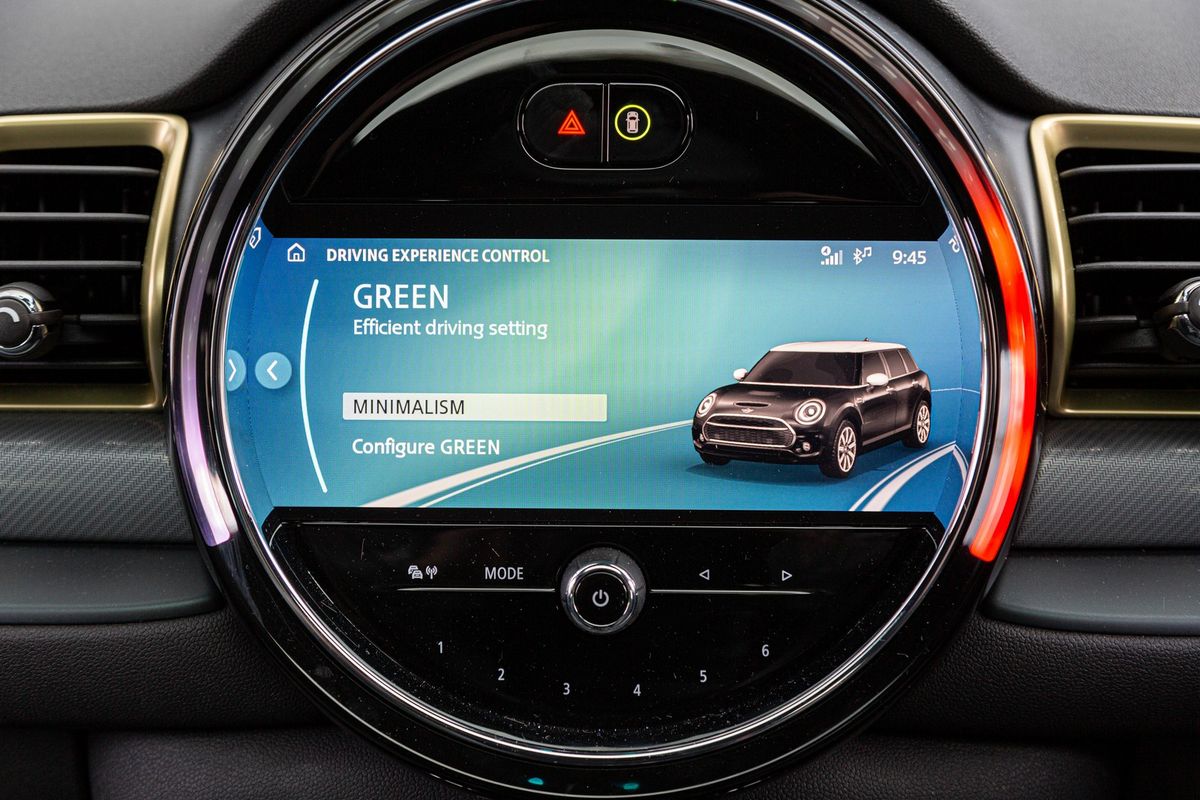
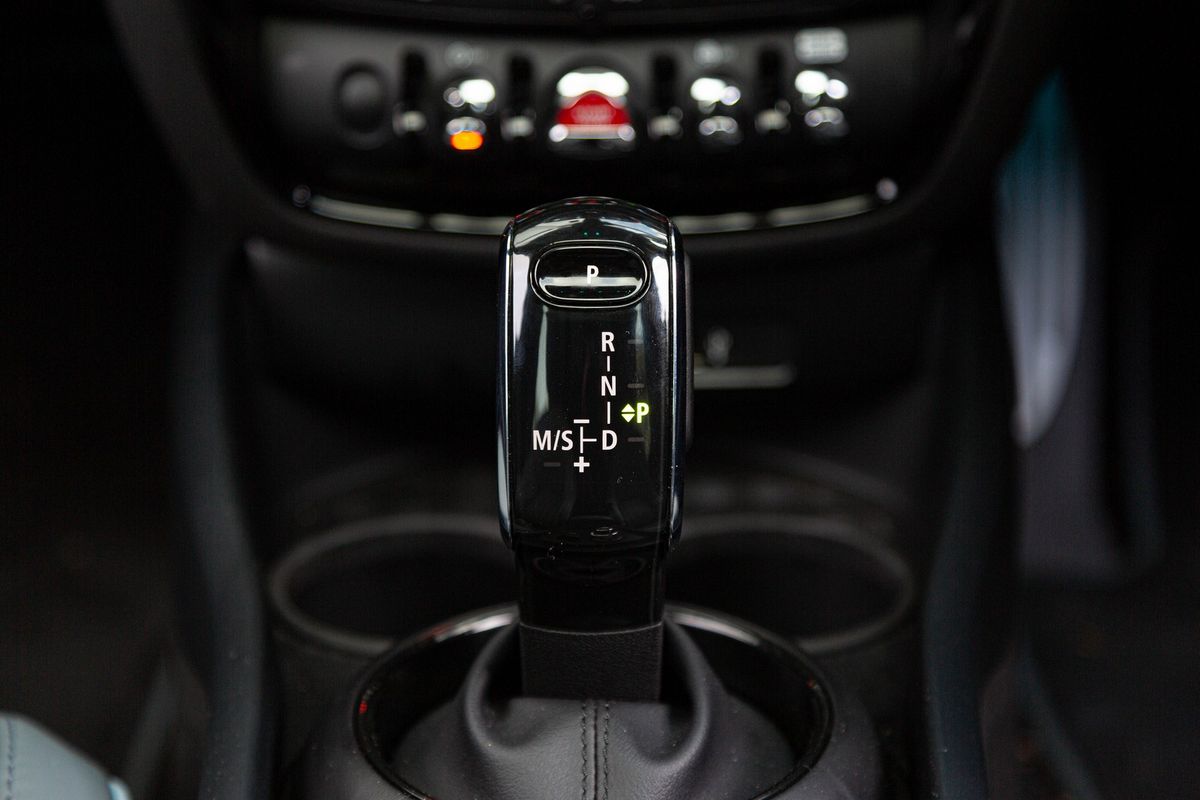
Power goes to all four wheels via an 8-speed automatic transmission and there are three primary driving modes: Sport, Mid and Green.
Mini says the derivative will accelerate from 0 to 100 kph in 4.9 sec and we put that claim to the test with our timing gear. Thanks to our utilisation of launch control, the Mini Clubman JCW charged from 0 to 100 kph in 5.53 sec, which was satisfactory, but left us feeling underwhelmed due to the lack of aural drama.
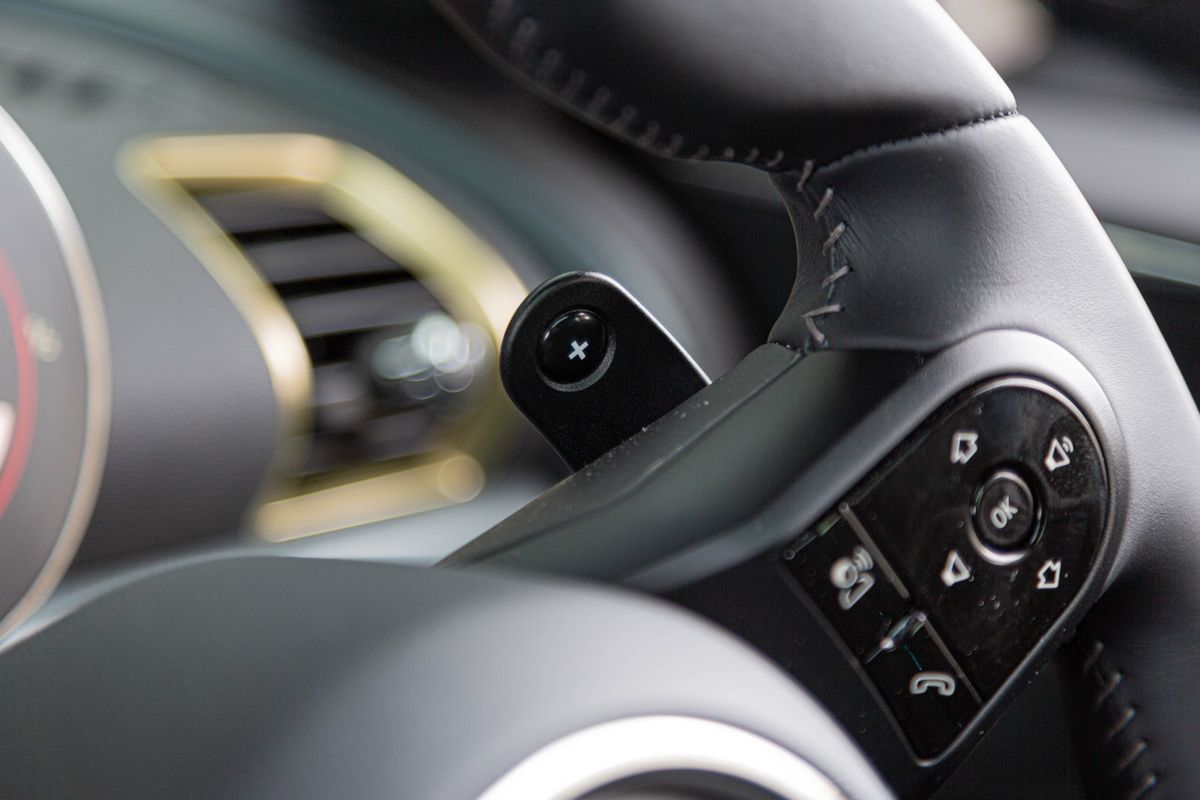
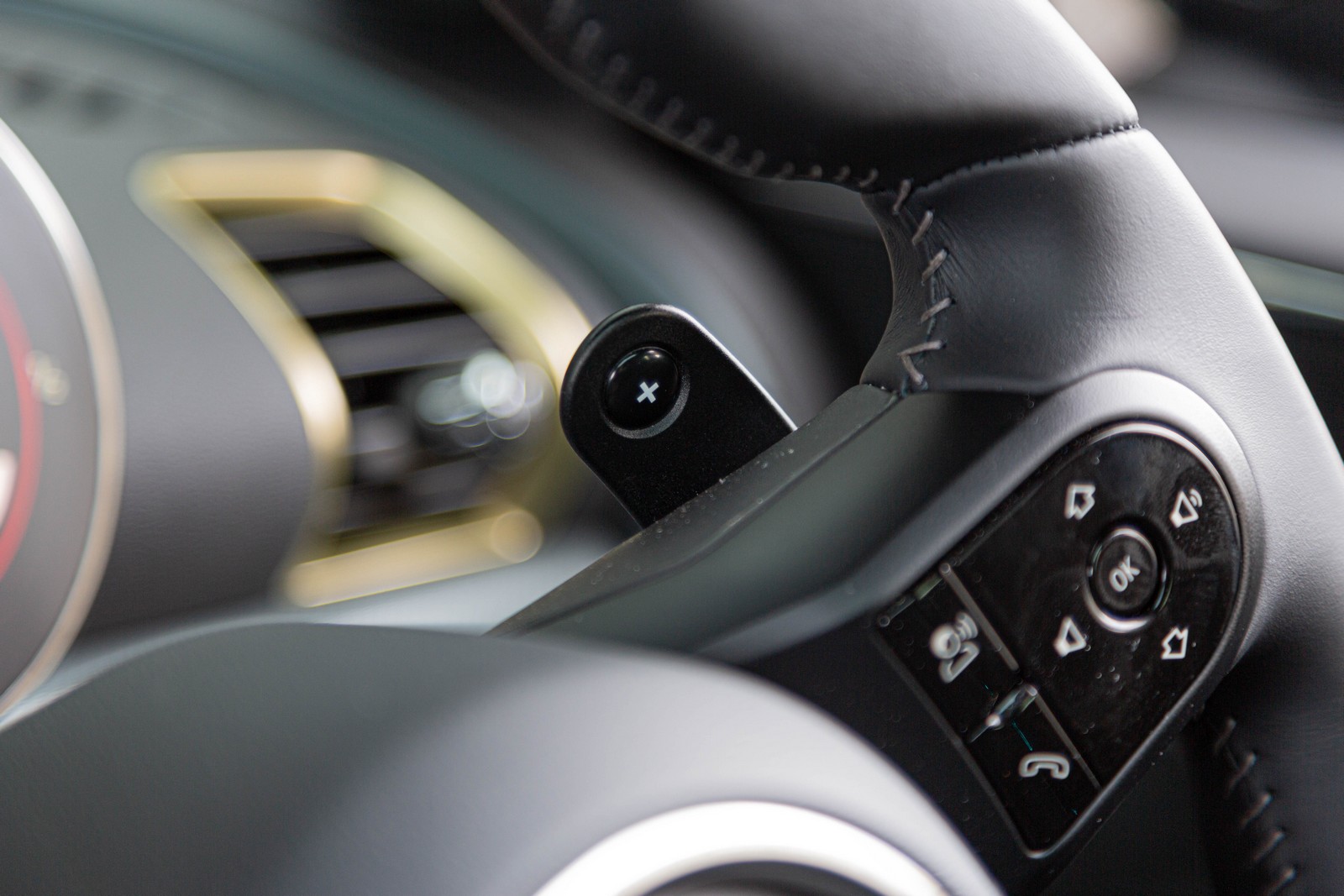
These gearshift paddles are some of the best in the business
The vehicle features steering wheel-mounted shift paddles and, while the car’s transmission changes up and down crisply – and predictably – in fully automatic mode, the hands-on activity of actuating manual ‘shifts boosts driver engagement. Not only did it facilitate a more authentic Mini experience – we noticed the exhaust emitted additional pops and bangs when you changed gears yourself. That’s more like it!
The shenanigans come at a price, however. If you drive the JCW in the manner that the late, great John Cooper had intended, the flagship Mini Clubman will gulp unleaded like Springbok fans quenching their thirst after that win against the All Blacks on a Friday night. This derivative is said to have an average fuel consumption of 7.7 L/100 km, but after we had completed our fuel route, the Mini SA test unit’s indicated figure was a sobering 11.1 L/100 km. With a full (48-litre) fuel tank, it has a theoretical range of 623 km.
Ride and Handling
These gold 18-inch alloy wheels are oh so cool!
Irrespective of derivative, every Mini product has offered an engaging and hands-on driving experience, and the Clubman JCW is no exception. You’re seated low down and those sports seats do a fine job of making you feel at one with the vehicle.
The JCW treatment for the Clubman includes a lowering kit and a sporty suspension setup; it certainly aids corning capability, but also detracts from day-to-day driving comfort. Mini’s products have always been firmly sprung, but the ride quality borders on harsh on uneven road surfaces. Deal breaker? Almost.
The view most other road users will see
The steering setup is pleasingly weighted, direct and quick from lock to lock. If you hustle the Clubman JCW through a hilly section of serpentine blacktop, it delivers just about sufficient driving dynamics to entertain a driving enthusiast. The All4 system does a great job of keeping the car stable and planted.
However, does it handle as crisply and deftly as a front-wheel-driven JCW (on a dry road)? We don’t think so; while the JCW Hatch produces less power than its estate-esque counterpart, it feels much more darty and agile by virtue of weighing 200 kg less than the all-wheel-driven Clubman JCW.
Comfort and Features
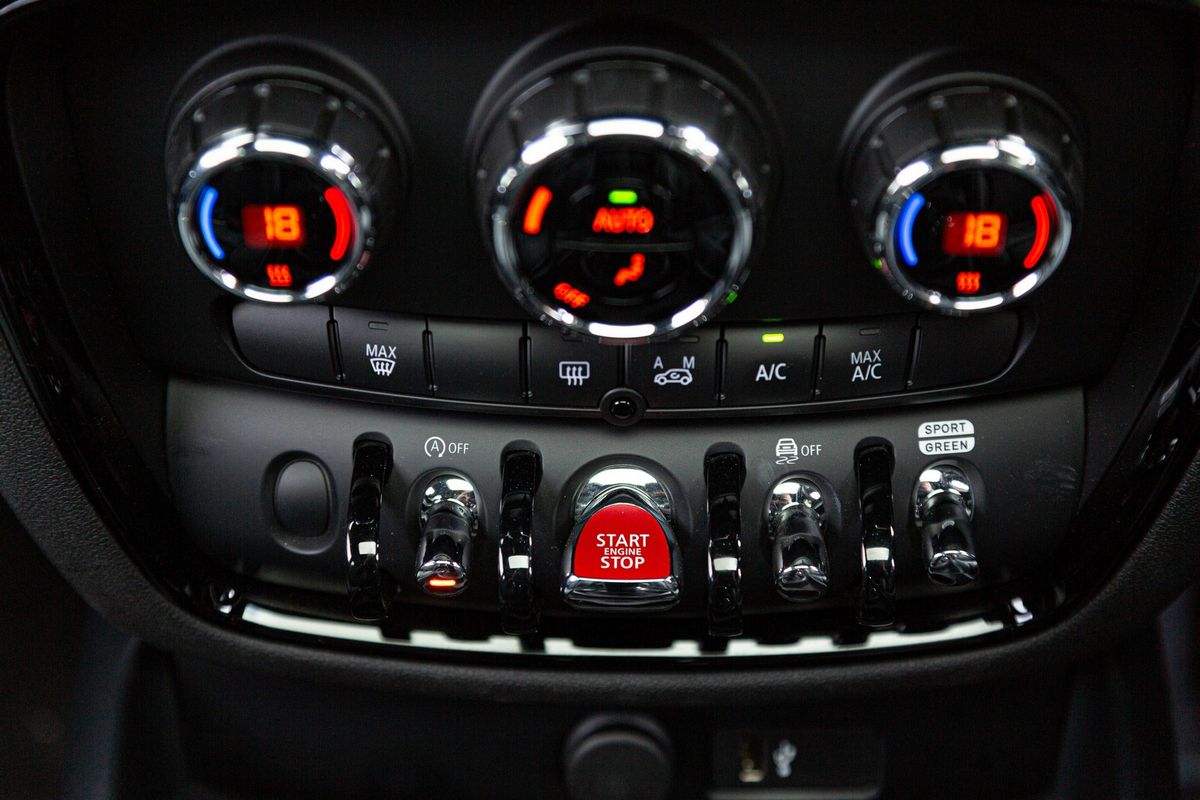
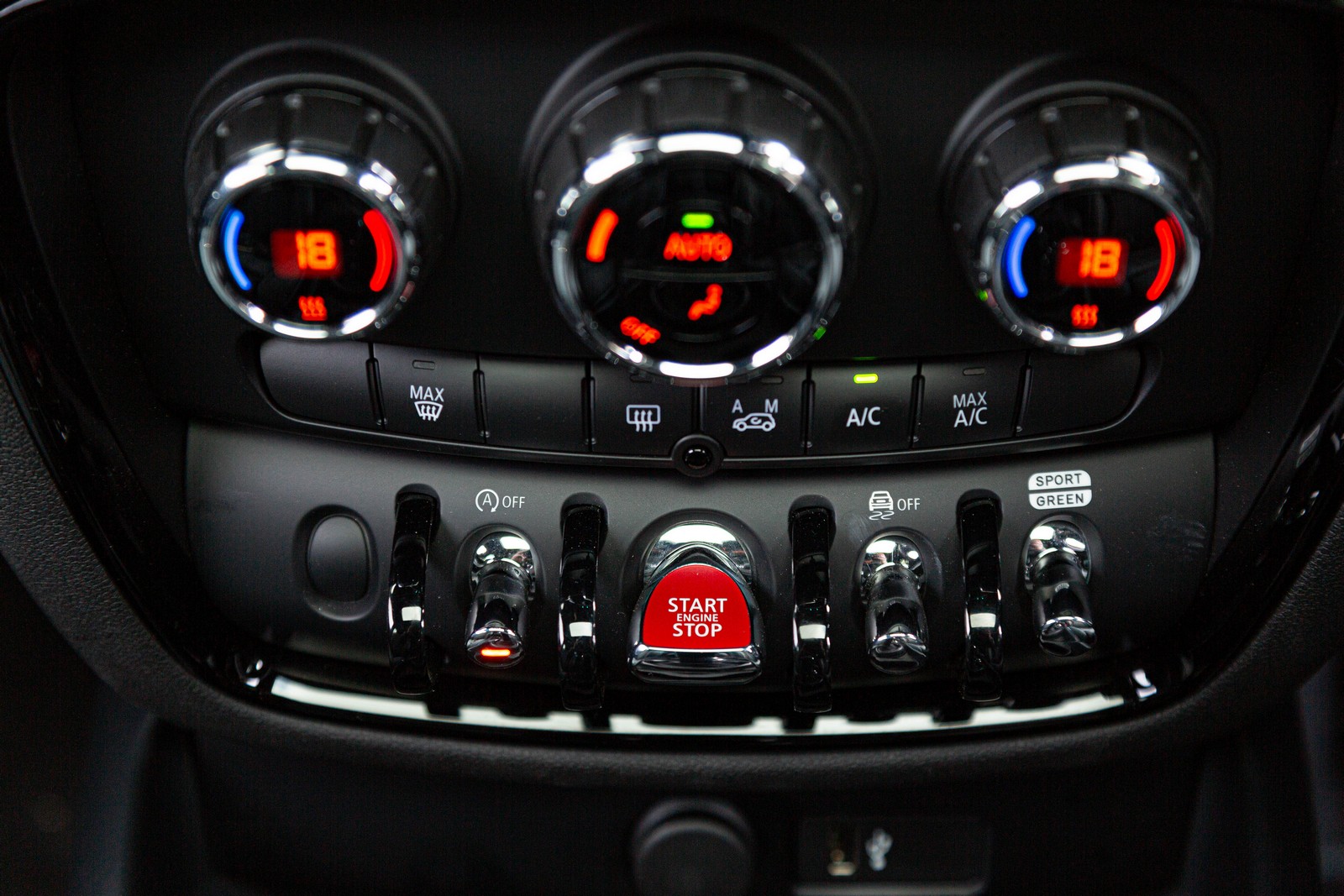
The retro switches are a fun touch
According to Mini SA’s configurator, the Untold Edition costs R58 000 more than a standard Clubman JCW, but you get more than just blingy wheels and a verdant paint finish. If you tick this option, you get niceties like adaptive LED headlights, interior light package and the Mini Excitement package thrown in.
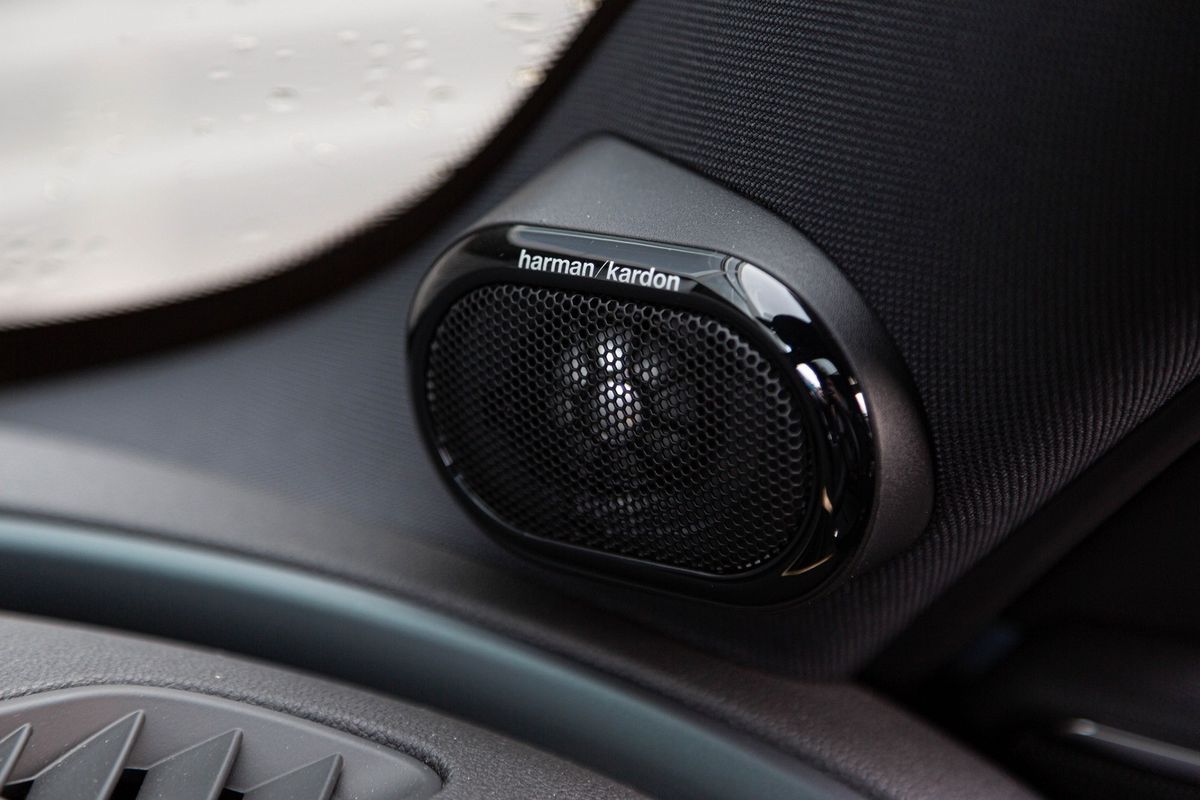
A premium product at a premium price means there are certain expectations when it comes to standard equipment and the Clubman JCW ticks most of the boxes. Climate control, parking sensors, a reverse-view camera, satnav, Harman Kardon audio, Apple CarPlay and adaptive cruise control are stock fitment.
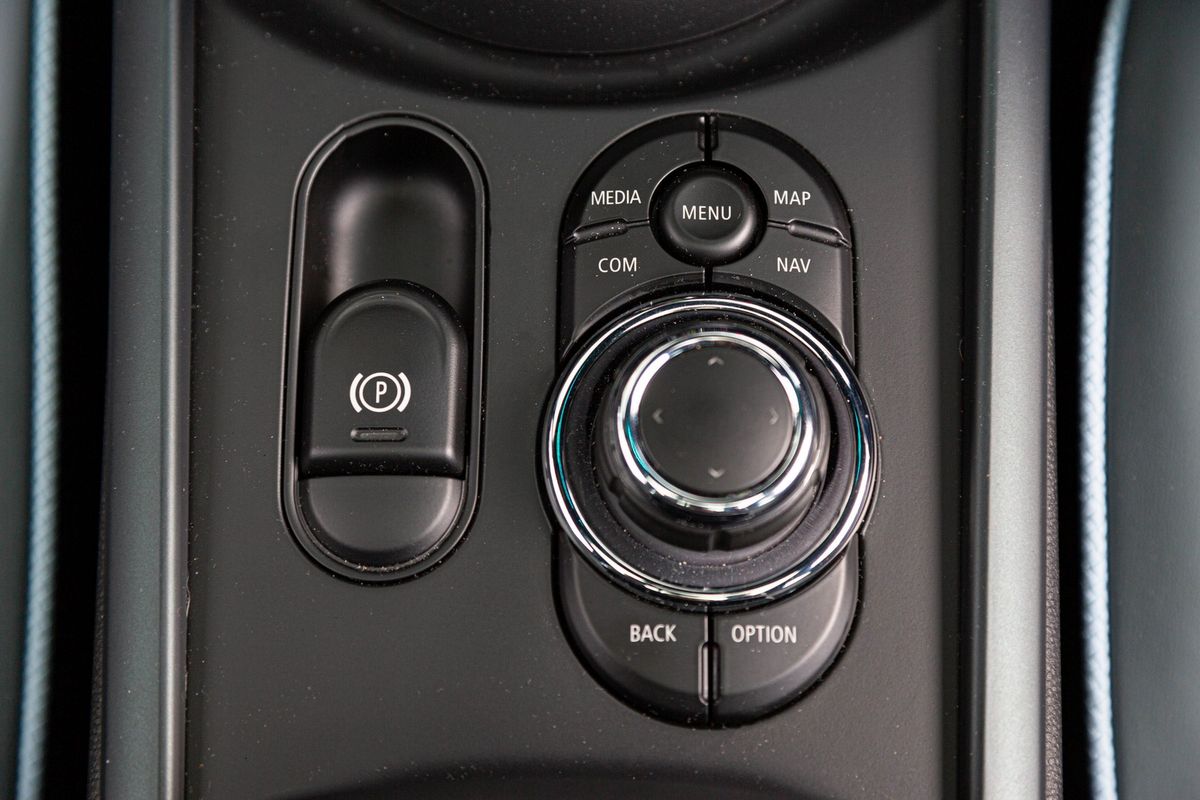
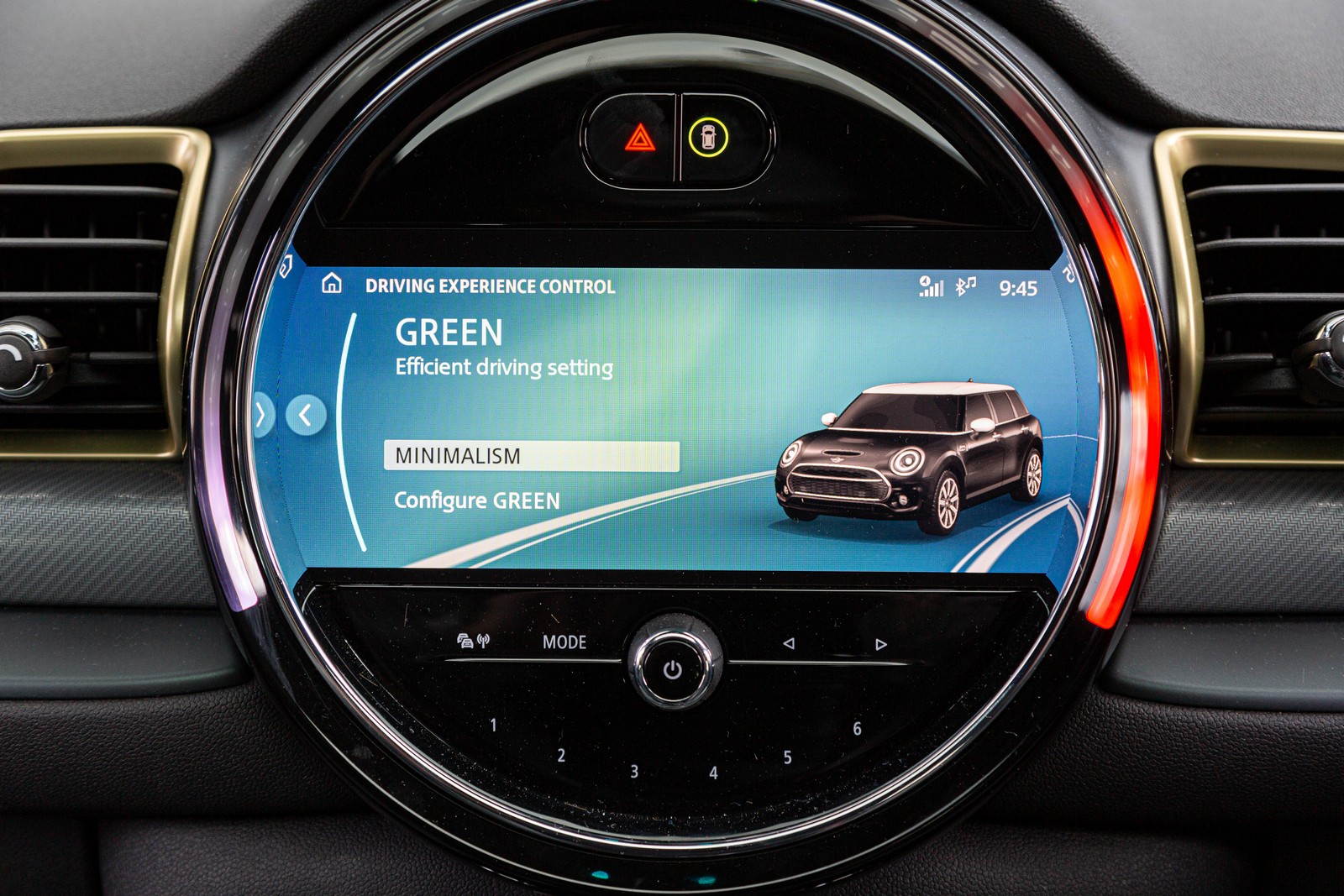
The lack of wireless Android Auto connectivity and heated seats were the only 2 omissions worth noting. The quirky infotainment system, with its colour-changing bezel and cutesy icons, won’t be to everyone’s taste (the “Disco Ring” debuted in 2014), but we’d say the display is undeniably fun and light-hearted.
Price and After-Sales Support
Mini Clubman Cooper 1.5
R595 831
Mini Clubman Cooper S 2.0
R681 832
Mini Clubman John Cooper Works All4
R862 144
The Mini Clubman is sold with a 2-year/unlimited km warranty and a 5-year/100 000 km maintenance plan, with service intervals every 20 000 km. The Untold Edition package adds R58k to the listed price.
Verdict
The Mini Clubman exists to exude an extroverted personality and, yes, it oozes charm and cool. In JCW guise, it can deliver a brisk turn of speed too. The Untold Edition adds some bold styling to the mix and we loved the green and gold combination – it really looks the part and there’s nothing else quite like it.
If the stiff ride quality isn’t a dealbreaker and you don’t require loads of luggage space to facilitate lifestyle hobbies such as, say, mountain biking, then a Clubman JCW may be of interest. However, given the price positioning, it’s difficult to ignore the allure of a well-sorted small SUV. BMW X1, anyone?
However, the Clubman is on run out, with Mini effectively shelving the derivative with an aptly-named Final Edition (due in SA at the end of 2023). The brand intends to have a fully electric line-up by 2030, so expect to see a diminishing number of petrol-powered Minis on the road. Enjoy them while you still can!
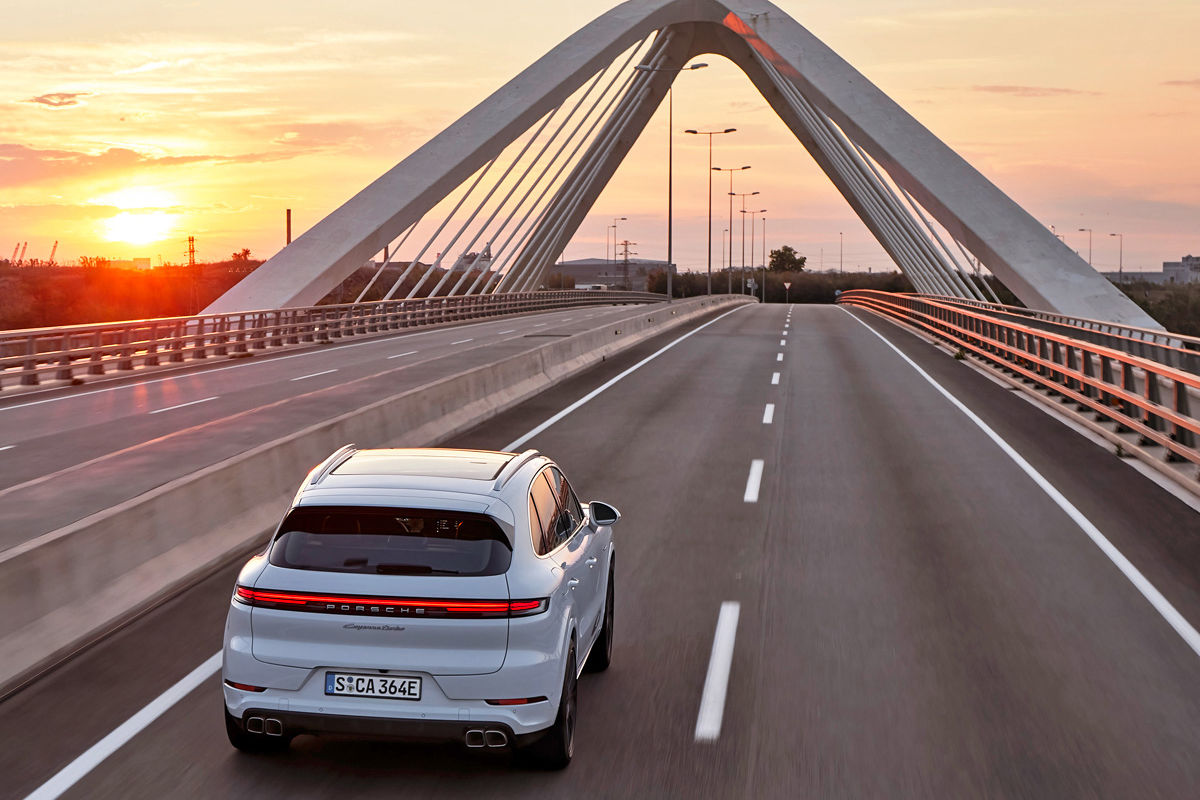
Porsche has whipped the wraps off the latest Cayenne Turbo E-Hybrid, which – with a whopping 544 kW on tap – is the most powerful version of the SUV yet…
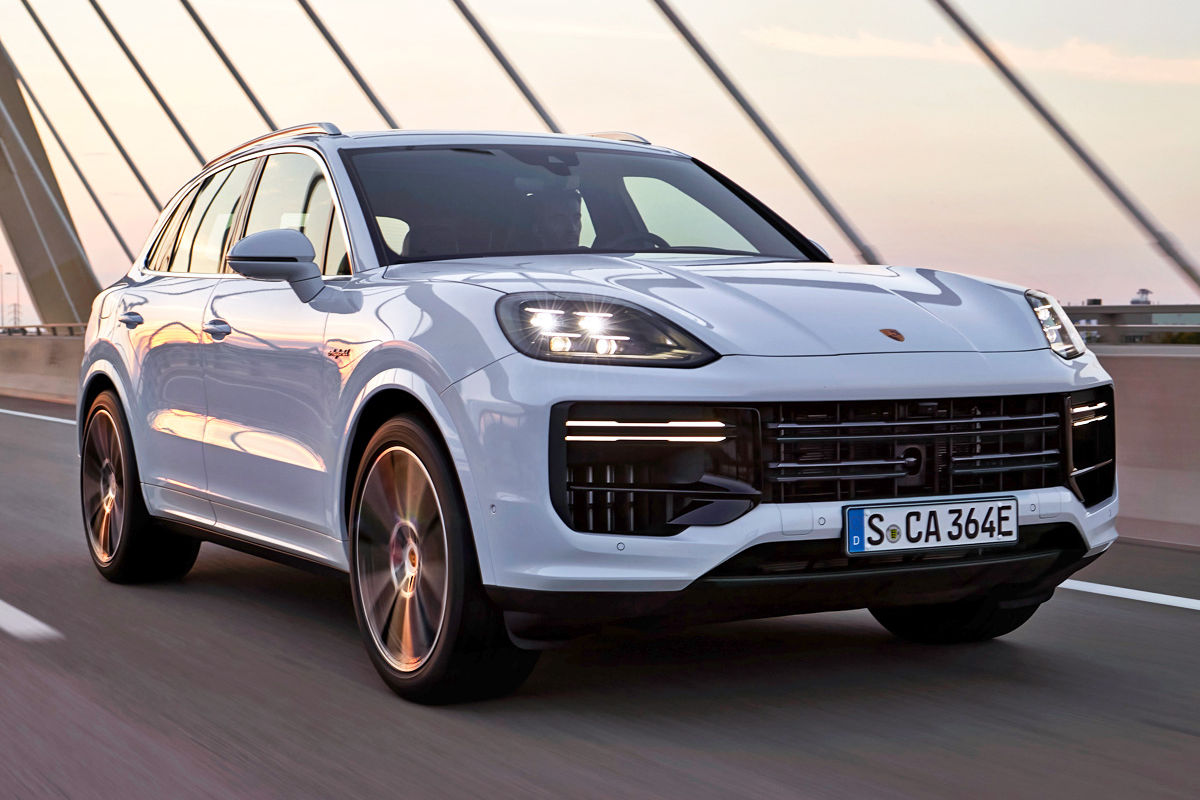
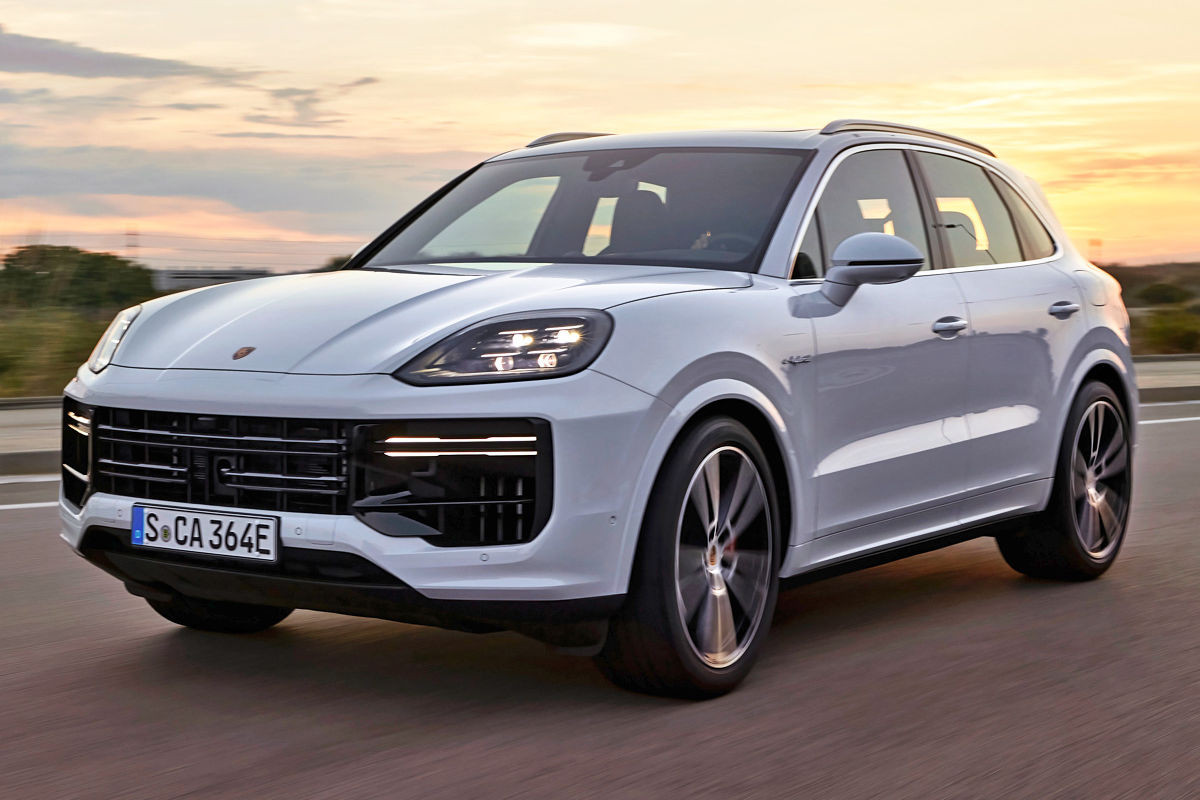
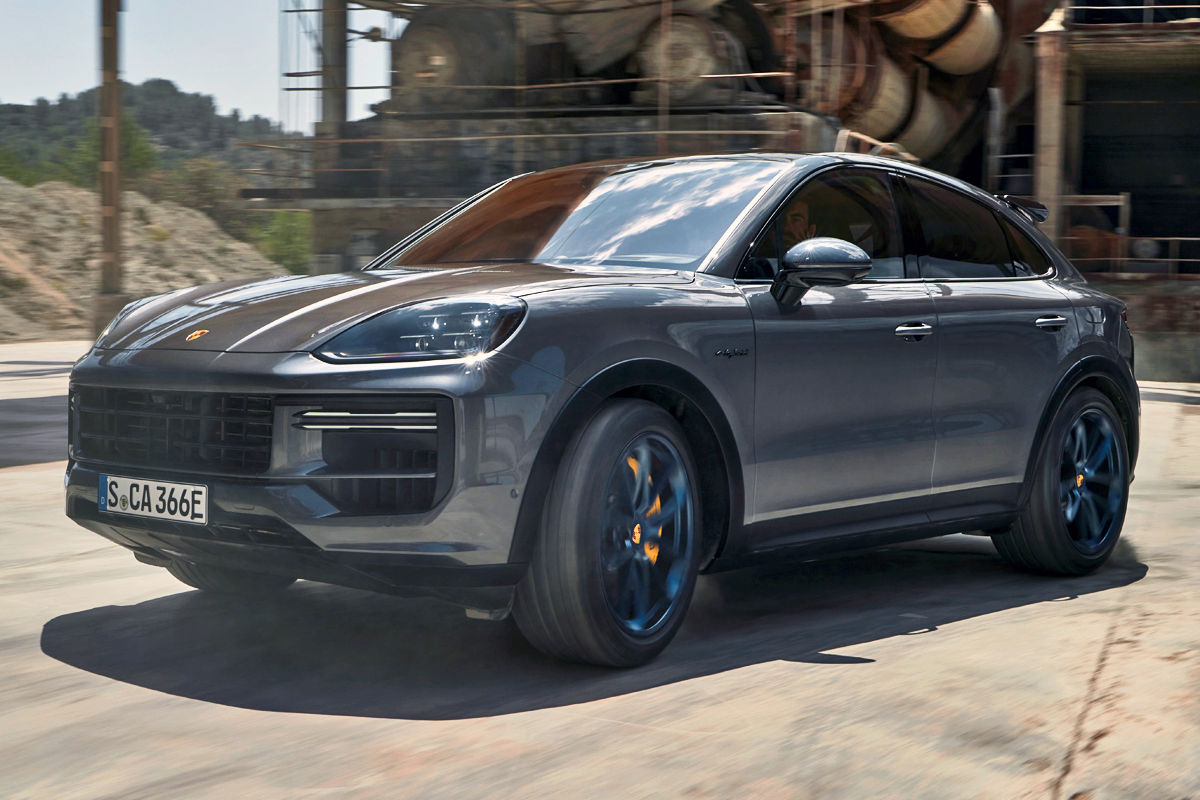
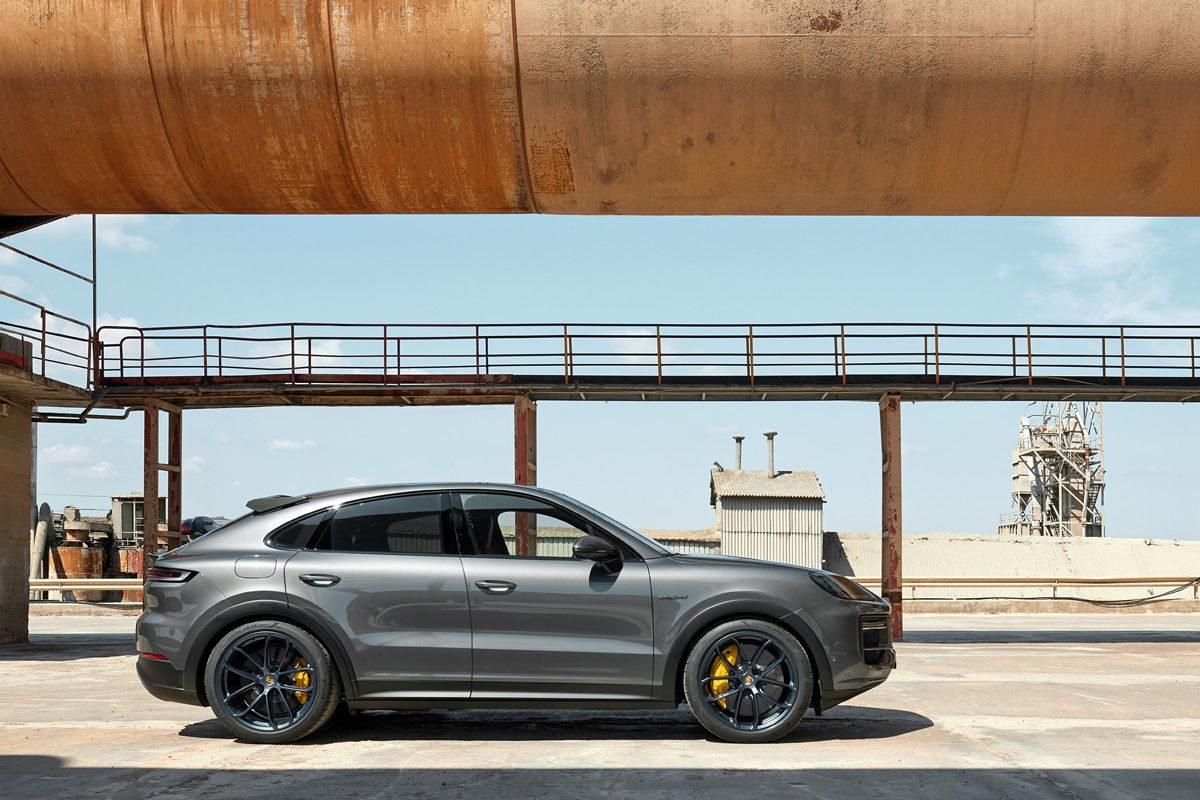
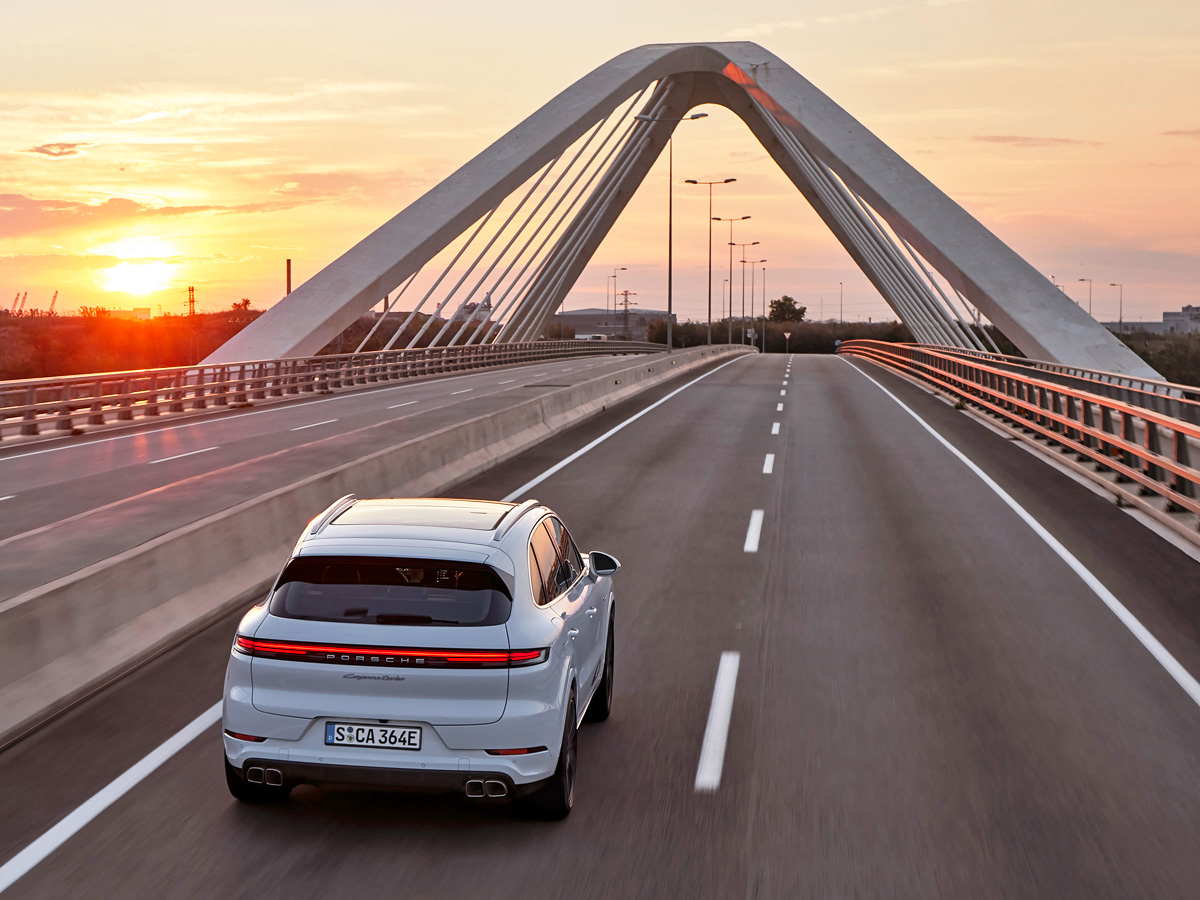
The new 544 kW Porsche Cayenne Turbo E-Hybrid has joined the Stuttgart-based firm’s refreshed 3rd-generation SUV range, arriving as the most powerful version of the Cayenne yet and boasting even more oomph than the Aston Martin DBX707 and Ferrari Purosangue. Check out pricing at the bottom of this page.
Courtesy of an uprated plug-in hybrid powertrain, the Cayenne Turbo E-Hybrid – which is offered in both SUV and coupé body styles – generates heady peak system outputs of 544 kW and 950 Nm (for reference, the previous version, badged Turbo S E-Hybrid, made 500 kW and 900 Nm). An electric motor contributes 130 kW, supplementing what Porsche describes as an “extensively reworked” 441 kW version of the twin-turbo 4.0-litre V8 petrol engine.
As a result, the Cayenne Turbo E-Hybrid sees off the obligatory 0-100 kph sprint in a claimed 3.7 seconds, before topping out at 295 kph. Of course, that means it’s not quite the fastest-accelerating Cayenne in the line-up, an honour that instead goes to the 485 kW Cayenne Turbo GT (which hits 3 figures in a claimed 3.3 seconds and runs out of puff only at 305 kph).
That said, the latest Cayenne Turbo E-Hybrid does benefit from “significant gains” in electric range as well as shorter charging times. With an increased capacity of 25.9 kWh, the high-voltage battery (installed under the load-compartment floor) allows an electric range of up to 82 km, according to Porsche. There’s also a new 11 kW on-board charger in the mix.
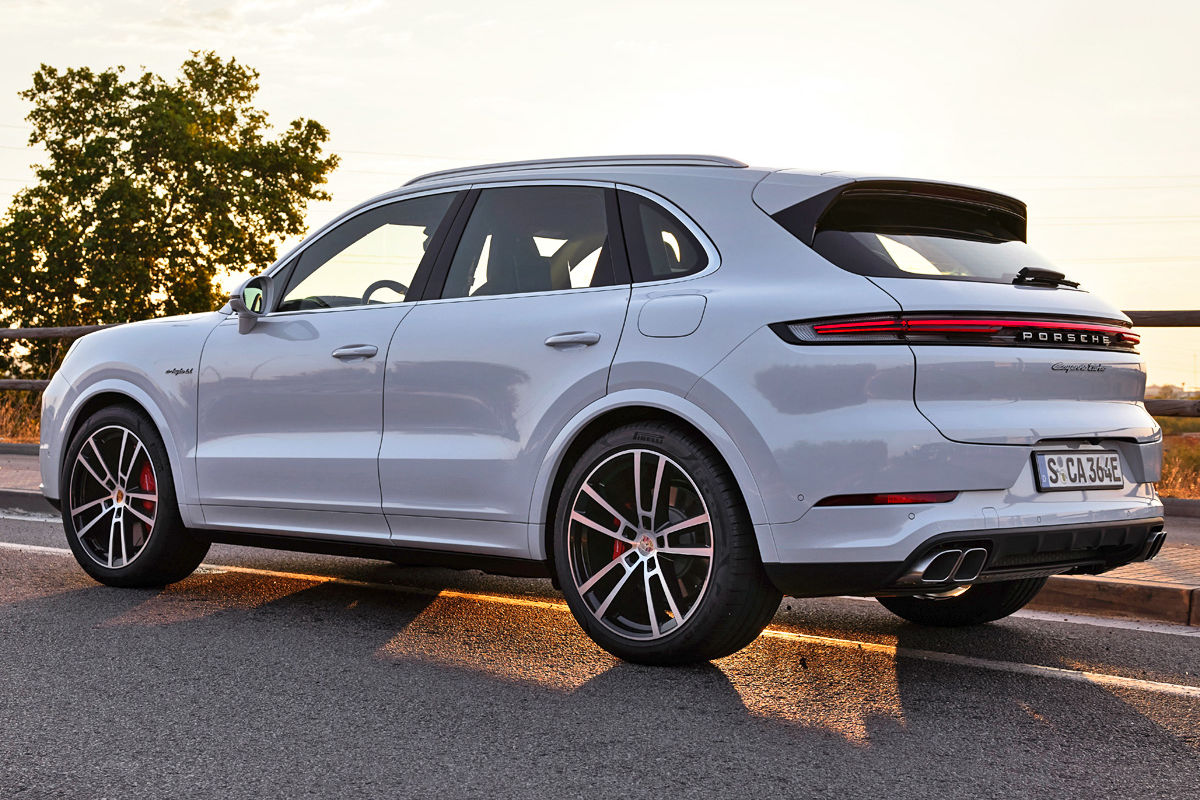
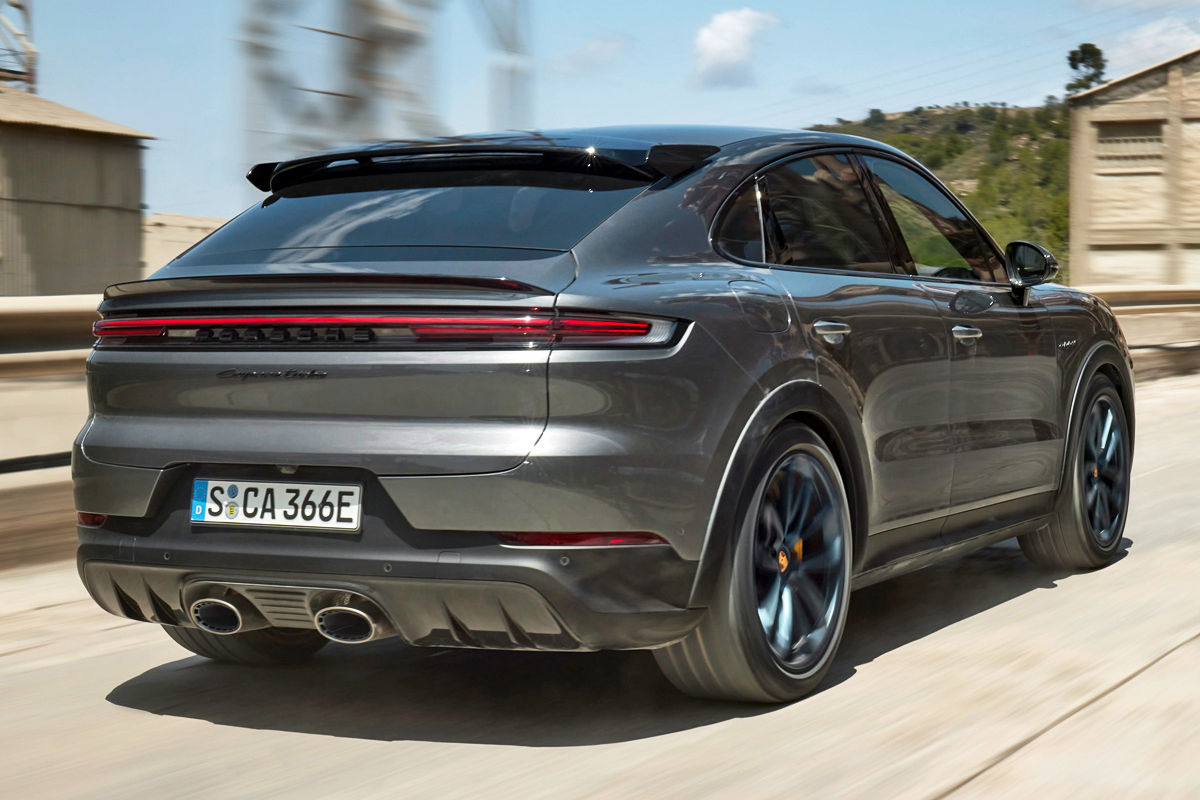
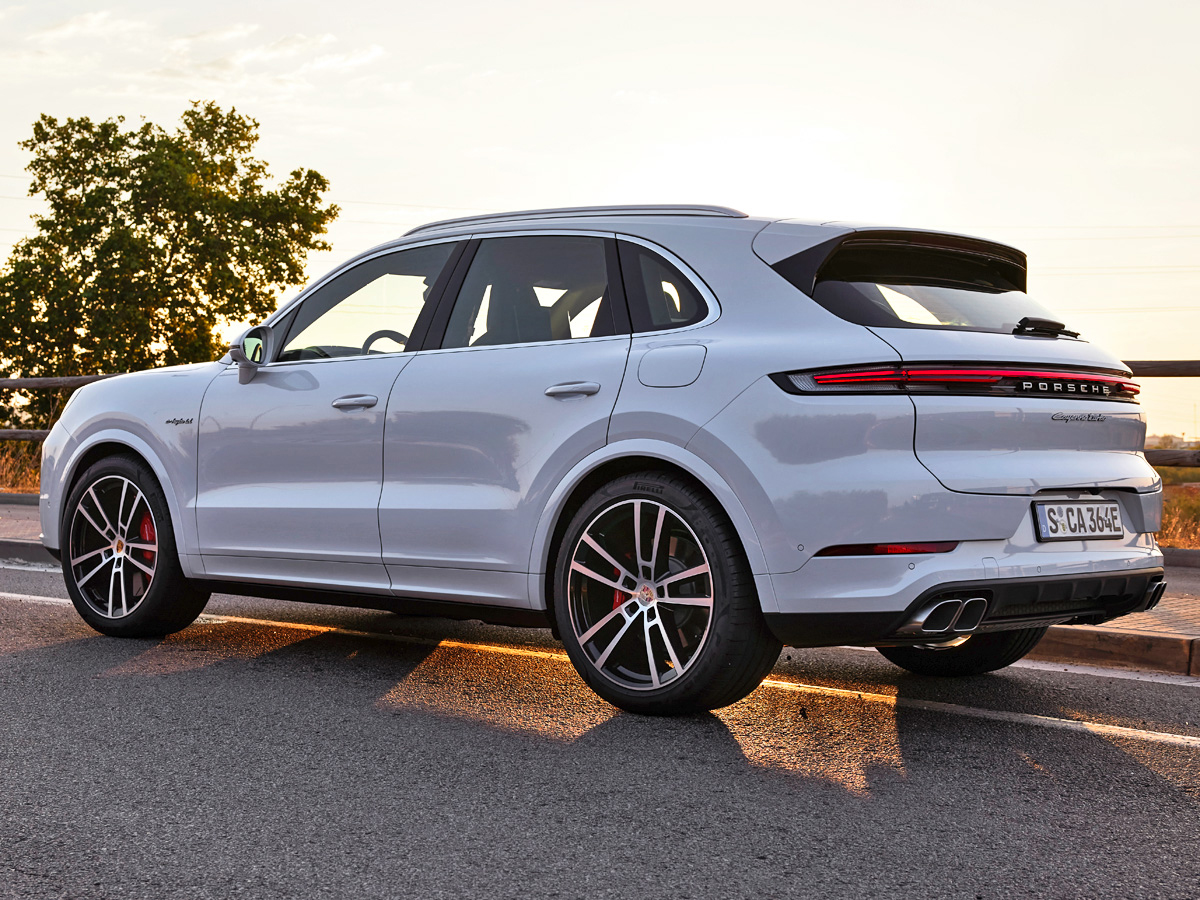
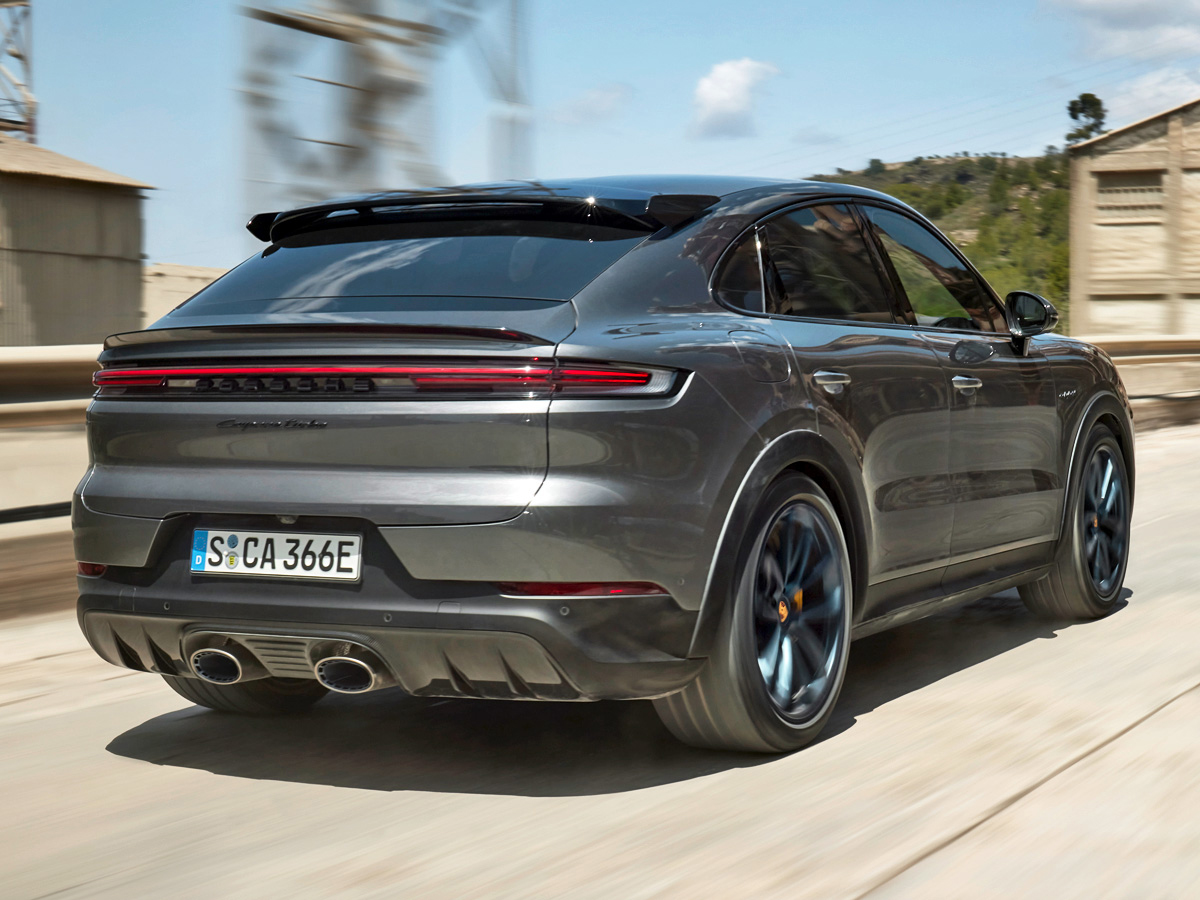
So, how will you be able to identify the new Cayenne Turbo E-Hybrid out on the road? Well, it adopts the front-end styling reserved for Turbo models, complete with larger air intakes and gloss-black “air blades”, while also boasting quad-tailpipes in brushed stainless steel as well as red brake callipers.
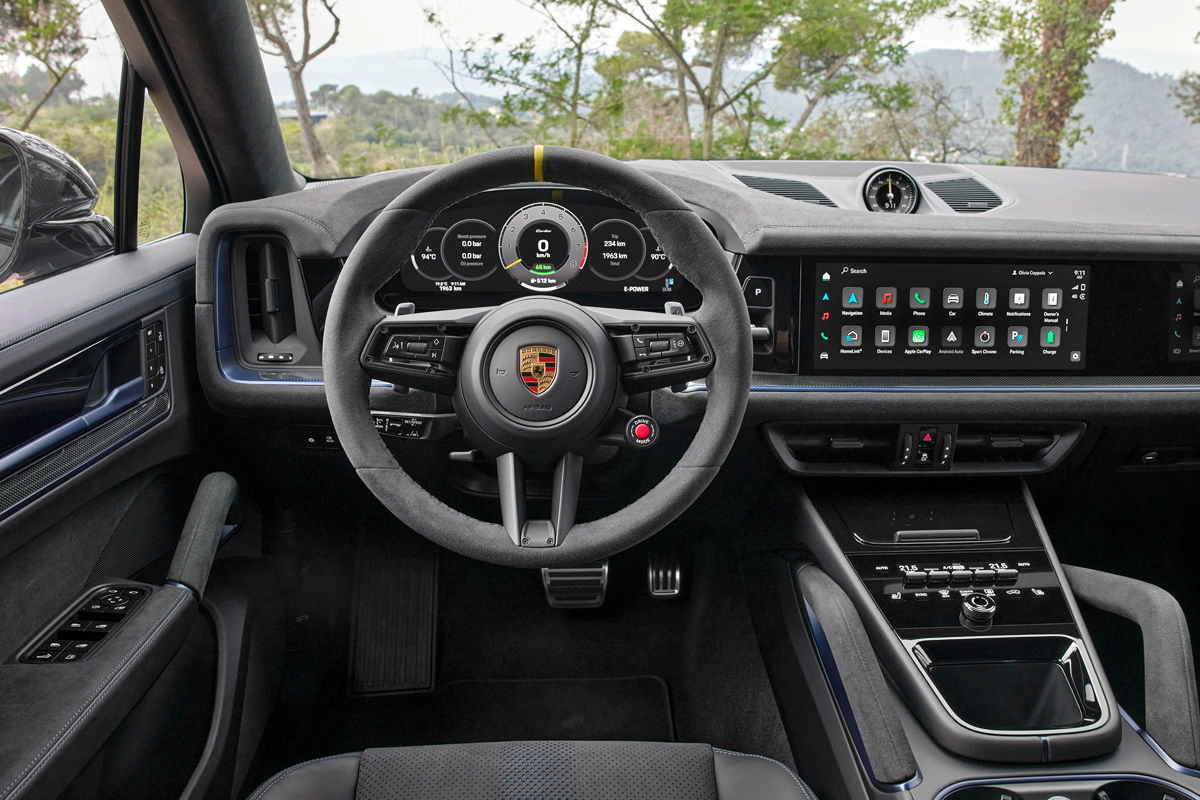
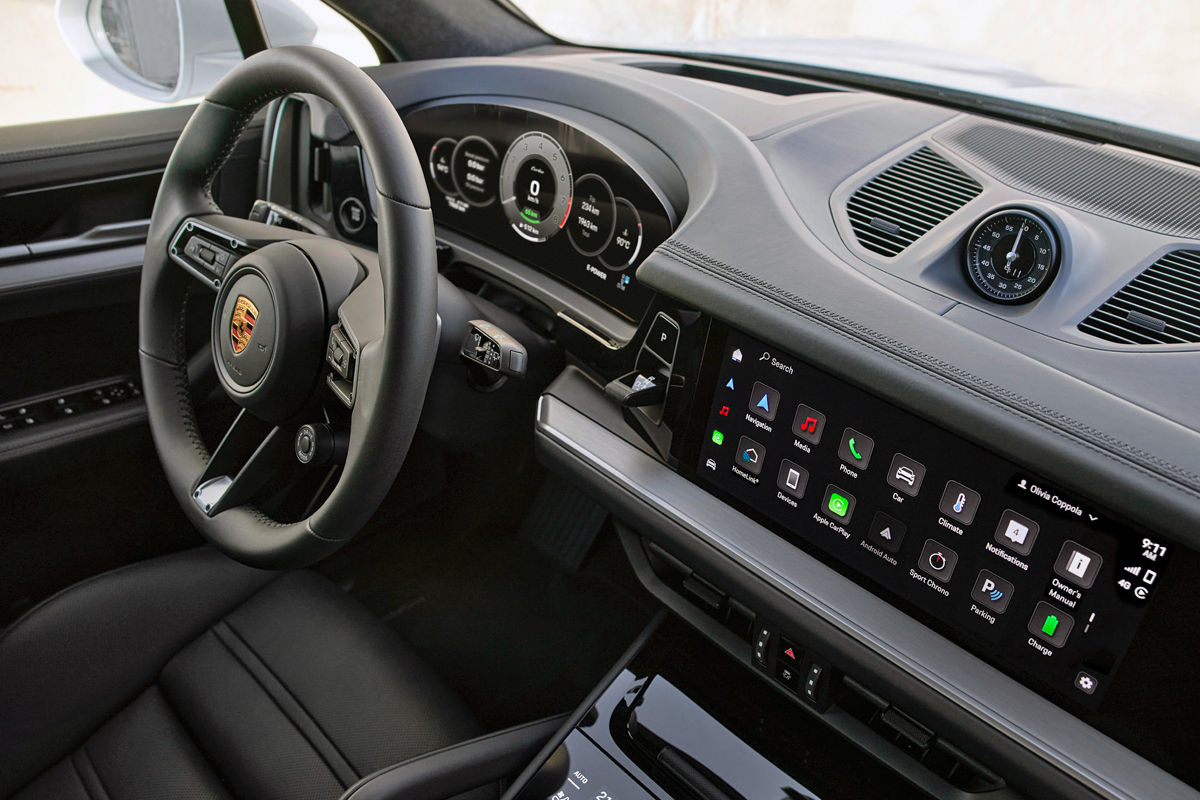
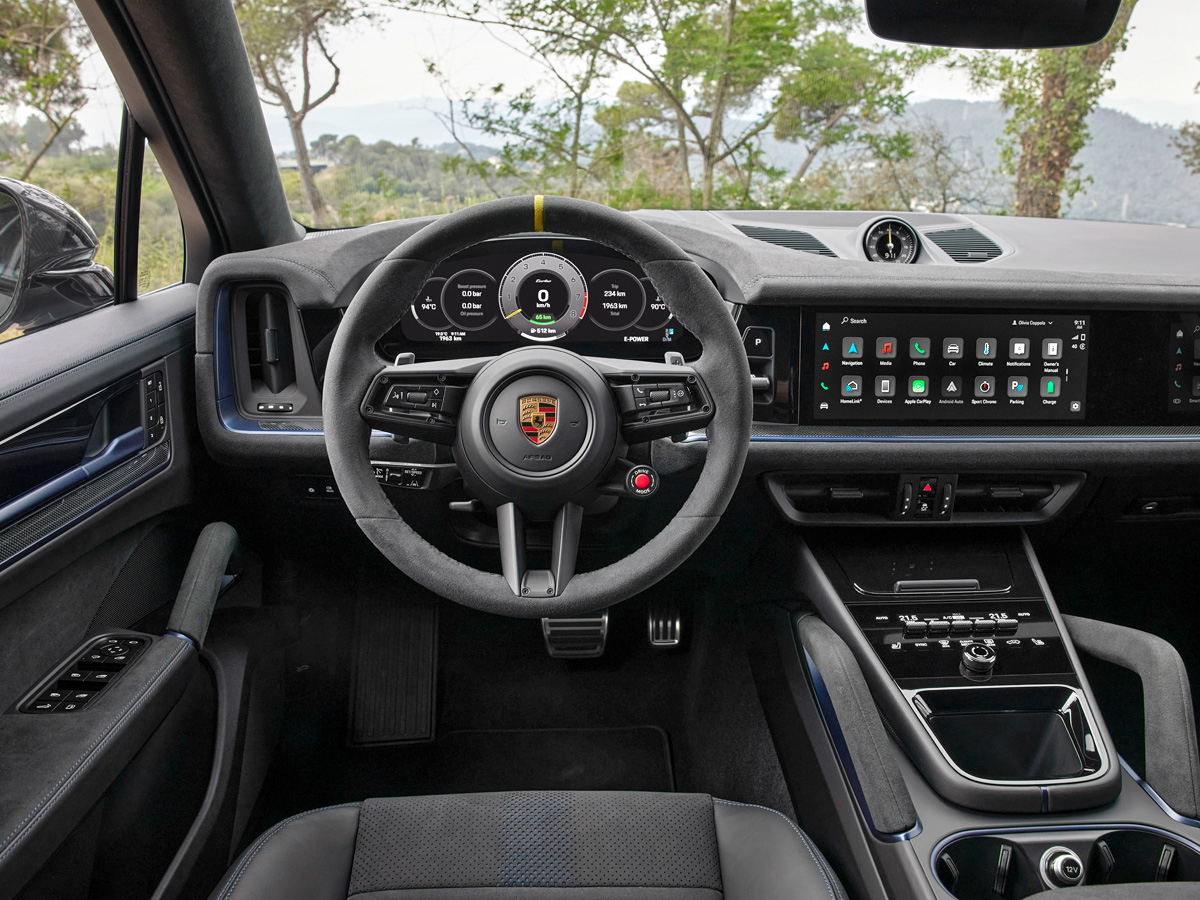
Inside, you’ll notice aluminium inlays in the dashboard and door panel trims, along with roof lining trimmed in the brand’s Race-Tex material. The standard equipment list includes a heated GT sports steering wheel and 18-way adjustable leather sports seats (with 14-way adjustable leather comfort seats optionally available).
The Cayenne Turbo E-Hybrid furthermore ships standard with adaptive air suspension that features new 2-chamber, 2-valve technology, which Porsche says “enhances comfort and safety in equal measure” while offering an “even wider spectrum between the Comfort and Sport Plus suspension settings”. Porsche Torque Vectoring Plus is likewise standard, while Porsche Dynamic Chassis Control and rear-axle steering are offered as options.
The Cayenne Turbo E-Hybrid Coupé will be offered with a new “GT Package” (which, among other things, sees the claimed 0-100 kph sprint time cut to 3.6 seconds and top speed hiked to 305 kph), though this option doesn’t appear to be destined for South Africa. Indeed, Porsche says the availability of the GT package will be “limited to the markets” in which the Cayenne Turbo GT is no longer available due to local regulations.
How much does the Porsche Cayenne Turbo E-Hybrid cost in SA?
Porsche Cayenne Turbo E-Hybrid – R3 312 000
Porsche Cayenne Turbo E-Hybrid Coupé – R3 390 000
The above prices include Porsche’s 3-year Driveplan.