Which models are Audi SA’s best-sellers in 2023 so far?
Which models are Audi’s best-sellers in South Africa in 2023 so far? A few short years ago, the A4 would have been top, but the sedan now finds itself down in 5th place…
Over the opening 7 months of 2023, Audi South Africa registered 3 713 sales across as many as 15 nameplates. But which models are the German brand’s best-sellers on local soil, year to date? If you guessed Audi A4 was in the top spot, you’ll be a little surprised to hear the compact executive sedan actually found itself down in 5th position.
Yes, we collated the year-to-date sales figures and applied some basic arithmetic to identify Audi’s best- and worst-sellers. Unlike BMW and Mercedes-Benz – the other 2 members of the Teutonic Trio – detailed Audi sales figures are indeed reported to Naamsa every month, courtesy of Volkswagen Group South Africa.
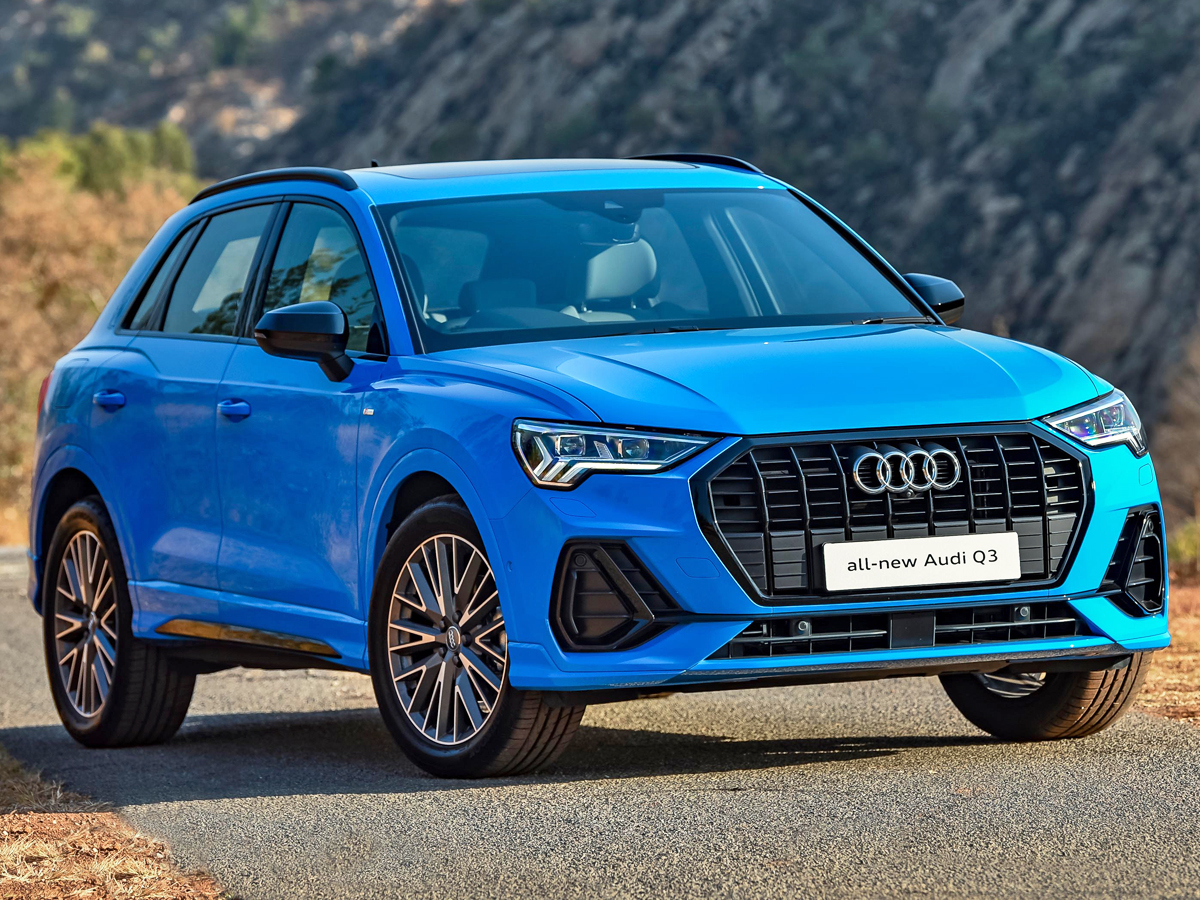
The Q3 was Audi’s most popular nameplate over the opening 7 months of 2023.
Of course, that means we can have a close look at just how well (or poorly) the Ingolstadt-based firm’s wares are currently selling in Mzansi. This is what we found.
From the start of January to the end of July 2023, the Q3 was Audi SA’s most popular nameplate, with 759 units registered. That figure comprised 492 units of the standard SUV body style and 267 units of the Sportback configuration.
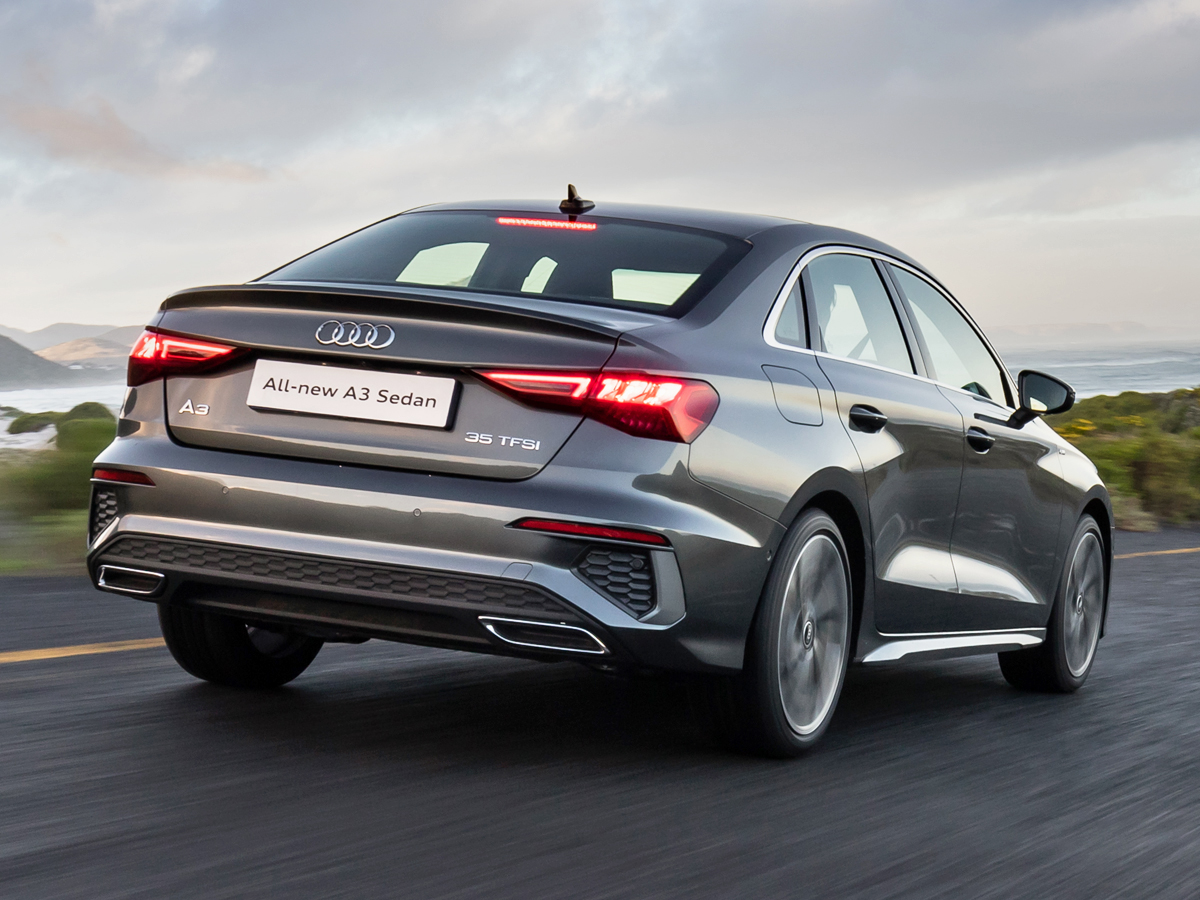
A little surprisingly, the A3 Sedan outsold the A3 Sportback.
The A3 wasn’t too far behind, ending the reporting period on 694 units. Fascinatingly – and, we must admit, somewhat unexpectedly considering the general decline in saloon sales – the A3 Sedan (356 units) managed to outsell the A3 Sportback (338 units), though only just.
The final podium spot went to the Q2 (485 units), which narrowly beat the Q5 (462 units). The latter’s tally comprised 267 units of the regular SUV and 195 units of the Sportback version. The A4 thus had to settle for 5th position with 448 registrations, 434 of which came in the form of the sedan with a further 14 units courtesy of the high-performance RS4 Avant.
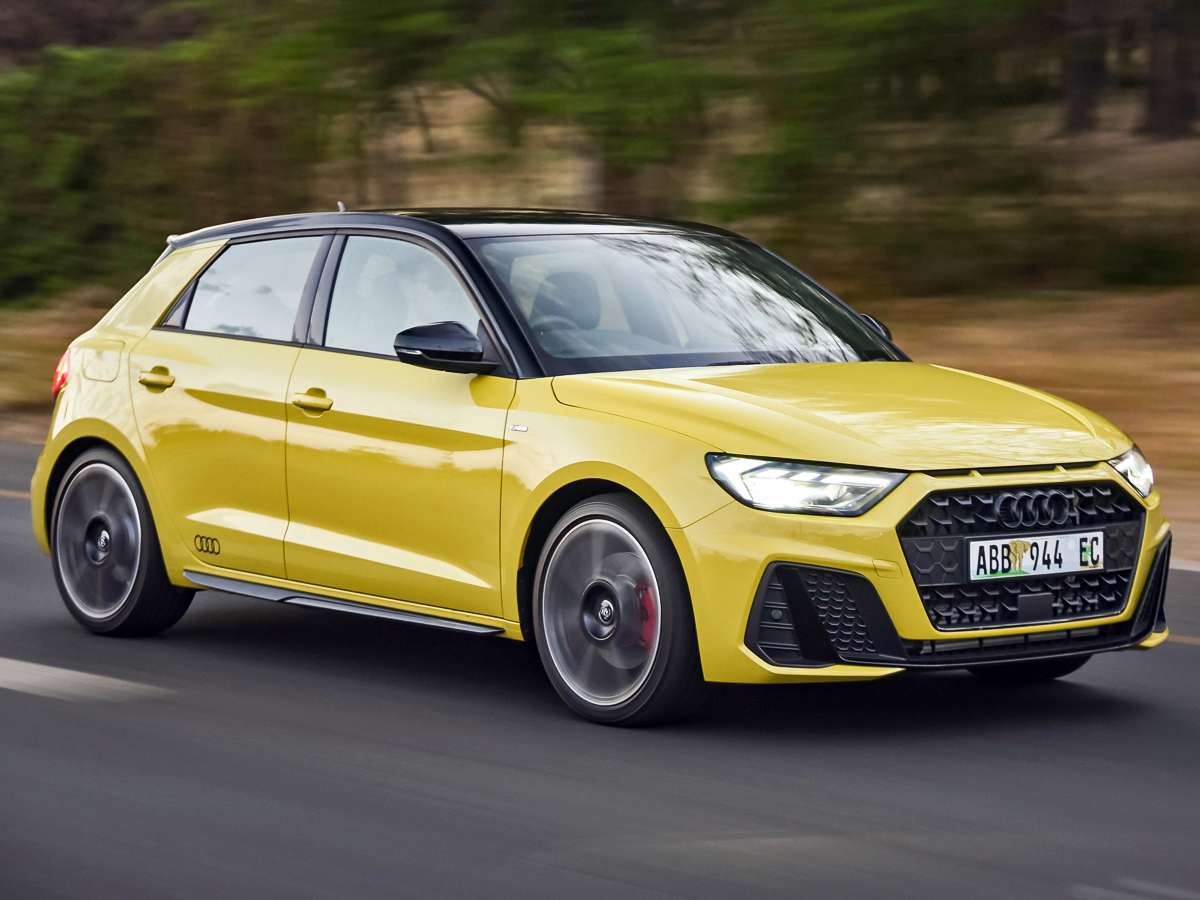
The A1 Sportback placed 6th on the list of Audi’s strongest sellers.
Next came the A1 Sportback (387 units), followed by the A5 family with 162 units (136 in Sportback guise and 26 in either Coupé or Cabriolet form). The Q8 was the final Audi model to reach 3 figures in the 7-month reporting period, finishing on 112 sales.
That meant the slower-selling Audi nameplates were the Q7 (81 units), TT (47 units) and A6 (40 units; 25 in RS6 Avant form plus 15 sedans). The fully electric e-tron family finished on 22 sales (9 e-tron units, 7 e-tron Sportback units and 6 e-tron GT units), while the R8 managed 7 registrations. Finally, the A7 Sportback (4 units) and A8 sedan (3 units) brought up the rear.
Volkswagen ID.4 (2022) International Launch Review
The Volkswagen ID.4 is the first electric vehicle that the Wolfsburg-based brand will roll out in South Africa. We made the most of an exclusive opportunity to drive the battery-electric crossover in Poland ahead of its upcoming local introduction…
When it comes to electric cars in South Africa, there’s one major German brand that’s conspicuous by its absence: Volkswagen. BMW, Porsche, Audi and Mercedes-Benz offer electric vehicles (EVs, as do Volvo and Jaguar). Chinese brands are also getting in on the act: Haval will launch its Ora in Mzansi at some point in 2023, while Build Your Dreams (BYD) is opening a few dealerships – its first model is the Atto 3.
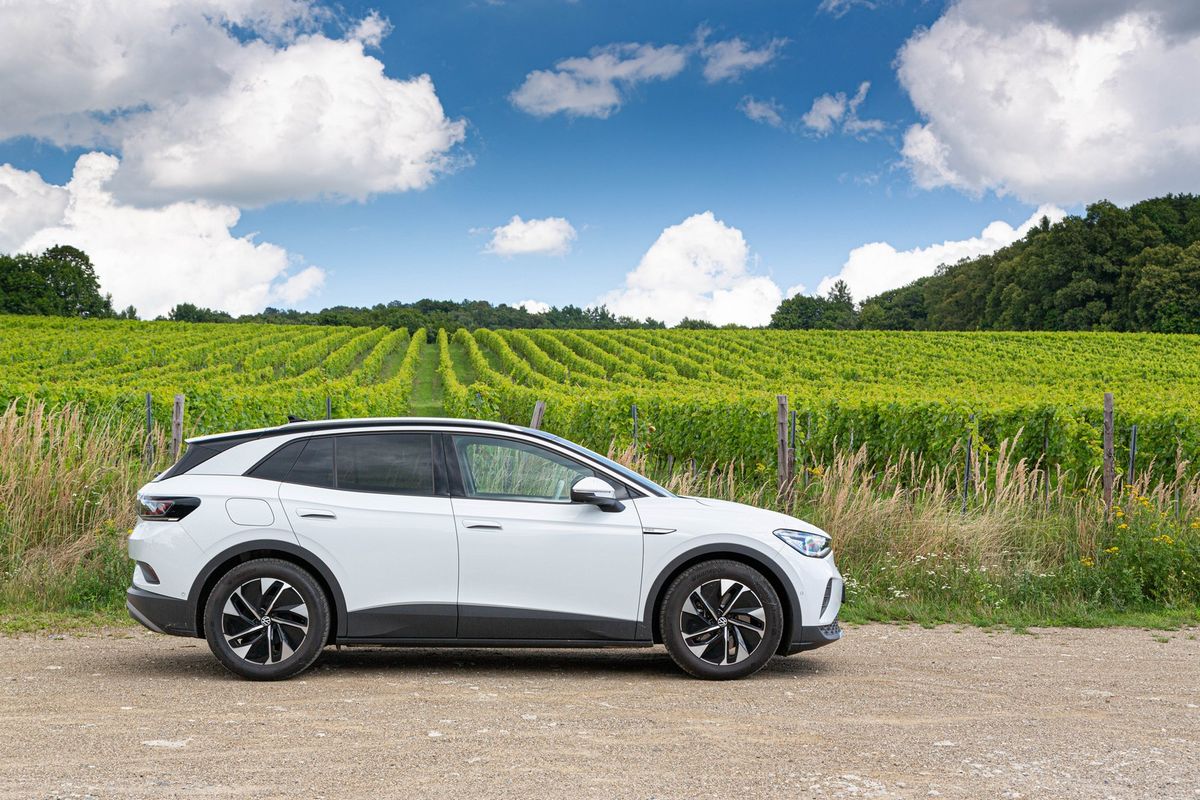
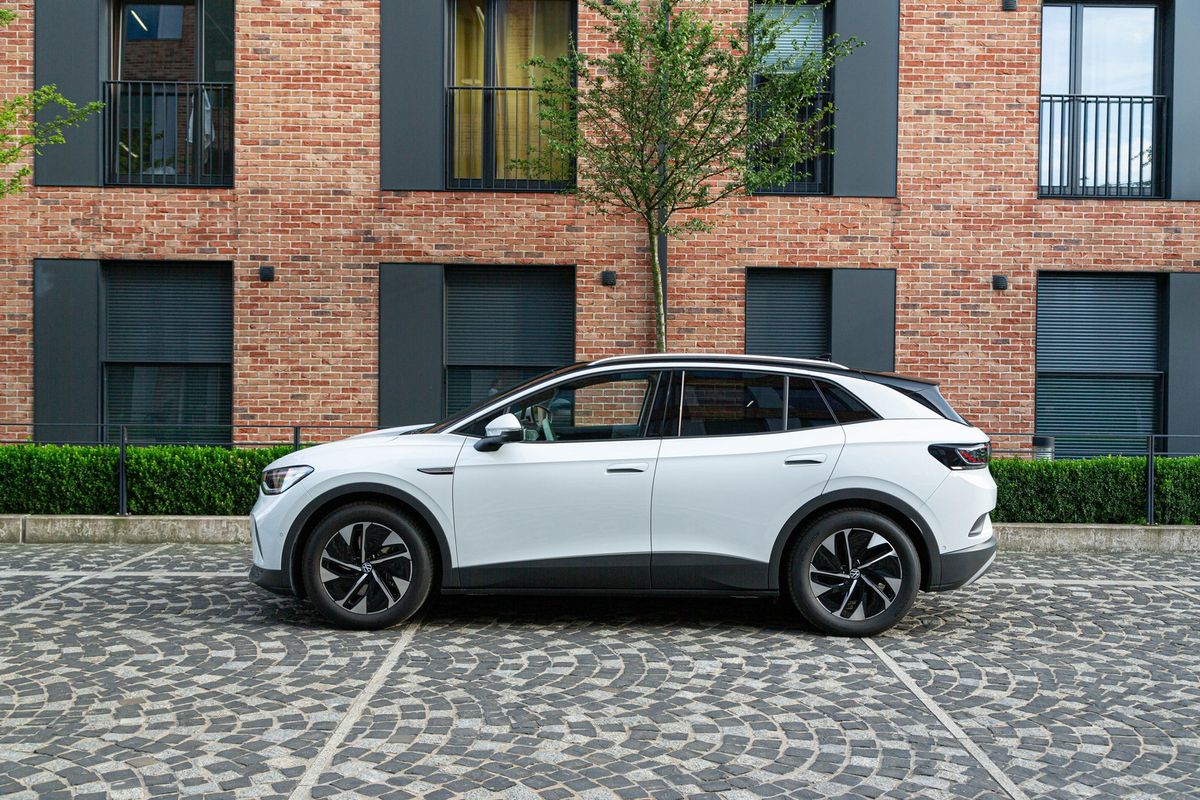
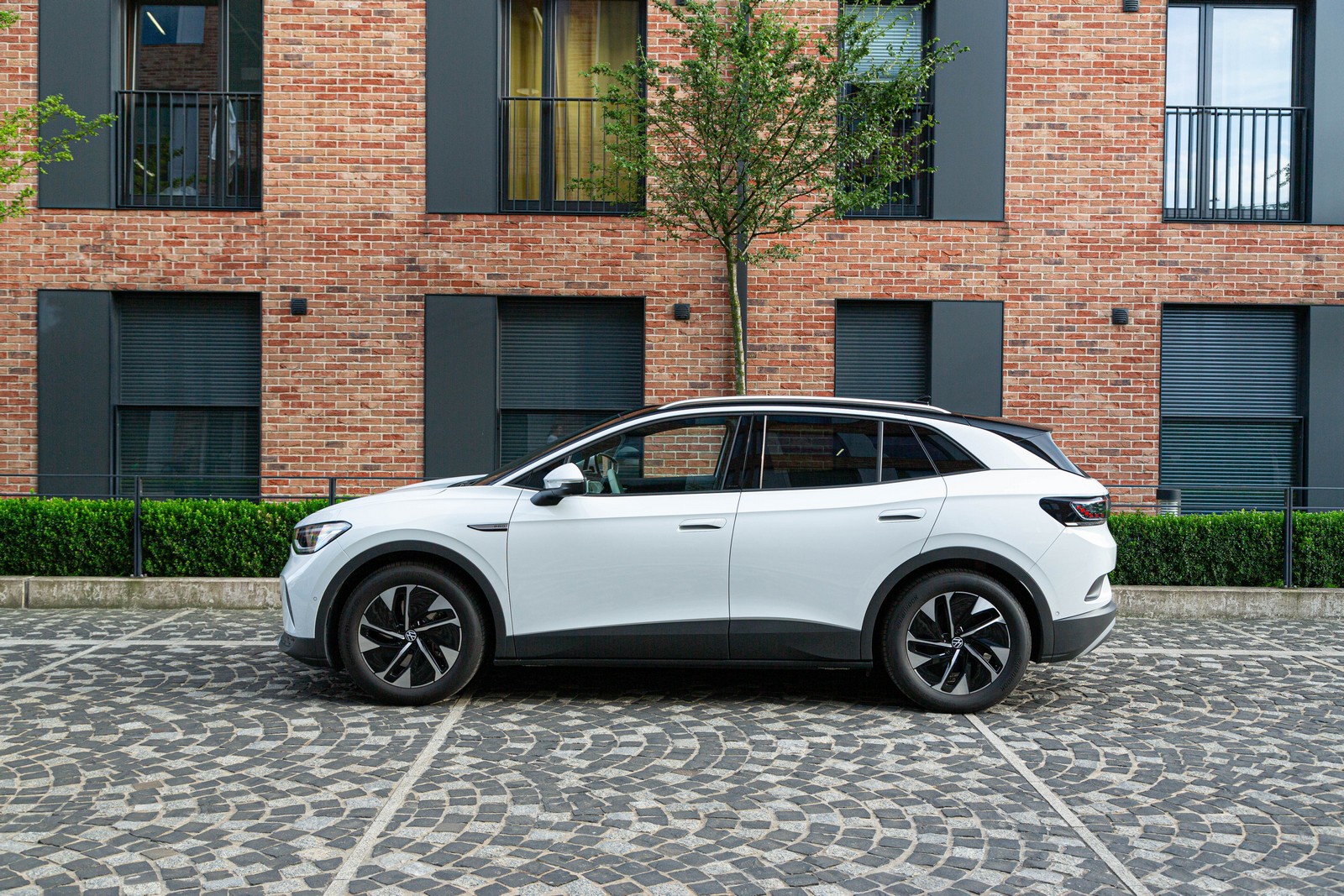
The ID.4 is slightly longer and lower than the equivalent Volkswagen Tiguan.
The Volkswagen ID.4 is the sibling of the premium hatchback-sized ID.3 and its external dimensions are similar to those of the Tiguan. However, despite their comparable sizes and shared design elements, the key differences between the ID.4 and Tiguan lie in their platform and powertrain execution: the former is underpinned by the MQB platform, but the latter is based on the MEB, which is for electric cars only.
The new MEB scalable and modular electric platform is key to Volkswagen Group’s EV future – it already underpins many products from Volkswagen, Audi, Skoda and Cupra. The smart design of the platform means that a variety of sizes and body styles can be accommodated. It’s impressive that, beneath their sheet metal, the ID.3 hatchback and the ID.Buzz van/people-mover are fundamentally the same vehicle.
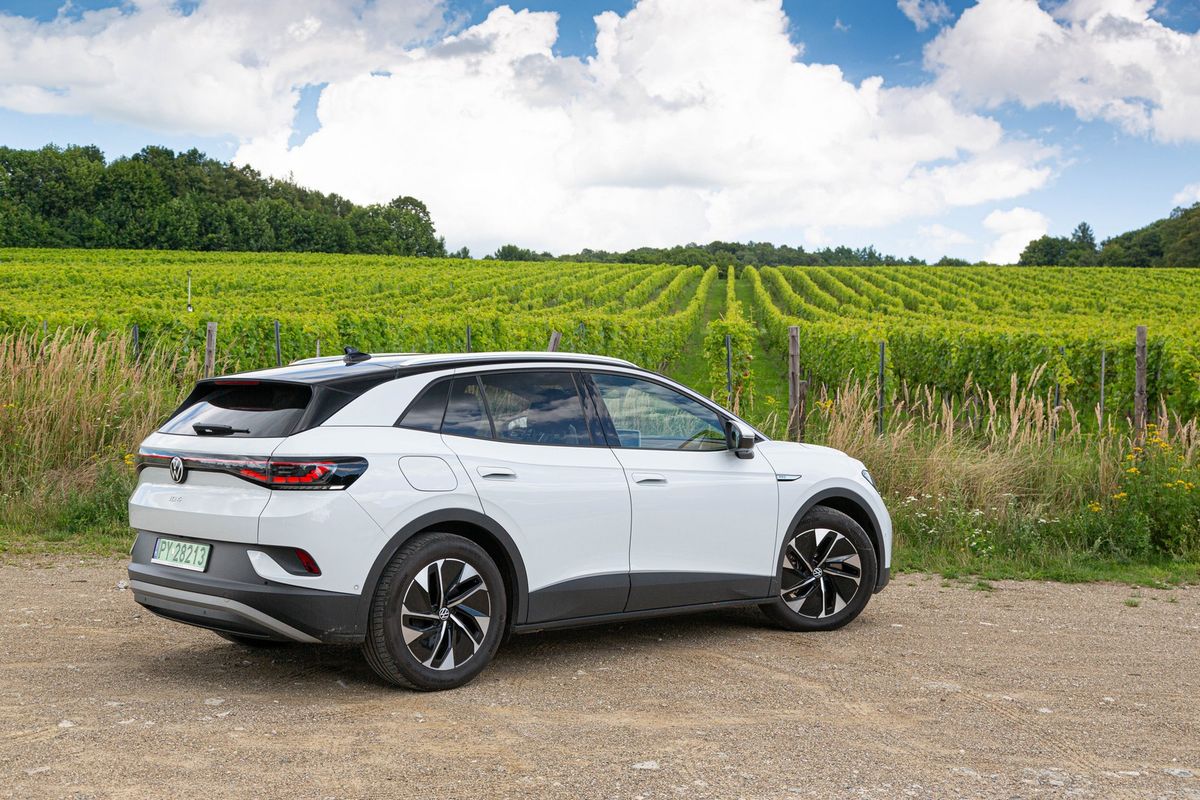
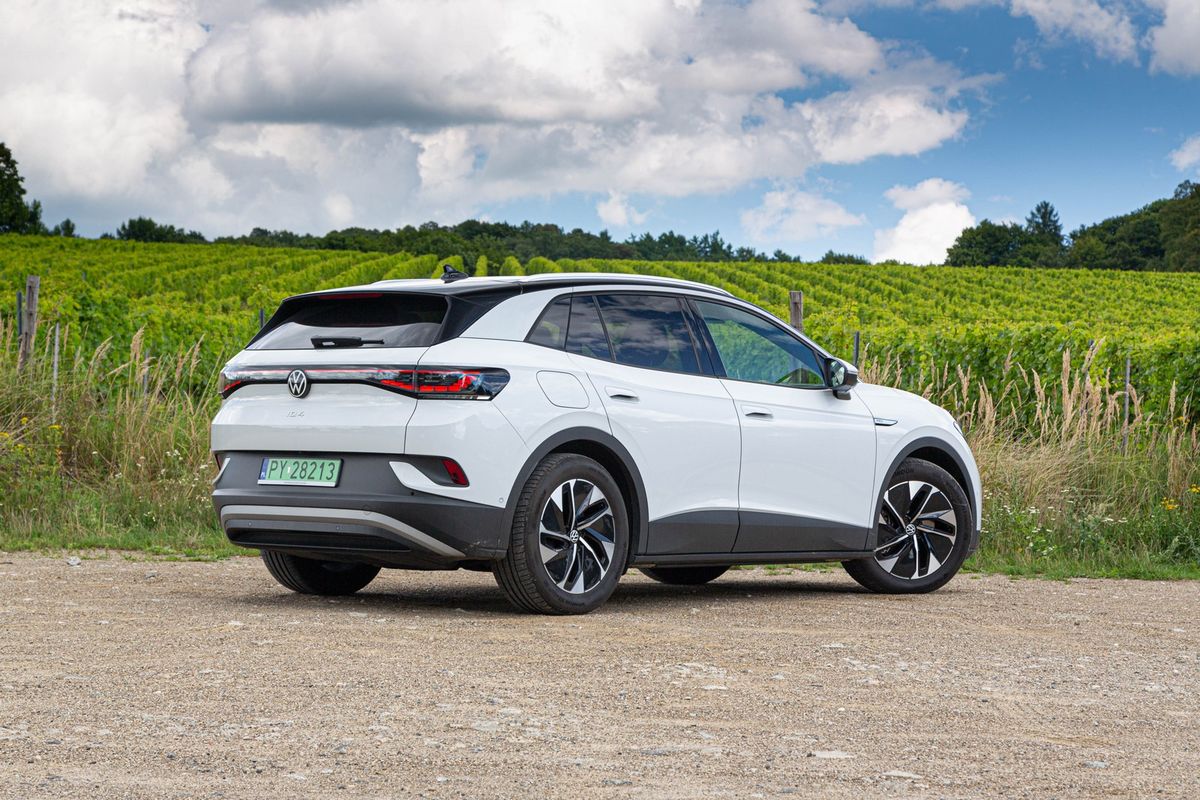
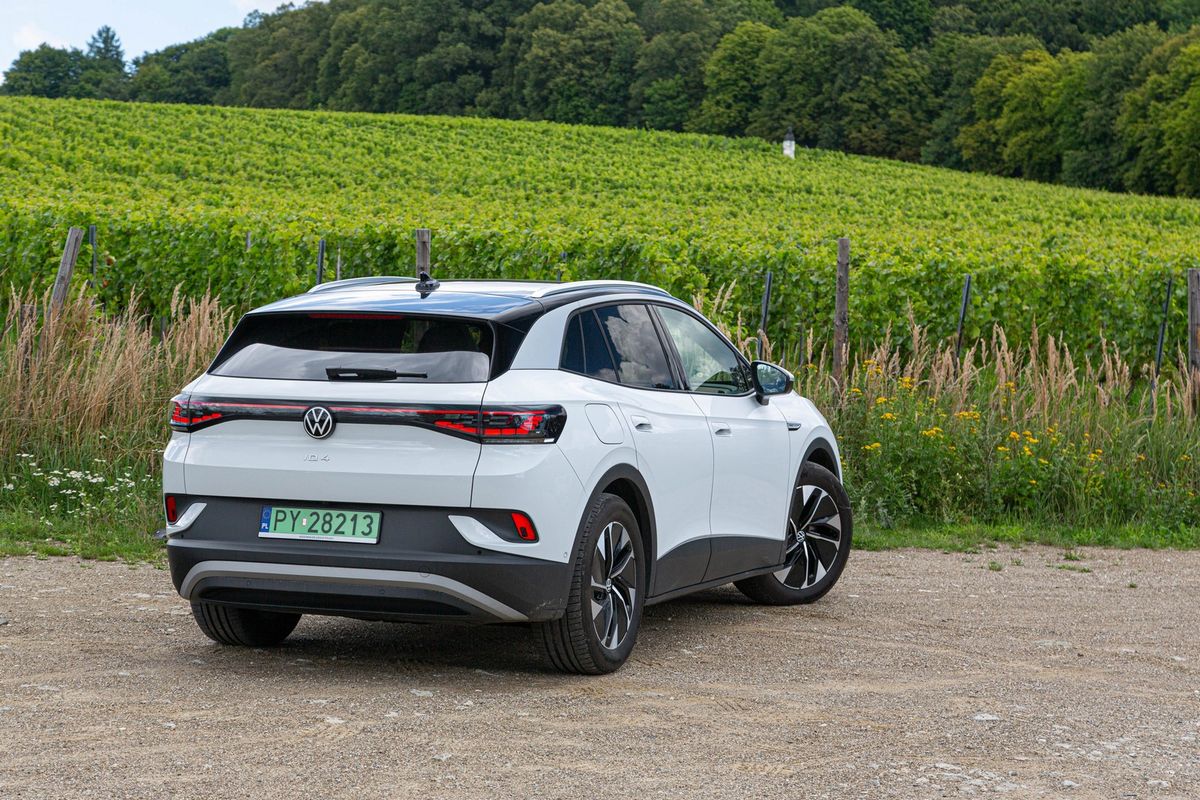
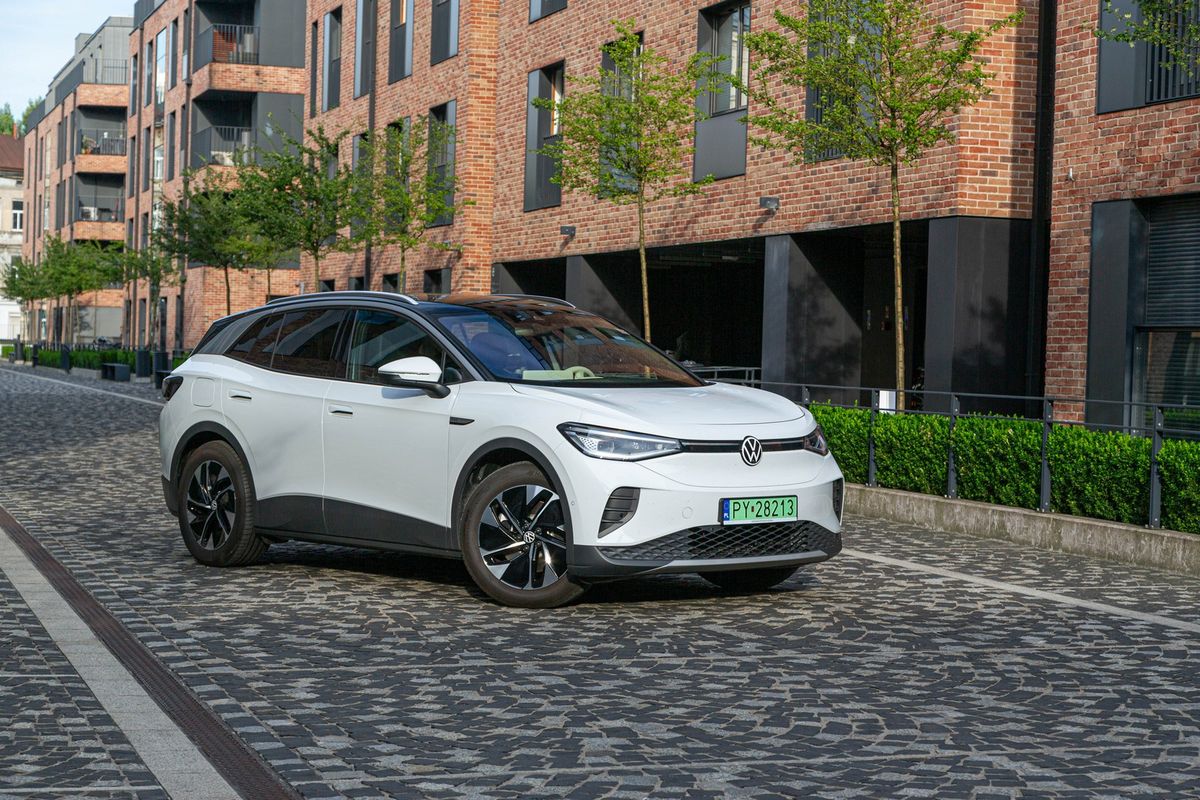
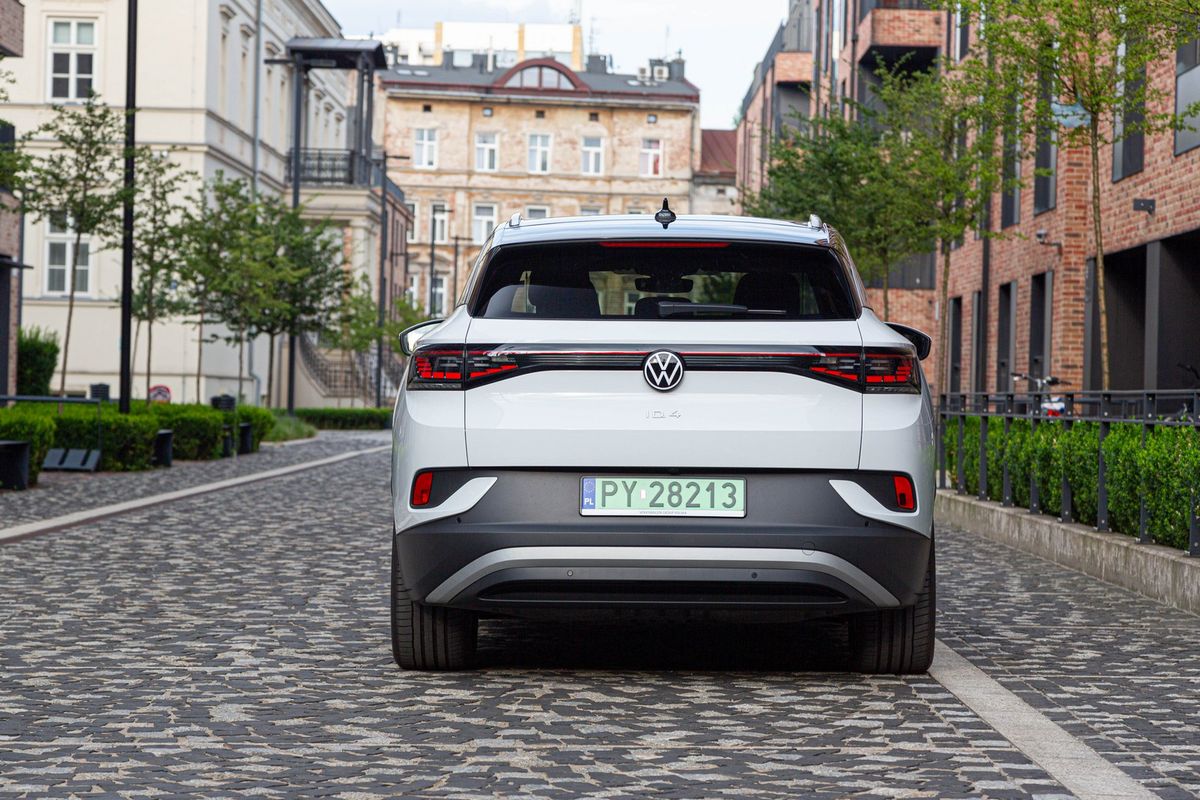
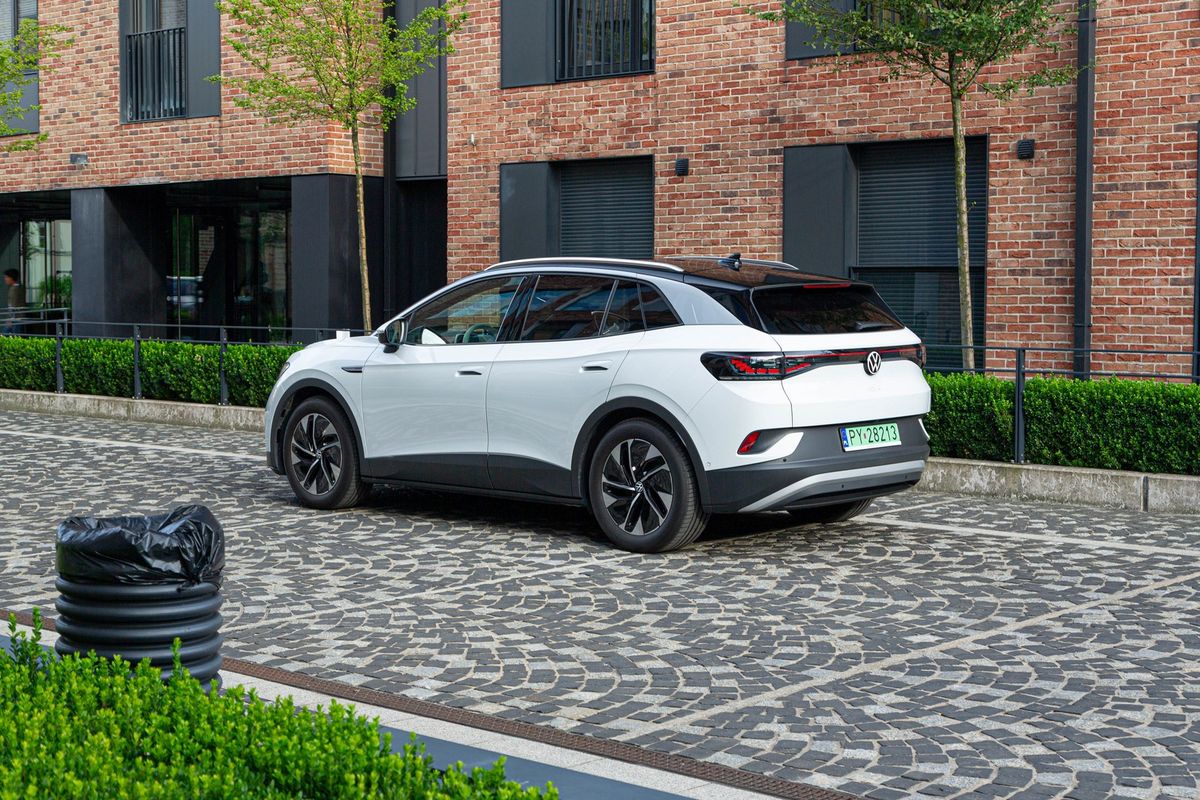
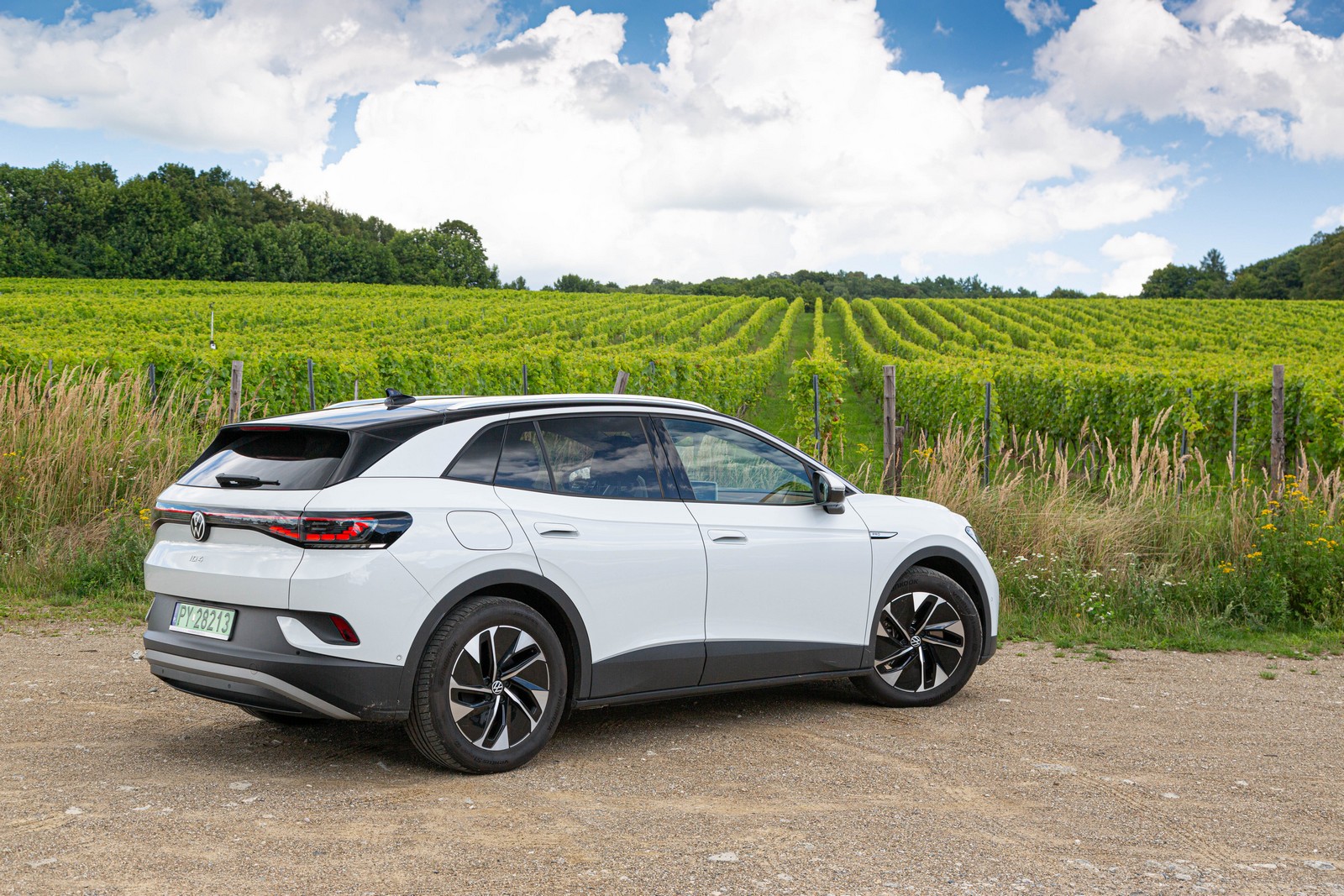
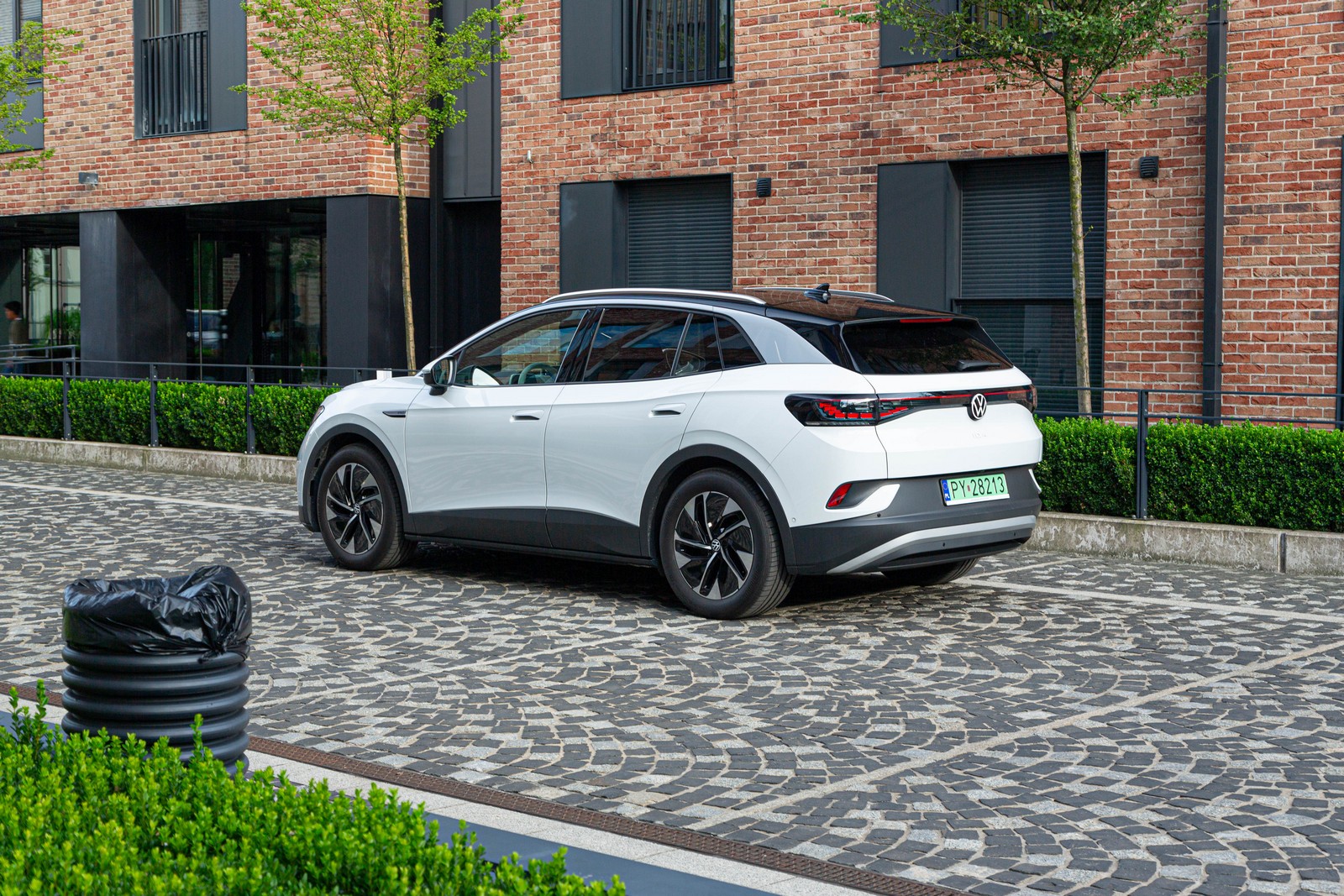
The ID.4’s quite an interesting-looking vehicle from the rear three-quarter angle.
Volkswagen has massive ambitions for its ID.4. Whereas some brands look to be overtly trend-setting (by employing hit-or-miss designs) or show performance intent with their electric cars, Volkswagen wants its ID models to be mainstream/appeal to the masses. You could say the ID.3 was aimed at early adopters (buyers who wanted to be first to “go electric”), but the ID.4 is aimed at conventional family car buyers.
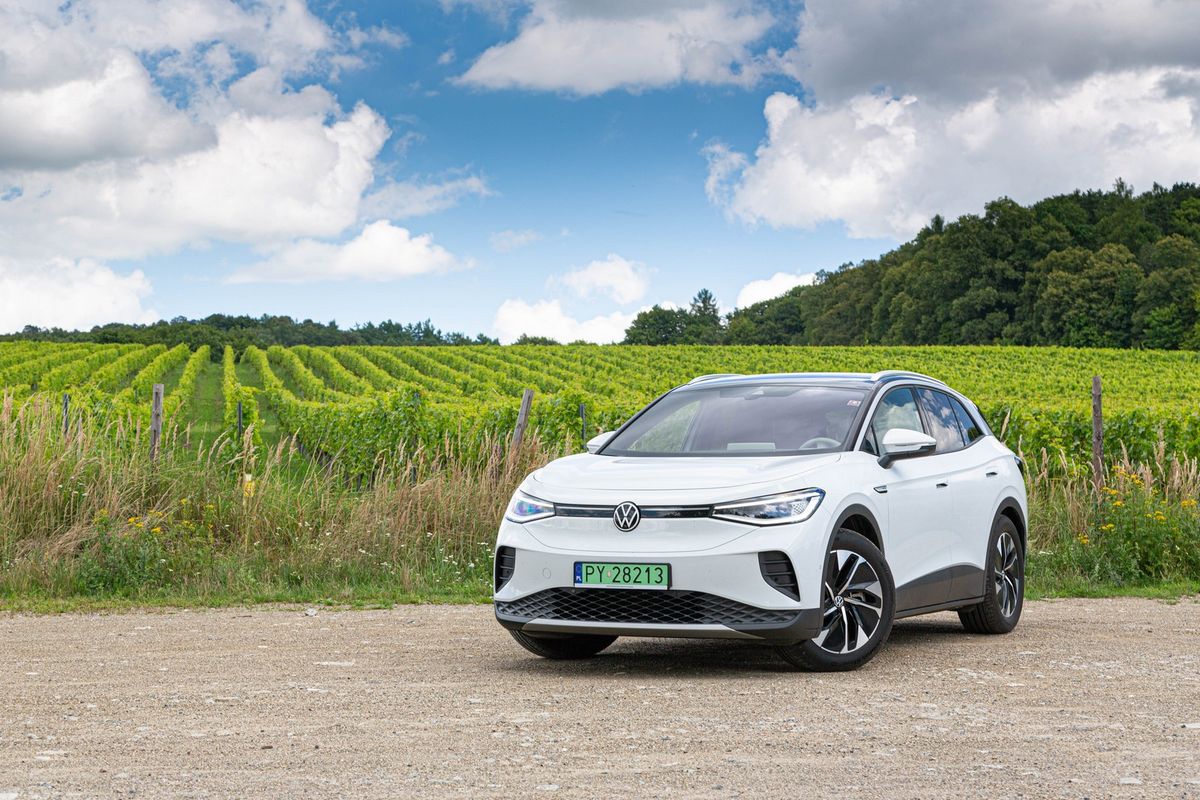
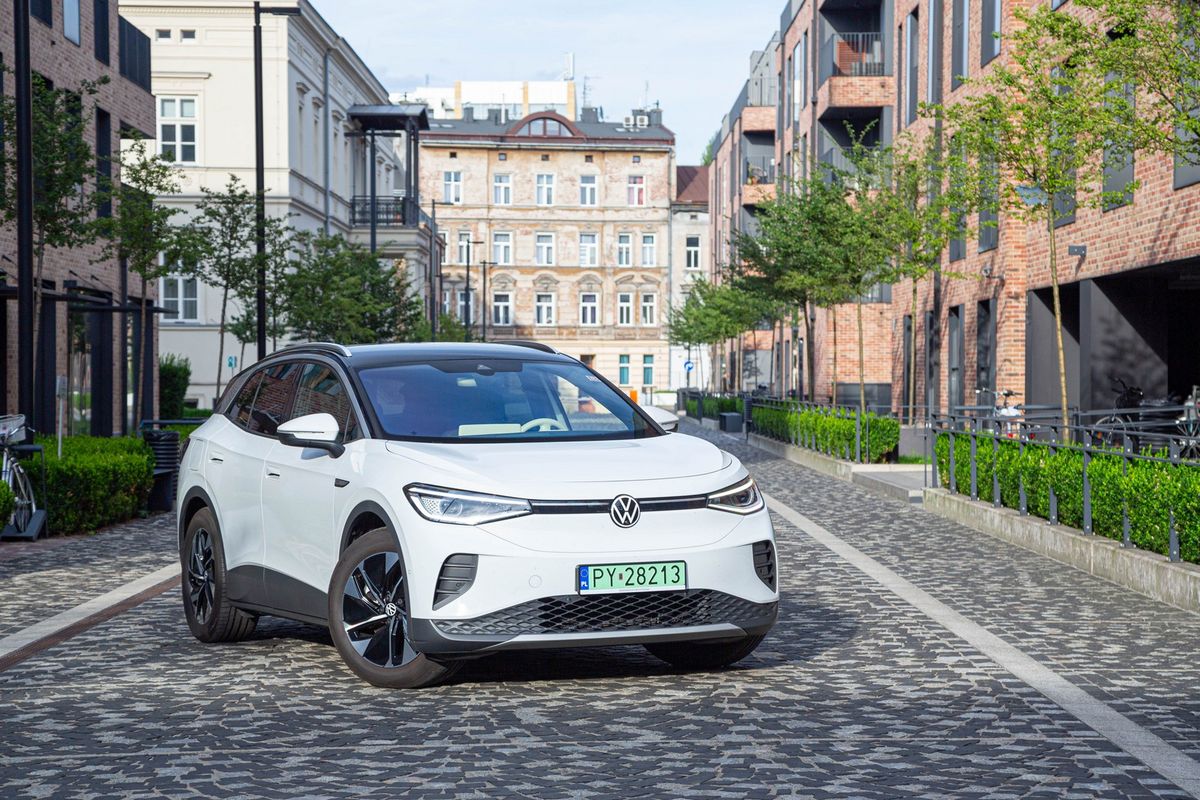
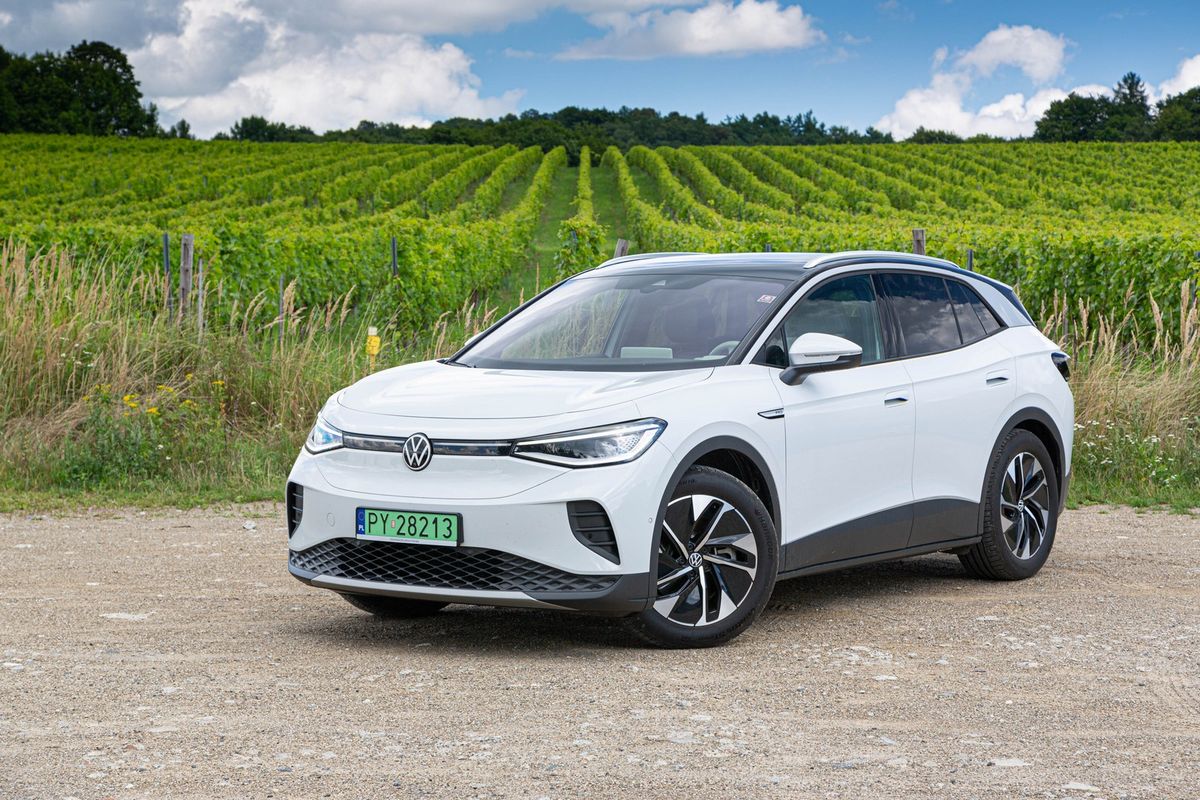
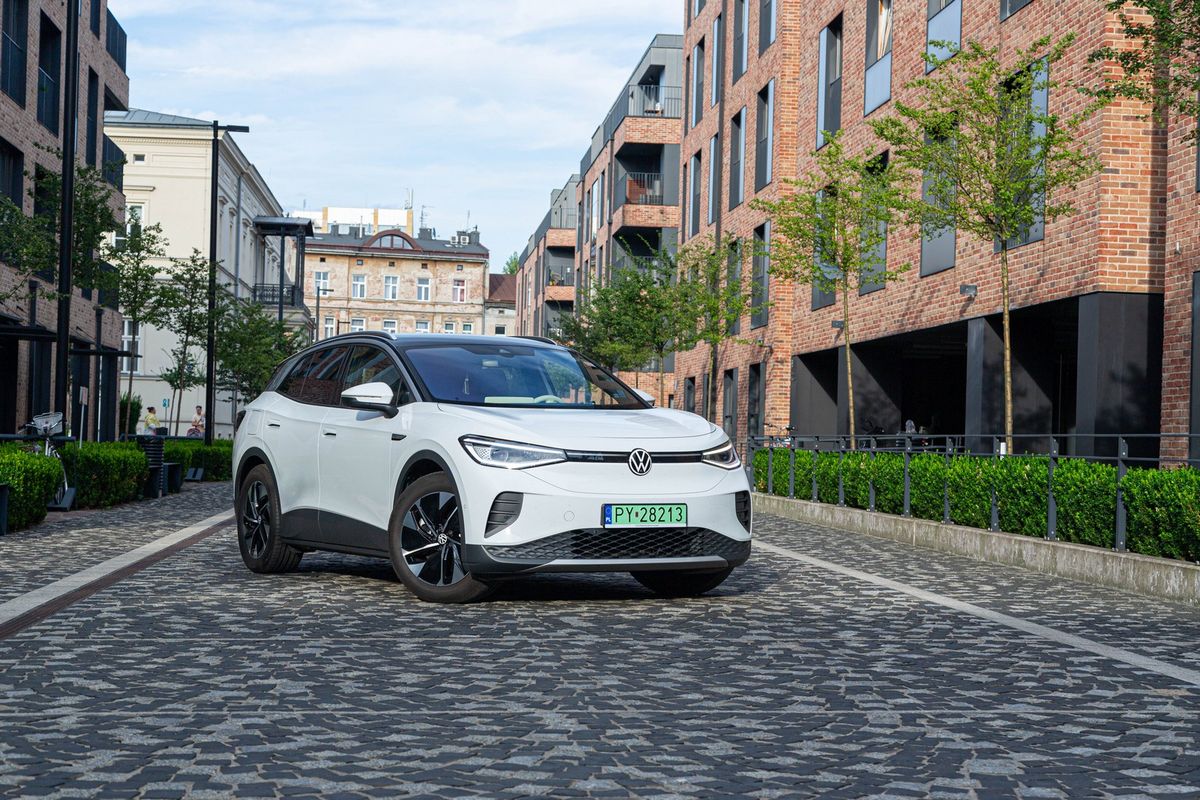
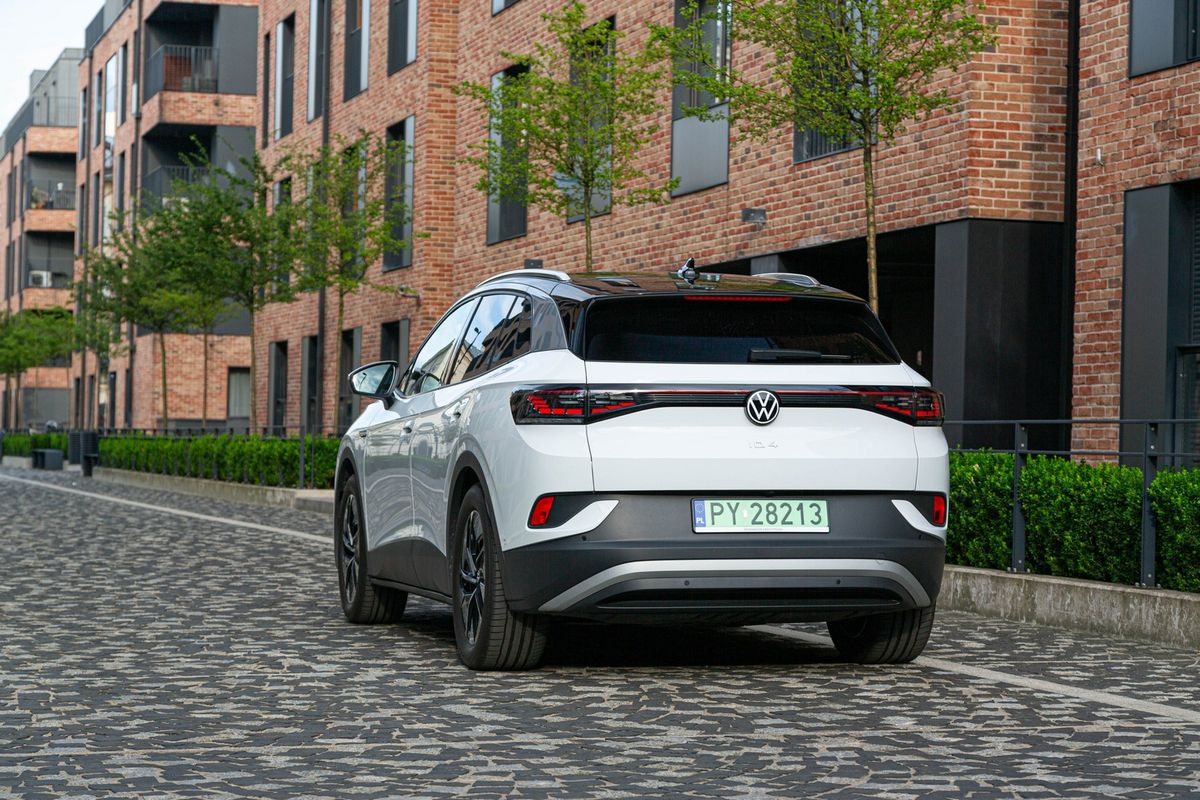
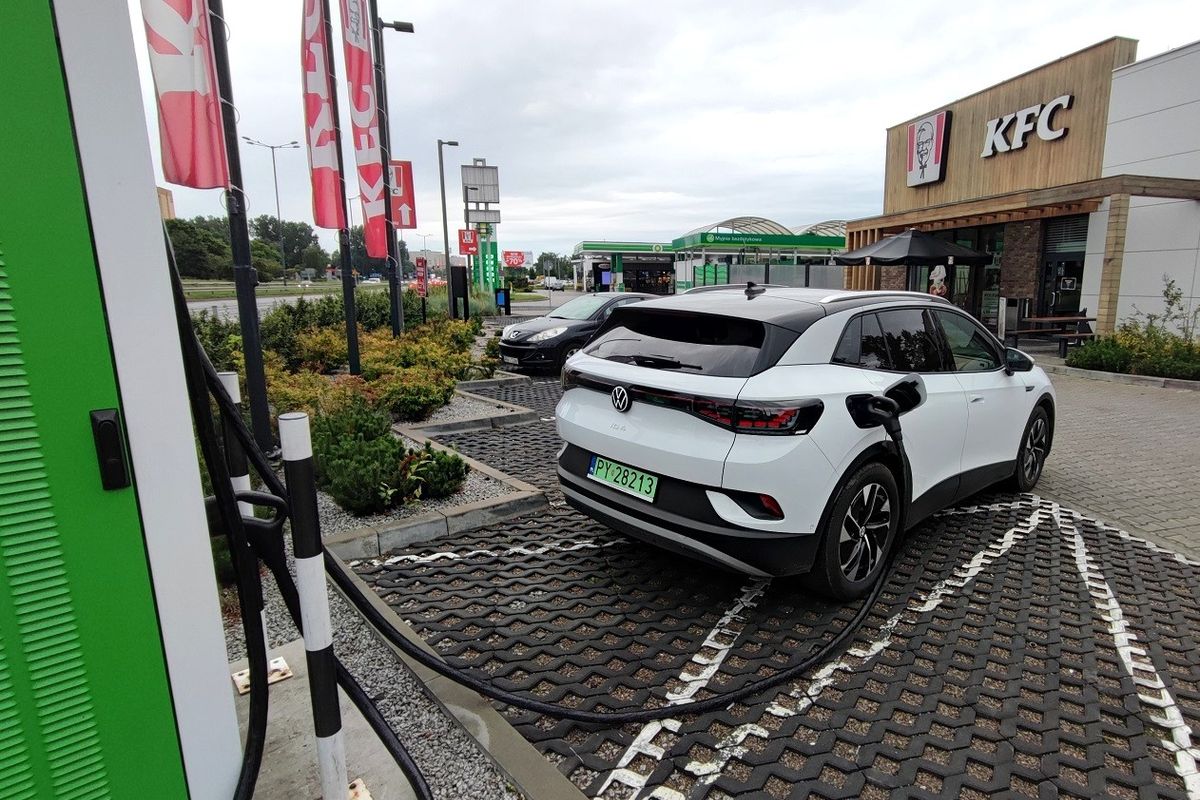
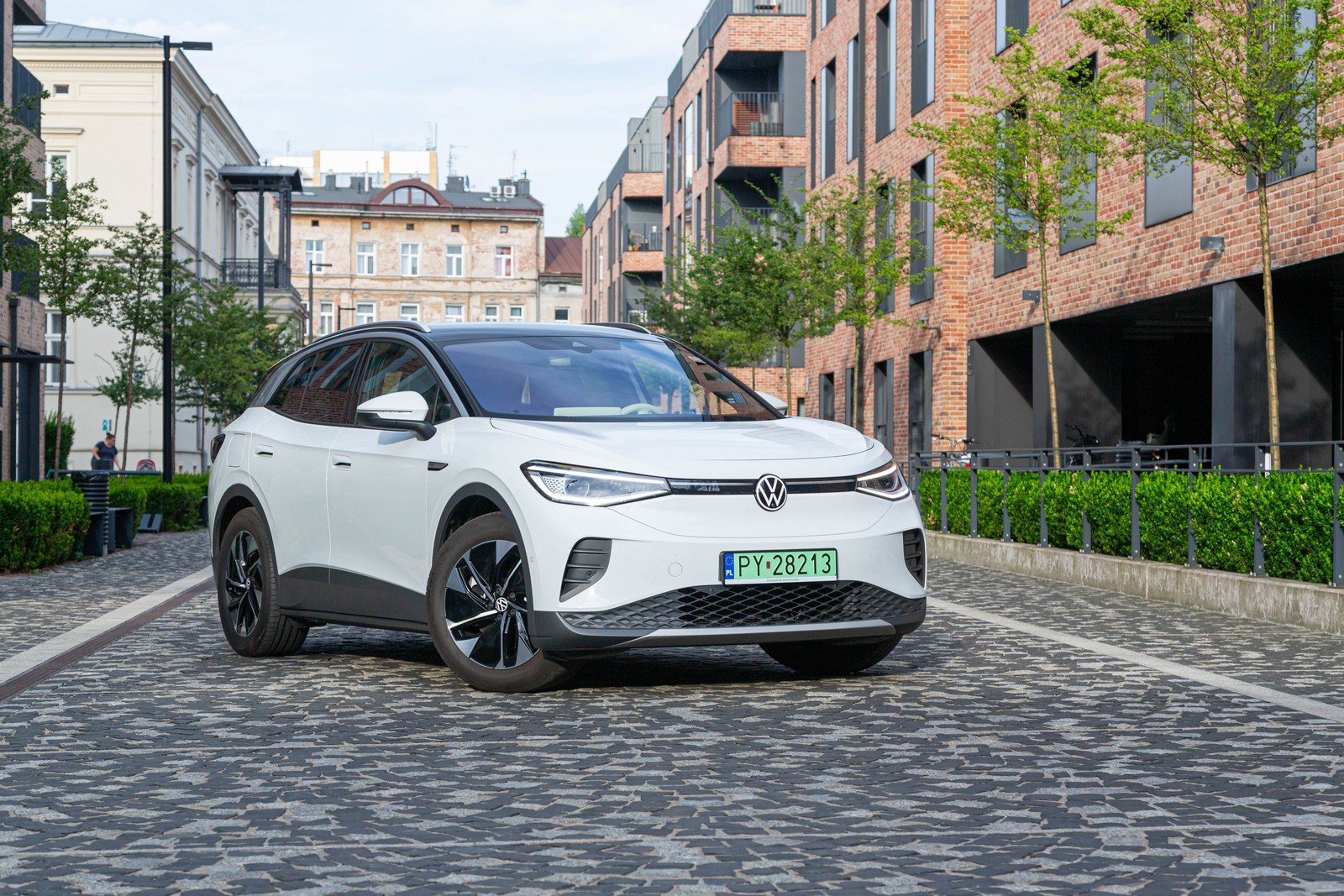
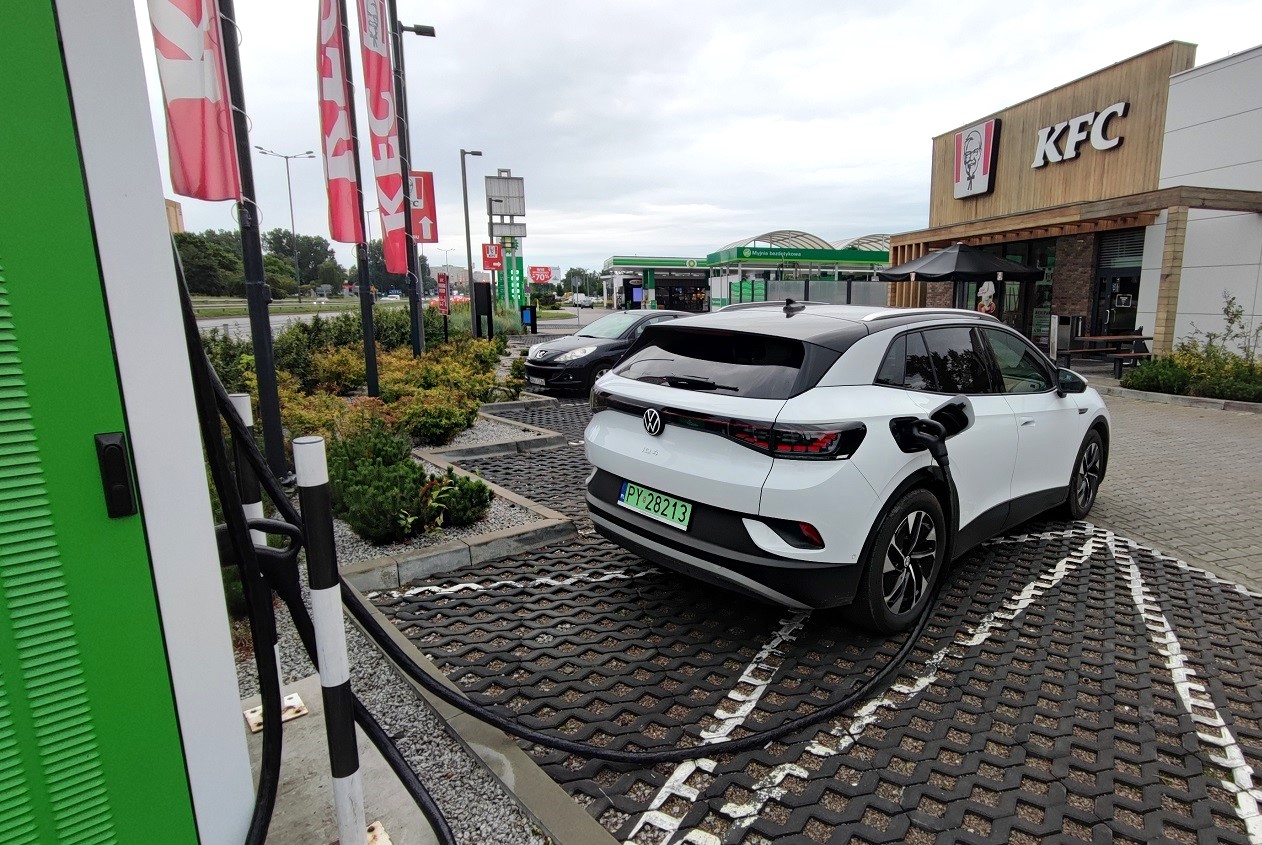
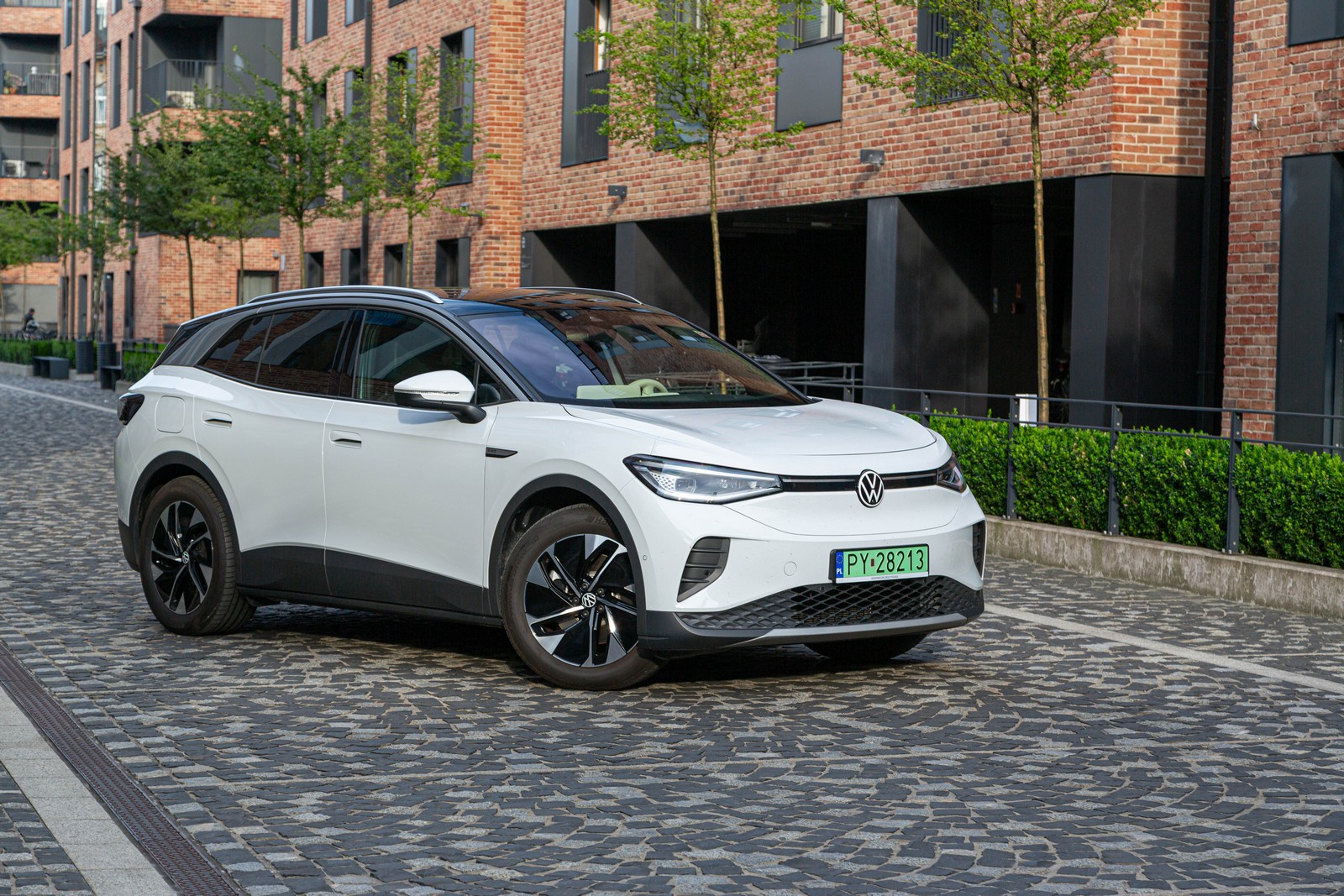
Our test unit – replete with a green-tinged registration plate, no less – was entitled to free parking in the city of Krakow in Poland, which was a pleasant surprise; it’s a great perk of electric car ownership!
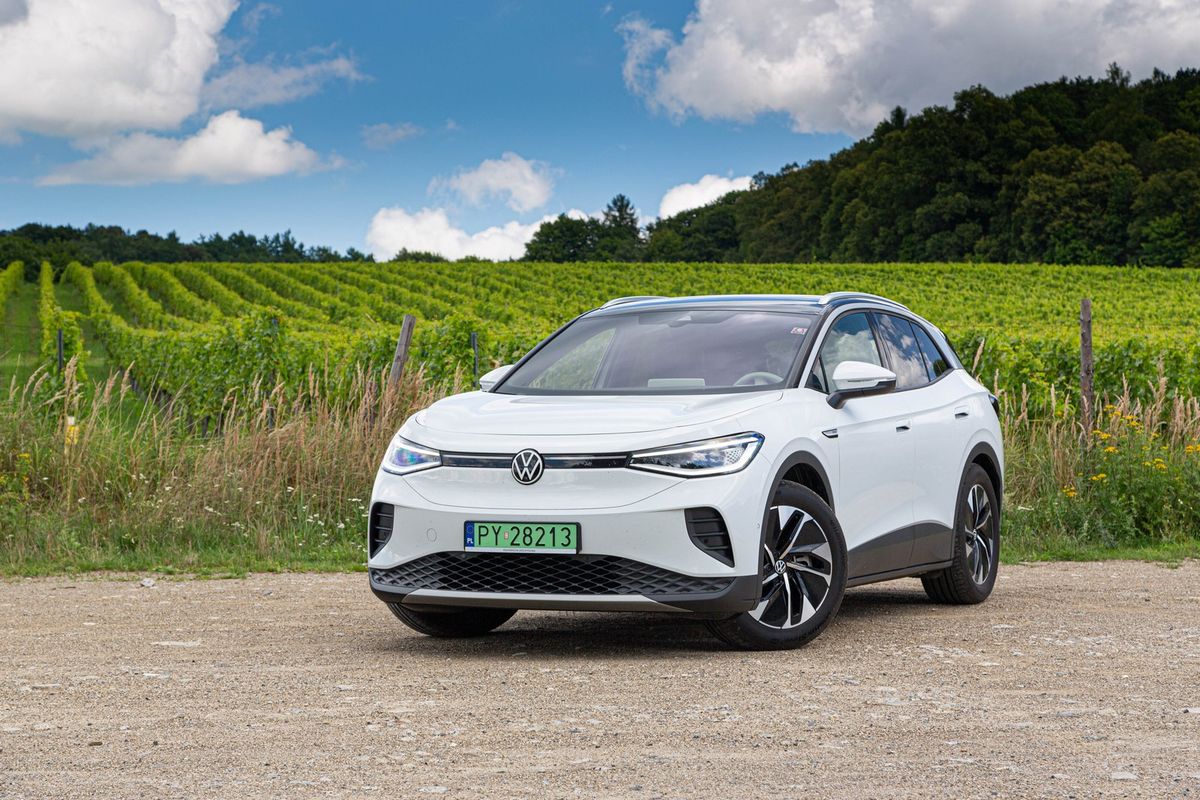
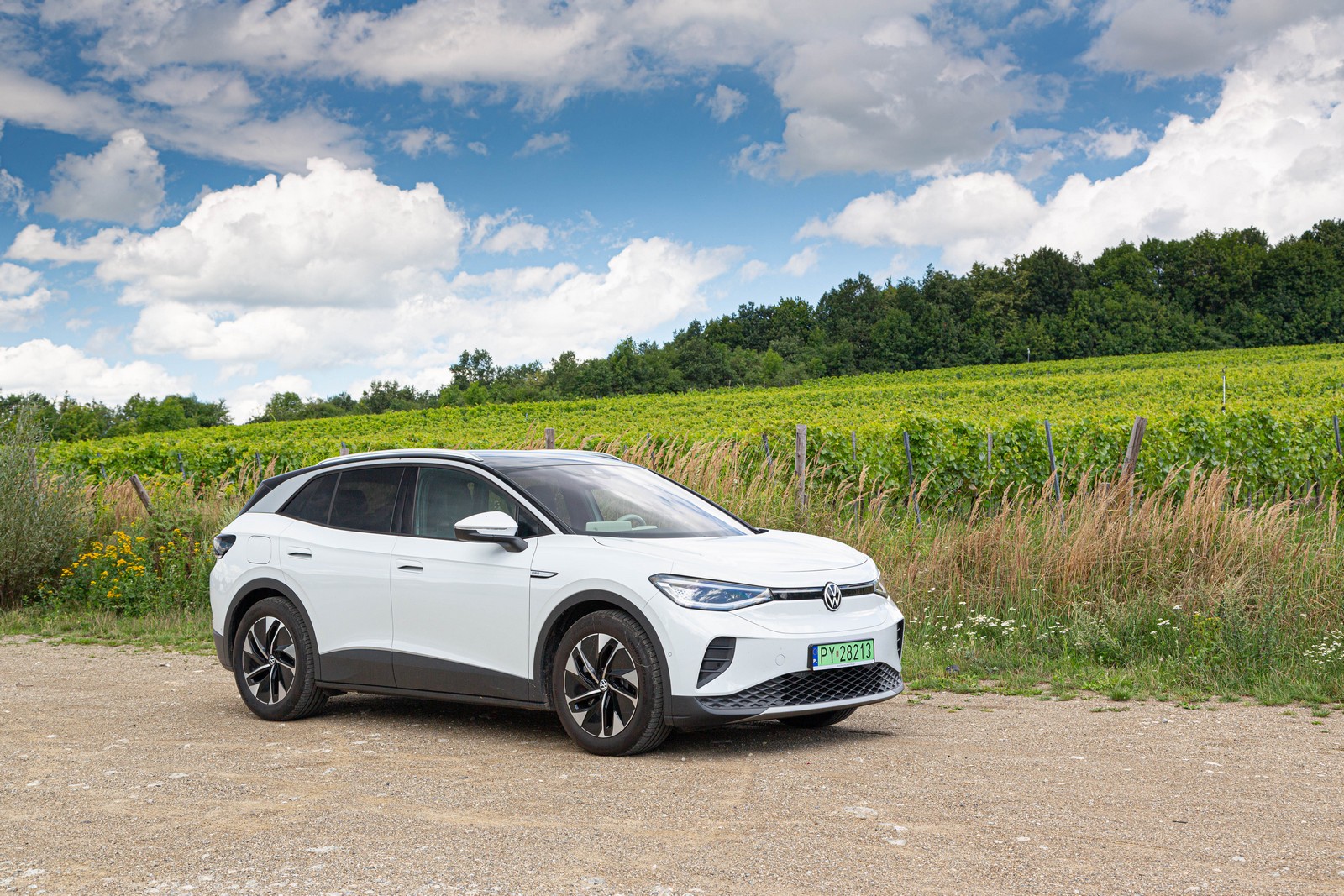
The ID.4 in Glacier White. Electric vehicles get a green number plate in Poland.
How fast and how far can it go?
While final specifications and derivatives for our market are yet to be confirmed, the Volkswagen ID.4 is available in a variety of configurations. As far as battery sizes are concerned, the model is available in 52 kWh and 77 kWh configurations and customers can choose between rear-wheel drive and all-wheel drive derivatives. There’s also a sporty-looking ID.5 model, as well as the GTX performance version.
Our test unit was a rear-wheel-drive ID.4 Pro Performance 77 kWh 150 kW, which was finished in Glacier White metallic and had a number of additional options fitted, the most notable of which were the IQ LED headlamps, brown/white interior trim finishes, as well as the comfort- and infotainment plus packages.
Poland’s urban charging network is substantial, but there are many providers, which can get confusing.
Volkswagen claims that an ID.4 with an 82 kWh battery (effectively 77 kWh) can travel up to 520 km on a single charge (based on the WLTP cycle) and, in its sportiest setting, the battery-electric crossover can accelerate from 0 to 100 kph in 8.5 seconds. So why does the derivative have different battery ratings? The main reason is that depleting an EV’s charge level to nothing will reduce the lifespan of the battery (yes, it may incur damage), so carmakers use the difference in capacity to prevent complete discharges.
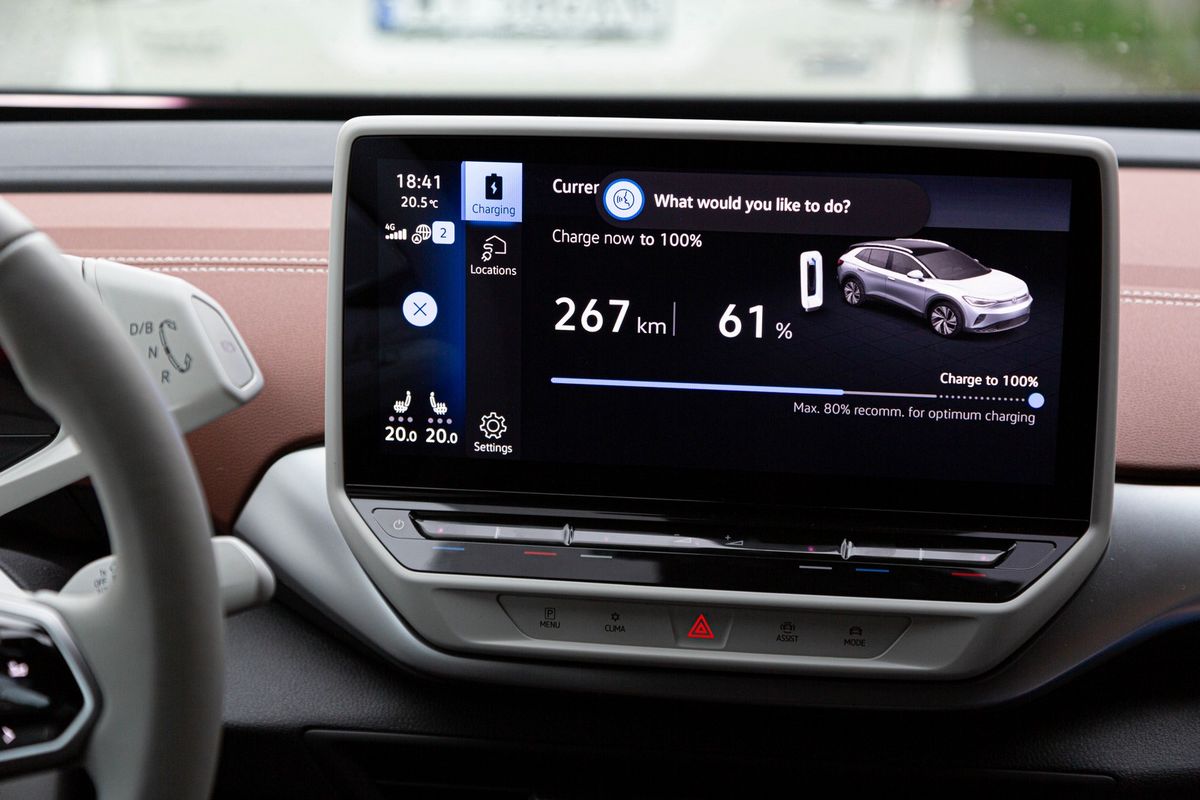
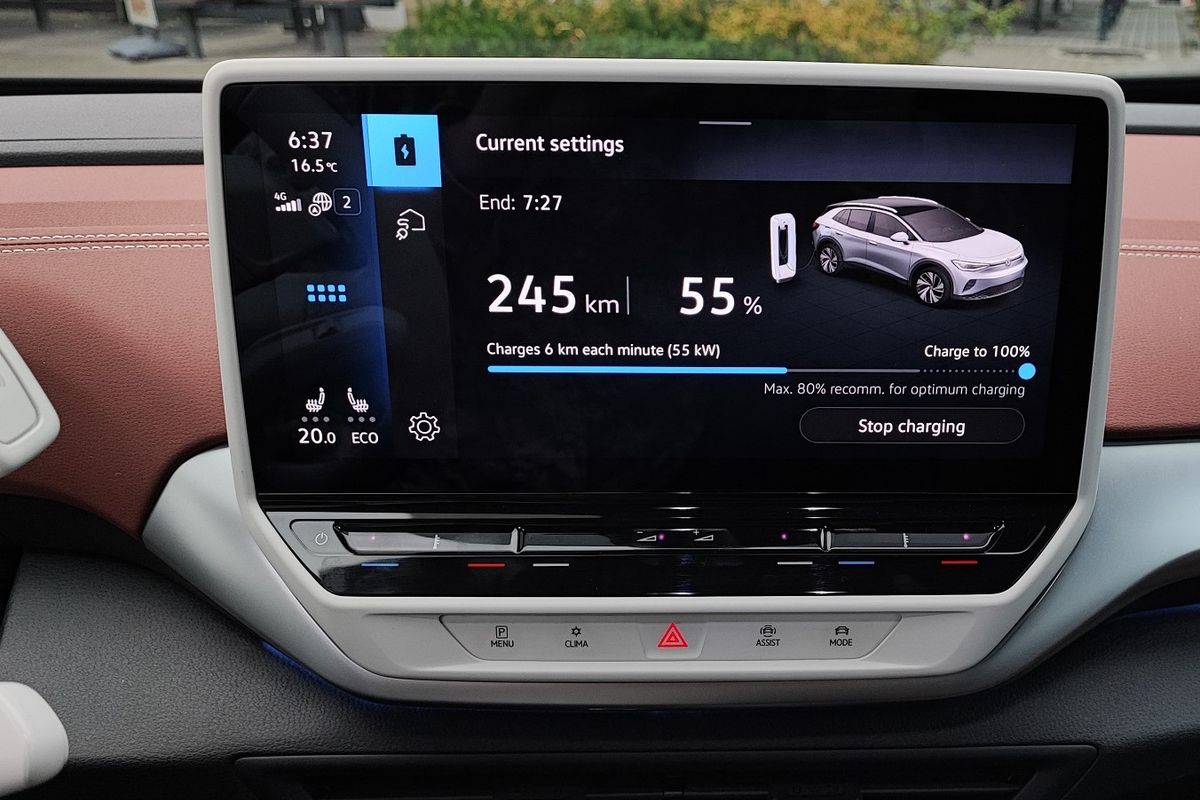
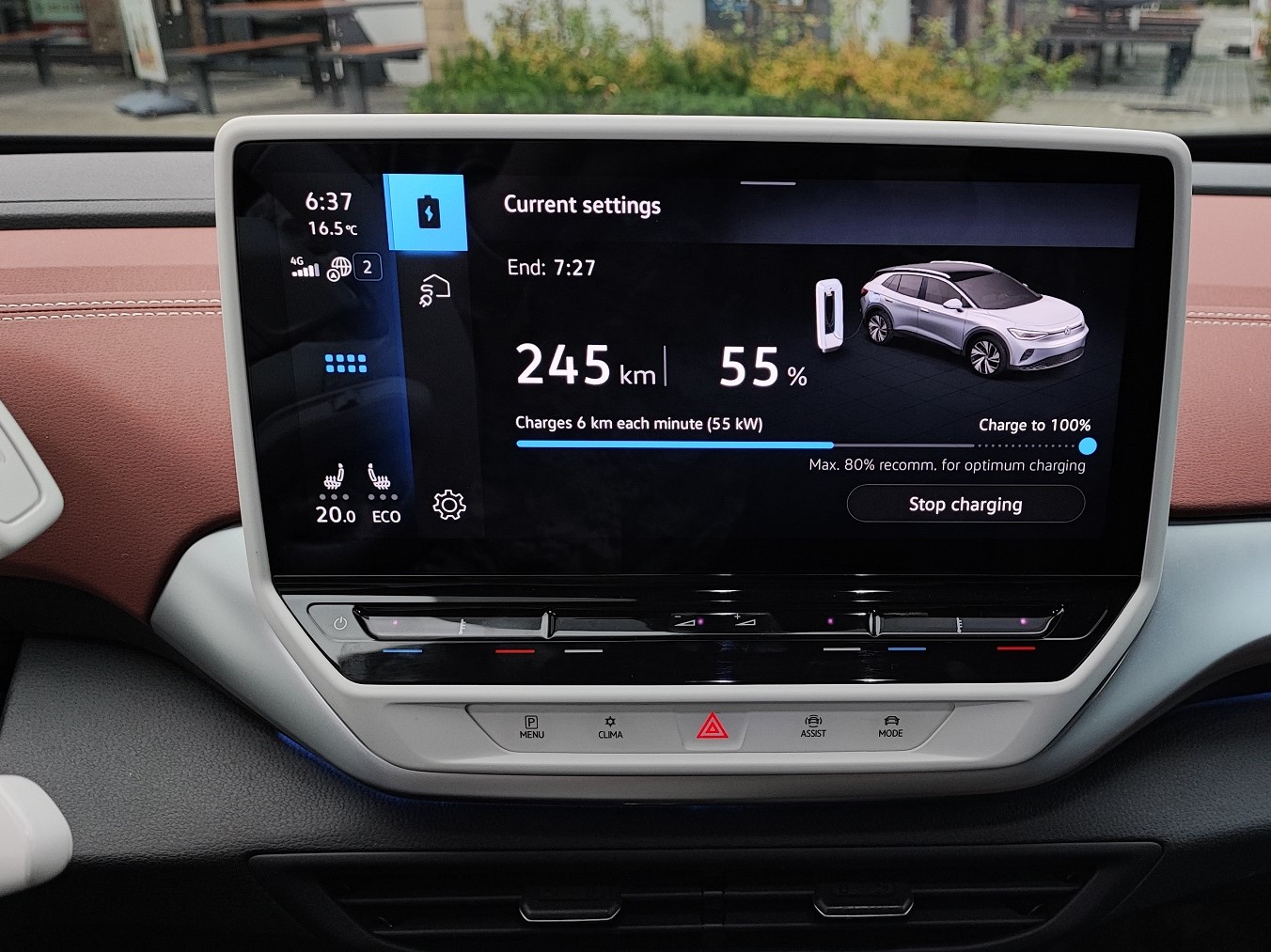
The opposite is also true, it’s not best practice to charge the vehicle to 100% every time; an operating charge window from 10% to 80% is better for the longevity of the cell pack. Interestingly, recharging the vehicle from 80% to 100% would take about the same time as achieving a 20% to 80% replenishment. When we plugged the ID.4 into a 140 kW DC (fast) charger, the vehicle refused to accept more than 55 kW. It was a pity, because 125 kW would’ve charged the battery from 5% to 80% in around 30 minutes.
The ID.4 offers bi-directional charging, which means you can use it to power household appliances. We understand that, at first, not all derivatives could do this, but it was rectified via an over-the-air update.
Plugged into the Shell Recharge network (thanks to Volkswagen Poland for providing a charge card).
What’s the interior of the Volkswagen ID.4 like?
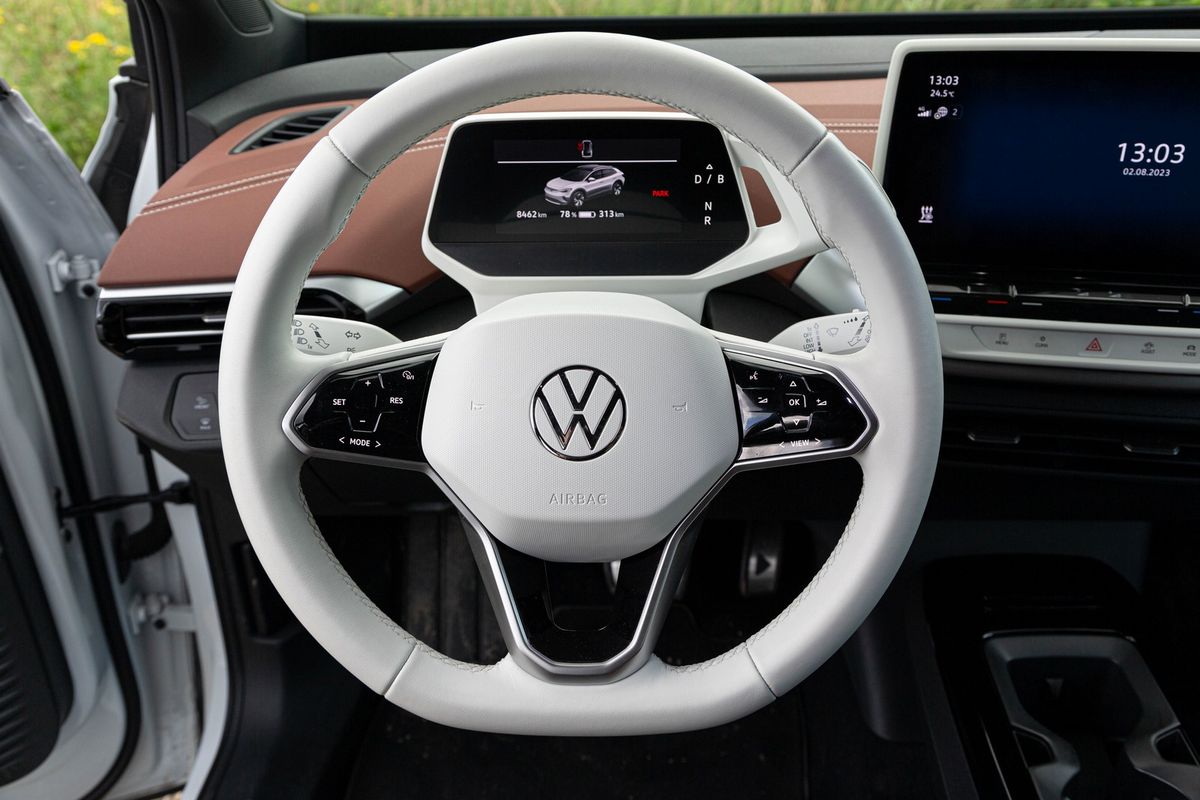
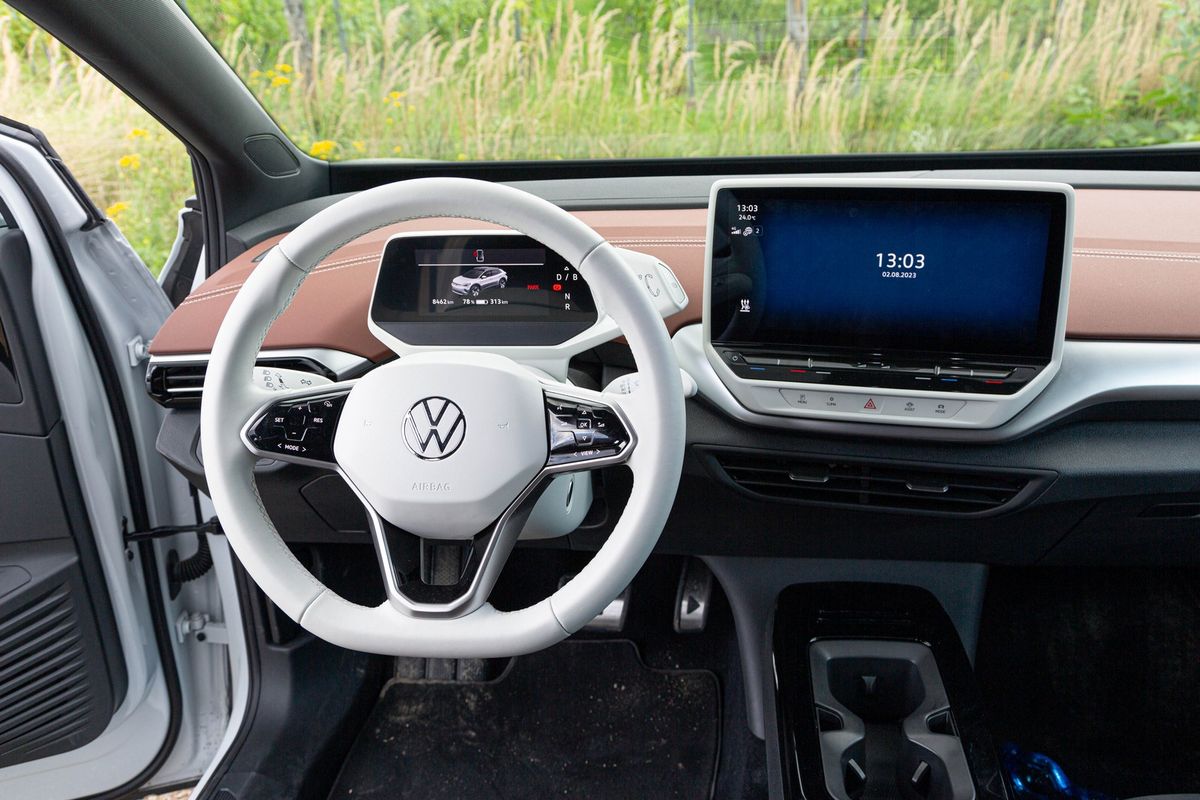
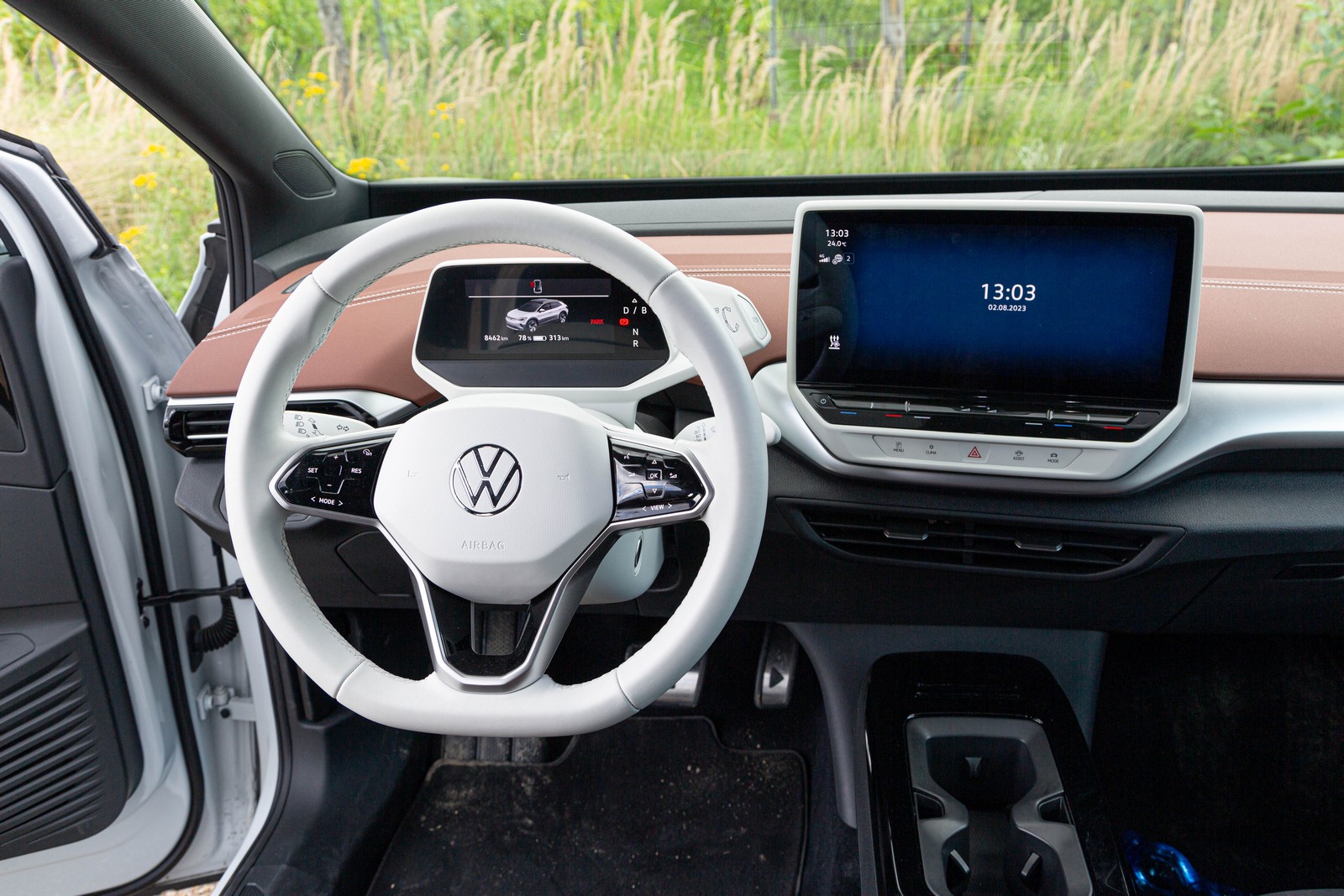
Our Volkswagen ID.4 test unit was fitted with the optional white-and-brown interior trim combination. We wonder how long the white steering wheel rim would look as pristine as it does in these pics, but it’s still an eye-catching tiller. We like how the infotainment screen is angled towards the driver too.
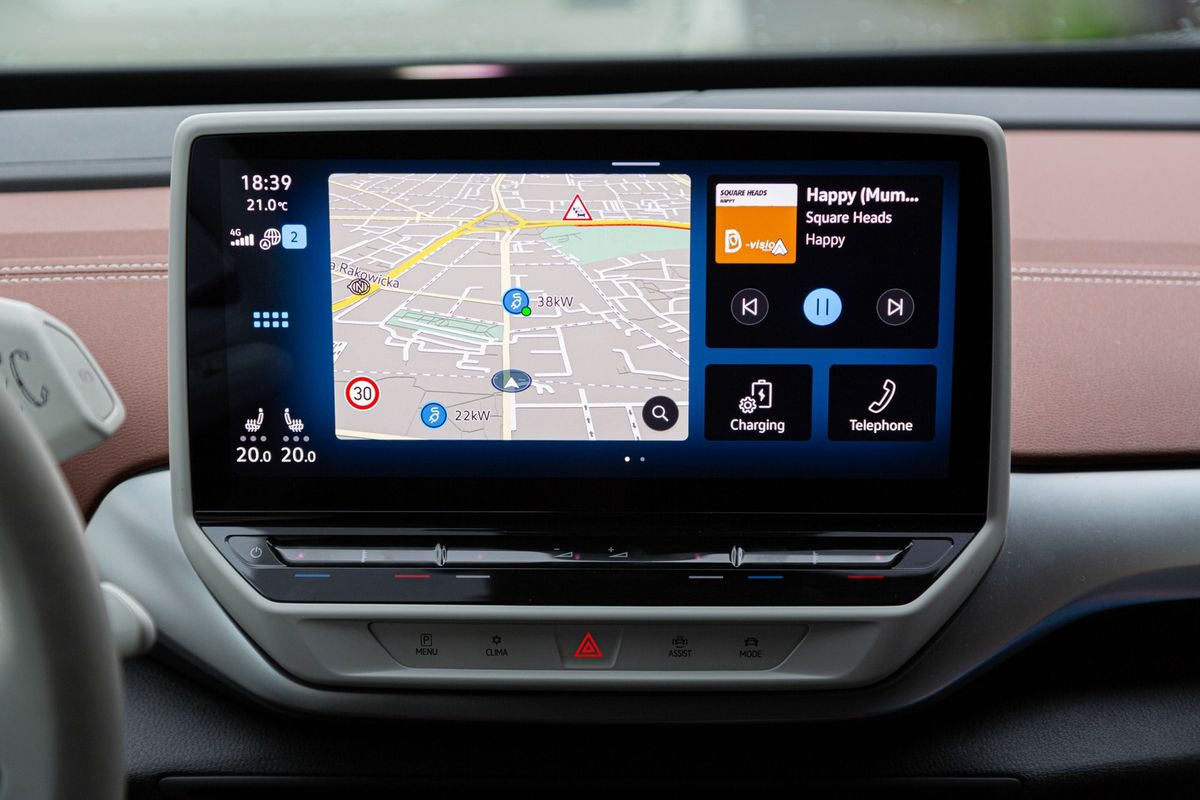
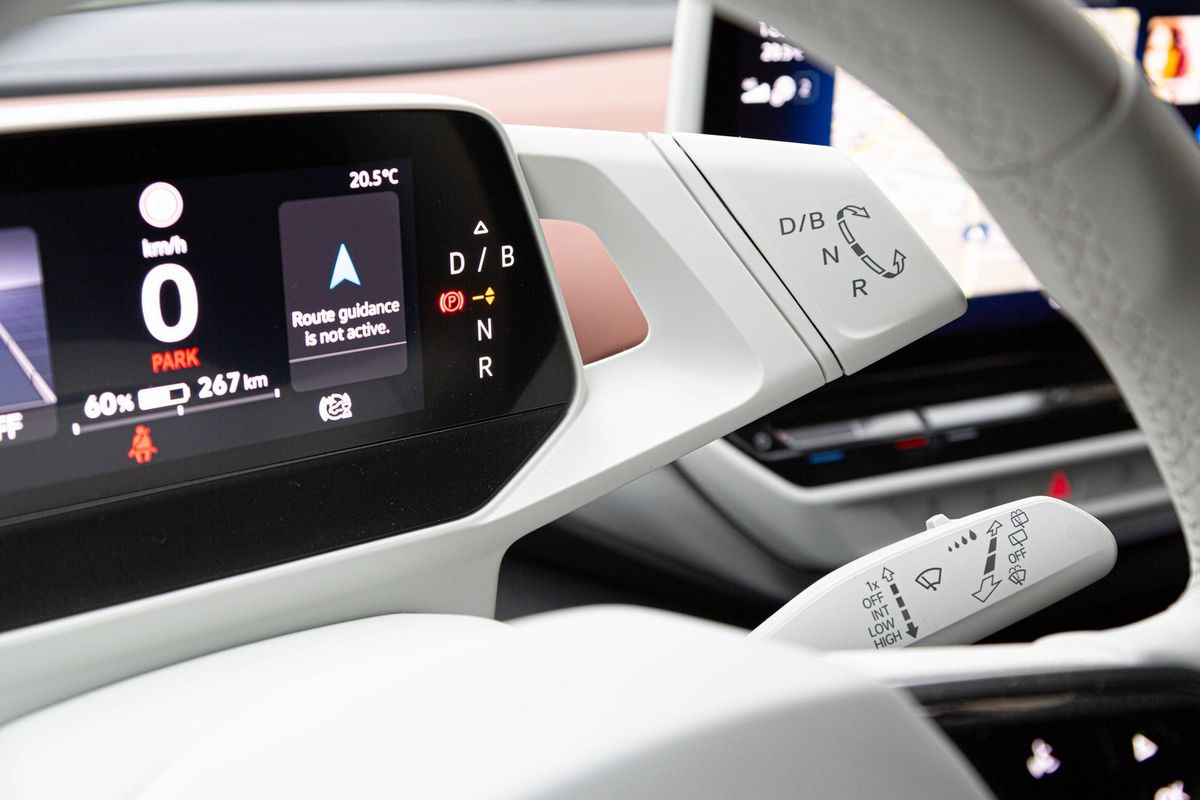
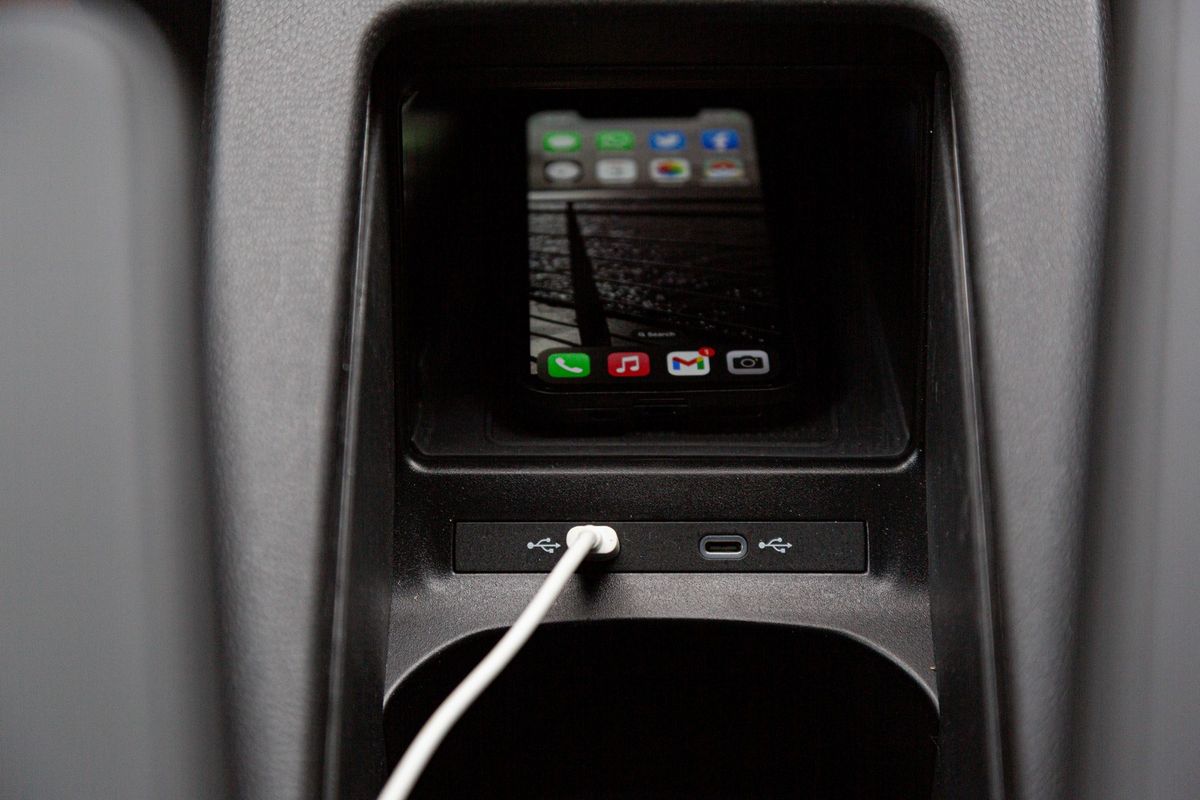
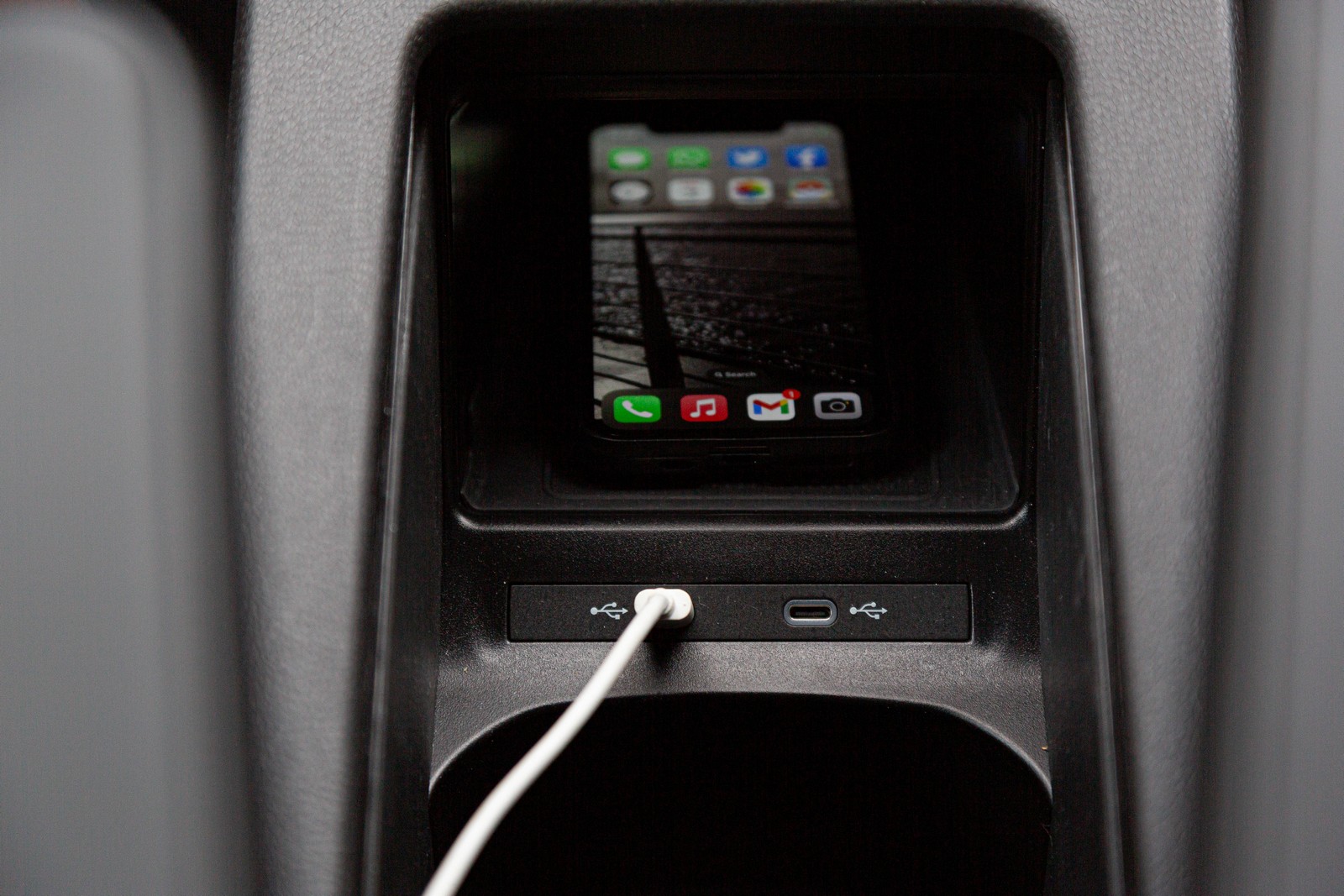
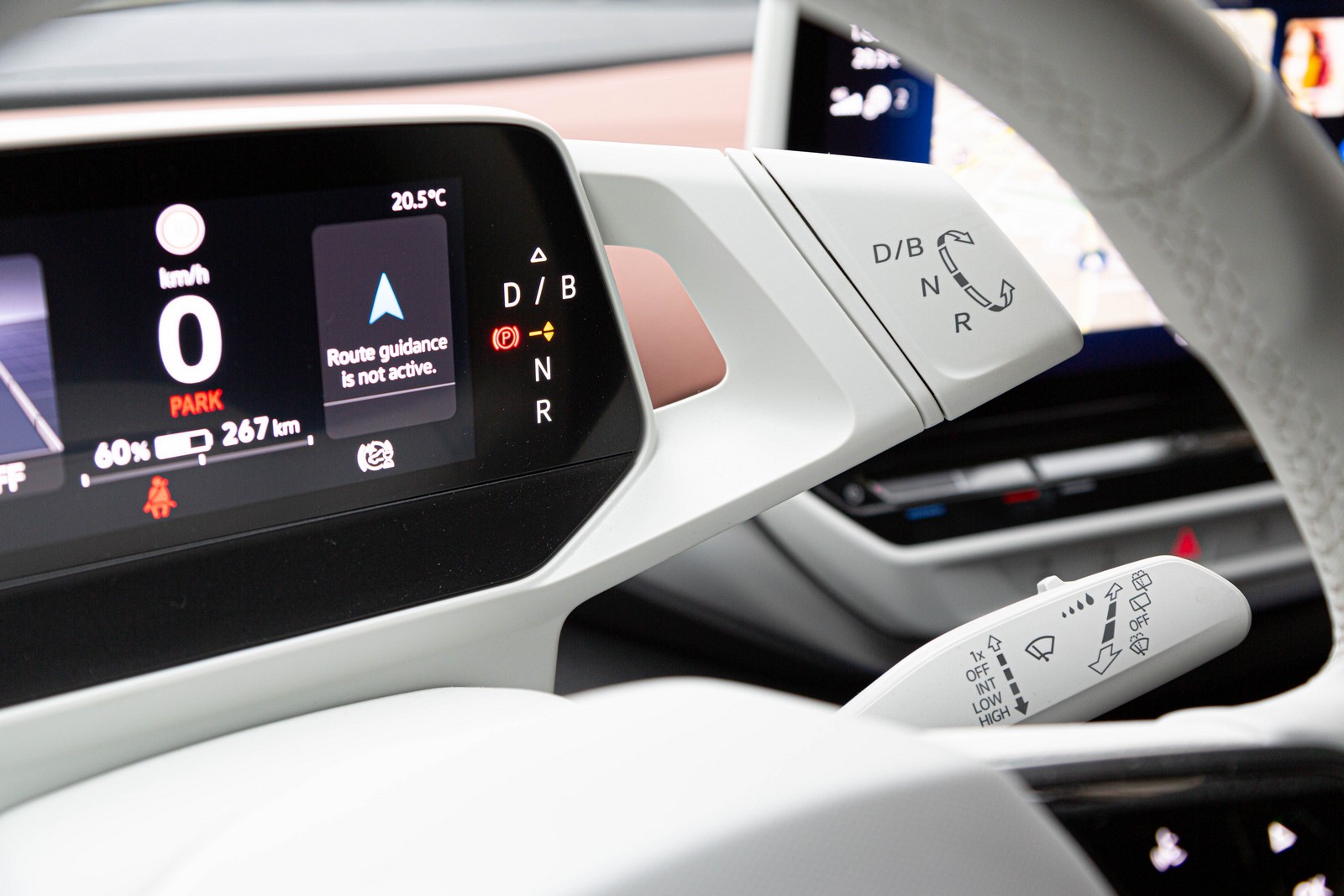
The cabin layout is, in a word, minimalistic and you notice the lack of a transmission selector and -tunnel. Because the selector is integrated with the instrument cluster housing (more on that later) there is extra storage space and cupholders. Volkswagen has also fitted a wireless charging pad and 2 USB-C ports.
The white and brown interior colour scheme is polarising, but we liked it.
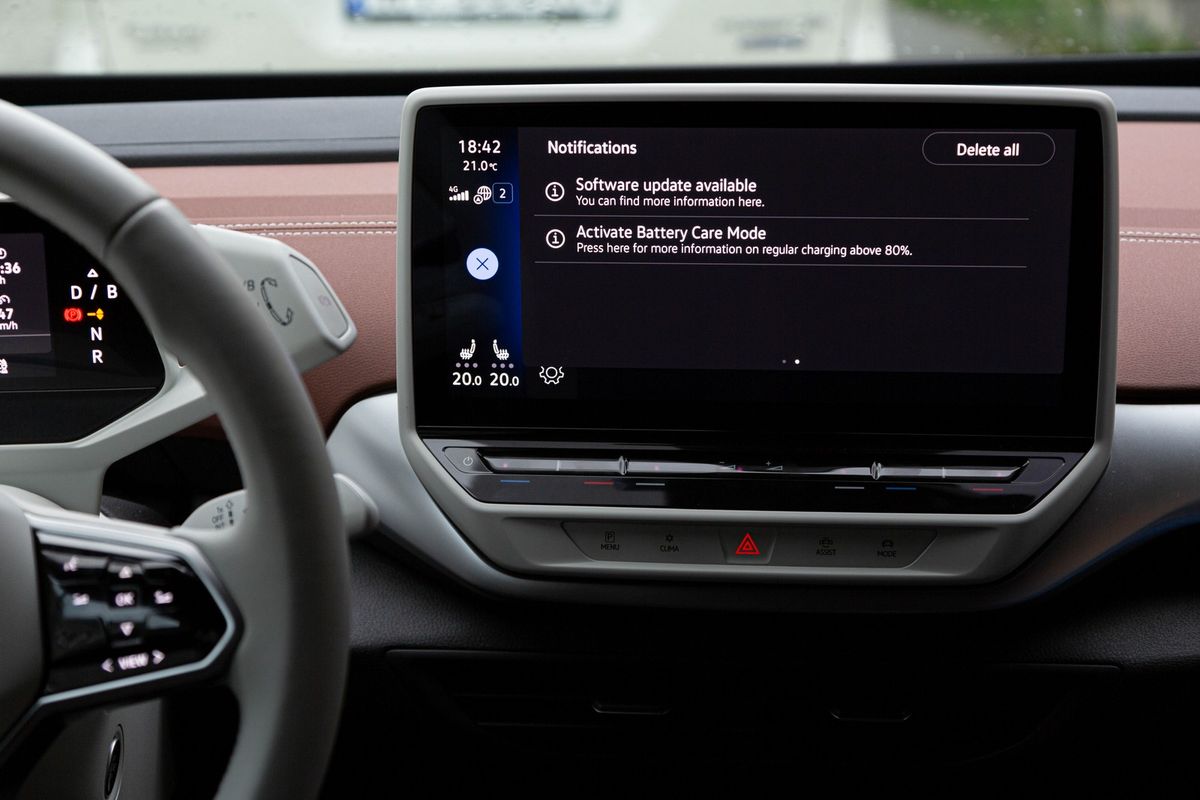
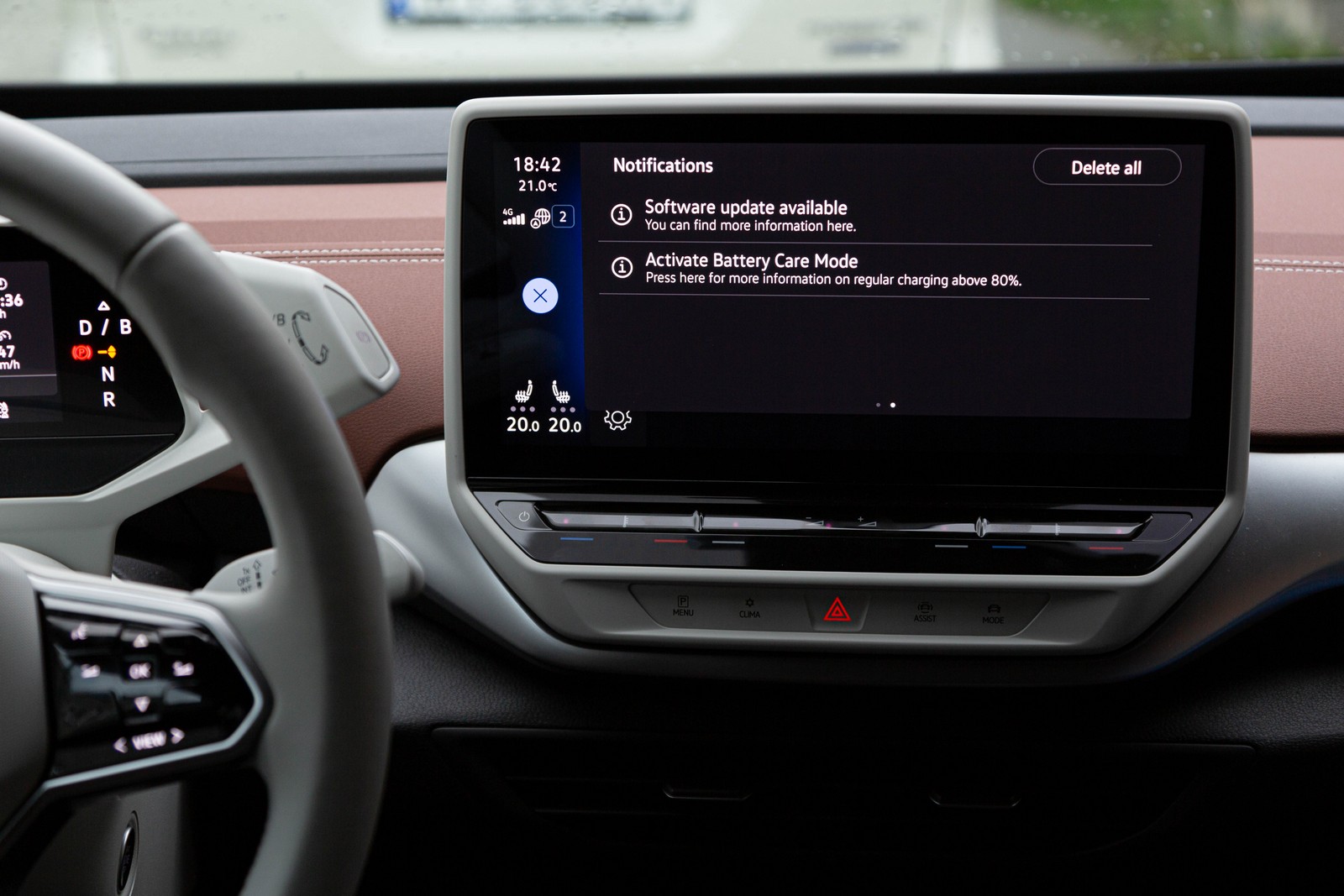
The ID.4 utilises the same infotainment operating system as the latest Volkswagen internal-combustion engine (ICE) models and, while the digital interface certainly looks the part, we’ve been frustrated by its quirky user experience and some technical glitches in the past (the capacitive touchpads on the ‘wheel can be infuriating). Our ID.4’s digital assistant kept popping up unexpectedly, which was a little irksome.
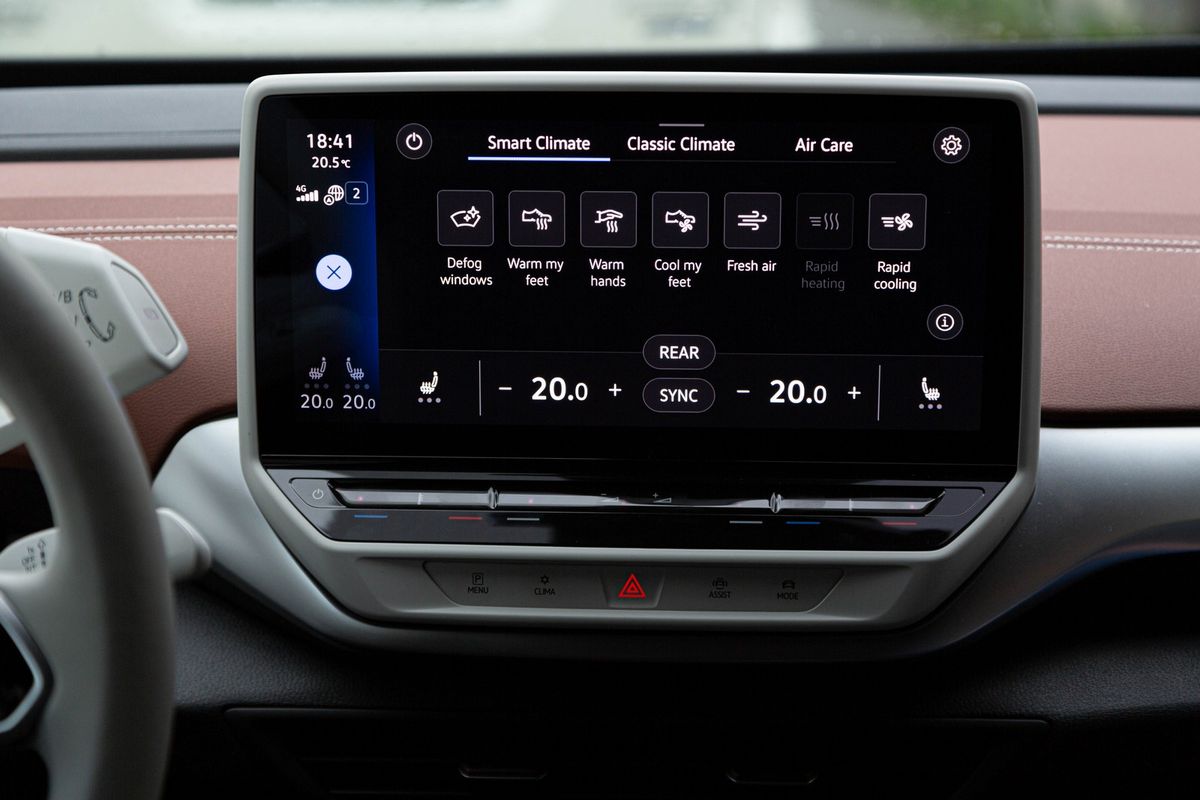
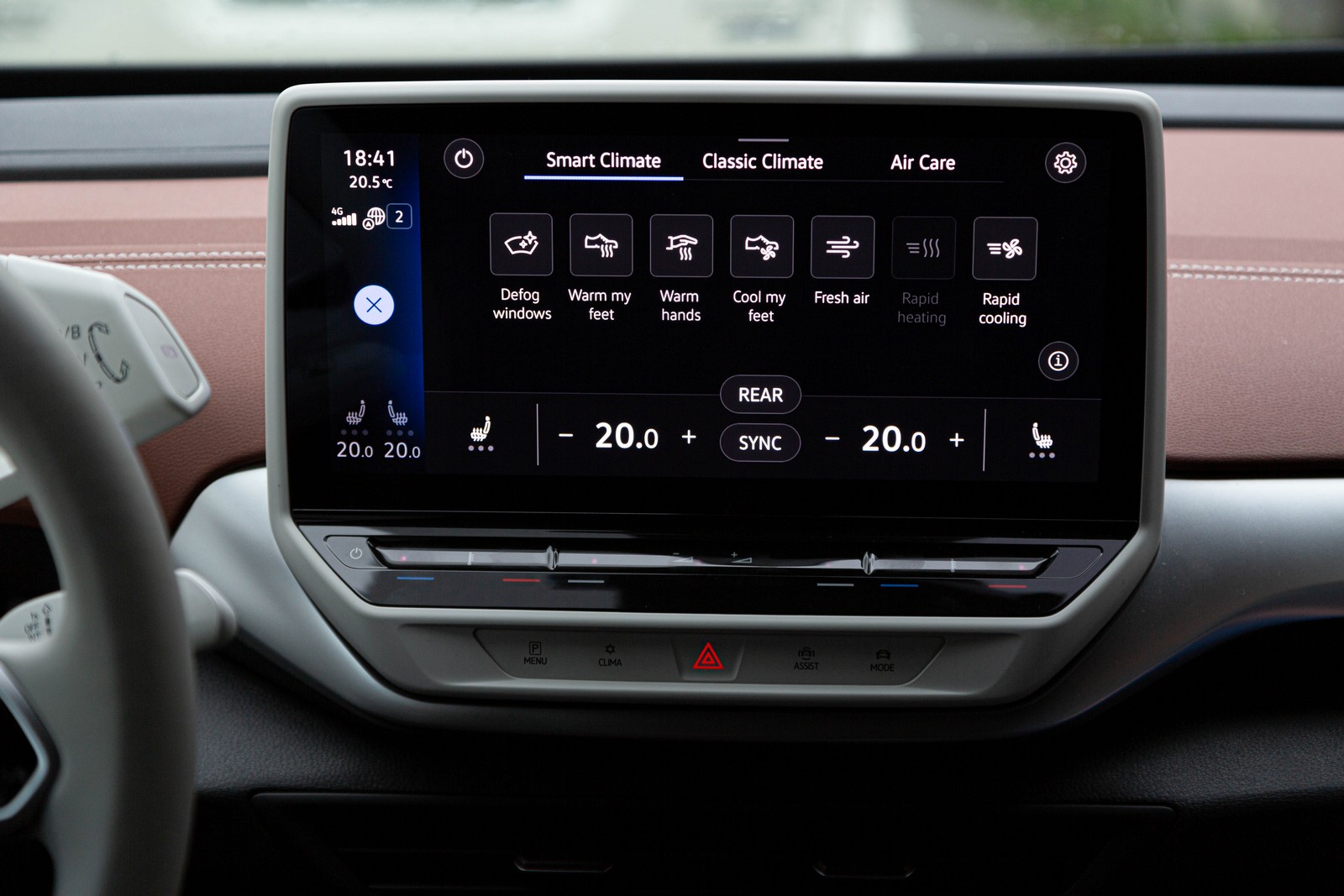
Eventually, we figured out how to turn it off. Also, the climate controls and temperature switches below the screen aren’t illuminated at night, which is, frankly, bizarre. Still, you can control these via a dedicated climate menu in the infotainment or simply say: “Hey Volkswagen, set cabin temperature to 20 degrees.”
There’s a distinct (minimalists would say “refreshing”) lack of physical buttons on the fascia – the bulk of the onboard functions are controlled through the infotainment touchscreen. We understand Volkswagen will soon re-introduce old-school buttons and switches in its cabins because, well, customers want them.
The climate control menu in the touchscreen infotainment system.
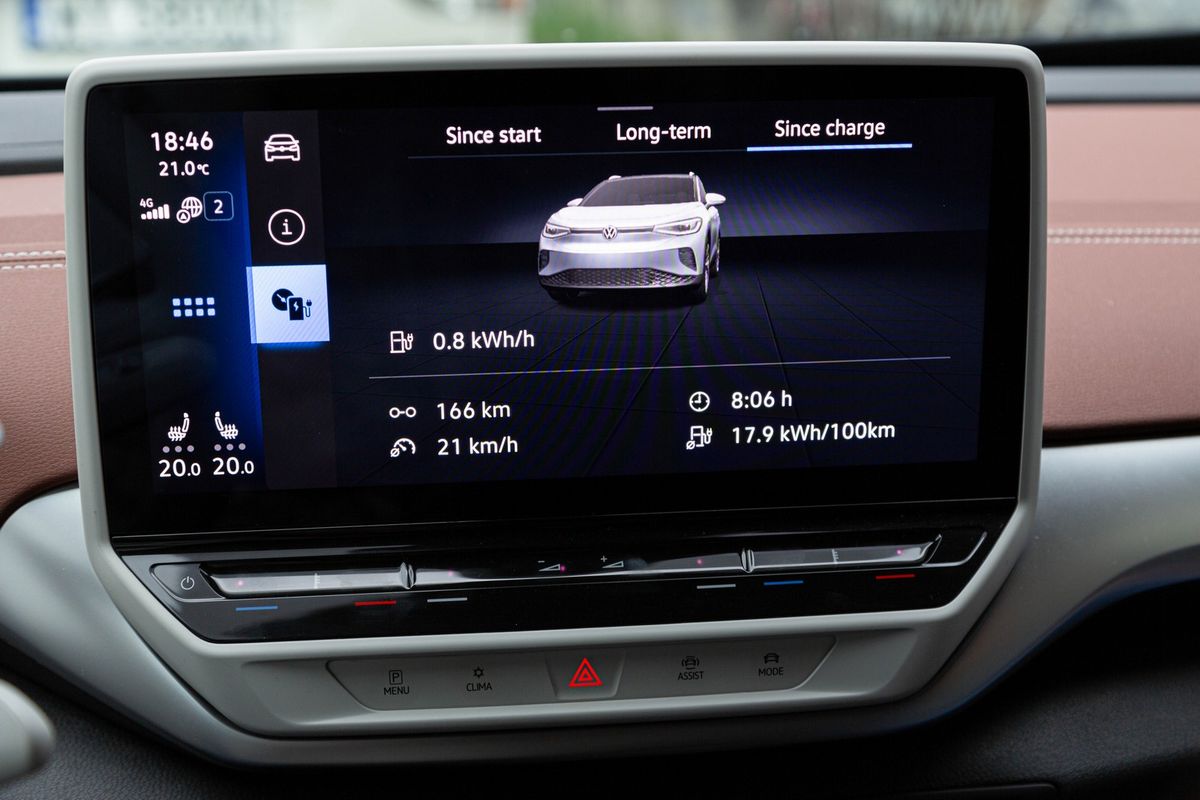
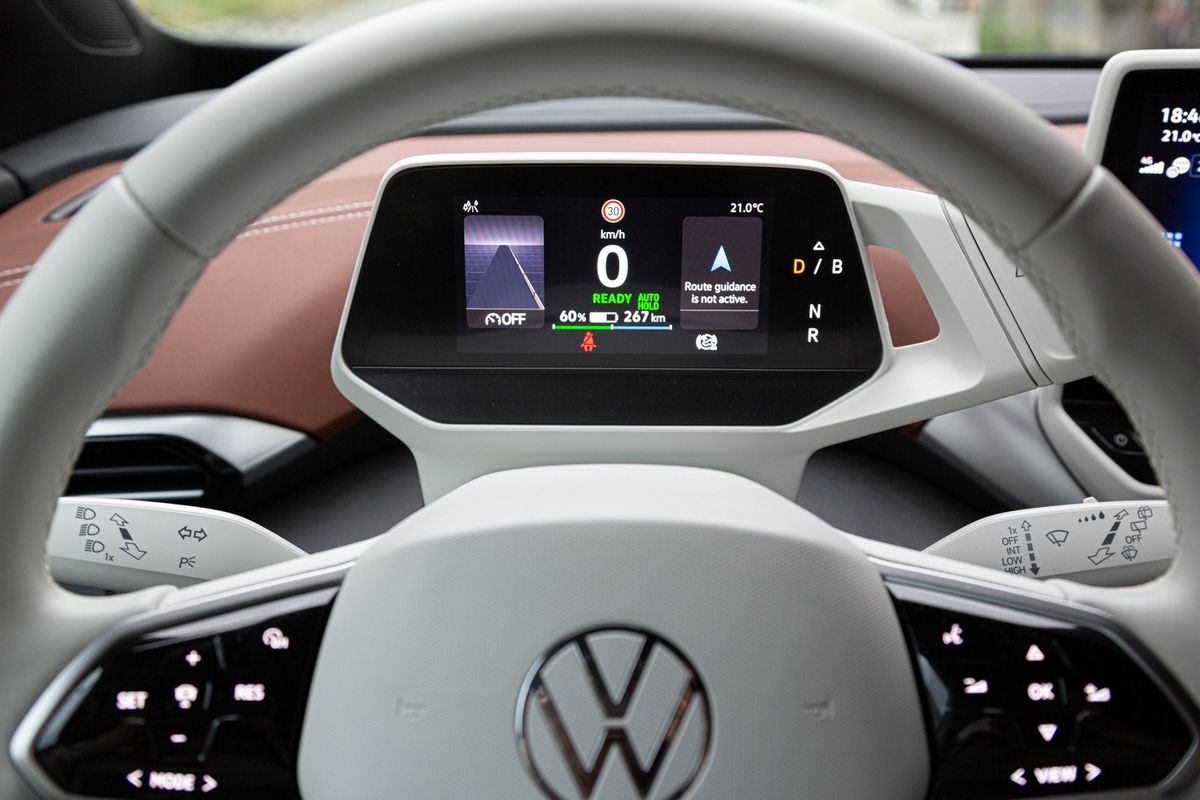
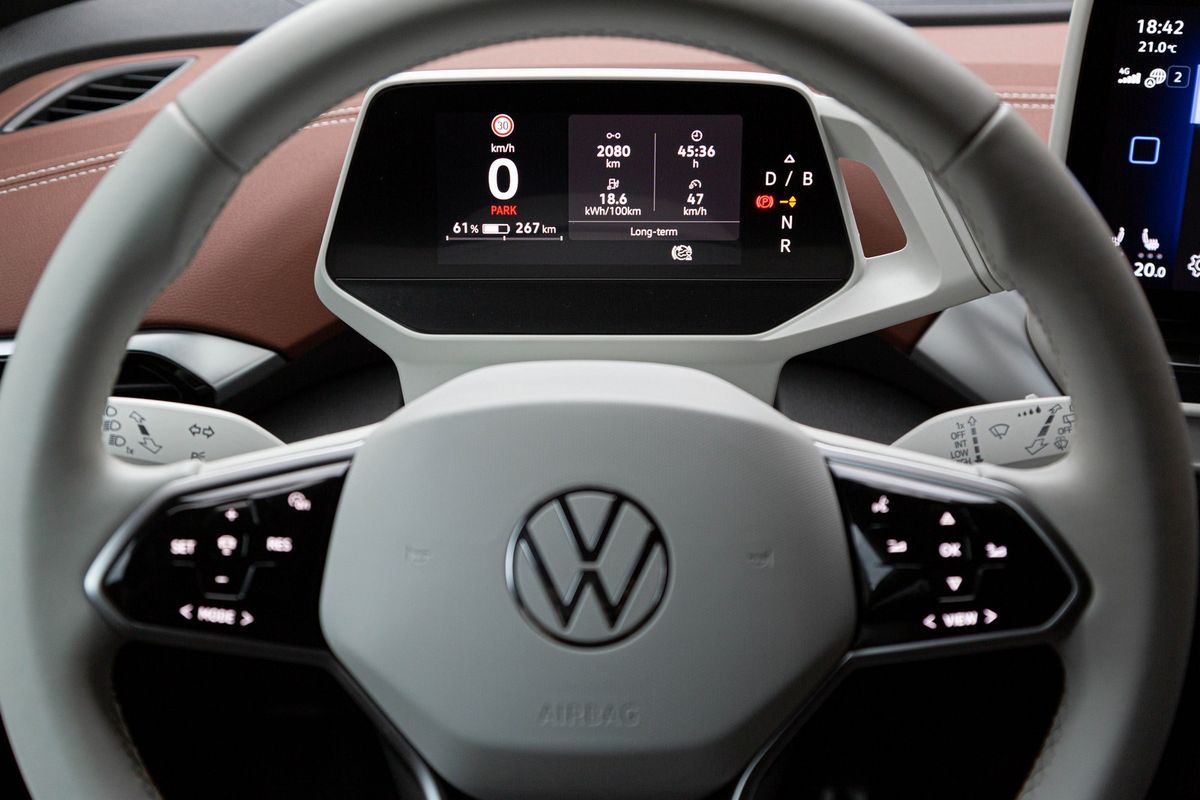
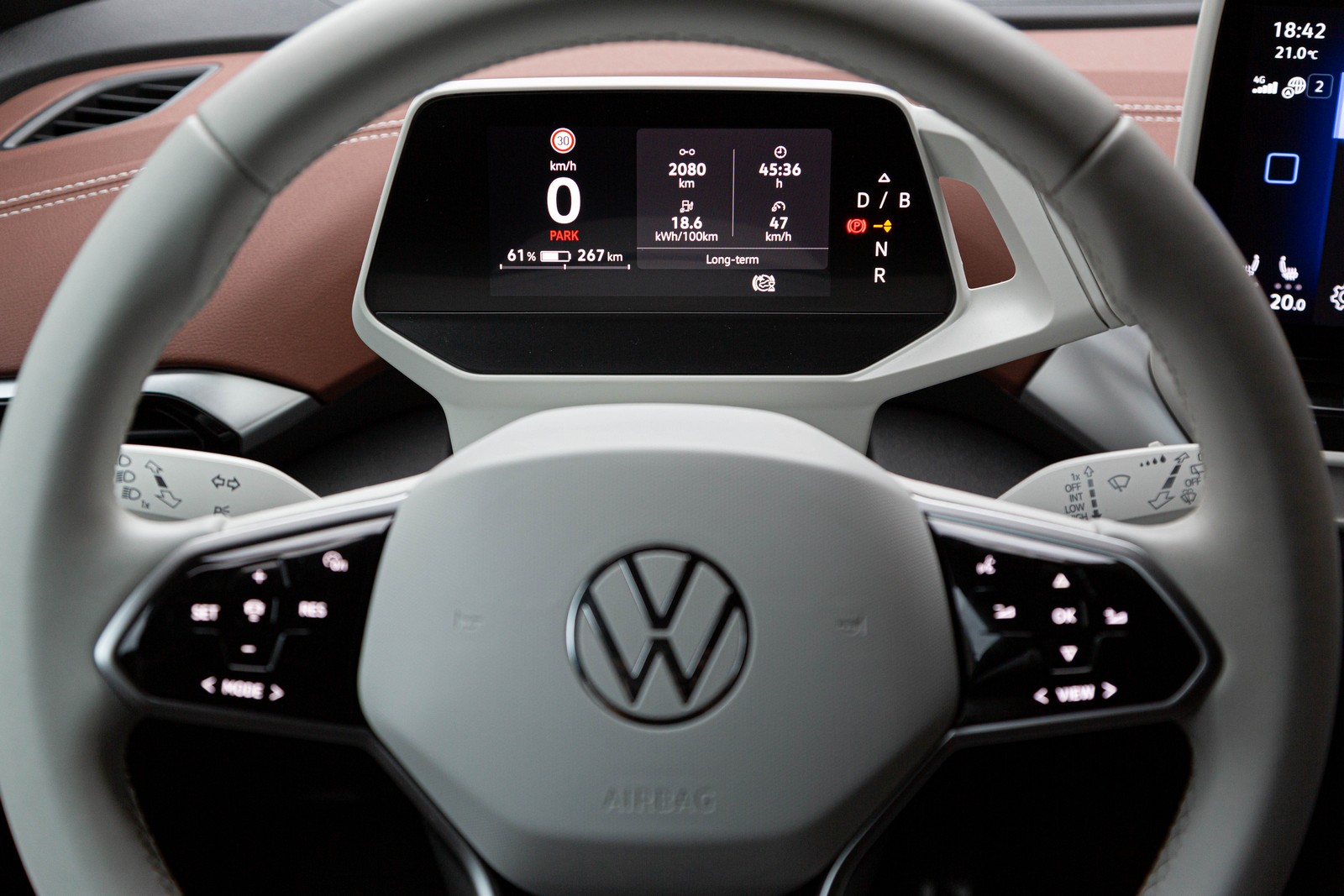
Given the ID.4’s mainstream market positioning, we’re happy to report that the cabin execution is largely free of gimmicks or over-complications. Sure, you can dive into the menus to find consumption stats and battery data (to appease your inner nerd, if you have one), but for first-time EV owners who don’t want to be confuddled, the minimalist instrument cluster, which displays only the pertinent info, is near perfect.
Current speed, the speed limit (for the road on which you’re driving), range and consumption – that’s all you need.
As it’s a family crossover, we expected the Volkswagen ID.4 to offer generous cabin space – and it sure does. There’s plenty of headroom and our rear passengers enjoyed the considerable legroom and extra USB charging ports. Luggage capacity is slightly better than the Tiguan’s (543- versus 520 litres) and a quick run to the airport highlighted the load bay’s practicality – it swallowed 2 large suitcases with ease.
Downsides? Apart from the fiddly infotainment system, the crossover’s interior quality was inconsistent. Some of the cabin plastics don’t feel of sufficient quality for a vehicle in this segment. The door panels that house the window switches were particularly cheap-feeling and a bit scratchy. This is not a criticism specific to the ID.4; a few of Volkswagen’s latest models don’t feel as plush inside as their predecessors.
Wireless charging pad, Apple CarPlay/Android Auto and no fewer than four USB-C ports.
Still, the great thing about the current generation of Volkswagen products is that they’re able to receive over-the-air updates, so that fixes for minor infotainment glitches, as well as more serious powertrain upgrades, can be sent to vehicles without customers needing to book their cars in at dealer workshops.
Our ID.4 received a minor infotainment update during its time in our custody.
What is the Volkswagen ID.4 like to drive?
Our experience with premium-badged electric cars has led us to expect that all battery-electric vehicles offer scintillating off-the-line performance (courtesy of instant peak torque delivery), but Volkswagen has cleverly calibrated the ID.4 to deliver a more measured, (shall we say) laid-back driving experience.
To reiterate, the 150 kW/310 Nm ID.4 is said to hit 100 kph from a standstill in just 8.5 sec (and go on to a top speed of 160 kph). While weren’t able to test the validity of either performance claim, our gut says that around 8 seconds for 0 to 100 kph feels about right. It seems as if this electric VW was calibrated to feel “similar to drive as an ICE-powered vehicle”, with gradual – as opposed to instant – power delivery.
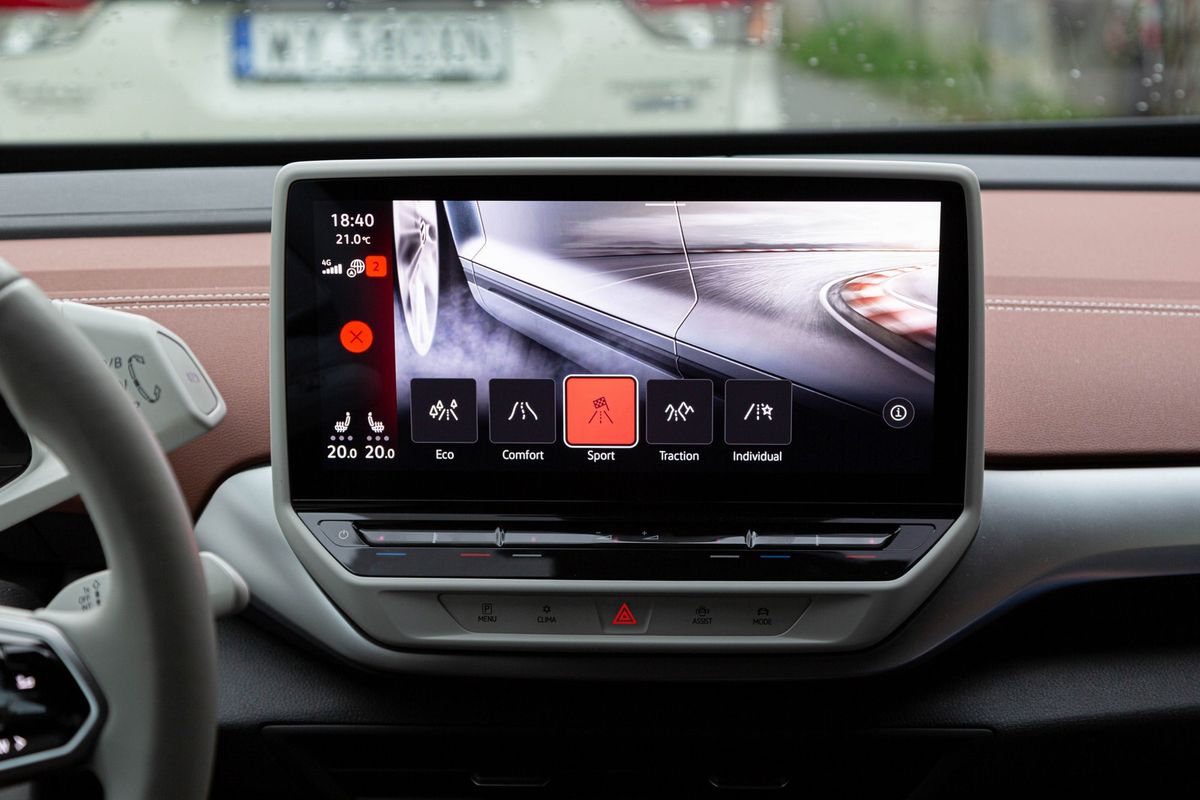
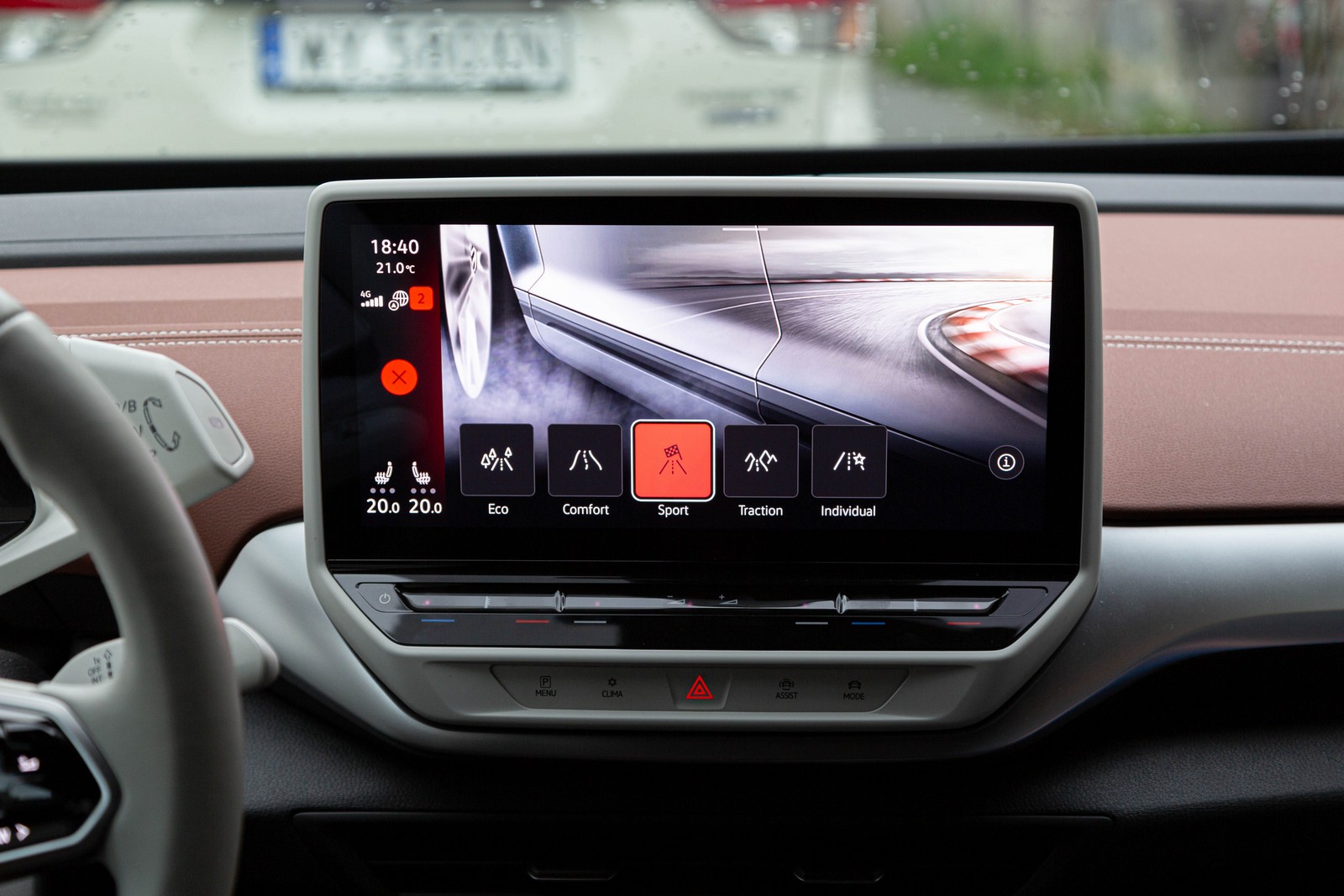
If you select the Sport drive mode, it adds a red scheme to the digital instrument cluster and infotainment screen.
Granted, if you engage the Sport drive mode (the digital instrument cluster and infotainment touchscreen will adopt a red theme), the ID.4 can produce extra eagerness and a brisk turn of speed if you need it to. In truth, however, the vehicle feels more like a refined family car than an enthusiast’s chariot – and that’s totally okay! The Eco mode, of course, dials back performance and response a notch, to increase range.
See, while performance electric cars have their place, the majority of potential EV customers are unlikely to care about 0-100 kph times and are far more interested in range, consumption and cost of ownership.
The ID.4’s suspension never felt settled on the cobbled streets of Krakow.
We loved the Volkswagen ID.4’s sheer user-friendliness. Simply get in, put on your seatbelt and the car’s ready to drive. Oddly, it features an on/off button, but we didn’t need to push it. You could step out of the vehicle, close the door and it would switch off. The transmission’s selector knob looks suspiciously like the unit found in the BMW i3, with a column-mounted unit that also activates the brake regeneration.
The ID.4’s transmission selector knob looks a lot like the one fitted in the now-discontinued BMW i3.
Electric cars need to have excellent sound insulation, because, seeing as there is no mechanical noise being generated by a petrol or diesel powertrain, road- and wind- noises are much more apparent. The ID.4 duly demonstrated impressive levels of refinement, with minimal road noise entering the cabin.
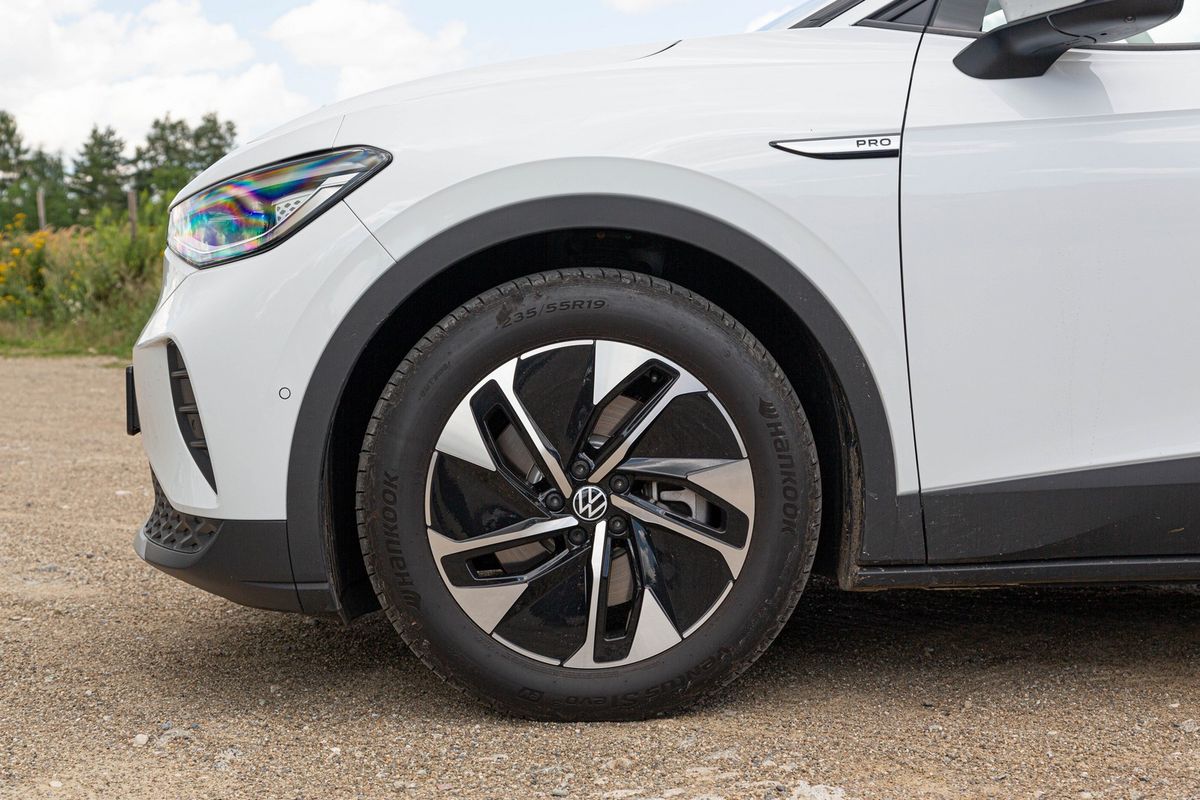
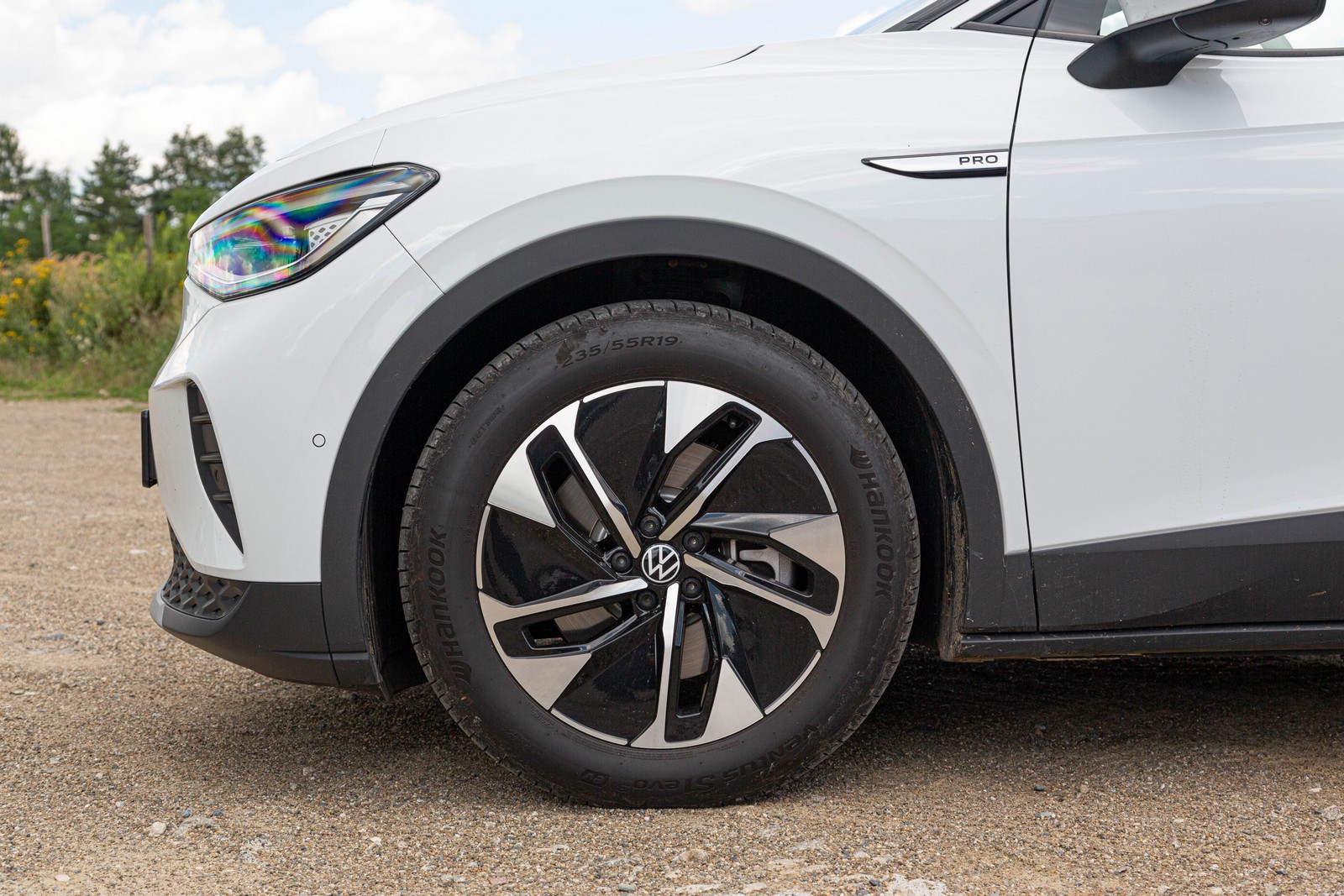
In terms of ride quality, the ID.4 rode a bit more firmly than we expected, especially at city speeds (even though the 19-inch alloys were shod with 235/55 tyres, which should improve bump absorption). Maybe the cobbled streets of Krakow or the generally stiffer suspension setup (a characteristic of most EVs) was to blame, because the Volkswagen’s ride improved markedly once left the inner city behind.
The ID.4 was fitted with attractive 19-inch wheels, shod with plump tyres, yet the low-speed ride was a trifle stiff.
The ID.4’s brake regeneration system is one of the more conservative setups we’ve come across – there is no sensation of harsh deceleration when you lift your foot off the accelerator pedal. You can let the car automatically recover energy or force it to “harvest more intensely” via the dashboard-mounted selector.
Cleverly, the Volkswagen utilises the nav system and radar to anticipate situations where it would be ideal to start the regeneration (such as when the vehicle is approaching intersections or steep declines).
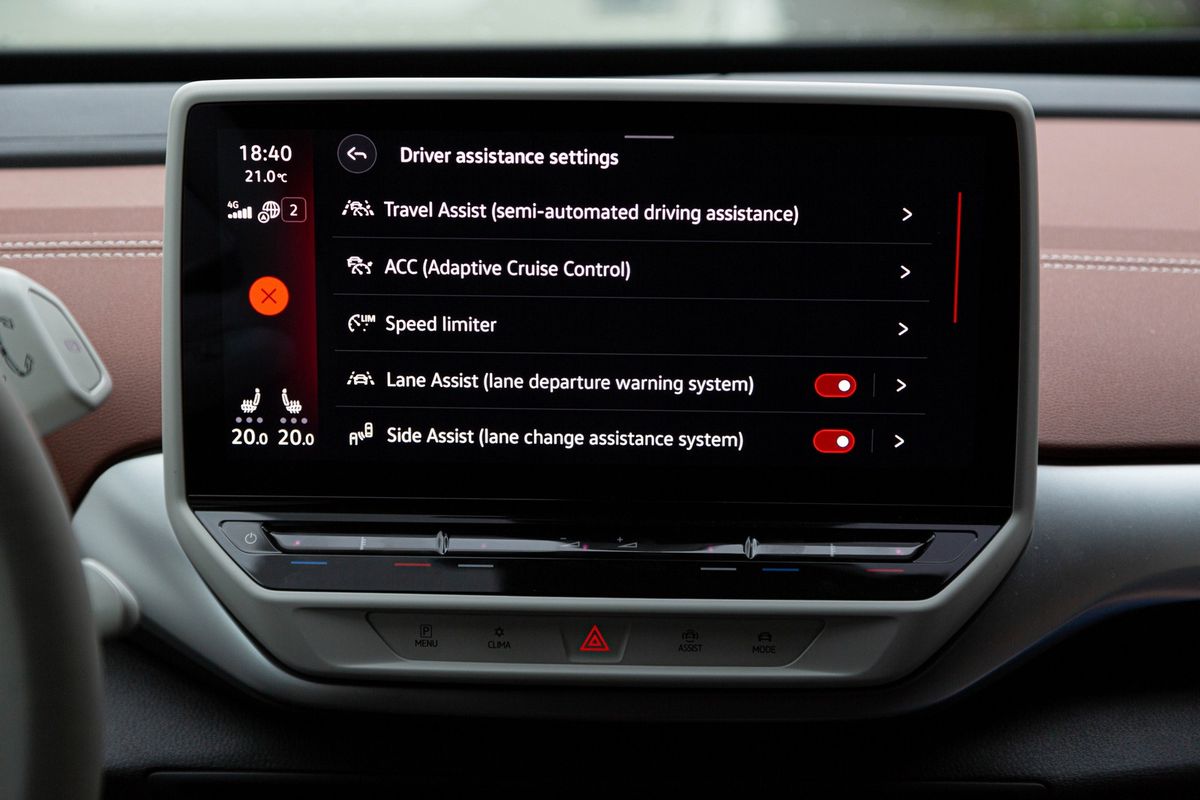
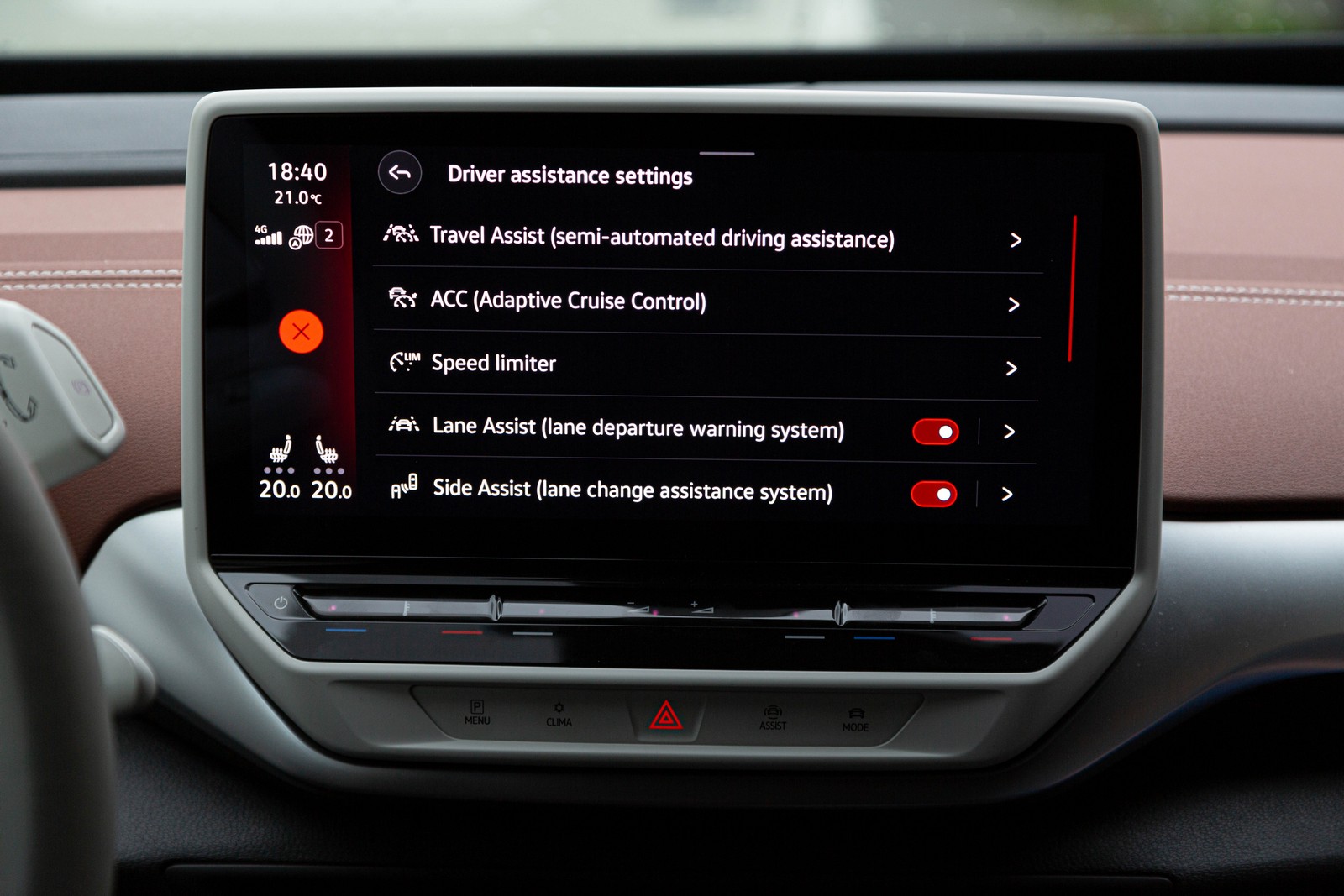
What’s more, there’s an impressive level of active safety tech (such as lane- and side assist, as well as semi-autonomous emergency braking) working silently in the background. For example, the latter proved its worth when it alerted us about some pedestrians that had started crossing the road without looking.
The ID.4 comes fitted with numerous advanced driver-assistance technologies.
Despite Volkswagen’s ambitious claimed range of over 500 km (WLTP), we’d say that a 77 kWh ID.4 will probably be able to travel about 450 km on a full charge. If you drive enthusiastically or frequently travel on freeways, it’ll be less than that. Impressively, our consumption figure hovered around 18 kWh/100 km, which made the ID.4 the most efficient electric car we’ve driven (every other EV has indicated between 20-22 kWh/100 km), but we suspect it’s because we travelled at lower average speeds and avoided freeways.
The ID.4 is easy to drive, roomy, comfortable and reasonably refined, which are hallmarks of a resolved family car.
If you want an engaging driving experience/dynamism – sorry, that’s not the ID.4’s forte. It’s designed and engineered to be balanced, composed and comfortable (the compulsory attributes for a family car, even an electric one), but there’s plenty of grip and the quick steering setup helps to make the ID.4 feel more nimble and agile than it is. As is the case with virtually all EVs, the weight of the battery’s cell packs makes electric cars heavier than their ICE counterparts. The ID.4 tips the scales at just over 2.1 tonnes.
Summary
The ID.4 has many strong qualities, but how long will it remain a major force in the battle for EV supremacy?
Given how quickly electric-car technology is improving, legacy car brands’ model strategies and -life cycles have been turned on their heads. While the ID.4 is a competent package, there is still a lingering impression that the ID models were brought to market in a hurry (hence the ID.3’s teething problems) so that Volkswagen could garner some market share before its rivals (such as Tesla) cornered the market.
It doesn’t feel as radical or advanced as some of the battery-electric vehicles we’ve driven in SA, such as the BMW iX and Audi e-tron, even if those models are admittedly more luxurious offerings and priced accordingly. Still, it does the basics right; it’s inoffensively styled, offers a refined driving experience and has plenty of cabin space – attributes that surely helped the ID.4 win the 2021 World Car of the Year title.
Expect the ID.4 to be offered to South African consumers through a vehicle-leasing scheme.
When the ID.4 lands in Mzansi, Volkswagen SA will release it via a leasing scheme (as opposed to selling the model from new) and the suggested running costs are expected to be similar to those of a Tiguan. There are pros and cons to this; some may say: “You have nothing to show for your money at the end of the lease”, but a guaranteed future value should help offset depreciation. It’s been reported that the values of electric cars plummet within the early years of ownership (even more so than those of ICE models), which makes leasing a more sensible way of getting consumers behind the ‘wheel of an ID.4.
So, when will the Volkswagen ID.4 arrive in South Africa? This is where things get tricky. When we had a chat with Volkswagen SA’s head of passenger cars, Steffen Knapp, he indicated it would happen towards the end of 2023 or early in 2024. However, it’s rumoured that the ID.4 will get significant updates next year, which are likely to address mechanical concerns that can’t be fixed via OTA updates. You can expect more powerful motors and bigger batteries, as well as interior enhancements. Whether VWSA will initially bring in a handful of current-gen ID.4 units… or wait for the facelifted model, remains to be seen.
Patiently waiting for the entry-level Volkswagen T-Cross Trendline to launch in South Africa? Well, the firm’s local division says the base model is no longer on the cards. Here’s why…
At the start of 2023, Volkswagen South Africa released a list of planned model introductions, which included an entry-level T-Cross Trendline derivative. However, the German company’s local division has confirmed to Cars.co.za this base model is no longer on the cards, nixing it for the 2nd time.
Why? Well, the facelifted T-Cross was revealed in July 2023 and is expected to touch down in South Africa at some point in 2024. VW thus told us there were “no plans to introduce the [T-Cross] Trendline in SA since the current model is on runout”.
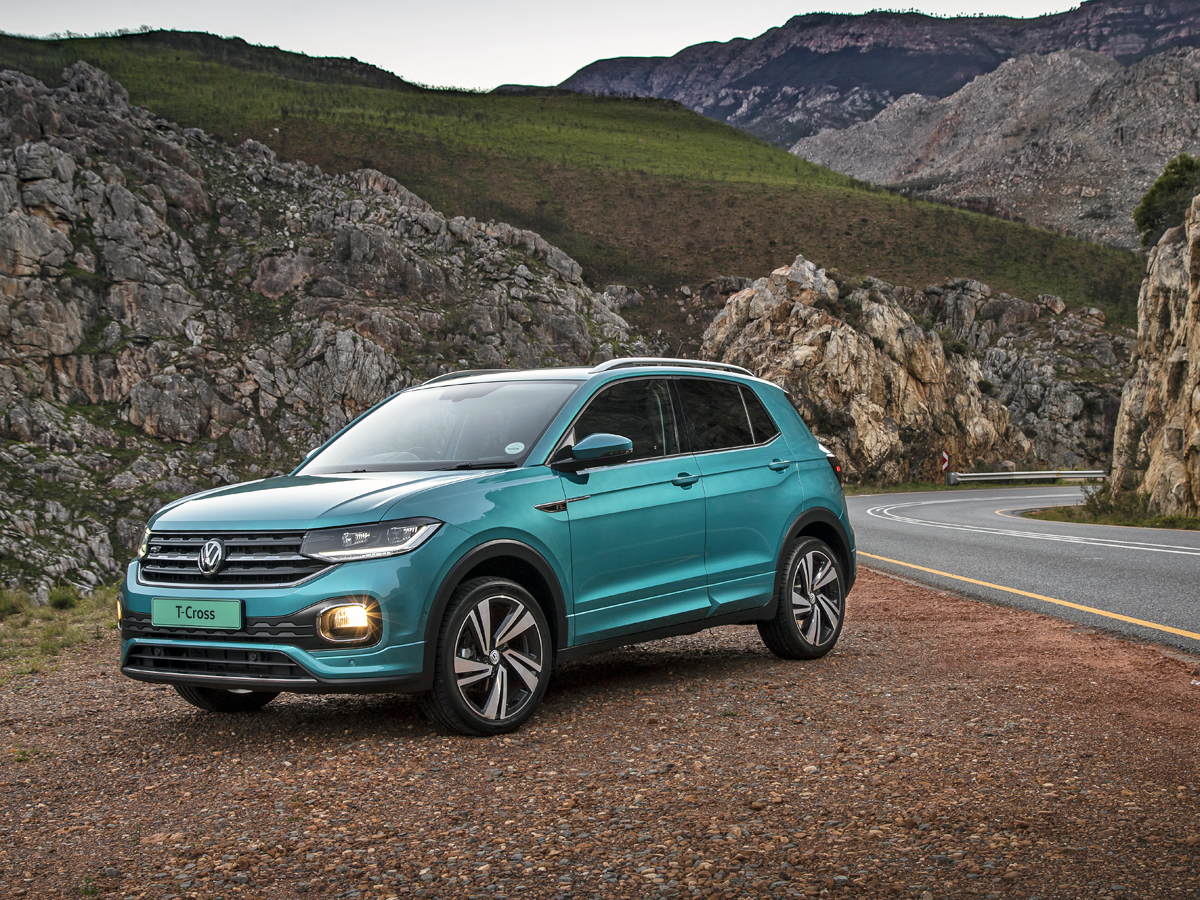
The T-Cross launched in SA back in September 2019.
Of course, just as was the case with the updated Polo hatchback, we expect the refreshed T-Cross to move away from the current naming convention, dropping the Trendline, Comfortline and Highline trim levels for a simplified range of base, Life and R-Line (the latter moniker carried over).
For the record, the outgoing T-Cross range is currently priced from R399 000 to R541 900, though the introduction of the Trendline – which would likely have found favour with the rental industry, too – would obviously have lowered the entry point.
This isn’t the first time plans to introduce the T-Cross Trendline in South Africa have been scrapped. At the local launch of the T-Cross in September 2019, the Wolfsburg-based brand said the entry-level Trendline was scheduled to touch down in the 2nd quarter of 2020 (with an expected price tag of below R300 000).
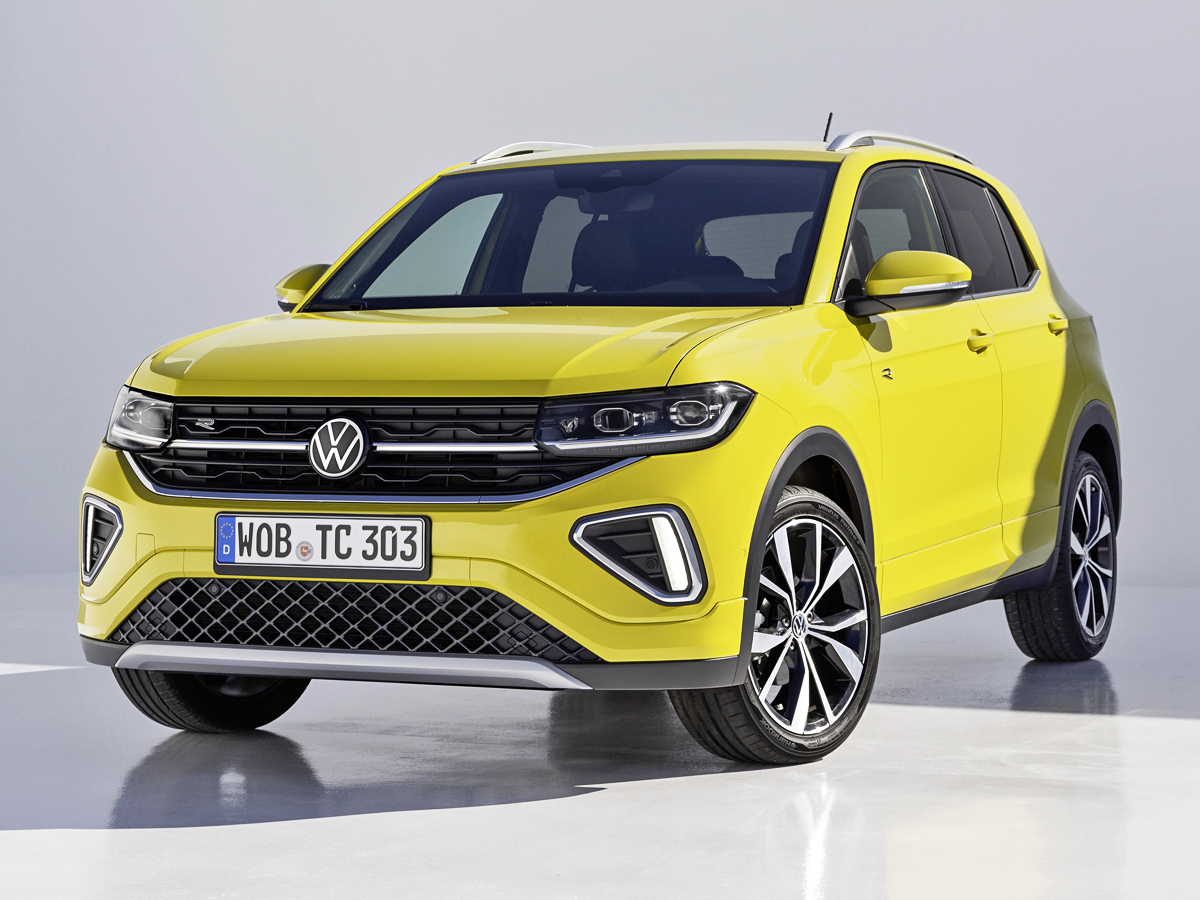
The facelifted T-Cross is set to launch locally in 2024.
However, thanks to a certain global pandemic, that date was pushed back to August 2020, before the Trendline was taken off the table completely. That said, late in 2020, VW SA did introduce a detuned 70 kW version of the 1.0 TSI Comfortline derivative, which effectively served as the new base model – and, of course, still does.
Over the opening 7 months of 2023, the T-Cross was Volkswagen’s best-selling imported model, with 4 685 units registered. In the German firm’s passenger-vehicle line-up, that puts it behind only the Kariega-built Polo Vivo (12 113 units) and likewise locally manufactured Polo hatchback (6 574 units).
Those keen on a cheaper VW crossover will likely have to wait until 2026 or 2027, when the automaker’s South African division hopes to commence production of an as-yet-unrevealed “A0 Entry SUV”, which is set to be positioned below the T-Cross…
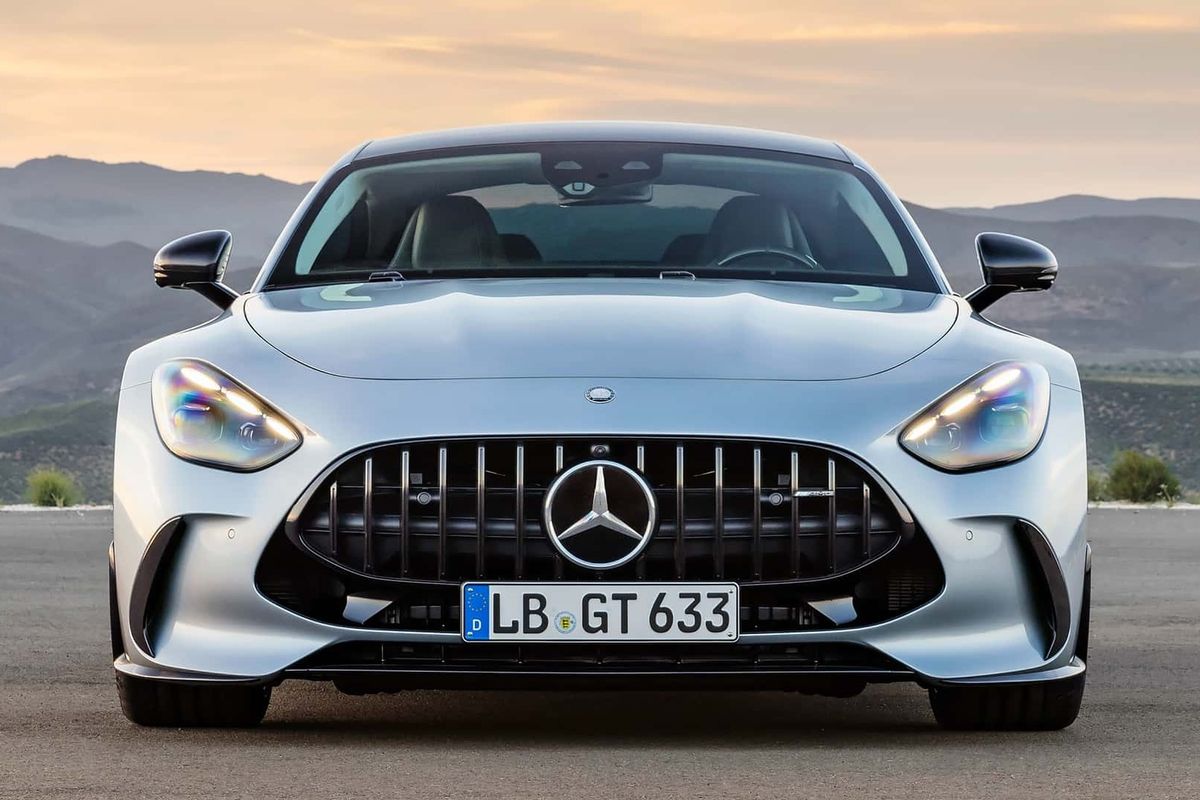
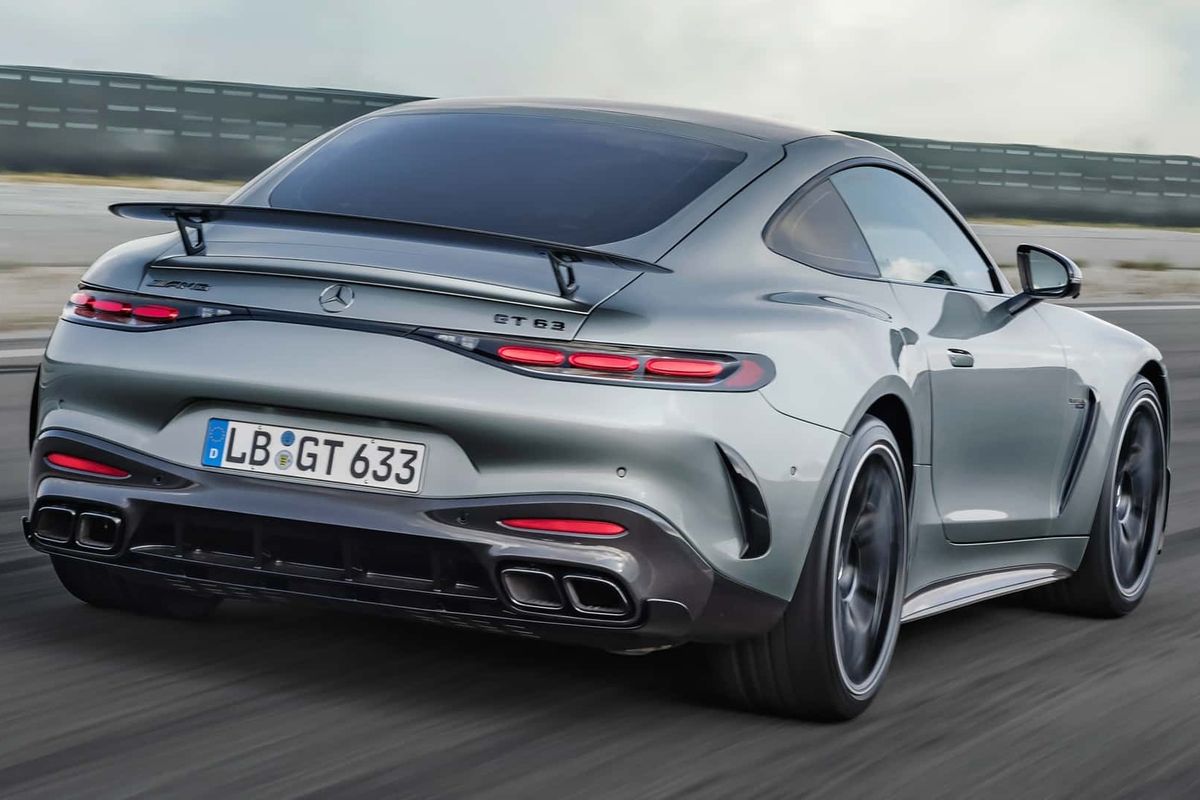
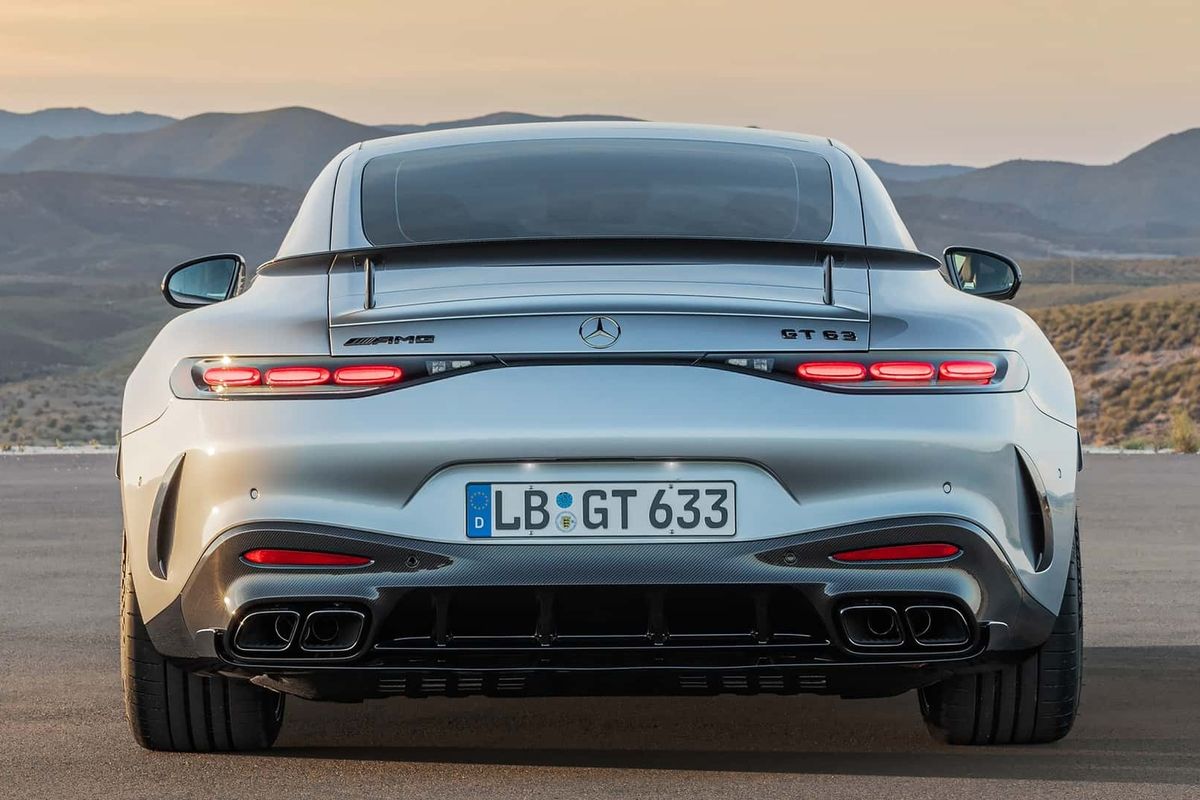
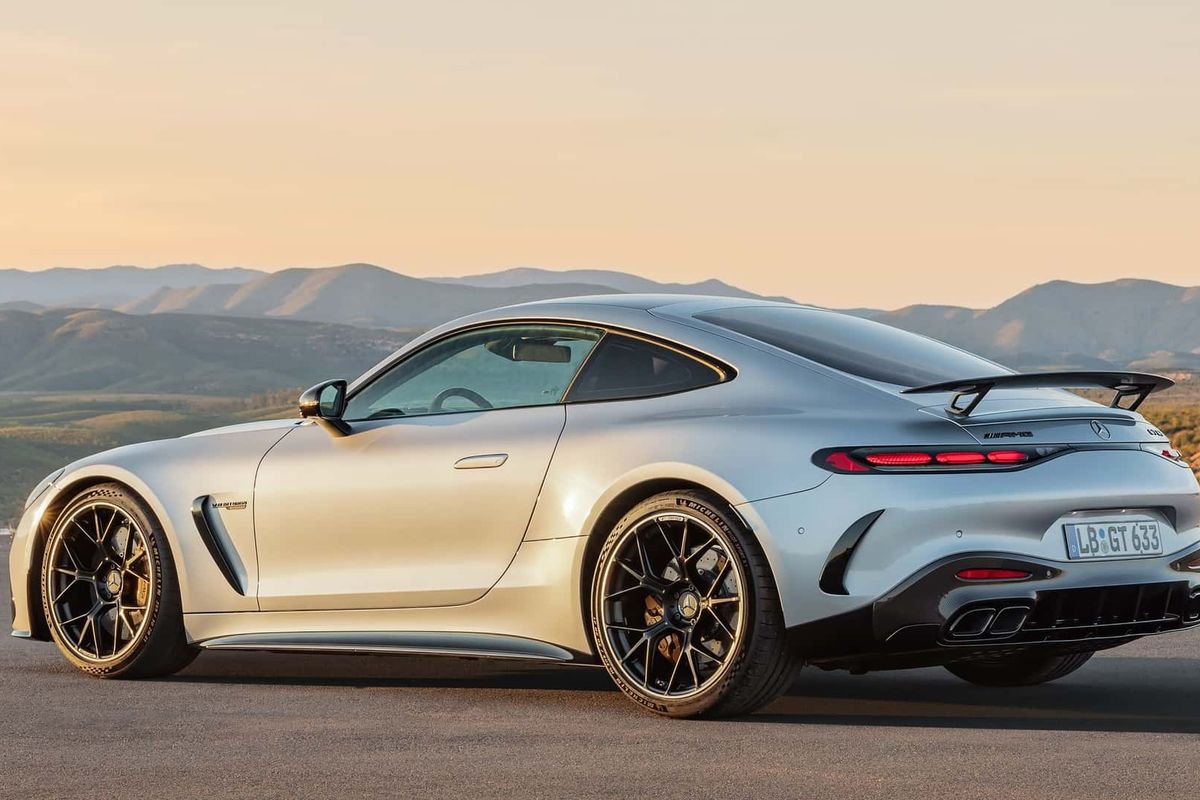
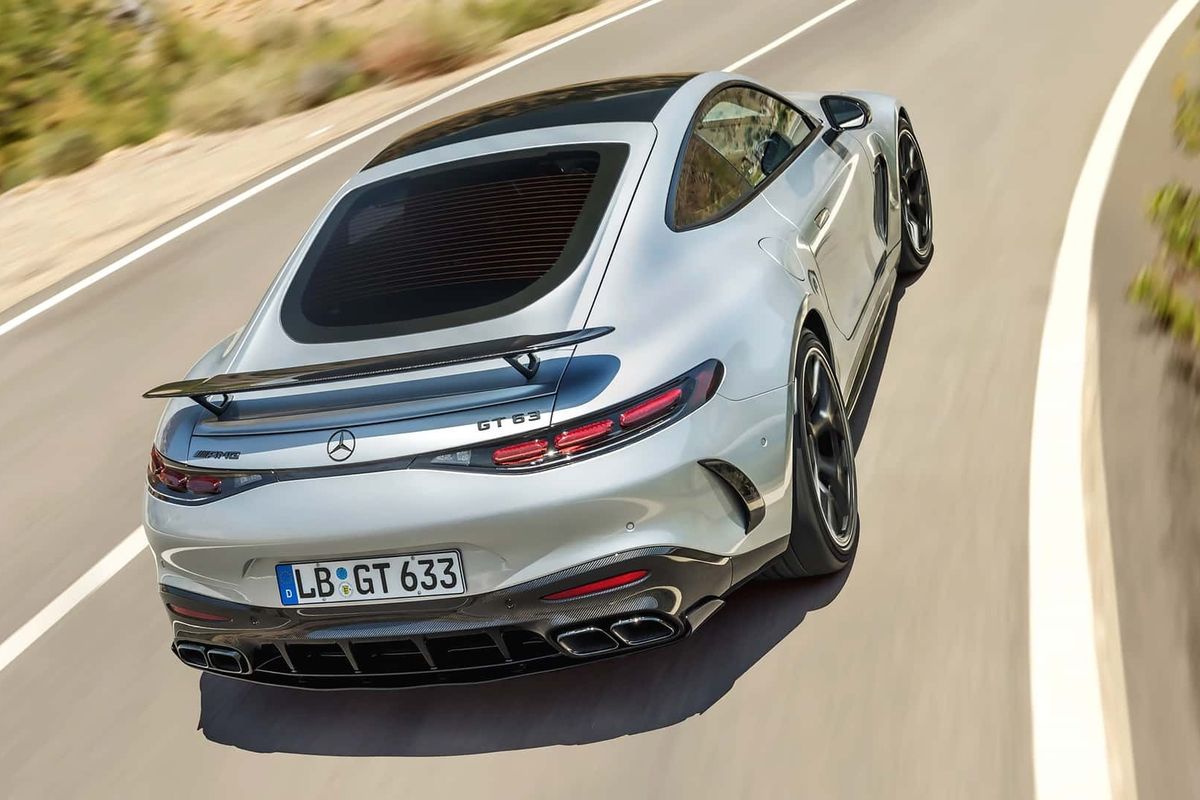
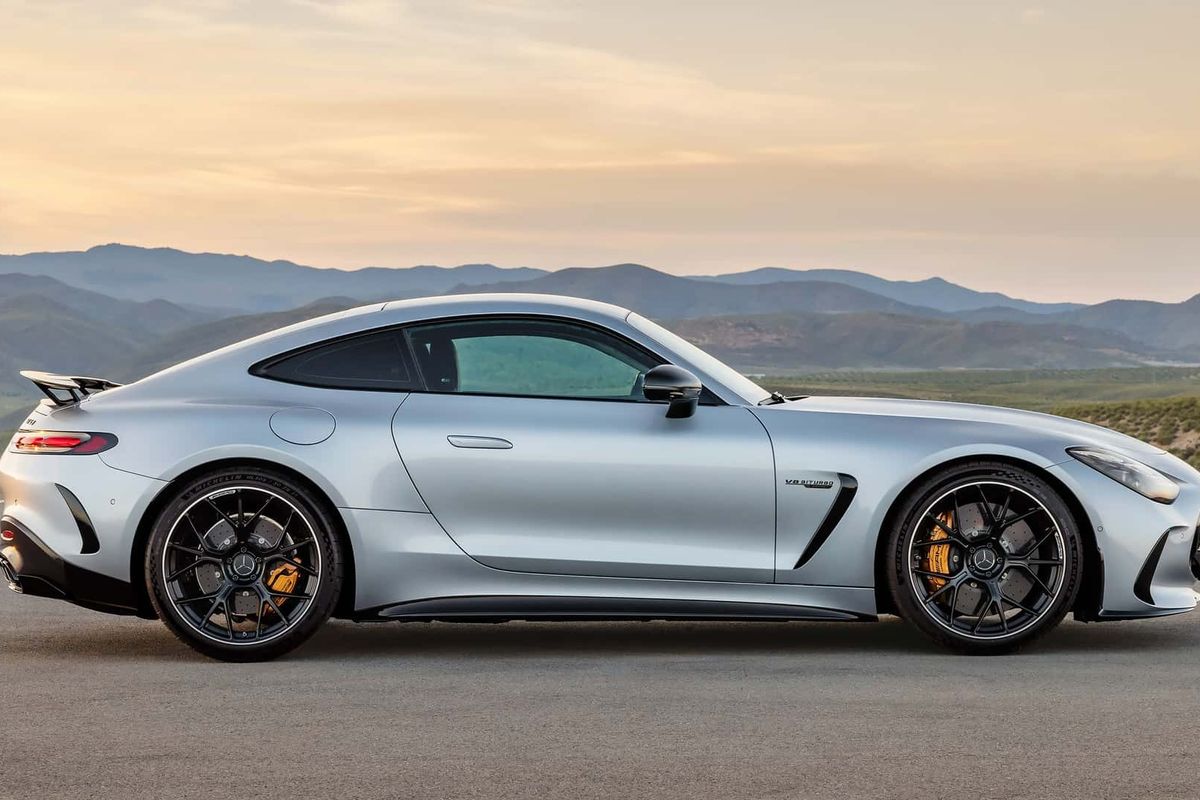
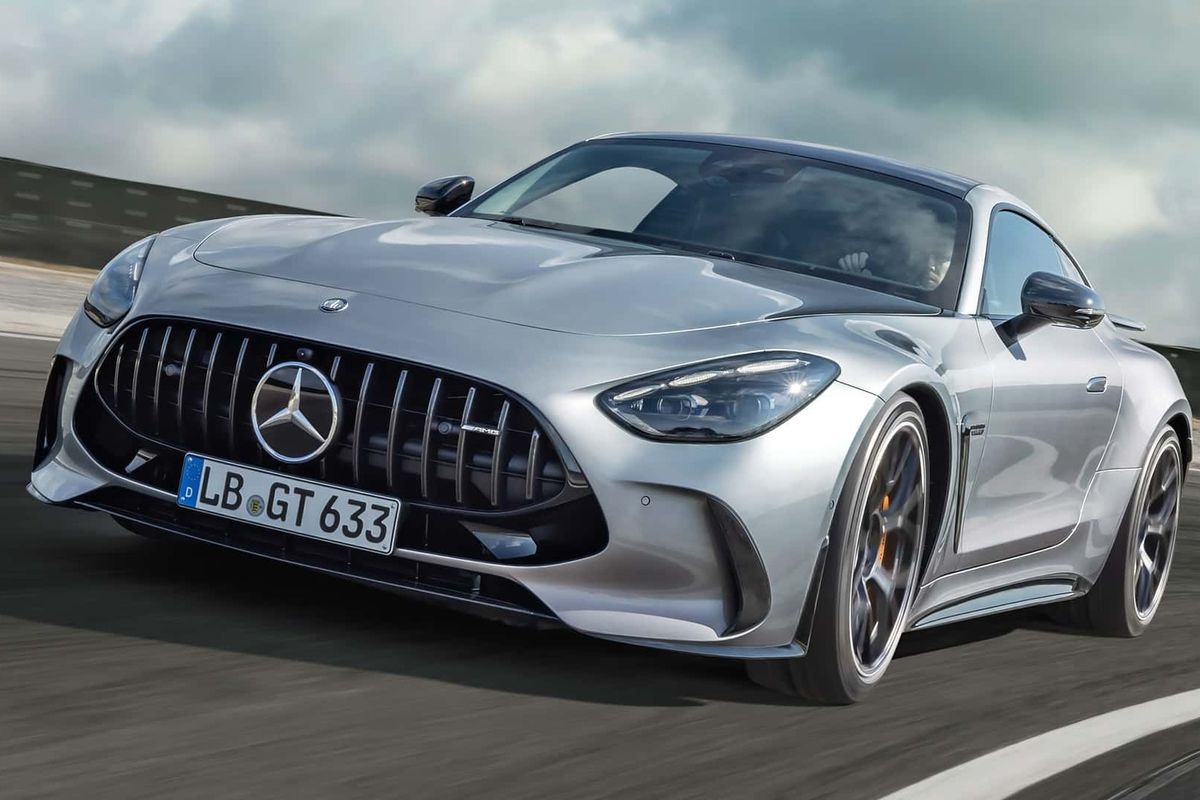
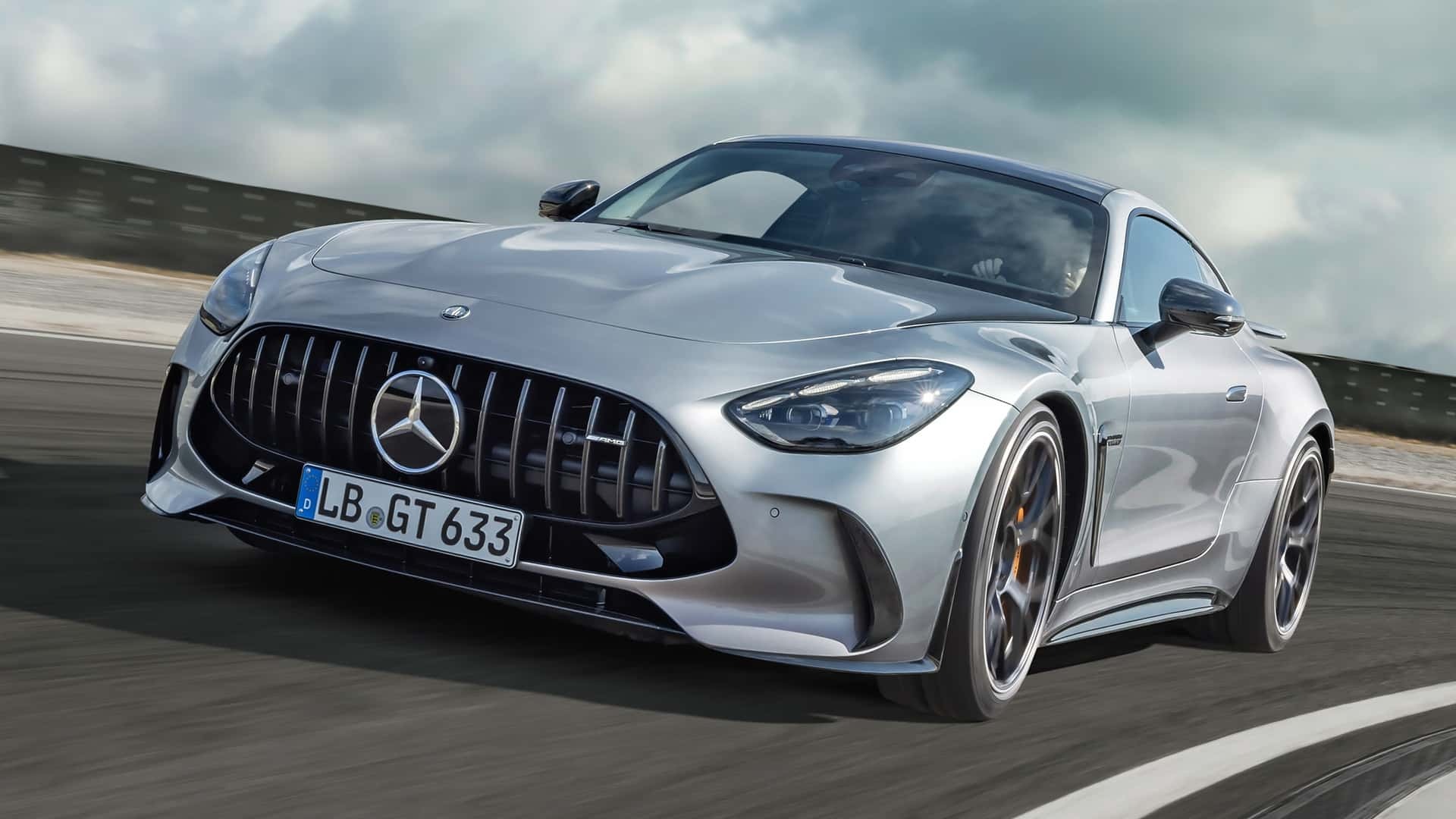
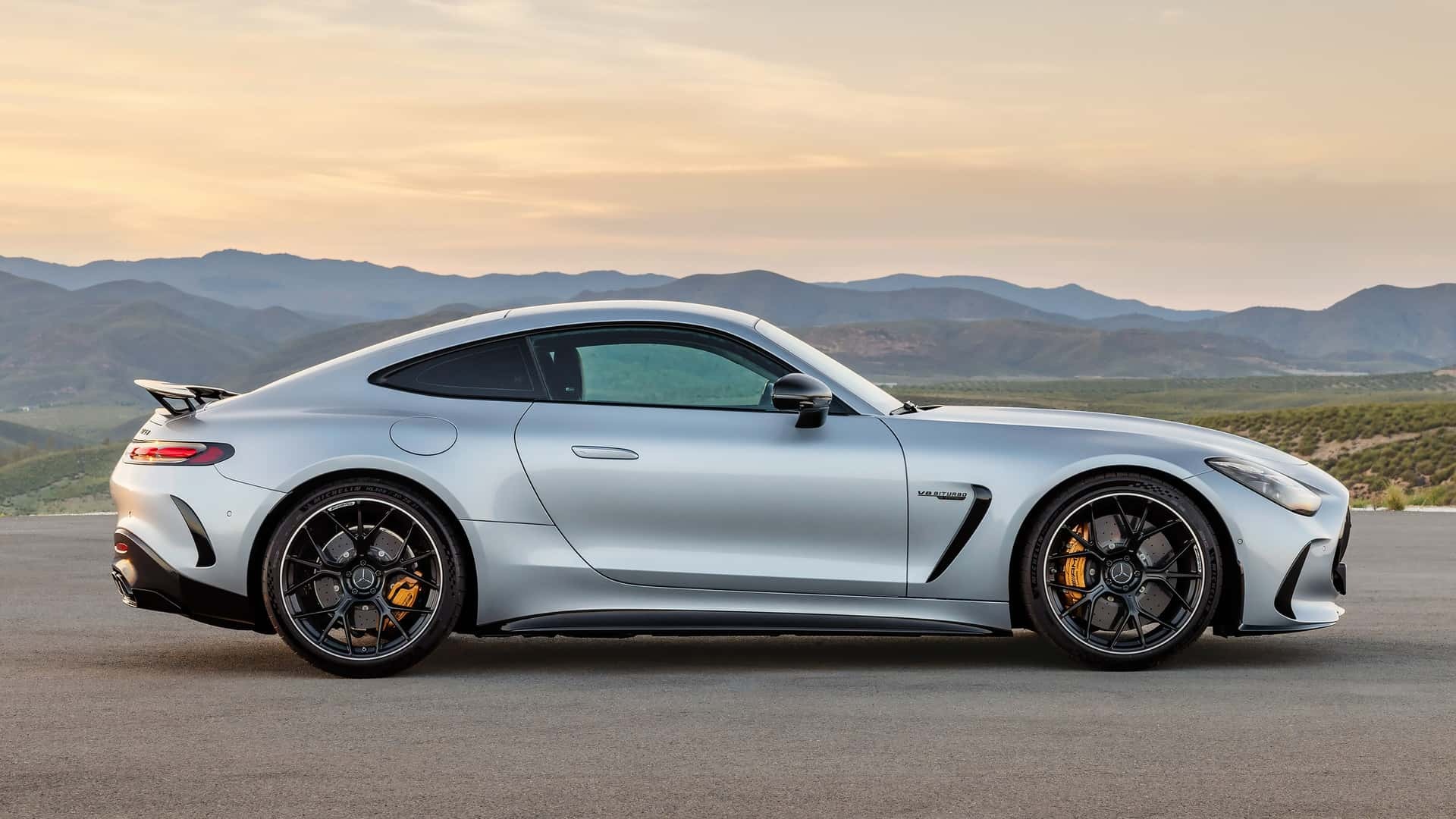
While it may not look radically different from the outgoing model, the brand-new 2024 Mercedes-AMG GT brings some critical upgrades to the table.
The AMG GT was a striking and desirable vehicle when it came out back in 2015. With a fiery 4.0-litre twin-turbocharged V8 engine, stunning GT looks and a driving experience that underlined AMG’s performance credentials, what’s not to like?
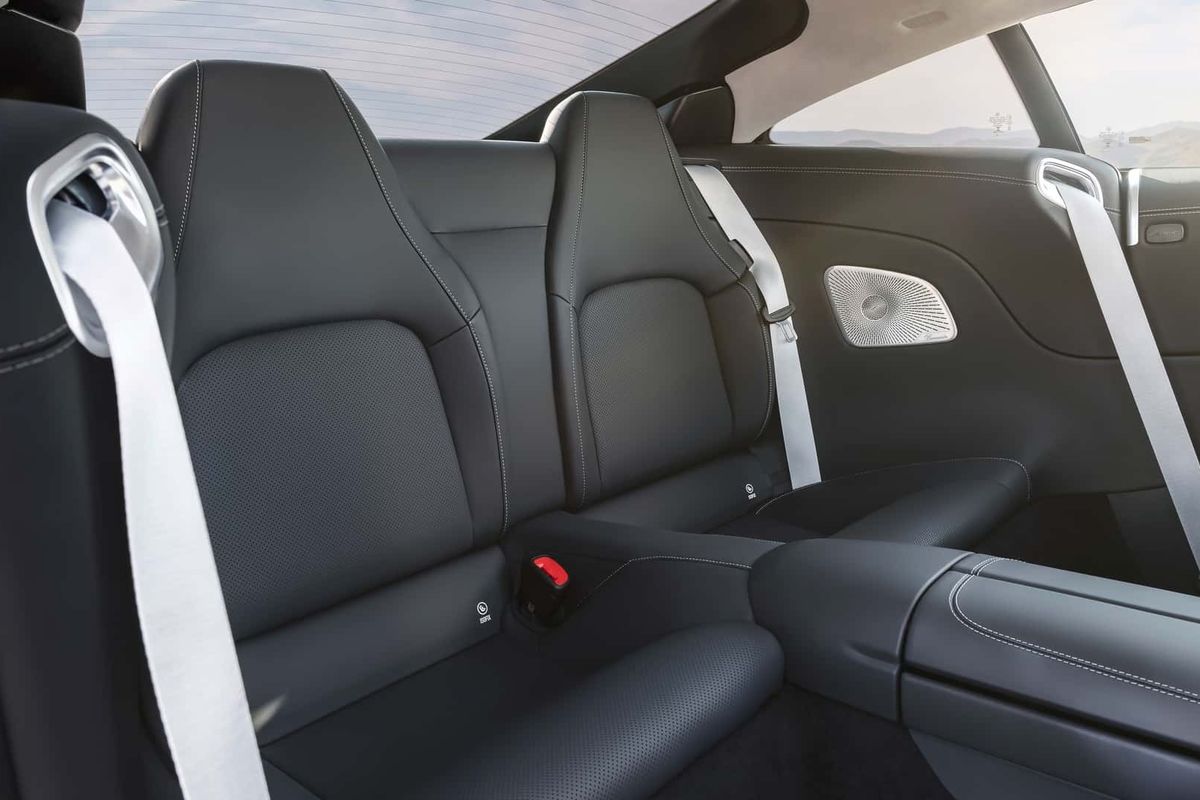
There were shortcomings, however. Rear-wheel drive only could prove a handful and the strict two-seater setup limited practicality. With the all-new 2024 Mercedes-AMG GT, these two weaknesses have been addressed.
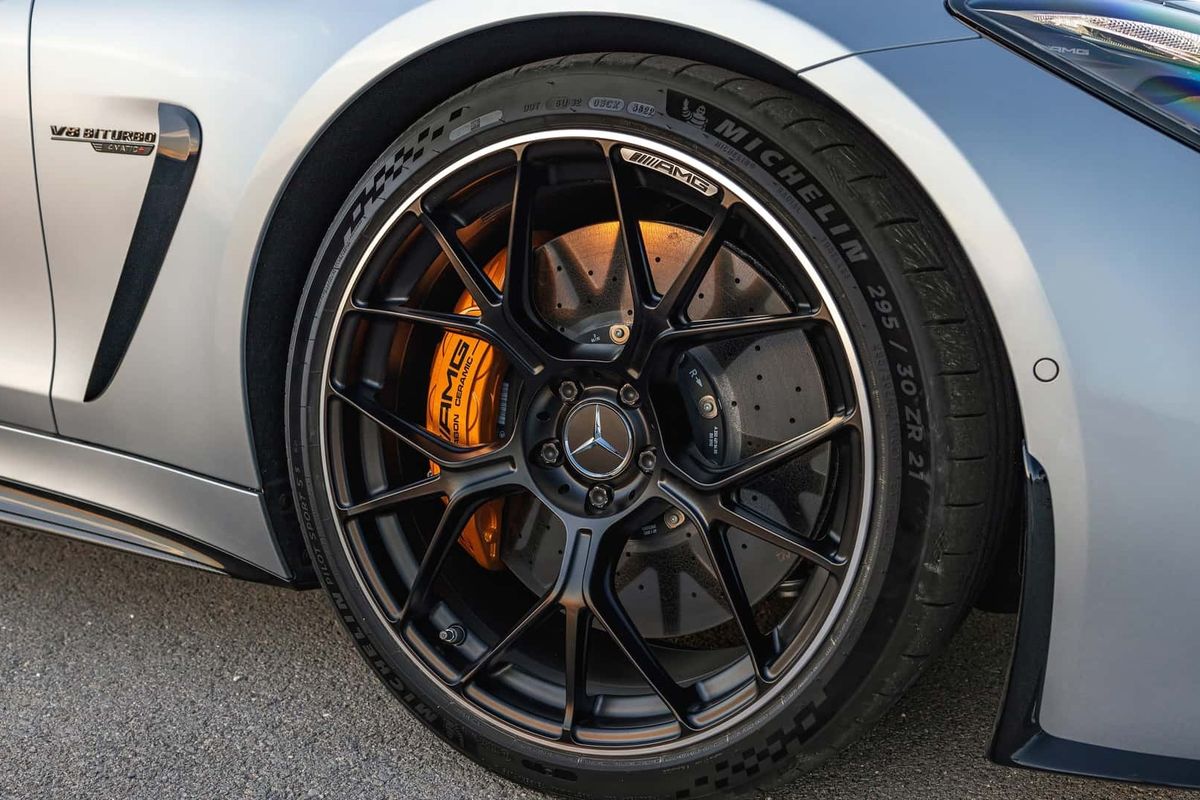
New for 2024 is 4Matic all-wheel drive as well as seating for four, in a 2+2 setup. There’ll be two derivatives on offer, both using the 4.0-litre twin-turbocharged V8 engine but in two states of tune. The 55 packs 350 kW and 700 Nm, while the 63 features 430 kW and 800 Nm.
With sprint times to 100 kph of 3.8 and 3.1 seconds respectively, the new AMG GT is a brisk performer. The addition of 4Matic+ all-wheel drive helps keep things planted, but you can send 100% to the rear for some fun sideways action. The vehicle features a 9-speed automatic gearbox.
Interestingly, the new 2024 Mercedes-AMG GT and SL were developed together and use an identical platform. Under the skin, the new GT features a sports suspension with semi-active roll stabilisation, adaptive shock absorbers and a front lift system to deal with those pesky speedbumps.
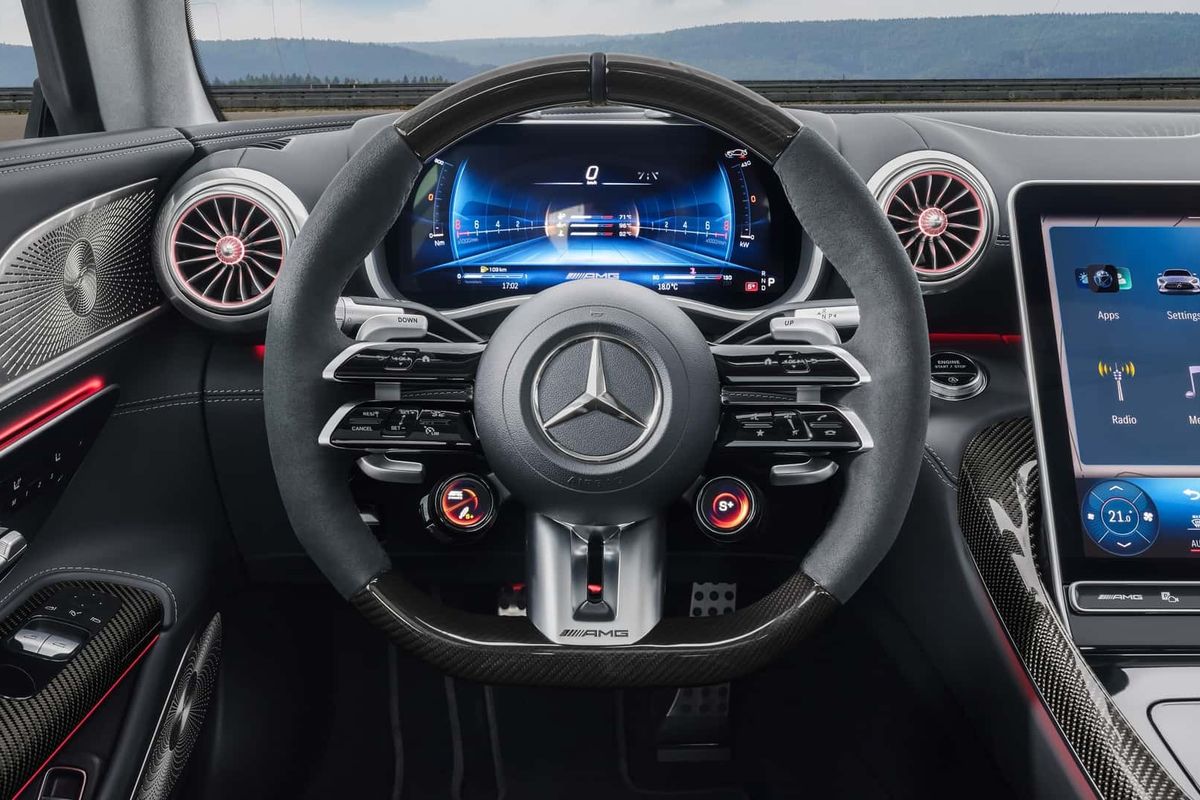
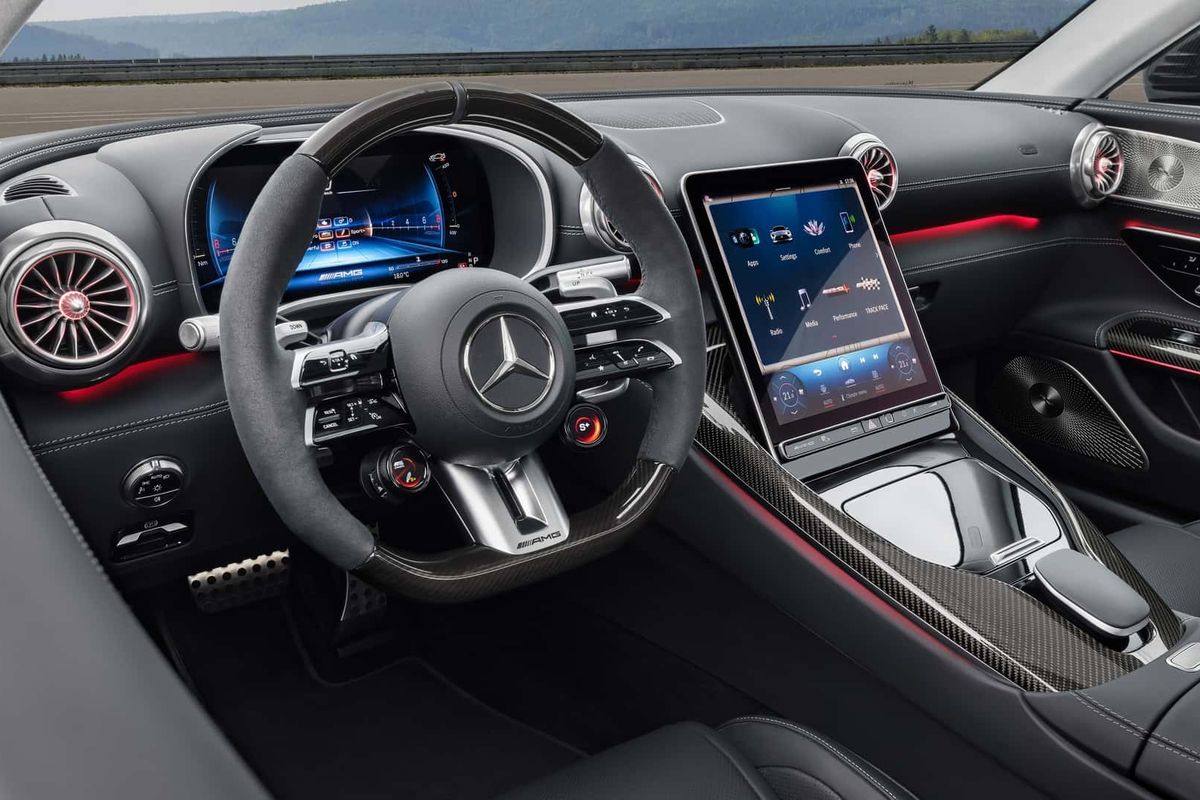
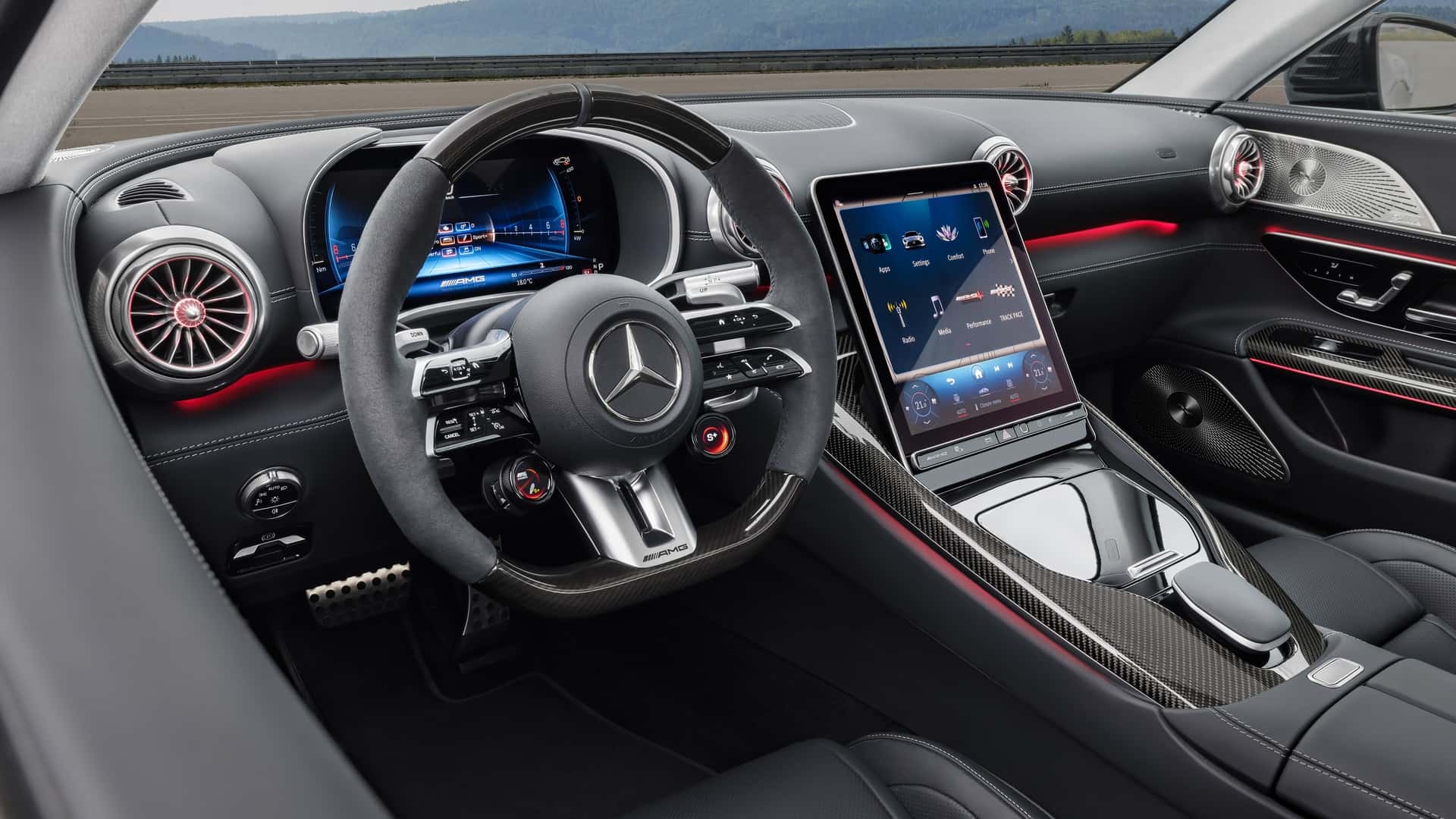
Inside, the GT features a sporty cabin that’s virtually identical to that of its SL sibling. Usual AMG treatment like the steering-wheel mode controls and bucket seats appear standard, as well as the portrait-orientated infotainment screen. There’s a larger boot and two seats at the rear, but the jury’s out on how much legroom there’ll be.
2024 Mercedes-AMG GT Showroom Debut
While Mercedes-Benz SA is yet to comment about this vehicle’s availability, Mercedes-AMG said the newcomer will be arriving in dealerships in the first half of 2024, with pricing to be announced closer to the time. As a reference point, the freshly-landed Mercedes-Benz SL retails for R2 493 846.
Judges and Categories announced for revived Cars.co.za Consumer Awards
Cars.co.za recently announced the immediate return of its Consumer Awards, widely regarded as the definitive South African motoring awards programme. Now the time has come to announce the categories and judges of these prestigious awards.
“The Consumer Awards programme has been identified as being integral to the decision-making journey for new-car buyers on Cars.co.za,” explains Hannes Oosthuizen – the project manager of the Cars.co.za Consumer Awards.

The #CarsAwards – as it is widely referred to on social media – is about much more than just handing over trophies to carmakers in February 2024. It’s a 6-month long project that is designed to inform potential car buyers about the vehicles that should appear on their shortlists. Importantly, it also gives consumers a say in the results.
The semi-finalists in each of the 13 categories will be announced on Monday 4 September 2023.
An awards programme that helps the consumer
“It is important to note that #CarsAwards differs from other awards programmes in several key aspects,” says Oosthuizen. “Firstly, the consumer can get directly involved, by telling us about their experiences with their own vehicles, including the after-sales service they have received,” he adds. Data collection for this important aspect of the #CarsAwards will start soon.
In the final round of judging, the inputs of actual car owners account for 50% of a finalist vehicle’s score. “This is a crucial aspect, because while we can rely on motoring- and other specialist journalists to evaluate the products by testing them, they can’t judge what it’s like to live with a car – owner feedback is equally important,” he explains.
Categories aligned with market hot-spots
Another key difference is that #CarsAwards doesn’t only consider and reward models that have been launched in the past year.
“As the name indicates, these awards are really for the consumer,” Oosthuizen says. “For that reason, all cars on the market are in the running, provided they have been launched locally by 1 September 2023 and comply with the various categories’ criteria. We have tweaked the 13 categories to be even better aligned with where consumers are shopping,” he says.
“We have noticed a significant shift to crossovers in the sub-R500 000 price range, but even within that broad definition there are sub-categories. Consequently, there is a concentration of categories below R500 000, which is an acknowledgement of the tough economic climate out there. Nevertheless, #CarsAwards is also about educating the consumer about what is on the horizon, and as such an EV category has been included for the first time,” explains Oosthuizen.
As before, the 14th and most prestigious category is Brand of the Year. “This is a really special award and 100% based on consumer feedback gained from our Ownership Satisfaction Survey, and also incorporating market share growth and resale data.
04/11/2020 – #CarsAwards (Photo by Roarke Bouffe / Cars.co.za)
The 13 product categories (and examples of contenders) are:
BUDGET HATCH (Priced between R250 000 and R350 000, eg. VW Polo Vivo, Toyota Starlet)
COMPACT HATCH (Priced between R350 000 and R500 000, eg. VW Polo, Opel Corsa, Honda Fit)
ENTRY-LEVEL CROSSOVER (Priced between R250 000 and R350 000, eg. Nissan Magnite, Toyota Urban Cruiser, Chery Tiggo4 Pro)
COMPACT FAMILY CAR (Priced between R350 000 and R500 000, eg. Haval Jolion, Toyota Corolla Cross, Renault Captur)
FAMILY CAR (Priced between R600 000 and R800 000, eg. Kia Sportage, Toyota RAV4, Haval H6)
PREMIUM CROSSOVER (Priced between R700 000 and R1m, eg. BMW X1, Mercedes GLB, Audi Q3)
EXECUTIVE SUV (Priced between R1m and R1.3m, eg. BMW X3, Mercedes GLC, Volvo XC60)
PREMIUM SUV (Priced between R1.3m and 1.8m, eg. BMW X5, Mercedes GLE, Land Rover Defender)
ADVENTURE SUV (Priced between R800 000 and R1.1m, eg. Ford Everest, Toyota Fortuner)
PERFORMANCE CAR (Priced below R1m, eg. Hyundai i30N, Subaru WRX, VW Golf R, Toyota GR Corolla)
LEISURE DOUBLE CAB (Priced above R800 000, eg. Ford Ranger, Isuzu D-Max, Toyota Hilux)
EV (Priced below R1.3m, eg. Mini Cooper SE, Mercedes EQA, Volvo XC40, BMW iX1)
Timelines
As before, there are 4 phases to the #CarsAwards process.
1 September 2023: The Cars.co.za extended editorial team meets in Cape Town and debates all vehicles in the South African new vehicle market, within the defined categories and against the category criteria. All vehicles launched by 1 September 2023 will be considered. The top 5 in each category is determined by consensus and not a secret vote to ensure rigorous analysis and debate. The 5 semi-finalists will be announced on Monday, 4 September 2023.
2 October 2023: The same Cars.co.za extended editorial team meets in Cape Town and votes on the vehicles in the individual categories to determine the finalists (3 per category).
2-3 November 2023: The 39 finalist vehicles (3 per category, 13 categories) are tested back-to-back at Gerotek in Gauteng.
February 2024: Announcement of all winners.
Respected, influential judges
In building the judging panel, the goal was to achieve a balance of motoring expertise (particularly in the first two phases of the programme, which determine the finalists) and respected non-motoring, highly analytical media professionals.
“It is absolutely crucial that motoring journalists’ opinions are supplemented by those of non-motoring media professionals, who, in many ways, represent the consumer at the test days,” explains Oosthuizen.
“As these Awards are designed to be of maximum benefit to the consumer, it is also critical that as many South Africans as possible know about the results,” says Oosthuizen. “Our panel of judges has been selected with that in mind, and consequently you will find a mix of new and traditional media, print, broadcast and social media specialists,” he explains.
The judges for the 2023/2024 Cars.co.za Consumer Awards are;
To follow developments regarding the 2023/24 Cars.co.za Consumer Awards, keep an eye on #CarsAwards on most social media channels.
Flat-out on a dirt race track! Introducing our long-term 2023 Subaru WRX
We’ve got the brand-new Subaru WRX with us for the next few months and it’s the manual! Does it still provide thrills galore? Ciro De Siena gets acquainted with the newcomer.
Here at Cars.co.za we’re not exactly shy about our love for old Subarus. Three members of the team own older Subarus, including a blob-eye and a hawk-eye Prodrive.
And so Subaru thought that we might be the right outfit to judge their latest WRX, a car which has grown up considerably since the days of the blob-eye and hawk-eye.
Over the next few months, we’re setting out to answer the question, has the WRX got its groove back?
In this first test, we hired a dirt oval outside Cape Town to see if the car’s rally roots would shine through. Were we disappointed? Only one way to find out.
We were deeply impressed with the range-topping Ford Everest 3.0 V6 Platinum, but if you don’t need 6-cylinder power, and are willing to sacrifice some tech, the more affordable 2.0 BiTurbo 4×4 Sport derivative offers significant appeal too.
We like: Design, ride/handling balance for a ladder-frame chassis vehicle, practical cabin
We don’t like: Lacks some features at the price, still quite thirsty
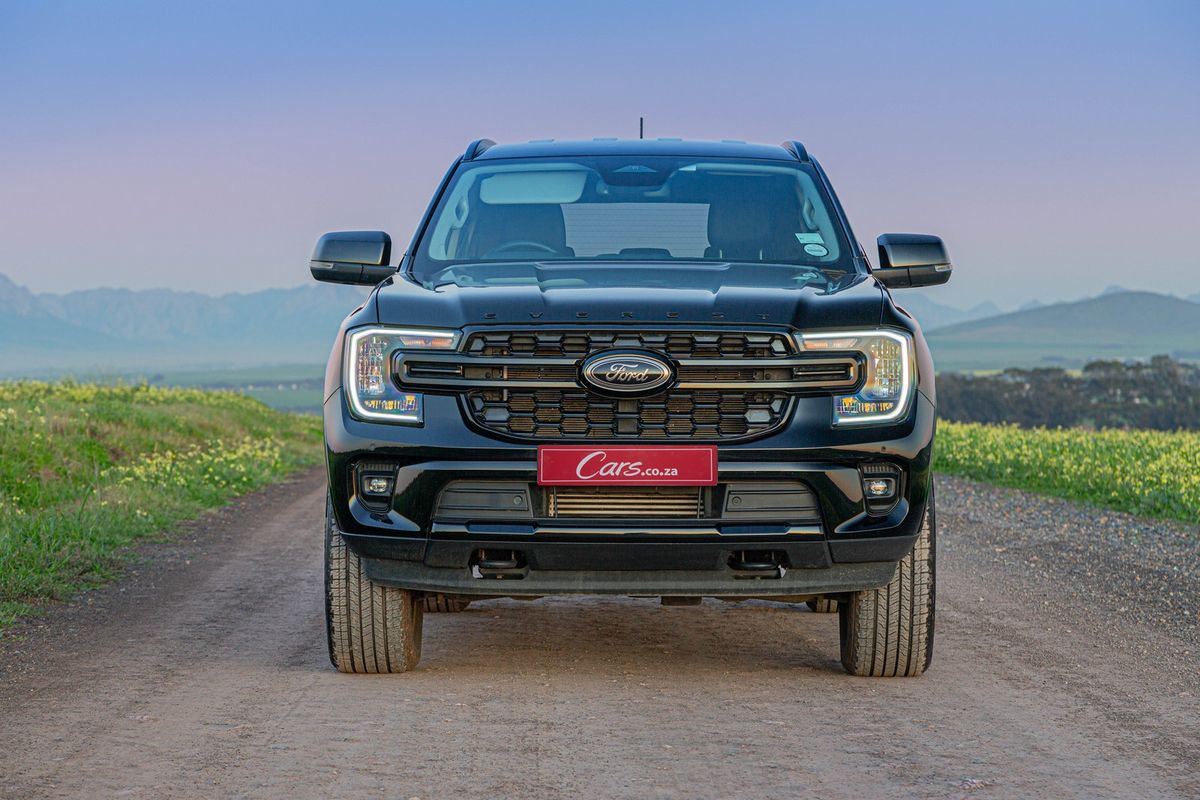
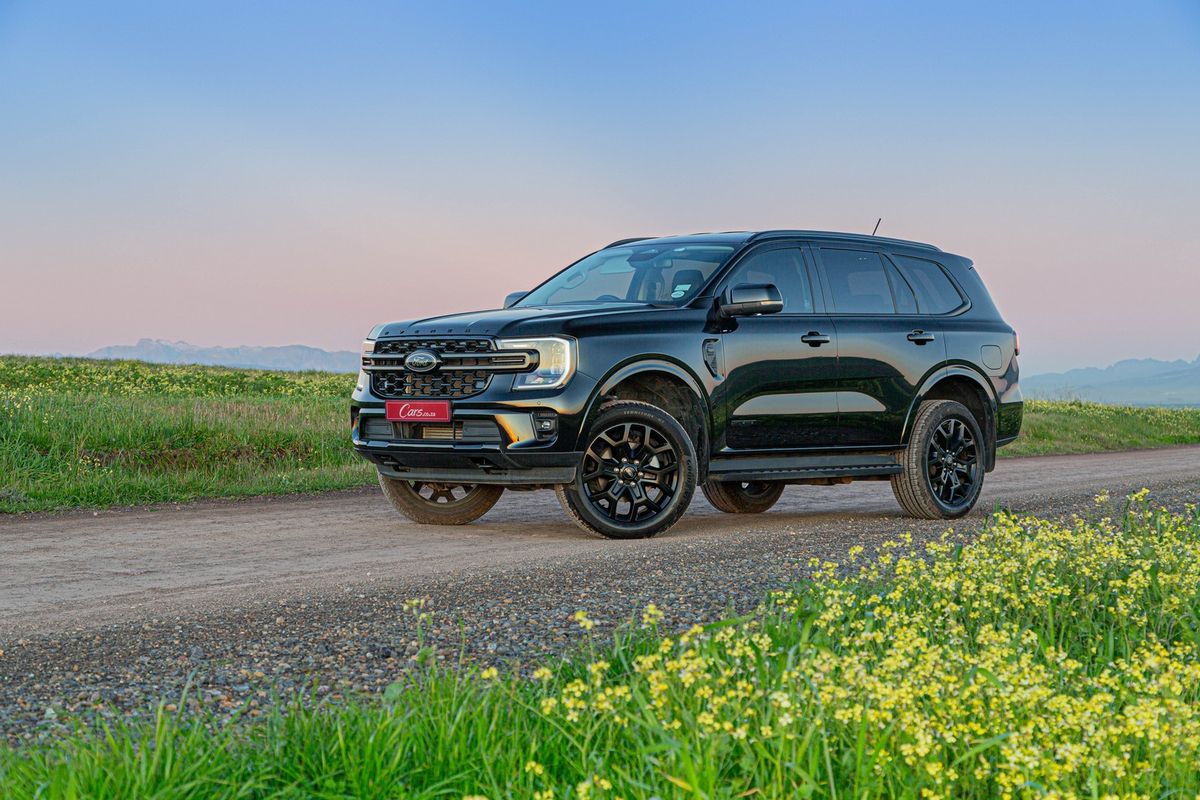
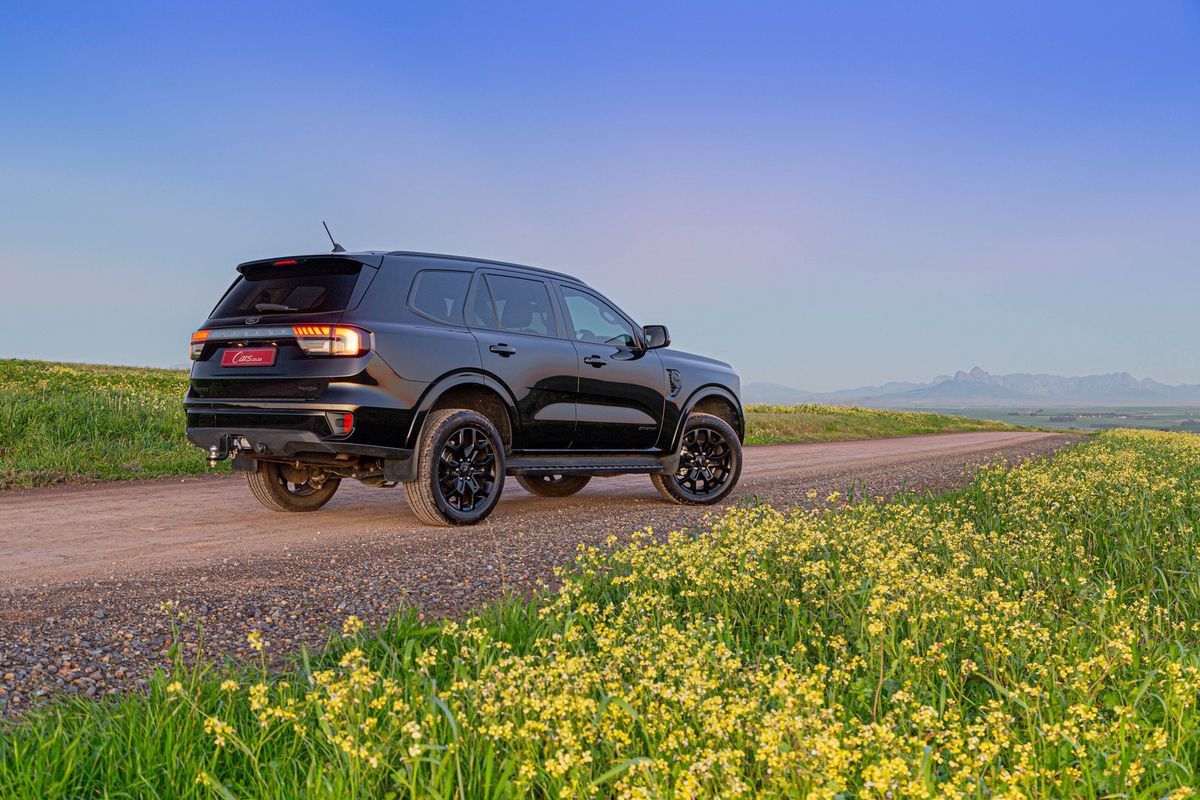
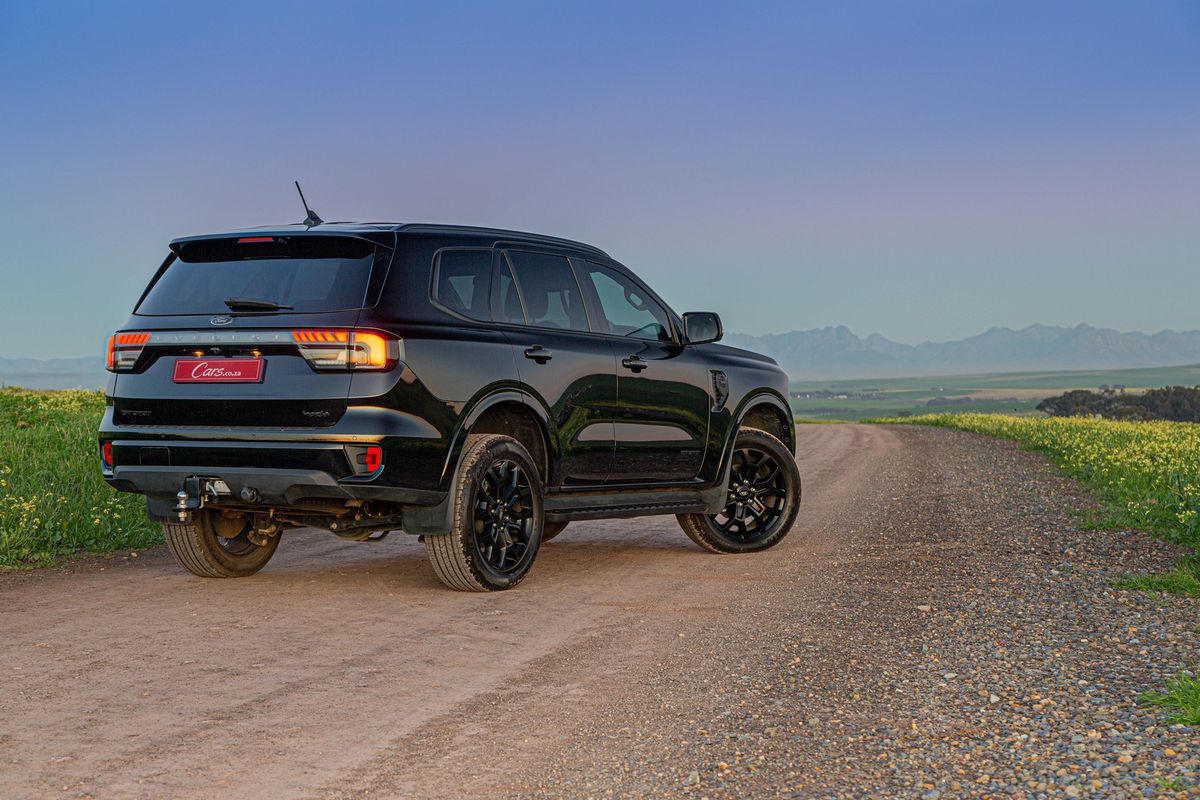
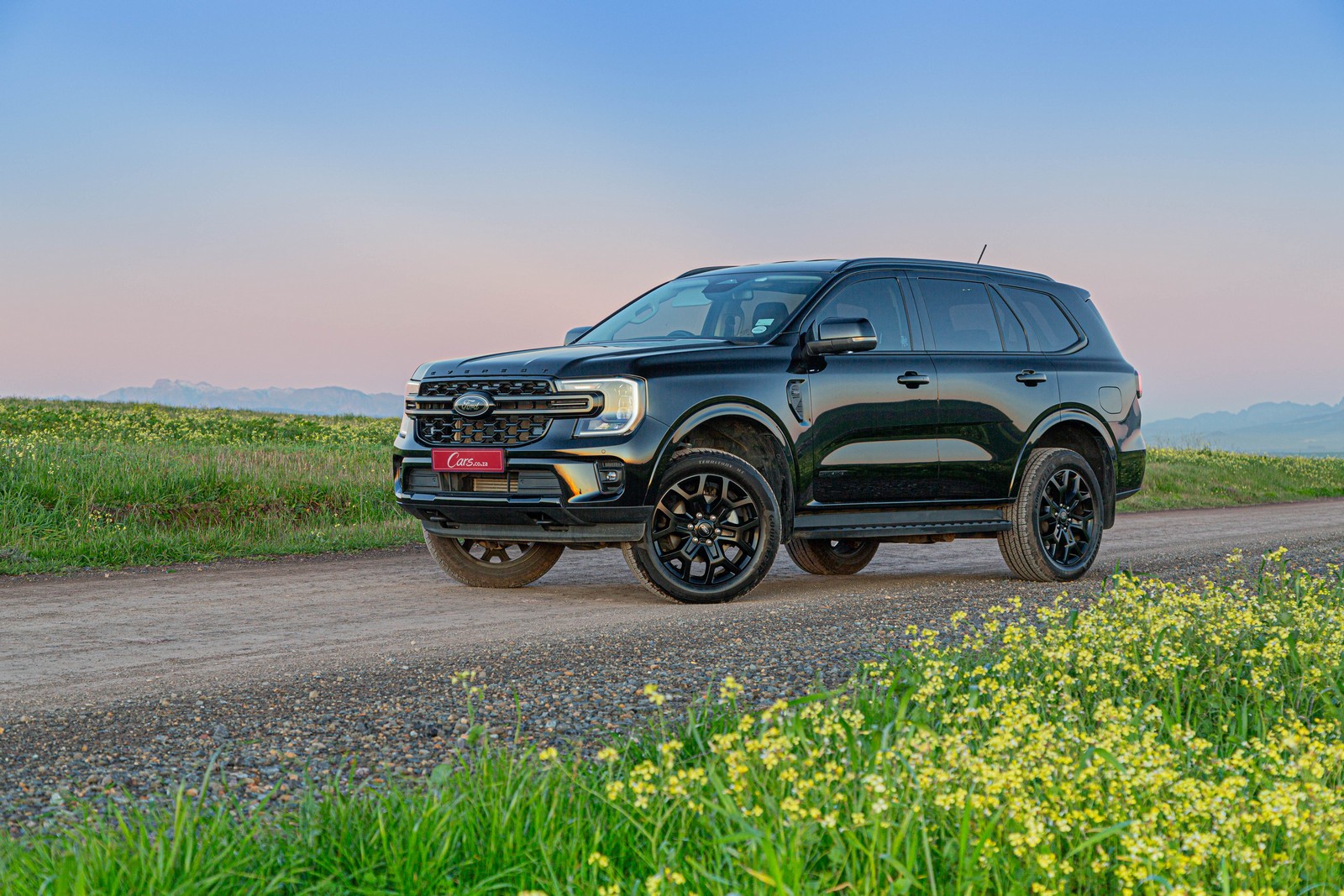
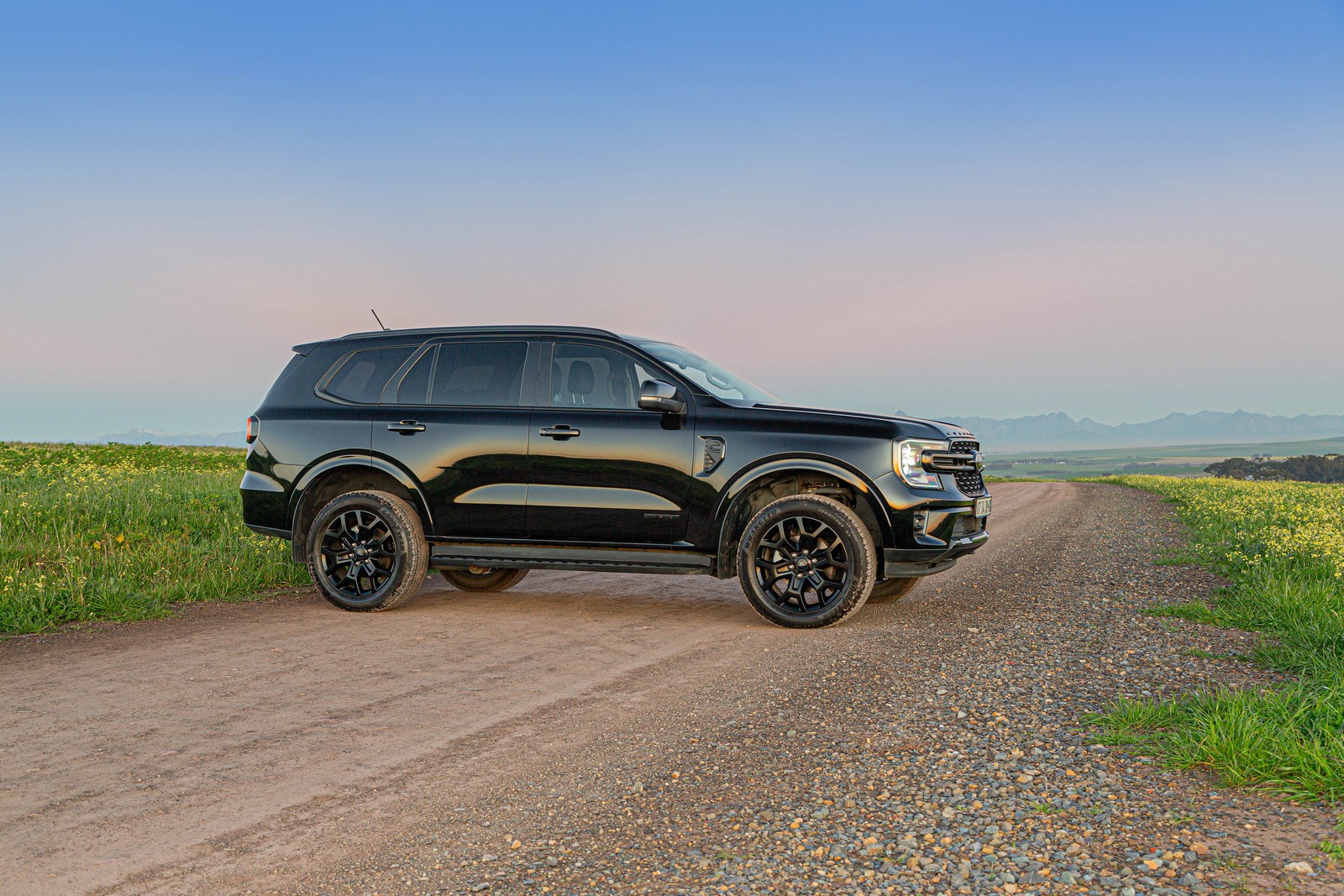
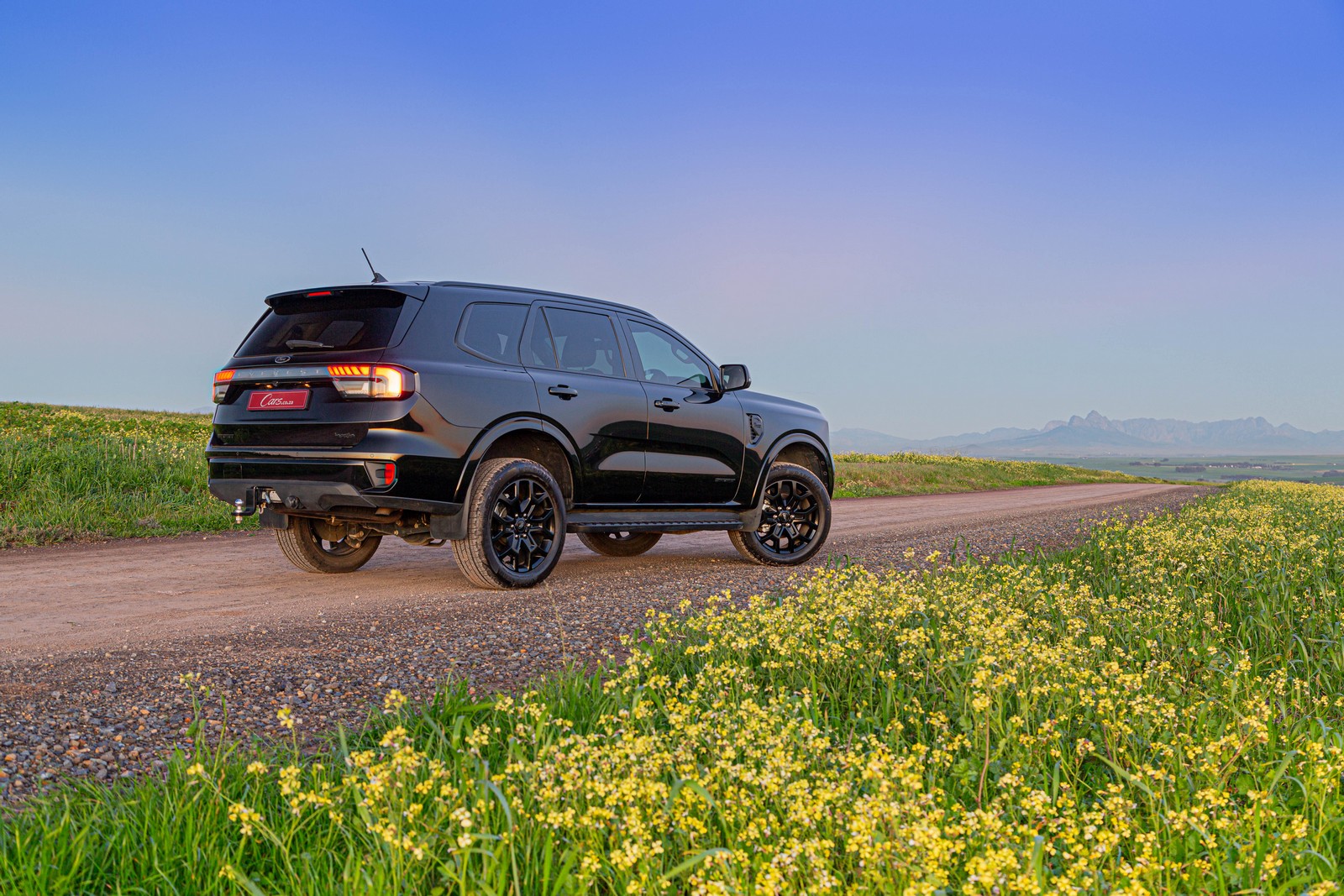
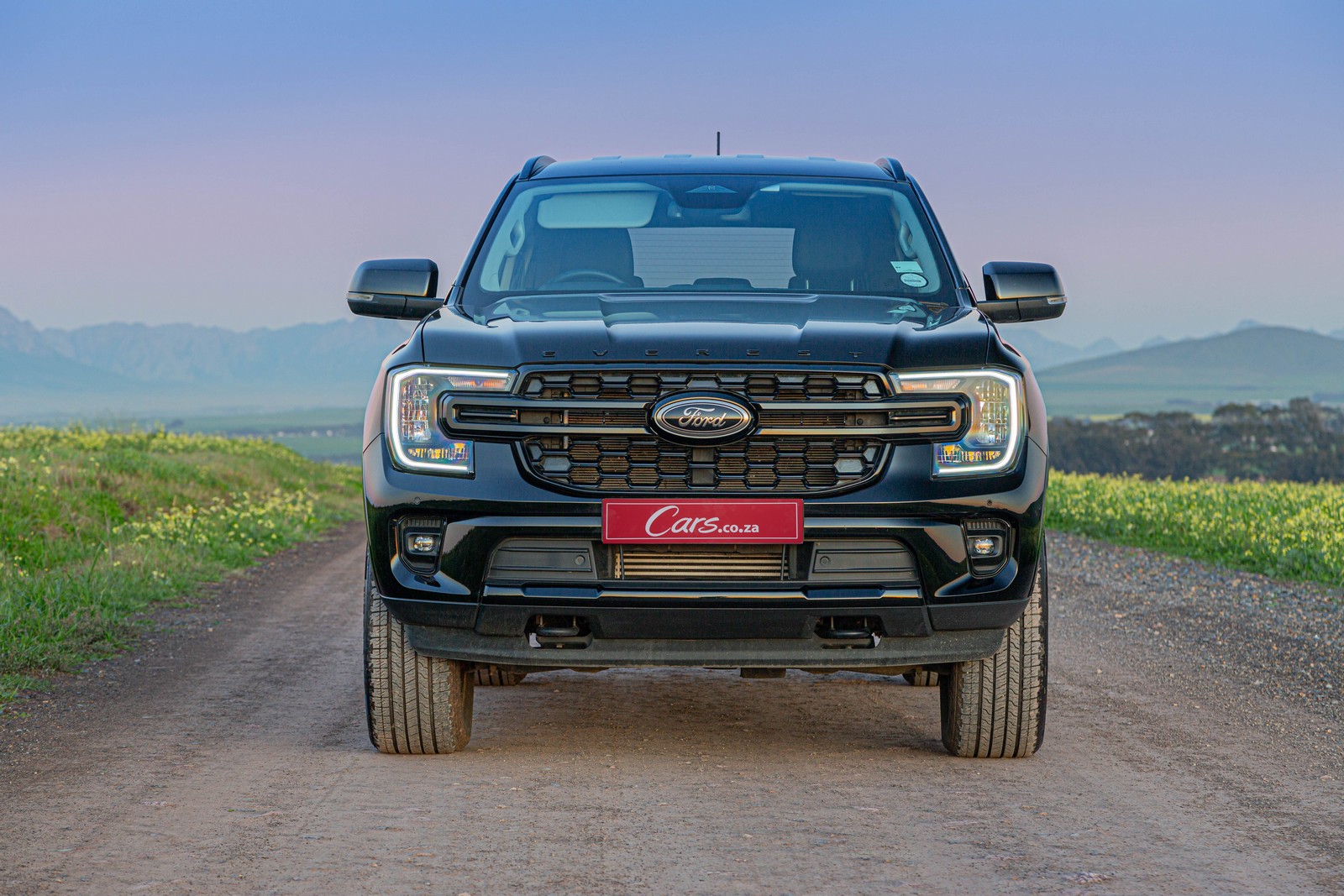
When finished in black, the Everest Sport looks veritably “murdered out”, as fans of car customisation would say.
Where does the Ford Everest Sport fit in?
It’s fair to say that when the new Ford Everest was introduced last year, its price positioning raised eyebrows – it breached the R1-million mark and slotted in well above the asking prices of its traditional Toyota Fortuner rival. But after spending a significant amount of time with the flagship Platinum variant, we were convinced (by and large) that Ford had done enough to justify the heady price tag. It is a significantly more polished product than the ageing Fortuner and even Isuzu’s relatively fresh MU-X.
Though the Ford Everest range has since grown to also include Wildtrak and XLT derivatives, which notably made the 7-seat adventure SUV more accessible at a lower price point, the subject of this review was part of the initial launch line-up. Powered by the marque’s highly-regarded 2.0-litre 4-cylinder bi-turbodiesel engine and kitted out in attractive Sport trim, could this Everest be the sweet spot in the line-up? It is worth noting that it is the most affordable 4×4 variant in the revised and extended line-up.
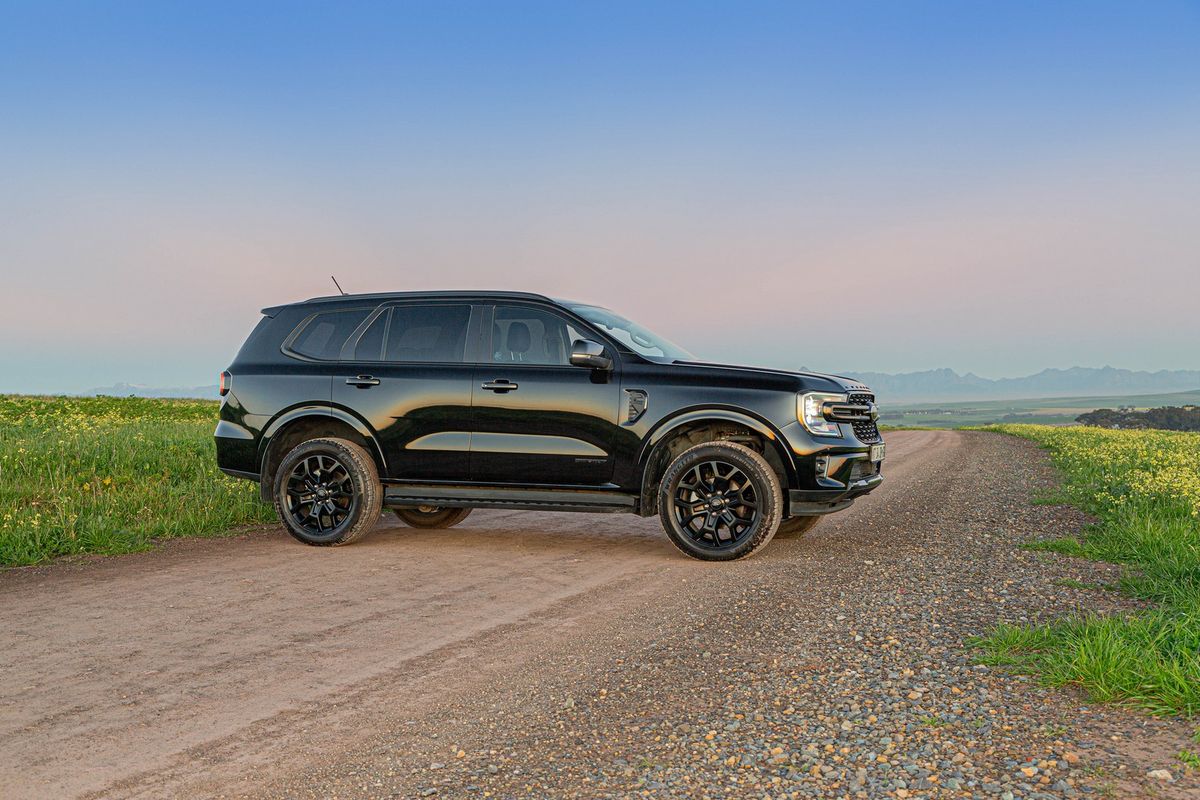
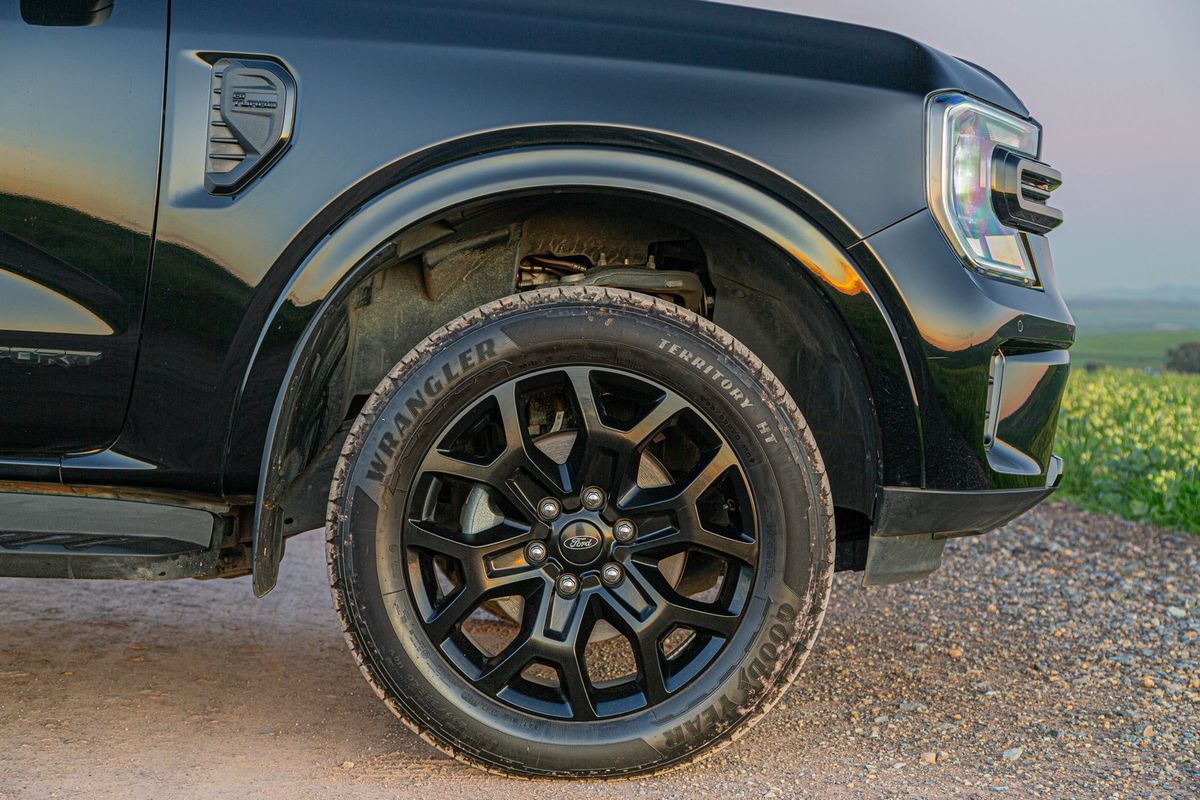
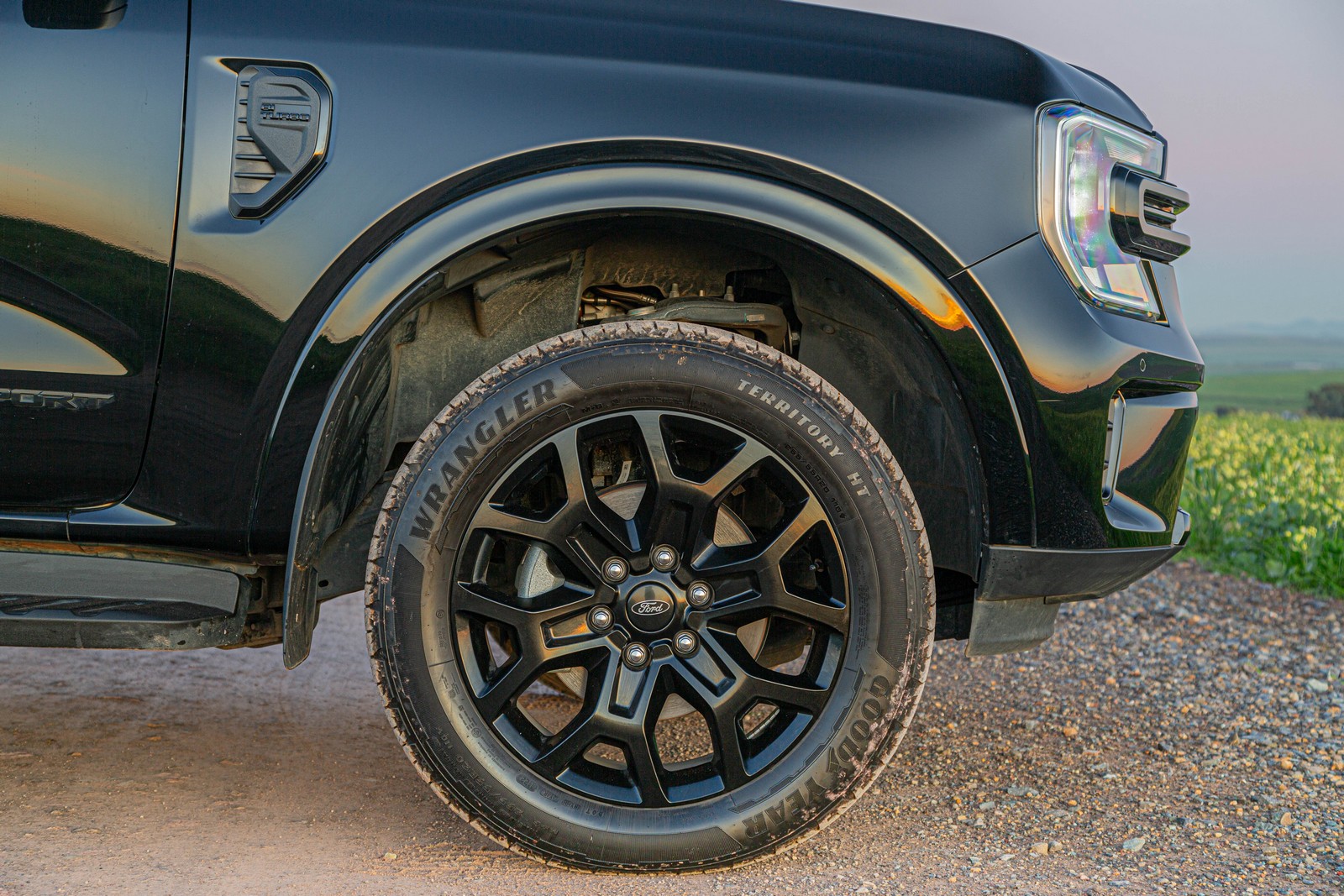
The Everest Sport can be distinguished from its brethren by various bits of black trim and matching 20-inch alloys.
How the Ford Everest Sport fares in terms of…
Design and Packaging
Sport trim features primarily black detailing and, when coupled with the shimmering black paint finish of our test unit, it endows the Ford Everest Sport with a particularly menacing, upmarket look. The bracket-shaped LEDs provide some welcome contrast, seeing as even the wheels (20-inch alloys, which are standard fitment) are painted black. For a number of our testers, the 2.0 BiTurbo 4×4 Sport’s look was more appealing than that of the Platinum, which is awash with chrome finishes. But, to each their own.
Besides the black trim, it’s indeed difficult to spot notable differences between the Platinum and Sport. The wheels are one size smaller and there is no dual-panel moon roof. Interestingly, the Sport rides 3mm higher than the Platinum, which gives it a slight approach/departure angle benefit, but if you read the fine print, you’ll realise that while underbody protection is optional on the Sport, it’s standard on the Platinum.
The Everest Sport is a bakkie-based SUV, yes, but it is the most refined and comfortable offering in the segment.
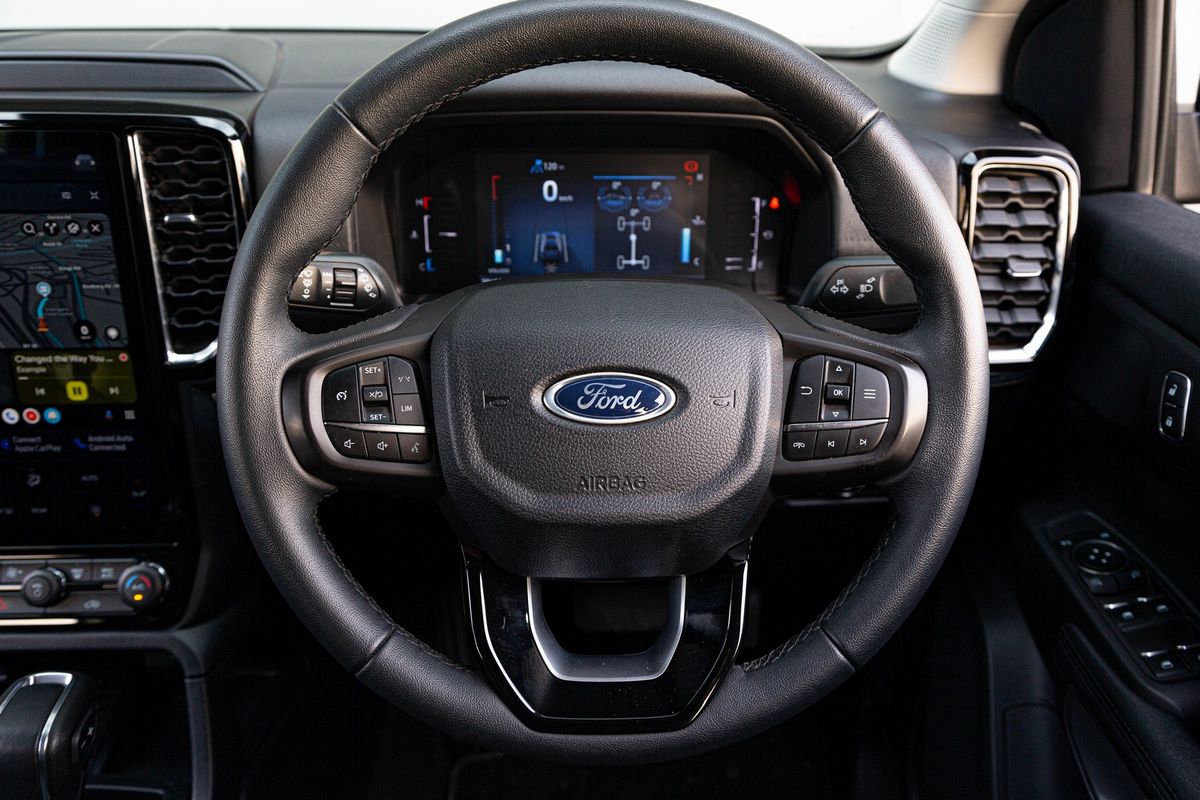
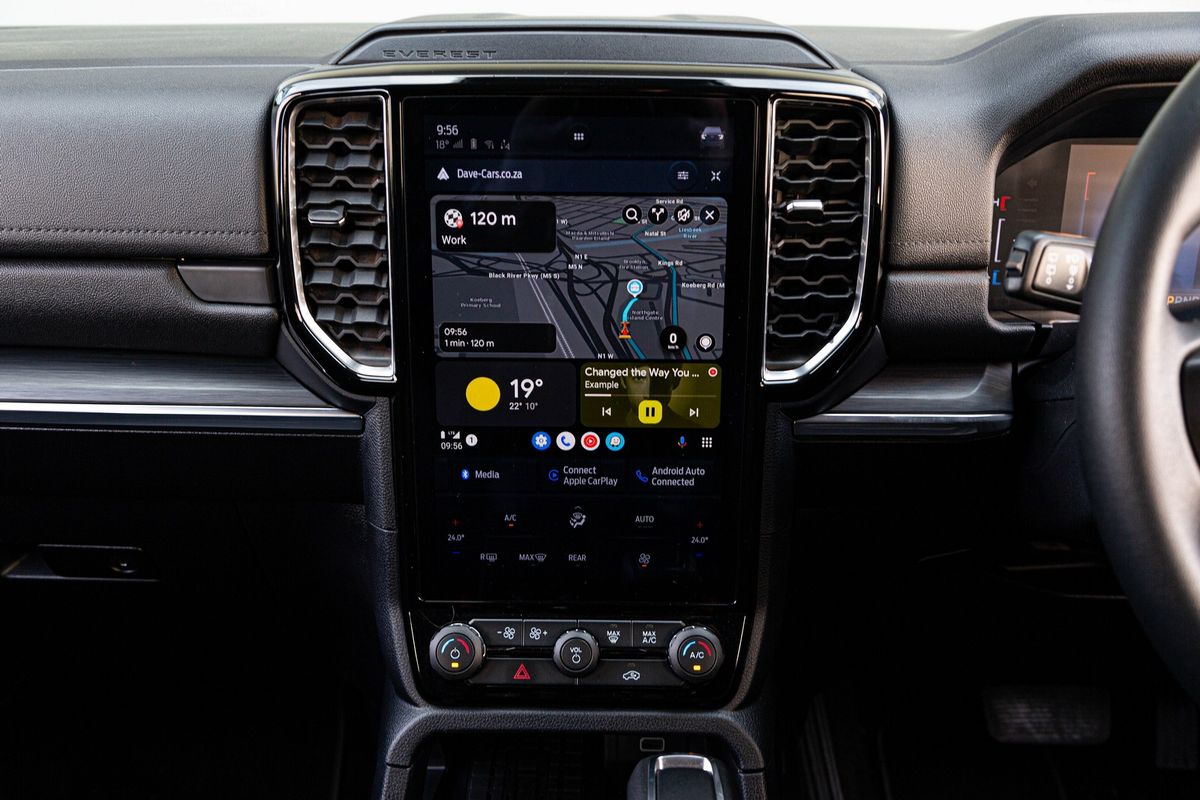
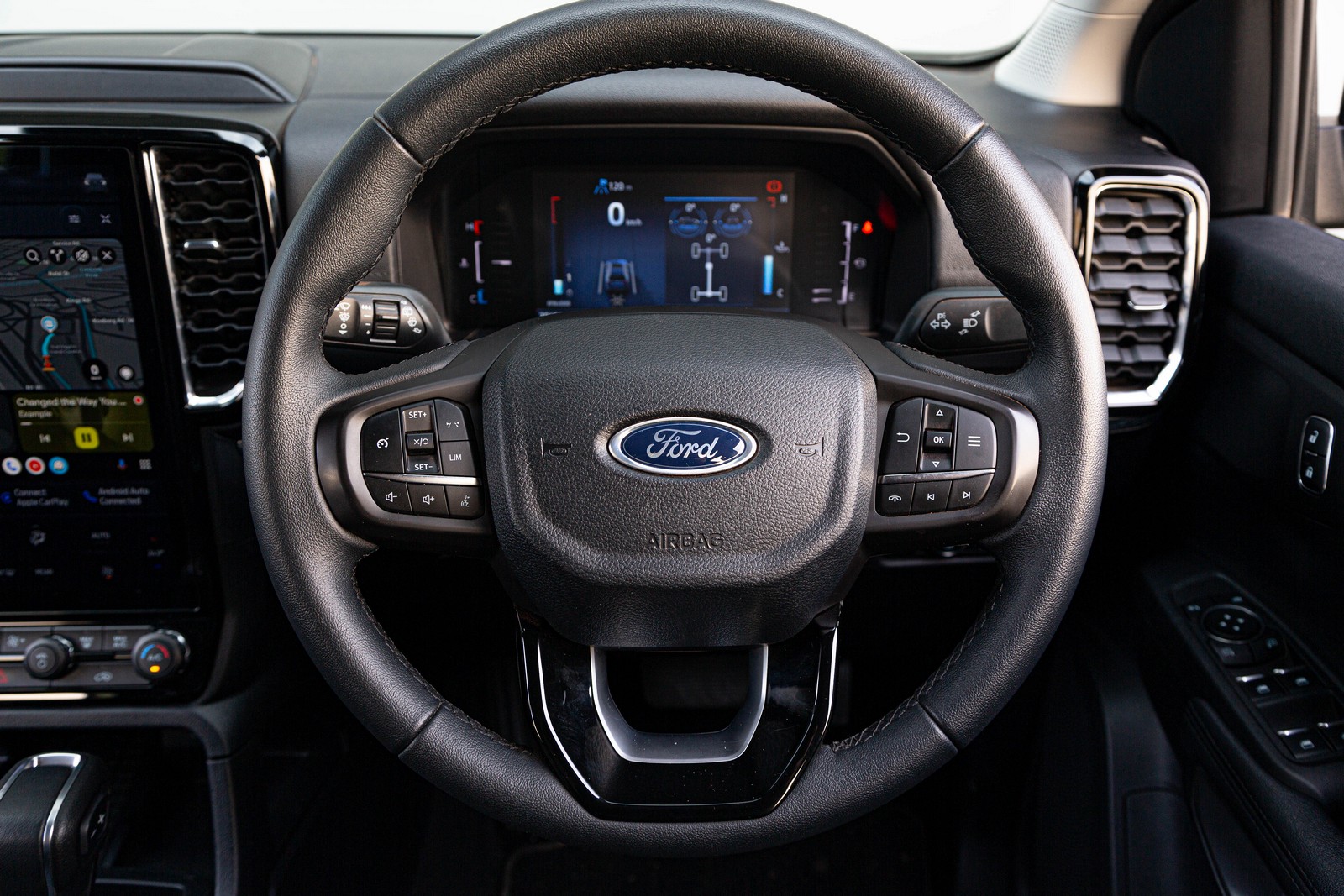
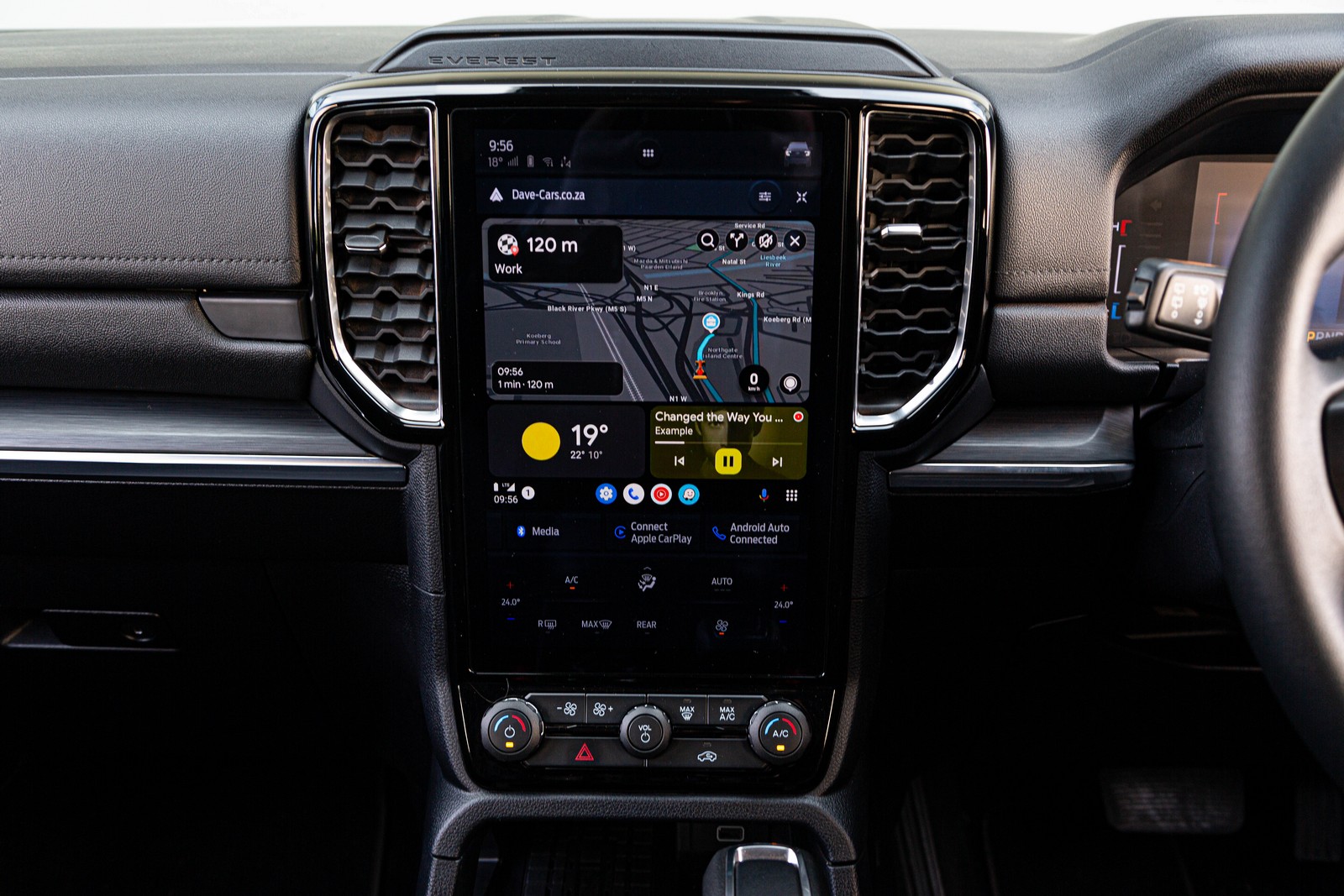
As for the cabin, the Everest Sport looks every bit like a R1-million vehicle on the inside. Predominantly black finishes abound, but it somehow comes across as “premium” and not overbearingly sombre. This is largely due to the presence of the same 12-inch “tablet-style” touchscreen in the centre of the fascia, as well as an 8-inch digital instrument cluster (it is, admittedly, smaller than the Platinum’s 12-inch item).
As expected, the Everest Sport’s cabin is largely identical to that of the Platinum (in terms of practicality and configuration), but again, if you inspect the specification sheet closely, you may notice some interesting differences. Due to the lack of the vast dual-panel moon roof, the headroom in the 1st and 2nd rows of the Everest Sport is, in fact, superior to that of the Platinum (by a not-insignificant 4 cm).
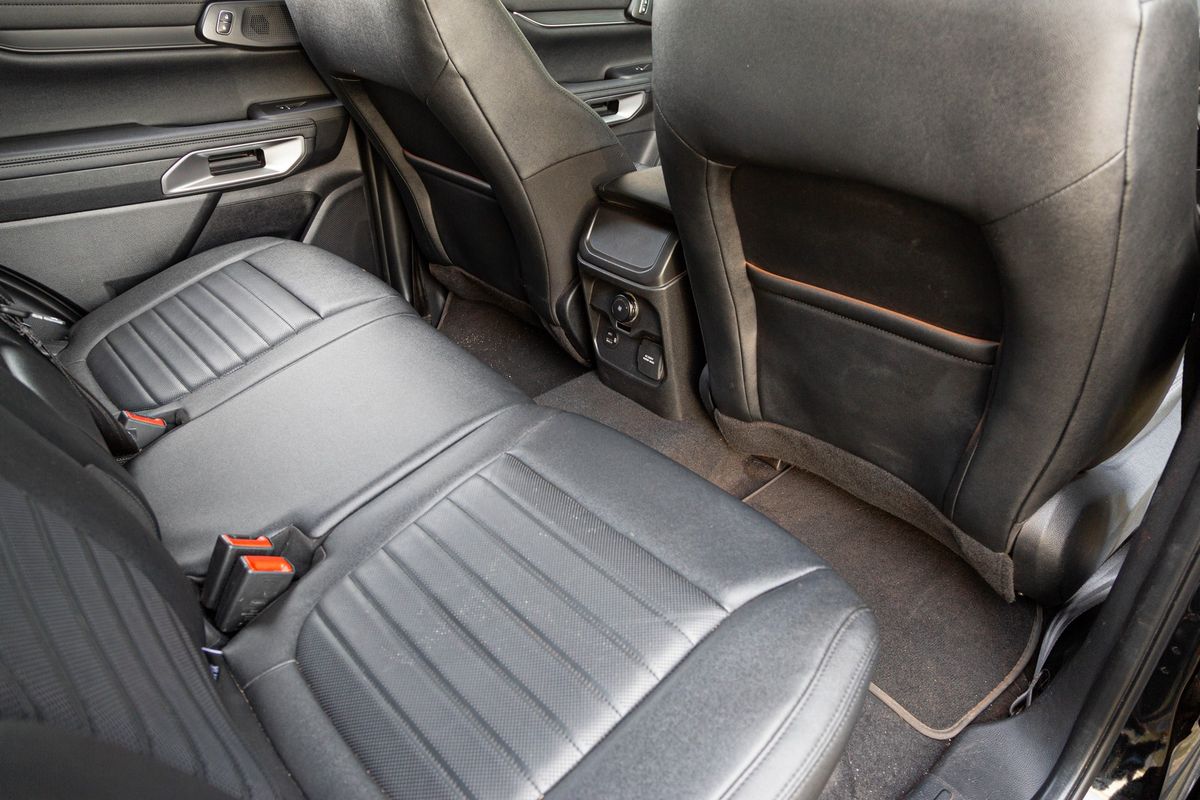
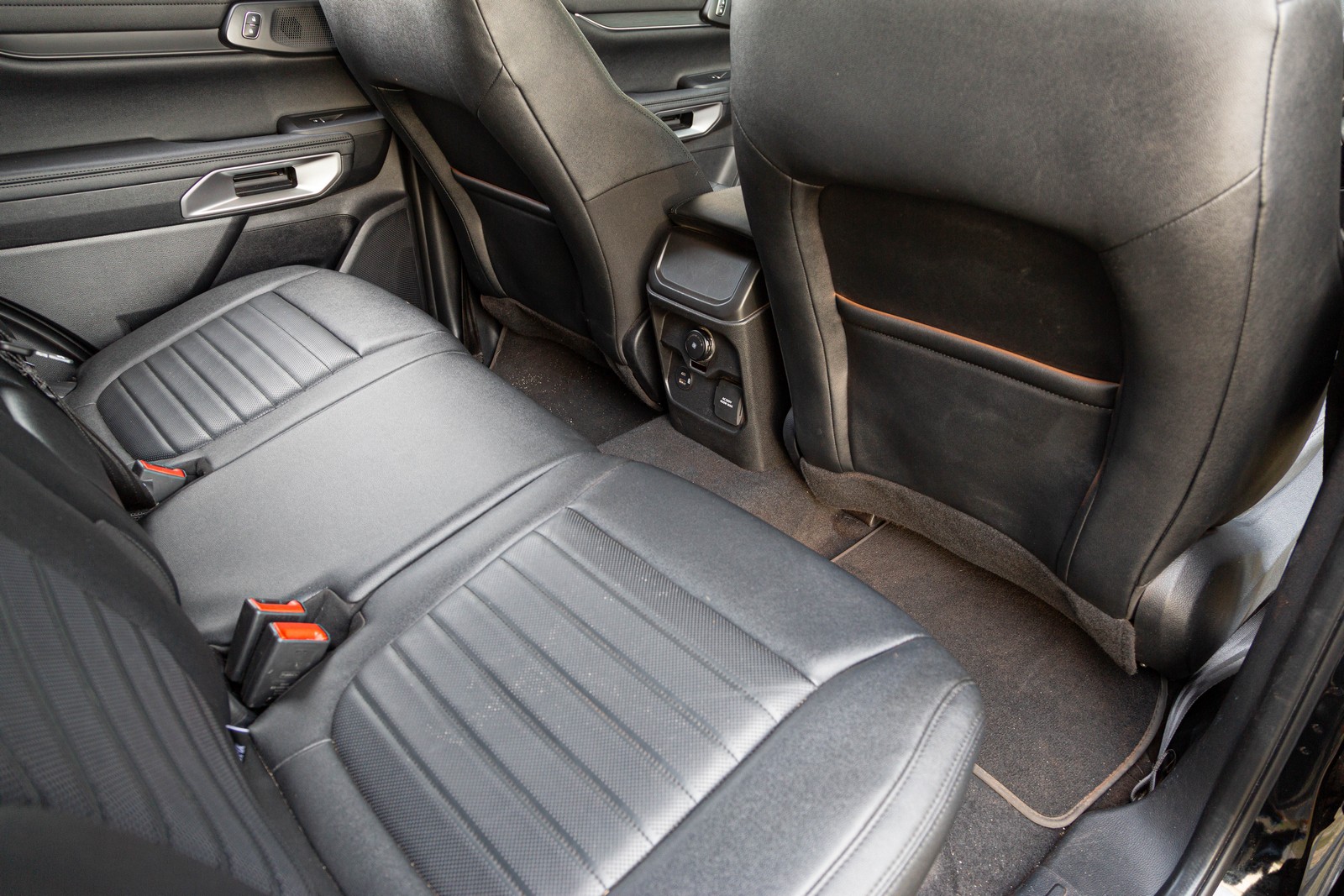
Second-row passengers are availed more than enough leg- and headroom (the latter because there is no panoramic roof).
The front seats are electrically adjustable (including lumbar support), but lack heating/cooling (standard in Platinum), while the 2nd row also forgoes the flagship’s heating function. Perhaps more importantly, the 3rd row lacks the auto-fold function featured in the Platinum. So, quite a few nice-to-haves have been sacrificed. Upholstery is partial leather, as opposed to full “premium” leather in the flagship.
Performance and Efficiency
Under the bonnet is Ford’s proven 2.0 BiTurbo diesel engine that develops 154 kW and 500 Nm, with maximum torque available from 1 750 to 2 000 rpm. Although the peak figures are obviously lower than those of the Platinum’s 3.0-litre V6, they are very competitive with the outputs of the 2.8- and 3.0-litre engines in the Fortuner and MU-X. The motor is mated with a 10-speed automatic transmission.
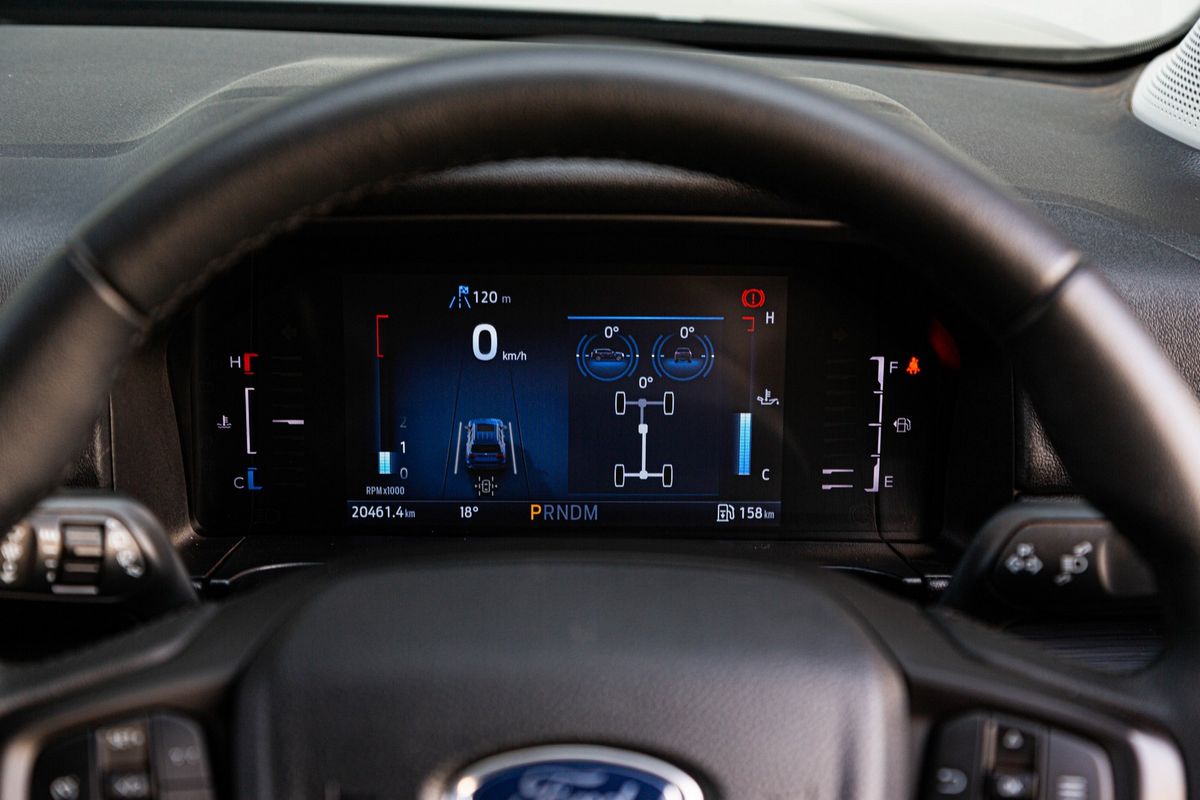
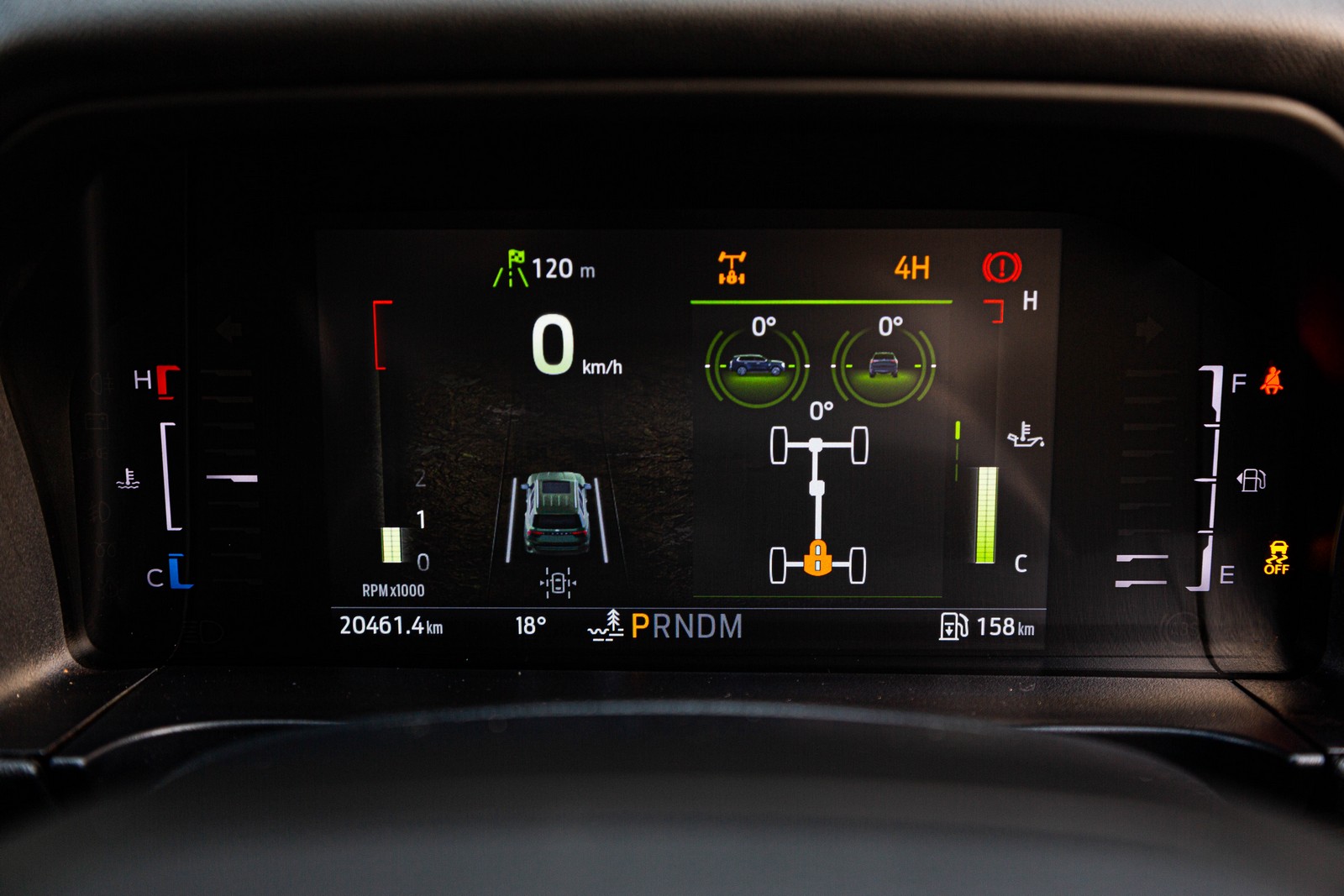
The Everest Sport’s digital instrument cluster is smaller than that of the Platinum, but its display is impressive nonetheless.
In day-to-day driving conditions, the drivetrain is more than up to the task of propelling the Ford Everest Sport with sufficient verve (our test equipment indicated it could accelerate from 0-100 kph in 9.85 sec), but there are moments when a sudden throttle application can catch out the transmission, leading to some “hunting” (in other words, the ‘box would hurriedly shift down one or more ratios at a time).
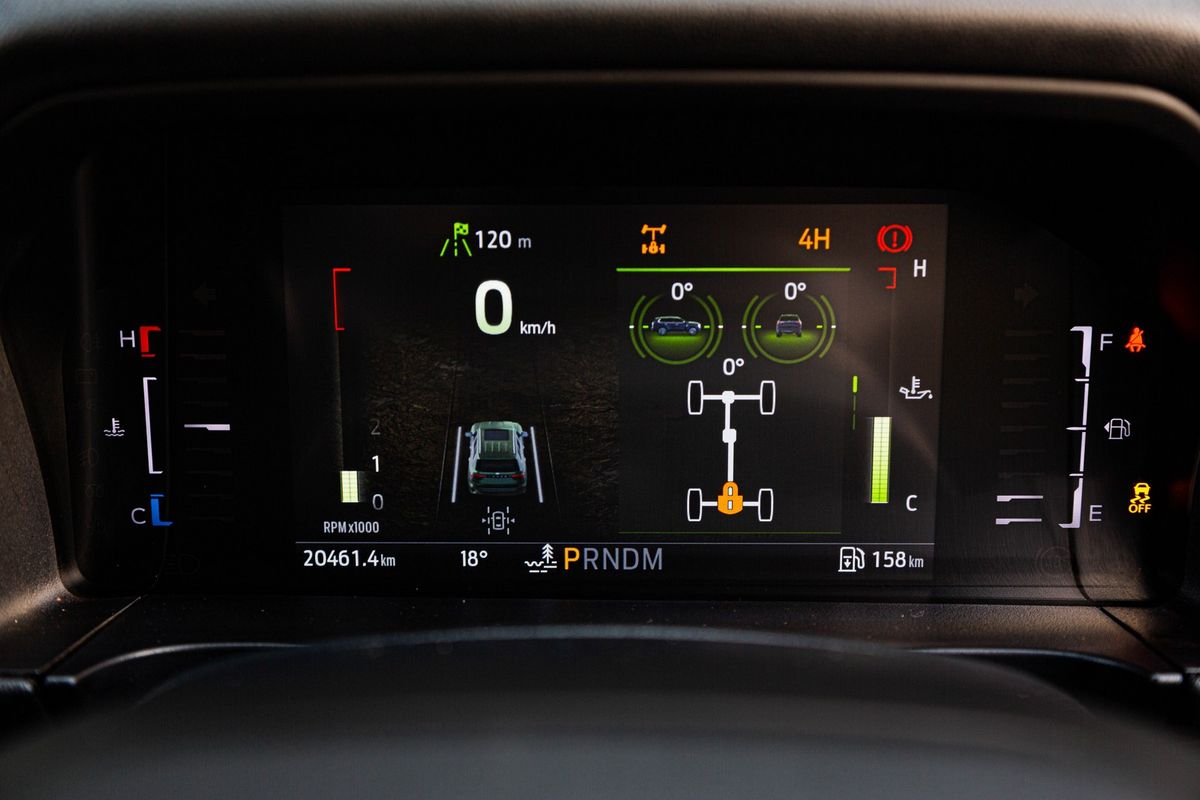
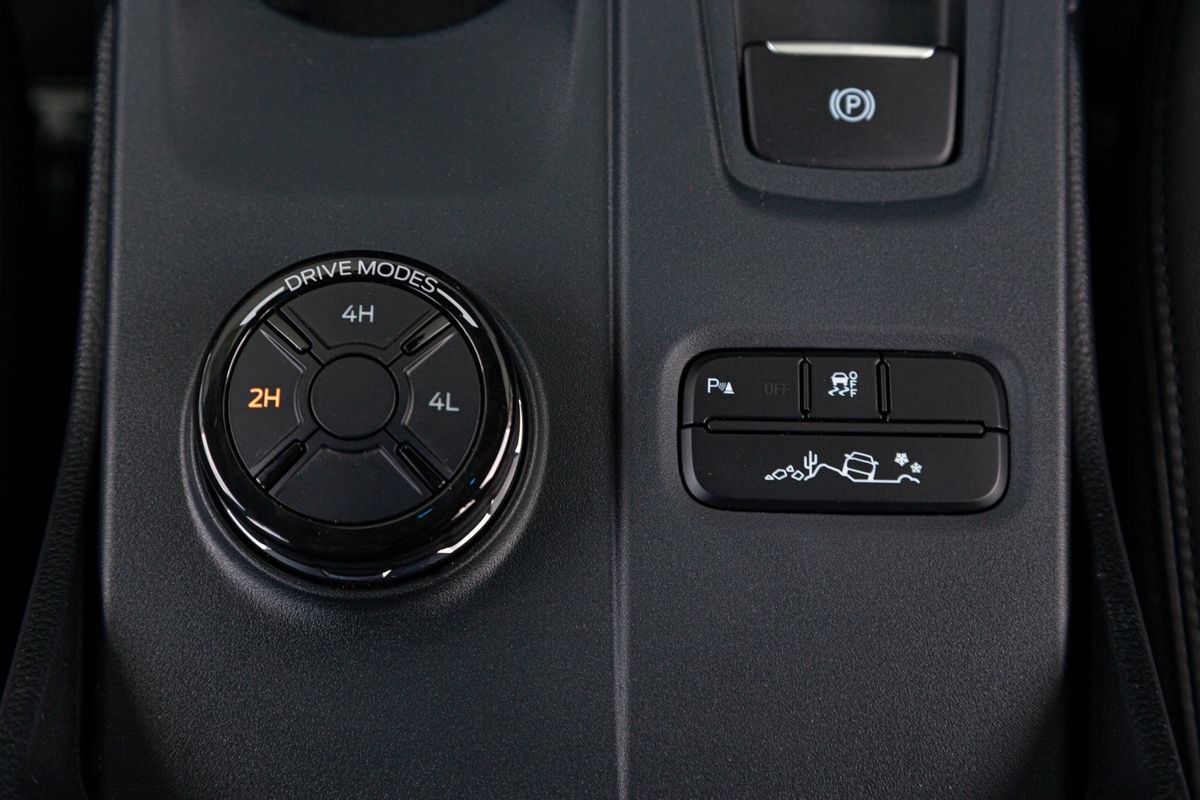
Another interesting difference between the Ford Everest Sport and its Platinum sibling is that the latter features a full-time 4-wheel-drive configuration, whereas the former gets a part-time electronic shift-on-the-fly 4-wheel-drive system, which includes 2H, 4H and 4L (the last is for tricky off-road conditions).
Off-road enthusiasts will appreciate the 4×4-specific readouts, including pitch and yaw details.
One of the main benefits of utilising a smaller-capacity turbodiesel motor (instead of a 3.0-litre V6) is that the Sport should offer better fuel efficiency than its Platinum sibling. During our test of the 3.0 V6 Platinum, we found the test unit quite thirsty, with an average consumption of 10.5 to 11 L/100 km (the claimed figure was 8.5 L/100 km). Unfortunately, although Ford claims an average consumption of 7.5 L/100 km for the Sport, we achieved around 10.5 L/100 km again. It is worth noting, however, that our test period with the Platinum involved a lot of long-distance touring, which was not the case with the Sport.
The good news for those who need a capable towing vehicle is that the Ford Everest 2.0 BiTurbo 4×4 Sport’s tow rating (braked) is the same as the flagship derivative: a not-insignificant 3 500 kg.
The portrait-oriented touchscreen infotainment system requires a bit of familiarisation, but it’s the highlight of a tech-laden cabin.
Comfort and Features
As mentioned earlier in this review, the Ford Everest Sport’s cabin is largely similar to that of the Platinum derivative. The extra width in the cabin (compared with its predecessor) and the attention to detail make the Everest’s cabin a significantly more pleasant space to occupy than those of a Fortuner and MU-X.
And while the 2.0 BiTurbo 4×4 Sport’s features list is comprehensive, it does require buyers to make do without some nice-to-have active safety- and infotainment features found in the Platinum version.
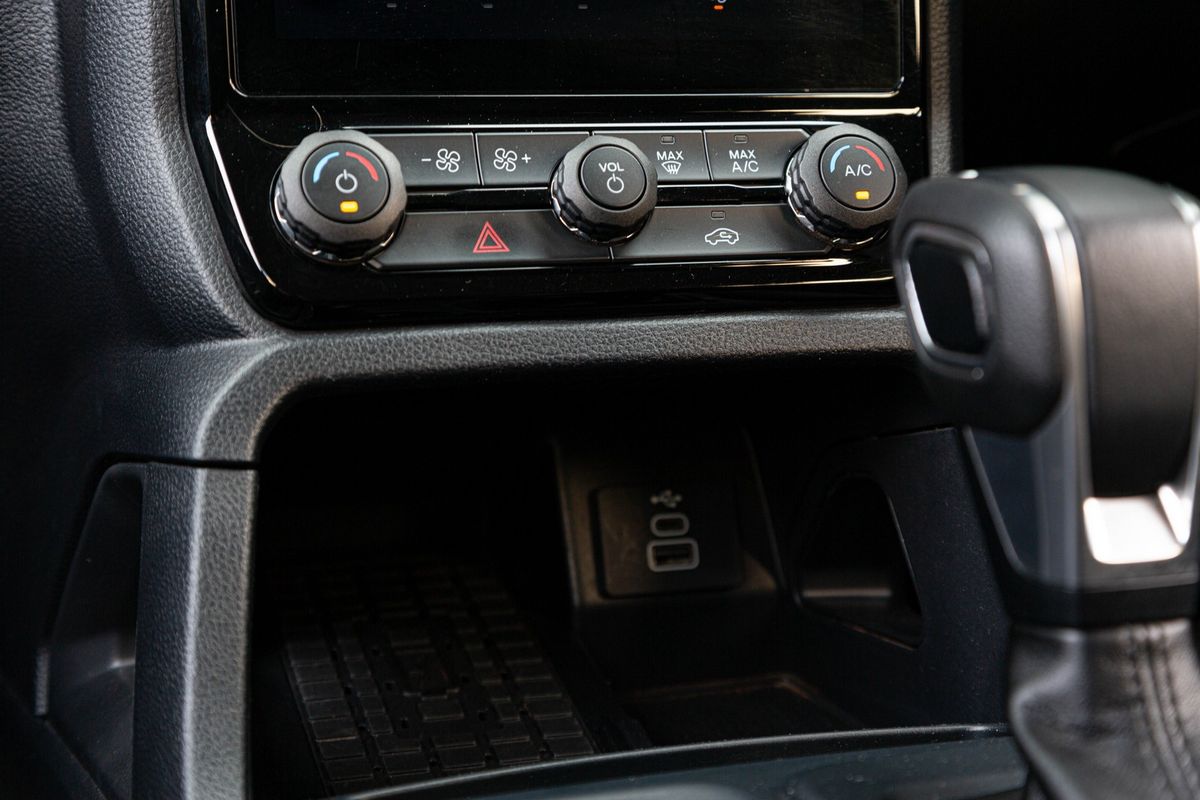
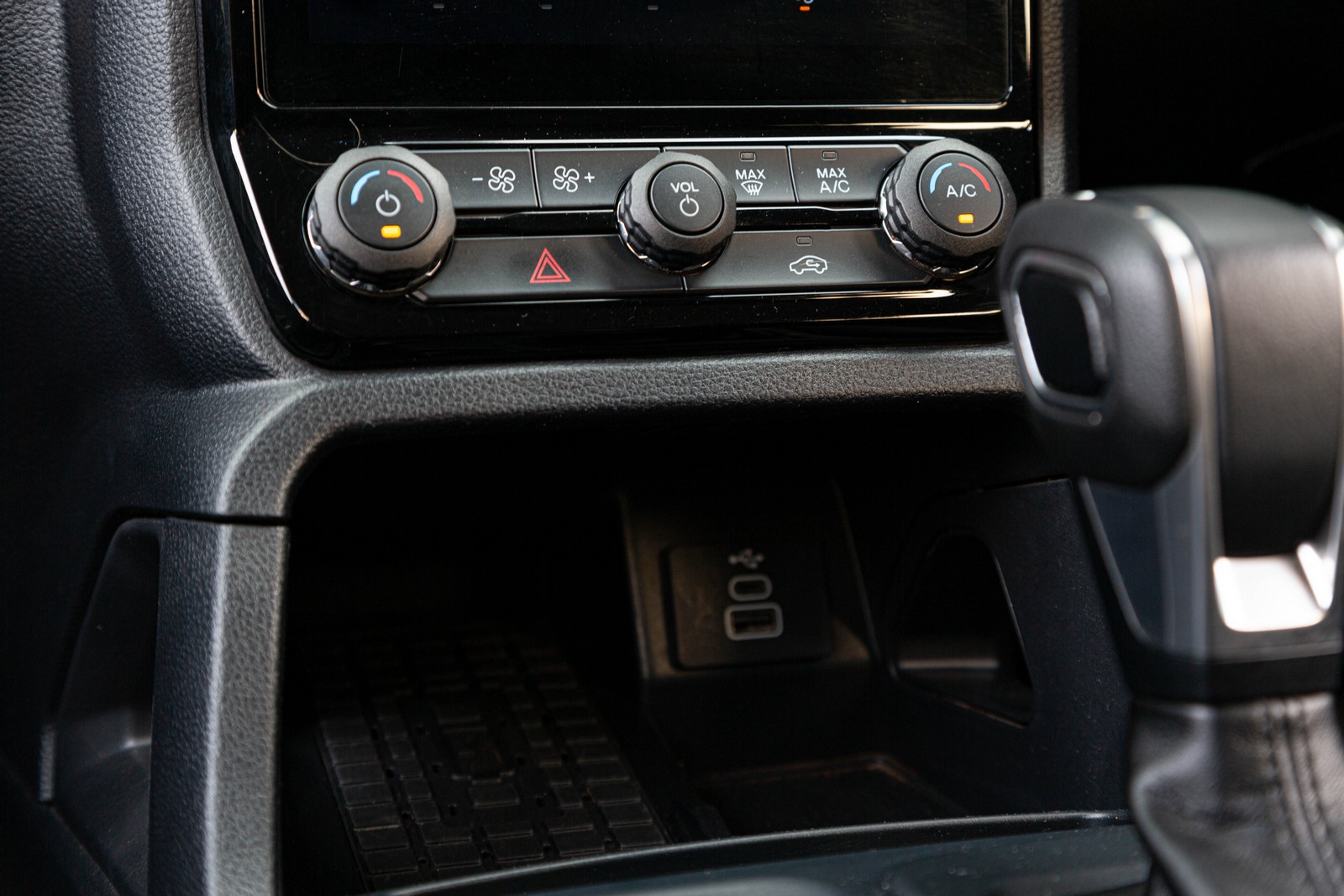
Apart from dual climate control, front passengers are availed 2 types of USB inputs and a wireless charging pad.
But let’s start with the positives; you still get numerous (5) USB outlets, a 400W inverter, wireless charging pad, dual-zone climate control, rear air-conditioning panel with ventilation outlets for the 2nd and 3rd rows, a power tailgate, rain-sensing wipers, towbar, cross-traffic alert and lane-keep assist.
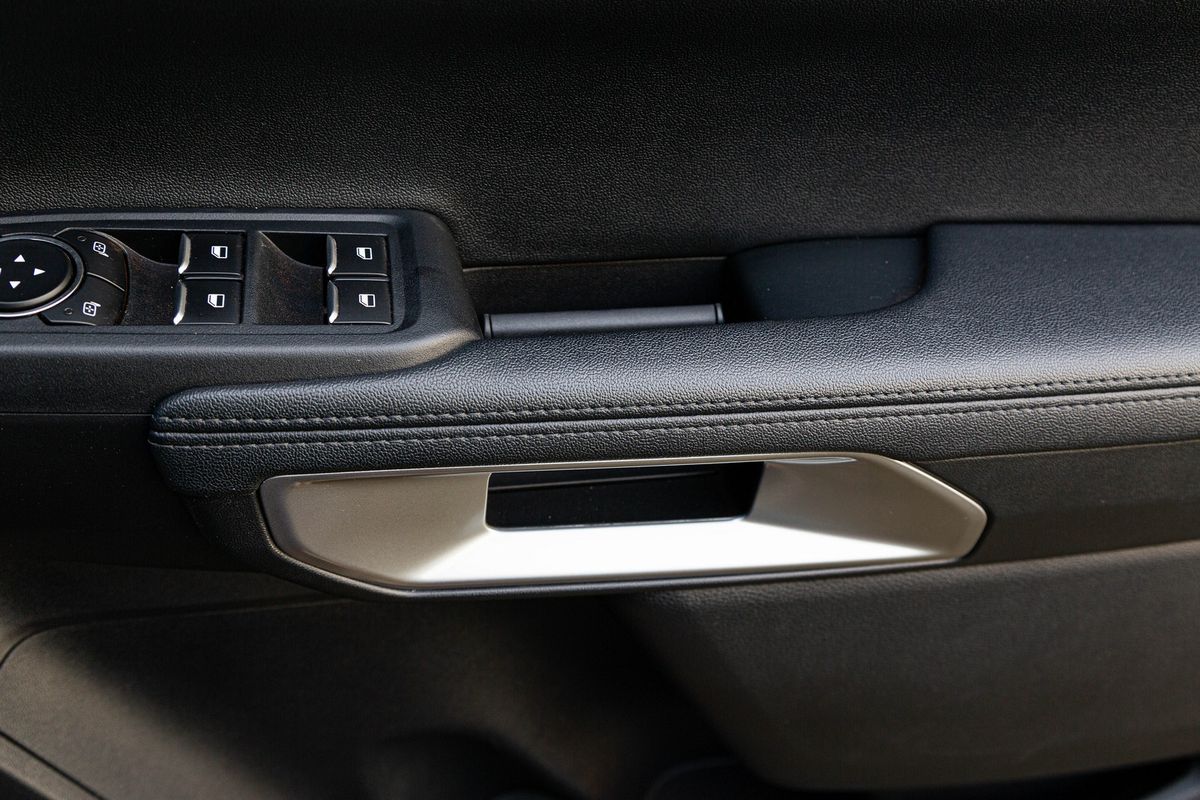
It lacks the Platinum’s heated steering wheel, however, and you only get one-touch up/down windows at the front. Strangely, the rear seatbelt reminder functionality is not offered on the Sport. You also have to forego ambient lighting and the nice B&O-branded audio system of the flagship derivative.
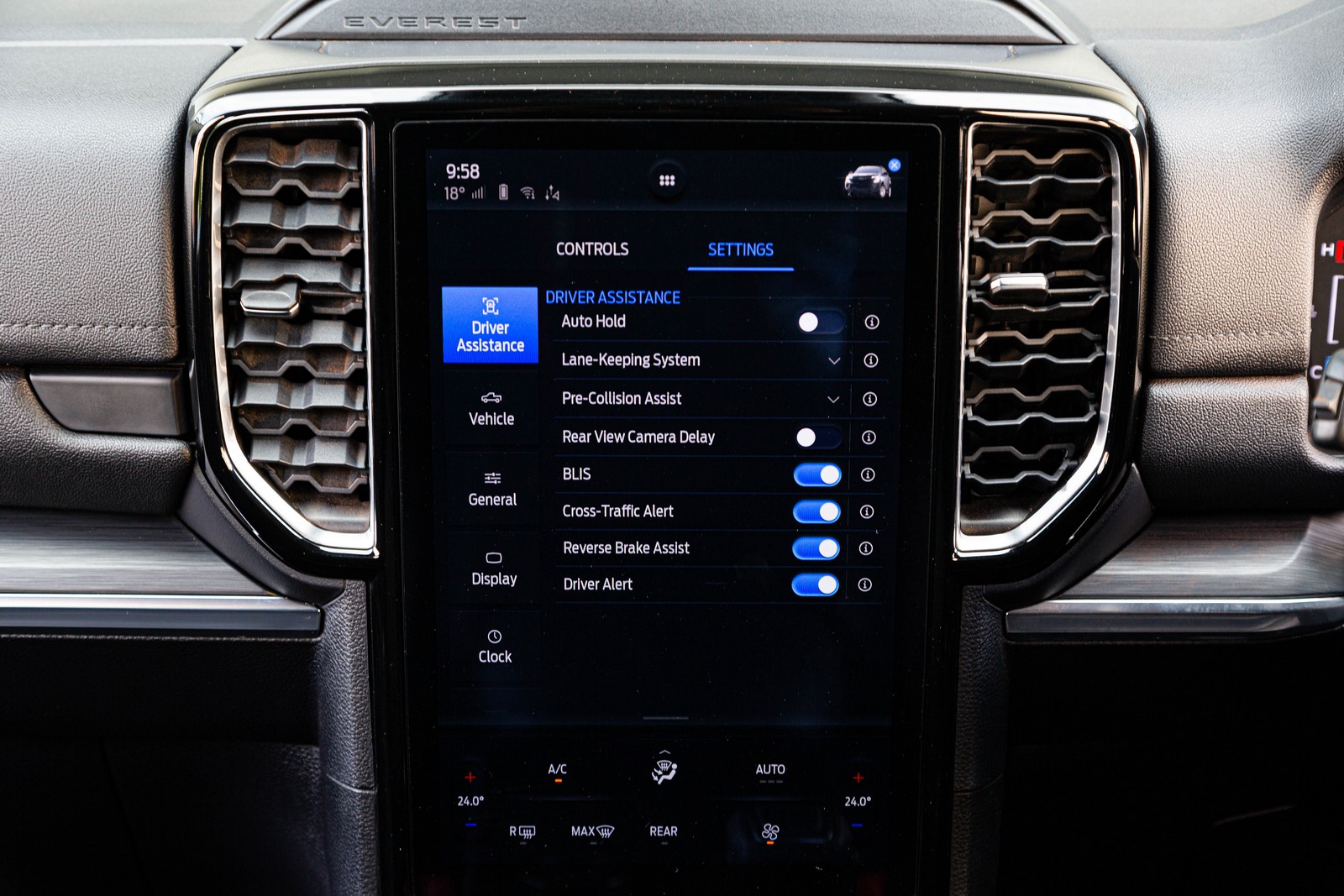
There are fewer driver-assistance systems available than in the flagship Platinum, but they’re plentiful by family-car standards.
Cruise control is standard (but not adaptive, as in the Platinum) and you lose Active Park Assist, tyre pressure monitoring and the surround view display. There is a reverse-view camera, though. A “lighter” version of the advanced Pre-Collision Assist system does not feature “evasive steer assist”, for example.
Overall, you’re still likely to find the cabin supremely comfortable and refined, but the handful of missing features do add up – the price difference between the Sport and Platinum versions is “only” R150 000.
Ride and Handling
As we noted in our review of the Platinum, the Everest feels the most “un-bakkie-like” of all the ladder-frame-based 7-seat SUVs on the market. The wider track, well-tuned suspension and road-biased tyres, as well as impressively low levels of NVH (noise, vibration, harshness), contribute to its premium feel.
The Everest Sport rides on standard 20-inch alloy rims shod with reasonably plump 255/50 tyres.
If you intend to traverse challenging off-road terrain, such as technical 4×4 courses, with your vehicle on regular occasions, you have the option of fitting 18-inch wheels that are shod with more suitable all-terrain tyres. If you go that route, you may want to additionally specify extra underbody protection.
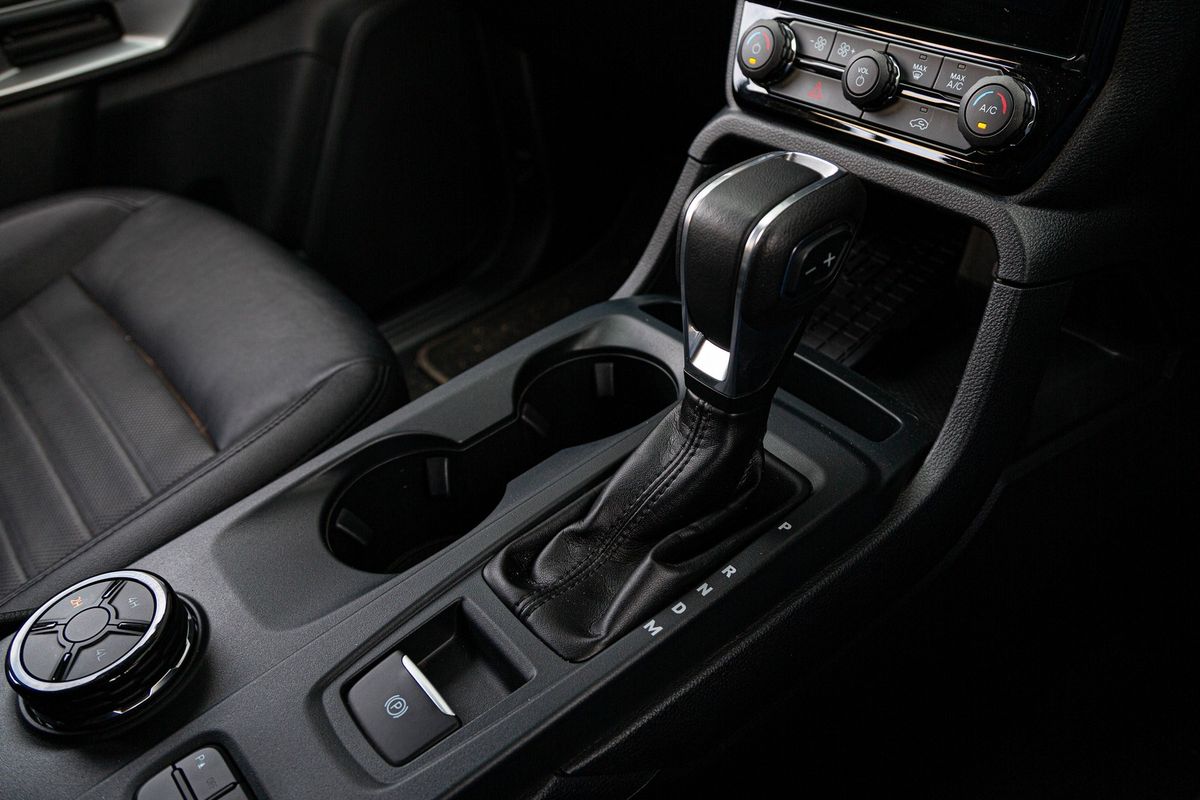
The Everest is a close match for a vehicle such as Toyota’s Prado in terms of its approach and departure angles (just mind the towbar!) and you can fine-tune the vehicle’s drive settings using a switch on the centre console. Normal, Eco, Tow Haul, Slippery, Mud&Ruts and Sand drive modes are available.
Price and After-Sales Support
The 2023 Ford Everest 2.0 BiTurbo 4×4 Sport costs R1 020 300 (before options, August 2023). The price includes a 4-year/120 000 km vehicle warranty, but service or maintenance plans are optional.
Although the Everest Sport may not be the pick of the range, it’s still a front-running 7-seat adventure SUV.
Verdict
There’s a lot to like about the Ford Everest Sport, particularly in terms of its overall look, but on reflection, we wonder whether it is not ultimately worth stretching your budget to buy the Platinum version… or opt for one of the cheaper Everest variants (if you’re willing to do without 4-wheel drive) instead. The dip in power compared with the V6 is noticeable and besides, our test unit wasn’t particularly fuel efficient.
And then, given the relatively small price gap of R150k to the Platinum, and the long list of features that that apex derivative offers, we’d say favour the flagship over the Everest Sport. If, however, that is not an option, and you’re looking for a brand new off-road-capable 7-seater adventure SUV for around R1 million, we do rate the Everest Sport as a superior offering to its Fortuner and MU-X equivalents.
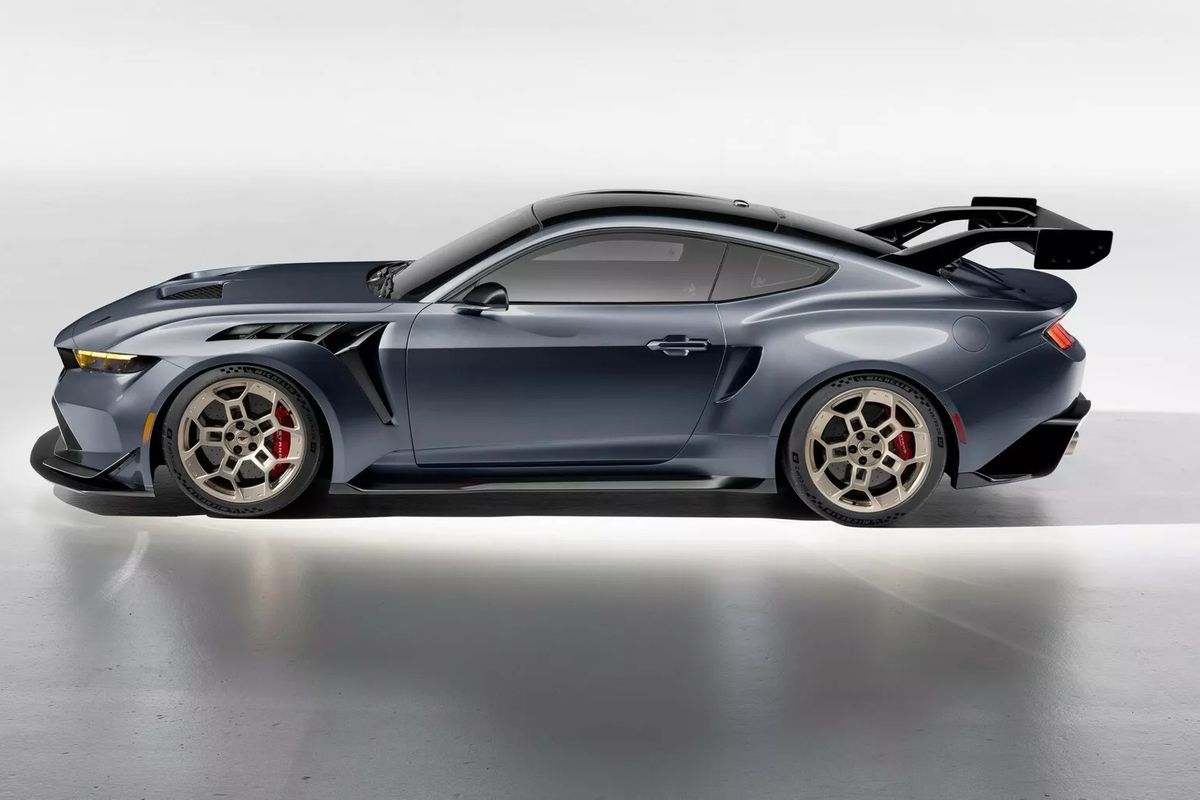
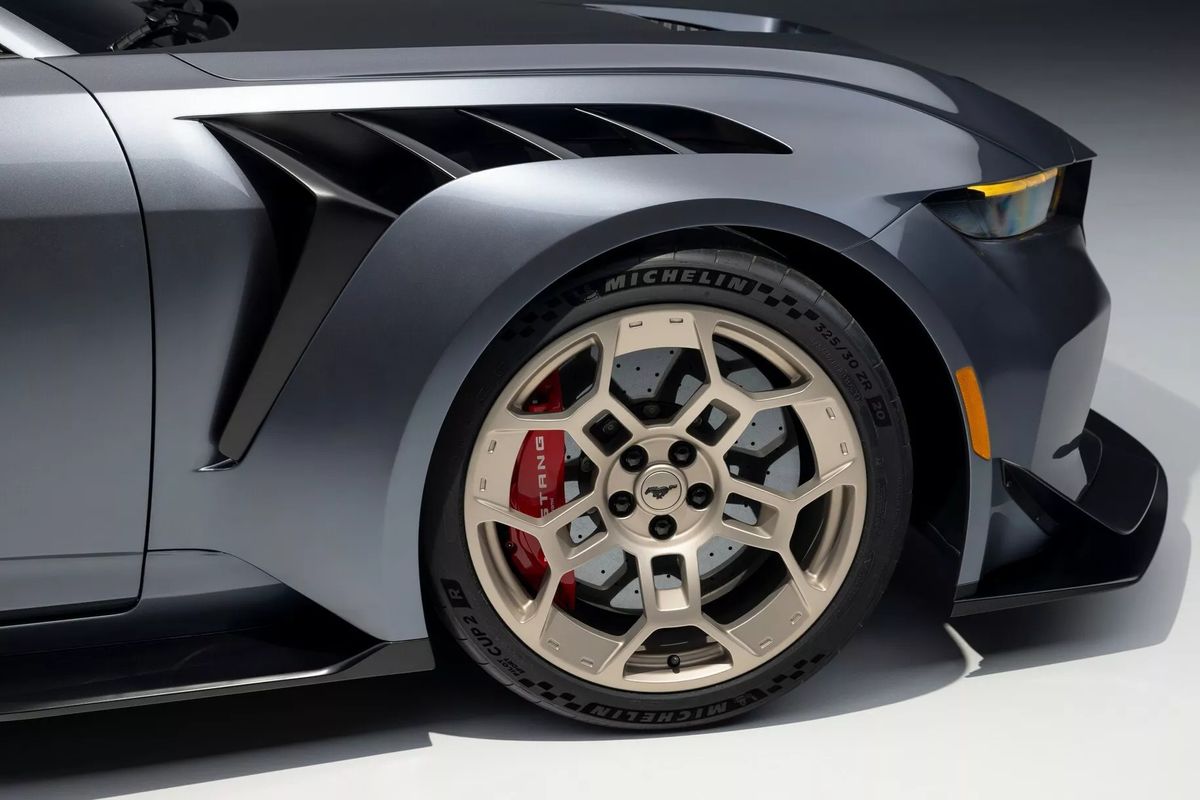
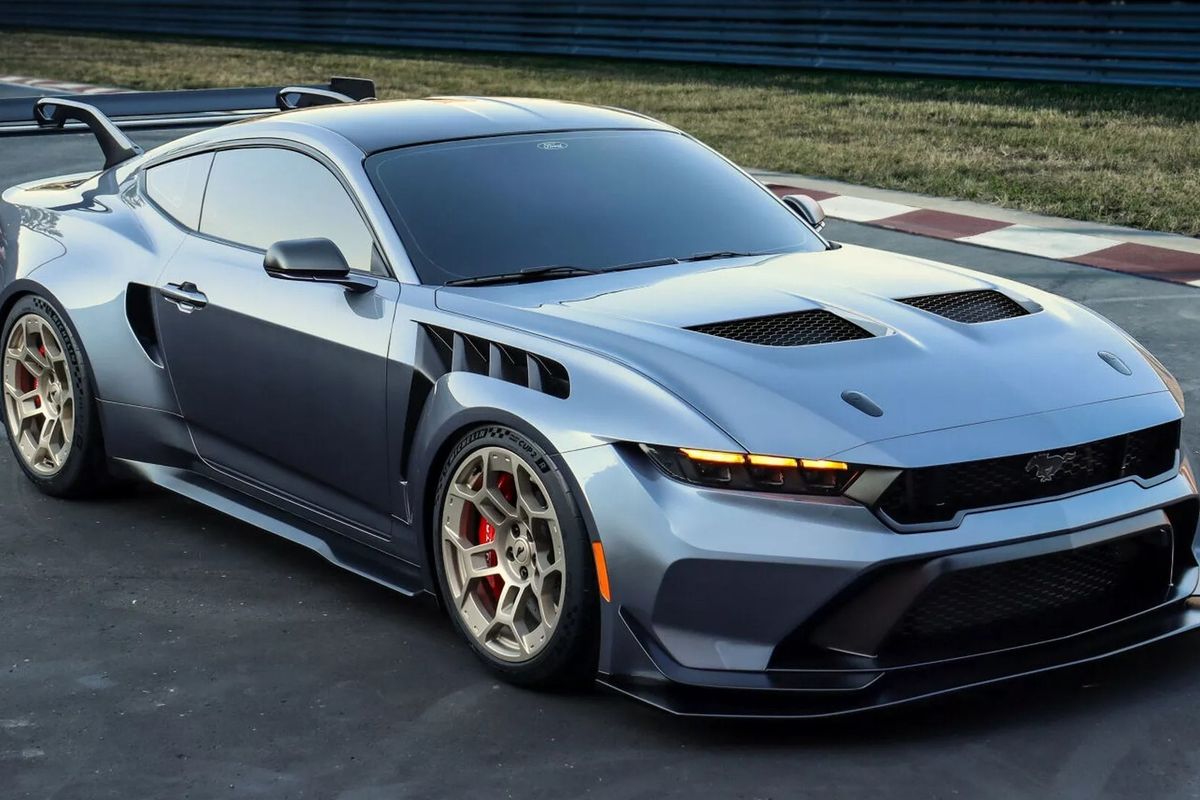
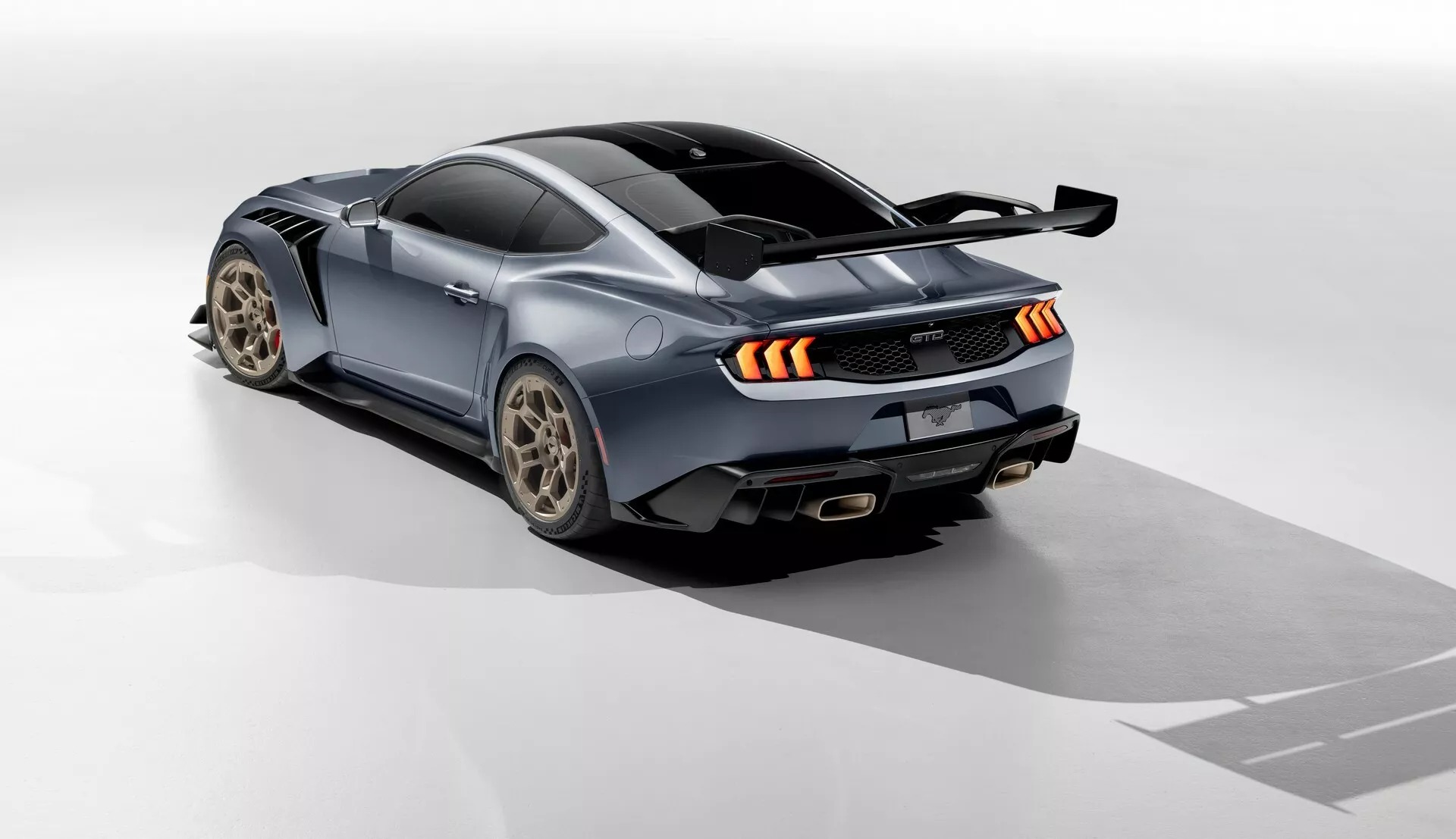
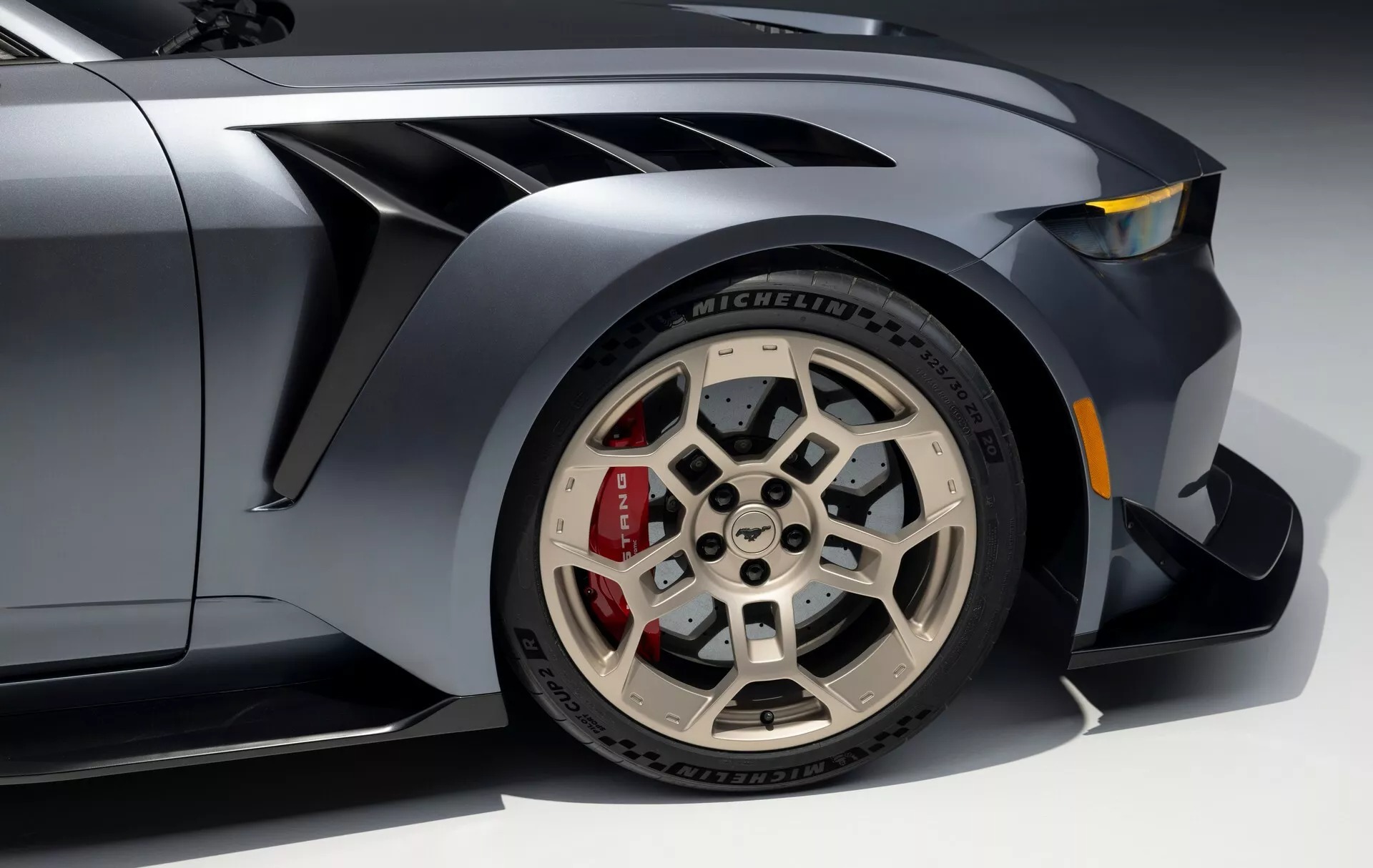
The Mustang GTD is a high-performance and limited-edition supercar by Ford and the Dearborn-based carmaker has just released info and some photographs.
With an expected price tag of around $300 000, the Ford Mustang GTD is not going to be cheap or accessible. Right now we have no confirmation of the newcomer being sold in South Africa, or if right-hand production is on the table.
But, what a machine the Mustang GTD is shaping up to be. Essentially a road-legal version of the Mustang GT3 that’ll be racing in 24 Hours of Le Mans in 2024 and will sit at the pinnacle of the Mustang family.
The ambitions are lofty and Ford has the goal of taking on all of Europe’s fastest and finest sports cars and that means a Nurburgring laptime attempt. Ford has said it’s targeting a sub-7 minute run around the famed Nordschleife.
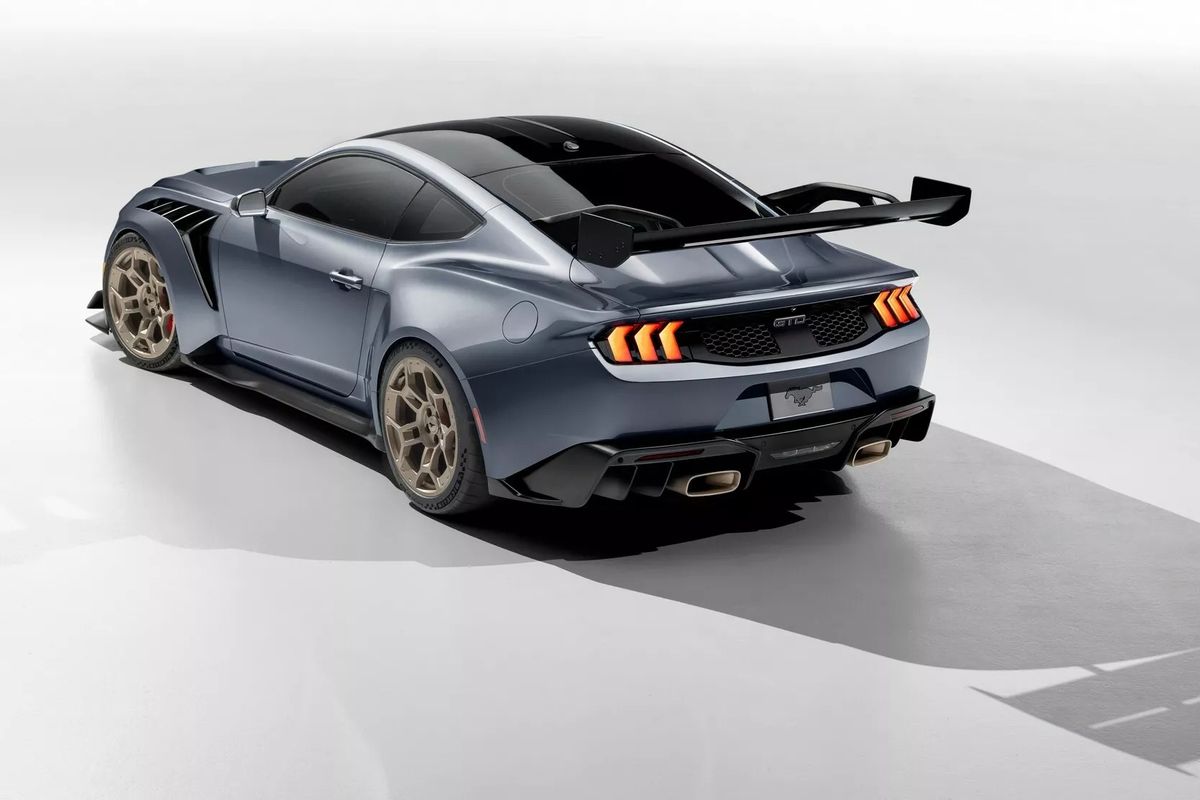
Ford is going all out with the Mustang GTD, with a unique supercharged 5.2-litre V8 with dry sump oil and dual air inlets. The manufacturer says it will have a red line of over 7 500 rpm and develop around 800 hp (596 kW). Straight line performance is one thing, but the Mustang GTD has to stop and go around corners.
For the latter, there’s an advanced semi-active suspension and a motorsport-inspired tubular subframe. At each corner are 20-inch forged aluminium wheels with 345 mm rubber at the rear. On the front axle are 325 mm tyres with Brembo carbon ceramic brakes. Some trick aerodynamics round off the extreme package.
Ford is yet to release any photographs of the cabin, but inside there’ll be Recaro sports seats, 3D-printed paddle gearshifters, rotary dial shifter and a cool touch is the serial plate from a F-22 fighter jet. The rear seats have been removed to save weight and there’s extensive use of leather, suede and carbon fibre.
“Mustang GTD shatters every preconceived notion of a supercar,” Ford chief executive Jim Farley said. “This is a new approach for us. We didn’t engineer a road car for the track, we created a race car for the road. Mustang GTD takes racing technology from our Mustang GT3 race car, wraps it in a carbon fibre Mustang body and unleashes it for the street.”
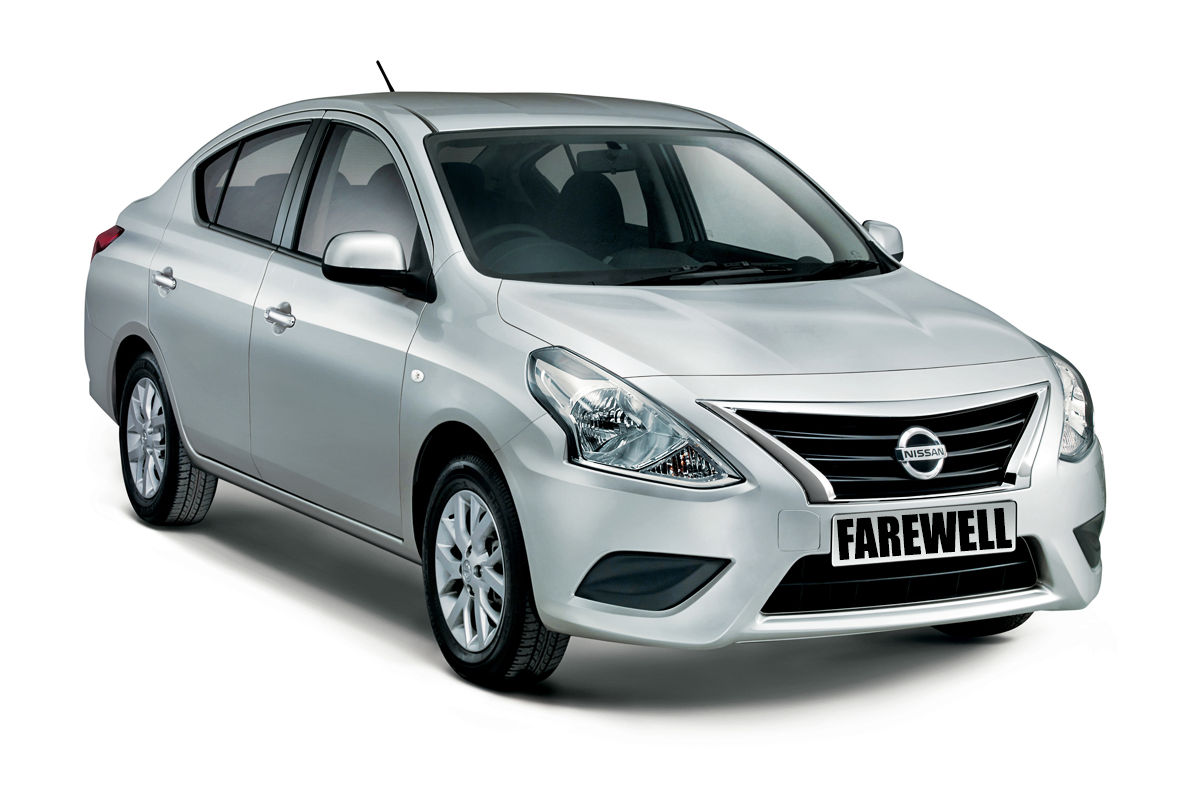
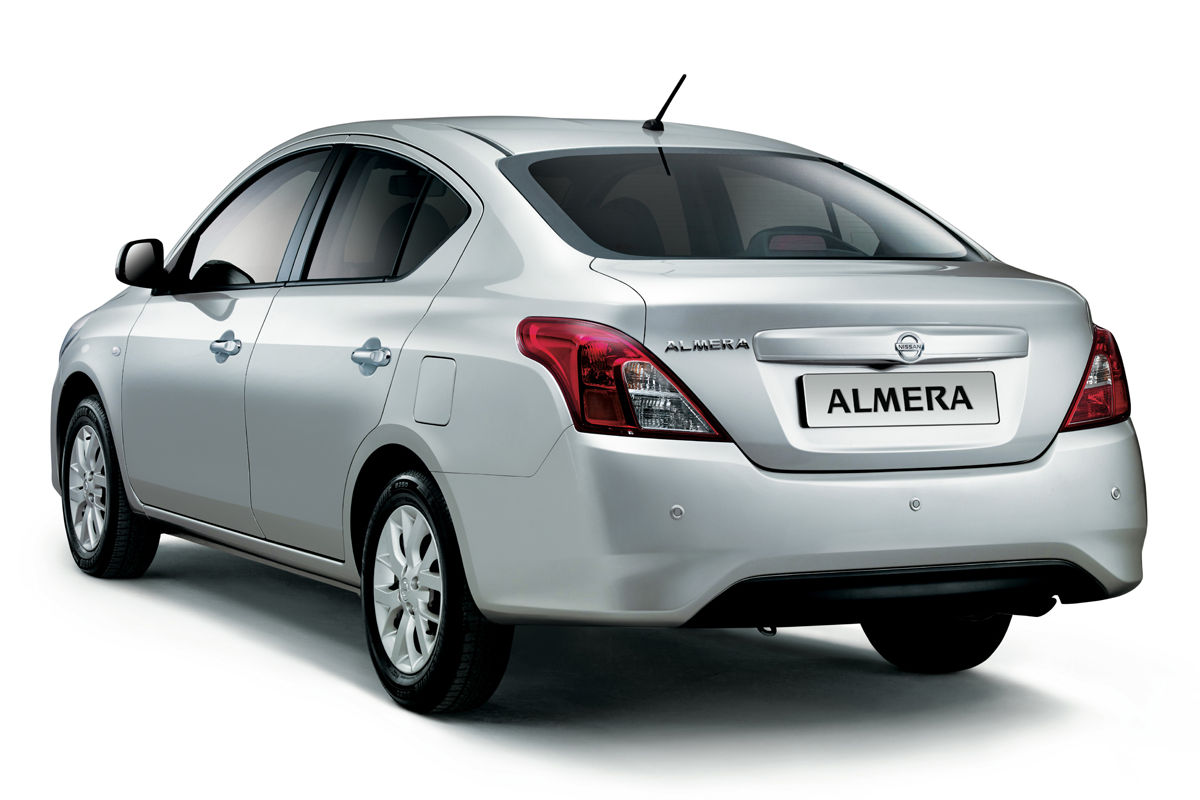
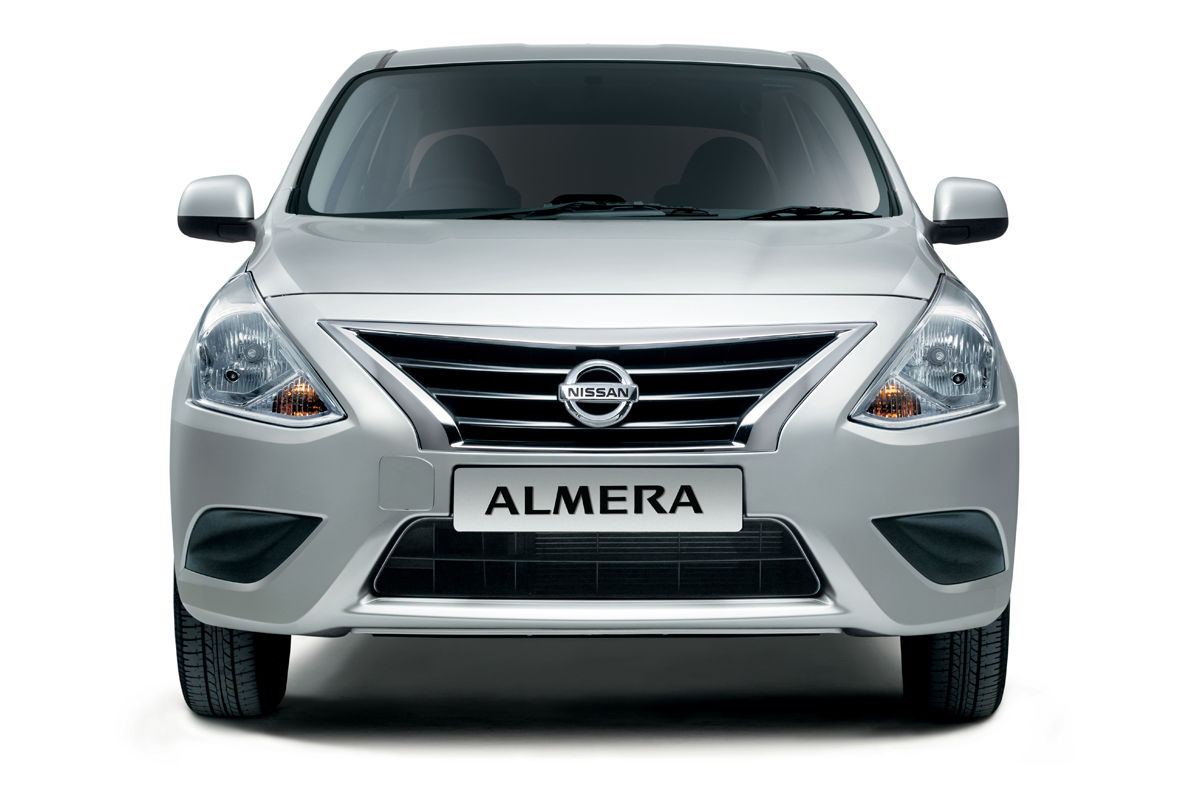
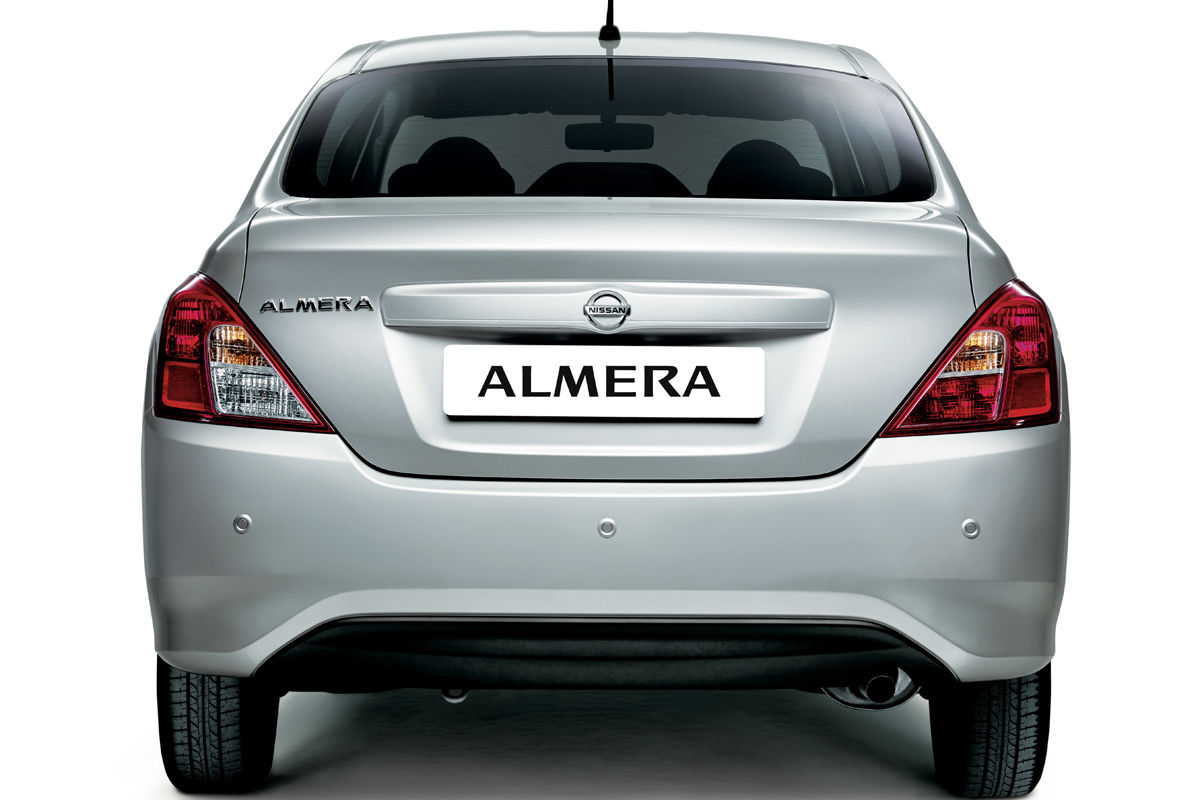
Another one bites the dust. Yes, the Nissan Almera has been quietly killed off in South Africa, ending the 3rd-gen budget sedan’s 10-year run on the local market…
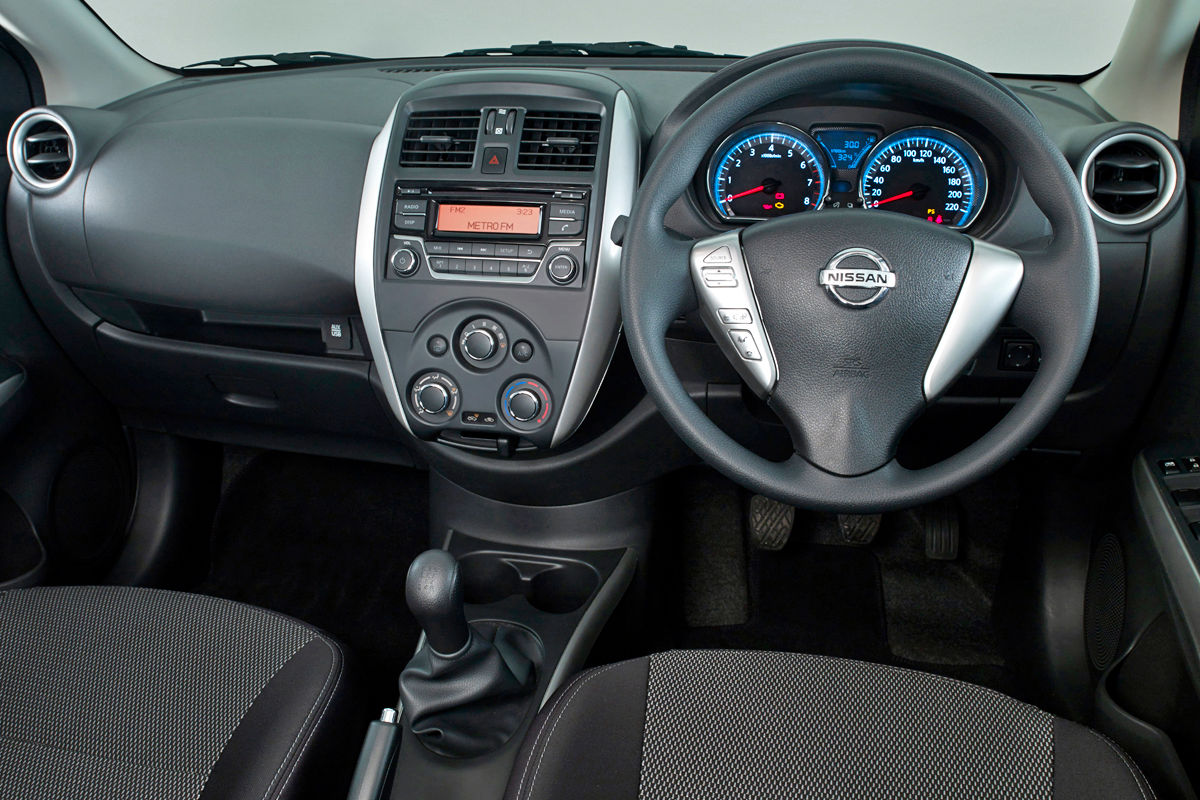
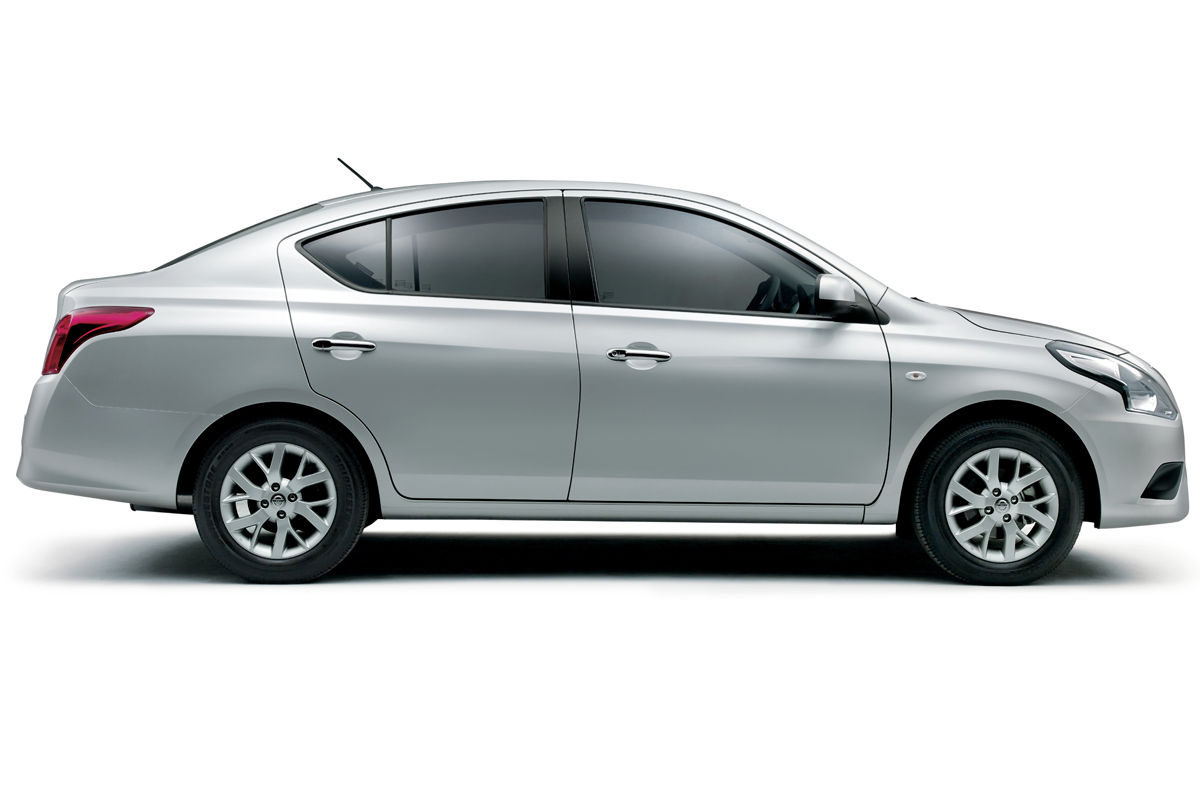
The death knell has finally sounded for the Nissan Almera in South Africa. Cars.co.za can confirm the Japanese automaker’s local division has stopped importing stock of the long-in-the-tooth budget sedan. The news means Nissan no longer markets a sedan in Mzansi, with the Sentra having been scrapped as long ago as late-2016.
In July, we noticed local sales of the Indian-built sedan – typically a popular vehicle among rental and fleet buyers – had tapered off markedly through the year, from a high of 785 units in January 2023 to a mere 7 units in June 2023 (and then 10 units last month). So, on 20 July, we approached Nissan South Africa for comment on whether the Almera was still on the market. No feedback was forthcoming.
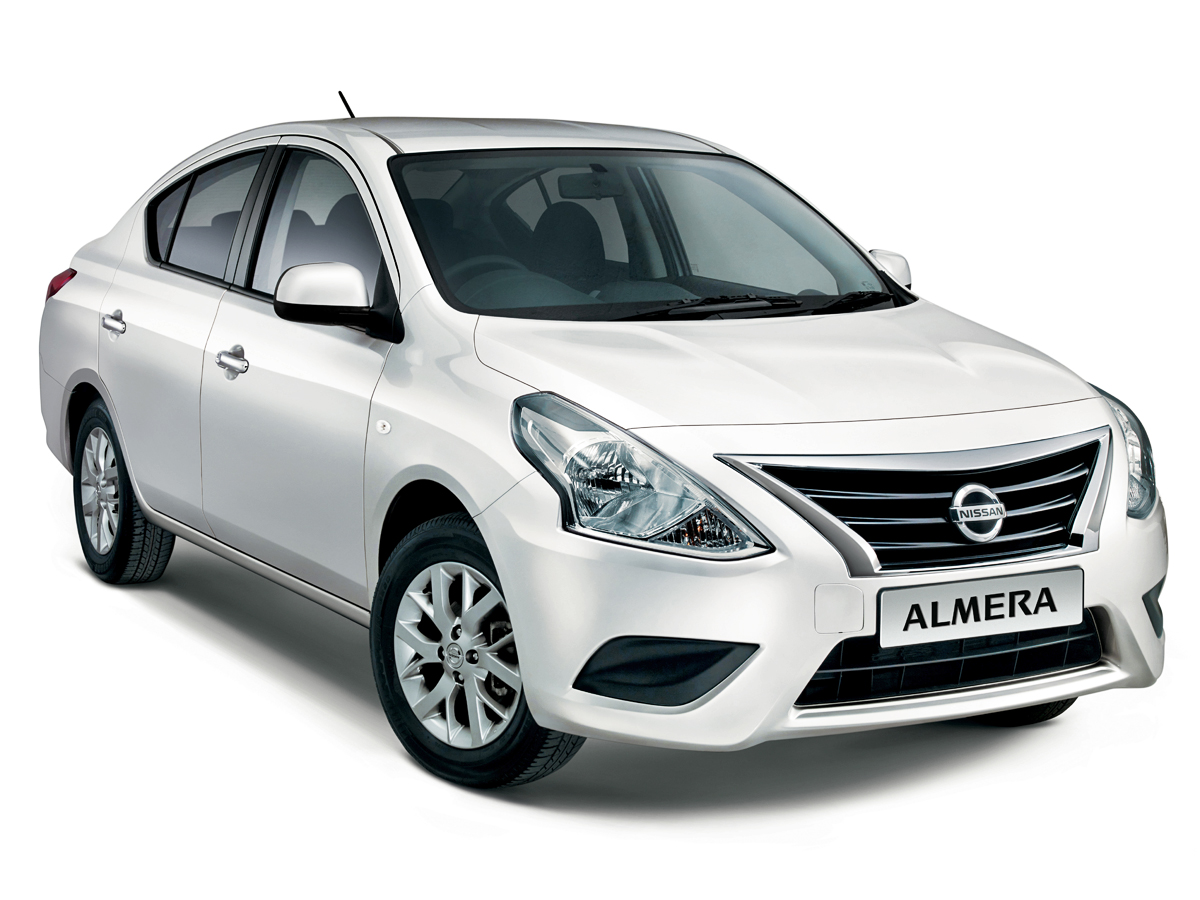
The Almera nameplate returned to SA in 2013 with the arrival of the N17 generation.
After a follow-up on 25 July and several subsequent – likewise unsuccessful* – attempts to source an official response from the brand in August, we decided to do some digging ourselves. We spoke to 2 separate sources, both of which confirmed the Almera had indeed been put out to pasture locally.
Technically, of course, the vehicle is on runout (and is still included both on Nissan SA’s website and in its official price list), but we understand local stock has now run virtually dry – exactly as the latest sales figures suggest. Despite the fact Nissan stopped importing this model at some point earlier this year, the Almera ranked 2nd on the list of SA’s best-selling sedans in the 1st half of 2023, behind only the locally built Toyota Corolla Quest.
Year to date, the Almera is Nissan’s SA 2nd best-selling passenger vehicle.
Though it’s perhaps flown under the radar somewhat, the Almera was an important vehicle for Nissan South Africa in terms of sales volumes. Over the opening 7 months of this year, 1 573 units of the sedan were registered locally, making it the automaker’s 2nd most-popular passenger vehicle after the Magnite.
After a 7-year hiatus (when it was replaced locally by the Tiida), the Almera nameplate returned to South Africa in August 2013, with the launch of the N17-gen model, complete with a 490-litre boot capacity. The front-wheel-drive sedan – which was known in some countries as the Sunny, Versa, V-Drive or Latio – remained largely unchanged over its decade on the local market, bar a minor update in September 2014. In fact, the Mk3 Almera soldiered on locally despite a 4th-gen model being revealed for overseas markets in 2019.
The Almera badge is no more in South Africa after a 10-year run.
The local Almera range comprised 2 derivatives, each powered by Nissan’s naturally aspirated 1.5-litre, 4-cylinder petrol engine and differentiated only by their transmissions (a 5-speed manual gearbox or a 4-speed automatic cog-swapper). Peak outputs for this atmospheric engine stood at 73 kW and 134 Nm. The 1.5 Acenta manual was last priced at R291 900, while the 1.5 Acenta auto cost R310 000.
The Almera isn’t the only well-known Nissan nameplate to have been discontinued in South Africa in recent times. The NP300 Hardbody, 370Z, Micra and GT-R (not to mention the entire Datsun brand) were all axed fairly recently, while production of the NP200 half-tonner – which has made 4th place on the list of SA’s best-selling bakkies very much its own and is easily Nissan’s strongest seller overall – is scheduled to end at Rosslyn in March 2024.
*On 25 August, Nissan SA provided us with the following statement: “Nissan South Africa can confirm that the Nissan Almera platform has reached the end of its extended lifecycle. As part of Nissan’s SUV leadership strategy, the Magnite, Qashqai and X-Trail were introduced to the South African market. Nissan remains committed to ensuring the continued satisfaction of Almera customers and as such will continue offering service parts after the end of sales”.
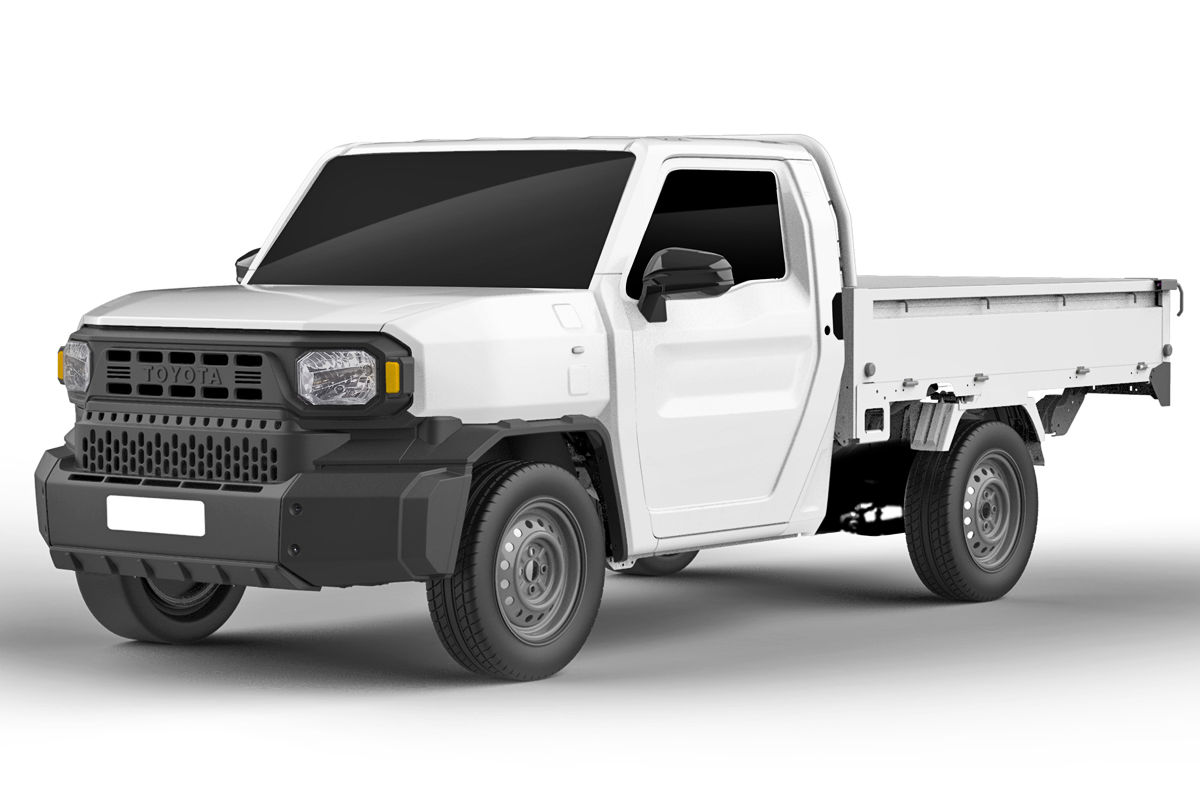
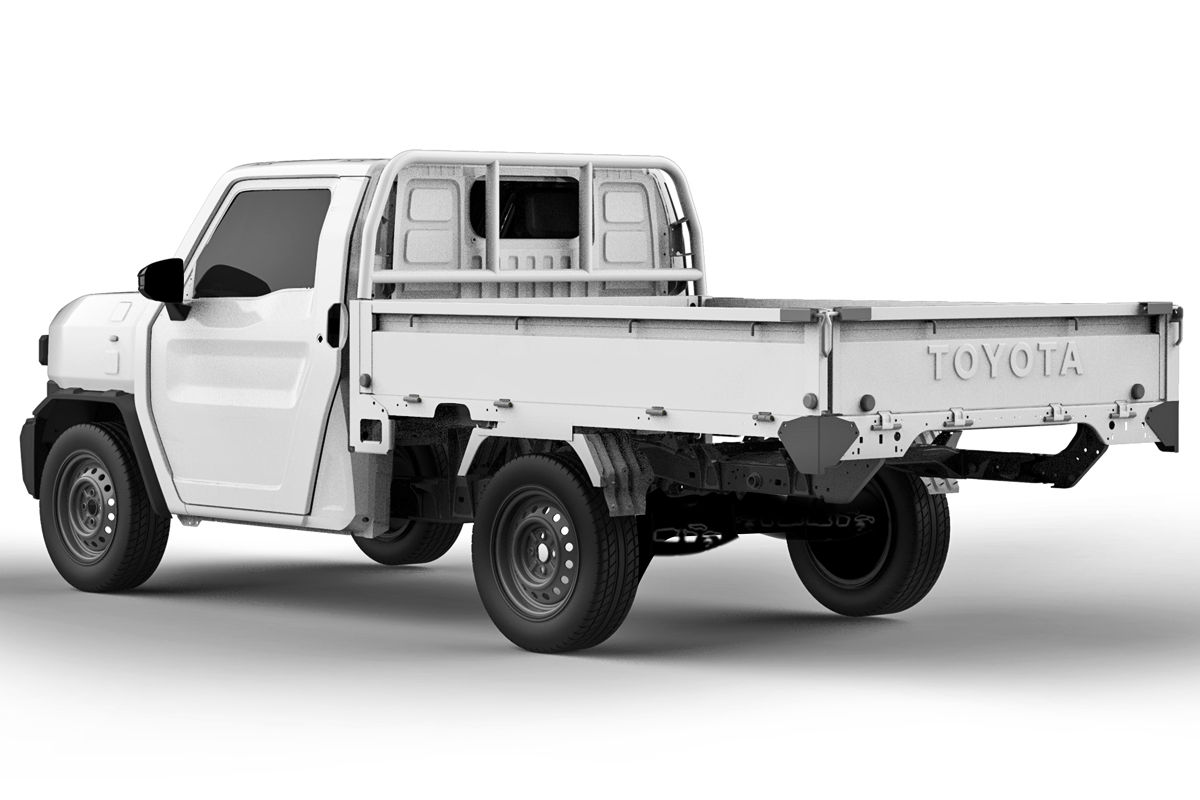
The Toyota Rangga concept has been revealed in Indonesia, previewing a versatile new single-cab bakkie. Here’s what we know about this boxy workhorse so far…
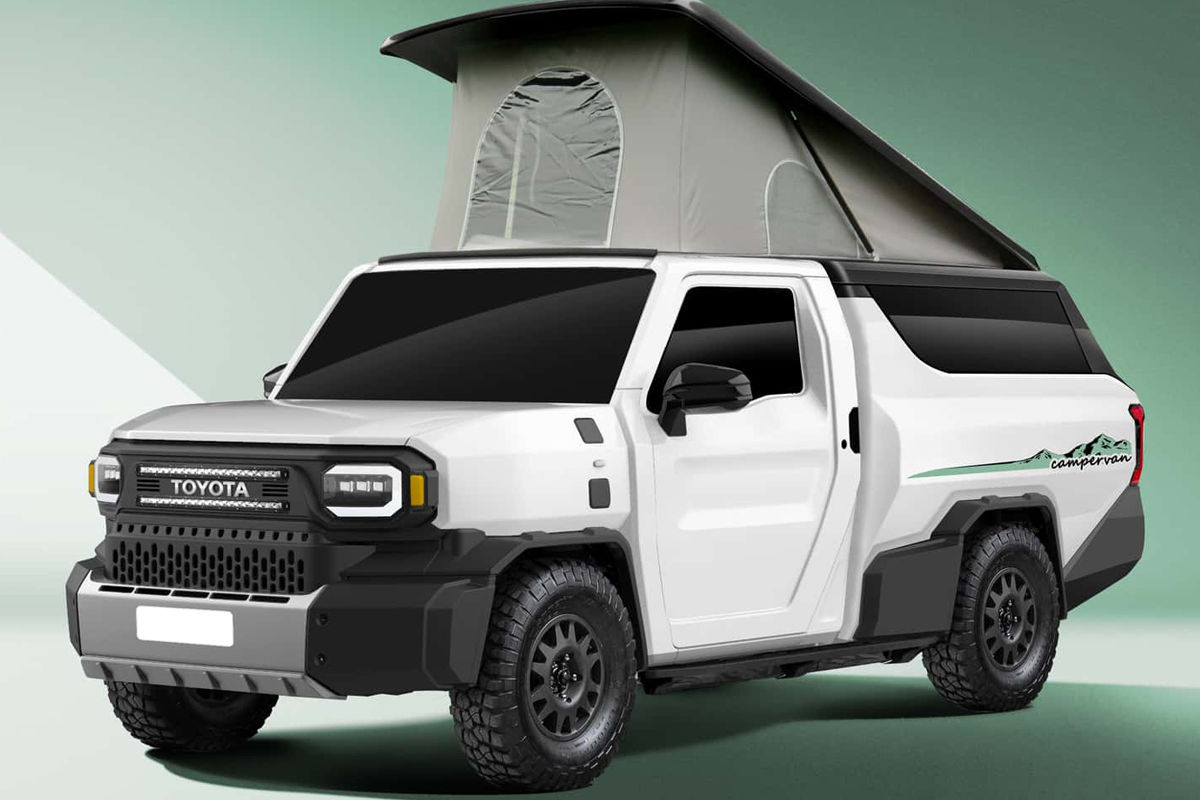
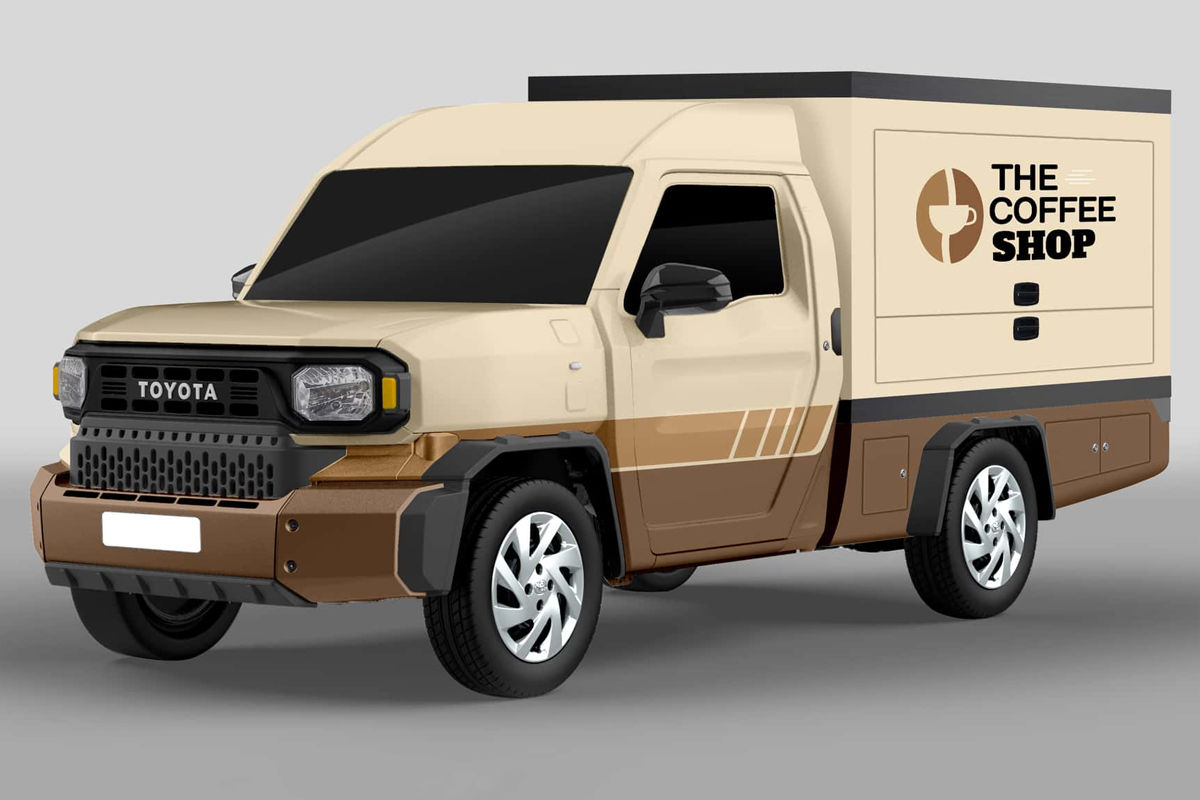
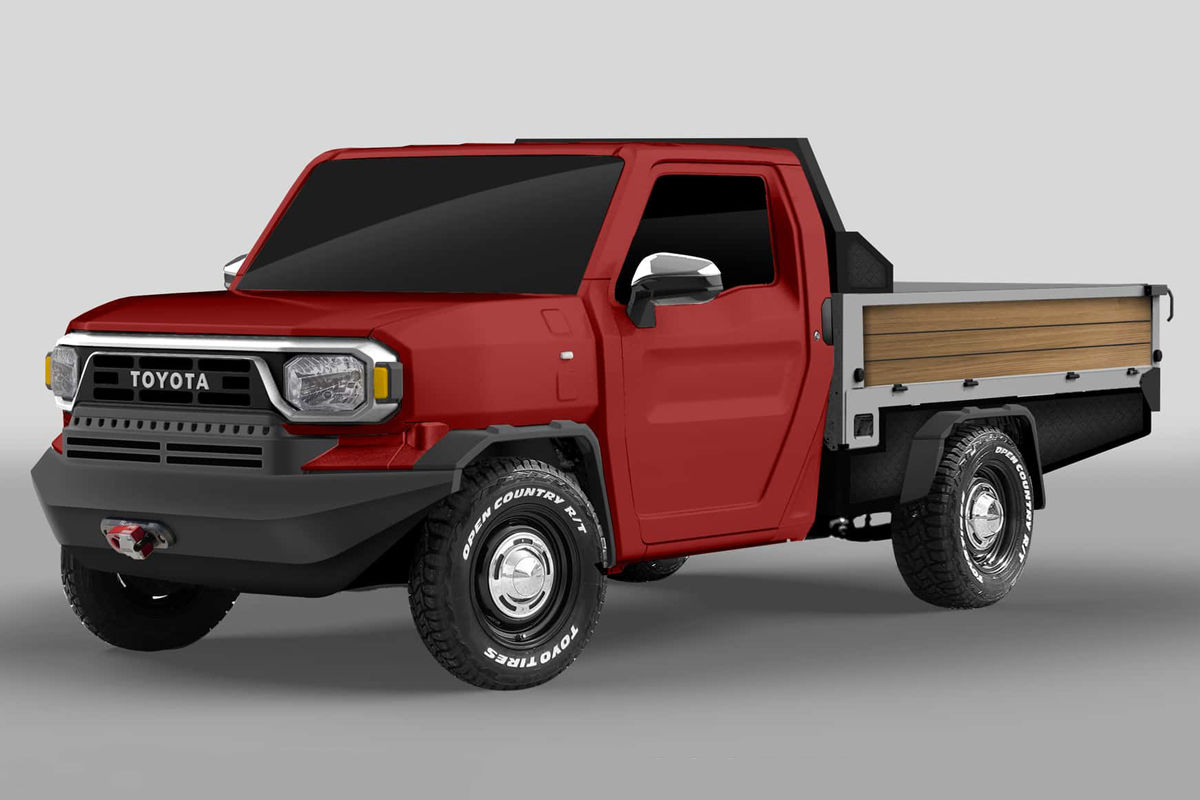
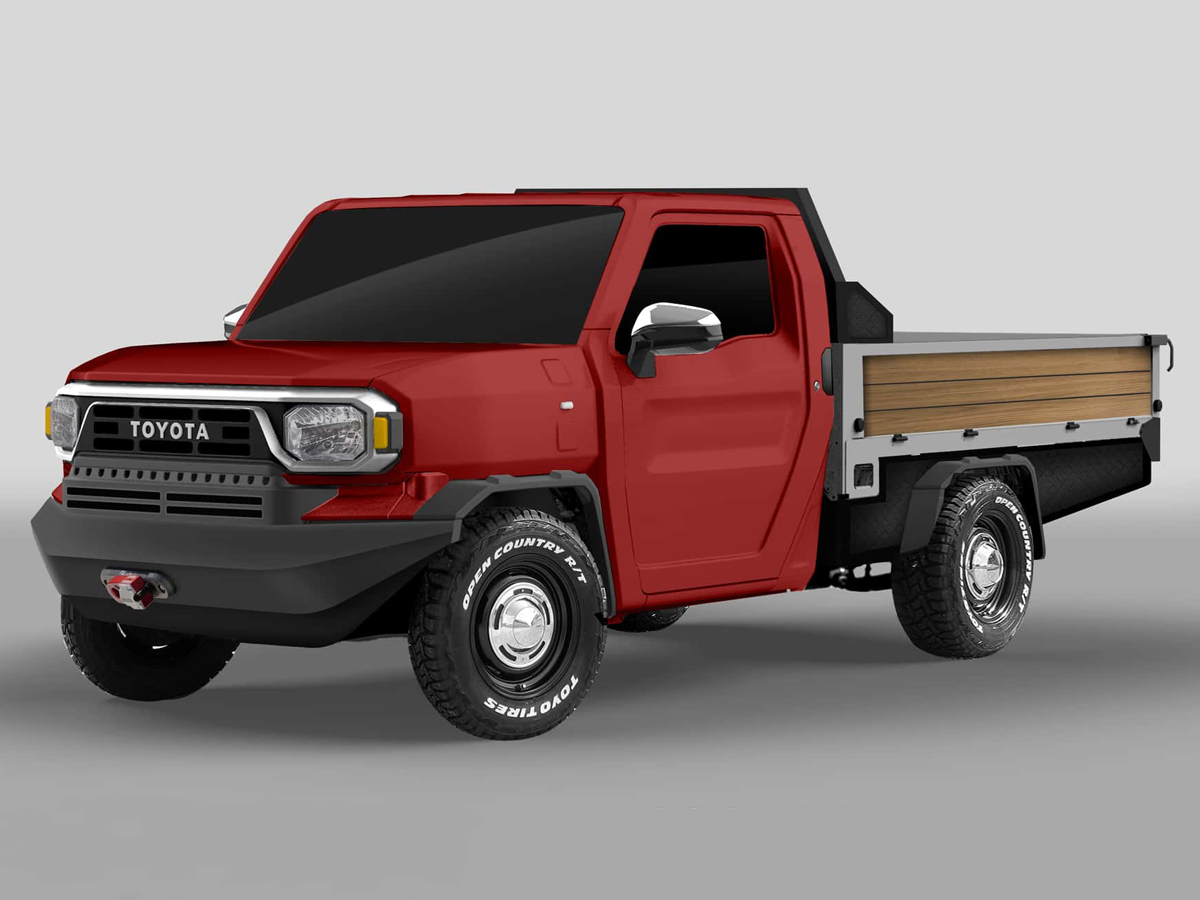
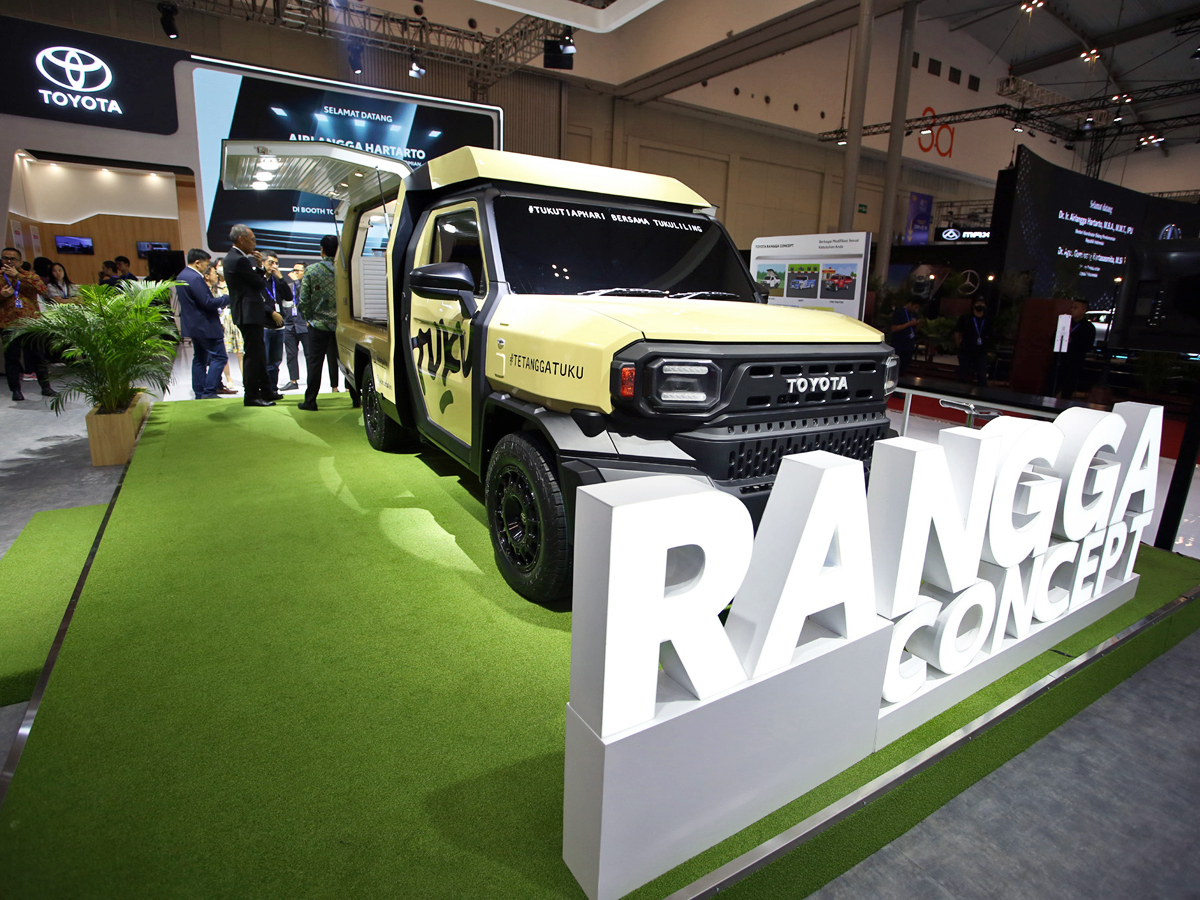
Meet the new Toyota Rangga, a versatile single-cab bakkie concept that the Japanese automaker plans to put into production at an as-yet-unconfirmed date.
Revealed at the Gaikindo Indonesia International Auto Show (GIIAS) 2023, the “multi-purpose” show vehicle appears to be related to the IMV 0 Concept unwrapped in Thailand back in December 2022.
Unfortunately, as was the case with the IMV 0 Concept, technical details on the Rangga are frustratingly thin on the ground, so we don’t even have a firm idea of external dimensions, never mind payload capacity or engine options.
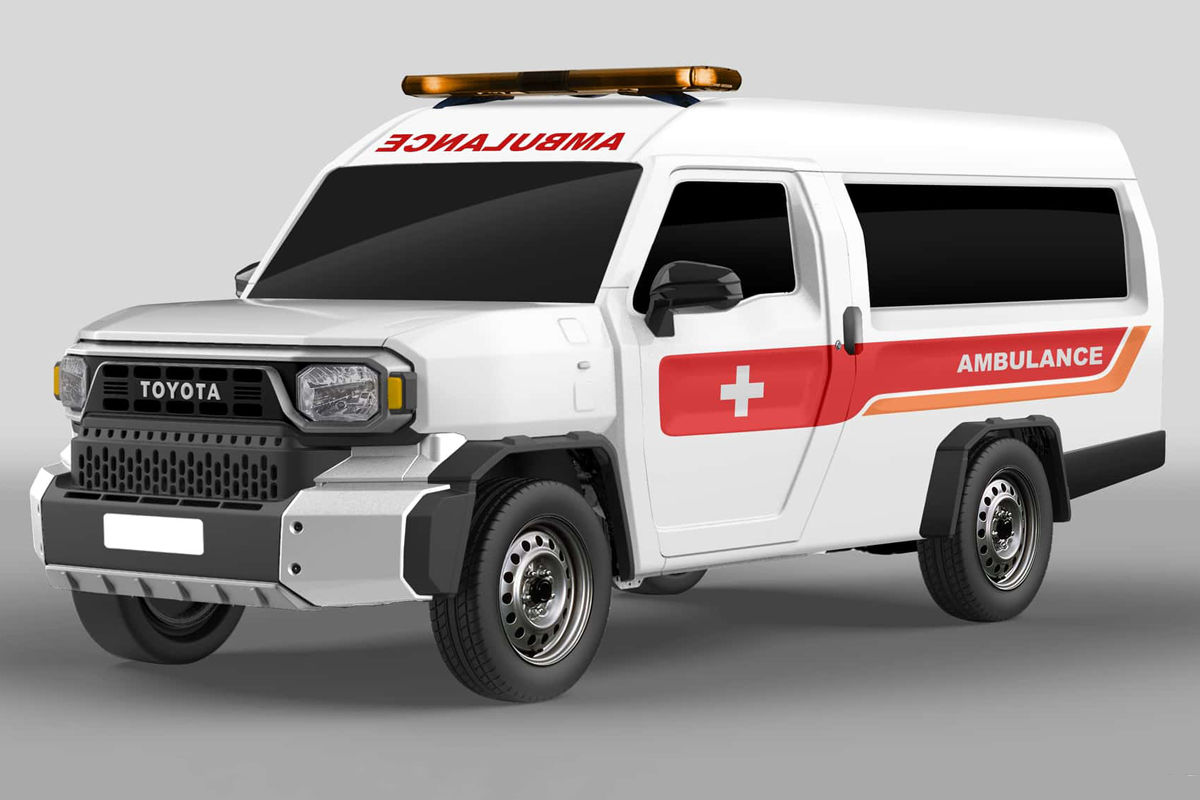
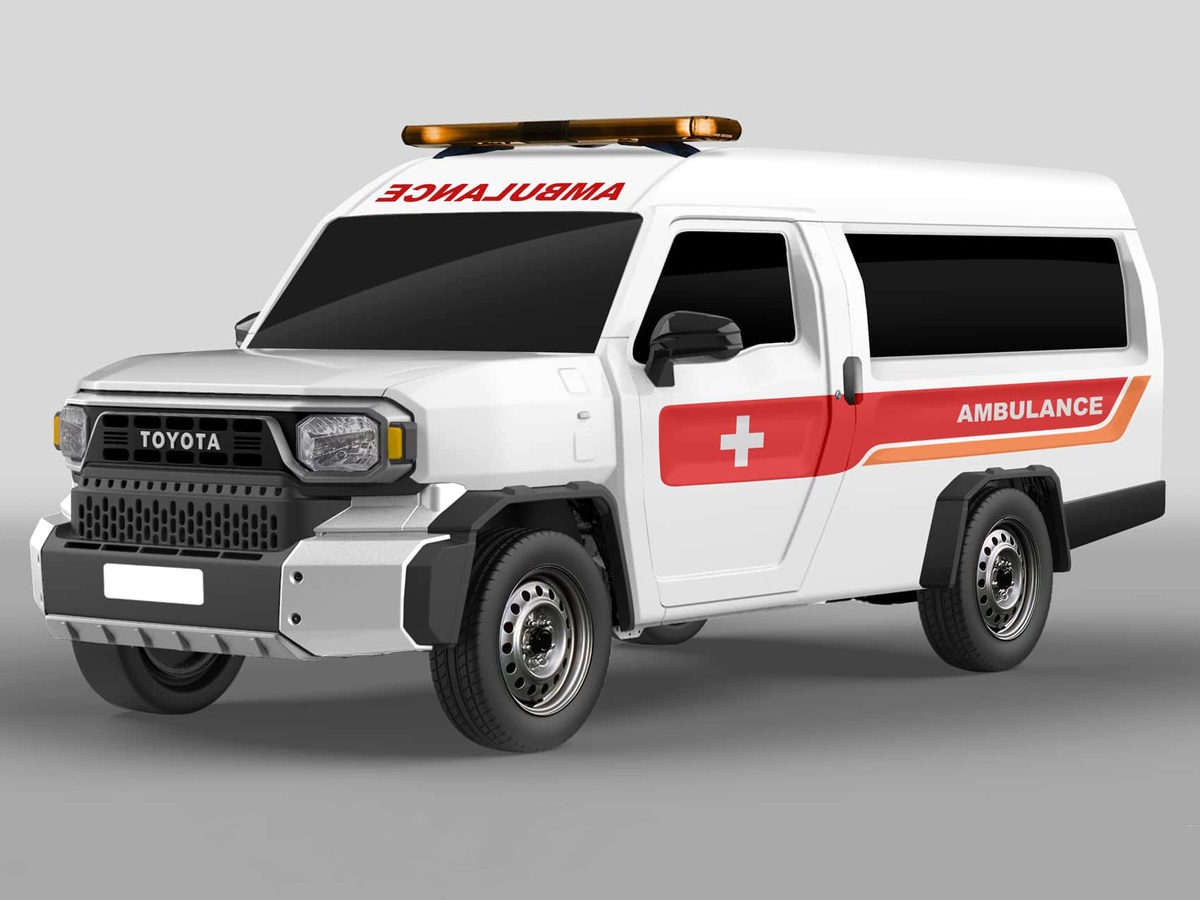
Still, Toyota interestingly used the show to demonstrate a number of potential conversion applications for the Rangga concept, including a mobile café, an ambulance, a mobile EV charging service and even a pace car, all based on the boxy single-cab bakkie.
Judging by the images, the Toyota Rangga – a nameplate initially used on a variation of the 4th-generation Kijang and further said to be inspired by the Javanese word for “hero” – employs a ladder-frame configuration, complete with leaf springs at the rear.
It’s not yet clear exactly when the Rangga will reach production, though some reports suggest it could be as early as 2024, with an initial market launch likely to take place in Thailand before the vehicle rolls out to other emerging markets, such as Indonesia. Whether or not such a model is on the cards for South Africa remains to be seen.
Separately, a recent report out of the United States claimed Toyota was mulling a Corolla-based bakkie. Of course, such a vehicle – which, in contrast, would be unibody in construction and pitched at recreational users – would be an entirely different prospect to the utilitarian Rangga.
Furthermore, earlier in 2023, as reported by IOL Motoring, Toyota SA Motors executives hinted at an upcoming model that could slot in below the Hilux and likely be built at the same factory in KwaZulu-Natal. As we’ve touched on before, however, we suspect this will end up being a prolonged-lifecycle version of the Hilux (a “Hilux Quest”, if you will) rather than an all-new model (or indeed a unibody half-tonner).