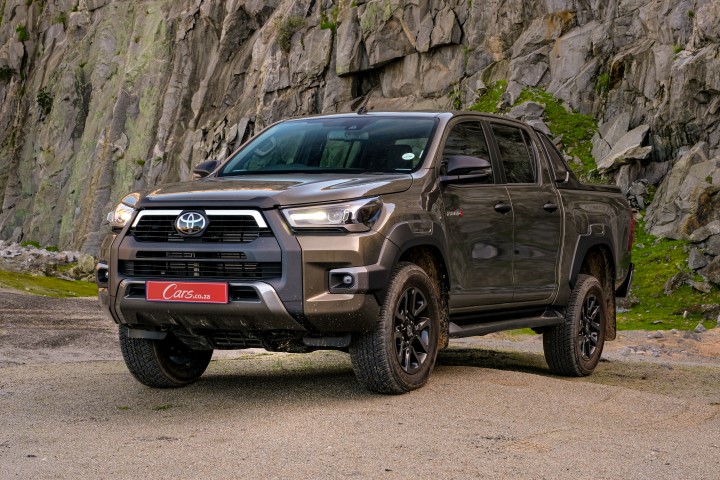
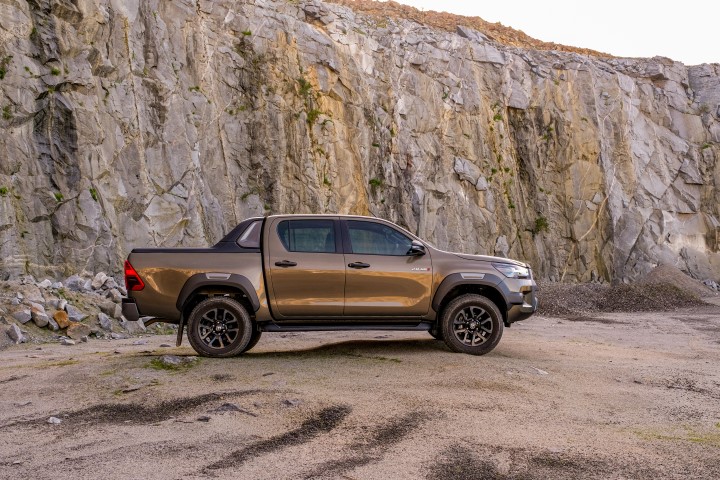
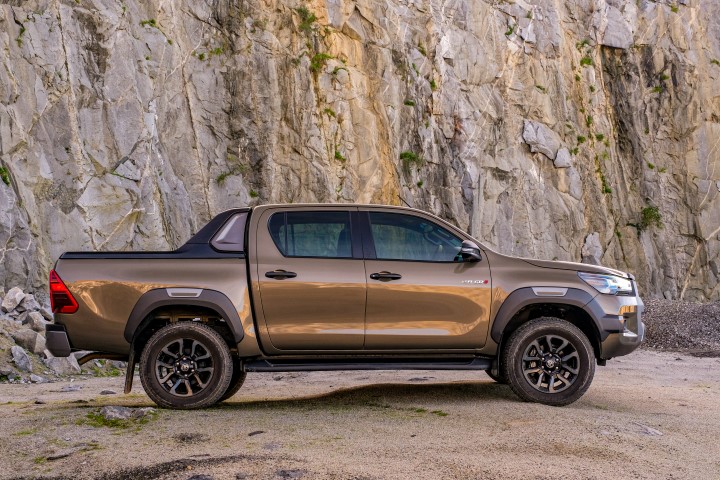
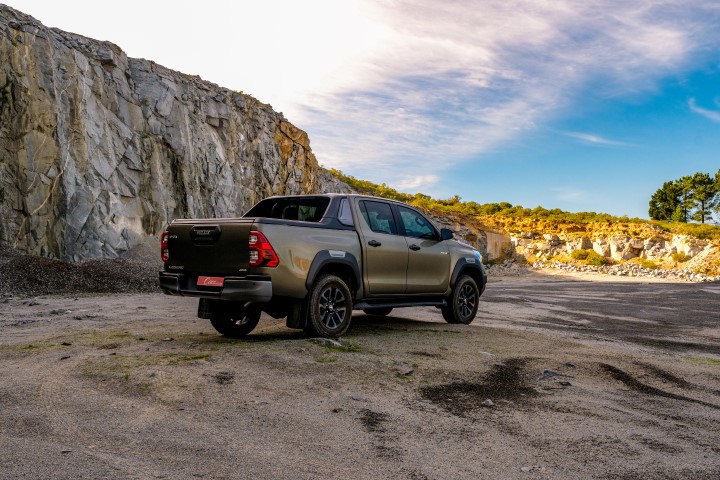
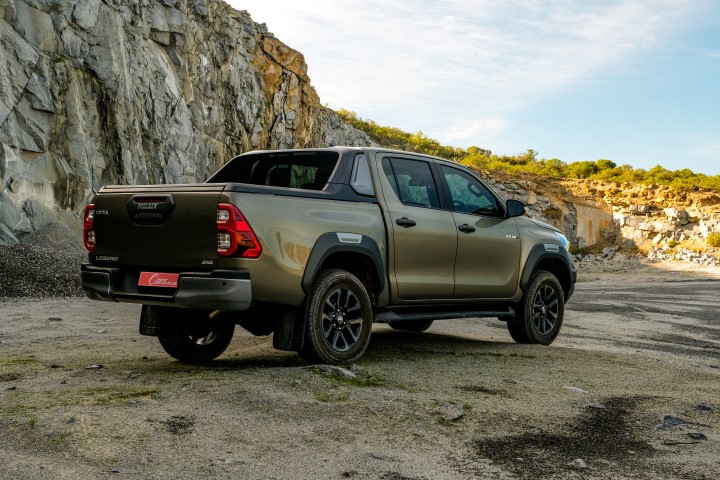
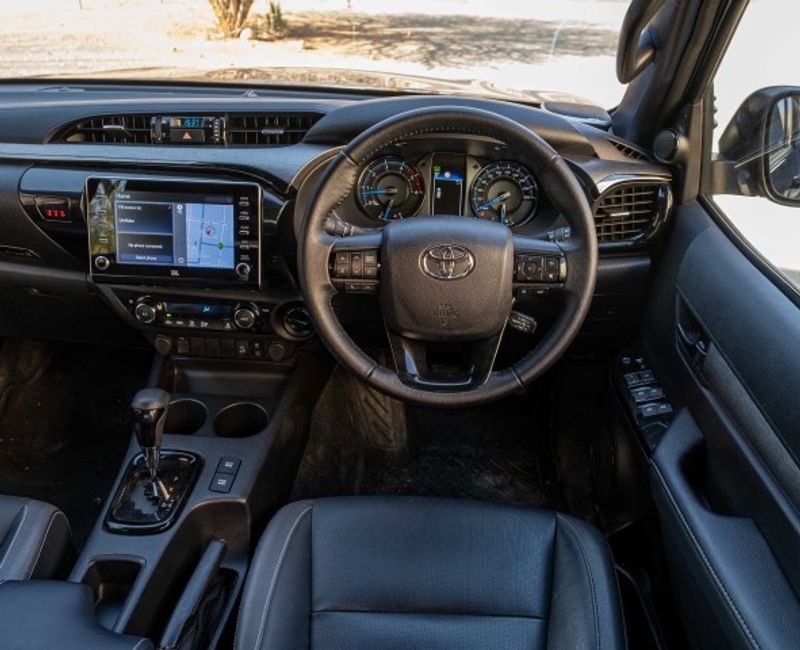
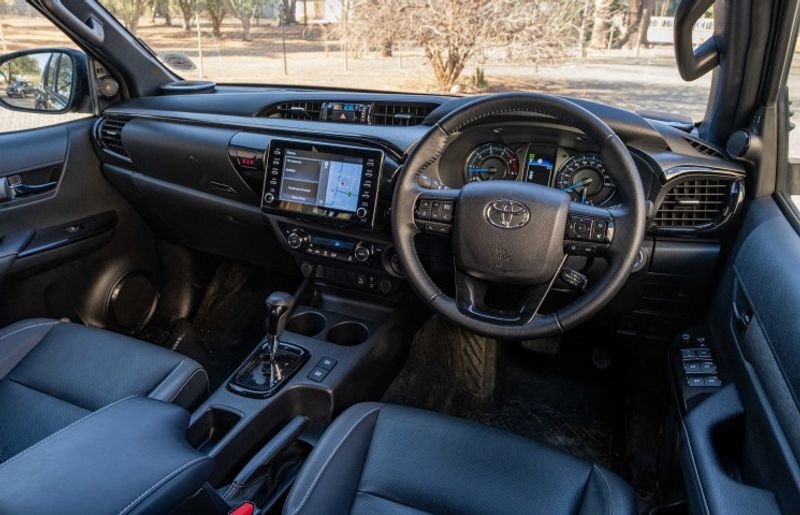
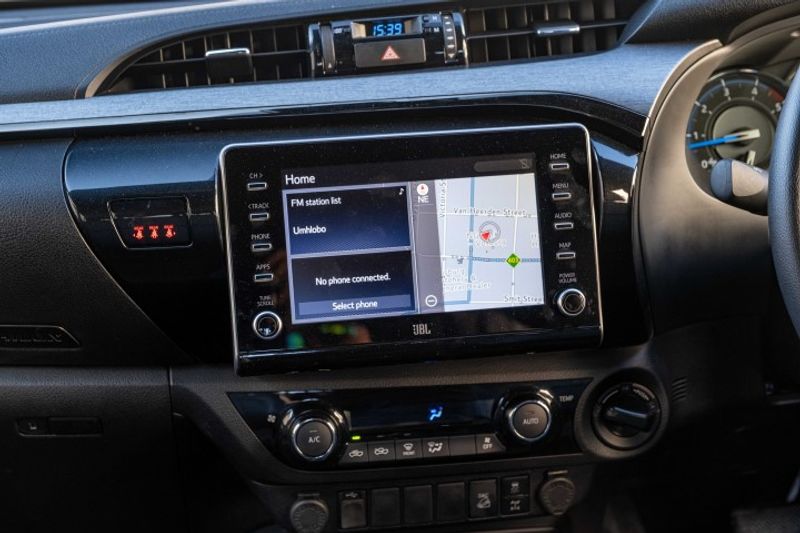
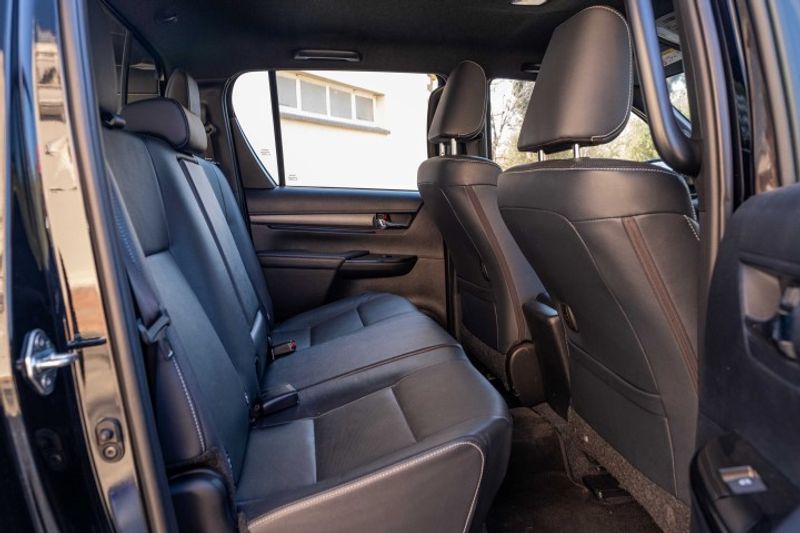
Toyota Hilux Mild-Hybrid Concept Previews A More Efficient Bakkie
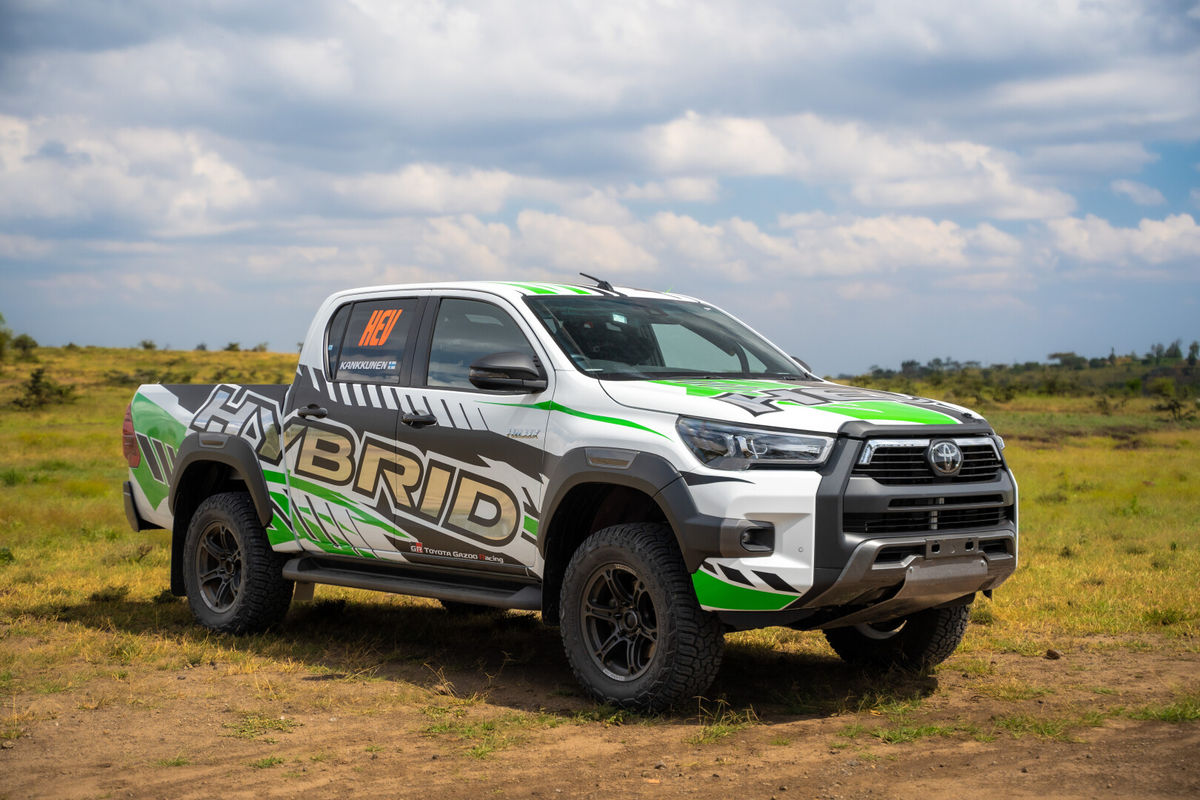
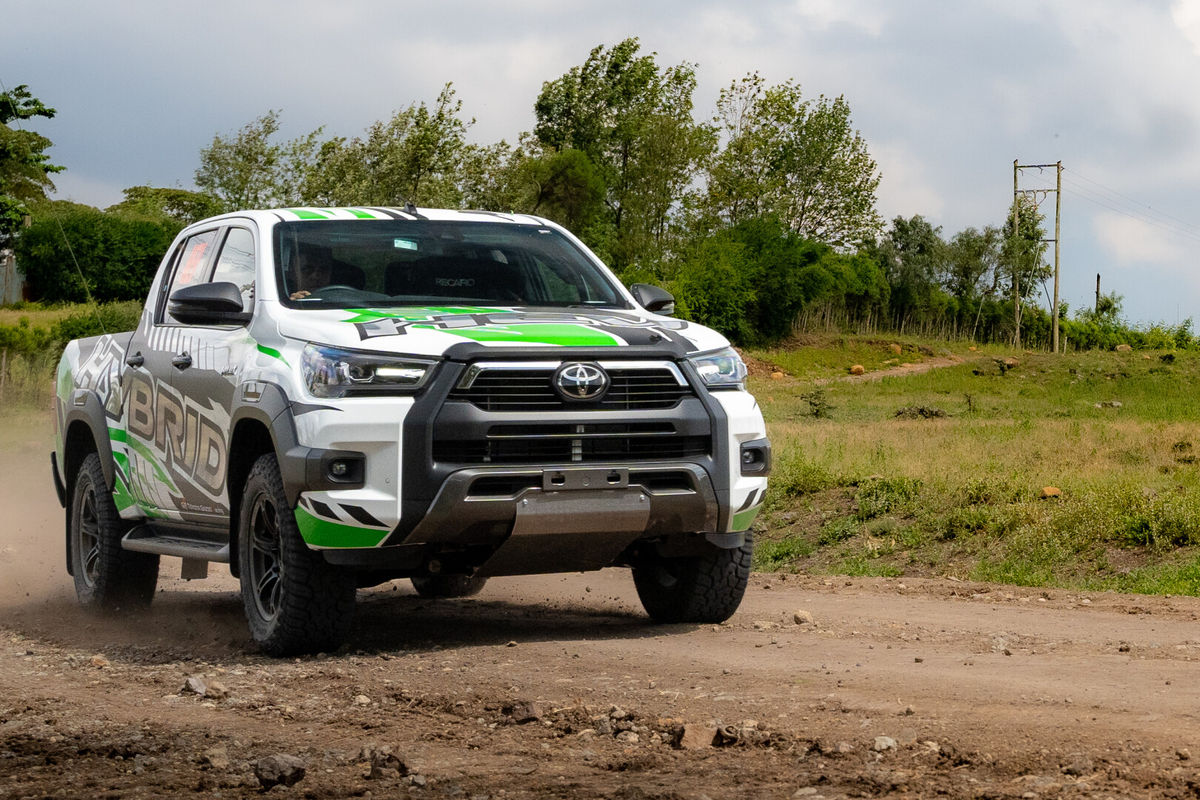
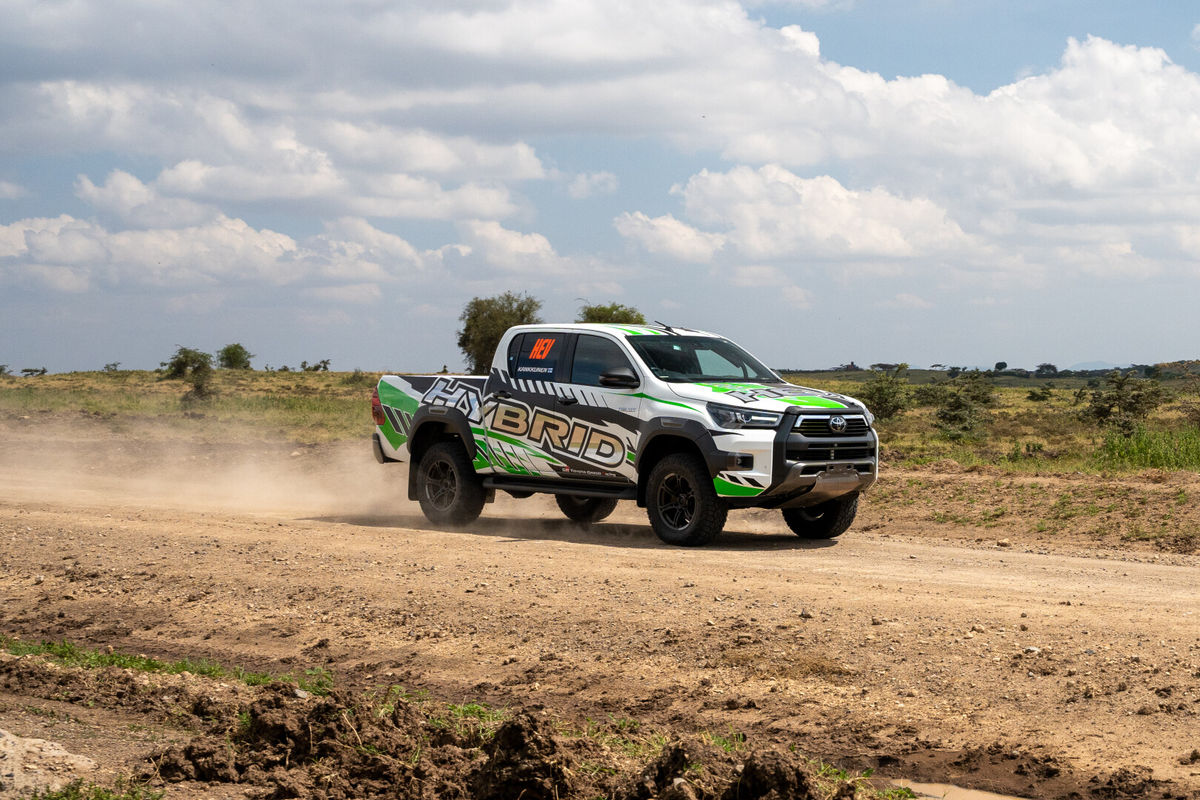
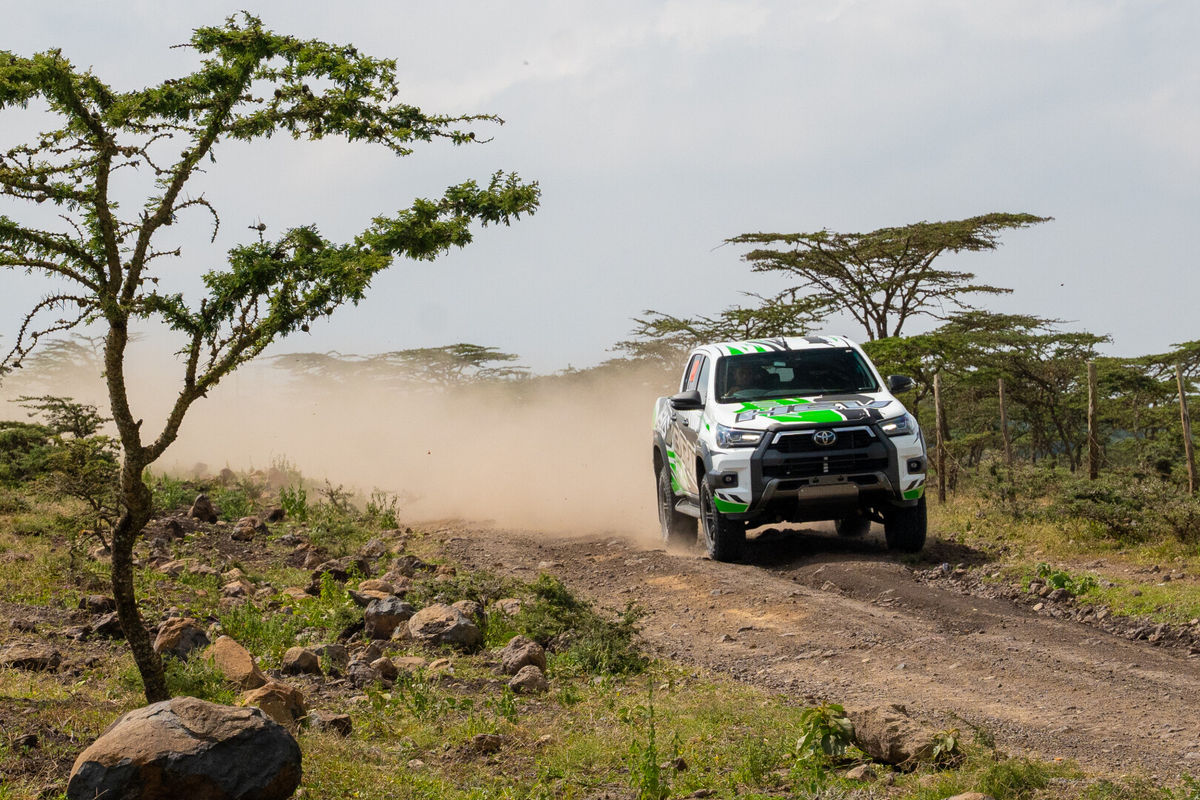
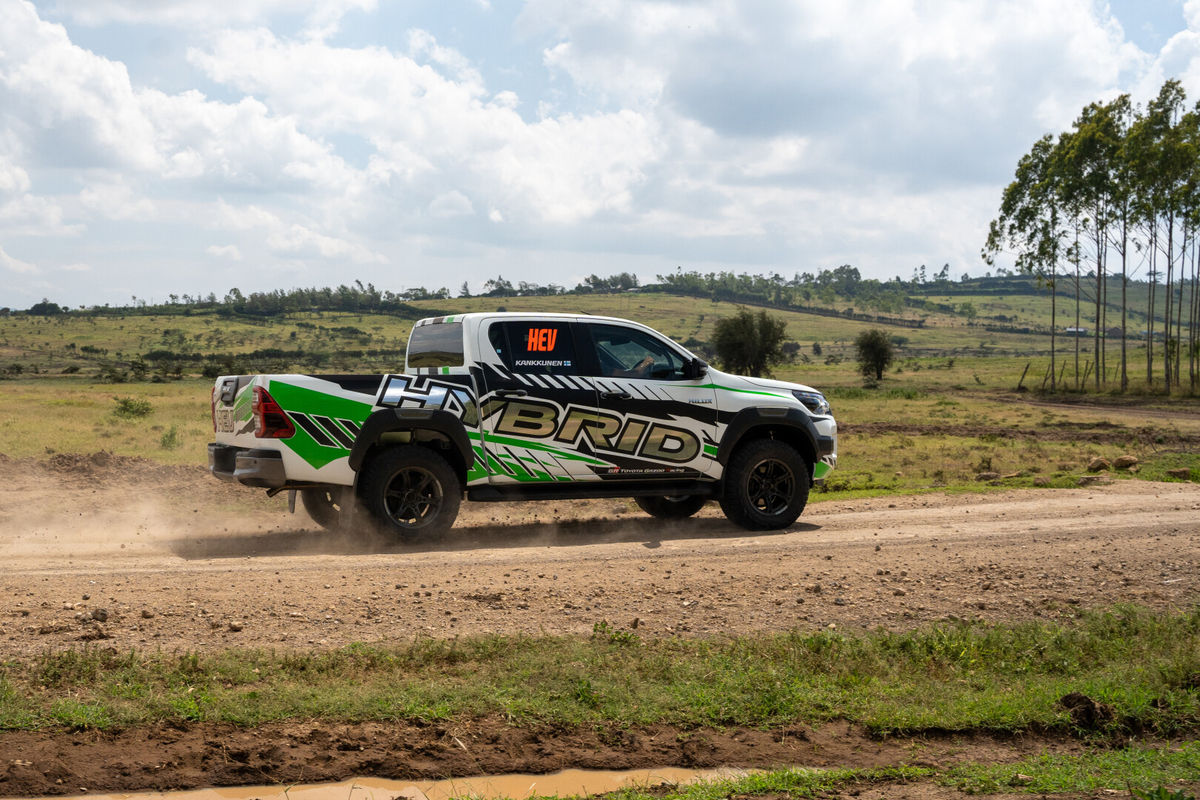
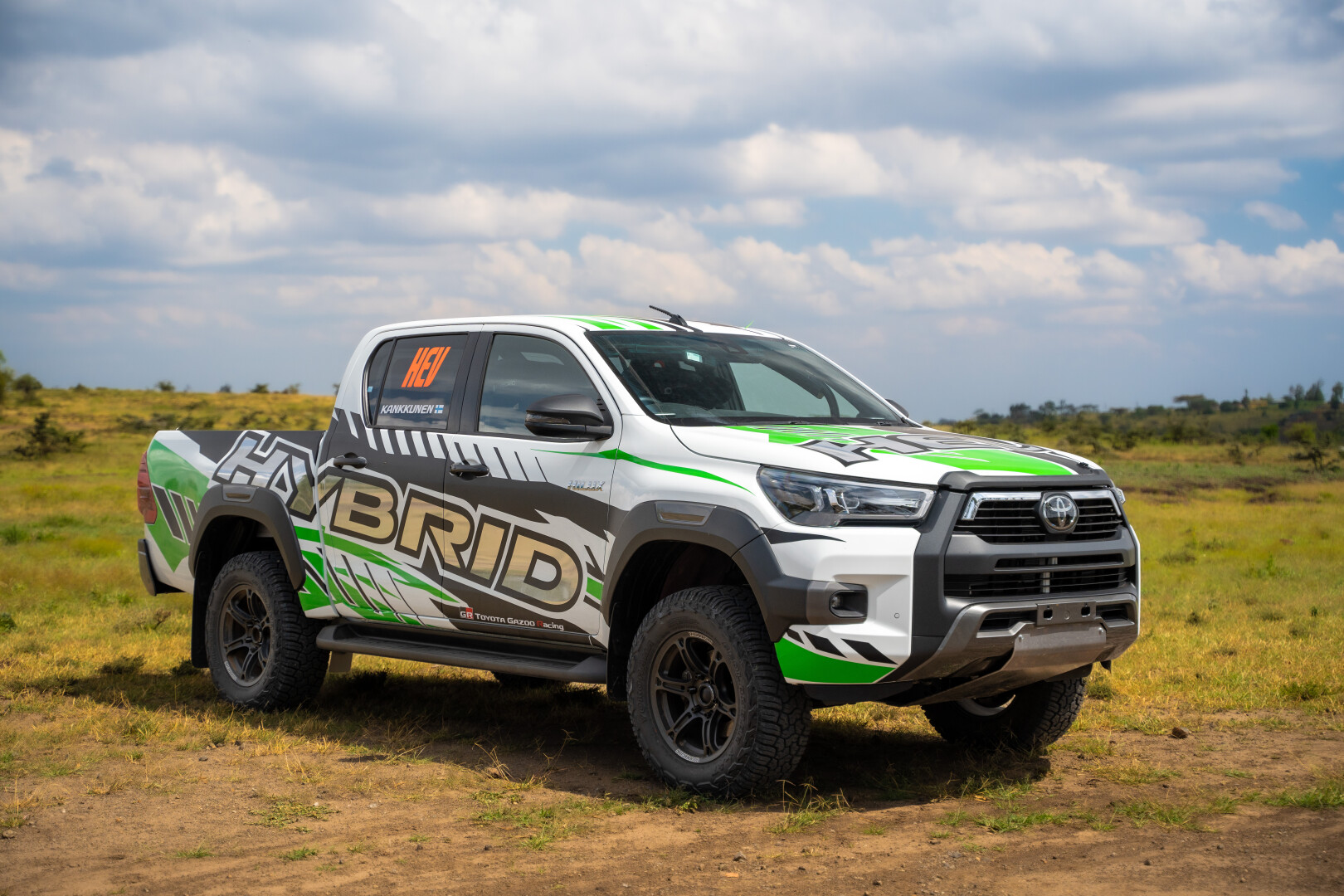
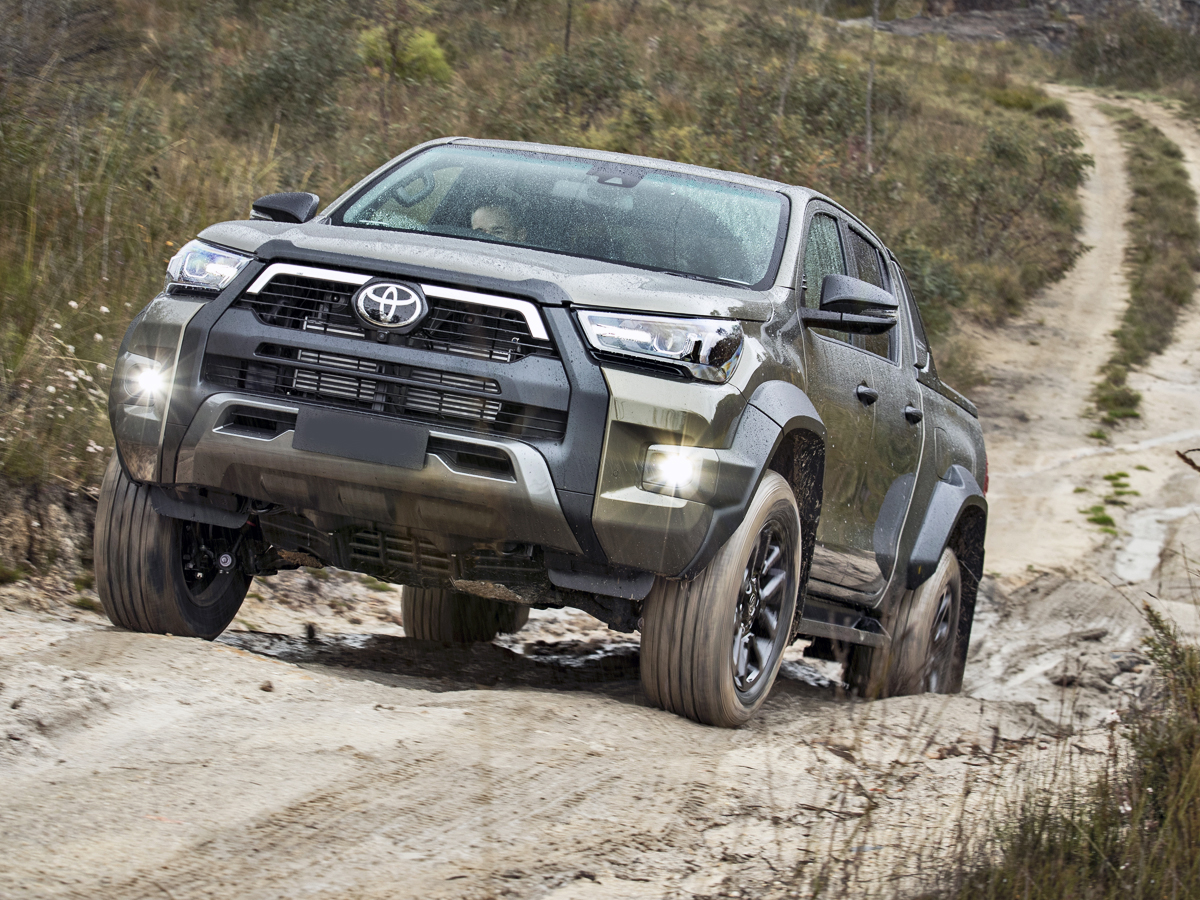
The Japanese giant completed a demonstration run of the Hilux Mild-Hybrid concept at the recent World Rally Championship leg, held in Kenya.
Behind the wheel of the Hilux Mild-Hybrid you see here was none other than 4-time WRC champion and Toyota driver Juha Kankkunen. Essentially, this concept is to demonstrate Toyota’s strategy to deliver more efficient and cleaner vehicles.
After the demo run, Juha Kankkunen said: “I’m 100% sure that this type of car will fit in Africa very well because there are still long-distance drives and it’s very difficult to charge electric cars. You can save fuel, which means less CO2. Africa is a good market for this kind of car, and you can make CO2 less with hybrid cars. That is the future.”
Toyota is one of the few brands that hasn’t plunged headfirst into an all-electric product portfolio, preferring a measured and scaled approach. Africa has limited electric-vehicle charging infrastructure and products like the Hilux Mild-Hybrid will assist with a reduction in both economy and emissions.
While the release detailing the demo drive didn’t include any technical details, Toyota Australia has confirmed the 2.8-litre, 4-cylinder turbodiesel engine is in line to gain 48-volt technology which is said to result in a fuel saving of “approximately 10%” for “certain” derivatives.
Toyota has also announced its mission to “mass-produce happiness” by suppling vehicles that support Africa’s lifelines and given its popularity, the Hilux will be one of the core products involved. As a reminder, Toyota South Africa manufacturers the Corolla, Corolla Quest and Corolla Cross along with the Hilux and Fortuner at its Prospecton plant, near Durban.
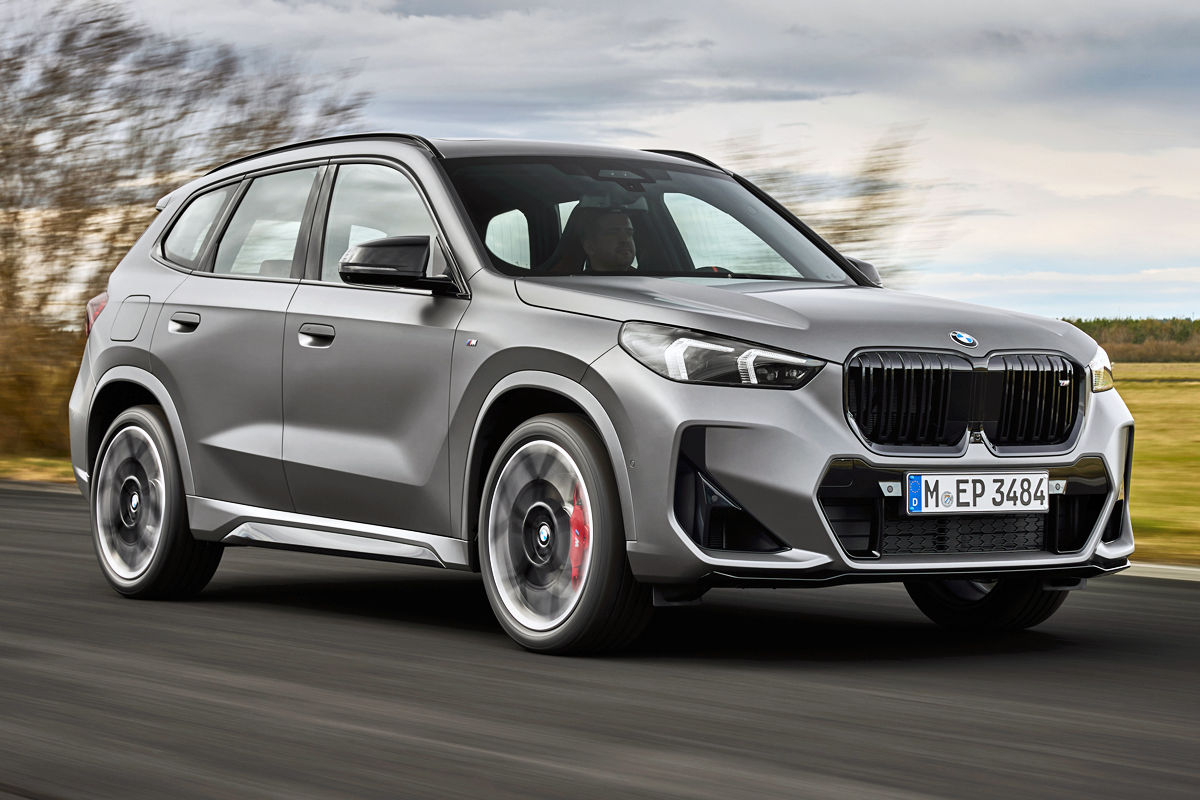
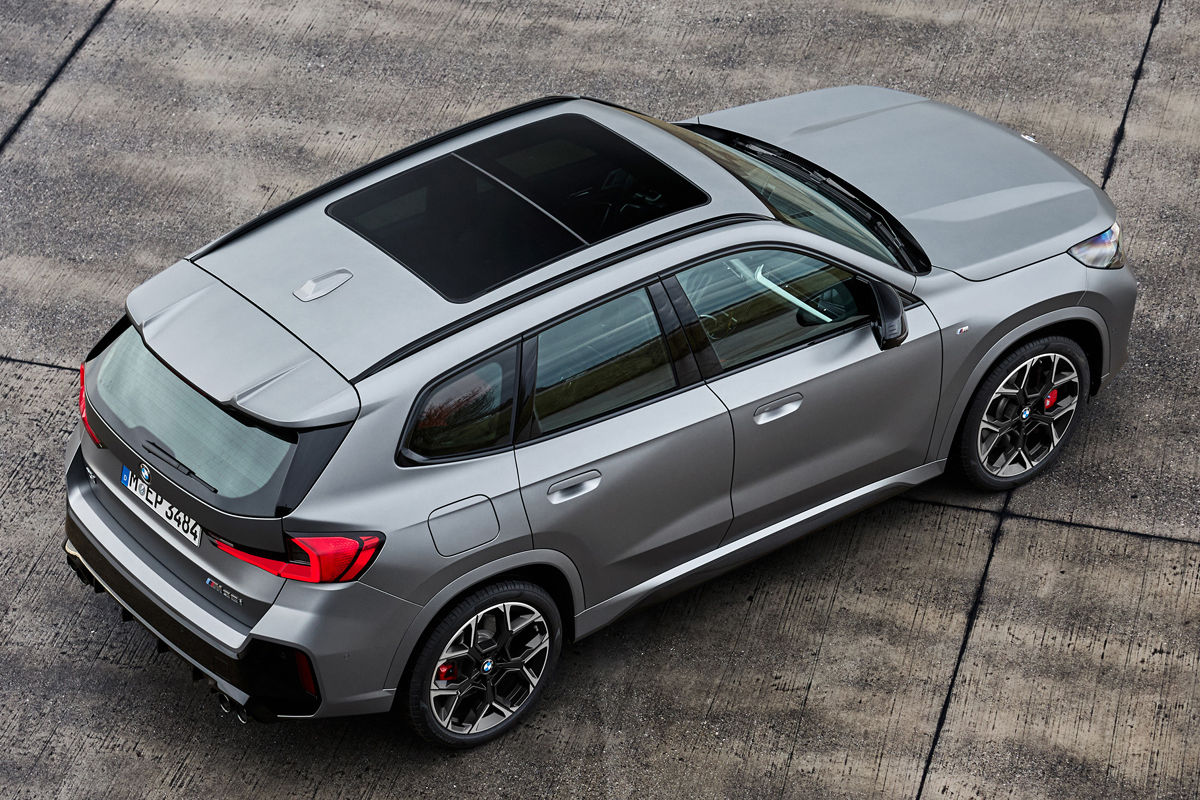
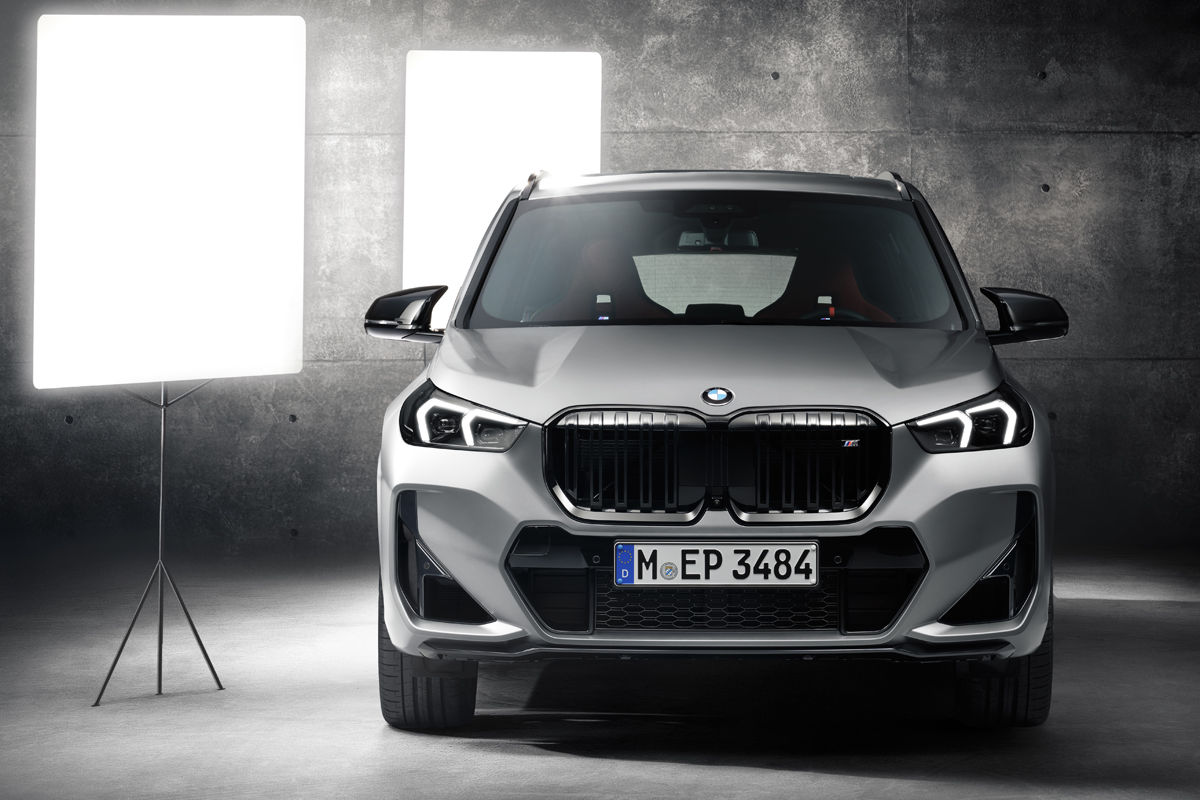
Meet the BMW X1 M35i xDrive, a hot new version of the firm’s smallest SUV, complete with the most potent iteration of the M Performance 4-pot yet…
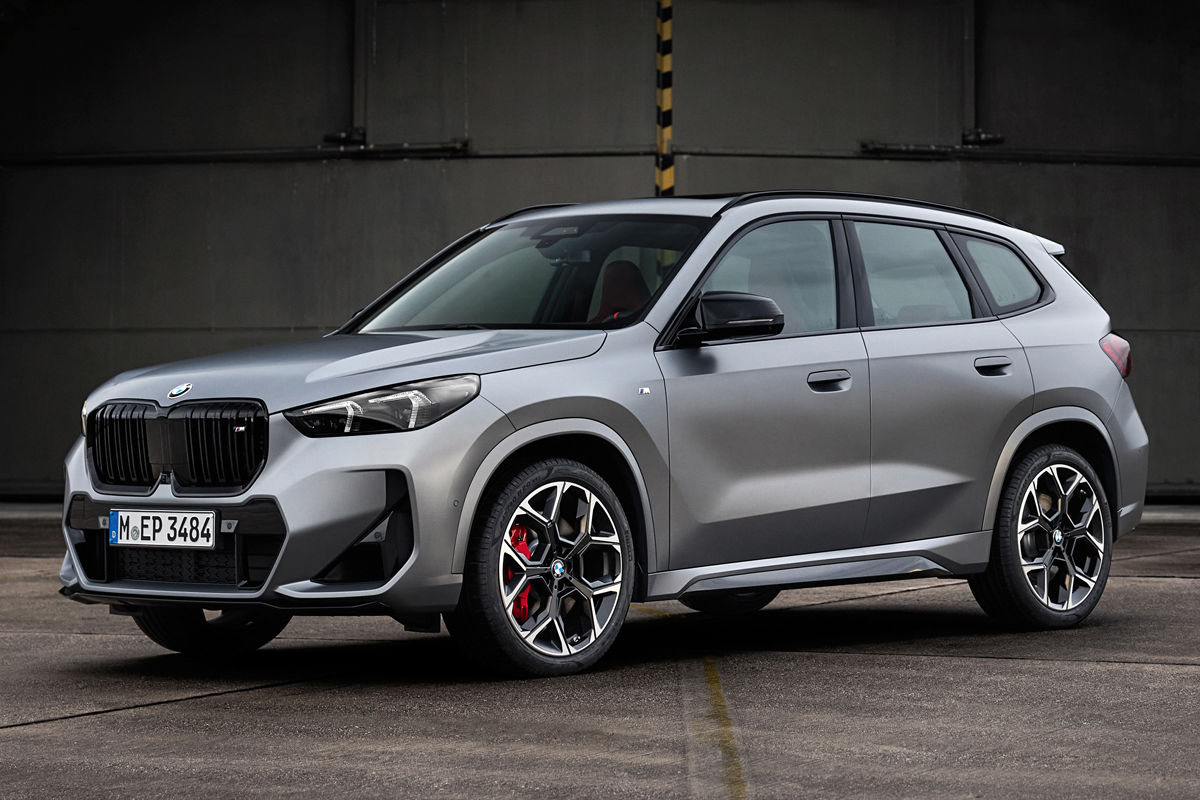
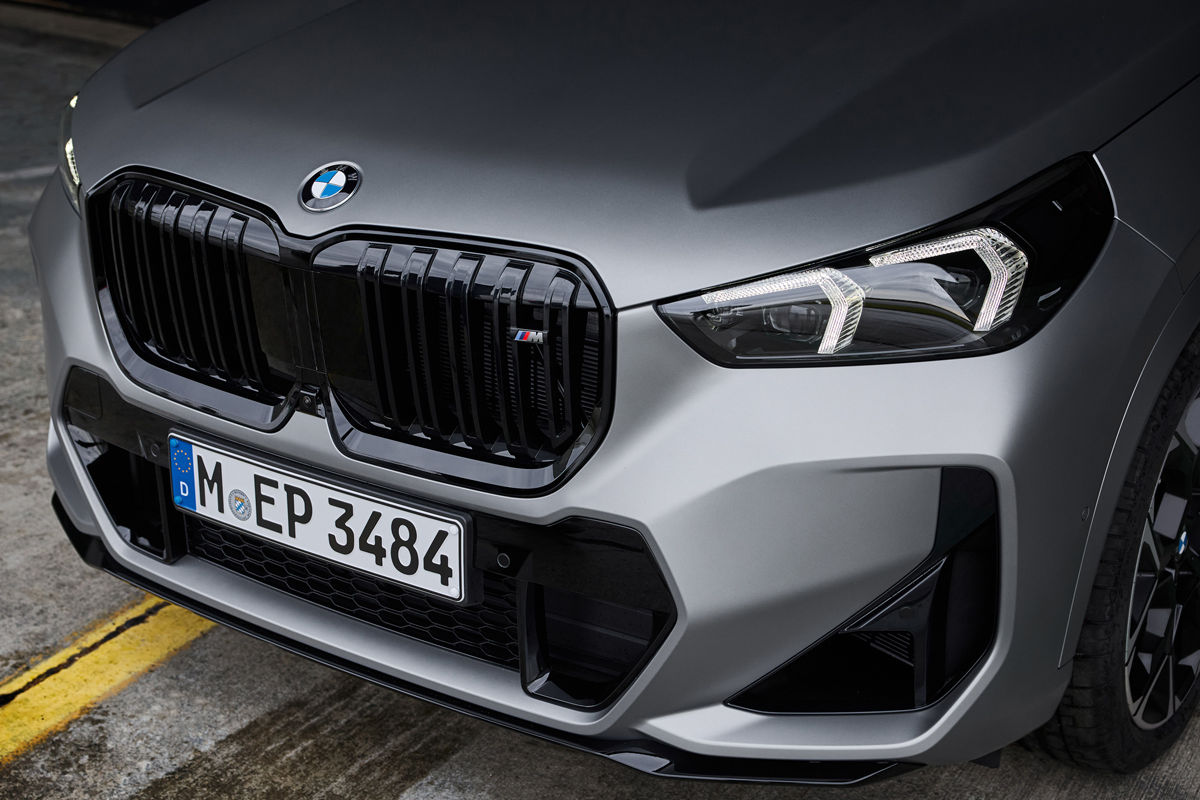
The new BMW X1 M35i xDrive has been revealed, boasting suitably aggressive exterior styling and the most powerful M Performance 4-cylinder engine yet … depending on the market, that is.
Yes, while the hottest version of the Munich-based firm’s smallest SUV – which clearly has the Mercedes-AMG GLA35 squarely in its sights – employs a new incarnation of the twin-turbocharged 2.0-litre, 4-cylinder petrol unit, its peak power will vary by country. In the United States “and other selected markets”, BMW says the engine will generate 233 kW, while the version offered in Europe will settle for 221 kW.
So, what about South Africa? Well, BMW Group SA told Cars.co.za it has no plans to introduce the new X1 M35i “as yet”. While nothing’s set in stone, the inclusion of those final 2 words at least leaves the door open for a local introduction at some point down the line.
Anyway, back to the story. Maximum torque is 400 Nm regardless of the peak power output, with this twisting force on tap from 2 000 to 4 500 r/min. The German automaker claims a 0-100 kph time of 5.4 seconds (we’re guessing this applies to the 233 kW tune), while top speed is electronically limited to 250 kph. As a reminder, the X2 M35i and the M135i hot hatch each make 225 kW and 450 Nm from an earlier version of this 4-pot motor and hit 100 kph from standstill around half-a-second earlier.
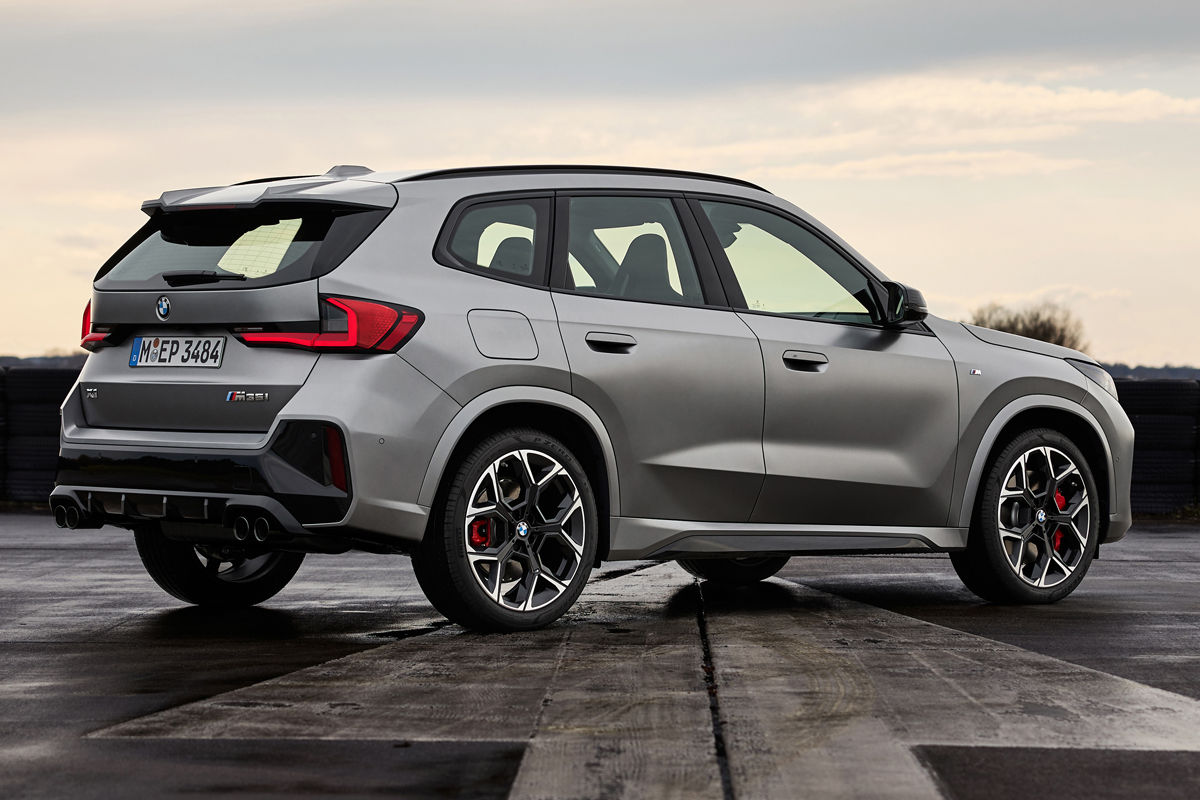
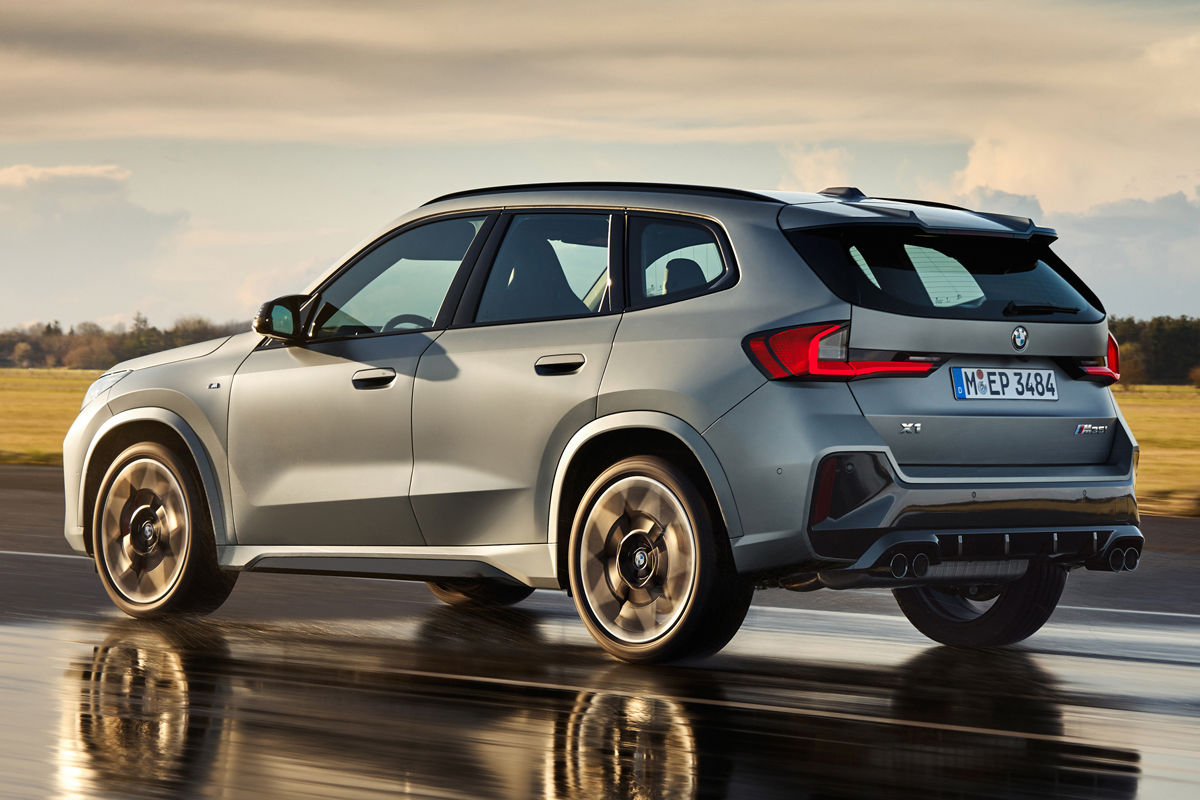
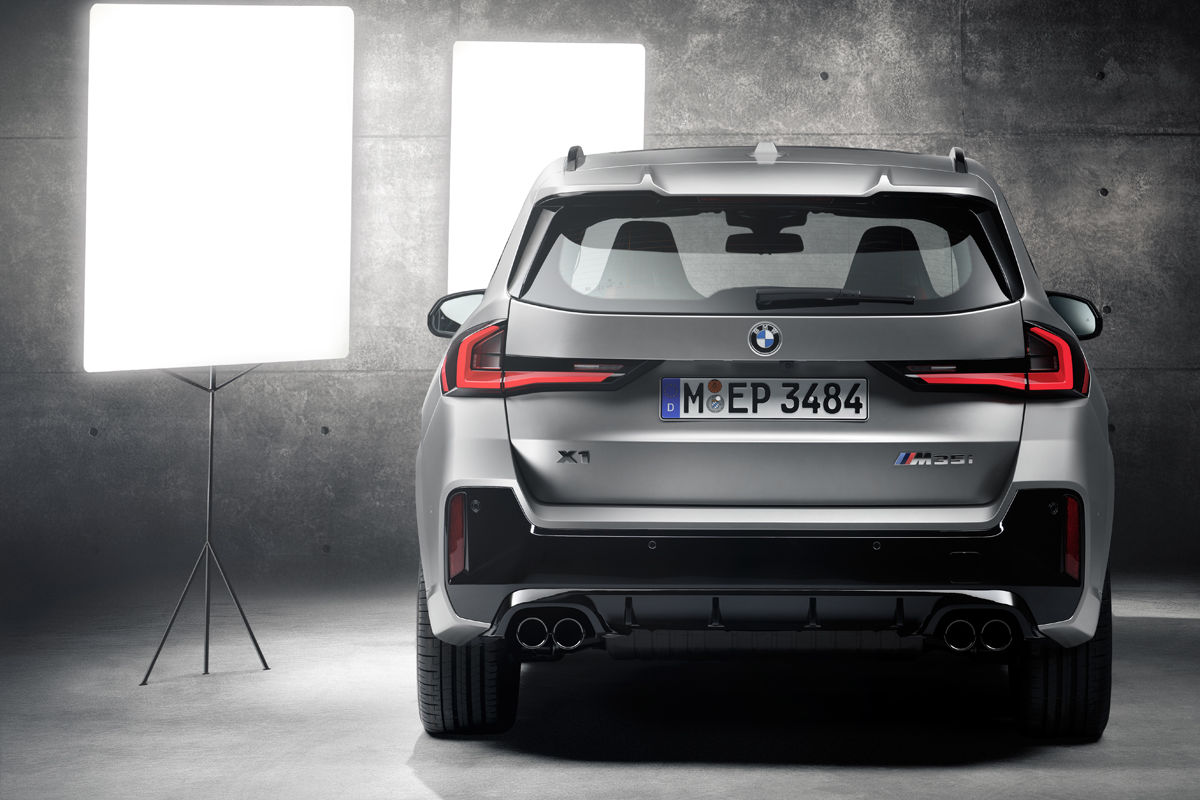
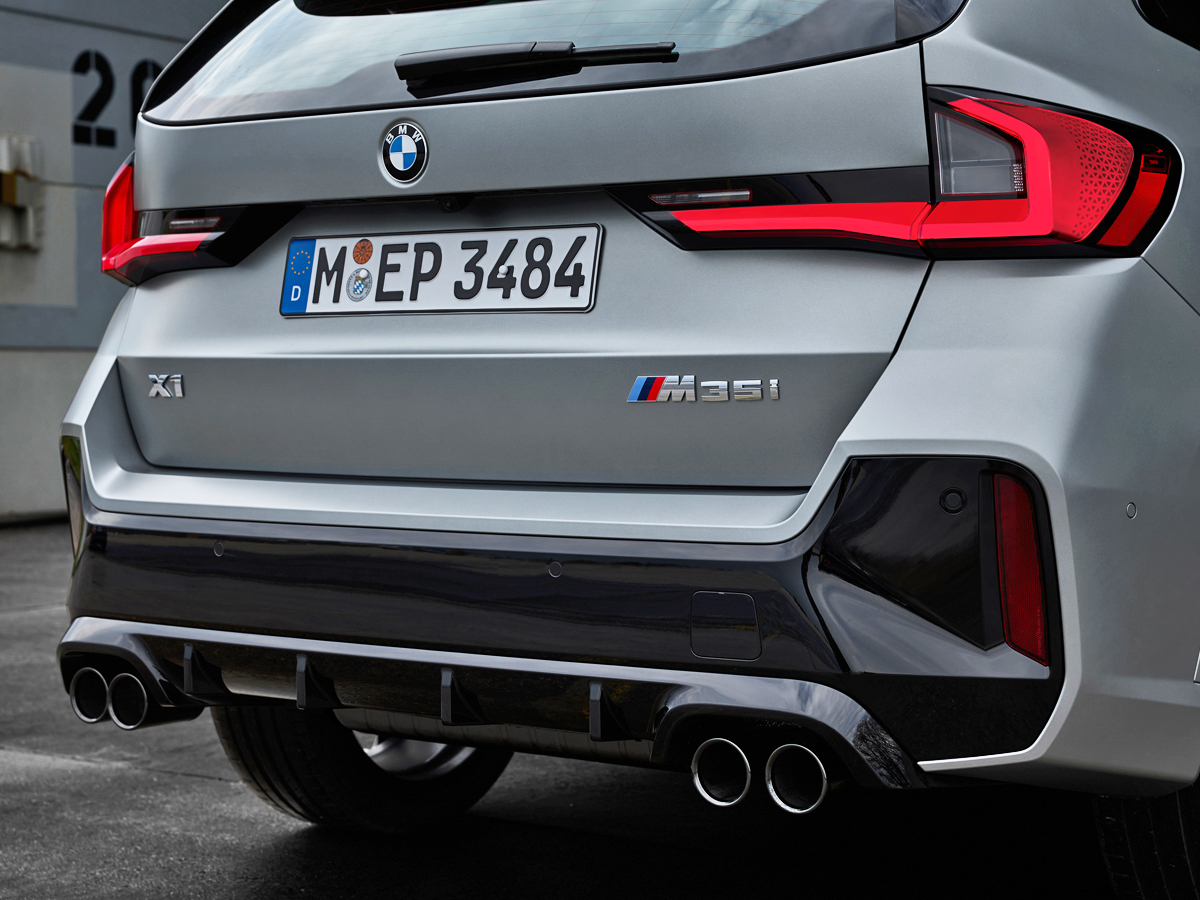
The X1 M35i features quad-pipes, just like a full-fat M model.
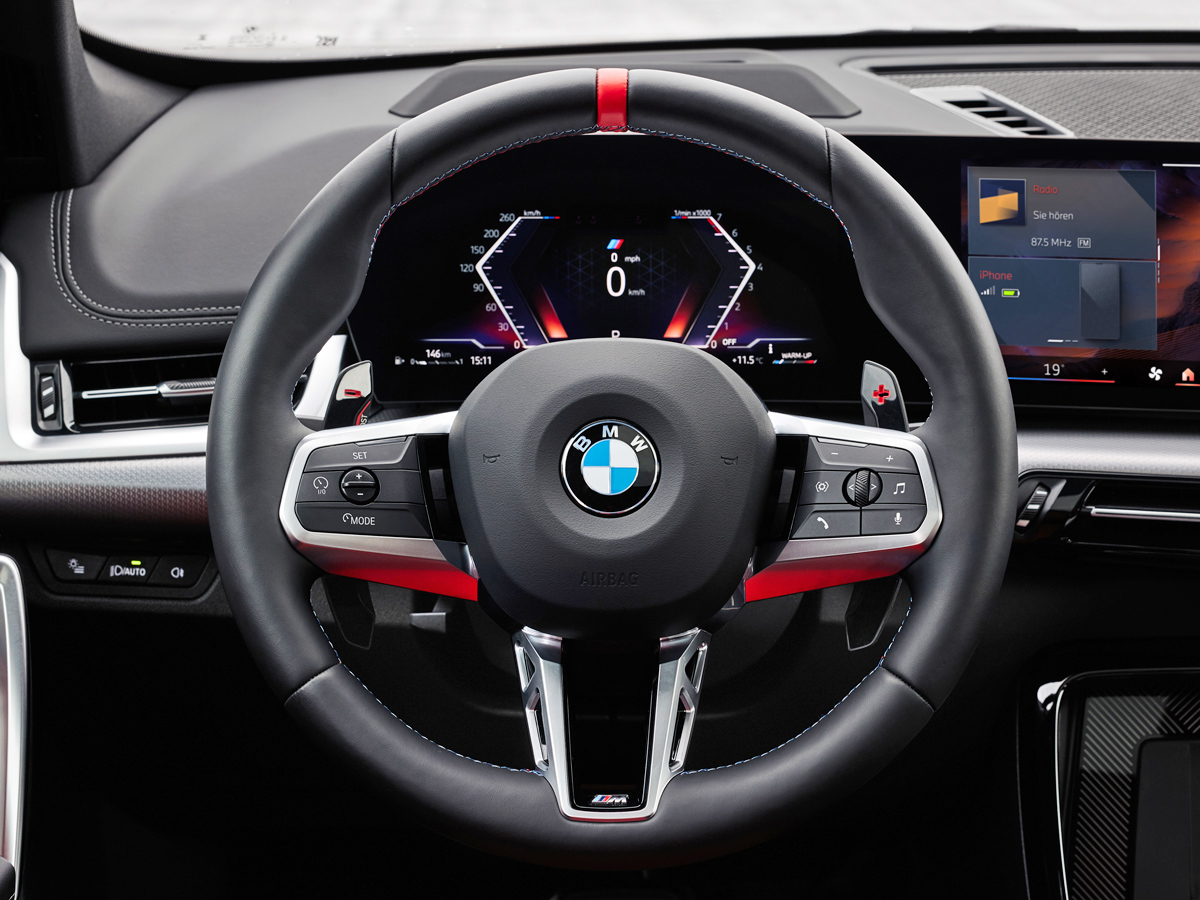
As standard, the X1 M35i is fitted with a 7-speed dual-clutch transmission, complete with shift paddles and featuring a built-in mechanical limited-slip differential. The new all-wheel-drive M Performance model further debuts the brand’s so-called “M Sport Boost” function, which sees all powertrain and chassis systems switched to their sportiest settings when the driver pulls and holds the left-hand shift paddle. Other highlights include an M-specific exhaust system, which BMW promises will deliver an “emotionally rich soundtrack”, channelling exhaust gases via 2 pairs of twin tailpipes (each with a diameter of 80 mm), much like a full-fat M product.
The new engine differs from the preceding generation in that it adopts the Miller cycle, gains redesigned intake ports and combustion chambers, and benefits from changes to the camshaft timing, injection, ignition system and exhaust gas routing. The 4-banger furthermore scores what BMW describes as an “extremely robust” crankshaft drive, an “optimised” system of oil supply for the pistons (with cooling channels), and main bearing shells and caps borrowed from the latest 6-cylinder petrol engines.
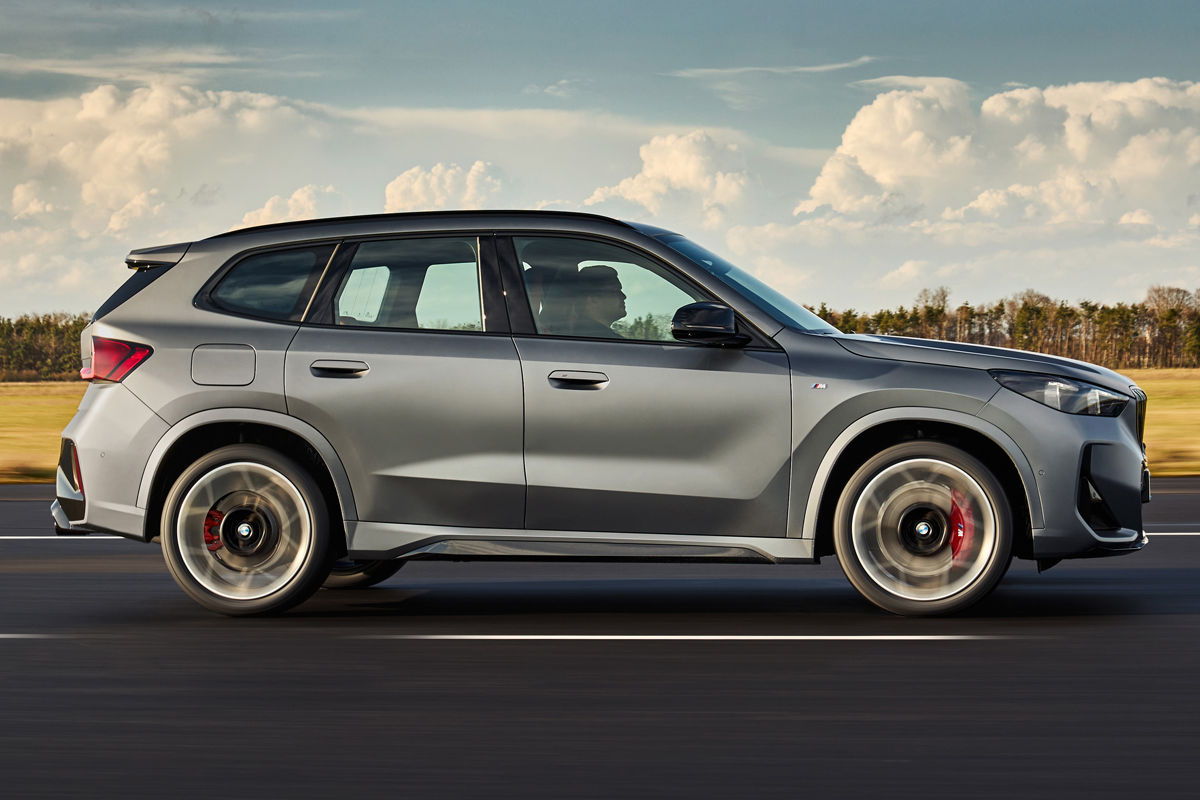
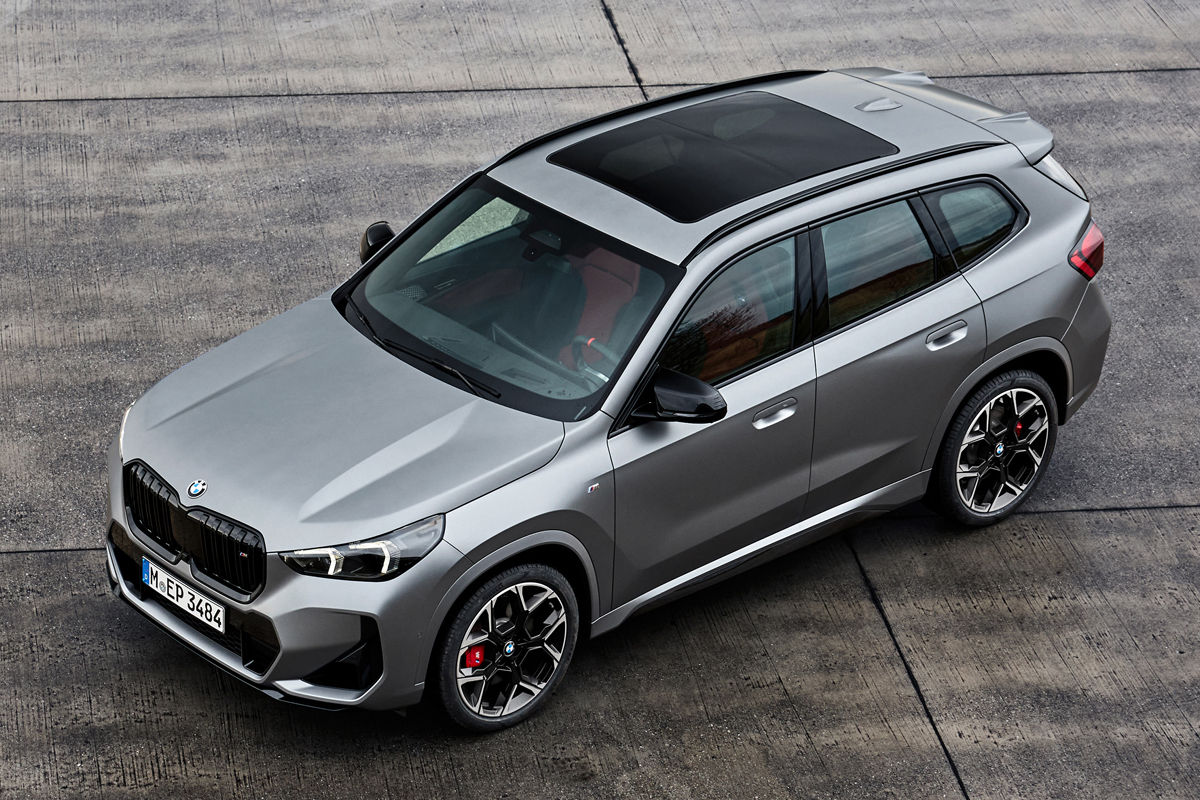
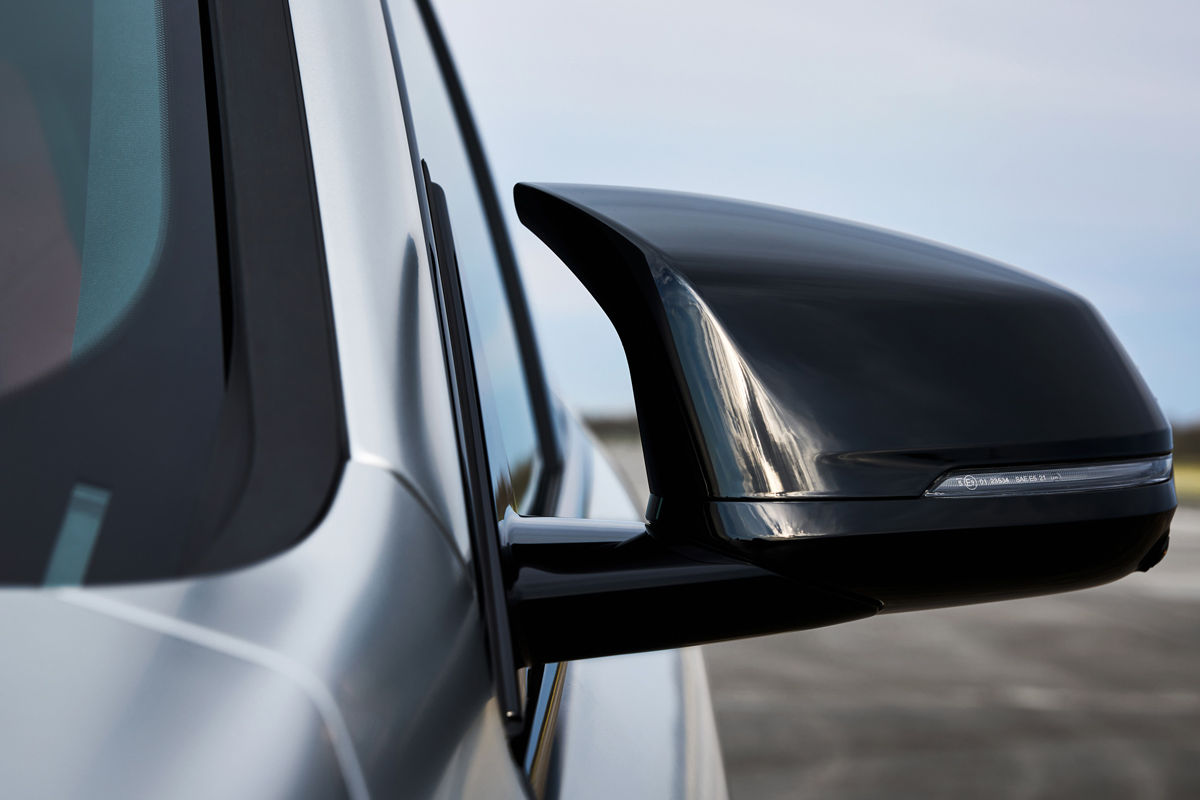
Standard specification includes adaptive M suspension (including a 15 mm ride-height drop), sport steering and 19-inch twin-spoke M light-alloy wheels. The X1 M35i xDrive – which incidentally boasts twin-stalk side mirrors, just like a full-bore M model – also becomes the first M Performance model to be offered with the option of M Compound brakes, comprising 4-piston, fixed-calliper brakes with 385 mm drilled discs at the front and single-piston, floating-calliper units with 330 mm discs at the rear.
BMW promises the steering features a “very direct” rack ratio.
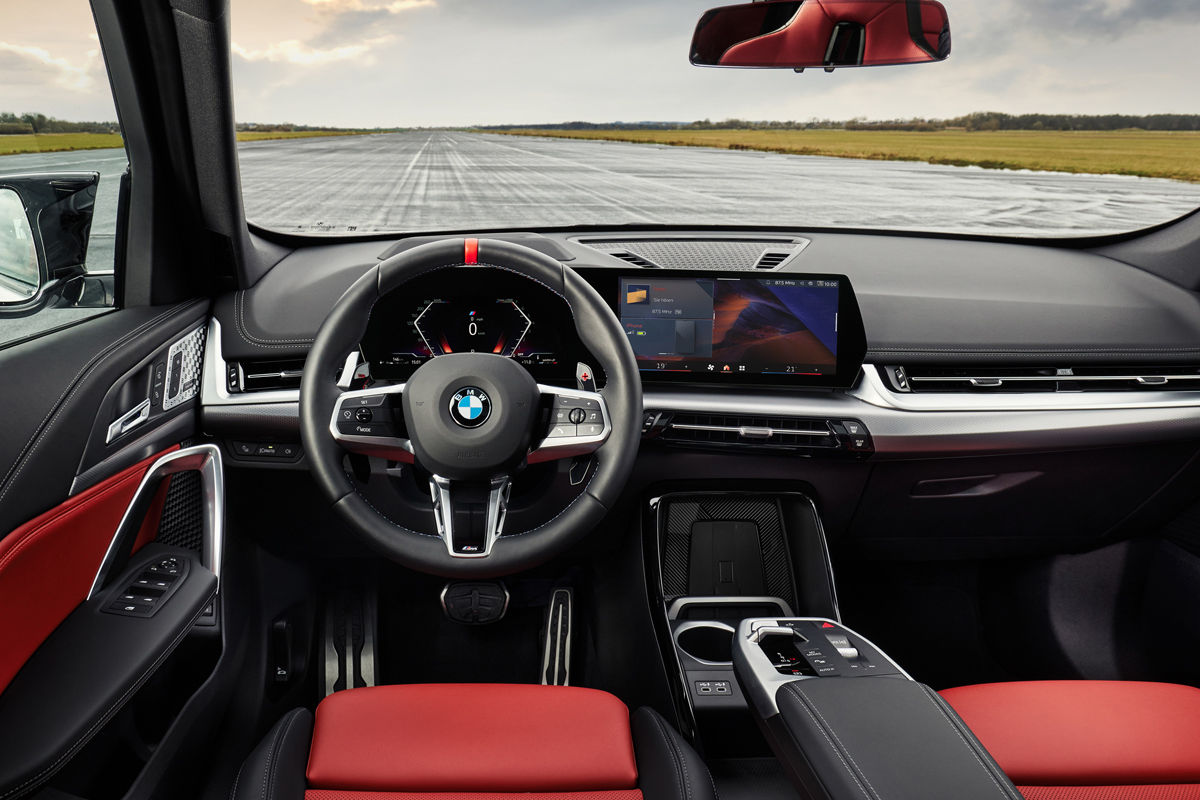
Inside, the BMW Curved Display (which comprises a 10.25-inch information display and a 10.7-inch control display) features plenty of M-specific content. The new BMW X1 M35i furthermore uses an updated versions of the BMW iDrive with QuickSelect and the BMW Operating System 9. The result is a newly designed home screen with what the German firm terms an “improved menu structure”. There’s also an anthracite-coloured headliner, M door-sill trim, M pedals and sports seats finished in Sensatec/Alcantara (with blue contrast stitching). Buyers can optionally specify M Sport seats, too.
Finally, the X1 M35i will be available with a “model-specific” M Sport Package Pro, which encompasses M high-gloss Shadowline exterior trim, M lights Shadowline, an M Sport braking system (with red callipers), M Sport seats and M seat belts.
The newcomer will be built alongside standard versions of the U11-generation X1 (as well as the fully electric iX1) at BMW’s facility in Regensburg, Germany.
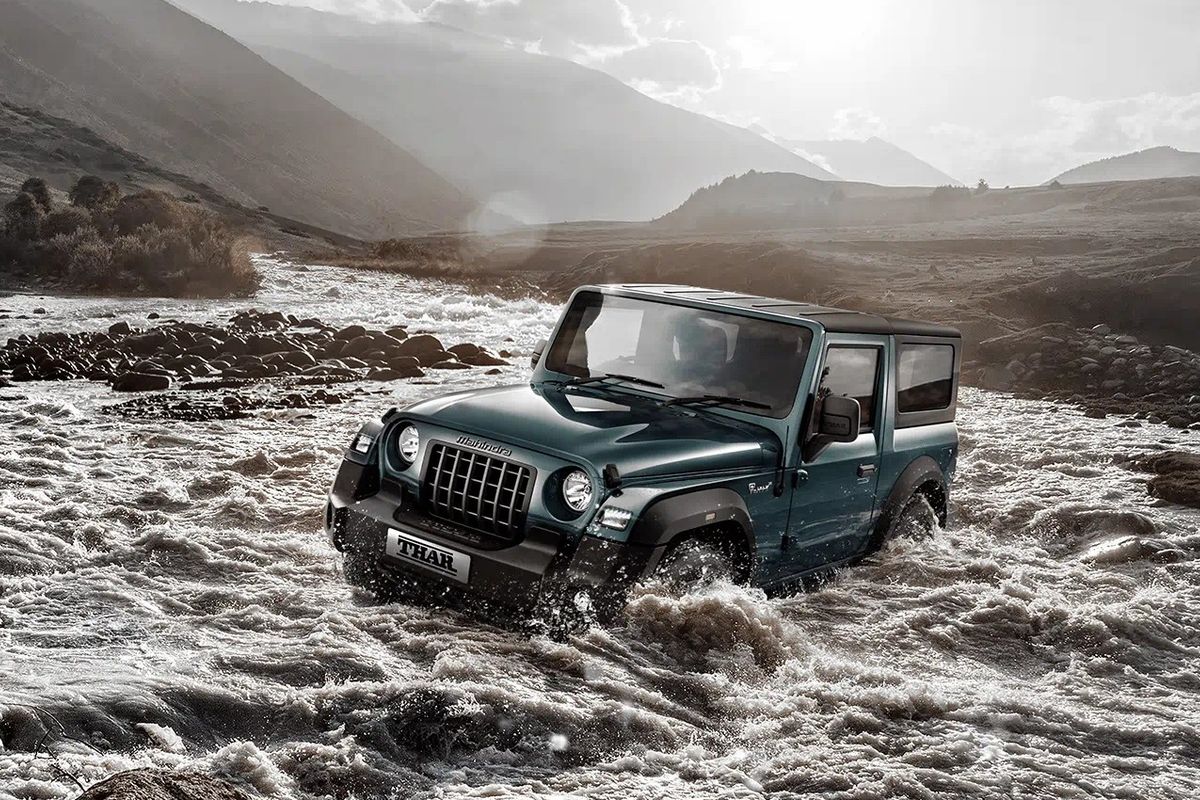
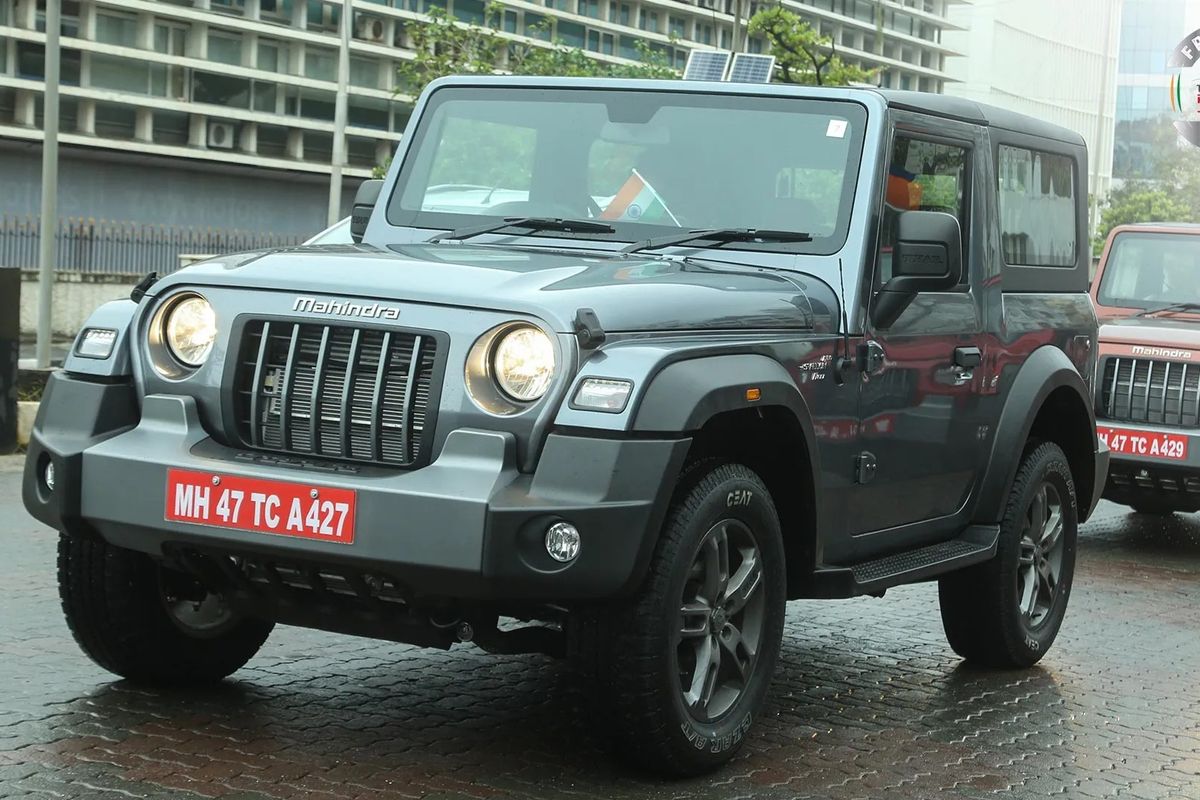
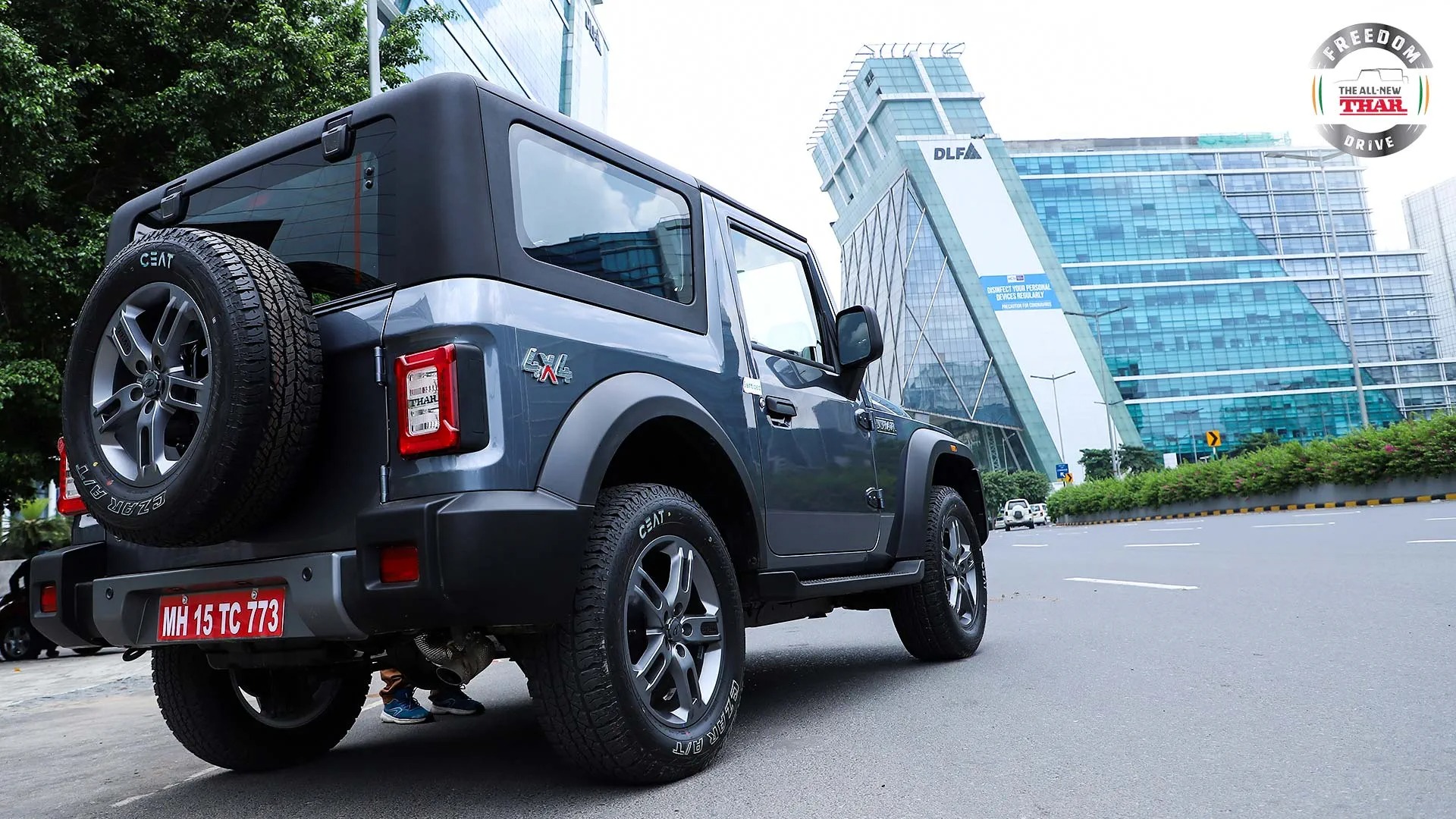
Mahindra Thar 5-door To Be Revealed in South Africa
The offroad-focused Mahindra Thar family will be expanding with a new 5-door model. The interesting part is the Indian-based brand has chosen South Africa for the reveal.
The news comes from Autocar India, who claim the new Mahindra Thar will be revealed in South Africa on the 15th August 2023.
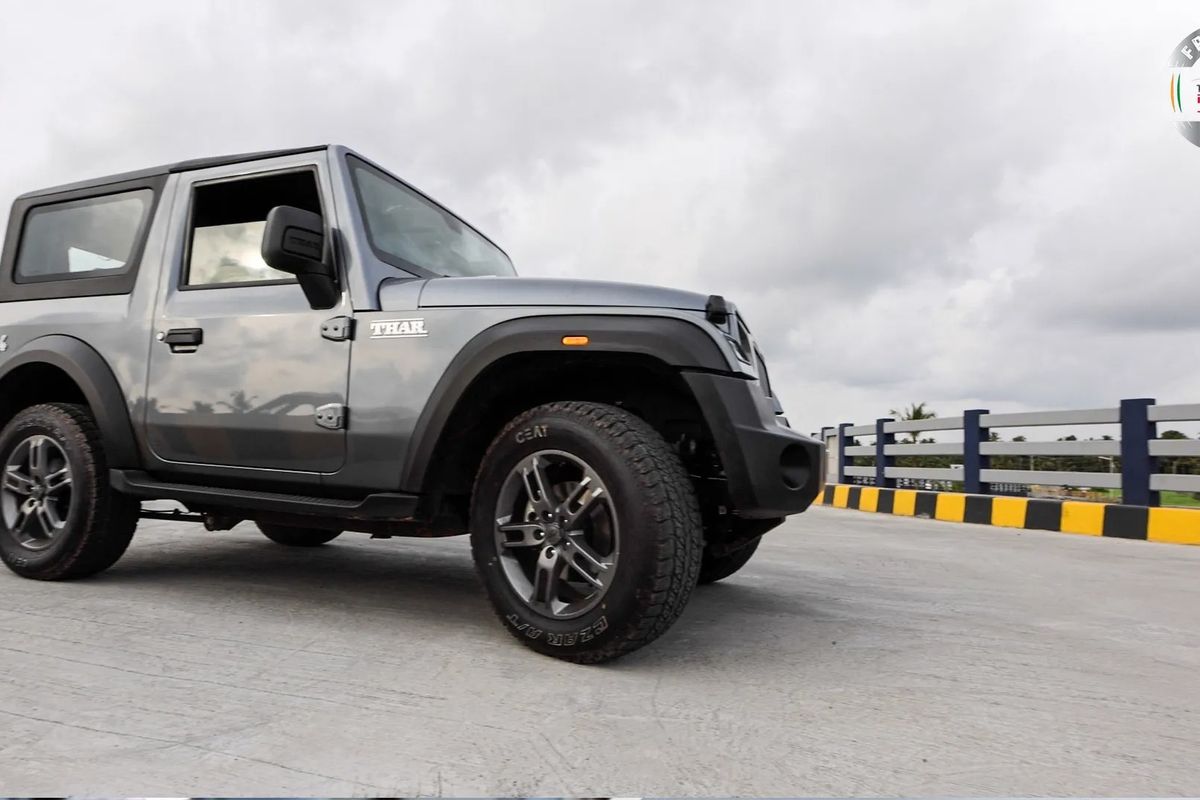
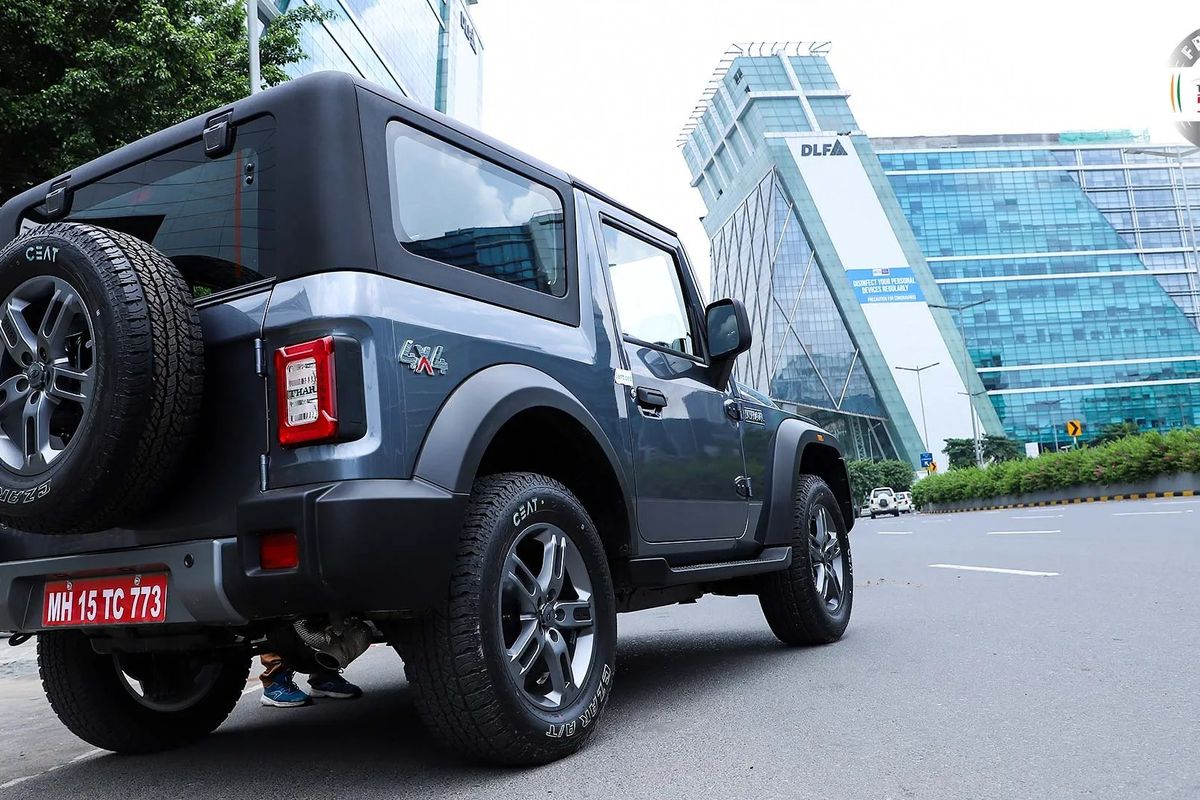
As a reminder, the Mahindra Thar is a rugged two-door offroader in the same vein as the Suzuki Jimny. The current generation model was revealed back in the middle of 2020 and we had hopes that it would be introduced to our market. Sadly, it has not yet materialised, but three years on, the Mahindra Thar family is due to receive a five-door model.
Not much is known yet, but the original source suggested the new Mahindra Thar 5-door model will be available with a choice of either a 2.2-litre turbodiesel and a 2.0-litre turbo petrol engine. We’d assume these are the same engines available in the Scorpio-N and XUV700 SUVs.
It’s easy to understand why Mahindra has chosen our country for a reveal. Mahindra SA manufacturers the Scorpio bakkie in Kwa-Zulu Natal and its passenger car sales have shown good growth with the XUV range of SUVs. There’s a rumour we might see the all-electric XUV400 hitting SA roads at some point.
The Mahindra Thar 5-door reveal is a similar strategy to that of Suzuki, with now a 2-door and 5-door Jimny being offered and we expect the two vehicles to go head-to-head.
We expect the all-new Mahindra Thar range to go on sale in South Africa in 2024. Stay tuned for updates as we get closer to the middle of August.
Toyota Hilux Mild-Hybrid Powertrain: Initial Details Released
Toyota has announced the first official details of its upcoming Hilux mild-hybrid powertrain. Here’s what we know about the mildly electrified Japanese bakkie so far…
Toyota has released the first official details on its upcoming Hilux mild-hybrid powertrain, which is expected to hit the South African market at some point in 2024.
As revealed in a press release put out by Toyota Australia, the widely used 2.8-litre, 4-cylinder turbodiesel engine is in line to gain 48-volt technology, though seemingly only in conjunction with the 6-speed automatic transmission. According to the Japanese firm’s Australian arm, this will result in a fuel saving of “approximately 10%” for “certain” derivatives.
Though the automaker seemingly makes a point of avoiding the word “hybrid” in its official press material on the subject, the Hilux’s hybrid arrangement will include a 48-volt battery, a “small” electric motor-generator and various “other components”. Toyota claims the addition of this system “will not have any impact on the capability of the Hilux with the 4×4 models”, which are set to retain their respective 3 500 kg braked towing capacities.
Toyota promises the mild-hybrid version of the Hilux won’t lose any of its off-road or towing capability.
In addition to the claimed improvement in fuel economy, Toyota says the 48-volt technology will enable the fitment of a stop/start system, while also improving “driveability” and reducing noise, vibration and harshness. However, the company suggests this will not compromise “the performance and capability demanded by customers”.
Down Under, the 48-volt technology will be fitted as standard on high-spec 4×4 models (badged as the SR5 and Rogue in Australia), while furthermore being offered as an option for the all-paw version of the lower-spec SR.
So, what about South Africa? Well, it’s worth keeping in mind Australia sources its Hilux units from Thailand, while Mzansi builds its own at the Prospecton facility in KwaZulu-Natal. That said, in May 2023, Toyota South Africa Motors announced plans to introduce fresh new-energy vehicles to the local market, including hybrid versions of both the Hilux and the closely related Fortuner.
We’ll update this story once Toyota SA Motors releases more official details on the topic, as a lightly electrified version of South Africa’s best-selling vehicle draws ever closer…
How many Toyota GR units have been sold in SA in 2023 so far?
How many Toyota GR units have been registered in South Africa in 2023 thus far? Let’s take a closer look at sales of full-fat GR products for the opening 5 months of the year…
Slowly but steadily, Toyota South Africa Motors has been growing its range of full-fat GR performance products, with the line-up now standing at 4 distinct models. So, how many Toyota GR units (note, we’re not including GR Sport derivatives in this exercise) have been sold locally in the first 5 months of 2023?
Well, before we dive into the figures, it’s worth keeping in mind limited numbers of each of these GR products – which, as performance derivatives, tend to be low-volume models – have been made available locally. In addition, we’re unfortunately not able to include the new GR Corolla here, since the brand reports a total Corolla hatchback figure (though order books for this highly anticipated hot hatch opened in SA only in the 2nd half of May anyway).
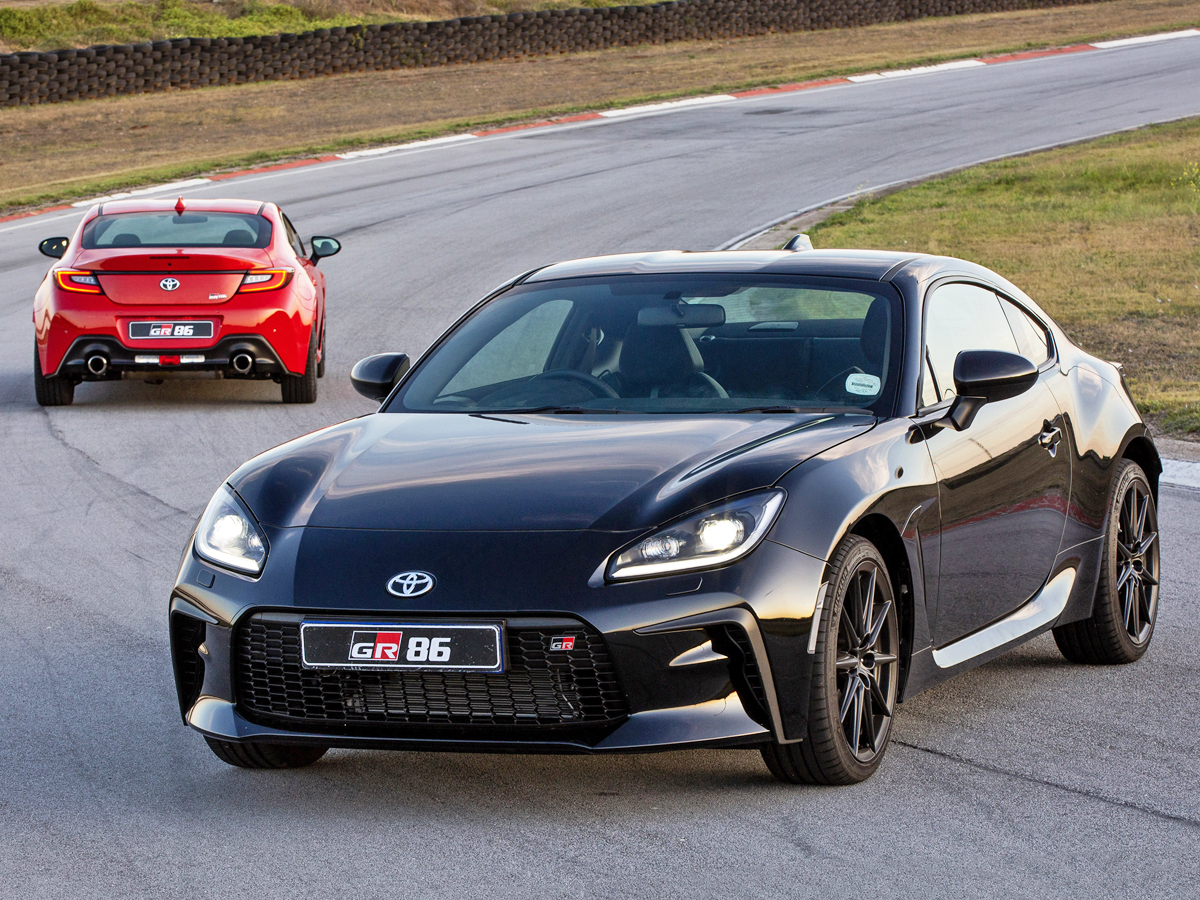
So, that leaves us with the GR Yaris, GR86 and GR Supra. Between them, these 3 models accounted for 45 units from the start of January to the end of May 2023, according to figures reported to Naamsa. The most popular of the trio was the GR86, with 25 registrations over the reporting period (9 of which came in January 2023).
The strongest-selling full-fat GR model year to date in SA in the GR86.
As a reminder, the 2-strong GR86 local range kicks off with the 6-speed manual model for R733 500, while specifying the automatic cog-swapper will cost you an additional R37 400. Regardless of chosen transmission, the naturally aspirated (Subaru-sourced) 2.4-litre, flat-4 petrol mill makes 174 kW and 250 Nm.
The GR Yaris wasn’t too far behind, ending the 5-month period on 18 registrations. This little hot hatch makes 198 kW and 360 Nm from its turbocharged 1.6-litre, 3-cylinder petrol motor, which feeds all 4 wheels via a 6-speed manual gearbox. There’s just a single derivative on offer (with the base version having been discontinued locally in mid-2022) in the form of the Rally variant, retailing for R815 700.
Finally, just 2 units of the recently updated GR Supra were registered in the opening 5 months of the year, both coming in May 2023 (remarkably, before that, Toyota SA Motors last sold a new GR Supra in May 2022). Now boasting 285 kW and 500 Nm from its (BMW-sourced) turbocharged 3.0-litre, straight-6 petrol engine, the GR Supra is offered in both 6-speed manual (R1 417 500) and 8-speed automatic (R1 451 800) guise.
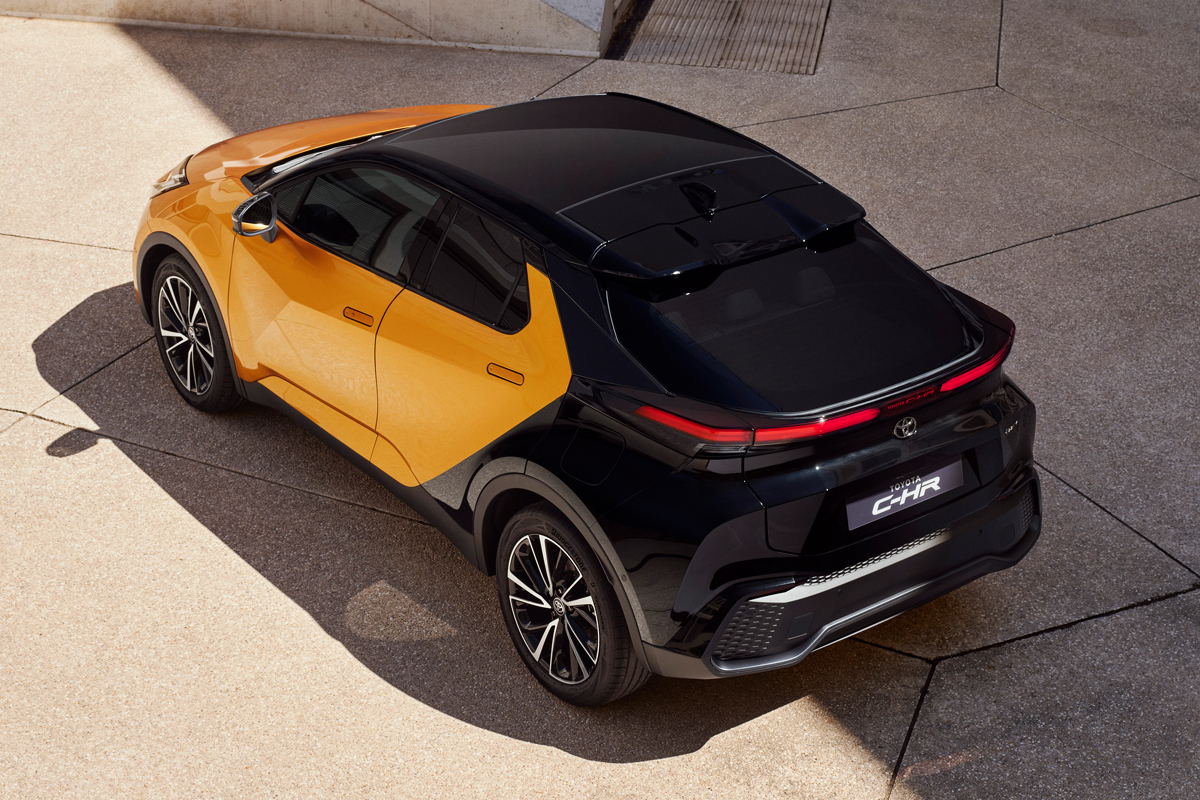
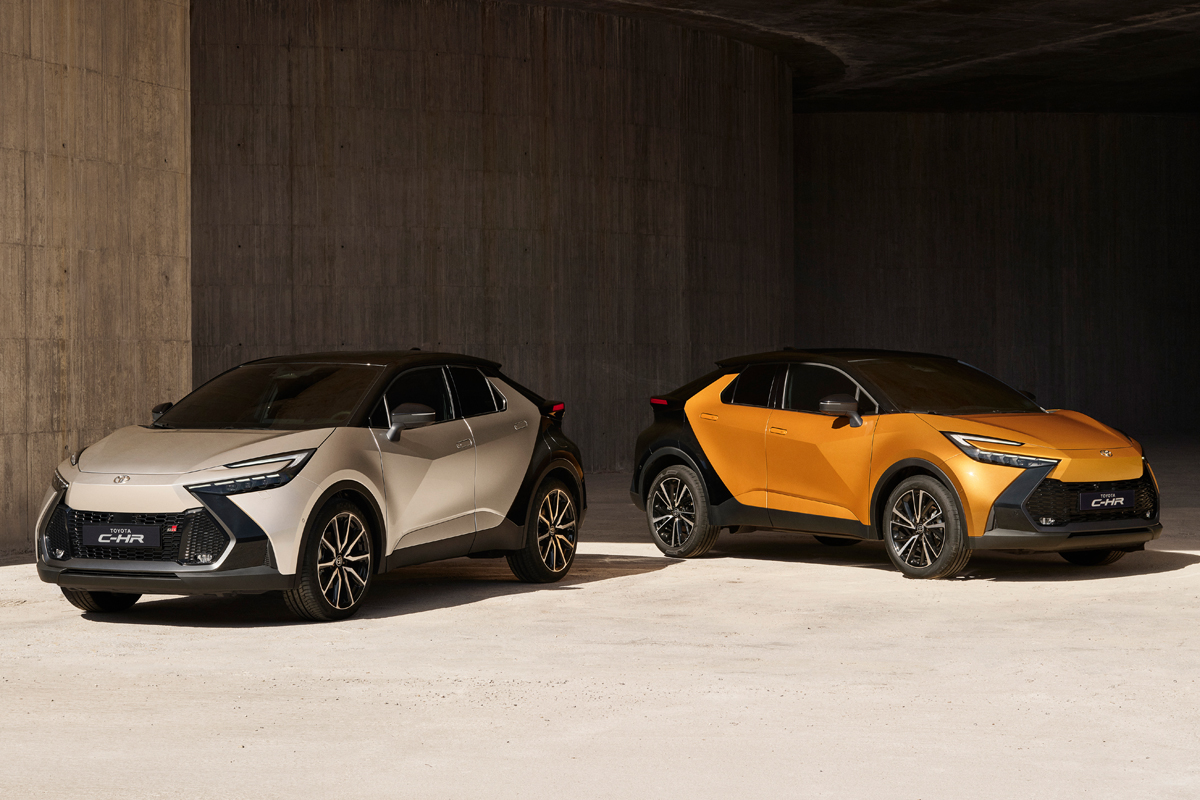
Toyota has unveiled a stylish, all-new C-HR compact SUV. Will it come to South Africa? Take a look at what’s on offer!
When the Toyota C-HR arrived in South Africa back in 2016, it was regarded as one of the best-looking cars in the compact SUV segment with its sharp and edgy design language.
Now, Toyota has revealed an all-new C-HR! You may remember the 2022 C-HR Prologue Concept which was a preview of the forthcoming model and it’s remarkable how close this production version is to the concept, which is a good thing! Toyota has even called it a “concept car for the road”.
Much like the outgoing model, the new C-HR adopts a similar styling approach with a distinctive coupe-like silhouette, short overhangs and large-diameter wheels (up to 20-inch). Complementing the design of the new C-HR is a new two-tone paint design which extends the contrast black roof into the rear three-quarter section. We think Toyota has hit the nail on the head! Do you agree?
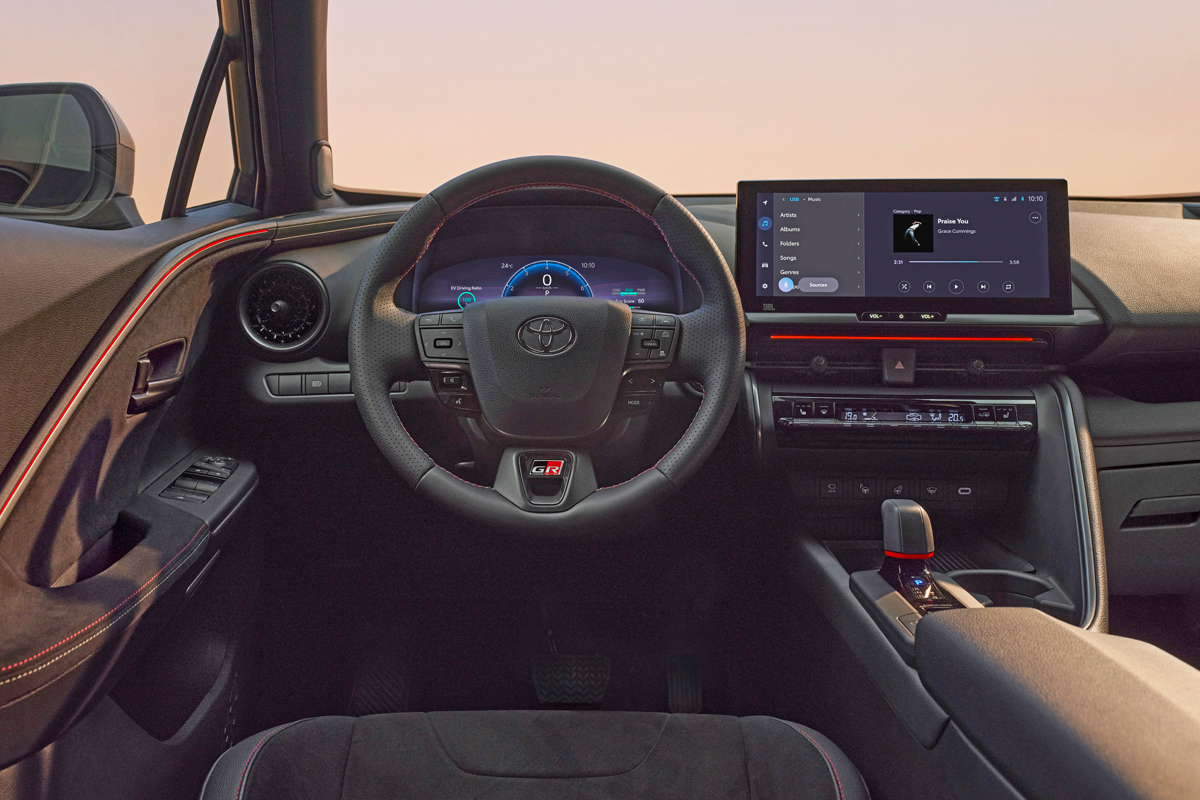
The CH-R GR Sport will add a sporty touch to an already stylish cabin design.
The style statement continues on the inside with a horizontal “wing” design theme and with most of the controls focussed around the driver. Ambient lighting, with up to 64 colours to choose from, further enhances the interior ambience. More so, a synchronised programme with 24 changing colours throughout the day features for the first time and the system is also able to warn drivers of imminent collisions with cars or cyclists by changing to red when a threat is detected.
Depending on the grade, the C-HR is equipped with a new 12.3-inch instrument cluster and head-up display and the driver can configure the information layout via the steering wheel controls. As for the infotainment system, the C-HR gains an 8- or 12.3-inch infotainment system (depending on grade) with voice control and wireless Apple CarPlay and Android Auto capability. The system will provide vital vehicle information such as EV range and nearest charging points and using the MyT smartphone app, the driver will also be able to control car functions such as engine start, remote parking and priming the air conditioning before setting off on your journey.
Toyota has also adopted a more environmentally friendly approach in the construction of the new C-HR by using recycled materials. In fact, more than 100 parts are made from recycled plastics! For example, the new seat fabric is made from recycled PET bottles and the bumpers are developed from a new resin material which cuts back on CO2 as does the new automated painting process which uses water-based paints. Even the steering wheel is wrapped in a new animal-free material…
What powertrains does the new Toyota C-HR offer?
4 hybrid powertrains will be offered in Europe.
The new C-HR was designed in Europe, for Europe, and considering the push towards lower emissions and electrification, the new C-HR adopts hybrid and plug-in hybrid powertrains with a total of 4 electrified options for buyers to consider.
This includes both 1.8 and 2.0-litre hybrid-electric (HEV) front-wheel-drive derivatives while an all-paw version will also be offered in 2.0-litre HEV guise. Lastly, the C-HR will also be offered as a Plug-In Hybrid Electric Vehicle (PHEV). All derivatives benefit from Toyota’s latest fifth-generation hybrid technology.
The 103 kW 1.8-litre HEV powertrain is the same that’s found in the latest Corolla Hybrid. The 2.0-litre HEV, meanwhile produces 145 kW while the C-HR PHEV is said to offer 164 kW and will be able to drive up to 66 km on electric steam using a 13.6 kWh lithium-ion battery, the same used in the new Prius. The C-HR PHEV also boasts a new geo-fencing function that automatically switches the car into EV mode when entering a Low Emission Zone (LEZ).
Toyota will launch the new C-HR with 2 special Premier Edition models including the GR Sport Premier Edition (with G-Sport design details) and a High Premier Edition with a Sulphur bi-tone exterior and Sulphur stitched perforated leather seats.
Will the new Toyota C-HR be offered in South Africa?
In light of Toyota’s latest NEV strategy, the new C-HR is likely to reach South Africa but exact details are TBC.
A Toyota spokesperson has indicated that local introduction of the C-HR is unlikely (but not impossible) due to the high cost of importing New Energy Vehicles (NEVs) to South Africa.
Within the context of TSAM’s recently-announced NEV strategy and considering the product importance of the C-HR, we’re optimistic that Toyota will at the very least initially consider the local introduction of the C-HR HEV while the C-HR PHEV might follow at a later stage following a trial period, much like we’ve seen with the Toyota RAV4 PHEV.
We will update this story as soon as we receive more information.
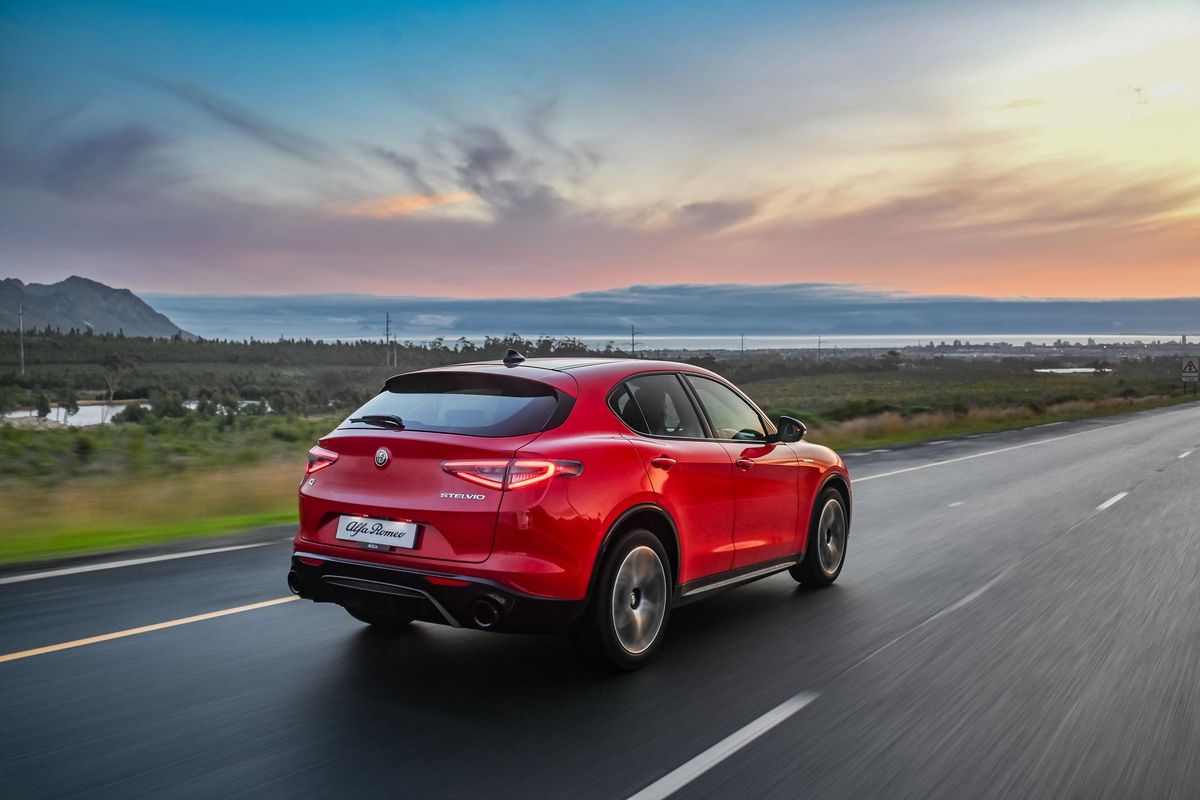
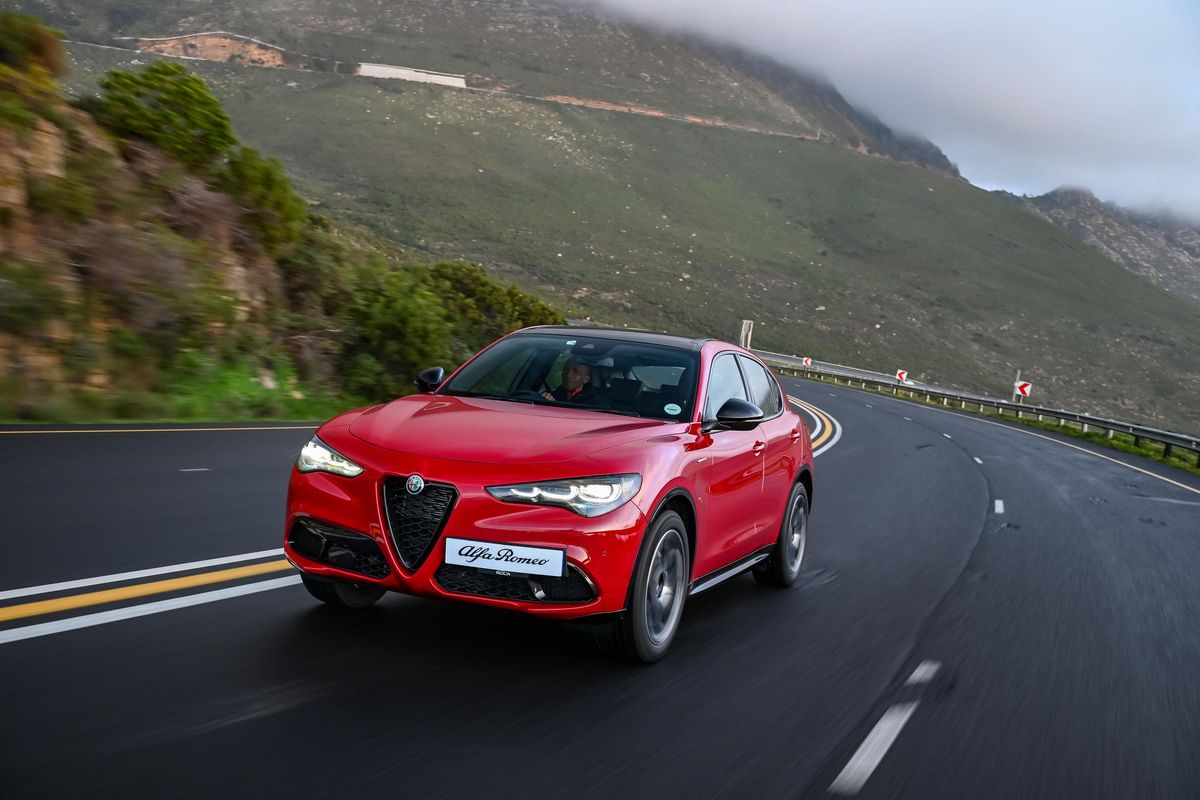
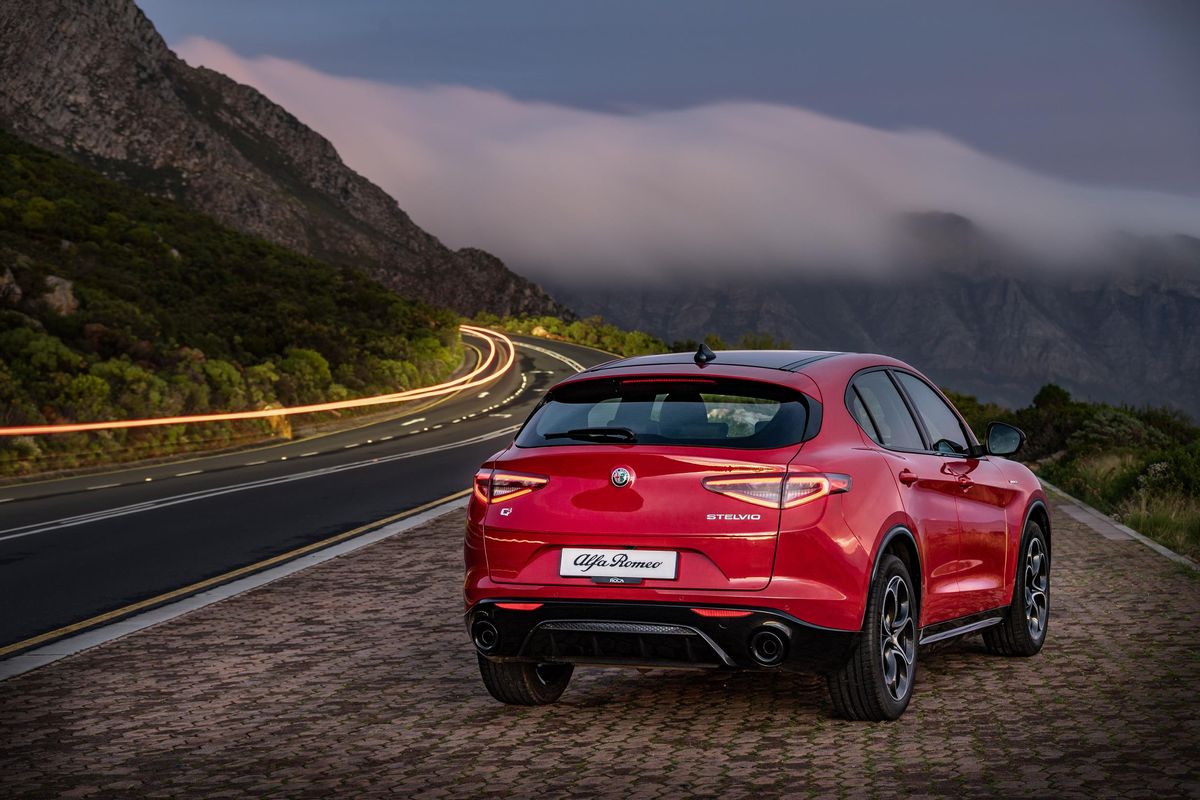
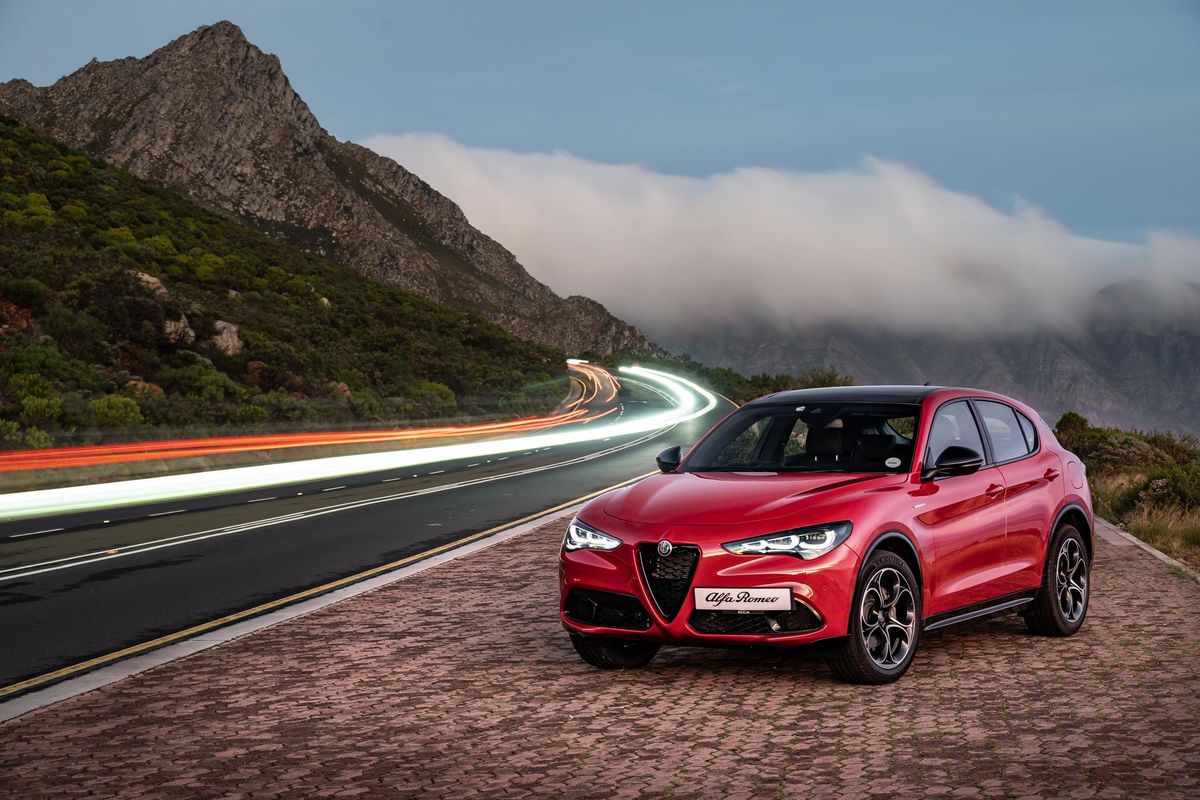
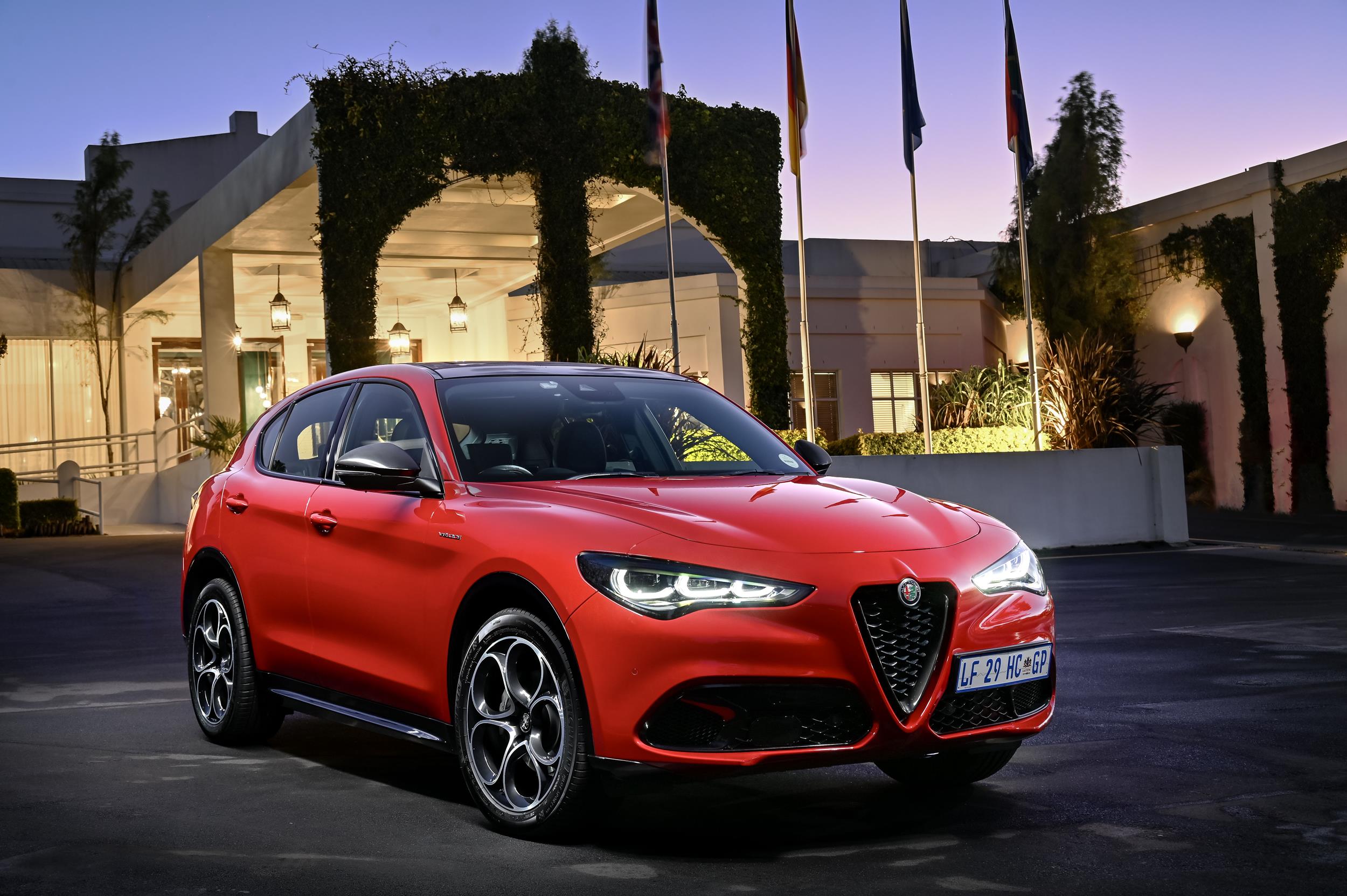
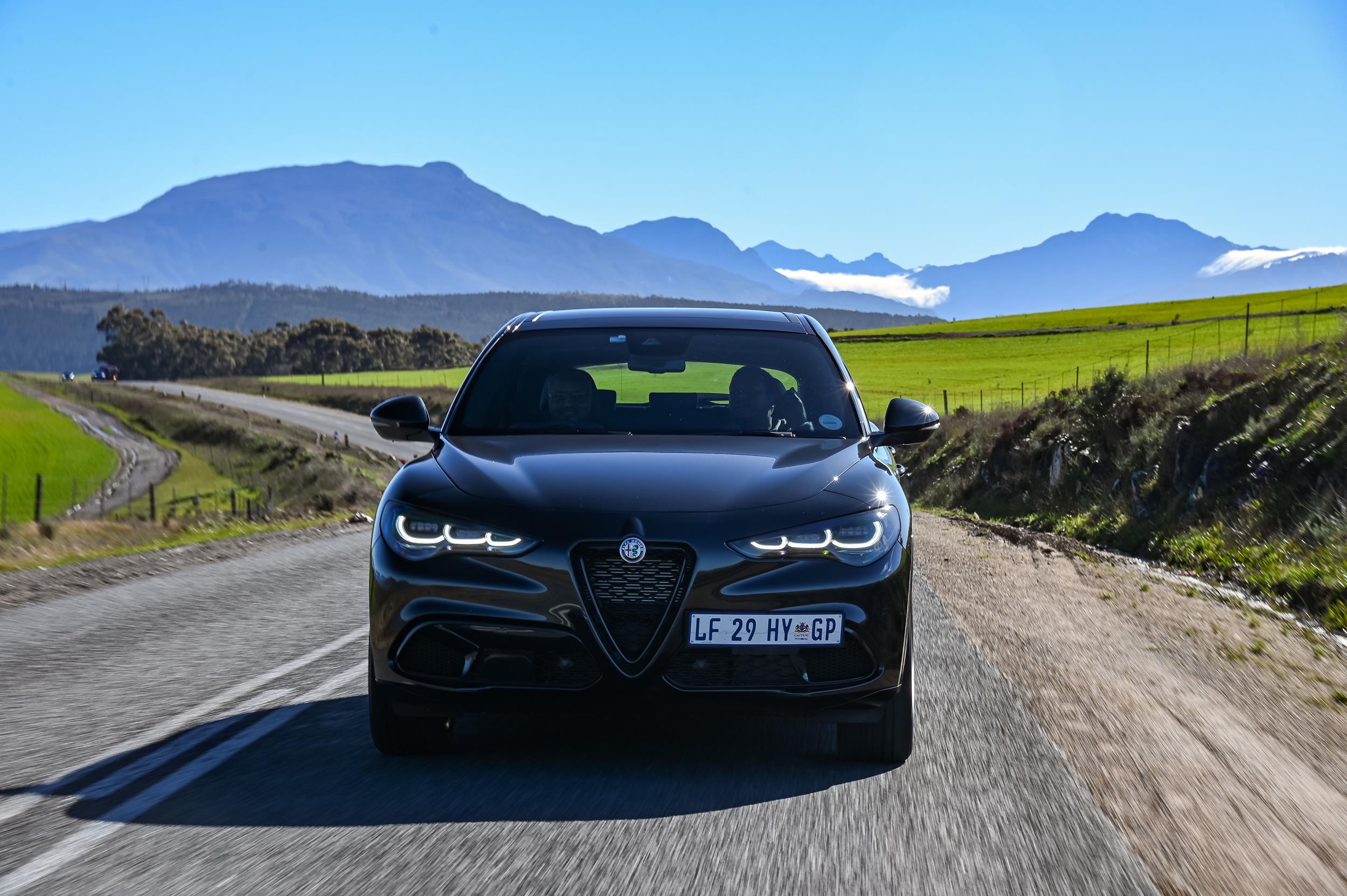
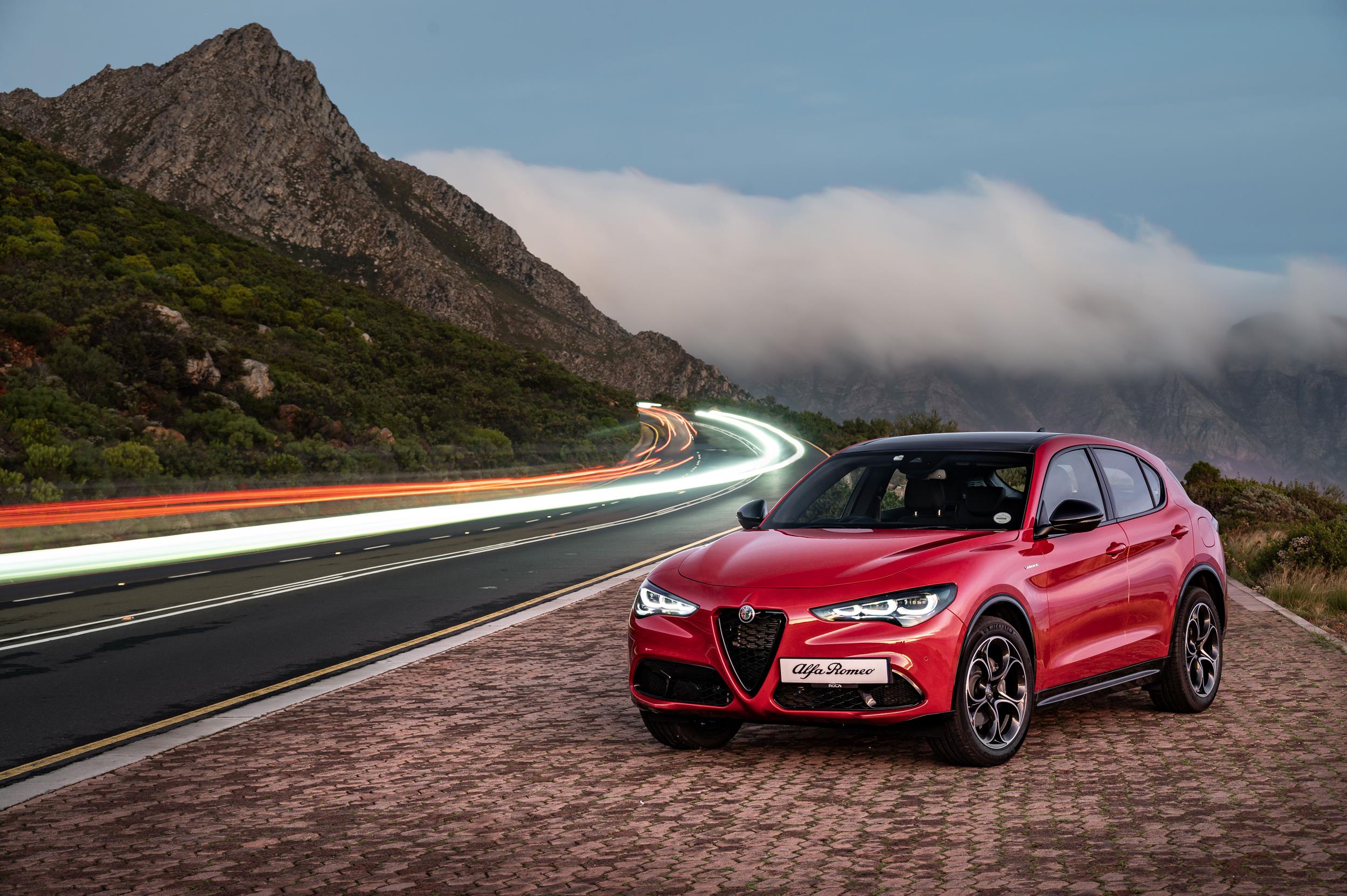
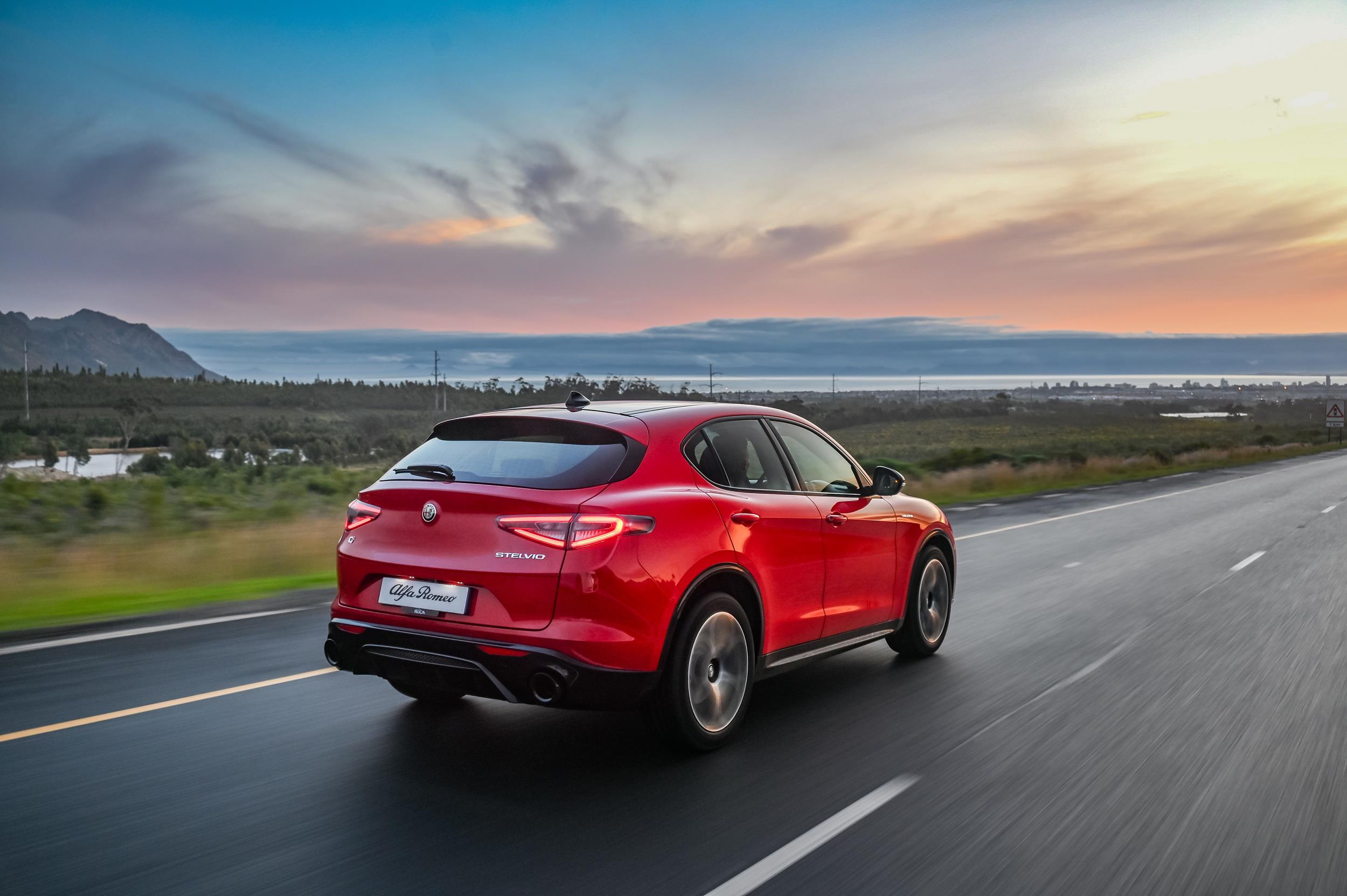
A revised version of Alfa Romeo’s executive SUV has arrived in Mzansi. The Alfa Romeo Stelvio facelift hopes to lure some customers away from (primarily German) premium marques with a blend of engaging dynamics and a full-house spec – could it succeed?
What is it?
The Alfa Romeo Stelvio – one of 2 models based on the (then FCA) rear-wheel drive-Giorgio platform – was conceived to revitalise the historic automotive brand that was founded in Milan in 1910. If head-turning looks, a thrilling driving experience and sheer desirability were the Stelvio and its Giulia business-class sedan sibling’s only pillars of success, the brand achieved its objective.
But it’s never that simple, is it? Although Stelvio and Giulia were impressive products (especially in their flagship Quadrifoglio guises), neither model garnered substantial sales – at least not to the premium-market-disrupting level the late Fiat Chrysler Automobiles chief Sergio Marchionne hoped they would.
Here is a bit of context for you… Throughout 2022, Alfa Romeo sold just over 100 Stelvios in South Africa. While we won’t have comparative data for the Italian SUV’s BMW X3 and Mercedes-Benz GLC rivals, we know that Audi sold 73 units of its Q5… in May 2023 alone. So, what’s holding the Stelvio back? Why are consumers reluctant to purchase one of the market’s most stylish executive SUVs?
Unfortunately, there are too many possible explanations: The Alfa Romeo line-up is limited to 3 models; the Stelvio’s been on sale for 5 years already and isn’t marketed intensely; plus, the Italian brand’s reputation for indifferent after-sales back-up, iffy reliability and poor resale values seems to linger.
Still, under Stellantis (which manages 6 brands in the local market, including Fiat, Jeep, Opel, Peugeot and Citroen), Alfa Romeo is experiencing a small resurgence; the Tonale (the brand’s boutique compact crossover) is already on South African roads and there are more models in store. Stellantis has a diverse line-up of products, which means it can minimise the development and production costs of new models through platform sharing – hopefully, the Italian brand will indeed be able to keep its head above water.
But back to the Stelvio, which is positioned against the Audi Q5, BMW X3, Lexus NX, Mercedes-Benz GLC, Range Rover Evoque and Volvo XC60; while the Three-Pointed Star’s model is new, the others have, like the Alfa, been around for a while. The 2023 update is effectively a model-year refreshment, but the Stelvio is arguably still a more fun-to-drive proposition than its rivals, courtesy of driver’s car-like characteristics such as a carbon-fibre prop shaft, limited-slip differential and 50:50 weight distribution.
What’s on offer?
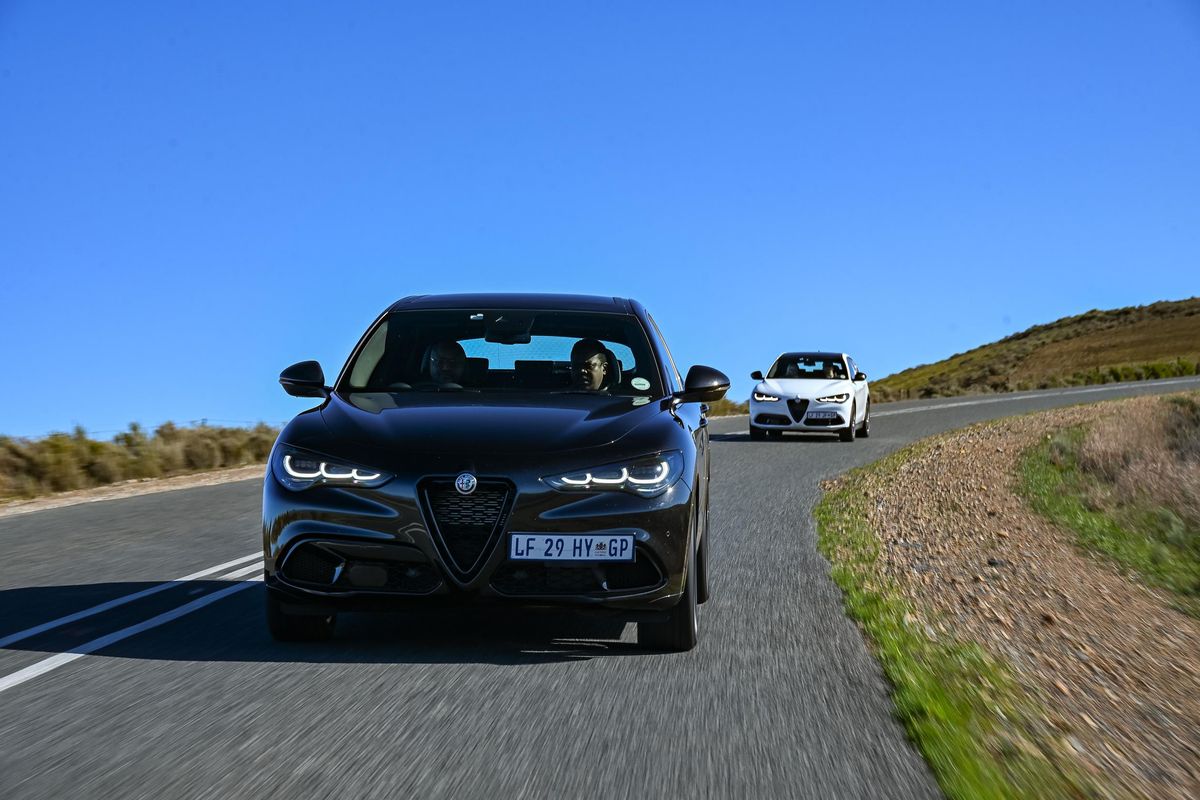
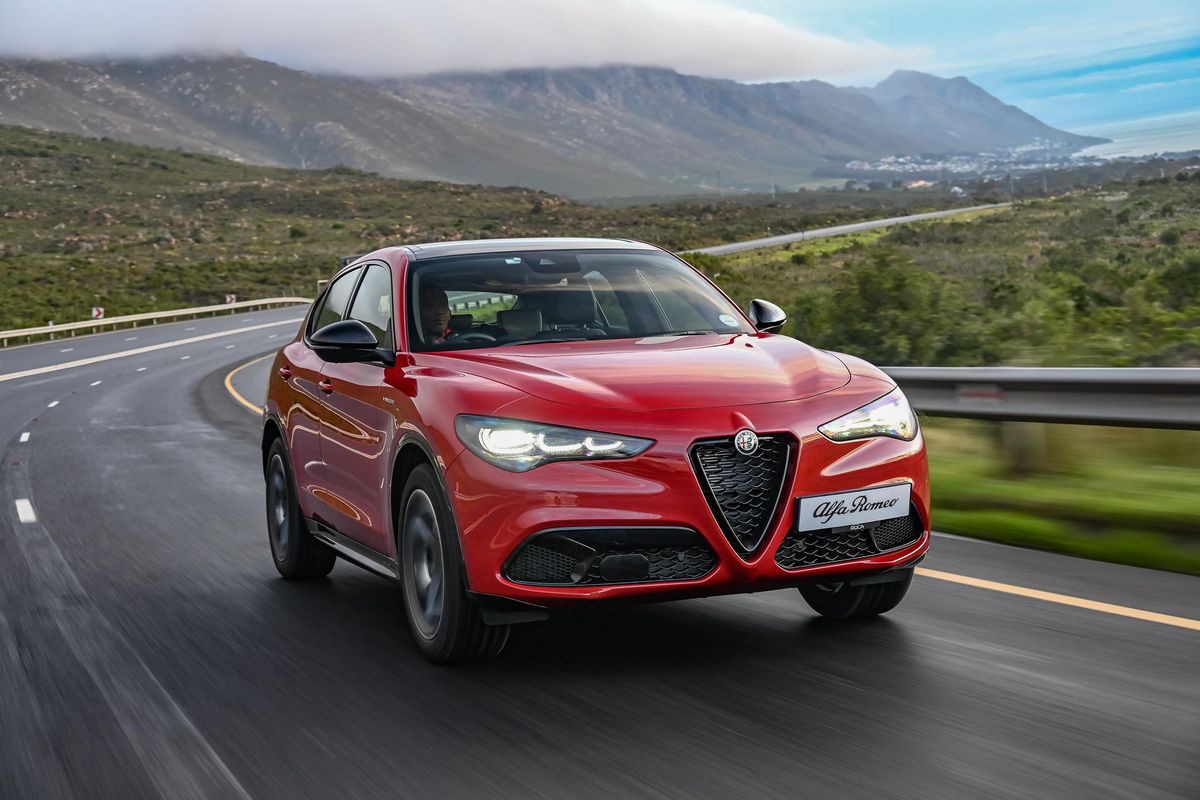
There are 2 derivatives in the line-up of the Alfa Romeo Stelvio facelift: the 2.0T Veloce Q4 (which you see here) and Quadrifoglio (also with Q4 all-wheel-drive, but powered by a 375-kW 2.9-litre twin-turbo V6), which will be hitting showrooms later this year.
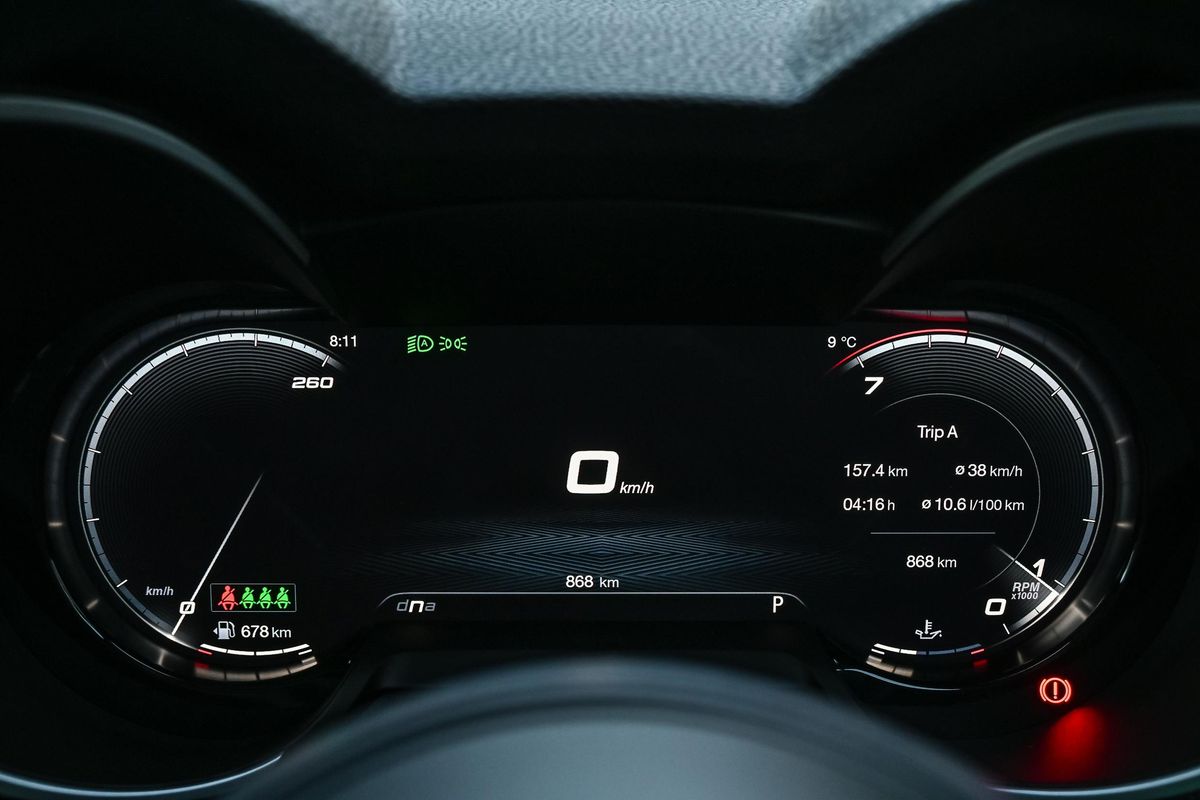
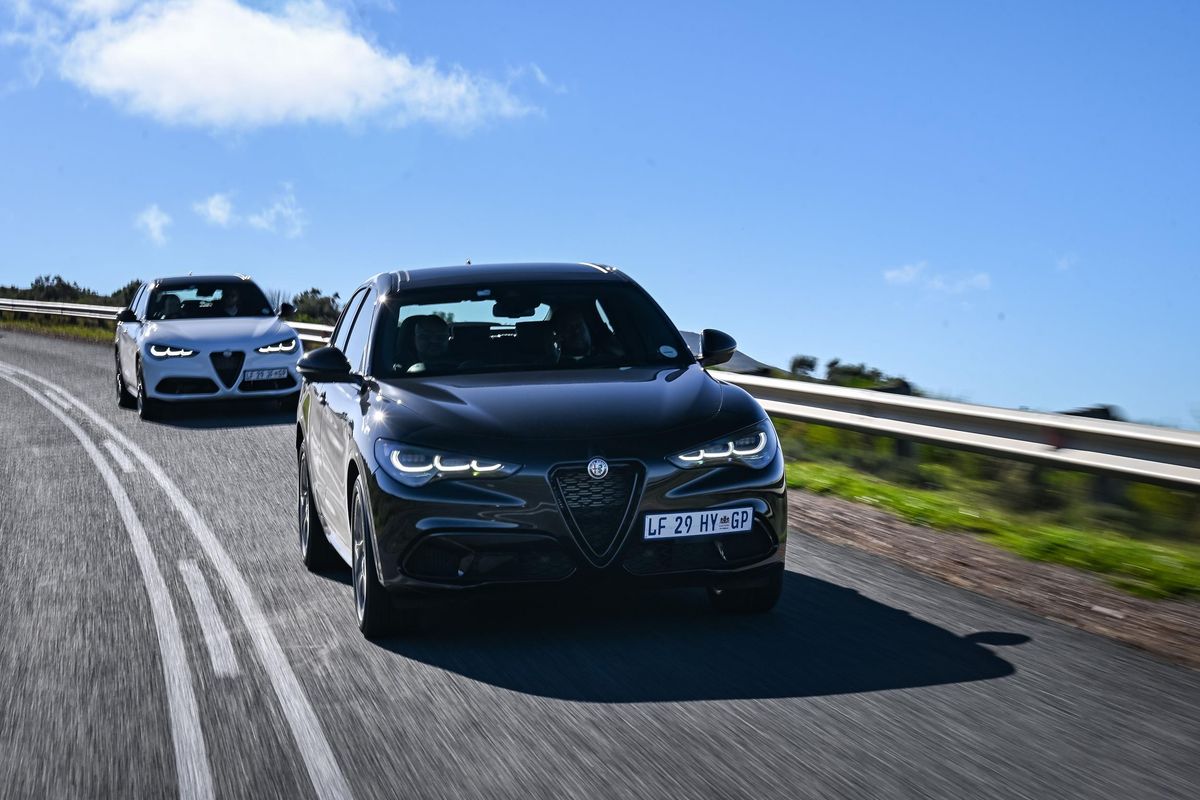
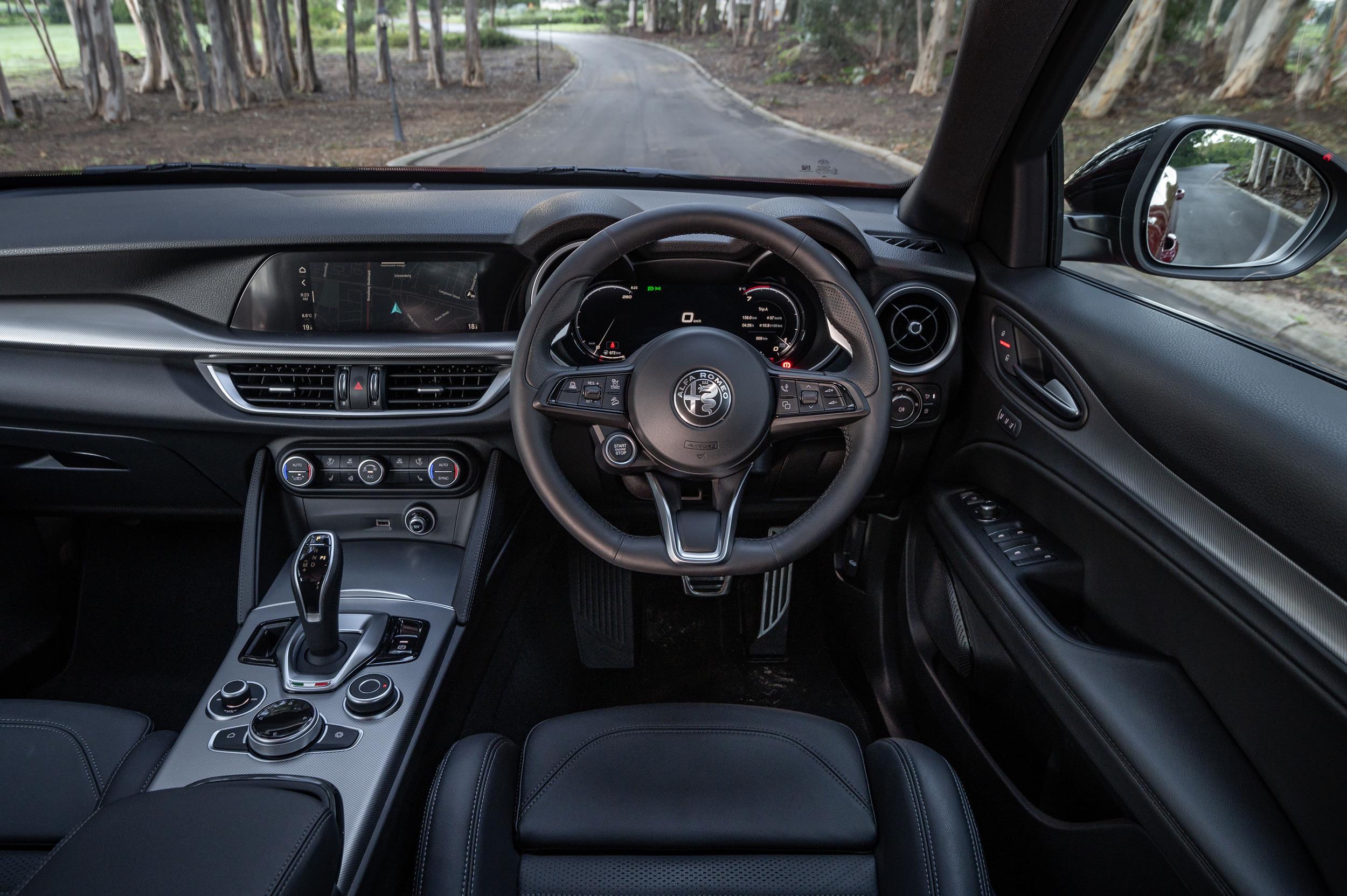
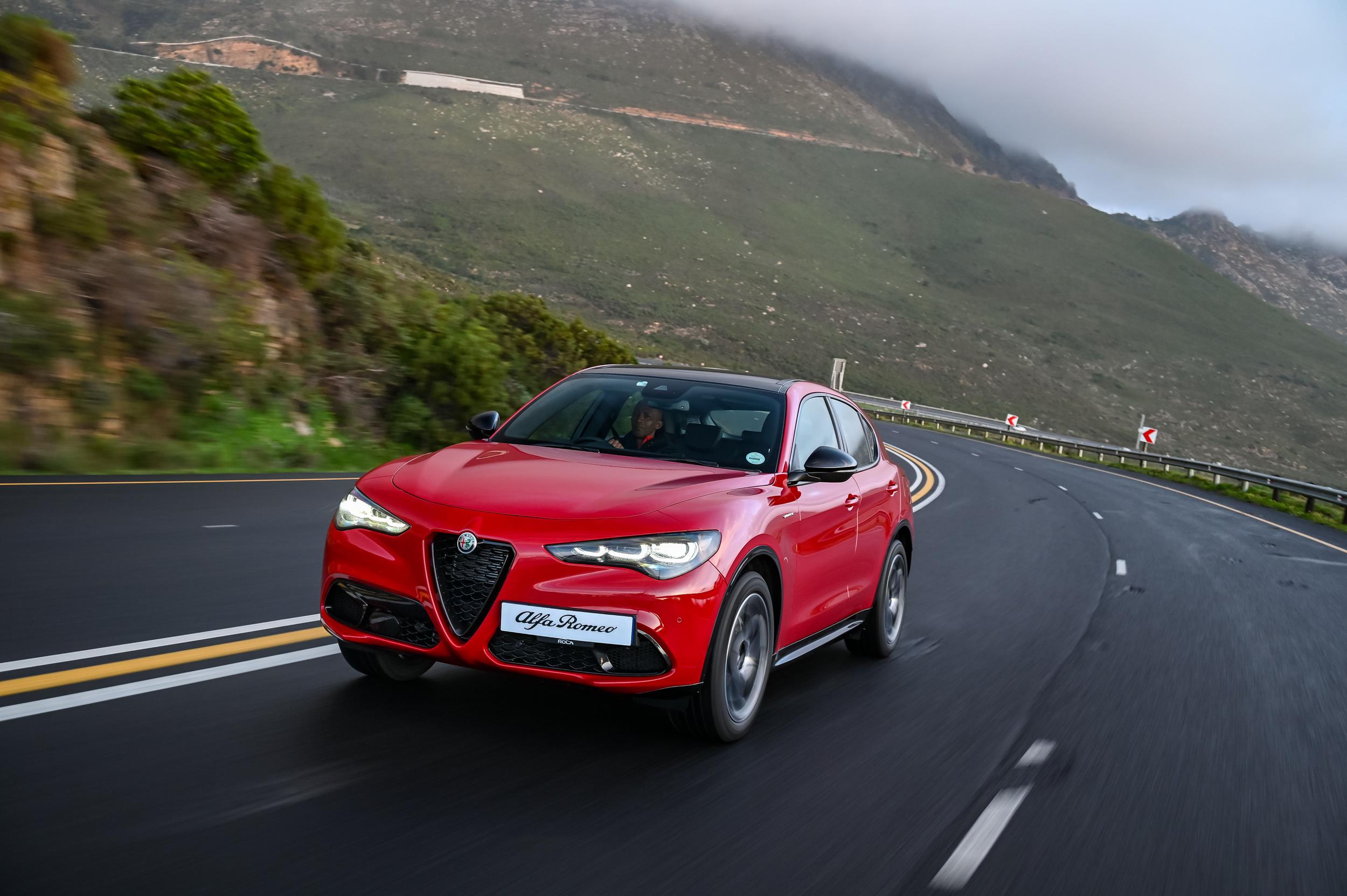
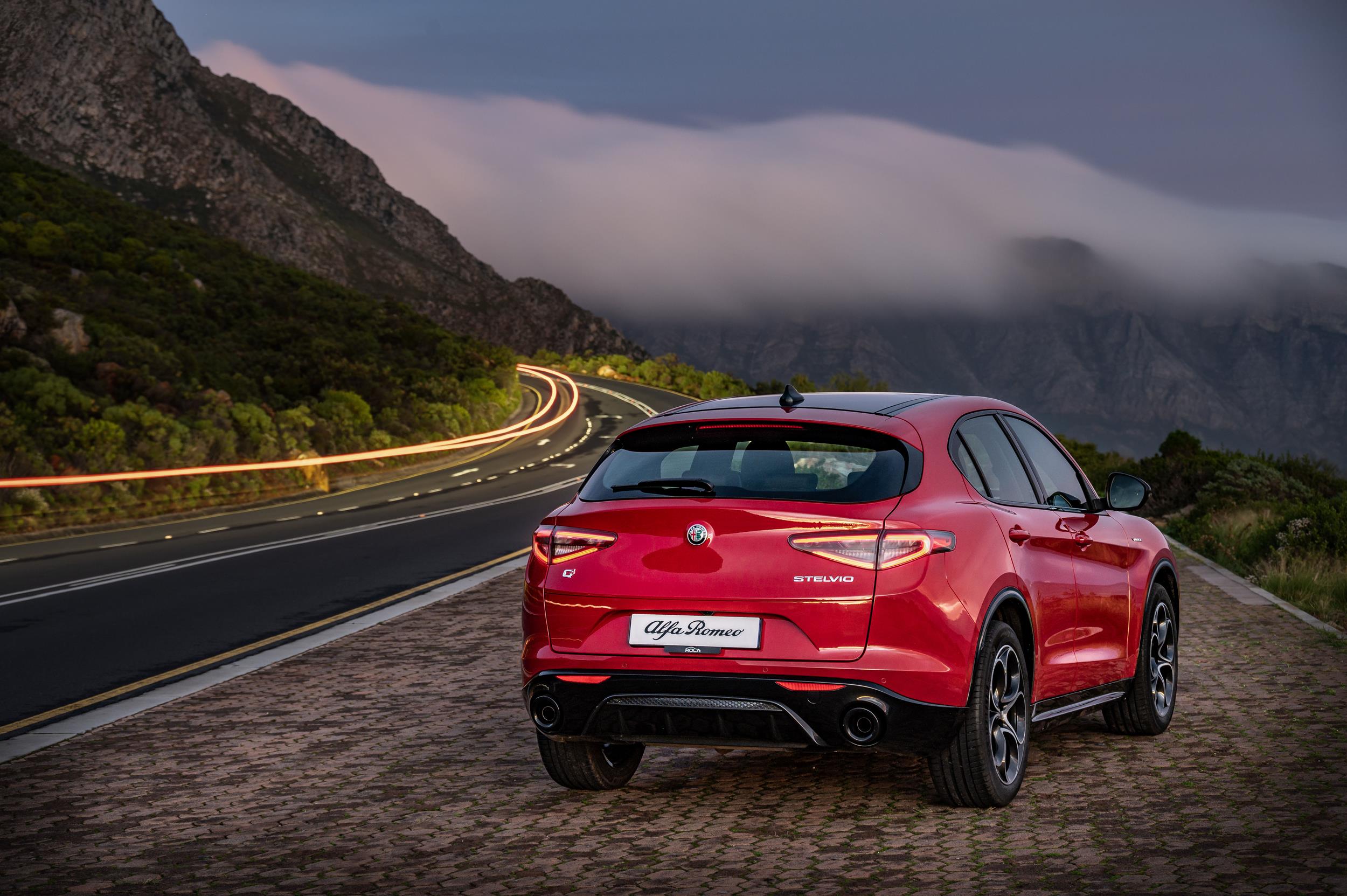
You can distinguish the 2023 model from the version that was last updated in 2021 by the triple-barrel lighting signature of the newcomer’s adaptive LED headlights (as on the Tonale), new-look tail lamps and a slightly revised grille. Inside, there’s a new digital instrument cluster and other minor detail changes.
The Stelvio 2.0T Veloce Q4 is powered by a 2.0-litre 4-cylinder turbopetrol engine that produces peak outputs of 206 kW and 400 Nm. As before, the executive SUV utilises a slick-shifting 8-speed automatic transmission (the same ZF-sourced unit found in many BMW models) to distribute torque to all 4 wheels.
Performance-wise, the Veloce is said to sprint from 0 to 100 kph in just 5.7 sec and run to a top speed of 230 kph. But, there’s much more to the car than just straight-line sprints and eye-catching good looks.
Why? Because the entry point to the Stelvio is far from “entry-level”. For R1 205 500 (the same price as the pre-update version), the derivative’s standard spec is comprehensive. Customers have 6 colours to choose from and interestingly, Alfa Romeo SA says the only option is a sunroof. Highlights include:
12.3-inch digital instrument cluster & 8.8-inch infotainment screen
Apple Carplay/Android Auto, USB A/USB C ports, Wireless charging pad
Heated seats & heated steering wheel
Dual-zone climate control
Leather sports seats
Powered tailgate
20-inch diamond-cut alloy wheels
Front/rear parking sensors
Adaptive cruise control with forward collision warning and autonomous emergency braking
Tyre pressure sensors
Auto headlights/wipers
What is the Alfa Romeo Stelvio facelift like to drive?
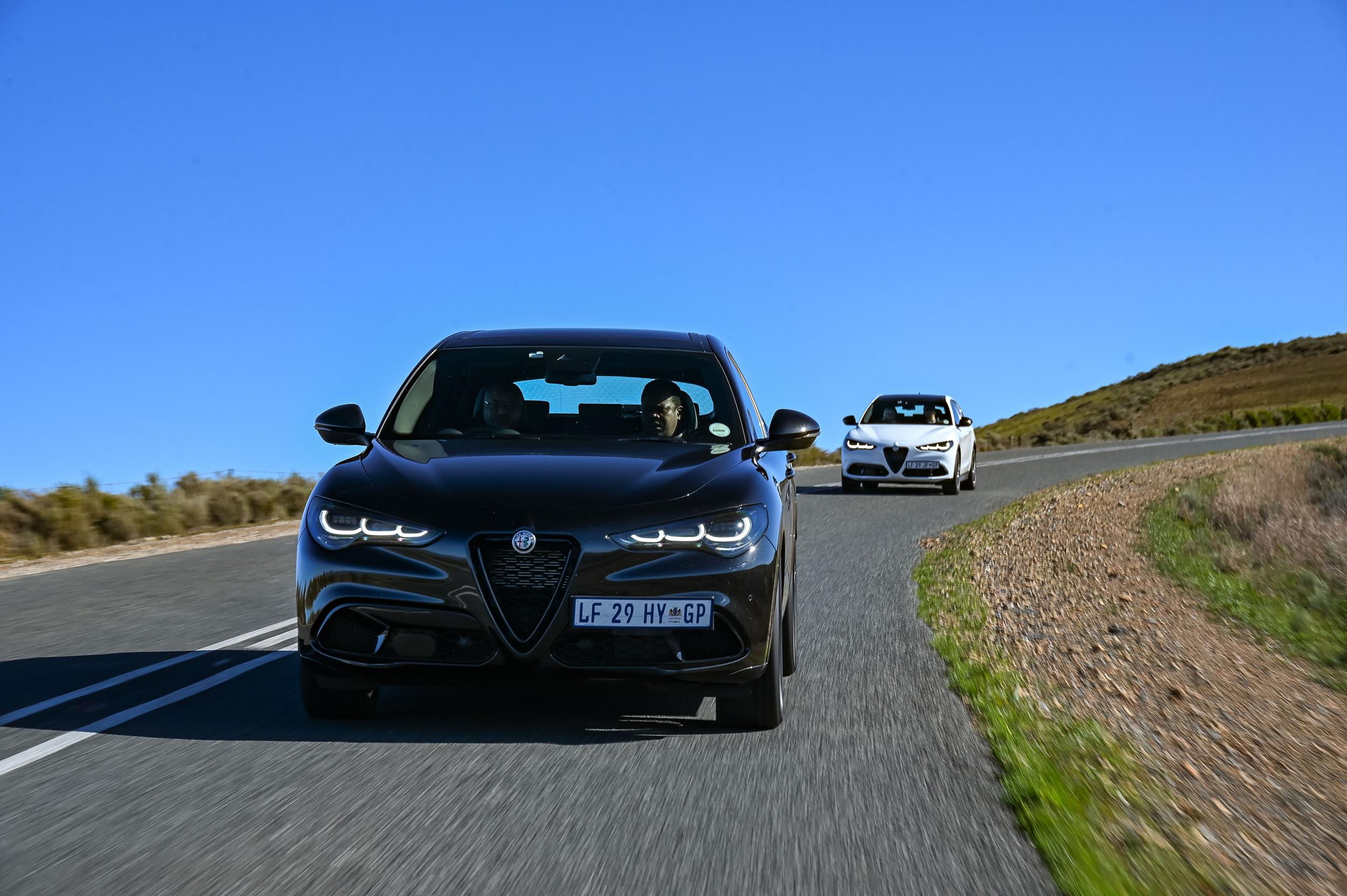
Our launch route took us on some of the finest roads in the Western Cape. Full Stop. If you’re a driving enthusiast, it’s well worth experiencing the R44 to Pringle Bay and the R320 from Caledon to Hermanus.
As before, the driver of a Stelvio 2.0T Veloce Q4 has 3 drive modes to choose from: Dynamic, Normal, plus All-weather and the difference between Dynamic and Normal is quite remarkable. Dynamic mode increases the throttle responses, sharpens the steering and it’s up to you to change the gears. The all-wheel-drive setup is rear-biased and it’s such an integral aspect of the Stelvio’s on-road demeanour.
Indeed, even 5 years after making its debut, the Alfa Romeo Stelvio delivers deeply impressive on-road dynamics. The SUV’s handling balance and road holding are superb, which we attribute to the 50:50 weight distribution and, bear in mind that the Stelvio is notably lighter than its German equivalents.
We have no hesitation in declaring that the Stelvio’s quick steering setup is one of the finest in the Executive SUV segment; it offers a near-perfect combination of weighting, feel and directness.
The Stelvio’s handling is decidedly un-SUV-like – it delivers driver engagement and -enjoyment (despite its highish centre of gravity) and feels more akin to a sporty sedan than a family-sized gravel traveller.
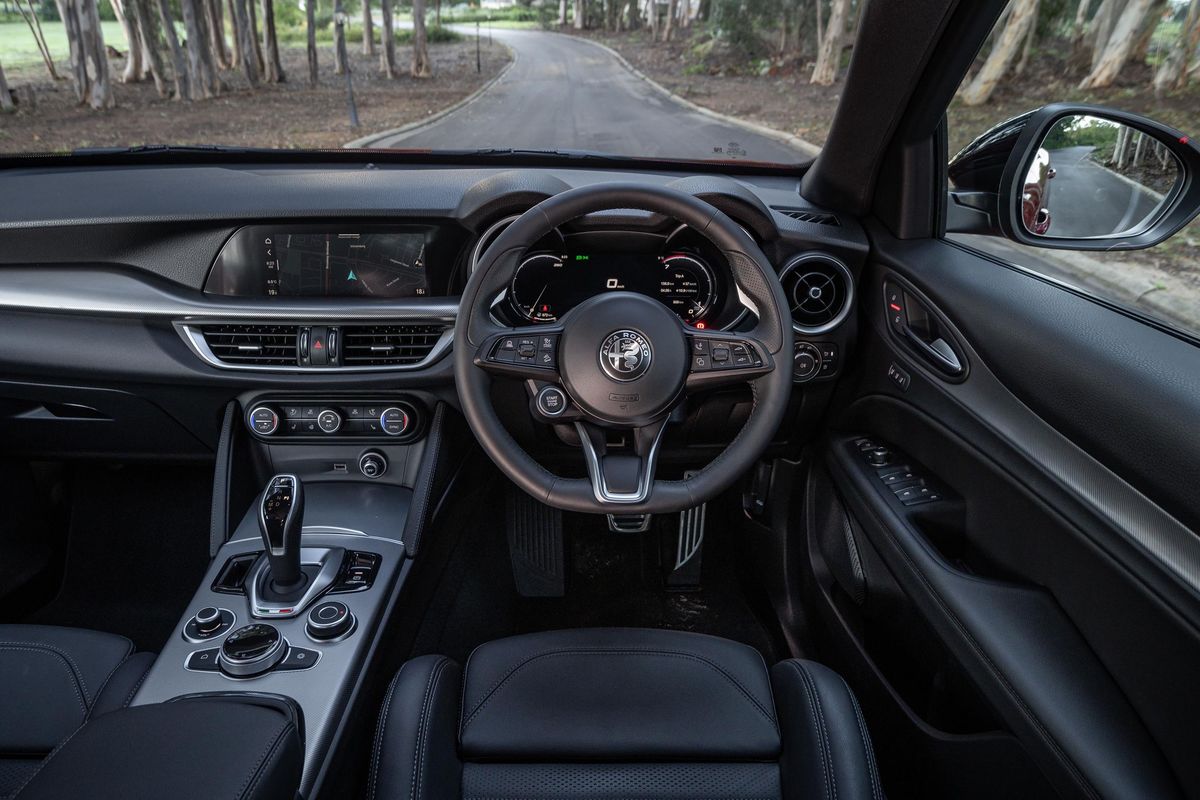
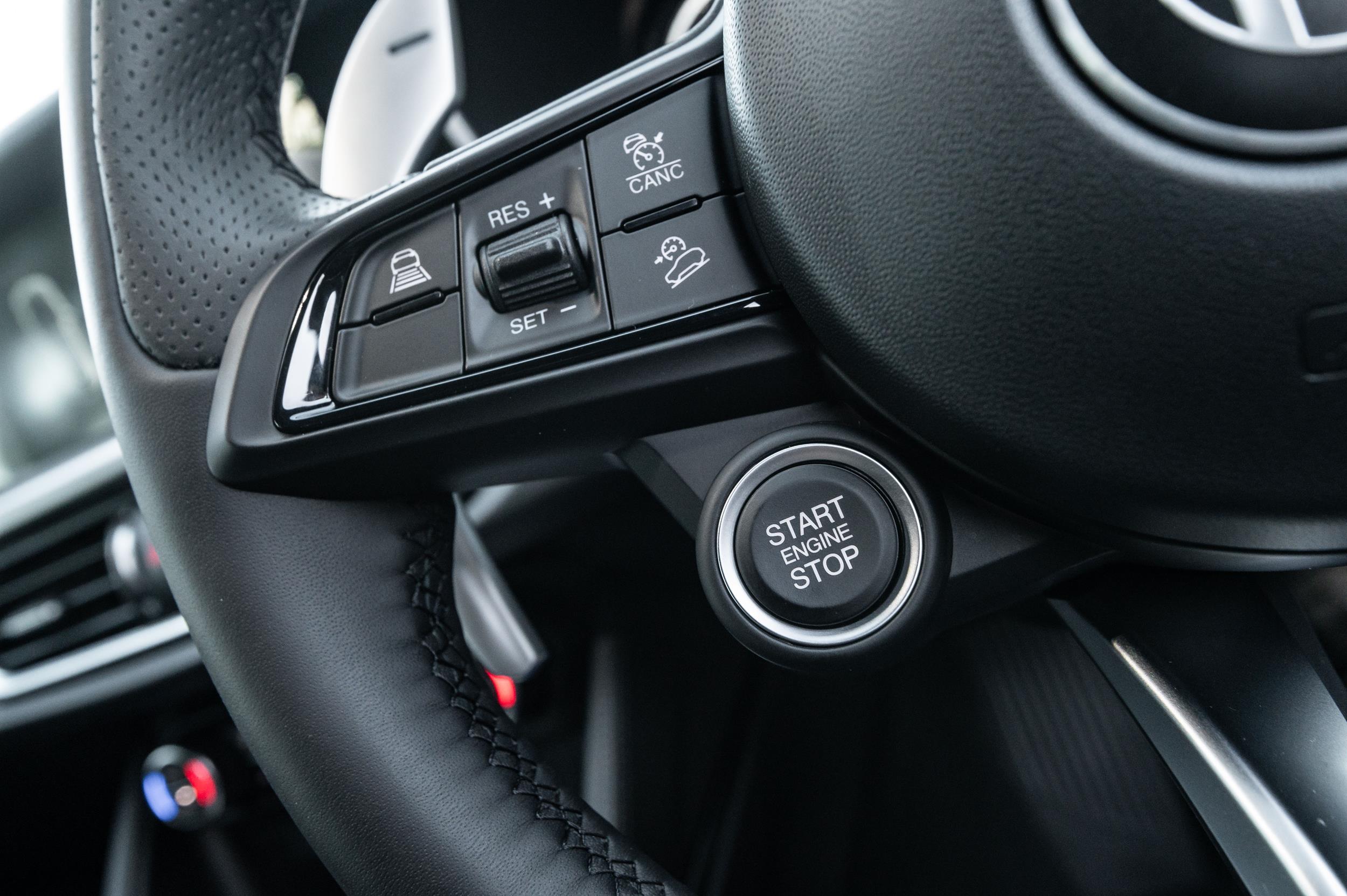
The cabin has some lovely touches and quirks (no car of Italian descent is complete without them), such as the engine-start button on the steering wheel, comfy leather-trimmed sports seats and the crisp digital dashboard, which has a cool retro theme that’s a nod to the classic Alfa Romeos of yesteryear.
Granted, those tall gearshift paddles look over the top, but there’s a great bonus to their size. Although they are mounted to the steering column (as opposed to the tiller), your fingertips can still easily reach them if you decide to change gears while the ‘wheel is turned – plus, they feel pleasingly substantial.
Flaws? Well, there are a few. The downside to the Stelvio’s (relatively) nimble handling and rolling on large (20-inch) wheels is a ride quality that is a touch too firm on asphalt roads in average condition. Given the model’s sportiness, you’d expect an evocative soundtrack, but the Veloce emits no more than a dull 4-cylinder drone at full throttle; gear shifts are not punctuated by engineered exhaust pops either.
The Quadrifoglio, by contrast, howls gloriously. Still, if you drive the Veloce in a restrained manner (while its default drive mode is engaged), you’ll be pleasantly surprised by how refined the powertrain is.
Lastly, members of the tech-obsessed generation may find that the infotainment touchscreen in the Stelvio is too small. While we’re not asking for an iPad-sized panel (here’s looking at you, Mercedes-Benz), something a bit larger would be notably more user-friendly. Despite big improvements in finishes and build quality, you also get the impression that the Stelvio can’t quite match its German competitors.
How much does the Alfa Romeo Stelvio cost in South Africa?
The electric sunroof is a R20 000 option. The Alfa Romeo Stelvio facelift is sold with a 5-year/100 000 km warranty as well as a 5-year/100 000 km service plan.
The Alfa Romeo Stelvio continues to impress – there’s no executive SUV in the new-vehicle market that’s quite as engaging to drive… at this price point. You could opt for a Macan, but once you’ve specced the entry-level Porsche to match the Veloce’s features, it’d be a few hundred grand pricier than the Italian.
Not only is the Stelvio an absolute pleasure to drive quickly, but it has no problem portraying the family-SUV role. Its cabin and load-bay dimensions are on par for the segment, plus its standard equipment list (including the suite of advanced safety features) offers virtually everything buyers may want at this level.
Yes, even buyers who favour heightened driver engagement (not the majority in this segment, we know) will need to make a leap of faith to choose the Alfa Romeo Stelvio over a handful of safe and predictable models from more established premium marques, but if you’re willing to go for something different, that is achingly pretty and guaranteed to deliver more “smiles per mile”, then the Alfa Romeo is worth look.
Crossley & Webb: CT’s Collectible Car Specialists
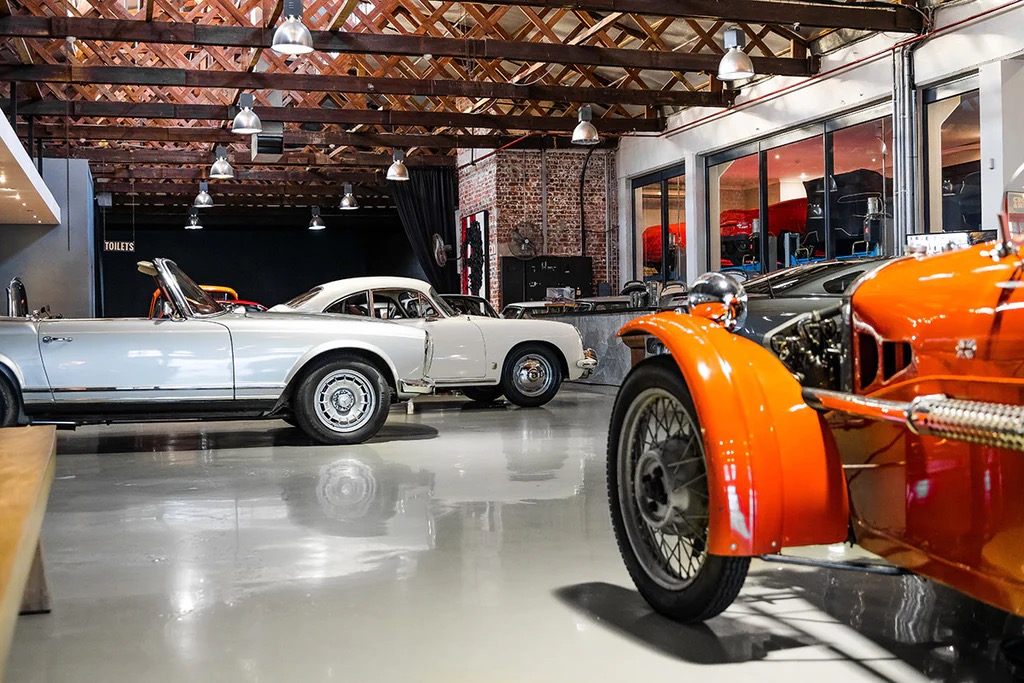
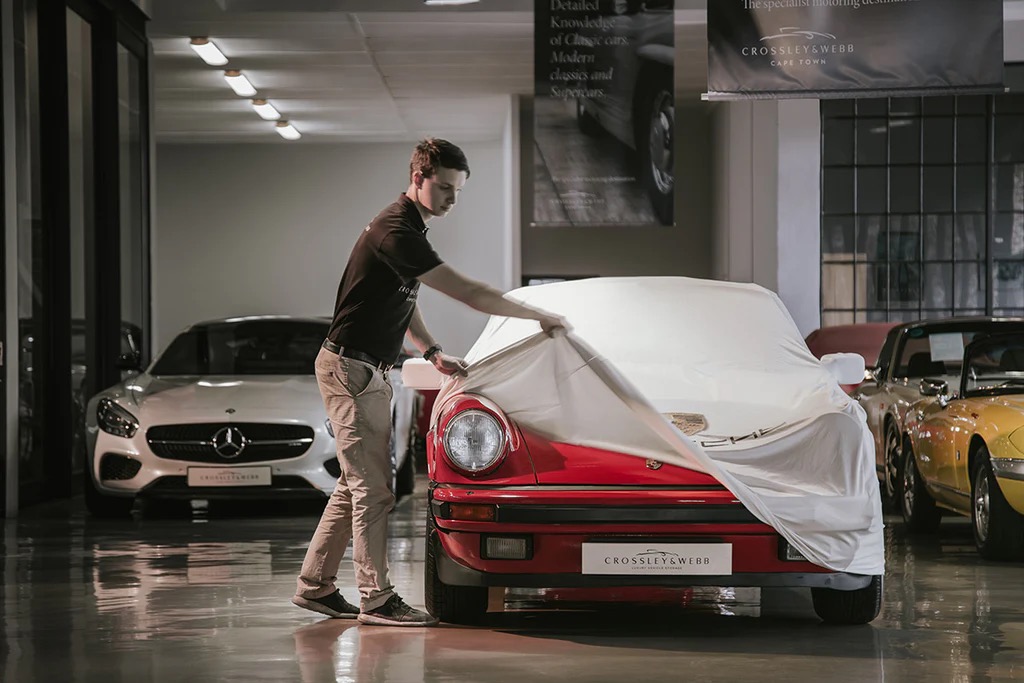
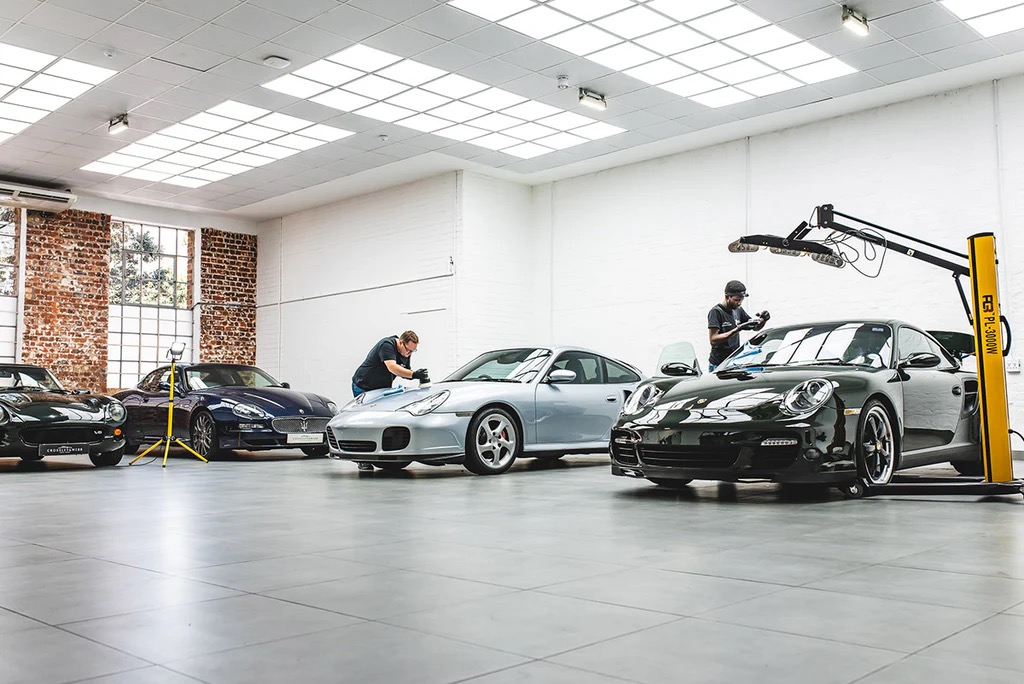
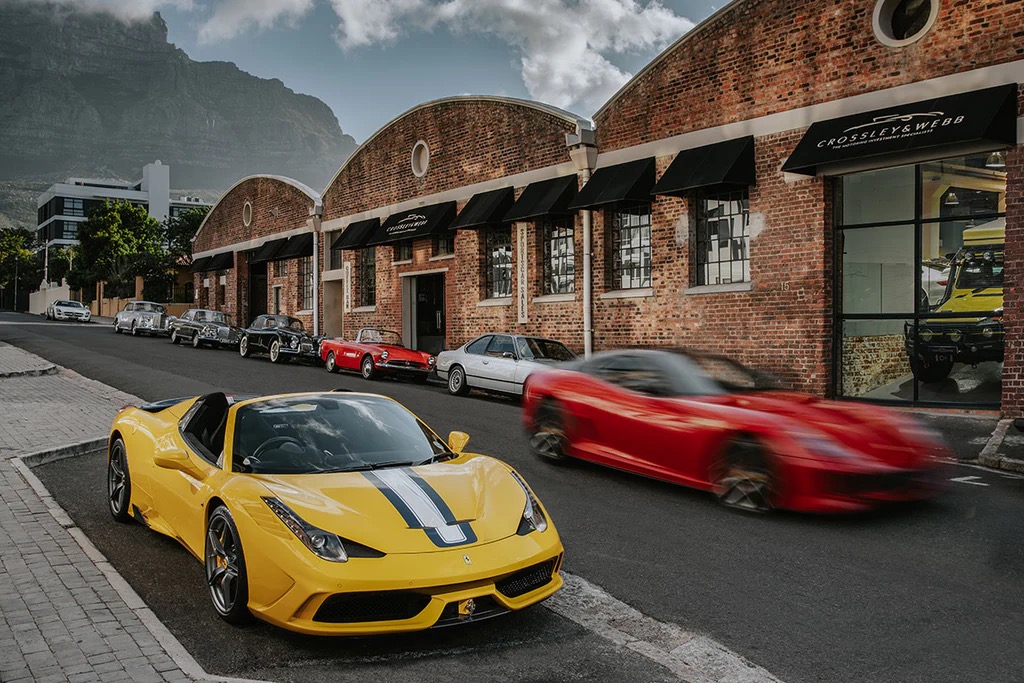
When Crossley & Webb was founded in 2013, it was bold and groundbreaking venture. The Cape Town-based company was the first of its kind in SA to offer storage, buying and selling combined with a detailing facility and premium showroom experience.
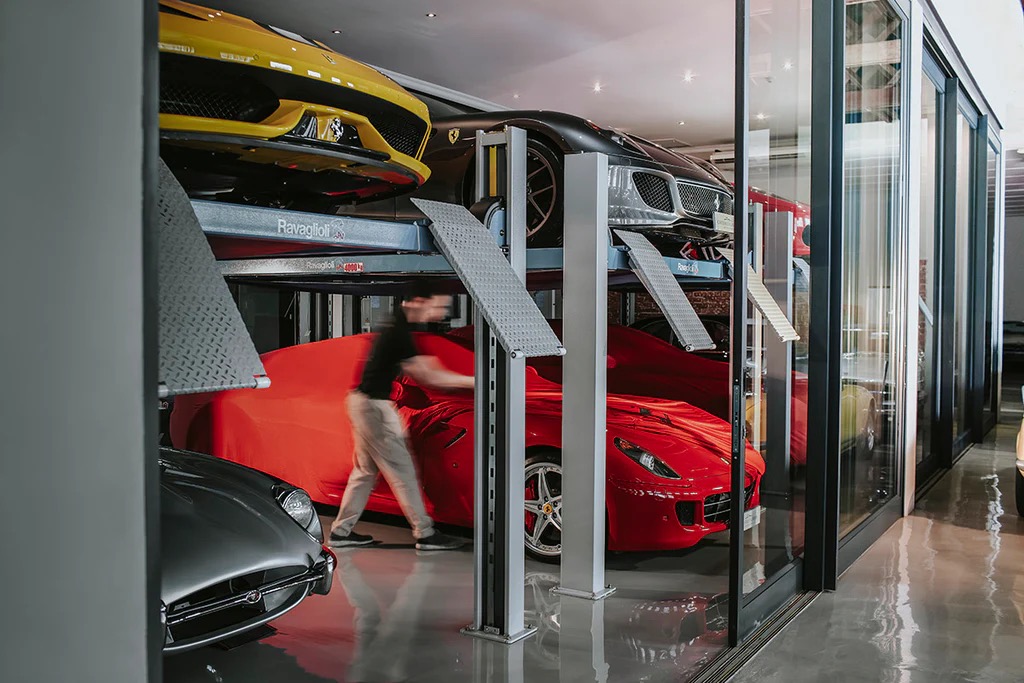
The high ceilings with wooden trusses, the glass box with fancy Ferraris in storage and the variety of classic and modern exotics on offer – all of this combined makes for a very alluring space.
A significant portion of the Crossley & Webb facility is dedicated to the storage side of the business, while at the entrance you will mostly find cars that are currently for sale or which are there for a short-term visit.
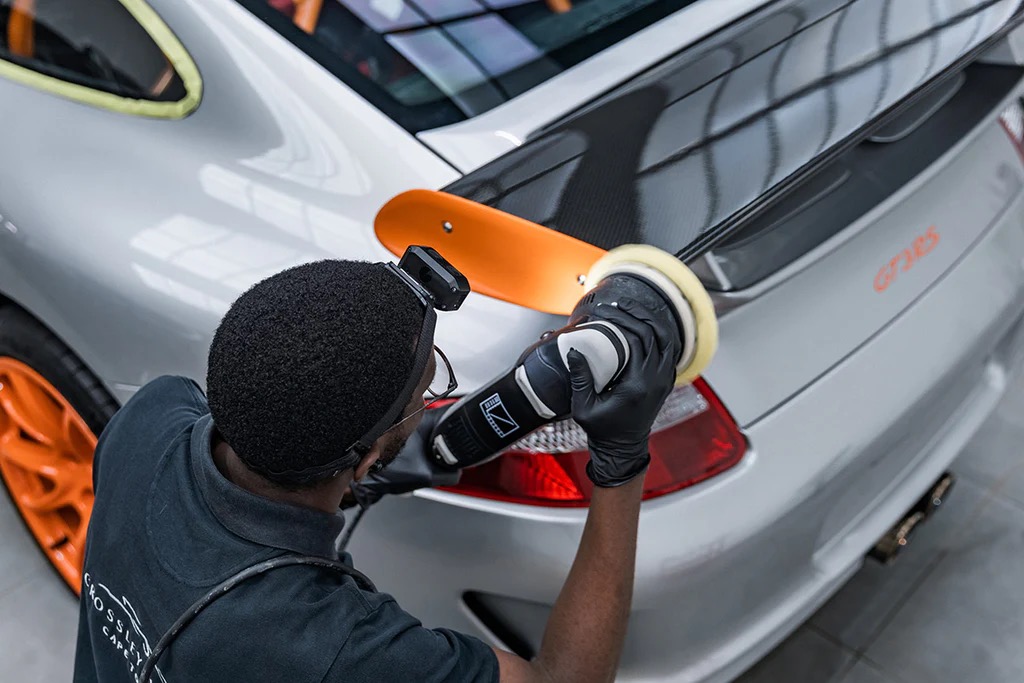
There is not only a wash bay, but also an in-depth detailing and paint-correction facility that offers the full package of ceramic coating and even leather repairs where your car can be pampered to the n’th degree.
And if you simply want to sit back, have a coffee and a bite, or get some work done, the coffee bar has ample seating space and is managed by friendly staff.
Don’t be surprised if an Aston Martin, Lamborghini or Jaguar’s loud exhaust note erupts close to you as cars are often moved around for a variety of reasons. As I walk into the washbay area, I even notice a 997-generation Porsche 911 Cup race car in the corner!
One of the proprietors of the business is Gareth Crossley. He has been in the car business for a couple of decades and explains how the idea for Crossley & Webb came about.
“When I was at Ferrari in Cape Town, I could see that space was a problem and I noticed that the coffee bar setup on a Saturday morning worked rather well. Through further experience, I realised that you need to bring all these aspects together. One of my clients, Brian Webb, was moving down to Cape Town and it was during a test drive that he explained to me some of his needs in the future and I saw the general need for similar services for other clients as well.
“It was really a collaborative natural process, but mainly sparked by him moving down from Gauteng. And that has really been an ongoing trend for the business, enthusiasts moving down from Johannesburg to Cape Town in the last 10 years.”
“The core of the business is really starting with the client and the needs of the client. It is not just the renting of a parking bay, but Crossley & Webb being of service to them. This could include detailing, any repairs, taking a car for a service and then also recommending the specialists around that. In the beginning we tried to do everything ourselves, including in-house servicing and restoring. Then we realised you need to be quite selective in what you do and offer.”
“The quality in what we now sell versus cars in the early days is quite different. We now only sell high-quality cars. What we still do on site before a sale is a full technical inspection to analyse the car.”
As the business is now 10 years old, Gareth has seen a lot of clients, cars, collections and restorations over years. Enthusiasts and their approach to collectable cars have changed significantly during those years.
“In the early days you had a type of buying frenzy of classic cars. There was shortage of supply at the time. There was a sharp upward trend in the demand for nearly any type of classic car. I would say it peaked around 2018, and from then on it became very selective in terms of quality and brands.
“Mercedes-Benz has remained very strong, so has Porsche and Ferrari. We are now focused more on the European brands than on the British brands.”
“Some sales you won’t even know we’ve done. A good example is the Pagani Zonda C12 S that was sold in 2018 here in South Africa. It was done under the radar.” That car has sadly left our shores and is said to have landed up at Pagani HQ in Italy. “That car never came through our doors. We just brokered the deal.”
Other special cars Crossley & Webb have sold over the years include a number of Ferrari 599 GTOs. Thankfully all three sold went to new owners who also live in South Africa, as there is always the chance that an overseas buyer would want to export.
“You need to give the local market first the opportunity to buy it. We’ve had a Porsche 356 that was on the market for around year, so everybody had the opportunity to buy it locally, but in the end we had to export it. We really see it as only a last resort.”
Other highlights include a number of Lamborghini Aventadors, a few classic Countach’s and even a rare 350 GT. The latter is the only one of its type in SA, as far as we know, and also the oldest Lamborghini in the country. Another two standout cars the company has sold, are a Ferrari 575 Maranello fitted with the six-speed manual gearbox and a Ferrari 512M.
A regular at Crossley & Webb is the W113 Mercedes-Benz SL, also lovingly known as the Pagoda.
Putting Gareth on the spot, I asked him which cars are likely to keep their value in coming years. He points to any limited-edition Ferraris, while stating at the same time that Ferraris fitted with the modern double-clutch gearboxes have made the potential pool of buyers also larger than manual-equipped cars.
The R107 Mercedes-Benz SL also seems to be doing well. “With these you really need to assess the condition of the car, as there are some really bad ones on the market. What makes some of these cars rare is the alignment of several layers.
“For example, right-hand drive, very good condition, numbers matching, original colour, original interior, original books from new and a comprehensive maintenance history. When you start adding all these things together, you get an element of rarity. When you only have 2 or 3 of these layers, then the car is not rare.”
Pay Crossley & Webb a visit and take a walk through the cars, it is really a pleasant place to spend some time and you might even change your dream car list after seeing the metal on their floor.
Mahindra Plotting ‘Global’ Bakkie to Fight Hilux and Ranger
Mahindra has big plans to launch a new global bakkie to tackle segment stalwarts such as the Toyota Hilux and Ford Ranger. Here’s what we know so far…
The head of Mahindra’s automotive division has confirmed the Indian manufacturer is hard at work developing a “global” bakkie to take on segment leaders such as the Toyota Hilux and Ford Ranger.
Veejay Nakra, CEO for Mahindra & Mahindra’s automotive division, told Australian publications such as GoAuto the new bakkie will be “a full-scale lifestyle pick-up”, somewhat unlike its current, more utilitarian Pik Up.
Scheduled to hit the market during the Indian automaker’s 2027 financial year (so, somewhere between 1 April 2026 and 31 March 2027), the new bakkie looks likely to ride on a version of the ladder-frame chassis underpinning the latest Scorpio N SUV. The current Pik Up, of course, shares its platform with the previous-generation Scorpio SUV (with the bakkie even having used the Scorpio suffix for a period).
As a reminder, the new Scorpio N employs a 2.2-litre, 4-cylinder turbodiesel engine generating 129 kW and 400 Nm, peak outputs that are delivered to all 4 corners courtesy of a 6-speed automatic transmission. Since it’s early days in the upcoming bakkie’s development, Mahindra has obviously yet to confirm any engine options, though Nakra did state a turbodiesel motor will be “our first priority” since “that’s where the largest volume sits”.
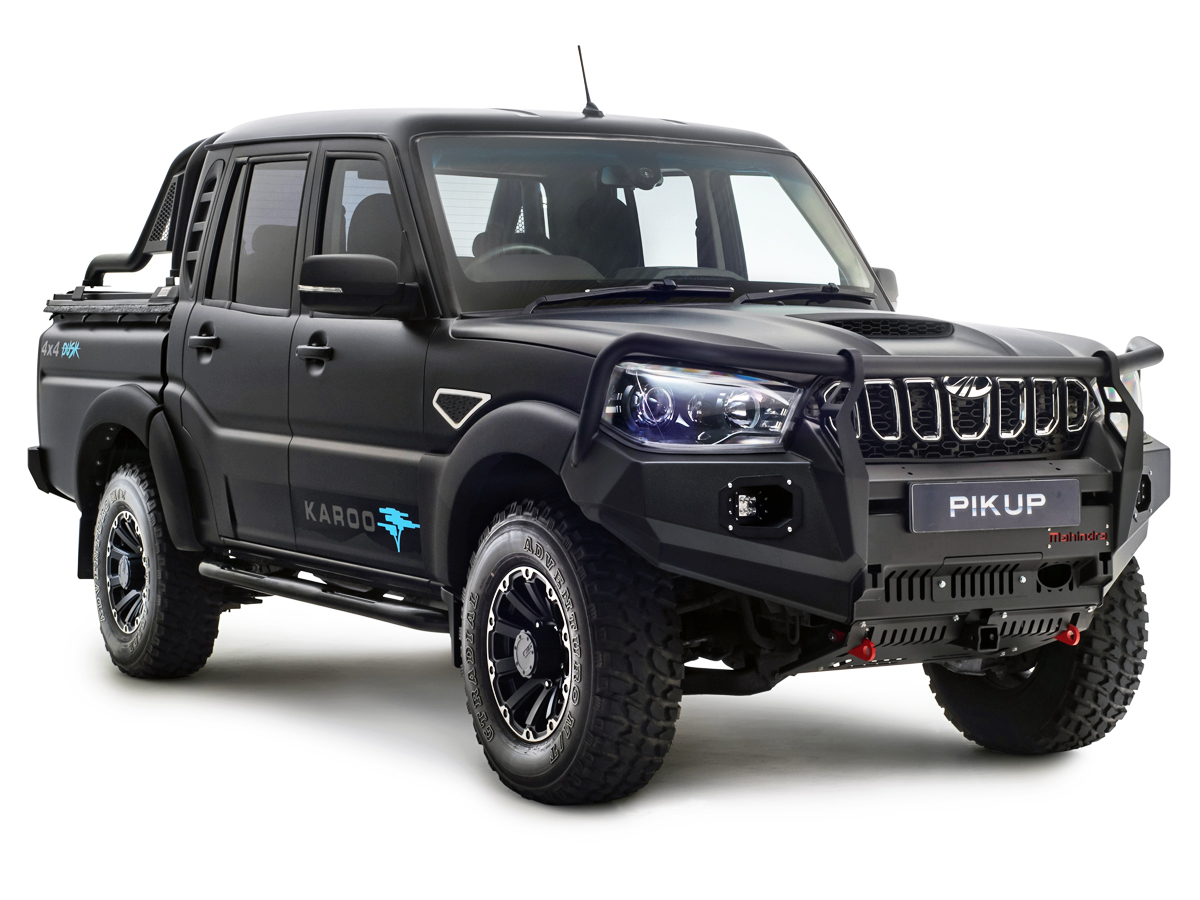
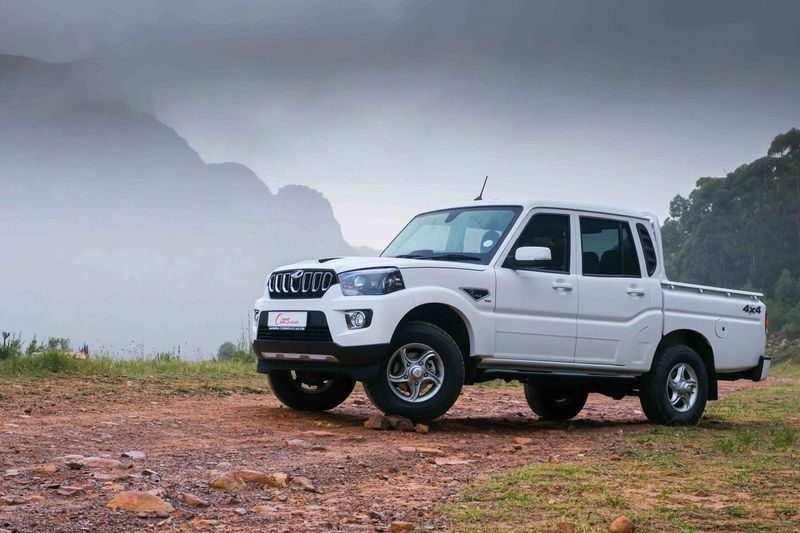
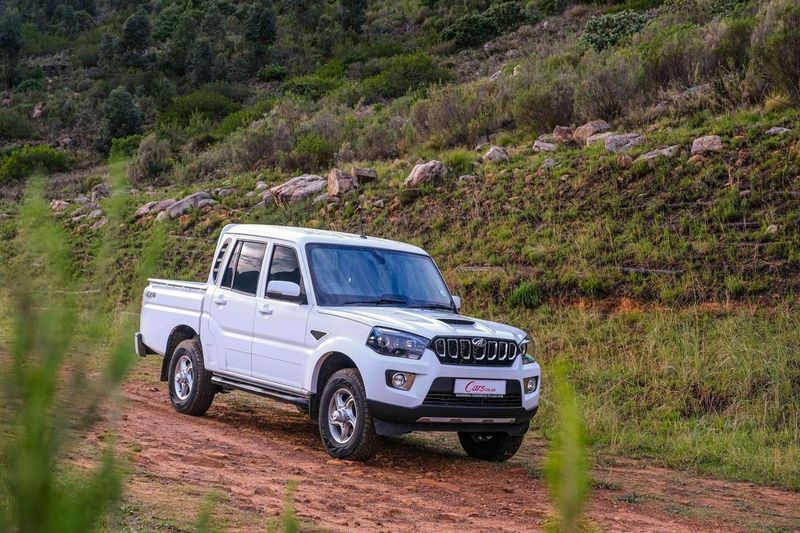
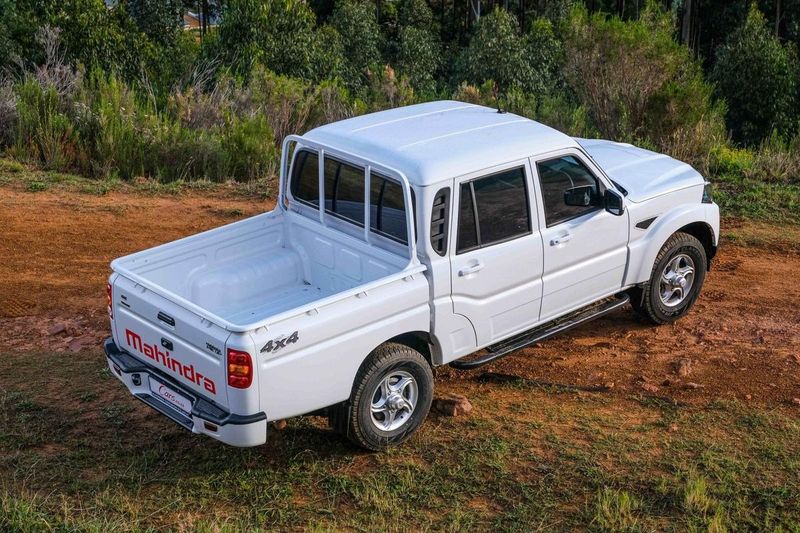
Mahindra’s current Pik Up has cemented itself as the 5th-best-selling bakkie in SA.
“The Scorpio is a very capable ladder-frame SUV. So, clearly … we make authentic ladder-frame SUVs, so the DNA would come from there. But we clearly would create a global pick-up, which is distinct to be a global pick-up. It may have commonality of parts; it may share the commonality of the platform coming from Scorpio; but we would create a pick-up which would be a worthy global vehicle,” said Nakra, according to the Australian publication.
Though Nakra hinted at the likelihood of various body styles (single-, extended- and double-cab among them) being offered, he emphasised it would be “very difficult” for him to confirm the extend of the upcoming range at this point.
“But having said that, I think what’s more important is what our brand stands for. I don’t think we would make a product that is not a brand fit with who we are. And our brand fit has always been about offering more at a great value. And that’s what even the global pick-up would do, so we clearly would offer a lot at a great-value price,” he explained.
The Mahindra Pik Up placed 5th on the list of South Africa’s best-selling bakkies for 2022, with its final tally of 8 046 units proving enough to comfortably beat the likes of the Rosslyn-built Nissan Navara, the imported GWM P-Series and the original Volkswagen Amarok. Over the opening 5 months of 2023, Mahindra has registered 3 816 units of its Pik Up, which sees it remain in 5th place, year to date.
There are a plethora of double-cab bakkies on the market, but which 4×4 double-cab bakkie is best for you? This Double-Cab 4×4 Bakkie Buyer’s Guide will help you choose the bakkie that’s best suited to your needs and budget.
Choosing the right double-cab 4×4 bakkie can be a rather tricky task… There are many accomplished products in the new-vehicle market and while nameplates such as the Toyota Hilux and Ford Ranger dominate the bakkie segment, there are a host of other models that are also well worth considering – for a variety of reasons.
There’s so much choice in this segment, but which bakkie is best suited to your needs and budget?
We recently brought 7 big bakkie nameplates together for a mega test to gather new insights into their strengths and weaknesses. This guide incorporates our learnings from our test in 2021 to our recent test in May 2023 as well as our experience with other key double-cab products.
The double-cab 4×4 bakkies listed below represent the top-of-the-range offerings for each model (excluding Ford Ranger Raptor) and they are listed from the cheapest to the most expensive. We have included all the vital information you might want to know, as well as each of the vehicles’ strengths, weaknesses and our overall vehicle rating, which should give you a better idea of what each product has to offer.
2023 Double-Cab Bakkie Buyer’s Guide
Mahindra Pik Up 2.2CRDe 4×4 S11 Automatic
Specs
Engine
Power
Torque
Transmission
Fuel Efficiency
2.2-litre turbodiesel
103 kW
320 Nm
6-speed auto
8.1 L/100 km
Off-road Features
Low Range & Differentials
Ground Clearance
Approach Angle
Departure Angle
Breakover Angle
2H, 4H, 4L, rear mechanical differential lock, hill descent control
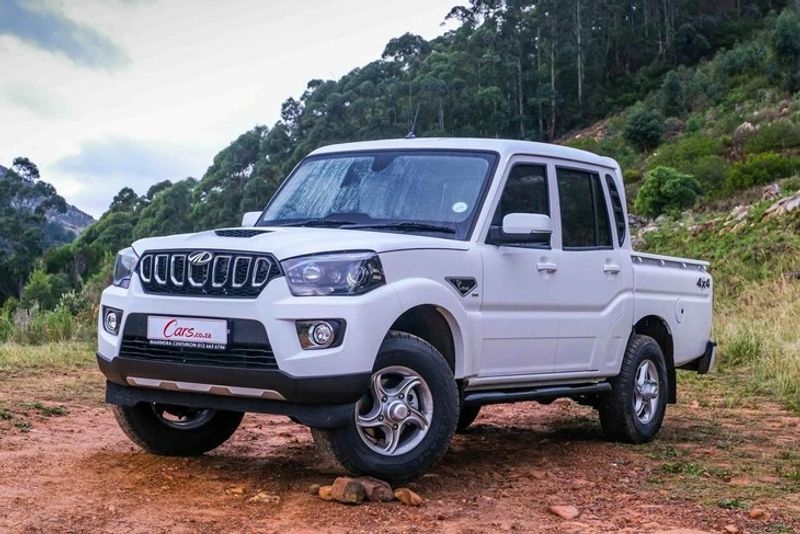
The Mahindra Pik Up is the most affordable double-cab 4×4 bakkie on this list and, if you’re a buyer who’s looking for a pocket-friendly, no-fuss, no-frills 4×4 double cab then perhaps the Pik Up should be on your shortlist.
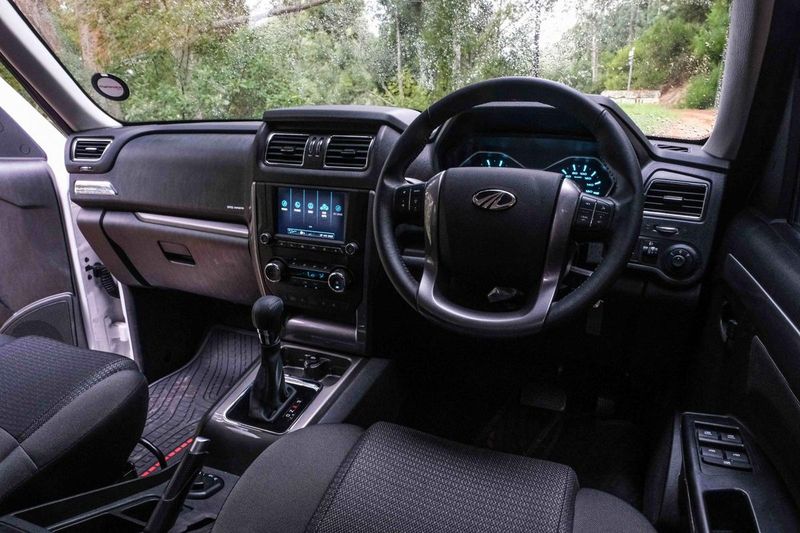
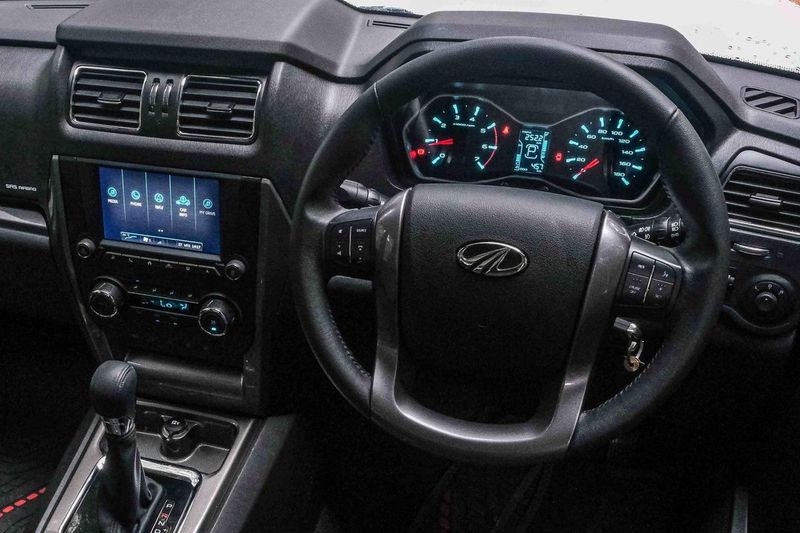
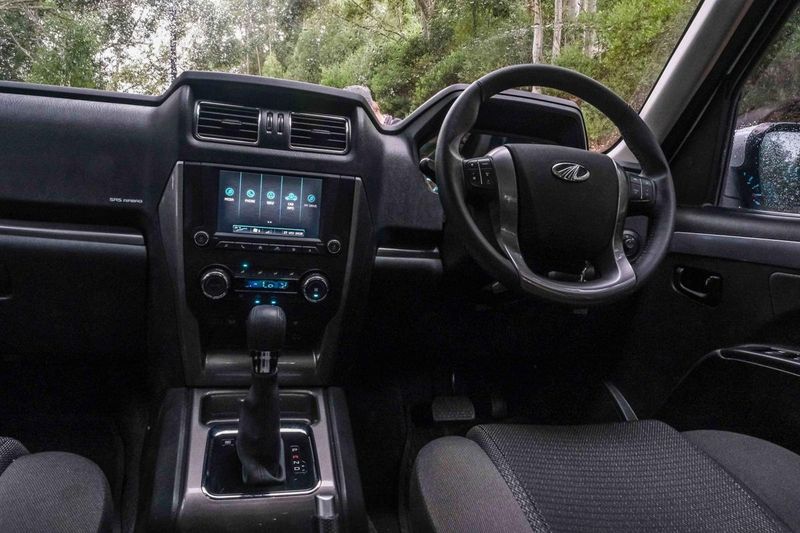
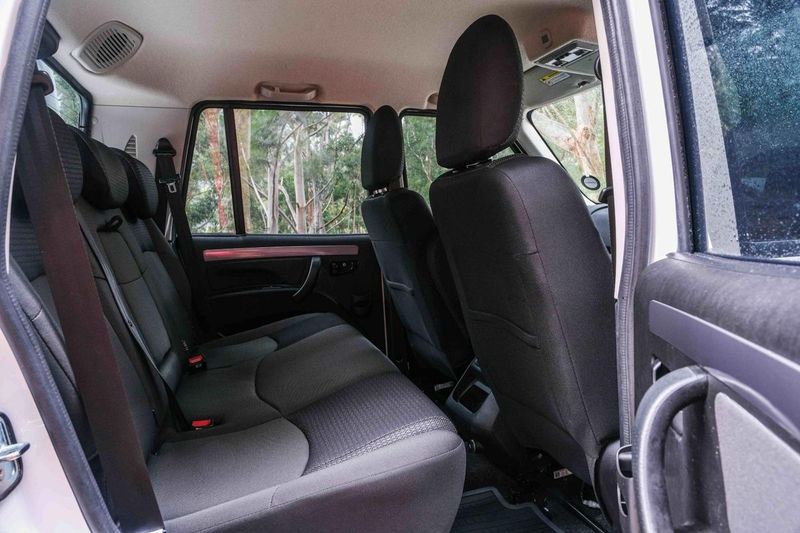
As far as lifestyle-orientated double-cab bakkies are concerned, the Pik Up is more utilitarian than most and this latest S11 iteration does feature a more SUV-like interior than its more, shall we say, agricultural predecessors. However, Mahindra launched a trio of Pik Up special edition derivatives that offer buyers more style and function over the standard S11.
The Mahindra Pik Up is a capable off-roader and comes equipped with a switchable off-road dial on its centre console (the driver can select between 2H, 4H and 4L as required). The Pik Up further has a mechanical differential lock (for when tougher obstacles need to be traversed) and hill descent control (for creeping down steep declines).
In which ways can the Mahindra Pik Up be improved?
The Mahindra’s powertrain is not as refined as other offerings in this segment and while the bakkie’s overall ride quality is middling, it’s far from class-leading. While general performance is average, with peak engine outputs of 103 kW and 320 Nm, the Pik Up, on paper at least, is outgunned by every other product on this list.
In terms of interior execution, perceived build quality is better than you’d expect, but the Pik Up does fall short in terms of connectivity (the 7-inch touchscreen does not offer Apple CarPlay/Android Auto compatibility, for example) and the cabin lacks sufficient storage space for oddments.
Note that the Mahindra Pik-UP has a braked towing capacity of 2 500 kg.
Verdict
The Mahindra Pik Up represents good value at its price point and while it might not win outright in the style stakes, it certainly makes a strong case for itself as a capable workhorse, not to mention a weekend family bush-basher.
Price and warranty (June 2023)
The Mahindra Pik Up 4×4 S11 Automatic is priced from R494 999 with a 4-year/120 000 km warranty and 5-year/90 000 km service plan.
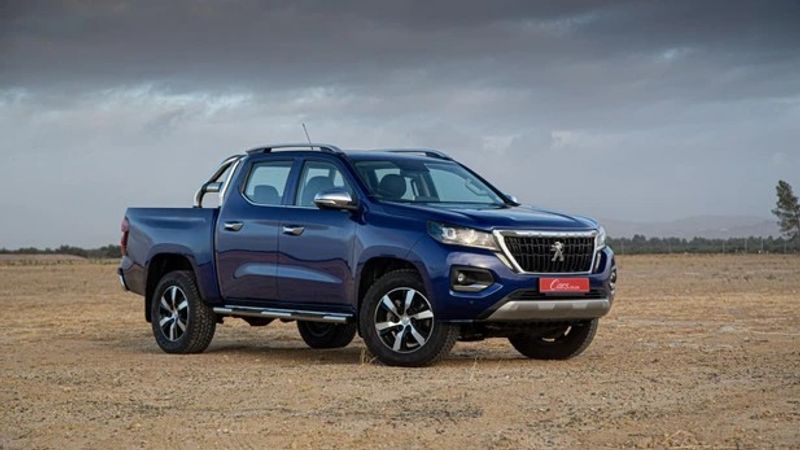
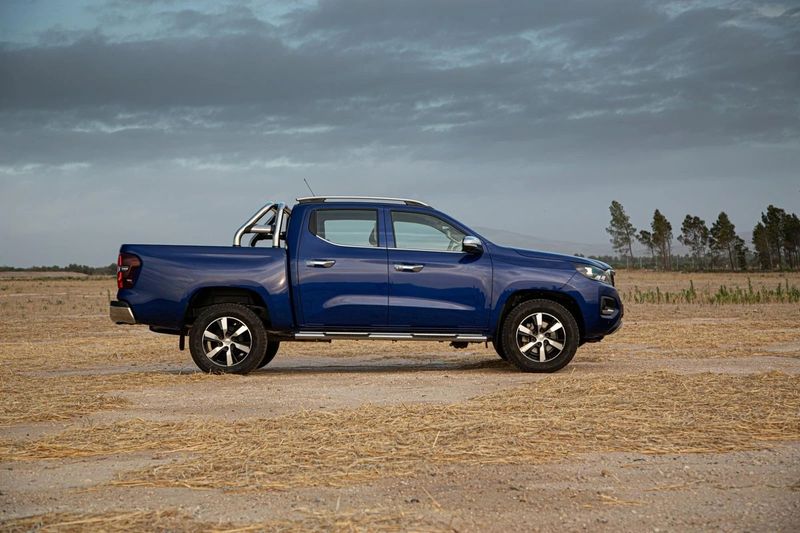
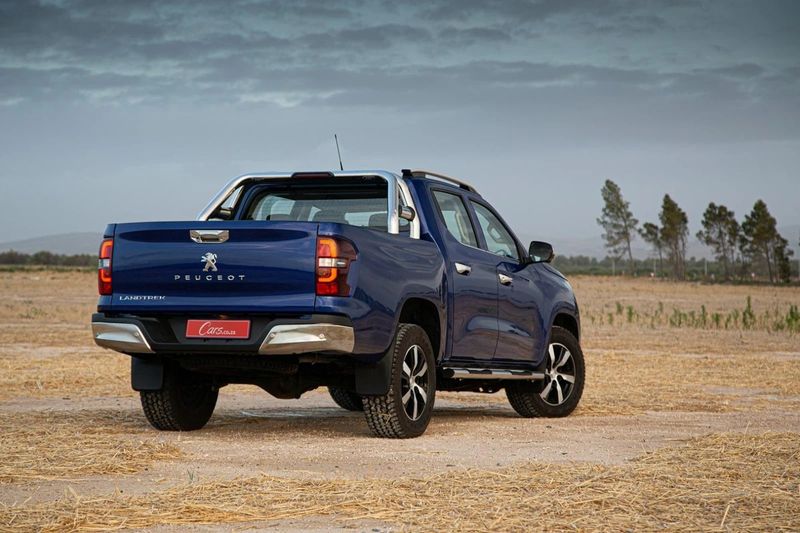
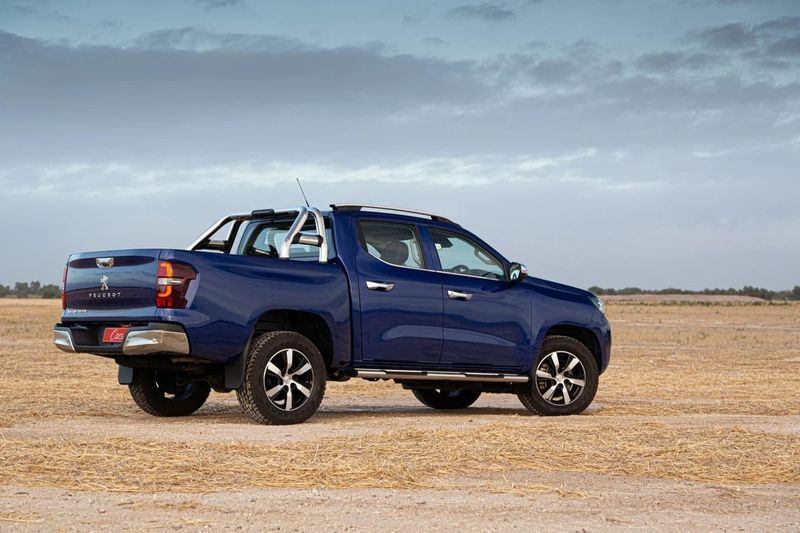
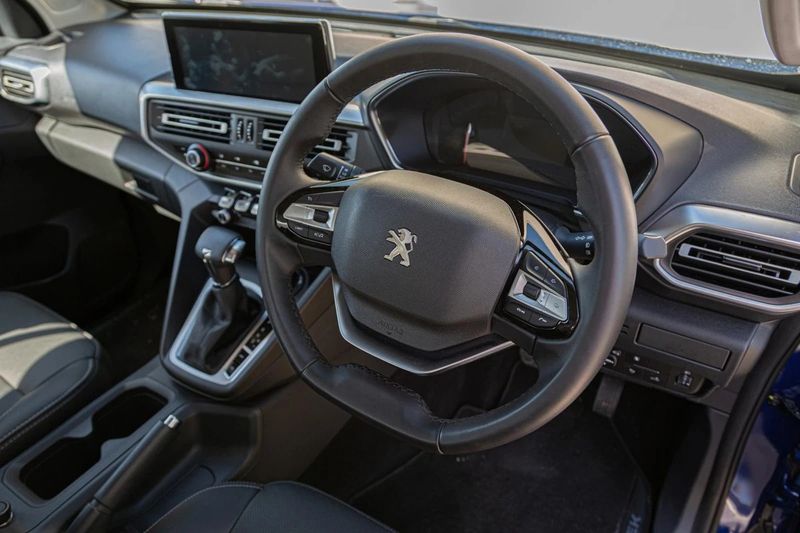
The Landtrek is one of the smarter-looking bakkies in this segment and its rivals can learn a thing or two from its appealing interior design execution, which happens to be one of the most attractive and comfortable cabins in this segment. More so, Peugeot also offers some accessories to boost the Landtrek’s visual appeal as well as adding some practicality to its skill set.
The Landtrek’s Noise Vibration and Harshness (NVH) suppression is admirable, which ultimately contributes to a more refined driving experience. Steering feel is positive with a light motion, which is useful in urban driving situations, but it’s worth noting that the ‘wheel is quite responsive to inputs too – at least by double-cab bakkie standards. As such, the Landtrek exhibits driving qualities that one would typically experience in an SUV, which is certainly a good thing for a humble bakkie.
In which ways can the Peugeot Landtrek be improved?
Sadly, the Landtrek is somewhat let down by its engine which just lacks some punch when compared to what’s offered in this segment. Its performance is best described as “average” and buyers who need more pulling power for towing etc, will likely look elsewhere.
More so, the Landtrek’s 6-speed automatic transmission is not the smoothest self-shifter under harder acceleration either. Like most products in this segment, the rear-end can feel quite jiggly and unsettled with an empty load bin, but matters improve once some weight is loaded on the Landtrek. With that said, the Landtrek’s ride quality is not as refined as some of its rivals.
Note that the Peugeot Landtrek has a braked towing capacity of 3 000kg.
Verdict
The Peugeot Landtrek both hits, and misses, the mark. While it scores highly in terms of kerb appeal, a smart interior execution and standard feature value, it ultimately lacks some punch that potential buyers will be looking for at this price point.
However, if you want an average-performing, good-looking double-cab with most of the features you could want at a fairly reasonable price point, then perhaps the Landtrek deserves a closer look.
Price and warranty (June 2023)
The Peugeot Landtrek 1.9TD 4Action 4×4 automatic is priced from R689 900 and is sold with a 5-year / 100 000km warranty and a 5-year/100 000km service plan.
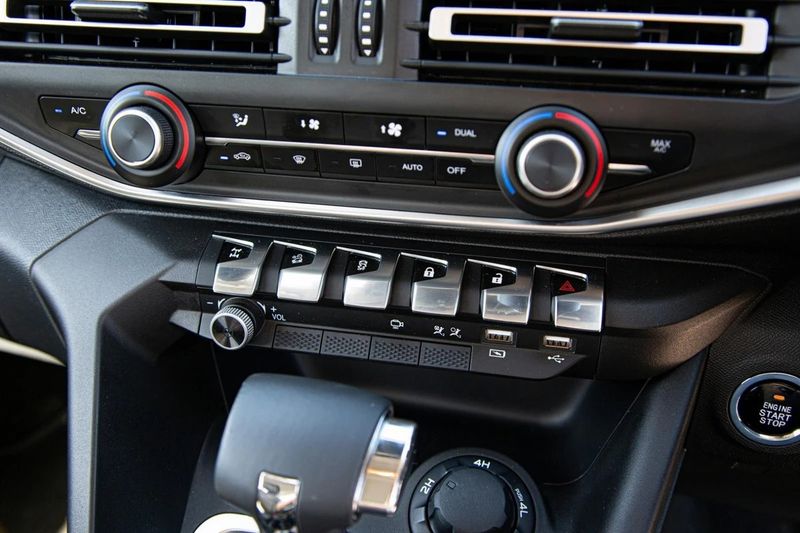
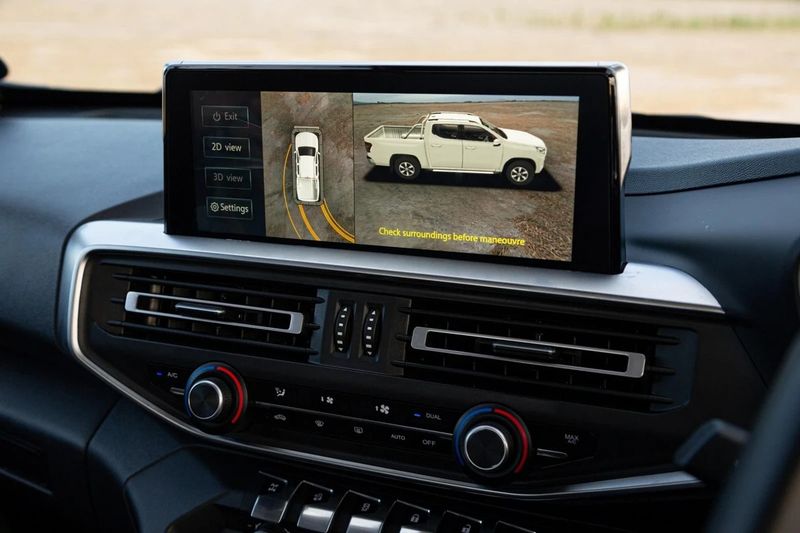
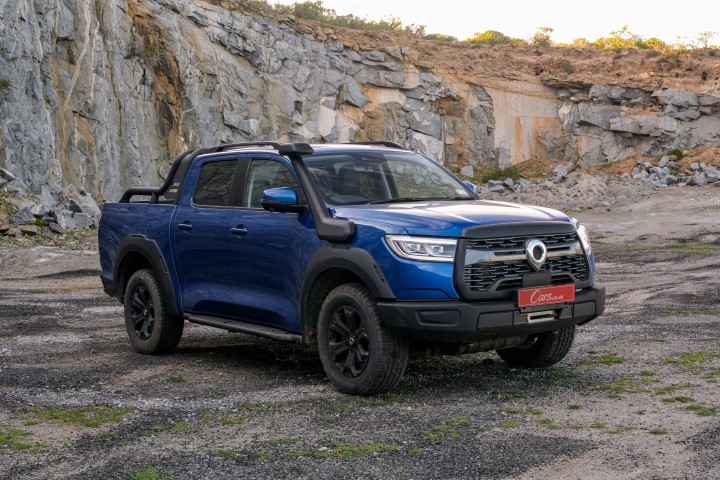
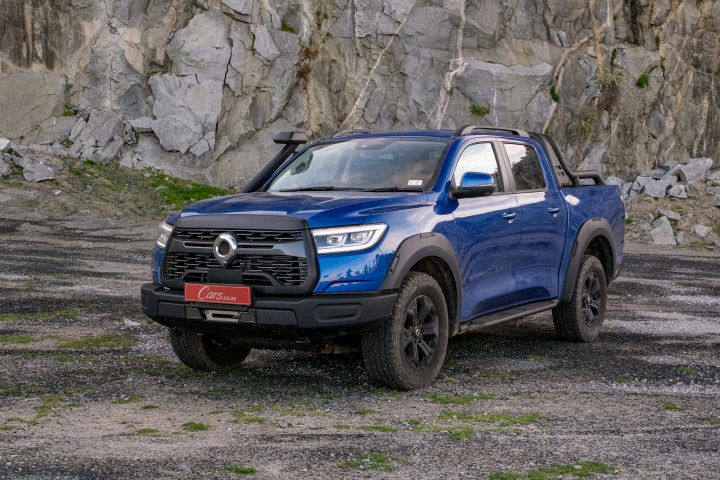
At its price point, the P-Series LTD offers superb value for money that its rivals can’t match. It’s packed with nice-to-have features (click for specs) and its cabin’s fit-and-finish is more luxurious/upmarket than some of its competitors. Some standout features include a beefed-up appearance thanks to a blacked-out grille and wheels, chunky steel bumpers and a snorkel. Inside, a 9-inch infotainment system (Android Auto/Apple CarPlay compatible), a 360-degree camera system and a host of safety features such as 6-airbags, pedestrian detection, blind-spot warning, lane-departure warning, lane-keeping assist, lane-centre keeping, rear cross-traffic alert and traffic-sign recognition are on the standard features list.
It’s worth mentioning that the P-Series also scores some brownie points in the practicality department with a rear bench that can be lifted upwards to reveal handy recesses to store valuables out of sight. The P-Series can also be equipped with a fold-out step (that’s built into the tailgate), which makes it much easier to step up into the load bin.
In which ways can the GWM P-Series be improved?
While the P-Series impresses in terms of its sheer number of standard features, its overall performance is only average. Furthermore, its 2.0-litre turbodiesel engine is relatively thirsty, averaging between 11.5 and 12 L/100 km in real-world conditions, we found. Even though the GWM does feature steering-wheel-mounted shift paddles, the P-Series’ acceleration isn’t as urgent as some of its rivals (as was highlighted in our drag race video).
In terms of overall ride quality, the P-Series is also average in this group; its suspension setup feels notably firmer than its rivals. The P-Series’ rear multi-link suspension does feel jittery and jiggly when the load bin is unladen and that is exacerbated when driving on a gravel route or going off-road. Steering feel and feedback are fairly vague.
It’s also worth mentioning that the new GWM P-Series’ long-term reliability has yet to be proven, but that hasn’t stopped local buyers from taking advantage of the P-Series’ strong value proposition.
Note, however, that the P-Series is not ideal for towing as it has a braked towing capacity of only 1 200 kg which is the lowest on this list.
Verdict
If outright value-for-money is at the top of your priority list, then the P-Series is a tough product to beat. Its lavishly-equipped cabin has some of its rivals licked, but buyers will have to accept its average overall performance.
Price and warranty (June 2023)
The GWM P-Series 2.0TD LX is priced from R694 950 with a 5-year/100 000 km warranty and 5-year/100 000 km service plan.
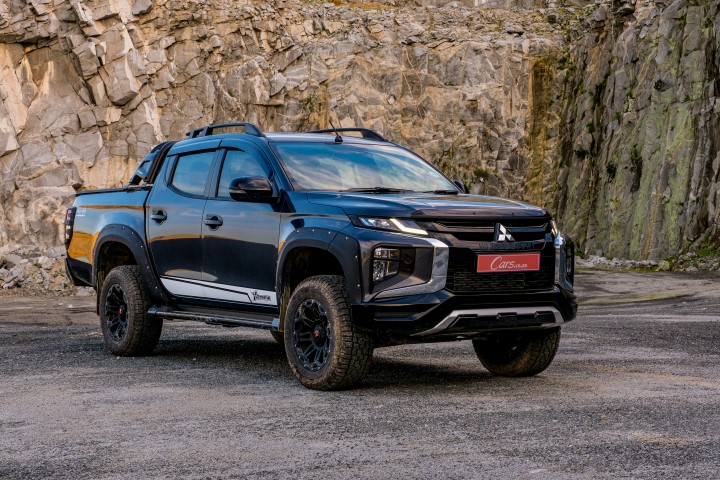
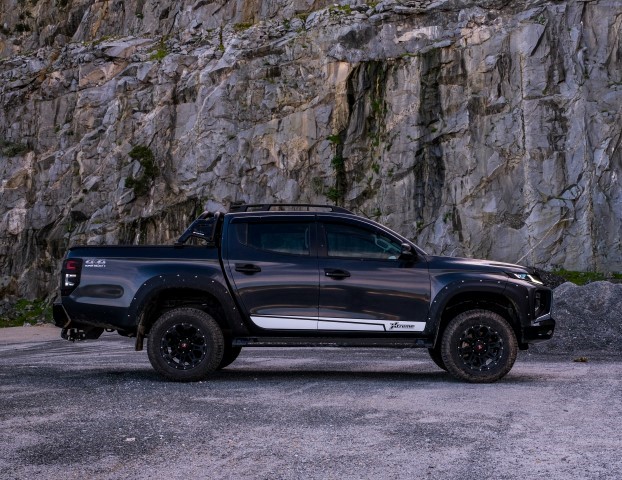
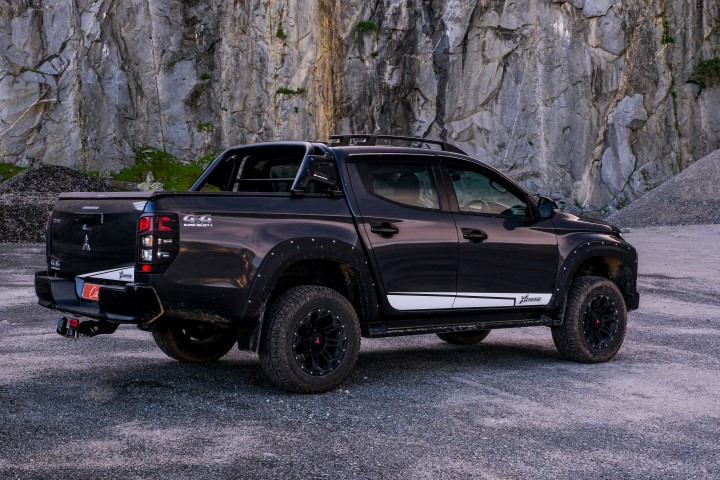
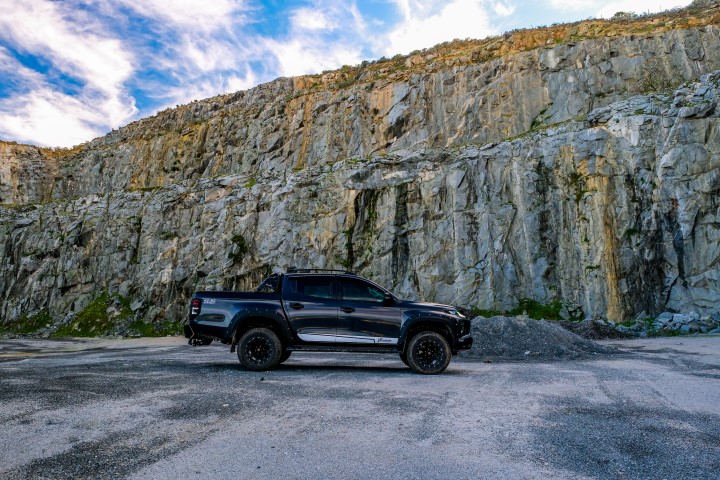
Mitsubishi has a reputation for building tough and reliable off-road vehicles and the Triton is the “proof of the pudding”. The Triton Extreme adds more features over the standard Triton and, in terms of performance, the Triton can be commended for its willing powertrain, comfortable on-road ride quality and proven off-road capability. It might be worth knowing that the Triton Extreme is also one of the fastest accelerating double-cab bakkies in South Africa as highlighted in our latest drag race (see video above).
Nice-to-have features for the Triton Extreme include a rear tailgate with “Ezydown” hydraulic dampers, a rubberised load bay, a tonneau cover and black 18-inch A-Line Hazard alloy wheels shod with Pirelli Scorpion All-Terrain tyres.
In which ways can the Mitsubishi Triton be improved?
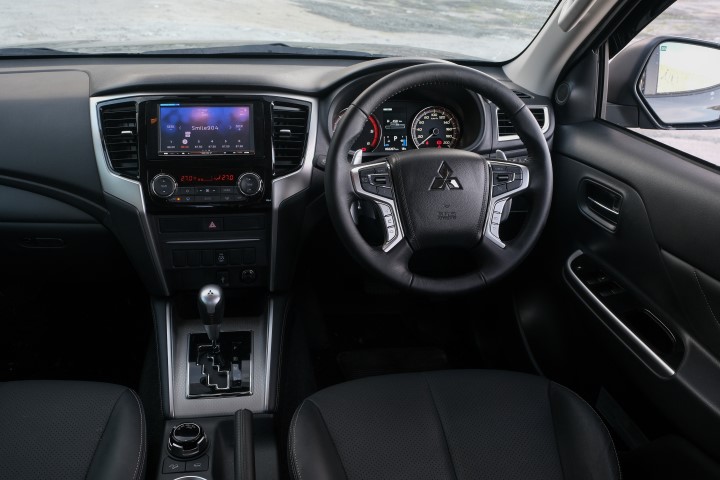
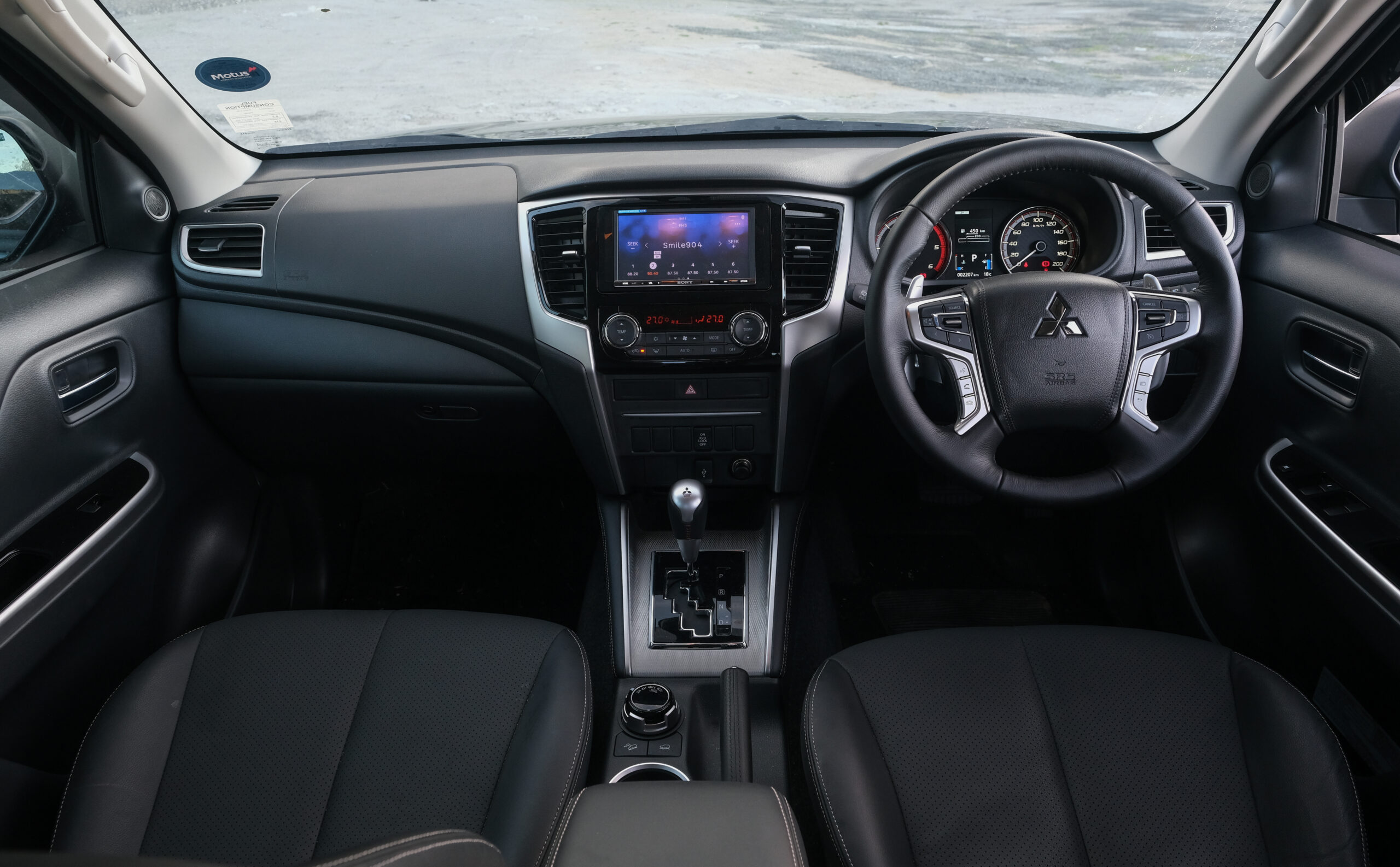
The Triton is a bakkie of contrasts. While it has a bold, dashing kerb presence, its interior design isn’t nearly as visually appealing as the exterior styling. While the general perceived build quality of the cabin is quite good, the interior does look fairly dated in comparison with other models in this segment. Indeed, hard-plastic surfaces are the order of the day. The engine and gearbox are also a bit dated, considering what else is available in this group.
Note that the Mitsubishi Triton Extreme has a braked towing capacity of 3 100 kg.
Verdict
With its bold looks and formidable off-road capability, the Triton remains largely underrated in the local market. Much like the Navara, the Triton’s interior design and material finish is perhaps too utilitarian for its price point, but should you opt to buy the Triton, it’s likely you won’t need to buy another double-cab bakkie for a while thereafter.
Price and warranty (June 2023)
The Mitsubishi Triton Extreme is priced from R778 990 with a 3-year/100 000 km warranty and a 5-year/90 000 km service plan.
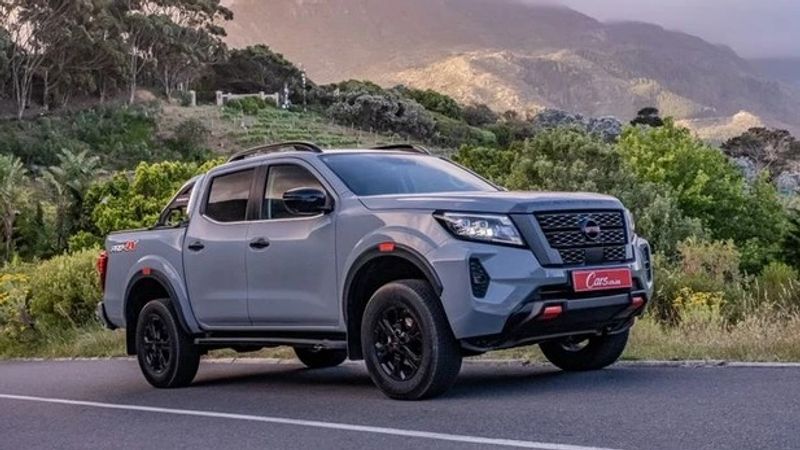
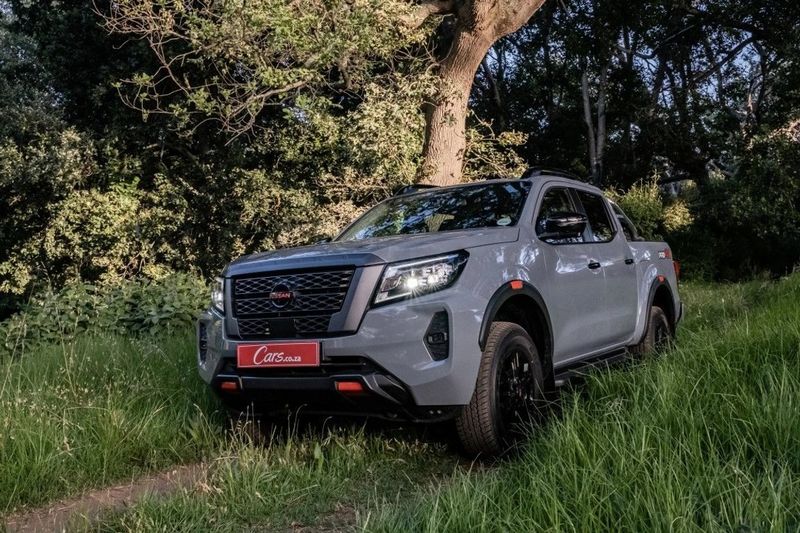
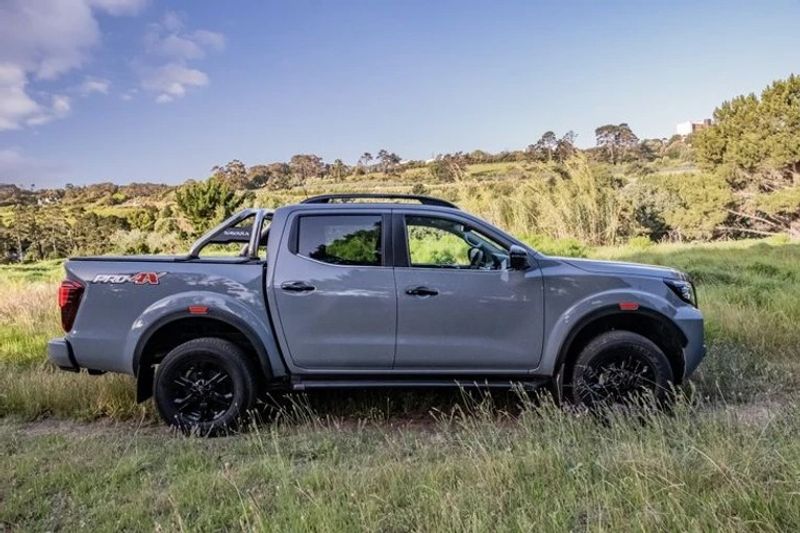
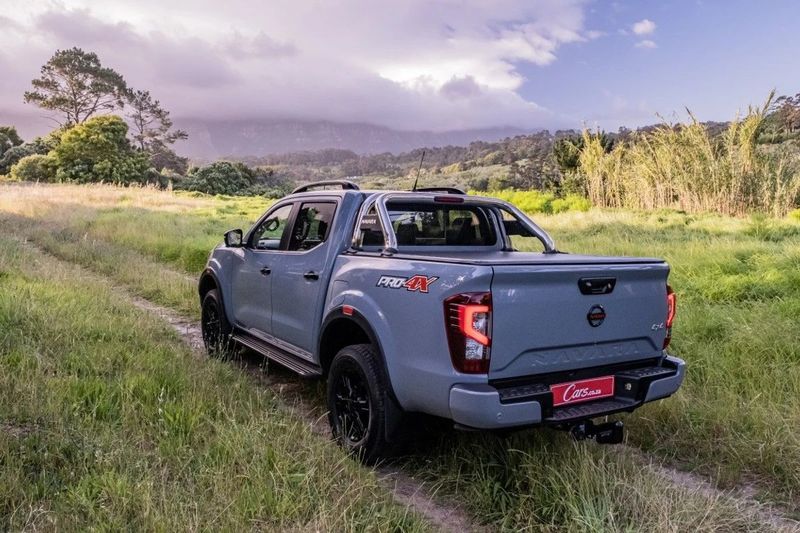
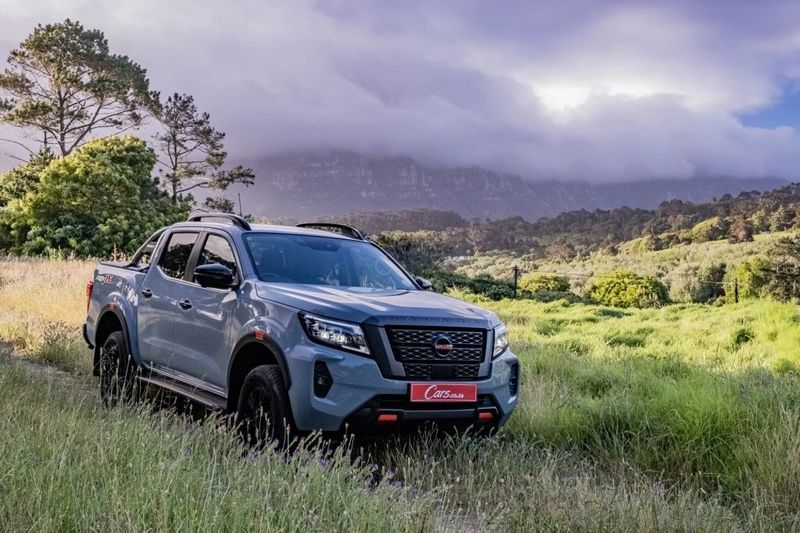
The updated Nissan Navara is by far the best-looking Navara to date and, therefore, the revised Japanese bakkie scores some points by virtue of its eye-catching appearance. As far as performance goes, the Navara’s 2.5-litre turbodiesel engine is very willing, but the double cab’s pliant ride quality is particularly praiseworthy. By virtue of its retuned and bolstered suspension, the Nissan rode quite comfortably on the variety of surfaces it traversed during the group test. Its overall refinement has improved notably thanks to additional sound insulation and acoustic glass.
Nissan’s “shift-on-the-fly” off-road dial has been retained and facilitates convenient off-roading as road conditions deteriorate. The Navara further features a rear diff-lock for when you need optimal traction in tricky 4×4 situations.
In which ways can the Navara 2.5 LE 4×4 automatic be improved?
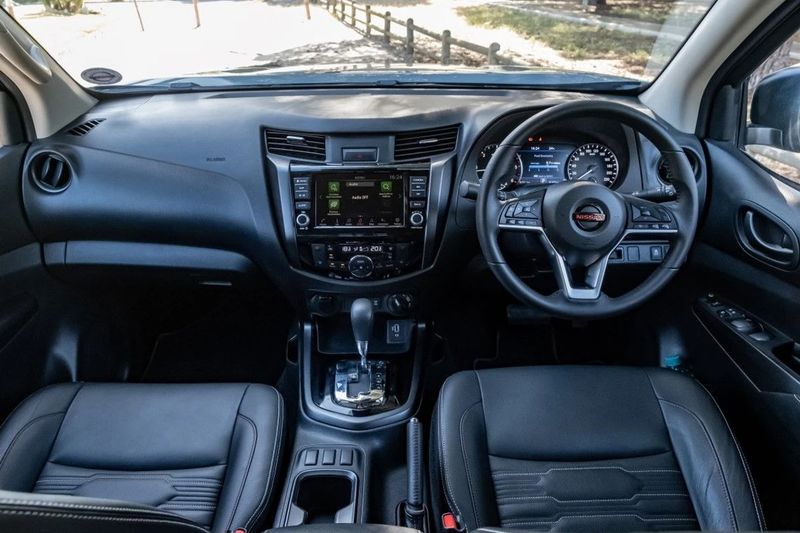
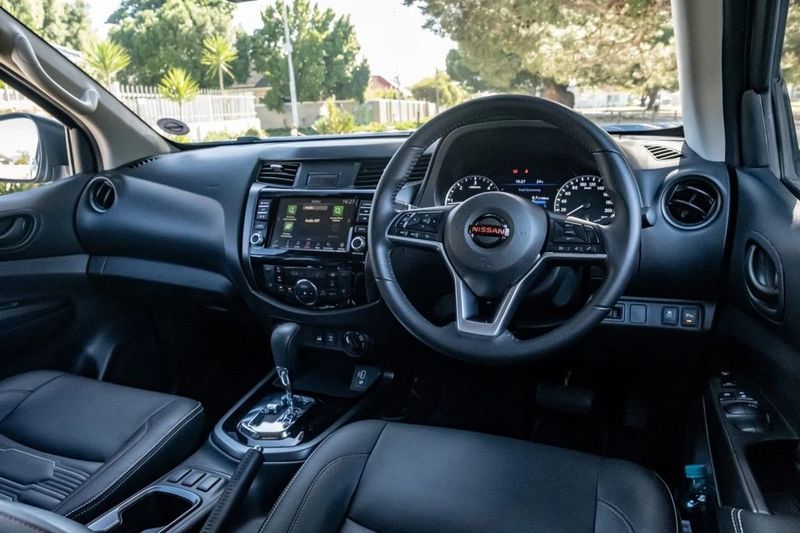
Kudos to Nissan for improving the Navara’s kerb appeal, but the package is let down by the bakkie’s interior, which looks and feels far too plasticky and workmanlike. Hard, scratchy plastics dominate the cabin (at least the leather seats are very comfortable) and even though the 8-inch infotainment screen has all the connectivity features you’d expect, it’s not class-leading in terms of intuitiveness/user-friendliness. We think Nissan missed an opportunity to lift the Navara’s cabin to a more competitive level, but alas, we will have to wait for an all-new Navara for that.
Note that the Nissan Navara has braked towing capacity of 3 500 kg.
Verdict
The latest Navara is appreciably better than the outgoing iteration, particularly in terms of styling, performance, ride/handling and overall refinement. If you’re willing to accept its average interior, consider visiting your nearest Nissan dealer to take a test drive. Nissan’s comprehensive warranty and service plan are also major pluses.
Price and warranty (June 2023)
The Nissan Navara 2.5 Pro-4X 4×4 Automatic retails for R812 900 and pricing includes a 6-year/150000km warranty and a 6-year/90 000 km service plan.
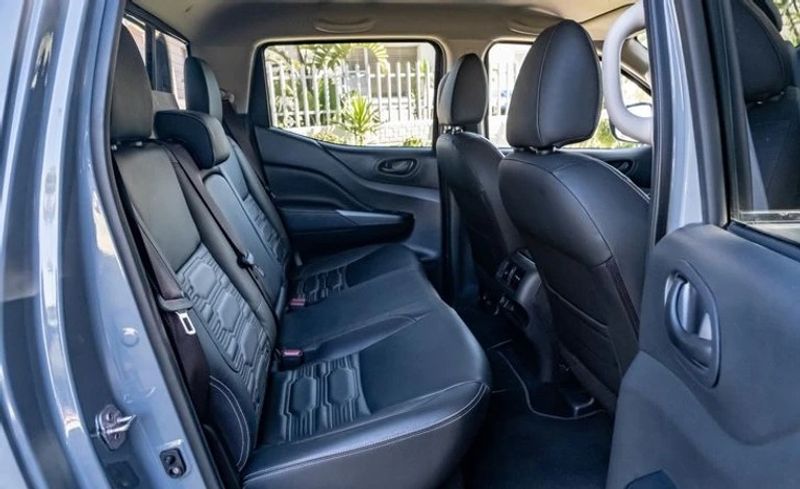
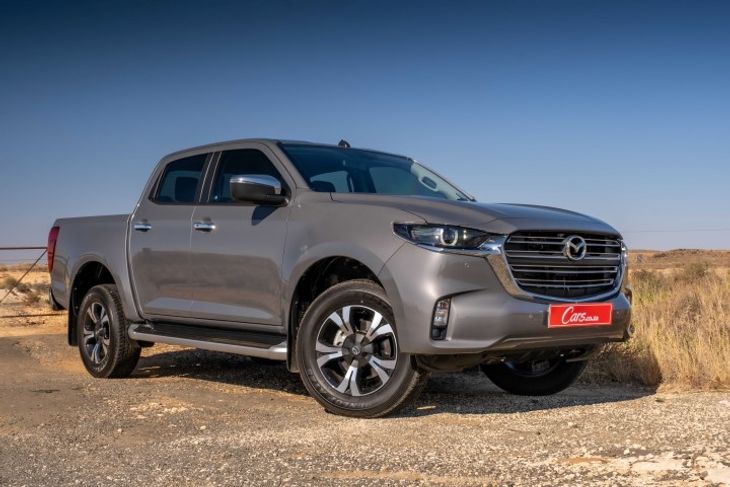
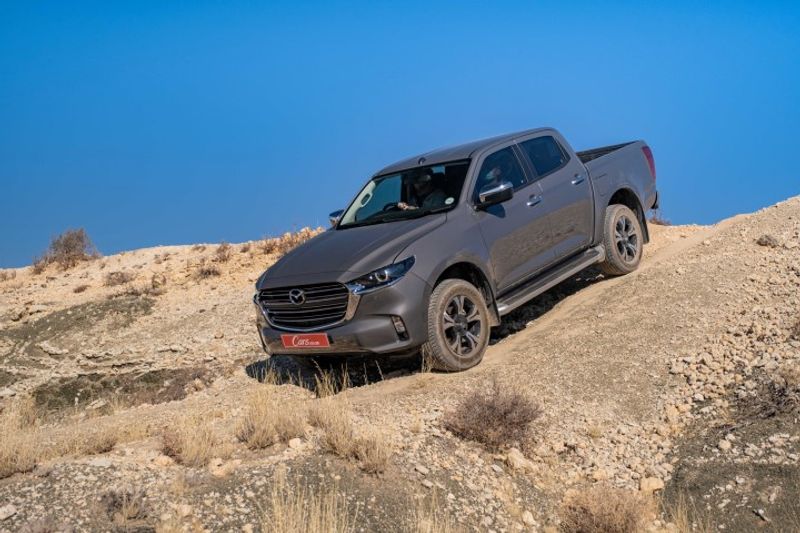
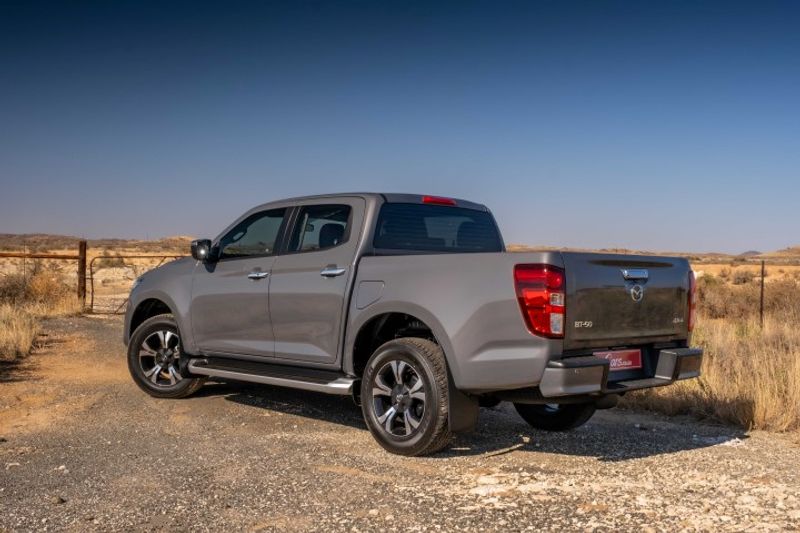
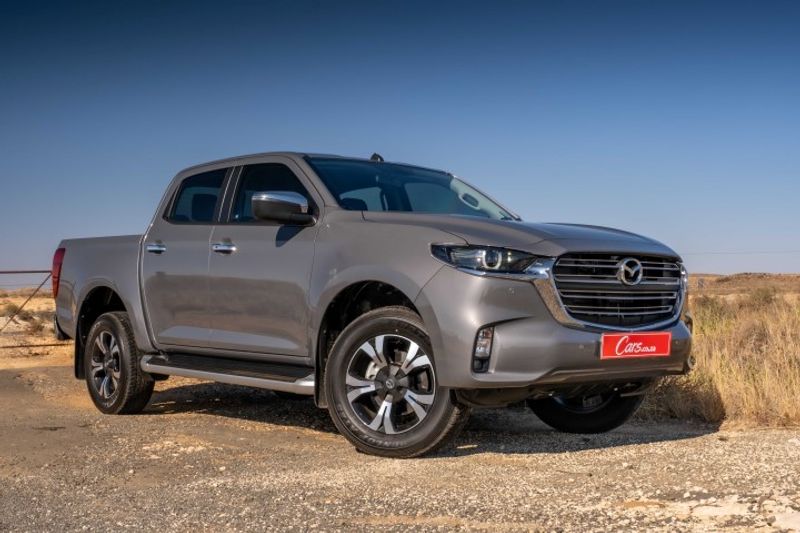
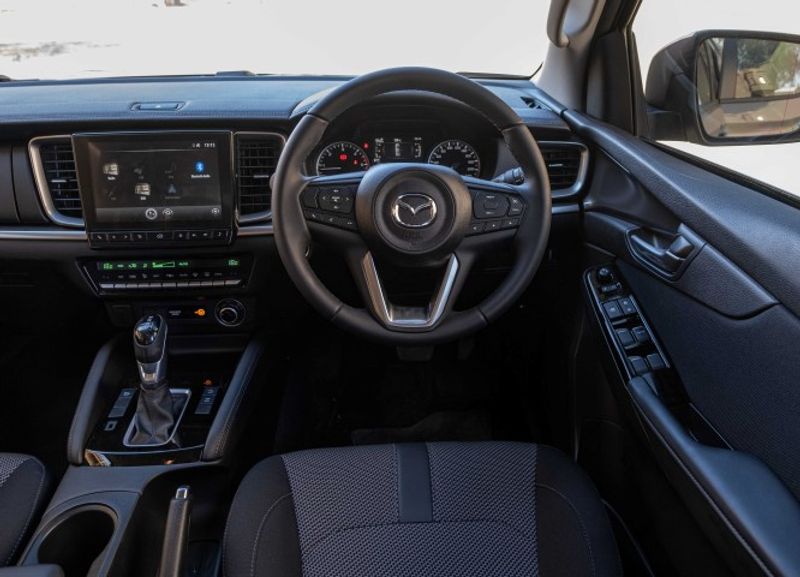
The new BT-50’s interior is also more visually appealing than that of its predecessor (it’s now based on the next D-Max’s cabin architecture, but with a few Mazda flourishes). The 9-inch infotainment system is also well-equipped with connectivity features such as Android Auto and Apple CarPlay compatibility and it’s fairly intuitive to operate.
In which ways can the Mazda BT-50 be improved?
Our biggest gripe with the Mazda BT-50 is its comparatively poor ride quality on some road surfaces. With a stiffer suspension setup, the BT-50 never felt settled – it even rode too firmly on tar at the national speed limit. Matters improved greatly when traversing dirt roads, where it seems better suited to soaking up washboard gravel and ruts.
If you consider the BT-50 will mostly be used on tar roads, the uncompromising ride (arguably exacerbated by 18-inch wheels) could be a dealbreaker for some prospective buyers, especially at the BT-50’s premium asking price. Also, we were disappointed that cloth seats are standard at this price point. Some leather would be nice, Mazda.
Note that the Mazda BT-50 has a braked towing capacity of 3 500 kg.
Verdict
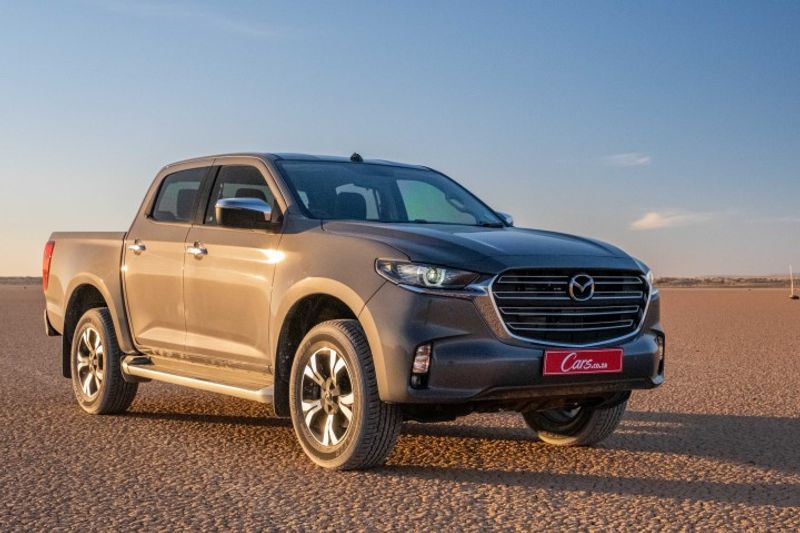
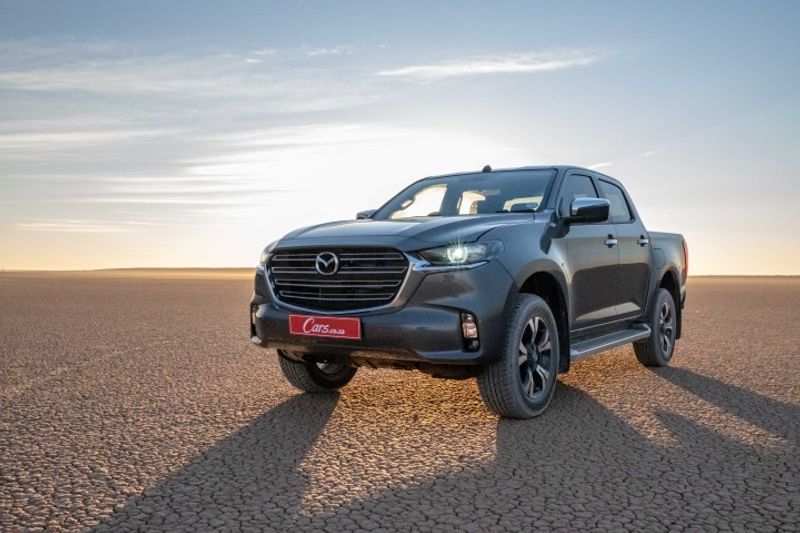
The Mazda BT-50 will appeal to those who want to drive a more classy-looking double-cab bakkie. It certainly has a more sophisticated look and its powertrain delivers compelling performance. Hopefully, the Japanese brand will appeal to its Thailand-based factory to supply units with more locally-suitable suspension tuning in the near future…
Price and warranty (March 2023)
The Mazda BT-50 3.0TD 4×4 Individual Automatic is priced from R818 400 and is sold with a 3-year/unlimited km warranty and 3-year/unlimited km service plan.
Overall Cars.co.za rating (at time of writing): 7.5 / 10
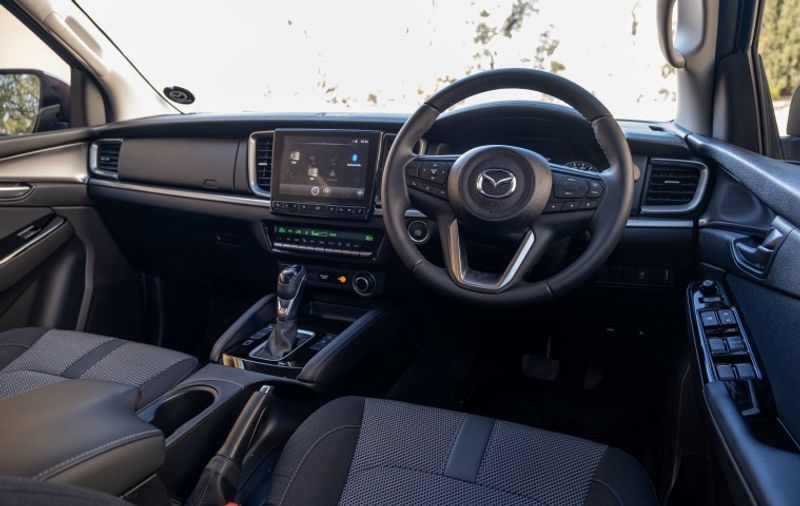
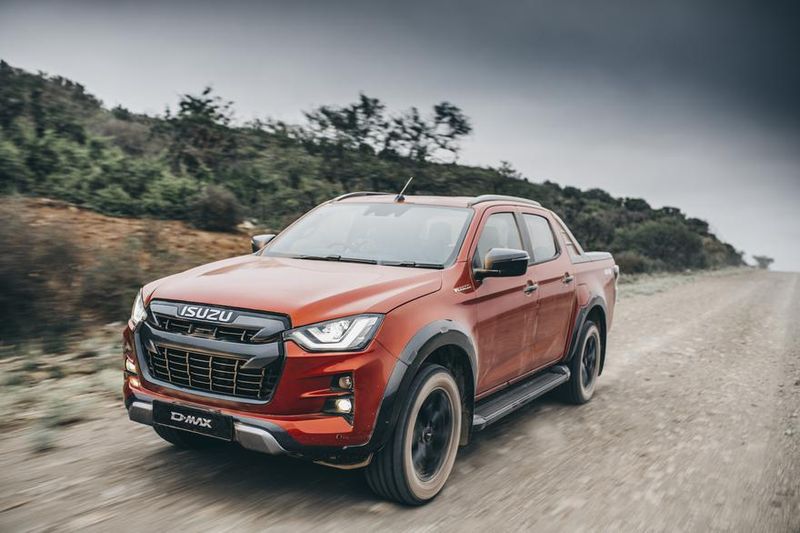
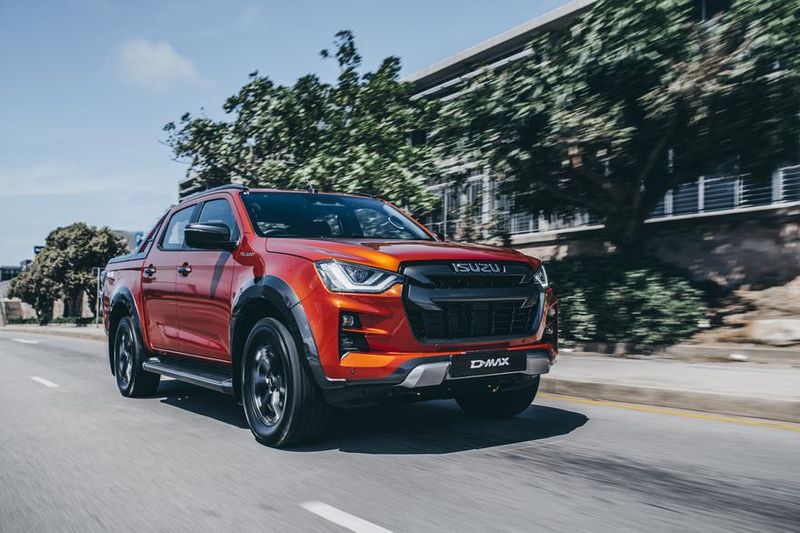
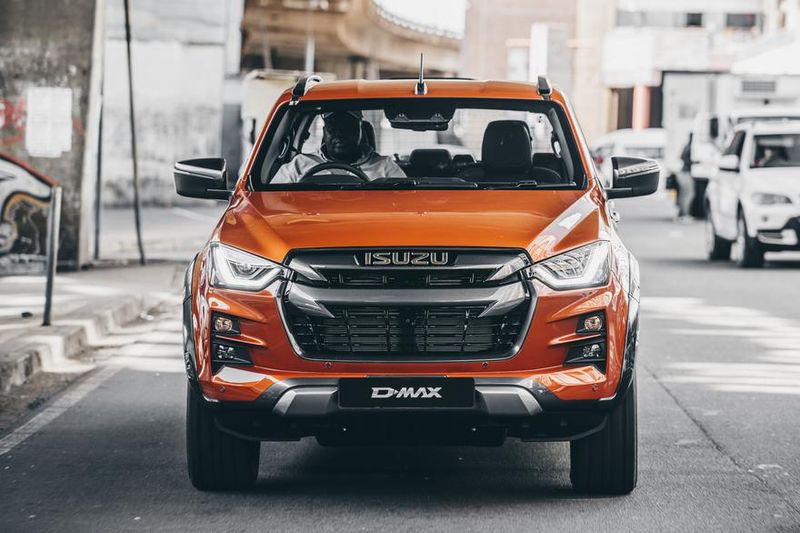
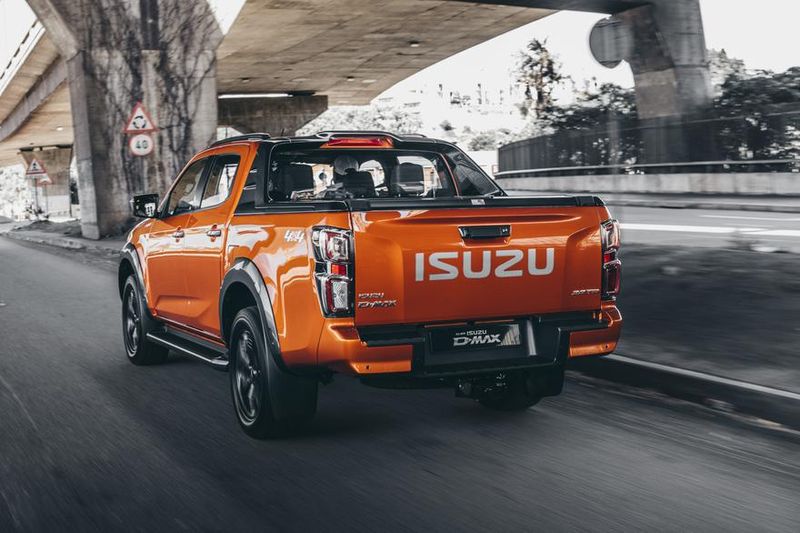
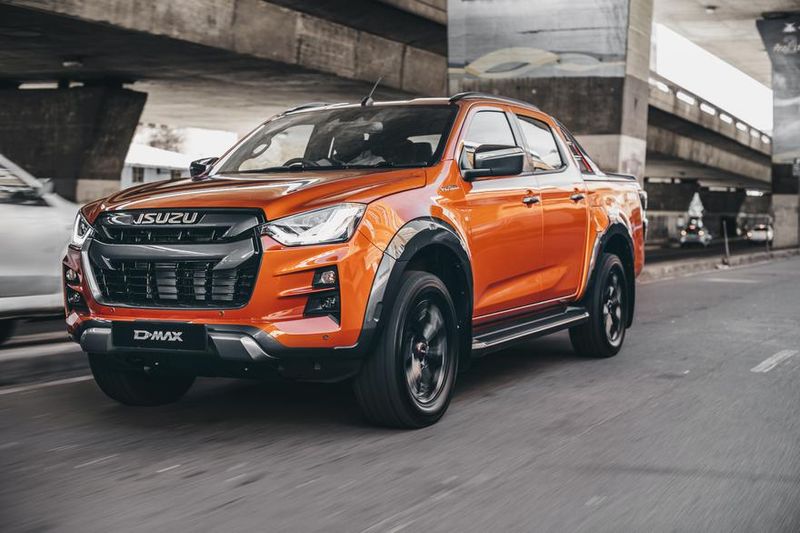
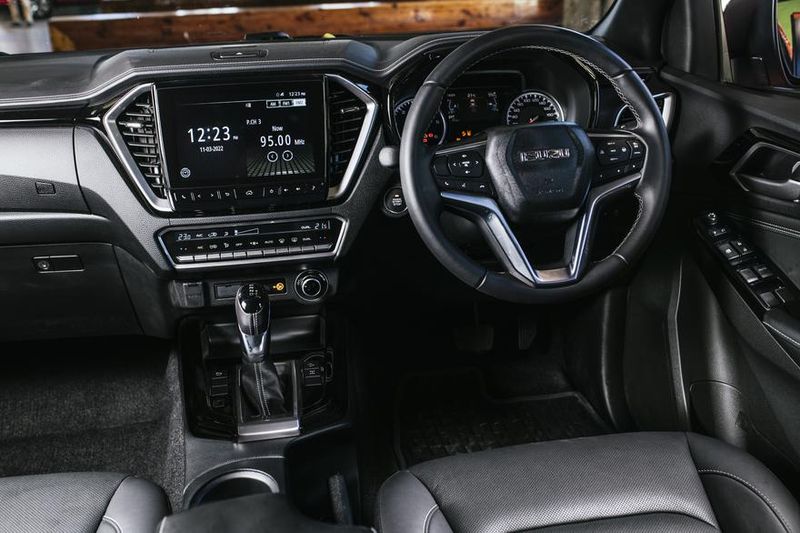
The Isuzu D-Max (previously known as the KB) is a well-established nameplate in the market and the Japanese brand is renowned for good reliability. The new, locally-assembled D-Max launched earlier this year and this range-topping V-Cross derivative boasts bold styling and a host of standard features that buyers will appreciate. The new updated powertrain also offers enhanced performance over its predecessor.
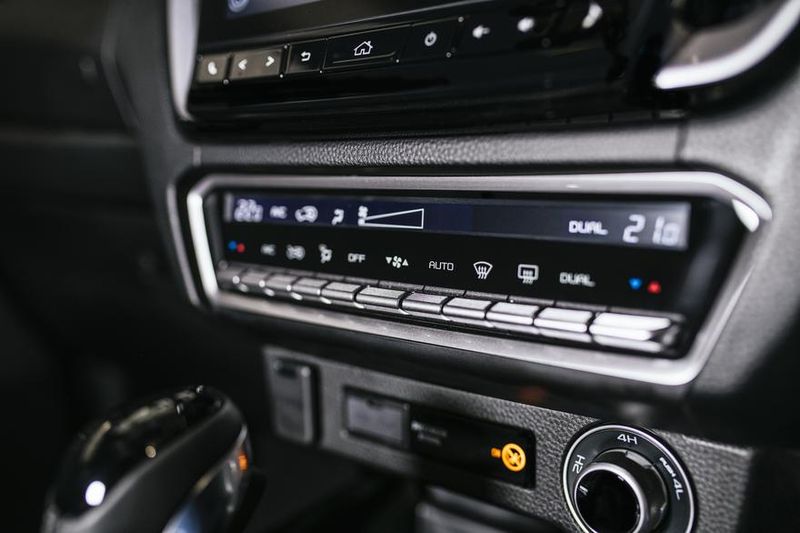
The D-Max is a tough vehicle and its off-road ability is considerable. It’s easy to go off-roading with the Isuzu; simply toggle the rotary dial in the centre console, which allows you to quickly switch to 4H on the move or low range (when stationary) – whichever you need. A rear differential lock can also be engaged in trickier conditions.
In which ways can the Isuzu D-Max be improved?
While the Isuzu D-Max has grown up, its powertrain still exhibits that typical Isuzu “grumble” during operation which is to say it’s not as refined as say, a Toyota Hilux 2.8 GD-6, for example, but it is more refined than the model it replaces. This, however, is unlikely to deter fans of the brand.
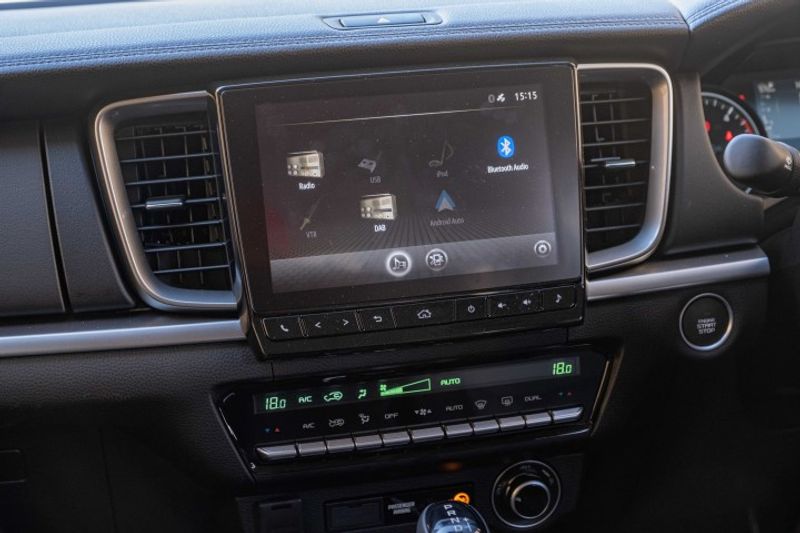
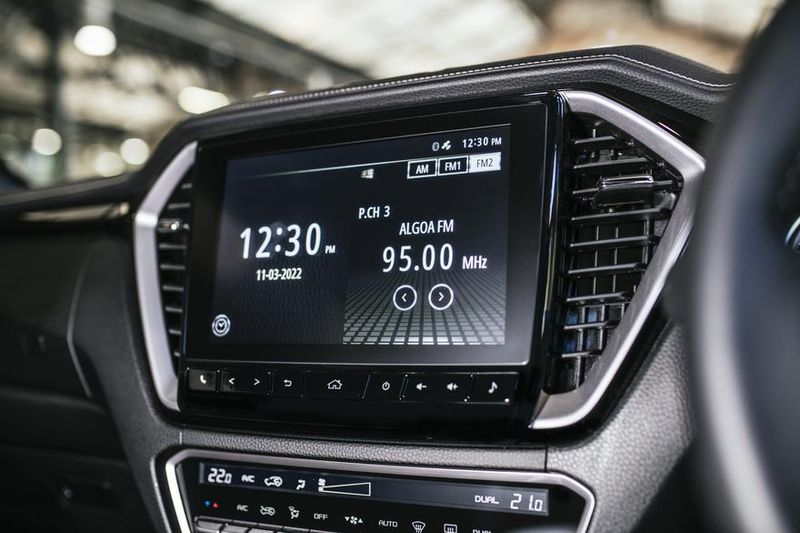
Inside, the infotainment may be perceived as being too rudimentary and some buyers might want to see some additional features added at this price point such as a 360-degree camera and wireless charging, for example.
Note that the Isuzu D-Max has a braked towing capacity of 3 500 kg.
Verdict
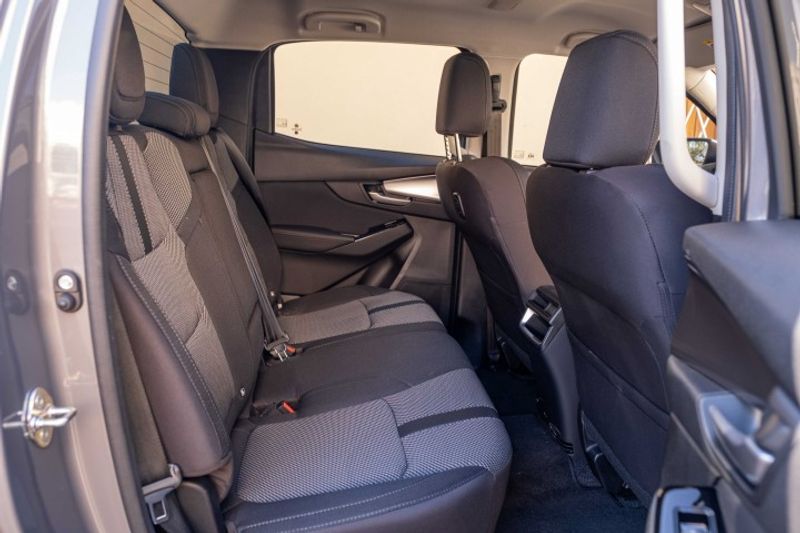
Compared with its long-serving (and widely adored) predecessor, the 7th-gen Isuzu D-Max is more spacious and comfortable inside, with greater drivetrain refinement, good looks and impressive off-roading talents. Indeed, the Japanese bakkie ticks many boxes. We’re sure the Isuzu faithful will love it, as it also retains that typically Isuzu “rugged” character.
If you’re an Isuzu brand loyalist who refuses to drive any bakkie other than a D-Max, then you are unlikely to be disappointed by the new D-Max 3.0TD V-Cross 4×4 automatic.
Price and warranty (June 2023)
The Isuzu D-Max 3.0TD V-Cross 4×4 Automatic is priced from R857 700 and is sold with a 5-year/120 000 km warranty and a 5-year/90 000km service plan.
Overall Cars.co.za rating (at time of writing): 8.5/10
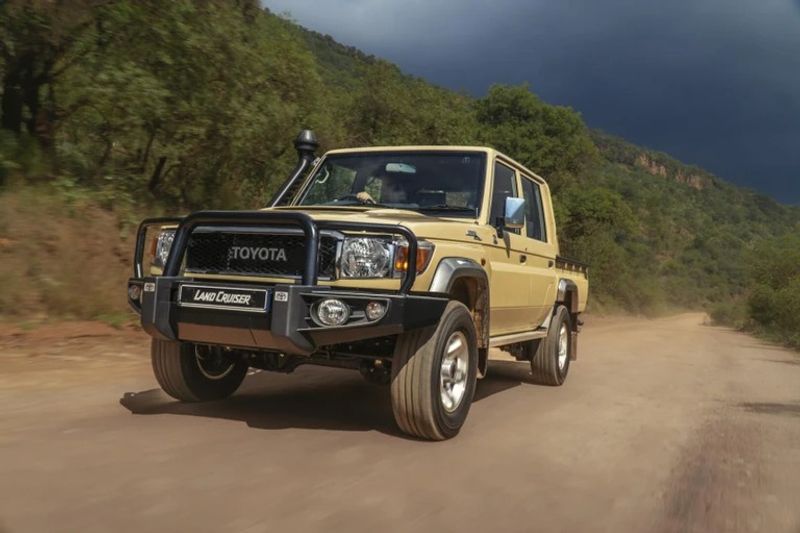
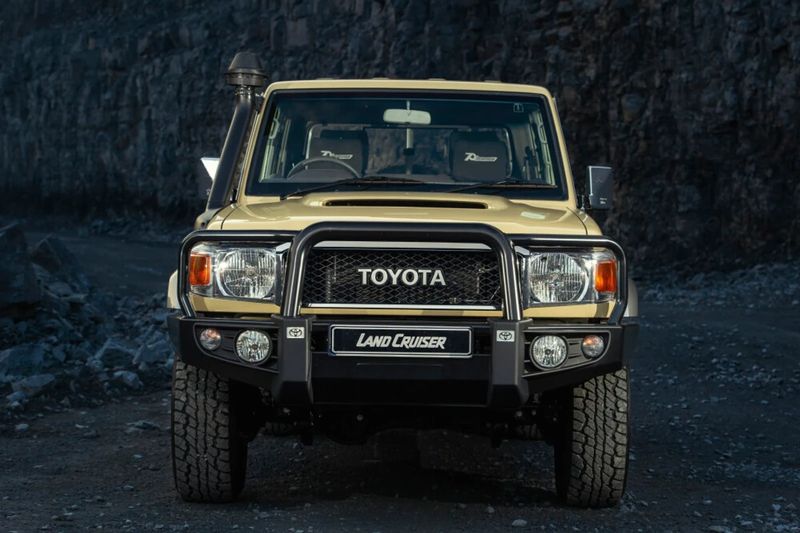
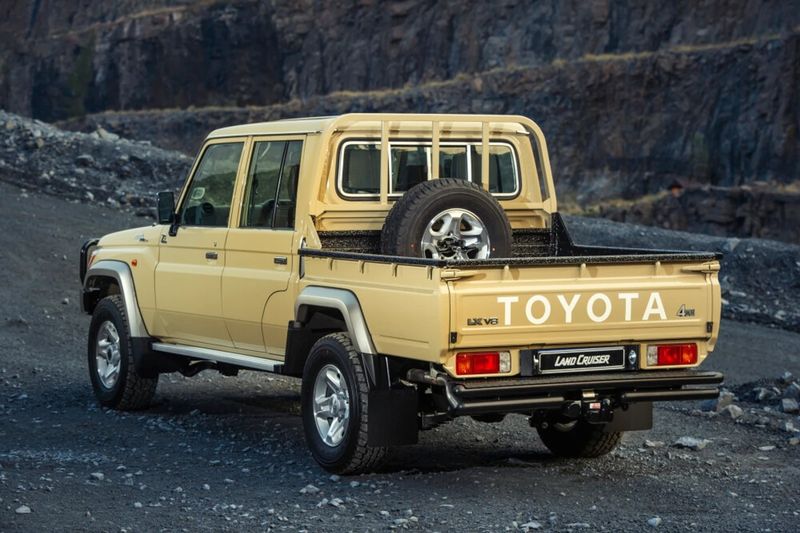
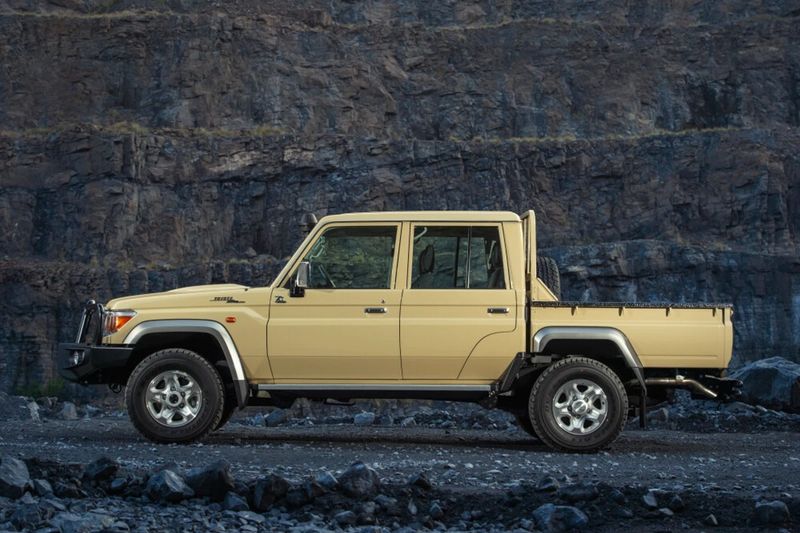
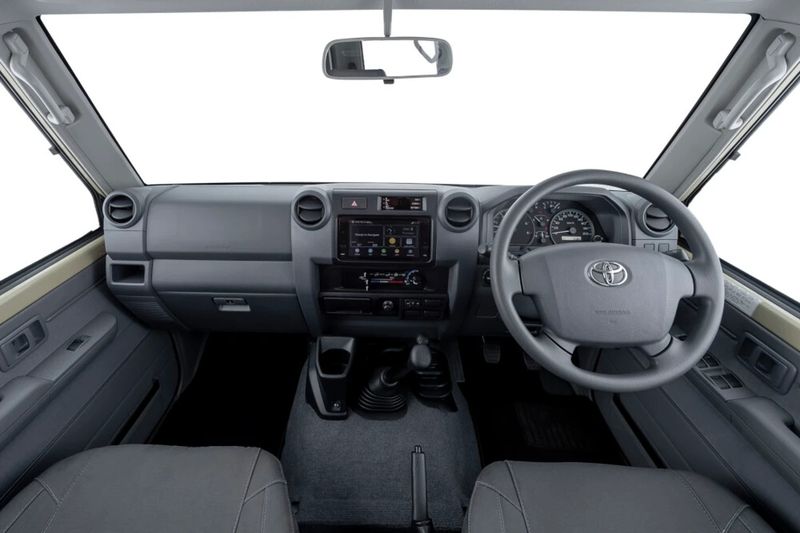
While the Land Cruiser 79 might lack modern conveniences offered by its mainstream rivals, the 79 offers old-school appeal and genuine offroad ability that’s been proven time and again. This is a no-frills 4×4 double-cab bakkie that says what it does on the tin.
Its formidable offroad prowess, thanks to its front and rear differential locks and dedicated transfer case, as well as its rugged design, makes the Land Cruiser 79 a thoroughbred workhorse.
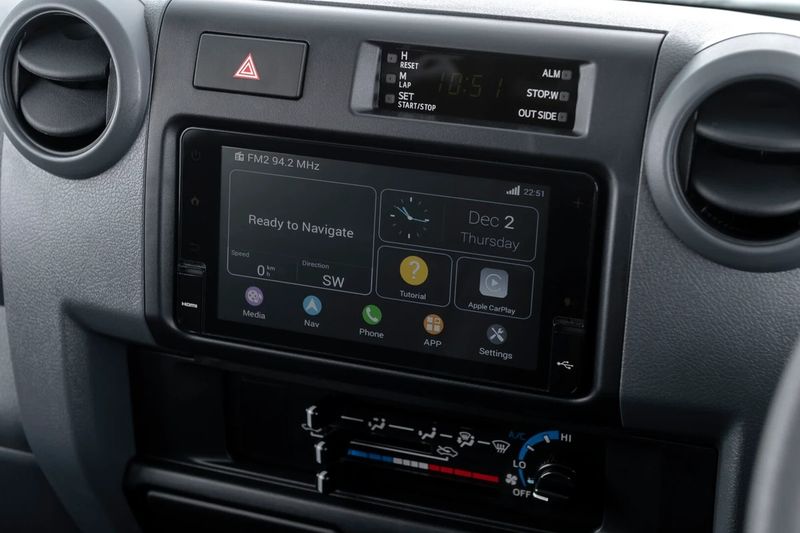
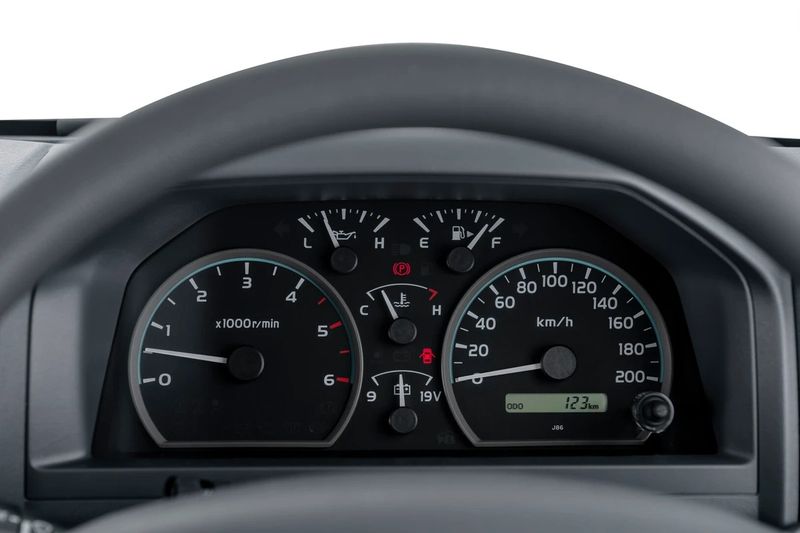
The Land Cruiser 79 feels more at home in the dirt than it does on tar and it’s therefore not an ideal choice for city use or as a daily runabout. More so, its cabin is decidedly utilitarian. The Land Cruiser is likely to be used for long trips quite often and, in that regard, we were somewhat surprised (and disappointed) by its shortage of storage solutions. There is one drinks holder in the front and the door pockets are narrow. The storage box between the front seats is also quite small and there are no drinks holders for rear occupants (but ashtrays are availed!). Thankfully the seat covers (unique to this vehicle) have stretching pockets that could hold cooldrink cans.
The Land Cruiser is also a thirsty sipper and while Toyota claims 11.9 L/100km, you’re likely to see figures of over 13.5 L/100km in the real world.
Note that the Land Cruiser has a braked tow rating of 3 500 kg.
Verdict
Simply put, this is not a vehicle that will suit everyone. The Land Cruiser 79’s design is several decades old and it offers little in the way of interior conveniences and luxuries, which is why the venerable Toyota seems so archaic – in a sadly superficial world, the 79 is little more than a relic.
But there’s something inherently appealing about a vehicle that is so resolutely counter-establishment, and so true to its purpose. Yes, it’s expensive, but it’s not expensive because it’s loaded with toys and offers snob appeal, but by virtue of genuine ruggedness and off-road ability.
Price and warranty (June 2023)
The Land Cruiser 79 4.5D-4D LX V8 is priced from R969 400 and is sold with a 3-year/100 000km warranty.
The Hilux has long been a South African favourite thanks to its formidable off-road prowess and iron-clad reliability. Not only does the latest uprated 150 kW 2.8-litre turbodiesel engine deliver improved performance… it also brings the Hilux on par with the punch of its Ranger rival’s 2.0-litre bi-turbodiesel engine. Driving comfort and ride quality are also major highlights for the Hilux and its perceived interior build quality is considered to be of the best in the segment.
In terms of features, the Toyota’s all-new 8-inch infotainment system is now Apple CarPlay and Android Auto compatible and a previous update also included the implementation of Toyota’s Safety Sense package, which includes a pre-collision detection system, road-sign detection, lane departure alert and adaptive cruise control.
While the latest range-topping Hilux is particularly difficult to fault, the bakkie has previously been criticised for feeling “cramped” inside and the interior design has an old-school look and feel to it, which could be perceived as either a good – or bad – thing. Also, oddly, the Hilux is not equipped with a reach-adjustable steering column.
Toyota has priced the Hilux right near the top end of the segment, which seems a bit cheeky for a locally-built bakkie. That’s bound to happen, though, when you consider how sought-after the Hilux is on the new and used markets.
Note that the Toyota Hilux has a braked tow rating of 3 500 kg.
Verdict
The Hilux Legend RS is a fantastic all-rounder… Not only does its uprated engine deliver notable performance, but its on-road manners are near ideal. Yes, indeed, Toyota’s top-selling bakkie delivers a comfortable, yet eminently assured driving experience. It’s hugely capable off-road too – the reasons NOT to consider the Hilux are very few.
Price and warranty (June 2023)
The Toyota Hilux 2.8 GD-6 4×4 Legend RS Automatic is priced from R973 800 and is sold with a 3-year/100 000 km warranty and a 9-services/90 000 km service plan.
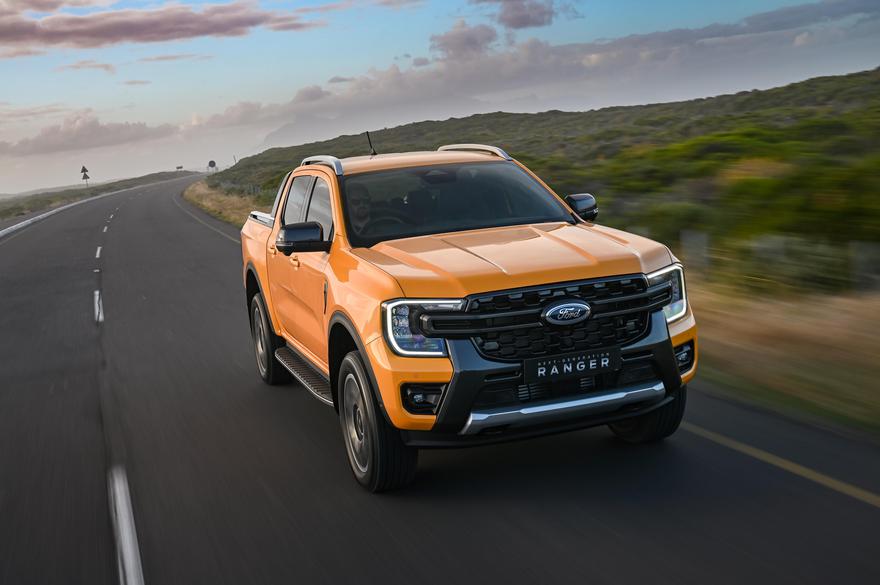
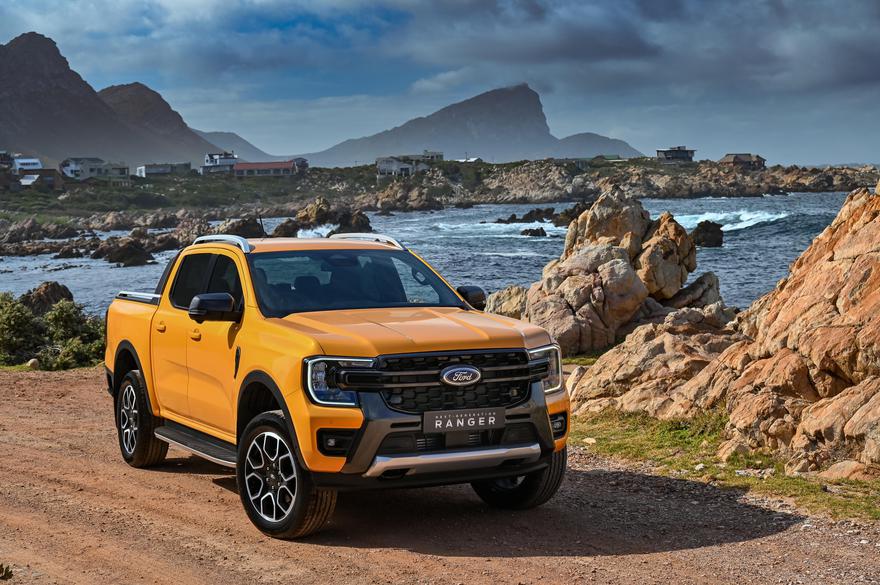
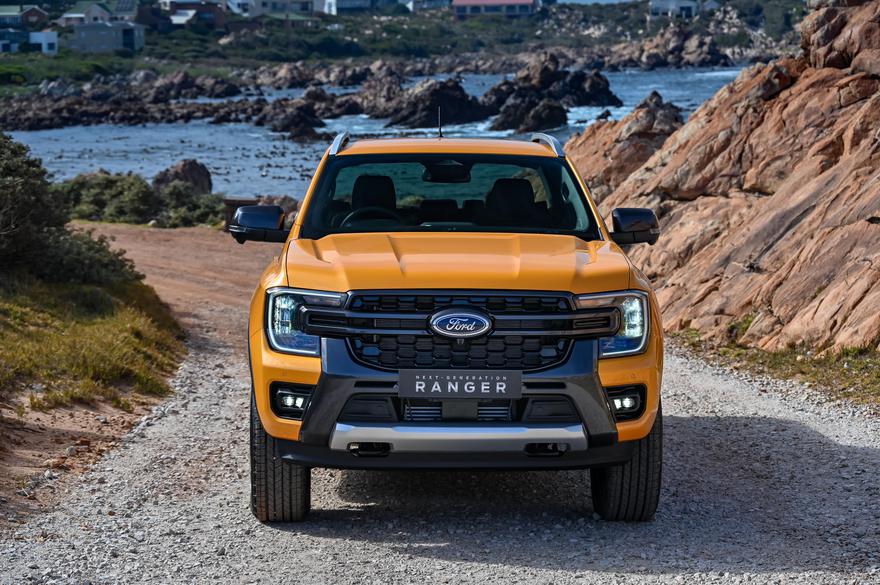
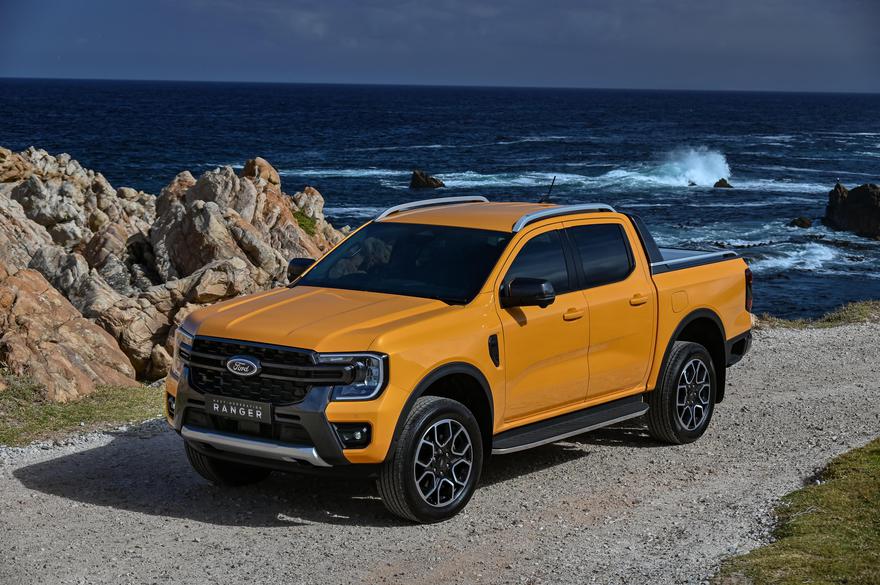
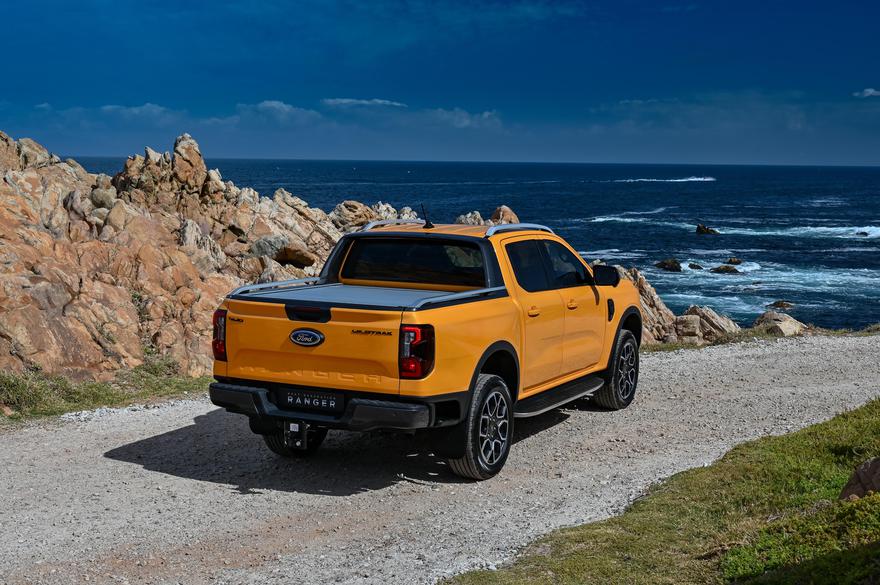
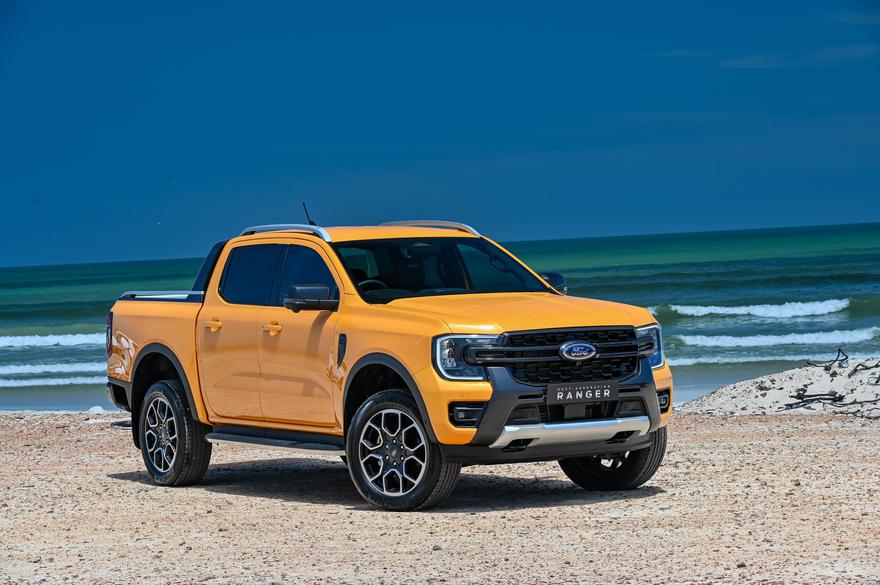
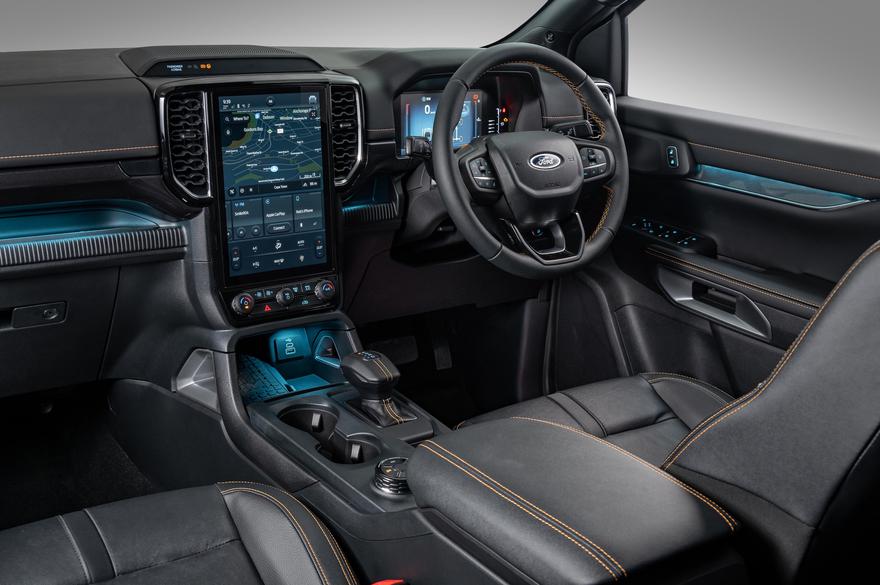
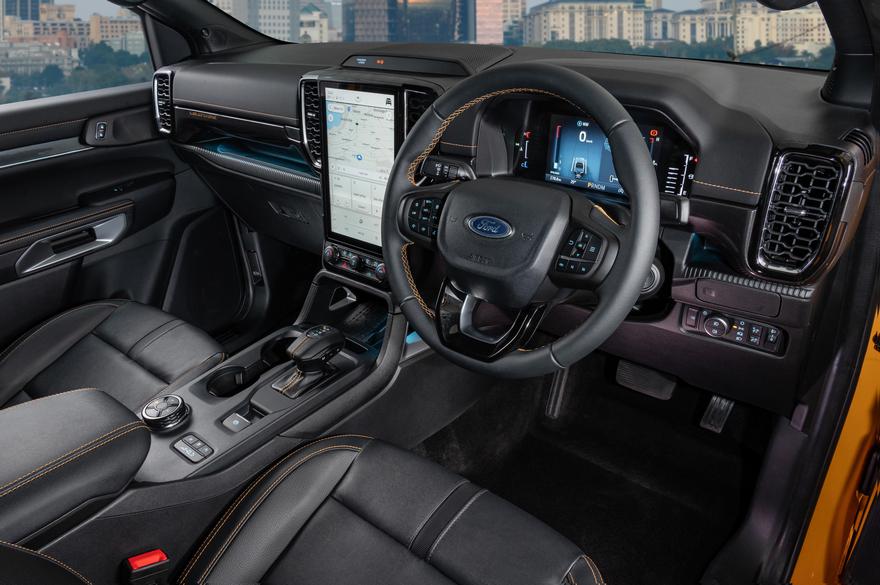
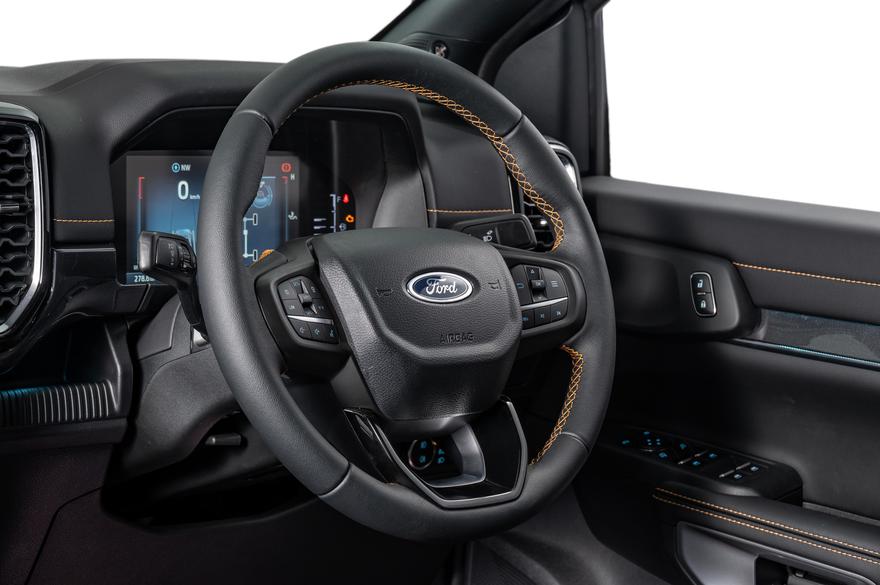
The new locally-assembled Ford Ranger arrived in South Africa late in 2022 with bold styling and an advanced interior. Some of the biggest changes are in the cabin, which is dominated by a portrait-orientated touchscreen infotainment system and a fully digital instrument cluster.
The 3.0-litre V6 “Power Stroke” turbodiesel is a revelation – for the Ranger… and the entire bakkie segment. Customers who intend to tow large trailers regularly are likely to appreciate the Ford V6’s sheer tractability – it’s brilliantly aided by the smartly-calibrated 10-speed automatic ‘box.
Moreover, the V6 motor seems notably smoother- and quieter running than its 4-cylinder biturbo counterpart, which speaks volumes, seeing as the latter is already pretty good by bakkie standards, especially in terms of its low idling noise. You don’t need to apply the accelerator pedal liberally to get the best out of the V6 either; it delivers significant urge from low down in the rev range and feels more like an SUV powerplant.
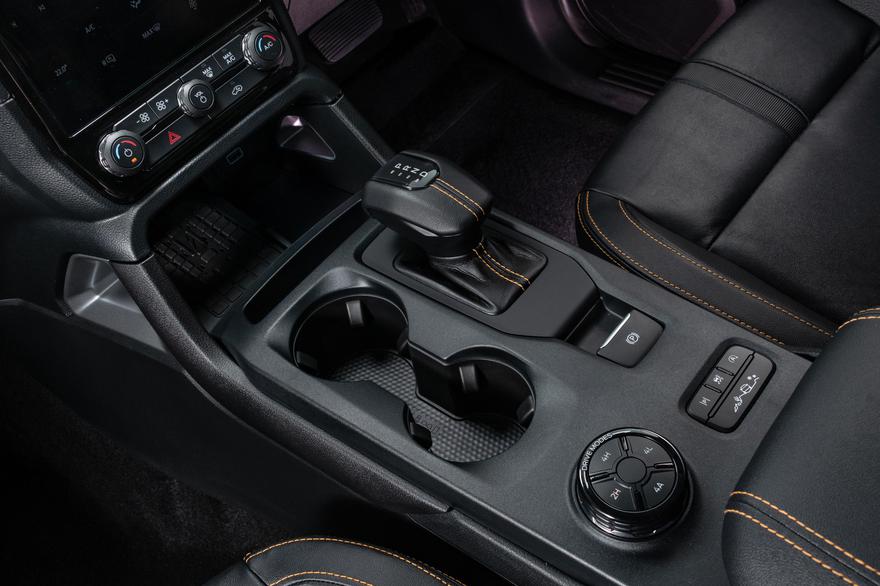
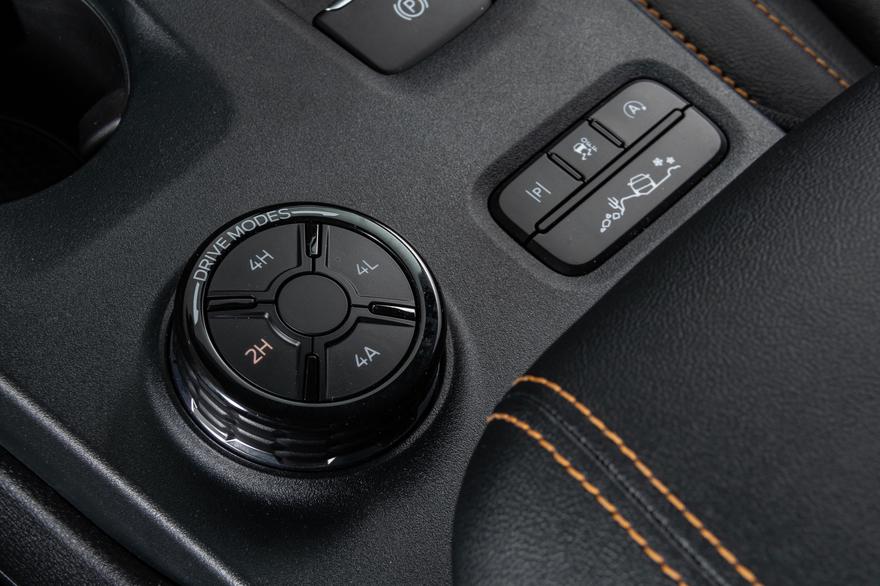
Apart from the usual 2H, 4H and 4L ranges, Ranger 4x4s offer a choice of 6 off-road drive modes, while the Wildtrak comes equipped with an electronically controlled full-time four-wheel-drive system that dynamically apportions drive between the front and rear axles as needed. The Ranger V6 Wildtrack also boasts an enhanced approach, break over and departure angles over its predecessor and can wade at a depth of up to 800 mm.
In which ways can the Ford Ranger Wildtrak be improved?
The new Ford Ranger V6 Wildtrak is difficult to fault. Some 4×4 enthusiasts will be annoyed that the differential lock can only be activated via the touchscreen and not using a physical button on the centre console. Other than that, Ford has arguably produced a class-leading product here.
As for the Ford Ranger Raptor, it’s in a league of its own when it comes to performance but it’s definitely worth considering if you want a high-performance off-road double-cab bakkie.
Note that the Ford Ranger has a braked tow rating of 3 500 kg.
Verdict
The Ranger Wildtrak just about “ticks all the boxes” and it has the performance, capability and feature set that will satisfy most buyers. It performs strongly on tar and off-road and it has the necessary level of comfort and features you’d expect from a fully-loaded double-cab at this price point. Even so, the Ranger is an acquired taste and it won’t suit everyone.
Price and warranty (June 2023)
The Ford Ranger V6 Wildtrack 4WD is priced from R996 500 and is sold with a 4-year/120 000 km warranty. Service plans are optional.
Overall Cars.co.za rating (at time of writing): 9.5/10
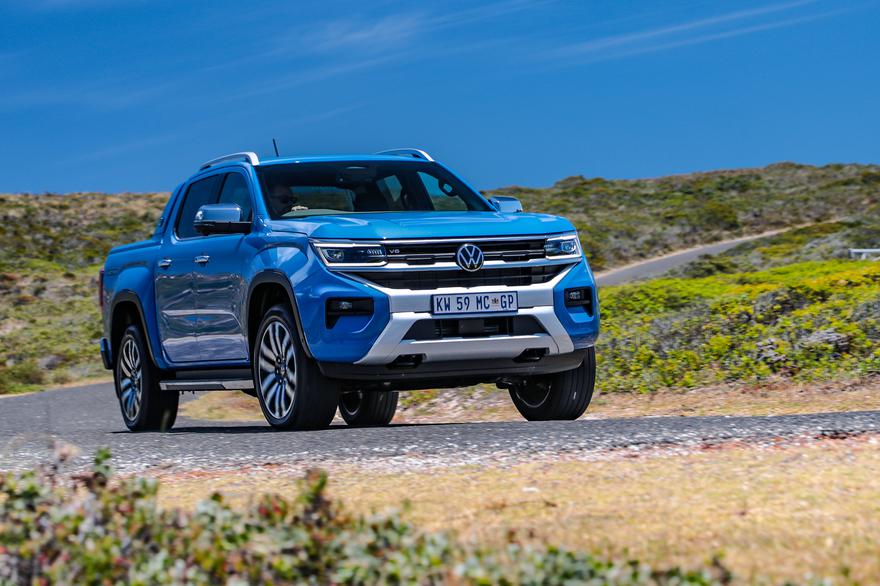
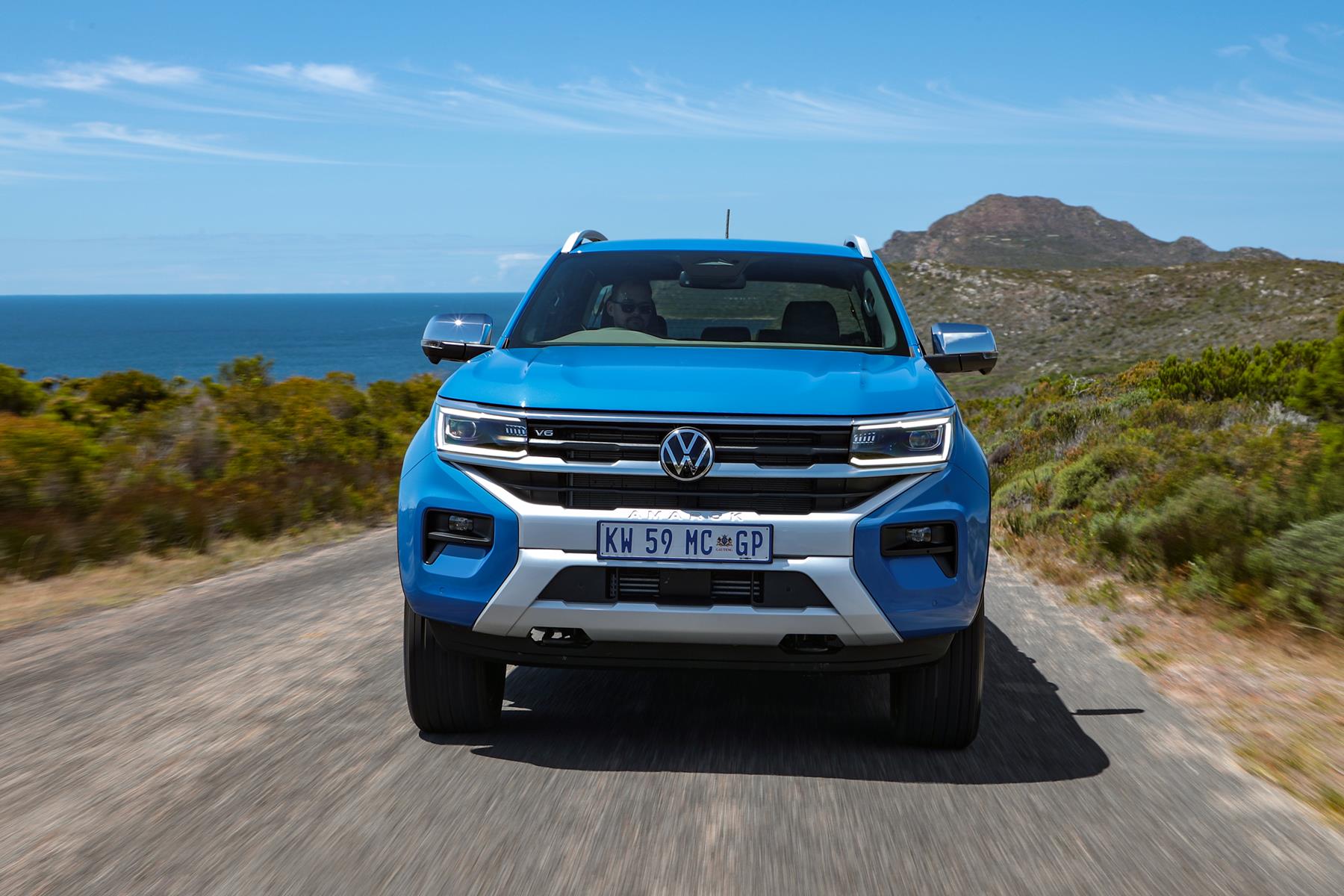
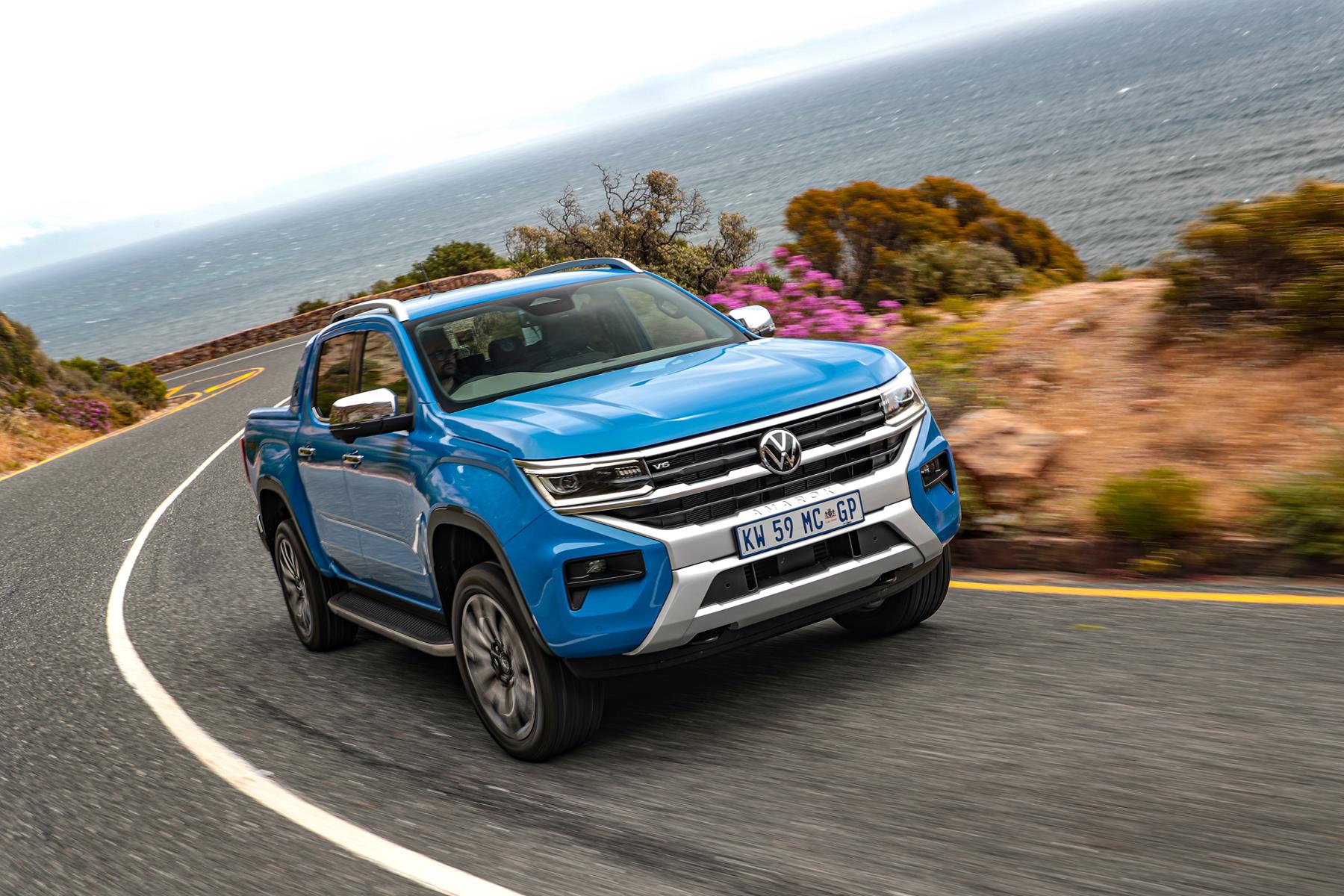
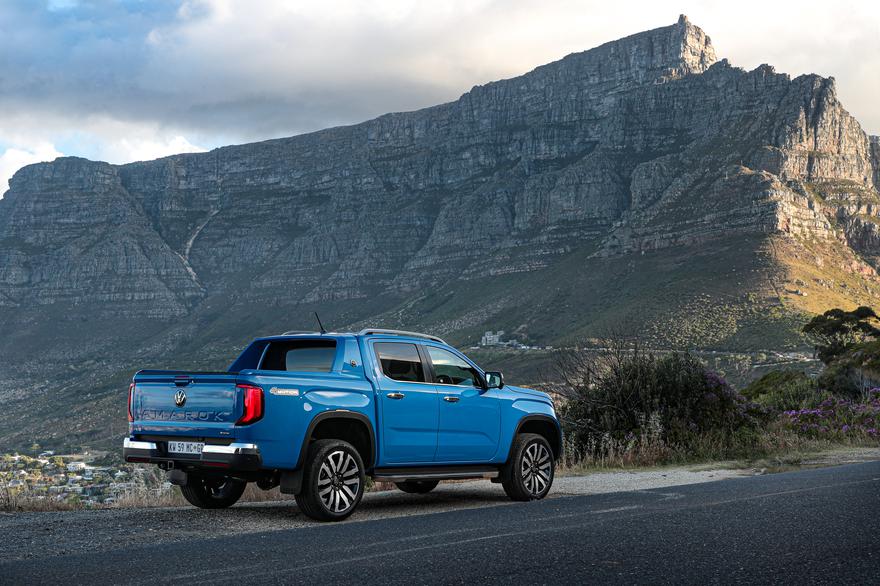
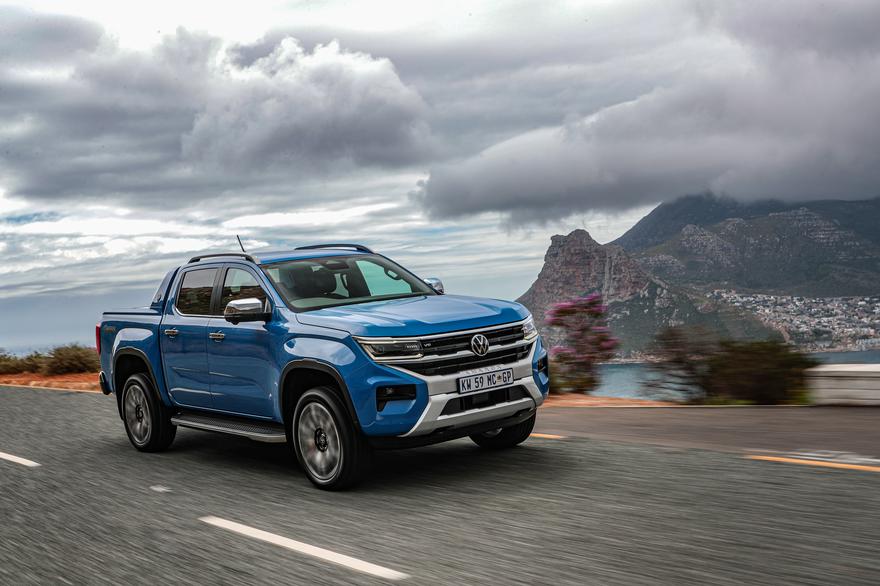
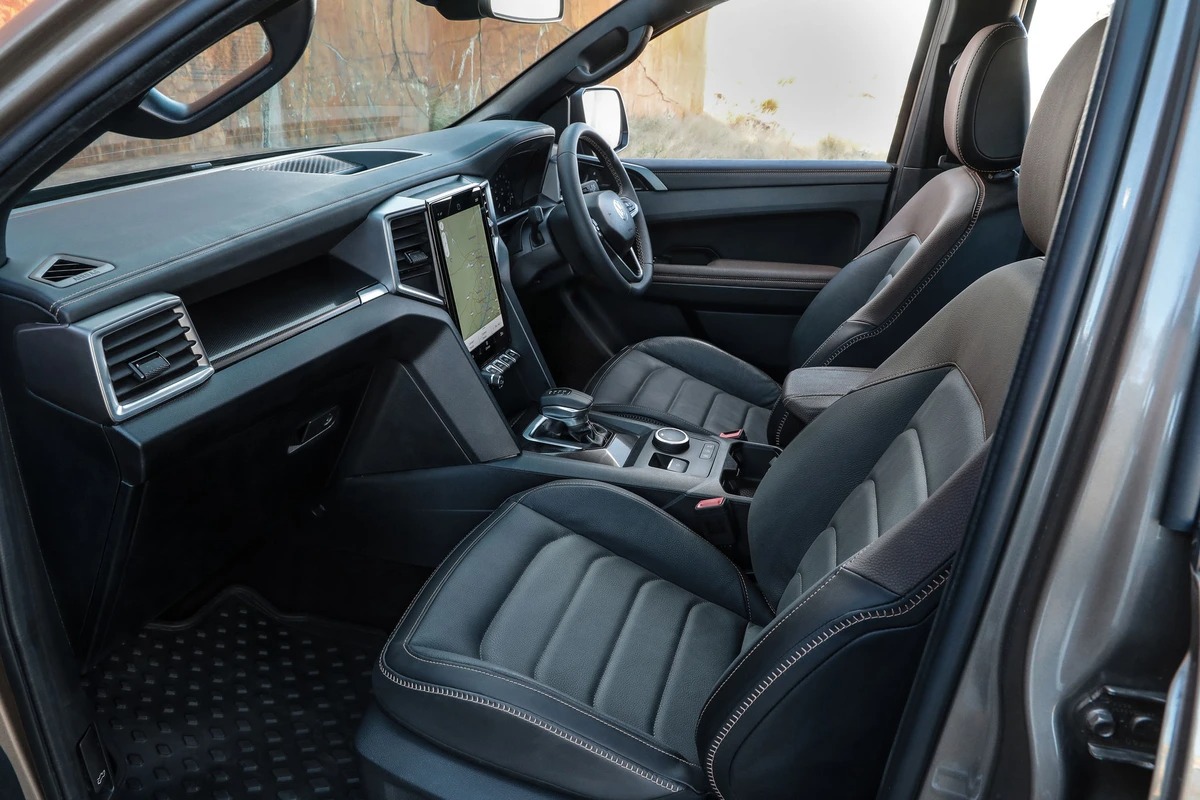
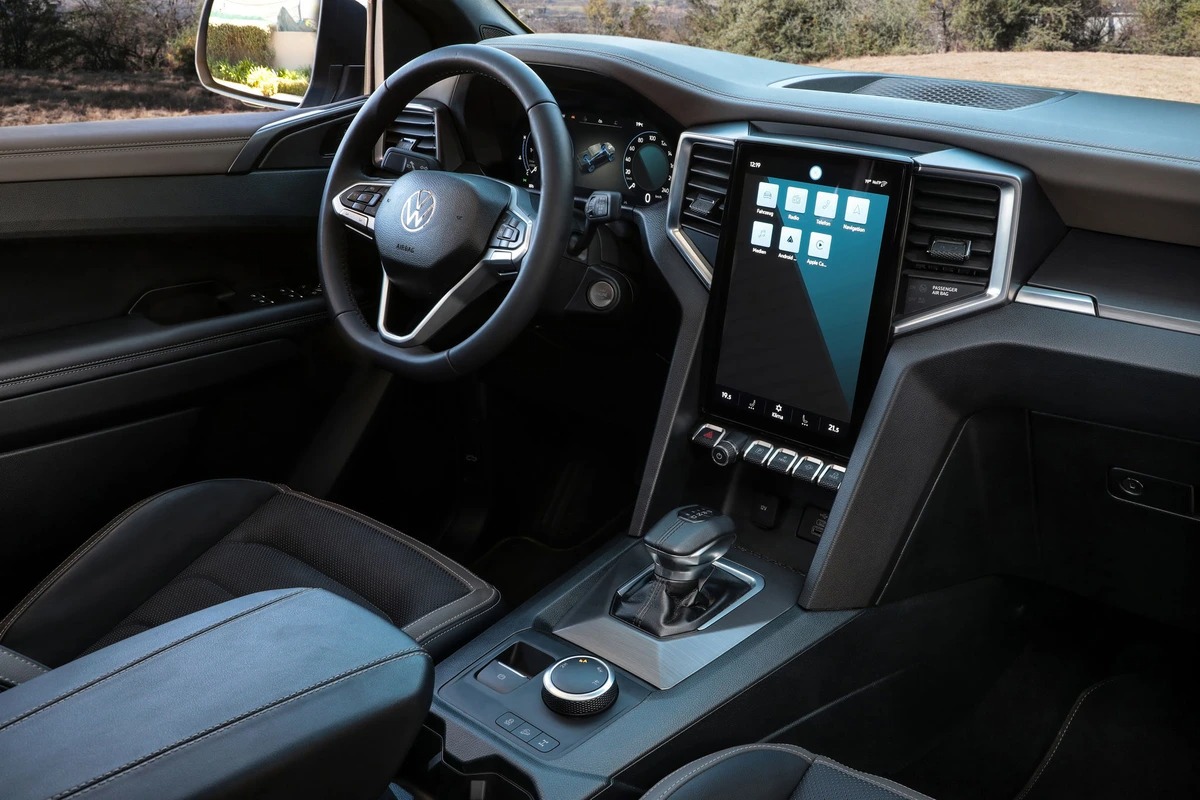
The new Volkswagen Amarok is based on the new-generation Ford Ranger and the same 3.0-litre V6 turbodiesel engine that powers the above Ranger Wildtrak is also found in this range-topping Amarok Aventura 4Motion.
As such, the Amarok V6 boasts strong performance and its on-road refinement is commendable.
It’s immediately noticeable that massive improvements have been made to the Amarok’s chassis to make it more car-like to drive, especially in terms of ride refinement. The ladder-frame chassis’ stiffness is on another level compared to the other bakkies currently on sale. There is far less body roll when cornering and way less shaking from the chassis when traversing bumps or dirt roads. The chassis is taut to a point where it is almost indistinguishable from a monocoque body you get on modern SUVs, such as the Touareg and Tiguan.
The other characteristic that is immediately apparent is the quietness of the cabin. The cab seems well insulated from wind and road noise, though the large side mirrors are unlikely to reduce fuel consumption, which is claimed at 8.4 /100km.
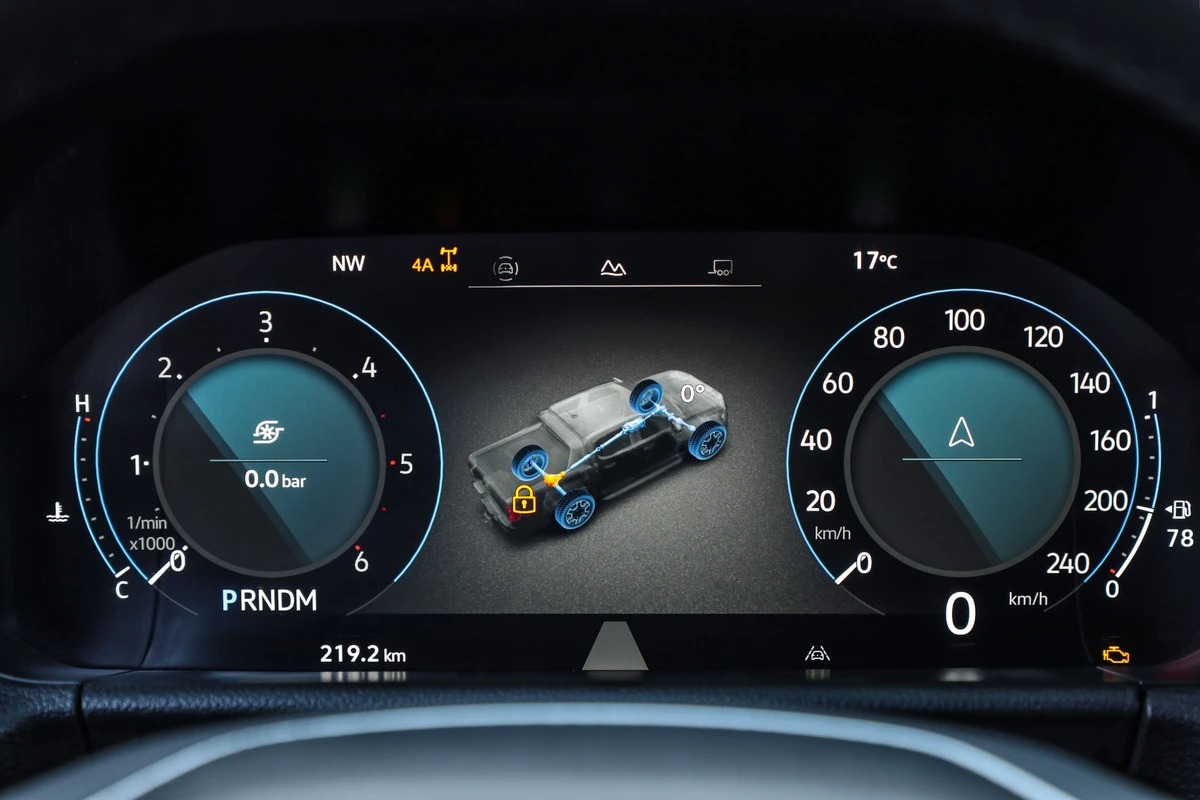
As far as interior execution is concerned, the new Amarok’s interior is more sophisticated than its predecessor and this is mostly due to the fitment of a large, portrait-style infotainment system and an all-digital instrument cluster.
In which ways can the Volkswagen Amarok be improved?
Much like the Ranger on which it’s based, the Volkswagen Amarok is a well-rounded product that’s very difficult to fault. However, despite its tech-forward cabin, we did experience a noteworthy lack of in-car storage space which is rather disappointing.
Note that the Volkswagen Amarok has a braked tow rating of 3 500 kg.
Verdict
The new Volkswagen Amarok is a formidable offering in this segment and represents a significant improvement over its predecessor. It is, however, a pricy proposition, especially when compared to the new Ranger Wildtrak which is well over R100k cheaper. Nonetheless, fans of the brand are unlikely to be deterred and with its own unique look, the new Amarok is bound to be well-received by local buyers.
Price and warranty (June 2023)
The Volkswagen Amarok 3.0 V6 Aventura 4Motion is priced from R1 138 200 and is sold with a 4-year/120 000km warranty and 5-year/1000 000 km maintenance plan.
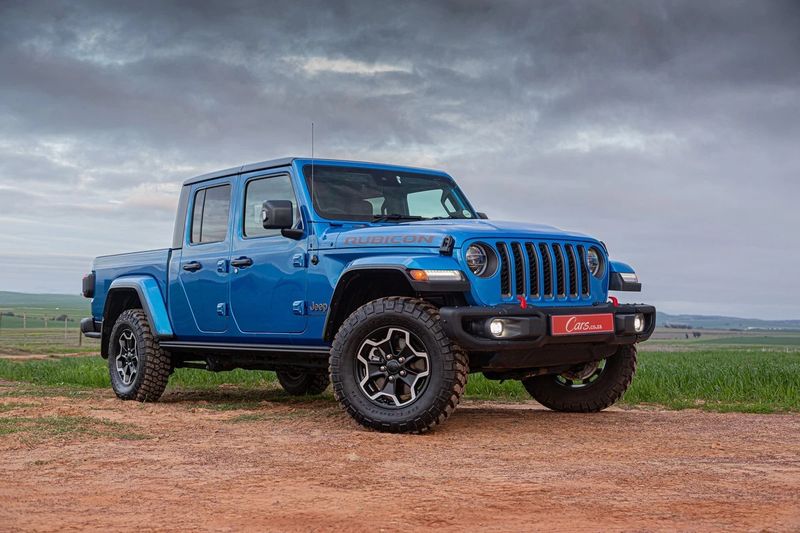
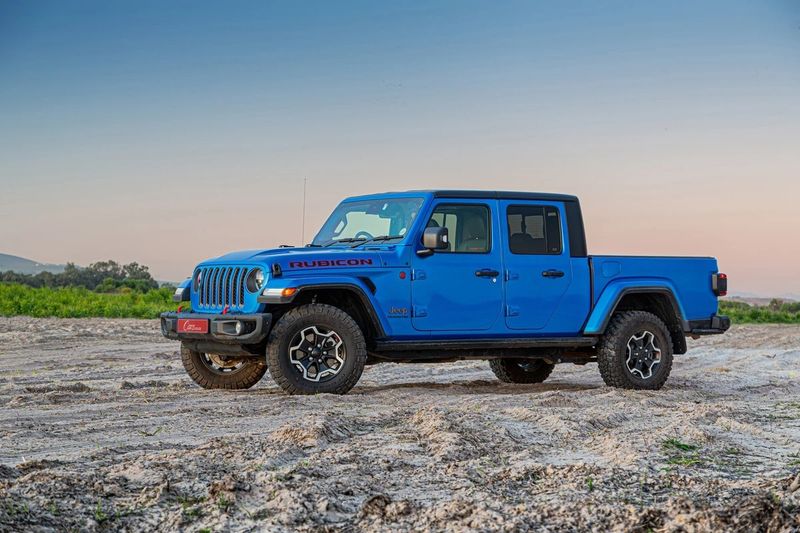
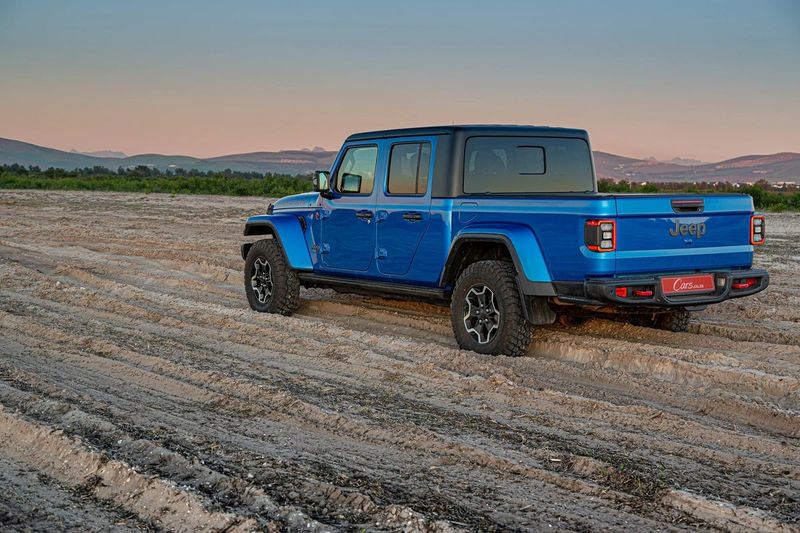
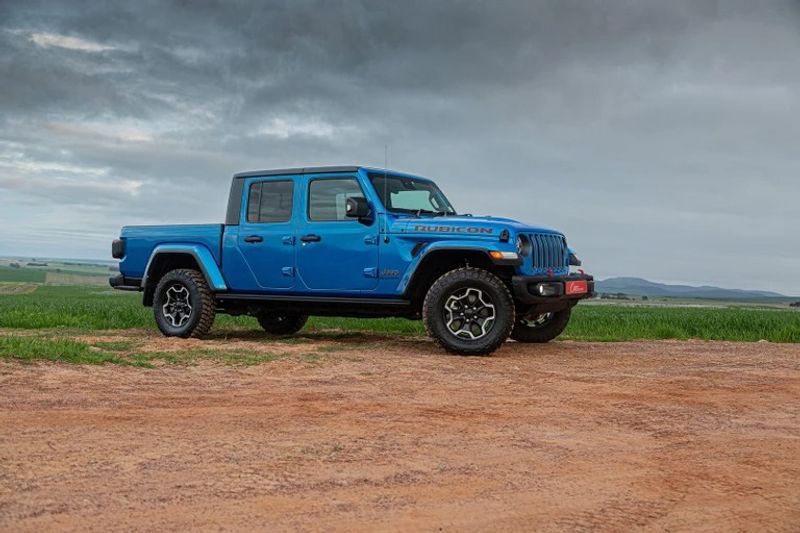
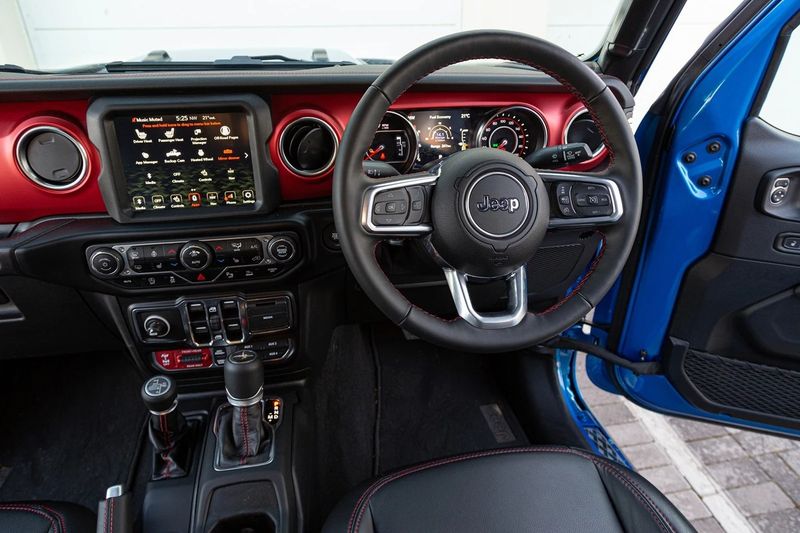
There’s nothing quite like the Jeep Gladiator and its sheer size and road presence will appeal to those wanting to make an image-driven statement. Size aside, the 3.5-litre V6 engine has the highest power output (209 kW) in the market and the Gladiator also offers considerable offroad capability. Even so, we suspect that most Gladiators will only be hopping pavements at the local shopping mall.
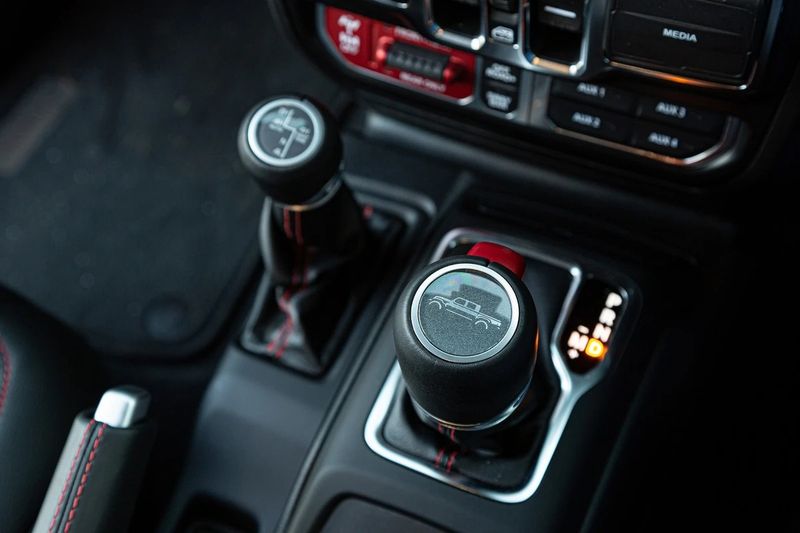
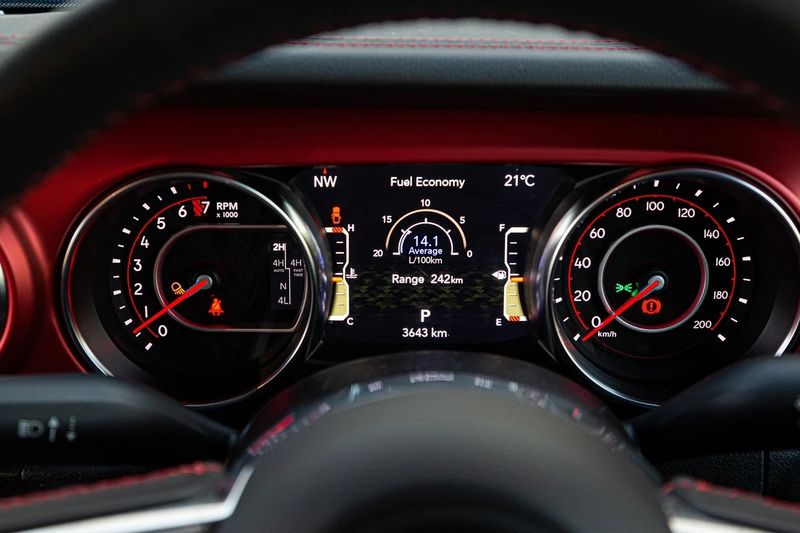
The Gladiator’s cabin is not only fully loaded with standard features but it also oozes machismo to complement is brash exterior. The practicality offered by the Gladiator’s cabin is commendable too; there are plenty of storage solutions and cupholders for the front passengers, while the squab of the rear bench can be lifted up to expose lockable storage bins.
In which ways can the Jeep Gladiator be improved?
At over 5 metres long, the Gladiator is a cumbersome vehicle to park and manoeuvre in tight or congested spaces which is something to think about if you live in a city such as Cape Town, for example.
Then there’s the load-bay capacity, or at least, the lack thereof. At 693 kg, its capacity is on the smaller side (by segment standards), which is odd, considering the extended dimensions of the Gladiator, which can tow up to 2.7-tonne braked trailers.
Unsurprisingly, efficiency is not the Gladiator’s strong point (its hefty weight and blocky shape count against it). Indeed, Jeep’s double cab is about as aerodynamic as a Tupperware container and that V6 engine needs to work hard to push the 4×4 through the air. Jeep claims a fuel consumption figure of 12.4 L/100 km but you can expect to see higher figures in the real world.
Note that the Jeep Gladiator has a braked tow rating of 2 721 kg.
Verdict
So, should you buy one? Objectively, Jeep’s new double-cab offering is far from perfect. However, few people buy a vehicle based on its merit alone, especially when the asking price is beyond the 7-figure mark. There’s an emotional element to making a purchasing decision and you can’t help but fall in love with the Gladiator – it reminds us of a clumsy Great Dane puppy that trips over its paws as it chases after the neighbour’s cat. You can’t help but laugh at, and love, this Jeep.
Price and warranty (June 2023)
The Jeep Gladiator Rubicon is priced from R1 329 900 and is sold with a 5-year/100 000km warranty and a 3-year/100 000km maintenance plan.