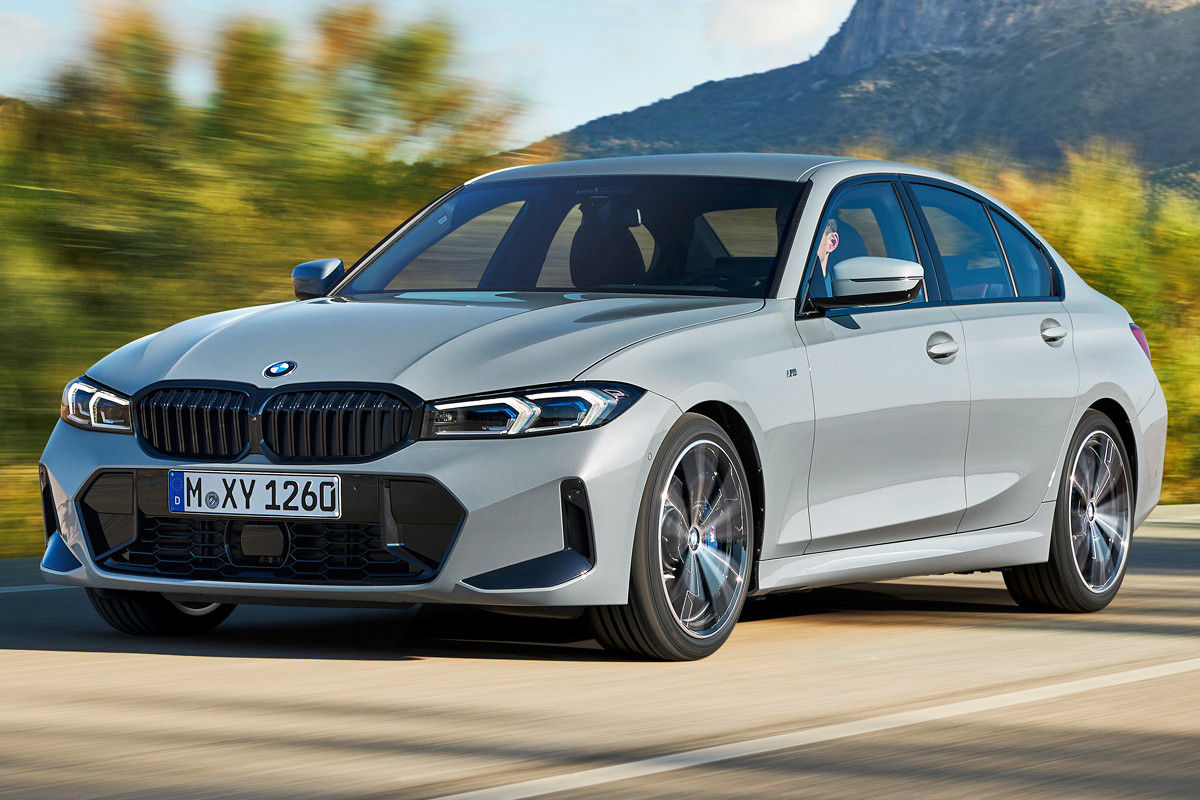
The facelifted BMW 3 Series is now on sale in South Africa. Here’s a look at how much the refreshed version of the compact premium sedan will cost you…
BMW South Africa has added the mildly facelifted G20-generation 3 Series to its online configurator, revealing pricing for the updated sedan ahead of its imminent local launch.
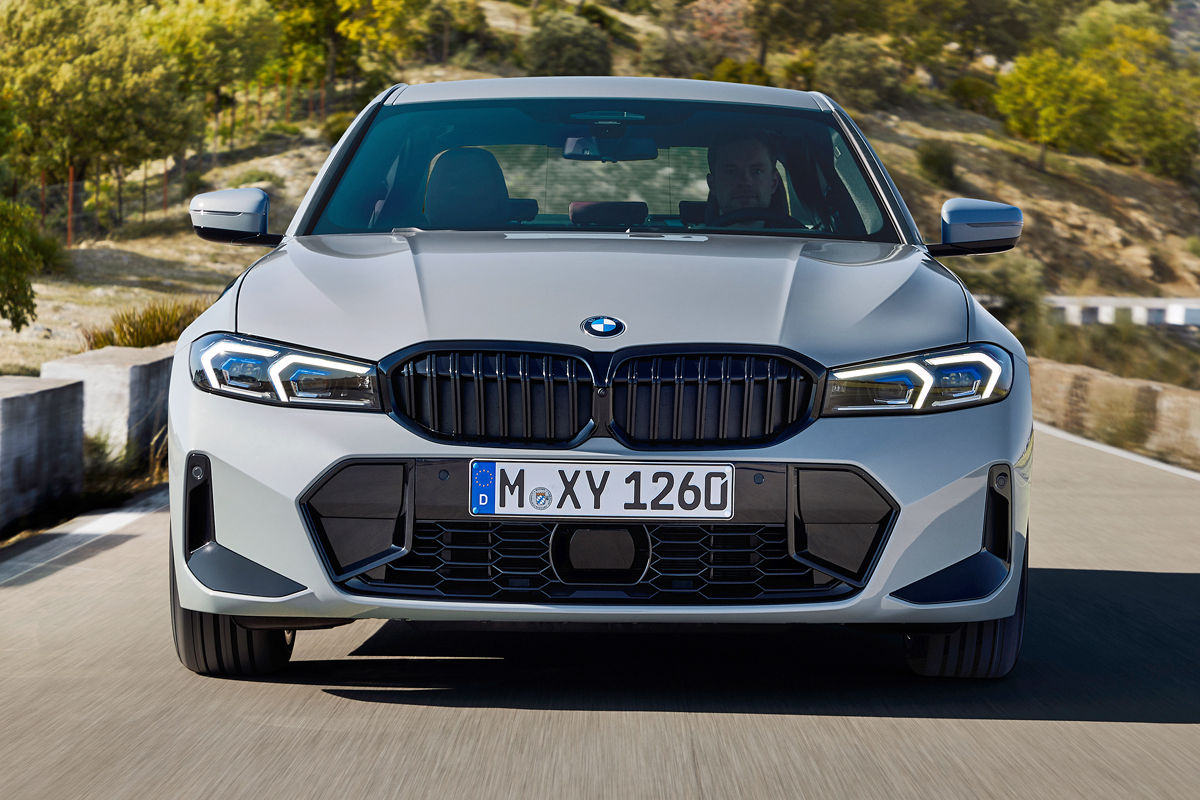
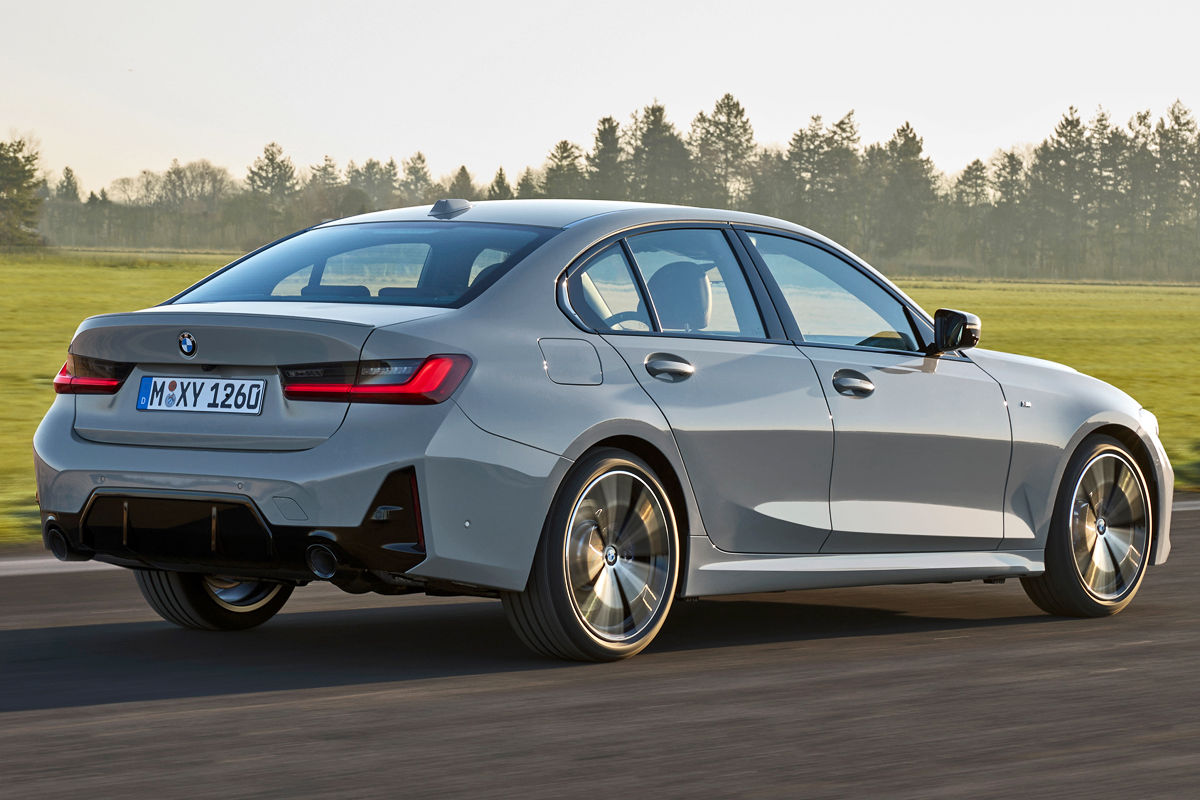
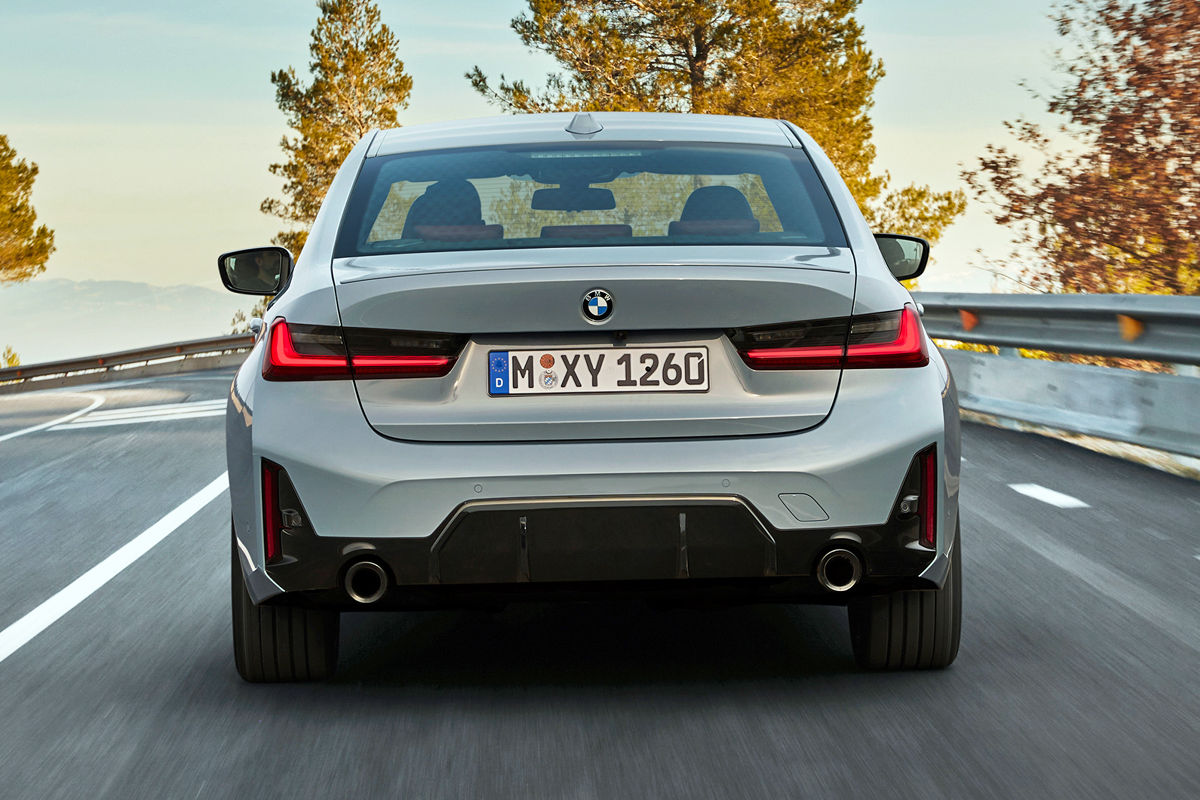
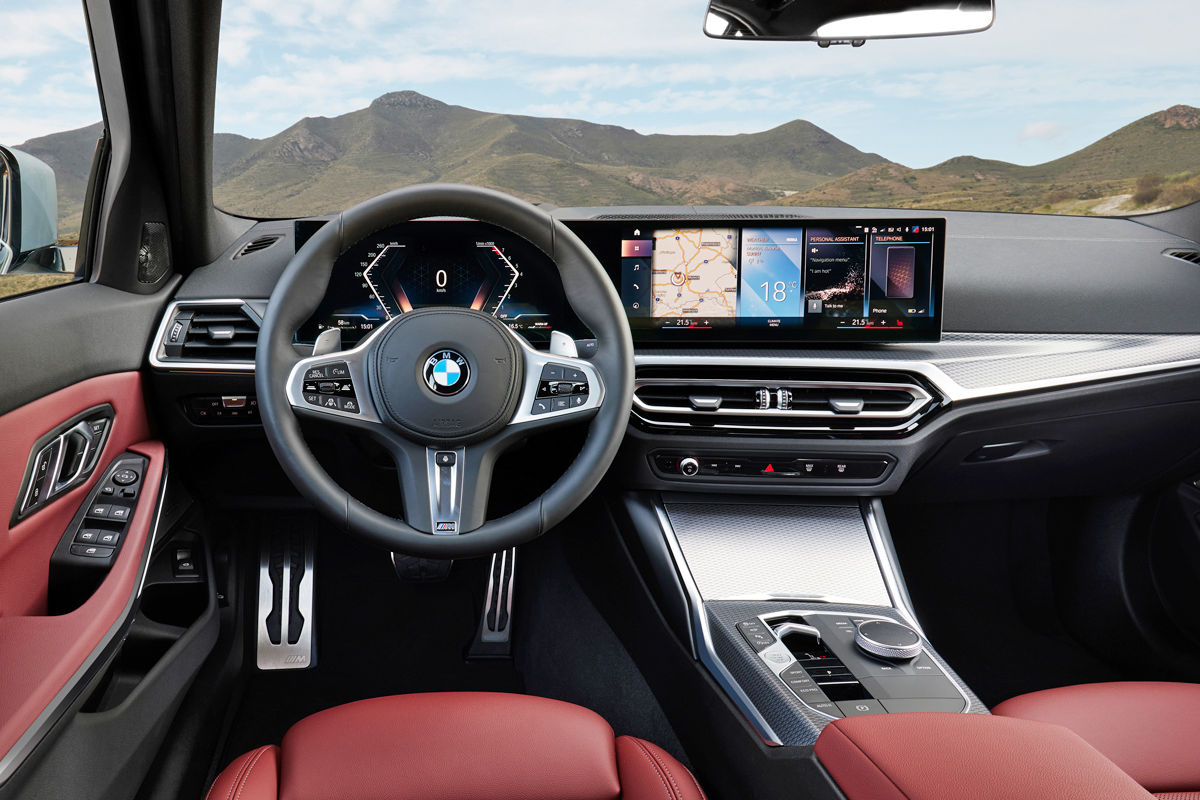
Unveiled as recently as May 2022, the 3 Series LCI (Life Cycle Impulse, or BMW speak for facelift) gains subtly revised exterior styling and a handful of tweaks to the cabin, including the addition of the Munich-based firm’s latest infotainment system (dubbed the BMW Operating System 8) with the new curved display. Check out all the updates at this link.
The engine line-up, meanwhile, is seemingly unchanged. In South Africa, the standard range again comprises three rear-wheel-drive petrol variants and one likewise rear-driven diesel-powered derivative, along with the all-paw M340i xDrive. The M3 line-up, meanwhile, has yet to receive its mid-cycle update.
As a reminder, the 3 Series range kicks off with the 318i, which employs a turbocharged 2.0-litre, 4-cylinder petrol engine generating 115 kW and 250 Nm. Driving the rear axle via an 8-speed automatic transmission used throughout the line-up, this engine facilitates a claimed 0-100 kph time of 8.6 seconds (interestingly two-tenths slower than before). Pricing for the updated 318i starts at R767 894. While it appears the option of the Sport Line package has fallen away, specifying the M Sport package (which includes new design features such a honeycomb pattern for the grille) pushes this base figure to R817 894.
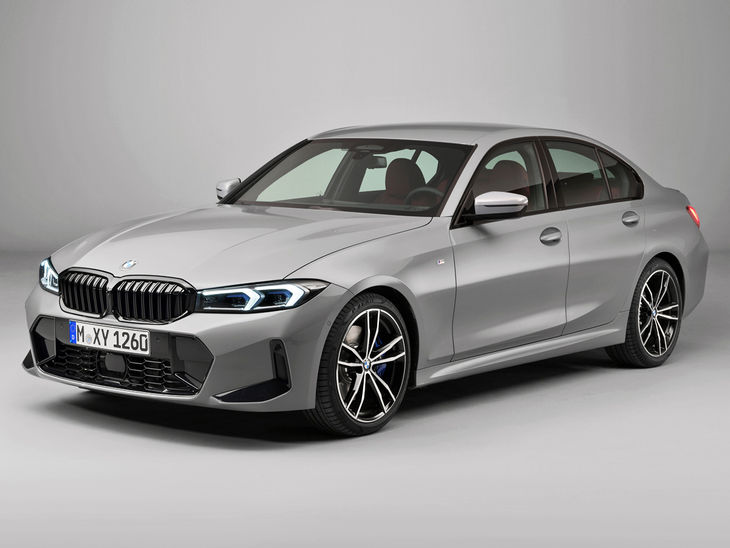
The German sedan’s headlamps and kidney grille have been subtly revised.
Next up is the 320i, with pricing now starting from R832 894. Using the same engine as the 318i but with some extra oomph, this derivative makes 135 kW and 300 Nm, which is enough to see the claimed sprint time fall to 7.4 seconds (again, three-tenths tardier than the pre-facelift version). Tick the M Sport box and base pricing shifts to R882 894.
The 330i, meanwhile, now starts at R953 197 and is again available exclusively in M Sport guise. In this form, the 2.0-litre mill makes peak outputs of 190 kW and 400 Nm, allowing the 330i to complete the obligatory dash to three figures in an unchanged 5.8 seconds.
The lone oil-burning option remains the 320d, which now starts at R880 768 in standard form and R930 768 in M Sport specification. Its 2.0-litre, 4-cylinder turbodiesel lump sends 140 kW and 400 Nm to the rear wheels, giving it a claimed 0-100 kph time of 6.8 seconds.
Finally, we have the M Performance variant. Despite the outputs of its turbocharged 3.0-litre inline-6 remaining unchanged at 285 kW and 500 Nm, the all-wheel-drive M340i’s listed sprint time on BMW SA’s website improves by one-tenth to 4.3 seconds. Pricing for this derivative now starts at R1 338 207. The M340i is furthermore available with a new R15 000 M Sport package Pro, which includes extended M High-gloss Shadowline trim, M lights Shadowline and an M Sport braking system with red callipers.
How much does the BMW 3 Series cost in South Africa?
BMW 318i – R767 894
BMW 318i M Sport – R817 894
BMW 320i – R832 894
BMW 320i M Sport – R882 894
BMW 320d – R880 768
BMW 320d M Sport – R930 768
BMW 330i M Sport – R953 197
BMW M340i xDrive – R1 338 207
All BMW 3 Series models ship standard with a 2-year/unlimited kilometre warranty and a 5-year/100 000 km maintenance plan.
BMW X1 (2022) Specs & Price
BMW South Africa has quietly uploaded the new X1 to its online configurator. Here’s how much it costs…
[UPDATE: BMW SA has now added pricing for the diesel variant to the mix, while also adjusting down the starting price of the petrol derivative. Details below…]
The new BMW X1 is scheduled to hit the market in South Africa before the end of 2022, with the first derivative – the petrol-powered sDrive18i – having already been added to the Munich-based automaker’s local online configurator.
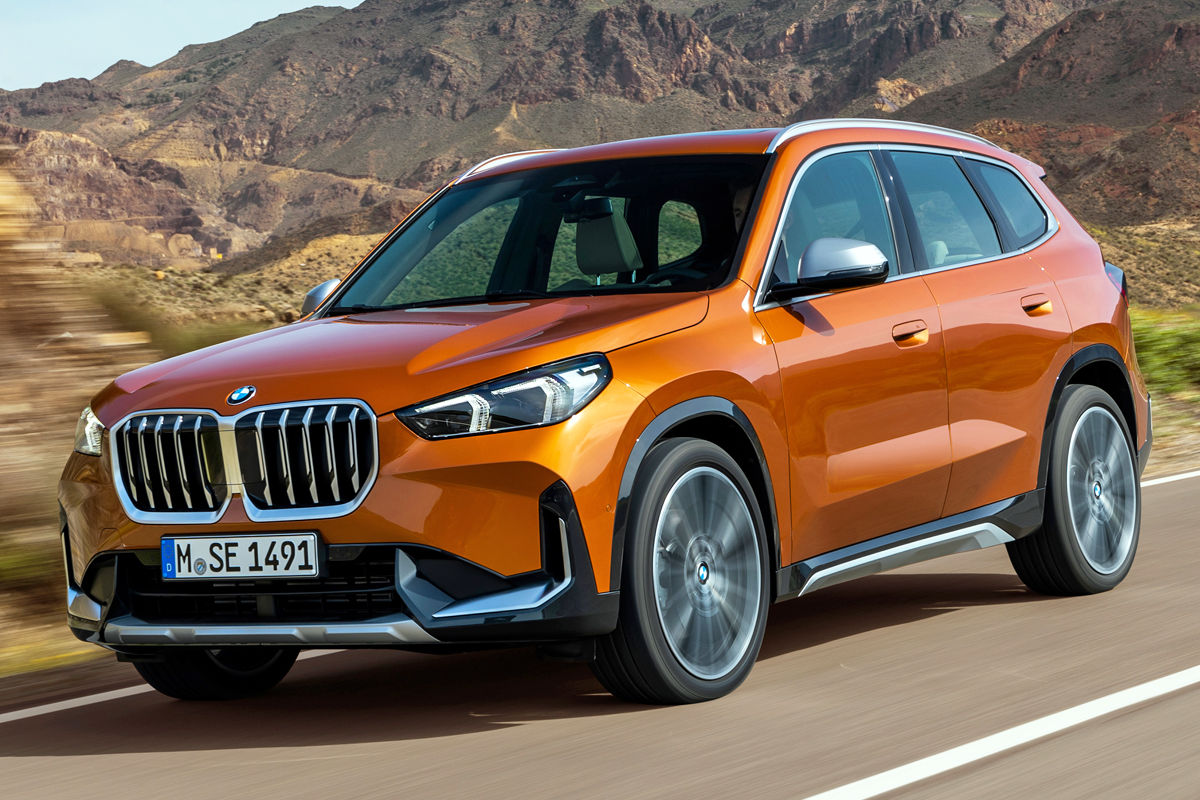
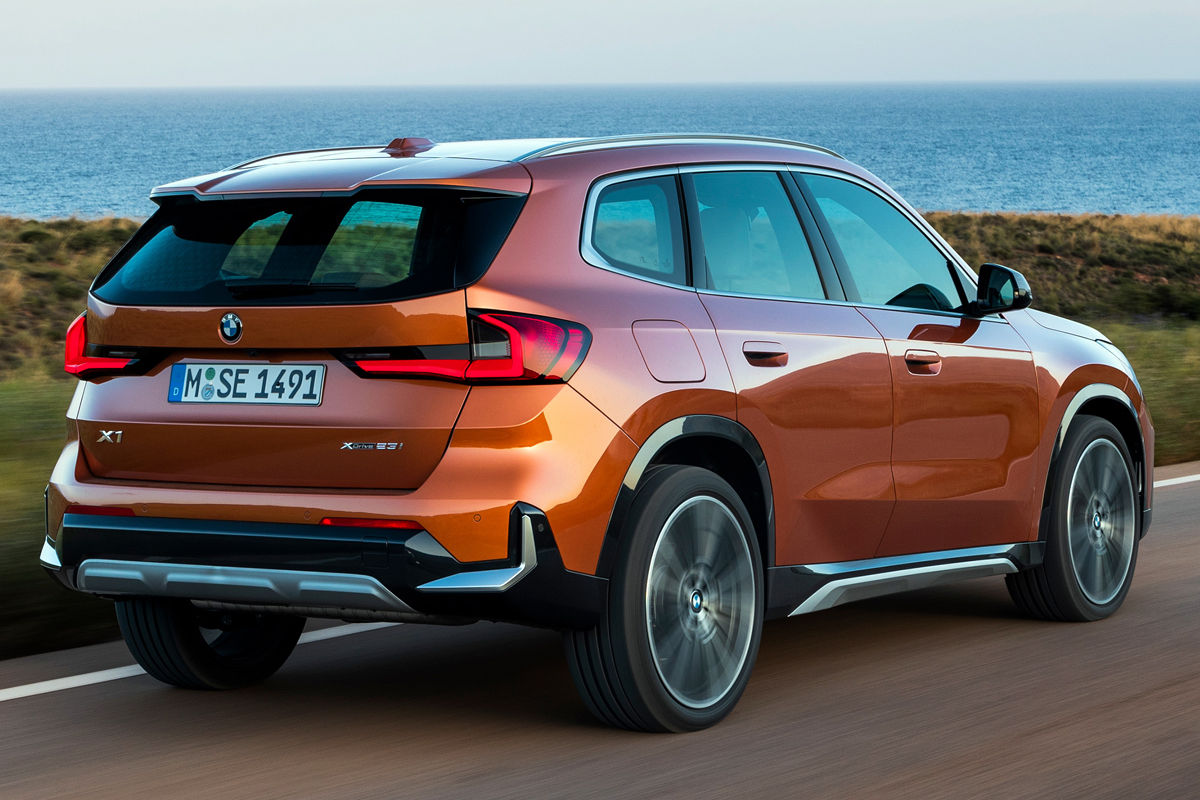
From what we can glean, the sDrive18i will soon be joined by the likewise front-wheel-drive but oil-burning sDrive18d, though BMW SA seemingly has no plans to add the all-paw mild-hybrid xDrive23i (pictured above) and xDrive23d nor the plug-in hybrid xDrive30e to the local range. The fully electric iX1, however, is likely to come to SA early in 2023.
The starting price for the X1 sDrive18i comes in at R753 045 (despite earlier being listed as R803 045), which represents a significant hike over the R666 527 base figure of the outgoing model. Still, it seems the sDrive18i now ships standard with the xLine package standard, while specifying the M Sport kit pushes price to R793 045. A few options are available, including larger alloy wheels (up to 20 inches in diameter), though most are grouped together in various equipment packages.
The X1 sDrive18i variant employs a turbocharged 1.5-litre, 3-cylinder petrol mill, which directs 115 kW and 230 Nm (respective increases of 12 kW and 10 Nm) to the front axle through a 7-speed dual-clutch transmission. The German firm claims the 0-100 kph time comes in at 9.0 seconds (six-tenths quicker than before) and the top speed at 215 kph (12 units higher than before), while combined fuel consumption is listed as 6.5 litres per 100 km.
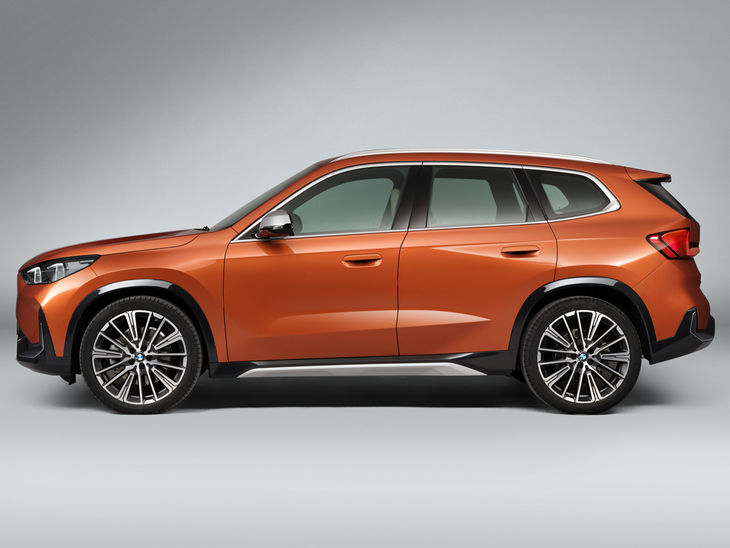
The new U11-generatgion BMW X1 is 53 mm longer than its F48-generation predecessor.
The sDrive18d, meanwhile, uses a 2.0-litre, 4-cylinder turbodiesel unit worth an unchanged 110 kW and an increased 360 Nm (up from the outgoing model’s peak twisting force of 330 Nm), allowing it to reach 100 kph from standstill in a claimed 8.9 seconds (an improvement of three-tenths) before topping out at 210 kph (5 units up). Fitted as standard with an 8-speed automatic cog-swapper, BMW says this derivative is capable of sipping diesel at a rate of just 5.0 litres per 100 km. Pricing starts at R790 617 in xLine trim, or R830 617 in M Sport guise.
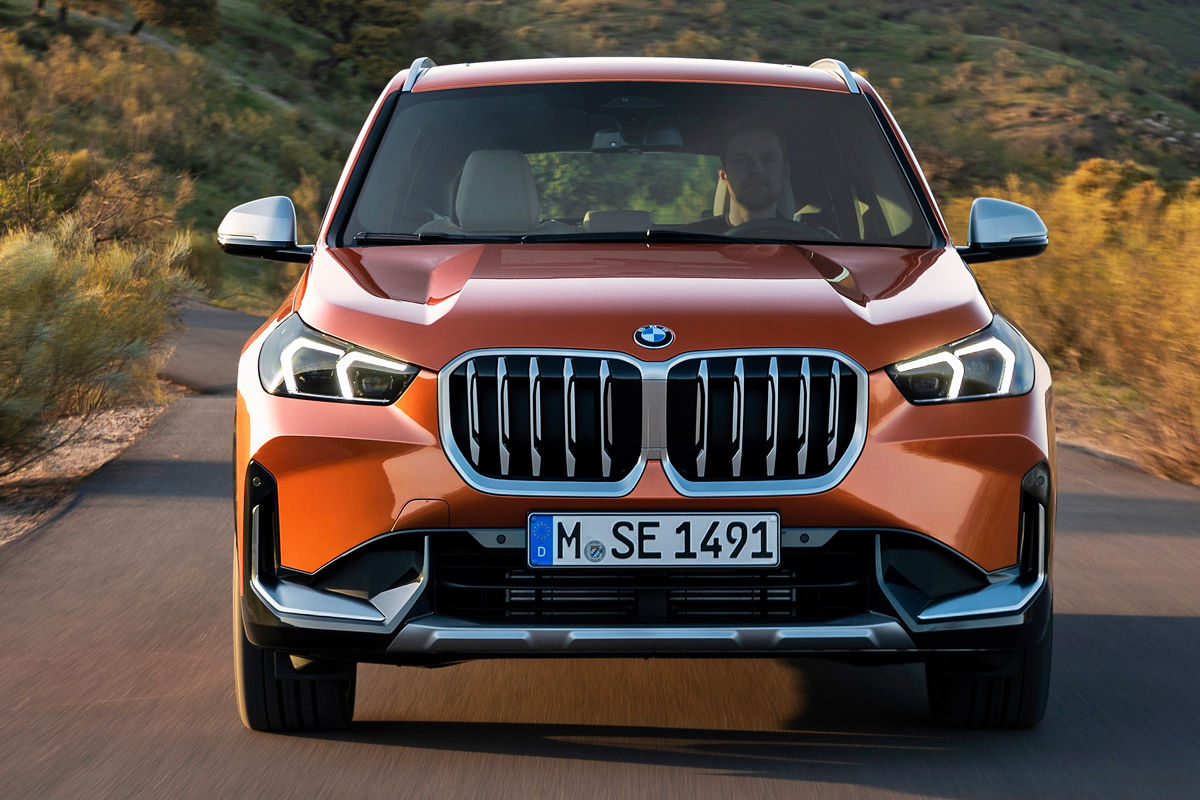
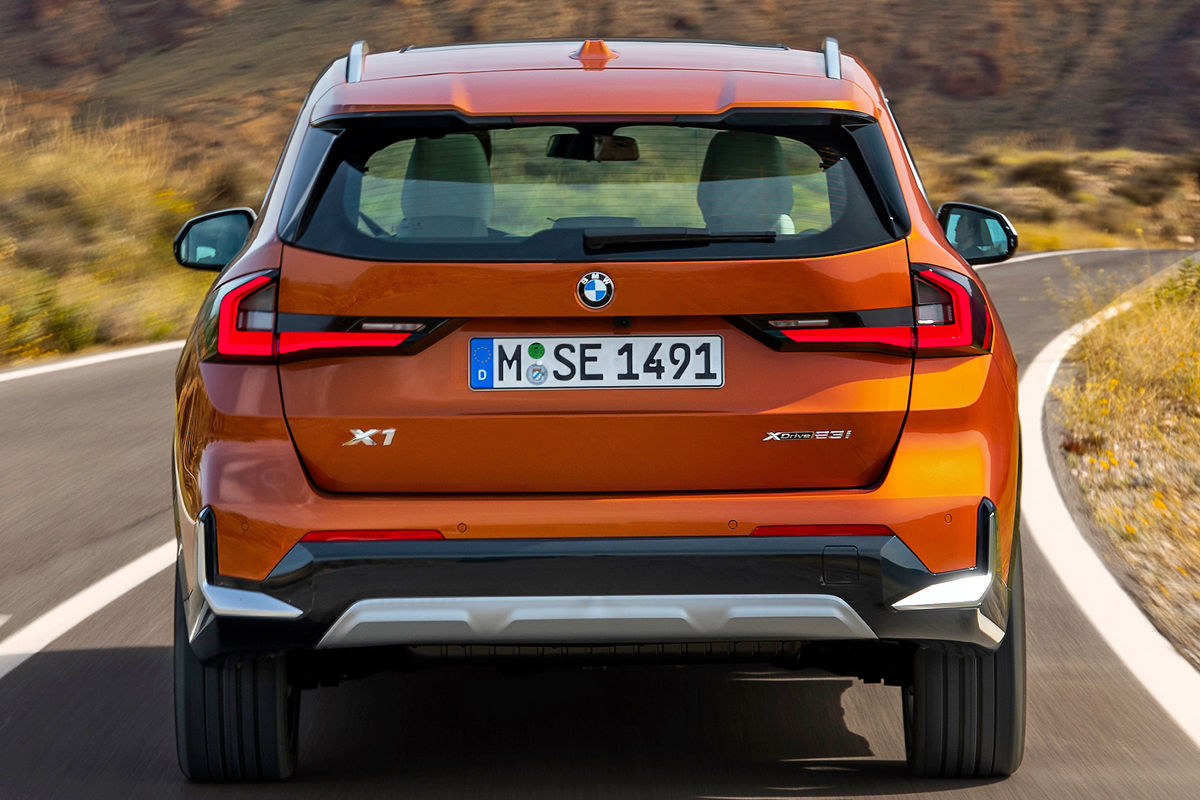
As a reminder, the U11-generation BMW X1’s exterior dimensions have grown compared with its predecessor. Measuring 4 500 mm from nose to tail, it’s 53 mm longer, while its width has increased 24 mm to 1 845 mm. In addition, the new X1 stands 44 mm taller at 1 642 mm, while its wheelbase has increased 22 mm to 2 692 mm. Track widths, too, have been amplified.
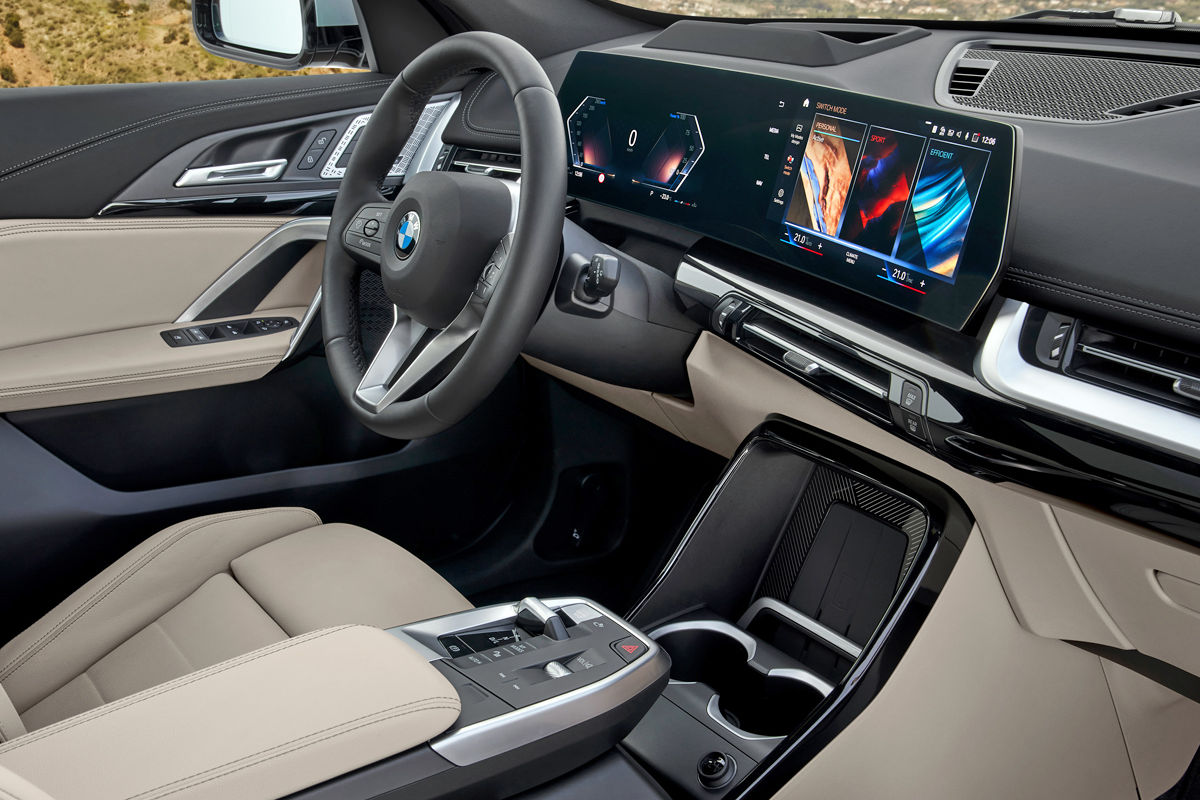
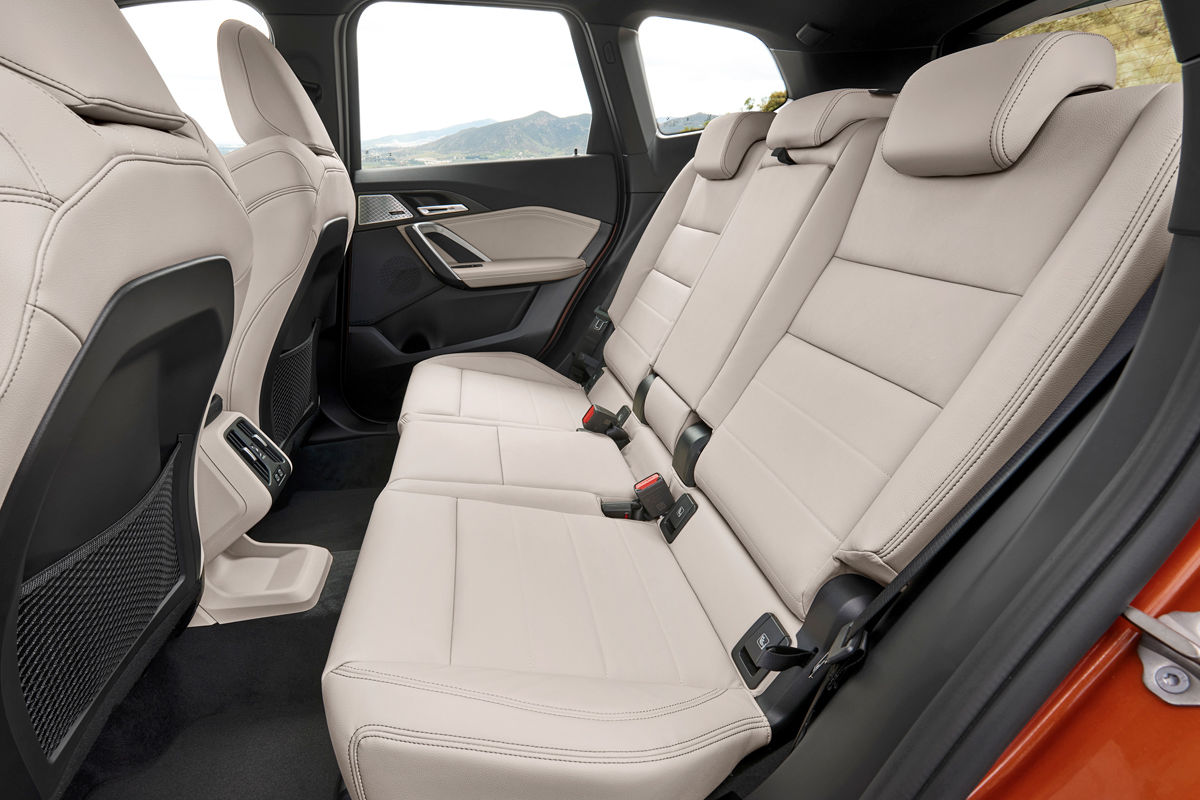
Inside, you’ll find items such as the latest BMW Curved Display and newly developed front seats. The rear compartment includes what the automaker bills as three “full-sized” seats offering a “notable improvement in seating comfort”. Luggage capacity, meanwhile, can be increased from 540 to a maximum of 1 600 litres.
How much does the new BMW X1 cost in South Africa?
BMW X1 sDrive18i xLine – R753 045
BMW X1 sDrive18d xLine – R790 617
BMW X1 sDrive18d M Sport – R830 617
BMW X1 sDrive18i M Sport – R793 045
Pricing includes a 2-year/unlimited kilometre warranty and a 5-year/100 000 km maintenance plan.
Toyota Corolla Quest (2014-2020) Buyer’s Guide
Shopping for a sensible used sedan that majors in value? Here’s what you need to know about the original Toyota Corolla Quest, including its strengths and weaknesses, what you can expect to pay and plenty more…
So-called prolonged lifecycle models – essentially those based on previous-generation underpinnings – have a rich history in South Africa. Volkswagen’s Mk1-based Citi Golf is perhaps the most famed example, having remained in production until 2009, while other success stories include Toyota’s Conquest-based Tazz and Ford’s Fiesta-based Figo.
Modern-day examples take the shape of VW’s immensely popular Polo-based Vivo and Isuzu’s cleverly repurposed D-Max Gen 6, as well as Toyota’s 2nd-generation Corolla Quest. Of course, there was an earlier version of the latter saloon, which forms the subject of this buyer’s guide.
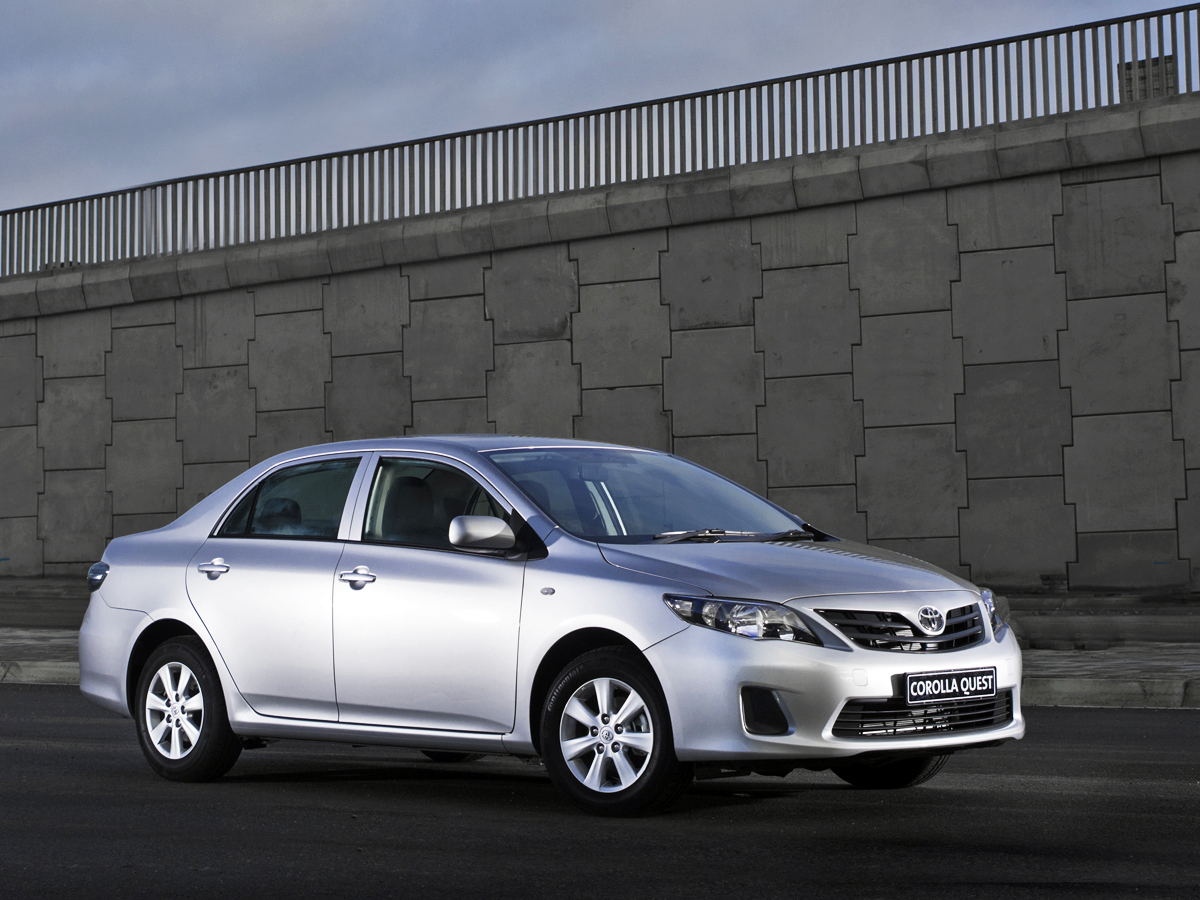
Nearly 64 000 examples of the KZN-built 1st-gen Corolla Quest were sold in SA.
Yes, the original Corolla Quest – which Toyota described as the “ultimate value proposition” – was effectively a re-invented version of 10th-generation (E150) Corolla sedan. Though it was decidedly vanilla to drive and look at, the Quest boasted the space and comfort of a C-segment sedan at the price of a B-segment model. At launch, Toyota SA Motors boldly stated the familiar-looking newcomer had “winner written all over it”.
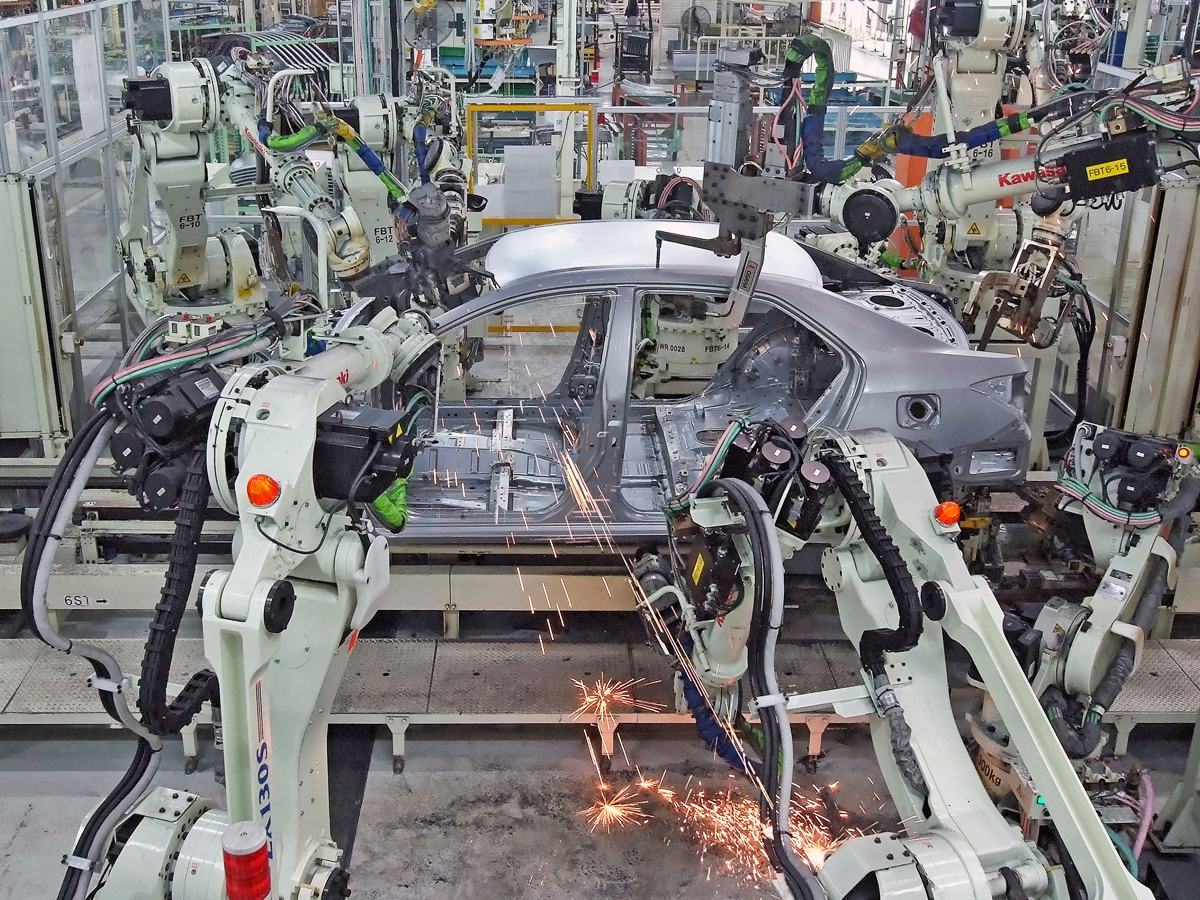
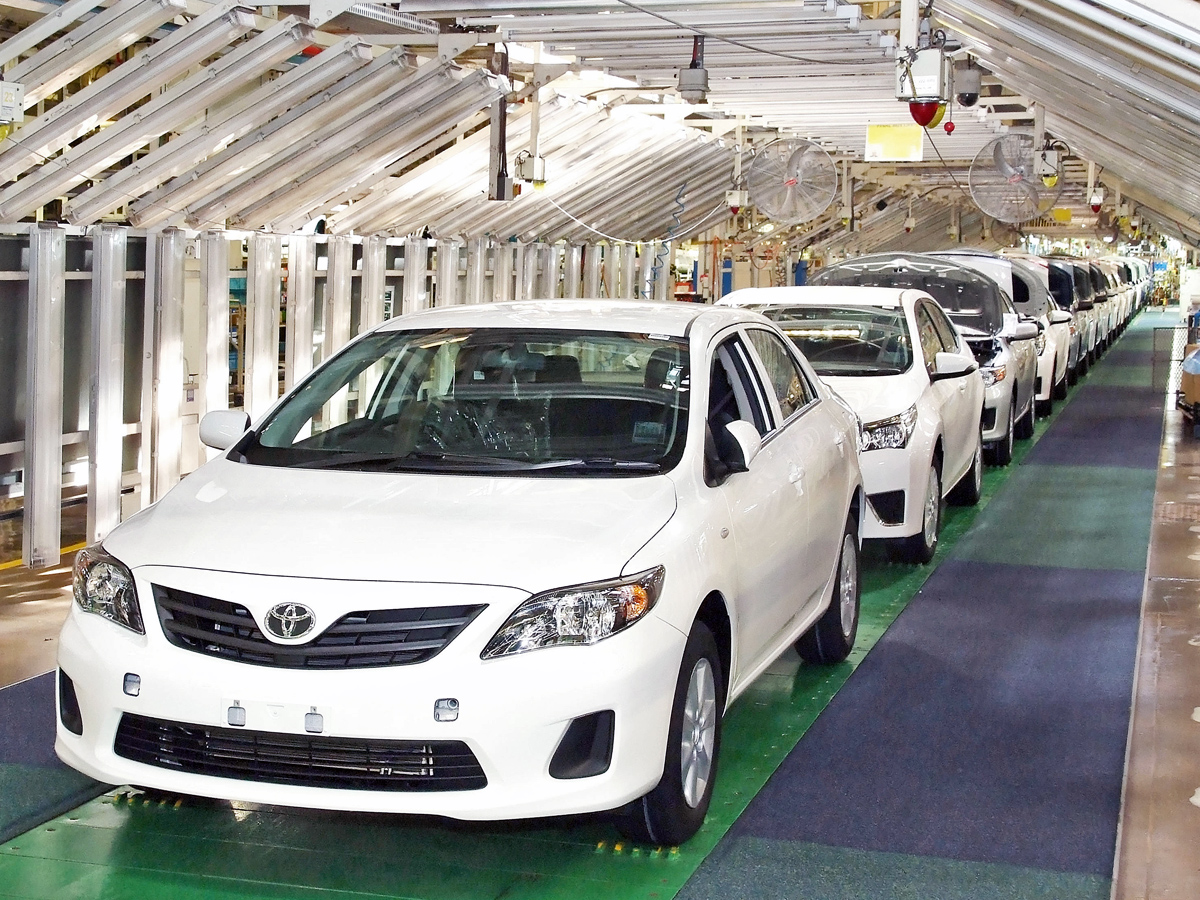
The Japanese company’s local division certainly wasn’t wrong. Built at the Prospecton facility in KwaZulu-Natal, the Quest proved a hit with both private and fleet buyers in South Africa, with 63 966 units sold locally over its almost-6-year production run. As a result, there are plenty of examples on the 2nd-hand market today.
Toyota Corolla Quest model line-up
The Corolla Quest was built at Toyota’s Prospecton facility in KwaZulu-Natal.
The Quest rolled into showrooms in May 2014, just 3 months after the 11th-generation Corolla launched locally. Toyota SA Motors insisted it was more than just a “stripped-out Corolla”, declaring the “minor changes” to the exterior and interior had not “compromised quality, durability or reliability in the least”.
The model line-up was a suitably whittled-down one, comprising just 2 trim levels, a single petrol engine option (with sufficient poke for the application, even though its peak power and torque arrived late in the rev range) and a pair of transmission choices, each driving the front axle. At launch, 3 variants were available:
1.6 Quest (90 kW/154 Nm) 6-speed manual
1.6 Quest (90 kW/154 Nm) 4-speed auto
1.6 Quest Plus (90 kW/154 Nm) 6-speed manual
Considering the Toyota Corolla Quest’s no-nonsense positioning and straightforward specification, very few changes were required over the following 6 years. In fact, only a single modest update was implemented, when Toyota opted to hand the base models colour-coded exterior door handles and side-mirror caps (items standard on the Plus derivative from the get-go) in April 2016. At the same time, the Plus scored Bluetooth functionality for hands-free phone calls and audio playback, while all versions upgraded to electric windows all round (rather than just up front).
In May 2018, Toyota SA Motors revised the terms of its standard service plans, switching from the “number of years” parameter to “number of services” instead. The Corolla Quest thus shifted slightly from a 3-year/45 000 km arrangement to a 3-service/45 000 km service plan, again with 1-year/15 000 km intervals.
The Japanese automaker launched the 2nd generation of its big-on-value saloon (this time based on the 11th-gen Corolla) in South Africa in March 2020, bringing down the curtain on a highly successful run for the original Quest.
How Quest differs in design from 10th-gen Corolla
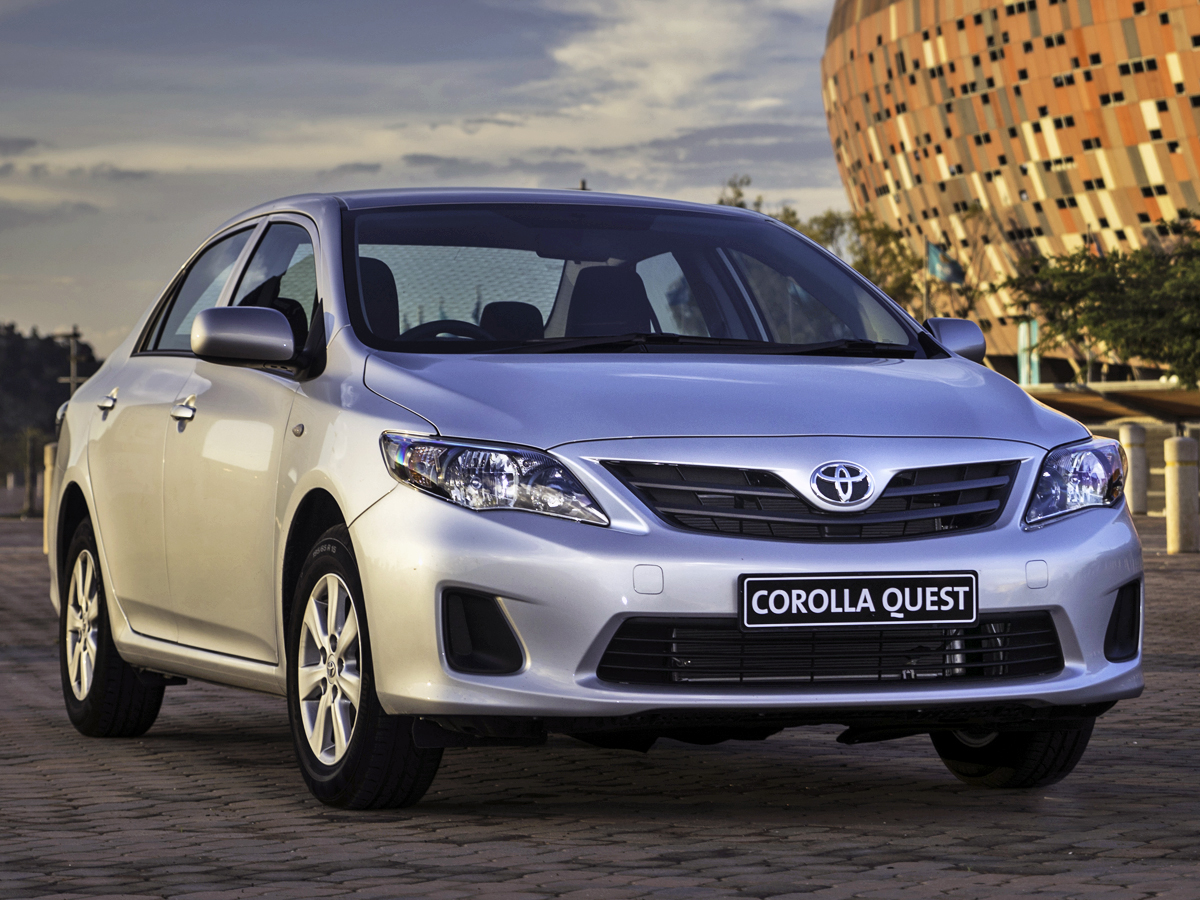
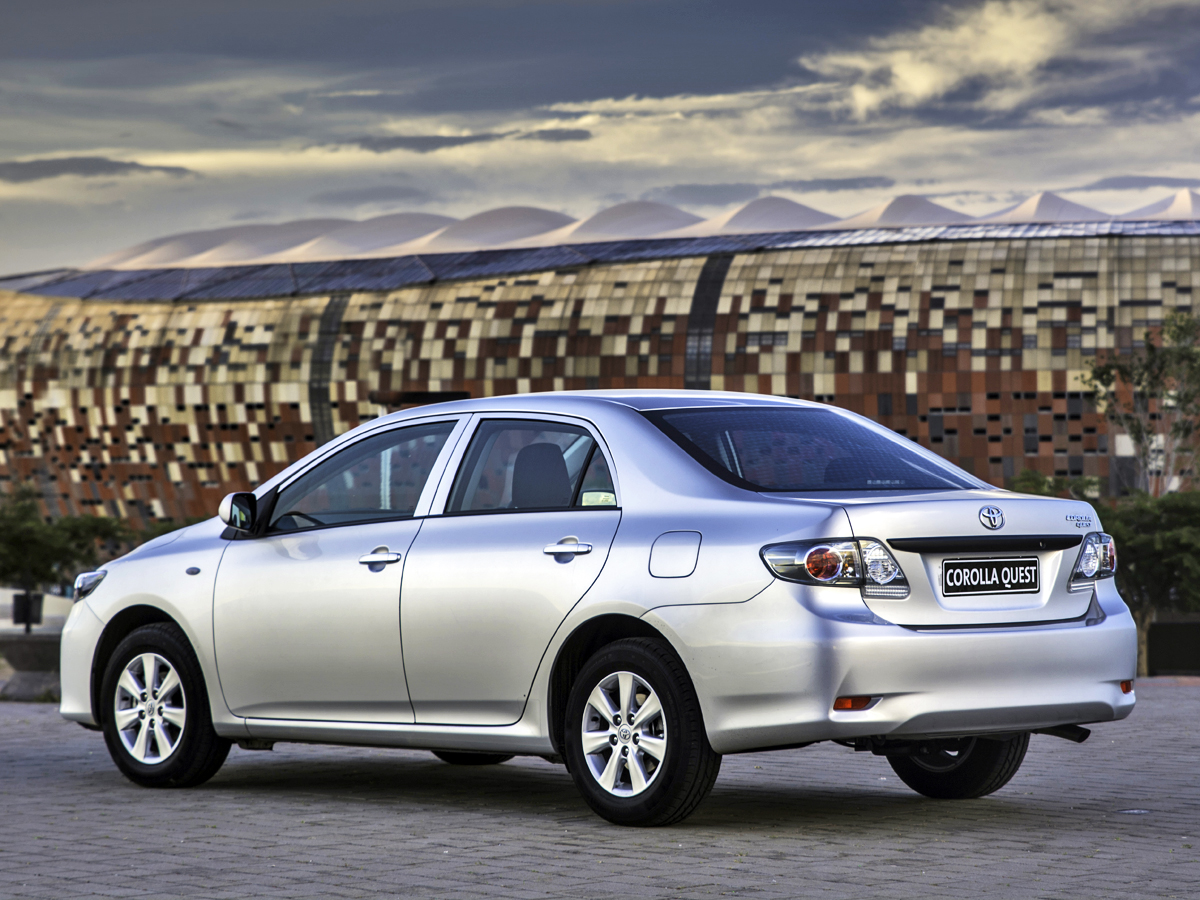
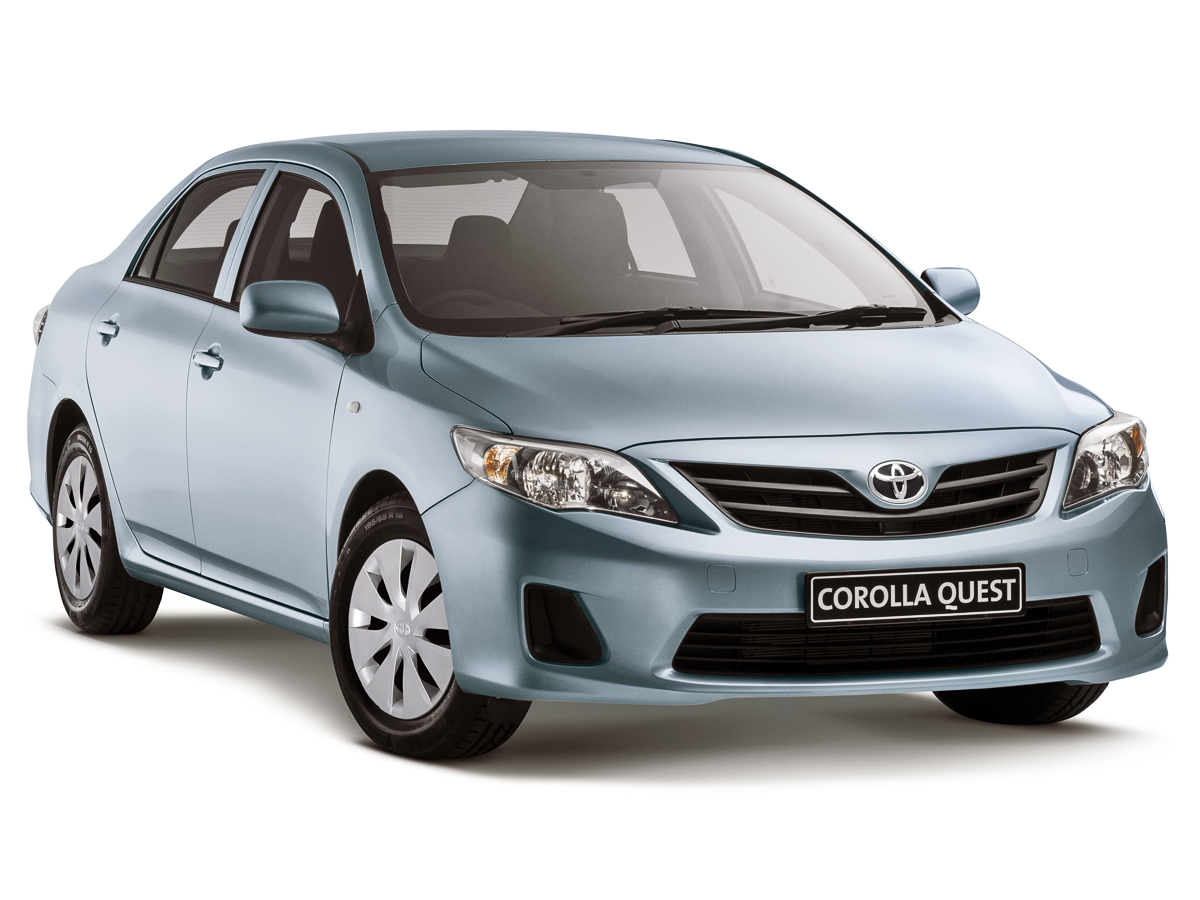
Note the black grille, one of the Corolla Quest’s distinguishing features.
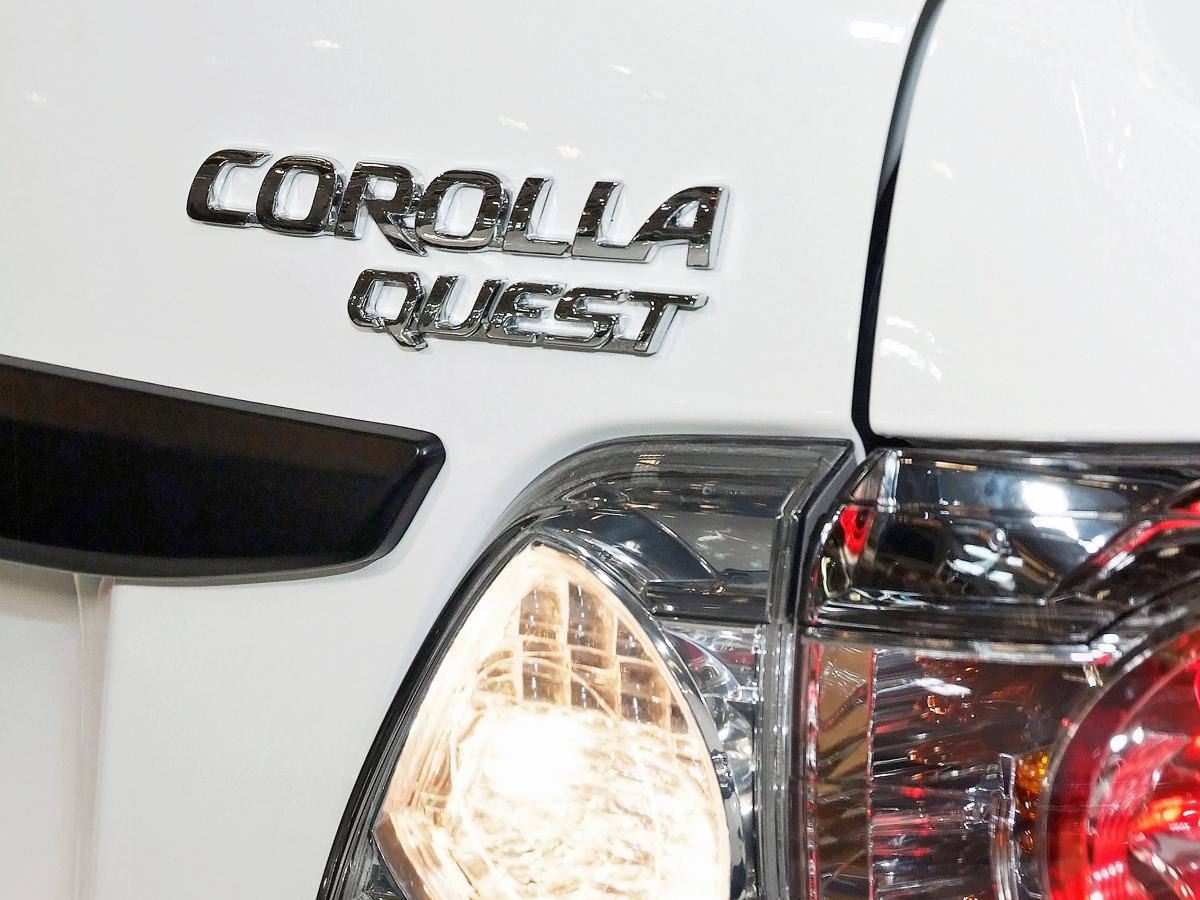
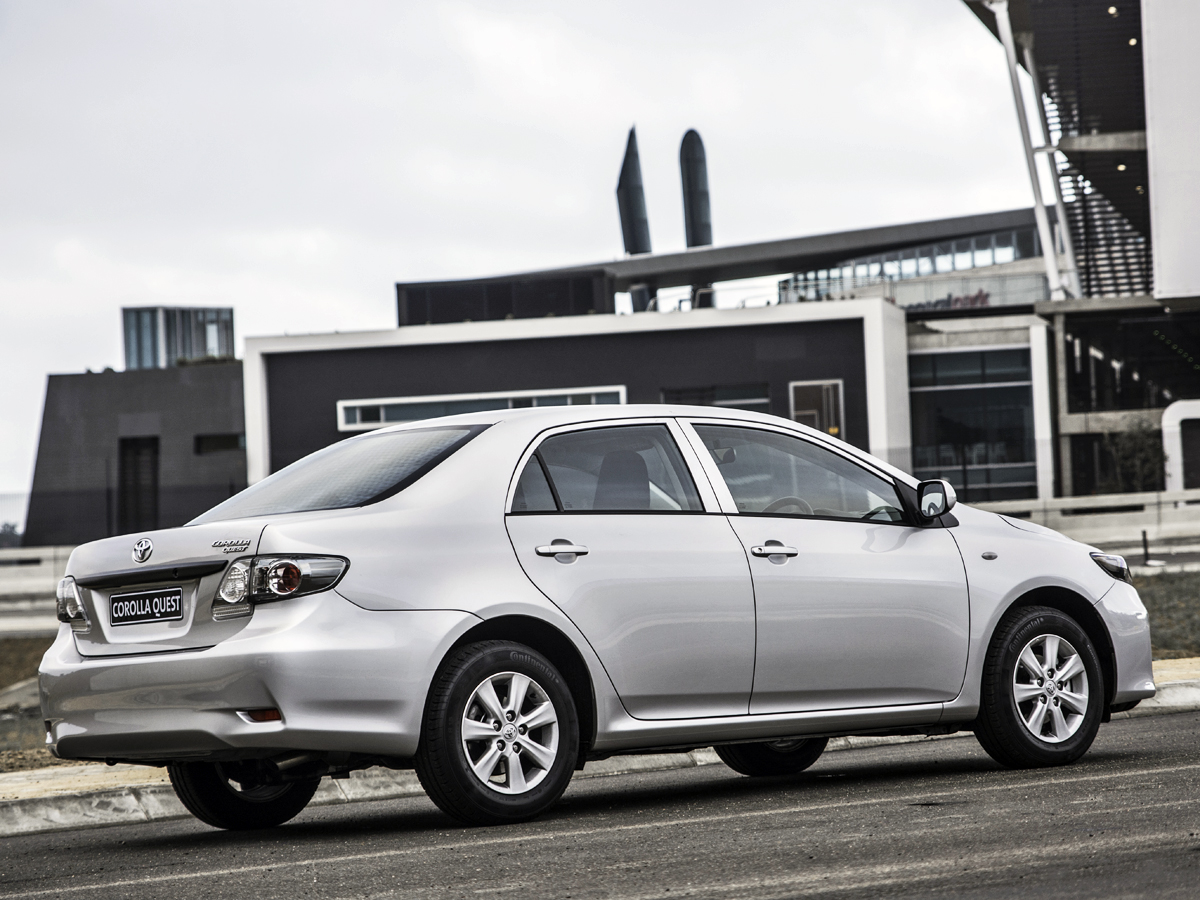
If you’re struggling to tell the difference between the original Quest and the 10th-generation Corolla on which it’s based, we don’t blame you. Still, the Quest did have a few key distinguishing elements, including subtly redesigned headlamps, mildly revised taillights and a black (as opposed to grey, silver or body-coloured) grille.
In addition, the side indicators were relocated from the door mirrors to the fenders, while the rear trim strip above the licence plate changed from body colour to black. Inside, the Quest upgraded to the front seats from the 11th-gen Corolla (which made sense since the 2 models rolled off the same assembly line) and switched to the same carpeting and roof-headlining materials used by the Hilux and Fortuner (again, to save costs).
Product strengths
The Quest’s underpinnings were well proven before the first unit even hit the road.
Proven underpinnings: Perhaps the most significant long-term ownership benefit of a typical prolonged-lifecycle model is its proven underpinnings. This was certainly the case with the Quest, with Toyota demonstrating the durability of the platform in 10th-generation Corolla guise – and crucially in local conditions – over several years. This applied to everything from the powertrain to the front MacPherson strut and rear torsion-beam suspension arrangement.
Low cost of ownership: Thanks to economies of scale and shared componentry – not to mention Toyota’s enduring reputation for reliability – the cost of ownership of a Corolla Quest was low compared with that of many other sedans of this vintage. The naturally aspirated 1.6-litre, 4-cylinder petrol engine (in the form of the widely used 1ZR-FE) was already well proven, had the potential to be frugal with fuel and was thankfully chain driven, while spare parts were and still are readily available.
Space and practicality: For the price, the Quest offered oodles of interior room. Measuring 4 545 mm long with a wheelbase of 2 600 mm, the saloon was properly spacious inside, with loads of rear legroom, making it fit for both family and ride-hailing duties (the hard-wearing materials and dark-grey trim certainly helped in this regard, too). Despite the welcome presence of a full-size steel spare wheel, the luggage compartment offered a generous claimed capacity of 450 litres, though be warned the rear bench was fixed in place.
Product weaknesses
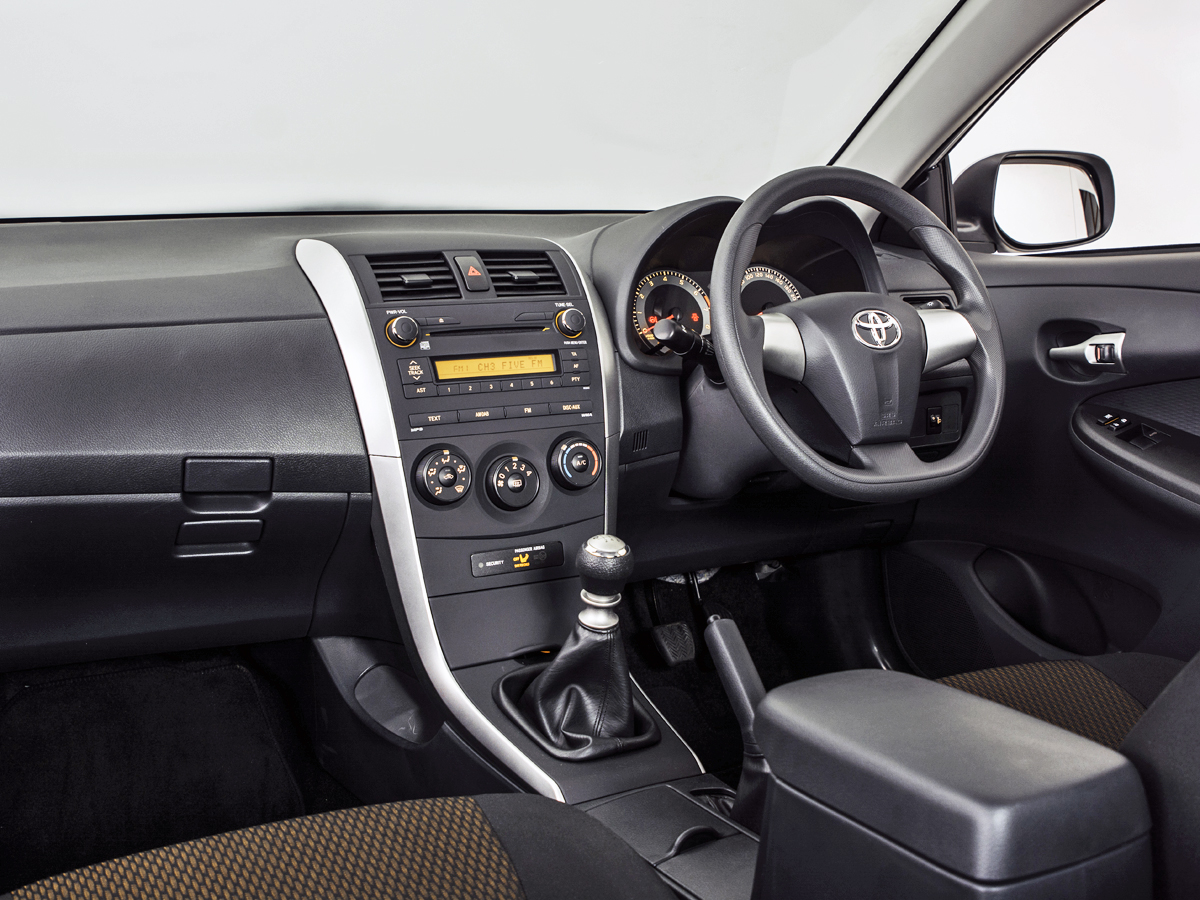
A few obvious cost-cutting measures were taken inside the Corolla Quest.
Cost-cutting measures inside: Before an automaker relaunches an outgoing vehicle as a prolonged-lifecycle model at a more affordable price, it must partake in some sort of cost-cutting exercise. In the case of the Quest, there were a few fairly obvious examples inside, including the aforementioned shift from an asymmetrically split rear bench to a fixed item. In addition, the overhead console was binned entirely, as was the map-reading light and vanity lamp in the sun visor. The front and rear cloth door inserts were replaced with a textured vinyl material, while – as we’ve pointed out above – the carpeting and the roof headlining were lifted from the more utilitarian Hilux and Fortuner.
Spartan spec for the base model: While the base model shipped standard with air conditioning, dual front airbags, IsoFix child-seat anchorage points and a reach- and rake-adjustable steering column, it was missing a few niceties. For instance, it did without an audio system (though at least came prewired to receive one), while also forgoing fairly basic features such as Bluetooth, steering-wheel controls and cruise control. Early versions even sported wind-up windows at the rear.
It’s even older than it looks: One of the downsides of a model using a proven platform and body shell from an earlier generation is the fact the resulting vehicle tends to look even older than it is. Indeed, the inherent engineering and design of the Quest traces its roots back to well before 2006, which was when the E150-gen Corolla debuted globally. Still, if you’re shopping for a budget sedan with a focus on value (and proven reliability) above all else, such a consideration isn’t likely to rank highly on your list of priorities.
What to pay?
Interestingly, only 13% of listed models at the time of writing were Plus derivatives.
Since production of the original Quest at Prospecton ended in the opening quarter of 2020, virtually all examples on the used market no longer benefit from active service plans and warranties (the latter coming in at 3 years/100 000 km). Still, it’s worth noting some buyers may have purchased extended service cover from Toyota. Either way, give preference to models with a full maintenance history and don’t be scared off by relatively high mileage if the vehicle has been properly cared for.
Also, be aware Toyota SA Motors offered a range of factory-backed accessories for the Quest, including a fixed towbar, mudguards, a faux-carbon bonnet guard, a foglamp kit, daytime running lights, a (primed) boot spoiler, an uprated audio system and 150-micron safety film for the windows. If such items are fitted to a potential buy, make sure they’re genuine Toyota accessories rather than aftermarket components.
Of the used 1st-gen Corolla Quest stock listed on Cars.co.za at the time of writing, 66% featured a 6-speed manual gearbox, with the remaining 34% employing the old-school (and comparatively sluggish) 4-speed automatic cog-swapper. Fascinatingly, just 13% of all units listed were Plus derivatives, suggesting buyers held a strong preference for the more value-driven base models.
On the new-vehicle market, the base models seemingly sold in far higher numbers than the Plus.
Mileage varied from just 13 500 km (on a 2018 base example) to a whopping 309 000 km (achieved by a 2015 Plus variant), with a further 17 listings showing well in excess of 200 000 km. The most popular exterior paint colour was white, which accounted for 49% of listings, followed by silver (23%) and blue (15%).
Below R100 000: Though choice was limited here, most examples with 5-figure asking prices appeared battered and bruised (some with obviously misaligned body panels and others bearing traffic battle scars). Tread particularly carefully in this price bracket.
From R100 000 to R150 000: Those shopping for a bargain would do well to consider examples priced between R100 000 and R150 000. We found several mid-to-late model-year cars with well under 100 000 km on their respective odometers, as well as fairly tidy higher-mileage units.
From R150 000 to R200 000: This was the most densely populated pricing bracket at the time of writing, housing more than half of all Quest listings. It’s also where we found the majority of Plus derivatives. Interestingly, we noticed some examples riding on aftermarket wheels and others wearing body-coloured grilles (likely pilfered from 10th-gen donors). We’d recommend steering clear of cars that aren’t stock standard.
R200 000 and up: We found only a small selection of Quest models above R200 000, most of which were late model-year (2019 and 2020) examples. It was a dead-even split between manual and automatic gearboxes here, while mileage was generally quite low (with only a single listing showing more than 100 000 km). Intriguingly, just 2 Plus derivatives made it into this top bracket.
Pick of the range?
We’d argue the top-spec Plus is the pick of the Corolla Quest bunch.
So, which one should you buy? Well, considering just 3 variants were offered over the lifecycle of the original Corolla Quest, selecting a winner is a relatively straightforward exercise. We’d argue the Plus derivative is the pick of the Quest range, offering a little more standard kit for not much more money. In fact, it seems the price gap between the base and Plus variants has narrowed markedly on the used market, which serves to further improve the top-spec model’s already compelling value proposition.
As a reminder, extra equipment enjoyed by the Plus derivative included 15-inch alloy wheels (the base models made do with steelies covered by plastic hubcaps), a 4-speaker radio/CD player and a cigarette lighter. After the 2016 update, the Plus also scored Bluetooth, so we’d suggest looking for an updated model if you’re averse to aftermarket audio systems. The Plus model’s colour-coded door handles and mirror caps were also rolled out to the base versions at this time.
Of course, should you require a self-shifting gearbox, note you’d be restricted to the base model as the Plus was available exclusively in manual guise.
Verdict
The Corolla Quest didn’t have many direct competitors owing to its favourable size-to-price ratio.
Like the model on which it was based, the Corolla Quest quickly became a popular choice in South Africa. Buyers clearly didn’t mind the somewhat outdated styling, the hard plastics (and cost-cutting measures) in the cabin, the lack of electronic stability control or the generally bland driving demeanour.
Though there were certainly alternatives in this space, many weren’t technically direct competitors as the Corolla Quest offered far more space for the price. The Volkswagen Polo Vivo Sedan, for instance, had a significantly smaller footprint, as did the Nissan Almera (which incidentally soldiers on today) and the Suzuki Ciaz. Still, we’d suggest checking out each of those as well as the Honda Ballade and even the under-appreciated (and deceptively big-booted) Fiat Tipo Sedan.
The prolonged-lifecycle formula is an attractive one to automakers because the significant investment made in the initial model has often already been amortised. In short, elements such as design, engineering and even tooling are mostly paid for before the first unit of the legacy model rolls off the line. There are considerable benefits for buyers, too, who gain access to solidly engineered vehicles with proven underpinnings for near-bargain prices.
The Toyota Corolla Quest is a prime example and represents just as strong – and, in some cases, even stronger – value on the used market as it did when new. For those who prefer a traditional compact family sedan over a crossover (and don’t demand heaps of character from their cars), the refreshingly honest Quest is definitely worth a look.
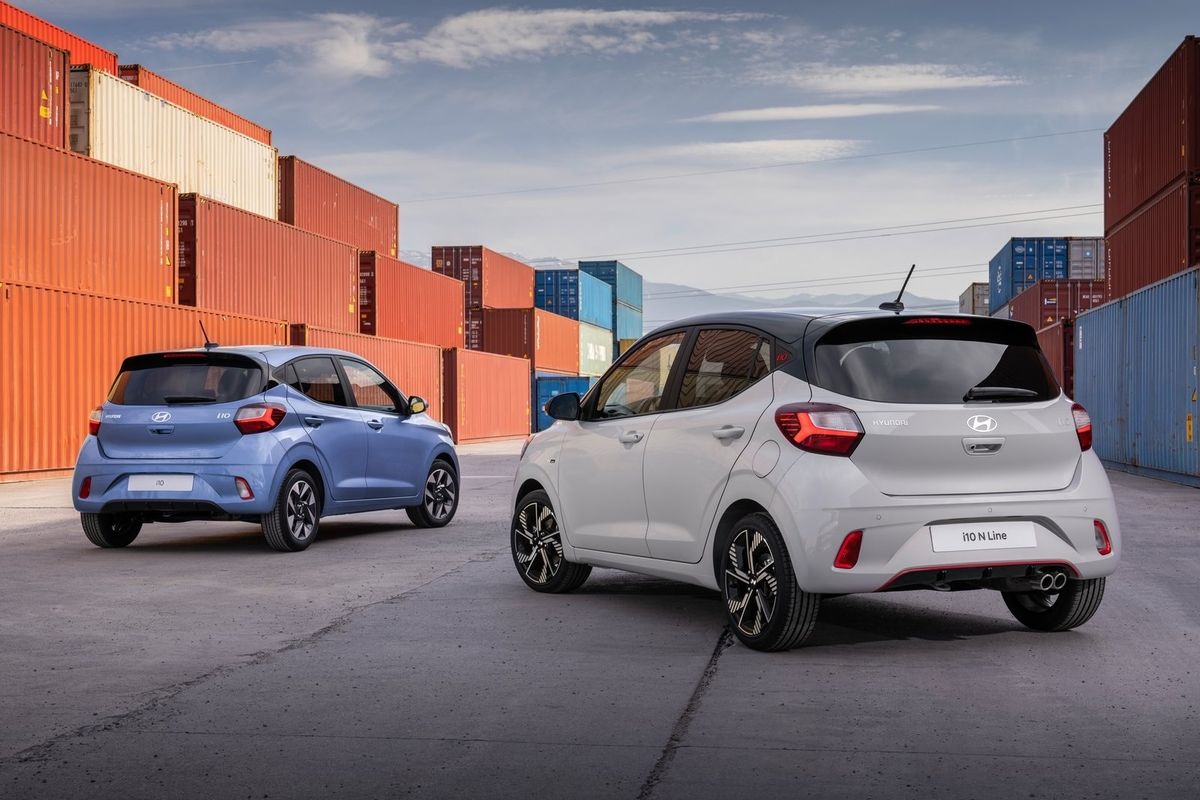
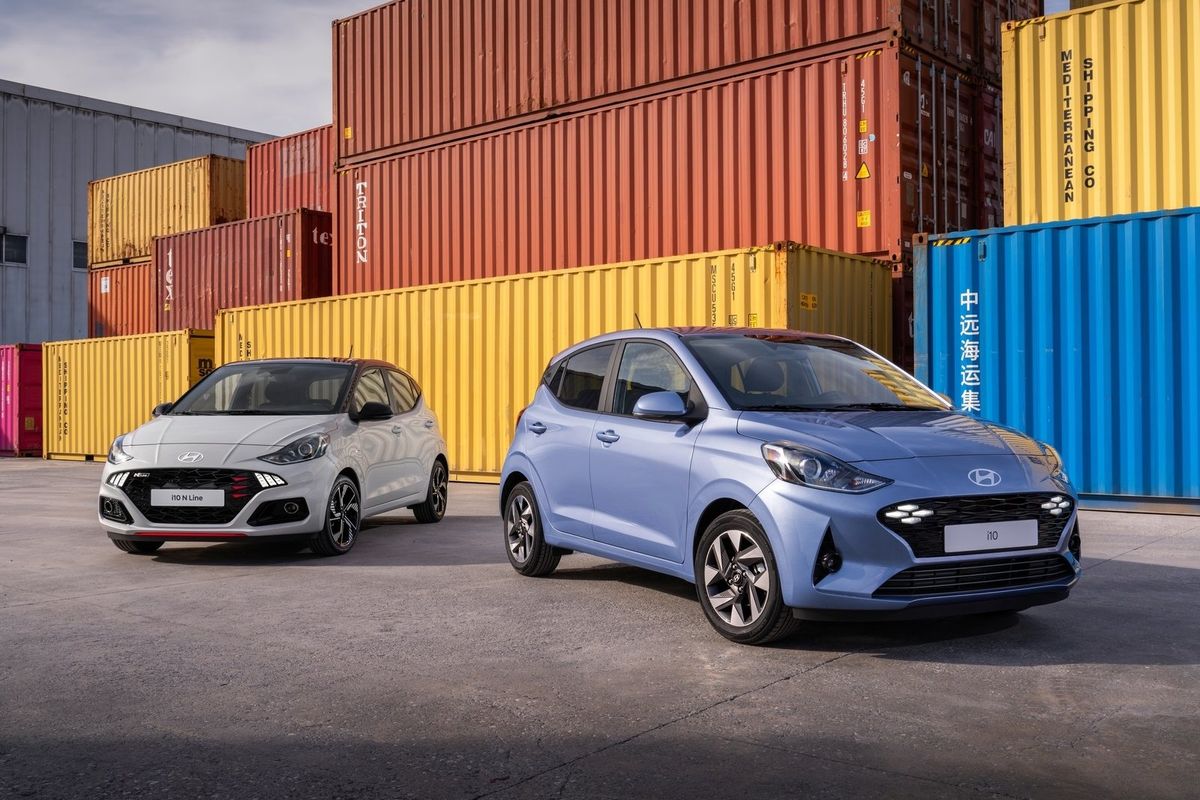
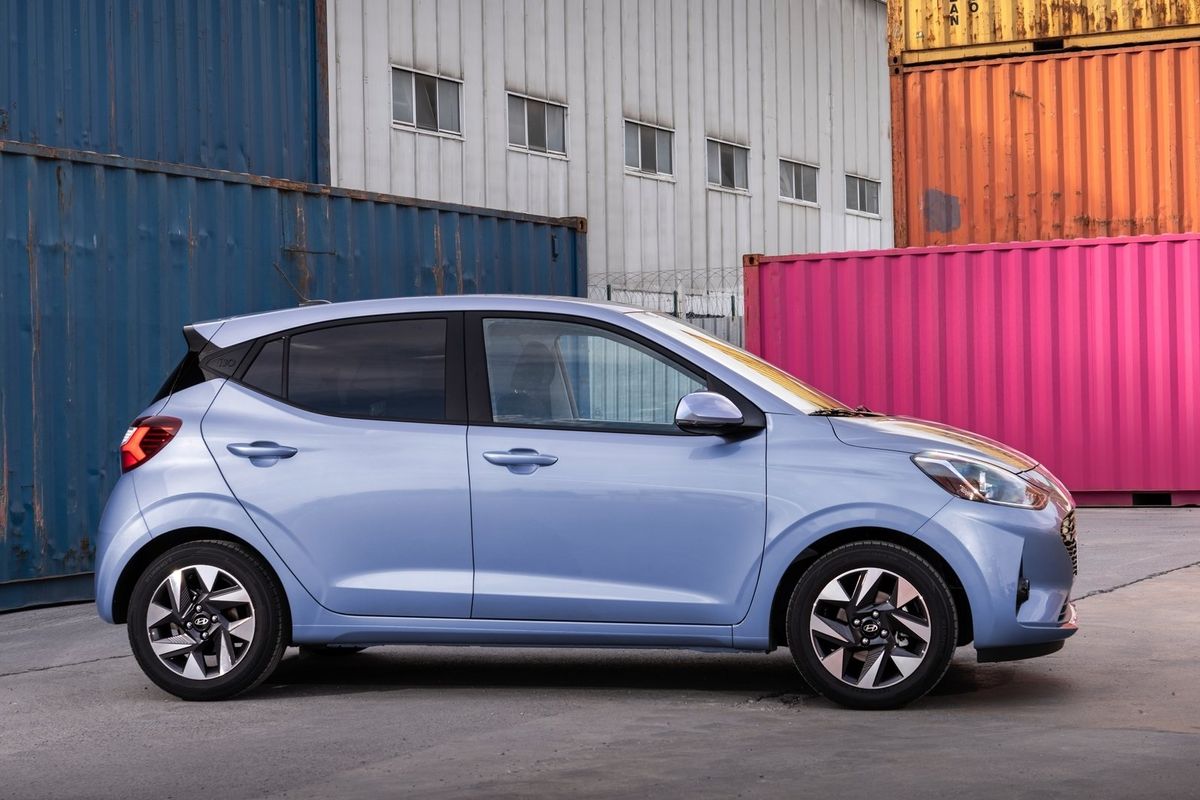
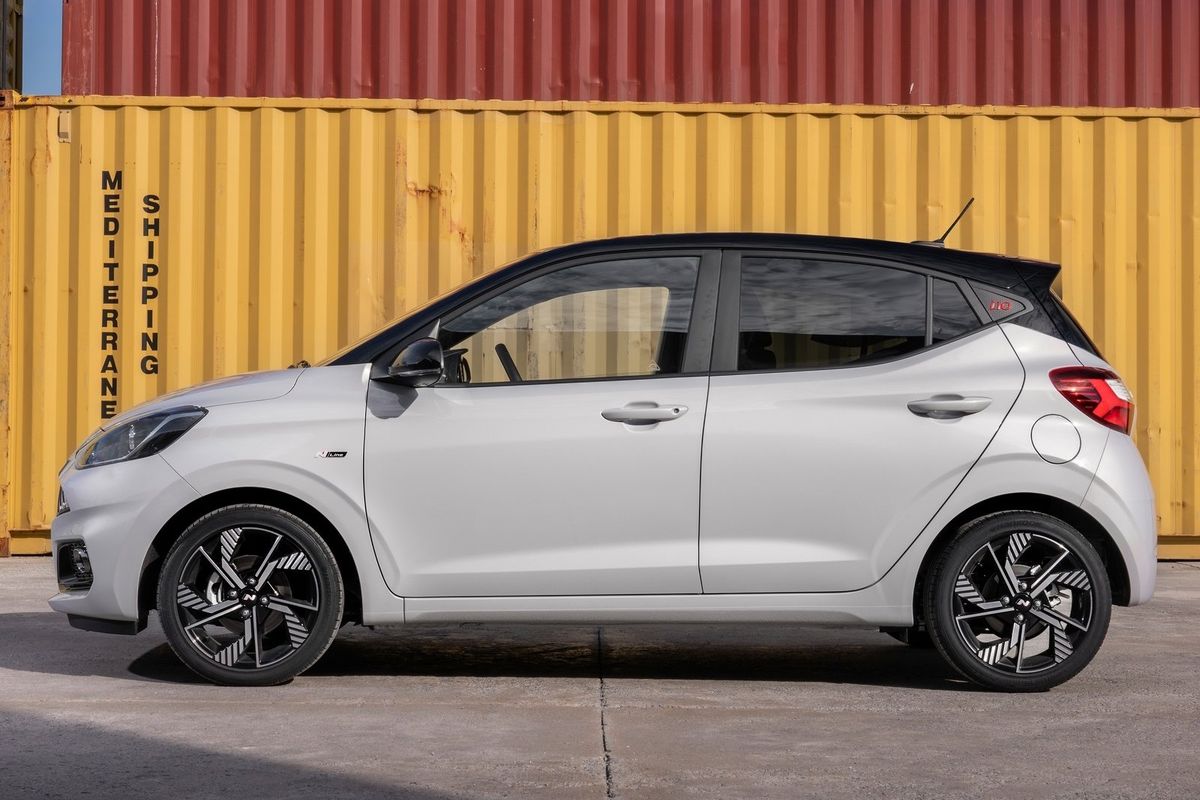
The new 2024 Hyundai i10 has been announced, along with a sporty-looking N Line derivative.
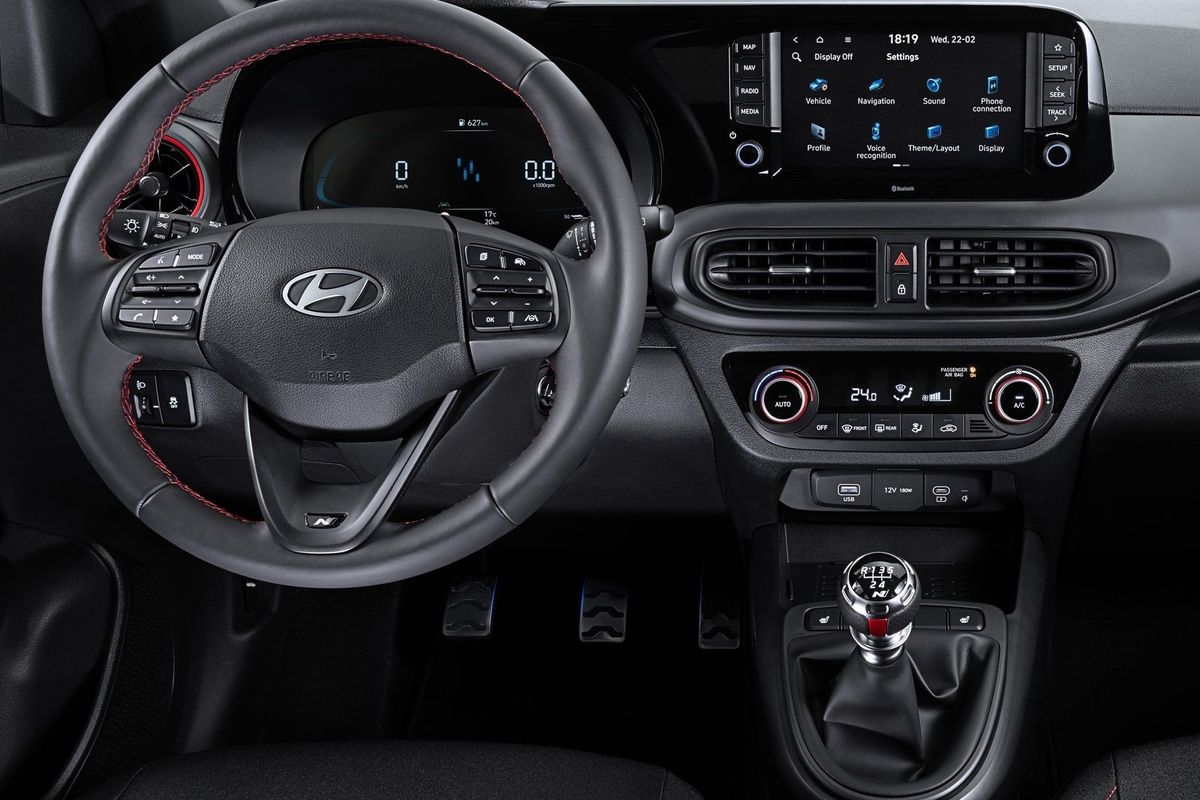
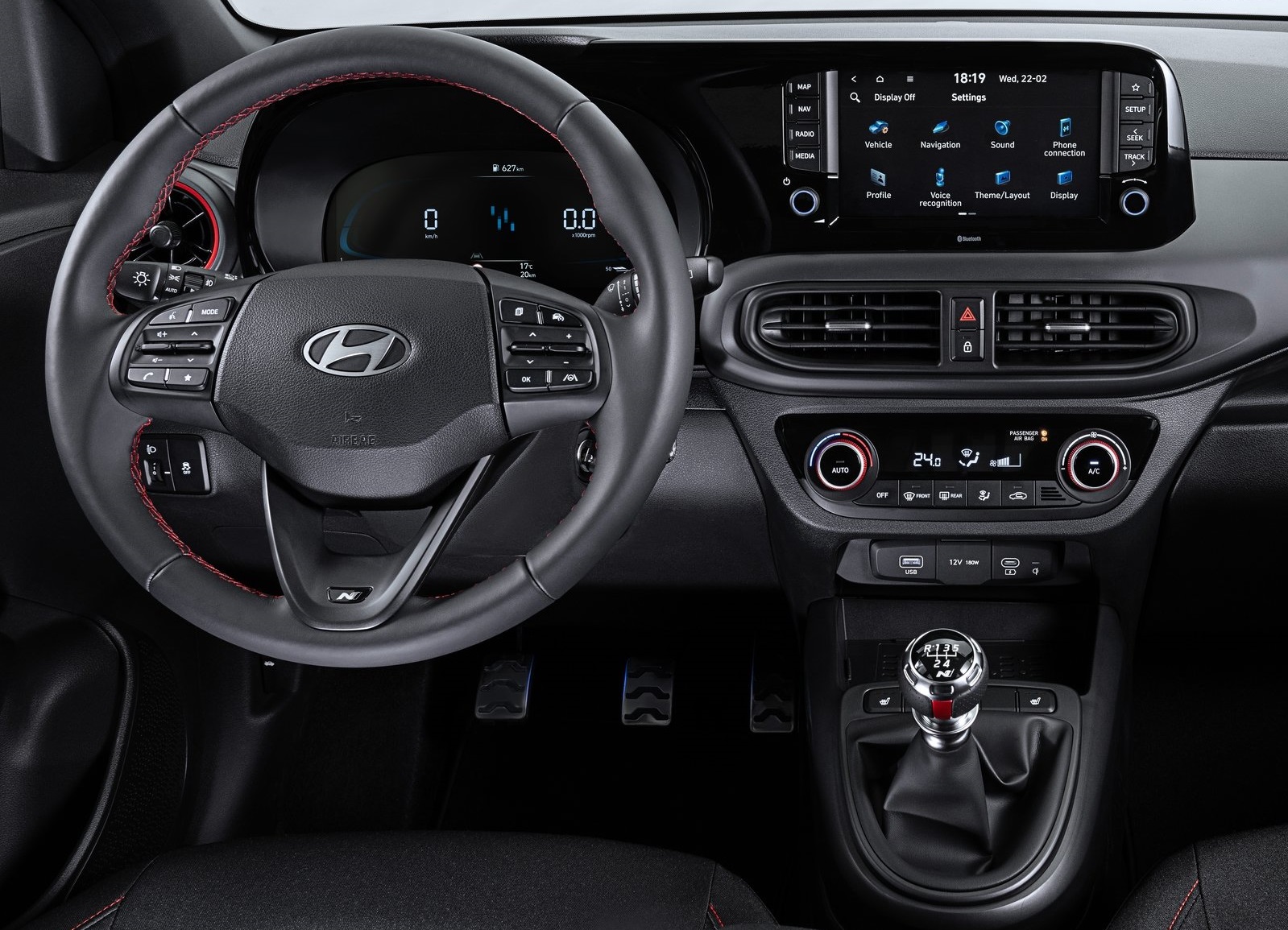
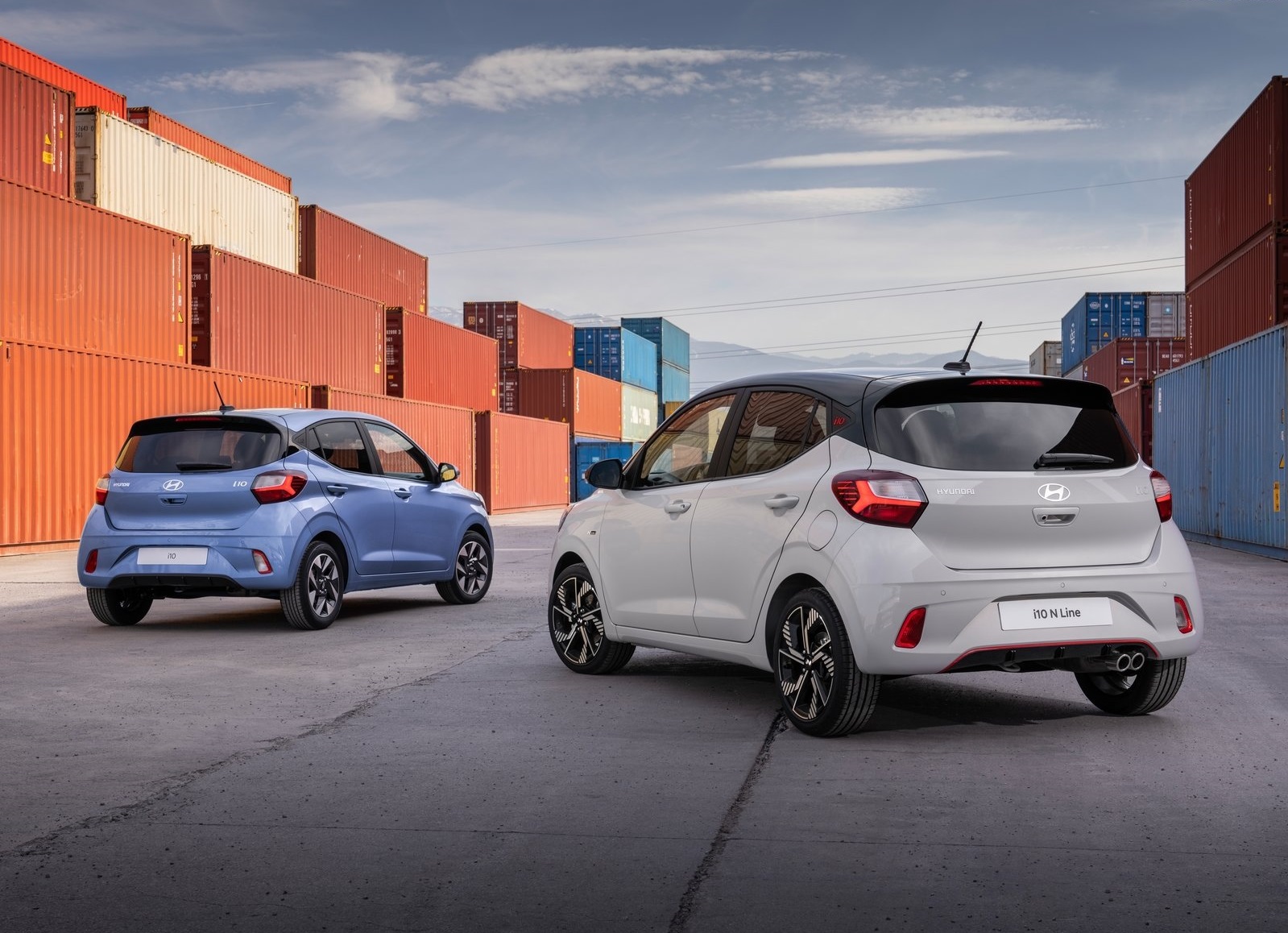
The 2024 Hyundai i10 has been revealed, along with a sporty-looking i10 N Line derivative that brand says is “inspired by the high-performance N models.” Also new for this model are enhanced connectivity and comfort features that are claimed to make the i10 even more competitive.
Hyundai has added more colours to the range, bringing the total to nine. Two-tone roof options are also available. Other noteworthy visual changes included redesigned reflector headlights, new-look front LED daytime running lights and new 15-inch alloy wheels.
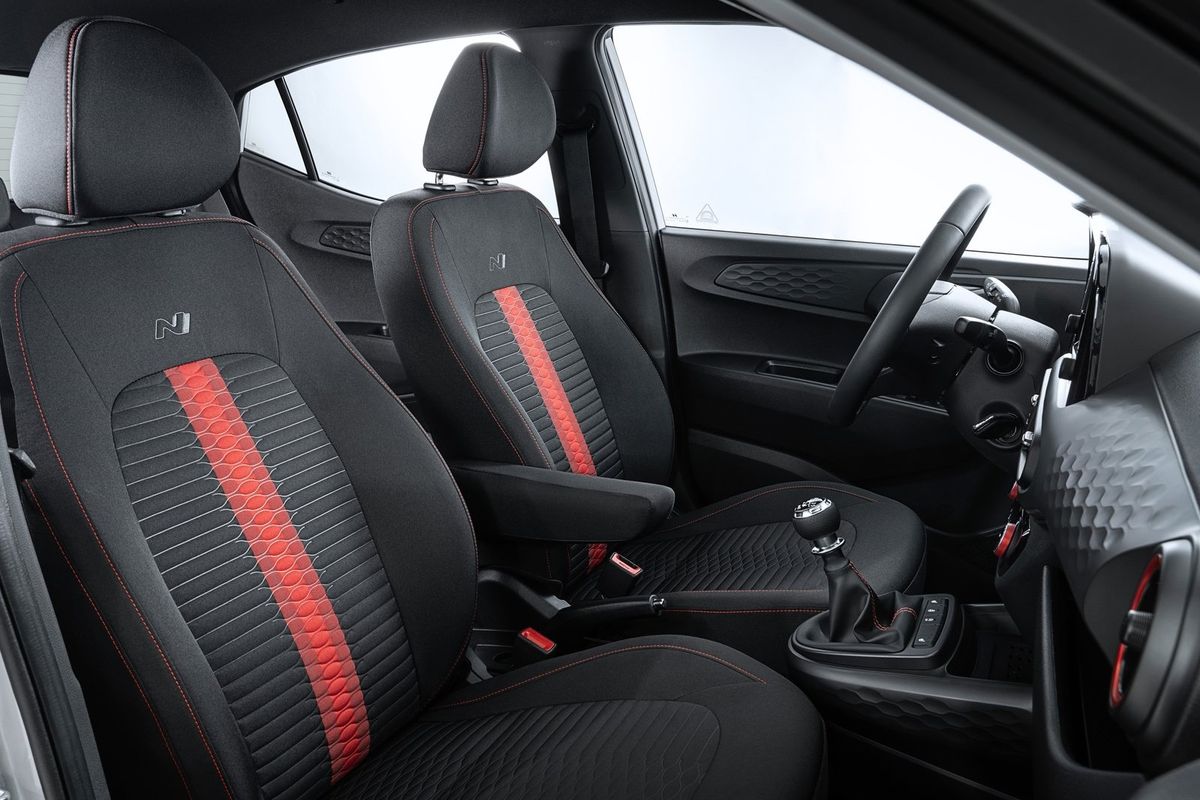
The 2024 Hyundai i10 N Line features model-specific bumpers, sporty exhaust pipes, 16-inch alloy wheels and unique daytime running lights, while the cabin gets red detailing on the seats and controls.
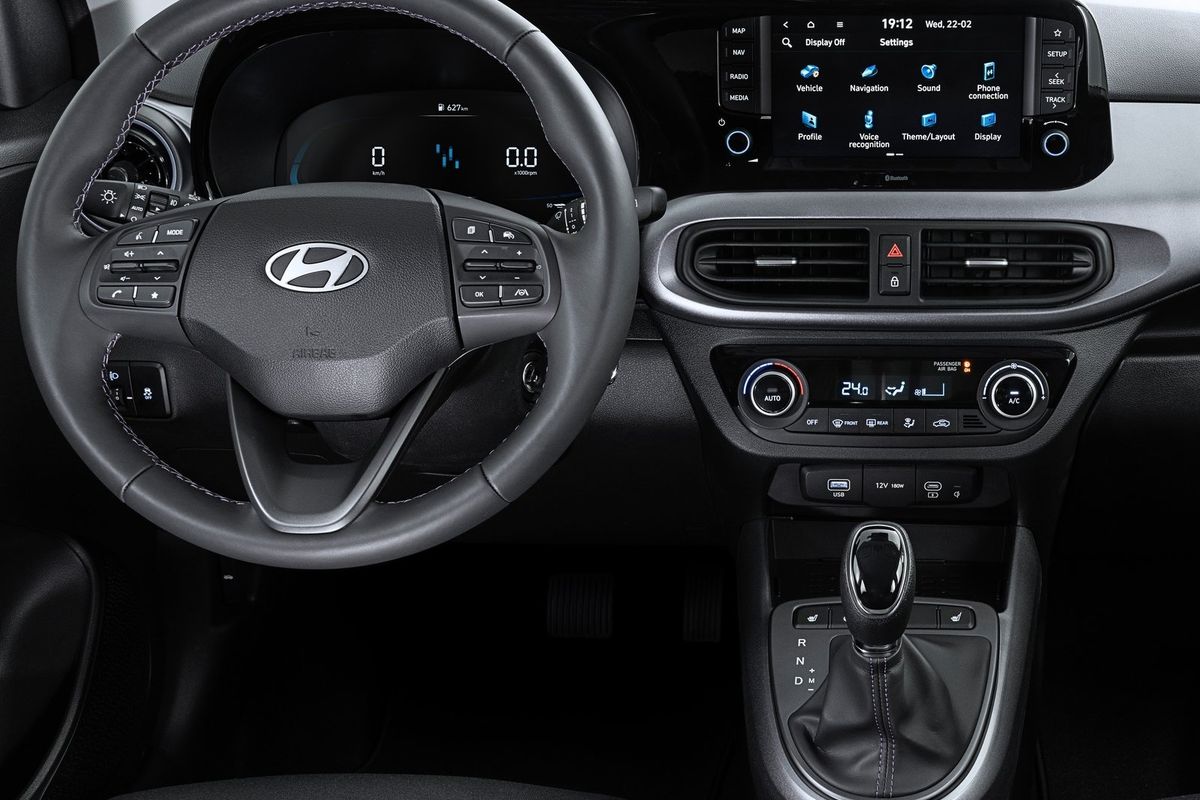
As far as technology is concerned, the new i10 gets a 4.2-inch LCD cluster, USB-C ports in the front and rear, 4G network connectivity and over-the-air updates for the map. There’s also an 8-inch display screen, wireless Apple CarPlay/Android Auto and wireless mobile device charger.
It may be marketed as an entry-level model, but the i10 still retains its semi-autonomous driving assists, however this new models adds on more. The Forward Collision Avoidance Assist is now able to detect cyclists and the car now features Lane Following Assist.
Physically, the i10 features a boot capacity of 252 litres, which can be expanded to 1050 litres with the rear seats folded down. The Hyundai i10 is sourced from the brand’s facility in Turkiye, with European delivers scheduled for the second half of the year.
At this stage there’s no confirmation on the powertrains and it is assumed these are carried over from the previous generation. These included 1.2-litre naturally-aspirated 4-cylinder petrols and 1.0-litre turbocharged 3-cylinder petrols.
Find the type of car insurance that suits you
Comprehensive insurance is the best type of policy that you can take out on your car, but your monthly premium can be quite high. However, there are alternative insurance options that still offer significant coverage, but may suit your car and situation better.
PARTNERED CONTENT
Money-savvy individuals with a stable income consider car insurance a basic part of their financial life. There are several factors that determine how much your car insurance will cost (how much the monthly premium is), including the market or replacement value of the vehicle, the age of the driver/s, where the vehicle is parked overnight, which safety features it has and so forth. However, as the world changes, there are several new realities to consider when identifying the best car insurance plan for your needs.
Explore different types of car insurance
It’s ideal to have a comprehensive insurance policy for your vehicle (provided you can afford to pay the monthly premium associated with it), but what if you fall into hard times financially? It can happen.
Unfortunately, too often motorists facing short-term cash flow challenges opt to cancel their insurance outright without realising that they can downgrade to another product until their finances improve.
Third Party Insurance only
You can opt for 3rd-party insurance… This means that while the vehicle itself is not covered, you are covered in the event that you are liable for damages to another vehicle (as the result of an accident).
Third-party insurance is useful for inexpensive cars. Consider this option if you own a long-serving or second-hand entry-level car that you use as a runabout or your school leaver/student dependents rely on to get around. If you feel the value of the car isn’t worth insuring (“it will cost more to repair than it’s worth”), then just insure yourself against 3rd-party claims so you won’t have to pay those out of pocket.
Fire, Theft and Third Party
You can also opt for a 3rd-party, fire, and theft insurance, which covers only these specific needs. It may prove more cost-effective than comprehensive insurance, while still providing you with vital coverage.
See also: Is your car valued under R250 000? There’s a Budget Lite plan for you!
Fleet Insurance
Many mid-level business owners require more than one vehicle to make deliveries, run errands and even transport staff. If this applies to you, you shouldn’t be looking at having insurance for each separate vehicle (in your business’ fleet), because these costs can add up to quite an expense.
What you need is fleet insurance or business insurance that covers your assets, including your vehicles. Speak to your insurer to see if you qualify and what benefits having fleet insurance may have for you. What you save can be put back into your business, such as marketing and product initiatives.
Gap Cover
For new car owners, gap cover is a necessity for the short period during which the value of your car loan exceeds the market value of the car (as a result of finance costs, including bank interest charged on your loan). This happens when your brand-new car is being driven off the showroom floor. The value of the vehicle declines almost immediately while the loan that financed the vehicle remains the same.
As innovation drives evolution, the insurance industry is keeping pace with technology and using big data to establish new products. For consumers, this means that there are more coverage options available:
Usage-based insurance
While tracking apps have raised concerns about individual privacy, they can play a vital role in car insurance. Usage-based insurance works on the principle of managing and rewarding driver behaviour.
In a nutshell, driving behaviour is monitored, and statistics are gathered by measuring how you brake, accelerate, turn, and use your phone while driving. In other words, the better your driving behaviour, the more your insurer may discount your premium.
It’s a reward-based, incentivised type of insurance that can yield positive returns for your bank balance.
Mileage-based insurance
As organisations embrace a work-from-home culture, office workers are spending less time travelling on public roads. There is no daily commute to the office (except on certain prescribed days), meetings have been replaced by apps like Zoom and Teams, and even their groceries can be delivered to them.
As a result, many are using their vehicles less, which means lower fuel bills and less vehicle maintenance. It also means that their risk of being involved in a vehicular accident decreases. In this case, it may be wise to consider changing your car insurance to one that is based on how much you drive.
Remember, value and premium are linked
As your motor vehicle ages, the value of your asset depreciates. While many insurance companies automatically factor depreciation into your premiums on an annual basis, it is wise to also double-check that this is the case on your policy.
The more accurate the insurer’s valuation of your vehicle, the better. This way you are not paying a high premium based on the original price of the car but a premium that reflects the actual value of the vehicle.
Conclusion
As the world of mobility embraces self-driving cars, electric vehicles, ride-share arrangements and AI, the insurance industry will keep evolving new products and services. For car owners, this means that what you pay for car insurance will change and you must stay informed to benefit.
It’s new school vs old school as two rear-wheel drive, naturally-aspirated sportscars with manual gearboxes go head to head!
With over 20 years separating the new Toyota GR86 and the Honda S2000, we had to ask which one is faster?
It’s an awesome question, and it turns out the answer is just as awesome. Luckily we have an S2000 in the wider Cars.co.za car collection, and when the new Toyota GR86 came along, we thought we just had to pull off this race. And we are delighted to share it with you…here we go!
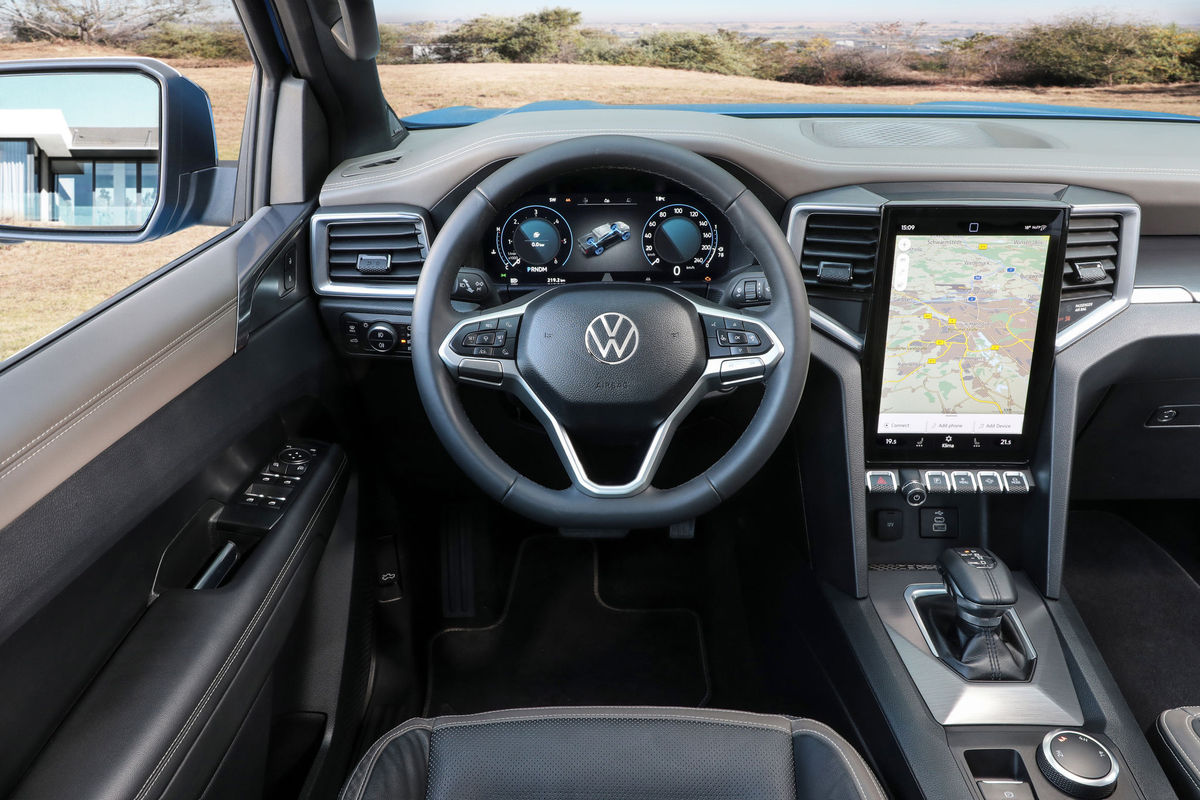
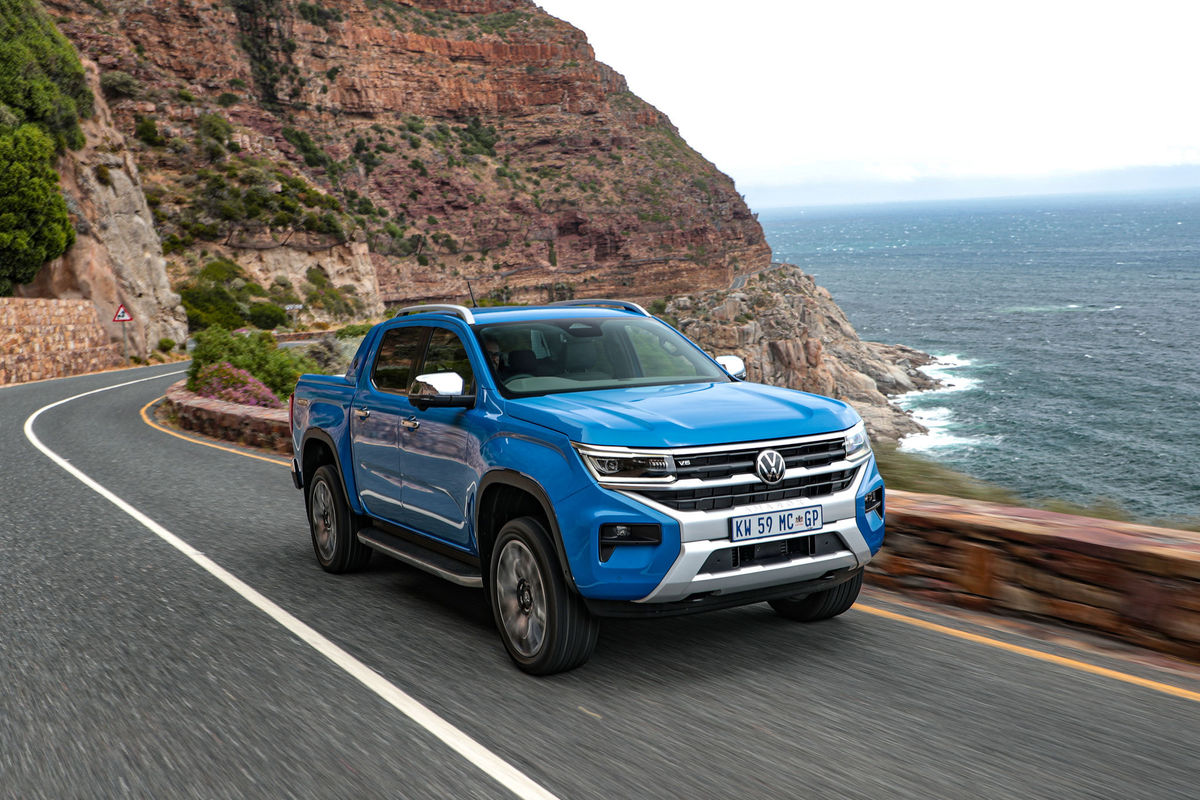
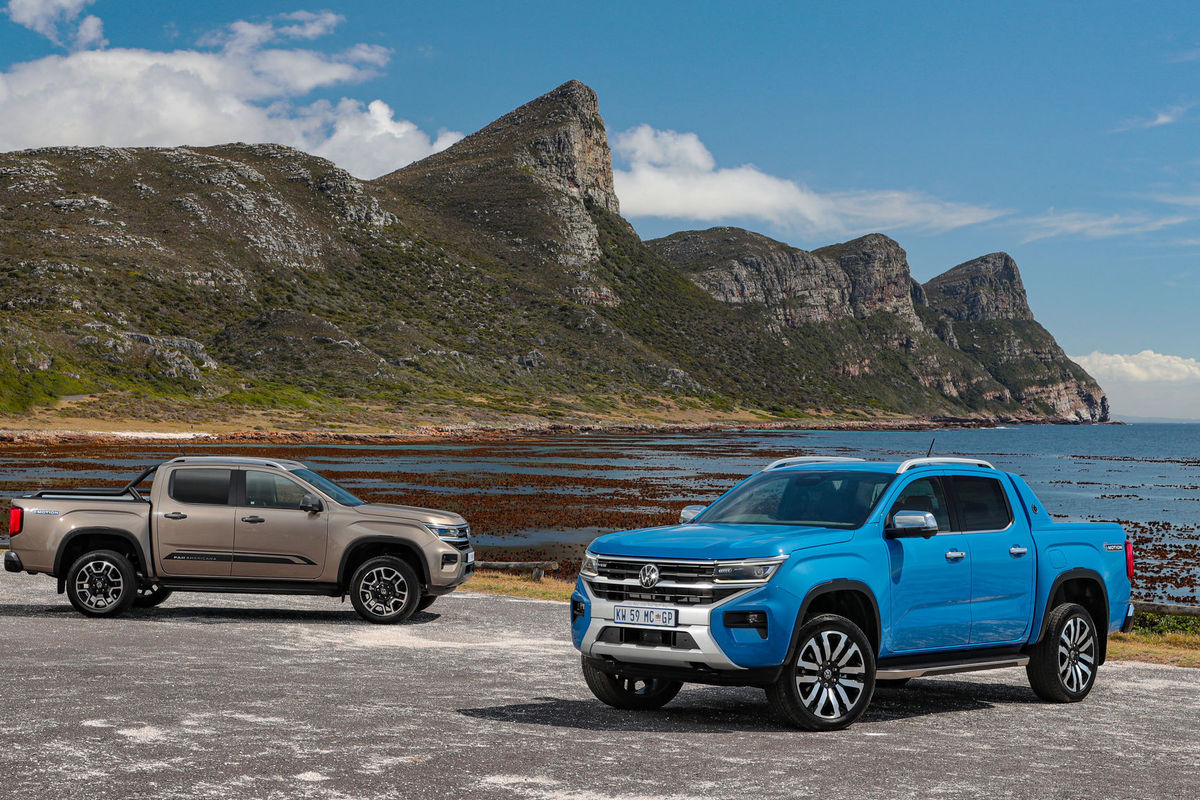
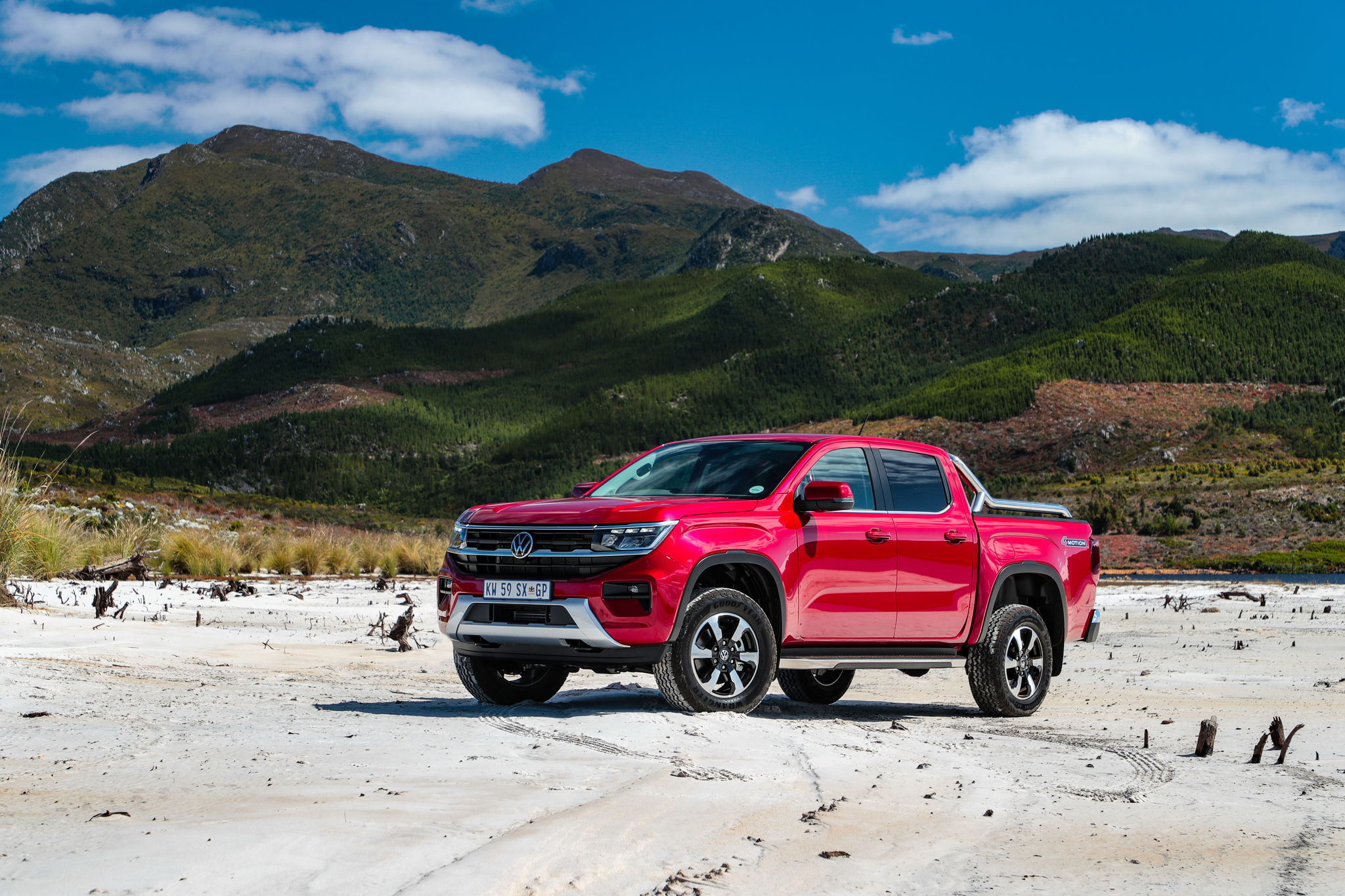
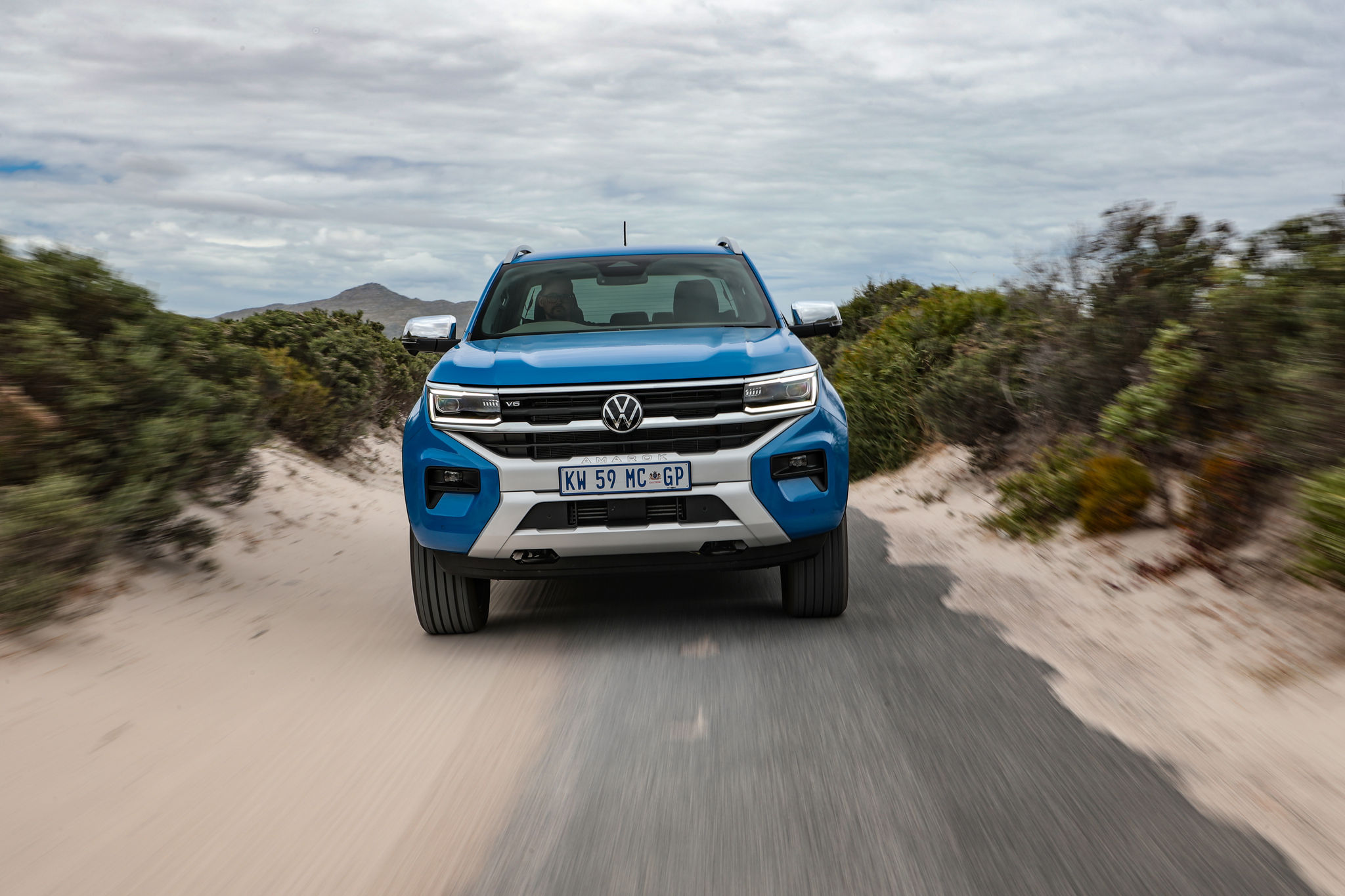
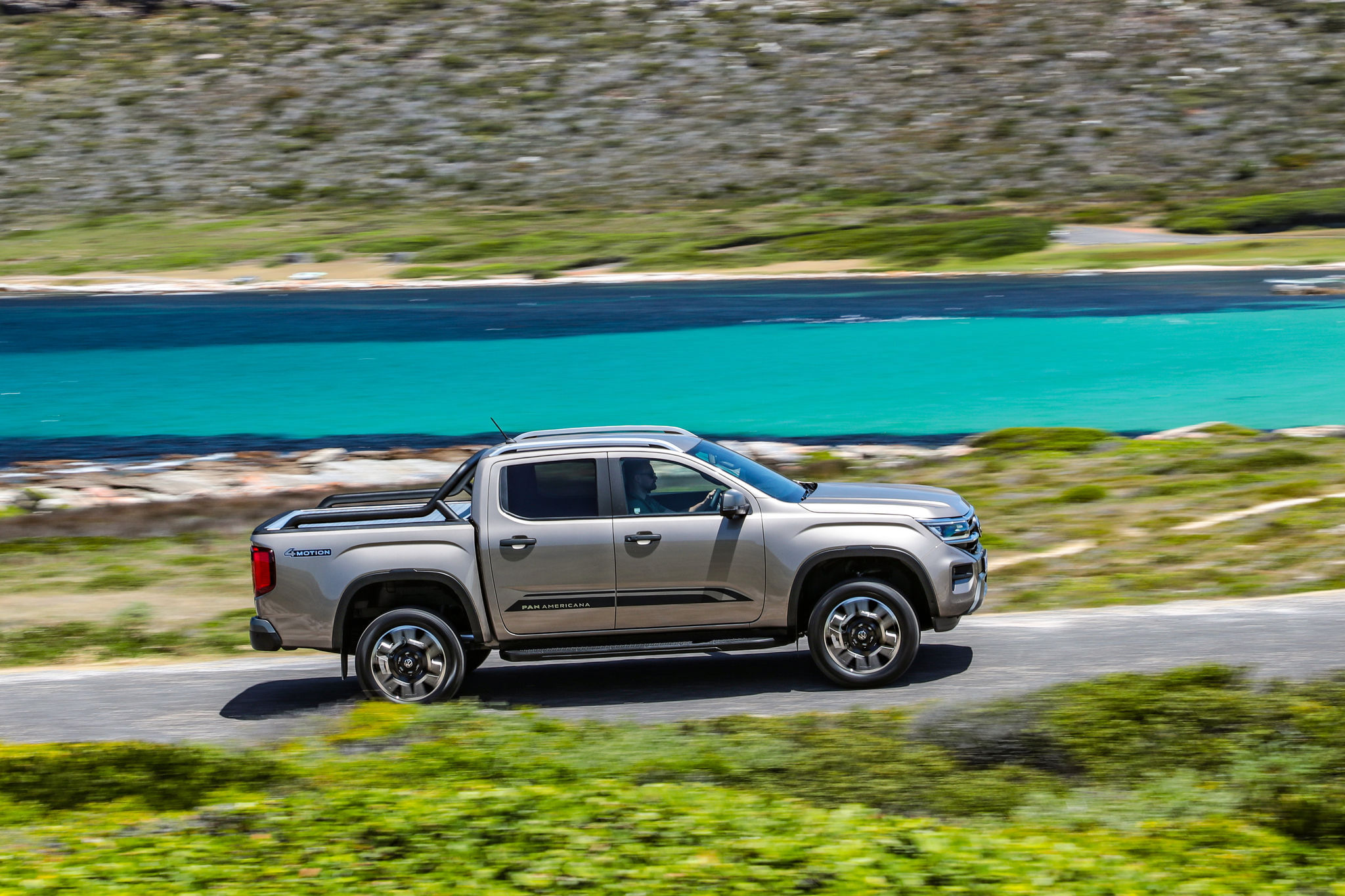
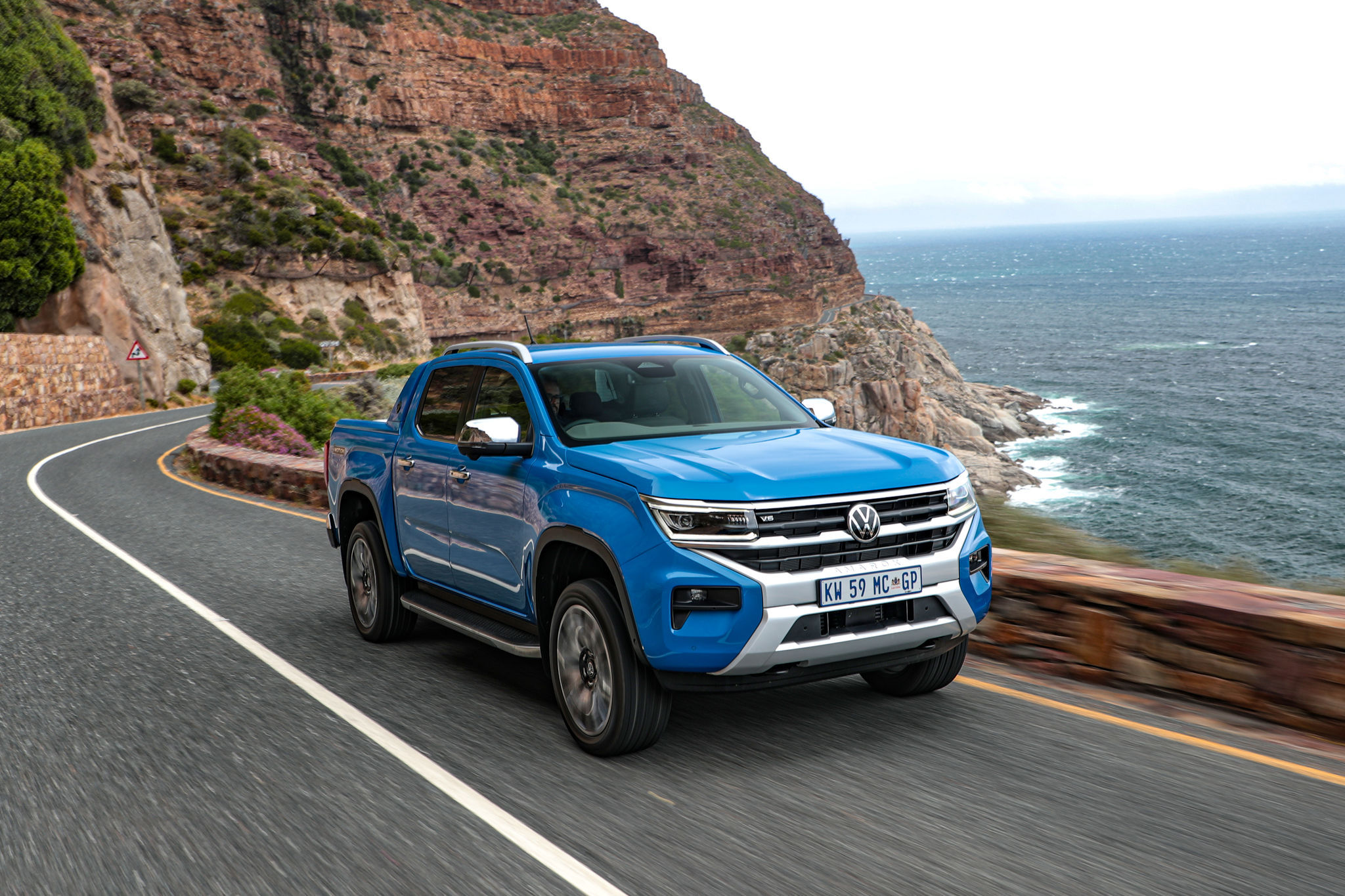
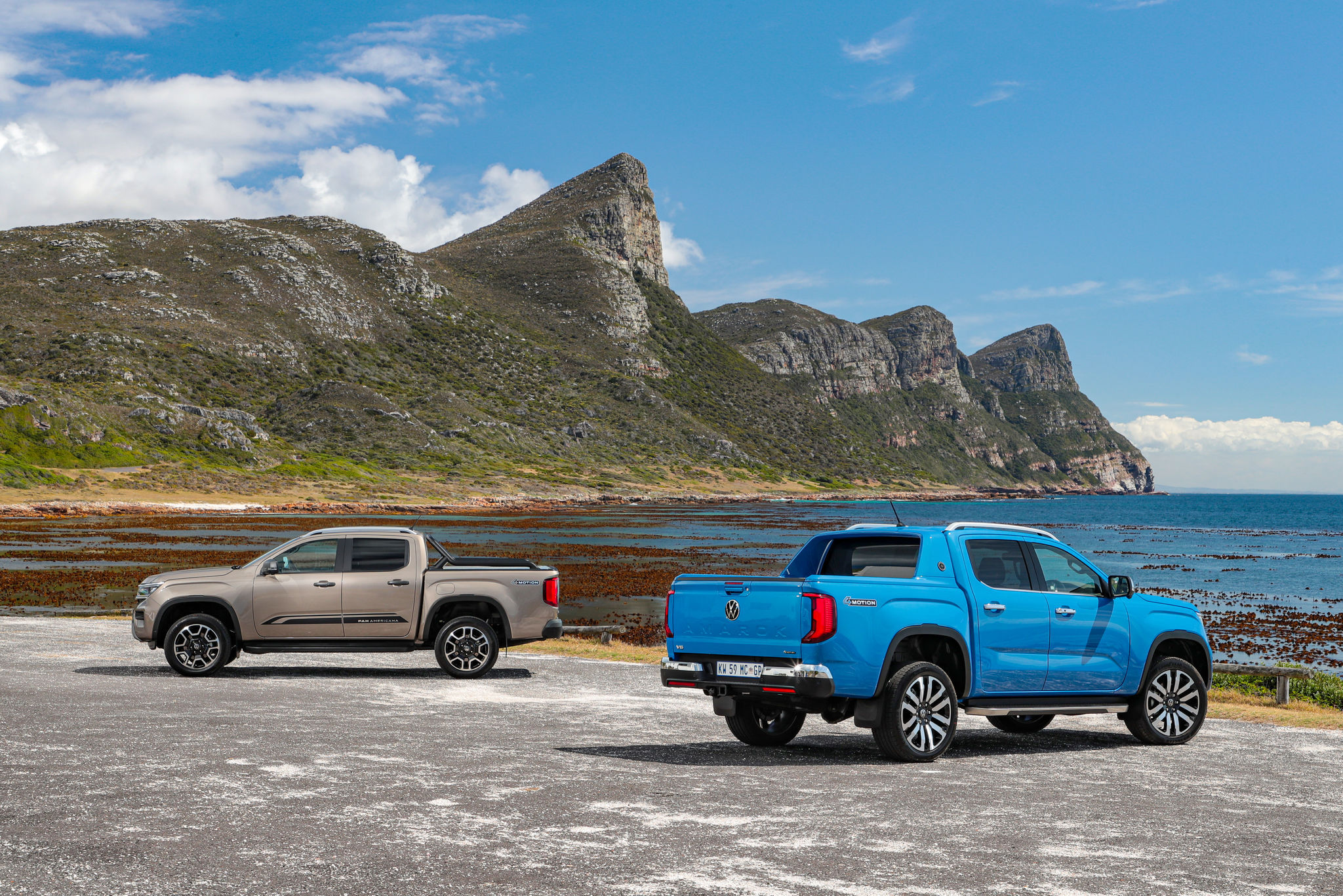
The new Volkswagen Amarok will be launched in South Africa in March 2023. Here’s how much you can expect to pay for the locally built double-cab bakkie.
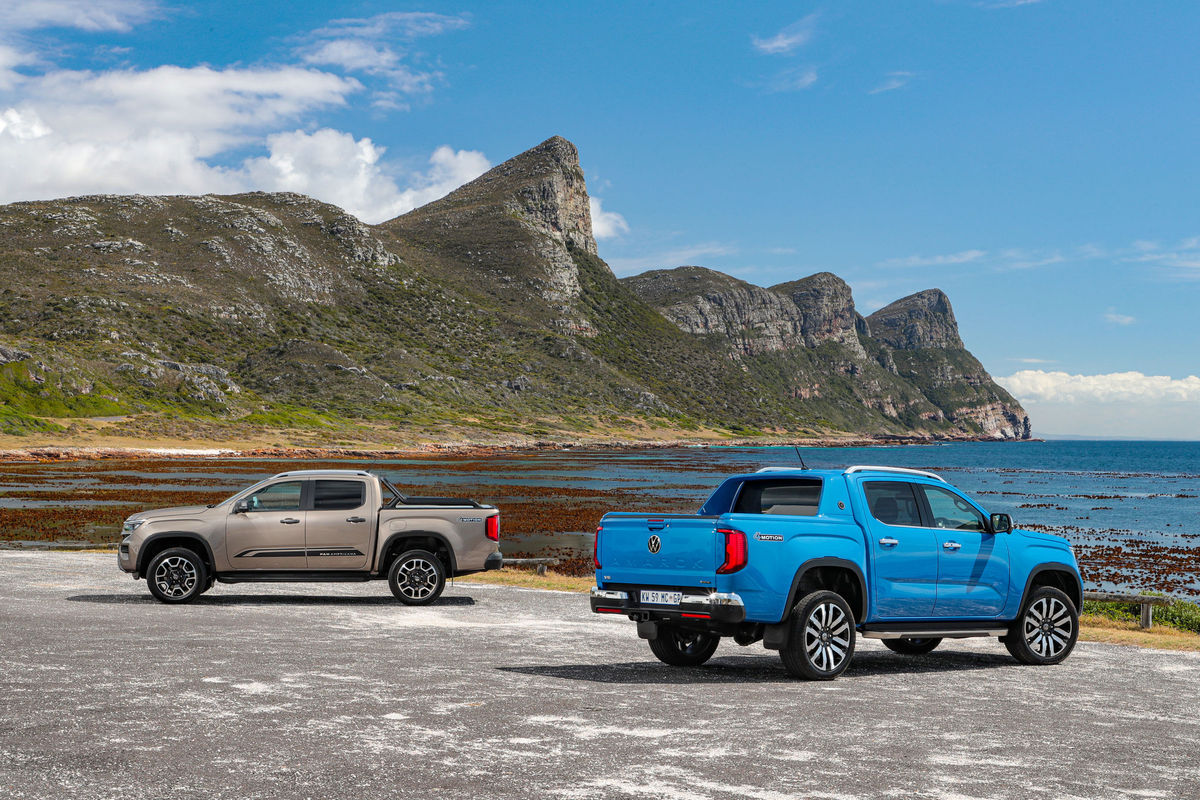
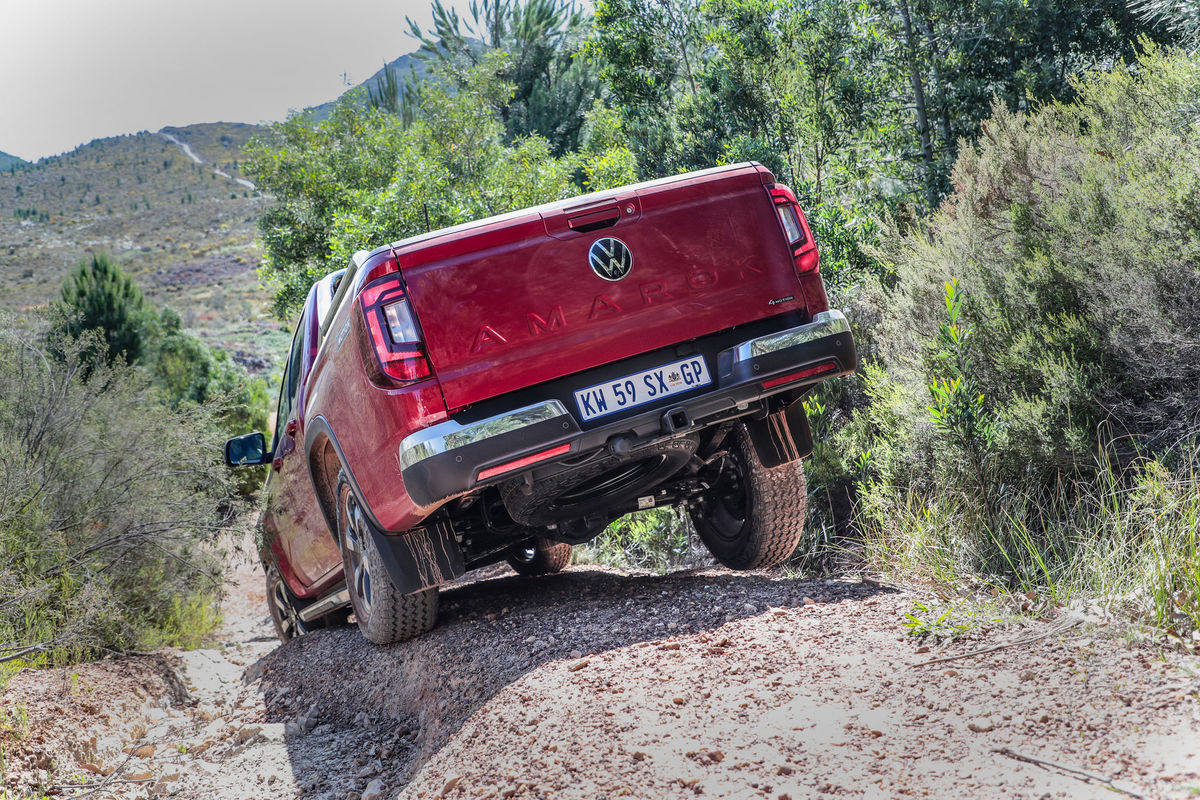
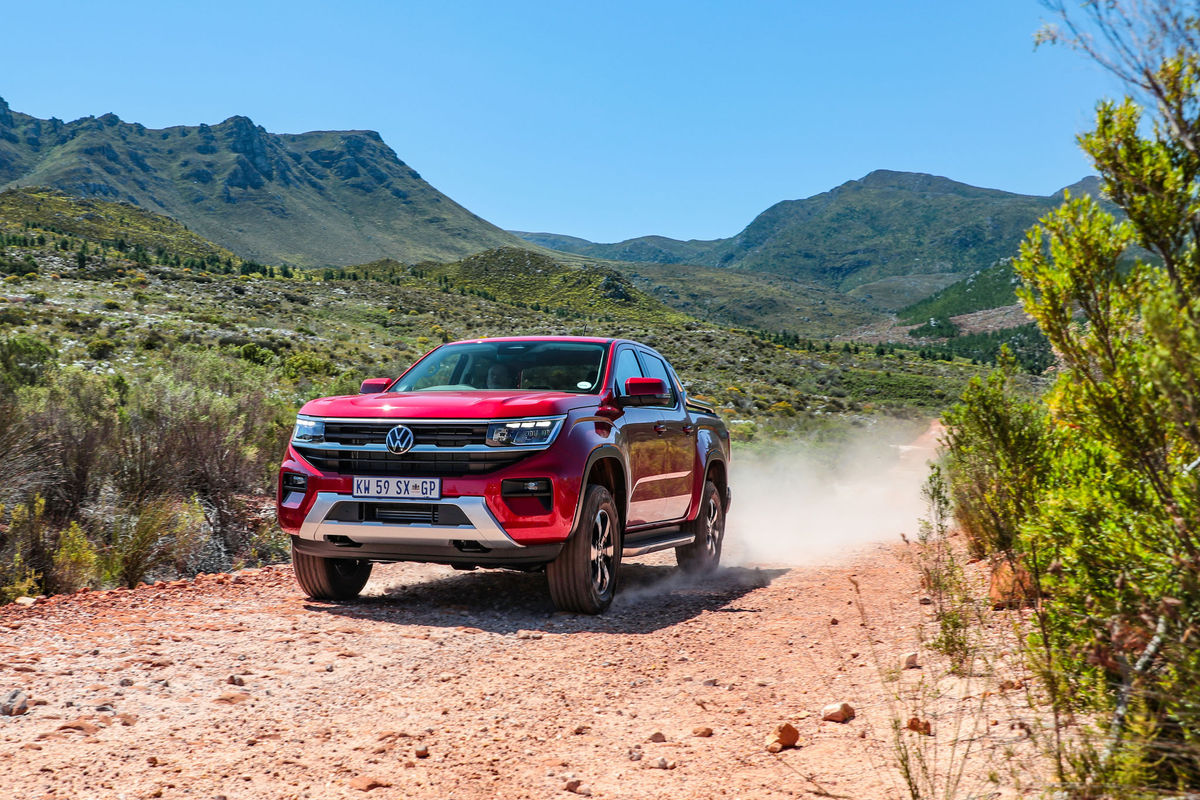
It’s no secret that this brand-new Volkswagen Amarok is the result of a partnership with Ford. The Ford Motor Company of Southern Africa will be building the new Volkswagen Amarok at its facility in Silverton, Pretoria, where the new-generation German bakkie will share the production line with its Ranger cousin.
We’ve already had a taste of the new Ford Ranger and the potent 3.0-litre twin-turbo V6-powered Raptor, both of which have gone on sale in South Africa. Now it’s time for the Volkswagen Amarok, which will be hitting showrooms in March 2023. The first units will head to local dealerships from Monday 27 February 2023 for inspections/interactions, with sales/deliveries commencing on 18 March 2023.
What’s on offer?
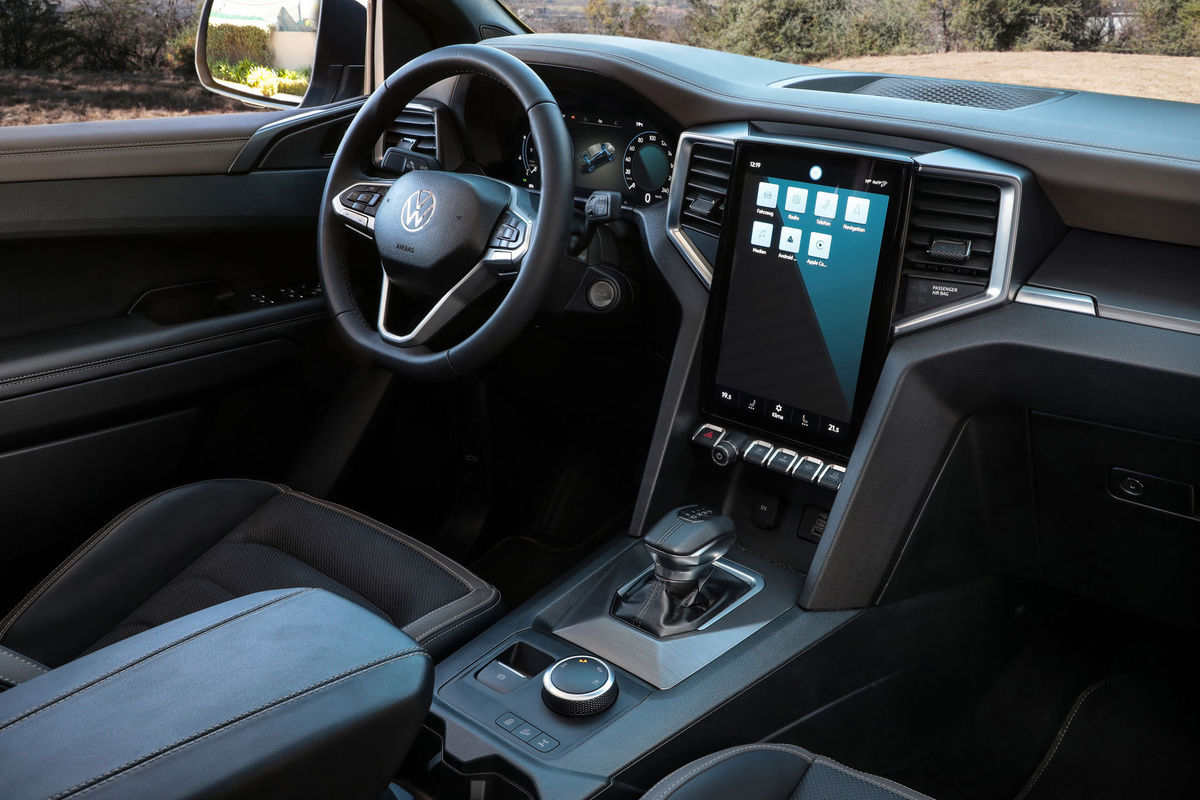
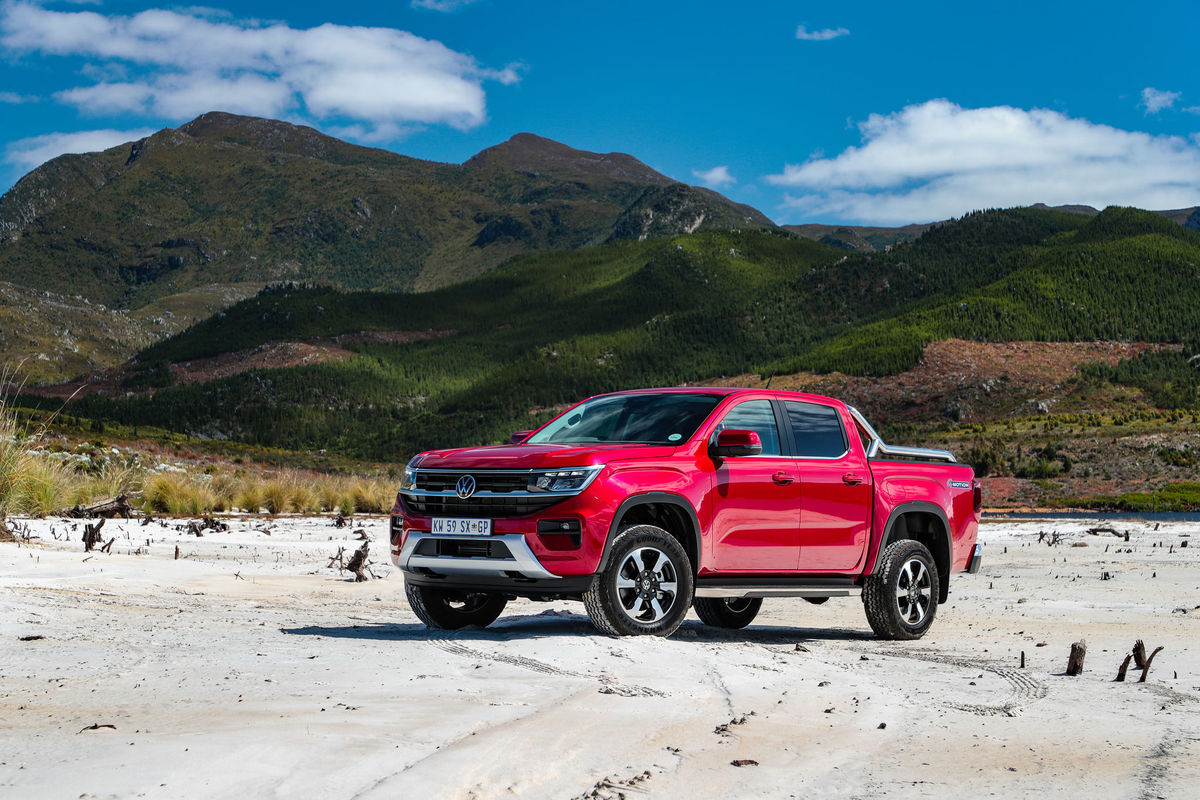
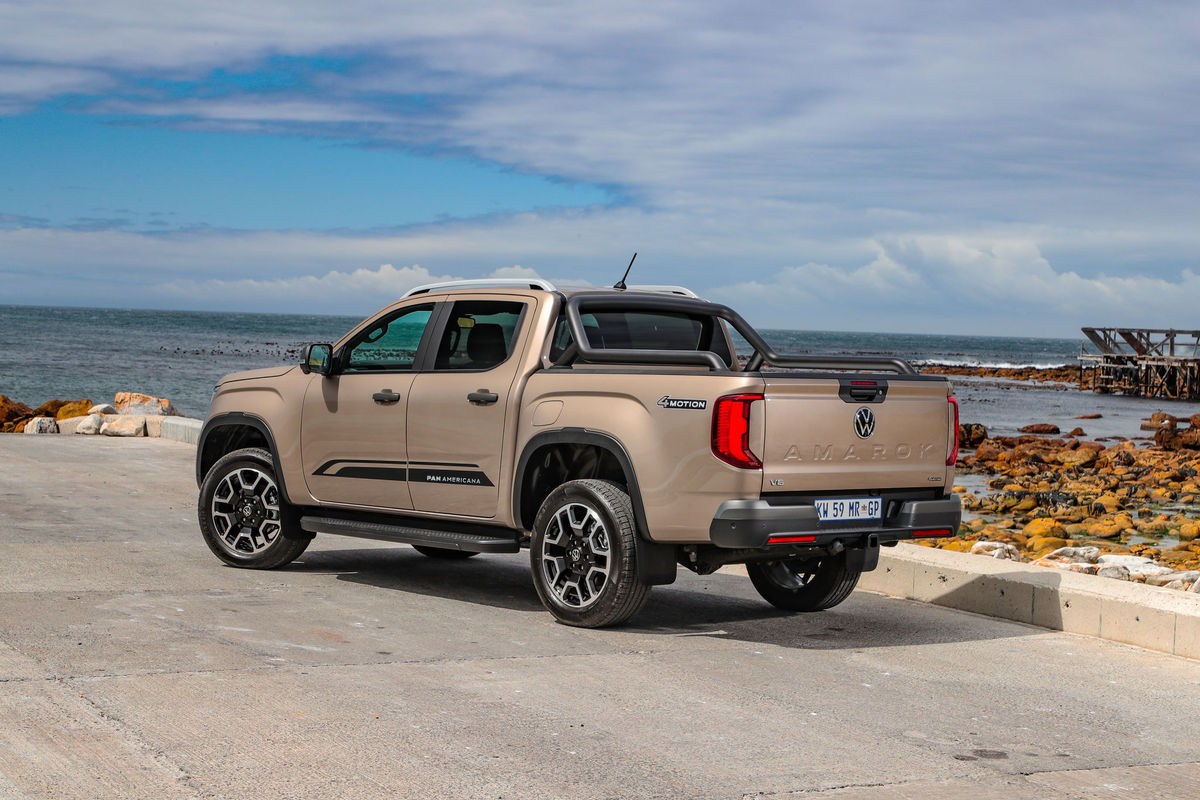
Volkswagen South Afruica (VWSA) will be offering the new Volkswagen Amarok in both single- and double-cab body styles. There will be 6 trim levels: Amarok single cab, Amarok double cab, Life double cab, Style double cab, PanAmericana double cab and Aventura double cab.
As far as dimensions are concerned, the new Volkswagen Amarok double cab is 5.35 metres long, 1.91 metres wide, and features a wheelbase of 3.27 metres. The single cab has the same dimensions, but its load tray is 2.32 meters long, so as to accommodate a full-size Euro pallet.
Customers will be able to choose between wheel sizes ranging from 16-inch to 21-inch, but be mindful that these are derivative dependent.
Black 18-inch Amadora alloy wheels / 20-inch Bendigo alloy wheels
Electric roller cover
IQ Light LED headlights / LED tail lights
Side steps
Improved suspension
Styling bar
Roof rails
Underbody protection
Rear cross-traffic alert
Park Assist
Front Assist (Autonomous emergency braking, adaptive cruise control, 360-degree camera system, evasive steering, blind-spot monitoring)
Harmon Kardon sound system
Discover media
Cricket leather seats
Aventura
PanAmericana spec, plus the following:
Chrome mirrors, door handles and side steps
21-inch Varberg alloy wheels
Body colour sports bar
Electric roller cover
Amarok Trim Levels and Features
Impressively, VWSA won’t offer the derivatives with optional extras, other than the colour choices: Clear White, Midnight Black, Bright, Blue, Light Grey, Dark Grey, Deep Red, Bright Beige and Mid Blue.
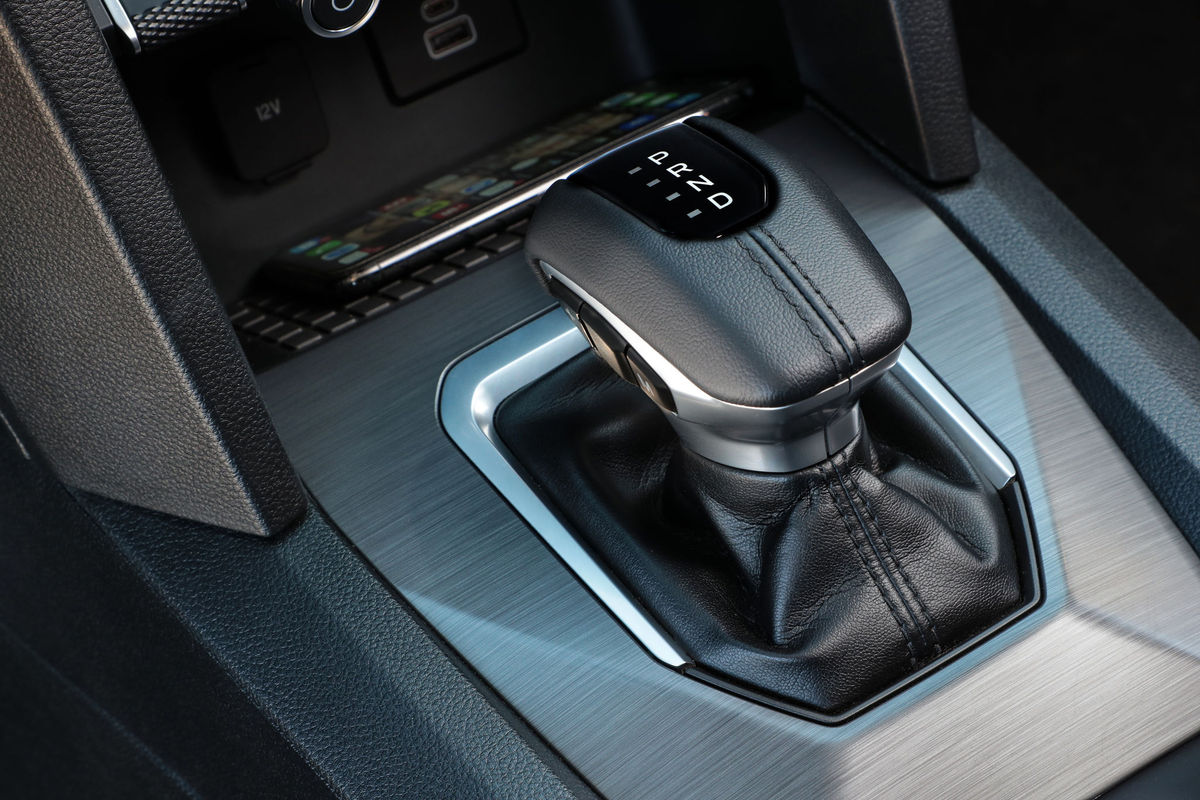
There will be a quartet of engines, all of which are turbodiesel. Customers will be able to choose from manual and automatic gearboxes. Higher-powered derivatives get a 10-speed automatic transmission.
2.0 TDI
110 kW
350 Nm
170 kph top speed
6.9 L/100 km
2.0 TDI
125 kW
405 Nm
180 kph top speed
6.9 L/100 km (4Motion 7.1 L/100 km)
2.0 BiTDI
154 kW
500 Nm
180 kph top speed
7.5 L/100 km
3.0 TDI V6
184 kW
600 Nm
180 kph top speed
8.4 L/100 km
How much will the 2023 Volkswagen Amarok cost in South Africa?
The new Volkswagen Amarok will be sold with a 4-year/120 000 km warranty, 5-year/100 000 km maintenance plan with intervals every 15 000 km. Single Cab pricing will be confirmed in March 2023.
Double Cab
Amarok 2.0 TDI 110 kW 5-speed manual
R599 000
Amarok 2.0 TDI 125 kW 6-speed manual
R650 500
Amarok 2.0 TDI 125 kW 4MOTION 6-speed manual
R721 500
Amarok Life 2.0 TDI 125 kW 6-speed manual
R683 500
Amarok Life 2.0 TDI 125 kW 4MOTION 6-speed manual
R738 000
Amarok Life 2.0 TDI 125 kW 4MOTION 6-speed auto
R760 000
Amarok Life 2.0 BiTDI 154 kW 4MOTION 10-speed auto
R825 500
Amarok Style 2.0 BiTDI 154 kW 4MOTION 10-speed auto
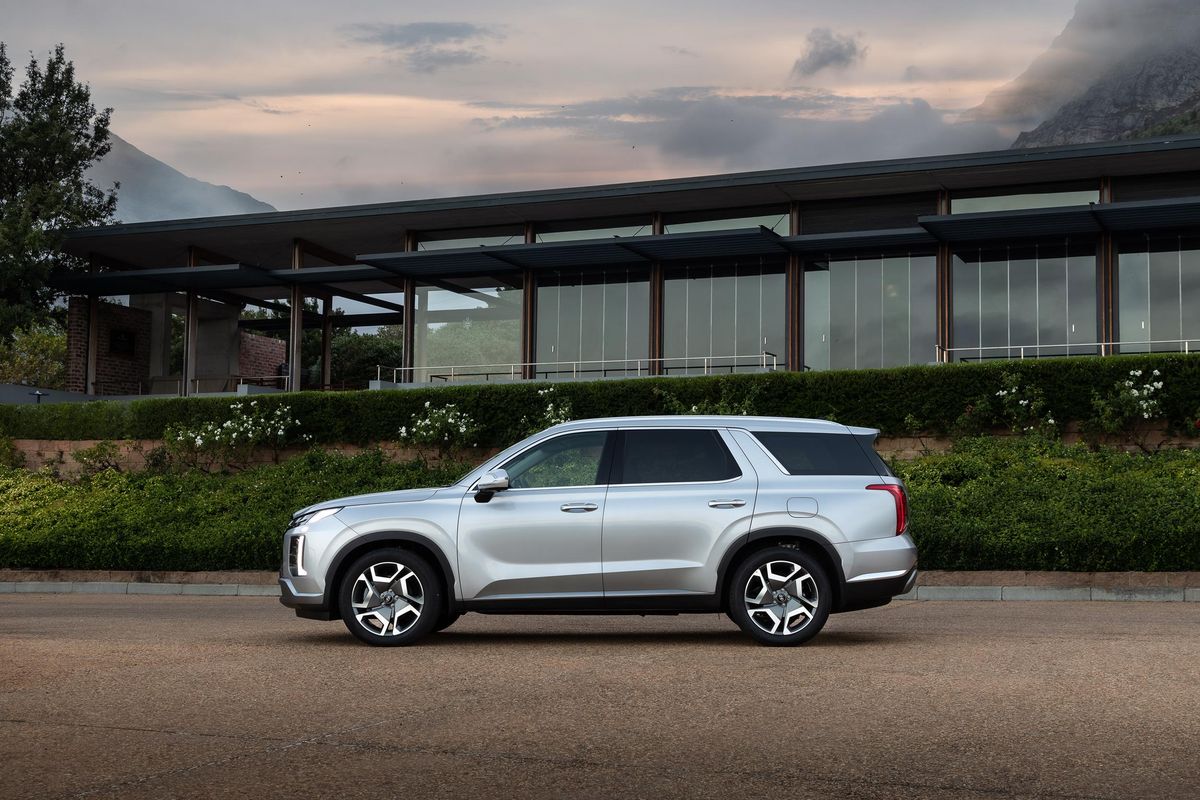
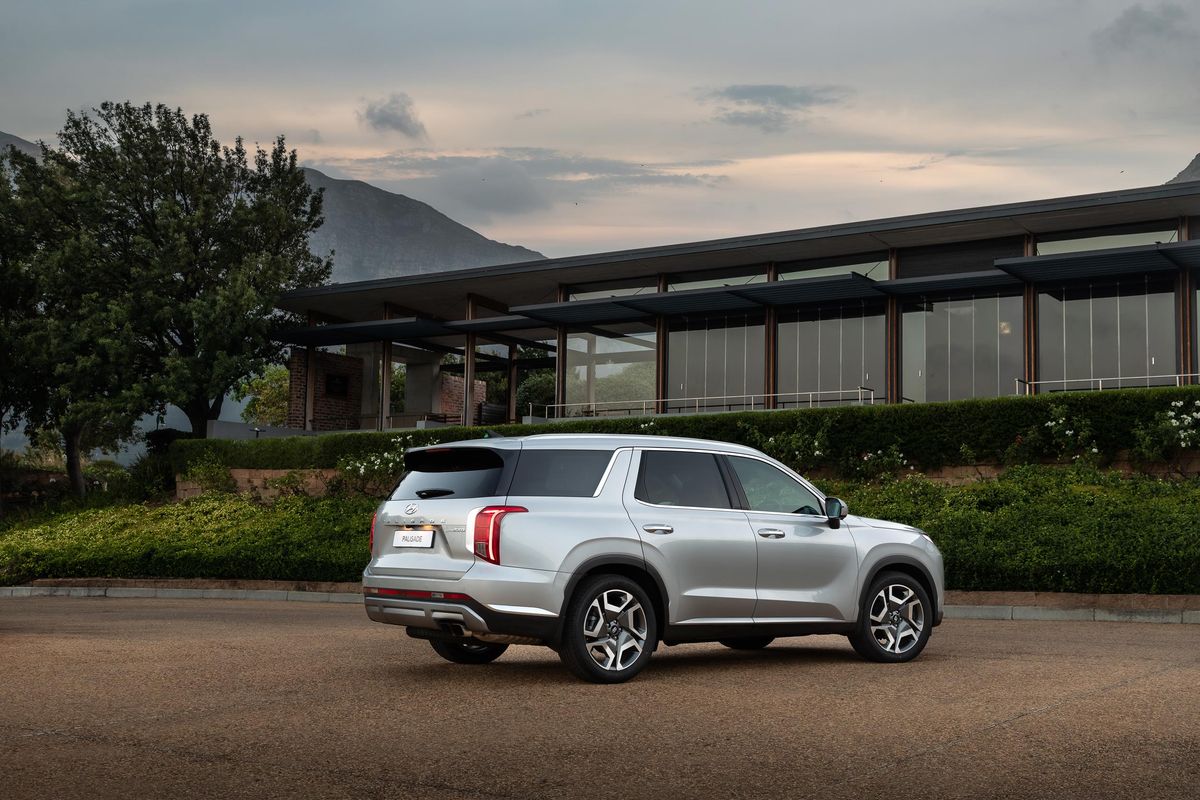
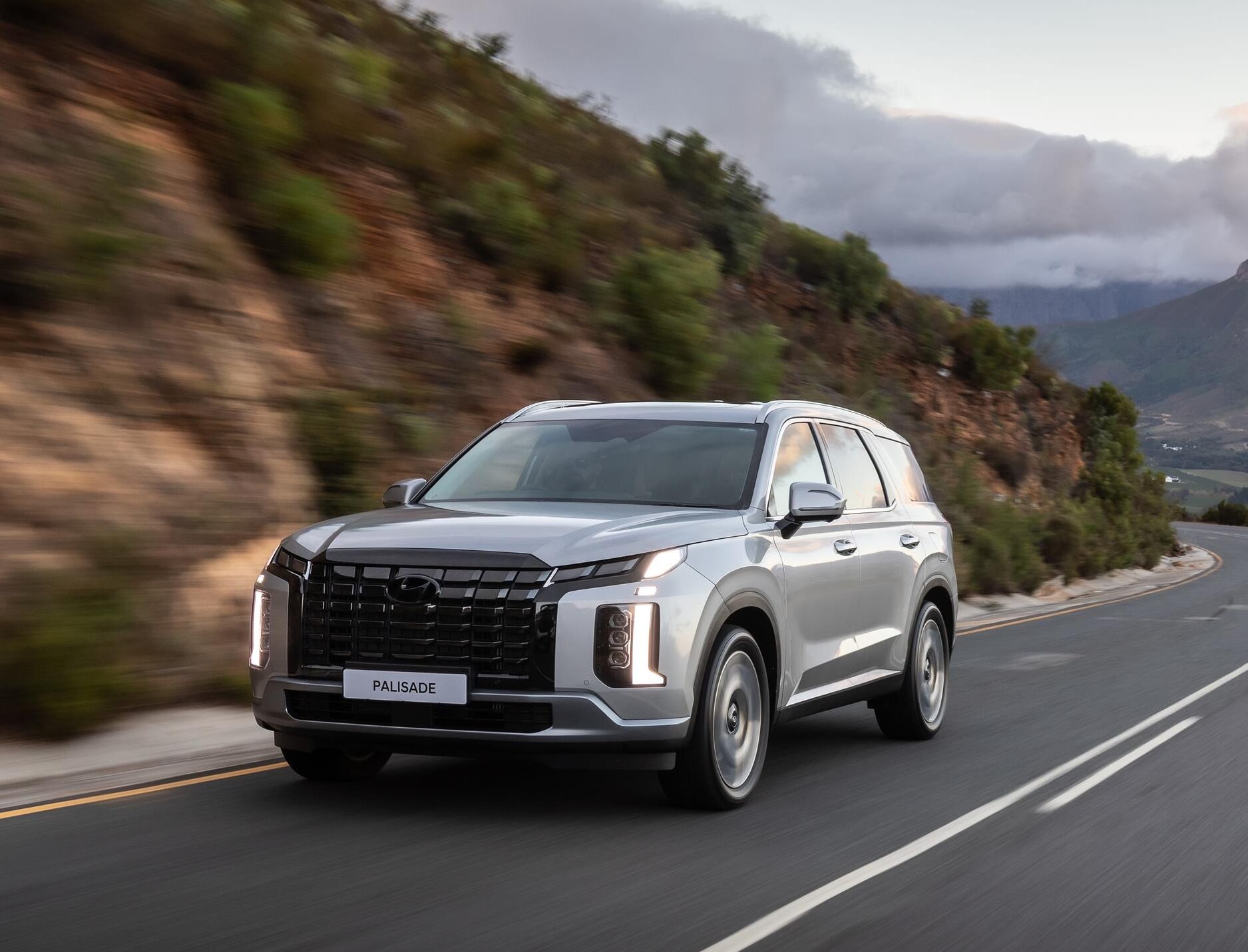
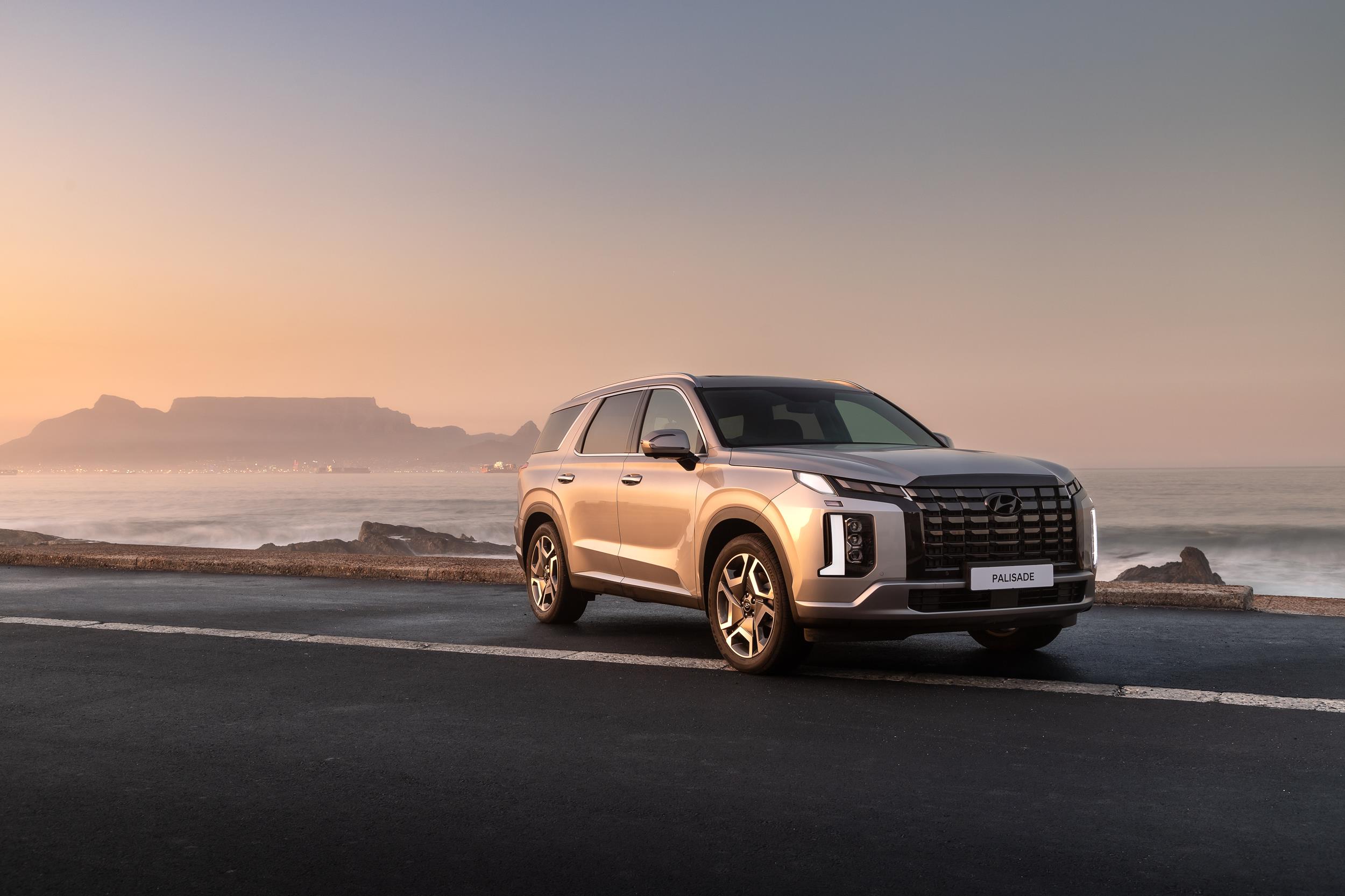
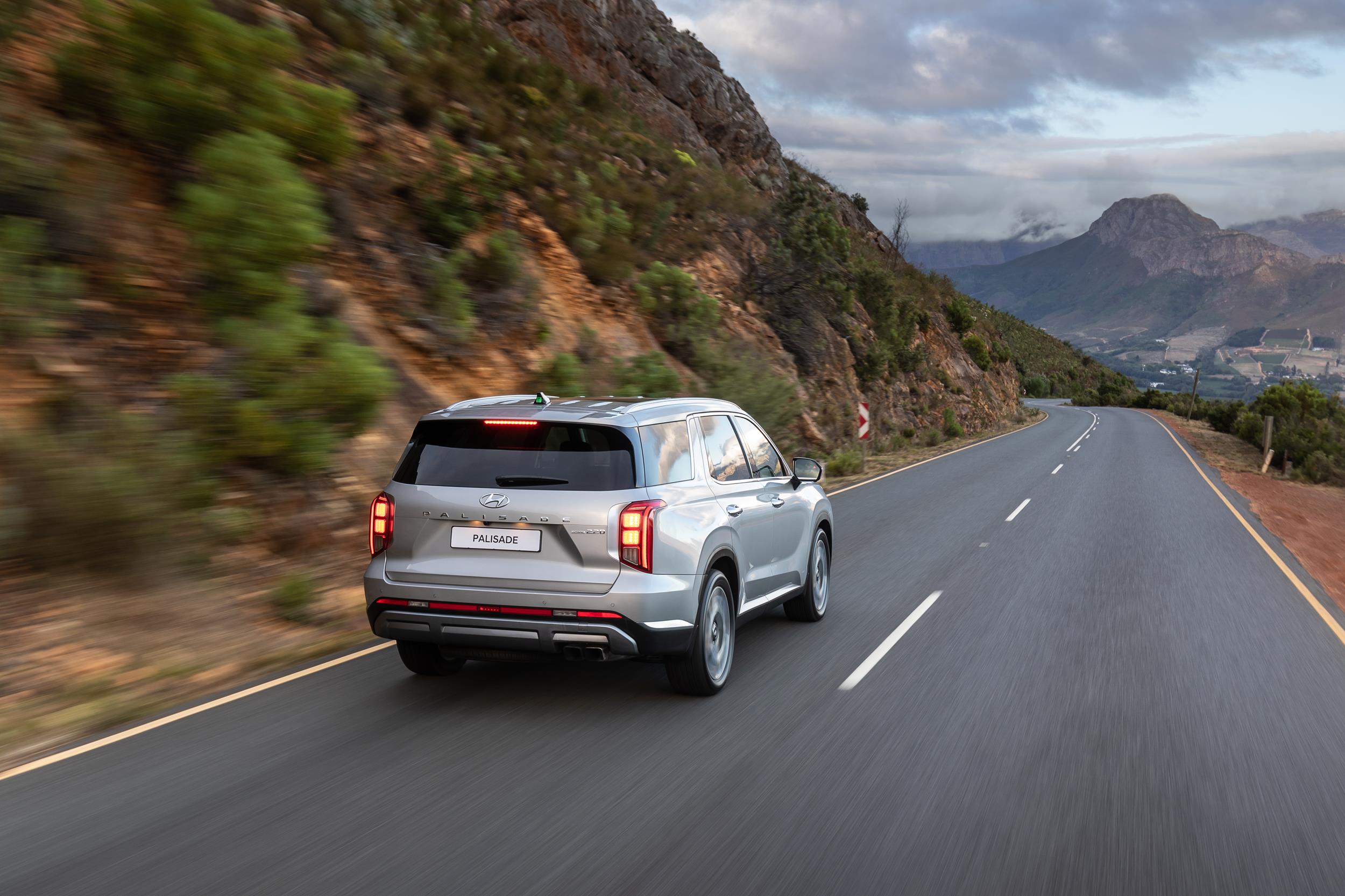
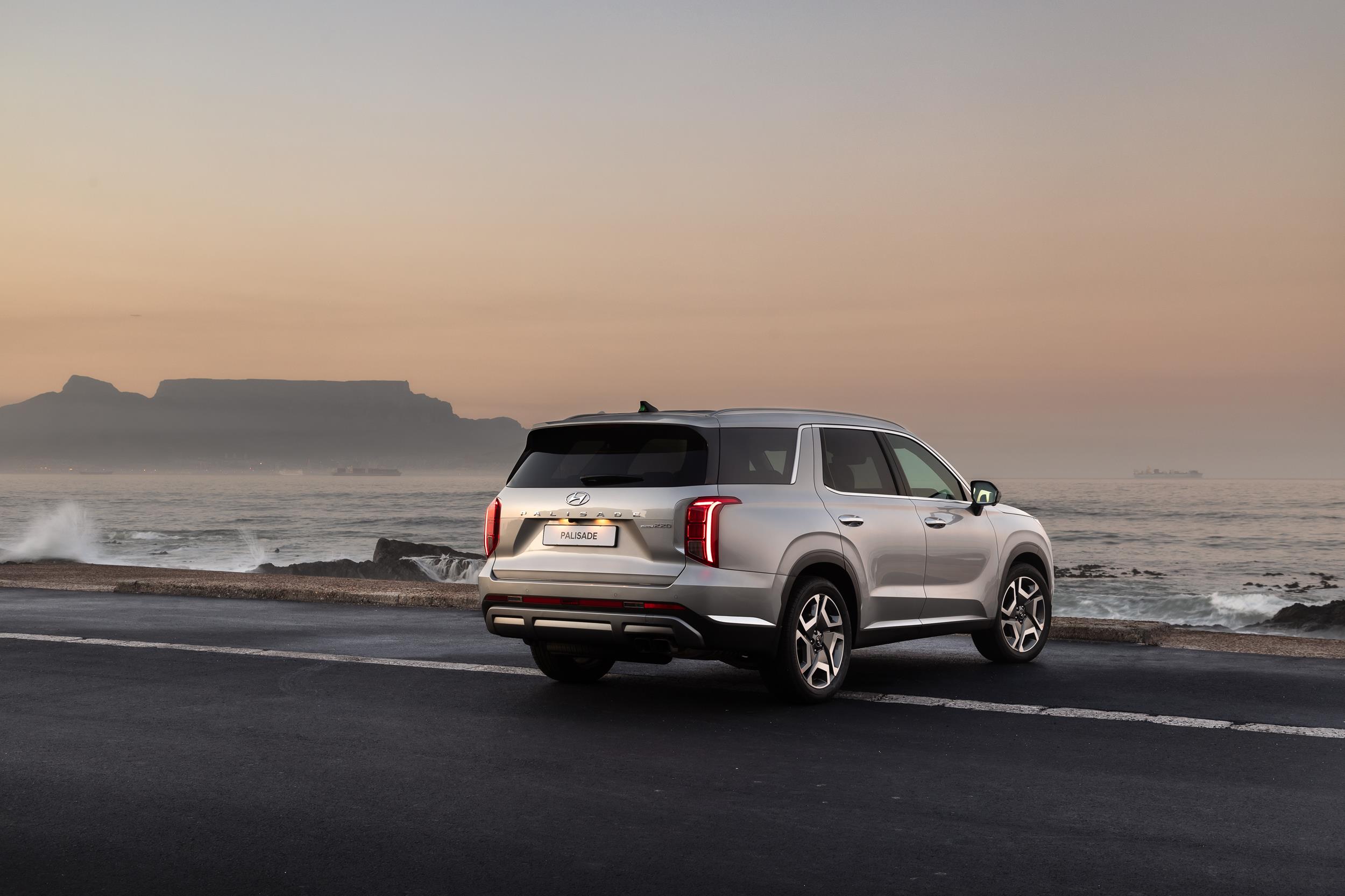
The Hyundai Palisade has received a mild cosmetic update and specification upgrade. The Korean brand’s 7- or 8-seater Premium SUV appears to be keenly priced for its size and specification; we drove the 2023 model in the Western Cape this week.
What’s new on the Hyundai Palisade?
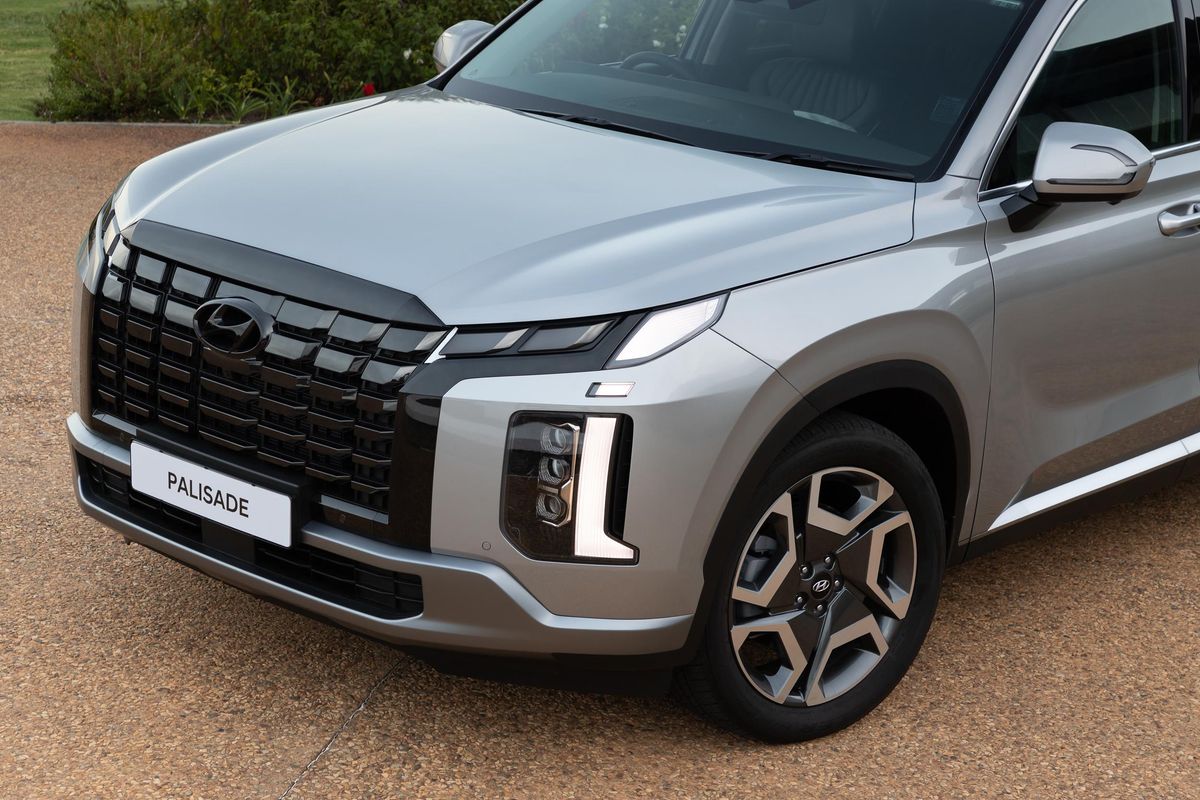
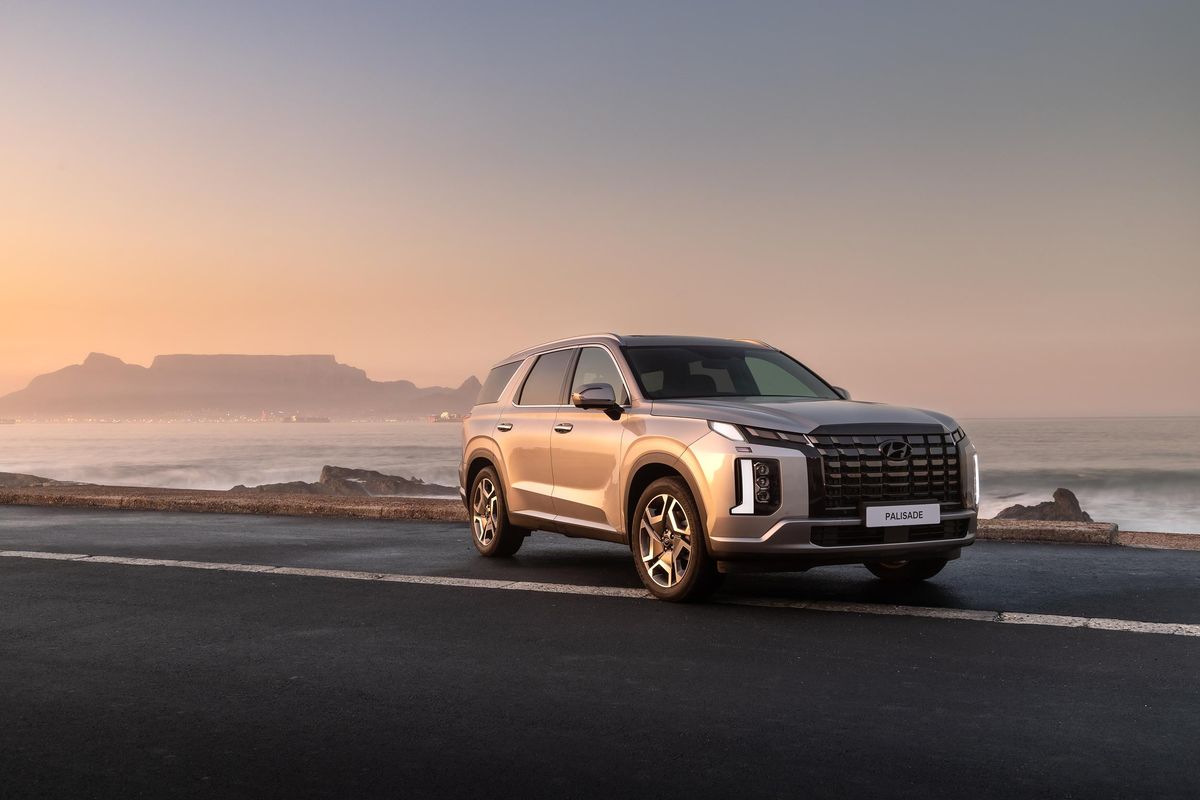
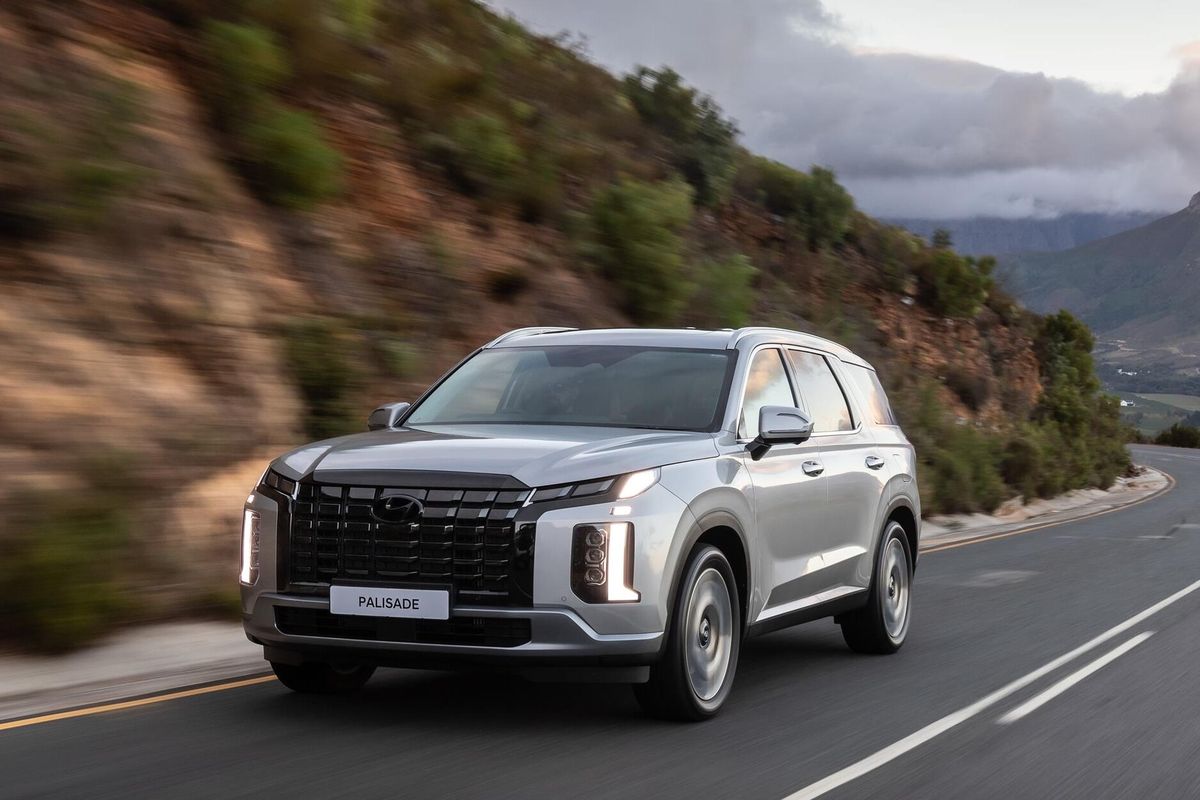
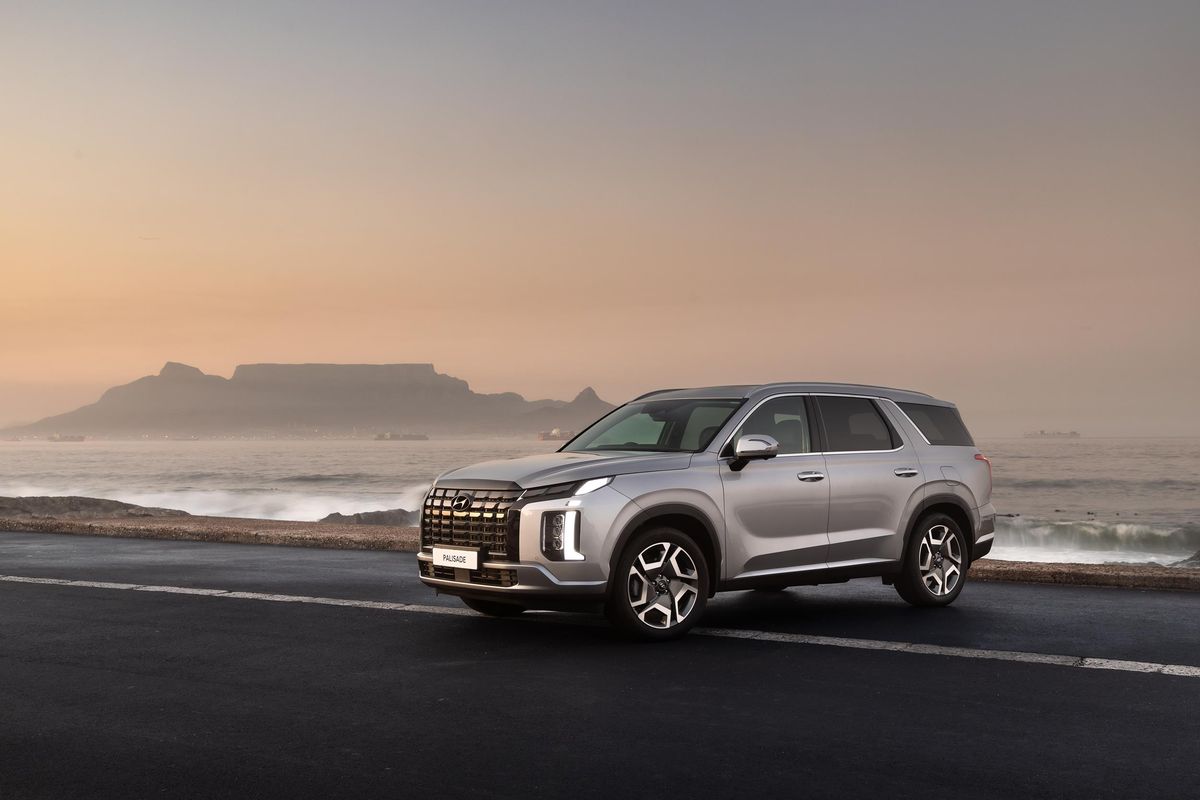
The front grille is now blacked out as opposed to the chrome version pre-facelift.
The Palisade was introduced on the local market in 2021 as a bit of an experiment to see if consumers would be willing to buy a Hyundai priced around the R1-million mark. In 2 years, 256 units of the Palisade have been sold, which appears to have been enough to warrant bringing the facelifted model to market.
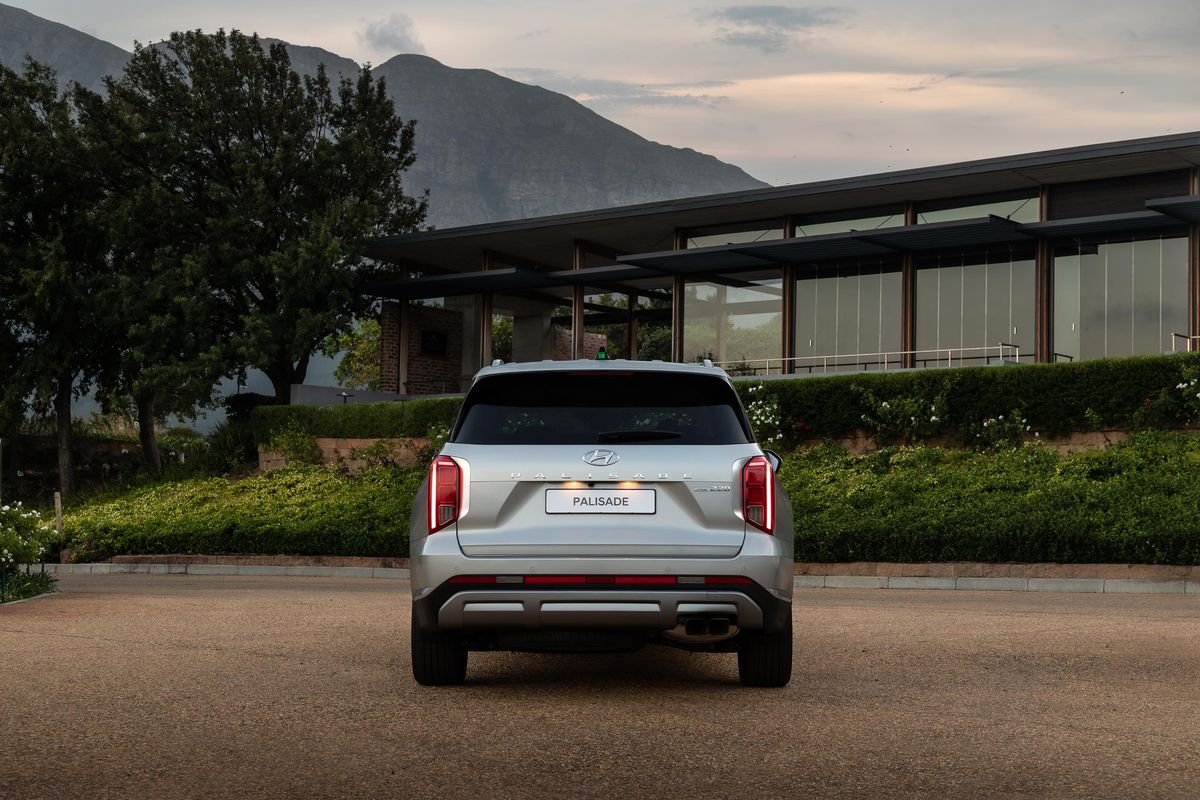
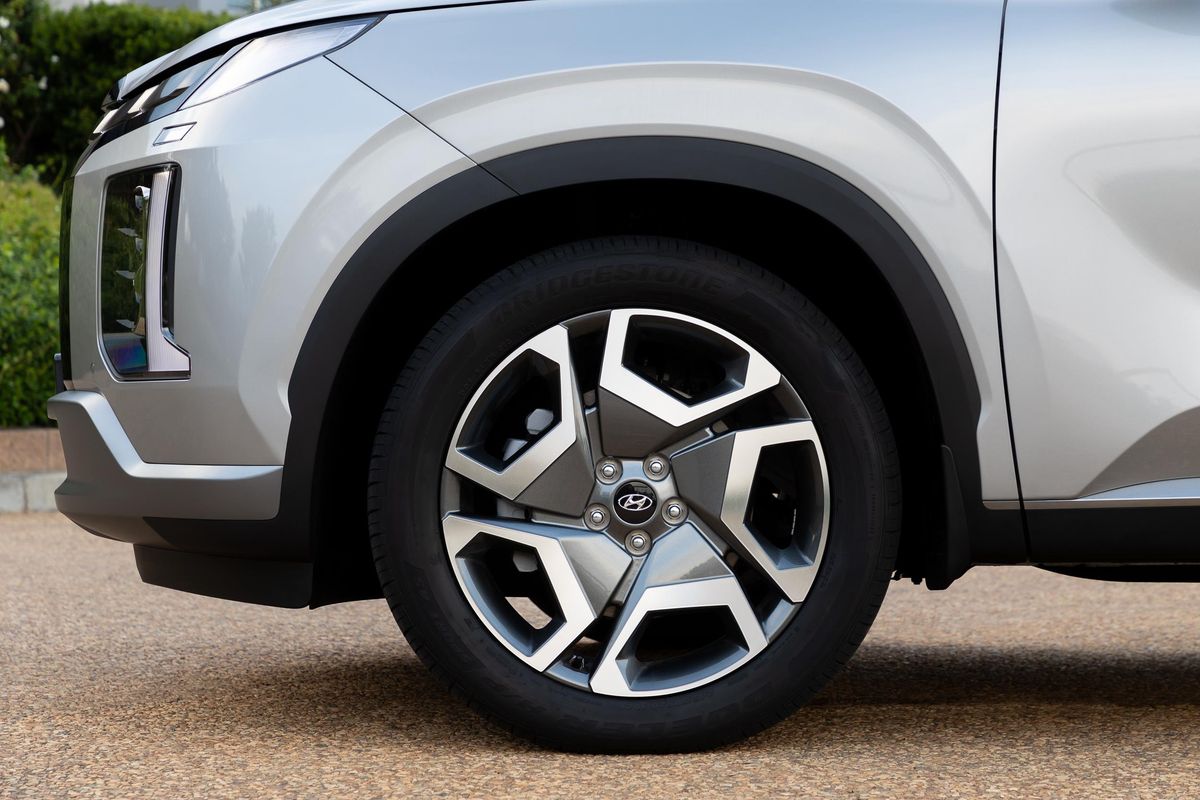
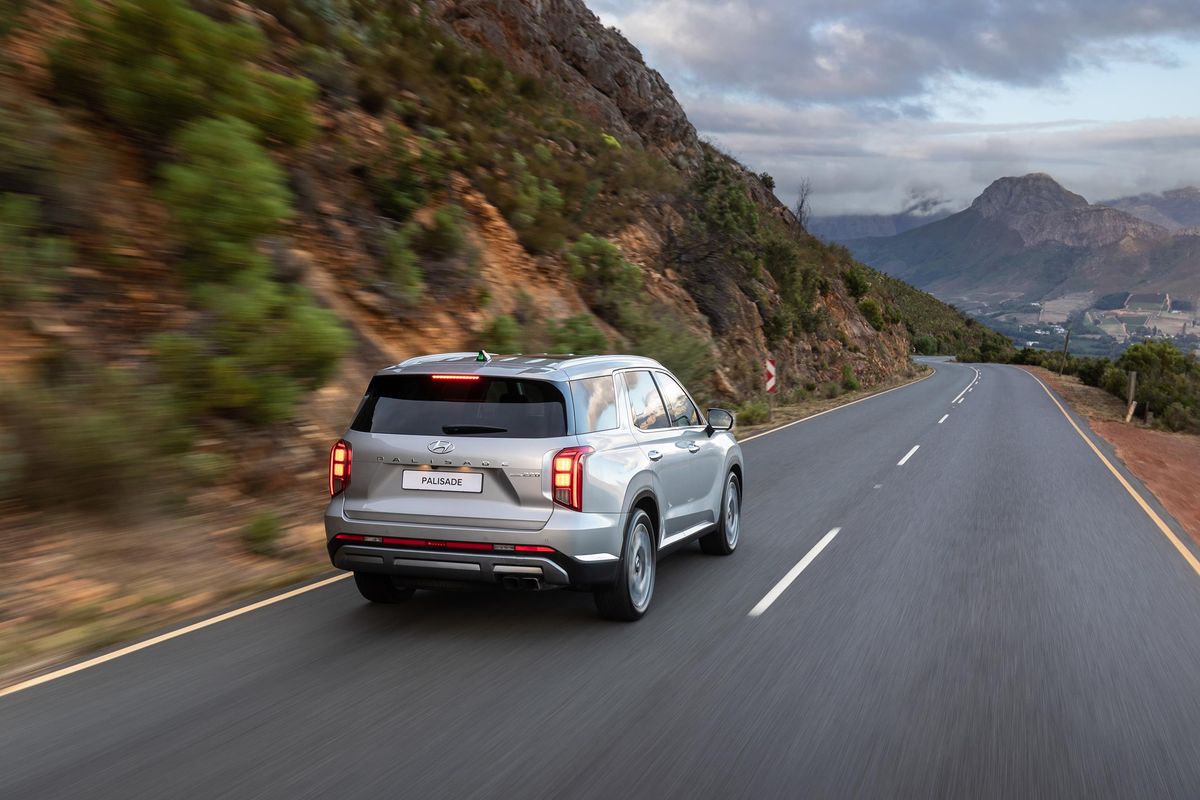
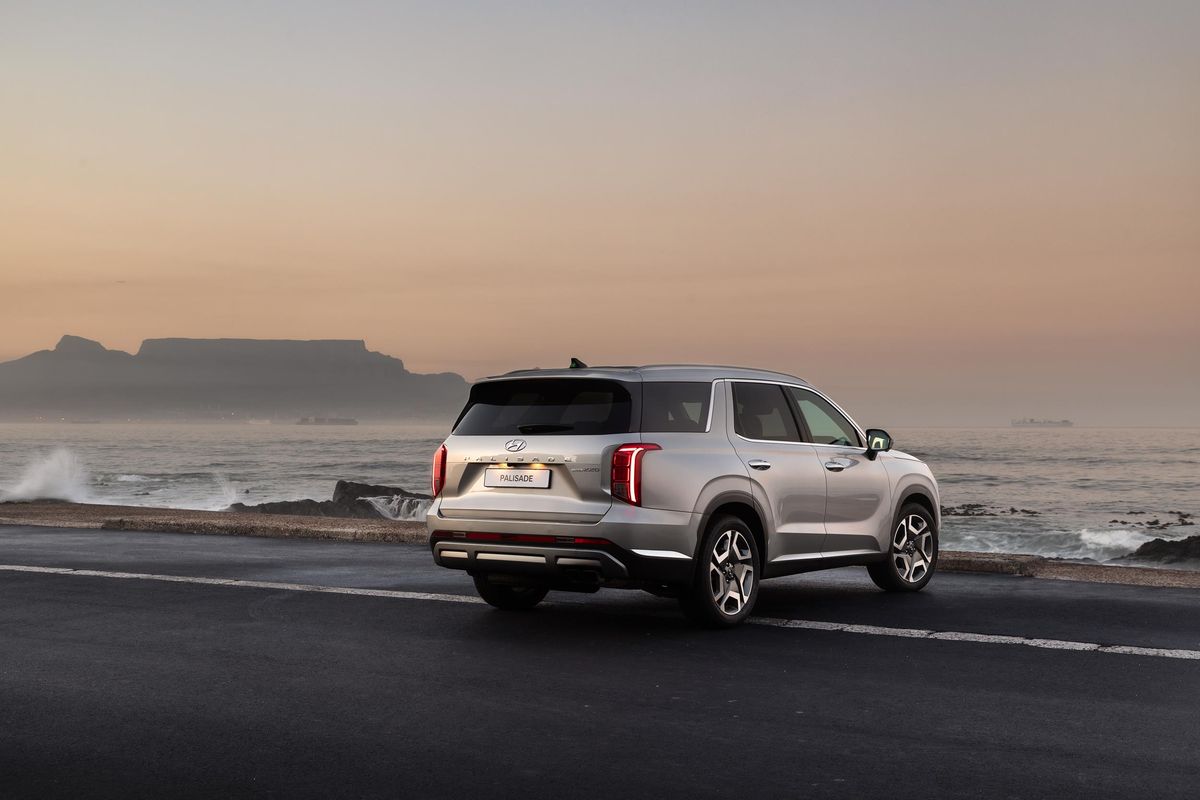
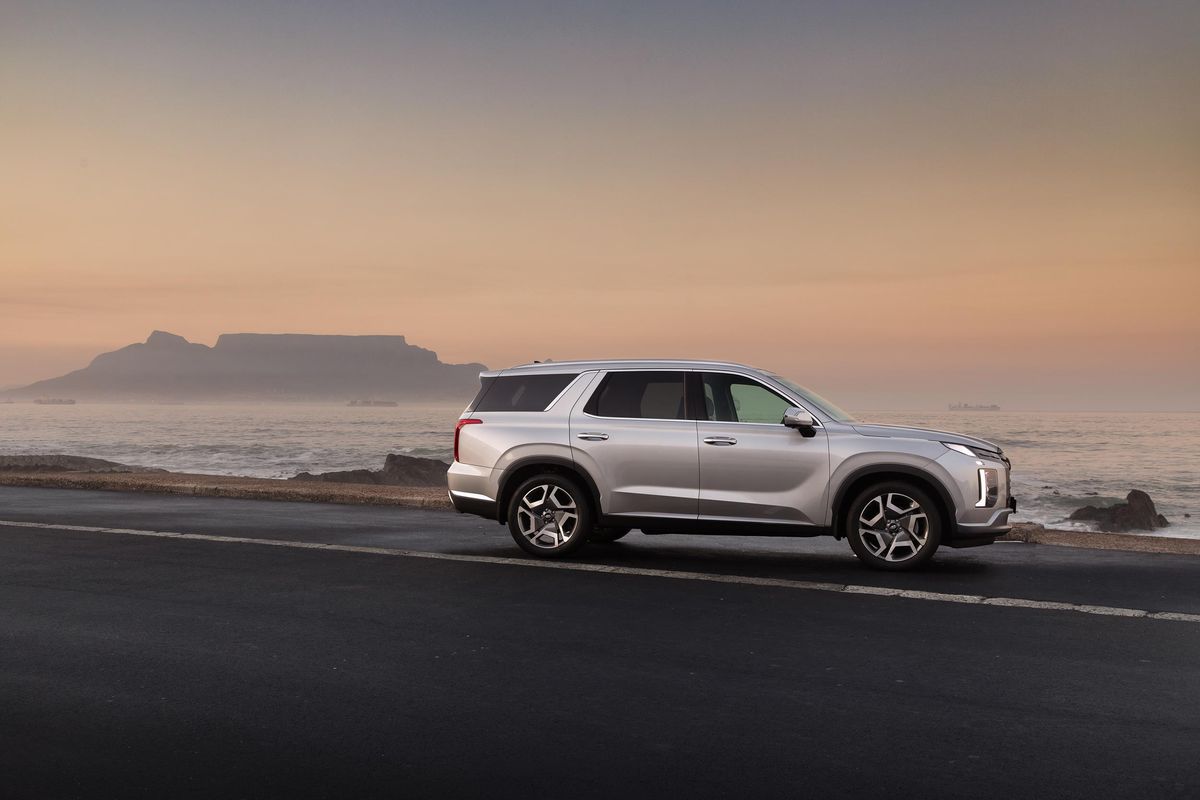
The facelifted Hyundai Palisade incorporates minor cosmetic updates that make the SUV appear more hunkered-down, with a lower stance. The grille finish has changed from chrome, while the teardrop LED running light clusters have moved to the outsides of the bumper (with the “ice block” lamps inside of them). The revised side profile is distinguished by new 20-inch alloy wheels, while the rear remains virtually unchanged, save for the new positioning of the lower taillamps that are now integrated into the width of the rear bumper. Incidentally, the facelifted Palisade is also 15 mm longer than its predecessor.
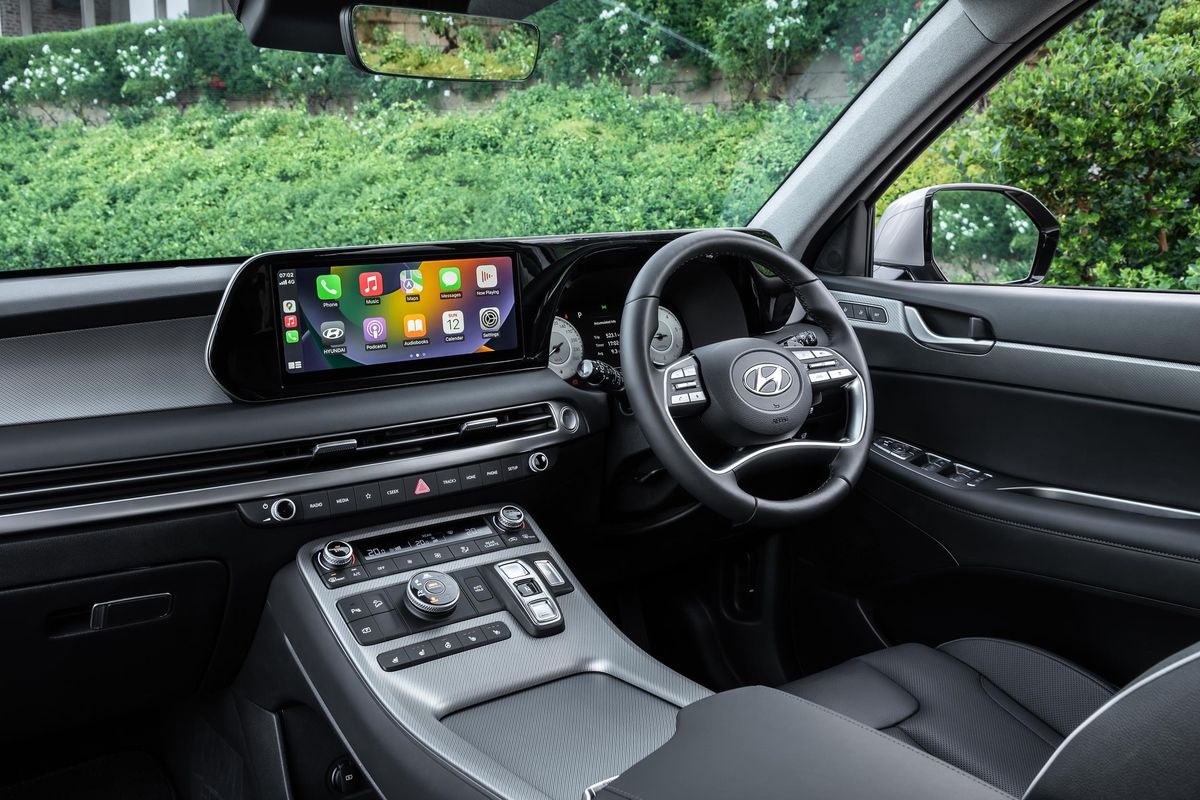
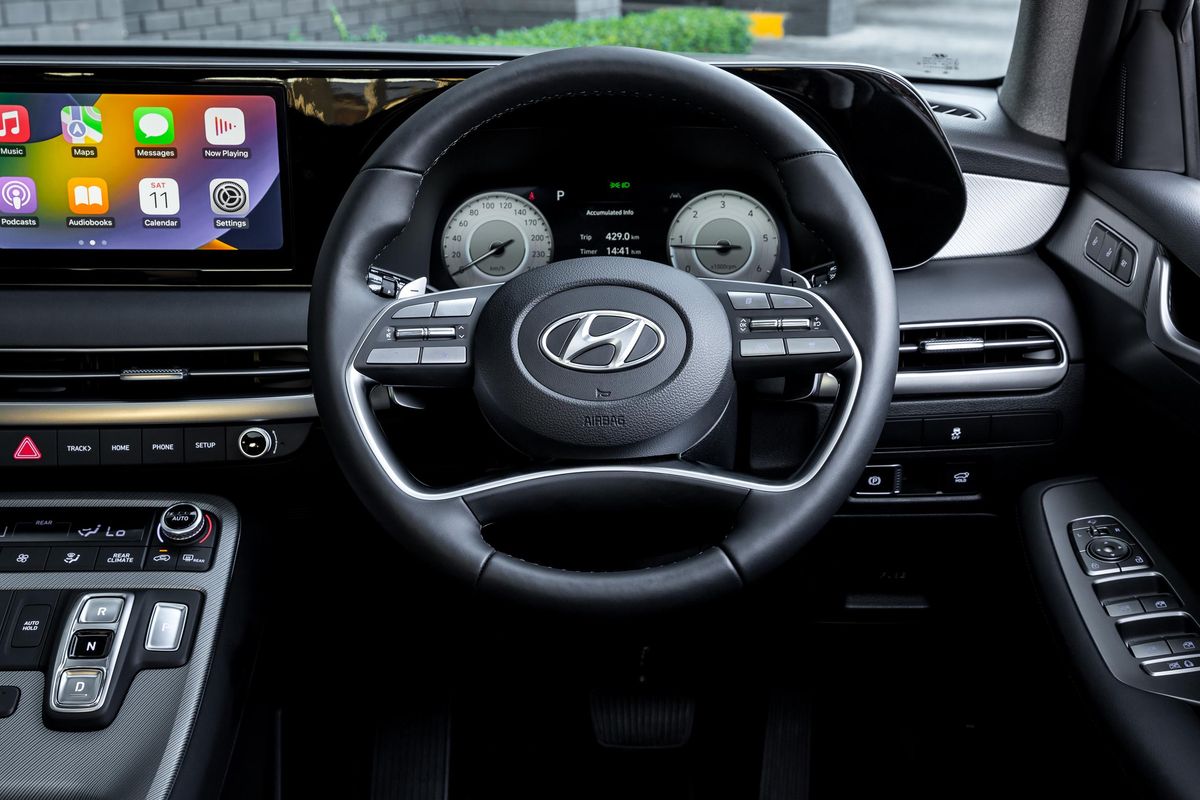
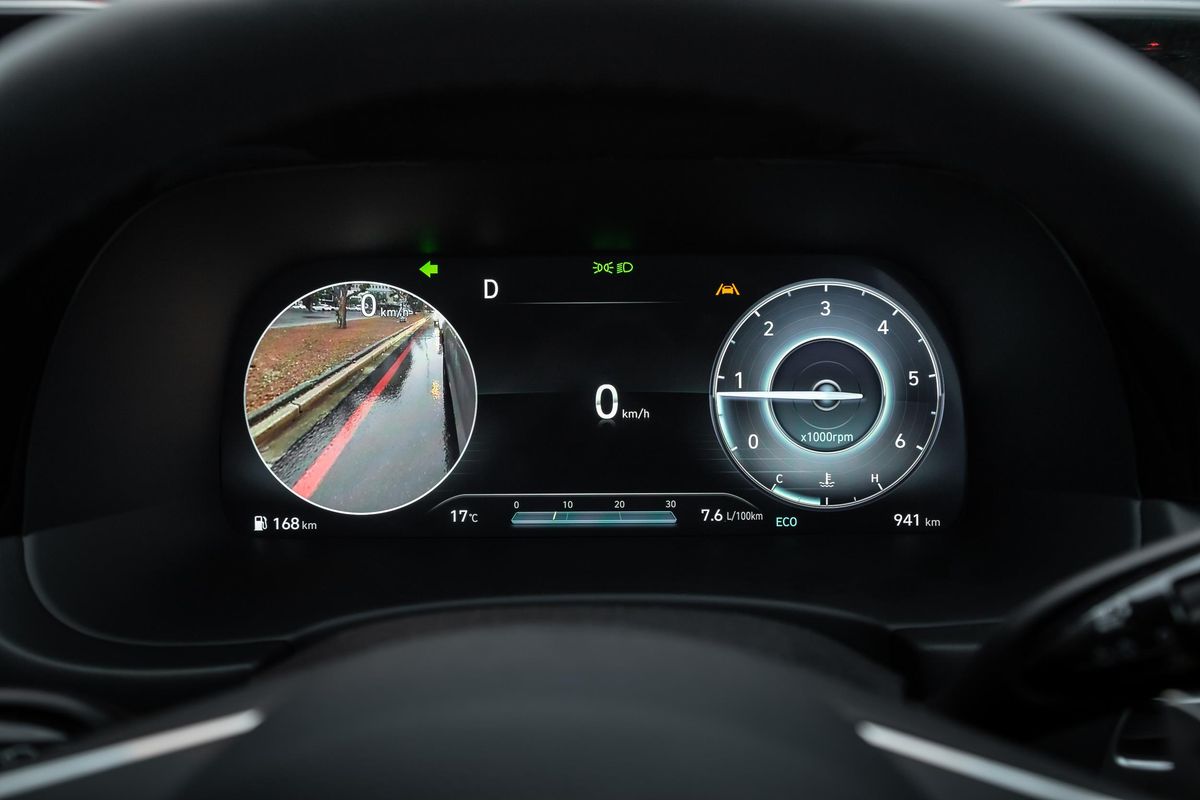
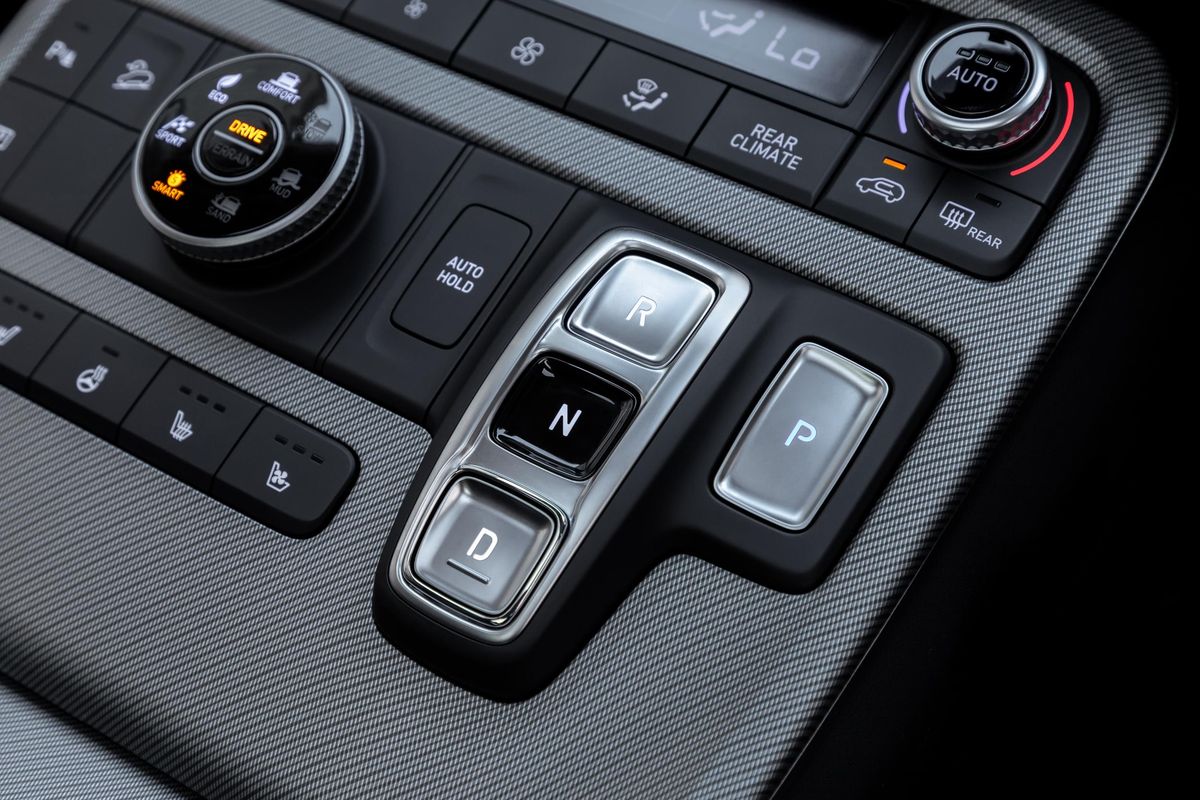
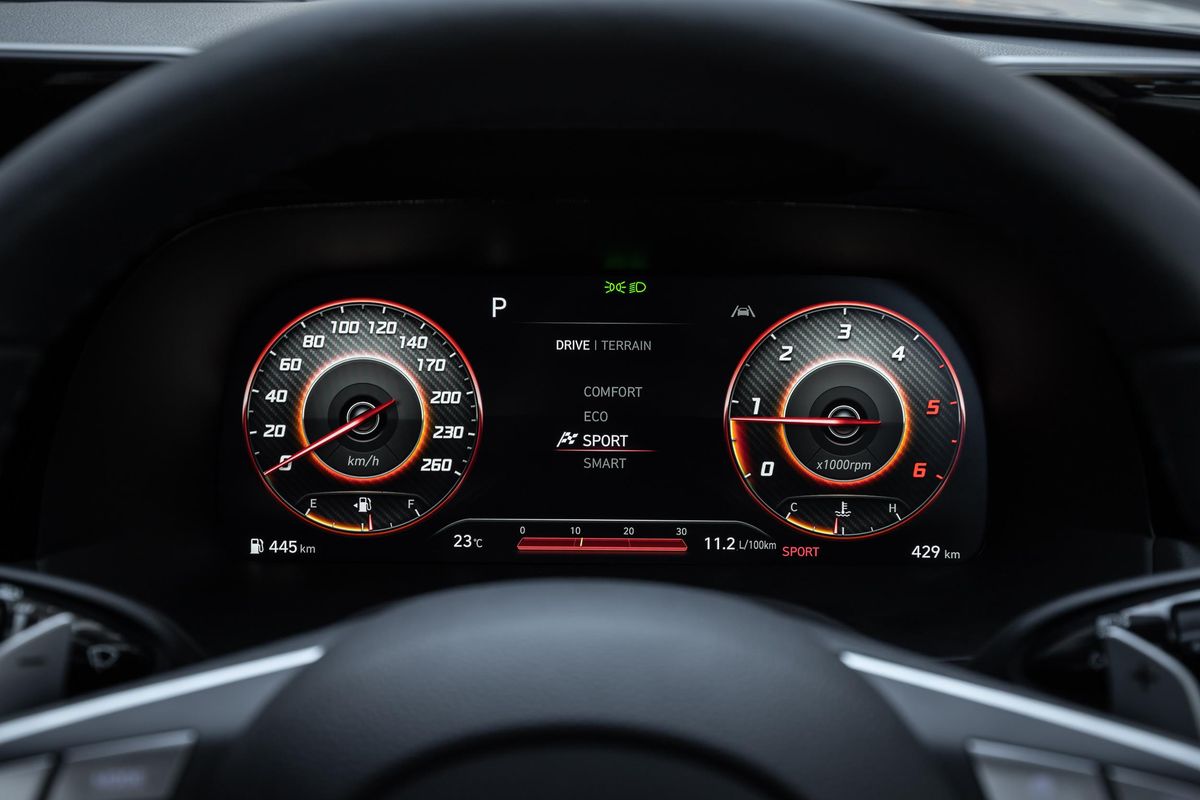
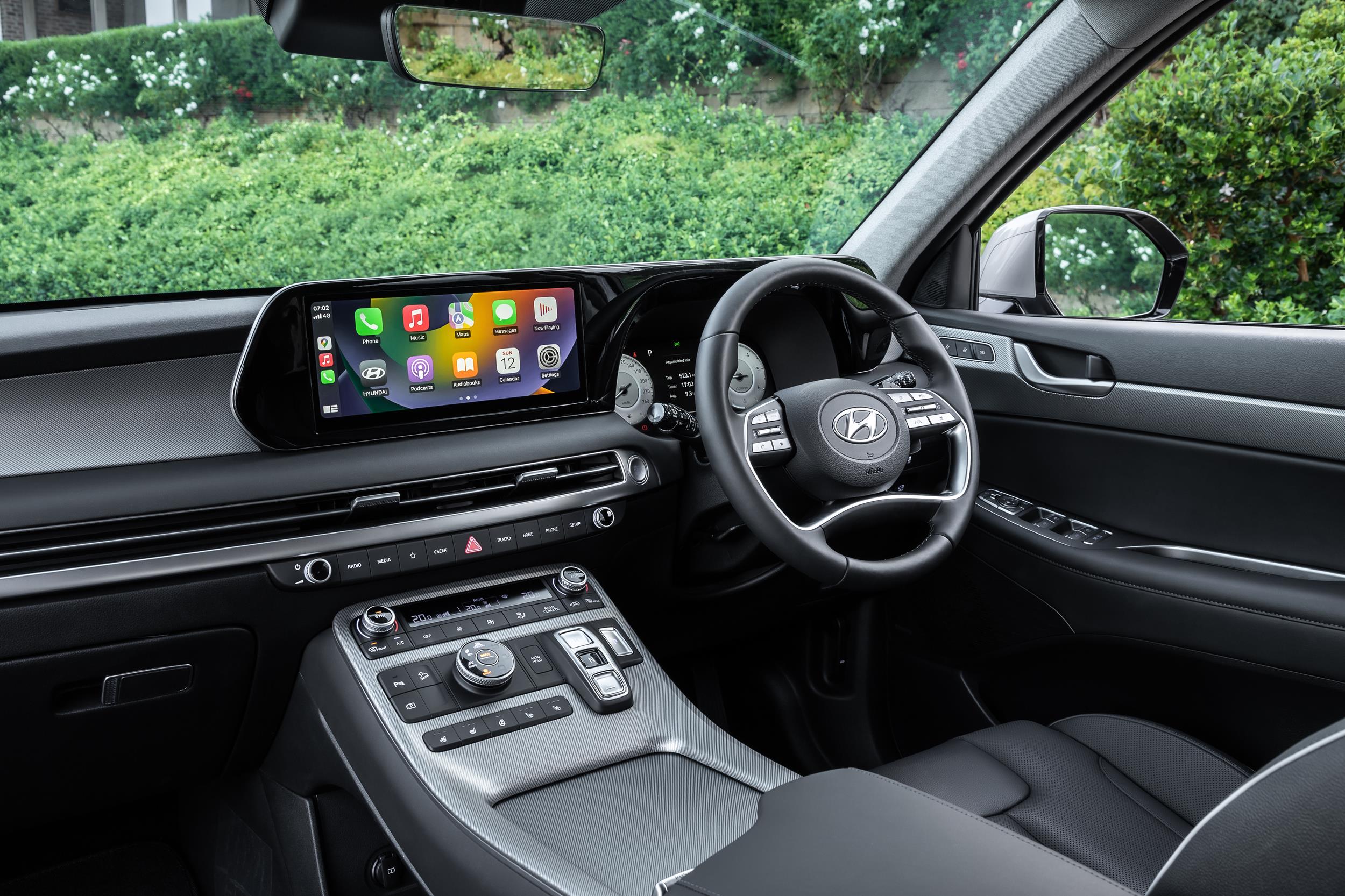
Inside, the interior now features an updated and enlarged touchscreen infotainment system and a host of new safety features that are considered standard fare for a product at this end of the market. Hyundai does not offer any optional extras – the only choice you have is between the 7- or 8-seater version.
Same turbodiesel engine
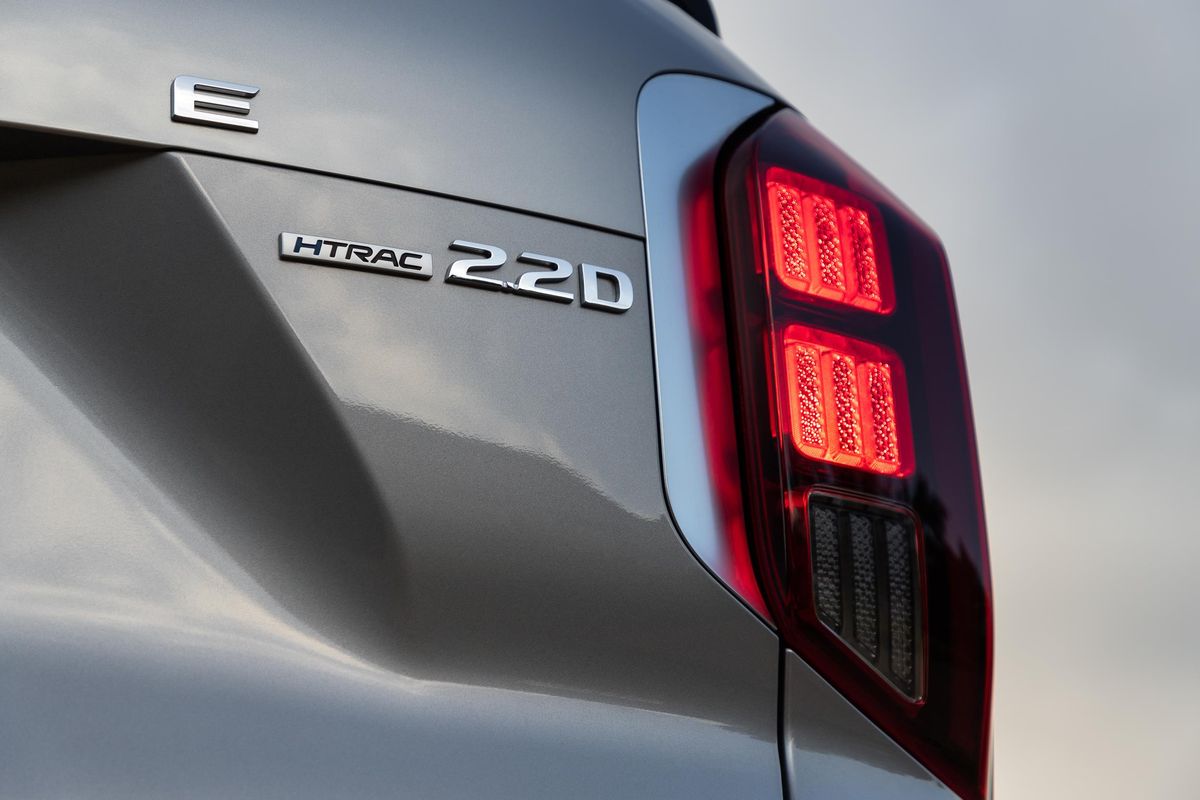
The Palisade utilises the same turbodiesel unit as the pre-facelift model and its peak outputs are unchanged.
Our major complaint about the previous iteration of the Palisade was that for a large premium SUV, it needed a bit more punch, because its peak overtaking acceleration is rather leisurely. Unfortunately, this issue hasn’t been addressed for the facelifted version – the only engine in the line-up is the 142 kW/440 Nm 2.2-litre 4-cylinder turbodiesel and I think that another 60 Nm would have made a big difference. In overseas markets, the Palisade comes with a 3.8-litre petrol V6, which would probably drink you out of house and home, but that motor delivers more of the performance you need to shift an SUV of this size.
The turbodiesel does an okay job of propelling the hefty Palisade and its 8-speed automatic transmission shifts near-seamlessly in the background. To be fair, the Hyundai’s powertrain enables the premium SUV to maintain the national speed limit with ease… it’s just the in-gear acceleration that feels a trifle gutless.
What’s the new Palisade interior like?
The 12-inch infotainment screen replaces the 8-inch version.
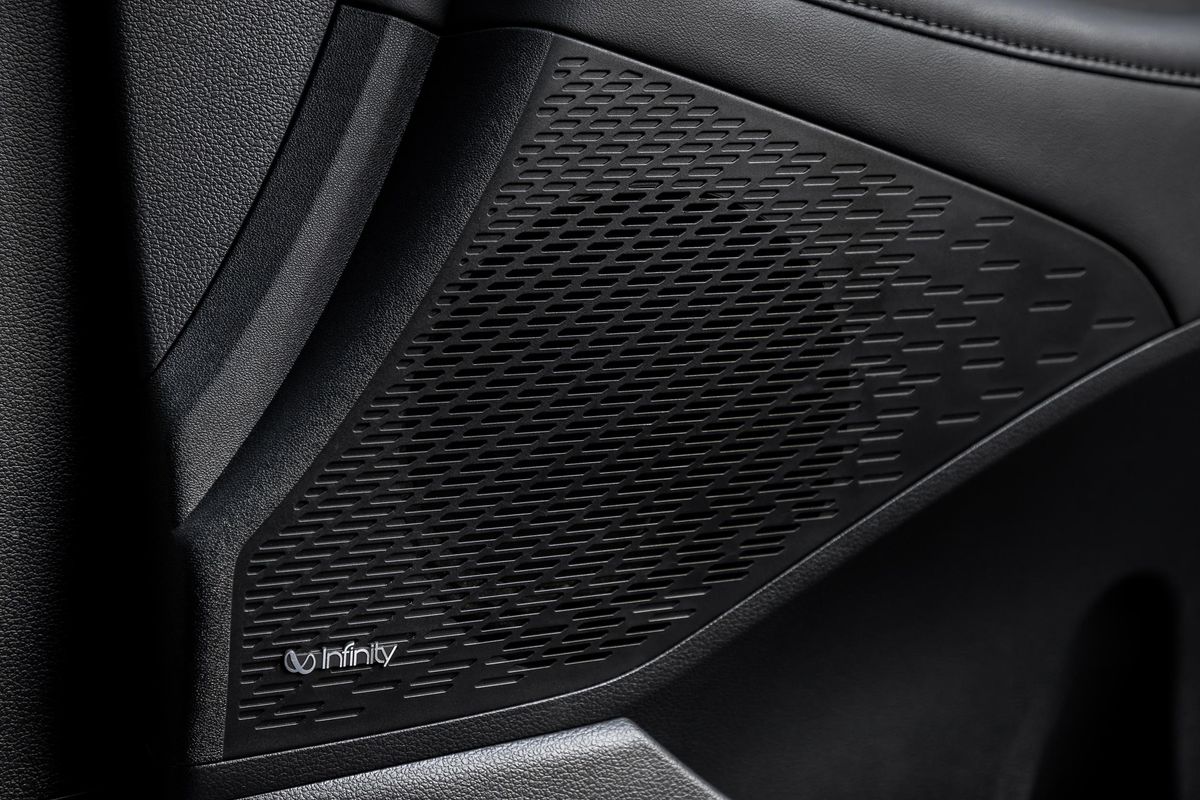
The larger (12-inch) infotainment touchscreen feels much more up-to-date than the pre-facelift model’s 8-inch unit and incorporates a few more modern features that make the Palisade’s user experience feel more upmarket. There’s a speaker feature that enables you to talk to the rear passengers via the audio system’s speakers (rather than shouting from the front). It also has a quiet mode that allows you to turn off the rear speakers (if, for example, the tots are asleep), while keeping the front speakers active.
As for its connectivity, Android Auto/Apple Carplay connectivity is available wirelessly, while the wireless phone charger has been upgraded from a 5W- to a 15W unit.
Thanks to some new safety features, the 2023 Palisade scored 5 stars in the Australian standard crash test programme (ANCAP), which tests right-hand-drive cars. The model is now specced with forward-collision avoidance, lane-keep assist, blind-spot monitoring, adaptive cruise control and safe exiting (an alert goes off if you attempt to open the doors while traffic is closing in on the vehicle).
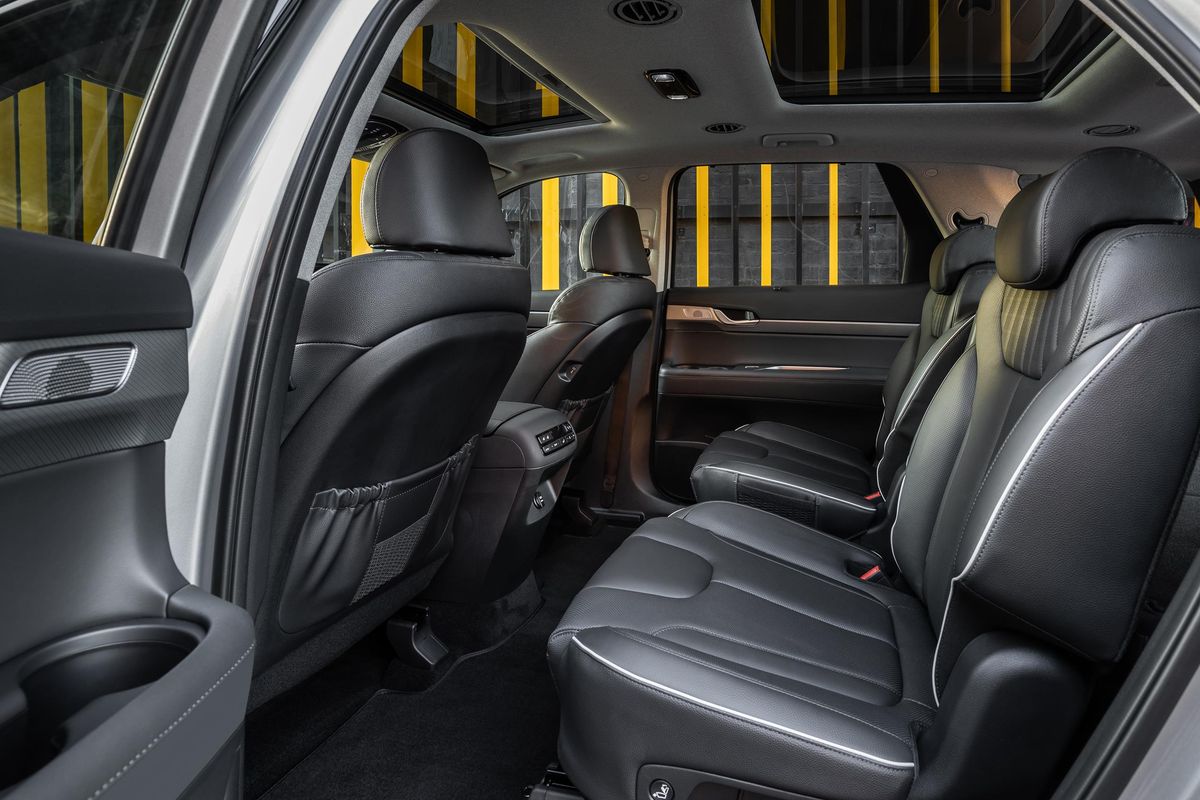
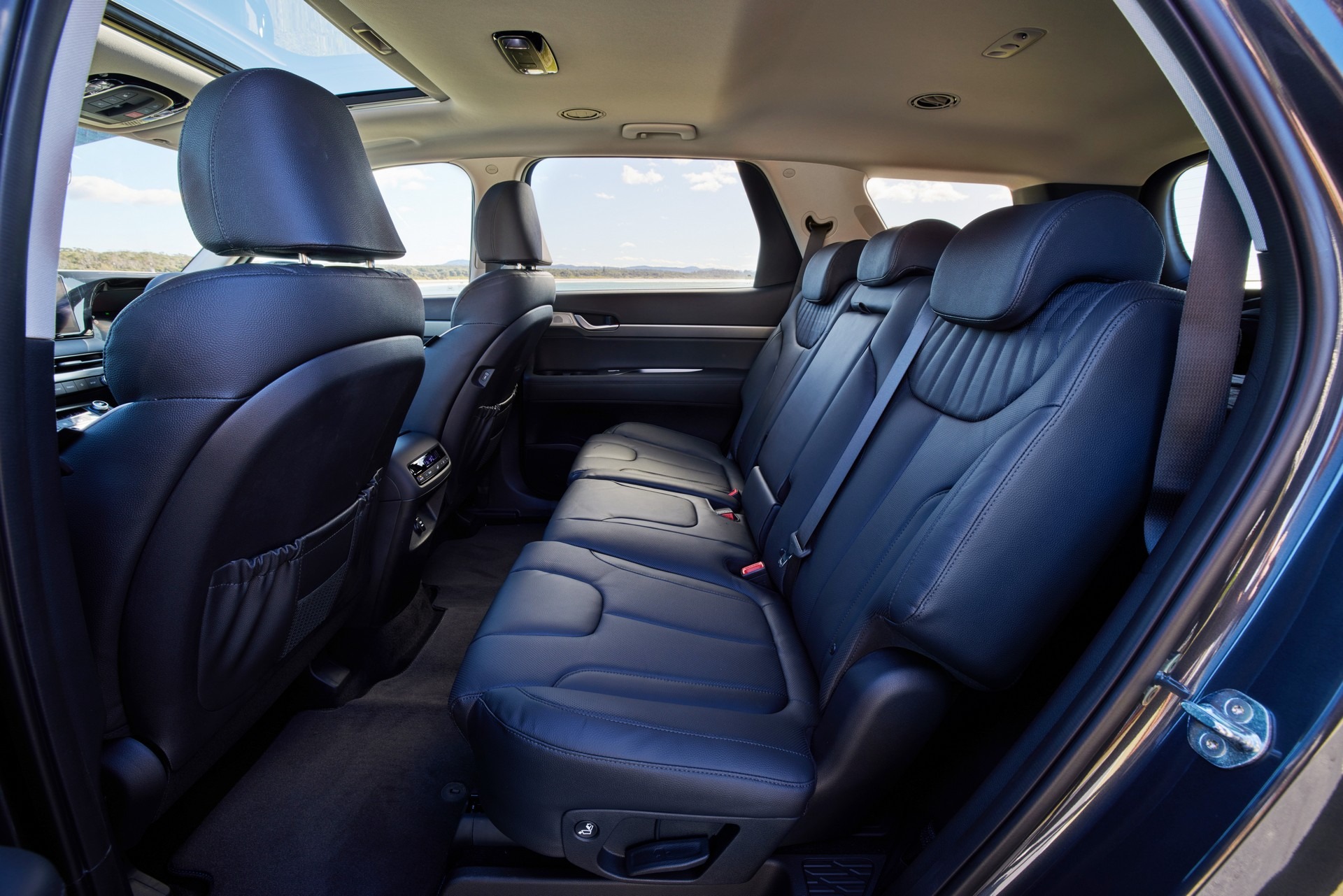
The 8-seater variant uses 2 benches that fold individually.
As for the seat layout, the Captain’s seating setup (on the 7-seater version) provides an upmarket feel with 2 individual 2nd-row seats and a runway between them to ease access to the rearmost row. All seats can be folded flat individually, so it offers a highly adaptable and, therefore, practical cabin layout.
Fit-and-finish seems very good (as it has been for several generations of Hyundai models), the cabin ergonomics are great and the sound insulation from outside elements is very good, even on dirt roads.
What’s the Hyundai Palisade like to drive?
Ride quality and NVH levels appear very good on the updated Palisade.
Aside from the slightly underwhelming performance of the 2.2-litre turbodiesel engine, the Palisade’s driving experience is admirable; it rides particularly well for something that sits on 20-inch wheels.
We clocked up a couple of hundred km during the 2023 Palisade’s media launch event, and much of that route comprised driving on dirt roads. The Palisade is notably quiet inside and its suspension feels well-damped over gravel and washboard dirt roads. We took a few bigger knocks here and there, but nothing more than a slight suspension jolt was felt before normal service resumed. I was quite impressed with the Palisade’s “gravel travel” ability, considering that the SUV is more of a soft-roader than a “dirt dancer”.
All-wheel drive is standard, but remember the Palisade’s an SUV-styled people mover, so there’s no low range and the ground clearance is average (203 mm). A typical Palisade buyer is unlikely to venture into the wilderness with their vehicle often, but it will easily handle long stints on gravel roads/backtracks.
Hyundai Palisade price in SA
The updated Hyundai Palisade is sold with a 7-year/200 000 km warranty and a 7-year/105 000 km service plan.
Palisade R2.2 Elite 7-seater 8AT AWD
R1 099 900
Palisade R2.2 Elite 8-seater 8AT AWD
R1 099 900
Summary
The new Palisade appears to be well-priced in its segment.
The facelifted Hyundai Palisade addresses most of the areas in which its pre-facelift predecessor could be improved, but not all of them. The interior upgrade features more tech (such as the new infotainment screen and upgraded phone connectivity options), plus the active safety features have brought it in line with other premium SUVs and they’re all standard. The ride- and build quality appear to be excellent; in fact, the 2.2-litre turbodiesel motor remains the only real weak point in what is a really pleasing offering.
Those looking for an SUV with more off-road ability may view the new Ford Everest as a good alternative, but the Palisade, at its current price, represents a very good value-for-money road-biased option.
As February 2023 draws to a close, unaudited fuel price data is pointing to significant fuel price increases for March 2023.
As if Stage 6 load shedding isn’t enough, South Africans are in for yet another substantial fuel price increase in March 2023.
Unaudited data from the Central Energy Fund (CEF) indicates that the price of 93ULP and 95 ULP petrol is expected to rise by between R1.22/litre and R1.27/l respectively while diesel prices are expected to increase by roughly 28 c/l and the price of illuminating paraffin is expected to increase by 16c/l. .
The AA commented, “In the case of petrol, the movement in international oil prices is contributing between 76 and 82 cents to the increases while the weaker average Rand to US Dollar exchange is adding about 46 cents to expected increases. In terms of the diesel price, the sole contributor to the expected increases is the weaker exchange rate,” notes the AA.
“The increases to the price of petrol are big and will have a negative impact on household budgets. A 50/l tank of fuel, for instance, will now cost R61 more to fill, or R244 if filled four times during the month, which is significant. The cumulative effect on personal finances will be a further reduction of disposable incomes which will be exacerbated by increases to goods and services which must recoup the higher fuel input costs.
“We again urge consumers to monitor their fuel usage carefully, and to budget according to the new fuel prices which come into effect next Wednesday. Ensuring vehicles are well maintained and in good mechanical condition, carefully planning routes, and avoiding heavy traffic, if possible, are some ways in which motorists can ensure better fuel consumption,” the AA concludes.
Fuel Price Forecast for March 2023 in South Africa
Fuel Type
Feb 23 Inland
Feb 23 Coast
March 23 (Projection) Inland
March 23 (Projection) Coast
Petrol Unleaded 93
R21.38
R20.73
R22.60
R21.95
Petrol Unleaded 95
R21.68
R21.03
R22.90
R22.25
Diesel 0.05% (wholesale)
R21.32
R20.67
R21.60
R21.95
Diesel 0.005% (wholesale)
R21.42
R20.78
R21.70
R21.06
Fuel price data courtesy of thedepartment of mineral resources and energy
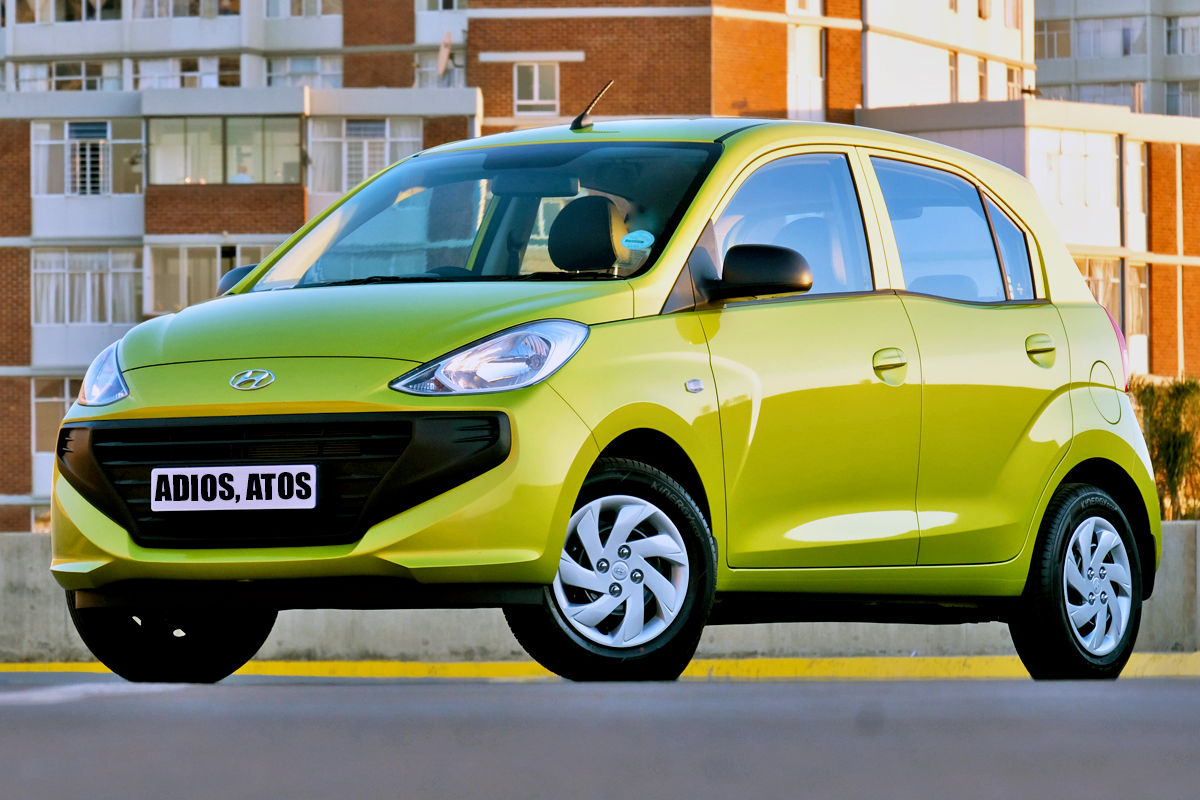
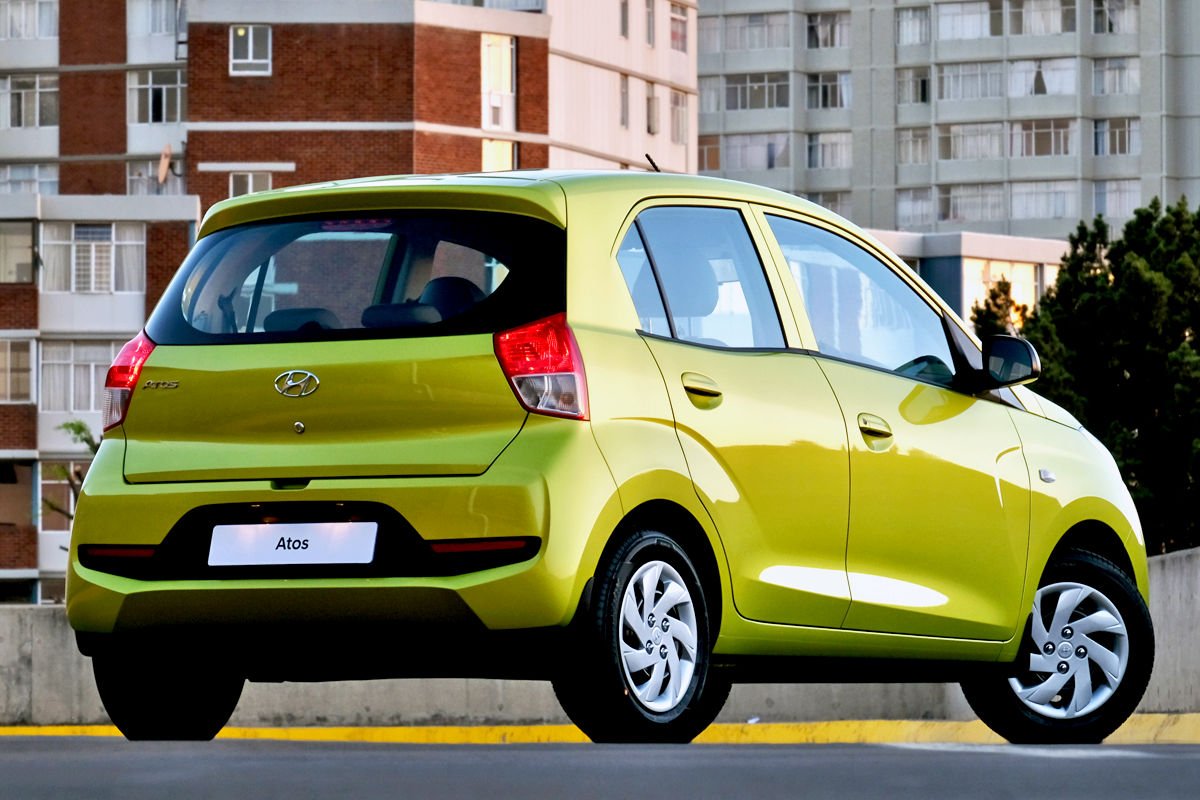
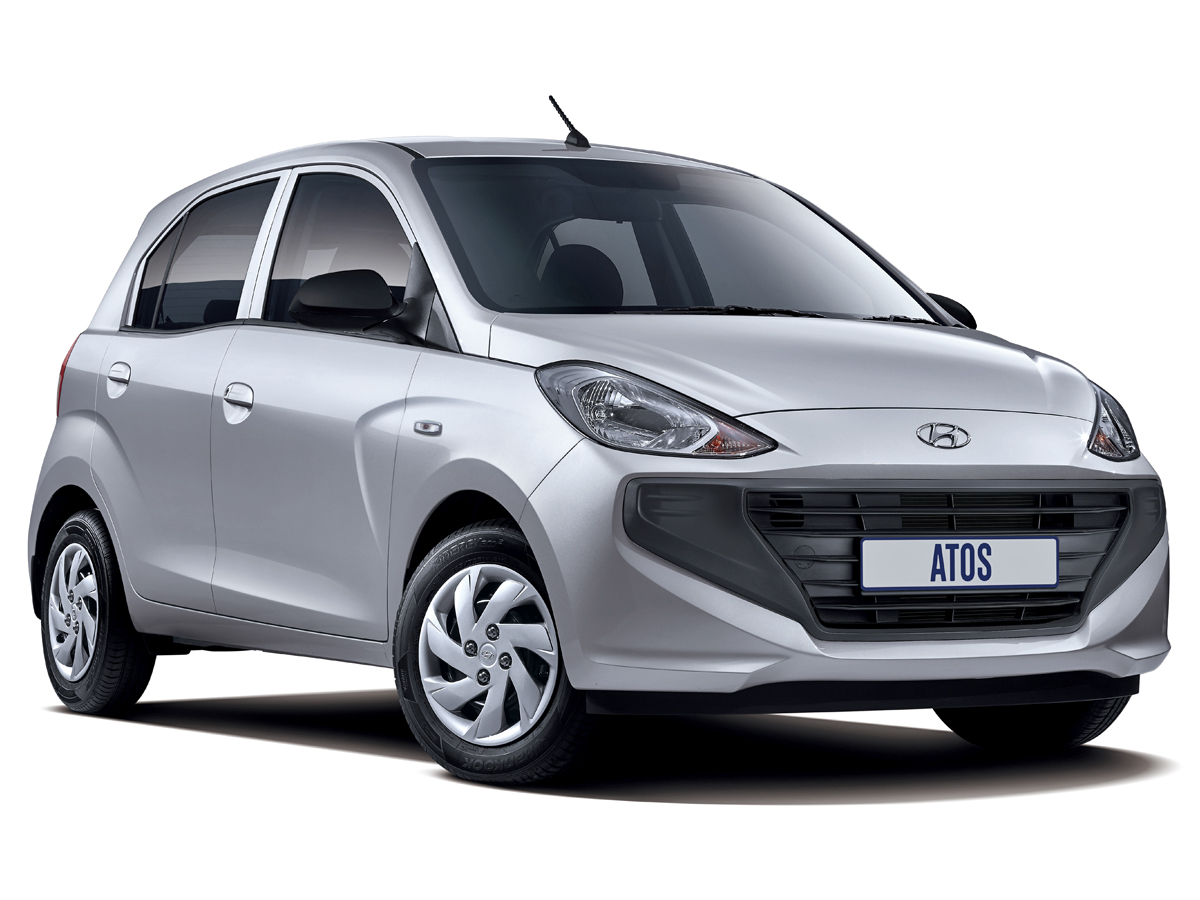
Adios, Atos! Hyundai’s Cheapest New Car is Exiting South Africa
Yes, the Hyundai Atos is being discontinued… again. With production having ceased in India, the entry-level hatch is about to be put out to pasture in South Africa, too.
Hyundai Automotive South Africa has confirmed the Atos entry-level hatchback will soon be pulled from its range as local stock runs dry. The news comes 10 years after the nameplate was last discontinued in SA.
Production of the budget car ceased in India (where it was known as the Santro) in mid-2022, though Hyundai’s local distributor seemingly managed to secure enough stock to cover the 2nd half of last year as well as much of the opening quarter of 2023.
When asked by Cars.co.za about the future of the Atos in South Africa, a Hyundai representative confirmed there were about 400 units left in stock with a few days of February 2023 to go.
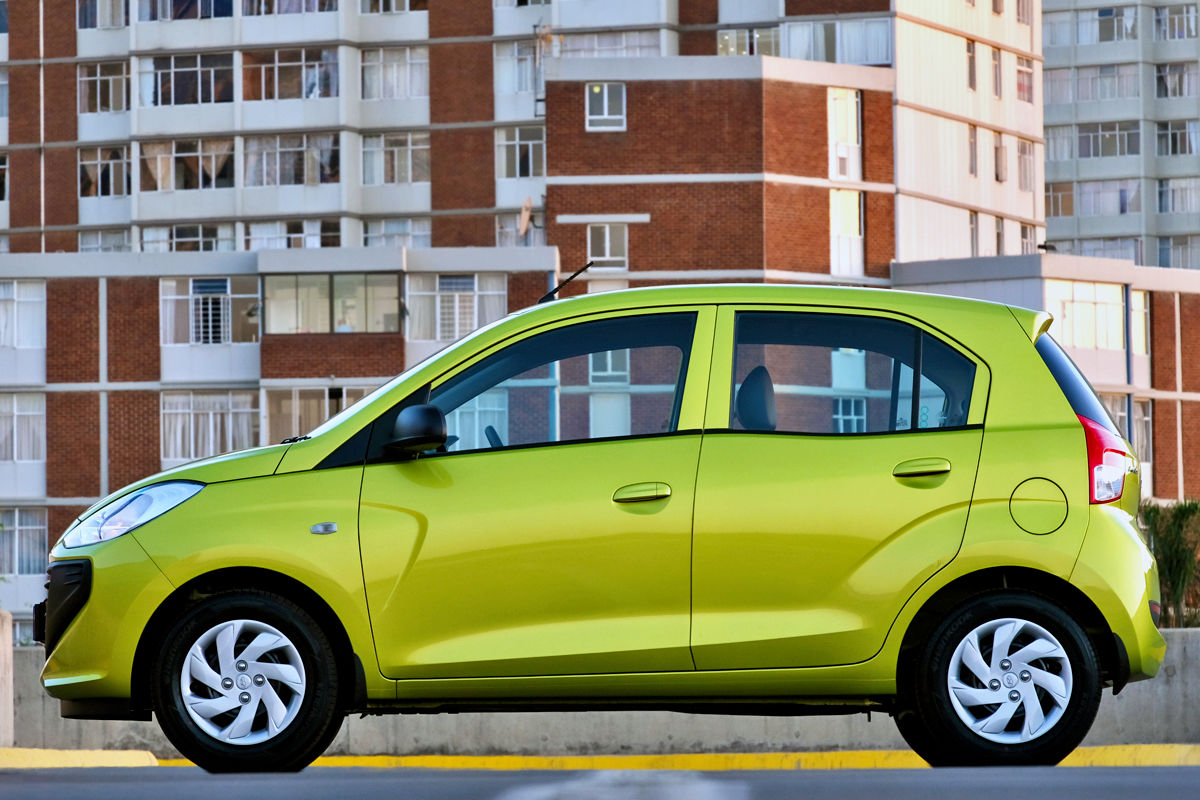
The latest version of the Hyundai Atos lasted just over 3 years on the local market.
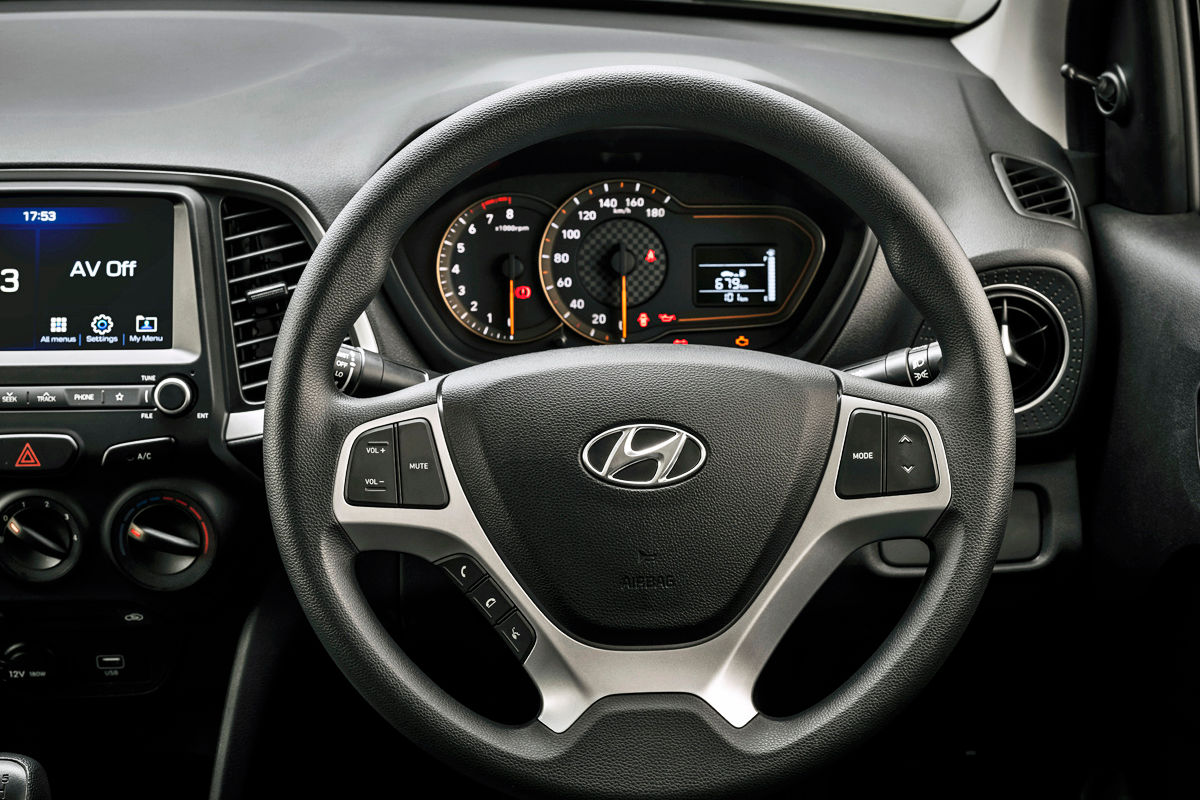
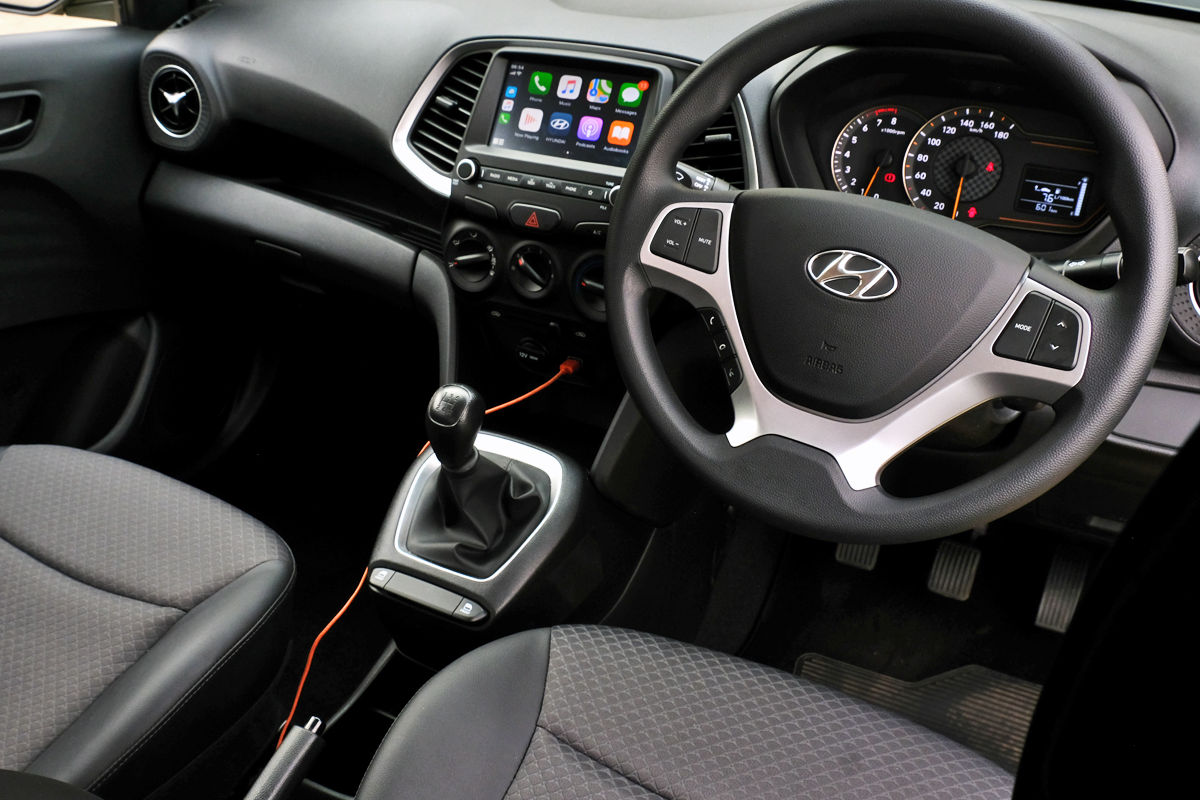
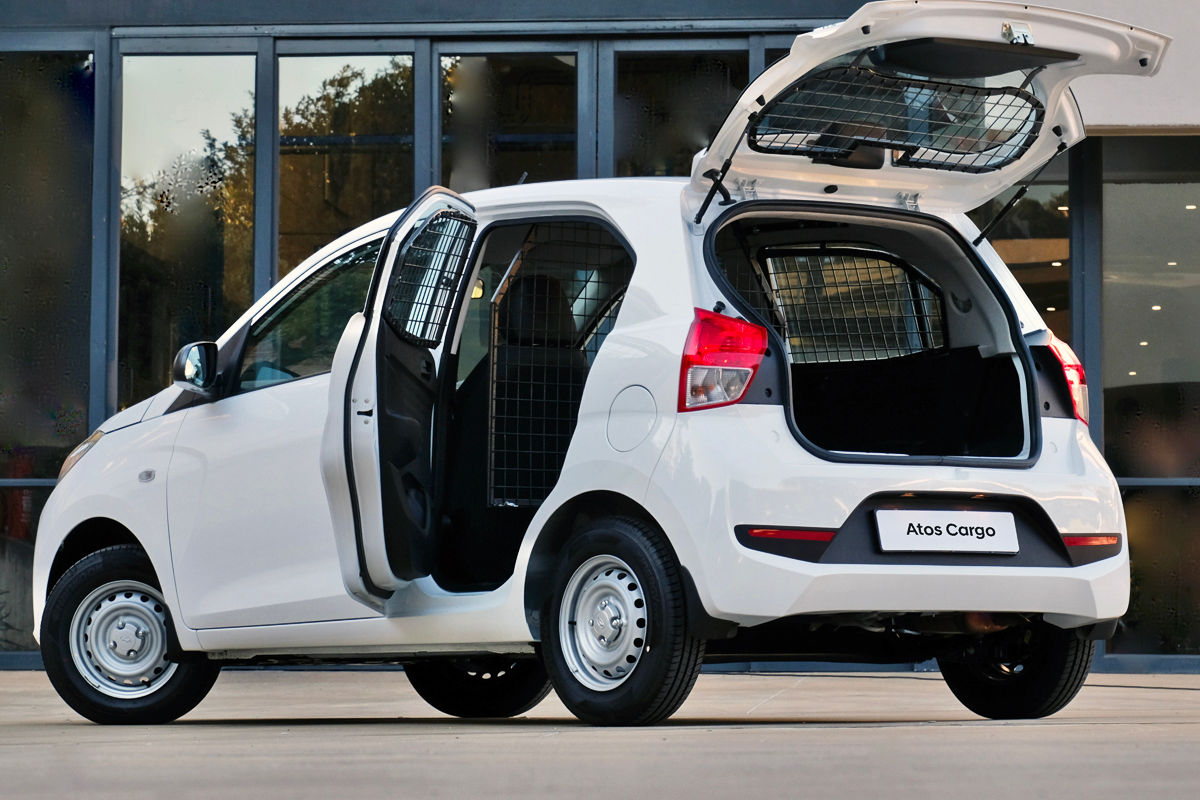
Slotting in below the Grand i10, the Atos is Hyundai’s cheapest new car (while it’s still here), with the 4-strong local line-up (including a pair of Cargo-badged panel-van variants) running from R199 900 to R214 900. All derivatives employ a naturally aspirated 1.1-litre, 4-cylinder petrol engine sending 50 kW and 99 Nm to the front wheels via either a 5-speed manual gearbox or an automated manual with the same number of cogs.
This AH2-generation Atos arrived in South Africa late in 2019 (days after the Indian-spec model scored 2 stars in its Global NCAP crash test, with its body shell rated as “unstable”), priced at R159 900 and backed up by a 7-year/200 000 km warranty and a 1-year service plan. In August 2021, the light-commercial Cargo variants joined the range, before the AMT derivative hit the market the following month.
The original Atoz (yes, with a “Z”, as in “A to Z”) launched locally around the turn of the millennium, before gaining a significant update and switching to the Atos badge in 2005. It was eventually pulled from the local market in 2013, after more than 45 000 units had been registered in South Africa.
How has the 2nd-generation model fared on the sales charts? Well, it’s clear stock is running low; some 220 units were sold locally in January 2023, down from 343 units in December 2022.
According to our calculations (based on official figures reported to Naamsa), as many as 7 419 units were registered in South Africa in 2022, translating to a healthy monthly average of 618 units. Last year, the best single month for the Atos was March, when 822 units were sold.
Once the final few hundred examples of the Atos have found owners, the Grand i10 1.0 Motion (currently priced at R214 900) will step into the role of Hyundai Automotive SA’s cheapest new car.