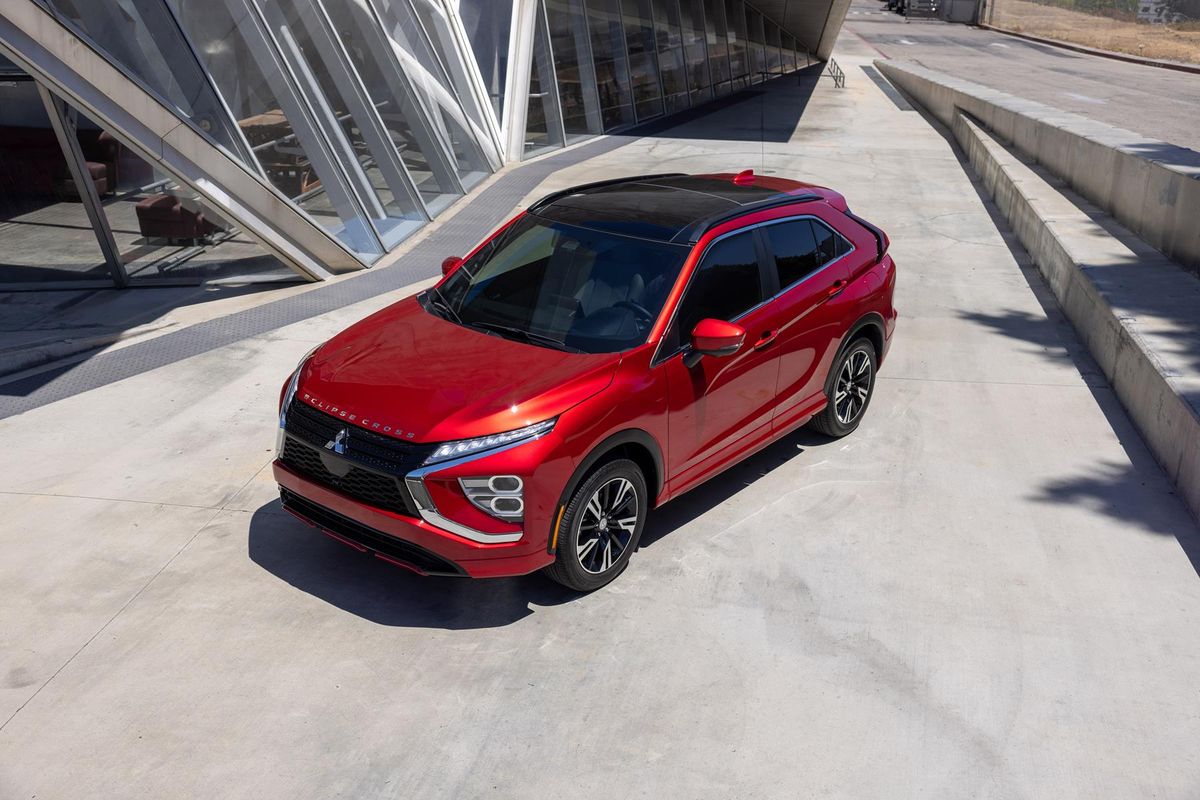
Mitsubishi SA has bolstered its local Eclipse Cross compact SUV range with the addition of a range-topping GLS Exceed derivative. Take a look at specs and pricing details here!
This is Mitsubishi’s first product update for 2023 with updates expected across its product range throughout the year.
The Eclipse Cross GLS Exceed is powered by a 1.5-litre turbopetrol engine with 110 kW and 250 Nm on offer and is mated with an 8-step CVT (with a sports mode).
A 2.0-litre, naturally aspirated petrol engine is also available with 110 kW and 198 Nm.
Safety features include 7 airbags, ABS with EBD, active yaw control, brake assist, hill start assist and electronic stability control with traction control. Mitsubishi has now added blind spot monitoring to the package and Mitsubishi Motors Intuitive Technology (MiTEC) which includes an “Ultrasonic Misacceleration Mitigation System” which is designed to reduce the chance of front and rear collisions at up to 4 metres should a driver press the accelerator in error when stationary or when travelling at speeds below 10km/h.
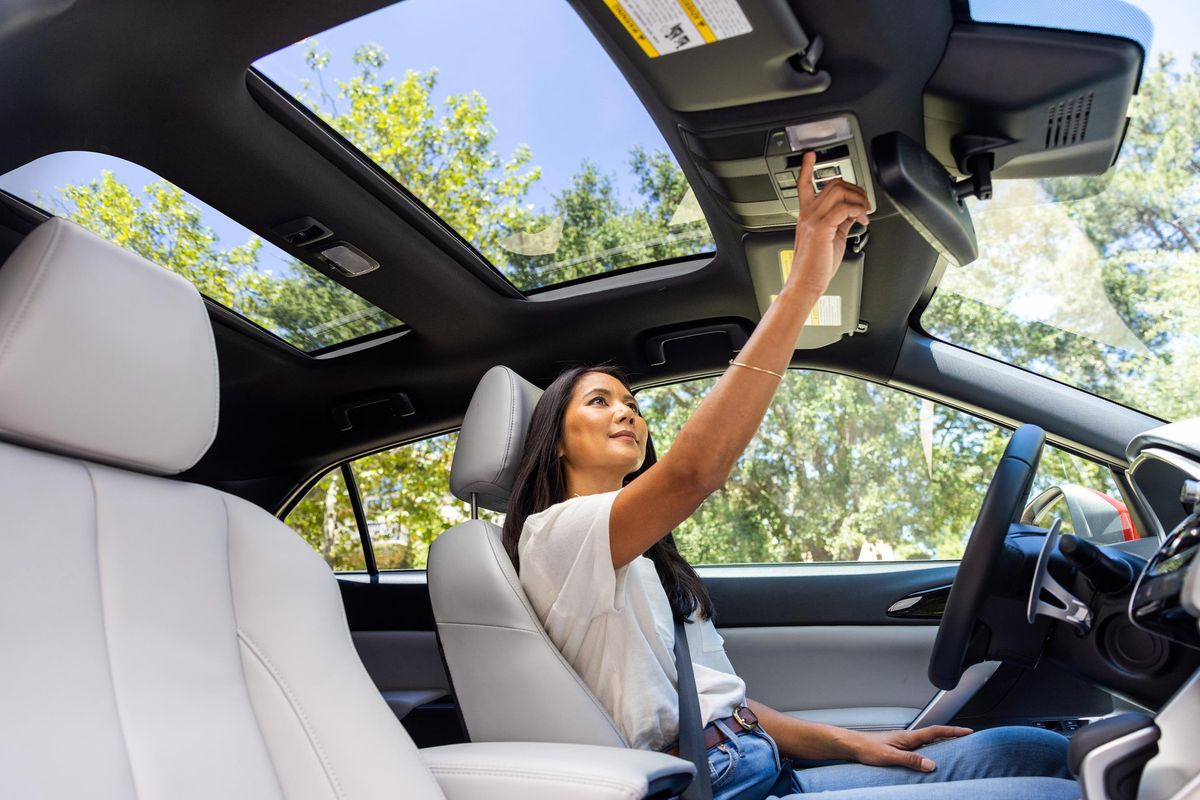
Other useful standard features include keyless operation, a rearview camera, head-up display, and a tilt and slide panoramic sunroof.
“We believe that the Eclipse Cross continues to offer a great combination of a sleek, sporty design combined with SUV capabilities and the latest round of refinements go a long way in cementing its position as a vehicle that perfectly embodies what the Mitsubishi brand represents,” says Jeffrey Allison, General Manager: Marketing at Mitsubishi Motors South Africa (MMSA).
Mitsubishi Eclipse Cross Price in South Africa
Eclipse Cross 2.0L GLS CVT 4×2 – R479 990
Eclipse Cross 1.5L GLS CVT 4×2 – R519 990
Eclipse Cross 1.5L GLS EXCEED CVT 4×2 – R560 000
The Mitsubishi Eclipse Cross is sold with a 3-year/100 000 km warranty, 5-year/90 000km warranty and 5-year unlimited km roadside assistance.
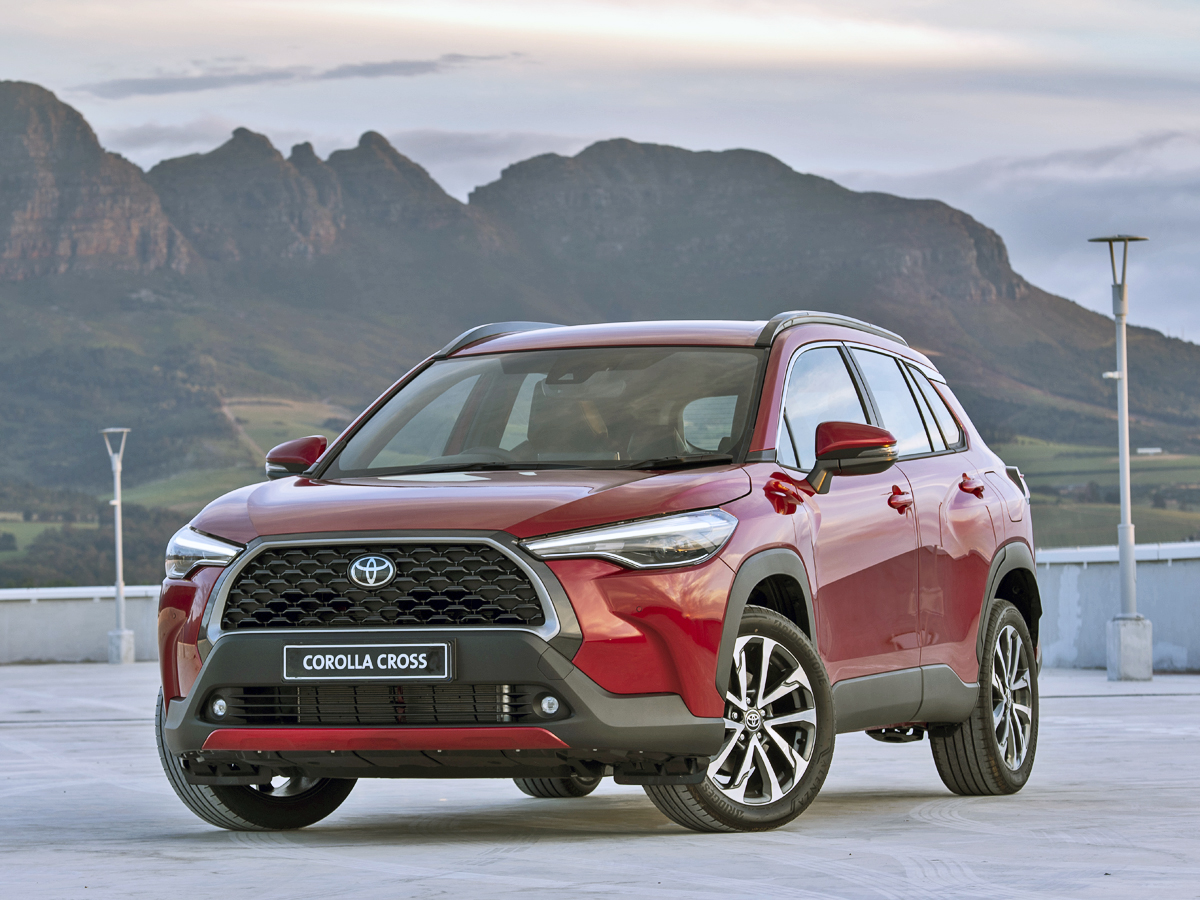
Toyota Corolla sales in SA: Cross saving an ailing badge?
Toyota’s Corolla hatch and sedan aren’t nearly as popular in South Africa as they once were. Is the Corolla Cross now carrying this famous badge? Let’s examine the sales figures…
Globally, the Corolla badge has a long and storied history, with a legacy stretching all the way back to September 1966 and global sales well in excess of 50 million units. Here in South Africa, production of the Corolla commenced in May 1975 and has continued – in one form or another – ever since. Yes, just like the Hilux, the Corolla designation has been a household name locally for close to half a century.
But, owing largely to the steady decline of the traditional family hatchback and sedan segments, local sales of Corolla models began to fall a few years back. Toyota’s answer? To leverage the tremendous power and reach of the name by applying it to a crossover, the single body style in the passenger-vehicle segment that continues to experience robust sales growth.
Shrewdly positioned within the Toyota’s local line-up and aggressively priced from launch in November 2021, the Prospecton-produced Corolla Cross appeared to be the ideal answer to faltering Corolla sales in an increasingly crossover-crazy world. So, just how successful has it been? Let’s take a closer look at the figures.
Looking back at Auris, Corolla and Quest sales in SA
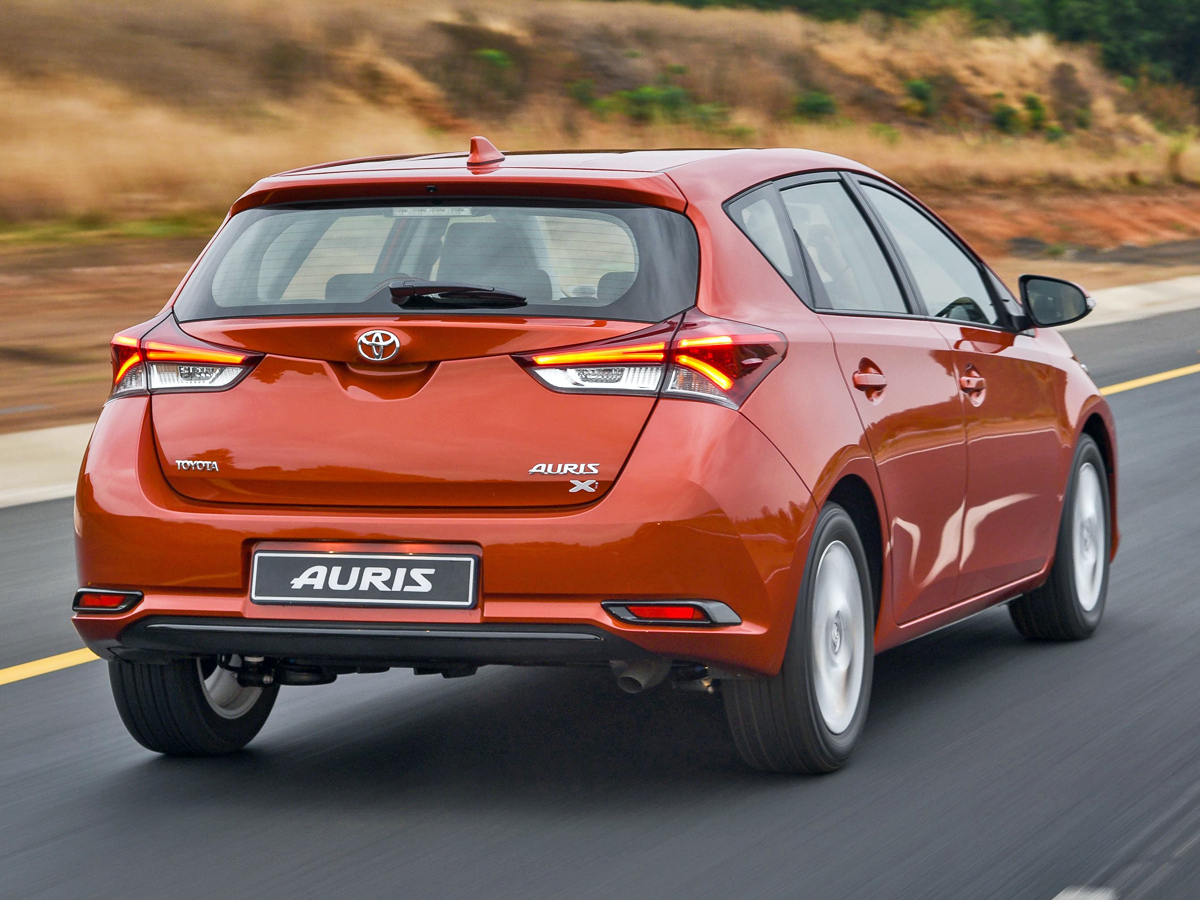
The Auris was the predecessor to today’s Corolla hatchback.
Before we dive into Corolla Cross sales, it’s worth examining the medium-term performance of the Auris (the current hatch’s predecessor), Corolla sedan and prolonged-lifecycle Corolla Quest in South Africa. We’ll look specifically at the years 2015 to 2019, ignoring 2020 and 2021 for now as sales in this latter period were noticeably affected by the impact of the COVID-19 pandemic.
We’ll start in 2015, since that was the original Quest’s first full year trading on the local market. Of course, we should also point out Toyota SA Motors reported combined monthly sales figures for the Auris hatchback, Corolla sedan and Quest back then, rather than listing these sales individually. Still, that year, 24 894 units were registered around South Africa, translating to a healthy monthly average of 2 074 units.
In 2016, the Corolla family total fell markedly to 17 499 units, before improving slightly to 19 264 units the following year. In 2018, the tally dipped again (to 17 239 units), before dropping further still to 15 796 units in 2019 (the year in which the current-generation hatchback replaced the Auris). The general downward trend in the sales performance of these models is plain to see in the graph above.
How did the sedan, hatch and Quest perform in 2022?
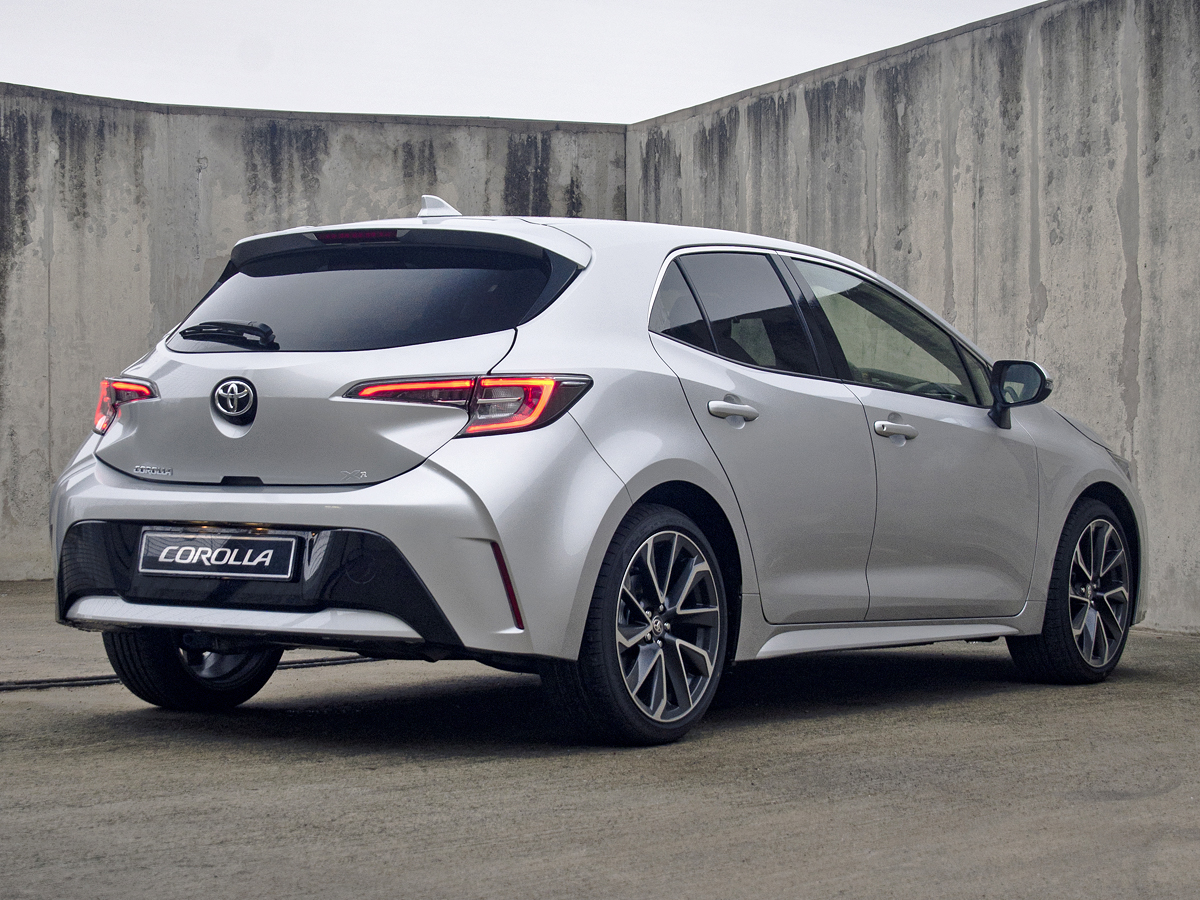
The hatchback is the least popular Corolla body style in SA in recent times.
So, was 2022 another year of decline? It certainly was, with the Corolla sedan, Corolla hatch and Corolla Quest managing a total of just 6 185 units (or a monthly average of 515 units) between them. The Quest accounted for the bulk of that figure (4 674 units or 76%), while the sedan contributed 979 sales and the hatch just 532 units.
Of course, there are a few potential reasons for this latest nosedive in sales, besides the overall decline of the traditional C-segment (and the broader supply constraints that continue to plague the industry). For instance, the Japanese automaker opted to shift the hatchback and sedan upmarket in their latest generations, a decision that resulted in an increase in price and a concomitant drop in sales volume. For the record, the Auris kicked off at R223 700 and the Corolla sedan at R230 500 back in 2015; today, some 8 years later, the entry prices are more than double, with the Corolla hatch starting from R500 700 and the saloon from R512 700.
In addition, the company has shifted the focus of the Corolla hatchback and sedan line-ups to hybrid powertrains (incidentally, while quietly culling the pioneer of this technology, the Prius), further pushing up the cost. Moreover, it’s worth remembering the current Corolla sedan and hatch are imported into South Africa rather than produced at Prospecton, which likewise has a marked impact on their respective sticker prices.
Why is the locally built Quest – which was introduced in 2nd-generation guise in March 2020, around the same time the 12th-generation sedan touched down – still achieving fairly respectable figures? Well, it’s effectively covering space created by its more modern saloon sibling’s move upmarket. The prolonged-lifecycle model bears a far more affordable price-tag and thus still also appeals to rental fleet buyers (and, indeed, ride-hailing services). It currently starts at R307 400, compared with its forebear’s entry price of R183 900 in 2015.
Corolla Cross sales in its first full year on the market
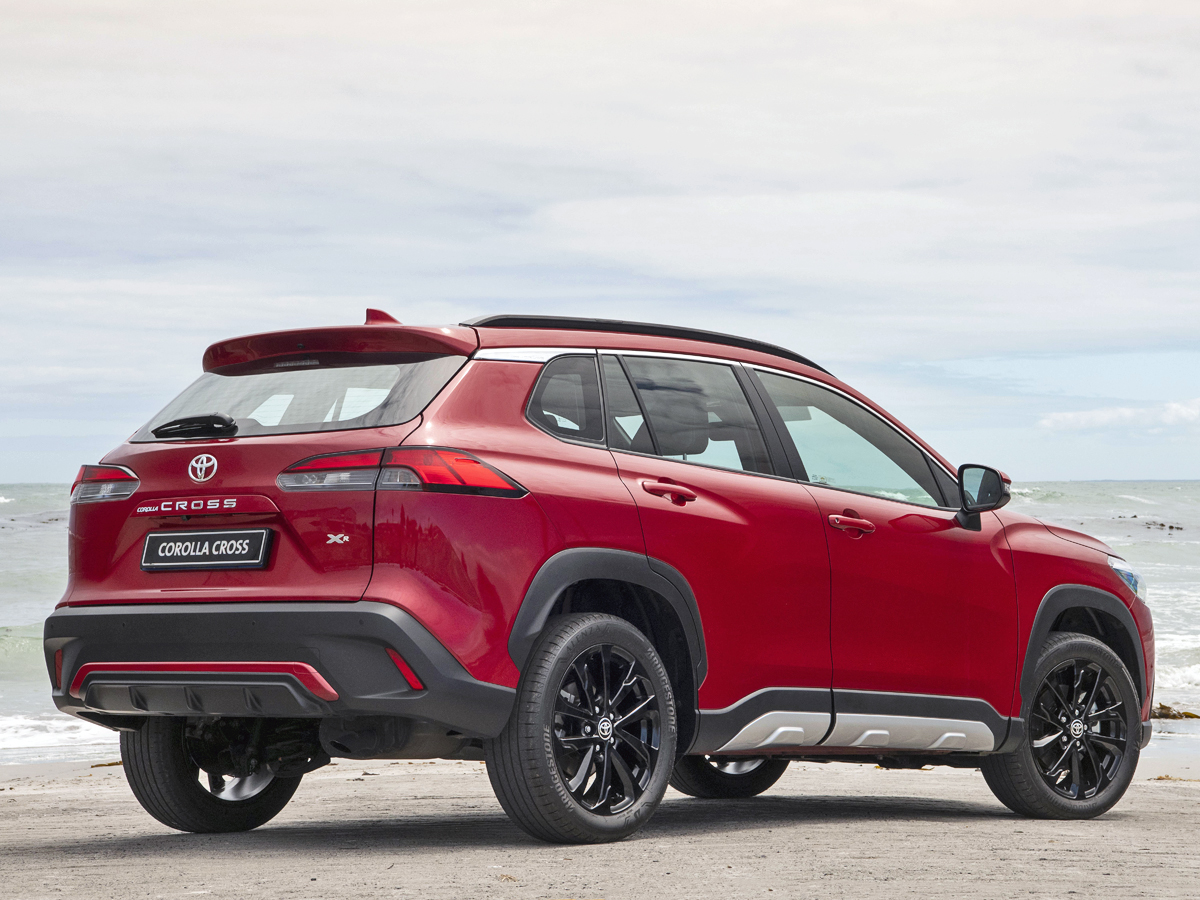
The Corolla Cross enjoyed a stellar 2022, despite a lengthy production interruption at Prospecton.
Has the Corolla Cross managed to make up the sales dropped by its lower-riding brethren? The answer is a resounding “yes”. In fact, in its first full year on the market, the 6-strong Cross line-up – which offers the option of hybrid power and has pricing bookends of R371 200 and R480 200 – managed a whopping 15 855 registrations in South Africa. Add that to the sales of its 3 siblings and the Corolla family total comes to 22 040 units, a figure not seen for years.
The Corolla Cross drove this impressive growth – and in the process grabbed 4th place on the list of SA’s strongest-selling passenger vehicles – despite being hamstrung by the 3-month shuttering of Toyota’s Prospecton factory in mid-April 2022, which sustained major damage during the devastating KwaZulu-Natal floods. Take a glance at the graph below to see just how severe the impact was, with the model enduring a trio of consecutive sub-200-unit months.
Of course, the Corolla Cross has recovered smartly since then, with local production back at full capacity and the range expanded to include a GR-Sport derivative (with another derivative seemingly on the way). Indeed, January 2023 was another bumper month for the Cross, which with 2 042 registrations was outsold only by the venerable Hilux. In contrast, the Quest settled for 433 units, the Corolla sedan for 78 and the Corolla hatchback for a mere 50.
Though it’s early days in the year, the Corolla Cross is already positioning itself to graduate to the role of Toyota’s best-selling passenger vehicle in South Africa for 2023 (the new Urban Cruiser, for the record, will hit the market only in the 2nd quarter). In the process, there’s no doubt “Corolla” will remain one of the most recognised nameplates among local buyers some 48 years after the very first SA-built example rolled off the assembly line.
The GWM Tank 300 will mark a new chapter for the Chinese brand when it arrives in South Africa later this year. David Taylor headed Down Under, mate, for a taste of what’s to come.
We’ve been quietly impressed with the success story of Great Wall Motors (GWM) – and especially its SUV sub-brand Haval – in South Africa. Since Haval-badged products arrived on local soil in 2017 and Haval Motors SA was established as a wholly-owned subsidiary of the Chinese group, Haval has virtually become a fixture in the monthly top 10 best-selling brands list in the South African new-vehicle market.
The Haval Jolion and Haval H6 are well-priced, modern and desirable family SUVs that have garnered numerous sales across the nation and, although bakkie buyers are very brand loyal, the GWM P-Series double cab has become a common sight on the Republic’s roads. Five years ago, if you suggested that a Chinese brand would sit comfortably in SA’s top 10 list by 2023, we would scarcely have believed you.
However, given the automotive giant’s ambitious and flexible business strategy, the immense R&D centres it has at its disposal and the experts it has recruited from across the globe, it’s really no surprise that Haval has elbowed legacy car brands out of the way to become a household name in South Africa.
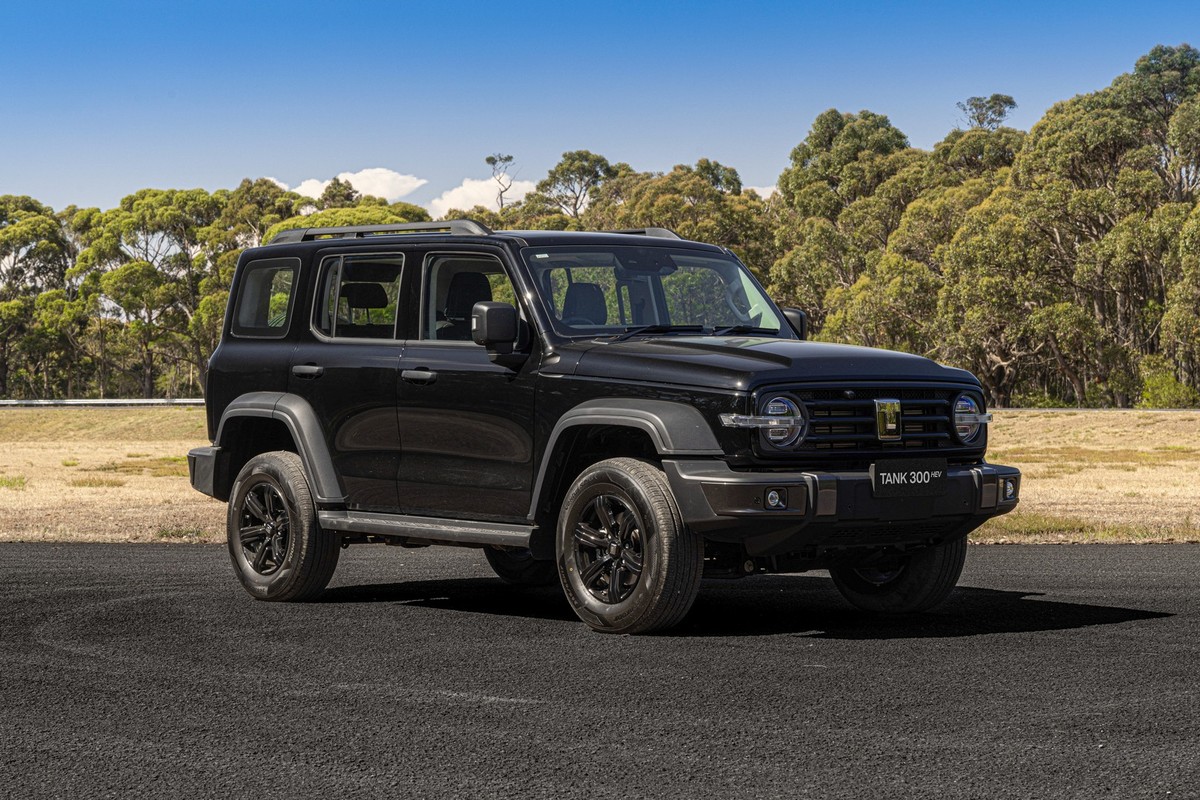
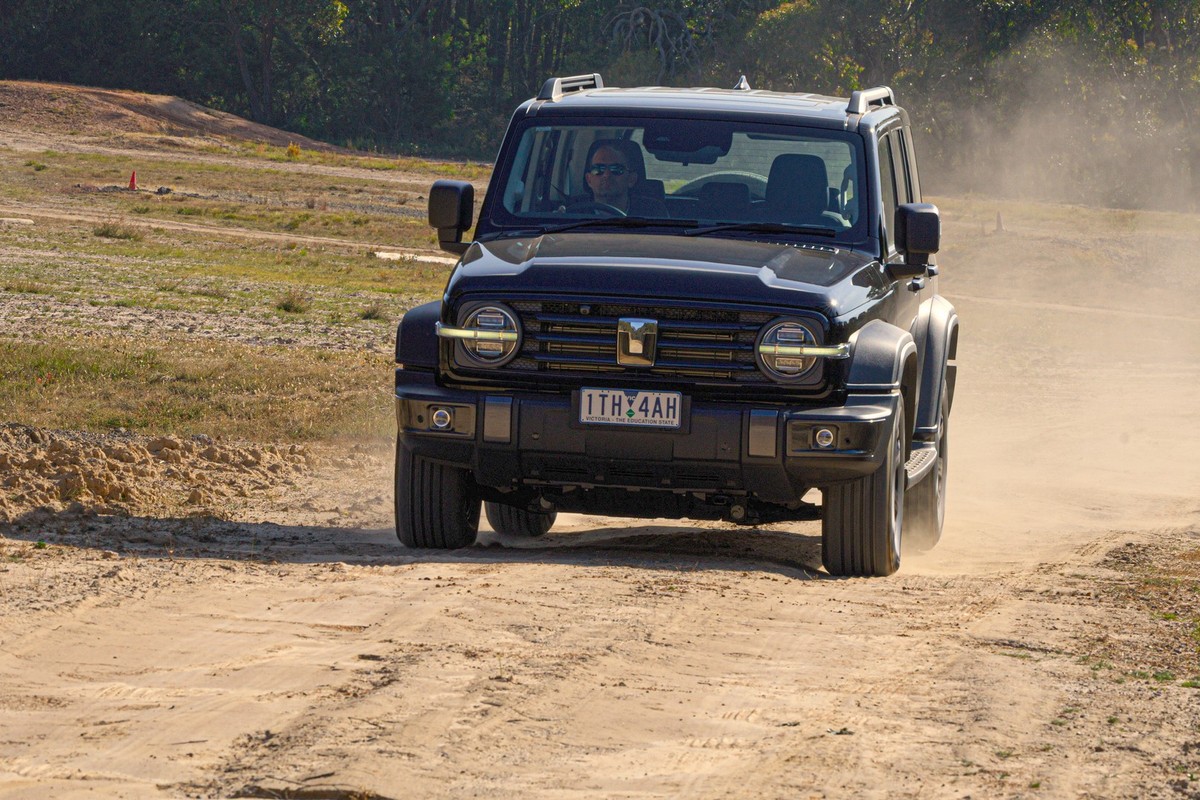
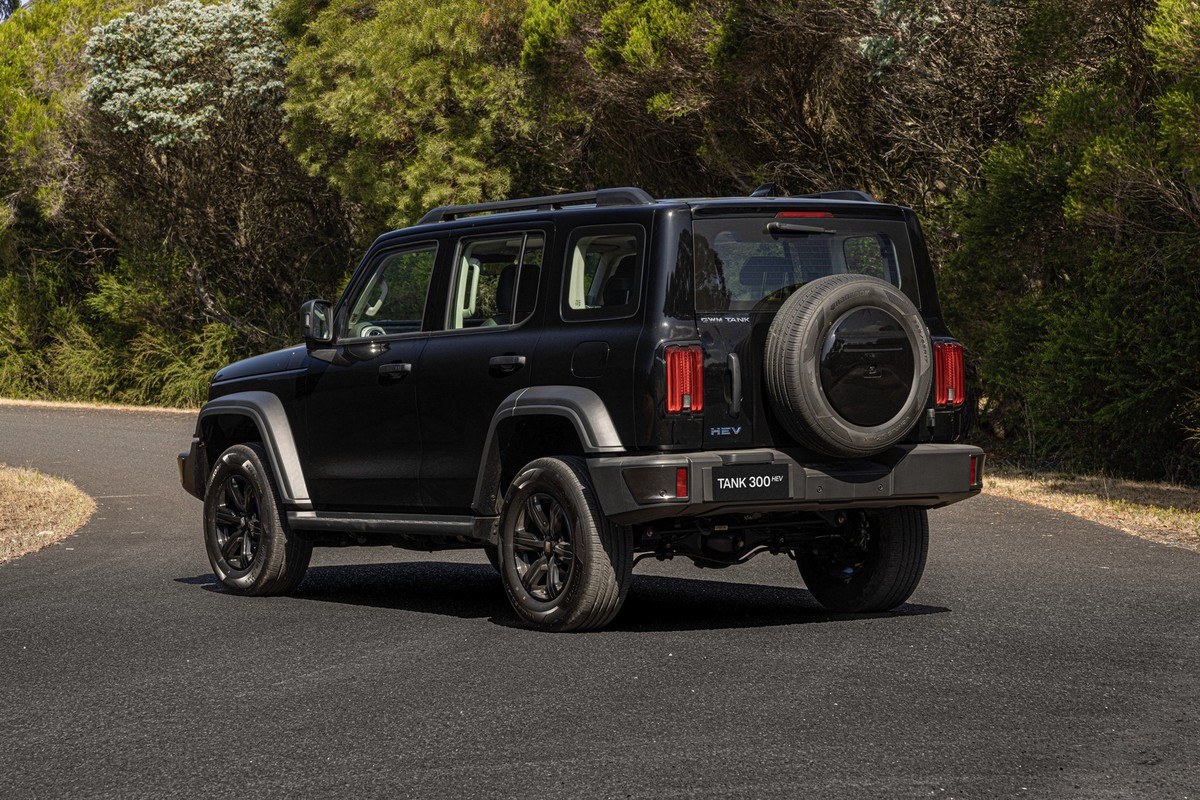
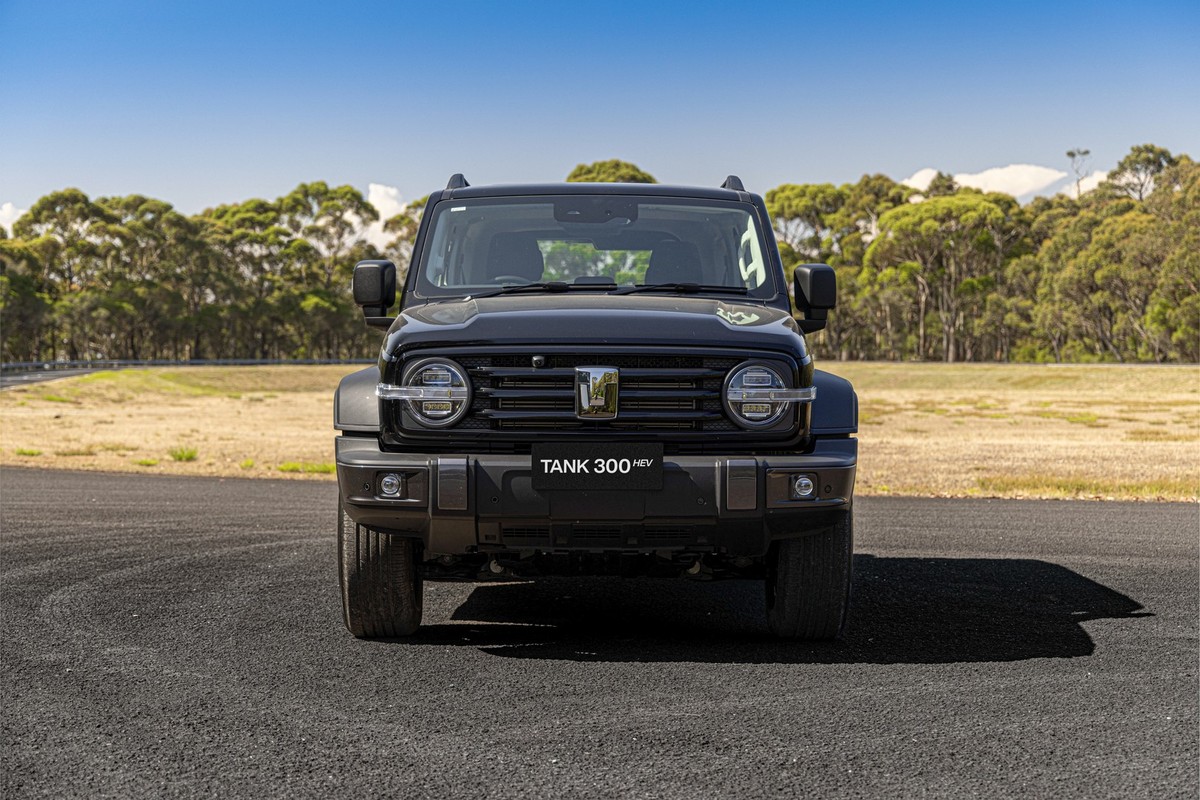
The Tank 300 looks muscular and purposeful, now just imagine it in orange…
What is a Tank 300?
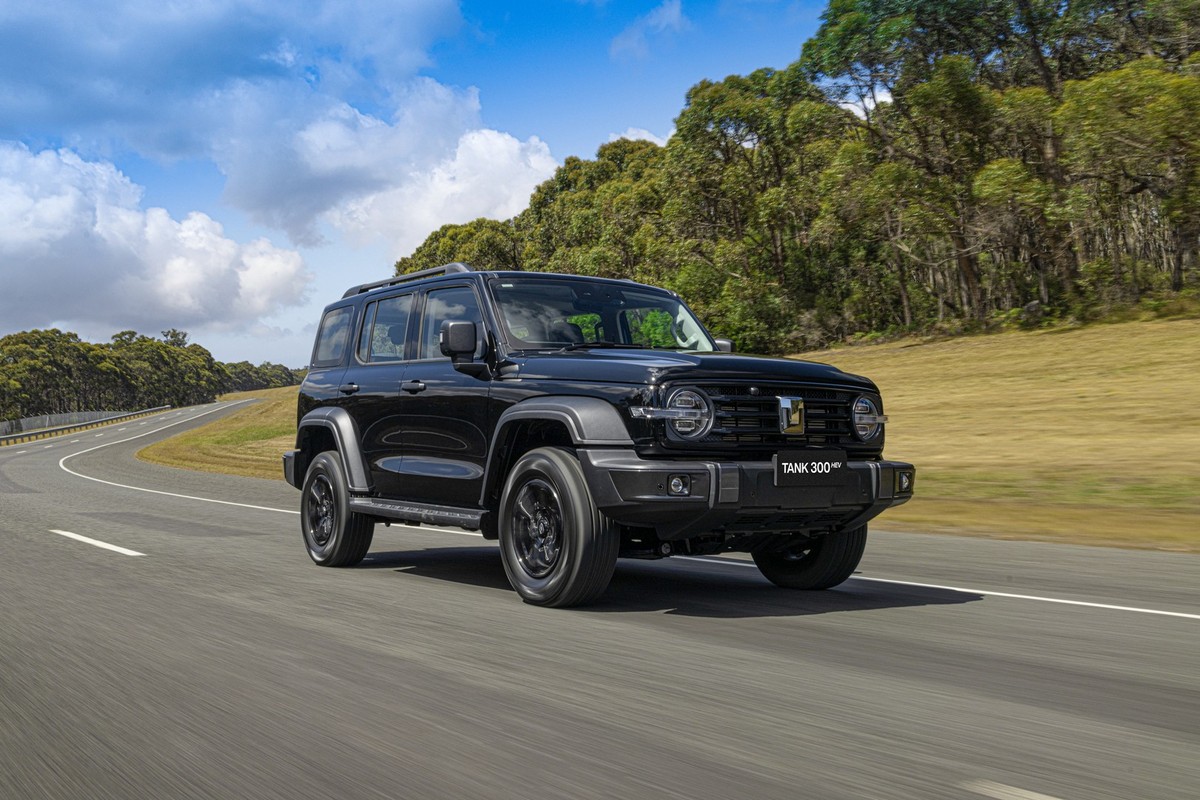
What you see here is a radical departure from the Haval Jolion, H6 and H6 GT, which are family cars. Tank is a new marque from GWM (another one, the Ora electric vehicle sub-brand, is also bound for SA). The Tank brand is aimed at those who appreciate luxury motoring as much as off-road adventuring. With those boxy, macho looks, it has nailed that image! Think of the Jeep Gladiator, Mercedes-Benz G-Class and Land Rover Defender, as well as the soon-to-be-launched Ineos Grenadier. You get the idea.
Haval Motors SA intends to bring several Tank models; the Tank 300 is due in Mzansi around the middle of 2023 and the even bigger Tank 500 is earmarked for early 2024. The Tank 300 is 4 760-mm long, 1 930-mm wide and has a 2 750-mm wheelbase, so the 5-seater is about the same size as a Fortuner.
There are features galore, and the general fit-and-finish is excellent.
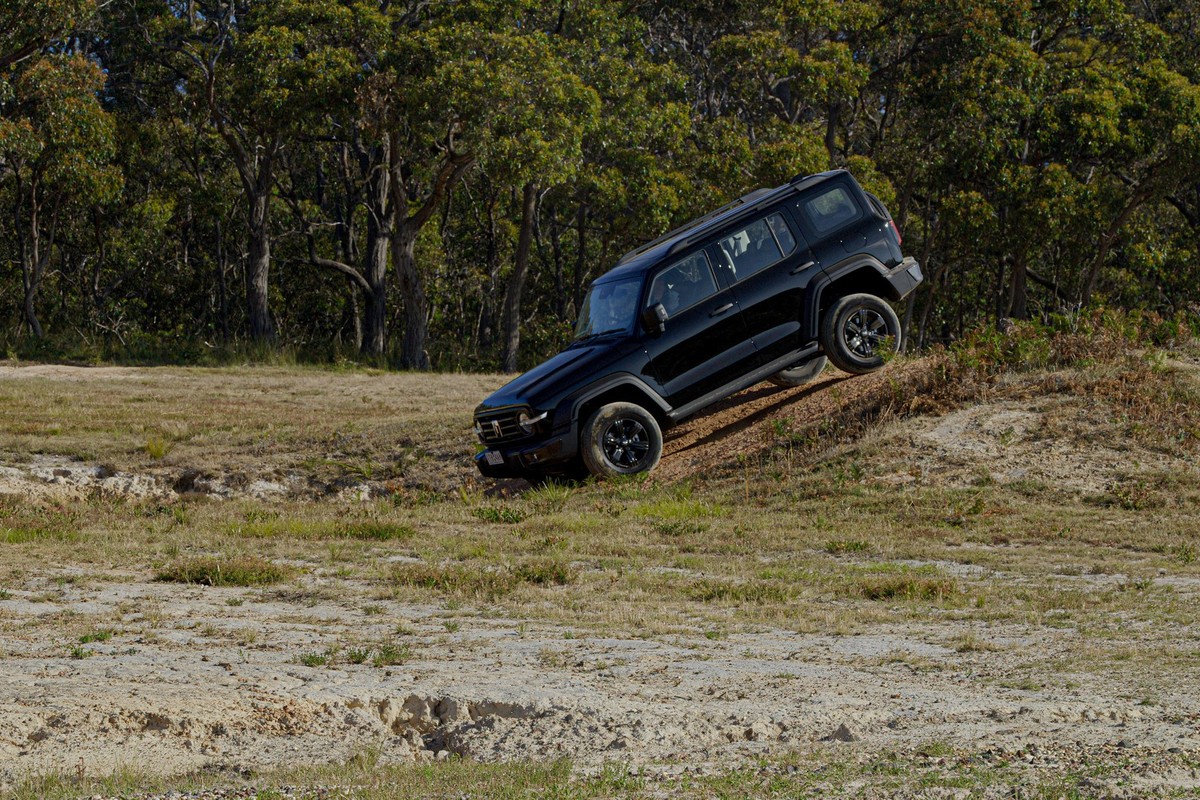
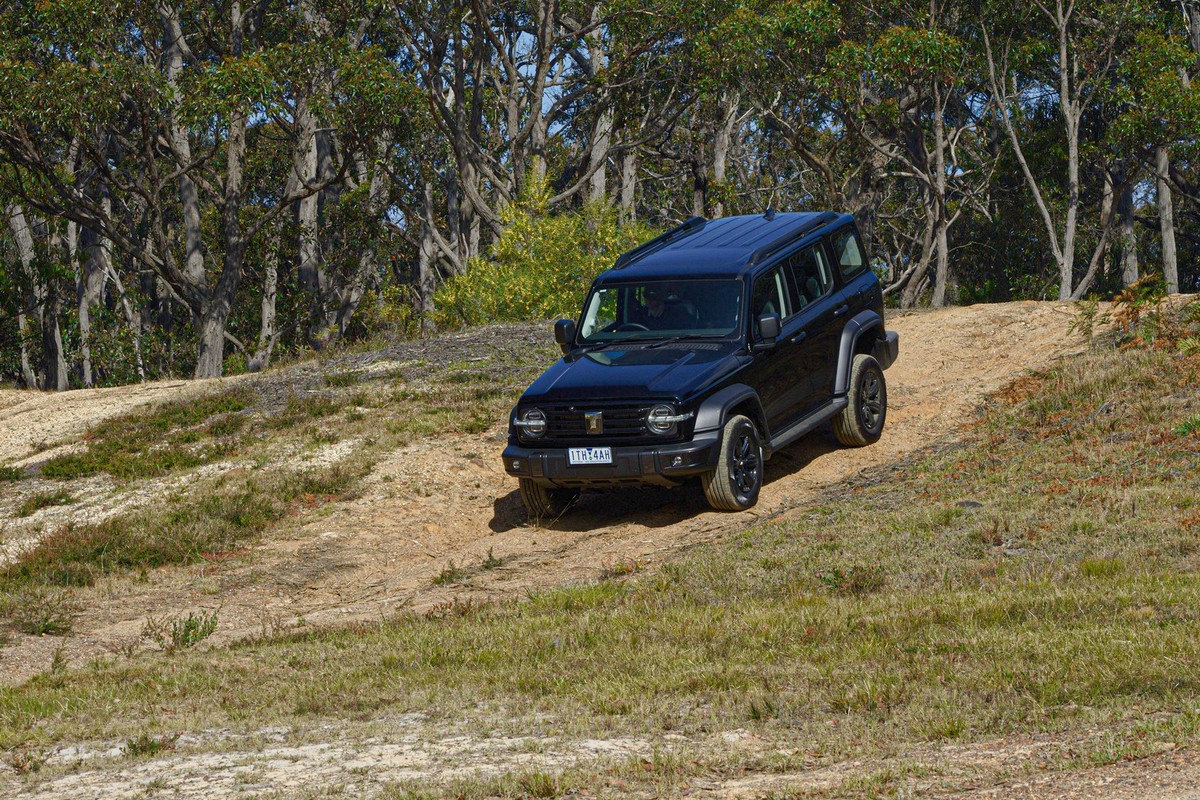
The Tank 300 looks like a serious off-roader, but does it have the necessary 4×4 attributes? Well, fundis, the SUV has a claimed ground clearance of 224 mm, along with approach and departure angles of 33 and 34 degrees respectively. A low-range transfer case and 2 differential locks (front and rear) are fitted.
Under the bonnet is a 180 kW/380 Nm 2.0-litre 4-cylinder turbopetrol engine that is mated with a 78 kW/268 NM electric motor (the battery capacity is not stated). The total powertrain output of 258 kW and 615 Nm is quite the talking point! Power goes to all 4 wheels via a 9-speed automatic transmission.
Under the skin is not a monocoque/unibody (as is the case with the Tank’s Jolion and H6 cousins), but a modified version of the GWM P-Series bakkie’s ladder frame chassis, which further bolsters its off-road cred. With the Haval H9 falling away, the Tank range is expected to fulfil Haval’s luxury off-roader role.
First impressions
Tank 300 crushed the relatively easy 4×4 course!
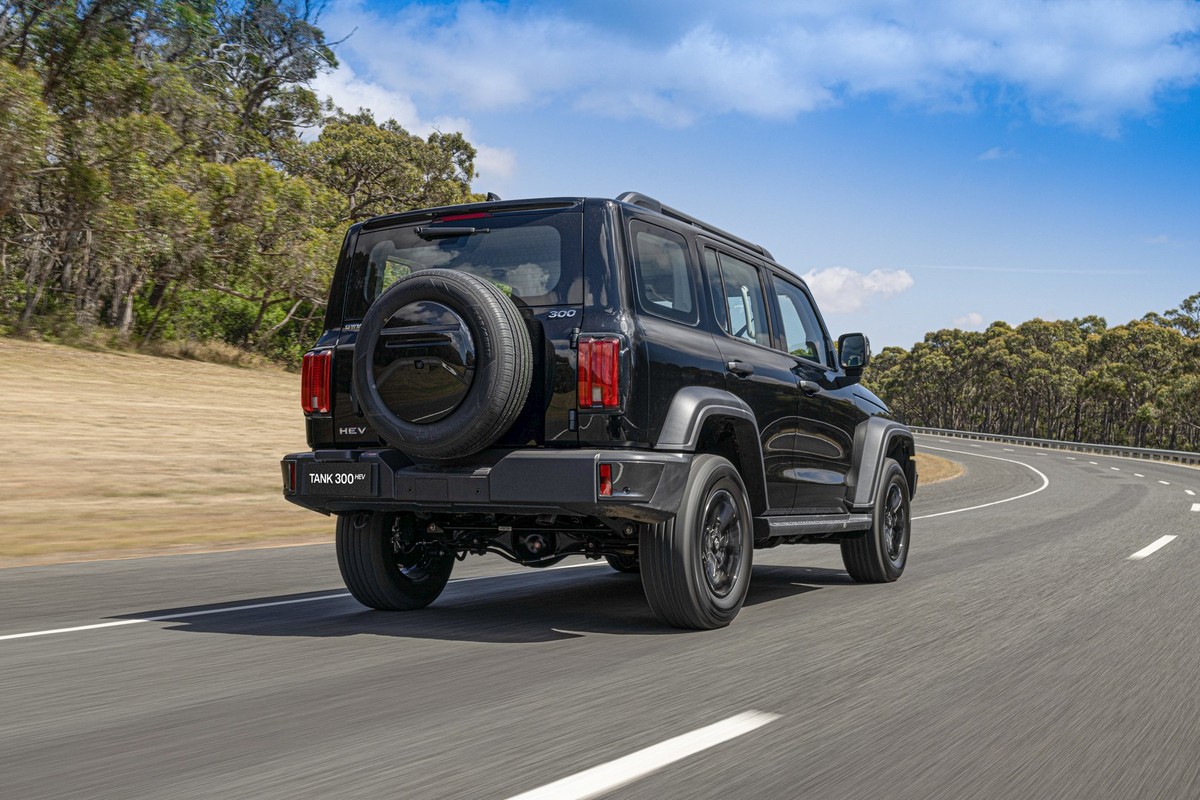
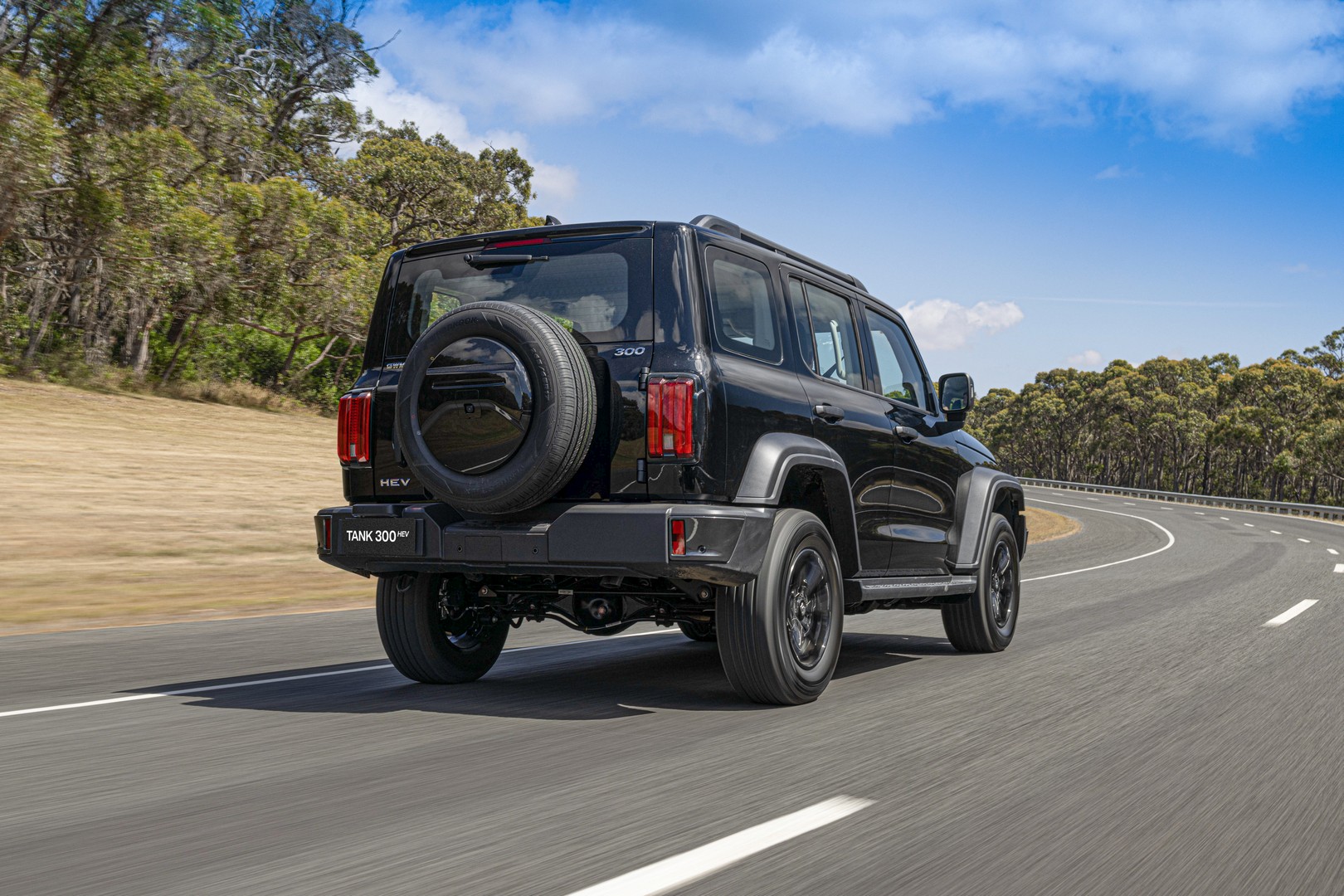
The cars we drove were pre-production units finished in Crystal Black – it didn’t flatter the Tank 300’s appearance, but fortunately, vibrant orange and red hues are available – they make the SUV stand out a lot more. Also, photographs don’t convey just how brawny the Tank is; it’s a lot bigger than I expected.
It’s interesting to see the Tank 300 riding on road-biased 18-inch rubber, but we understand that Haval Motors SA is looking at offering a range of off-road accessories for the model, including chunkier tyres.
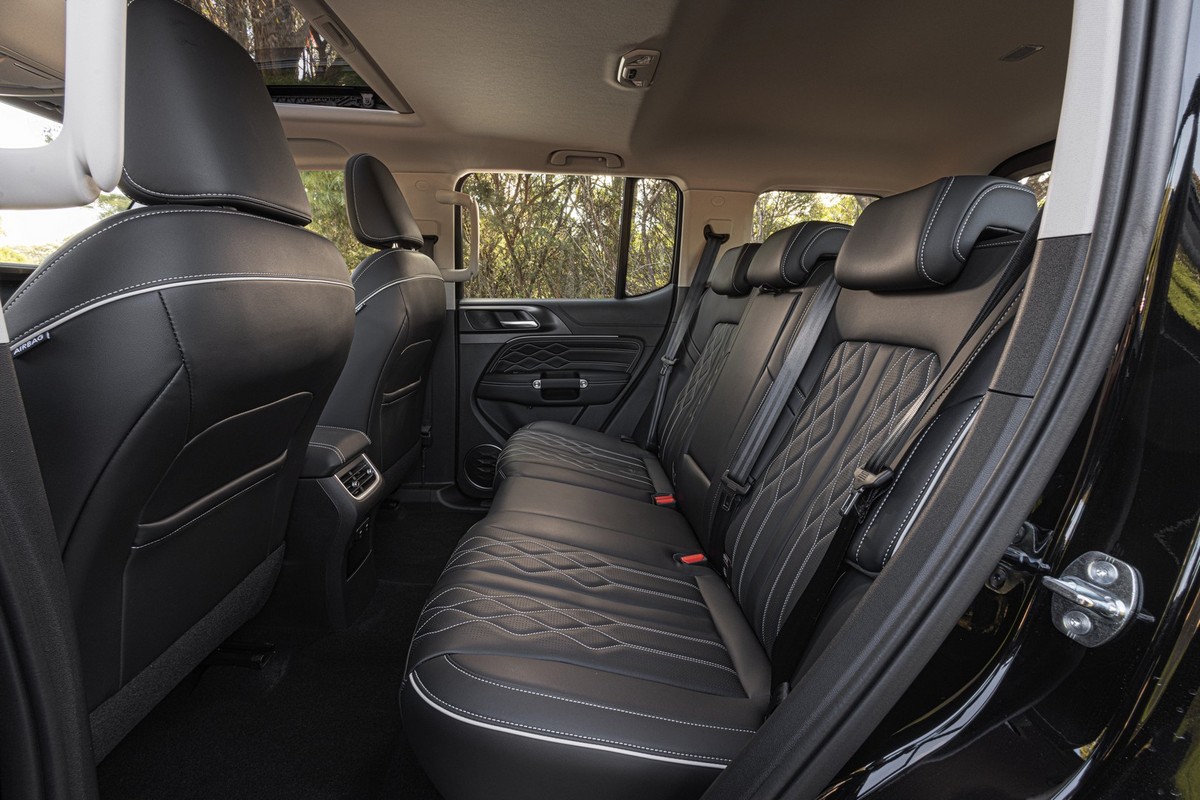
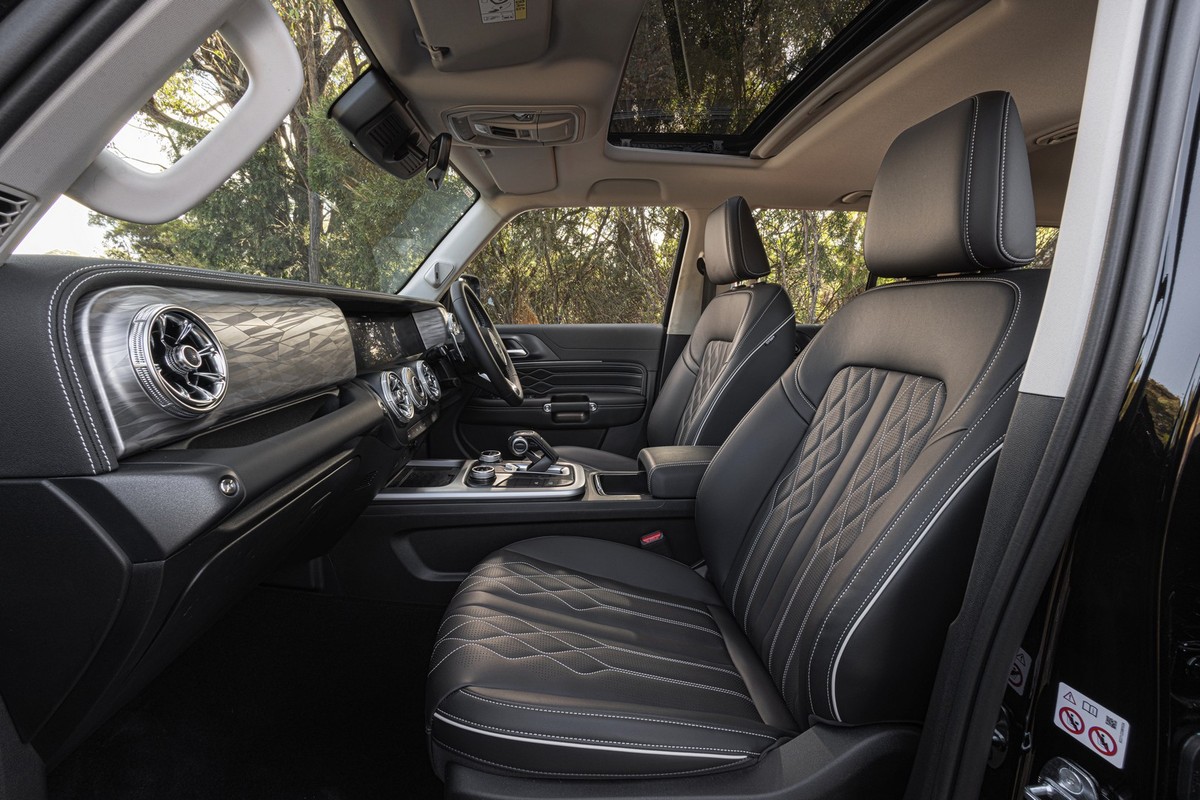
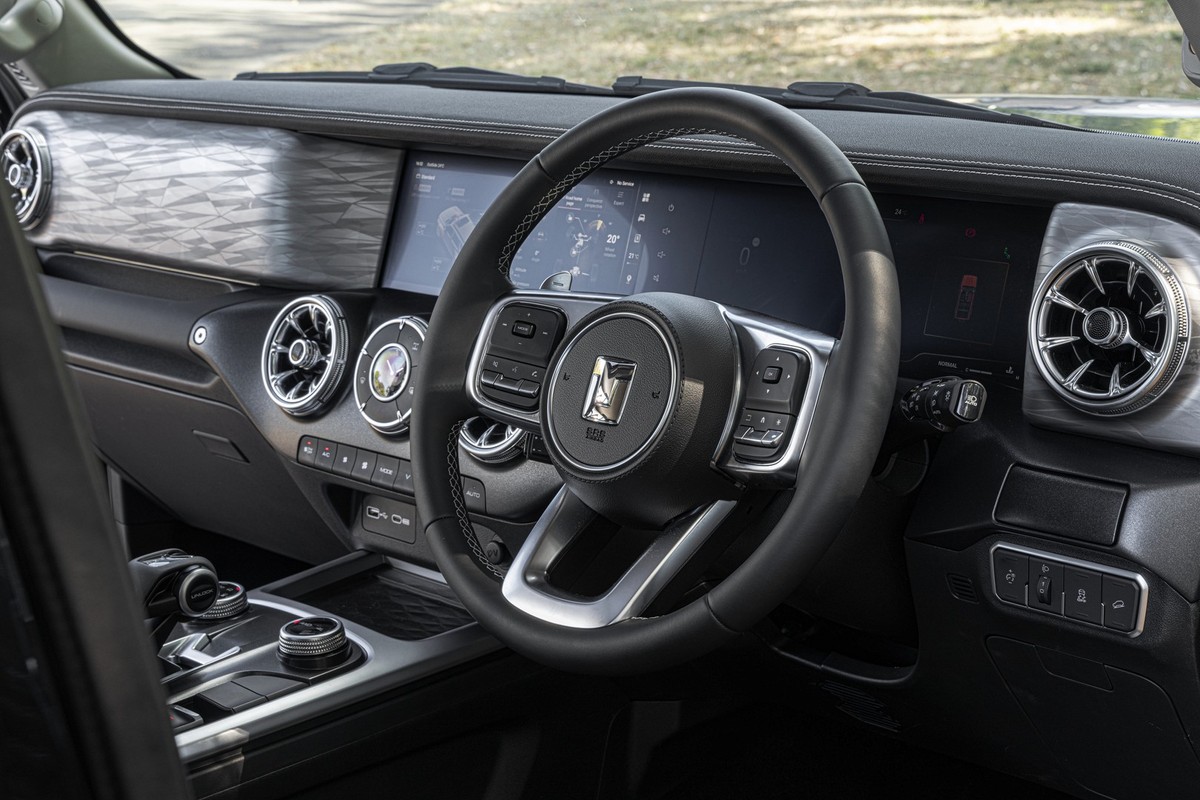
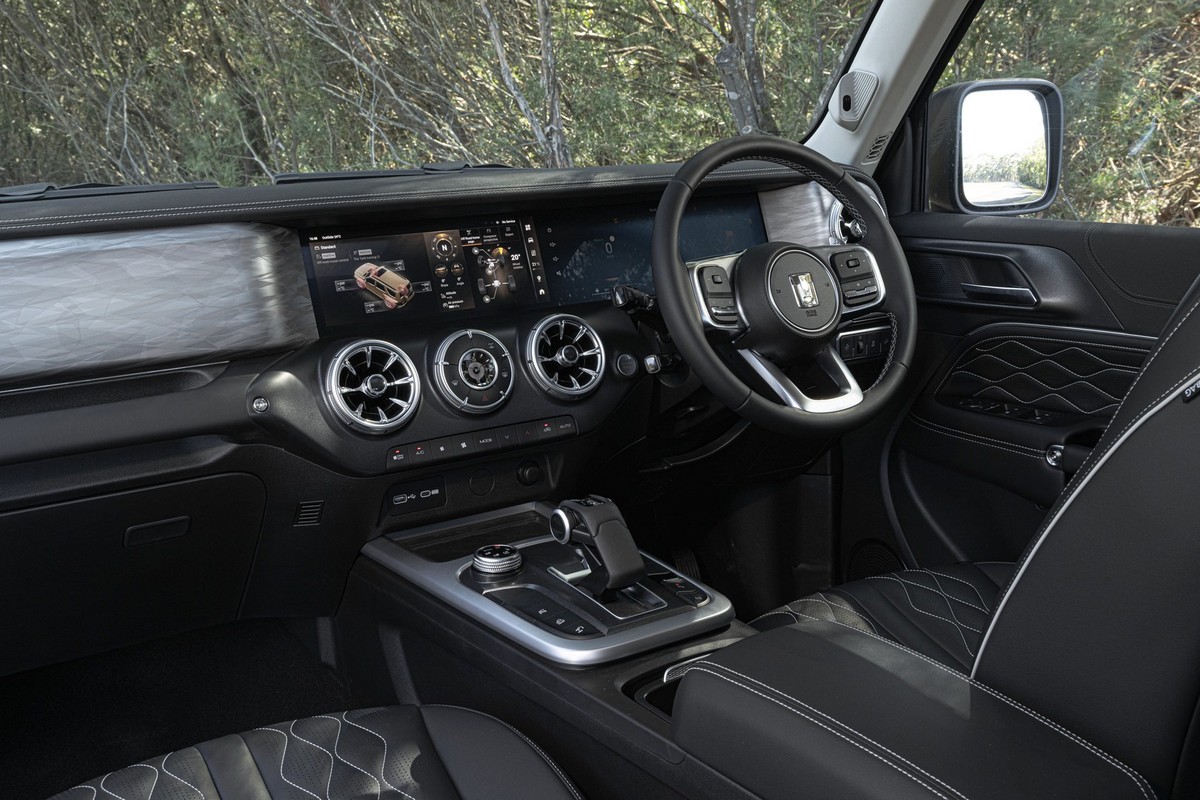
Inside, the Tank 300 looks thoroughly modern and tech-laden – GWM has equipped the newcomer with plenty of digital screens! The perceived fit-and-finish is impressive too, thanks to the extensive use of high-quality plastics and diamond-quilted leather. The Tank 300’s cabin really looks and feels the part!
The load-bay capacity is reasonably sized, but it does need a retractable luggage cover.
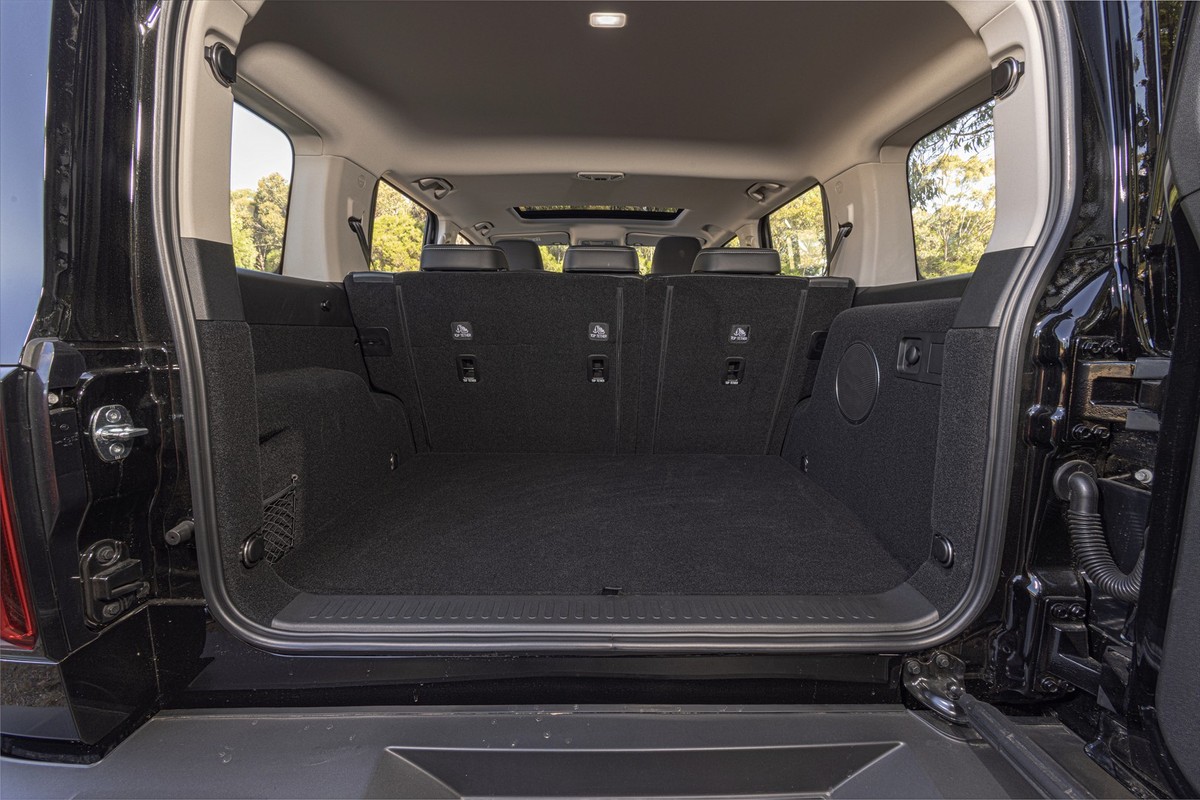
Behind the side-opening tailgate sits a reasonably spacious luggage area. The load floor is a bit higher than you’d expect (due to the hybrid battery taking up some space), but the spare wheel is located on the tailgate, which aids the packaging. We would like to see a retractable cover for the bay, however.
The Australian market will get a pair of Tank 300 derivatives, but South Africa is likely to receive just the flagship derivative – for now. However, we understand there will be a non-hybrid 2.0-litre turbopetrol version available in right-hand-drive guise and it’s due to land in Australia at some point during 2023.
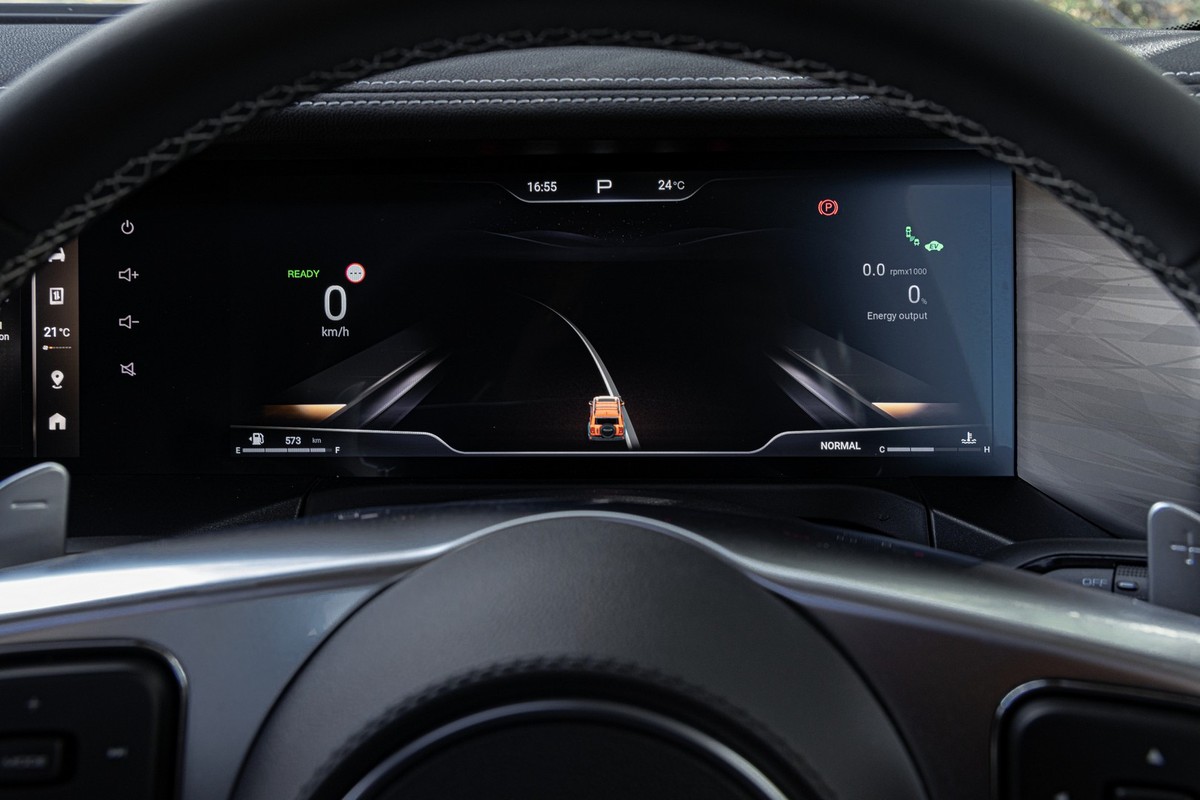
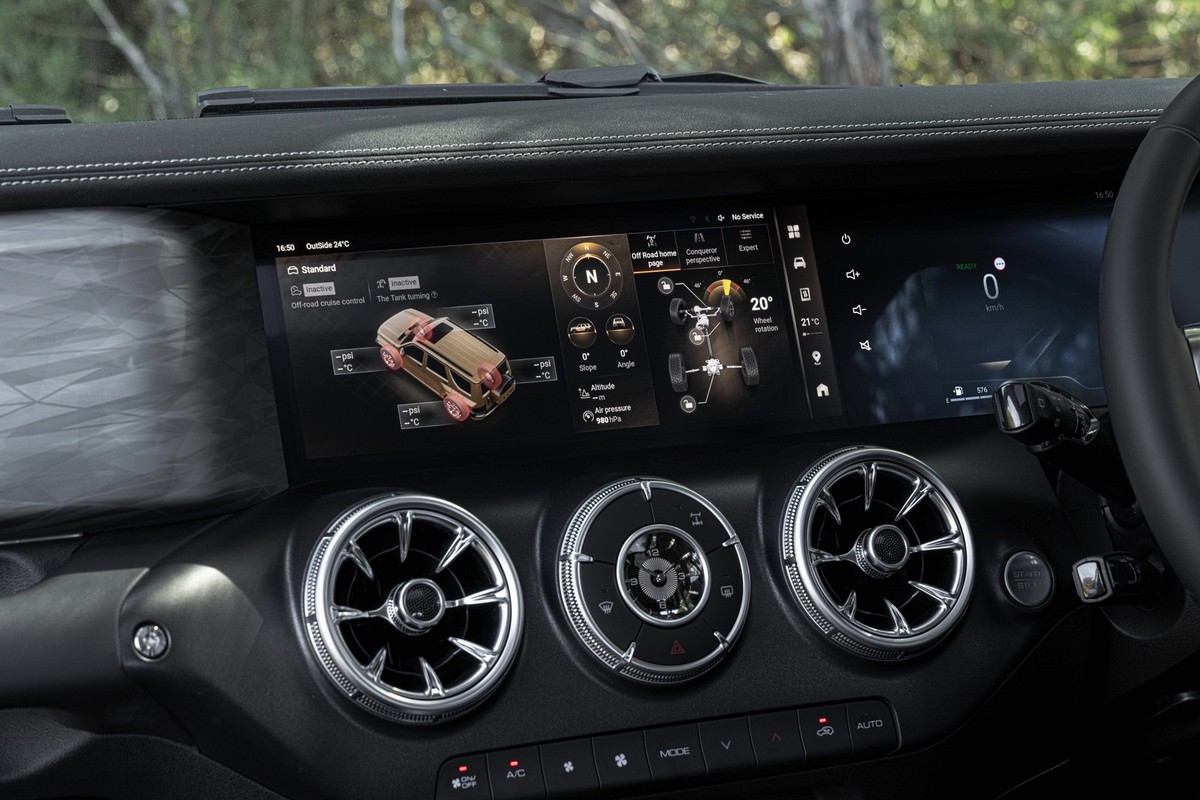
Like most Haval products, the Tank 300 hybrid flagship comes fully loaded with almost every gadget and convenience feature that you can think of. There’s a 12.3-inch digital instrument cluster, a 12.3-inch touchscreen infotainment system with Apple CarPlay/Android Auto, USB-A and USB-C ports, a wireless charging pad, Nappa leather seats (heated/cooled with a massage function), an Infinity 9-speaker audio setup, a heated steering wheel, tyre pressure sensors, 64 ambient colours to choose from… and more.
The digital instrument cluster boasts crisp high-res graphics.
As far as semi-autonomous safety tech is concerned, the Tank 300 comes equipped with adaptive cruise control, lane-departure warning, lane-keep assist, traffic-sign recognition, rear cross-traffic alert with braking function and fully automatic parking. The model also has 7 airbags and a 360-degree camera.
The local model’s list of standard specifications and features will be confirmed at launch, but we don’t think it will be radically different to what we experienced in the launch units delivered to Australia.
What’s the GWM Tank 300 like to drive?
The Tank 300 incorporates design elements from all your favourite off-roaders.
The GWM 300 was presented to international media representatives at the Anglesea Automotive Research Centre, located about 150 km south of Melbourne, Australia. Think of it as Gerotek by the sea, with the added complication of wild kangaroos that were merrily hopping in and around the complex!
Our test-drive programme incorporated a basic 4×4 course, as well as some gravel driving, but we would have loved to have spent more than just 20 minutes with the vehicle. Think of this as “a first taste” or a preview of what’s to come, rather than a full-blown driving impression from an international launch.
Once seated behind the Tank 300’s ‘wheel, it was straightforward to find the ideal driving position. Hit the start button and… nothing. See, this new hybrid system is a revelation – the vehicle starts in electric mode and can operate in pure electric mode for some distance before the petrol engine has to kick in.
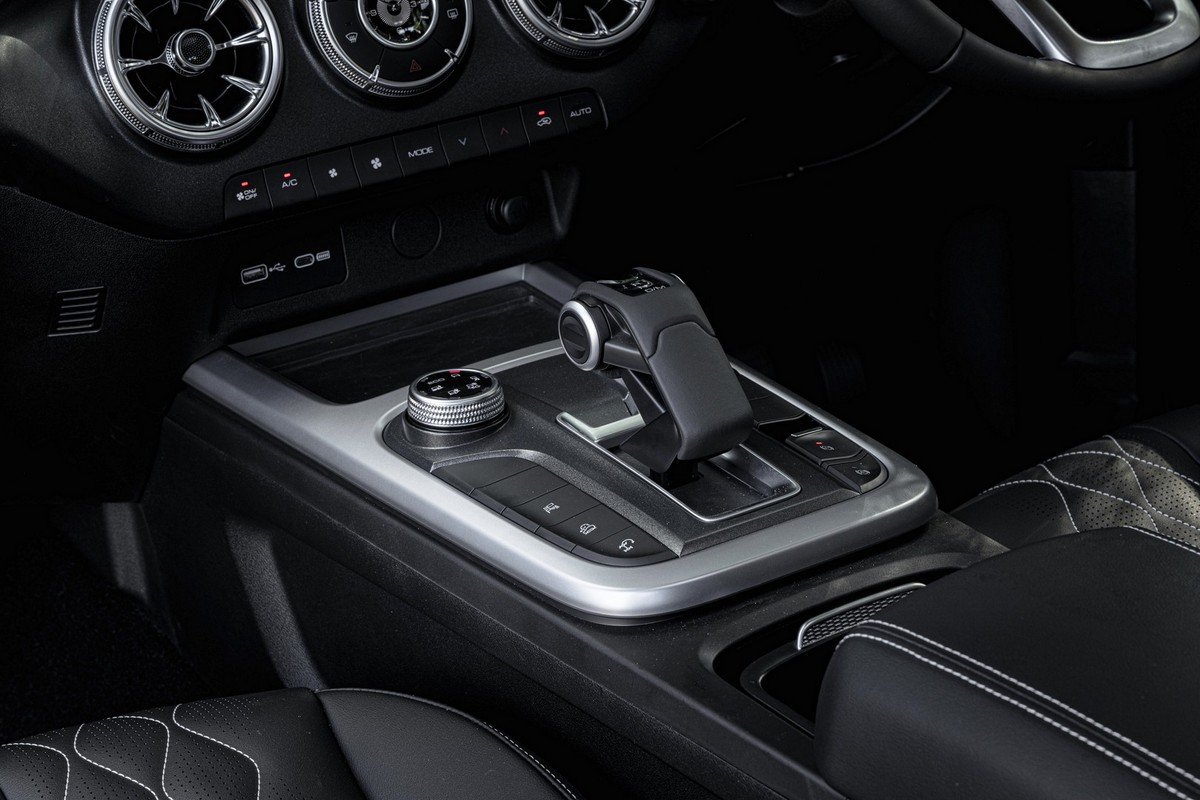
Off-road modes, drive modes and one of the coolest-looking gear selectors.
Going the hybrid route has helped Haval address one of the (very) few criticisms of its models: high fuel consumption. We’ve been impressed by the efficiency of the H6– and Jolion HEVs and, while our short drive was restricted to a stint on a gravel road, we saw an indicated consumption figure of just under 10 L/100 km. When driving on asphalt and in Eco mode, you should be able to easily improve this figure.
Speaking of drive modes, the Tank 300 has many of them – and each one is associated with a cheesy chime and dashboard graphic. The activation of Snow mode, for example, is announced by a Christmas-like bell sound. It’s cute, but we hope the chimes can be deactivated (their novelty may wear off rapidly).
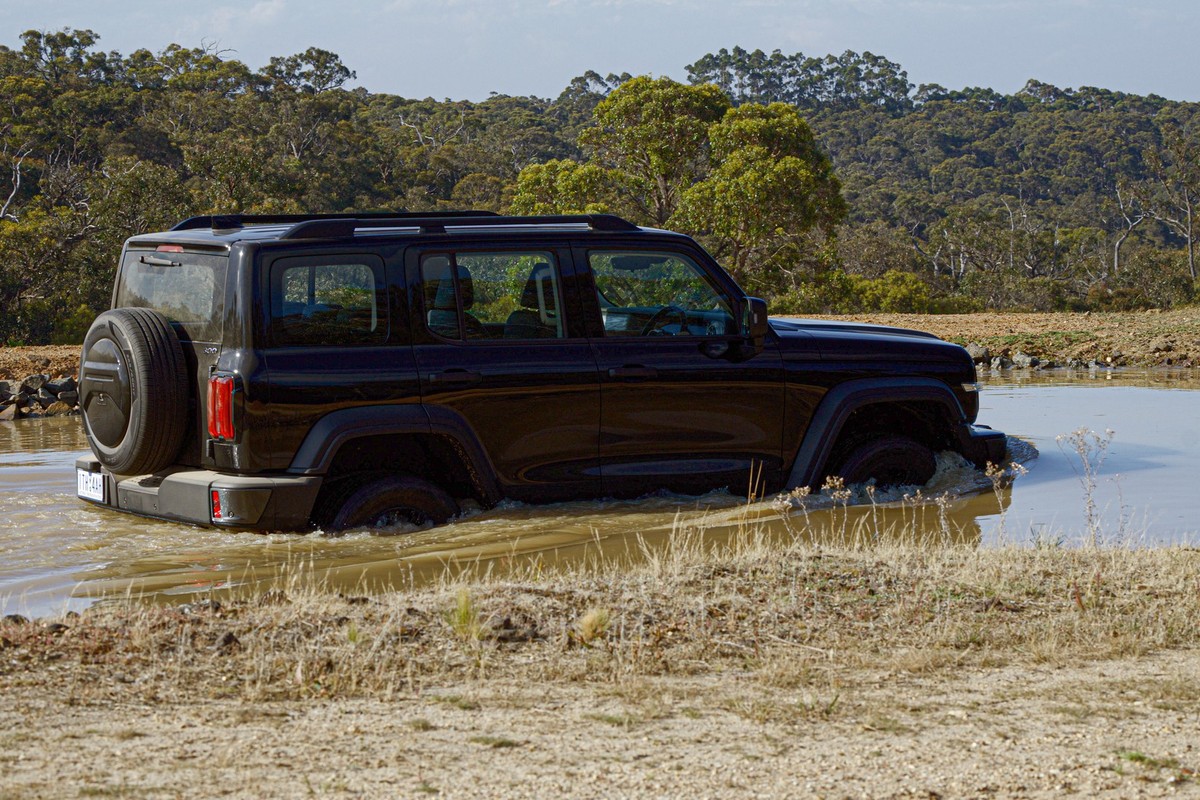
The Tank 300 offers 600 mm of wading depth!
Frustratingly, our test unit seemed to have a glitch. When deactivating the parking brake (shortly after start-up), the Tank refused to go into gear. It came right, eventually, after switching the SUV off and on again, but we hope that these little gremlins are ironed out by the time the model arrives on our shores.
Meanwhile, the Tank 300 made light work of the fairly straightforward off-road course, which included a deeper-than-expected water trough. The off-road modes made the SUV apportion torque between the front and rear axles as needed and, when things got a little tricky, we brought the diff-lock/s into play. We liked the off-road graphics and surround cameras; they add a technical dimension to the 4×4 experience.
The off-road graphics and 360-degree camera display are excellent.
When traversing the gravel road, the Tank 300 felt stable and refined, with admirably low noise intrusion (at about 60 kph). What’s more, the steering was generously assisted but felt sufficiently substantial. We pitched the SUV into some corners and, while there was some body roll, it felt more agile than expected.
Summary
Tank 300 steers Haval into the luxury off-road adventure market.
The GWM Tank 300 is a radical departure from what we’ve come to expect from Haval Motors SA, which has made tremendous inroads in our market with the Jolion and H6, which are family cars… crossovers, you know, softroaders. Mind you, the Haval H9 was a substantial 4×4 that never really got its due, but the (albeit 5-, not 7-seater) Tank 300 blends the off-roader image and high luxury effortlessly!
It appeals greatly, even if you never intend to venture off-road (although, of course, the Tank 300 is more than capable in that regard). Think of the way the Mercedes-Benz G-Class has become a status symbol. Yes, the Gelandewagen is a formidable off-roader, but you won’t find any G63s at your local 4×4 track.
To reiterate, we may have had only 20 minutes behind the ‘wheel of the Tank 300 (and only drove on a dirt road), but as far as speed dates go, it was a success – we’re keen for a second date. We suspect that, in the right hands, the newcomer will go further off-road than its target clientele would ever require.
At this stage, there’s no indicative pricing available, but given the generous standard loadout, off-road capability and spaciousness of the Tank 300, we estimate you’ll be forking out around R750 000.
Range Rover Velar Updated, Orders Open for 2023
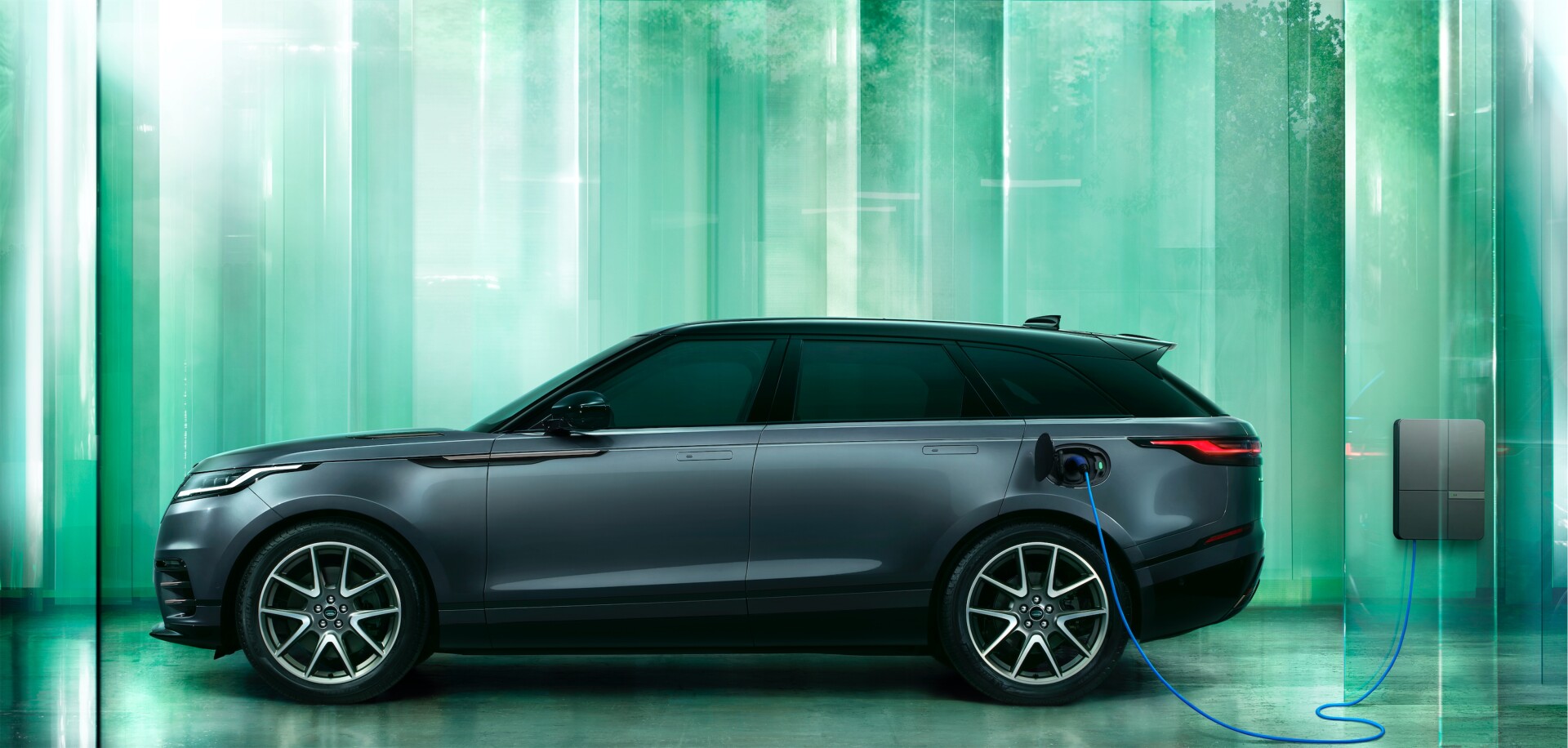
The stylish Range Rover Velar has received an update and South African buyers can place orders with vehicle delivery expected in the middle of 2023.
Exterior changes include a new grille design, complemented with ultra-slim Pixel LED headlights with the Daytime Running Lights exuding a jewel-like appearance. At the rear a new lower bumper and new LED taillights with a 3-D design. Two new exterior colours will also be offered including Metallic Varesine Blue and Premium Metallic Zadar Grey.
Moving inside, the Velar gains a new 11.4-inch single floating curved glass touchscreen which is integrated into the centre console. Buyers will be able to choose between 4 new leather colours including Cloud, Caraway, Raven Blue and Deep Garnet. For those who prefer leather-free upholstery, the Velar can also be had with a wool and polyurethane textile combination upholstery from Danish textile experts, Kvadrat.
For music lovers, an optional Meridian 3D Surround Sound System with 17 speakers and 750 W amplifier will be available.
What engines are offered for the Range Rover Velar in South Africa?
The Velar P400e gains a larger battery with 20% improvement in electric driving range.
The Range Rover Velar range is headlined by the P400e plug-in hybrid combining a 105 kW electric motor and a 221 kW 2.0-litre turbopetrol engine with an 8-speed automatic transmission. Total outputs are 297 kW and 640 Nm. The P400e is now fitted with a larger 19.2 kWh battery (previously 17.1 kWh). Electric driving range is 64 km, a 20% increase (previously 53 km) with average fuel consumption claimed at 1.6 L/100km.
Zero to 80% charging in about 30 minutes is possible using a 50 kW charger while a 7 kW charger will do the charge from zero to 100 percent in around 2.5 hours.
The 48V mild hybrid 3.0-litre turbocharged petrol P340 MHEV offers 250 kW and 480 Nm and mated with an 8-speed automatic.
Diesel buyers have the choice of 2 diesel engines in the D200 and D300. The Velar D200 is powered by a 2.0-litre turbodiesel engine with 146 kW and 430 Nm while the D300 employs a 3.0-litre turbodiesel with 221 kW and 650 Nm.
Pricing for the updated Range Rover Velar will be communicated closer to launch in the middle of 2023.
10 best-selling bakkies in South Africa: January 2023
We’ve sorted through January 2023’s sales figures and identified South Africa’s best- and worst-selling bakkies for the opening month of the year…
South Africa’s new-vehicle market posted 4.8% of year-on-year growth in January 2023 to end the month on 43 509 units. The light-commercial vehicle segment, meanwhile, grew 10.4% to 10 622 units, which much of the volume coming courtesy of bakkies.
So, what happened on the list of SA’s best-selling bakkies? Well, there was a little movement. At the summit, however, the Prospecton-built Toyota Hilux picked up right where it left off in 2022, comfortably securing the top spot with 2 769 registrations in the opening month of the new year. As a reminder, the Japanese bakkie was the country’s most popular new vehicle last year, with a whopping 32 203 units sold (despite a 3-month production stoppage in KwaZulu-Natal).
The Struandale-produced Isuzu D-Max (1 273 units) improved its tally month on month to climb a position to 2nd, squeezing past the Ford Ranger (1 269 units), which fell to 3rd. It seems the Blue Oval brand’s gradual switchover to the new-generation Ranger – the single- and extended-cab derivatives will launch locally only in March, for instance – continued to impact its performance.
Nissan’s Rosslyn-manufactured NP200 (886 units) again found itself in 4th position, though the Mahindra Pik Up was a mere 67 units behind on 819 registrations. The evergreen Toyota Land Cruiser 79’s recent sales surge continued in January 2023, with its 468-unit tally enough to secure 6th place, a spot higher than it achieved in December.
That saw the Rosslyn-built Nissan Navara (351 units) drop a position to 7th, with the GWM P-Series (286 units) and GWM Steed (87 units) holding steady in 8th and 9th, respectively – despite a marked month-on-month fall in registrations for the latter. Finally, the Mitsubishi Triton (65 units) made a return to the top 10, grabbing the last slot on the list.
Best of the rest in January 2023
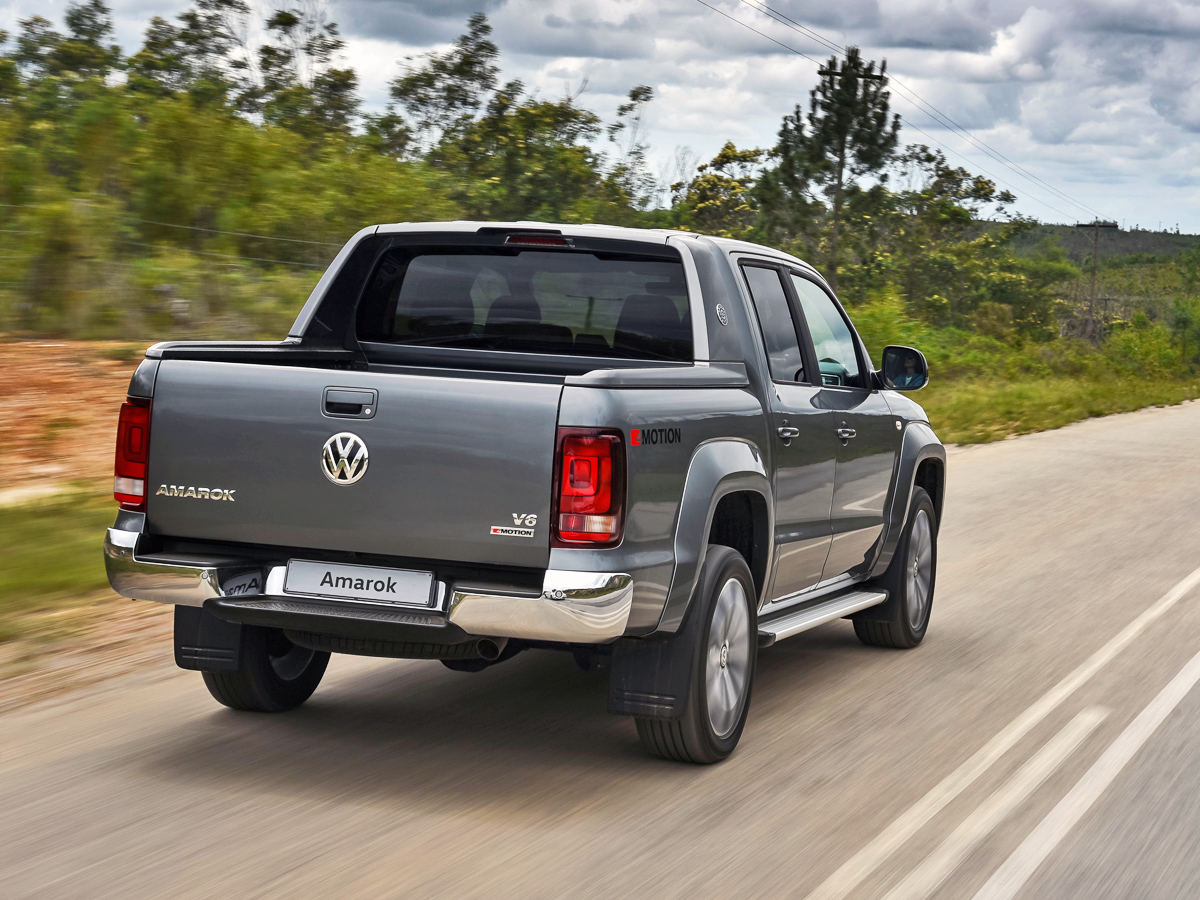
VW’s outgoing Amarok fell from the top 10 in January 2023.
What about the bakkies that failed to make the cut in January 2023? Well, with 51 units registered, the outgoing Volkswagen Amarok – which is due to be replaced by a Ranger-based, 2nd-generation model in the next couple of months – dropped out of the top 10.
The Mahindra Bolero (47 units) was right on the Amarok’s tail, while the Jeep Gladiator improved to 32 units (a figure matched by JAC’s T-badged bakkies, with the Chinese automaker reporting a combined figure for its T6 and T8 line-ups). Next came the Peugeot Landtrek (19 units), with the Mazda BT-50 (7 units) yet again bringing up the rear.
Bakkie export winners in January 2023
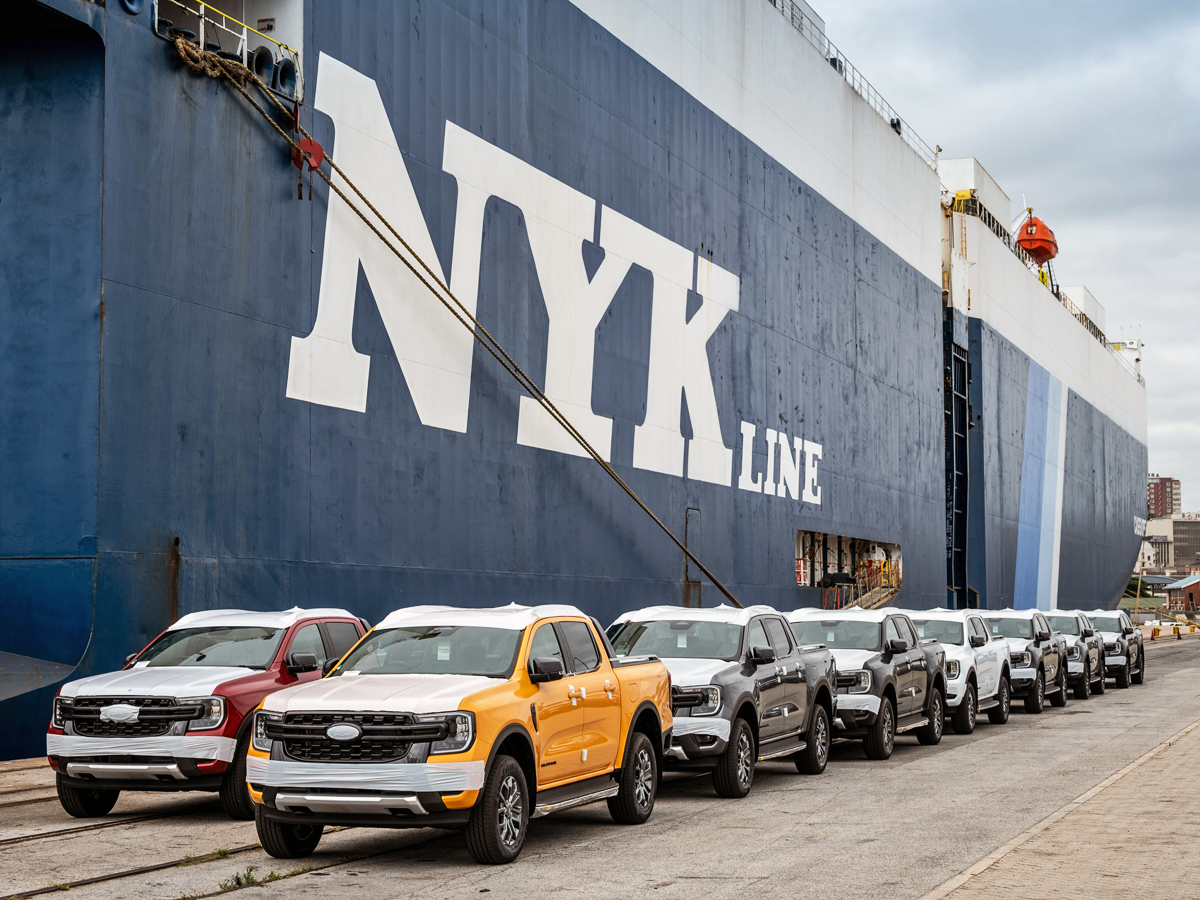
What happened on the bakkie export market? As many as 6 959 examples of the Hilux were shipped overseas in January 2023, pushing the Ranger (1 682 units) into the runner-up position. For the record, Ford says it has just commenced shipments of the new-generation model to international markets.
The D-Max (291 units), Navara (207 units) and NP200 (71 units) again made up the numbers on the export charts. As we’ve seen over the past few months, the official Naamsa report interestingly also showed a handful of imported models being exported in January 2023, in the form of the P-Series (23 units), Triton (8 units) and Steed (2 units).
10 best-selling bakkies in South Africa for January 2023
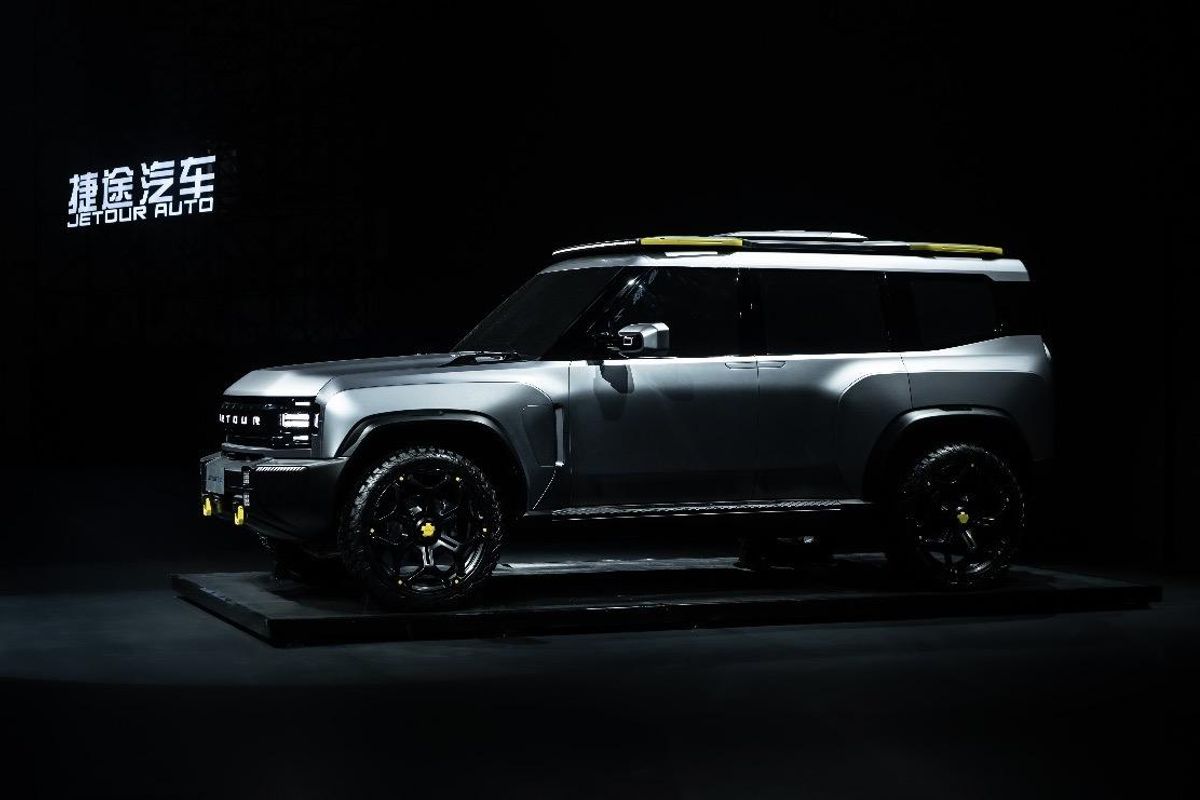
Jetour, Chery’s sub-brand, is preparing to unleash a new rugged SUV that will face off against the incoming Tank 300 from GWM.
If you’ve never heard of the Jetour brand it’s probably because it’s a relatively new Chery sub-brand established in 2018 with a focus on luxury SUVs and crossovers primarily sold in Asia, the Middle East and South America.
However, the latest news to come from the Chinese firm is that Jetour will soon introduce a rival to the incoming Tank 300, which is due to arrive in South Africa in the middle of 2023.
While there are no plans currently confirmed to introduce the Jetour brand in South Africa, as we’ve seen in the recent past, nothing is impossible!
What is the Jetour T-1?
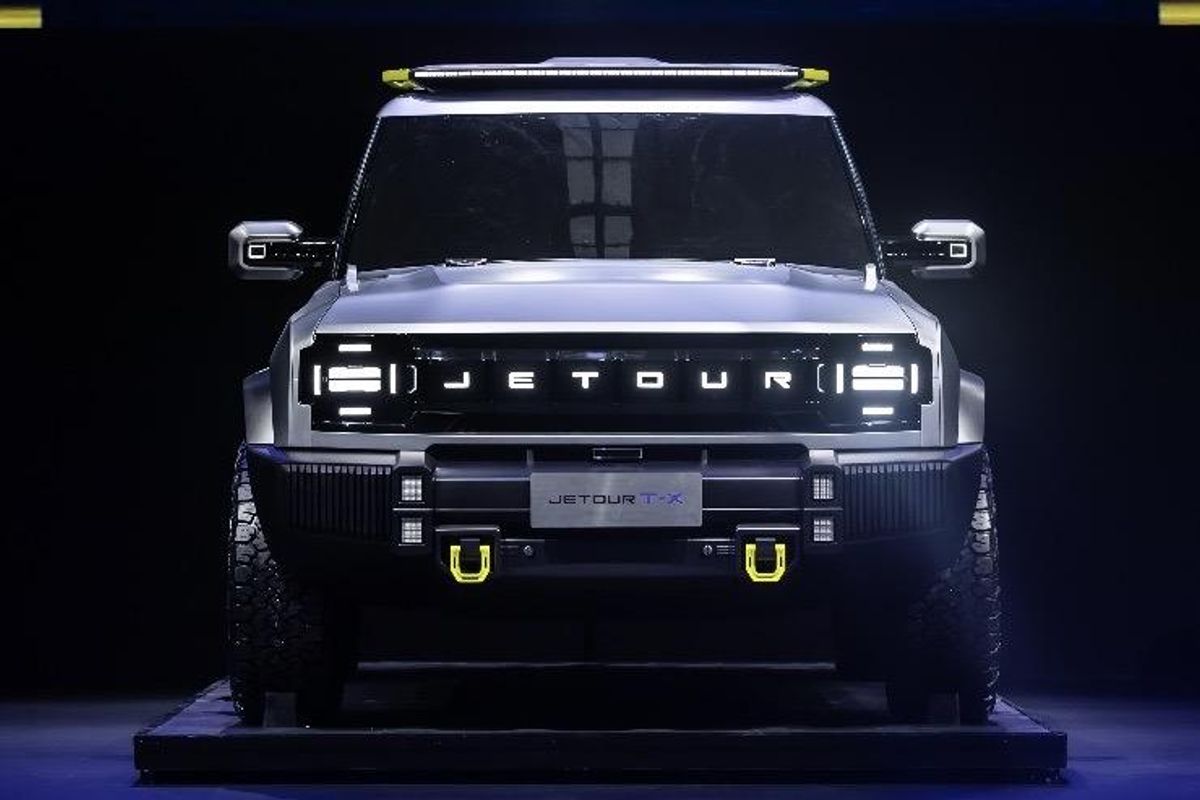
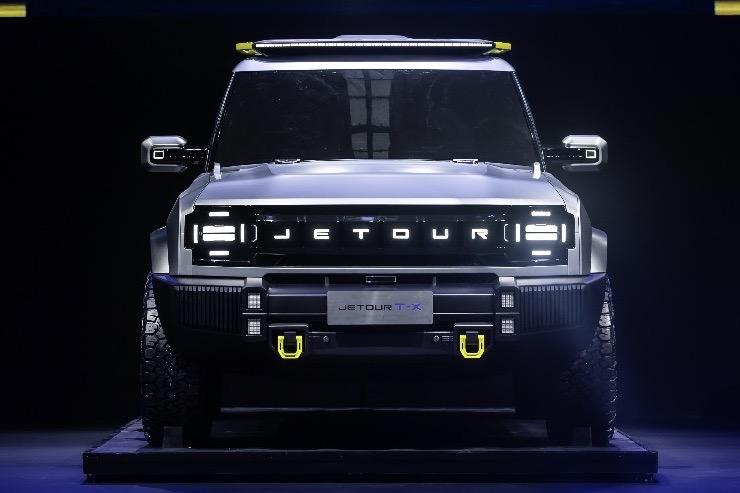
The Jetour T-1 is base don the 2022 T-X Concept.
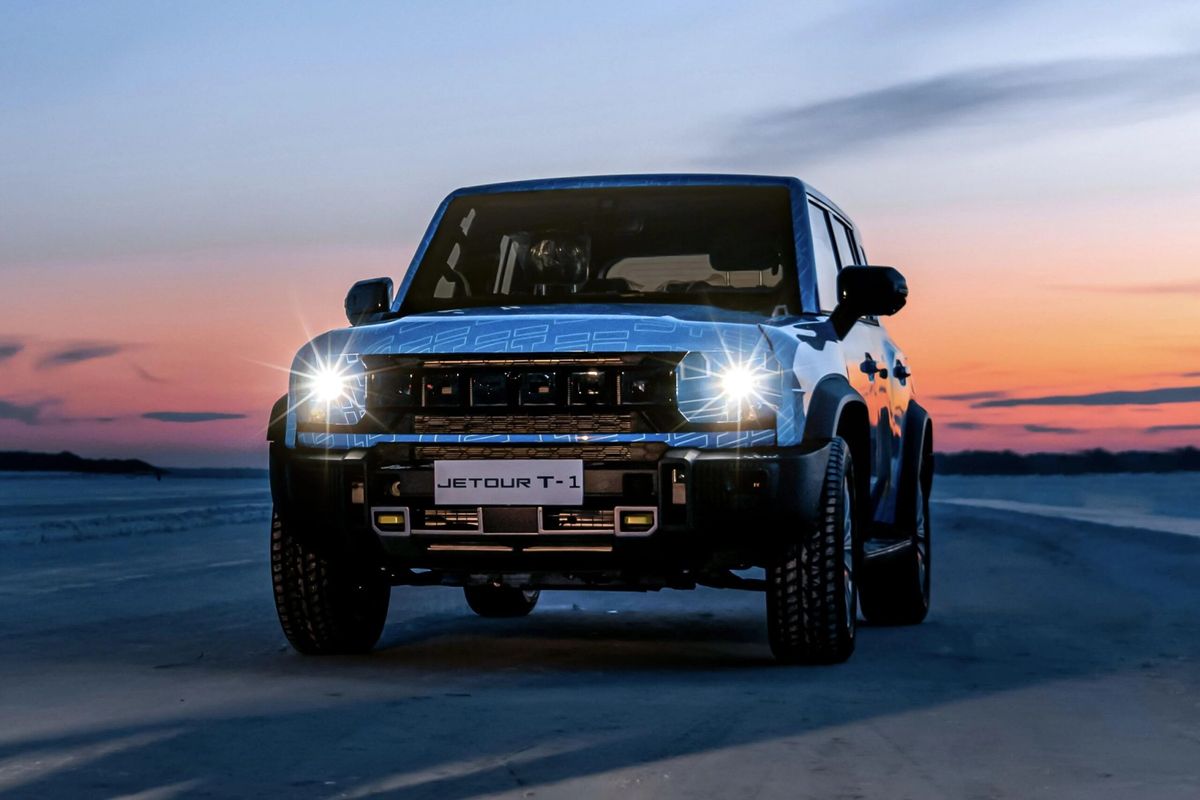
The Jetour T-1 is based on the T-X Concept shown early in 2022 but Chery’s sub-brand is now preparing to reveal the final production version at the upcoming Shanghai Auto Show according to Chinese media.
The camouflaged images of the Jetour T-1 you see here show a boxy and rugged design in the same vein as the Tank 300, which shares design inspiration from the Ford Bronco (which is not destined for South Africa).
Details are fairly thin at this point but an Australian report suggests that the Jetour T-1 will come to market in both 5- and 7-seater guise with a length of 4.8 and 5 metres respectively.
As for powertrains, buyers will have the choice of turbocharged petrol engines (1.6L, 2.0L and 3.0L) with 4-wheel-drive and a differential lock as well as Plug-In Hybrid (PHEV) and in EV guise (dual motor AWD). Further powertrain details are expected to be revealed at the Shanghai Auto Show.
But that’s not all, Jetour has also hinted that it will bring new bakkie products to market in the future too, presumably built on the same Kunlun architecture that will underpin the T-1. A Jetour bakkie to rival the new Ford Ranger and Toyota Hilux? Is another market upset on the horizon?
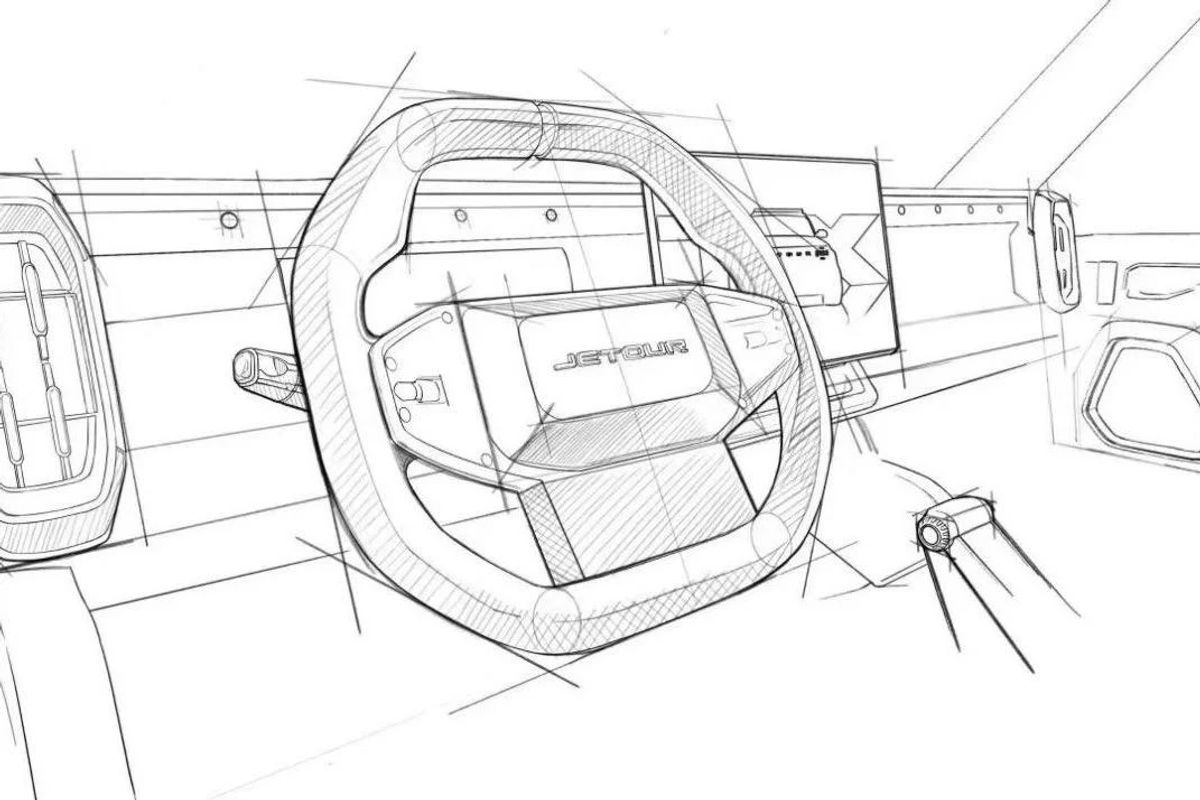
As for the interior of the Jetour T-1, you can expect to see upmarket finishes, luxurious even, with a full smattering of driver assistance features.
We will keep our eye on this developing story as it happens…
SA’s Best-Selling Cars in January 2023: VW Polo Vivo Slips
South Africa’s new-vehicle market kicked off the year on a generally positive note, with sales growing 4.8%in January 2023.Here’s a look at the best-selling vehicles, most popular brands and more…
In January 2023, South Africa’s new-vehicle industry grew 4.8% to 43 509 units, resulting in the 13th consecutive month of year-on-year sales growth. The final figure for the opening month of the year furthermore represented a 4.1% improvement over December 2022’s effort of 41 783 registrations.
Though this constitutes relatively minor growth, it’s nevertheless encouraging considering the multiple headwinds facing the local industry right now. Naamsa, however, described the performance as “weak”, adding it was “in line with expectations of a depressed economy along with ongoing structural problems and cost of living increases”.
So, let’s take a closer look at the figures. Out of the total reported industry sales of 43 509 vehicles, Naamsa says an estimated 36 353 units (or 83.6%) came courtesy of the dealership channel, with 12.1% representing sales to the rental industry, 2.2% to government and 2.1% to industry corporate fleets.
South Africa’s new passenger-vehicle market finished the reporting period on 31 072 units or a marginal year-on-year gain of 2.9%. Yet again, the rental industry ably supported this section of the market, accounting for a healthy 16.2% of sales. The light-commercial vehicle segment enjoyed even stronger growth than its passenger-car counterpart, with 10 622 units (up 10.4%) registered in January 2023.
However, the vehicle-export market recorded a year-on-year decline of 1.8% to 20 536 units. In this regard, Naamsa expressed “serious concern” about the load-shedding crisis, saying the “destructive higher stages of load-shedding have amplified the negative impact on vehicle production and component manufacturing in South Africa”.
Meanwhile, the National Automobile Dealers’ Association (NADA) had a more upbeat take, saying challenges such as “political instability” and rising fuel prices had failed to “put a dampener” on new-vehicle sales in January.
“This market is difficult to read, given all the disruptive external factors now in play. We believe the public is adjusting its spend downwards, but conversely, the upper end of the market is remaining surprisingly strong at the same time,” explained Mark Dommisse, Chairperson of NADA.
That said, Dommisse admitted the ongoing electricity crisis would present “another imposition for South Africa and the automotive industry, as it pushes buyers into taking more conservative approaches in their respective buying cycles”.
Lebogang Gaoaketse, Head of Marketing and Communications at WesBank, said many factors were placing continued pressure on the “economy as a whole” as well as “very practically on the households and livelihoods of consumers”.
Still, although interest rates moved above pre-pandemic levels and inflation remained high, Gaoaketse remained positive about the continued recovery of the market in January 2023.
New vehicle sales summary for January 2023
Aggregate new-vehicle sales of 43 509 units increased by 4.8% (2 006 units) compared to January 2022.
New passenger-vehicle sales of 31 072 units increased by 2.9% (873 units) compared to January 2022.
New light-commercial vehicle sales of 10 622 units increased by 10.4% (998 units) compared to January 2022.
Export sales of 20 536 units decreased by 1.8% (-367 units) compared to January 2022.
10 best-selling automakers in South Africa for January 2023
Toyota, which was South Africa’s best-selling brand last year by quite some margin, started the new year on a similarly strong note, ending January on 12 532 registrations (or 28.8% of the total market) and thus bettering its December 2022 effort by more than 1 200 units. The Volkswagen Group (including Audi) shed a few sales month on month but retained 2nd position with 5 081 registrations, though the 3rd-placed Suzuki Auto SA (4 357 units) wasn’t too far behind.
Meanwhile, Nissan (2 927 units) climbed a spot to 4th, forcing Hyundai (2 525 units) down to 5th in the process. Renault (2 051 units) likewise moved up a position to 6th, while Kia (1 686 units) jumped 2 to snaffle 7th. That saw Ford tumble a couple more down to 8th, with its overall sales tally dropping to 1 661 units.
Haval (1 565 units) found itself a spot lower in 9th, while Isuzu was breathing down the Chinese brand’s neck, closing out the top 10 with 1 527 registrations. Chery finished January 2023 with 1 327 sales, meaning it again fell just short of making the table.
1. Toyota – 12 532 units
2. Volkswagen Group – 5 081 units
3. Suzuki – 4 357 units
4. Nissan – 2 927 units
5. Hyundai – 2 525 units
6. Renault – 2 051 units
7. Kia – 1 686 units
8. Ford – 1 661 units
9. Haval – 1 565 units
10. Isuzu – 1 527 units
10 best-selling vehicles in South Africa for January 2023
Toyota’s locally built Corolla Cross continues to sell up a storm.
Another month, another sales crown for the Toyota Hilux (which was SA’s best-selling bakkie and top-selling vehicle overall in 2022). Yes, the Prospecton-built stalwart topped the charts yet again, with 2 769 units registered in January 2023. The likewise locally built Corolla Cross (2 042 units) retained 2nd place, while the imported Starlet (2 037 units) rocketed up 5 spots to finish close behind and complete another all-Toyota podium.
Like the Corolla Cross and Starlet above, the Suzuki Swift (1 499 units) enjoyed healthy support from the rental industry in January, returning to the table to grab a solid 4th place. The Toyota Hi-Ace (1 294 units) fell a couple of spots to 5th, while the Isuzu D-Max (1 273 units) gained a position to 6th. Perhaps owing to its gradual changeover to the new-generation model, Ford Ranger sales fell to 1 269 units, seeing the Silverton-built bakkie drop 3 places to 7th.
January 2023 was likewise rather a disappointing month for Volkswagen’s top sellers, with the Polo hatchback (1 144 units) falling 2 to 8th and the Polo Vivo (1 054 units) slipping 4 to 9th. Considering its slide down the list last year, the Polo’s placing in January 2023 is perhaps not unexpected. But we were surprised to see the Polo Vivo tumble as it placed 2nd on the list of SA’s best-selling vehicles in 2022, when it was beaten only by the Hilux. We can only speculate the Kariega factory and its suppliers experienced production interruptions and perhaps opted to prioritise the export market (where the Polo thrived in January).
Meanwhile, the Nissan NP200 returned to the table with 886 registrations. Which models found themselves just outside the top 10? Well, the Volkswagen T-Cross (874 units), Chery Tiggo 4 Pro (850 units), outgoing Toyota Urban Cruiser (839 units), Mahindra Pik Up (819 units) and the long-in-the-tooth Nissan Almera (785 units) were all bubbling under in January 2023.
Top 9 vehicles exported from South Africa in January 2023
Ford has started shipping the new Ranger overseas, though the bakkie fell to 3rd on the export charts.
In January 2023, the Hilux reclaimed the top position on the export charts, with a whopping 6 959 units shipped from Toyota’s facility in KwaZulu-Natal. The Kariega-built Volkswagen Polo hatchback (5 315 units) was again 2nd, while the Silverton-produced Ford Ranger (1 682 units) slipped to 3rd. Incidentally, the Blue Oval brand says it has just commenced export of the new-generation model to international markets.
Other locally produced models in the form of the Isuzu D-Max, Toyota Fortuner, Nissan Navara, Toyota Corolla Cross, Nissan NP200 and Toyota Corolla Quest again made up the numbers. It’s worth noting BMW and Mercedes-Benz did not submit detailed figures, so we don’t know for sure many new X3 and C-Class sedan units were exported from South African shores in the first month of the year. For the record, however, Naamsa’s estimates stand at 4 700 and 773 units, respectively.
1. Toyota Hilux – 6 959 units
2. Volkswagen Polo (hatch) – 5 315 units
3. Ford Ranger – 1 682 units
4. Isuzu D-Max – 291 units
5. Toyota Fortuner – 227 units
6. Nissan Navara – 207 units
7. Toyota Corolla Cross – 153 units
8. Nissan NP200 – 71 units
9. Toyota Corolla Quest – 4 units
Sales outlook
So, what will the rest of the year look like for South Africa’s new-vehicle market? Well, Naamsa points out the “same challenges that confronted the economy and the automotive industry” in 2022 – such as persistent load-shedding, high inflation and interest rates, and currency depreciation – have unfortunately carried over into 2023.
The organisation says it thus expects “unpredictability” in the new-vehicle market to “prevail”, but adds that sales will likely “exceed the pre-COVID-19 level” by the end of 2023. Despite a year-on-year fall in export sales in January, Naamsa sees “upward” momentum in this particular sector, saying “prospects for vehicle export growth remain optimistic”.
NADA’s Dommisse reports local manufacturers and importers are “bullish about sales opportunities in 2023” and are thus “urging dealers to invest”. He furthermore agrees with Naamsa that the export market is looking generally “positive”.
Finally, WesBank’s Gaoaketse believes the pent-up demand of the new-vehicle market during the majority of last year will help sales to continue growing in 2023.
“The market has been stifled by low supply due to various logistical and manufacturing constraints across the globe. Despite this, 2022 sales still grew 13.9% year-on-year to levels experienced before the pandemic, albeit that those were already under economic pressure,” says Gaoaketse.
Still, he cautions that “volatility in so many socio-economic spheres” poses an “ever-present possibility” of disruption to the market, both globally and domestically.
“Exchange rates affect pricing, fuel prices impact mobility budgets, supply could change, and constant economic pressures will continue to influence household budgets and business confidence. Affordability will continue to be a driving factor in the South African new-vehicle landscape.
“While 2023 should experience continued growth for the South African motor industry, it will continue to provide ongoing challenges for industry and consumers to overcome,” concludes Gaoaketse.
Are you looking for a new car with affordable monthly instalments? Here are 4 new cars you can buy right now for under R3 500 per month over 72 months.
If you are looking for a cheap new car priced under R188 900 and can afford to pay up to R3 500 per month over 72 months (6 years) then this list is for you.
As a minimum safety requirement, we have only included new cars that feature a minimum of 2 airbags and ABS as standard.
The monthly repayment of R3 500 is calculated over 72 months with no deposit, no residual and the interest rate set at 10%. Note that monthly payment calculations exclude other related monthly expenses such as insurance, fuel and general maintenance.
The cars on this list are ordered from the cheapest monthly instalment to the most expensive and prices are correct as of February 2023.
New cars for under R3 500 per month
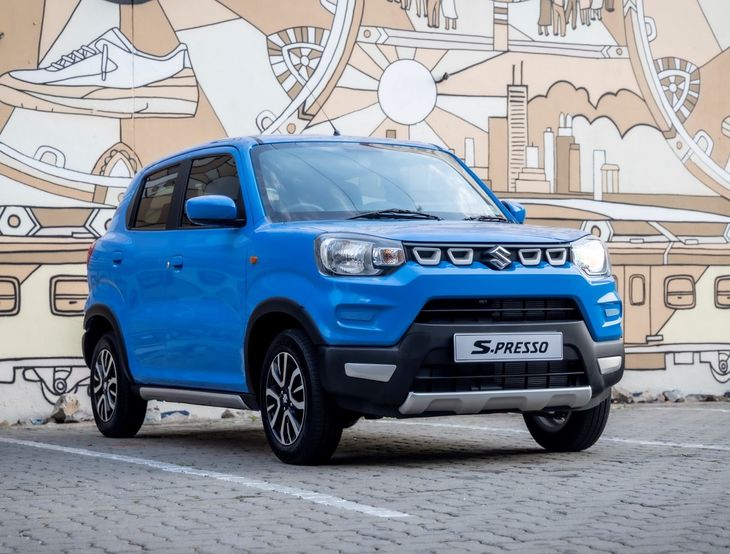
1. Suzuki S-Presso – From R162 900
The Suzuki S-Presso remains a popular choice in the entry-level segment and the Japanese firm recently introduced an updated S-Presso to market boasting better fuel efficiency and safety features. Pricing for the S-Presso starts from R162 900 and goes all the way up to R199 900 for the range-topping S-Spresso 1.0 S-Edition automatic. The S-Presso is powered by an updated 3-cylinder, 1.0-litre petrol engine with 49 kW and 89 Nm of torque and is offered with a 5-speed manual or 5-speed automated manual transmission.
Estimated monthly repayment over a 72-month period starts from R3 018, making it one of the cheapest monthly payments for a new car available in South Africa.
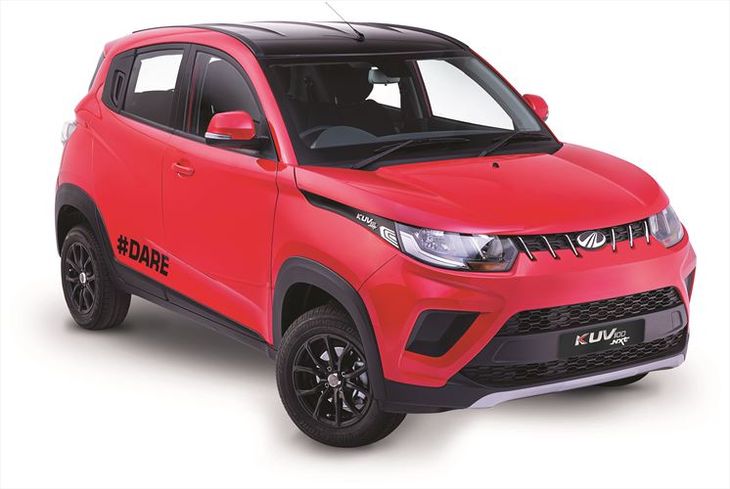
Mahindra’s KUV100 NXT is powered by a naturally aspirated 1.2-litre turbopetrol engine with 61 kW and 115 Nm of torque on offer and is mated with a 5-speed manual transmission.
If you’re looking for a cheap monthly instalment car, Mahindra KUV100 NXT comes in at an estimated monthly payment starting from R3 205 per month over 72 months.
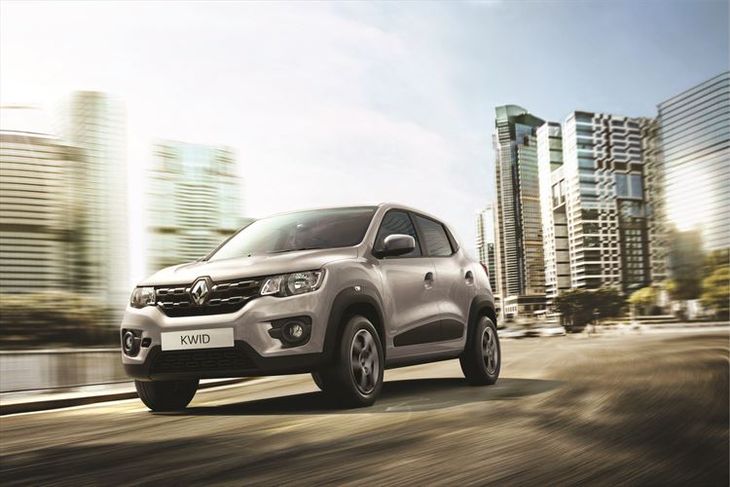
The Kwid is one of the most popular affordable cars in South Africa and the Kwid Life and Kwid Zen are available to buyers for under R3 500 per month. The Kwid is powered by a 3-cylinder, 1.0-litre petrol engine with 50 kW and 91 Nm of torque on offer with a 5 speed manual transmission directing power to the front wheels.
Estimated monthly instalments for a brand new Renault Kwid over 72 months start from R3 353.
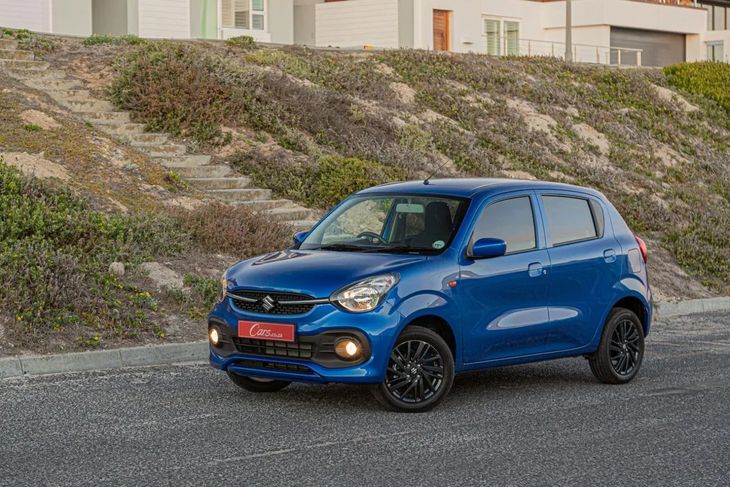
A new Suzuki Celerio came to market this year and it’s powered by a 1.0-litre petrol engine with 49 kW and 89 Nm of torque mated with a 5-speed manual transmission.
If you opt for the base Celerio GA, your affordable monthly repayment over 72 months will be approximately R3 314.
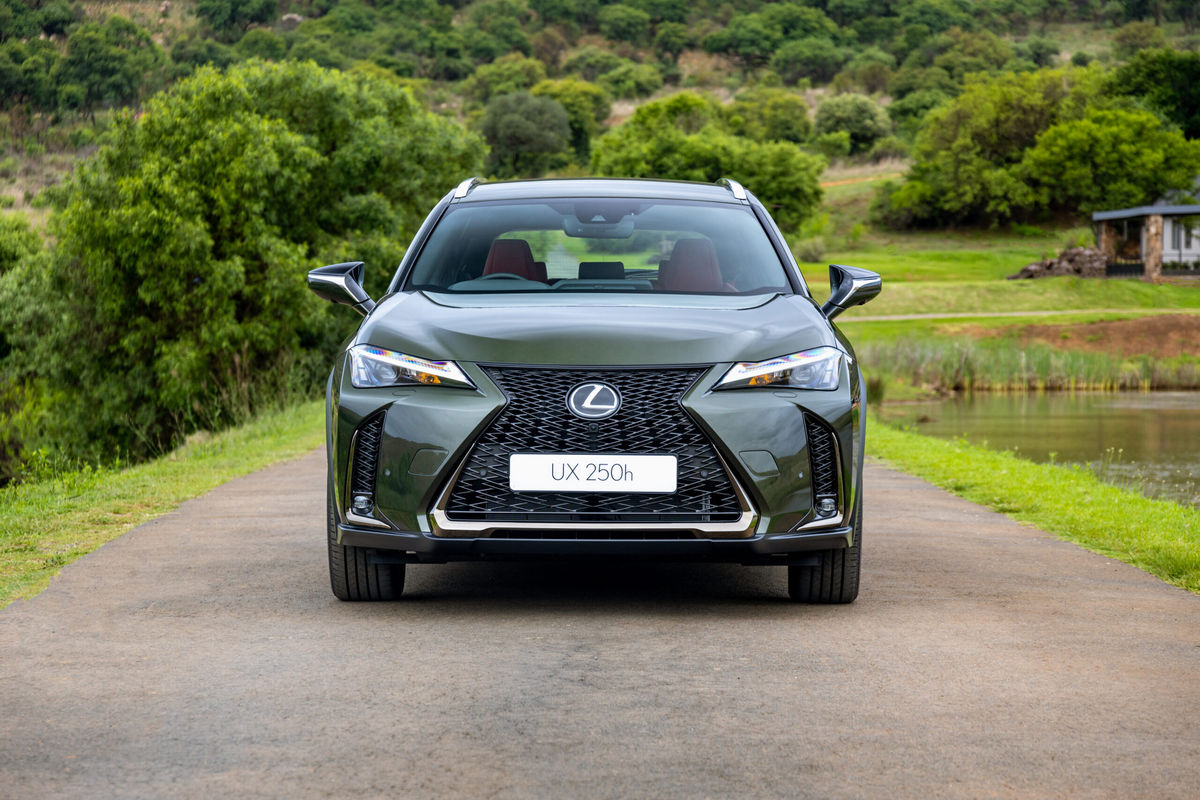
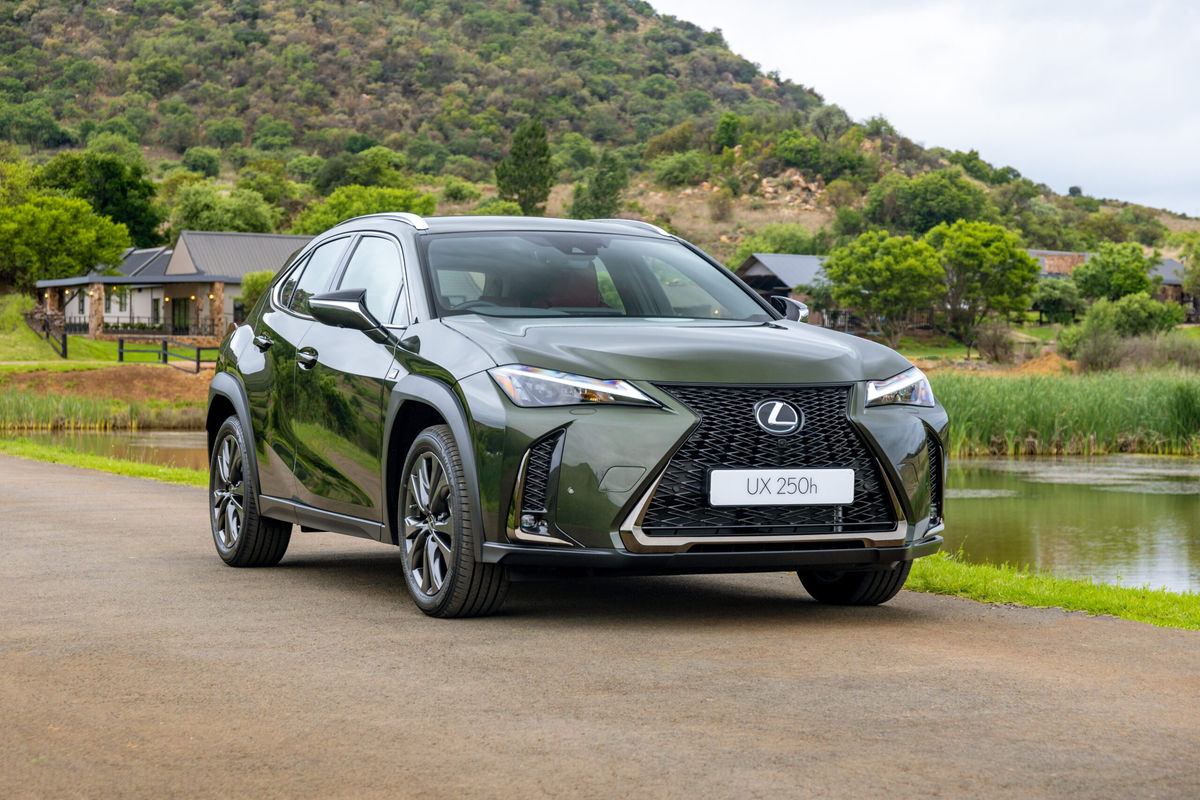
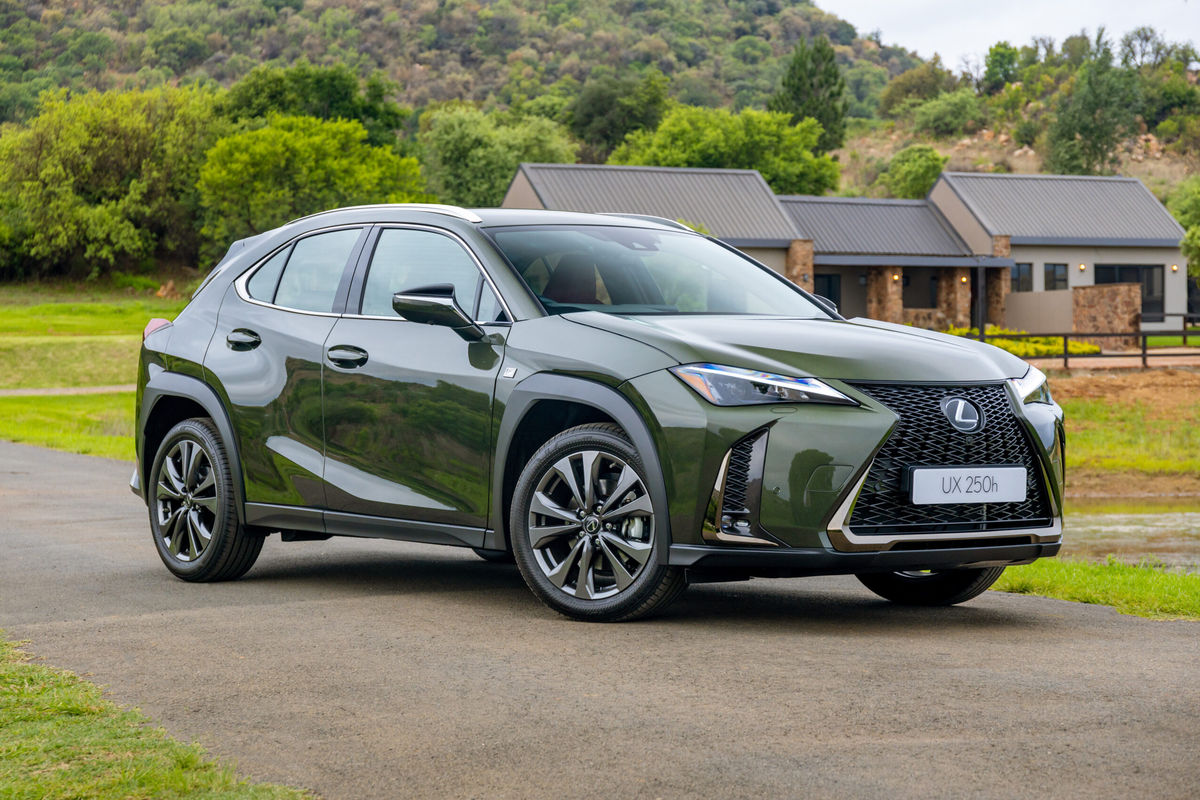
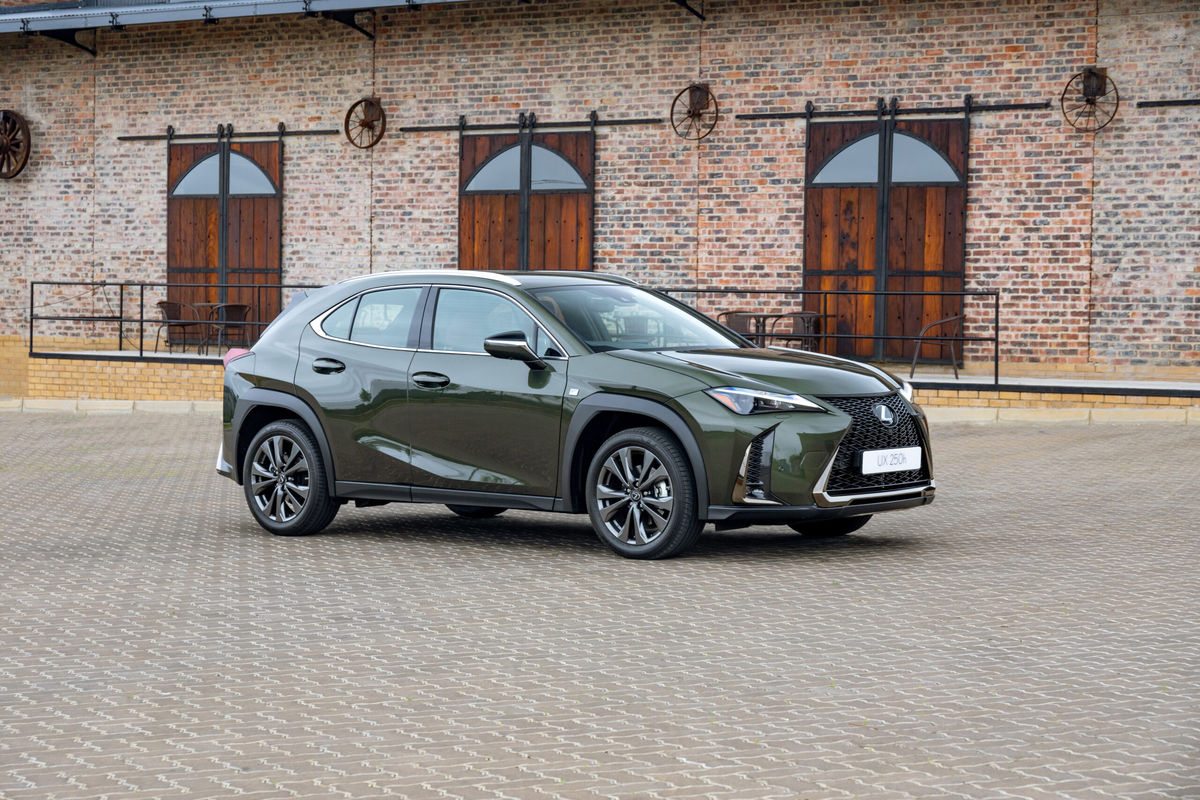
The Lexus UX is one of the Japanese premium brand’s most popular models in South Africa; this 2023 upgrade is aimed at tweaking an already successful recipe.
What’s new with the 2023 Lexus UX?
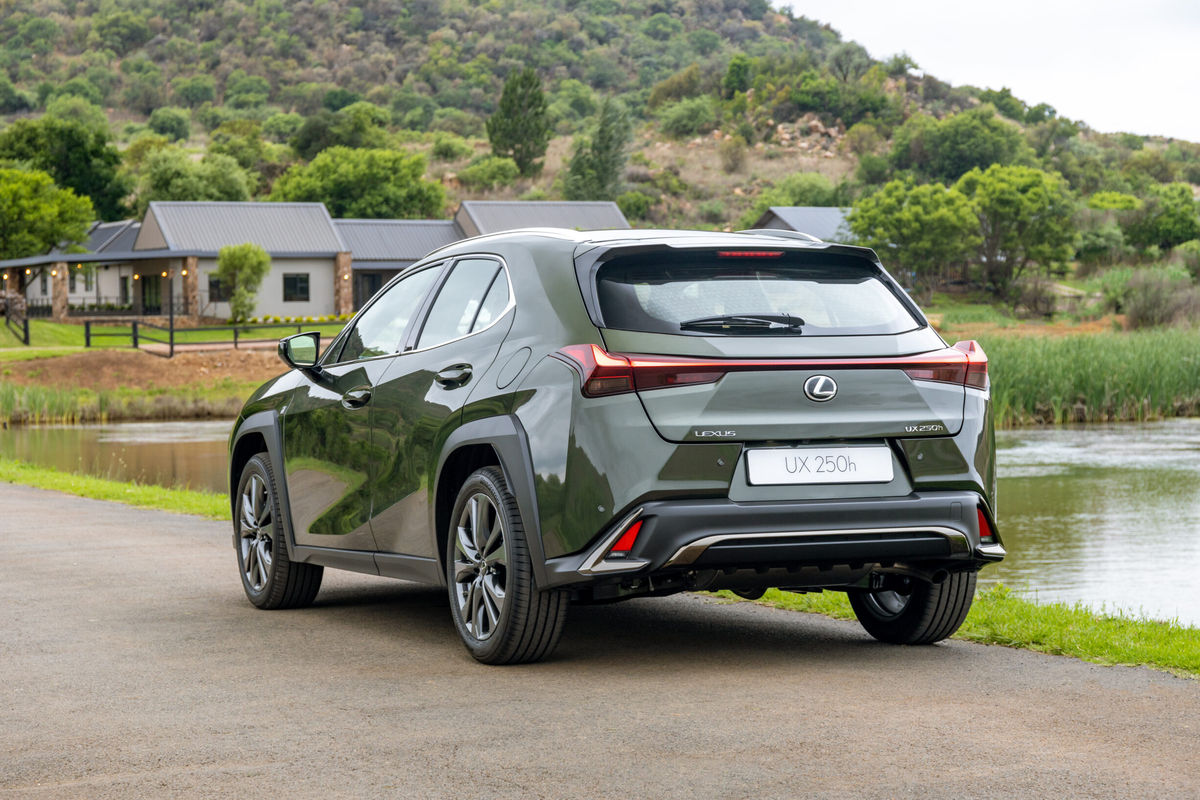
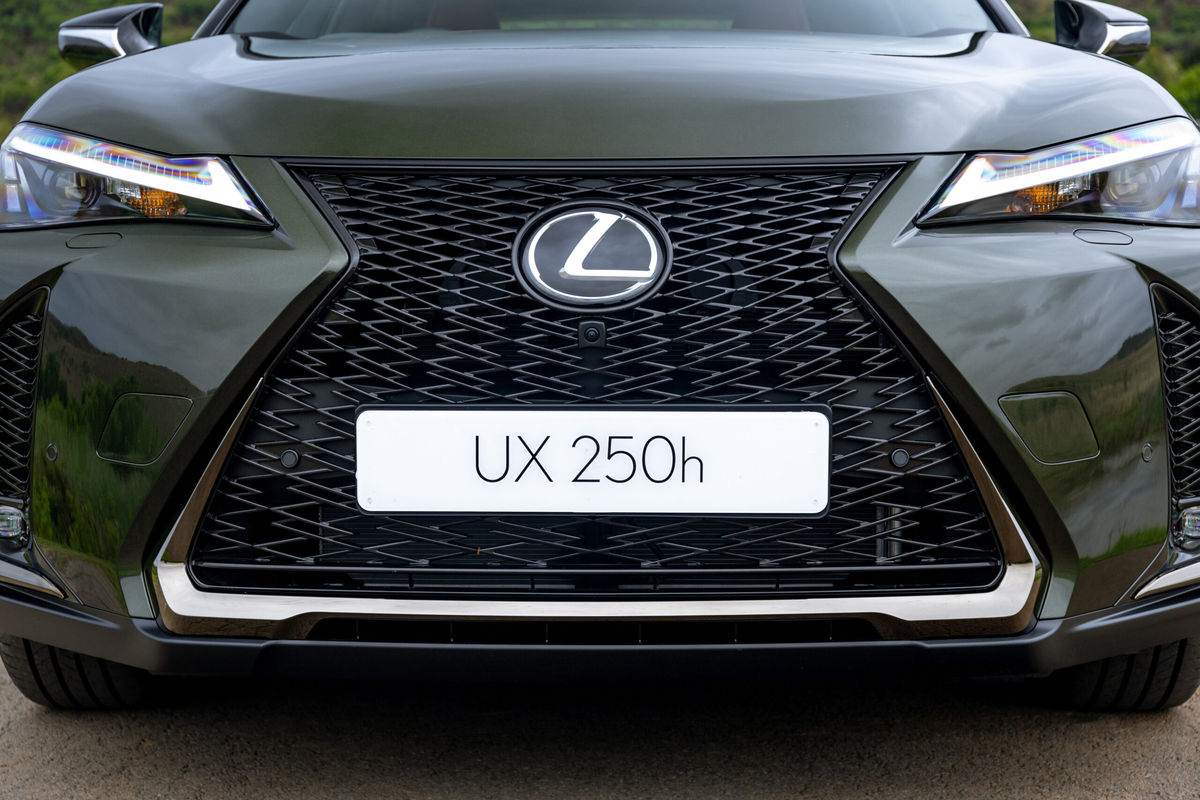
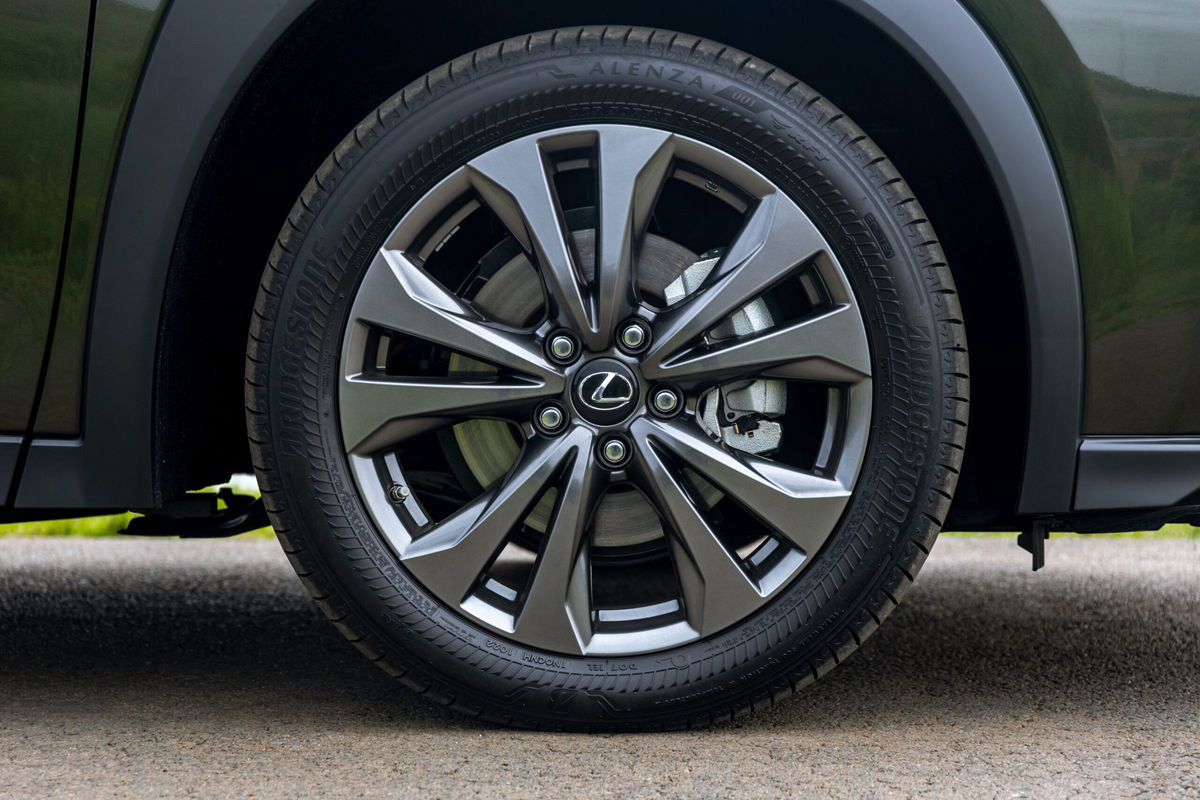
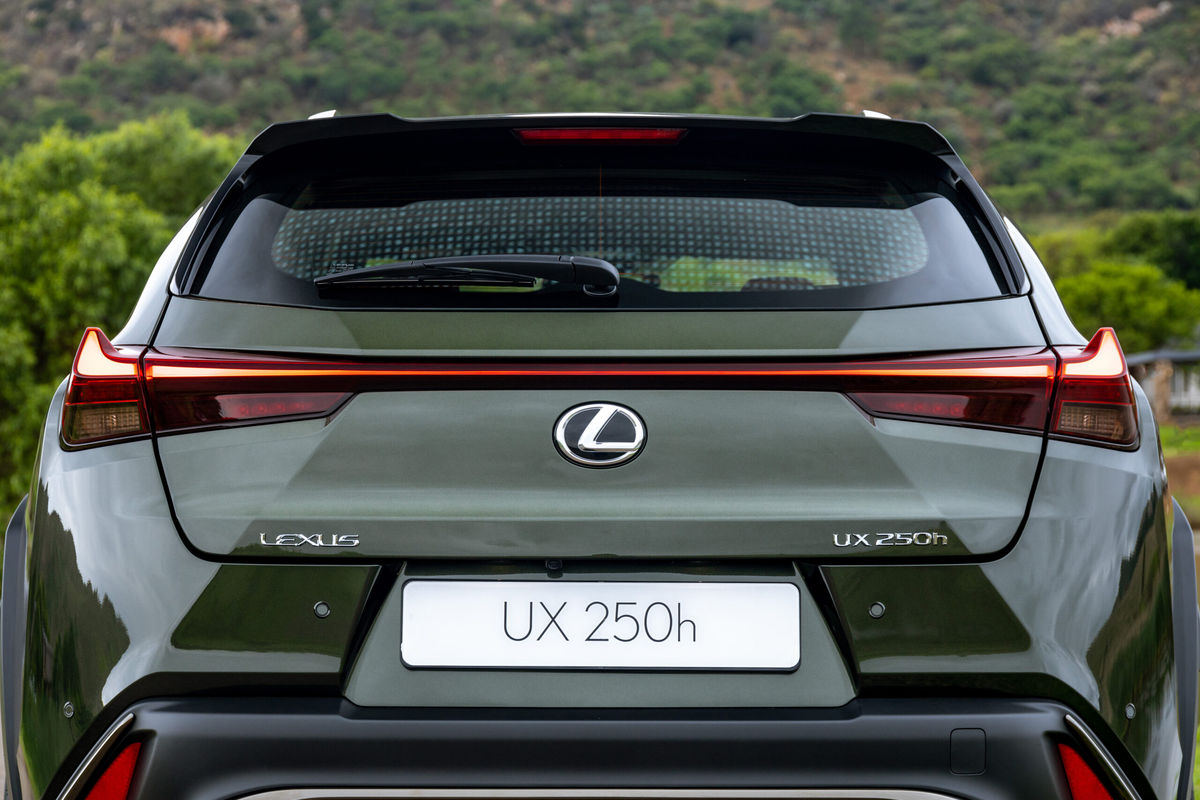
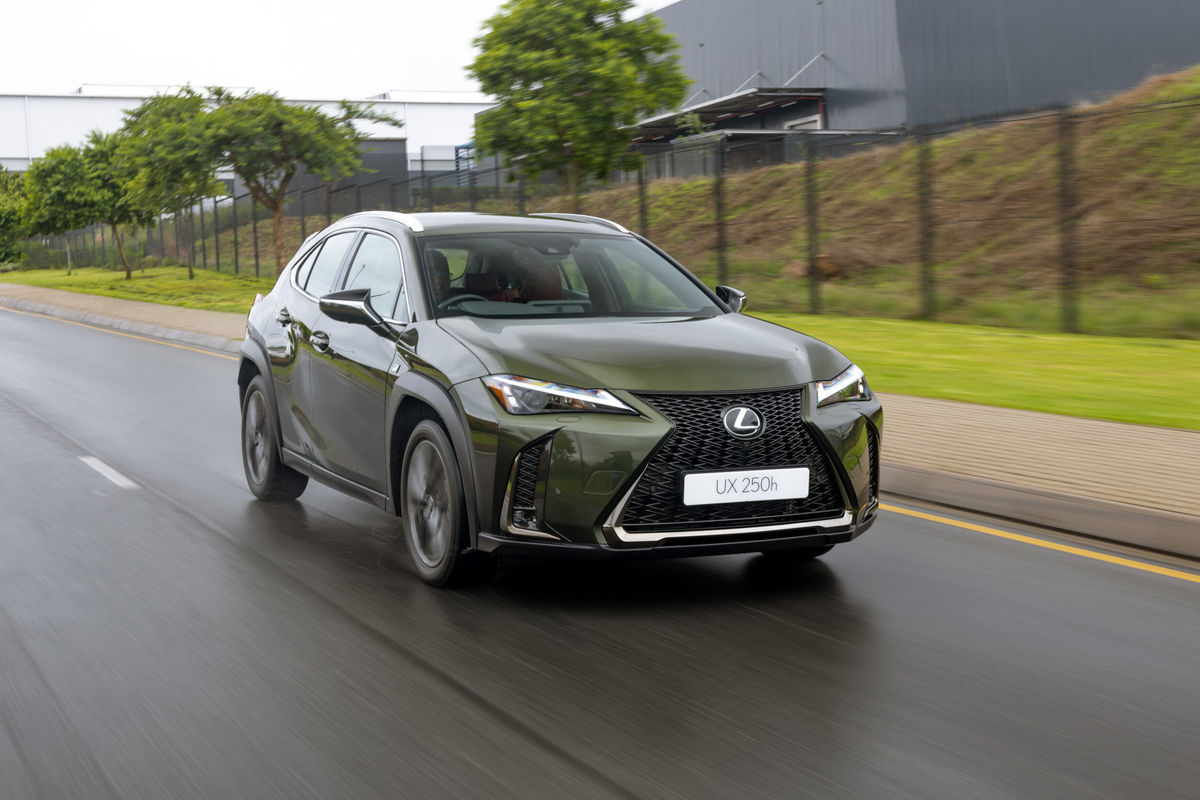
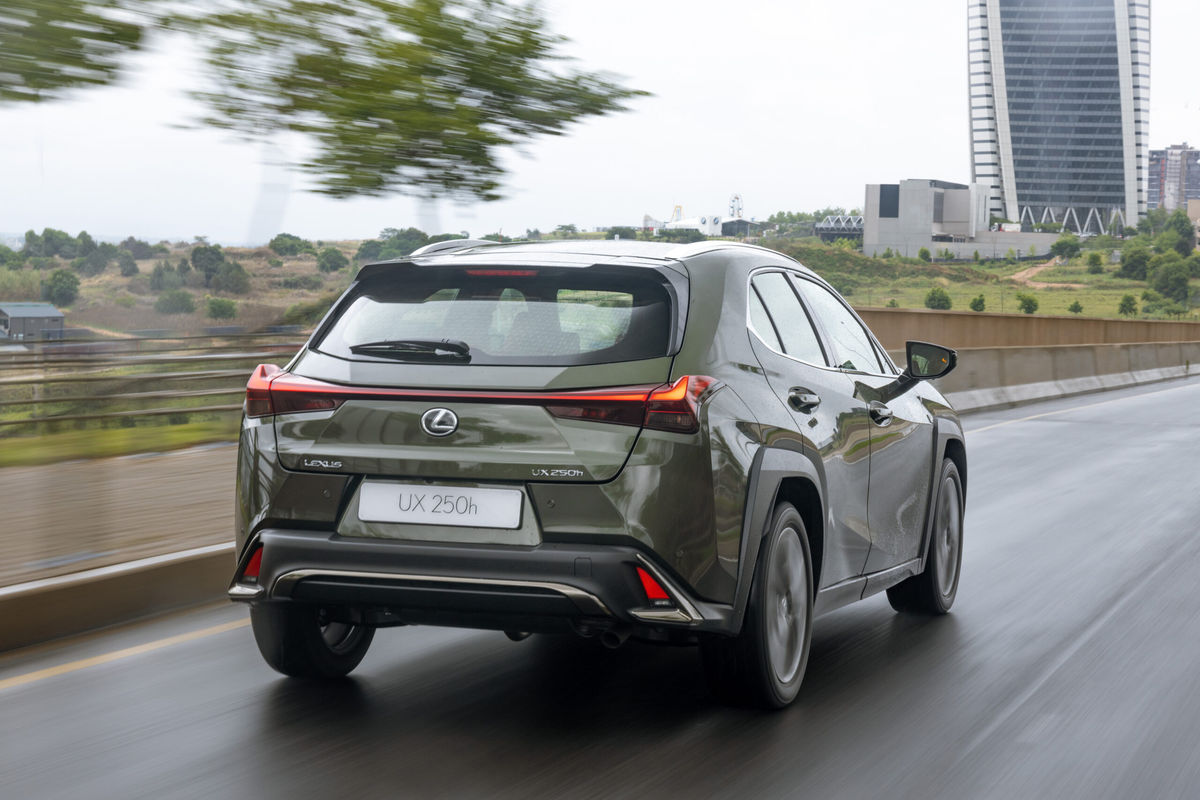
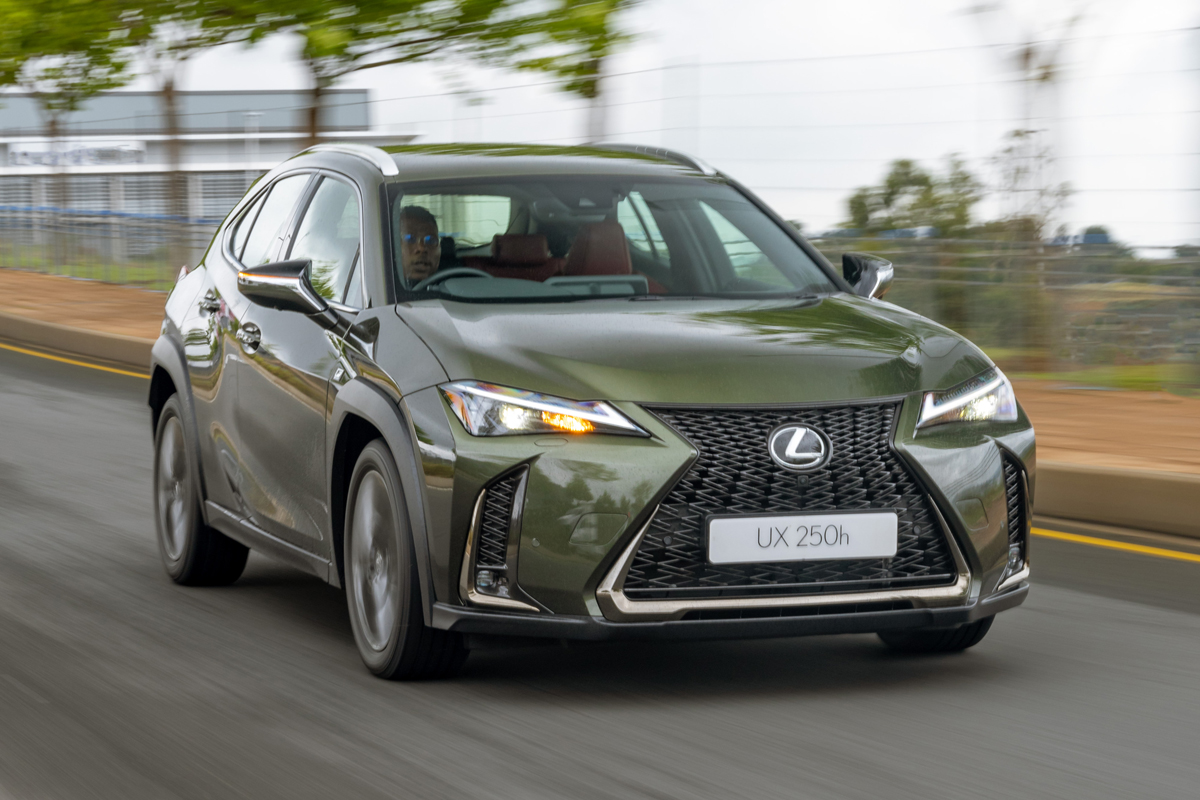
At first glance, you’d be hard-pressed to point out the aesthetic differences between this “new” 2023 Lexus UX and its predecessor; the exterior updates are really rather minor. Having said that, there are a few fresh paint finishes to choose from, as well as striking bi-tone options for the F Sport flagship.
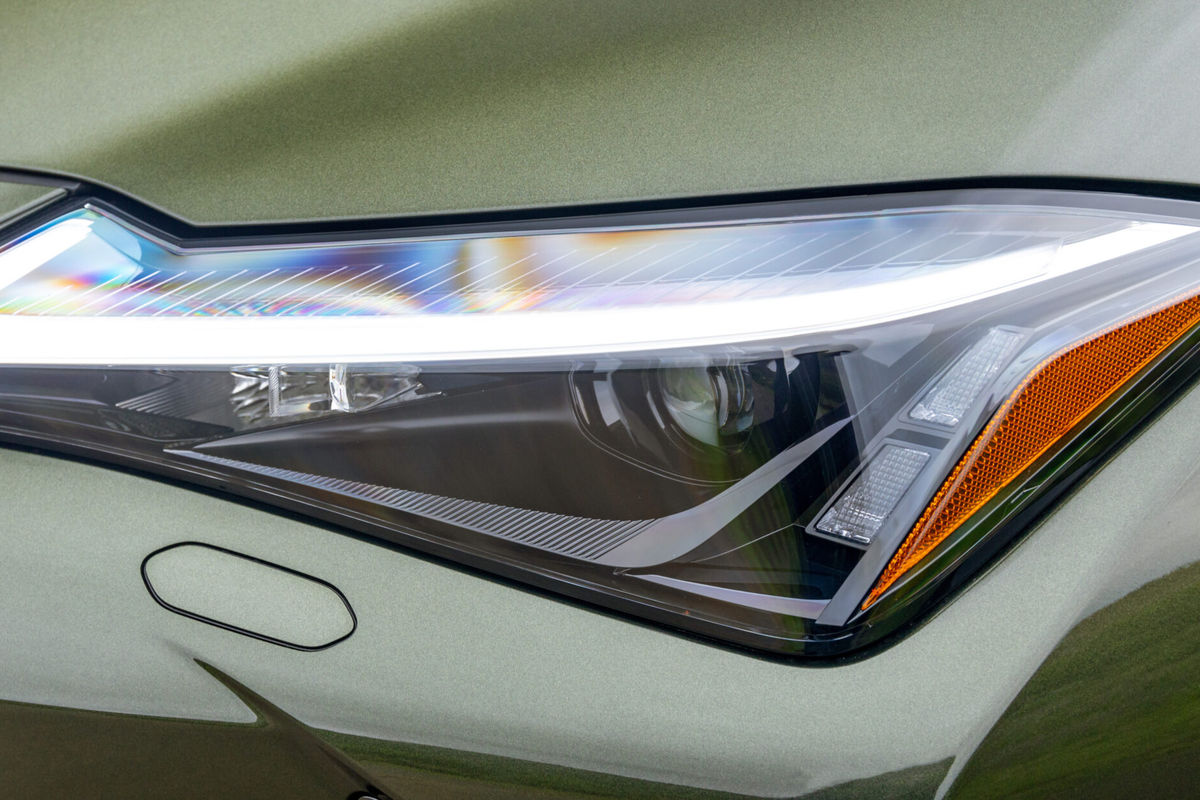
The cosmetic updates to the Lexus UX’s exterior are minor, but include redesigned headlamp clusters.
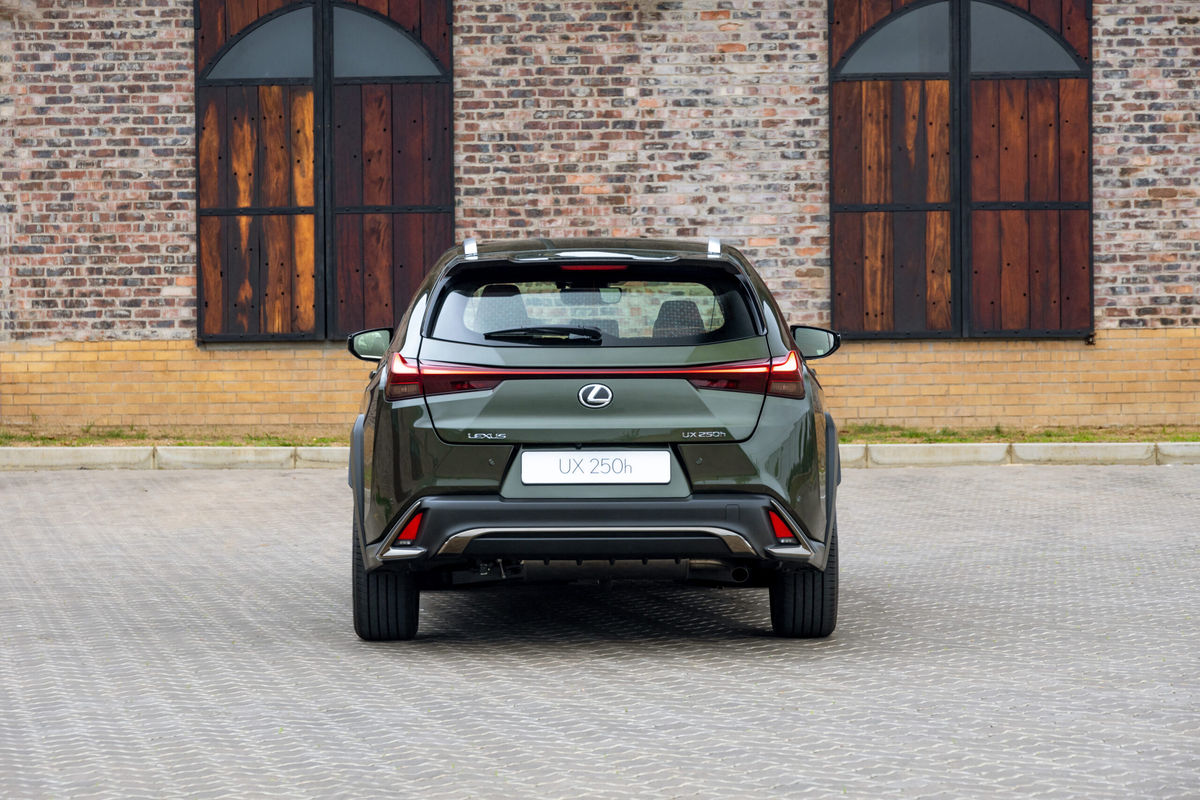
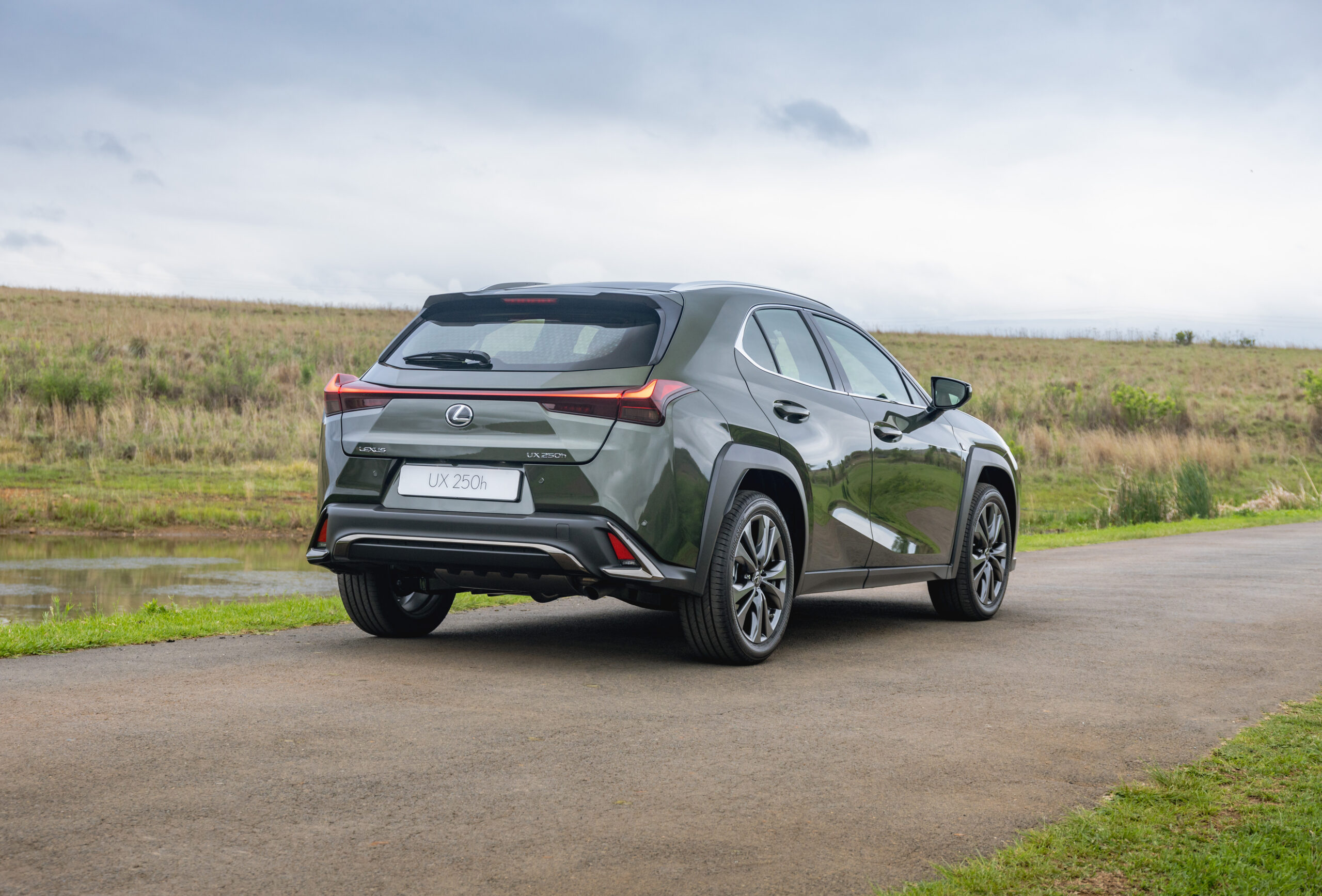
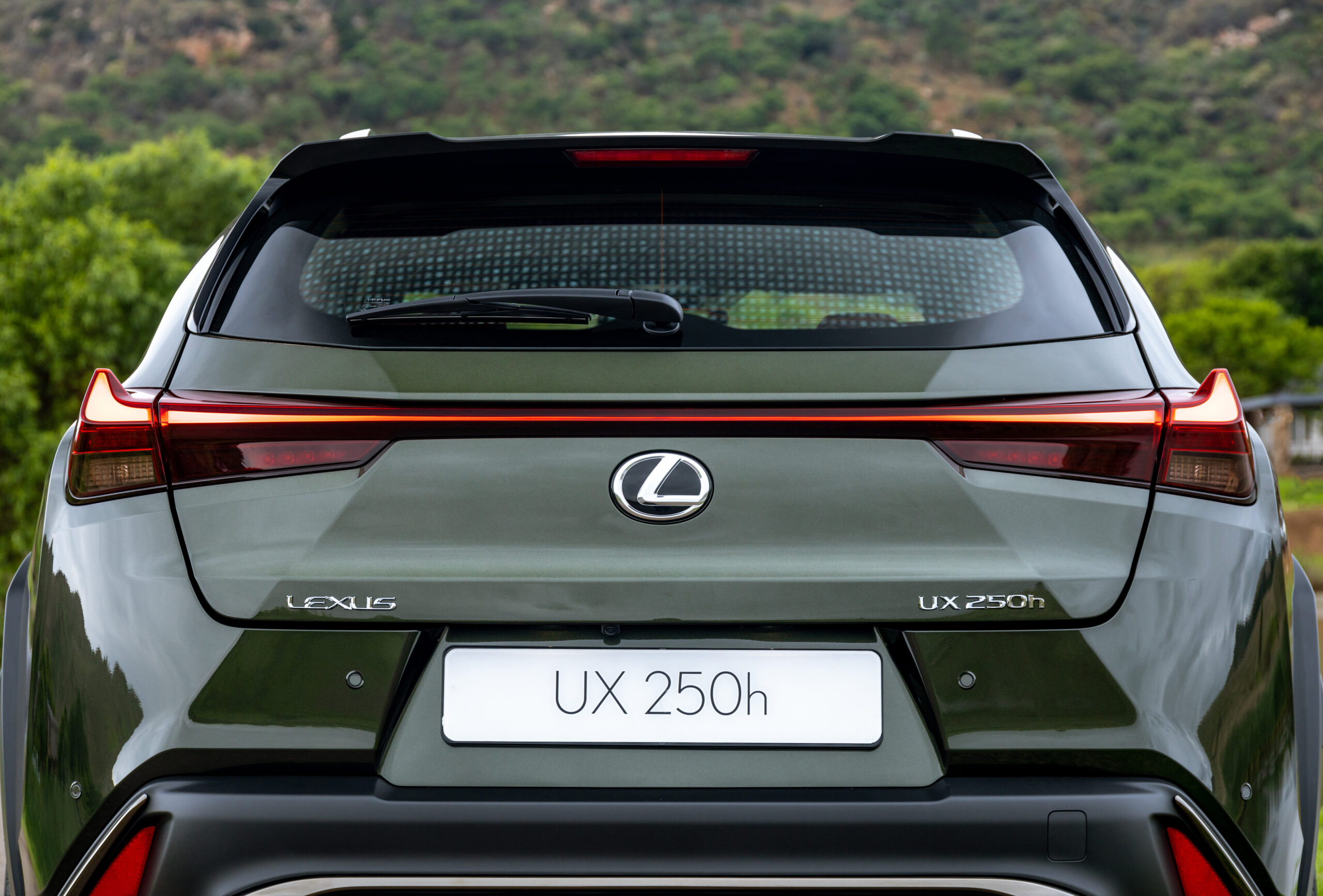
If you look really closely (and have the old car around for reference), you may notice slight revisions to the UX’s head- and tail lamps, plus its exterior mirrors, which are darker. Not that it matters – it remains a handsome little machine. I particularly appreciate the way that the rear clusters are shaped like little fins.
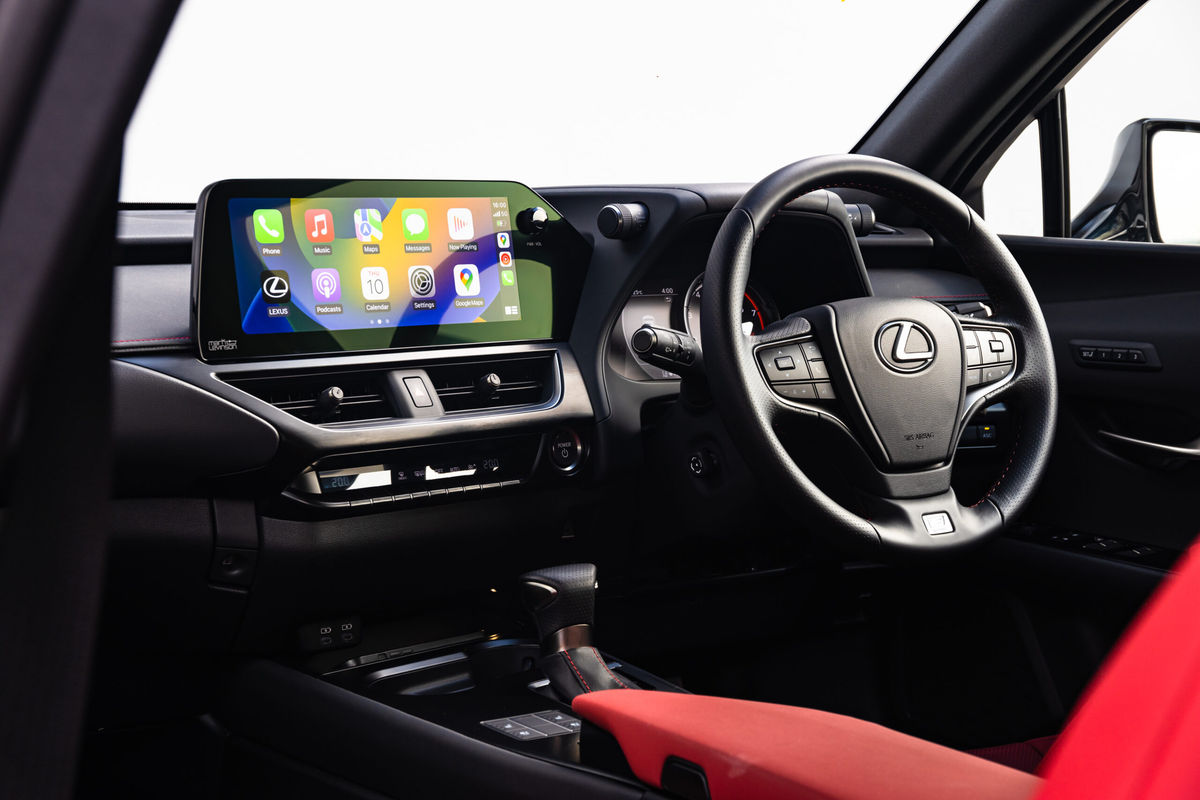
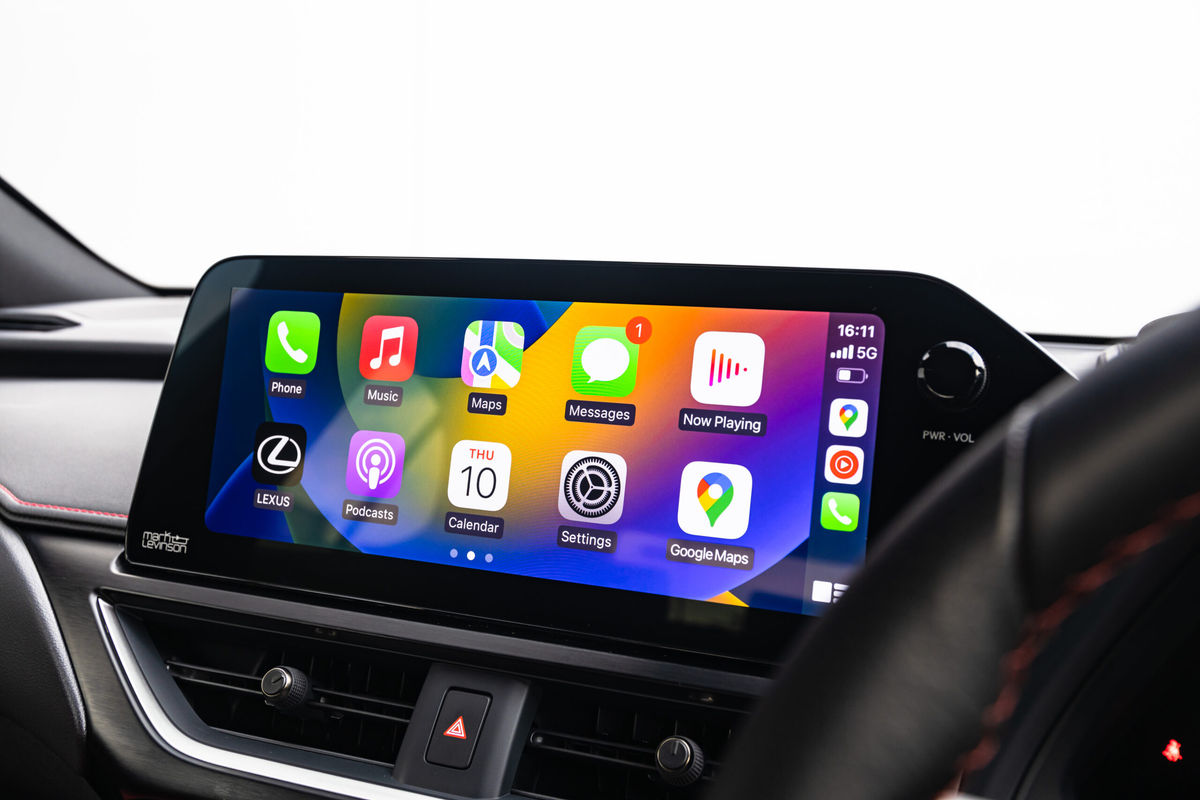
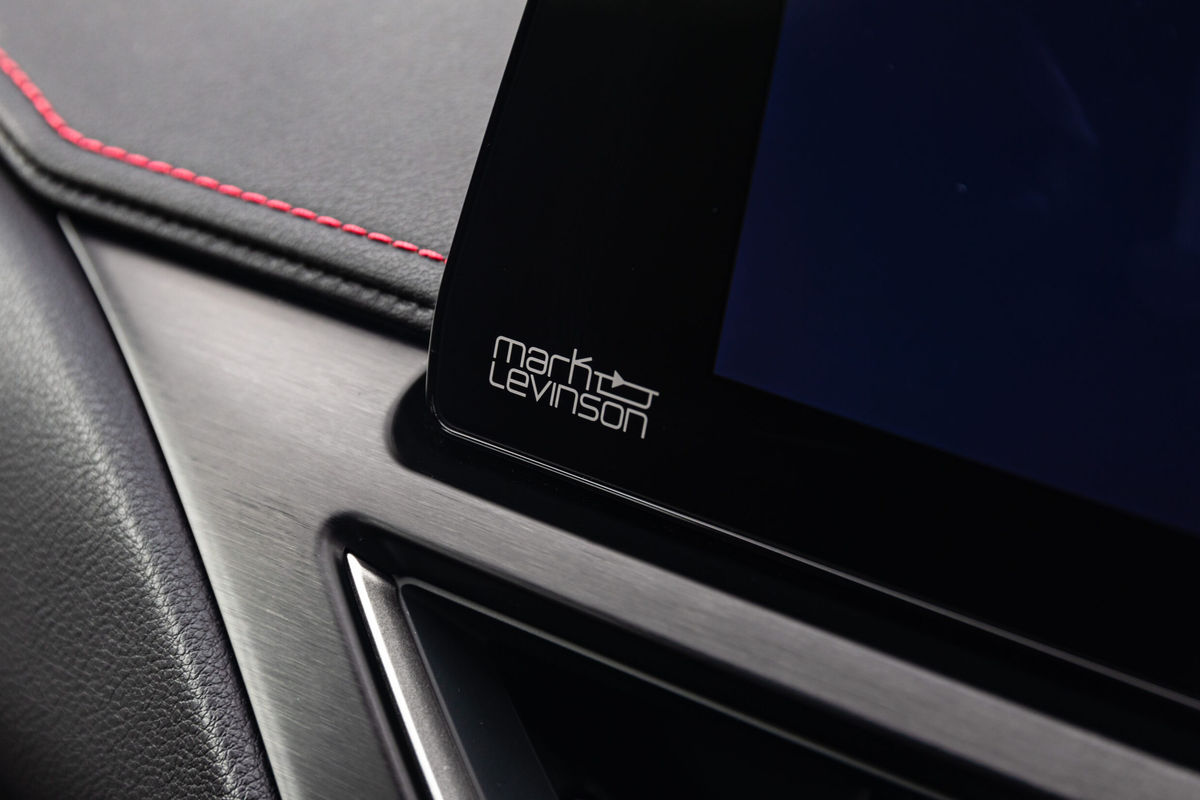
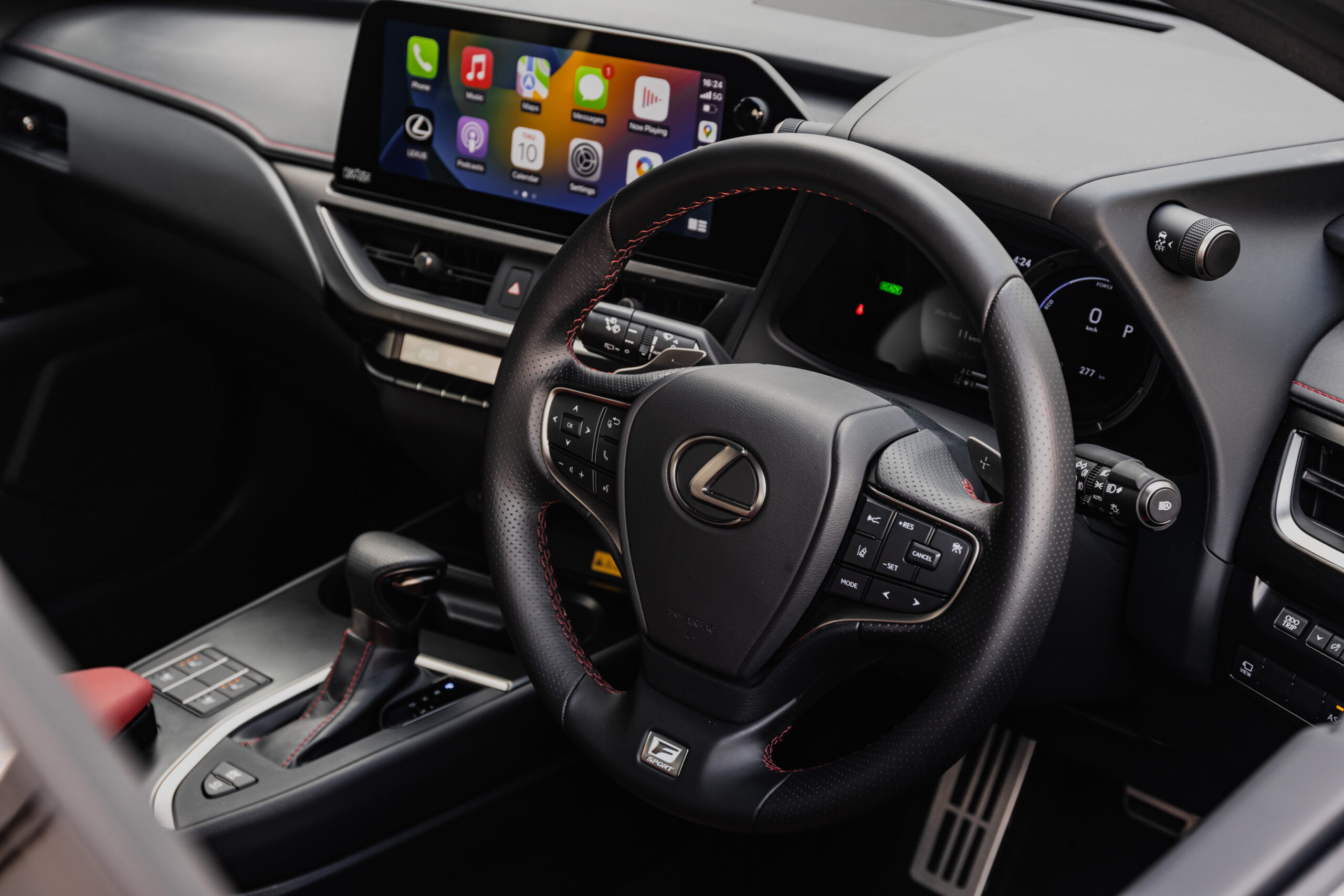
The changes in the cabin are much further-reaching, however. The main attraction is the new 12.3-inch touchscreen, which substitutes the older model’s fiddly trackpad system. The screen has superbly crisp graphics and is mounted 143 mm further forward than before, which makes it much easier to reach.
The interior build quality of the Lexus UX 250h exceeds that of the Alfa Romeo Tonale.
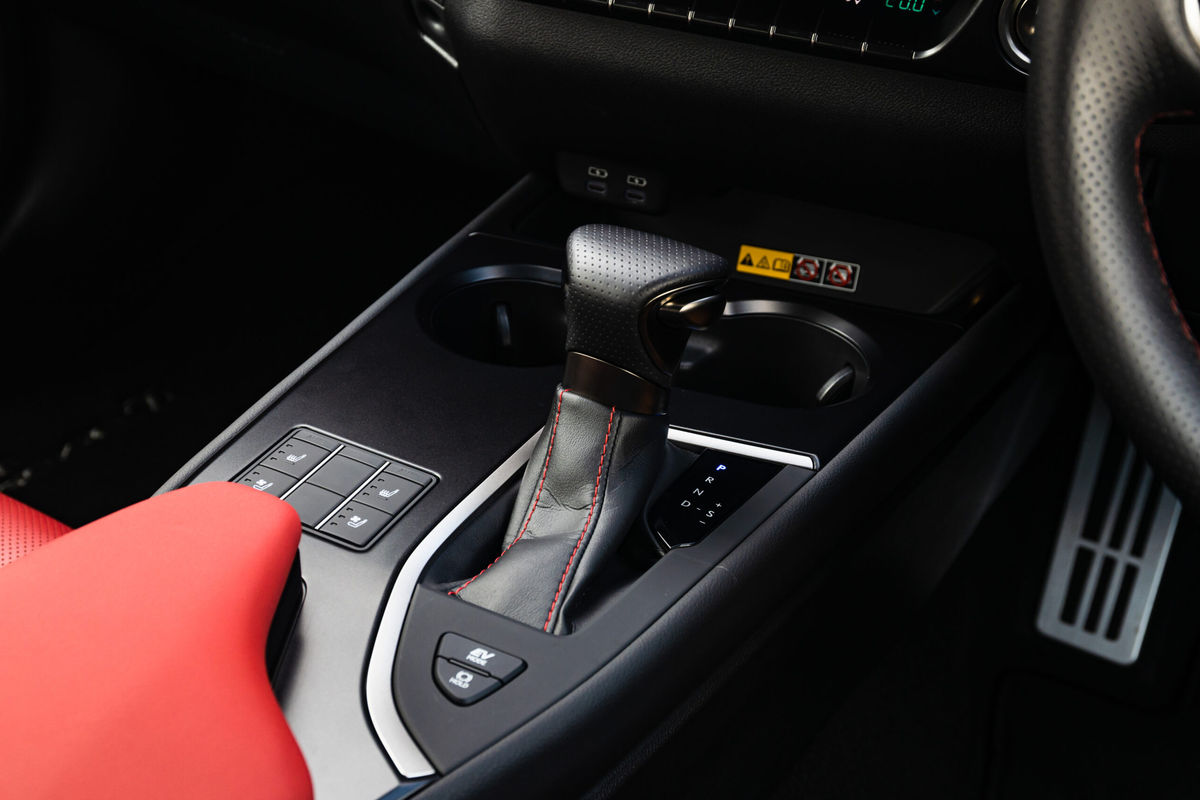
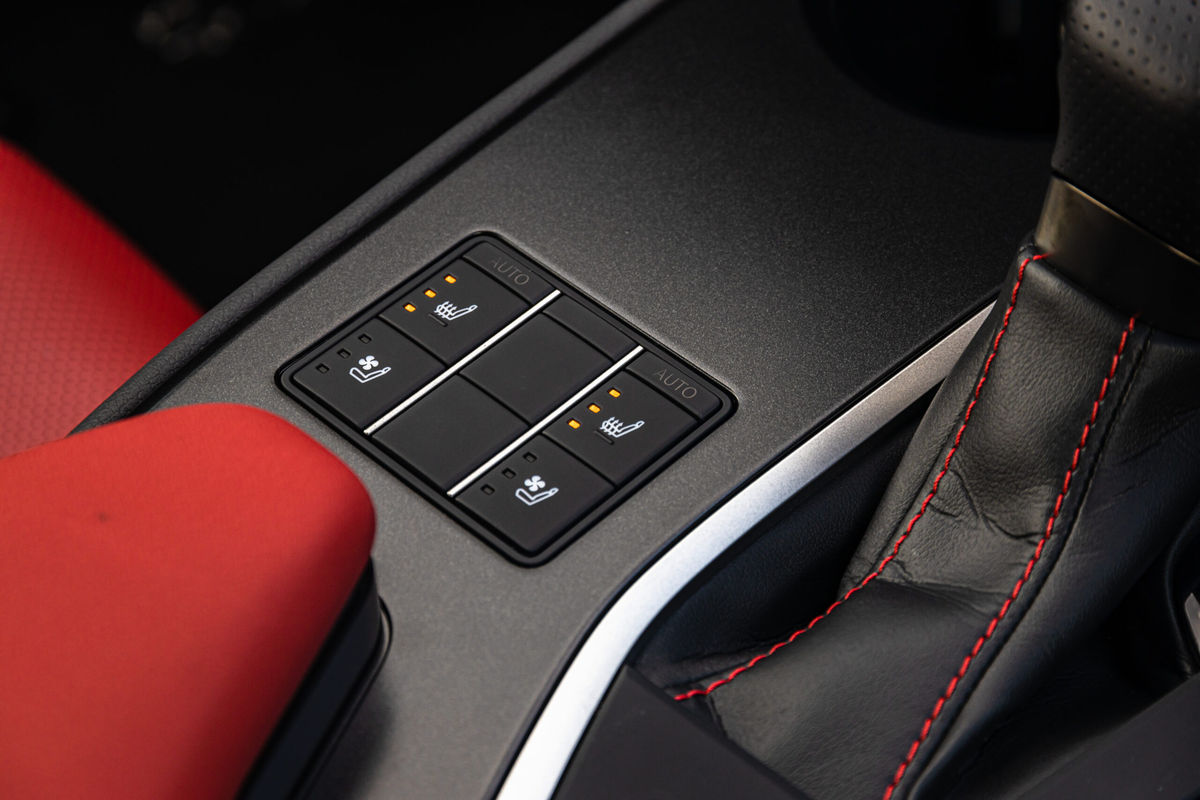
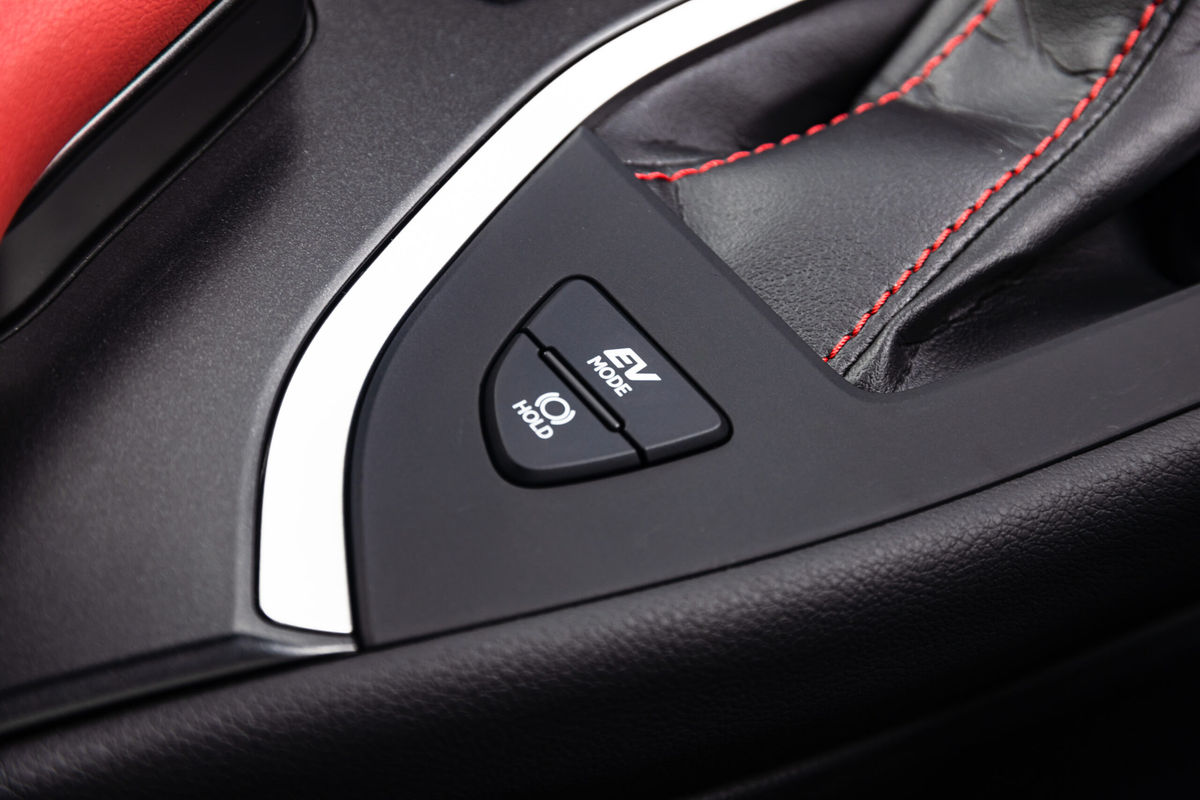
The fitment of the sizeable touchscreen has also freed up space on the transmission tunnel, where Lexus has positioned the seat-heater controls. There is also an illuminated tray in front of the air-conditioning control panel, which is big enough to accommodate a large, modern smartphone.
This neatly brings us to the next major area of improvement – connectivity. The UX comes equipped with “always connected” cloud-based navigation that provides access to real-time road and traffic info. Of course, provision is made for Apple CarPlay (wireless) and Android Auto (wired), plus software updates to the multimedia system can be installed “over the air”. An “old-school” USB-A port is fitted in the centre bin (of which the lid/armrest is cleverly hinged to provide access to the driver and front passenger). A USB-C outlet is also provided at the front, while rear occupants are availed with a pair of USB outlets.
The author appreciates that the Lexus UX’s rear light clusters are shaped like “little (dorsal) fins”.
Rear space, by the way, is reasonable (provided the front occupants are not too tall.) Headroom at the back is good (for my 1.8-metre frame), but the load bay (with a stated capacity of 268 litres) is small…
In terms of the 2023 Lexus UX’s safety features, the firm claims the Pre-Collision system has been optimised and that Intersection Turning Assist, which improves safety when turning across traffic, has been added. Emergency Steering Assist, in turn, helps a driver avoid obstacles without leaving their lane.
A nice touch to the all-speed dynamic cruise control system is the “Curve Speed Reduction” function, which automatically changes the vehicle’s speed to suit the radius of a bend.
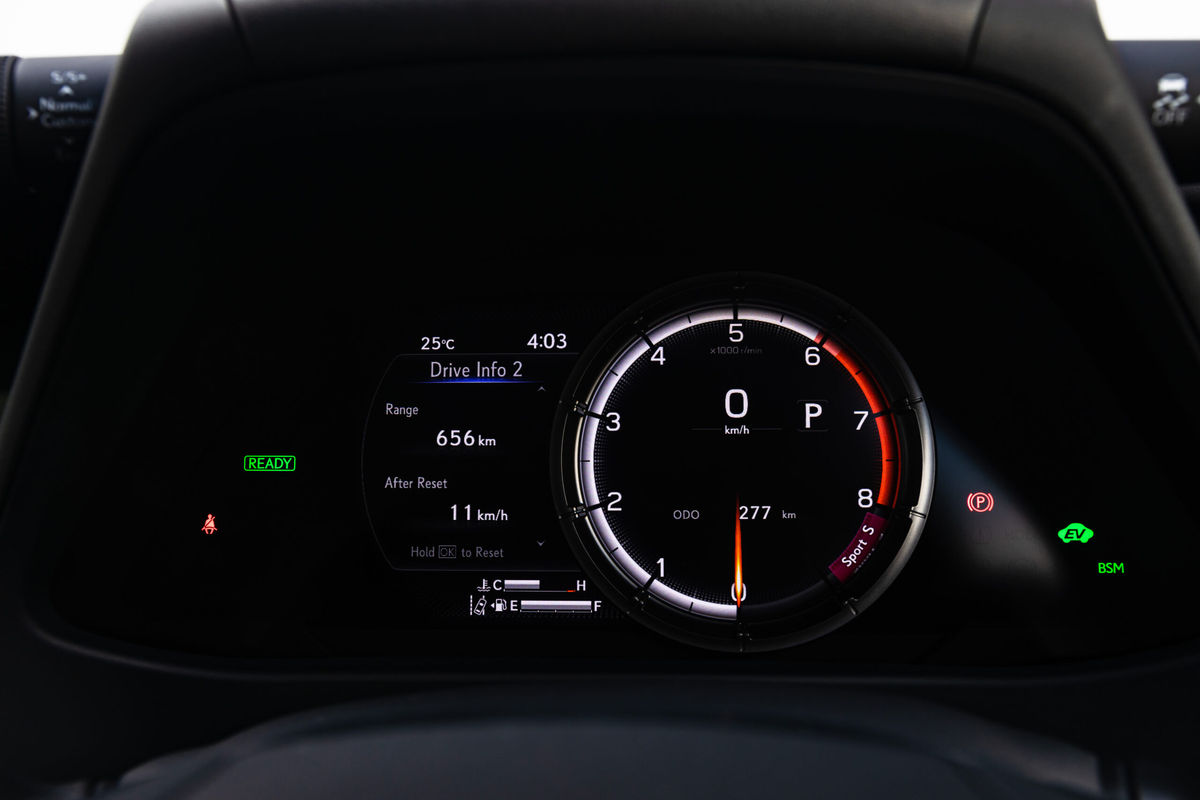
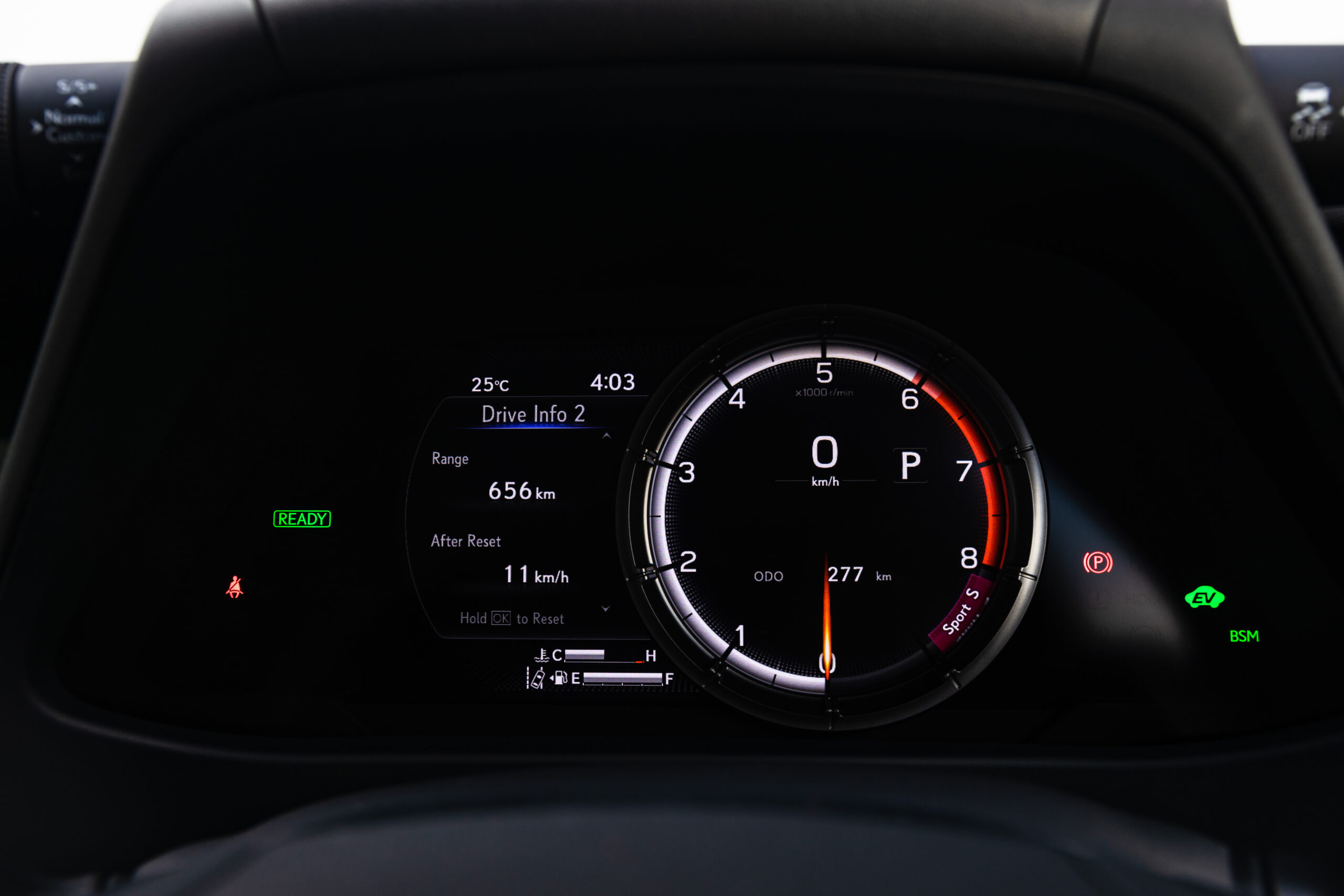
The Lexus UX 250h F Sport’s digital instrument cluster draws inspiration from the unit in the LFA supercar.
Unfortunately, I can’t comment on the effectiveness of these systems, because the EX derivative I drove doesn’t feature them. And that’s really one of my very few major gripes with the UX (besides its puny load bay)… Even an entry-level UX (the 250h EX) costs R808 600 (February 2023) and the offering would be significantly more competitive if it had a more comprehensive list of active safety features.
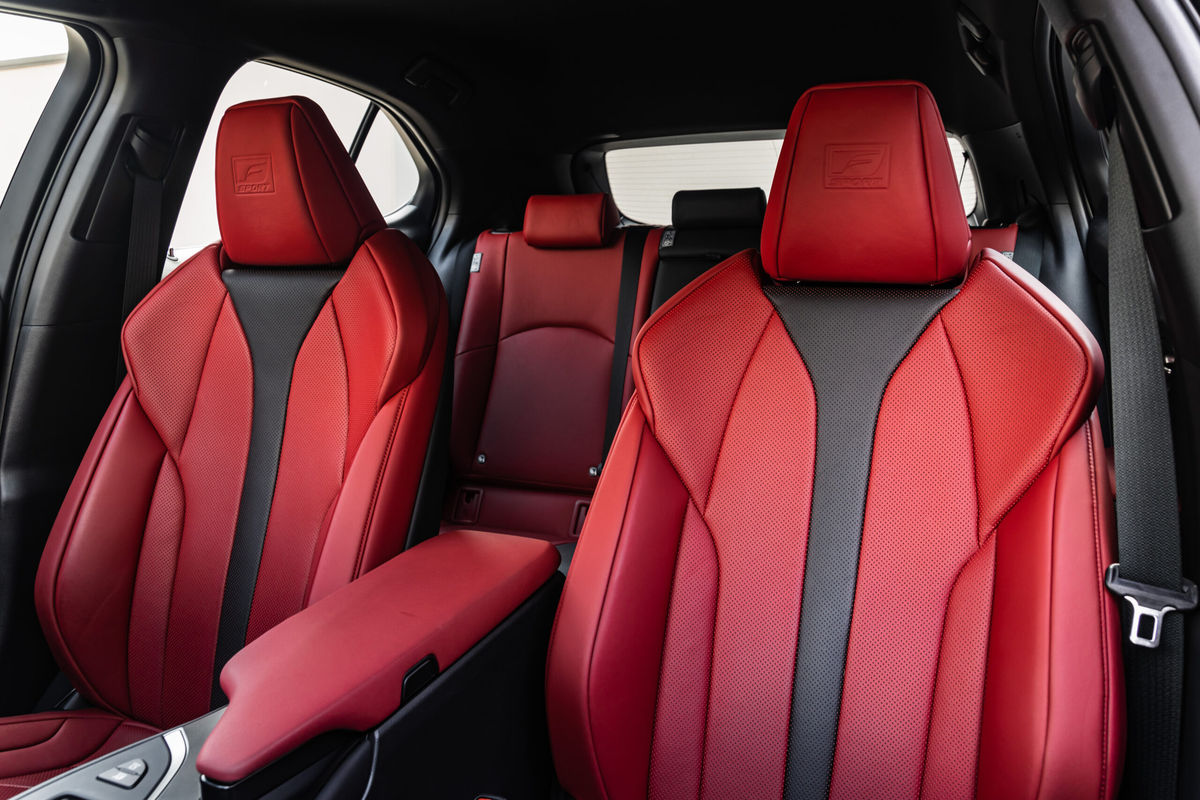
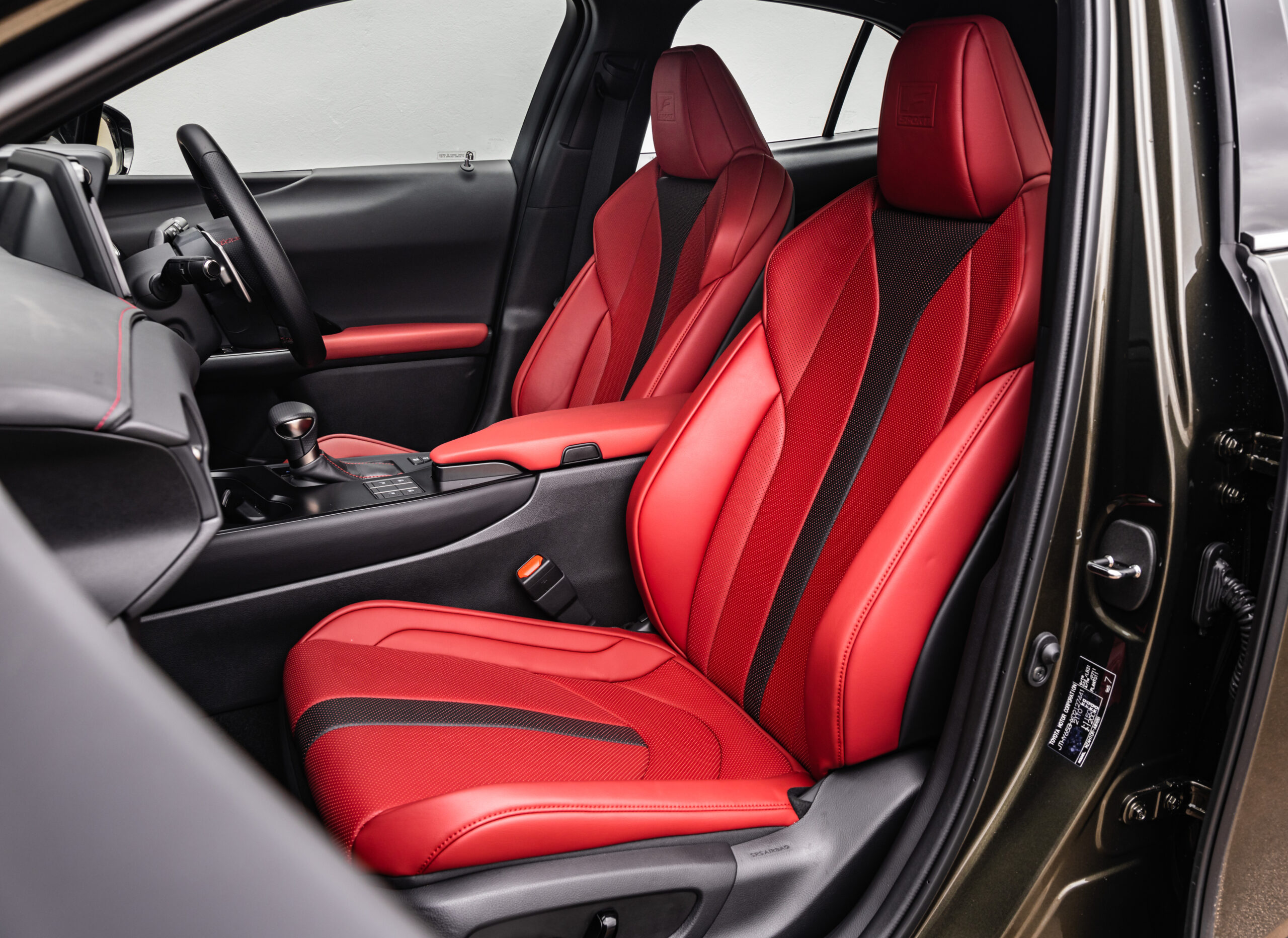
The cabin of the 2023 Lexus UX is superbly crafted (as we’ve come to expect from Lexus), with quality materials and fantastic attention to detail. In this regard, the UX is significantly more impressive than a rival such as the Alfa Romeo Tonale. What’s more, in the more expensive F Sport version, the design and quality impressions are ratcheted up by several more factors. You can choose between White, F Black and Flare Red for your UX 250h F Sport’s cabin, and the perforated leather upholstery has a fresh look too, with a new so-called “kagome” stitchwork pattern inspired by traditional Japanese basket weave.
It’s actually rather racy in the F Sport’s cabin, courtesy of the fitment of sports seats and a fancy digitally rendered instrument cluster that features a movable virtual ring, borrowed from the Lexus LFA supercar.
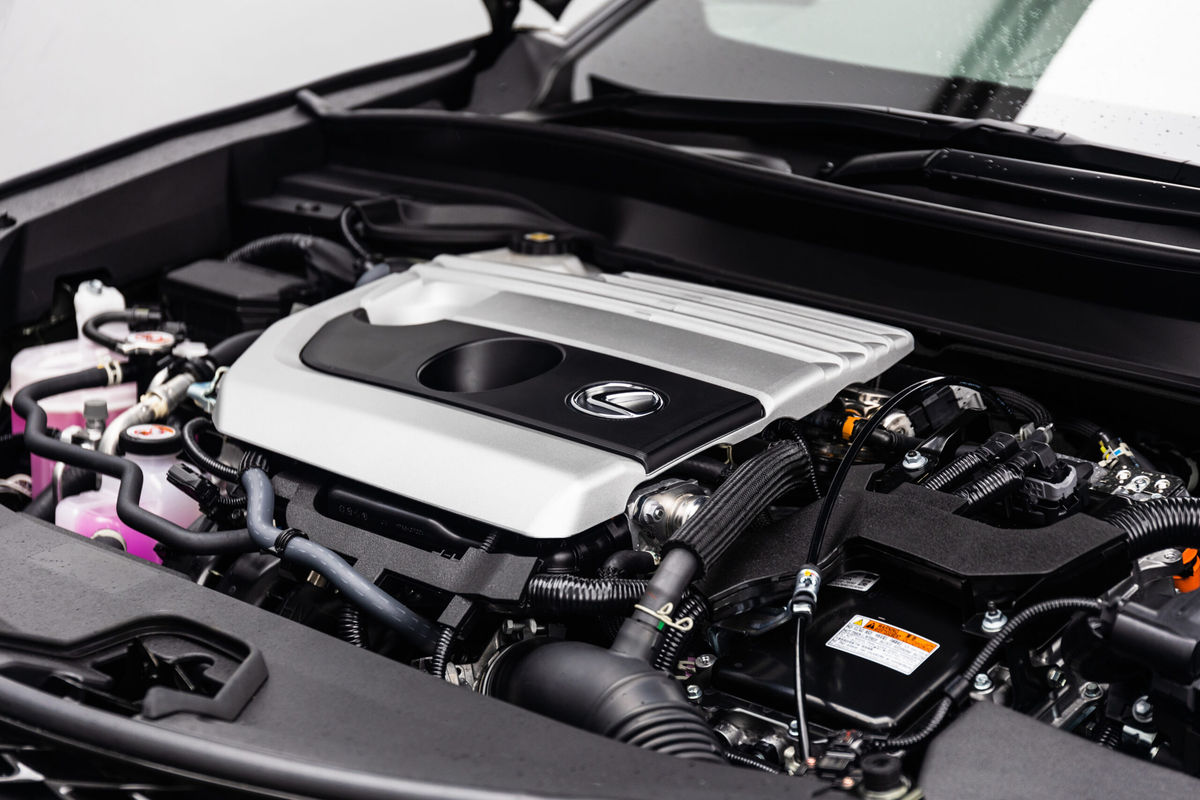
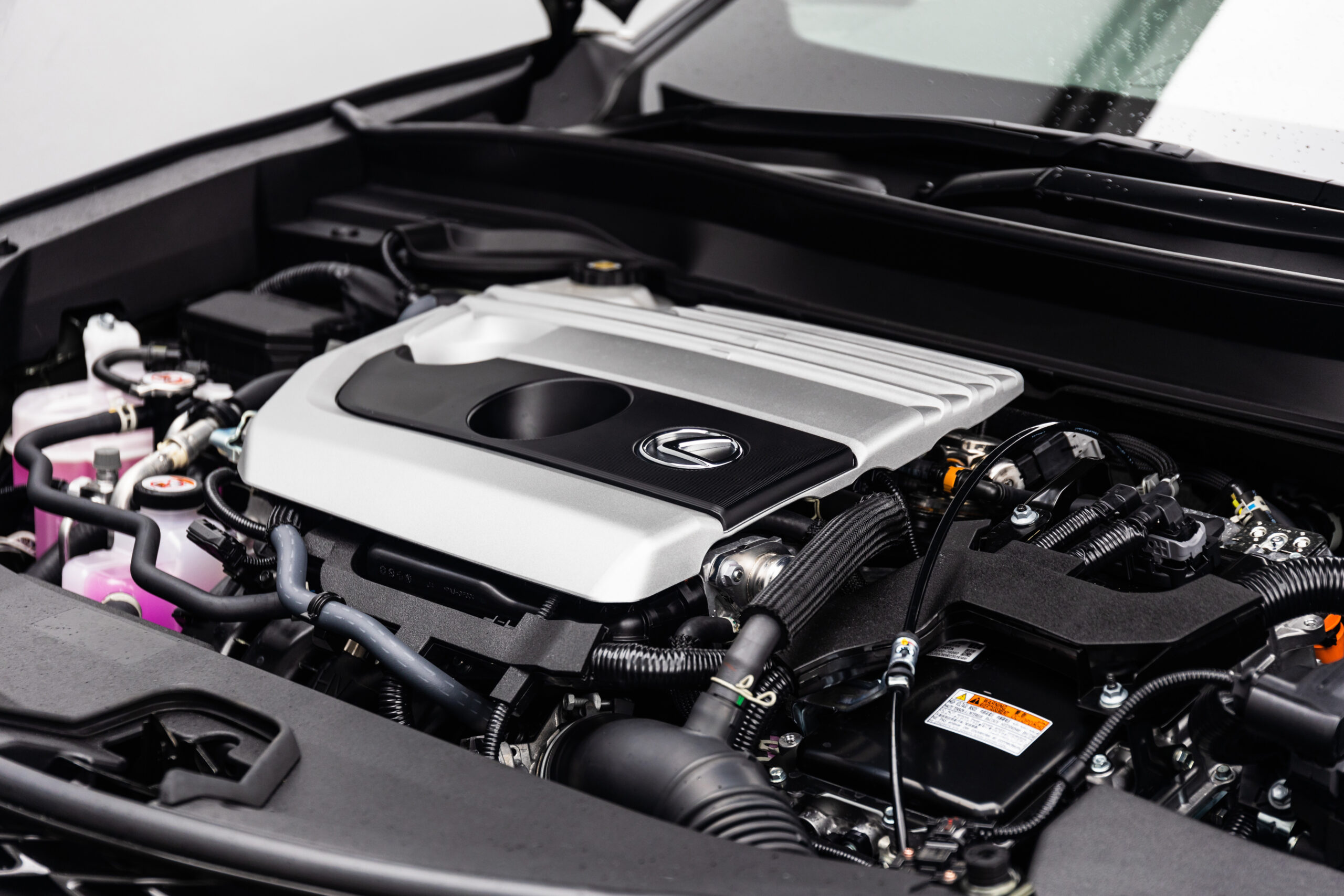
The 2.0-litre 4-cylinder petrol engine and 2 electric motors produce a combined total of 135 kW.
Efficiency and Performance
As before, all 2023 Lexus UX derivatives have petrol-electric hybrid powertrains with power coming from a combination of a 107 kW/180 Nm 2.0-litre 4-cylinder petrol engine paired with 2 electric motors. The total system output is a healthy 135 kW, and the UX250h is certainly no slouch. It delivers a wallop of torque when you floor the accelerator pedal (Lexus claims a brisk 0-100 kph time of 8.5 seconds).
The UX’s good performance doesn’t require too much of an efficiency sacrifice. Don’t expect to achieve Lexus’ claim of 4.5 L/100 km consistently; in reality, a return of about 5.8 L/100 km would be satisfactory.
Lexus describes the UX as a “Creative Urban Explorer” and says that the compact crossover’s target market is high-LSM 25- to 35-year-olds. The design brief was to deliver the “secure” feeling of a crossover/SUV with the driving quality of a hatchback. That’s pretty much a spot-on description.
The Lexus UX’s hybrid powertrain delivers a healthy wallop of torque when you flatten its accelerator pedal.
The entry-level 250h EX derivative doesn’t get the F Sport flagship’s new adaptive variable suspension (and Sport+ mode), but even the “baby” UX feels good to drive. Its steering is nicely weighted and the hushed cabin suggests that Lexus achieved excellent NVH (noise, vibration and harshness) control. The UX is quite stiffly sprung and rides on run-flat tyres (so, there’s no spare), but the damping is so well resolved that the ride quality only gets fidgety when the Lexus traverses very sharp bumps in the road.
Otherwise, the Lexus UX’s driving experience can be summed up as “pleasingly wieldy”. The 250h EX does offer Eco and Sport drive modes, however, and the latter does sharpen up responses a little.
The Lexus UX 250h F Sport is available with racy-looking Flame Red leather upholstery.
Rivals to consider
There aren’t too many direct rivals for the all-hybrid Lexus UX line-up, but you could take a look at the sporty new Alfa Romeo Tonale – in our view the Lexus is the more polished offering, however. If you are open to non-hybrid specific alternatives, then vehicles such as the highly-rated Volvo XC40, Mercedes-Benz GLA, Audi Q3/Q3 Sportback and new BMW X1 should factor into your consideration.
Lexus UX pricing and after-sales
UX250h EX
R792 700
UX250h SE
R874 300
UX250h F Sport
R928 900
UX250h F Sport Bi-tone
R939 300
All UX derivatives are sold with a class-leading 7-year/105 000 km warranty and full maintenance plan, as well as an additional 8-year/195 000 km hybrid battery warranty.
The UX (premium) compact crossover is Lexus’ most popular model in South Africa.
Summary
Consider this upgrade not so much a “significant revision” of the Lexus UX, but rather a far-reaching “sharpening up” of the model. There wasn’t much wrong with the UX in the first place, which is why Lexus merely carefully – and effectively – updated this model and added design/trim variety to up the appeal. If you’re looking for a premium, high quality and modern crossover that provides a solid first step into the world of NEVs (new-energy vehicles), the Lexus UX is certainly worthy of being on your shortlist.
All-new VW Polo Sedan Review – Is this the last sedan Volkswagen will ever sell in SA?
In our latest video Ciro De Siena gets behind the wheel of the new Volkswagen Polo sedan. Buying advice, specs and more here.
Why did sedans die? They were always the people’s champion, practical, cost effective, comfortable. But the crossover and SUV have certainly led to the demise of this once widely loved vehicle. Join Ciro De Siena as he reviews what he feels is the swansong of the sedan in SA.
The 2023 Volkswagen Polo Sedan 1.6 Life retails in South Africa for R360 000 for the manual version, but as we discovered, it is quite well specced at that price point. The ride is good too, with solid build quality in the cabin, although we couldn’t quite gel with the sea of beige interior colour.
In this video, we take a detailed look at the newcomer, with an emphasis on that enormous boot space.