The Department of Mineral Resources and Energy has announced official fuel price data for February 2023. All indicators point to a slight increase in fuel costs across the board.
The department of mineral resources and energy’s official statement read: The average Brent Crude oil price increased from 85.08 US Dollars (USD) per barrel to 86.16 USD per barrel during the period under review. The main contributing factor is the re-opening of the Chinese economy. The movement in international refined petroleum product prices, diesel, petrol and illuminating paraffin in particular followed the increasing trend in crude oil prices, while the prices of LPGas decreased due to lower propane and butane prices during the period under review. These factors led to higher contributions to the Basic Fuel Prices of petrol, diesel and illuminating paraffin by 92.74 c/l, 71.40 c/l and 78.21 c/l, respectively. The LPGas prices are decreasing due to the lower prices of Propane and Butane during the period under review.
The stronger Rand led to lower contributions to the Basic Fuel Prices of petrol, diesel and illuminating paraffin by 15.97 c/l, 18.79 c/l and 19.36 c/l respectively.
Fuel price increases for February 2023
As far as increases go, 93 and 95 octane petrol will rise by 28c per litre. 50ppm diesel will increase by 9c per litre and 5ppm diesel is set to increase by 0.84c per litre.
Fuel Prices in South Africa
Fuel Type
Jan 23 Inland
Jan 23 Coast
Feb 23 Inland
Feb 23 Coast
Petrol Unleaded 93
R21.10
R20.45
R21.38
R20.73
Petrol Unleaded 95
R21.40
R20.75
R21.68
R21.03
Diesel 0.05% (wholesale)
R21.23
R20.58
R21.32
R20.67
Diesel 0.005% (wholesale)
R21.41
R20.79
R21.42
R20.78
Fuel price data courtesy of thedepartment of mineral resources and energy
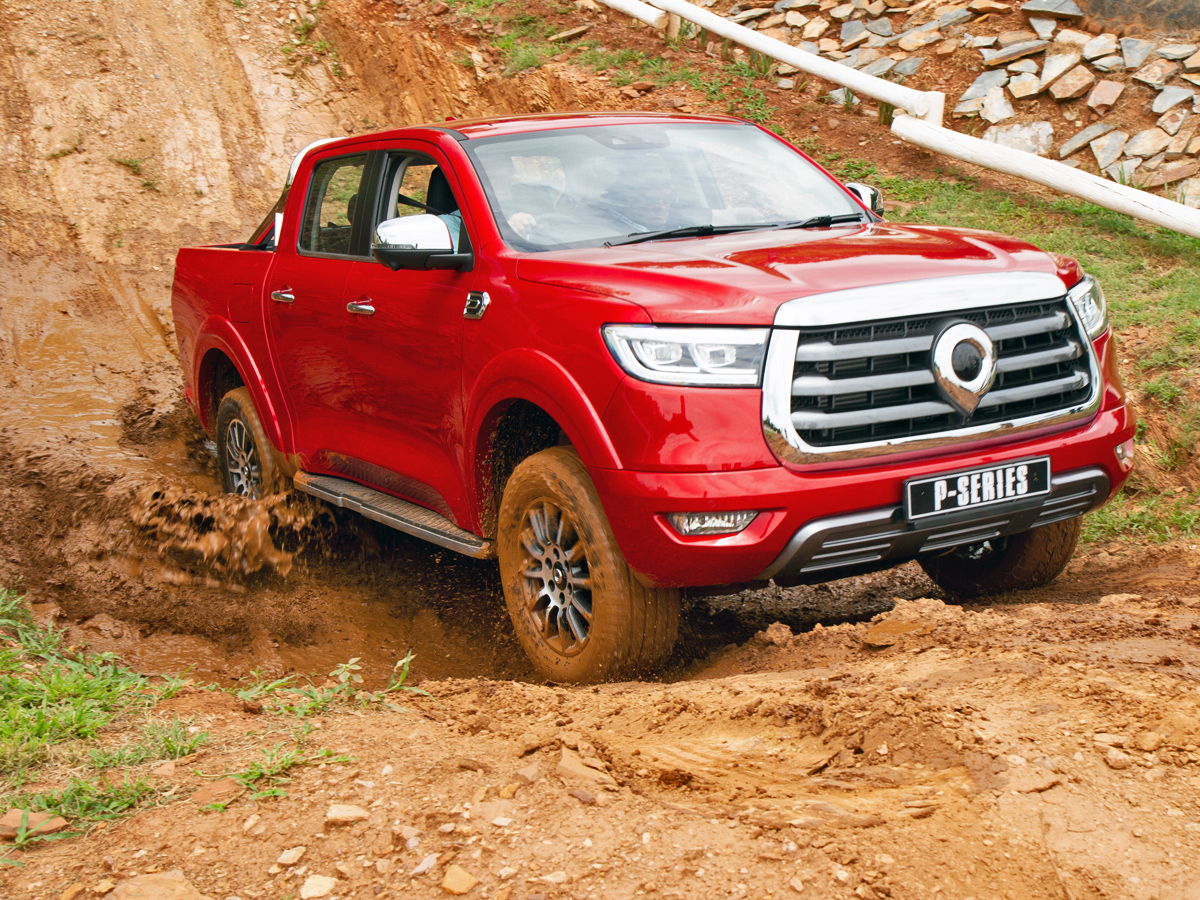
The head of Haval Motors South Africa says the local GWM P-Series bakkie line-up is due to expand in 2023, while also hinting at “something extra” for the segment…
South African bakkie fans can expect the local GWM P-Series range to expand in 2023, according to the head of Haval Motors SA.
Conrad Groenewald, Chief Operations Officer of Haval Motors SA (which also incorporates the GWM brand), made the comments while speaking to Cars.co.za video journalist, Ciro De Siena, during an exclusive interview.
When asked whether the Chinese firm’s local division would offer more variations of the P-Series in 2023, Groenewald said simply: “Yes, we have to”.
“It depends on what OEM [original equipment manufacturer] you ask and how they segment the market, but the majority of the OEMs will agree that your pick-up segment is the largest segment in South Africa. So any given month, there are about 10 000 units worth of sales,” the former Ford executive explained.
Citing supply constraints, Groenewald admitted the brand was “not where we want to be” with P-Series sales, before adding he expected the bakkie’s sales performance to improve as supply issues eased.
Groenewald believes local P-Series sales will grow as supply constraints ease.
For the record, the P-Series managed a 2022 sales tally of 4 183 units, seeing it finish 8th on the list of South Africa’s best-selling bakkies for the year. Interestingly, the GWM Steed ended up just ahead of its sibling, with 4 522 registrations.
“But we do have a strong product strategy for [2023] to expand on the P-Series offering, plus maybe give you something extra in that segment by the end of the year,” Groenewald revealed.
Though we’re speculating here, that last comment may well refer to the new GWM Shanhai Cannon, a bakkie that is slightly larger than the P-Series and available in China with more powerful engines (including a turbocharged 3.0-litre petrol V6 engine worth 260 kW and 500 Nm). We’ll keep our ears open for more news on that front.
And the P-Series itself? Well, though Groenewald didn’t go into any detail, we wouldn’t be surprised to see a new flagship double-cab derivative hit the local market at some point this year. The high-spec Vanta trim level offered in fellow right-hand-drive market Australia might be a good place to start, boasting in-vogue black finishes on components such as the grille, side-mirror caps, exterior door handles, sports bar and alloy wheels.
As a reminder, the P-Series range currently comprises 16 derivatives, 4 of which feature the single-cab body style with the remaining 12 taking the form of double cabs. Pricing starts at R404 950 and runs through to R640 950, with every variant employing a 120 kW/400 Nm 2.0-litre, 4-cylinder turbodiesel mill.
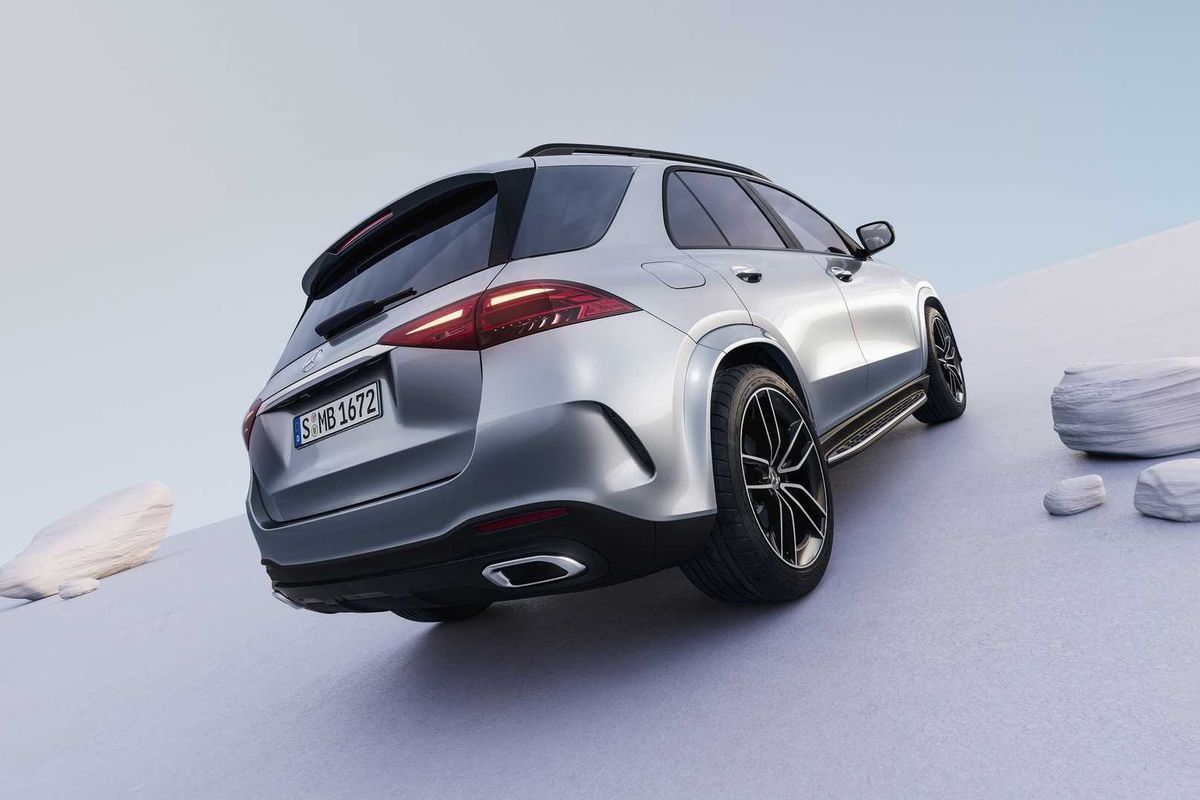
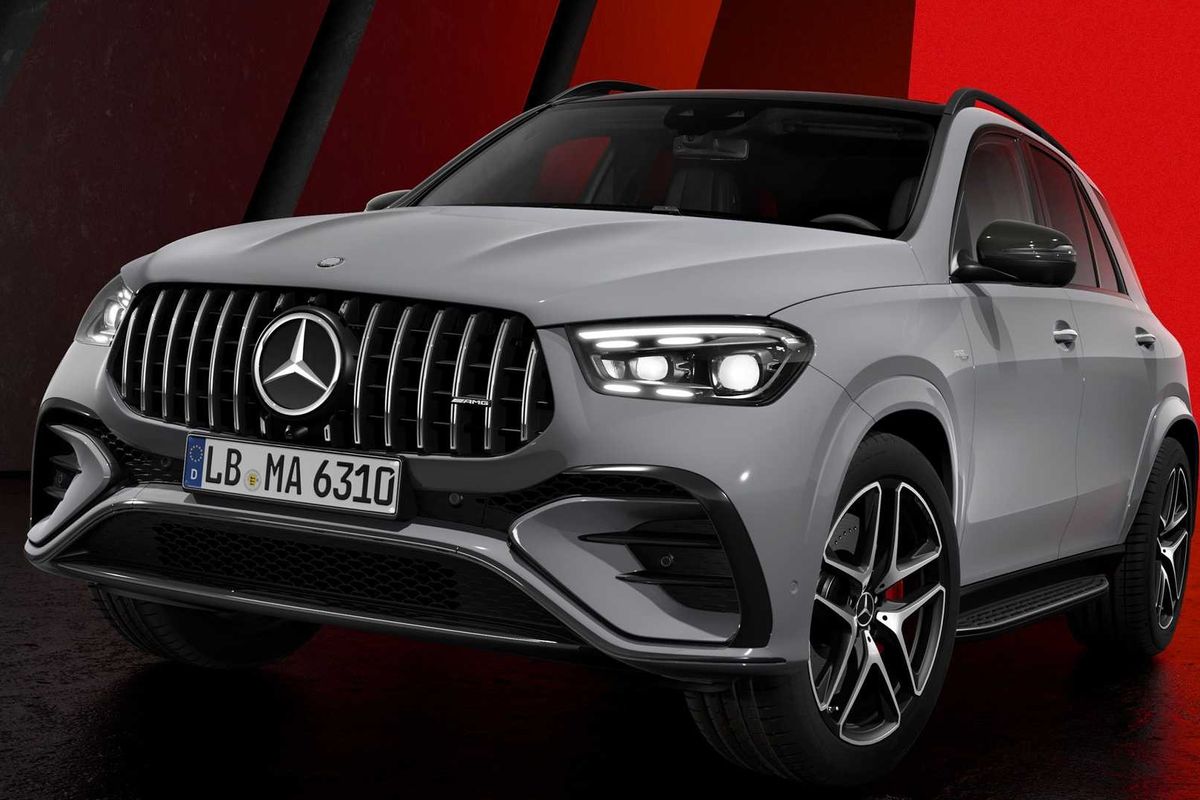
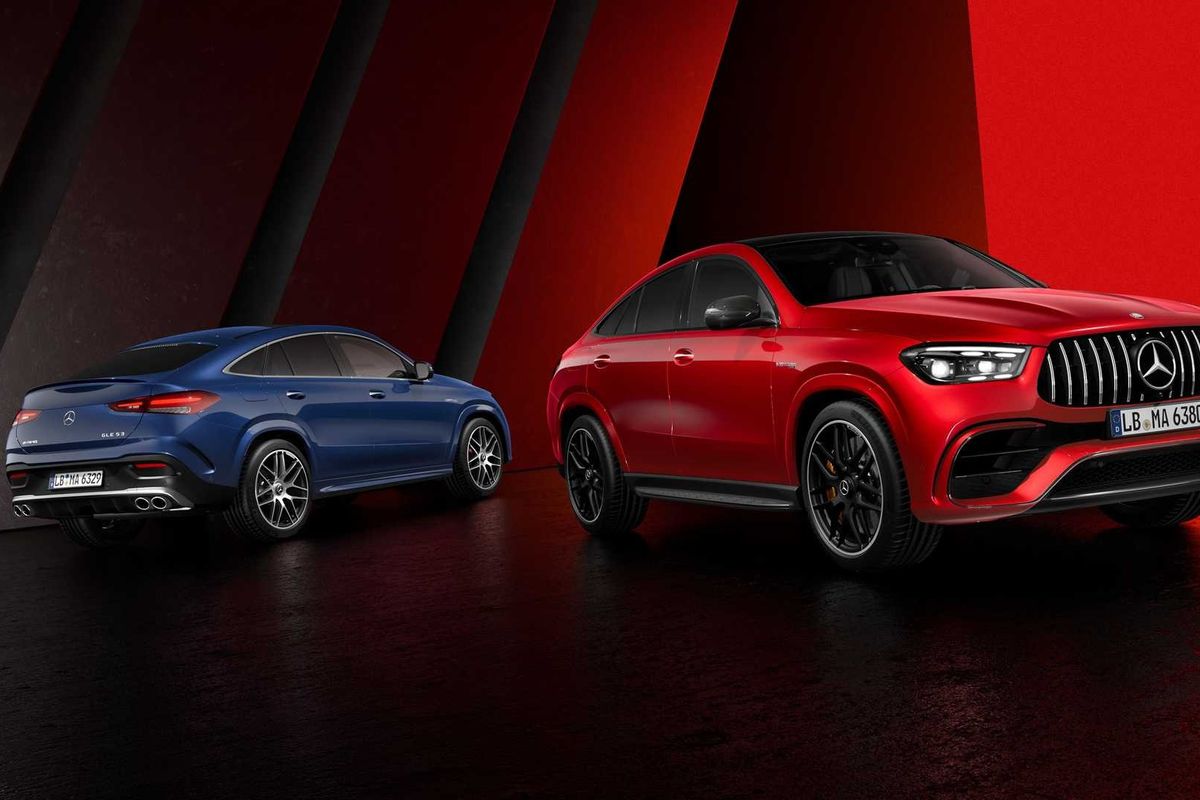
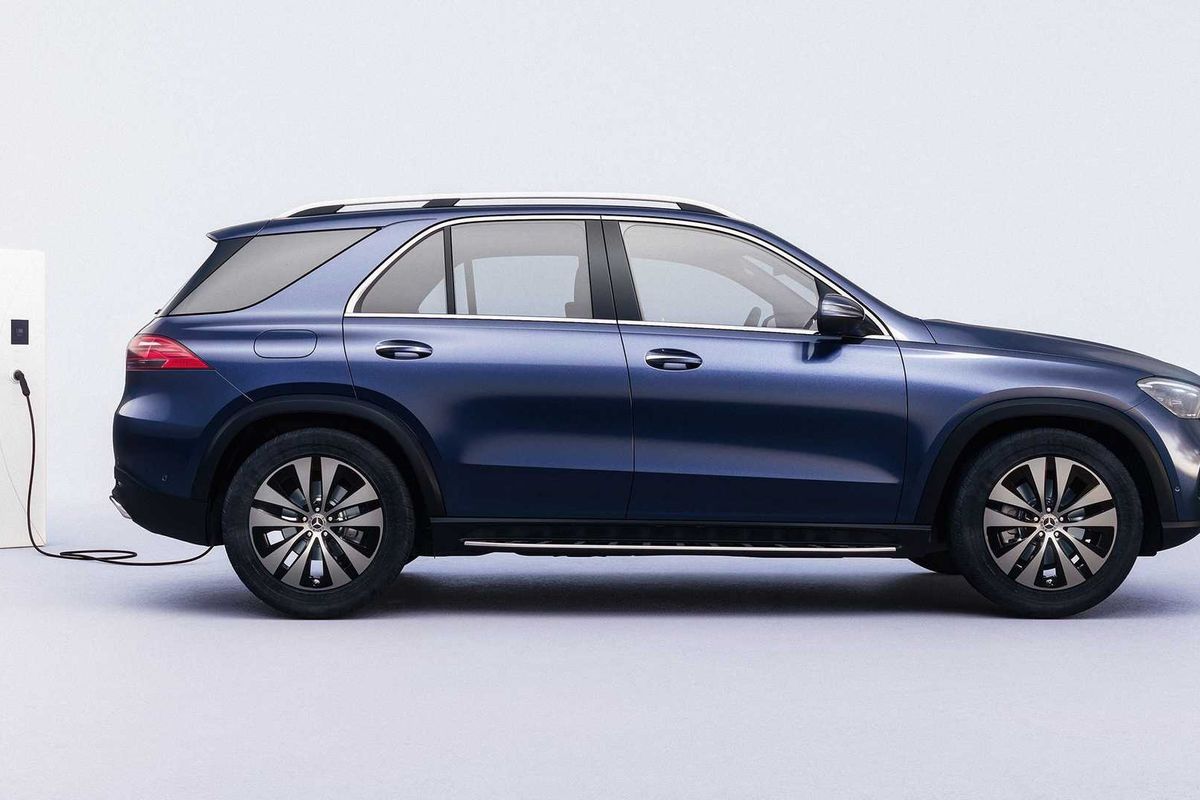
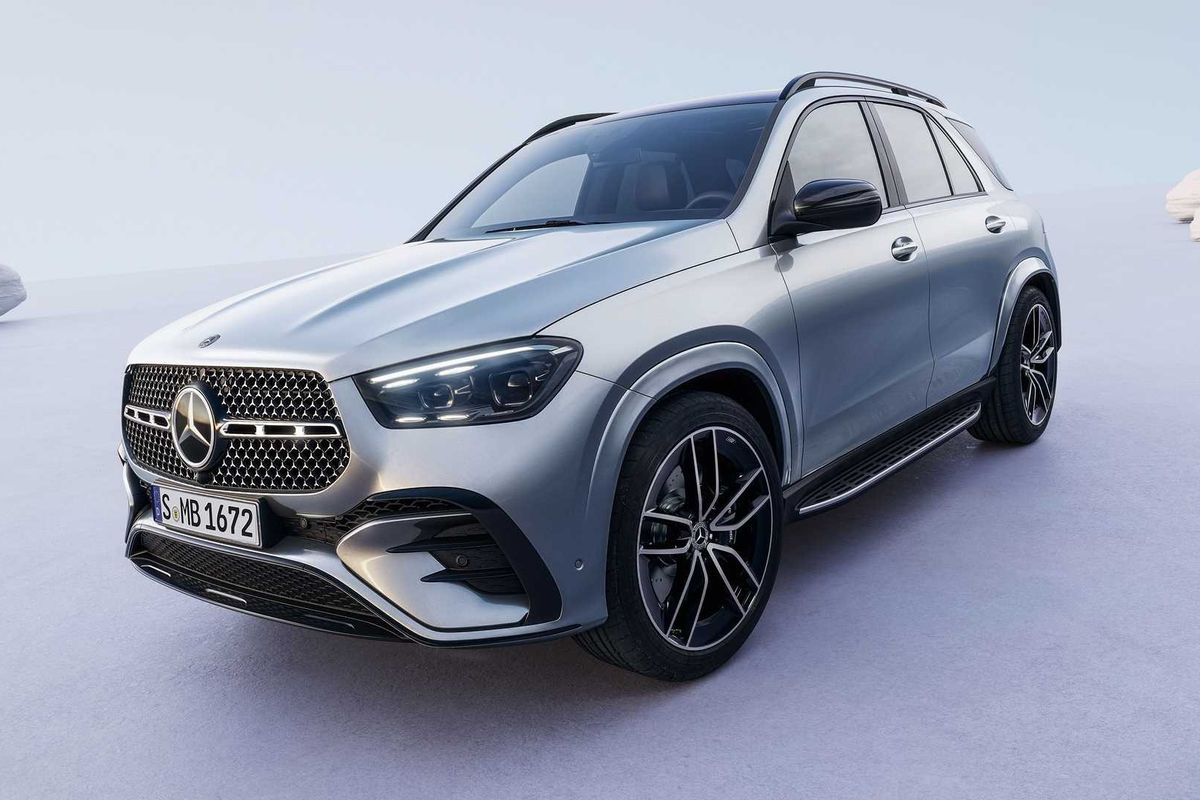
Here’s the 2024 Mercedes-Benz GLE, fresh from the factory. The family SUV from the 3-pointed star has been given an update for 2023. Here’s what’s new.
The Mercedes-Benz GLE is Stuttgart’s offering to the luxury SUV segment. High-end customers are spoilt for choice here, with superb offerings like the BMW X5, Audi Q7, Porsche Cayenne, Volkswagen Touareg and so on. Interestingly, most models in this segment are due for a facelift, but its the GLE which sees the light of day first.
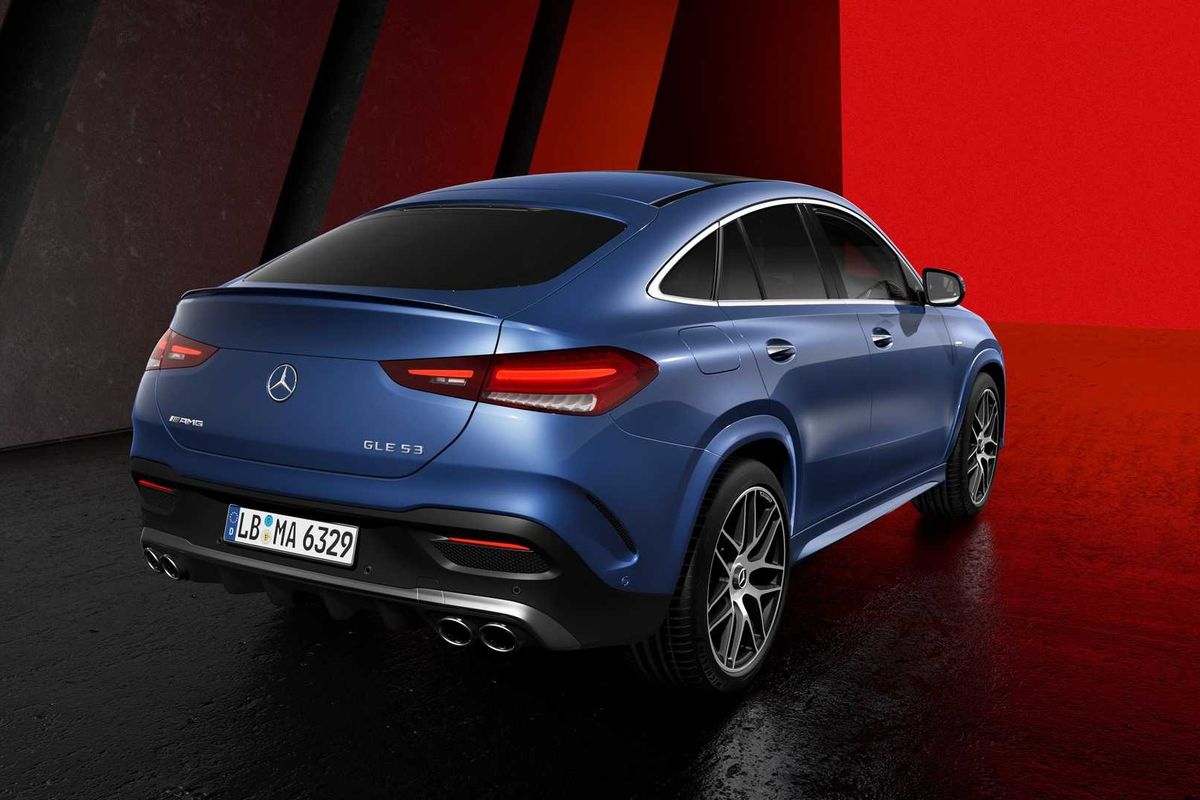
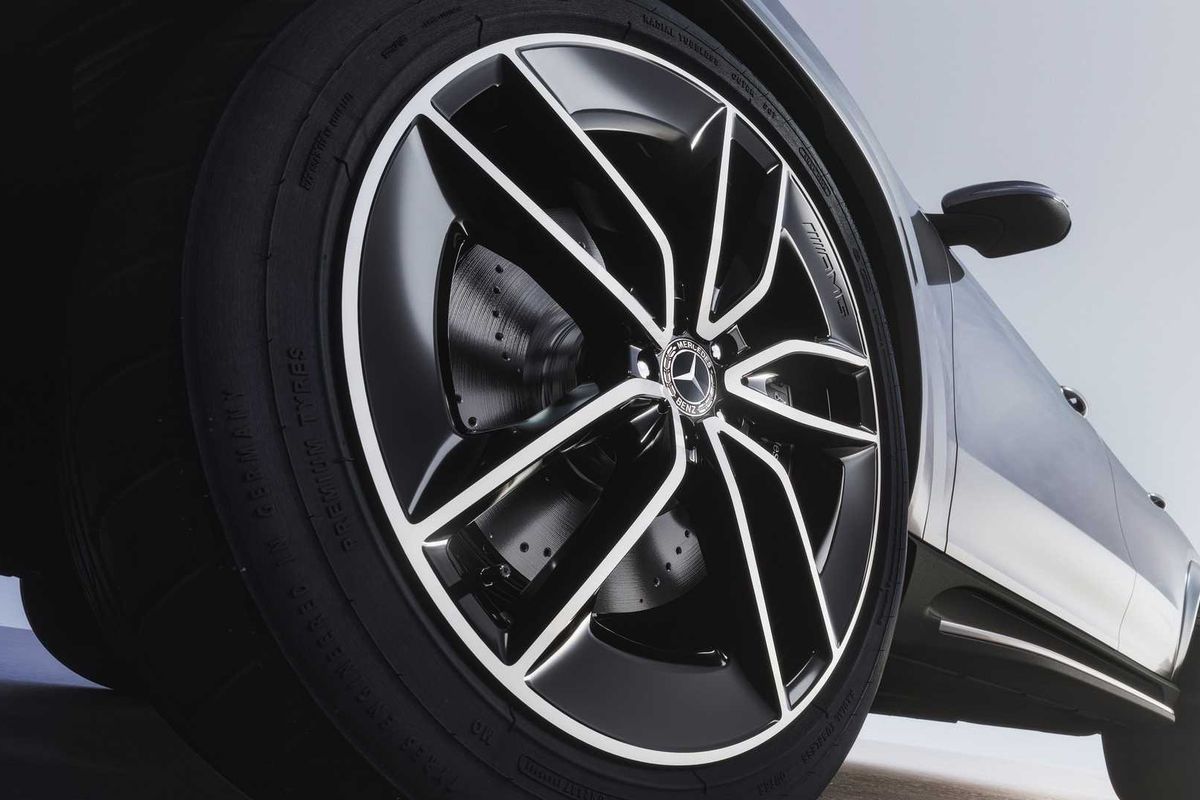
So, what’s new? Well at first glance, it doesn’t look like a radical visual overhaul, but upon closer inspection, you’ll spot the new-look grille that has a segmented look, there are new headlights and daytime running lights and there are revisions to the rear bumper.
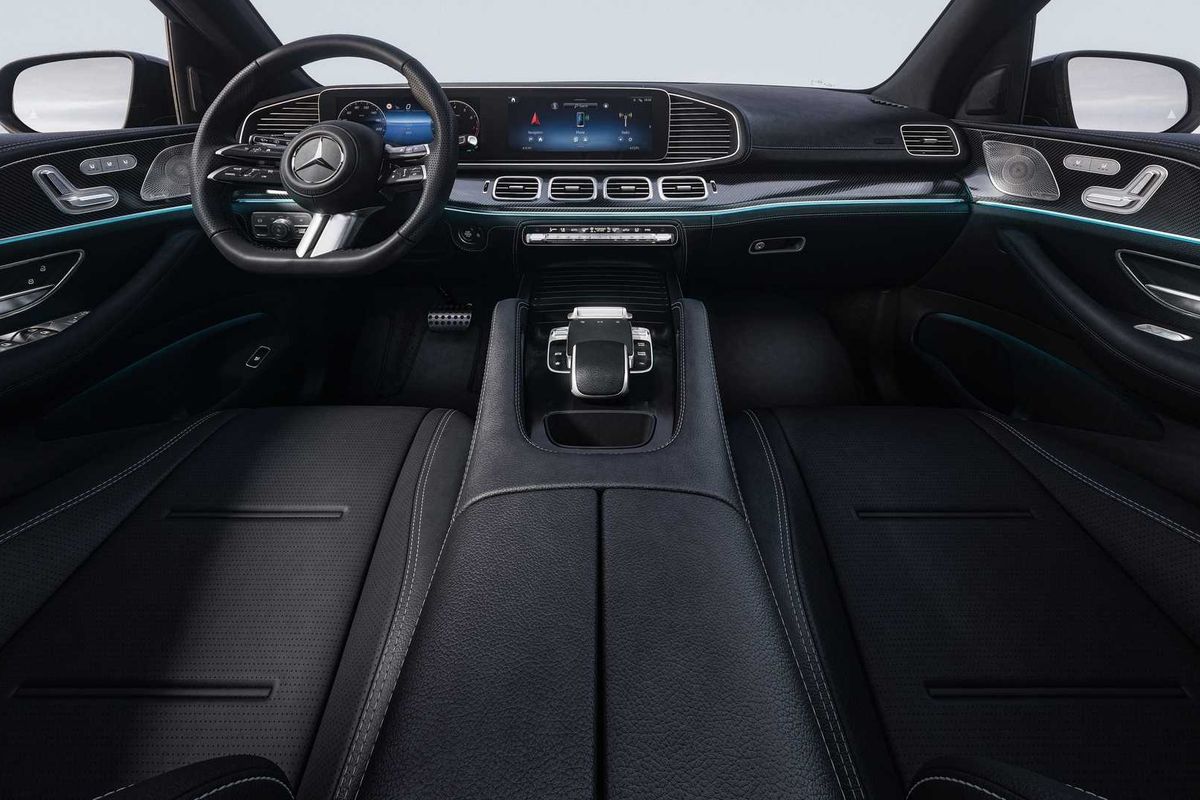
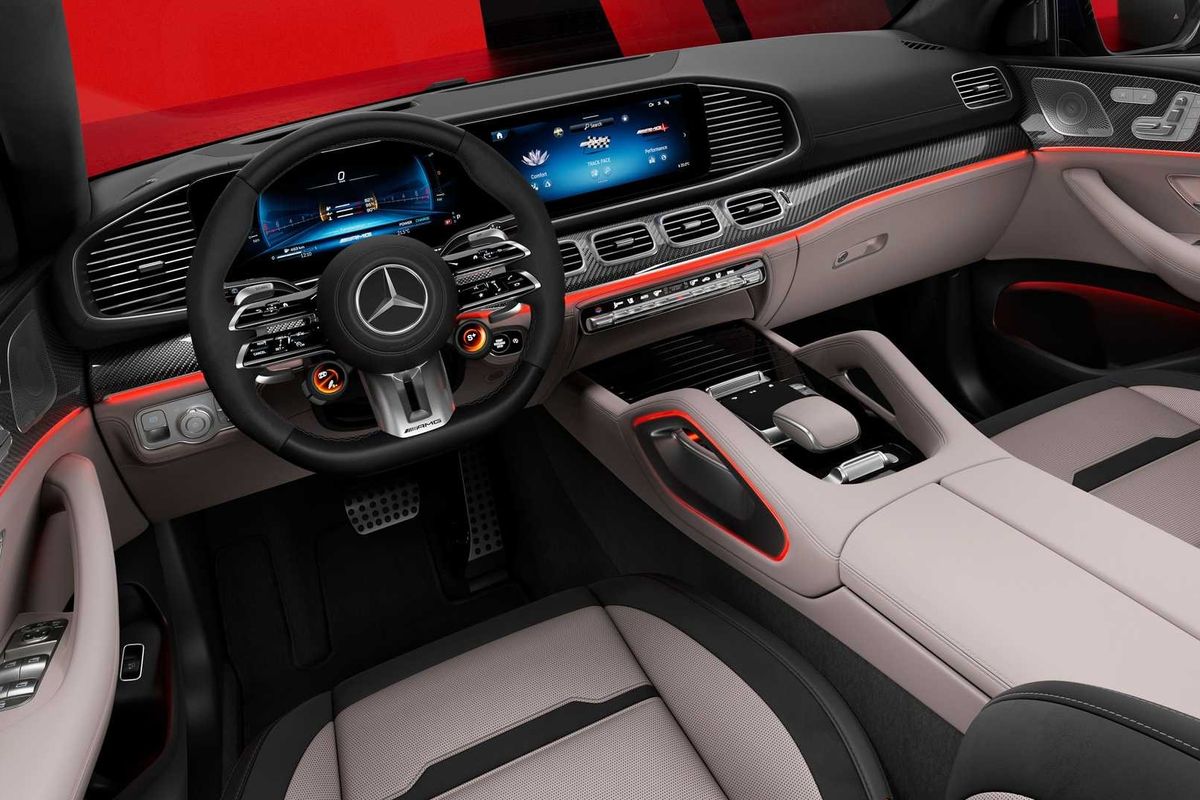
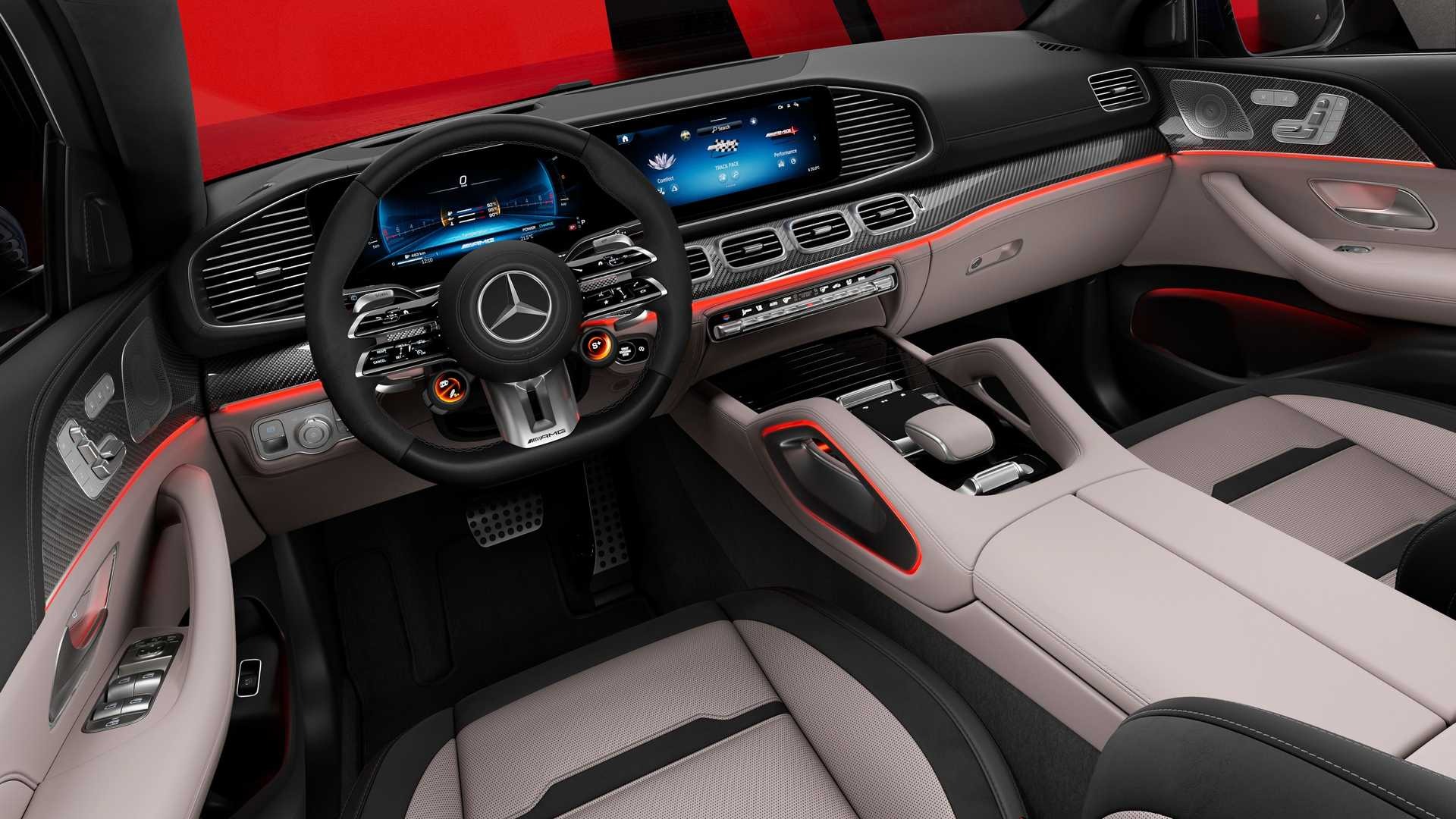
Inside, it is much the same as before, but there is a brand-new steering wheel that has the touch sensors on the spokes, which allow customers to control infotainment and dashboard settings. Mercedes-Benz says customers can add in chrome and piano black trim, which was previously reserved for the Maybach products. The second generation of MBUX makes its debut in the 2024 Mercedes-Benz GLE.
What’s actually changed then? The bigger and more significant changes can be found under the skin, with hybridisation across the range, and the 53 AMG derivatives get a small increase in torque. There’s also a brand-new plug-in hybrid model.
New plug-in hybrid model
The 2024 Mercedes-Benz GLE 400e 4Matic introduces an electric motor to a 2.0-litre turbocharged 4-cylinder petrol engine, and together there’s 284 kW and 650 Nm. A 0-100 sprint time of just 5.8 seconds is claimed, but of far more interest is large battery size of 23.3 kWh. Mercedes-Benz says its new GLE 400e can run on electric power alone, but an official range was not quoted.
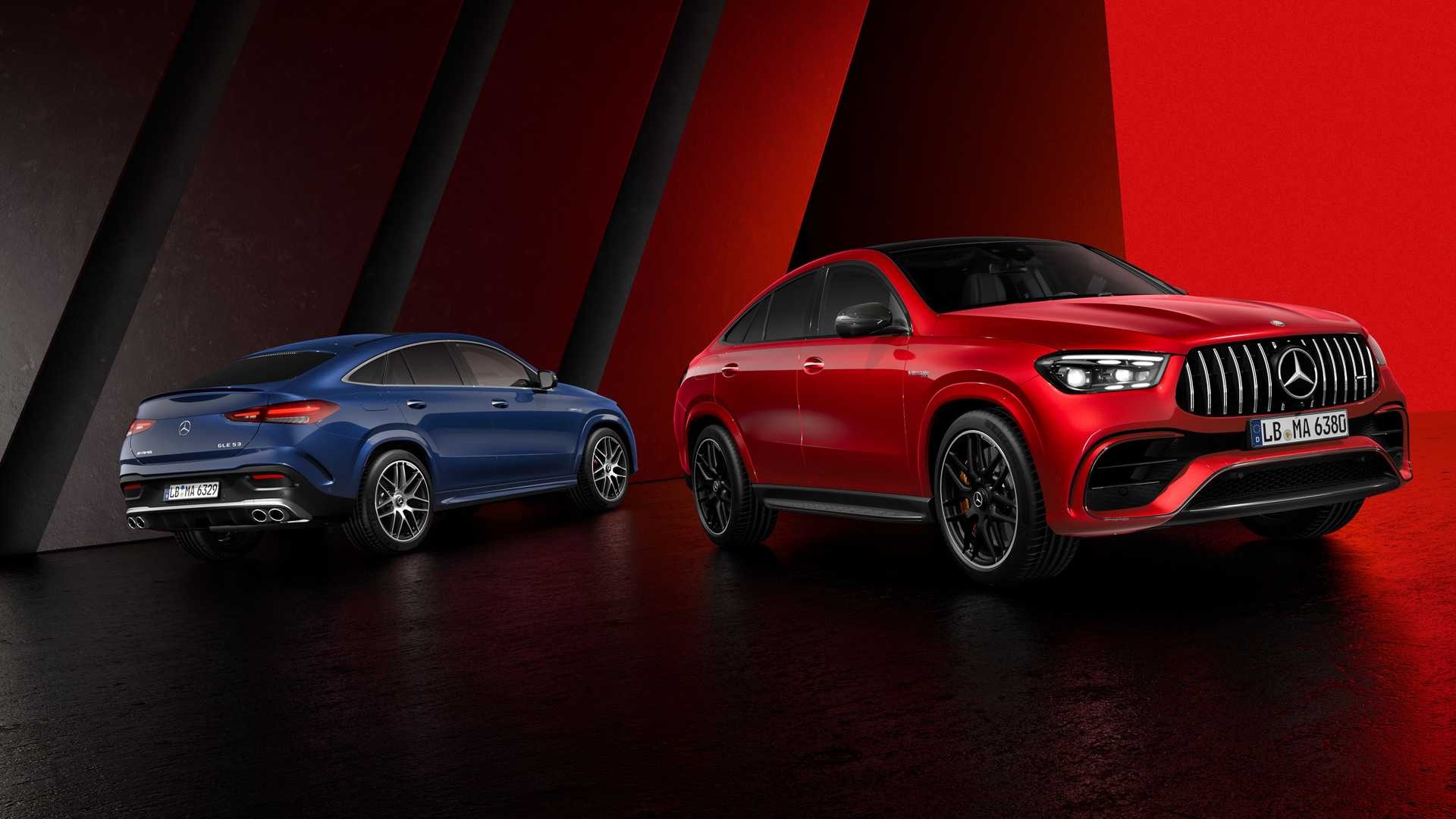
Every model in the 2024 Mercedes-Benz GLE features a 48-volt mild-hybrid system as standard. For the performance fanatics, the GLE 53 and 63 S feature the same subtle visual upgrades, but under the skin there’s a larger turbocharger and revised ECU, which sees a jump in the torque figure.
Outputs of 320 kW and 560 Nm are on tap and the GLE 53 will sprint to 100 kph in a claimed 5 seconds dead, which is 3 tenths quicker than before. The GLE 63 S retains its 4.0litre biturbo V8 with 450 kW and 850 Nm. All AMG derivatives receive more standard equipment and features than before.
We understand the 2024 Mercedes-Benz GLE has been confirmed for South Africa and will be launched either in the 2nd or 3rd quarter of this year.
Audi SA Introduces 200 kW Super Fast Charger to South Africa
The German carmaker has announced even more electric car chargers have been installed across South Africa, increasing the footprint of the charging network.
One of the biggest stumbling blocks of electric cars is the charging station network. However, despite constant naysayers on social media, South Africa’s charging network has grown substantially over the past few years. There are far more EV chargers than you’d assume.
A few brands have invested heavily and partnered with energy supply specialists, and in the latest announcement, Audi South Africa in partnership with Rubicon, have added 43 extra charging stations. These 43 chargers can charge 57 cars (some have more than one cable) and are brand neutral, meaning you can plug any electric car into one of these chargers. Last year saw Audi South Africa add 70 charging points across the country.
One of the 43 is a monster DC 200 kW ultra-fast charger – the first of its kind in South Africa. It can be found at the Mall of Africa and something like the Audi e-tron GT which has the hardware to support this fast charge, could be topped up in as little as 15 minutes. Loadshedding? Well, that’s taken care of, thanks to Mall of Africa’s extensive solar panel array which provides a backup.
“While load shedding is a reality to which South Africans have become accustomed, it is worth pointing out that our charging network also capitalises on solar installations, where possible, to keep the charging stations optimally operational,” says Sascha Sauer, Head of Audi South Africa.
So, what’s on offer? Phase two of the charging investment consists of four 100 kW DC chargers, 8 60 kW DC chargers, 5 25 kW DC chargers and 25 22 kW AC chargers dotted around the country. Together, Rubicon, Gridcars and Audi South Africa have contributed 28% of public charging stations in SA.
The partnership between Audi, GridCars and Rubicon includes a roaming agreement, which allows billing cards to be interoperable across the two networks, making charging even easier, seamless and accessible for Audi e-tron customers and users of other EV brands.
The newly added 43 chargers are spread across the provinces as follows:
Gauteng
15
W Cape
11
E Cape
10
KZN
4
Mpumalanga
2
Free State
1
Total
43
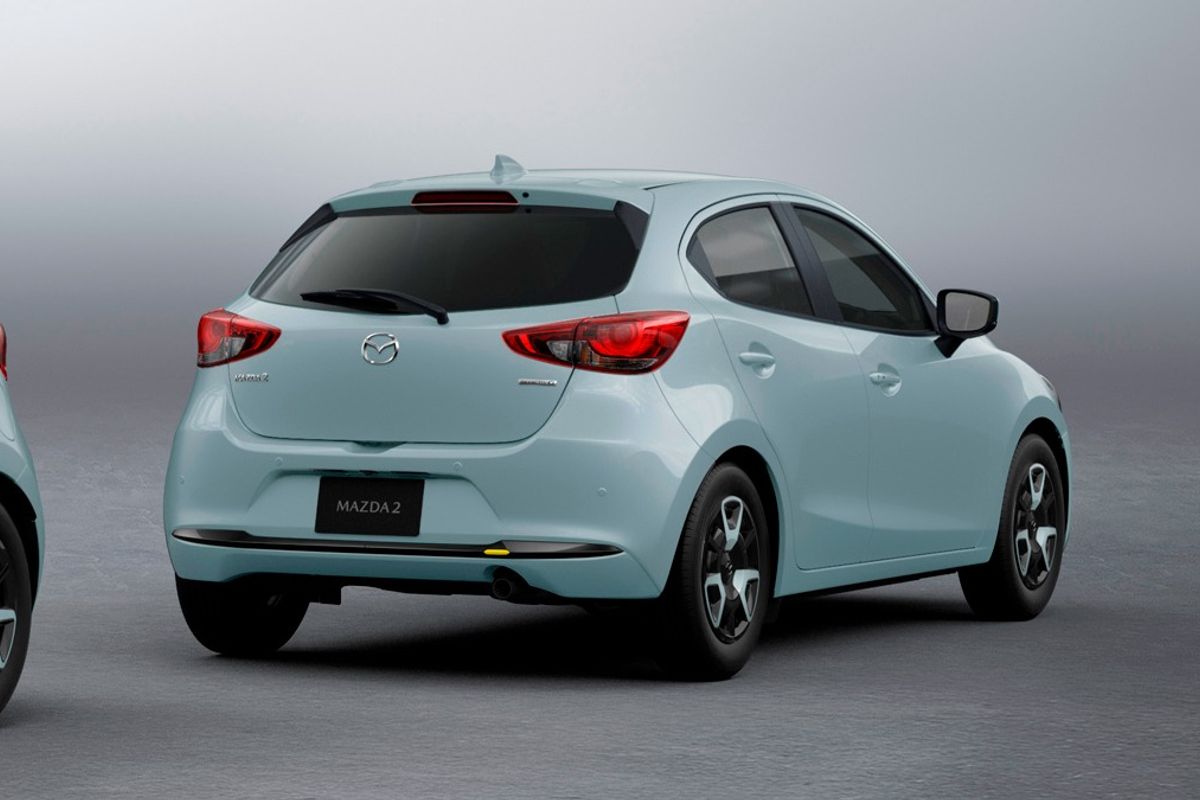
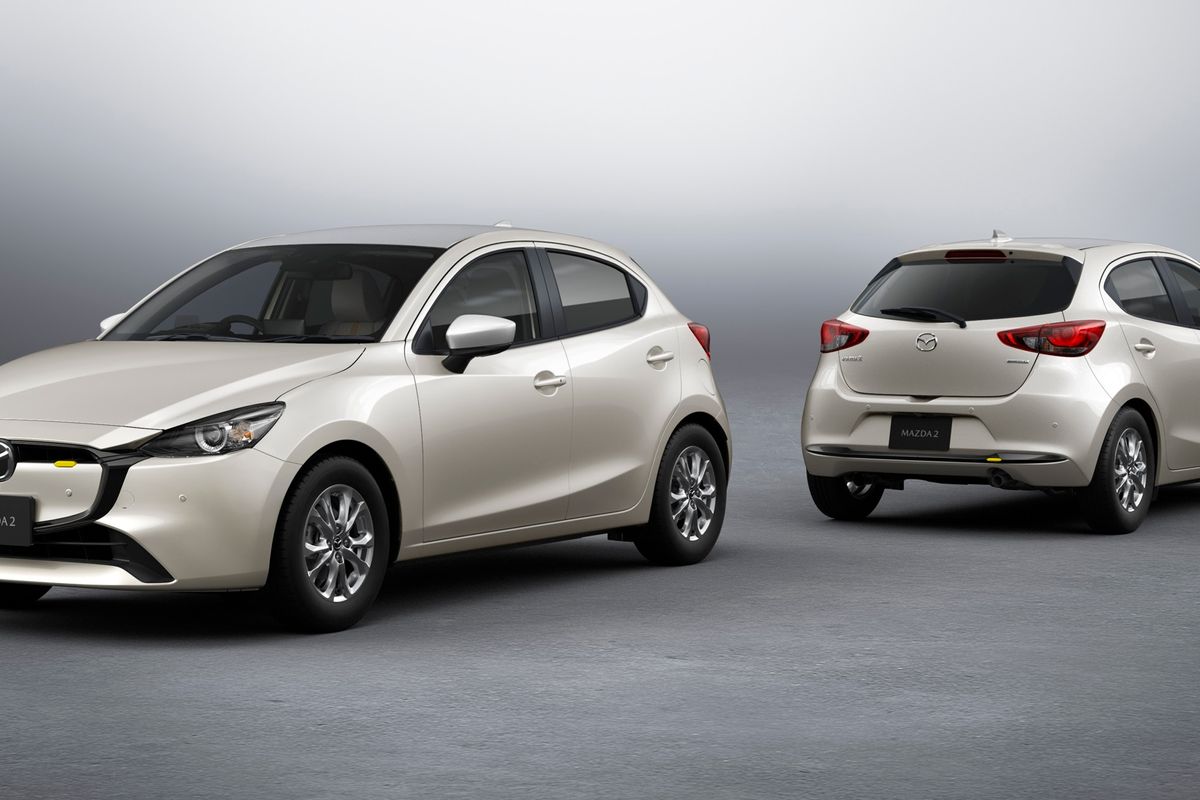
Mazda 2 Quietly Updated for 2023
The Mazda 2 has been given another update and will be hitting international showrooms in March 2023. Here’s a quick look at the changes and SA ETA.
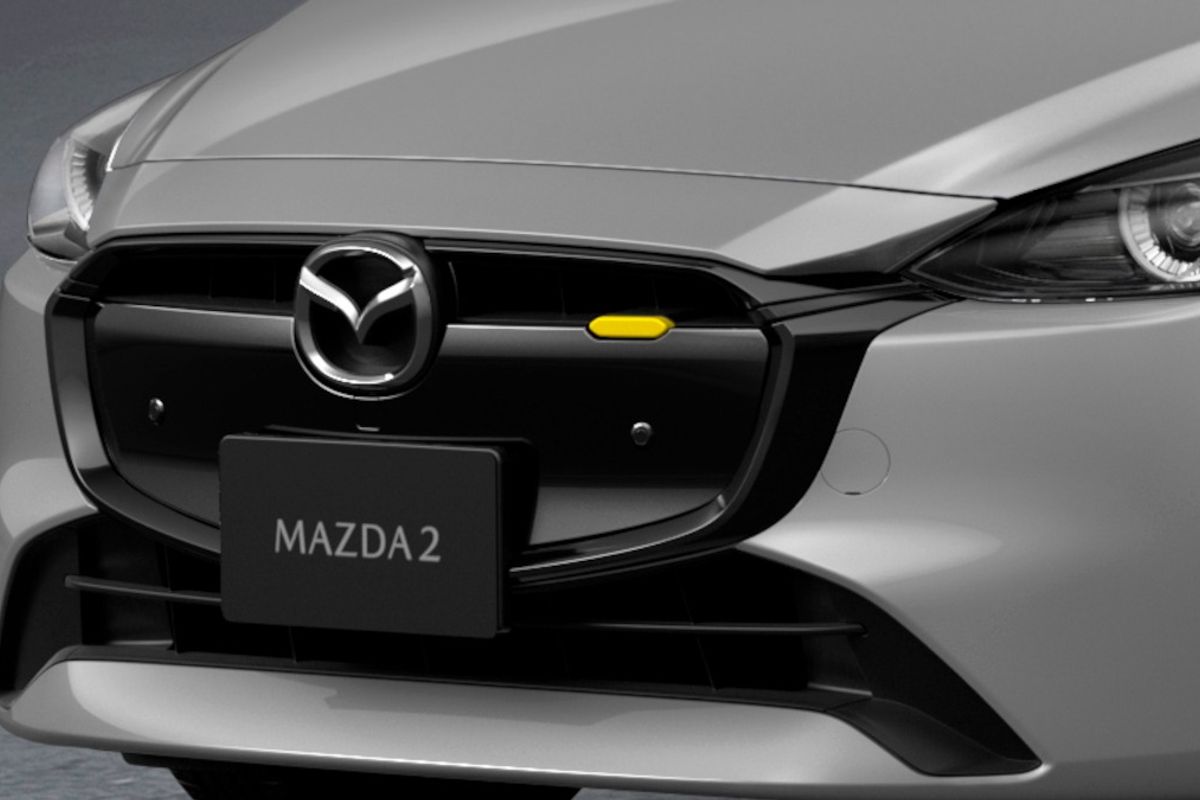
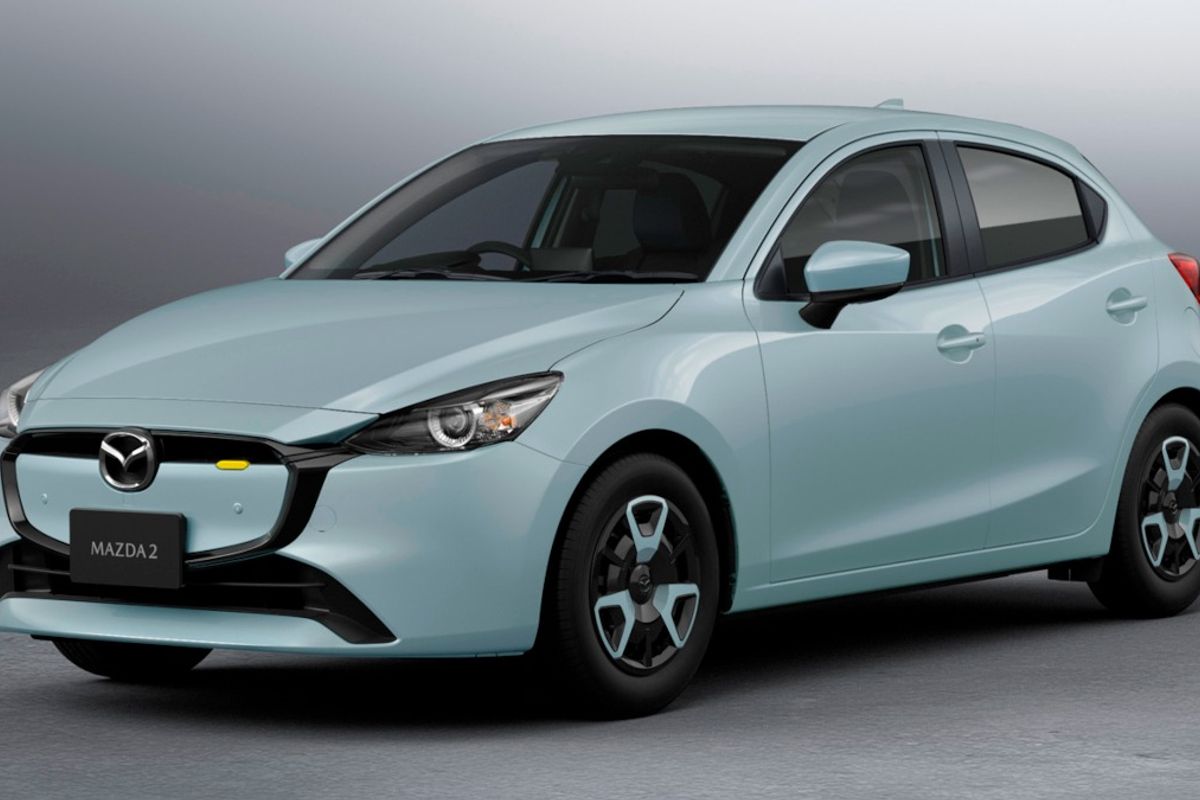
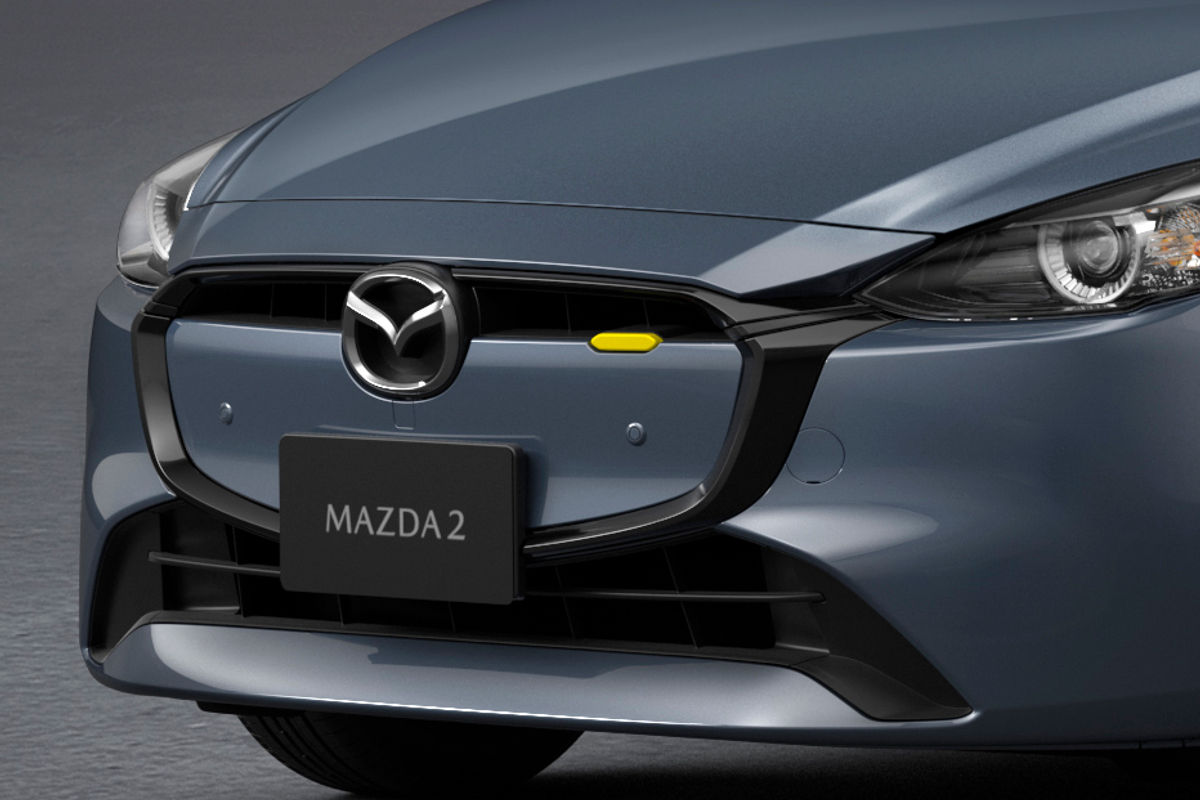
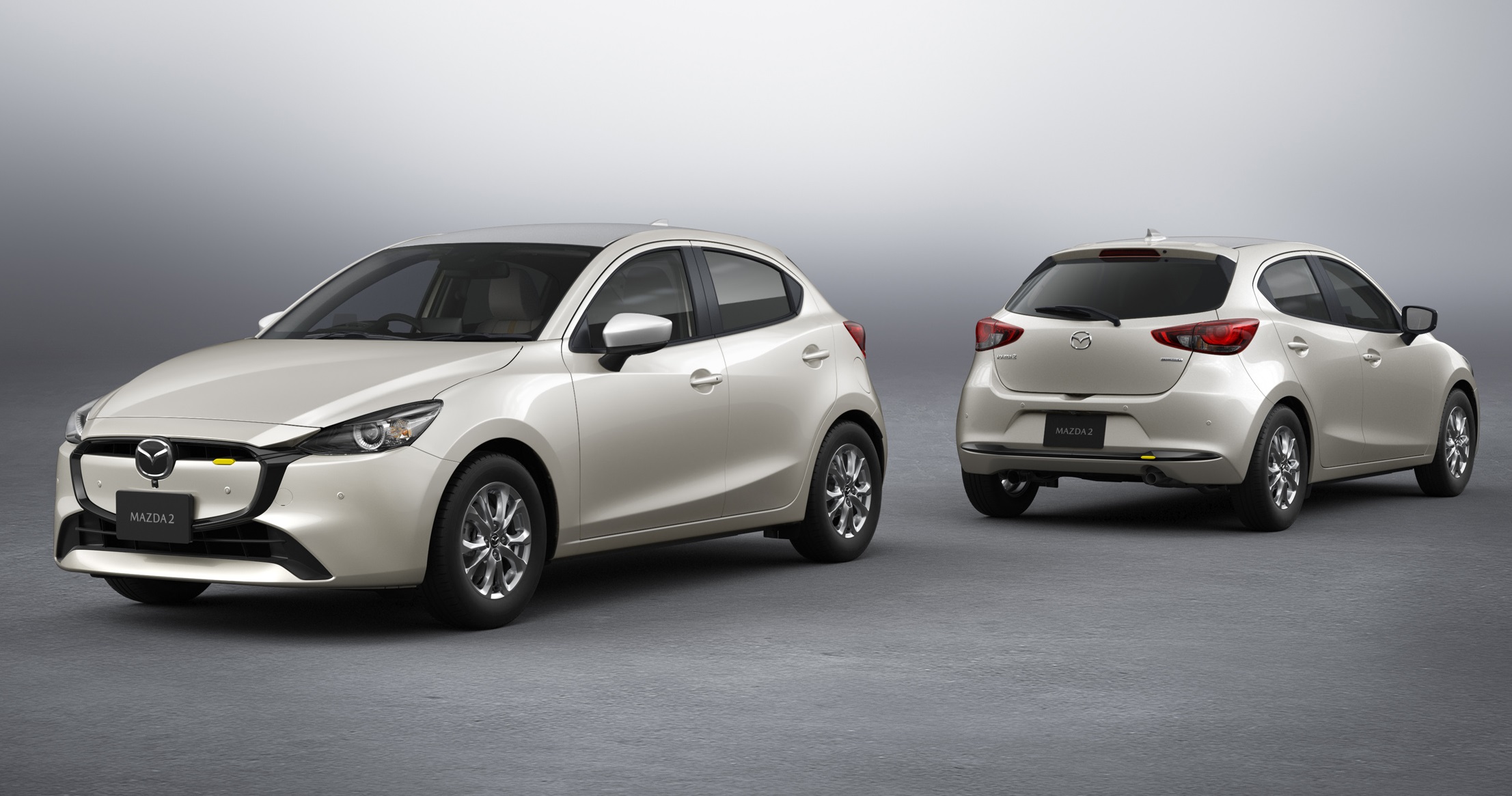
The long-standing Mazda 2 has received a facelift, with the changes being mostly cosmetic inside and out. The changes come around three years since the first major update back in 2019/2020.
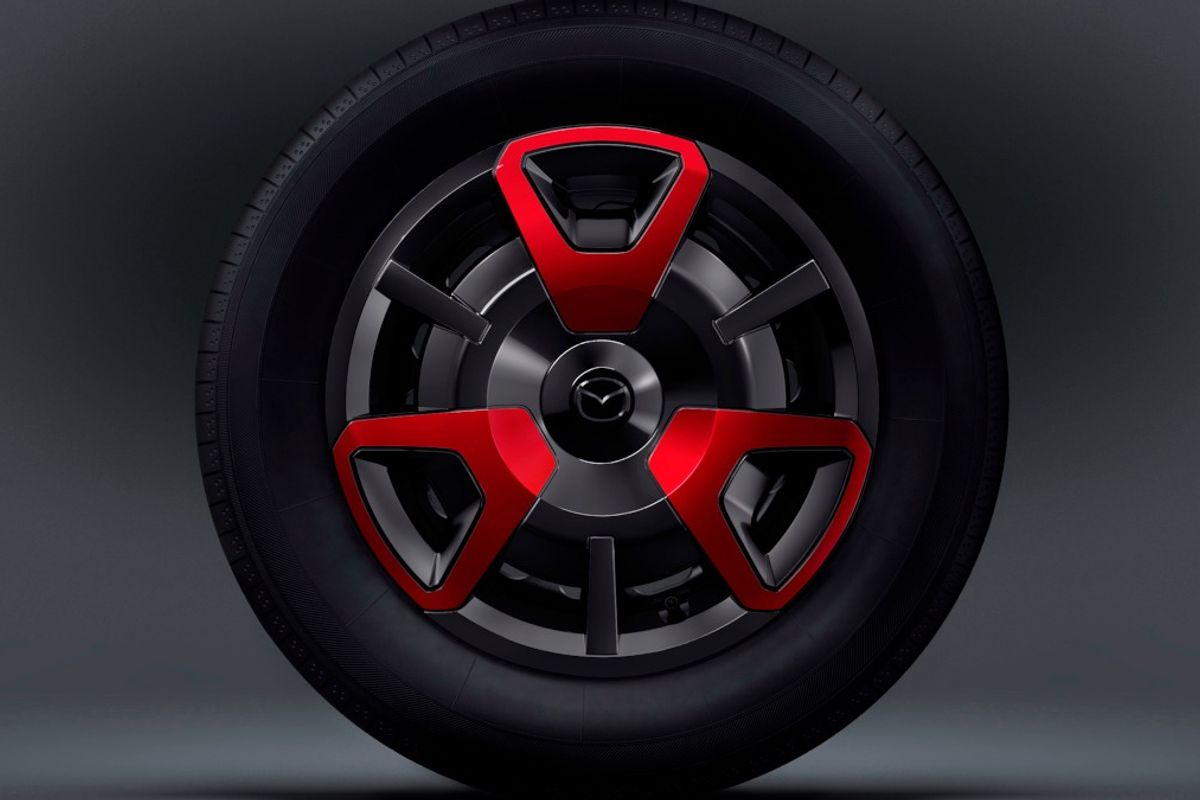
Depending on trim level, you can spot the updated Mazda 2 with its curiously-styled front end. Some would go as far to say that it’s almost like an electric car, with a closed-off grille. There are some contrasting wheels available as an option, new colour additions (Aero Grey, Airstream Blue) and owners can include a few customisation options.
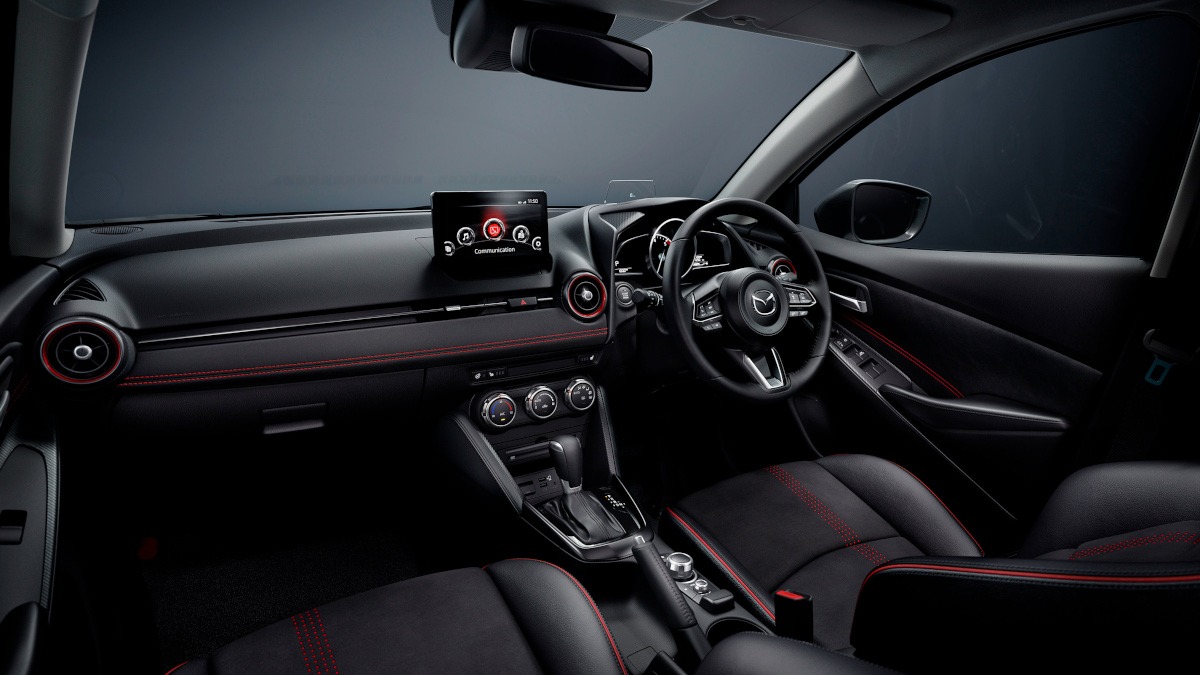
As it stands, there are 11 exterior colours, 3 dashboard panel tons, 3 roof colours, 6 wheel cap colours and Mazda reckons there are a total of 198 colour combinations available. Inside, the dashboard and layout is mostly the same, with the free-standing infotainment screen size has increased to 8-inches, but unfortunately is still powered by the older-gen Mazda Connect system, unlike its newer products like the CX-30 which have a nicer-looking interface.
Mechanically, the international engine line-up has been retained, with both petrol-powered Skyactive-G and diesel Skyactive-D motors. For the record, the petrol 1.5-litre 4-cylinder has 81 kW and 142 Nm, while the diesel produces 77 kW and either 250 Nm or 220 Nm, depending on market.
Interestingly, Mazda Japan offers the 2 with the option of all-wheel drive. Both manual and automatic transmissions are available.
In our comprehensive Cars for 2023 piece, Mazda Southern Africa confirmed that an updated 2 would be hitting showrooms in mid-2023, so you can expect some pricing and further specifications around that time. At the end of January 2023, the 2 range from Mazda started from R302 300.
Toyota Retains Title of World’s Best-Selling Automaker in 2022
Japanese firm Toyota was again the world’s best-selling automaker in 2022. But just how far ahead of its 2nd-placed rival was it? Let’s examine the sales figures…
Toyota held its title as the world’s best-selling automaker in 2022, registering in excess of 10 million units around the globe last year. That means it has held the crown for 3 years straight.
According to figures released by the Japanese firm, worldwide sales for the full year came in at 10 483 024 units (a slight year-on-year decline of 0.1%). For the record, this number includes sales from subsidiaries Daihatsu and Hino.
Toyota (including Lexus) finished on 9 566 961 units, with Daihatsu contributing 766 091 units and the Hino truck division a further 149 972 units. Interestingly, the group’s total production (as opposed to sales) numbers increased 5.3% year on year to 10 610 604 units, with 6 957 592 of those vehicles build outside of Japan (and 114 989 of them at Prospecton here in South Africa, despite a 3-month production interruption courtesy of the KwaZulu-Natal floods).
“Despite the impact of production constraints caused by the spread of COVID-19, increased demand for semiconductors, and other factors, global sales were at the same level year-on-year as a result of solid demand centred around Asia,” Toyota said.
In South Africa, Toyota was again the best-selling automaker in 2022 with 132 035 units, meaning the Japanese firm has led the local new-vehicle market for 43 years straight. That represents 12.22% year-on-year growth, though the company’s market share in SA fell slightly, from 25.33% to 24.96%.
The Volkswagen Group again had to settle for 2nd place.
So, which company was Toyota’s closest rival in global terms? Well, the Volkswagen Group slotted into 2nd place, with 8 262 800 worldwide sales (down 7.0%, year on year) in 2022. As a reminder, the VW Group comprises the Volkswagen brand, Škoda, Seat (including Cupra), Audi, Lamborghini, Bentley and Porsche, as well as truck brands Man, Scania and Navistar.
Engineering teams might work agonising hours to gain a slight advantage over each other, but brand value will always trump technical spec.
Brand perception and -association are potent influences. So many car buyers purchase models that resonate with a sense of metaphor or, to put it another way, are seen to represent traits/values that they align with. Brand matters. And often, it matters more than actual Rand value or technical specification.
And that’s where emerging brands have a problem. It’s trend-setting to be an early adopter, but it’s one thing to risk being the first buyer of a R14k smartphone. When it’s a R400k car, that’s something else.
The buyer’s remorse of discovering that their alternative choice of smartphone isn’t quite what they hoped that it would be, is low. And the device is easily replaceable. However, when you’ve bought that R400 000 lemon of a car, the frictional cost and remorse of disengaging from it are significant.
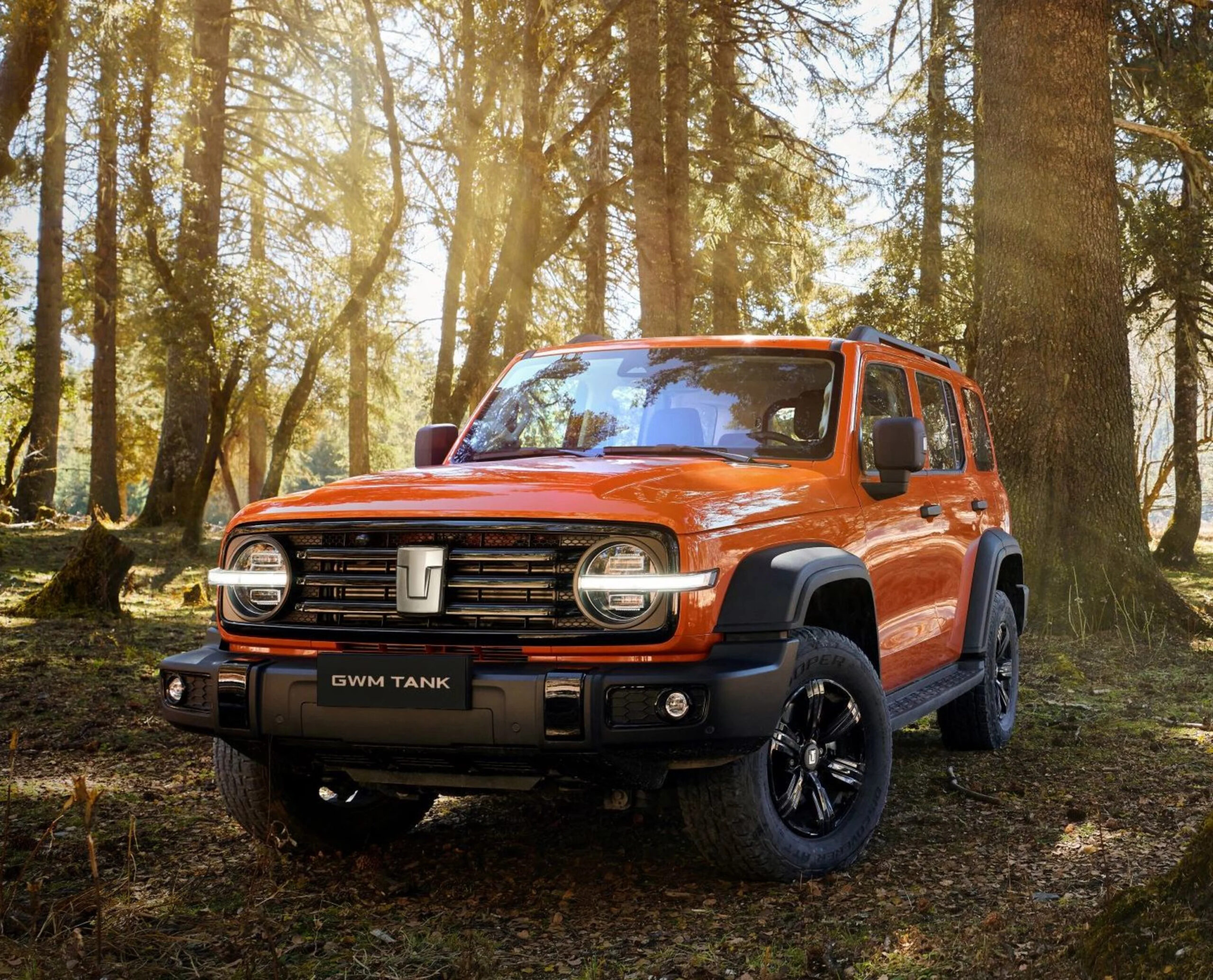
GWM knows the value of round headlights as a styling detail on rugged 4×4 wagons.
The anti-Chinese car bias no longer exists
Perception is the foundation of automotive branding… and it’s often divorced from reality. Many luxury brands would be undone if brand value was attached to a car’s core function – reliability and durability. Industry reliability surveys suggest there are few expensive and elite brands at the top of the rankings.
This brings us to the issue of Chinese-made cars and South African customers. For a long time, models produced by Chinese manufacturers (especially bakkies), weren’t bought out of choice, but desperation. The vehicles’ prices were so reasonable that many 1st-time buyers purchased poorly designed and -built Chinese-made bakkies, instead of second-hand single- and double-cabs produced by Japanese brands.
But that has all changed. The 2022 local market sales figures show the developing influence of Chinese brands has grown into a crushing presence. Haval is now South Africa’s 9th-largest vehicle brand.
Those huge plastic wheel arches leave plenty of room for high-volume tyre upgrades.
Building on the Haval brand momentum
What GWM has accomplished with Haval in South Africa is very telling. Possibly the best validation for any car brand is to be accepted by customers with the means to buy a model from a legacy car brand. And I’ve seen Havals roll along the meticulous brickwork roads of many expensive security estates.
But what next? Is Haval the limit of conquest for GWM’s multi-brand strategy? Or could it take more customers away from legacy car brands in South Africa? The ambition is certainly there.
Design is a great product differentiator and a foundational element of a brand. It’s why the Audi Q7, Bentley Bentayga, Porsche Cayenne and Volkswagen Touareg attract different customers – even though they share underpinnings and components. An even more acute example is Hyundai and Kia, whose models are near-identical, but design has differentiated them to suit divergent customer preferences.
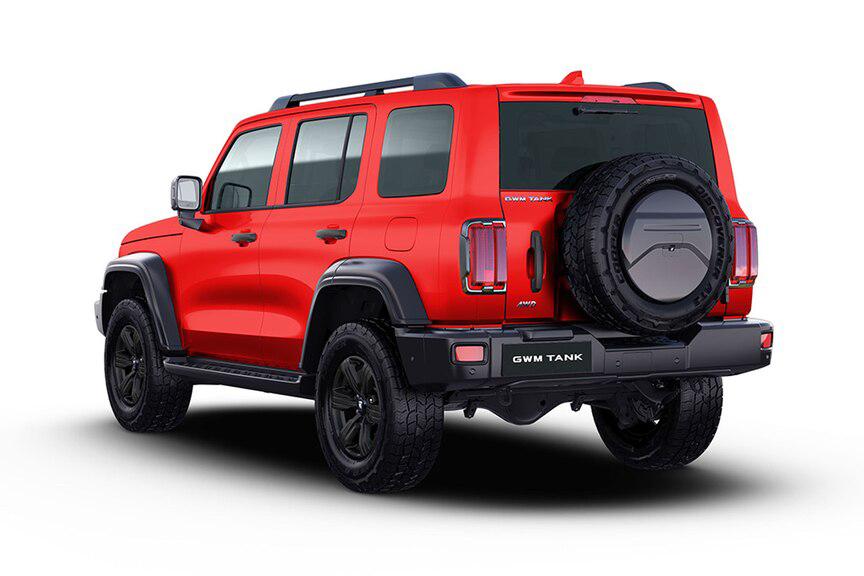
The Tank 300’s spare wheel is mounted on the tailgate, where it should be!
Has GWM built a much bigger Jimny?
Simplicity has an enduring appeal. Buyers will pay a premium for models with unique proportions and design, even if they are compromised vehicles to drive and own. Suzuki’s Jimny is an example of this.
The tiny Japanese SUV is, paradoxically, a brilliant inner-city car and slow-speed technical-terrain 4×4, but quite awful as a highway cruiser and touring vehicle. But have you tried to order one? Inventory is always exhausted within the Suzuki dealer network, and pre-owned Jimnys demand crazy premiums.
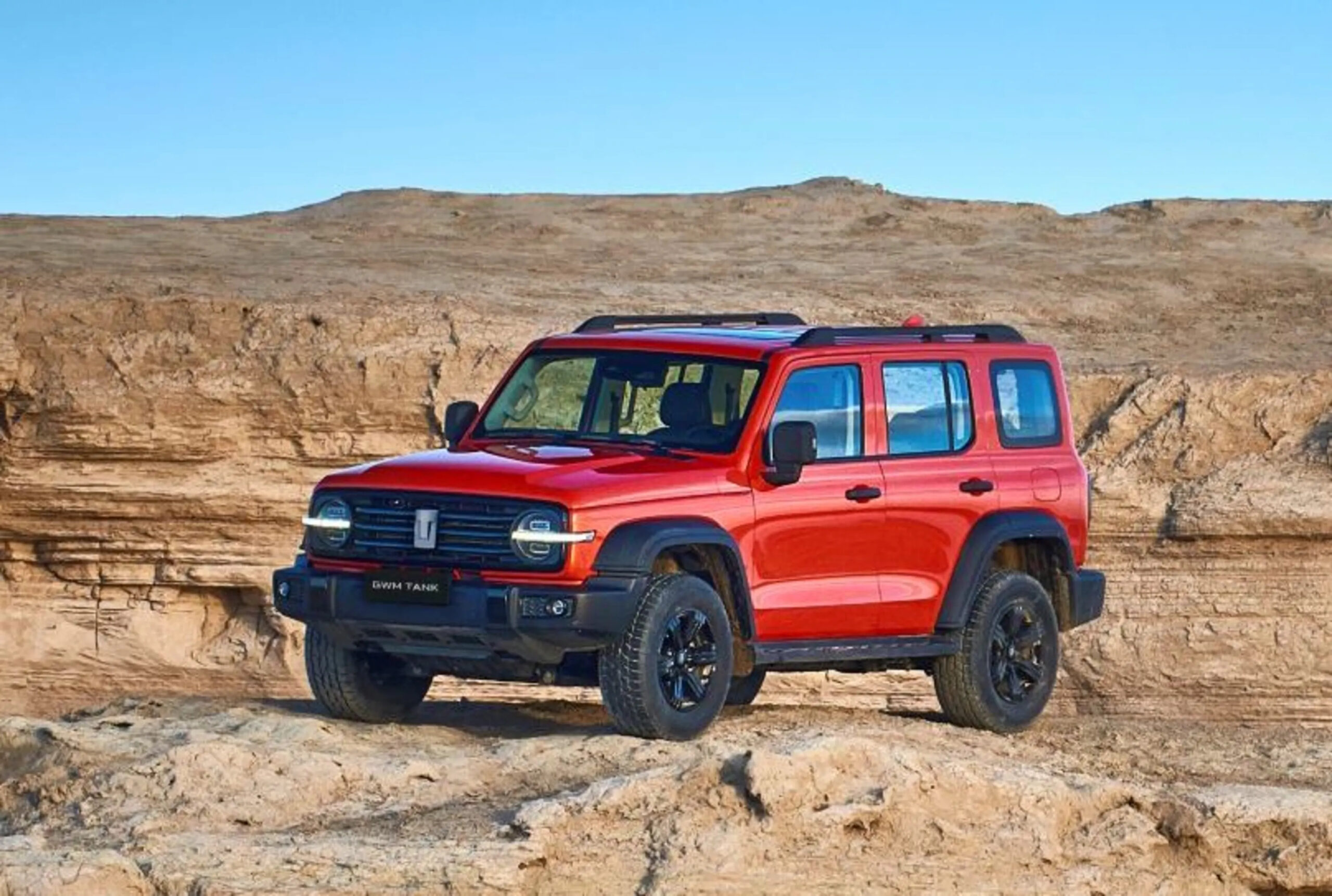
GWM’s product people have paid attention to Jimny’s success globally. The Chinese automotive giant’s product planners noticed that a mechanically simple off-road vehicle with a traditional 2-box design holds strong appeal. That’s why the GWM Tank300 exists. And it’s coming to South Africa this year.
It combines the chunky design and styling details that make Jimny so disarming, in a larger package, with better cabin architecture. It has a much more potent (turbopetrol) engine too, as well as an 8-speed ZF automatic transmission, which should make the GWM Tank 300 a less fatiguing long-distance cruiser.
No diesel engine – but is that really an issue?
The GWM Tank 300 that Cars.co.za recently sampled in Australia was powered by a 180 kW/380 Nm 2.0-litre 4-cylinder turbopetrol engine mated with a 78 kW/268 Nm electric motor (for combined outputs of 258 kW and 615 Nm). But the market in which GWM is positioning Tank 300, as a Fortuner alternative, is almost entirely diesel-powered. Is not having a turbodiesel engine an oversight on GWM’s part?
Well, if the price gap between the (probably generously specified) Tank 300 and its dearer chief rival is large enough, you can compensate for the turbopetrol’s greater fuel thirst with all that money you’ll save on the GWM’s purchase price. Traditionally, Chinese brands price their wares very competitively.
Another point on the GWM Tank 300‘s lack of a turbodiesel engine is that Suzuki Auto SA has never offered the Jimny in anything but petrol guise, but has suffered no customer pushback. Customers who’re attracted to the diminutive 4×4 appear less concerned about engine configuration and fuel type.
And then there is the issue of availability. Suzuki has made interventions to stabilise and improve the stock availability of the Jimny and added India as a production hub. But the waiting list remains long.
However, the likelihood of GWM having production constraints with Tank 300 is unthinkable, because, as we’ve seen before, nobody can increase production to meet demand quite like the Chinese brands.
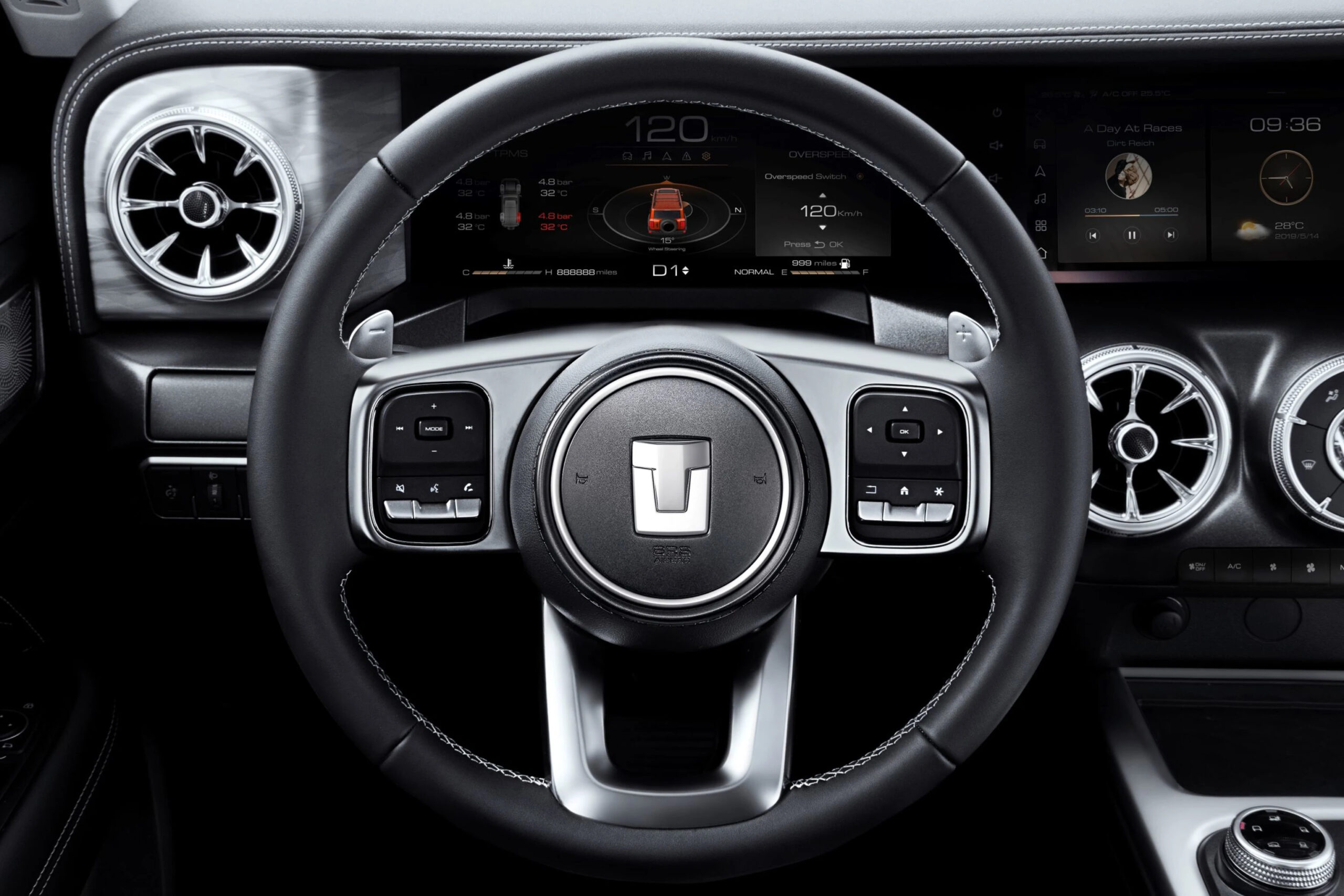
Those ventilation ducts look very similar to what you’d find in a Mercedes-Benz A- or C-Class.
Why GWM’s sub-brand play is working
Sub-brands work if car companies are adequately bold with them.
When Lexus entered America with LS400, there wasn’t a Toyota-badged product that had a comparable specification – not even close! This was the opposite of what Volkswagen did with the Phaeton first-class sedan two decades ago (when the VW Group already had the Audi A8 and Bentley Continental in its armoury). That misstep showed the limits of cross-branding vehicles that are virtual mechanical twins. Despite its technical superiority, the Phaeton failed dismally to usurp the A8 in the limousine market.
Haval has a very different front-end design, grille, roofline and proportions to GWM’s larger legacy SUVs. Careful of being lulled into overconfidence and design laziness by their runaway success with recent Haval models, GWM’s designers knew the H6’s relatively intricate grille and panel shapes would not work on a 2-box off-roader. Hence the GWM Tank 300‘s highly original design, with no carry-over panels.
Sub- and cross-brands aren’t easy to get right. VW has executed some shared-platform models well – but bungled others (the ultimate cannibalisation of the Audi A1 by the Polo and the Phaeton failure are 2 examples). Chinese car companies are studious in their research and learn from their rivals’ mistakes.
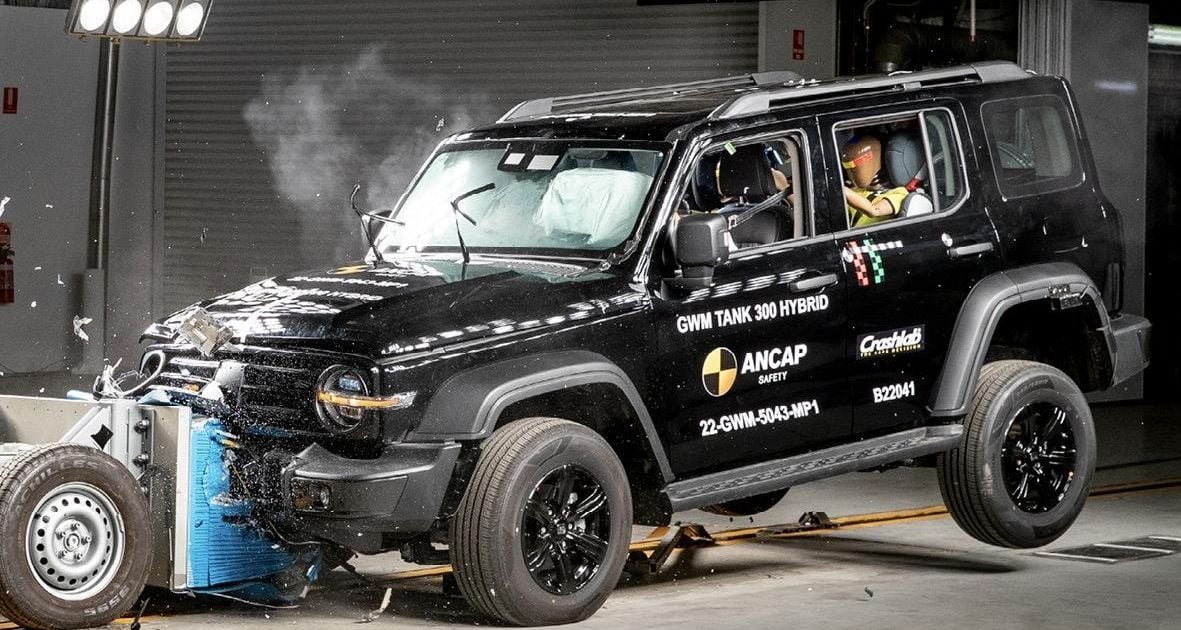
A 5-star crash safety test rating validates the Tank 300’s engineering integrity.
Will the 5-seat configuration count against it?
The Tank 300 is very different in appearance and execution from GWM’s other SUVs. It also occupies a potentially lucrative market space in the local market between the upcoming Jimny 5-door and Fortuner.
It doesn’t have 7 seats, though. But considering how few owners utilise the Fortuner’s 3rd-row seating, we can hardly imagine the GWM Tank 300’s 5-seat configuration will be an issue to prospective buyers.
The coolness factor of the undeniably stylish Chinese off-roader will further enhance GWM’s brand cachet in South Africa, but its other vehicle introduction for this year might be even more symbolic.
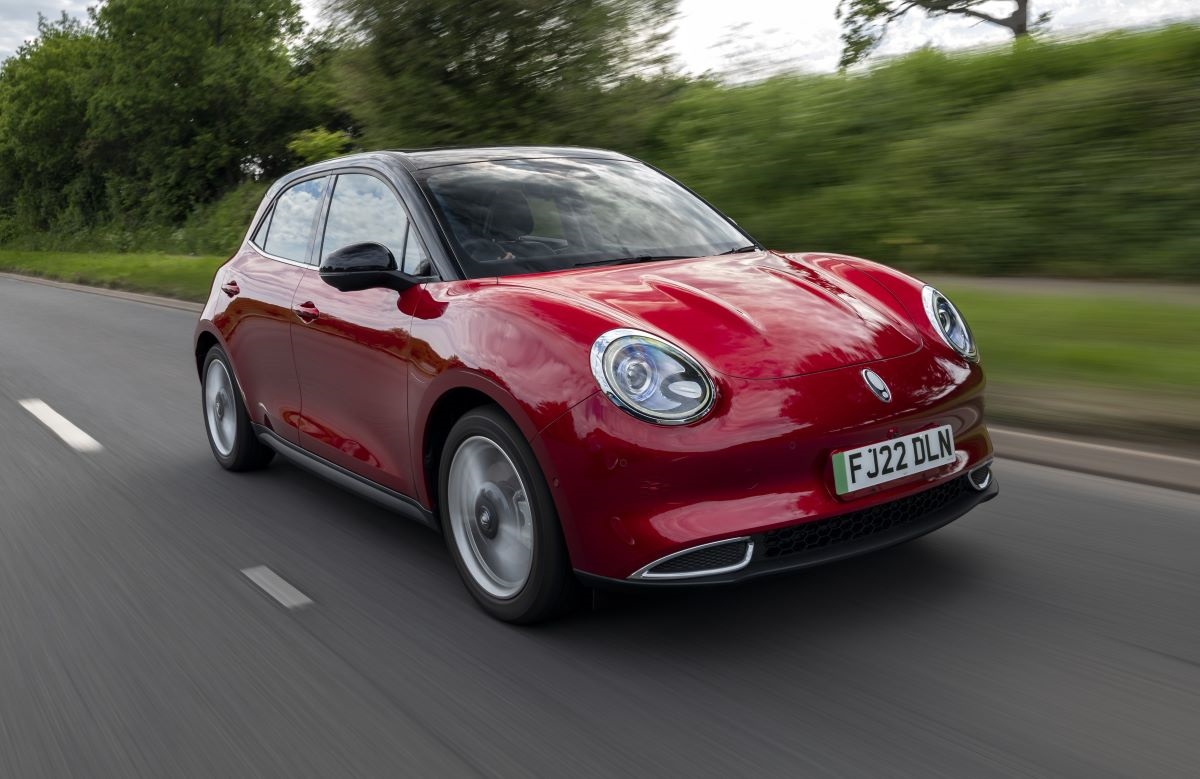
China defines the global electric vehicle market, in terms of consumption and production. And GWM’s Ora (including its Ora Sport variant), replete with its disarming styling and sensible battery speciation, could finally become the electric vehicle to gauge true South African battery-vehicle demand.
Bakkies, boxy SUVs, crossovers and a possibly very affordable EV. GWM’s local product portfolio is expertly configured.
Could GWM become a top-5 car brand in SA?
Low sales volumes of German luxury brands’ R1m+ electric vehicles are no indication of how receptive South Africans are towards the idea of battery power, as opposed to petrol or diesel. However, Ora could create a truer demand barometer for South African motorists’ interest in owning electric cars.
China’s automotive industry is positioning itself for global domination. And GWM’s SA product strategy, with P-Series, Haval and the addition of Tank and Ora, are all powerful product chess moves to that end.
Building and sustaining a brand in the hyper-competitive automotive space is tough. It’s why innovative European brands, such as Volvo and Land Rover, are now owned by Indian and Chinese car companies.
With the P-Series double-cab and Haval’s Jolion and H6 models, GWM has established a value brand presence in our market under the auspices of Haval Motors SA. By 2030, local car enthusiasts might look back at 2023 as the pivotal year for GWM’s South African product strategy.
Once you have established a strong brand, it’s all about product frequency. And GWM has a remarkable product pipeline in waiting.
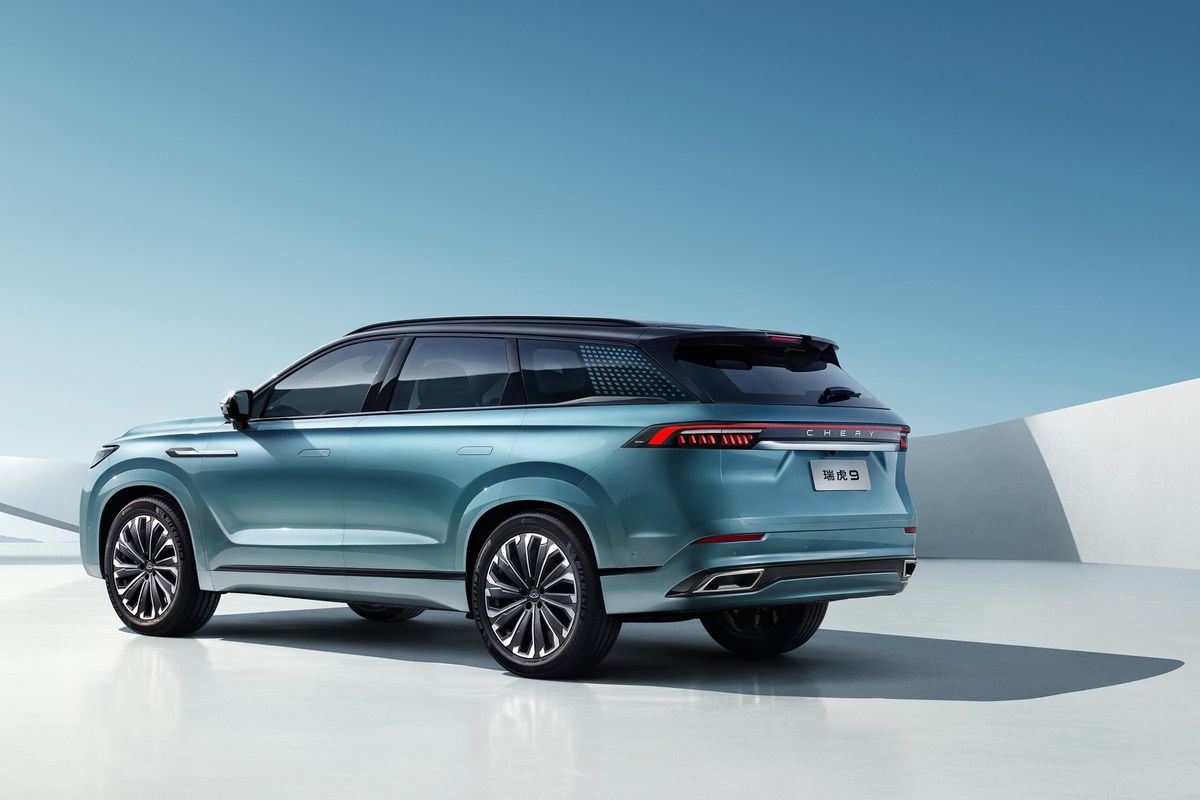
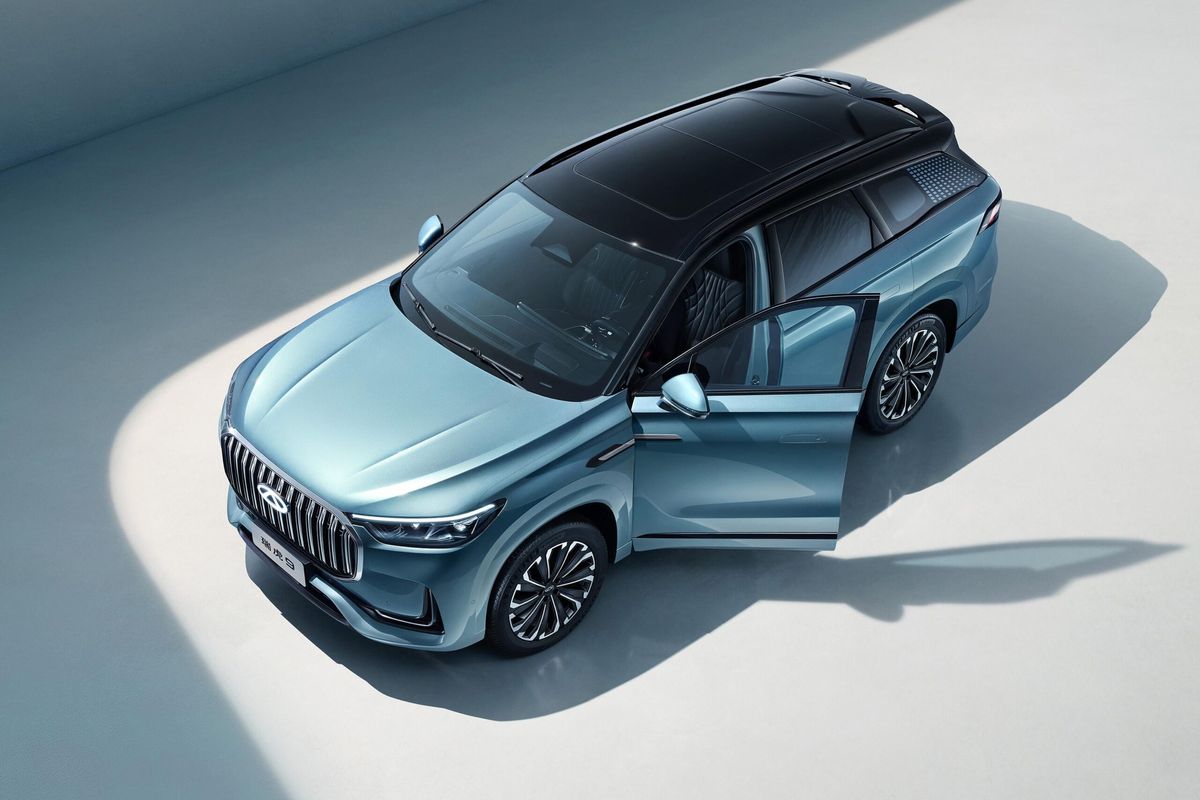
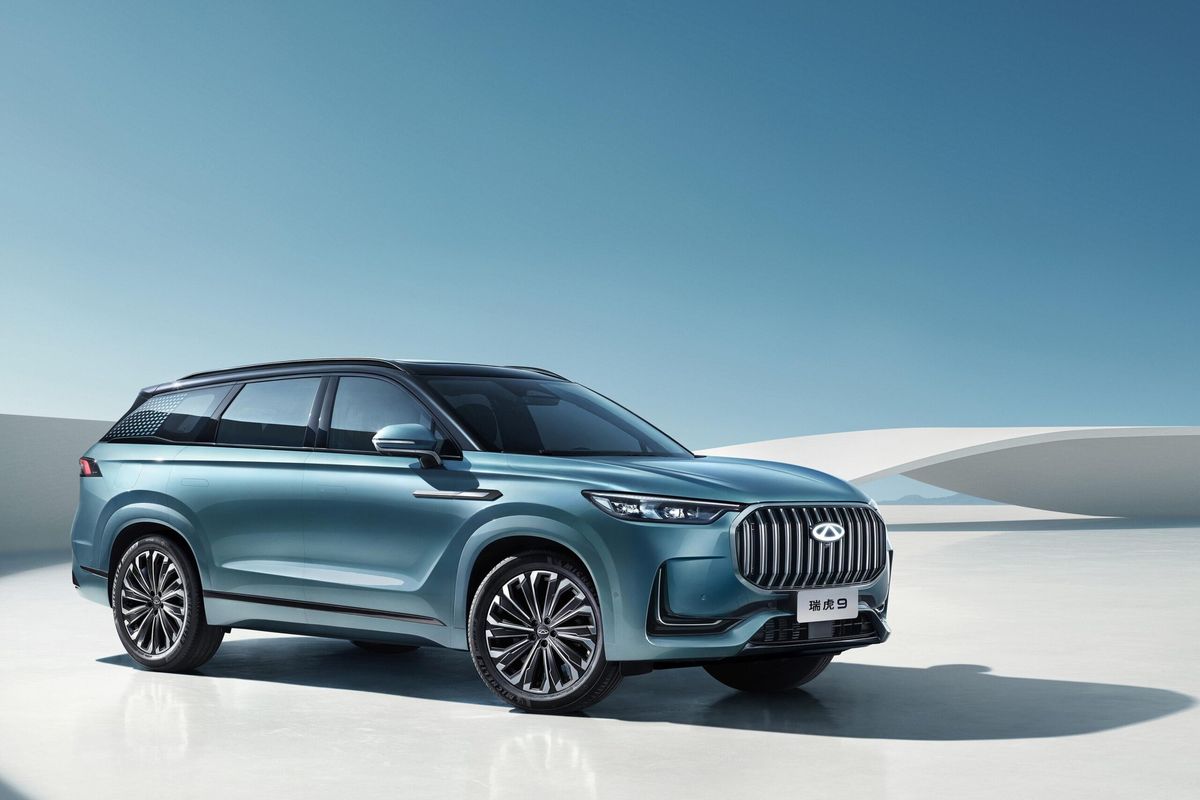
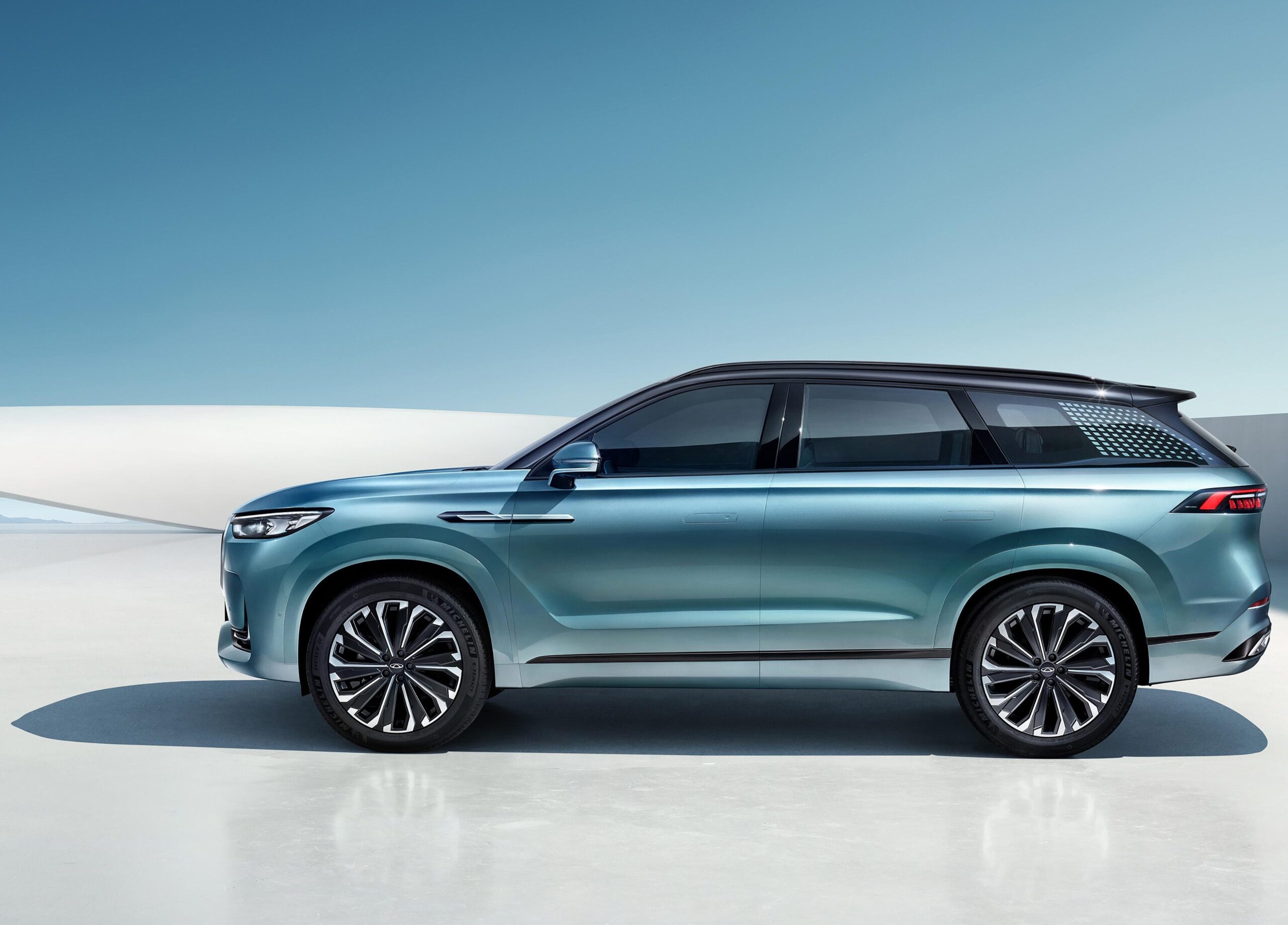
The Chery Tiggo 9 is the biggest SUV from the Chinese carmaker. Here are some early details.
The new Tiggo 9 sits at the top of the Chery family and while it’s not yet confirmed for South Africa, we understand that it has been earmarked for the global market. Physically, it has a length of 4.8 metres, surpassing that of the current biggest vehicle in the range, the Tiggo 8 Pro at 4.74 metres.
These official images give us a good look at the design language and styling, but sadly there were no interior images accompanying the release from Chery. To underline the flagship credentials, there are some great luxury touches like the retractable door handles and 20-inch alloy wheels.
Inside, you can expect a digital dashboard and digital infotainment screen, as well as numerous digital connectivity enhancements like wireless charging and numerous USB ports. The vehicle is a 7-seater, and with its size, you can expect plenty of cabin space and storage solutions.
Under the bonnet is a 2.0-litre turbocharged 4-cylinder petrol engine. Outputs of 187 kW and 390 Nm are touted, driving the front wheels via a 7-speed dual-clutch gearbox. This is the same powertrain as the recently-launched Tiggo 8 Pro Max. Interestingly, all-wheel drive is on the cards, as well as conventional and plug-in hybrid powertrains. The latter will help address fuel economy concerns, which are commonplace for some of Chery’s products.
Watch this space, as we’d be very surprised if this model doesn’t make its way to South Africa. The official Chinese debut will be taking place in the first quarter of 2023 and we’ll update this article if there are further details.
Haval SA Boss Says Chinese Brand’s SUVs Are ‘Bulletproof’
The head of Haval Motors South Africa says the Chinese brand’s vehicles are “reliable” and even “bulletproof”, specifically when it comes to local driving conditions…
The man who heads up Haval Motors South Africa claims the Chinese firm’s vehicles are “bulletproof”, adding the crossovers are particularly well suited to South African driving conditions.
Conrad Groenewald, Chief Operations Officer of Haval Motors SA, made the comments while speaking to Cars.co.za video journalist, Ciro De Siena, during an exclusive interview covering a broad range of topics.
“I think a huge part of the success of the [Haval] brand and what we’ve done is how reliable the products are and just [that] they are bulletproof, specifically for South African conditions and driving conditions,” Groenewald said.
Haval Motors SA was founded as a wholly owned subsidiary of the Chinese group in 2017, replacing GWM South Africa, which had distributed single- and double-cab bakkies (and later a few passenger vehicles as well) locally since early 2007. In 2022, the Chinese group posted local sales of 22 644 units, an improvement of 18.79% compared with 2021 and enough to see it climb a place to 9th overall.
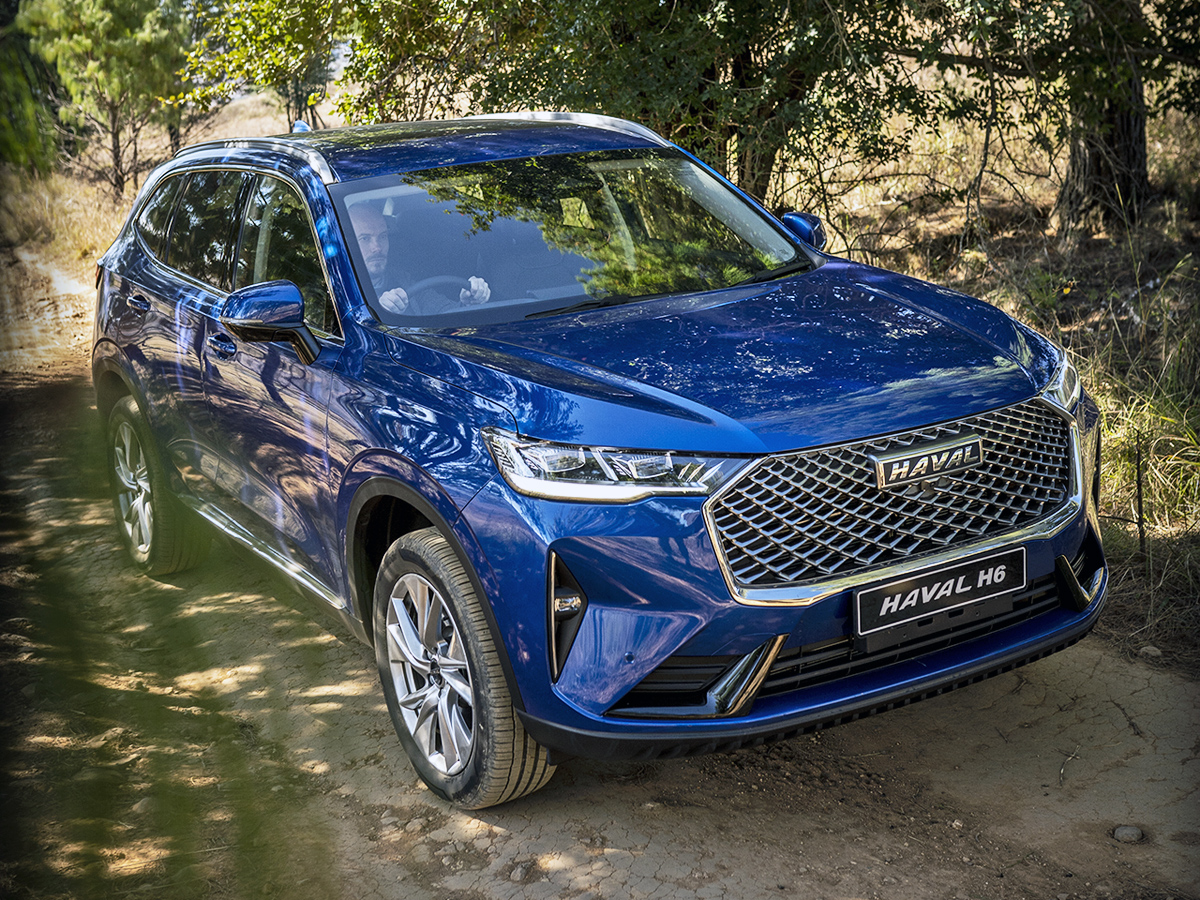
Haval models such as the latest H6 have proved popular with SA buyers.
“I think everything in the automotive industry starts with DQR: durability, quality, reliability. I think those 3 pillars, we’ve absolutely nailed. You do get that question and we do get asked often: ‘do they last?’. Haval’s only been in the country for 5 years now, so it’s a relatively new brand and only time will tell.
“I wish we could sometimes just press the fast-forward button – to 5 or 10 years from now – and say ‘look, they’re still there; we’re still on the road; they’re bulletproof; they’re reliable’. It’s the one instance where you wish your life away so people can experience actually how reliable these products are,” explained the former Ford Motor Company of Southern Africa executive.
Groenewald said he believed the brand’s products and prices were “right” for the local market, adding the company was “growing rapidly” with various “dealership expansion strategies in mind”.
“But, as I said, only time will tell. We’re very confident that the vehicles that we sell today and the vehicles that we in fact sold 5 years ago, you still see on the road and there’s absolutely nothing wrong with them.”
Is this the craziest Volkswagen Beetle you have ever seen in South Africa? Watch the video!
Starting with a bare shell of a 1969 VW Beetle, Louis Cloete and his father spent the next decade building a monster Bug. Using a Volkswagen Type 4 air-cooled engine stroked to 2.7 litres and with turbocharging, they have ended up with this crazy blue 400hp (nearly 300kW) Volkswagen Beetle!
Louis and his dad have a lot of racing in their blood. Louis’s dad was a racing driver and Louis is a hands-on car builder. While much of an original Beetle remains in this fantastic, Frankensteinian creation, Louis and his dad have reworked every component and every part of the car to ensure that the power gets to the road and that the car brakes and handles well.
It uses components mainly from the Volkswagen group, including Porsche parts as well as more modern Volkswagen parts. For Louis the fun part of owning a Beetle like this is not only in the drive (and smoking modern hot hatches) but it’s also about the quality time spent with his family in creating it in the first place.
We tip our hats to Louis and his for building this beastly Beetle. Well done!