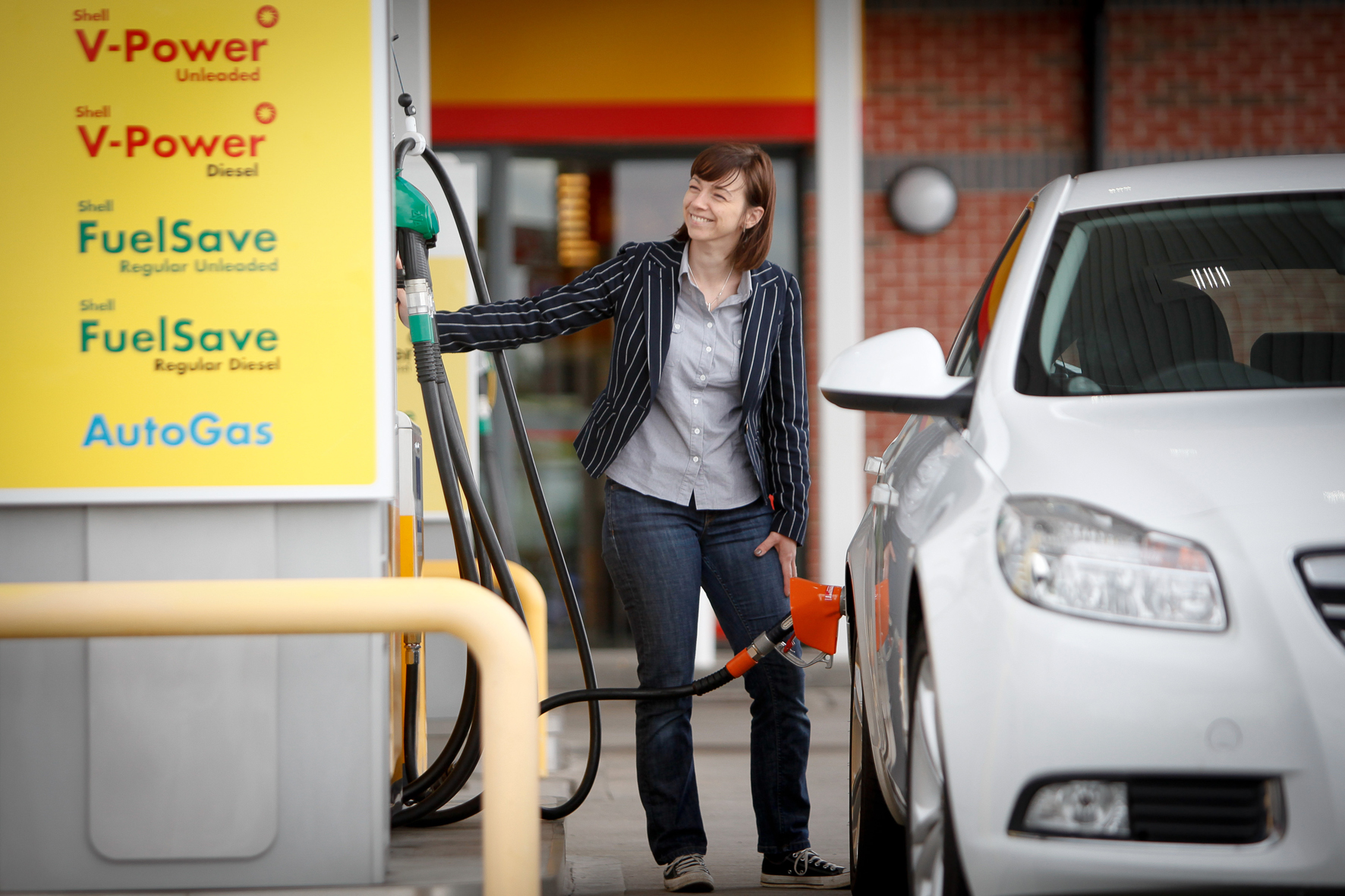
The Department of Mineral Resources and Energy has announced official fuel price data for August 2023… and it’s bad news for South African consumers in general – with diesel going up almost twice as much as petrol on Wednesday the 2nd.
In the middle of last month, the Automobile Association predicted that the cost of unleaded 95 was likely to increase by around 7 cents a litre, while diesel users were in for a “substantial” 48 cents a litre hike.
Unfortunately, the increases are bigger than that. Although the average Rand/US Dollar exchange rate for the period 30 June to 27 July 2023 was 18.2801 – better than the 18.6825 during the previous period – the average international product prices for petrol, diesel and illuminating paraffin also increased notably.
The Department of Mineral Resources and Energy announced that fuel prices had to rise because, in spite of the more favourable ZAR/USD exchange rate, the average price of brent crude oil had increased to $79.75 a barrel in the period under review, compared with $75.10 per barrel the previous month.
The main reason the Brent crude oil price rose was due to the increased demand for crude oil from China and India, and tightening supply due to continued production cuts by Saudi Arabia, the department said.
“Most analysts expect the supply constraints to push the price higher in the next few weeks.” the department added, which if it materialises, may mean that petrol prices will rise again in September.
“Naturally, we remain concerned that the effect of more diesel prices will impact directly on consumers through higher prices given that this fuel is a major input cost in so many sectors,” the Automobile Association said last month.
Remember, apart from motorists’ private vehicles that operate on diesel, the transport- and agricultural industries, plus electricity generators, are major consumers of the fuel.
Fuel price increases for August 2023
As far as the increases are concerned, 93- and 95 octane petrol will rise by 37c per litre, 50ppm diesel will increase by 72c per litre and 5ppm diesel will go up by 71c per litre.
Fuel Prices in South Africa
Fuel Type
Jul ’23 Inland
Jul ’23 Coast
Aug ’23 Inland
Aug ’23 Coast
Petrol Unleaded 93
R22.06
R21.34
R22.43
R21.71
Petrol Unleaded 95
R22.46
R21.74
R22.83
R22.11
Diesel 0.05%
R19.49
R18.76
R20.21
R19.48
Diesel 0.005%
R19.81
R19.10
R20.52
R19.81
Fuel price data courtesy of the Department of Mineral Resources and Energy.
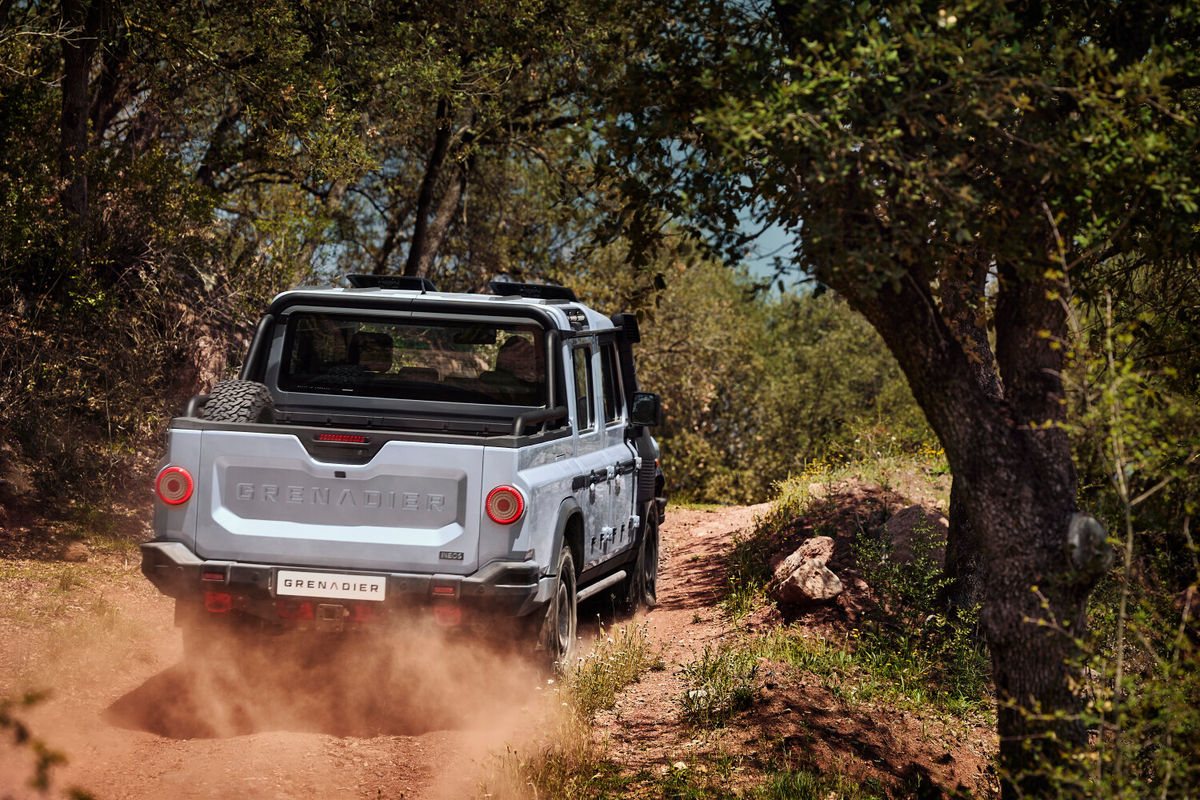
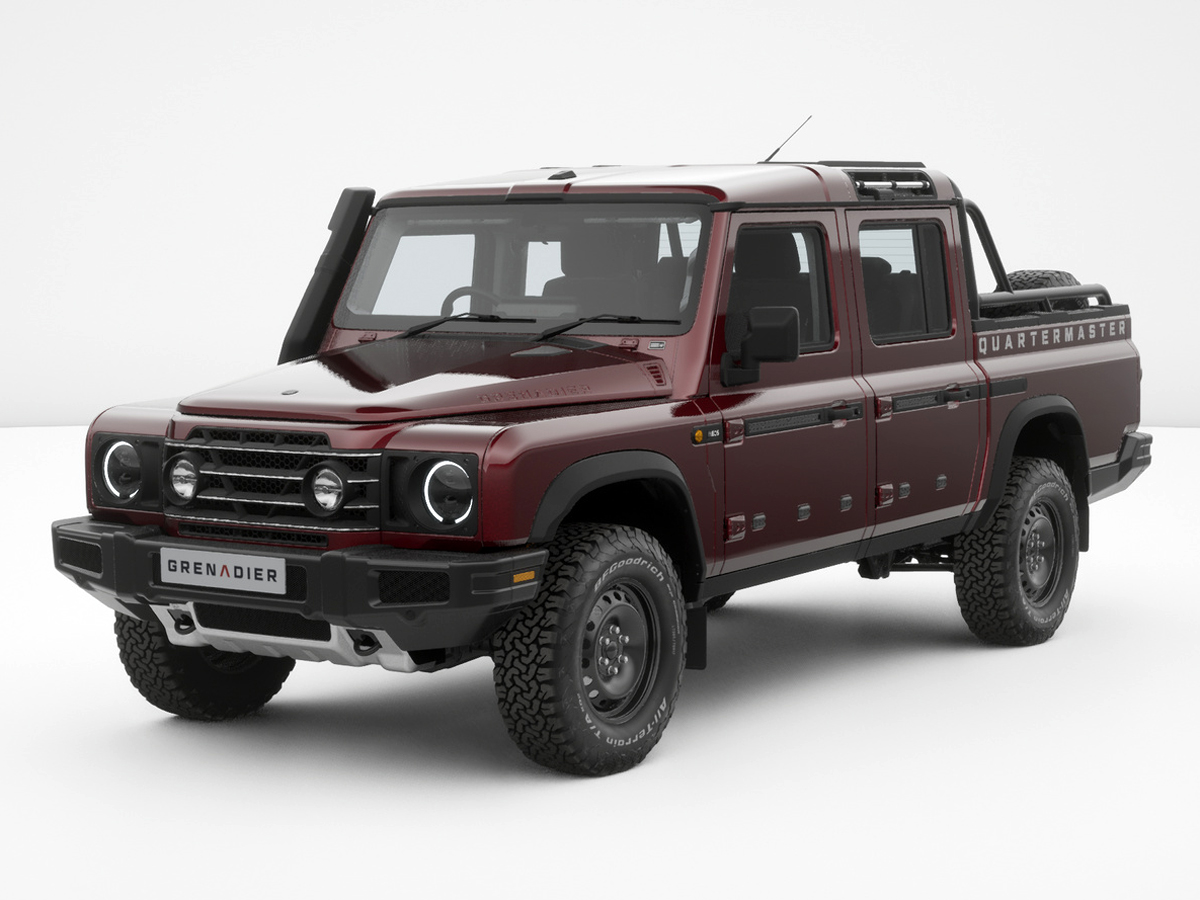
Order books for the new Ineos Grenadier Quartermaster have officially opened in South Africa! Here’s local pricing for SA’s most expensive new double-cab bakkie…
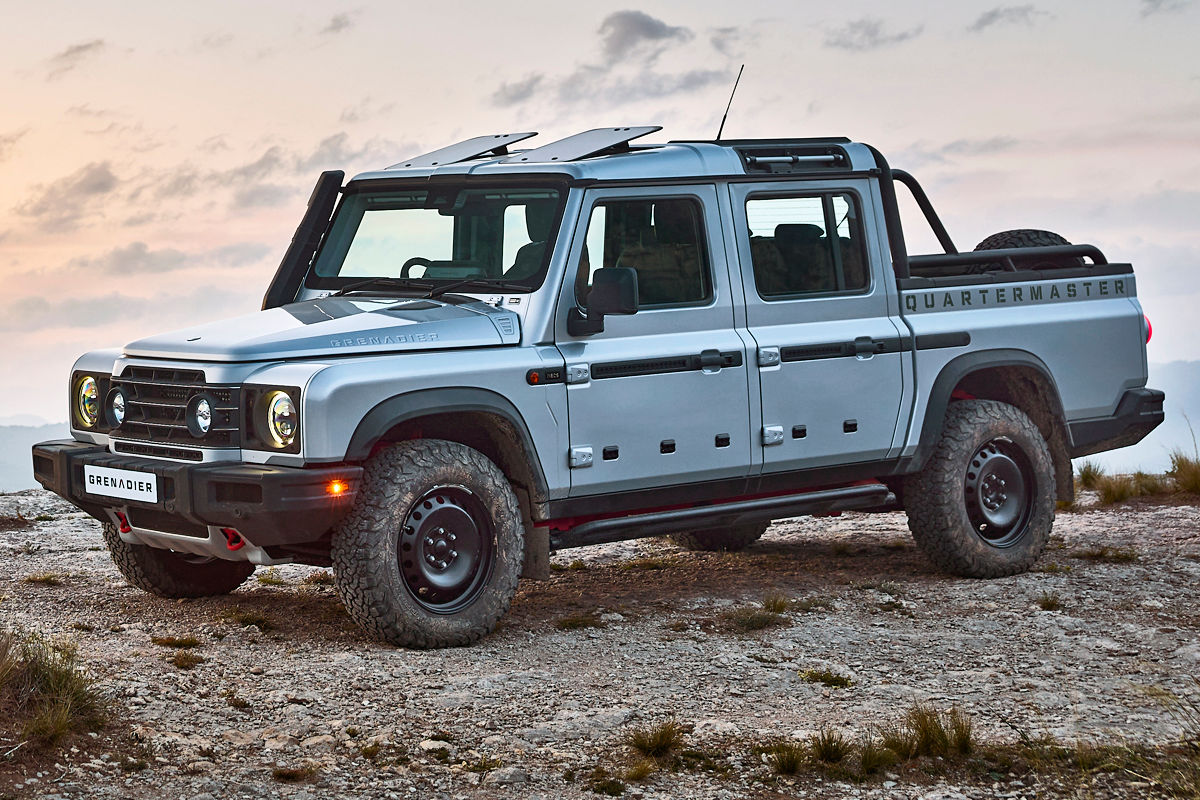
You’re looking at South Africa’s new most expensive double-cab bakkie. Yes, order books for the recently revealed Ineos Grenadier Quartermaster have officially opened, though it’s not yet clear when the first units will arrive.
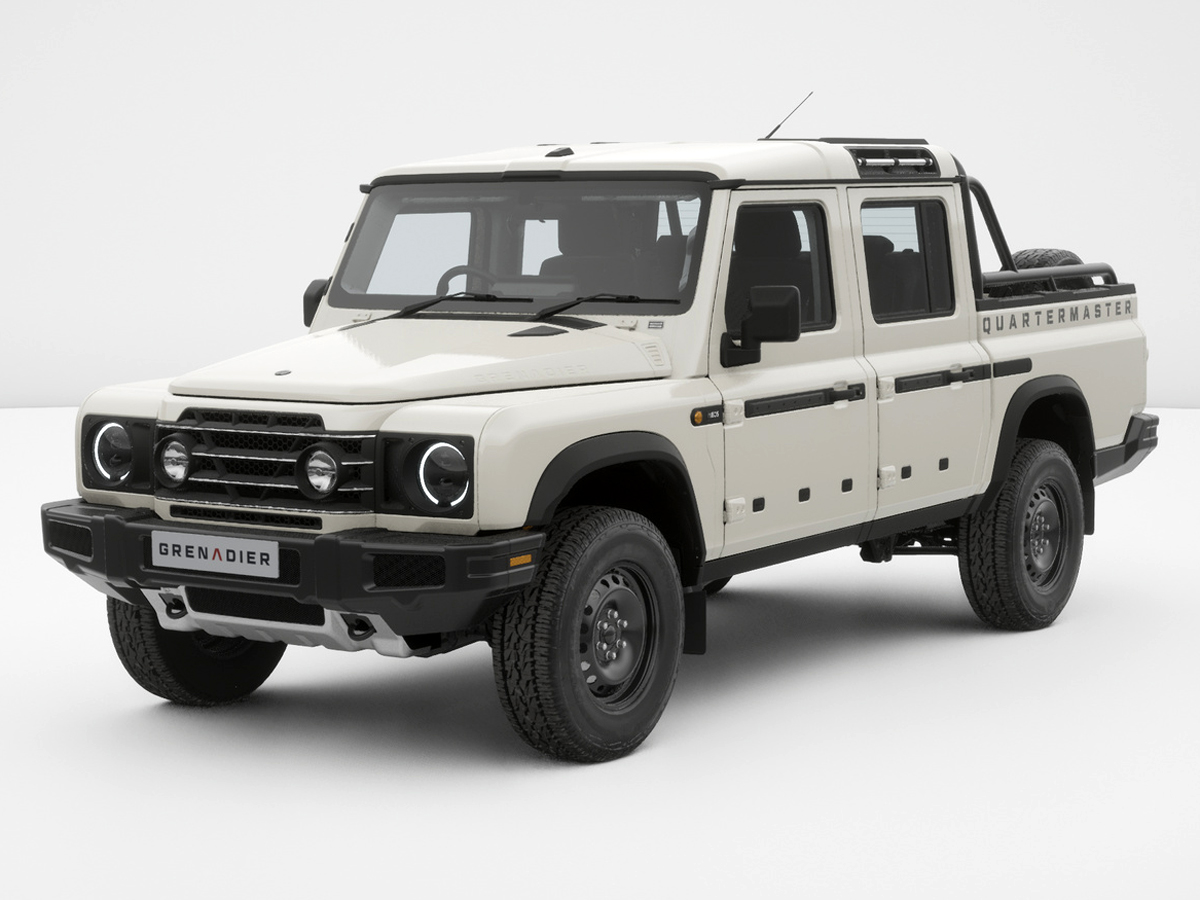
So, what sort of pricing are we looking at here? Well, the base Quartermaster kicks off at R1 717 100, with the Trialmaster Edition and Fieldmaster Edition each starting at R1 862 100. For the record, that means the Quartermaster takes over from the Jeep Gladiator (R1 329 900) as the country’s priciest bakkie. Interestingly, pricing matches that of the closely related Grenadier Station Wagon.
The base Grenadier Quartermaster.
As a reminder, engines are sourced from BMW, with customers offered a turbocharged 3.0-litre inline-6 in either petrol or diesel flavour, with a ZF-sourced 8-speed automatic transmission standard in each case. The petrol mill makes 210 kW and 450 Nm, while the oil-burner offers 183 kW and 550 Nm. Pricing is the same regardless of which engine is specified.
The Quartermaster’s off-road claims are impressive, with 264 mm of ground clearance; 800 mm wading depth; and approach, departure and breakover angles (36.2, 22.6 and 26.2 degrees, respectively) that British brand claims are “unrivalled by any other series pick-up”. A centre differential lock and a 2-speed transfer case are fitted as standard.
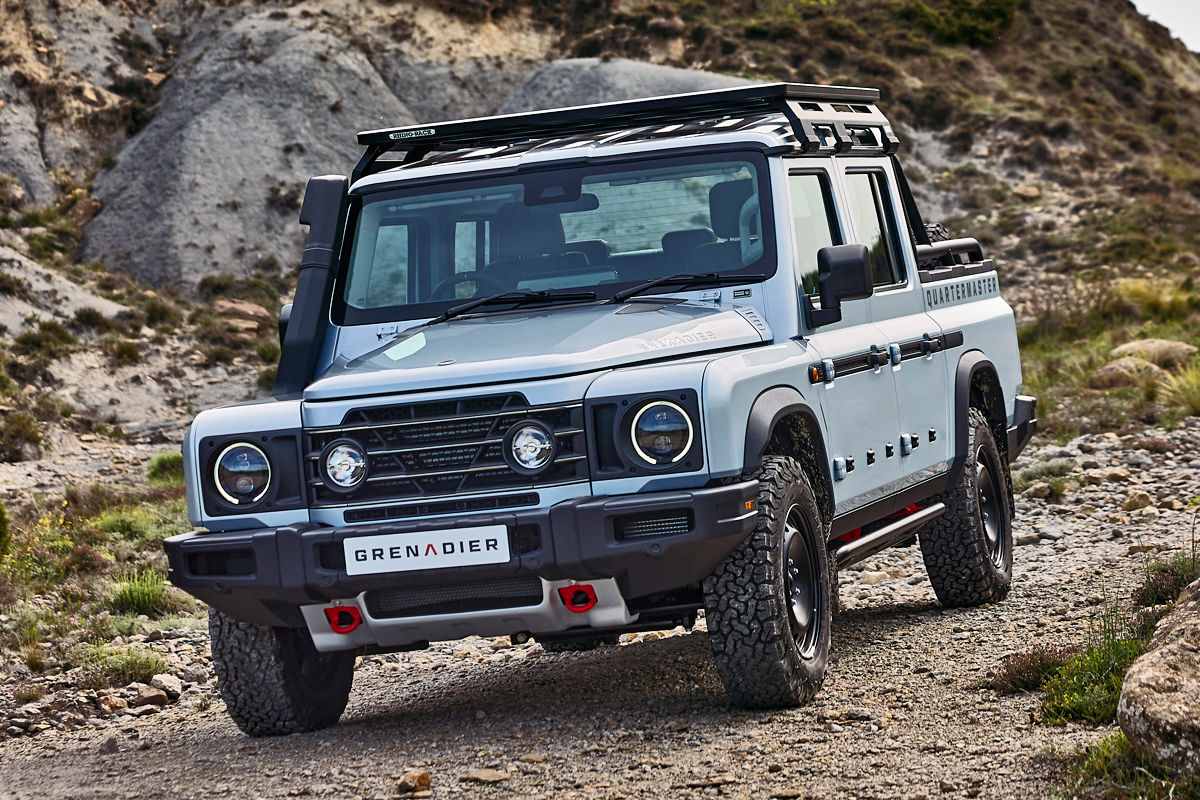
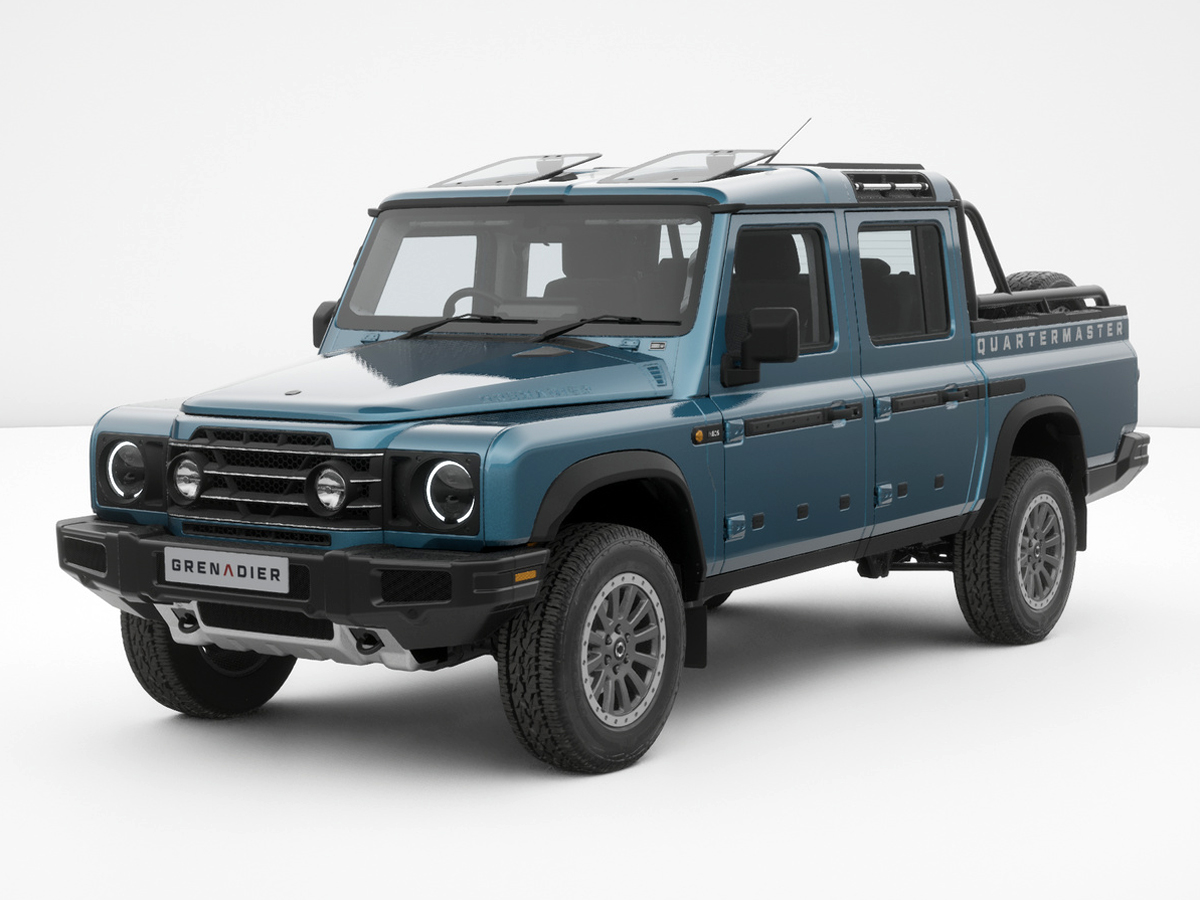
The Trialmaster Edition.
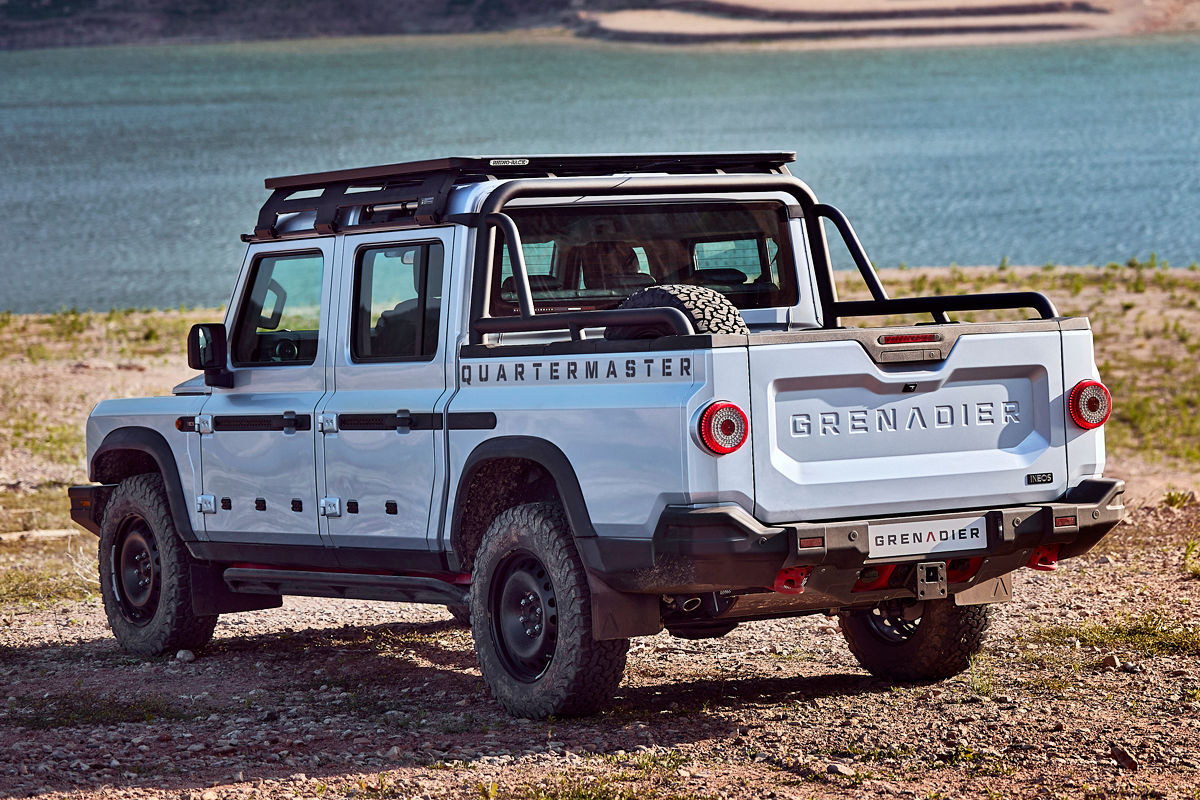
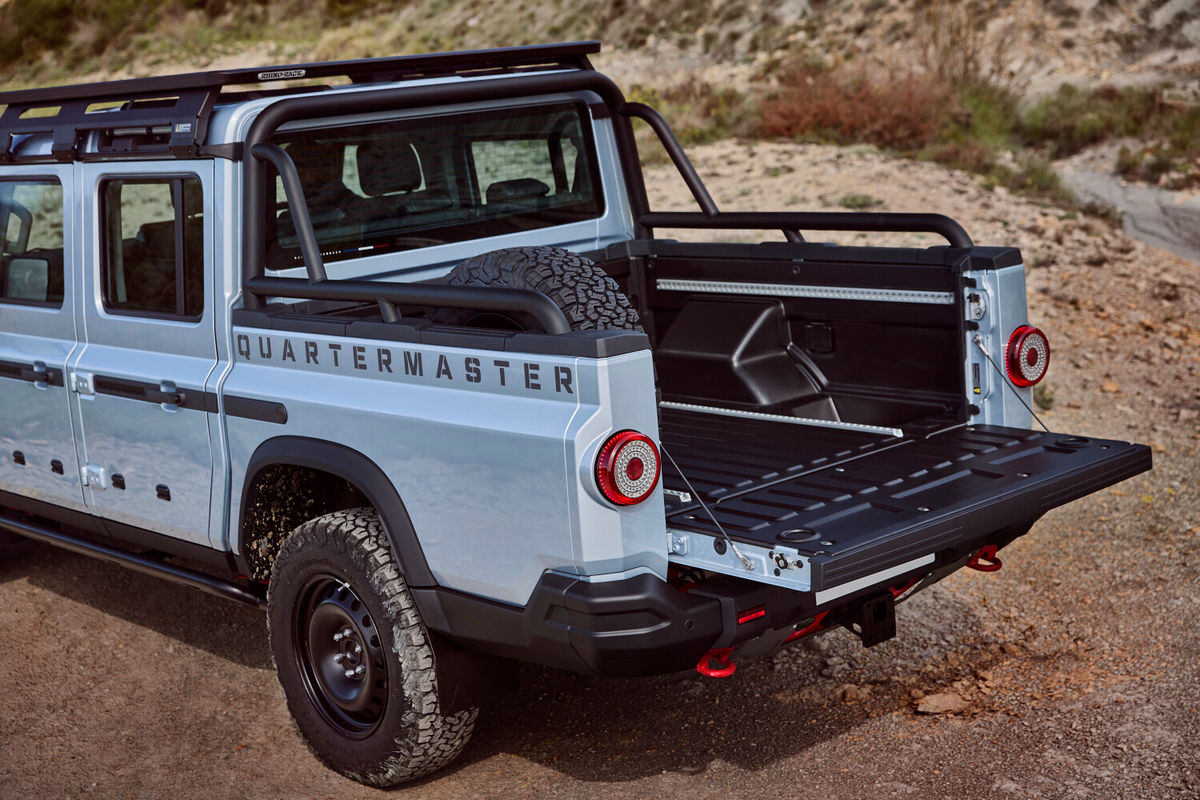
While the Quartermaster is mechanically identical to the Grenadier Station Wagon, the chassis is some 305 mm longer. The load-bay measures 1 564 mm long and 1 619 mm wide, which is enough to handle a standard Euro pallet. The payload rating comes in at 760 kg and the braked towing capacity at 3 500 kg.
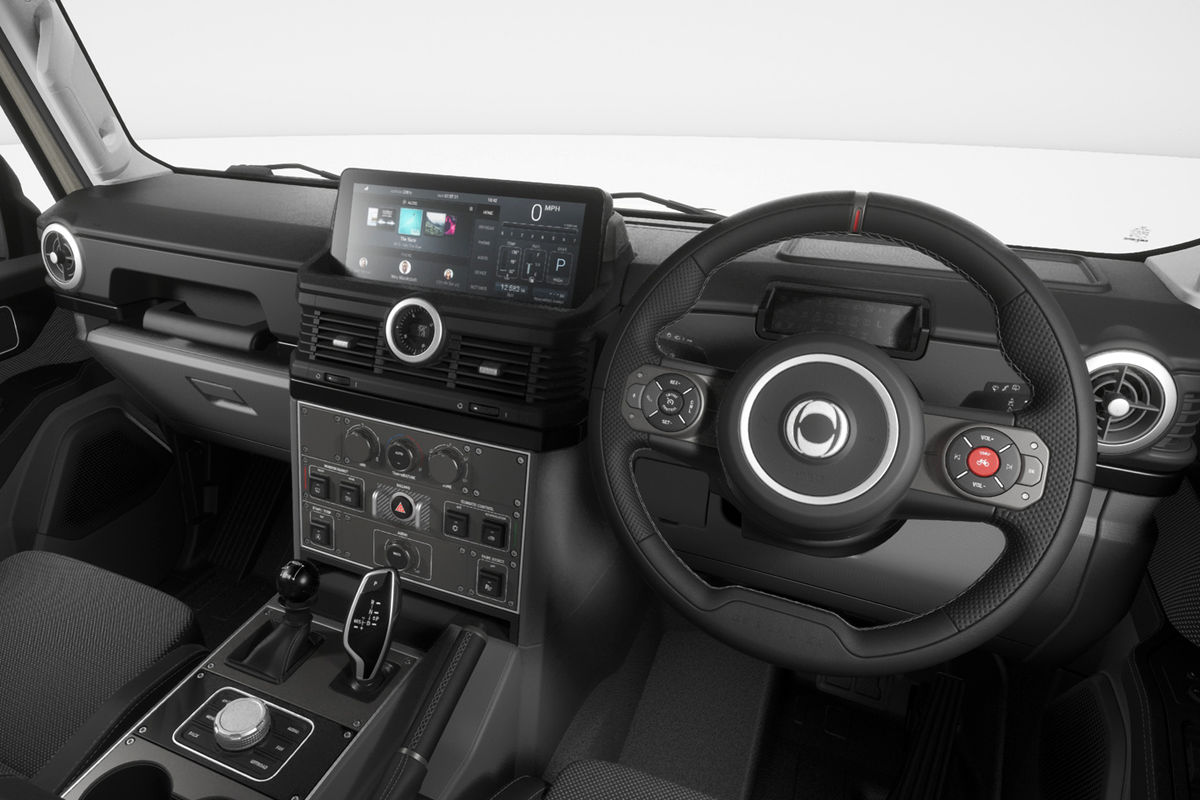
The base Quartermaster ships standard with items such as a centre differential lock, a 2-speed transfer case, LED headlamps, LED auxiliary high-beam lights, an overhead control panel, a full-size spare wheel, Pathfinder off-road navigation, Recaro seats, roof rails and towing eyes (front and rear).
The Fieldmaster Edition.
The Trialmaster grade adds features such as a snorkel, a load-bay liner, cargo-bay utility rails, an auxiliary battery, a “high-load” auxiliary switch panel (and electrical preparation), a compass (with altimeter), differential locks (fore and aft), BFGoodrich All-Terrain KO2 tyres, a reversing camera, front parking sensors, powered (and heated) exterior mirrors, heated windscreen washer jets, a lockable central stowage box, puddle lamps and auxiliary charge points.
Finally, the Fieldmaster gains 18-inch alloy wheels (as opposed to 17-inch steelies), locking wheel nuts, safari-style windows (which pop up out of the roof), leather trim (with a choice of colours), a “premium” sound system, heated front seats and special “carpet” floor mats.
Of course, various options and accessories are available, from a bull bar (R28 650) and rock sliders (R20 200) to an integrated heavy-duty front winch (R68 455) and a roller-style tonneau cover (R47 050), plus many more. You can find the local Quartermaster configurator here…
How much does the Ineos Grenadier Quartermaster cost in SA?
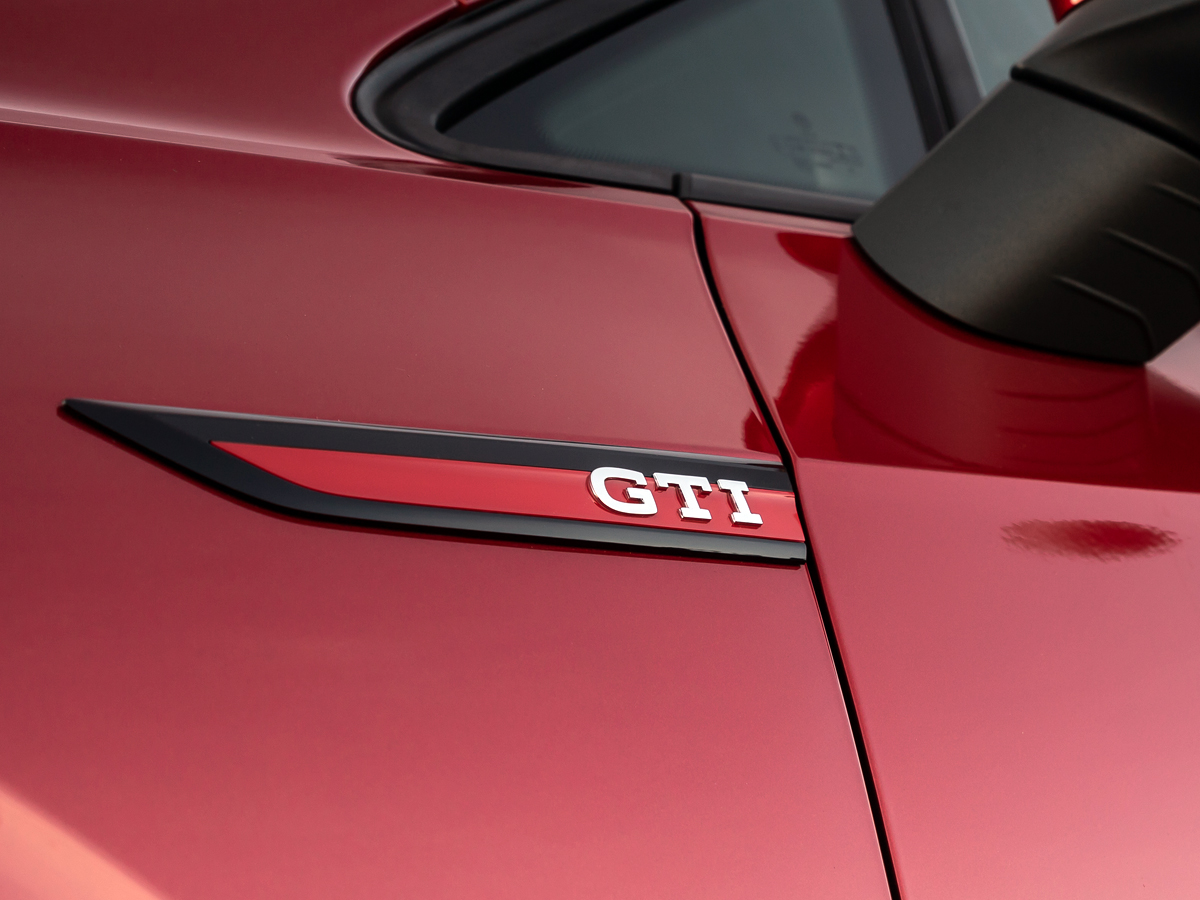
Volkswagen has applied to trademark a revised version of its iconic GTI logo, replacing the final letter with a lightning bolt. Check out the proposed new emblem here…
Wondering if Volkswagen’s iconic GTI logo will live on the electric era? Well, a fresh trademark application from Volkswagen suggests the badge will indeed survive, though with an interesting twist.
Uncovered by the eagle-eyed online sleuths over at CarBuzz, the trademark application was filed with the German Patent and Trademark Office (known in Germany as the Deutsches Patent- und Markenamt or DPMA) on 25 July 2023. How does the proposed emblem differ from the current version? Well, the final letter of the 3-part initialism – which, of course, stands for “Grand Touring Injection” – is replaced with a lightning bolt.
The proposed new GTI logo, as uploaded to the DPMA website.
As the US-based publication points out, this suggests the redesigned badge – which traces its history back to 1976 when it was applied to the Mk1 Golf – could be used either on partially electrified or fully electric vehicles. As a reminder, VW earlier reserved the GTX badge for performance versions of its battery-powered vehicles, first applying it to the ID.4 and later the ID.5.
However, Thomas Schäfer, CEO of the Volkswagen Passenger Cars Brand, suggested to Autocar towards the end of 2022 that the Wolfsburg-based automaker “might not need” the GTX moniker in future, instead stressing the importance of retaining the GTI and R badges. For the record, VW’s R division plans to offer only fully electric vehicles by 2030.
At the time, Schäfer furthermore confirmed VW had no plans to kill off the Golf name, effectively confirming a Golf 9 would be on the way. As a reminder, the Golf 8 debuted in October 2019 and is set for a mid-cycle update relatively soon.
The current GTI logo, as applied to the Golf 8.
“There is a connection with VW and ID, and there is no need to cancel [the latter]. We have iconic brand names, Golf and GTI. It would be crazy to let them die and slip away. We will stick with the ID logic but iconic models will carry a name,” Schäfer told the British publication at the time, adding a moniker such as “ID Golf” was by no means out of the question.
Currently, the GTI badge is applied only to the Golf 8 and the locally produced Polo hatchback, with production of the Up GTI having reportedly ended earlier in 2023.
New Mahindra Bakkie Concept Teased Ahead of Reveal in SA
Mahindra has confirmed plans to reveal a new “global” bakkie concept – conceived to battle the likes of the Toyota Hilux and Ford Ranger – right here in South Africa. Here’s what we know so far…
Mahindra has released a short teaser video confirming it plans to reveal a new “global” bakkie concept right here in South Africa – which it sometimes describes as its “second home outside of India” – on 15 August 2023.
In the 18-second clip released on the Indian automaker’s social media channels, Mahindra refers to the concept at the “Global Pik Up Vision”. The video gives us glimpses of the pre-production double-cab bakkie, including its black alloy wheels, all-terrain tyres, blocky taillamps and chunky side steps.
The covers will officially come off the bakkie concept at Mahindra’s Futurescape event in Cape Town on 15 August, India’s Independence Day.
Get ready to go global.
Experience freedom. Break boundaries. Our new Global Pik Up vision is ready to be unleashed. #Futurescape#GoGlobal
— Mahindra Automotive (@Mahindra_Auto) July 29, 2023
According to Autocar India, the new bakkie will be based on the Scorpio N platform (though with a lengthened wheelbase) and bear the “Z121” codename. The Indian publication – which earlier reported the Cape Town event would include the unveiling of the 5-door Thar – speculates the production model will hit the market by the start of 2025.
That’s a slightly different timeframe to the one earlier offered to Australian website GoAuto by Veejay Nakra, CEO for Mahindra & Mahindra’s automotive division. In June 2023, Nakra had suggested the bakkie would launch during the Indian automaker’s 2027 financial year, which would put it somewhere between 1 April 2026 and 31 March 2027.
Mahindra’s Pik Up is 5th on the list of SA’s best-selling bakkies, year to date.
Regardless of its exact market launch, we would expect the new bakkie to share the Scorpio N’s 2.2-litre, 4-cylinder turbodiesel engine, which generates 129 kW and 400 Nm in the SUV. Nakra also revealed the new bakkie would take the form of a “a full-scale lifestyle pick-up”, somewhat unlike its current, more utilitarian Pik Up. That would suggest it will target segment sales leaders such as the Toyota Hilux and Ford Ranger.
The current Mahindra Pik Up – which is assembled in KwaZulu-Natal – placed 5th on the list of South Africa’s best-selling bakkies for 2022, with its final tally of 8 046 units proving enough to comfortably beat the likes of the Rosslyn-built Nissan Navara, the imported GWM P-Series and the original Volkswagen Amarok. Over the opening 6 months of 2023, Mahindra has registered 4 478 units of its Pik Up, which sees it remain in 5th position, year to date.
Are extremely potent SUVs your weakness? Well, look away: these are the 7 most powerful SUVs currently available on South Africa’s new-vehicle market…
SUVs are all about body-on-frame construction, lofty ground clearances and off-road ability, right? Well, not anymore. These days, the SUV is available in all sorts of flavours, including high-performance variants boasting some serious brawn. So, which are the most powerful SUVs in South Africa right now?
Well, we’ve sorted through the local new-vehicle market clutter and identified the 7 most potent models currently available. They’re all unibody in construction, petrol powered (though a couple furthermore benefit from electrification) and priced on the far side of R3-million. Moreover, every super-SUV here (thankfully!) features all-wheel drive.
Right, let’s meet the 7 most powerful SUVs currently available on the local market…
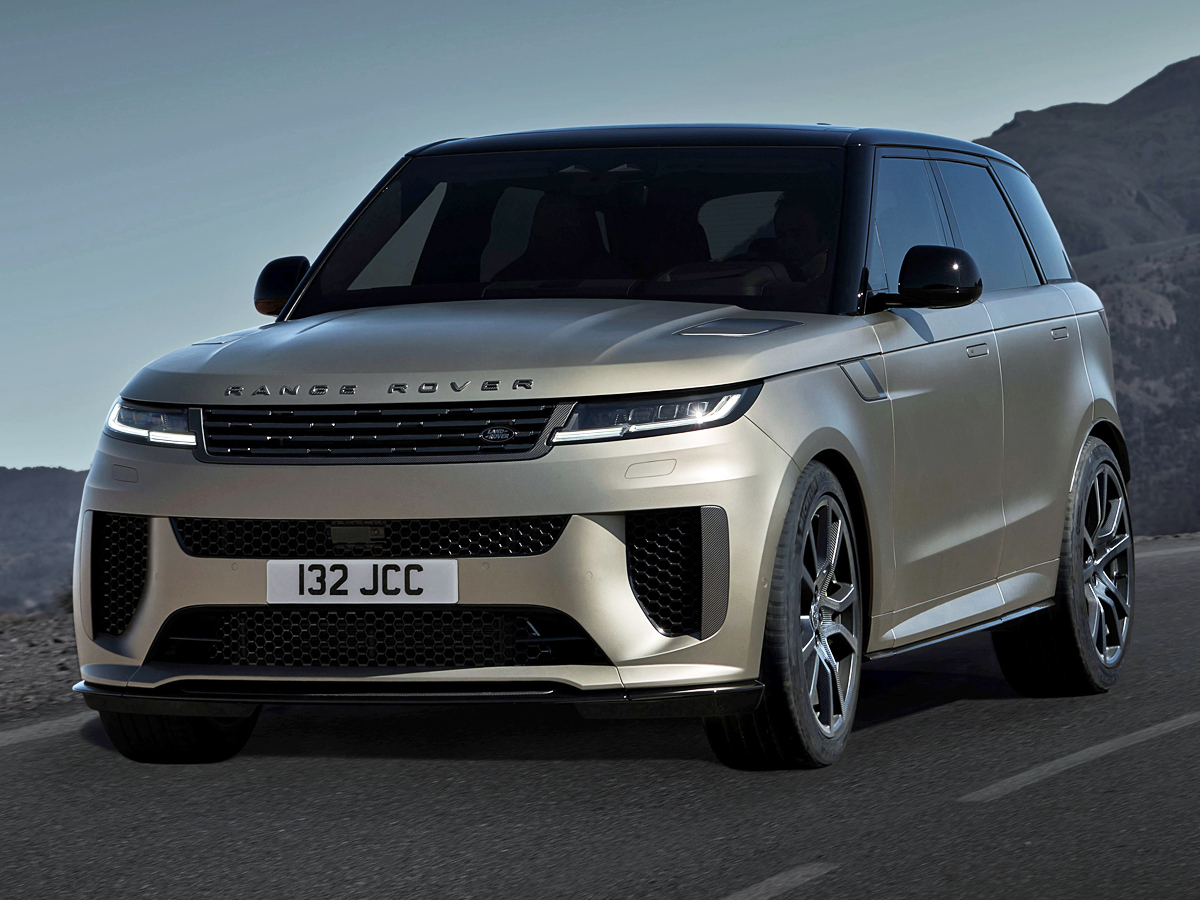
6=. Range Rover Sport P635 SV Edition One – 467 kW
You’re looking at the most powerful series-production Range Rover yet, thanks to its BMW-sourced (S63-series) twin-turbo 4.4-litre V8 electrified petrol engine. The 8-cylinder mild-hybrid motor generates a whopping 467 kW and 750 Nm (or 800 Nm for a brief period in Dynamic Launch Mode), resulting in a claimed 0-100 kph time of just 3.8 seconds and a top speed of 290 kph.
Though this V8-powered monster is technically on the market in South Africa, the Whitley-based firm says units from the 1st year of production are available only to “select clients” by invitation, and exclusively in SV Edition One guise. Nevertheless, would-be buyers can register their interest in upcoming (presumably not limited-edition) versions of this circa-R4-million vehicle.
6=. Bentley Bentayga Speed – 467 kW
“Speed”. It’s certainly an apt badge, isn’t it? Yes, the most potent version of the Bentley Bentayga matches the Range Rover Sport P635 SV’s peak power output of 467 kW, though its maximum torque figure is even more impressive at 900 Nm. While the Bentayga Speed will take a claimed 3.9 seconds to reach 100 kph from standstill, its listed top speed is a heady 306 kph.
All that oomph comes courtesy of the Crewe-based automaker’s twin-turbocharged 6.0-litre W12 engine, a hallowed motor that is scheduled to go out of production in April 2024. As such, the Bentayga is also currently available in limited-run Edition 12 guise, which pushes the base price past the R6-million mark.
5. BMW XM – 480 kW
This hulking SUV is BMW M’s 2nd standalone model after the M1 of the late 1970s. Revealed as part of the M division’s recent 50th-anniversary celebrations, the 5-seater high-performance SUV combines a twin-turbo 4.4-litre V8 petrol engine with an electric motor (with the latter drawing urge from a lithium-ion battery pack featuring a gross capacity of 25.7 kWh) integrated into the 8-speed M Steptronic transmission.
The XM‘s total system outputs stand at 480 kW and 800 Nm, enough to see the 2 785 kg SUV complete the obligatory 0-100 kph dash in a claimed 4.3 seconds. Top speed is electronically limited to 250 kph, though tick a certain box and the Bavarian firm will raise that figure to 270 kph. Need even more grunt? Well, the XM Label Red – which will be the most powerful road-legal M model yet – is coming, boasting headline figures of 550 kW and 1 000 Nm. Just 5 units have been set aside for South Africa, with an expected arrival in early 2024.
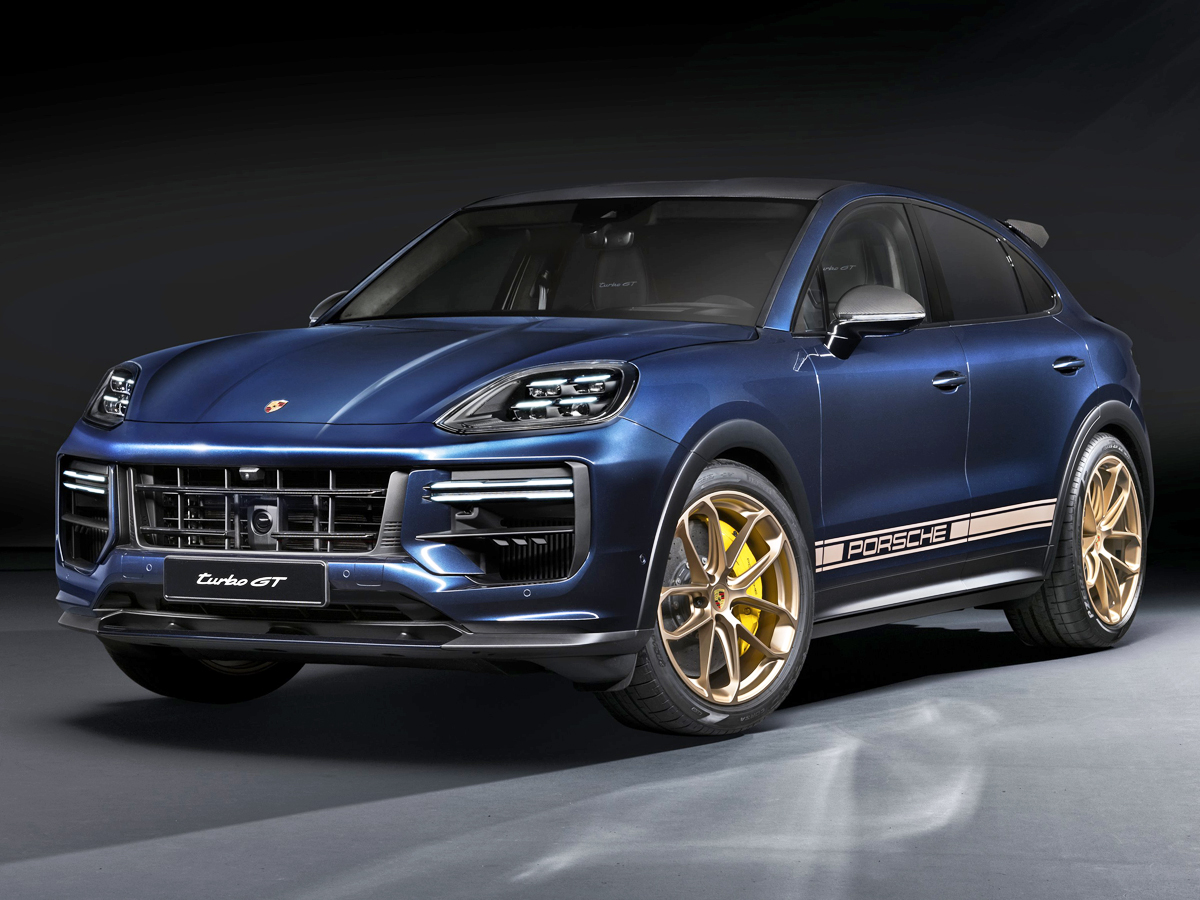
4. Porsche Cayenne Turbo GT – 485 kW
The brawniest version of Porsche’s Cayenne is available exclusively in the so-called coupé body style (though interestingly doesn’t wear the “Coupé” badge). Here, the Volkswagen Group’s twin-turbo 4.0-litre V8 motor churns out 485 kW and 850 Nm, which allows the circa-R4.2-million Cayenne Turbo GT to blast from 0 to 100 kph in just 3.3 seconds, according to Porsche. Top speed comes in at 305 kph.
Of course, there was once an even more potent Cayenne in the form of the Turbo S e-Hybrid, which featured an electrified (earlier) version of this V8, resulting in total system outputs of 500 kW and 900 Nm. However, this particular plug-in variant is no longer available on the South African market.
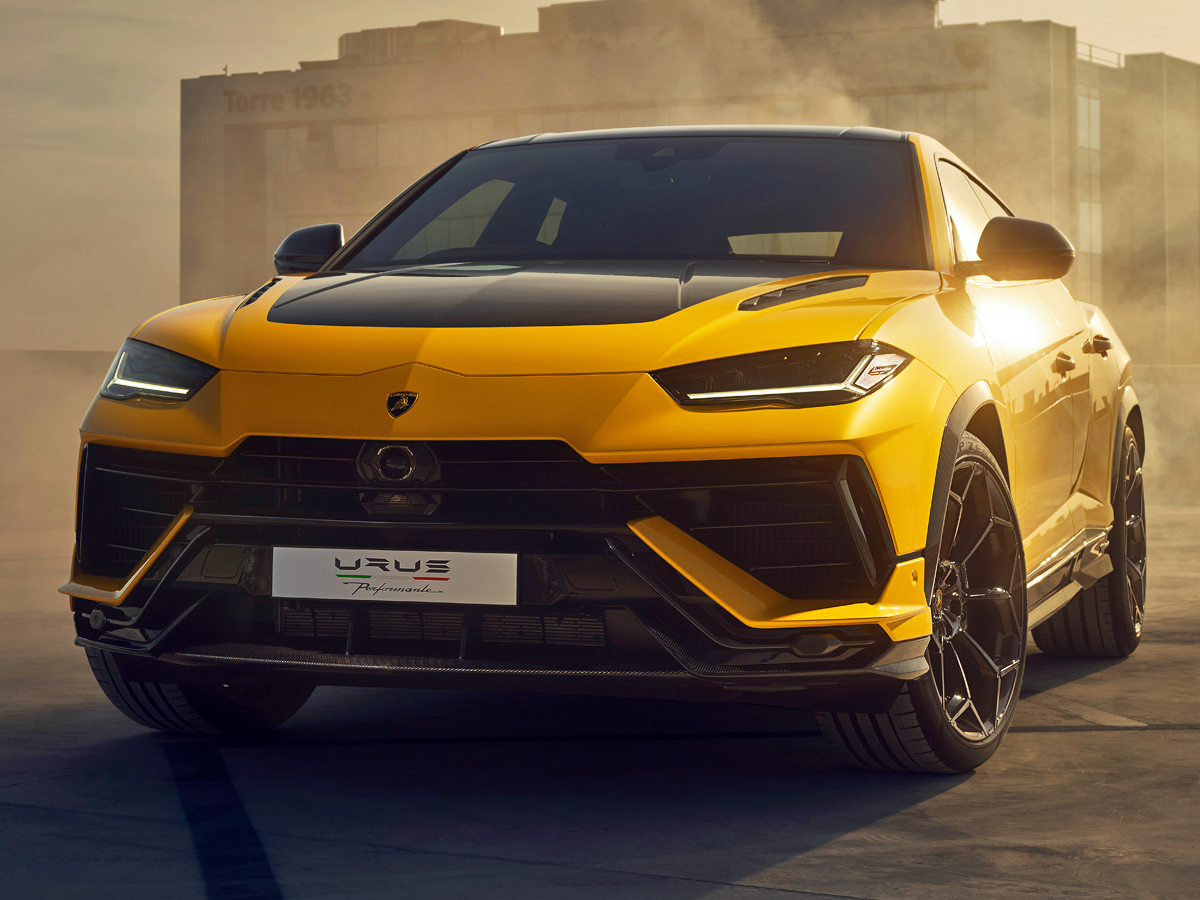
3. Lamborghini Urus Performante – 490 kW
When Lamborghini handed its Urus the Performante badge, the twin-turbo 4.0-litre V8 petrol engine (yes, closely related to that of the Cayenne Turbo GT above) was also suitably massaged, with its peak power rising 12 units to 490 kW (torque, meanwhile, was unchanged 850 Nm).
The R4 950 000 Urus Performante is furthermore 47 kg lighter than its forebear, helping it to complete the 0-100 kph sprint in a claimed 3.3 seconds. Top speed, meanwhile, comes in at 306 kph. Interestingly, the Urus S employs precisely the same engine tune, though is 2-tenths slower to 3 figures, with its maximum speed sitting at an ever-so-slightly lower 305 kph.
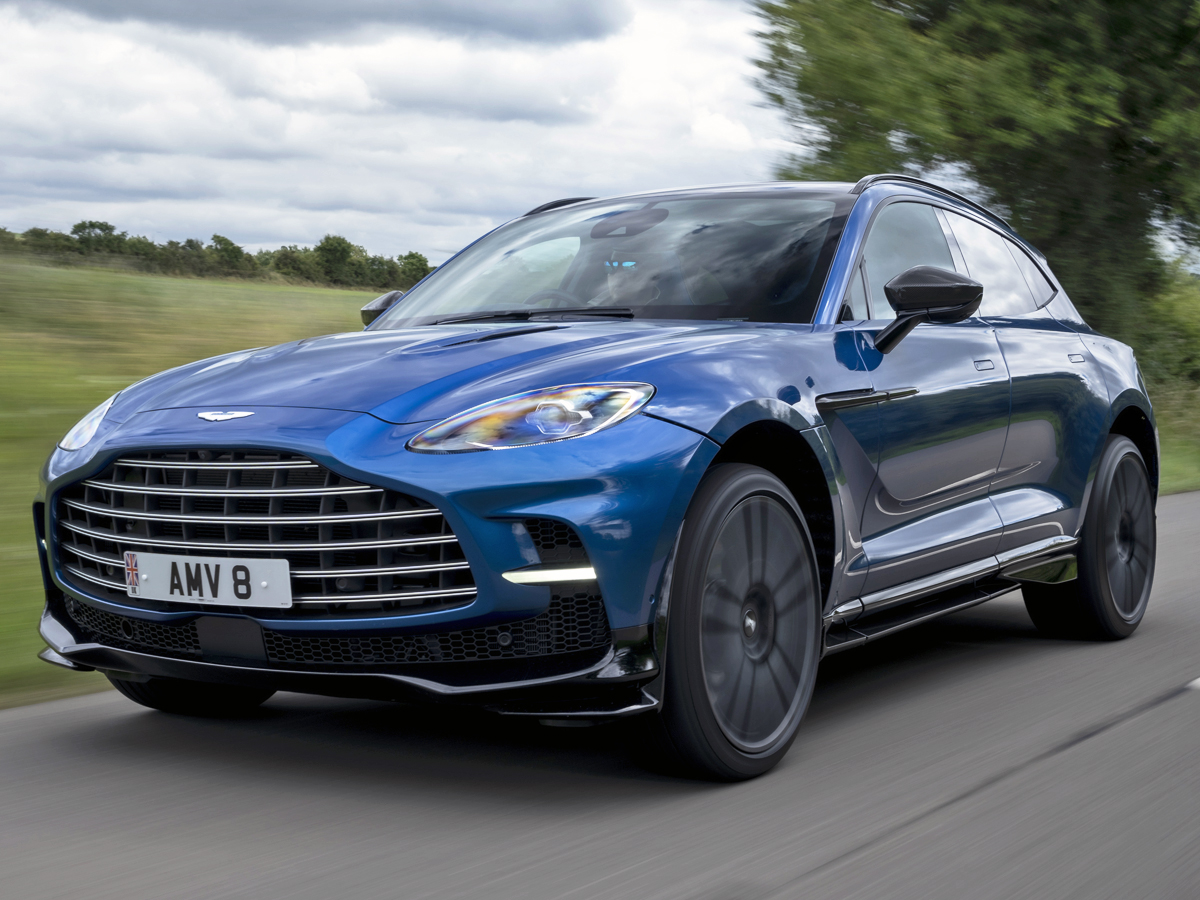
2. Aston Martin DBX707 – 520 kW
While Aston Martin’s “standard” (for lack of a better term) DBX offers maximum figures of 405 kW and 700 Nm, the flagship DBX707 generates a whopping 520 kW and 900 Nm. The engine in question? A further-fettled version of Mercedes-AMG’s twin-turbo 4.0-litre V8 petrol motor.
Flat out, the Gaydon-based firm promises the DBX707 will reach 310 kph, after seeing off the 0-100 kph blast in a mere 3.3 seconds. So, what’s with the name? Well, “707” denotes this model’s peak power output in PS (or Pferdestarke), which of course translates neatly to 520 kW. That make it the most powerful SUV at launch, though it’s since been usurped…
1. Ferrari Purosangue – 533 kW
Despite the fact the Maranello-based company would prefer you call it a “Ferrari Utility Vehicle”, the Purosangue is an SUV and is thus included here. As you’d expect from Ferrari, it’s currently the most powerful vehicle in its class and – rather fascinatingly – the only naturally aspirated model here.
Yes, the atmospheric 6.5-litre V12 generates a heady 533 kW and 716 Nm, which translates to a claimed 0-100 kph time of 3.3 seconds (matching the DBX707, Urus Performante and Cayenne Turbo GT). Ferrari has, however, made a point of listing the Purosangue’s top speed as being in excess of 310 kph, giving it V-Max bragging rights in the SUV space. Just don’t call it an SUV…
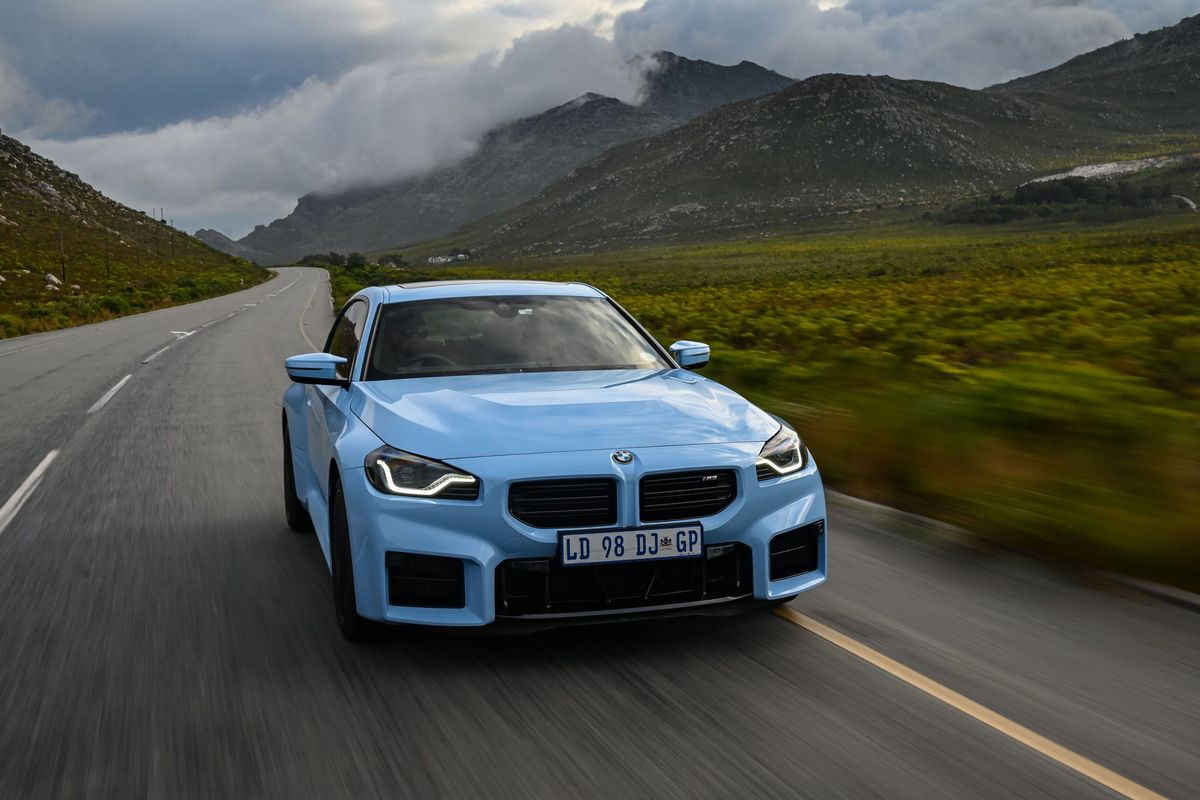
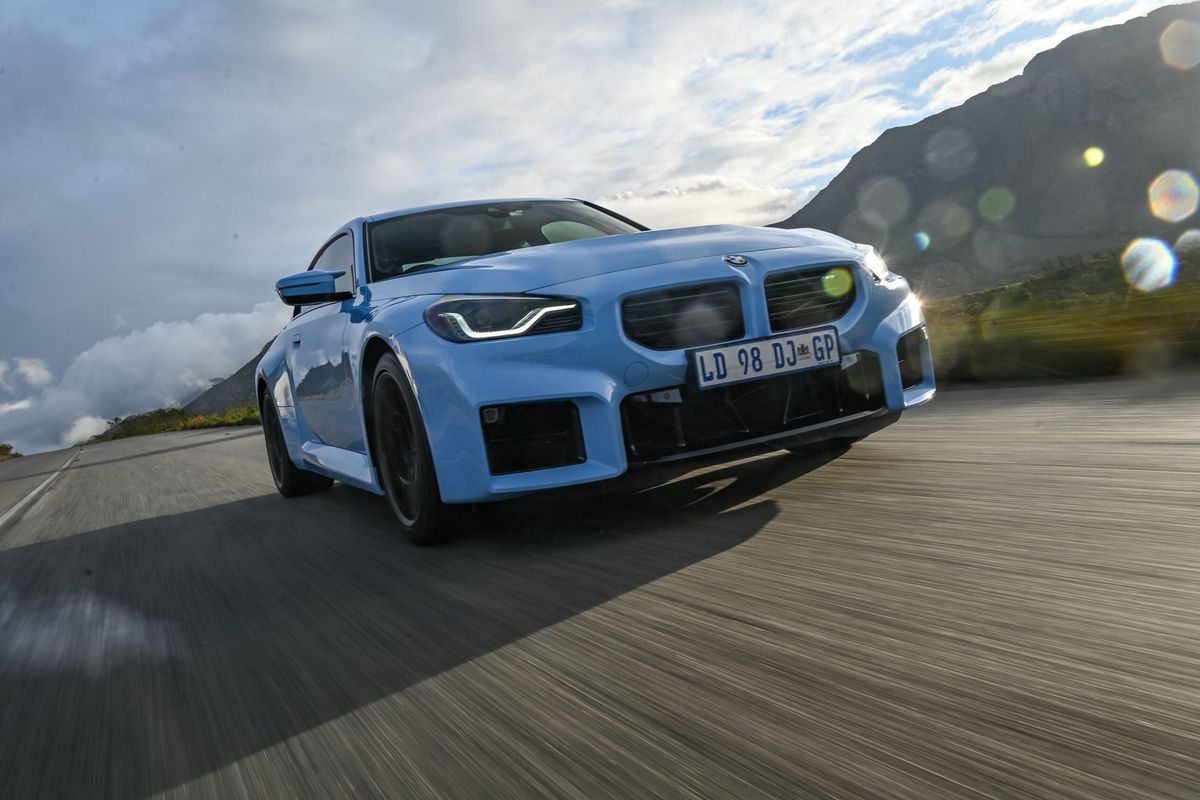
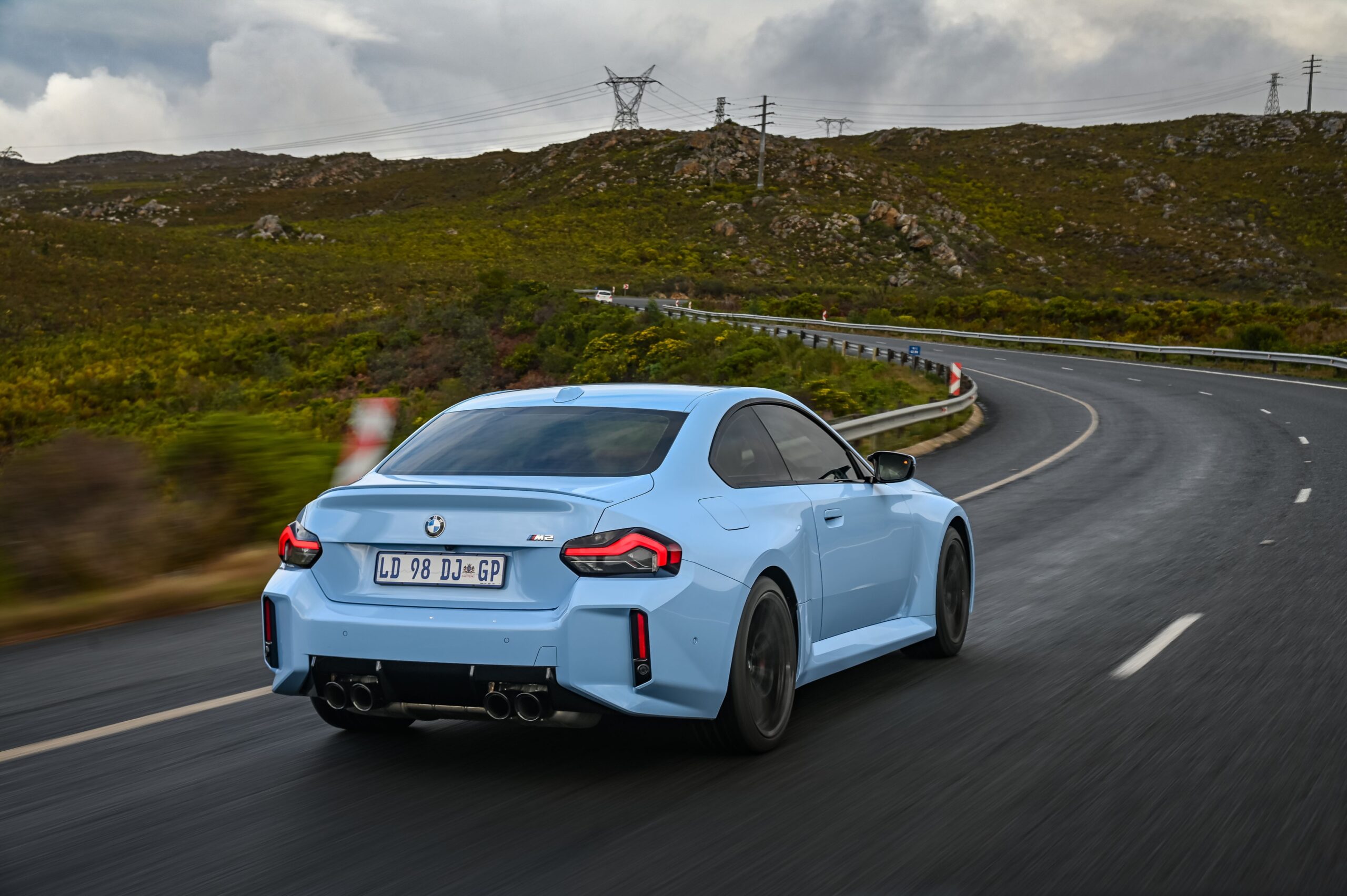
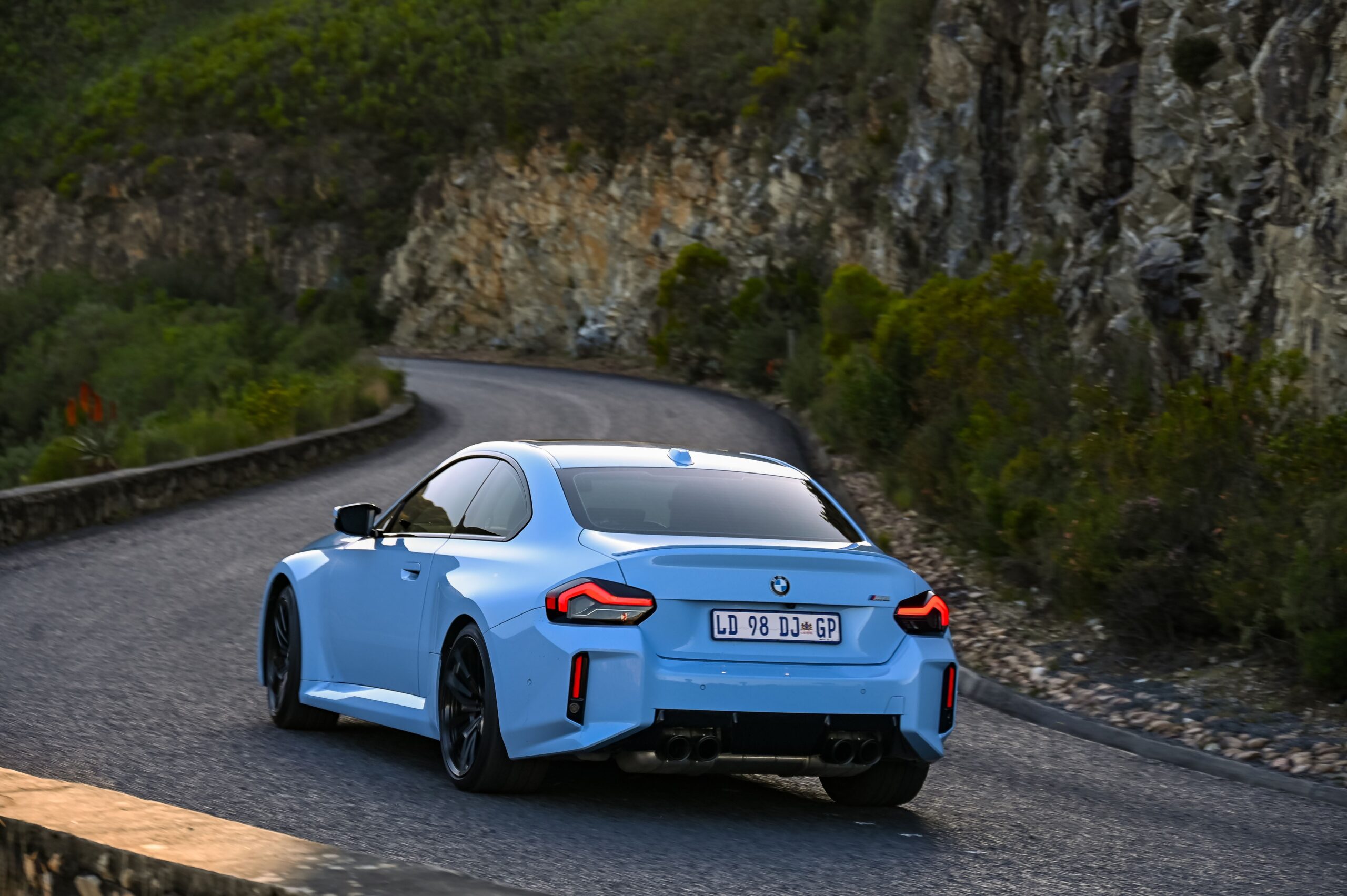
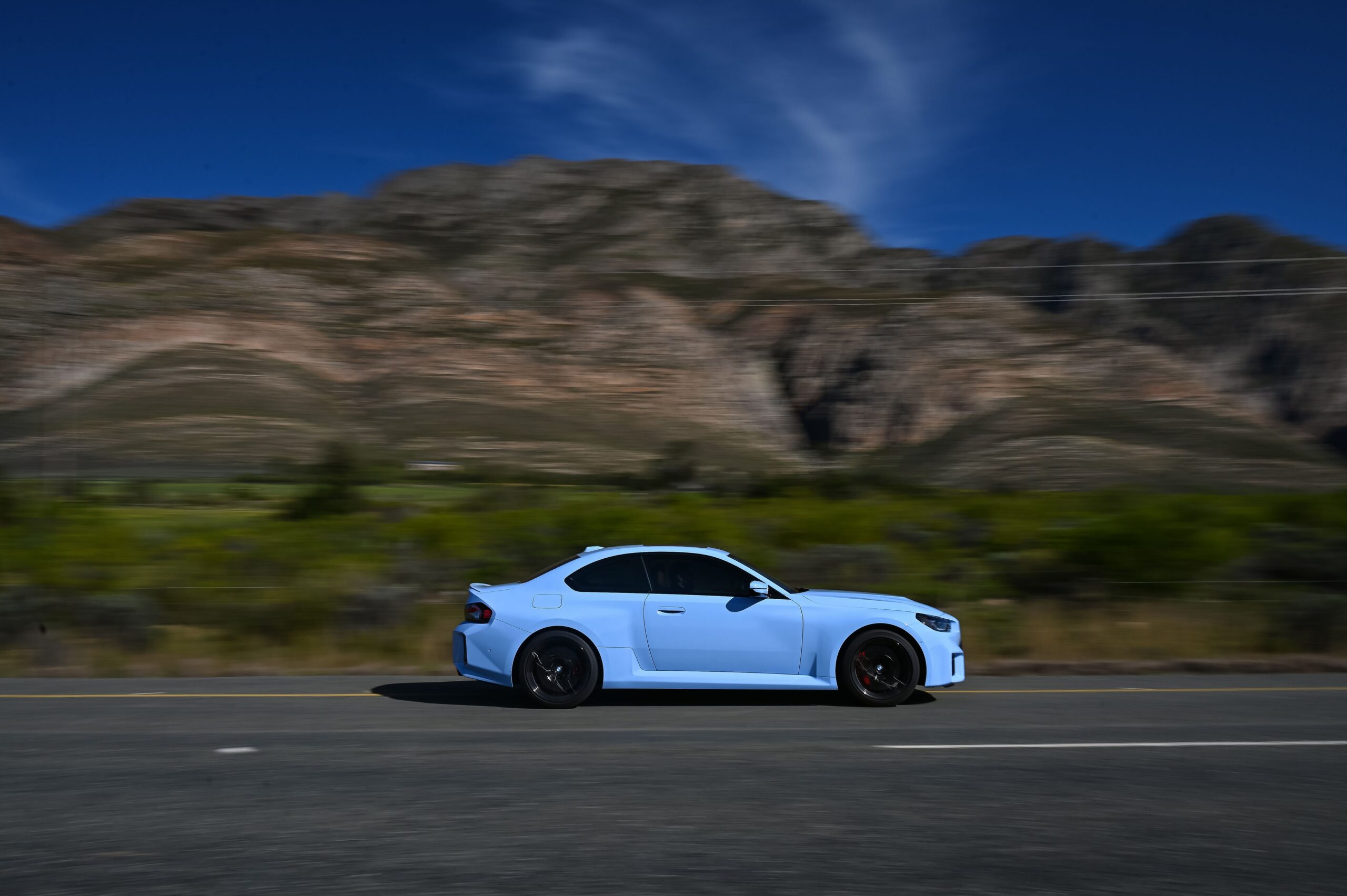
The 1st-gen BMW M2 was an immensely popular M car, but the G87 M2 is a different beast altogether. Will it build on its predecessor’s success, or is it now too derivative? We drove the model through some of the Cape’s stunning mountain passes to find out.
What’s new with the BMW M2
The obvious place to start is the chassis. As with the 2 Series Coupe, the new BMW M2 is underpinned by the 3 Series platform. That means the new version is a much bigger car than the one it replaces.
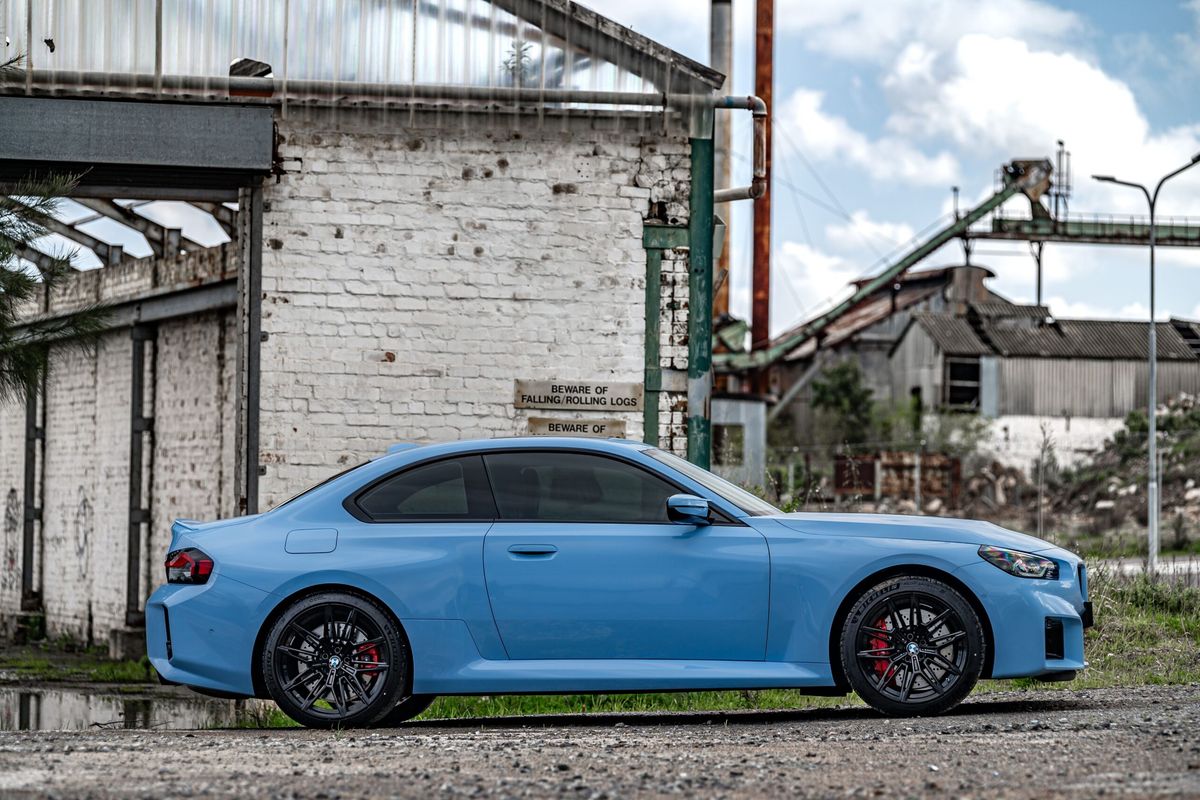
In fact, the G87 M2 is 119 mm longer, 16 mm wider and 11 mm lower than the outgoing M2. The key dimension that gave the original M2 its character was the short wheelbase and, while the new M2 is 54 mm longer than its predecessor, it is still 110 mm shorter than the M4, which means its shorter stature should still give it a distinct on-road demeanour (character, if you will) from those of its bigger M-car siblings. To add some more stability to the new M2, the front track has been widened by 38 mm (to 1 617 mm) and the rear track by 4 mm (to 1 605 mm), which, for the record, matches the M4 Coupe‘s figures.
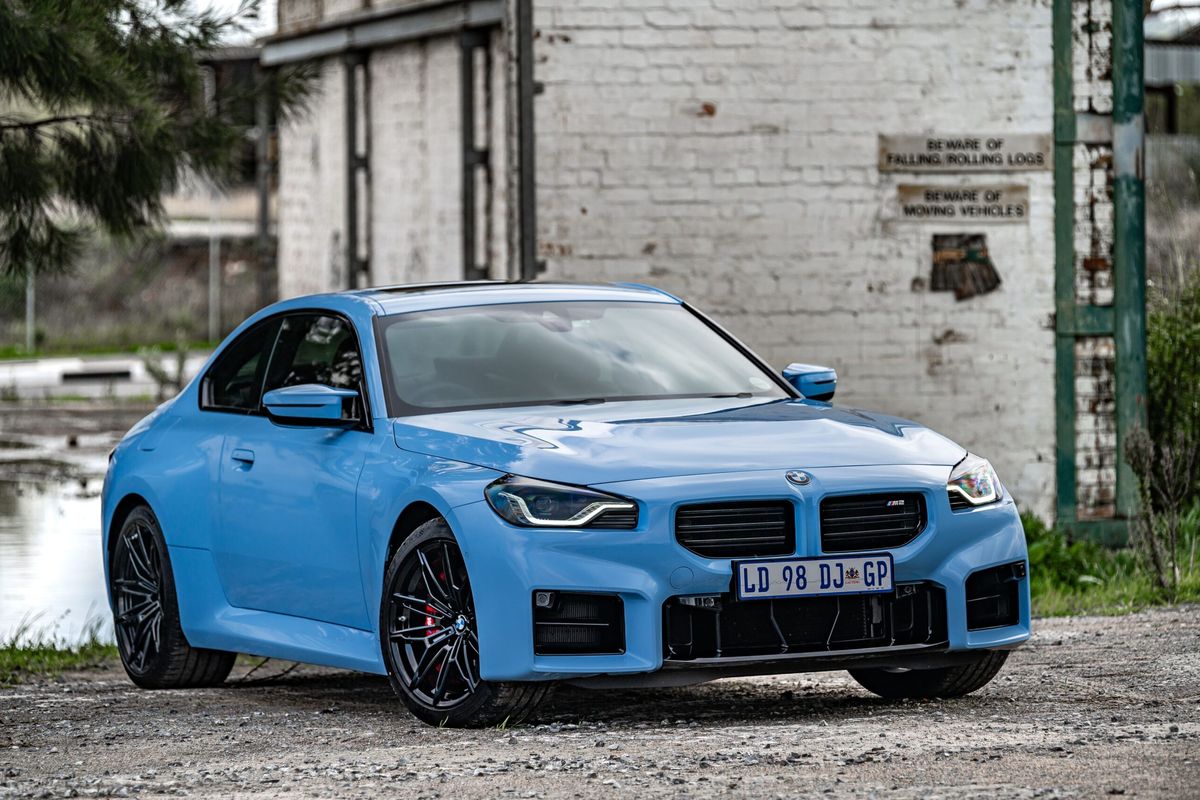
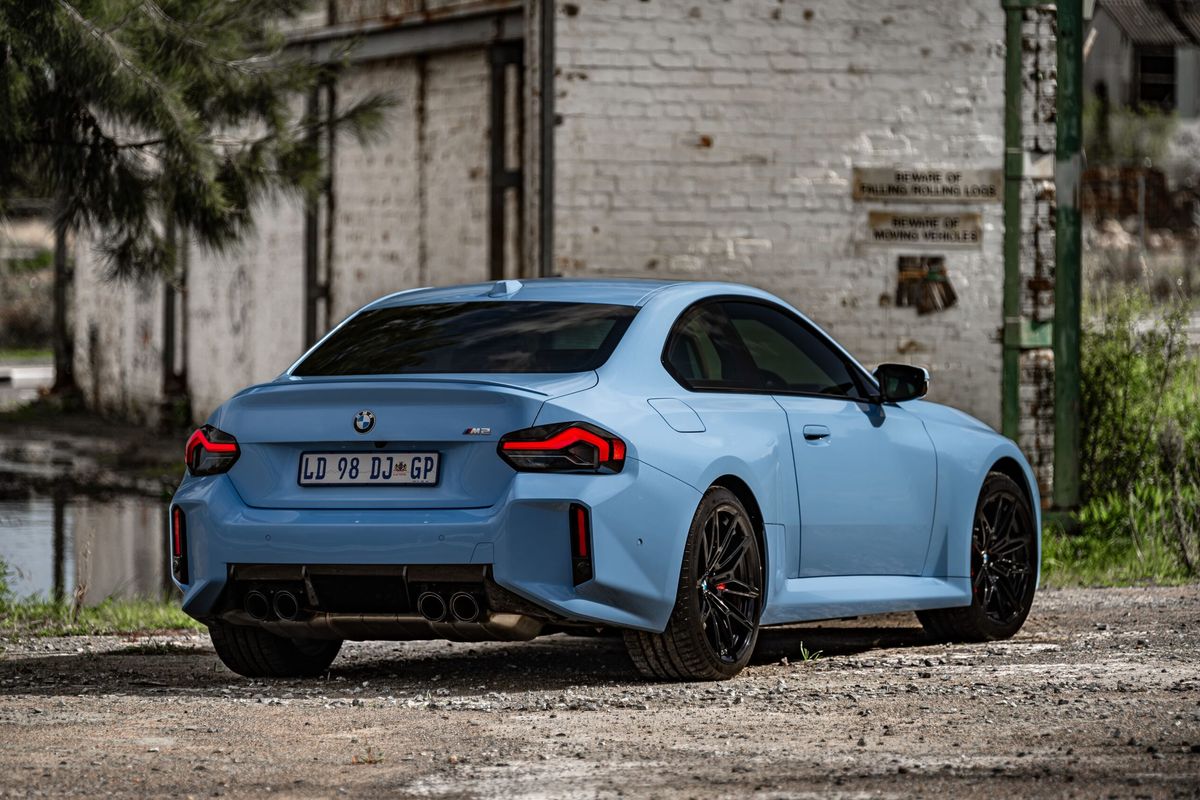
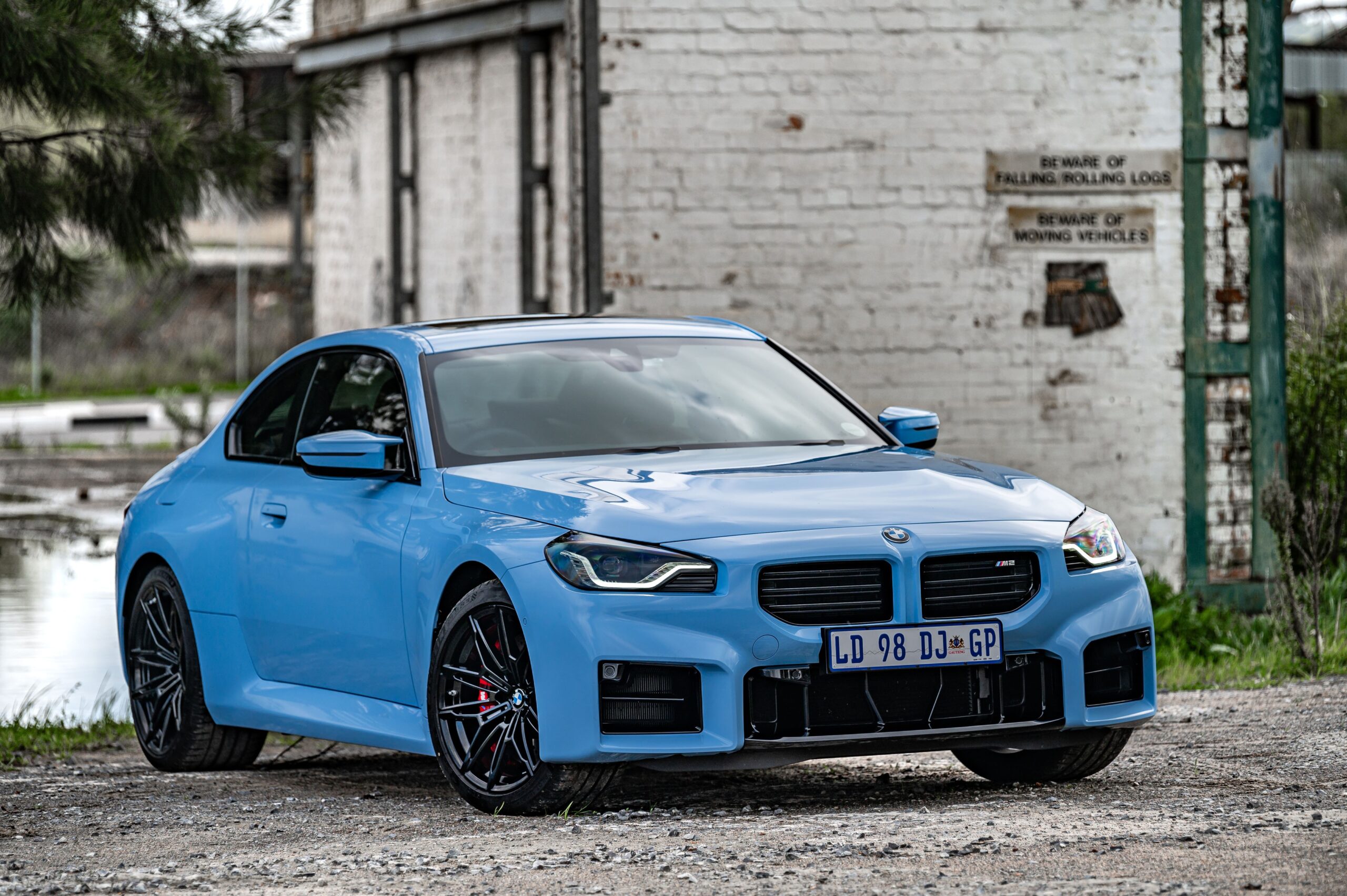
The design of the new M2 is not as universally liked as the previous model, but it definitely stands out.
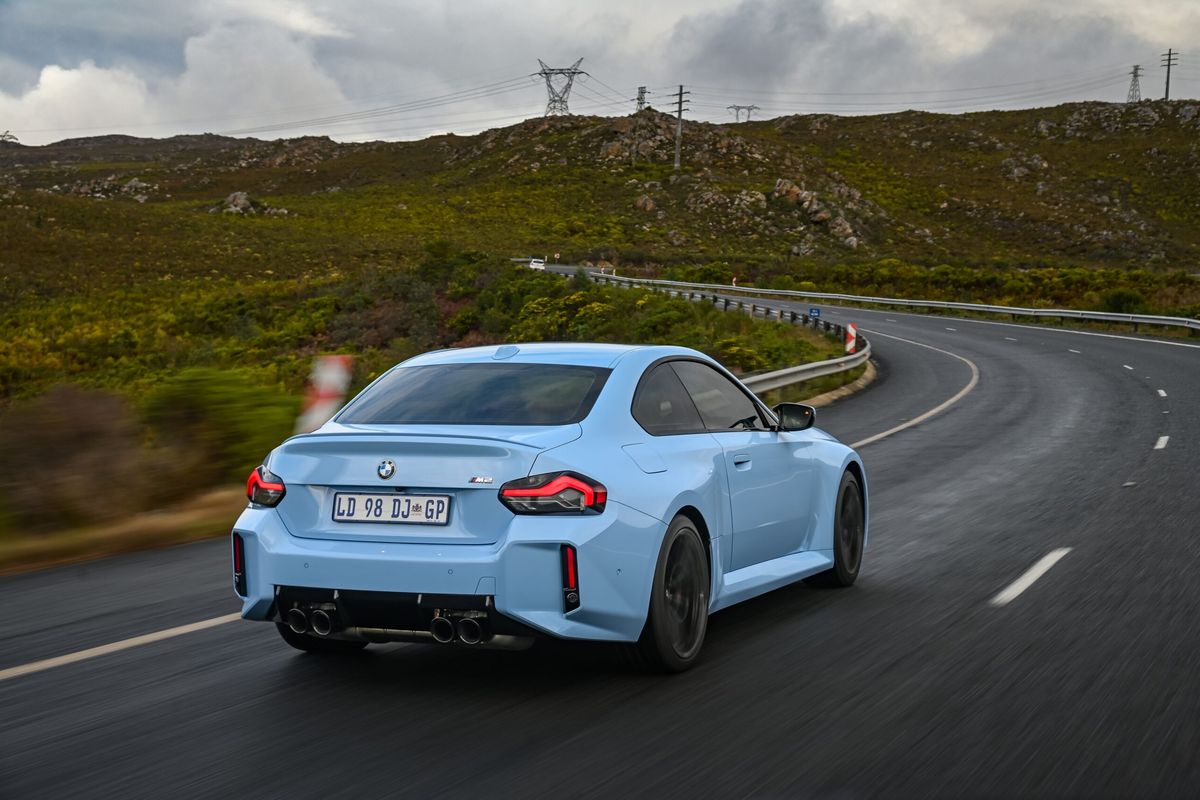
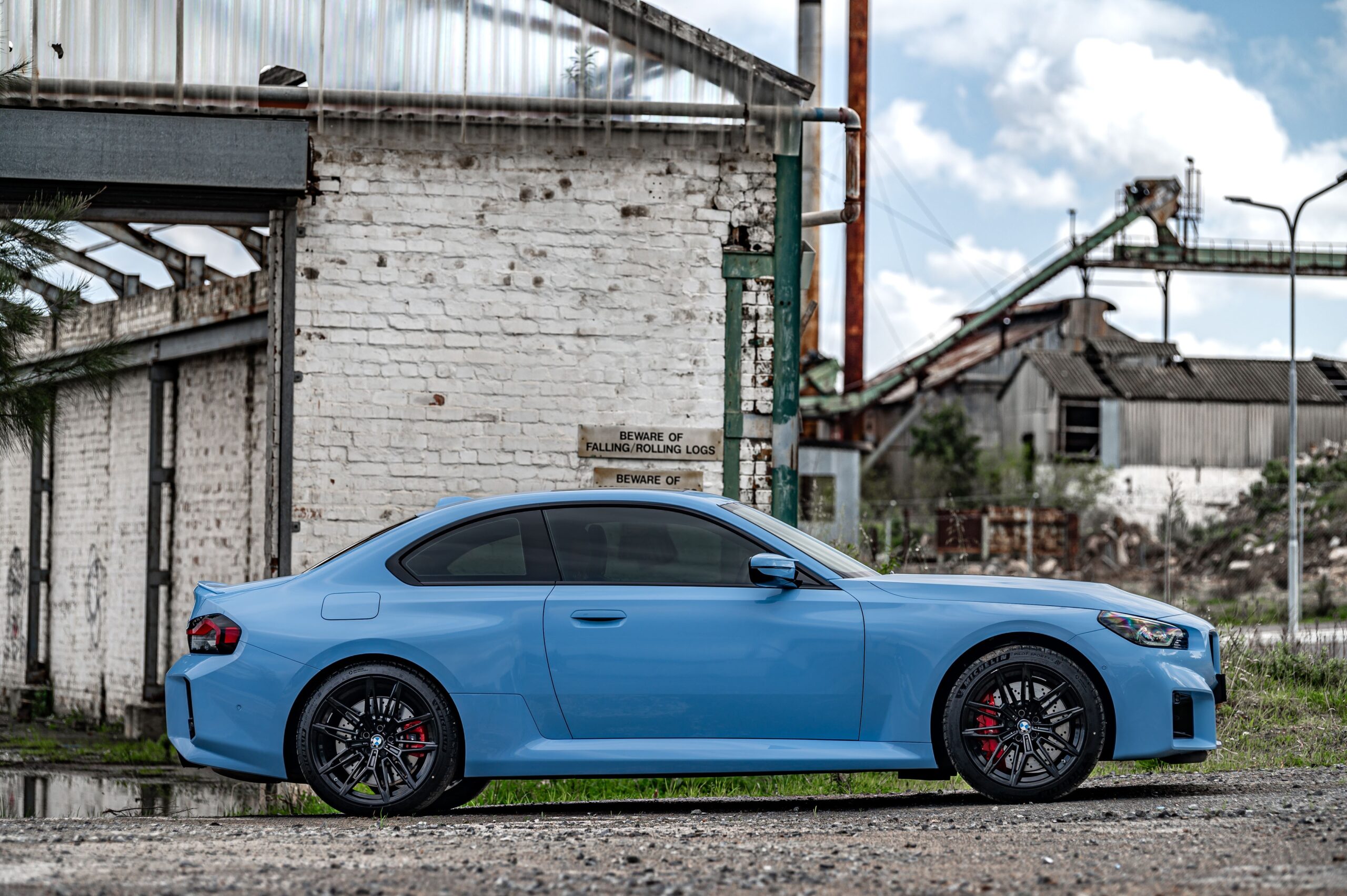
As for the design, the new M2 features a (typically expansive and unsubtle) modern BMW grille – it’s a real love-it-or-hate-it item – while our local models are fitted with a carbon fibre roof as standard. You can have a sunroof fitted (at no extra cost), but that requires a steel roof, which weighs 6 kg more than the carbon one and raises the centre of gravity – we’d pass on that. It also features 19-inch wheels at the front and 20-inches at the rear giving it some of what Formula One enthusiasts would refer to as rake.
The BMW M3/M4’s S58 engine – a twin-turbo 3.0-litre line-6 – sits under the bonnet. It can be paired with an 8-speed automatic or a 6-speed manual ‘box, either of which sends power to the rear wheels only. An Active M-differential, which electronically distributes power at the rear axle depending on the drive mode selected and other factors such as wheels speed, steering angle, traction levels and yaw rate, is fitted, as is a Drift Analyser for measuring how good or rubbish your drifts are in time and angle.
BMW M2 Performance
The M2 features an inline-6 engine that has been detuned from the M3 and M4 models. However, it still delivers ample power.
I wasn’t the biggest fan of BMW’s decision to slot the M3/M4’s powertrain into the later (Competition) versions of the previous edition of the M2; personally, I preferred the single-turbo 3.0-litre inline-6 that powered the original M2. I felt that the (albeit punchier) M3/M4 motor made the M2 a bit too snappy unless it was driven on bone-dry asphalt while wearing brand-new tyres – it was a handful to drive fast and required race-driver reactions to correct moments of oversteer. But, enough of my gripes with the old car… The new M2 has higher outputs still – 338 kW and 550 Nm – and while we were only able to drive the auto at the launch event; the claimed 0-100 kph time of 4.1 sec felt incredibly easy to achieve.
There’s hardly time to breathe as the M2 rips into the tarmac and reels in the horizon. The injection of torque at 2 650 rpm doesn’t kick you in the back and that’s because the peak torque band is broad (it only ends at 5 870 rpm). That allows for incredibly linear acceleration almost throughout the entire rev range. It also means you get very immediate acceleration out of corners when you stab at the throttle.
The soundtrack emitted by the M2’s powerplant is urgent – and a cacophony breaks out at about 4 500 rpm.
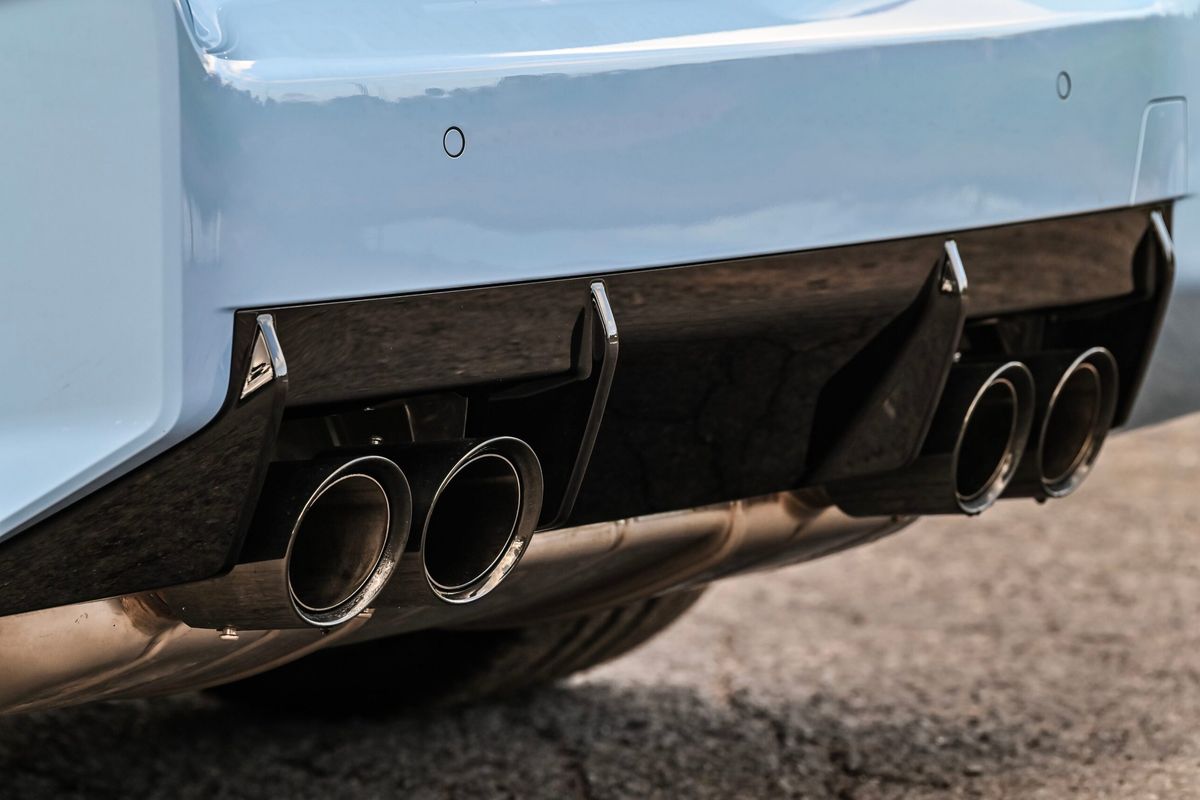
The sound emitted by the pair of dual tailpipes is quite bassy and really resonates in your gut as the motor eagerly spins through its rev range. The pitch heightens as the revs crest about 4 500 rpm, which seems to be when the exhaust flaps open up and the whole aural experience is elevated to another level!
The new M2’s brakes are something special. Granted, a race track would provide a sterner test of the “anchors”, but their bite and stopping power are still immense. When a car’s rate of acceleration is so considerable, stopping power is paramount and the 6-pot callipers (paired with 380 mm discs up front and single-piston 370 mm discs at the back) deliver. You can have them with either a blue or red finish.
Does its driving experience befit an M2?
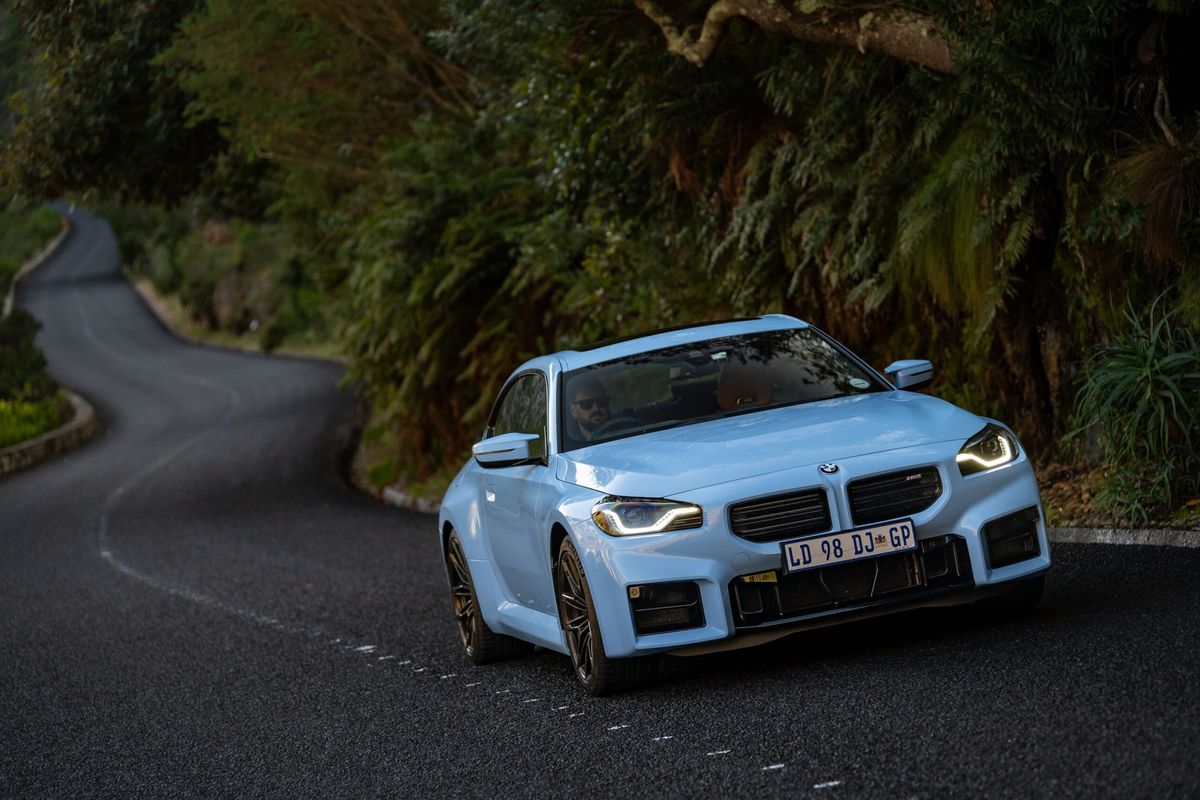
The new model retains some of the M2’s short-wheelbase character, creating a distinct personality.
It’s hard to answer that question definitively after just one day behind the ‘wheel of the G87 M2, but we’ll be testing the newcomer in a few weeks’ time (when we get it for a full evaluation). Watch this space!
In the meantime, I can say that this new-generation M2 feels more planted at the rear and certainly seems less prone to bouts of snap oversteer. The front end tucks in faster than you think possible, thanks in part to the very fast steering setup, which is better than ever on this model. The ‘wheel’s weighting feels superb and even with the electric assistance, you get some of that dearly-missed feedback through the rim when you’re fully concentrating on extracting performance out of the M2.
Having said that, thanks to its longer wheelbase and wider tracks, the G87 M2 has arguably lost some of the previous-gen M2’s character. Whereas the first M2 kept drivers on their proverbial toes at the car’s handling limits, its successor is more like an M3 or M4 than it’s ever been, with the difference being that it feels slightly more nimble. You can shift direction quicker and get on top of the M2 easier than in the M3/M4, which, dare I say, is more fun! More time is needed to get down to the real nitty-gritty though.
At the limits of adhesion, the G87-generation BMW M2’s handling feels more predictable than that of its predecessor.
In terms of ride quality, the new model and its predecessor are quite different too. The new model’s adaptive M suspension is stiffly sprung, but very compliant on a bumpy road – and its more forgiving ride makes the G87 M2 much easier to use day-to-day. There is quite a bit of road roar from the big Michelins at speed, but that’s an acceptable tradeoff for the tenacious grip and stability they provide at speed.
What’s the interior like?
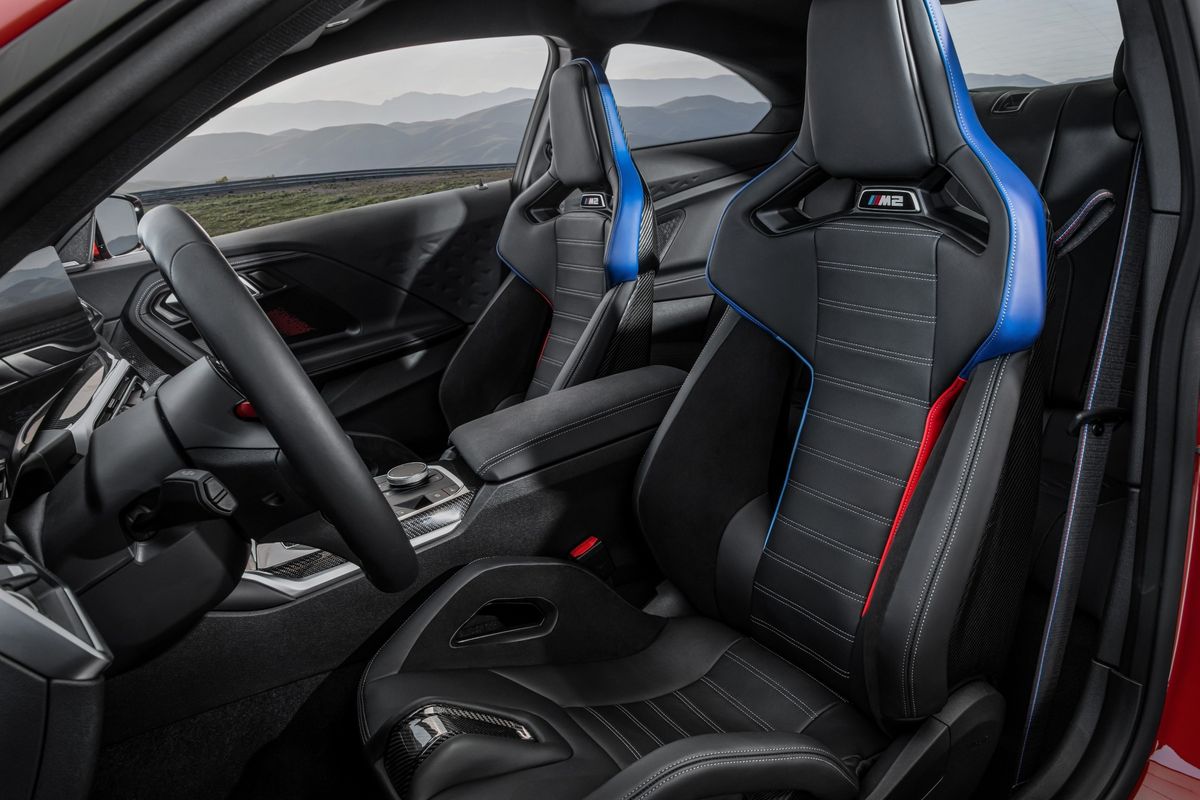
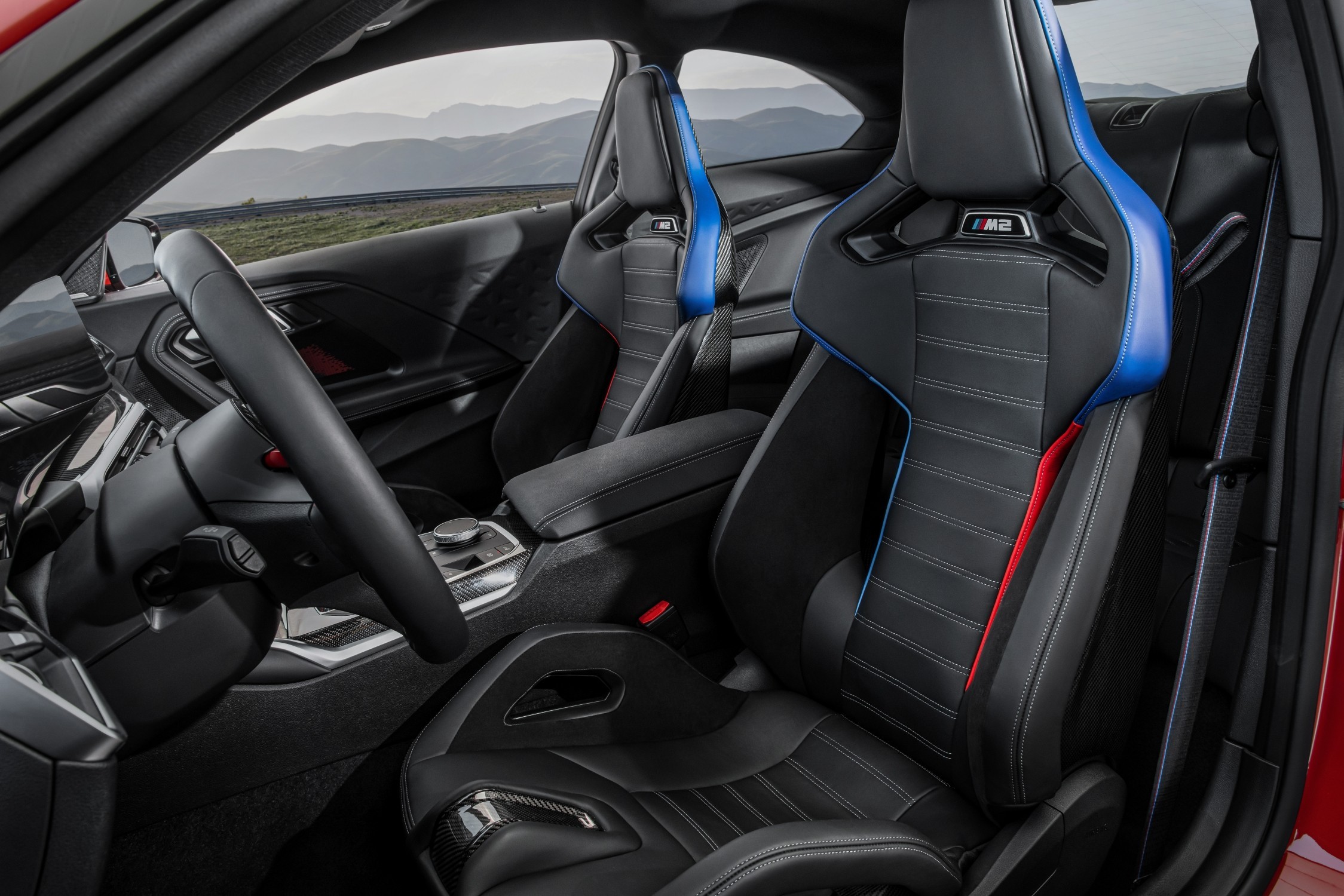
The example that we drove was specified with the optional M Carbon bucket seats and, when you sit in them, you feel plugged into the Bavarian machine in a firm-yet-secure manner. They probably won’t be ideal for undertaking really long drives, but I was pleasantly surprised – even after 2 and a half hours at the G87 M2’s ‘wheel I didn’t start fidgeting in the lightweight carbon seats. They certainly are not the easiest to get in and out of, so expect to make a less-than-dignified exit (from them) when you step out.
The carbon bucket seats in the car are lightweight and rigid, which can make it challenging to exit the vehicle.
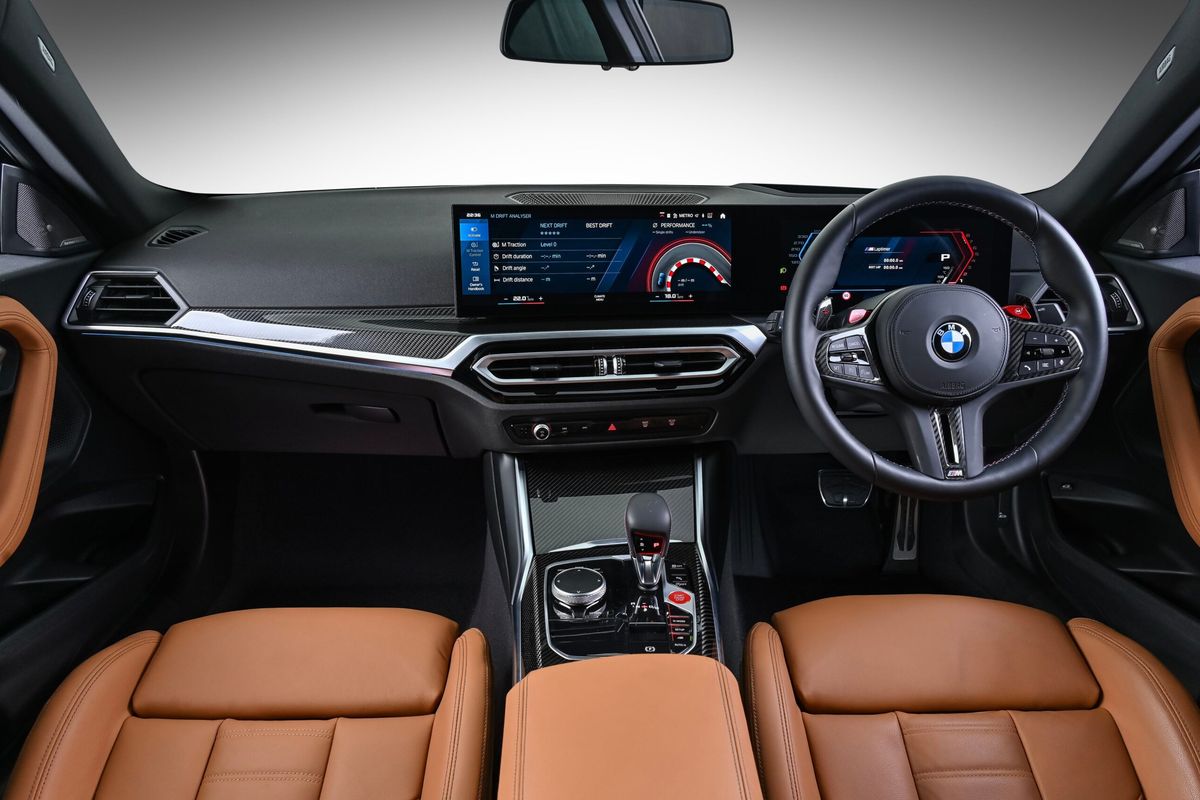
The instrument cluster and digital displays will be very familiar to owners of modern BMWs; nothing stands out as particularly unique to the M2 aside from the inserts in the headrests of the seats. The iDrive 8 operating system (as in the facelifted 3 Series) is very fast, rich with functionality and highly customisable – just spend some time familiarising yourself with common settings before heading out.
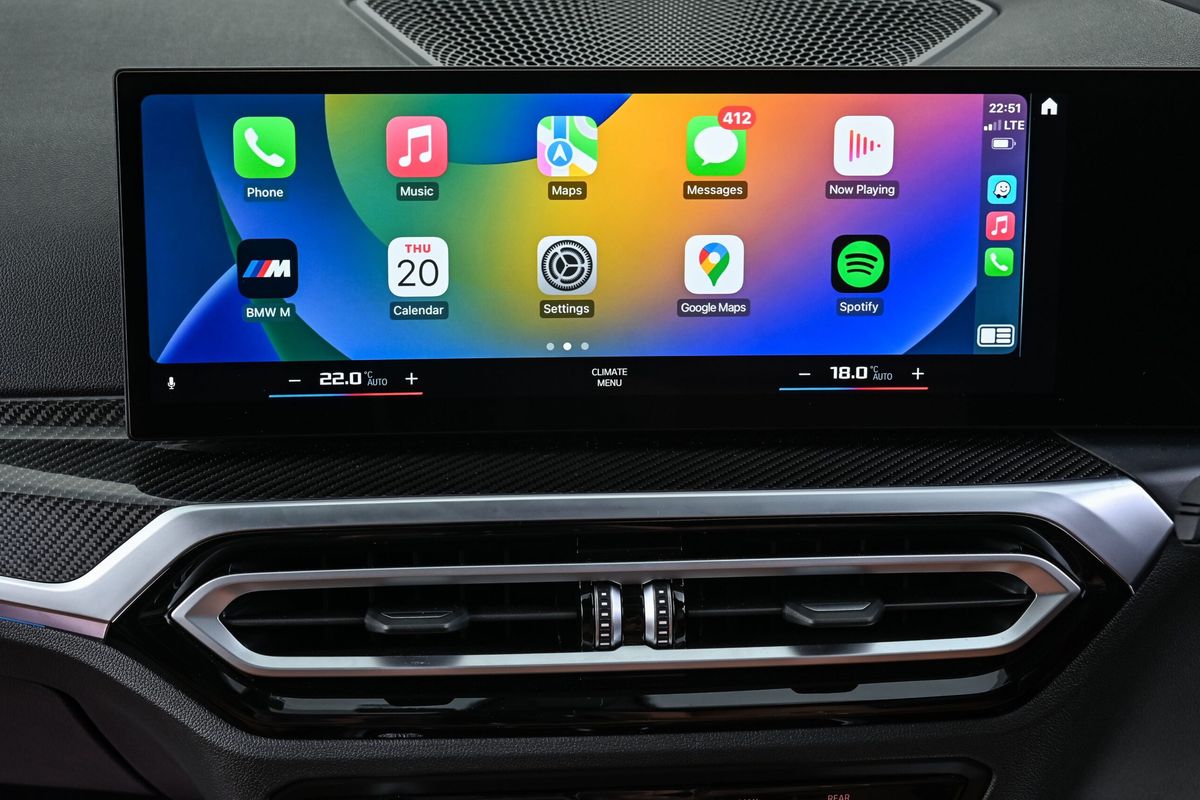
Wireless charging, as well as wireless Apple Carplay and Android Auto, are standard and look fantastic when spread across the massive curved centre screen.
BMW M2 price and after-sales
The 2023 BMW M2 is sold with a 2-year unlimited km warranty and a 5-year/100 000 km maintenance plan.
BMW M2 2023 – R1 503 975
Summary
The M2 is now BMW’s most-popular M car… and the new model looks set to continue that trend.
The new BMW M2 strikes a purposeful pose as the entry-level model in an ever-expanding BMW M car lineup. In a relatively short passage of time, the M2 has achieved much success, so much so that it has become the brand’s most popular M car. The G87 M2 has a difficult role: it can’t step on the toes of the M3 and M4, but because it shares a parts bin with those models, it is more similar to them than before.
The 2nd-gen model feels more grown up and, when at the very limit, less spiteful than its predecessor. While it may have lost some of the visceral tail-happiness that a powerful short-wheelbase rear-wheel-drive sportscar can deliver, it still manages to produce a thrilling driving experience that consistently makes you come back for more. It has so much more to offer than you think; after just one drive, I’ve hardly scratched the surface of what it can do, and that’s the sign of an enthralling sportscar, right?
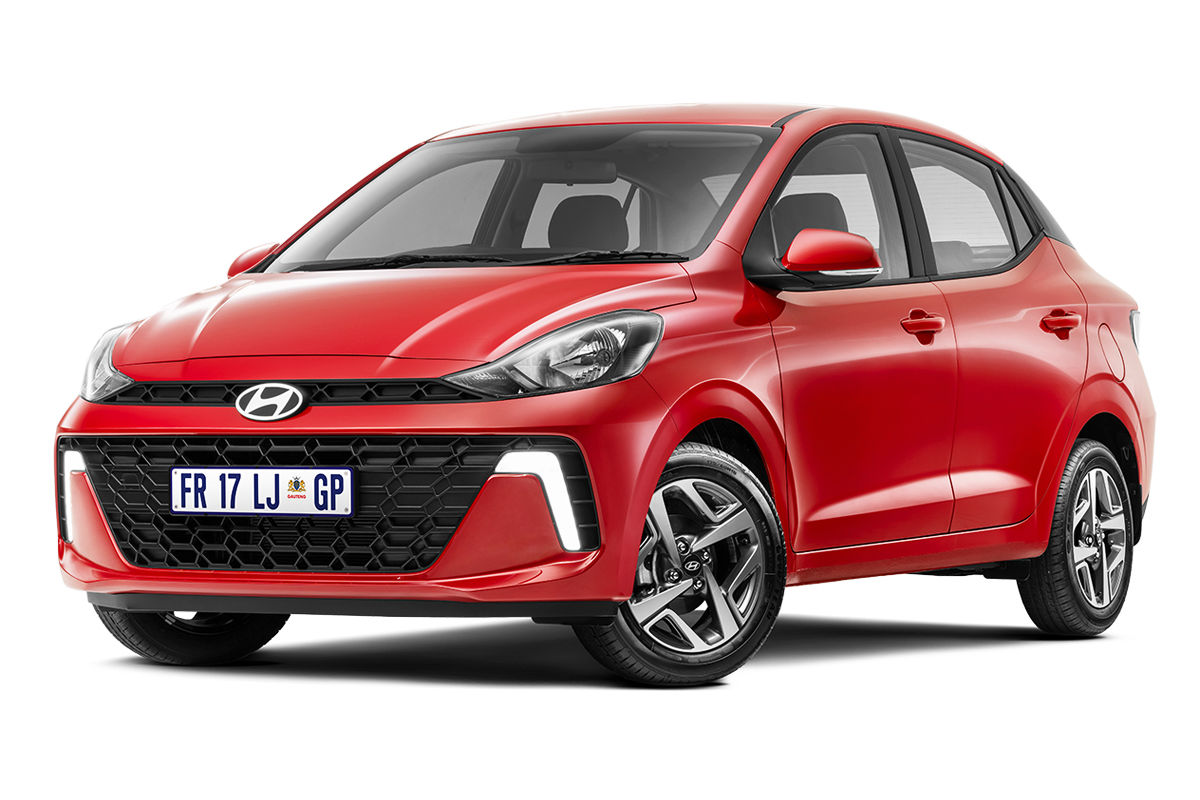
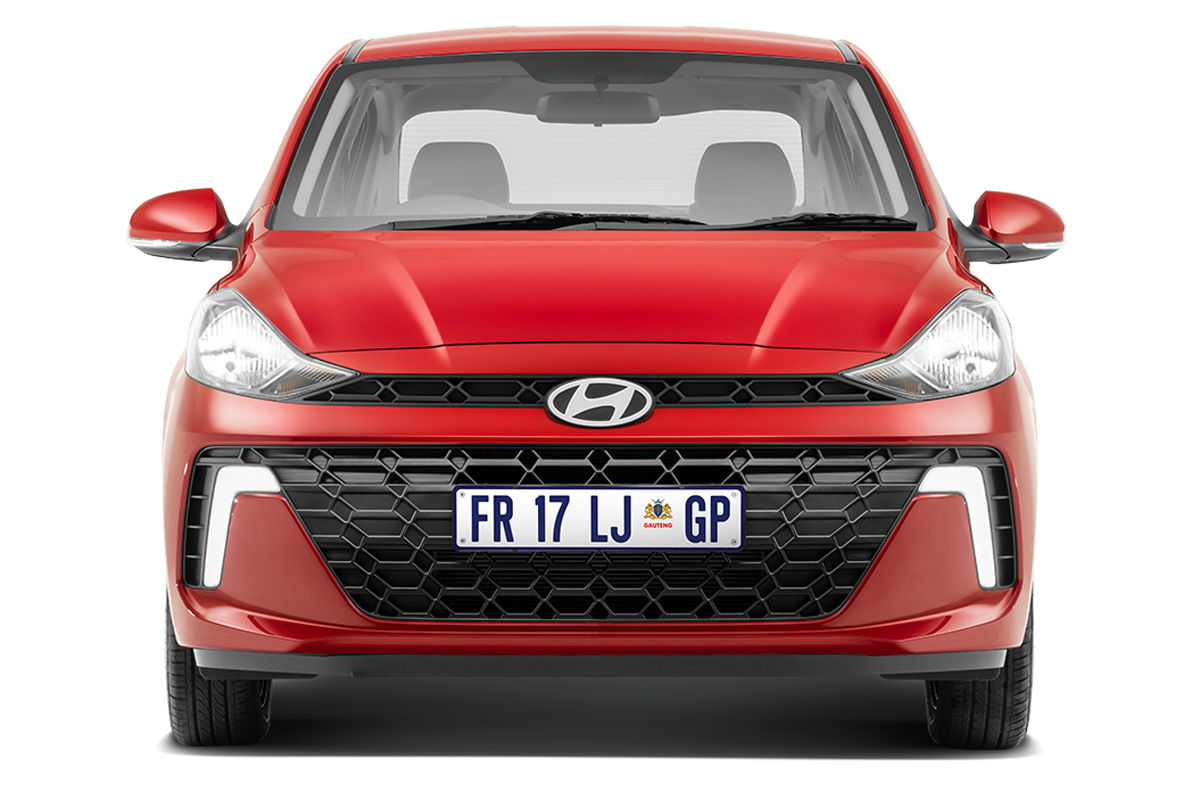
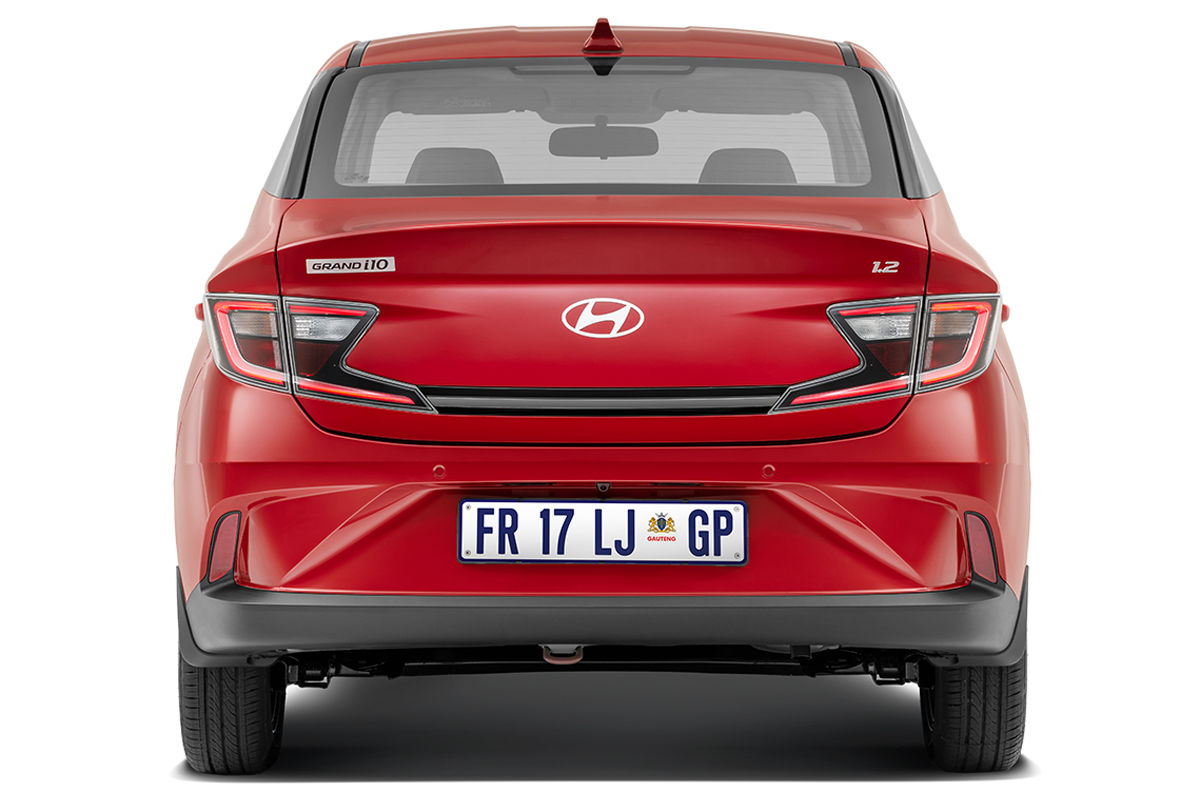
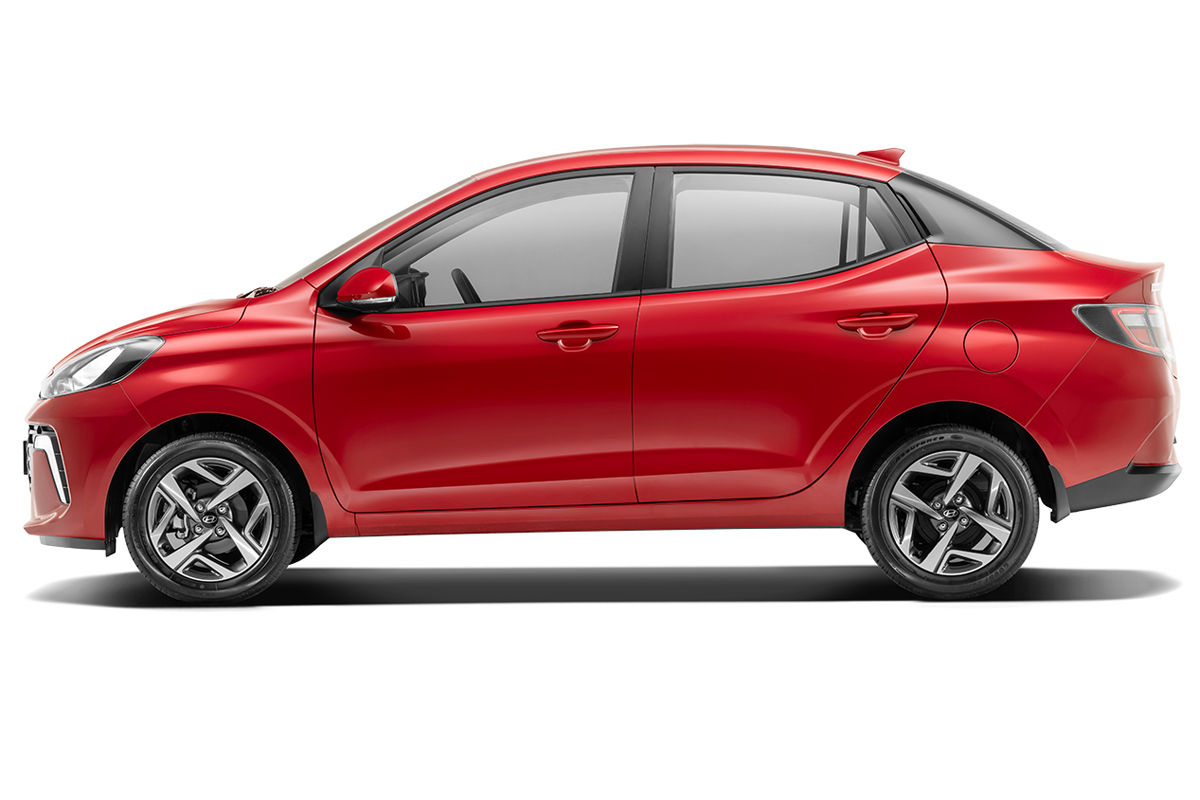
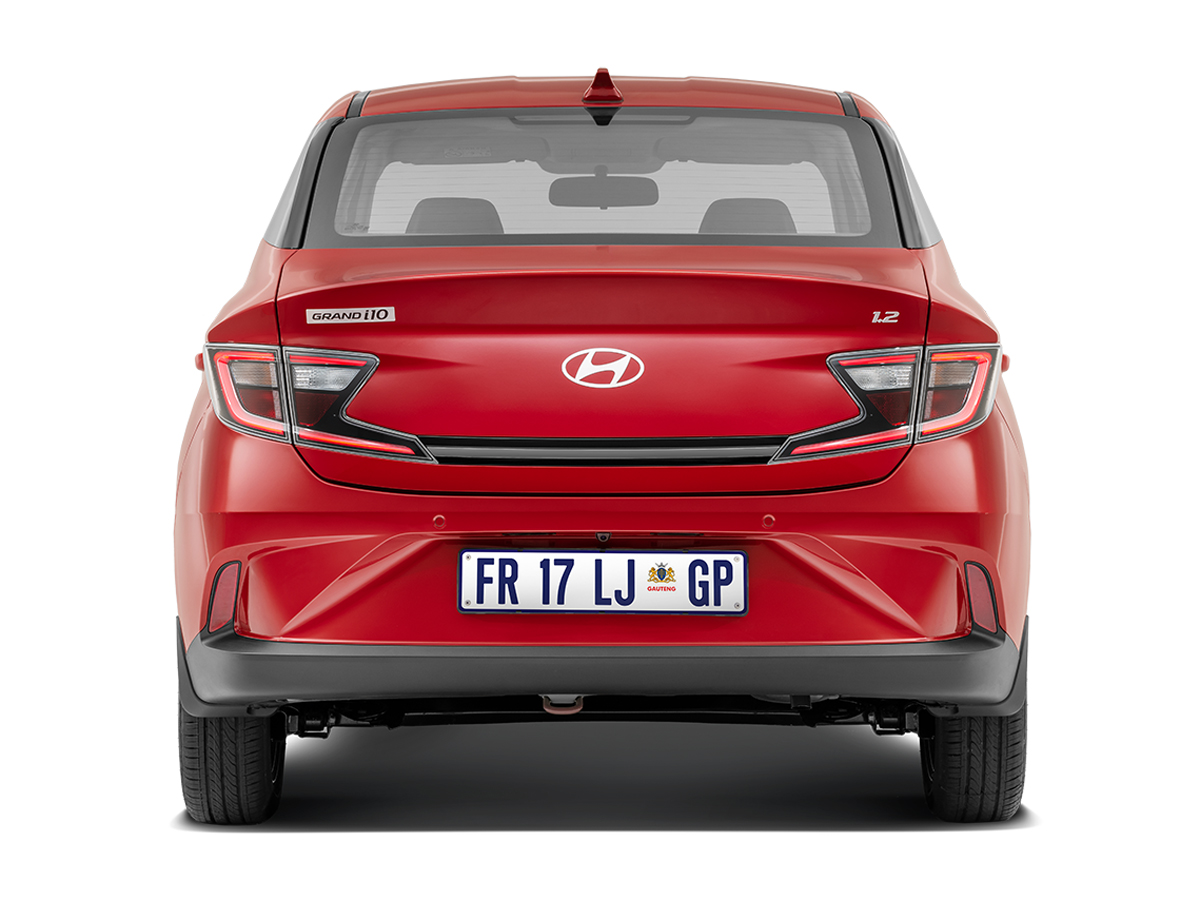
Hyundai Grand i10 Sedan (2023) Price & Specs
Hyundai Automotive SA will soon launch its first sedan since the Elantra (remember that?). Here’s a look at the new Grand i10 Sedan, including prices and specs…
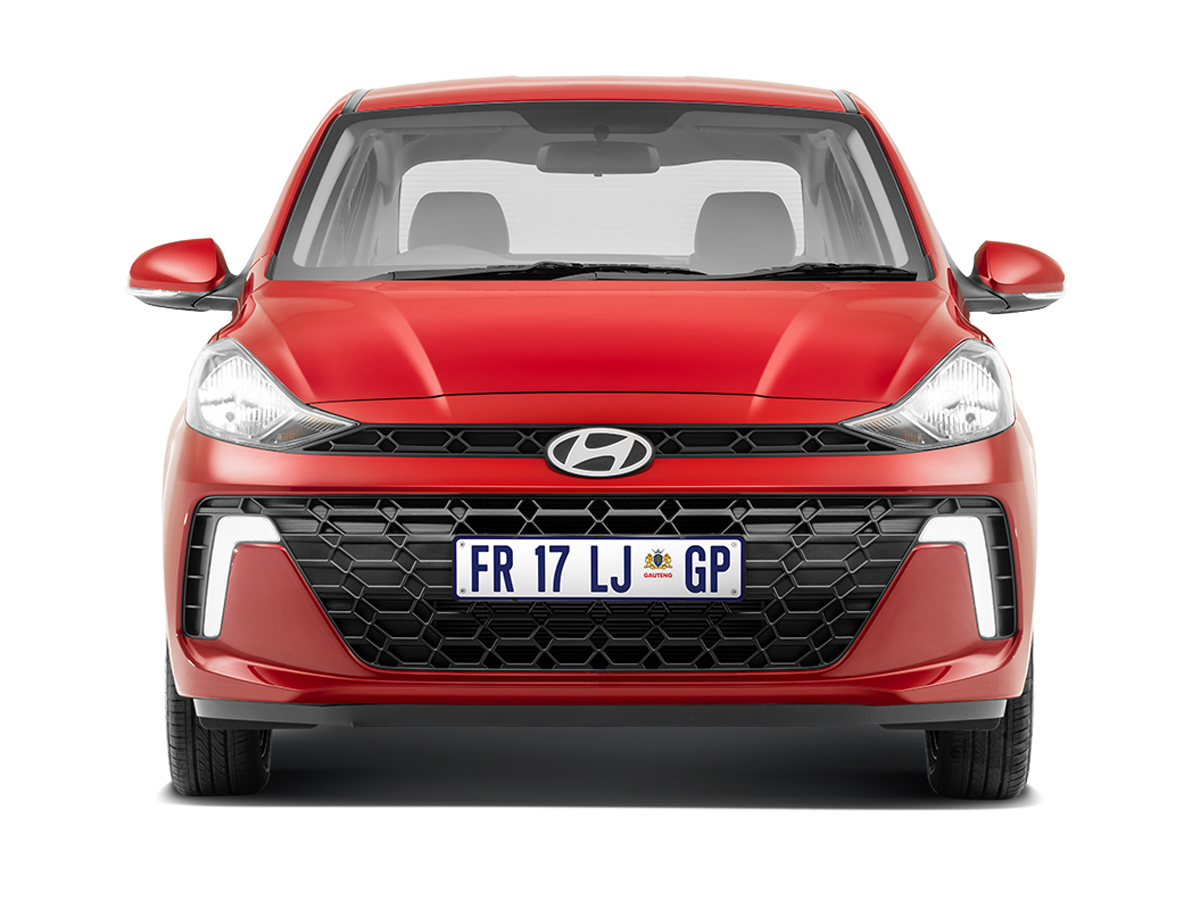
We’ve already brought you pricing for the soon-to-launch refreshed Hyundai Grand i10 range, which – unlike the hatchback-only pre-facelift line-up – is set to gain a pair of sedan derivatives in South Africa. Now we’re going to narrow our focus to the 4-door versions; we’ve come across some fresh local details.
The new Grand i10 Sedan will be the first sedan in Hyundai Automotive SA’s product line-up since it discontinued the Elantra (around the final quarter of 2021). As a reminder, the local 6th-gen Elantra portfolio was topped by a Sport-badged version powered by a 150 kW 1.6-litre, 4-cylinder turbopetrol.
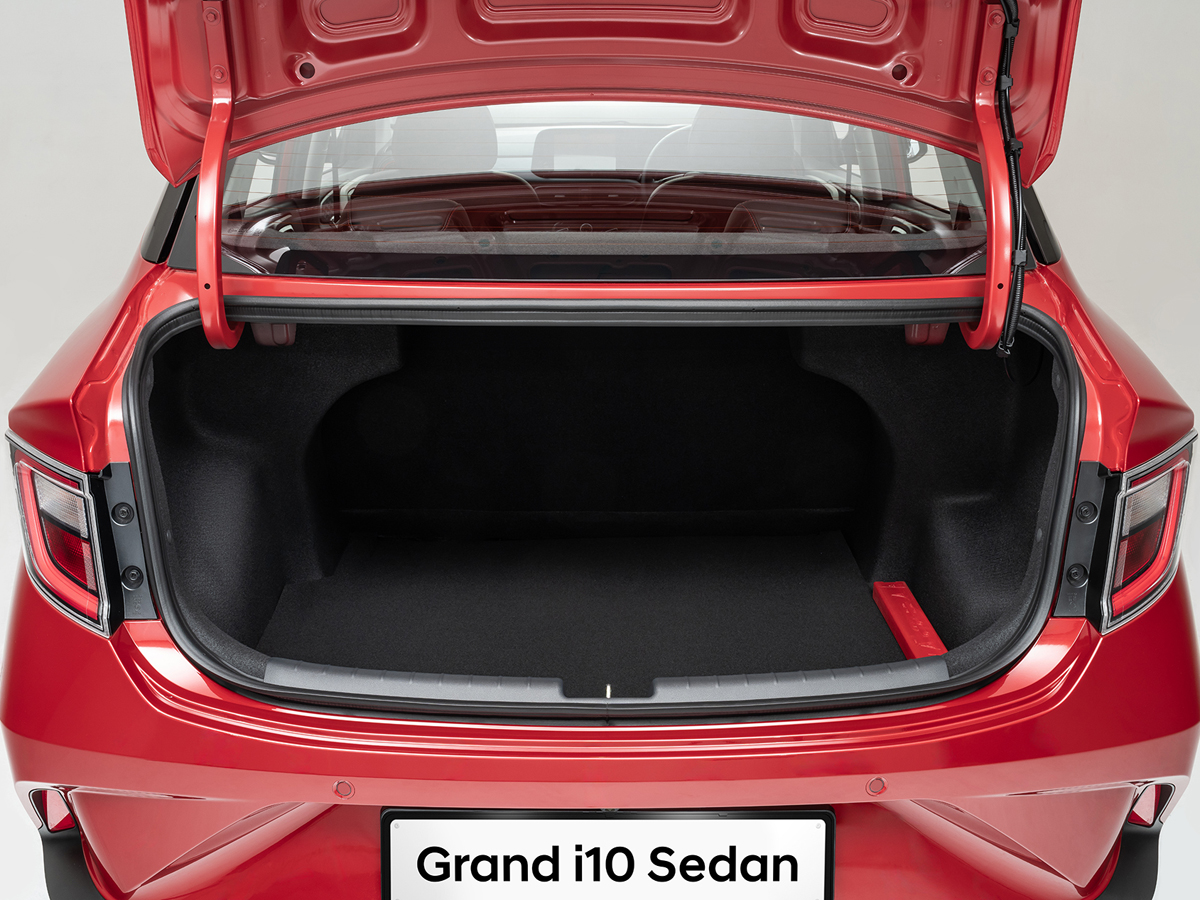
Naturally, the fresh-faced Grand i10 Sedan is an entirely different prospect, concentrating on economy over performance and packaged into a decidedly more compact body. The Indian-built newcomer measures 3 995 mm from nose to tail, with a wheelbase of 2 450 mm (and a ground clearance of 157 mm). Thanks to its 3-box configuration, the sedan also boasts what appears to be a rather capacious luggage compartment, which the Korean firm claims is capable of swallowing 402 litres.
Both derivatives will feature the Fluid trim level and employ Hyundai’s familiar naturally aspirated 1.2-litre, 4-cylinder petrol engine, which delivers 61 kW and 114 Nm to the front axle. The 2 variants – which each tip the scales at under a tonne – are distinguished by their transmissions, offering either a 5-speed manual gearbox or a 4-speed automatic cog-swapper.
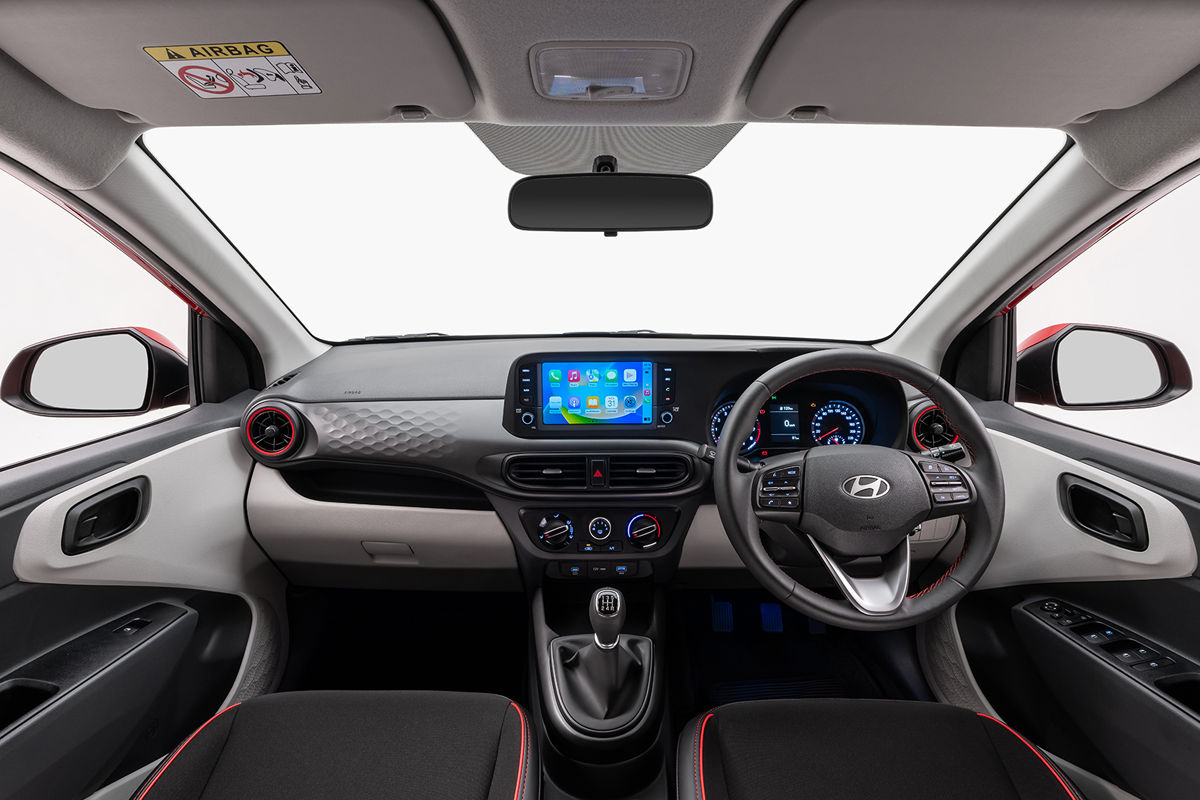
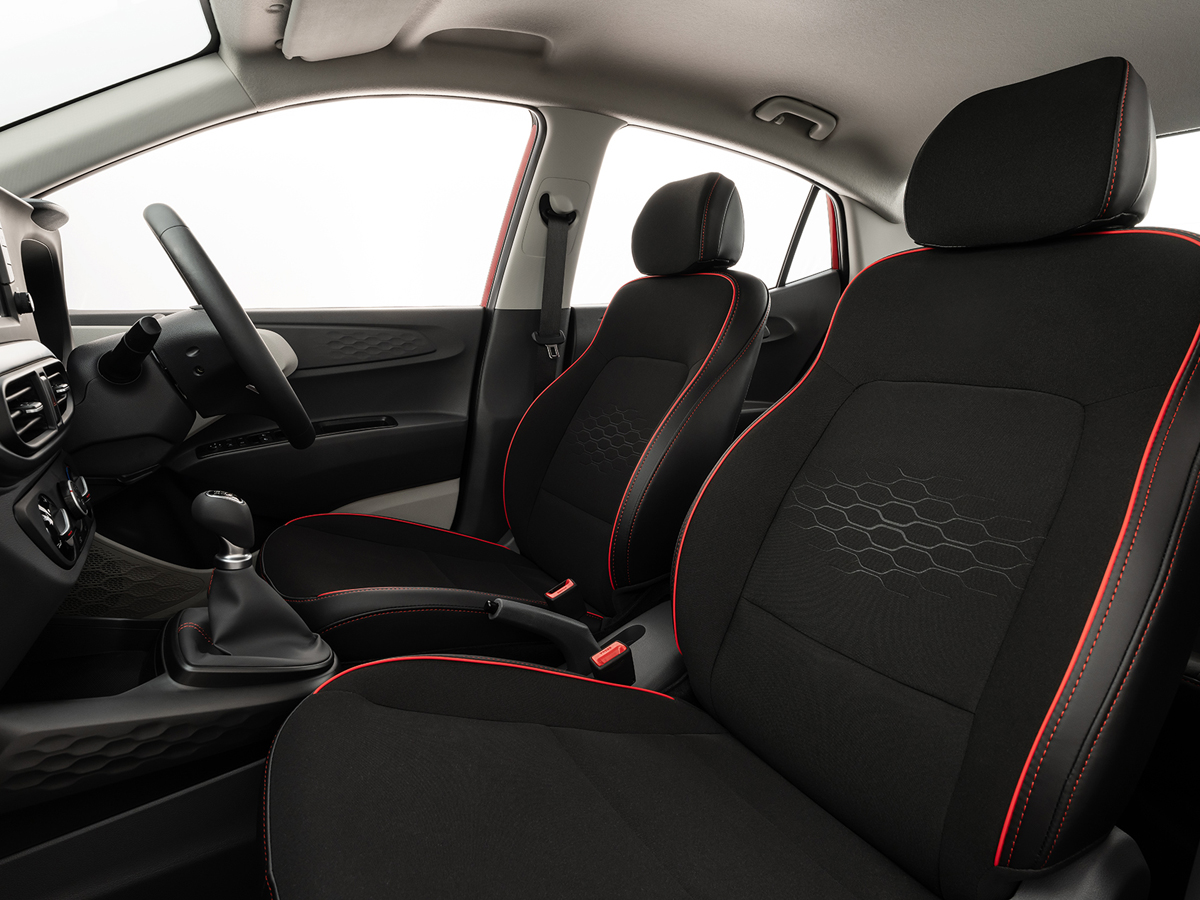
The front seats in the SA-spec Grand i10 Sedan feature red detailing.
Needless to say, they’re not built for performance. The 1.2 Fluid 5MT will complete the 0-100 kph sprint in a claimed 12.3 seconds before topping out at 167 kph, while the self-shifting derivative requires 14.5 seconds to reach 3 figures and runs out of puff at 160 kph. Claimed consumption, though, is more impressive, with the manual model said to sip at 5.5 L/100 km and the auto at 5.9 L/100 km.
The Grand i10 Sedan is known as the Aura in India, where it’s produced alongside the hatchback (which wears the Nios badge in that market). Its main local competition will include the Suzuki DZire and Honda Amaze, which like the Hyundai each come in at under 4 metres long.
What about safety equipment? Well, dual front airbags ship standard, as are ABS with EBD (working with ventilated discs fore and drums aft) and ISOfix child-seat anchors. However, it’s worth noting stability control – a feature missing on the Amaze, but included on the DZire – is not present, while the middle-sited rear passenger in the Grand i10 Sedan has to make do with a lap-belt.
Meanwhile, the list of standard features includes 15-inch alloy wheels, LED daytime running lights, an 8-inch infotainment touchscreen, a 3.5-inch TFT LCD instrument cluster, a reverse-view camera, rear parking sensors, cruise control, manual aircon (with vents for the rear quarters), height-adjustable front seats, black cloth-and-vinyl upholstery (with red detailing) and artificial leather trim for the steering wheel and gear lever. Hyundai Automotive SA will offer the newcomer in a choice of 6 exterior colours.
How much does the Hyundai Grand i10 Sedan cost in SA?
Grand i10 1.2 Fluid sedan – R279 900
Grand i10 1.2 Fluid sedan 4AT – R309 900
The prices above include a 5-year/150 000 km vehicle warranty, a 7-year/200 000 km powertrain warranty and a 1-year/15 000 km service plan.
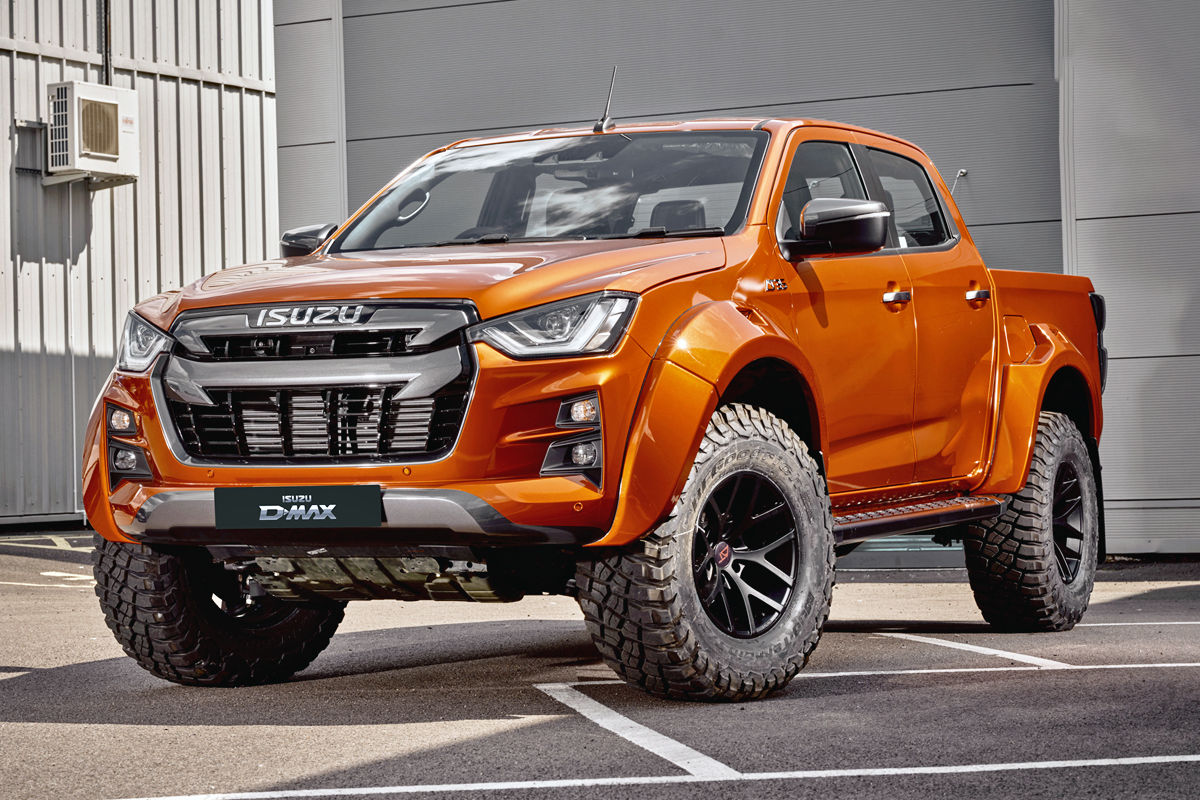
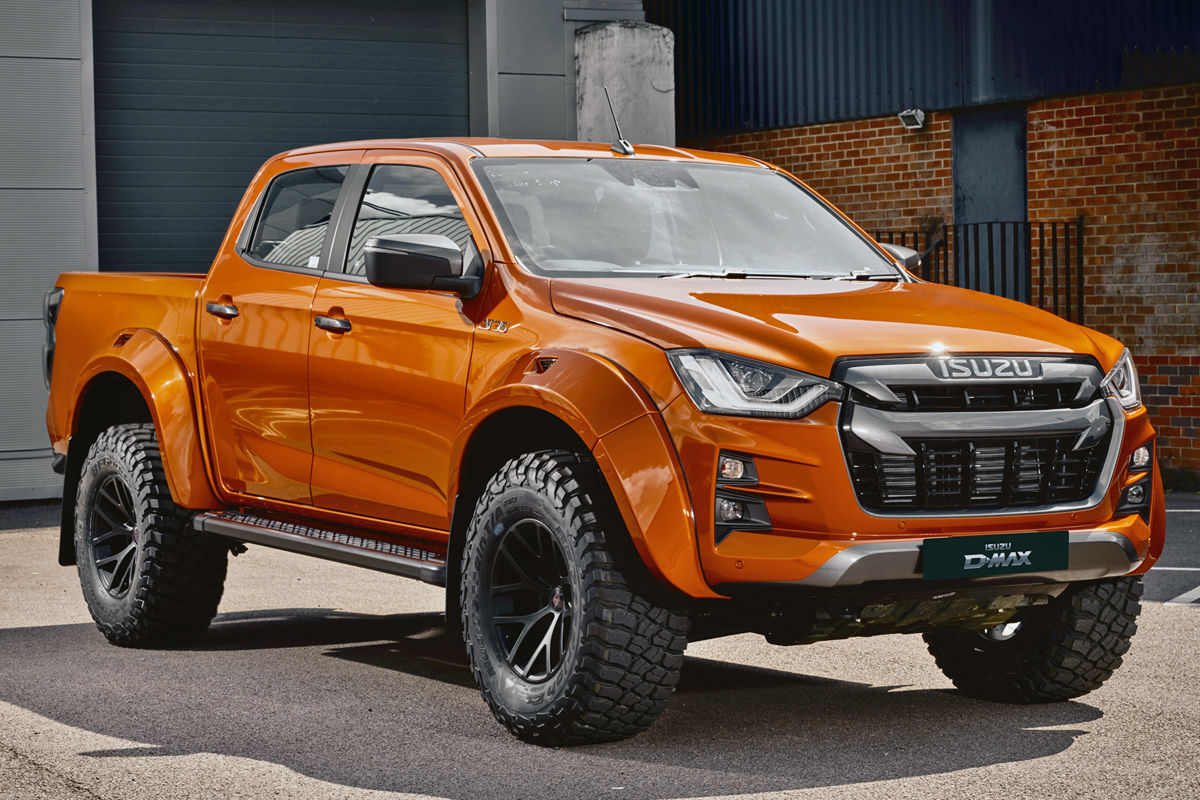
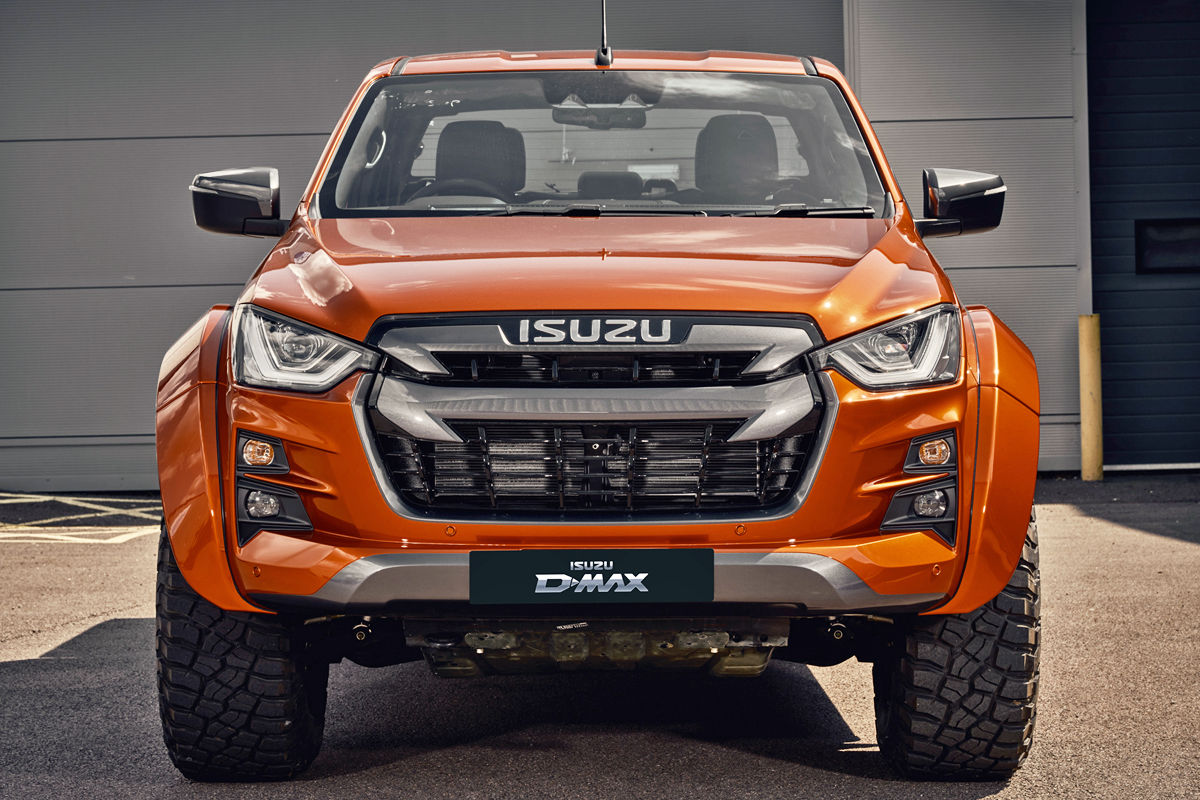
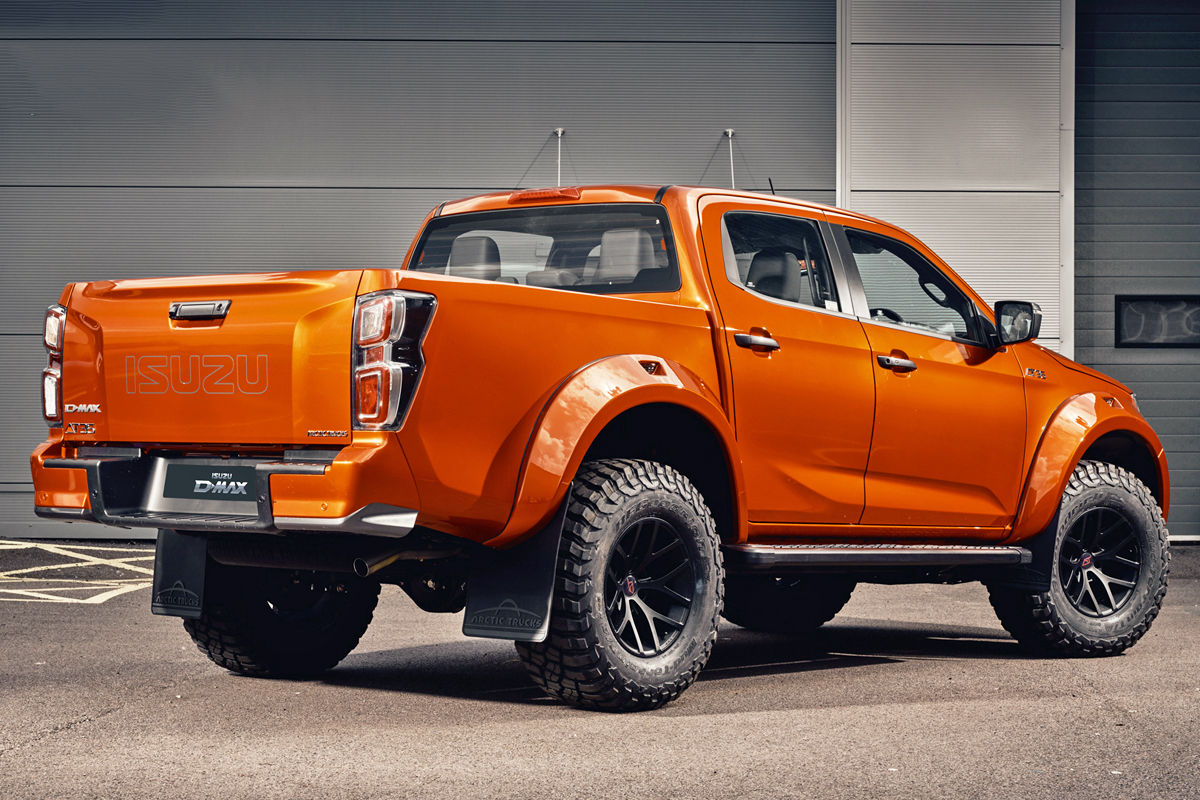
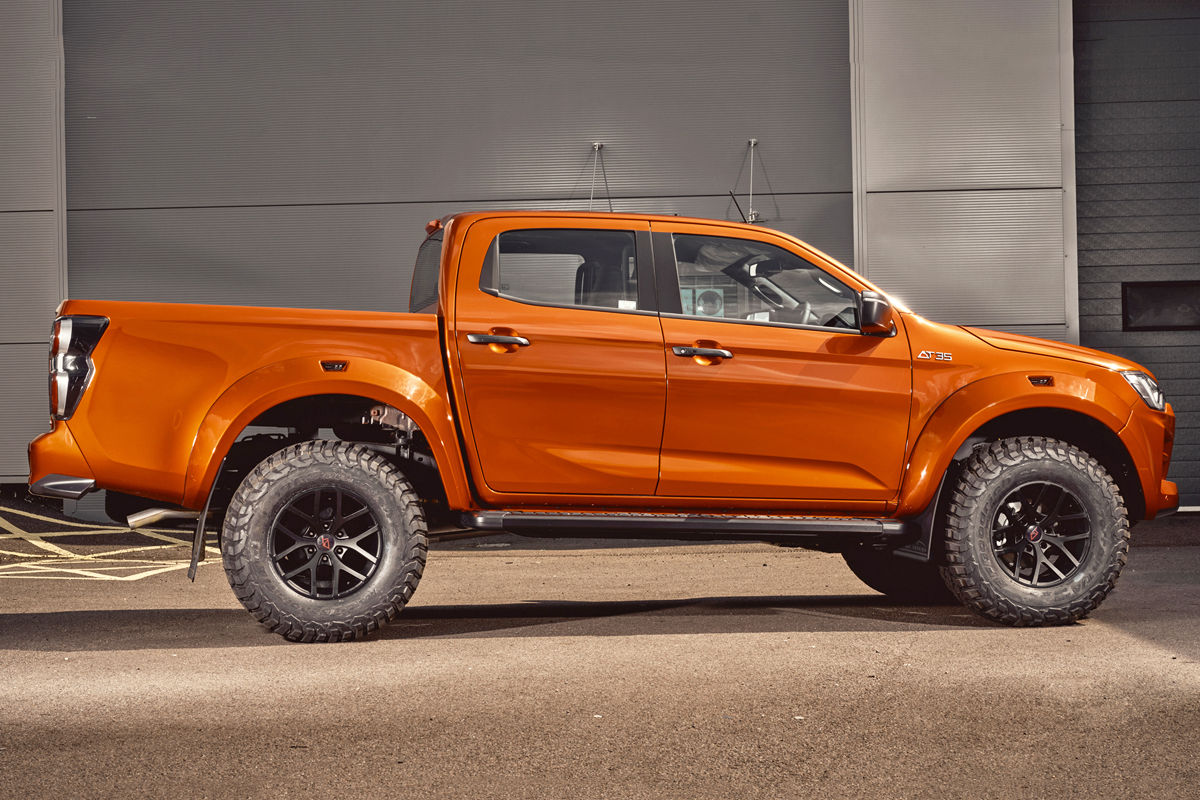
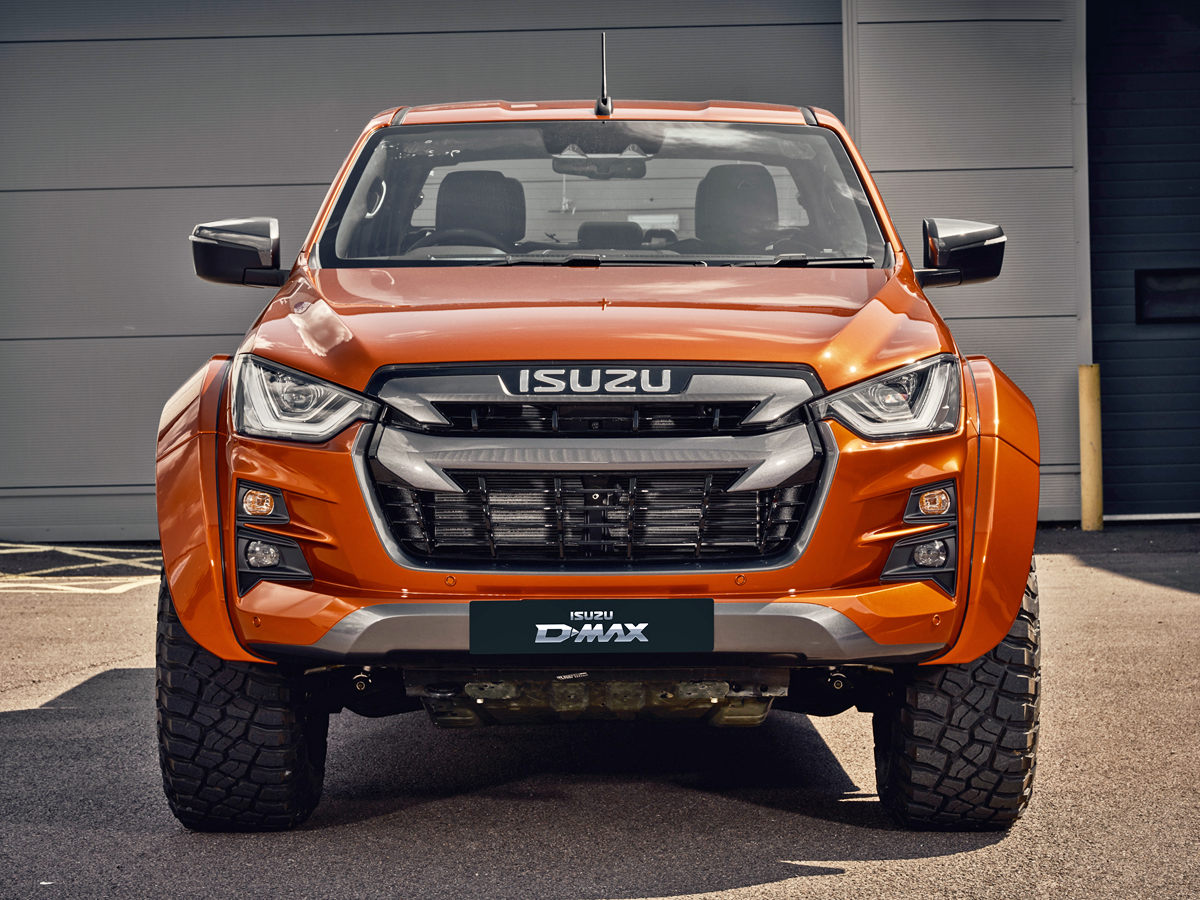
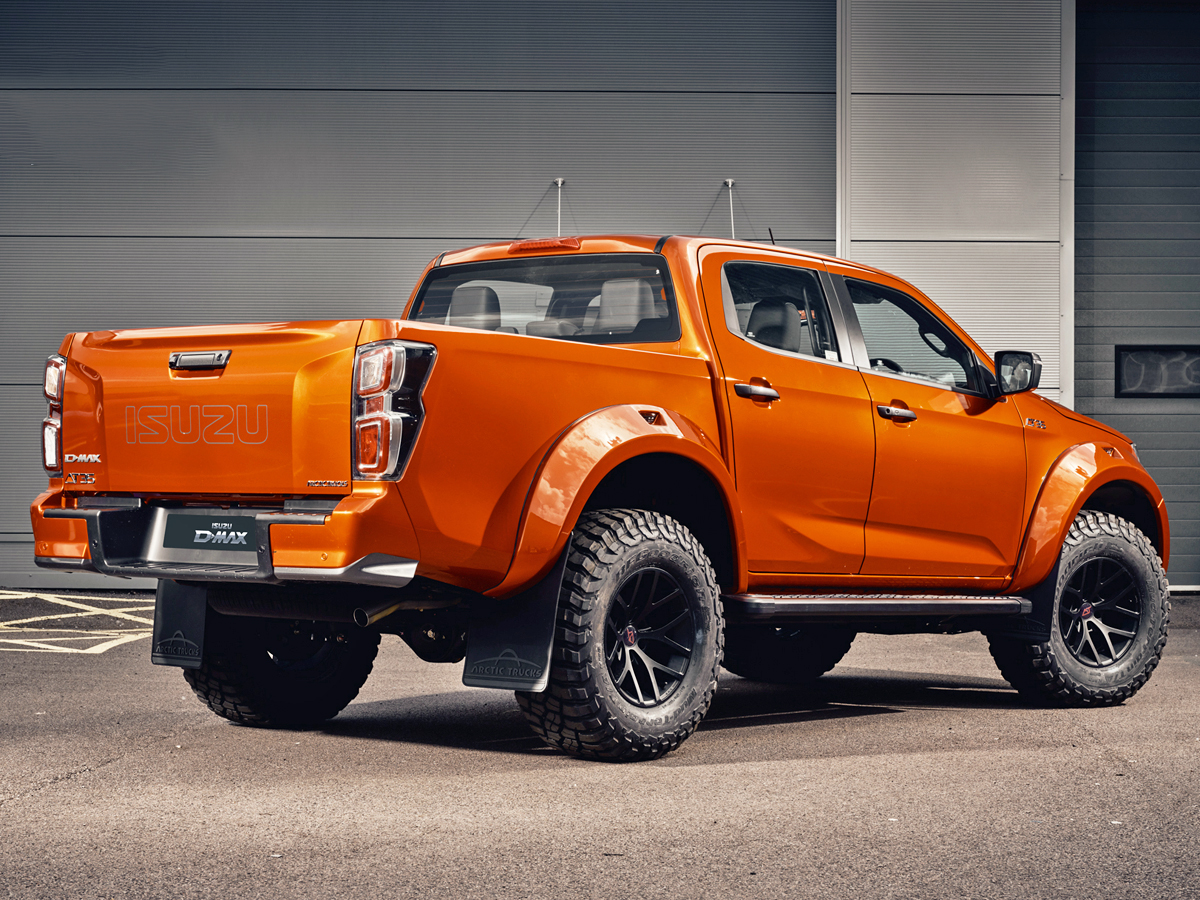
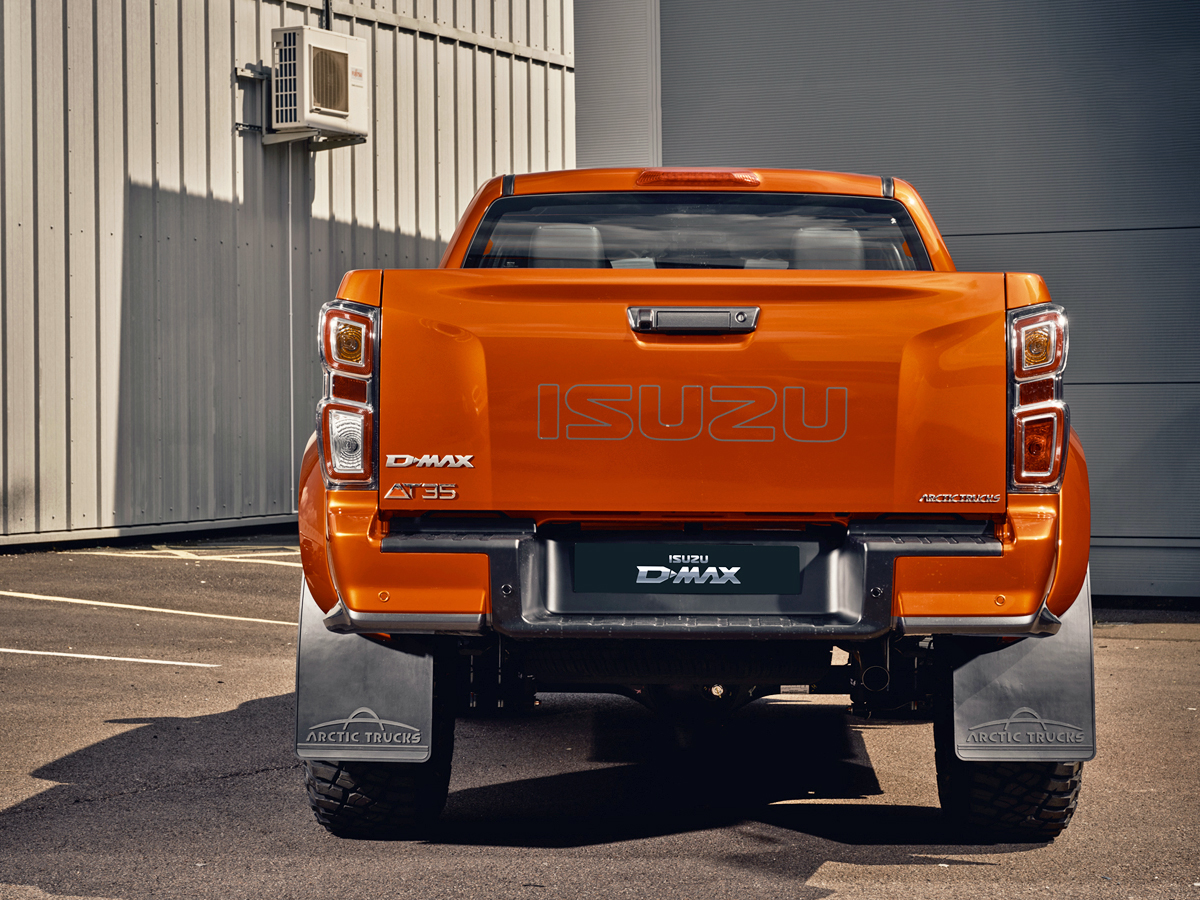
The 2nd-gen Isuzu D-Max Arctic Trucks AT35, which was exhibited at NAMPO, has now been launched in Mzansi. The off-road-optimised double cab, which will be produced in limited numbers, is the latest entrant to the R1-million-plus bakkie club.
Isuzu Motors South Africa confirmed the D-Max Arctic Trucks AT35 for the local market in mid-May, but at the time, it didn’t say how much the bakkie would cost. However, the Gqeberha-based subsidiary of the Japanese brand has now confirmed the 2nd-gen AT35 3.0TD 4×4 will be priced from R1 120 620.
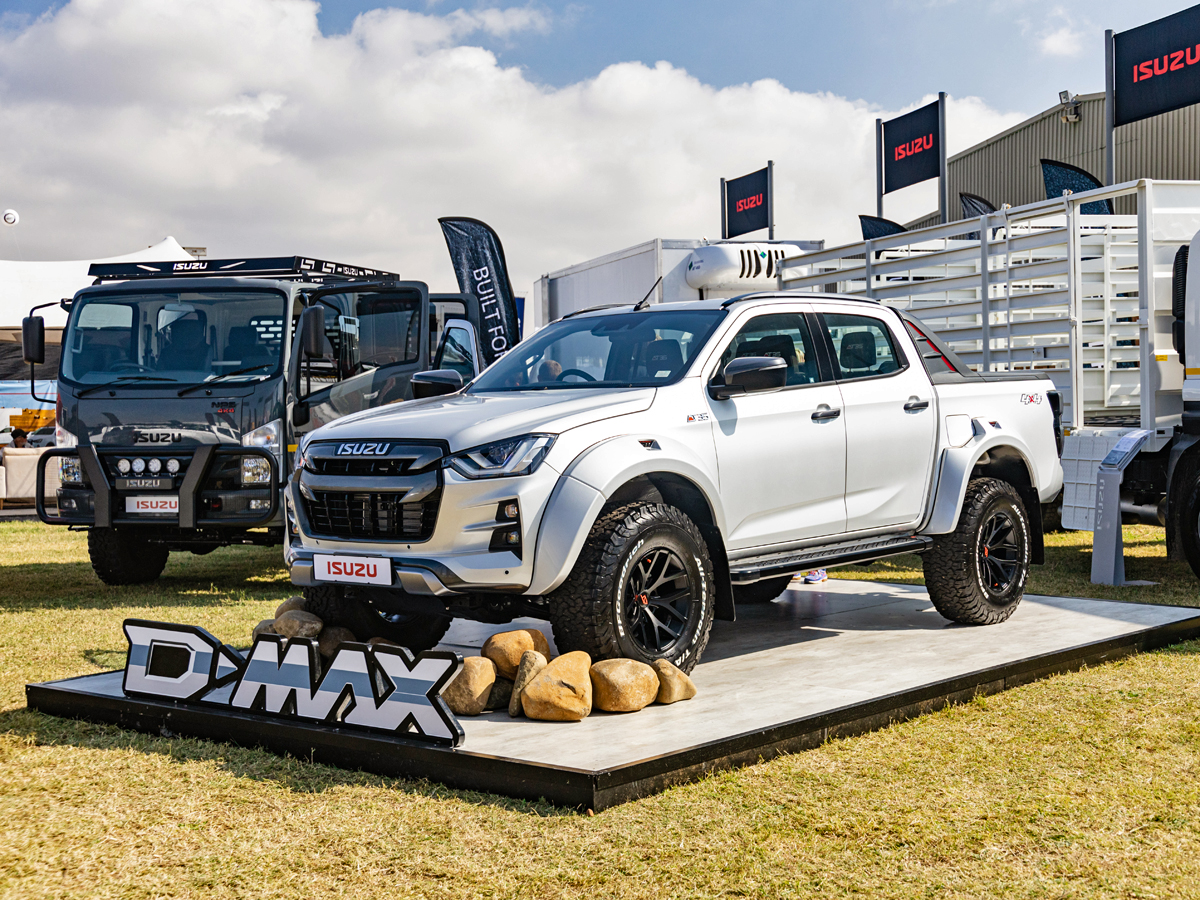
The Isuzu D-Max Arctic Trucks AT35 was displayed at NAMPO 2023 in May.
For the record, that makes Isuzu’s newcomer South Africa’s 4th-most expensive double-cab bakkie, behind the Volkswagen Amarok 3.0TDI V6 Aventura 4Motion (R1 138 200), Ford Ranger 3.0 V6 EcoBoost Raptor 4WD (R1 184 100) and Jeep Gladiator 3.6 Rubicon (R1 329 900). It is, however, the country’s most expensive 4-cylinder bakkie.
Offered in “limited” numbers and set to be available “on special order” through Isuzu’s local dealer network, the AT35 is based on the D-Max 3.0TD V-Cross 4×4. The beefed-up flagship commands a R241 420 premium over that derivative and sits right at the summit of the local D-Max line-up, arriving as the 28th variant in the range (along with a further 5 variants in the prolonged-lifecycle Gen 6 portfolio).
So, what makes the AT35-badged model special? Well, developed in collaboration with Icelandic specialists Arctic Trucks, the 2023 D-Max Arctic AT35 is again locally assembled at Isuzu’s plant in Struandale, Gqeberha. As was the case when it assembled the previous-generation version of this butch bakkie, the Eastern Cape plant is the only Isuzu facility in the world accredited by Arctic Trucks to produce the D-Max AT35.
According to the Japanese firm’s local division, the AT35 gains its various model-specific enhancements in a dedicated Arctic Trucks conversion area within the factory’s body shop, where Isuzu says its “most skilled artisans and technicians craft the bigger wheel wells and arches to accommodate the large 35-inch tyres and beefed-up suspension”. After painting, the vehicle follows the standard D-Max assembly line, where it also gains a specially developed suspension lift kit and Bilstein dampers. The final step in the transformation is the “off-line fitment” of larger wheel-arch mouldings.
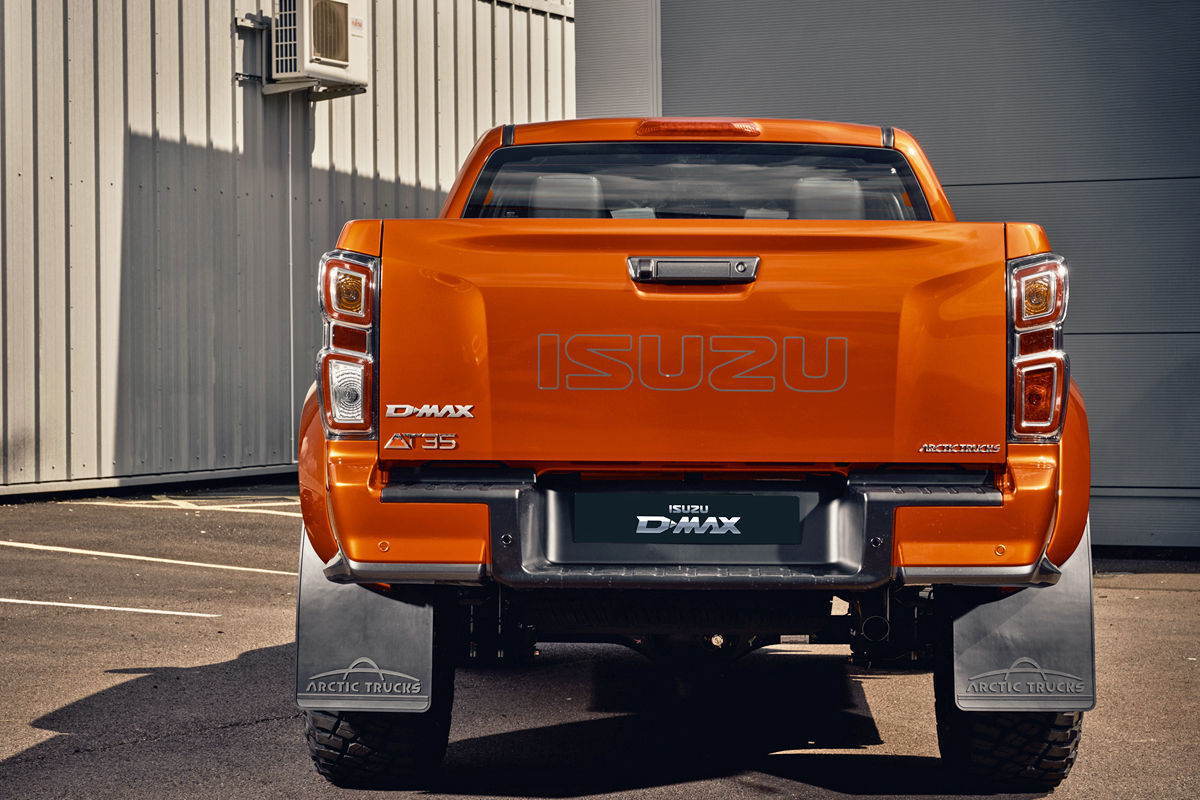
Besides a markedly increased ride height and wider track, the AT35 boasts special chrome badges on its front fenders and tailgate, along with wider-profile side steps, “Arctic Trucks” mudflaps and 35-inch BF Goodrich all-terrain tyres wrapped round 17×10-inch AT black alloy wheels.
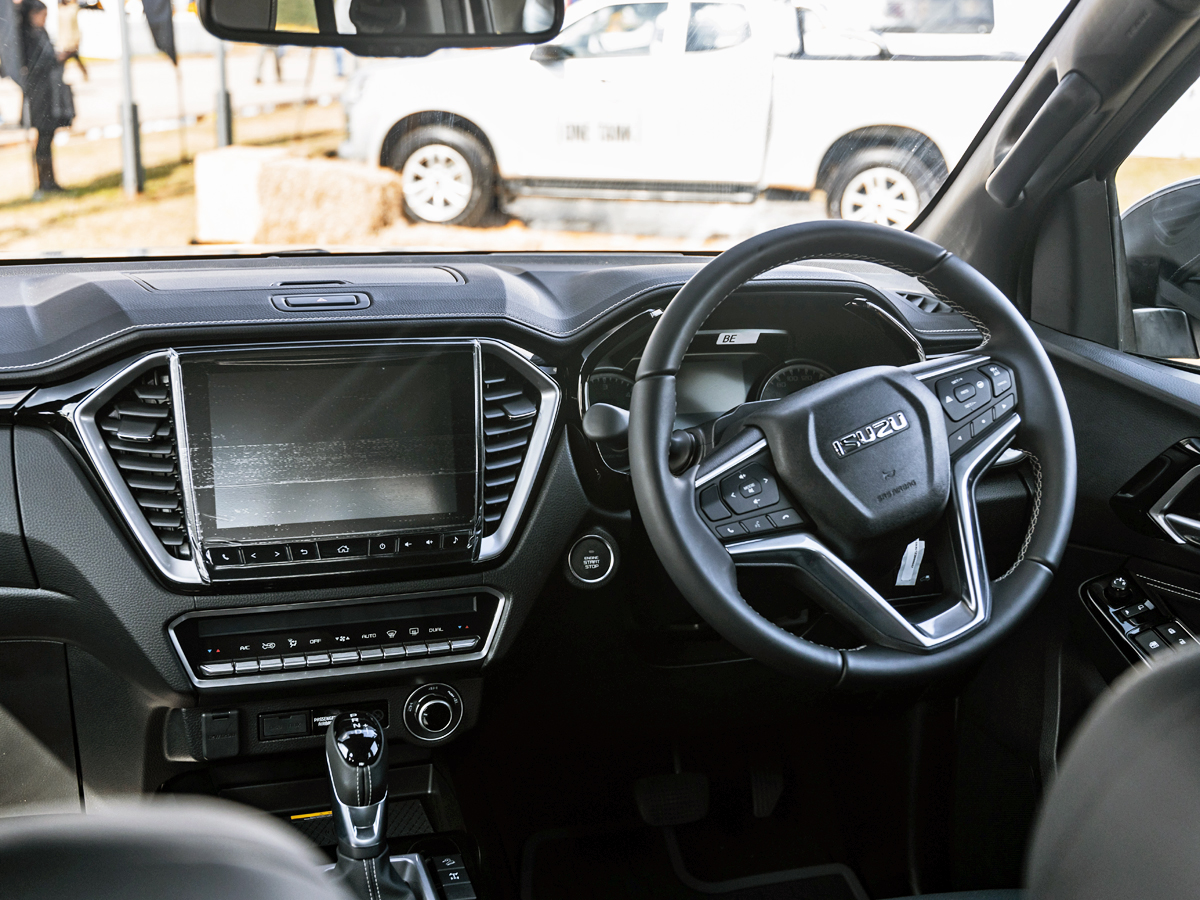
An 18-inch spare wheel is furthermore fitted beneath the load box, while a “ResQ Puncture Repair Kit” is also provided. Inside, the bakkie’s leather-trimmed seats score yet more “AT35” logos, a treatment repeated on the gearshift shroud and floor mats.
The AT35 flagship is based on the V-Cross derivative that previously topped the range.
The “purpose-designed” lift kit and tyres increase the ground clearance from the standard figure of 232 mm to 266 mm, while also boosting the bakkie’s overall height from 1 810 mm to 1 875 mm. The claimed wading depth of 800 mm climbs to 865 mm, while the approach angle improves to 33 degrees, the departure angle to 23 degrees and the break-over angle to 34 degrees.
So, what about the powertrain? Well, despite its suspension upgrade and beefier-than-standard body, the AT35 is no match for the 292 kW V6-powered Ranger Raptor under the bonnet as the Isuzu sticks with the standard 3.0-litre, 4-cylinder turbodiesel engine familiar from other D-Max derivatives. As in other applications, the oil-burner generates an unchanged 140 kW and 450 Nm, peak outputs that are delivered to all 4 wheels via a 6-speed automatic transmission as standard.
How much does the Isuzu D-Max Arctic Trucks AT35 cost in SA?
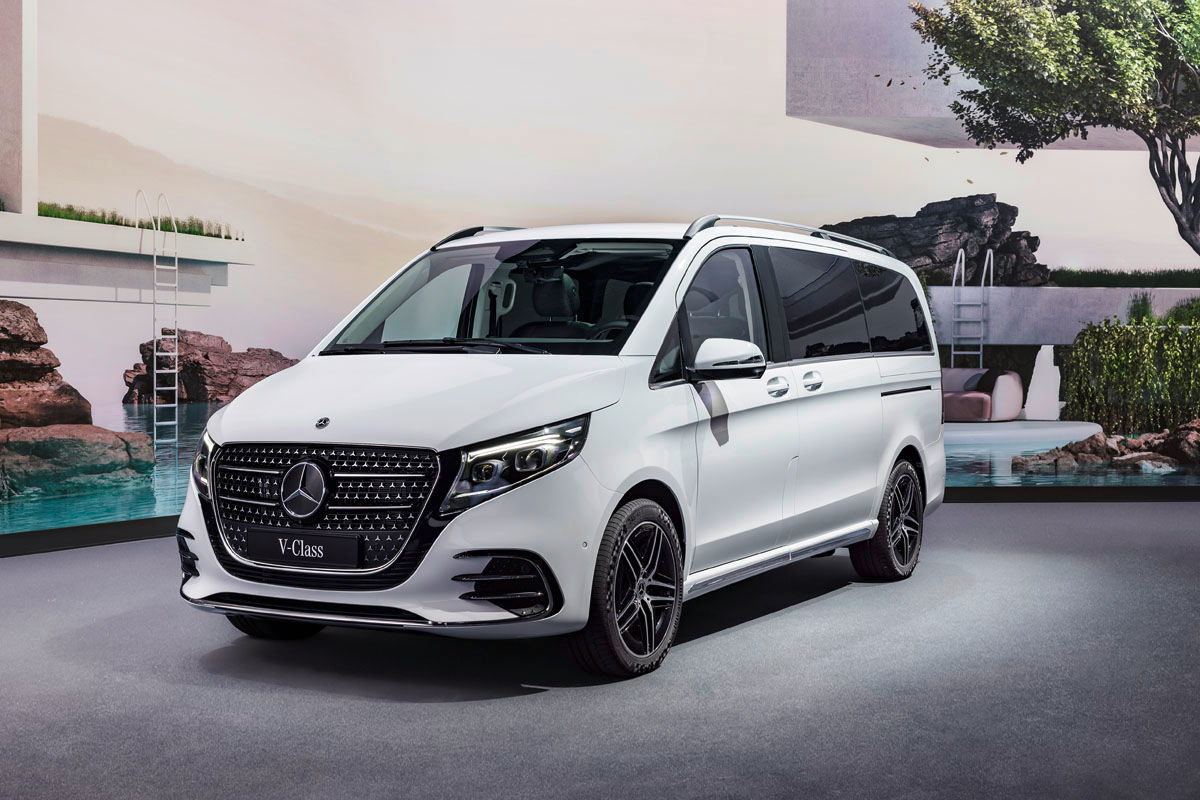
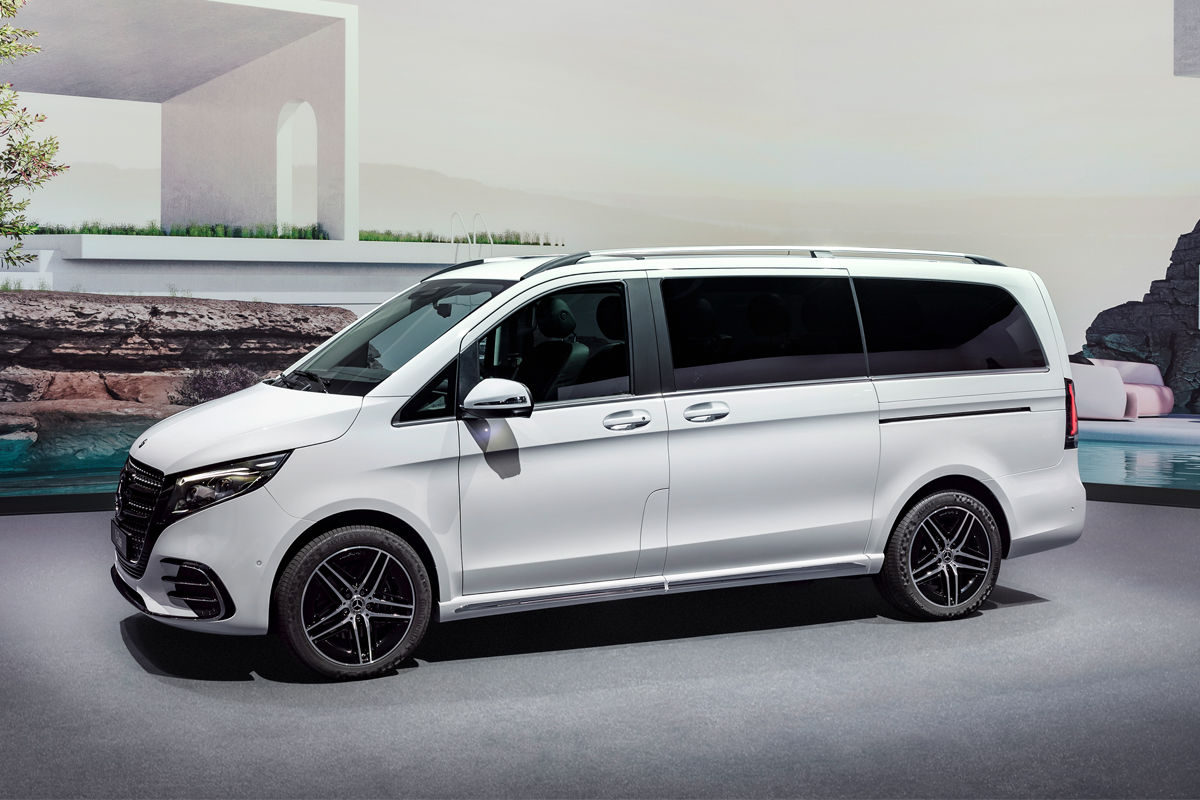
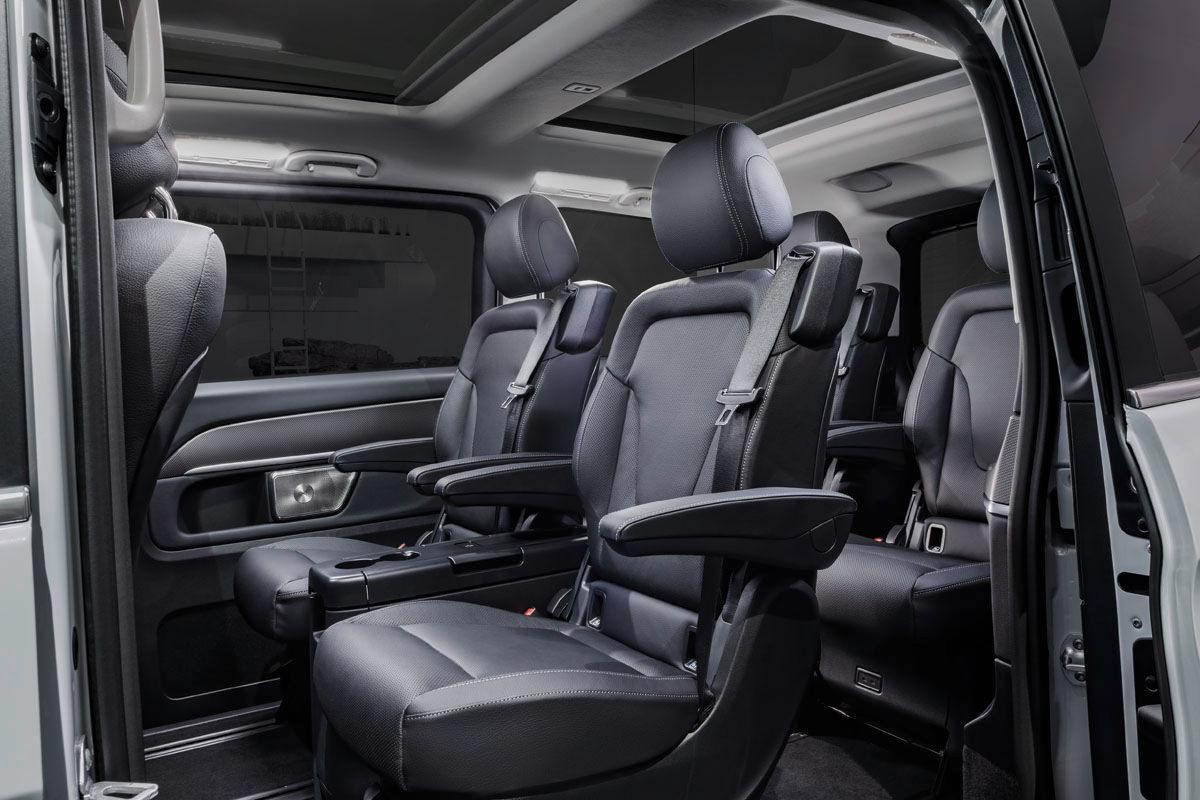
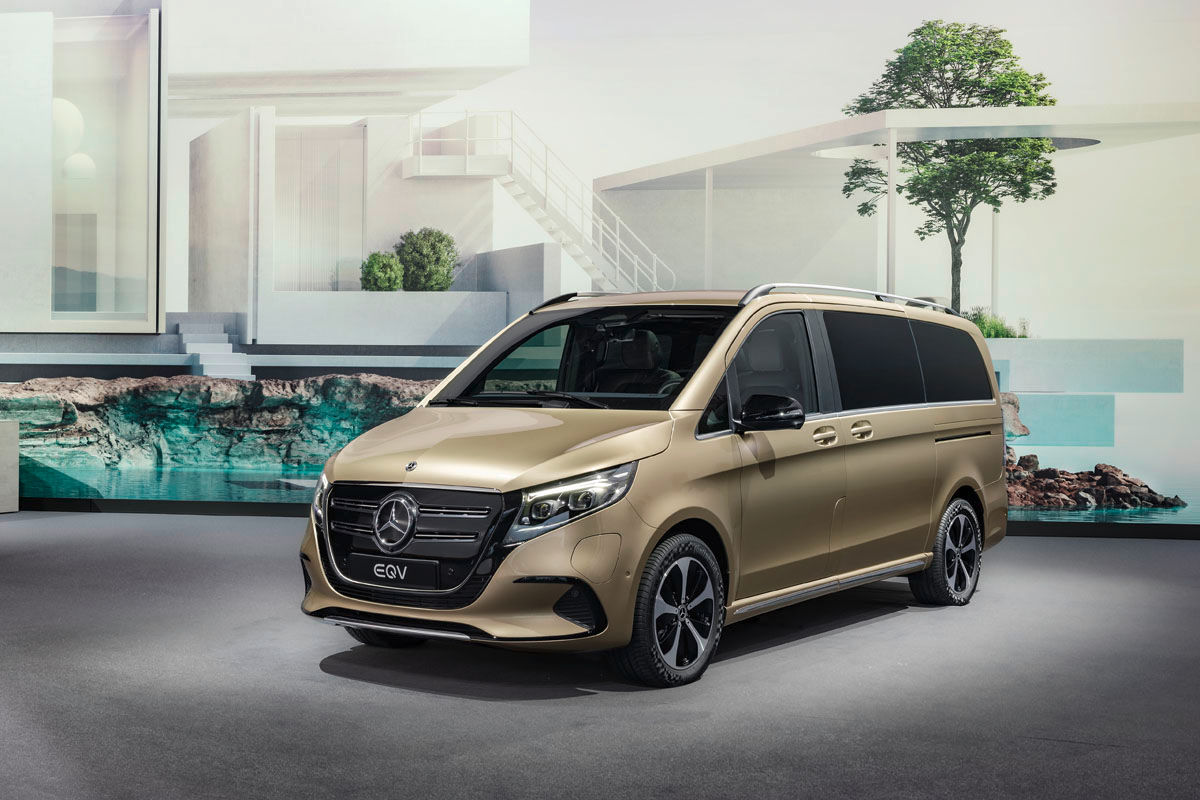
The 2024 Mercedes-Benz V-Class has been revealed. Here’s a look at the updates, what’s new and when the model is coming to South Africa.
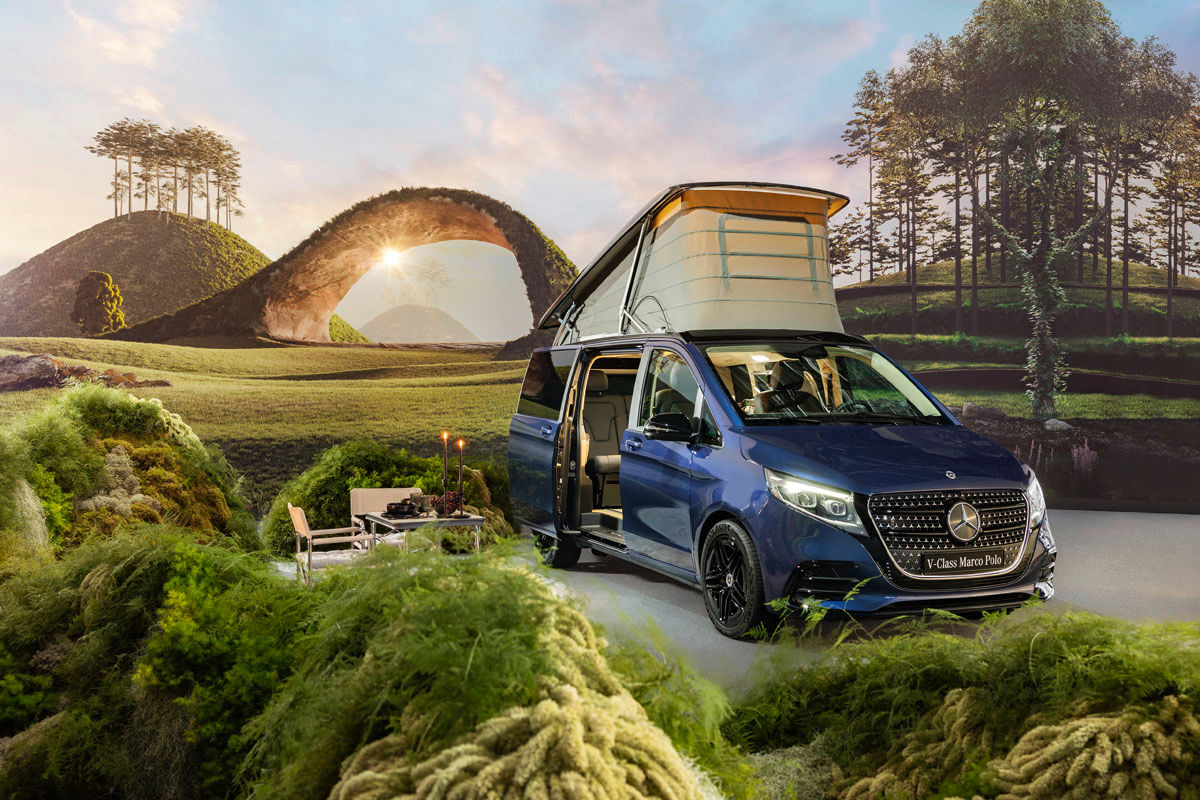
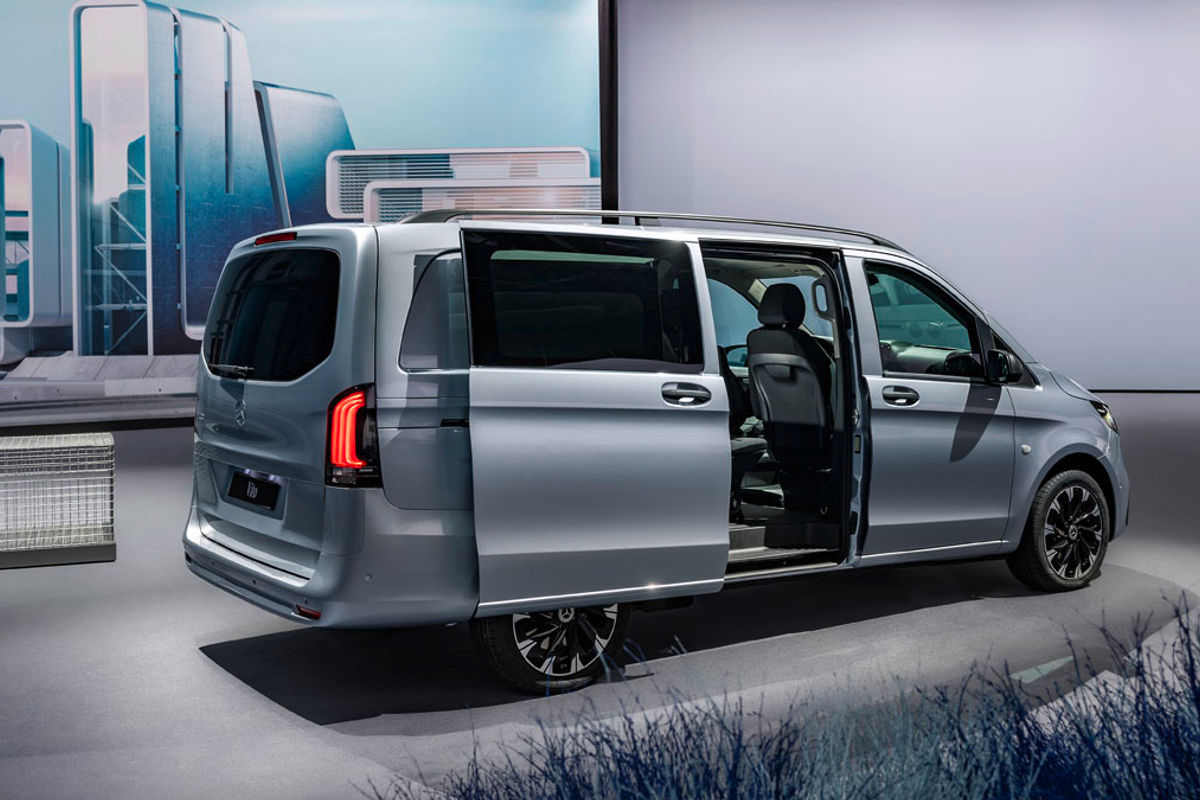
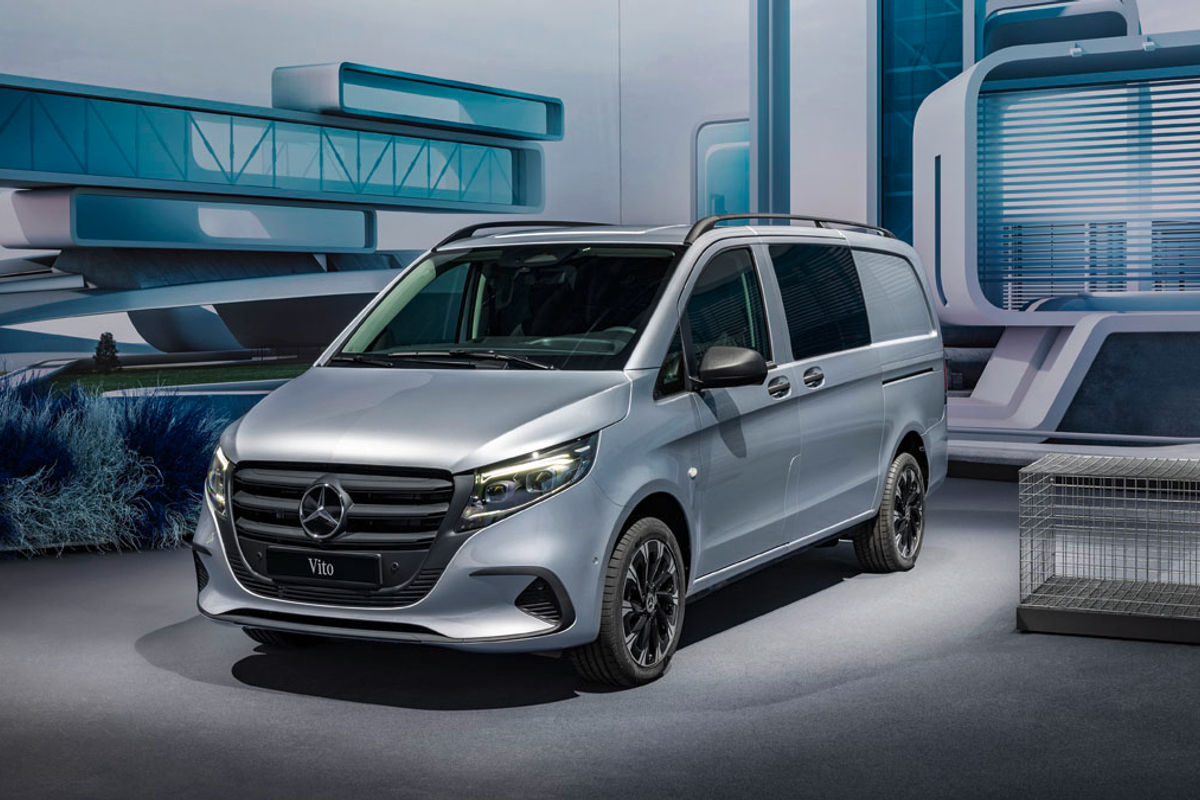
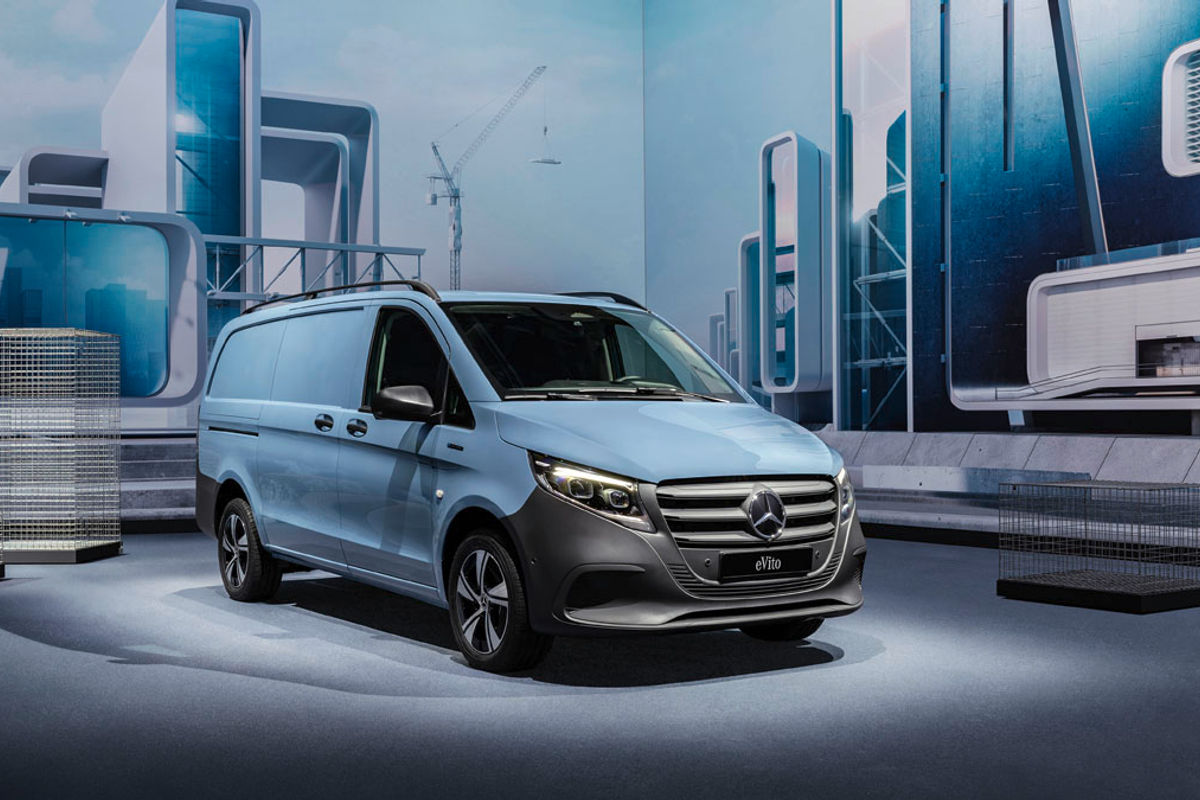
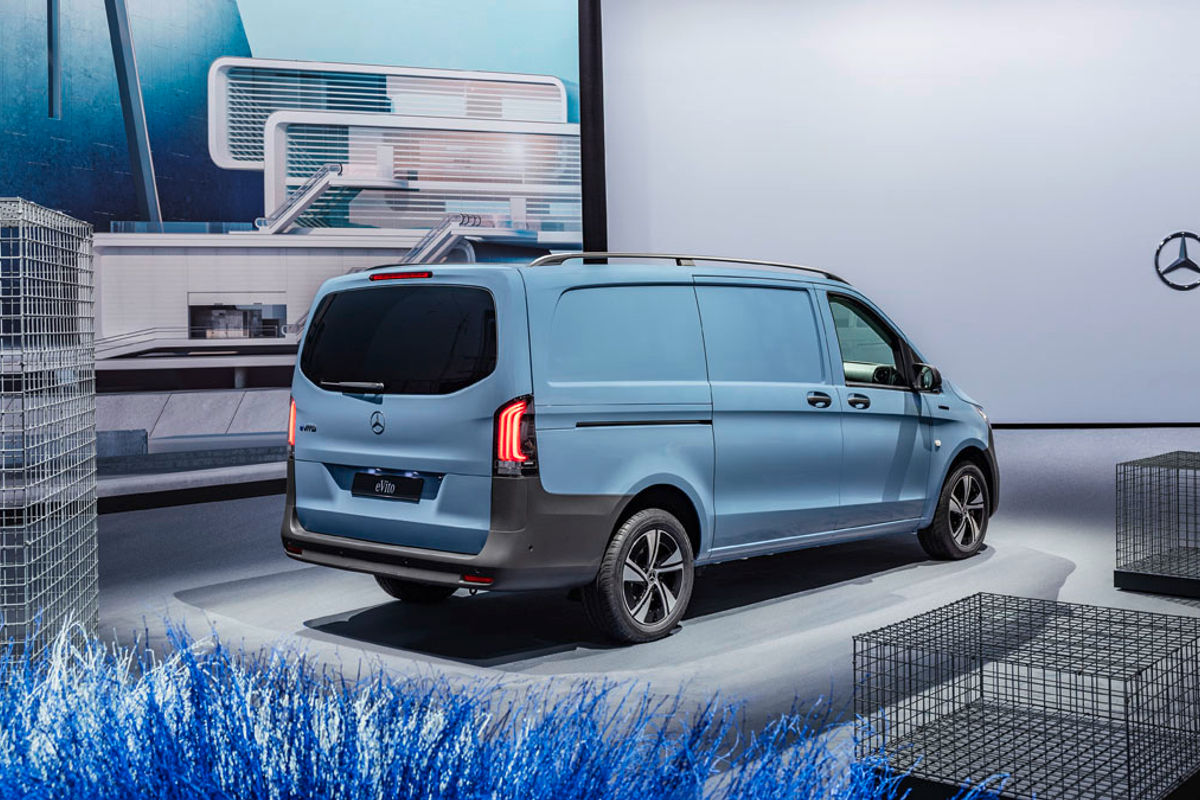
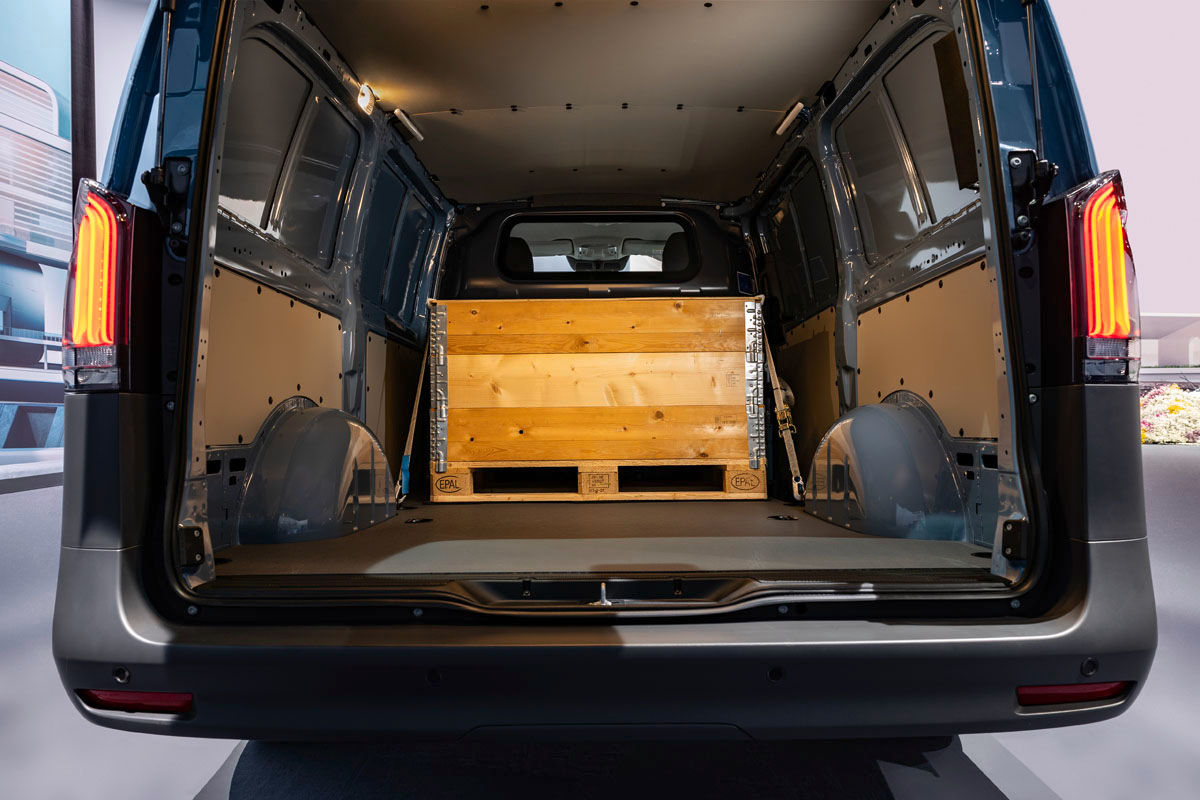
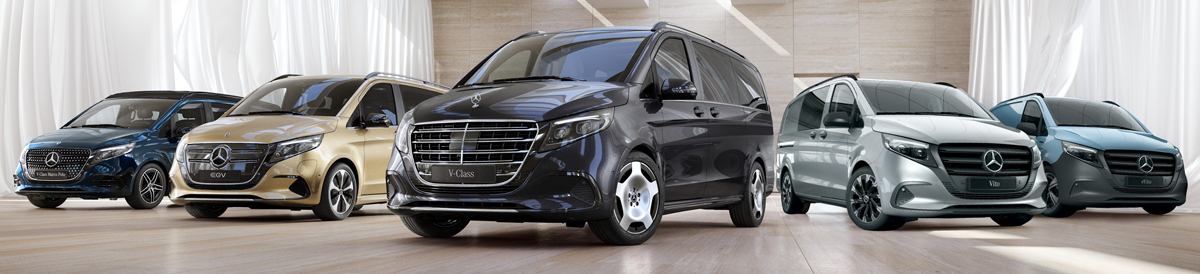
After a short teaser campaign, the 2024 Mercedes-Benz V-Class range has been formally revealed. The changes are extensive, with a new exterior look that brings it right up to date with the rest of the Mercedes-Benz range, as well as substantial cabin and tech upgrades. The 2024 Mercedes-Benz V-Class family comprises the all-electric EQV, V-Class, V-Class Marco Polo touring van, Vito and eVito.
Locally, the V-Class has proven popular and while we don’t have sales figures (because Mercedes-Benz South Africa) doesn’t report to Naamsa, we understand that the luxury van sells in good numbers.
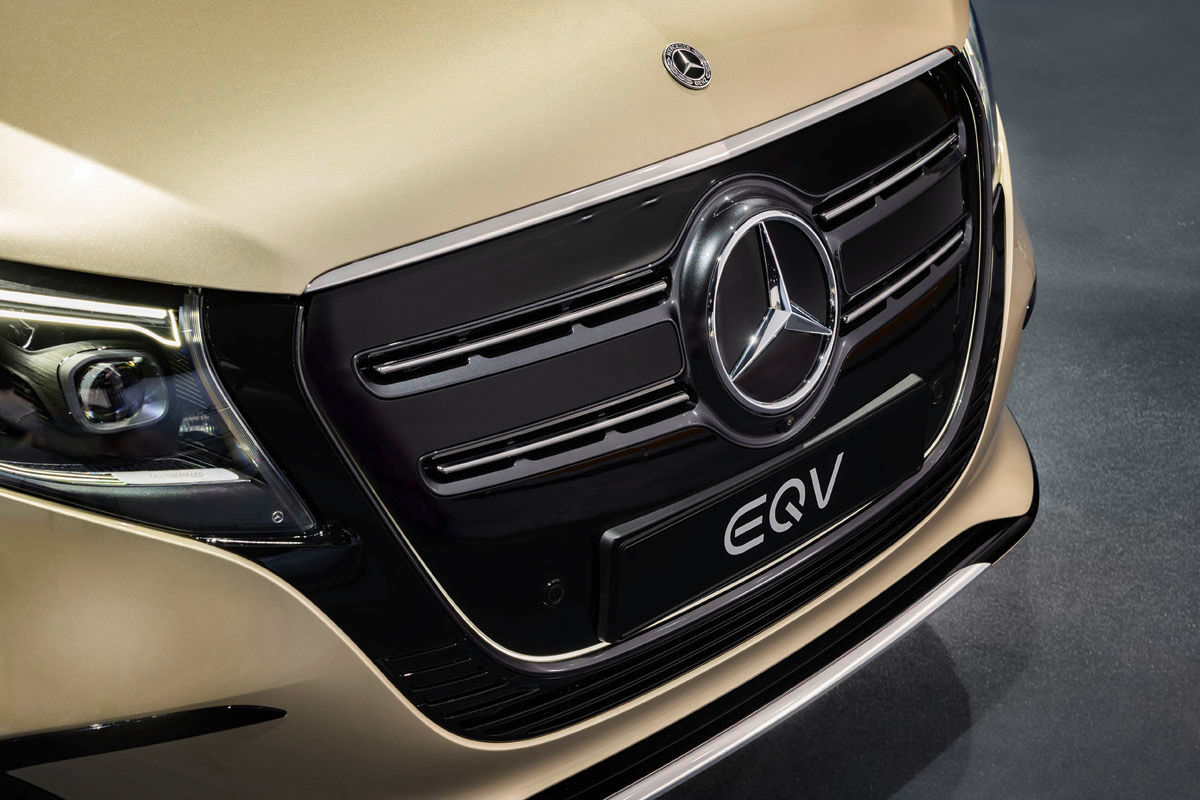
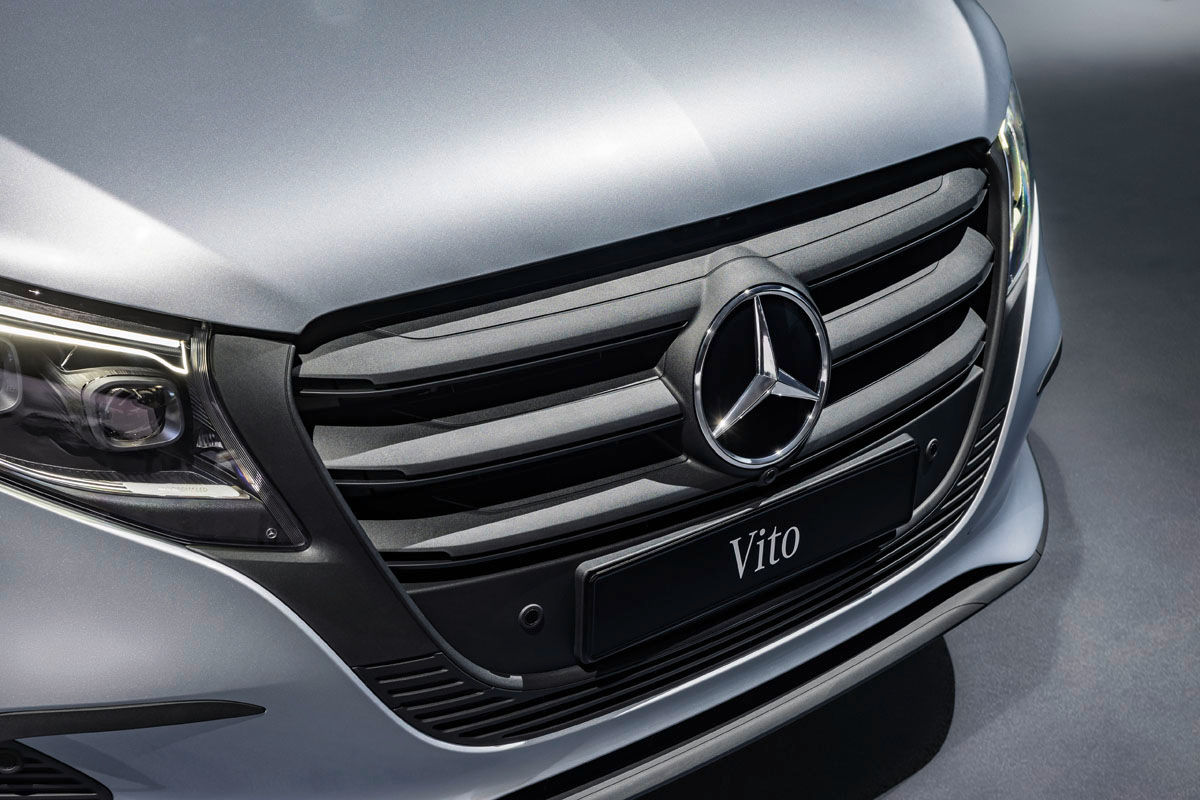
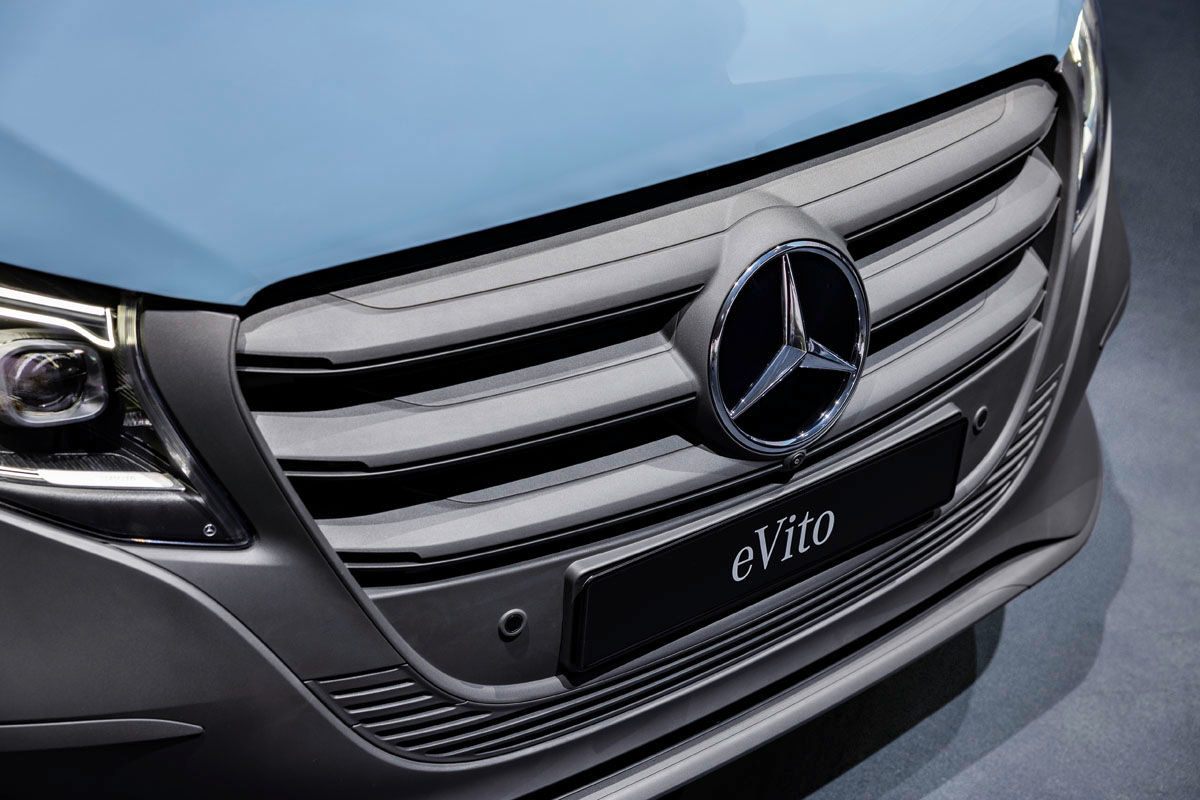
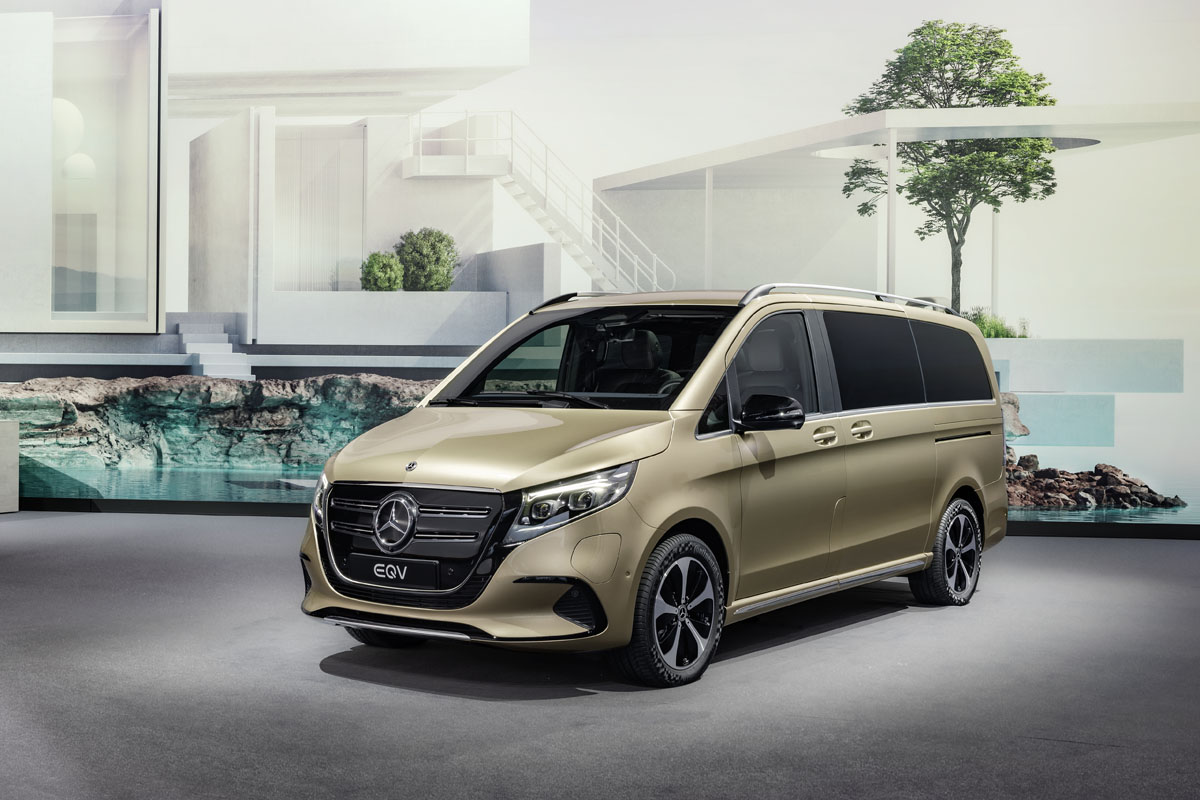
You can distinguish the updated Mercedes-Benz V-Class with its new front treatment (all variants get the update). The ICE version gets a bold radiator grille, while the EQV gets a sleek and clean closed-off front.
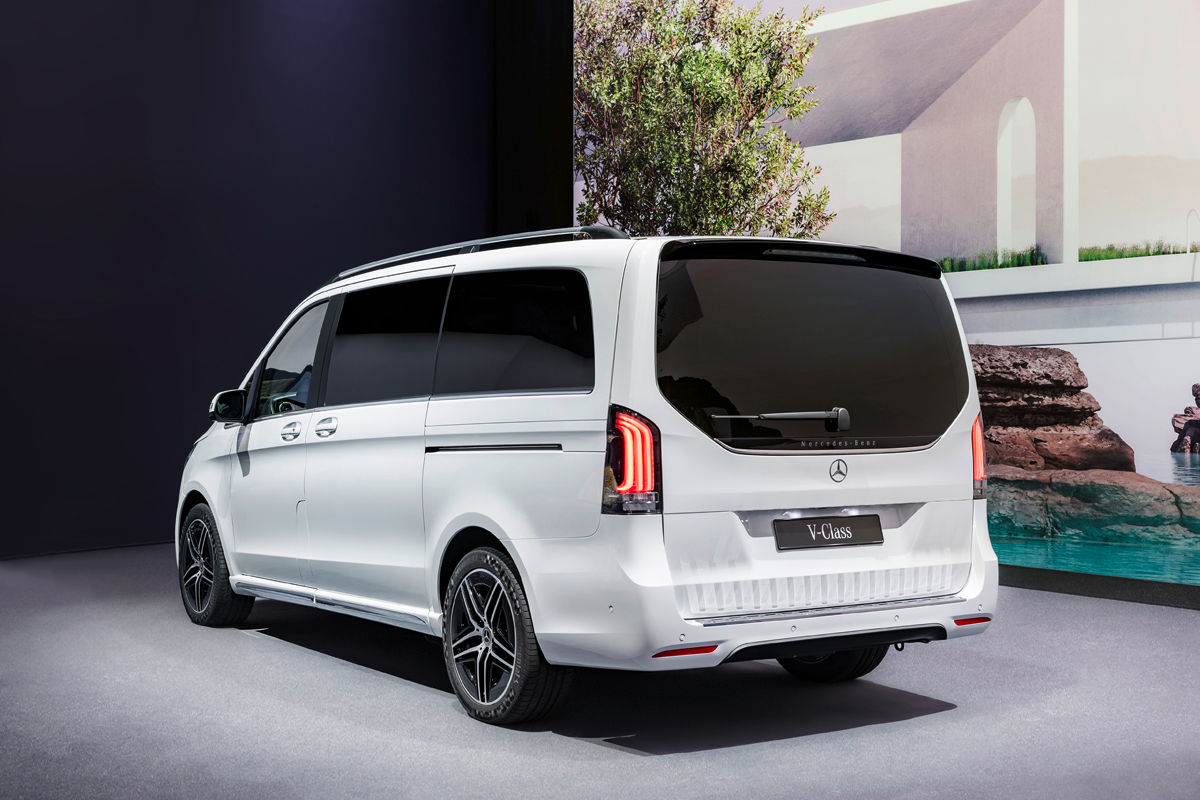
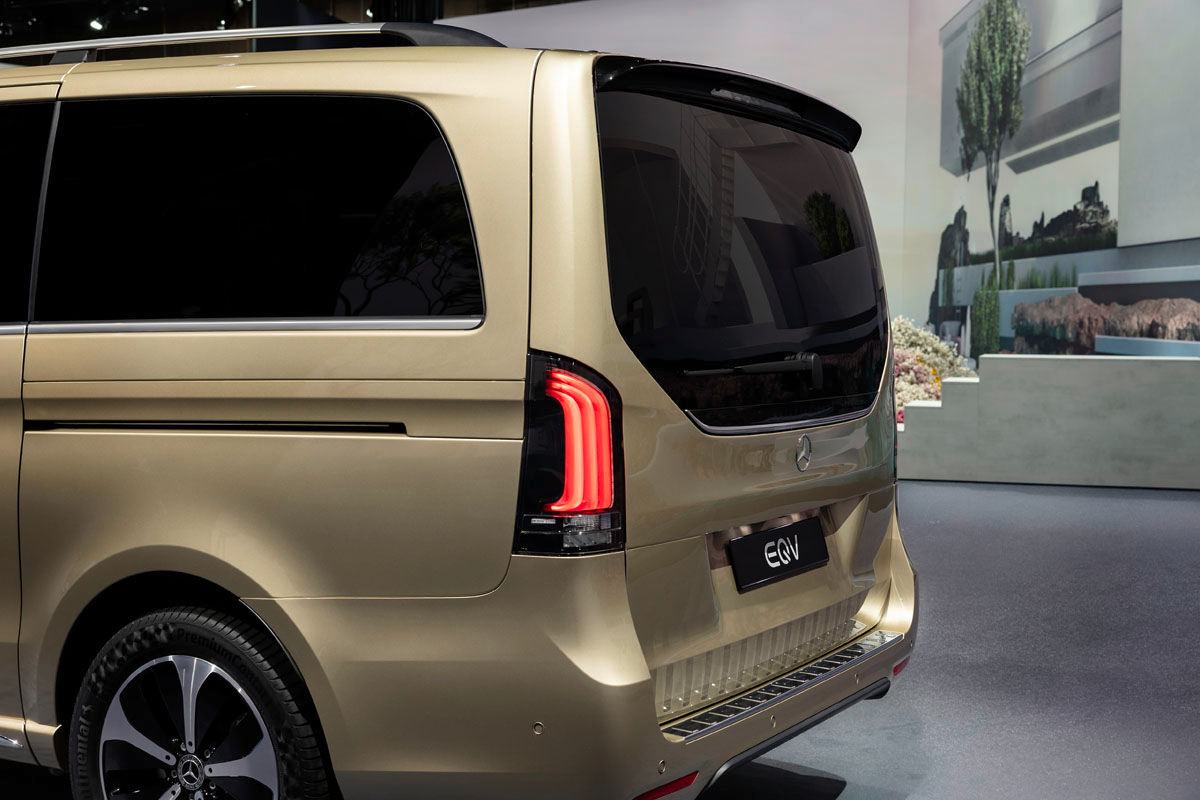
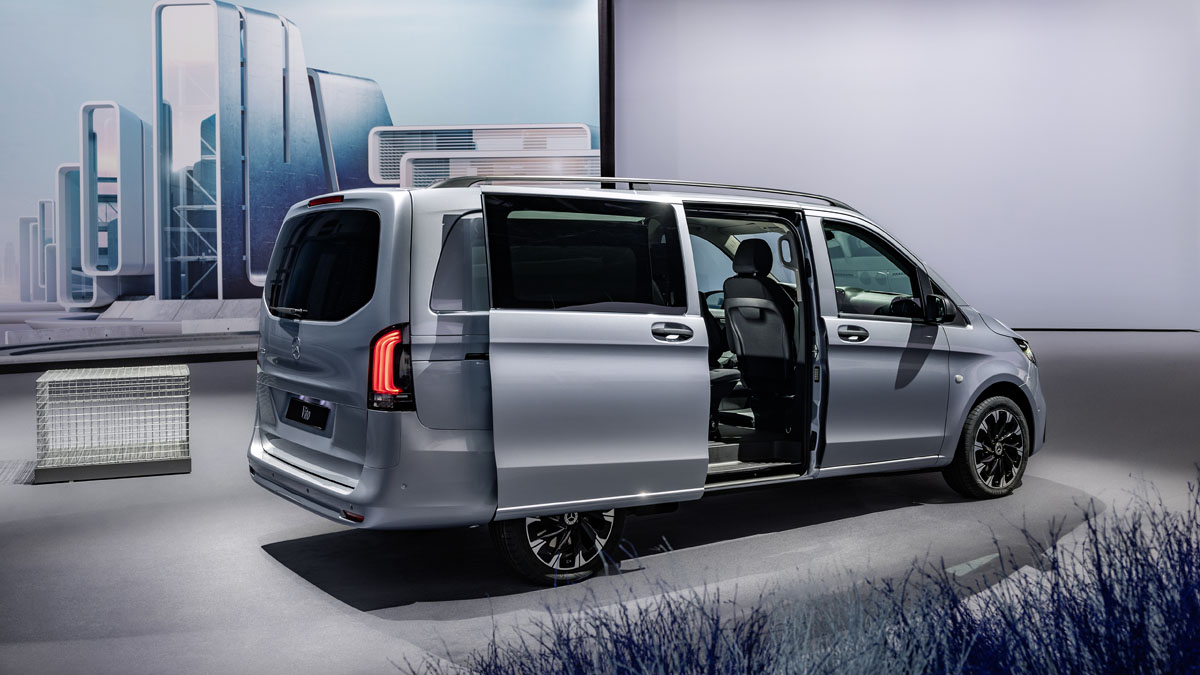
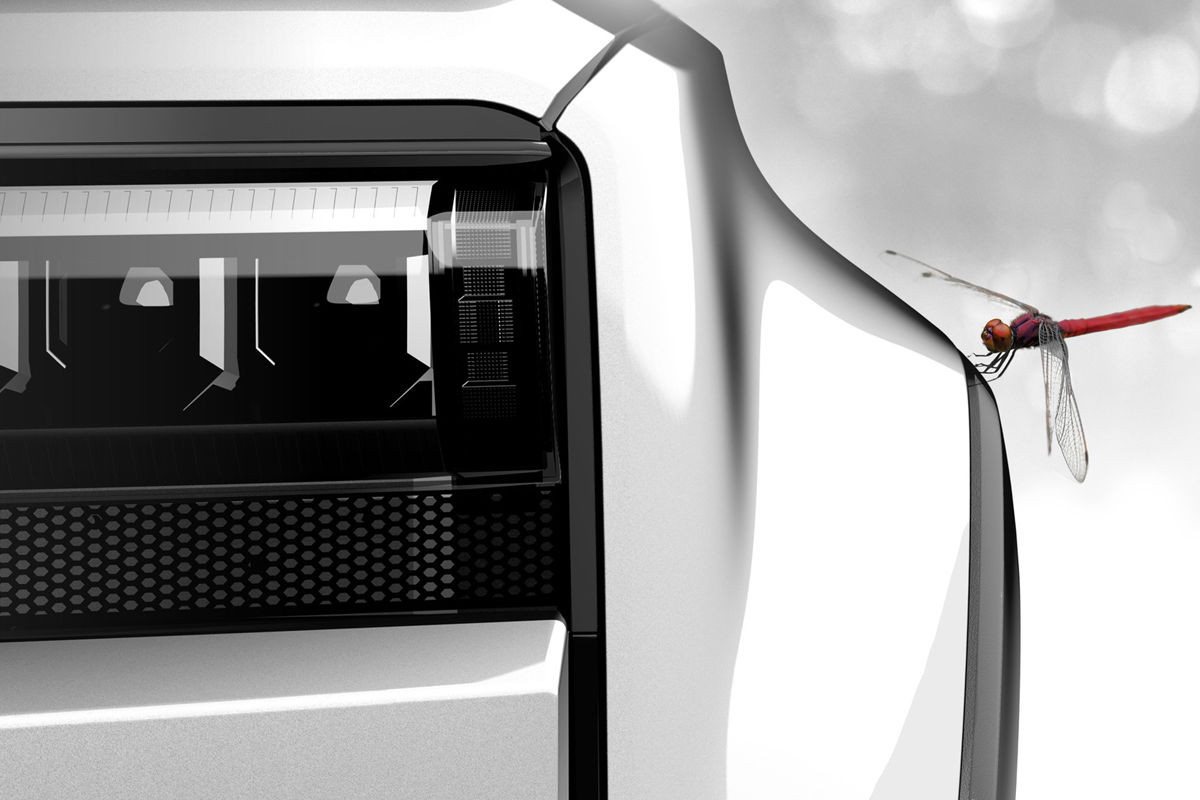
Meanwhile, all 2024 variants are adorned the sharper new-look headlights with an LED light band around the grille. For the first time, the iconic Mercedes-Benz star makes an appearance on the bonnet. The rear gets redesigned LED taillamps and there’s a neat chrome trim strip with Mercedes-Benz lettering.
There are new aerodynamically-tuned alloy wheels available in 17-, 18- and 19-inch sizes. Customers get an additional 5 paint colours to choose from.
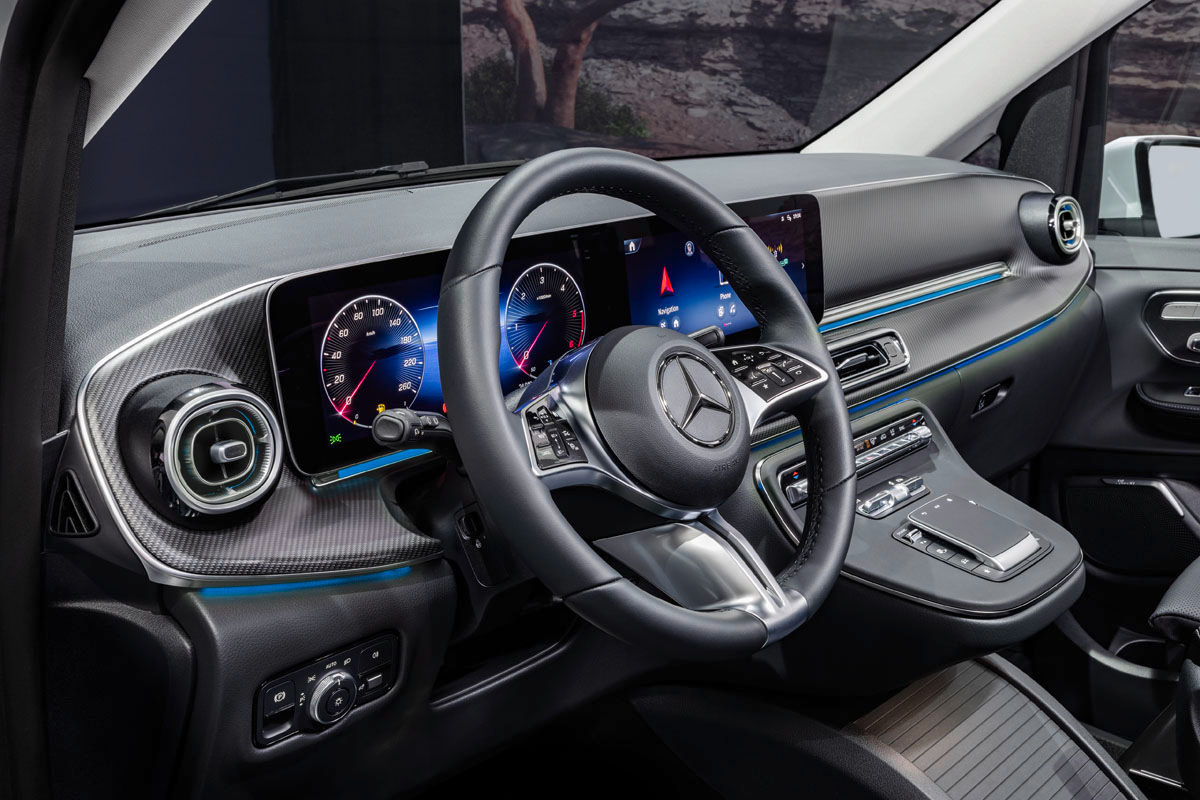
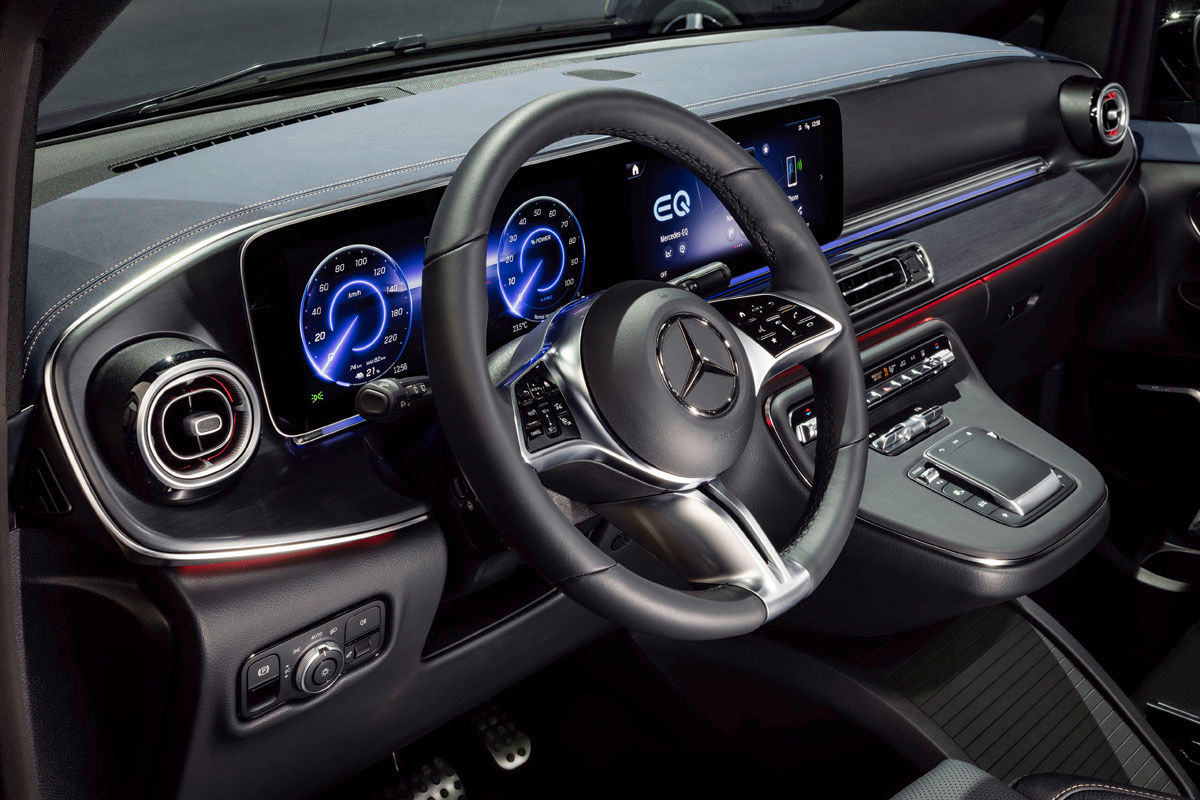
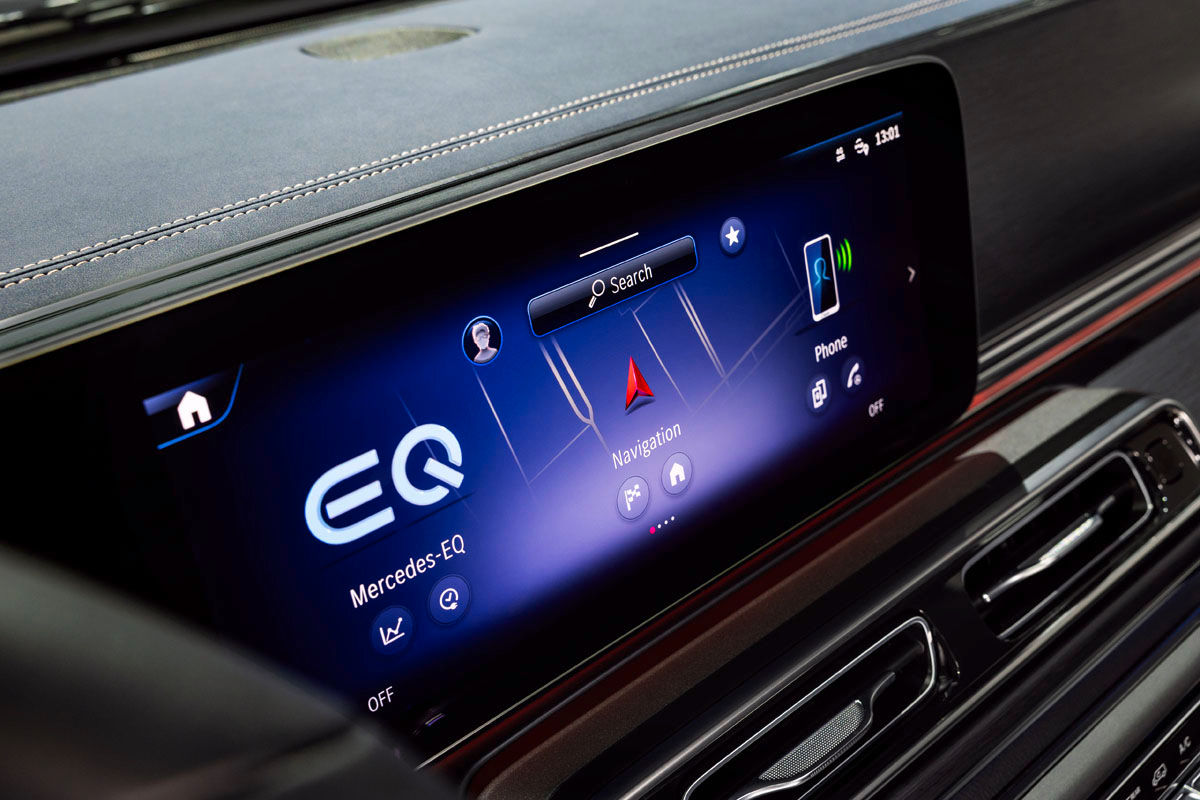
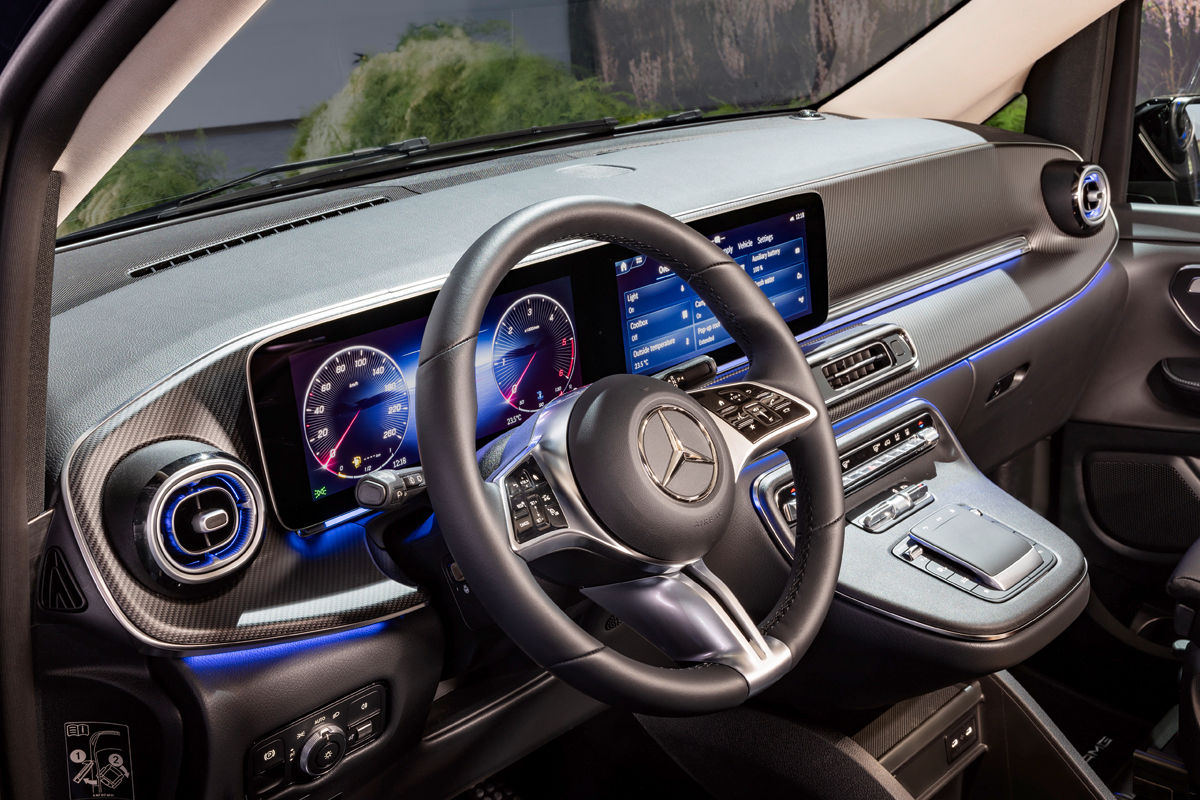
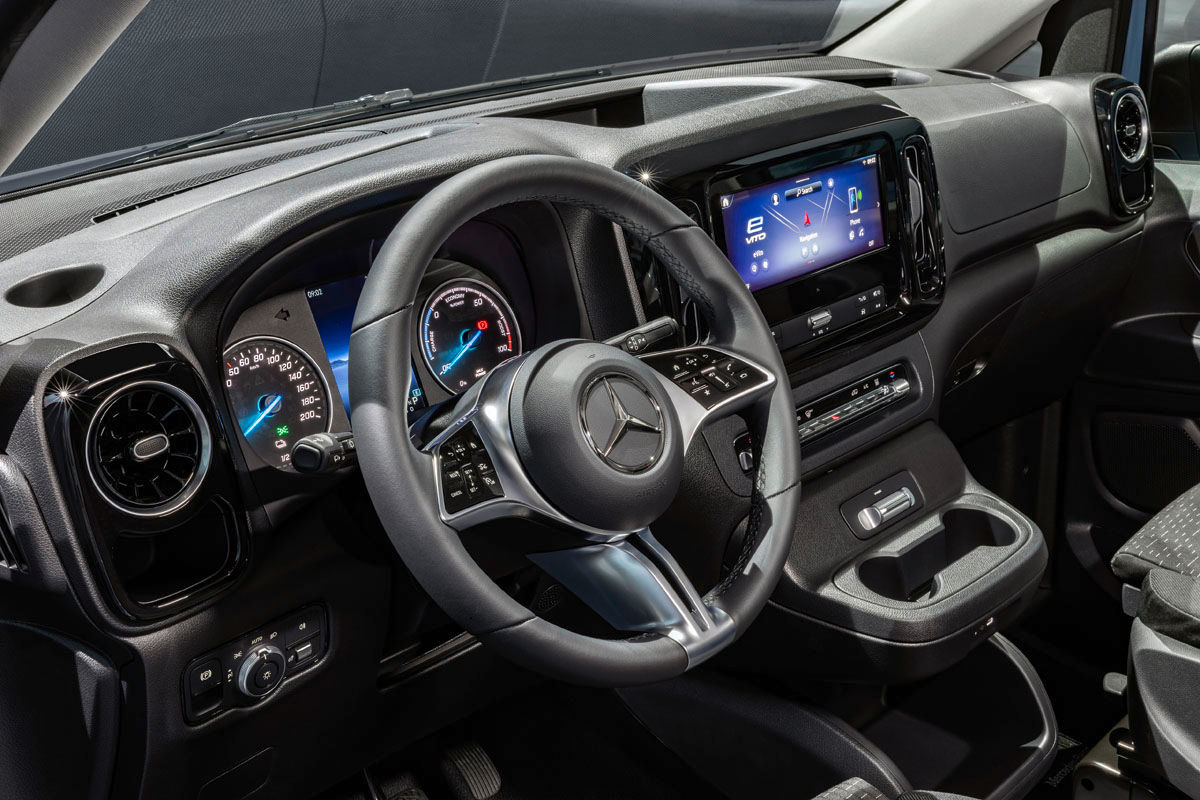
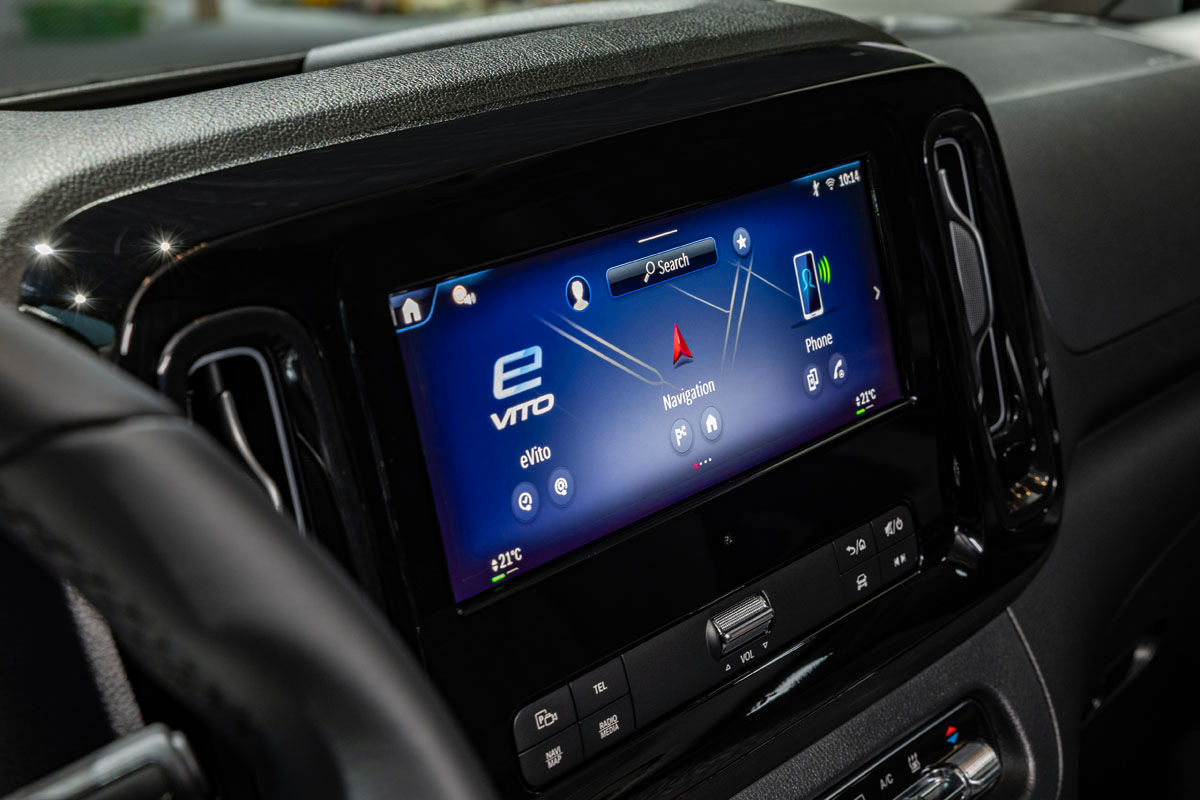
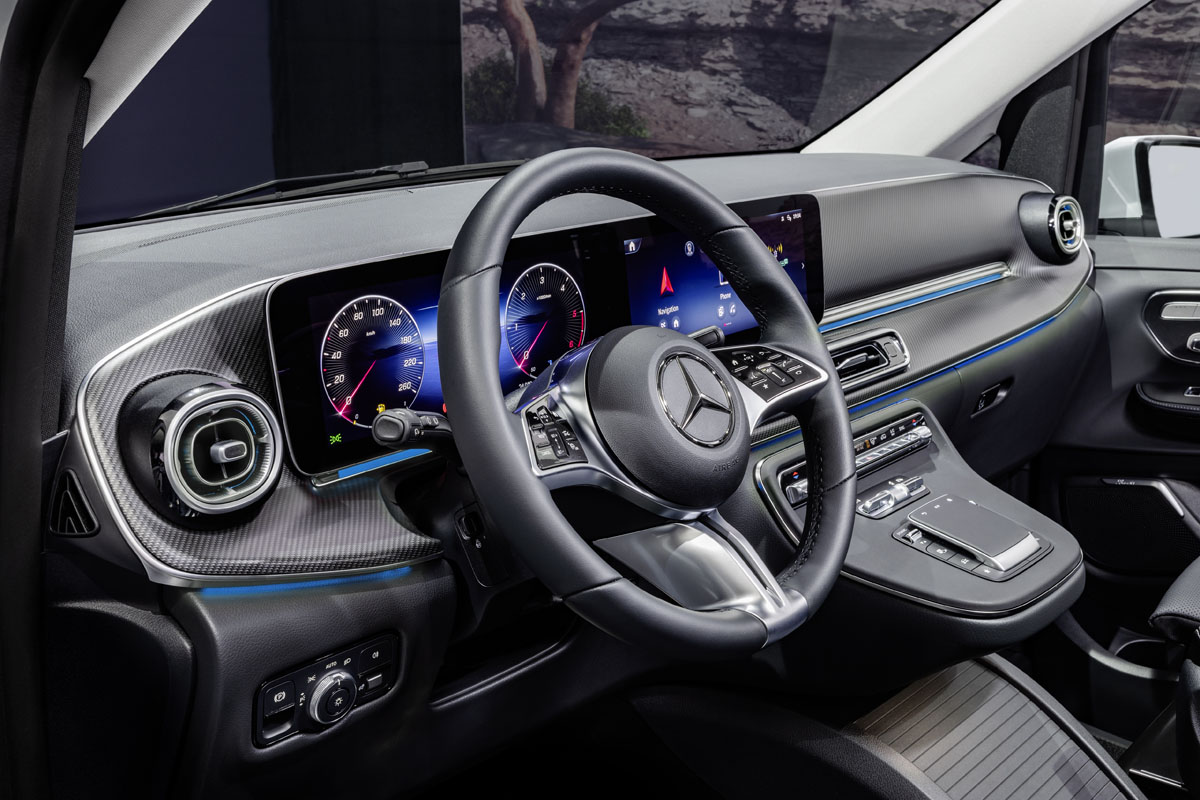
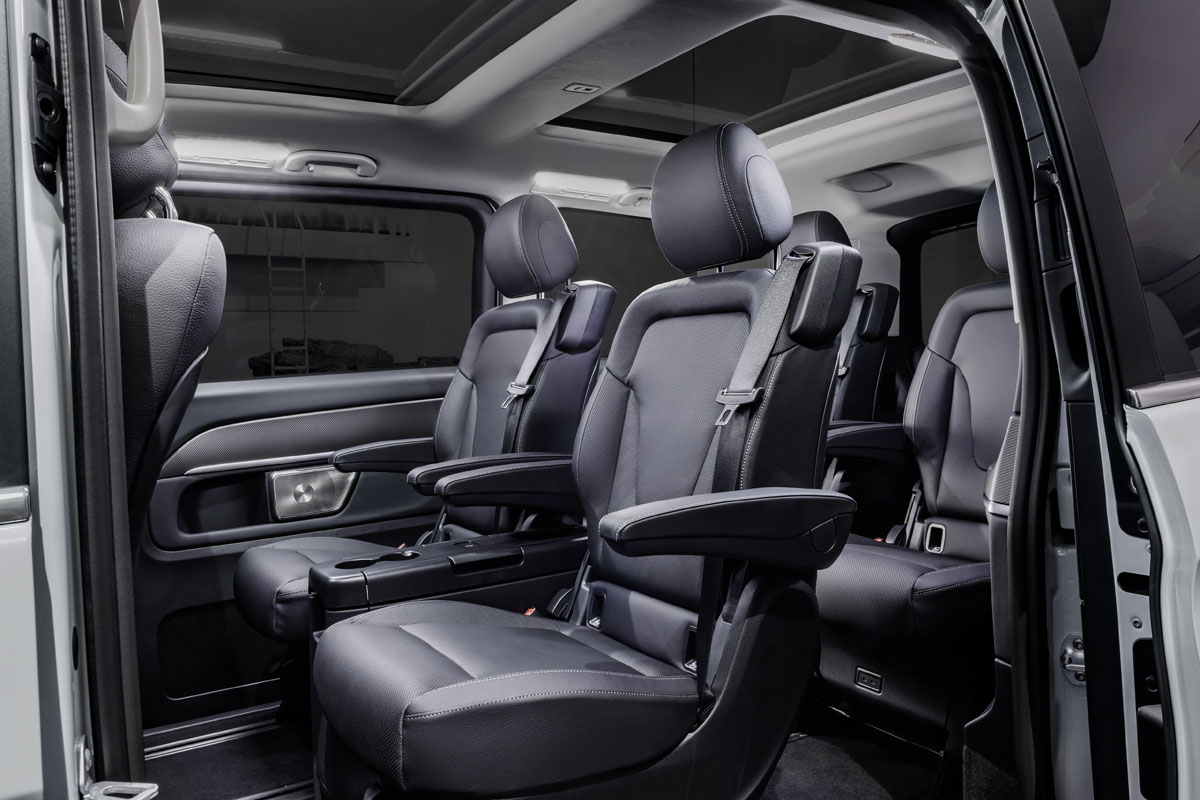
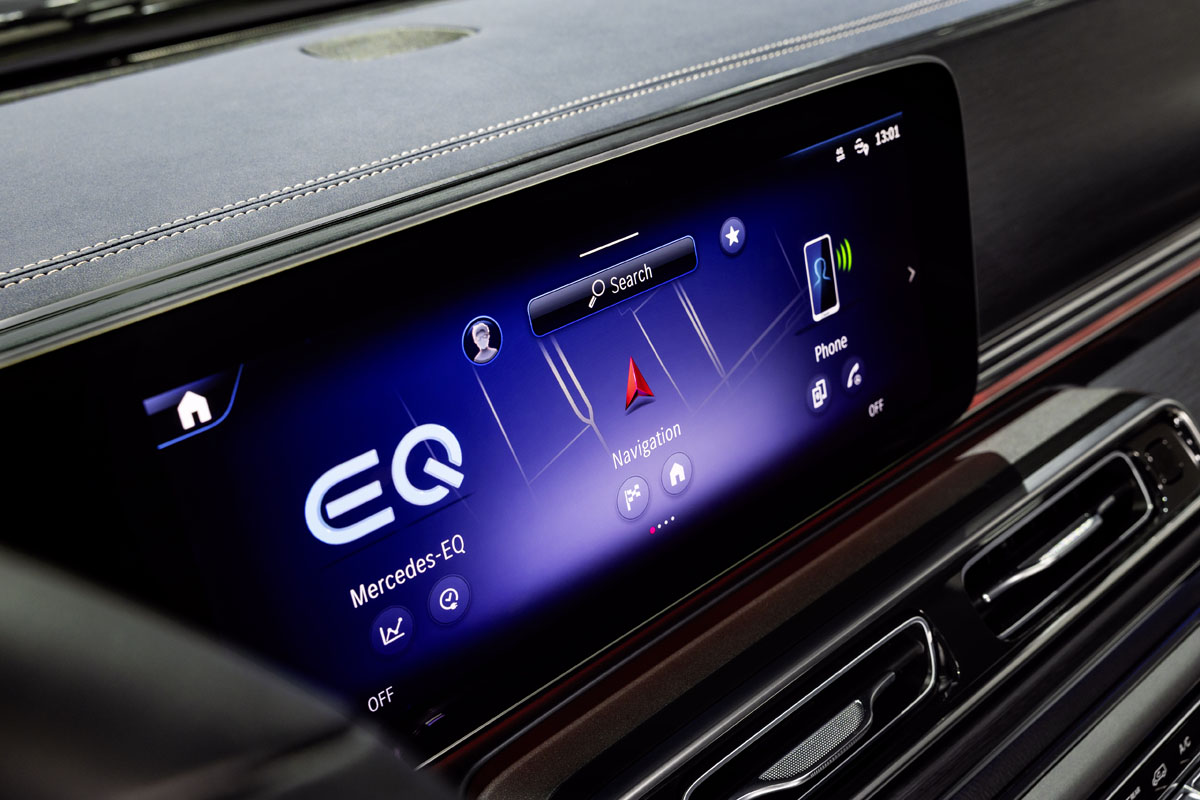
Inside, the biggest change is the introduction of the MBUX digital instrument cluster and infotainment system. The two integrated 12.3-inch (widescreen) displays bring new levels of tech, connectivity and appeal while the commercial-focused Vito and eVito get a 10.25-inch central infotainment unit with a 5.5-inch colour instrument cluster. What’s more, the MBUX features the digital assistant “Hey Mercedes”, which allows hands-free functionality for navigation inputs, climate settings and audio system choices.
It appears that the W447-gen V-Class will continue to use the existing engine and transmission options as there was no mention of powertrains in the release. As a reminder, the V-Class is offered with 2.0-litre turbodiesel engines in various states of tune. The flagship V300d packs a 174 kW/550 Nm punch!
There was no data on the all-electric EQV either, but the outgoing version had a claimed range of 405 km and a peak system output of 150 kW.
And finally, the Sindelfingen-based brand is offering the updated V-Class in Entry-level, Style, Avantgarde and Exclusive trim levels. Optional design packages include AMG Line and Night packages.
Mercedes-Benz Vans has rejigged its comprehensive options list and combined individual items into equipment packages. SA specification has yet to be confirmed, but we hope we get all the goodies!
The 2024 Mercedes-Benz V-Class sees the Three-pointed Star’s commercial division adopt an ever-more premium strategy and the Van/MPV family will also incorporate the modular and scalable Van Electric Architecture (VAN.EA) from 2026. The European market is ground zero for electrified mobility and ‘Benz reckons electric vans should account for more than 50% of its volumes by 2030. So far, more than 40 000 battery-electric vans have been sold, with the brand’s eVito leading the sales race.
Mercedes-Benz Vans South Africa has confirmed that the updated V-Class range will be touching down in 2024. Marinus Venter, the division’s general manager of product and marketing, had this to say:
“We are delighted to introduce the latest versions of the V-Class and Vito, (they represent) another step forward in our commitment to enhancing luxury in private life and elevating premium character in business. These new editions exemplify our dedication to innovation, design and quality. Although we have no confirmed timeline as of yet, we hope to see these vehicles in SA in the next 18-24 months.”
“We are thrilled to announce that the highly anticipated EQV and eVito will be making their debut in South Africa in 2024. Along with the launch of the eSprinter in our local market in 2024, our lineup of electric vans will establish our position as market leaders in electric drive and digital experience,” he added.
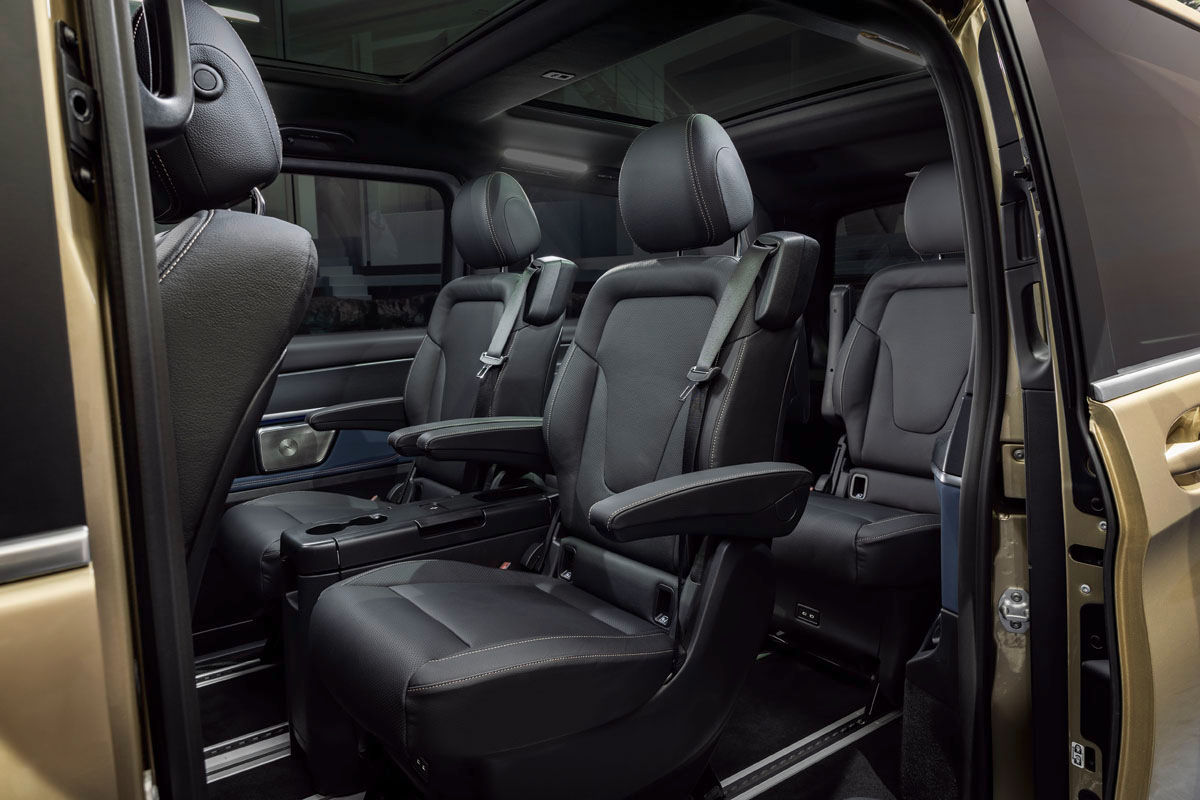
Der neue Mercedes-Benz EQV – Interieur
The new Mercedes-Benz EQV – Interior
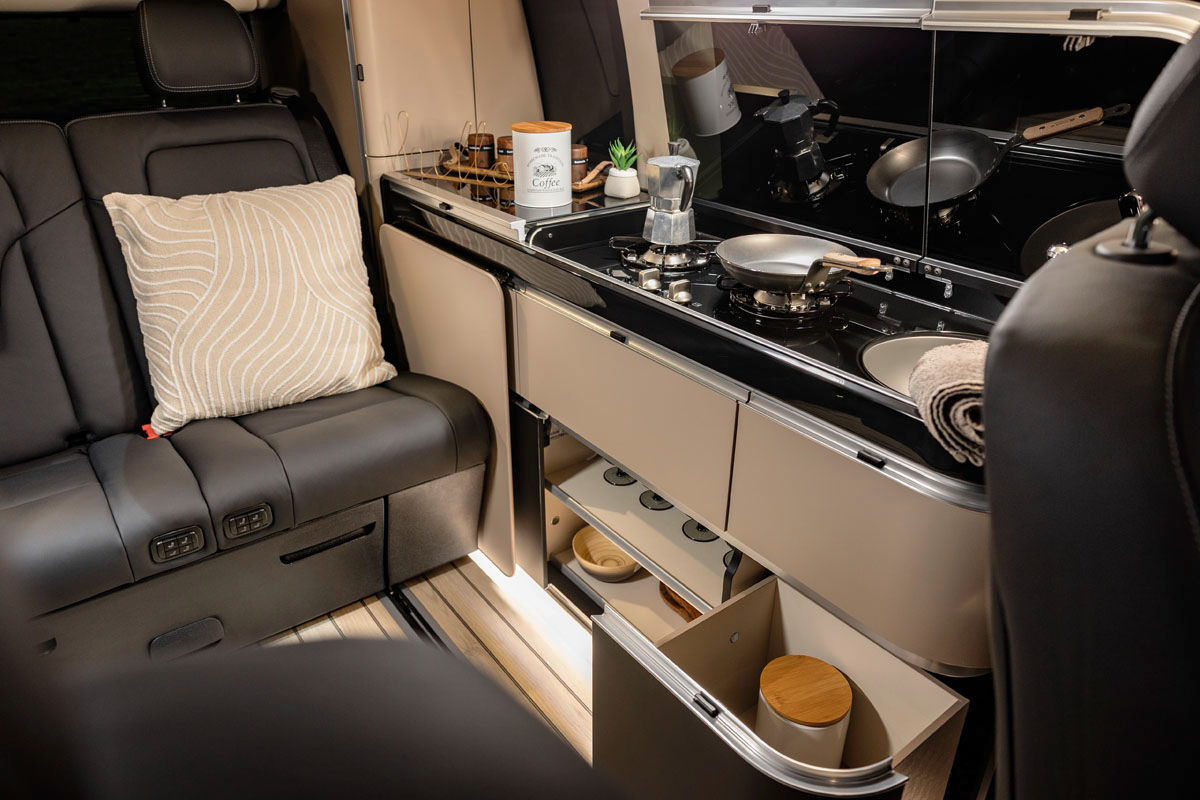
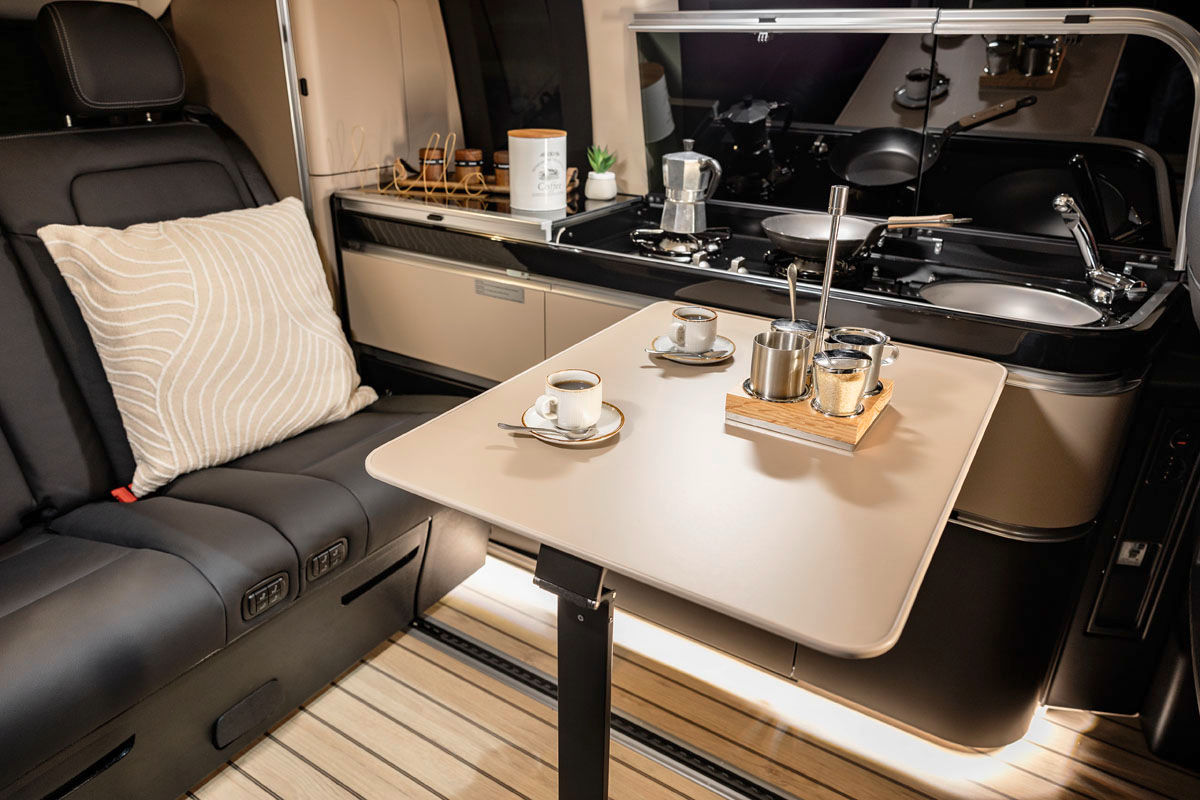
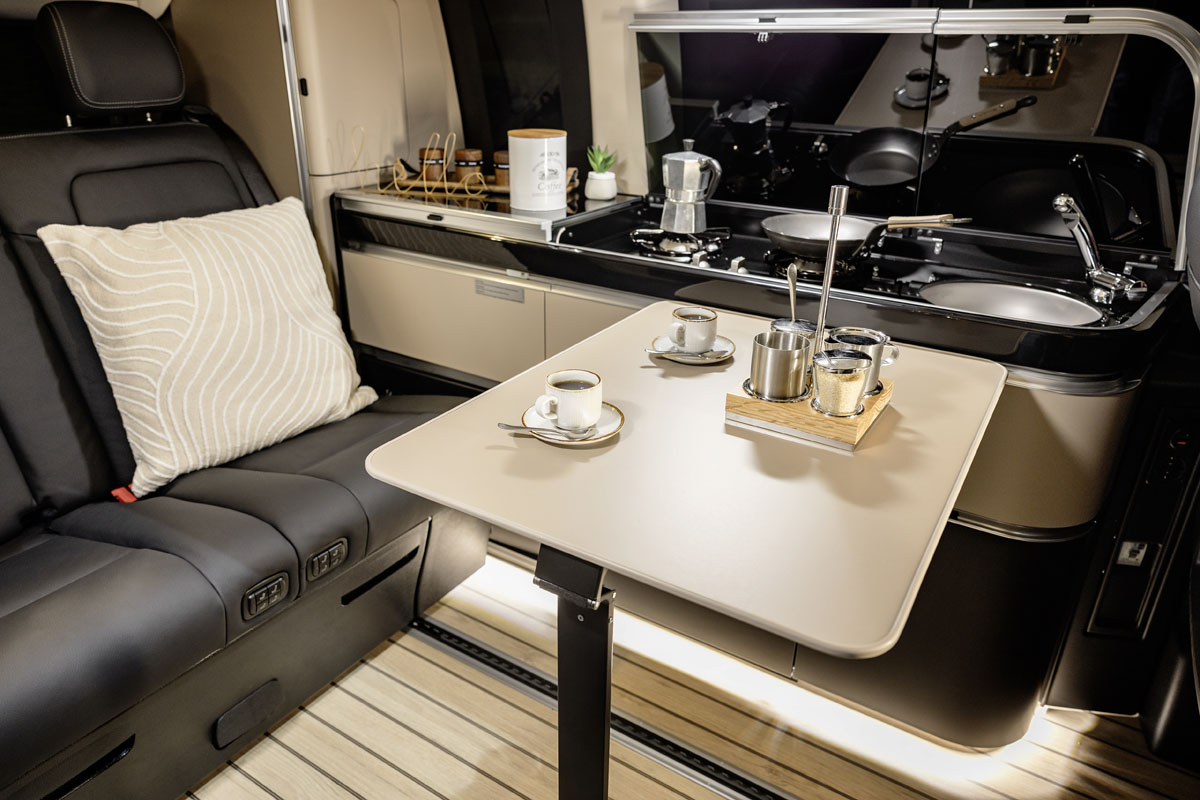
“Currently, we do not have conclusive information about when the V-Class Marco Polo will arrive in South Africa, (but we can) confirm a new Sprinter motorhome conversion option is coming in early 2024, in collaboration with VanPartners. Like the Marco Polo, our Sprinter motorhome conversion epitomises luxury camping by prioritising comfort, spaciousness and safety in every step of the vehicle’s design.”
New Toyota Land Cruiser Prado: 2 Front-End Designs?
Toyota has released a fresh batch of Land Cruiser Prado teasers, suggesting there could be 2 distinct front-end designs available, depending on the market…
Toyota has dropped a fresh batch of teaser images giving us a glimpse at what is surely the all-new Land Cruiser Prado. However, from what we can tell (and based on information previously shared by Drive), the new-generation model will feature 1 of 2 distinct front-end designs, depending on where you live.
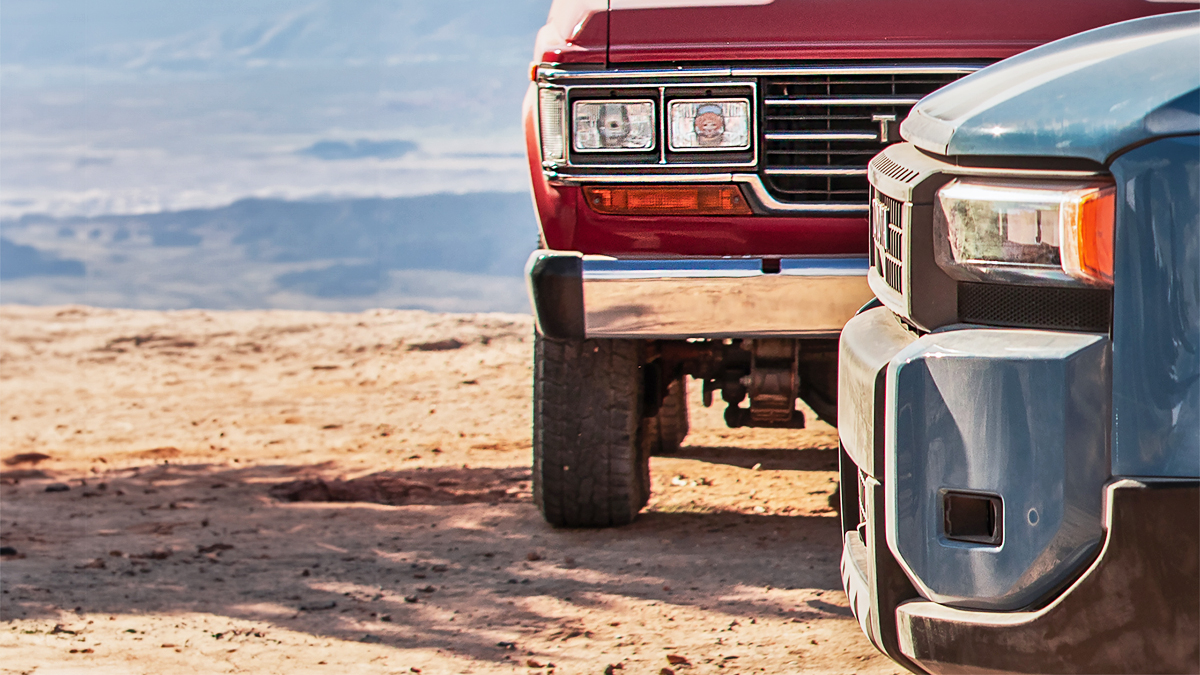
Announcing a reveal date of 2 August 2023, the Japanese automaker’s divisions in the United States and Europe each released a single teaser image that incorporates a closely cropped shot of the new model’s nose alongside a 1980s FJ62-generation Land Cruiser.
This seemingly retro-inspired version – complete with bold “Toyota” lettering across its grille – may well end up being unique to the United States and certain markets in Europe.
This teaser image was released by Toyota’s US and European divisions.
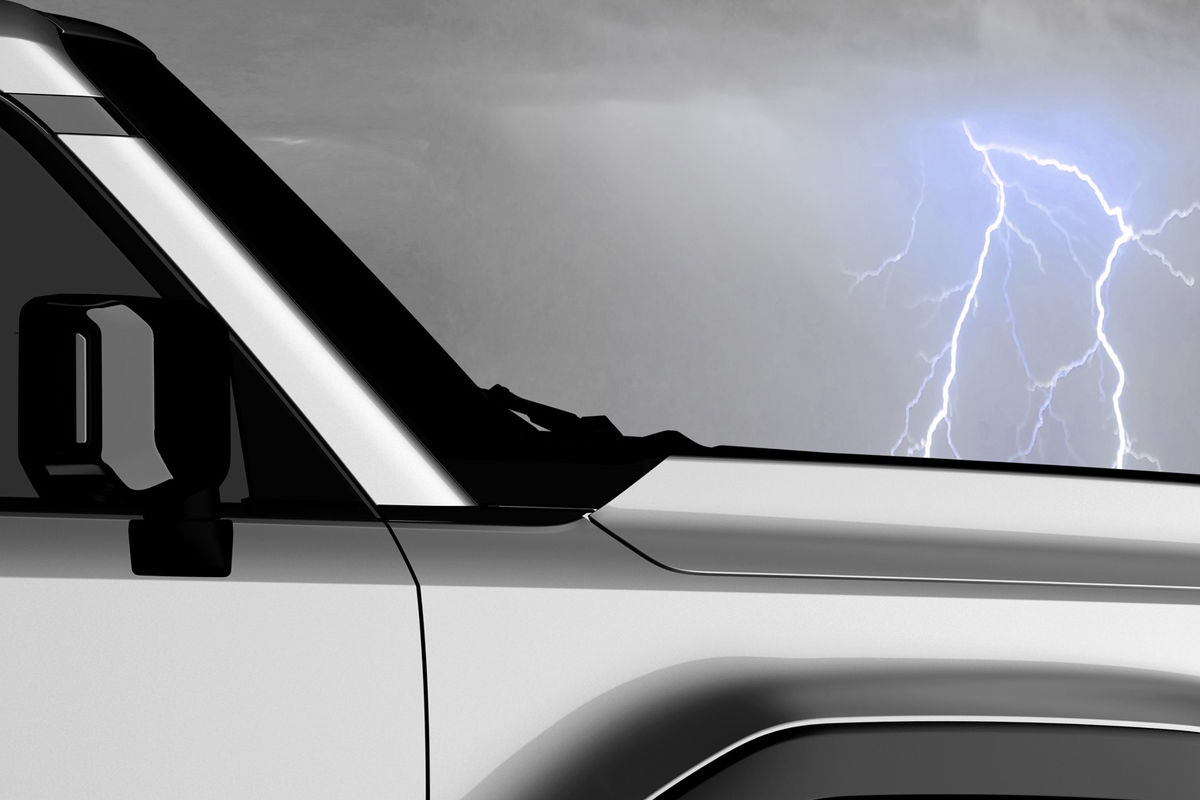
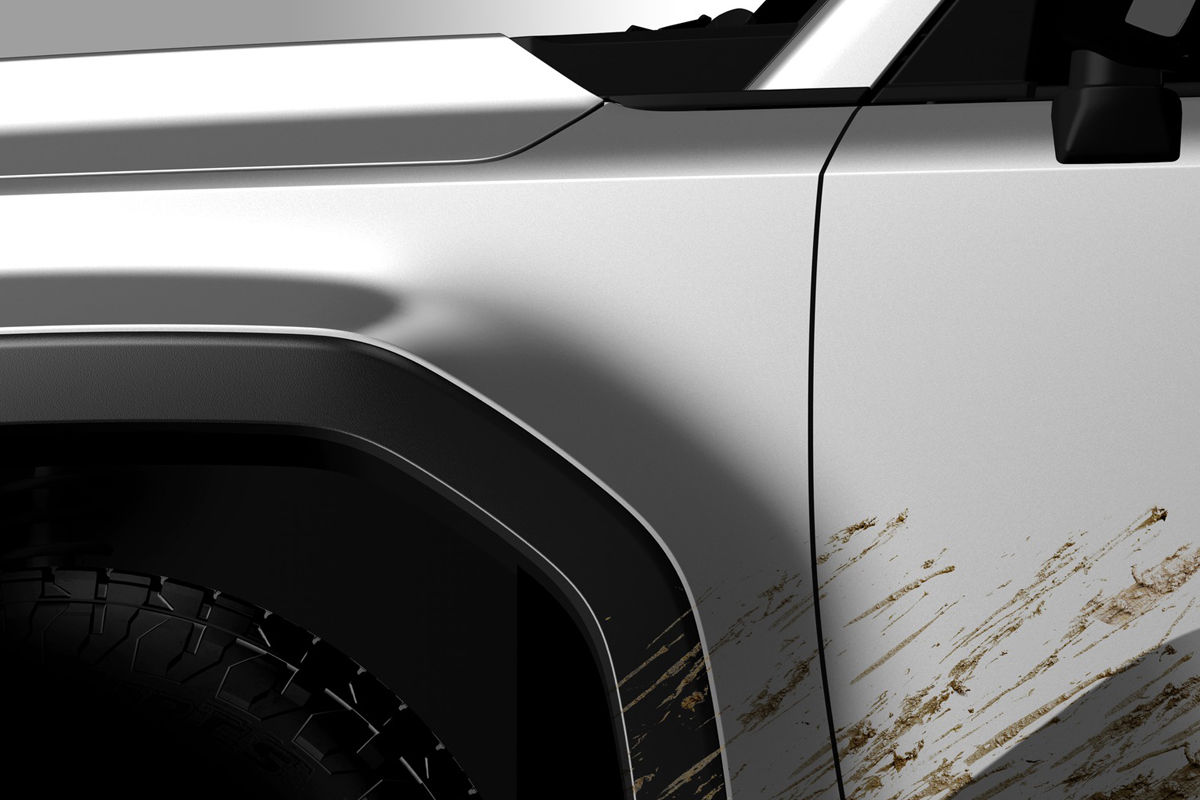
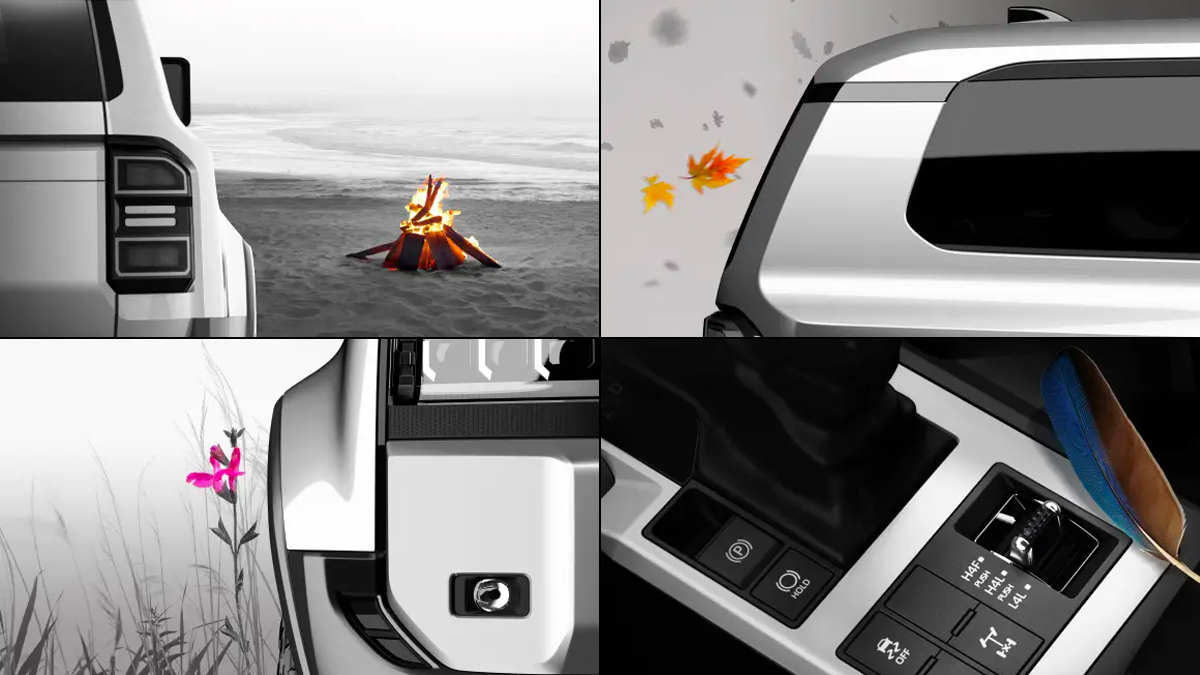
Meanwhile, Toyota’s Japanese and Australian arms released a completely separate (though perhaps more revealing) set of teaser images, depicting what appears to be a slightly different front-end design. These largely black-and-white shots furthermore show elements of the taillights, chunky fenders, D-pillar and off-road controls.
Intriguingly, each of these 4 divisions referred to the upcoming model simply as the “all-new Toyota Land Cruiser”, with no mention of the Prado badge at all. There have, of course, been rumblings of the Prado successor being badged as the Land Cruiser 250.
For the record, the outgoing J150-generation Prado is known simply as the “Land Cruiser” in Europe, where it’s positioned below the Land Cruiser 300. Neither model, of course, is currently offered in North America.
A combination of teaser images shared by Toyota’s Japanese and Australian divisions.
Regardless of what it’s called, the Prado replacement is expected to share much with the recently revealed new-gen Lexus GX. Like that model, the newcomer will ride on Toyota’s TNGA-F platform, though whether both the twin-turbocharged 3.5-litre V6 and turbocharged 2.4-litre hybrid petrol motors carry over remains to be seen.
We’d speculate markets such as South Africa will push on with turbodiesel power, likely in the form of the 2.8-litre, 4-cylinder engine employed by the outgoing model. However, the inclusion of a lightning strike in 1 of the teaser shots may well be a hint at some form of electrification; it’s worth noting the 2.8-litre GD-6 oil-burner is already in line to receive mild-hybrid assistance in the Hilux and Fortuner.
The J150-generation Land Cruiser Prado was revealed back in 2009 and launched locally in the same year. The current range comprises 5 derivatives, 3 powered by the aforementioned 2.8-litre turbodiesel unit and 2 by Toyota’s long-in-the-tooth naturally aspirated 4.0-litre V6 petrol mill (which will surely fall away with this generation).
Check back on 2 August 2023 to see the first all-new Land Cruiser Prado in 14 years…