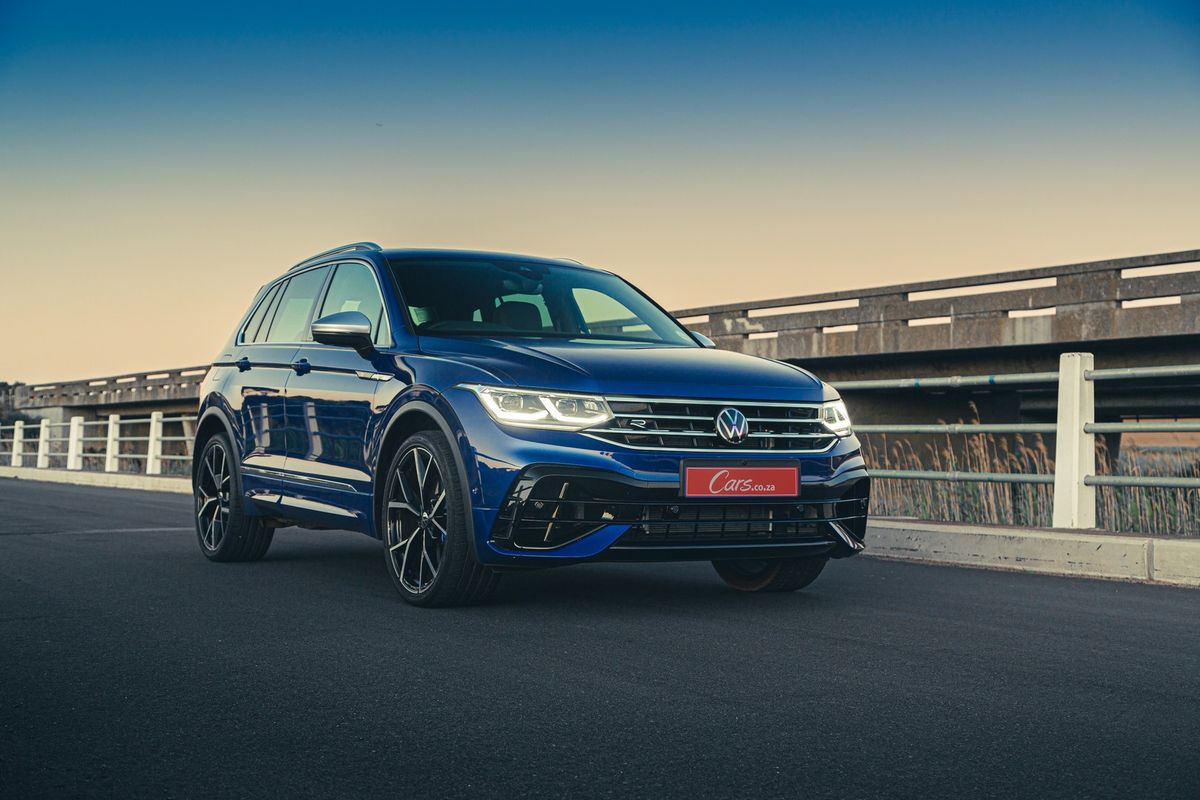
New Toyota RAV4 GR Sport Debuts

Toyota in Europe has revealed a new GR Sport version of the strong-selling RAV4. Question is, will the newcomer eventually launch in South Africa, too?

In South Africa, Toyota markets GR Sport versions of the Land Cruiser 300, Corolla Cross and Hilux (in addition to the full-fat GR Yaris and GR Supra, plus the upcoming GR86). Now the Japanese brand’s European division has revealed a new RAV4 GR Sport.

The GR Sport grade for the RAV4 – the world’s best-selling vehicle in 2021 – includes a sharper styling package and some handling tweaks, and is available on the Old Continent in conjunction with either the standard hybrid powertrain or the 225 kW plug-in hybrid set-up (which, incidentally, is currently being tested in SA). Both, of course, feature all-wheel drive as standard.

In line with this grade of Toyota’s GR product hierarchy, the new RAV4 GR Sport’s under-the-skin upgrades are limited to suspension adjustments, meaning there’s no extra power on offer from the engine (though the aforementioned Hilux breaks this rule, offering some added grunt). Still, Toyota promises the stiffer springs and shock-absorber settings lend the RAV4 a “handling boost” and offer a “more engaging driving experience”.

Toyota RAV4 GR Sport grille badge
The model-specific grille features obligatory GR badging.

Meanwhile, the styling treatment includes piano-black wheel-arch trim, side mouldings and rear garnish, while the front end gains more prominent foglamp bezels featuring the same black G-mesh pattern as the grille. The front spoiler is finished in dark silver on the hybrid and gunmetal grey on the plug-in hybrid. In addition, obligatory GR badges have been applied to the grille and tailgate.

Toyota furthermore says the RAV4 GR Sport is the first model to feature alloy wheels finished using a new “ultra-precise” line-cutting technique. The 19-inch items have a gloss-black finish with fine bright machined pinstripe detailing on their 5-double-spoke design.

Inside, you’ll find sports front seats (complete with power adjustment) finished in “suede-effect” upholstery with synthetic leather bolsters, materials that Toyota says are “free from animal products”. The headrests are embossed black-on-black with the GR logo, while the seats, steering wheel and shift lever gain silver stitching. In addition, the cabin features gunmetal trim detailing on the doors and tiller, while the GR logo is repeated on the floor mats and ‘wheel.
While the new RAV4 GR Sport is set to launch in Europe towards the end of the year, Toyota South Africa Motors has yet to announce whether it has plans to offer the upgraded model on local shores. We’ll be sure to update this story if any new information comes to light.

Related content

Toyota RAV4 vs Haval H6: Which is the better hybrid?

How the Toyota RAV4 rules the world

Video review: Toyota RAV4 Hybrid E-Four

Living with the Audi e-tron GT – In-depth Review

Audi’s e-tron is a head-turner, no doubt. In this review, Ciro De Siena asks the question, can a fully electric car feel special, and more importantly, can it make the driver feel special?

Audi’s e-tron took its time to arrive in SA but its safe to say that simply from a design and presence point of view, it certainly caused a stir. It looks like nothing else on the road and in our time with it there was no shortage of admirers.

So it certainly has that box ticked. Of course it’s fast too, but that is to be expected. It has a beautiful interior but that too is to be expected. But can an electric car evoke the same emotions that special ICE cars are so good at doing?

We embarked on a two month road test where we lived with the Audi e-tron and learned many things, not only about the car itself, but about what it’s like to live with an electric car in 2022 in South Africa.

Join our video guy, Ciro De Siena, as he takes you through his experience in this in-depth review.

Audi e-tron GT: 24 hours with the flagship EV

Want to buy a new or used Audi? Browse stock now

Hyundai Venue (2022) Launch Review


Since its introduction in 2019, the Hyundai Venue has proved a popular choice in the South African compact family-car segment. However, the South Korean brand has decided to implement a minor facelift on its Indian-made model… and it has come just at the right time, because the segment is positively bursting with new competitors from all corners of the globe.

What’s new on the Hyundai Venue?

The Venue competes in the biggest segment of South Africa’s new-vehicle market (sales-wise) – the compact family car/small crossover has transformed from an alternative to the hatchback into Mzansi’s passenger car of choice. The major players in the segment include the VW T-Cross, Toyota Urban Cruiser, Kia Sonet, Suzuki Vitara Brezza, Nissan Magnite, Renault Kiger, Ford Ecosport and Chery Tiggo 4 Pro. There are more models than those, but let’s leave it there for now.

Also read: 8 Cheapest Compact SUVs under R300k

The Venue ranks as the 3rd-best seller behind the aforementioned Urban Cruiser and the T-Cross, but Hyundai aims to close the gap to its Japanese and German rivals with the latest evolution of its Chennai-produced model. The facelifted version incorporates updated specifications (for all derivatives) and introduces a top-of-the-range 1.0 TGDI N-Line automatic, which looks sportier than its siblings and supersedes the Glide version. Engines and transmissions are unchanged.

Get a full breakdown of the Venue specs.

The spec update

Hyundai Venue interior
The digital instrument cluster has increased in size for the facelifted model.

Spec improvements for the updated Venue focus on digitisation and a few comfort features. All Hyundai Venue derivatives now come with a 4.2-inch digital instrument cluster, which improves upon the 3.5-inch version of the pre-facelift model. It utilises modern-looking and easy-to-read graphics, plus the bigger screen makes it dead easy to sort through the trip-computer options.

Rear ventilation outlets have been added to Motion-grade 1.0-litre turbocharged derivatives, while all Venues now feature side mirrors with integrated indicator lights.

The N-Line flagship comes generously specced, with notable additions being the artificial leather seats, drive-mode selector, aluminium-finished pedals, electrically adjustable driver’s seat, sunroof and, of course, the exterior styling package.

What’s the Venue like to drive?

Hyundai Venue rear tracking
The Venue is certainly one of the better-to-drive small crossovers in the segment.

It had been a few years since I’d driven a Venue and, given the plethora of models that recently joined the segment, it was good to reacquaint myself with one of the better-to-drive compact family cars. Price-wise, the Venue sits at the upper end of its segment (along with the T-Cross), but once you drive it and truly get a feel for the overall product, it becomes quite apparent that Hyundai’s offering thoroughly deserves its “premium” price tag.

Out on the road, the cabin is reasonably quiet and wind noise isn’t particularly noticeable. We drove the 1.0-litre turbocharged Fluid derivative (equipped with the dual-clutch automatic transmission) at the launch event and, by “small turbo car with an auto ‘box” standards, the Hyundai’s is pretty good. There’s a little hesitation from the ‘box when you floor the throttle to execute overtaking manoeuvres, but it shifts smoothly and doesn’t moan (like some CVTs in this segment).

The ride refinement is good too. Hyundai and Kia have improved drastically in this department over the past 5 years – the sister brands now produce compact cars that ride well over our local road surfaces, even if their suspension setups tend to be on the firm side of pliant. The steering action is devoid of any real feel or feedback, but that’s not going to deter buyers. In fact, they’ll appreciate an easy-to-twirl ‘wheel that makes the Venue a cinch to park.

What’s the interior like?

Hyundai Venue seats
The N-Line model features red stitching as well as a drive mode selector.

The 1.0T Fluid features cloth seats, which are neatly upholstered, but I would have liked a bigger range of height adjustment for the driver’s seat (admittedly, I tend to adjust virtually every test car’s driver’s seat to its lowest position). It’s easy enough to find a good driving position, even if the steering column doesn’t have reach adjustment – it only tilts up and down.

The infotainment system supports Apple Carplay and Android Auto (via a cable connection), with a USB-C port and (the older) USB-A port provided at the front. The system is fairly basic, but its menu is easy to navigate and it’s simple enough to pair your smartphone to the car via Bluetooth. The audio system isn’t going to wake any neighbours, even if its volume is at maximum as you arrive home at 2 am; that’s where VW possibly has an advantage with its Beats collaboration.

That aside, the interior is neat, well put together and feels devoid of awful sweaty plastics. The Venue doesn’t feel as made-to-cost and disposable as some of its rivals in this segment, but that’s why you have to pay a little more to buy one.

Hyundai Venue prices and after-sales

The updated Hyundai Venue is sold with a 7-year/200 000 km warranty and a 3-year/45 000 km service plan.

Venue 1.2 MPI Motion MT R294 900
Venue 1.0 TGDI Motion MT R354 900
Venue 1.0 TGDI Fluid MT R389 900
Venue 1.0 TGDI Motion DCT R394 900
Venue 1.0 TGDI Fluid DCT R429 900
Venue 1.0 TGDI N-Line DCT R449 900

Summary

Hyundai Venue front
Priced at the upper end of the segment, the Venue offers a better driving experience and better build quality than most of its rivals.

The facelifted Hyundai Venue’s spec update may seem minor, but it lifts the cabin’s ambience slightly, even if not quite enough to be considered segment-leading. As is often the case, this Hyundai represents fairly good value for money, but the Venue does demand a bit of a premium over its chief rivals. However, that premium is arguably justified in terms of the excellent warranty, top-of-segment driving manners and good build quality that the compact family car delivers.

Looking to sell your car? Sell it on Cars.co.za for free

Looking for a used Hyundai Venue? Start searching here

M Fest Sales Success for BMW 

This past weekend, BMW hosted what the German firm recognises as the biggest M Festival in the world at Kyalami Grand Prix Circuit in Gauteng. Not only did the event see over 25 000 attendees but BMW also managed to rack up impressive sales over the weekend period.

BMW and South African car culture are intimately intertwined and for BMW’s M division, M-zansi (see what I did there) is a very important market and the annual M Fest is an equally important customer touch point for the brand. 

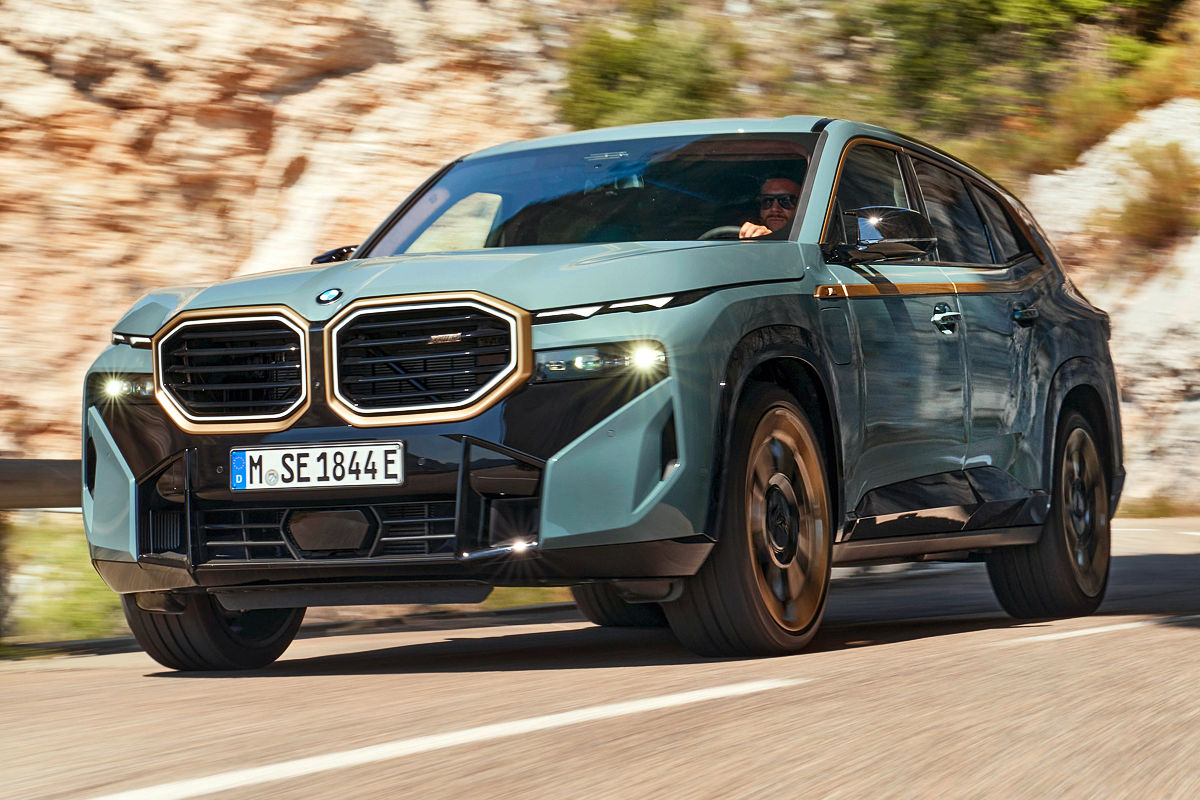
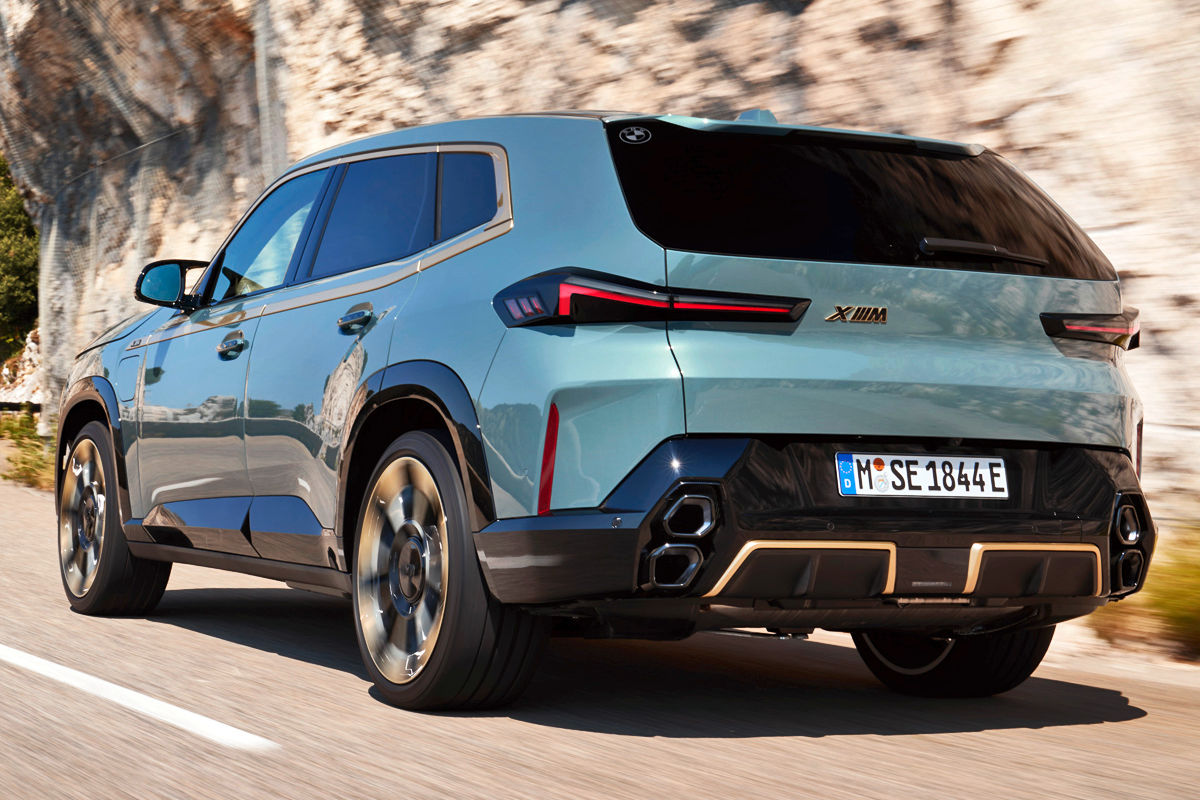
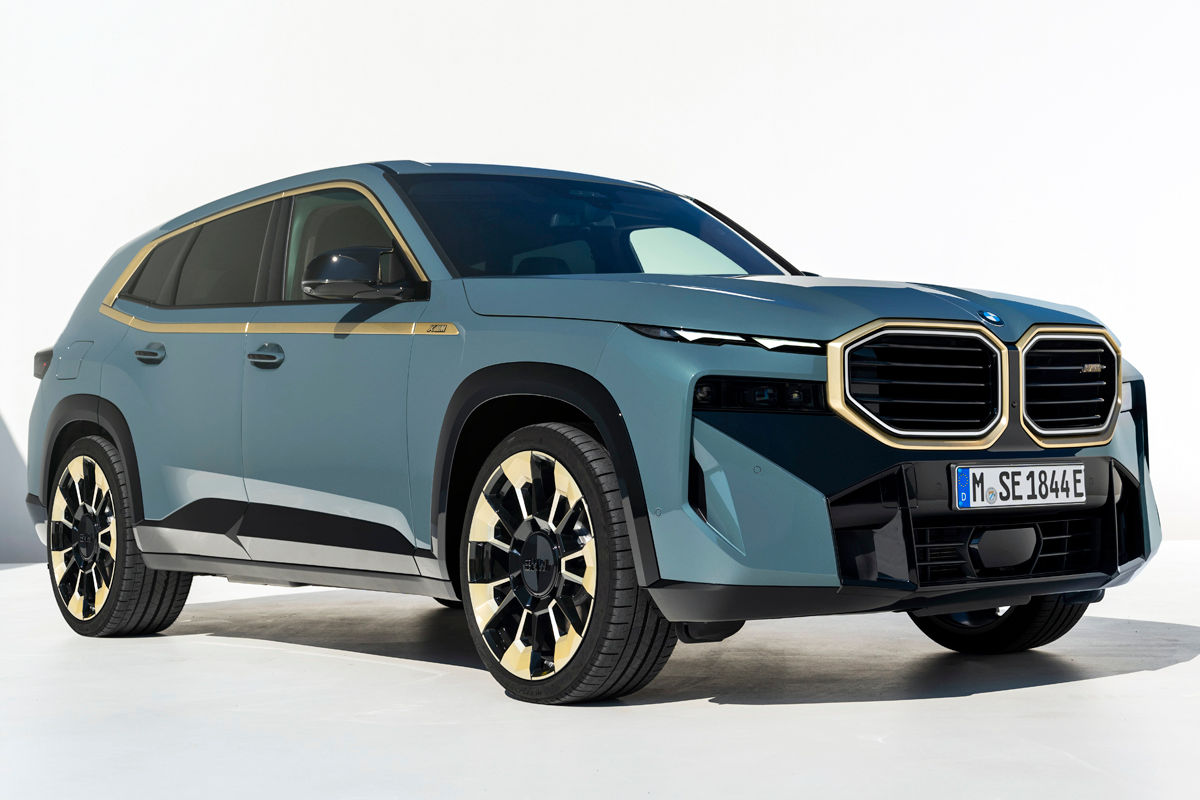
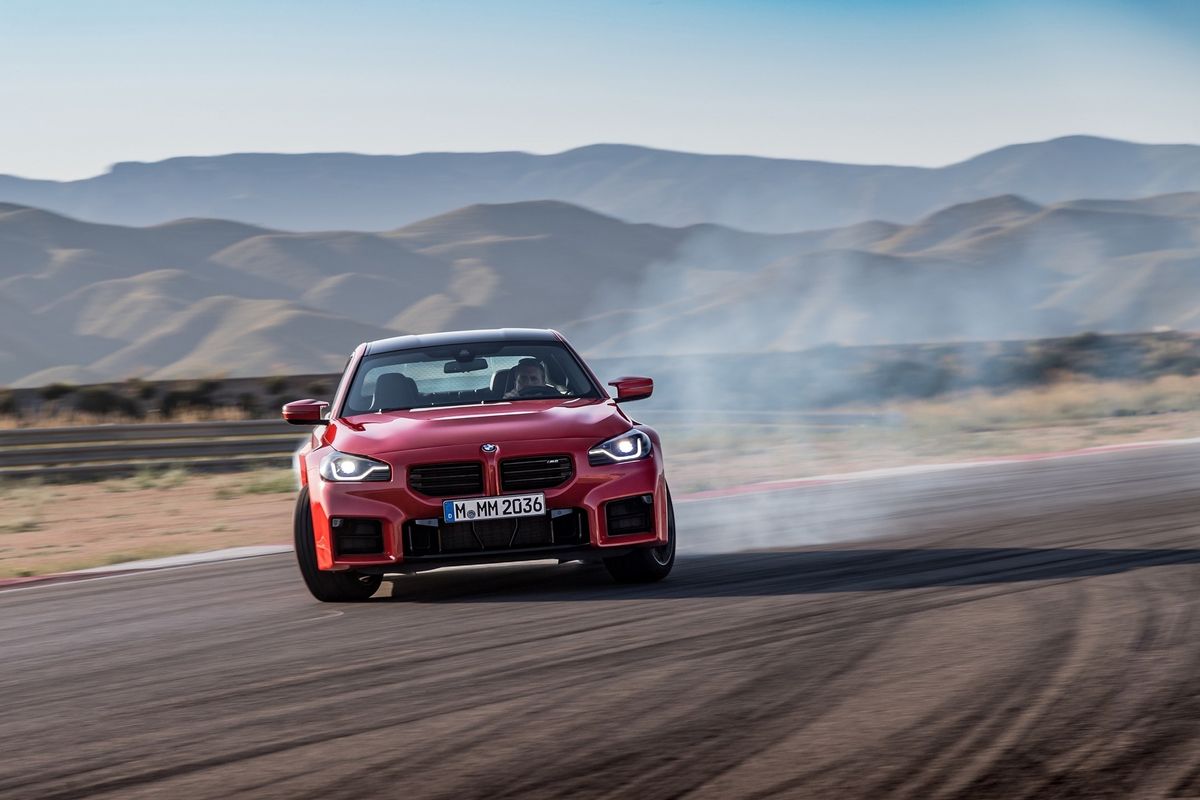
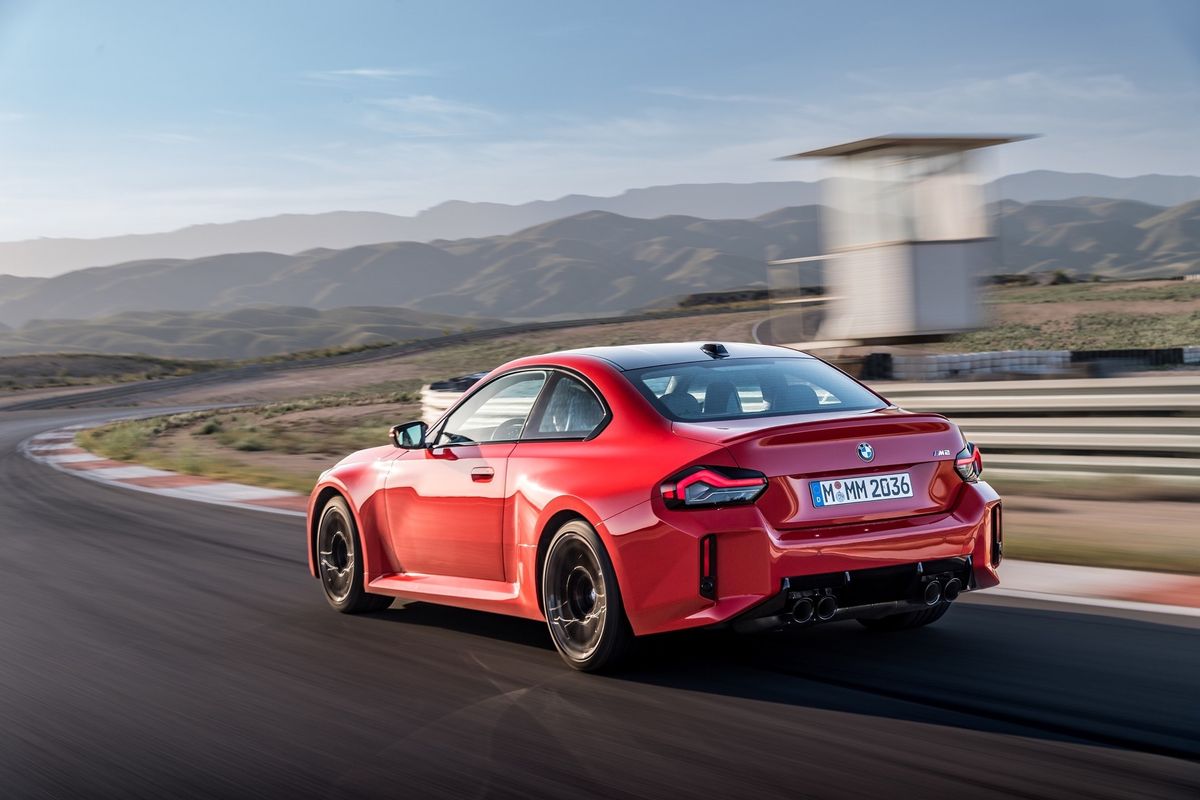
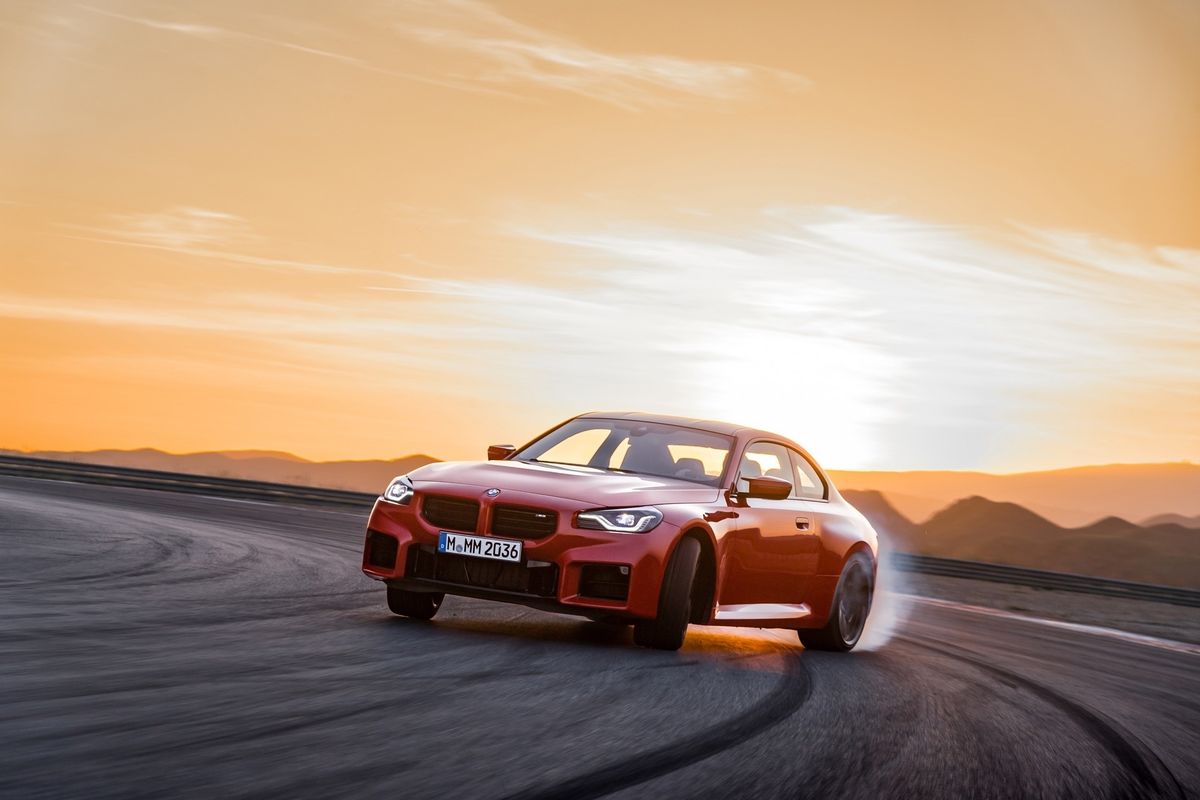
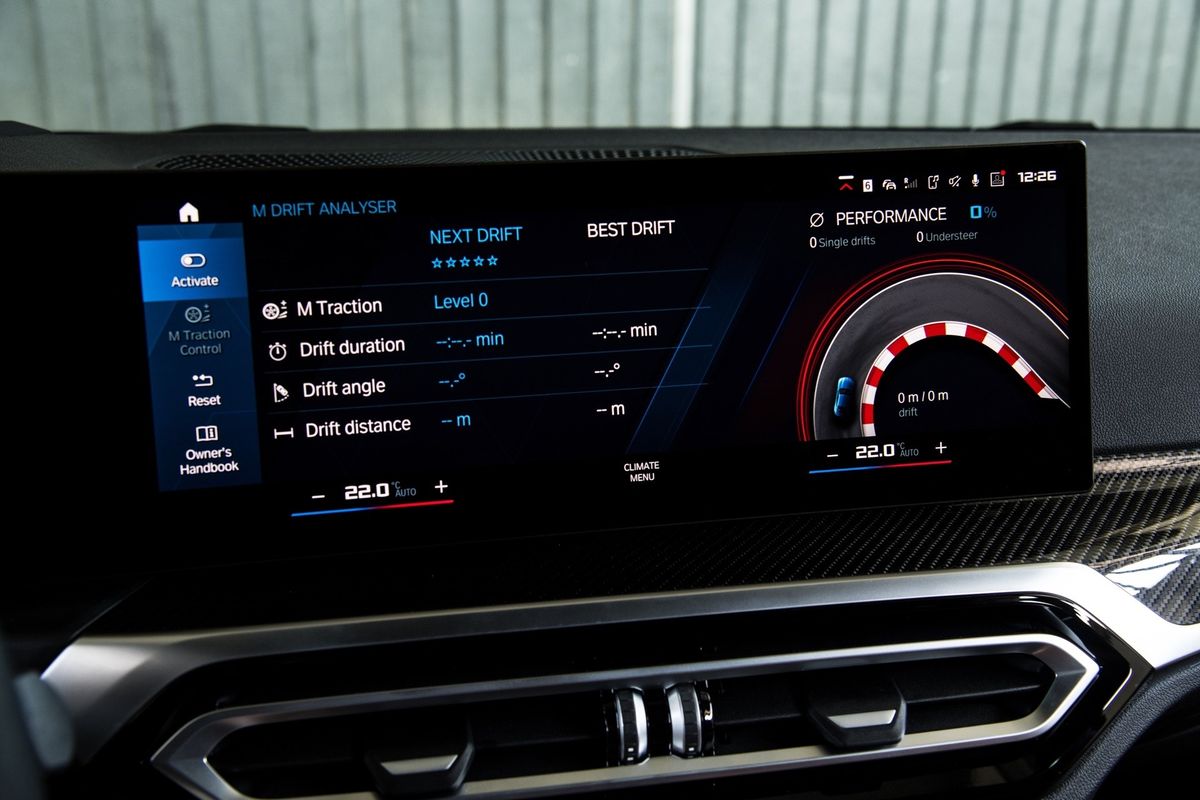
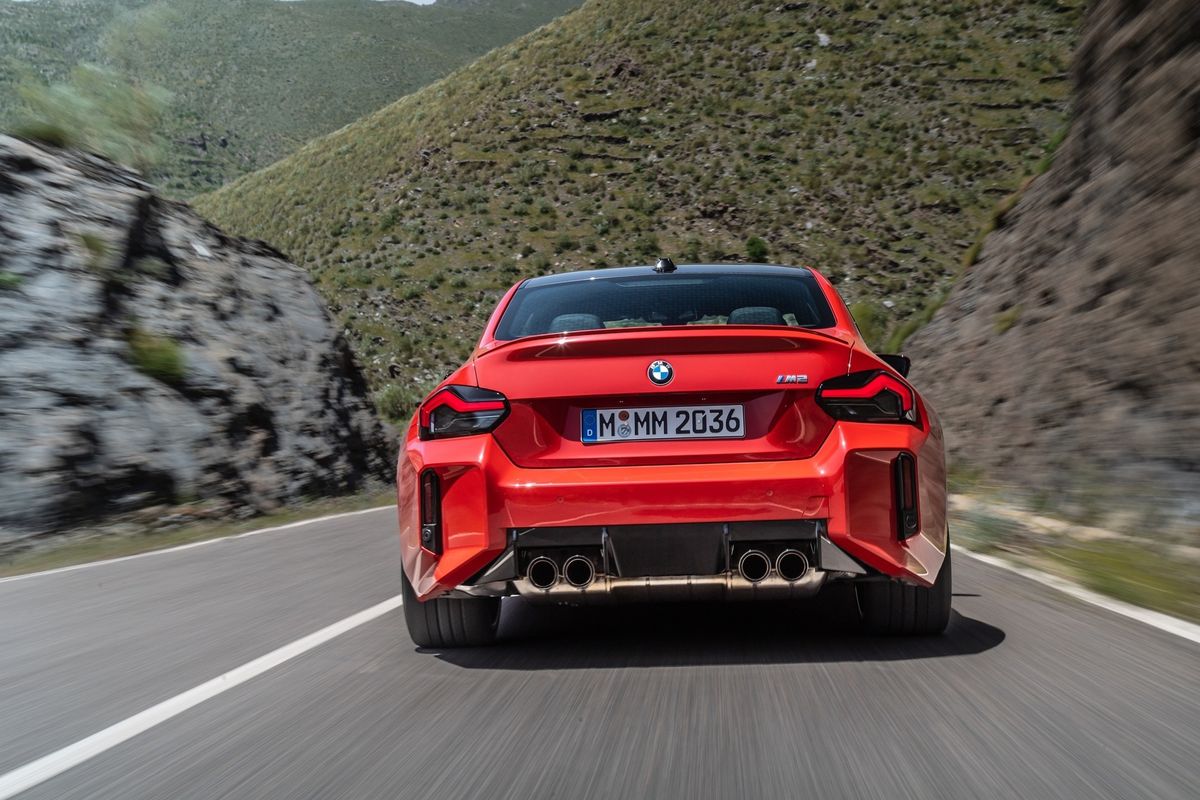
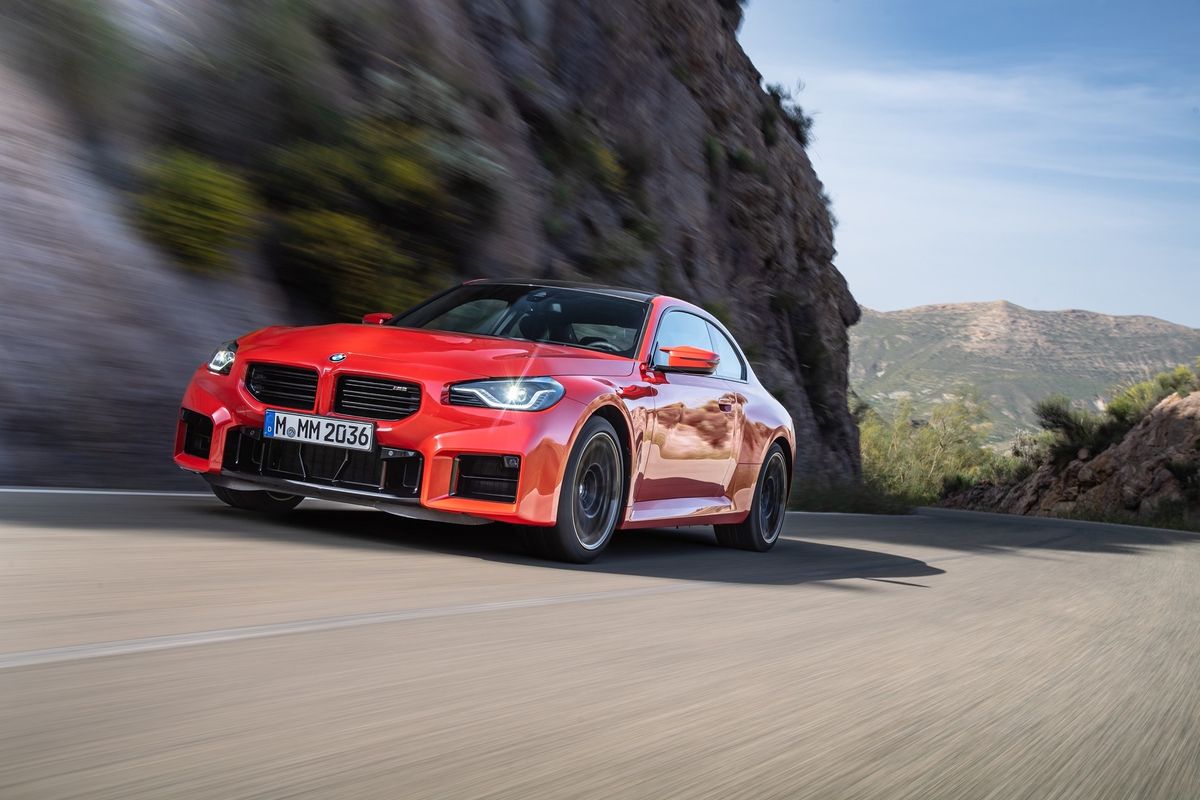
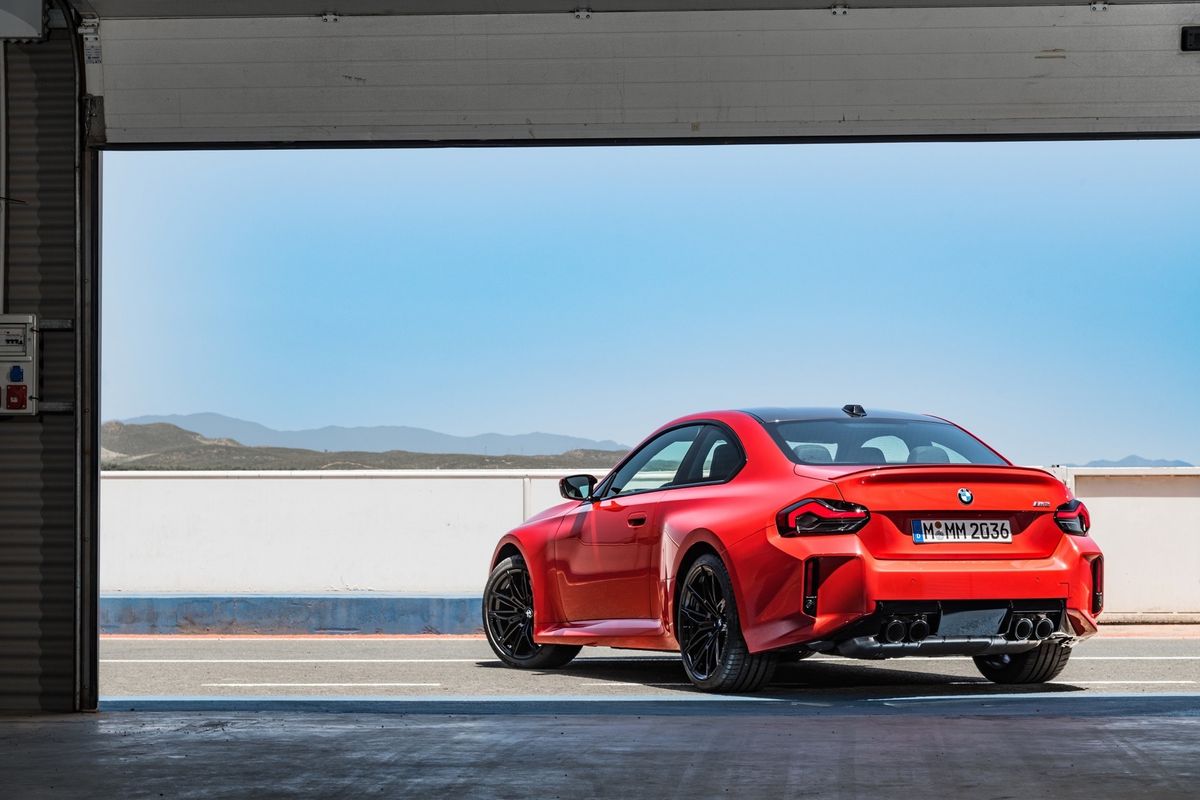
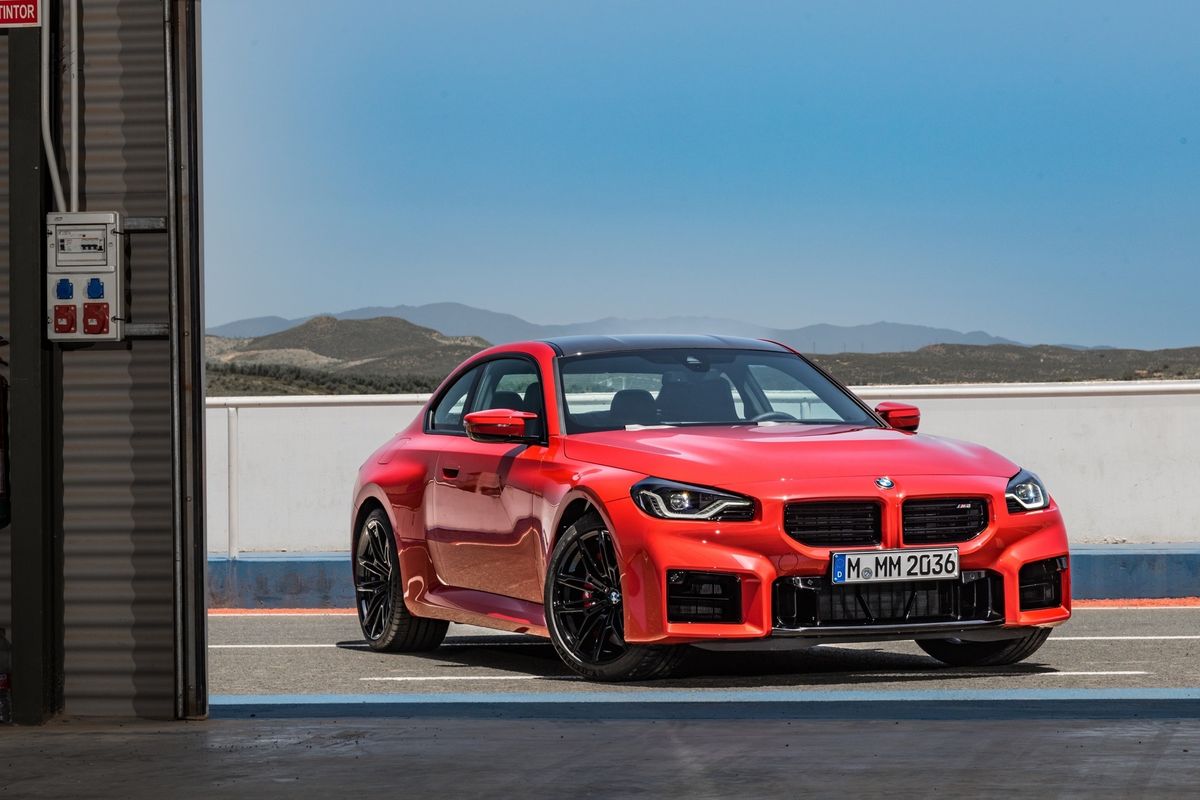
This year, M Fest sold over 25 000 tickets and BMW revealed major M products to the public including the new BMW M2, BMW M4 CSL  and the most post-powerful production BMW ever, the BMW XM. But that’s not all, recently-crowned DTM champion, Sheldon van der Linde, was also in attendance to meet local M fans. 

Major attractions included the Red Bull skidpan where spinning Gusheshes entertained the crowds as well as the Red Bull drift brothers Johannes and Elias Hountondji who piloted their specially-prepared BMW M4 Competitions in spectacular fashion. 

As far as ‘bums in seats’  go, roughly 8 500 fans enjoyed hot laps around Kyalami and interestingly, BMW’s M Fest pop-up dealership recorded more than 100 sales over the weekend, which is staggering considering many brands in South Africa don’t achieve those sales figures in an entire month!  

Peter van Binsbergen commented: “BMW and BMW M are special to our customers and fans here in South Africa. One in five BMWs sold in South Africa bears an M badge, and this market is a consistent global top performer for BMW M High Performance and M Performance models.

“Here, we can show that M, as well as being the most powerful letter in the world, also stands for emotion. It is about more than the cars, and a showcase such as the BMW M Fest is the perfect platform to share this joy with our customers” he concludes.

Were you at BMW M Fest? Share your experiences with us! 

Buy a BMW on Cars.co.za 

Sell your BMW on Cars.co.za 

Related Content 

The BMW 2002tii – A key moment in BMW’s history

BMW vs Mercedes-Benz: premium sales race in 2022 so far

Mercedes-AMG C63 S E Performance vs BMW M3 Competition xDrive

Rolls-Royce Spectre Starts EV Era for the Ultra-Luxury Brand

The Rolls-Royce Spectre is the brand’s first production electric vehicle, and the first units will be reaching customers by the end of 2023.

It was only a matter of time before we’d see a production EV from the ultra-luxury brand. This is not the brand’s first taste of electrification either. Sir Henry Royce was interested in everything electrified and before getting into cars, his first company F.H. Royce and Company sold dynamos, electric crane motors and held the patent for the bayonet-style light bulb.

In April 1900 Charles Rolls had a go in a very early electric car called the Columbia and “declared its electric drive to be ideal”. When the two merged to form what’s arguably the most luxurious car brand in the world, electric power was put on the backburner.

Rolls-Royce Spectre

The Rolls-Royce Spectre will be positioned between the Cullinan SUV and the flagship Phantom, and prices are yet to be announced. Still, being a Rolls-Royce, if you have to ask…  Physically, the Spectre is a large vehicle, with a wheelbase of 3 2100 mm and tipping the scales at just under 3 tons.

There are very few technical details, other than a 700 kg battery pack that will give the Spectre a WLTP claimed range of 520 km. A simple guesstimate suggests a battery back of over 100 kWh. There are no details on the powertrain either, with outputs of 430 kW and 900 Nm being touted. Performance-wise, you’re looking at around 4.5 seconds to 100 kph.

In terms of design, it’s unmistakably Rolls-Royce, built for opulence and cruising, with that long bonnet, huge grille and suicide doors. Rolls-Royce says the Spectre features a trick Planar suspension that’s able to decouple the anti-roll bars to prevent discomfort on uneven surfaces. Adapative dampers and four-wheel steer are par for the course. 

The cabin is what you’d expect from a Rolls-Royce and retains all the cool elements like the star headliner, which now extends to the doors, and the umbrella neatly located within the door. New for the Spectre is a digital display for the front passenger. 

Rolls-Royce R380 million Boat Tail

Rolls-Royce Cullinan goes offroading

Purists, Rejoice! New Porsche 911 Carrera T Unveiled

The 911 Carrera T nameplate has finally been added to Porsche’s 992-generation line-up, arriving as the lightest 911 with the entry-level engine…

Porsche’s 992-generation 911 range has expanded once again with the unveiling of the new 911 Carrera T, which the Zuffenhausen-based firm describes as the “epitome of purism”.

Slotting in between the base Carrera and the more powerful Carrera S, the latest 911 derivative features a 7-speed manual gearbox as standard, though an 8-speed PDK is also available. As a reminder, the letter “T” stands for “Touring” and traces its history back to the homologation of the 911 T as a touring car in 1968. Today, it’s reserved for models that offer a “purist driving experience”.

The Carrera T draws its urge from the same turbocharged 3.0-litre flat-6 engine as the standard entry-level Carrera, with 283 kW and 450 Nm delivered to the rear axle. According to Porsche, that’s enough for a 0-100 kph time of 4.5 seconds and a top speed of 291 kph.

But the T-badged model also gains some equipment from the Carrera S, including a torque vectoring system with a mechanical rear differential lock. The 911 Carrera T furthermore comes standard with the Sport Chrono package and the PASM sports suspension (dropping the ride height by 10 mm). As an option, the Carrera T can be ordered with the rear-axle steering system, too.

Tipping the scales at 1 470 kg, the 911 Carrera T with a manual cog-swapper is the lightest series 911 featuring the entry-level engine, weighing 35 kg less than the Carrera (which these days ships standard in PDK form). The 911 T ditches the rear seats and comes with less insulation (upping the aural ante in the cabin), while lightweight glass and a lightweight battery shave off yet more weight.

Other standard components include 20- and 21-inch Titanium Grey Carrera S wheels (front and rear, respectively), wrapped in 245/35 (fore) and 305/30 (aft) sized tyres. The 911 Carrera T also comes with the GT sports steering wheel, the sports exhaust system and 4-way electrically adjustable seats.

Spotting a 911 Carrera T in the wild

Porsche 911 Carrera T

So, how would you identify a 911 Carrera T out on the road (besides the decals along its flanks and the badge affixed to its rump)? Well, the top and bottom trim on the side mirrors and the trim strips on the rear-lid grille come finished in Agate Grey, while the windscreen also features a grey top tint. The tailpipes, meanwhile, come in high-gloss black.

Inside, you’ll find decorative trim in matte black and decorative inlays in high-gloss black. There’s also the option of the Carrera T interior package, which sees the safety belts finished in Slate Grey or Lizard Green, with the same treatment applied to the decorative stitching, the 911 logo embossed in the headrests and the stripes down the seat centres.

Other options include adaptive sports seats with 18-way adjustment as well as the “exceptionally lightweight” full bucket seats featuring Race Tex seat centres. Finally, buyers can specify an extended leather package, which sees the armrests on the door panels and centre console also finished in leather, along with the upper parts of the dashboard and door panel trim.

The new 911 Carrera T is available in four solid colours (Black, White, Guards Red and Racing Yellow) as well as four metallic finishes (Deep Black, Gentian Blue, Ice Grey and GT Silver), along with five special colours (Chalk, Ruby Star Neo, Carmine Red, Shark Blue and Python Green). There’s also the option of using the German firm’s “Paint to Sample” programme, which offers paintwork in more 110 available tones.

Porsche says order books for the new 911 Carrera T are already open, with the first units set to arrive at dealers in initial markets in February 2023.

How much will the Porsche 911 Carrera T cost in South Africa?

Pricing for the new 911 Carrera T in South Africa will start at R2 080 000, which includes a 3-year/100 000 km Driveplan.

Toyota C-HR (2022) Review

It has been more than 5 years since the Toyota C-HR was launched in South Africa. Has the recent round of updates kept the C-HR relevant in the hotly contested small crossover segment? We review the flagship 1.2T Luxury version.

We like: Timeless styling, refined driving experience, economy, additional safety features

We don’t like: Not the most spacious (for passengers or luggage capacity), pricey

FAST FACTS

  • Model: Toyota C-HR 1.2T Luxury
  • Price: R565 600
  • Engine: 1.2-litre 4-cylinder turbopetrol
  • Power/Torque: 85 kW/185 Nm
  • Transmission: CVT
  • Fuel consumption: 6.4 L/100 km (claimed)
  • 0-100 kph: 11.1 sec (claimed)
  • Luggage capacity: 328 litres

Serious about buying/selling?

Browse the latest Toyota C-HR specs and prices.

Some Toyota dealerships regularly offer great deals. See our New Car Specials!

Looking to sell your car? Sell it on Cars.co.za for free

Where does the Toyota C-HR fit in?


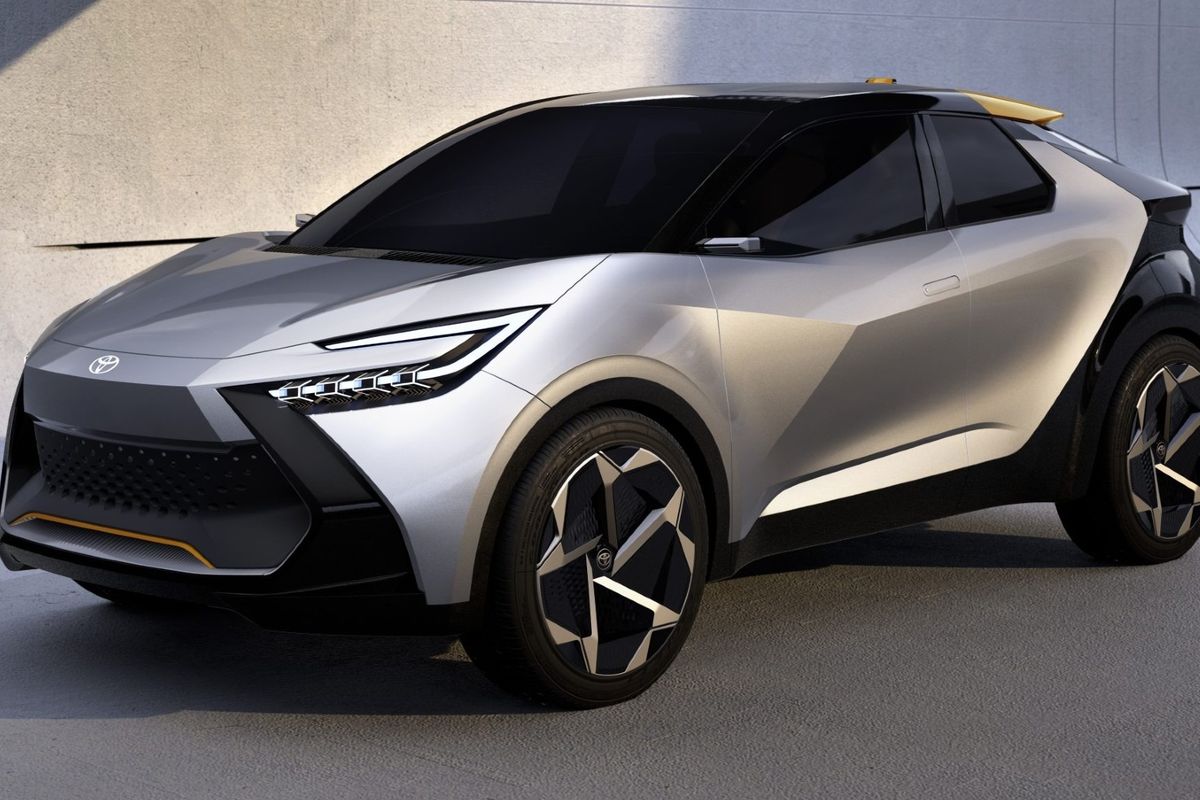
The C-HR still looks eye-catching – arguably attractive – after quite a few years on the market.

Upon its arrival in Mzansi back in February 2017, the Toyota C-HR seemed quite outlandish compared with other small crossovers, but to its credit, it still looks fresh today. Since its launch, the model has received several upgrades, but numerous competitors have also entered the segment… And so, for 2022, Toyota South Africa Motors (TSAM) has introduced an updated look for the C-HR, rejigged its specification and added a few safety features across the range. 

The C-HR represented a big leap forward for the Aichi-based brand. Not only did it (and the Prius) debut the TNGA (Toyota New Global Architecture) platform, which now underpins several products, but it was the first model to feature the firm’s 1.2-litre 4-cylinder turbopetrol engine. For a typically conservative brand like Toyota, the C-HR was a bold product indeed.


The latest update sees the introduction of sweeping-motion LED indicators (like those fitted on many Audi models).

Compared with a C-segment hatchback, a small crossover/compact family car offers an elevated driving position, a mildly raised ride height and a modicum of extra practicality. The C-HR, however, sits in a niche of the segment, insofar as it caters for trendy urbanites with small – or no – kids; spaciousness is not its strongest suit – but it certainly does make a style statement! 

If you’re looking for a small crossover priced between R400 000 and R600 000 in the new-vehicle market, there is a wide selection to choose from and, if you’ve got an eye-catching “boutique” offering in mind, also consider the Volkswagen T-Roc or TaigoHyundai KonaOpel MokkaMazda CX-30Nissan QashqaiPeugeot 2008 and Subaru XV.

Compare the C-HR to the Opel Mokka and Volkswagen T-Roc here

How the C-HR fares in terms of…

Ride and handling


Eighteen-inch alloy wheels are standard on the 1.2T Luxury derivative.

The TNGA platform has proved tremendously successful for the Toyota Motor Corporation (TMC). Its versatility – it underpins a variety of models – is allied with excellent on-road refinement. TNGA supports front-, rear- and all-wheel-drive Toyota and Lexus products; it serves as the basis of mainstream offerings (such as the Corolla), the new-generation RX premium SUV, Land Cruiser 300 off-roader and recently-unveiled bZ4X and RZ battery-electric vehicles. 

What does this mean for the Toyota C-HR? Well, for a start, it’s a compact car, but it feels as solidly made and refined on-road as a vehicle from a higher price class. The C-HR’s a small crossover, but from behind its multifunction ‘wheel it offers a premium hatchback-like driving experience and, courtesy of a raised driving position, you get a more commanding view of the road and your surroundings.

If you’re in a hurry, the car won’t baulk or wallow if you hustle it through some corners. The steering setup is pleasantly light, yet direct, plus there’s a reassuring feel of grip and solidity. 

While the handling is acceptable, the ride quality is commendable. Despite rolling on large and sporty-looking (18-inch) wheels, the C-HR rides relatively pliantly. The going can be a bit fidgety in and around town when travelling at double-digit speeds on poor-quality roads, but thankfully, as the C-HR reaches freeway speeds, the car’s suspension seems to relax/absorb road imperfections better.

We did notice that due to the chunkiness of the car’s C-pillars, rearward visibility is limited; fortunately, the car comes equipped with parking sensors and a reverse-view camera.


The automatic CVT isn’t going to win fans among performance enthusiasts, but it’s the best choice for cruising – and efficiency.

Performance and economy

Under the C-HR’s bonnet sits the 1.2-litre 4-cylinder turbopetrol engine, which is paired with a continuously variable automatic transmission (CVT). A manual gearbox is available (in the first two derivatives in the range), but the top-of-the-range 1.2T Luxury is offered exclusively in automatic guise. Yes, petrolheads cringe when they hear/read “CVT”, but the drivetrain technology has advanced a lot and, for daily driving, it’s the best transmission for cruising and fuel economy. 

Speaking of fuel efficiency, Toyota claims an average consumption figure of 6.4 L/100 km for its C-HR and, during the test unit’s tenure in our fleet, we saw an indicated 7.3 L/100 km, which was impressive – considering it took us a while to figure out how to toggle between the drive modes. Let us explain… Most vehicles have a dedicated button or knob with which to select one of the drive modes, but in the C-HR, that function sits deep within the touchscreen menu.


Many of the car’s functions can be controlled via the steering-wheel buttons.

In its sportiest drive mode, the C-HR didn’t hesitate when full acceleration was required; its claimed 0-100 kph time of just over 11 seconds felt about right. The C-HR’s powertrain does tend to become a bit noisy after 4 000 rpm, but there’s really no need to ever depress the accelerator completely, because peak torque is available from a low 1 500 rpm up to 4 000 rpm.

Features, tech and safety

Specification-wise, the C-HR 1.2T Luxury derivative lives up to its name/trim grade. Its exterior execution includes automatic LED headlamps with daytime running lights, LED fog lamps, electrically folding and heated side mirrors, as well as sequential indicators.  


The C-HR’s infotainment system is compatible with Android Auto and Apple CarPlay.

Inside, all the must-haves in this segment are present and correct, such as a 6-speaker touchscreen infotainment system with Android Auto and Apple CarPlay, Bluetooth and USB, partial leather trim, keyless entry and start, climate control, heated front seats, automatic wipers and an automated parking system. Every Toyota sold in SA comes with 15 GB of in-car WiFi as standard.

This flagship derivative also comes equipped with additional semi-autonomous safety tech. The Toyota Safety Sense package includes a Pre-Collision System, Auto High Beam, Rear Cross Traffic Alert and Blind Spot Monitoring. Adaptive Cruise Control and Lane Departure Alert (with Lane Trace functionality) are also fitted – that’s in addition to 7 airbags, stability control, ABS with EBD and hill assist that’s found on all C-HRs, irrespective of trim.


The 1.2T Luxury comes equipped with a host of Toyota Safety Sense features.

Practicality and Packaging

While we’re satisfied with the C-HR’s upgraded standard specification, overall build quality, refined road manners and performance/efficiency balance, the small crossover’s interior packaging remains compromised. The rear of the cabin, where taller occupants will find leg- and headroom in short supply, feels a bit claustrophobic. The author of this review is just over 1.9 metres tall, and he couldn’t pass the test where you sit behind a driver’s seat that is set up for you.


Rear legroom is a bit cramped for taller occupants.

What’s more, the Toyota’s luggage capacity is stingy compared with those of other models in its segment. This is exacerbated by TSAM insisting on fitting a full-sized spare wheel under the load floor; having said that, given the state of some of our roads, maybe that’s for the best.  

Still, an 18-inch wheel is sizeable and, therefore, takes up a fair portion of the load bay’s depth. This means that you’re likely to struggle to store a cooler box upright in the boot without the parcel shelf getting in the way (see below). If you have a growing family to transport and often need to haul around more than a week’s worth of shopping, the C-HR’s space is tight. 


The load bay is on the shallower side, but there is a full-size spare under the boot floor.

Toyota has never made a secret of the fact that the C-HR is a city car aimed at fashion-conscious buyers (single/unmarried buyers or DINKs). The challenge for the 1.2T Luxury is that, compared with 2017, there are now more “boutique” small crossovers on the market… They also have plenty of nonconformist appeal, but some of them are a little more practical.    

Toyota C-HR pricing and after-sales support

The Toyota C-HR 1.2T Luxury retails for R565 600, which includes a 6-services/90 000 km service plan (with intervals set at 15 000 km), as well as a 3-year/100 000 km warranty. Service plan- and warranty extensions can be purchased from any Toyota dealer.

Looking to sell your car? Sell it on Cars.co.za for free

Verdict


The C-HR remains a quality offering, but if you want more space, consider the Corolla Cross instead.

Despite its age-defying looks, generous specification and pleasant-to-drive nature, the Toyota C-HR’s appeal is limited by its lack of practicality, both in terms of passenger space and cargo-carrying capacity. Some buyers won’t care about those shortcomings whatsoever, but it’s likely that more of them will, especially now that Toyota also offers the value-packed Corolla Cross.

Compared with its recently launched locally-made sibling, the C-HR seems a bit pricey, even though it’s more engaging and sprightlier to drive and feels a little bit smarter inside and out.

Should you buy one? If you don’t need to cart around little ones, or lifestyle-oriented gear and equipment (such as golf clubs or mountain bikes), then the C-HR is well worth a look, even if the 1.2T Plus auto, which comes in around R70k less than the 1.2T Luxury, represents better value.

If you want more spaciousness and practicality than what the C-HR offers, but want to stay in the Toyota stable (after all, the Japanese marque is a multiple winner of the #CarsAwards Brand of the Year title), consider the Corolla Cross, which has come to market with a keen pricing strategy, a roomy cabin, sufficient luggage space and even the option of a hybrid drivetrain. It doesn’t look as cool as the C-HR, though.

Ineos Grenadier Series Production Begins

The first production Ineos Grenadier unit has rolled off the line. Here’s the South African arrival date for customer cars.

Building and launching a brand-new vehicle is no easy task, and when your problems are compounded by the pandemic and the resulting supply chain and logistic chaos, things can get pretty dire.

Still, Ineos reckons the worst has passed and production of customer cars is now underway at the brand’s facility in Hambach, France. The factory was previously owned by Daimler and was the site for Smart production.

More: Ineos Grenadier Prototype Drive – Is the best offroader right now?

“We’ve come a long way since the project kicked off in 2017 and this is a landmark moment for Ineos Automotive as a vehicle manufacturer,” said Mark Tennant, Ineos Automotive Commercial Director. “To get to this point is a testament to the resilience and hard work of the entire Ineos Automotive team, our development partners and our suppliers – for which we thank them all as we now look forward to making our first deliveries to customers.”

Sadly, the current global supply chain issues are not going anywhere and factory outputs are constrained. It’s not a uniquely Ineos problem, as a similar set of circumstances are behind the delay of the Volkswagen Golf 8 R in South Africa.

Ineos Grenadier SA Arrival

As it stands, the first South African customers will be getting their Grenadiers towards the end of October 2022, with the first media/marketing vehicles arriving before the end of the year. We understand there’ll be a launch event in early 2023 and we will get a test unit to bring you the lowdown on this ladder frame go-anywhere 4×4.

As a reminder, the Ineos Grenadier will be sold with a choice of either a 3.0-litre turbopetrol 6-cylinder or a 3.0-litre turbodiesel 6-cylinder motor, sourced from BMW. For the South African market, Ineos has signed deals with SMH Group to cover the Pretoria and Johannesburg regions, while SMG will be used to cover Durban and Cape Town. These groups will be responsible for sales and servicing, with further locations to be announced later for servicing only.

More: Ineos Grenadier Specs and Price Announced

Hyundai Venue (2024) Specs & Price

The facelifted Hyundai Venue has arrived in South Africa. Here’s how much you can expect to pay for it, including details on the new N-Line derivative.

The compact Venue is seen as the gateway to the Korean brand’s SUV range and it’s positioned against vehicles like the Suzuki/Toyota Vitara Brezza/Urban Cruiser, Ford EcoSport, Kia Sonet, Chery Tiggo 4 Pro, Nissan Magnite, Renault Kiger and Haval Jolion.

Visually, the new model features an update front end while the rear adopts the latest styling cues from Hyundai’s other products, like the Tucson and Creta. A sporty-looking model with an N-Line badge makes its debut, with some go-faster looking parts like model-specific wheels and twin exhausts.

MORE:

Engines and Transmissions

From what we can see on Hyundai’s local website, the updated Venue is offered with a 1.2-litre 4-cylinder naturally aspirated petrol motor. This has 61 kW and 115 Nm, and is available with a manual gearbox. There’s also a 1.0-litre turbocharged 3-cylinder with 88 kW and 172 Nm. This second engine is available with a manual gearbox or a quick-shifting dual-clutch transmission.

What’s On Offer?

The updated Hyundai Venue is available in three trim levels: Motion, Fluid and N-Line. 

Premium

  • Rear air vents (1.0 Motion)
  • Type C USB ports for rear passengers
  • Manual air conditioner
  • 15-inch wheel covers (1.2 Premium)
  • 16-inch hubcabs (1.0 Motion)
  • 4.2-inch TFT LCD instrument cluster
  • Park distance control
  • Rearview camera
  • Keyless entry
  • Bluetooth
  • 8-inch touchscreen infotainment system
  • Cloth trim

Executive

  • Chilled glovebox
  • 16-inch alloys
  • Automatic LED headlamps
  • Daytime running lights
  • Cloth and leather seats
  • Roof rails
  • Reclining rear seats

N-Line

  • Mood lamp
  • Sporty interior trim
  • Contrast roof
  • Sun roof
  • N Line badging
  • Leather steering wheel
  • Aluminium pedals
  • Chilled glove box
  • Air conditioner with rear vent
  • Digital dashboard
  • Cruise control
  • Drive mode select
  • Park distance
  • Rear view camera
  • 8-inch infotainment system with Apple CarPlay / Android Auto
  • Bluetooth
  • Keyless start

How much does the 2024 Hyundai Venue cost in SA? 

1.2 Premium MTR309 900
1.2 Premium Cargo panel van MTR321 500
1.2 Executive MTR329 900
1.0T Executive DCTR419 900
1.0T N-Line DCTR499 900

Prices (correct in Aug 2024) include a 5-year/150 000 km manufacturer’s warranty, 7-year/200 000 km manufacturer’s powertrain warranty and 3-year/45 000 km service plan.

New Hyundai Venue Specs & Prices in South Africa

Find a new/used Hyundai Venue listed on Cars.co.za

Related content:   


New Audi RS3 Performance Edition Boasts Extra Power, Pace and Sound

Standard Audi RS3 not quite potent enough? Well, let us introduce you to the new, limited-run RS3 Performance Edition, which gains more power, a higher top speed and a louder exhaust system…

Audi has revealed its new RS3 Performance Edition, which pushes the performance envelope further still. Available in Sportback and Sedan guises, this limited-edition model is more powerful, faster and louder than the standard version.

That’s the good news. Now, the bad news. Audi South Africa says the RS3 Performance Edition “isn’t planned” for a local introduction “at this time”. While that suggests the door isn’t completely closed, we’d be exceedingly surprised to see any examples make their way to South Africa considering just 300 units will be produced worldwide.

So, what are we (potentially) missing out on? Well, the turbocharged 2.5-litre, 5-cylinder engine has had its peak power hiked from the standard 294 kW to 299 kW, thanks largely to an increase in charge pressure. While maximum twisting force is unchanged at 500 Nm, it’s now on offer over a slightly wider band.

Top speed, meanwhile, increases to a heady 300 kph, which represents a 10-unit improvement over the standard model fitted with the optional RS Dynamics Package Plus. The 7-speed dual-clutch transmission is seemingly unaltered, as is the claimed 3.8-second sprint time from standstill to 100 kph. However, the RS sports exhaust system gains a modified centre silencer, while the fully variable exhaust flap control has been “adapted slightly”, making the RS3 Performance Edition even louder (when stationary, at least).

Audi RS3 Performance Edition

As standard, the limited-edition model features the RS sports suspension with adaptive damper control and runs on semi-slick Pirelli P Zero Trofeo R tyres (measuring 265/35 fore and 245/35 aft) wrapped round model-specific dark-grey 19-inch alloy wheels. These 10-cross-spoke wheels frame 6-piston ceramic brakes up front with discs measuring 380 x 38 mm. The rear axle has floating callipers with 310 x 22 mm single-piece steel discs.

Inside, the RS3 Performance Edition gains bucket seats, complete with centre panels featuring contrasting blue honeycomb stitching. The material used here is Dinamica microfibre fabric, which is combined with pearl Nappa leather on the side bolsters.

In addition to the full-surface blue belt straps, the contrast stitching on the centre armrest, the door armrests and the Alcantara steering wheel are also in blue. The same applies to the floor mats and the boot mat in black Velour, which furthermore features RS lettering. The background image on the 10.1-inch touchscreen has a carbon look and shows the 2.5-litre TFSI’s “1-2-4-5-3” firing sequence. Every unit features a carbon decorative inlay showing the build number (“1 of 300”, for instance) on the passenger side.

Related content

Mercedes-AMG A45 S vs Audi RS3 Sportback Spec Check

Audi RS3 (2022) Launch Review

Audi RS3 Sportback and RS3 Sedan (2022) Specs & Price