Lalla Hirayama: Her current car, her dream car and her earliest motoring memories
In Episode 9 of our Car Culture series, Lalla Hirayama sits down to talk about her current car, her dream car and her earliest motoring memories. Watch the video!
Lalla Hirayama is one of those incredibly talented and prolific entertainers who require a business card in size A4.
Actress, presenter, DJ, brand ambassador, dancer, model, producer, executive producer, a business founder and social media juggernaut, she has graced South African screens since the age of 15.
Lalla went on to cement her presence on this country’s media landscape, presenting or co-hosting a lengthy list of television productions, radio shows, stage productions and MCing large events.
Lalla was also intimately involved in the production of this Car Culture series for Cars.co.za, from conceptualising the series, to managing pre-production, production and post-production with her partner in crime, Rati Mofokeng.
In this interview, Lalla takes us through her first motoring memories, she tells about her current wheels (the epic Honda Civic Type R FK8, in stunning metallic black) and describes her dream car, which I think we need to make happen for her soon!
We hope you enjoy this interview, and if you have missed any of the 8 other episodes in this first season of Car Culture, check out the playlist here!
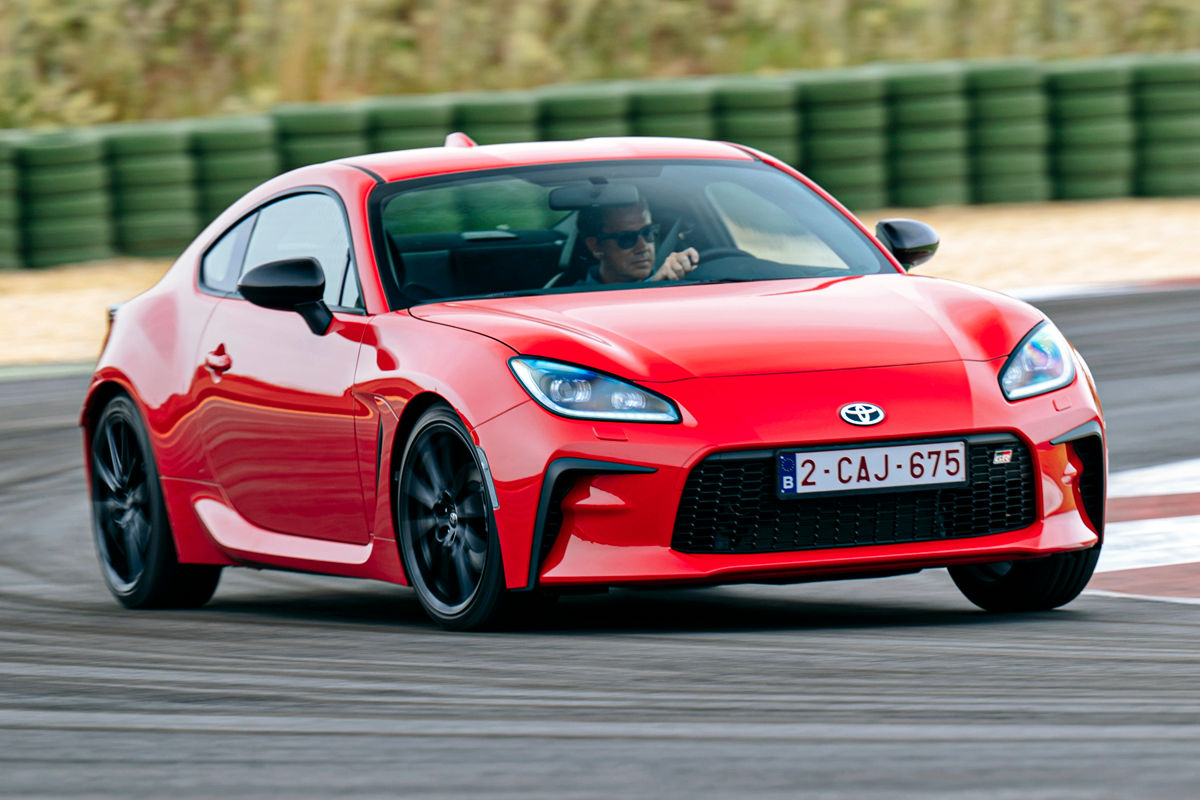
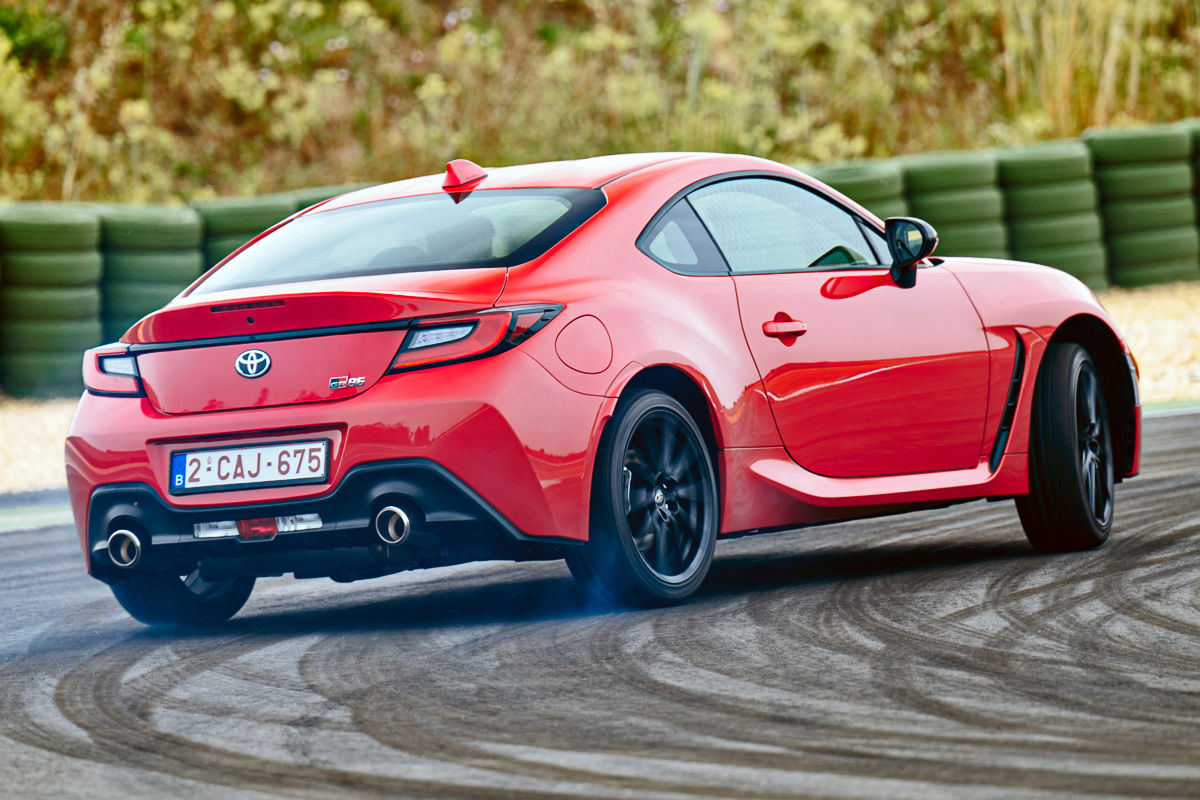
The new Toyota GR86 has finally touched down in South Africa, with the local range comprising two derivatives. Here’s how much the rear-driven sportscar will cost you…
The new Toyota GR86 has finally arrived in South Africa, a decade after the original Toyota 86 (which was later rechristened the GT86) hit the local market.
Two derivatives are on offer, distinguished by their transmissions: one with a close-ratio, 6-speed manual gearbox and the other with an automatic cog-swapper with the same number of gears (plus paddle shifters). The 3-pedal model is priced at R698 100, while the auto variant comes in at R733 700. Interestingly, the last list price we saw for the previous-generation model was R715 400 (for the manual). As a reminder, the 198 kW, all-paw GR Yaris is priced at R776 400.
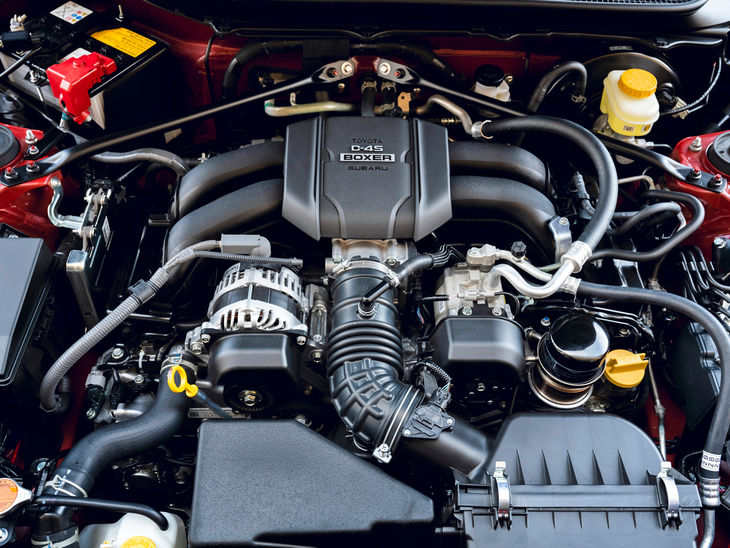
The second-generation 86-badged model – which was revealed on the global stage in October 2021 – employs a new horizontally opposed, 2.4-litre, 4-cylinder petrol engine (again from the folks over at Subaru, considering it was developed alongside the BRZ, which unfortunately isn’t destined for a local launch).
The new Toyota GR86 uses an atmospheric 2.4-litre boxer engine.
So, courtesy of some extra displacement, peak outputs of the high-revving, naturally aspirated powerplant driving the rear axle climb to 174 kW and 250 Nm (up from the old 2.0-litre model’s maximum figures of 147 kW and 205 Nm), while the 0-100 kph sprint falls from 7.4 to 6.3 seconds in the case of the manual model. Top speed is listed as 226 kph.
Interestingly, the self-shifting version of the GR86 is a full six-tenths tardier to three figures than the manual model (taking a claimed 6.9 seconds), while its maximum speed falls by 10 units to 216 kph. The claimed combined fuel consumption comes in at 8.8 litres per 100 km for the manual version, while the auto sips at a rate of 9.5 litres per 100 km.
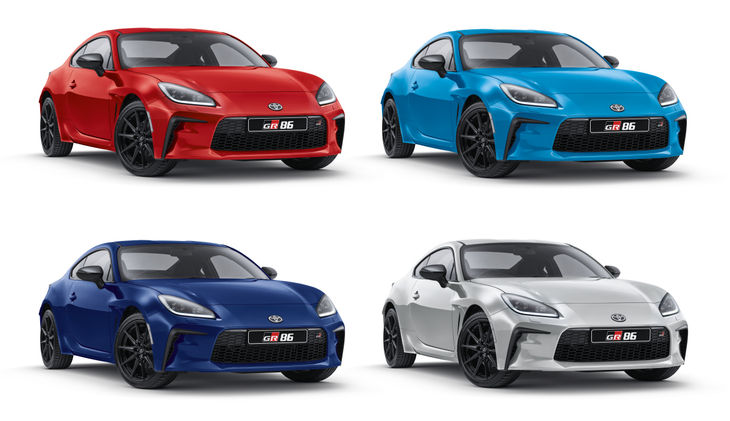
The GR86 rides on black 18-inch alloy wheels as standard, wrapped in 215/40 R18 tyres. The 2+2 coupé’s kerb weight is listed as 1280 kg (or 20 kg more in auto guise), while the small luggage compartment can handle a claimed 199 litres. Standard safety features include an adjustable stability control system, ABS and 7 airbags, while a limited-slip rear differential is also included. As many as 7 exterior paint colours are available in South Africa.
Four of the seven exterior colours paint colours on offer in SA.
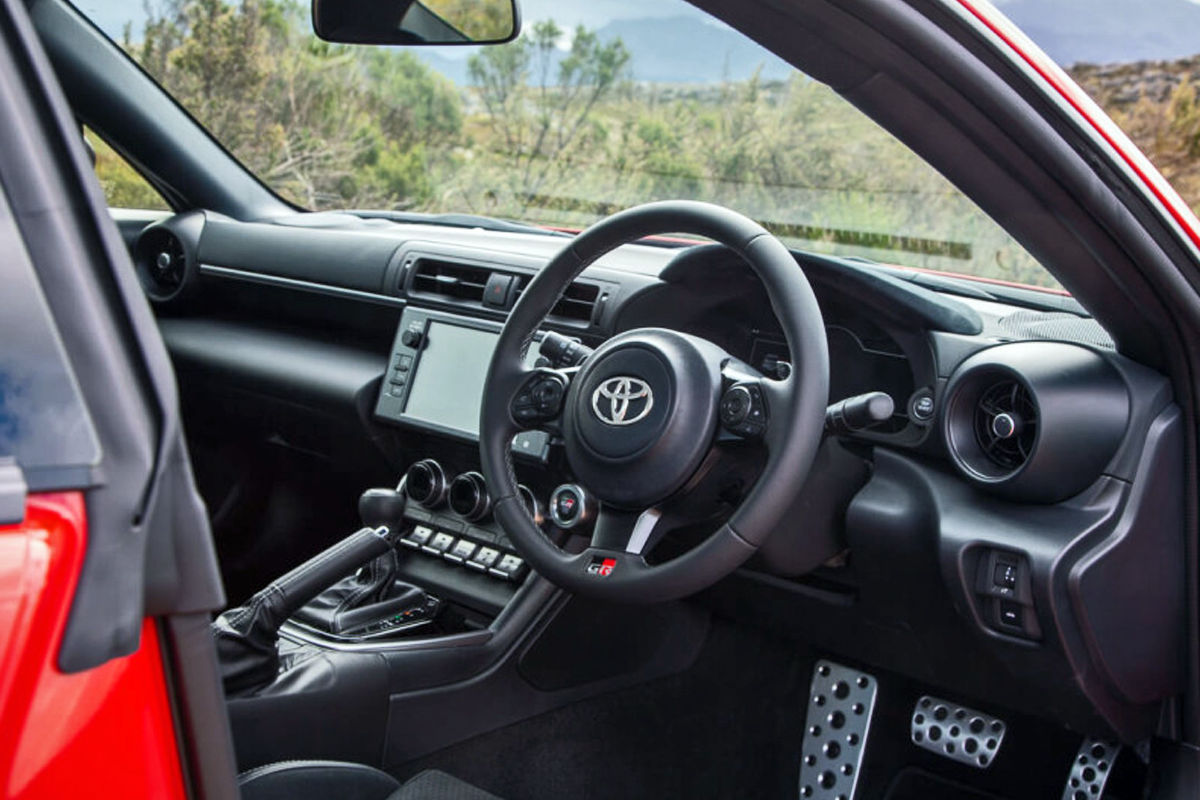
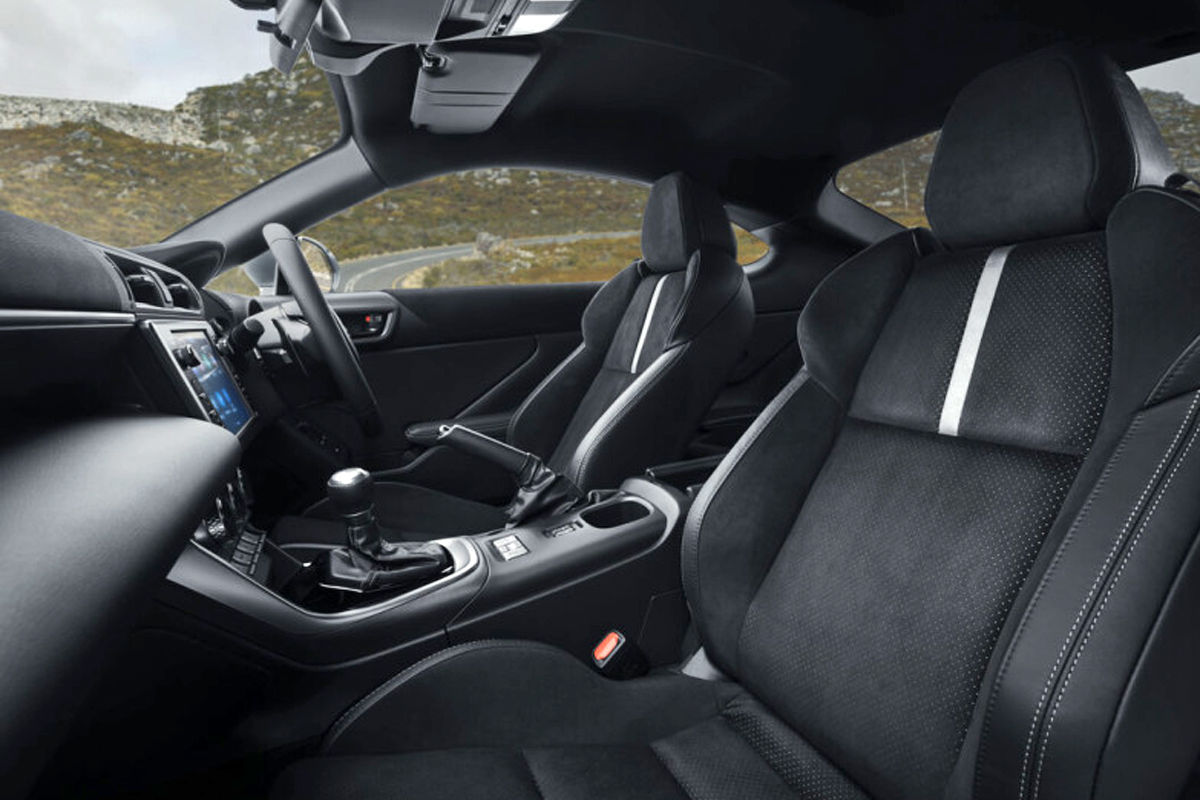
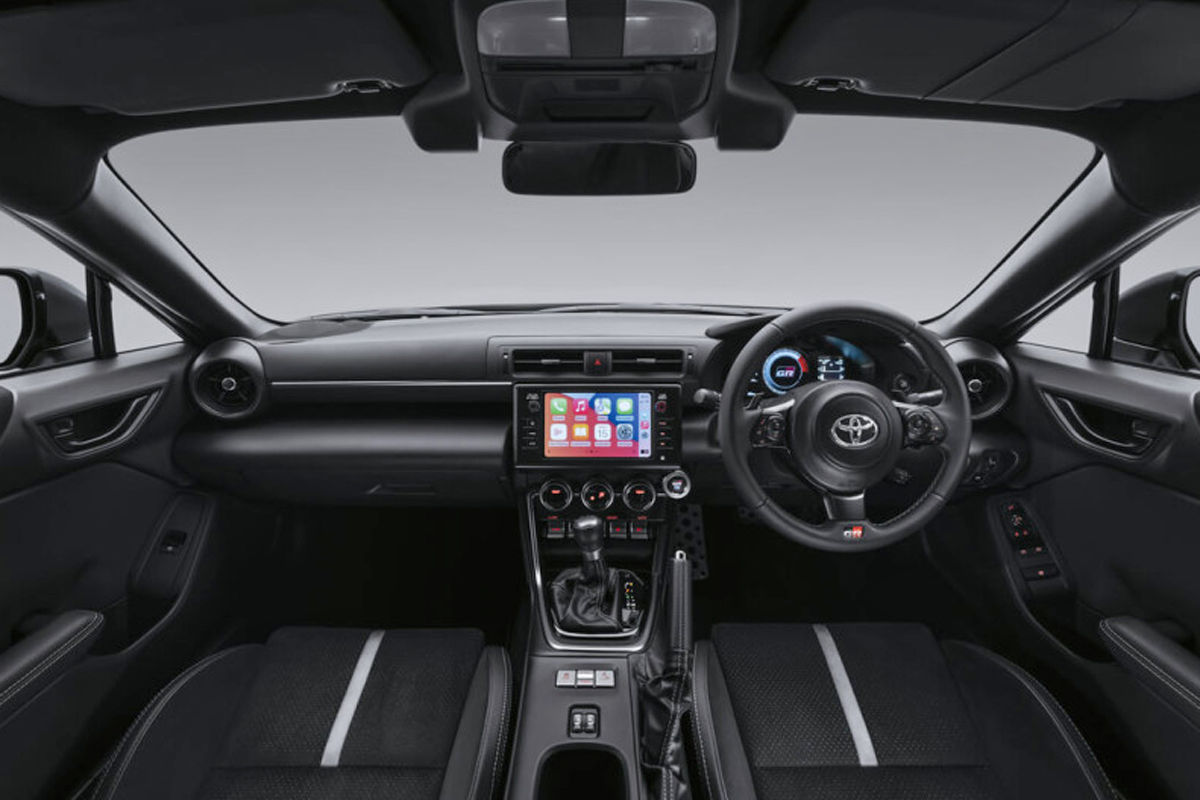
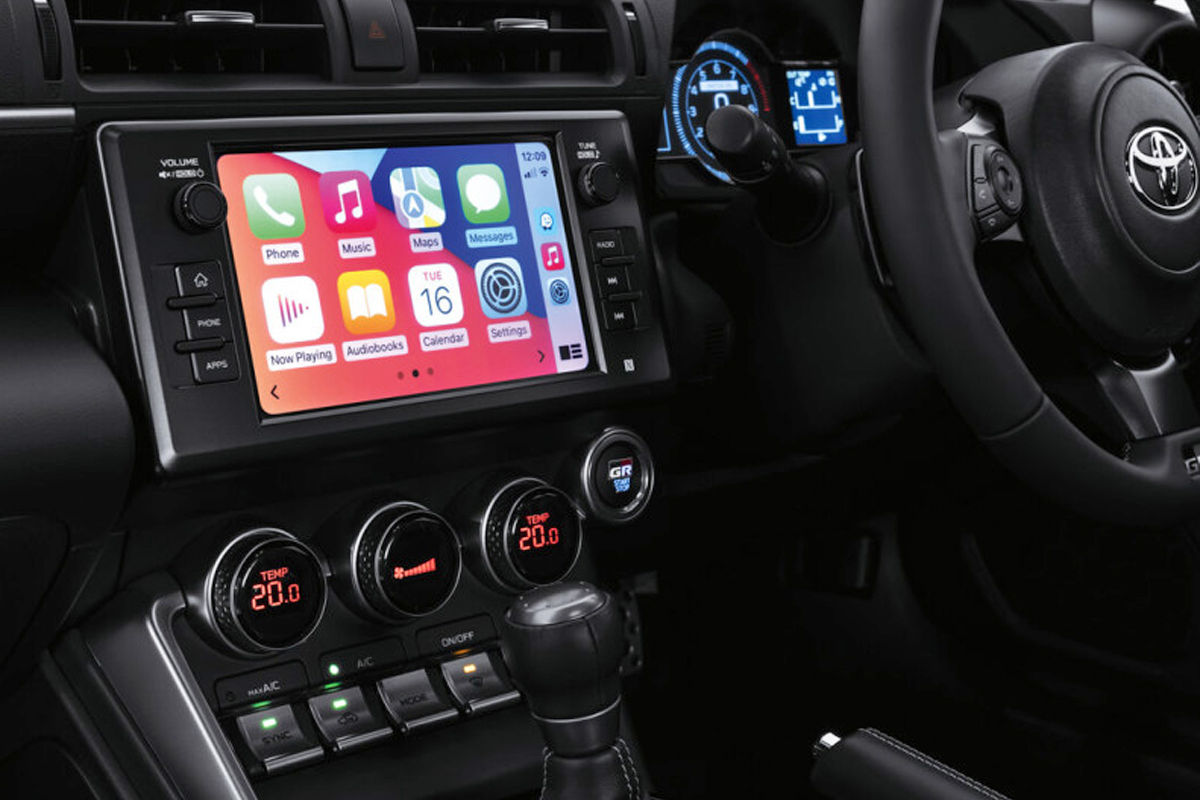
Inside, you’ll find sports seats finished in a combination of black leather and Ultrasuede, complete with silver stitching. The 7-inch infotainment screen boasts Apple CarPlay and Android Auto functionality, and also doubles as the monitor for the standard reversing camera. While the manual model features cruise control, the auto-equipped version upgrades to an adaptive system, while also gaining items such as a pre-collision brake assist function, auto high-beams, rear parking sensors, a lane-departure warning feature and an advanced active safety package.
The original Toyota 86 marked the Japanese brand’s return to building sportscars, effectively setting the scene for the introduction of the Toyota Gazoo Racing division (which has since launched models such as the GR Supra and GR Yaris, not to mention the GR Corolla).
How much does the new Toyota GR86 cost in South Africa?
Toyota GR86 MT – R698 100
Toyota GR86 AT – R733 700
A 3-year/100 000 km warranty ships standard, along with a 4-service/60 000 km service plan.
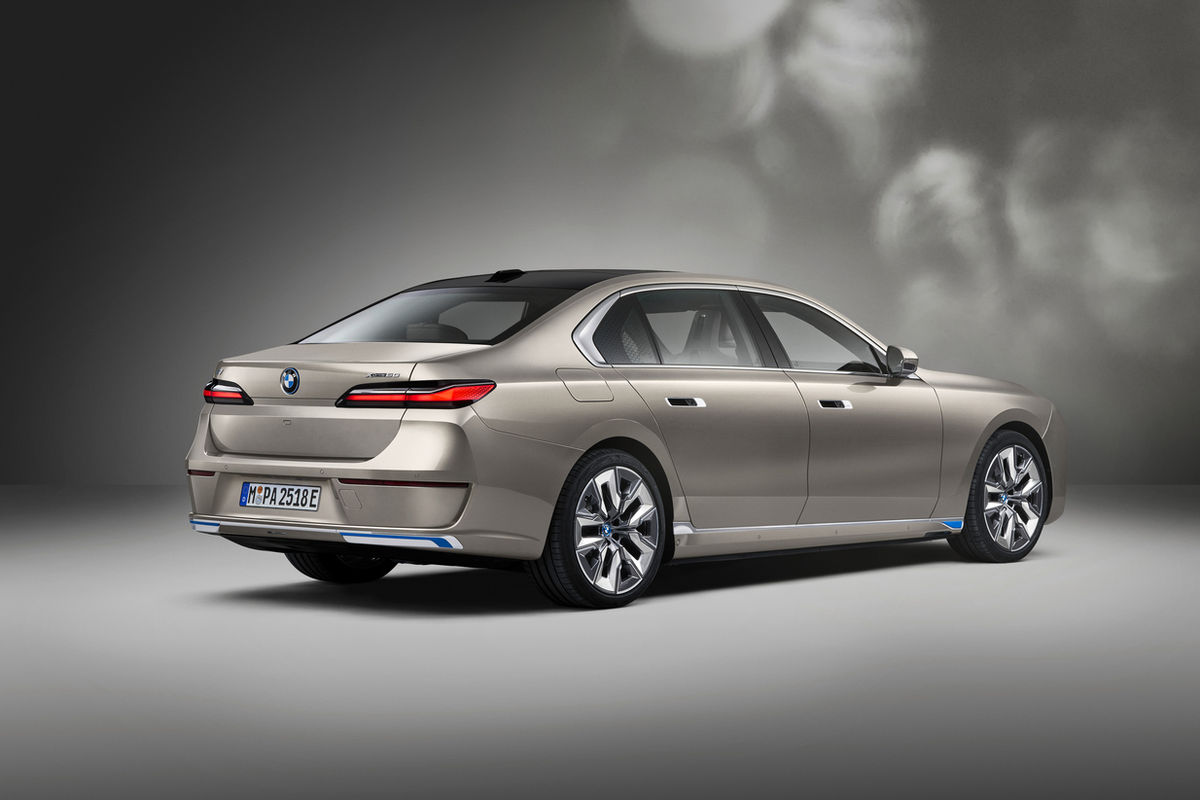
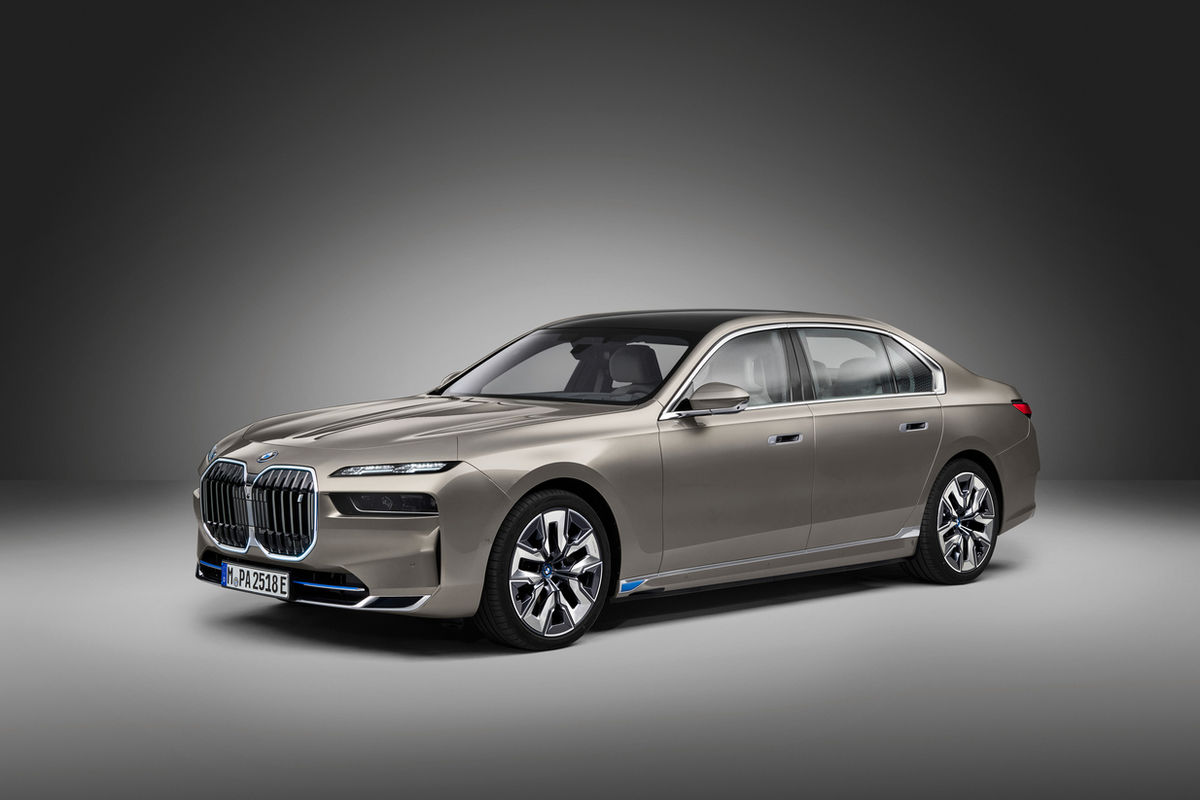
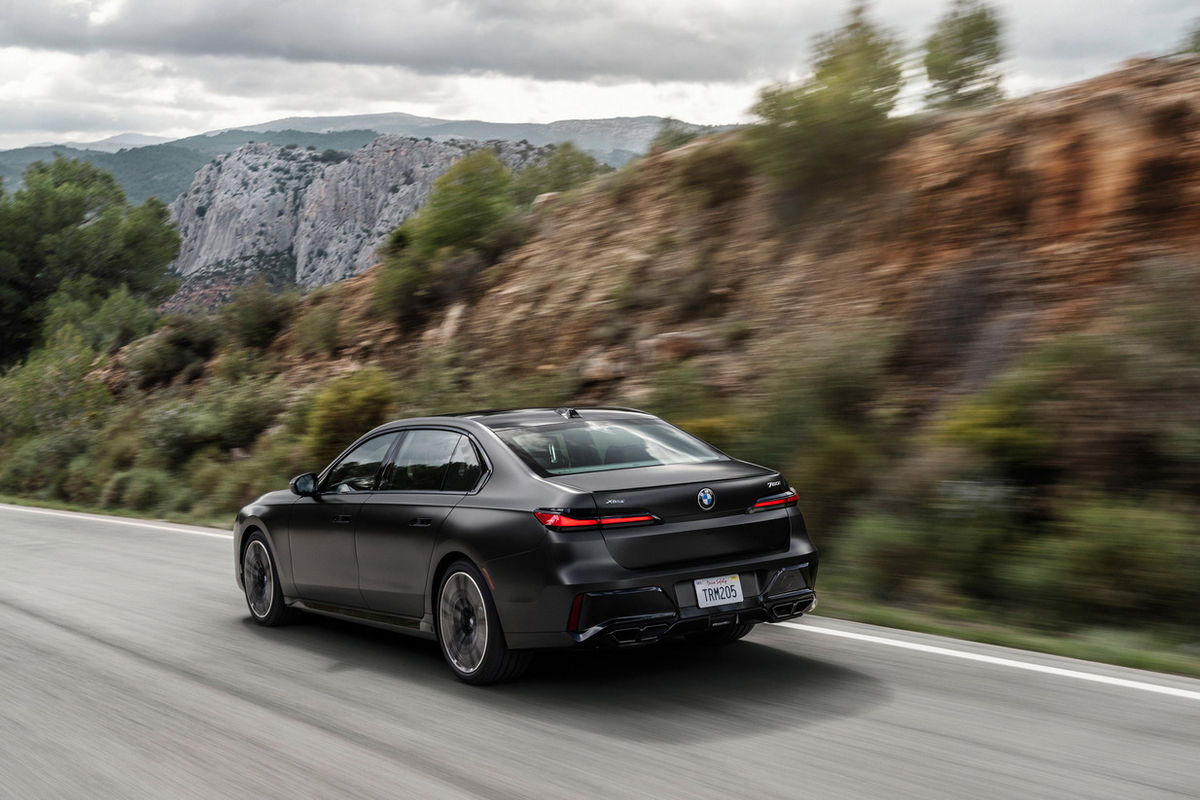
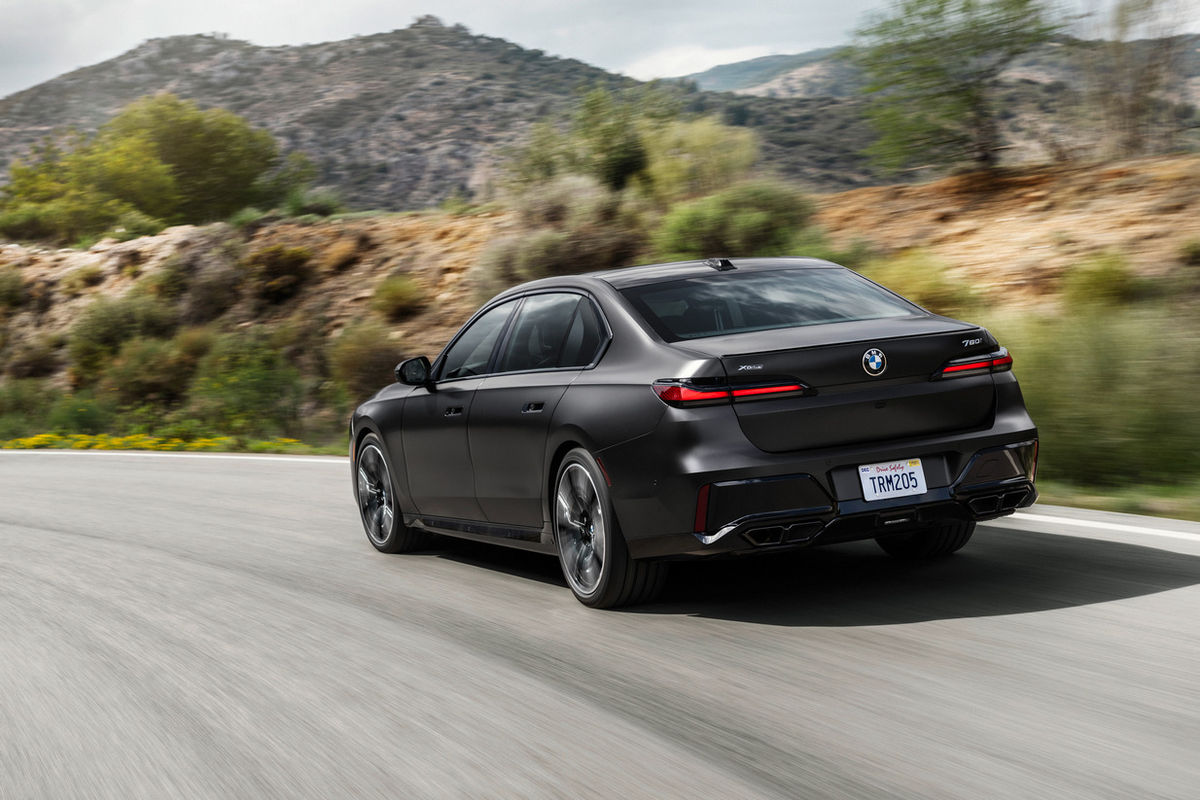
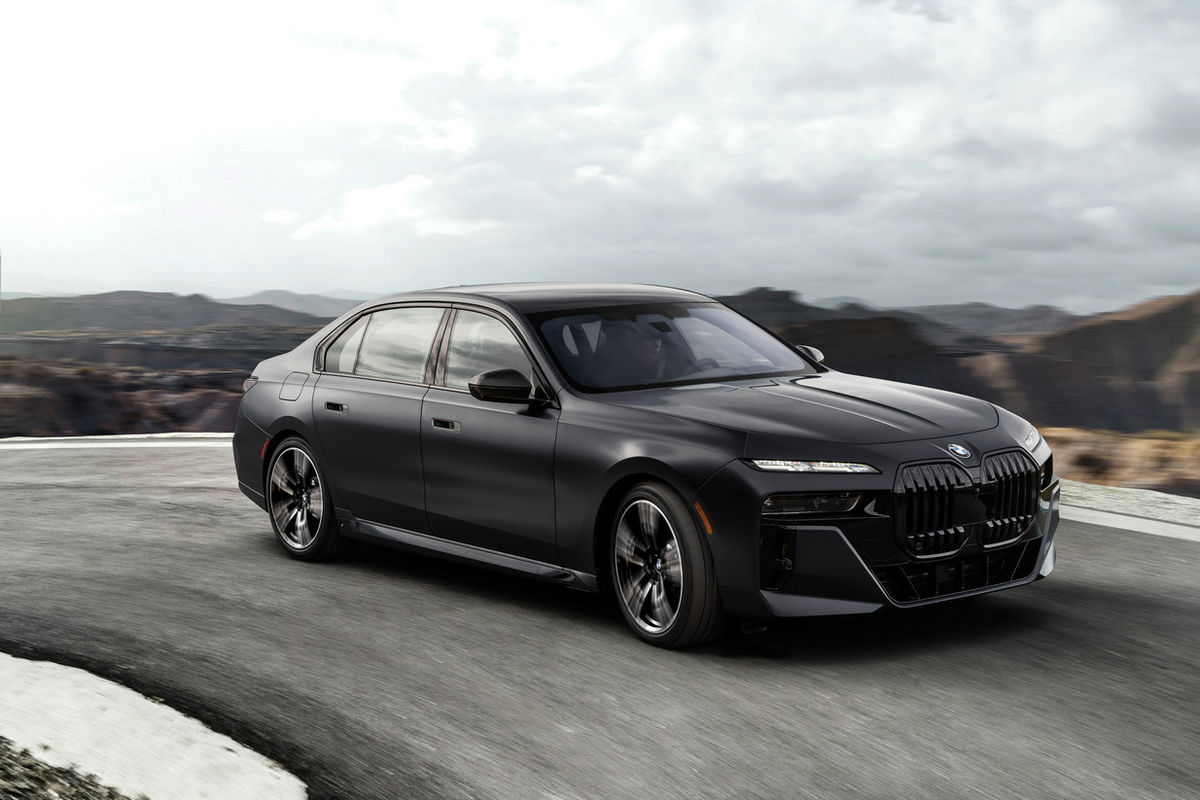
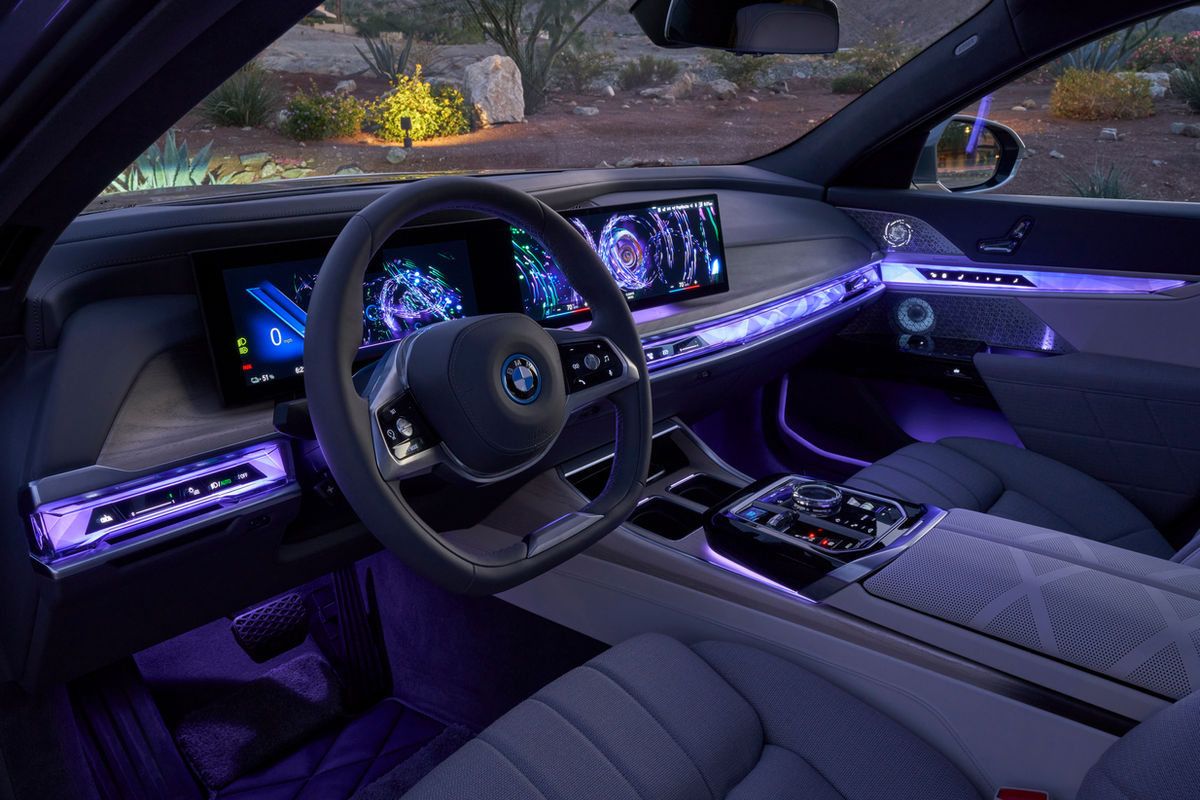
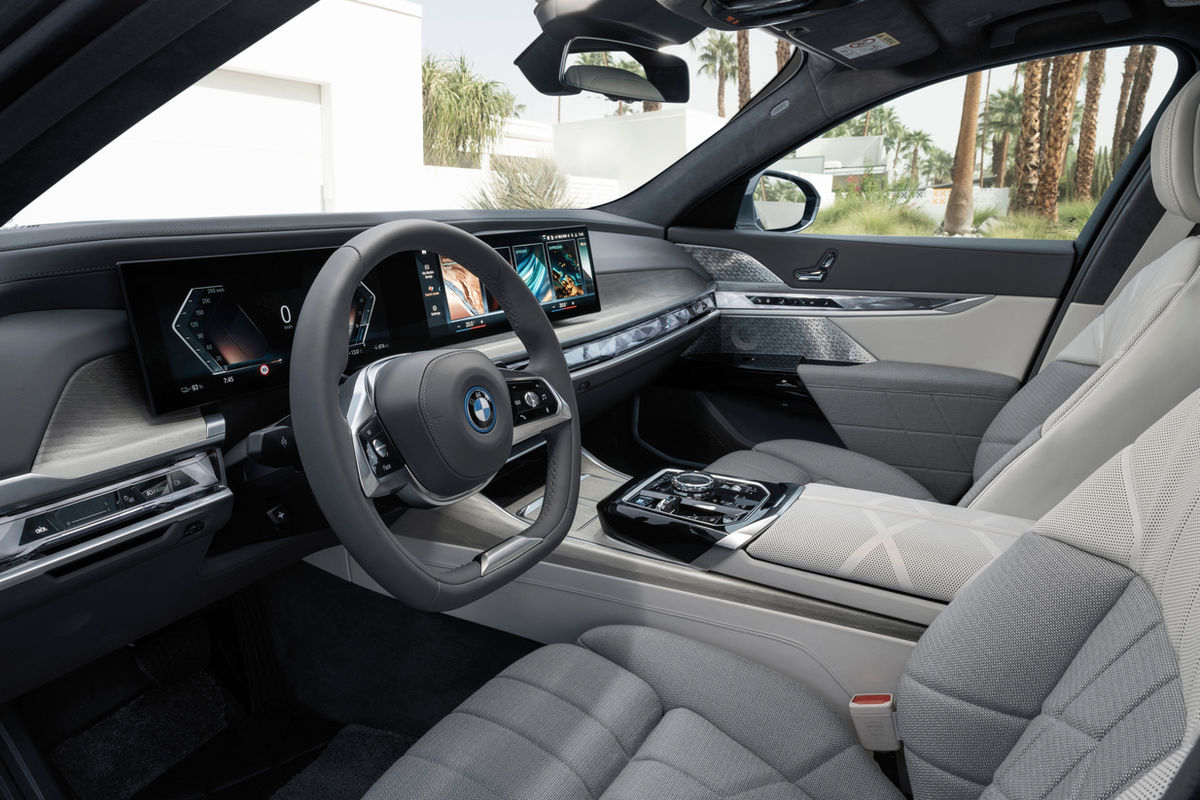
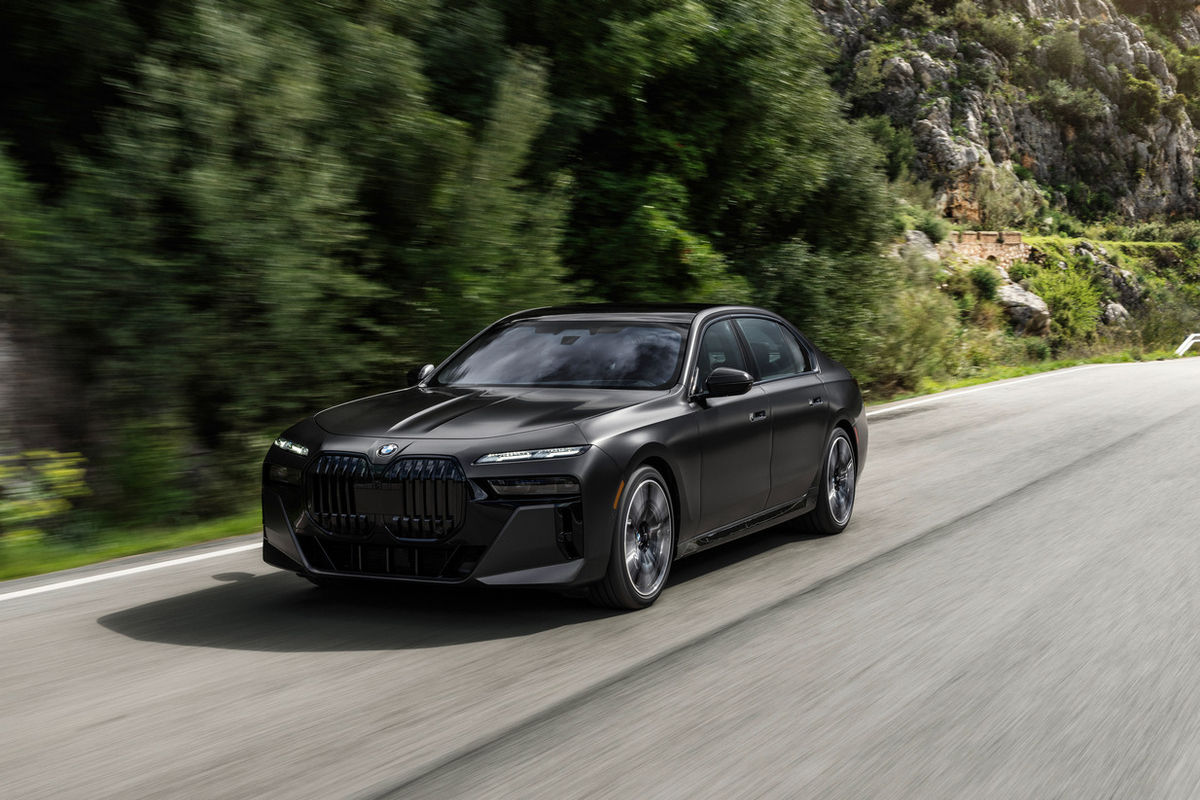
The BMW 7 Series is now in its 7th generation. The flagship sedan has always ushered in firsts for the brand, but is the new G70 model still relevant in an SUV-dominated era? We drove the newcomer in Palm Springs to see if it’s still the ultimate in BMW luxury. Local deliveries will commence before the end of 2022.
BMW 7 Series highlights package
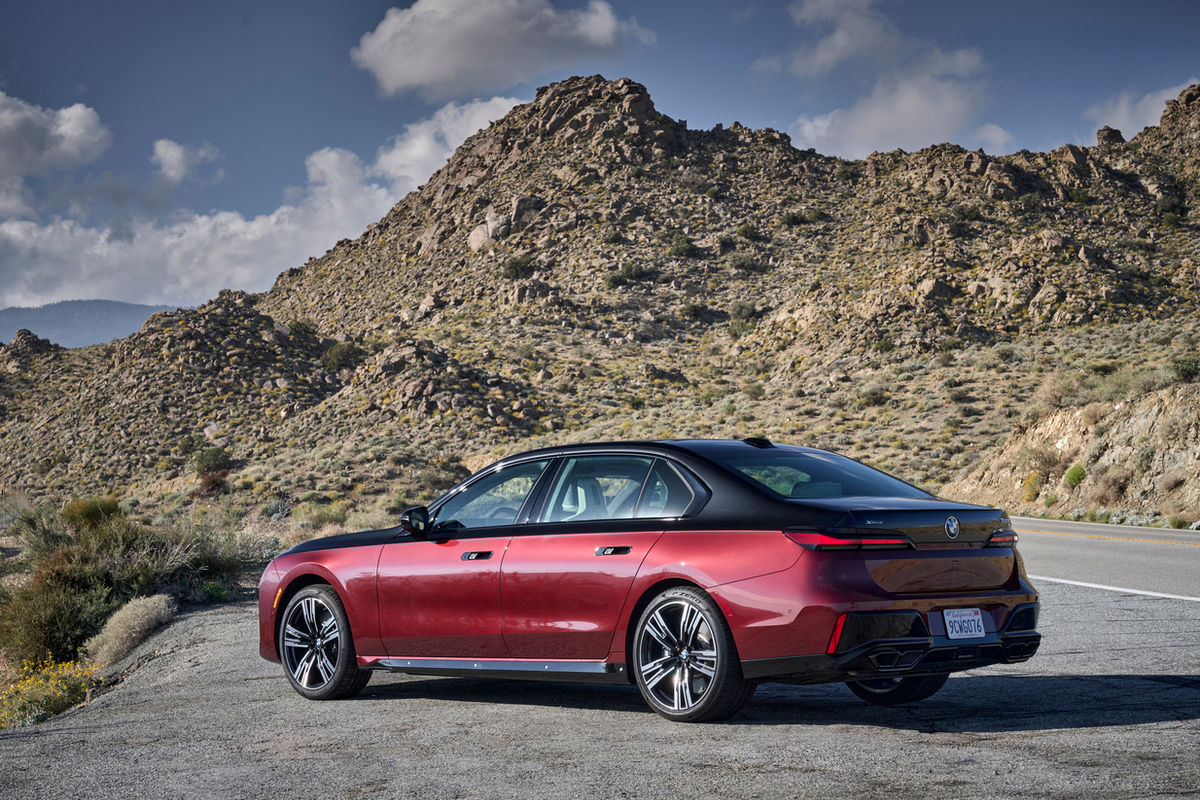
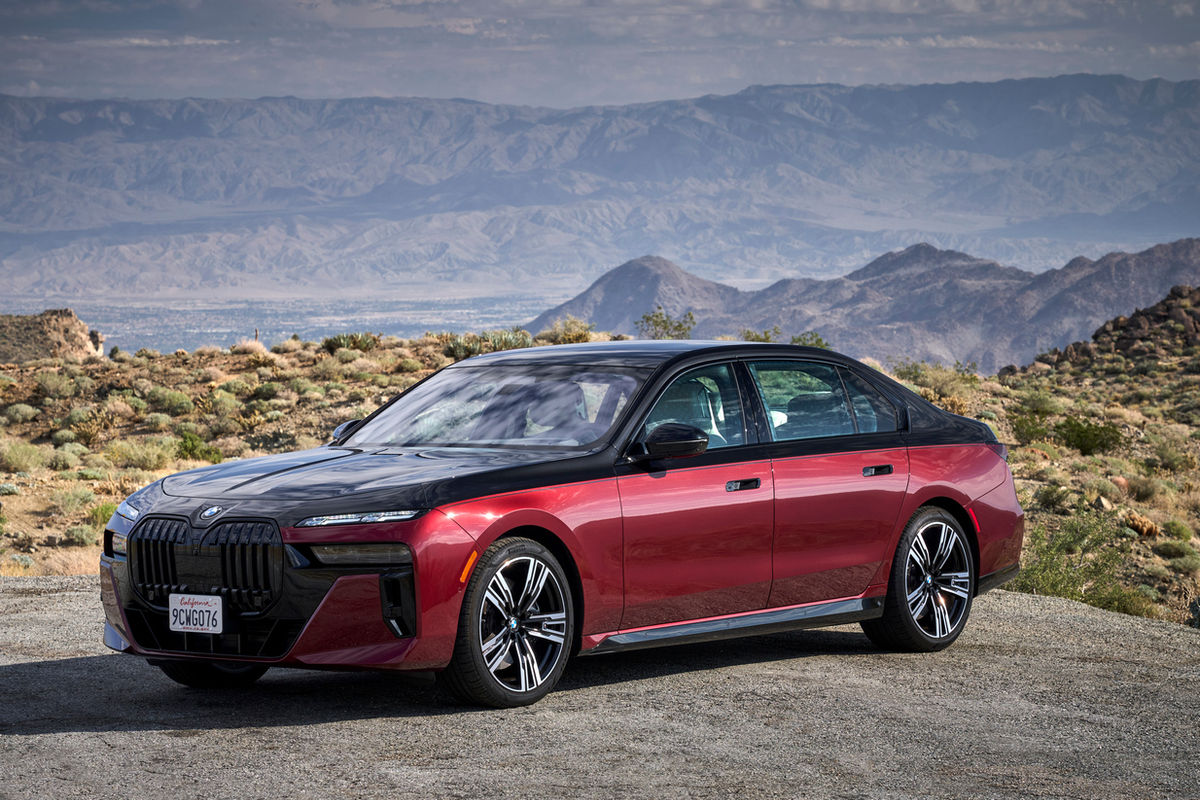
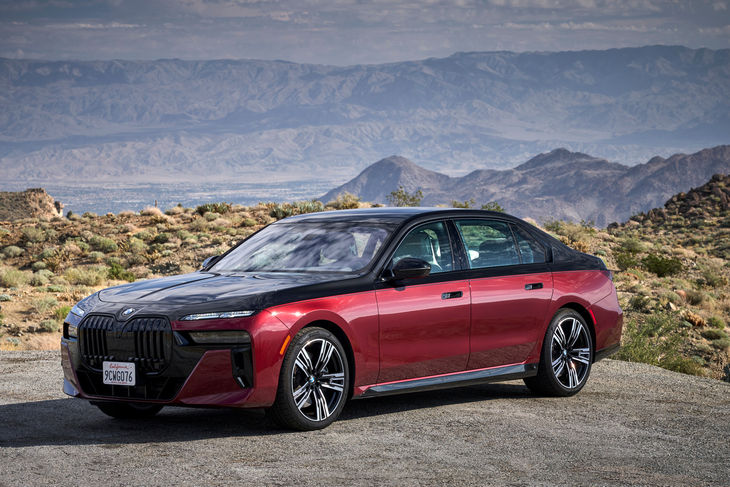
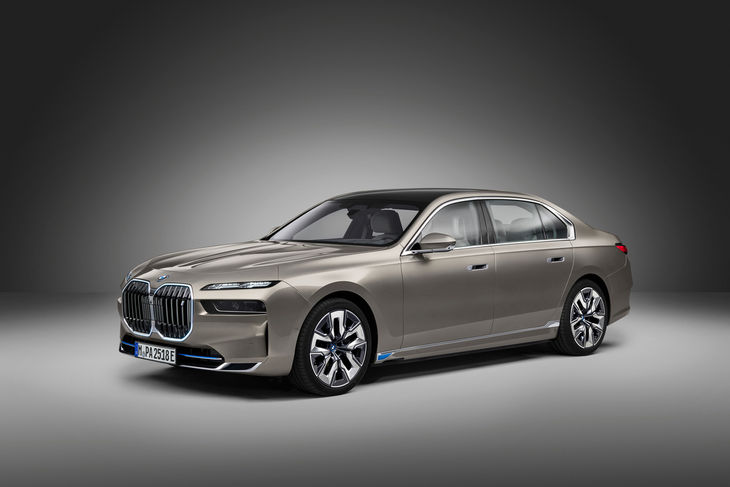
You can have the G70 7 Series in this two-tone paint scheme. Kashmir wool seats are optional.
One does not simply list the new things on a brand new 7 Series – the barrage of bullet points would be exhaustive and, besides, picking out the highlights of the G70 generation 1st-class sedan wouldn’t nearly do it justice. Nonetheless, I can tell you that the model range coming to South Africa will consist of the 740i, 740d and i7 derivatives, the latter of which will stand as the flagship.
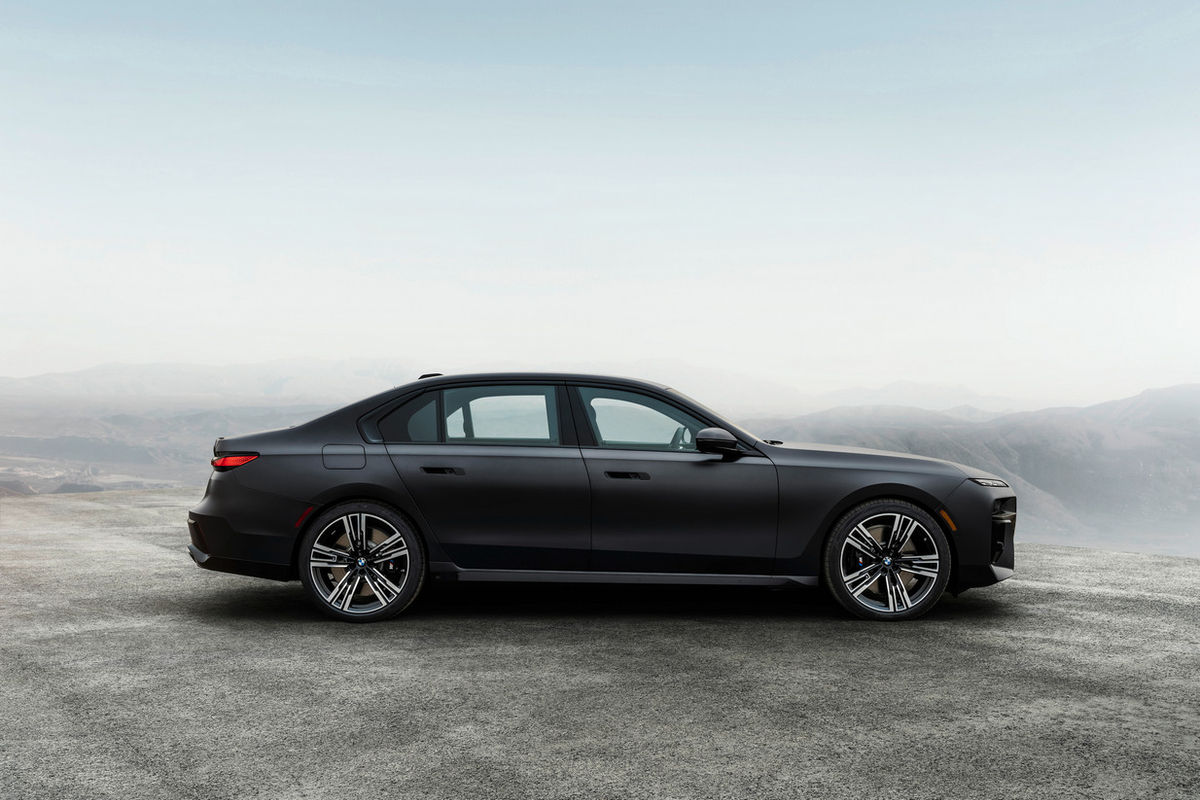
Obviously, the design is a notable talking point, which I’ll come to later, but the 7 Series is now a much longer and wider vehicle than its predecessor. In standard guise, this new model is larger than the outgoing long-wheelbase 7 Series!
Much work has been done to improve the ride quality of the 7er, including modifications to the adaptive air suspension setup (standard across the range), while handling prowess benefits from the addition of 4-wheel steering.
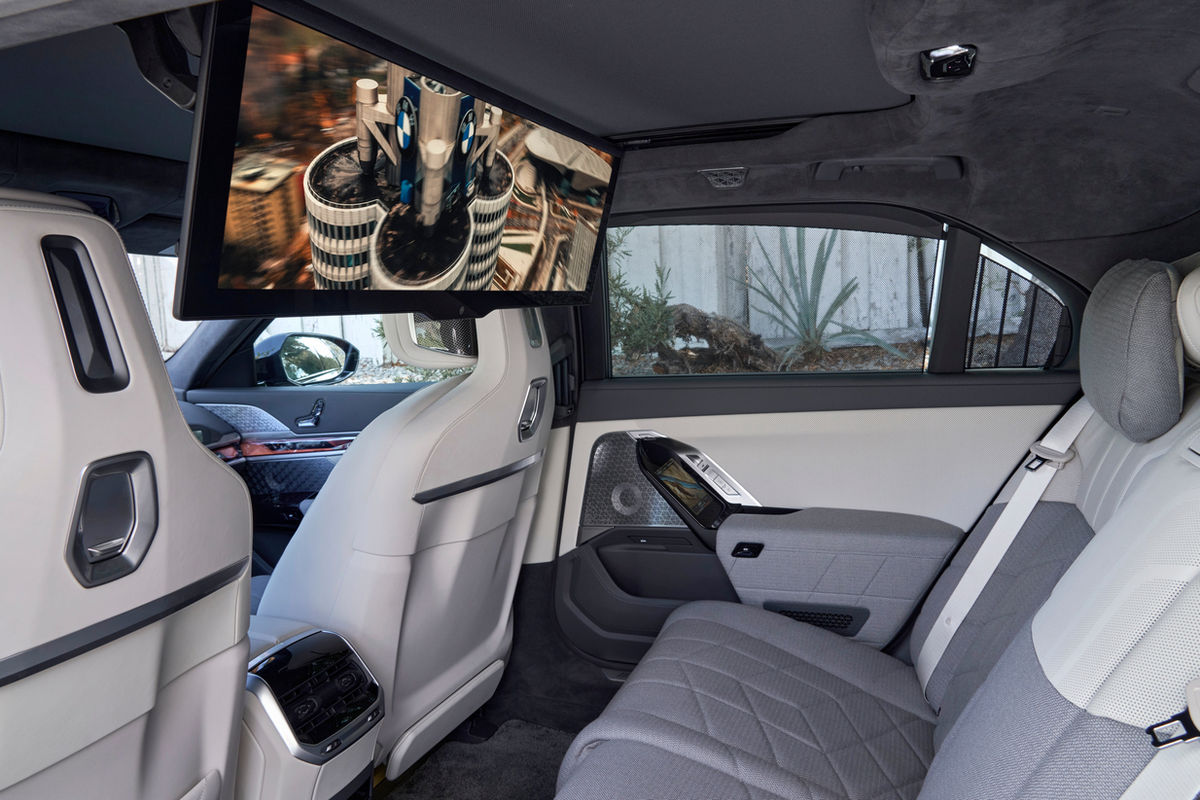
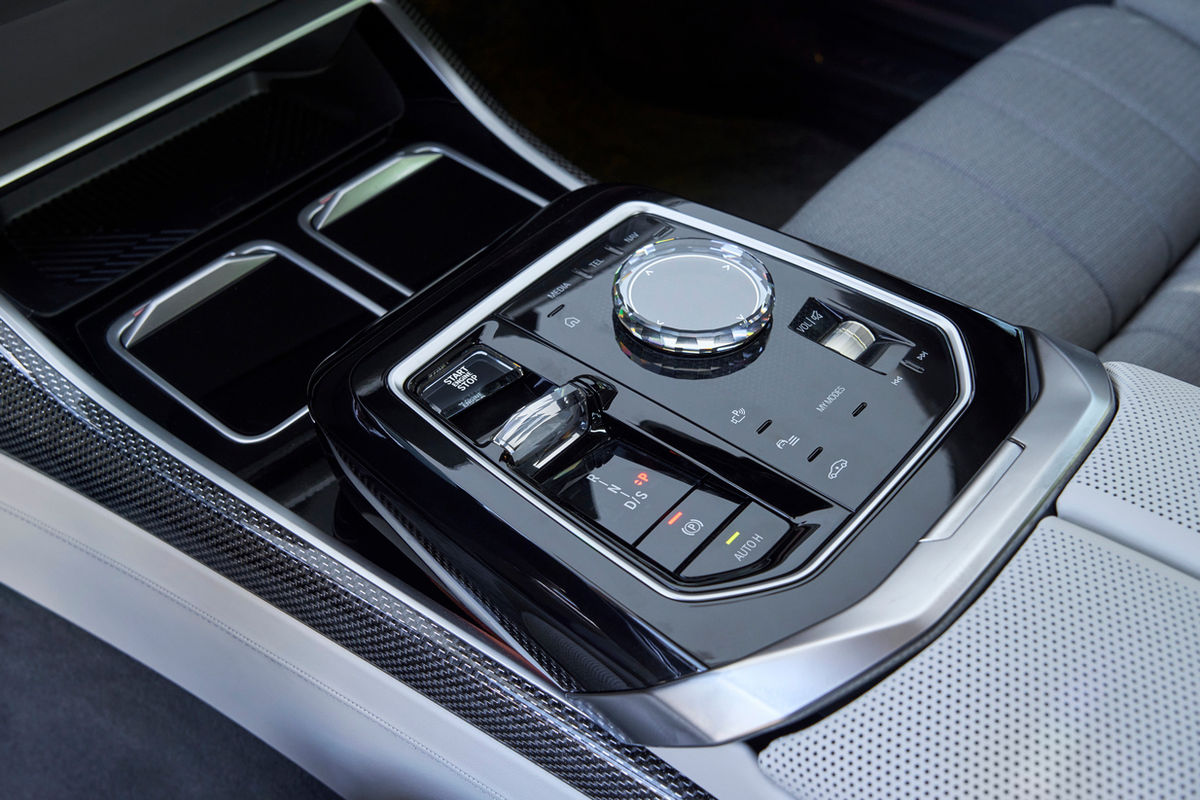
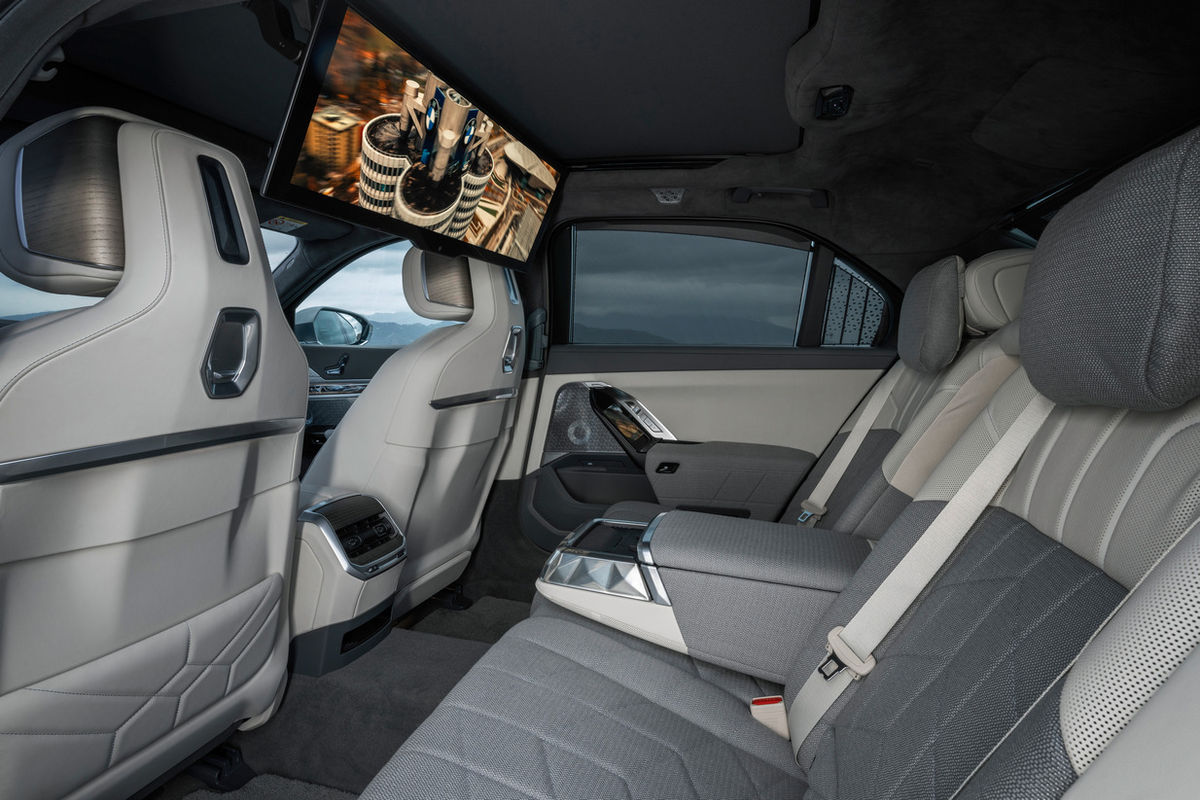
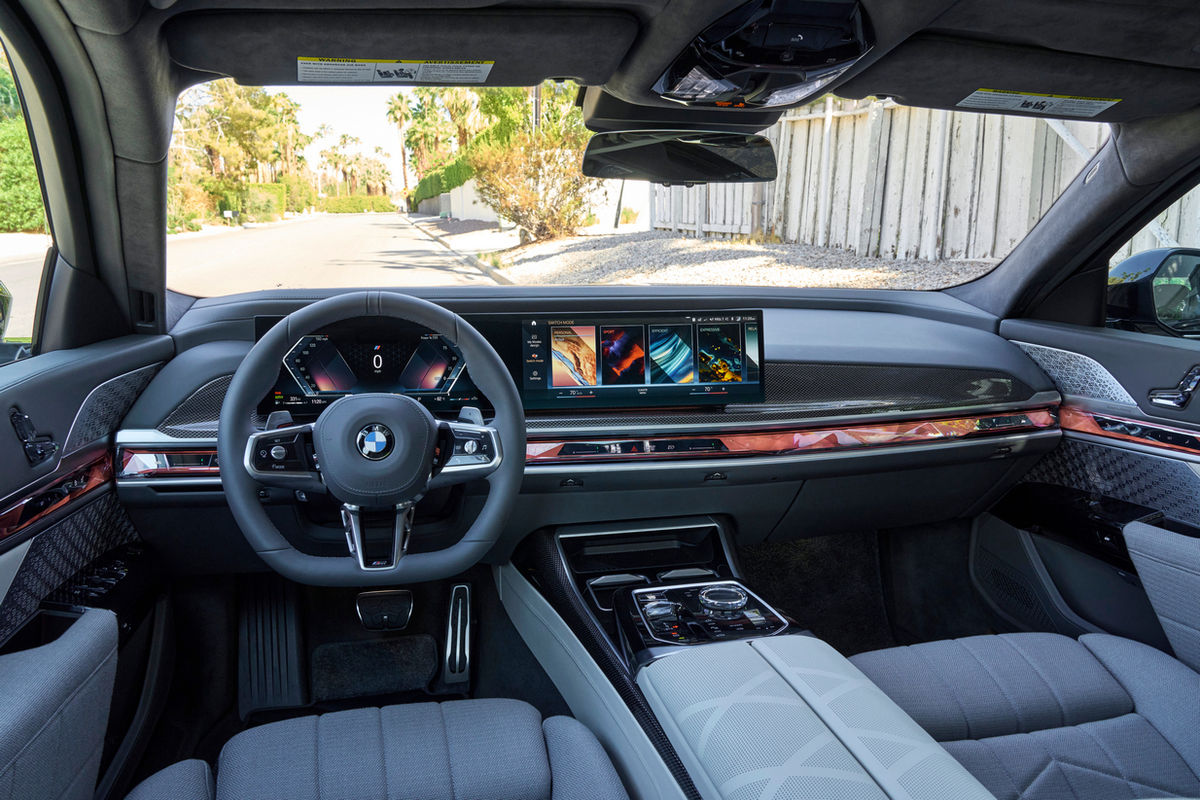
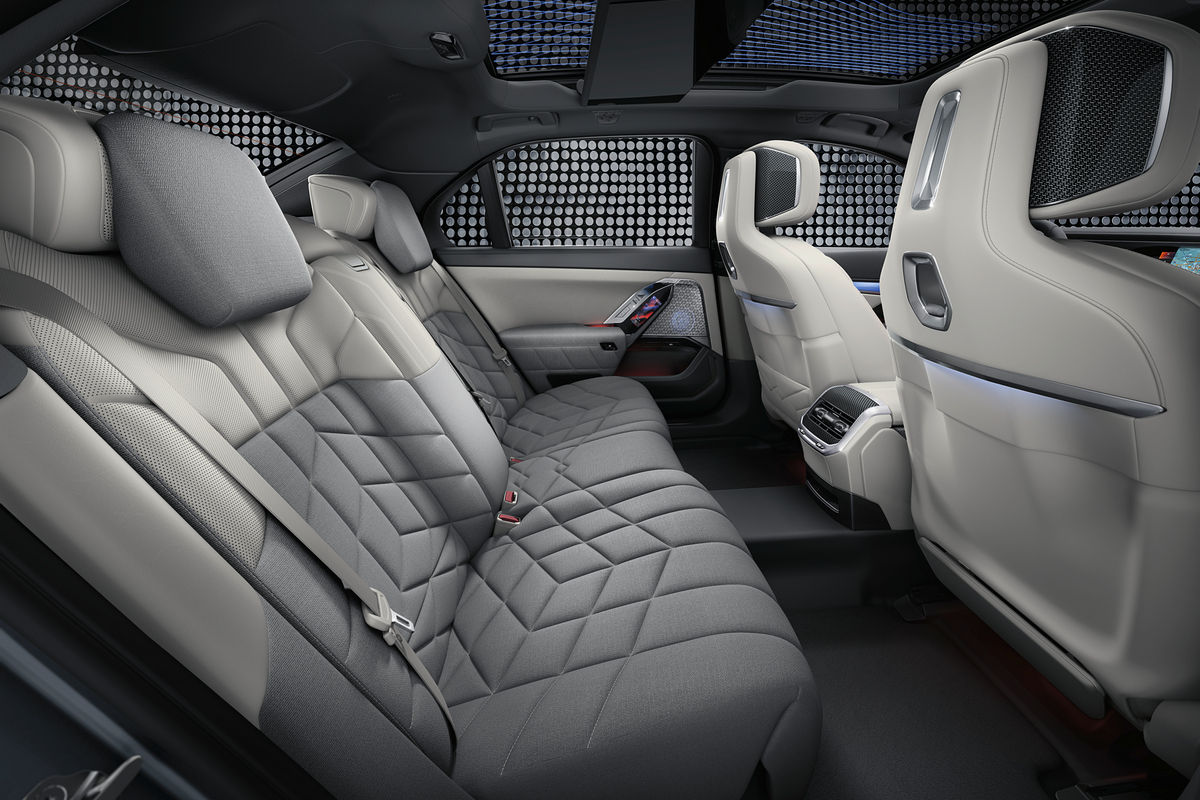
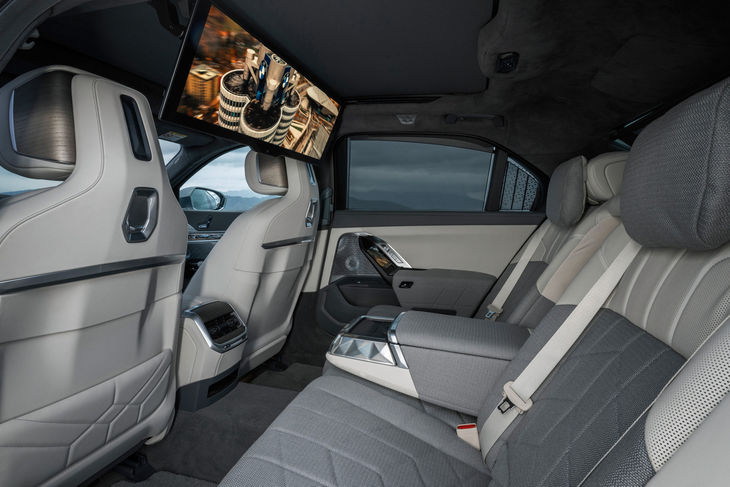
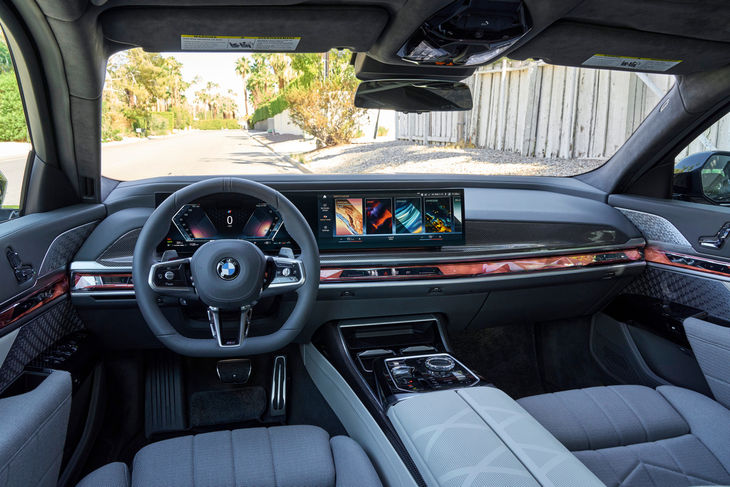
The interior of the new 7 Series, meanwhile, introduces a new cabin layout that will proliferate throughout the brand’s line-up in due course. The rear entertainment area hosts the coolest new tech advancement – aft passengers have access to a folding cinema-style TV screen that may result in more passengers fighting to occupy the rear seat than in any other vehicle ever.
Tell me about this rear screen
Watch Netflix/Amazon or Youtube on a massive 32-inch widescreen.
During the launch event, BMW asked journalists to sit in the rear seats of the 7 Series units to view the product presentation on the cars’ huge 31.3-inch screens! How novel… to think, I only upgraded from a 32-inch TV in my lounge a few years ago. The screen delivers up to 8K resolution and works via controllers in the door panel or touch inputs. You can stream anything you want. Simply log into your Netflix or Amazon account, and pick up where you left off in your lounge.
I thought it might actually cause a bit of car sickness for passengers, but because the screen is in front of you you can easily see the road below the screen and refocus your vision if you sense that motion sickness is setting in. Bowers and Wilkins provides audio tech in the 7 Series so the system provides amazing clarity and depth, although you probably want to use headphones rather than blasting Die Hard at max volume while the driver tries to concentrate on the road.
The rear entertainment screen folds flat against the roof when it’s not in use, but relax, fellow countrymen, you can have the sunroof open while using the screen (German marques often tease us about SA’s obsession with car sunroofs).
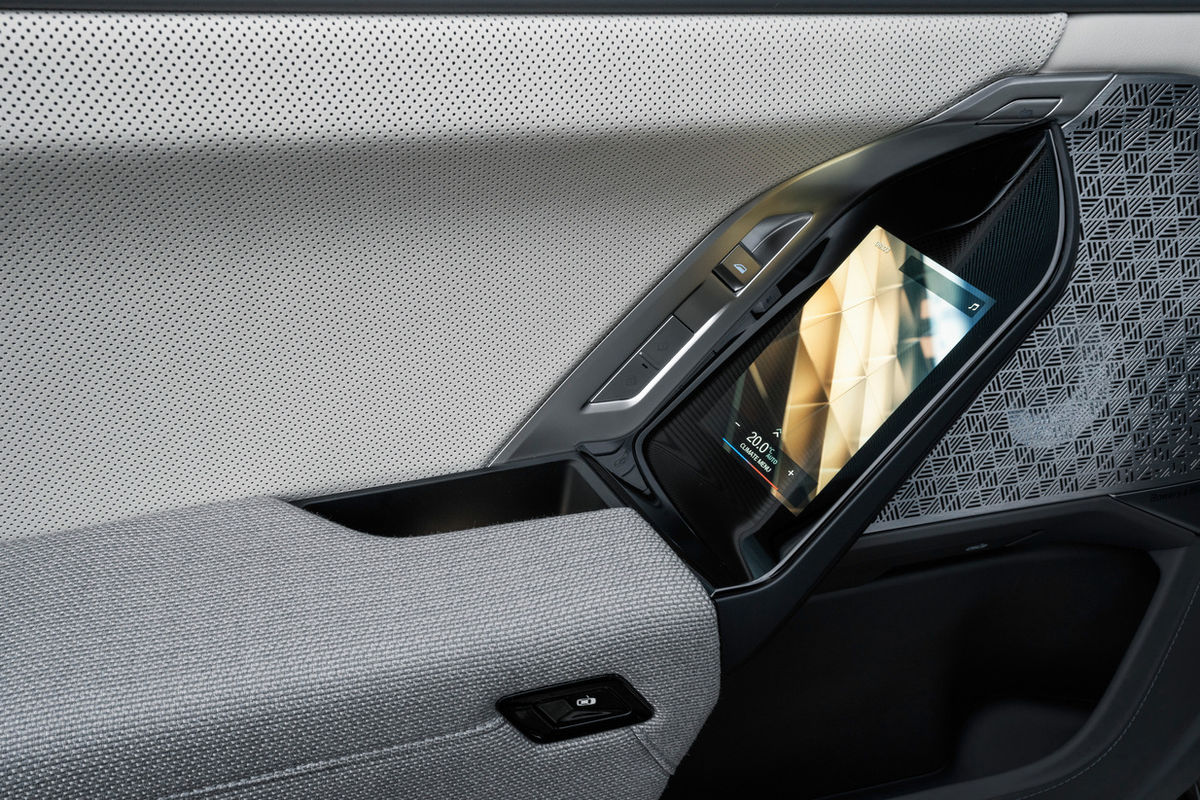
The controllers in the door are also new. They are almost like full-size smartphones docked in the door handle area and give you full access to vehicle apps, sunblind settings and just about everything the front infotainment system offers.
The 7 Series powertrains
The 740i, 740d and the electric i7 will be available in SA.
Three drivetrain options will be available from launch, with the 740i’s 3.0-litre straight-six turbopetrol delivering 280 kW and 540 Nm of torque (the 48V mild-hybrid system can deliver 200 Nm from a standstill). The 740d, in turn, uses a 3.0-litre turbodiesel to punch out 220 kW and 670 Nm, while the all-electric i7 xDrive60 produces 400 kW and 745 Nm with a claimed range of between 591 and 625 km thanks to a massive 101.7-kWh battery.
I spent plenty of time behind the multifunction ‘wheel of the i7 and think I can confidently say that it will be the 7 Series of choice when it comes to market at the end of 2022. We will drive the model on local soil early next year.
Considering all the capital that’s required to procure a 7 Series, it’s more than likely that prospective buyers have already safeguarded their houses from the bane of Eskom’s load-shedding through various means and an integrated home-charging setup is all you need to reduce running costs significantly. The i7 also provides a talking point at social gatherings and provides a buyer with that cool, new-tech gadget that hardly anybody else has yet.
The only downside to the i7 is the added weight it carries due to the battery pack. According to the engineers the battery pack and electric drivetrain weigh around 700kg. Compare that to an ICE engine of say 150 to 200 kg (at most) and you can understand why no manufacturer has made a good job of producing a small battery-electric sportscar.
Heft aside, the i7 is impressively responsive and delivers the kind of effortless acceleration that premium-car buyers expect. It’s also immensely quick from a standstill, but executing “race starts” is rather contrary to the spirit of the 7 Series…
The optimal range of around 600 km seems a little bit optimistic, but 500 km would certainly be possible. I get the impression that if range indications didn’t fluctuate so wildly in EVs (especially the case in smaller models, but still), electric-car owners would be far less prone to experience range anxiety. To put things in perspective, you can lose about 50 to 80 km of range while ascending a 10-km mountain pass, but will have recovered about 30 km once you reach the other side because of regeneration on the descent. In a place like California, where charging stations are abundant (even in small towns) it’s easy to get a quick charge – even if it’s not at the 195-kW maximum charge capacity the 7 Series can take.
Address the design, please
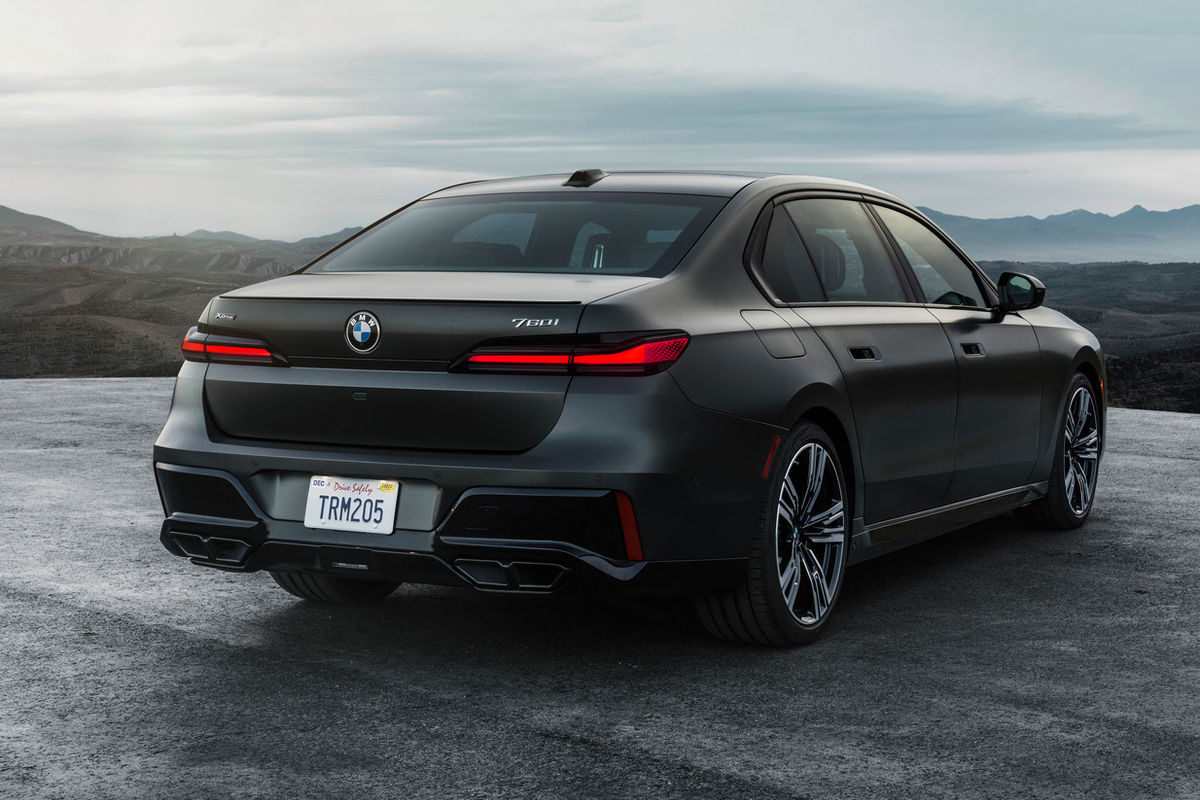
It might not be to everybody’s taste but the 7 makes a big statement.
That’s easy. BMW simply made a business decision with its 7 Series’ design – and that ginormous grille in particular. Forty-five per cent of all 7 Series units are sold in China, which is not only the biggest 7er market in the world, but twice the size of the next-biggest market. In China, the average age of a 7 Series buyer is only 38… in the rest of the world, most buyers are aged over 50! A 38-year-old does not want a stately-looking sedan (a sleeper), they want something that truly stands out, makes a bold statement, polarises opinion and expresses their personality. That’s why contemporary BMW designs (especially that of the 7 Series) challenge convention; the numbers justify the strategy – well, in China anyway.
It’s a bigger 7 Series, but does it handle well?
Big screens everywhere, plus a new operating system for the iDrive system that focuses on voice and touch commands.
In true BMW style, much effort has been devoted to ensuring that the person who occupies the driver’s seat feels as entertained as those ensconced in the rear seats, but in a much more immersive, involving way, of course. Everything – from the wheel- and adaptive air suspension to the brakes and (4-wheel) steering – has been redeveloped to facilitate an engaging driving experience, but not at the expense of on-road occupant comfort.
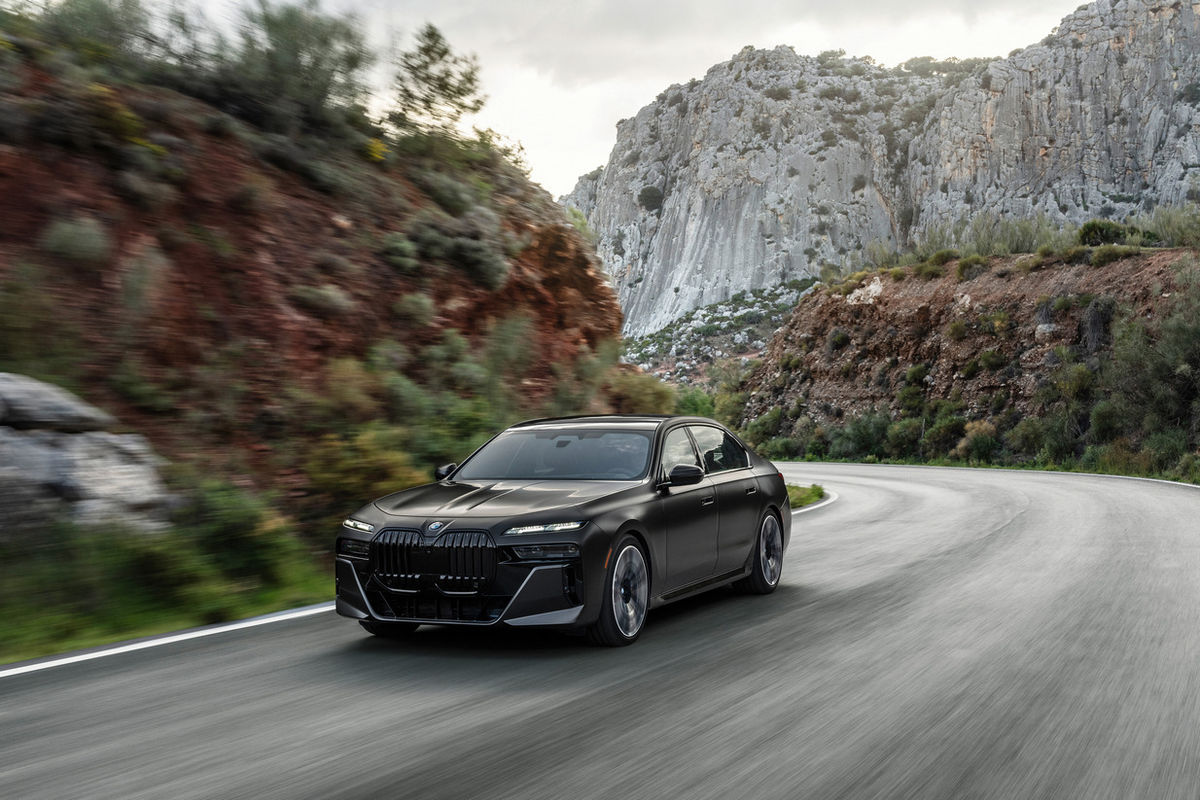
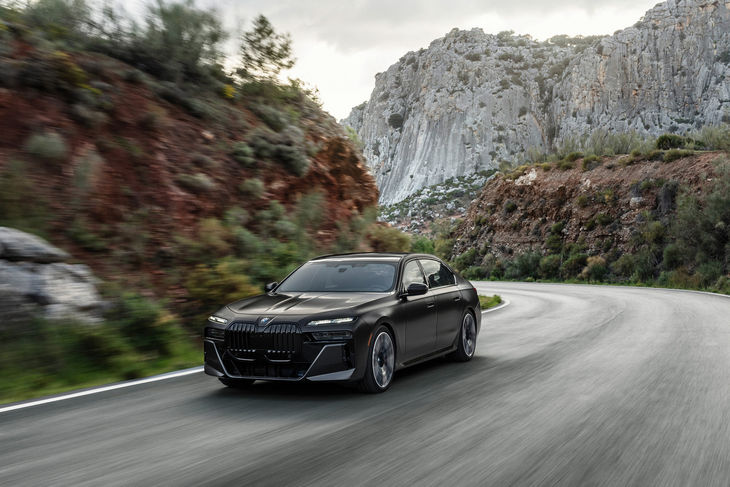
In my experience, long-wheelbase cars tend to struggle to iron out small bumps and other road surface imperfections but, the G70-generation 7 Series’ adaptive suspension is managed at each individual wheel and absorbs both smaller and larger bumps effectively. In a similar vein, the air suspension is set up at each wheel and works to level the car out, reducing body roll to an absolute minimum. The 7 Series really does feel like it floats along on a cushion of air.
I was very impressed with the way it handled a very tight and twisty mountain pass along our set route. It neither felt too big for the road nor a chore to drive at a livelier pace. Granted, it’s not as good as its 3 Series business-class sibling in that regard, but it’s certainly capable if you want to make the most of the most scenic (or serpentine) part of your journey.
As is the case with the facelifted X7 first-class SUV, the 7 Series features the new iDrive operating system, which introduces the “My Modes” personalisation system, where multiple preset modes are available in addition to individual mods that allow you to personalise your driving setup. Apart from making drive-mode-related setup tweaks, you can adjust everything from the ambient LED lighting to the seats’ massage functions.
The new OS8 operating system is vast and it took me a bit of time to work my way through the menus and select shortcuts to the info that I wanted. The good news is that the interface is very much like that of a smartphone – you can drag icons and often-used items onto shortcut panels or homepages etc.
Summary
The new 7 is a technological marvel, but it’s the rear seat entertainment that amazes.
It’s truly difficult to differentiate BMW’s flagship sedan from its peers. Contemporary upper-luxury (1st-class) sedans are all exceptional to drive; they feature the most up-to-date tech, high-end materials and opulent finishes, plus they afford their rear occupants lavish comfort and entertainment features. The new 7 Series has managed to step up the game in each of those areas and stands above all its rivals in terms of rear-seat wow factor.
Having the added attraction of an all-electric derivative – the i7 – also gives the new 7 Series somewhat of an edge over its competitors. Early adopters of advanced tech in South Africa tend to be those that can easily afford the latest and greatest (of everything, really) and the associated social standing of owning an electric car might just convince buyers to look past the G70 model’s polarising exterior design, which is subjective anyway.
What’s that saying? “If you’ve got it, flaunt it!”
Chasing the A45 AMG World Record – Here’s what it takes to modify Merc’s hottest hatch
The Mercedes-AMG A45 is a potent performance hatchback in standard form, but what if you start the journey to chase the quarter-mile record?
Nicholas Neophytou didn’t take the easiest route to building a 10-second car. While the A45 AMG was a stonking hot hatch from factory, it never really caught on in the tuning community, even though many saw its potential.
The quarter-mile world record for this generation of A45 AMG is currently 10.7 seconds, and this South African special is getting pretty damn close!
By his own admission, these are not the easiest cars to modify, especially in South Africa where parts are scarce.
However, over the last five years, he has persevered and at altitude is now running the quarter mile in the high 10s.
Here is Nicholas’s story, detailing just what it took to get the car right and reliably make those big numbers.
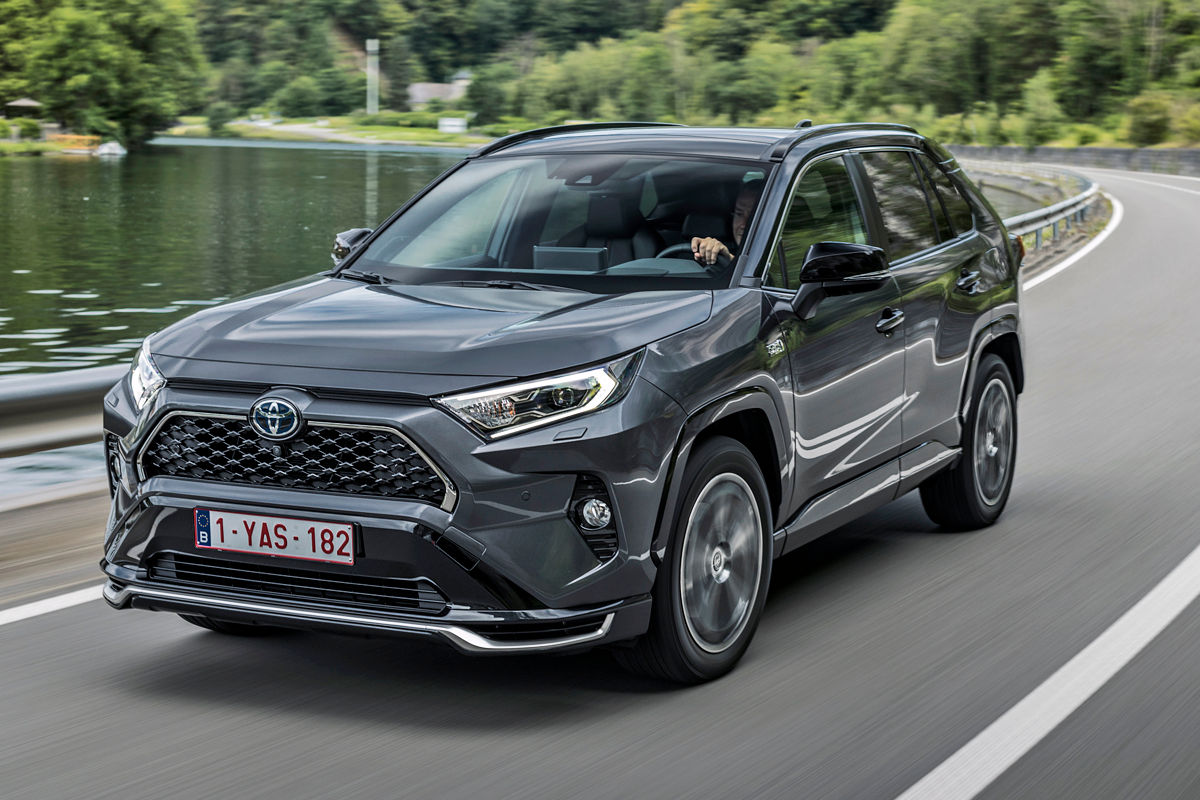
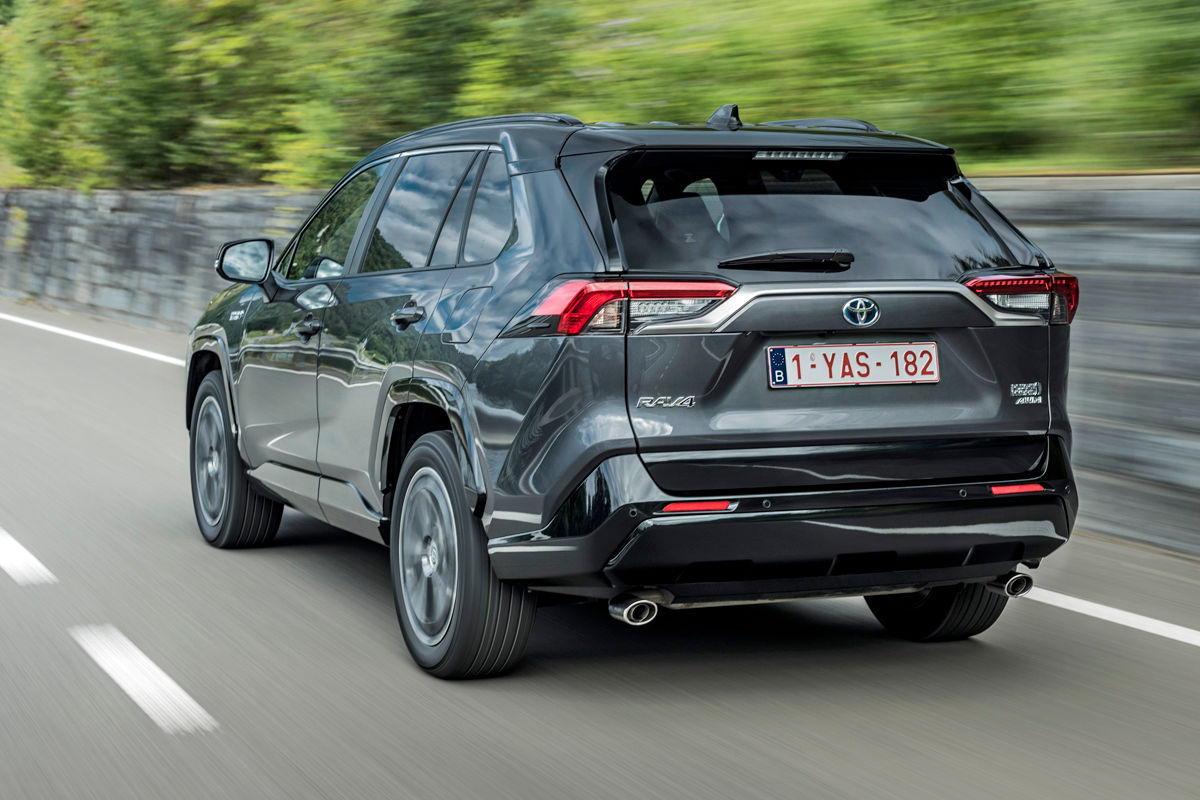
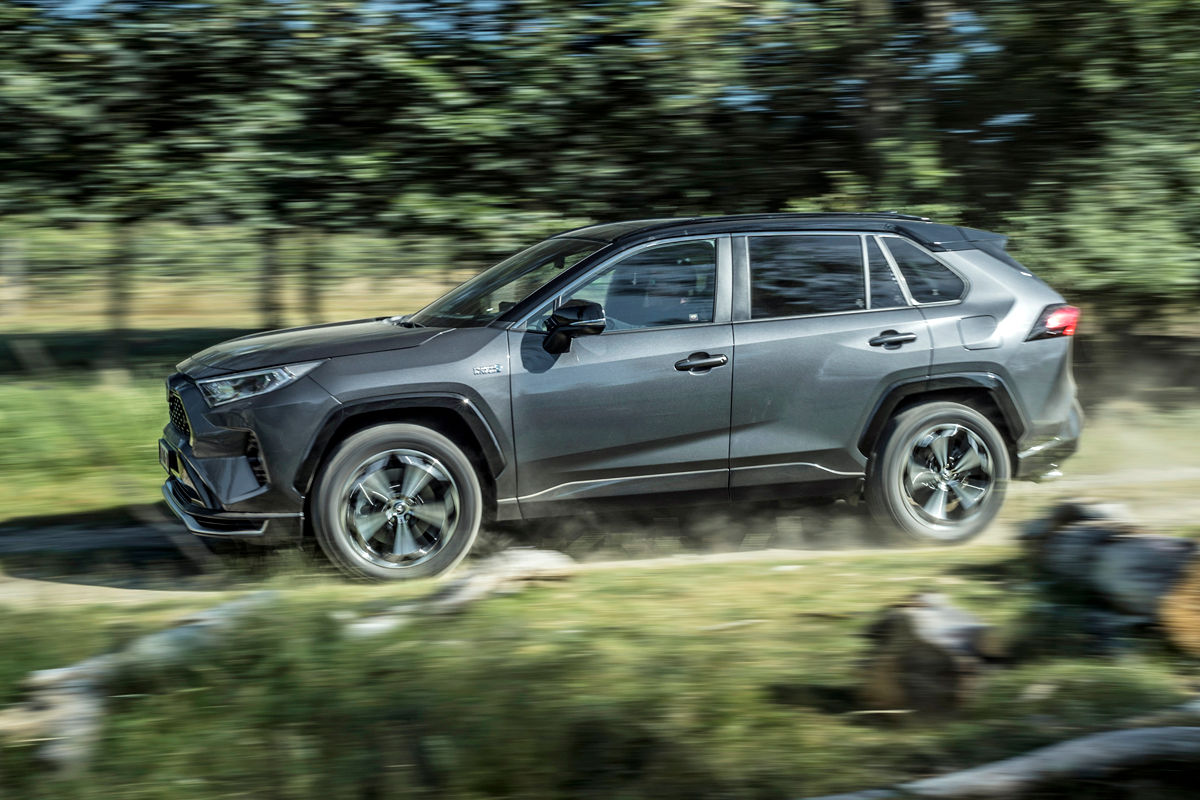
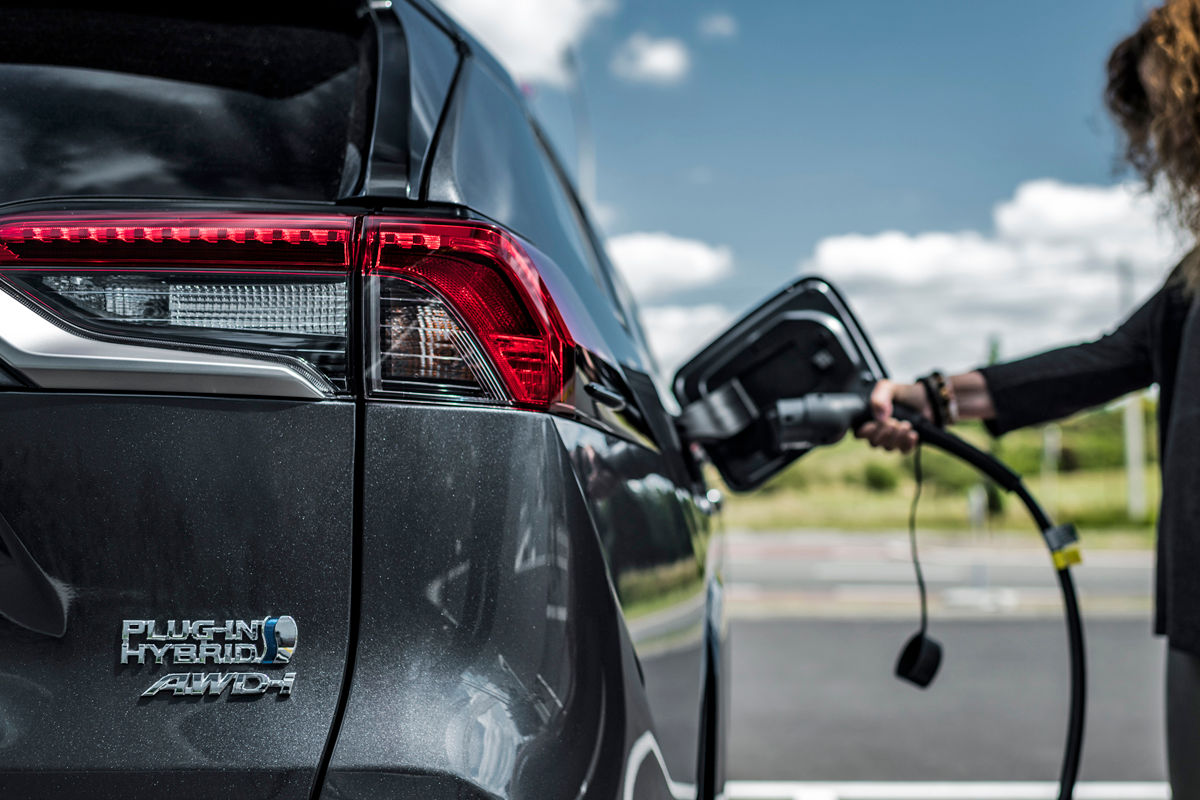
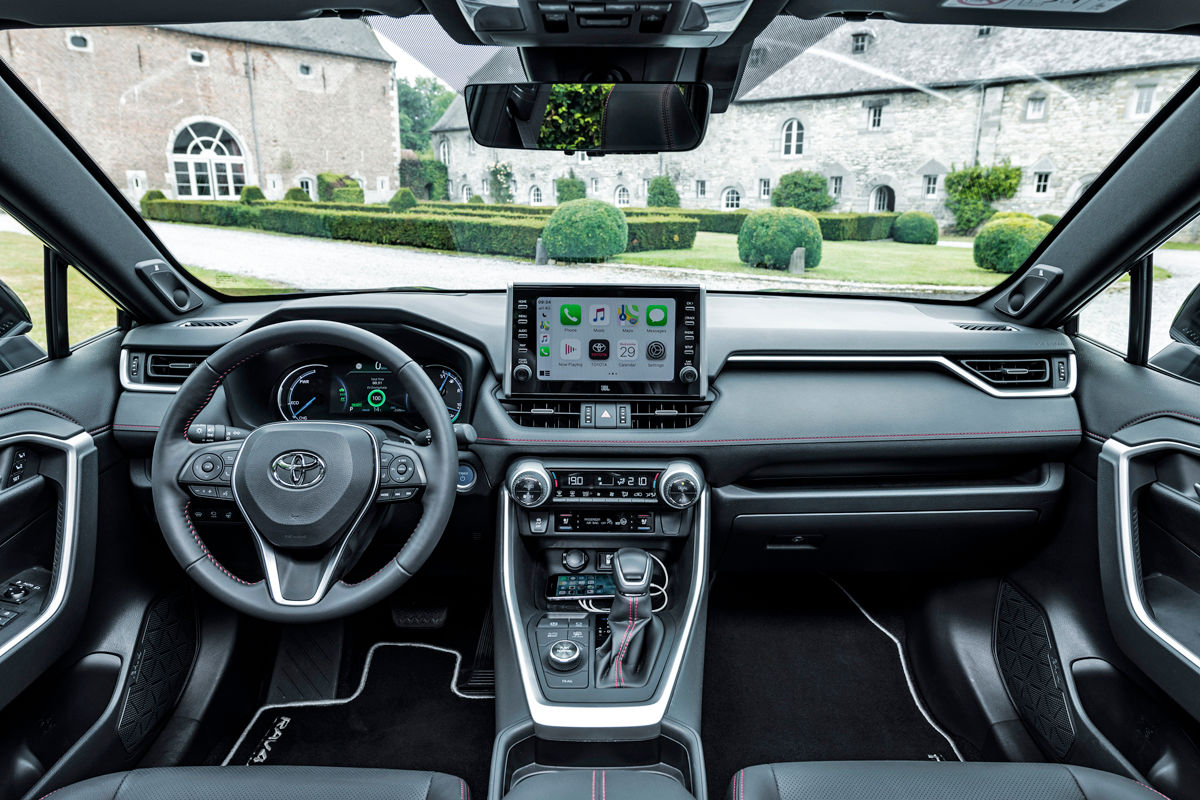
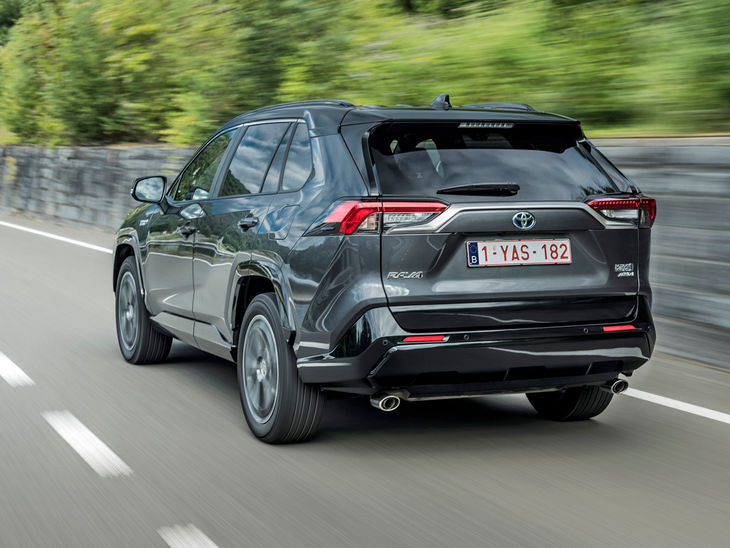
Toyota South Africa Motors has imported a “limited number” of plug-in hybrid RAV4 units to test market feedback. Here’s what we know so far…
Toyota’s New Energy Vehicle (NEV) strategy is well underway and the Japanese firm has expanded its hybrid rollout with the recent introduction of the Toyota Corolla Hybrid hatchback. Although Toyota’s new-energy vehicle strategy in South Africa has thus far comprised only traditional (self-charging) hybrid vehicles, there appears to be some change on the horizon. In fact, a few examples of the plug-in hybrid RAV4 are already in the country and we were able to briefly sample the model at the launch of the updated Corolla in early November 2022.
According to Toyota South Africa Motors, these units have been brought in as part of a trial conceived to “test market feedback”. It’s important to note, therefore, this vehicle is not (yet) available for sale to the public. The key objectives of this market research exercise are to test customer response, vehicle behaviour, infrastructure requirements and to educate customers on plug-in hybrid technology. The main benefit of the RAV4 Plug-in Hybrid is that it offers the efficiency of an EV but negates the associated range anxiety that is a typical concern for potential EV buyers.
As a reminder, the current RAV4 line-up in South Africa comprises three purely petrol-powered derivatives and two traditional hybrid variants. The latter wear the E-Four badge and combine a 2.5-litre, 4-cylinder petrol engine with an electric motor on each axle and a small battery. Total system is rated at 163 kW, while the claimed average fuel consumption comes in at 4.8 litres per 100 km.
By contrast, the likewise-AWD RAV4 Plug-In Hybrid (PHEV) features a significantly larger battery (a lithium-ion item with a capacity of 18.1 kWh) and a more powerful front-mounted electric motor (rated at 134 kW) in addition to the standard 40 kW rear item and the naturally aspirated petrol mill, pushing peak system power to a heady 225 kW.
In Europe, the RAV4 PHEV has a WLTP-rated fuel consumption figure of just 1.0 litre per 100 km. Interestingly, it runs in electric mode by default, in which it can cover around 65 km on a full battery and reach speeds of 135 kph.
In terms of charging, 2 solutions are provided including Toyota Mode 2 and Mode 3. Mode 2 allows for home or office charging using conventional AC 220-240V electric outlets with an average charging time of between 7-9 hours depending on the battery state. Mode 3 allows for fast DC charging via dedicated charging stations and support speeds up to 6.6 kW (32A) with charging time reduced to 2.5 hours.
The plug-in version of Toyota’s RAV4 has four drive modes: EV (fully electric), HV (hybrid vehicle), auto and charging (with the combustion engine topping up the battery). The battery pack is positioned under the passenger compartment, comes equipped with an electric heater and is cooled via a refrigerant cooling system.
Would you like to see the Toyota RAV4 PHEV go on sale in South Africa?
We had the opportunity to drive the RAV4 PHEV for about 5km in Gauteng and the experience was hardly enough to fully come to grips with what the vehicle is capable of. However, a few things stood out. Firstly, the RAV4 PHEV is very comfortable and refined to drive. It glides along effortlessly and mostly silently. Secondly, it was pretty responsive and eager to accelerate which is perhaps most evident when compared to its ICE counterpart.
As a vehicle that essentially “bridges the gap” between ICE and EVs, the case for the RAV4 PHEV might be a strong one considering the increasing demand for hybrids and EVs locally but its success may very well hinge on its pricing. As the RAV4 PHEV is not for sale in South Africa, local pricing is unknown and we can only speculate on what it might cost if it was offered to local buyers. If you consider that the range-topping 2.5 Hybrid VX E-Four is currently priced from R759 800 then it’s not hard to imagine that the RAV4 PHEV could be priced well north of R800k.
Other new-energy Toyota vehicles on the cards for SA
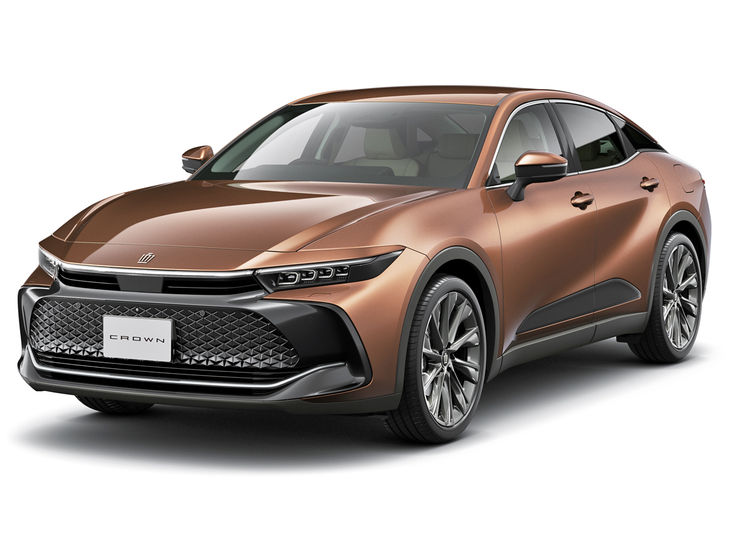
The crossover version of the new Crown is one of many new-energy Toyota vehicles heading to SA soon.
The crossover version of the new Crown, meanwhile, is likely to touch down in the first quarter of 2023, complete with a traditional hybrid powertrain, while the fully electric bZ4x is also on the cards.
The Japanese firm’s local division furthermore has big plans for its Lexus line-up, which already includes a wide range of full-hybrid vehicles. The new RX is scheduled to make local landfall early in 2023 (in hybrid form), while the LC Hybrid is set for a local introduction next year, too. We can also expect to see a plug-in hybrid version of the NX as well as the fully electric UXe at some point further down the line.
Volkswagen looks poised to start producing a third model at its Kariega facility, with the mystery newcomer set to feature an “SUV-ish” body style…
Volkswagen South Africa has revealed it has plans to build a third product – alongside the Polo hatchback and the Polo Vivo – at its Kariega plant in the Eastern Cape.
Martina Biene, freshly appointed as chairperson and managing director of Volkswagen Group SA, shared the news at a media briefing, with Thomas Schäfer, CEO of the Volkswagen Passenger Cars Brand, sitting alongside her. Schäfer was back in the country to reflect on his first 100 days as global CEO.
“We’re looking at a third product to add. It’s a product which is very much shaped for the A0 segment and for South Africa and Africa. It would be a third product to be added and not a replacement for the Polo now or even in three years’ time,” Biene said, suggesting the new model would (unlike the Polo) not be exported to European markets.
The as-yet-unidentified small crossover will be based on the VW Group’s ubiquitous MQB-A0 platform, which Schäfer – who occupied Biene’s current role from 2015 to 2020 – described as “super versatile”. These underpinnings are currently employed by the likes of the Polo, T-Cross and Taigo, as well as the Audi A1 Sportback and various Seat and Škoda models.
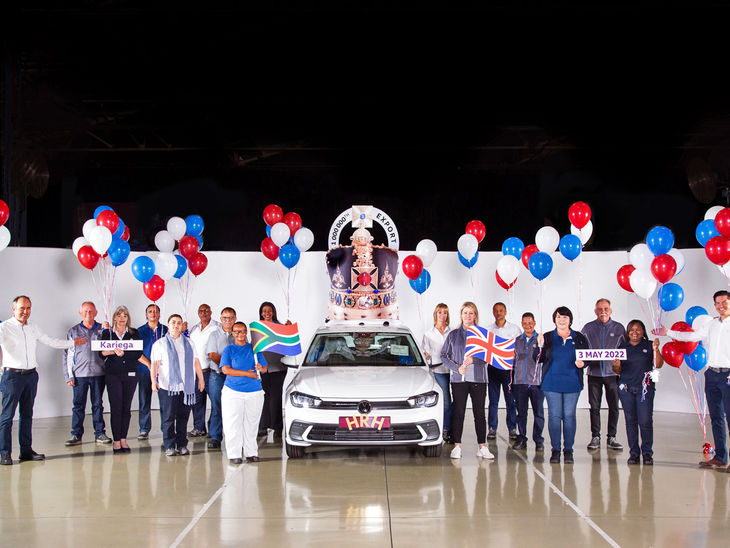
Volkswagen SA has exported more than one million Polo units from Kariega.
Biene emphasised the new model would not replace the Polo on Kariega’s production line, instead suggesting it might fill any production capacity that could potentially be lost once key European markets phase out combustion engines and Polo exports to that continent start to fall.
“We’re not talking about a Polo replacement at this point in time. The Polo will remain with us for a while, which is very good because it’s such a loved product … as well as the Polo Vivo, by the way,” she added, confirming both the Polo and Polo Vivo would continue “beyond 2025”.
Biene, who has returned to South Africa for her second spell following her tenure as head of the Volkswagen Passenger Brand in SA from October 2018 to August 2020, would not be drawn on the identity of the new model, but did drop a hint.
“The product we’re looking at is not produced anywhere currently, but it has an SUV-ish body style,” she said, effectively ruling out any existing products.
She declined to comment on what sort of investment the Kariega facility would require to accommodate the new model, before Schäfer suggested an announcement on the matter would be made at a later date.
“As soon as we’re clear on the model – and hopefully the business case is presented in a way that it gets prioritised over [other] global investment decisions – then we can tell you,” Schäfer said.
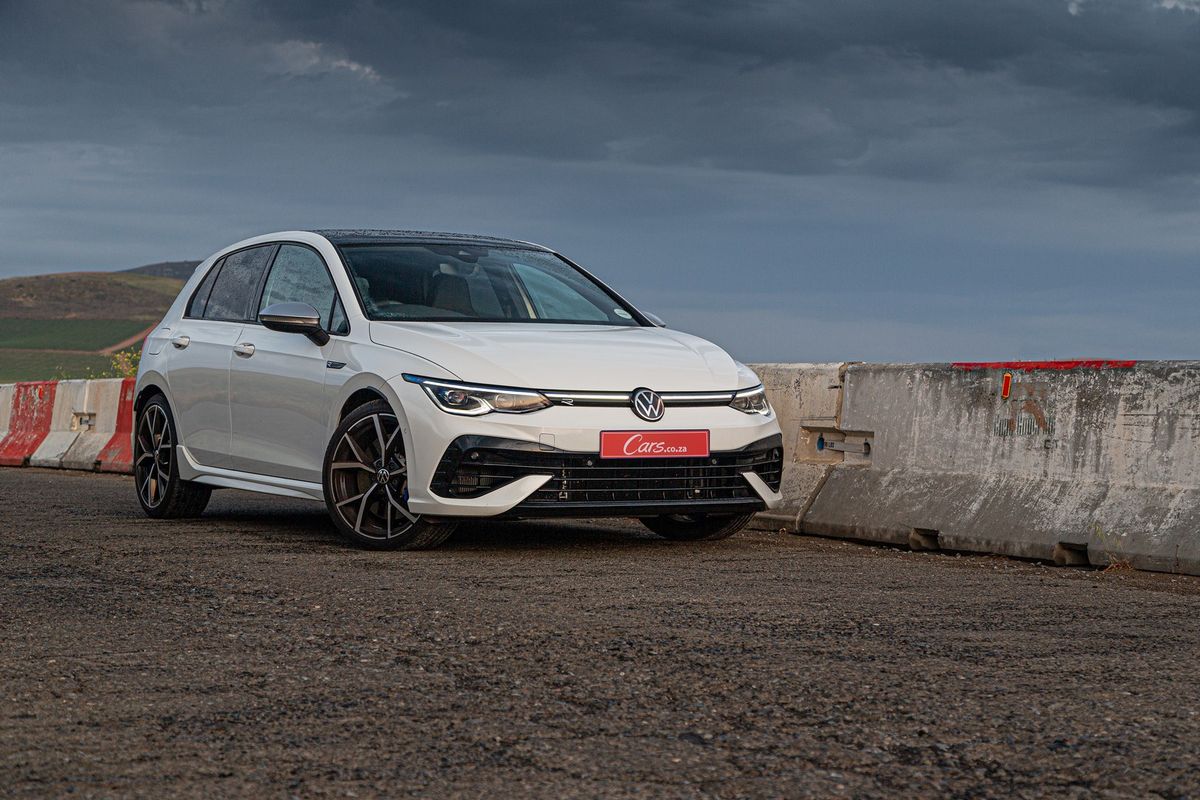
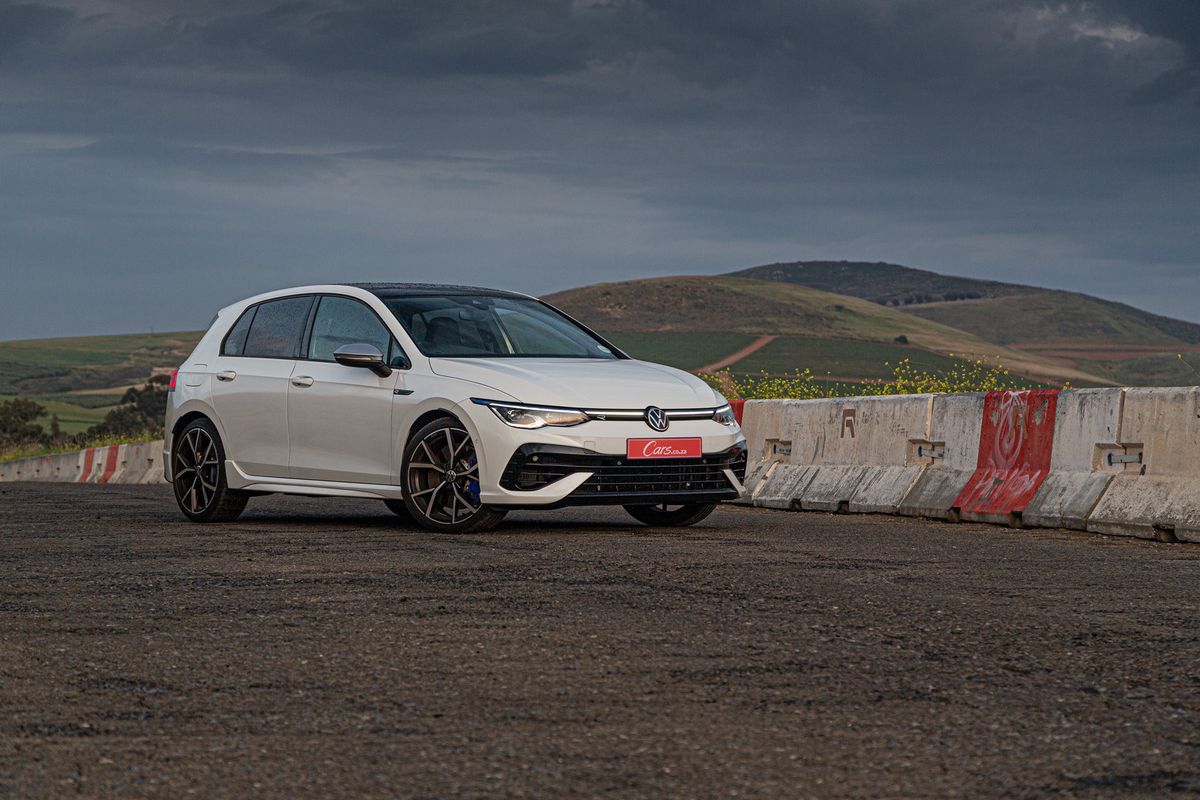
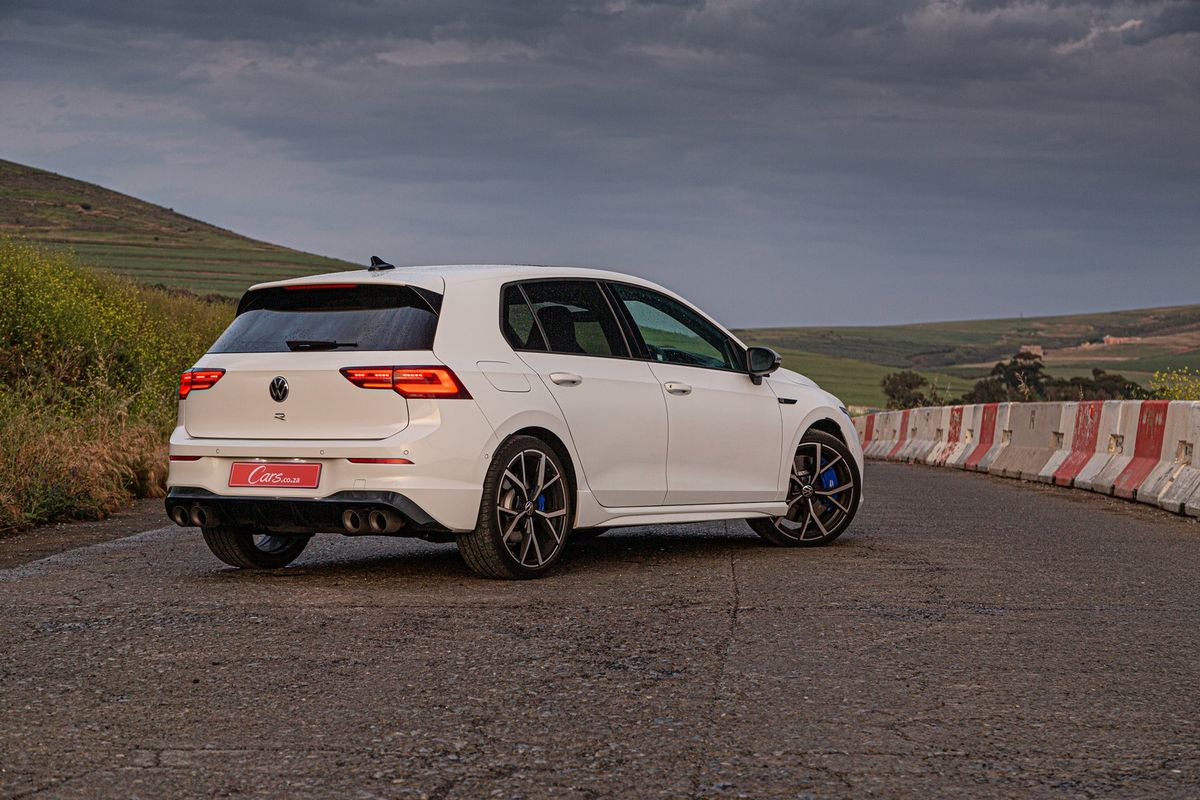
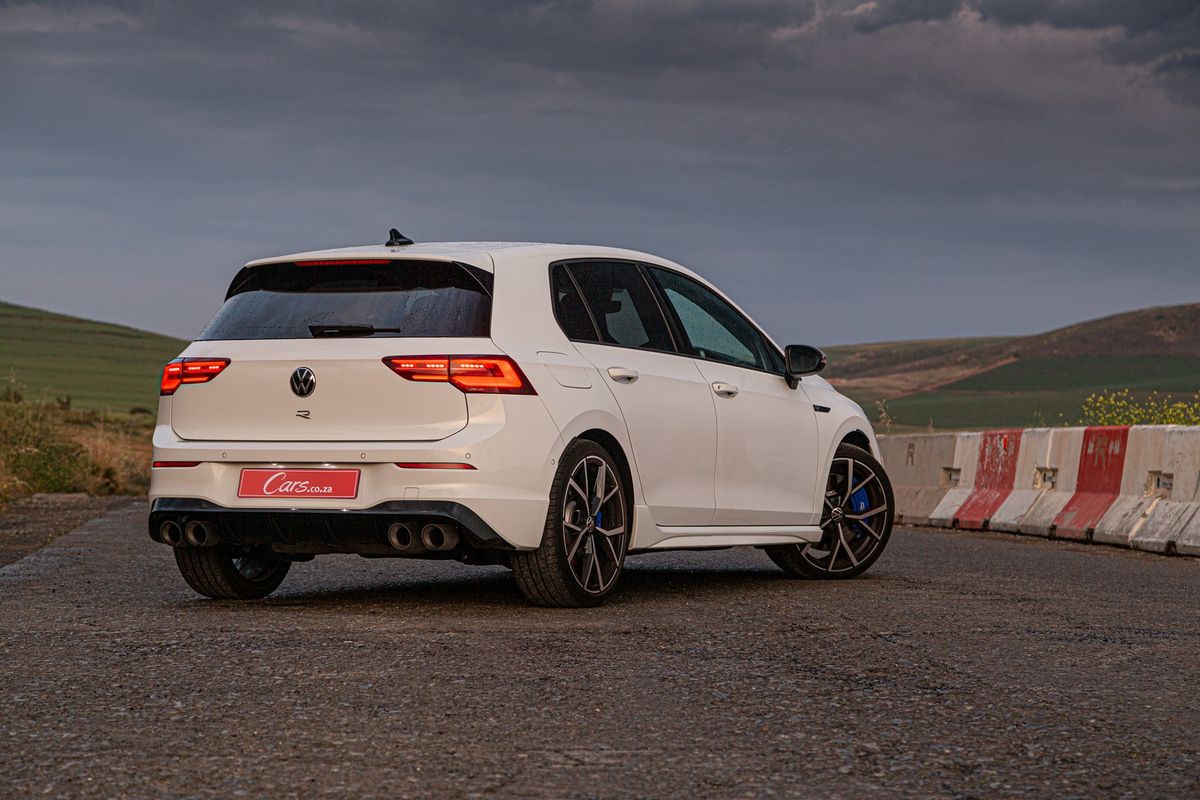
It’s been about 2 years since Volkswagen revealed the Golf 8 R. The 235-kW performance hatchback will finally go on sale in South Africa early next year and given the legacy of its “7.5” predecessor, it has a lot to live up to – let alone eclipse. We give the newcomer a thorough assessment.
We like: Blistering performance, ability to flatter novice drivers, docile enough to be an excellent daily.
We don’t like: Not the most user-friendly infotainment and climate controls, stock shortages and delays.
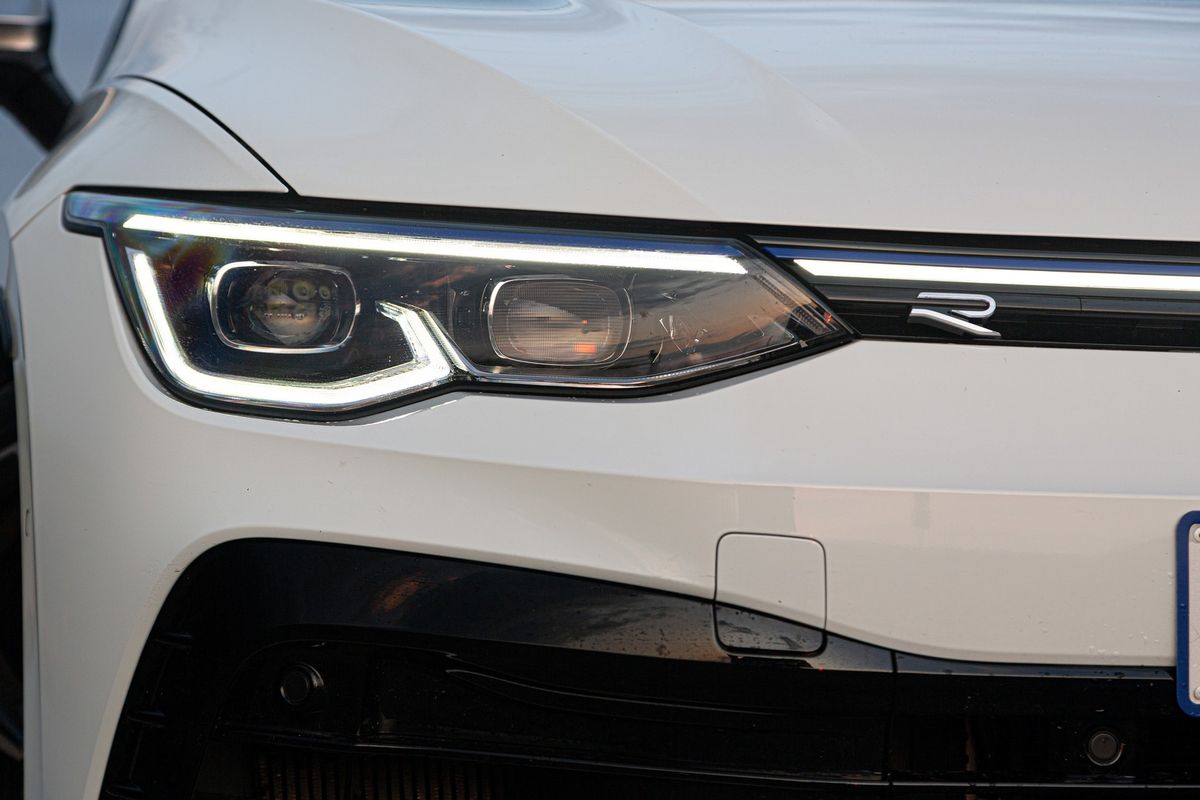
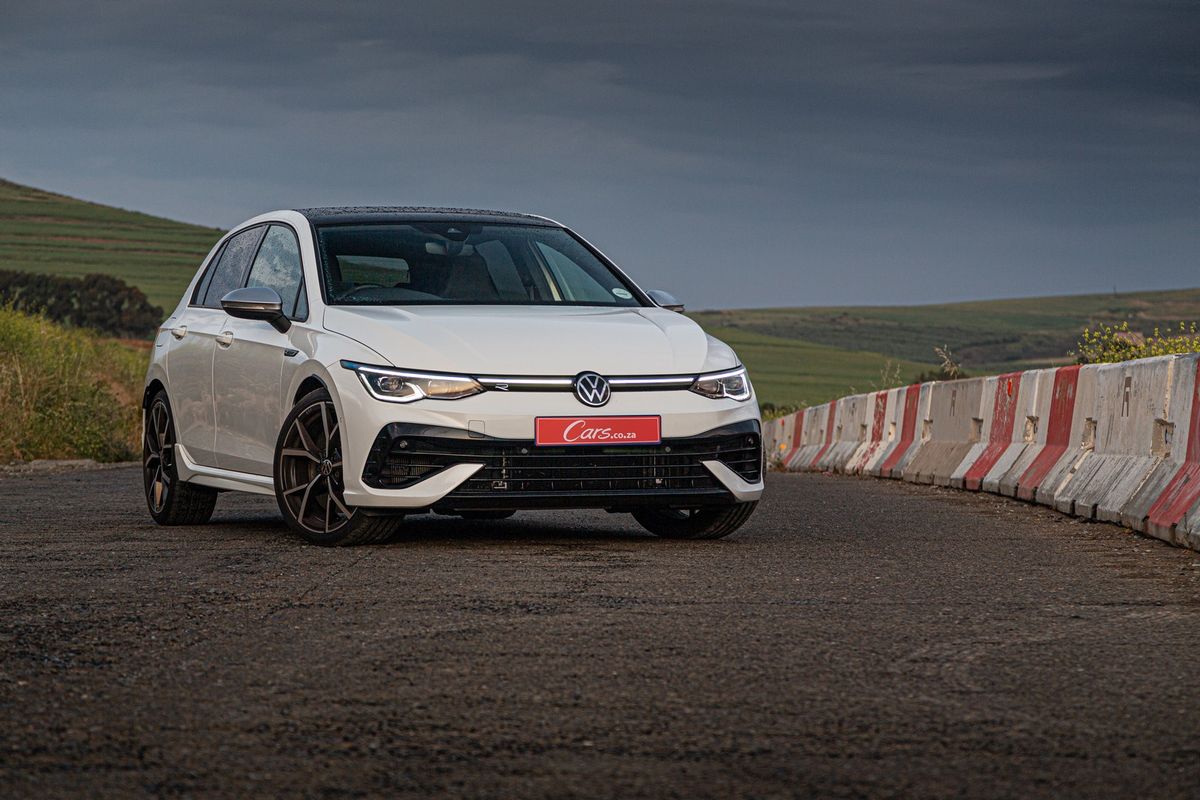
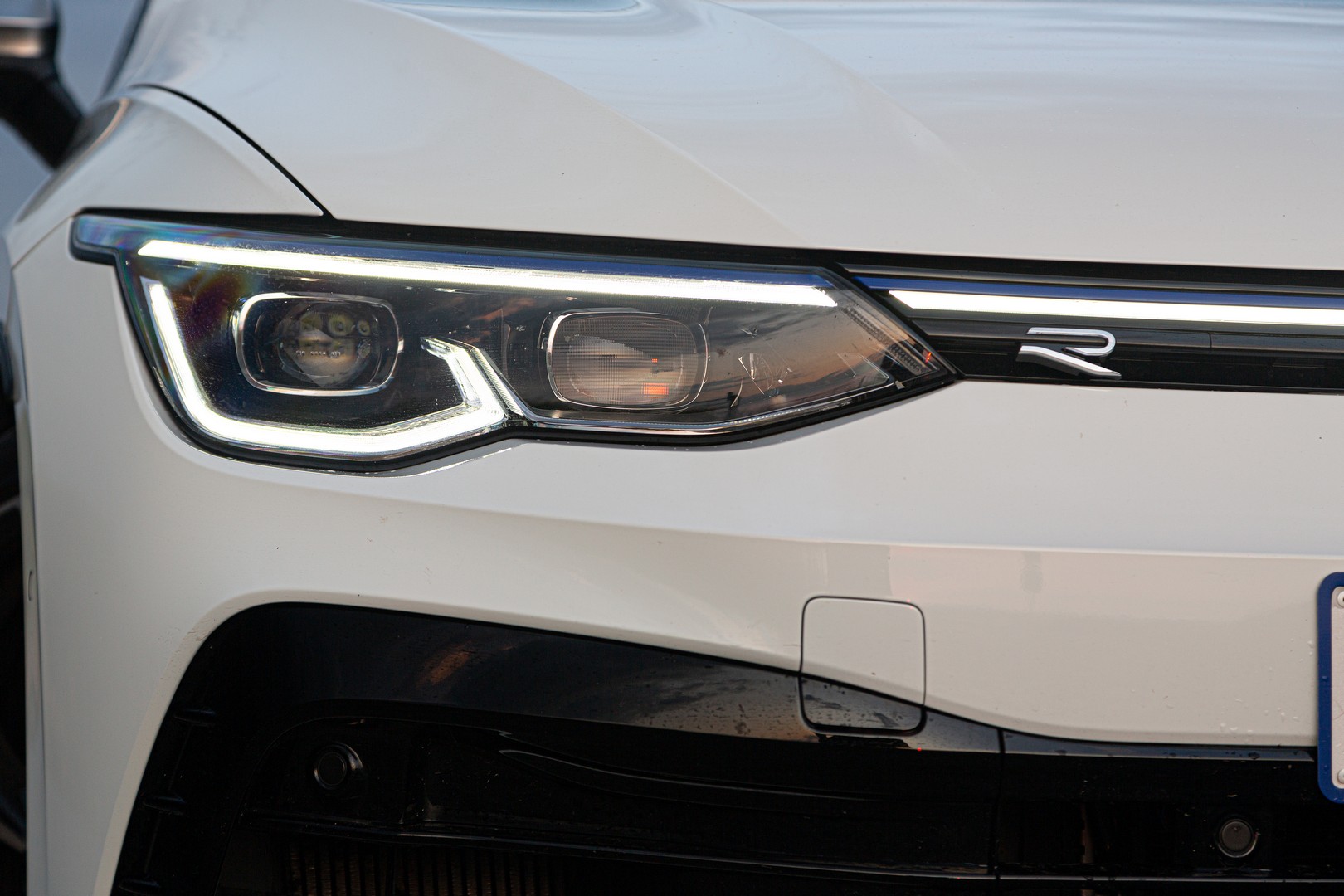
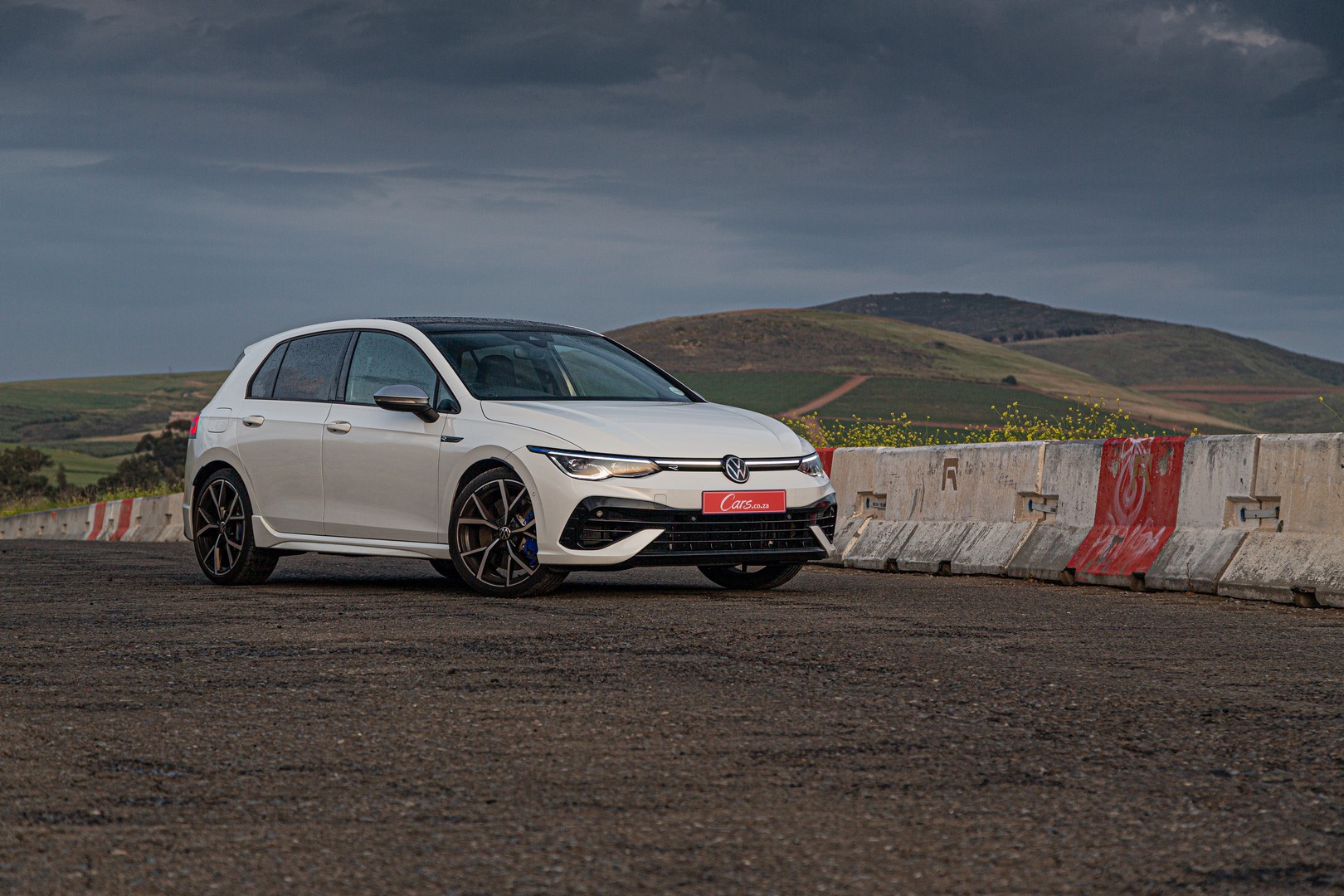
The combination of the unique LED light bar and the R logo makes for an intimidating sight.
Where does the Volkswagen Golf 8 R fit in?
We’ve had to wait quite a while to spend quality time with the Golf 8 R and prospective buyers of the performance hatchback will have to hang on for a little longer before they can get their hands on one. Volkswagen SA is scrambling to secure more units before the on-sale date in early 2023, so if you want one, we suggest that you make friends with your local VW dealer before the end of 2022, because demand will spike once the model hits showrooms.
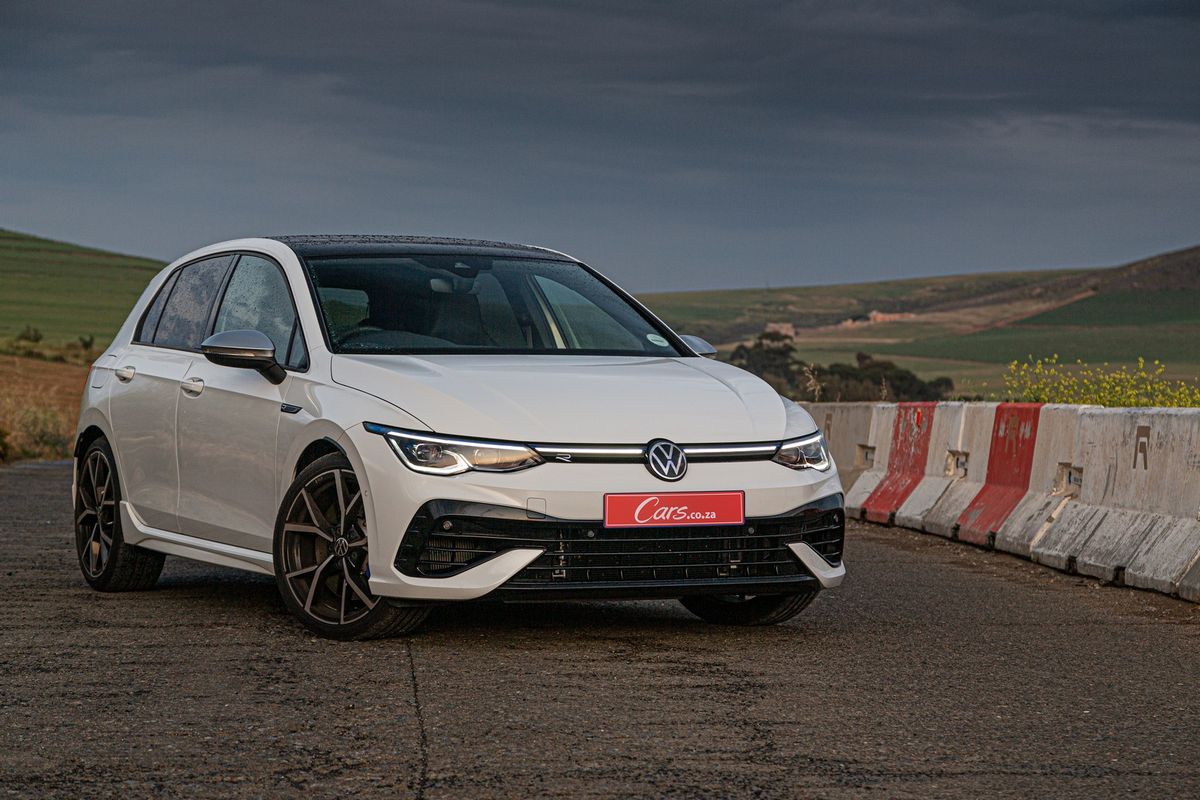
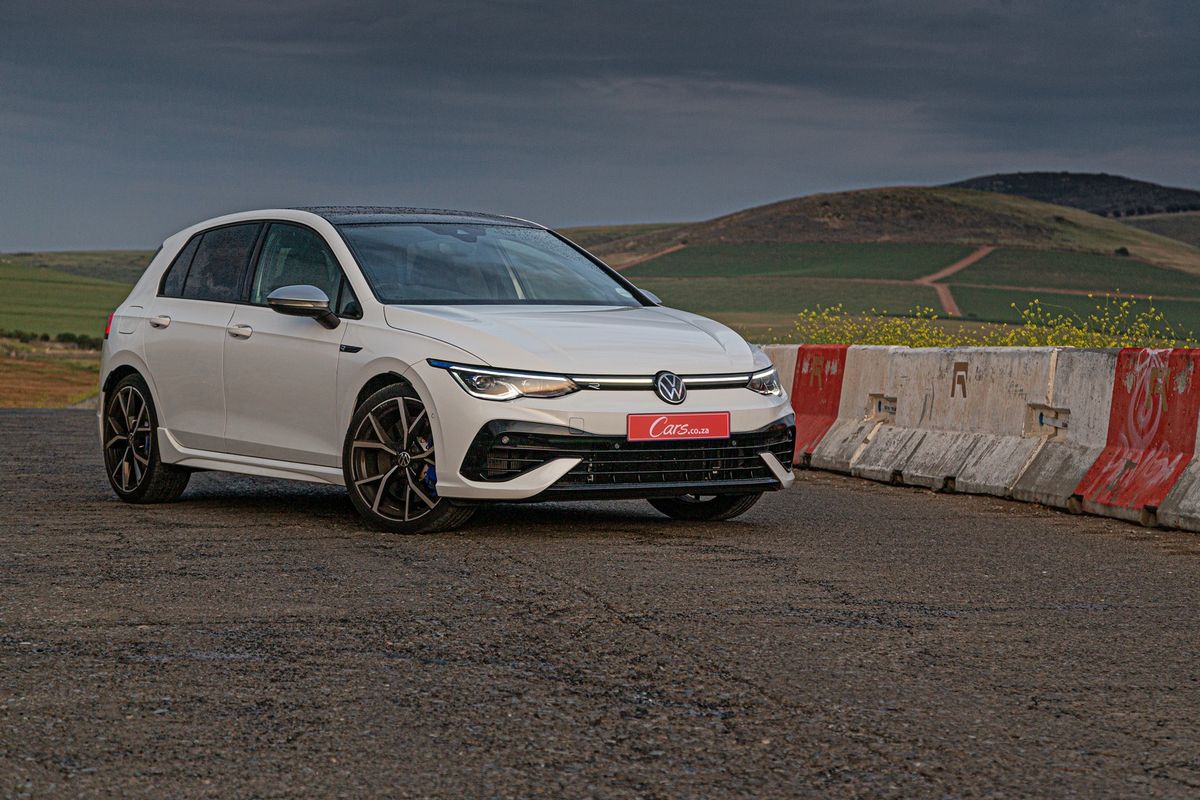
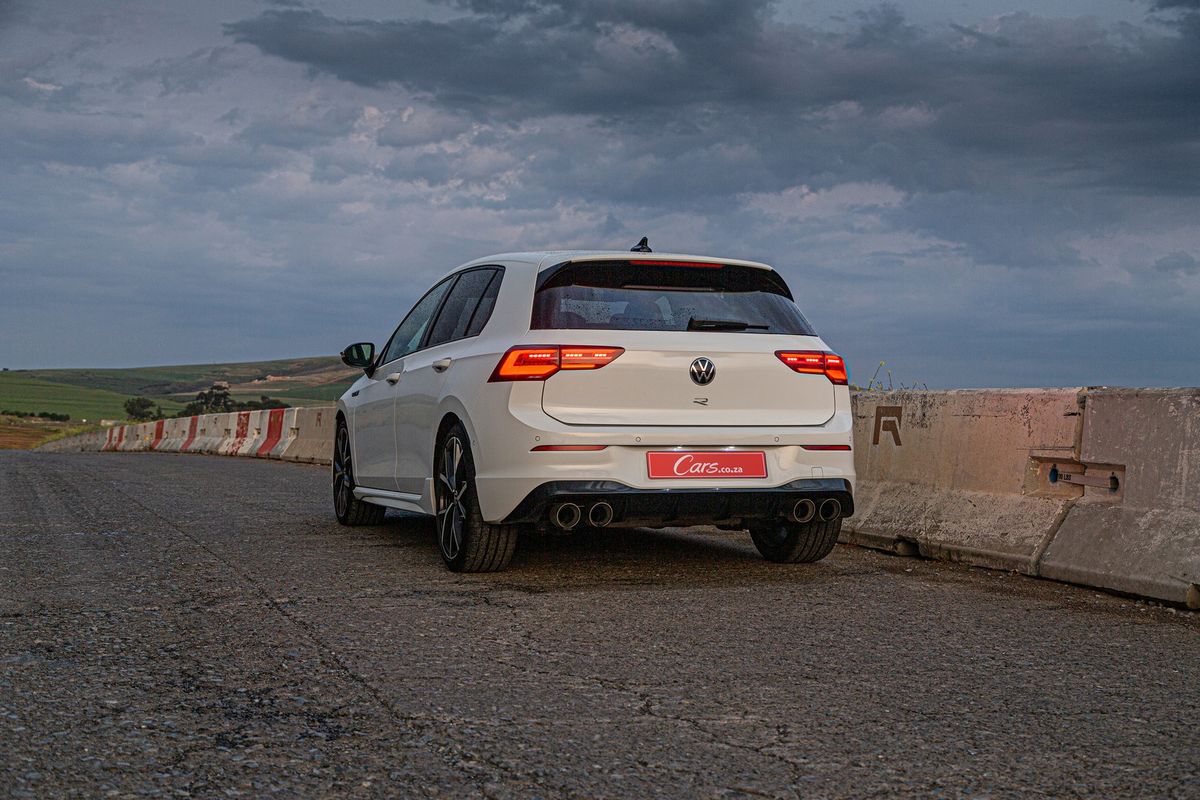
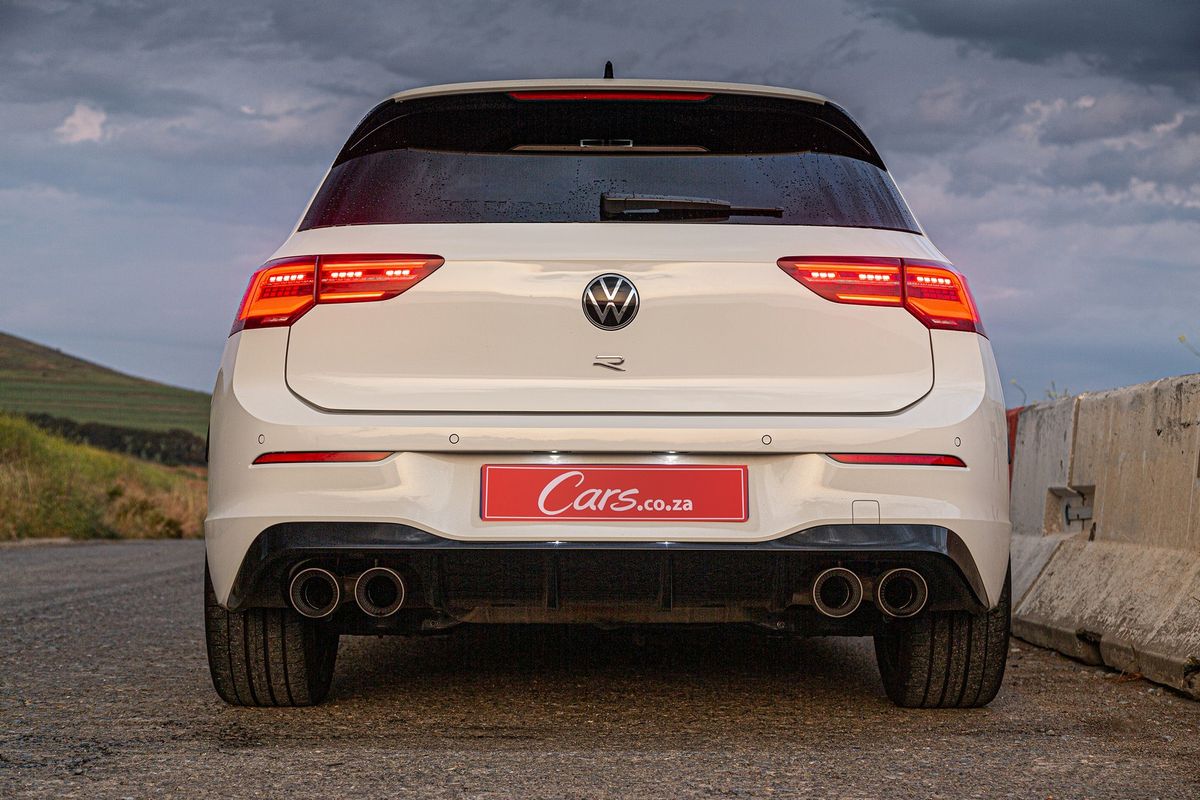
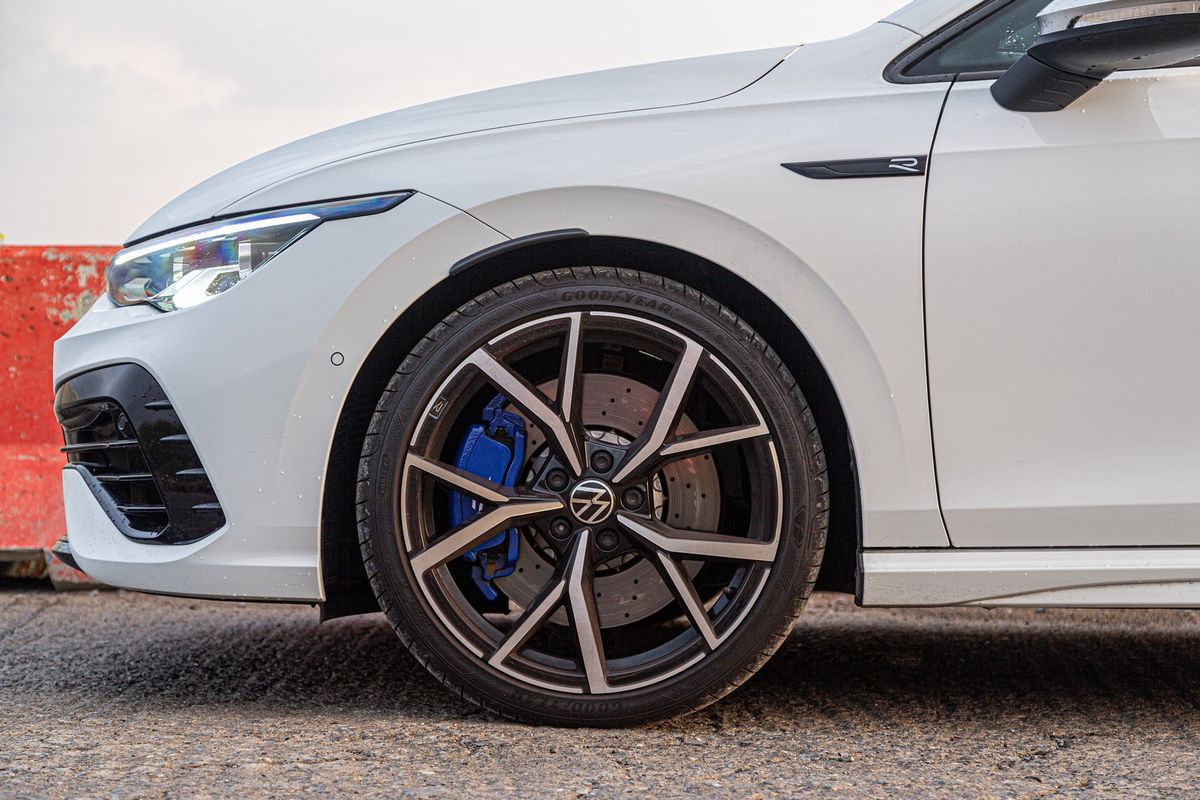
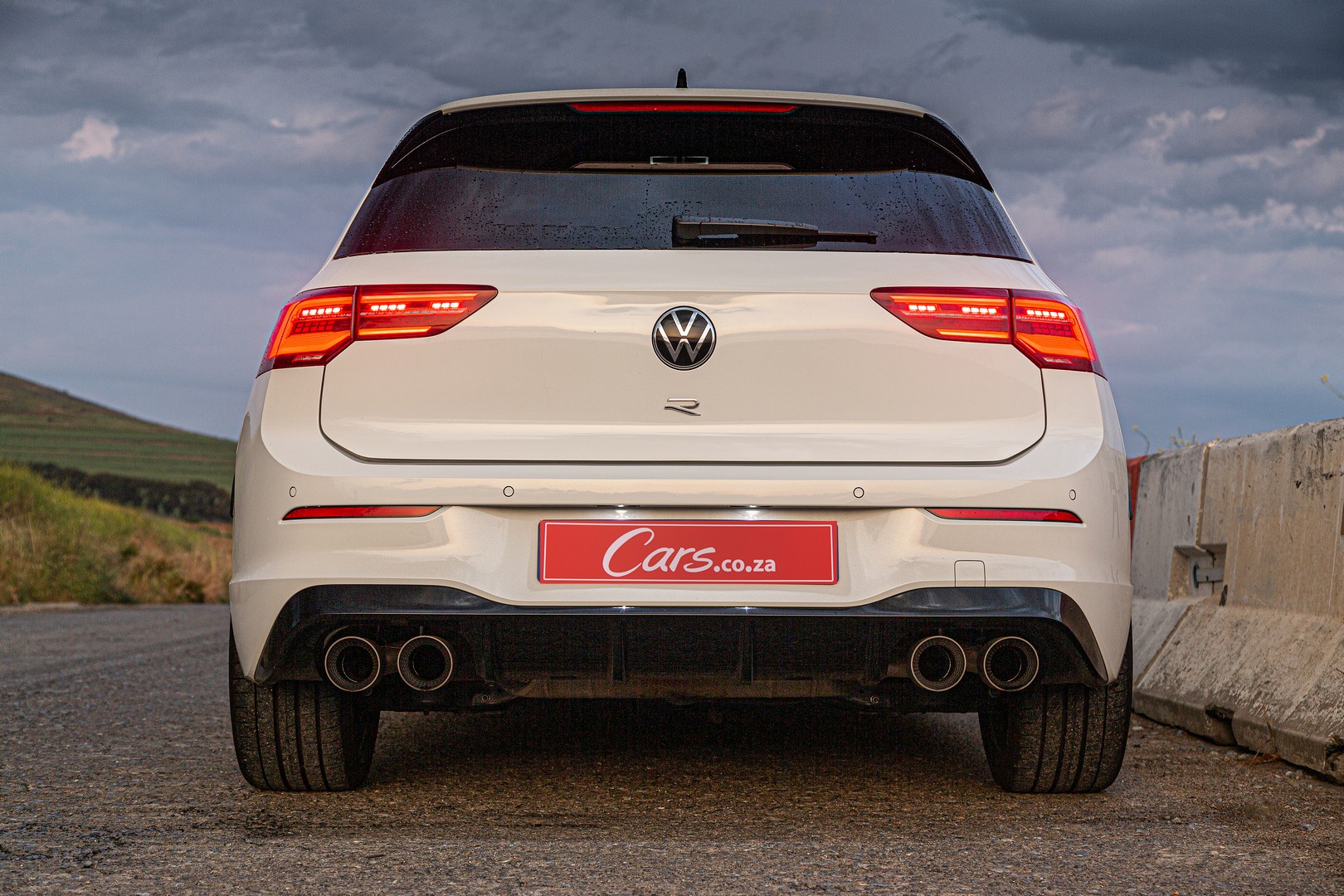
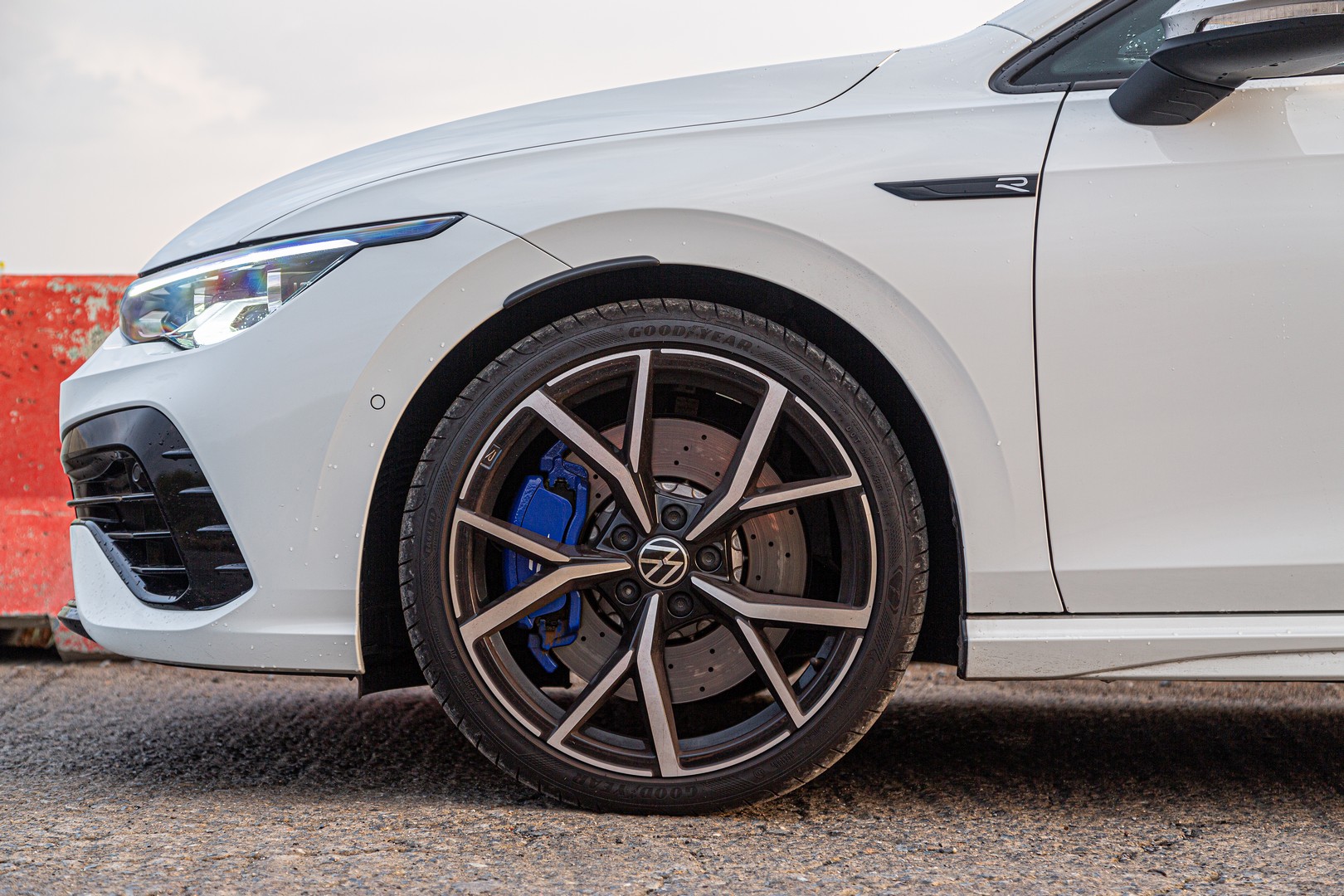
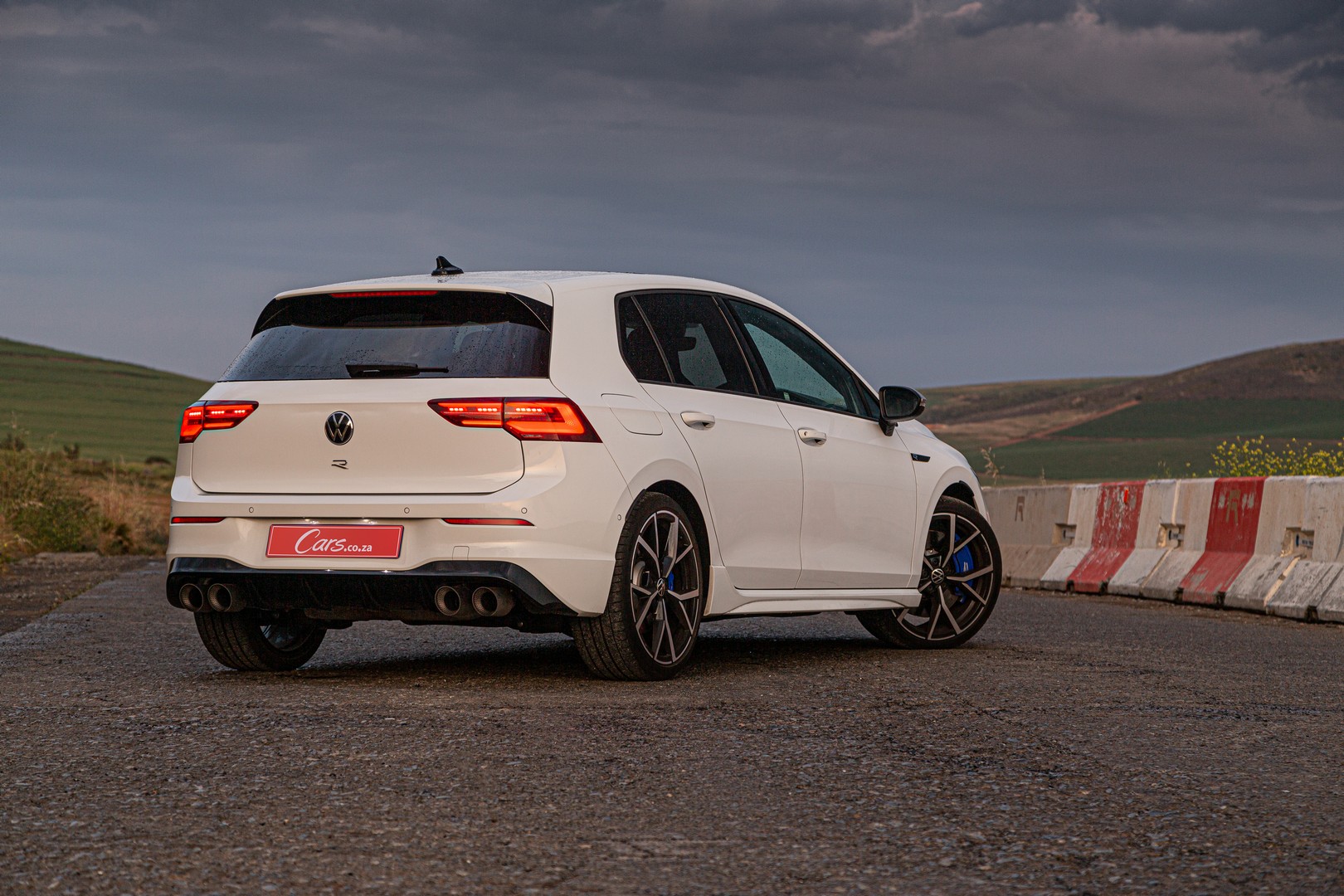
In terms of kerb appeal, the Golf R really looks the part, even when finished in the most neutral of the colours it’s available in (the other hues are black and blue). The newcomer can be distinguished by its model-specific 19-inch alloys, blue brake calipers, unique daytime running lights and the quad exhaust ends. Subtle R badges are dotted around the bodywork.
By virtue of its all-wheel drivetrain and lofty engine outputs, the Golf R competes in a class above conventional front-wheel-drive hot hatchbacks (such as its GTI sibling). In the absence of the Ford Focus RS (discontinued) and Toyota GR Corolla (not available in ZA – yet), the VW faces off against premium-badged countrymen. The Audi S3 is near-identical to the Golf R mechanically and offers similar performance, but it has a slightly more upmarket cabin. BMW, in turn, made the controversial switch from a 6-cylinder rear-wheel-drive package to a 4-cylinder, all-wheel-drive product and the result was the BMW M135i xDrive. Mercedes-AMG offers its 2.0-litre turbopetrol 225 kW/400 Nm “35” powertrain throughout its compact vehicle range, but for the purpose of this comparison, we’ll highlight the A35 hatch 4Matic.
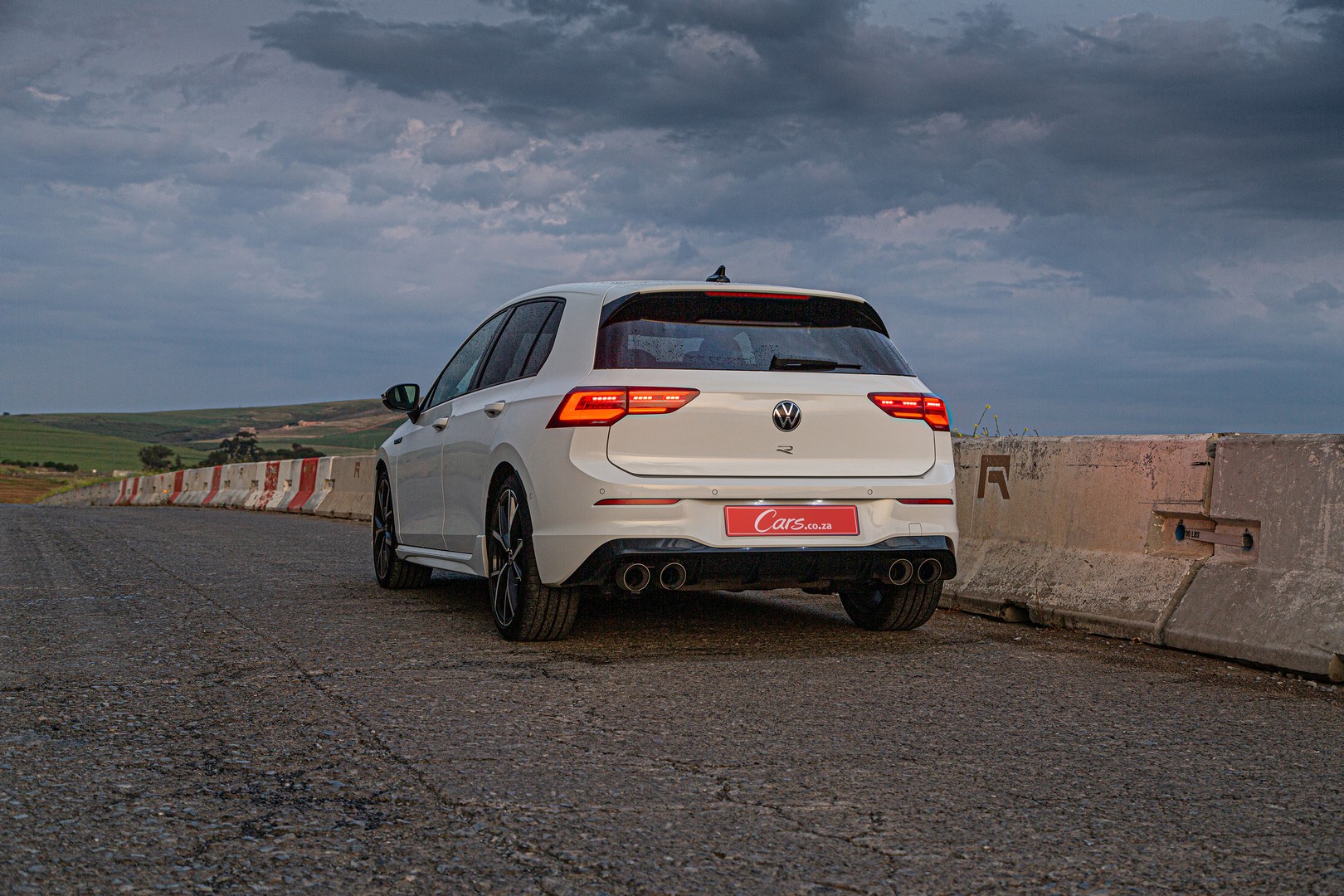
The view most road users will see: a quartet of exhaust tips and an R badge under the VW emblem.
How the Golf R fares in terms of…
Performance and economy
Suffice it to say this is the most powerful Golf R yet and, best of all, our market gets the most powerful iteration of the model (in other words, Volkswagen has not needed to detune the powerplant to compensate for the Republic’s fuel quality and/or hot weather). As a result, the Golf R’s EA888 2.0-litre 4-cylinder turbopetrol engine produces 235 kW and 400 Nm.
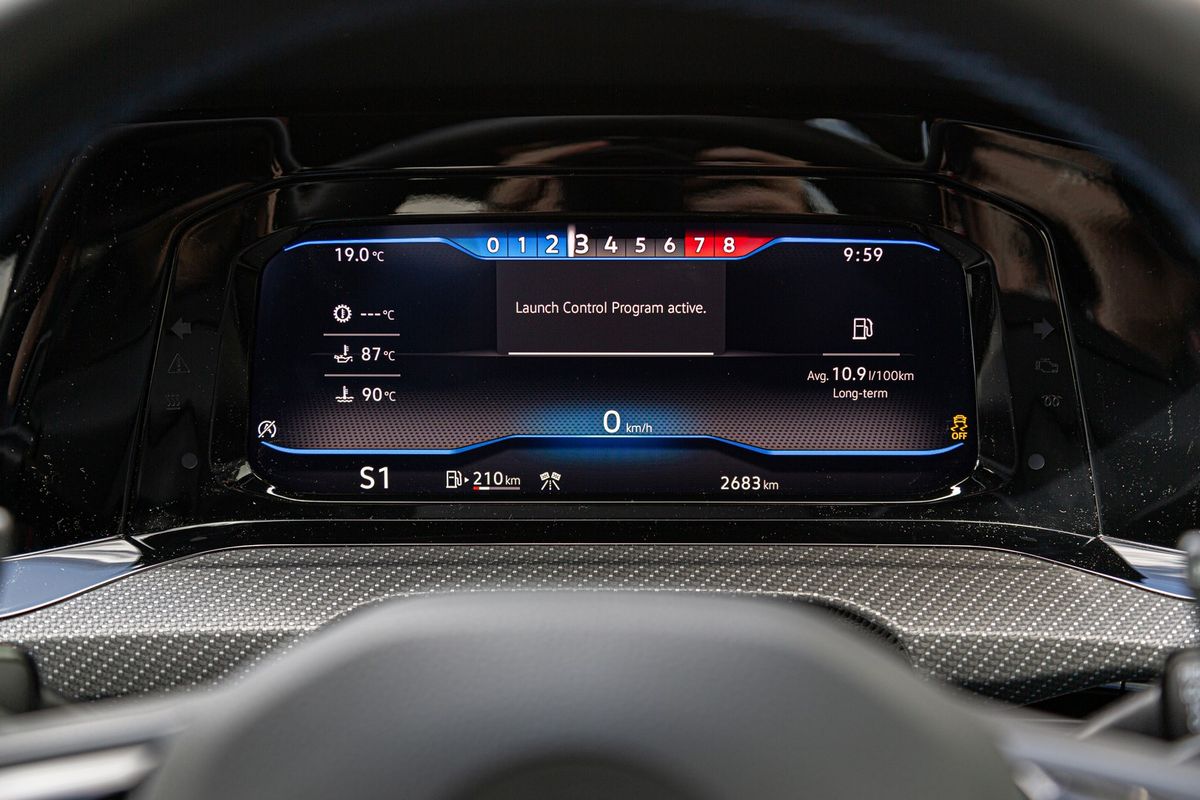
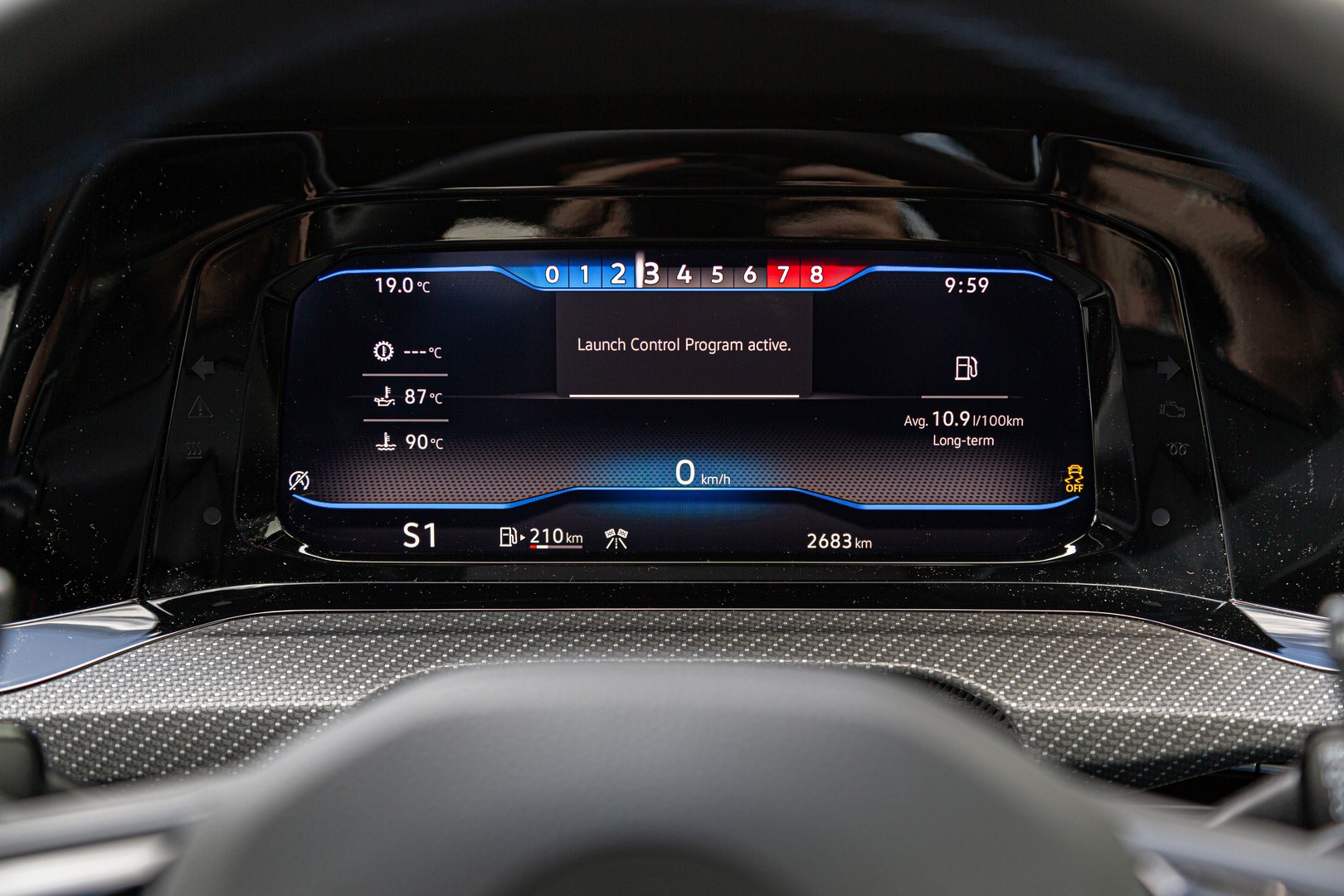
When we utilised the Golf R’s launch control function, we recorded a 4.71-second 0-to-100 kph time.
During its tenure in our test fleet, the Golf R dispatched the 0-100 kph sprint in 4.71 sec according to our testing gear, which was just a whisker slower than VWSA’s claim of 4.7 sec. It would not surprise us at all if other motoring titles recorded even quicker times in superior road and ambient conditions.
What’s more, it’s a relief that despite tightening EU exhaust-noise regulations (by 2026, most new passenger cars will be limited to 68 dB), the Golf R still sounds purposeful, if less than sonorous. Our unit was equipped with the optional Akrapovic exhaust, which is lighter than the standard unit by a few kg and adds some gravitas to an already urgent exhaust note.
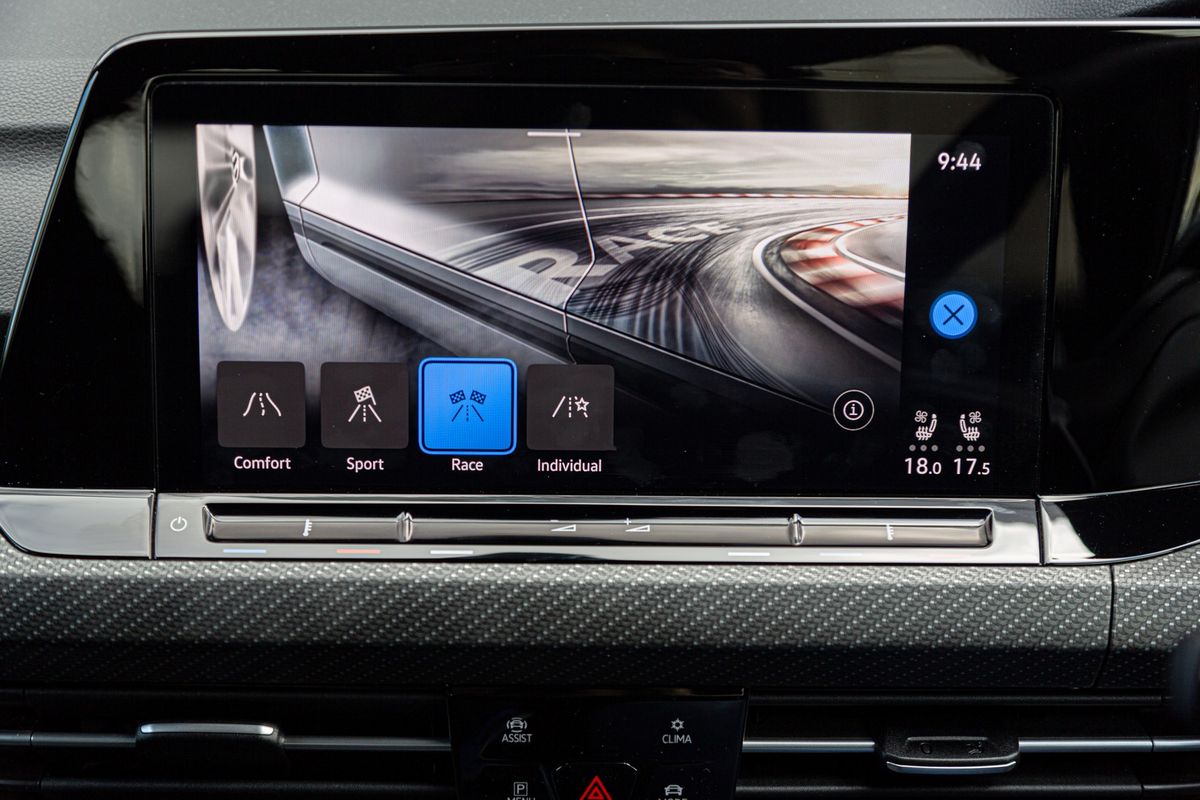
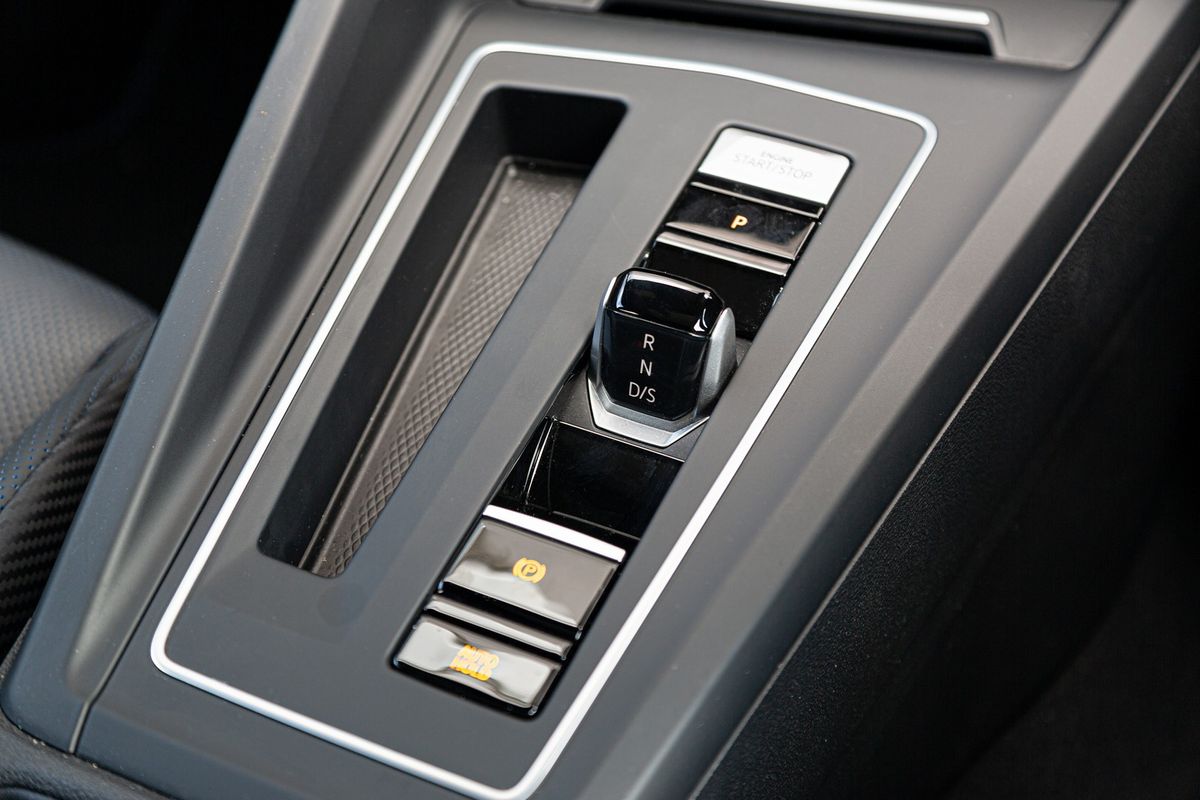
Annoyingly, when you start the Golf R, it defaults to its Sport drive mode. While that level of programmed urgency will delight performance enthusiasts, it’s not entirely practical for the daily commute. The 7-speed dual-clutch transmission is set up to deliver rapid shifts in Sport mode – and excels at that, but when the car hasn’t yet warmed up sufficiently, the ‘box and electronic handbrake don’t facilitate smooth pull aways. Why can’t it start in Comfort mode (for smoother ‘shifts) and then let the user select a sportier setting at an appropriate time?
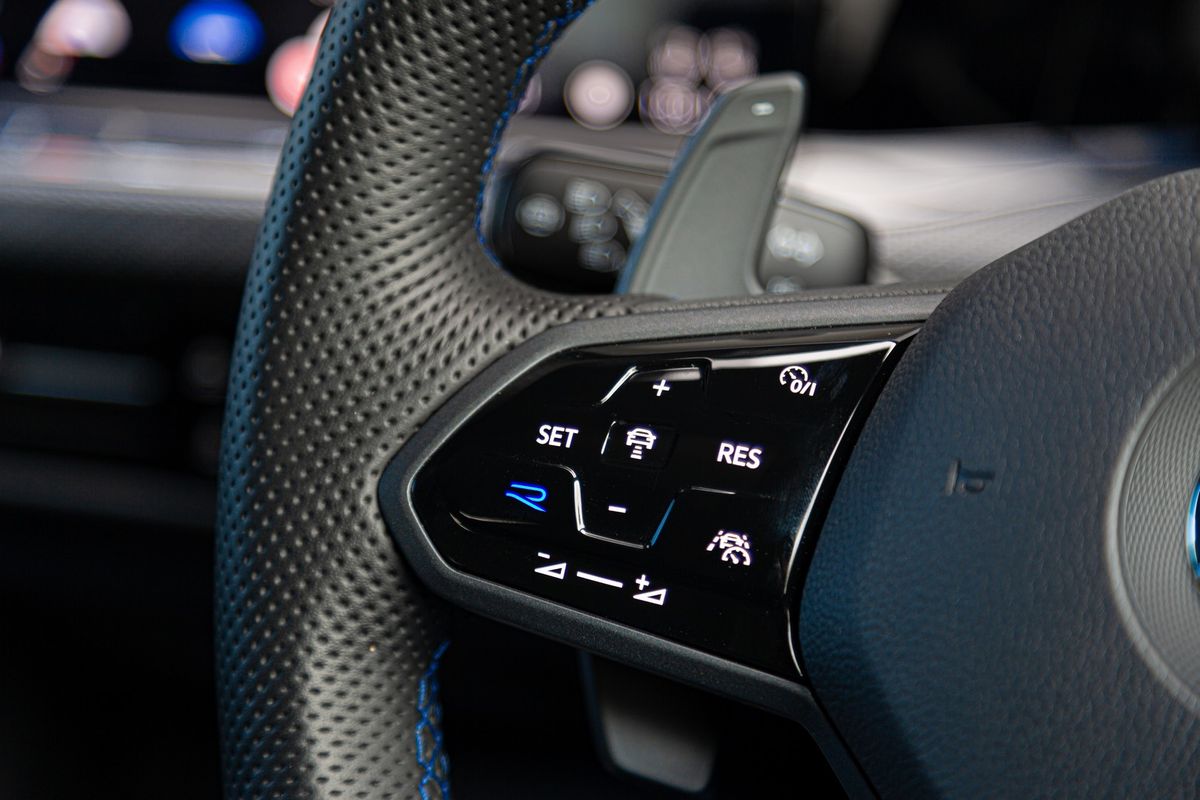
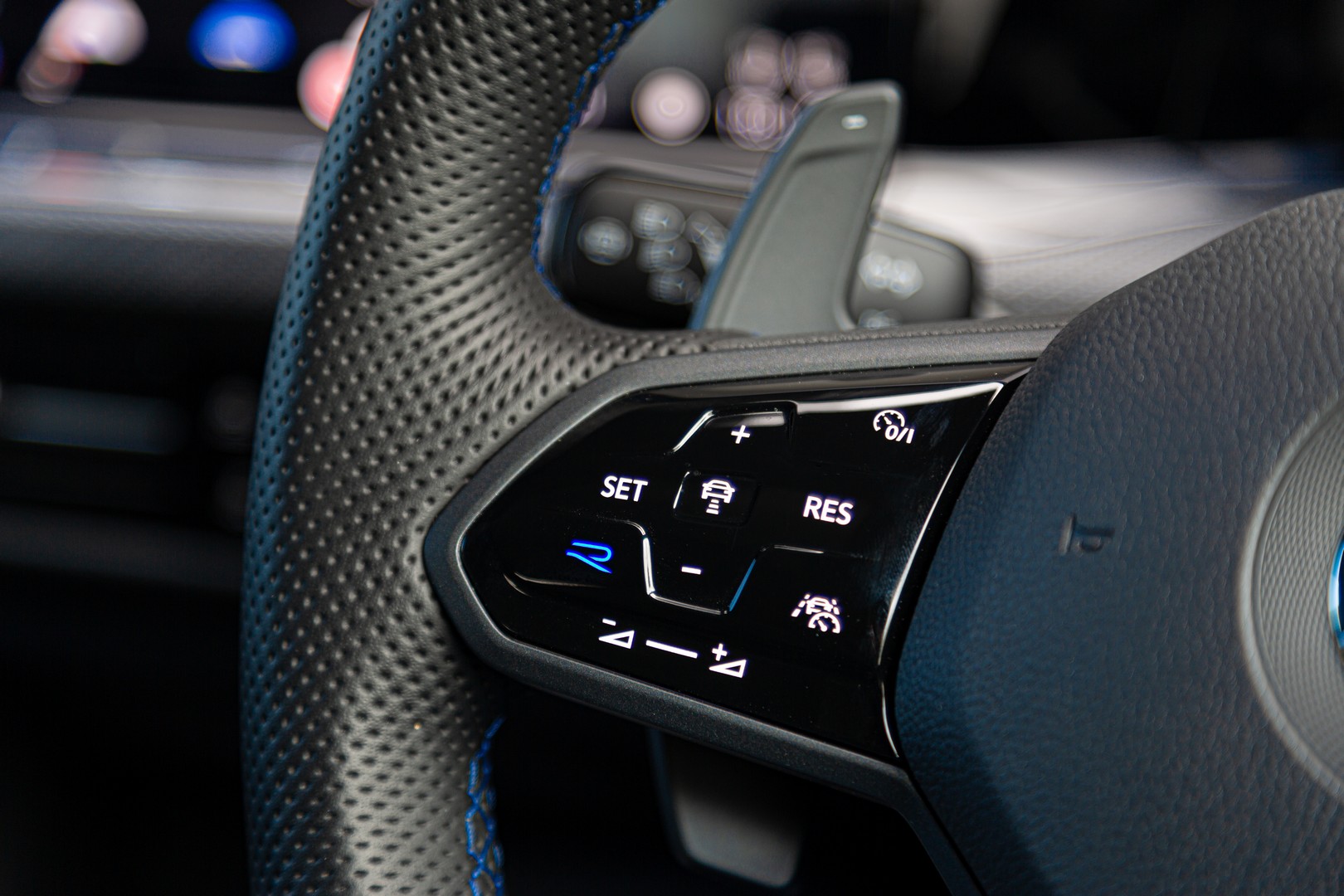
The blue R “button” is a wicked feature.
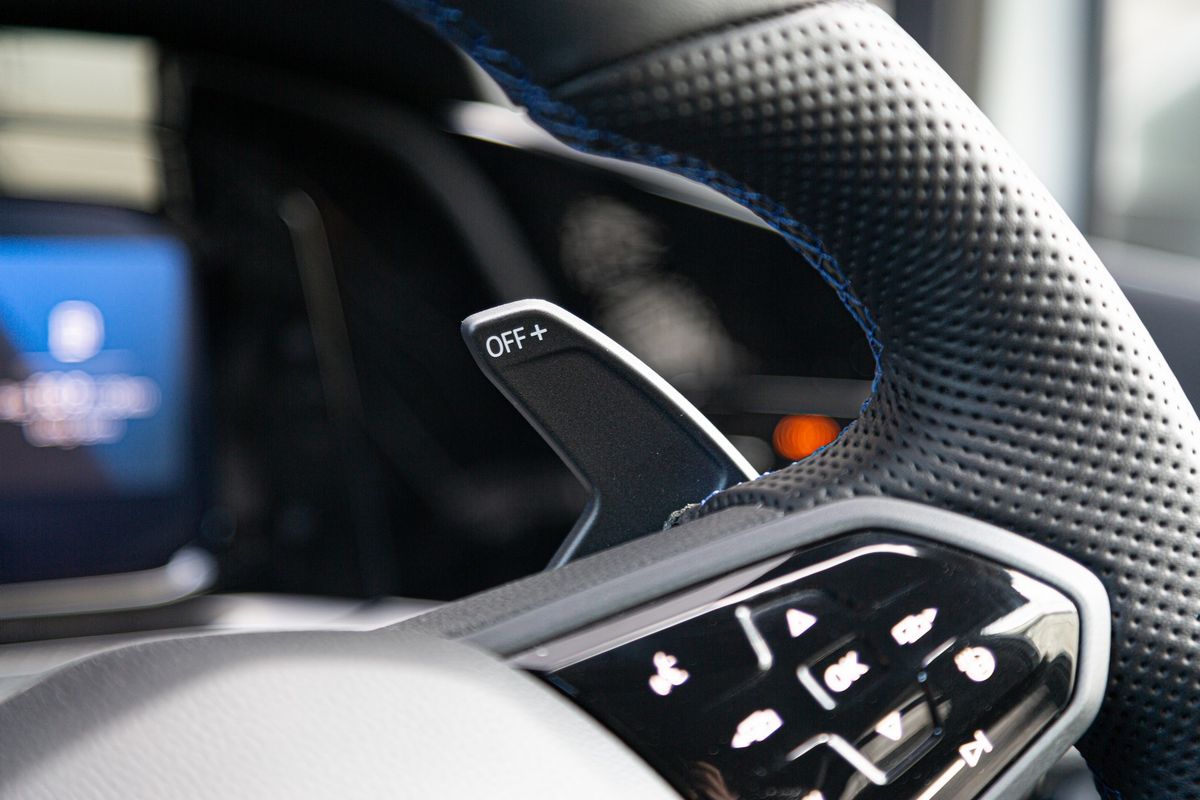
Speaking of gears, the steering wheel’s new-look shift paddles really look the part! Another great touch on the ‘wheel is the blue R button, which allows you to quickly engage the car’s sportiest settings. Forget Race, in the author’s household, it was referred to as the “really?!” button because each time it was pushed, the Golf would be tasked with delivering peak performance, which invariably elicited a complaint from the irate front passenger.
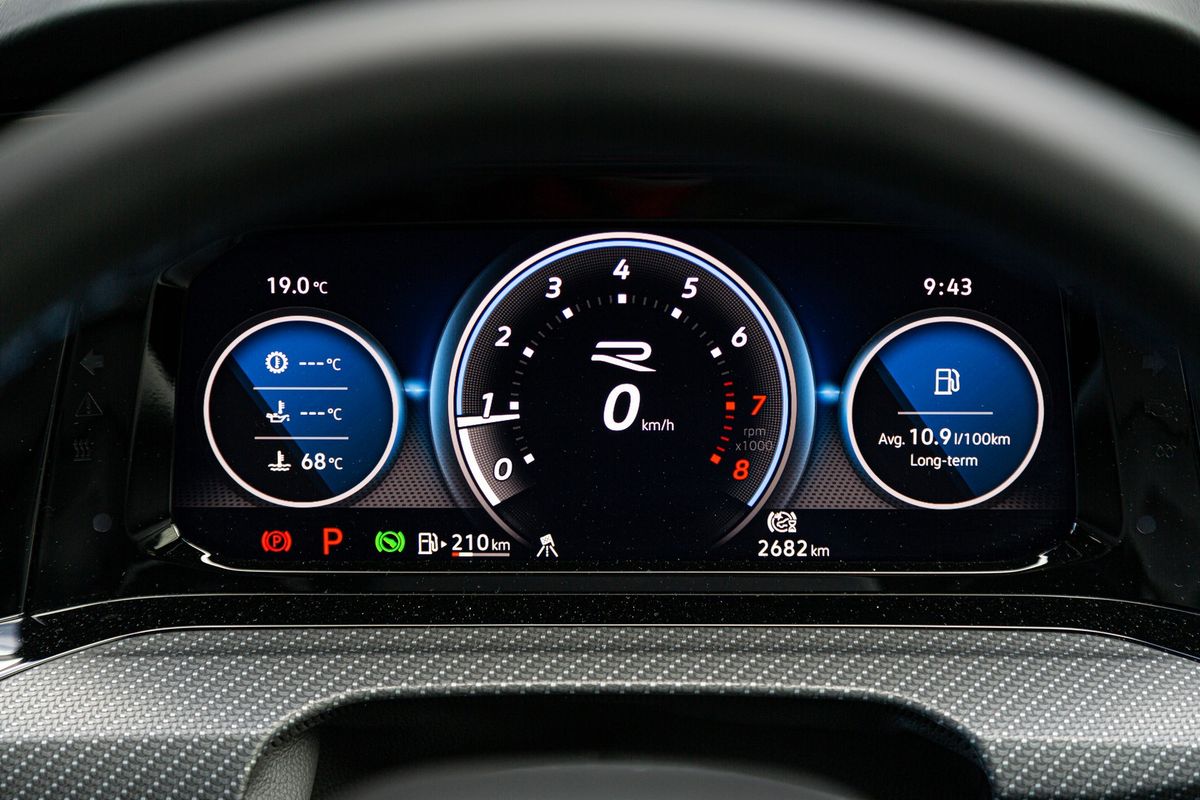
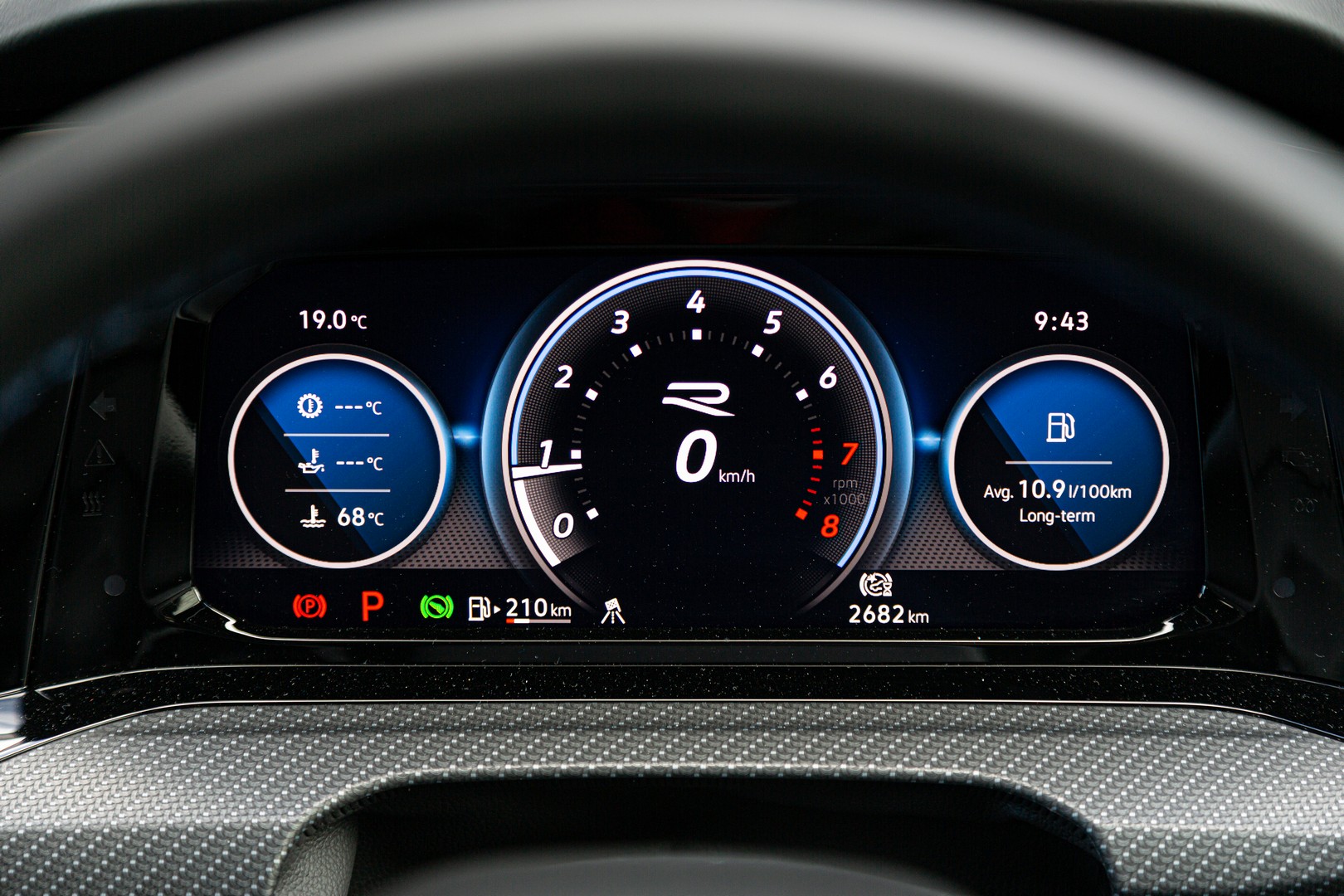
Fuel economy? Well, the Golf R is not a fuel-sipper, but it’s not expected to be one. If you’re keen to live your life a quarter mile at a time, you can expect returns of over 12 L/100 km. Our test period comprised mixed driving, with a final takeaway figure of 10.9 L/100 km.
Ride and handling
One of the criticisms levelled at previous iterations of the Golf R was that the performance hatchback offered almost, well, monotonous levels of surefooted and predictable handling in combination with compelling outputs. The front-wheel-driven i30 N and Civic Type R, by comparison, are said to offer more engagement – although those critics fail to mention that you have to work hard (or push the limits) to get high thrills from the Hyundai and Honda.
Thanks to the clever diff and all-wheel drive setup, this is the finest handling R yet.
As expected, this iteration of the Golf R is as easy to drive quickly as its predecessors; it flatters and cuddles its pilots. However, when you experiment with the VW’s drive modes and ramp up the pace, its sheer dynamism does come to the fore; the quicker the R goes, the more it rewards you. On a slippery road surface, it’ll leave hot hatches for dead.
The secret behind the Golf R’s tremendous handling ability is a brand-new all-wheel-drive system that shuffles power between the axles and the left and right wheels at the rear. Much like in the new Audi RS3, the new torque-vectoring technology can send 100% of the torque to the rear wheel on the outside of a corner (to counteract understeer). Does it work? Oh yes – you’ll find yourself exiting your favourite corners at heady velocities and with a huge grin on your face. The Volkswagen’s cross-drilled brakes, in turn, provide huge stopping power.
Beefed brakes features drilled discs clamped by blue R callipers.
The consensus of the test team was that the Golf 8 flagship’s general ride comfort – despite the sporty suspension setup and 19-inch alloys (shod with 235/35 tyres) – sets it apart from its rivals. There’s excellent body control and, thanks to highly supportive sport seats, you can still feel fresh at the end of a long road trip. Besides, the Golf R loves the open road, where its in-gear acceleration facilitates effortless overtaking manoeuvres. As for the steering setup, the ‘wheel is one of the most direct and lightest to wield, but there’s little feedback.
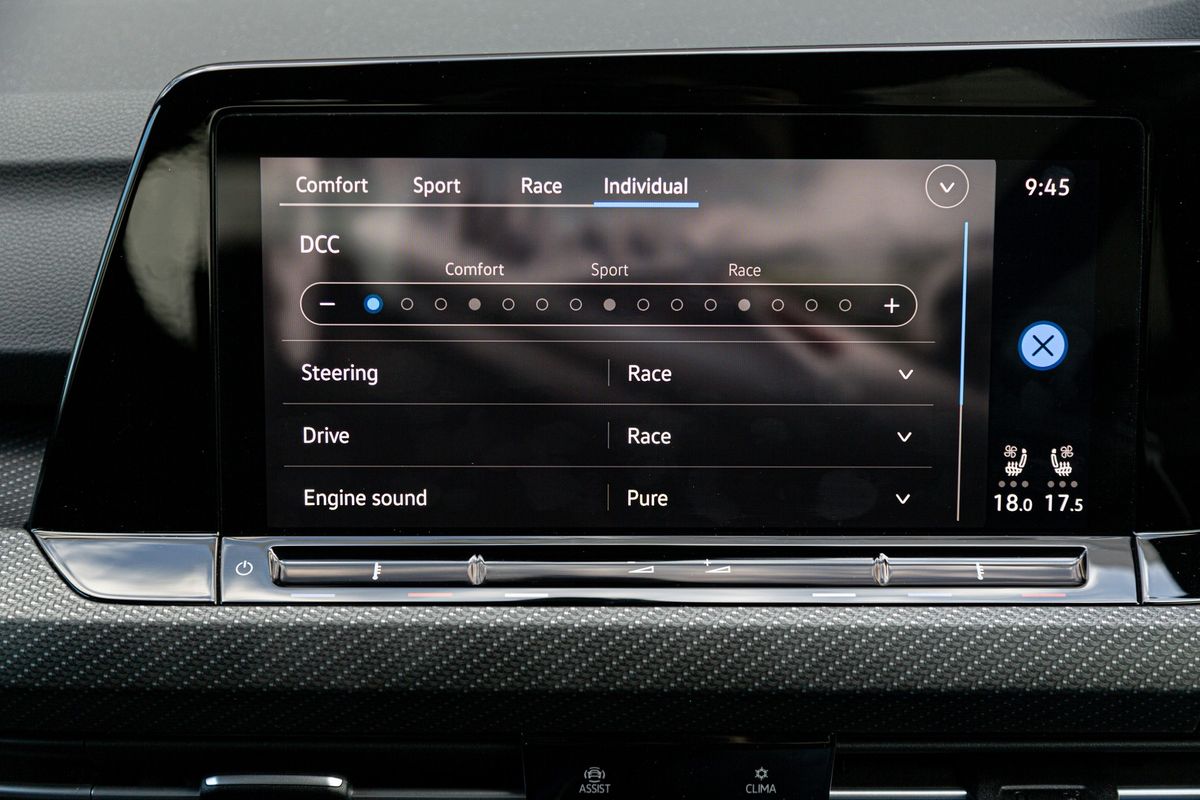
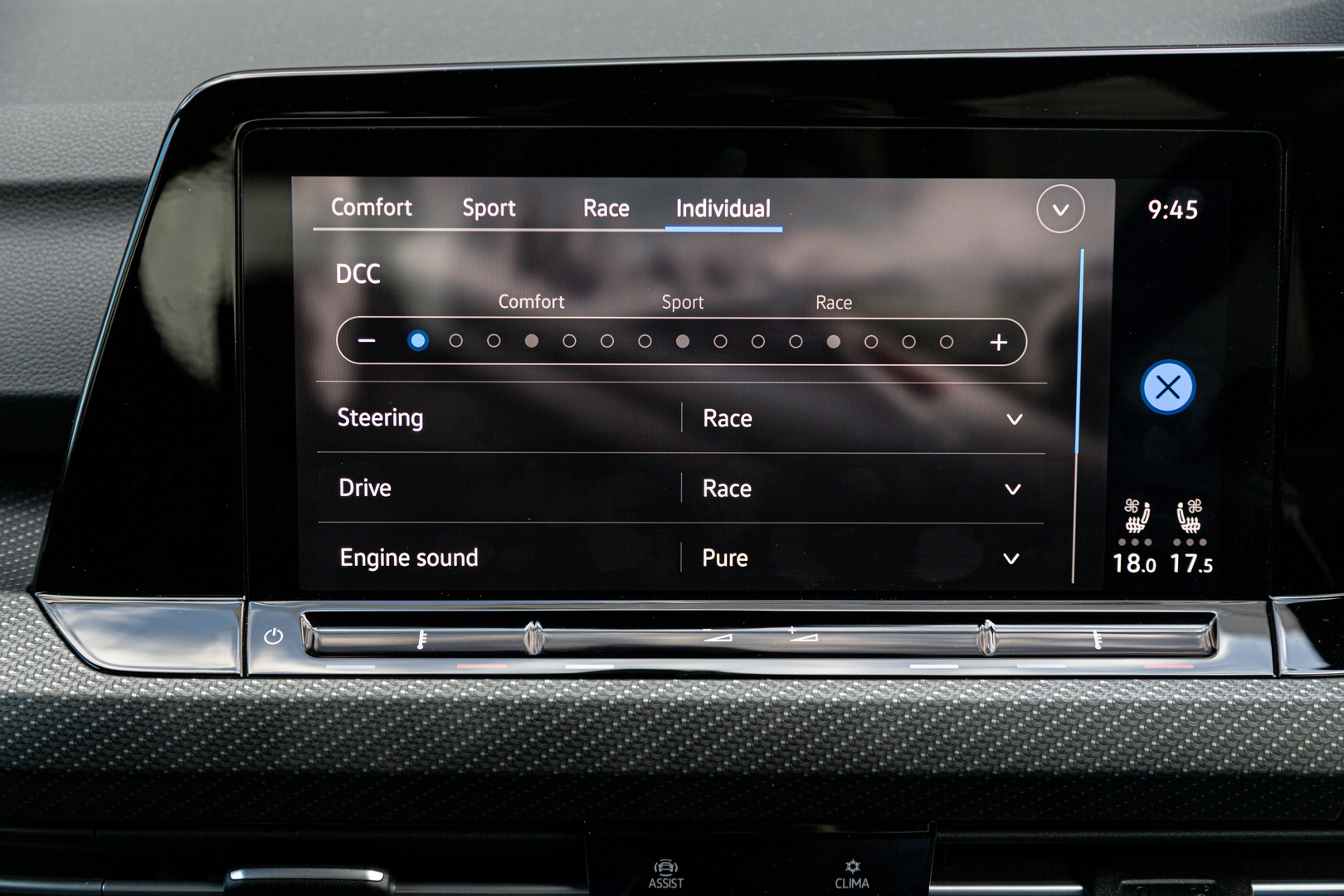
One of the best things about the Golf R is the customisability of its drive modes. You can, of course, simply toggle between Comfort, Race and Sport, but if you’re serious about getting the most enjoyment out of the car, experiment with the Individual setting. Anoraks (like us) will revel in the system’s detail and adaptability. For example, there are suspension settings that go beyond Comfort and Race, so you can select even softer – or stiffer – ride qualities.
Customise the adaptive damping settings to your heart’s content. There are more options than those included in the standard drive modes.
Apart from the adaptive suspension’s settings, you can adjust steering and throttle responses, as well as the motor’s soundtrack. If you grow weary of the synthesised engine note, which is piped into the cabin, you can switch it off, but retain all the other fun-to-drive characteristics.
Features, tech and safety
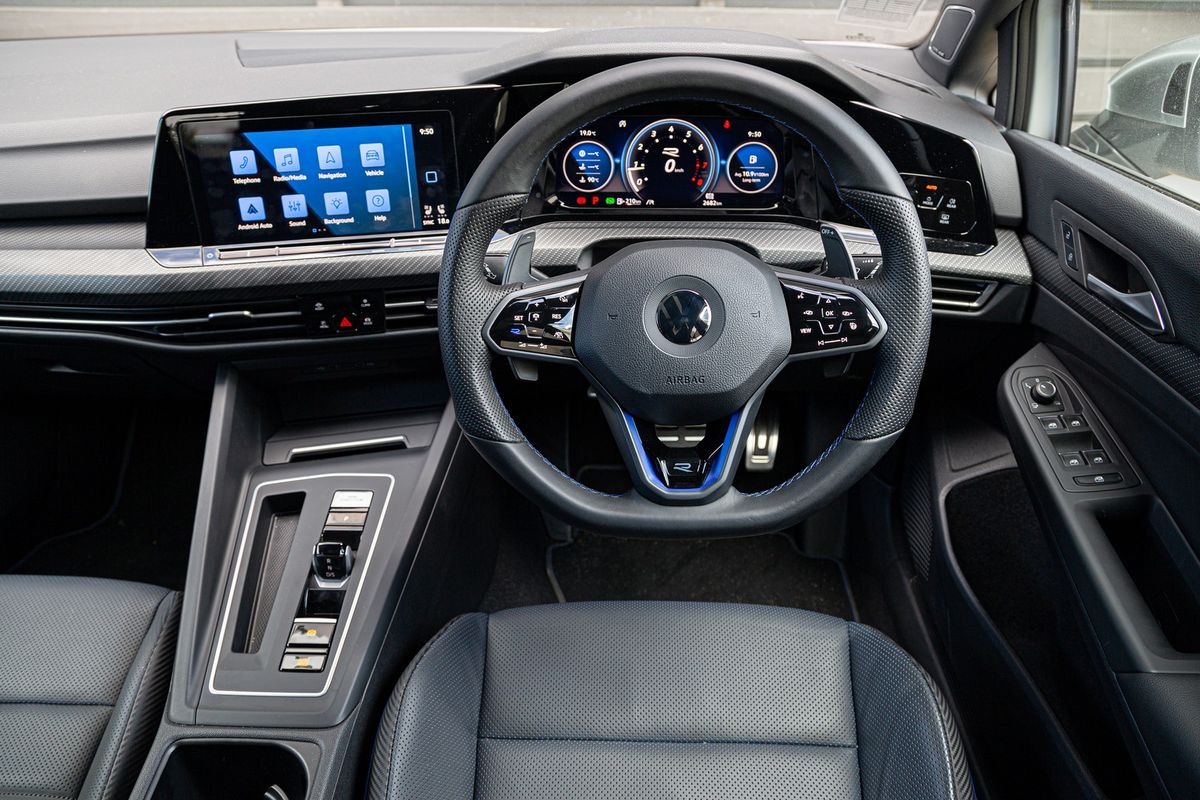
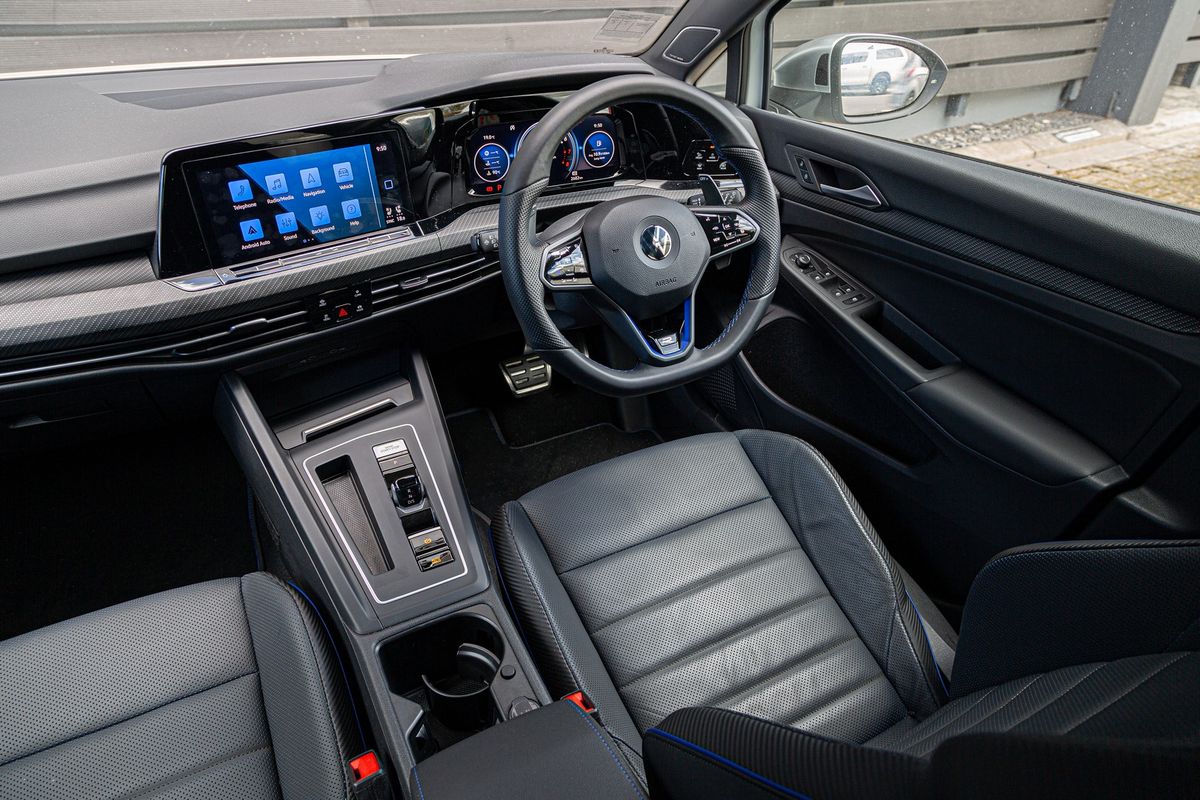
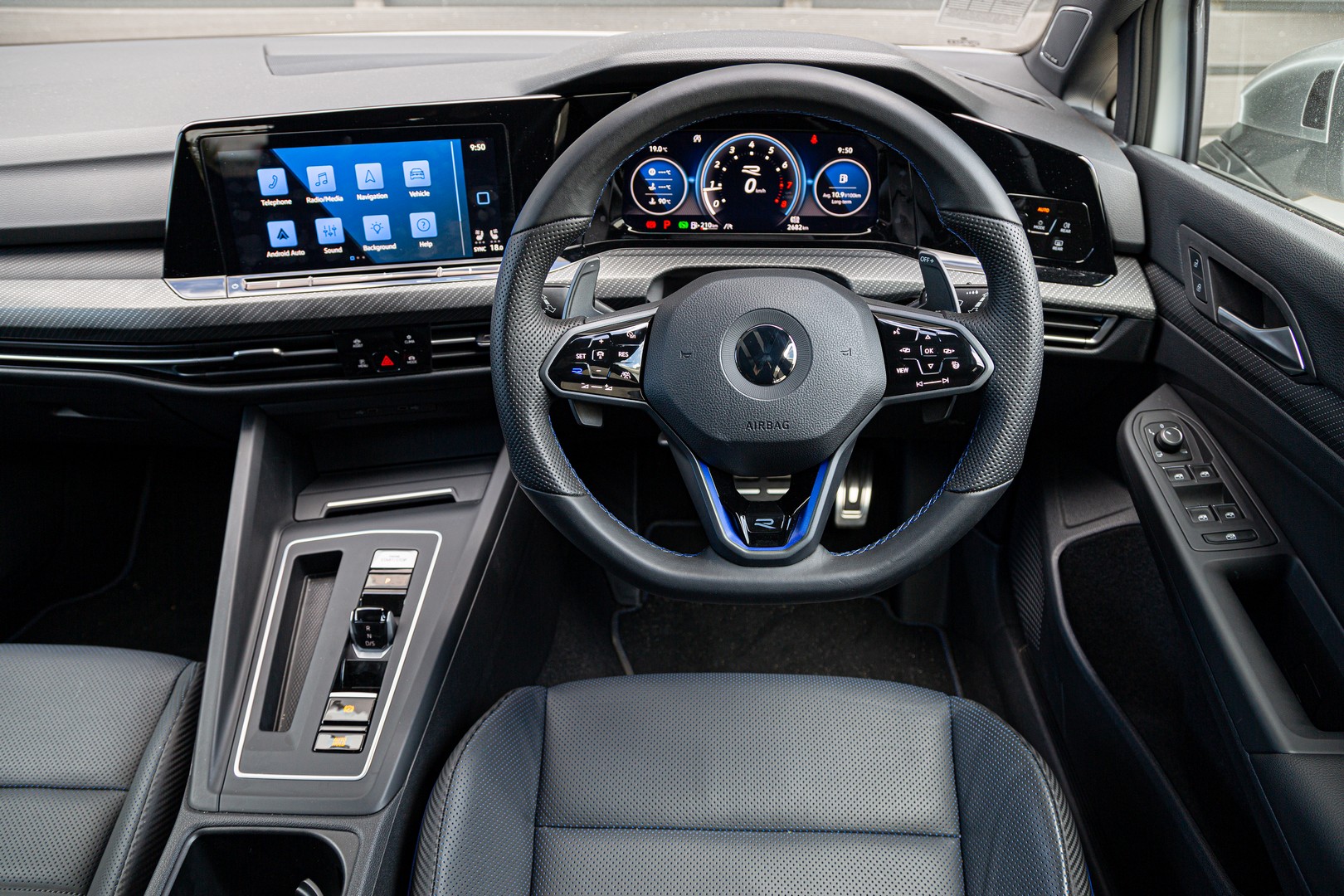
The Golf R’s smart-looking, minimalist and modern interior makes a strong first impression. It’s laced with performance elements such as subtle blue stitching and R logos and we don’t mind the small transmission switch and start-button combo – it declutters the centre console.
A clean and minimalist cabin design.
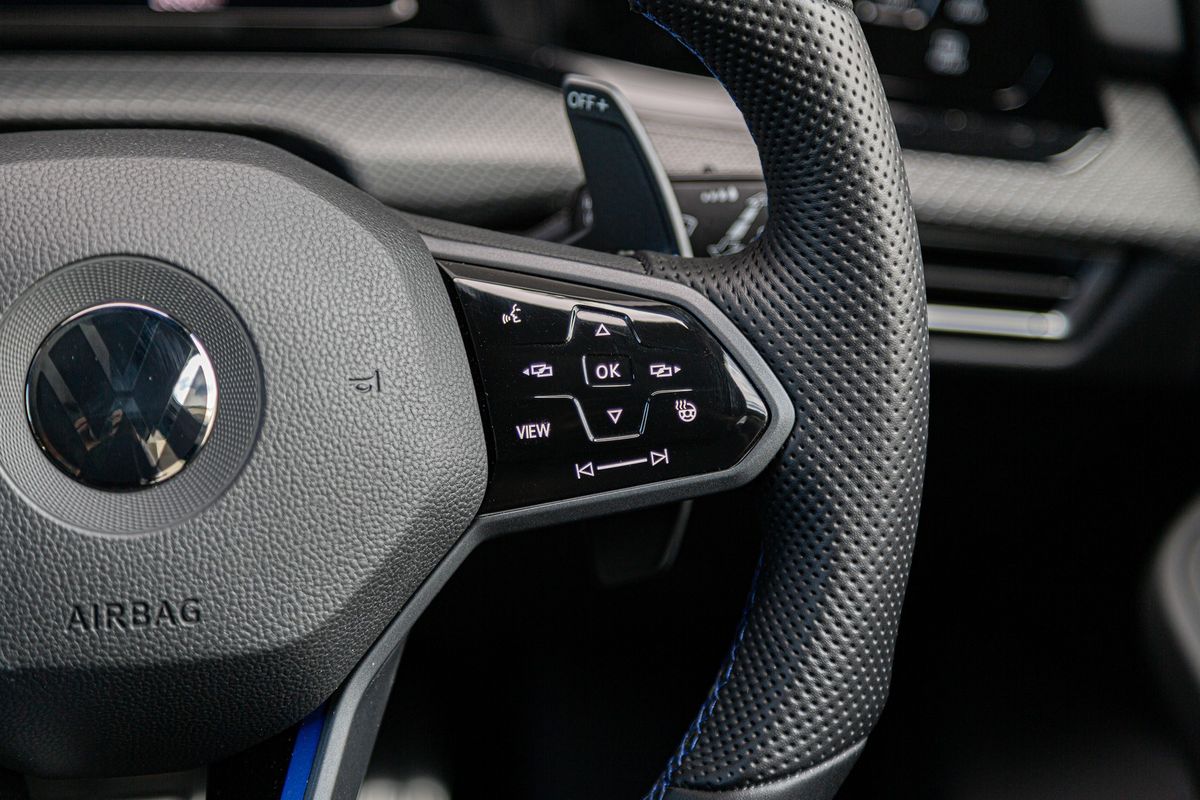
However, we reiterate that current-gen VW cabins don’t seem as substantial and user-friendly as they used to be. The climate-control sliders on the fascia and capacitive touchpads on the multifunction steering wheel look good, but they’re not particularly responsive or intuitive.
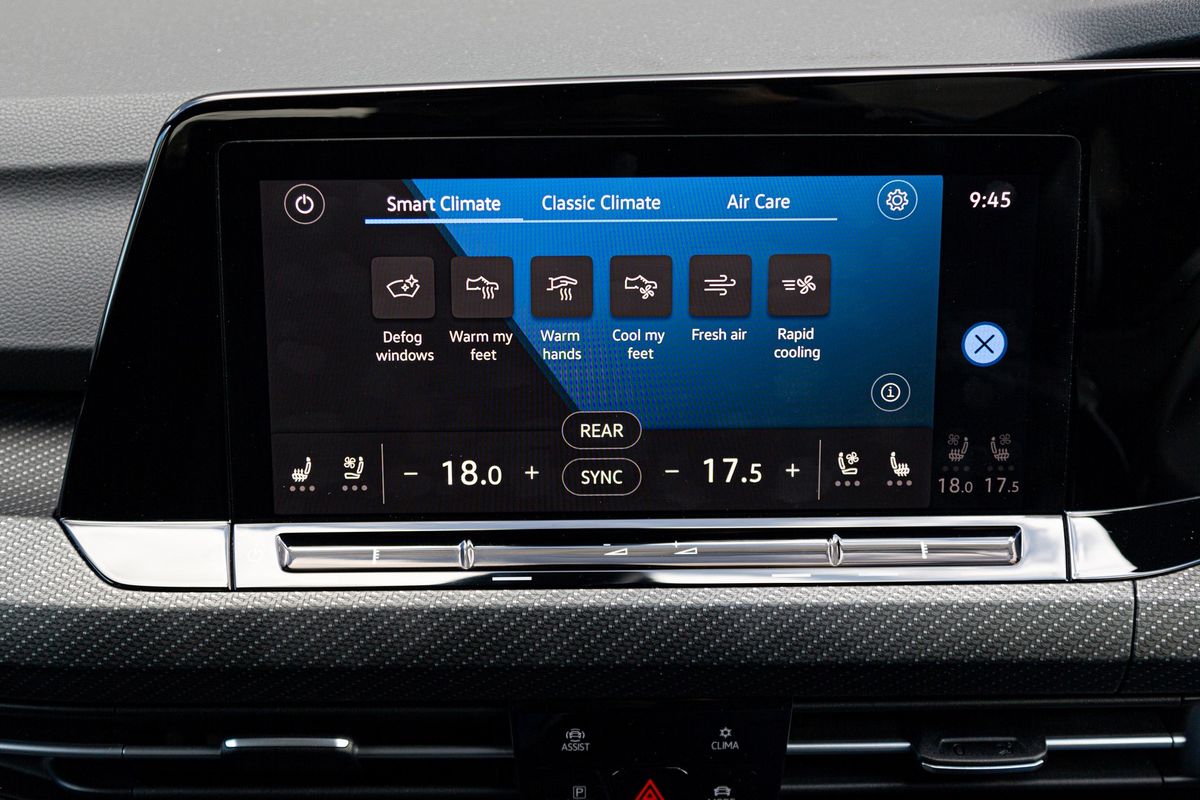
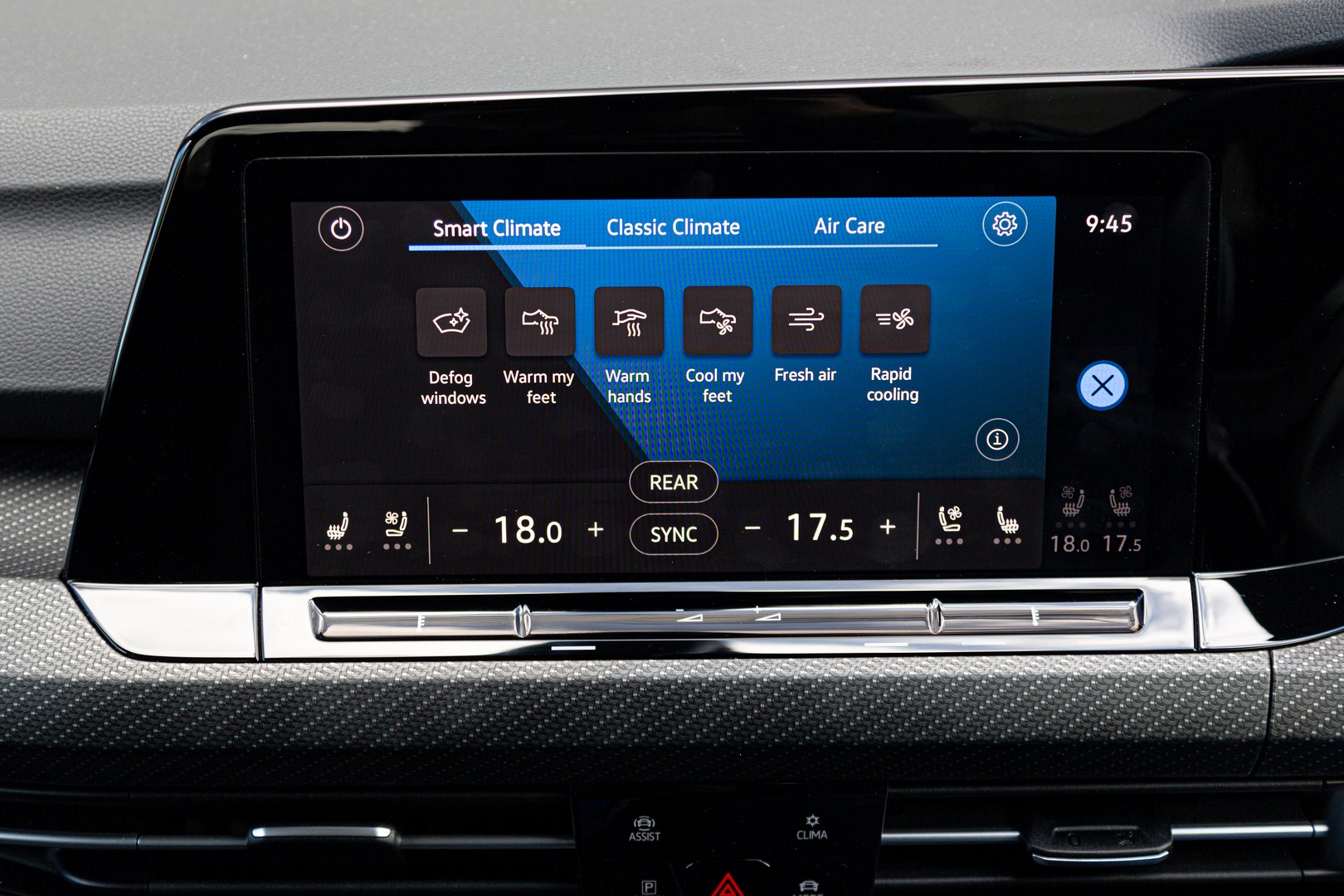
We often found ourselves activating the steering wheel’s heating function when attempting to skip audio tracks. Trying to adjust cabin temperature is a fun exercise as there’s no physical dial – you simply slide your finger left for colder and right for warmer. However, you’re unlikely to get it right the first time unless the car’s stationary at the time. Thankfully, VW also provides a smart climate control interface in the infotainment screen’s menu system.
The climate bar at the bottom of the screen is really fiddly to use. Rather select from the smart climate menu.
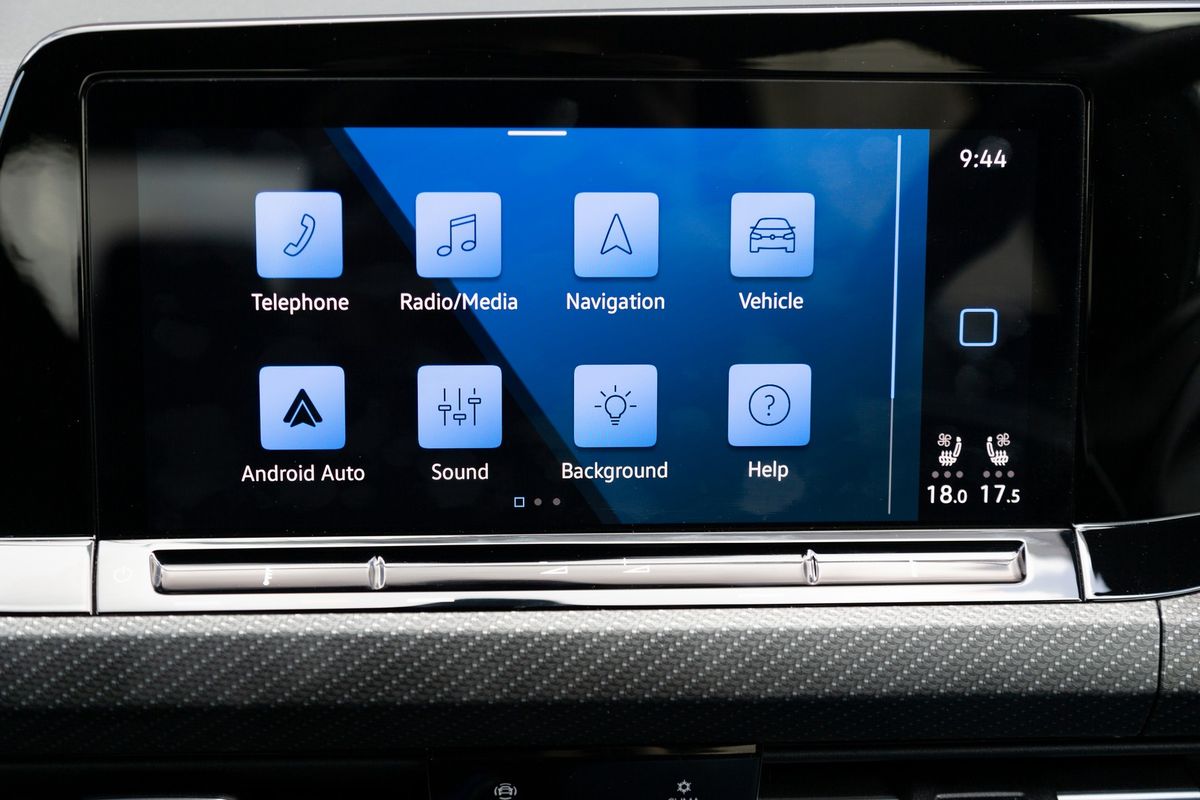
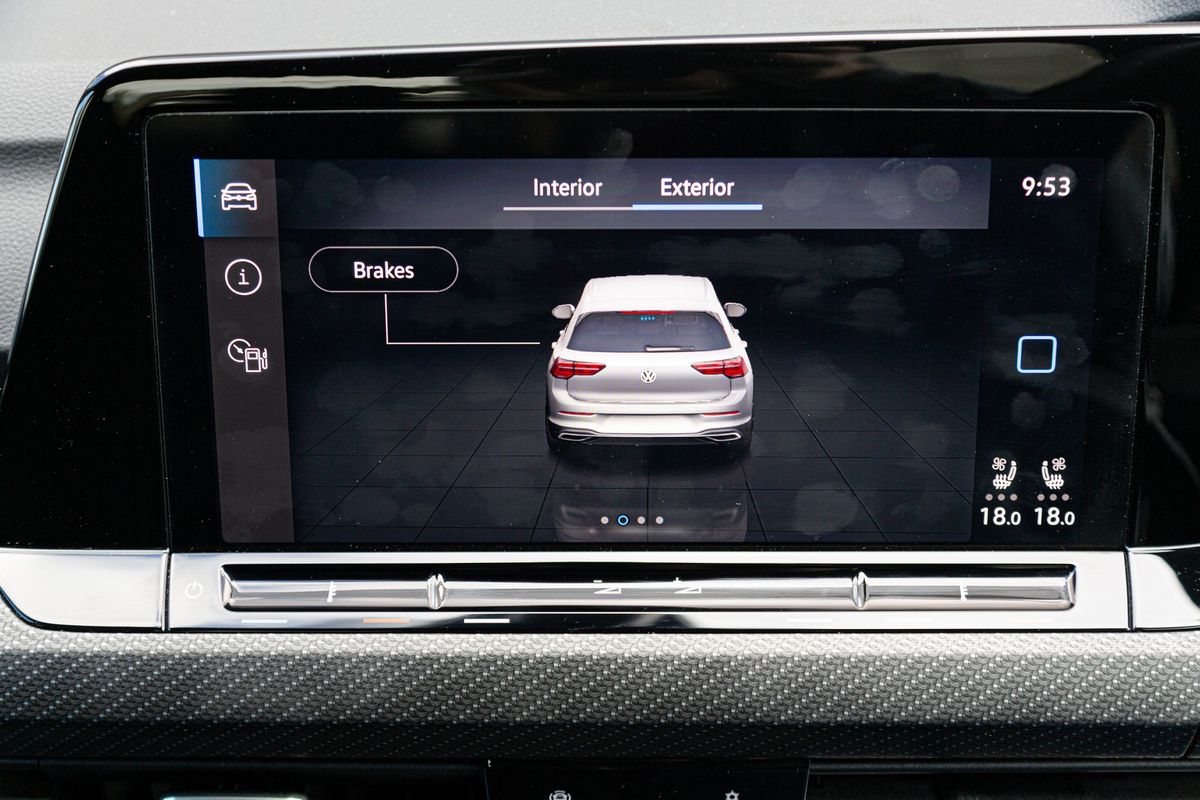
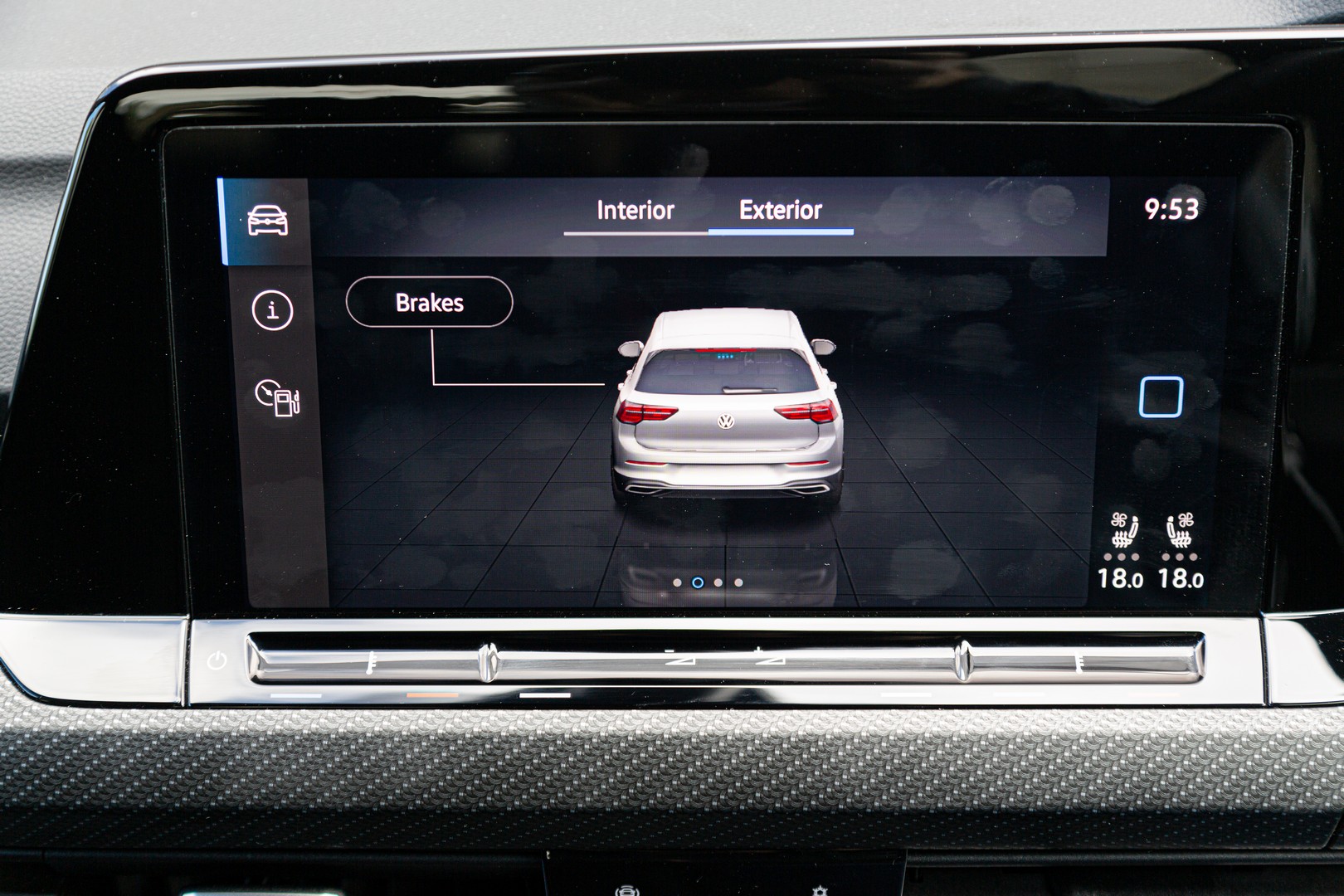
Next up is the infotainment system, which admittedly looks superb, but requires a lot of familiarisation. Activating the launch control, for example, is a chore. No longer do you simply set the stability control and drive mode in Sport, and go for it – now you have to go looking for the stability setting (it lurks deep within the menu system, hidden under a section labelled Brakes). Also, the infotainment system takes a while to boot up, so once the vehicle is switched on, you have to wait about 30 sec or so for everything to become available.
Despite its gimmicks and quirks, the Golf R’s cabin is a pleasant space to occupy and based on our experience, the SA-spec Golf R will come fully loaded. Our test unit had leather sports seats with heating, a heated steering wheel, panoramic sunroof, adaptive dampers, keyless entry, a wireless charging pad, plus two USB-C ports at the front and in the rear.
Stability control is hidden and took some time to find.
Other interesting features include auto-park functionality, a reverse-view camera, parking sensors, as well as Apple CarPlay and Android Auto compatibility. Options will include the Harman Kardon audio, Akrapovic exhaust and a Black Style package, including Drift mode.
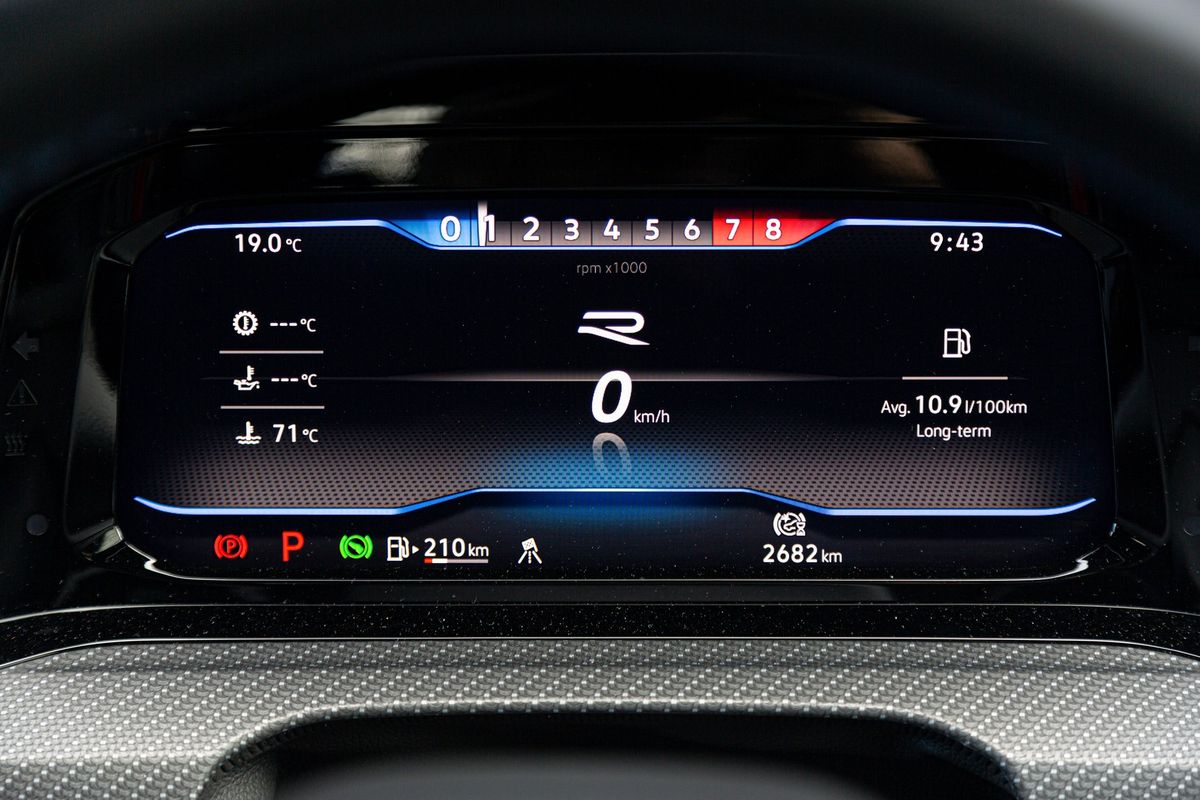
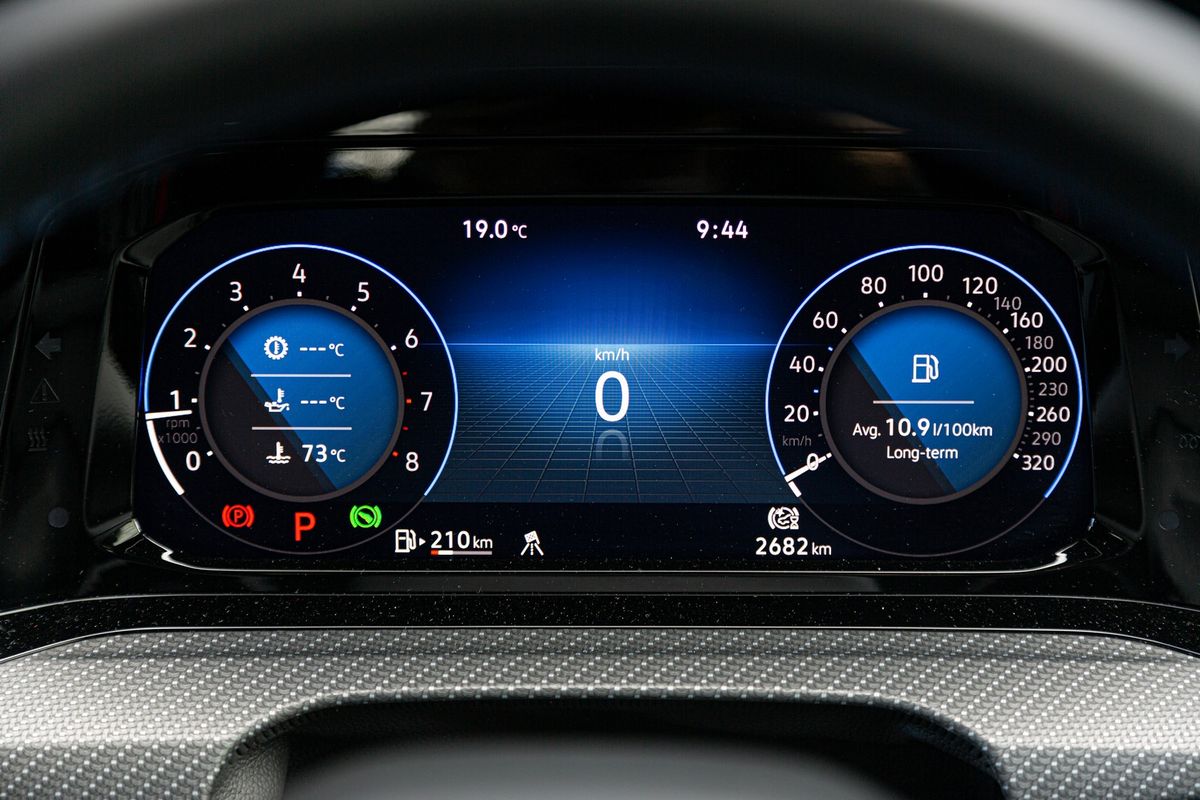
The digital instrument cluster offers a plethora of themes and layouts, all of which you can customise to your heart’s content. We preferred the blue theme in combination with the centrally-positioned R speedo and rev-counter – it felt most appropriate for this vehicle.
The best instrument cluster layout.
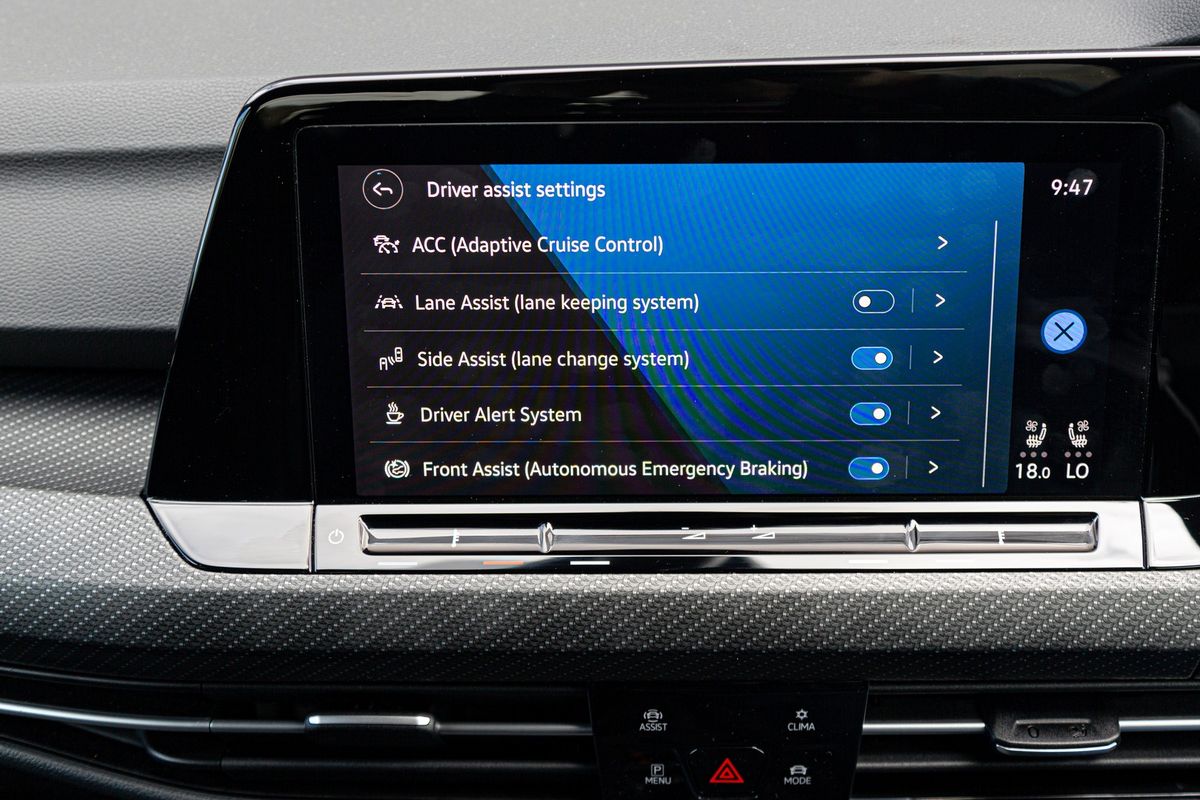
As far as safety equipment is concerned, the Golf R features semi-autonomous driving assistance technology, which falls under the IQ Drive banner. Adaptive cruise control, lane assist, side assist, driver alert and autonomous emergency braking were fitted to our unit.
Practicality and Packaging
The Golf R is meant to satisfy performance-car enthusiasts, but it’s unlikely to be bought by consumers who want to use it as a weekend toy only; it needs to be a practical family car too.
In that respect, the flagship of the Golf 8 range succeeds. Front occupants are availed plenty of storage spaces, a clever central drinks holder that can handle differently sized bottles, plus a neat storage area for a mobile phone, which doubles as a wireless charging pad. Interestingly, the sunglasses holder on the ceiling has disappeared.
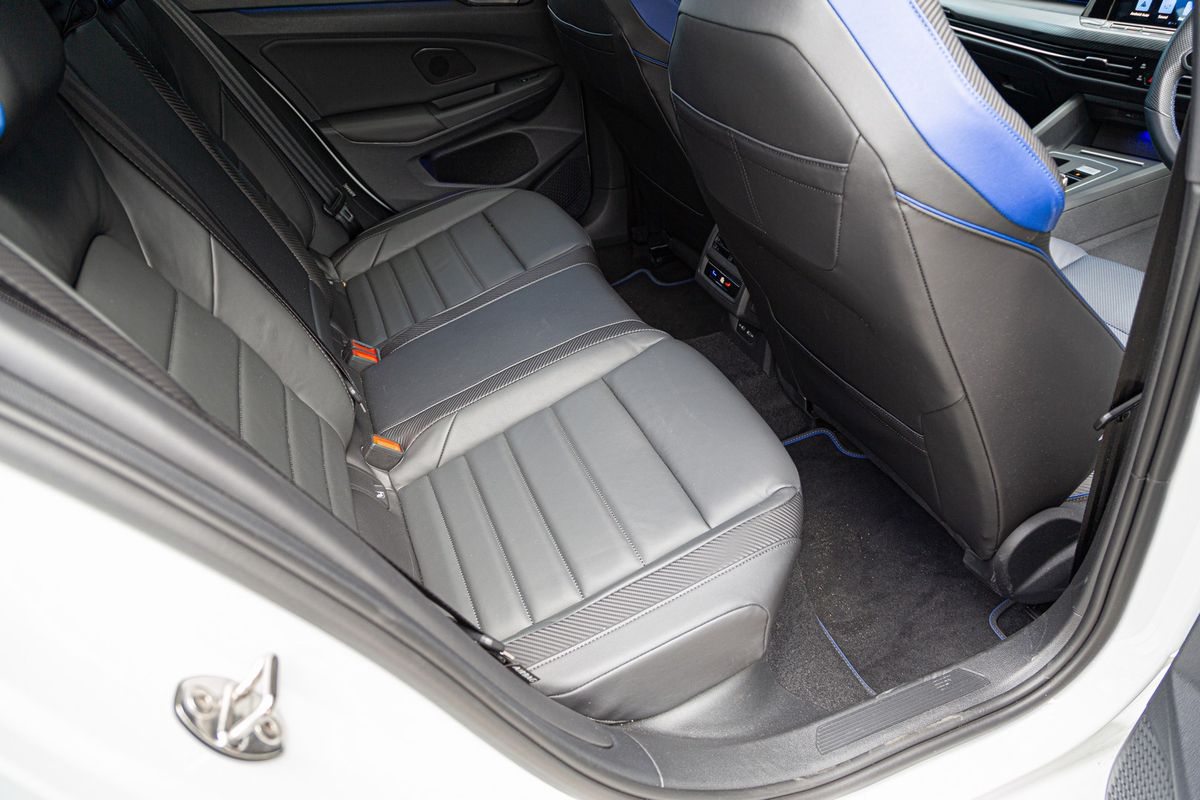
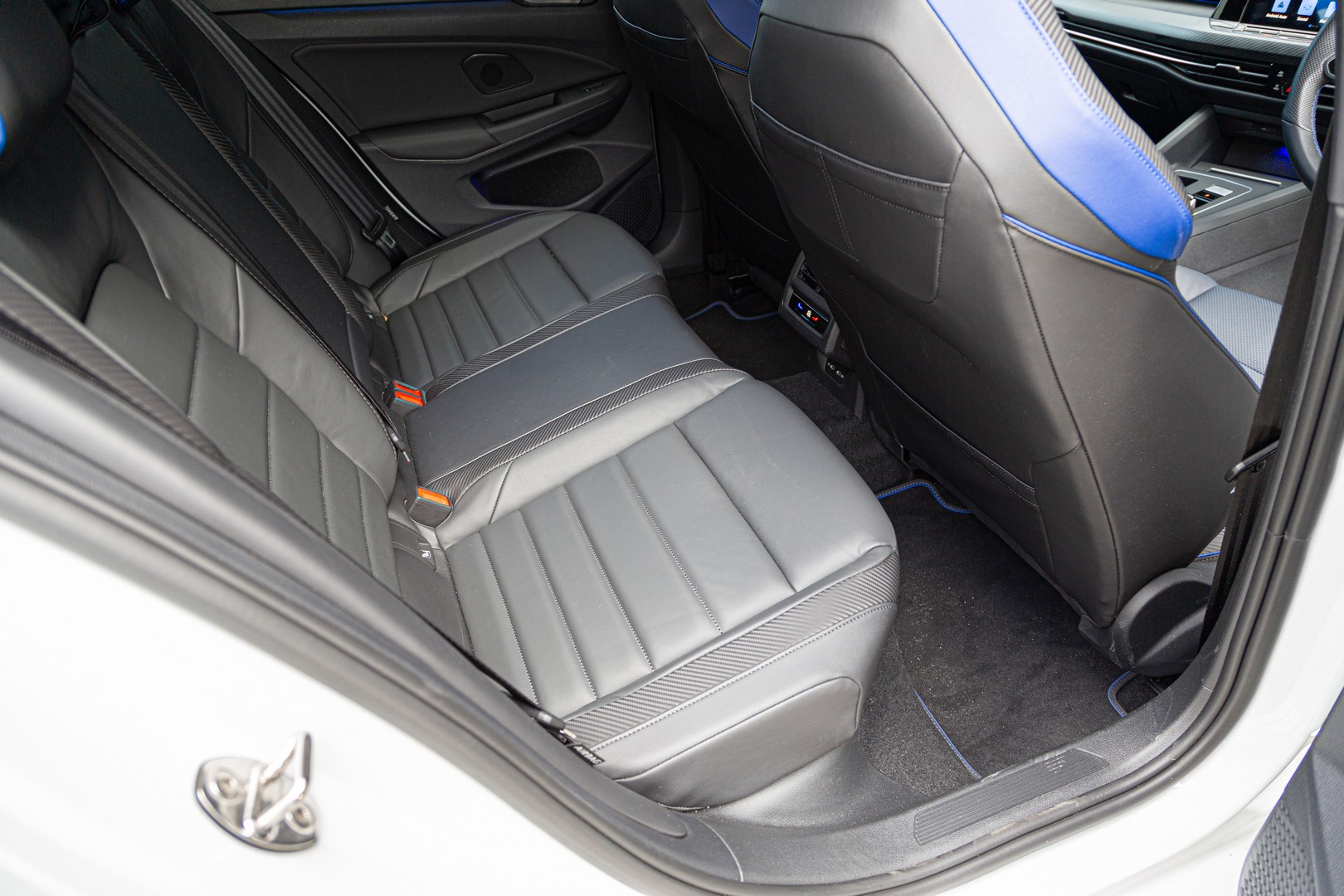
There’s just about adequate space for tall(er) rear occupants.
The VW’s rear bench offers just about enough room to accommodate a pair of adults; taller occupants are provided adequate headroom but may find legroom a bit on the tight side.
As for luggage space, VW claims the Golf R’s bay can hold 341 litres, which is slightly less than the GTI’s figure due to the presence of the all-wheel drive system on the rear axle.
Compared with other performance hatchbacks, the Volkswagen’s load bay is smaller than those of the BMW M135i xDrive (380 litres) and Mercedes-AMG A35 4Matic (370 litres). Interestingly, the Golf R’s Audi S3 cousin has the smallest load bay of the lot (325 litres). At least if you fold down the test unit’s rear seats, you can get just over 1 200 L of utility space.
The Golf 8 R is impressive, but we have some reservations.
Verdict
While we don’t have official pricing for the Volkswagen Golf 8 R, we believe we can predict the newcomer’s list price based on its standard features list. We’d be very surprised if the model turned out to be pricier than its closely-related Audi S3 cousin, which, at the time of writing cost R883k (November 2022), but bear in mind that car prices creep up regularly these days, so by the time the R arrives in early 2023, we could see the S3 breach R900k.
So, if the Golf R ultimately comes to market with a price tag of around R870k, it would seem a bit of a bargain compared with its Audi, BMW and Mercedes-AMG rivals, the lattermost of which is listed at R998k. The R may not have a premium (or is that sufficiently premium?) badge on its nose and the cabin lacks that high-luxury ambience that its fellow countrymen offer, but we don’t buy performance cars to compare ambient lighting and metallic dashboard inserts.
Deliveries of the R will begin in the first quarter of 2023.
So, should you buy one? Given the legacy of the exceptional Golf 7.5 R, the Golf 8 R has a lot to live up to, let alone eclipse. Does it? Almost. See, while there’s no denying the model’s incredible performance and dynamism – it really is the quickest and most engaging Golf R to date – it’s let down by some cabin quirks. They’re not dealbreakers however, and you’ll learn to work around, or momentarily forget about, them when you engage the VW’s Race mode.
Some argue the Golf R has become a victim of its own success and they may have a point… Achieving a significant improvement on the 7.5R’s complete package was nigh impossible and at least the Wolfsburg-based brand experimented a little with a radical cabin interface. However, that hasn’t quite worked out (based on what VW CEO Thomas Schafer has been quoted as saying) and we’ve seen a Golf 8.5 prototype that has a new infotainment screen.
But, with the future of ICE premium hatchbacks seemingly in the balance, the Golf 8 R, imperfect as it is, seems destined to be one of the last – and therefore, finest – of its kind.
Toyota Corolla Hybrid Hatchback in SA (2022) Launch Review
Toyota has introduced its updated Corolla hatchback and sedan range in South Africa and the Japanese firm has also expanded its New Energy Vehicle (NEV) offering to include the Corolla Hybrid Hatchback which is now available to customers in Mzansi. Gero Lilleike attended the local launch in Gauteng to bring you this report…
If you’ve had the displeasure of visiting your nearest fuel station, you’ll be very well aware that recent and dramatic spikes in fuel prices have had an adverse impact on household budgets and the South African economy. Many consumers are looking to buy more fuel-efficient cars and while Electric Vehicles (EVs) are still, for the most part, prohibitively expensive in South Africa, many buyers are turning to hybrid technology in an effort to reduce fuel consumption and overall running costs.
Demand for hybrids (and EVs) has increased substantially in the last 24 months and current projections indicate that demand will continue to rise sharply in 2023 and beyond. Toyota’s hybrid technology is well established and the Japanese giant is placing increasing emphasis on New Energy Vehicles (NEVs) in an effort to capitalise on this increasing demand.
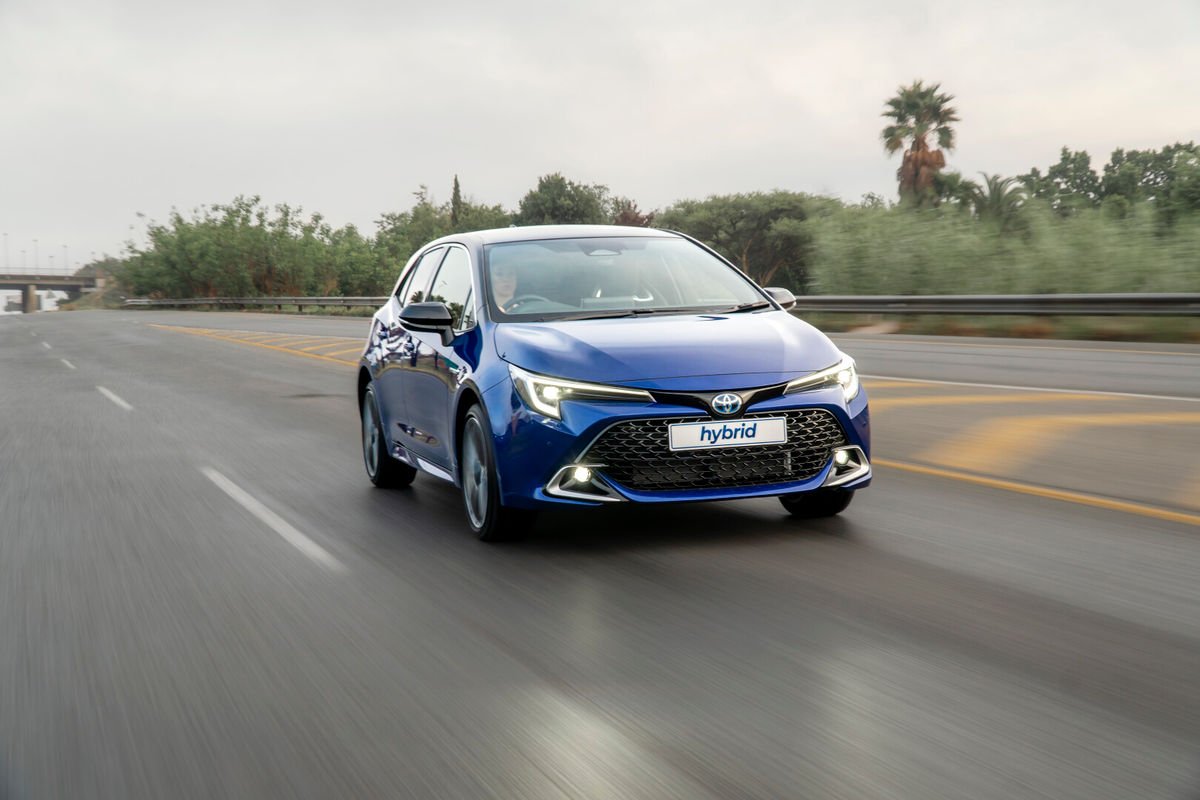
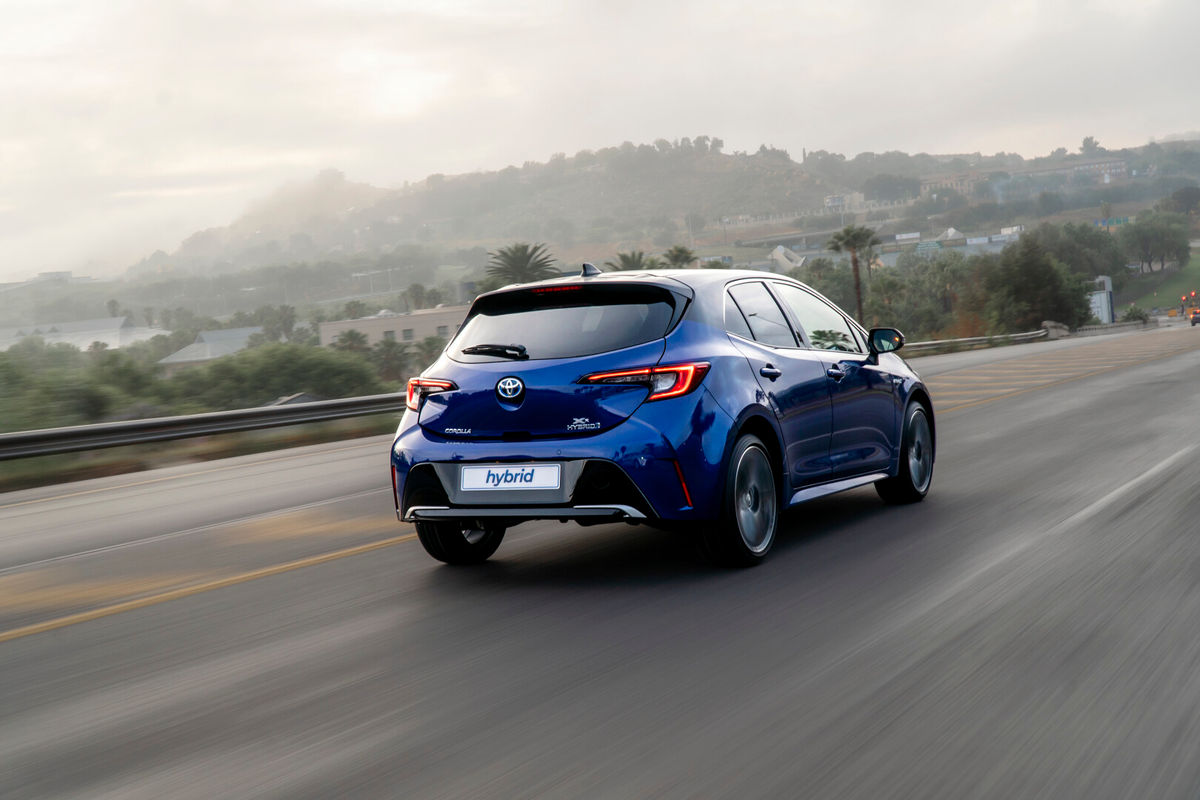
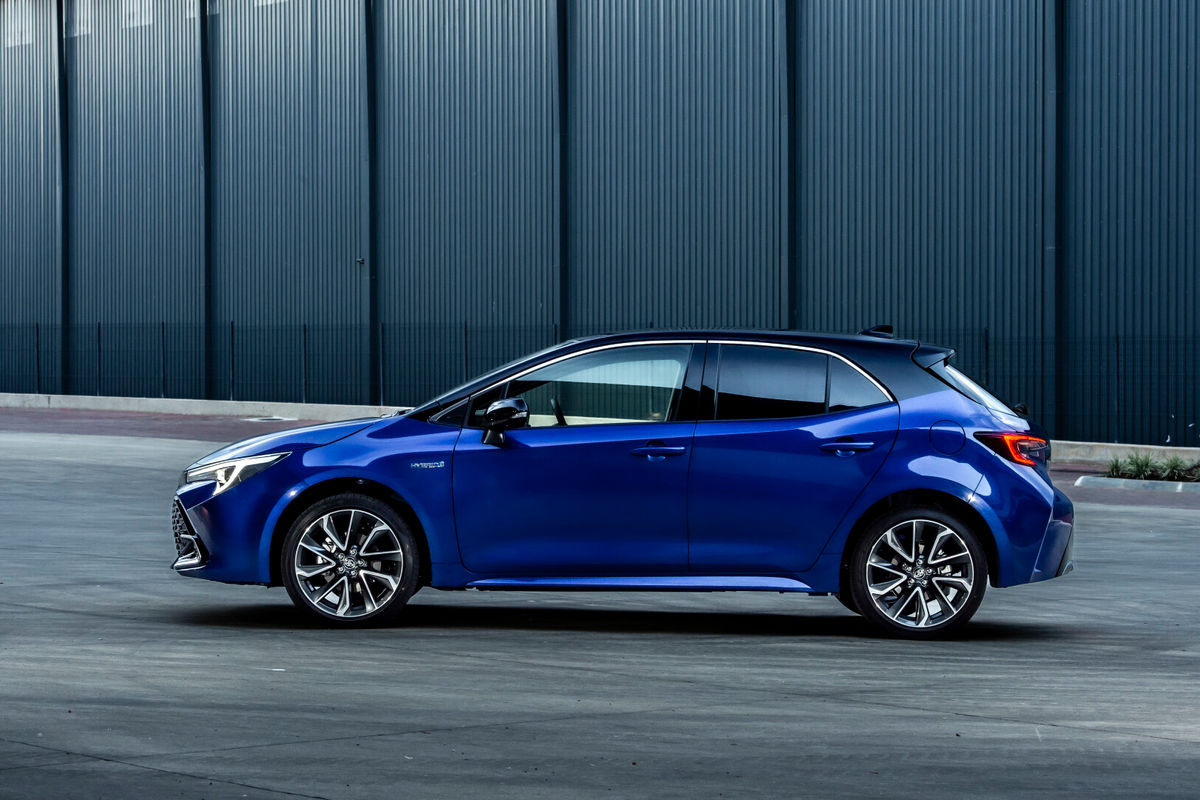
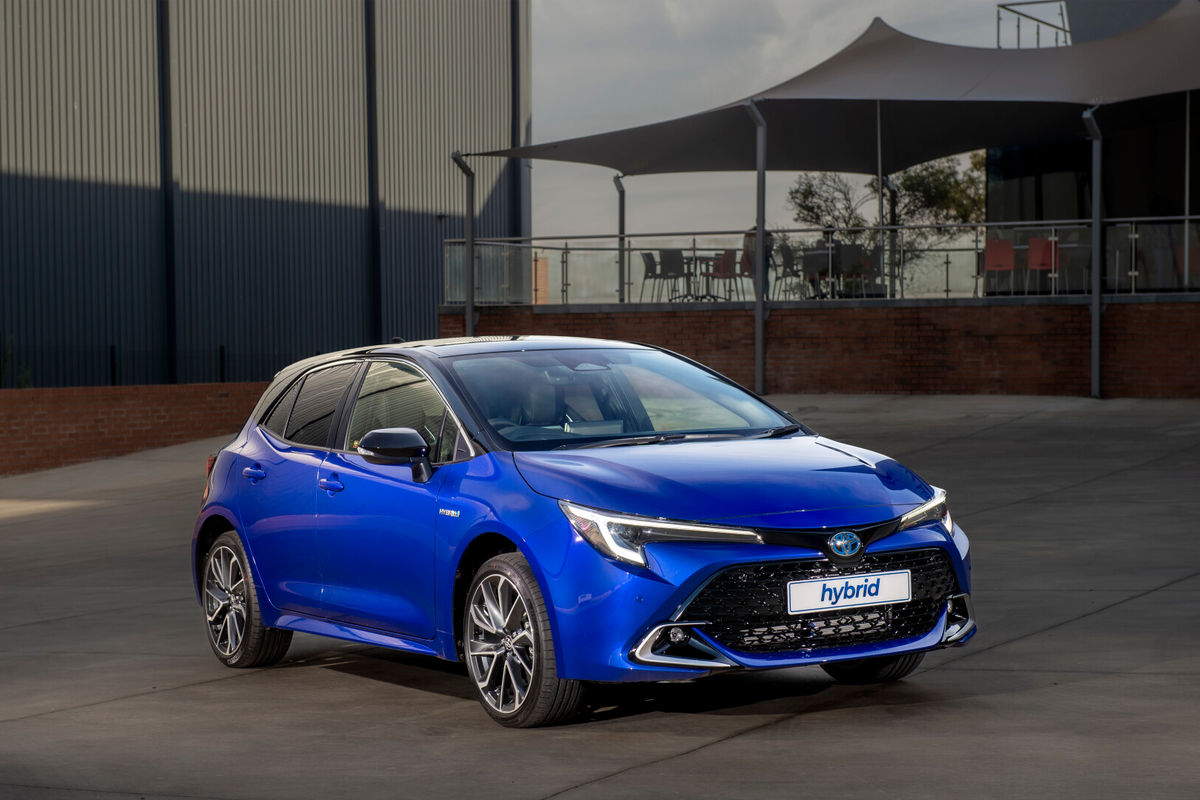
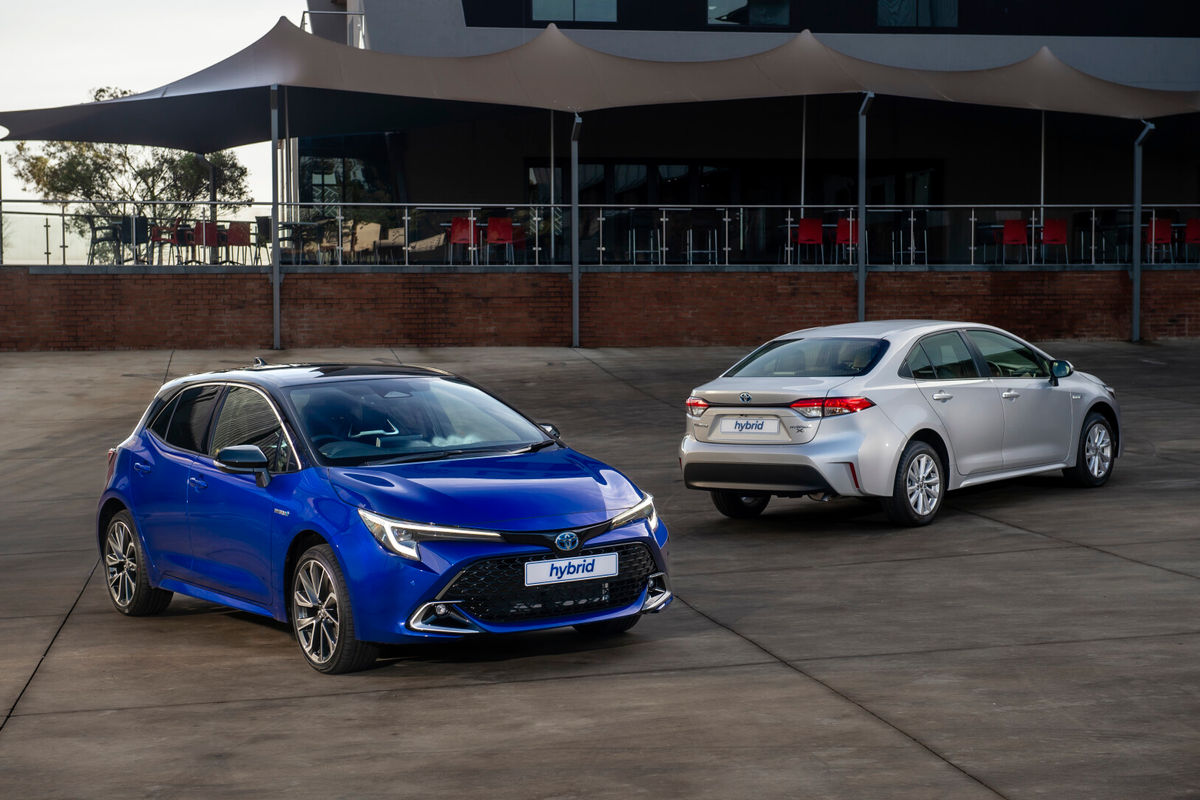
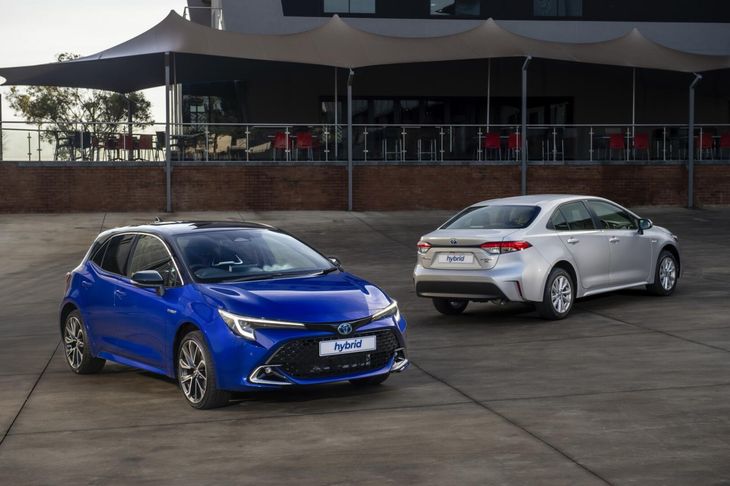
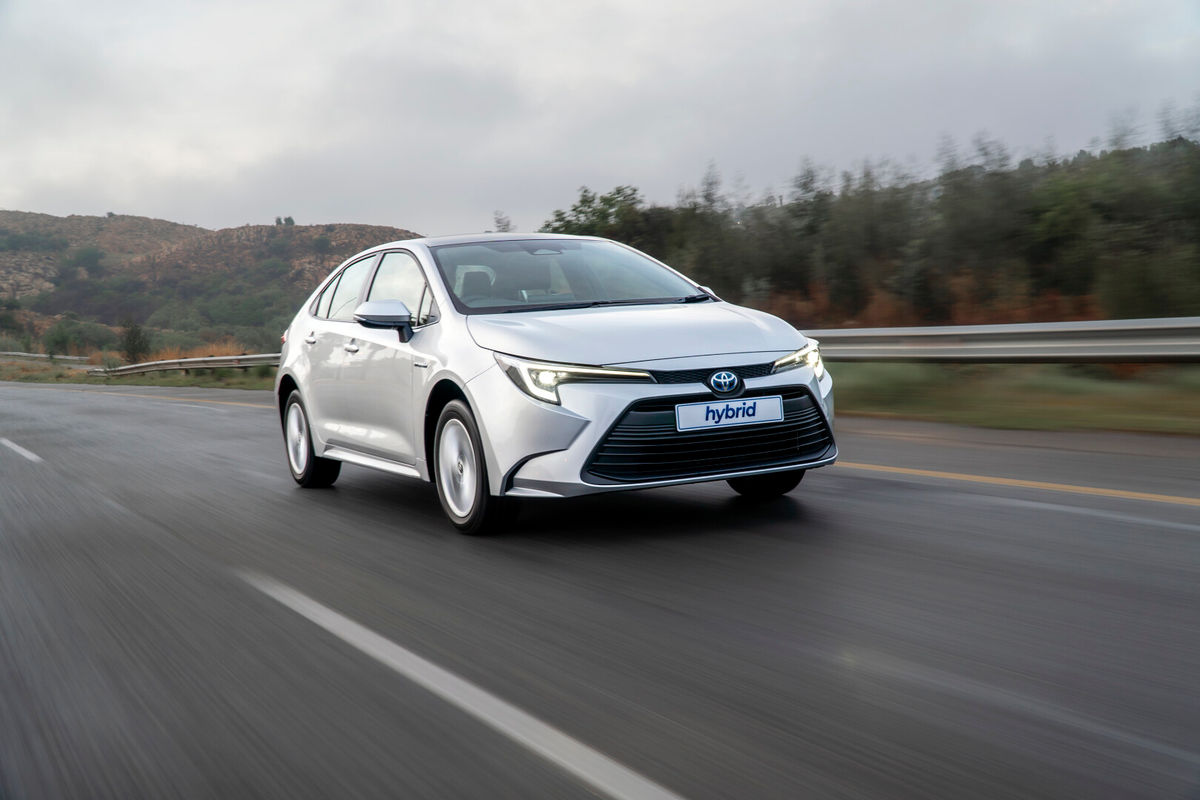
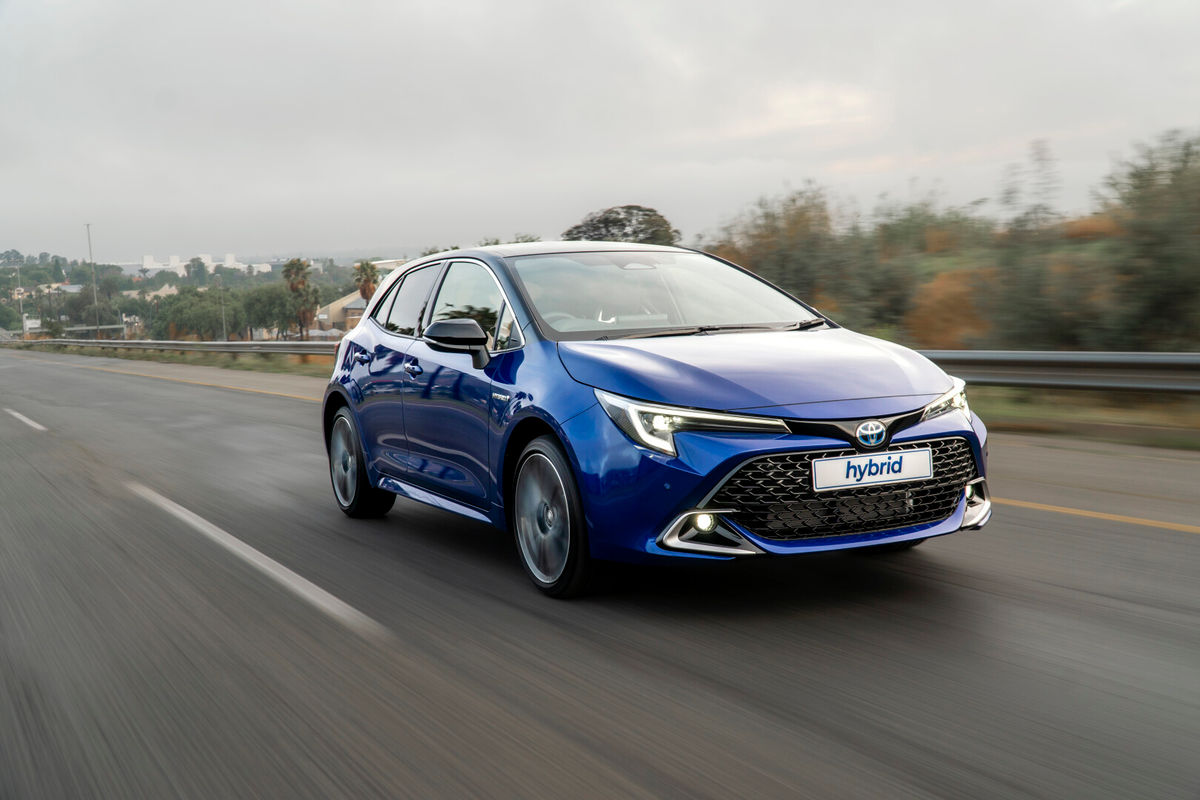
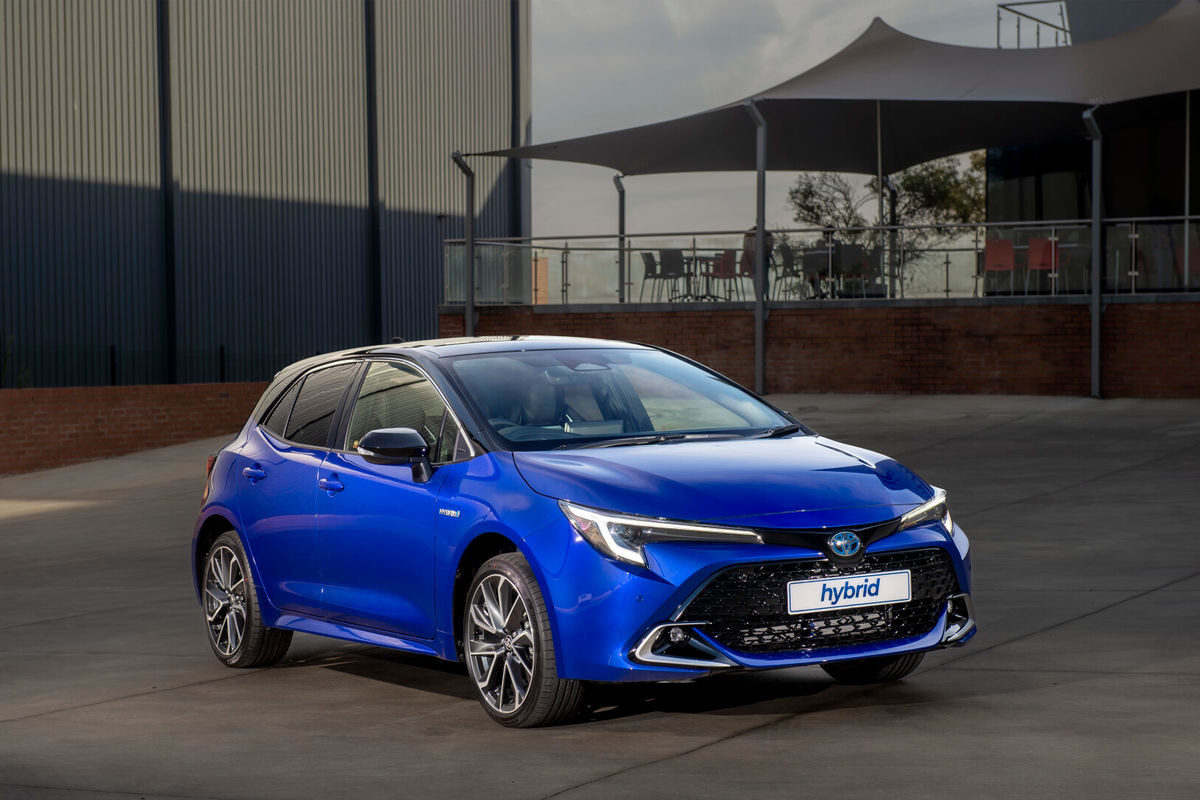
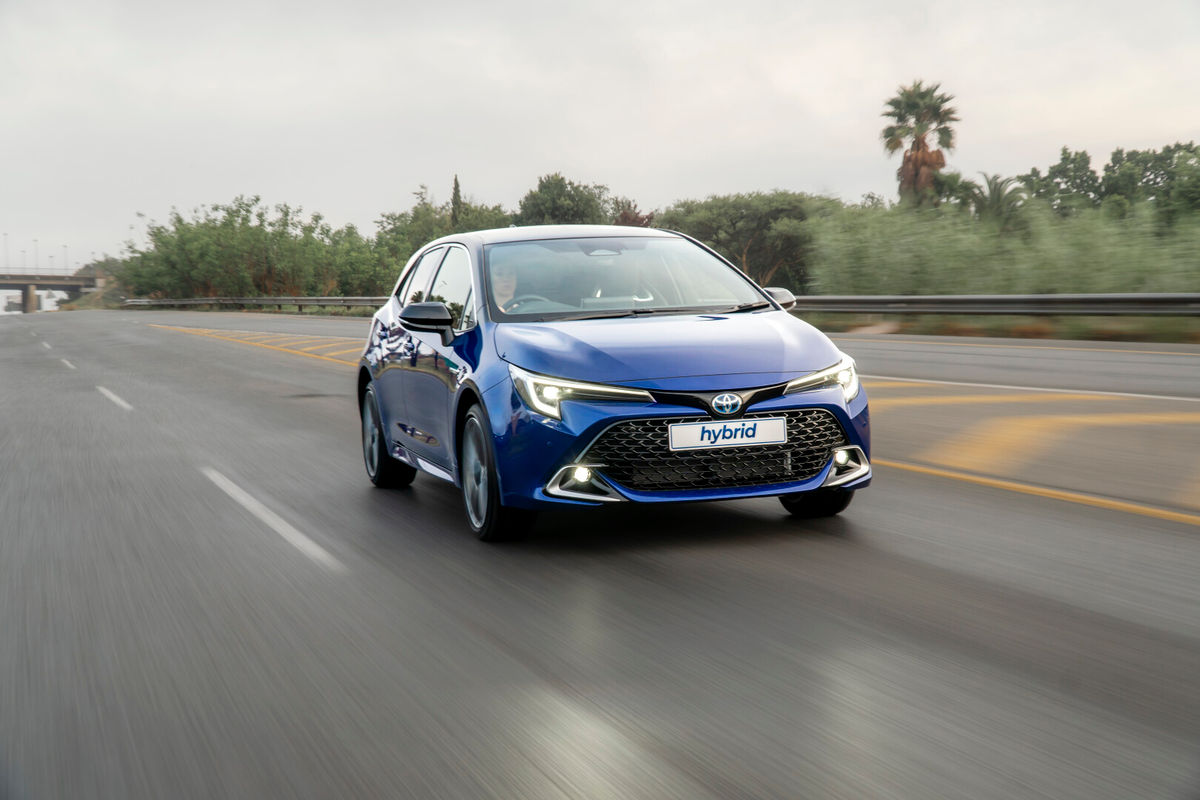
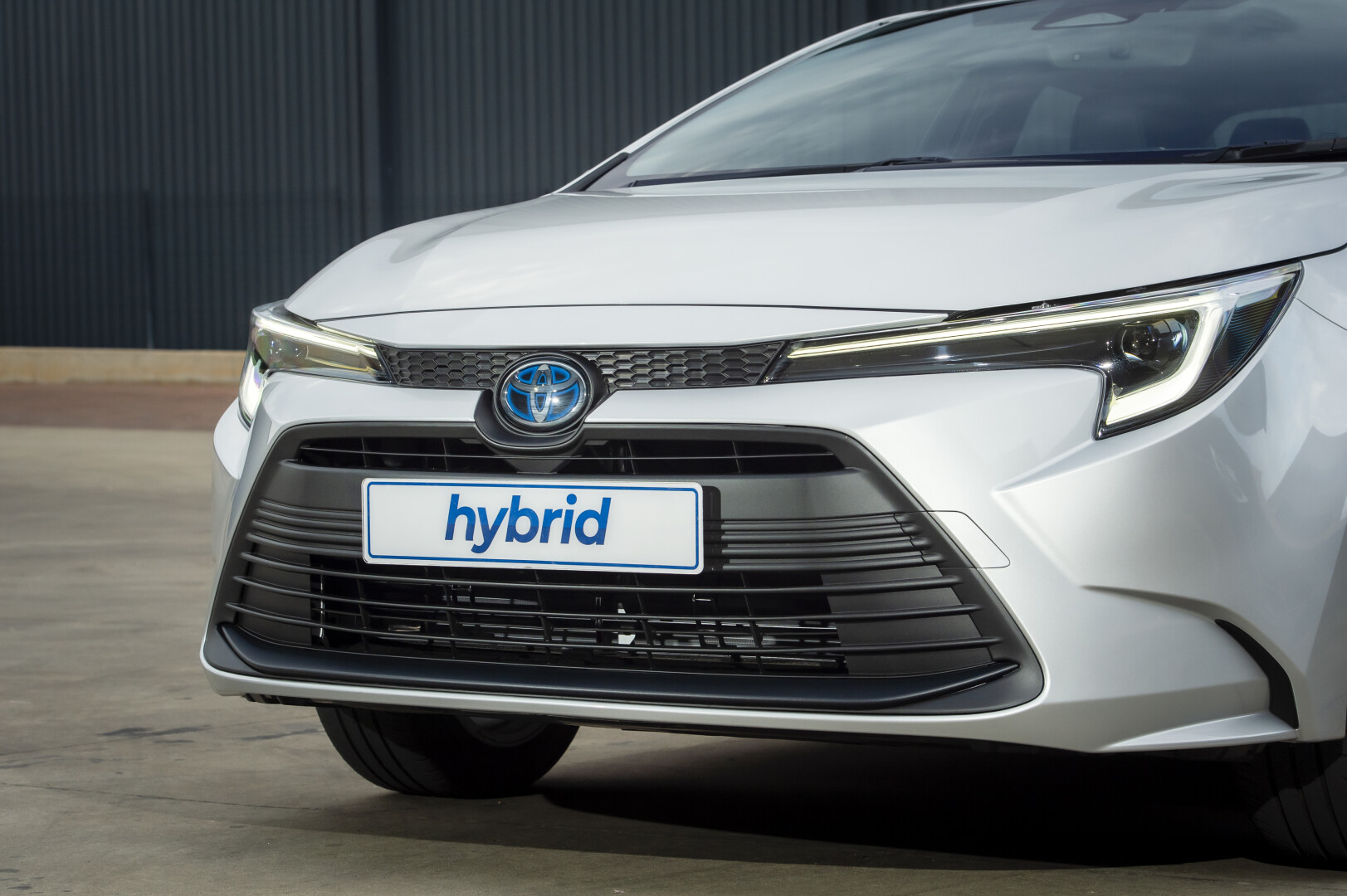
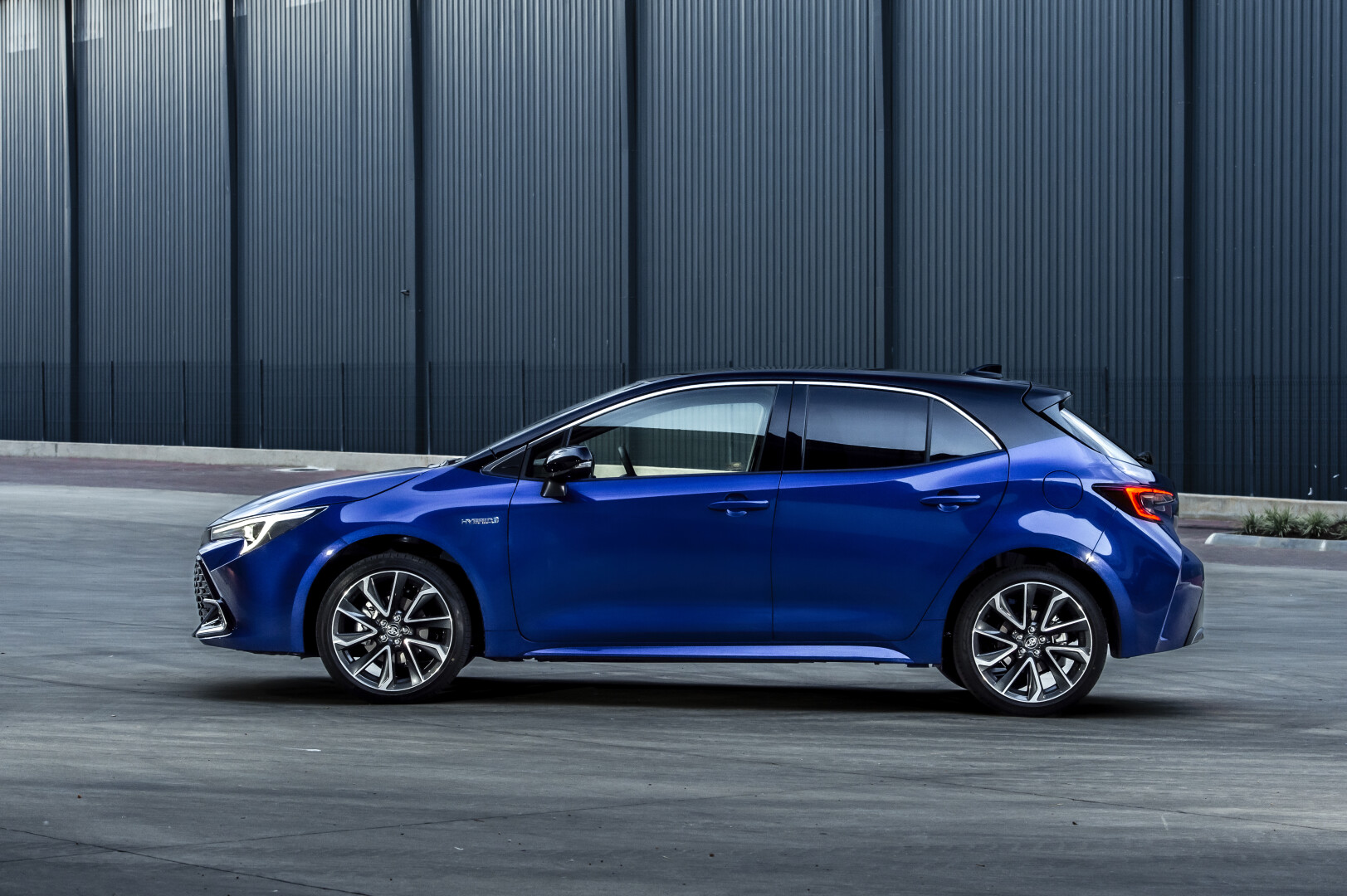
Now though, with the revised Corolla hatchback and sedan available in South Africa, Toyota is increasing its local NEV footprint with the introduction of the Corolla Hybrid hatchback which employs the firm’s 5-generation 1.8-litre petrol-electric powertrain.
Before we dive into the merits of the Corolla Hybrid hatchback, let’s quickly run through some of the key changes to the Corolla range.
How has the Corolla range changed?
Toyota is increasing its New Energy Vehicle (NEV) footprint in South Africa.
Apart from updated styling for both the Corolla hatchback and sedan, the biggest change to the range is the worldwide discontinuation of the turbocharged Corolla 1.2T derivatives. For the Corolla sedan range, the entry-level Corolla 1.8 XS derivative has also been discontinued locally.
As such, the Corolla hatchback range now comprises 3 hybrid derivatives (XS, XR, XR with bi-tone styling) and two naturally-aspirated Corolla 2.0 derivatives (XS and XR bi-tone).
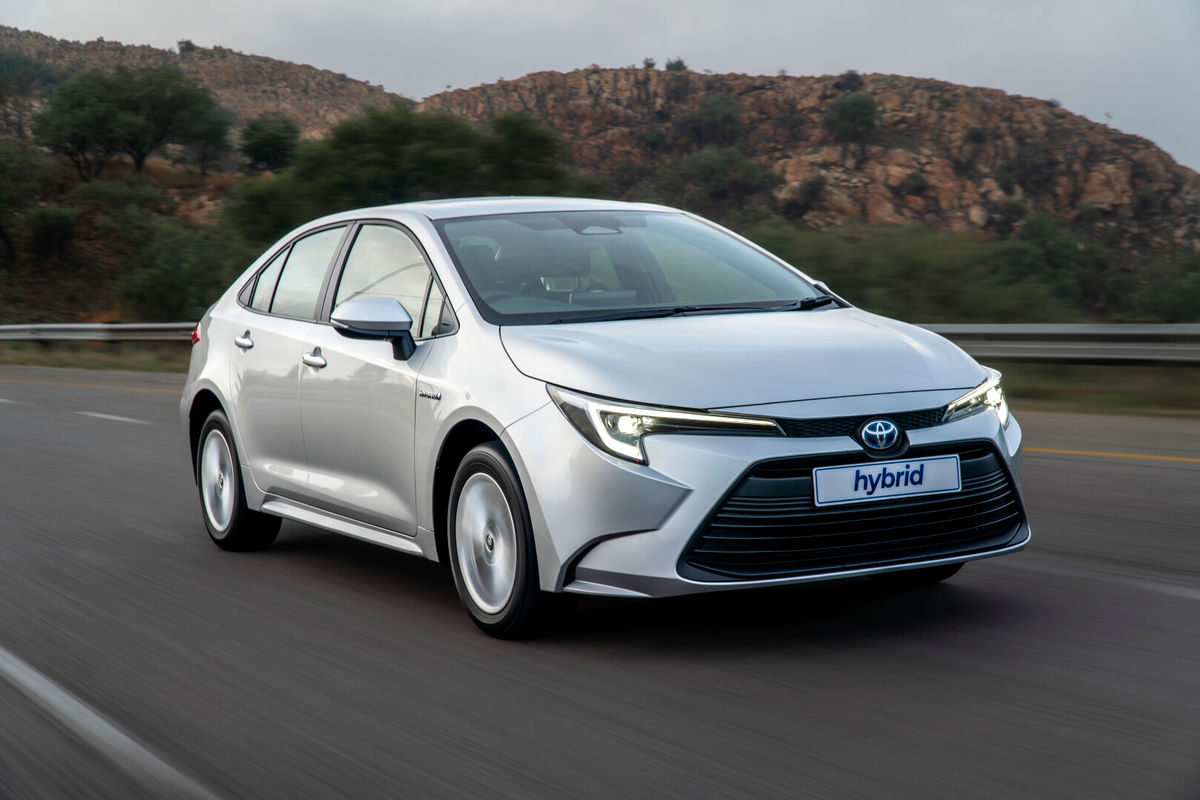
Meanwhile, the Corolla sedan range has been rationalised to include 2 hybrid derivatives (XS and XR bi-tone) as well as a naturally-aspirated Corolla 2.0 XR derivative. Lastly, all Corollas are now offered exclusively with a Continuously Variable Transmission (CVT) as the previous manual transmission has also been discontinued across the board.
What about changes to the Corolla’s interior?
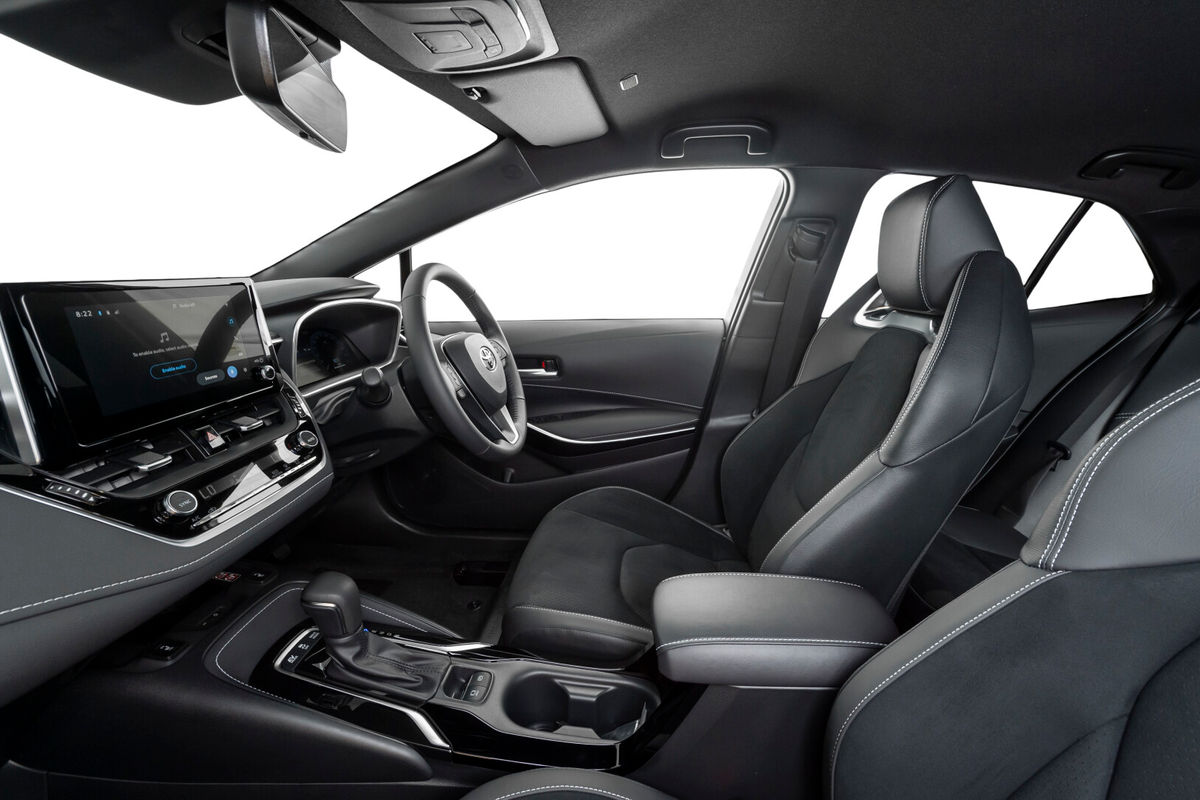
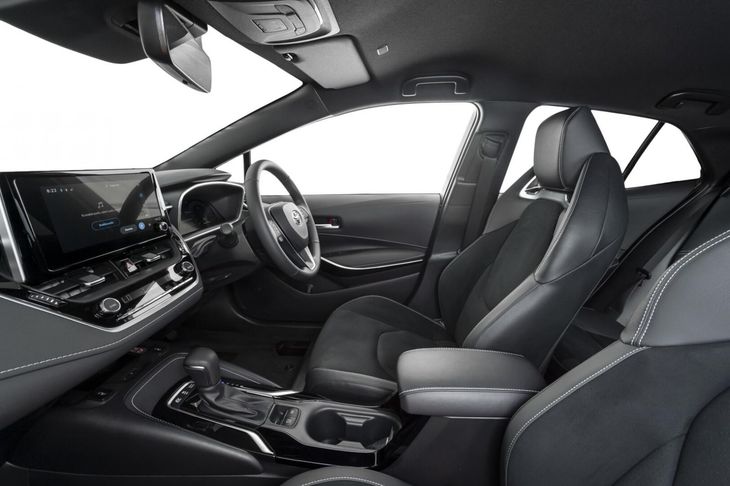
The Corolla hatch and sedan benefit from numerous interior equipment upgrades.
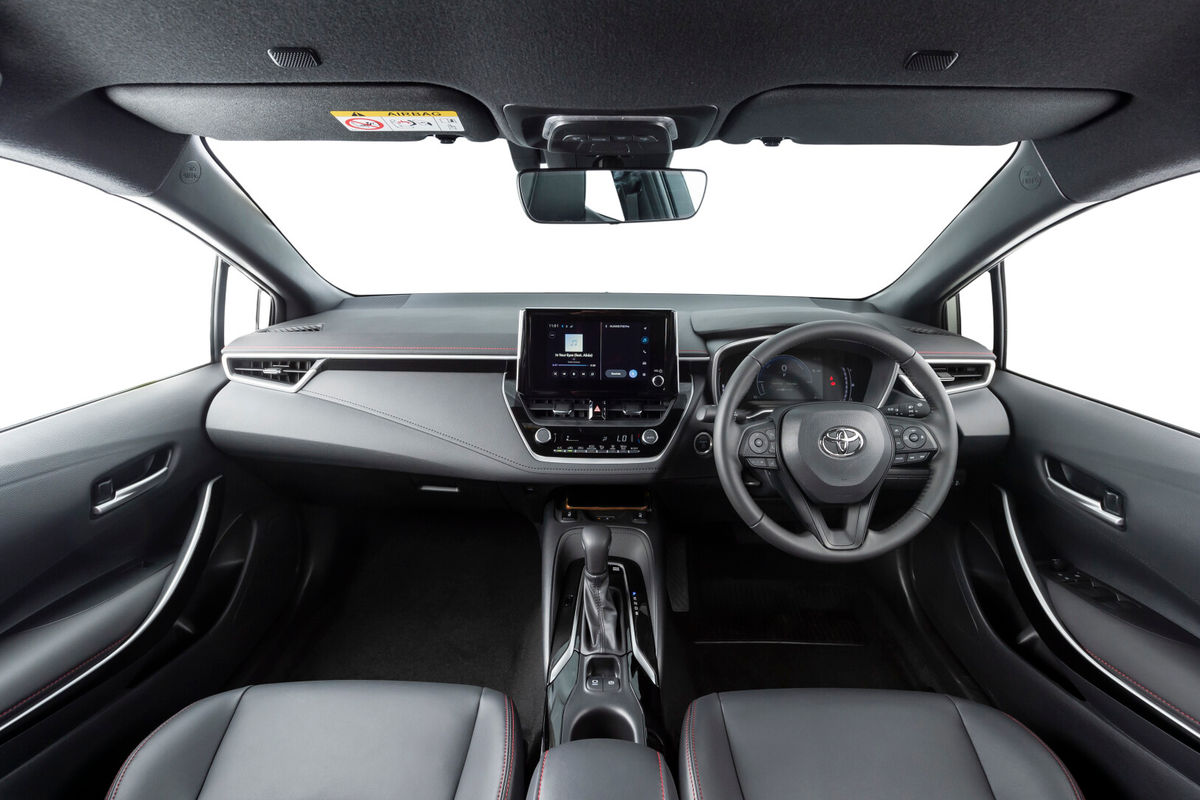
The updates inside the Corolla hatchback and sedan are fairly substantial. For starters and in addition to the standard black trim, Corolla hatchback buyers can now opt for a sportier red-black combination while the Corolla sedan can be had with new red inserts (previously blue).
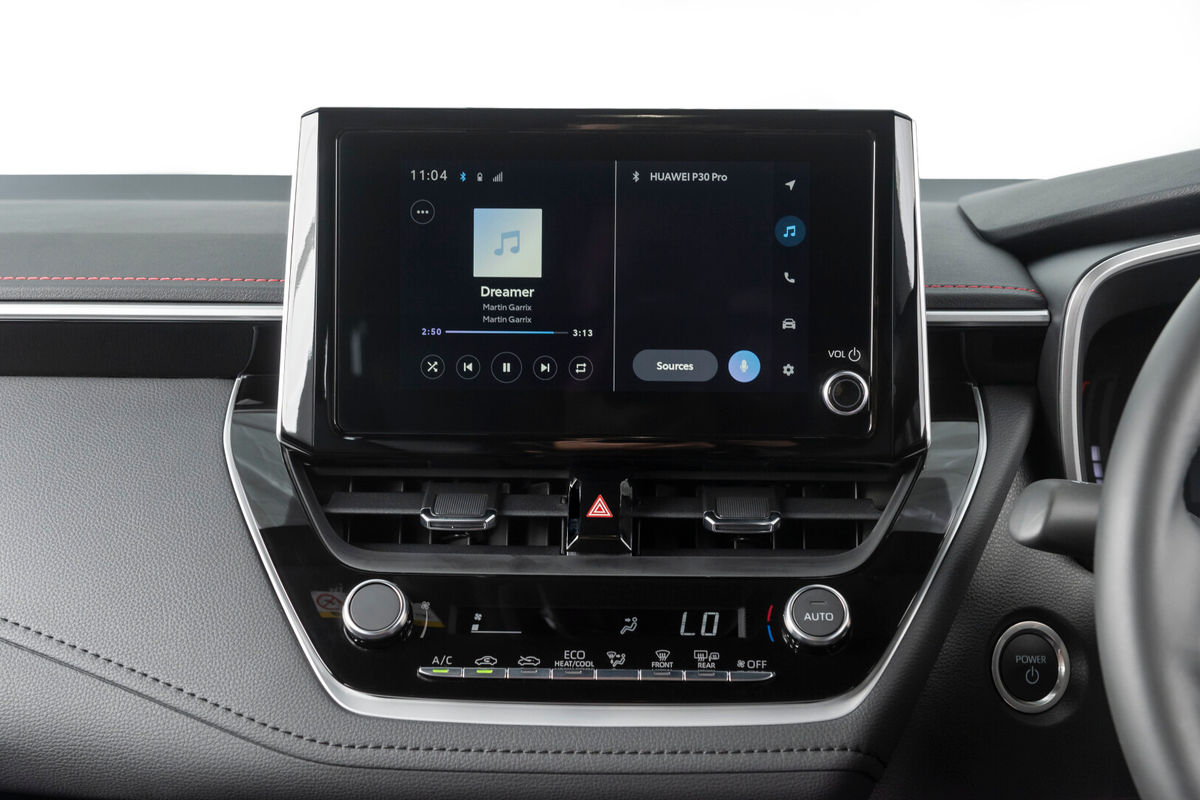
Perhaps more significant is the revised 8-inch infotainment system with soft-touch functionality, 3 new display modes, voice recognition, integrated navigation and wireless Apple CarPlay and Android Auto.
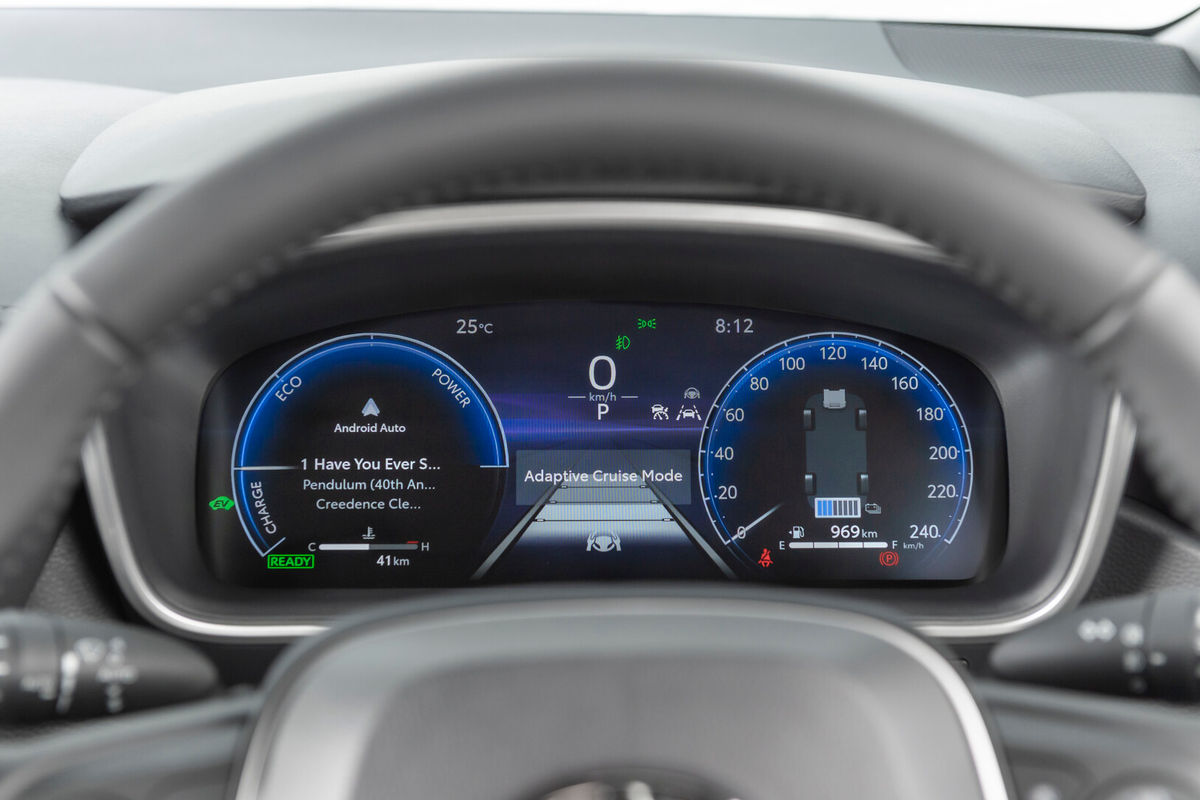
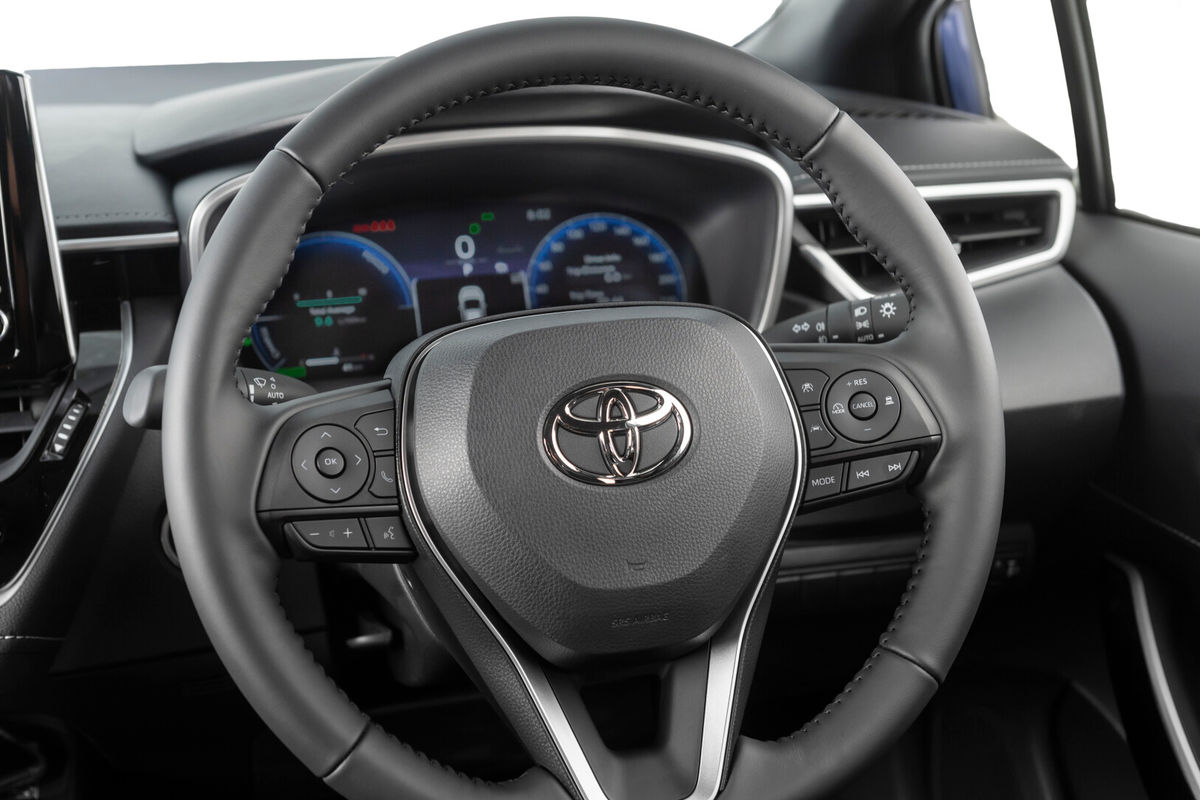
More so, the updated Corolla hatchback and sedan now also features a larger 7.0-inch combination instrument cluster with a central multi-information display (XS grade) while the range-topping Corolla XR hatch gains a 12.3-inch digital instrument cluster.
Convenience has also been boosted with the fitment of a high-speed wireless smartphone charger as well as 2 additional USB-C ports for rear passengers.
In terms of safety, the updated Corolla is equipped with the latest Toyota Safety Sense (TSS) 3.0 driver assistance suite which now benefits from enhanced radars with better detection capability as well as improved cameras with higher resolution and a wider field of view. Other new features include Intelligent Clearance Sonar (ICS) which makes manoeuvring in tight parking spaces safer by automatically applying the brakes if an imminent collision is detected. The Blind Spot Monitoring (BSM) is now aslo complemented with a Safe Exit Assist feature that detects approaching cyclists or vehicles when a passenger is opening a door.
Hybrid derivatives now dominate the local Corolla offering.
The only ICE offering is the naturally-aspirated 2.0-litre petrol engine but it now offers 1 kW and 3 Nm more with outputs peaking at 126 kW and 203 Nm and with a claimed fuel consumption of 6 L/100km.
The new-generation Corolla Hybrid with its Atkinson-Cycle 1.8-litre petrol engine combines with an electric motor to offer a 14% bump in power from the previous 90 kW to 103 kW and with 142 Nm of torque on offer. The hybrid system is also supported by a lighter, newly-developed 18.1 kW lithium-ion battery. As mentioned previously, all derivatives are mated with a CVT. Toyota claims 3.5 L/100km for the Corolla Hybrid hatchback and 3.9 L/100km for the Corolla Hybrid sedan.
How does the Corolla Hybrid hatchback perform on the road?
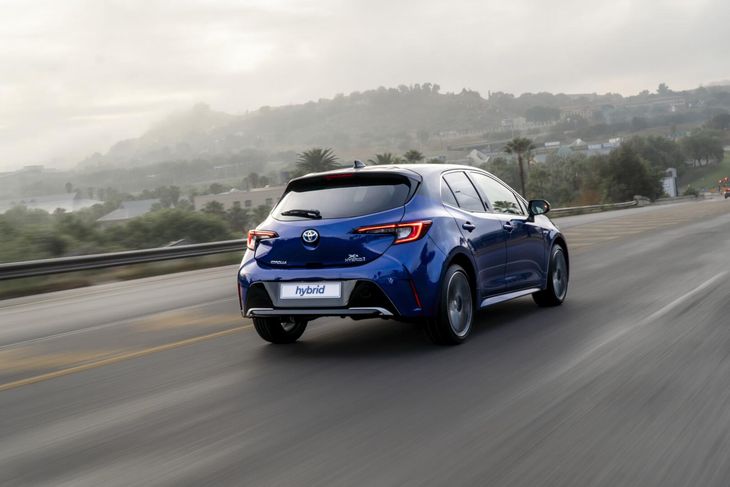
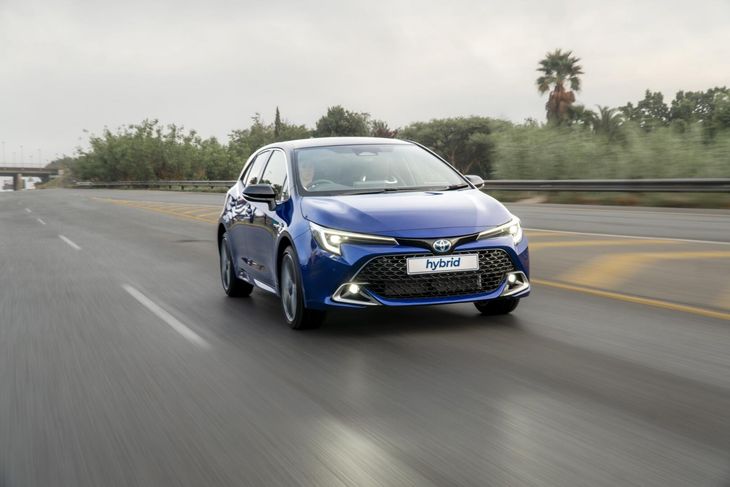
The Corolla Hybrid hatchback now offers more power and enhanced battery efficiency.
Toyota made both the Corolla Hybrid hatchback and sedan available for driving in the suburbs of Johannesburg. Even though the launch route wasn’t more than 40km in length, we still got a small but sweet taste of what the latest Corolla Hybrids offer.
Upon entering the Corolla Hybrid hatchback, it’s hard not to be impressed by the comfortable, cosseting seats as well as the premium-looking cabin design. At low speeds, such as when navigating a parking basement, driving is done in EV mode and only when throttle input and speed increase, does the 1.8-litre petrol engine kick in to deliver propulsion. Under a firmer right foot, acceleration is both smooth and progressive. The Corolla hatchback rides on Toyota’s TGNA platform and from a handling perspective, it certainly feels dextrous and agile on its rubber.
As highlighted in our previous review of the Toyota Corolla hatchback, ride quality is good overall with a comfortable disposition but the suspension is sprung slightly on the firmer side of the spectrum. This gives the Corolla hatchback a sportier feel, but larger road imperfections or potholes which are prevalent in Jozi’s suburbia can be quite jarring but nonetheless, the Corolla still manages to strike a good balance between sportiness and comfort.
It’s worth mentioning that as a self-charging hybrid, the Corolla is able to recoup energy while coasting and braking which tops up the battery which can then be re-used when cruising around in EV mode. If you consider that low-speed driving is very common in an urban setting, you’re likely to save a substantial amount of fuel in low-speed situations over the lifespan of the vehicle.
As far as overall driving efficiency is concerned, our short drive in the suburbs returned a figure of 5.5 L/100km and we’re fairly confident that with some highway driving in the mix, a figure of around 5 L/100km is not impossible to achieve.
Is a Corolla Hybrid worthwhile?
We are hoping to spend more time with the new Corolla Hybrid hatchback in the near future and only then will we be able to make a clear-cut verdict on whether it’s worth considering as an alternative to a conventional ICE-powered vehicle.
Even so, it’s evident that you can claw back fuel costs by opting for a Corolla Hybrid but the gains will only be fully realised if you own the vehicle for a longer period of time. It’s also worth noting that hybrid vehicles are generally more expensive to purchase than conventional ICE vehicles.
Below is a basic fuel consumption versus cost comparison between the Toyota Corolla Hybrid hatchback and the similarly-priced Volkswagen Polo 85kW 1.0TSI R-Line. Note that the calculations are based on projected real-world fuel consumption figures and not the manufacturer’s claimed consumption figures.
Also, note that the table below is by no means definitive but rather serves to illustrate and demonstrate basic fuel consumption versus cost over a period of time at current fuel prices. Obviously, future fuel prices are likely to be much higher. The table also doesn’t account for the Corolla Hybrid’s fuel-saving over time when driven in EV mode in low-speed situations.
Based on the table below and at current fuel prices, it will take roughly 5 years of ownership of the base Toyota Corolla Hybrid to reclaim the price difference between the Volkswagen Polo 1.0TSI R-Line.
Some food for thought…
Vehicle Price and Fuel Consumption
Toyota Corolla Hybrid hatchback 1.8 Xs
Volkswagen Polo 1.0TSI R-Line
Difference
Price (November 2022)
R490 300
R445 500
R44 800
Claimed Fuel Consumption
3.5 L/100km
5.4 L/100km
1.9 L/100km
Projected real-world consumption
5.5 L/100km
7.5 L/100m
2.0 L/100km
Projected fuel costs and savings over time
Toyota Corolla Hybrid hatchback 1.8 Xs
Volkswagen Polo 1.0TSI R-Line
Difference
Ownership period
Distance
Cost (@ R22.87 p/l)
Distance
Cost (@ R22.87 p/l)
0.5 year
10 000 km
550 litres @ R12 579
10 000 km
750 litres @ R17 153
R4 574
1 year
20 000 km
1 100 litres @ R25 158
20 000 km
1 500 litres @ R34 306
R9 148
2.5 years
50 000 km
2 750 litres @ R62 893
50 000 km
3 750 litres @ R85 763
R22 869
5 years
100 000 km
5 500 litres @ R125 785
100 000km
7 500 litres @ R171 525
R45 740
How much does the Toyota Corolla hatchback and sedan cost in South Africa?
Corolla Hatch
Corolla Hatch 1.8 Xs Hybrid – R490 900
Corolla Hatch 1.8 Xr Hybrid – R528 400
Corolla Hatch 1.8 Xr Hybrid Bi-tone – R538 800
Corolla Hatch 2.0 Xr CVT – R517 100
Corolla Hatch 2.0 Xr CVT Bi-tone – R529 000
Corolla Sedan
Corolla 1.8 Xs Hybrid – R 502 600
Corolla 1.8 Xr Hybrid – R 521 800
Corolla 2.0 Xr CVT – R 517 100
The Toyota Corolla is sold with a 6-services/90 000 km service plan (intervals set at 15 000 km). Petrol models carry a 3-year/100 000km warranty, while hybrid models hold an 8-year/195 000 km warranty plan.
10 best-selling bakkies in South Africa: October 2022
Let’s take a closer look at the list of South Africa’s 10 best-selling bakkies for October 2022, as well the best of the rest and the export winners…
October 2022 saw South Africa’s new-vehicle market grow 11.4% year on year to 45 966 units. The industry’s light-commercial vehicle segment (which includes bakkies) showed year-on-year gains of 14.3% to reach 12 738 registrations.
As you might have already guessed, the resurgent Toyota Hilux was responsible for a fair chunk of those sales (3 336 units, to be exact), retaining its title as South Africa’s best-selling bakkie in October 2022. Production of the Japanese firm’s bakkie range is seemingly fully back online in KwaZulu-Natal and was recently bolstered by the arrival of the 165 kW Hilux GR-Sport derivative.
The outgoing Ford Ranger, meanwhile, returned to second spot after having to settle for third in September, with 1 807 units registered across the country. However, Blue Oval brand’s the Silverton-produced model was a mere five registrations ahead of the Struandale-built Isuzu D-Max (1 802 units), which consequently fell one to third.
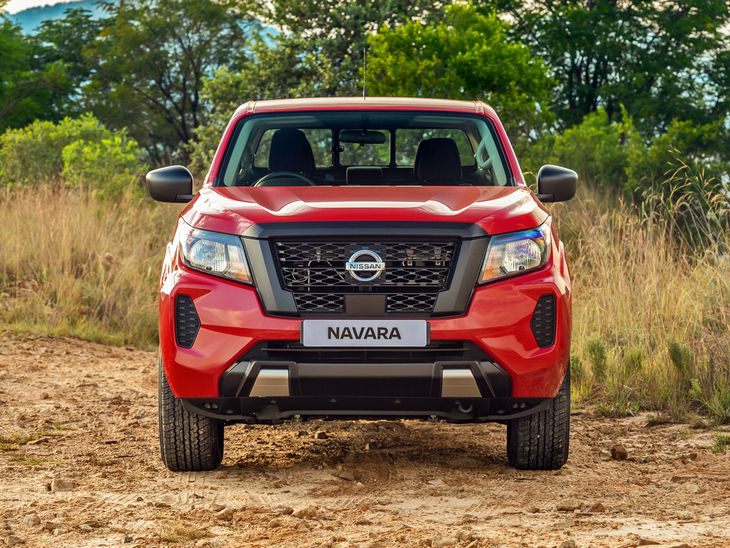
Sales of the Nissan Navara grew month on month, but the Rosslyn-built bakkie stayed in sixth place.
The Rosslyn-manufactured Nissan NP200 (1 096 units) and the Durban-assembled Mahindra Pik Up (624 units) held steady in fourth and fifth, respectively, while the likewise locally built Nissan Navara improved month on month to 507 units but still found itself in sixth place.
After disappearing from the top 10 in September, the GWM P-Series (426 units) returned to claim seventh position in October, with the GWM Steed (349 units) retaining eighth, thanks largely to a strong showing in the rental channel (which accounted for 200 units). Finally, the Toyota Land Cruiser 79 (285 units) slipped two spots to ninth and the outgoing Volkswagen Amarok (164 units) one place to tenth.
Best of the rest in October 2022
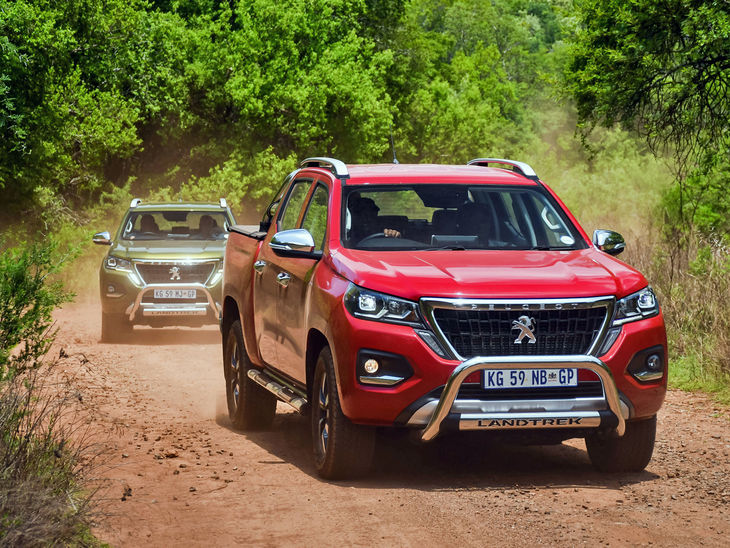
The Peugeot Landtrek more than doubled its sales month on month, ending on 47 units.
So, what about the segment’s traditionally less popular players? Well, the Mitsubishi Triton – which cracked the top 10 in September – found itself out in the cold again in October, with 66 units registered. The Mahindra Bolero finished the month on 52 units, while the Peugeot Landtrek wasn’t far behind on 47 registrations.
JAC’s T-badged bakkies (the company reports a combined figure for the recently expanded T6 and T8 line-ups) managed 38 units. As was the case in September, the Mazda BT-50 (5 units) and Jeep Gladiator (1 unit) made up the numbers with single-digit sales.
Bakkie export winners in October 2022
Overseas demand for the outgoing Ford Ranger showed little sign of slowing, with 6 312 examples of the bakkie shipped from our shores in October 2022. The Toyota Hilux (4 338 units) was a couple of thousand units behind, while the Isuzu D-Max (344 units) and Nissan Navara (262 units) were far off the pace, ahead of the Nissan NP200 (57 units). Interestingly, Naamsa’s official figures show 45 examples of the imported Triton were exported in October, along with 14 of the P-Series and a single unit of the Steed.
10 best-selling bakkies in South Africa for October 2022
The Toyota Corolla has been updated for 2023. Here’s how much you can expect to pay and what’s changed.
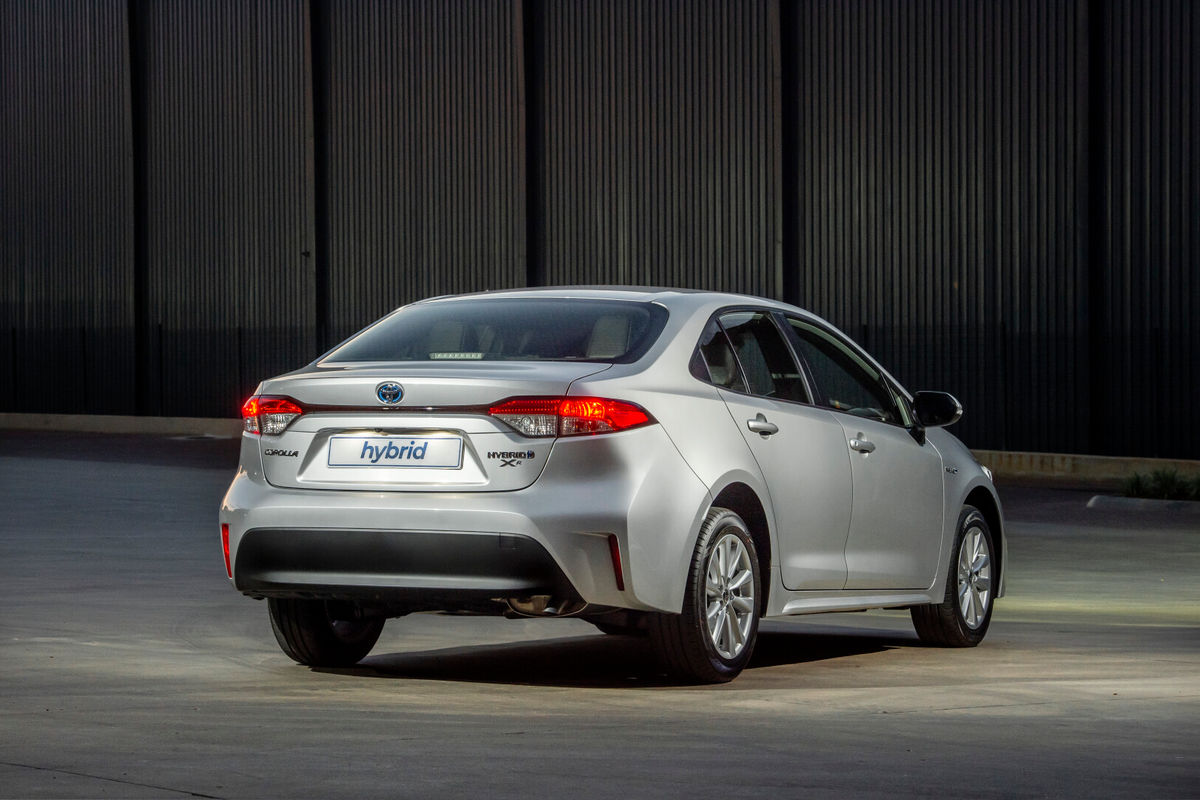
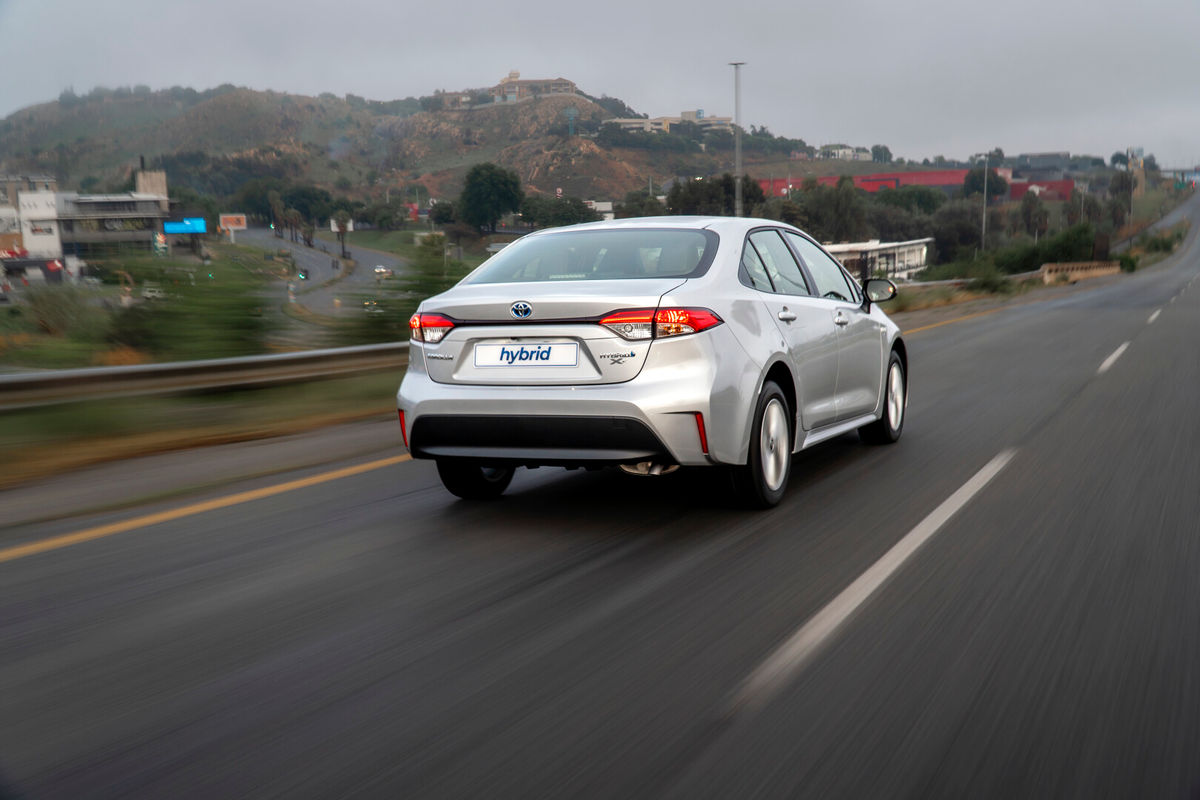
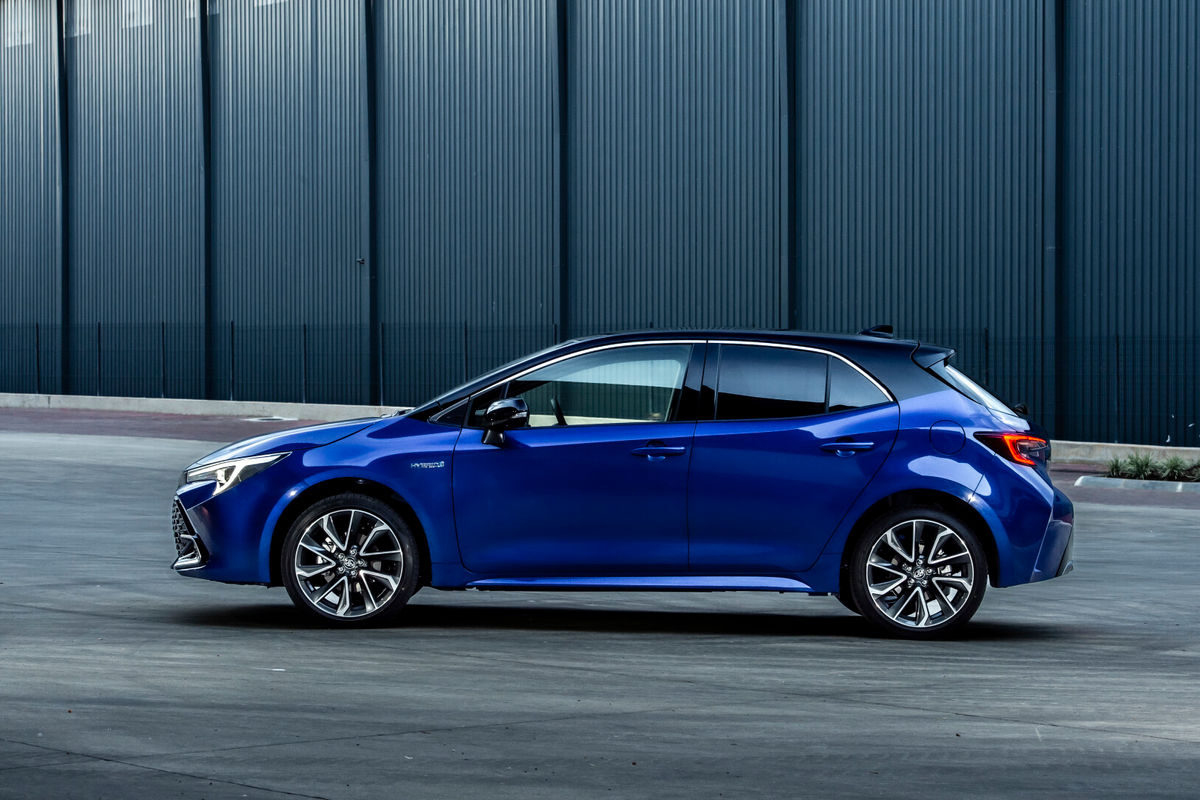
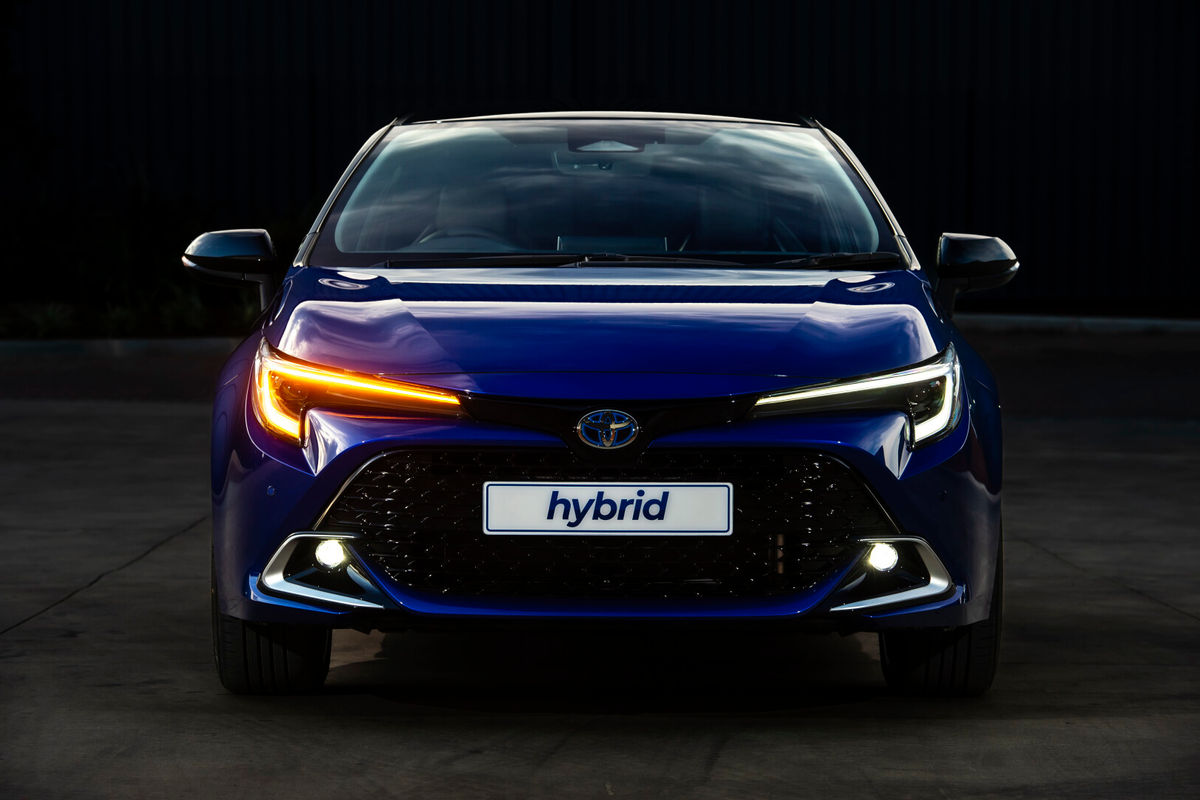
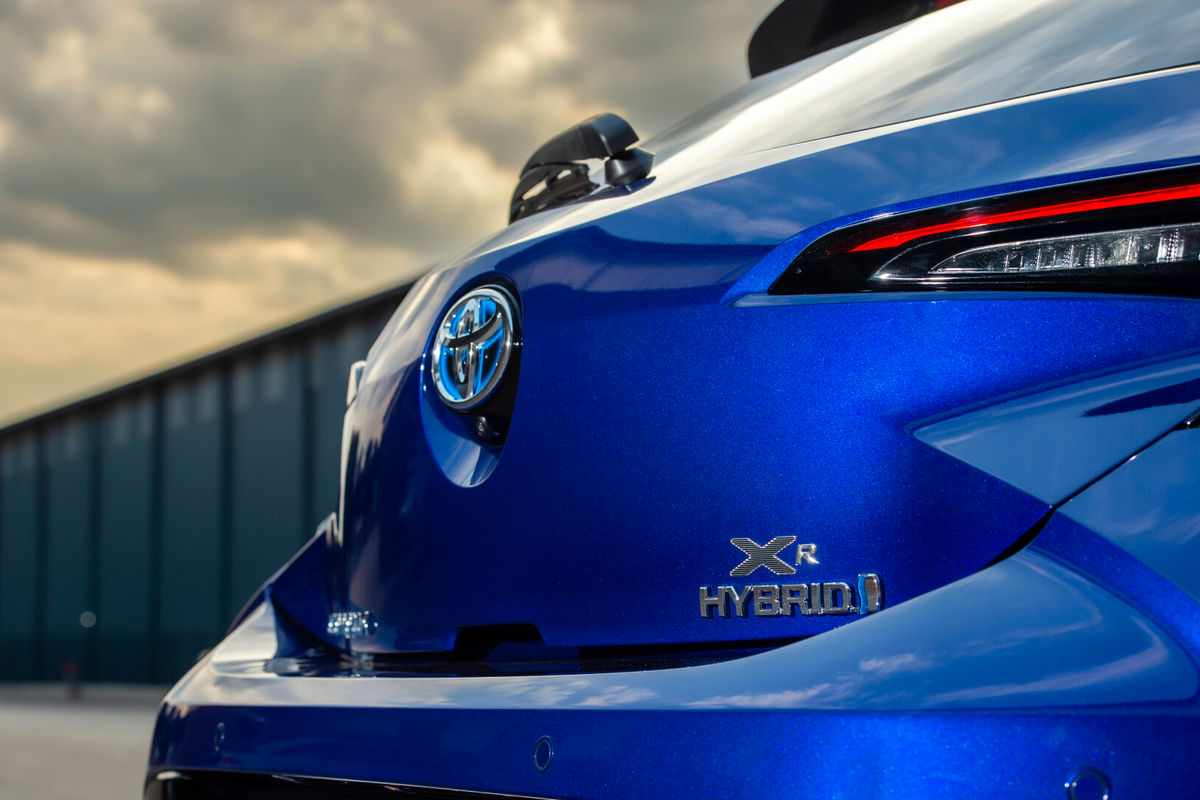
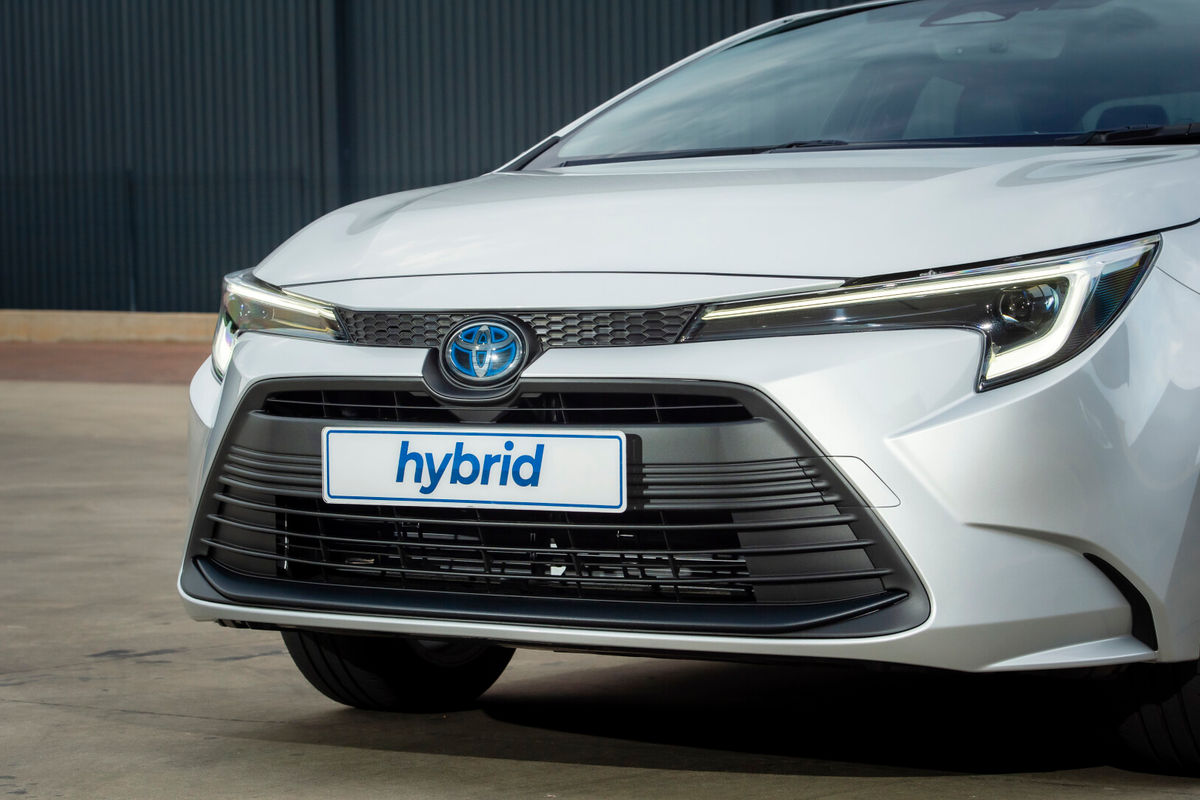
You can spot the new Corollas only if you look really carefully. The hatch gains a wider foglamp bezel. The sedan grille has received the smallest of changes. Both vehicles gain Bi-LED headlamps and daytime running lights. There are also some small cosmetic additions at the rear, with the hatch gaining some chrome, while the sedan gets a gloss-black piece on the bumper.
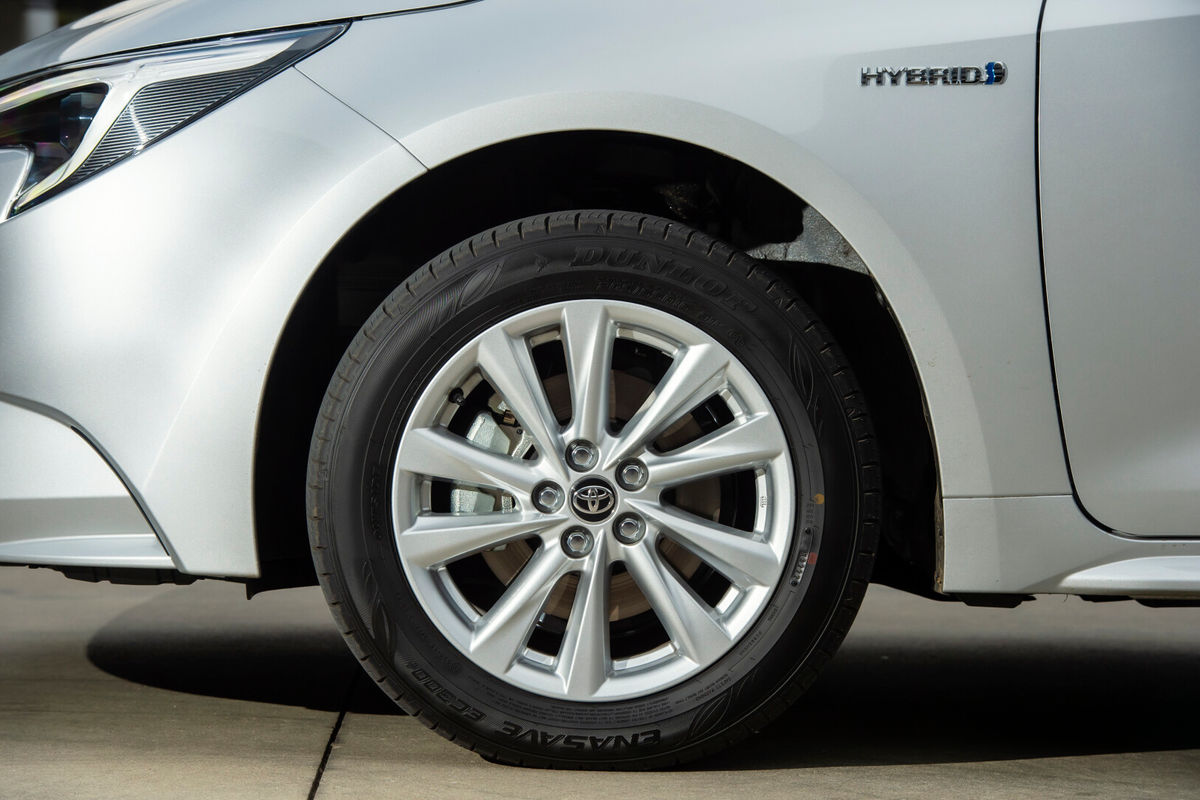
The hatch runs on 16-inch alloy wheels and a full-size spare (XS grade), while the XR has 18-inch units plus a space-saver. The sedan XS/XR HEV has 16-inch alloys and a full-size spare, while the XR has 18-inch wheels with a space-saver.
Sadly, the 1.2-litre turbocharged petrol engine has been discontinued globally. South Africa will be receiving two engines, all running a Continuously Variable Transmission (CVT). The 1.8-litre hybrid petrol engine delivers 103 kW, which is a 14% increase over the outgoing motor.
The new 5th-generation hybrid system makes its debut on the Corolla and Toyota reckons a better driving experience with improved economy is on offer. A new 18.1 kWh battery is standard, which weighs 14% less than the 4th-gen hybrid setup.
The 2.0-litre naturally-aspirated petrol engine has also seen an increase in outputs, with 126 kW and 203 Nm.
Customers will have 8 colours to choose from for the Corolla hatch, while the Corolla sedan has 7 shades on offer.
Corolla Hatchback Features
XS
LED Auto high beam headlights
LED daytime running lights
Toyota Safety Sense (Pre-crash, Lane-keeping, Adaptive cruise control, Blind spot)
New design display audio (Bluetooth, 6 speakers, reverse camera, Android Auto, Apple CarPlay)
7-inch Multi-Info Display
4x USB ports
XR (Above content plus:)
Bi-LED Auto high beam headlights
Auto rain sensing
Park distance control front and rear with intelligent clearance sonar
12.3-inch Multi-Info Display
Wireless Apple CarPlay
Sporty leather + Suede Seat Trim
Corolla Sedan Trim Features
XS
Bi-LED Auto high beam headlights
Sporty leather + suede seat trim
LED front personal lamp
Toyota Safety Sense (Pre-crash, Lane-keeping, Adaptive cruise control)
New design display audio (Bluetooth, USB-A, 6-speakers, reverse camera, Android Auto, Apple CarPlay)
Front heated seats
Powered driver seat with lumbar support
Multi-function display (7-inch)
4x USB
Wireless charger
XR (The above content plus:)
Auto rain sensing wipers
Blind Spot monitor with rear cross traffic alert and safe exit assist
New design display audio with navigation and wireless Apple CarPlay
How much does the updated Toyota Corolla cost in South Africa?
All Corolla models are sold with a 6-services/90 000 km service plan (intervals set at 15 000 km). Petrol models carry a 3-year/100 000km warranty, while hybrid models hold an 8-year/195 000 km warranty plan. Service and warranty plan extensions can also be purchased from any Toyota dealer (220 outlets).