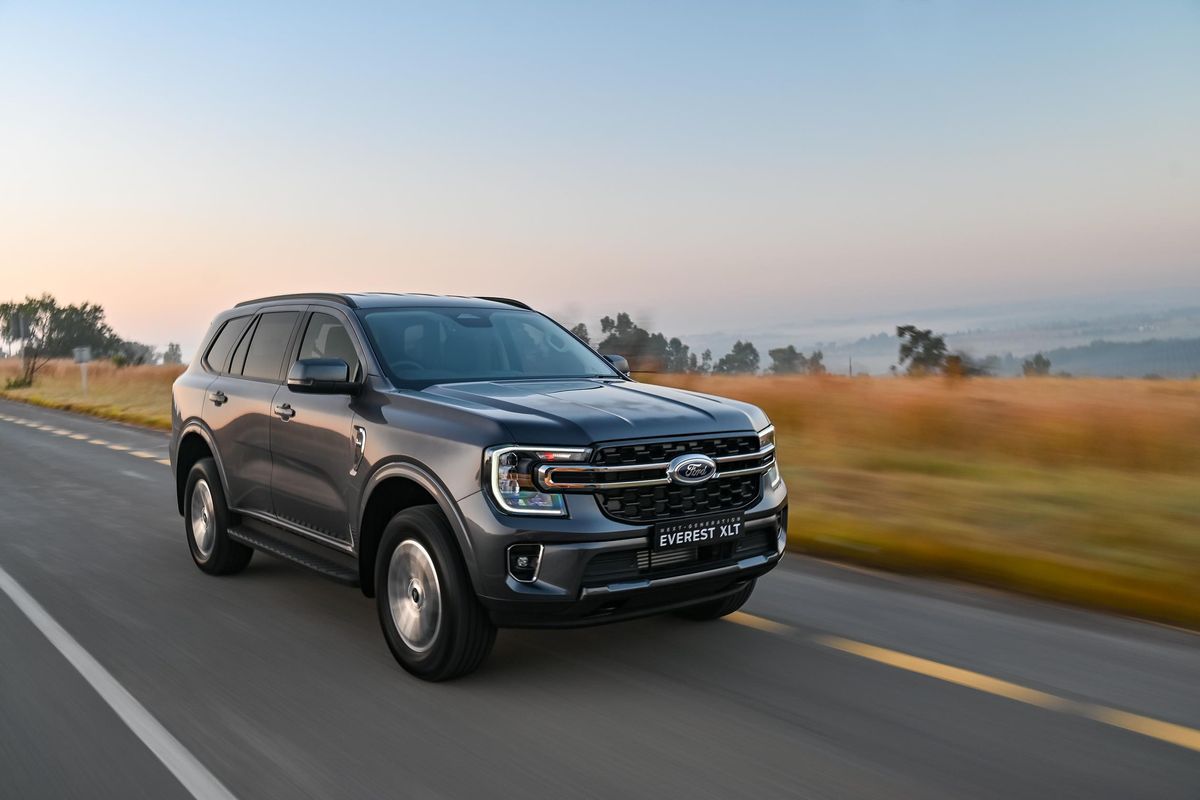
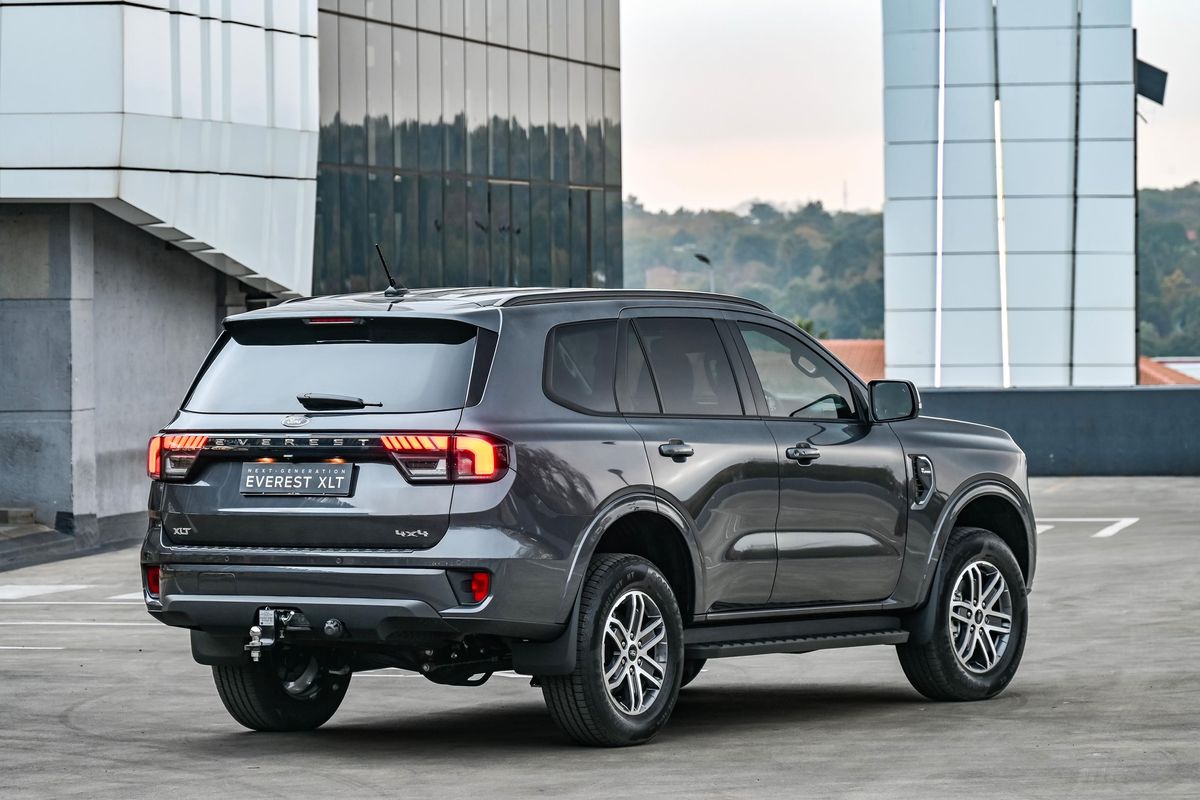
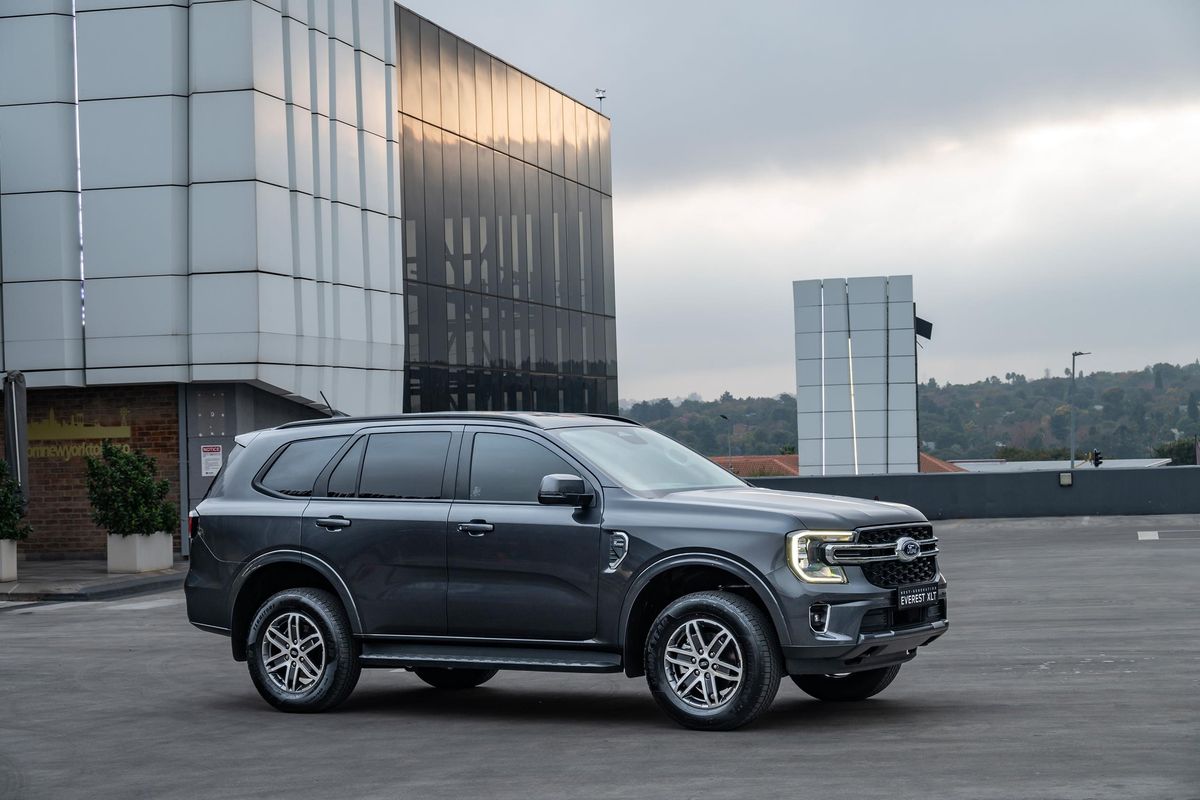
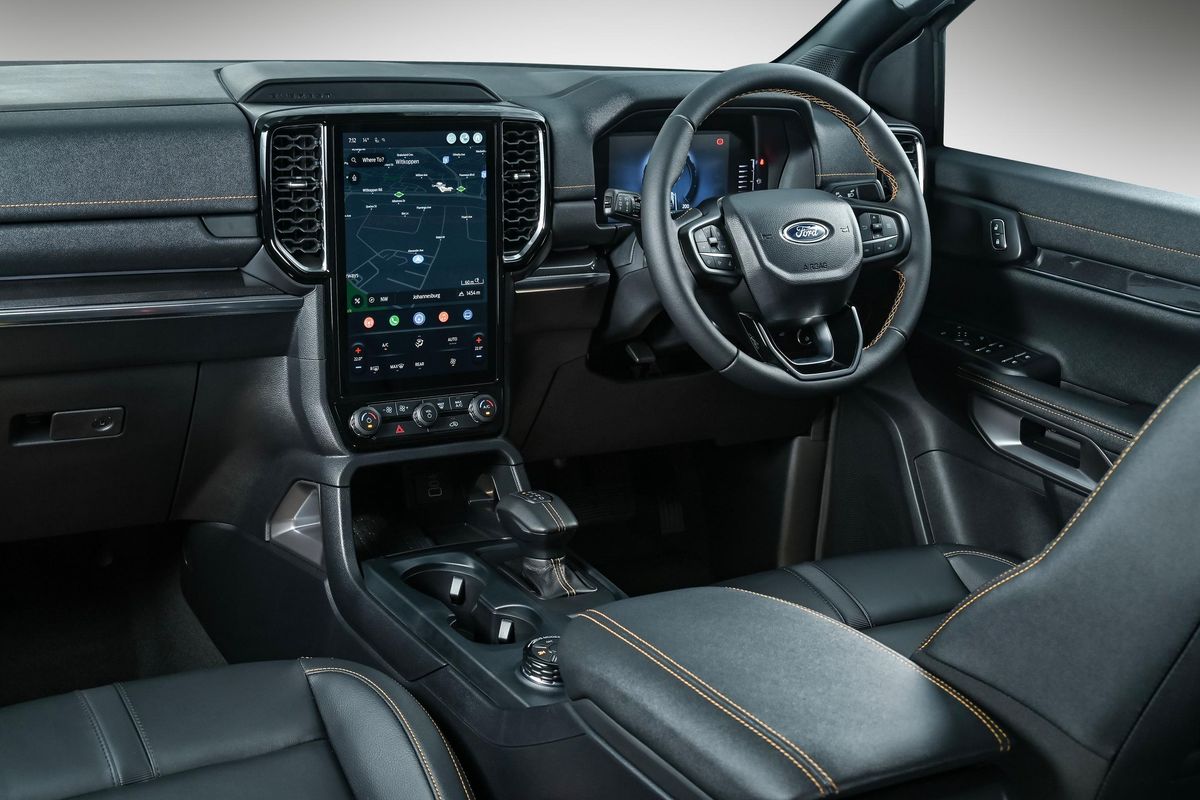
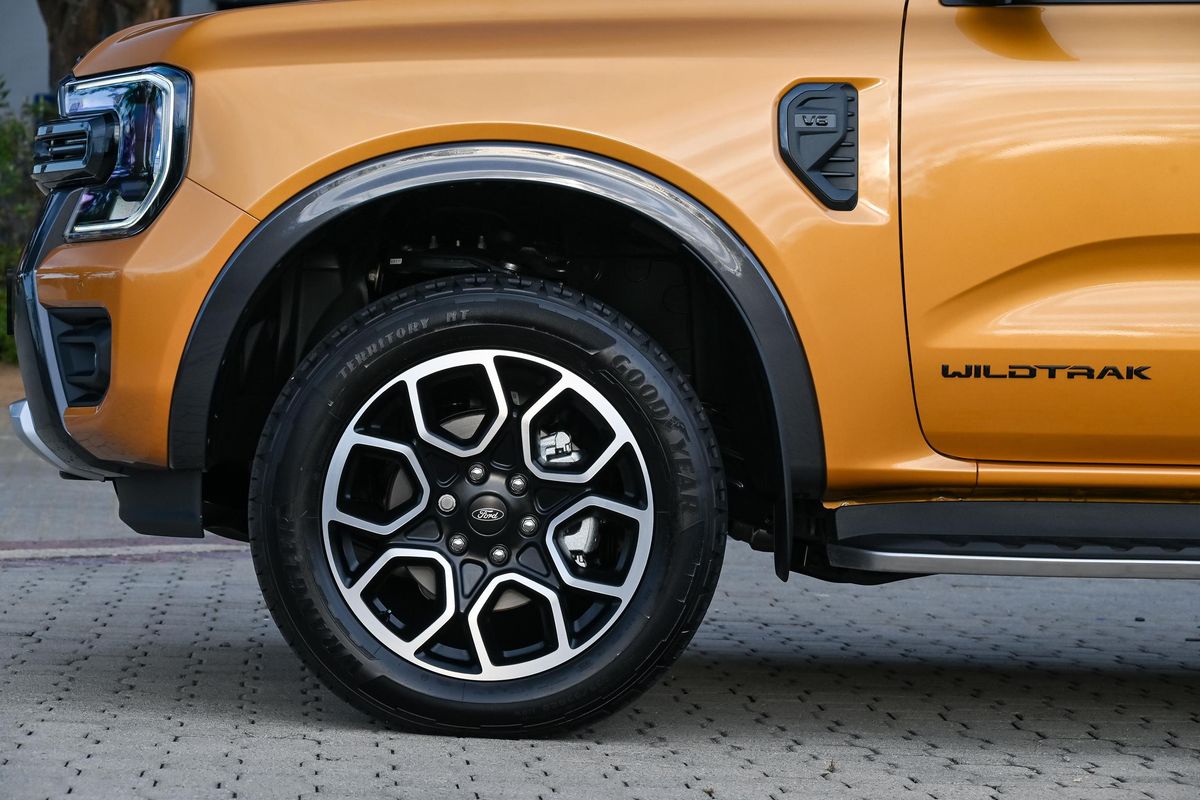
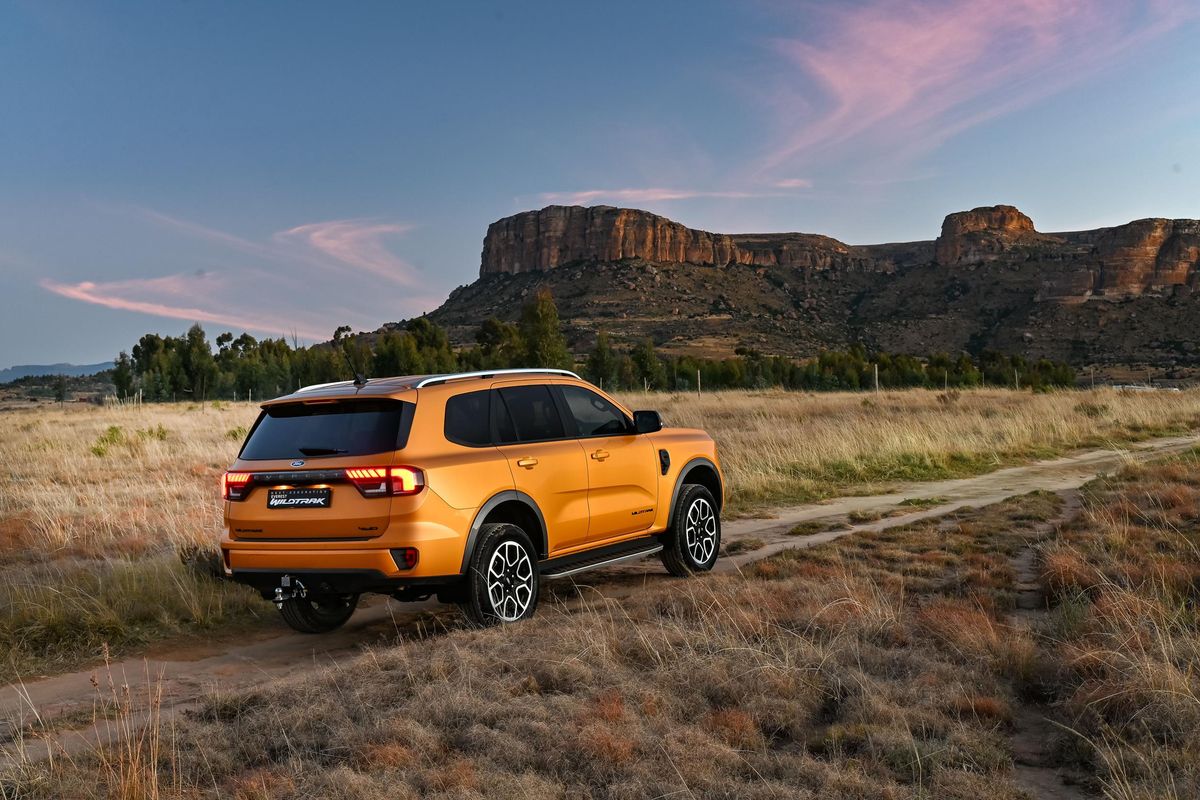
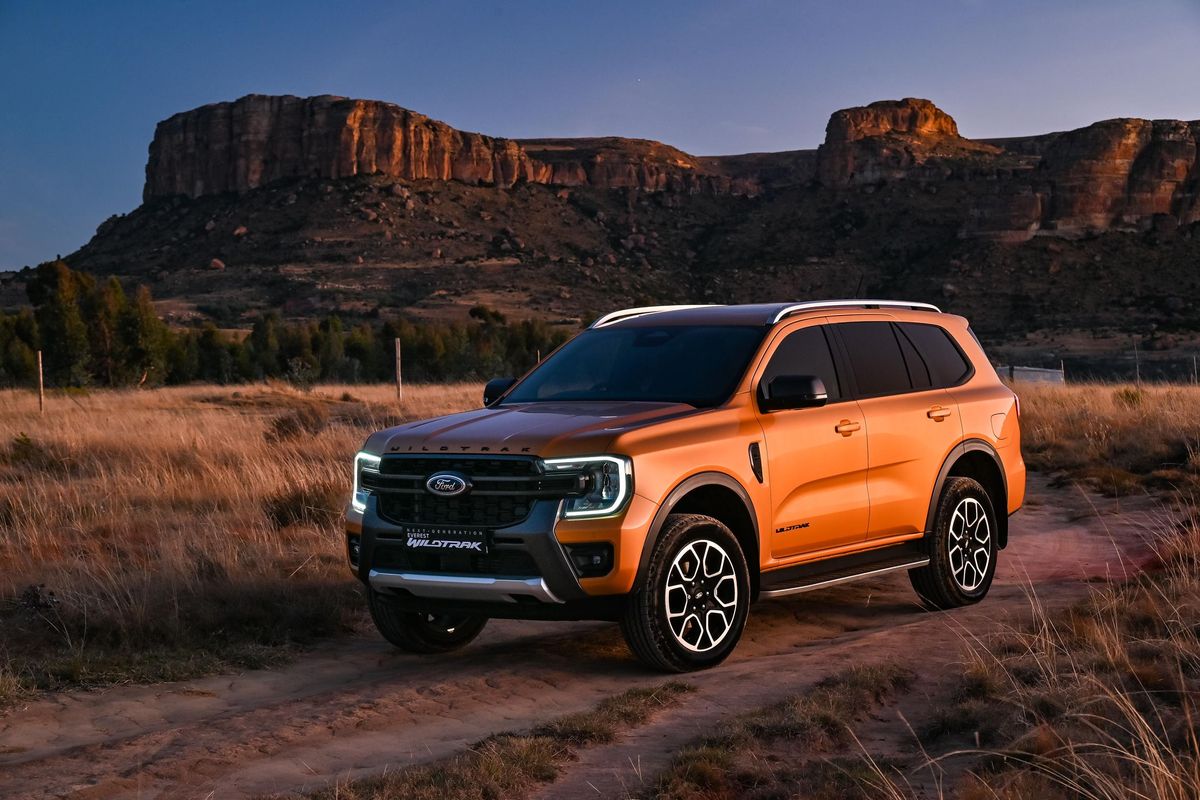
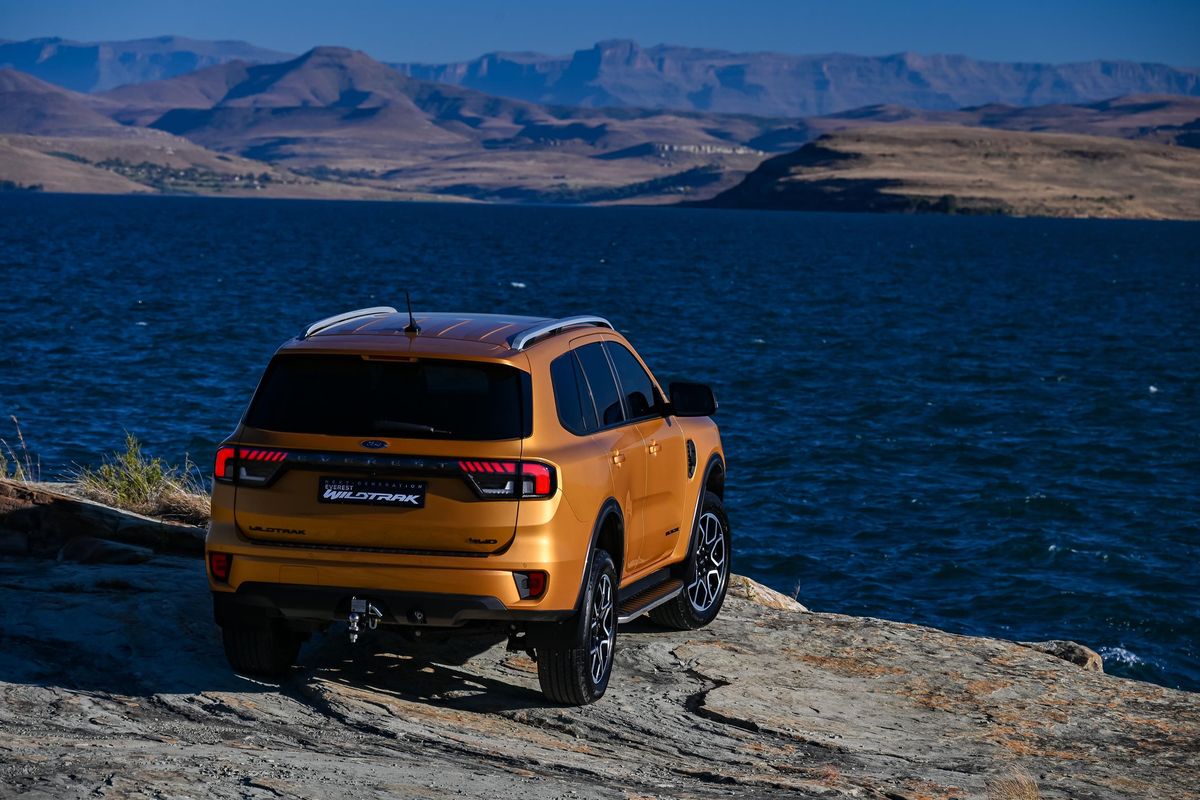
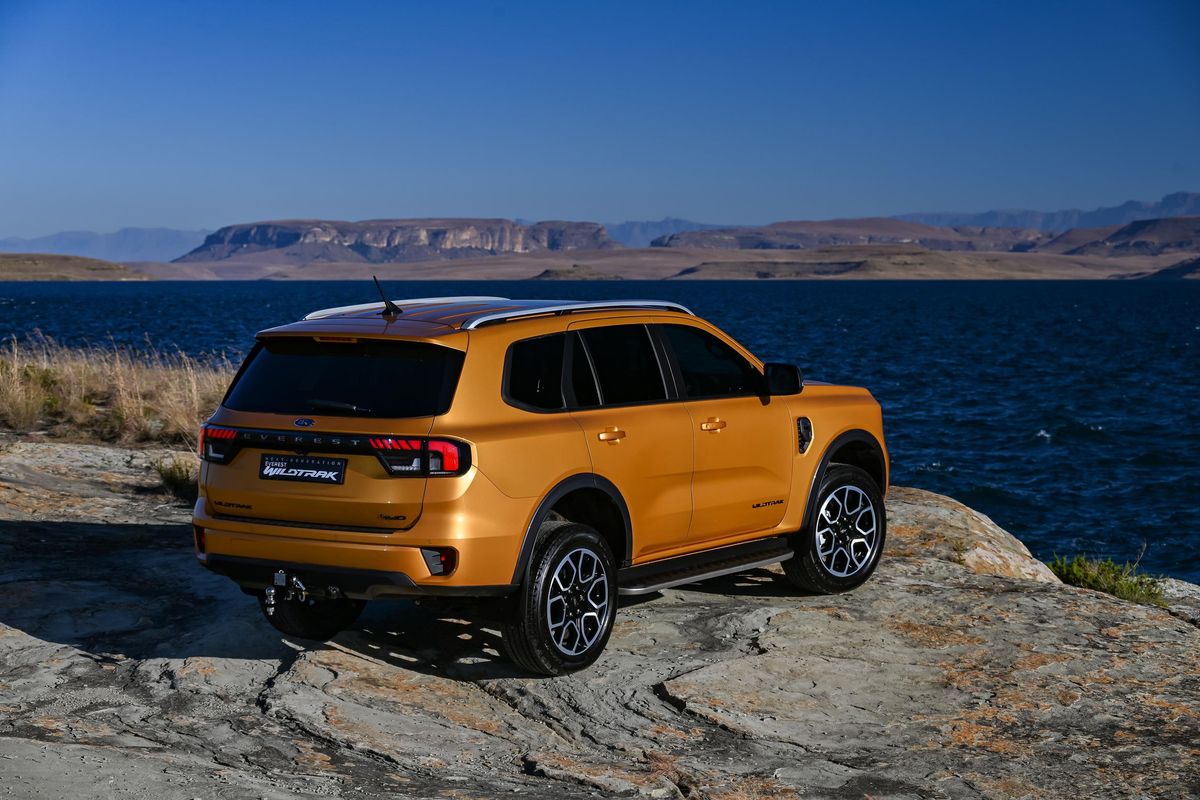
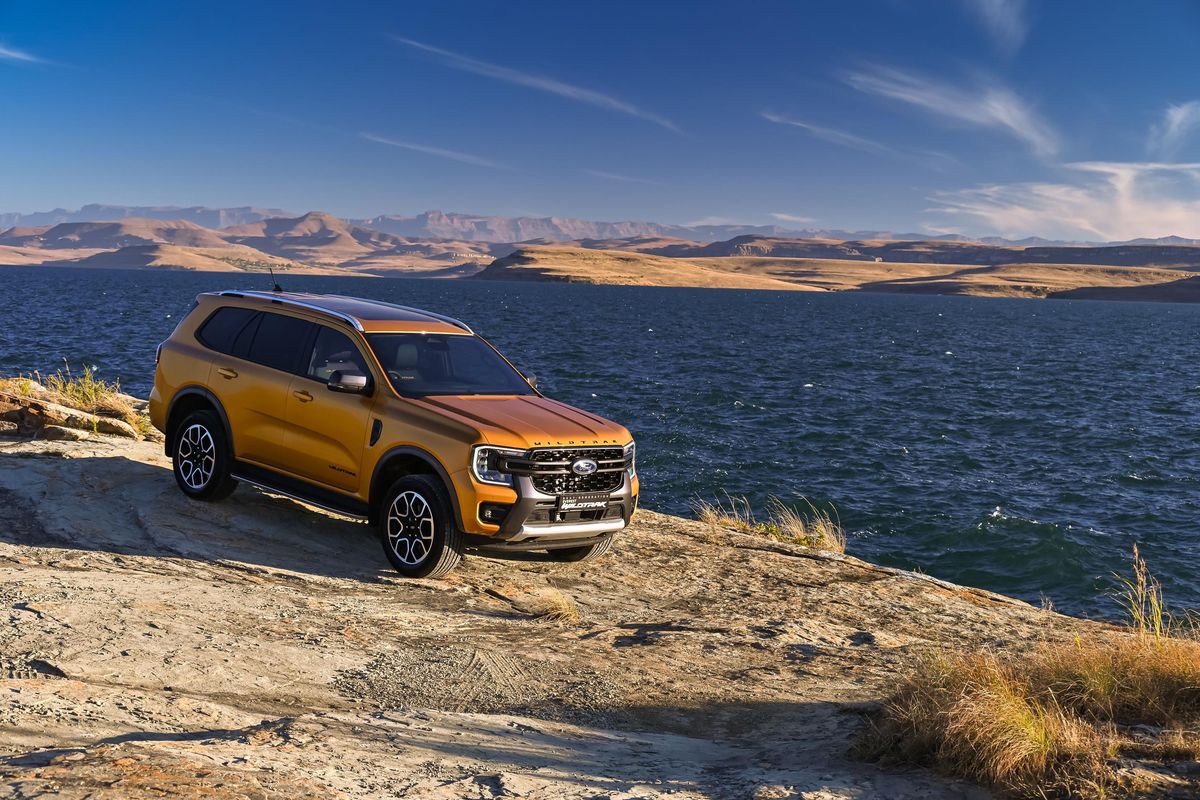
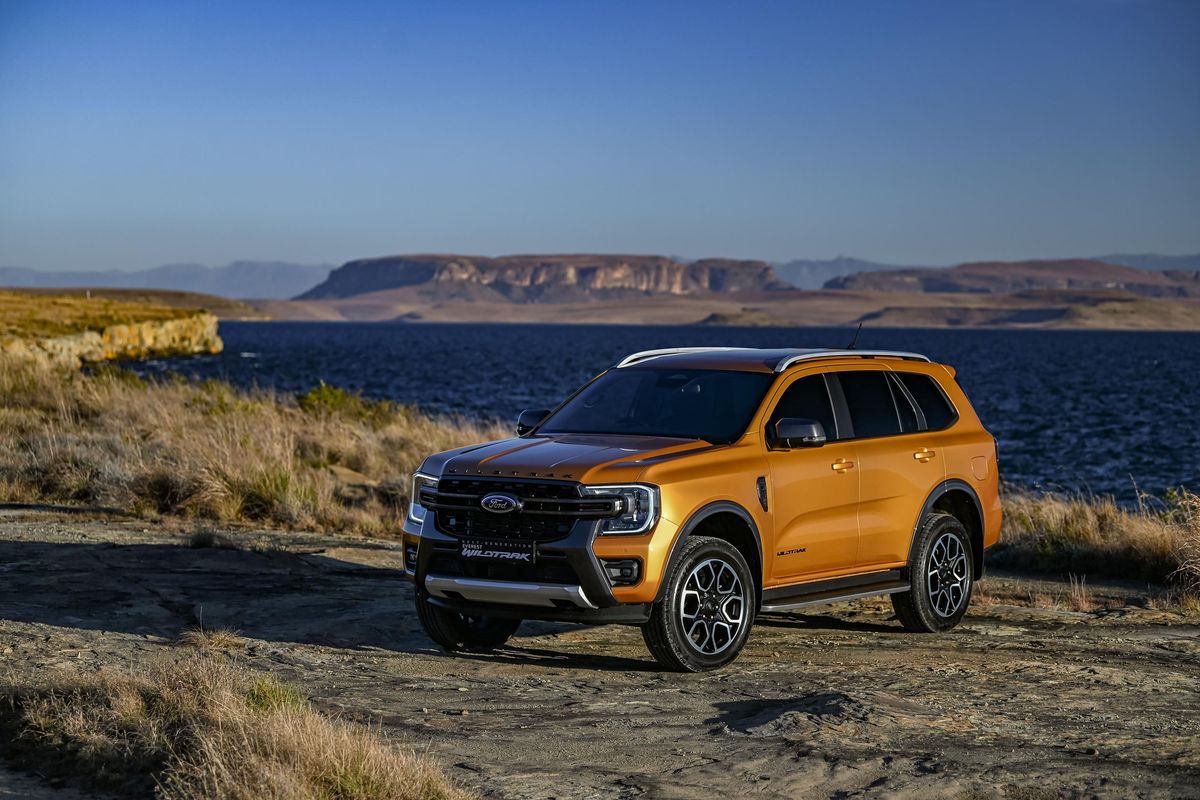
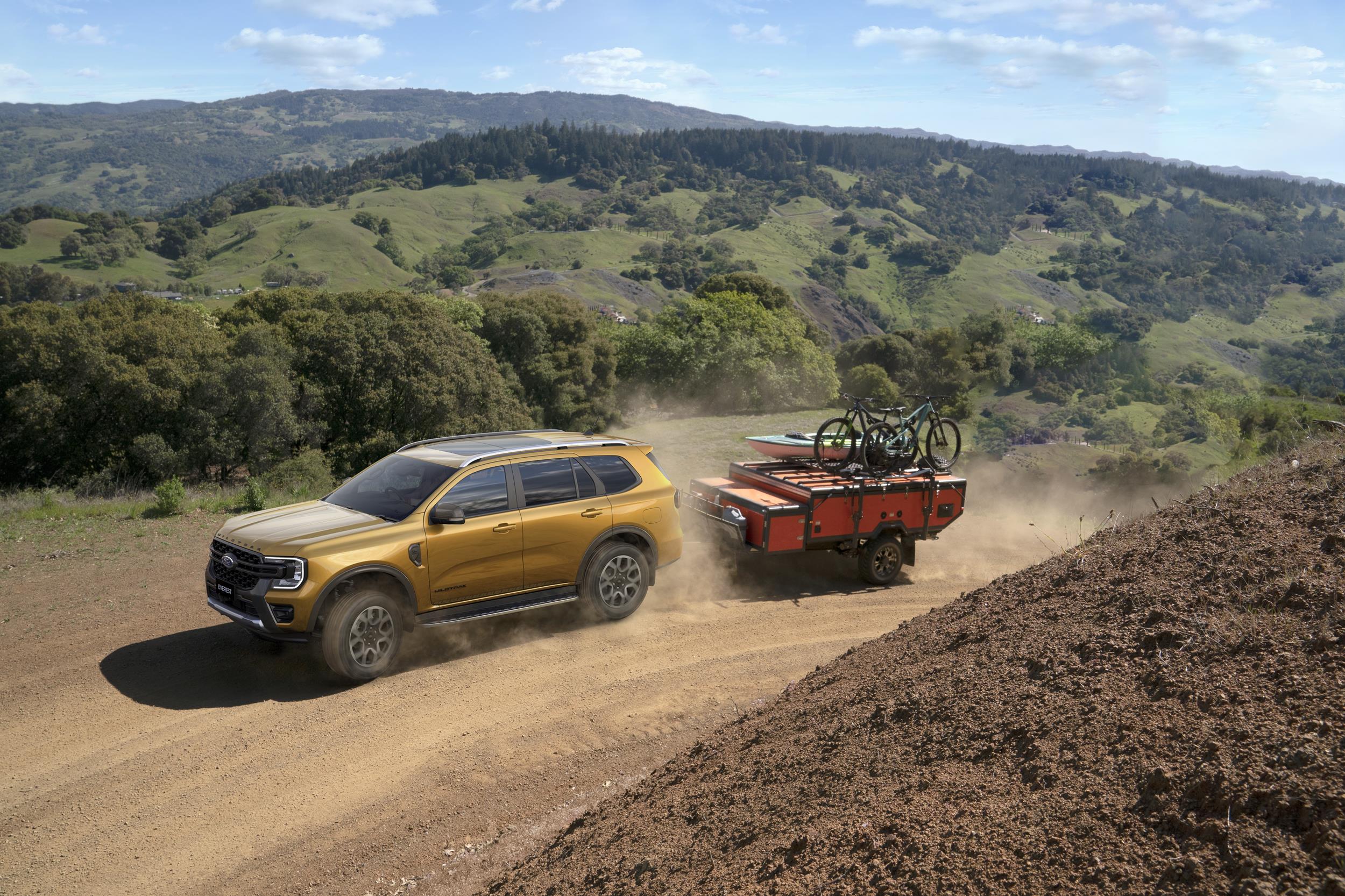
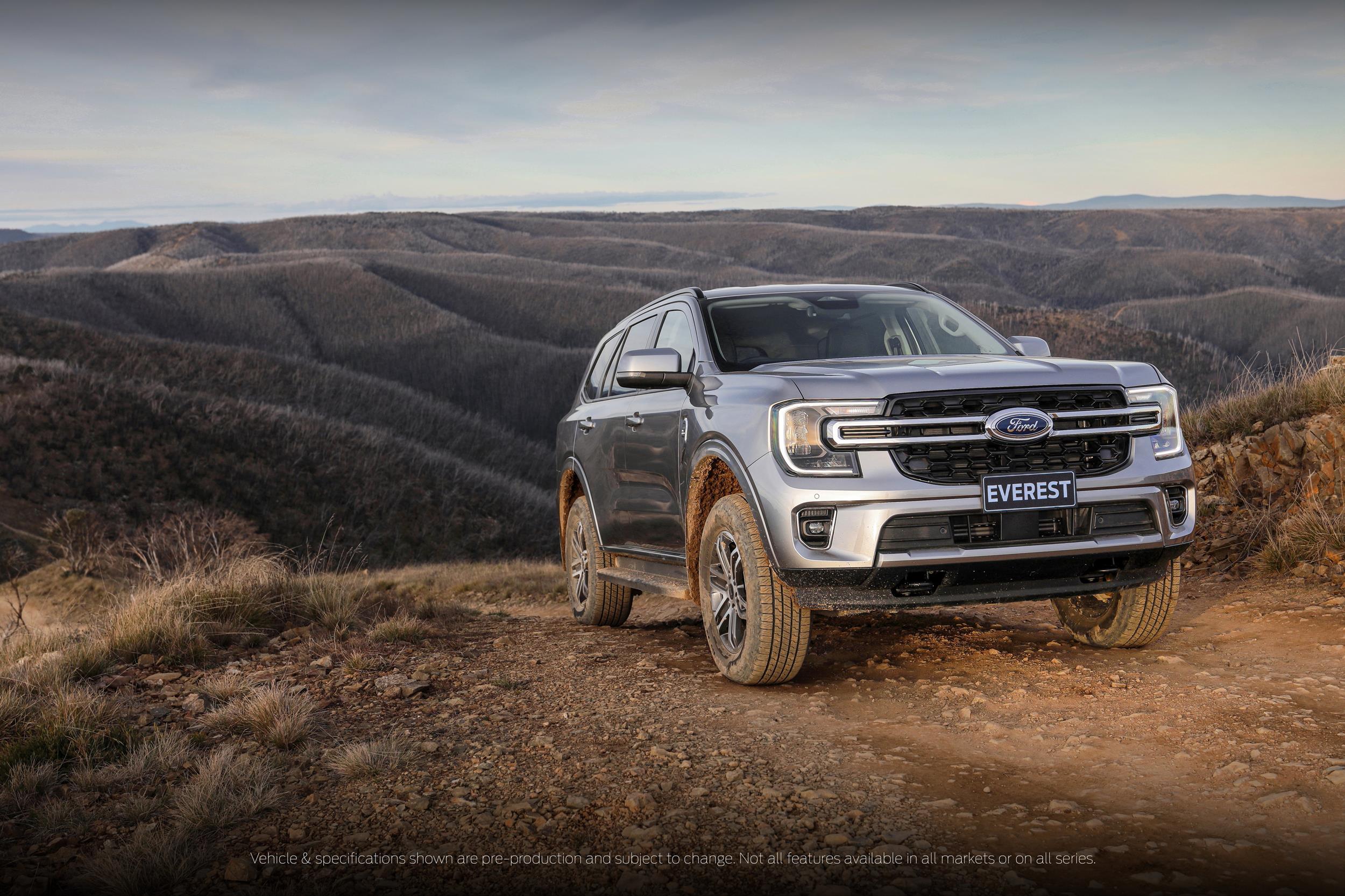
The Ford Everest range has been expanded to include a pocket-friendly Everest XLT and a new Everest Wildtrak derivative. Here’s how much they cost, plus what you get for your money.
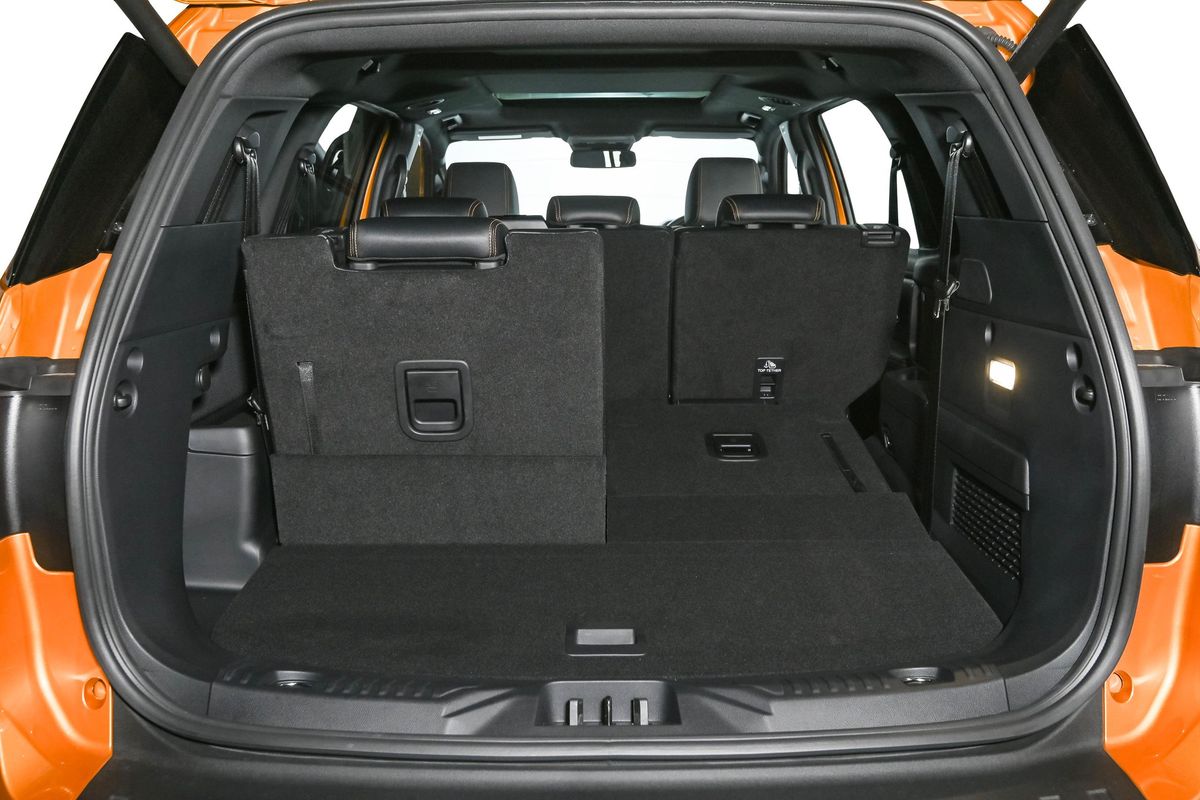
The new-generation 7-seater Ford Everest touched down in South Africa late last year, but there was just one issue as there are were only two models; the 4×4 Everest Sport and the flagship 4×4 Everest Platinum.
Now, in the second quarter of 2023, Ford South Africa has expanded the Everest range from two to six models. The brightly-coloured model is likely to get the most attention so let’s start with that. Yes, that is the popular Wildtrack specification which has made its way into the Everest family.
The 184 kW/600 Nm 3.0-litre turbocharged diesel V6 and permanent all-wheel drive powertrain from the Platinum is fitted to the Wildtrak.
The Everest Sport range sees the introduction of a 4×2 model, while the Everest XLT makes its debut, with 4×2 and 4×4 models on offer. All of the above are powered by the 154 kW and 500 Nm 2.0-litre biturbo diesel engine. As a reminder, every Ford Everest features a 10-speed automatic transmission.
Adaptive Cruise Control with Stop & Go and Lane Centering, Blind Spot Monitoring with Trailer Coverage, Cross Traffic Alert, Evasive Steer Assist, Lane Keeping System with Road Edge Detection, Pre-Collision Assist, Reverse Brake Assist and Tyre Pressure Monitoring System (TPMS).
Everest XLT Features
LED daytime running lights, headlamps, fog lights
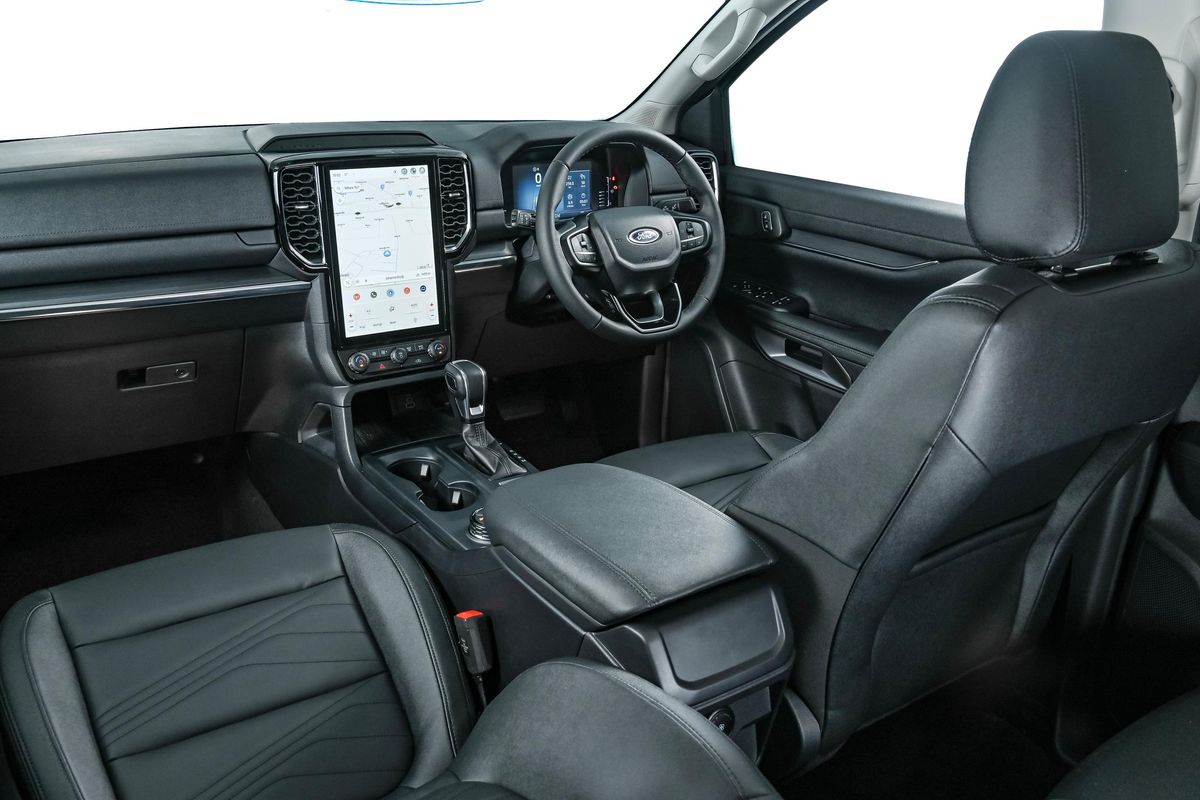
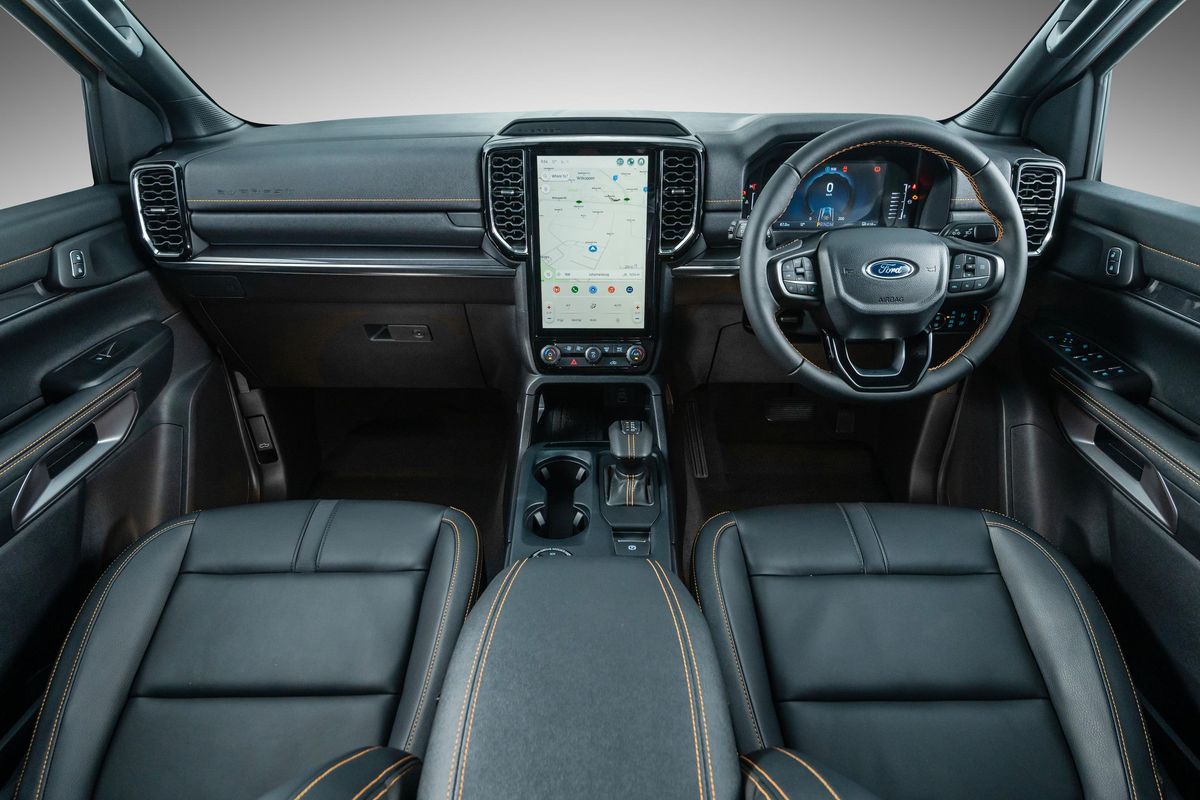
Partial leather trim
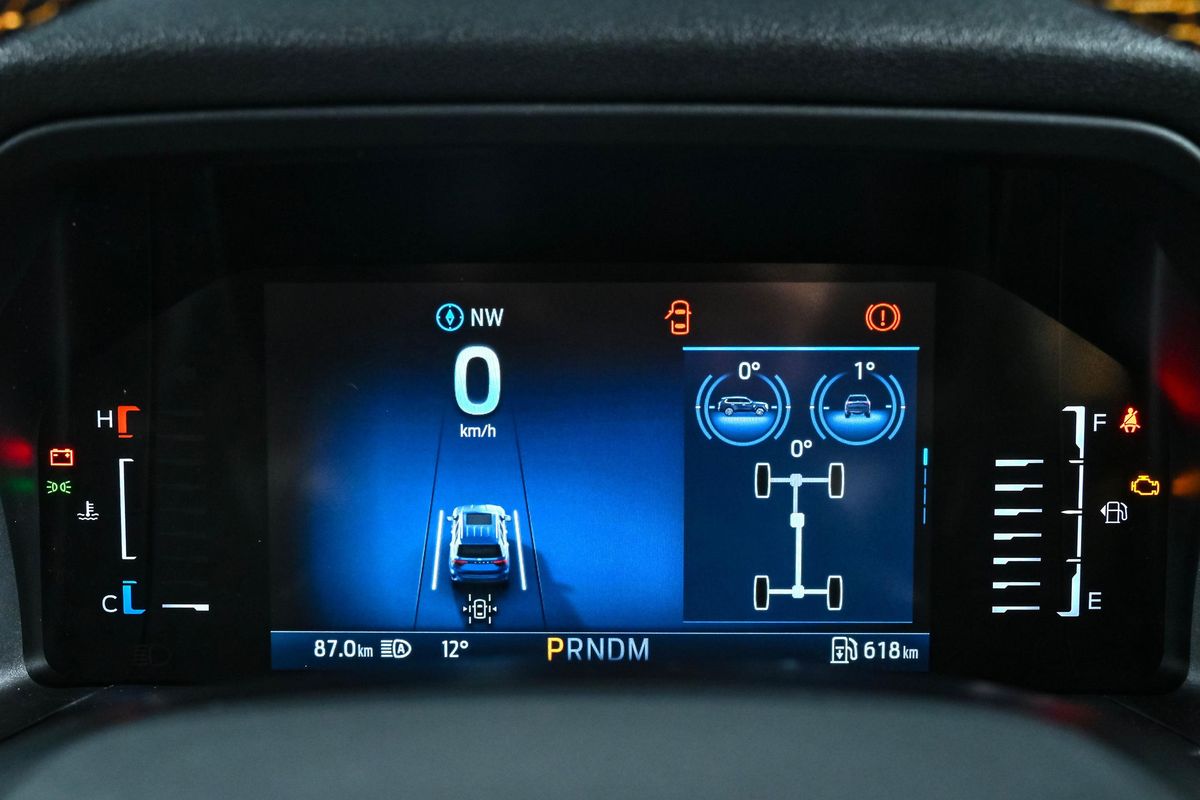
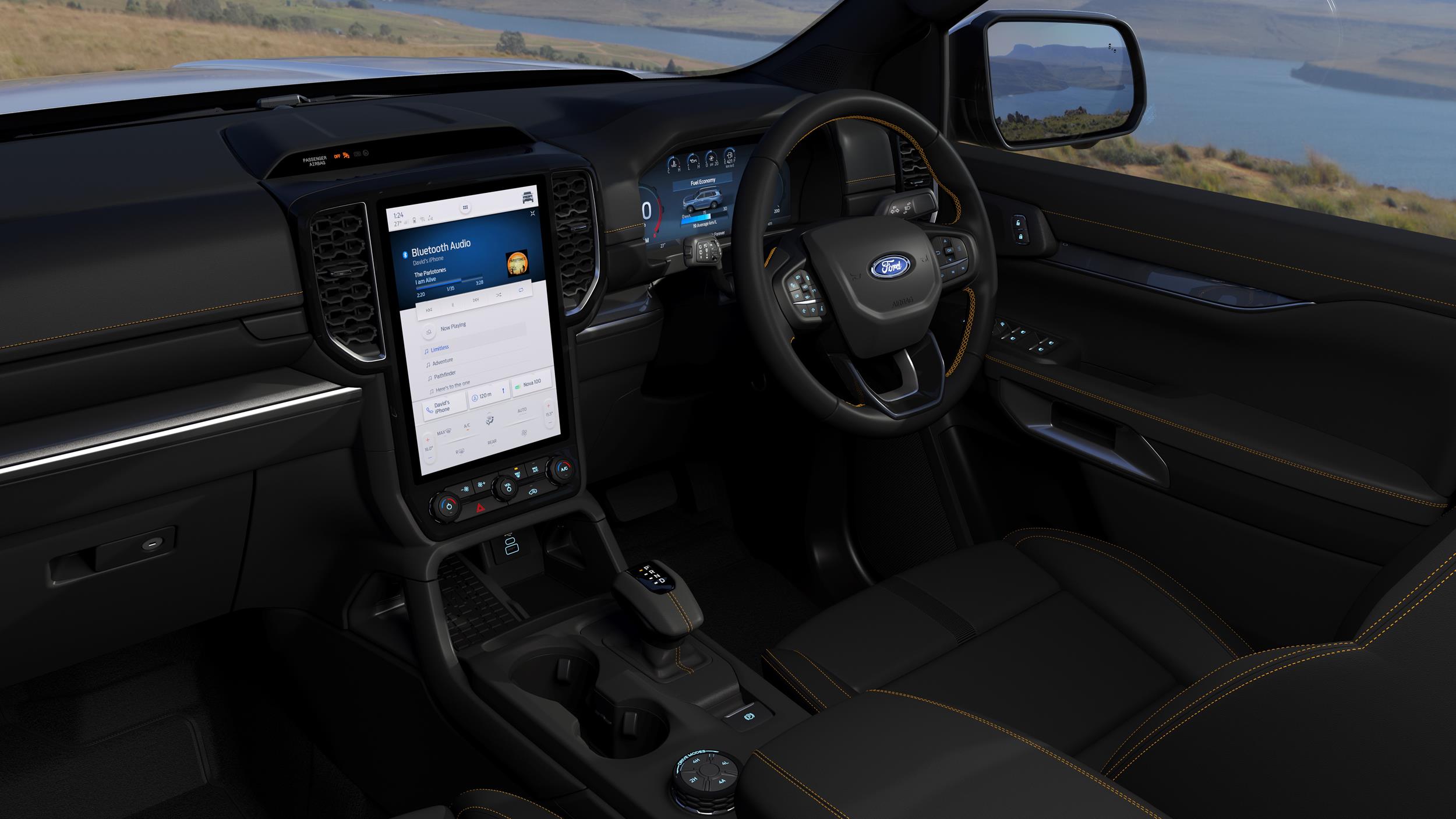
8-inch digital instrument cluster
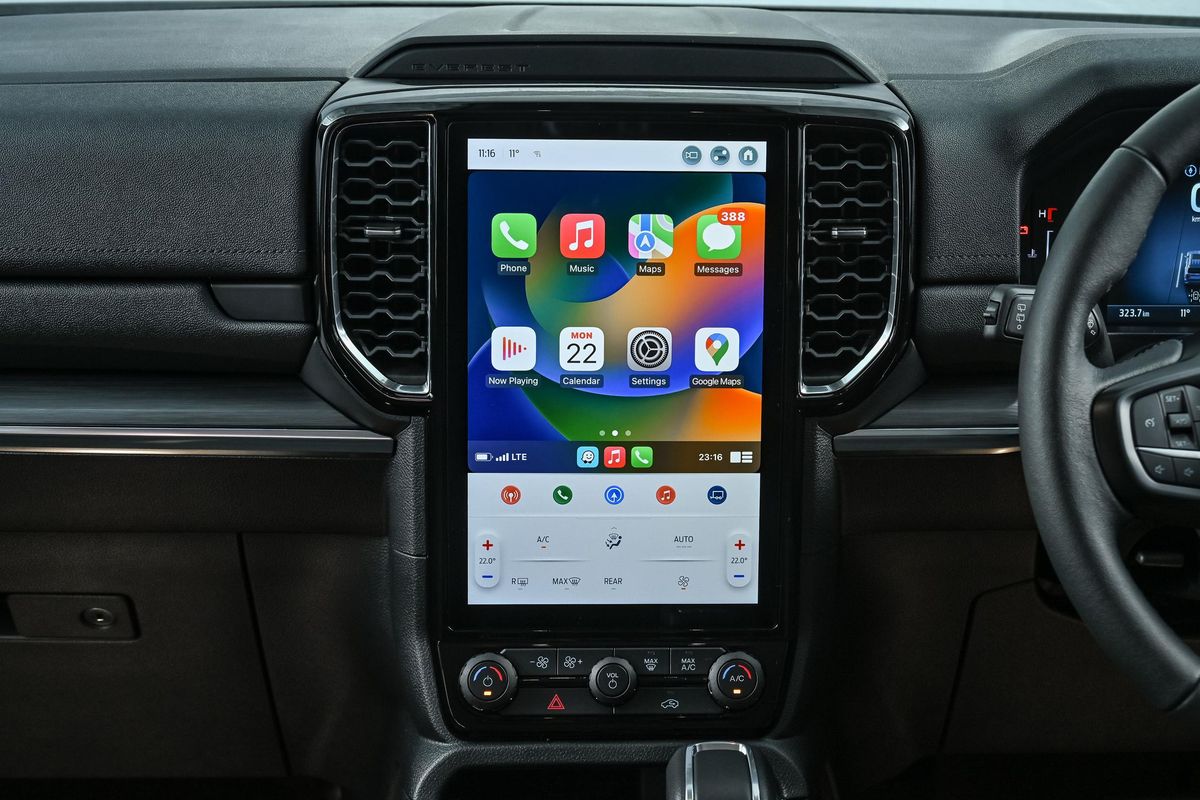
12-inch vertical infotainment screen with SYNC4A, Apple CarPlay, Android Auto
USB-A, USB-C connectivity, wireless charging pad
Dual front, side and curtain airbags, Electronic Stability Programme (ESP), Pre-Collision Assist (with Brake Support, Forward Collision Warning and Automated Emergency Braking), Lane Keeping System (including Lake Keeping Alert and Aid, Road Edge Detection and Driver Warning), Blind Spot Information System (with Cross Traffic Alert and Trailer Coverage), Reverse Brake Assist, Hill Launch Assist, Hill Descent Control (on the 4×4 model), as well as front and rear parking sensors with a rear camera.
How much does the Ford Everest cost in South Africa?
The new Ford Everest is sold with a four-year/120 000km warranty, four-year/unlimited distance Roadside Assistance and five-year/unlimited distance corrosion warranty. The recommended service interval is 15 000km or annually, whichever occurs first.
As part of the Right to Repair, customers can purchase a service or maintenance plan up to 8 years or 165 000 km, and the warranty can be extended to 200 000 km / 7 years.
Everest XLT 2.0L BiT 4×2 10AT R832 400
Everest XLT 2.0L BiT 4×4 10AT R896 300
Everest Sport 2.0L BiT 4×2 10AT R918 500
Everest Sport 2.0L BiT 4×4 10AT R984 800
Everest Wildtrak 3.0L V6 4WD 10AT R1 084 000
Everest Platinum 3.0L V6 4WD 10AT R1 146 500
Volkswagen Amarok Delta4x4 Revealed
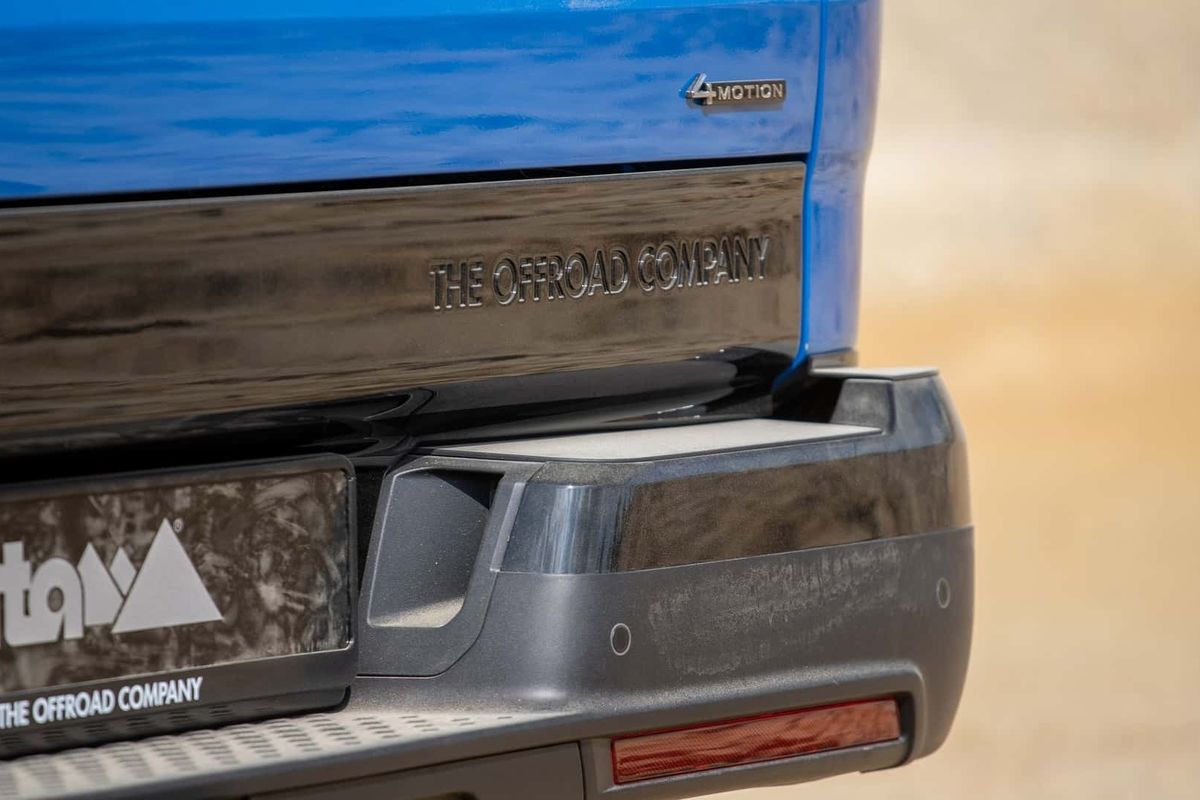
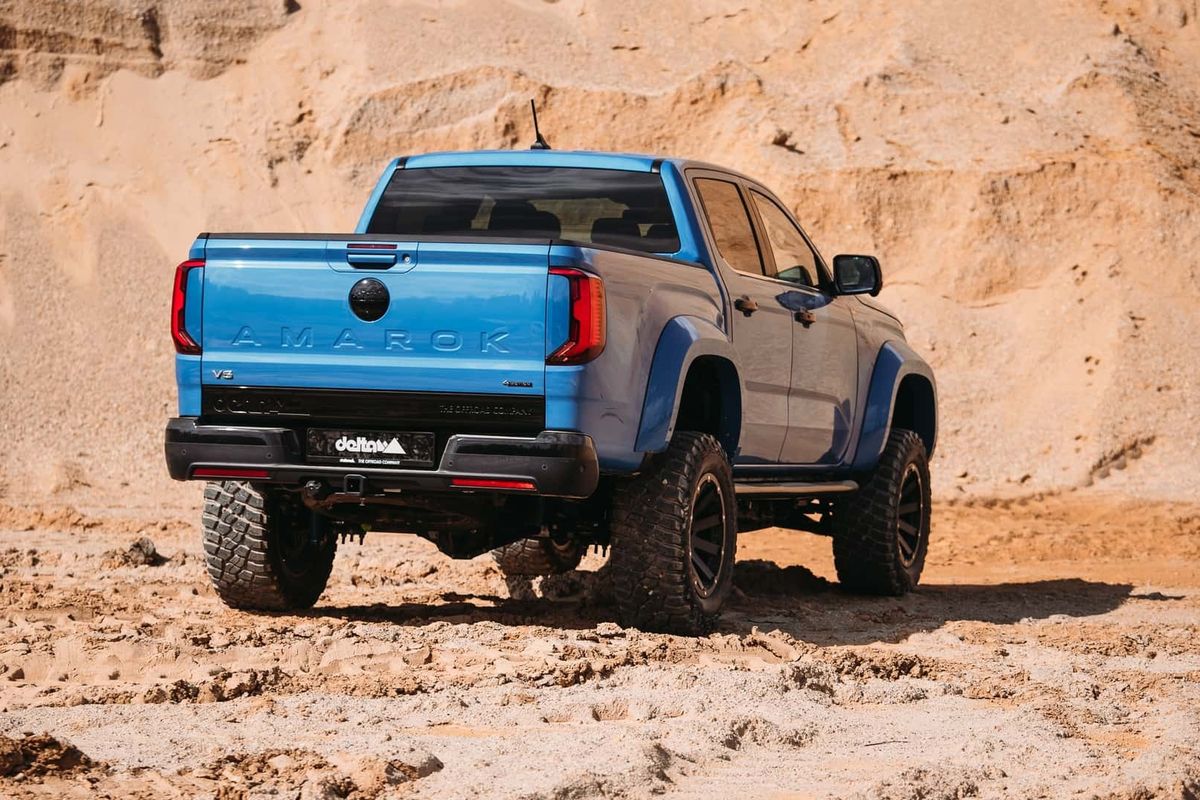
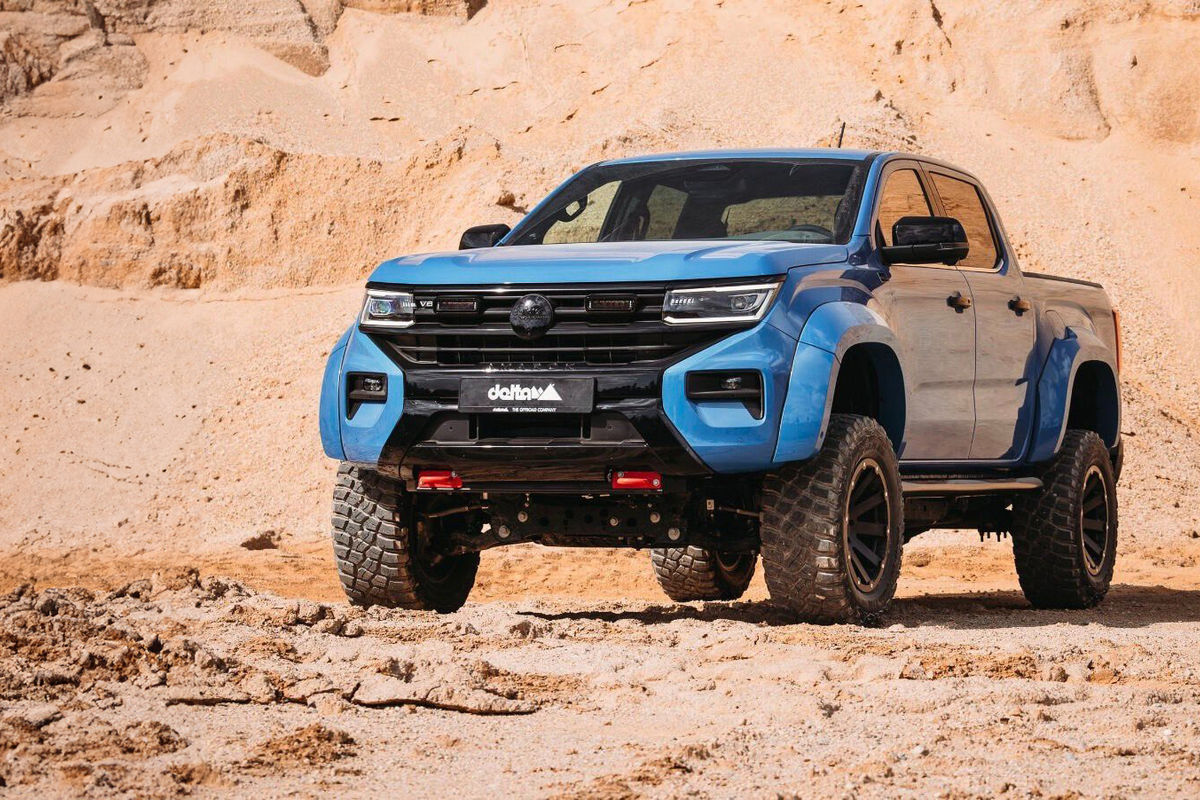
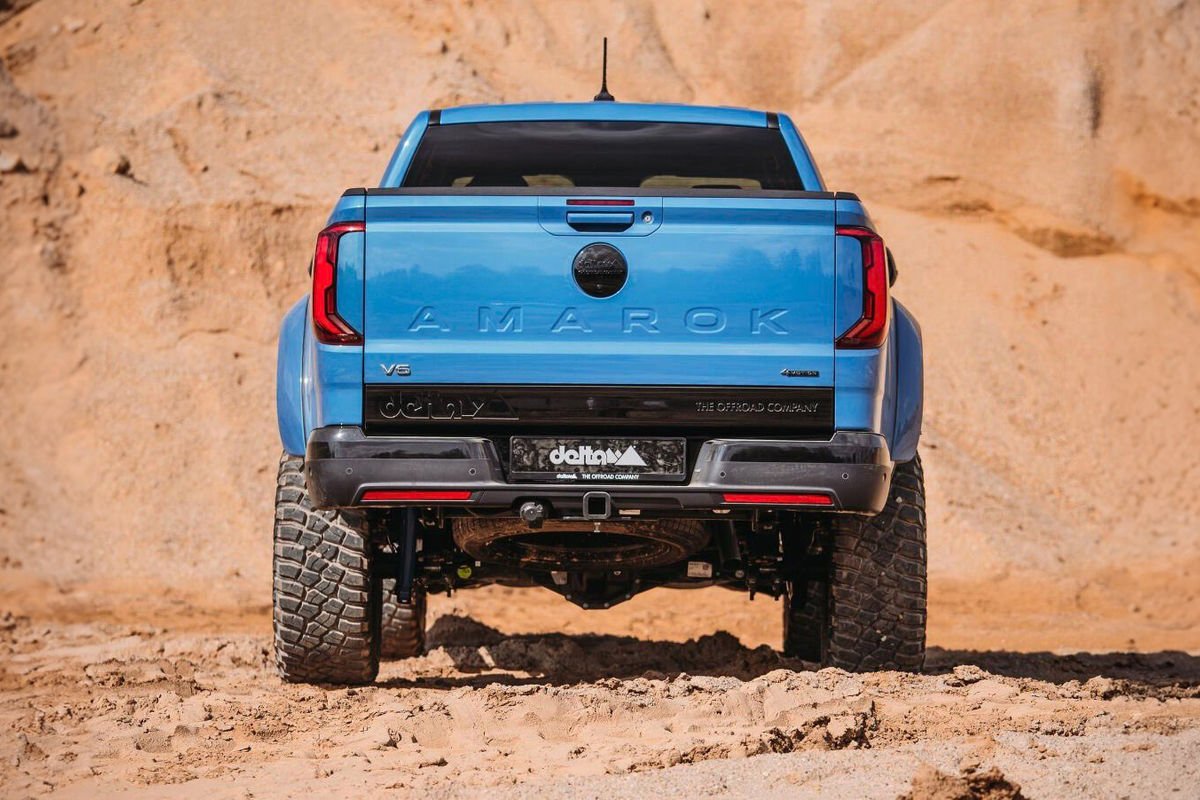
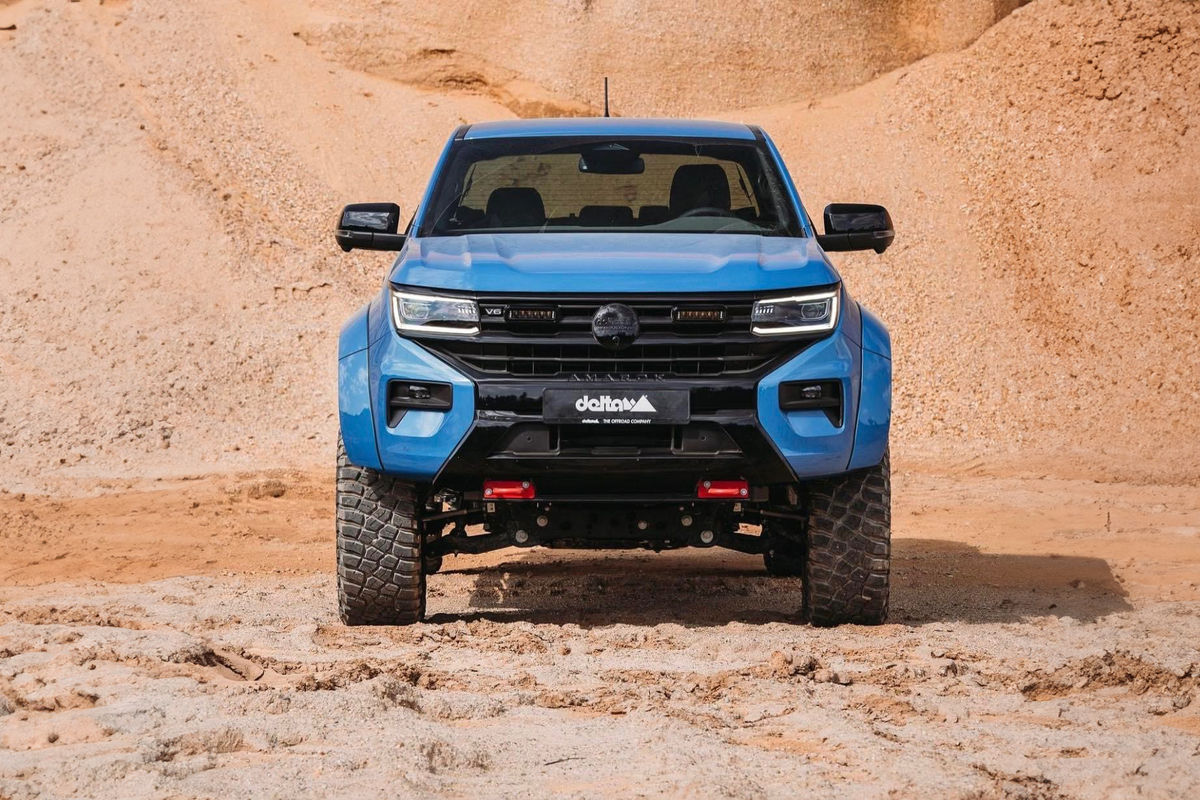
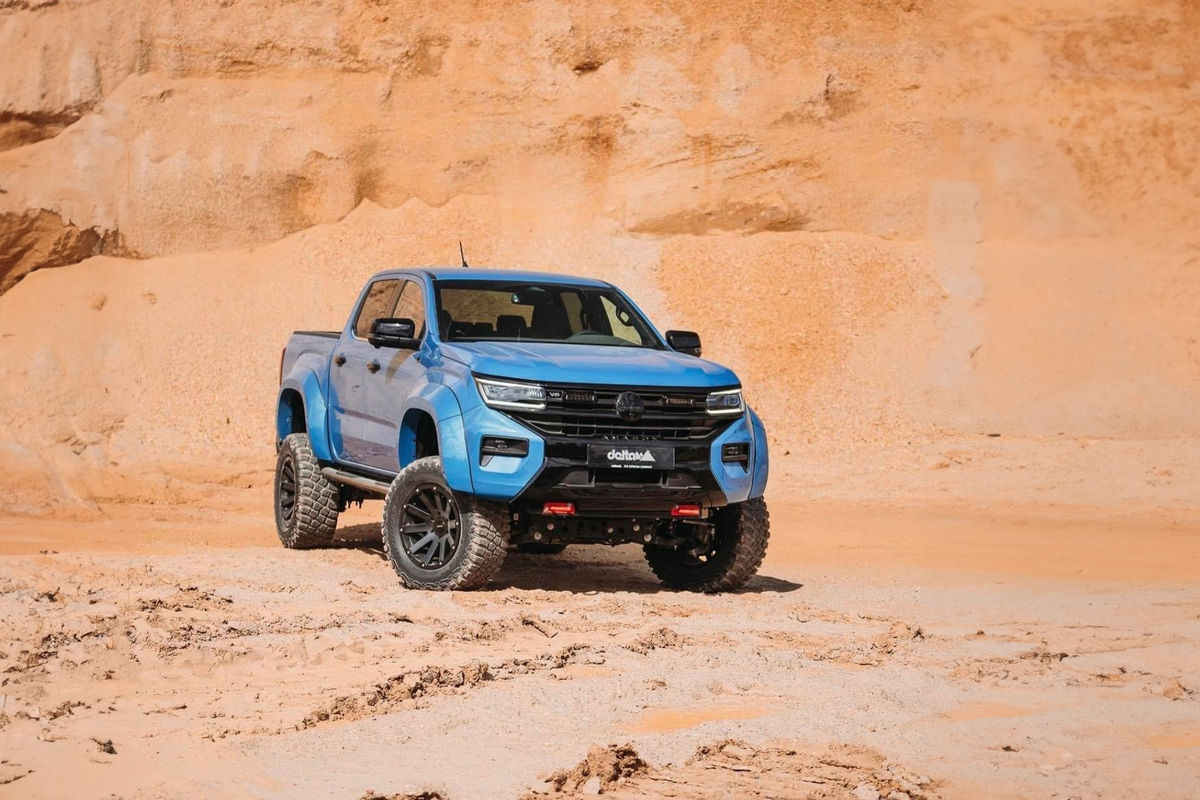
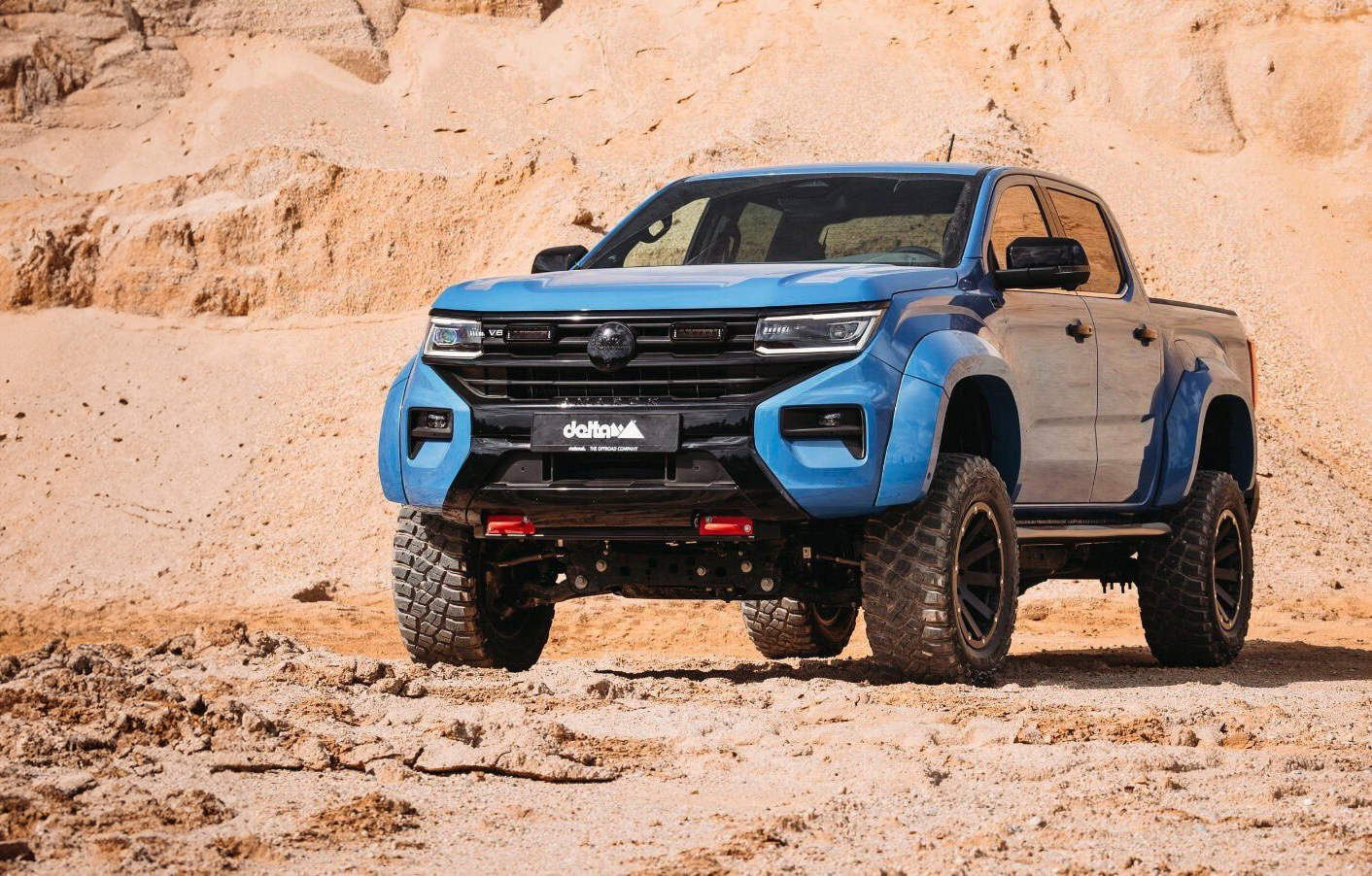
This is the Volkswagen Amarok Delta4x4, the most offroad-capable bakkie made by the German tuner.
As a reminder, the Volkswagen Amarok is assembled in South Africa alongside its Ford Ranger sibling and while the two vehicles are near-identical mechanically, visually they’re quite different.
Not as radically different as the Beast 2.0 or Volkswagen Amarok Delta4x4 however. This extreme iteration of the Amarok comes fully equipped for outdoor adventuring with a comprehensive kit.
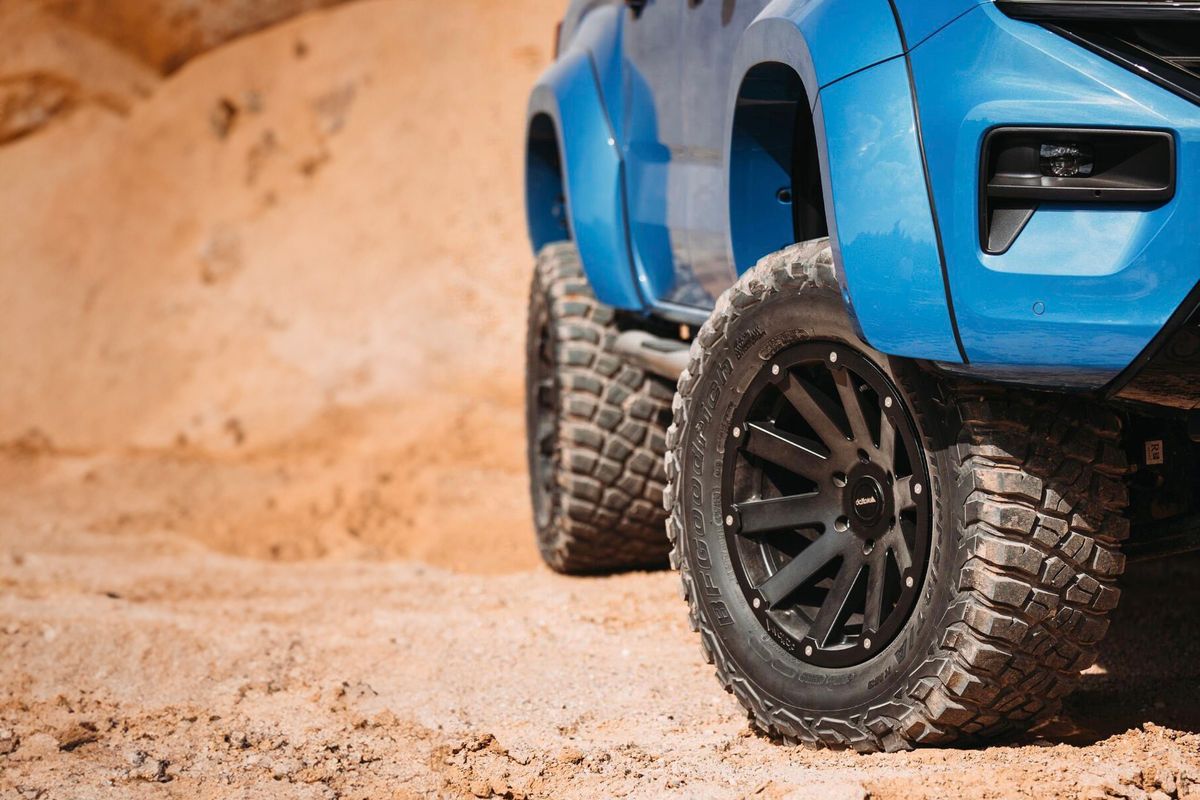
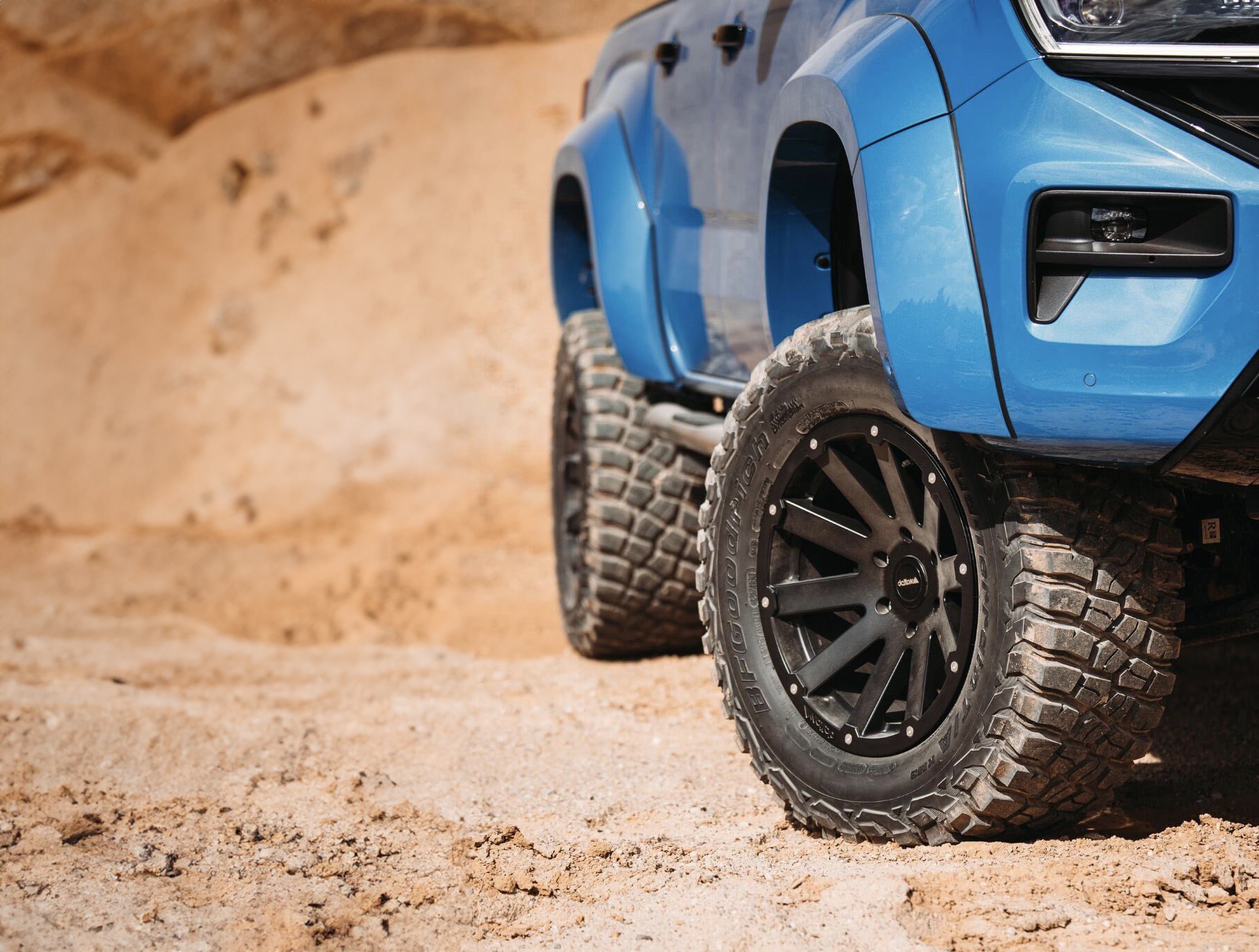
Under the skin is a 150 mm suspension lift kit, 35-inch BF Goodrich offroad tyres combine to lift the Amarok 17 cm higher than the standard equivalent. Some cladding around the wheel arches enhance the look even further.
Delta4x4 has also added some side steps for easier access. Other enhancements include some additional LED lighting mounted in the grille for extra night-time illumination.
The aftermarket kit doesn’t come cheap, with the German offroad specialists claiming it’ll cost Euro 12 200 for the parts, and that excludes installation.
Interestingly, Ford already has a comprehensive offroad and accessory catalogue available, developed by Australian offroad specialists ARB and we suspect that given the similarities between the two vehicles, it’s not going to take long for some goodies to make their way to the Amarok.
As a reminder, the Volkswagen Amarok is on sale in South Africa in both double-cab and single-cab flavour. The engines on offer range from 2.0-litre single turbo diesel, 2.0 biturbo diesel and a 3.0-litre V6 turbo diesel.
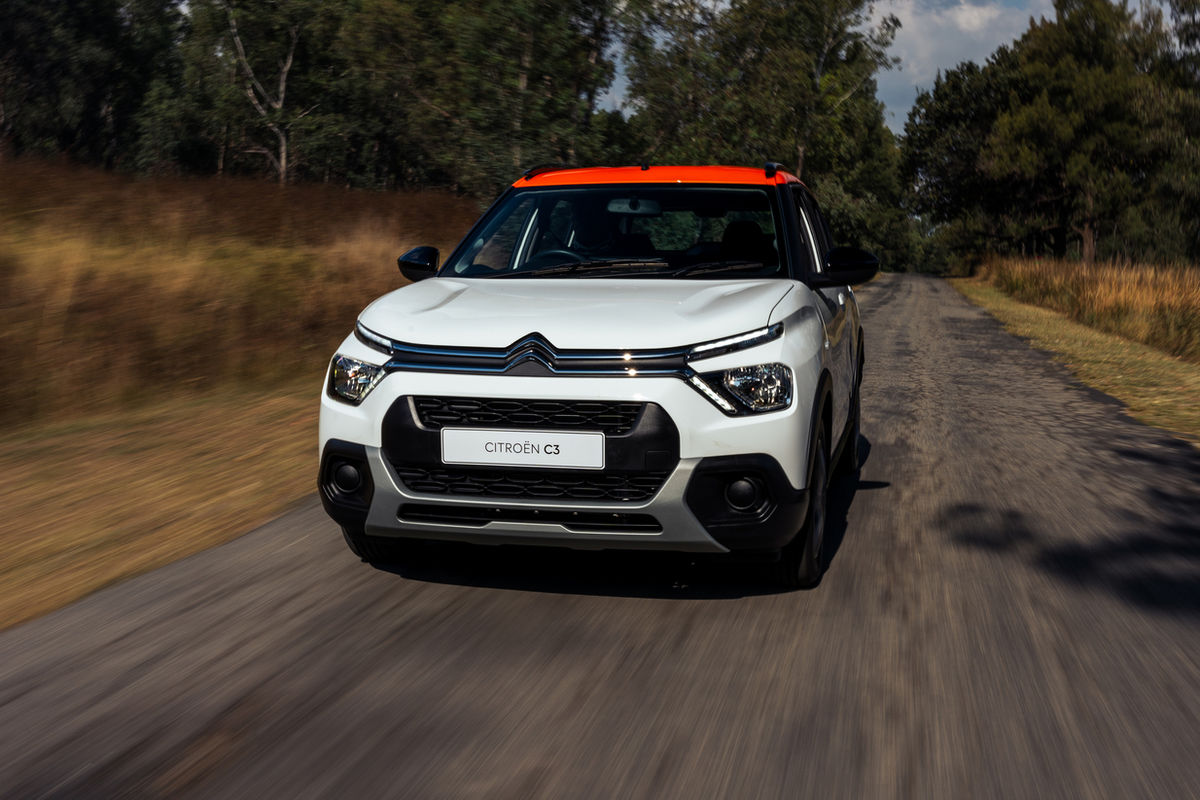
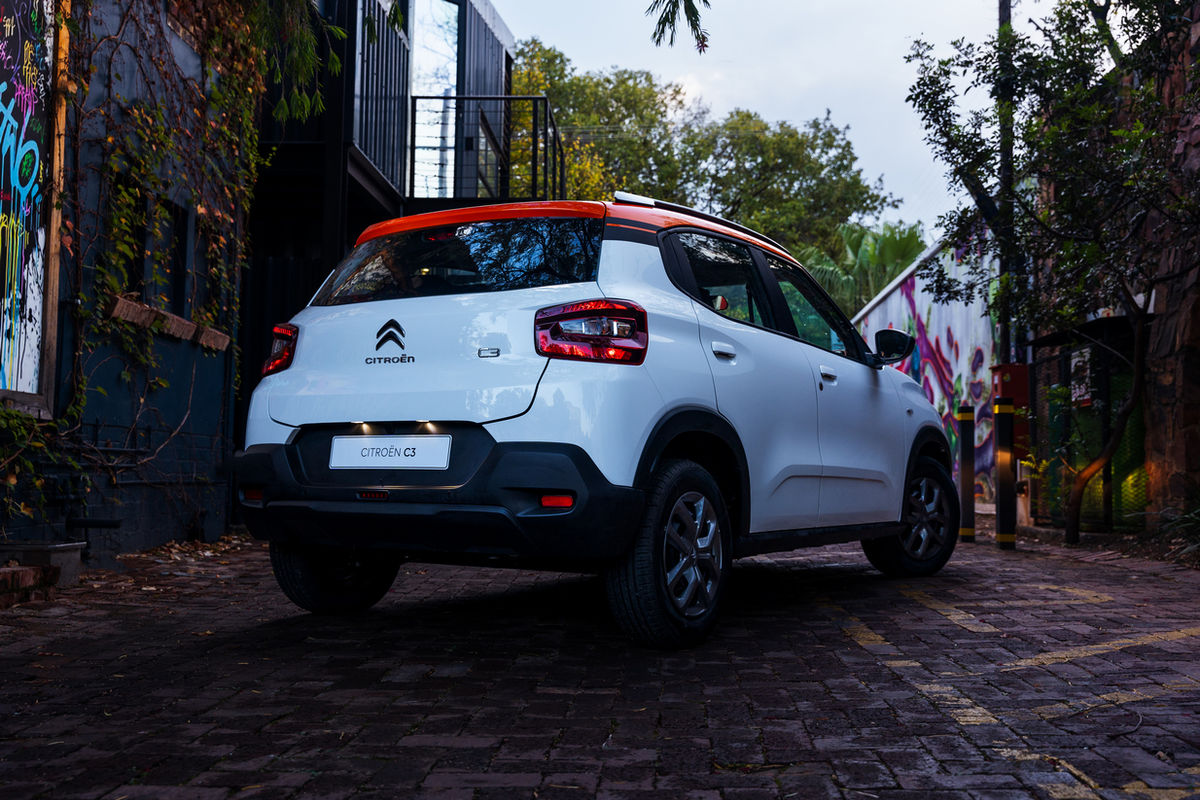
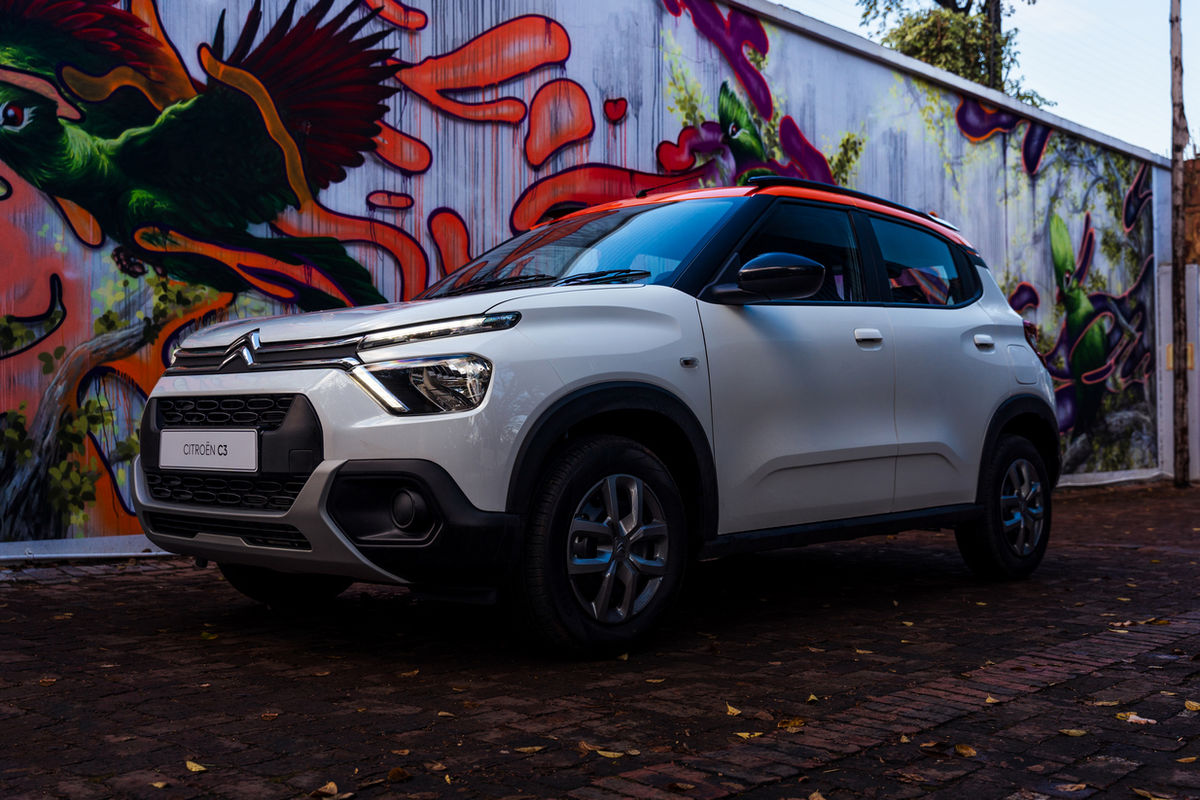
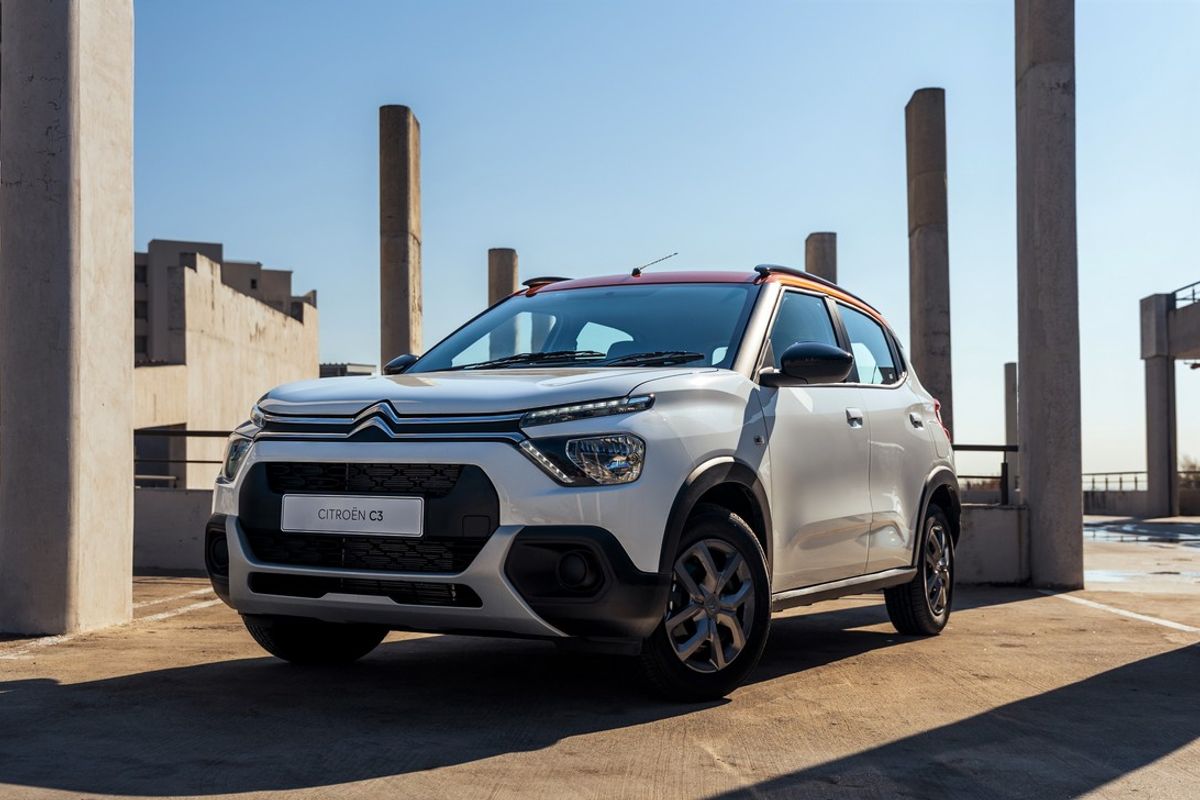
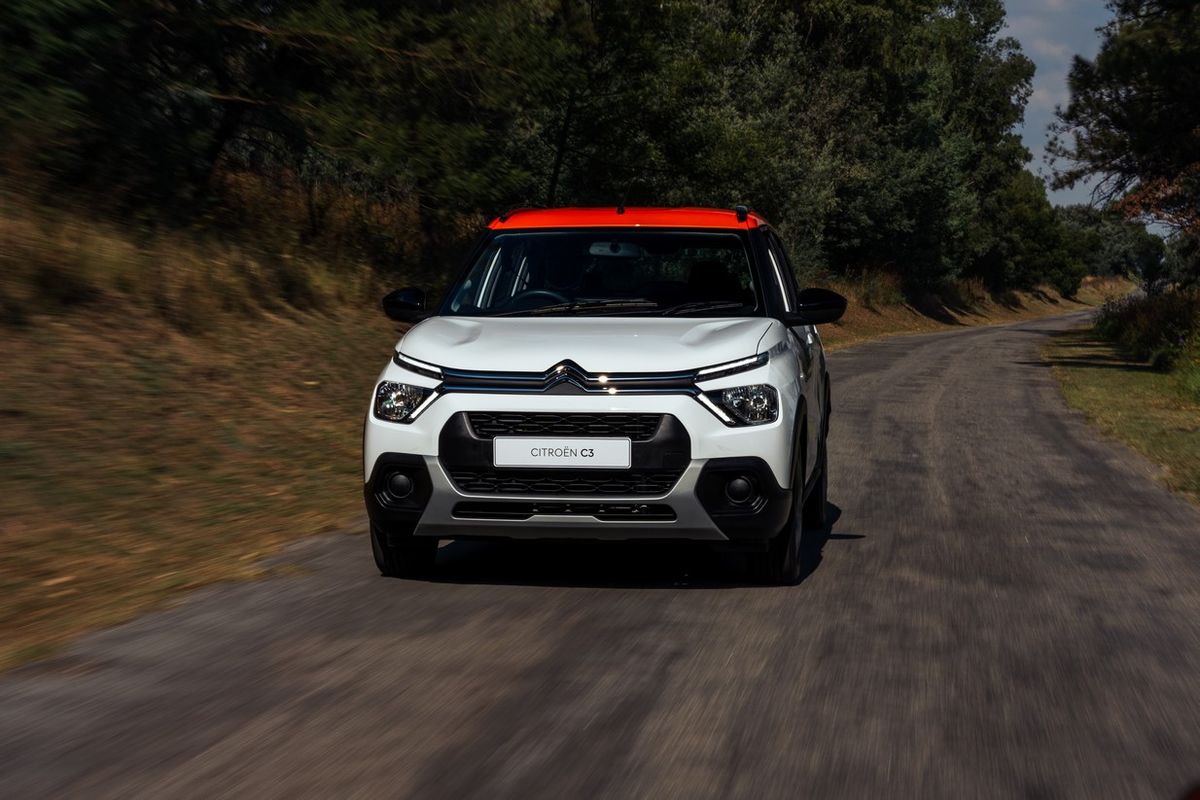
Stellantis South Africa is hoping to make a big splash with the new Citroen C3, which appears to be the ideal product with which to advance the French brand’s resurgence. We drove the award-winning newcomer at its local launch in Johannesburg.
What’s new with the Citroen C3?
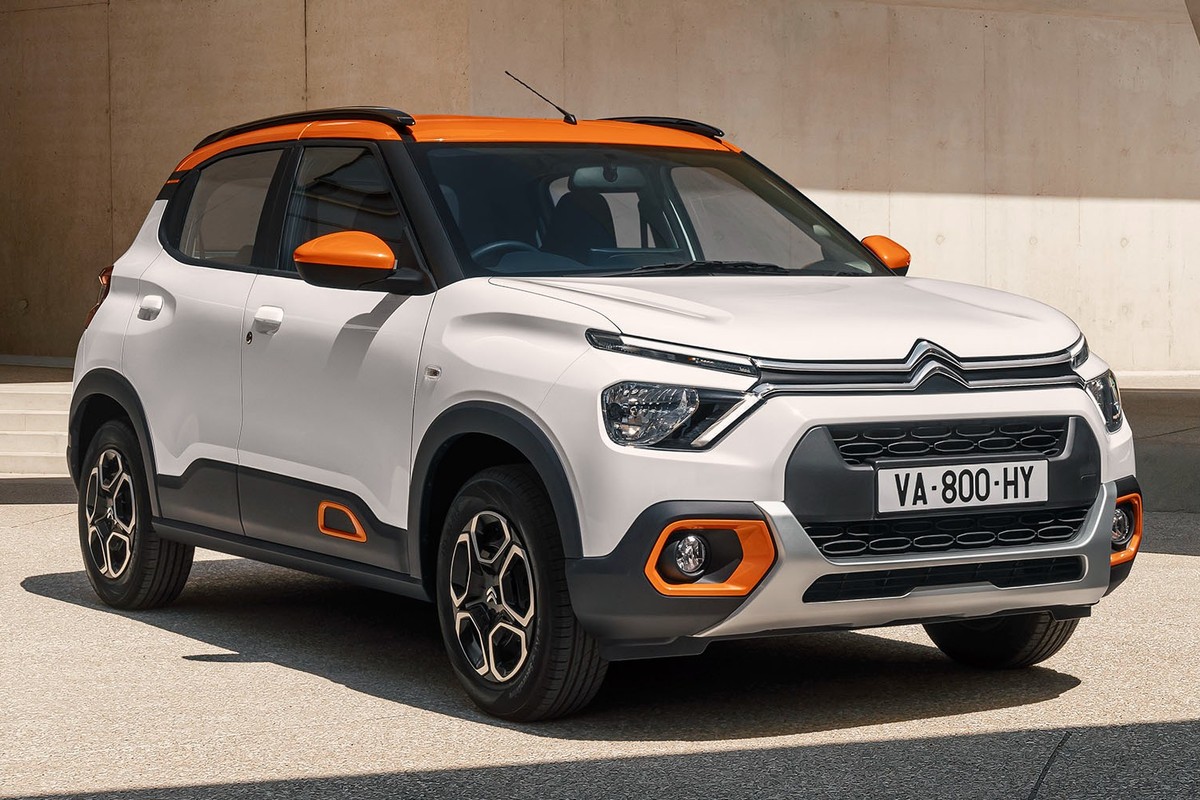
It’s not often that a manufacturer launches a new vehicle at a far lower price point than its predecessor, but Citroen has done just that with the new C3, because the Double Chevron has made the decision to go back to basics and offer the model as a budget crossover rather than a quirky compact hatchback.
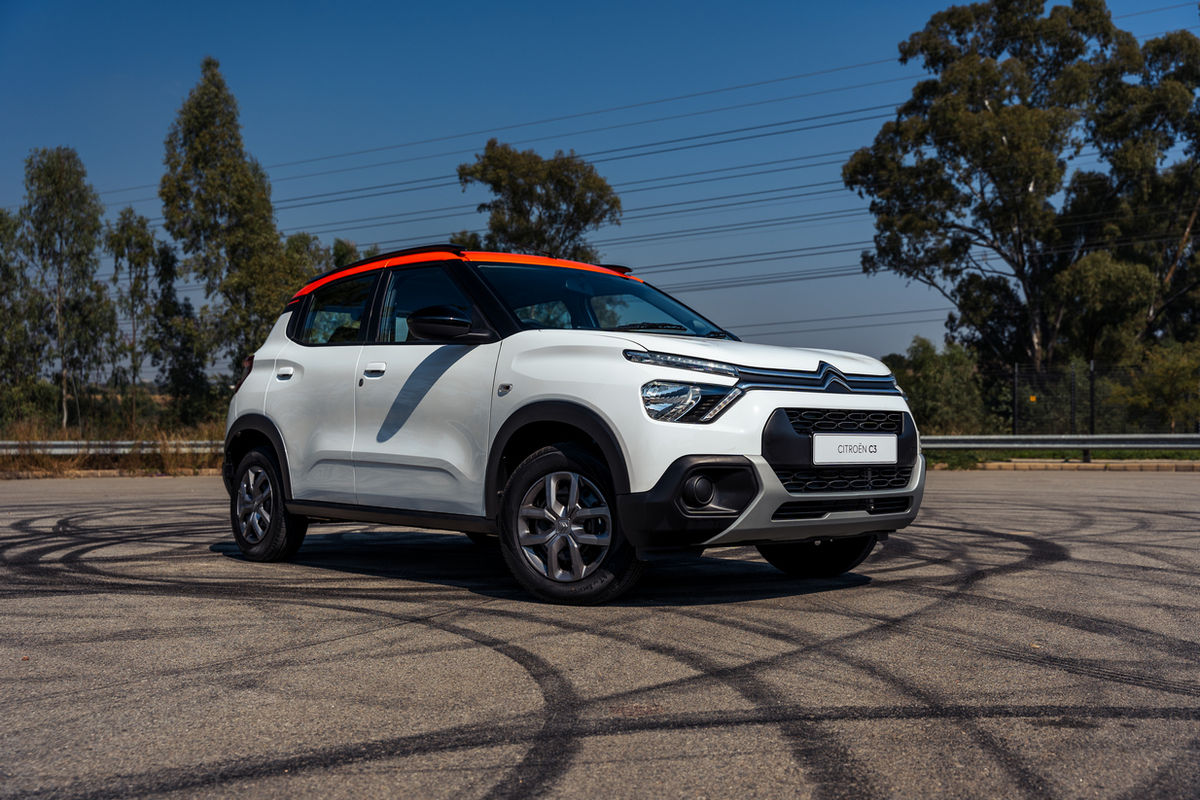
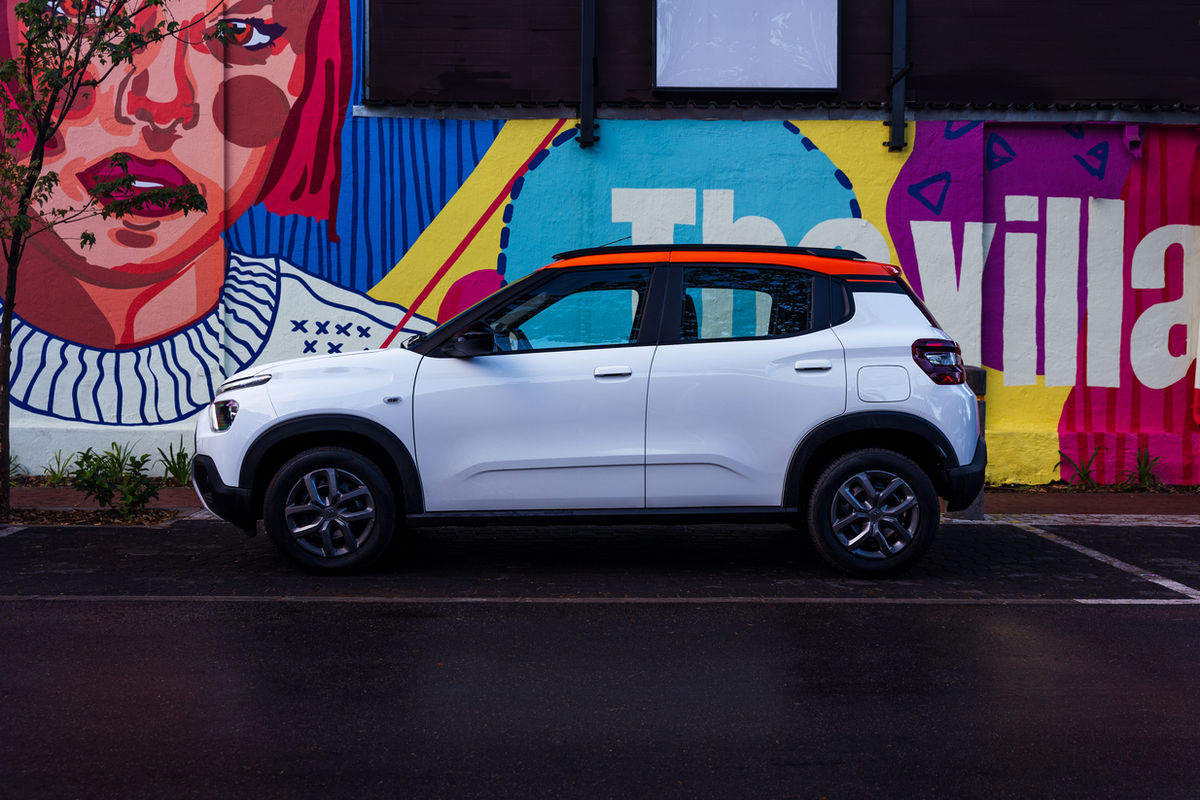
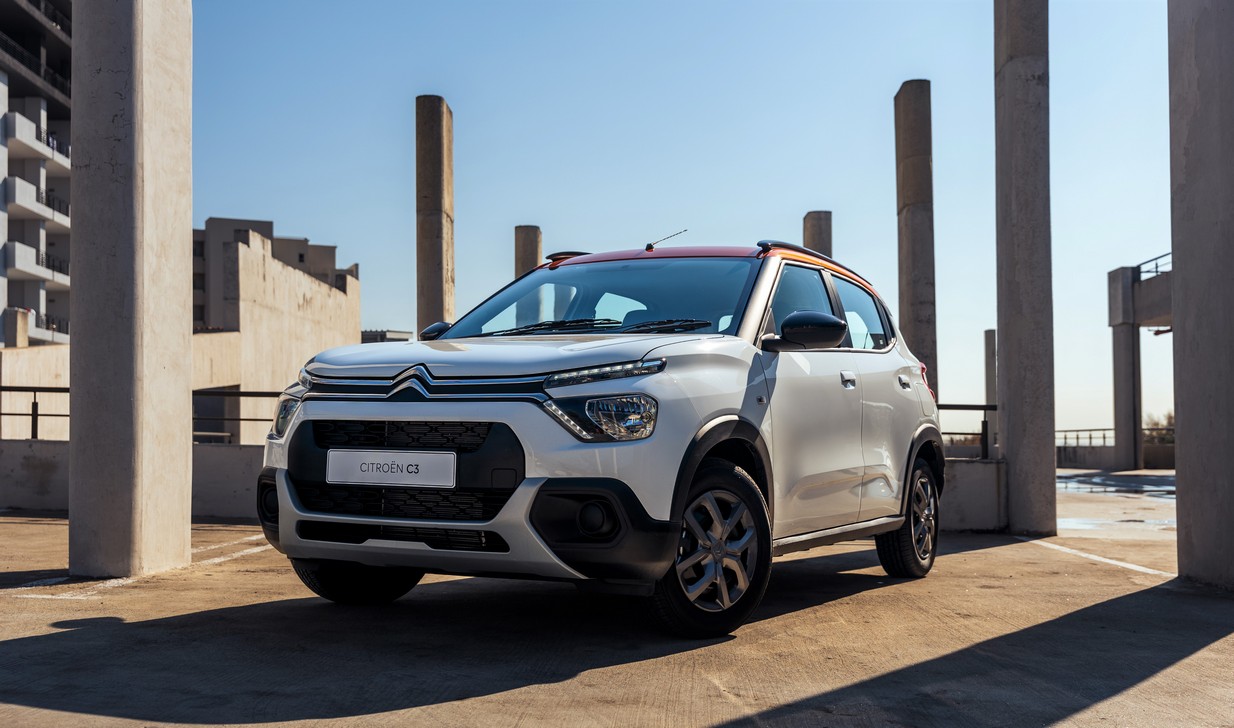
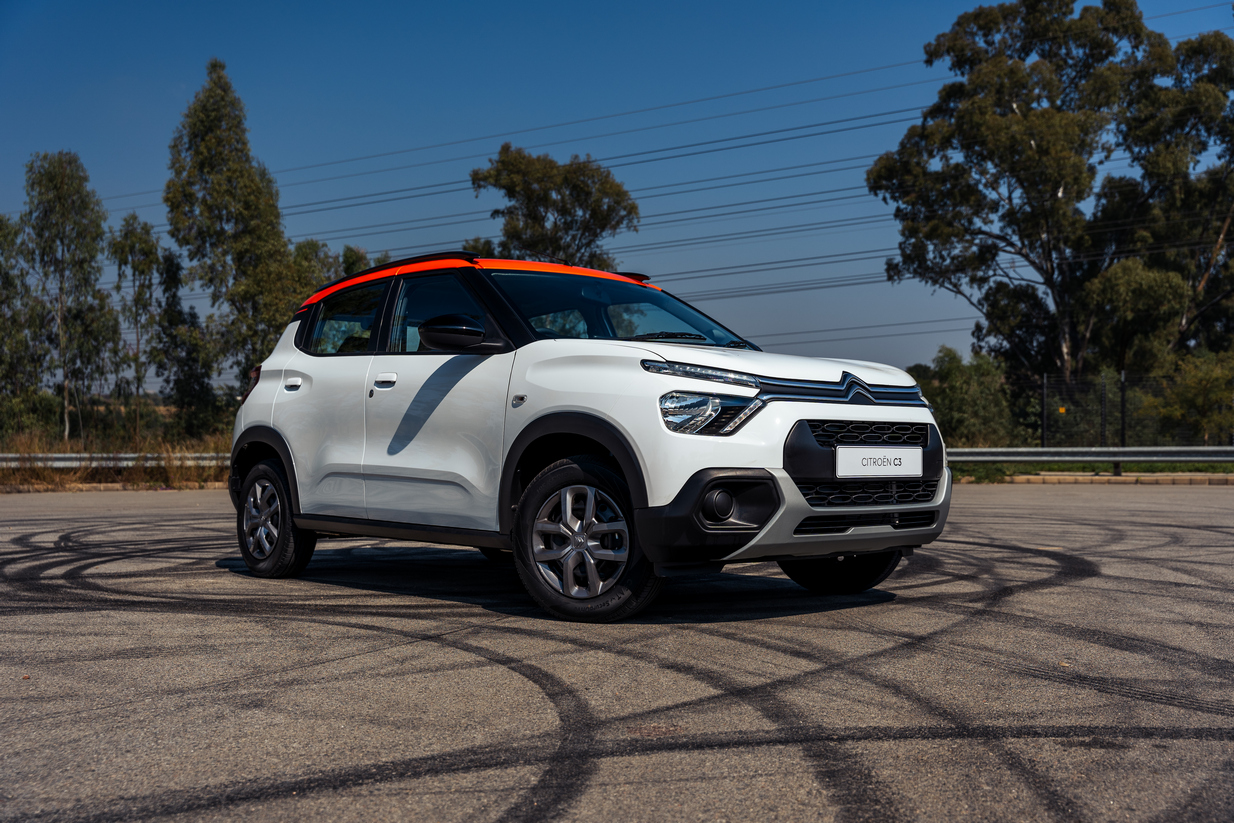
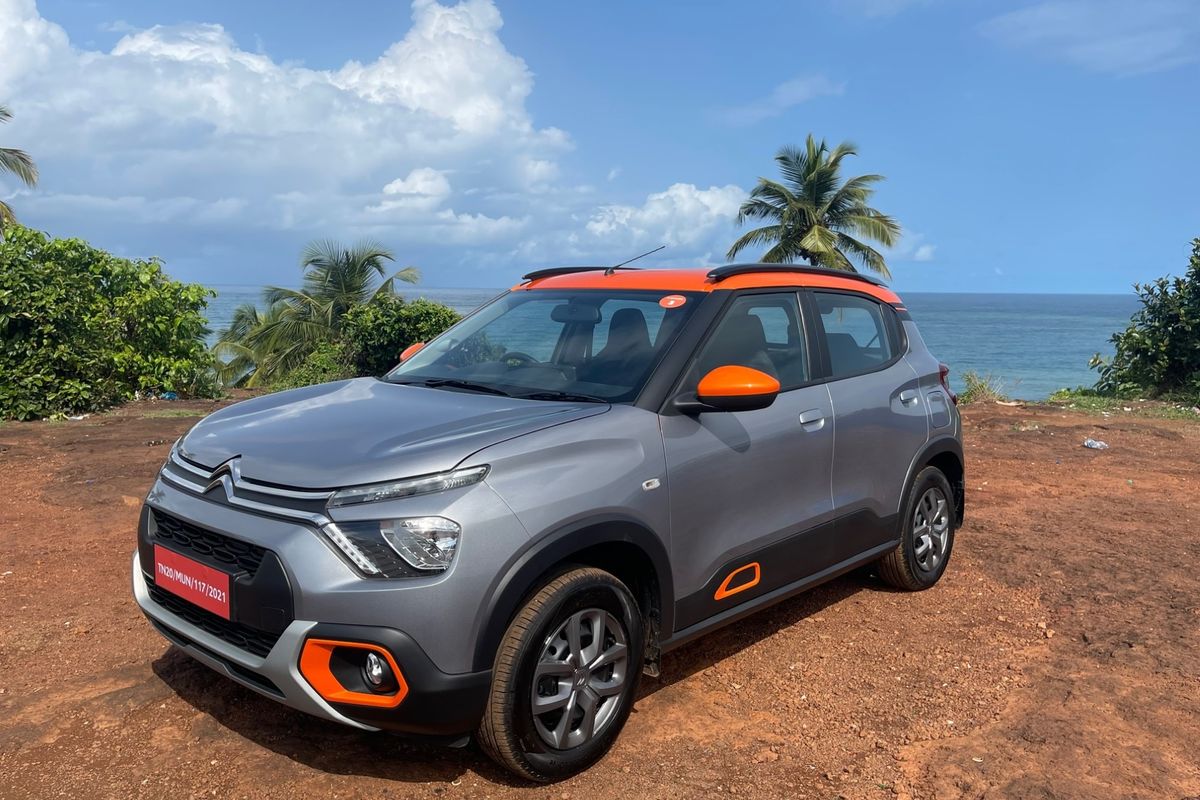
The Citroen C3 now offers 180 mm of ground clearance.
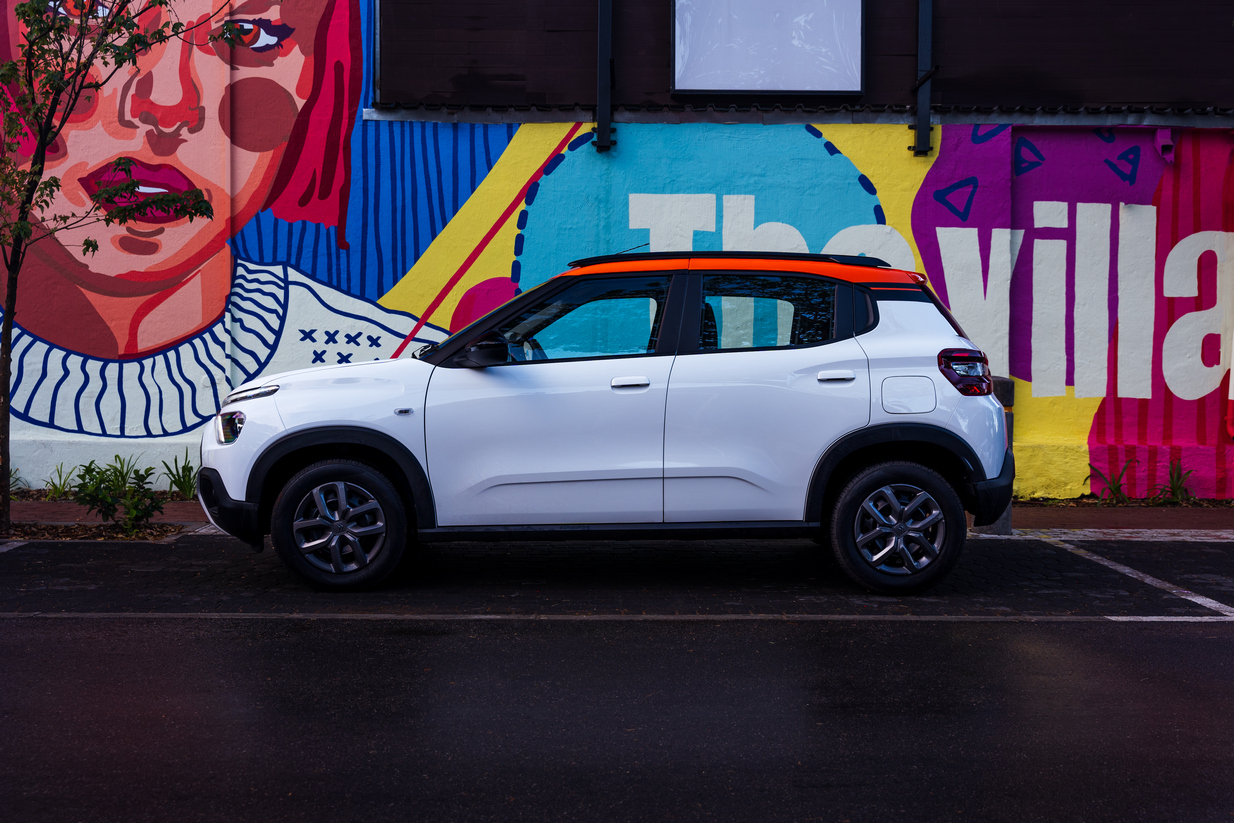
Those who recall the previous-gen C3 will remember it as a hatchback, but this model is now a budget crossover. That’s clearly in line with what most modern consumers want; the Citroen squarely targets the likes of the Renault Kiger, Nissan Magnite, Suzuki Ignis and even the Renault Kwid and Suzuki S-Presso.
One of the reasons that Citroen was able to reduce the price of this new model is the establishment of a new factory in India, which produces the C3. Reimagining the entire package, including the engine offering, also helped. Don’t assume Citroen has skimped on everything to make it cheap either – the C3 was recently awarded the World Urban Car of the Year title, so the brand may well be on the right track.
Citroen’s 1.2-litre petrol engine compares favourably with its competitors.
As of May 2023, there is just 1 engine available in the C3 range. It’s a naturally aspirated 1.2-litre petrol engine with 61 kW and 115 Nm of torque. If you look up the Citroen’s rivals by using our comparison tool, you will see the C3 has one of the most powerful engines in its segment. We drove the newcomer at the Reef (about 1 600 m above sea level), where it could have felt lethargic, but with 2 occupants aboard, the C3 performed adequately. It has perky acceleration in the first 3 gears, so should nip around town easily.
A 5-speed manual is the only gearbox available, but bosses at Citroen have confirmed that automatic (and possibly turbopetrol) versions of the C3 are on the cards for 2024. As it happens, the manual ‘box ably facilitates smooth progress; it has a light shift action and the clutch pedal is easy to modulate.
What’s the interior like?
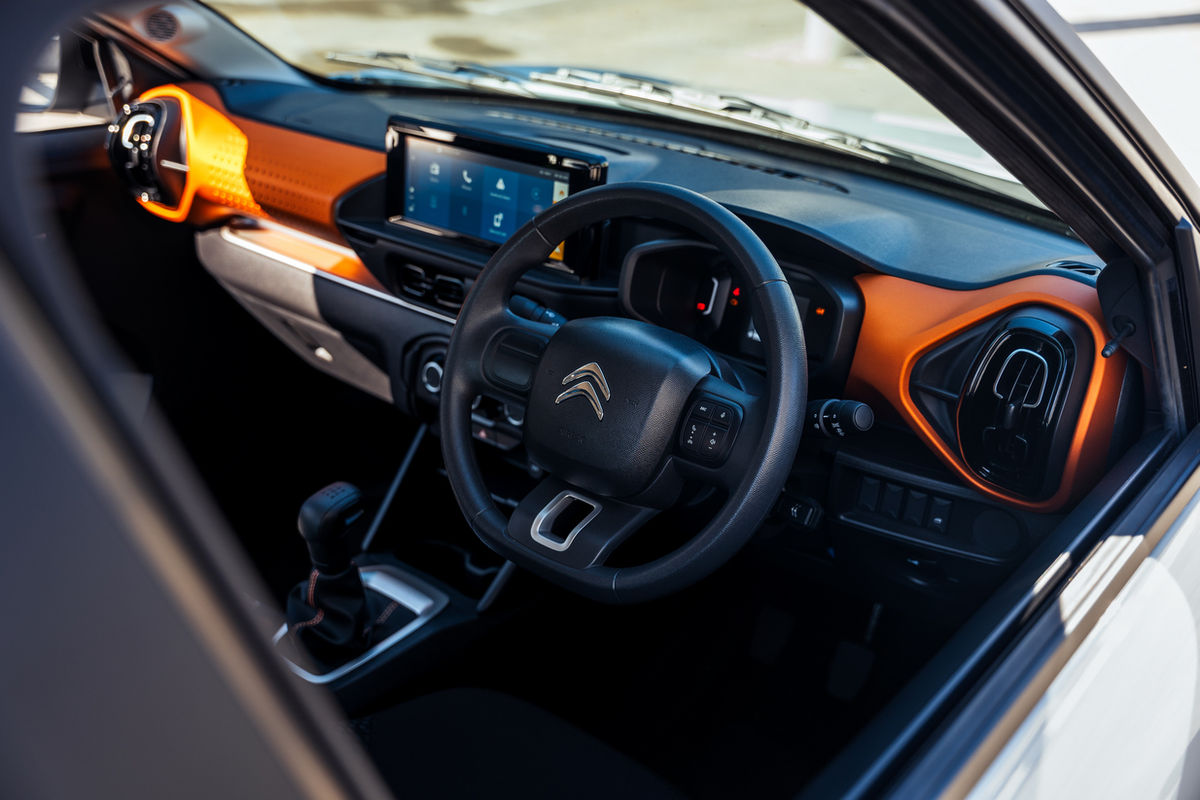
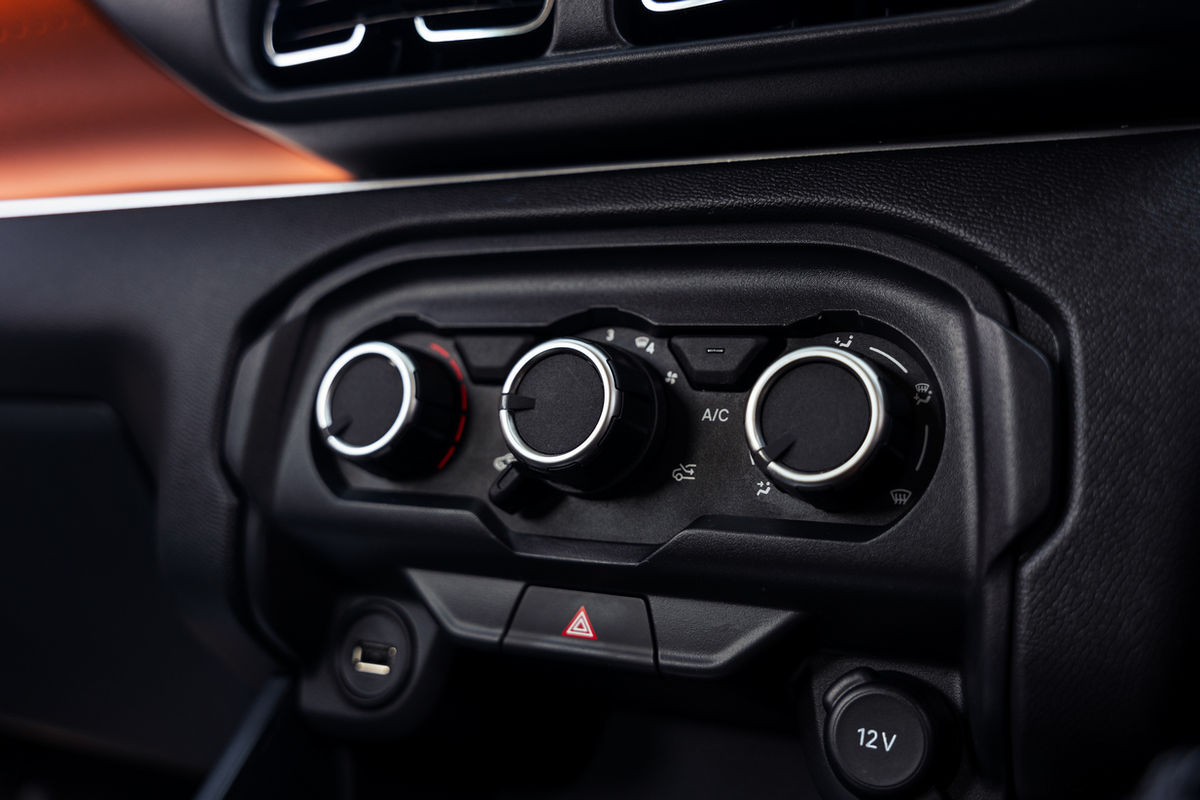
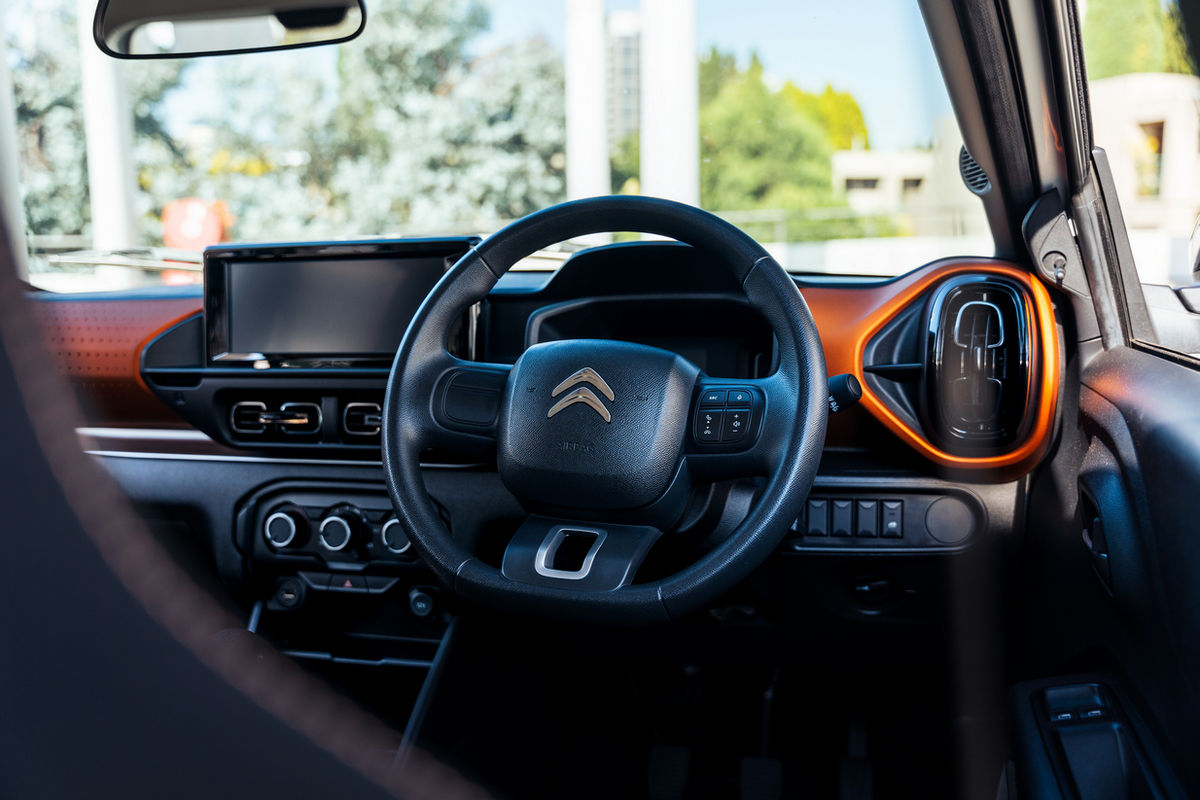
The interior blends a soupçon of typical French design with practical and budget-friendly plastics.
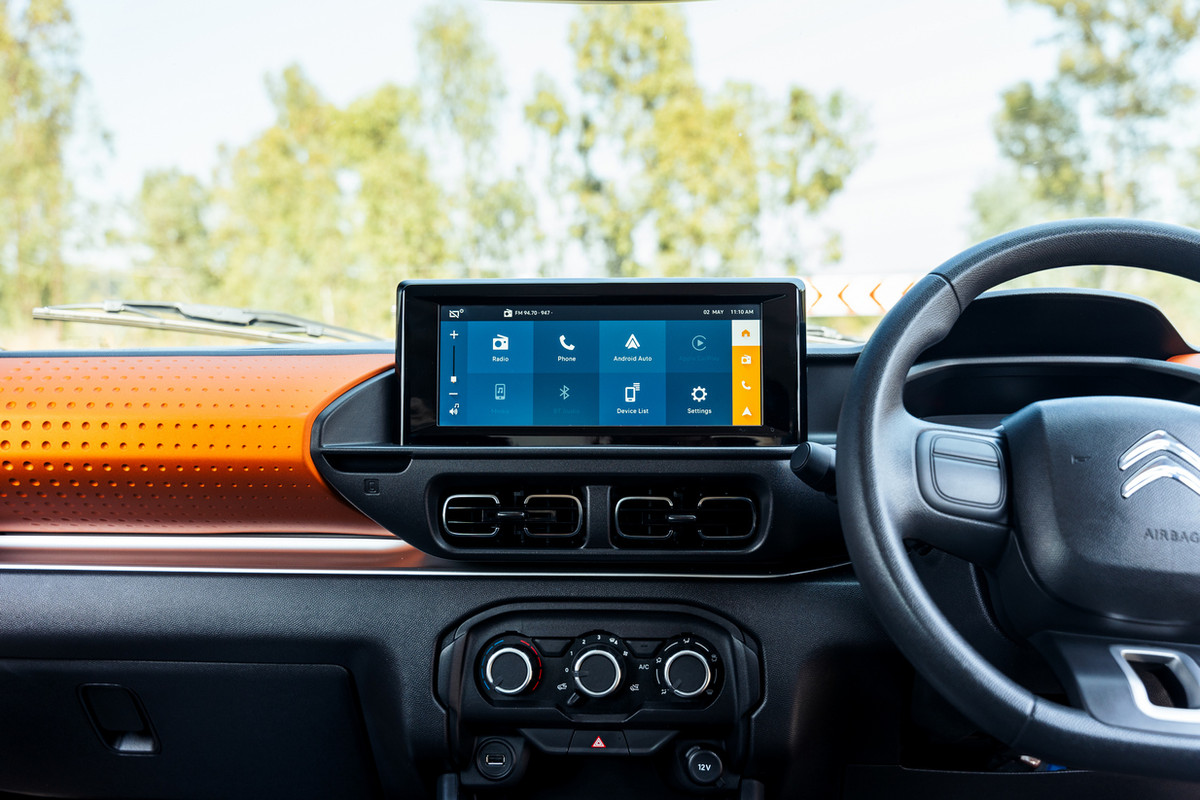
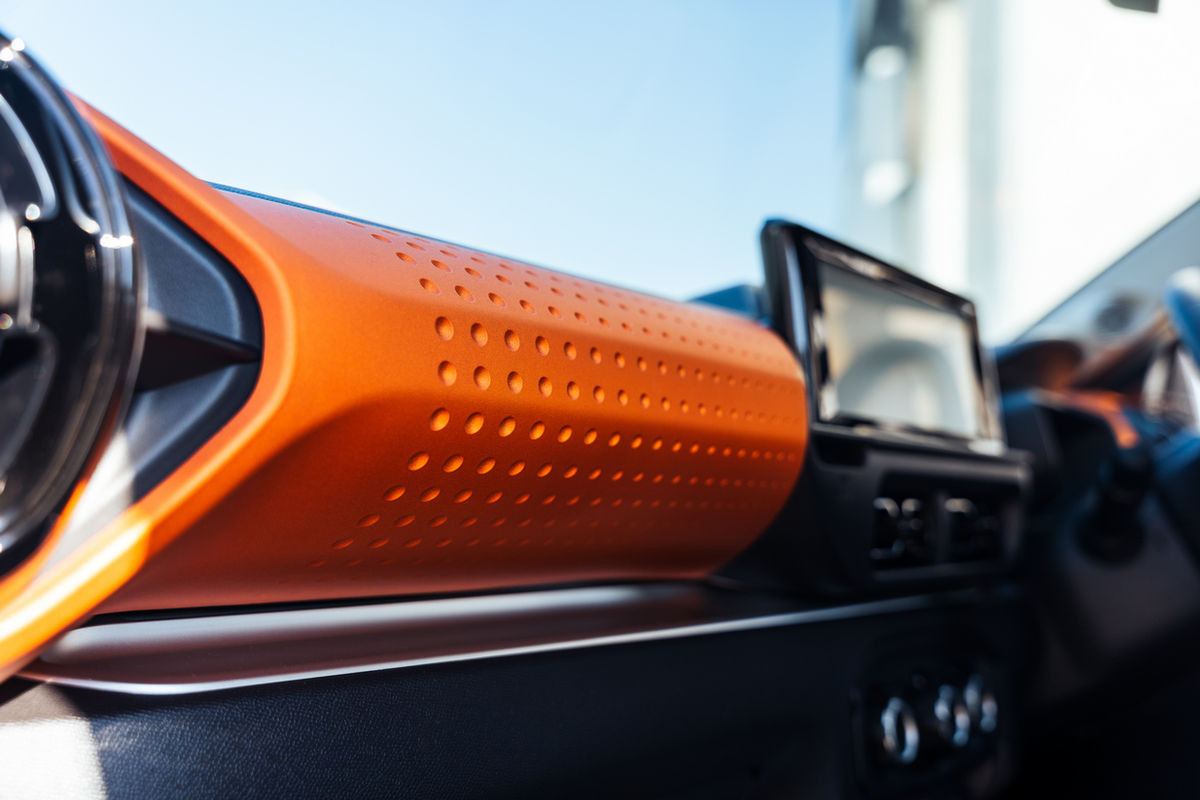
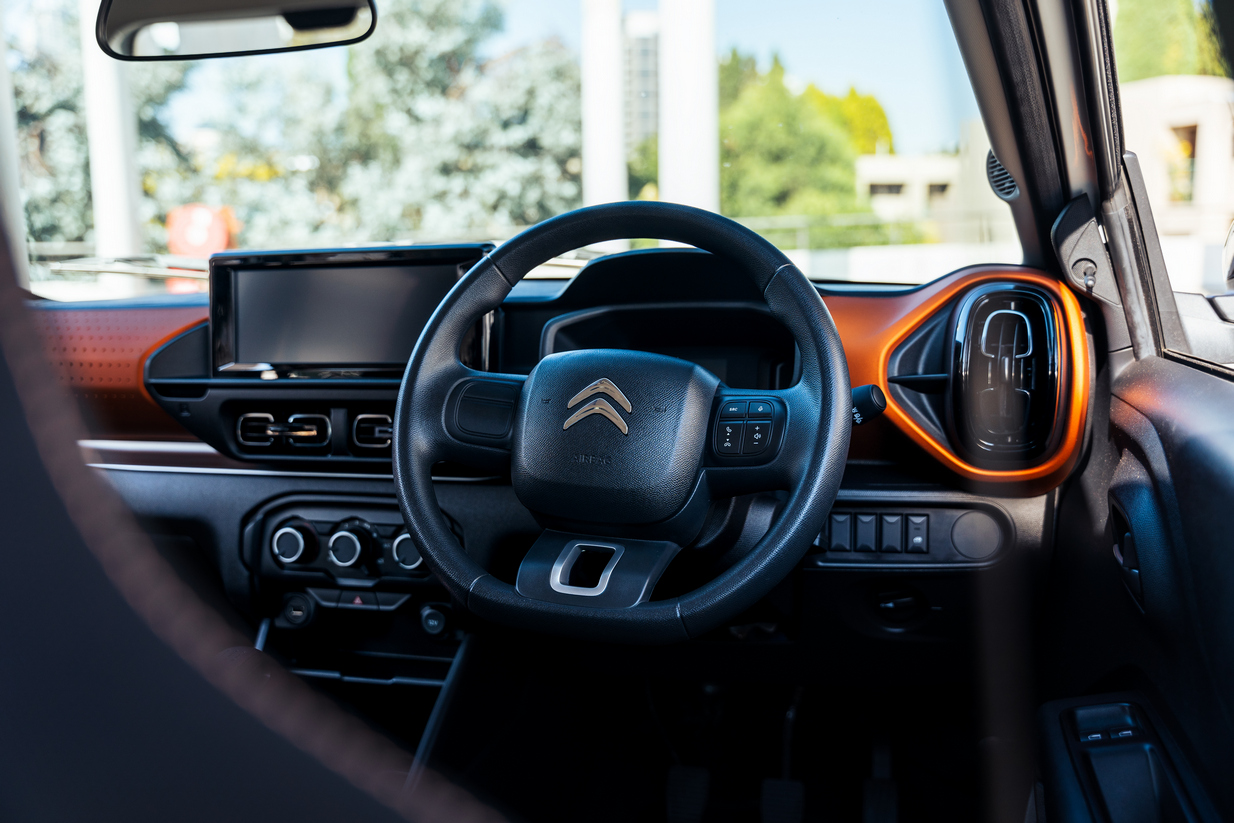
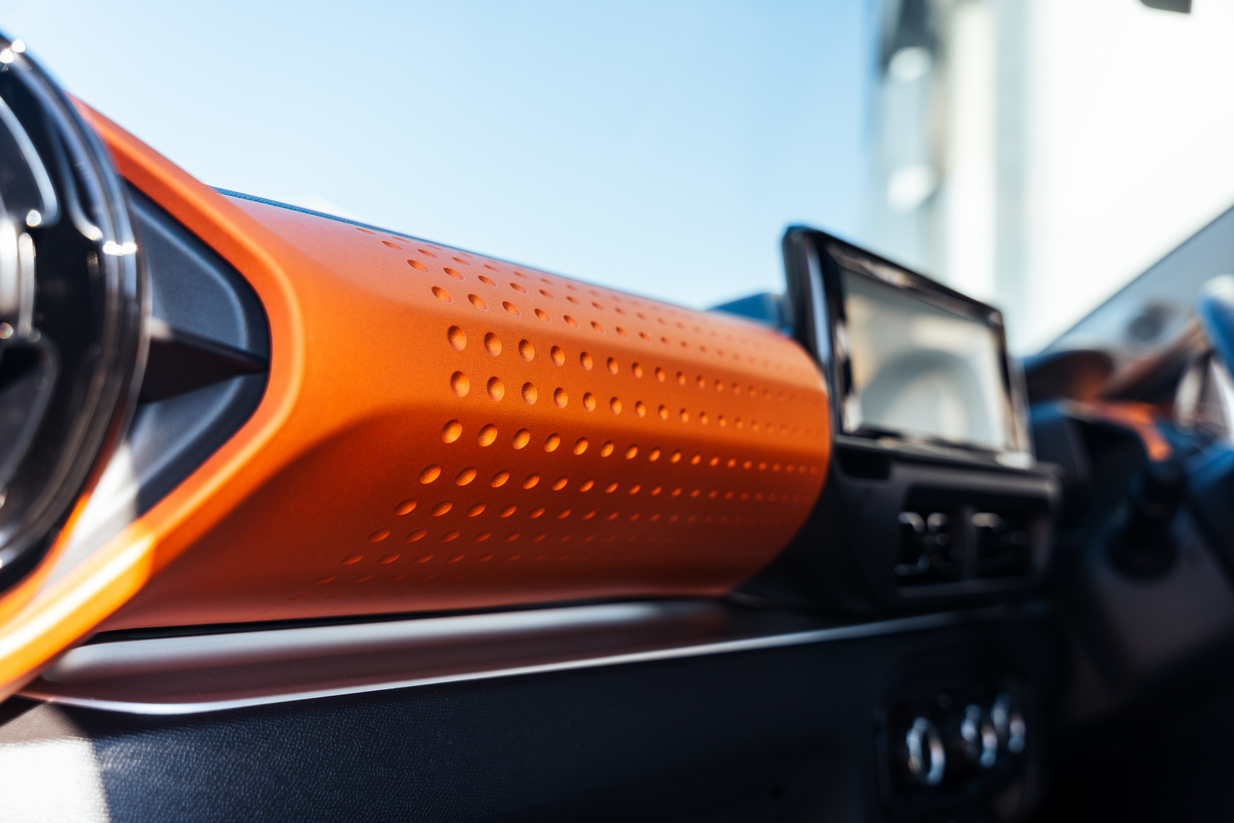
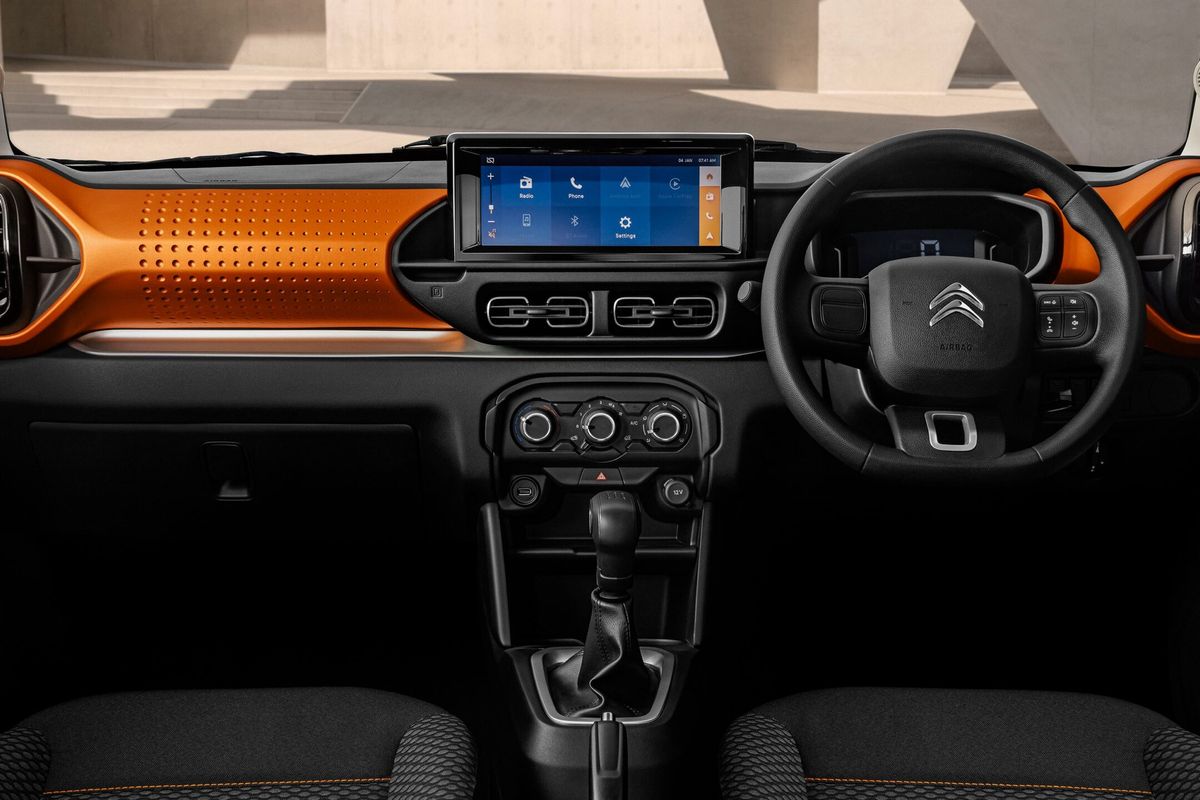
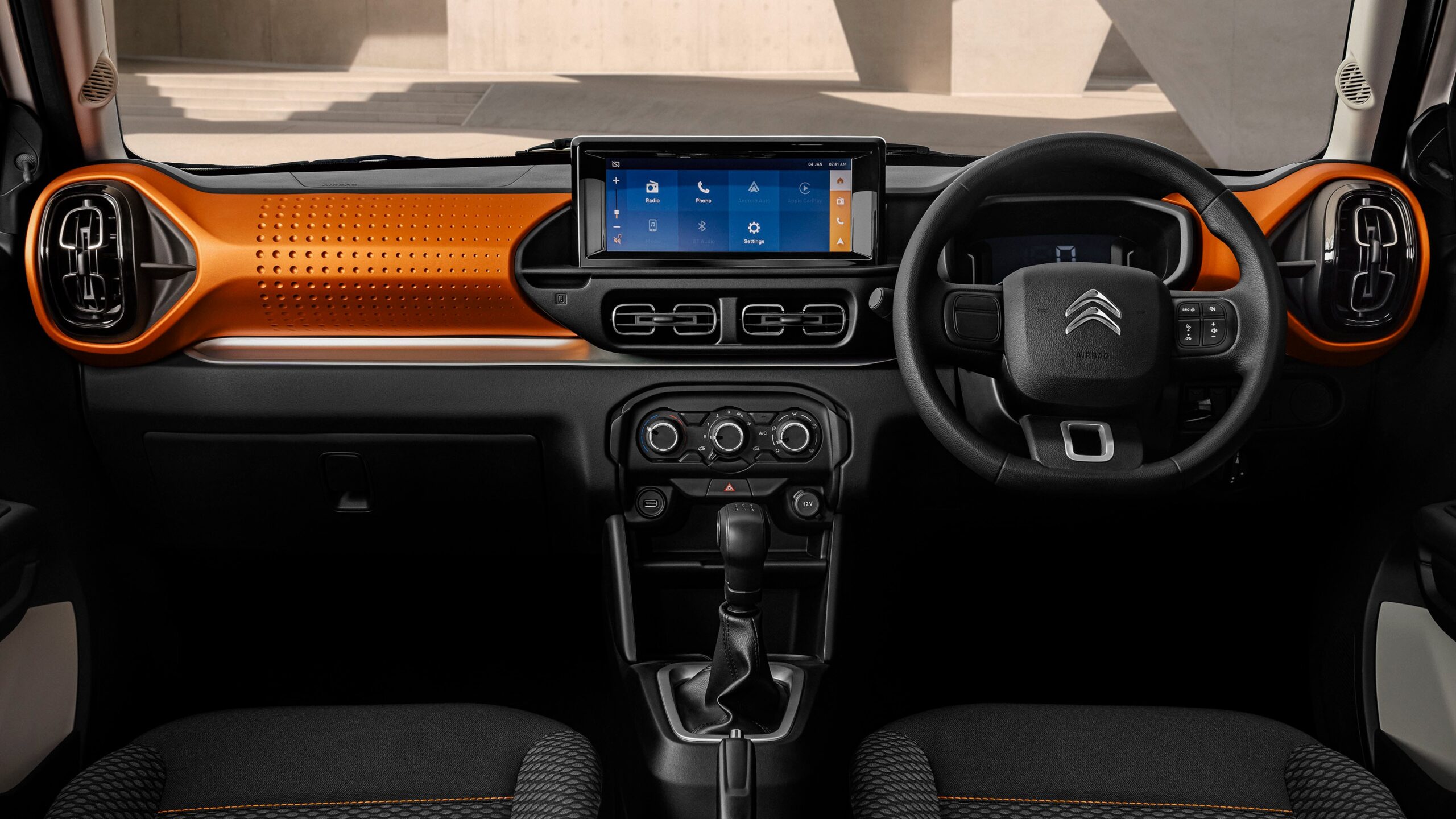
Citroen is world-renowned for its quirky and stylish interiors and while there isn’t much room for “French flair” on a budget crossover, Citroen has done an admirable job of endowing the new C3 with distinctive design elements. I quite like the ornate rectangular air vents and the “anodised” dashboard trim.
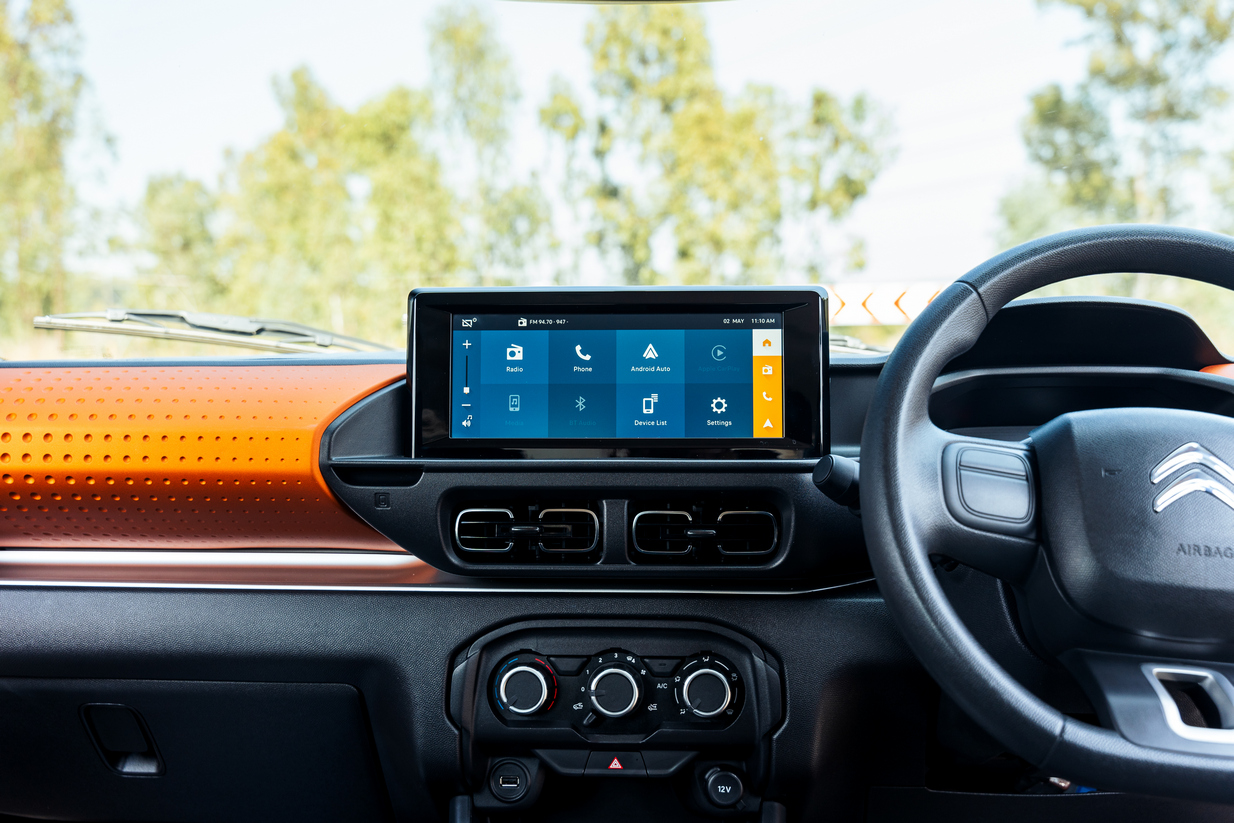
The 10-inch touchscreen infotainment system is a benchmark for the segment (size-wise), although the panel does have a matte finish, which makes it look as if it’s lined with one of those aftermarket phone screen covers. Still, it supports wireless Apple Carplay and Android Auto, which is almost unheard of at this price point. There is 1 USB-A port at the front and 2 USB-A ports in the rear for charging devices.
A height-adjustable driver’s seat is also a rarity at this price point, although I feel Citroen may have missed a trick by not offering reach adjustment on the steering column – it only adjusts for rake (up and down). Nevertheless, the driving position is quite natural, even without the reach adjustment.
The 10-inch touchscreen features wireless Apple Carplay and Android Auto.
The seats feel suitably comfortable with firm side support, which, again, is a luxury in a new vehicle positioned at the C3’s level. The same goes for most of the trim in the cabin, which, while almost 100% plastic, seems neatly installed; when you prod or pull on them, they don’t seem noticeably loose-fitting.
The manually adjustable mirrors, meanwhile, are a bit of a throwback – I can’t remember when last I had to ask a front passenger to adjust the left-hand side mirror on my behalf, manually nogal.
The load bay seems reasonably sized and the rear seatback can fold forward as a single piece. The rear passenger space looks acceptable, but might be marginal with the front seats pushed all the way back.
What’s the Citroen C3 like to drive?
Ride quality appears to be reasonably good after our short first drive.
I was pleasantly surprised by the new C3’s road manners. The ride quality seems quite good, even over Gauteng’s numerous speed bumps and patchy backroads. The driving experience won’t excite spirited drivers, but as a runabout, the Citroen corners dexterously and has a nicely weighted steering setup.
There is a bit of body roll (if you corner at slightly higher velocities), but that’s to be expected in a softly-sprung small crossover. Suffice it to say, it’s one of the better vehicles to drive at this end of the market.
How safe is the C3?
2 airbags are standard along with ABS and EBD.
The number of standard safety features in entry-level and budget cars has mercifully increased through the years and while the new Citroen C3 offers ABS with EBD and dual front airbags, the lack of electronic stability control is a pity – and something we simply cannot overlook. A quick look at the competition reveals that, of the comparative models we mentioned at the beginning, only the Suzuki models offer stability control across the range.
Rear parking sensors are fitted, but there isn’t an option to add a reverse-view camera for added peace of mind (especially if the driver is inexperienced). The omissions will probably be amended when more C3 derivatives are added to the lineup. For now, the entry-level 1.2 Feel is the only version available.
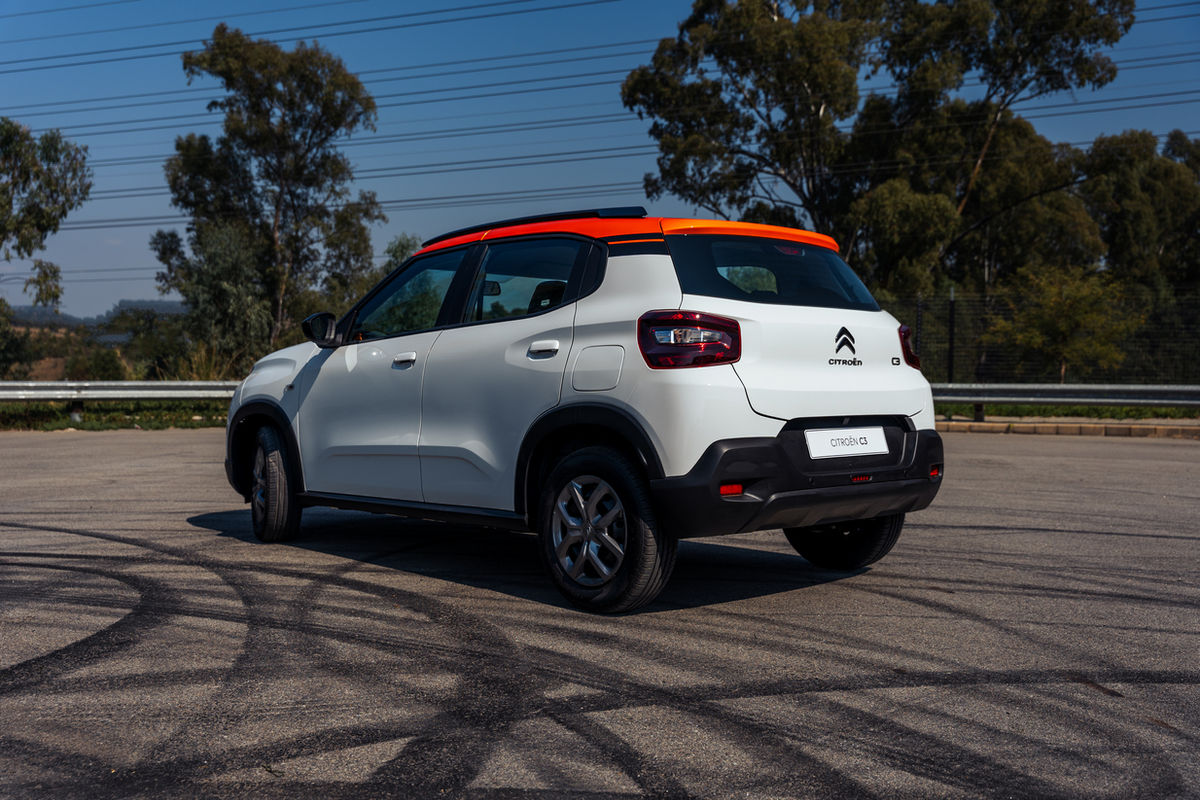
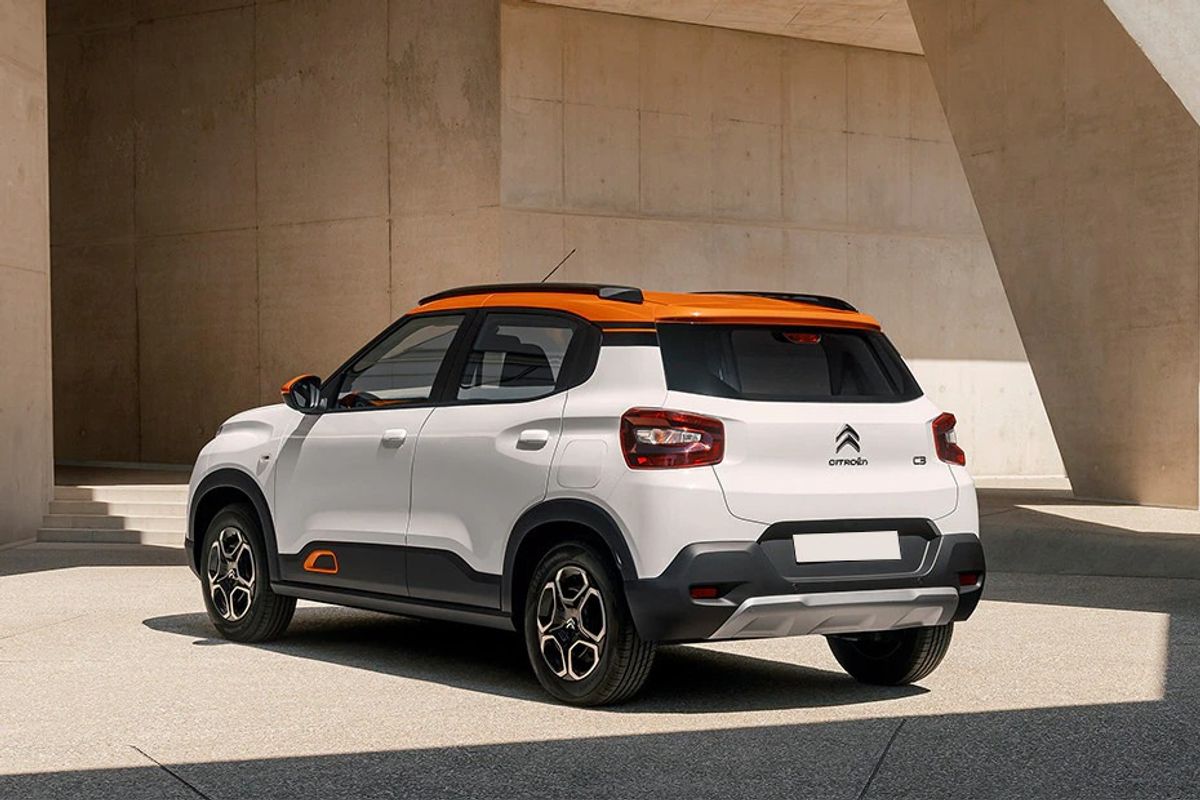
Citroen is offering some very keenly priced options for the new C3 in an Elegance Pack (R2 200), which incorporates chrome detailing on the door handles, bumpers, tail lamps and fog lamps. The Energy Pack (R2 700) comes with a distinctive rear spoiler and -skid plate. Alloy wheels will cost you R8 300 extra.
Citroen C3 Price & after-sales support
After-sales support has not been a virtue of French car manufacturers in South Africa, but Citroen’s local subsidiary has taken steps to ensure that parts will be readily available and distributed efficiently (when they’re required). The C3 is sold with a 5-year/100 000 km warranty and a 2-year/30 000 km service plan. I think if Citroen really wanted to show its commitment to service, it would have offered a 3-year/45 000 km plan as standard. In saying that, the 2-year service plan is in line with those of the C3’s rivals.
Citroen C3 1.2 Feel
R229 900
Summary
At its current price, the new C3 appears to be a good option in the budget car segment.
This new Indian-built C3 might be the product that puts Citroen back on the map locally… It’s very keenly priced and has the right blend of modern interior technology and distinctive design to get heads turning.
The quality produced by the French brand’s Indian factory appears to be on par – if not slightly above – that of Renault/Nissan, but we’ll have to see if that still rings true after a thorough evaluation of the C3.
The engine feels perky enough to deal with our high-altitude cities (which host the biggest car markets in the country) and the good gearbox-clutch synchronisation makes it very easy to get used to the C3.
My only notable criticism pertains to the safety spec (the C3’s lack of electronic stability control), but the newcomer’s rivals also tend to lack that feature (because it’s a pricey feature to include). To sum up, at a time when interest rates are high and bargains are hard to find, the new C3 makes a good case for itself.
Subaru Crosstrek (2023) Price & Specs
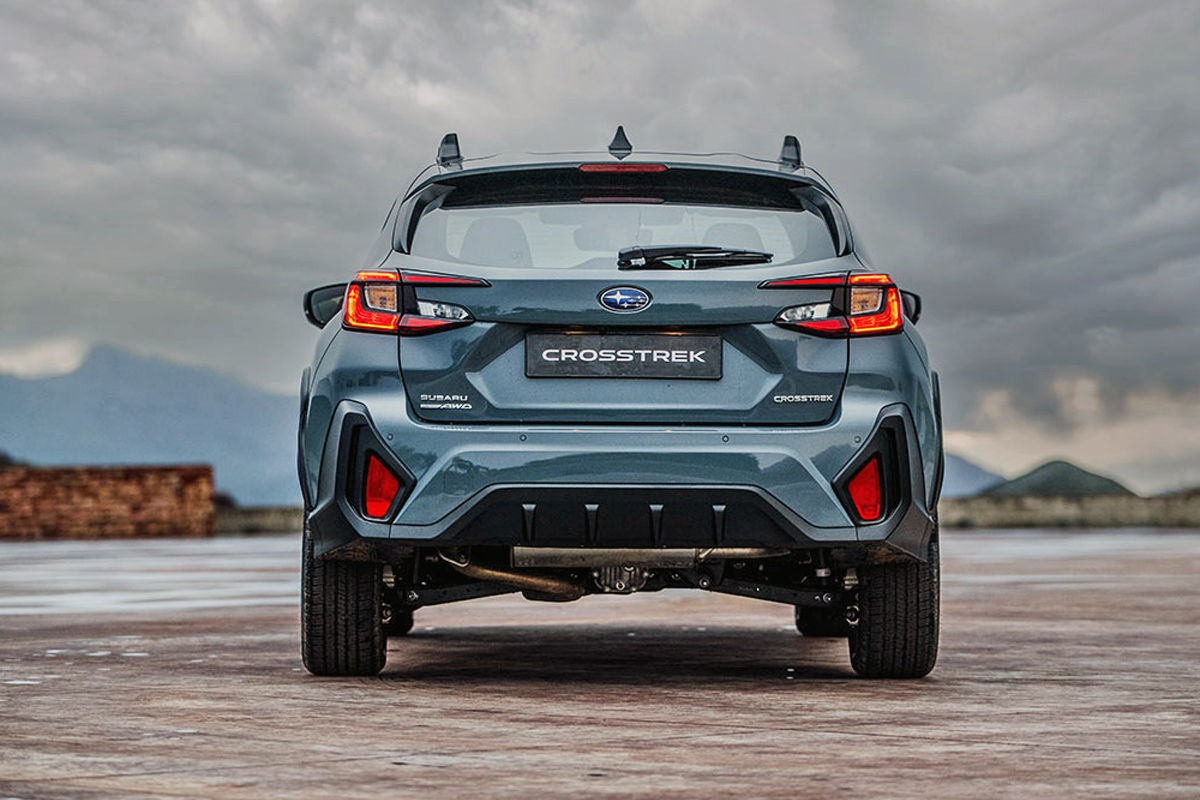
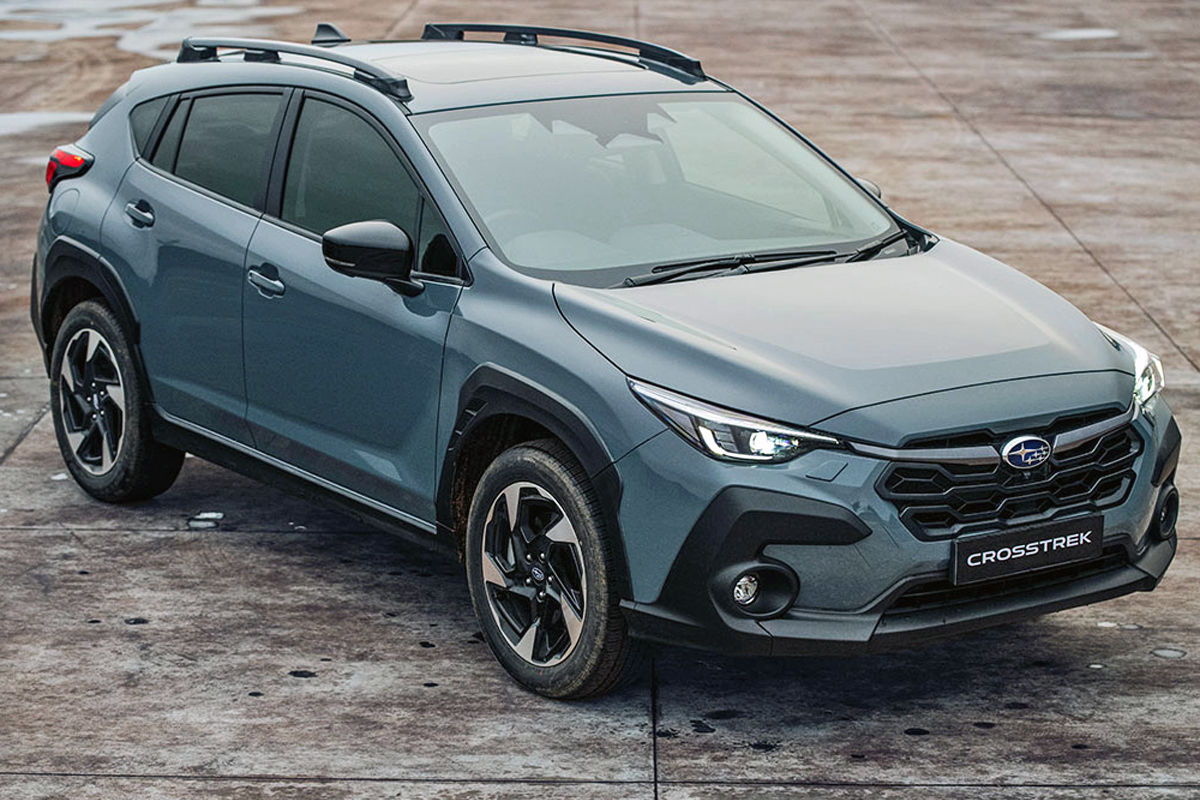
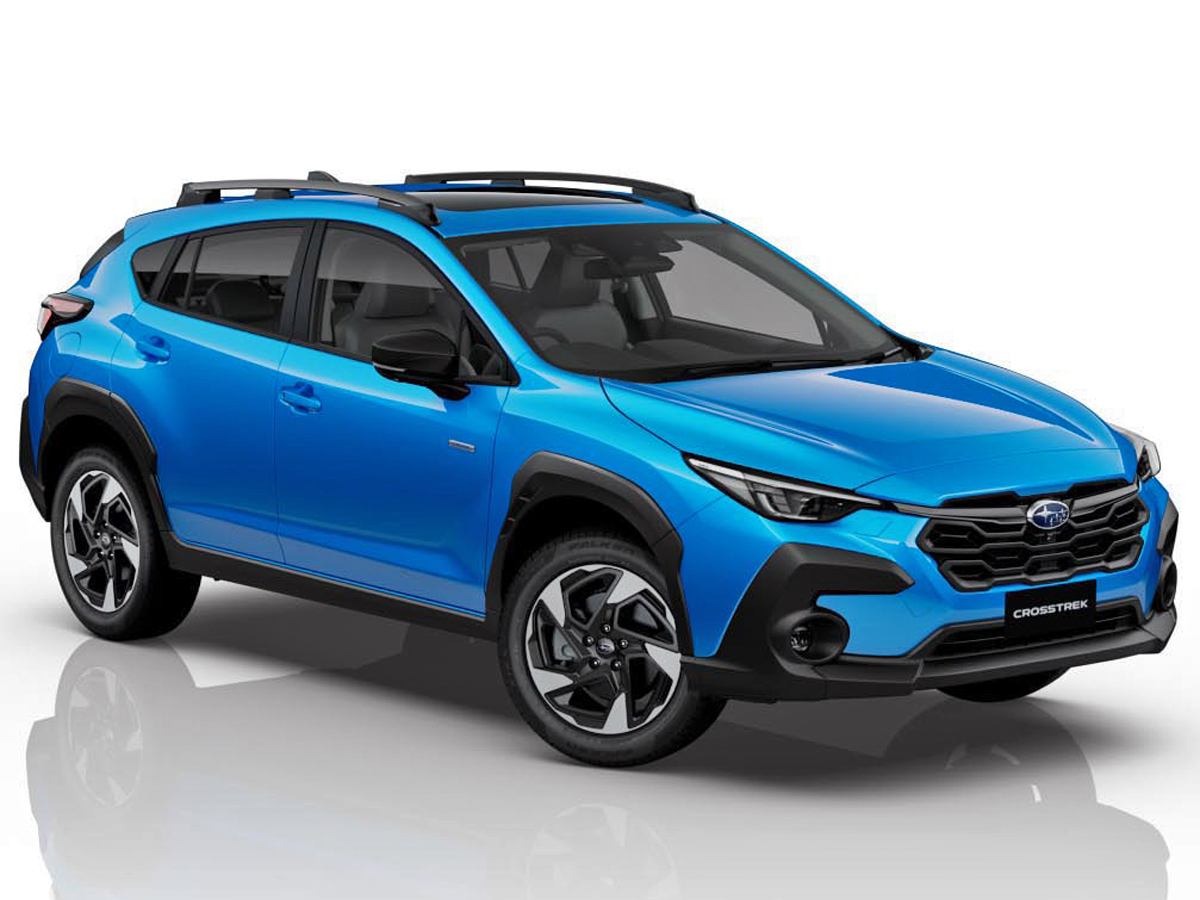
Goodbye XV, hello Crosstrek! The new Subaru Crosstrek has touched down in South Africa. And we’ve uncovered pricing and specifications for this all-paw crossover…
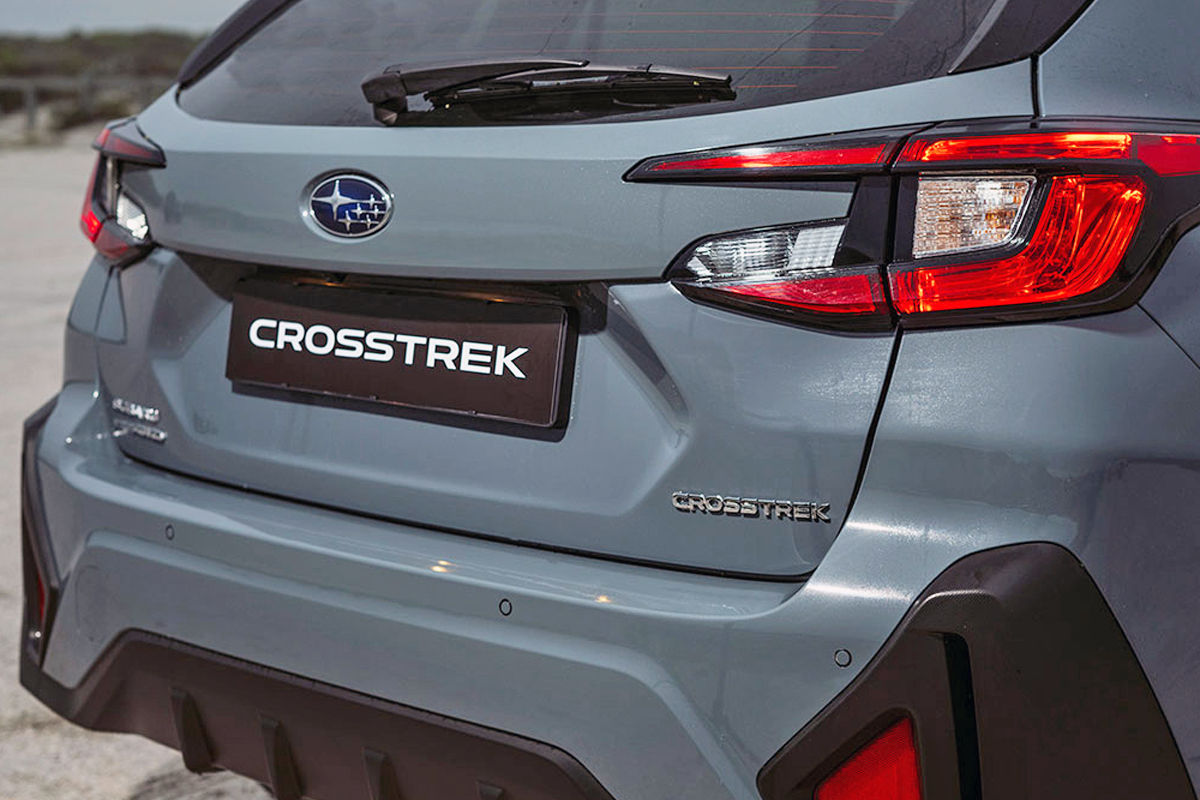
Over its first 2 generations in South Africa, Subaru’s Impreza-based crossover was known as the XV. However, for the 3rd iteration, it’s switched to the Crosstrek badge. And now that model has touched down on local soil.
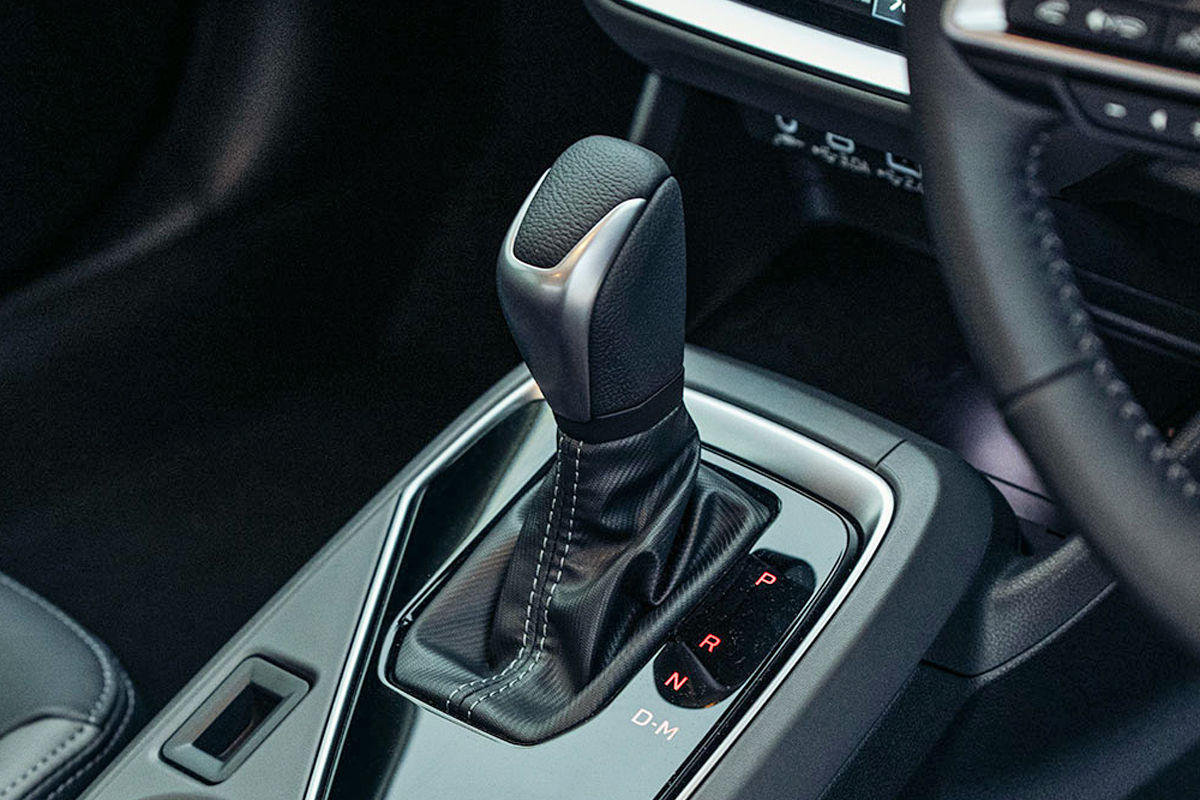
Like the XV it replaces, the new Subaru Crosstrek line-up comprises just a pair of derivatives, each employing the Japanese brand’s familiar naturally aspirated 2.0-litre, 4-cylinder Boxer petrol engine. With symmetrical all-wheel drive as standard, power again goes to all 4 corners via a continuously variable transmission (CVT) with paddle shifters and 8 pre-set steps.
In the Crosstrek, this horizontally opposed motor makes an unchanged 115 kW and 196 Nm, though now sips at a claimed 7.2 litres per 100 km, making it ever-so-slightly more efficient than before. Luggage space, meanwhile, is listed as 320 litres, while ground clearance comes in at 220 mm.
So, how much does the newcomer cost? Well, the Crosstrek 2.0-i L ES is priced from R579 000, while the Crosstrek 2.0-i S ES kicks off at R669 000. For the record, the outgoing XV 2.0i was last listed for R464 000, with the XV 2.0i-S ES having cost R531 000.
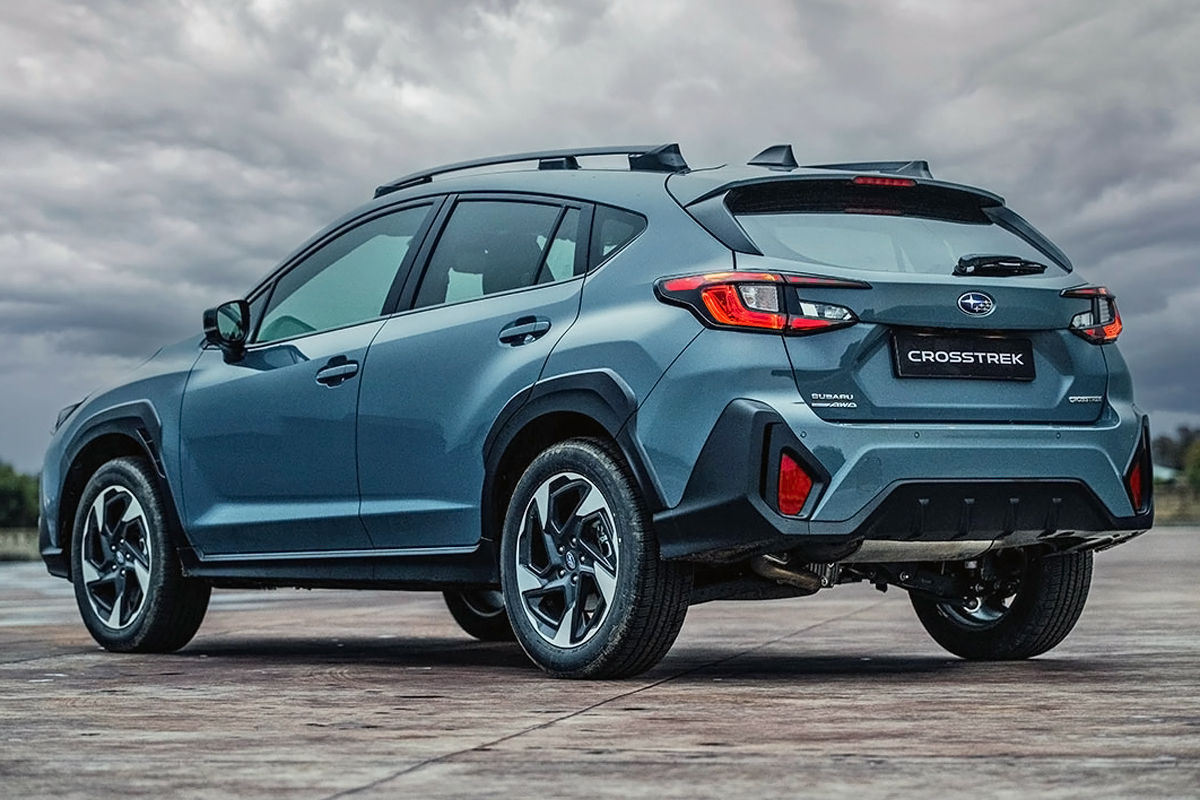
Oasis Blue is one of 9 exterior colours offered on the new Crosstrek.
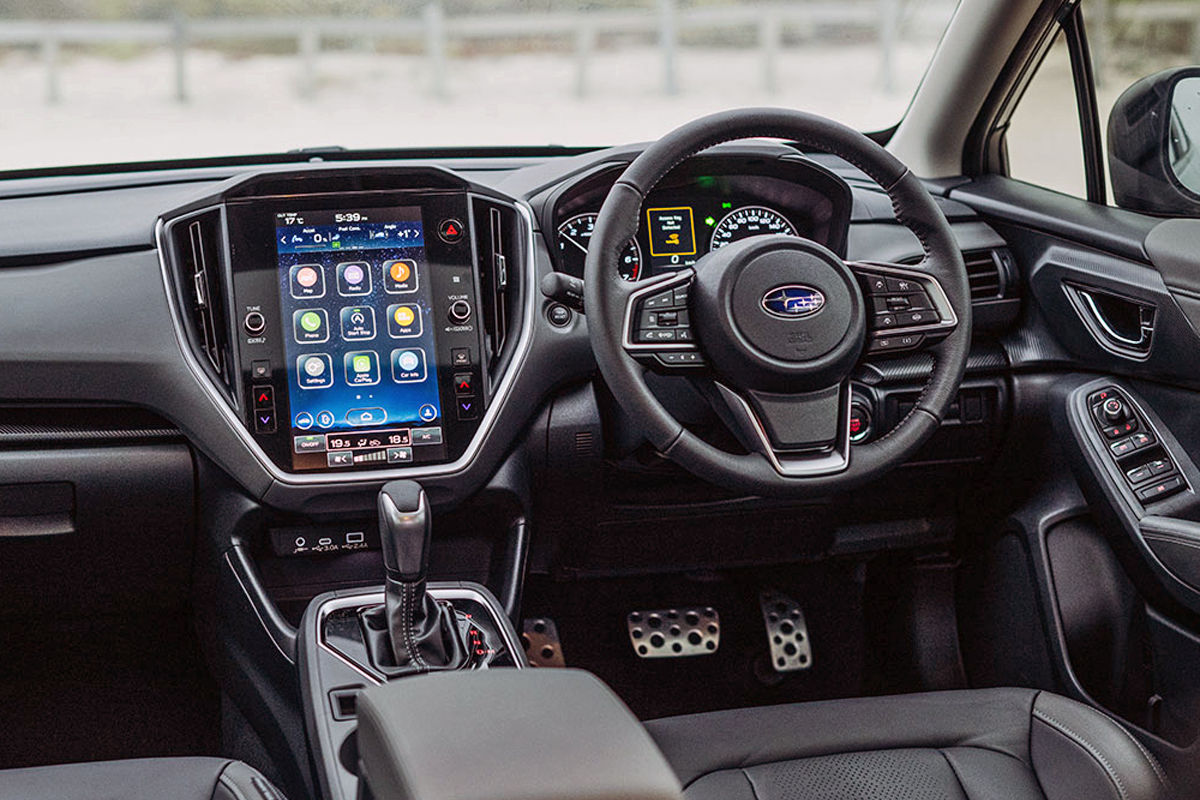
Inside the new Crosstrek, you’ll find a portrait-orientated 11.6-inch touchscreen (with wireless Apple CarPlay and Android Auto) linked to a 6-speaker audio system, as well as a wireless smartphone charger and USB-A plus USB-C ports up front. There’s also a reversing camera, rain-sensing wipers and push-button start. While the Crosstrek 2.0-i L ES is fitted with fabric seats, the 2.0-i S ES upgrades to leather upholstery.
The flagship derivative furthermore rides on 18-inch alloy wheels (as opposed to the base model’s 17-inch items), while also scoring items such as a sunroof, LED (as opposed to halogen) daytime running lights, dusk-sensing (and steering-responsive) headlamps and an 8-way power-adjustable driver’s seat.
The S-badged model features a front-view monitor, a 360-degree camera system and high-beam assist, in addition to the blind-spot monitoring, lane-change assist and rear parking sensors offered on the L-badged version. Both derivatives, though, ship standard with Subaru’s 4th-generation EyeSight driver-assist system, which includes functions such as adaptive cruise control, pre-collision braking and pre-collision throttle management.
As many as 9 exterior paint colours are available for the new Crosstrek, including bright hues such as Sun Blaze Pearl, Pure Red and Oasis Blue.
How much does the new Subaru Crosstrek cost in South Africa?
Subaru Crosstrek 2.0-i L ES – R579 000
Subaru Crosstrek 2.0-i S ES – R669 000
A 5-year/150 000 km warranty and a 3-year/75 000 km maintenance plan (with intervals of 15 000 km) are included in the above purchase prices.
Toyota SA ‘studying’ 2.8 GD-6 engine for Land Cruiser 79
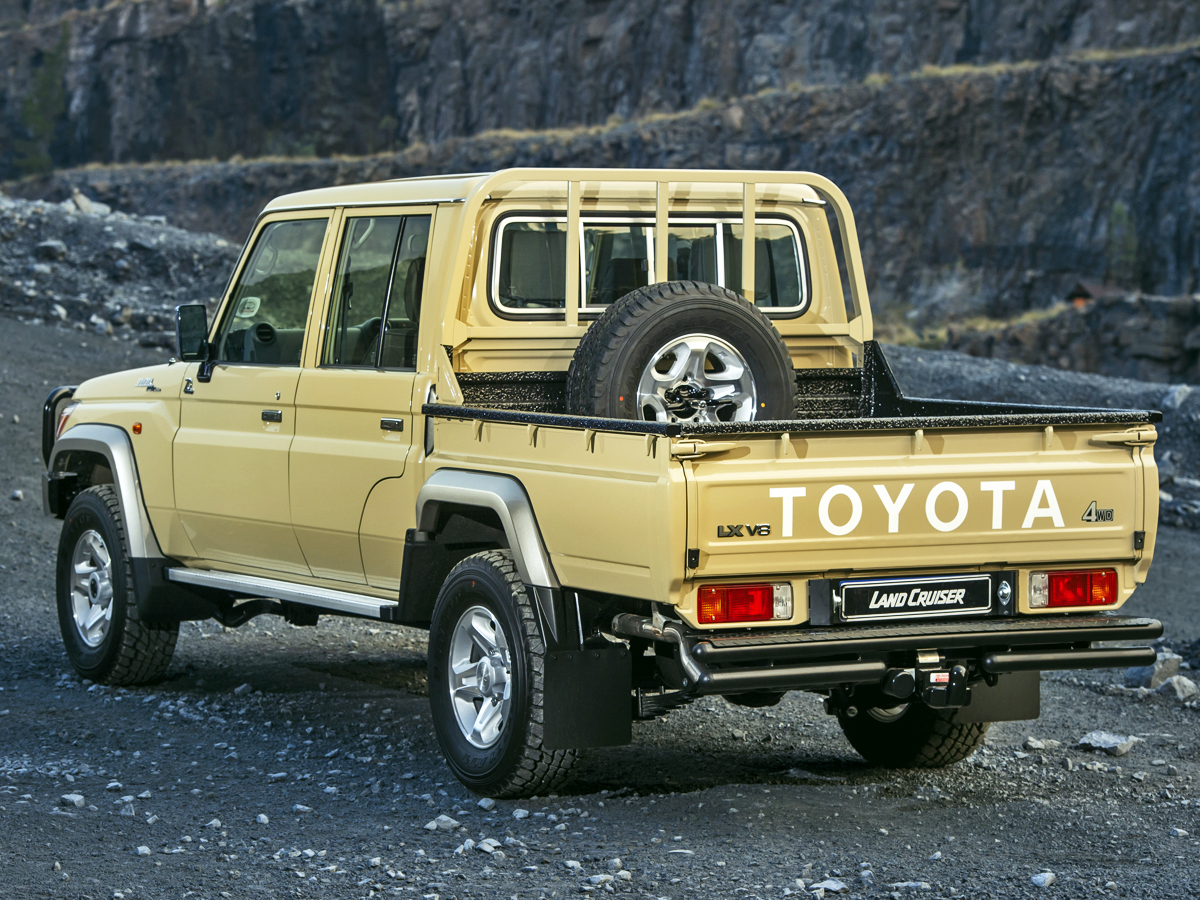
The evergreen Toyota Land Cruiser 79 may well receive 4-cylinder power in South Africa by the end of 2023, as the brand’s local division is currently “studying” the introduction of the 2.8 GD-6 engine…
Toyota South Africa Motors has confirmed to Cars.co.za it is “studying” the possibility of introducing a 4-cylinder version of the Land Cruiser 79 bakkie powered by the 2.8-litre turbodiesel engine already employed by the likes of the Hilux, Fortuner and Land Cruiser Prado.
Rumours out of both Japan and Australia have suggested Toyota could soon drop its ubiquitous 2.8 GD-6 engine into the Land Cruiser 70 series. We asked the Japanese firm’s South African division whether there were any such plans for the local range.
“The Land Cruiser 70 series is still one of our best sellers – with the pick-up version averaging around 245 units a month. We are certainly studying the 2.8-litre turbodiesel for local introduction but can only confirm the results of our study towards the end of the year,” a Toyota SA Motors spokesperson told us.
The Land Cruiser 79 may well feature 4-cylinder power by the end of 2023.
As a reminder, the current Land Cruiser 79 line-up comprises 6 derivatives (3 single- and 3 double-cab variants), with the choice of a trio of engines. There’s the 4.0-litre V6 petrol unit (170 kW/360 Nm), the 4.2-litre straight-6 diesel motor (96 kW/285 Nm) and the 4.5-litre V8 turbodiesel mill (151 kW/430 Nm).
The 8-cylinder 4.5D-4D engine is also employed by the Land Cruiser 76 station wagon, while the 4.2-litre oil-burner powers the special-order-only Land Cruiser 78 (aka Troopy). It’s not yet clear whether the 76- and 78-badged models are also in line for 4-pot power. Regardless, it seems likely the current 70 series engines would soldier on – rather than simply fall away – alongside the 2.8 GD-6, should the latter be introduced.
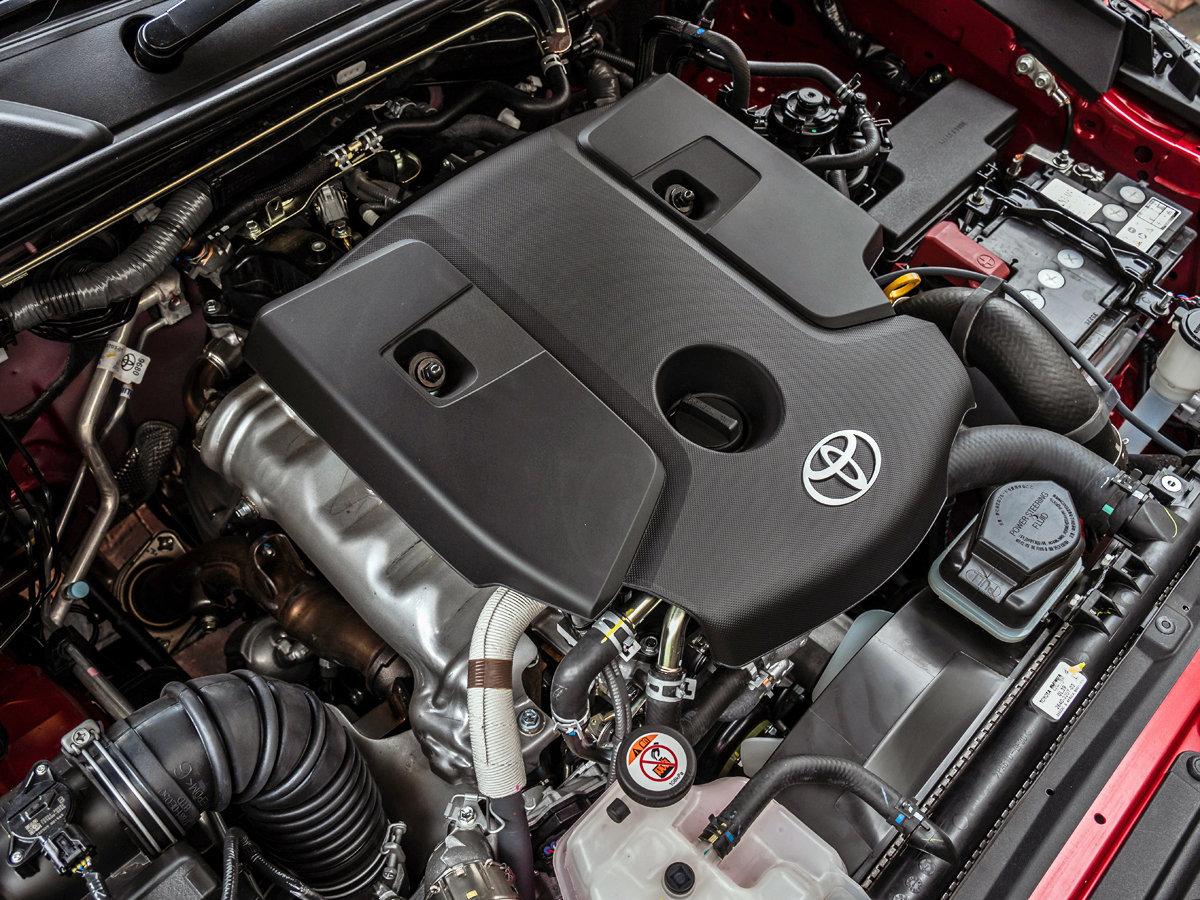
In applications such as the Fortuner and Prado, the Japanese firm’s widely used 2.8 GD-6 engine generates peak outputs of 150 kW and 500 Nm, while a detuned version is reserved for the Quantum. Of course, there is also a high-output iteration, which in the Hilux GR-Sport churns out 165 kW and 550 Nm. Though figures for the Land Cruiser 70 series have yet to be confirmed, it seems likely the 4-cylinder motor would offer more torque as well as improved fuel economy when compared with the aforementioned larger-capacity (and substantially older) engines.
In the Toyota Hilux GR Sport, the 2.8 GD-6 engine makes 165 kW and 550 Nm.
Should Toyota SA Motors’ feasibility study have a positive outcome, we would furthermore expect the 4-cylinder version of the Land Cruiser 79 to be available locally with an automatic transmission (at present, all derivatives in the 70 series range employ a manual gearbox). After all, the 2.8 GD-6 is already offered with a 6-speed auto in various applications.
In addition, overseas reports have suggested this proposed engine update for the 70 series could be accompanied by a few minor specification changes, including a new infotainment system and perhaps a different steering wheel. It remains to be seen whether such tweaks would be on the cards for the under-study SA-spec model, too.
As a reminder, the J70-generation Land Cruiser has been in production for nearly 40 years. It’s currently the oldest “new” vehicle available in South Africa, having been sold here in its current form (more or less) for more than 2 decades.
Kia Bakkie Set for 2025! Fresh Info on New Hilux Rival
Fresh details of Kia’s upcoming ladder-frame bakkie – billed as a “genuine” rival to the likes of the Toyota Hilux and expected in 2025 – have emerged. Here’s what we know…
There’s long been talk about Kia launching a ladder-frame bakkie to take on the likes of the Toyota Hilux and Ford Ranger. And now, thanks to official information reportedly shared by Kia’s headquarters with select dealerships in Australia (and promptly leaked to various publications), fresh details have emerged.
When asked about the new bakkie, Kia Australia released the following statement to various publications Down Under: “Kia is currently developing a future pick-up truck model that will be highly capable and fit for purpose. Additional details will be confirmed in due course.”
So, what else do we know, based on the leak? Well, though details are still frustratingly thin on the ground, reports from Aussie publications such as CarExpert and Drive claim the new 1-tonne bakkie – which was spied wearing camouflage late in 2022 – is known internally as the “TK” series. It will apparently ride on an “all-new” body-on-frame chassis rather than adopt a unibody configuration, and be offered in both single- and double-cab body styles.
The reports say the as-yet-unnamed Kia-badged bakkie is expected to hit showrooms in that country by 2025, with development having commenced back in 2020. The South Korean firm has reportedly promised its dealers the bakkie will be a “genuine and serious rival” to the Hilux and Ranger.
The Mohave sold in South Korea employs a 3.0-litre V6 turbodiesel powerplant.
As such, the TK series is being benchmarked against the segment’s strongest sellers and will apparently match them in terms of towing capacity and payload. So, expect a braked towing capacity of up to 3 500 kg and a load capacity of about a tonne.
What about engine options? Well, for now, all we know – based on information ostensibly shared with Aussie dealers, anyway – is the Kia bakkie will be offered with turbodiesel power. Of course, we’ve already written extensively about the powertrain options currently available to the South Korean firm, including its familiar 2.2-litre, 4-cylinder oil-burner (which makes 147 kW and 440 Nm in other applications).
There’s also a 3.0-litre V6 turbodiesel unit, which powers the Mohave large SUV offered in South Korea, delivering 191 kW and 560 Nm in that domestic-market model. This engine, of course, would allow the Kia bakkie to go toe-to-toe with the 6-cylinder diesel versions of the Ranger and closely related Volkswagen Amarok.
As an aside, back in March 2022, Kia announced plans to expand its all-electric vehicle range to as many as 14 models by 2027, while also confirming 2 will take the form of battery-powered bakkies. It’s not yet clear whether the new ladder-frame bakkie will eventually also be offered in electric form as well.
Regardless, the diesel-powered version looks like an absolute no-brainer for Kia Motors South Africa, considering the fact it will indeed be built in right-hand-drive form for Australia…
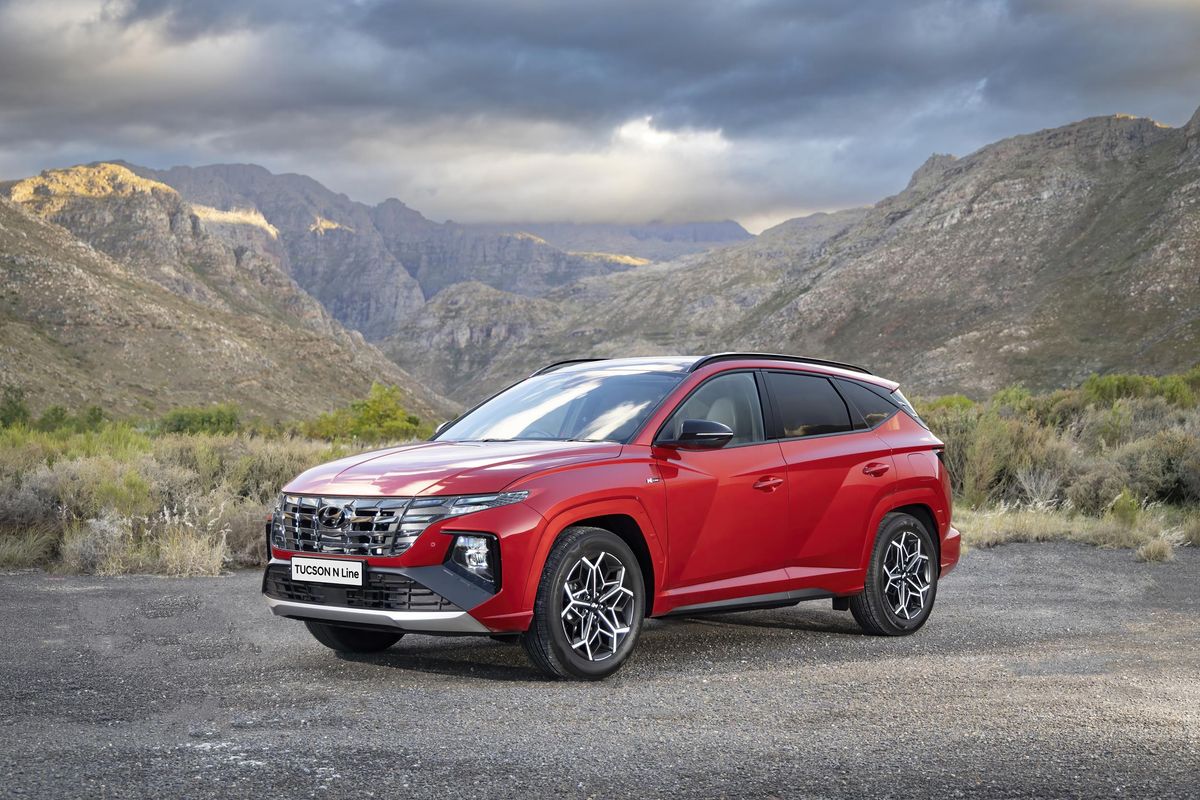
The Hyundai Tucson N-Line has arrived; armed with a sporty body kit and all-wheel drive, it now heads up the Tucson range. We drive the new 2.0D N-Line AT AWD.
The 25th of May 2023 was the perfect day to try out Hyundai’s new flagship Tucson derivative in the Western Cape. And why? Because a typical winter cold front had arrived in the Cape of Storms, bringing with it sheets of rain and chilly temperatures. The rainfall was – in a word – torrential, which made the roads precariously slippery. An appropriate scenario to evaluate the all-wheel-drive newcomer, then.
Until recently, if you were looking for a turbodiesel-powered family car with all-wheel drive, your choices were limited to the VW Tiguan TDI 4Motion and Mazda CX-5 2.2 Akera. Hyundai has entered the chat.
What is Hyundai Tucson N-Line?
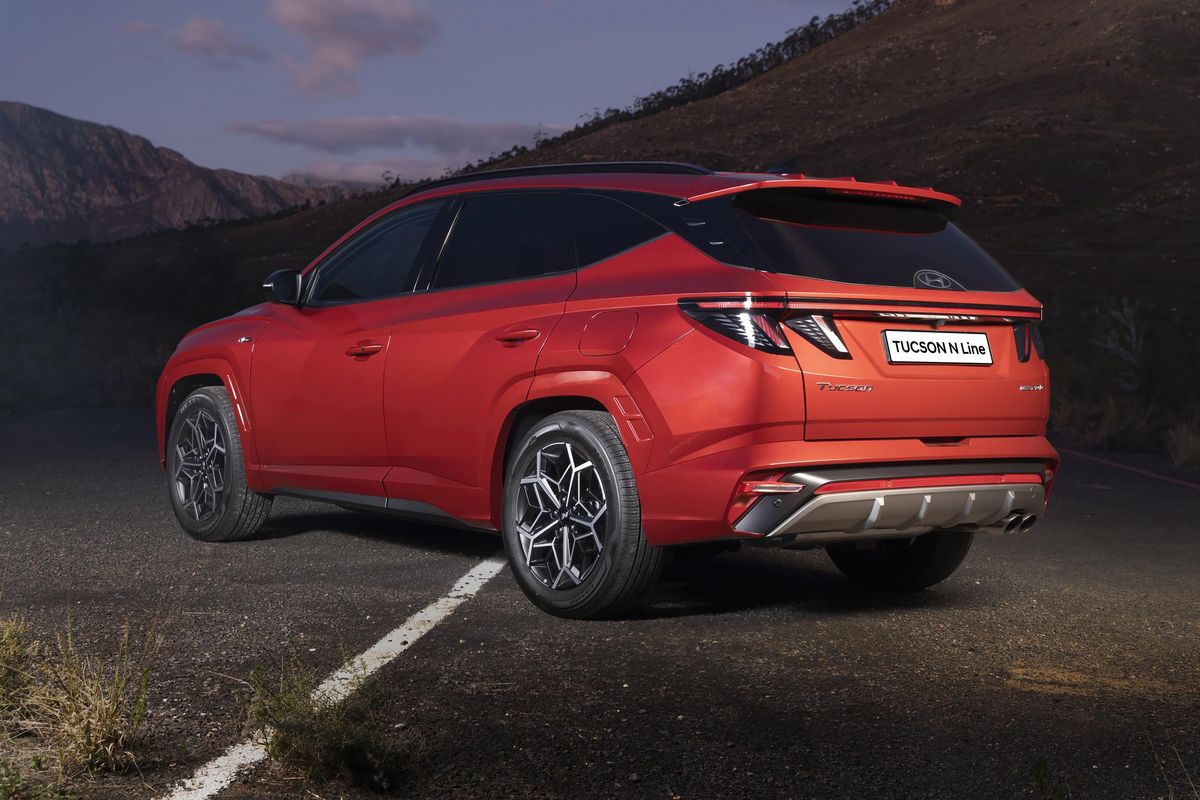
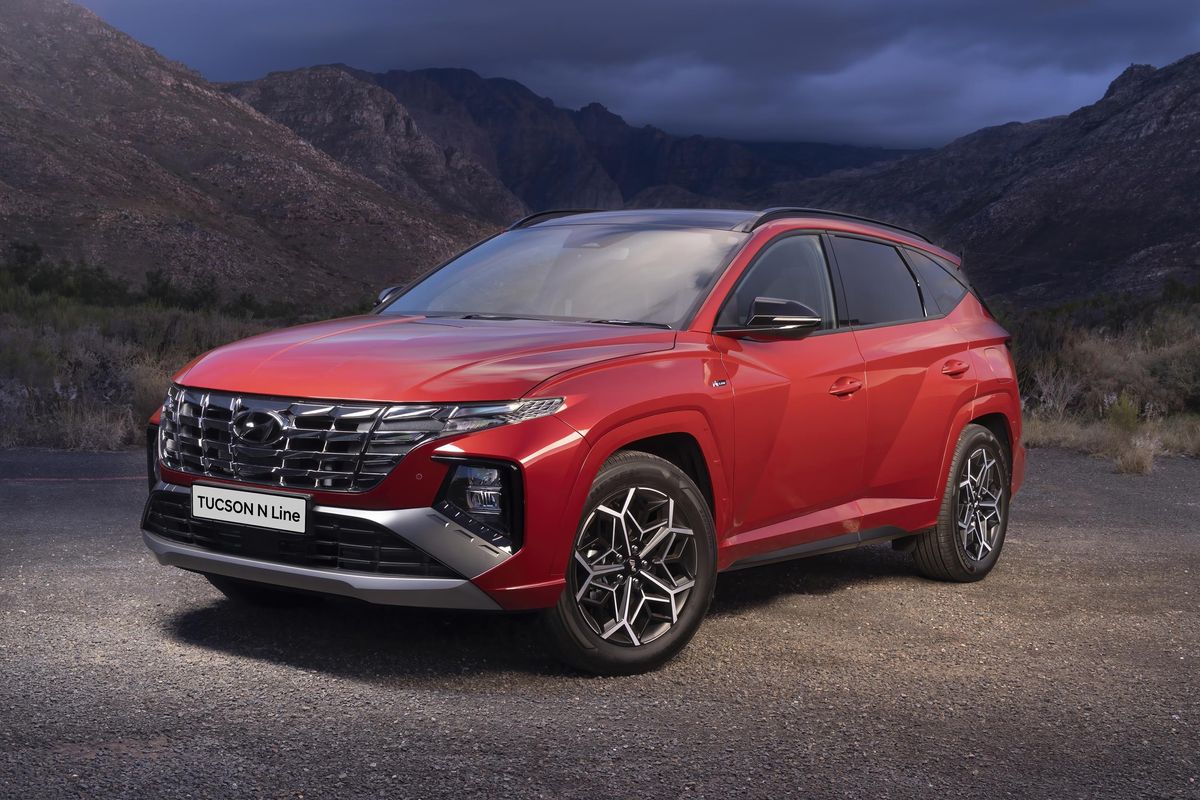
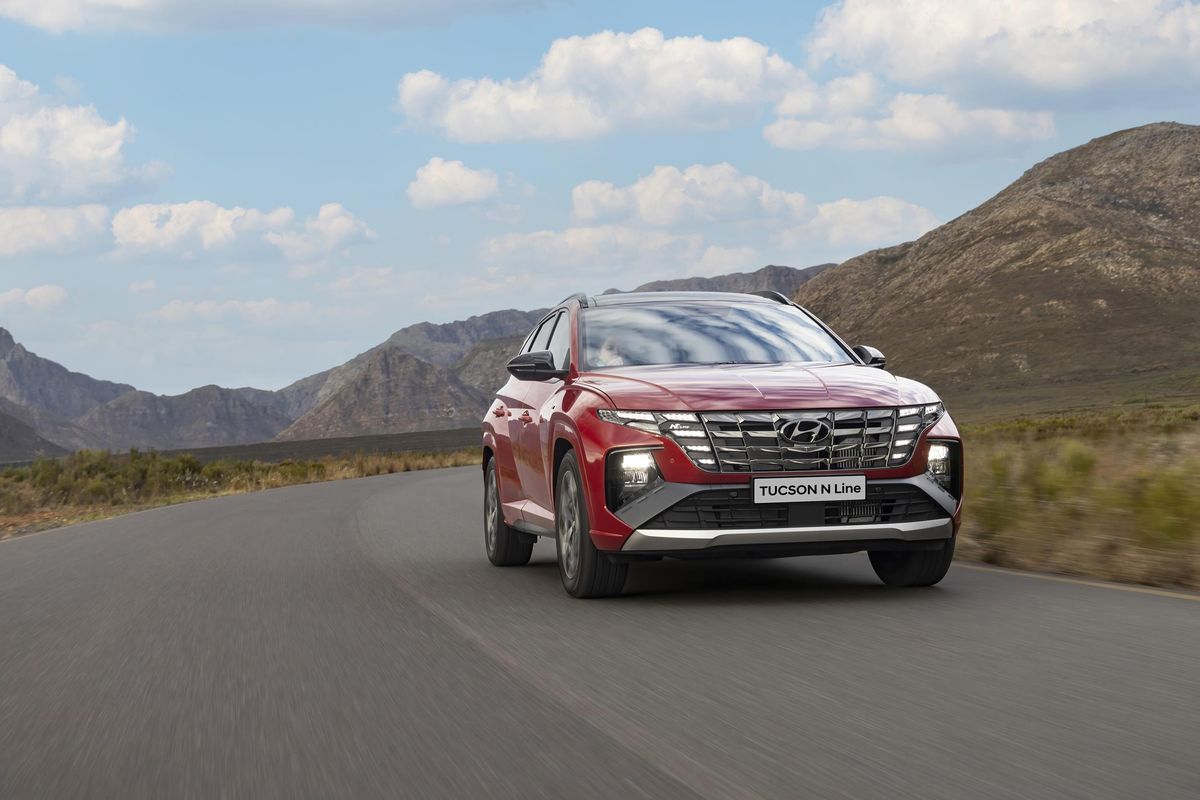
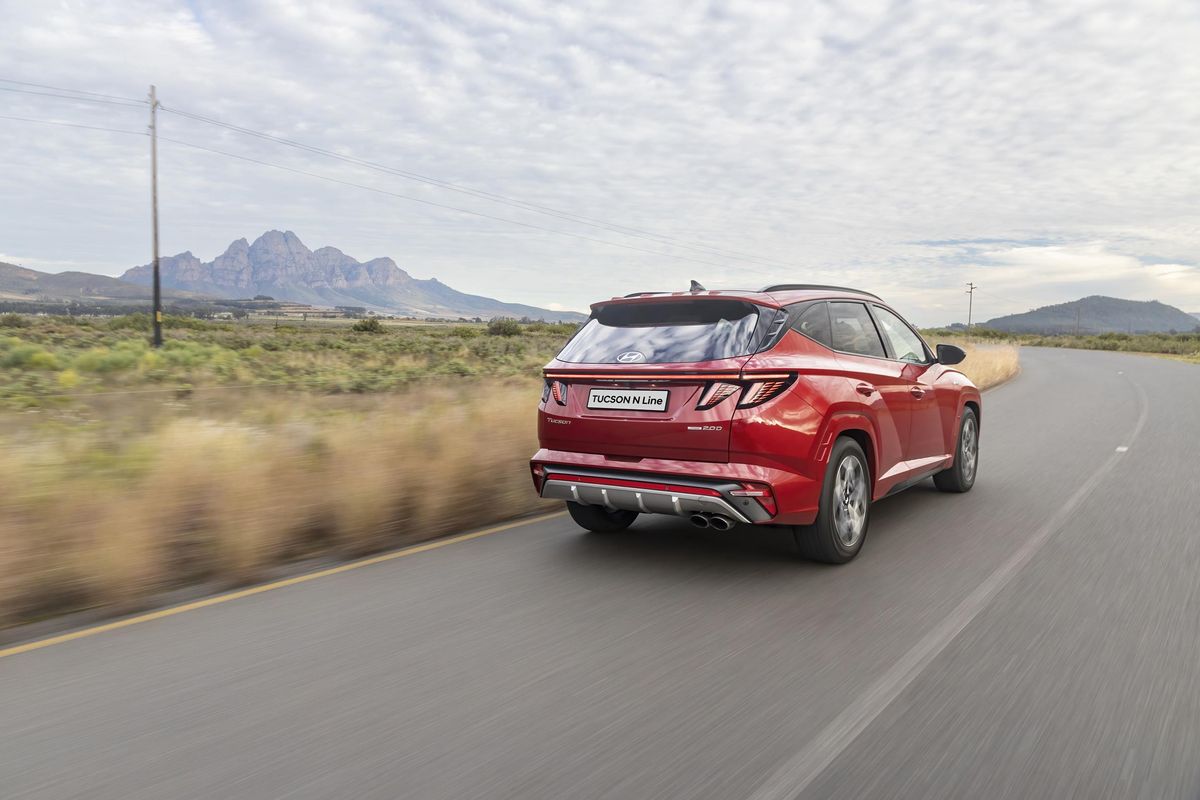
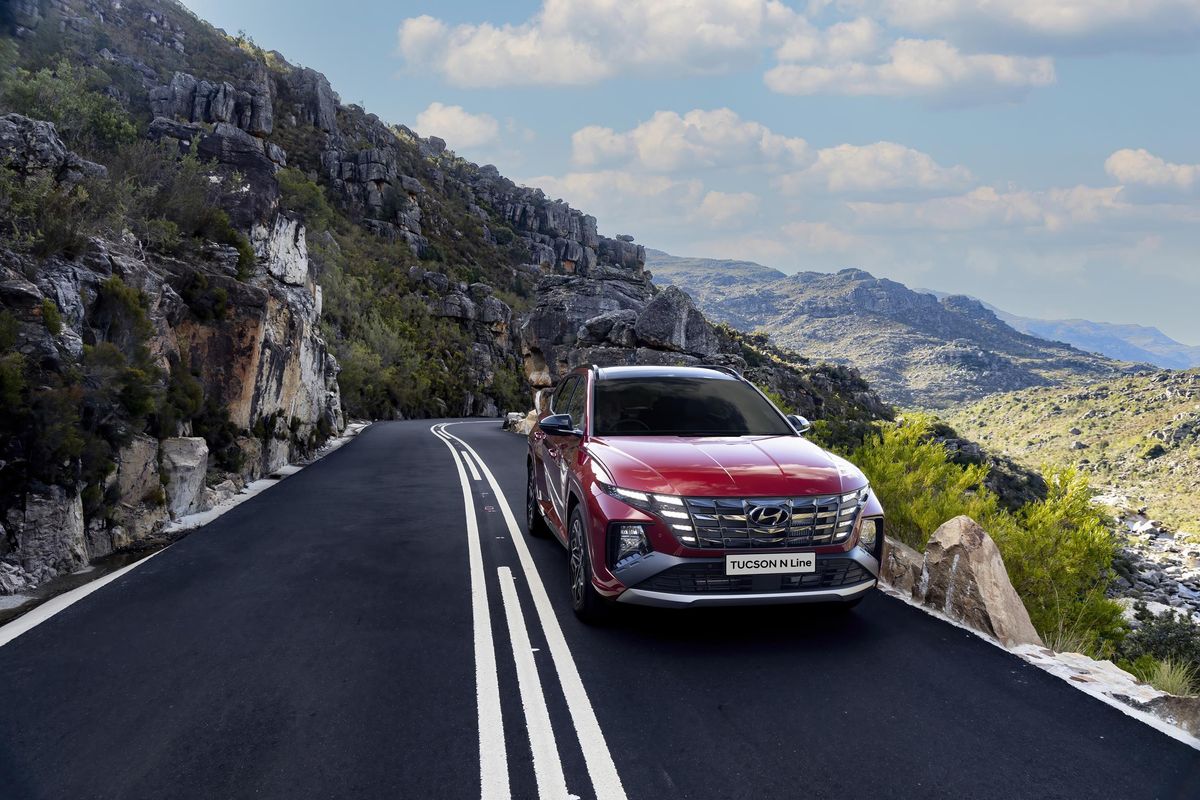
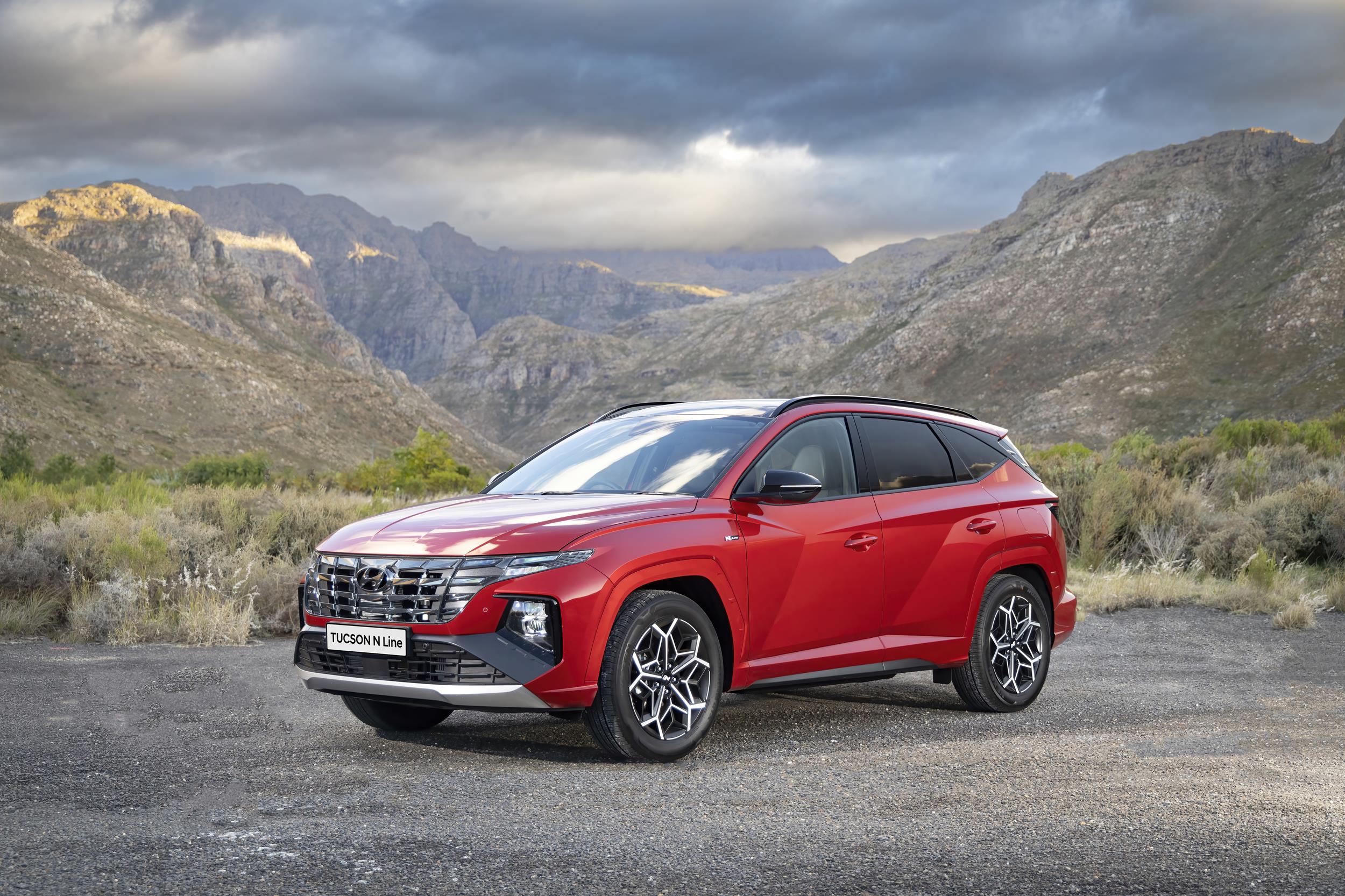
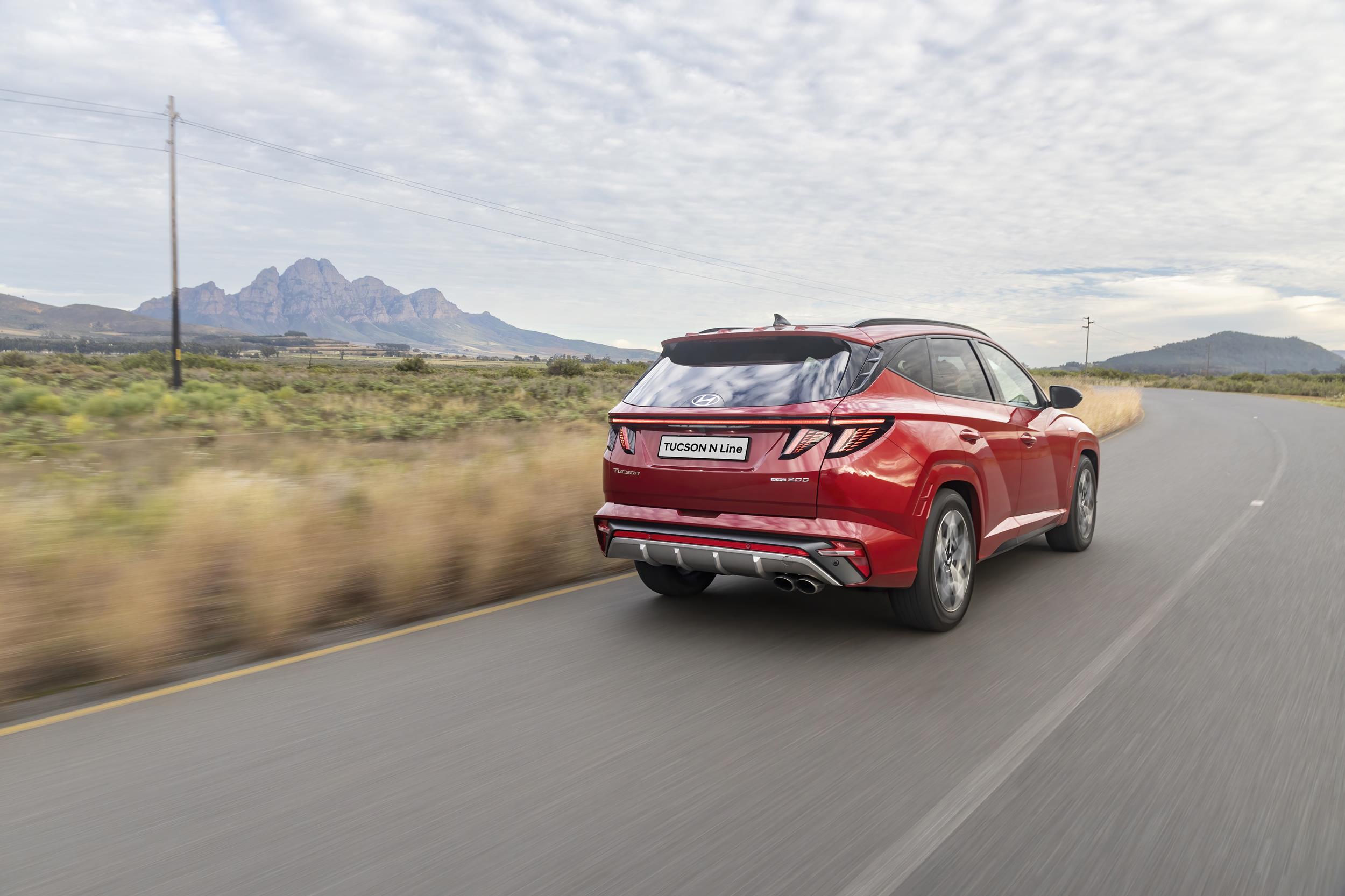
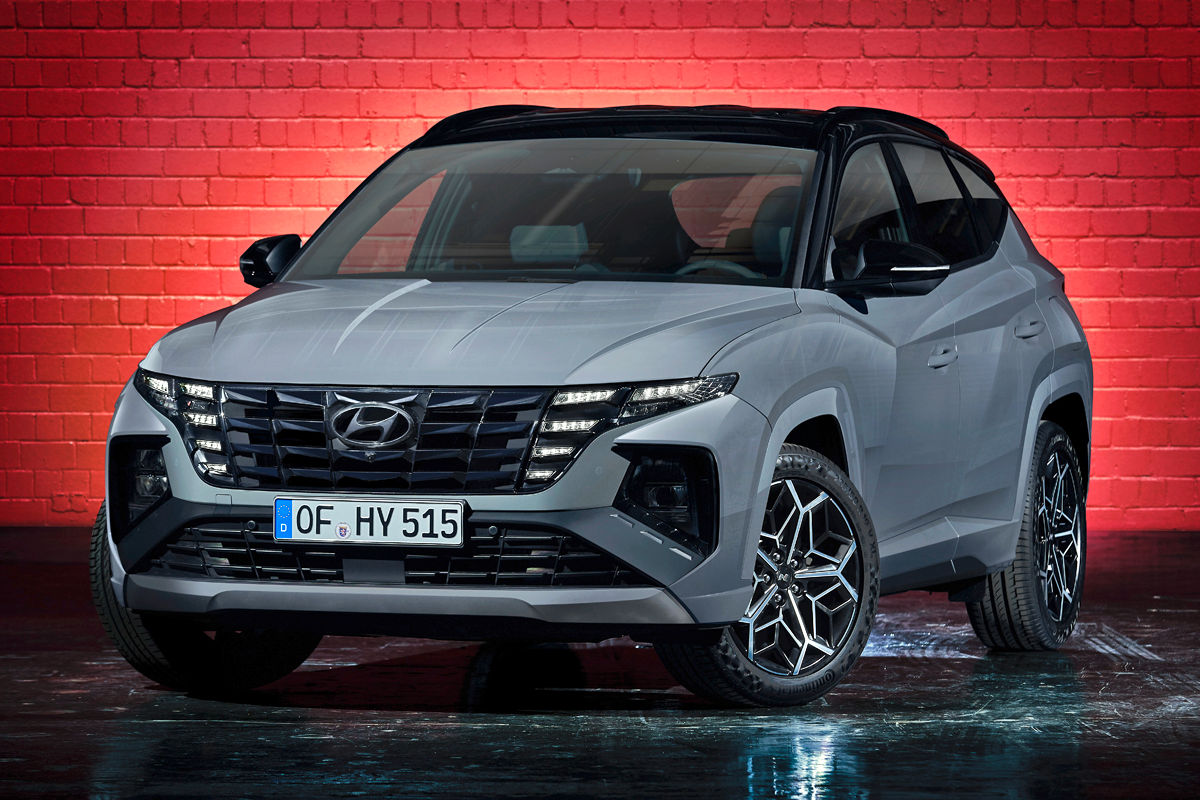
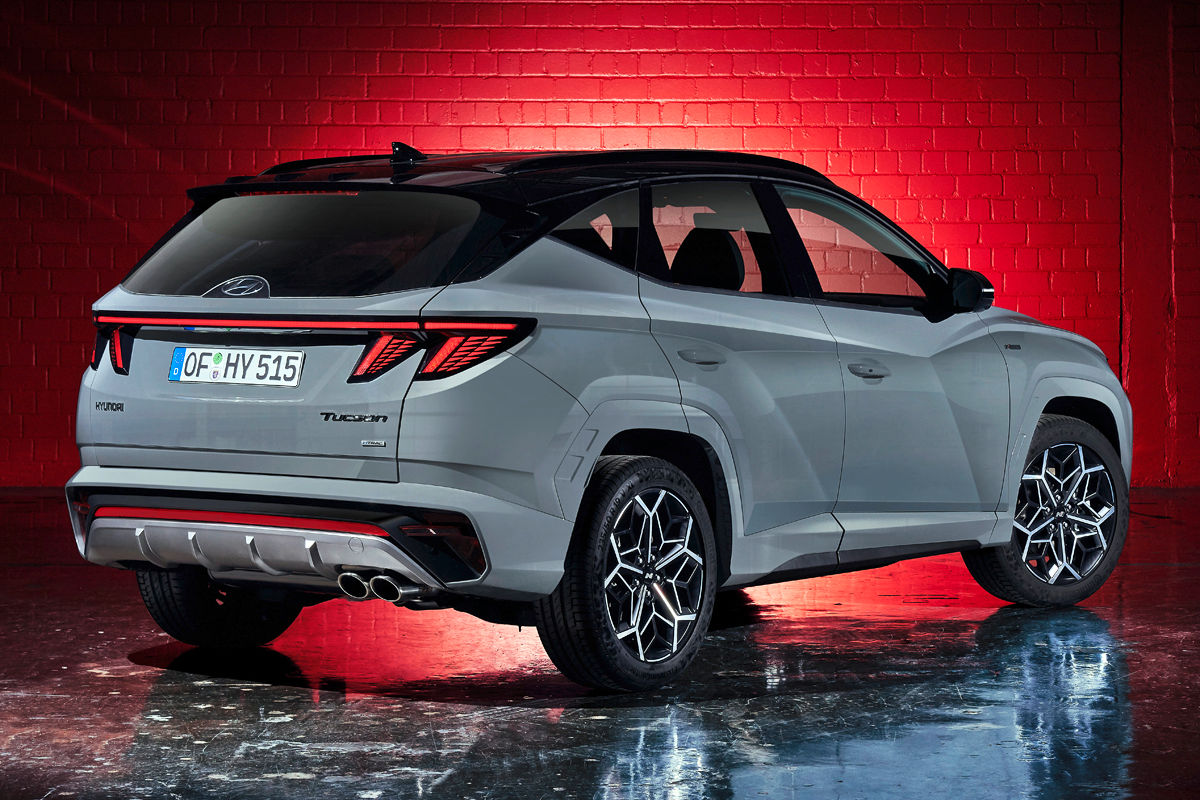
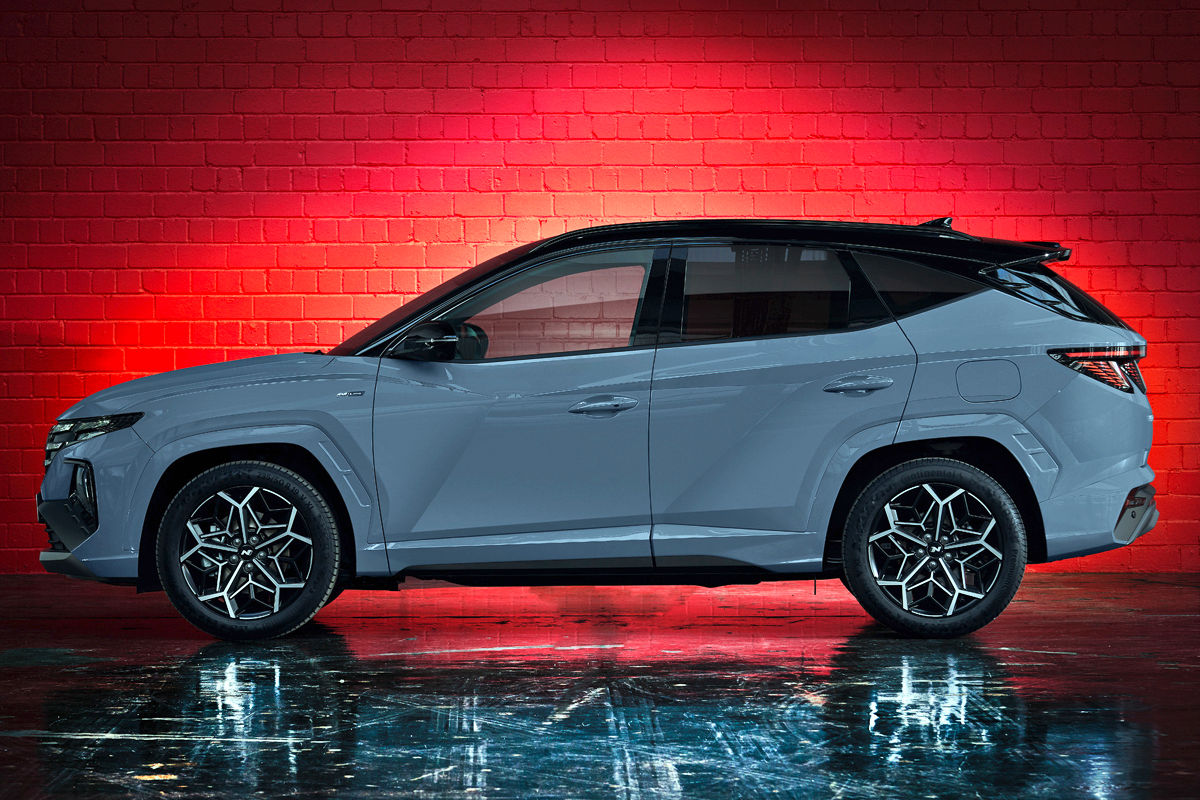
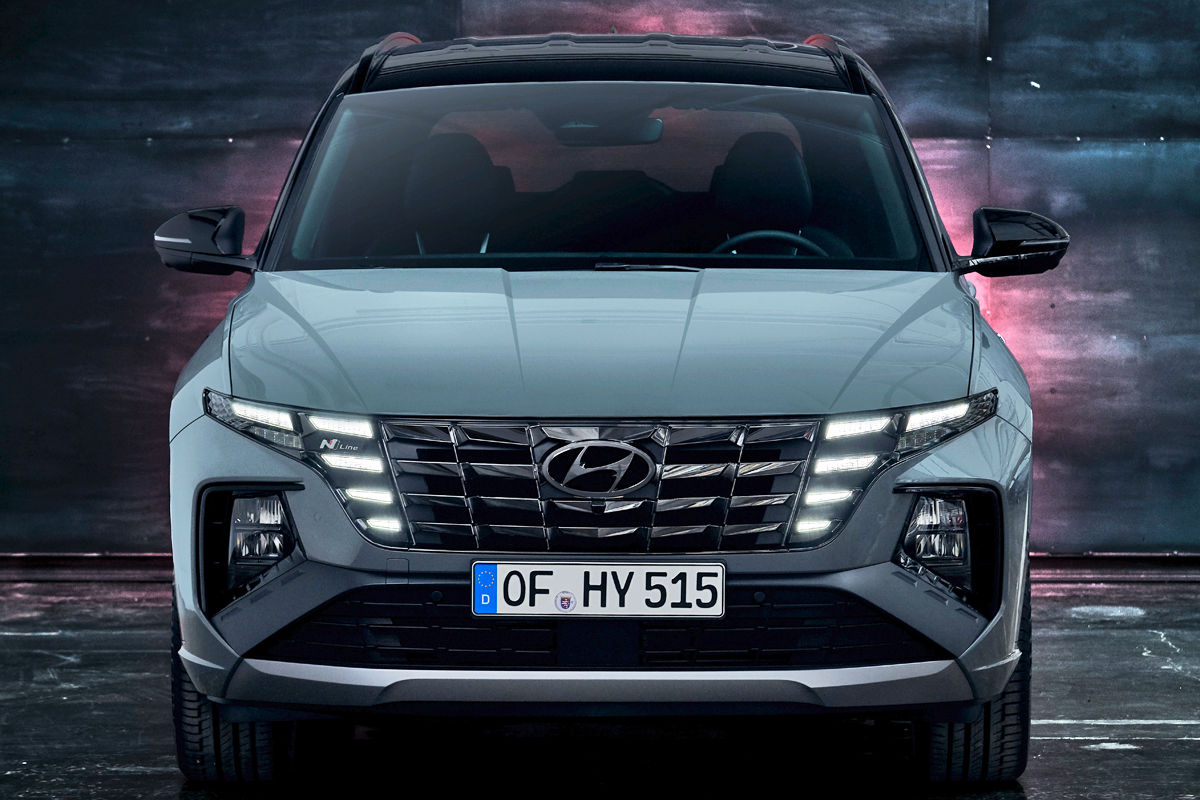
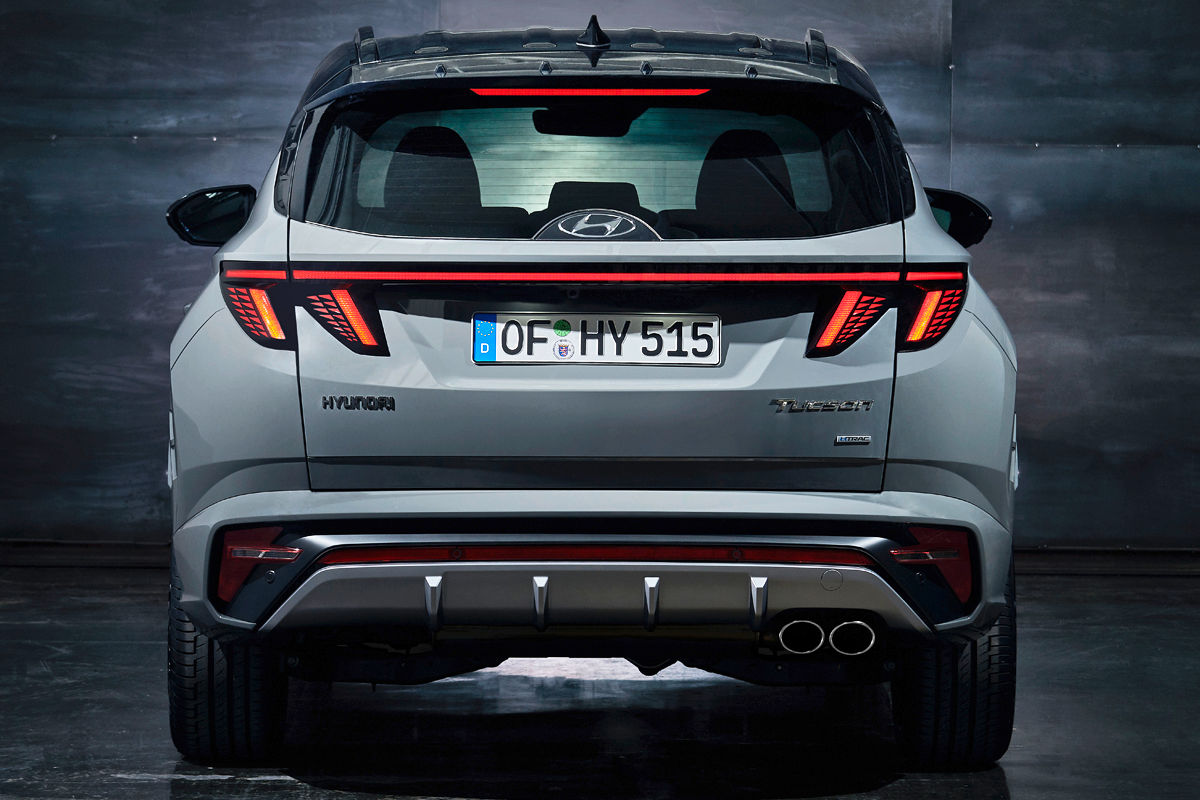
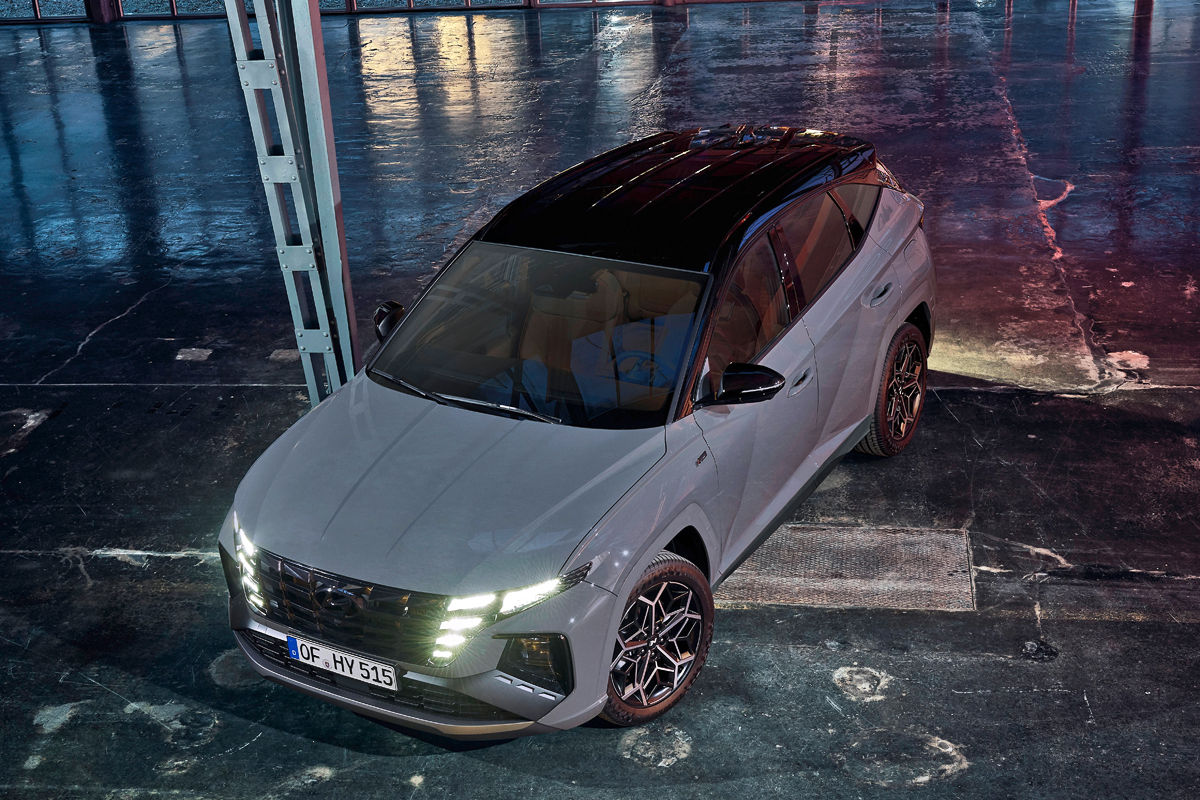
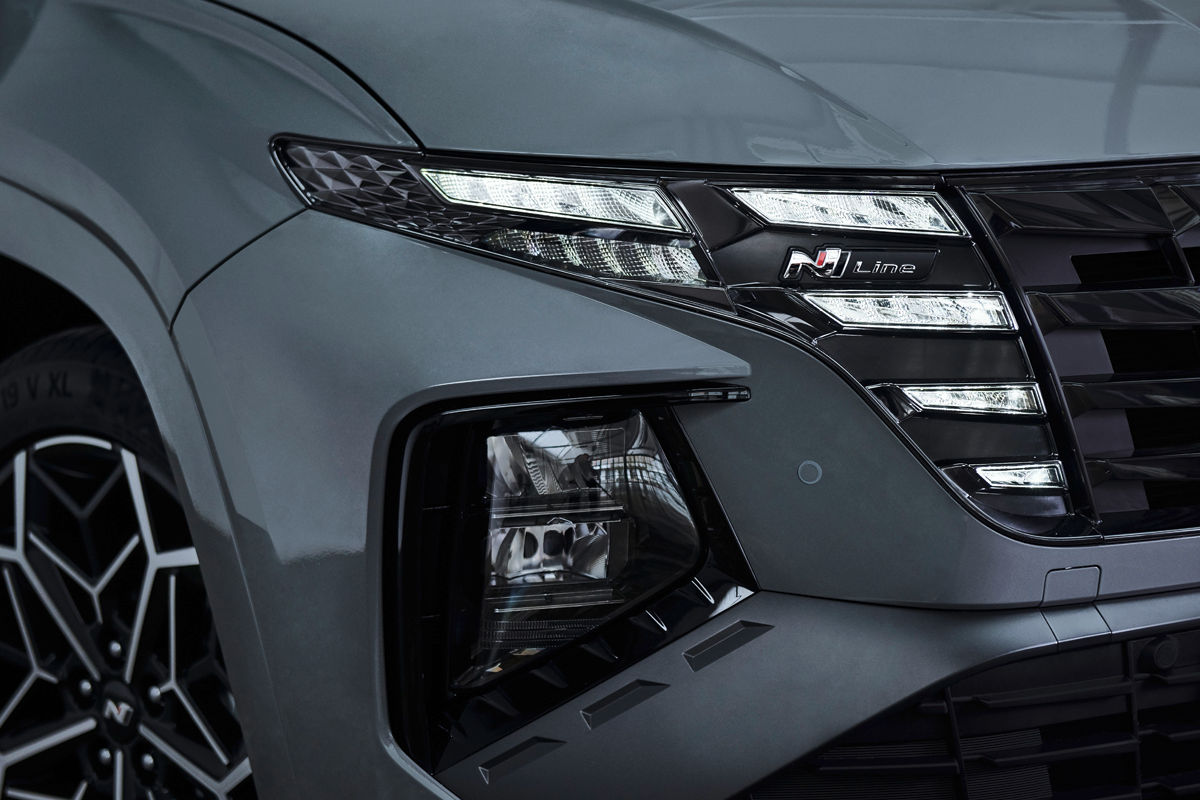
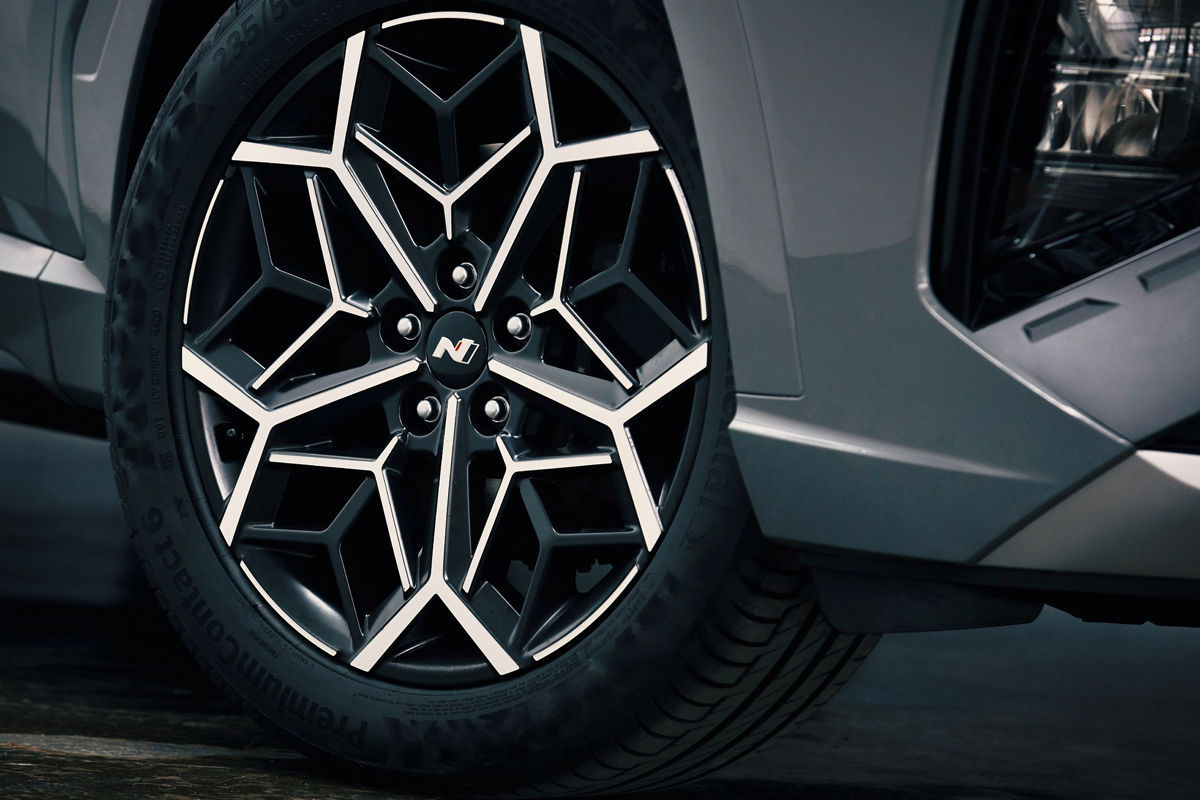
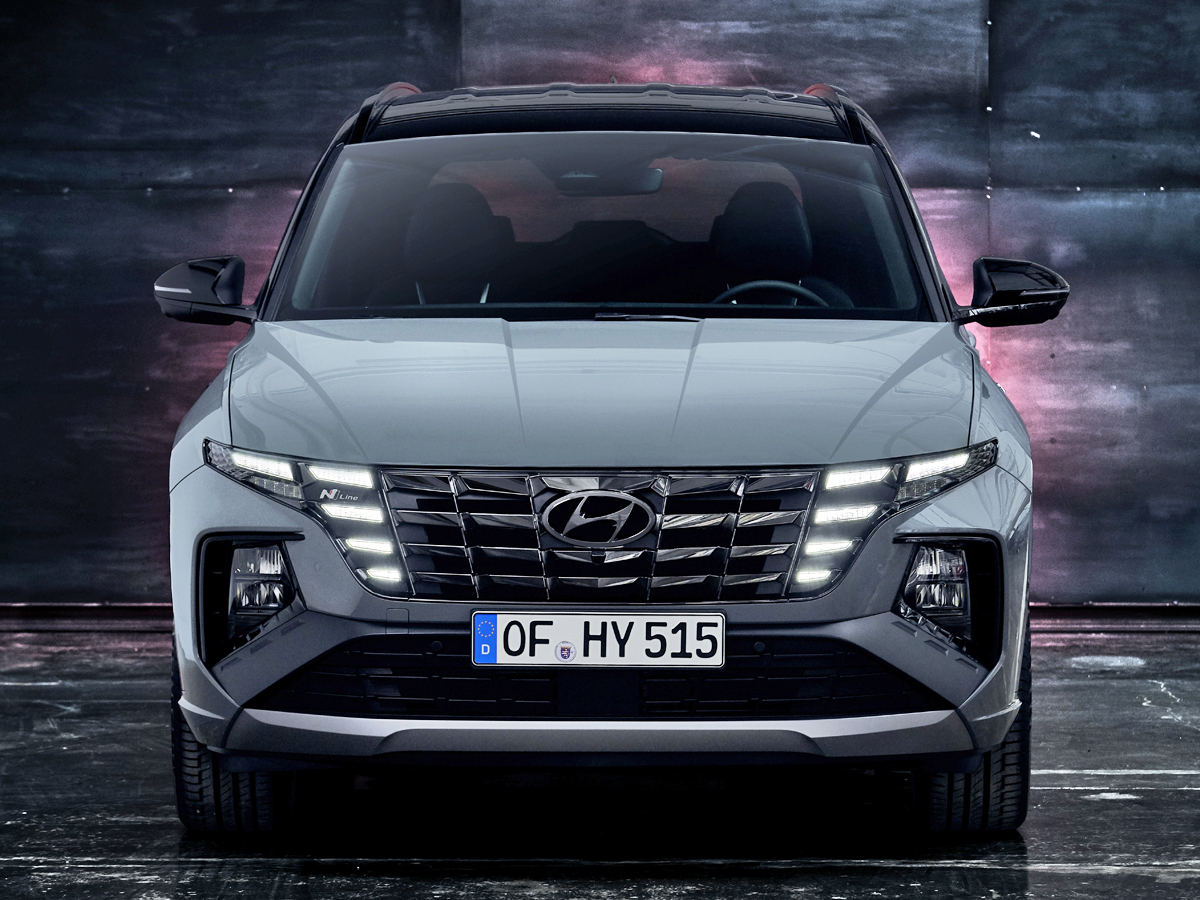
To refresh your memory, the N-Line treatment lends a sporty look to Hyundai’s mainstream offerings. Whereas performance-focused N models (such as the Kona N and i30 N) feature an array of cosmetic and mechanical upgrades, N-Line derivatives simply gain sporty bumpers, bigger wheels and a few eye-catching cabin accents compared with their standard siblings. In this case, the new Tucson flagship features striking 19-inch wheels, prominent exhaust ends, N-Line badging and a slightly different grille.
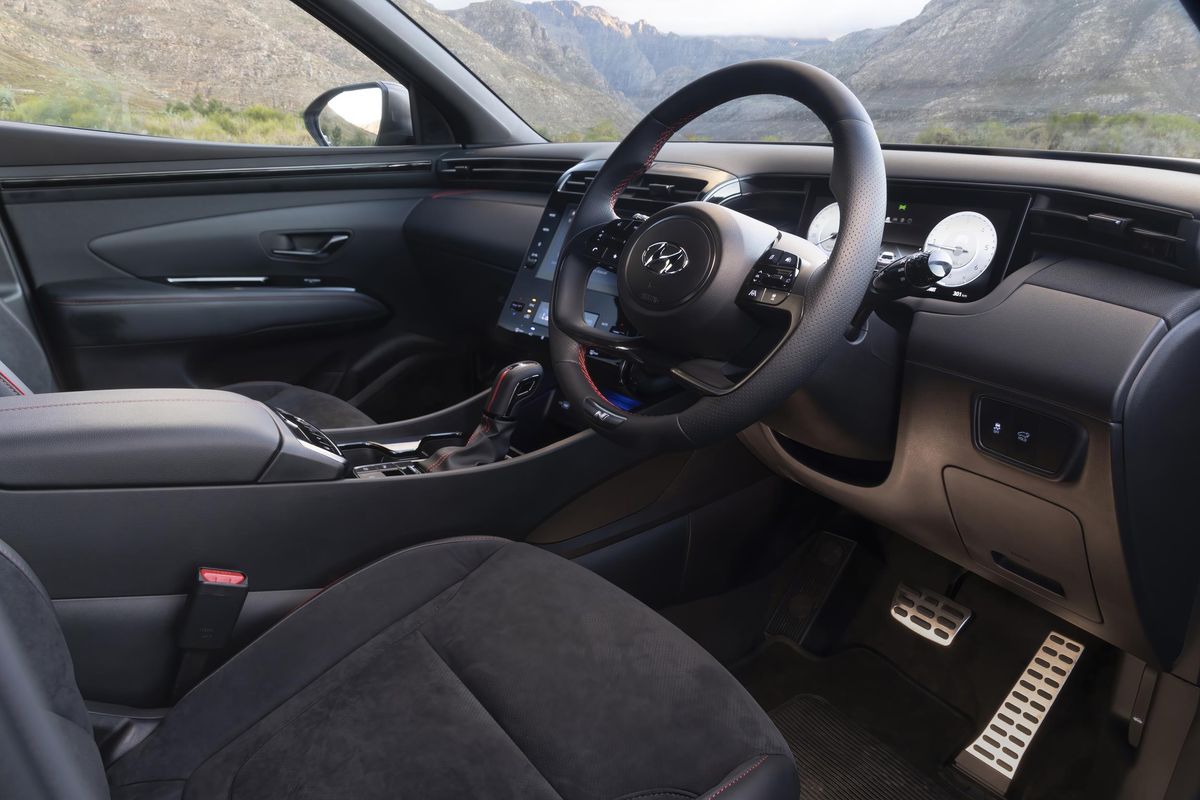
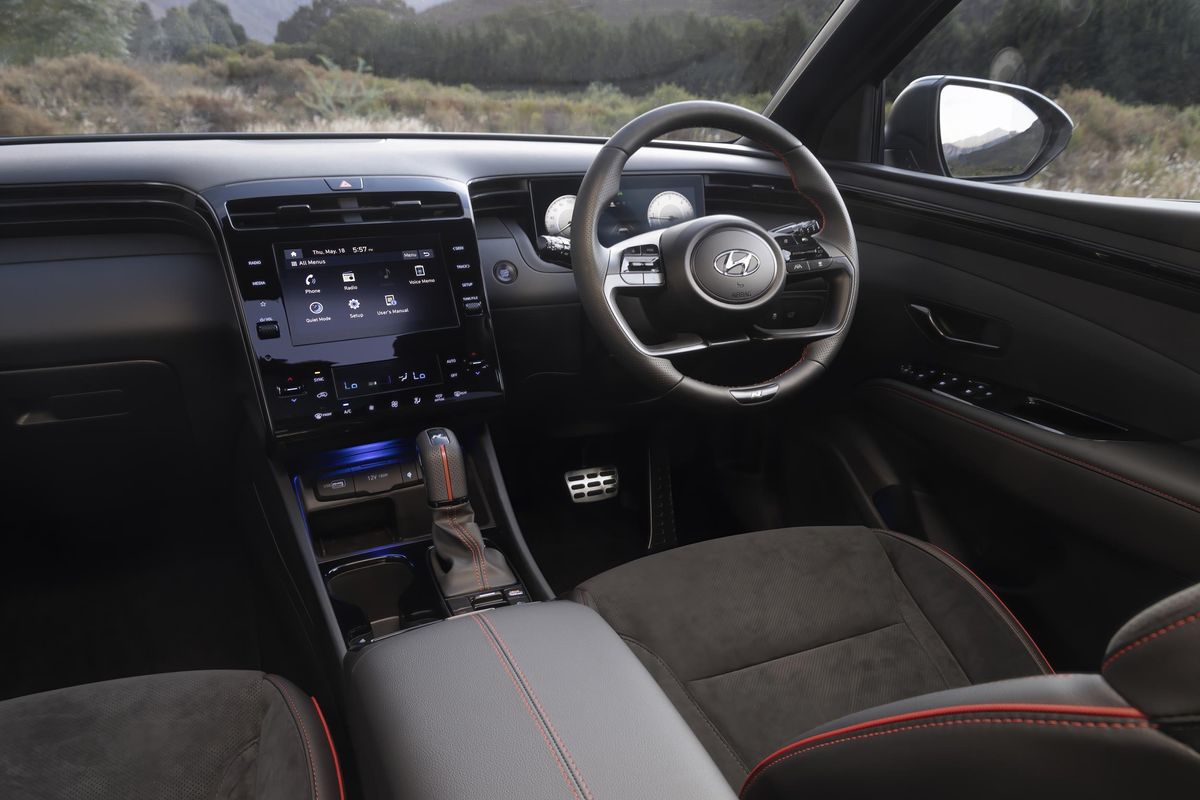
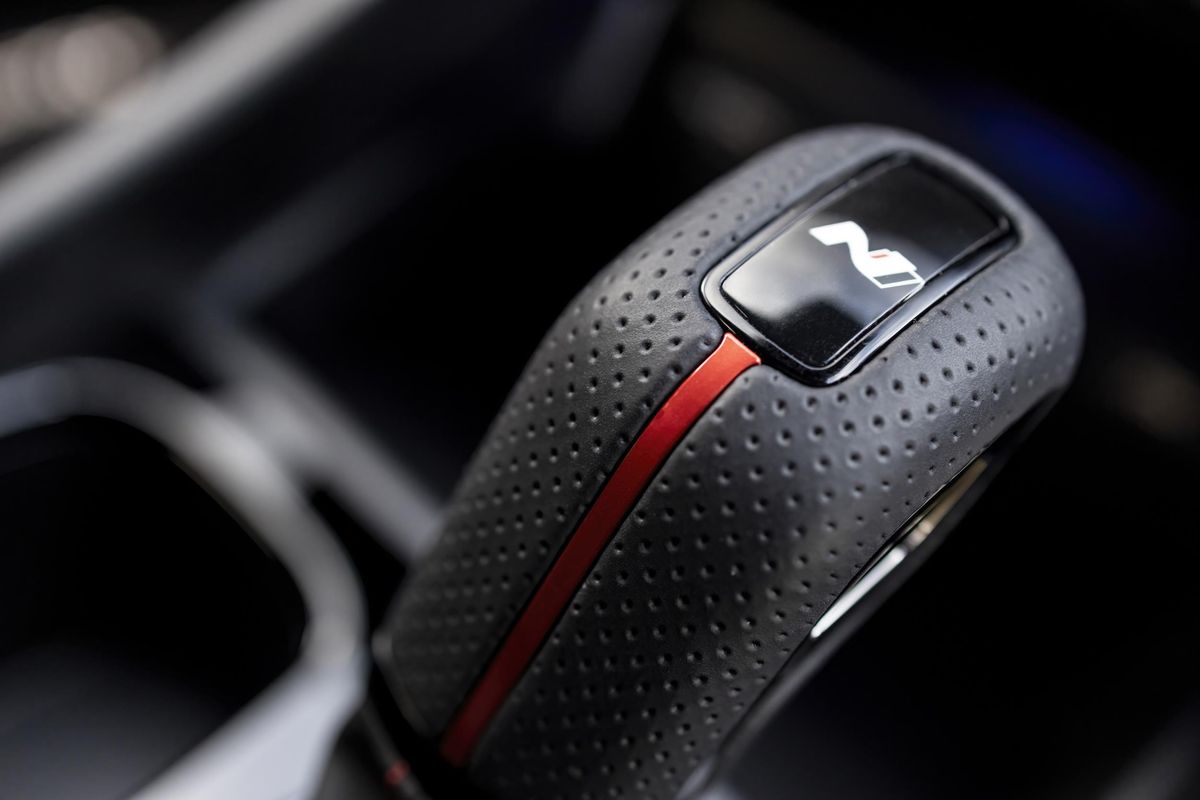
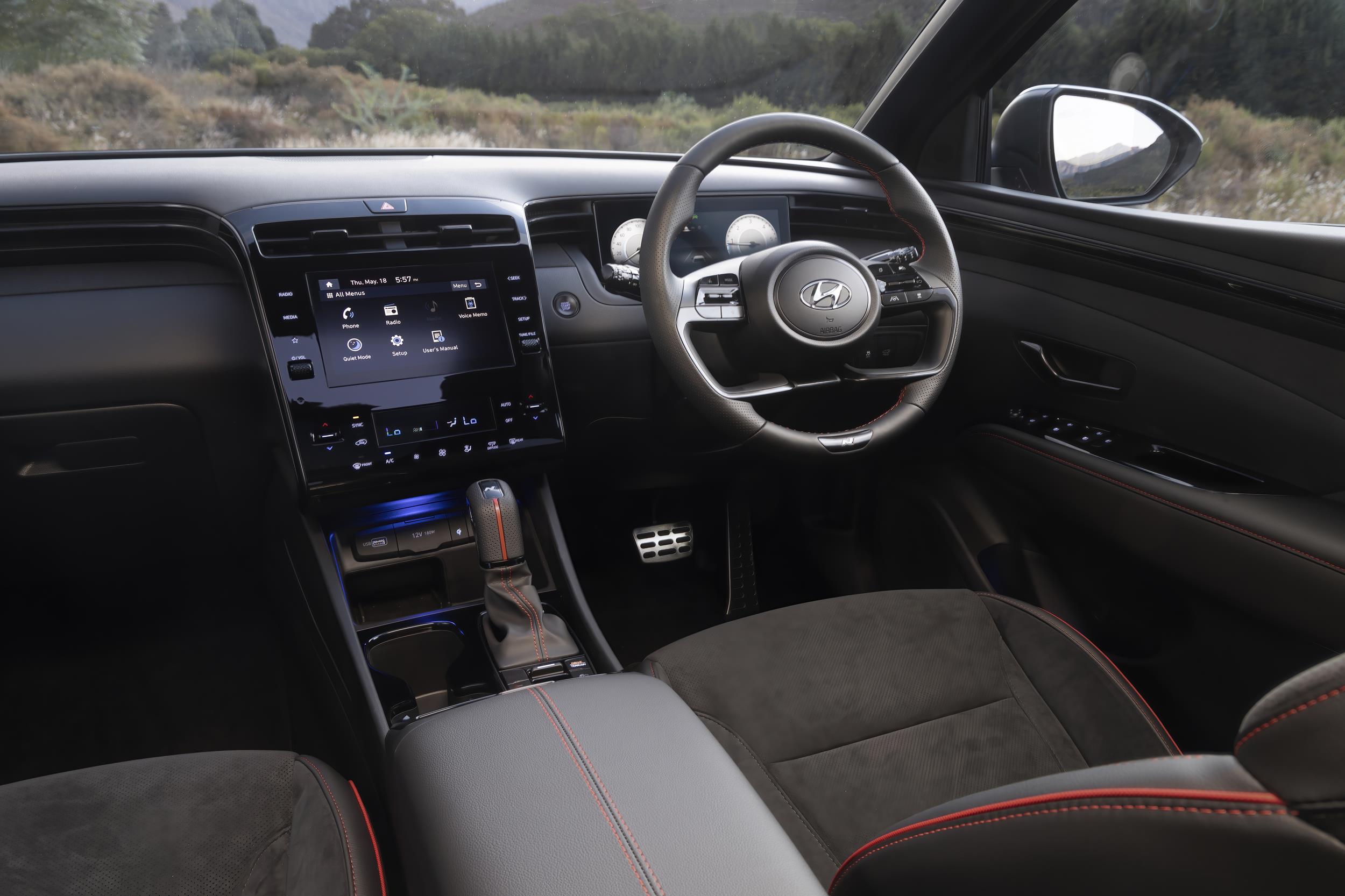
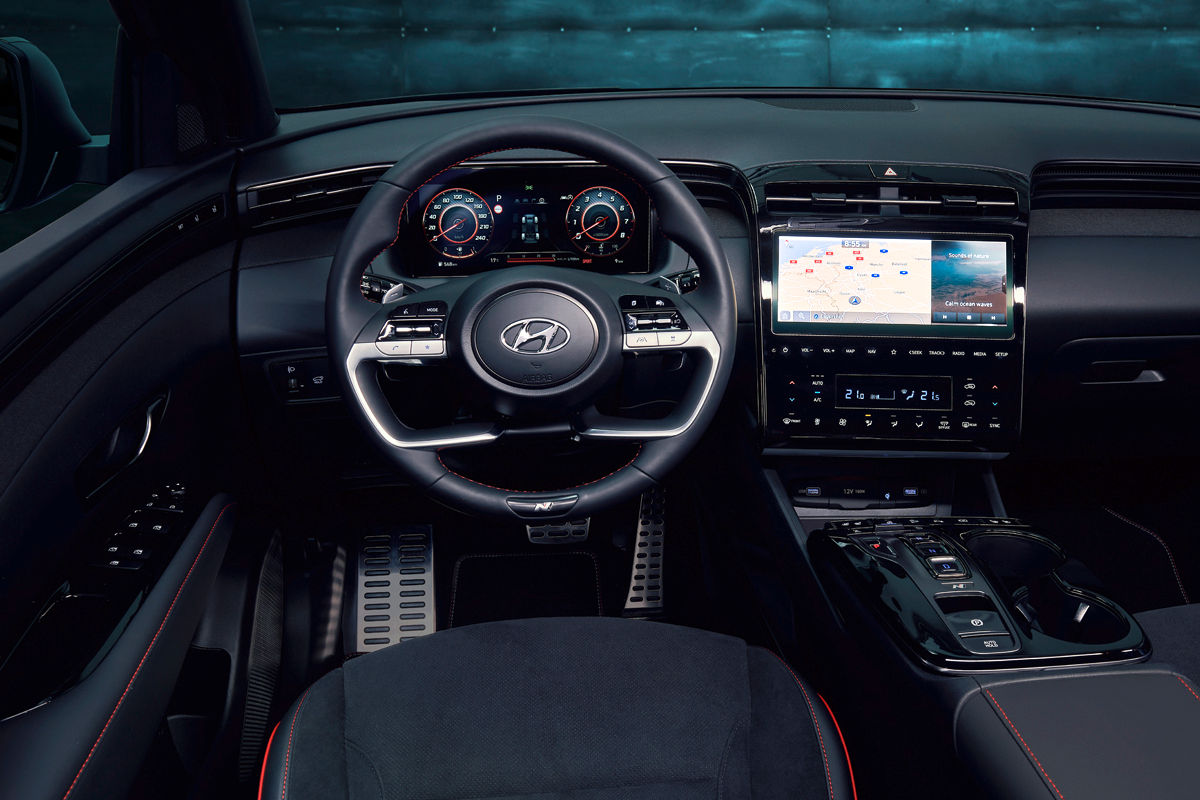
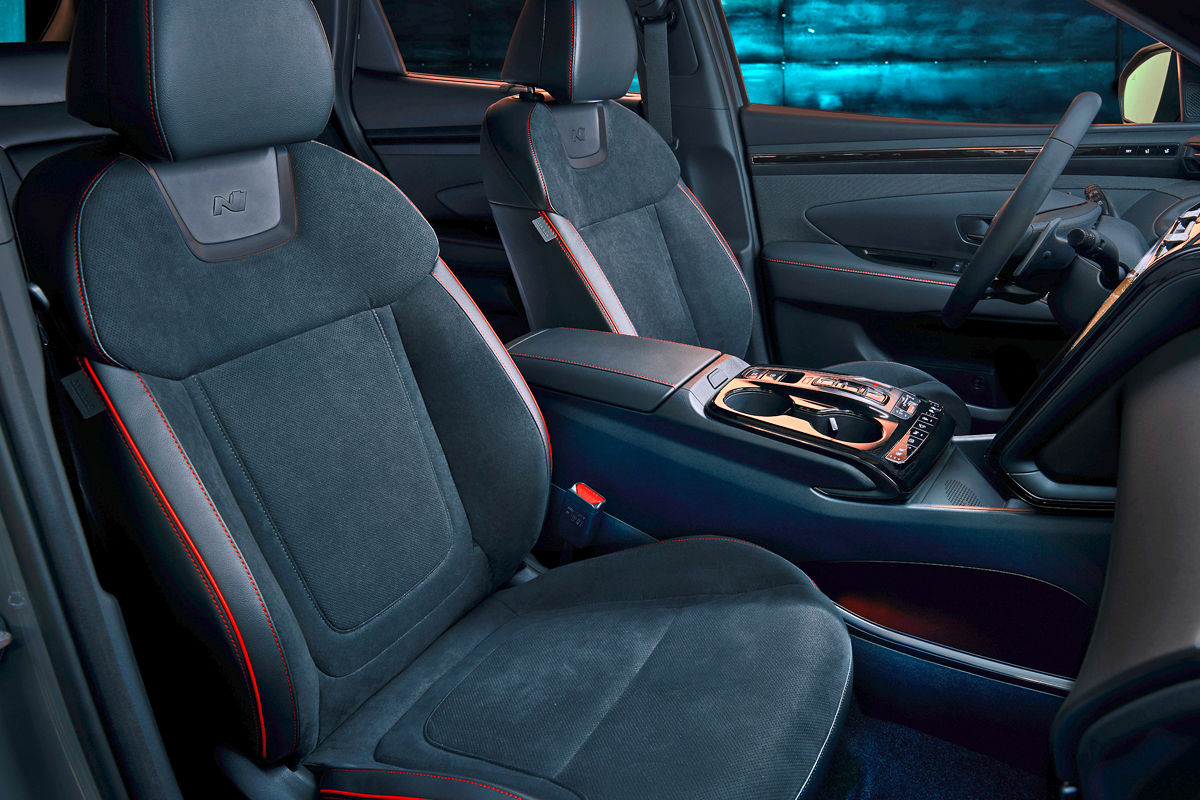
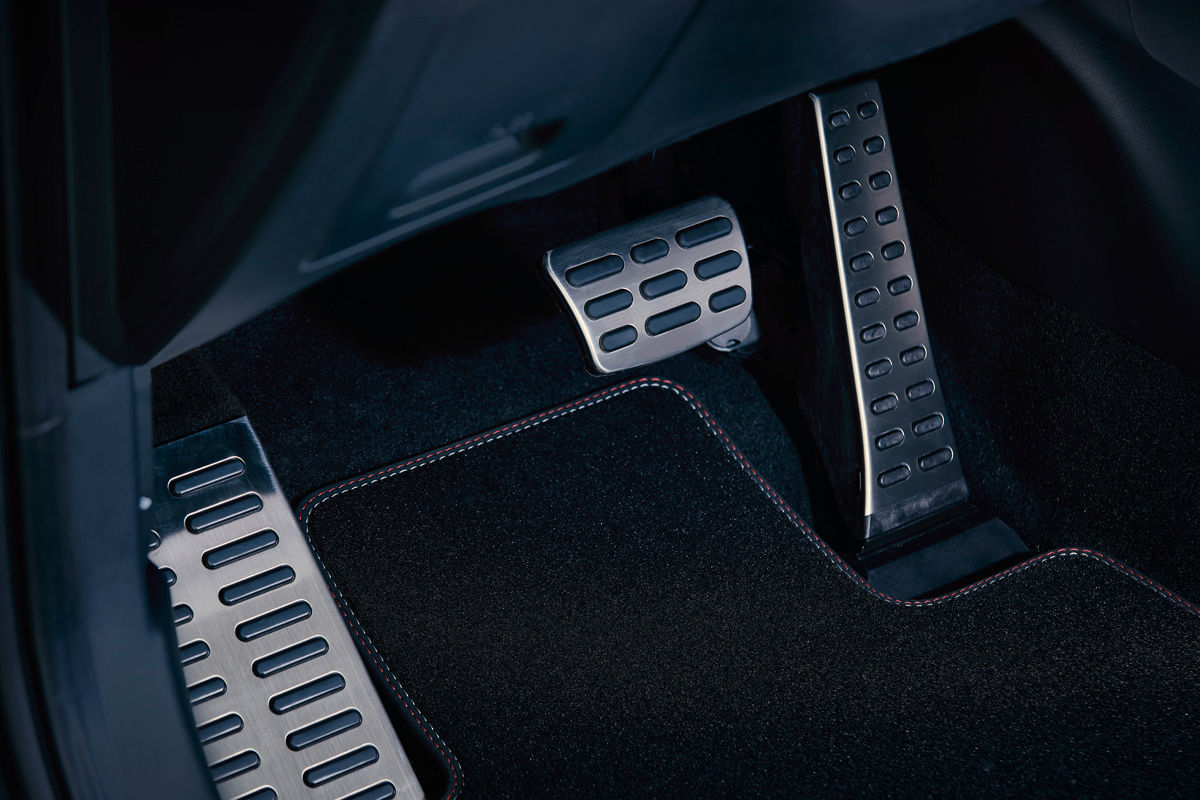
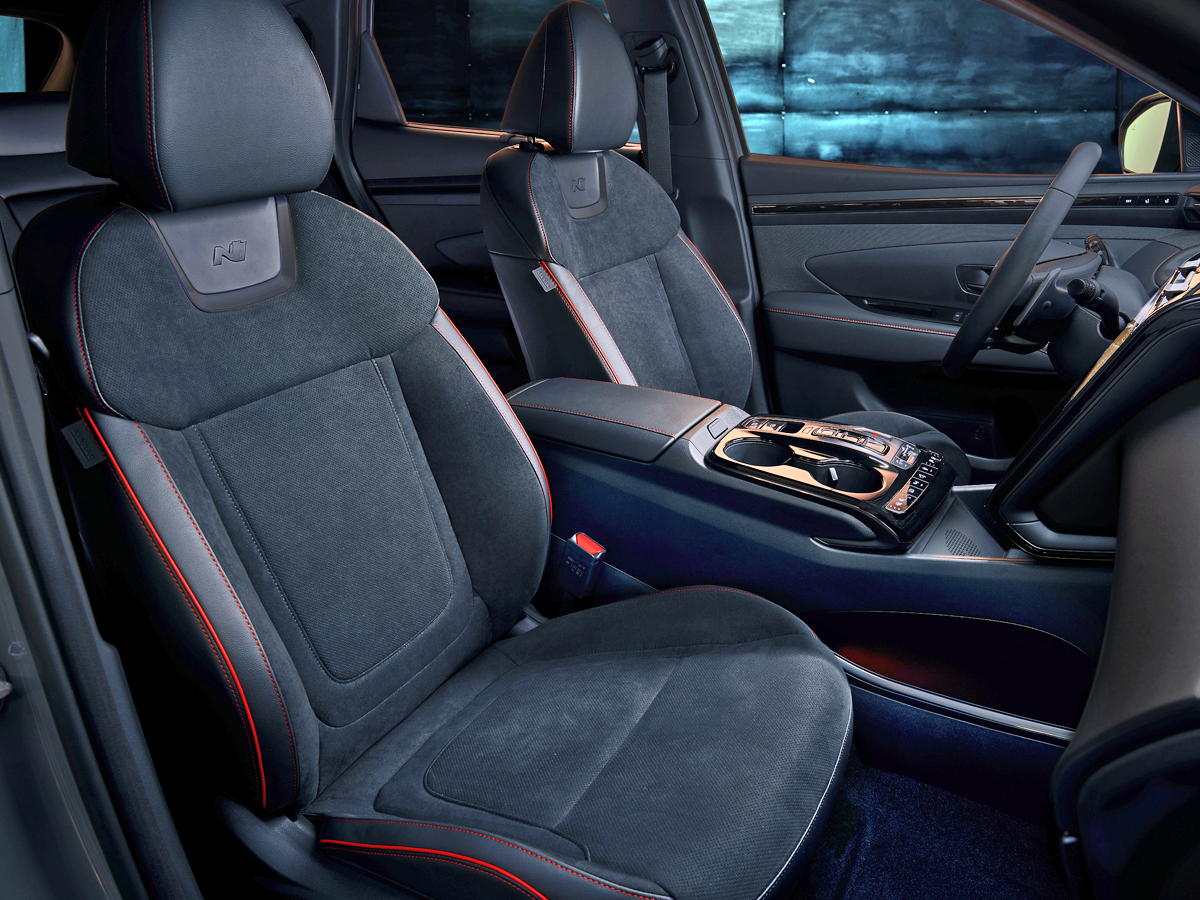
Still, a flagship derivative should incorporate more than exterior upgrades, so Hyundai’s added a few more features and all-wheel drive to make the newcomer stand out. The South Korean brand tends to apply grade-specific interior accoutrements sparingly, yet the newcomer’s cabin is adorned with metallic pedals, sporty trim, leather-and-suede seats, an N-branded transmission lever and a powered tailgate.
The engine on duty is the 2.0-litre 4-cylinder turbodiesel (the same as the one found in the second-from-the-top 2.0D Elite AT) – it has 137 kW and 416 Nm of torque on tap. The motor is paired with an 8-speed automatic transmission and Hyundai claims an average fuel economy figure of 6.5 L/100 km.
What features does it offer?
The Tucson 2.0D N-Line AWD comes equipped with a comprehensive interior specification and -execution.
As befitting the flagship derivative, the Hyundai Tucson N-Line comes comprehensively equipped. Plus, there are no optional extras at all, the list price of R799 900 is all-in. The N-Line is based on the Elite specification, so if you don’t need all-wheel drive and the sportier looks, then you could opt for that.
The list of standard features is exhaustive, but suffice it to say, most of the prerequisite luxuries (for the price), such as heated/ventilated seats, panoramic roof, heated steering wheel, wireless charging pad, Apple CarPlay/Android Auto, 10.25-inch digital display, drive modes, auto lights and -wipers, are fitted.
On-road manners are good, and that diesel is a punchy and frugal unit
To reiterate, the Tucson 2.0D N-Line AT AWD’s launch took place on Cape Town’s wettest day of 2023 (thus far). Given the slippery roads, all-wheel drive helped to keep the Hyundai planted on the asphalt. The vehicle also offers off-road modes that dynamically adjust the drivetrain for low-grip conditions.
Our launch route incorporated stretches of the national highway and urban roads, before a detour on some farm roads, which had become exceptionally muddy as a result of the persistent precipitation.
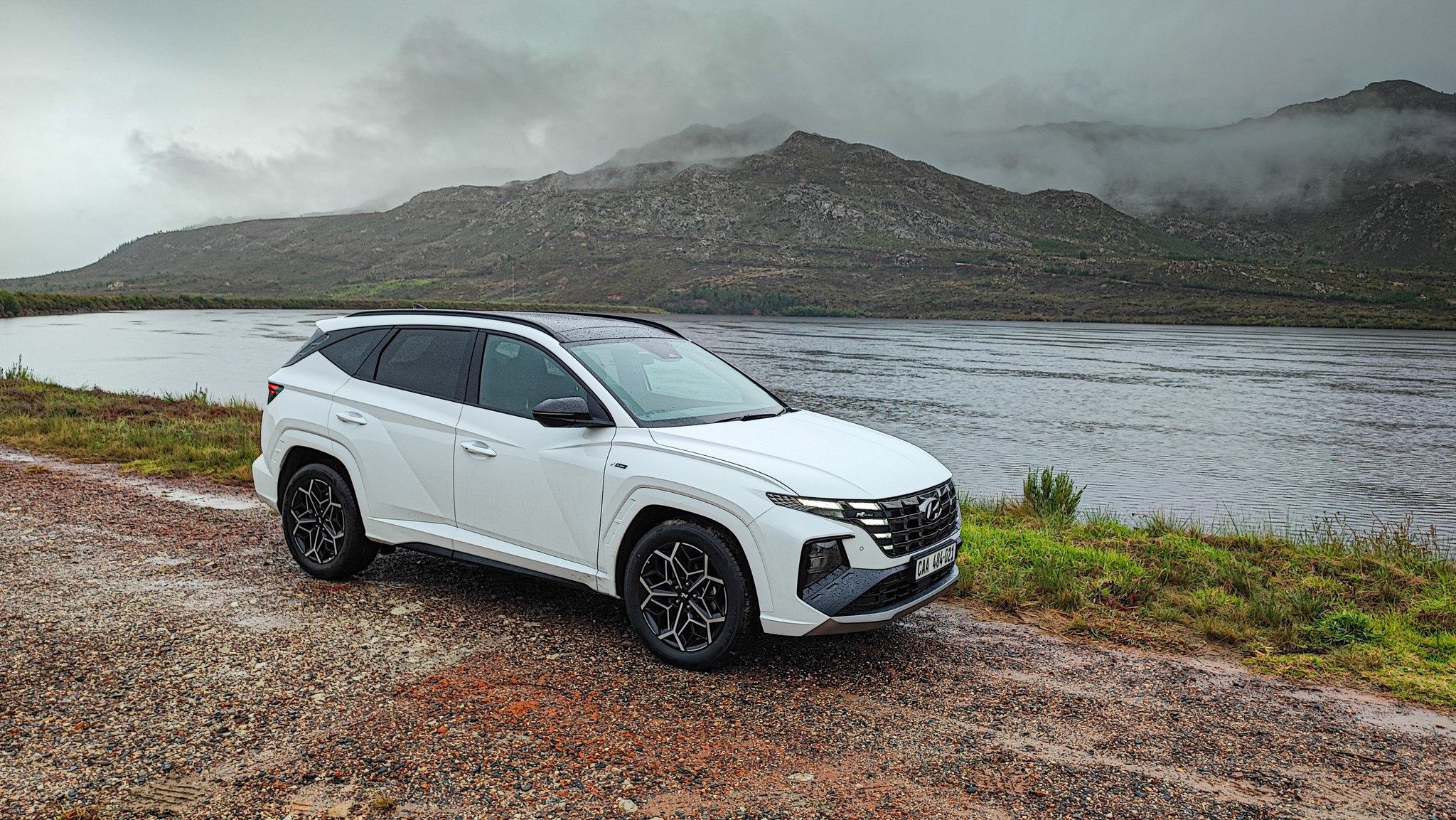
The test unit that the author drove in, um, driving rain.
The Tucson 2.0D N-Line AT AWD’s ride quality is generally comfortable – we’re happy to report that the fitment of sporty-looking 19-inch wheels hasn’t made the ride too fidgety. The steering setup is nicely weighted; the ‘wheel has a light and quick action, yet offers sufficient feedback for a car in this segment.
When we were driving on a wet and muddy gravel road around Botrivier, we activated the 2.0D N-Line AT AWD’s drive-mode setting for mud and, despite the appalling conditions, the Tucson made steady progress and maintained its stability/composure. In such conditions, a 2-wheel-drive Tucson derivative would most certainly have struggled for traction… So, if your lifestyle will see you driving on unsealed road surfaces regularly, you might want to dig deep for the all-paw derivative in the Tucson line-up. But don’t start planning far-flung off-road adventures, because there’s only 181 mm of ground clearance.
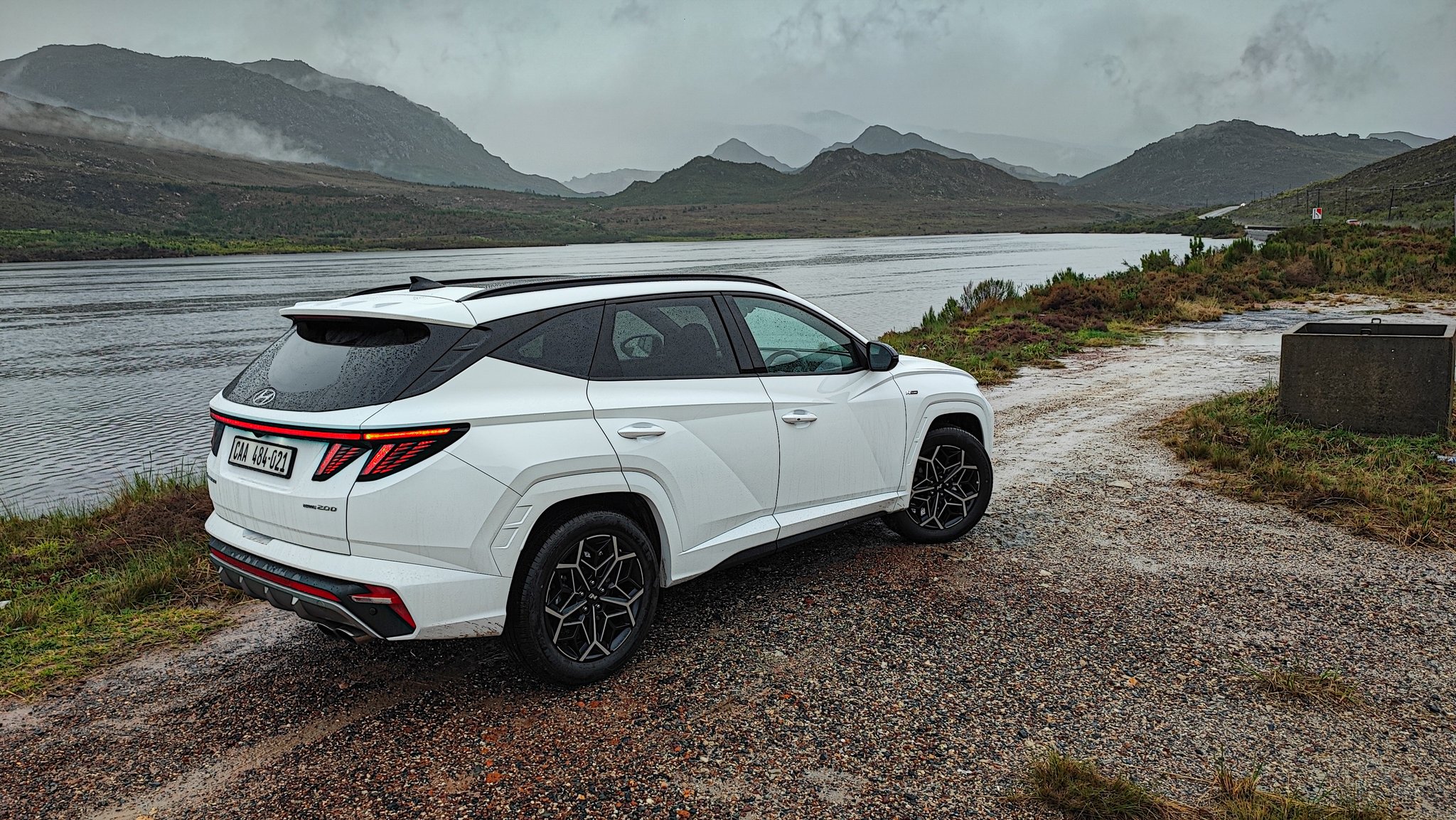
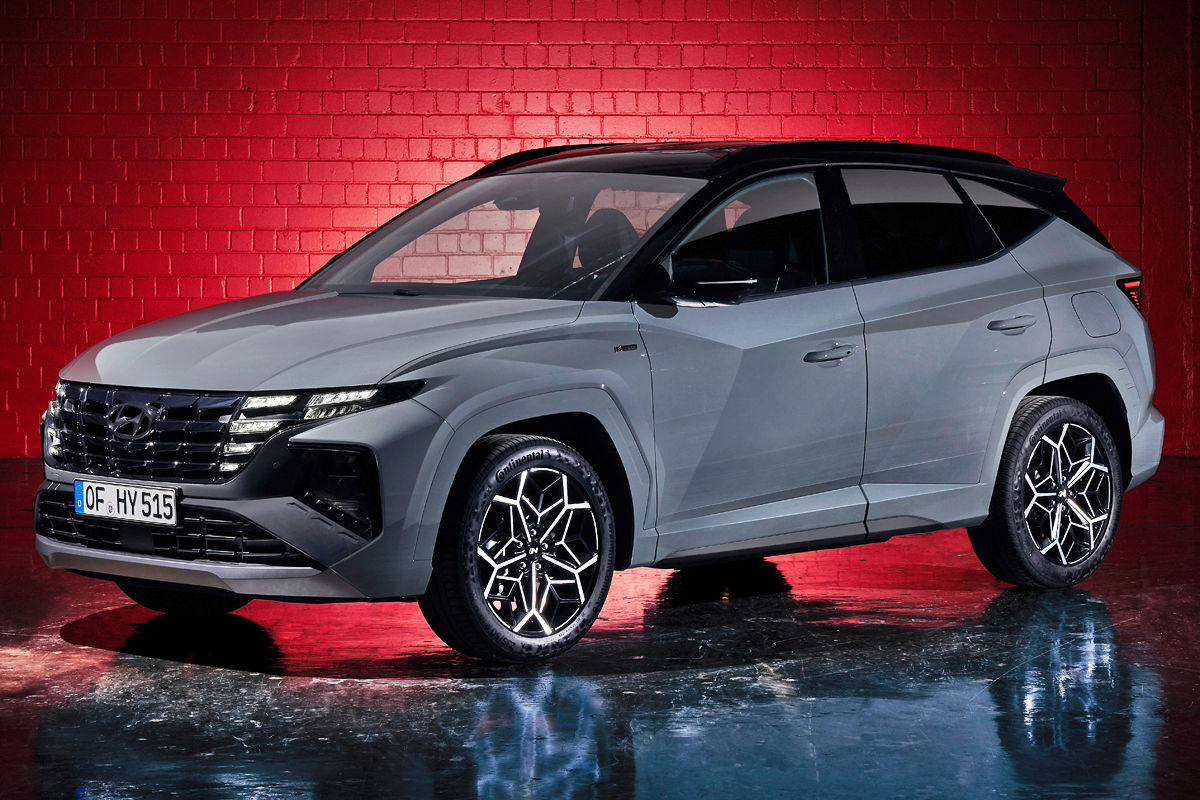
Note the subtle exhausts, body-coloured wheel arches and sporty wheels
The engine-gearbox combo is well-proven and instils confidence: the turbodiesel mill only really makes itself heard if you flatten the accelerator pedal, but there is no need to deploy more than half throttle – a swathe of torque is readily available. The 8-speed automatic does a good job of seamlessly swopping cogs and the ‘box’s shifts are well-timed. All said, the powertrain feels stronger than its outputs suggest.
The best part? Despite some spirited driving (we’re motoring journalists!) we finished our test route with an indicated fuel economy figure of 6.7 L/100 km. And we utilised the default drive mode; if we selected Eco mode and employed a more measured driving style, we would have achieved an even lower figure.
How much does the Hyundai Tucson cost in SA?
The Hyundai Tucson is sold with a 5-year/150 000 km vehicle warranty, 7-year/200 000 km drivetrain warranty and a 6-year/90 000 km service plan.
The Hyundai Tucson has needed a flagship derivative since the current-gen model was launched in Mzansi in March 2022… and this sporty-looking all-wheel N-Line certainly ticks the proverbial boxes. Not only does the 2.0D N-Line AT AWD look the part – it’s also notably capable thanks to its clever all-paw system. Plus, it comes packed with tech, both in terms of convenience and semi-autonomous safety.
Should you buy one? The newcomer is a tempting prospect, if only for its impressive kerb presence, because all-wheel drive is not a must-have for family-car buyers. Nonetheless, the Hyundai Tucson range offers both petrol and diesel engines, as well as various levels of trim to satisfy most needs.
Cars.co.za recently executed yet another mega bakkie drag race, this time featuring a number of new (and older) double-cab bakkies on offer in South Africa. Which one of these bakkies will cross the finish line first? Watch the video!
In case you haven’t noticed, we like drag racing all sorts of cars at Cars.co.za and our latest drag race pits no less than 7 double-cab bakkies against each other to find out what bakkie is the fastest on a runway outside of Cape Town.
For this drag race, we brought a number of new (and older) bakkies together and as you might expect, the results from this test might surprise you! This video proves that higher power and torque don’t guarantee victory on the drag strip!
The double-cab bakkies on test here include the new Ford Ranger 2.0 BiTurbo XLT 4×4, Volkswagen Amarok 2.0BiTDI Style 4Motion, Toyota Hilux 2.8GD-6 Legend RS 4×4, Mitsubishi Triton 2.4DI-D 4×4 Xtreme, Isuzu D-Max 3.0TD LSE 4×4, Nissan Navara 2.5DDTi Pro-4X 4×4 and the recently introduced GWM P-Series 2.0 LTD 4×4.
Here are the vital figures that will help you predict the outcome of the big bakkie drag race.
The new Citroen C3 hatchback has arrived in South Africa and it will appeal to first-time car buyers! Take a look at what you can expect in terms of specification and pricing!
A new Citroen C3 hatchback has made landfall in South Africa! The new C3 recently scooped the 2023 World Urban Car Award and the newcomer is here to woo first-time car buyers with its stylish exterior design and smartly executed interior.
This new C3, which is produced in India, measures 3 980 mm long, 1 730 mm wide, 1 600 mm high and with a wheelbase of 2 540 mm. Ground clearance for the new C3 is 200 mm with a claimed load capacity of 315 litres. The new Citroen C3 rivals other hatchbacks such as the Suzuki Swift and Volkswagen Polo Vivo.
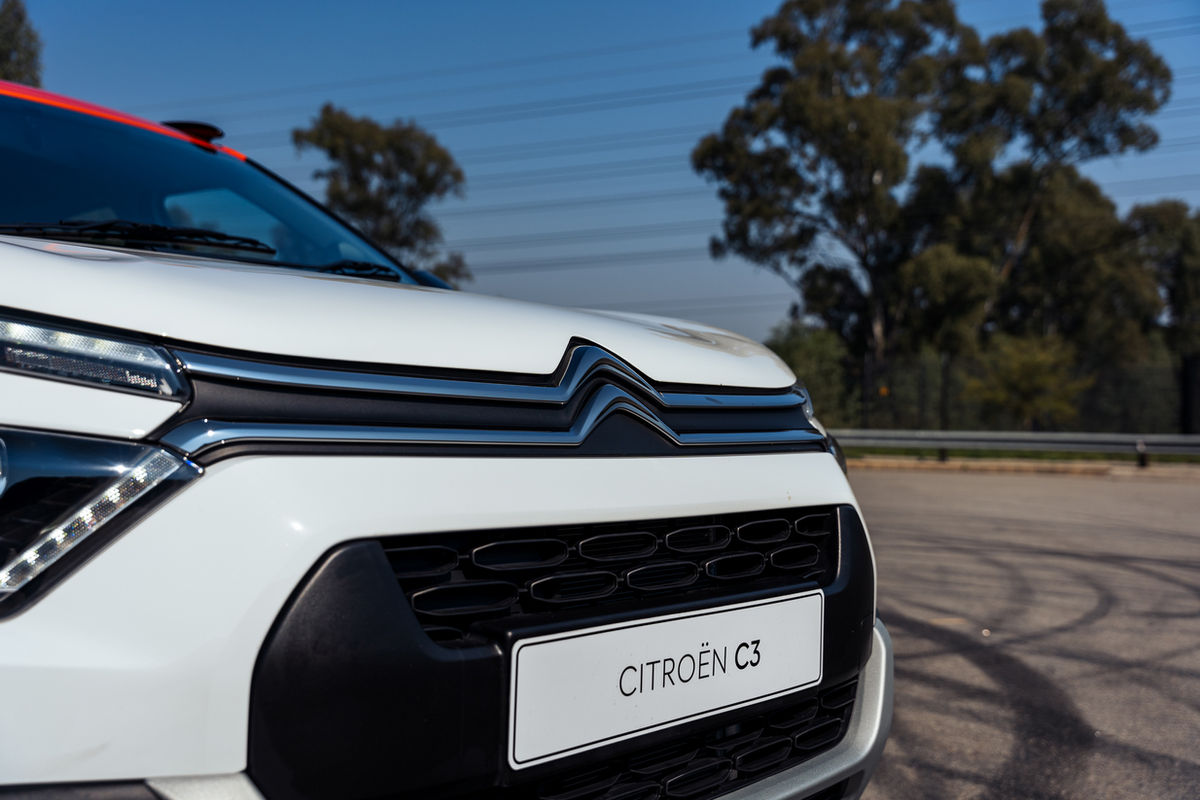
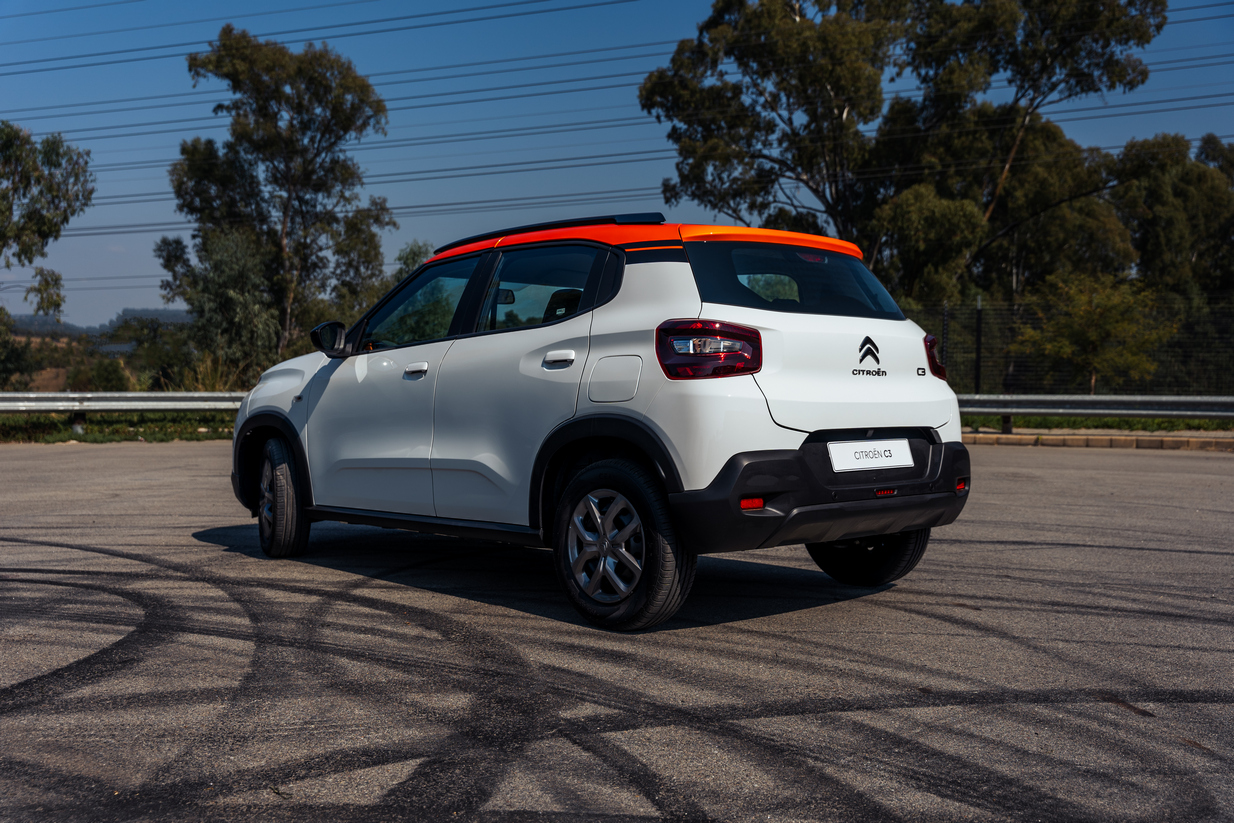
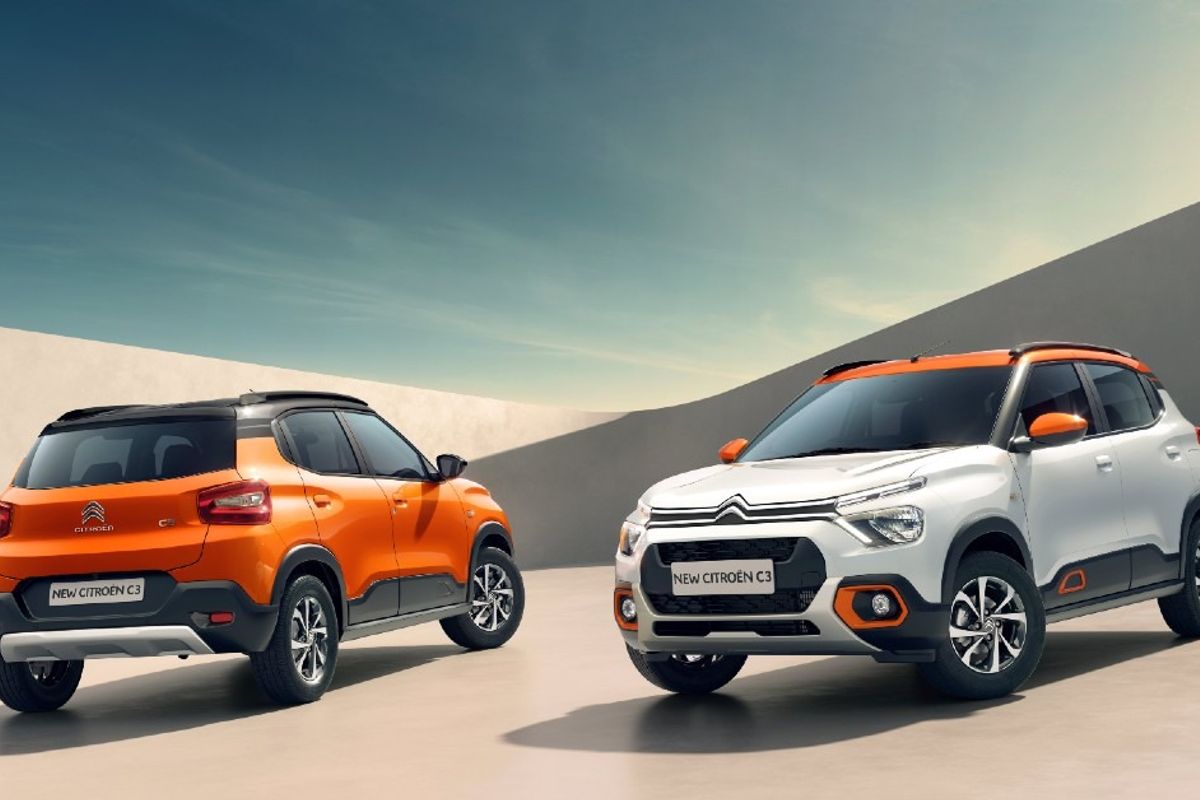
Clean and quirky might be a good way of describing the exterior design execution and while the C3 is considered to be a hatchback, it does feature some generous plastic cladding and a raised stance to give it a more rugged and compact SUV-like character.
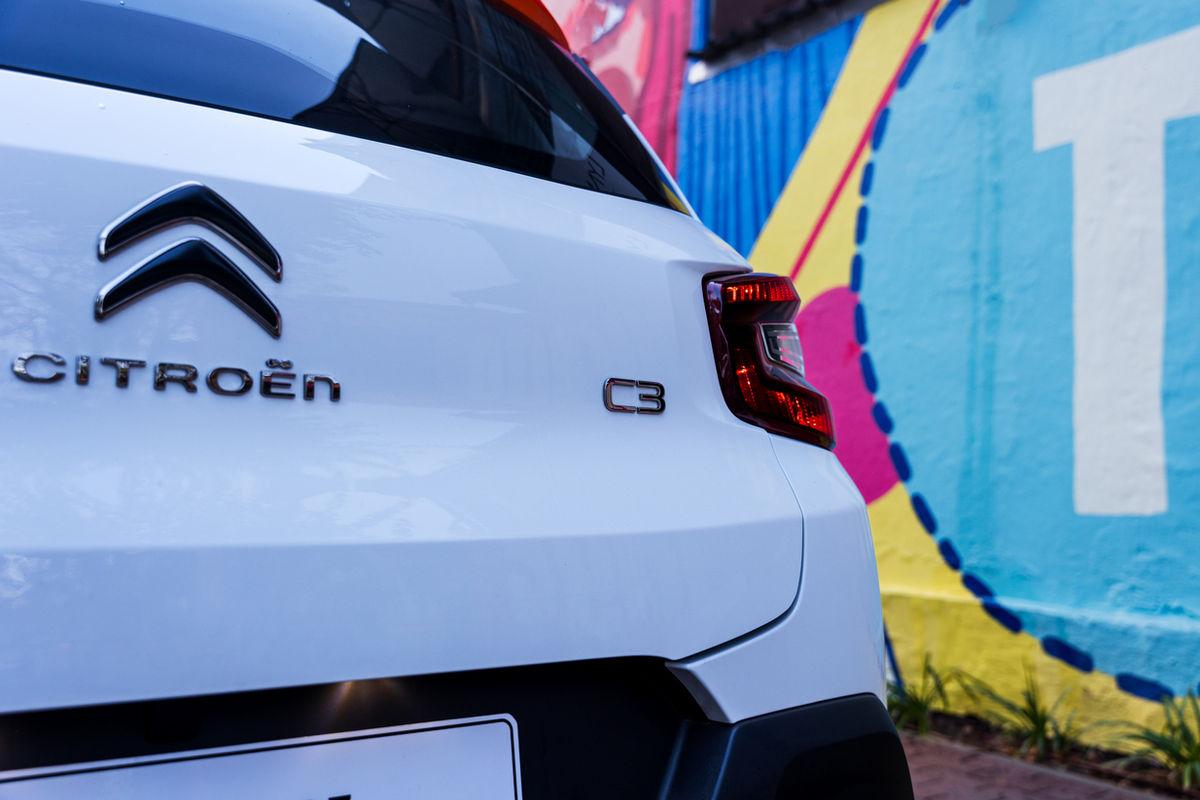
For added personalisation, Citroen is also offering 2 optional accessory packs. The Elegance Pack (R2 200) offers details such as chrome door handles, chrome bumper finisher, chrome detailing for the taillights, chrome indicator bezel, chrome surround for the reflector, chrome fog light surround and a chrome insert in the side body moulding. Alternatively, you can opt for the Energy Pack (R2 700) which adds a sportier touch with a rear roof-mounted spoiler and a rear skid plate. In addition to this, buyers can also purchase optional 15-inch Octo alloy wheels or alloy wheel hub caps for an additional R8 300.
The Citroen C3 can be had in 4 Monotone colours (White, Zesty Orange, Platinum Grey, Steel Grey) and 6 dual tone colours offering a roof and body colour mix of the aforementioned colours.
What engine powers the Citroen C3 in South Africa?
A single engine option is offered in South Africa in the form of a 3-cylinder, 1.2-litre petrol engine with 61 kW and 115 Nm of torque and exclusively mated with a 5-speed manual transmission. An automatic derivative as well as another engine option are expected to join the range in 2024. Citroen claims an average fuel consumption figure of 5.6 L/100km.
Fashion-conscious, first-time car buyers are in for a treat with the new C3!
Moving inside, the interior boasts features such as a large 10-inch infotainment touchscreen with Apple CarPlay and Android capability, a multifunction steering wheel, 3 USB ports (1 front, 2 rear), height adjustable driver’s seat, electric windows, keyless entry and automatic door locking while driving.
In terms of safety, dual airbags are standard as is ABS with EBD and rear park distance control.
We will have the Citroen C3 on test after its official launch so look out for our evaluation in the near future.
What’s the price of the new Citroen C3 in South Africa?
Citroen C3 1.2 Feel 61 kW 5MT – R229 900
The Citroen C3 is sold with a 5-year/100 000km warranty and a 2-year/30 000 km service plan.
Hyundai Tucson N Line in SA (2023) Price and Specs
A new Hyundai Tucson N Line flagship derivative has arrived inSouth Africa! Take a look at specification and pricing details below…
Hyundai Automotive South Africa has introduced a new Tucson N Line flagship to its local range.
As a reminder, the “N Line” badge denotes what the Korean firm describes as “sporty and distinctive exterior design features and differentiating interior details”, rather than powertrain and other mechanical performance upgrades (which are the preserve of full-fat N products, such as the i30 N and Kona N). So, it’s really all about performance-inspired styling.
The N Line version of the 4th-generation Tucson was first shown in Europe in 2021. For the record, there was also an N Line model in the previous generation, launched on the Old Continent in 2019, but this didn’t ever make it to local shores (SA did, however, have the Tucson Sport).
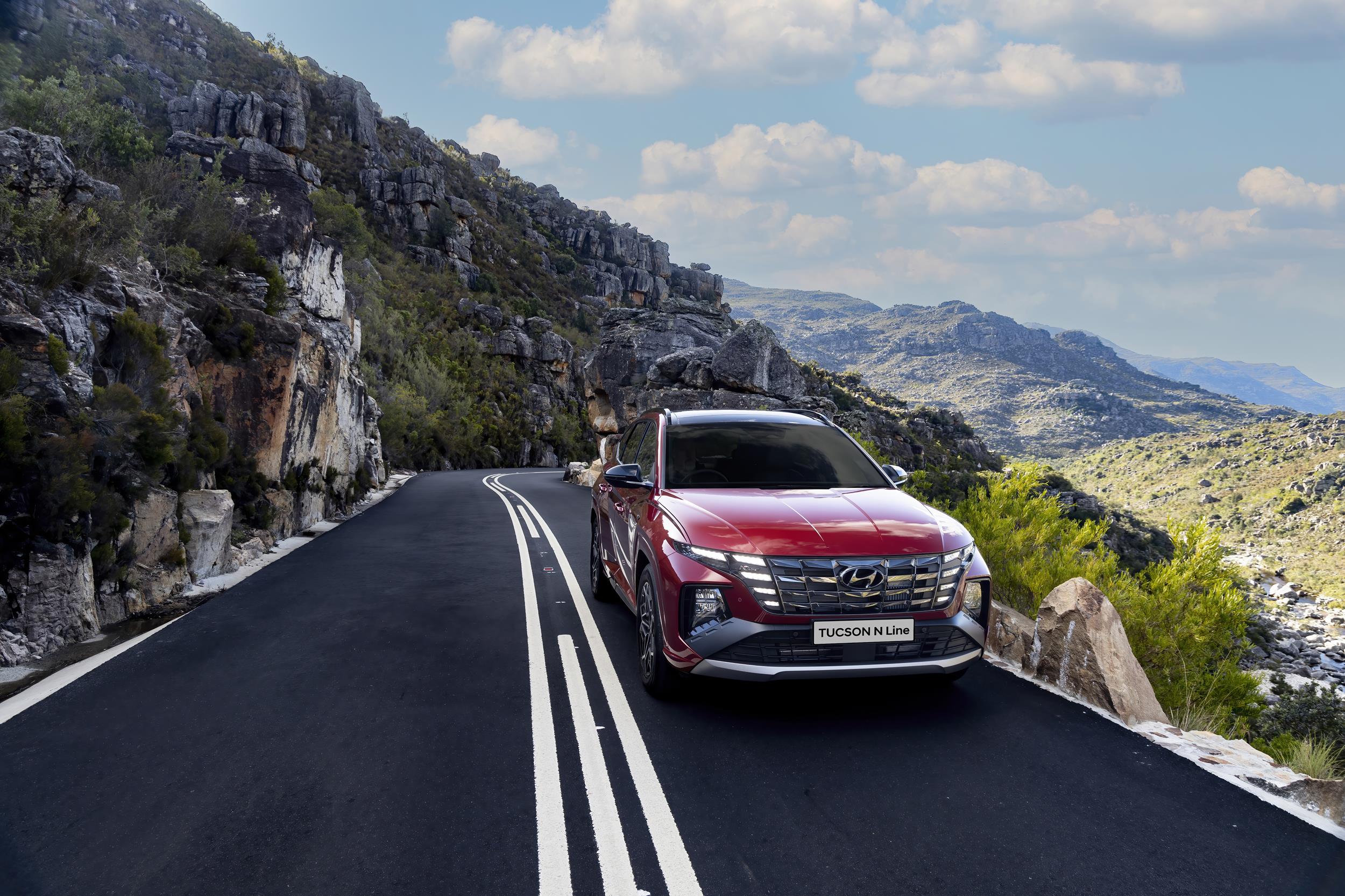
The Tucson N-Line gains several visual enhancements that make it stand out from the crowd.
While the Tucson N Line offered in Europe is available with a range of conventional hybrid, mild-hybrid and plug-in hybrid powertrains, the SA-spec model employs a 2.0-litre turbodiesel engine offering 137 kW and 416 Nm, with drive sent to all 4 wheels via an 8-speed automatic transmission. That means the newcomer is the only AWD variant in the local Tucson line-up.
How does the Tucson N-Line differ from a standard Tucson?
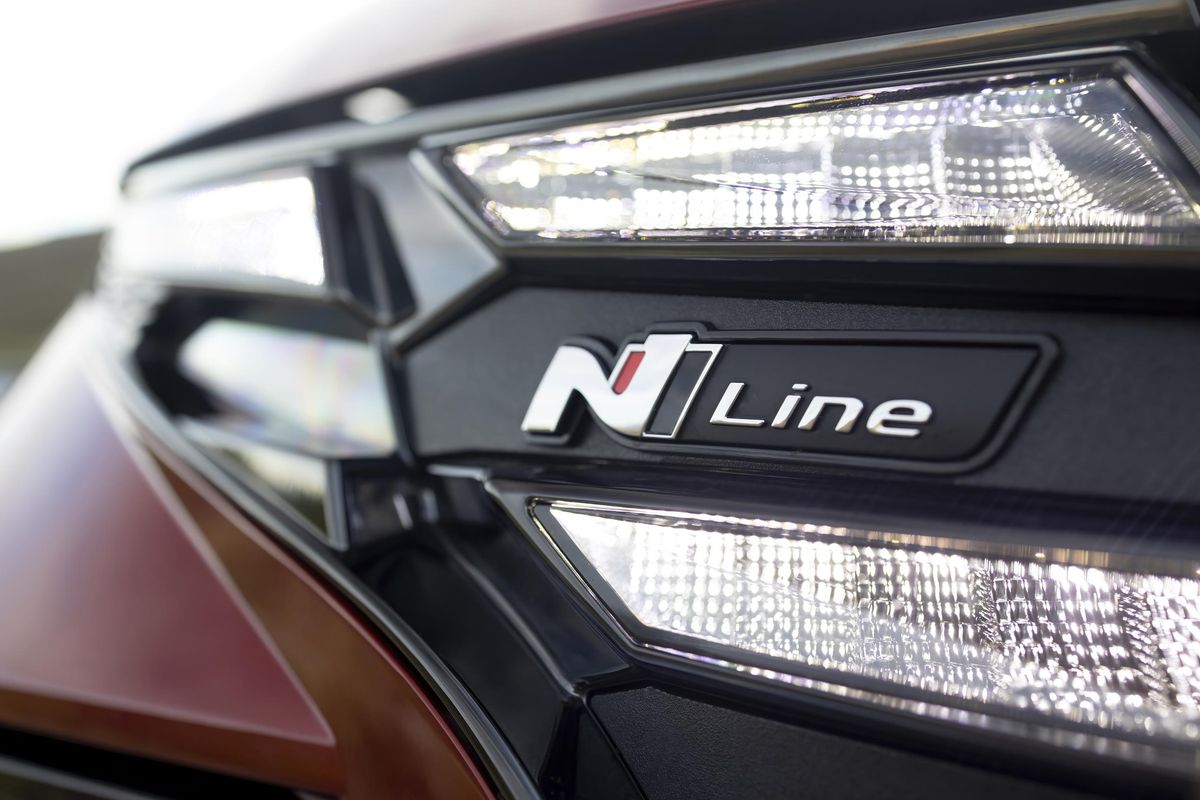
So, how does Hyundai visually differentiate the N Line from the already boldly styled standard Tucson? Well, the parametric jewel patterns on the grille are more elaborate, while the grille gains an obligatory “N Line” badge. The front bumper takes on a more rectangular shape and scores a larger, redesigned air intake, and the headlamps are framed by black bezels.
Round back, the N Line is fitted with a longer rear spoiler (complete with stabilising fins) as well as a rear diffuser and a twin-exit tailpipe. Furthermore, this model rides on eye-catching 19-inch alloy wheels as standard.
Note the N branding on the sports seats.
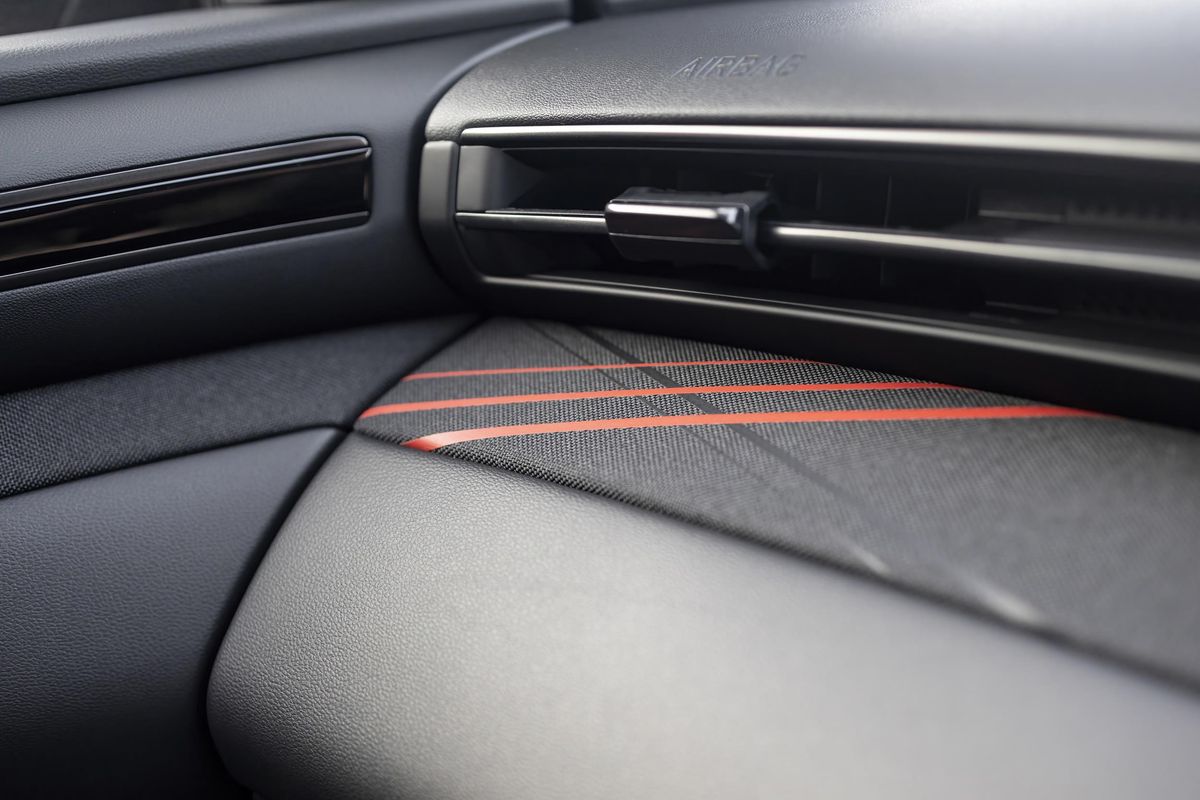
Inside, you’ll find N-branded sports seats trimmed in black suede and leather, as well as red stitching. The latter is furthermore woven on the door trim and armrest, while the facia scores matching red accents. There’s also a new N steering wheel, a black headliner and a metal finish for the pedals, foot rest and side sills.
As a reminder, the NX4-generation Tucson was revealed late in 2020, before launching in South Africa in March 2022. The local line-up now comprises 4 front-driven derivatives, with pricing bookends of R561 900 and R749 900, while the N Line is the only all-paw variant on offer, priced at R799 900.
How much does the Hyundai Tucson Cost in South Africa?
Hyundai Tucson 2.0 Premium AT – R561 900
Hyundai Tucson 2.0 Executive AT – R613 900
Hyundai Tucson 2.0 Elite AT – R683 900
Hyundai Tucson 2.0D Elite AT – R749 900
Hyundai Tucson 2.0D N Line AT AWD – R799 900
The Hyundai Tucson is sold with a 5-year/150 000 km vehicle warranty, 7-year / 200 000km drivetrain warranty and a 6-year/90 000 km service plan.