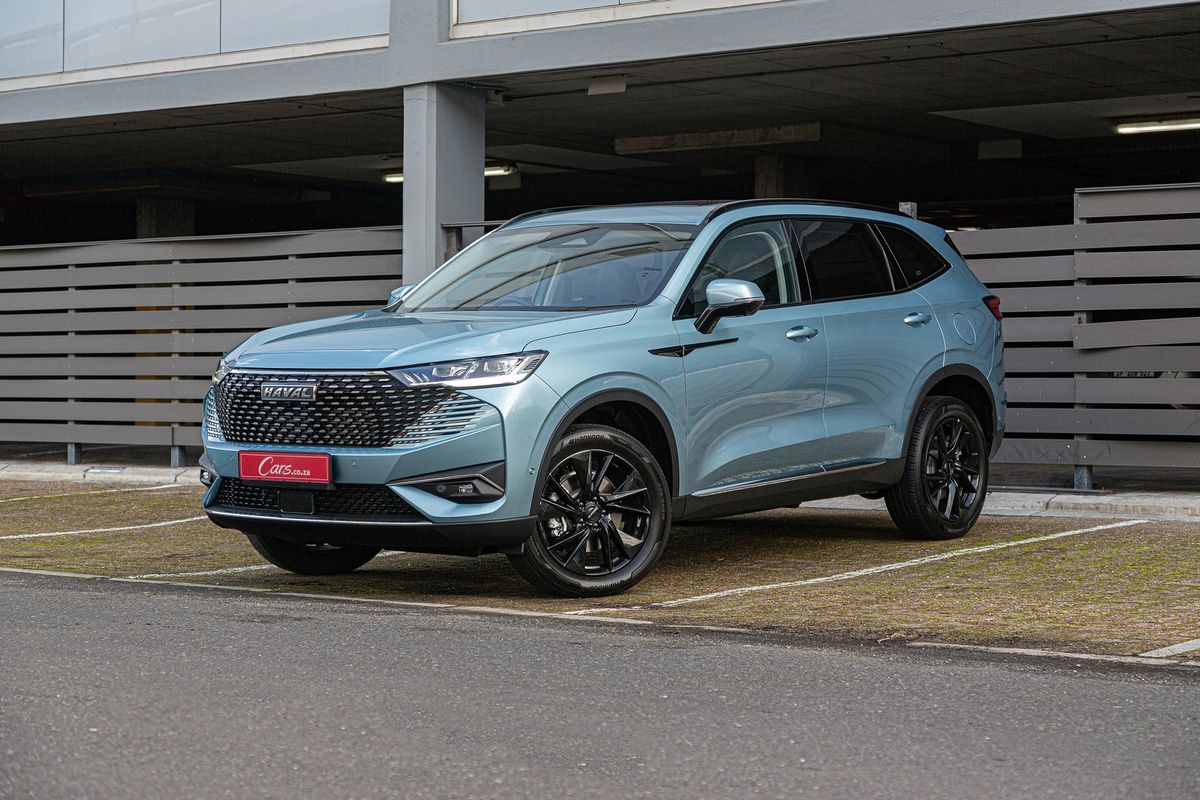
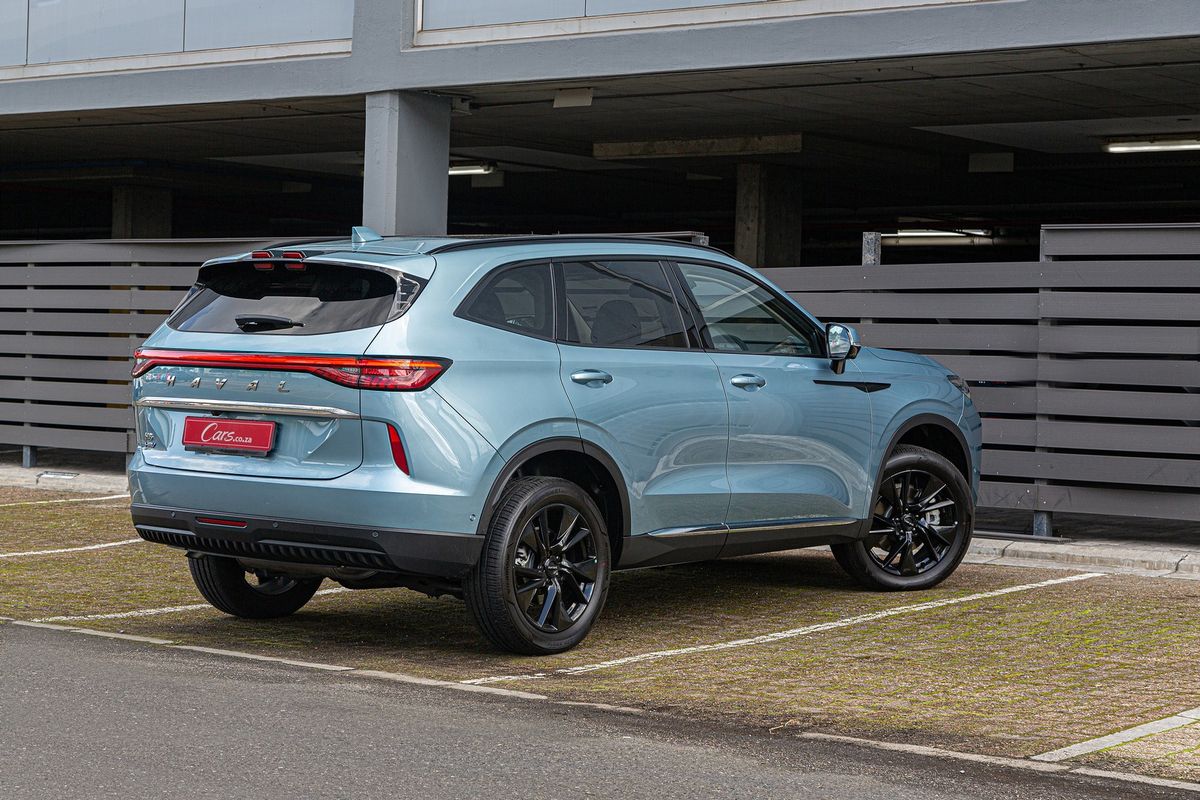
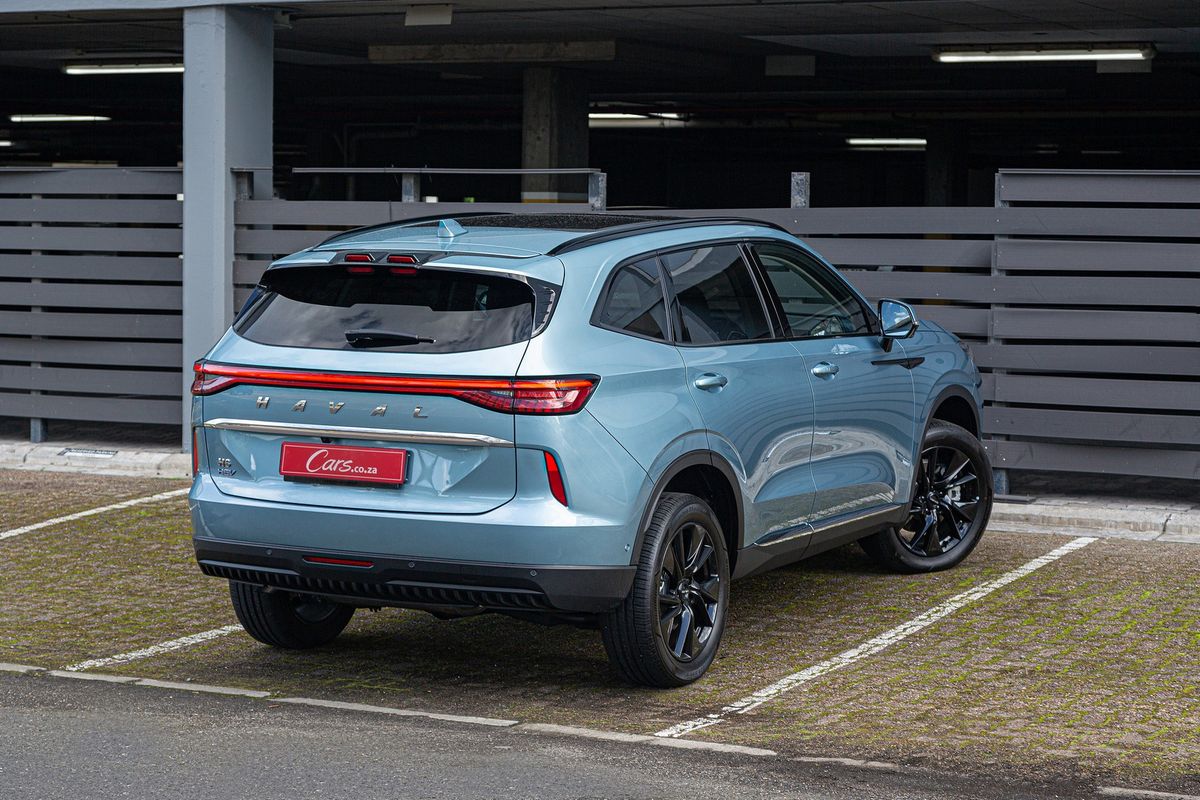
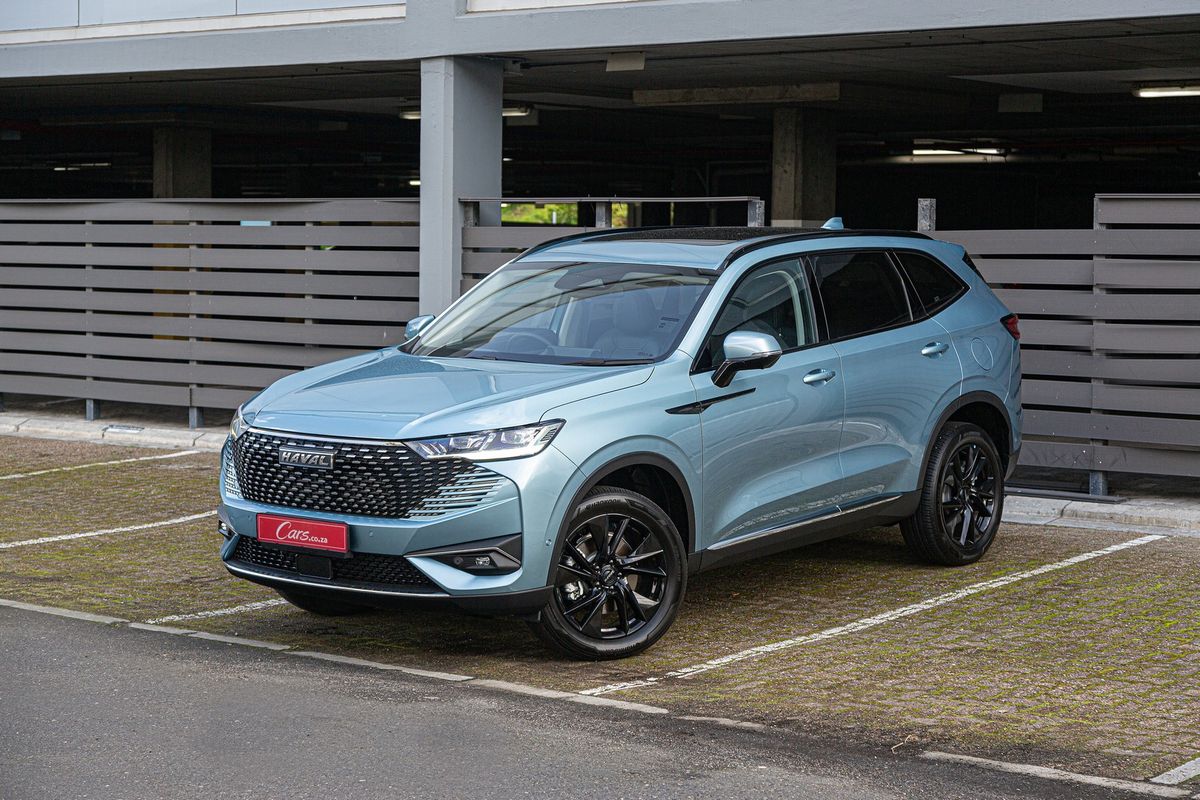
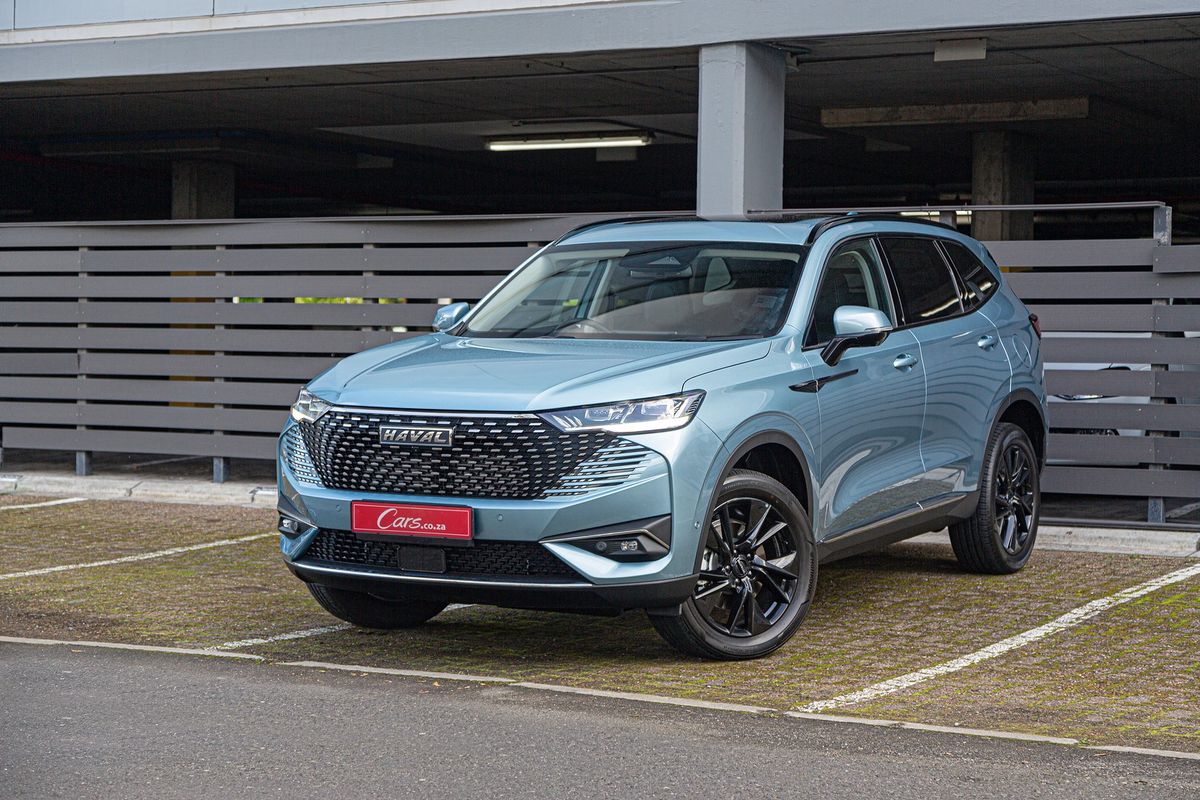
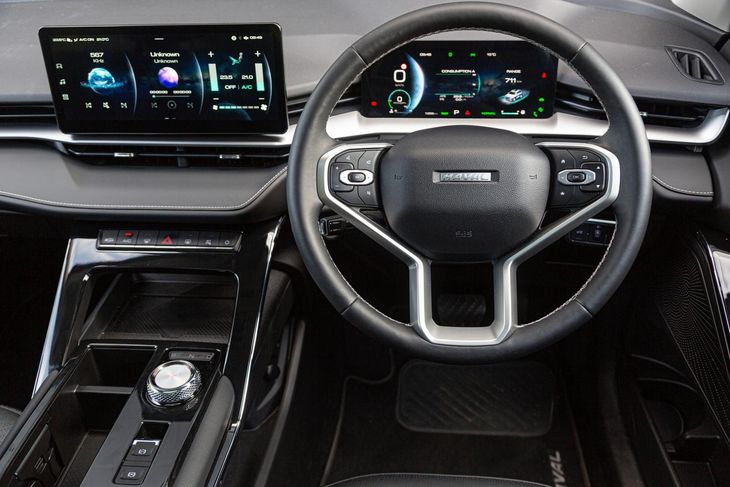
The Haval H6 Hybrid has been launched in South Africa. Here’s how much it costs, plus what you get for your money.
The popular Haval H6 family car (medium SUV) range has been bolstered by the addition of a top-of-the-range hybrid derivative. The H6 Hybrid eschews its siblings’ 2.0-litre 4-cylinder turbopetrol engine in favour of a smaller 1.5-litre 4-cylinder turbopetrol unit, which is mated with an electric motor and a self-charging hybrid battery.
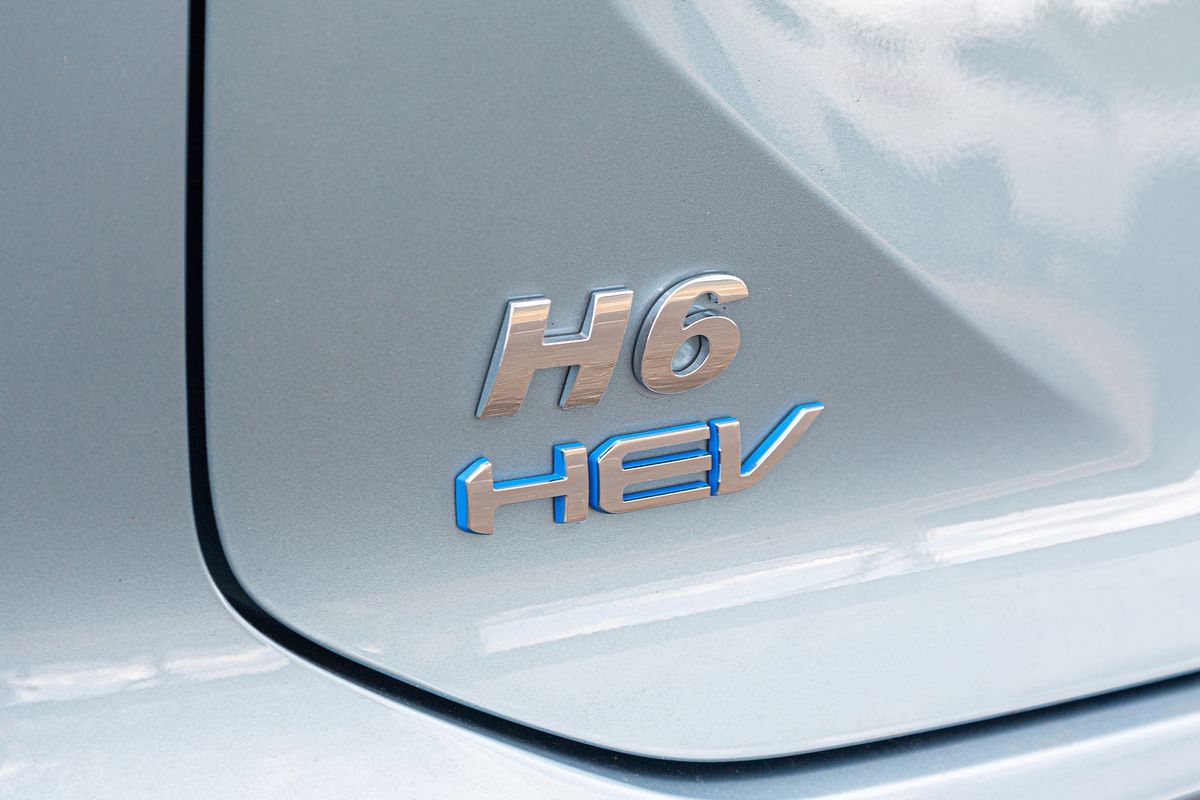
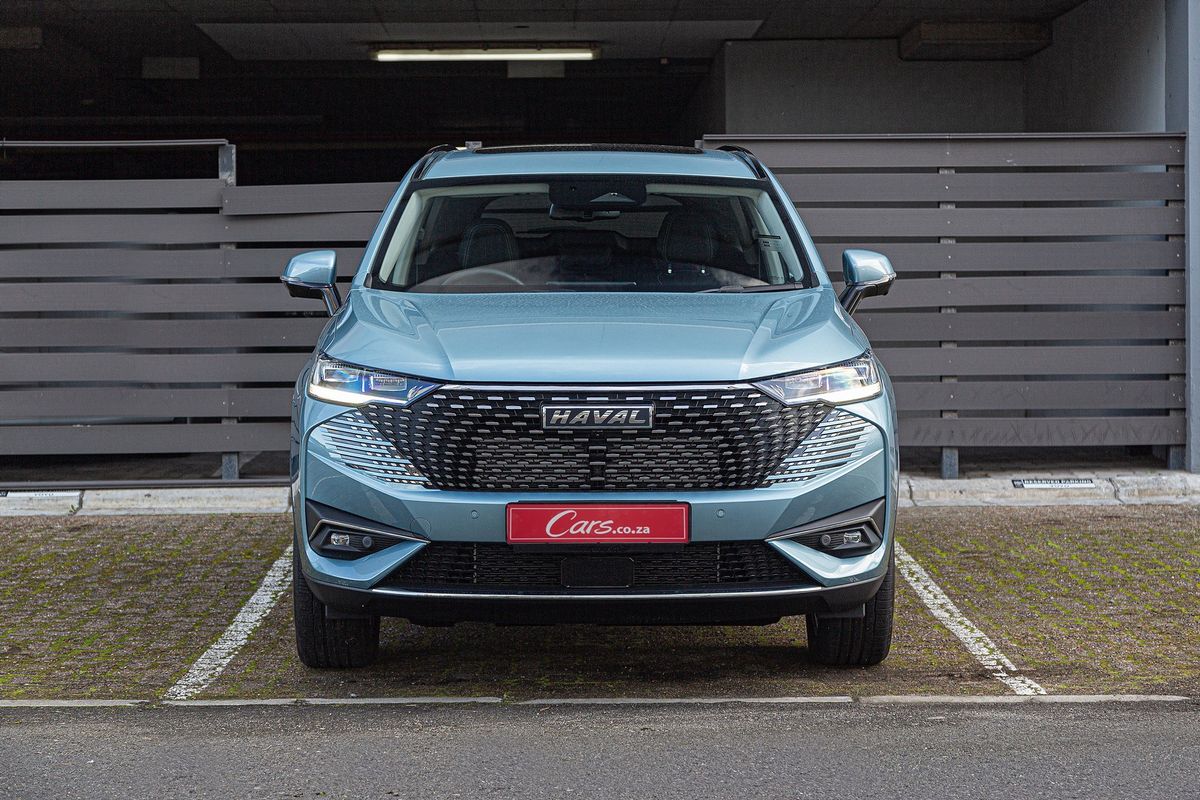
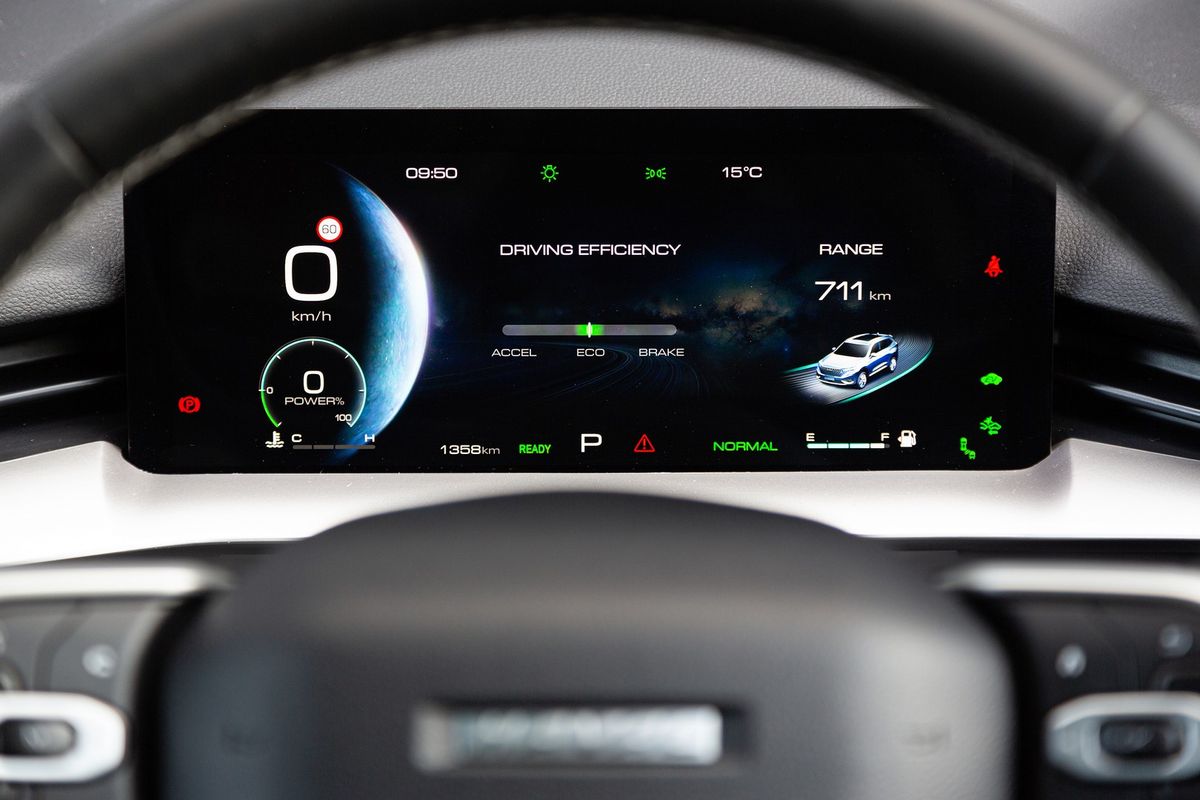
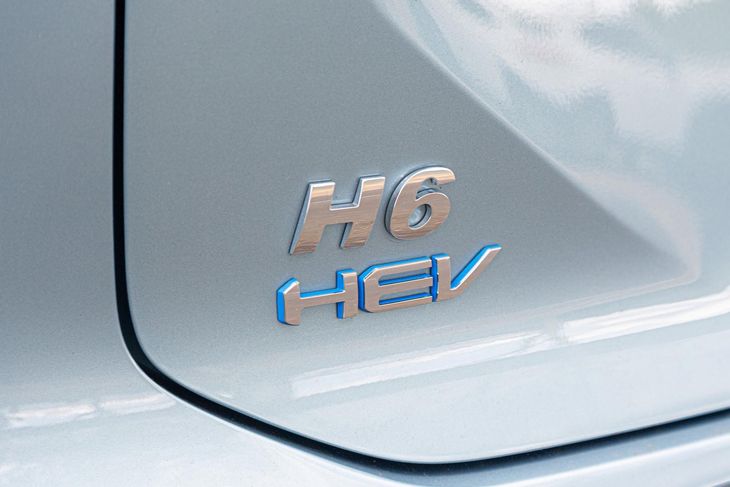
Total outputs of 179 kW and 530 Nm are claimed, with all that shove driving the front wheels via an automatic transmission. Being a petrol-electric hybrid, the economy figure should be impressive, with Haval claiming just 5.2 L/100 km for the combined cycle. You can spot the newcomer by virtue of its revised grille and subtle HEV (hybrid electric vehicle) badge on the tailgate.
There’s just one derivative available and as it’s a flagship model, it comes with almost every conceivable feature and option.
Haval will be positioning its new H6 Hybrid against the Toyota RAV4 2.5 E-Four, which is priced from R663 400.
Standard features on the H6 Hybrid
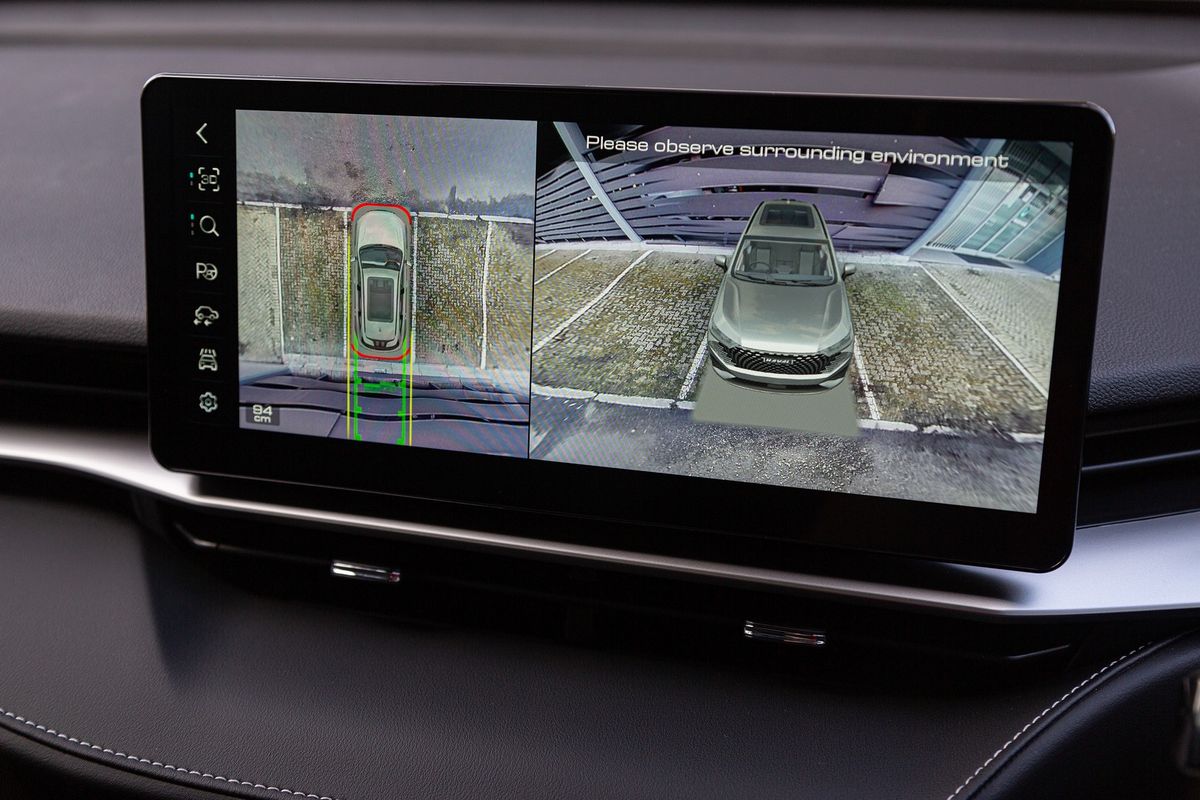
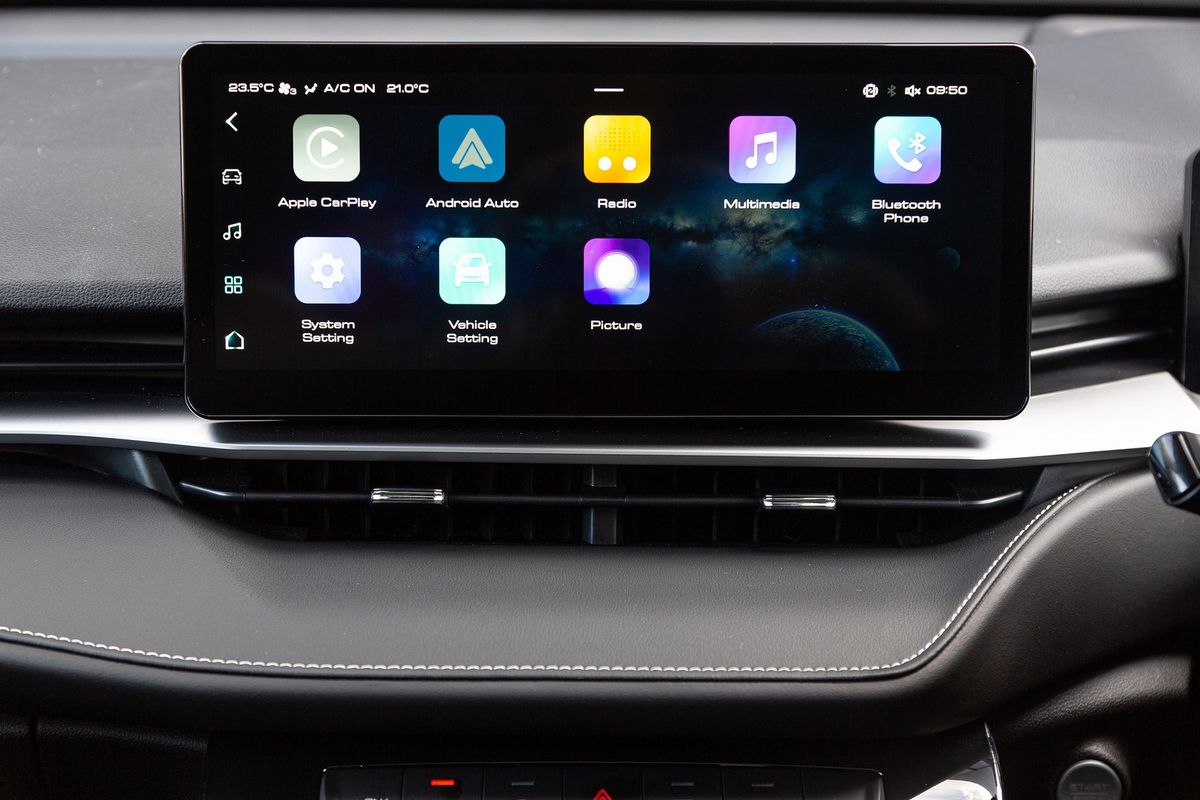
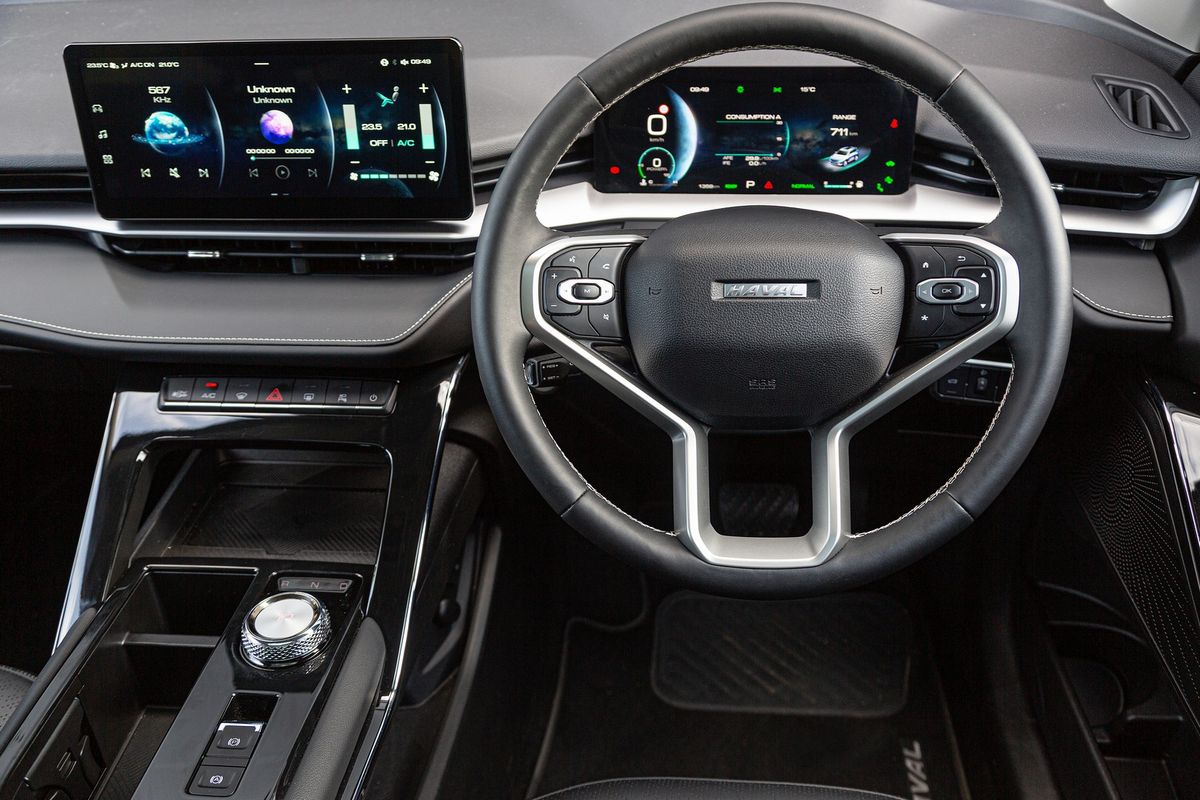
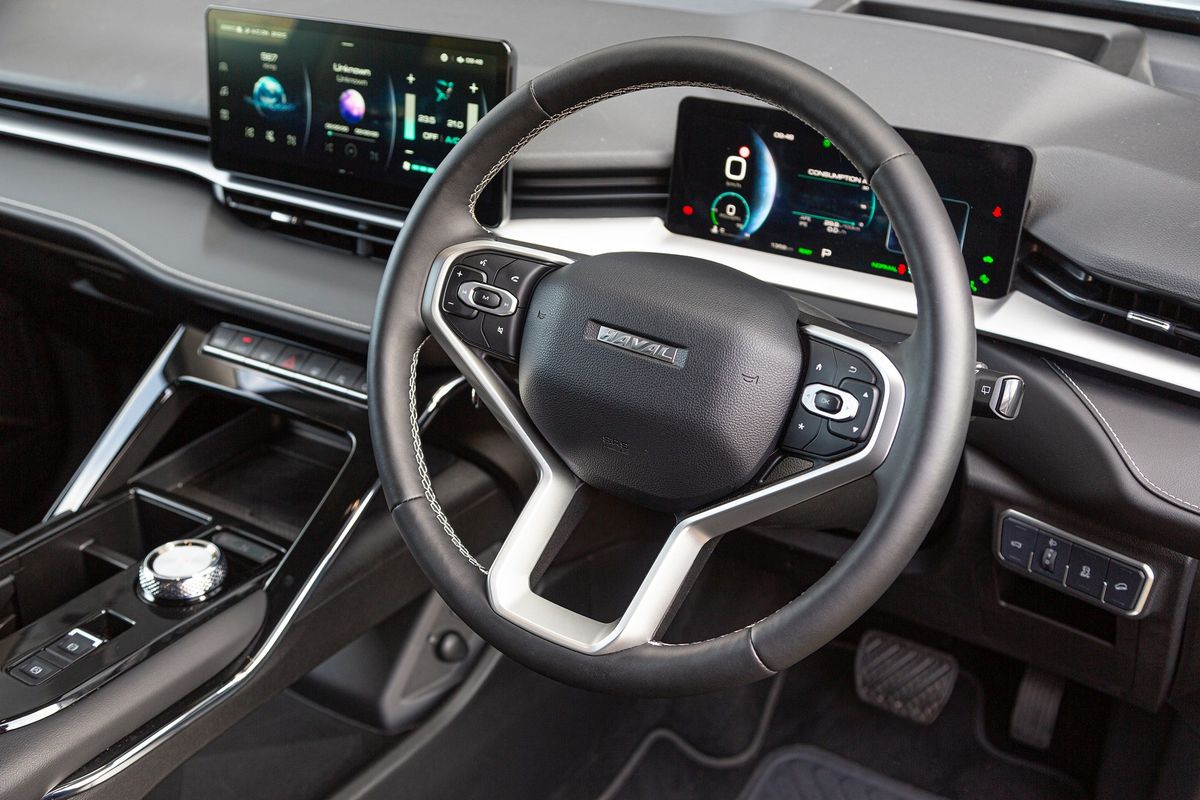
Wireless charger Panoramic sunroof Digital instrument cluster Infotainment touchscreen Bluetooth/Apple Carplay/Android Auto Voice control USB ports (front/rear/dashcam) Drive modes (Normal/Eco/Sport/Snow) 360-degree parking camera Automatic parking Safety suite (Front Assist, Lane Assist, Side Assist/Blind Spot monitoring, traffic sign recognition) Hill Descent Control Head-up display Steering wheel heating Heated/Ventilated seats for front seats Dual-zone climate control Powered tailgate Synthetic leather trim Leather-wrapped steering wheel 19-inch alloy wheels
How much does the new Haval H6 Hybrid cost in South Africa?
The H6 Hybrid is sold with a 5-year/100 000 km warranty, 5-year/60 000 km service plan and a further 8-year/150 000 km battery warranty.
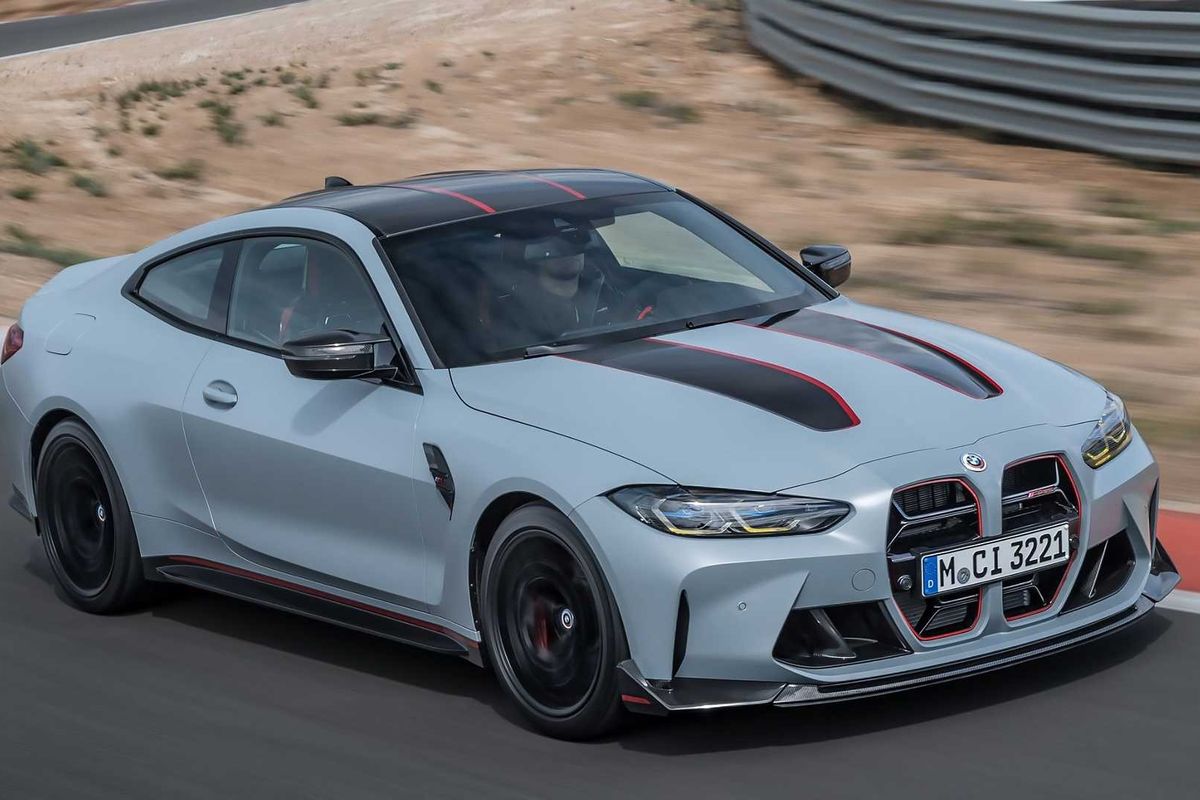
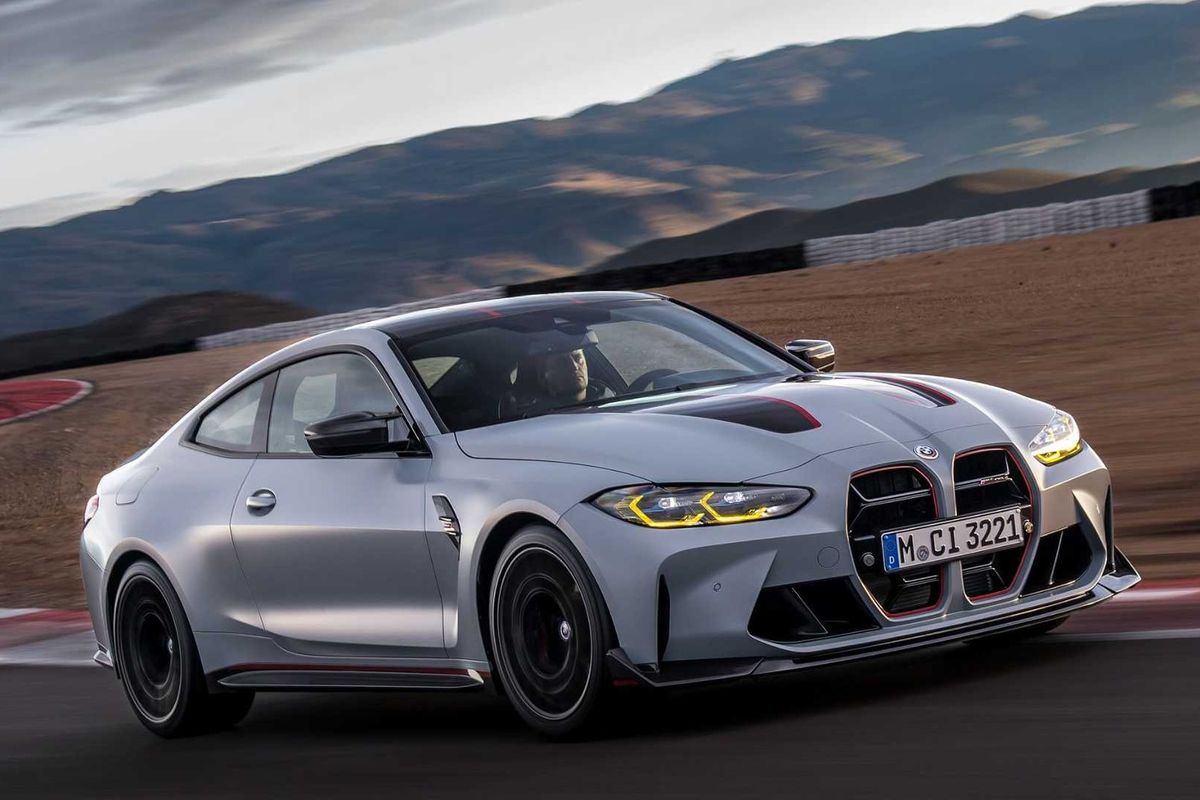
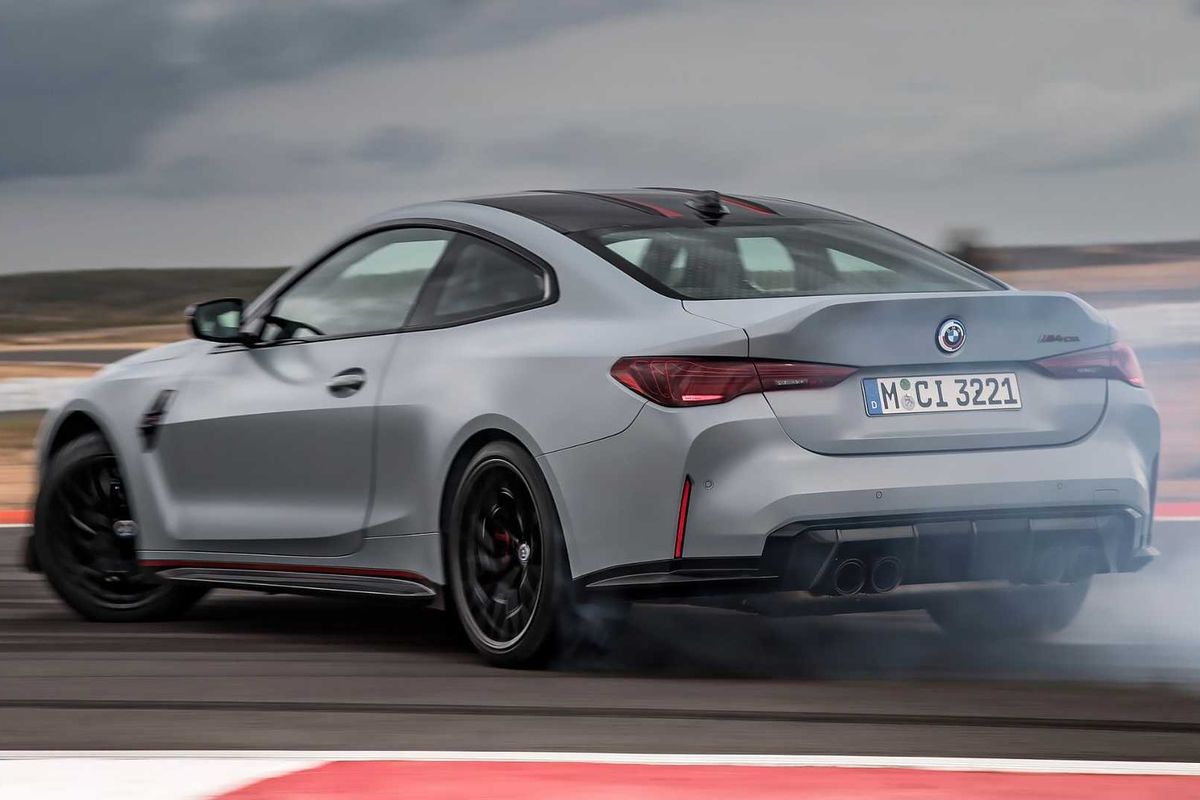
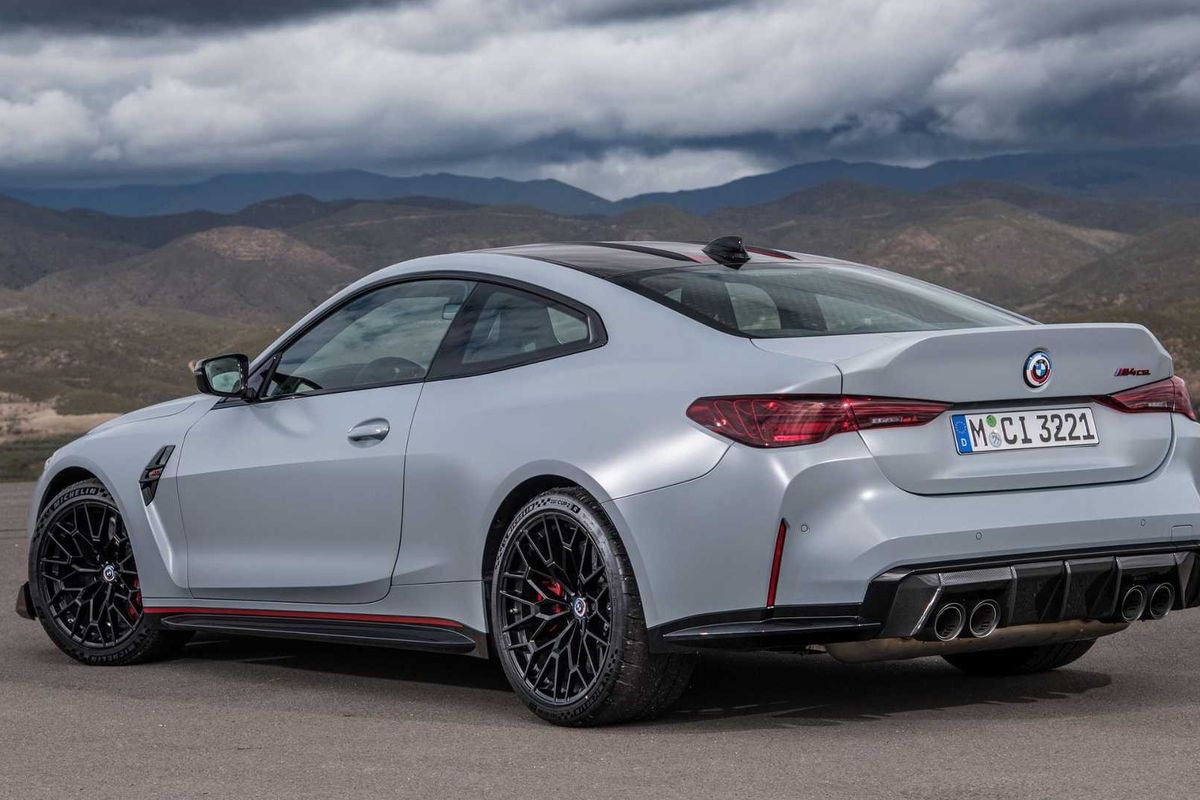
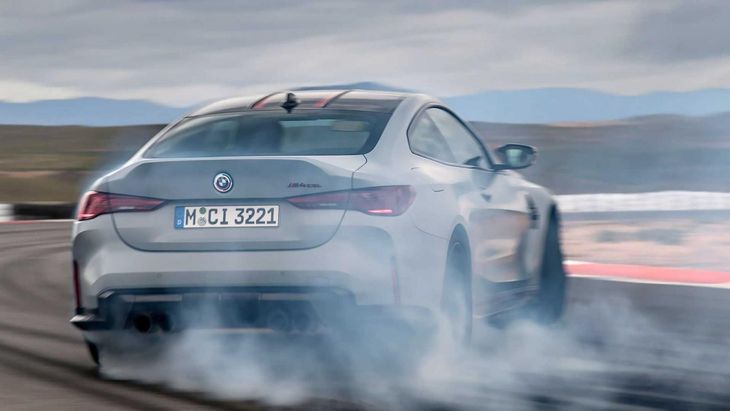
The highly-anticipated BMW M4 CSL has arrived to celebrate 50 years of M and BMW says the model “blends old-school racing passion with innovative technology to create an inimitable performance experience.”
BMW’s M performance division celebrates its 50th anniversary this year and what a better way to kick off the celebrations than with a new, scintillating special-edition M4 CSL!
The M4 CSL will retain exclusivity with a limited production of just 1 000 units with only 15 units destined to reach South Africa, priced at R3 570 038. The model will be produced as of July 2022 at BMW Group Plant Dingolfing.
BMW M4 CSL is Powerful, Light and Fast!
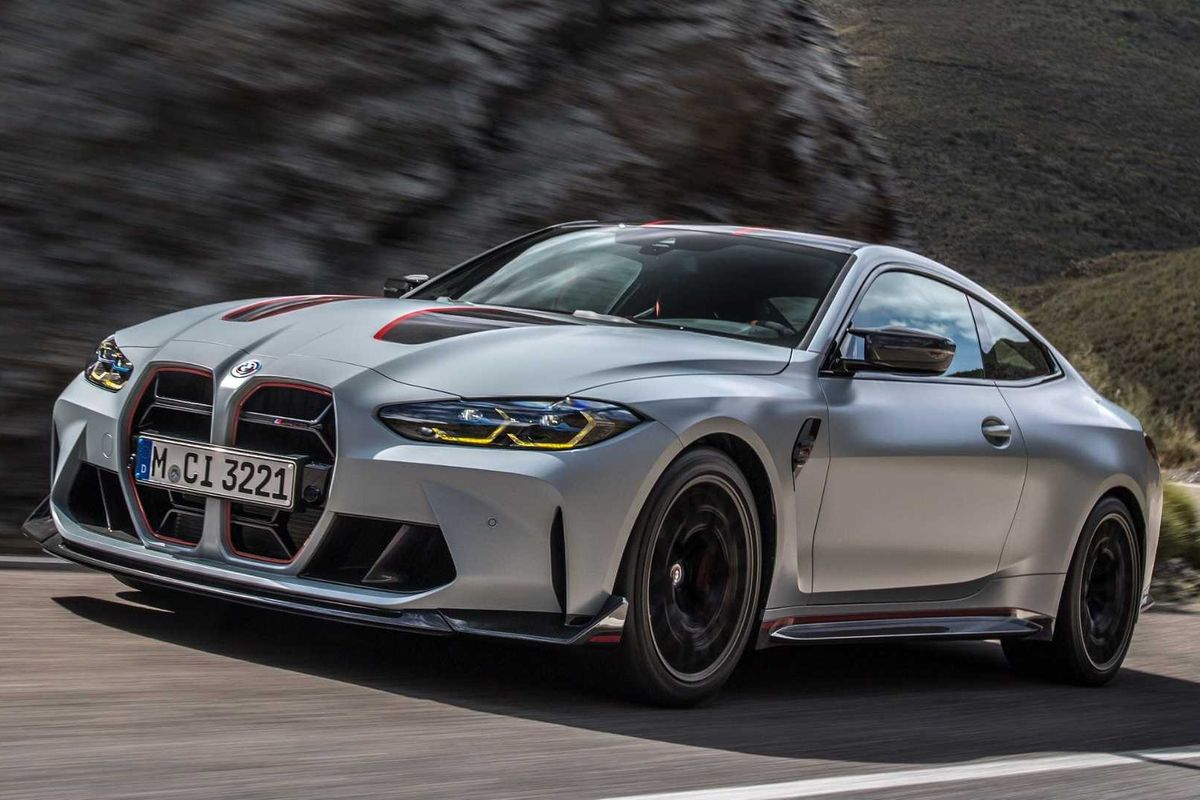
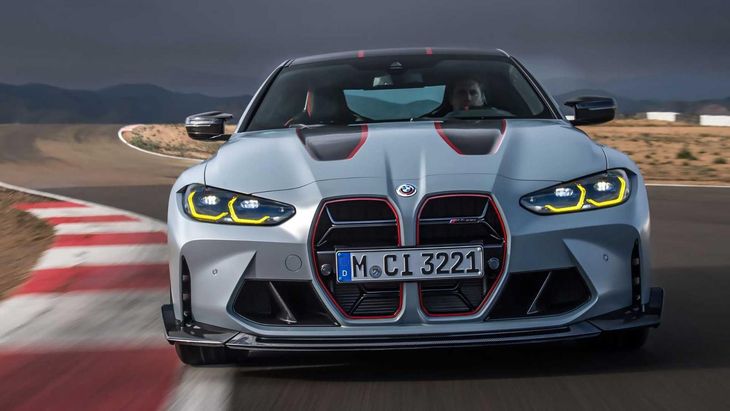
The expressive face of the new BMW M4 CSL. Do you like the detailing?
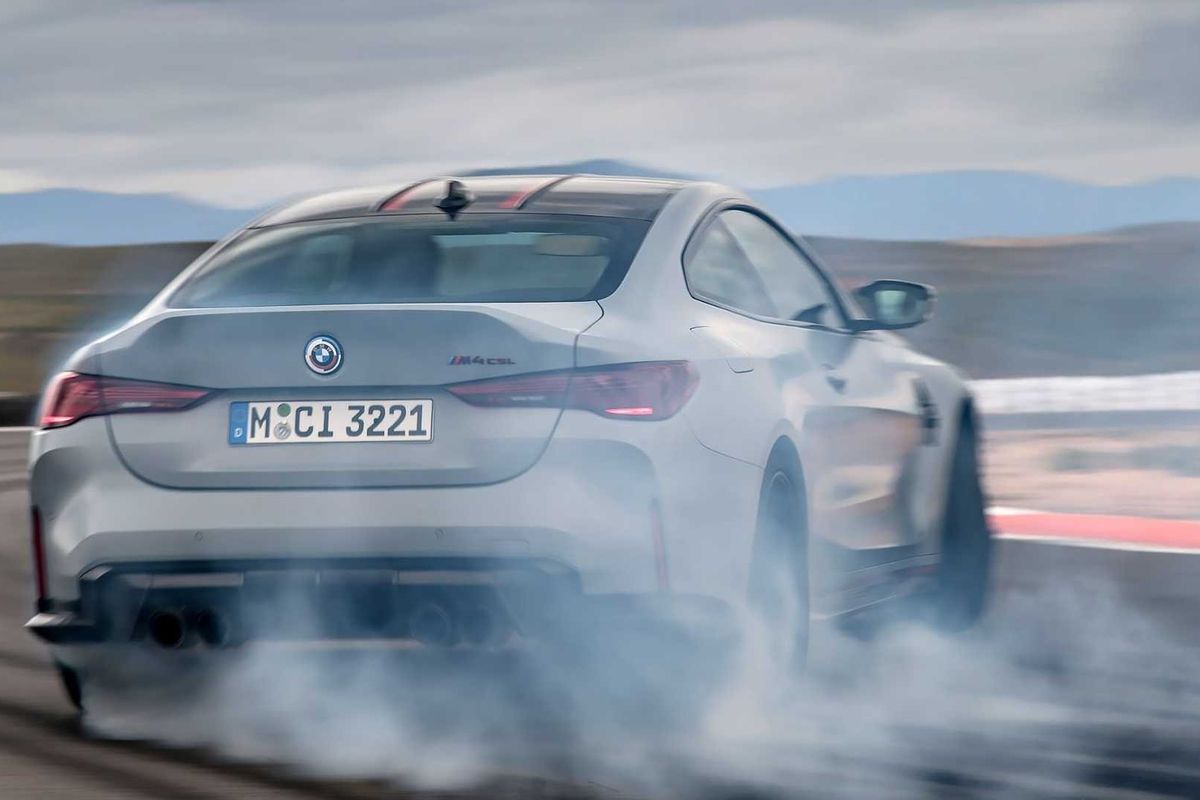
This hardcore M4 CSL shares its genes with the BMW M4 GT3 and is powered by a high-revving, twin-turbocharged in-line 6-cylinder 3.0-litre engine that produces 405 kW (30 kW more than the M4 Competition) at a heady 6 250 rpm with 650 Nm of torque unleashed between 2 750 and 5 950 rpm. Power is channelled to the rear wheels via an 8-speed M Steptronic automatic transmission and BMW claims a zero to 100 kph sprint time of 3.7 seconds and just 10.7 seconds to reach 200 kph. Adaptive M suspension with electronically controlled dampers are standard as is the M Traction Control which allows the driver to decide where to set the traction limit with 1-5 allowing for controlled drifting and 6-10 accounting for surface conditions and tyre temperatures to maximise traction and directional stability.
The BMW M4 CSL has proven its performance at the famous Nurburgring or “Green Hell” where it posted the fastest lap times ever for a series-production BMW with a time of 7:20.207.
The M4 CSL’s staggering performance is, in part, made possible due to its low weight and it boasts a kerb weight of 1 625 kg with a power-to-weight ratio of 4.01 kg/kW. The M4 CSL has shed up to 100kg in weight and sits some 8mm lower than the M4 Competition Coupe.
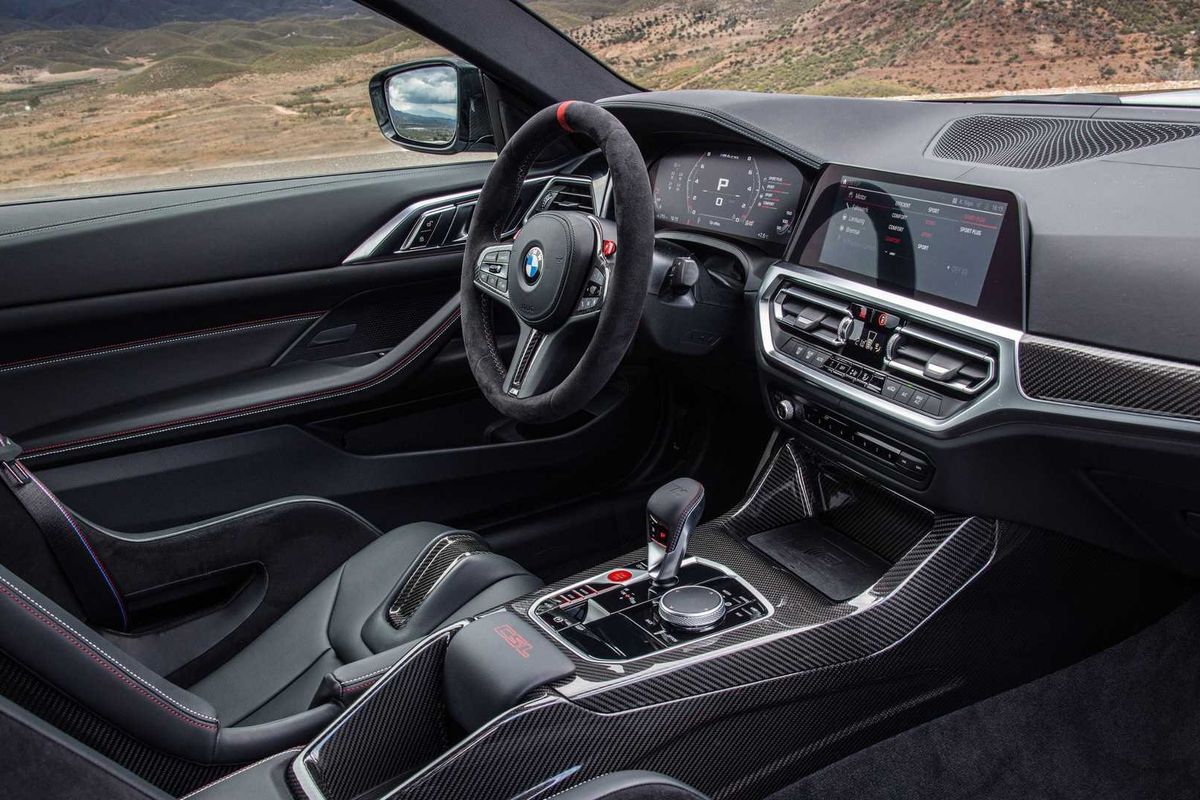
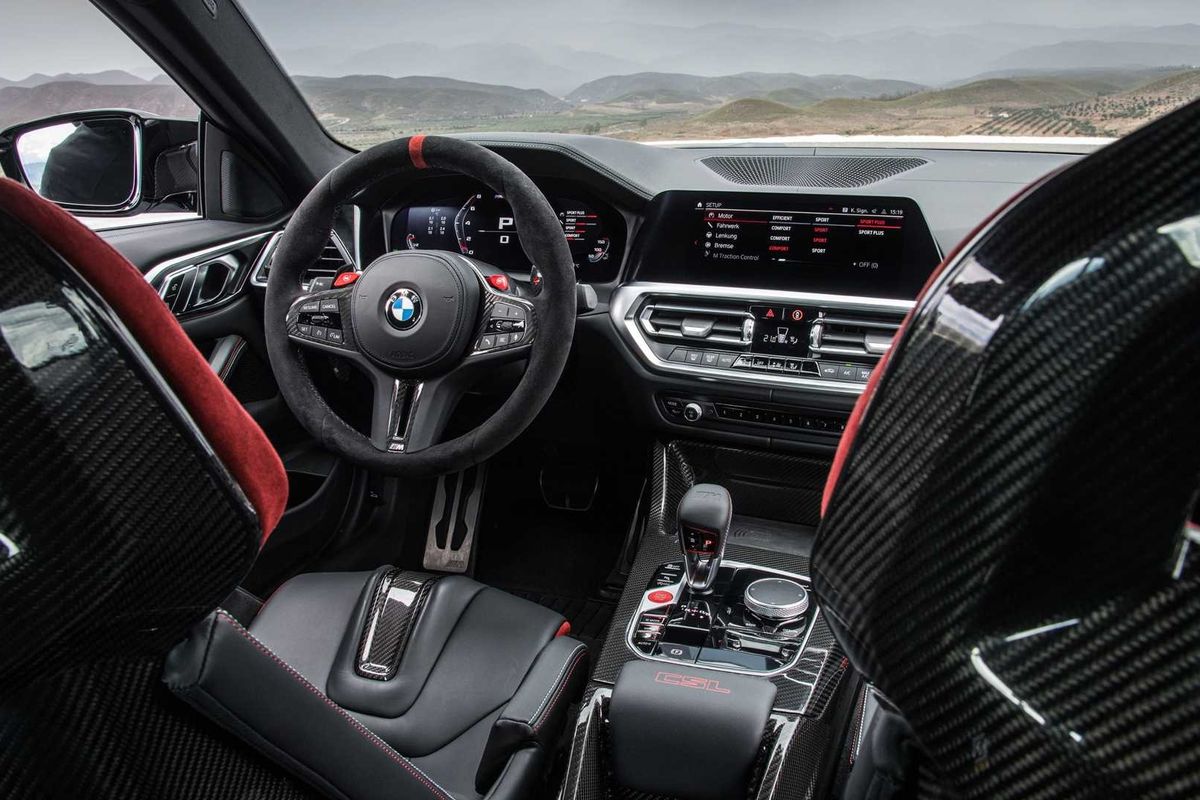
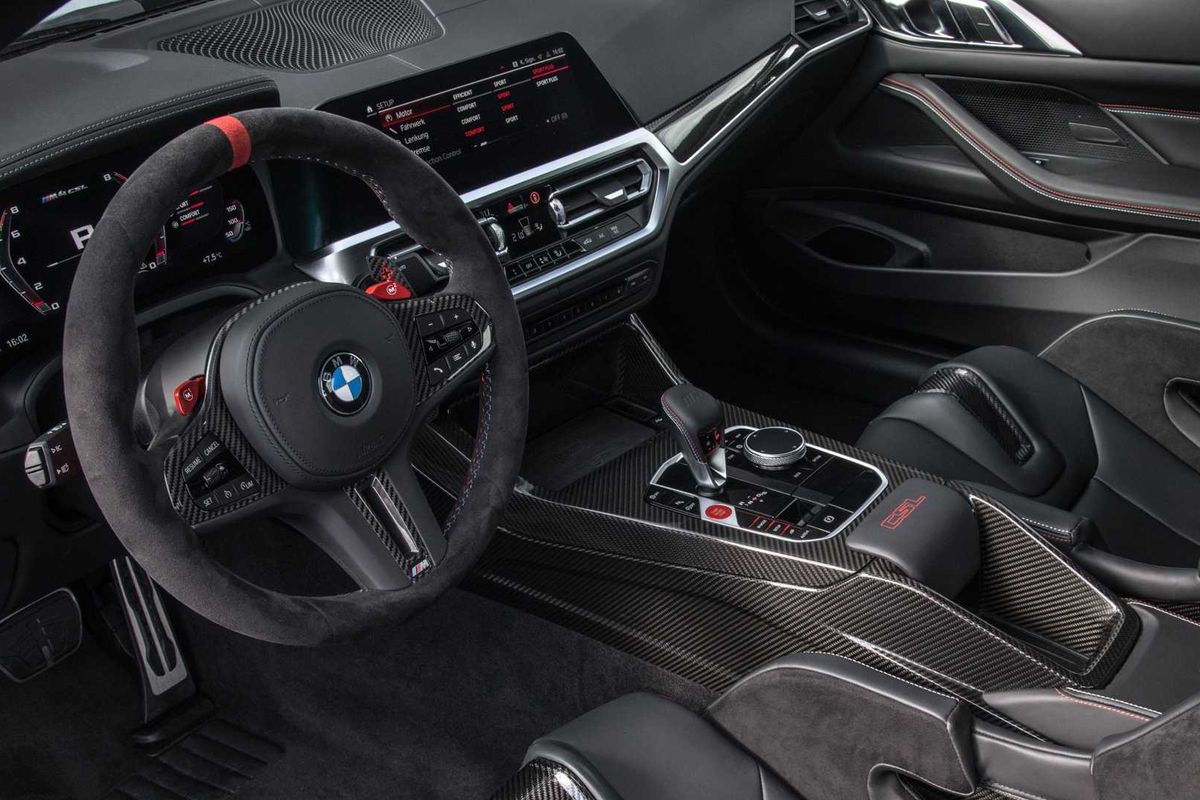
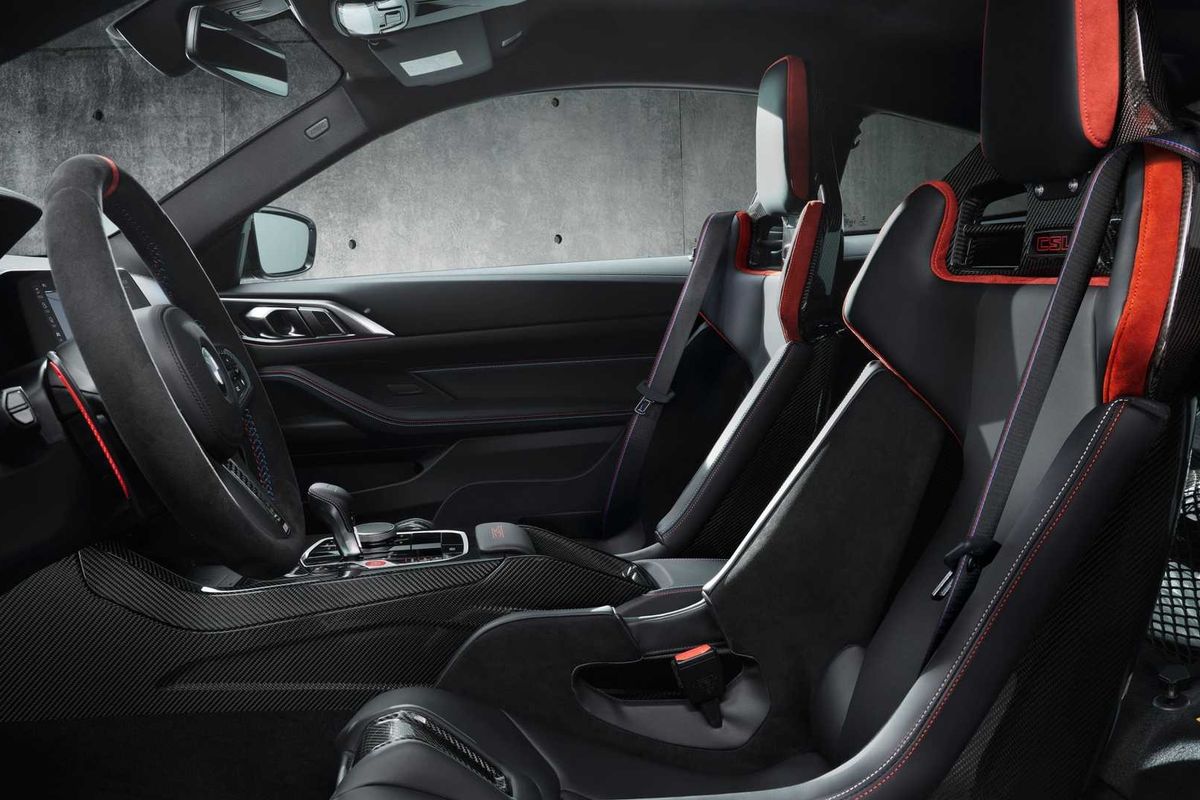
The interior is performance-focused but still offers the necessary technology to make the M4 CSL useable on the road.
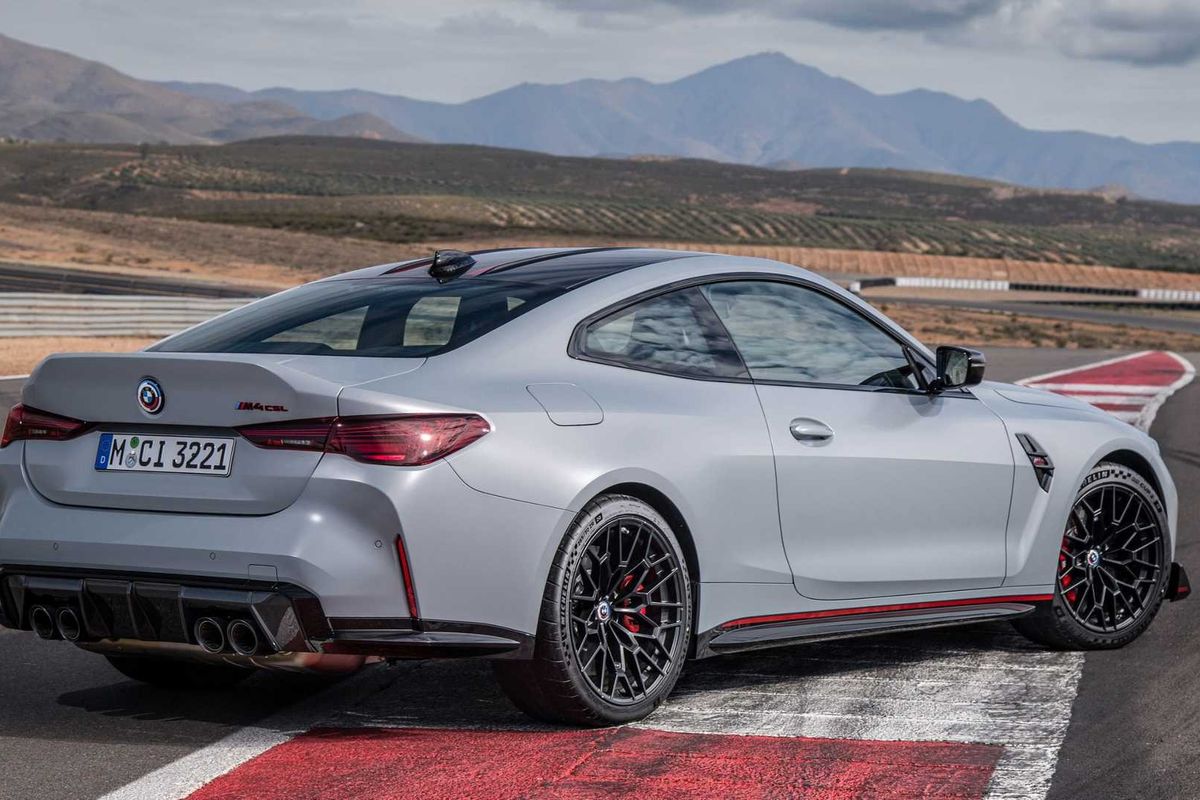
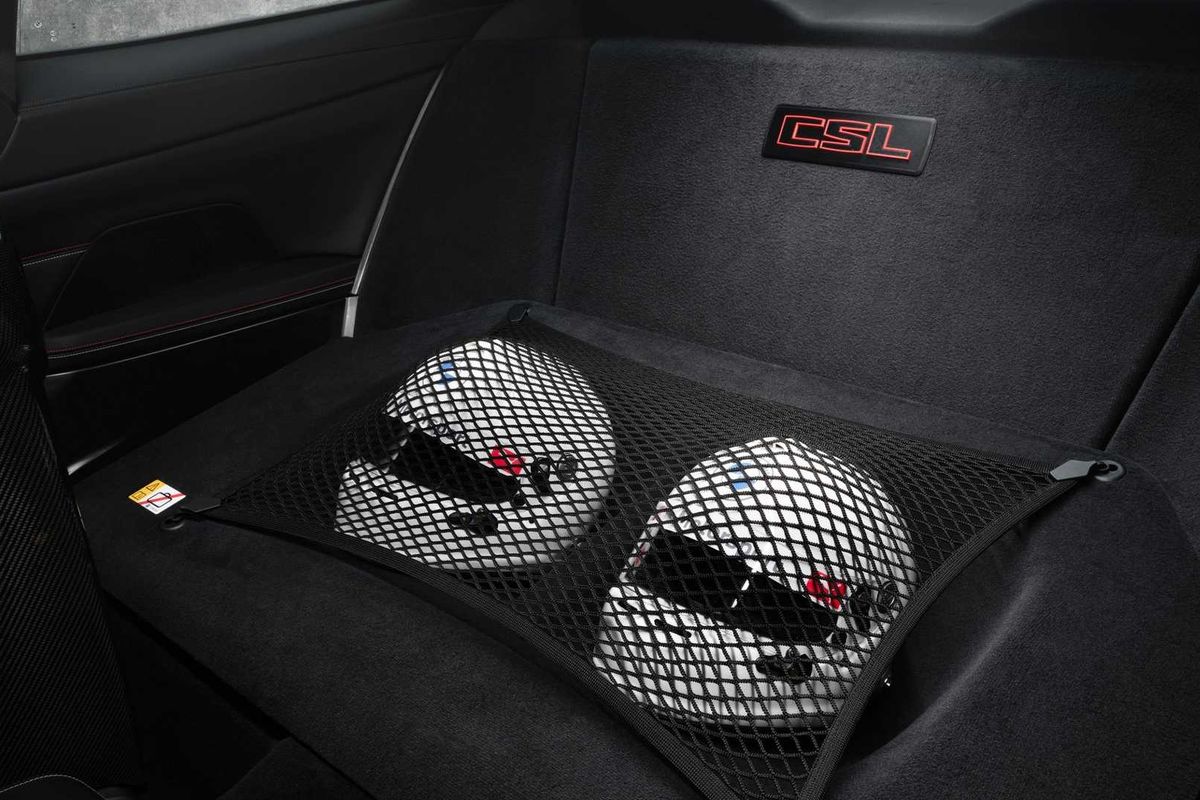
A number of weight saving strategies were employed to keep weight down in an effort to maximise performance. Some of these include the fitment of M Carbon bucket seats which shed 24 kg over the standard seats fitted in the M4 Competition Coupe and the removal of the back seats (saving 21 kg). By using light-alloy wheels (19-inch front, 20-inch rear), springs and struts as well as lightweight M Carbon ceramic brakes, engineers managed to shave a further 21 kg! Using less soundproofing and employing lightweight sound insulation shed another 15 kg while the use of carbon-fibre-reinforced plastic (CFRP) components reduces overall weight by a further 11 kg. The rear titanium exhaust silencer saves 4 kg as well as enhancements to the grille, rear lights, floor mats and climate control.
All of these changes have resulted in a lean and mean machine that is the new BMW M4 CSL.
Traction can be dialled in using M Traction Control depending on what the driver wants to achieve.
As far as styling is concerned, the BMW M4 CSL will be offered in either Frozen Brooklyn Grey metallic, Alpine White solid or Sapphire Black metallic as standard and these colours are complemented with exposed carbon-fibre surfaces and red accents to highlight the sportiness of the model. BMW Laserlight headlights are standard and they illuminate in yellow when unlocking the doors, similar to BMW GT racing cars. The BMW M4 CSL also features a unique rear lighting signature with LED taillights that feature intricate light threads woven into the glass covers which are illuminated with laser technology.
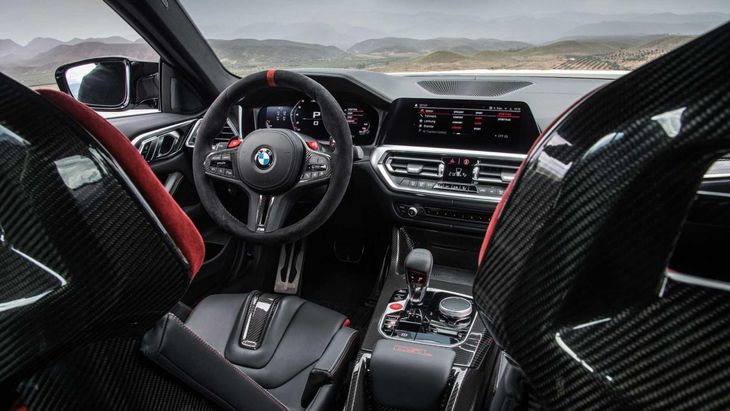
Notable interior features include an M Alcantara steering wheel with 2 customisable M buttons, carbon-fibre interior trim strips, an anthracite-cloured headliner, Merino leather upholstery and 2 helmet storage units in the rear compartment.
The driver also benefits from a 12.3-inch instrument cluster and a 10.25 inch infotainment display featuring BMW Maps (navigation), BMW Intelligent Personal Assistant, smartphone integration, wireless smartphone charging and a WiFi interface.
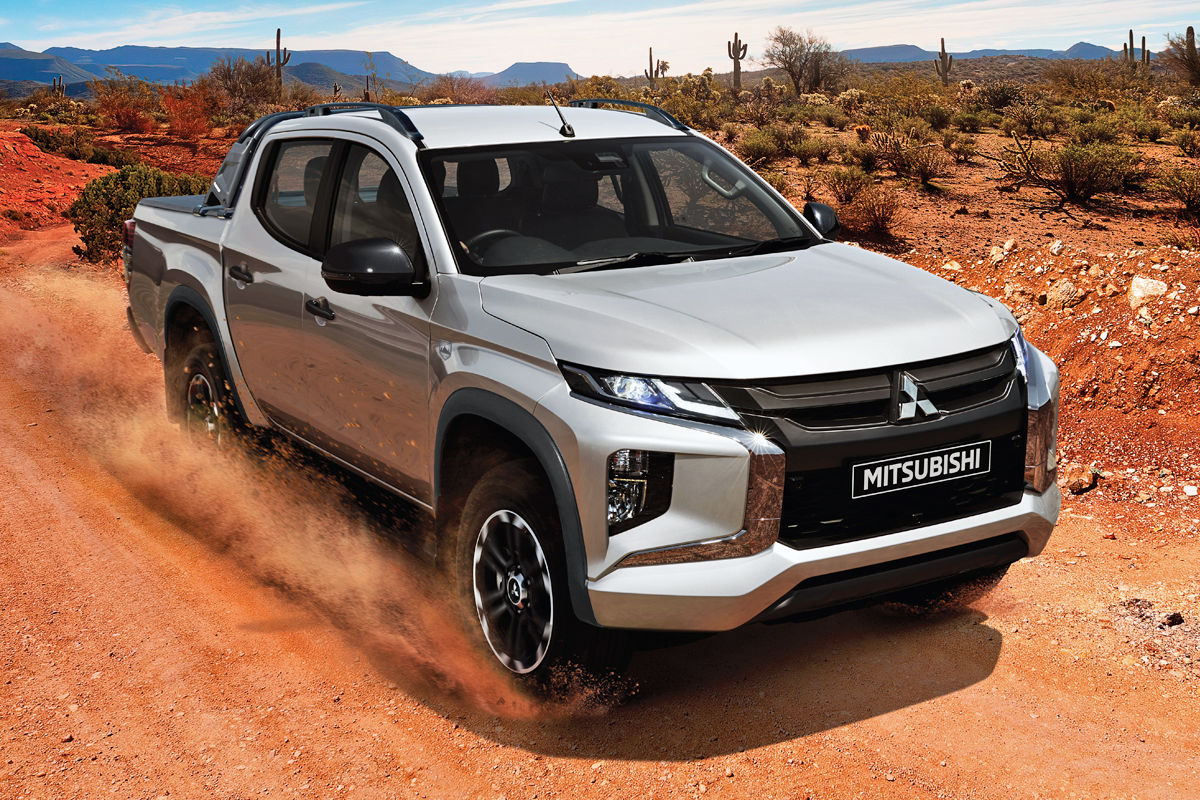
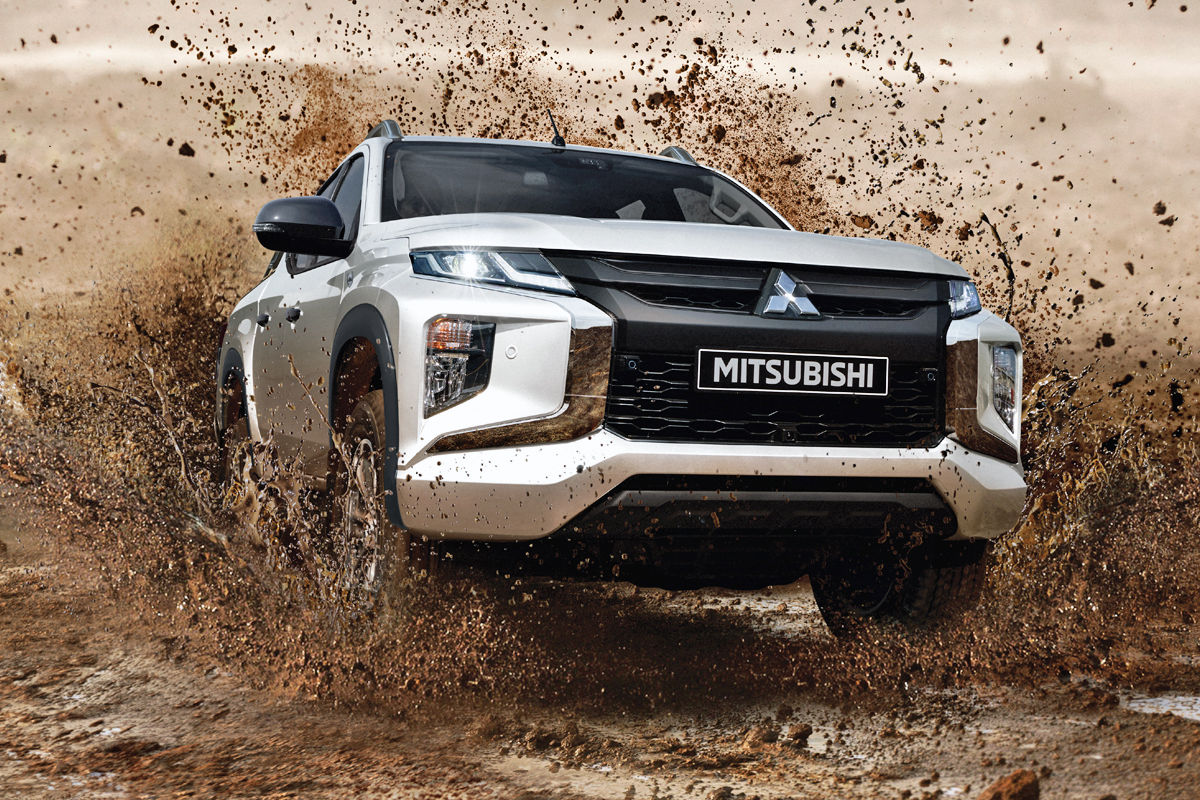
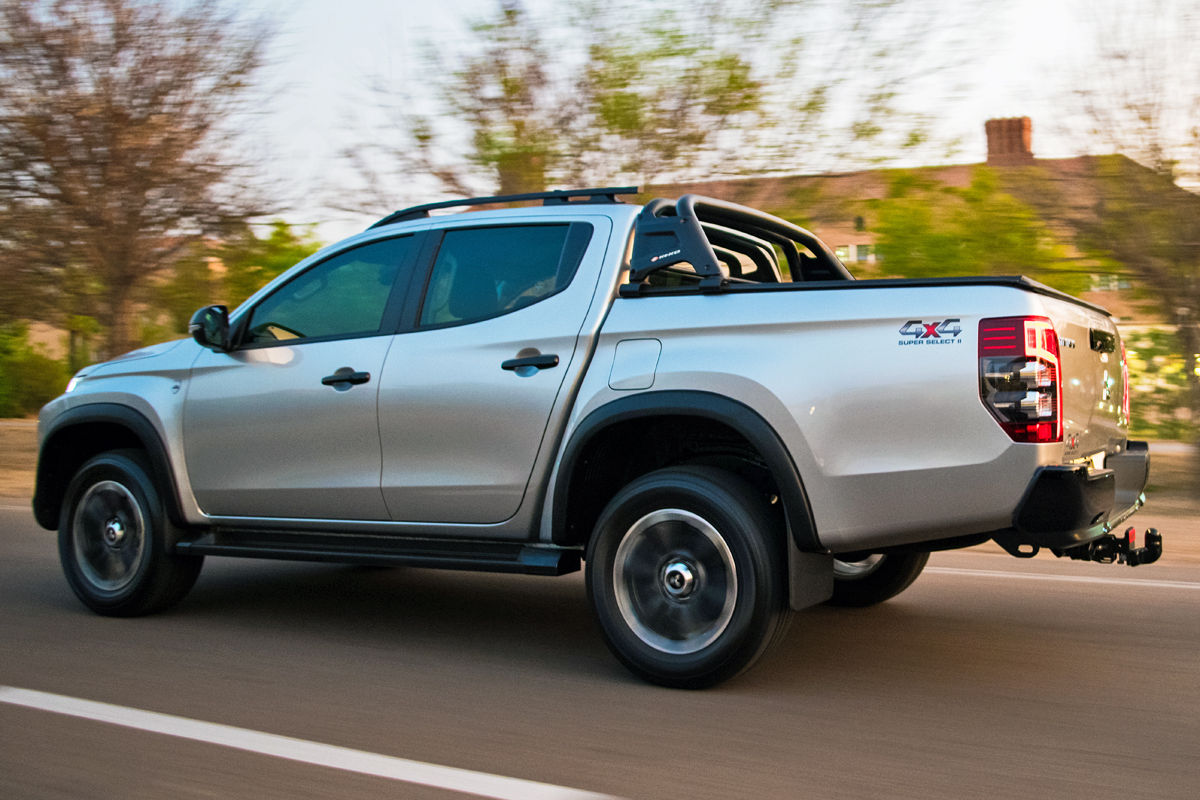
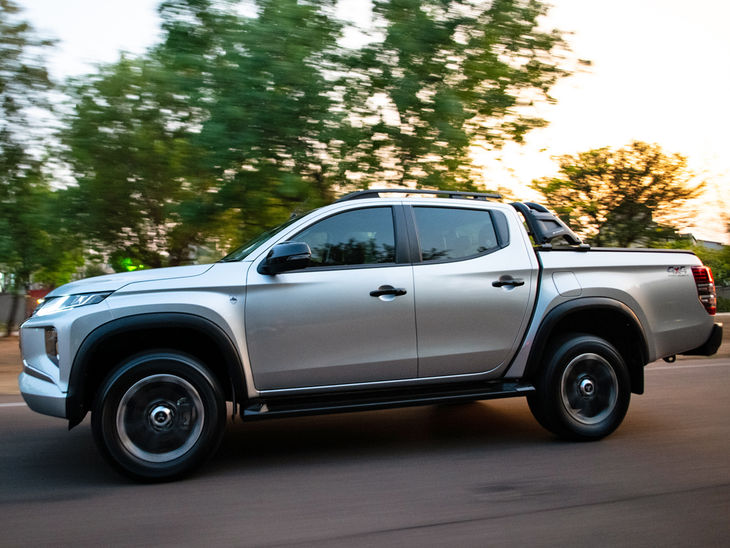
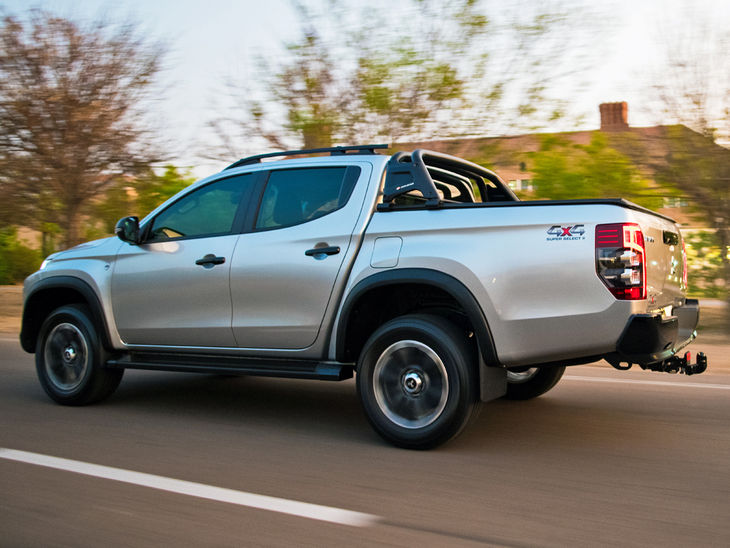
Mitsubishi has unveiled a new Triton Heritage Edition model for the South African market, with the purchase price including a number of “exclusive experiences”. Here’s how much it costs…
Mitsubishi Motors South Africa has added a Heritage Edition model to its Triton range to celebrate what it describes as the brand’s “long and distinguished heritage” in the country.
Fittingly joining the line-up (which recently gained a new GL trim level and a single-cab body style) just before South Africa celebrates Heritage Day, the limited-edition derivative is based on the Triton 2.4L DI-D double cab 4×4 AT. Just 50 units will be available, with each priced at R719 990 (thus commanding a R40 000 premium over the model on which it’s based).
The Japanese firm’s local distributor claims the purchase price “also includes a number of exclusive experiences”, which we’ll touch on below. First, though, let’s take a look at what makes a Triton Heritage Edition.
A closer look at the new Triton Heritage Edition model
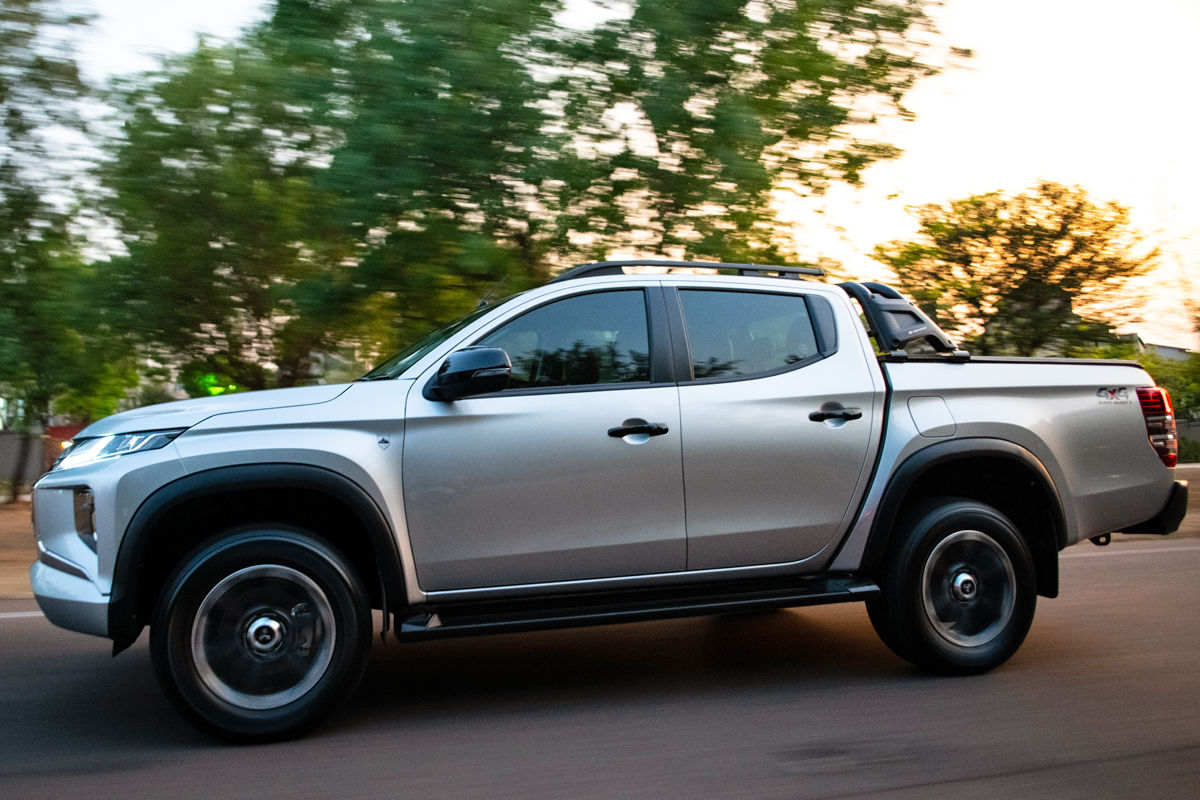
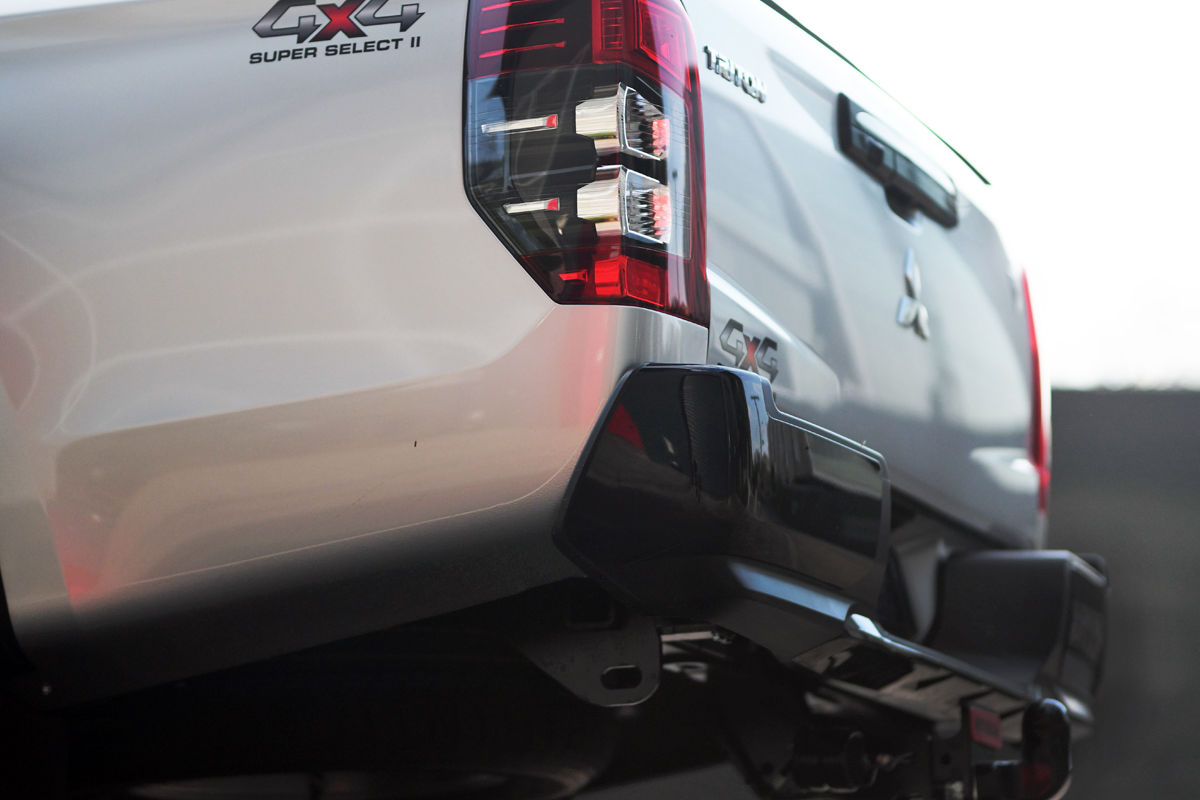
The additions to the special-edition bakkie are subtle, mostly comprising a handful of black trim pieces. For instance, the lower scuff plate, grille and wheel-arch cladding are finished in black, as are the roof bars. The front fenders, meanwhile, are furnished with numbered Heritage badges. Other upgrades include the standard fitment of a tow bar, along with rubberising for the load bay, which also gains a black Keko sports bar and a black tonneau cover.
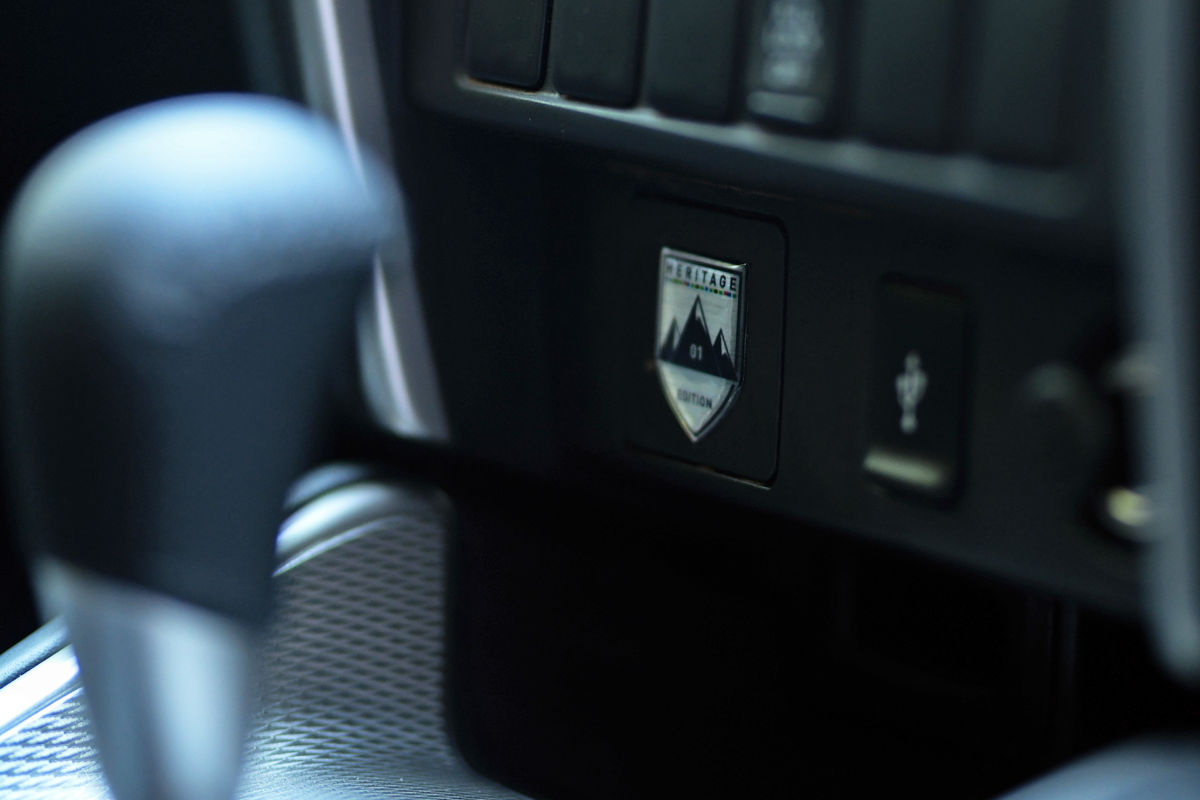
Inside, it seems the only change is the addition of a numbered plaque. Of course, since the Heritage Edition is based on a high trim level, standard features include items such as dual-zone automatic air-conditioning, automatic headlights, rain-sensing wipers, leather upholstery and an electrically adjustable driver seat.
Under the bonnet, you’ll find Mitsubishi’s familiar 2.4-litre, 4-cylinder turbodiesel engine, which sends an unchanged 133 kW and 430 Nm to all four corners via a 6-speed automatic transmission.
What else do you score with a Triton Heritage Edition?
Mitsubishi Motors SA claims the combined “accessory and experiential upgrades” for Triton Heritage Edition come to a value of R70 000. This includes a bespoke gift box (incorporating the vehicle’s limited-edition number) with space for the two keys and a “host of experiential benefits”.
There’s the opportunity to join a 4×4 club, including an activity to help owners get to know their vehicle under the guidance of instructors. Buyers will also “gain access to an exclusive and specially curated off-roading experience trip”, designed to “showcase the beauty and heritage of South Africa”.
The gift box furthermore contains a Heritage Edition card that will provide access to a “bespoke Heritage Edition portal”, where owners will be treated to “VIP customer support”. The online portal will give Triton Heritage customers direct access to a trained Mitsubishi Motors specialist, who will offer aftersales support, concierge services (such as personalised service bookings), service plan extensions and “many more personalised experiences”.
Separately, Mitsubishi Motors SA also announced a range of Ralliart accessories (for the Triton and other vehicles) will be available locally in the “coming months”.
How much does the Mitsubishi Triton cost in South Africa?
New Jeep introductions are few and far between and, when it’s a long-awaited replacement for a previously popular model, expectations are high. How does the all-new Grand Cherokee L fare?
We like: Spaciousness, luxury, ride comfort, standard features, perceived quality
We don’t like: Fuel thirst, not quite as good off-road as a Jeep should be, intrusive warning signals, ergonomics
FAST FACTS
Model: Jeep Grand Cherokee L 3.6 V6 4×4 Overland
Price: R1 479 900 (before options)
Engine: 3.6-Litre, V6, petrol
Power/Torque: 210 kW/344 Nm
Transmission: 8-speed automatic
Fuel consumption: 10.6 L/100 km (claimed)
Luggage/Utility space: 487 L (7-seat config.), 1 328 L (5-seat config.), 2 396 L (2nd/3rd row folded down)
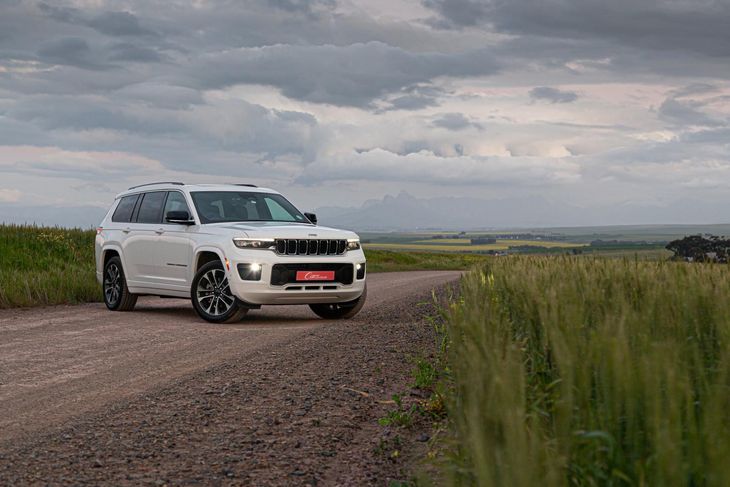
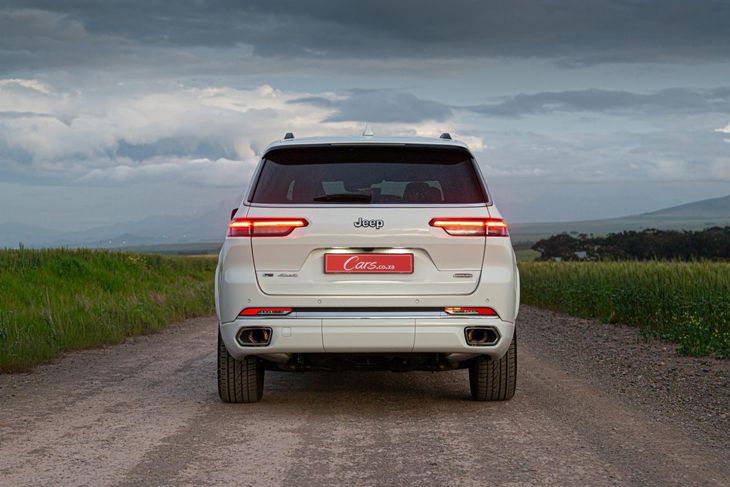
The new Jeep Grand Cherokee debuts in South Africa in long-wheelbase guise.
Where does the 2022 Jeep Grand Cherokee L fit in?
The 4th generation of Jeep’s venerable Grand Cherokee was initially a popular choice in the South African premium SUV market because it offered a good mix of luxury and true off-road ability. Of course, the market has moved on considerably since that model was introduced in 2011, which is why this 5th-generation Grand Cherokee’s arrival feels so long overdue. It is, however, a significantly different proposition from its predecessor in many respects.
At the moment, it is only offered in long-wheelbase “L” specification, with 7- or 8-seater configurations available, depending on your preferred specification. This particular 3.6 V6 4×4 Overland is a 7-seater. Five-seat derivatives may become available at a later stage. For now, there is also only 1 engine in the line-up – a 3.6-litre V6 petrol, with the lack of a turbodiesel option attributed to poor local fuel quality.
With a price tag of around R1.5 million, the Grand Cherokee L has clearly moved upmarket significantly and is chasing hallowed scalps, such as those of the Land Rover Discovery and Toyota Land Cruiser 300, to name but two examples.
Ultimately, Jeep’s goal with this new Grand Cherokee L has been to move into the premium segment with increased sophistication and luxury, without sacrificing too much of the rugged appeal that Jeeps have always offered. Let’s see whether the American brand has been successful.
The Grand Cherokee L is a “big unit” and based on the platform that underpins the Alfa Romeo Stelvio and Maserati Grecale.
Design and Packaging
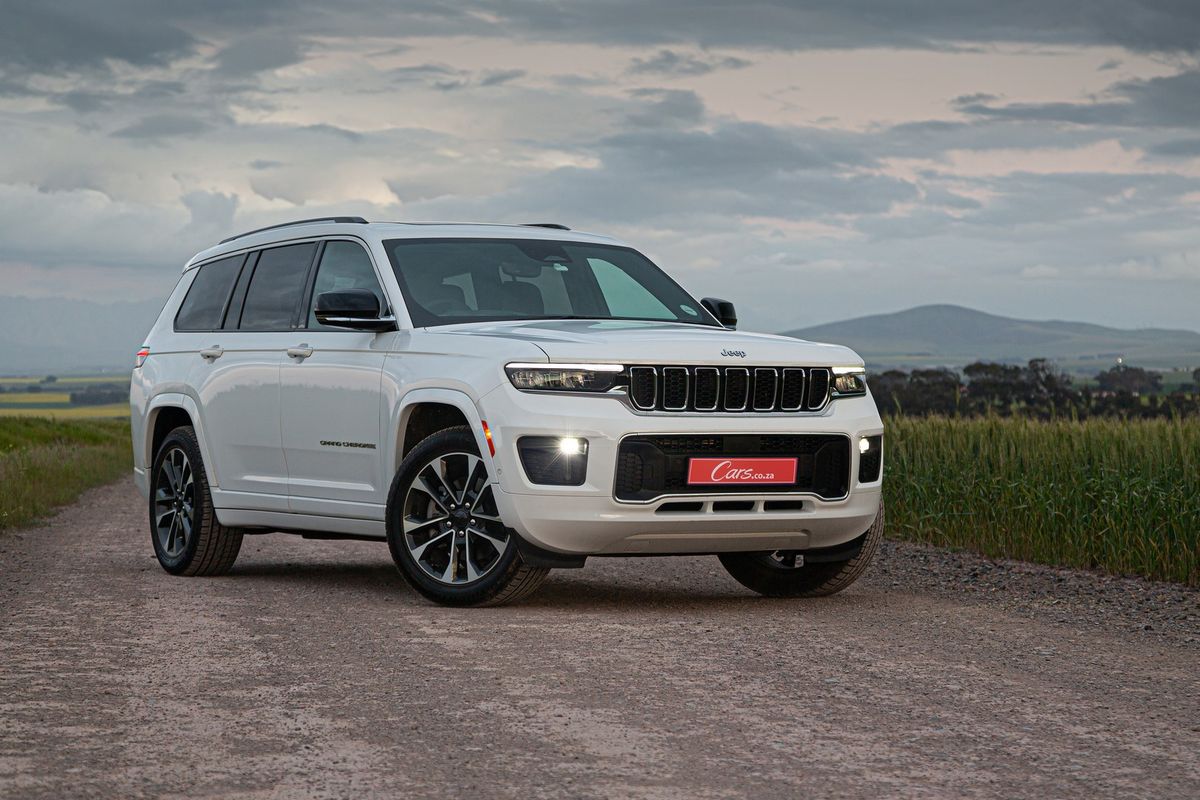
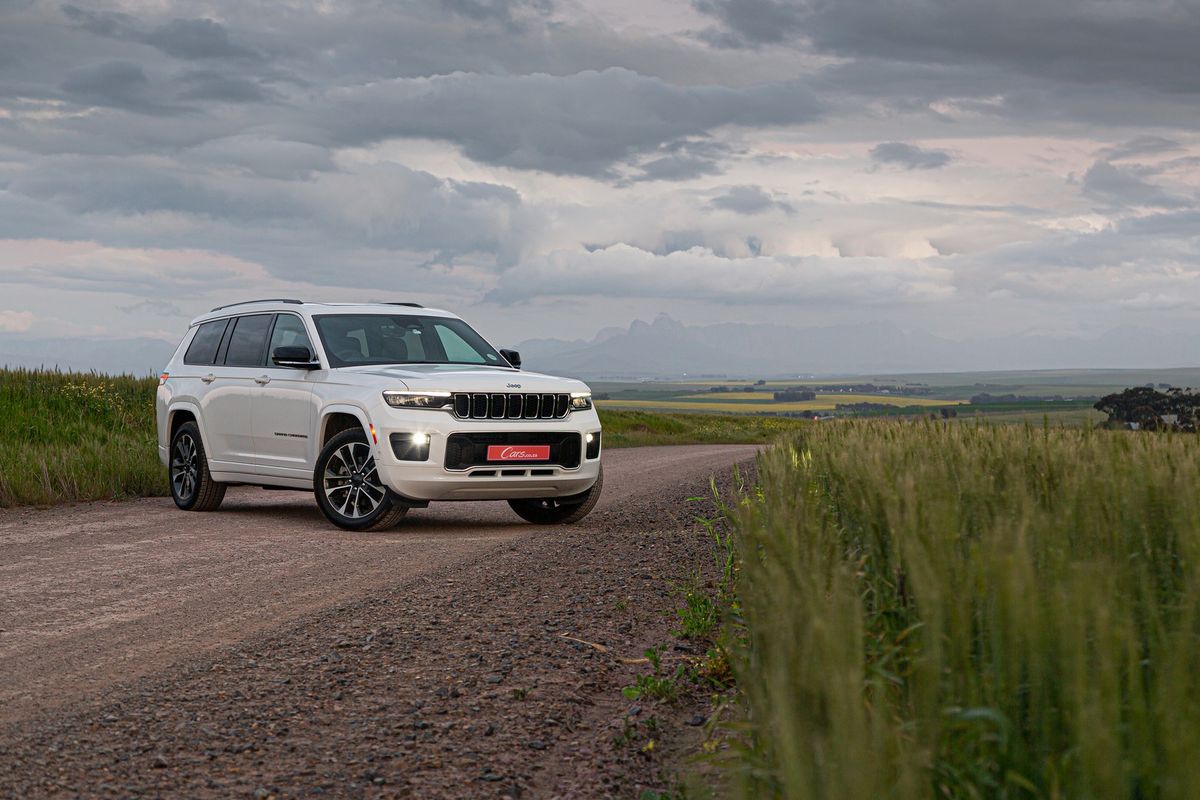
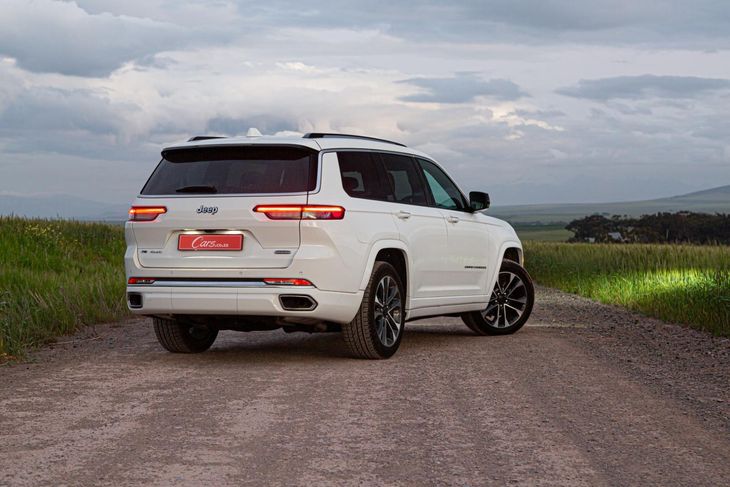
When the new Jeep Grand Cherokee L arrived at our offices for testing, the entire team ventured outside for a closer look. This was partly due to the fact that a new Jeep is quite a rarity, and because it looks so imposing. This is a very large vehicle indeed…
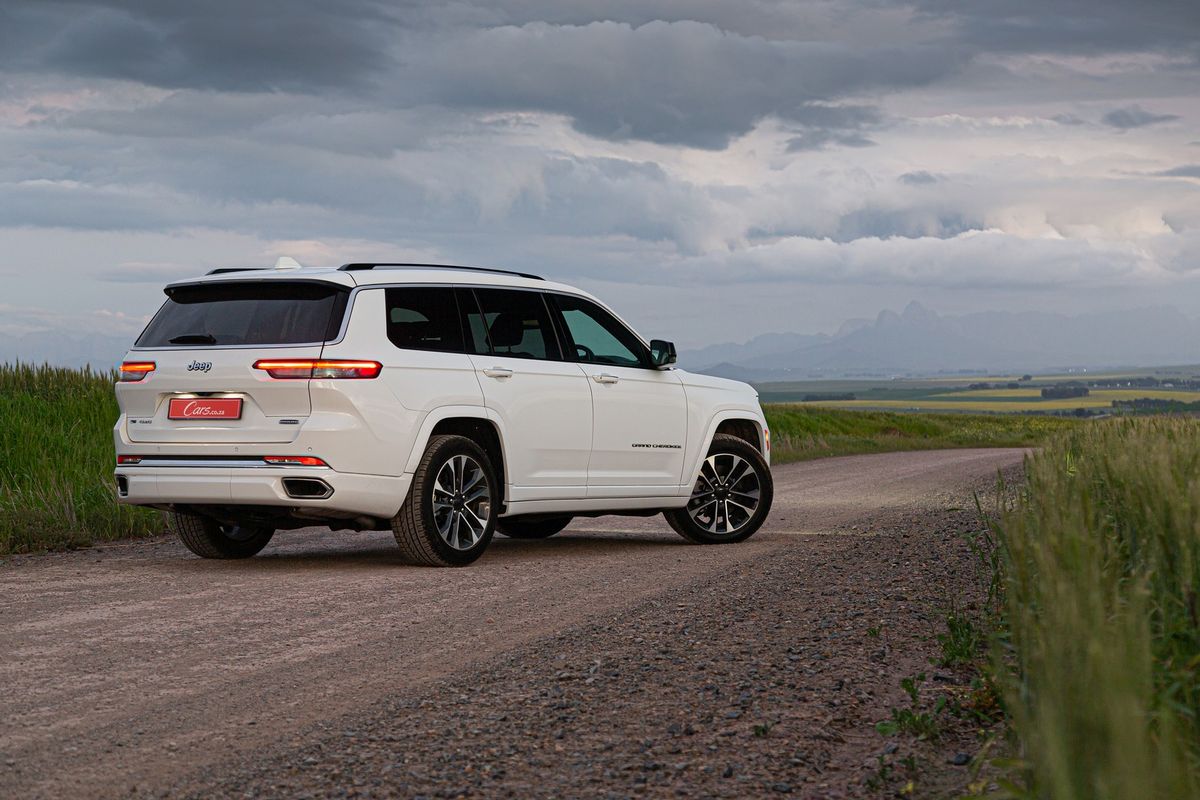
Although based on underpinnings related to the rear-wheel drive Giorgio platform that underpins the Alfa Romeo Stelvio and Maserati Grecale, the latest Jeep is much bigger than its Italian cousins. It is 5.2m long, 2.1m wide and 1.8m tall (in its standard ride setting). The wheelbase is lengthy too, at 3 091 mm, which is longer than those of the aforementioned Discovery and Land Cruiser 300.
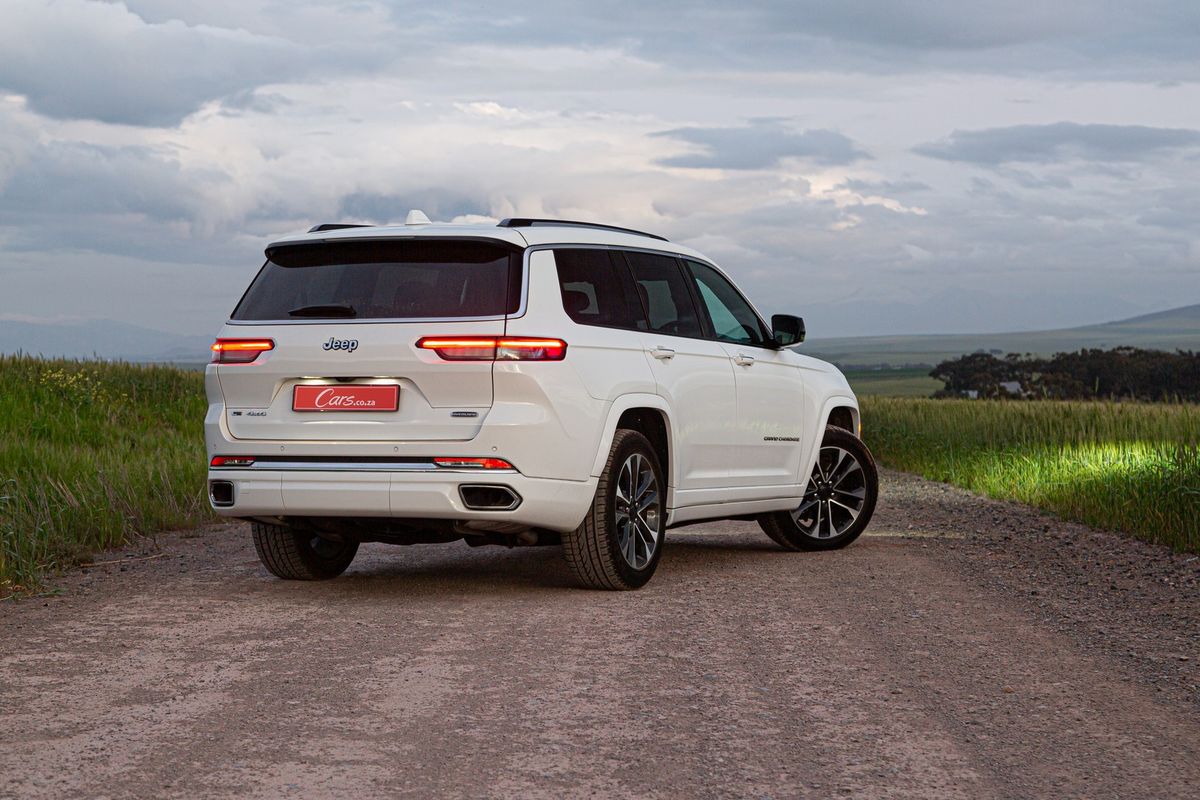
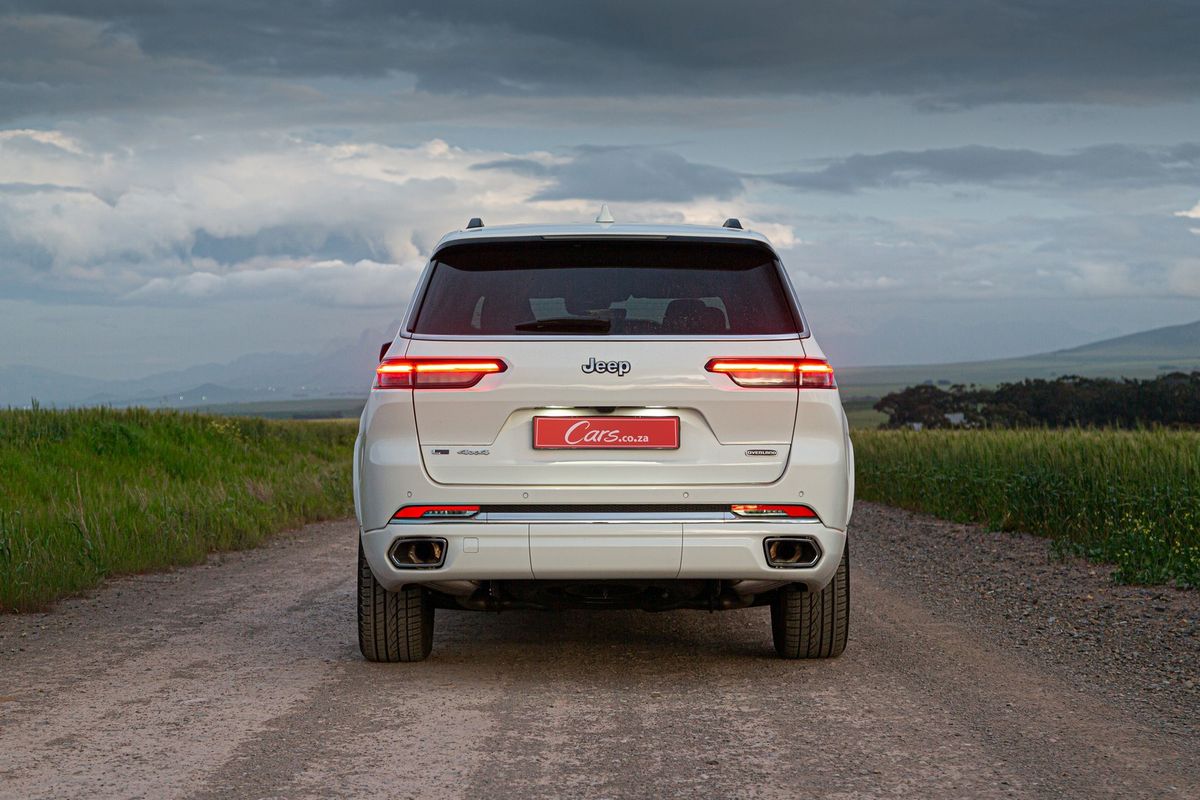
Despite its ginormous size and some nice detailing in the LED head- and tail lamps, as well as a “chromed” upright grille, we would venture to say that the Grand Cherokee L is not the flashiest of large SUVs on the market. This might be a good thing for some (who don’t want to seem too ostentatious in austere times), while others may want to opt for the pricier Summit Reserve variant, which has a more muscular appearance (the “If you got it, flaunt it” brigade).
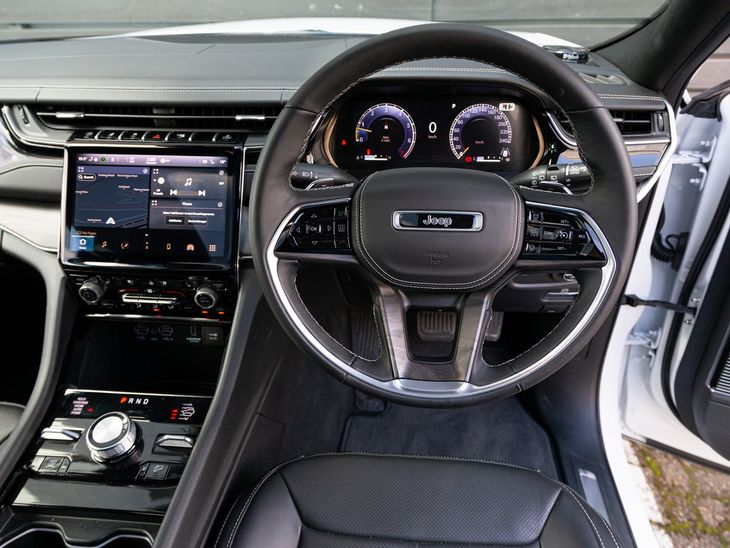
The Grand Cherokee L’s cabin is awash with technology and creature comforts.
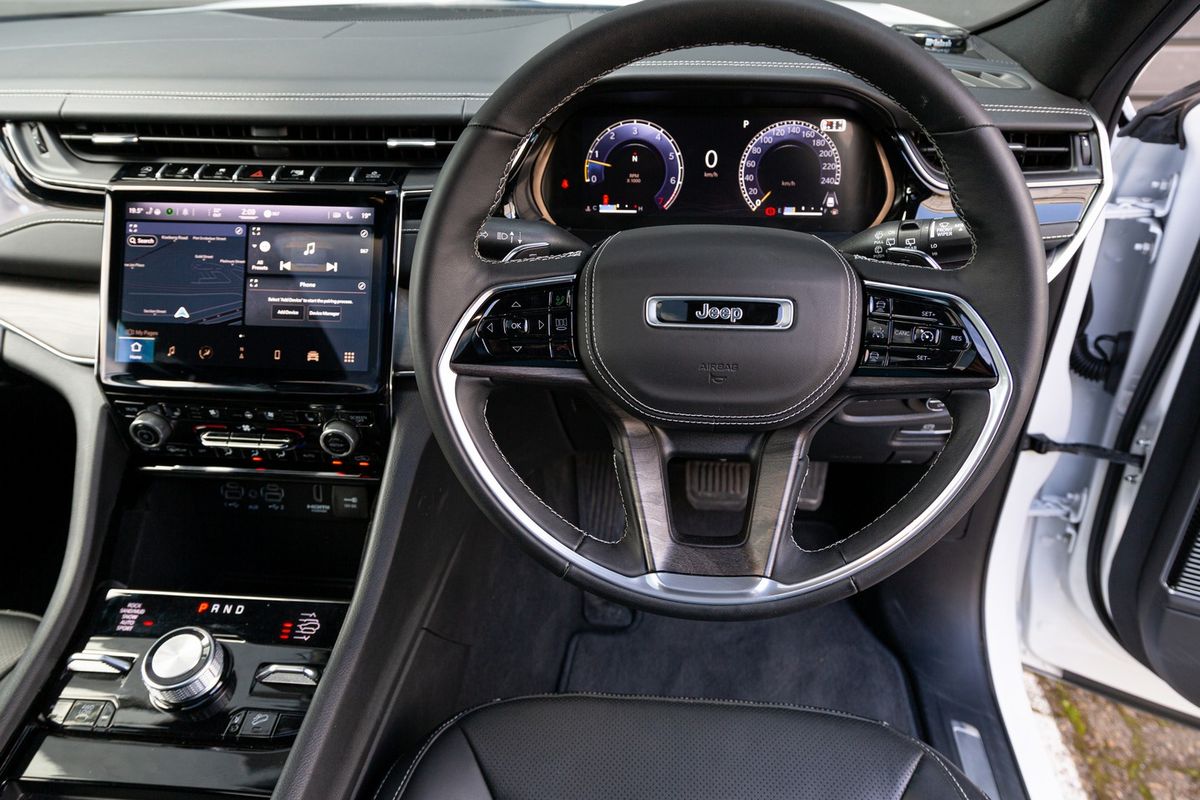
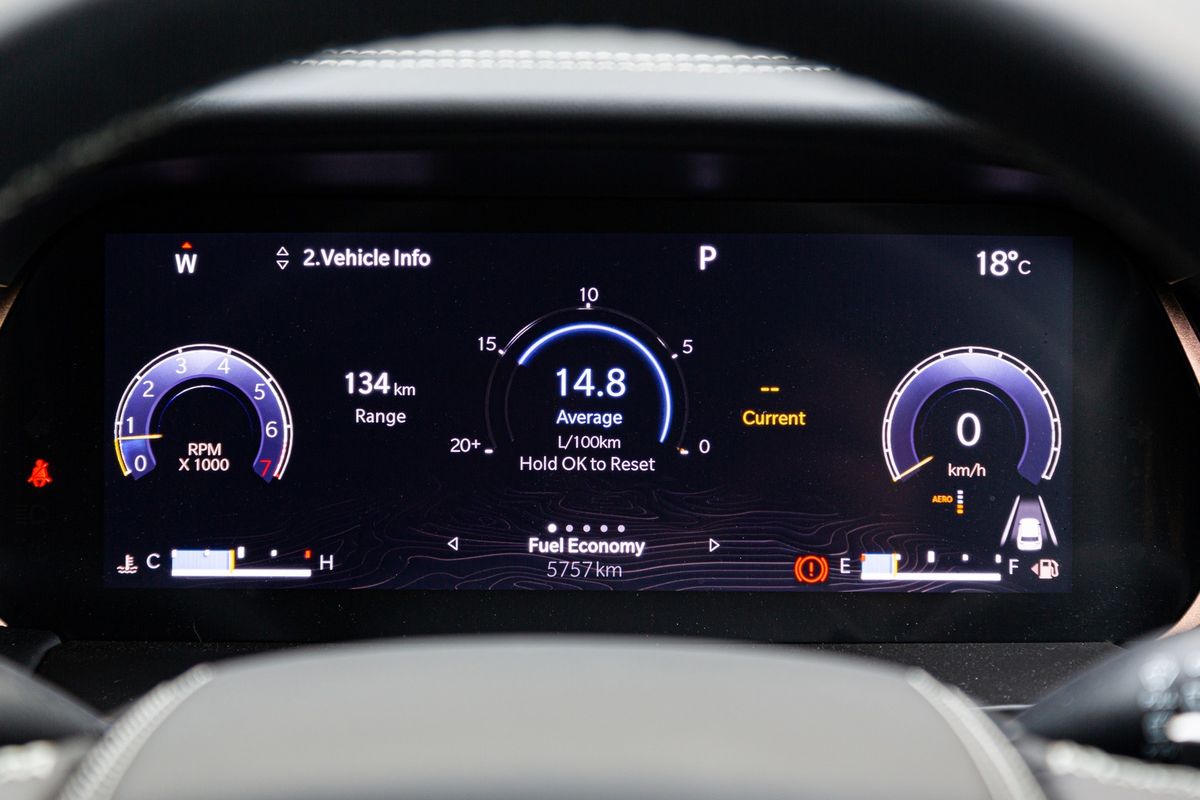
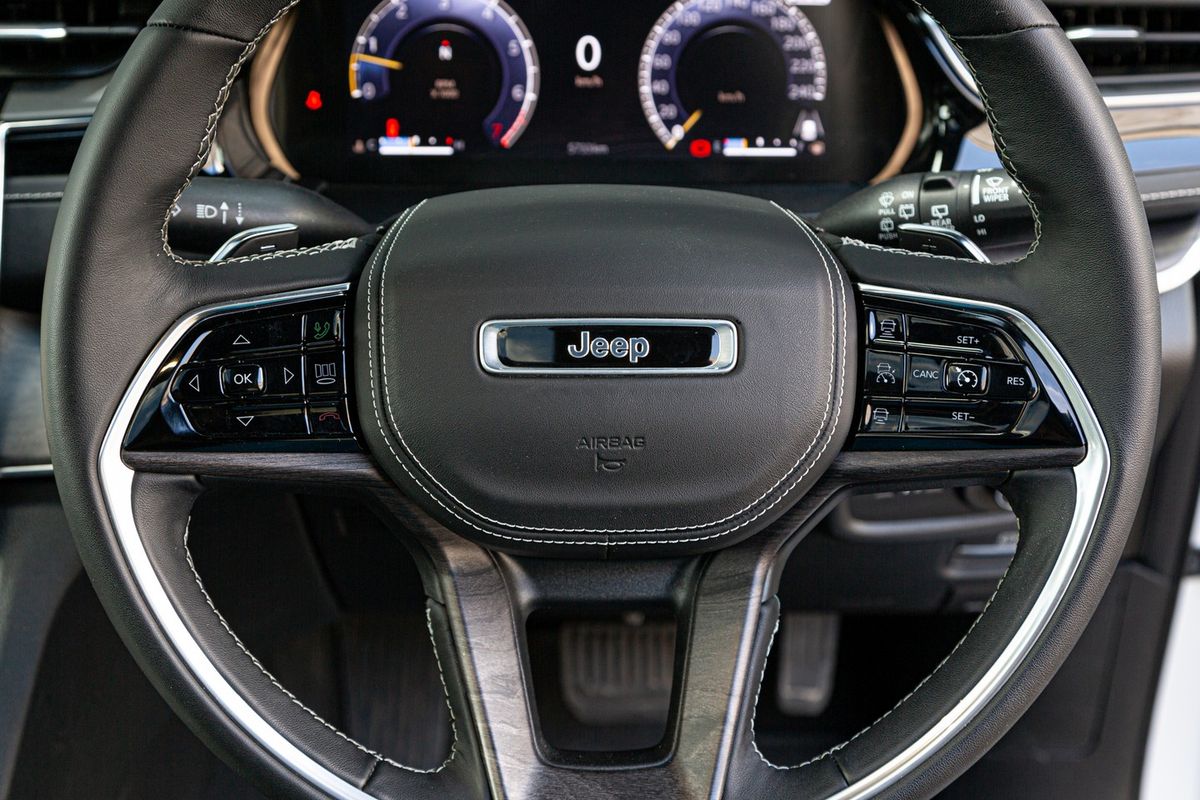
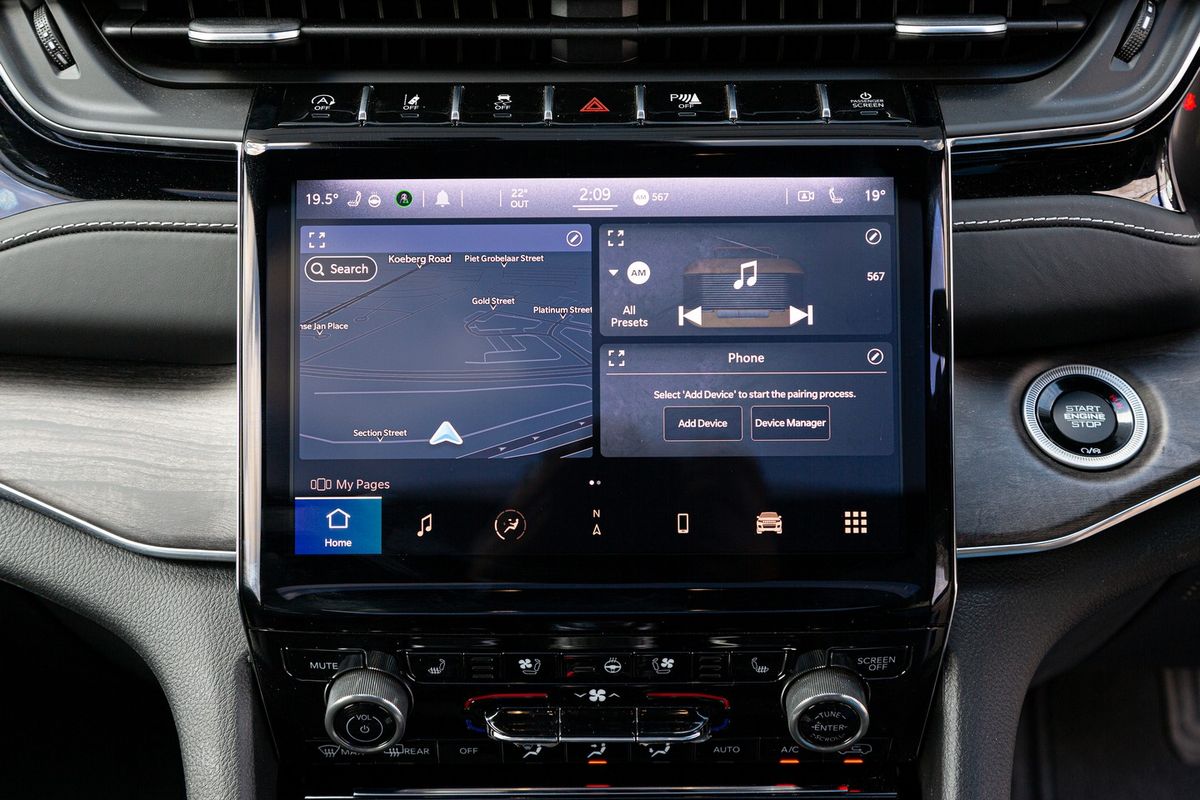
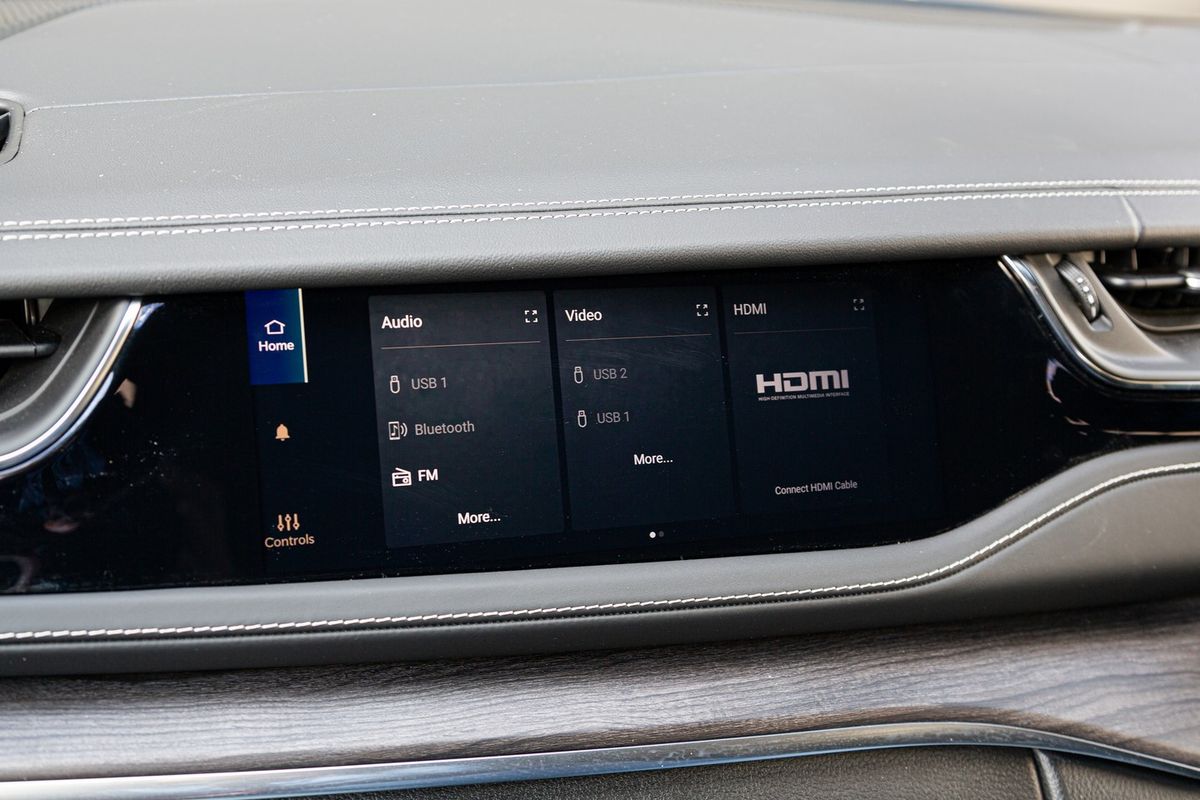
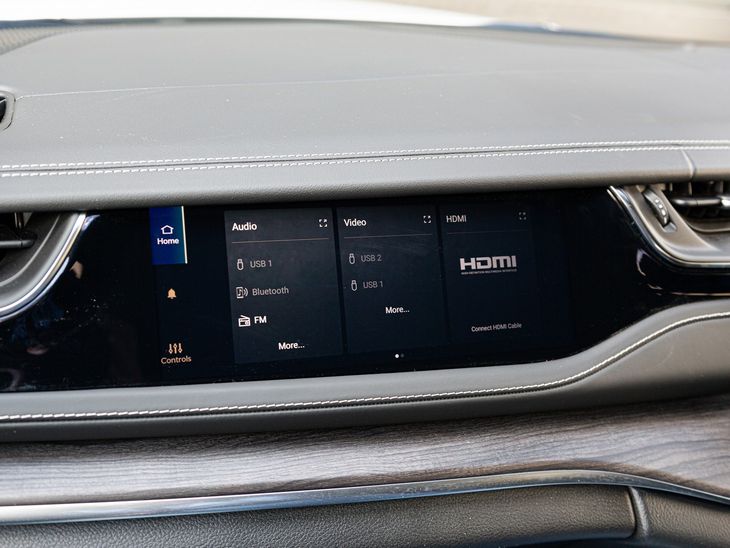
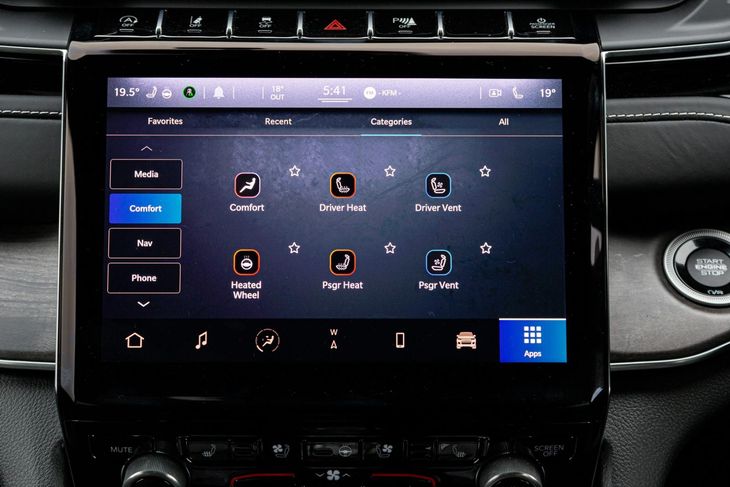
Slide inside and you’ll find what is probably the best Jeep cabin ever. Firstly, the finishes are more than worthy of the premium SUV segment and there’s a sturdy feel to all the fittings. It is also very obvious – from the outset – that this Overland is equipped with a veritable smorgasbord of toys (more about that a little later). Fronting the driver is a digital instrument cluster that can be adjusted to display information in a variety of layouts. The fascia is dominated by an impressive-looking, high-resolution 10.1-inch touchscreen that is integral to the Uconnect 5 system. Of course, Apple CarPlay and Android Auto compatibility is included (wireless), but the built-in Uconnect system is pretty intuitive and slick in itself.
A quirky feature that inevitably becomes a talking point whenever someone enters the Jeep’s cabin for the first time, is the screen in front of the front passenger. Designed in such a way so as to not be visible (and therefore distracting) to the driver, it gives the front passenger access to navigation info, camera views and visual entertainment.
Friends and family members may squabble over the privilege of occupying the front passenger seat.
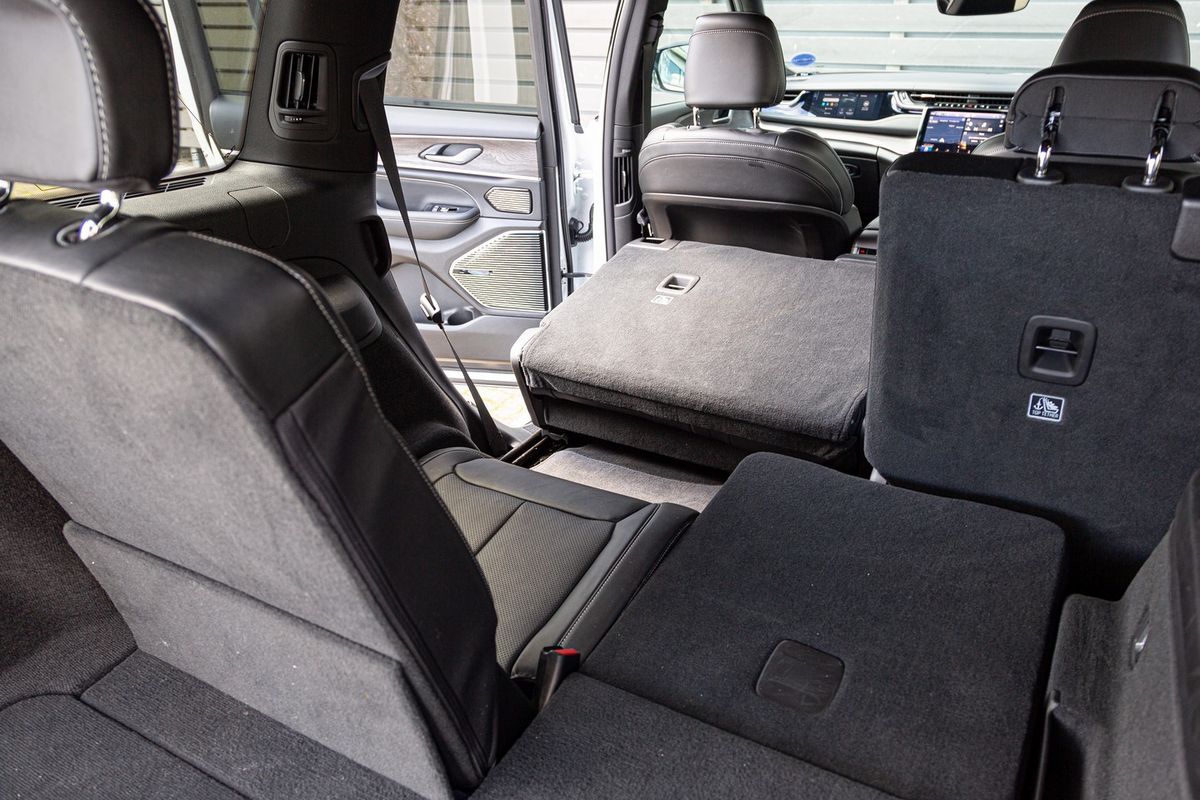
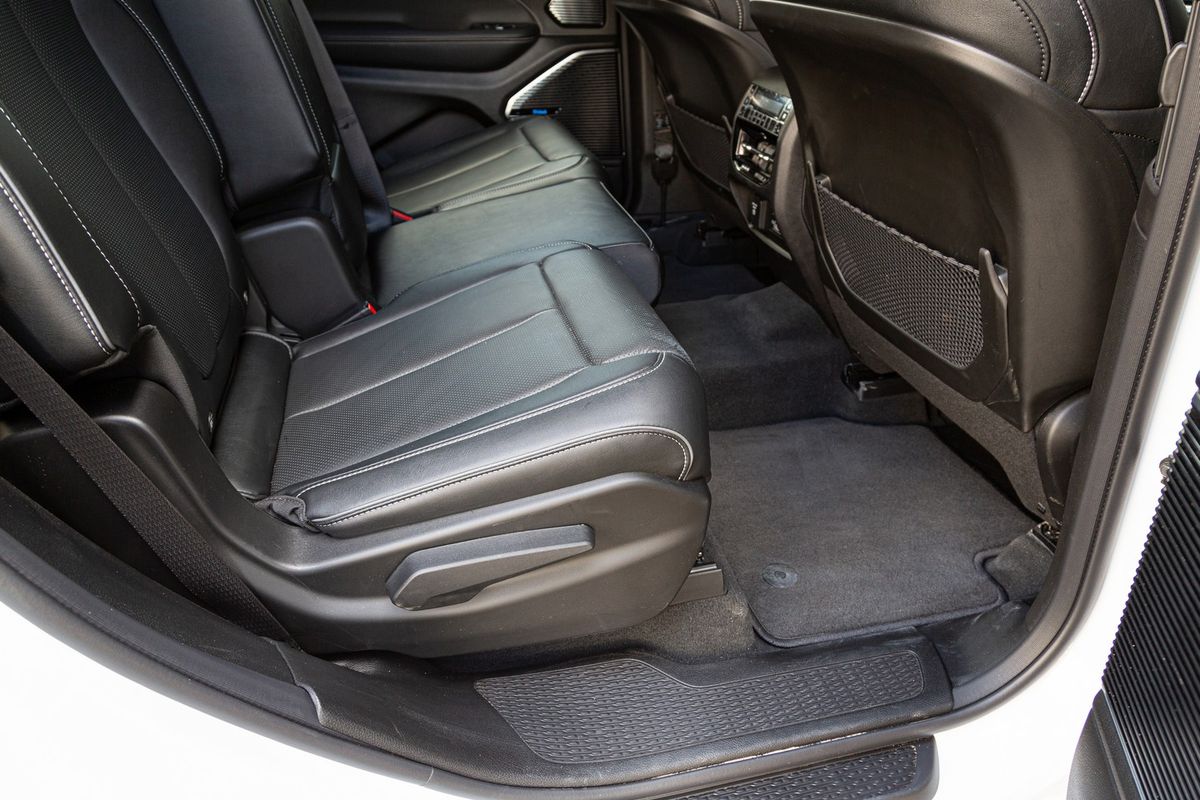
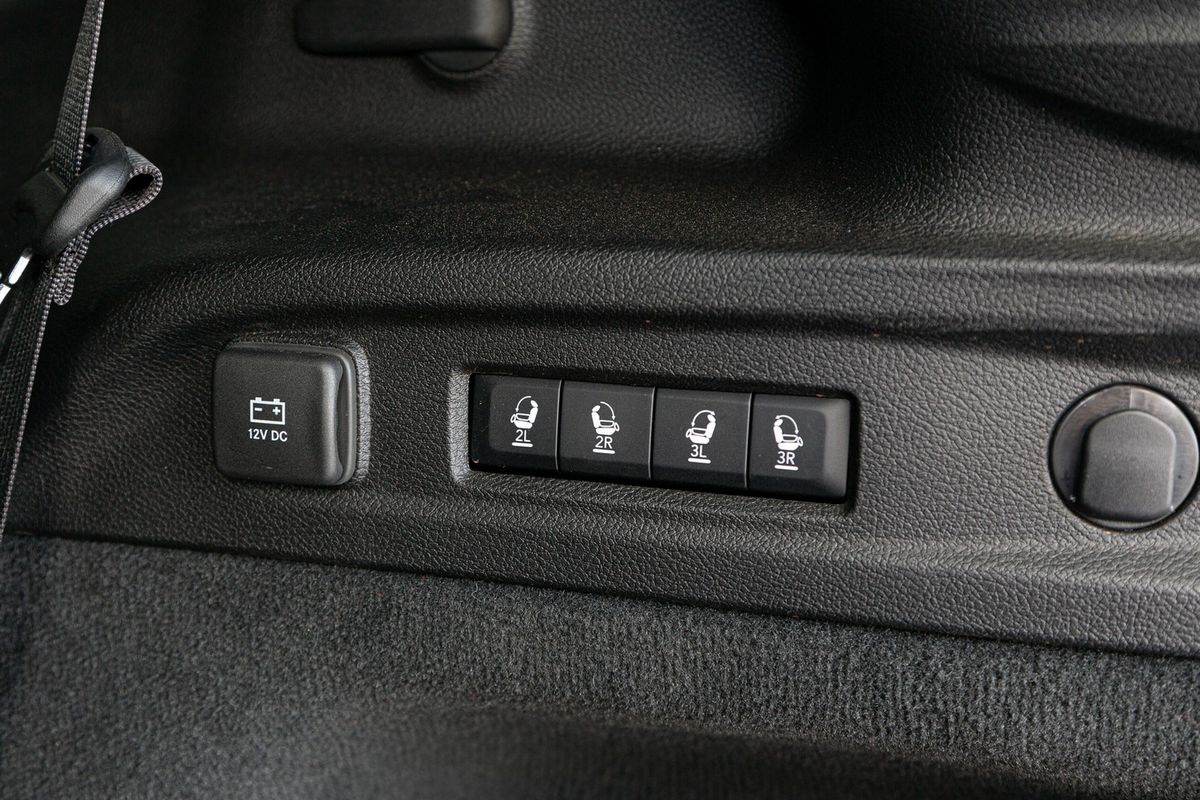
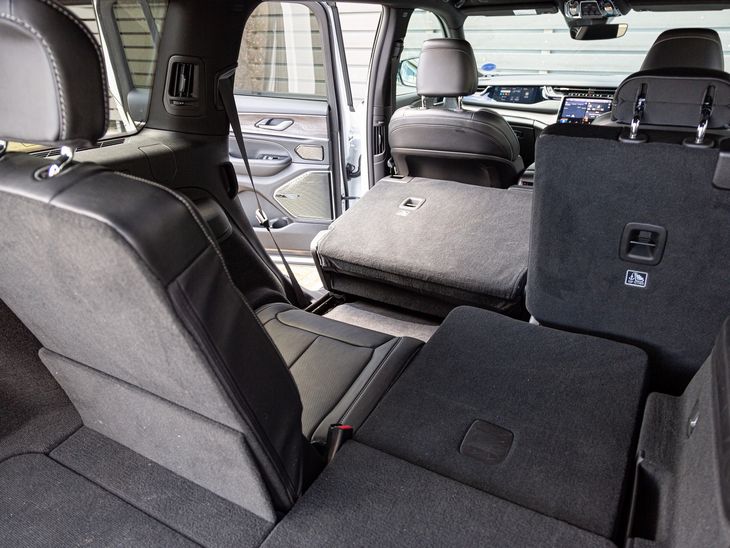
We’ll delve into all the features a bit later, but core to the Grand Cherokee L’s family appeal is its packaging and all-around spaciousness. This is a genuine 7-seater – even the 2 rearmost seats are capable of accommodating adults in relative comfort. Jeep’s designers have also come up with some simple and clever solutions to gaining access to those pews, so you don’t have to strain any muscles or contort yourself into koeksister to get into the back. In fact, when standing behind the car and with the tailgate open, you can drop down the 2nd- or 3rd-row seats at the push of a button.
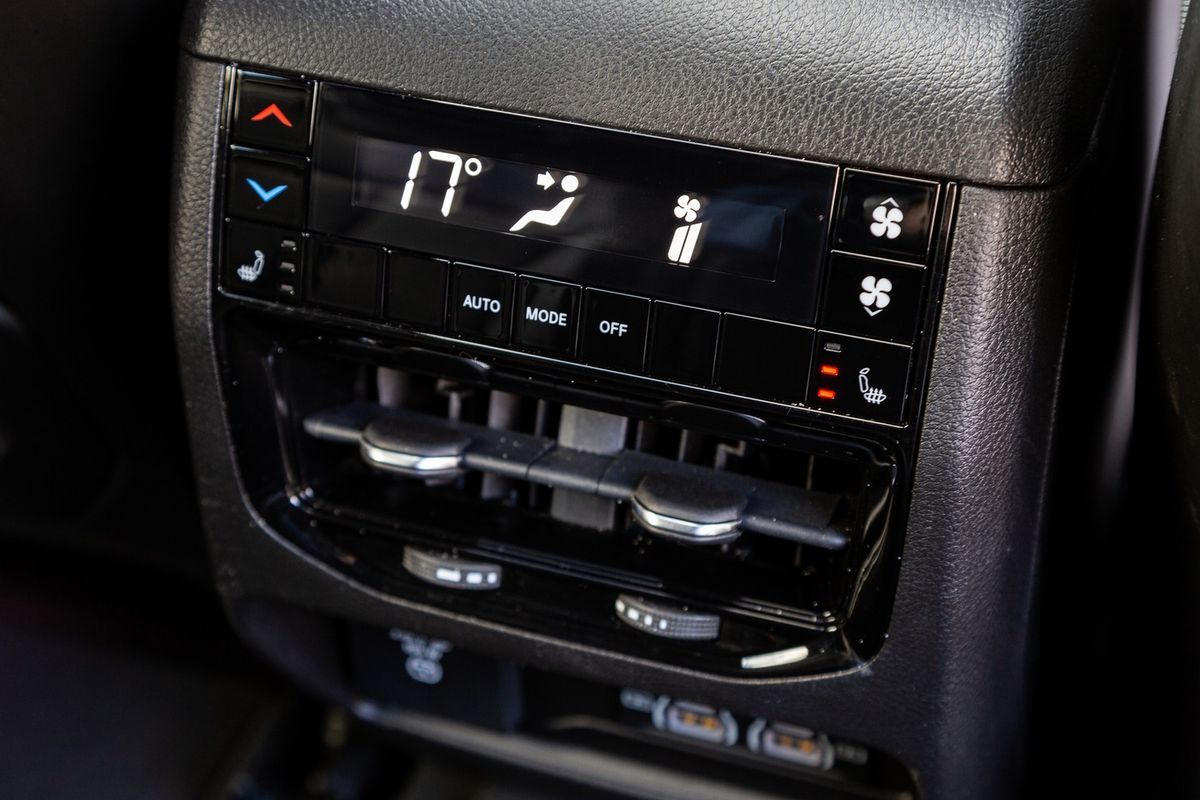
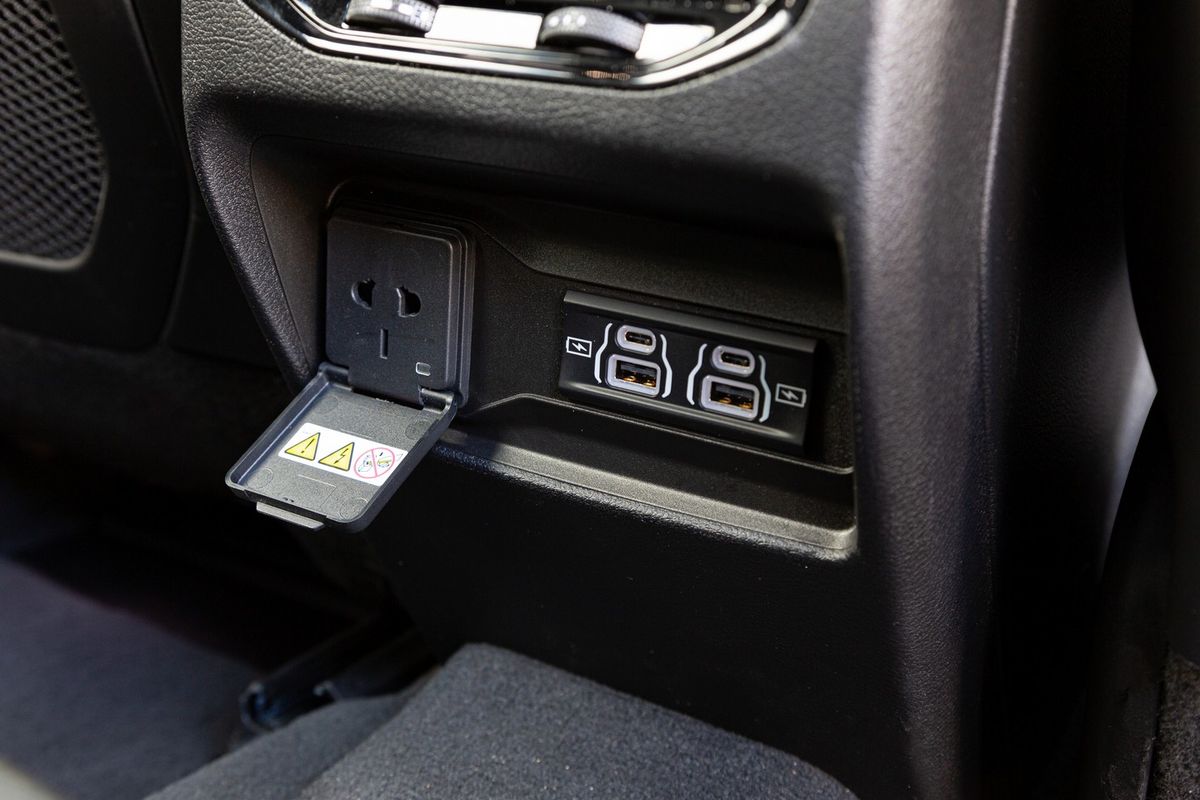
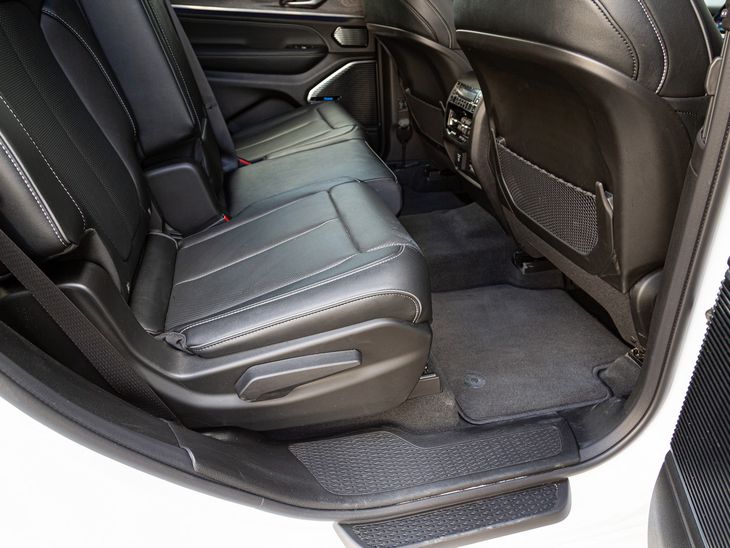
What impressed us most was that even when all 7 of the Grand Cherokee L’s seats were occupied, (a very useful) 487 litres of luggage space was available. We undertook a lengthy road trip with a full complement of passengers (as well as their luggage) on board and all of those occupants were extremely complimentary about their comfort levels. Those in the 2nd row have their own climate control system, as well as numerous USB charging points (2x USB-B, 2x USB-C) and a 230V power outlet. In fact, even those in the 3rd row are availed USB ports (USB-B as well as USB-C for BOTH rearmost passengers). So, to put it simply, the Grand Cherokee L makes for a wonderful long-distance family car.
The naturally aspirated 3.6-litre V6 petrol engine needs to work hard to propel the large Jeep, to the detriment of fuel consumption.
Performance and Efficiency
The Grand Cherokee L is offered locally exclusively with a naturally aspirated (non-turbocharged) 3.6-litre V6 petrol engine; Jeep’s oil-burning engines can’t handle our 50ppm diesel, unfortunately. The engine delivers 210 kW and 344 Nm, but both its power and torque outputs are bested by those of the Land Rover (turbopetrol) and Toyota (turbodiesel). It’s also worth noting that the torque is developed quite high in the rev range (at 4 000 rpm).
The engine is coupled with a smooth-shifting 8-speed automatic transmission that does well to hide the dearth of low-down power, but it often needs to click down two, three or even four gears to achieve the necessary oomph to execute brisk overtaking manoeuvres, especially with a full complement of occupants – and their luggage – on board. Remember, this is a 2.2-tonne-plus machine! On the plus side, the engine does emit a nice snarl at high revs…
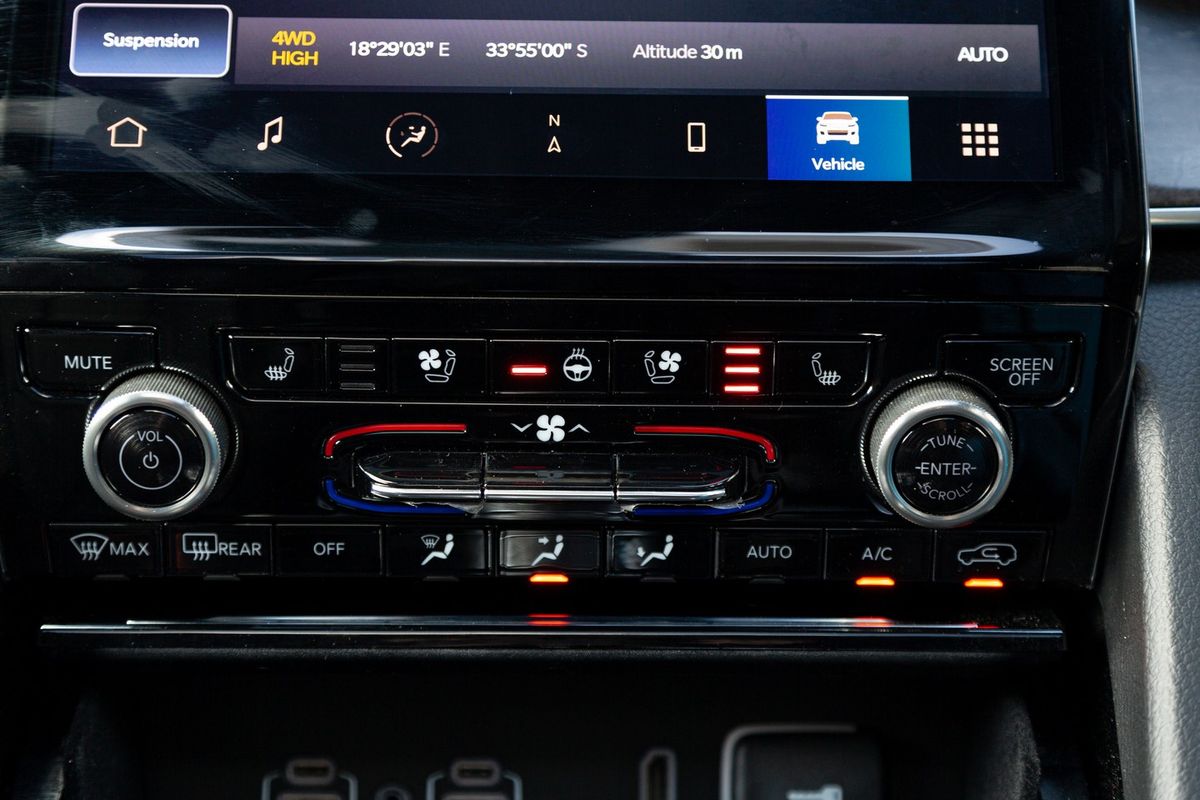
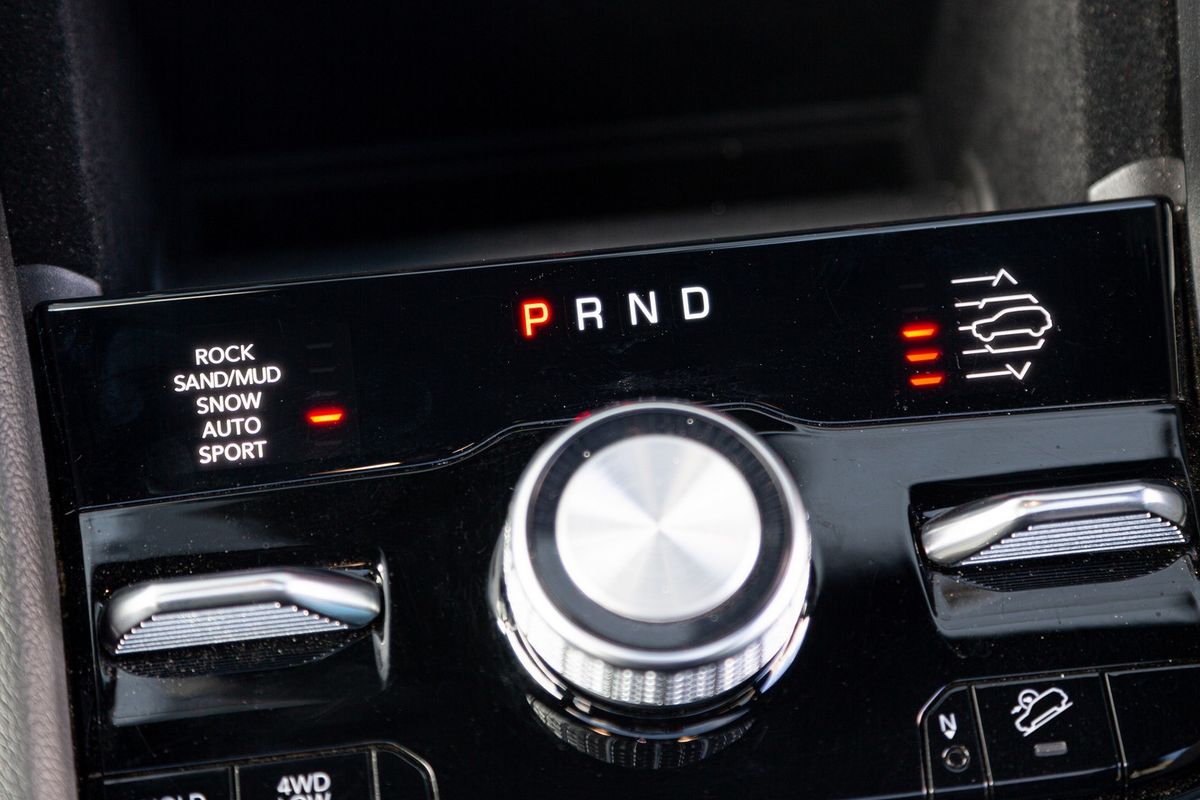
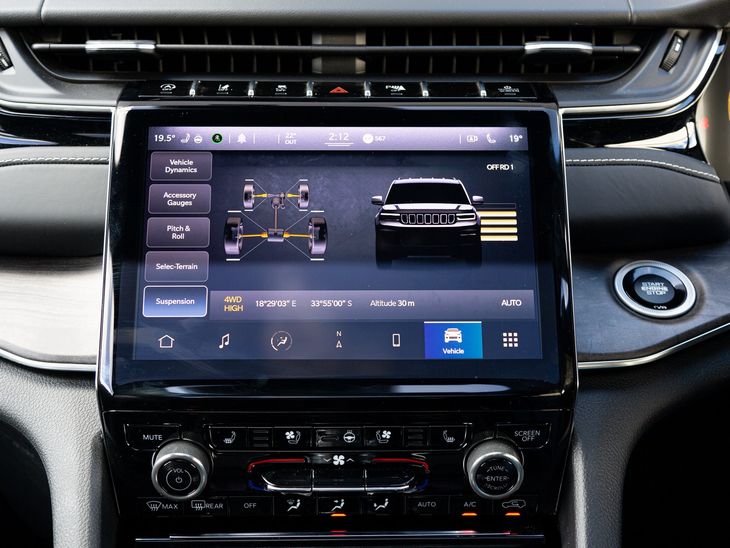
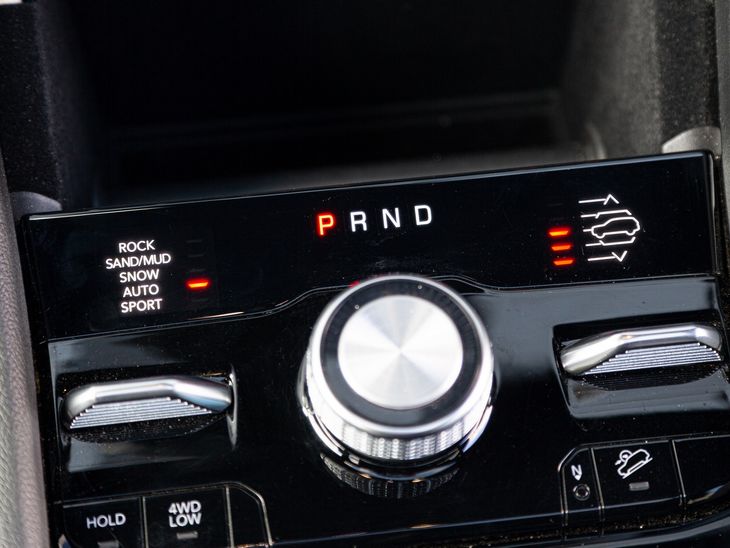
The infotainment system includes a number of vehicle dynamics-related displays and avenues to alter suspension and terrain settings.
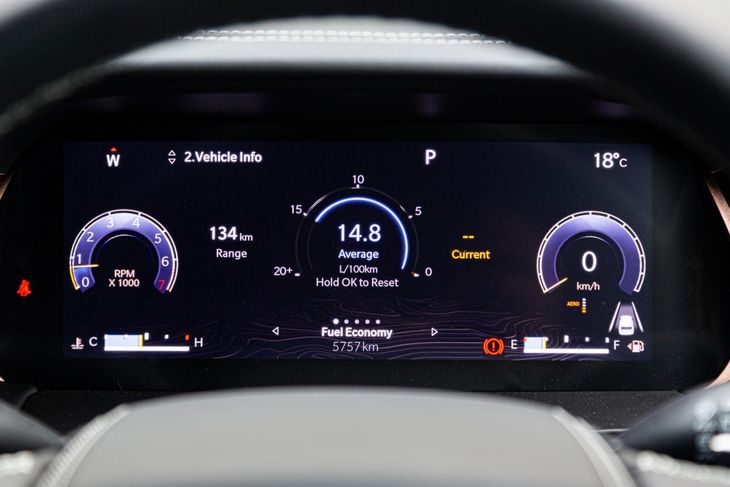
Jeep claims an average fuel consumption of 10.6 L/100 km, but we couldn’t achieve anything near that figure. Around town, we averaged around 14.5 L/100 km and out on the open road, when cruising at the national speed limit and with all seats taken, we got the figure down to around 13.8 L/100 km. So, prepare to spend quite a lot of time (and cash) at the pumps. At the current fuel price (22 September 2022), it will cost around R2 000 to fill the 87-litre tank (yikes!).
If you are going to tow trailers regularly (and you’re planning to tow something rather hefty), you may also want to have a close look at the Grand Cherokee L’s tow rating. At a rated tow capacity (braked) of 2 813 kg, the Jeep is beaten comfortably by the Discovery and Land Cruiser 300, both of which offer tow ratings of 3 500 kg. For the record, the GCM for the Jeep is 5 761 kg.
Access to the rear seats is relatively straightforward; the 2nd and 3rd rows can be folded down from inside the Jeep’s load bay.
Comfort and Features
Priced at just shy of R1.5 million, the 3.6 V6 4×4 Overland comes pretty much fully loaded with features, while still undercutting a vehicle such as the Land Rover Discovery (by more than R100k), which would need some option boxes ticked to come close to matching the American offering.
We’ve already mentioned the advanced and impressive uConnect 5 infotainment system. Also fitted to the Overland is a McIntosh high-performance audio system that features a 17-channel amplifier with a maximum output of 950W and 19 speakers, including a 10-inch subwoofer. Needless to say, the system produces excellent sound quality. During one rainy outdoors adventure, the kids sat in the Jeep’s load bay and watched the ocean, while we shifted the sound output to the rear of the cabin (the speakers mounted in the tailgate) – a nice touch indeed.
The 3.6 V6 4×4 Overland’s infotainment system is enhanced by the provision of a 19-speaker McIntosh audio setup.
The front seats offer a wide range of electric adjustments, as well as heating and cooling functions, while the 2nd-row seats also feature heating. Other noteworthy features include a digital rear-view mirror (as pioneered by Land Rover) and simultaneous Bluetooth connectivity for two smartphones.
In terms of safety features, the Grand Cherokee L comes liberally equipped. In addition to the usual active features, this derivative features collision warning with active braking and pedestrian/cyclist detection, parallel and perpendicular park assist with a 360-degree surround-view camera system, rear cross-traffic alert (a very useful feature on a long vehicle such as this), active lane management, adaptive cruise control, a drowsy driver detection system and much more.
Second-row occupants are seated in comfort and have their own climate control console, plus numerous USB ports, at their disposal.
While the introduction of a greater variety of safety features can never be a bad thing, we did find the various warning dings and dongs intrusive and sometimes downright frightening. The lane-departure detection function is very sensitive and will ring the alarm bells (loudly) even when you’re still a few rulers away from a solid line. On several occasions, the Jeep’s warnings nearly gave the driver such a fright that it could’ve caused an accident – instead of avoiding one.
Ride and Handling
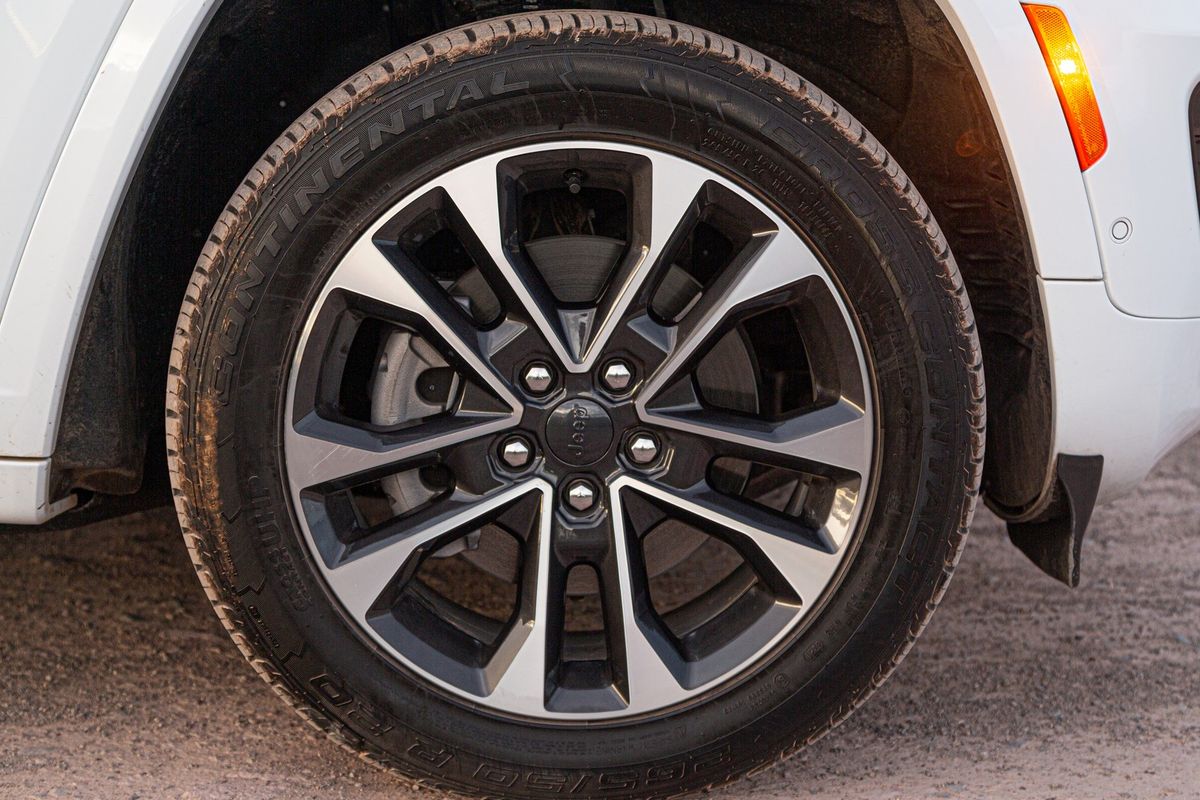
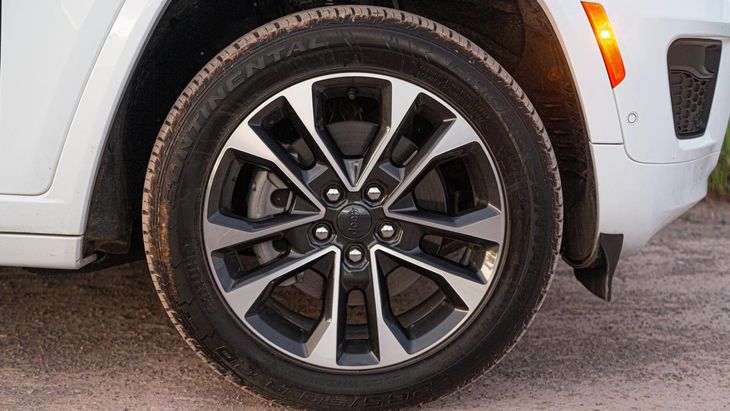
In Overland specification, the new Jeep Grand Cherokee L rides on air suspension and attractive 20-inch alloy wheels shod with 265/50 tyres. The suspension does a very good job around town and out on the open road, delivering a supple ride quality which, coupled with good noise suppression, results in a very relaxed cabin ambience. At higher speeds, the suspension will automatically adjust to a lower position to aid the vehicle’s aerodynamic- and therefore fuel efficiency.
The Grand Cherokee impressed with a composed ride quality courtesy of its refined air-suspension setup.
Jeep’s newcomer is not a “sporty” SUV by any means – you are always aware of its weight and size, but the same can be said for its rivals. We took the Grand Cherokee L on a long road trip to view the West Coast spring flowers, during which it delivered a luxury-car experience in terms of its NVH (noise, vibration and harshness) control and ride suppleness.
Less impressive, however, and surprisingly so, was the Grand Cherokee’s off-road ability. Of course, this is no “Trailhawk”; the 3.6 V6 4×4 Overland rides on road-biased tyres, but we did expect a stronger showing off the beaten track, especially as the derivative comes standard with Jeep’s highly regarded Quadra-Trac II off-road system, lockable low-range and selectable off-road modes (in addition to 277 mm of ground clearance).
Although equipped with Jeep’s Quadra-Trac II off-road system, the Grand Cherokee L was a bit cumbersome off-road.
During our off-road testing, we found the Jeep was prone to bottoming out… and it doesn’t seem to have particularly robust underbody protection. Throttle modulation also proved tricky. Then again, it needs to be emphasised that Jeep’s design approach with this generation of Grand Cherokee L was in response to real owner usage patterns. The reality is that very few owners of luxury 7-seat SUVs ever venture off-road.
Price and After-sales Support
The Jeep Grand Cherokee L 3.6 V6 4×4 Overland sells for R1 479 900 before options. A 5-year/100 000 km warranty and a 5-year/100 000 km maintenance plan are included. The service intervals are relatively short (12 000 km).
The latest generation Grand Cherokee is an impressive luxury family vehicle, even though its engine is a trifle underwhelming.
Verdict
We thoroughly enjoyed our time with Jeep’s new Grand Cherokee L. As a full-sized family vehicle, it is a superb product that offers a luxurious, spacious and practical cabin, as well as great ride comfort and general refinement. Yes, it may not be the rock climber that previous generations of the model were, but how often are you really going to need a vehicle of this kind to traverse demanding off-road conditions?
It is a pricey proposition, but you have to keep in mind that the Jeep comes fully loaded with features that are options (or not even available) on rival models that have higher base prices. Our only real criticism is, however, quite a serious one – the engine doesn’t deliver quite enough power and is simply too thirsty. That said, if you can afford a R1.5-million premium SUV, the petrol price might not scare you… in which case we can highly recommend this new Jeep.
Volvo’s electric strategy is unfolding and with the Swedish firm’s flagship EX90 SUV due for reveal before the end of 2022, it will not only set the “tech tone” for future models but it will also set a new safety benchmark.
Like many car brands, Volvo is going electric and the latest announcement to come from the Gothenburg-based firm is that its forthcoming flagship all-electric SUV will officially be called the EX90. More so, Volvo has also stated that the newcomer will be the safest Volvo ever.
The Volvo brand is synonymous with safety and the new EX90, due to be revealed on 9 November 2022, is expected to raise the safety bar with a host of new technology, including one of the most advanced sensor sets available in the market.
The new Volvo EX90 will be equipped with 8 cameras, 5 radars, 16 ultrasonic sensors and a cutting-edge Light Detection and Ranging (LiDAR) sensor, all combining with in-house-developed software and a real-time interior sensing system to offer what Volvo reckons will be the safest Volvo ever made.
“We believe the EX90 to be the safest Volvo car to ever hit the road. We are fusing our understanding of the outside environment with our more detailed understanding of driver attention. When all our safety systems, sensors, software and computing power come together, they create a preventative shield of safety around you – and you won’t even know it’s there until you need it” says Joachim de Verdier, head of Safe Vehicle Automation at Volvo Cars.
The LiDAR sensor, embedded in the EX90’s roof line is able to detect pedestrians up to 250 metres ahead and smaller, darker objects (such as a tyre or part thereof) as far as 120 metres away.
Two cameras inside the EX90 closely monitor the driver’s eye behaviour and the system is able to determine when the driver is fatigued. More so, the capacitive steering wheel is able to monitor steering input, and together, smart algorithms will determine if and when the car will intervene with the appropriate action including a warning signal or in extreme cases, bringing the vehicle to a complete stop.
Powertrain details and feature specifications will be confirmed closer to the EX90’s reveal later this year and we will certainly keep you updated.
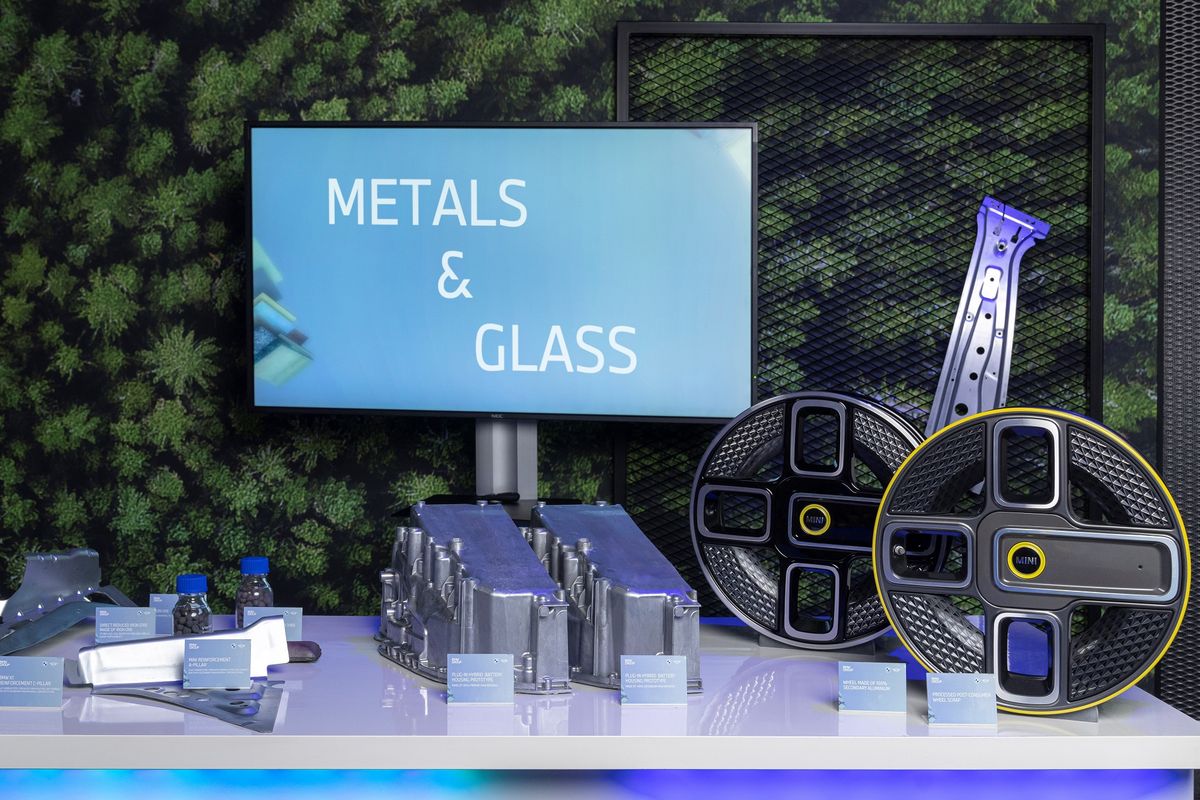
We attended BMW Group’s Sustainability through Innovation conference held at its research and innovation centre in Munich, Germany. Here are 5 groundbreaking and innovative technologies we saw.
Sustainable through innovation was the name of the event and it was a fascinating look at how BMW Group’s production processes can be enhanced to be more sustainable and less energy- and resource-intensive. The premise is simple: how can BMW Group build vehicles while respecting climate, resources, quality of life, and social responsibility.
While the below technologies and innovations are advanced and interesting, but cynically you could ask why only now? Why has this only been implemented recently when steps could have been taken a decade ago when it came to reusing and recycling materials from cars that were due to be scrapped? Still, I think its impressive a big corporate decided to make time for introspection and ask if its production methods could be improved upon with specific focus on sustainability.
Vegan interiors
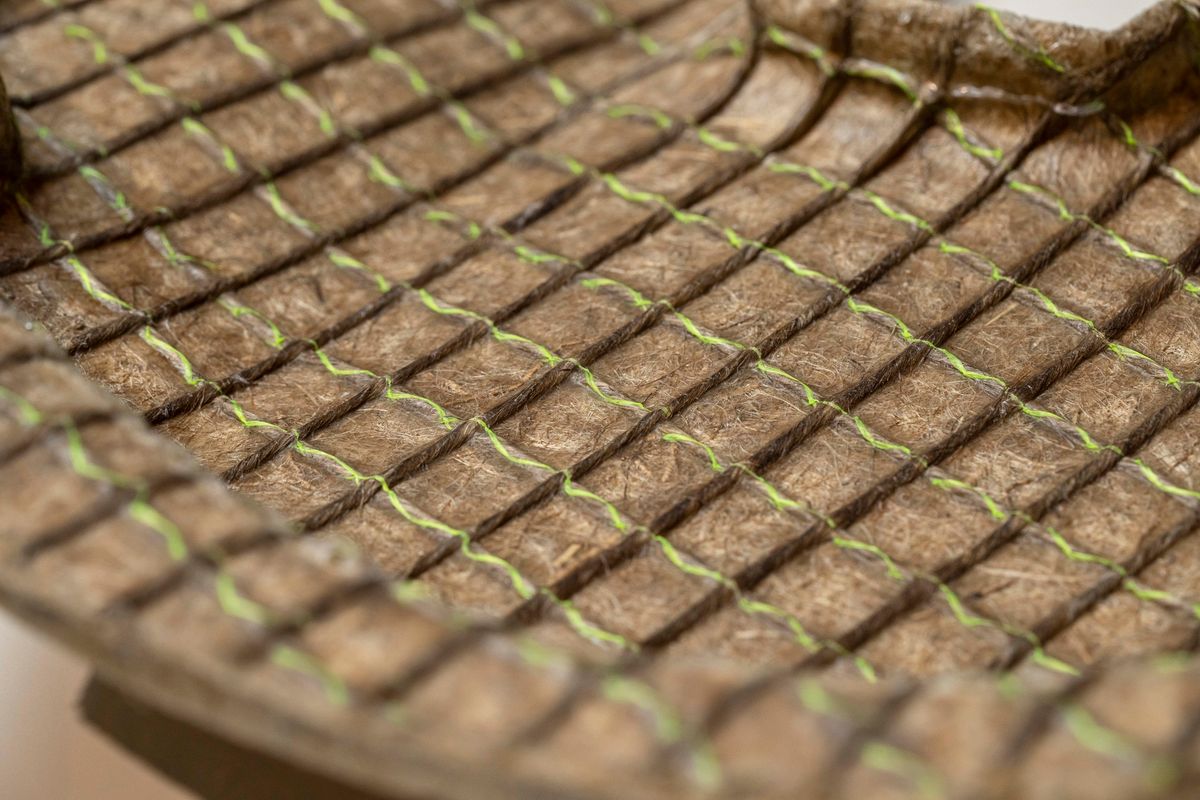
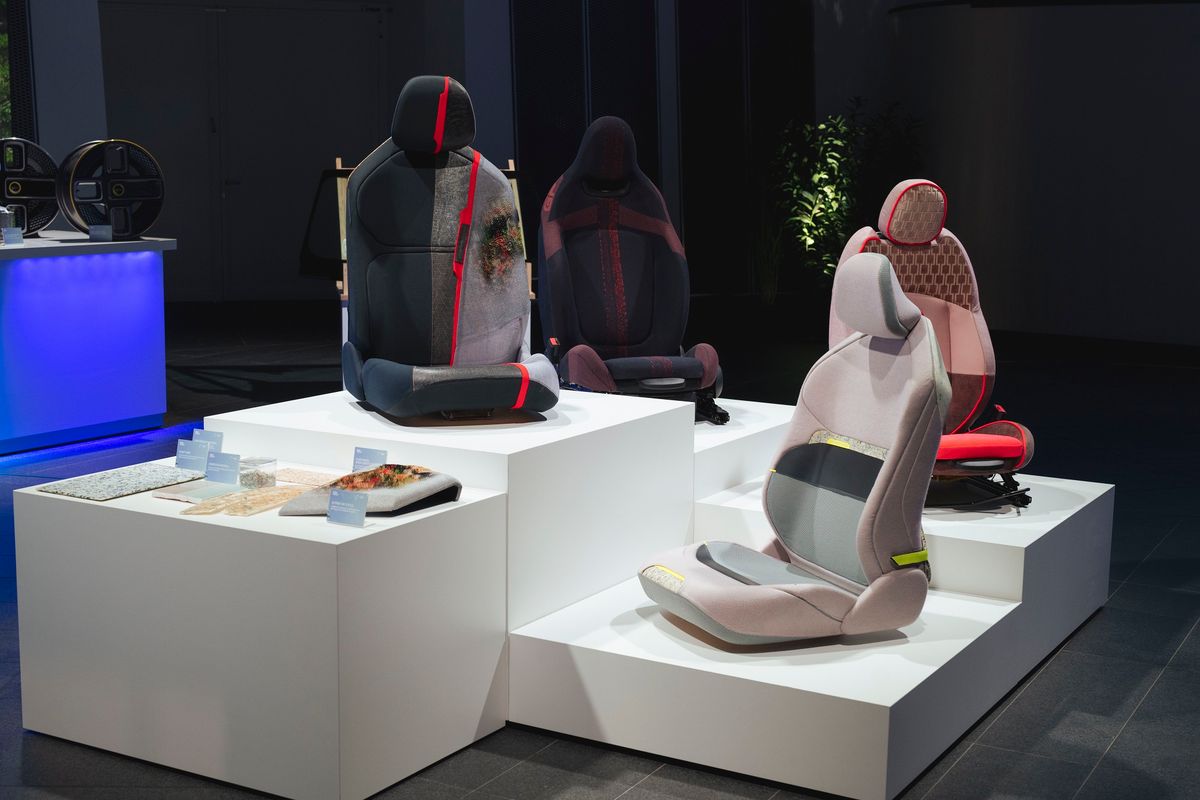
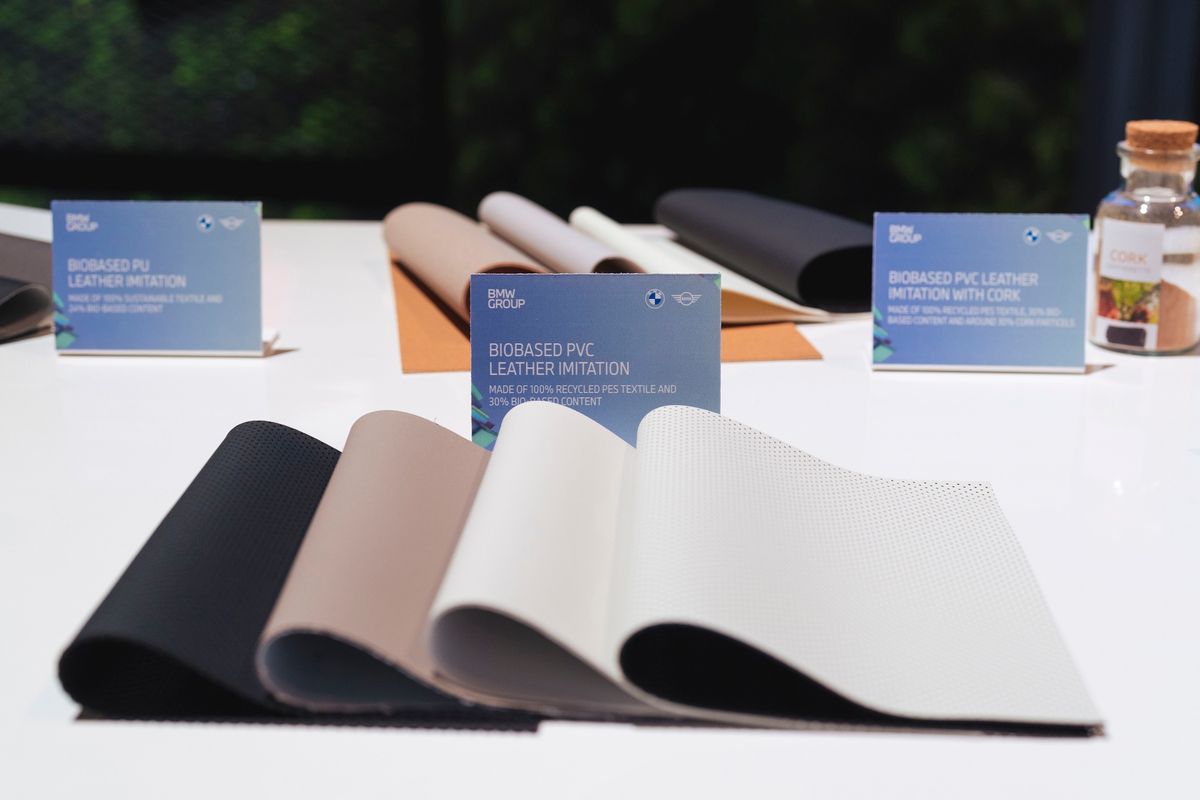
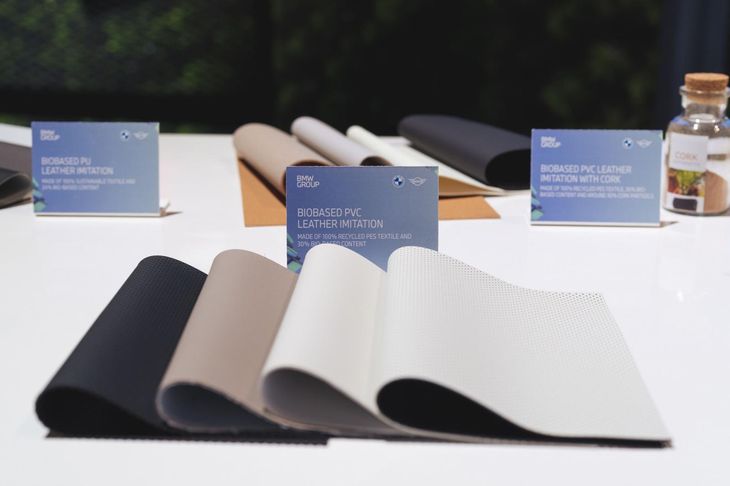
No, the cabins are not made from recycled grumpy vegans, but rather interior trim is manufactured with new materials that look and offer leather-like tactility. Veganism isn’t just about no animals as a food source, but not endorsing the commodity status of animals.
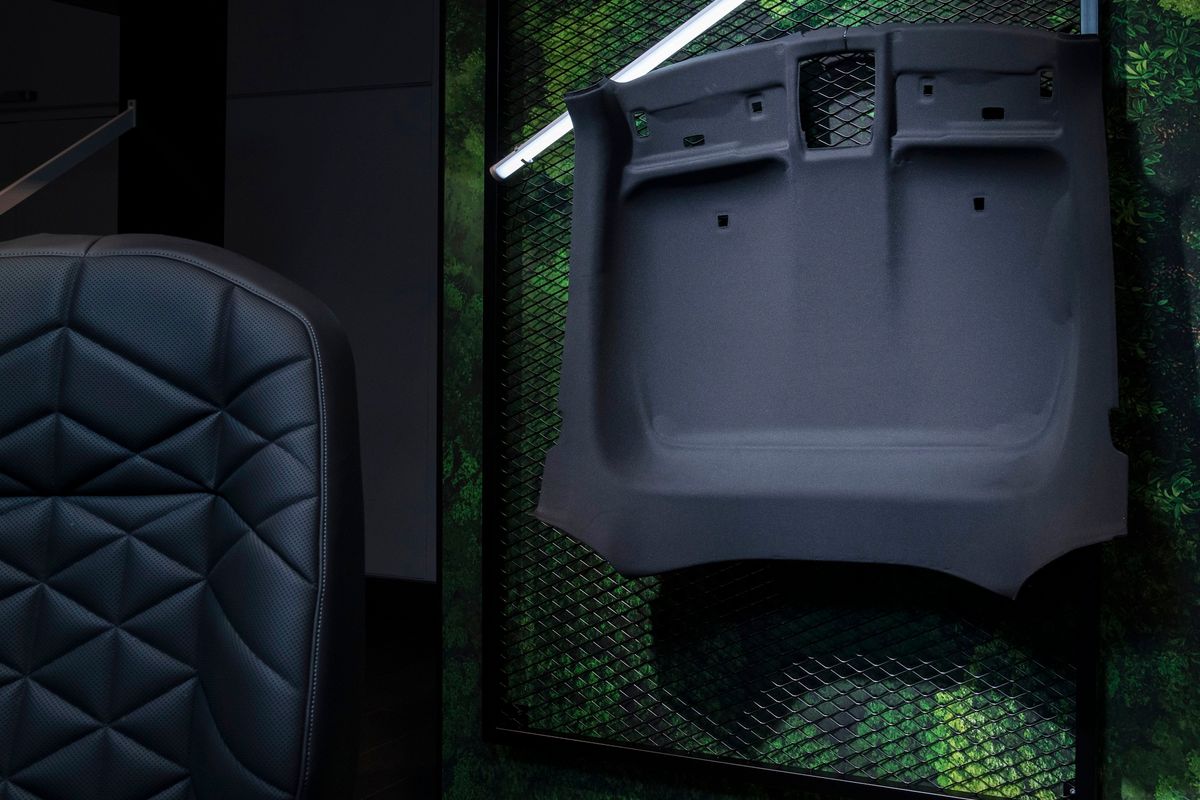
While leather seats and a leather-wrapped steering wheel are still desirable elements in a vehicle, BMW and Mini will be offering vegan interiors as soon as 2023. It’s tricky, as cabin materials will need to be durable, and look and feel premium to the touch. BMW Group reckons its found a substitute for leather on the steering wheel and it feels pretty close to the real thing.
Impressively, BMW claims going leather-free reduces CO2 emissions by 85%. So, what are these new materials? BMW has teamed up with some start-ups and the new interiors will come from biological-based materials. These range from PVC leather made from cork, to Mirum which is a plant-based fiber and fully recyclable, while Deserttex is made from smashed cactus plants.
Plastic parts from recycled fishing nets
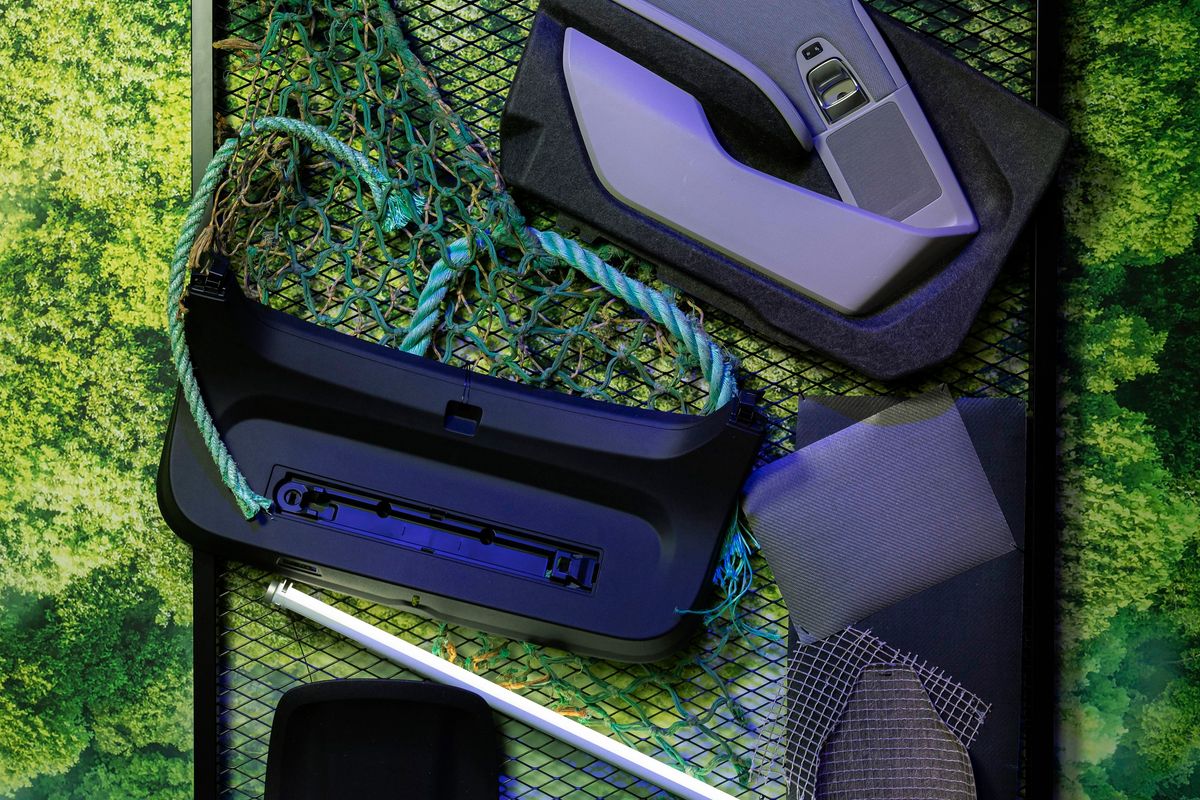
Right now, the average BMW and Mini features 300 kg of plastic. The new-generation of BMW vehicles in 2025 will have some of its plastic trim made from 30% recycled fishing nets and ropes. The fishing industry tends to dump its nets into the ocean, which is far from ideal.
BMW teamed up with Aquafil who found a way to process the nets and ropes, and grind them down into a material called Econyl. The nylon nets are cleaned and broken down into their chemical components and the result is Econyl nylon granules which can be used as either a fibre for things like floor mats in the new X1 and iX (which is already happening).
Now technology has been able to make these granules suitable for the plastic injection moulding process and make things like dashboard and door elements. BMW says the fishing net components have around 25% less carbon footprint in comparison to conventional plastics. By 2030, BMW hopes that up to 40% of the plastics used in its vehicles will be from recycled plastics.
Recycled materials
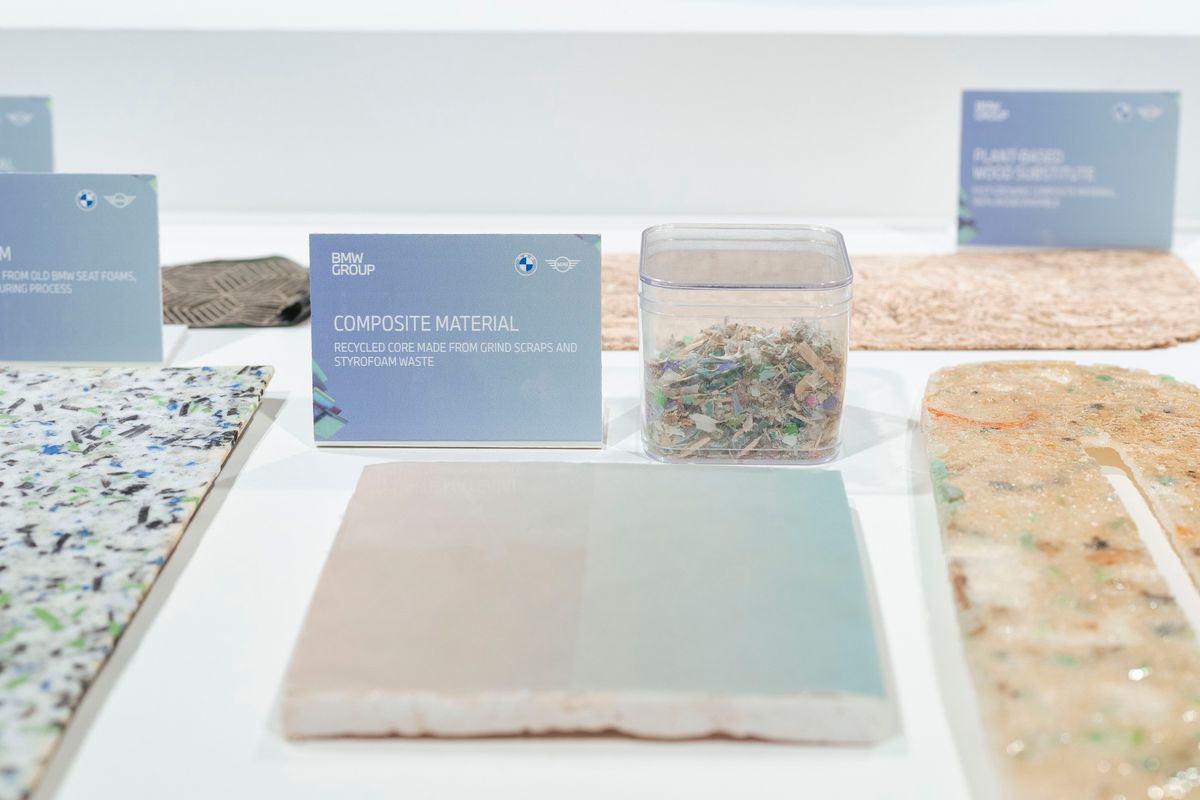
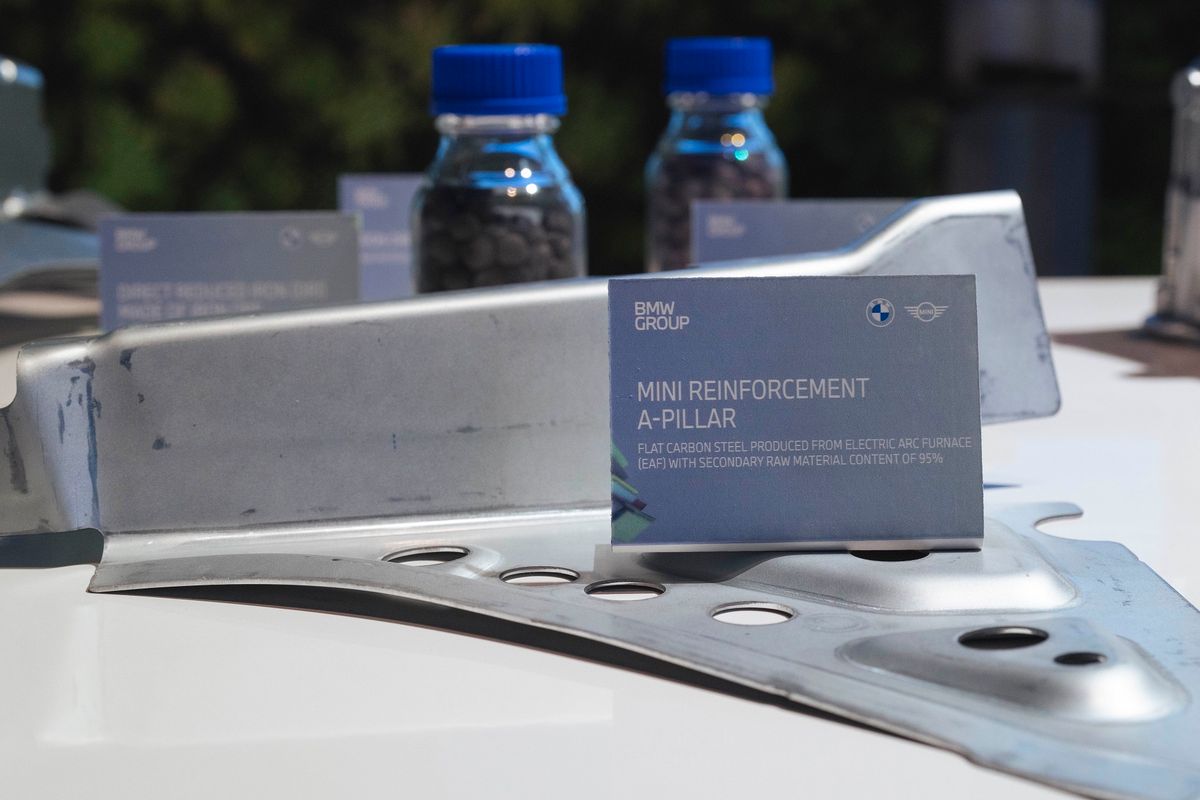
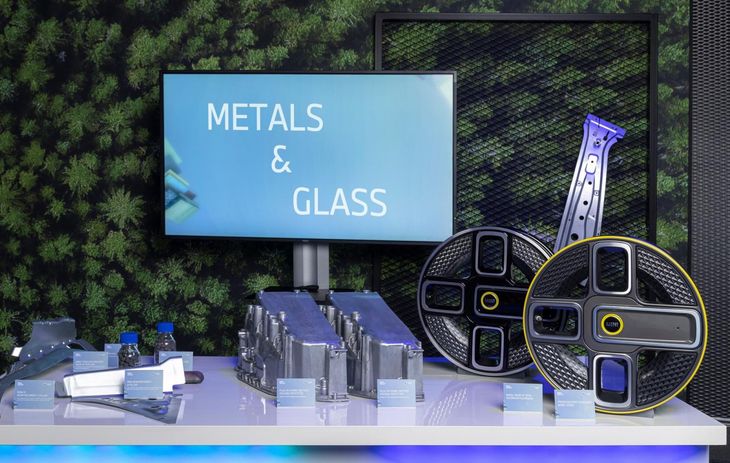
Instead of just crushing old cars, why aren’t certain components extracted, processed and used again, or as BMW Group calls it ‘the vehicle as a source for raw materials.’ BMW says some aluminium components already contain up to 50% secondary raw materials, with the next-generation Mini Countryman featuring up to 70% recycled metals.
By partnering with chemical giants BASF and recycling specialists ALBA, BMW will be using recycled steel, aluminium, glass and plastics in the assembly of its future vehicles which is said to reduce CO2 emissions by up to 30%. From 2024 onwards, all cast aluminium wheels sourced by the BMW Group will be produced using only green electricity. The BMW Group has been sourcing aluminium produced using electricity generated from solar energy since February 2021.
Plant-based cars
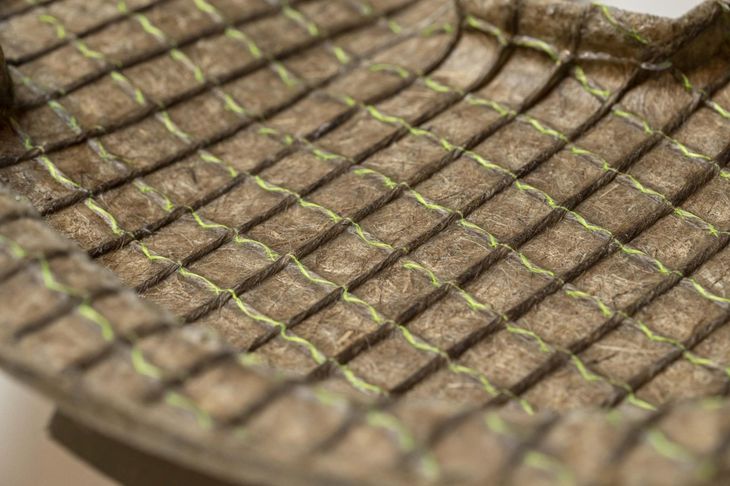
Plant-based is not just a diet, but also a great raw material. BMW Group has been using plants and natural fibers in its vehicles for some time. The 2013 BMW i3 featured door trim made from plant-based fibres, the instrument panel comprised eucalyptus wood and the leather was tanned naturally using olive leaves. The learnings from this car have been applied recently, with door trim and armrest of the new BMW 7 Series coming from natural fibres such as flax, hemp and kenaf.
Interestingly, we’re now seeing some motorsport applications with a flax cooling shaft for a Formula E racecar as well as carbon fibre replacements in BMW M Motorsport touring cars. The benefits are numerous as not only are plant-based materials lighter in comparison to conventional materials, but growing such materials helps offset CO2. We got to touch and feel bodywork made from flax and while it won’t have the same strength properties of carbon fibre, it certainly looks the part.
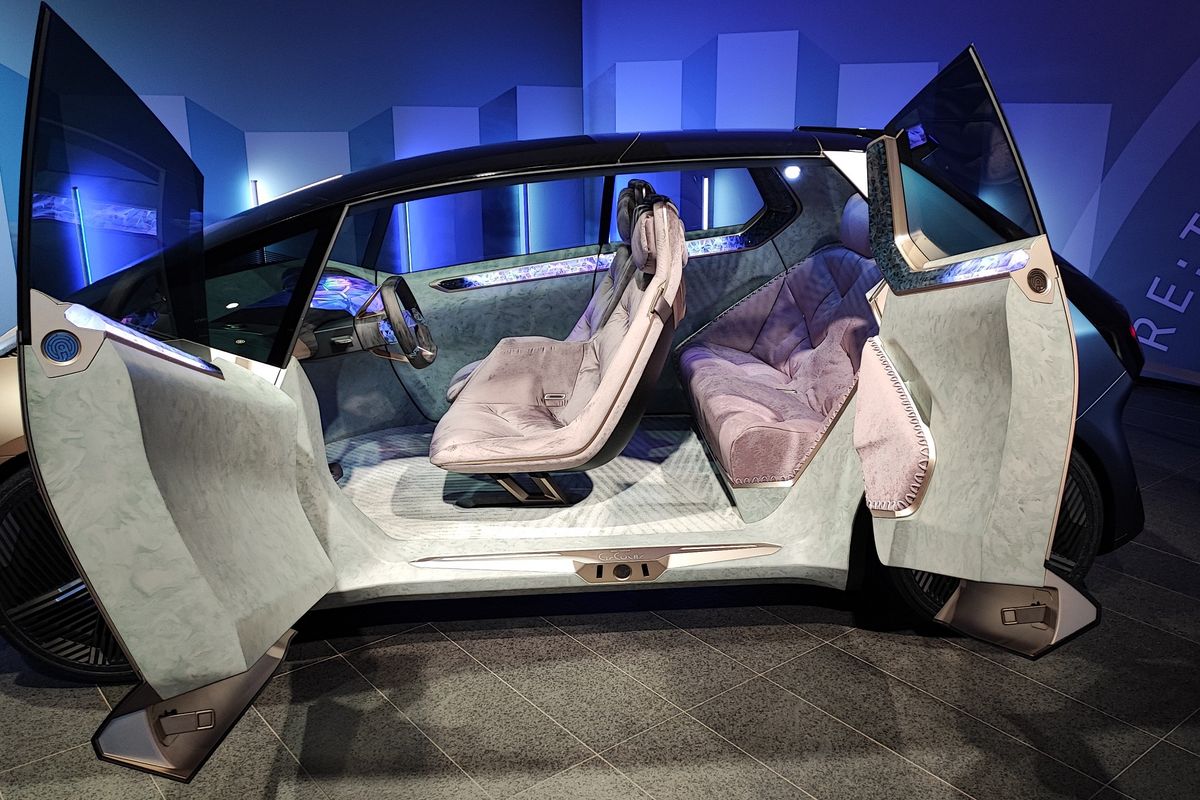
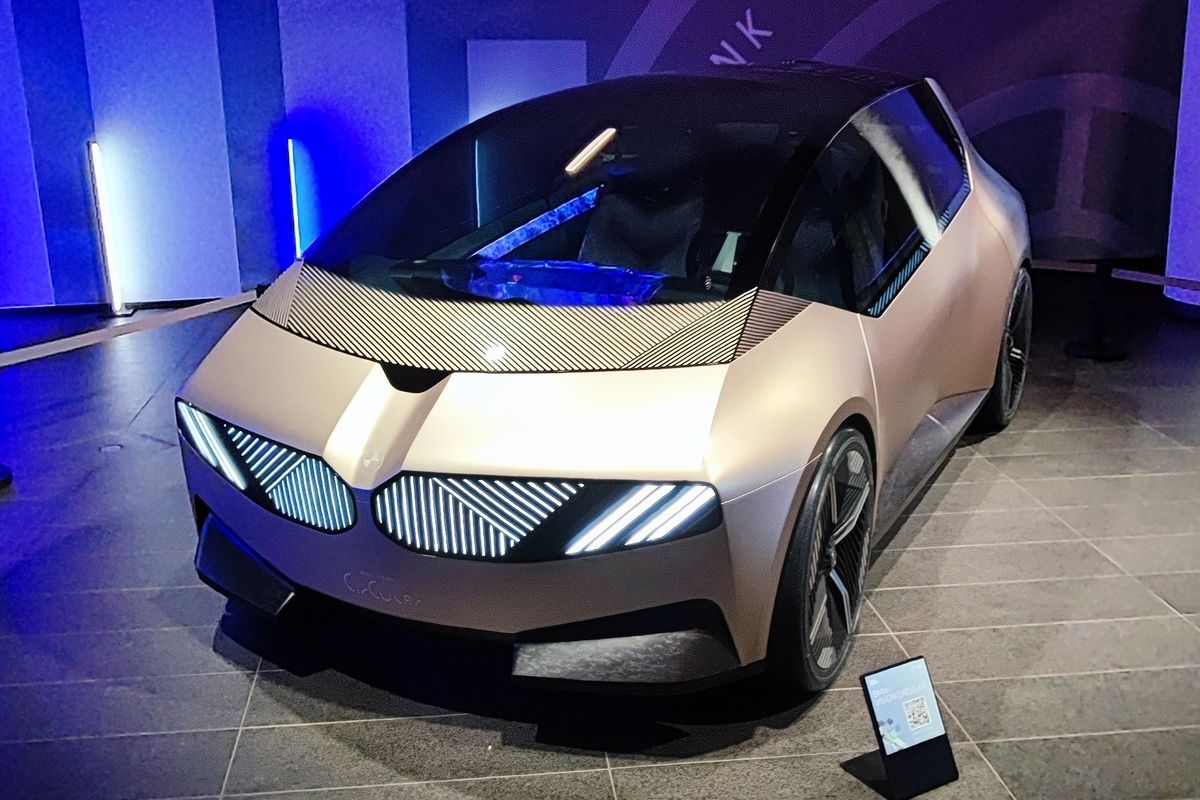
BMW i Vision Circular
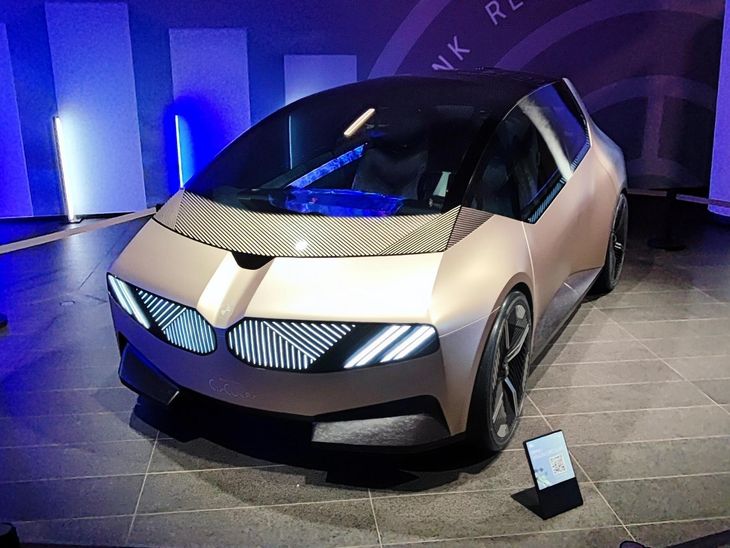
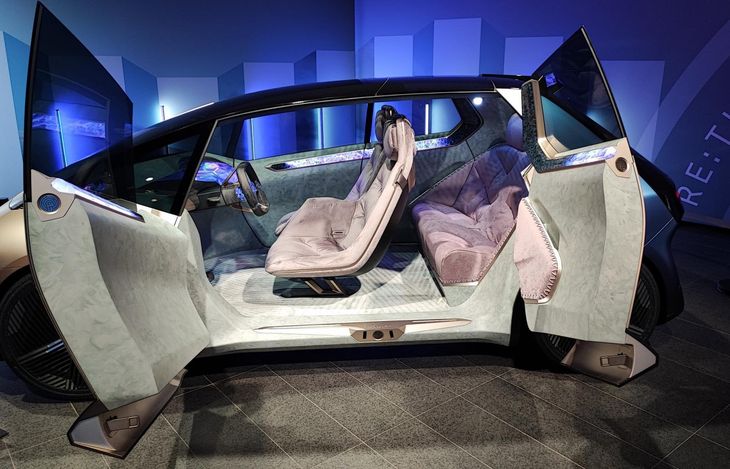
This odd-looking concept from BMW is said to demonstrate a fully recycled and recyclable car. Essentially, its a compact and fully electric vehicle for 2040 and is made from 100% recycled materials and can be fully recycled, which BMW dubs the circular economy.
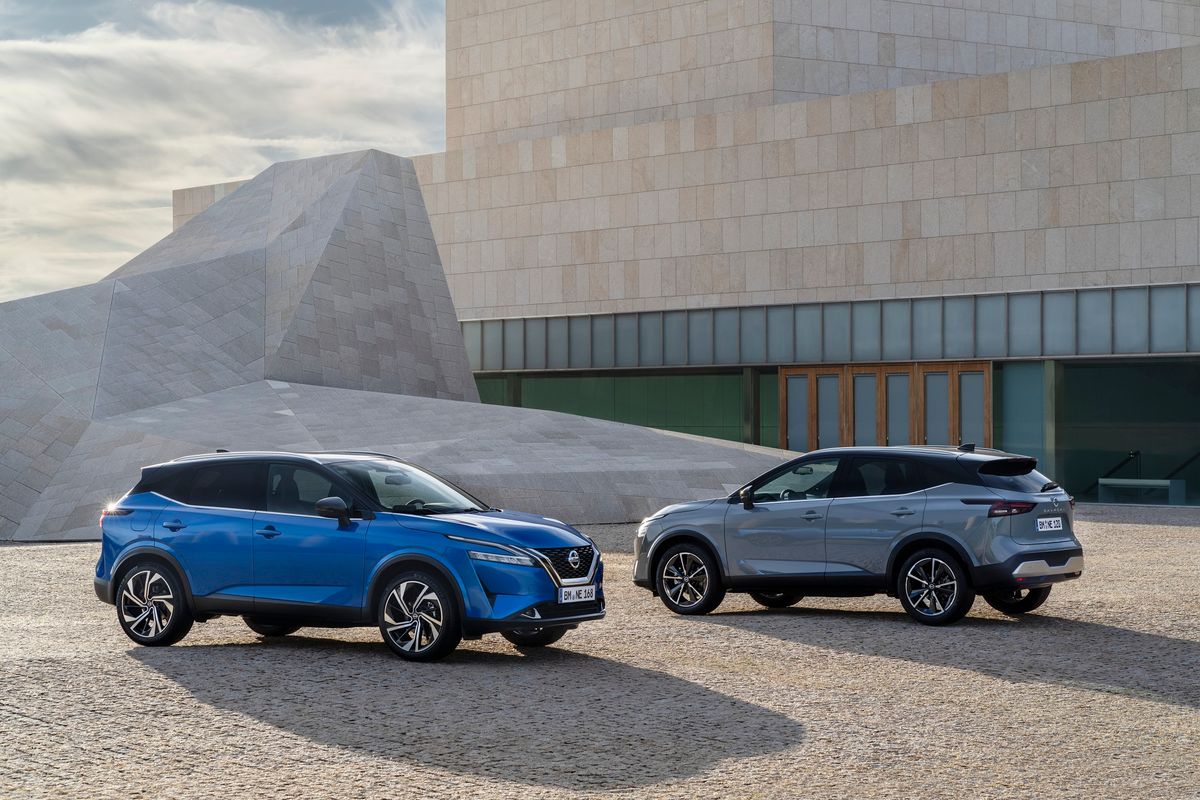
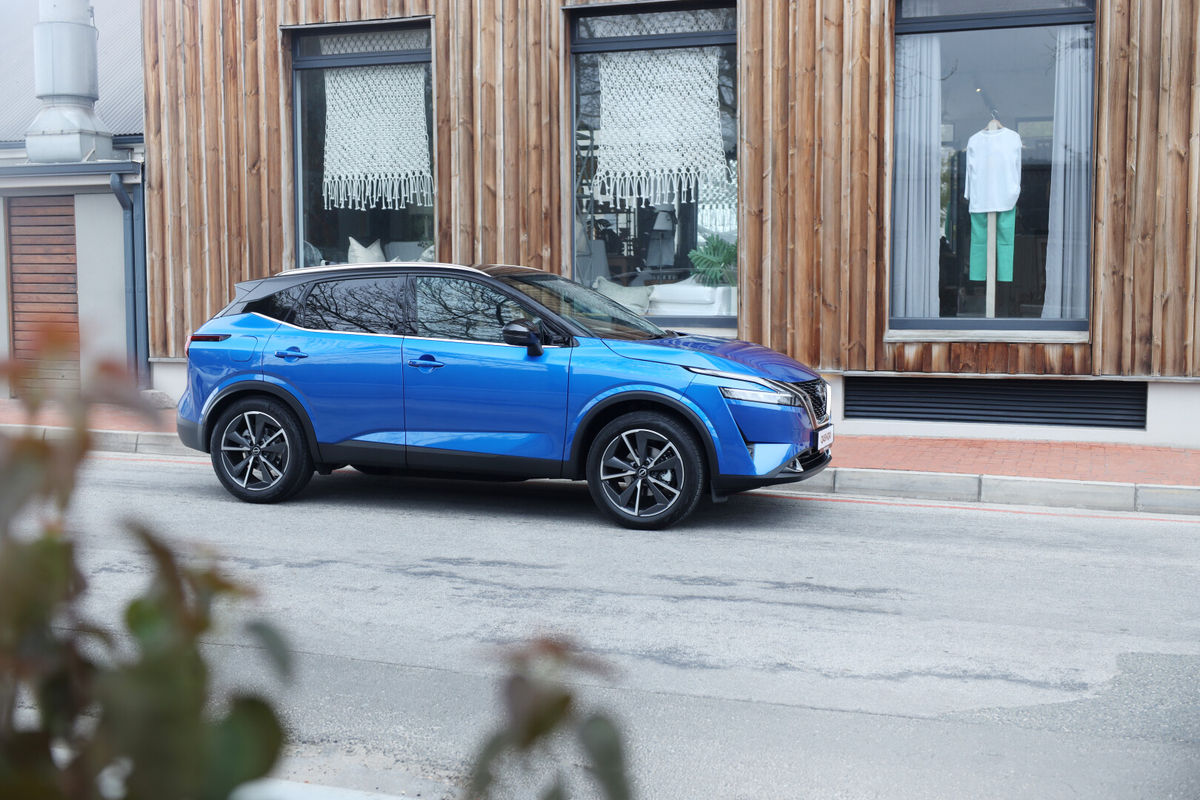
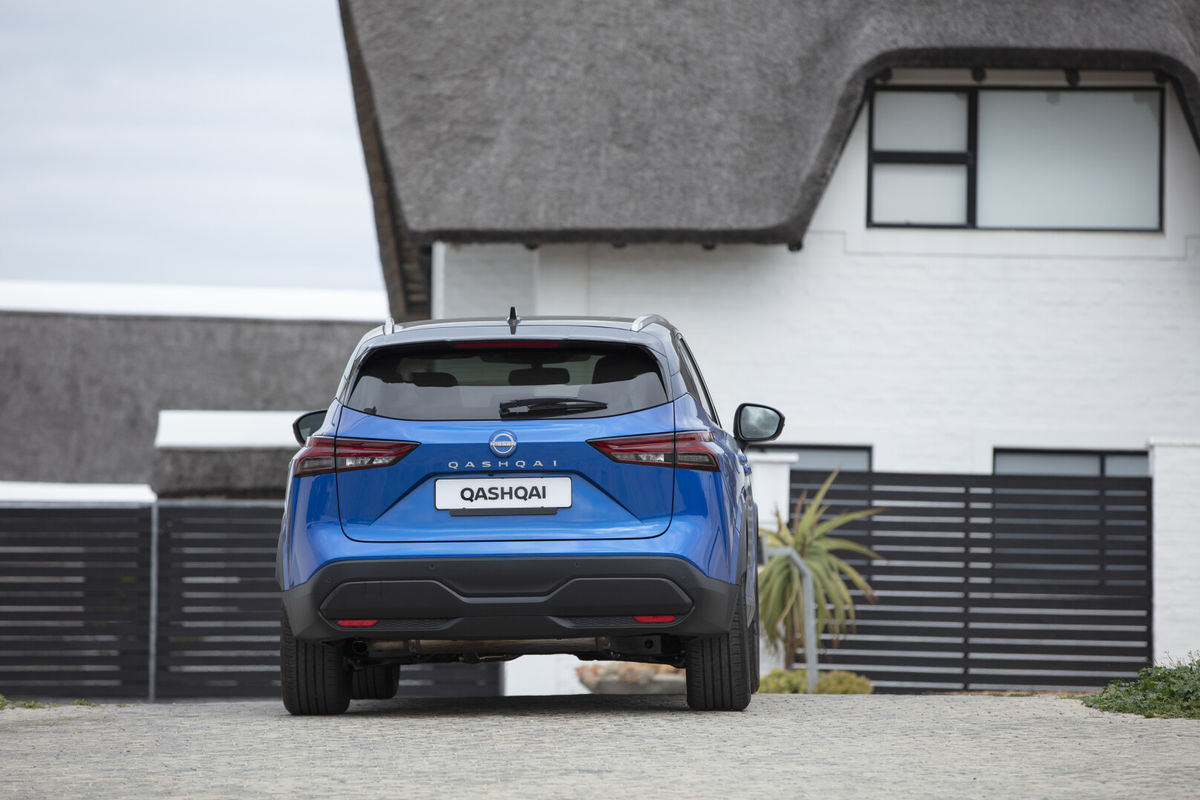
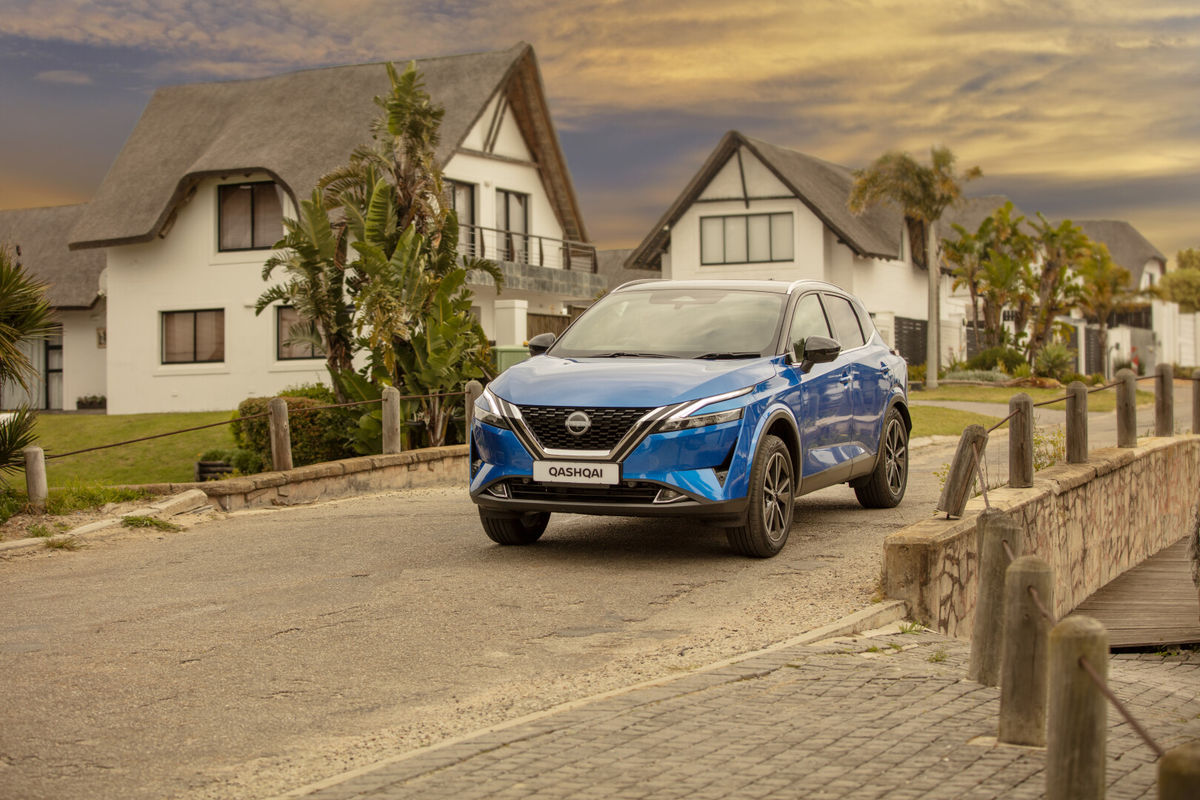
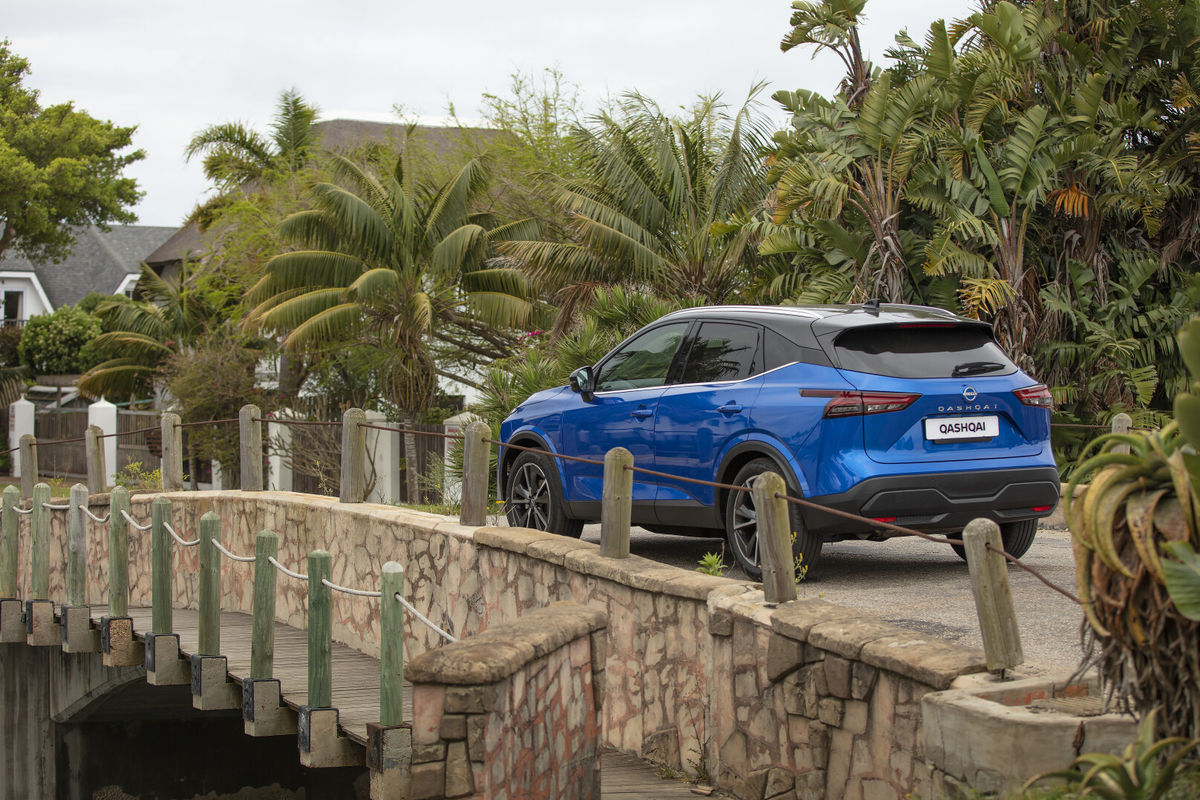
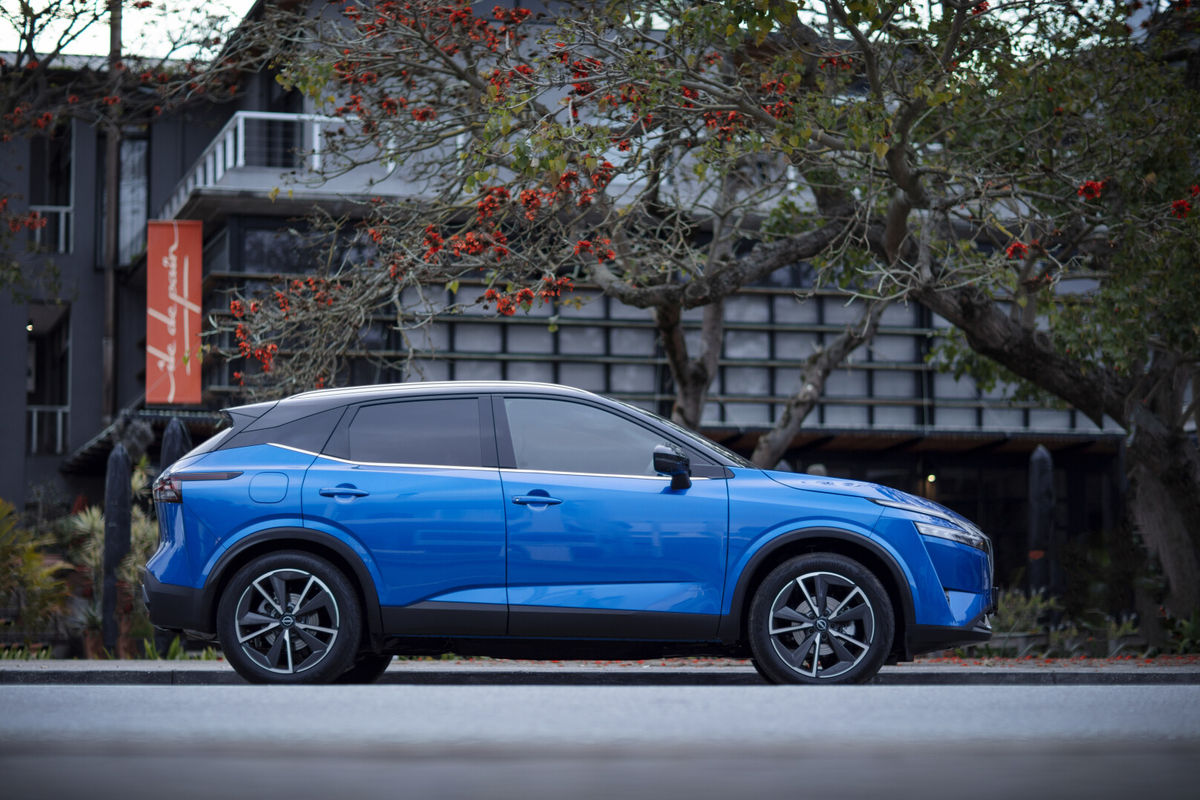
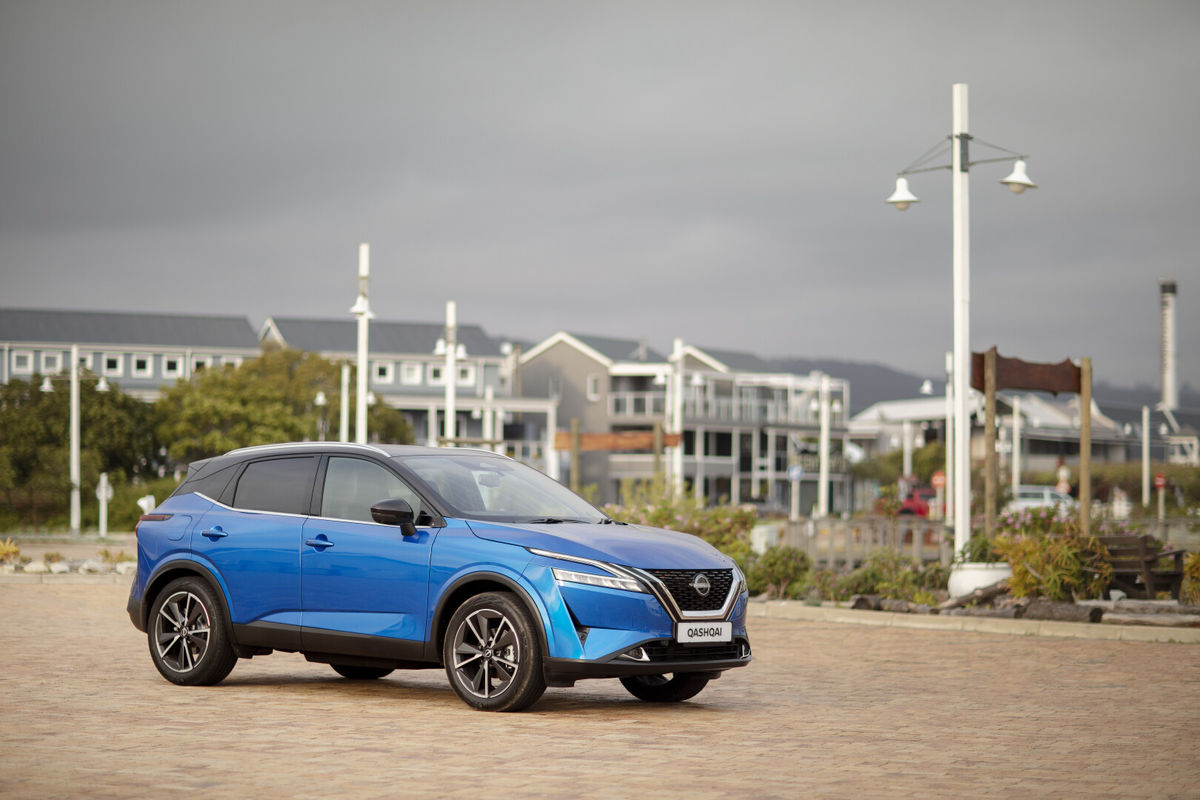
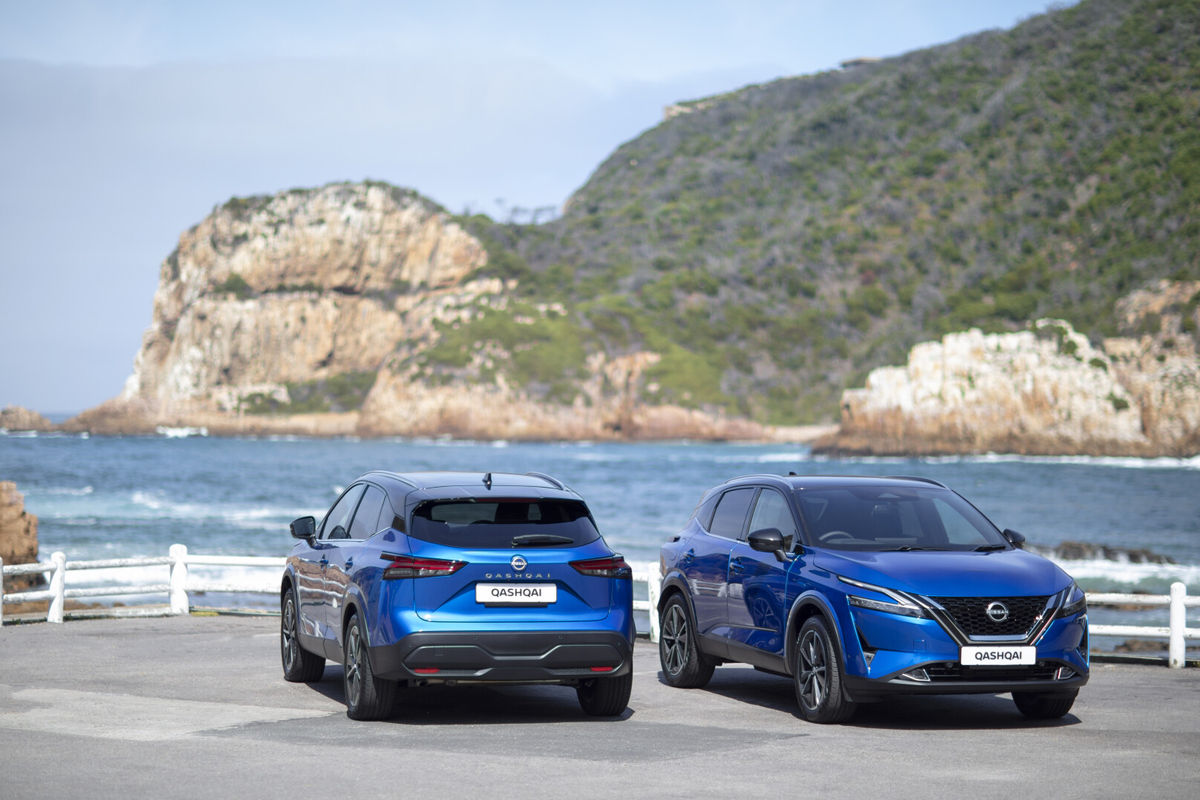
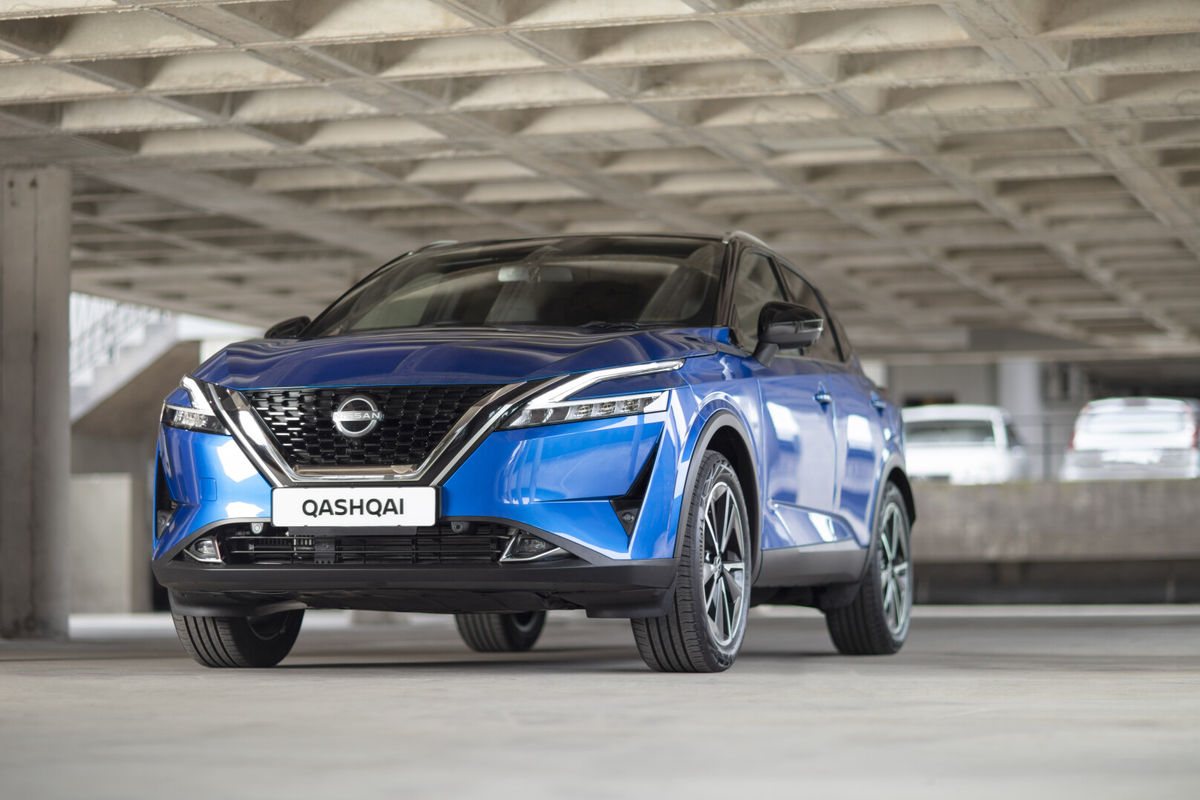
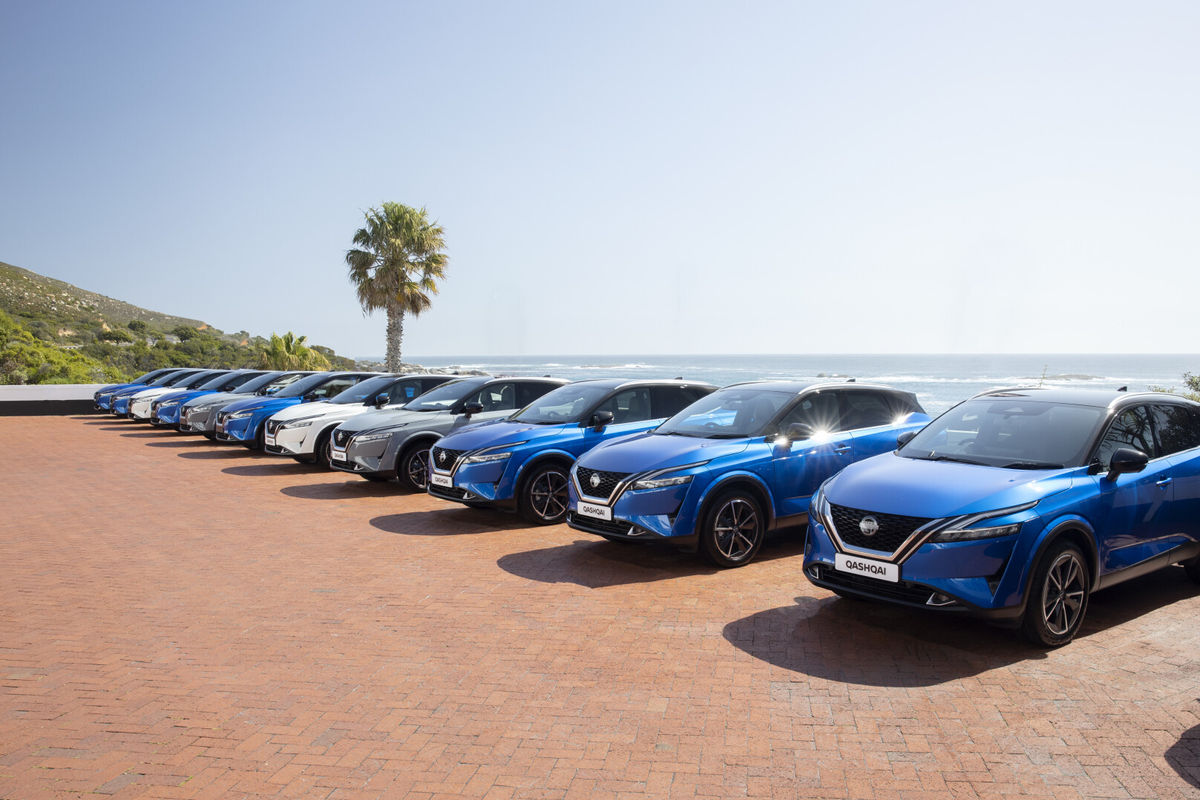
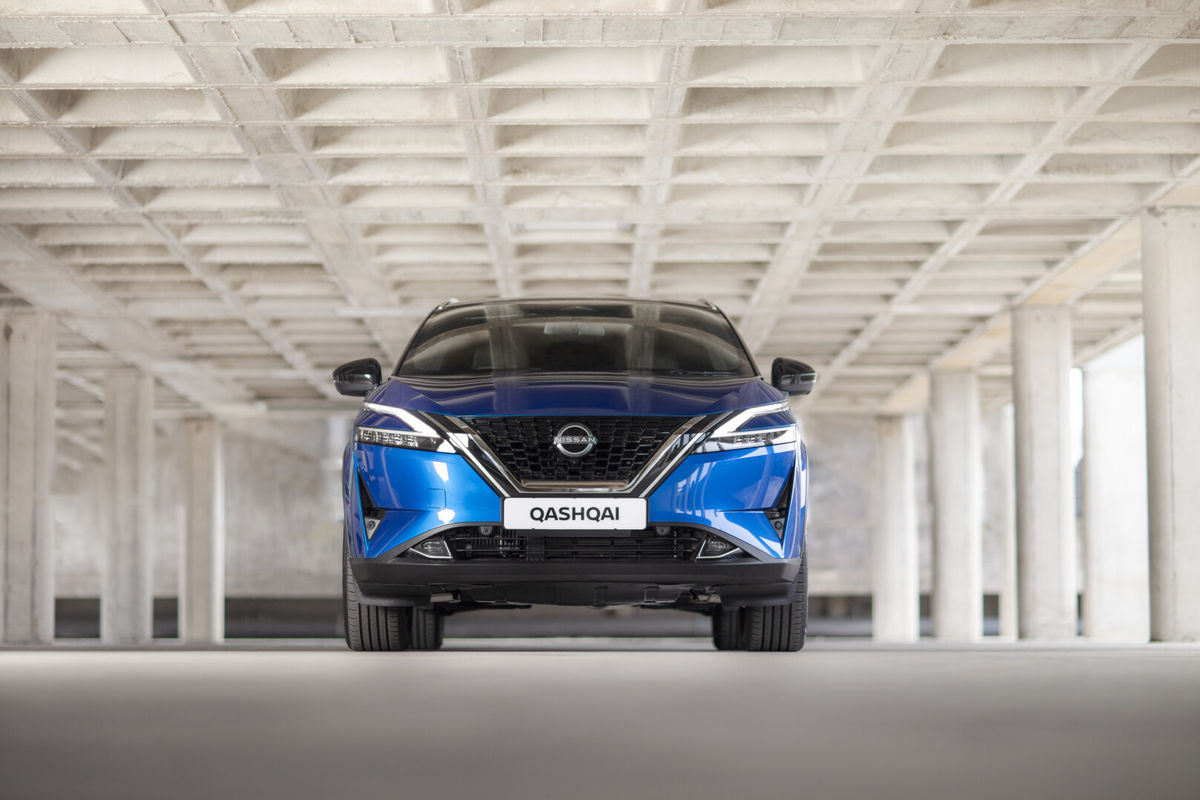
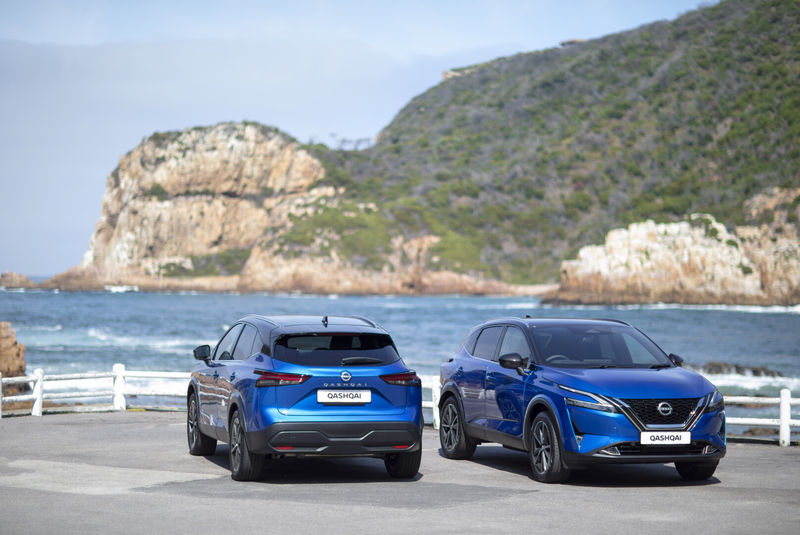
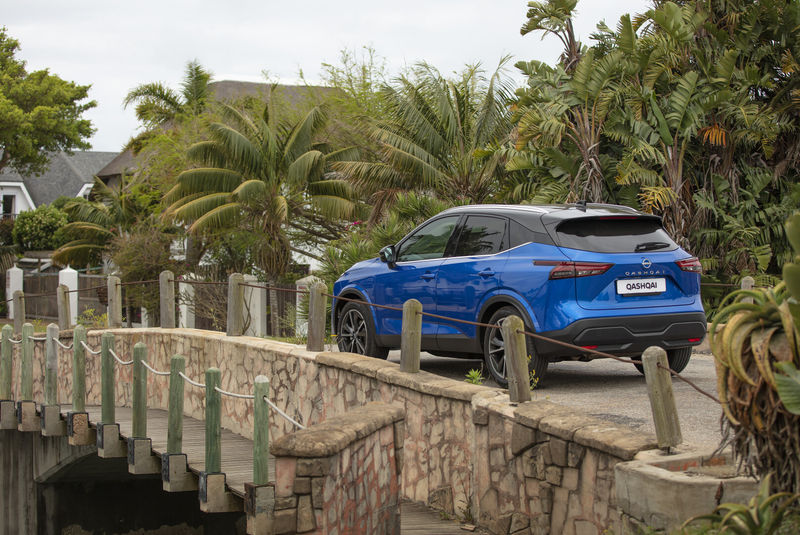
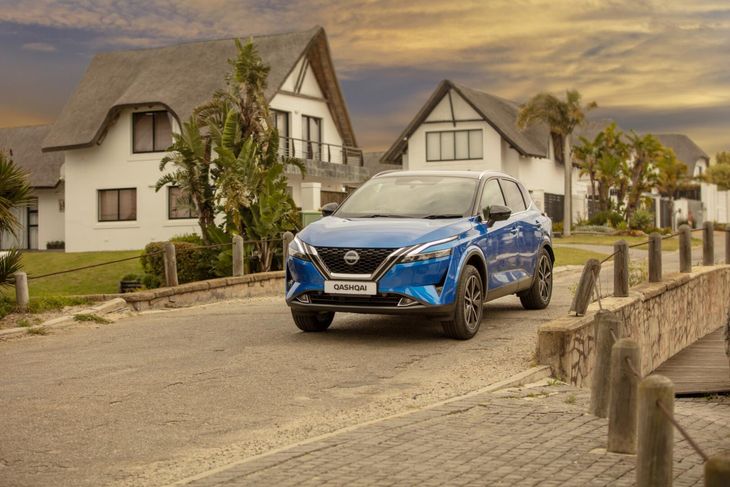
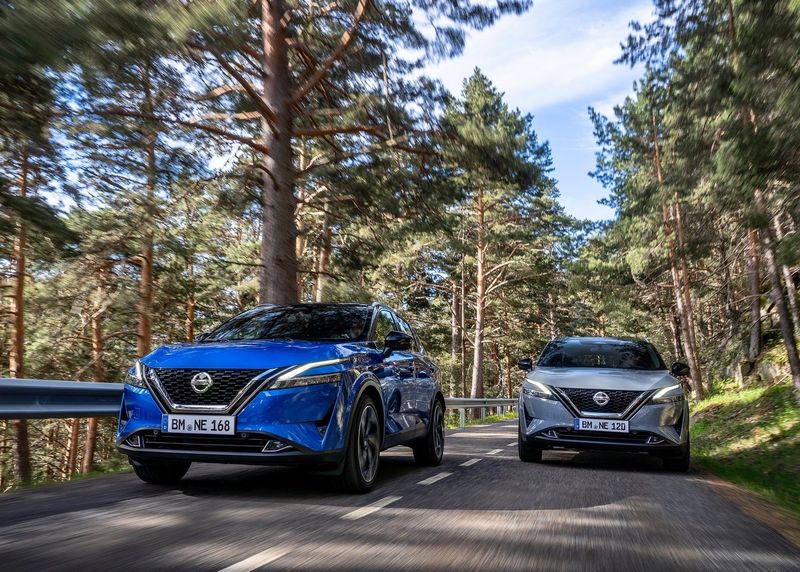
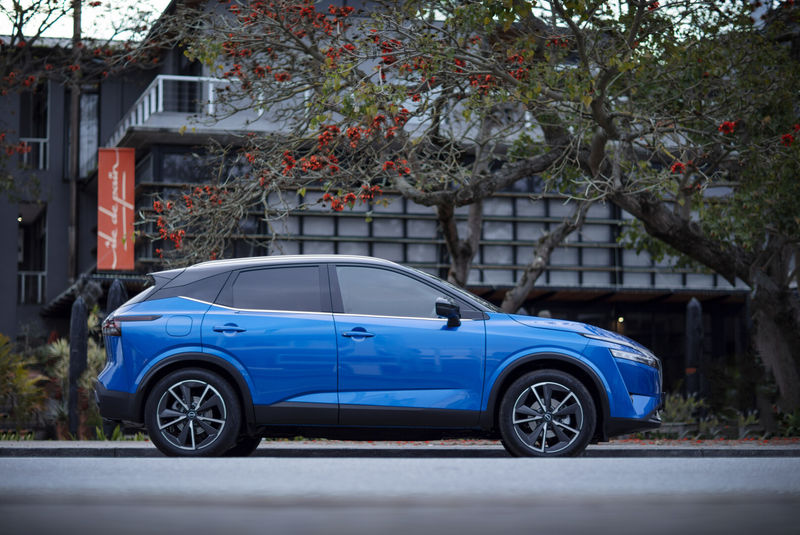
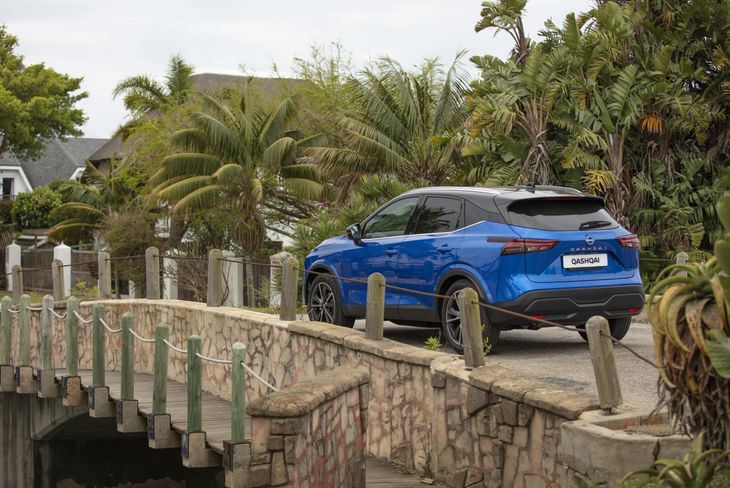
Nissan Qashqai (2022) Launch Review
The 3rd-generation Nissan Qashqai has finally landed in South Africa and Ciro De Siena drove the new model at its local launch event in Cape Town. Is the Qashqai as brilliant as before, even though it has moved upmarket and faces much stiffer competition than its predecessors?
Like waiting for your favourite band’s 3rd album, South African motorists have had to be very patient in anticipation of the 3rd-gen Nissan Qashqai, which was launched in Europe in 2020. However, I can confirm that, after having seen a few and even driven one in real life, the latest iteration of Nissan’s (once segment-defining) small crossover is now very much available on local soil.
Sixteen years ago, the Qashqai arrived on the global motoring scene like a fresh rock band that nobody had ever heard of. Their first release was a smash hit, turning the industry on its head and spawning a dozen copycats.
Nissan’s second “album” continued the legacy and smashed sales records around the world. The Japanese brand must have felt the weight of expectation in creating the 3rd iteration of its pioneering small crossover. Many a rock band has faltered with their 3rd album, disappointing fans by deviating from the formula that endeared them to millions. And so, is Nissan’s 3rd-generation Qashqai a mature and solid offering, or will the nameplate leave long-time fans wanting more?
What’s on offer?
The South African Qashqai line-up comprises a single engine-transmission combination and 3 trim levels of trim, with no diesel option available at all. Additionally, there will be no all-wheel-drive option, it’s FWD only, folks (Nissan’s evidently saving the AWD offering for the upcoming X-Trail). The 1.3-litre 4-cylinder turbopetrol engine employed in the 3rd-gen Qashqai was co-developed by the Nissan-Renault-Mitsubishi alliance. Suffice it to say, you will find this engine at work in a number of products, including the Mercedes-Benz A-Class – because the Daimler Group co-opted the motor for its compact models!
In March 2023, Nissan will launch the ePower Qashqai locally, which the brand is particularly excited about, and which I suspect South Africans will be very interested in as motorists try to reduce their running costs. Nissan’s SA representatives were tight-lipped on any details to do with the ePower (especially the price) but as soon as we have more info, we will, of course, share it with you.
A 1.3-litre turbocharged 4-cylinder powers the new Qashqai
In the meantime, the 1.3-litre 4-cylinder motor is quite a peach. By virtue of strong peak outputs of 110 kW and 250 Nm from its powerplant, the Qashqai never feels anything but spritely (note that the entry-grade 1.3T Visia produces 96 kW and 240 Nm, however). In urban environments, you barely need to brush the accelerator pedal with your right foot to exact eager progress. The engine seems to have been tuned to perform particularly well in urban environments. Without even trying or being conscious of driving economically, we averaged a very impressive 6.7 L/100 km on the launch route (before hitting the freeway), which is very close indeed to the claimed fuel consumption figure of 6.1 L/100 km.
There is a manual ‘box in the 1.3T Visia, but the 1.3T Acenta and -Acenta Plus make use of a continuously variable automatic transmission (CVT). The Qashqai’s CVT impressed me very much. In vehicles equipped with earlier versions of the CVT, burying your foot on the long pedal would prompt the transmission to hold a constant (usually sky-high) engine speed, resulting in a sustained “droning” sound and dreary driving experience so lamented by the motoring press.
The new-generation CVT does a much better job of simulating the driving experience offered by conventional auto ‘boxes.
The CVT in the latest Qashqai has, however, been tuned to allow the engine speed to climb steadily, resulting in a more natural “automatic transmission”-like experience. There even seems to be a kickdown function coded into the software; it works like this: when you step on the accelerator pedal, the transmission responds by jumping into the engine’s peak power band, giving the driver everything the engine has got to give, which results in optimal overtaking acceleration.
When cruising, the ‘box keeps the engine speed low, resulting in a quiet, calm ride and, of course, optimised fuel efficiency. It was a particularly impressive aspect of the drivetrain.
The launch route was not of significant length, but it took in a mix of truly terrible roads (the poorly surfaced stretch around Misty Cliffs) and a highway stint, which showed off the breadth of the Qashqai’s talents.
On the truly awful country lanes that wrap the peninsula, which belie the usually billiard-table smooth roads of the Western Cape, the Qashqai was composed and quiet, its pliant suspension took the rough surface in its stride. After this stretch, I was convinced the new Qashqai could handle just about anything South Africa could throw at it.
Fuel economy and ride refinement are the order of the day
On the highway, I immediately noticed the low level of engine-noise intrusion in Nissan’s newcomer. There was perhaps a touch more wind noise than ideal, but the car might as well have been powered by sails, it was that quiet.
On the freeway stretch, I was able to test out the new Qashqai’s ProPILOT system. This is a self-steering, or lane-centre-keeping system, which, when combined with radar-guided cruise control (featuring active acceleration and brake application), makes for a largely autonomous driving experience.
While not revolutionary from the systems offered by other manufacturers, the system works very well. The Japanese crossover remains bang in the centre of the lane and responds quickly to other vehicles crossing unexpectedly into its path.
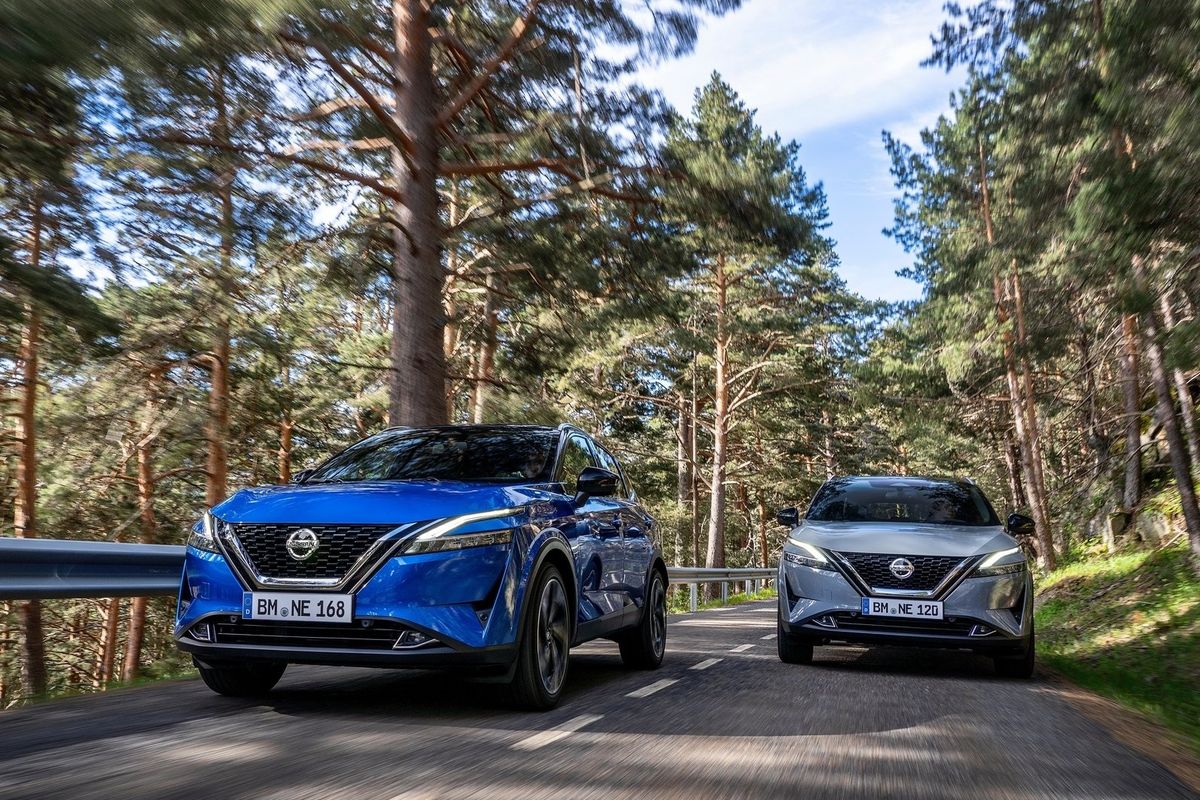
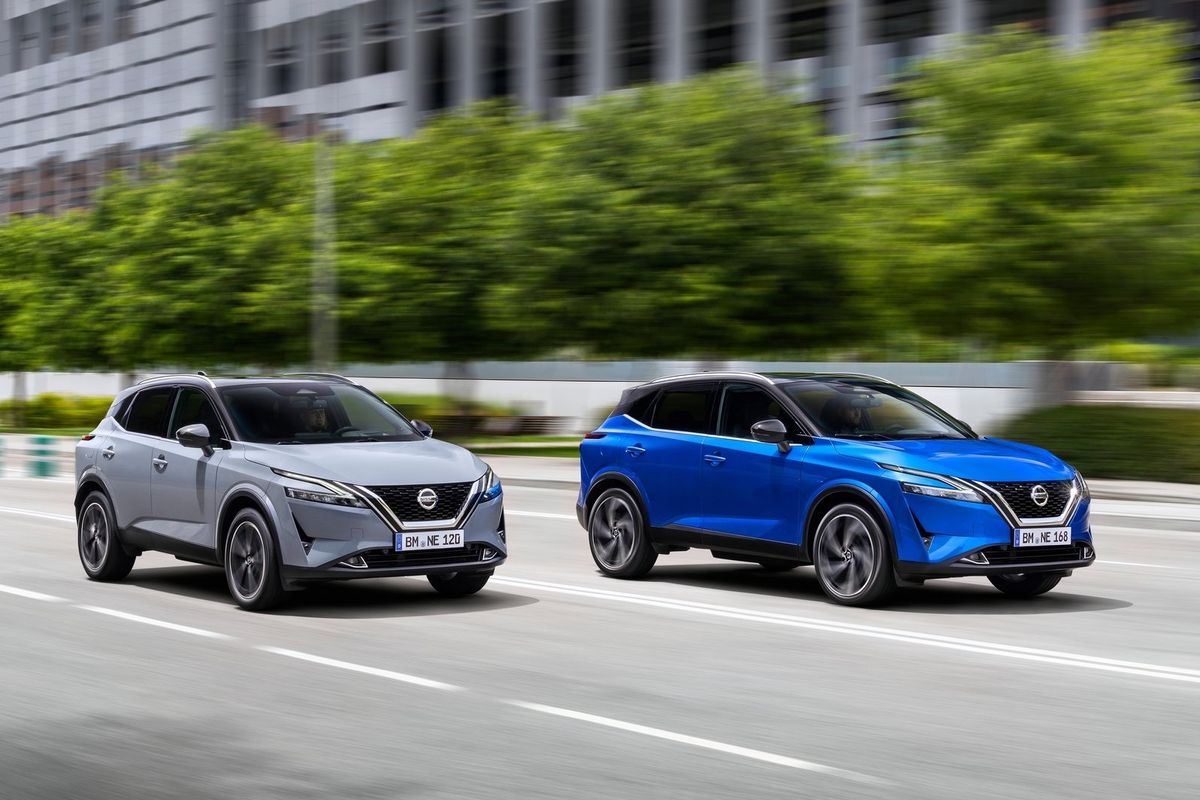
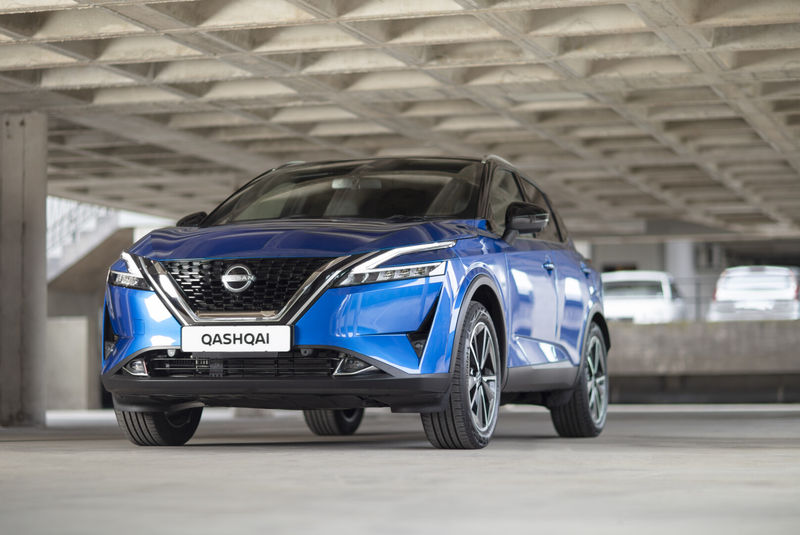
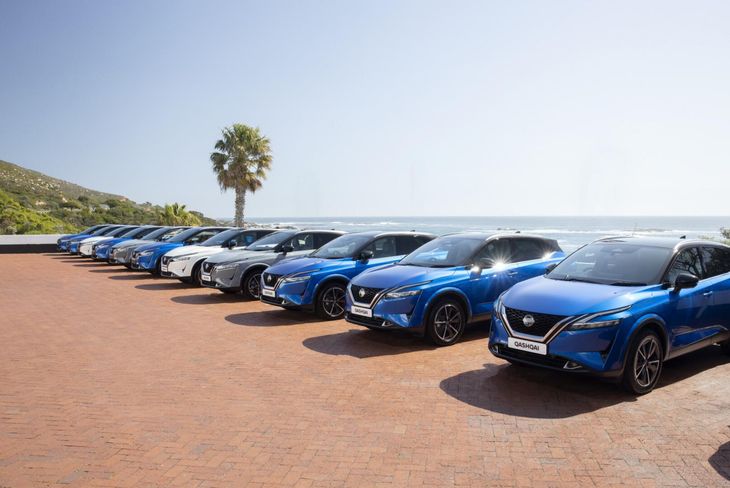
The Qashqai is available in 3 trim levels.
While the system will aggressively beep at you if you keep your hands off the ‘wheel for too long, it does allow you to keep a loose grip on the rim, and as it makes tiny steering adjustments on your behalf, the result is a very relaxing driving experience, which I suspect will be much appreciated by drivers when covering long distances, with the system going a long way to combat driver fatigue.
At highway speeds, ample power and torque give the driver the confidence to execute quick overtaking manoeuvres, and the transmission does an excellent job of keeping the engine speed low to minimise that aforementioned “CVT drone”.
The fuel consumption crept up to 7.8 L/100 km during our stint of highway driving (because we had some overtaking to do, plus plenty of slowing down and speeding up), but that’s a respectable figure for a car of this size, luxury and outputs.
Interior
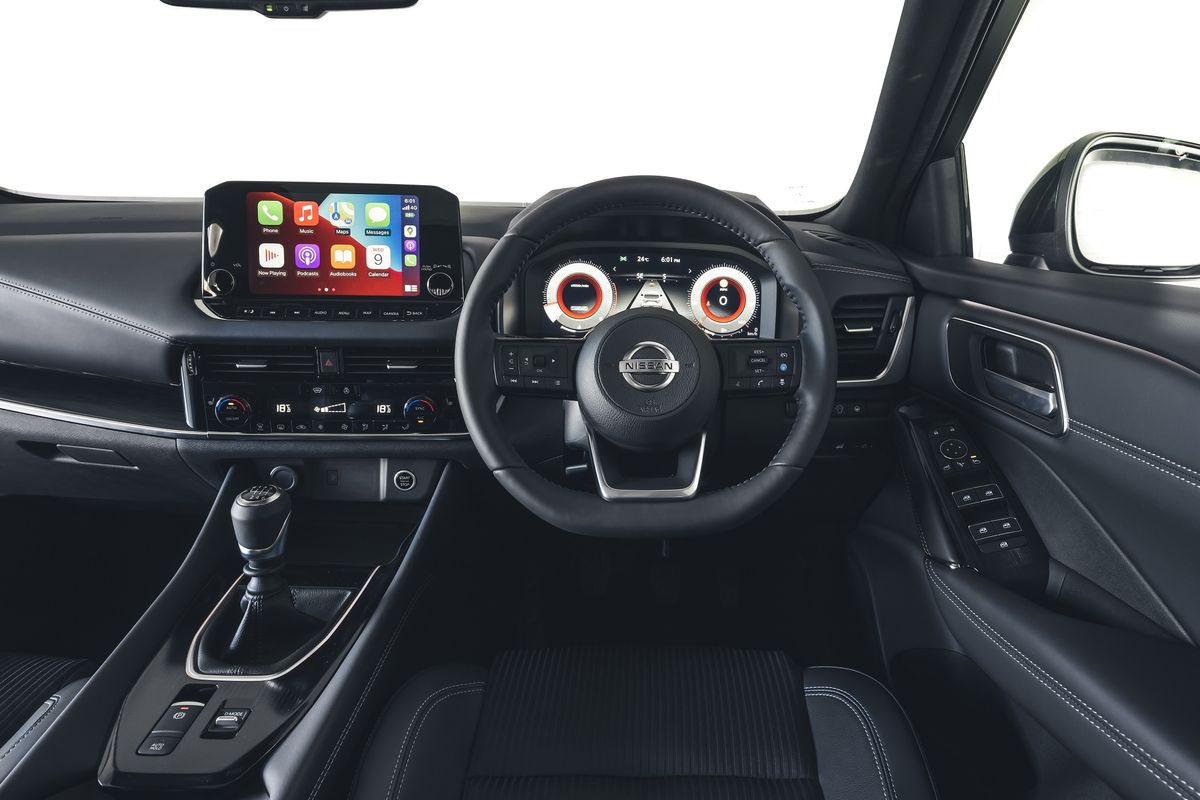
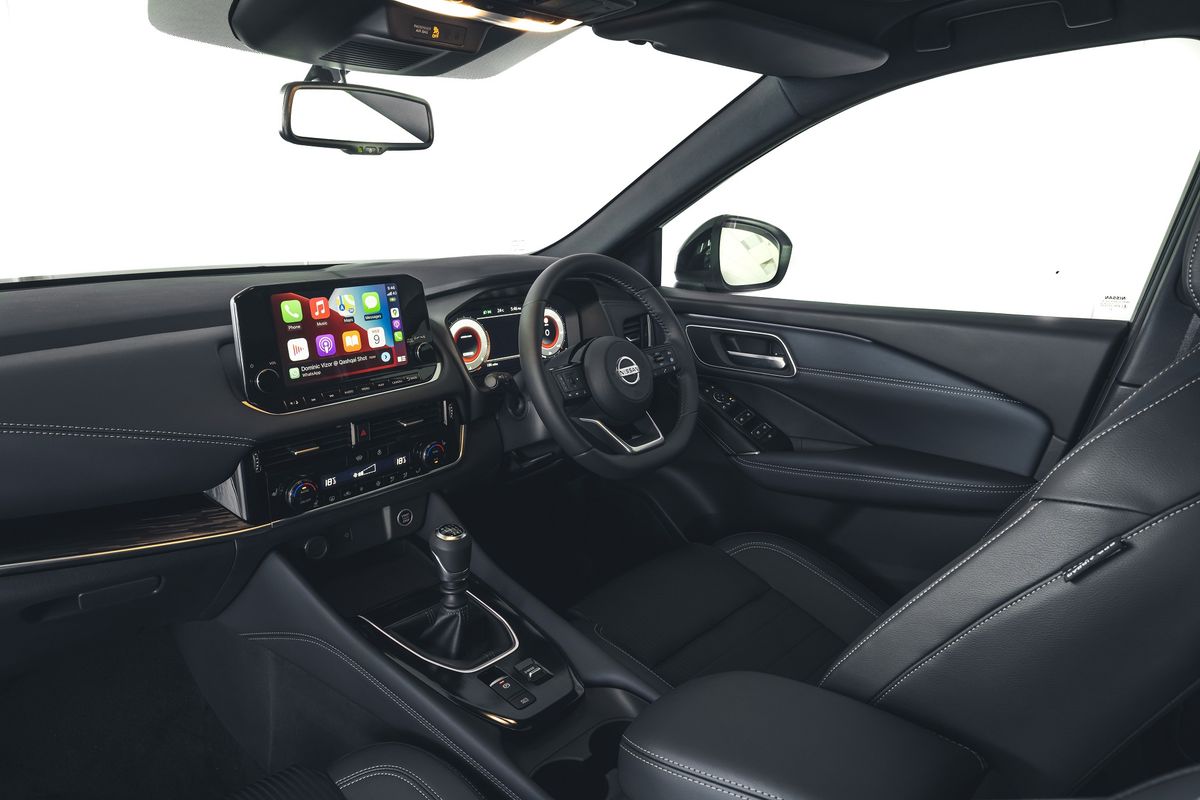
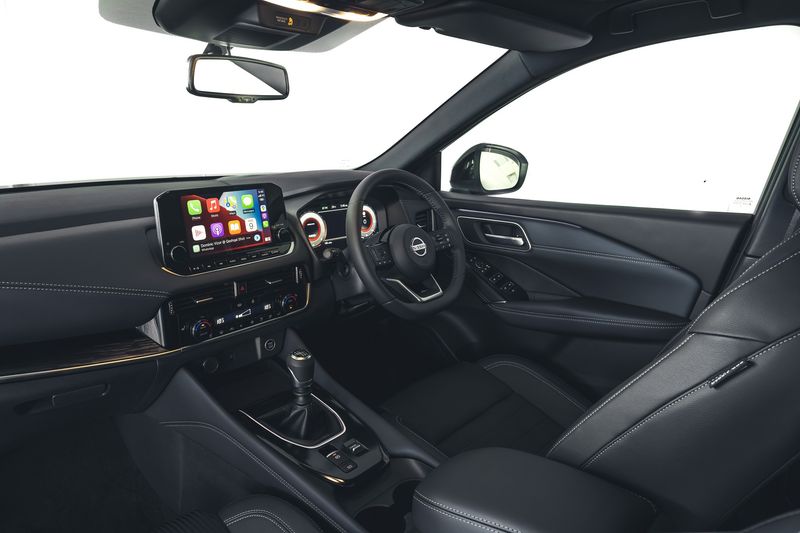
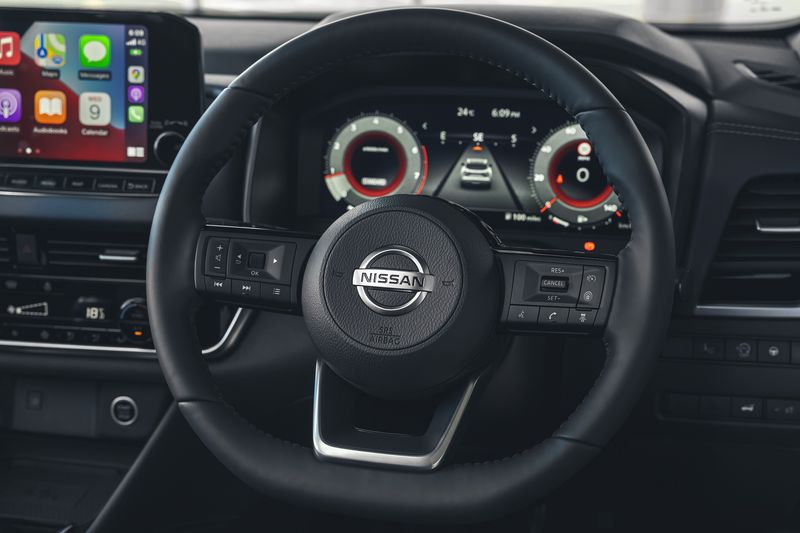
Inside, the new Nissan Qashqai’s fit-and-finish is very good.
I was only able to experience the top-grade Qashqai Acenta Plus, which features a premium-grade leather interior and all the tech and spec that Nissan can bring to the party. All Nissan Qashqais sold in South Africa will be built to European spec and carry a 5-star Euro NCAP safety rating.
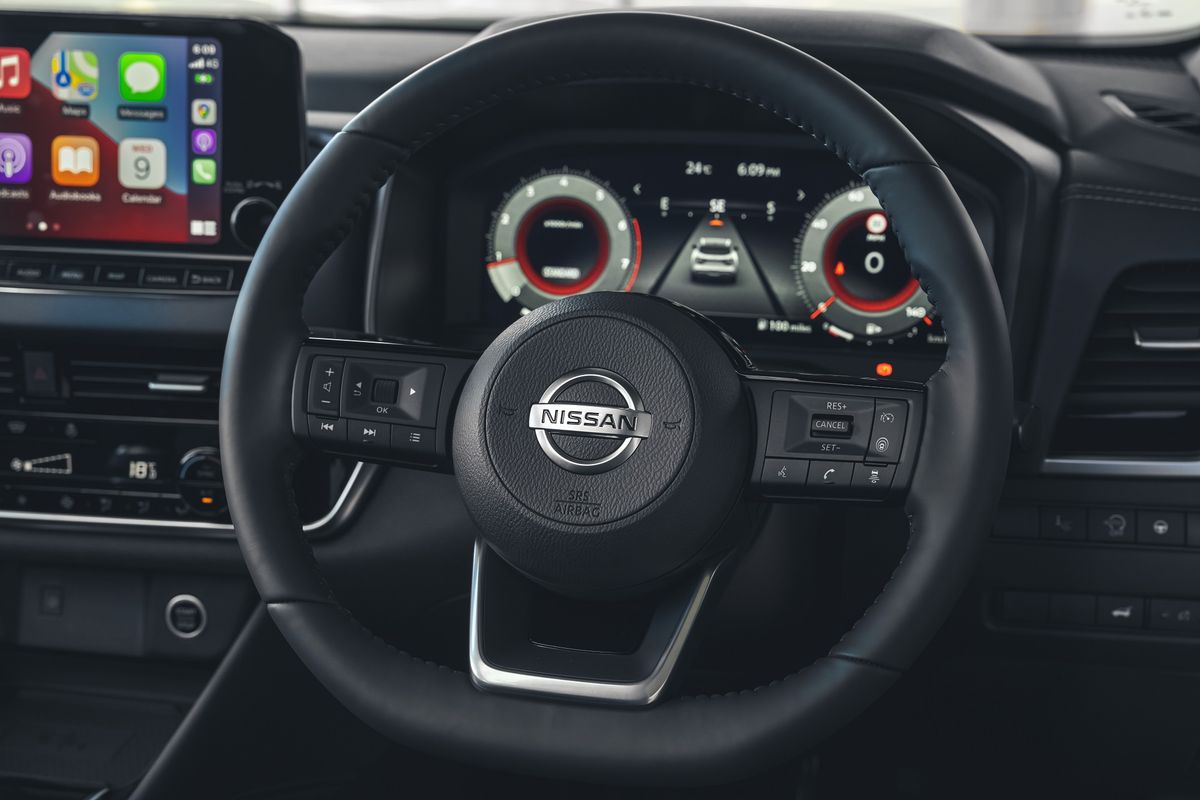
The Acenta Plus features Nappa leather massage and heated seats, leather-wrapped steering wheel, wireless charge pad, fully electric seats (with memory function), dual-zone climate control, ProPILOT autonomous driving, autonomous emergency braking with pedestrian detection, intelligent headlights with 12-split capability and slick gear knob, which moves in a way you don’t expect. It sort of slides. It’s difficult to describe, but it’s very cool.
Overall, the cabin is impressive; it’s awash with soft-touch surfaces and stitched leather, with a particularly premium feel to the switchgear. The only element missing for me was a digital instrument cluster, with the analogue dials feeling a bit yesteryear compared to the rest of the cabin.
A digital instrument cluster is reserved for the European-grade Qashqai, sadly.
The centre of the dash is dominated by a 12.3-inch touchscreen featuring satnav, as well as wireless Android Auto and Apple Car Play, while the front-seat design was a highlight for me… I sat particularly comfortably with very little fatigue to speak of. I briefly tested the rear bench, which can’t match the front seats for comfort, but there was a respectable amount of knee room, at least when I sat behind the driver seat set up for me; children could sit there quite comfortably.
In summary, the interior is knocking on the door of the premium brands’ cabins. In fact, I would say it is better built and of better quality materials than you might find in something like the outgoing Mercedes-Benz GLC, and with styling and panache that easily rivals competitors such as the Mazda CX-5.
Nissan Qashqai (2022) Price in SA
The new Nissan Qashqai is sold with a 3-year/90 000 km service plan, 6-year/150 000 km warranty, and 6-year/150 000 km roadside assistance.
The 3rd-generation Qashqai looks set to become another success story for Nissan.
The Nissan Qashqai has grown up a lot. It is no longer the quirky crossover that endeared itself to millions around the world; it has become a mature member of the establishment – with a price tag to match its more upmarket positioning.
It is slightly more compact than the latest Kia Sportage family car, but noticeably smaller inside than the latter’s longer Hyundai Tucson cousin… an offering that doesn’t offer nearly the same level of specification as the Qashqai but does, perhaps in simple terms, represent “more car for your money”.
Any car maker entering a crossover/SUV segment in South Africa right now will have an eye firmly on the Chinese brands. Haval and Chery have disrupted the local market with offerings that offer solid build quality and liberal specification in combination with keen prices. Here’s some context: the top-spec H6 2.0T 4WD Super Luxury (if you can get one of the much-in-demand Havals) costs R589 950 (September 2022), which undercuts the mid-spec Qashqai 1.3T Acenta, while the Chery Tiggo 7 Pro is a similar offering in the basic aspects of size and shape (although the Nissan’s load bay is more capacious), but a top-spec Tiggo 7 Pro 1.5T Executive costs over R200 000 less than the 1.3T Acenta Plus…
However, I do feel there is space for many players in these increasingly fragmented SUV segments – Nissan might have to make sure that they, and their customers, are comfortable with being near the top end of the pricing spectrum.
In many ways, the Qashqai represents a technological tour de force in this segment, with many features that many of its rivals simply can’t match, or in terms of the premium brands, can offer – but at a hefty extra price.
Compared with some of the larger volume-selling small crossovers, such as the Kia Seltos, Hyundai Creta and Toyota Corolla Cross, the Qashqai aims at a more premium market. It’s priced very keenly compared with the BMW X1, Mercedes-Benz GLA and Lexus UX (the Audi Q3 Sportback begins at R666k, which narrowly undercuts the flagship 1.3T Acenta Plus), but could buyers of those marquee crossovers be genuinely tempted to opt for Nissan’s newcomer?
Perhaps buyers are more likely to compare the Qashqai with family SUVs such as the Haval H6, Kia Sportage and Hyundai Tucson, Mazda CX-5, Toyota RAV4 and Volkswagen Tiguan, most of which are bigger inside than the Nissan and, in an increasingly price-conscious market, motorists might be looking for more bread-and-butter value when spending their hard-earned Rands.
Farewell, V10! Lamborghini Huracán Successor Set for Hybrid V8
The successor to the Lamborghini Huracán looks set to drop the howling atmospheric V10. But a new report claims the high-revving V8 likely to replace it will use forced induction in rather an unusual way…
The Lamborghini Gallardo employed a free-breathing V10 engine. The outgoing Lamborghini Huracán – which debuted back in late 2013 – uses a powerplant of the same configuration. But, according to a fresh report, the Huracán’s replacement will have fewer than 10 cylinders.
Yes, Motor Trend’s source claims the successor to the Huracán is scheduled to hit the market in 2024, dropping the famous naturally aspirated 5.2-litre 10-cylinder petrol engine – which is also used by its platform twin, the Audi R8 – in favour of a twin-turbocharged V8 hybrid powertrain that revs to a heady 10 000 rpm.
The publication claims the as-yet-unnamed Huracán replacement will ride on an updated rather than all-new version of the outgoing platform, while its powertrain will include an axial-flux electric motor positioned between the twin-turbo 4.0-litre V8 and the transmission.
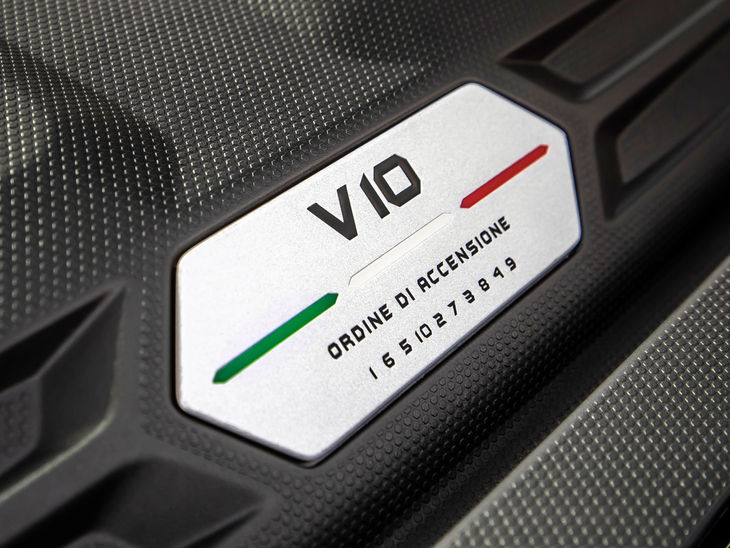
Lamborghini’s famous V10 engine badge. Soon to be a thing of the past?
While the V8 engine will likely be closely related to the unit used by the Urus Performante, Motor Trend claims the forced induction element will work entirely differently. According to the publication, the V8 will function like a naturally aspirated engine (with a little electric assistance) until 7 000 rpm, when the turbochargers finally kick in. So, from 7 000 rpm to the redline of 10 000 rpm, the turbochargers will unleash maximum top-end power.
Interestingly, the source being cited does not specify whether the Huracán successor will hang on to a mechanical all-wheel-drive system or whether electric motors will instead be employed on the front axle. Similarly, there’s no indication yet of whether the hybrid system will offer plug-in capability.
As a reminder, the current Huracán is still available in South Africa, with the local range comprising as many as 6 variants, including the box-fresh Tecnica. Pricing starts at R4 575 000 for the 449 kW Huracán Evo RWD coupé and runs through to R7 775 000 for the likewise rear-driven 470 kW Huracán STO. The all-wheel-drive Huracán Evo coupé slots in the middle of the line-up, with a starting price of R5 750 000.
Nissan Qashqai (2022) Specs & Price
The third-generation Nissan Qashqai has just gone on sale. Here’s how much you can expect to pay for the stylish family SUV.
The Nissan Qashqai has been a serious success story, not only locally but globally. First debuting back in 2007, the Qashqai has sold over 3 million units around the world and naturally with this new version, Nissan hopes to keep the sales story going.
Under the skin, the Renault-Nissan-Mitsubishi Alliance CMF-C platform can be found and South African customers have one engine, two transmissions and 3 trim levels to choose from.
The engine on duty is the 1.3-litre turbocharged 4-cylinder petrol, the same powertrain as the one found in the Mercedes-Benz compact range, like the A-Class for example. In this Nissan application, there’s 110 kW and 250 Nm. The entry-level model features a manual gearbox, while the two subsequent derivatives feature Xtronic continuously variable transmissions (CVT). A fuel economy figure of 6.1 L/ 100 km is claimed.
Trim Levels
Nissan Qashqai 1.3T Visia
Standard Equipment:
LED Headlamps
Reverse Camera
8-inch Display Audio
17-inch Alloy Wheels
Cruise Control
Wireless charger
Nissan Qashqai 1.3T Acenta
Standard Equipment (in addition to that included in the Visia)
Dynamic LED Headlamps with Auto Levelling
Autonomous Drive Level 1 (ProPilot)
18-inch Alloy Wheels
12.3-inch Display Audio
Lane Keep Assist (LKA)
Roof Rails
Nissan Qashqai 1.3T Acenta Plus (in addition to Acenta content)
Premium Nappa Leather Seats
Front Heated Seats
Bose Sound System
10 Speakers
19-inch Alloy Wheels
Tilt Reverse Side Mirrors
How much does the new Nissan Qashqai cost in South Africa?
The new Nissan Qashqai is sold with a 3 year / 90 000km service plan, 6 year / 150 000km warranty, and 6 year / 150 000km roadside assistance.
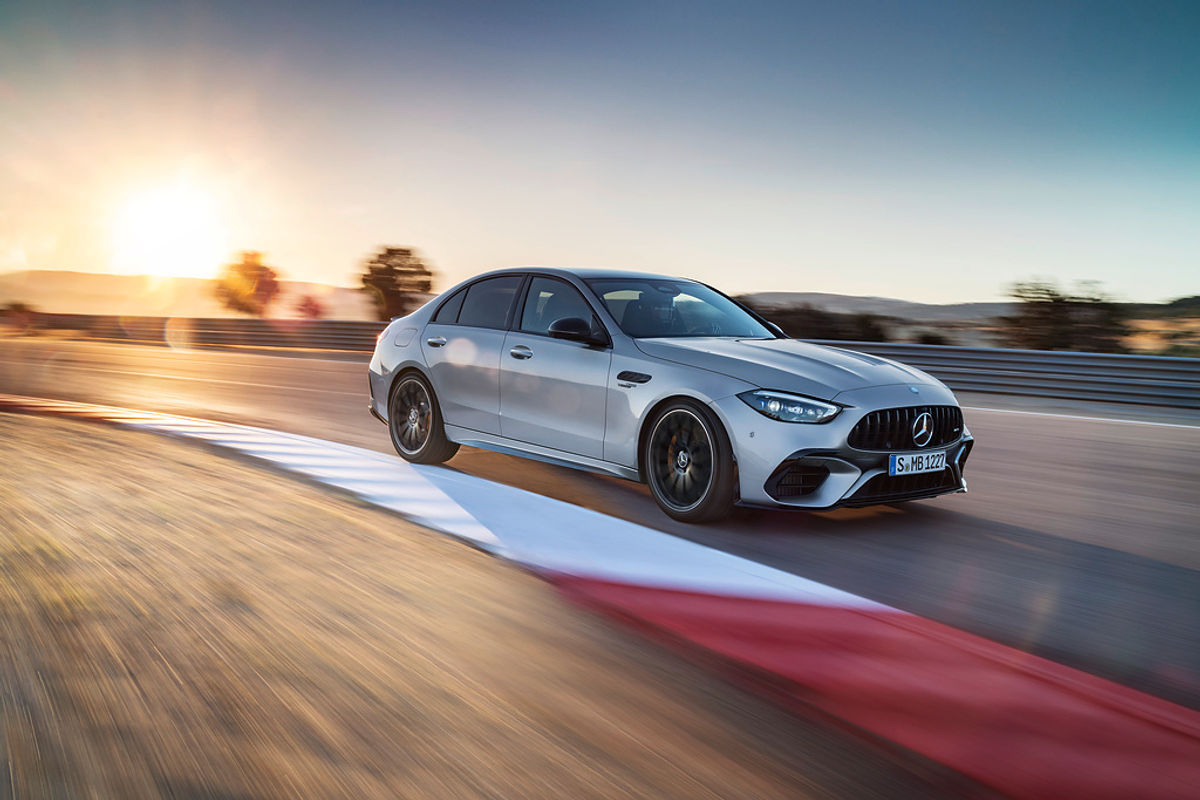
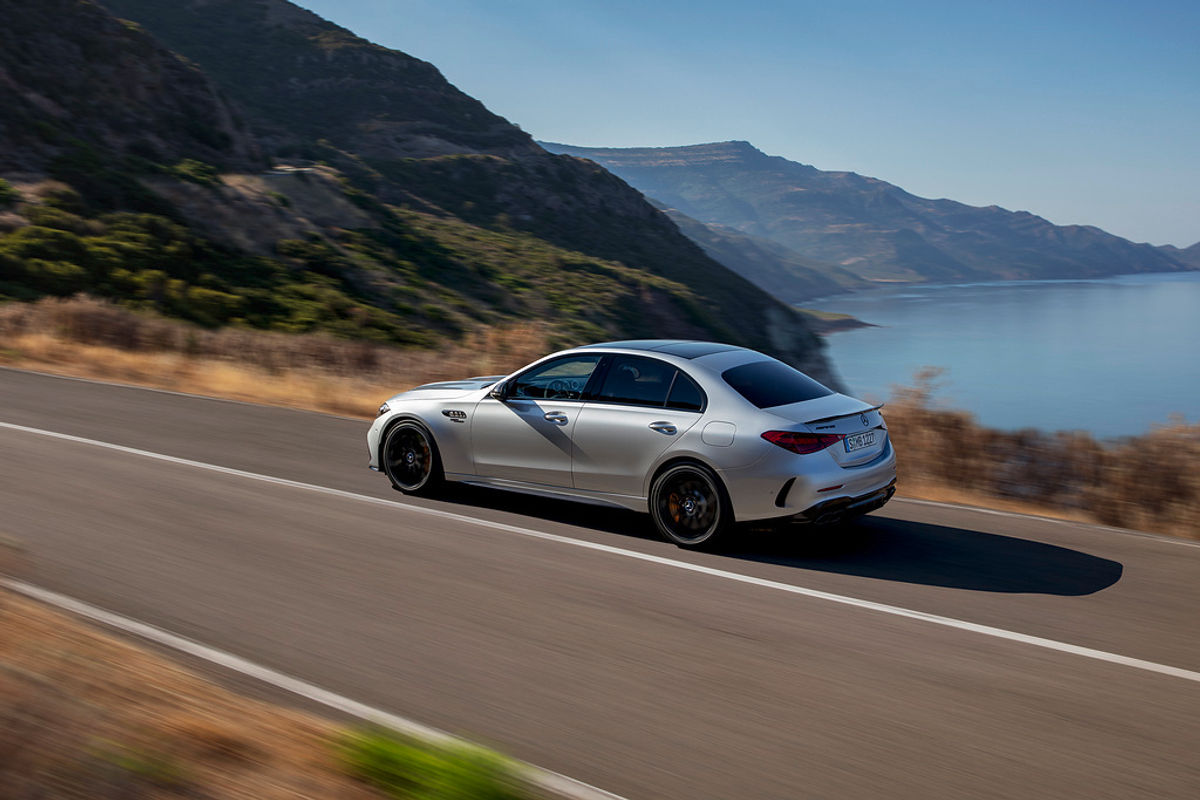
New Mercedes-AMG C63 S E Performance Revealed with 500 kW
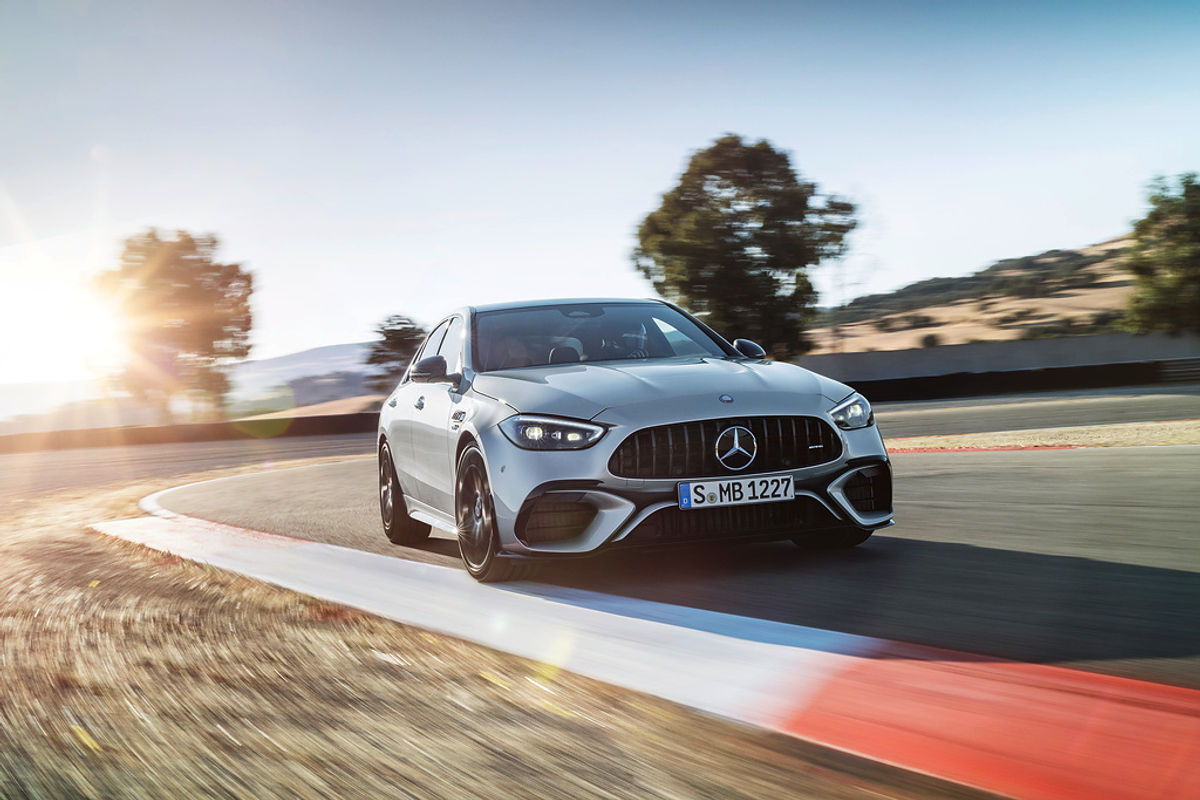
The wait is over! The new Mercedes-AMG C63 S E Performance has been revealed, now featuring a new F1-inspired plug-in hybrid powertrain!
Purists will undoubtedly miss that lovely and powerful 4.0-litre V8 bi-turbo engine driving the rear wheels. Not only does it tug at the heartstrings from a sound point of view, but its power delivery was guaranteed to put a smile on everyone’s face.
However, thanks to increasingly tougher emissions regulations, the future is electrified and this new generation Mercedes-AMG C63 S E Performance forges ahead with a new fully-variable 4MATIC all-wheel-drive plug-in hybrid powertrain. Note that both Saloon (sedan) and Estate (station wagon) body styles are offered (market specific).
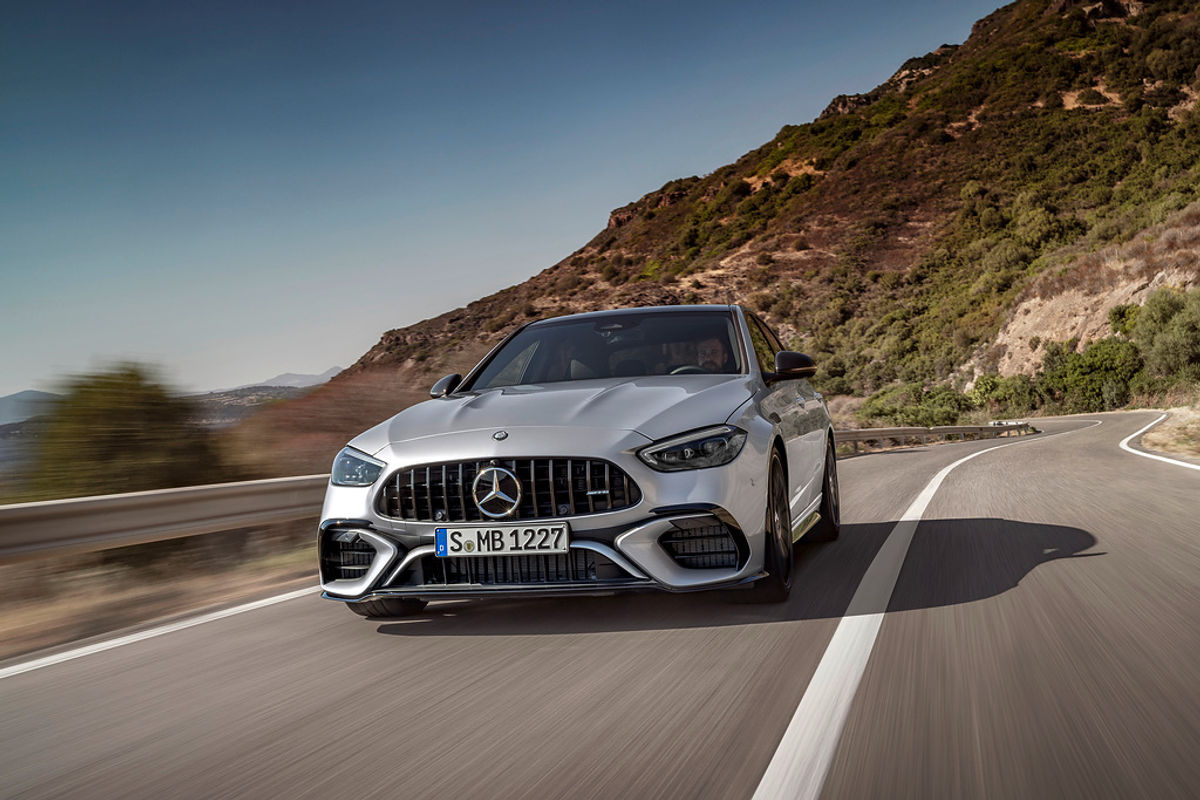
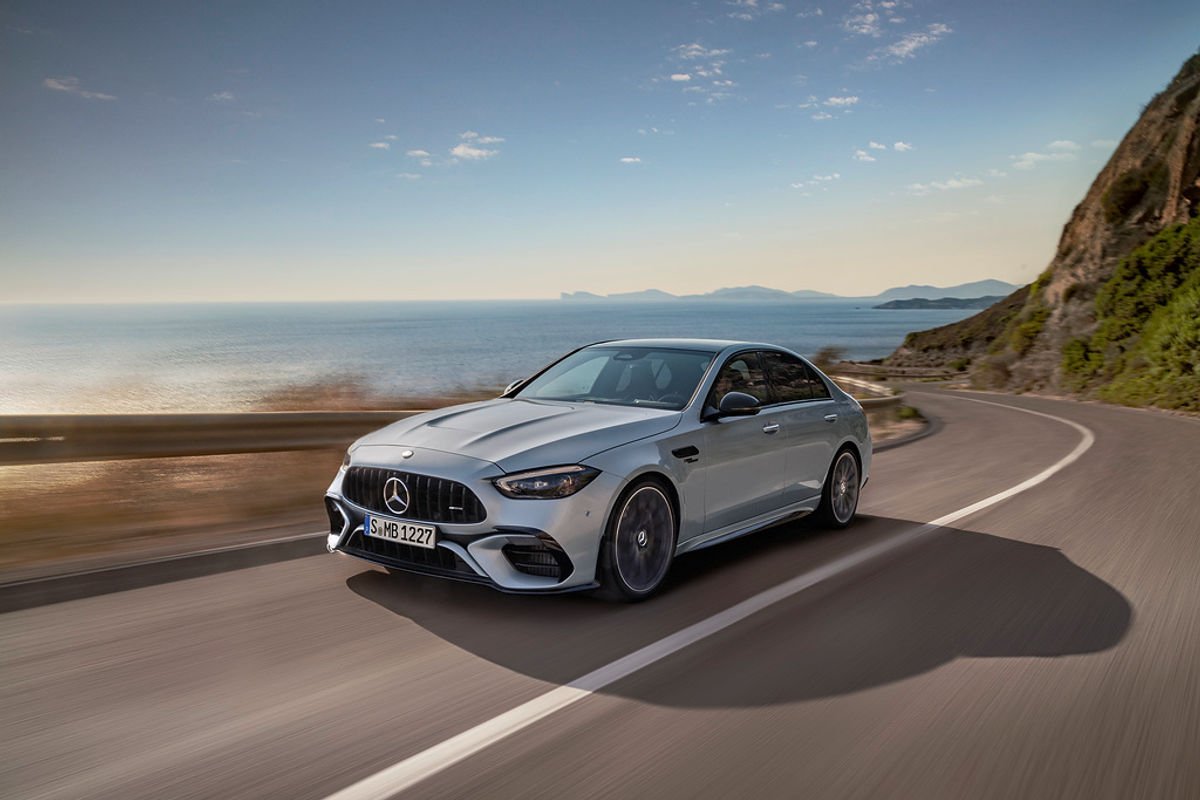
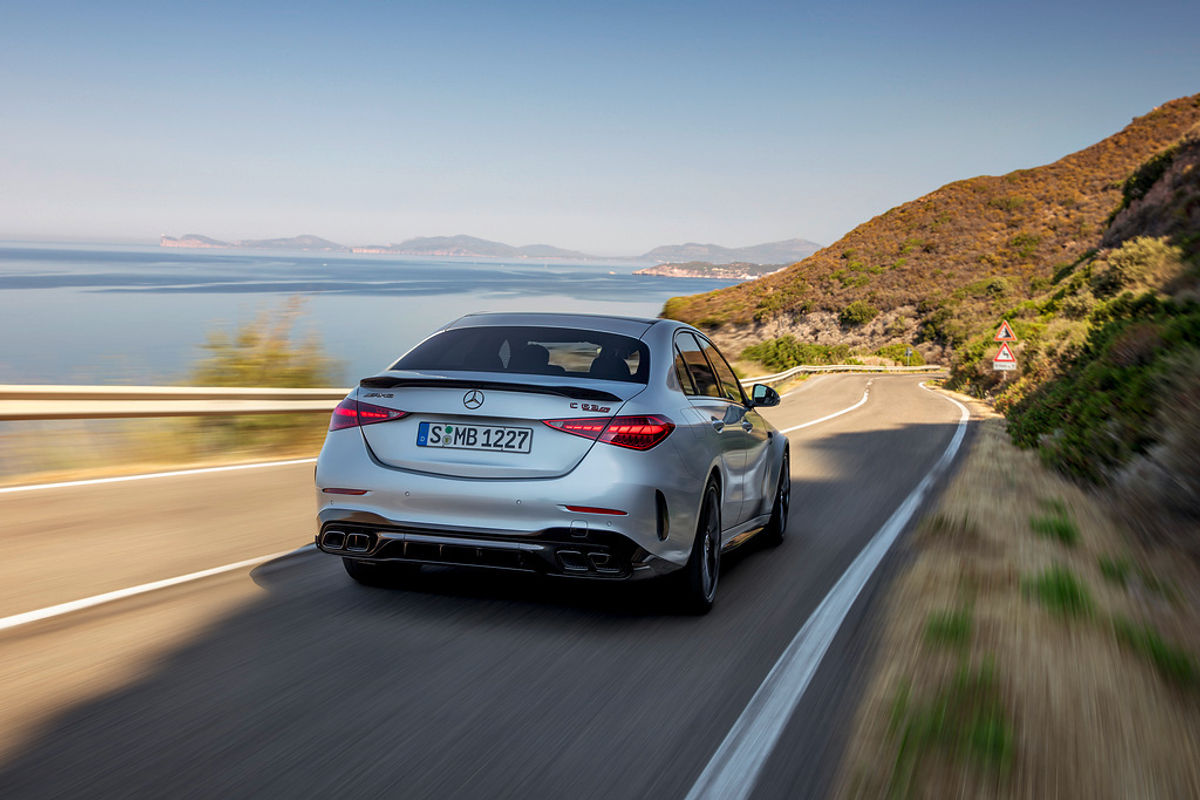
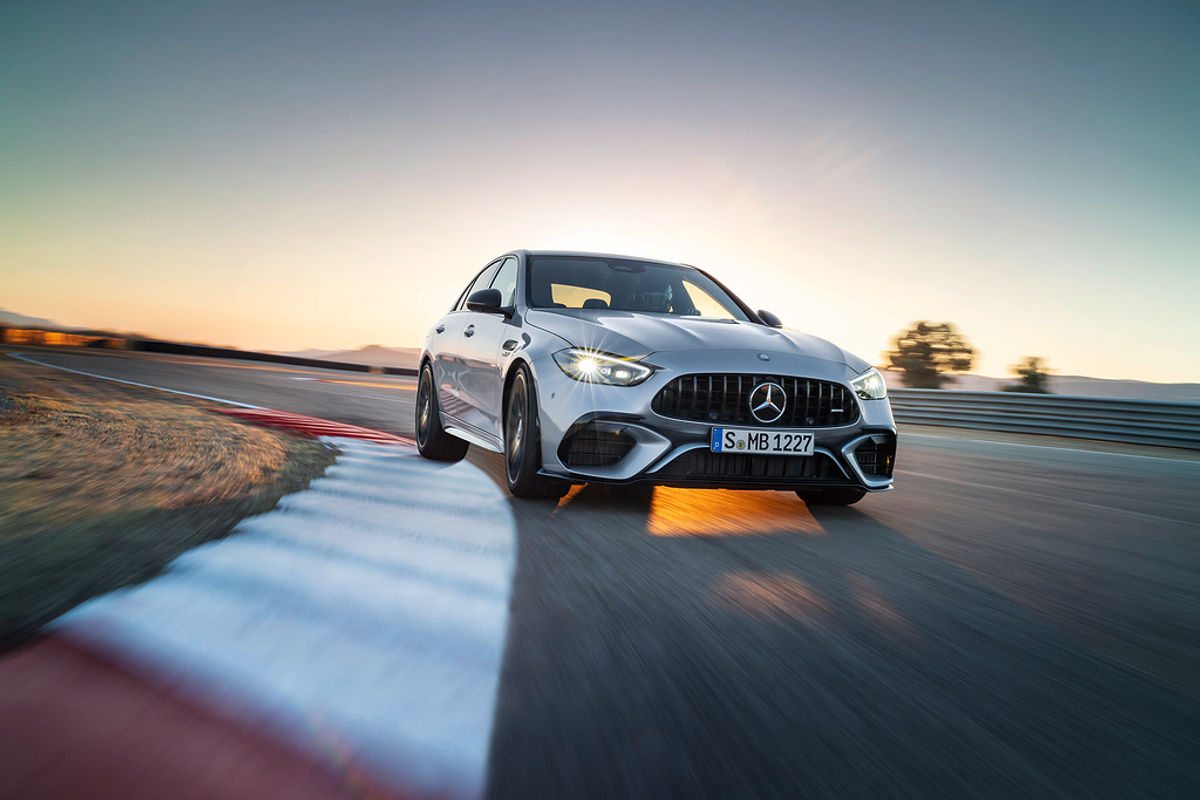
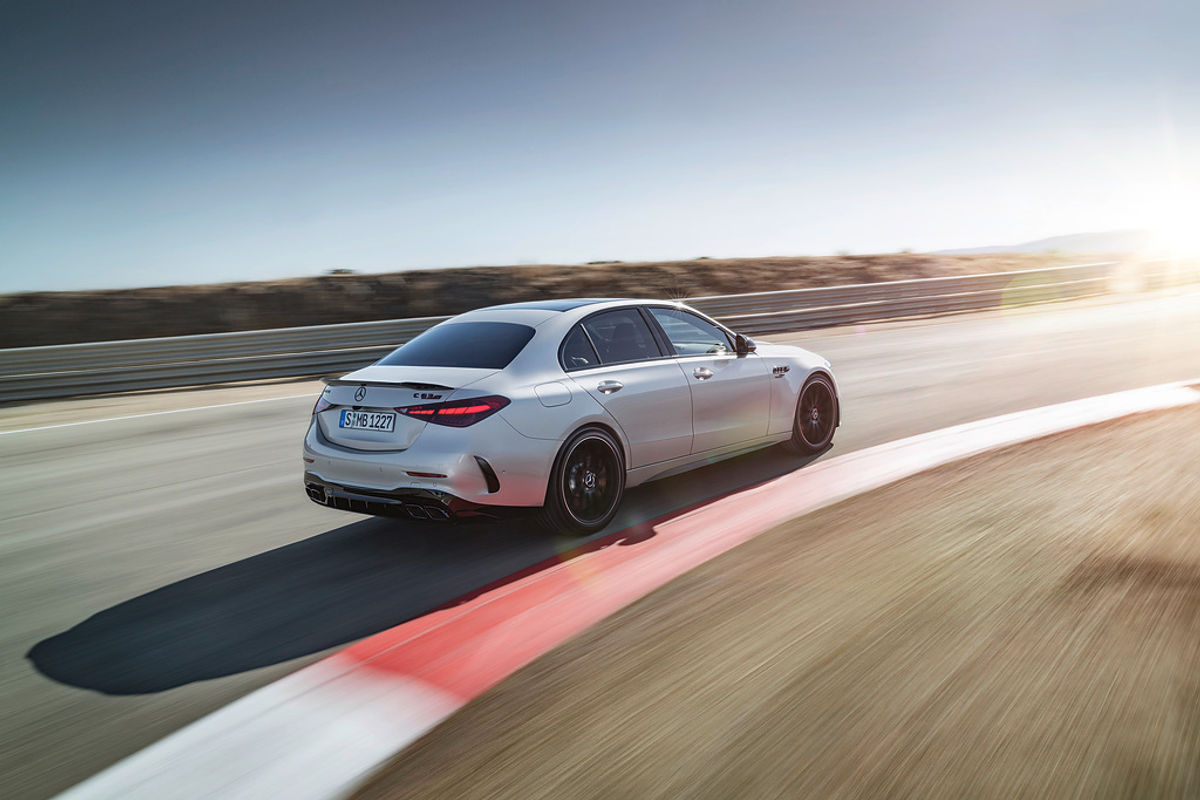
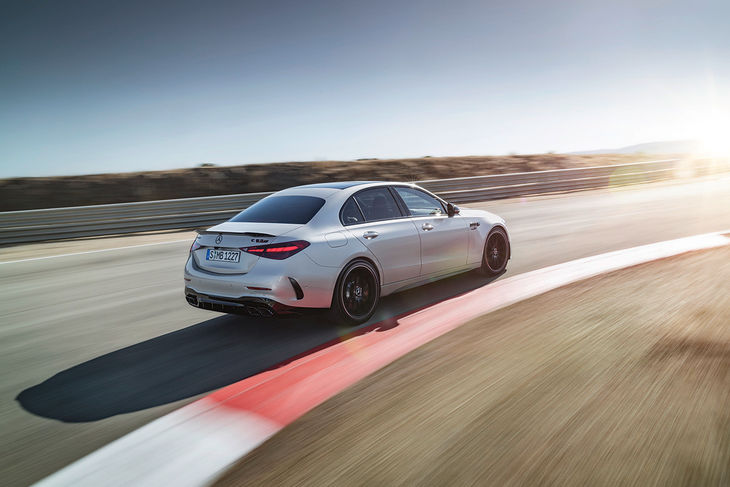
Stylistically speaking, there are no major surprises and the design is very much familiar and in line with Mercedes-Benz’s current design philosophy. As a high-ranking model, the C63 S E wears a Panamericana grille with a new bumper design that incorporates large air intakes while the sportiness is emphasised with a pronounced boot lid spoiler and rectangular quad exhaust tips placed beside a chunky rear diffuser. The C63 S E Performance rides on 19-inch AMG light-alloy wheels as standard while 20-inch wheels are offered as an option.
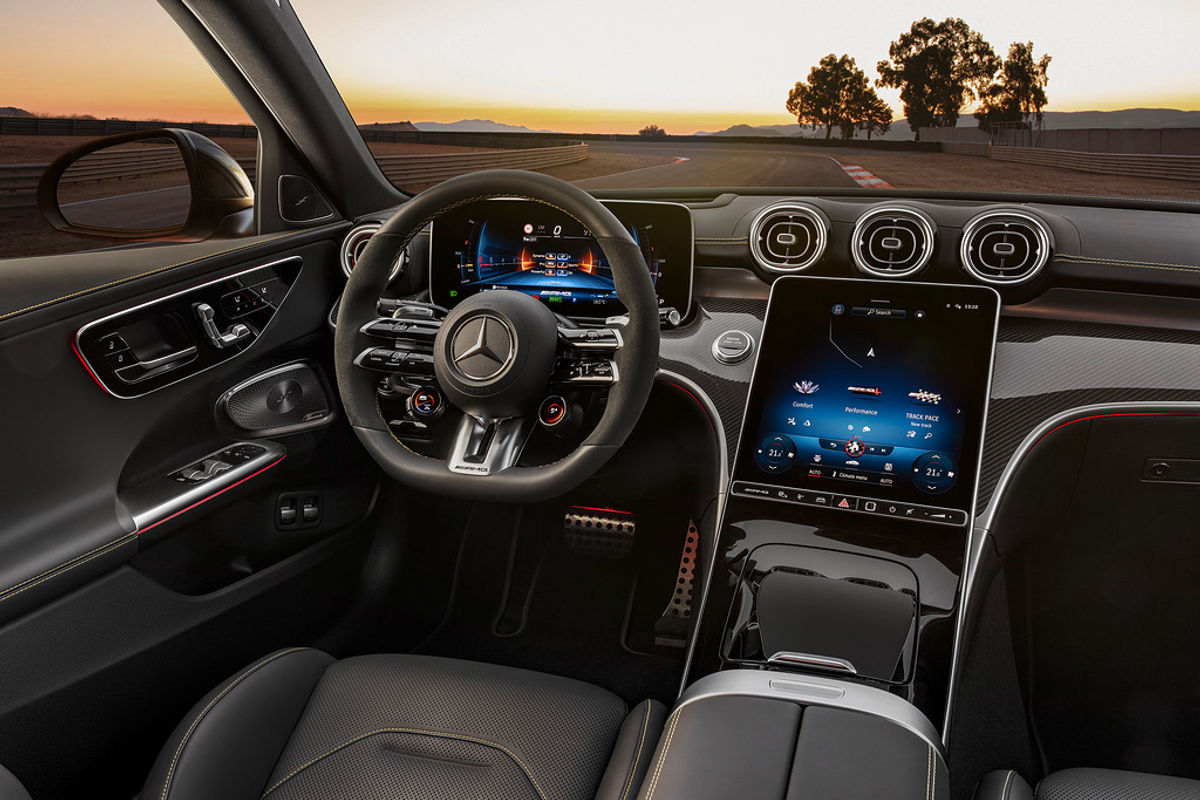
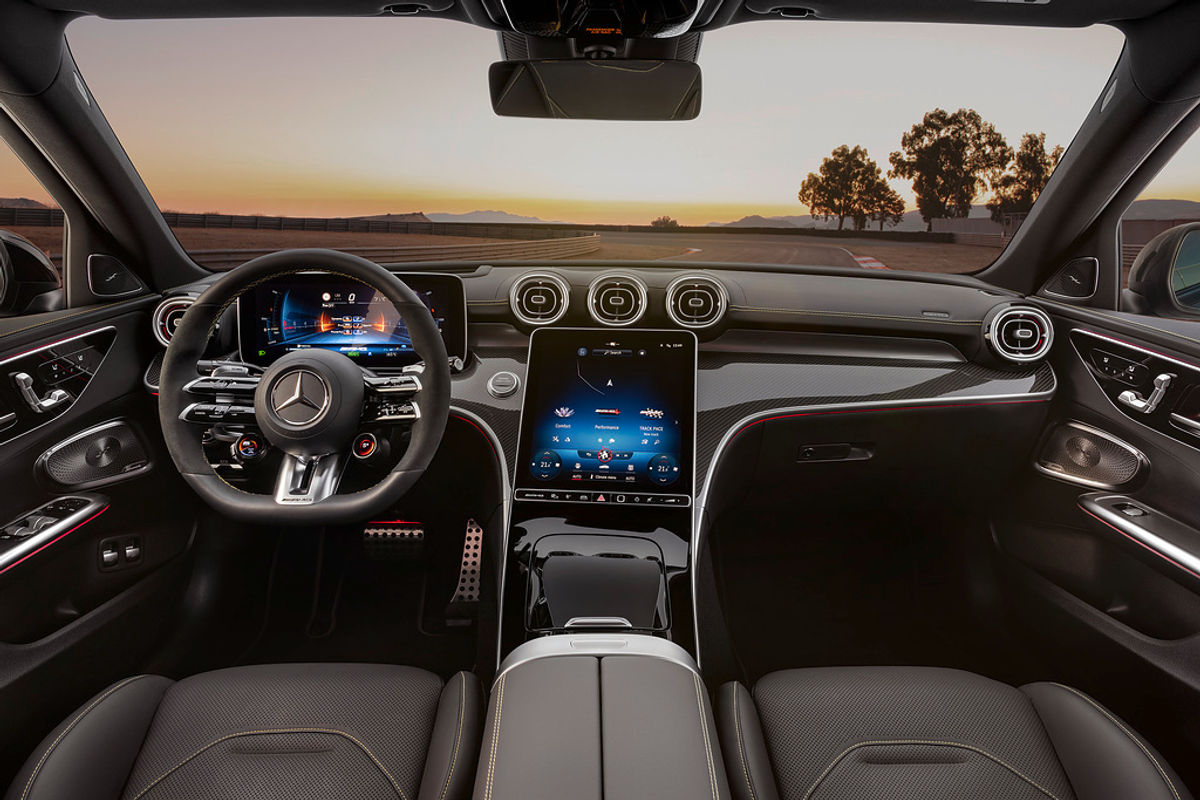
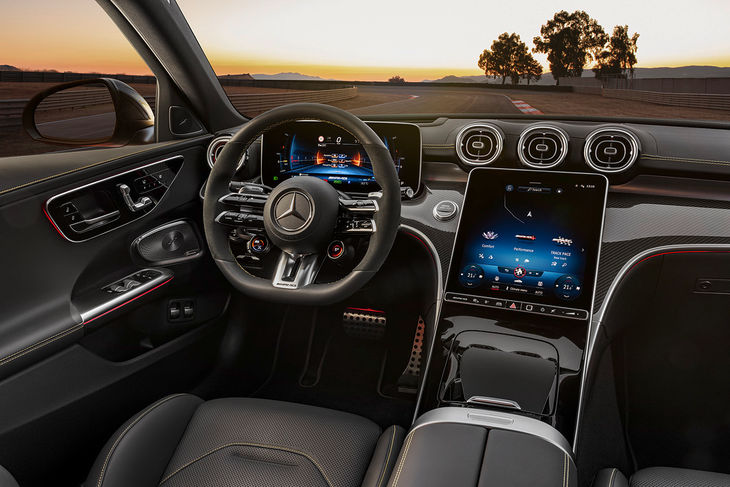
The interior design is familiar from the new C-Class but AMG-specific details set the C63 S E Performance apart.
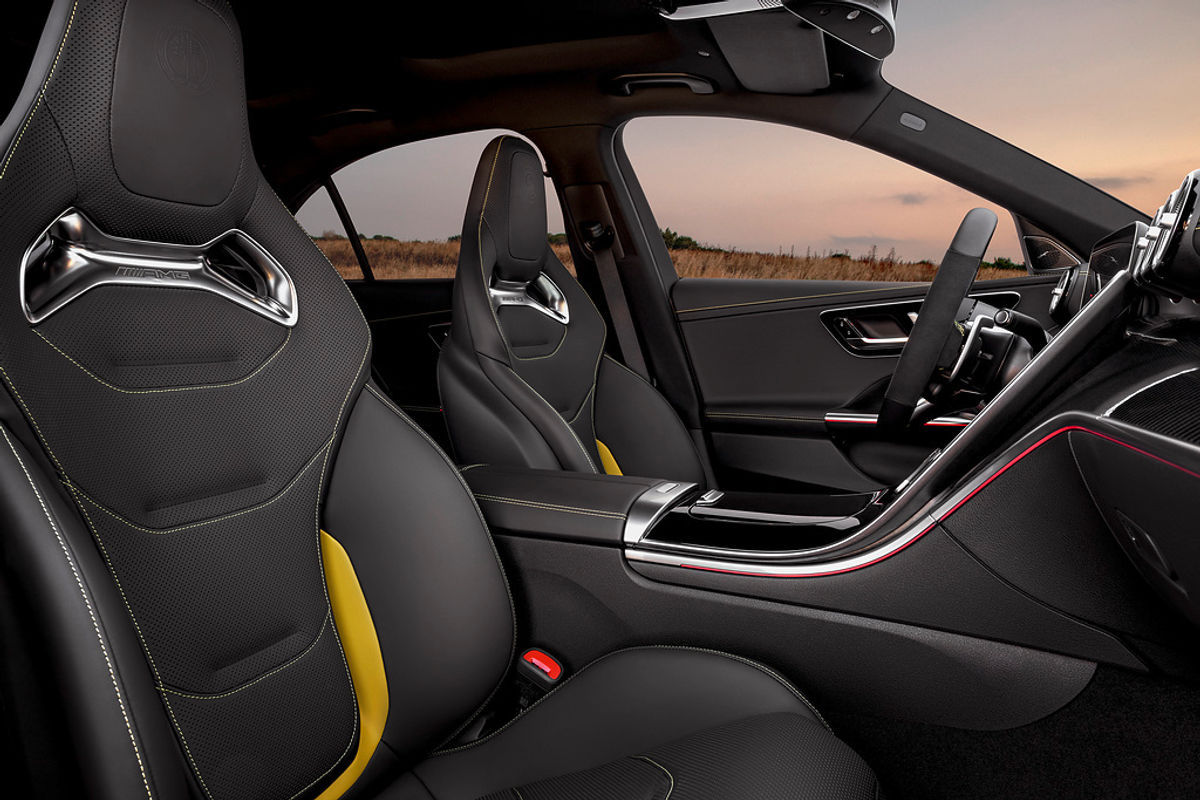
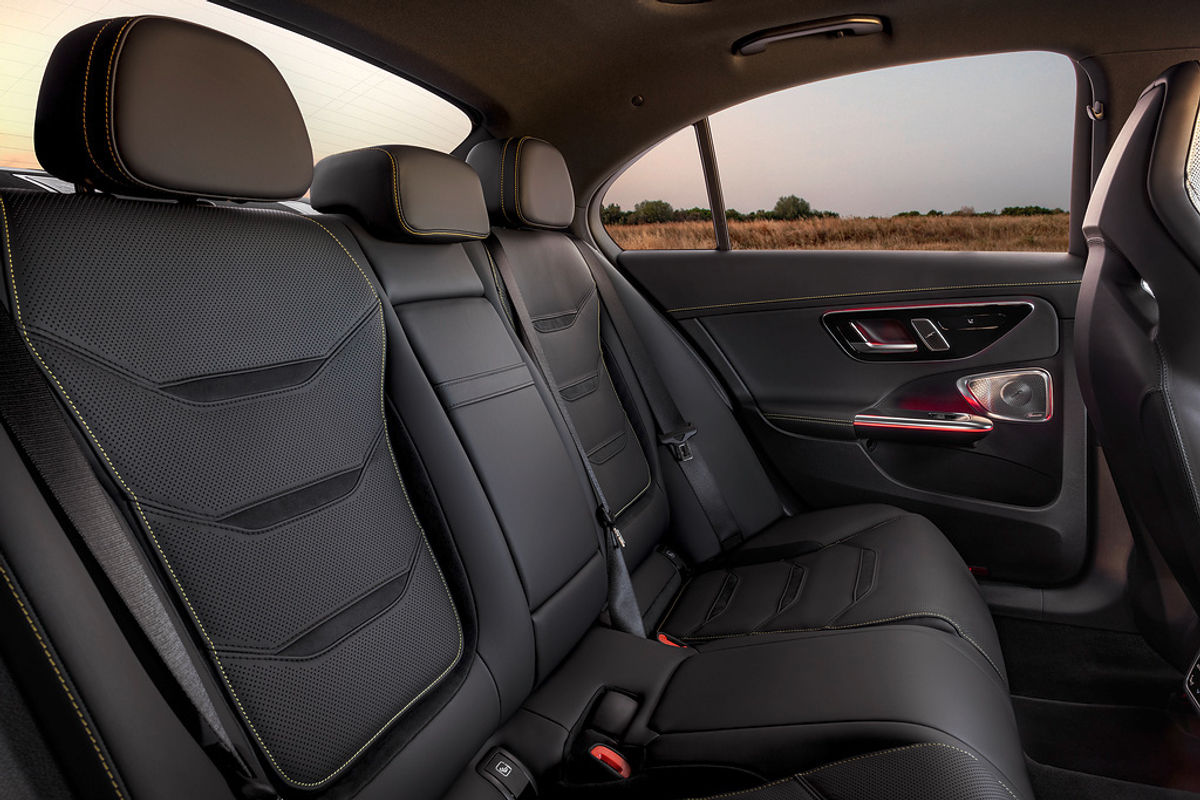
The interior design and execution follows from the new C-Class which launched locally earlier this year but features such as specially stitched AMG sports seats and embossed AMG emblems seen on the headrests add a sporty touch to the interior as does the nappa leather finishes. Second-generation AMG Performance seats are offered as an option.
The now-familiar vertically orientated MBUX infotainment system houses hybrid-specific displays with all vital vehicle information displayed either on the central screen, digital instrument cluster or in the head-up display. The instrument cluster can be customised to your preference and major functions are all accessed via the 2-spoke AMG Performance steering wheel.
How much power does the new Mercedes-AMG C63 S E Performance produce?
The new C 63 S E Performance brings 500 kW and 1 020 Nm to the road.
The electric drivetrain components comprise of a 400V, 6.1 kWh lithium-ion battery with direct cooling system, powerful 150 kW / 320 Nm electric motor driving the rear axle, electrically controlled limited-slip differential as well as a 2-speed gearbox. Note that the battery is designed for fast power delivery (not range) and it therefore only offers 13 km of electric driving and can be charged via the onboard 3.7 kW AC charger using a charging station or household wallbox. The battery delivers continuous output of 70 kW but has a maximum output of 150 kW for up to 10 seconds. Energy is also recuperated when braking or when lifting off the accelerator and 4 regeneration levels can be selected by the driver including Level 0, Level 1, Level 2 and Level 3.
In the case of the new Mercedes-AMG C63, the 2.0-litre 4-cylinder engine is the same M139 engine found in the new A45, and is positioned in a longitudinal fashion, as opposed to the transverse setup. More so, it’s not only the most powerful 4-cylinder engine in the world with outputs of 350 kW and 545 Nm but it’s also the first time a production engine has been turbocharged with an electric exhaust gas turbocharger.
The result is a combined total system output of no less than 500kW and 1 020 Nm of torque! This powerful engine is mated with a fast-shifting 9-speed Multi-Clutch Transmission (MCT).
Comparably, the C63’s main rival, the BMW M3 Competition xDrive delivers 375 kW and 650 Nm of torque from its 3.0-litre, twin-turbocharged 6-cylinder petrol engine and claims 3.5 seconds in the sprint from zero to 100kph.
The new range-topping C-Class is heavier (2 111 kg) than the model it replaces but with more torque and virtually no turbo lag, the newcomer is faster than its predecessor. Merc says that the new AMG C63 will run from zero to 100 kph in 3.4 seconds before reaching a limited top speed of 280 kph with the AMG Driver’s Package! A fully-variable all-wheel-drive system includes a Drift Mode and active rear-axle steering is standard. The driver has up to 8 drive modes to choose from including, Electric, Comfort, Battery Hold, Sport, Sport+, Race, Slippery and Individual. Fuel consumption is claimed at 6.9 L/100km.
The arrival of the new Mercedes-AMG C63 S E Performance in South Africa can be expected in the first half of 2023.