The 75-year-old petrolhead who dreamed of 350 kph… so he hired a runway!
A 75-year-old man called Barry has the bucket list item of going more than 300 kph in his beloved Nissan GT-R. We tagged along for the ride!
At 75 years old, most people would be taking things gently and enjoying leisurely hobbies like lawn bowls, golf and bridge, but not Barry.
Barry owns a 2012 Nissan GT-R, but this is no ordinary R35. The vehicle was shipped off to England for some extensive performance upgrades. The 3.8-litre motor was upped to 4.1-litres, upgraded the rods, pistons, valve springs, and replaced the turbochargers for bigger units. Depending on the map and mode, power outputs range from 800 hp but with ethanol and the most aggressive map, around 1200 hp (over 880 kW) is possible.
We caught up with Barry and his monster GTR as he attempted a top-speed run on the 4 900 metre-long runway of Upington Airport.
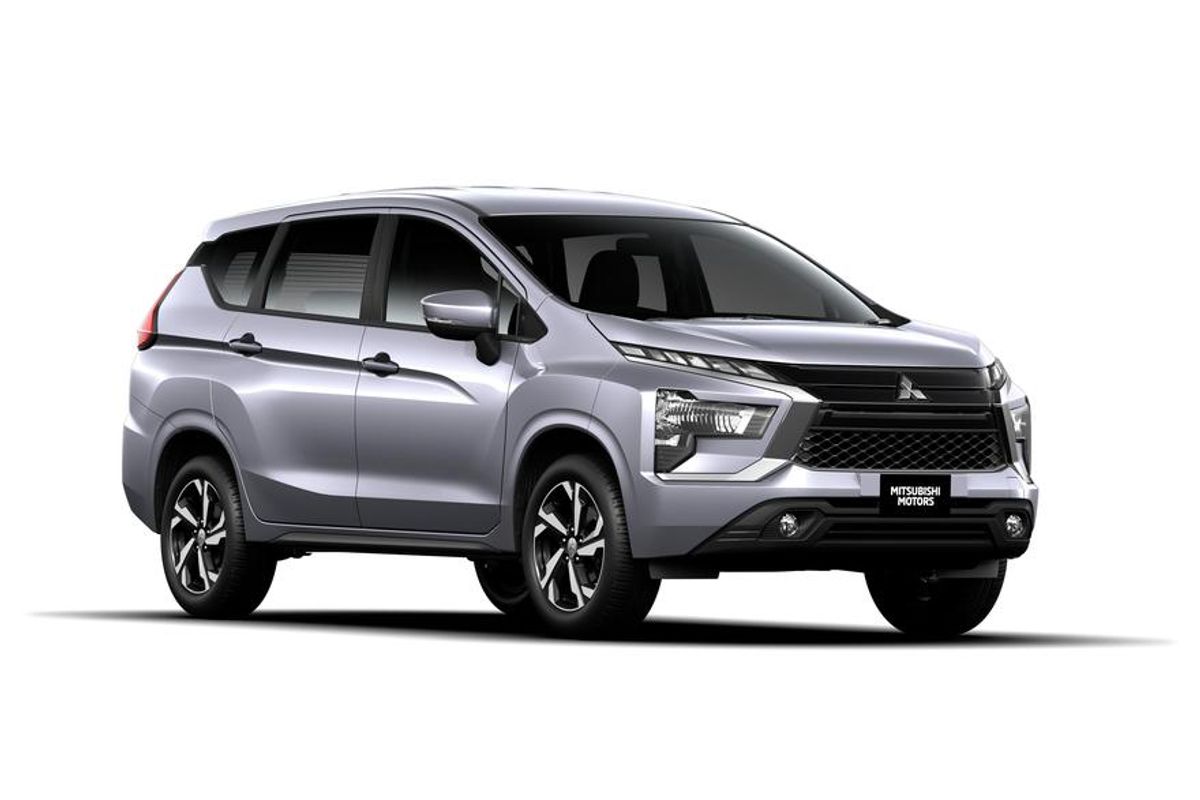
Over a year since it arrived in South Africa, the Mitsubishi Xpander has now been updated. See what’s changed and what you can expect to pay for the Xpander below…
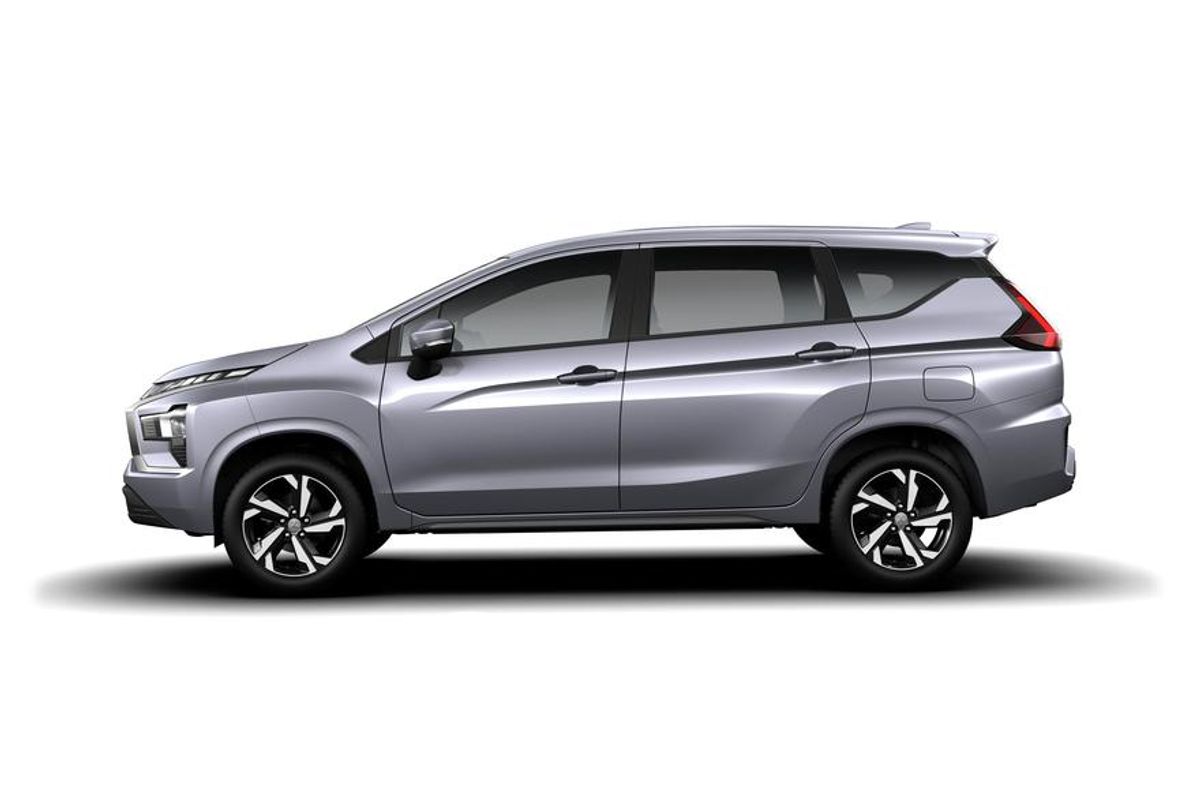
The Mitsubishi Xpander is a 7-seater SUV and while it does resemble an MPV, Mitsubishi reckons there’s plenty of practicality and ruggedness for it to combine both roles.
“The Xpander is a true family-style seven-seater, with the space and engine performance to complete the package, which is why we believe it is South Africa’s most affordable seven-seater family vehicle in its class,” explains Jeffrey Allison, General Manager: Marketing at Mitsubishi Motors South Africa (MMSA).
Mitsubishi is offering its Xpander with a 1.5-litre engine and the choice of either a 5-speed manual gearbox or a 4-speed automatic. Power is rated at 77 kW and 141 Nm, and Mitsubishi claims a combined fuel consumption figure of 6.9 L/100 km for the manual, while the automatic is said to consume 7 L/100 km.
What’s changed?
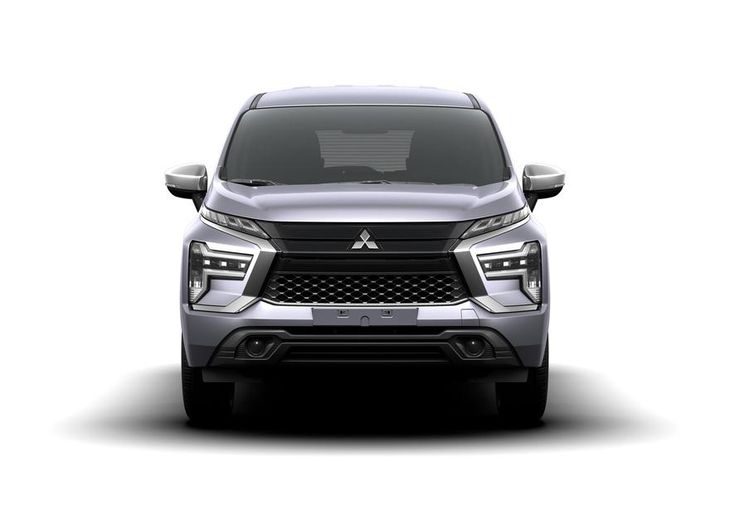
An updated grille and T-shaped headlights are key identifiers for the updated Xpander.
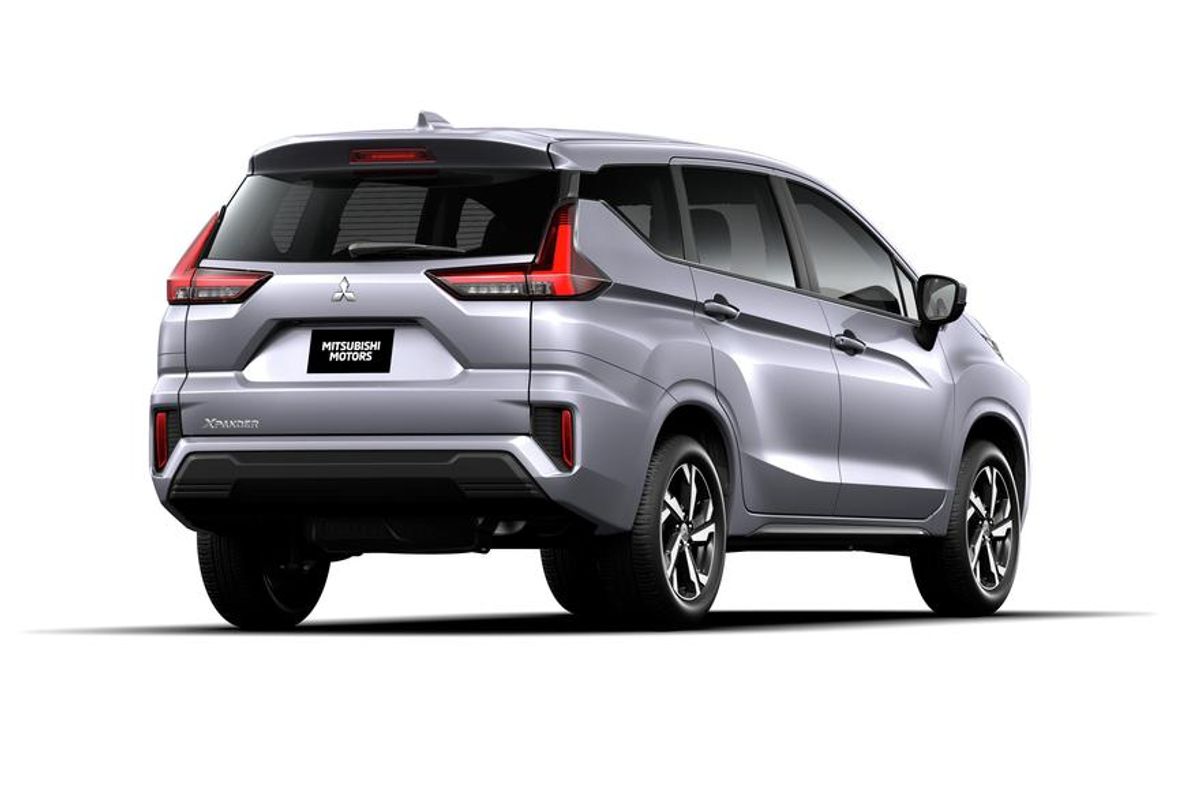
The latest Mitsubishi Xpander is easily identified by its revised Dynamic Shield front-end design that now incorporates black grille trim as well as T-shaped headlights with an enhanced LED Daytime Running Light (DRL) signature. LED taillights are now also fitted along with a high-mounted brake light.
Mitsubishi has also boosted the Xpander’s SUV credentials by raising the ground clearance from 205 mm to 225 mm with the addition of 16-inch alloy wheels for the manual Xpander and 17-inch alloy wheels for the automatic Xpander.
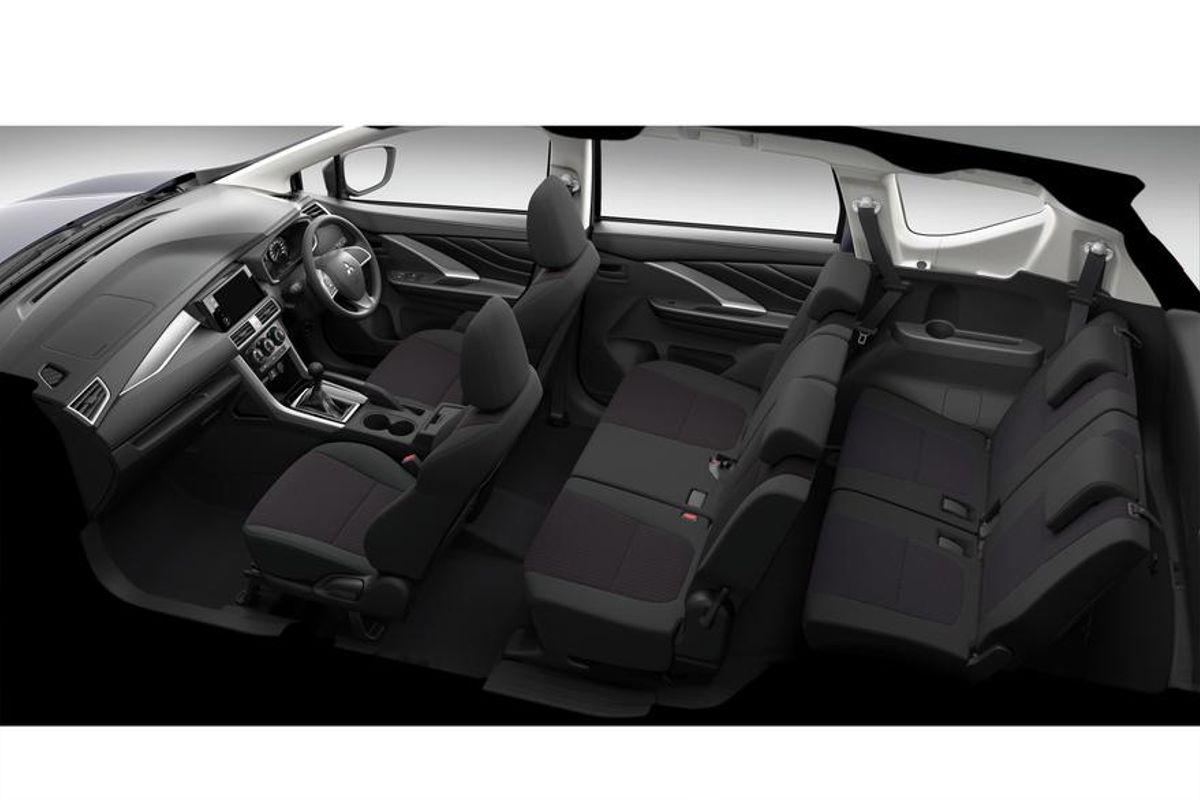
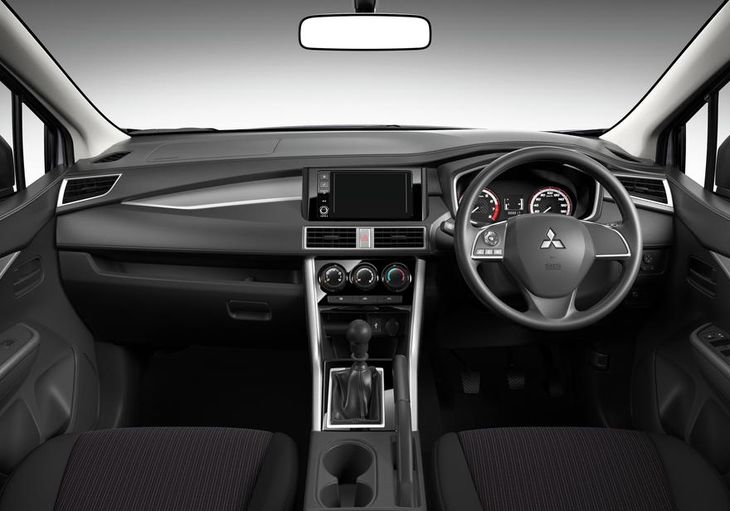
The Xpander’s interior is fairly rudimentary in design and execution but it’s now more spacious!
It’s worth noting that the Xpander also stands some 120mm longer which has resulted in more cabin space, which is still able to accommodate 7 passengers. Seating flexibility remains with 60:40 split seats for both the second and third row of seats, the latter of which can be folded completely flat to create a larger load bay area. An under-floor storage box is also fitted to keep items out of sight. Mitsubishi has also fitted a central armrest for added comfort as well as an improved rear cooler.
Other nifty features include quick-access storage bins under the seats, 120 W sockets for each row and automatic air conditioning. The SDA infotainment system is Android Auto and Apple CarPlay compatible and features a wide-field rear-view camera. A multifunction steering wheel with tilt and reach adjustment also offers Bluetooth voice control.
As far as safety goes, the Mitsubishi Xpander has driver and front passenger front airbags, ABS with EBD and ISOFIX child seat mounts.
How much does the Mitsubishi Xpander cost in South Africa?
The new Xpander is sold with a 3-year/100 000 km manufacturer’s warranty and a 2-year/30 000 km service plan. The price also includes 5-year/unlimited mileage roadside assistance. Service intervals are set at 15 000 km/1 Year whichever comes first.
While 2025 is still some time away, BMW is working hard on its new-generation of vehicles, dubbed Neue Klasse. We went to Germany to learn more about the new 6th-generation powertrain and battery technology that will power these vehicles.
We’re in the middle of a global arms race when it comes to electrification and battery tech. Granted, this may seem a bit far-fetched locally as South Africa experiences challenges with a stable electricity supply, but the European car brands are forging ahead towards an electric and emission-free future.
BMW is currently hard at work with its new generation of electric vehicles which are set for reveal in 2025. Dubbed the ‘Neue Klasse’ these vehicles feature a brand-new platform and new battery tech. It’s deeply impressive to see how rapidly battery tech has evolved over such a short period of time. If we compare the first version of BMW i3 which we drove back in 2015 to the final model, the physical size of the battery didn’t change, but the range almost doubled.
Old vs New
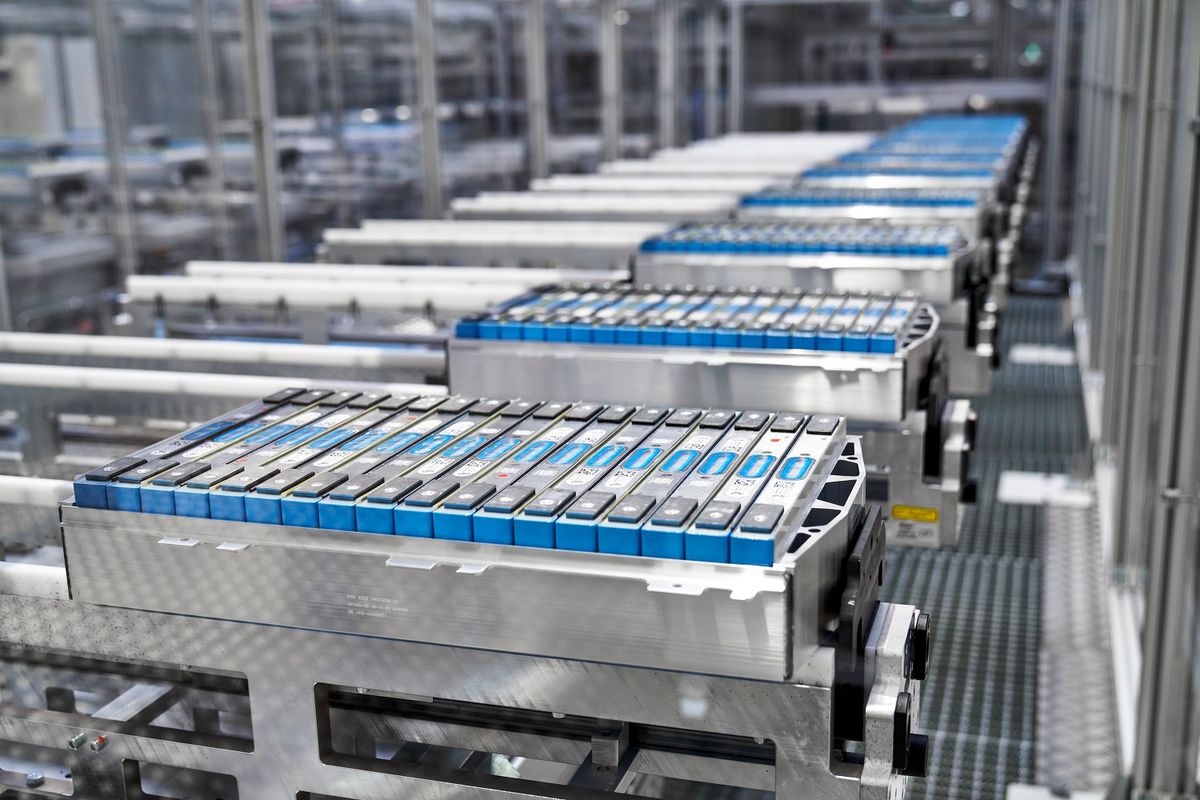
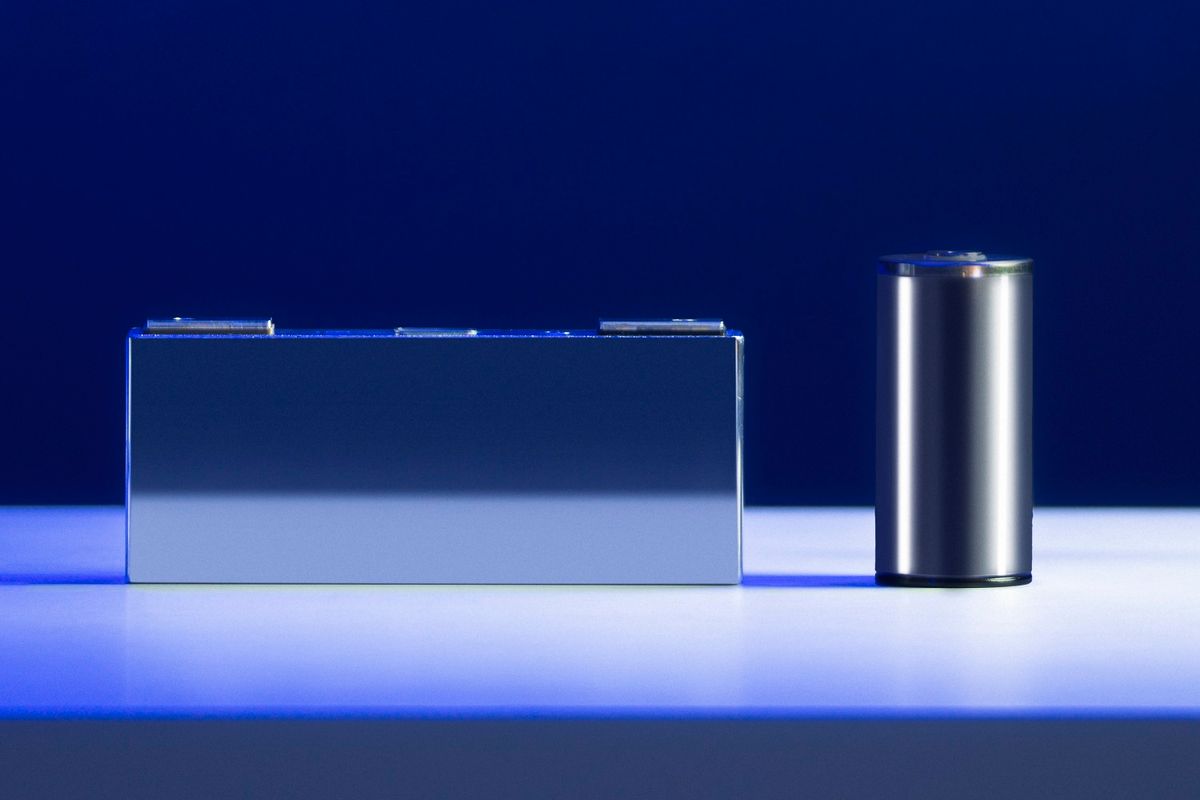
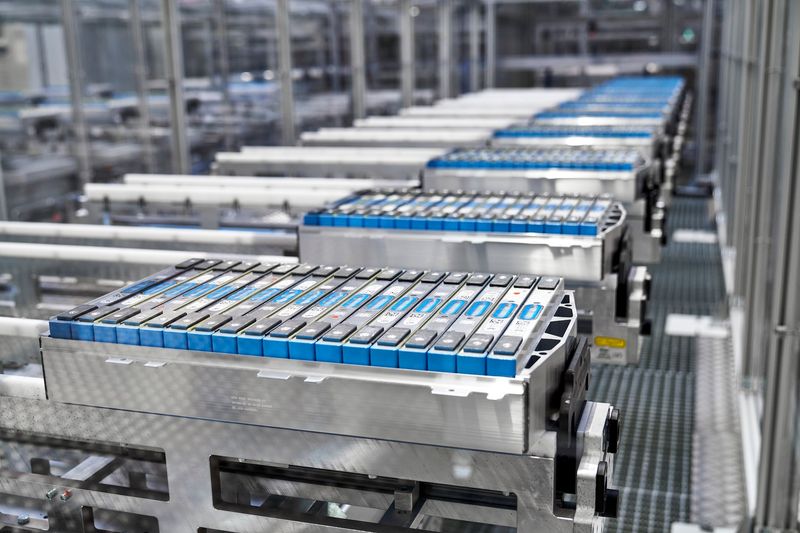
Now BMW is preparing its 6th-generation electric powertrain. We’ve got considerable experience under our belt with the current 5th-generation electric tech in the BMW iX, BMW iX3 and BMW i4 M50. Under the skin, the batteries are a rectangular prism shape and are neatly packed into a modular frame.
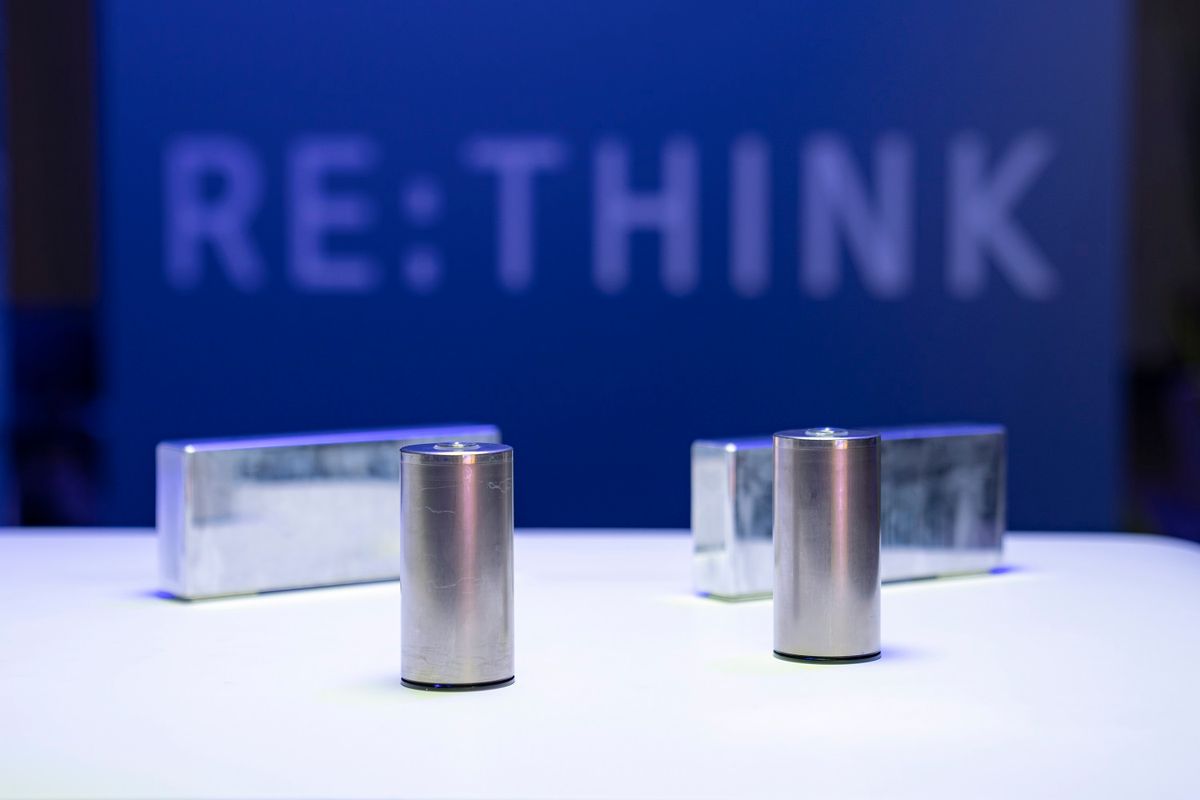
For the 6th generation, the batteries have been substantially upgraded. Physically, the shape has gone from rectangular to cylindrical, and will be assembled in two sizes: 46 mm x 95 mm and 46 mm x 120 mm.
Gen5 battery packs – the Gen6 cylinder batteries won’t need complex packaging.
One of the advantages of this change is the enhanced charging, with the new batteries being able to charge up to 30% quicker. Inside, the chemical composition sees less cobalt and more silicon and nickel, which has resulted in improved energy density and range. BMW reckons 30% more range is possible.
Impressively, the production costs for the new batteries is up to 50% less in comparison to the current 5th-gen batteries and the efficiency in manufacturing will see a CO2 reduction by 60%. Going the cylindrical route has also seen improvements in thermal management. The batteries are being sourced from Chinese battery companies CATL and EVE from 6 factories on 3 continents.
The advancements for Neue Klasse don’t stop there as there’ll also be new 800v architecture that will see rapid charging. Claims of 10%-80% in around 20 minutes are being touted, which is incredible. So, what vehicles are we likely to see come 2025? BMW has not released much info on the brand-new vehicles, but we reckon there’ll be a sedan and an SUV. Don’t expect the petrol- and diesel-powered BMWs to just vanish overnight however, as not all markets (like South Africa) will be able to go fully electric once the ICE ban of 2030 in Europe kicks in.
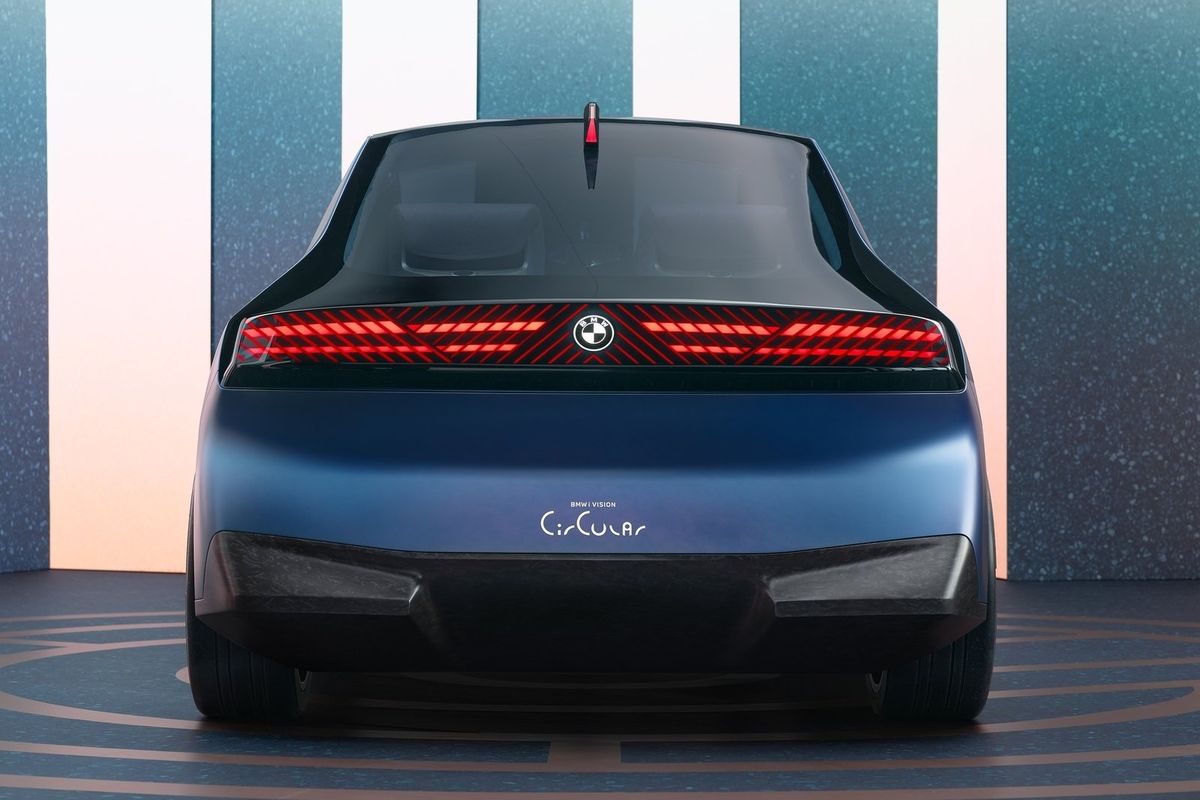
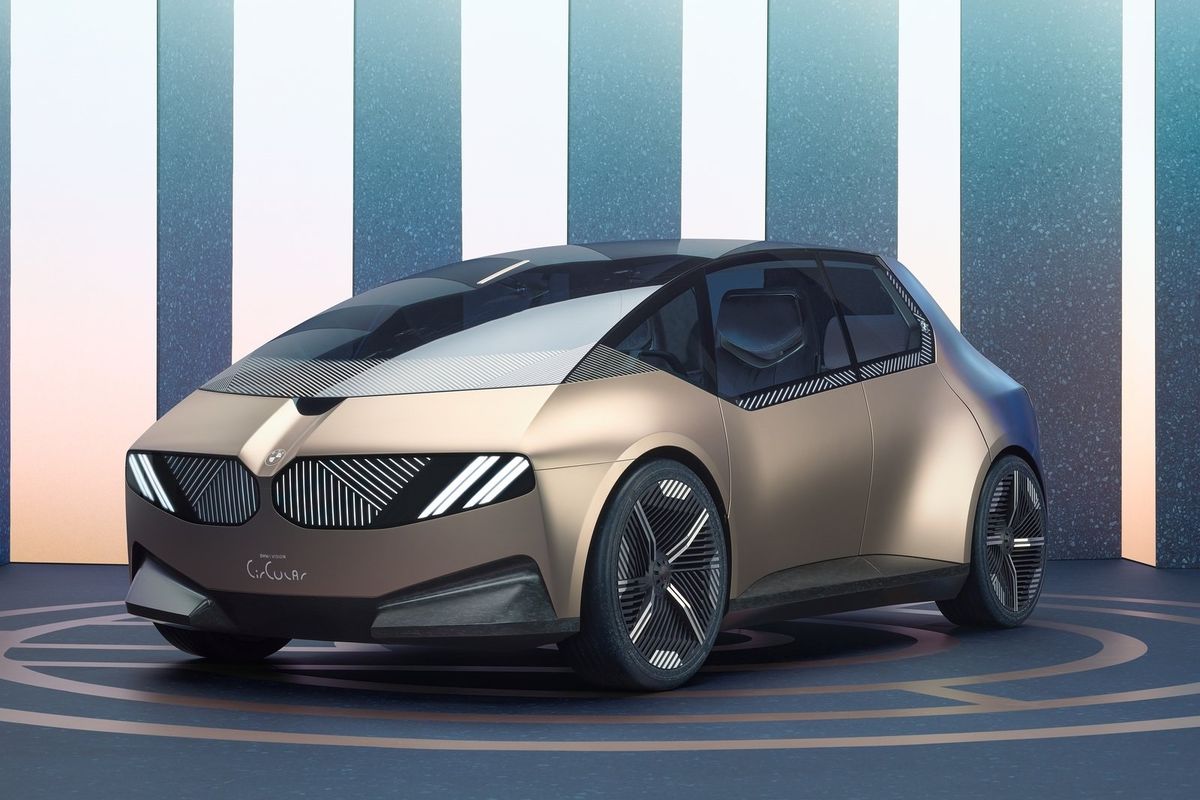
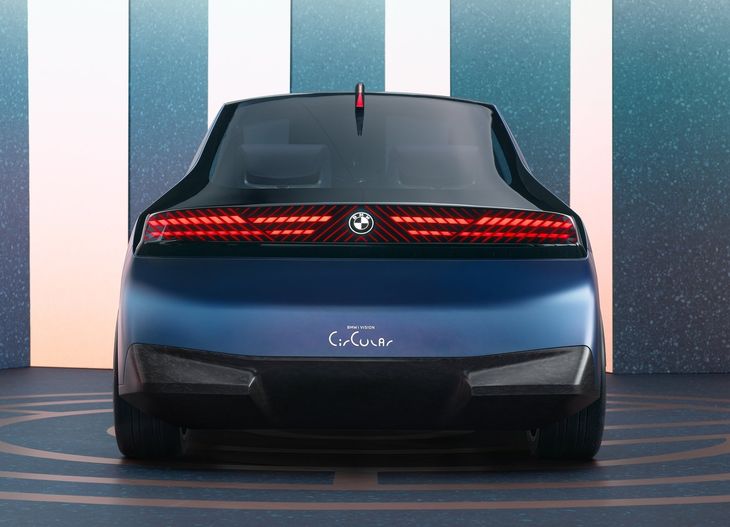
Hopefully the Neue Klasse won’t look as outrageous as the 2021 BMW i Vision Circular Concept here. Of course, range anxiety is still an issue for many. Right now, the best range offered by an electric BMW is 549-630 km for the iX50, but with the new-generation of electric vehicles we should see at least 800 km available.
BMW iX Video Review – We drive the new flagship EV from BMW
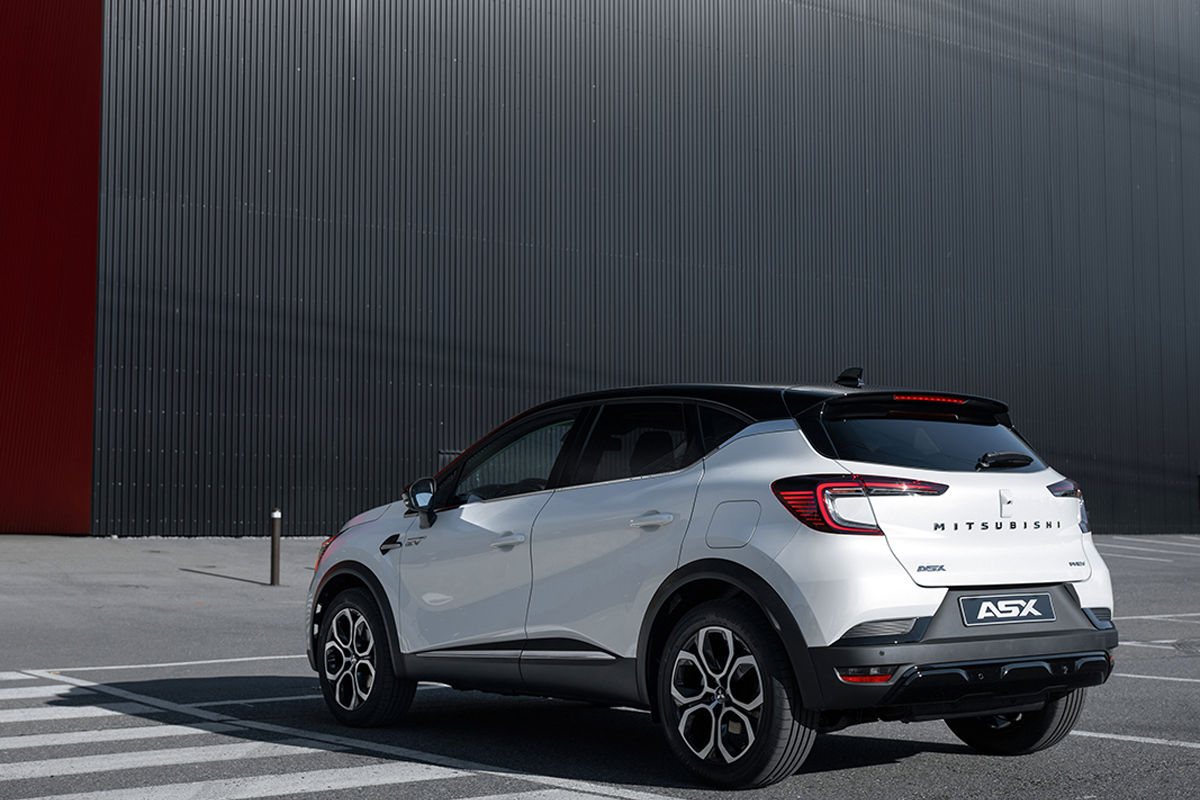
New Mitsubishi ASX Revealed as Rebadged Renault
A lengthy 12 years after the original ASX debuted, Mitsubishi has revealed a new-generation model. But it certainly looks familiar, doesn’t it?
The first-generation Mitsubishi ASX hit its domestic market way back in 2010, before arriving in South Africa the following year. Now, 12 years after the original debuted, the Japanese firm has whipped the wraps off a new ASX.
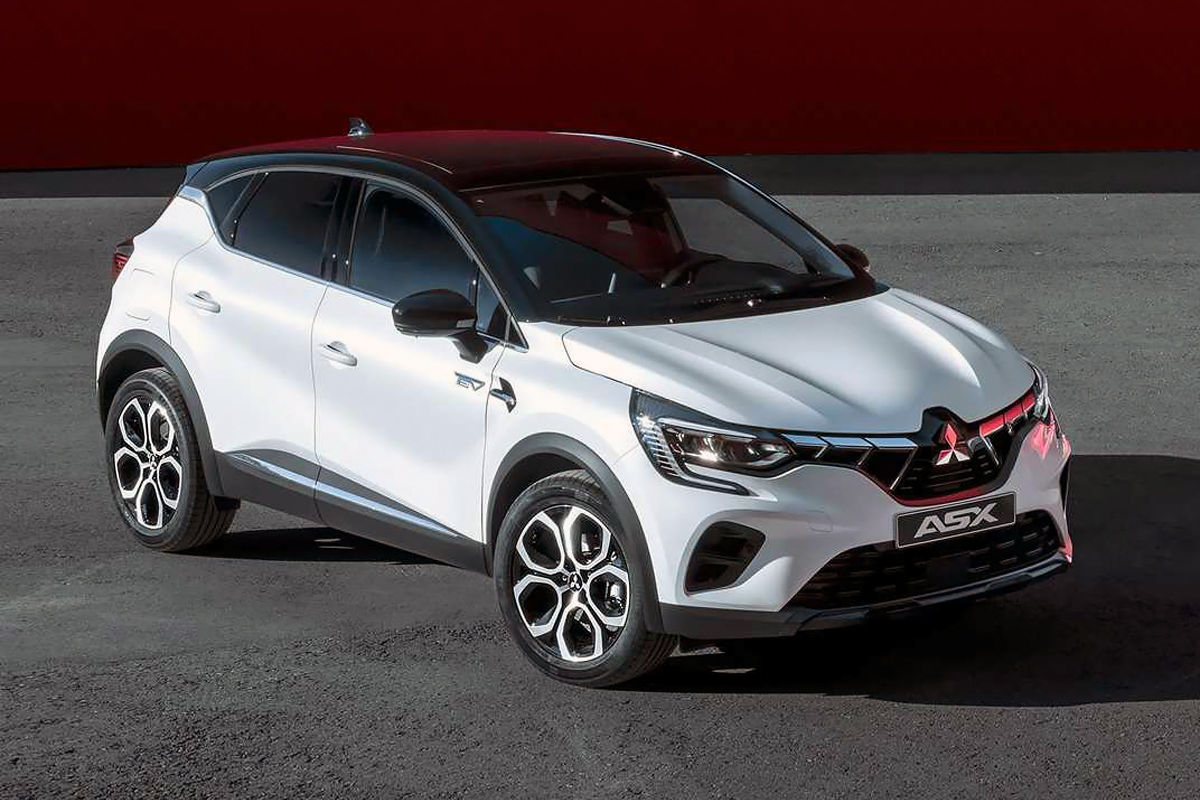
But it’s not altogether new and it certainly doesn’t look like a Mitsubishi. That’s because it’s actually a rebadged version of the second-generation Renault Captur, a subcompact crossover revealed back in 2019 (though we’re still waiting for it here in South Africa).
Yes, the new ASX is a product of the Renault-Nissan-Mitsubishi Alliance (under the so-called “leader-follower” strategy) and rides on the group’s CMF-B platform. Mitsubishi says the new ASX is “supplied by Renault and developed specifically for the European market”. So, it’s not yet clear whether this badge-engineered version will come to South Africa (the local range was updated as recently as January 2022) or indeed other markets outside of the Old Continent.
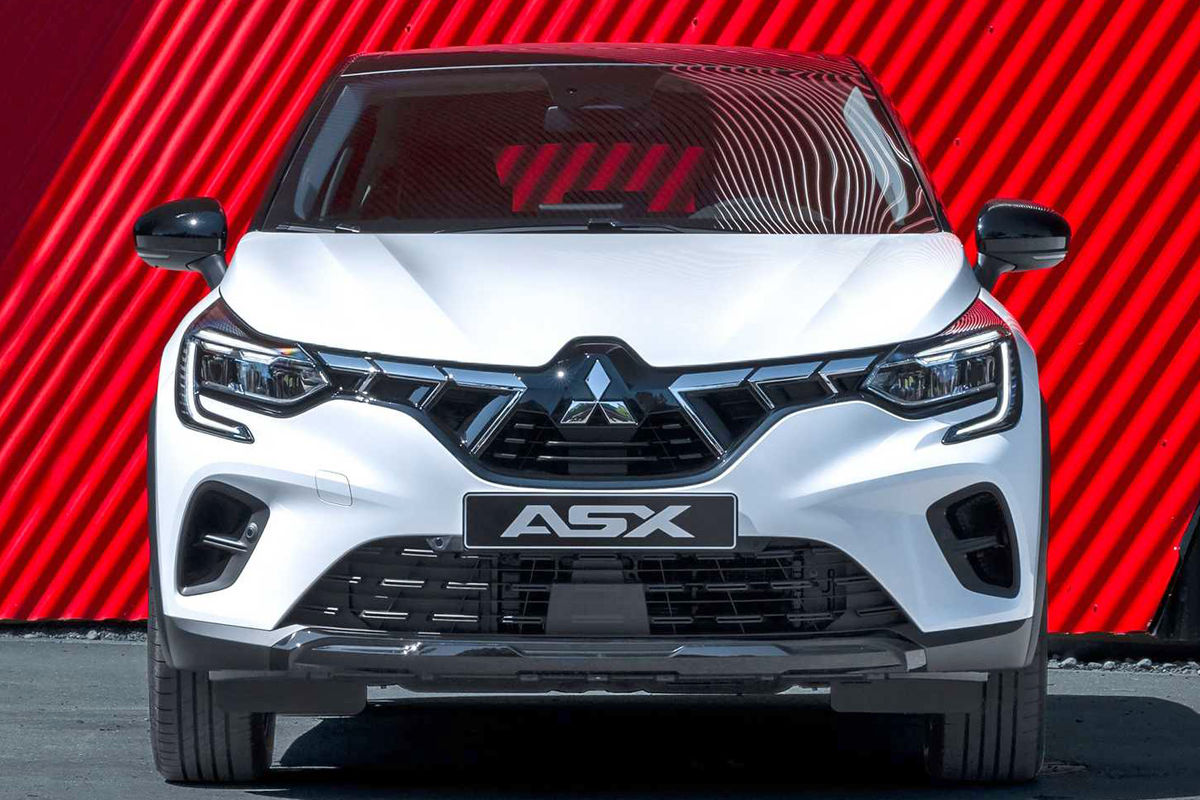
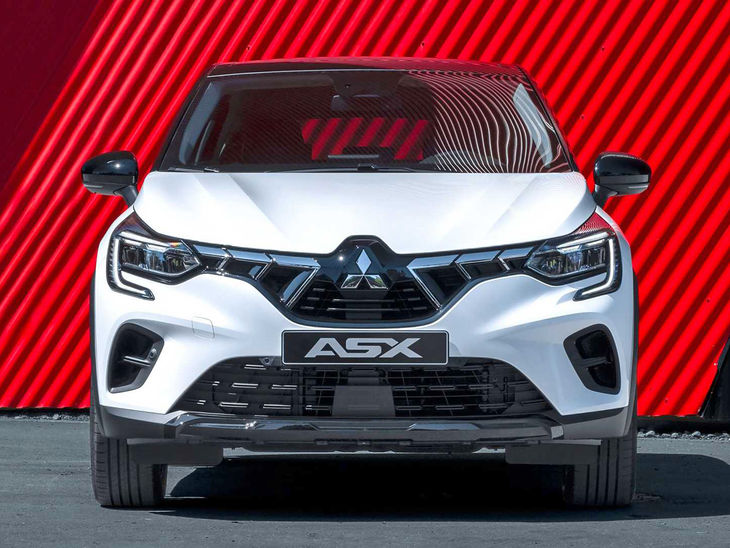
Still, we do know the vehicle will be manufactured alongside the Captur at Renault’s Valladolid factory in Spain and will reach “select” European markets from March 2023. While there’s no mistaking it for anything other than a rebadged Captur, the ASX does at least gain a hint of Mitsubishi’s “Dynamic Shield” design concept up front, complete with a model-specific grille and the familiar three-diamond logo, as well as a black finish for the lower facia.
A Renault Captur with a Mitsubishi badge? Yes, that’d be the new ASX.
Predictably, the new ASX’s powertrain options in Europe will mirror those of the Captur, which means it will be available in plug-in hybrid form (comprising a 1.6-litre petrol engine, two electric motors and a 10.5 kWh battery), full-hybrid guise (with a 1.6-litre petrol engine, two electric motors and a 1.3 kWh battery) and mild-hybrid form (using a turbocharged 1.3-litre petrol engine mated with either a 6-speed manual or a 7-speed double-clutch transmission). There will also be an entry-level model employing a turbocharged 1.0-litre petrol engine driving the front axle through a 6-speed manual gearbox.
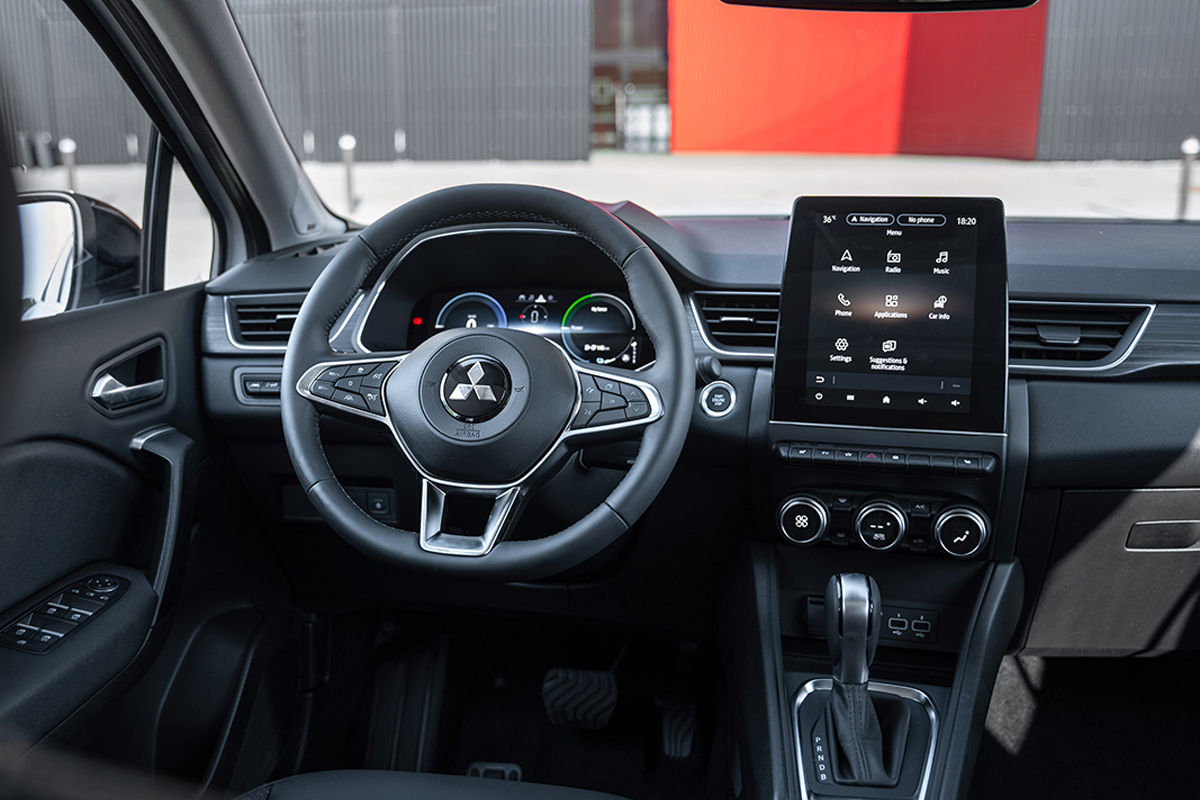
Inside, as expected, plenty is shared with the Captur. There’s a touchscreen system in the centre of the instrument panel, while Renault’s various driver assistance systems will be offered in Europe.
Interestingly, the original ASX that is still available in South Africa – a 5-strong range currently priced from R379 990 to R459 995 – formed the basis for the Citroën C4 Aircross and Peugeot 4008, though both of the French versions went out of production back in 2017.
New BMW M2 Coming to SA M Fest
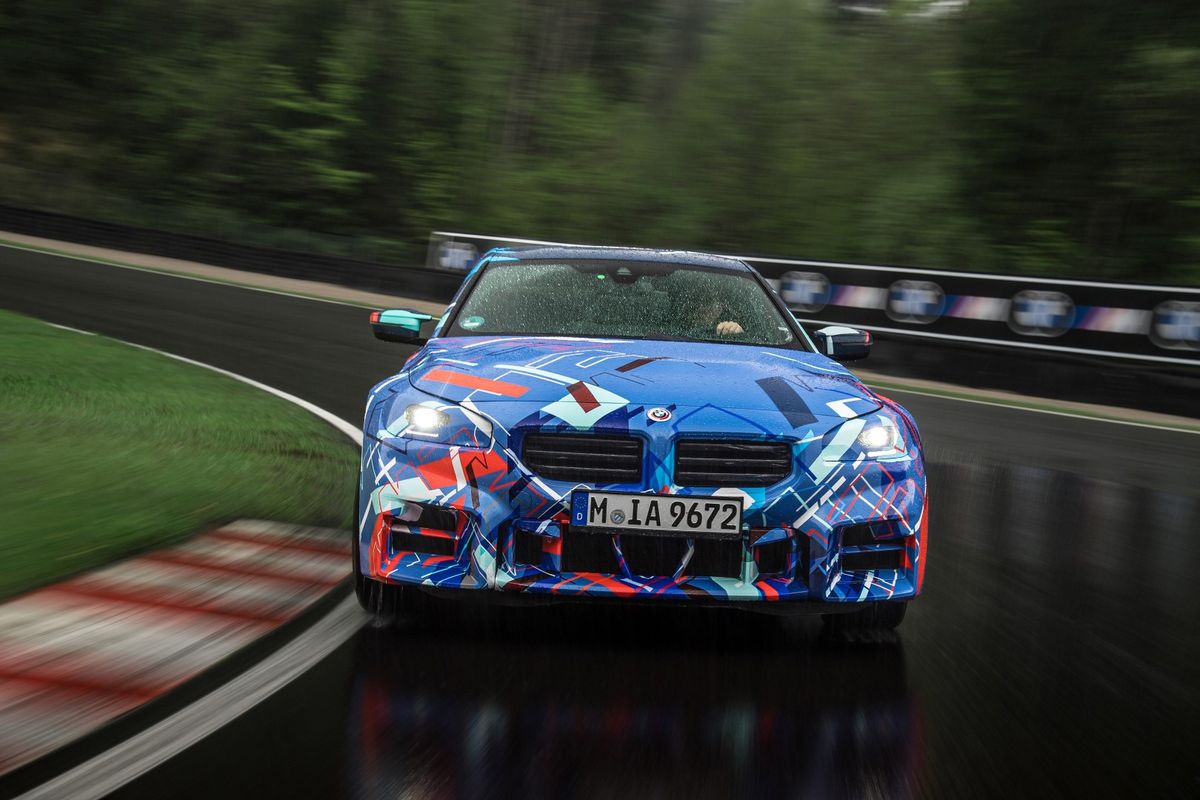
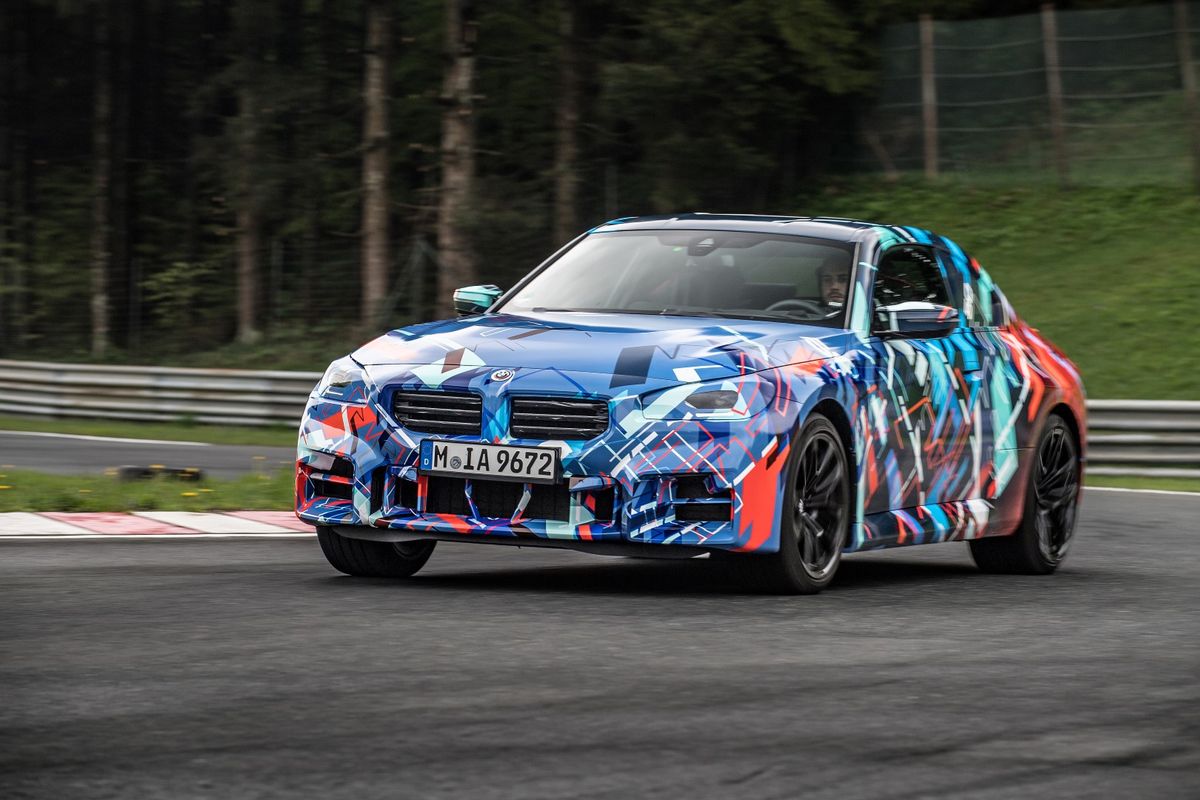
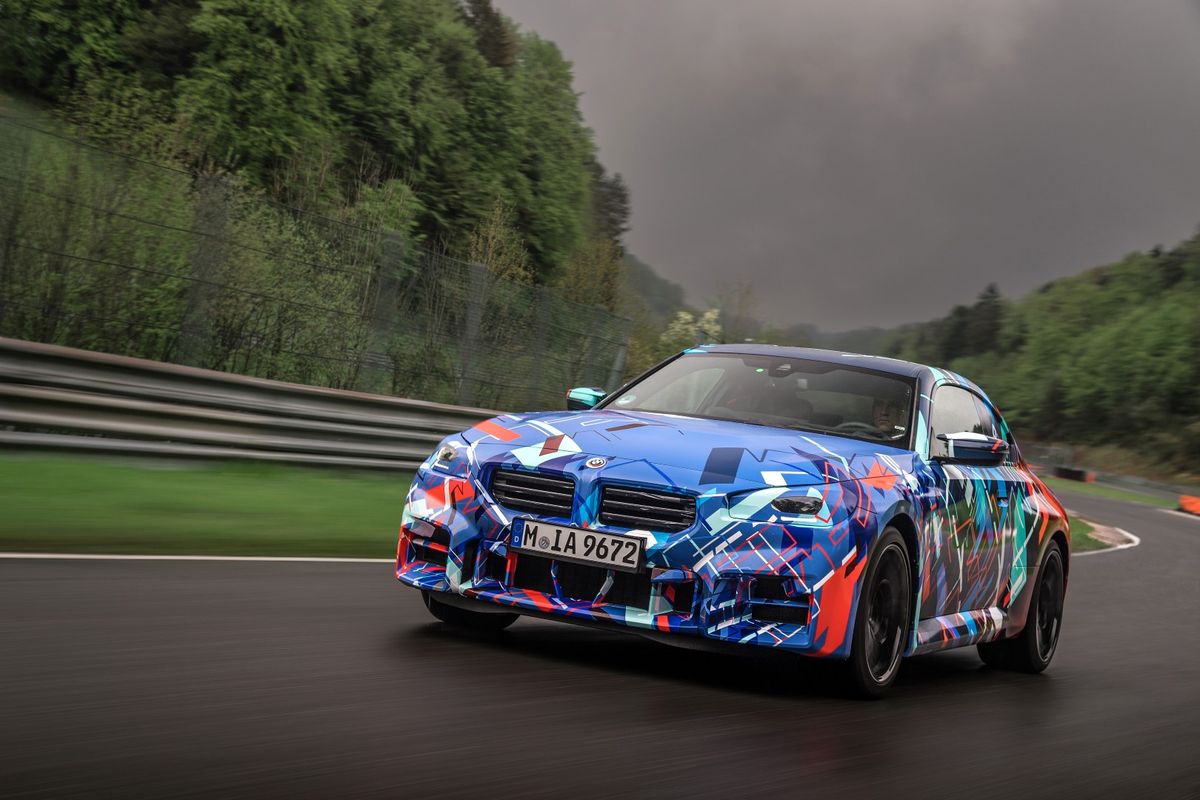
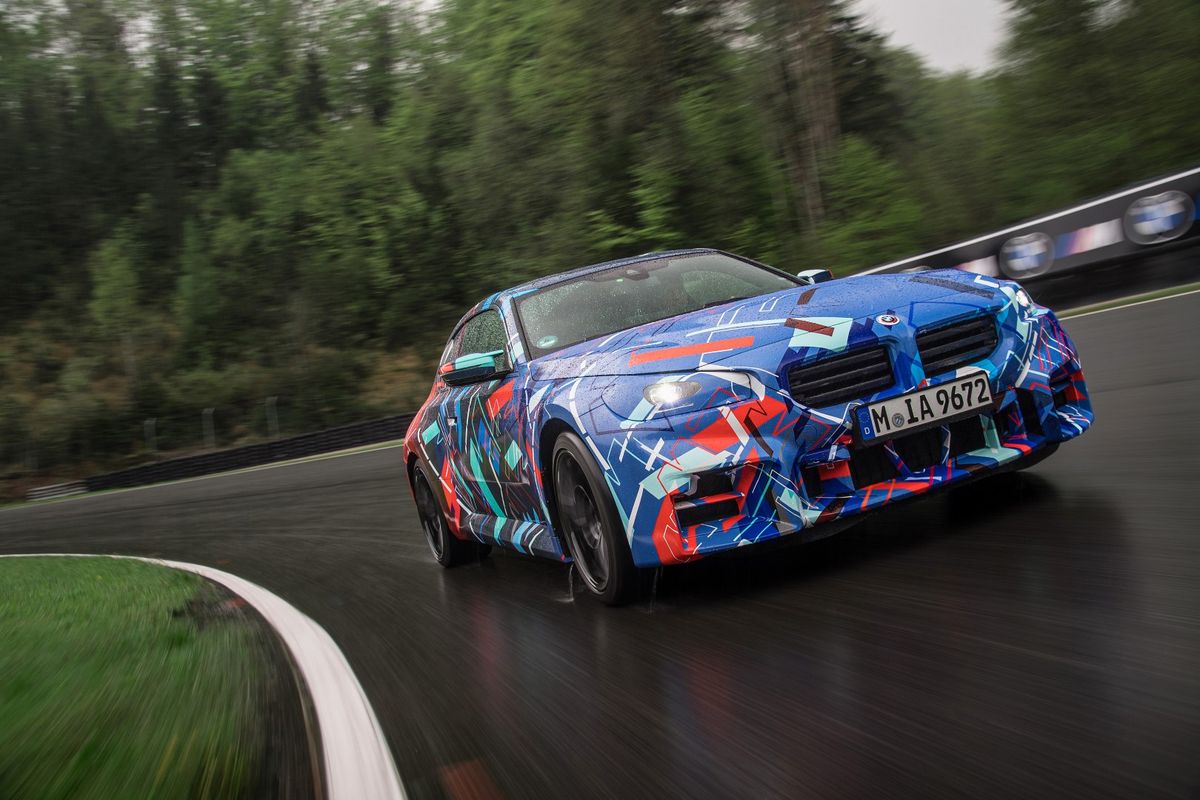
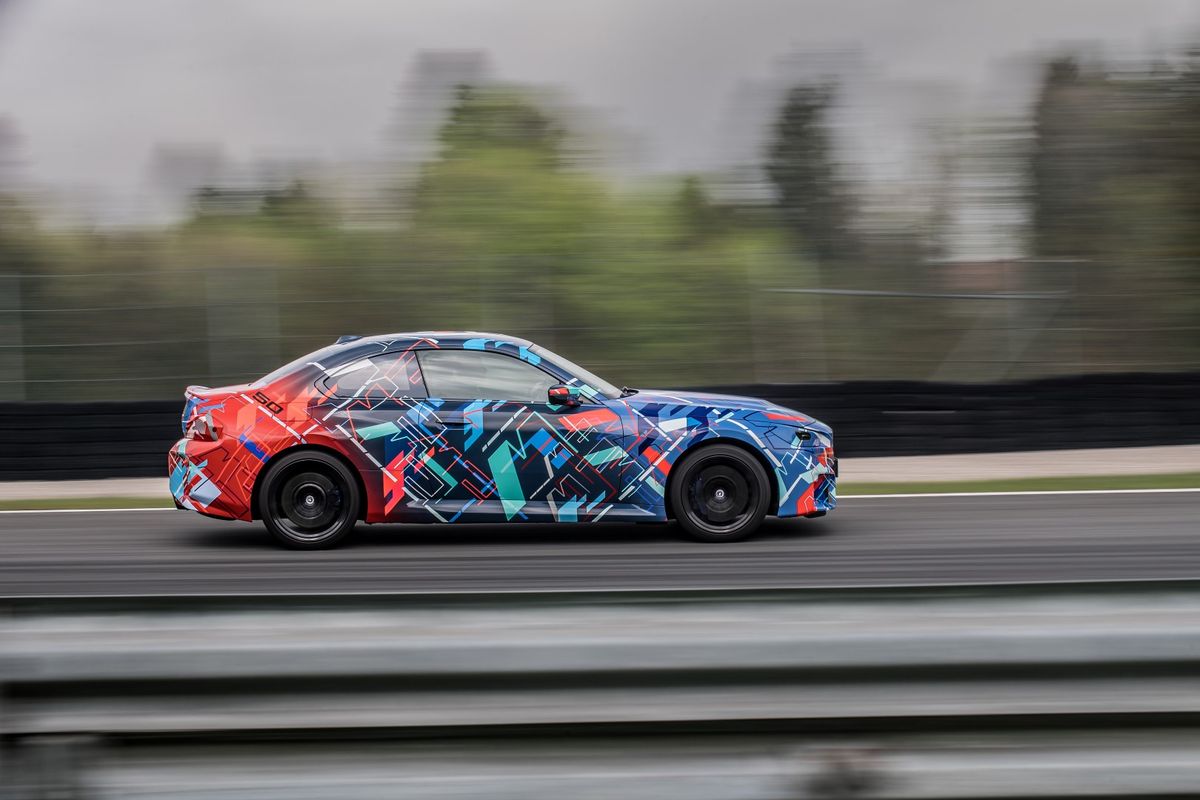
The new BMW M2 is due to be revealed in October 2022 and BMW will present the newcomer to local fans at M Fest in celebration of 50 years of M.
It’s a big year for BMW as the firm’s M division is celebrating 50 years of existence and we have already been graced with the reveal of the 405 kW M4 CSL, the fastest M car to date, as well as the M4 50 Jahre Edition of which only 5 will be offered locally.
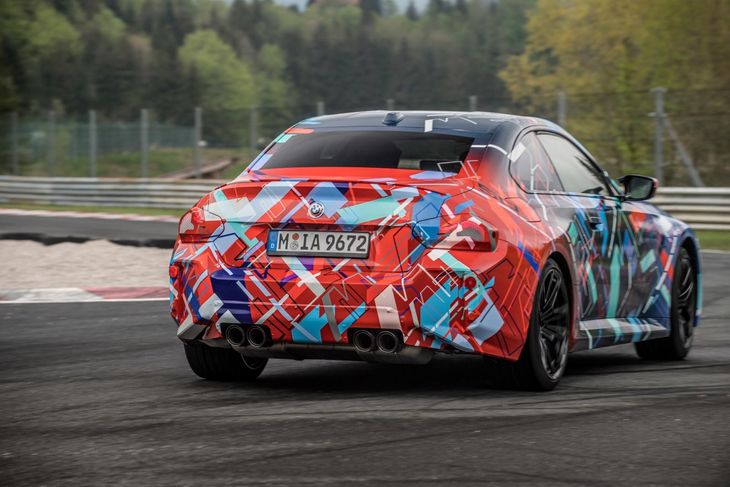
BMW, however, is just gathering momentum and M fans have lots to look forward to because the reveal of the next-generation rear-wheel-drive M2 is around the corner. BMW recently teased the new M2 with a short video entitled, “The M2 is on its way. Get ready for playtime” (see below) and previously the M division released more details and images, confirming that the new M2 is in the final stage of testing.
Now, BMW is preparing for the global digital reveal of the new M2 in October 2022 and the firm will use the South African M Fest to publicly display the new M2 in the metal at the Kyalami Grand Prix Circuit in Gauteng on 15-16 October 2022.
The new BMW M2 has big shoes to fill but it’s unlikely to disappoint.
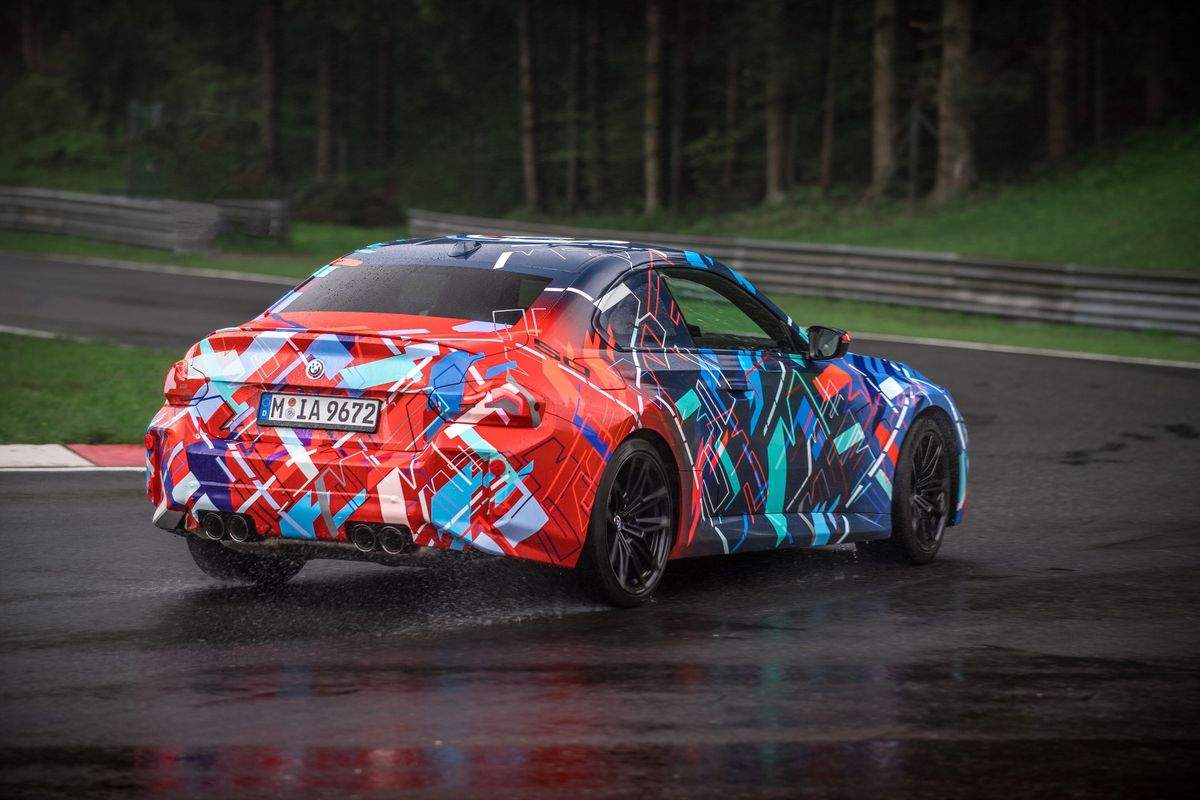
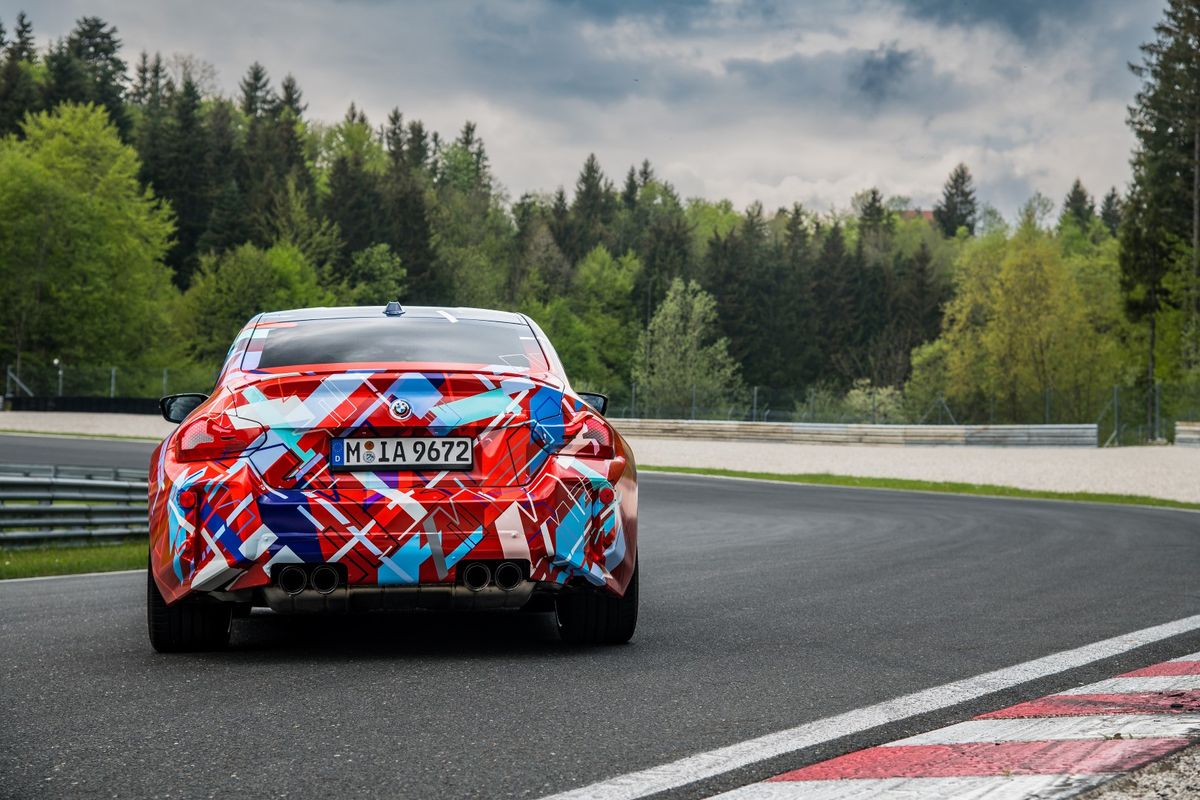
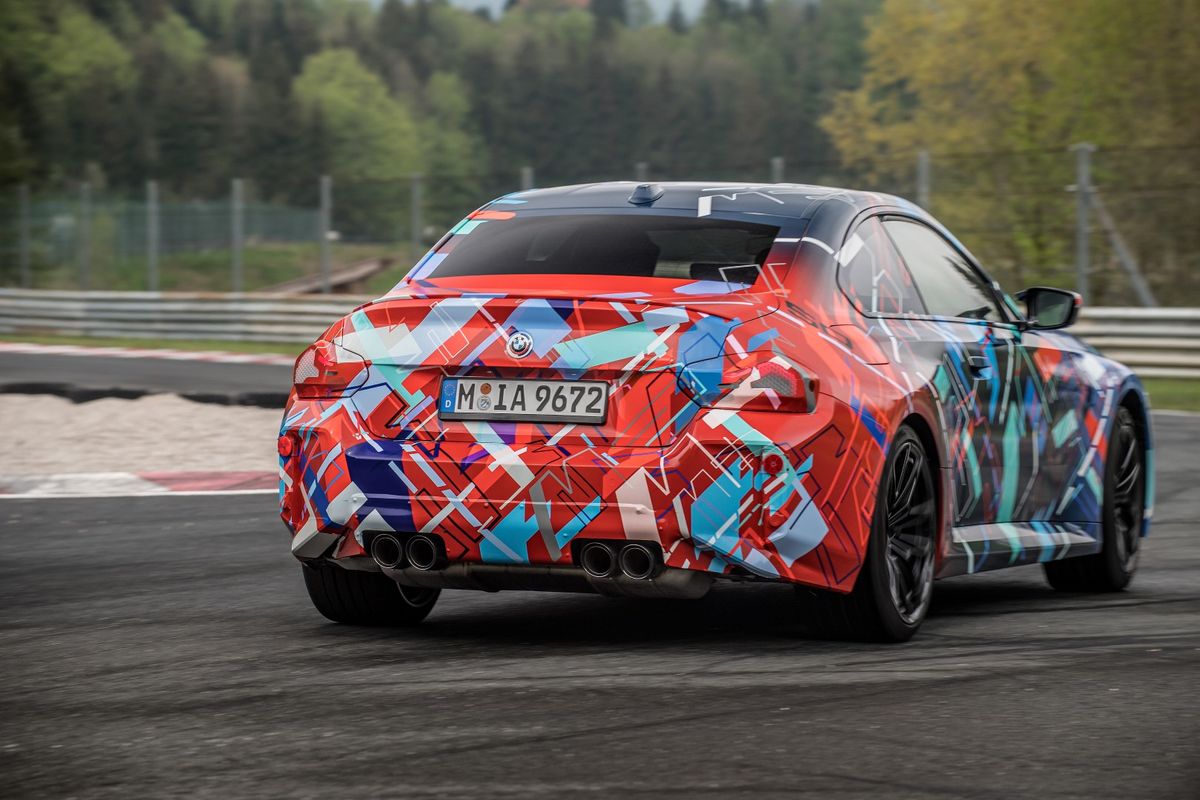
Earlier this year the new BMW M2 was subjected to track testing at Salzburgring in Austria with a focus on driving dynamics and chassis and BMW M says that the new M2 has similar performance characteristics to the current BMW M2 CS.
The outgoing M2 was widely regarded as the pinnacle driver’s car and for many, one of the best M cars ever made. Those are lofty praises and it means that the next M2 must exceed expectations.
The new M2 Coupe will be powered by the same 375 kW / 650 Nm S58 3.0-litre, 6-cylinder engine that’s found in the new M3 and M4 but will be tuned down to approximately 335 kW and 550 Nm, which is a good starting point if you consider that the outgoing M2 CS produced 331 kW and 550 Nm. This engine will be mated to either a 6-speed manual or 8-speed M Steptronic transmission directing power to the rear wheels. The new M2 will also share braking componentry from the M3/M4 duo to ensure suitable stopping power. The new BMW M2 will be the last non-electrified M car.
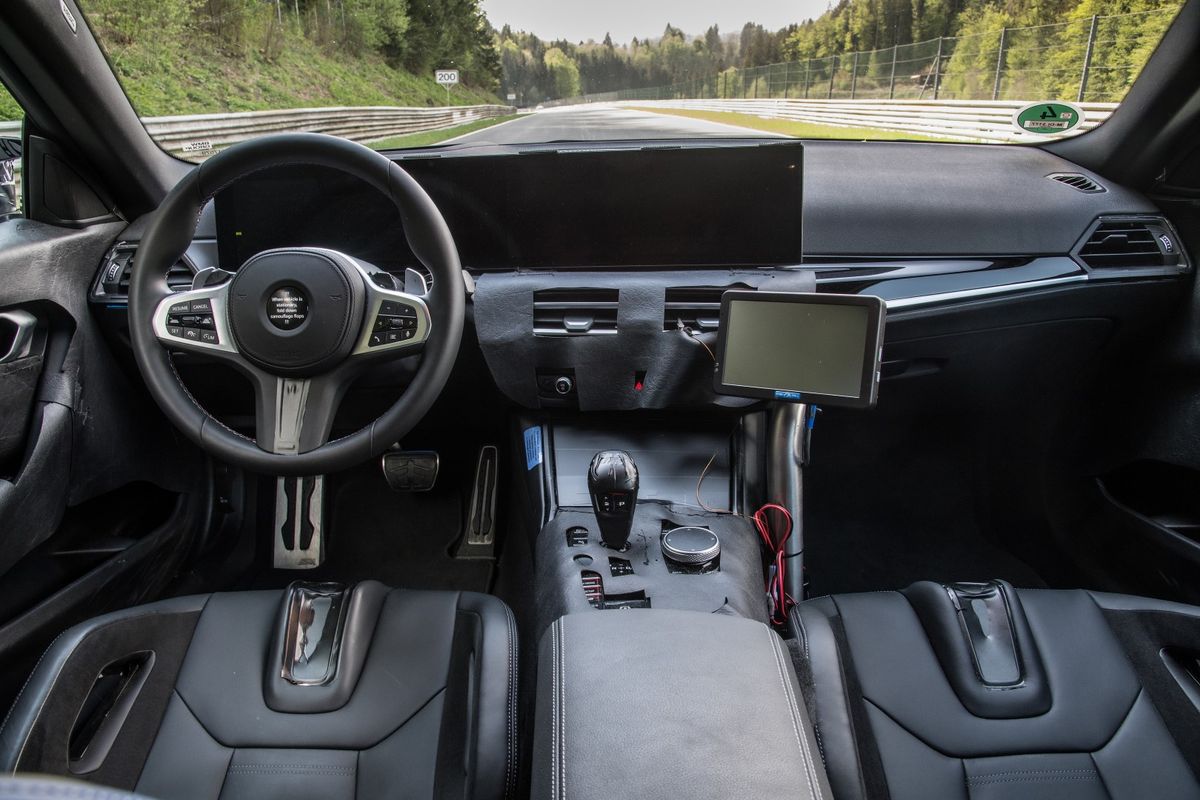
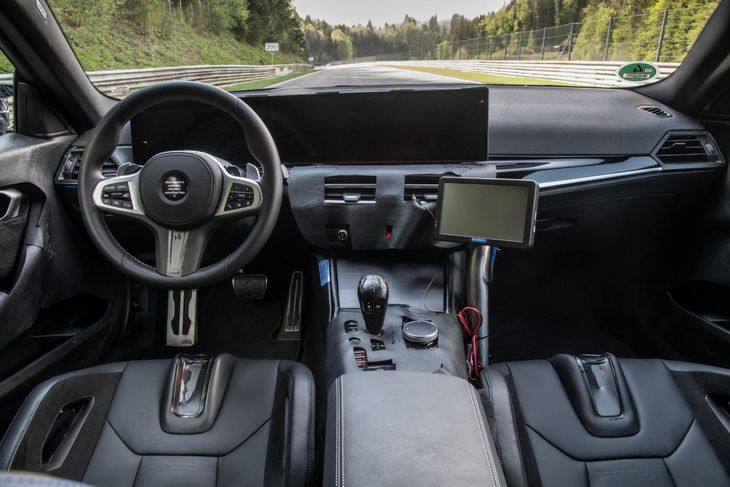
BMW’s Curved Display will make an appearance in the new M2.
In an effort to improve performance even further, weight-reducing equipment such as a carbon fibre roof and carbon bucket seats will also be offered as an option to buyers. Also, note that BMW’s Curved Display will be offered in the new M2 and combines a 12.3-inch instrument cluster with a larger 14.9 infotainment screen and is equipped with the latest iDrive8 operating system.
We will keep you updated as more details are revealed.
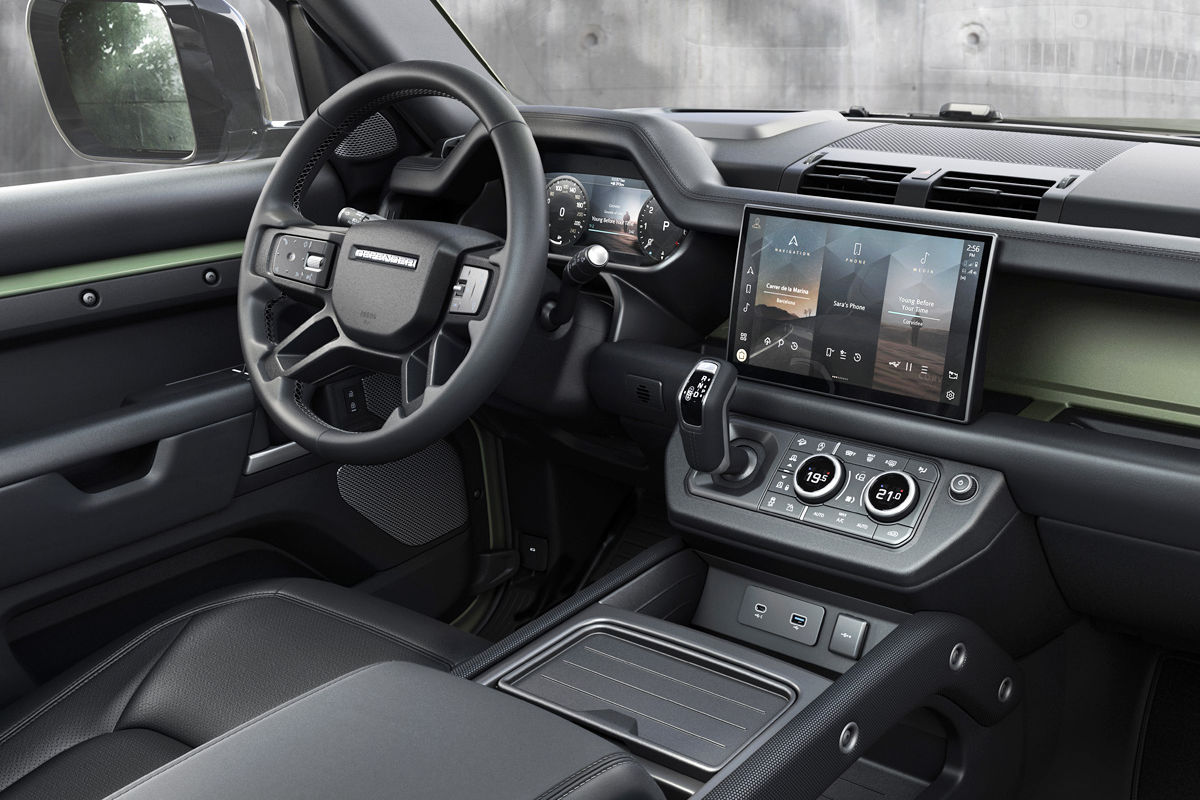
Land Rover Defender 75th Limited Edition (2022) Specs & Price
Land Rover has revealed a special Defender 75th Limited Edition conceived to celebrate – you guessed it – 75 years of its series of off-roaders…
[UPDATE: We’ve since uncovered local Defender 75th Limited Edition pricing, which you’ll find at the bottom of this story. Land Rover SA says just 10 units will be available locally in early 2023 but that all will be in D300 form. It interestingly makes no mention of the P400 pricing we found on its website.]
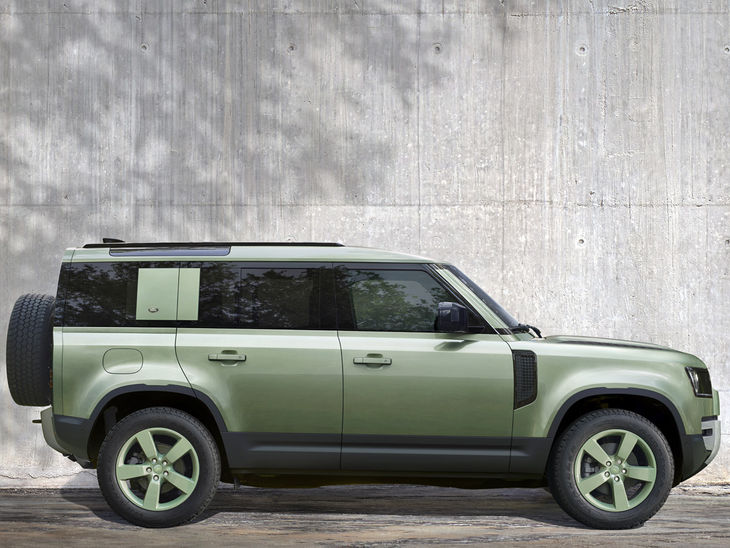
Way back in 1948, Land Rover whipped the covers off the original Series I – effectively the precursor of the Defender – in Amsterdam. Now, to celebrate this 75-year anniversary (a year early, by our maths), the British firm has created the aptly named Defender 75th Limited Edition.
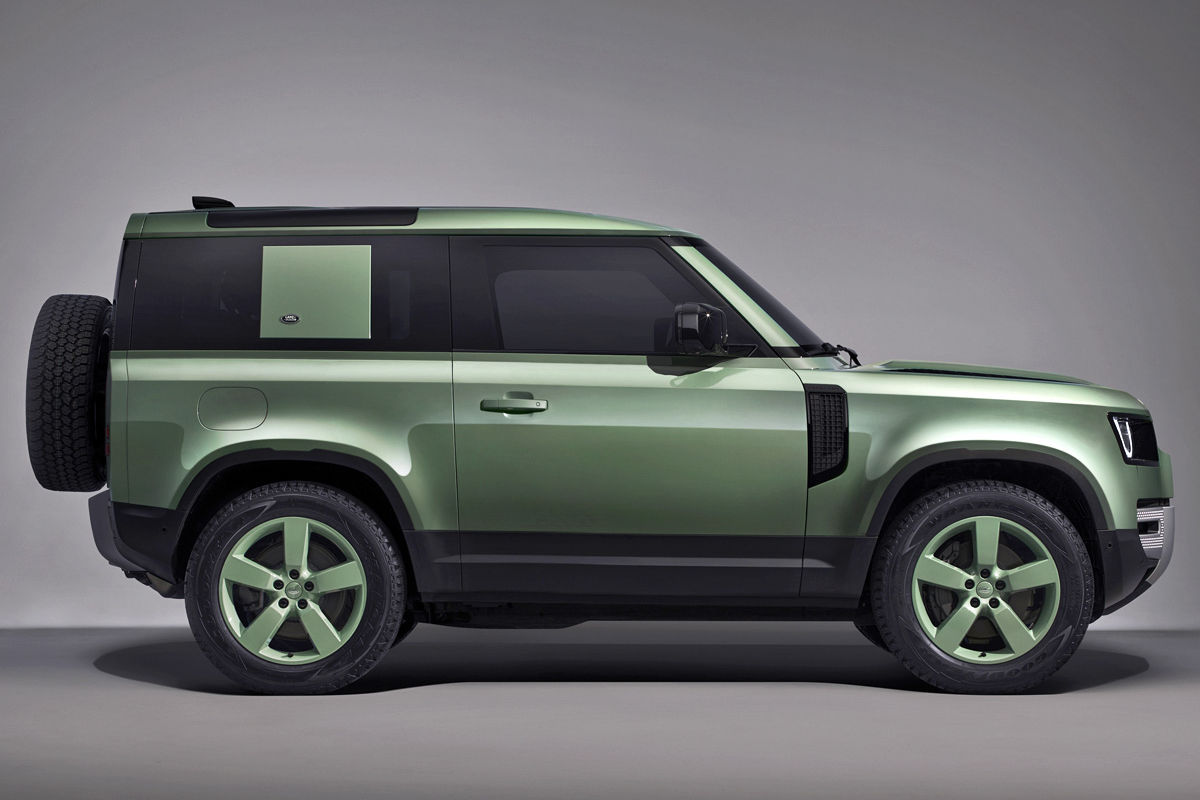
Set to be available in both the 90 and 110 body styles (but not the extended 130 version), the Defender 75th Limited Edition is finished in Grasmere Green paint and boasts what Land Rover describes as “unique detailing”. This exterior hue has been reserved for the special-edition model and is repeated on the 20-inch alloy wheels, which are wrapped in all-terrain rubber as standard.
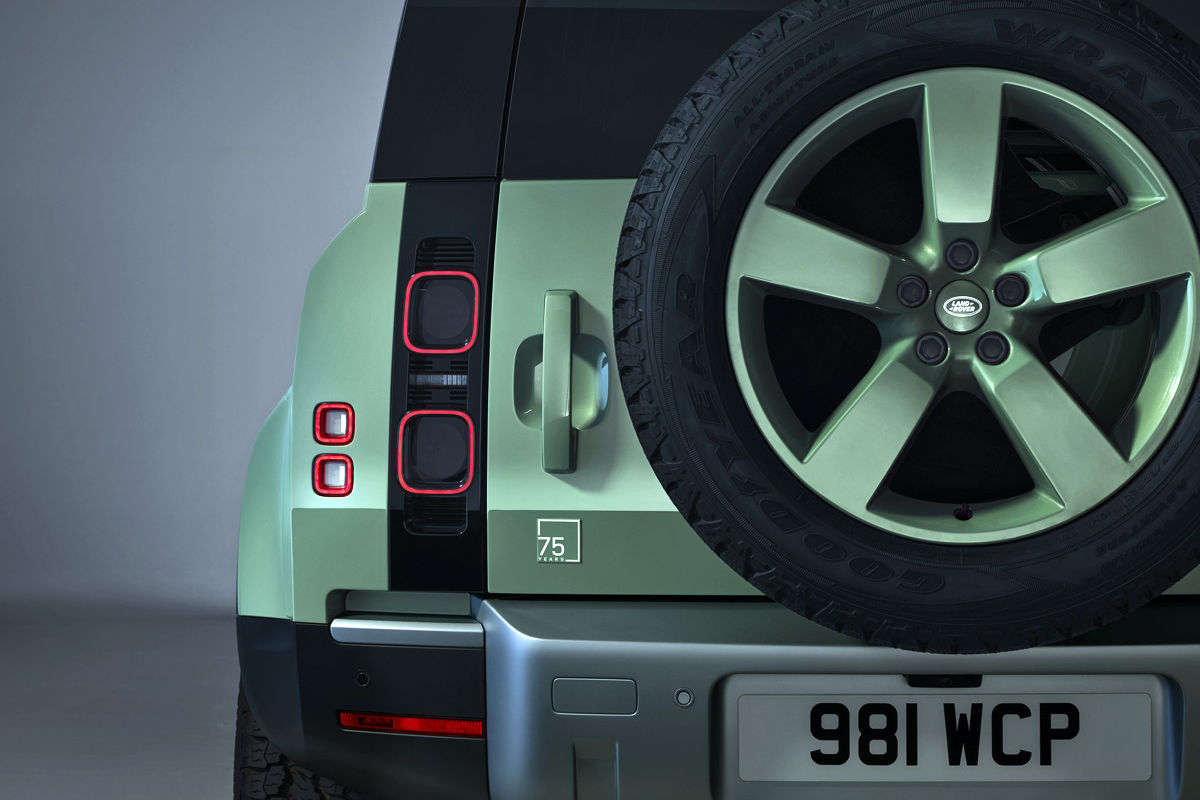
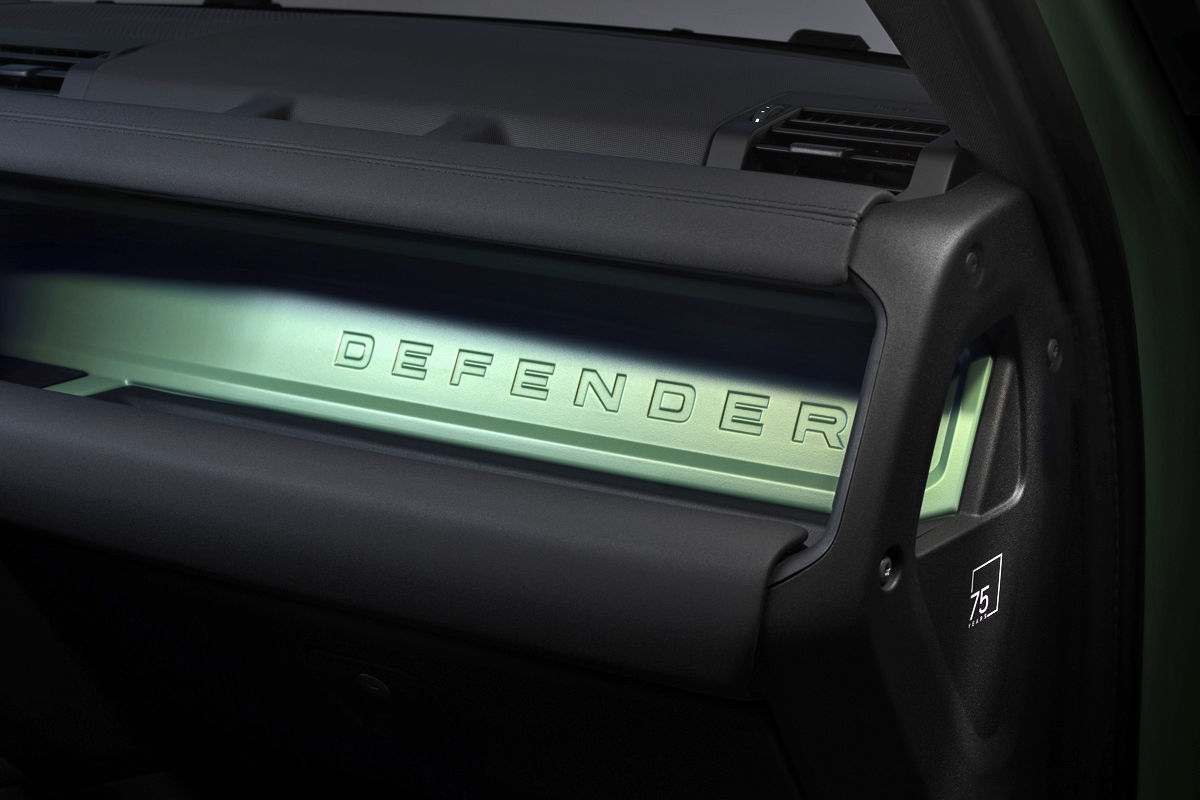
The limited-edition model furthermore gains a subtle “75 Years” graphic at the rear, as well as Ceres Silver bumpers and privacy glass. Inside, the facia panel is finished in Grasmere Green Powder Coat, while the seats are trimmed in Resist Ebony.
According to Land Rover, this particular Defender will be “highly collectible”. Meanwhile, powertrain choices in the United Kingdom will include the P400e plug-in hybrid and the D300 turbodiesel with mild-hybrid tech (though in SA, we’ll get the standard P400 and D300 engines).
The Defender 75th Limited Edition will be available in both 90 and 110 body styles.
The 75th Limited Edition is based on the high-specification HSE trim level, which means its list of standard equipment includes items such as the 3D surround camera, configurable terrain response, Meridian sound system, Matrix LED headlights, 11.4-inch Pivi Pro infotainment system, a head-up display and wireless smartphone charging.
All models furthermore feature a folding fabric roof or the option of a sliding panoramic roof with roof rails. Other standard features include 14-way electrically adjustable (and heated) driver and front passenger seats, a heated steering wheel and 3-zone climate control.
Every version of the special-edition Defender is “pre-configured” with options such as the towing pack, headlamp power wash, electrically adjustable steering column and a domestic plug socket.
“Since revealing the new Defender, customers around the globe have fallen in love with it and demand remains extremely strong. This new Limited Edition captures the spirit of the past 75 years, with its colour and detailing, and fuses it with innovative new technology such as hybrid electric power, configurable terrain response, software over-the-air updates and unrivalled all-terrain capability,” says Stuart Frith, Lifecycle Chief Engineer Defender.
How much does the new Defender 75th Limited Edition cost in SA?
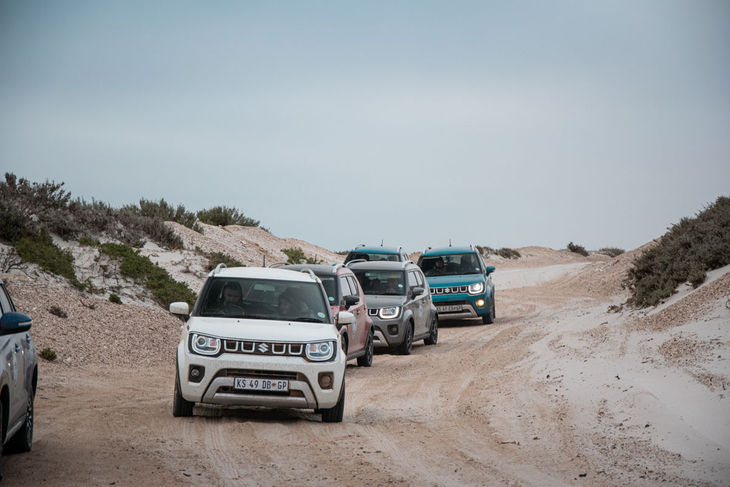
Spring has sprung and that means it’s wildflower season in Namaqualand. It’s a time-honoured SA tradition to take a road trip to see the colourful flora and, to that end, Suzuki invited us on a Northern Cape safari, where we’d be driving… an Ignis!
Words and images by Dieter Pey
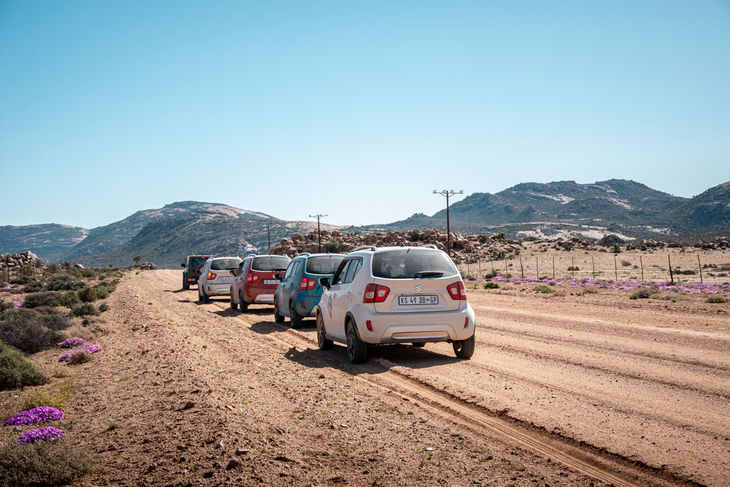
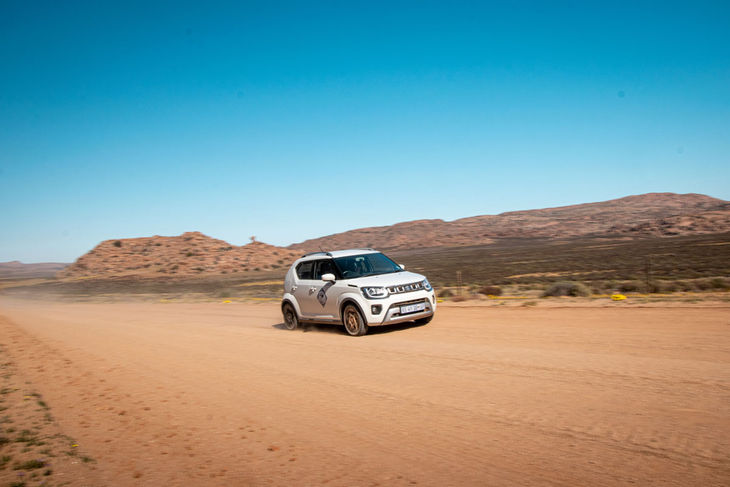
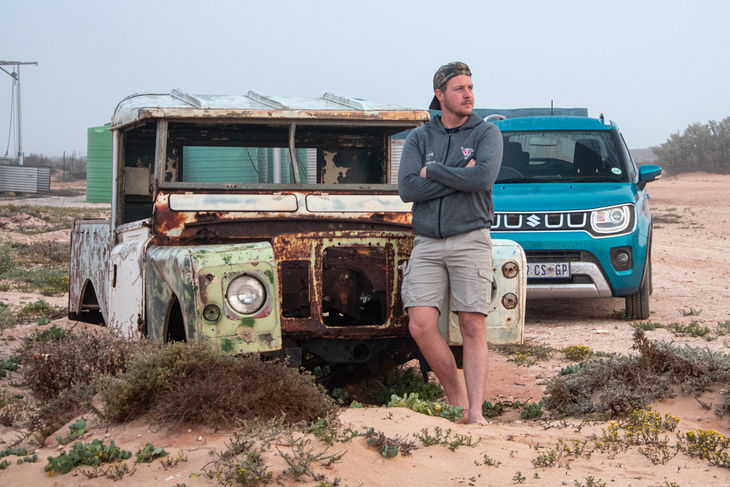
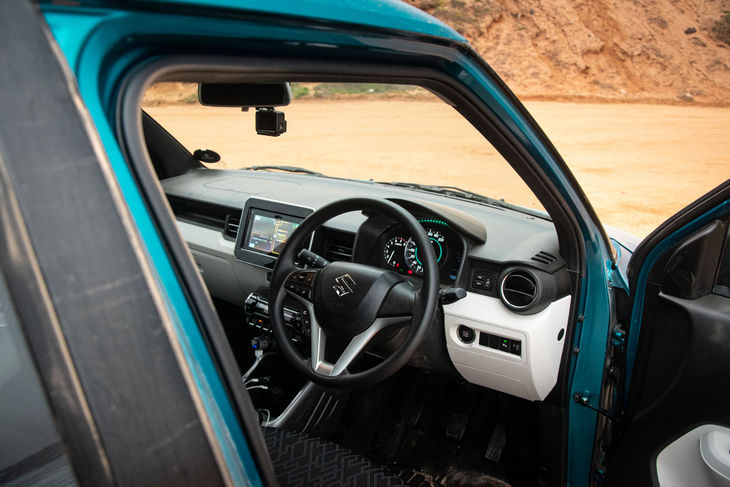
The safari started in Upington, where we collected our adventure vehicles for this trip. Previously, I had toured Lesotho in a Jimny 4×4, but this time around we would be spending some quality time here in the Republic – in the stark beauty of the Northern Cape – in an Ignis 1.2 GLX. On Day 1, we departed from Upington Airport and travelled 600 km west, towards and past Springbok until we reached our trip’s first accommodation of “Die Houthoop”, near the town of Kleinzee.
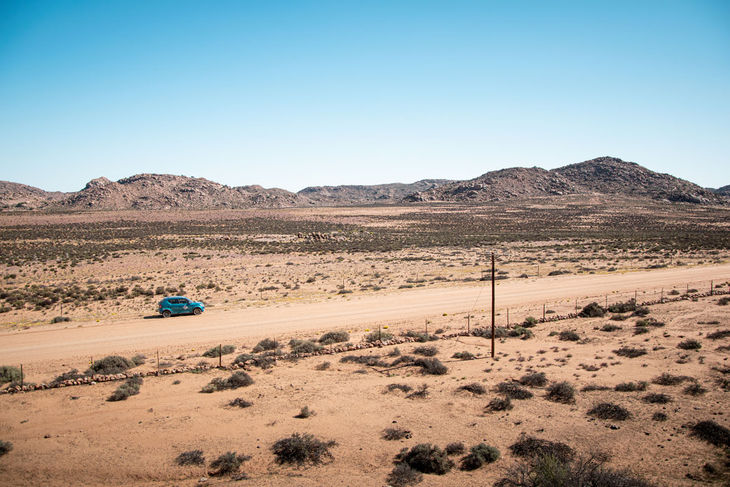
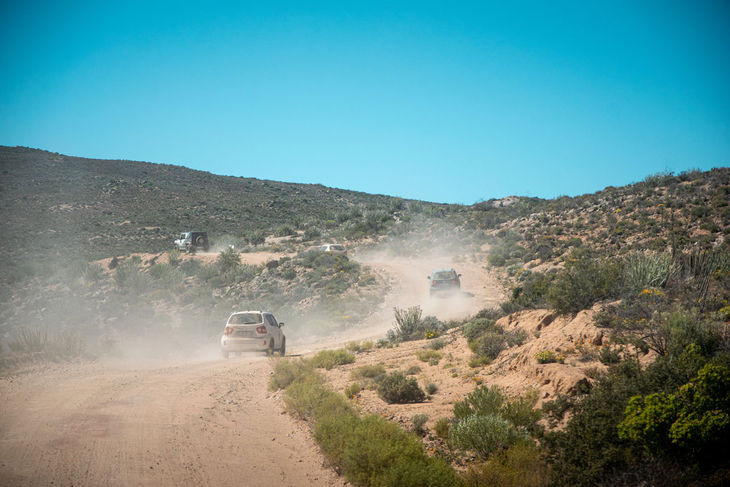
On Day 1, we covered the longest single stretch of our journey. For those who don’t know the Northern Cape region, much of its topography is virtually flat and the roads are very straight, but the Ignis’ 61 kW/113 Nm naturally aspirated (non-turbo) 1.2-litre petrol engine enabled the Suzuki to comfortably maintain the national speed limit for hours on end. Then, after what seemed like an eternity, we finally turned off the tar road and started our first leg of gravel driving.
To be perfectly honest, I was a bit worried about how well this little Suzuki Ignis (with its 15-inch wheels and 175/65 tyres – a city-car configuration in anyone’s book) would handle the rough West Coast and Northern Cape roads. The roads in these areas can be pretty uneven, rocky and full of cattle grids. To my surprise and relief, the Ignis traversed these gravel roads with ease! On the worst bits of road, the ride was a little jiggly, but we were still very comfortable in the car.
Thanks to its pliant (absorbent or forgiving) suspension setup, the Ignis is well suited to completing dirt-road journeys. I realise that it’s a front-wheel-drive vehicle (not a 4×4), but, at times, my inner rally driver simply got the better of me, so I steered into a few of the gravel-road bends at an, um, enthusiastic pace just to see how the 1.2 GLX would perform… I came away surprised by just how sure-footed the Suzuki felt on the loose road surface; it’s quite fun to drive, in fact.
Although all Ignis derivatives come equipped with ABS, EBD and brake assist, bear in mind that the Suzuki doesn’t have traction control, which is a disadvantage if you are not used to driving a car on slippery (low-grip) surfaces.
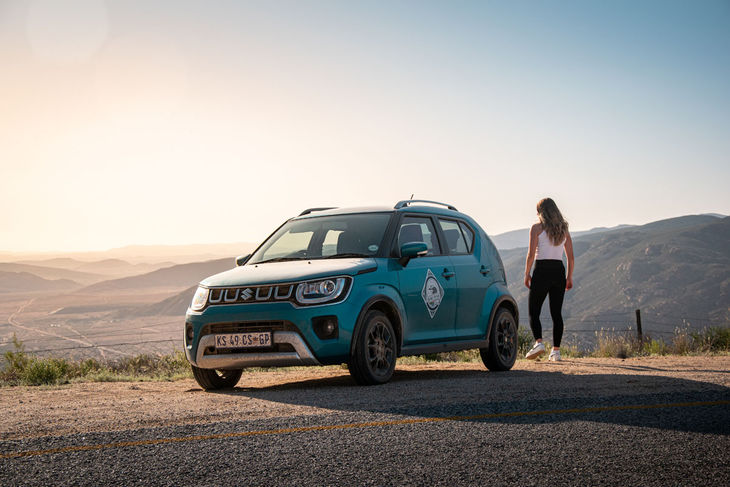
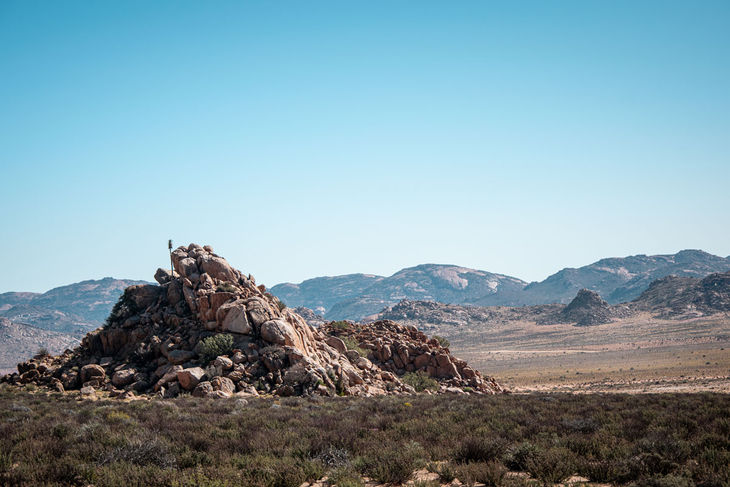
After drinking in the vast emptiness of the Northern Cape, we headed down the beautiful Spektakle Pass; the sun hung low in the sky as we reached Die Houthoop. We enjoyed a beautiful sunset and dinner at the rustic overnight stop.
To me, Day 2 was the highlight of the trip. We headed north towards the town of Nababeep. This once thriving mining hub of the De Beer family is now a forgotten little town. Just outside the town, we drove into a valley of beautiful orange flowers which carpeted the landscape. We successfully found the Namaqualand wildflowers in full bloom and, like typical tourists, we frolicked in the flora and captured some colourful and vibrant images.
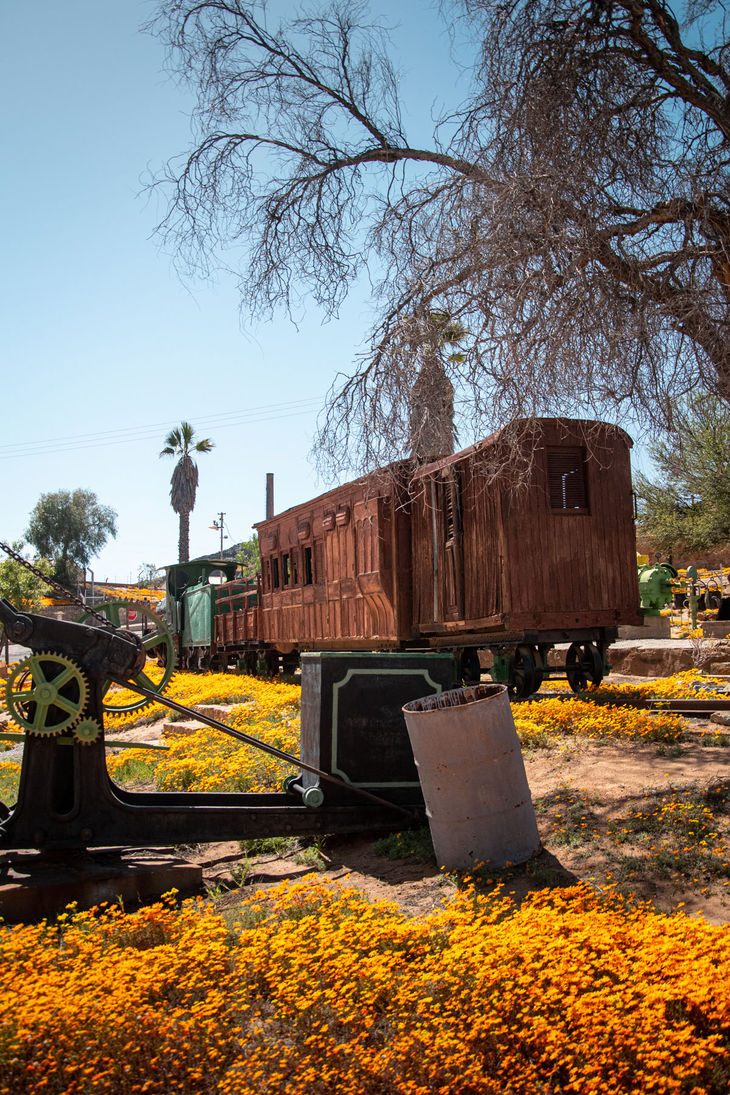
We then drove into Nababeep to visit the local museum, where we received a brief tour of the town and learned how its copper mining industry used to work. I highly recommend visiting the historic town (and its museum) to learn about and support this fascinating area. We ended the day in the town of Kleinzee, another small abandoned town which once had 4 000 inhabitants and now has a population of only 800 people.
To reach the Kleinzee Angling Club, we had a bit of sand driving to do. The Ignis’ tyres were deflated to 1.4 bar and, using a bit of momentum, we managed to clear the small sandy patches. Again, pretty impressive for a non-4×4 vehicle!
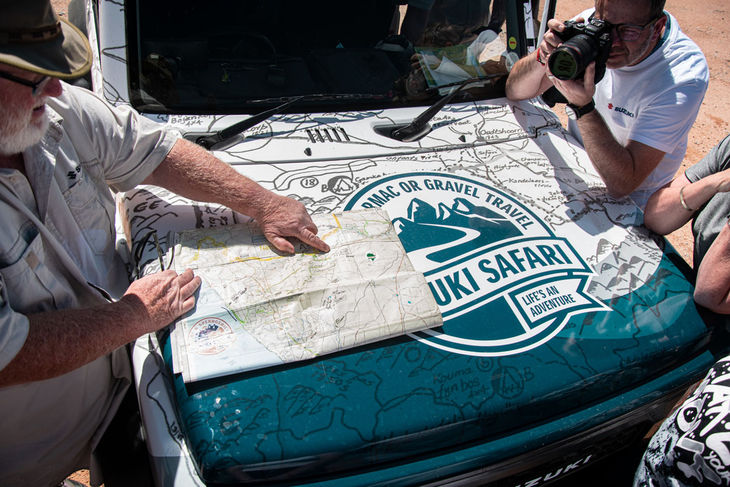
That evening, we savoured a seafood platter that Chef Jackie prepared for us and then got some shuteye, because Day 3 – our last day of the trip – beckoned. We packed our bags and JJ, our tour guide, directed us to our destination of Garies. We stayed on the gravel-road route and drove over the escarpment via the Wildeperdehoek Pass. This beautiful pass goes through the Namaqualand National Park and provides breathtaking views of the landscape.
We spotted a herd of 13 Oryx antelope (Gemsbokke) galloping over the horizon. The surrounding area still shows traces of the ox-wagon routes that the early settlers used to travel between the inland riverbeds and the escarpment to the arid province’s Atlantic coast. After travelling another 40 km or so, we rejoined a tar road and we would stay on this smooth and comfortable surface until Garies and later, Cape Town.
All in all, we travelled a total of 1 800 km in just under 27 hours of driving. I’d guess that about 1 000 km of the route was made up of unsealed (gravel or sandy) roads and, to reiterate, I was hugely impressed with how well the Ignis adapted to travelling on the dirt. In fact, this Suzuki had quite a few hidden talents… Yes, it’s a small car, but it had enough space for me, my passenger and our luggage. At one point we had 4 people aboard and all of us were seated in relative comfort.
Twenty-seven hours of driving is no jaunt! Still, it would be unfair to say the Ignis offers too little in the way of long-haul occupant comfort; the seats are well-padded and the 7-inch touchscreen infotainment system is easy to use, although we did encounter a minor issue with connecting a Bluetooth device when another one is actively paired. The car handles impressively on gravel and tarmac; it’s wieldy – darty, even – and although the suspension is soft, road-holding is good.
The Ignis’ steering is perhaps a little too lively for “the long, open road” – city cars need to be very easy to manoeuvre, for which you need quick steering – so that is something to consider. Apart from that, it is a great little touring vehicle for a couple of intrepid road-trippers. The claimed fuel consumption is 5.1 L/100 km and we averaged 5.6 L/100 km on the trip, including long-distance highway driving and slower gravel driving in searing heat (at times, the mercury nudged 30’C).
This trip demonstrated that you don’t need a large, fuel-inefficient, fully-kitted offroad rig to explore our beautiful country. Yes, there are some limitations, the chief of which is the front-wheel drive drivetrain – for the sake of safety and plain old practicality, stick to flat-ish, well-maintained gravel roads and, remember, you only have 180 mm of ground clearance to work with. The Ignis is, ultimately, a crossover, which means it’s designed to help you explore the country on a budget.
Priced at R236 900 (September 2022), which includes an attractive 5-year/200 000 km manufacturer warranty and a 2-year/30 000 km service plan, the Ignis 1.2 GLX will not only make short work of your daily commute, but if and when that travel bug bites (and oh, it will), the Suzuki will be well up to the task of facilitating your out-of-town adventures – be they big or small.
Thank you to the Suzuki Auto SA and African Expedition teams for hosting us on yet another unforgettable safari that showcased the beauty of the Southern African region.
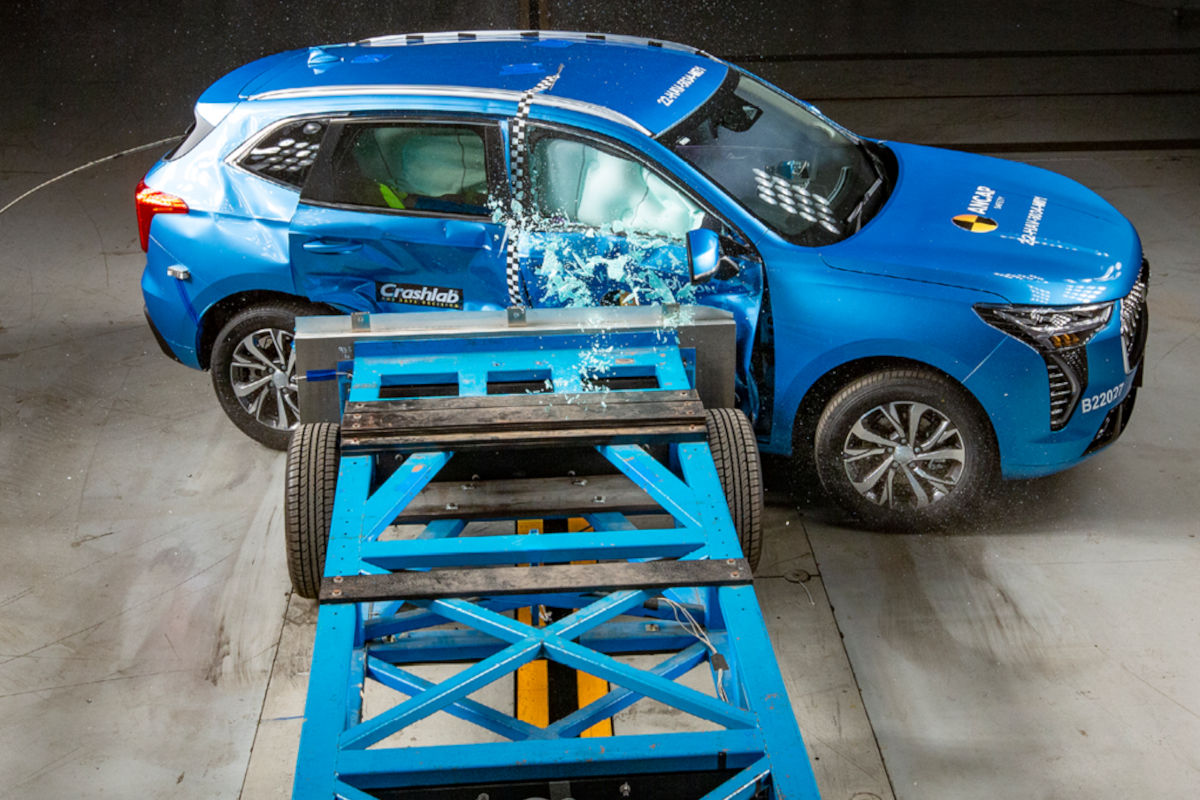
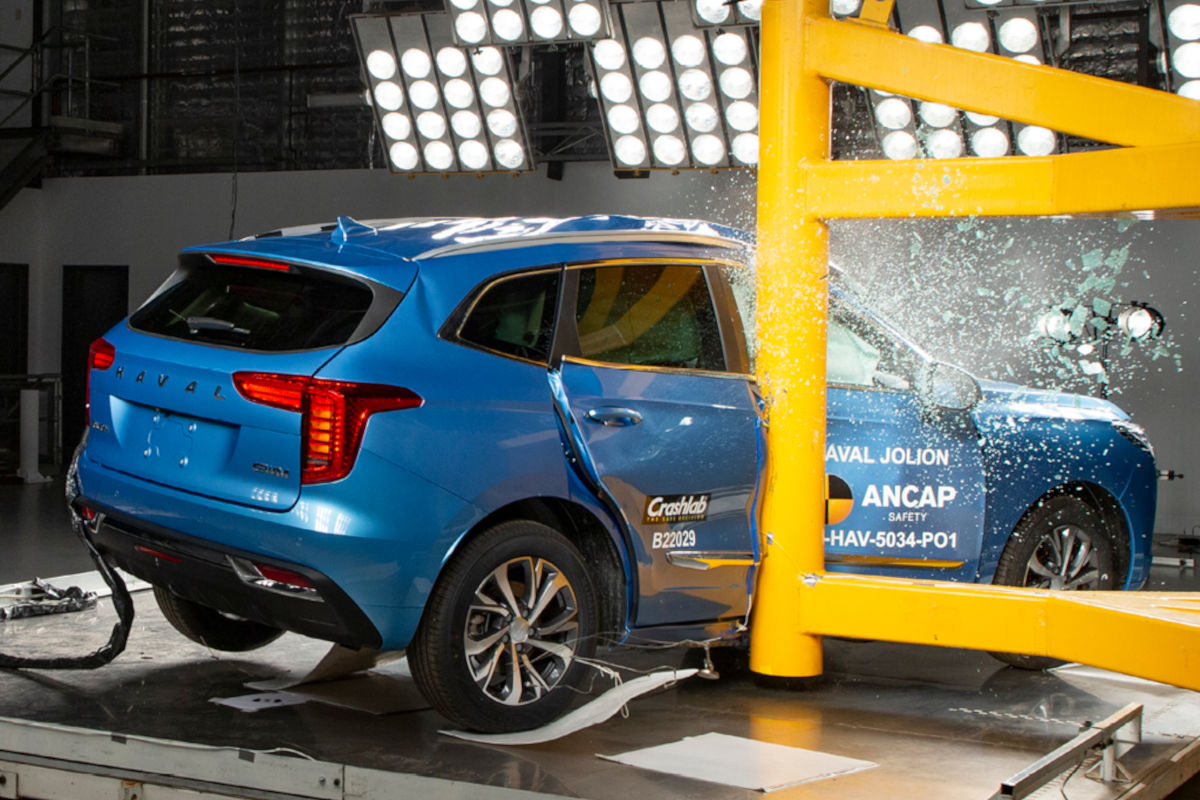
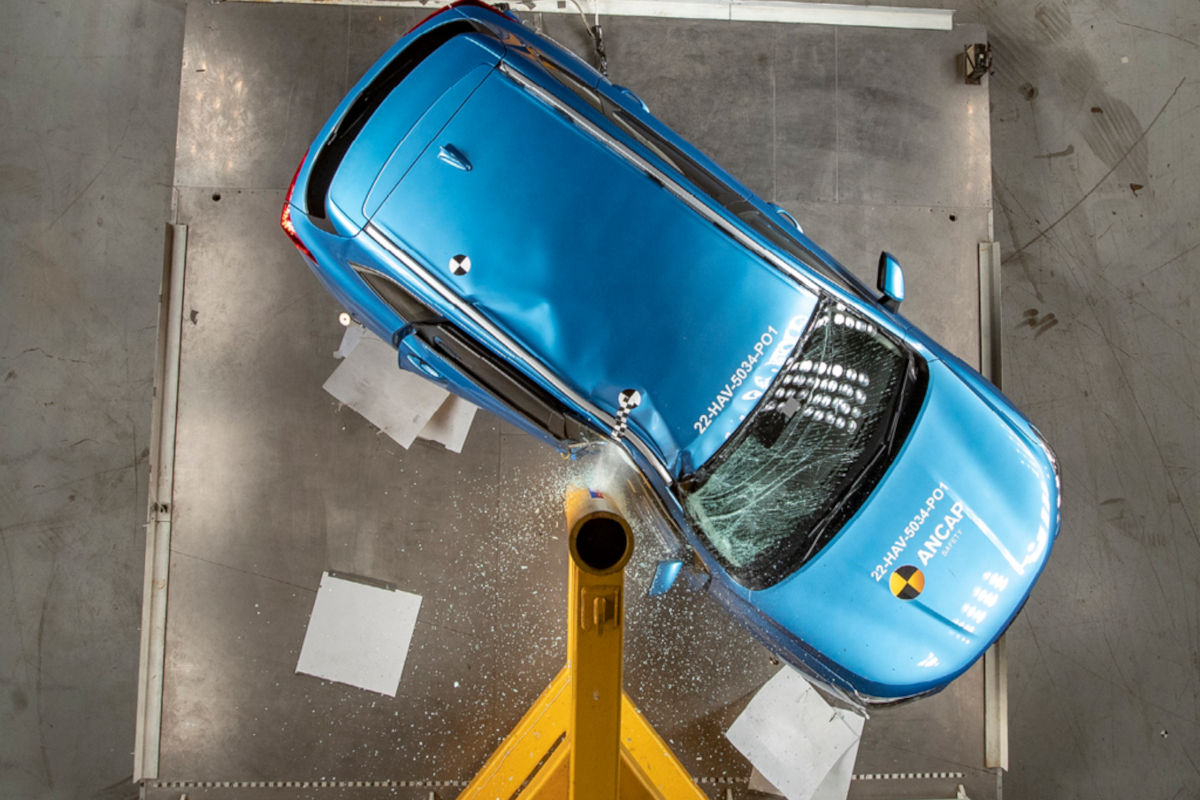
How Safe is the Haval Jolion? Crash-Test Results Released
South African new-car buyers have really taken to the Haval Jolion. But just how safe is the Chinese firm’s popular crossover? Well, fresh crash-test results from Australia give us a fair idea…
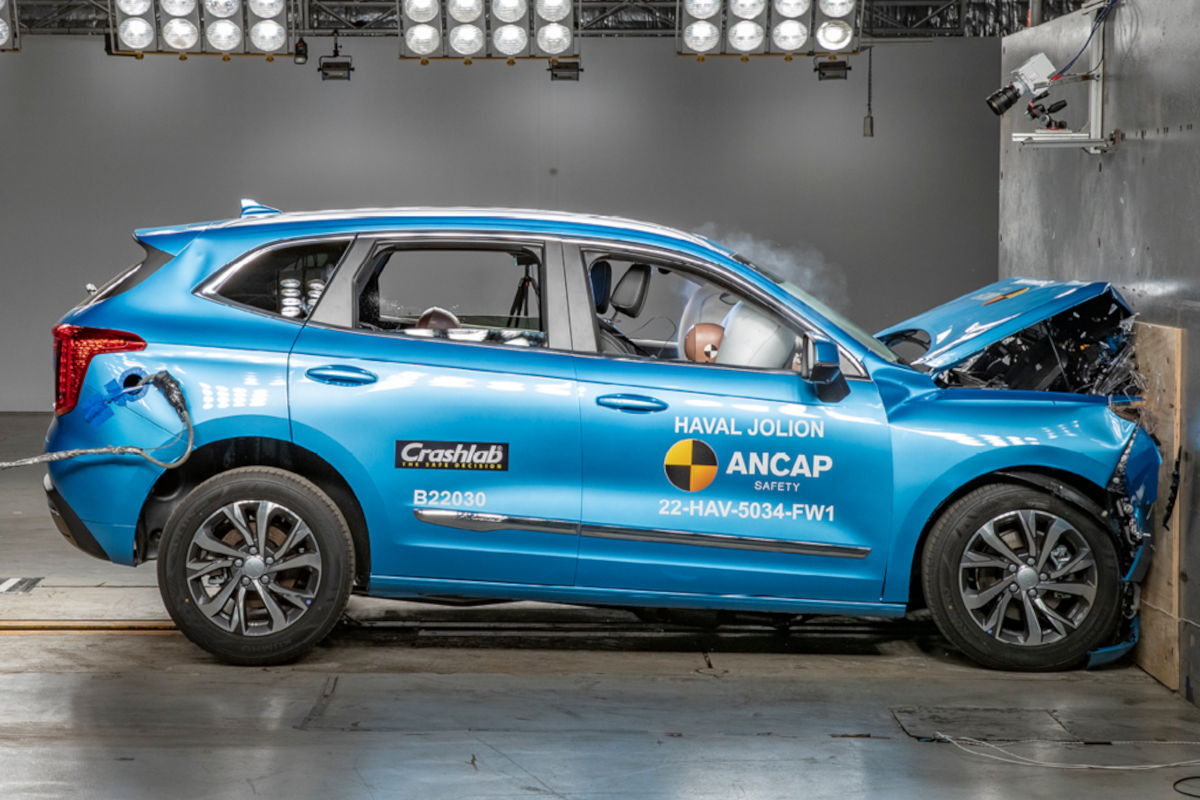
The Australasian New Car Assessment Programme (ANCAP) has released the results of its crash-test evaluation of the Haval Jolion, with the Chinese crossover being awarded a full 5 stars for safety (replicating the impressive results of the Haval H6 from earlier in 2022).
According to Australasia’s independent voice on vehicle safety, the version of the Jolion offered Down Under scored 90% for adult occupant protection, 84% for child occupant protection, 64% for vulnerable road user protection and 92% for its standard safety assistance equipment.
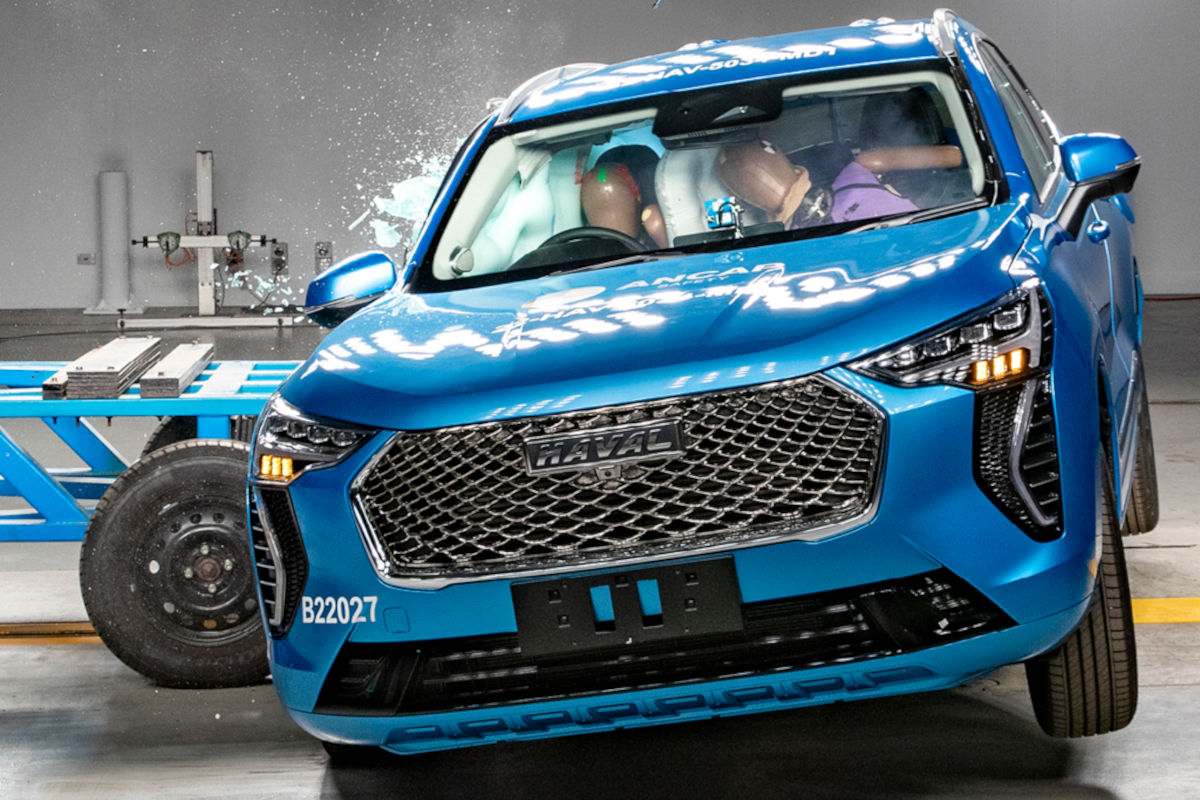
As is often the case, there are some specification differences between Australia and South Africa that are worth keeping in mind. For instance, the vehicle tested in Australia ships standard with a centre airbag (in addition to dual frontal, side chest-protecting and side head-protecting airbags) to mitigate occupant-to-occupant contact in side impacts. In South Africa, however, the base City derivative features only 4 airbags, with all other variants coming with 6 airbags (but none with this centre item).
Still, the Jolion offered “good” levels of protection to the driver in the full-width frontal test as well as the oblique pole test. However, the crossover had to settle for “adequate” and “marginal” protection for the driver’s chest and legs in the frontal offset test.
A “marginal” result was also recorded for the chest of the rear passenger in the full-width frontal test and pelvis of the driver in the side-impact test, with all other critical body regions in these tests rated as “good”.
Whiplash protection for front and rear occupants also scored well, as did the protection offered to child occupants in the side-impact test. Protection of the 6-year-old child dummy’s head was rated as “adequate” in the frontal offset test, as was the chest of the 10-year-old child dummy. Neck protection for both in this test was assessed as “marginal”.
ANCAP says the Jolion “particularly impressed” thanks to its active collision avoidance capability, scoring full marks for its lane support performance, while its autonomous emergency braking (AEB) functions were also rated as “very good”. Meanwhile, its ability to avoid a crash with pedestrians and cyclists was rated as “mixed”. Take note, however, that in South Africa, equivalent systems are included as standard only on the flagship Super Luxury trim level.
The Jolion has been a hit in South Africa, with as many as 6 248 units registered locally in the first 8 months of 2022 (translating to a monthly average of around 780 units). As a reminder, the Jolion range comprises 5 variants, currently priced from R342 950 to R446 950.
Watch the Haval Jolion’s ANCAP crash-test performance below…
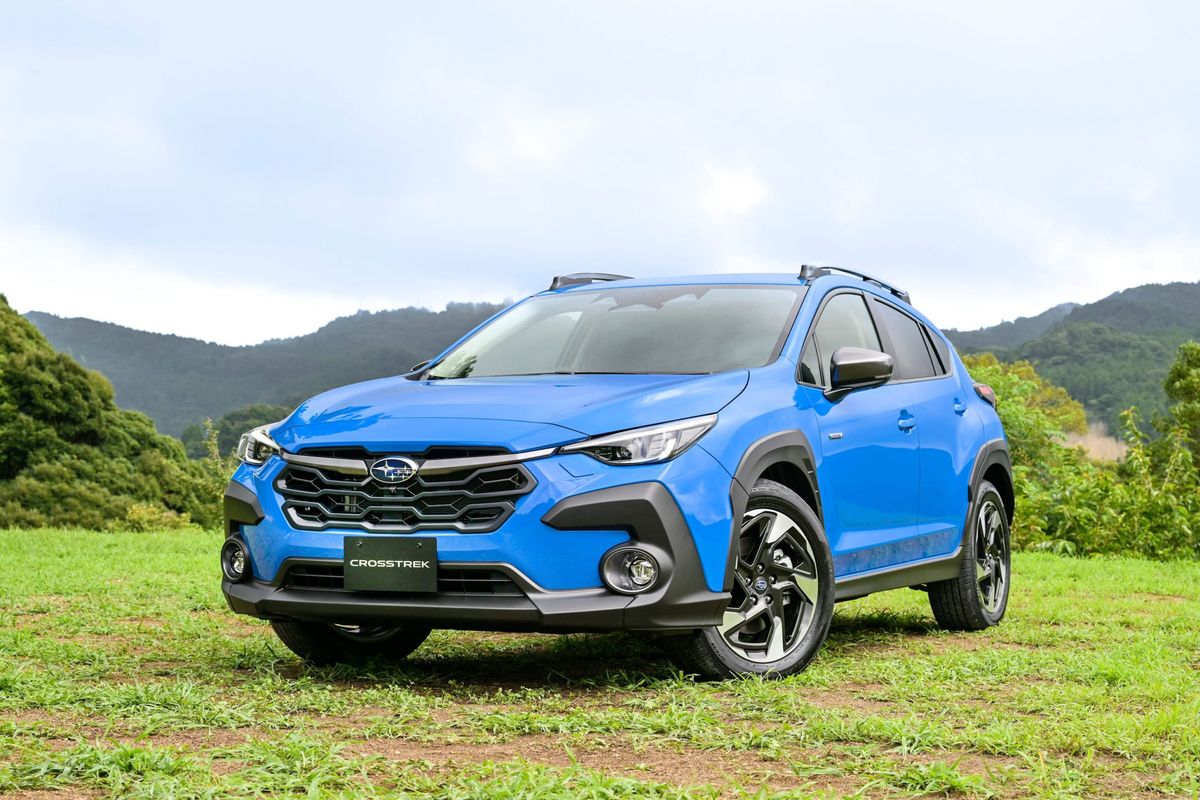
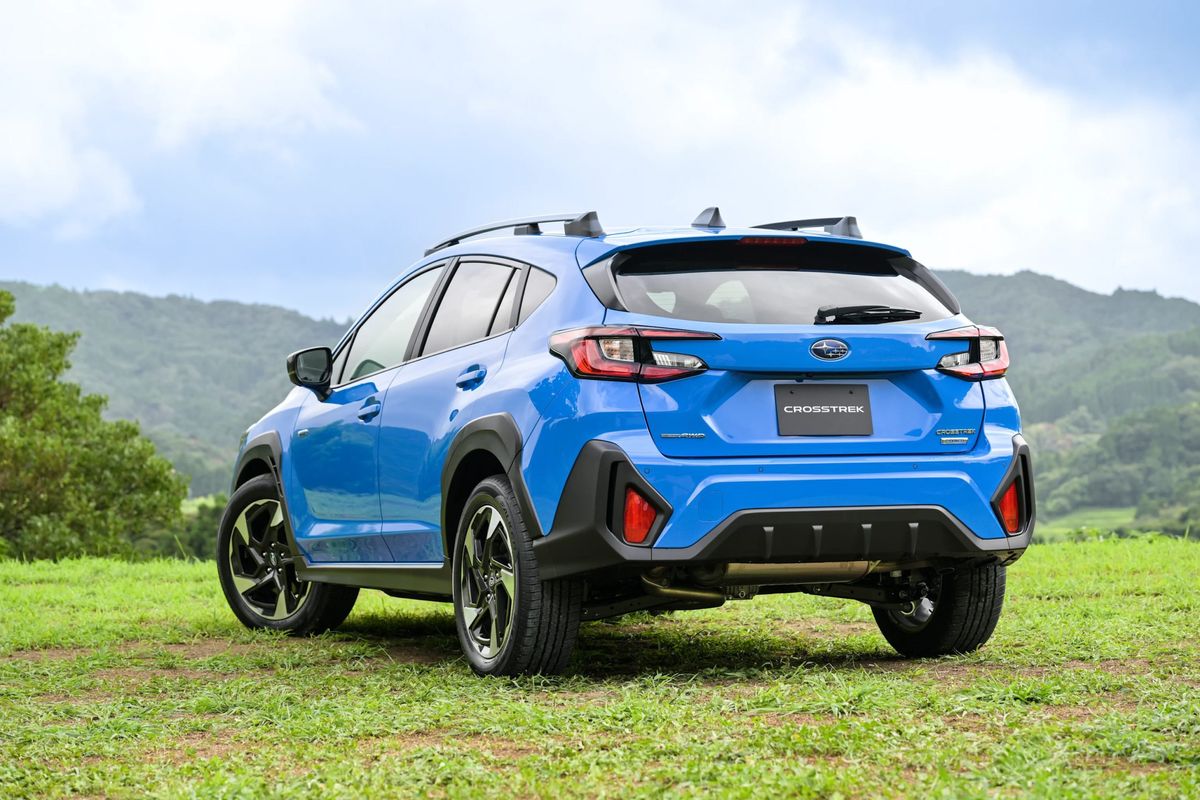
The Subaru Crosstrek is formerly known as the Subaru XV and has just been updated. Subaru SA has confirmed the capable crossover will be hitting our market in 2023.
The Subaru XV name has been dropped and we understand that Crosstrek will be used globally. The third generation Subaru Crosstrek was announced in Japan and will be hitting that market in early 2023. Subaru South Africa has confirmed the Crosstrek will be coming to our shores in the 2nd quarter of 2023.
So, what’s changed? Like all Subaru updates, we have to look carefully to spot the differences. Under the skin, the Subaru Global Platform has been retained, but Subaru has claimed there are some changes to increase refinement and ride comfort. There’s some enhanced rigidity and interestingly, the manufacturing process has changed with the upper body and underbody now built together. Subaru claims this has resulted in a reduction of cabin vibrations. There are also the addition of sound-deading materials.
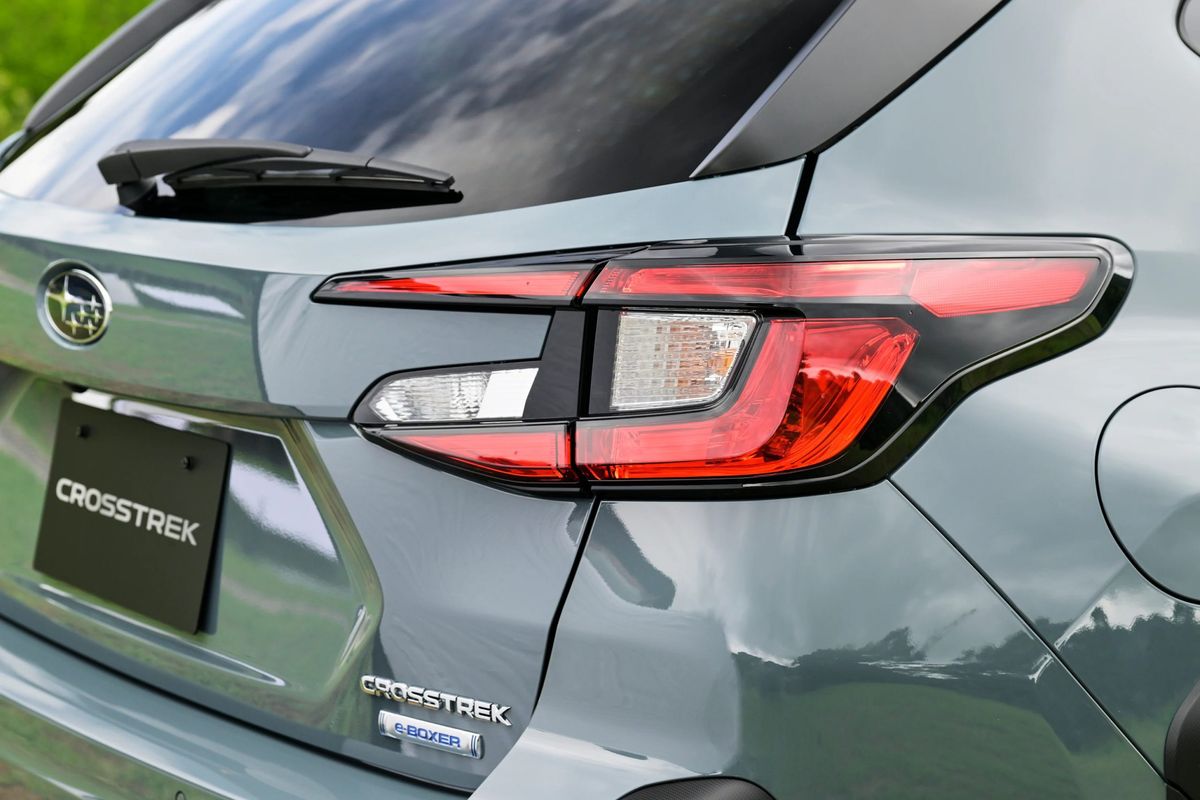
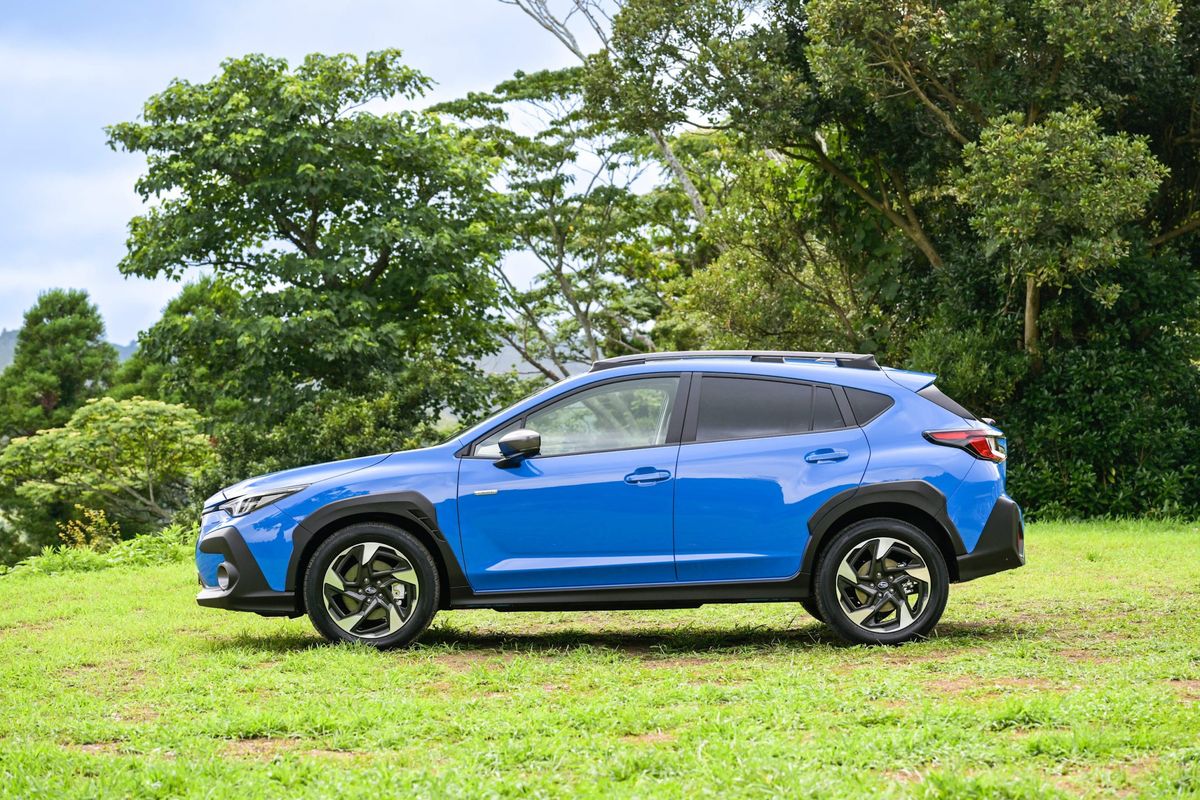
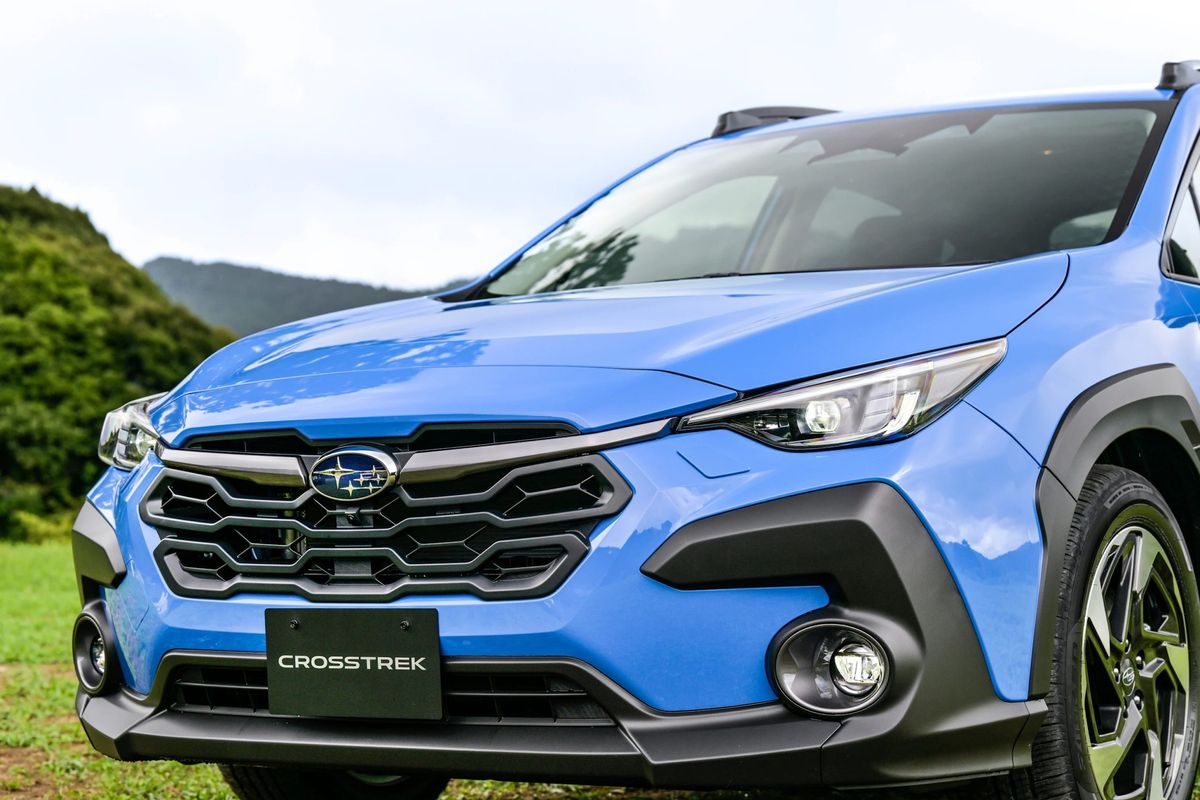
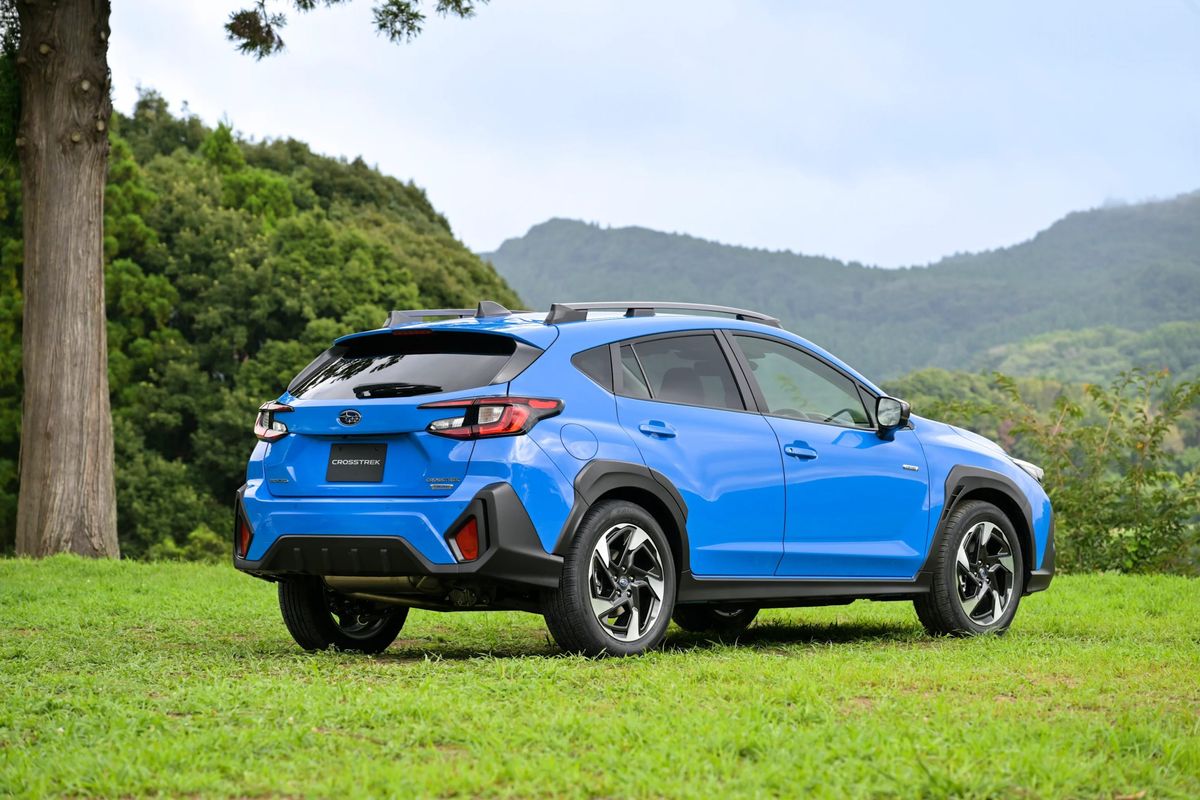
The styling has been given a gentle makeover, with new LED headlights which offer cornering capability and tail-lamps that look straight from the WRX. Physically, the Subaru Crosstrek is 4 480 mm long, 1 800 mm wide and 1 580 mm high. This new model features a 5 mm longer wheelbase, is 15 mm longer and 30 mm taller. Subaru claims a ground clearance of 200 mm.
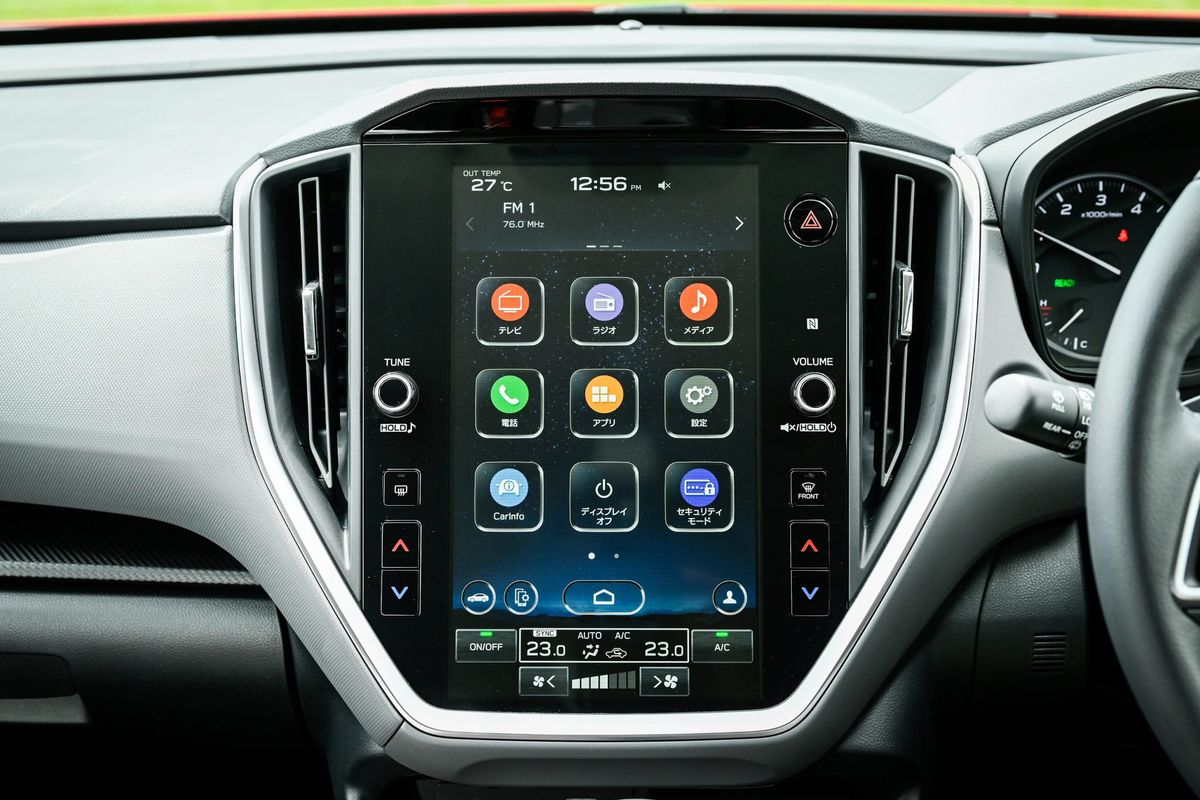
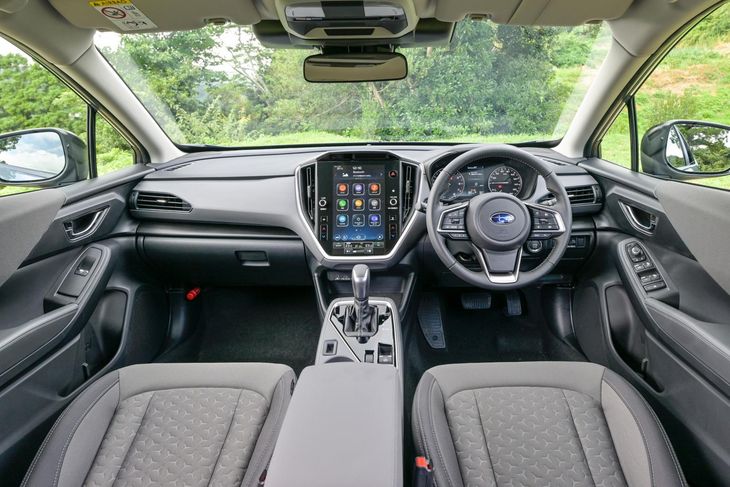
Inside, the Crosstrek gains an 11.6-inch portrait-orientated infotainment system which we’ve had experience with in the Subaru Outback and new Subaru WRX. There are new seats, updates to the electric power steering and the vehicle gains the latest version of Subaru’s EyeSight safety technology.
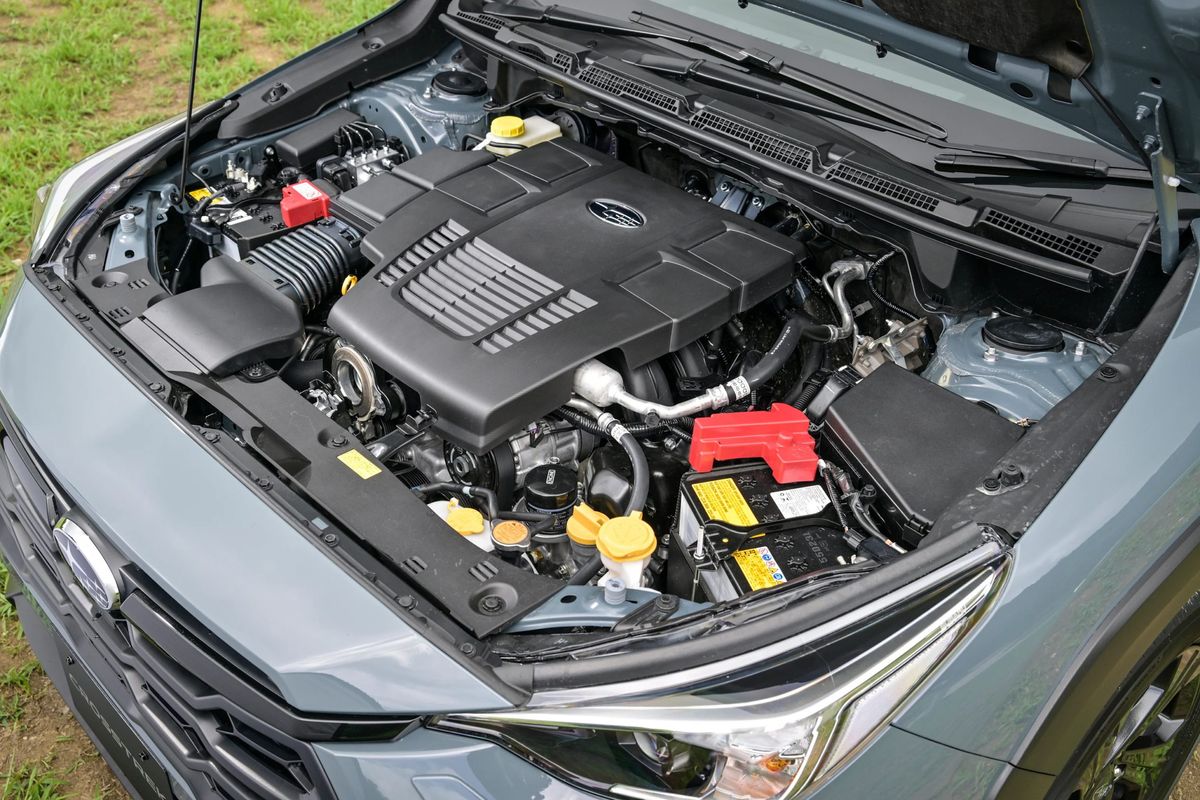
At this stage, there’s minimal information about the engine and transmission. The Japanese model will get a 2.0-litre petrol engine paired to an electric motor, with upgrades to the engine and transmission to reduce noise and vibration. We expect the South African derivatives to retain its 2.0-litre petrol with 115 kW and 196 Nm, which drives all four wheels via a CVT.
Chrizz Beatz on South African Car Culture and his love for BMW
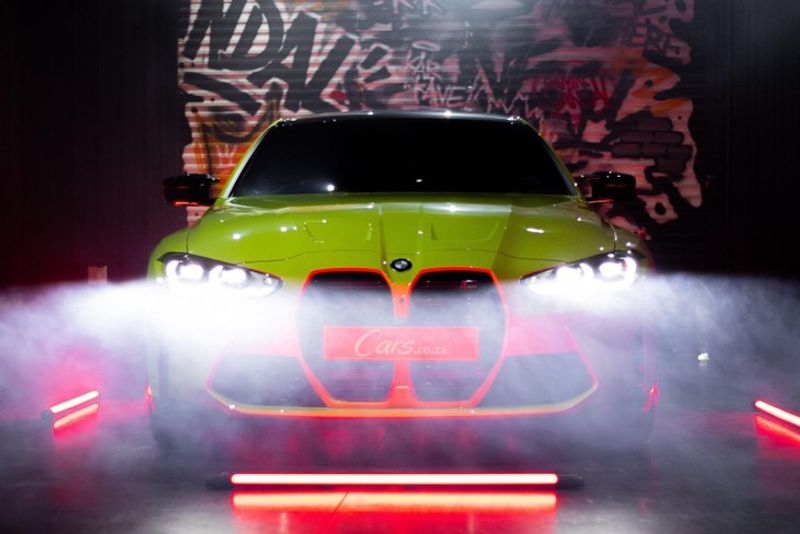
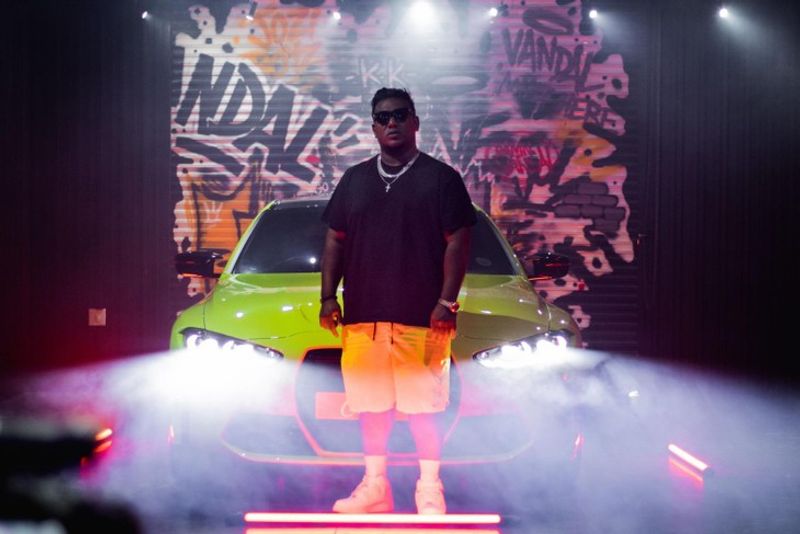
Chrizz Beatz is a popular DJ, 947 radio presenter and car fanatic of note, particularly when it comes to BMWs! Episode 2 of the Cars.co.za South African Car Culture series sees Chrizz showcase his own cars, including an E36-generation (Dolphin shape) BMW M3 Coupe, and a striking new G82 M4 in Sao Paolo Yellow to match his neon pants!
As is the case for many South Africans, Chrizz’s love for cars was born at the racing circuit, particularly the old WesBank Raceway, where he saw BMWs in action against Volkswagens for the first time. Since then he’s been a BMW man, though he did stray at one time and opted for a different German brand, which he says was a “mistake”.
But the first car that Chrizz Beatz drove was not a BMW – it was his parents’ Honda, and he ended up crashing it into a pole as he was trying to replicate the driving moves from the first Fast & Furious movie that made the Civic so iconic. After that experience, he was done with spinning wheels, though he does admit he likes going “sideways”.
Is it true that BMW drivers don’t use their indicators? Is a BMW “for the streets” and a Mercedes-Benz for the family? Chrizz covers a lot of topics that will be instantly familiar to South African car fanatics, including the consequences of racing away from the traffic police when you think you’re being hijacked!
What does South African Car Culture represent to you? If you missed Episode 1 of SA Car Culture, Check out Episode 1 featuring our very own Ciro De Siena and look out for Episode 3 of the Cars.co.za SA Car Culture series on Saturday 24 September 2022 at 1 pm.