Meet the Mini Concept Aceman, a battery-powered crossover that previews the design language of future EVs from the BMW-backed brand…
Mini has whipped the wraps off its new Concept Aceman, effectively debuting the “pared-back” design language it claims will define the British brand’s all-electric future.
A production version of the crossover concept is expected to materialise by around 2024, slotting in between the upcoming electric 3-door Cooper and the larger but likewise battery-powered Countryman replacement. Interestingly, the Aceman features absolutely no leather or chrome (inside or out), instead relying on cabin finishes such as knitted recycled textile.
Mini has yet to release any technical details, so it’s unclear – for now, anyway – what sort of battery sizes will be available in the production model, nor what kind of single-charge range we can expect. There is also not yet any indication of power outputs.
However, we know the vehicle will have a noticeably smaller footprint than the Countryman. For the record, the Concept Aceman features five seats, four doors and short overhangs. The BMW-backed brand says it’s suitably compact, measuring just 4 050 mm from nose to tail, with a width of 1 990 mm and a height of 1 590 mm.
The production version of the Concept Aceman will slot in below the Countryman replacement.
Standout exterior features include flush door handles, a Union Jack design in the taillights (something we’ve seen before from Mini) and 21-inch light-alloy wheels. Up front, you’ll notice the illuminated surround for the grille.
The showcar – which is scheduled to make its public debut in August at the world’s largest gaming event, Gamescom 2022, in Cologne, Germany – is certainly colourful. It’s finished in Icy Sunglow Green body paint, with the roof painted in a more traditional metallic British Racing Green hue. There’s also dark green trim on the lower edge of the body and on the wheel arches, along with splashes of neon green.
The roof rack, meanwhile, features green fastening straps and an iridescent coating Mini claims creates a metallic sheen covering a “wide colour spectrum of blue, turquoise, green and violet”. Navy blue is combined with blue-grey painted spokes on the alloy wheels, while the front and rear skidplates are finished in royal blue.
The interior of the Mini Concept Aceman
What about the cabin? Well, the automaker says the interior is “dominated by a reduced design” combining fresh technology with “newly interpreted yet typical” Mini design features. The large panoramic glass roof lends the cabin some extra light, while the facia features a flat design element Mini says was “styled like a sound bar”.
The central interface combines all the functions of the instrument cluster and the on-board monitor as a round OLED display. As we’ve come to expect from Mini models, there’s also a toggle switch bar below the screen. Interestingly, the automaker has opted for a mix of touch controls and physical switches.
Mini says the concept’s display area extends beyond the central interface, with moving image projections able to transfer content to the entire dashboard. The production version’s infotainment system’s display and control system, though, will be based on the latest-generation of the Mini Operating System, which for the first time will be built on an Android Open Source Project software stack.
That’s certainly an “interesting” interior, isn’t it?
The controls for the gear selector and parking brake have been relocated to the dash, freeing up space between the driver and passenger seats. Here, you’ll find a flexible centre console that extends, transparently and seemingly free-floating, into the rear area. Meanwhile, the Concept Aceman’s seats feature integrated headrests and are finished in a combination of textile flat knit, velvet velour and waffle weave.
Like the seats, door panels and all other interior surfaces, the steering wheel is completely leather-free, instead trimmed in dark green velvet velour. The tiller’s multifunction buttons are integrated under backlit textile surfaces.
“The Mini Concept Aceman provides an initial glimpse of a completely new vehicle, bridging the space between the Mini Cooper and the Mini Countryman in the model family’s future,” says Stefanie Wurst, Head of the Mini brand. “This concept car reflects how Mini is reinventing itself for its all-electric future and what the brand stands for: an electrified go-kart feel, an immersive digital experience and a strong focus on a minimal environmental footprint.”
Jeep Gladiator (2022) Review
With a price tag in excess of R1 million, the Jeep Gladiator 3.6 Rubicon is the most expensive – and powerful – double-cab bakkie in South Africa’s new-vehicle market. Is it worth breaking the bank to get your hands on one of the coolest vehicles to reach our shores in quite a while? Read on…
We like: Outrageous presence, off-road capability, engine note, comprehensive list of standard features, sheer cool factor.
We don’t like: Thirst for unleaded, huge dimensions, no front parking sensors, some gimmicks.
A double-cab Jeep is an interesting prospect and makes quite the statement.
The Jeep Gladiator is in an intriguing proposition – to put it very mildly. Yes, it’s technically a double-cab, which means it will be closely scrutinised by brand-loyal bakkie enthusiasts – as you probably know, South Africans take their pick-ups extremely seriously. What’s more, because the model has that characteristic Jeep grille on its bluff front end, it needs to tick specific boxes to do justice to the American brand’s image and off-road cred.
Think of the Gladiator as a stretched-out 4-door Wrangler equipped with a load bin. Like its brethren, it has rugged looks and a functional interior layout, but also interesting quirks/gimmicks (such as the ability to fold the windscreen down, detach the doors and remove the roof). We don’t see the point of flopping the windscreen forward and couldn’t work out how to take the doors off, but open-topped jaunts on balmy summer days could be fun (removing the top is easy).
The detachable roof of the Jeep Gladiator is an entertaining alternative to a sunroof.
Stellantis South Africa is currently reshuffling its Jeep portfolio and, at the time of writing (July 2022), it was preparing to launch a raft of new products. The current range (including Wrangler, Gladiator, Renegade and Grand Cherokee) will continue, but expect to see models (such as the Grand Cherokee L) make their way to our shores soon.
At this end of the market, where lifestyle, luxury and off-road capability intersect, the Gladiator 3.6 Rubicon has only 2 rivals, well, at least for now… The outgoing Ford Ranger Raptor offers tremendous off-road fun in a boldly-styled package, while the Toyota Land Cruiser 79 is a legendary off-roader with unimpeachable reliability, even if it arguably belongs in the Smithsonian.
The Jeep Gladiator is happiest when the road surface changes from asphalt to dirt.
Some may say that the Jeep Gladiator is overpriced, but we’ve yet to see how much the new 3.0-litre turbodiesel V6-powered Ford Ranger and Volkswagen Amarok will cost when they arrive on the local market in the next few months… As for the sticker price of the upcoming Raptor version of the Blue Oval’s bakkie, well, it won’t be a steal.
Well, just look at it! Jeep models exude standout kerb appeal (especially the brand’s hardcore off-roaders) and, in an era in which distinctive design seems much less of a priority than aerodynamic efficiency, practicality and safety, it’s refreshing to see something that looks radically different. It’s even more impressive when you consider the design constraints of a double-cab pickup – somehow, Jeep has hewn the Gladiator in a way that it’s guaranteed to turn heads.
There’s just one engine and gearbox combination in the local-spec Gladiator.
Inside, the driver’s seat position is excellent – you sit high enough to look down on full-size family SUVs. Annoyingly, there’s no place to rest your left foot (perhaps a hangover of the left- to right-hand drive conversion?). The dashboard layout is a little imposing as there’s an array of buttons and switches. It’s good to see Jeep resorting to a “button-centric” approach, as opposed to brands (like Mercedes-Benz) that endeavour to incorporate every function into the main touchscreen.
Heated seats and -multifunction steering wheel are must-haves for winter.
In top-of-the-line Rubicon trim, the Gladiator comes with almost every conceivable “mod con” you’d ever need and the cabin, although comfortable, has a tough-and-rugged ambience. Heated leather seats and a -multifunction steering wheel, an excellent reverse-view camera, USB-A and USB-C ports, Apple CarPlay/Android Auto, plus the ability to plug in accessories (such as winches and additional lights) are some of the highlights. The UConnect infotainment system is good too.
The Gladiator cabin is typically Jeep – non-conformist and cool!
The practicality offered by the Gladiator’s cabin is commendable too; there are plenty of storage solutions and cupholders for the front passengers, while the squab of the rear bench can be lifted up to expose lockable storage bins.
Gripes? We have a few. Access for rear passengers is a bit tricky, because the aft doors are small and parts of the bodywork jut out into their apertures. Then there’s the load-bay capacity, or at least, the lack thereof. At 693 kg, its capacity is on the smaller side (by segment standards), which is odd, considering the extended dimensions of the Gladiator, which can tow up to 2.7-tonne braked trailers. Also, the windows don’t have one-touch functionality, including the driver’s pane.
Rear occupant space is acceptable, but the bodywork (including the door catch) can get in the way.
In our opinion, there’s enough safety tech, high-end comfort features and gadgets to justify the Gladiator’s price tag. It’s good to see semi-autonomous emergency braking, blind-spot sensors, adaptive cruise control and rear-cross traffic alert included in the package.
Performance and Efficiency
At the heart of the Gladiator lies a 3.6-litre V6 petrol motor, which sends power to the wheels via an 8-speed automatic transmission (sadly, a turbodiesel or thundering supercharged petrol V8 aren’t offered in the range). As far as performance is concerned, Jeep claims a 0-100 kph time of 8.5 seconds courtesy of its peak outputs of 209 kW and 347 Nm; the sprint time feels just about accurate considering the Gladiator’s 2.2-tonne kerb weight.
The Gladiator logo is present on many surfaces, including the top of the transmission lever.
Its in-gear performance is entertaining; the 8-speed slushbox changes up and down relatively smoothly and without hesitation. The engine enjoys being revved out and a delicious V6 howl fills the cabin as the motor spins eagerly to its redline.
The downside? Unsurprisingly, efficiency is not the Gladiator’s strong point (its hefty weight and blocky shape count against it). Indeed, Jeep’s double cab is about as aerodynamic as a Tupperware container and that V6 engine needs to work hard to push the 4×4 through the air. On our test route, we recorded 14.7 L/100 km, but after some open-road driving, that came down to 14.1 L/100 km. The tank has a capacity of 83 litres, which gives the model a theoretical range of 660 km.
The Gladiator’s large-capacity V6 works hard and its fuel economy suffers for it.
Ride and Handling
Remember the Ever Given, that mega container ship that came a cropper in the Suez Canal and blocked the vital sea-freight route for 6 days in 2021? The sheer size of the vessel made it an impossible task to perform tight manoeuvres, and the Jeep has similar traits (by road-car standards) if you hope to navigate the tight confines of a city. Both the length and the width of the vehicle make it imposing and if you’re a masochist, try parallel parking the Gladiator in a busy street…
The rear parking sensors and (fortunately excellent) reverse-view camera make it less stressful to execute low-speed manoeuvres, but the Gladiator would certainly benefit from the fitment of a 360-camera and front-facing sensors. These would come in handy as you try to take up only one parking bay at your local mall. The Gladiator is also too long to squeeze into a modern suburban home’s garage, we found.
These BF Goodrich wheels may be noisy, but they’re a boon when you’re doing serious off-roading.
Once you leave the city and hit the open road, the first thing you’ll notice is the excess road noise generated by the offroad-biased tyres. The BF Goodrich Mud Terrain tackies more than prove their worth when you’re traversing an off-road course (as we’ll explain later), but at triple-digit speeds, the tyres’ grumble needs to be drowned out by the excellent audio system. In terms of general ride quality, the Jeep does tend to fidget, which our testers attribute to the knobbly tyres.
Red stitching on the dashboard, lever boots and seats complements the Gladiator’s bright fascia insert.
On-road, the steering setup lacks directness and feel, and there’s a lot of play in the ‘wheel’s movement. You’ll find yourself making small steering inputs constantly, which may prove tiresome on longer trips. The upside is that the tiller is light to operate, which is a relief (considering Jeep’s huge turning circle). The Gladiator is neither as refined nor as precise as its rivals in the ride and handling stakes, but it more than makes up for it when the tar ends and the dirt begins.
Off-road capability
We’ve already had first-hand experience of what the Jeep Gladiator is like to drive on the most challenging terrain. The Hennops Off-road Trail, which we traversed during the newcomer’s media launch event, was extremely challenging and would have taxed even the toughest of 4x4s, but the Gladiator emerged unscathed from that white-knuckled excursion…
The Uconnect infotainment system incorporates an off-road application that displays interesting info.
The Gladiator’s arsenal of off-road assistance systems is exhaustive – the 4×4 setup features 2WD, part-time 4WD, permanent 4WD and low-range functionality, there are multiple locking differentials, an off-road traction mode, plus the sway bar can be disconnected. The numbers are impressive too, with approach/breakover/departure angles of 43.6, 20.3 and 26 degrees respectively. A ground clearance of 249 mm and a water-fording depth of 800 mm are claimed.
The 2nd gear lever opens up 4WD and low-range options
So, for the purpose of this review, we opted not to engage any of those systems (other than part-time 4WD) to see how far the Jeep would get in our local “sandpit” before the heavy artillery of low-range and lockable diffs needed to be called into action.
As it happens we got quite far, with the Gladiator easily dealing with the piles of sand, mud and deep ruts we made it drive over (or through). The test unit’s BF Goodrich off-road tyres and the Fox suspension put in an admirable performance; suffice to say, off-road enthusiasts are unlikely to be disappointed.
The Gladiator wasn’t bothered by puny ruts or mud
Price and After-sales support
The Jeep Gladiator retails for R1 259 900 and is sold with a 3-year/100 000 km maintenance plan, as well as a 5-year/100 000 km warranty.
We welcome new arrivals in the top-end of the bakkie market. Despite its eccentricities and gimmicks (such as the removable doors – so dramatic!), the fun-loving image, easy charm and crushing off-road capability of the Jeep Gladiator will win it many fans. During its tenure in our test fleet, it drew much attention and positive feedback. Most onlookers were amazed by the Jeep’s sheer size and outrageous presence. Inside, the cabin is unmistakably Jeep – utilitarian, yet cool.
So, should you buy one? Objectively, Jeep’s new double-cab offering is far from perfect. However, few people buy a vehicle based on its merit alone, especially when the asking price is beyond the 7-figure mark. There’s an emotional element to making a purchasing decision and you can’t help but fall in love with the Gladiator – it reminds us of a clumsy Great Dane puppy that trips over its paws as it chases after the neighbour’s cat. You can’t help but laugh at, and love, this Jeep.
In a market that’s brimming with prudently packaged mainstream offerings, the Gladiator’s a breath of fresh air and oh-so captivating. Yes, it’s a big toy, but it doesn’t pretend to be a sensible family car that happens to have a load box.
If the standard Mustang isn’t entertaining enough, Ford SA has confirmed that just 4 Shelby GT500KR units are headed our way. Here are some details plus pricing.
Globally, there’ll be just 225 units of the Ford Mustang Shelby King of the Road with Shelby SA hard at work at its Shelby-approved workshop in the Western Cape. The Shelby GT500KR will be assembled in SA, which is impressive. Customers can expect to receive their vehicles in 2023.
“Customers looking for the latest in personal expression and power are going to be rewarded by what the latest GT500KR has to offer,” says Doreen Mashinini, General Manager for Marketing at Ford South Africa. “This is the first time that this exclusive model is available for Mustang enthusiasts in South Africa, and epitomises everything that Carroll Shelby stood for,” says Mashinini.
This is the most extreme Mustang and features an enhanced 5.2-litre V8 supercharged engine producing a monstrous 670 kW. There’s also a lightweight carbon fibre hood, a saving of close to 14kg, and new alloy wheel design. Cornering agility is also improved thanks to a more aggressive suspension tune and sportier sway bars. Inside, customers will get special Shelby badging and membership to Team Shelby, the worldwide club Carroll Shelby established in 2008.
Peter Lindenberg, CEO of Shelby South Africa, says that the KR is probably the most unique of all Shelbys available in SA because of the extremely limited numbers and power under the hood. “The GT500KR’s performance figures are unsurpassed for a rear-wheel drive muscle car. This is a long-awaited Shelby for the South African market as the enquiries for the high-performance, track-bred GT350 and GT500 have been extraordinary. This is the first time we are able to offer this icon in the Shelby range in South Africa,” says Lindenberg.
How much does the Shelby GT500KR cost in SA?
Ford South Africa has given an estimated price of R4.4 million including VAT.
Next Audi A3 (and RS3) to Ditch Combustion Engines – Report
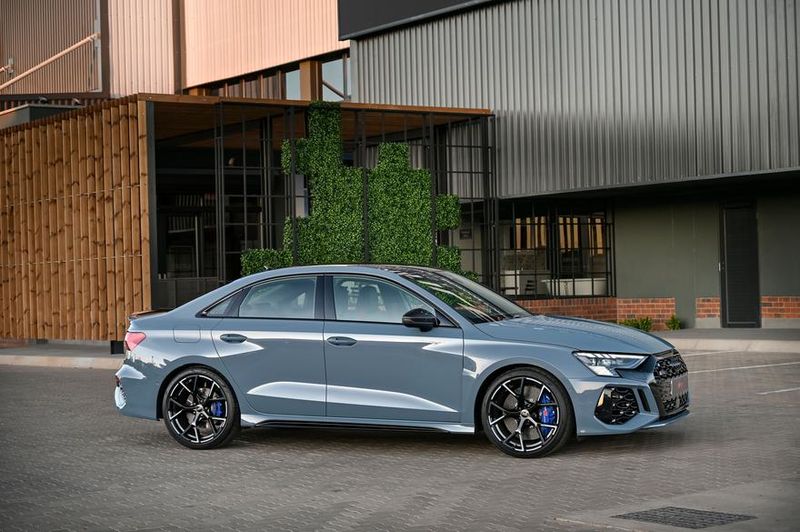
A fresh report out of Europe suggests the next-generation Audi A3 range will be entirely electric and topped by a battery-powered RS3 performance variant…
The next-generation Audi A3 is due in around 2027 but it will completely ditch combustion engines in favour of electric motors, according to a new report out of Europe.
Autocar claims though the A3 nameplate will live on, it will be attached to fully electric models only. The report suggests the upcoming fifth-generation A3 will ride on the Volkswagen Group’s latest Scalable Systems Platform (SSP) all-electric architecture rather than the MEB platform currently underpinning models such as the Volkswagen ID.3 and ID.4, benefiting from a single-charge range of around 650 km.
Interestingly, the switch from the current MQB platform to the SSP underpinnings would see the A3 move from a front-wheel-drive set-up (with the option of all-wheel drive) to a rear-wheel-drive arrangement (with AWD again optional).
The SSP platform is furthermore able to support a new 800V electric architecture, which the report says will facilitate “significantly faster charging times” than the 400V version of current MEB-based vehicles. The 5-door hatchback and 4-door saloon models – which are set to retain their Sportback and Sedan titles – are also expected to grow slightly while adopting “altered proportions”.
According to the British publication, the current Audi Sport performance badges will also live on (though perhaps with an “e-tron” suffix), with electric versions of the S3 and RS3 set to adopt twin-motor systems and thus all-wheel drive. Autocar claims the proposed electric RS3 will outrun the current 5-cylinder model from standstill to 100 kph, completing the obligatory sprint in under 3.8 seconds.
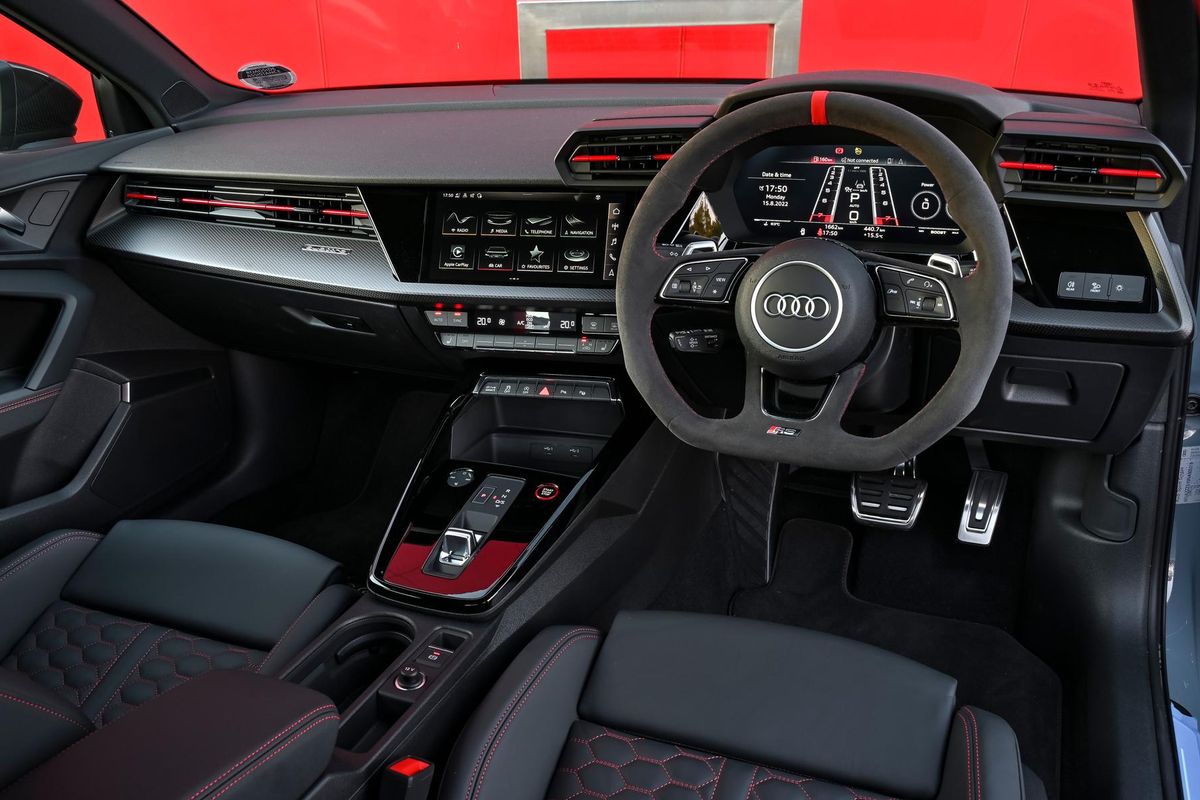
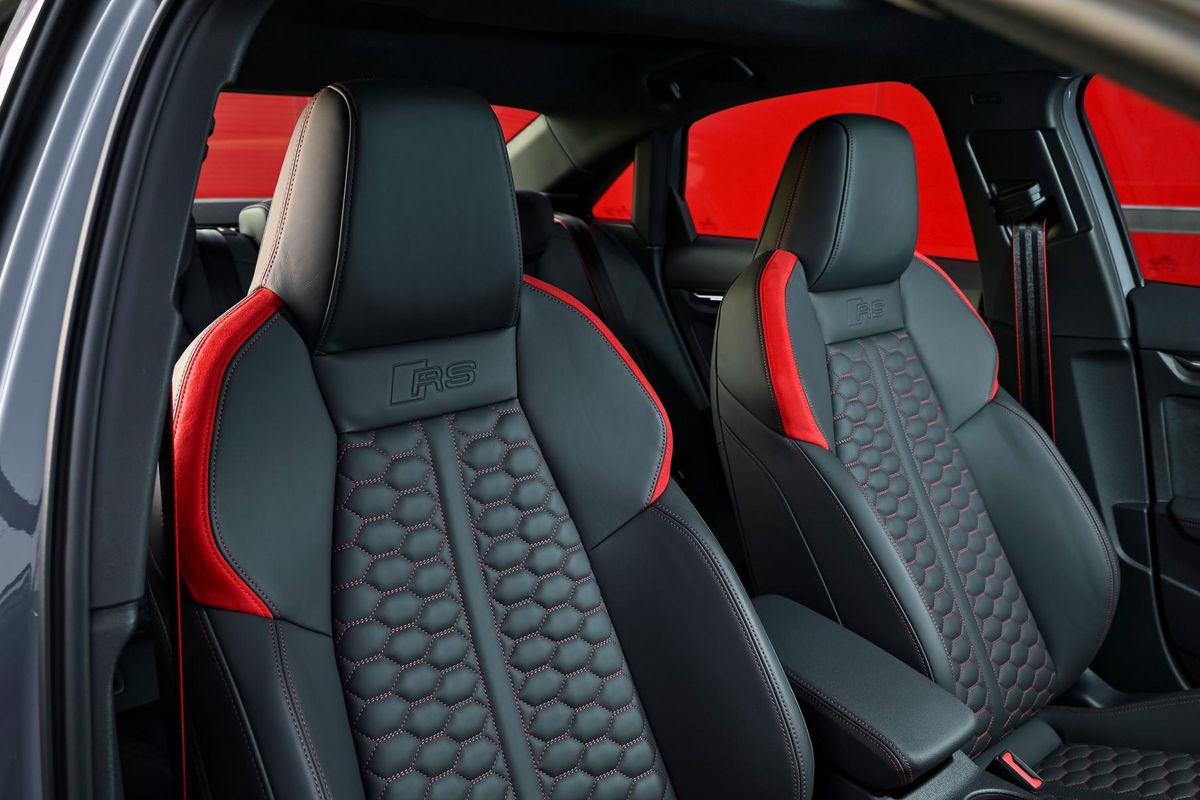
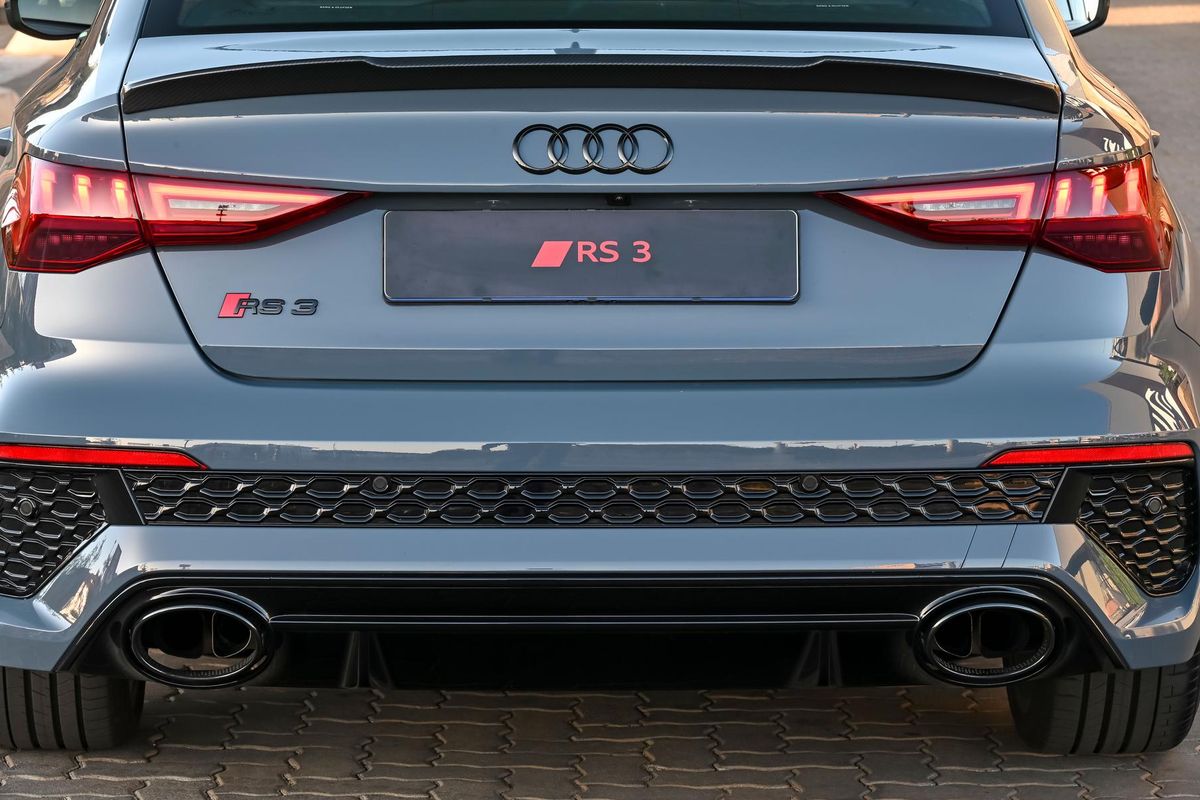
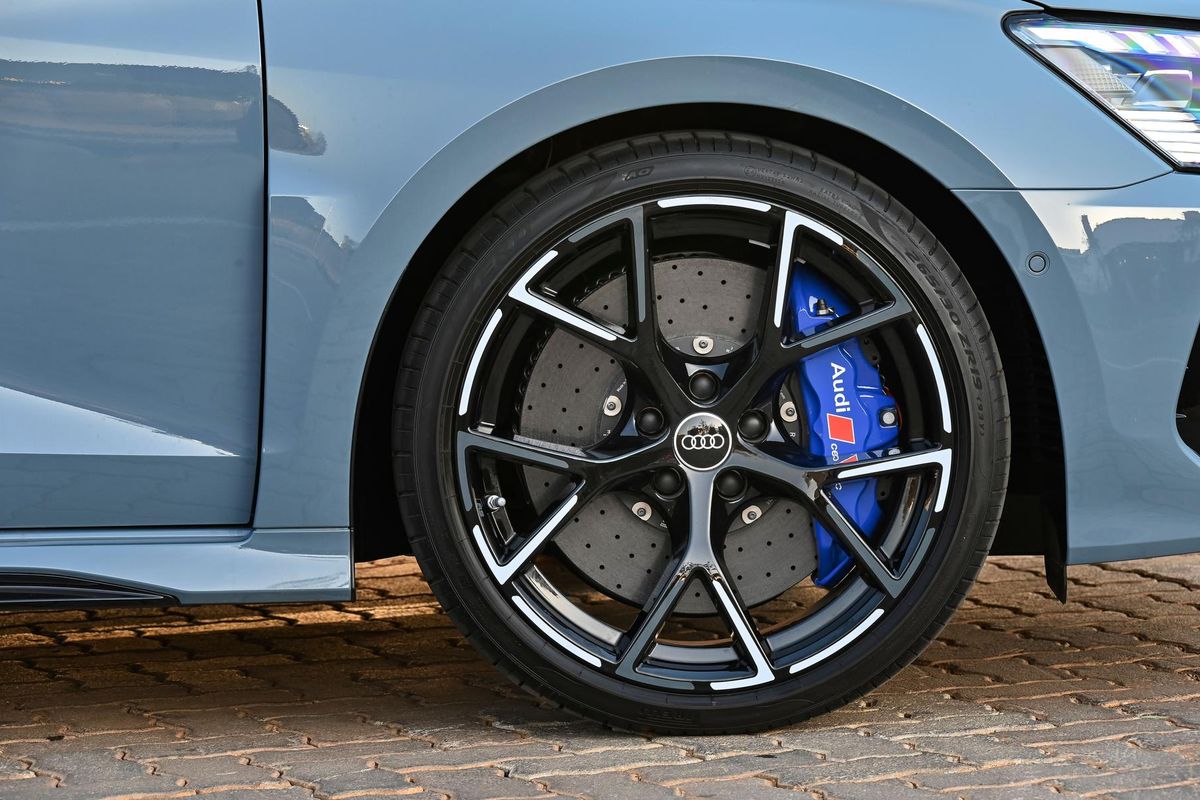
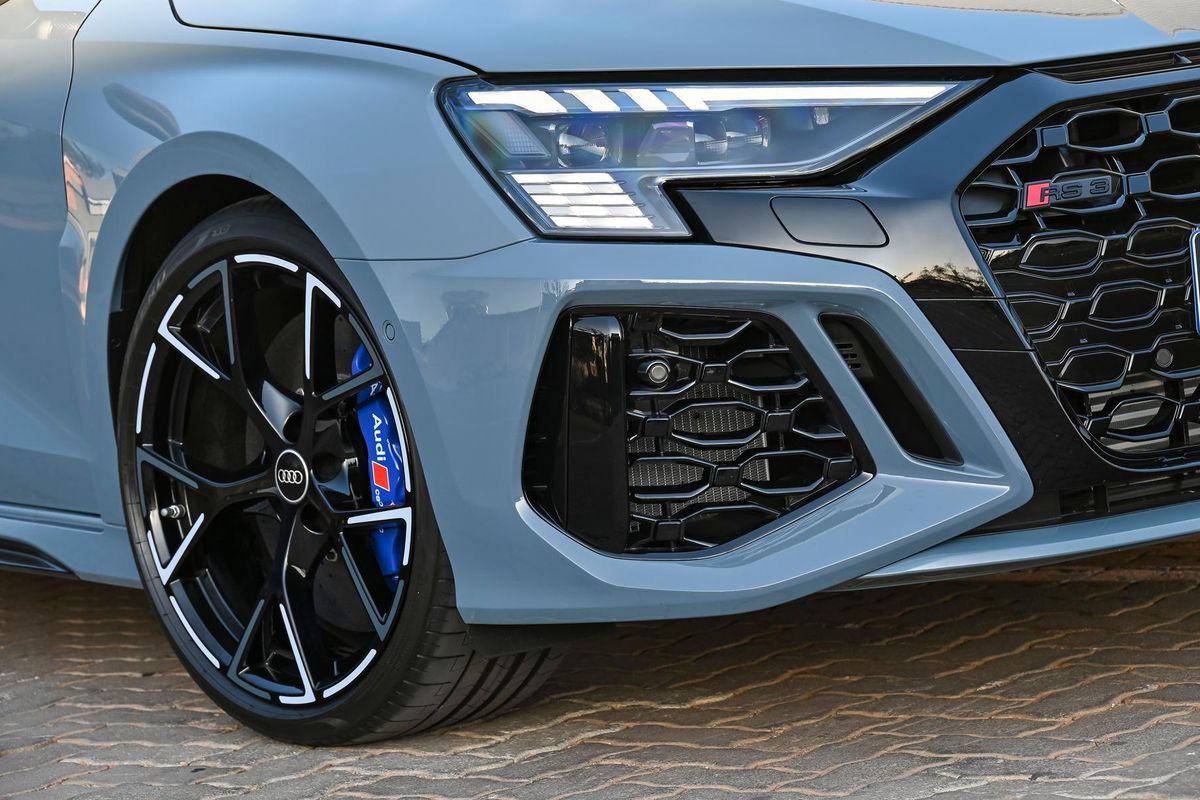
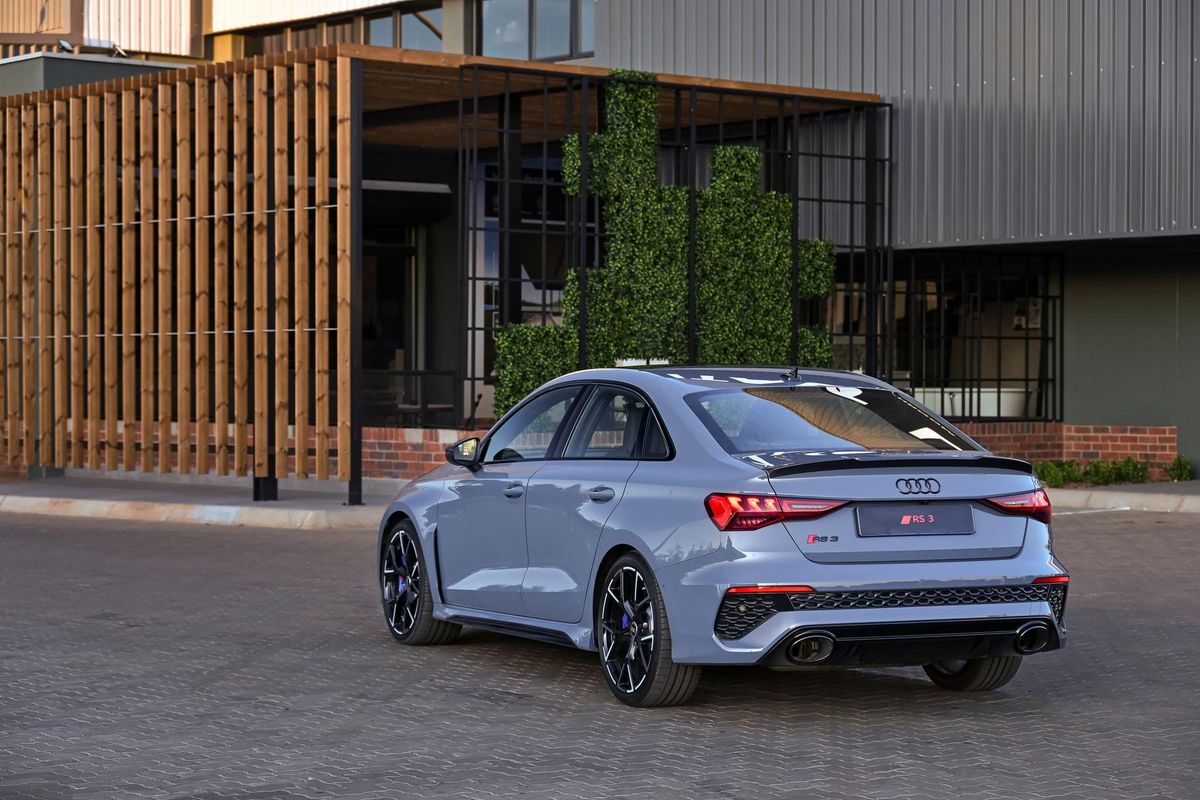
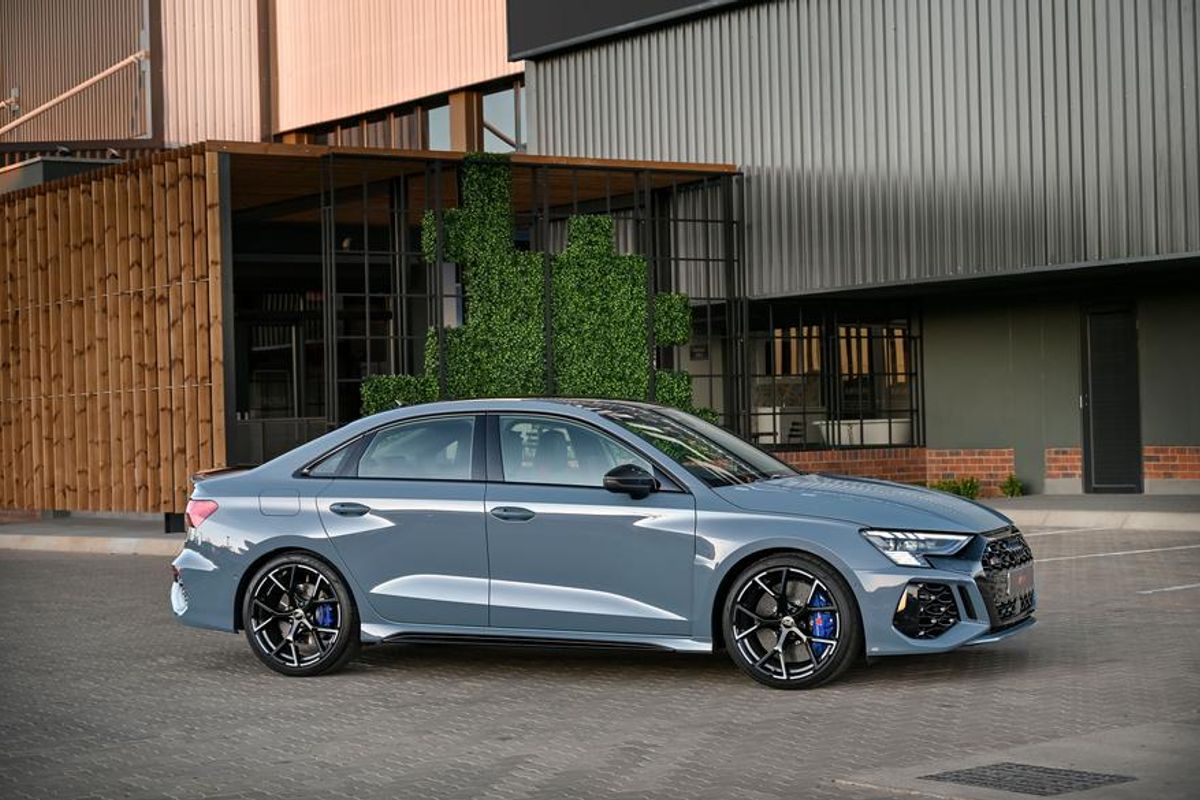
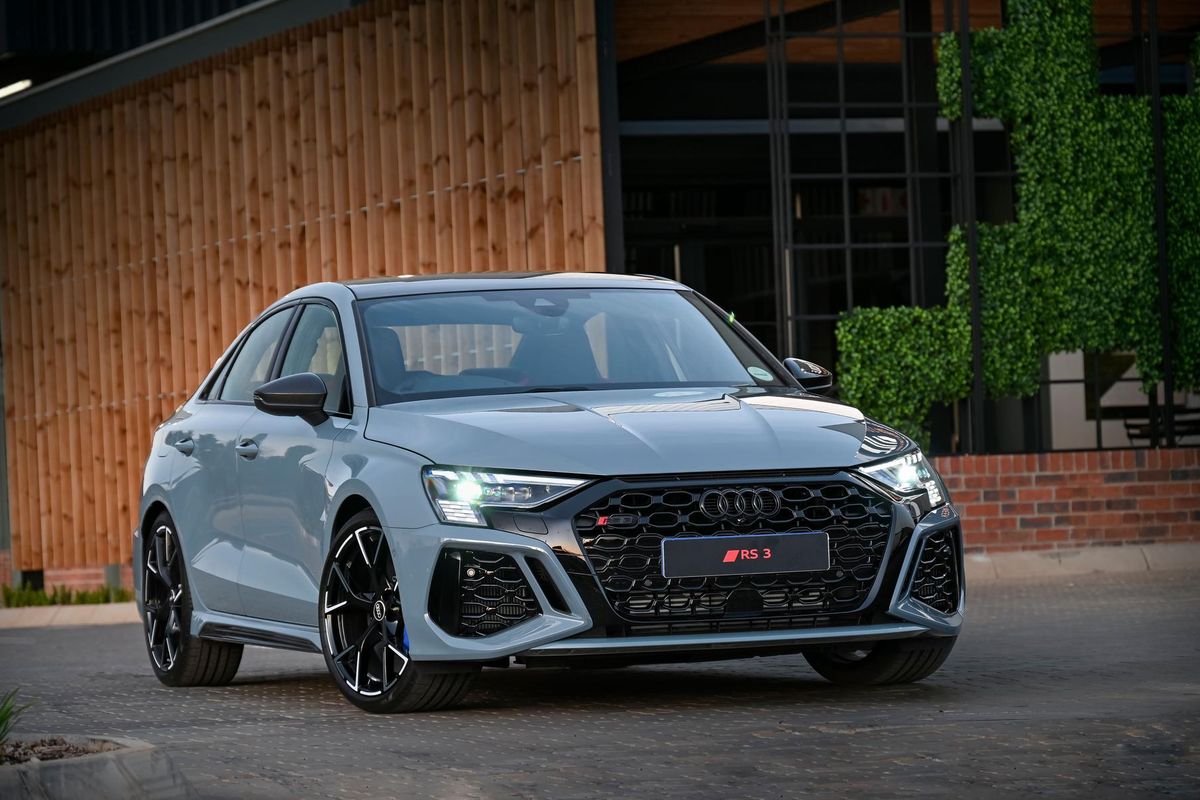
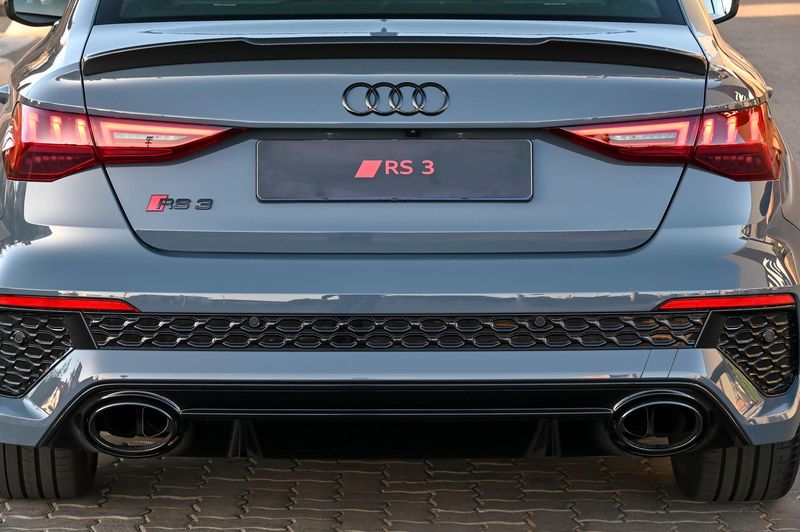
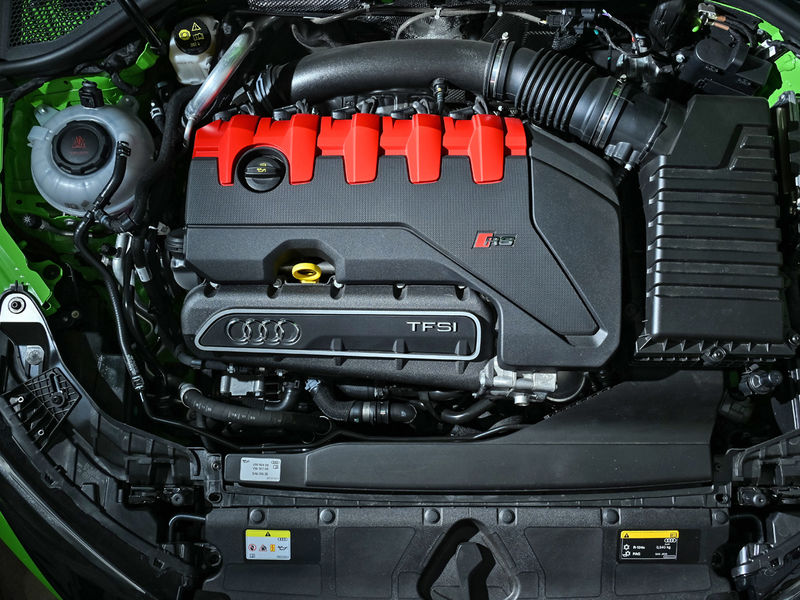
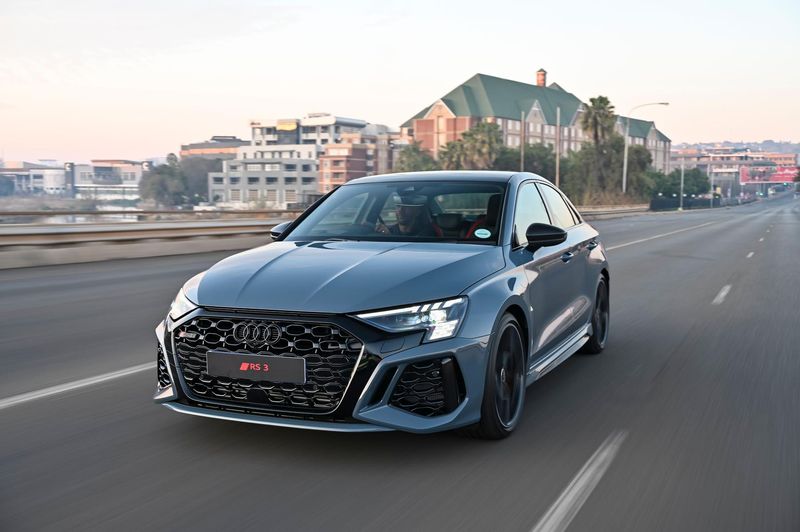
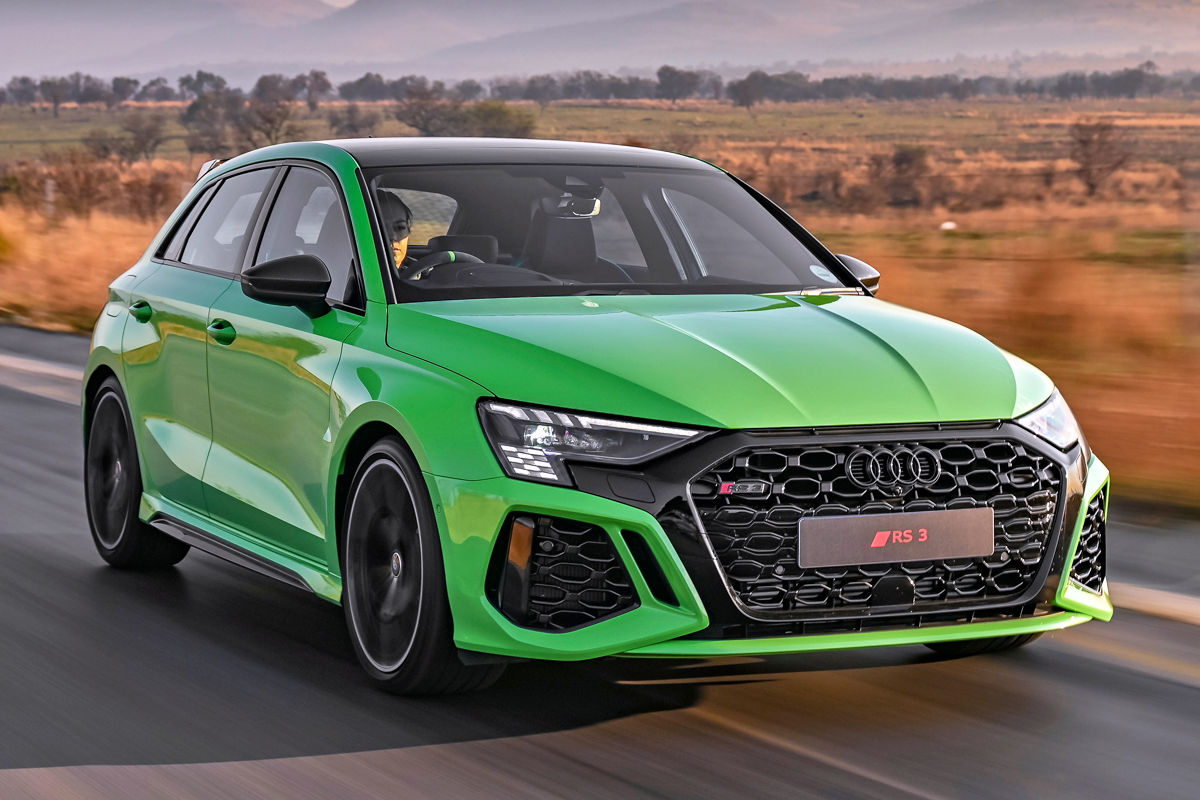
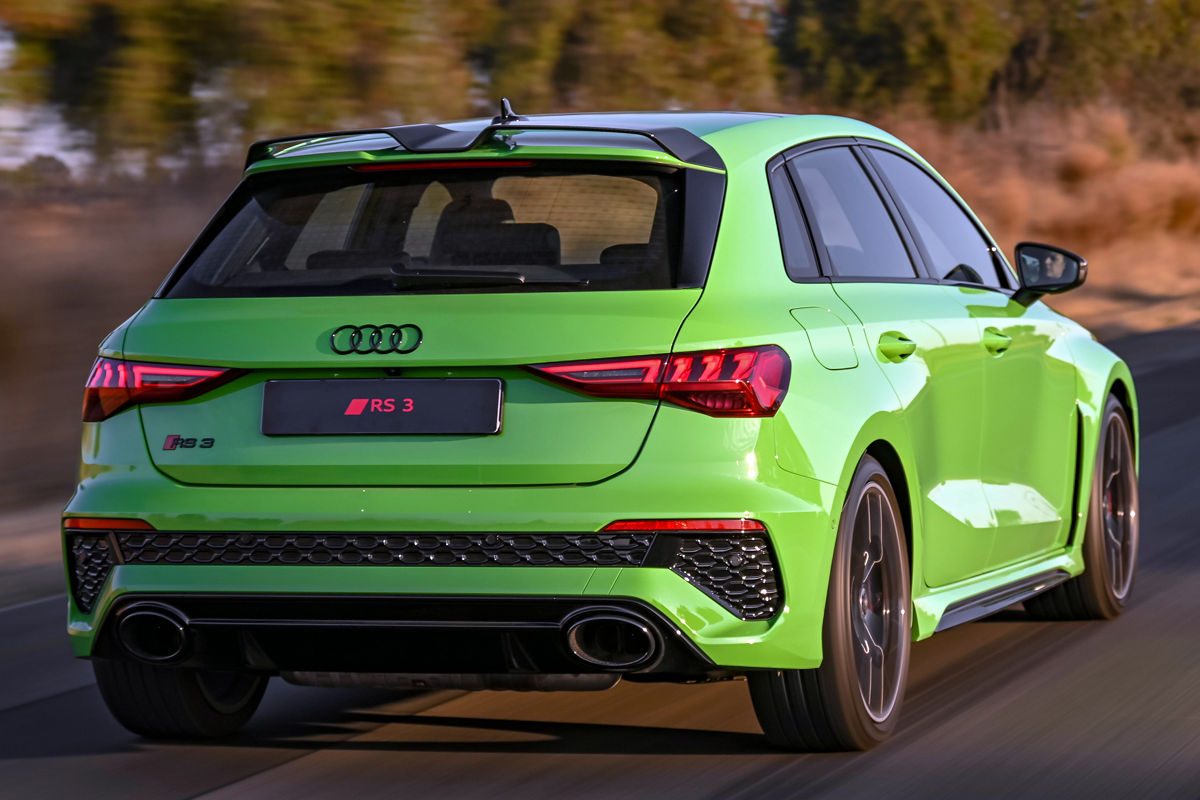
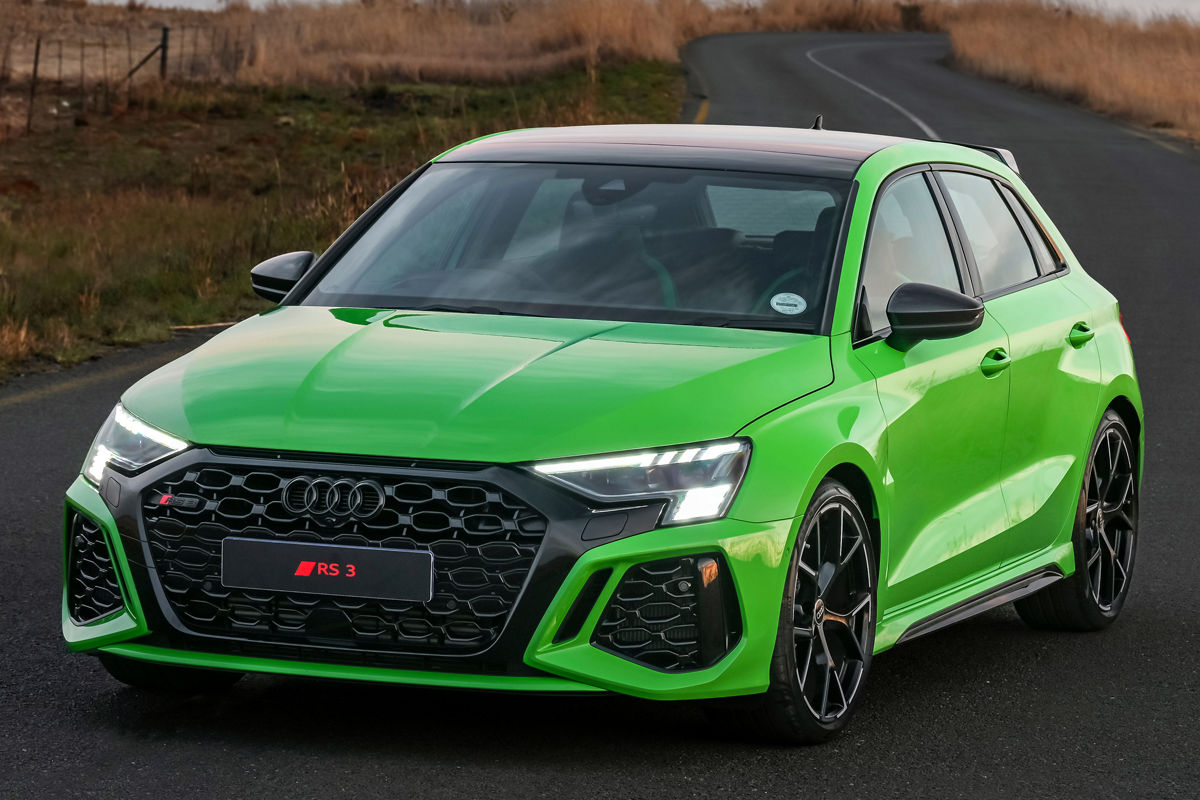
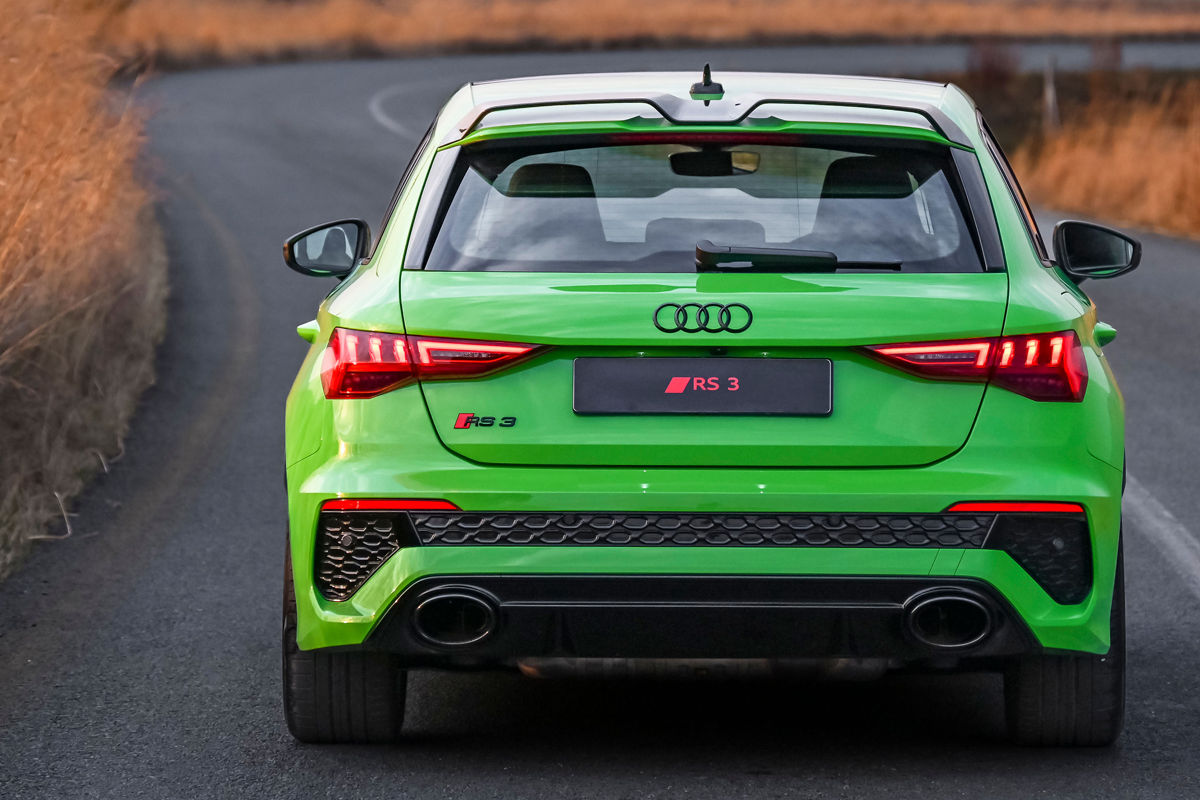
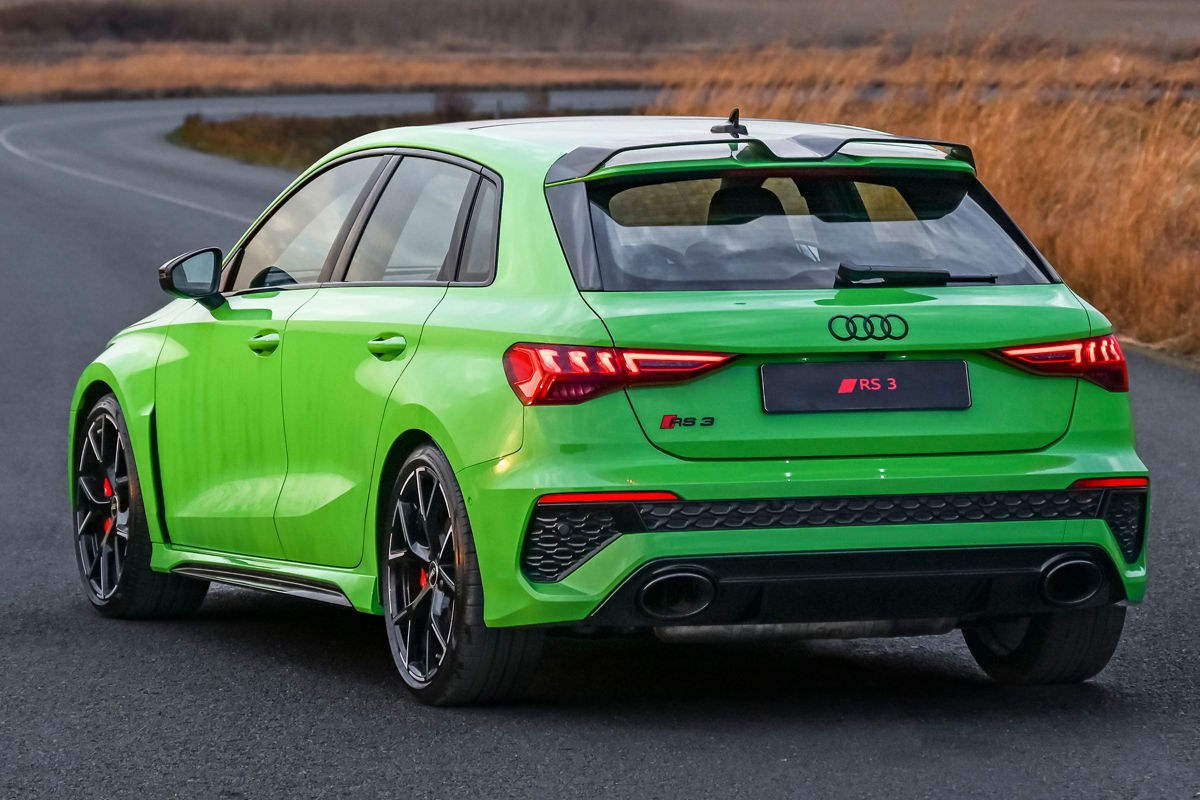
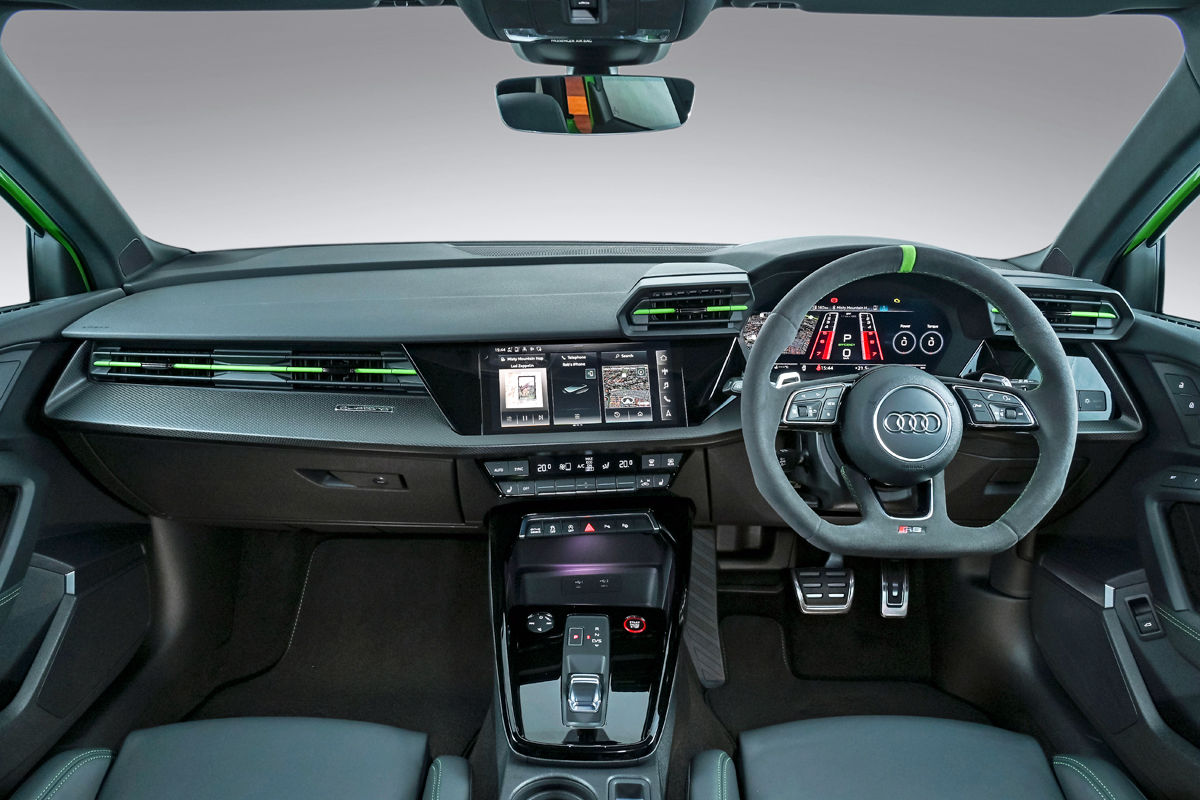
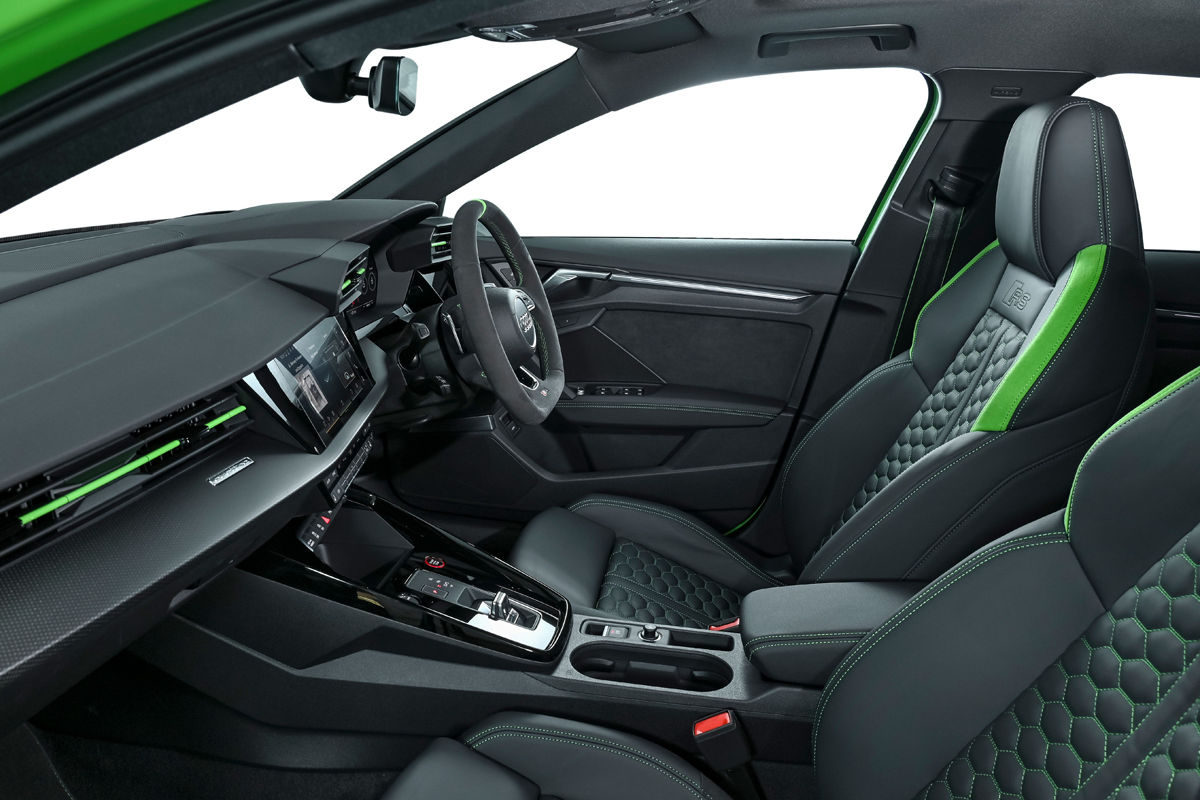
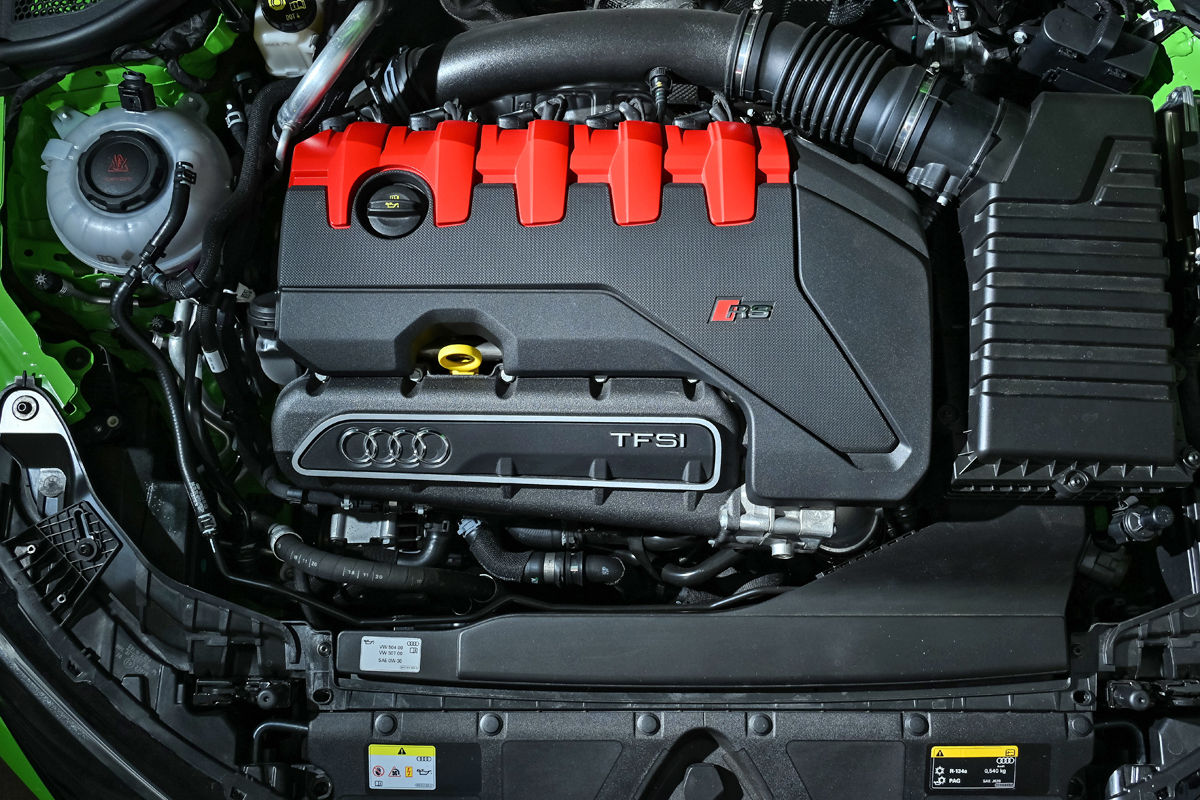
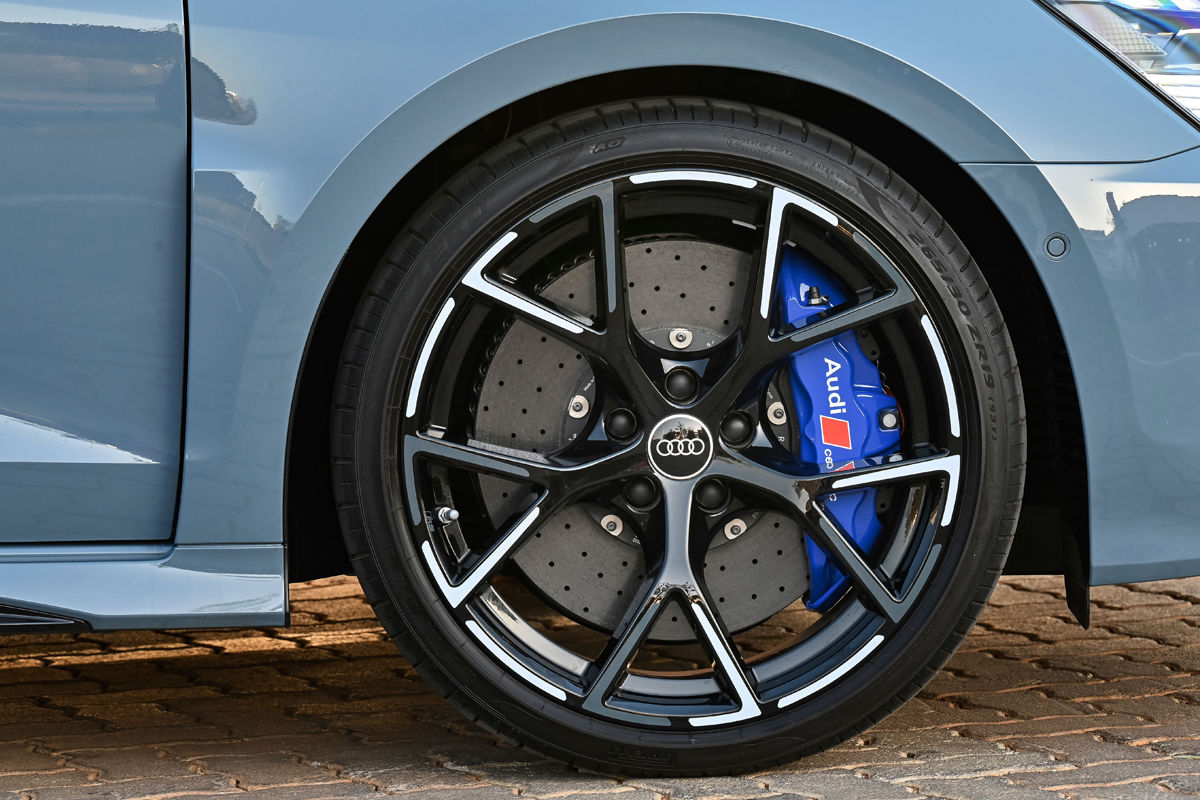
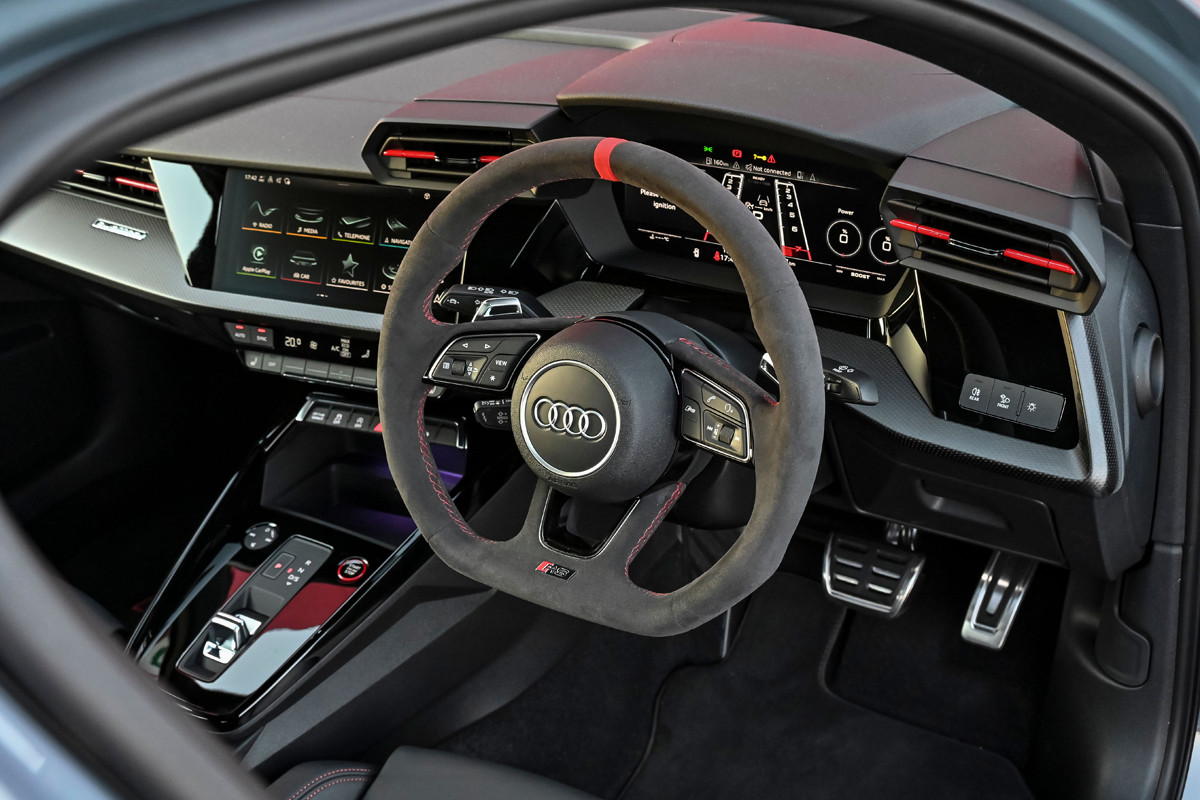
The latest 5-cylinder RS3 (which is set to arrive in SA soon) will likely be the final version offered with petrol power…
Will Toyota revive the Stallion as a RAV4 double cab?
Toyota may decide against building a small single-cab bakkie, but, given recent developments in the US, it should consider a RAV4 double cab instead.
Imagine a weekend braai in the company of “car people” – you know, petrolheads. The conservation is textured with bold opinions. Healthy arguments ensue about which vehicle is better – or best. Implied bias is expected and tolerated.
But if you want to silence a group of South African car enthusiasts mid-braai-side debate with a trick question, ask this: “Which bakkie segment isn’t dominated by Toyota?” Puzzled looks and a murmur will follow.
There is a corner of the market in which South Africa’s most dominant vehicle brand is tellingly absent: compact bakkies. And this was not always the case.
Those old enough to remember the Stallion will recall how usable the Toyota’s pick-up was compared to the Nissan 1400 (Champ) and Ford Bantam/Mazda Rustler in the ’80s. But the Stallion was never replaced; its market momentum and volumes were eventually conquered by Opel, with the Corsa Utility. The German brand’s “half-tonner” was hugely successful and triggered Nissan’s response in the shape of the Dacia-based NP200 (after the 1400 had been discontinued).
Seeing the future of small single-cab bakkies
There’s a good reason Toyota never replaced the Stallion…
There was a moment in time, approximately a decade and a half ago, when the compact bakkie segment was significant – in fact, it notched up thousands of sales per month. And yet Toyota appeared disinterested. Why?
No automotive brand matches Toyota for South African product planning and business intelligence. It’s no coincidence that Hilux is the country’s best-selling vehicle. Toyota knows what South African buyers want. And need.
Despite being the dominant bakkie brand, Toyota was never lured into competing with the half-tonne offerings from its rivals in the late 1990s and 2000s. Why has Toyota not re-engaged with the compact bakkie market? Part of the reason concerns a simple question: Is there notable demand for compact single-cab bakkies in 2022?
Buyers’ preferences change over time – that’s a given in virtually every market, especially the automotive one. Just as affordable sedans (such as the Toyota Camry) and small coupes (the Hyundai Tiburon, for example) began to disappear, market demand for small single-cab bakkies simply waned over time. Why? At the point that the Opel Corsa, Ford Bantam, Nissan 1400 and Fiat Strada were vying for buyers in the early 2000s, there were virtually no small crossovers.
Small bakkies were never that handy
The marketing images for small bakkies have always been wildly ambitious; few owners used the load box to its full potential.
An uncomfortable truth – and one that is often ignored by those who long for the return of the Corsa Utility and Nissan 1400 – is that few of those vehicles did duty as load carriers. Many were purchased because they were affordable “lifestyle” vehicles. And in the South African context, they were rather poorly configured as lifestyle activity vehicles compared to any of the modern “pseudo-SUVs”.
Even when fitted with a canopy, a compact bakkie offers no safe storage space for your lifestyle gear or larger valuables (such as laptops). Contrast that with a small crossover… It has a standard 5-door bodyshell, with privacy glass and a retractable load bay cover that hides valuable cargo away from prying eyes. Oh, and suffice to say a full-sized tailgate offers much more security than a bakkie canopy’s flimsy glass hatch.
The hassle with small single-cab bakkies
Corrugated Karoo roads were the undoing of many Corsa bakkies.
Memories fade over time and many people have forgotten that compact bakkies evolved from humble compact hatchback platforms… and that meant their fragile underpinnings offered little in the way of dirt-road durability.
In retrospect, the compact bakkie was a very compromised vehicle. It only became popular because small crossovers weren’t around at the time and it offered buyers who couldn’t afford full-sized bakkies a false sense of fulfilment…
Yes, let’s be completely honest with ourselves and recognise what compact bakkies really were: makeshift lifestyle vehicles with low-security storage capacity and limited gravel-travel capability. A modern crossover has equally poor dirt road driving dynamics, but at least it offers the benefits of four doors, five seats, secure storage, a respectable array of safety features and a higher load bay for stacking your luggage and gear.
Today, most buyers would choose the equivalent crossover, even if a single-cab bakkie was built on any of the contemporary compact hatchback platforms (Volkswagen Polo, Hyundai i20). The reason is simple: if you don’t use the load box to its full capacity, a bakkie is entirely superfluous. An open load box creates enormous aerodynamic drag, which increases fuel consumption. And any two-seat cabin offers no more accommodation than a roadster or a supercar (for that matter).
But perhaps Toyota’s small bakkie opportunity lies in a market that is taking shape right at this very moment. What if it produced something more akin to Ford’s Maverick or Hyundai’s Santa Cruz (two very successful double-cabs)? Both are nearly Hilux-rivalling in size and built on monocoque passenger-vehicle platforms instead of steel ladder-frame structures.
Are these the bakkies of the future?
Maverick brings a nearly full-size double-cab experience, with SUV comfort… and reasonable all-terrain ability.
The Maverick is essentially a double-cab Ford Focus, while the Santa Cruz is a bakkie version of the Sante Fe. So far, demand for the Maverick and Santa Cruz has significantly overwhelmed Ford and Hyundai’s abilities to supply them. Granted, they sacrifice the ruggedness and load-carrying ability of chassis-based products but offer superior ride qualities and better dynamic driving characteristics. And those are benefits that the majority of double-cab buyers prefer.
Given this trend, a Toyota unibody bakkie could prove revolutionary in the bakkie segment. Ford and Hyundai have proven that there is global demand for these vehicles and it’s unlikely Toyota’s product development team has failed to notice that… The truth is that most double-cab bakkies are rarely loaded to capacity, despite being built to carry 1000kg. And when unladen, the ride comfort compromise is substantial. That’s where the saying “rides like a bakkie” comes from.
The principle might irk hardcore bakkie owners, who are known to brim their vehicles’ load boxes weekly, but for most users, a unibody double-cab structure makes excellent sense. It might reduce a bakkie’s cargo-carrying capacity by half, but the gains are superior ride quality, agility and high-speed stability. And remember, much as was the case with all those Corsa bakkies of yore, few double-cab owners will ever use the full load rating of their bakkies anyway.
Owning any double-cab with a 1 000-kg load rating and only ever using half of that is wasteful. It’s as daft as purchasing a 4×4 double-cab but never engaging its low-range transfer case. Double cabs have become urban lifestyle vehicles, opening the development horizon for bakkies that are closer to crossovers in their design objectives and executions.
RAV4 double cab coming?
The A-BAT concept double-cab, from 2008, shows that Toyota has considered lifestyle bakkies before.
Toyota has an excellent platform to create a unibody double-cab bakkie: TNGA-K. The world’s best-selling vehicle – the RAV4 – uses this variant of the TNGA platform, and if Toyota could engineer something close to a RAV4 double-cab, it could be immensely successful. A RAV4-sized double-cab would be a perfect “junior Hilux” for urban buyers who need a load box, but don’t want to be burdened by the debits of a traditional bakkie’s commercial-vehicle underpinnings.
The South African bakkie market is a juggernaut – it’s more resistant to recessions than practically any other vehicle segment, is constantly expanding, and Toyota has more legacy and bakkie branding momentum than any of its rivals…
Toyota could be the manufacturer to divert demand from the small crossover market to a resurgent unicorn offering in unibody bakkies. A TNGA platform double-cab, with RAV4 styling and the Stallion name? They’d sell many of those.
Toyota GR86 10th Anniversary Edition Revealed as SA Launch Nears
Toyota has revealed a special 10th Anniversary Edition of its new GR86 as the South African launch of the rear-wheel-drive sportscar draws ever closer…
It’s been a decade since the Toyota 86 (later locally rechristened the GT86) hit the market. Now, with the local arrival of the new-generation model just around the corner, the Japanese firm has unwrapped the GR86 10th Anniversary Edition.
Conceived to – you guessed it – celebrate 10 years of the rear-driven coupé, the special-edition model boasts a fresh orange exterior paint option, which is matched inside by a two-tone (black and orange) colour scheme. A special “10th Anniversary” logo appears in places such as the interior door trim.
Although the new Subaru BRZ (alongside which the GR86 was jointly developed) is not likely to be launched in South Africa, the Toyota-branded version of the coupé is scheduled to arrive in local dealerships later in the third quarter of 2022.
The GR86 10th Anniversary Edition has yet to be confirmed for a local introduction, though we wouldn’t be surprised to see a few units (say, 86?) make their way to South Africa. After all, a limited-edition version of the original 86 launched here in 2014, complete with a towering rear wing.
While further details have yet to be released, the GR86 10th Anniversary Edition is expected to be mechanically identical to the standard version of the sportscar, which employs a new horizontally opposed, 2.4-litre, 4-cylinder petrol engine.
Courtesy of some extra displacement and a spot of clever tinkering, peak outputs of the naturally aspirated powerplant climb to 173 kW and 250 Nm (up from the old 2.0-litre model’s maximum figures of 147 kW and 205 Nm), while the obligatory 0-100 kph sprint falls from 7.4 to 6.3 seconds when fitted with the standard 6-speed manual gearbox. An automatic transmission with the same number of gears will also be available.
The original Toyota 86 marked the brand’s return to building sportscars, effectively setting the scene for the introduction of the Toyota Gazoo Racing division (which has since launched models such as the GR Supra and GR Yaris, not to mention the GR Corolla).
Interestingly, the press image of the GR86 Anniversary Edition shows the vehicle sans an infotainment screen…
New BMW i4 M50 Review – It’s fast, it’s powerful, but is it a driver’s car?
The BMW i4 M50 is the German brand’s attempt at trying to blend its performance qualities with the new electric era. Has it achieved success? We find out.
The arrival of the electric era arguably challenged BMW more than any other mass-market brand.
BMW is a company famous for its drivetrains; it’s a brand that differentiates itself from the competition by offering a unique combination of chassis dynamics, handling and characterful engines.
But electric drivetrains all feel remarkably similar to drive, and on top of that, there’s no unique engine note or exhaust note to separate a BMW from its competitors further.
BMW needed to embrace electricity and find a way to imbue the brand’s DNA into electric sports cars.
For our video journalist, Ciro De Siena, the i4 M50 is its best effort yet.
We hope you enjoy this video and do let us know what you think in the comments.
Buying a vehicle is a long-term decision and we want to help you make an informed one with our Street Smart series, brought to you by Absa Vehicle and Asset Finance. In this episode, we chat with Absa’s Sarvas Naidoo and CMH’s Joel Chetty about balloon payments.
PARTNERED ARTICLE
With changing interest cycles, there’s continued pressure on consumer spending, which makes a balloon payment a very attractive option when buying a new car. The number of customers that have taken up balloon payments, along with extended vehicle-finance terms, has been on an upward trend in the past few years…
Available data indicates that customers who have refinanced two or three times with a large balloon amount are at an increased risk of defaulting on their payments, which defeats the purpose of taking up the balloon in the first place.
Cars.co.za social media specialist Kgahliso Nyamanewe asks Absa Vehicle and Asset Finance’s dealer group and alliance manager, Sarvas Naidoo and CMH’s finance and insurance manager for the KZN region, Joel Chetty, what needs to be considered before taking up a balloon payment on your next car.
What is a balloon payment?
CHETTY: A balloon payment is a lump sum payment that is due to the financier at the end of the loan term. it reduces the repayment and makes the loan more affordable.
What pitfalls should one be mindful of?
NAIDOO: You’ll continue to pay interest on the total loan amount outstanding and will still be liable for payment of the balloon amount at the end of the finance term. You may end up paying more interest in fees with the balloon – than without it.
The declining value of the vehicle may leave you with a huge gap between the outstanding value of the loan and the market value of the vehicle. This means a greater risk (should you have an accident or lose the vehicle).
What’s more, the breakeven point may take longer to reach, depending on the value of the vehicle and its ability to retain value.
Consider where the funds to pay for the final amount will come from, it may be from savings, a bonus, or maybe refinancing the balloon amount, which will extend the repayment term even further.
Extending the repayment term means you have the same risk of having an outstanding balance that is higher than the actual value of your car.
Do you have any final suggestions?
CHETTY: Taking a balloon amount may seem like the easy option when you’re at the dealer and eager to secure the new wheels you had on your vision board, but explore your options first and make this part of your research.
Reconfigure your budget to assess the true cost of the car including insurance, fuel, services and repairs.
Sometimes delaying the purchase of the new car may also be an option… if you anticipate an increase in your income or the reduction of another loan to free up money that could go towards the vehicle cost.
Wisdom cautions against spending beyond one’s means. Likewise, your option to finance your new set of wheels should not lead to short-term gain at the expense of long-term financial stability.
For extra information on how you can become a better consumer, keep a lookout for more episodes from our Street Smart series and be sure to visit the Absa blog.
Absa’s Fulufhelo Mandane discusses what you need to consider before you start shopping for a vehicle, the costs of ownership and your various finance options. Absa First-time Buyer Guide to Vehicle Finance
Absa’s Gordon Wood details how the new Aftermarket Guidelines, which were introduced in the motor industry last year, affect you as a vehicle owner. Absa’s Guide to Responsible Vehicle Ownership
The Mustang GT California Special has arrived in South Africa. In terms of kerb appeal, it offers a bit more than run-of-the-mill V8-powered Mustangs and Ford Motor Company of Southern Africa will make only 100 units available to local buyers. We spent some time to find out just how, um, special the California Special (CS) is.
We like: Glorious engine note, sledgehammer straight-line performance, looks the part, comprehensive equipment list.
We don’t like: The current price of unleaded, poor front visibility.
Only 100 units of the GT California Special (CS) units are destined for SA.
The sportscar market has shrunk tremendously throughout the past few years and there are numerous reasons for that: a struggling global economy, car makers focusing their efforts on electrifying volume-selling models and oh, the fact that buyers are favouring performance-oriented SUVs over coupes. The Ford Mustang, however, soldiers on and, for the record, it was the world’s best-selling sportscar last year with 69k units delivered around the globe.
That’s impressive for a product that was launched in 2015, but it’s plain to see why the Blue Oval’s iconic model remains so desirable – those muscular looks, combined with the snarling 5.0-litre naturally-aspirated petrol V8, are hard to resist. You don’t need to tell anyone you’re in a Mustang, its unmistakable design and evocative soundtrack do all the talking for you.
We love this red-accented black badge on the boot lid.
What’s more, the model has a rich history to draw from. This Mustang GT California Special, for example, is a nod to the original CS from the 1960s (replete with personalised design mods, such as a blacked-out grille, racing stripes and a rear wing) that Californian dealers convinced Ford to produce for them. Only 100 units of the new CS will be sold in Mzansi.
What are your other options if you’ve got R1.2 million burning a hole in your pocket? Sadly, there’s nothing else with a burbling V8, but you could look at similarly priced Audi TT RS and BMW M240i xDrive, which boast similar levels of performance. The Toyota GR Supra is also worth a look and, if you’re seeking a sound used buy, consider a Porsche Cayman.
GT CS branding indicates this is no ordinary Mustang.
Job one for the 2022 Ford Mustang GT CS is to look the part – and it certainly does, courtesy of a revised grille, a black racing stripe along each of its flanks, a pair of side intakes, unique 19-inch alloy wheels, a distinctive rear wing and subtle red GT CS badging fore and aft. We got a few thumbs up from other Mustang drivers, so we’d say “mission accomplished” then.
While the Mustang’s marketed as a 4-seater sportscar, there’s precious little legroom for rear occupants – we resorted to using the space as an extended parcel shelf. The boot capacity, however, is generous; there’s enough space to store two people’s luggage for a weekend trip.
The button-festooned multifunction steering wheel with the pony logo on full display.
Being a flagship derivative, the GT CS’ equipment levels are top-drawer… The cossetting front seats are heated and ventilated and the Bang & Olufsen audio system is potent, while dual-zone climate control, 3x USB ports, an attractive digital instrument cluster, touchscreen infotainment system with Apple CarPlay/Android Auto, reverse-view camera with parking sensors, adaptive cruise control (with pre-collision assist) and lane-keeping alert are standard.
The comfortable seats are heated, ventilated and branded with GT CS lettering.
We have to point out that the GT CS does not come equipped with a front camera or -sensors, which made parking a bit stressful, because the Mustang’s expansive and flat bonnet makes it difficult to judge where the car’s nose ends – we were fearful of scraping the front apron.
Performance and Efficiency
Those who buy a Mustang with a 2.3-litre 4-cylinder turbopetrol motor may well have their reasons, but if you want the complete muscle-car experience, surely the thundering 5.0-litre naturally aspirated, petrol-fed V8 is the one to have! With peak outputs of 330 kW and 529 Nm and a 10-speed automatic shuffling torque to the rear wheels, the GT CS is perfectly equipped to add a sense of occasion to every trundle, jaunt and journey you undertake with it.
Ready for a full-bore acceleration run.
When we found a deserted open road ahead of us during the test, we engaged the Mustang’s sportiest drive mode (unbolted the stable doors, if you will) and let the pony car gallop freely.
The first thing you’ll notice is the glorious engine sound – it’s an overwhelming explosion of petrol being converted into horsepower! It’s anything but subtle and, when the active exhaust is fully open, revving beyond 3500 rpm sounds downright rude. Thankfully, you can quieten things down and Ford offers a Good Neighbour mode, because cold starts are also boisterous.
Quiet mode is available (so that the Karens of your neighbourhood won’t complain).
Ford claims a sub-5-second 0-to-100 kph acceleration time for the GT CS, which is fast, but not blistering. Somehow though, the Mustang feels faster than it is. Perhaps it’s the noise, or the drama of the Michelins struggling for grip as they’re contorted by 529 Newtons… In-gear overtaking is impressive; the Mustang will charge from 80-120 kph in the blink of an eye.
These retro switches look the part, but they don’t feel very sturdy/substantial.
Downsides? The transmission is dim-witted. It’s not our first experience with the 10-speed unit and, as we pointed out in our Mustang Mach 1 piece, it shifts lethargically, which blunts the driving experience. Things improve when you make extensive use of the steering wheel-mounted ‘shift paddles, but it seems that there are just too many gears for the ‘box’s control software to choose from. In default automatic mode, kickdowns aren’t subtle – or smooth.
What’s more, the derivative’s claimed fuel economy is just above 12 L/100 km, but that’s very ambitious. If you’re driving in traffic and/or using the sporty drive modes more often than not (which you probably will), don’t be surprised to see returns north of 15 L/100 km.
Ride and Handling
Mustangs may be portrayed as wild, lairy muscle cars in popular culture, such as in movies and TV shows, but in our experience, they’re far more placid machines. Unless you wantonly abuse the accelerator pedal, in which case you’d be playing stupid games and win stupid prizes, this Mustang is more mild-mannered than any of its predecessors. Its rear end will get loose if you’re a bit too eager on corner exits, but the step-out is predictable and manageable.
Grippy Michelin Pilot Sport rubber and potent Brembo brakes are fitted.
The GT CS features trick Michelin Pilot Sport 4 tyres, a limited-slip diff and electronic damping, the large Brembo units offer prodigious stopping power (with good feedback through the pedal) and, as for comfort? The ride quality is great for a performance vehicle.
There are steering feel and -weighting settings, with Comfort offering the lightest, quickest action and Sport imparting more heft to the ‘wheel’s twirl. The steering setup is good, but not the most accurate or direct – you’re constantly aware that you’re piloting a substantial car. In fact, compared with a Toyota GR Supra (1831 kg), the Mustang GT CS is 300 kg heavier!
The GT CS badge and wing are the key differences between it and lesser ‘stangs.
Price and After-sales support
The Ford Mustang GT California Special retails for R1 154 900. Ford Protect, comprising a 4-year/120 000 km warranty, 3-year/unlimited distance roadside assistance and 5-year/unlimited km corrosion warranty, is included. A service plan is optional.
Unsurprisingly, the California Special is more of a cruiser than a sportscar.
We can fully understand why the Mustang is the world’s best-selling sportscar – and not only because its rivals are dwindling. The Ford is neither as fast, nor as precise to drive as its European rivals, but it trumps them when it comes to character, usability, and everyday practicality. You’ll also never have to explain that you’re driving something special – the Mustang’s timeless kerb presence brings smiles to enthusiasts’ faces and bystanders are likely to enjoy the rich exhaust timbre as much as you do.
So, should you buy one? The Ford Mustang GT CS is about as complicated as a juicy double cheeseburger… and just as pleasurable to savour. Besides, you wouldn’t buy a Mustang for the sprint or lap times that it’s said to be capable of. In the real world, where opportunities to drive at 10/10ths are extremely rare, a V8-powered Mustang is more than quick enough to thrill performance-seekers and offers a relaxed, comfortable open-road cruising experience, along with appreciable practicality.
Ford EcoSport production ends in India: what this means for SA
Production of the Ford EcoSport has officially ceased in India. What does this mean for the South African market? Let’s take a closer look…
The final example of the Indian-build Ford EcoSport has rolled off the assembly line in Chennai, signalling the end of the Blue Oval brand’s production operations in that country.
In September 2021, Ford announced plans to exit the Indian market, though continued to build vehicles for export to markets such as South Africa. Now, according to various publications, including Autocar India, the curtains have finally come down at both of the automaker’s Indian factories.
So, what does this mean for the EcoSport in South Africa? Well, first we should point out only the Ambiente variants fitted with the atmospheric 1.5-litre, 3-cylinder petrol engine were sourced from the Chennai facility, while the mid- and top-spec Trend and Titanium derivatives powered by the brand’s 1.0-litre turbo-triple engine are still being shipped over from Romania (for now).
From what we understand, Ford Motor Company of Southern Africa has secured a large allocation of the Indian-built Ambiente from that final production run, suggesting this stockpile will be enough to see it through the remainder of 2022. As things stand, the turbocharged variants are still being built at the Craiova plant.
The Romanian-built EcoSport Active was added to the SA range in June 2022.
However, in March 2022, Ford in Europe confirmed production of the EcoSport at the Romanian factory would “end later in 2022 as Craiova focuses increasingly on a future built on commercial and electric vehicle growth”. Indeed, the factory, which also produces the Puma, will start building the new Tourneo Courier and Transit Courier in 2023, before adding an all-electric version of the former (as well as a battery-powered Puma) in 2024.
We’d thus speculate the EcoSport will exit the South African market either towards the very end of 2022 or – perhaps more likely if Ford Motor Company of SA again manages to stockpile a decent collection of units – in the first half of 2023, depending on exactly when production ends in Romania.
As a reminder, the EcoSport is a decade old, having been revealed in 2012 and launched locally the following year. It received minor updates and adjustments over the years, with Ford also recently adding the Romanian-built Active derivative to the local line-up.
Despite its age and competition from far fresher rivals, the EcoSport has continued selling strongly in South Africa, with as many as 4 224 units registered locally in the first half of 2022 (that’s a commendable average of more than 700 units a month). Indeed, with the Figo and Fiesta discontinued in SA, the EcoSport has been doing all the heavy lifting for Ford in the passenger-vehicle segment…