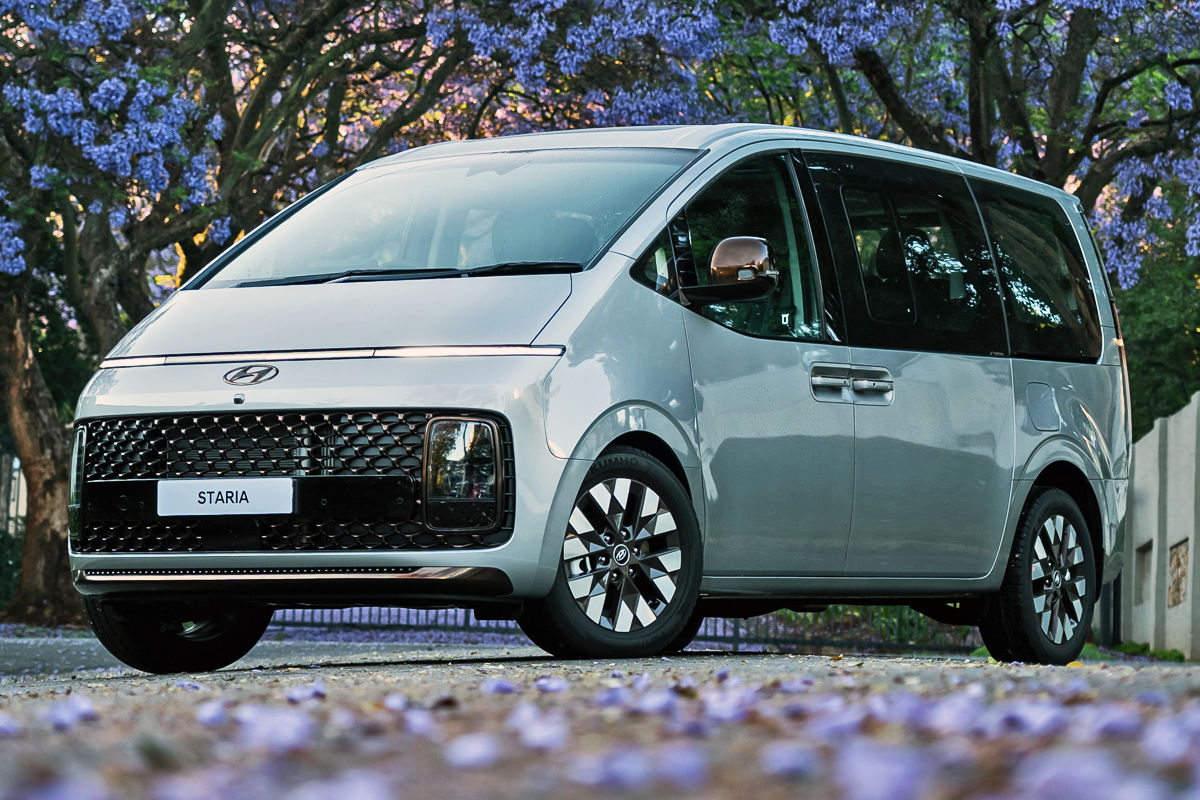
How well is the Hyundai Staria selling in South Africa?
The futuristically styled Hyundai Staria arrived in South Africa late in 2021. How well has it been received by buyers? Let’s take a look at local sales figures for 2022 thus far…
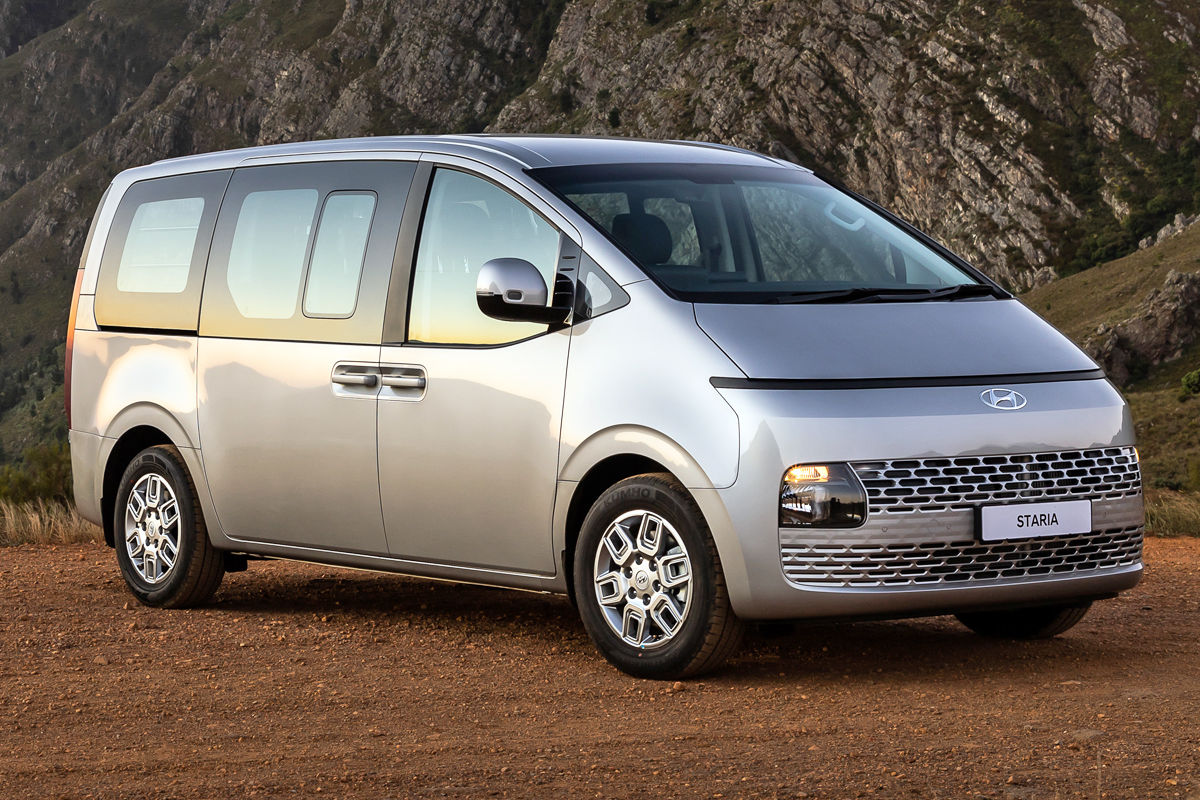
When the Hyundai Staria arrived in South Africa in November 2021 – just seven short months after its global reveal, as a replacement for the comparatively staidly styled H1 – it created quite a stir thanks to its futuristic design. So, how well has it been received by local buyers?
Well, we sifted through Naamsa’s sales documents and applied a little arithmetic to find out just how many units Hyundai Automotive SA has managed to sell over the first eight months of 2022.
Considering the sorts of global supply and production constraints facing virtually all automakers these days, the total is actually rather impressive. Yes, as many as 1 133 units of the Staria have been registered across South Africa, year to date. That translates to a monthly average of more than 140 units (though the best month thus far was July, when 187 examples were sold).
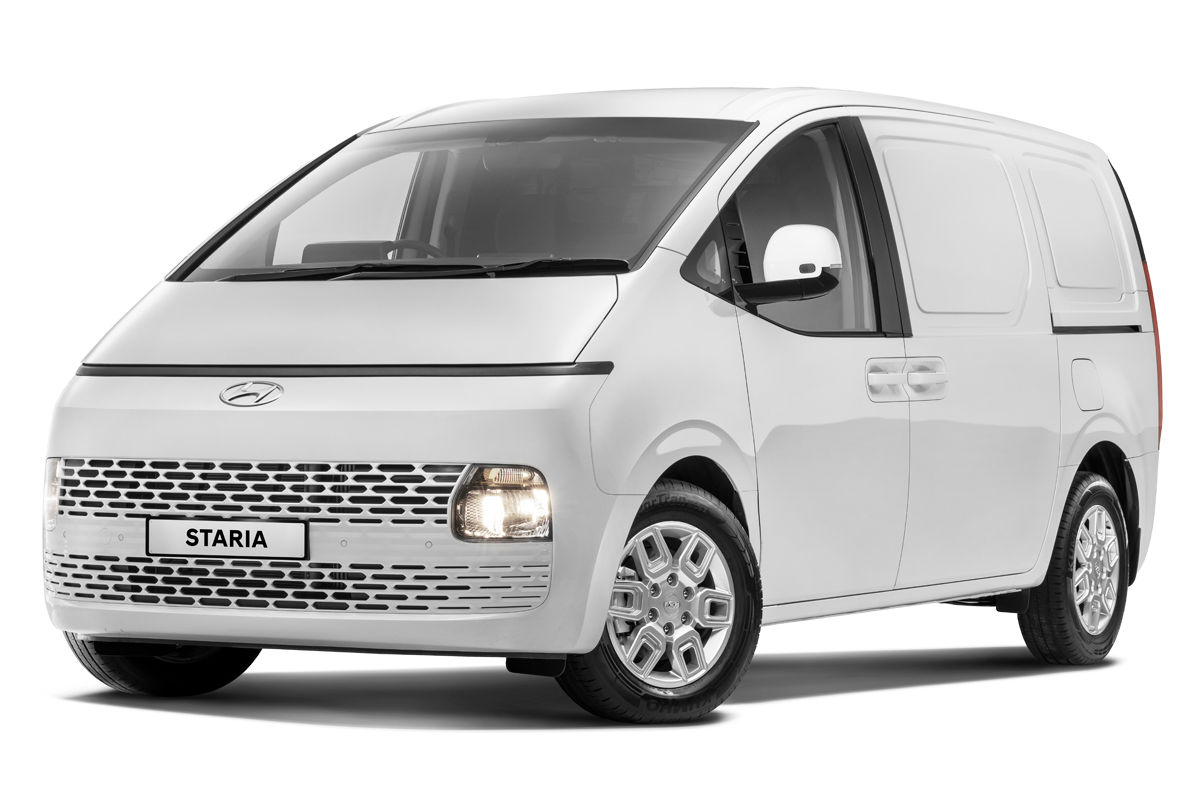
The overwhelming majority of Staria units sold locally came from the passenger-vehicle range – so, either the 9- or 11-seater derivatives launched initially or the 5-seater Multicab that joined the range in February 2022. According to our maths, the overall total includes just 24 units of the light-commercial Panel Van version, though this model arrived as recently as July 2022.
As a reminder, the 6-strong Staria line-up is currently priced from R599 900 (for the 3-seater Panel Van) through to R1 114 900 (for the flagship Luxury derivative). All models are powered by Hyundai’s familiar 2.2-litre, 4-cylinder turbodiesel engine, which here delivers 130 kW and 430 Nm to the front axle through an 8-speed automatic transmission.
How did the Hyundai Staria’s rivals perform?
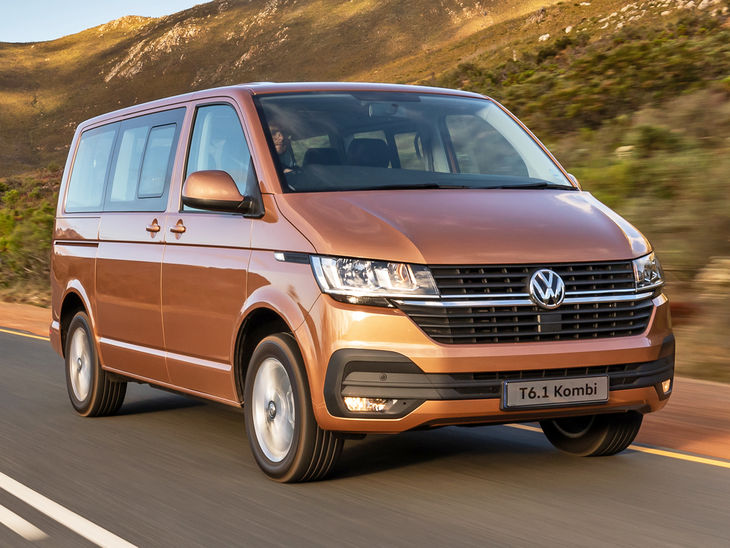
Volkswagen registered 557 units of its Kombi in the first eight months of 2022.
Since Mercedes-Benz South Africa doesn’t report individual model sales figures to Naamsa, we unfortunately don’t know exactly how many units of the V-Class (nor the Vito) were sold in South Africa from the beginning of January to the end of August. We do, however, have sales figures for a few other bus-shaped rivals.
Here, we’ll concentrate on the passenger-vehicle segment, where Hyundai has registered 1 109 units of the Staria, year to date. The next best with around half that number is the Volkswagen Kombi (557 units), followed by the Kia Carnival (369 units).
Meanwhile, VW also managed to register 179 examples of its Caravelle, while Toyota sold 72 units of its Quantum bus (though there’s also a Panel Van version as well as the big-selling Hi-Ace and Ses’fikile models). The Opel Zafira Life, meanwhile, ended the eight-month reporting period on just 39 units. Curiously, Ford’s Tourneo Custom sales were all listed in the light-commercial vehicle segment (despite it being classed as a passenger vehicle), totalling 69 units.
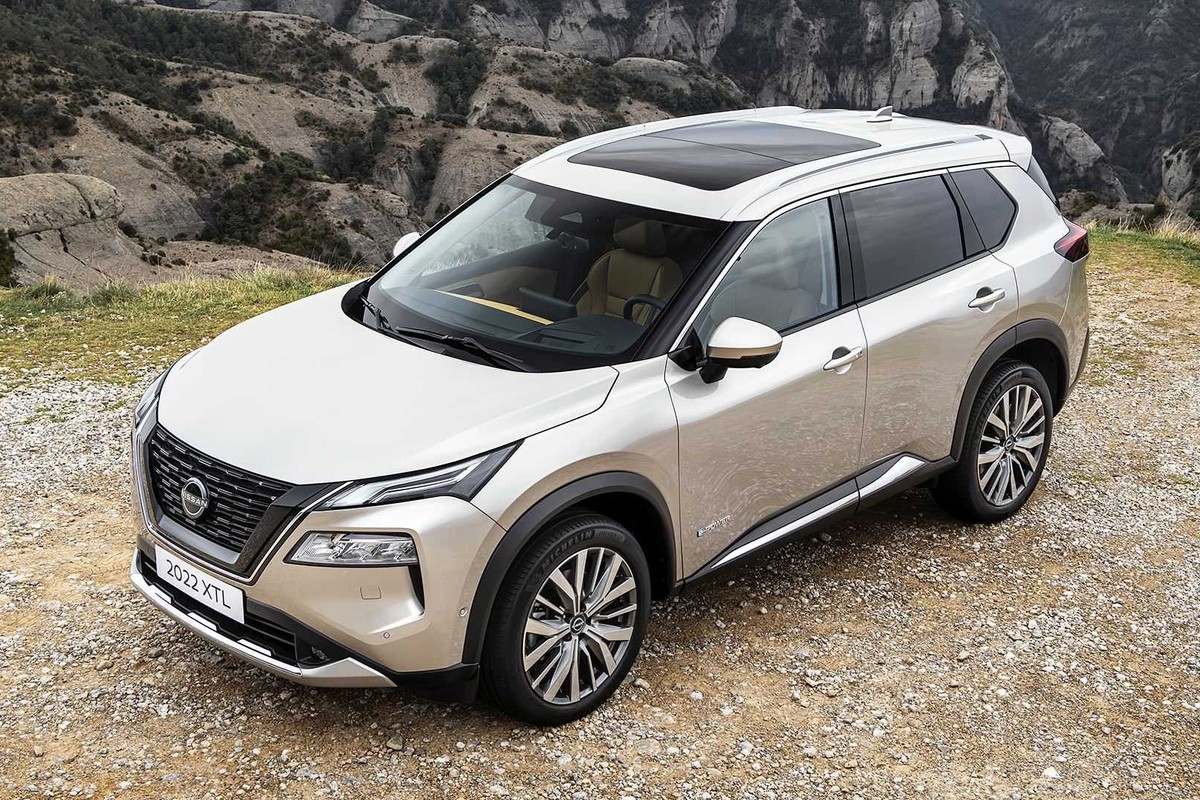
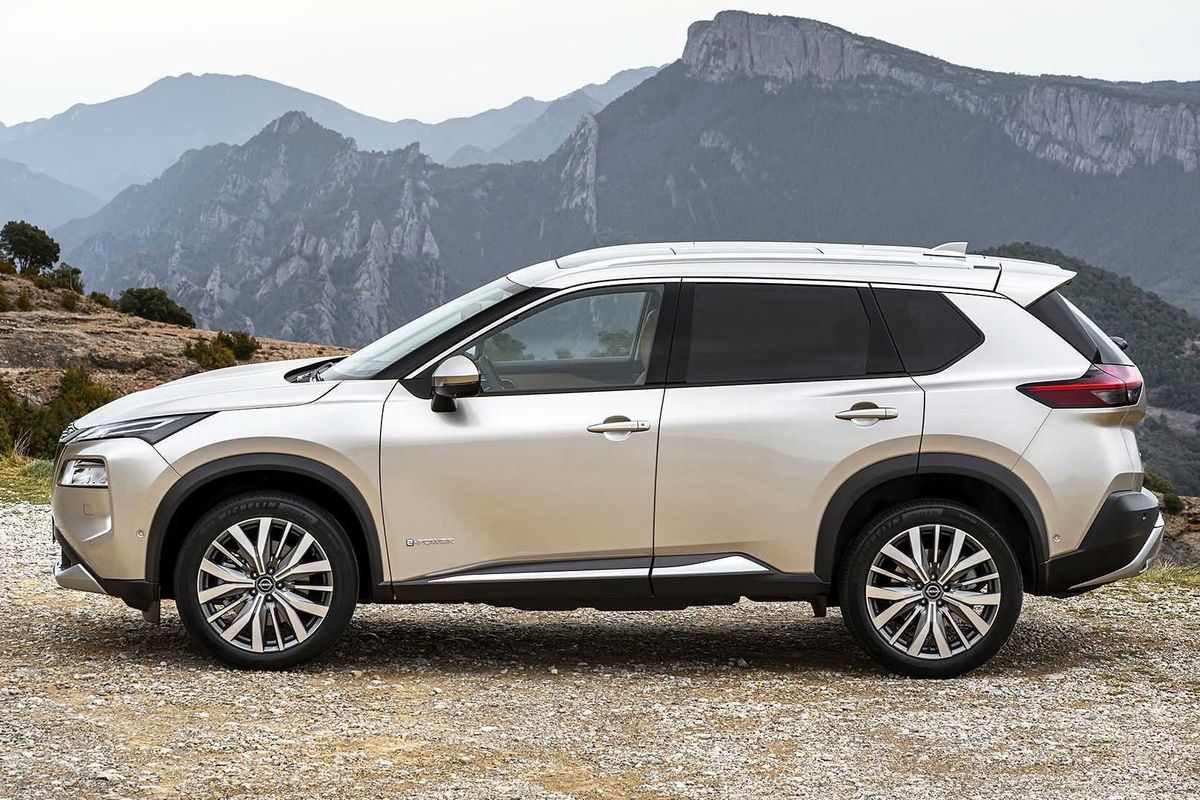
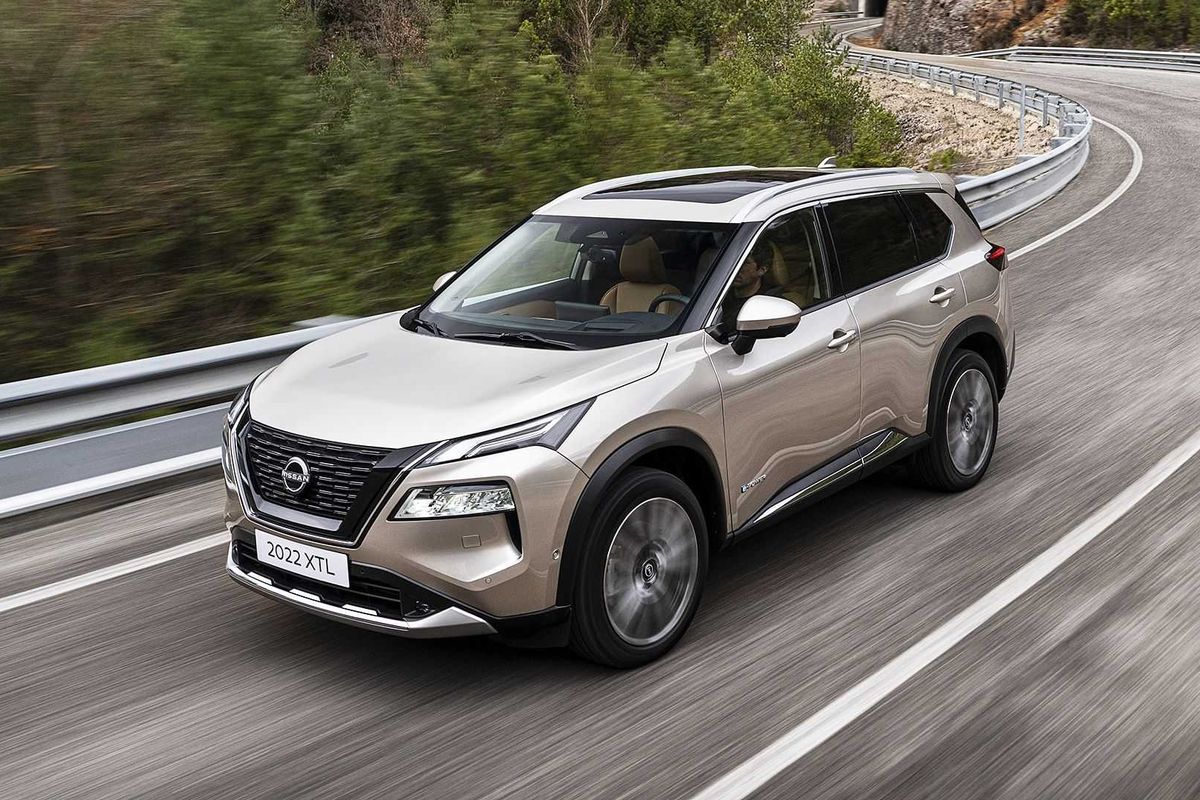
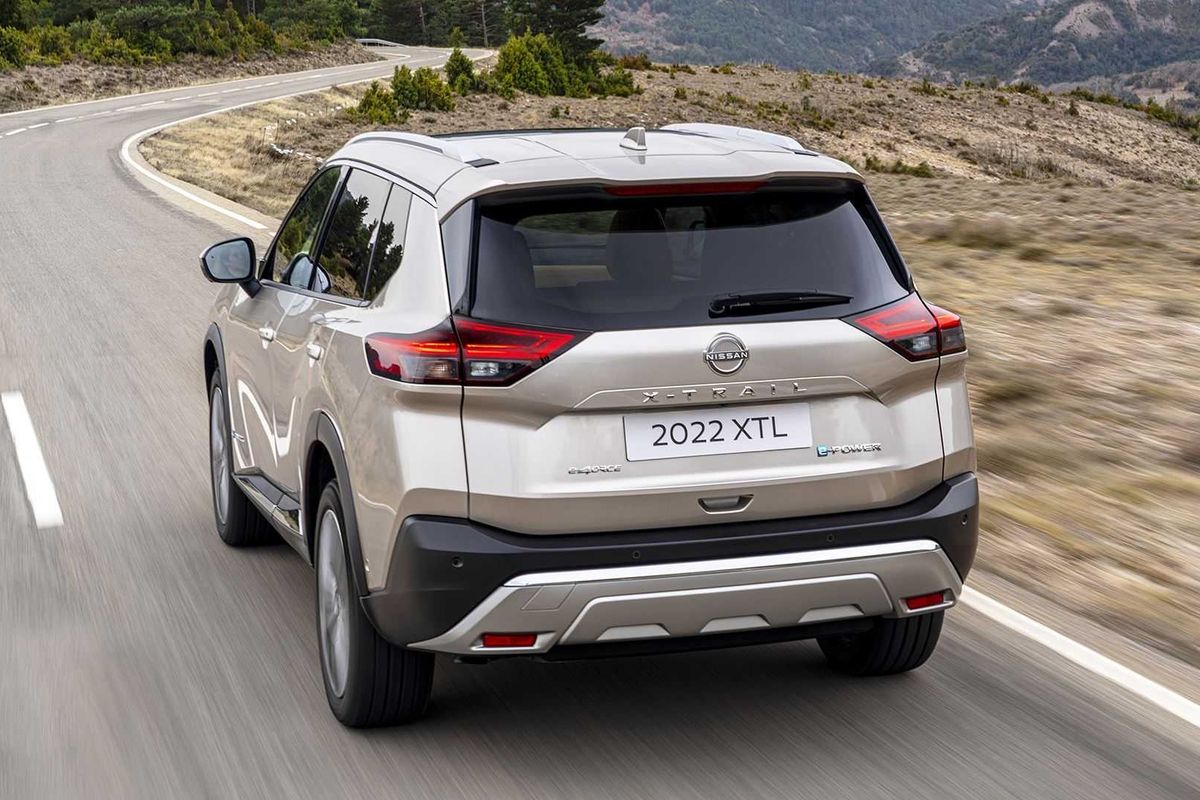
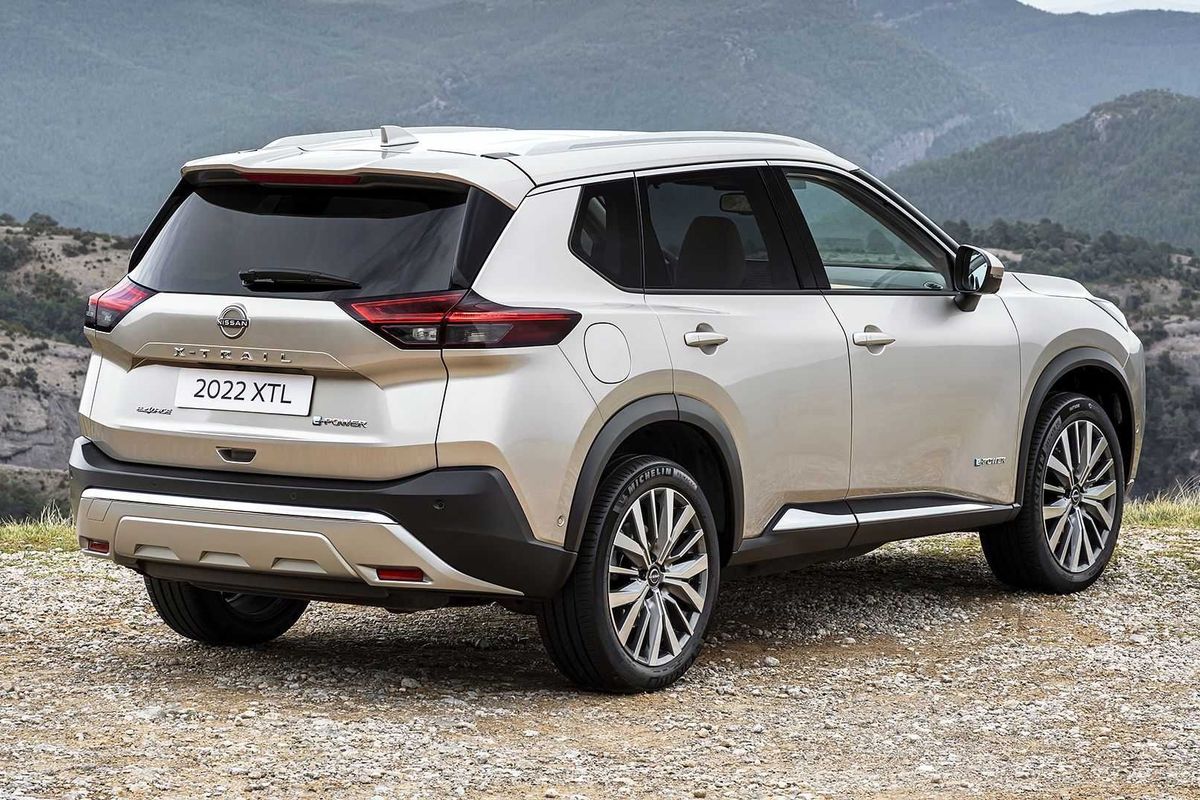
The 2023 Nissan X-Trail has been revealed featuring a revolutionary electrified engine. Here’s what you need to know about the popular family SUV from the Japanese brand.
The 2023 Nissan X-Trail is a large family SUV that comes offered with the option of three rows of seats and all-wheel drive. However the big change for 2023 is the introduction of a brand-new powertrain. Now, this is where it gets interesting. The new engine is a three-cylinder turbocharged 1.5-litre petrol motor, but its not connected to the wheels.
Instead, its used as an onboard generator which makes electricity. This electricity is stored in a battery, which is then used to power the wheels via an electric motor.
Outputs of 148 kW and 330 Nm are quoted, giving the 2023 Nissan X-Trail a claimed 0-100 kph in 8 seconds. Interestingly, Nissan will also be offering this powertrain in an all-wheel drive setup, giving a total output of around 155 kW and that’ll hit 100 kph in 7 seconds, with the 7-seater option fractionally slower at 7.2 seconds.
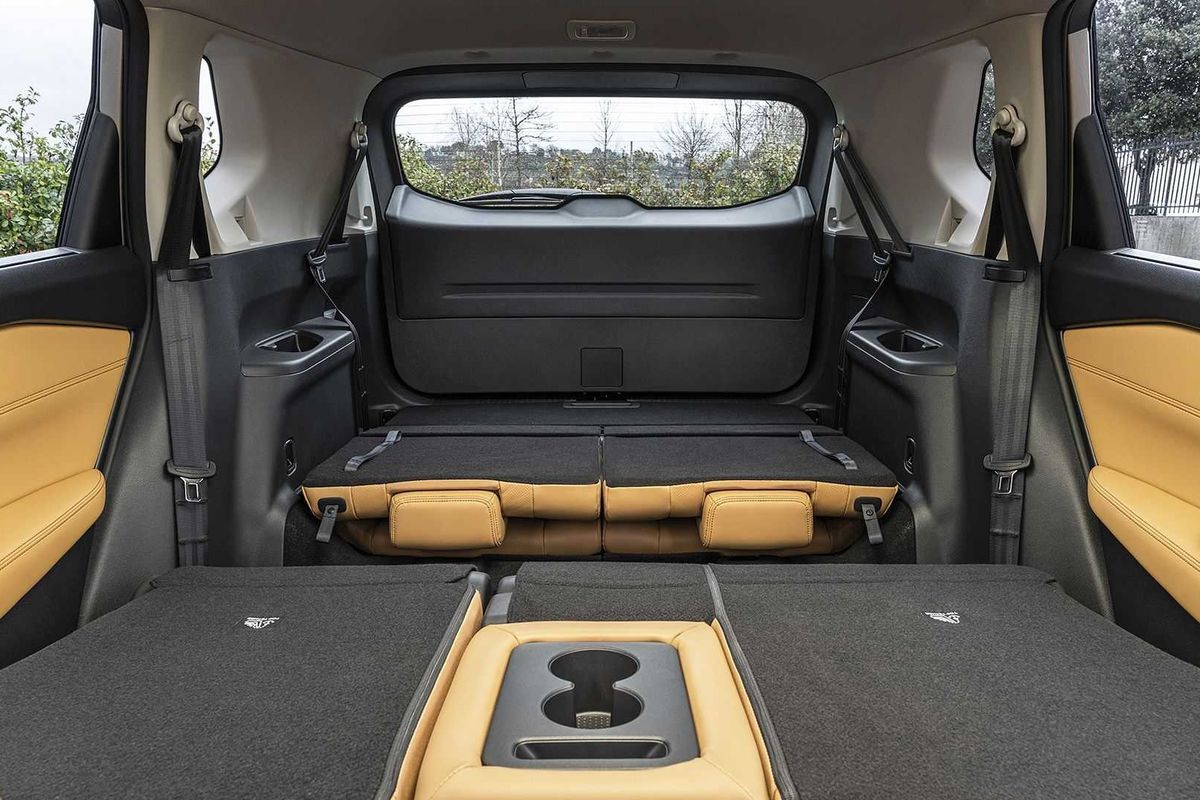
Speaking of 7-seater options, the 2023 Nissan X-Trail will again be offering in a 5-seater or 7-seater configuration, and the boot space has grown by 20 litres. The second row bench is able to fold in a 60:40 split and can slide forward to make access into the 3rd row of seats a bit easier.
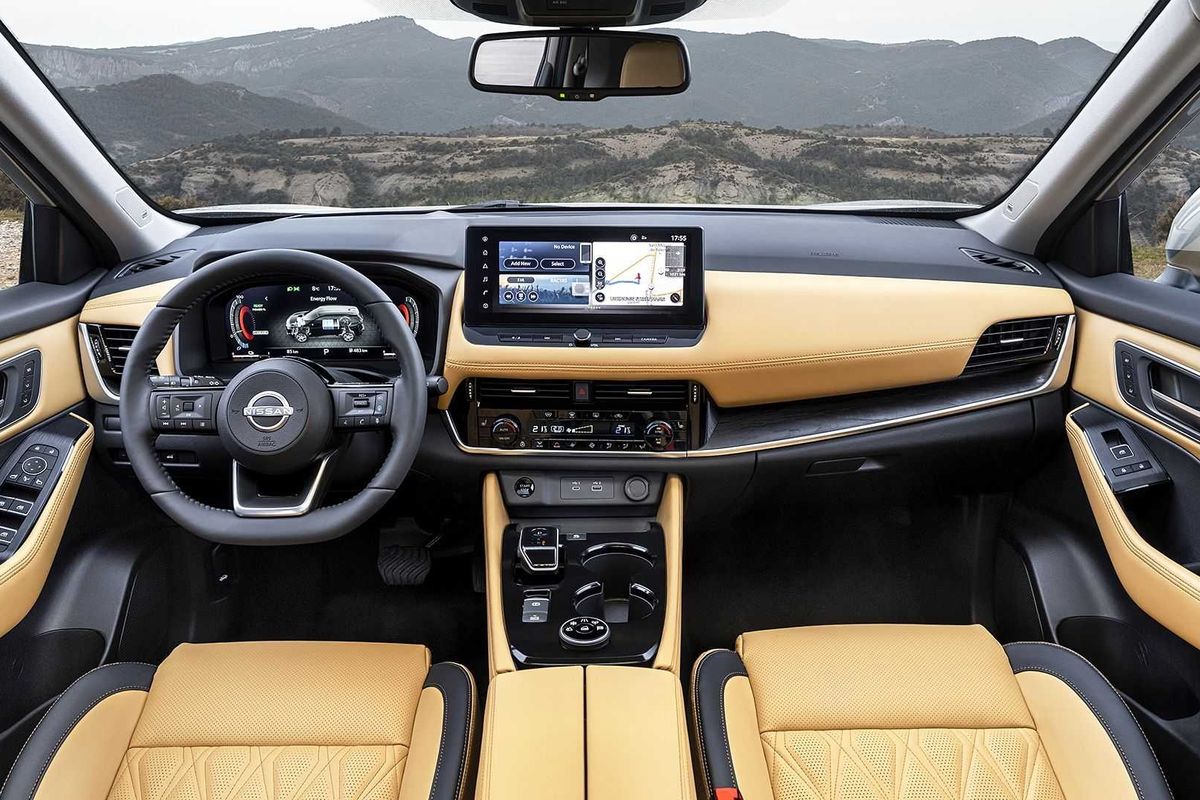
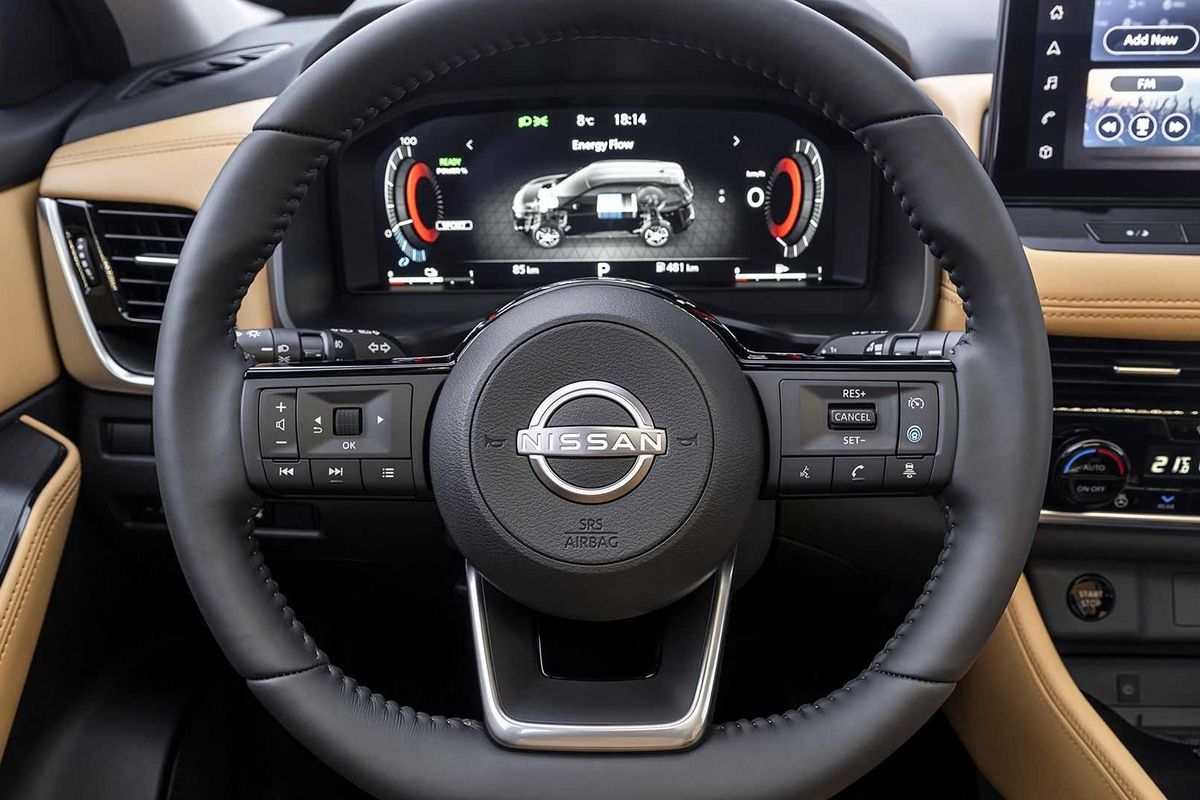
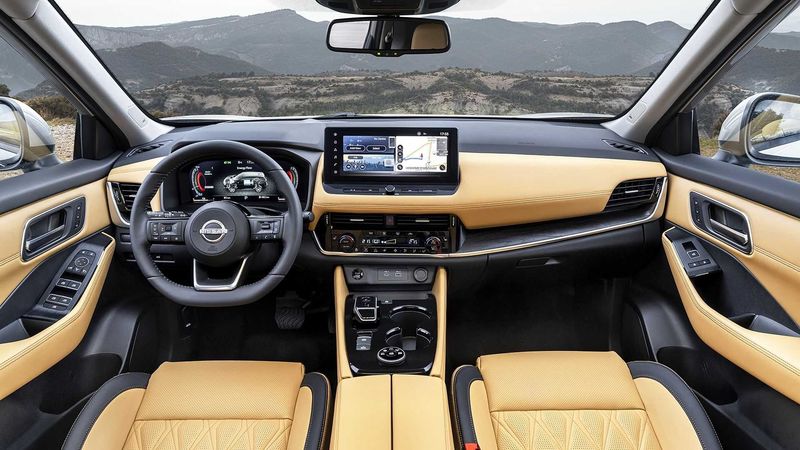
The driver gets an upgraded 12.3-inch digital dashboard, and a similarly-sized touchscreen infotainment unit. Nissan Europe is offering the 2023 Nissan X-Trail in a choice of 10 colours, some of which are two-tone.
The 2023 Nissan X-Trail and Nissan Qashqai are scheduled to touch down in South Africa towards the end of 2023, but we’ll update this article if we hear anything.
Why Mazda SA’s most expensive car is also its best seller
Against the norm, Mazda Southern Africa’s largest and most expensive passenger vehicle is also comfortably its strongest seller. So, why is this the case and what does it mean for the brand?
Typically, a mainstream automaker’s volume driver in South Africa’s passenger-vehicle space is a relatively affordable, fairly compact car. The Swift light hatchback, for example, powered Suzuki’s recent run of monthly sales records. In Volkswagen’s case, the Polo Vivo plays that role, while the Urban Cruiser routinely tops Toyota’s passenger-vehicle sales chart.
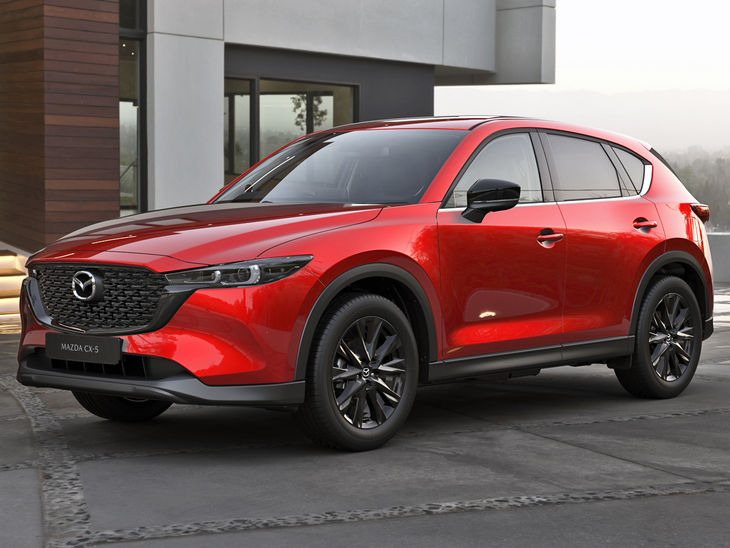
However, it’s an entirely different story for Mazda Southern Africa. Curiously, the Fuchū-based firm’s local division relies heavily on the CX-5 – its largest and most expensive passenger vehicle, topping out at a heady R742 900. Month in and month out, the elegantly styled crossover is the brand’s most popular model locally (and by some margin, too).
A closer look at Mazda CX-5 sales in 2022 so far
Mazda launched the lightly refreshed CX-5 in South Africa earlier in 2022.
In order to illustrate just how dependent Mazda’s local distributor is on the CX-5, we whipped out a calculator and tallied up the brand’s individual model sales for the first eight months of 2022. Year to date, 1 563 units of the CX-5 have been registered in SA, translating to a monthly average of around 200 units and representing a hefty 44% of the company’s total passenger-vehicle sales in that time. It was Mazda’s top seller every single month.
While that sort of volume doesn’t look overly impressive when compared with the nation’s most popular vehicles, it’s far more than Mazda’s other – smaller and less expensive – products managed to achieve. For instance, over the same period, the Mazda2 attracted 805 sales, while the CX-3 finished on 647 units. The CX-30, meanwhile, settled for 320 registrations, with the Mazda3 hatchback bringing up the rear with just 213 units (the MX-5, of course, quietly skipped the country some time back).
Is the CX-5 excelling or are other Mazda models underperforming?
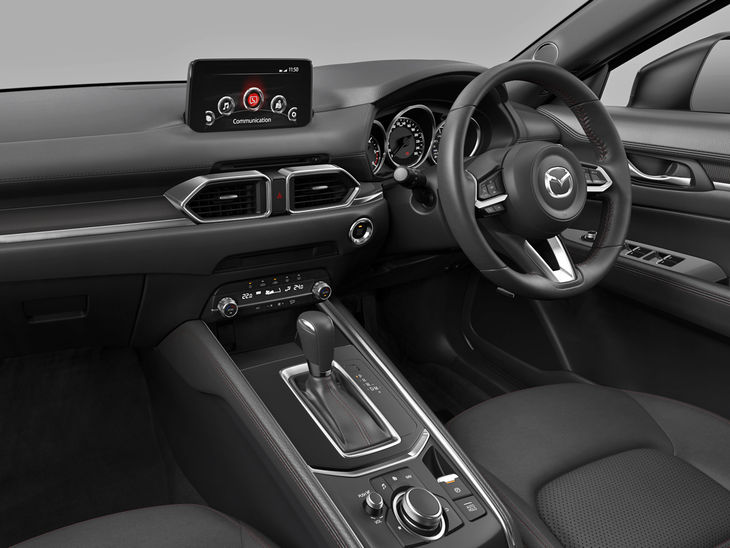
The CX-5’s refreshingly uncluttered facia is a highlight of the cabin design.
So, to the inevitable question: is this peculiar phenomenon down to the CX-5 shining particularly brightly or other Mazda passenger vehicles simply underachieving? In short, the answer seems to include a bit of both. Let’s first take a look at a couple of the CX-5’s direct rivals in order to provide some context to its recent performance. From the start of January to the end of August 2022, Volkswagen registered 1 518 units of the Tiguan (so, 45 units behind the Mazda) and Toyota sold 1 173 examples of the RAV4 (390 units off the CX-5’s pace).
Sure, global supply constraints likely played some role in these figures, but they nevertheless suggest the CX-5 continues to stand strong in its segment. This is despite the fact this second generation of the crossover launched in South Africa more than five years ago and has benefited from only the most minor of updates since. Of course, it certainly helps the KF-generation CX-5 is a particularly compelling vehicle, offering a stylish exterior design, a refined (not to mention relatively engaging, for a crossover) driving experience and a refreshingly uncluttered, classy cabin. There’s a reason it was the highest-ranking Mazda (in 21st place) on the list of the world’s best-selling vehicles of 2021, after all.
At least a portion of the CX-5’s local sales success could be attributed to the fact the range includes a turbodiesel option, something neither of the aforementioned Tiguan and RAV4 line-ups offer (the TDI version of the former still hasn’t arrived in SA while Toyota’s crossover ditched oil-burning engines globally with the shift to the current generation). Still, it’s interesting SA buyers don’t seem perturbed by the lack of forced induction in the rest of the CX-5 portfolio, which comprises naturally aspirated 2.0- and 2.5-litre petrol mills.
What about the rest of the Mazda line-up?
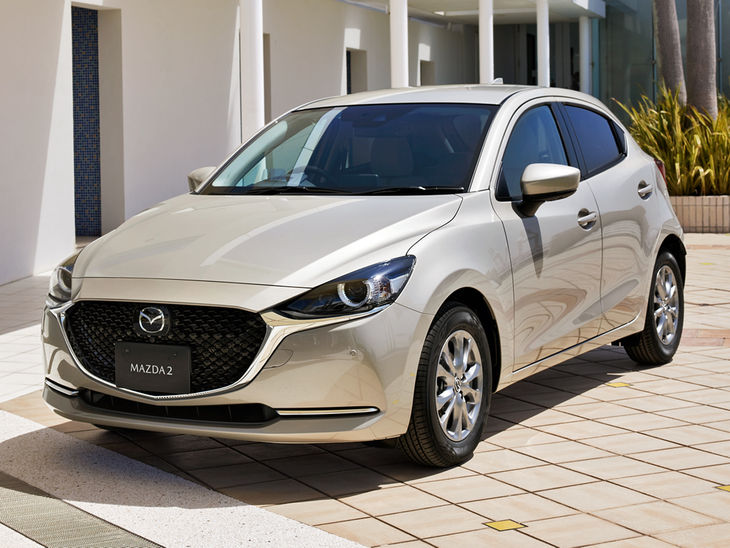
Despite being Mazda’s smallest, least expensive model, the Mazda2 is easily outsold by the CX-5 in SA.
So, why are the CX-5’s less expensive, more compact siblings struggling by comparison? Well, while the Mazda2 is a fundamentally sound hatchback boasting solid build quality and plenty of standard kit, it’s particularly long in tooth, with this generation having debuted locally way back in early 2015 (before being lightly facelifted late in 2019). It’s similarly priced to far newer, traditionally more popular models such as the Hyundai i20 but also undercut by rivals like the Kia Rio. Then there’s the Volkswagen Polo effect.
It’s a similar case with the ageing CX-3, which rides on the same platform as the Mazda2 and likewise hit the local scene back in 2015. Although it gained updates in 2018 and 2021, the small crossover tumbled down the pecking order as the sub-compact segment became increasingly densely populated. Though it certainly has its merits, there’s no escaping the fact the CX-3 lacks the practicality (both in terms of rear legroom and luggage capacity) offered by most competitors.
The CX-3 is furthermore available exclusively with an atmospheric 2.0-litre petrol engine (as opposed to a downsized turbo mill) and is priced fairly optimistically – particularly in flagship Hikari guise – in a segment that’s all about value. Interestingly, this vehicle has been discontinued in a number of major overseas markets in favour of the CX-30.
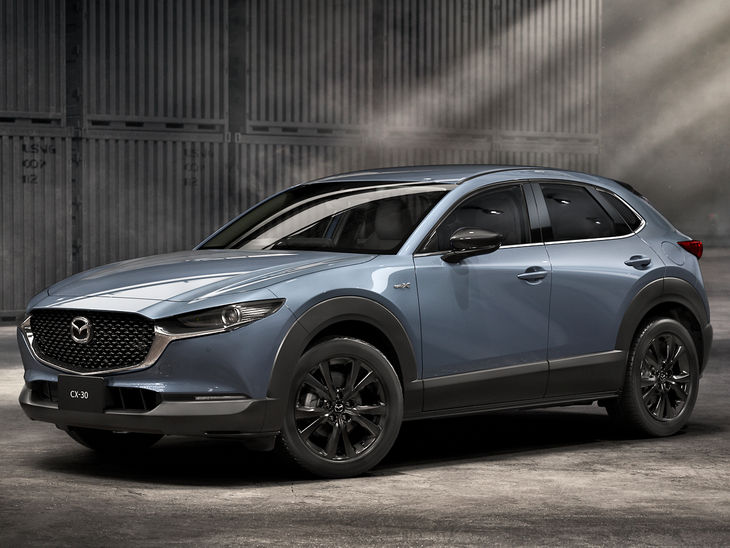
Though certainly a stylish thing, the CX-30 is priced far too closely to the larger CX-5.
Of course, the CX-30 touched down in South Africa at the start of 2021 but hasn’t been terribly well received by local buyers. This is surely down to its rather curious positioning; it remains priced inexplicably close to the CX-5, with many potential buyers likely opting for the larger model for not much more money (at launch in January of that year, the CX-30 Active and Dynamic models were a mere R100 less expensive than the equivalently specced CX-5 versions).
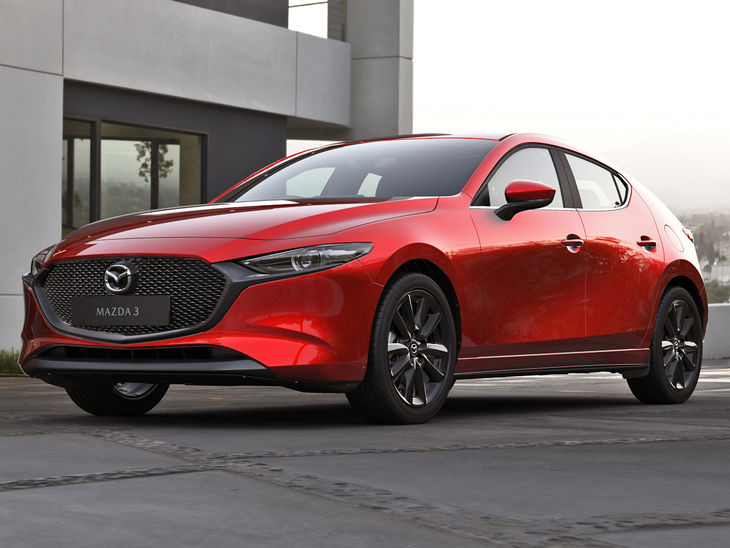
Then there’s the Mazda3 hatch (remember, the sedan body style was scrapped locally late in 2021), which – again – lacks the option of a turbocharged engine. Still, it’s worth mentioning the Mazda3 is something of a victim of the family hatchback segment’s general decline as well as its maker’s decision to move it upmarket (pushing the price skywards in the process). Interestingly, Mazda SA actually forecast a significant dip in sales for this generation at launch in 2019, saying it expected the CX-30 to offset this shortfall.
The impact on Mazda SA’s overall sales performance
Once a top seller for the brand locally, the Mazda3 is year-to-date its least popular passenger vehicle.
In August 2022, Mazda registered 445 vehicles (including a mere four examples of the BT-50), seeing it rank all the way down in 17th on the list of South Africa’s top-selling manufacturers. In the same month five years ago in a similarly sized market, the Jujiro Matsuda-founded brand placed ninth with a far healthier 1 161 sales.
Although it’d again be easy to point to global production and supply constraints as a key factor in this marked regression, virtually every automaker has been grappling with this reality, and there’s no hiding the fact Mazda’s market share in Mzansi has shrunk. That, of course, has us drawing parallels with the similarly curious case of Honda Motor Southern Africa, which we examined earlier this year. It’s also worth bearing in mind that, like its fellow Japanese brand, Mazda’s pricing strategy – which is in part informed by the fact it’s a pure importer rather than a local manufacturer – has surely played a meaningful role in its local sales slowdown.
Where to from here for Mazda Southern Africa?
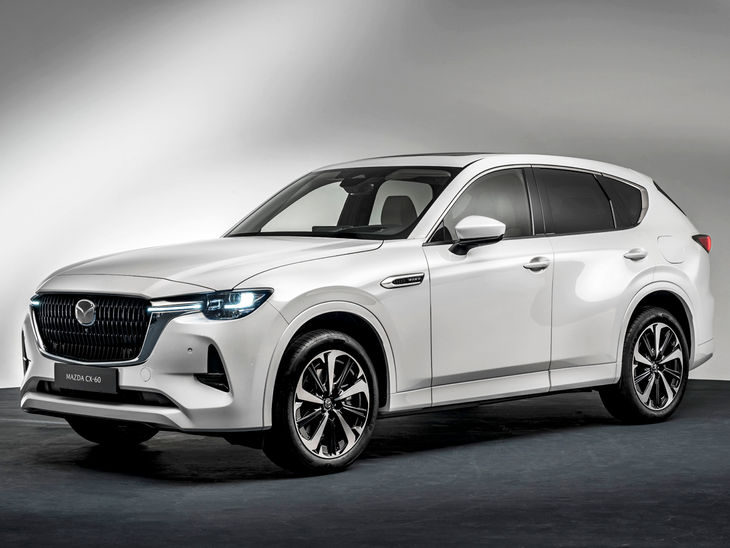
New Mazda models such as the CX-60 are scheduled to launch in SA, but they’ll be pricey.
As fascinating and unusual as it is that the company’s largest, most expensive model is simultaneously its most popular, we suspect this will change in the relatively near future. Unfortunately, it won’t be because Mazda SA has introduced a raft of more affordable vehicles; it simply doesn’t have such arrows in its global quiver, with the brand moving further upmarket with each new model reveal.
Instead, it will simply be a case of the CX-5 surrendering its role as Mazda SA’s priciest model. Yes, the 102-year-old manufacturer has plans to expand its crossover line-up in South Africa, listing the CX-60, CX-70, CX-80 and CX-90 – all based on the new rear-wheel-drive platform – as “potential options” for introduction into the local market. Naturally, each one would be more expensive than the CX-5.
Though we’ve concentrated on sales figures here, we should point out automakers tend to prioritise profit margins over pure volume, an approach that is surely driving Mazda’s latest global strategy. Nevertheless, it’s interesting an anything-but-budget nameplate that long preceded the brand’s gradual shift upmarket is still responsible for the bulk of its sales, both locally and worldwide. And, from where we’re sitting, that’s not going to change any time soon.
Fuel prices in South Africa will be reduced further in September 2022 bringing much-needed relief to overburdened consumers. See the fuel price adjustments below!
After months of brutal fuel price increases, motorists in South Africa will undoubtedly welcome another round of fuel price cuts in September 2022.
Fuel price adjustments from the Central Energy Fund (CEF) have been announced!
The price of both grades of petrol will be slashed by R2.04 per litre while the price of both grades of diesel (0.05% and 0.005% sulphur) will drop by 56.34 c/l and 36.34 c/l respectively while the price of illuminating paraffin will be cut by R1.09 per litre.
The Automobile Association of South Africa (AA) commented, “These decreases are certainly welcome and will provide some relief to motorists. Considering the expected decrease to ULP95, for instance, the price for this fuel will drop from its current R25.42/l to R23.07/l. This is cheaper than the June price of R24.17/l but still significantly higher than R21.84/l May pricing. It is also way off the January pricing of R19.61/l. Nevertheless, any decrease to fuel prices is good news”.
The expected reductions are predominantly driven by lower international petroleum prices despite the ongoing weakness in the Rand/Dollar exchange rate.
“Although we are expecting fuel to be cheaper in September, we remain concerned about the overall high prices which impact on all consumers. The price hikes in June and July will continue to impact the economy, and on the financial situation of all South Africans. A sustainable solution to mitigating rising fuel costs is still necessary and until that solution is found, citizens will be at the mercy of fuel price hikes” says the AA.
The AA further reiterates its call on the South African government to initiate a transparent review of fuel prices in an effort to find a solution. The AA believes that scrapping the General Fuel Levy (GFL) is not the solution.
Commenting on the matter, the AA says, “We note the calls by those who say this is a way of reducing the fuel price but in our view this will not solve the problem; it will simply force government to find alternative ways to collect the revenue generated by this tax. Instead, the structure and composition of the fuel price must be considered, along with a deeper interrogation of how government currently allocates its funds”.
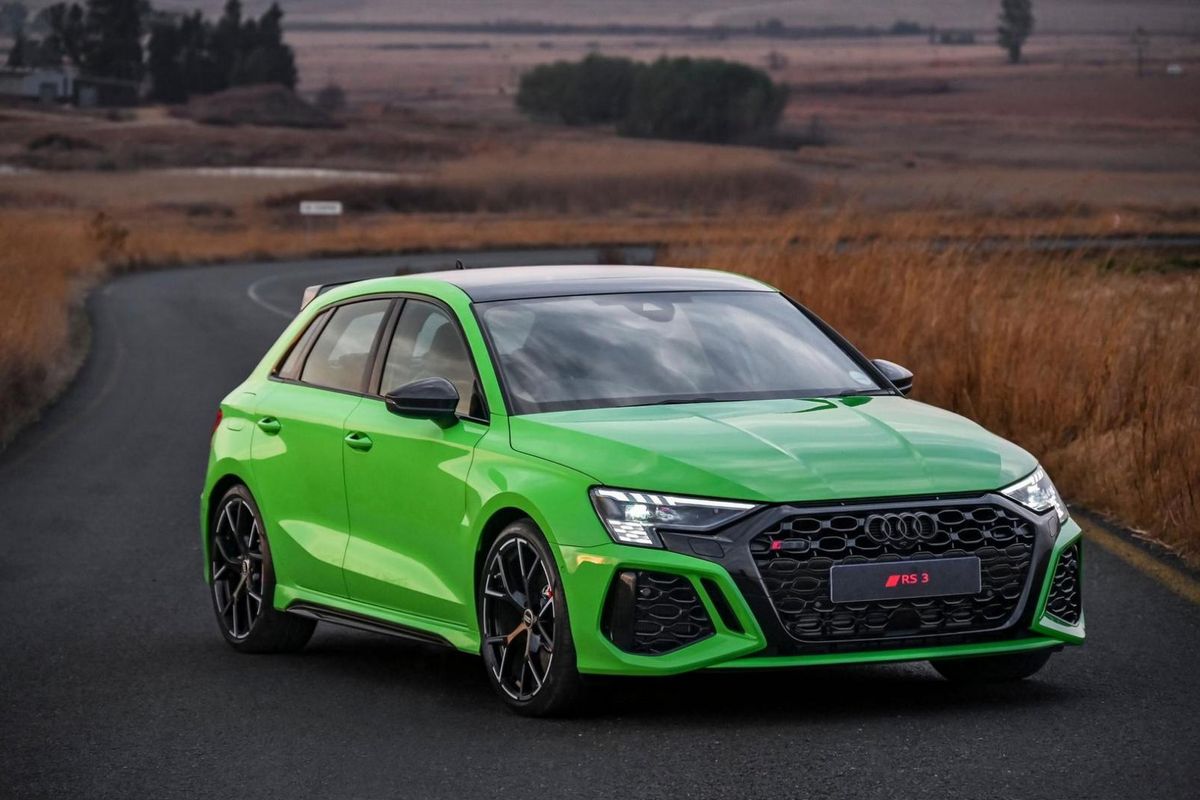
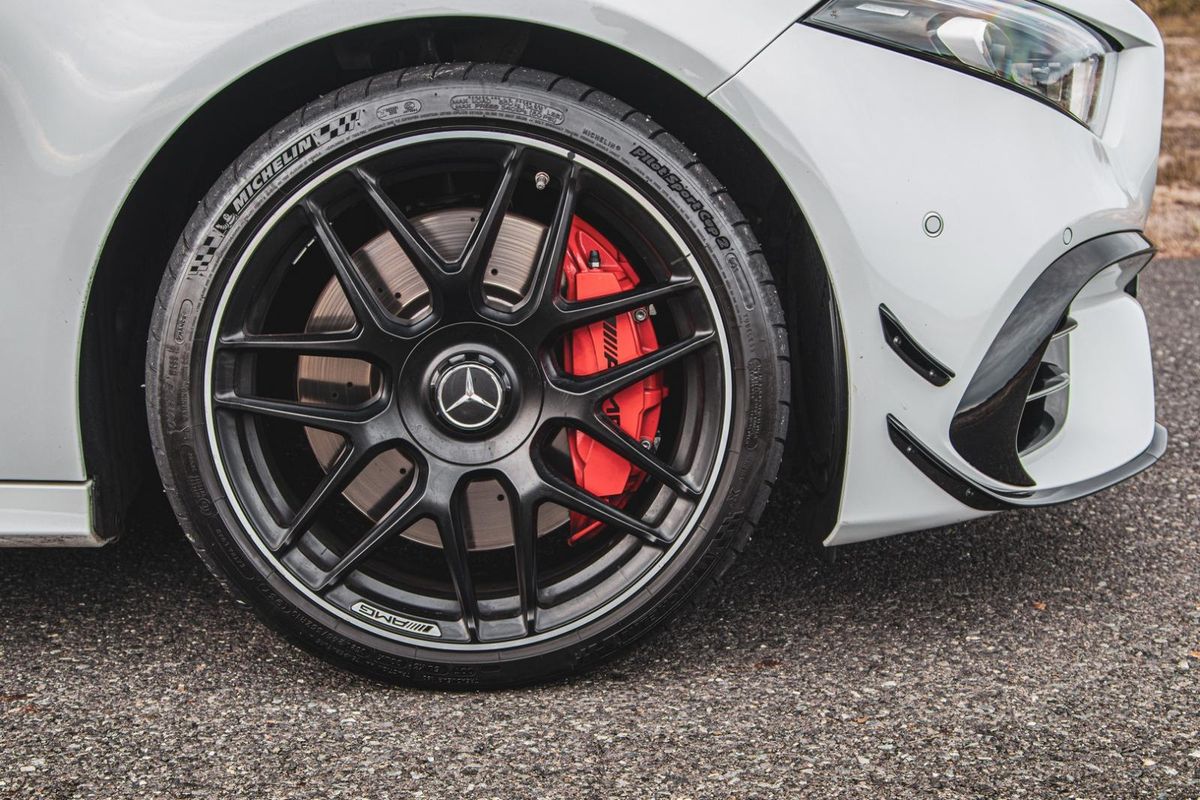
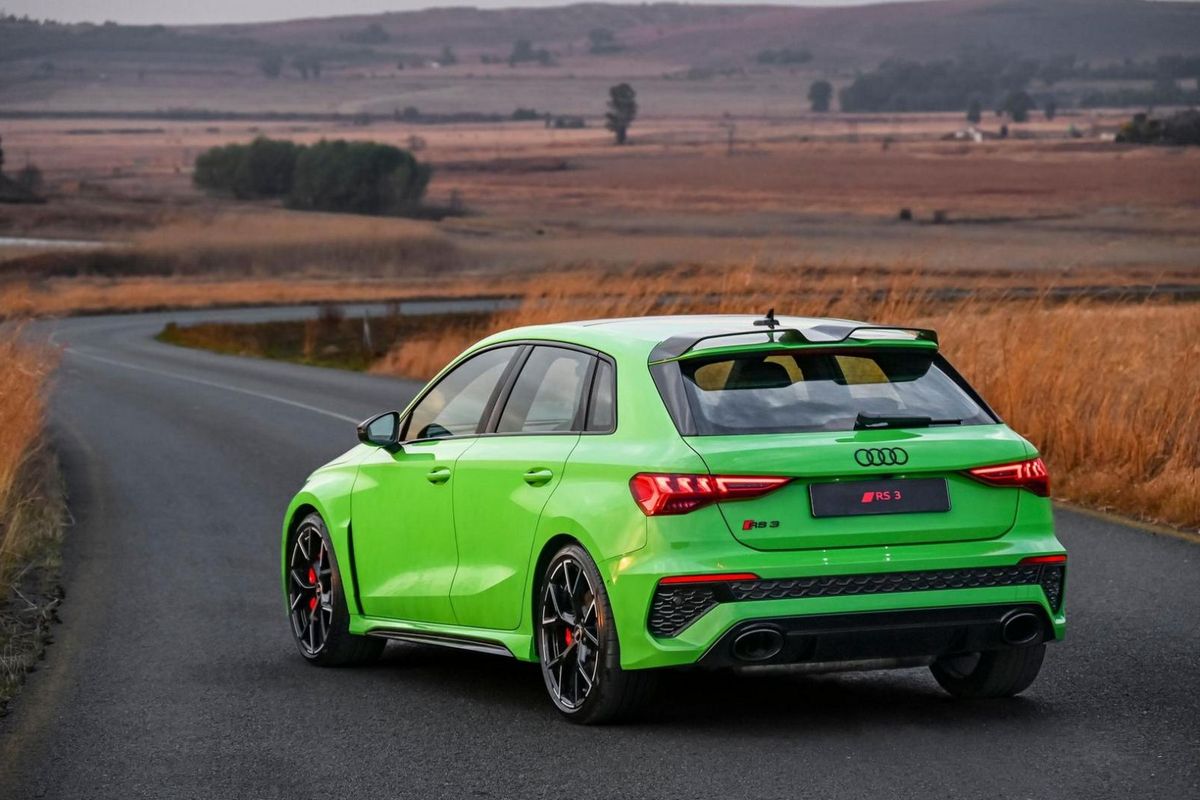
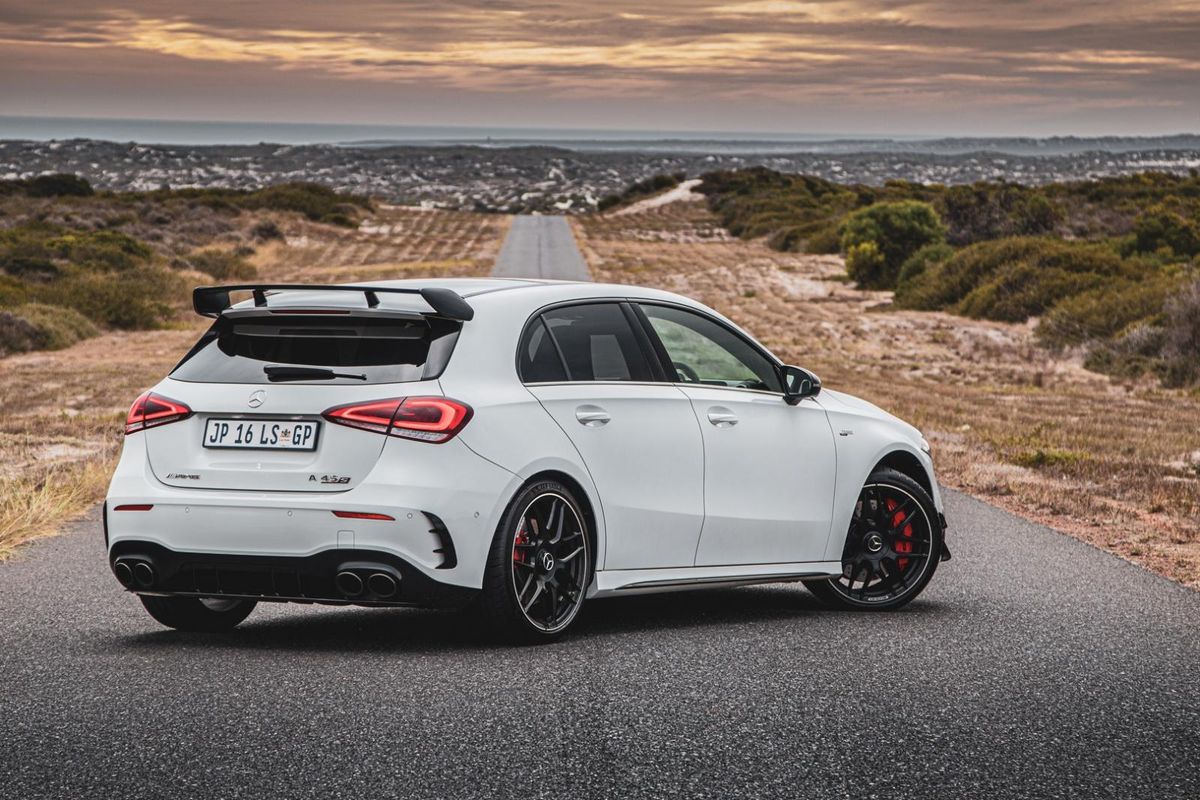
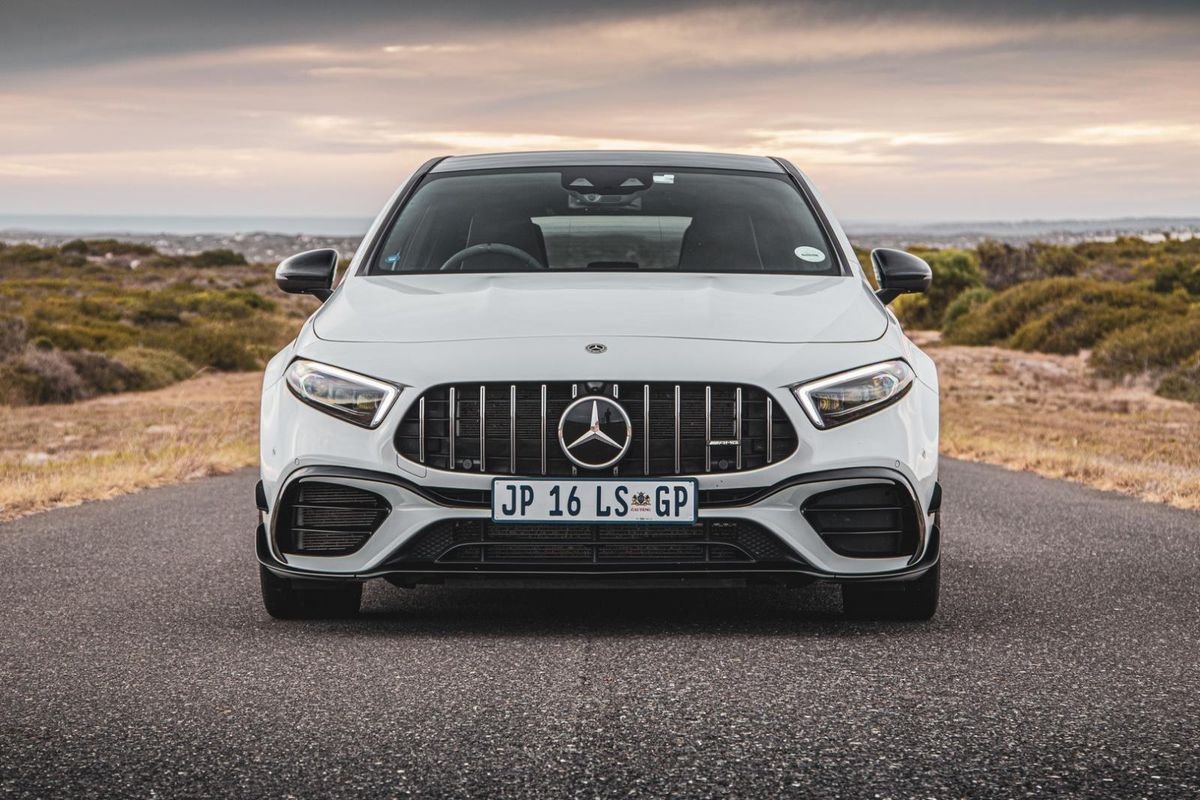
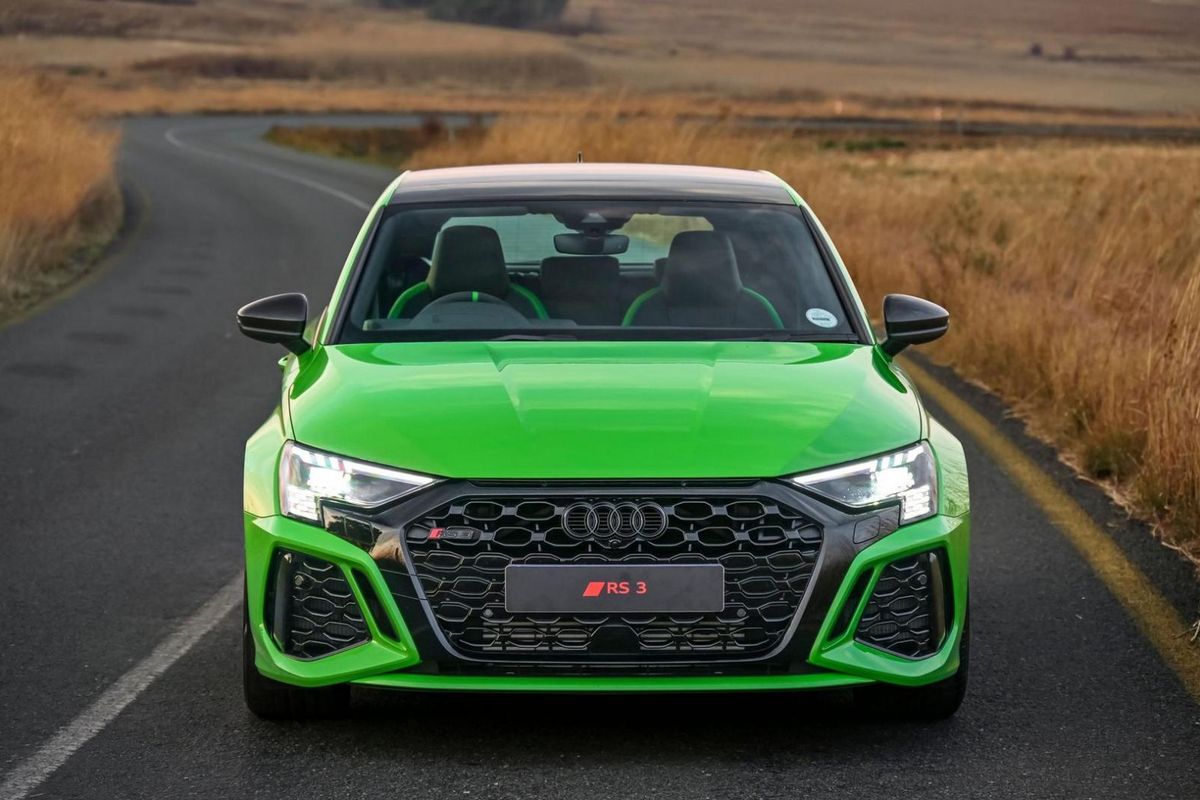
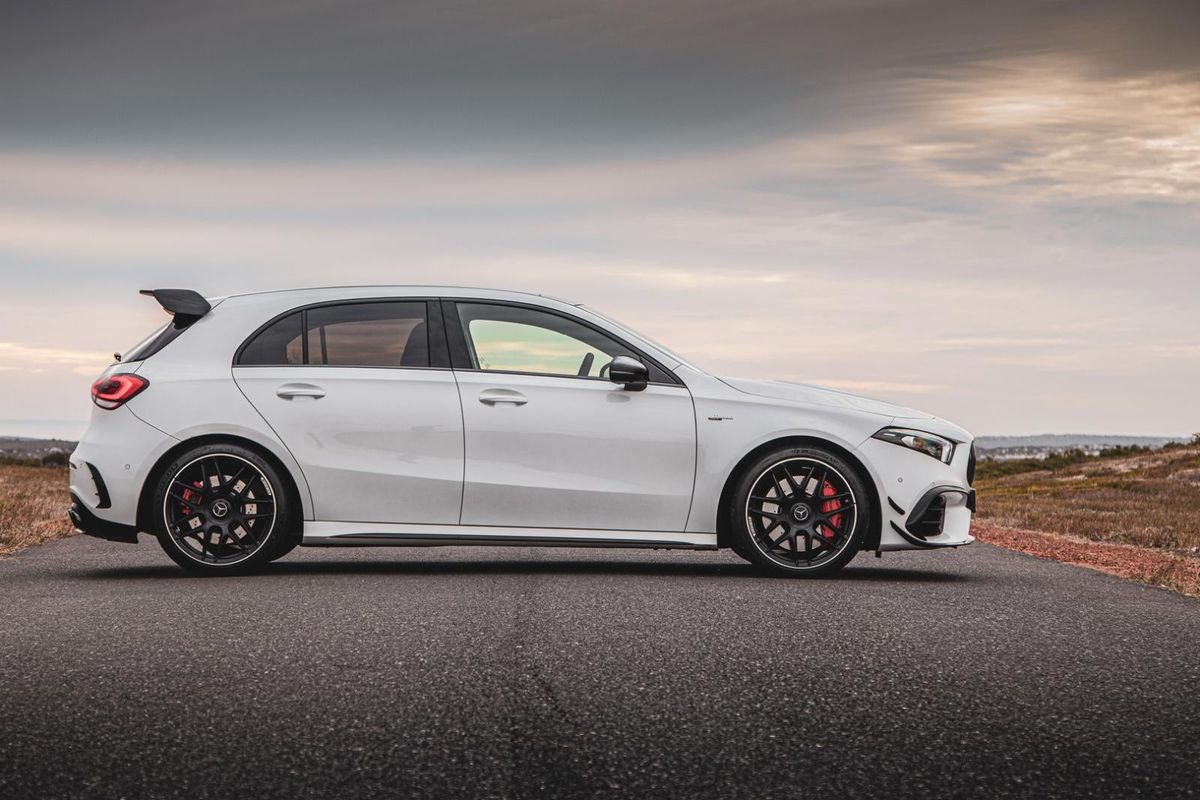
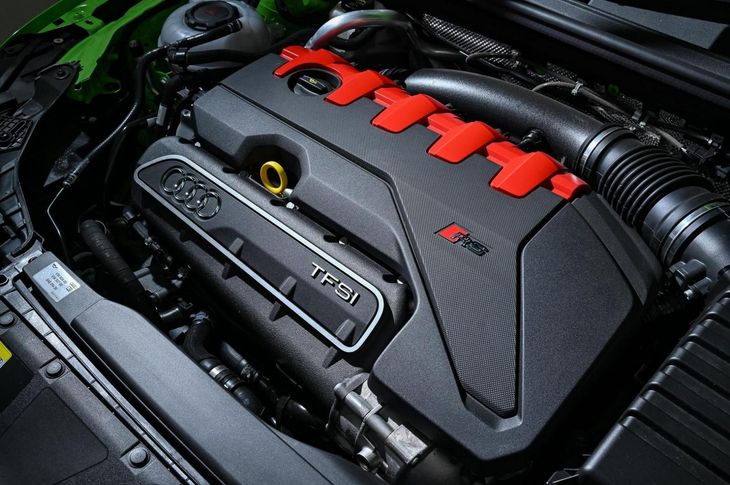
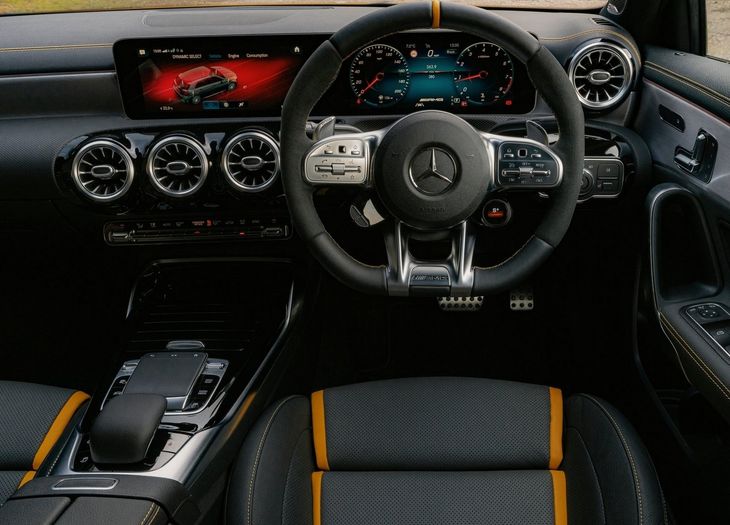
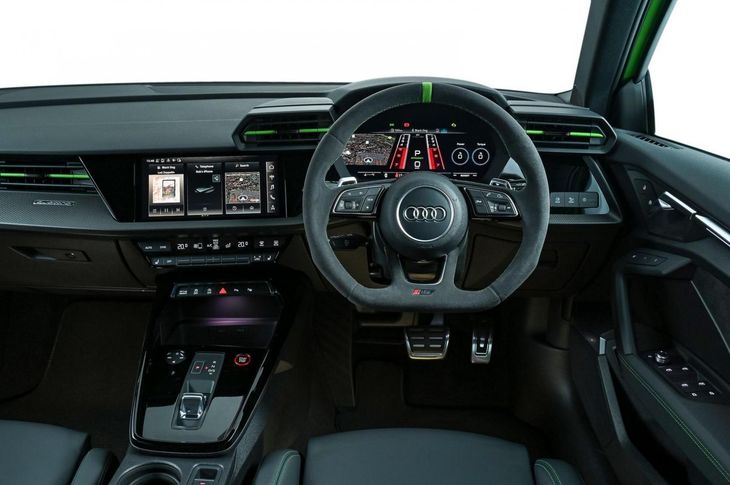
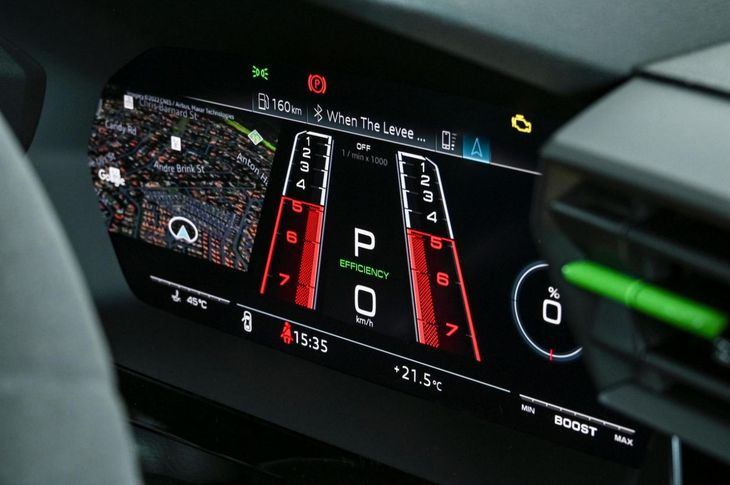
Mercedes-AMG A45 S vs Audi RS3 Sportback: Quick Comparison
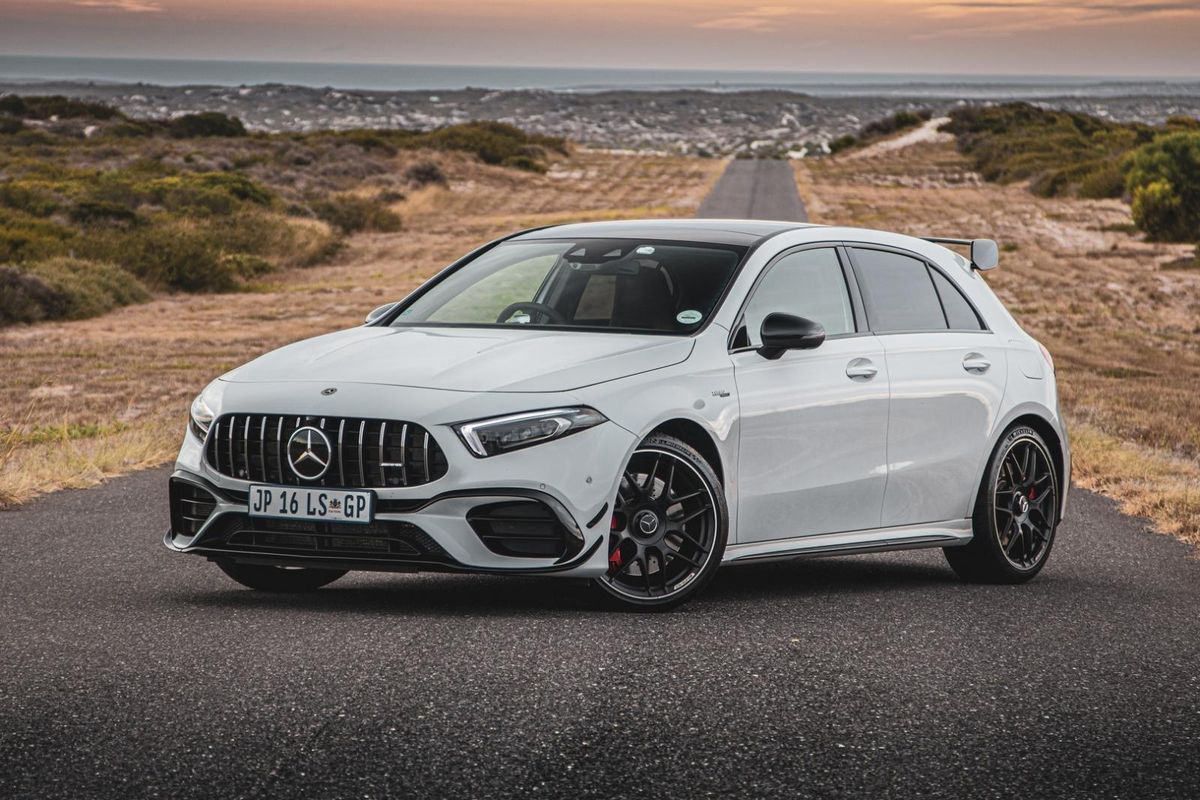
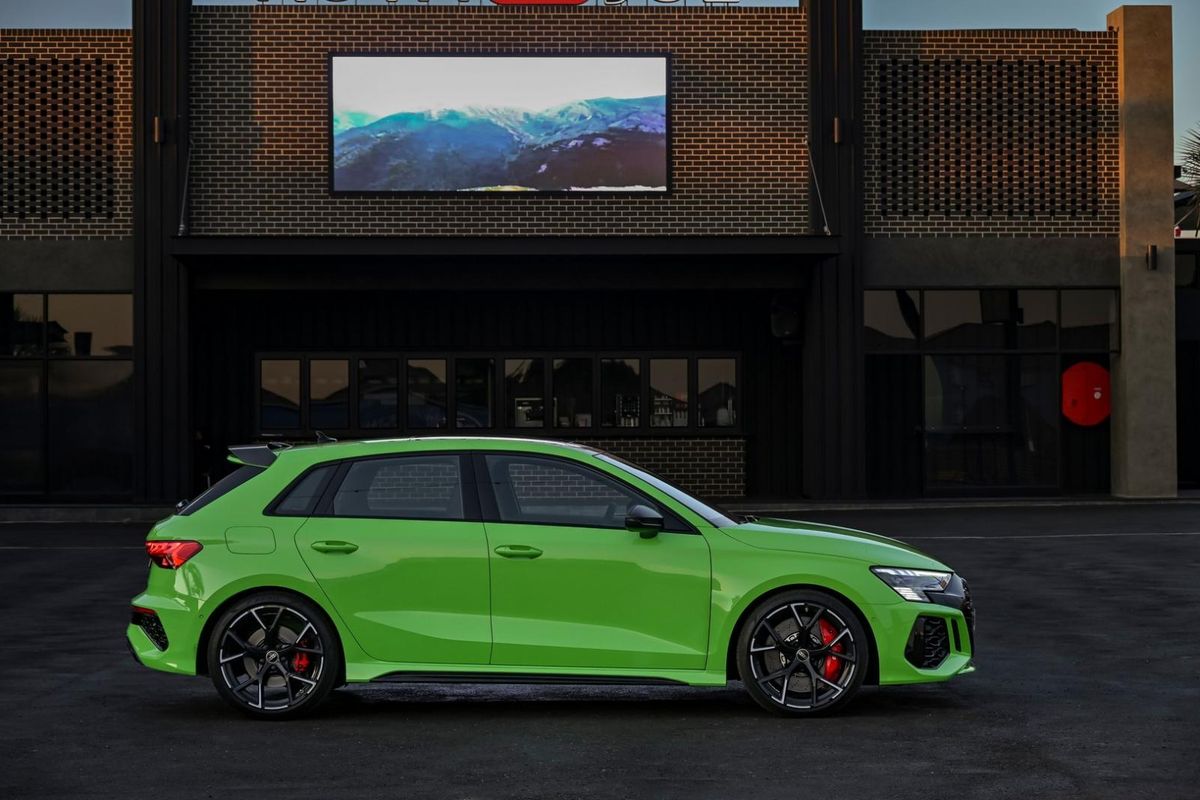
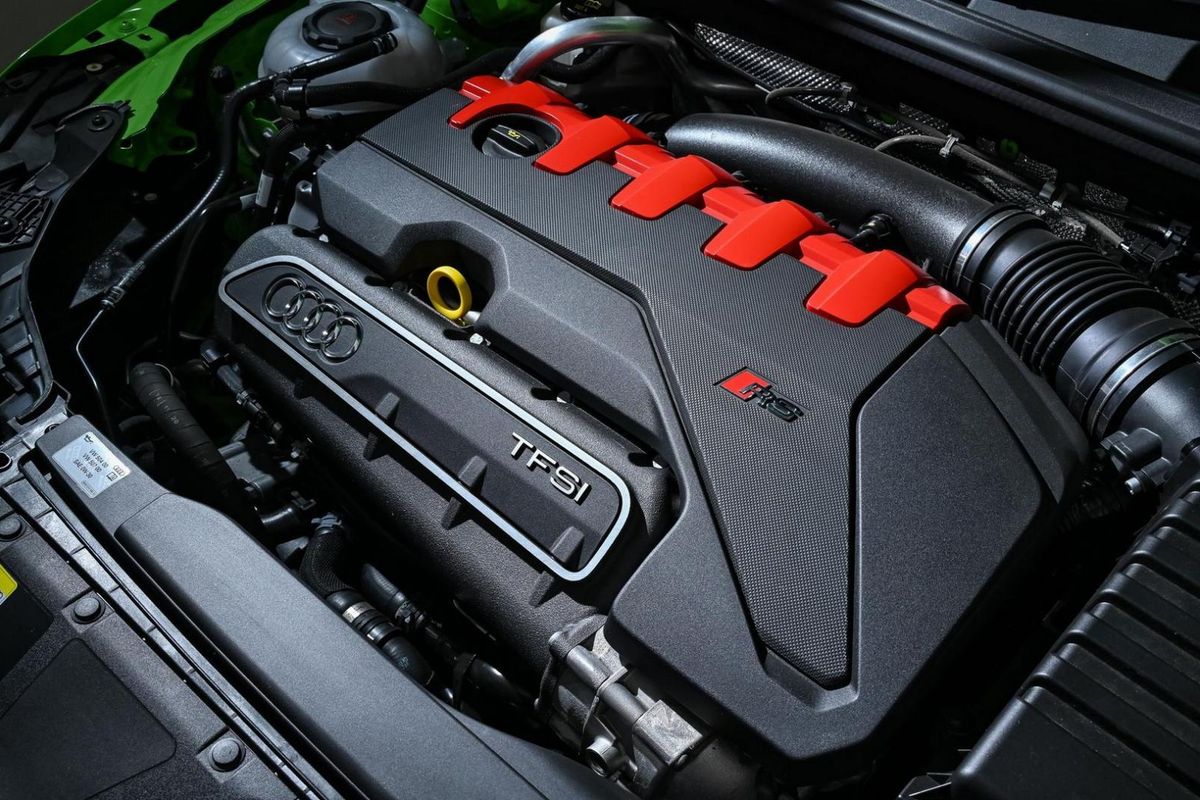
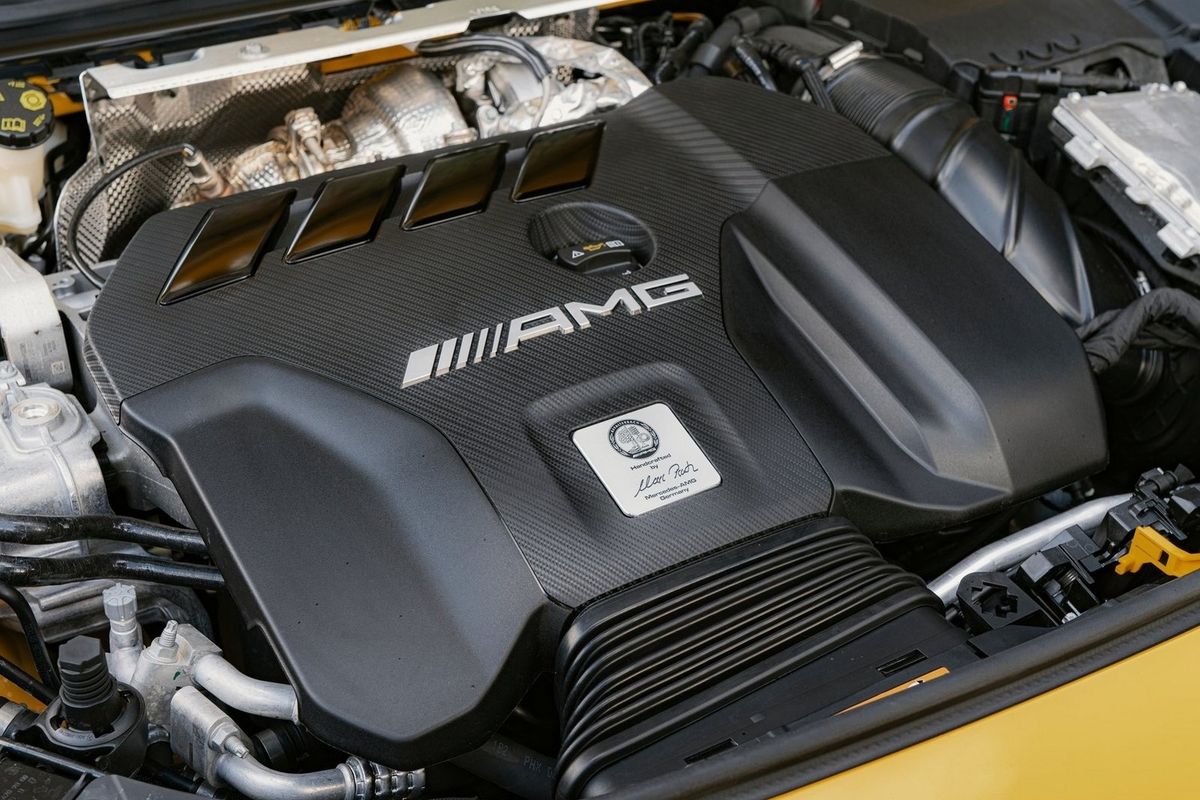
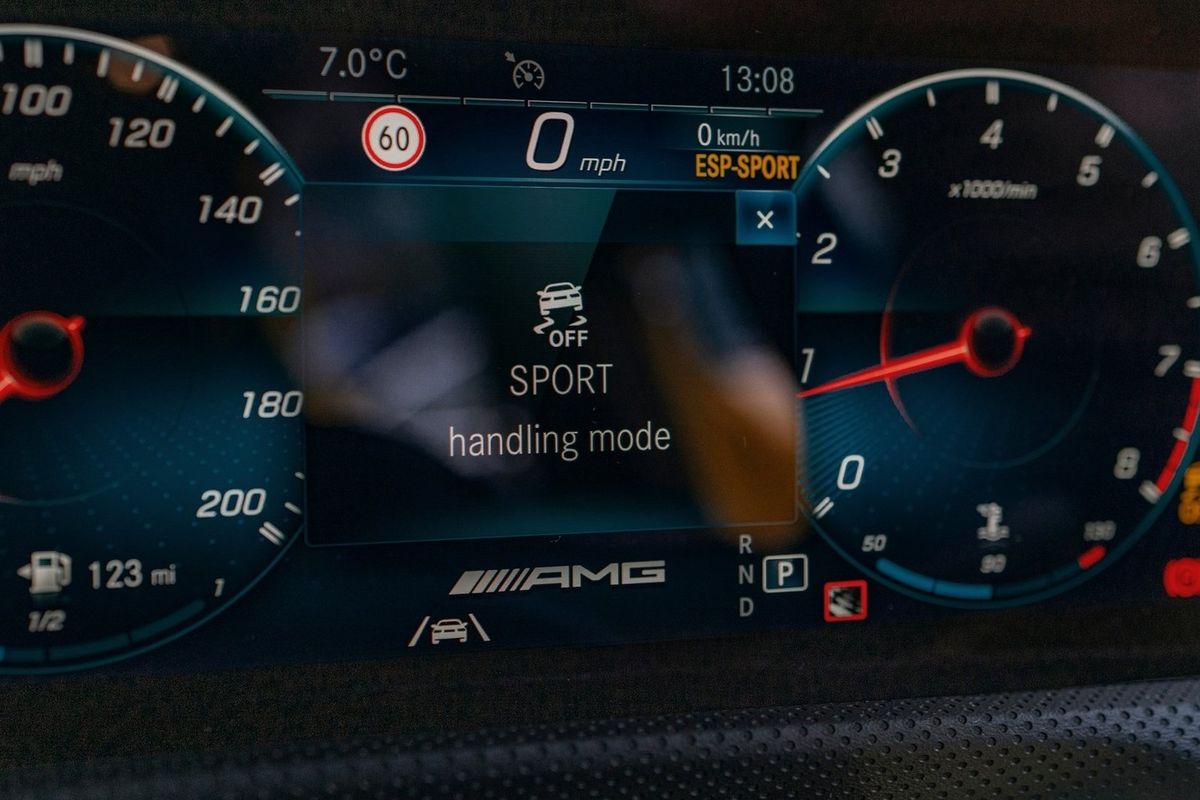
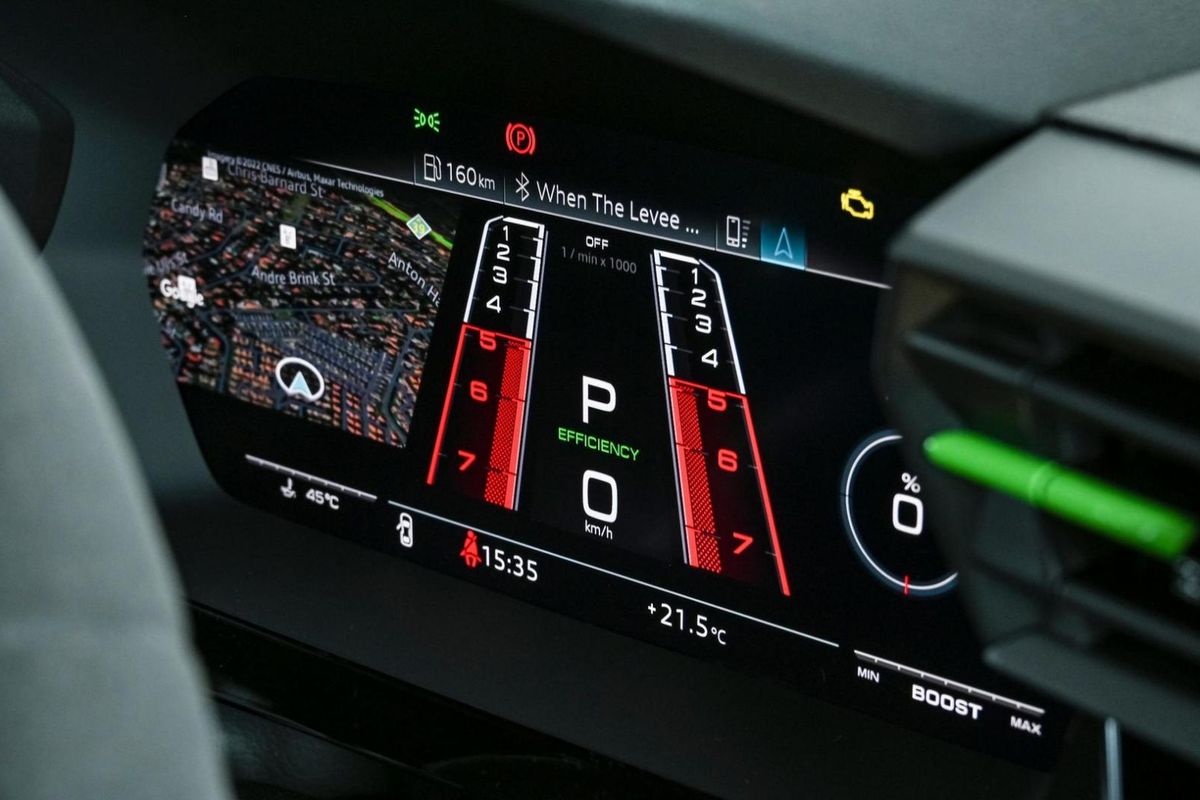
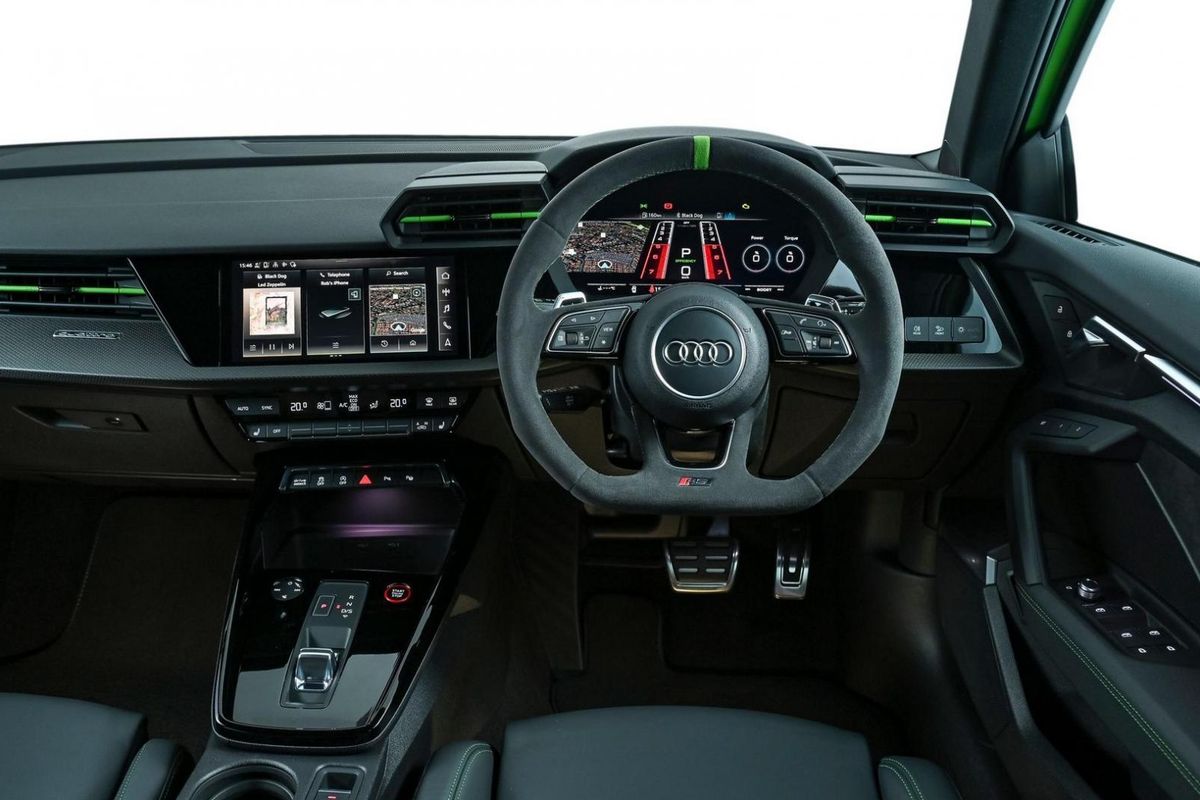
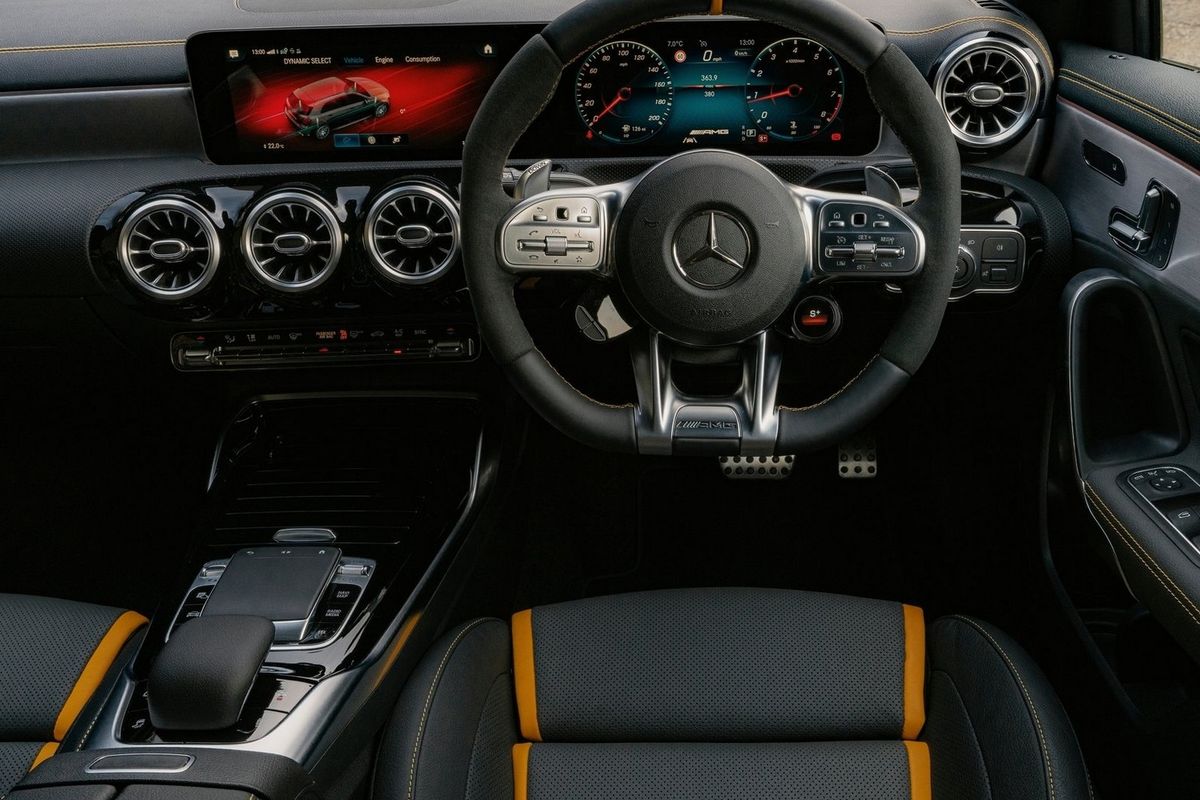
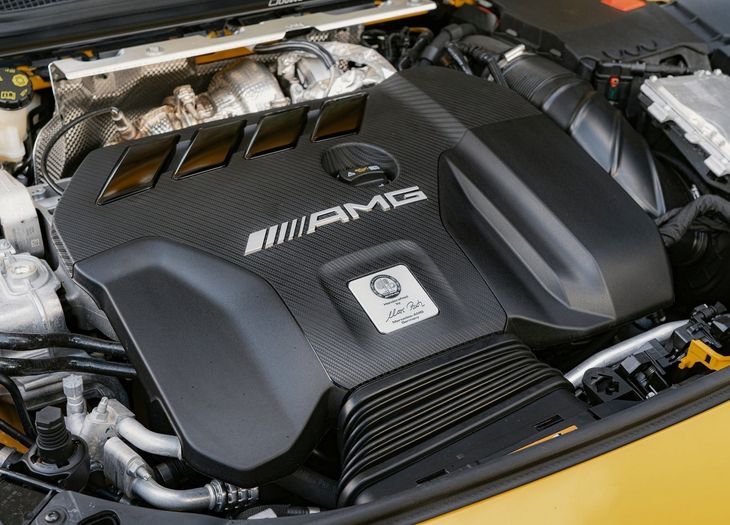
The hyper hatchback market has taken an interesting turn as the Mercedes-AMG A45 S is joined by the brand-new 2022 Audi RS3 Sportback. In this quick comparison, we look at performance, options, practicality and of course, price.
Since its launch locally back in August 2020, the Mercedes-AMG A45 S has had the segment to itself. Nothing in the hatchback segment could come close to matching its 310 kW output or hefty price tag. In September 2022, Audi South Africa announced specifications and pricing for its brand-new Audi RS3 Sportback and Sedan. With all details available, its clear to see Ingolstadt’s offering is positioned to give the Mercedes-AMG A45 S a run for its money.
In this comparison piece between Mercedes-AMG A45 S vs Audi RS3 Sportback, we crunch the engine outputs and claimed performance, compare the dimensions and practicality aspects, and measure value by seeing how much you’ll have to pay for optional extras.
Engine, Transmissions & Performance
Mercedes-AMG A45 S
Audi RS3 Sportback
Engine capacity
2.0-litre petrol
2.5-litre petrol
Number of cylinders
Four
Five
Gearbox
8-speed DCT
7-speed DCT
Power
310 kW at 6 750 rpm
294 kW at 5 600 rpm – 7 000 rpm
Torque
500 Nm at 5 000 – 5 250 rpm
500 Nm at 2 250 – 5 600 rpm
Weight
1 635 kg
1 570 kg
Claimed 0-100 kph
3.9 seconds
3.8 seconds
Claimed top speed
250 kph (optional 270 kph)
250 kph (optional 280 kph)
Claimed fuel economy and tank capacity
8.4 L/100 km, 51 litres
9 L/100 km, 55 litres
It’s remarkable to see what AMG has achieved with that 2.0-litre 4-cylinder engine in terms of performance and outputs, while offering a 2-year/unlimited kilometre warranty. Remember it’s easy to make big power, but to do so reliably? Impressive.
Audi’s RS3 Sportback may be a bit down on power in comparison to the AMG, but it is fractionally lighter and delivers maximum torque earlier in the rev range, which gives it a slight advantage when it comes to straight-line sprints from standstill. We look forward to putting the two vehicles in a head-to-head drag race to settle the debate between Mercedes-AMG A45 S vs Audi RS3 Sportback.
Heated front seats R5 700 Memory Seat Package R12 500
Power front seats with memory feature for driver seat and exterior mirrors R19 300
Seat heaters in front R5 500
Fine Nappa leather with honeycomb stitching and embossed “RS” R18 200
Heads-up display: standard
Heads-up display: R15 000
Burmester® surround sound R11 000
Bang & Olufsen premium sound system with 3D sound standard
AMG Ride Control Suspension R24 000
Adaptive chassis control with Audi drive select R13 000
MBUX Navigation Plus R11 800
MMI Navigation plus with MMI touch R39 300
Wireless charging system R3 600
Audi phone box R7 500
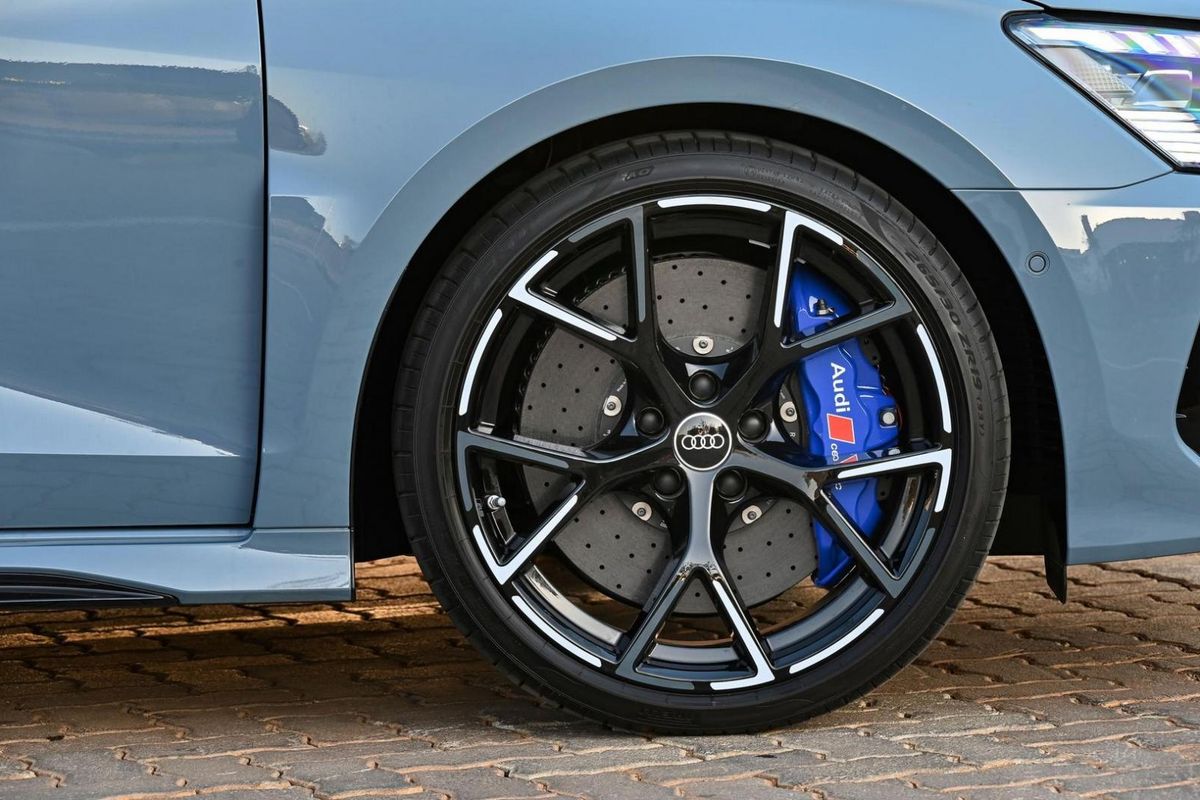
Other noteworthy options for the Audi RS3 Sportback include Sports tires P Zero Trofeo R by Pirelli, 265/30|245/35 R19 for R13 000, ceramic brakes for R122 000, carbon roof spoiler R23 300, top speed increased to 280 kph R27 500.
Other noteworthy options for the Mercedes-AMG A45 S include tech packages: Premium Package (R21 000)
Advanced-Plus Package
MBUX Navigation Plus
THERMOTRONIC automatic climate control
KEYLESS-GO
Hard-disc navigation
AMG illuminated door sills with “AMG” lettering and with exchangeable cover
Premium-Plus Package (R76 000)
Advanced-Plus Package + Premium Package
Memory Seat Package
MULTIBEAM LED
4-way lumbar support
Parking Package with 360-degree camera
Front left, electric memory
Head-up display
MBUX Interior Assistant
Summary
The Mercedes-AMG A45 S and Audi RS3 Sportback have never been as closely matched both in terms of performance, price and specification. Based on the above, which one would take for a weekend drive?
Haval H6 GT (2022) Launch Review
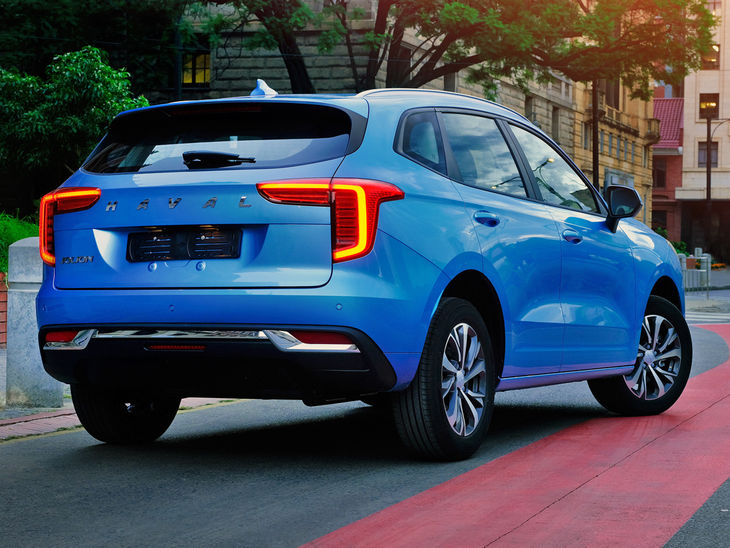
Haval is a brand that’s on many consumers’ lips at the moment, because the Chinese manufacturer has taken the local small- and medium SUV segments by storm. Haval’s latest offering – the H6 GT – is said to be the halo model of the brand’s range… and it has sporty pretensions! We drove the newcomer at its launch in the Western Cape.
What is a Haval H6 GT?
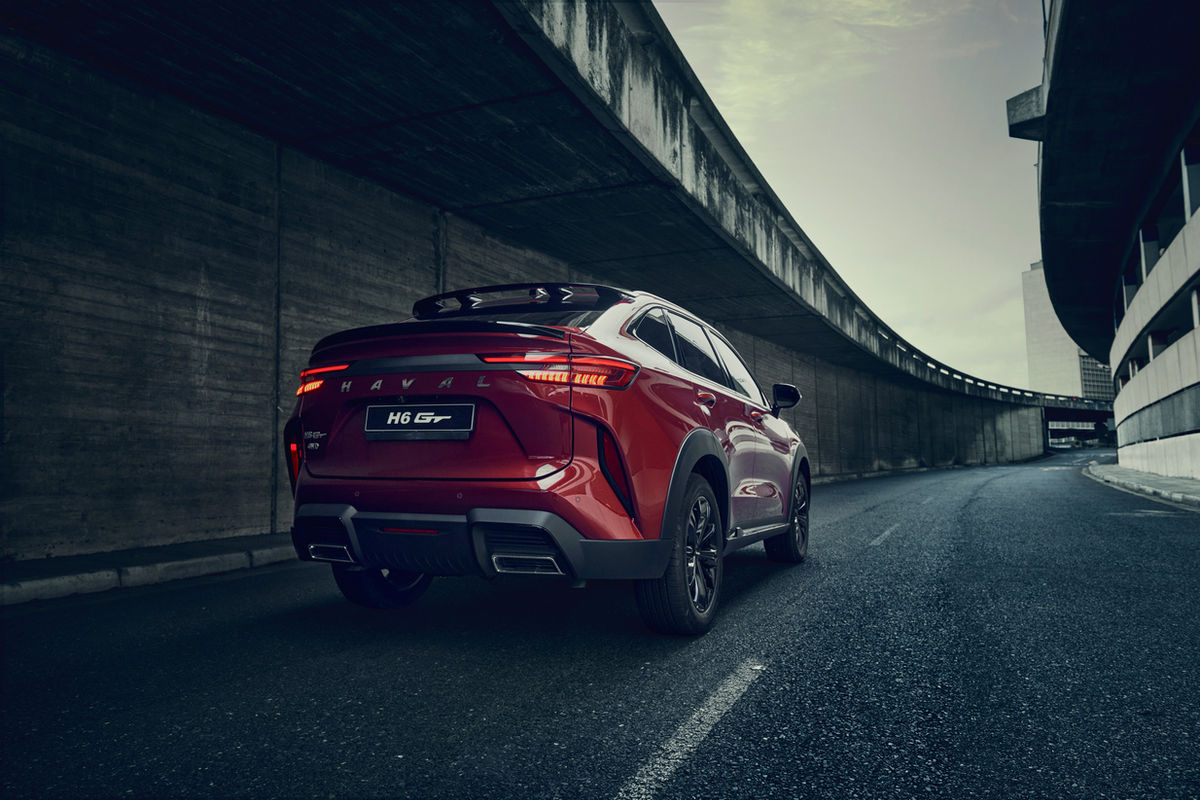
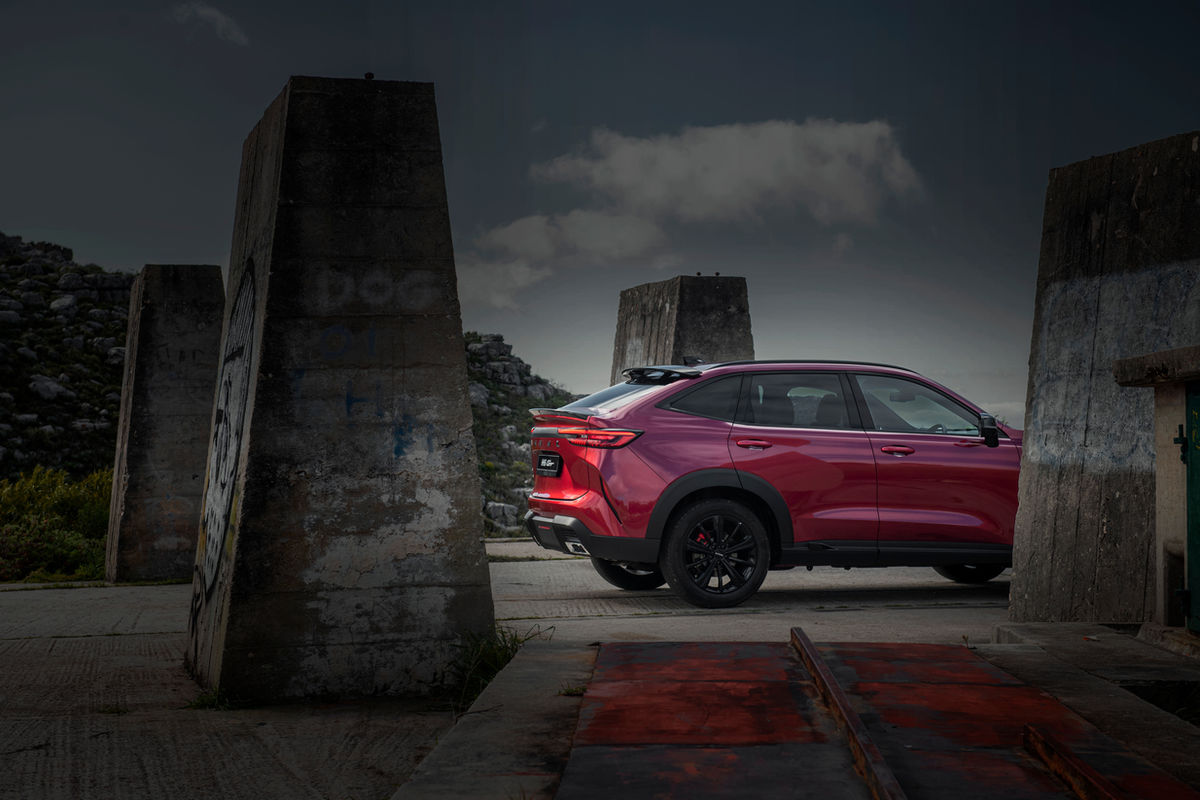
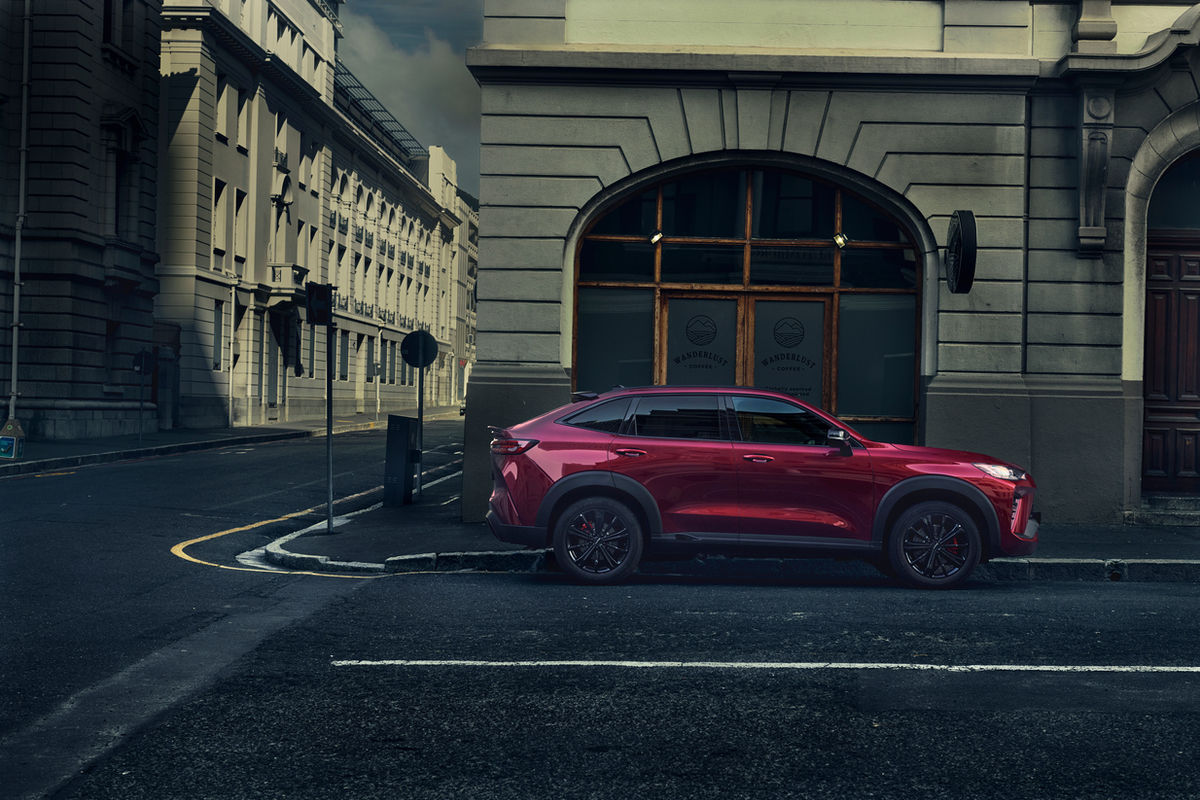
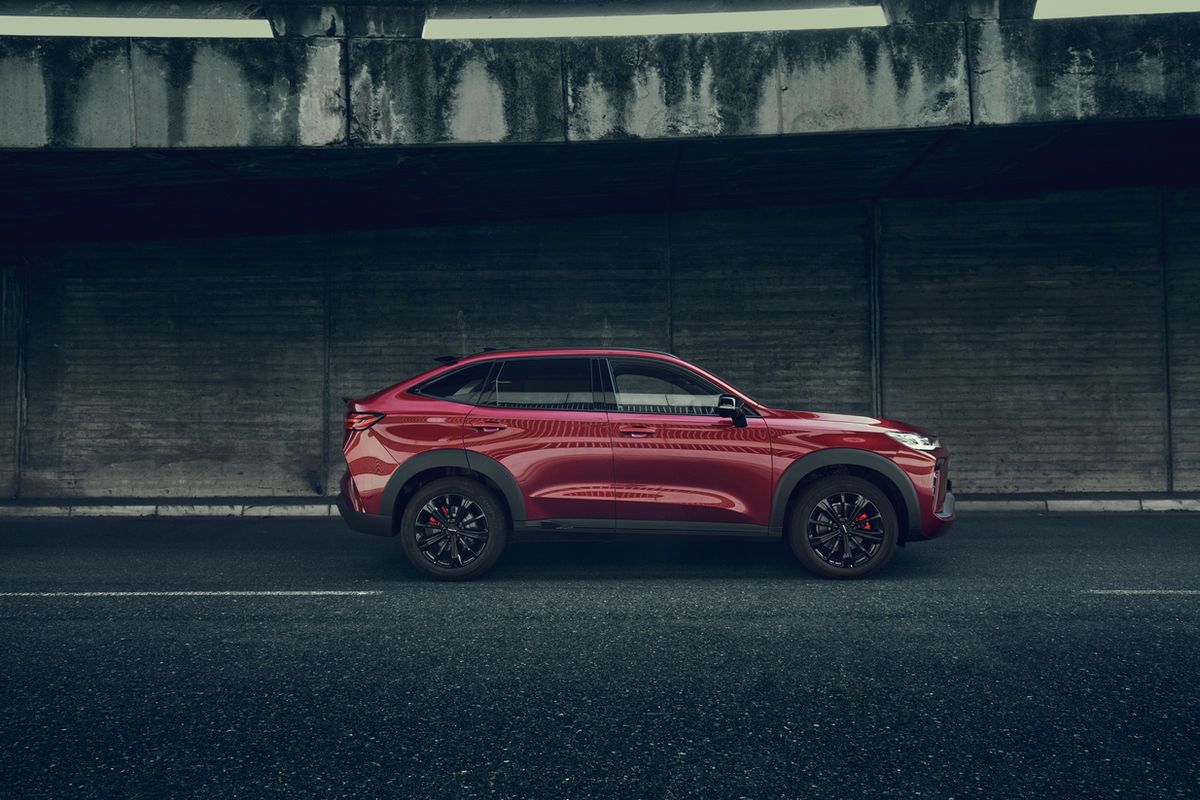
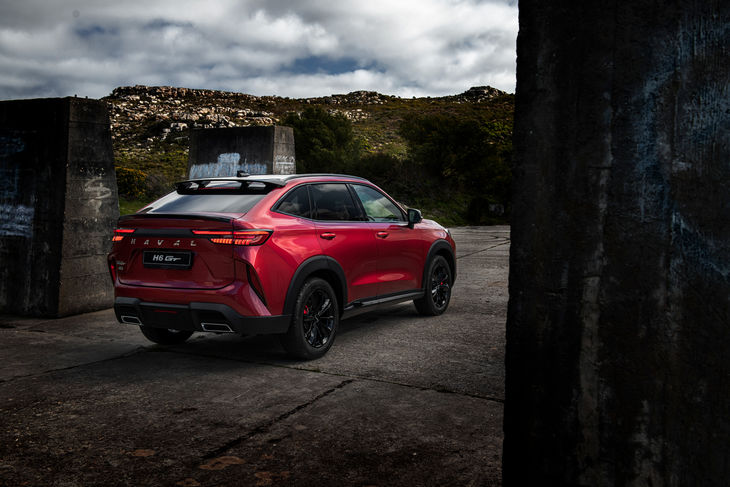
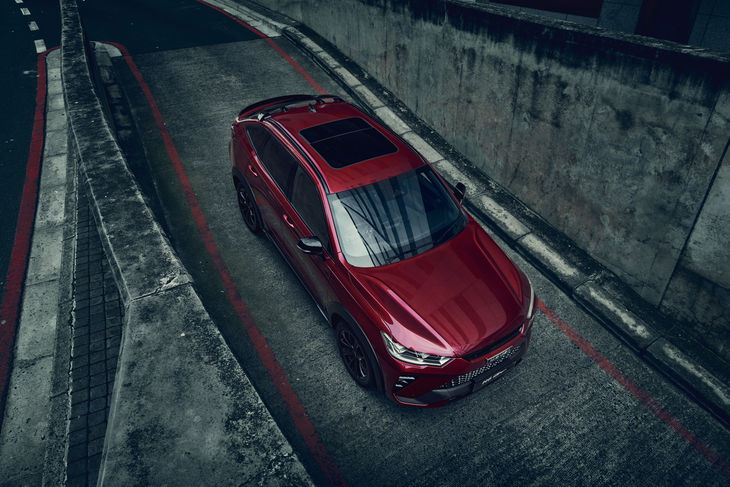
The Haval H6 GT squats nicely over its rear haunches; exterior design was prioritised for this model.
The Haval H6 GT sits atop the H6 range, which features a few derivatives mostly differentiated by trim-level options. The H6 GT has the same engine under the bonnet, but gets an overboost function that delivers an extra 5 kW and 5 Nm of torque (if the press material is to be believed). Like top-spec versions of the H6, the H6 GT is equipped with all-wheel drive, but it additionally features a Race-mode function that beefs up the exhaust note and sharpens the throttle response.
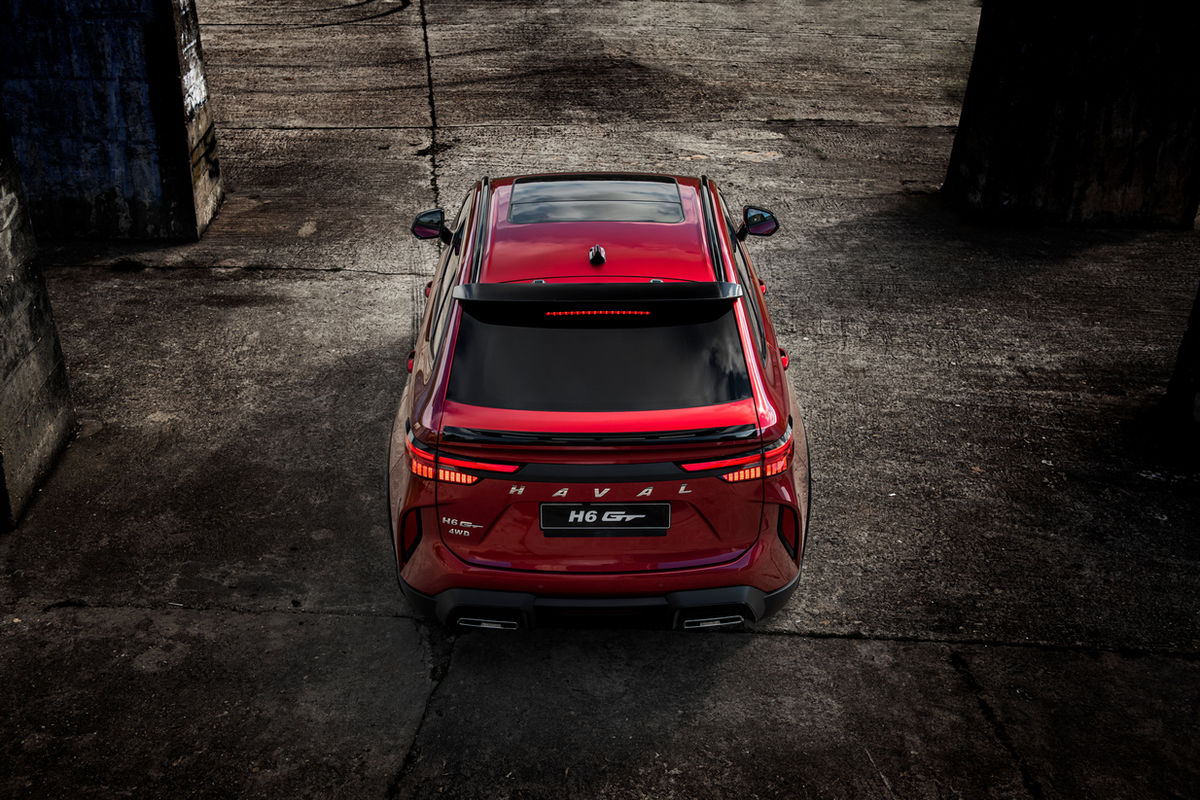
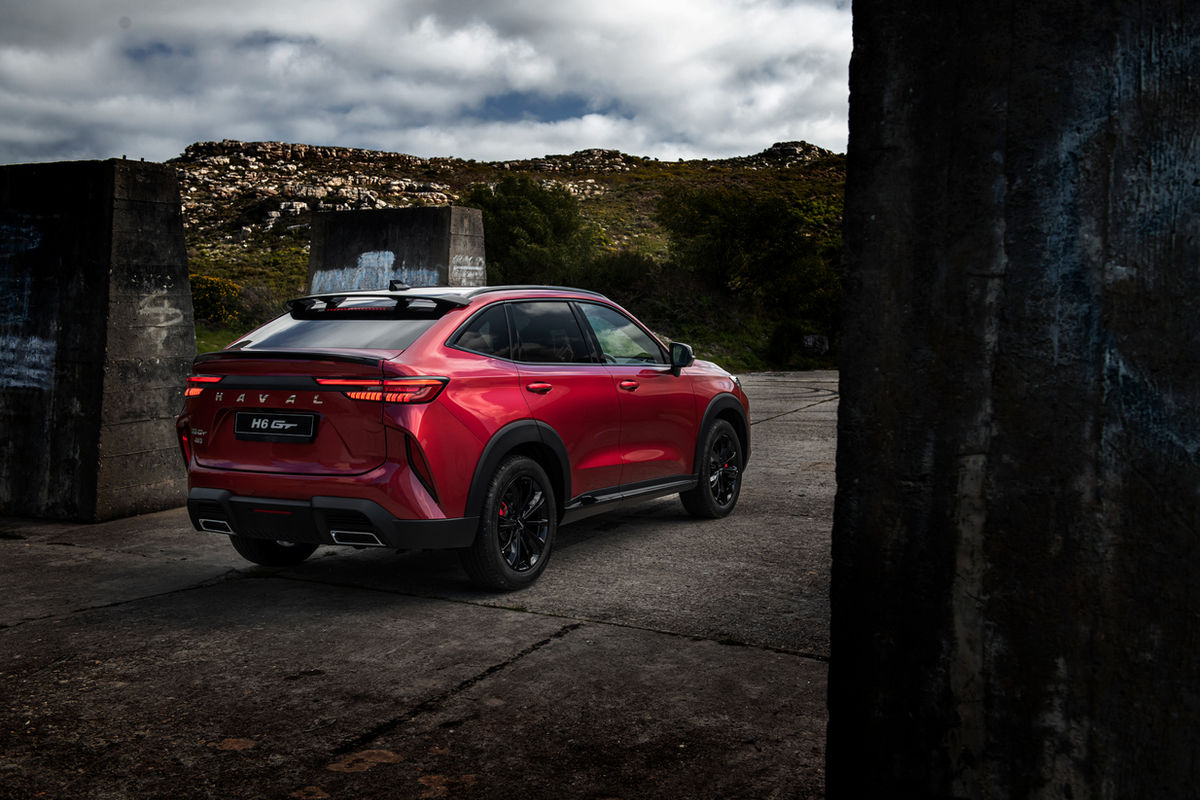
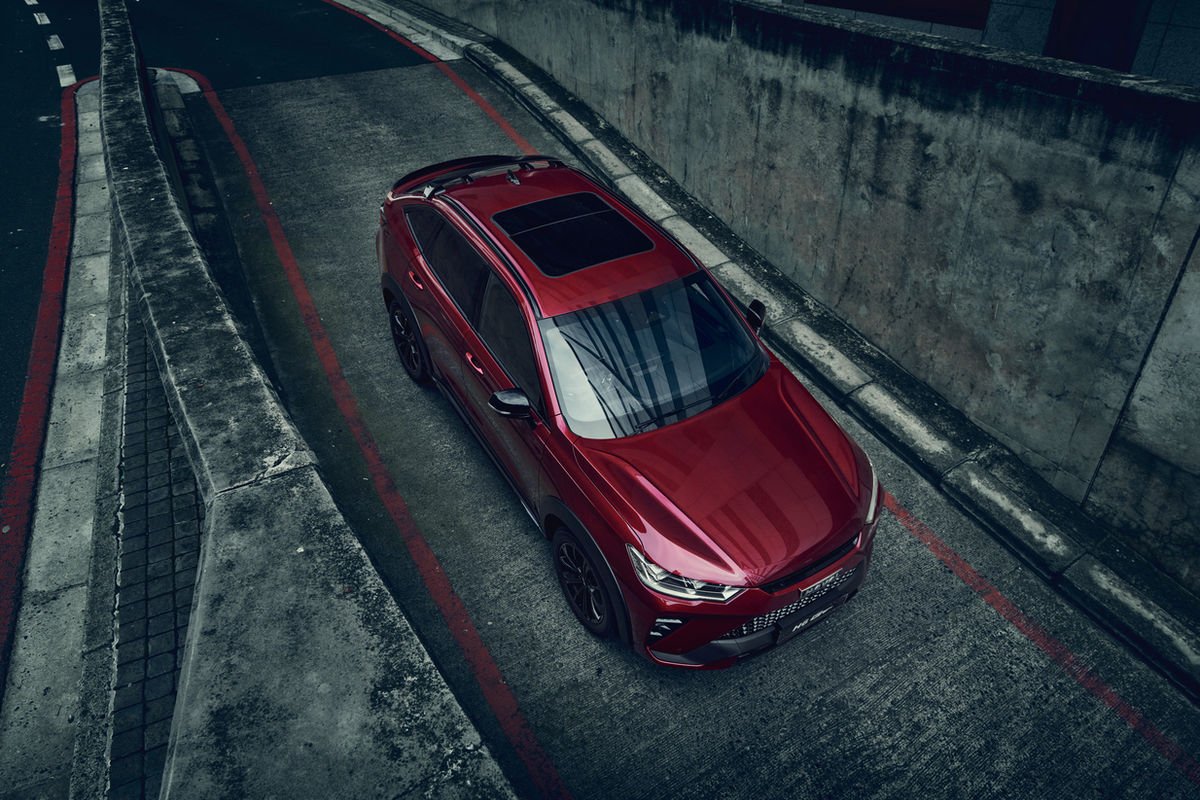
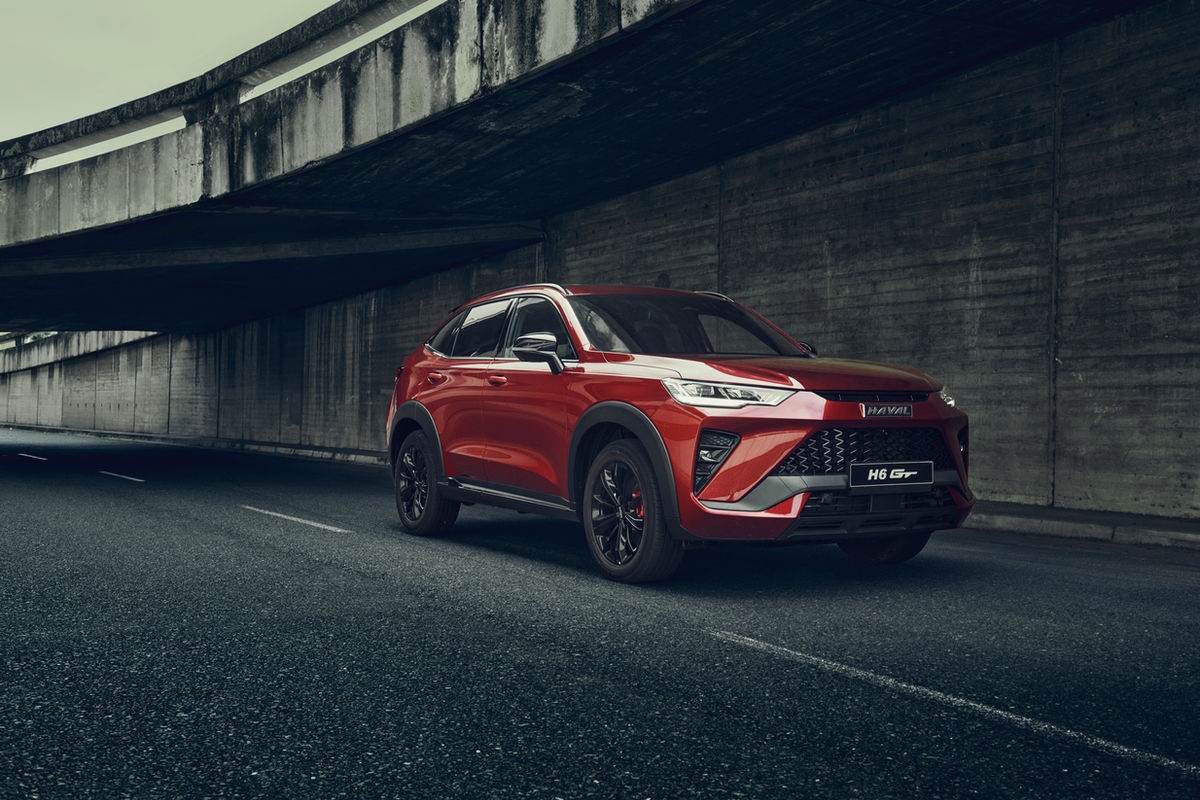
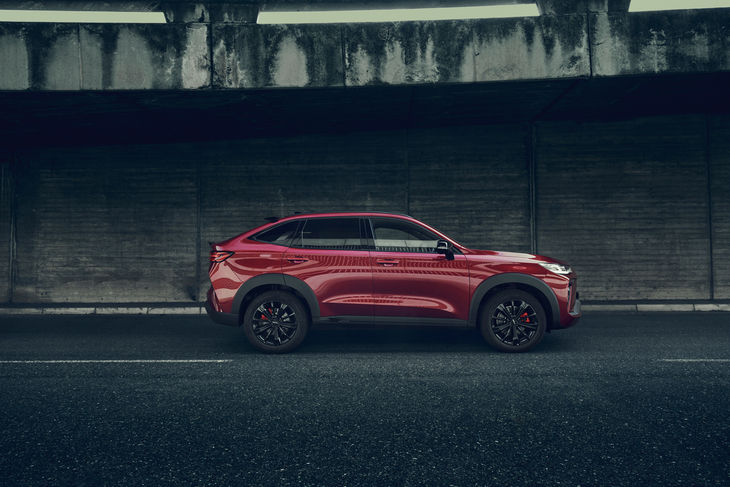
The H6 GT’s distinctive exterior treatment is its raison d’etre. The rearward sloping roofline gives it that fashionable coupe-SUV silhouette, but the design team didn’t stop there; it also added a pair of spoilers (in the middle and at the top of the tailgate), as well as twin tailpipes. The front end features fewer additions, such as the black cladding on the lower bumper, while the wheels are the same 19-inch alloys as on the regular H6, but with a different design and black finish.
Haval’s first step into the “performance SUV” segment in South Africa.
We’ve really come to appreciate just how far the Chinese manufacturers have evolved their products over the last few years – they are now very nearly on par with their Japanese/Korean rivals, but are offered at much more palatable prices.
The performance segment is one area into which the Chinese brands haven’t yet dipped their toes and while a family (or medium) SUV can never really be considered a performance vehicle (unless straight line speed is your only determining factor for performance) it’s still a new avenue for them.
The base is good: the H6 GT’s 155 kW 2.0-litre 4-cylinder turbopetrol engine delivers power progressively throughout the rev range, but doesn’t deliver the kind of thrilling performance that you’d expect from an engine that has a comparable power output to that of a Golf 7 GTI. You can engage Race mode through the infotainment screen settings, which facilitates a far more racy exhaust note, while the level of throttle response and the 7-speed dual-clutch transmission’s shifts liven up to a point where the Haval’s frankly a little “overexcited”. Sport mode is more driveable by comparison, but I found myself reverting to the Normal drive mode in most instances, just to calm things down a little.
In terms of ride quality, Haval’s newcomer feels quite well-damped over most road surfaces, with only the occasional rebound knock – if you hit a bump too quickly for the suspension’s liking. I am quite pleased that the Chinese brand hasn’t tried to turn the H6 GT into a “track-oriented SUV” by stiffening up the suspension in an attempt to mitigate body roll almost entirely. The H6 GT is still very much an SUV that you can live with on a daily basis.
The steering is relatively vague, which precludes you from positioning the vehicle exactly where you want it; despite offering multiple settings to change the feel of the driving experience, the H6 GT never really handles in an entirely confidence-inspiring sporty manner, especially when you’re driving on a tight and twisty section of road, like Chapman’s Peak Drive.
Prospective family (or medium) SUV buyers are unlikely to be overly bothered by a lack of steering feel (or the crazy throttle and transmission shift response in Race mode); the H6 GT’s appeal comes down to design and value for money.
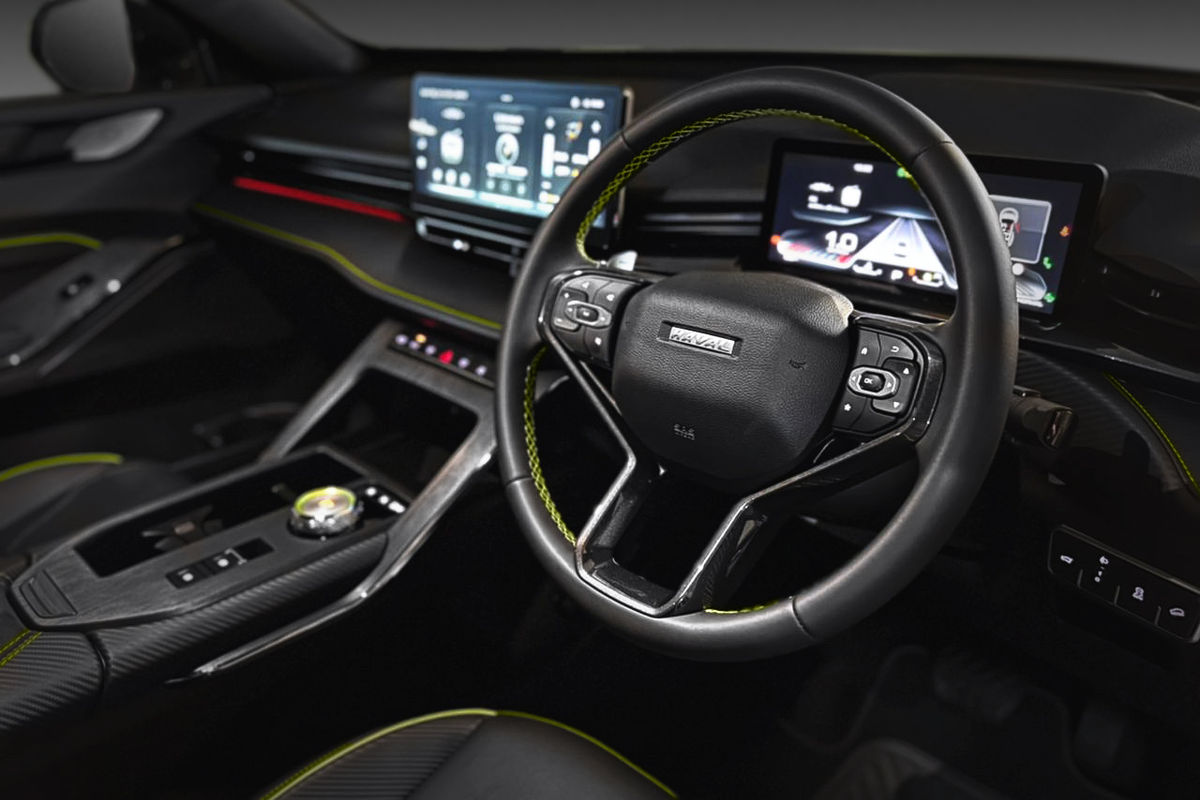
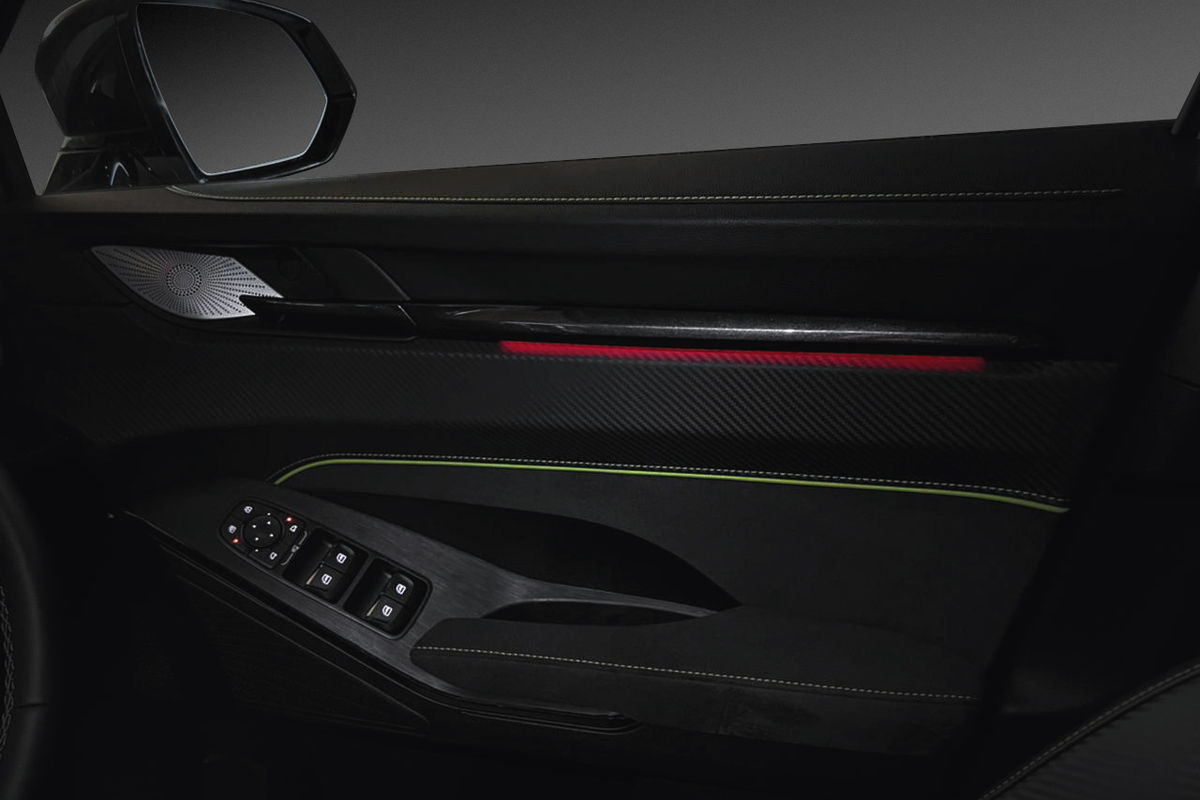
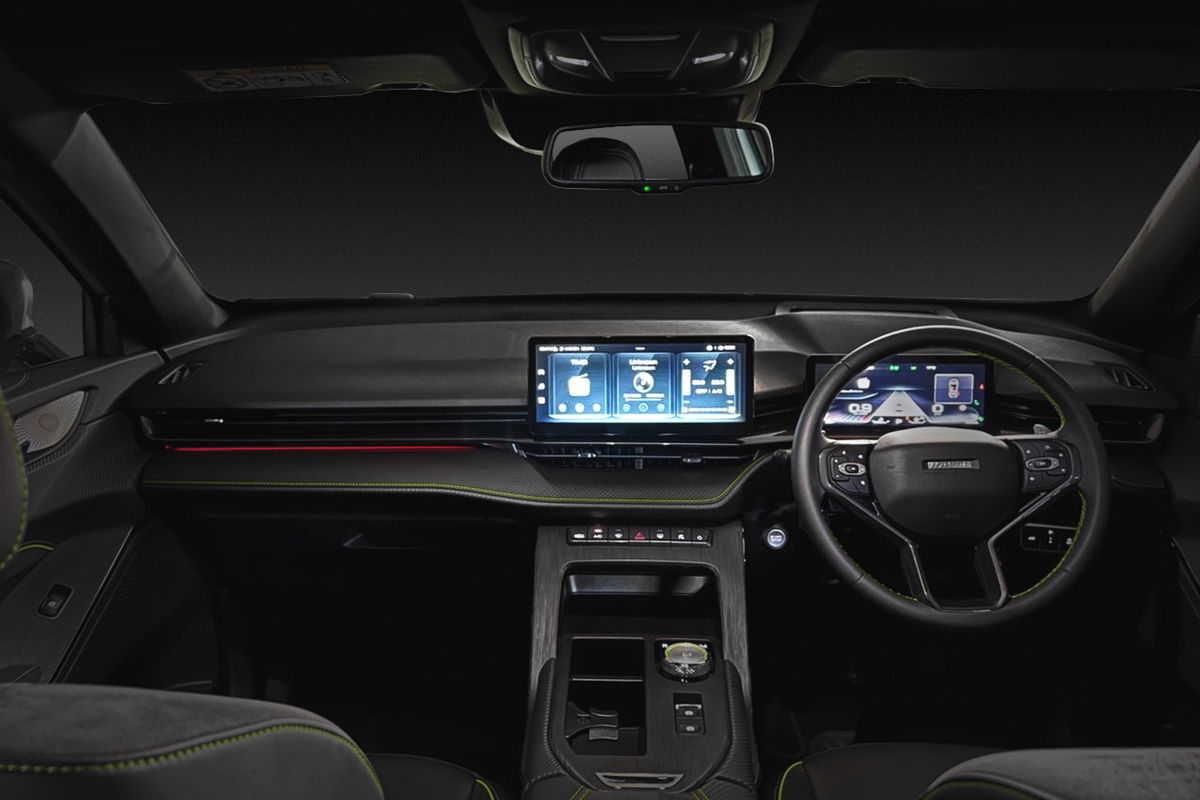
The cabin materials all seem high-end and well put together.
Haval certainly offers a lot in the way of standard features in its cars. The H6 GT is stacked with just about every modern active- and passive safety feature you can think of. Some functions, such as the lane departure warning, still need a bit of fine-tuning for local conditions – in fact, you may find yourself overwhelmed by the Haval’s beeps and warnings… and trying to track down the sources of the bings or bongs (which are not always immediately apparent). For example, we were constantly shown a warning banner in the instrument cluster that simply read “Elk Mode Activated”. After extensively sifting through the infotainment system, we couldn’t find a corresponding setting in the drive modes’ submenus.
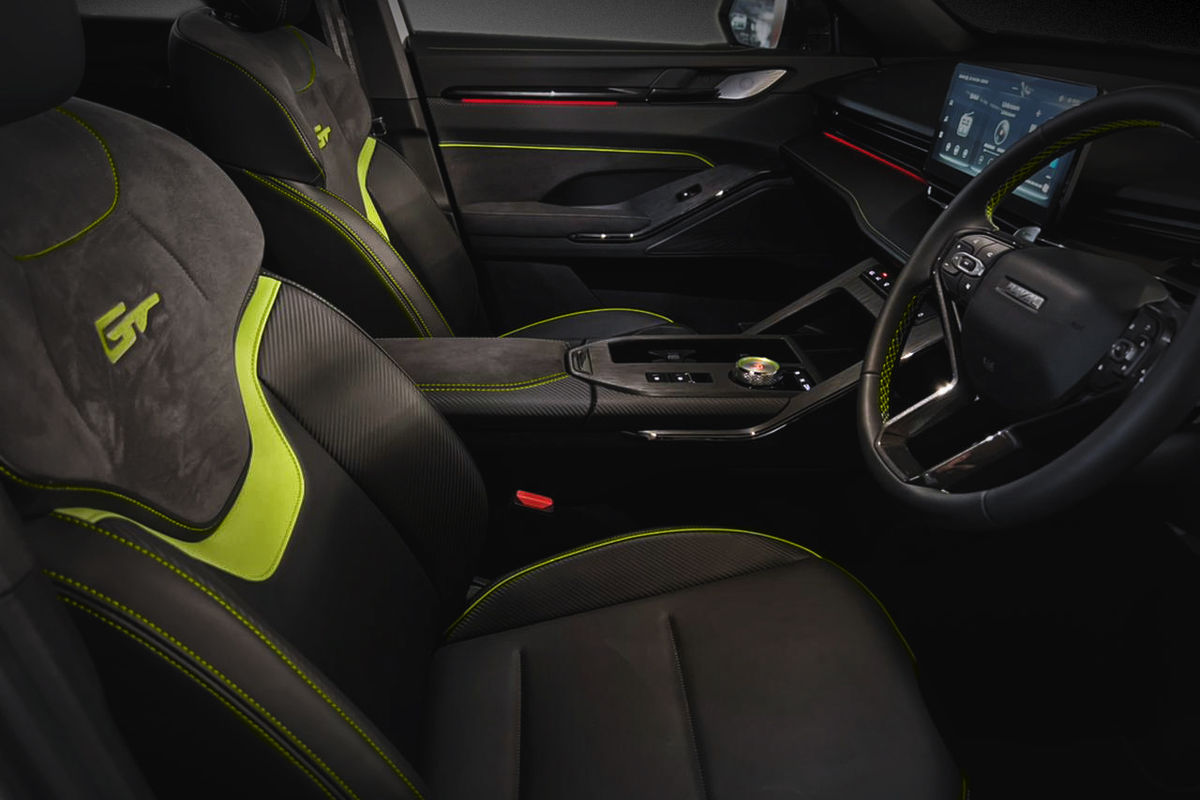
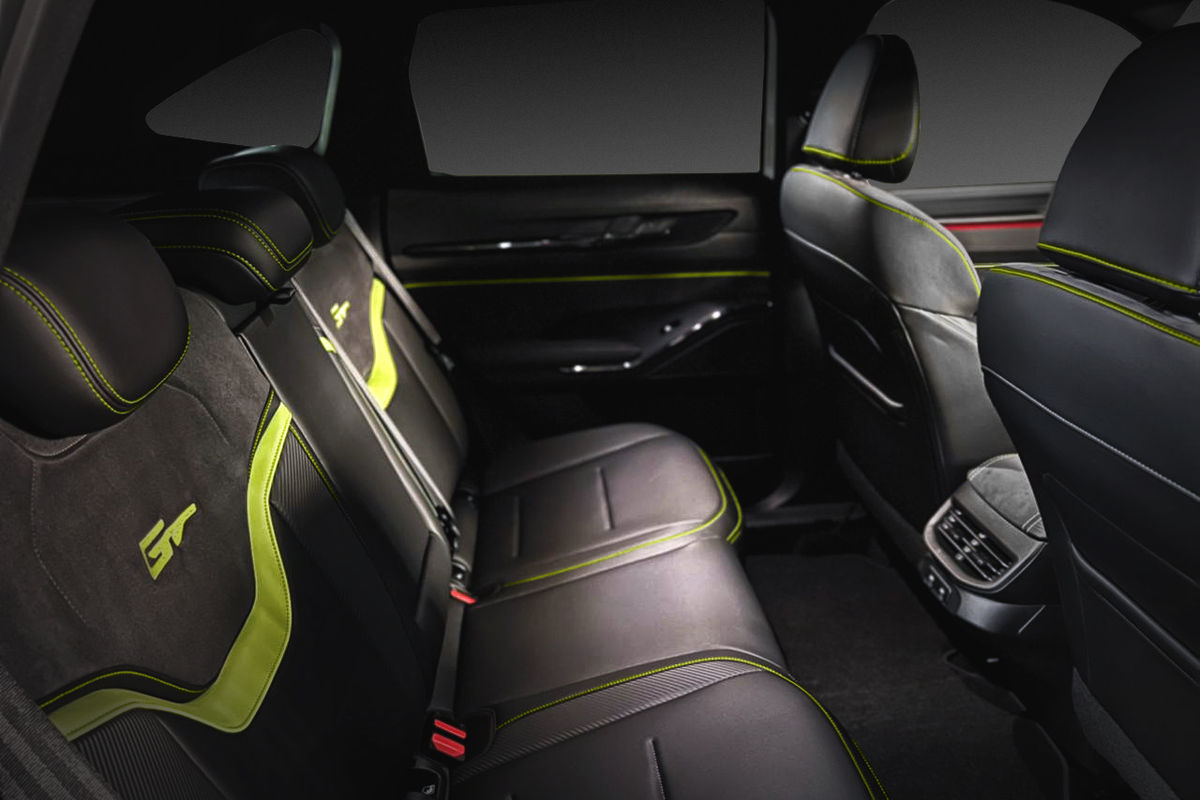
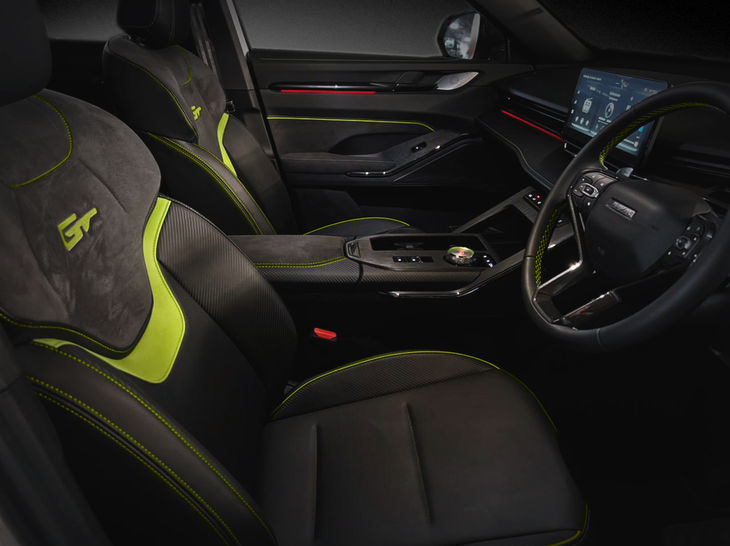
Aside from the software quirks, the H6 GT interior exudes class; it’s well appointed with good quality materials. The leather-trimmed seats with suede inserts are comfortable and lift the cabin’s premium feel. Fit and finish appear to be excellent, while the colouring on the stitching matches the finish of the brake calipers, although luminescent yellow-green seems to be the only highlight colour available.
The H6 GT carries over the same Super Luxury spec as the top-of-the-range H6 derivative, so you can expect a fully equipped car with niceties such as a wireless-charging pad, Apple Carplay- and Android Auto compatibility, a 360-degree camera, adaptive cruise control and a panoramic sunroof. The list of features is extensive, so be sure to check out our specs and pricing article.
Summary
The H6 GT has set tounges wagging on social media with its stylish design.
The introduction of the Haval H6 GT has made waves across our social media channels, which indicates that the newcomer’s eye-catching design is more than likely to resonate with the model’s target market.
With an asking price of R640 000, it’s not the awesome-value-for-money proposition we’ve come to expect from the Chinese brand’s local subsidiary, but it offers the best combination of performance, specification – and, arguably, standout kerb appeal – in the segment. Other notable rivals include the Volkswagen T-Roc, Mazda CX-30, Mini Countryman and even something like the Volvo XC40.
As Haval continues to push upmarket with models such as the H6 GT, it will be interesting to see how much of a foothold it can grab against established premium manufacturers that have often seen off young upstarts in the past…
10 best-selling bakkies in South Africa: August 2022
Is it business as usual again now that Toyota has resumed production of the Hilux in KZN? Let’s take a closer look at South Africa’s best-selling bakkies for August 2022…
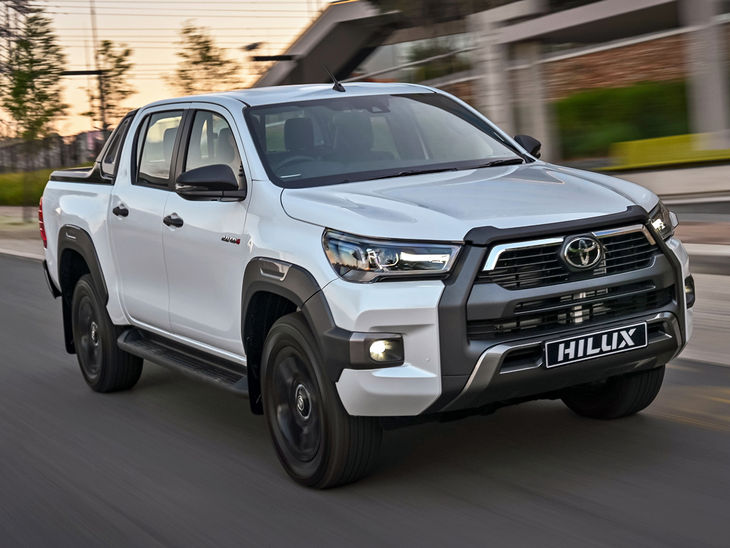
After losing its crown for the past few months, the Toyota Hilux is back on top in August 2022. The last time the Prospecton-built bakkie found itself at the summit of the list of South Africa’s best-selling bakkies was back in April 2022, before the Japanese automaker began to feel the full effects of the devastating floods in KwaZulu-Natal.
With precisely zero units rolling off the line in Durban for a number of months, the Hilux was forced to settle for second place in May, fourth in June and fourth again in July. Now that the factory is back online and production of the bakkie – as well as the Corolla Cross, Corolla Quest, Fortuner and Hi-Ace – has resumed, the Hilux has shot right back to the top of the sales charts.
As many as 3 417 units of the Hilux were registered around the country in August 2022. The bakkie’s sales resurgence (plus that of the aforementioned Hi-Ace) was at least partially responsible for the 13.1% year-on-year increase in domestic sales of new light-commercial vehicles, bakkies and mini-buses to 13 281 units in August. Expect that trend to continue in the coming months as Toyota starts to clear its considerable backlog of orders (and rolls out the long-awaited GR-Sport derivative).
Despite coming close to matching its sales tally of July 2022, the Silverton-built Ford Ranger (1 791 units) – which will very soon be replaced by the new-generation model – was pushed down to second place. It will be interesting to see what happens with Ranger registrations in the next couple of months as the Dearborn-based firm’s local division makes the transition to the new model.
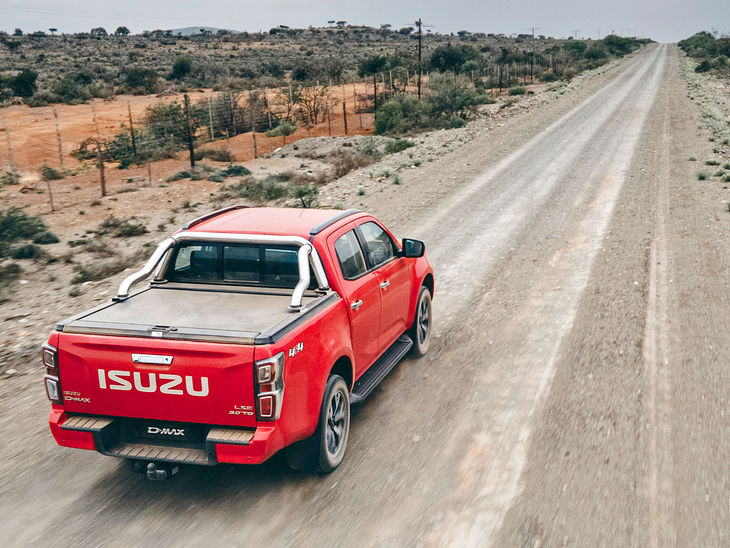
Isuzu’s D-Max narrowly missed out on pipping the Ford Ranger to second place.
Meanwhile, the Struandale-produced Isuzu D-Max (1 789 units) was breathing down the Ranger’s neck in August, ending up in third position, a mere two units behind the Blue Oval bakkie. Like the D-Max, the Rosslyn-manufactured Nissan NP200 (1 397 units) fell one spot compared with the previous month, finishing in fourth.
Bolstered by a trio of special-edition models, the Mahindra Pik Up (896 units) put in yet another solid showing, holding steady in fifth. The Nissan Navara (661 units) and GWM Steed (440 units) likewise retained their July positions, with both tallies growing month on month.
Despite markets such as Australia struggling to secure stock of the Toyota Land Cruiser 79, the farm-favourite bakkie enjoyed a strong August and moved up one place to eighth, with as many as 401 units registered. The GWM P-Series (138 units) slipped one to ninth, while the outgoing Volkswagen Amarok closed out the table with 128 sales.
Best of the rest in August 2022
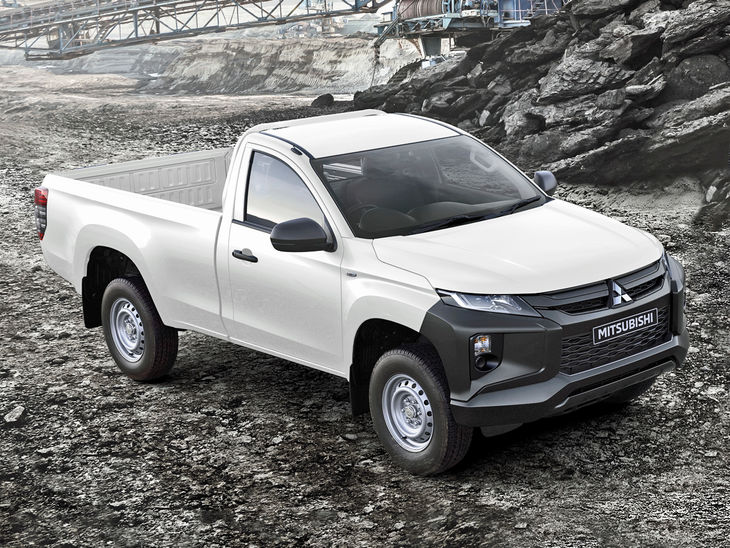
Mitsubishi’s updated Triton range enjoyed a little month-on-month growth in August.
So, how did the market’s smaller players fare? Well, the recently refreshed Mitsubishi Triton (68 units) took the “best of the rest” gong in August 2022, ahead of the Mahindra Bolero (37 units) and Peugeot Landtrek (36 units). Jeep Gladiator registrations fell to 13 units and Mazda BT-50 sales to a mere four units. JAC, meanwhile, reported a combined figure of 72 units for its T-badged (T6 and T8) range.
Export winners in August 2022
Ford was again top of the export charts, with 6 910 examples of its Ranger shipped overseas in August, ahead of a resurgent Toyota Hilux (3 069 units). The Nissan Navara (539 units) and Isuzu D-Max (342 units) were next, while the Nissan NP200 (54) again made up the numbers.
10 best-selling bakkies in South Africa for August 2022
The Kia Sonet range has been expanded in South Africa to include a new turbocharged engine, available in two trims, namely EX and EX+. Is it any good and should you buy it? Ciro De Siena investigates…
The new Kia Sonet Turbo has arrived in South Africa and it offers some added features including additional safety technology and some interior niceties such as leather upholstery. The Kia Sonet is one of the best products in this highly competitive segment but we were keen to find out if the new Sonet Turbo is as good as it gets. Watch the video for insight!
Struggling to meet car loan repayments? What you need to know
Buying a vehicle is a long-term decision and we want to help you make an informed one with our Street Smart series, brought to you by Absa Vehicle and Asset Finance. In this episode, we chat with Absa’s Chelton Keppler about dealing with challenges to meet your vehicle-finance loan repayments.
PARTNERED ARTICLE
When your finances take an unexpected turn and you struggle to pay your Vehicle Finance Loan, it’s important to understand your options and take the necessary action. Chelton Keppler from Absa gives us some insight into the options available to help get you back on track.
What is the first thing that you need to do when you realise that you’re going to battle to make your payments?
KEPPLER: Be sure to contact the bank as soon as possible, so that the bank can help you with alternative ways to meet your financial obligations. Don’t think that the problem will just go away.
What options are available to individuals struggling to meet their financial obligations?
KEPPLER: Well, the available options include the restructuring of payments, also known as forbearance. This option allows you to restructure your repayments under your Vehicle Finance Agreement.
Examples include:
A short-term payment plan. This option allows you to pay a percentage of the contractual instalment for a maximum period of six months.
A long-term plan. Here, the term of your Vehicle Finance Agreement can be extended to reduce the instalment amount.
Small arrears capitalisation. An arrears amount of not more than two months’ instalments can be capitalised on your outstanding balance and your term can be extended to ensure that your instalment is not negatively impacted.
Terms and Conditions apply to these options, which will be discussed when you contact the bank.
If you’re unable to continue with repayments and want to avoid the repossession of the vehicle, you can use our HelpUSell process to market and sell your car to one of our approved dealers, provided you meet the qualifying criteria.
You can do this on our secure FASTBuy platform. You’ll need to accept the Terms of Use and complete the registration process, including uploading images of the vehicle on the platform, to make your vehicle available for sale. You’ll be notified of any offers made on your vehicle. You can then accept an offer that will help you reduce the outstanding loan amount on your account.
How does one deal with a deceased estate when there is an outstanding amount owed to the bank on the vehicle?
KEPPLER: The deceased’s next of kin must notify the bank of the death and our Deceased Estates team will engage with the appointed executor around available options to settle the bank’s claim. Where there is credit life insurance or other life insurance, a claim needs to be submitted to the relevant insurer. If there is no insurance cover, the executor can arrange to settle the account from the estate funds, or sell the vehicle to a third party or dealer.
If the estate doesn’t have enough funds to settle the balance and there are no offers, the bank can arrange with the executor to sell the vehicle at an auction and the proceeds will be allocated to the account. The estate will be responsible for any shortfalls.
To access the Deceased Estates Guide, please visit absa.co.za or call us on 0861 113 003.
For more information or help, call Absa Vehicle and Asset Finance on 0860 669 669 (select option 2).
For extra information on how you can become a better consumer, keep a lookout for more episodes from our Street Smart series and be sure to visit the Absa blog.
Other episodes in our Street Smart video series:
Absa’s Sarvas Naidoo and CMH’s Joel Chetty about balloon payments.
Absa’s Fulufhelo Mandane discusses what you need to consider before you start shopping for a vehicle, the costs of ownership and your various finance options. Absa First-time Buyer Guide to Vehicle Finance
Absa’s Gordon Wood details how the new Aftermarket Guidelines, which were introduced in the motor industry last year, affect you as a vehicle owner. Absa’s Guide to Responsible Vehicle Ownership
South Africa’s new-vehicle sales for August 2022 proved “remarkably buoyant” despite tough trading conditions. Here’s everything you need to know, including SA’s best-selling car brands and models…
In August 2022, new-vehicle sales in South Africa increased an encouraging 14.2% year on year to 47 420 units, representing the fifth consecutive month of growth (as well as a further improvement over July’s figures) and the second-best month of 2022 thus far. This comes despite the fact the industry is still facing a number of obstacles. Indeed, as Naamsa points out, the local market’s performance was a “remarkably buoyant” one in August considering the “increasingly challenging economic conditions” faced in South Africa.
Out of the total reported industry sales of 47 420 units, an estimated 40 889 units (or 86.2%) represented dealer sales, while the rental industry accounted for 8.3%, corporate fleets around 4.3% and sales to government about 1.2%. The new passenger-car market ended the month on 31 269 units (a year-on-year gain of 14.6%), with plenty of support from the rental industry. Domestic sales of new light-commercial vehicles (LCVs), bakkies and mini-buses, meanwhile, also increased (in this case, by 13.1%) to 13 281 units.
A healthy chunk of that growth in both the passenger-car and LCV segments can likely be attributed to the fact production at Toyota’s Prospecton facility has ramped back up considerably after the factory was forced to shut down owing to flood damage sustained back in mid-April. Yes, the Japanese automaker is again building SA favourites such as the Hilux, Corolla Cross and Hi-Ace, as reflected in the model sales figures below, though still has what it describes as an “extensive backlog” of orders to clear.
According to WesBank, the latest sales figures indicate “some form of stability” is returning to the new-vehicle market.
“It is interesting to note the correlation in market performance this year against 2021. Last year, August put in the second-best selling month at the time; March 2021 being the best sales month. Coincidentally, March 2022 sales have so far been this year’s best sales month,” says Lebogang Gaoaketse, Head of Marketing and Communications at WesBank. “August sales are also reassuring in the sense that the volume increase comes off that relatively high base. Doing so in the face of the hike in interest rates during July appears not to have dampened any market demand.”
Meanwhile, August 2022 exports finished on 28 662 units, reflecting a robust 57% year-on-year improvement. Year to date, we’re happy to report vehicle exports are 5.8% ahead of the corresponding period 2021.
New vehicle sales summary for August 2022
Aggregate new-vehicle sales of 47 420 units increased by 14.2% (5 887 units) compared to August 2021.
New passenger-vehicle sales of 31 269 units increased by 14.6% (3 992 units) compared to August 2021.
New light-commercial vehicle sales of 13 281 units increased by 13.1% (1 536 units) compared to August 2021.
Export sales of 28 662 units increased by 57% (10 402 units) compared to August 2021.
10 best-selling car brands in South Africa for August 2022
Rapidly putting the KwaZulu-Natal flooding disaster behind it, Toyota managed to soar back into five figures in August, improving its July tally by more than 4 000 units to end on an impressive 11 138 registrations. The Japanese automaker thus opened a substantial lead on the second-placed Volkswagen Group (6 693 units), even though its German rival was slightly ahead in the passenger-car space. With 4 164 units sold, Suzuki again placed third overall, though for the first time in 2022 failed to register a record sales month.
Other changes in the top 10 included Isuzu (2 122 units) climbing one place to eighth and Kia (2 035 units) falling one spot to ninth. In addition, Haval returned to the table, grabbing the final position with a figure of 1 797 units (and shoving the BMW Group out of the top 10). For the record, Chery came in at 12th, with its 1 320 registrations putting it just behind the 11th-placed Mahindra.
1. Toyota – 11 138 units
2. Volkswagen Group – 6 693 units
3. Suzuki – 4 164 units
4. Hyundai – 3 129 units
5. Nissan – 2 644 units
6. Renault – 2 350 units
7. Ford – 2 341 units
8. Isuzu – 2 122 units
9. Kia – 2 035 units
10. Haval – 1 797 units
10 best-selling vehicles in South Africa for August 2022
From 10th to first! With the assembly line at Prospecton again churning out Toyota Hilux units, the Japanese bakkie returned to the top of the table, with its 3 417 registrations easily enough to render it South Africa’s best-selling vehicle in August 2022. The likewise locally built Volkswagen Polo Vivo (2 359 units), meanwhile, also put in rather a strong showing, climbing one place to second.
The Toyota Urban Cruiser (1 905 units) and outgoing Ford Ranger (1 791 units) both dropped two places to third and fourth, respectively, while the Suzuki Swift (1 369 units) also fell two to seventh (remember, it was SA’s top-selling vehicle as recently as June 2022). The Volkswagen Polo hatchback (1 286 units) was again forced to settle for eighth, while the SA-built Toyota Corolla Cross (1 129 units, including the new GR-Sport) and Toyota Hi-Ace (1 008 units) returned to the table at the expense of the Indian-built Toyota Starlet and Renault Kiger. The Volkswagen T-Cross (1 000 units) just missed out on a top 10 finish.
Top 5 vehicles exported from South Africa in August 2022
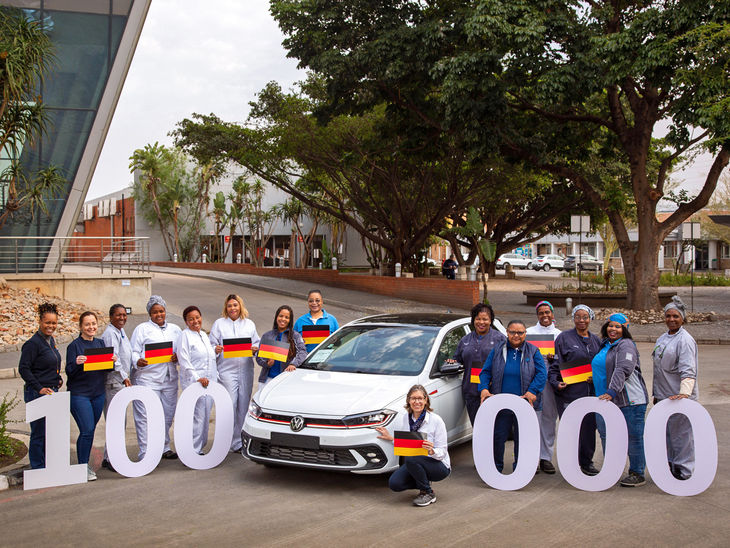
The Volkswagen Polo hatchback was again right at the very summit of the export table, with 9 129 units shipped from the Kariega factory in August (for the record, more than 100 000 examples of the facelifted model have already rolled off the line). The Silverton-produced Ford Ranger (6 910 units) was second once more, while the Toyota Hilux (3 069 units) returned to the podium, ahead of the Rosslyn-built Nissan Navara (539 units) and Struandale-manufactured Isuzu D-Max (342 units).
As always, we should point out BMW and Mercedes-Benz did not submit detailed figures, so it’s unclear exactly how many new X3 and C-Class sedan units were exported from South Africa in August 2022. However, Naamsa’s estimates stand at 3 300 units and 4 998 units, respectively.
1. Volkswagen Polo (hatch) – 9 129 units
2. Ford Ranger – 6 910 units
3. Toyota Hilux – 3 069 units
4. Nissan Navara – 539 units
5. Isuzu D-Max – 342 units
Sales outlook
So, where to from here for South Africa’s new-vehicle market? Well, Naamsa warns things aren’t going to get any easier, thanks to obstacles that include “elevated inflation” and the “upward trend” in interest rates. That, of course, means consumers will continue to face an “affordability challenge”.
“Annual consumer inflation reached a 13-year high, increasing to 7.8% in July 2022 and further interest rate hikes are anticipated for the remainder of the year,” the organisation points out. Still, Naamsa is hopeful the rental industry will continue to support the new-vehicle market as it believes the tourism sector is “starting to stabilise”.
“The new-vehicle market’s performance for the year-to-date is still 13.8% ahead compared to the corresponding period 2021, but the pace of steady growth being experienced in the market is expected to slow down for the balance of the year,” the organisation adds.
Interestingly, despite further looming interest-rate increases, WesBank reports demand in the new-vehicle market continues to grow.
“Applications for finance continue to show a growing demand for vehicle replacement, with WesBank’s book showing strong double-digit growth being driven by applications for new vehicles,” says Gaoaketse.
“The appeal of the pre-owned market appears to be waning, likely due to price inflation and the increasingly limited availability of good stock. Where the pre-owned market has been offering affordability solutions for cost-conscious consumers, the average deal size on a used car has increased over 10% year-on-year, while the value of finance agreements on new vehicles over the same period is static,” Gaoaketse adds, predicting this will fuel the new-vehicle market as the replacement cycle comes under pressure.
In terms of vehicle exports, Naamsa says while the “deteriorating global growth outlook and tighter global financial conditions” will likely dampen prospects for vehicle exports (in particular to Europe due to the repercussions of the ongoing conflict between Russia and the Ukraine), further new locally manufactured model introductions are expected to “enhance” South Africa’s exports for the balance of the year.