E30 Drag Superstar! The 9-second Quarter Mile Gusheshe
Shawn Dziire grew up in the world of motorsport, and always dreamed of building a 9-second car, as well as starting a business helping others build their dream cars.
It’s safe to say he has achieved his dreams. His incredible E30, which has a big turbo 2JZ at its heart, has recorded a best run of 9.4 seconds! And watching it take off from the line will stop your heart for a moment. How he keeps that thing in a straight line is remarkable.
We hope you enjoy this awesome story of persistence, bravery and incredible motoring passion.
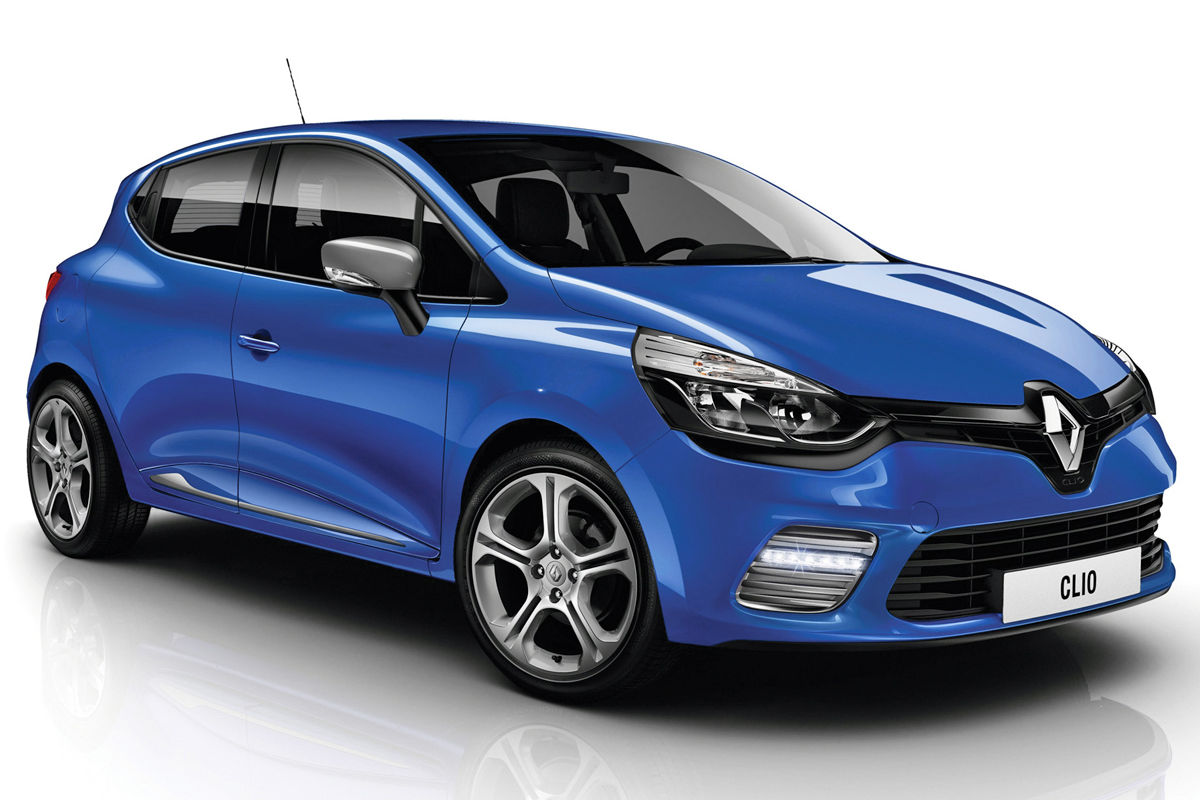
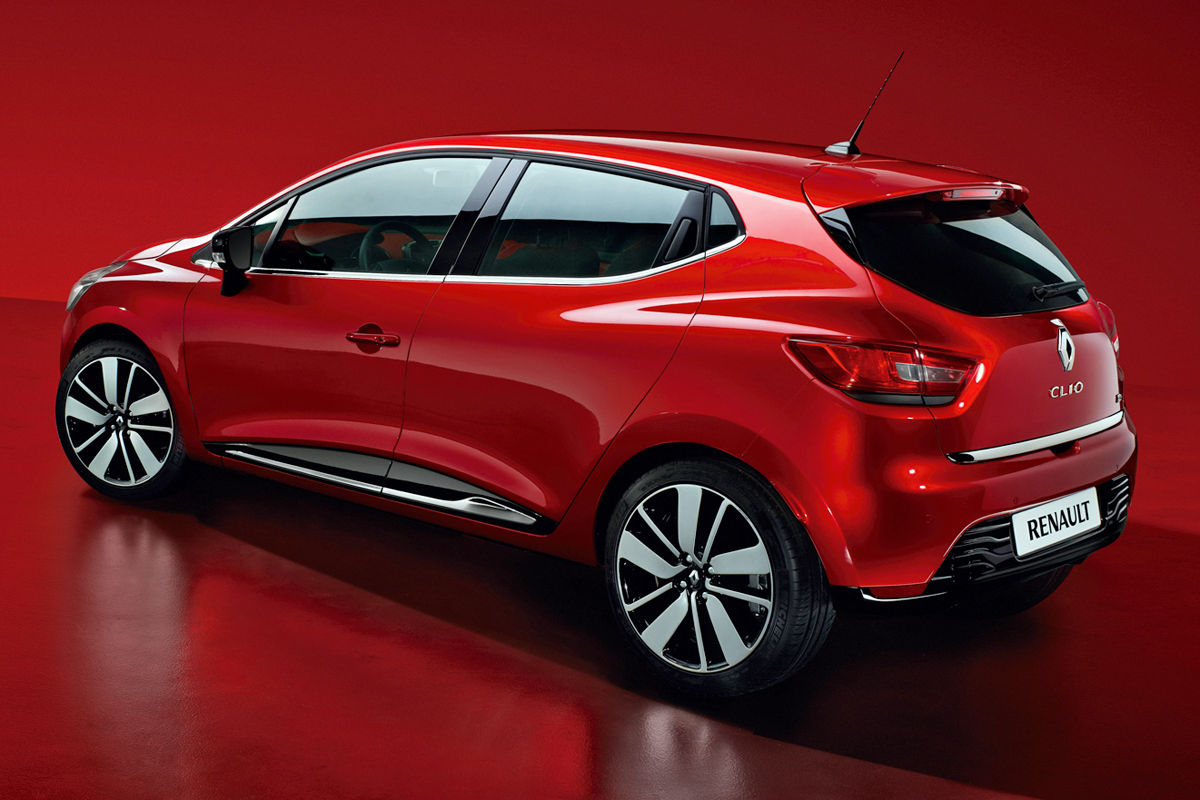
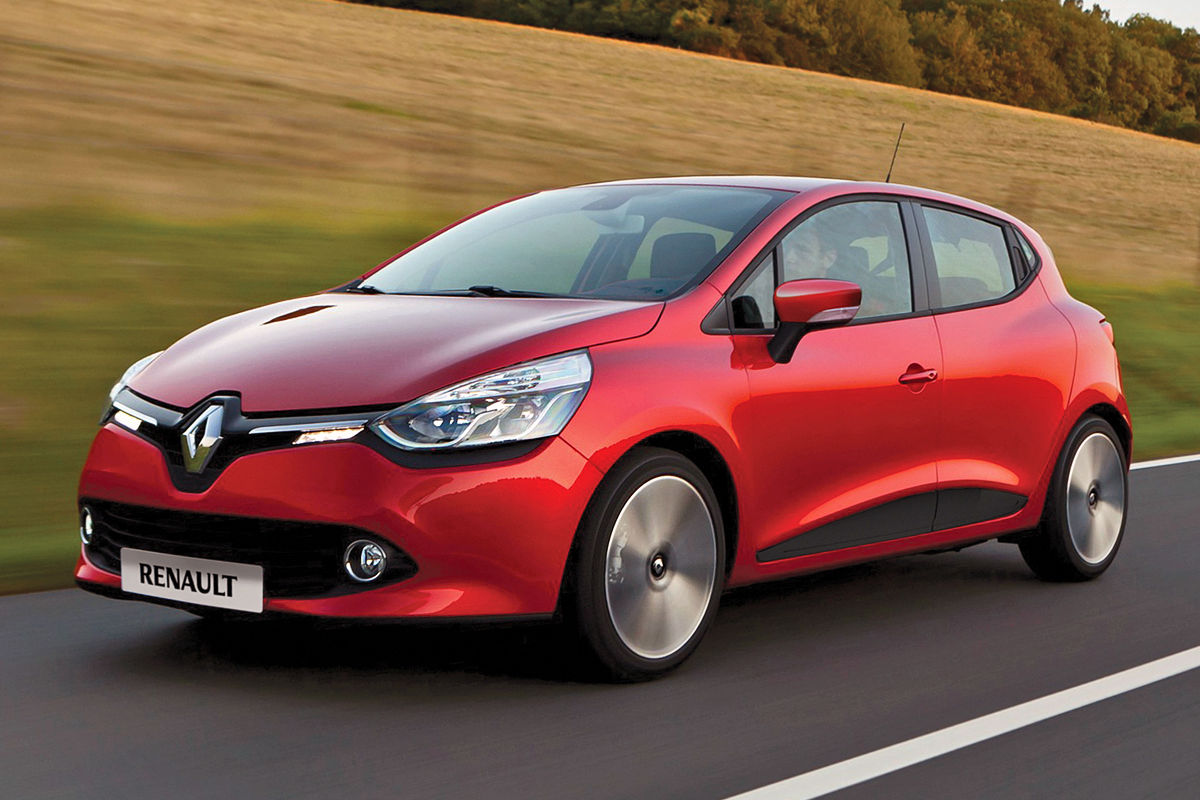
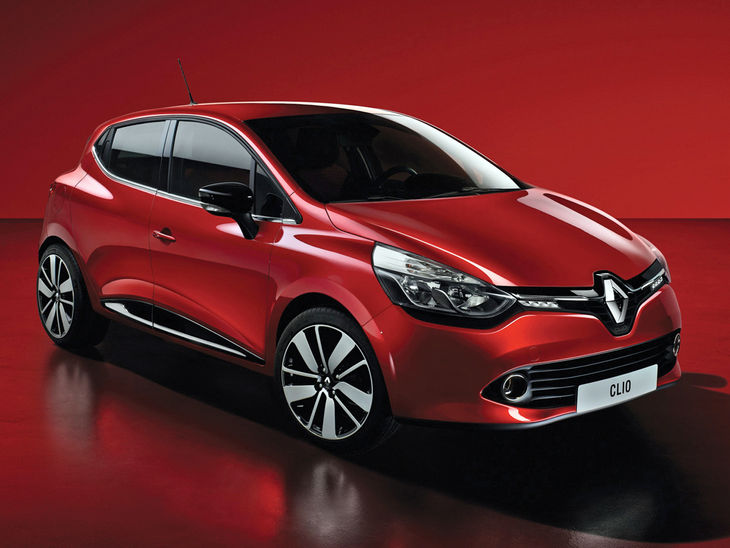
The stylish Clio IV was the model that sparked Renault’s renaissance in South Africa back in 2013. So, which derivative is best and what should you look out for when shopping for this hatchback on the used market?
In the months leading up to the launch of the fourth-generation Clio, Renault South Africa wasn’t in the best of shape. Fast-forward to around six months after the svelte hatchback’s arrival and the Boulogne-Billancourt-based firm’s local arm found itself in the midst of a remarkable revival.
Yes, South African buyers fell for the Clio IV virtually overnight, attracted by its heady mix of sleek styling and (very) competitive pricing. At launch, the French company’s local distributor boldly proclaimed it was “anticipating a stampede” from local buyers. That’s exactly what happened, with the hatchback initially exceeding even Renault SA’s sales expectations.
As a result, there is a wide range of fourth-generation Clio options on the used market today, from fuel-efficient base variants all the way through to high-performance RS-badged derivatives. Let’s take a closer look…
Renault Clio IV model line-up
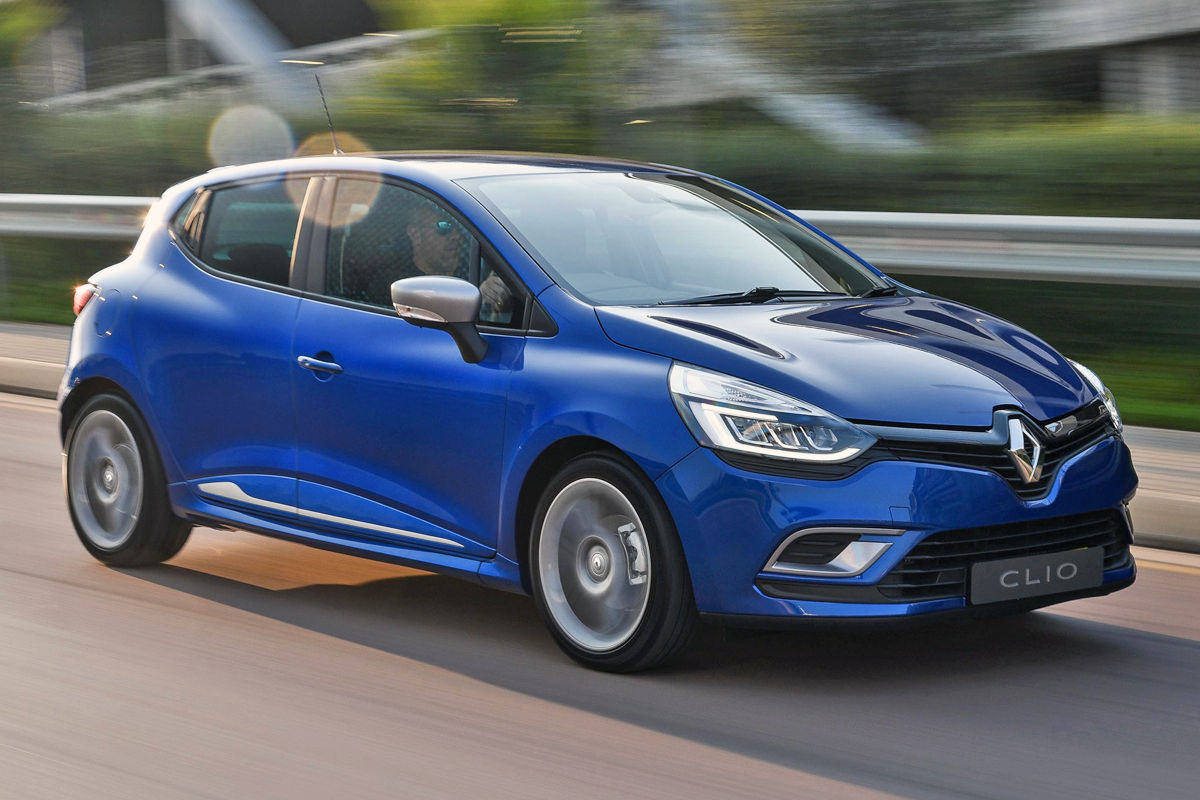
The Clio IV debuted Renault’s then-latest design language back in 2012.
Revealed at the 2012 Paris Motor Show (or Mondial de l’Automobile de Paris 2012, if you prefer), the Clio IV was the first production model to debut Renault’s then-box-fresh design language. The hatchback quickly racked up an impressive collection of international awards, many of which related to its design.
Available exclusively in 5-door form, this generation of the Clio supermini officially hit the market in South Africa in April 2013. At launch, three variants were available:
55 kW Authentique (1.2 with 55 kW/107 Nm) 5-speed manual
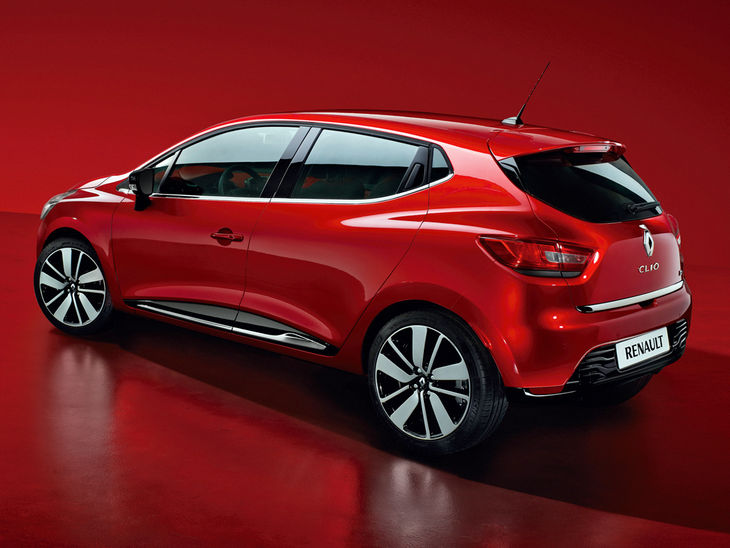
Note the rear door handle cleverly hidden in the C-pillar.
While the entry-level Authentique version employed a naturally aspirated 1.2-litre, 4-cylinder petrol engine, the mid-tier Expression and top-spec Dynamique featured a downsized turbocharged petrol mill with 3 cylinders and a displacement of only 0.9 litres. Interestingly, the 1.5 dCi turbodiesel powerplant offered in some parts of the world didn’t ever make it to local shores.
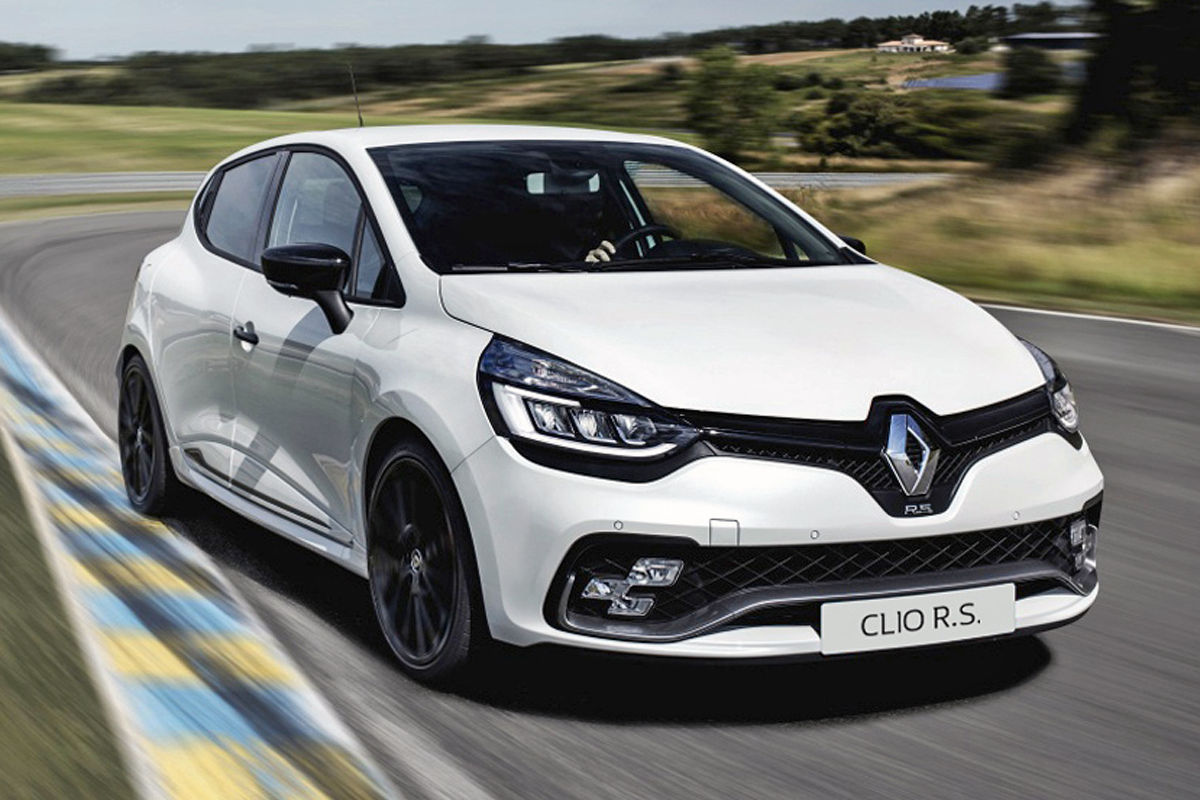
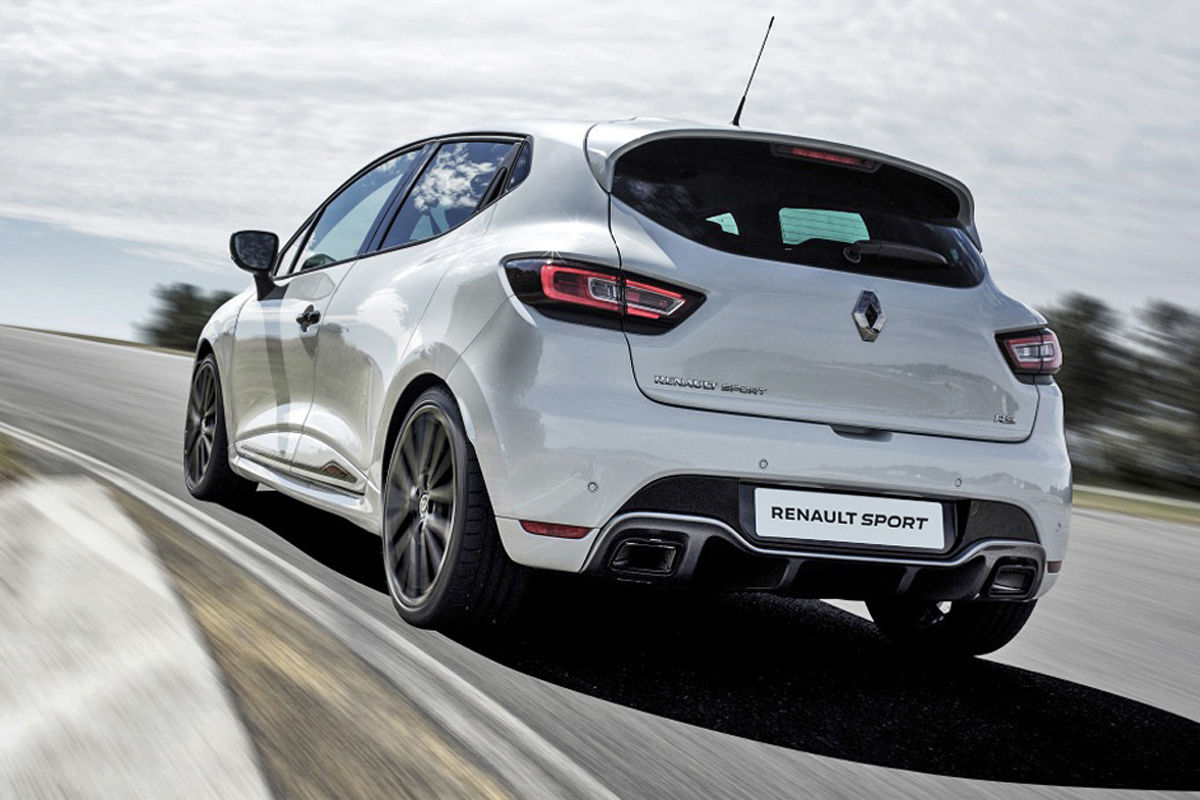
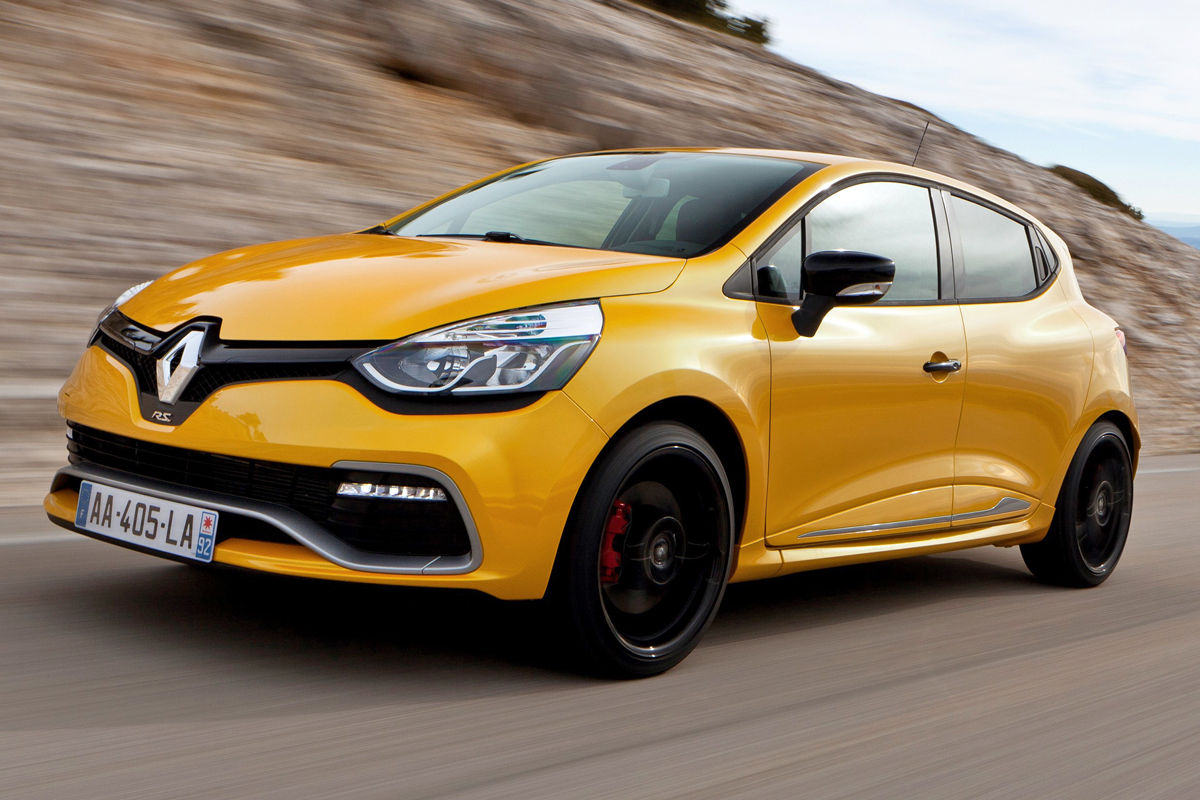
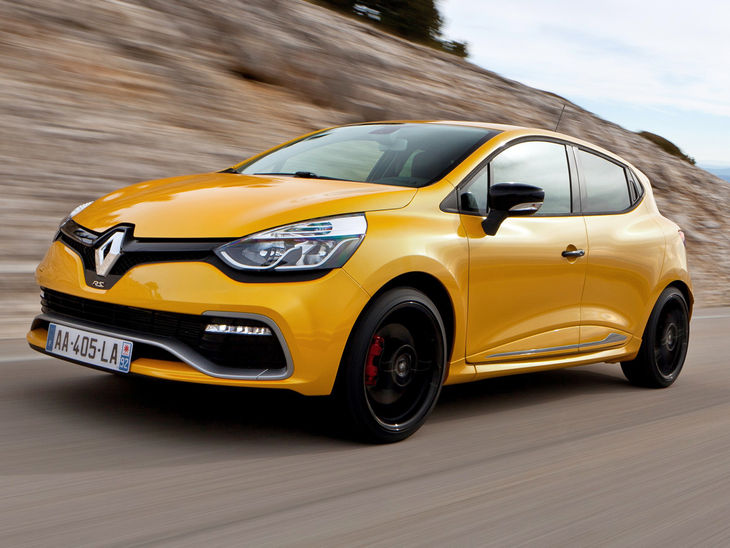
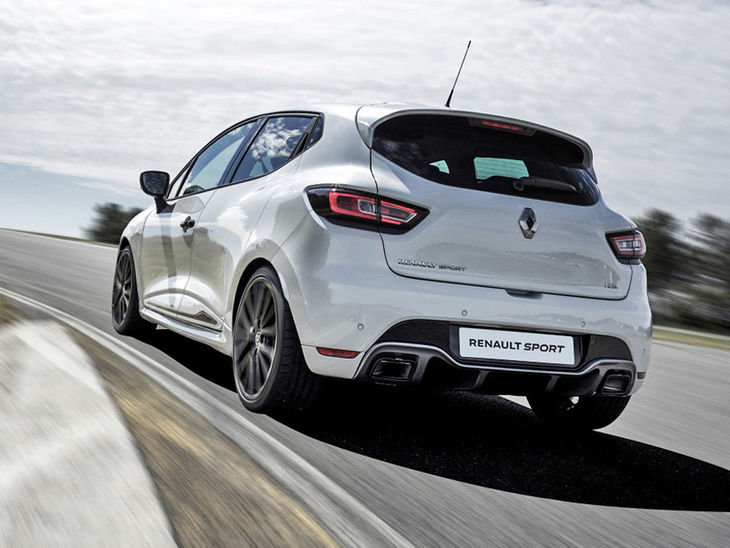
By the first quarter of 2014, the Clio RS Sport 200 EDC had slotted in at the very summit of the range, offering 147 kW and 240 Nm to the front wheels courtesy of a turbocharged 1.6-litre, 4-cylinder unit (quite a departure from the Clio III’s atmospheric 2.0-litre RS motor). Although it was offered in both Lux and Cup chassis form, only one cog-swapping choice was on the table: a new 6-speed dual-clutch transmission branded “EDC” and complete with a launch control function. That’s right, no 3-door body style and no manual gearbox, much to the chagrin of diehard RenaultSport enthusiasts.
The RS version of the Clio IV came with 5 doors and no option of a manual gearbox.
At the start of 2015, Renault SA added a new GT-Line derivative to the Clio range. Though this derivative employed the same tiny 3-pot as the Expression and Dynamique models, it did gain an overboost function capable of briefly pushing peak outputs to 70 kW and 150 Nm (up 4 kW and 15 Nm).
While a limited-edition Blaze variant (complete with the aforementioned overboost-endowed turbo-triple) hit the market later in 2015, the simultaneous arrival of the Expression Turbo EDC was more significant. This model used a punchy turbocharged 1.2-litre, 4-cylinder (88 kW and 190 Nm) and was the first non-RS variant to gain the option of a 6-speed dual-clutch transmission.
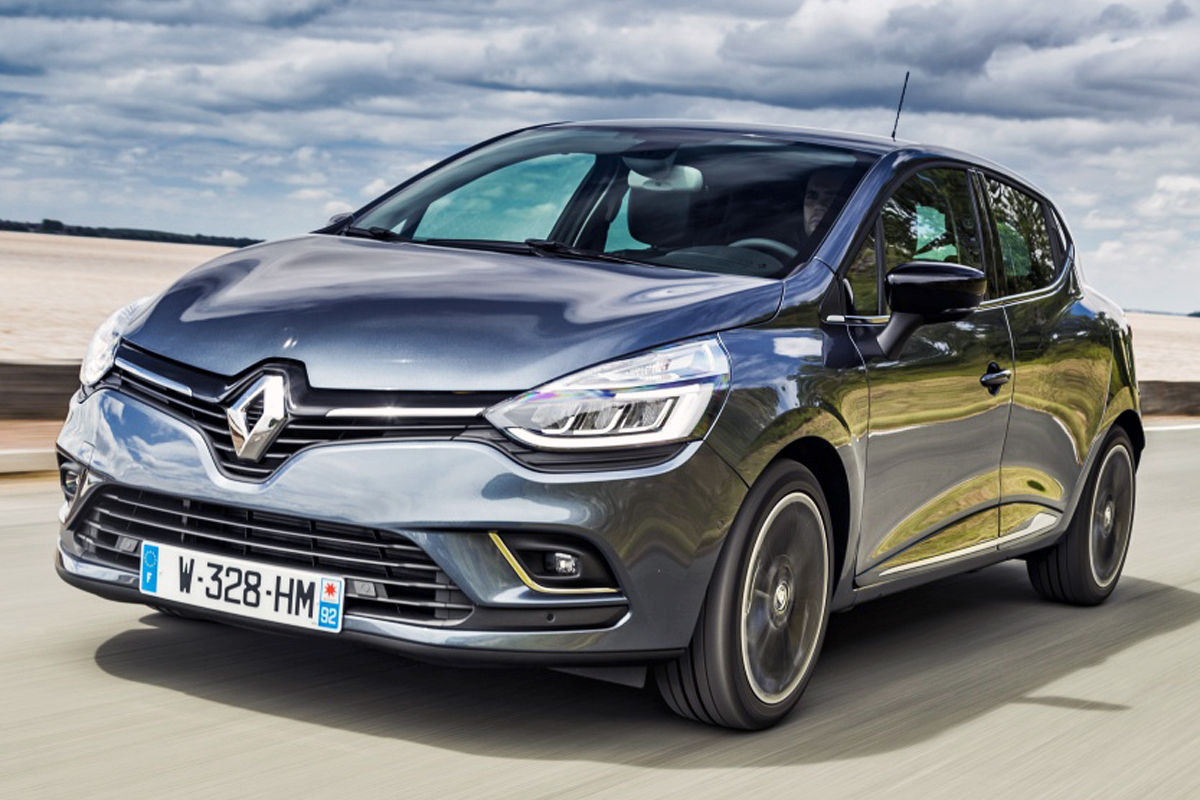
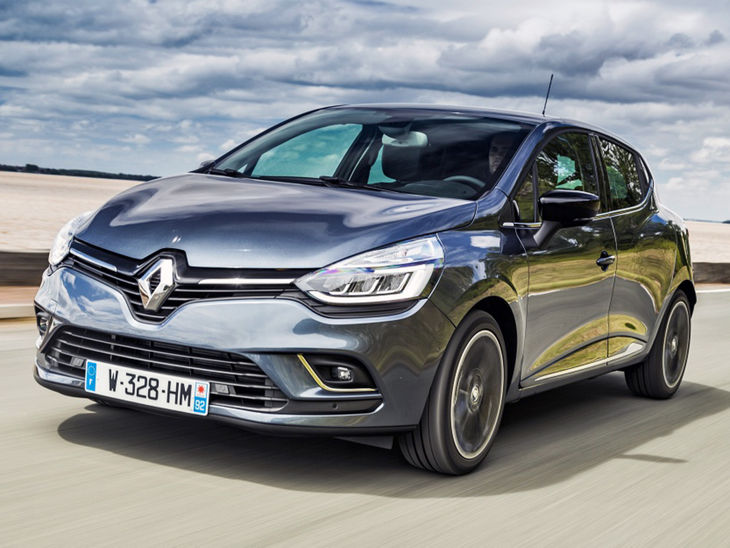
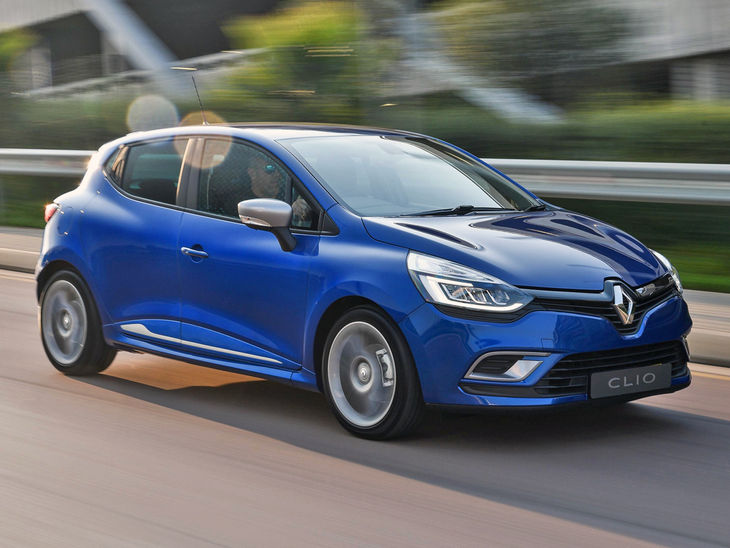
By late in 2016, with more than 20 000 units already sold in South Africa, the facelifted Clio touched down, gaining subtle styling tweaks and interior upgrades. Interestingly, the free-breathing base engine was phased out with Clio’s mid-life update, leaving three derivatives powered by the thrummy 3-pot as well as the EDC-equipped turbocharged 1.2-litre (again in Expression trim) at the sharp end of the line-up.
The Clio IV received a subtle facelift in 2016.
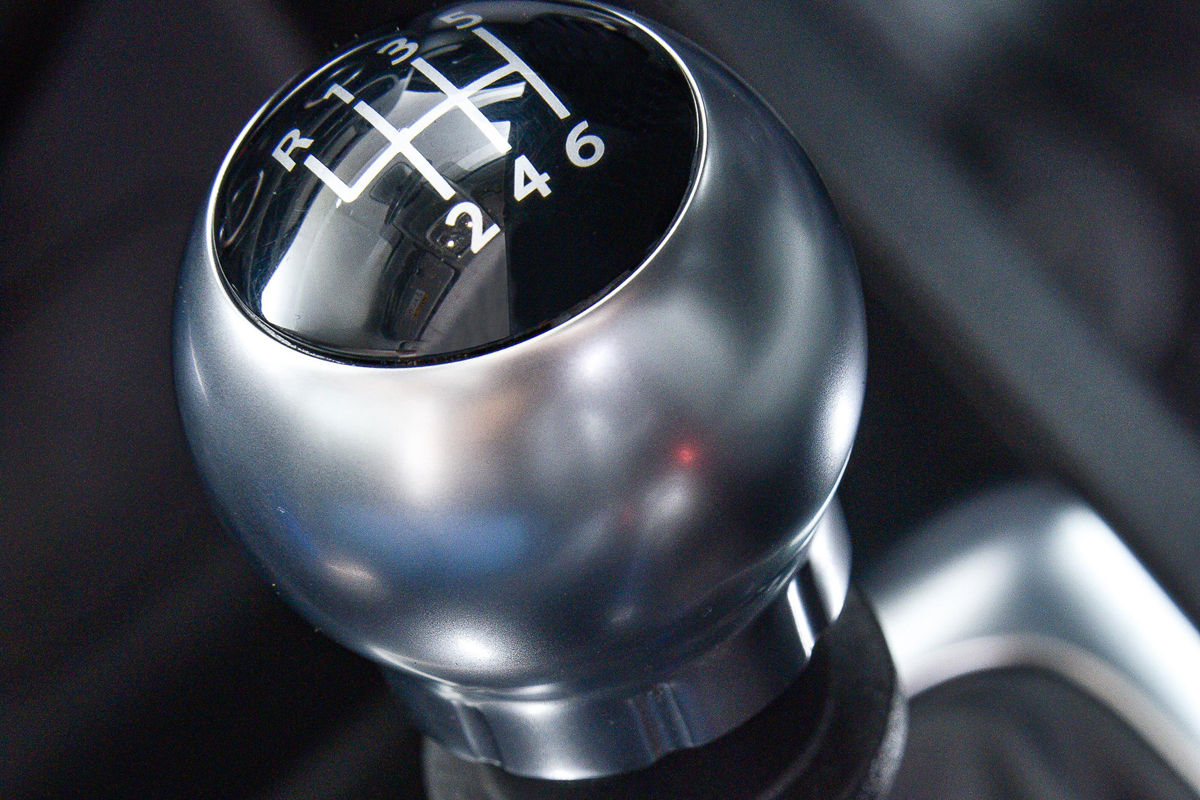
In April 2017, a new version of the Clio GT-Line arrived, though it had upgraded to the 88 kW 1.2-litre engine and – for the first time – sported a 6-speed manual gearbox. With more torque (at 205 Nm), a well-sorted manual cog-swapper, sportier exterior styling and a raft of RS-inspired goodies in the cabin, the GT-Line was a compelling alternative for those in the market for a warmish hatch.
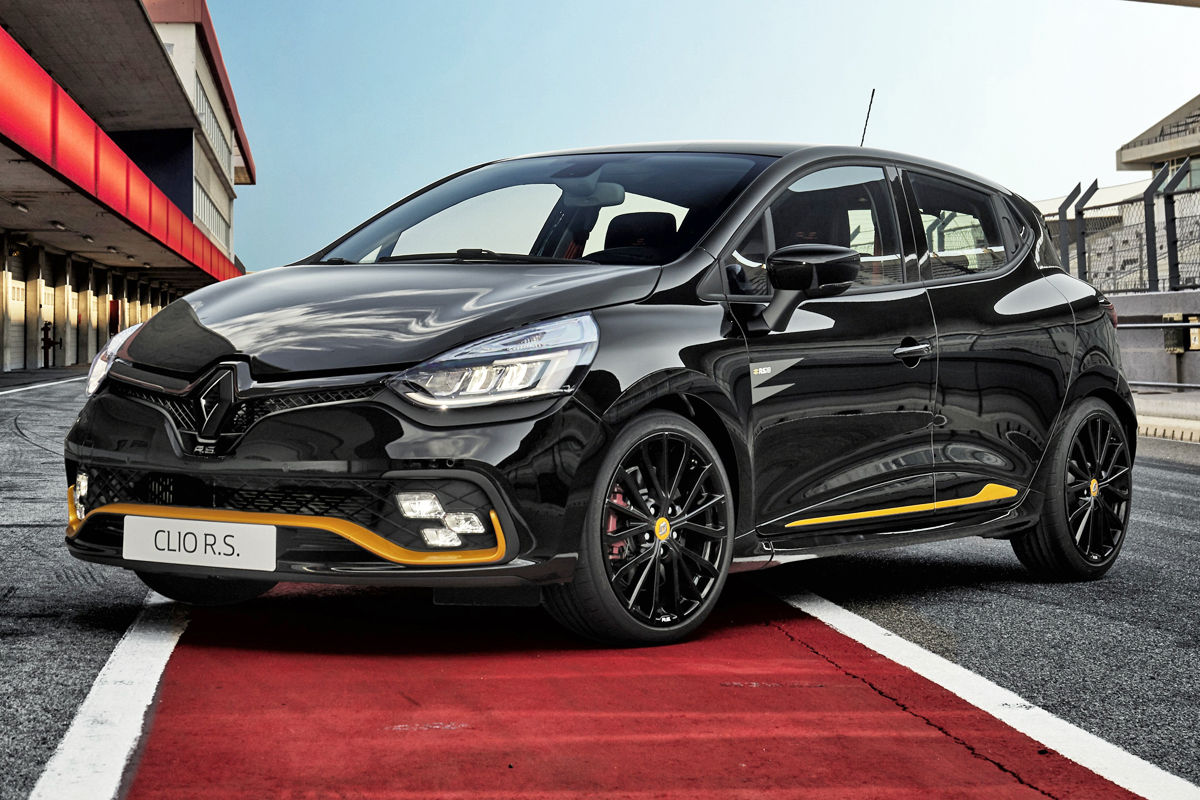
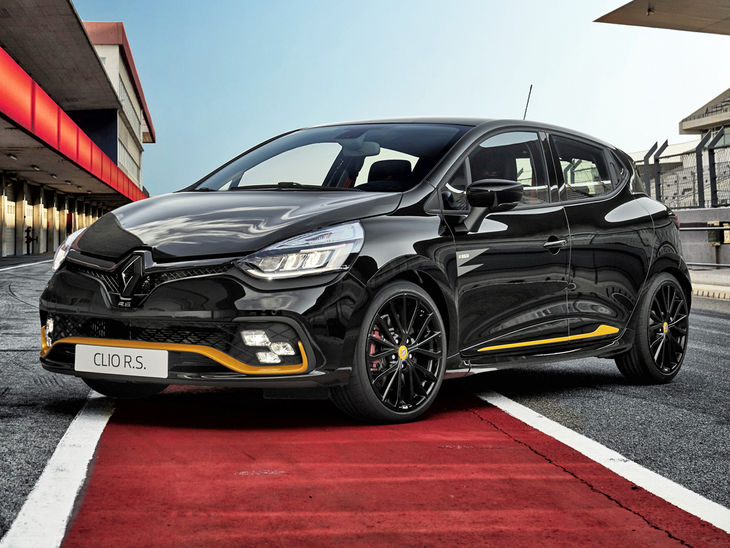
By August of that year, however, the full-fat RS badge had returned to the range, now available in both 147 kW Lux and 162 kW Trophy guise (again, shipping standard with the twin-clutch gearbox). Finally, in mid-2018, the Clio RS 18 F1 arrived, based on the Trophy, sporting the black-and-yellow colour scheme of the Renault Sport F1 team and billed as a “future collector’s item” (just 65 units were imported). Interestingly, both the Lux and Trophy versions were then scrapped, leaving the special-edition model as the only RS-badged Clio on offer.
RS 200 Lux (1.6 with 147 kW/260 Nm) 6-spd EDC RS 200 Trophy (1.6 with 162 kW/260 Nm) 6-spd EDC
May 2018
RS 18 F1 (1.6 with 162 kW/280 Nm) 6-spd EDC
Renault Clio Product strengths
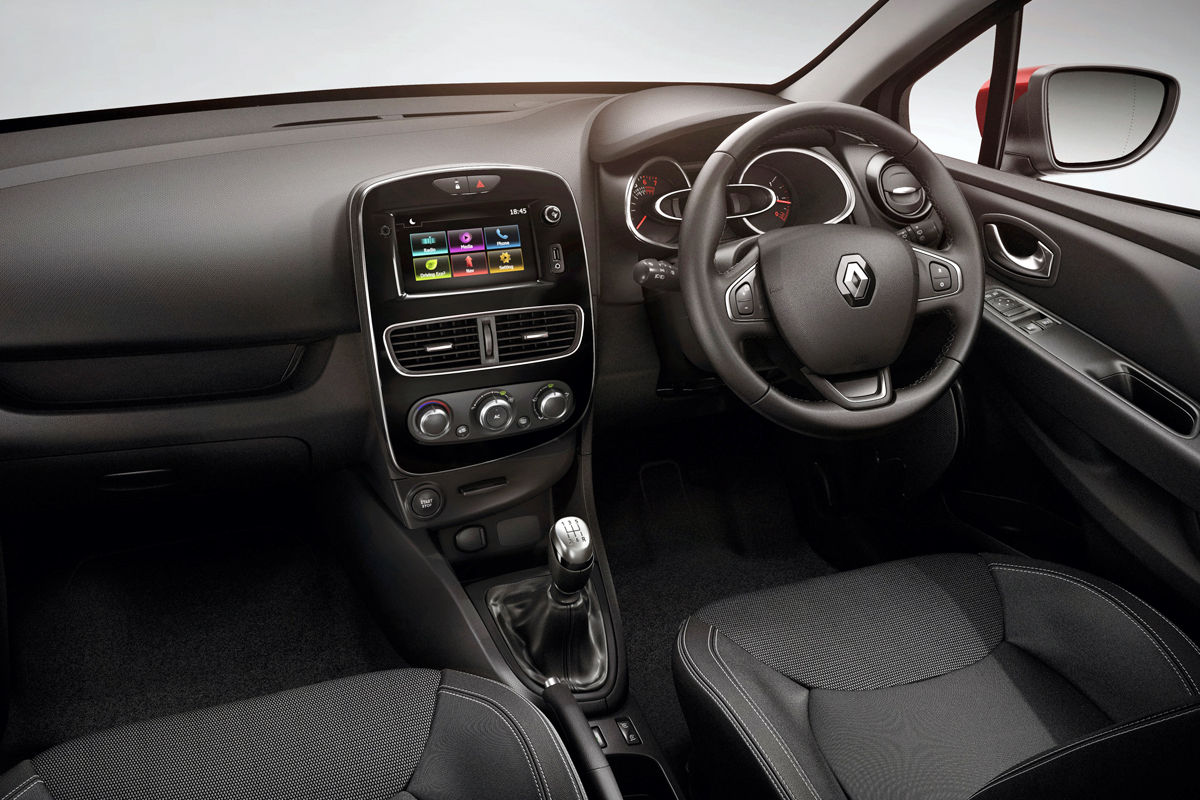
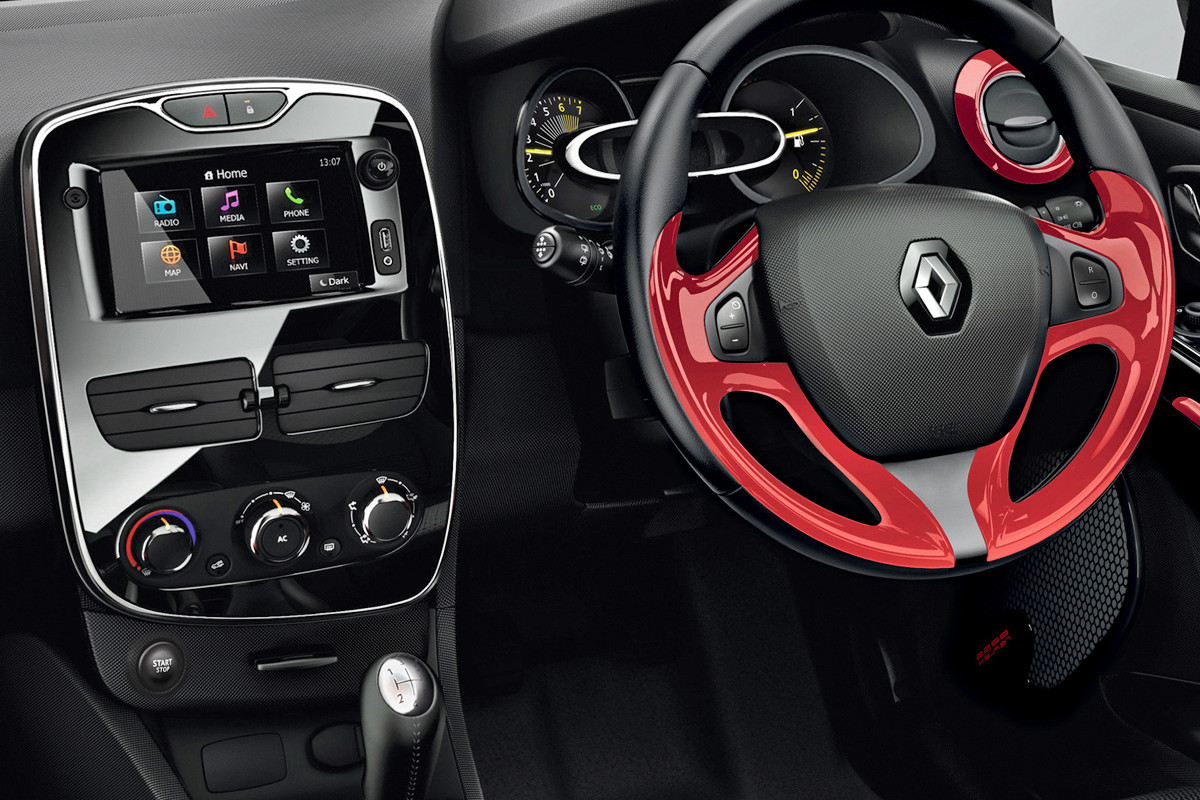
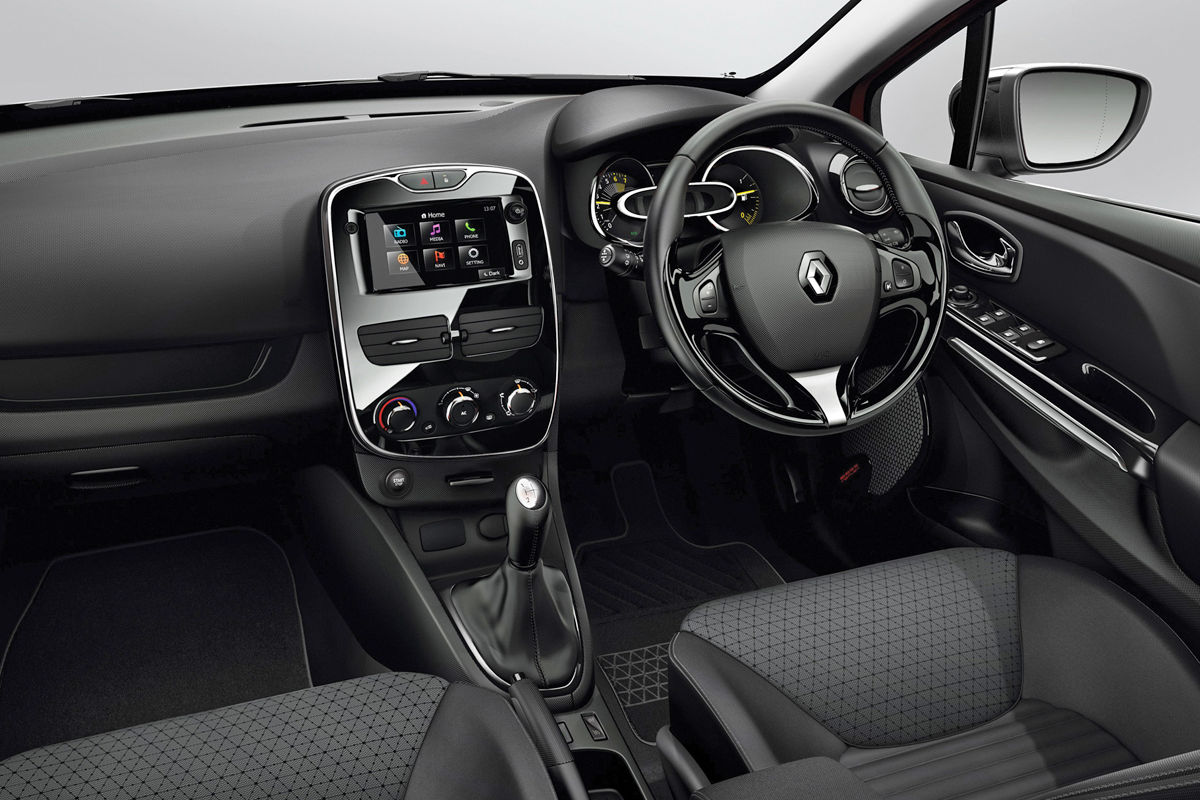
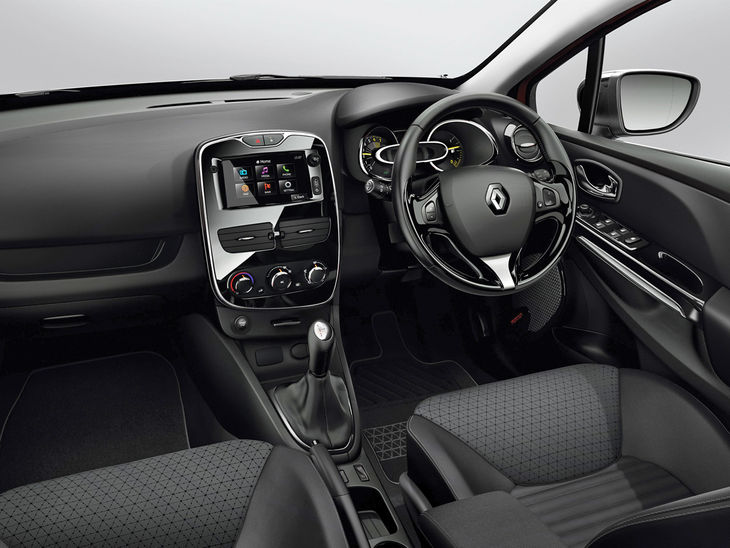
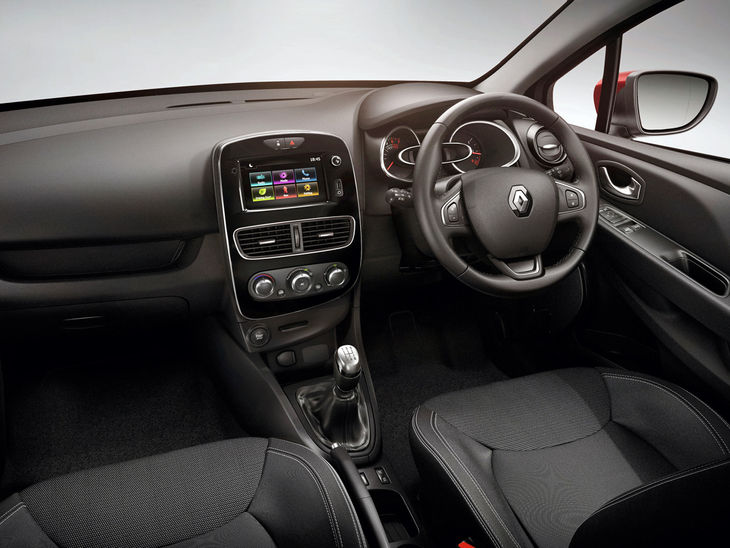
A look at the pre-facelift model’s cabin, which was roomier than that of its predecessor.
Added packing space: As is often the case with the shift from one generation to the next, the Clio IV was larger and roomier than its predecessor. Luggage space grew to a claimed 300 litres, giving the French hatchback boot-capacity bragging rights over many of its B-segment rivals. Despite the lower roofline that came with its coupé-like silhouette, headroom was also noticeably improved, though rear legroom was still a little on the tight side. In short, it was a more practical hatchback than it perhaps looked.
Standard spec: Though the sleek styling was certainly a strength, it was the lengthy list of standard specification (for the price) that really stood out. At launch, even the base model featured items such as cruise control, LED daytime running lights, a height-adjustable driver’s seat, Bluetooth and the so-called Renault Bass Reflex sound system.
The Expression trim added a 7-inch touchscreen system (with integrated satellite navigation, no less), along with 16-inch alloys, front foglights and a leather finish for the steering wheel. Dynamique models furthermore upgraded to a hands-free version of the keycard, rain-sensing wipers, automatic headlamps and 17-inch alloys.
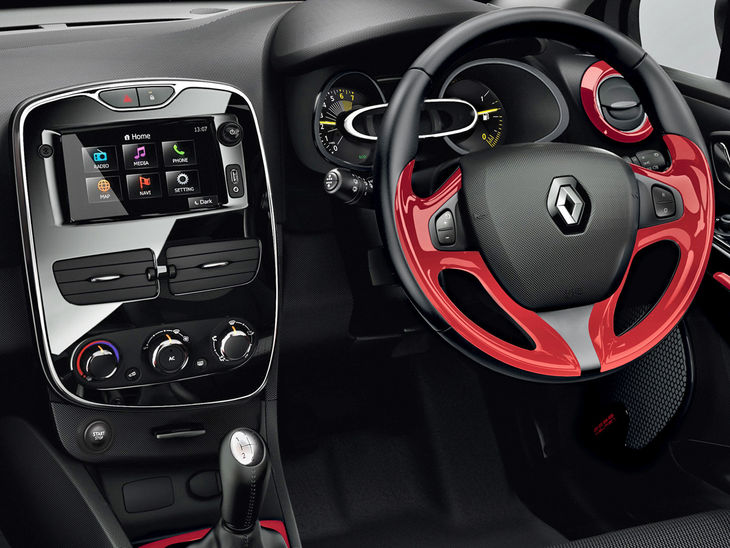
The special-edition Blaze model shipped with brighter cabin trim.
Fuel consumption: Though the Clio IV was dynamically very well mannered, it was the turbo-triple engine’s potential to return wallet-pleasing fuel efficiency that likely appealed more to its many buyers, even if the figures were tough to achieve in the real world.
Renault claimed a combined consumption of just 4.5 litres per 100 km for this lightweight 0.9-litre unit (though this interestingly climbed to 5.5 after the facelift), which furthermore benefited from an Eco drive mode, a stop-start system and even a clever energy-recovery mechanism capable of supplementing power to the car’s various electrical ancillaries. The 1.2-litre EDC, meanwhile, had a similarly impressive listed consumption of 5.2 litres per 100 km.
Safety: The Clio IV earned a 5-star crash-test rating from Euro NCAP in 2012, grabbing the “Best in Class” award for superminis for that year and shoving the Ford Fiesta down into the runner-up spot. SA-spec models were pleasingly well equipped in the safety stakes, with all variants at launch boasting traction control, ABS (with EBD), EBA, hill-start assist, 4 airbags and IsoFix child-seat anchors (both on the front passenger pew as well as the outer rear seats).
Fun factor: Although the Fiesta of the time was undoubtedly sharper to drive, the Clio was still one of the more dynamically gifted contenders in the segment, thankfully without sacrificing too much in the way of ride comfort. The cooking models were light on their feet (thanks in part to an up-to-100 kg weight reduction compared with the Clio III), while the RS hot hatch models offered plenty of amusement, even if they weren’t quite as characterful as their free-breathing, manual-equipped forebears.
Product weaknesses
Pay close attention to the performance of the transmission when test-driving RS models.
Despite plenty of digging and hushed conversations with experts in the field, we unearthed very few reliability complaints with the Clio IV, particularly compared with the third-gen model. Still, there were a couple of issues we noted.
Timing-chain failures: Although the Clio IV’s turbocharged 3-cylinder engine is generally regarded as quite a reliable motor, we heard of a number of instances of either worn timing chains or outright timing-chain failures. If the vehicle hasn’t had its oil changed regularly (and perhaps isn’t periodically treated to an engine flush as well), the build-up of sludge has an impact on oil pressure. Since the chain tensioner is controlled by oil pressure, this is where problems can start. Listen out for rattling timing chains and ask for evidence of regular servicing. The naturally aspirated 1.2-litre engine, meanwhile, uses a timing belt that should be replaced every 5 years.
Miscellaneous: A far less common but still reported reliability issue involves a failing fuel sensor unit, while the Renault specialist we spoke to also detailed a tendency for the plastic thermostat housing on 3-cylinder models to warp over time (generally past the 100 000 km mark), leading to a coolant leak. We’d also pay close attention to the behaviour of the dual-clutch transmission when test-driving RS versions, as excessive and/or irresponsible use of the launch-control system could lead to gearbox damage.
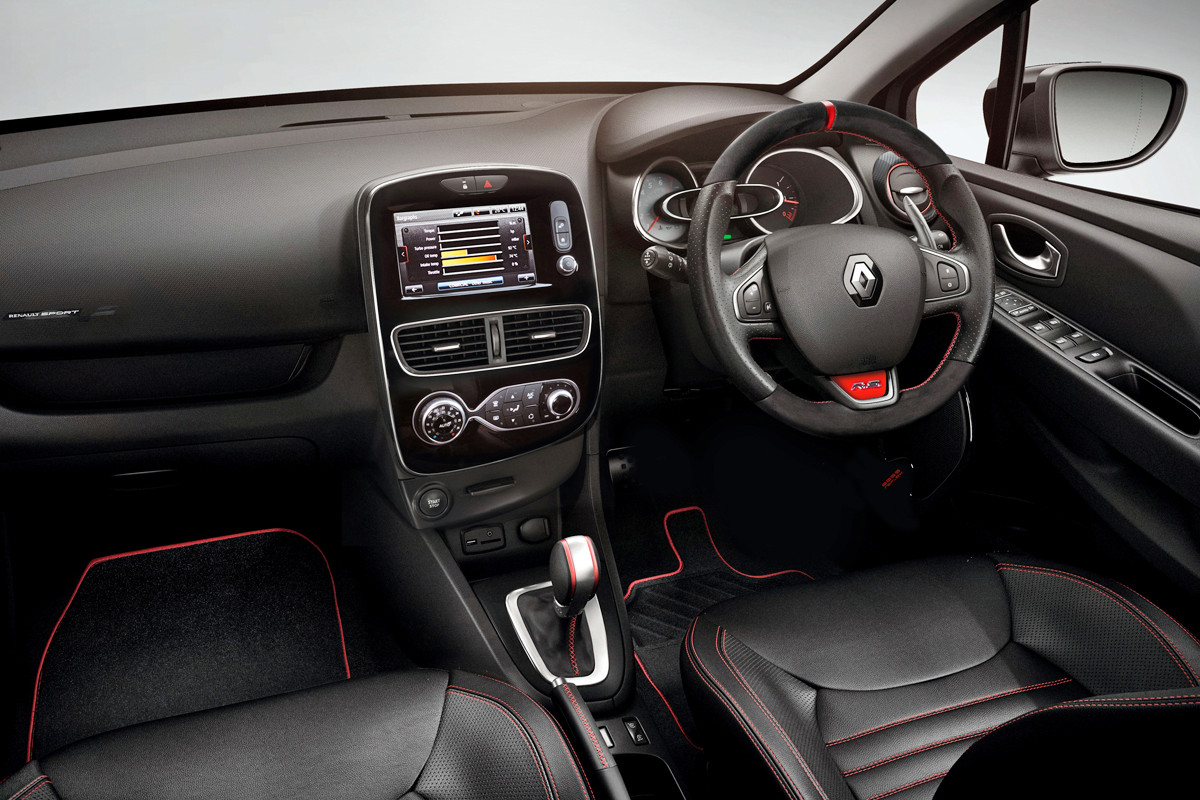
Ergonomic anomalies: While the Clio’s cabin was generally pretty easy on the eye, drivers had a few ergonomic quirks with which to contend. The switches for the cruise control and speed limiter, for instance, were awkwardly sited alongside the handbrake, while the start button was positioned over on the passenger side of the centre console (Renault didn’t bother moving the ignition button for right-hand-drive vehicles). In addition, over-the-shoulder visibility wasn’t the best thanks to the small rear-side glass panels and that chunky C-pillar.
What to pay for a used Renault Clio?
The special-edition RS 18 models command the highest prices on the used market.
Unsurprisingly considering how popular this powertrain proved on the new market, the 0.9-litre, 3-cylinder model accounted for around 80% of the available used stock on Cars.co.za at the time of writing. Interestingly, there weren’t many examples of the naturally aspirated 1.2-litre, 4-cylinder model, while just under 12% of listed cars featured an automatic transmission.
Options worth looking out for on pre-facelift models include air-conditioning for the base Authentique version (check this box was ticked before buying), a fixed glass roof for Expression and Dynamique models, and climate control plus rear park assist for the Dynamique. After its mid-cycle update, the Authentique variant could be optionally fitted with the 7-inch touchscreen navigation system and a leather-trimmed tiller, while the fixed glass roof remained available for the Dynamique.
Below R125 000: Most Clio IV listings below this threshold were older base and mid-tier models, many featuring relatively high mileage (some even in excess of 200 000 km). Tread carefully here.
From R125 000 to R150 000: We found a handful of compelling deals in this price bracket, with a number of high-spec Dynamique and GT-Line models available.
From 150 000 to R200 000: At the time of writing, most of the used stock was nestled between these bookends, where we discovered a broad choice of higher-spec earlier models and base-spec later model years (with the latter still featuring the balance of their standard 5-year/150 000 km warranties).
R200 000 and up: As you’d expect, the newer versions tend to be priced above R200 000. The few RS-badged models on offer, meanwhile, started at around R260 000 and ran all the way up to R460 000 (for a very low-mileage RS 18, in this case).
Pick of the range?
The cabin of the facelifted Clio IV in mid-tier Expression guise.
So, which one should you buy? Well, if fuel efficiency ranks high on your list of priorities, it’d make sense to focus your search on models equipped with the 3-pot engine. The mid-spec Clio 66 Turbo Expression arguably offers the most value for such buyers.
Those in the market for a hatchback delivering a compelling blend of everyday usability and driver engagement, meanwhile, would do well to consider the 6-speed manual-equipped Clio 88 kW Turbo GT-Line. However, some patience would be required as they tend to be relatively scarce on the used market.
What about the RS models? Well, while the performance variants certainly look tempting, as with all hot hatches, many of these models would likely have lived fairly hard lives (including, in some cases, being subjected to potentially ruinous modifications). If you’re determined to own a RS-badged Clio IV, we’d suggest not settling for anything less than an extremely clean example and then still having a multi-point inspection carried out at a specialist before signing on the dotted line. Due to their relative scarcity, RS 18 models are still commanding high prices, so it might be worth narrowing your search to the Clio RS 162 kW Trophy.
Verdict
The second iteration of the Clio GT-Line boasted 88 kW and a lovely 6-speed manual gearbox.
With its bold yet refreshingly fuss-free exterior styling – which hasn’t dated very much over the past few years, if at all – as well as efficient engine options and generous standard kit for most trim levels, the Clio IV makes for an attractive proposition on the used market.
The most obvious alternatives in the B-segment are the classier Volkswagen Polo hatchback and more dynamically gifted Ford Fiesta (also offered in GTI and ST versions, respectively), though the Clio IV represents a pleasing middle ground. Other options here include the Opel Corsa and somewhat underappreciated Mazda2, along with Korean siblings, the Hyundai i20 and Kia Rio. If you desire French flair from a brand other than Renault, there’s also the Peugeot 208, which was furthermore available in 147 kW GTi form.
However, the Clio IV has the substance to go along with its heaps of style and is a worthy rival to the many options in this corner of the market. Overall, the French hatch is a highly accomplished supermini boasting commendable safety credentials and as such deserves a place on most shortlists.
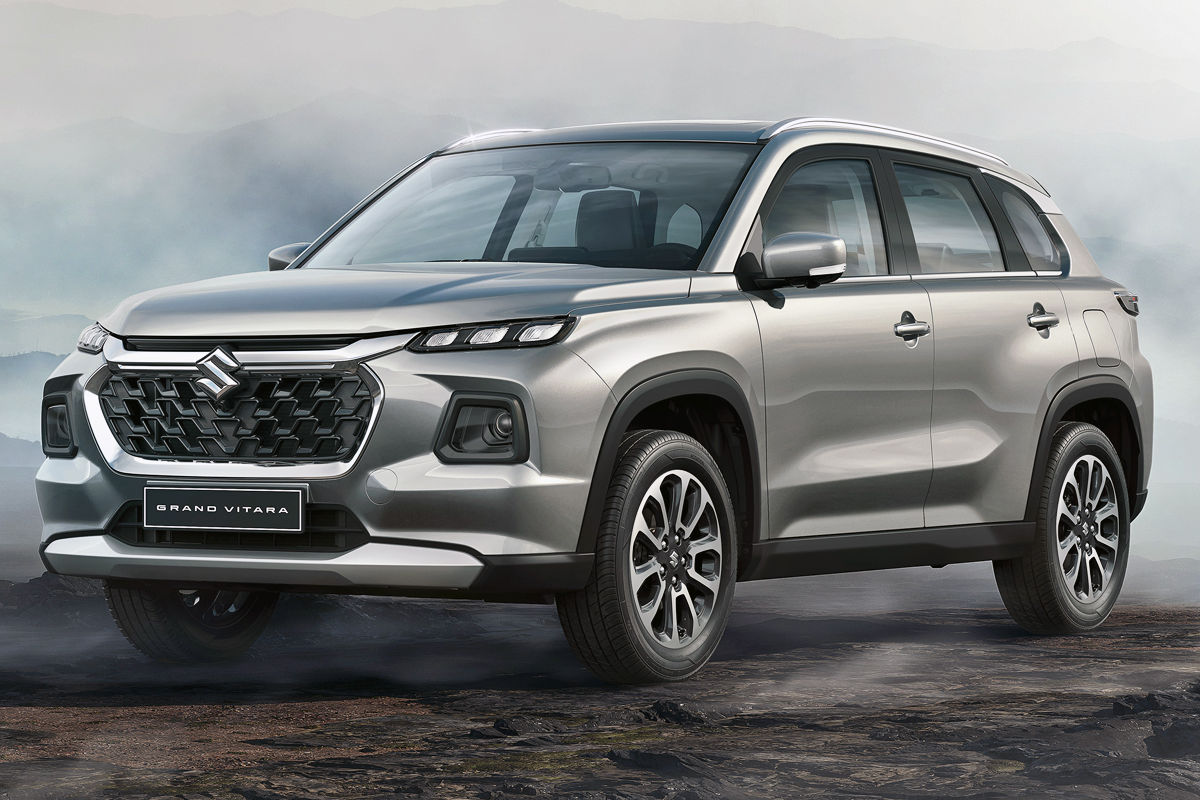
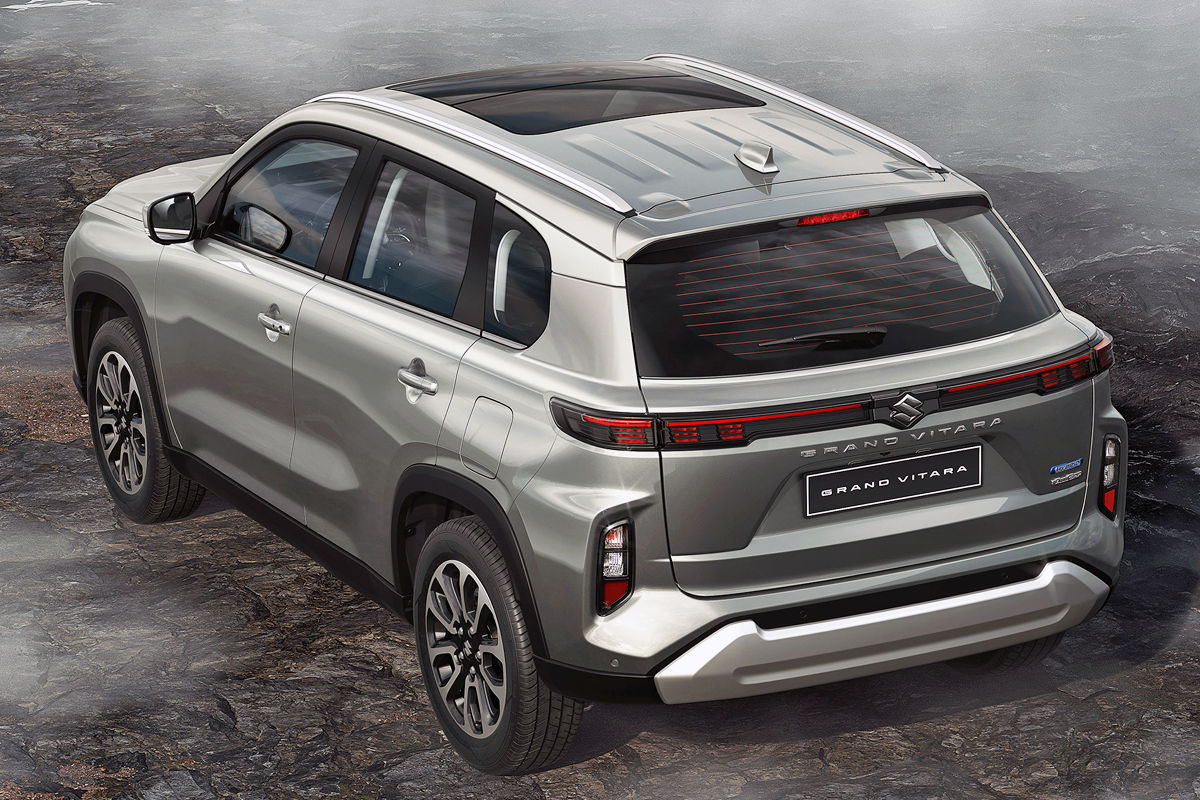
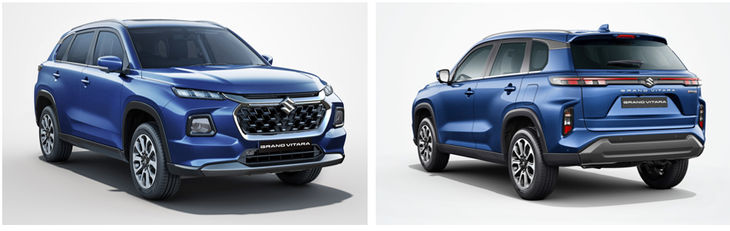
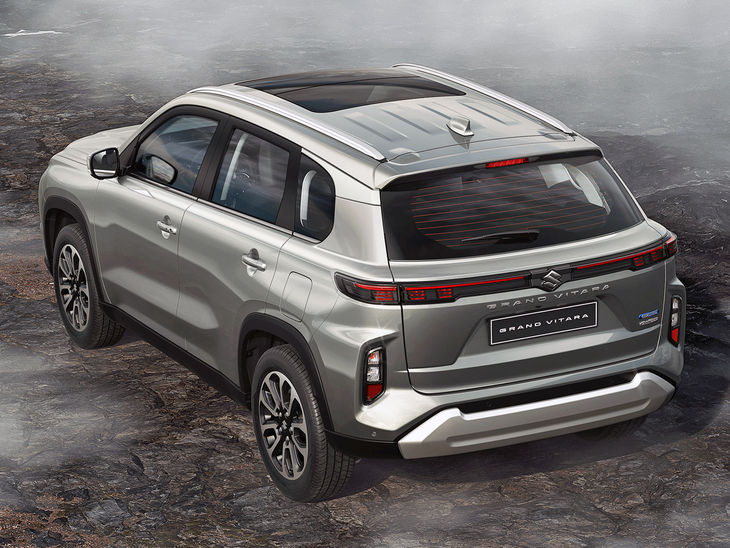
This is the brand-new Suzuki Grand Vitara, the twin to the recently unveiled Toyota Hyryder. And it’s been confirmed for South Africa…
UPDATE: Suzuki Auto South Africa has confirmed the new Grand Vitara is scheduled to launch locally in the first quarter of 2023. The Japanese firm’s local division showed off its latest SUV at the media day ahead of the 2022 Festival of Motoring at the Kyalami Grand Prix Circuit.
The Grand Vitara will be sourced from Maruti Suzuki in India, where it is offered in mild-hybrid and full-hybrid form. Interestingly, Suzuki Auto SA says the Grand Vitara will also be available locally in two engine configurations, though seemingly not the full hybrid. The powertrains destined for SA are Suzuki’s familiar K15B naturally aspirated 1.5-litre, 4-cylinder unit and the new (likewise atmospheric) K15C 1.5-litre dual-jet motor with mild-hybrid technology. K15B-equipped variants will be available with the choice of a manual or automatic transmission, while the K15C-endowed derivatives will feature “AllGrip” all-wheel drive and an automatic transmission.
We’ll have to wait until closer to the 2023 launch to learn more about local specifications and pricing, though Suzuki Auto SA does describe the Grand Vitara as its “new flagship”. For the range-topping version, we can expect what the brand calls “class-leading features” such as a 9-inch high-definition touchscreen infotainment system, a 360-degree surround-view camera system, a head-up display and wireless smartphone charging. Meanwhile, LED projector headlamps, cruise control, 6 airbags, keyless entry (with a push-button start system) and climate control will be fitted as standard across the range.
The global reveal of Suzuki’s new Grand Vitara
The Suzuki and Toyota relationship is going from strength to strength with the reveal of the 5th generation Suzuki Grand Vitara. This model is the Suzuki-badged version of the recently-unveiled Toyota Hyryder.
It’s a bold step putting the Grand Vitara name on a brand-new product. The global flagship SUV for Suzuki has a stellar reputation for offroad capability. Underpinned by the Suzuki Global C platform, the new Suzuki Grand Vitara also makes use of powertrains from both Toyota and Suzuki.
A mild-hybrid 1.5-litre petrol from Suzuki with 75 kW and 135 Nm, as well as a Toyota-sourced 1.5-litre petrol motor that makes do with an electric motor, to give a combined output of 85 kW and 141 Nm. The latter is capable of a pure electric range of 25 km.
Customers will be able to choose from a 5-speed manual gearbox, or a 6-speed automatic, while the hybrid features an e-CVT. There’ll be a degree of offroad capability with Suzuki’s AllGrip Select with modes like Auto, Sport, Snow and Lock. No low range is offered.
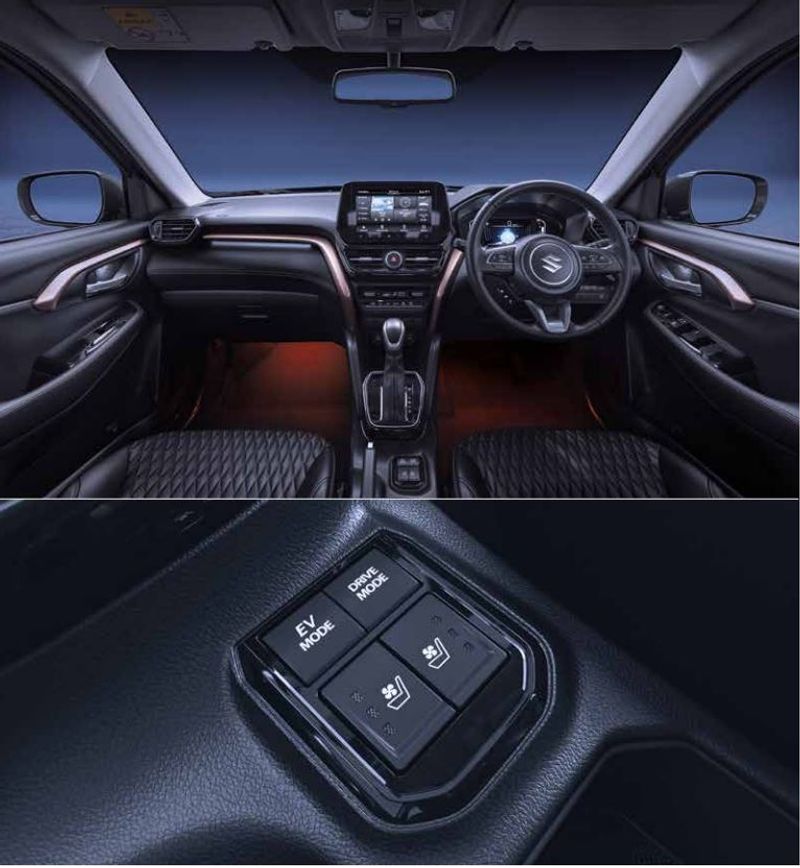
Inside, the new 2022 Suzuki Grand Vitara gets a few levels of trim. Top-spec models get a heads-up display, ventilated seats, 9-inch infotainment system, panoramic sunroof, 360-degree camera, wireless charger, digital dashboard, and Google/Siri voice connectivity.
As far as safety tech goes, the new 2022 Suzuki Grand Vitara has tyre pressue sensors, up to 6 airbags and stability control.
It will be interesting to see if Suzuki South Africa brings this model to our market. We suspect that the Toyota version won’t be coming as it overlaps with the locally-assembled Toyota Corolla Cross.
Volkswagen Golf 8 GTI vs Hyundai i30 N – Which is the Better Buy?
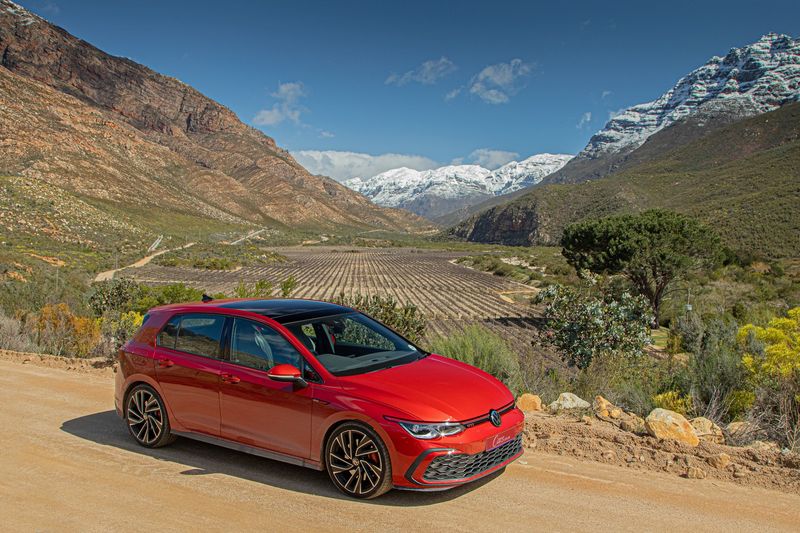
The Volkswagen Golf 8 GTI and Hyundai i30 N are duking it out for the title of King of the Hot Hatchbacks – and the gloves are off! To help you decide which of these models suits you best, we compare the arch-rivals in key categories.
Many brands, most notably Ford, Honda and Renault, have tried to replicate Volkswagen’s formula for the Golf GTI and a few have even come close to succeeding, but none have managed to achieve the sales success of Volkswagen’s hot hatch icon in South Africa. Now in its 8th generation, Wolfsburg’s premium compact hatchback continues to offer an enviable blend of performance, driver engagement, luxury, refinement and, of course, day-to-day usability.
There have been 8 generations of Volkswagen Golf GTI.
Whereas the 3rd- and 4th-generation models were humdrum, the Golf 5 GTI drove a dagger into the hearts of rivals and it’s a superiority that has continued with successive generations of the iconic nameplate: the 6, 7 and 7.5 iterations of the Golf GTI were talented all-rounders. While the latest model has not been received quite as warmly – some claim it’s become a victim of its own success – it still represents the default choice in the front-wheel-drive hot hatchback market.
Sadly, many of its rivals have fallen away, due to a variety of factors, such as tightening emissions, electrification, a declining market and the rampant popularity of crossovers, although, interestingly, contenders from BMW (128ti) and Mercedes-Benz (A250 hatch AMG Line) have entered the fray.
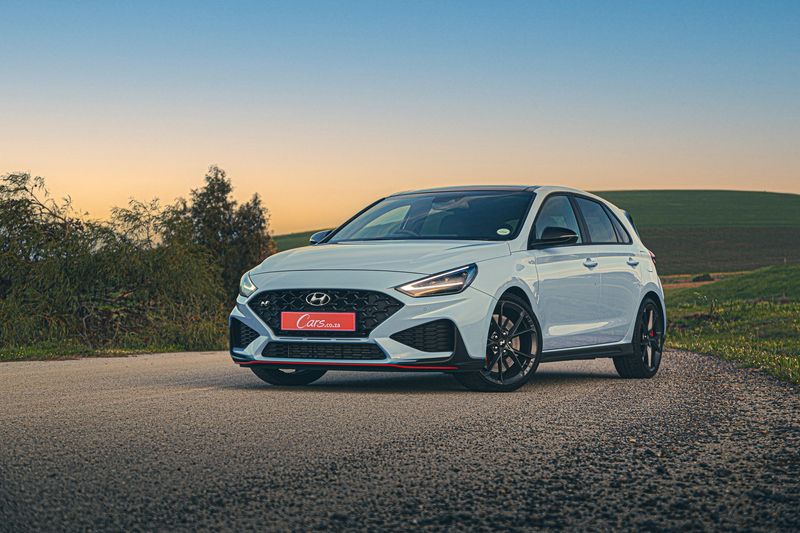
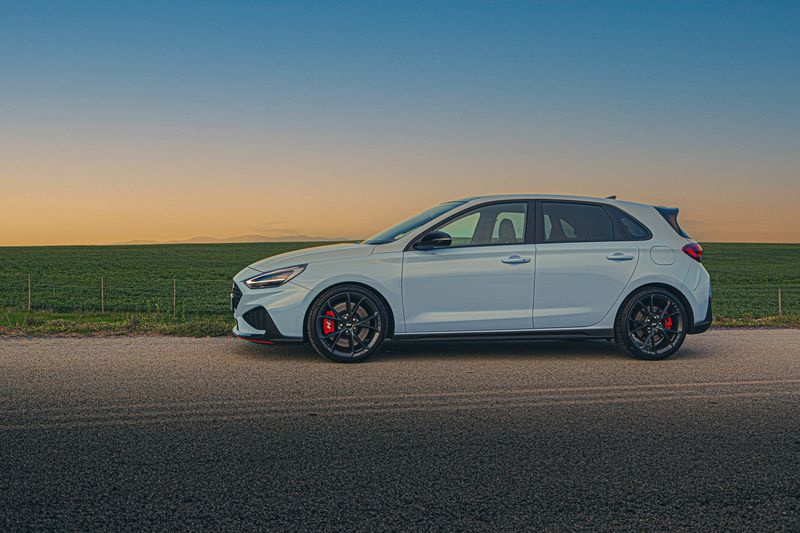
The first generation Hyundai i30 N has received a mild facelift… and gained an 8-speed dual-clutch transmission.
Meanwhile, under the guidance of former BMW M boss Albert Biermann, Hyundai’s N division has served up a clutch of enticing performance-oriented products. Its impressive opening salvo – the i30 N – could take on the GTI with ease, had comprehensive spec and was relatively well priced. It had one Achilles heel; in South Africa, it was initially offered only in 6-speed manual guise. That’s okay if you’re a purist, but most hot hatch buyers now favour automatic transmissions… a car must be great at providing thrills on a mountain pass or race track, but it also needs to be suited to the daily commute in congested traffic. That’s why the Golf GTI hasn’t been offered in 3-pedal guise in our market for quite some time…
Recently, the facelifted Hyundai i30 N arrived in our market, armed with an 8-speed dual-clutch automatic transmission, which addresses its major weakness, a comprehensive list of features and fair pricing; the gap between the i30 N and Golf GTI has never been smaller. Read our recent review of the i30 N.
Can the addition of a dual-clutch transmission (DCT) make all the difference to the i30 N’s driving experience?
If you own a small warm hatchback (such as a Suzuki Swift Sport, Ford Fiesta ST, or Volkswagen Polo GTI) and are looking to upgrade to something bigger and faster, this article is for you. If you want to buy a hot hatchback to make a statement about your rapid ascent in the world of business, this article is also for you. Moreover, if you, like us, are just trying to understand what sets these 2 great hot hatchbacks apart, this article may bring you some clarity, as well as highlight which model offers better value for money and more thrills. Round one, fight!
Exterior Styling Execution
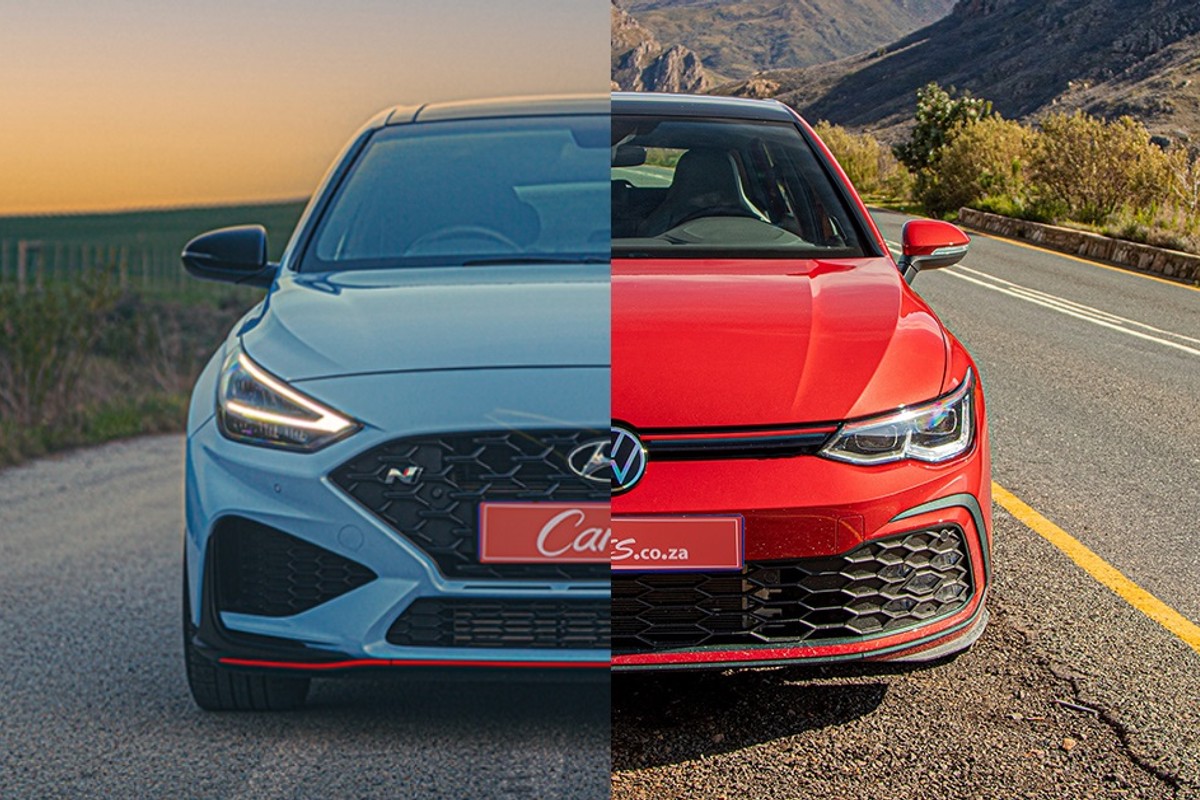
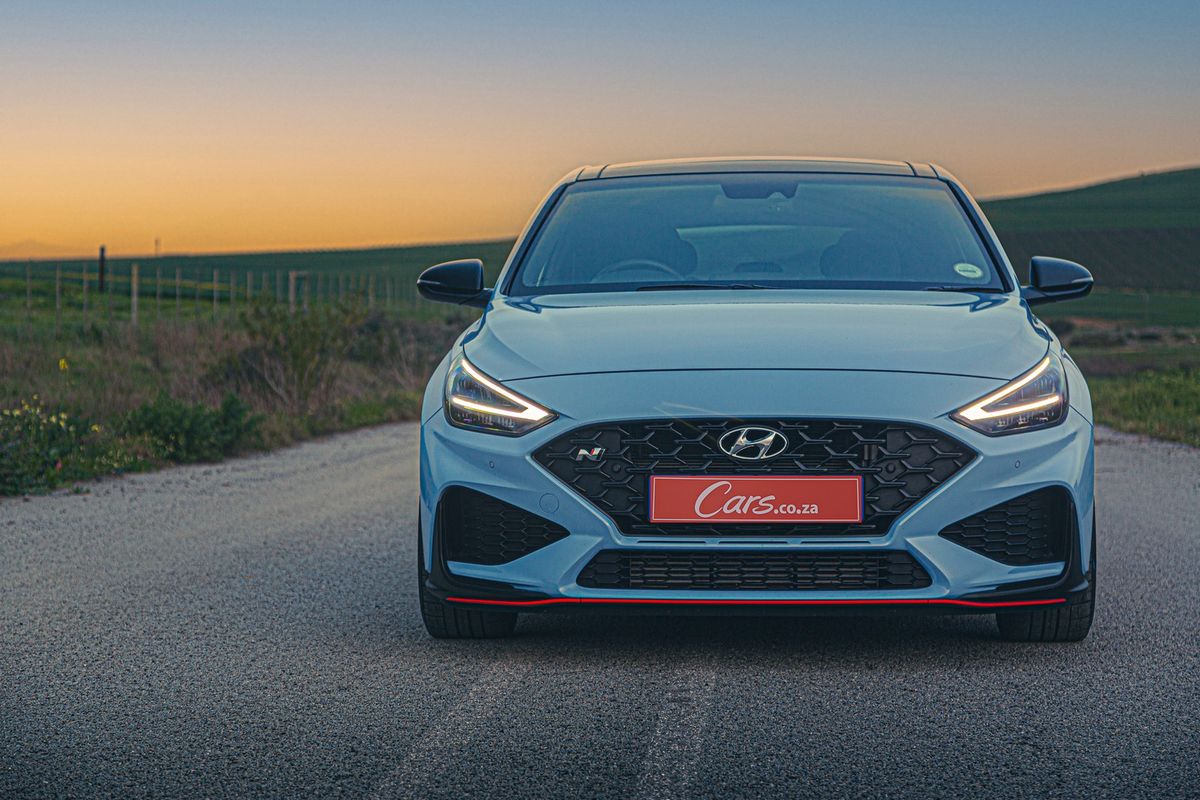
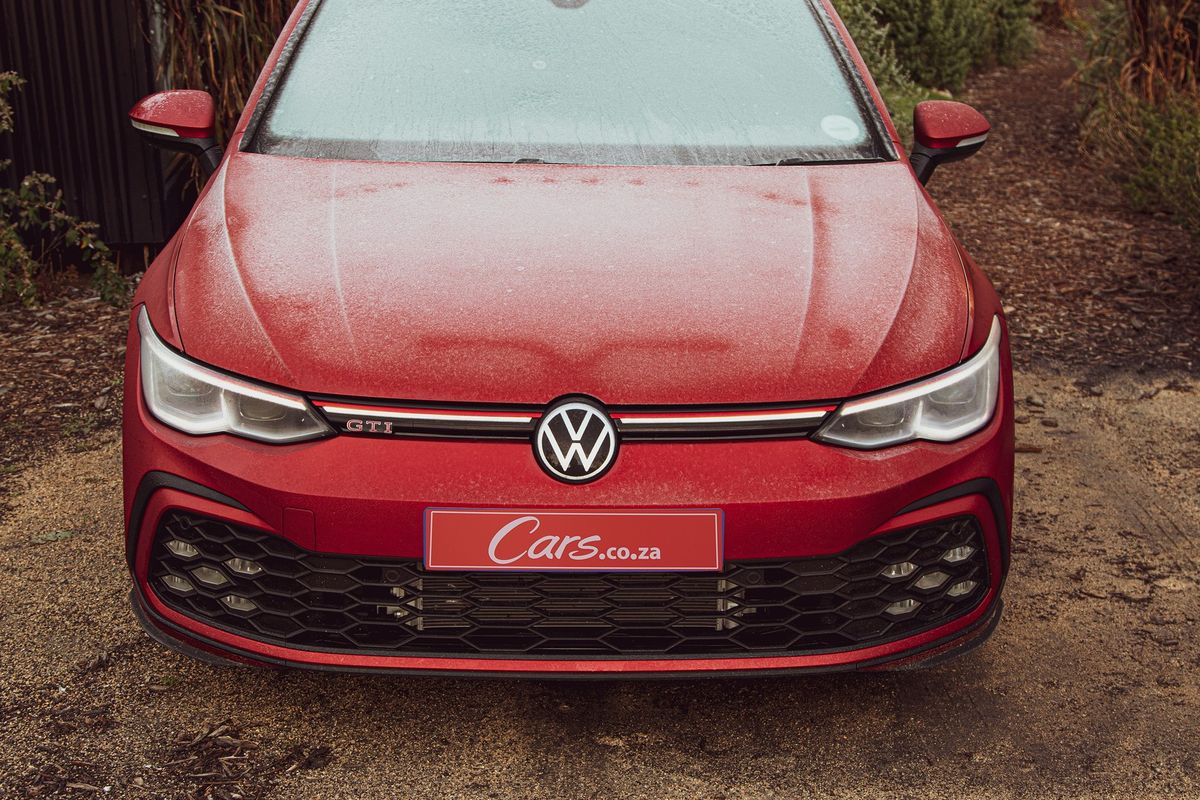
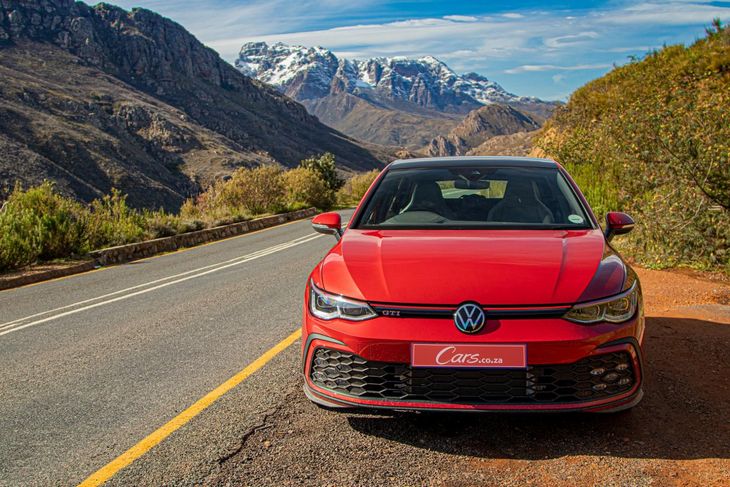
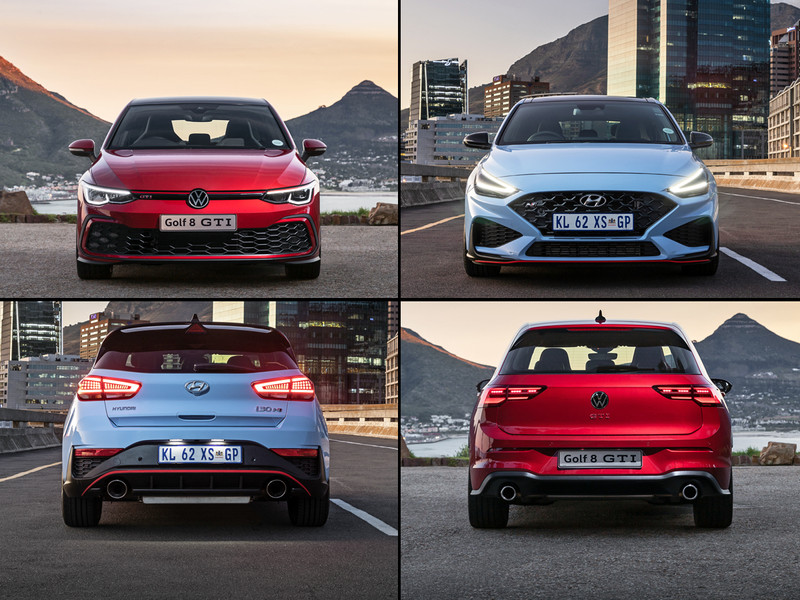
In terms of presentation, both cars meet the brief for a hot hatchback. There is nothing too outrageous in terms of aerodynamic addenda, a slammed ride height and oversized wheels, but there are just enough in the way of subtle cosmetic accoutrements to communicate that these are no ordinary A-to-B hatchbacks. Kerb appeal is great, but, given that the intended clientele for the GTI and i30 N is more upmarket than ever before, tastefulness is key here.
Looks are entirely subjective, there is no right or wrong answer. We think both cars have nailed the brief for a hot hatch. Subtle, with aggressive touches.
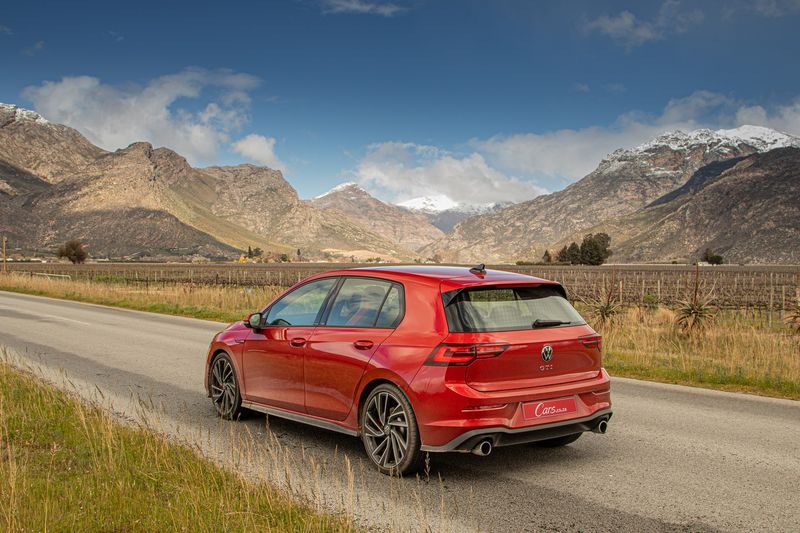
In the case of the Golf GTI, you get an interesting-looking front end distinguished by an LED strip that links the two headlights, a red grille insert and ornately patterned LED fog lights. The brake callipers are red, while subtle GTI badges adorn the nose and rump of the car.
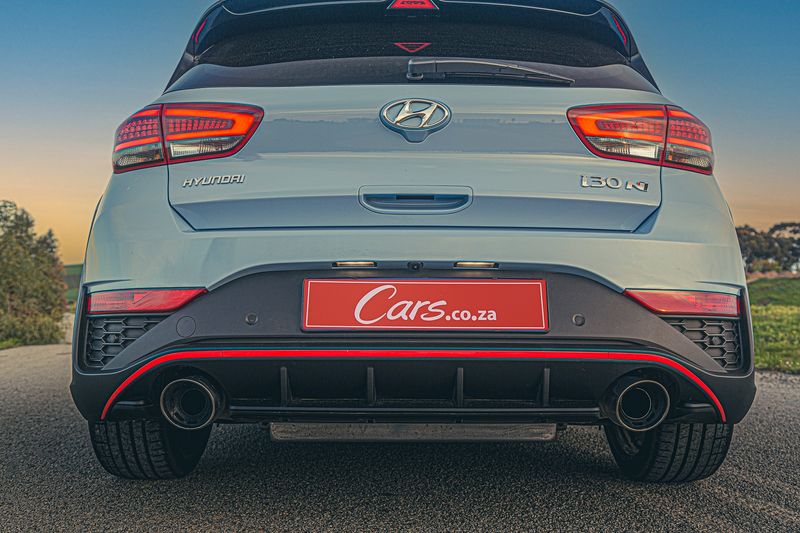
Hyundai has followed a similar strategy with its i30 N. It too features red detailing, such as on the splitter lip, diffuser and brake callipers, in conjunction with N badges fore and aft. Like the Volkswagen, the Hyundai has a twin-exhaust setup, but those “pipes” are far more prominent (bigger) by comparison. They’re considerably louder too, but more on that aspect a little later.
Which looks better? Well, we can’t pick a winner. Both cars look purposeful, but smart.
Interior Execution
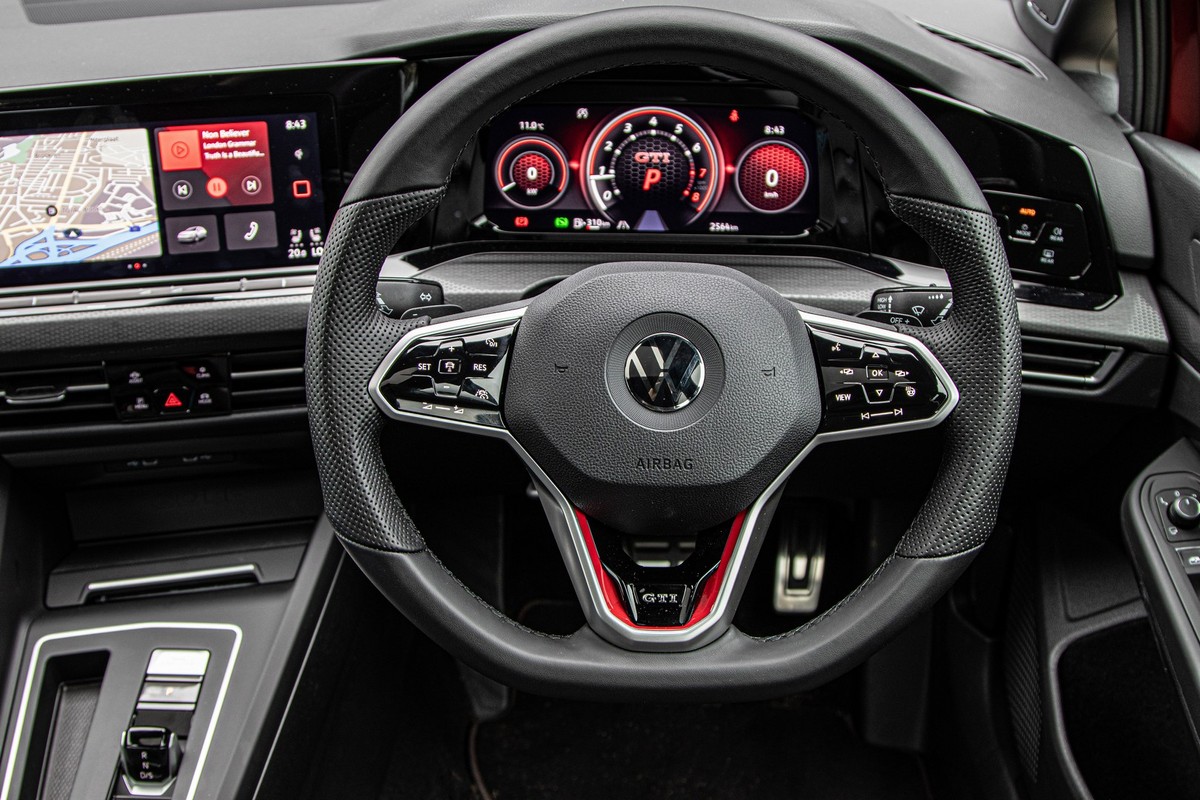
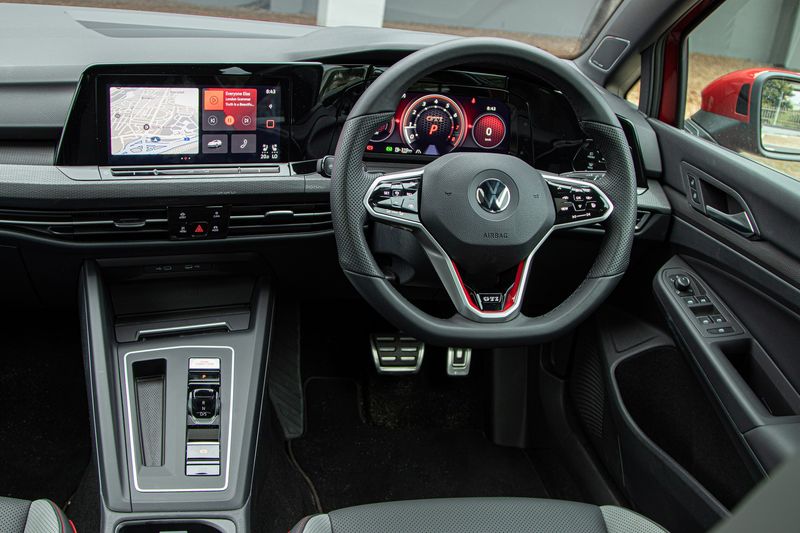
The Golf 8 GTI’s cabin adopts an advanced, yet minimalist, approach.
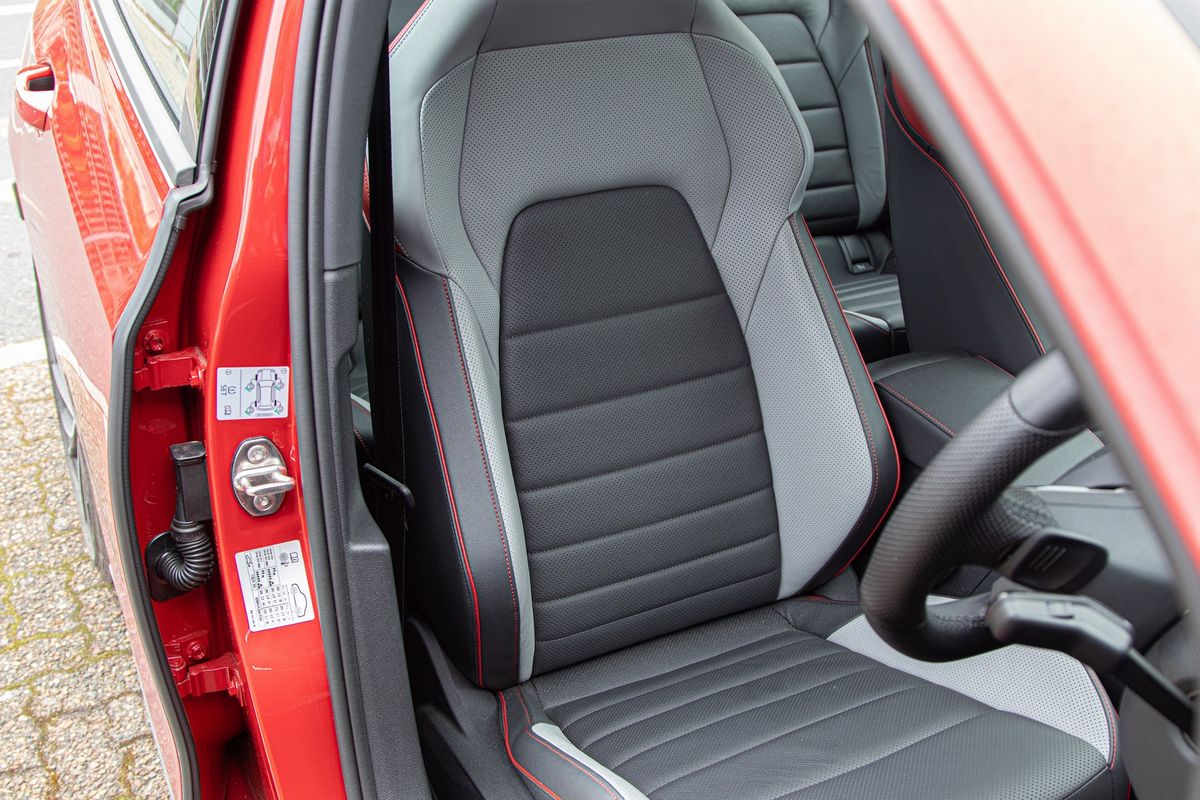
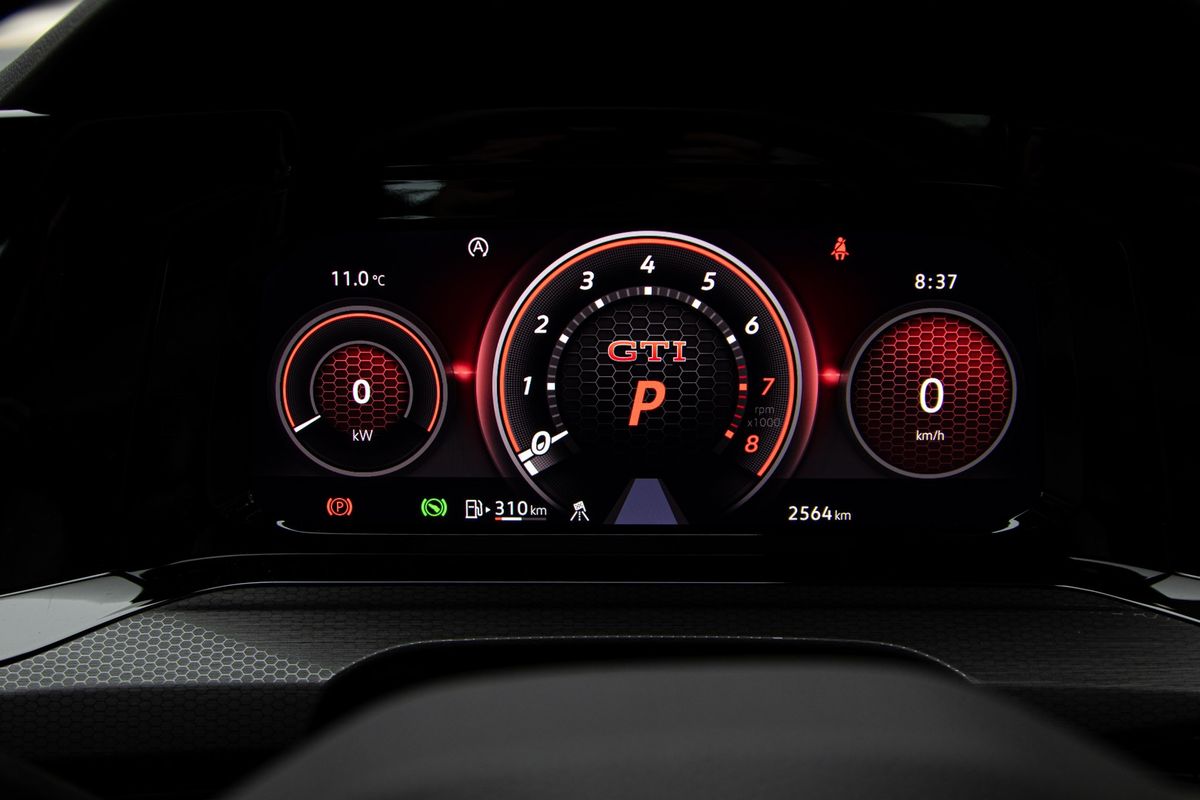
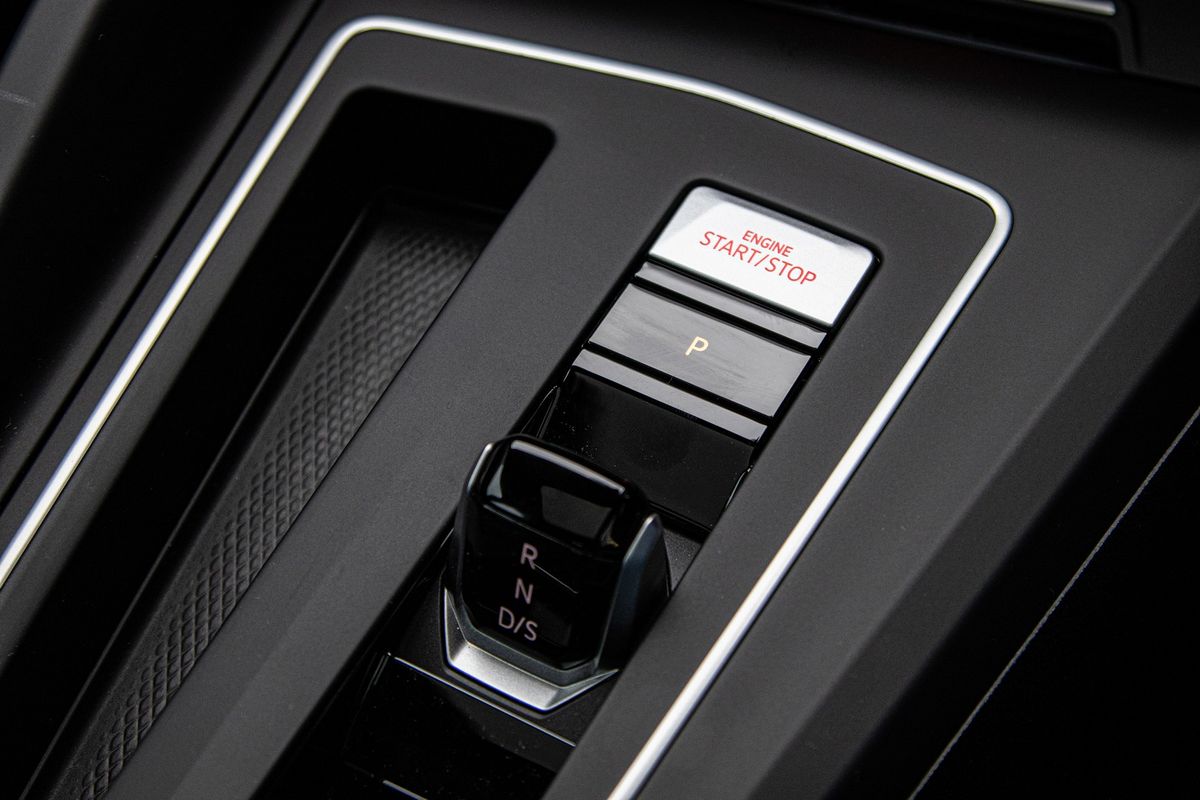
First impressions count for a lot and the Golf GTI doesn’t disappoint in this regard. Not only does its cabin look premium and sporty, but it’s minimalist – and eminently classy. The Wolfsburg-based brand’s Innovision cockpit is a deeply impressive piece of kit; it displays its themes and data in a futuristic manner. Also, the lack of a conventional transmission lever is very noticeable; Volkswagen opted to fit a pleasantly neat (shift-by-wire) thumb-sized toggle instead.
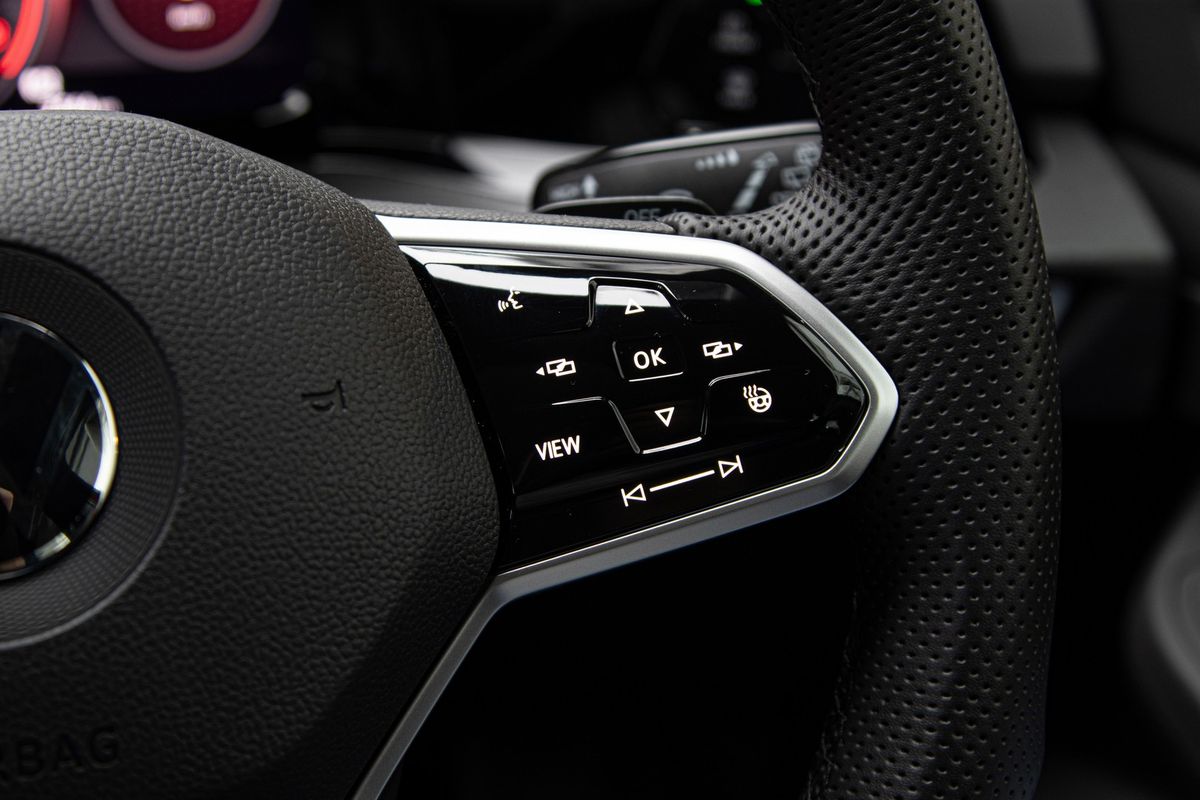
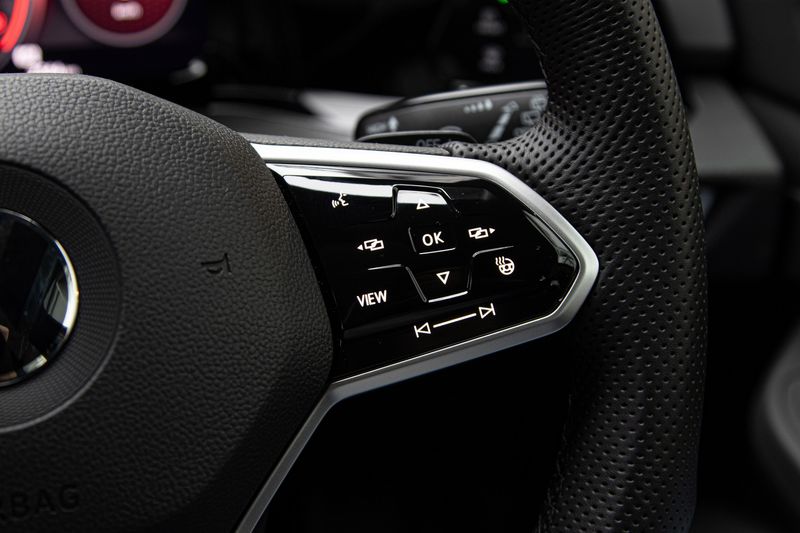
These capacitive touch pads are frustrating to use.
But, while the Golf GTI’s interior looks premium, its touchpoints (especially the switchgear) feel lightweight. This is a drawback because many of the Volkswagen’s in-car functions are accessed via finger swipes, not by pushing buttons (that offer a bit of reassuring resistance). Therefore, if you want to adjust the audio volume on the steering wheel or the interior temperature via the touchscreen, you must slide your finger across capacitive sensors – which we found fiddly. What’s more, the various sensor pads on the steering wheel’s spokes are positioned very close to one another, which can cause distraction when you’re focusing on the road.
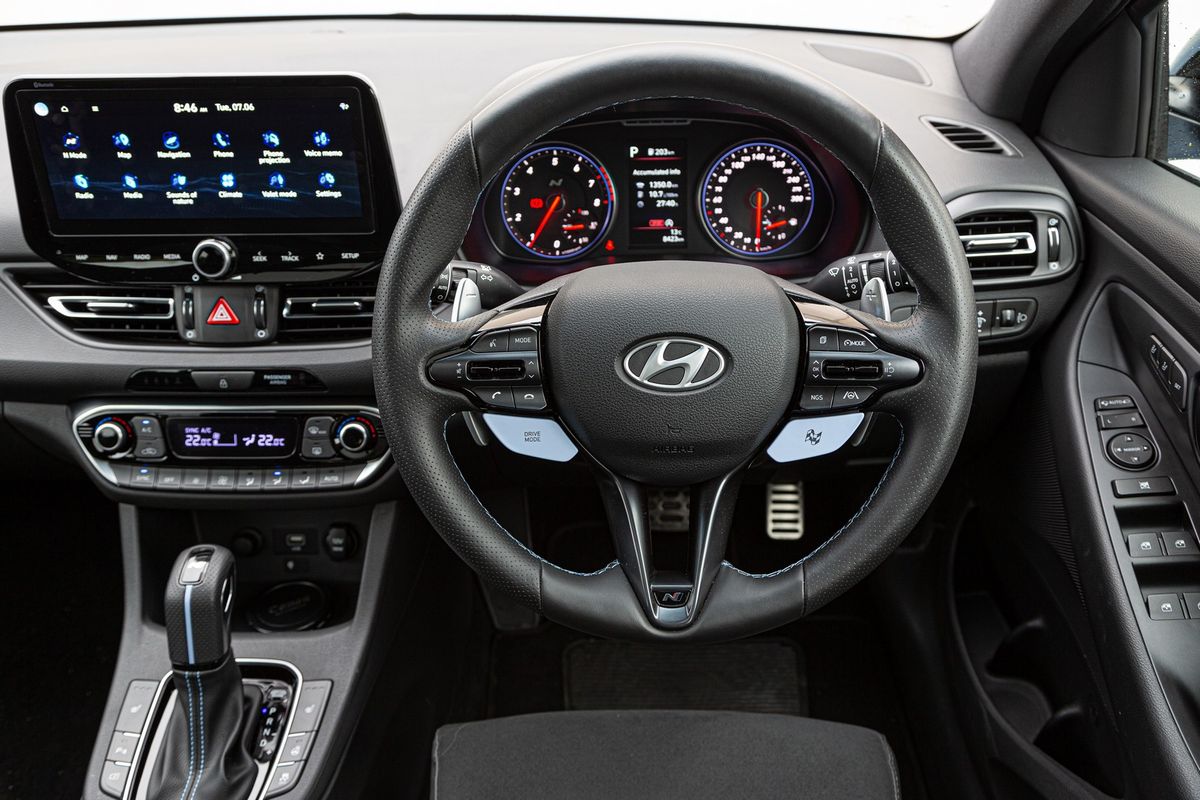
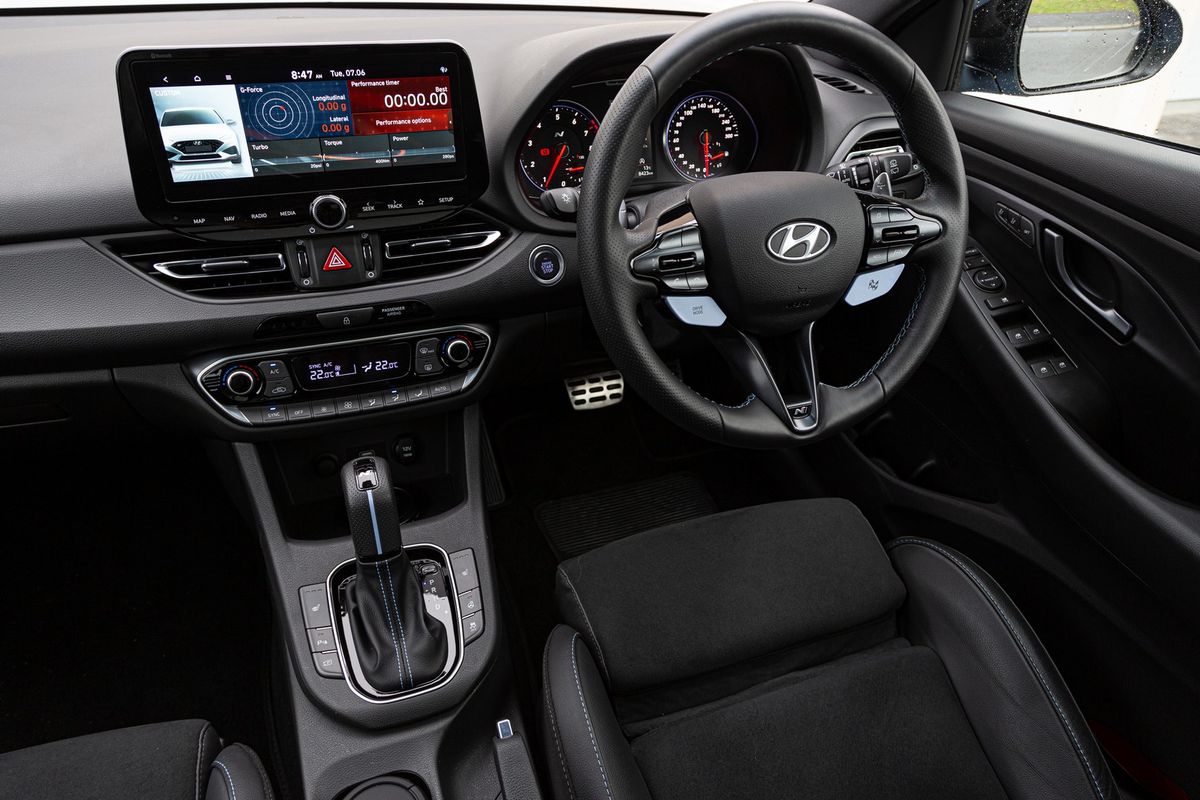
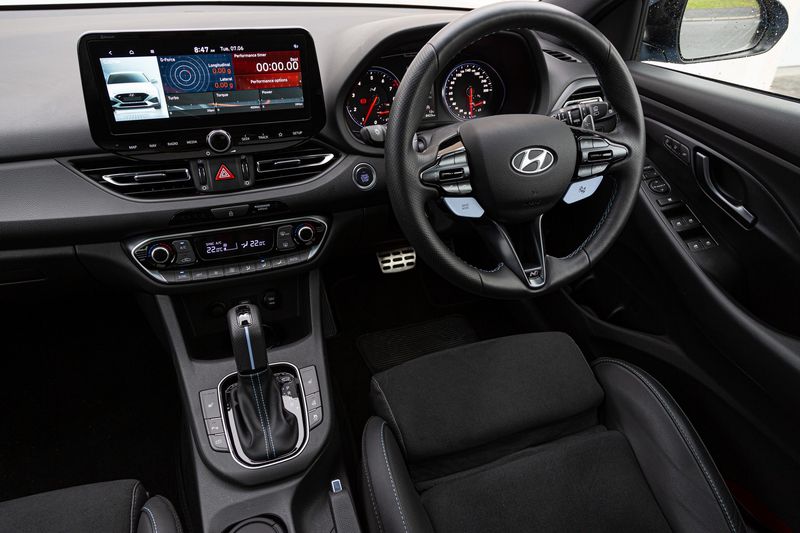
The i30 N’s cabin is not as high-tech as that of the GTI, but ergonomically sound nonetheless.
The i30 N, by comparison, has a more conventional layout. While there are no ergonomic shortcomings to speak of, the Hyundai’s cabin just lacks the sparkle of the Volkswagen’s. Considering the Korean model’s sporty exterior, the cabin is decidedly understated.
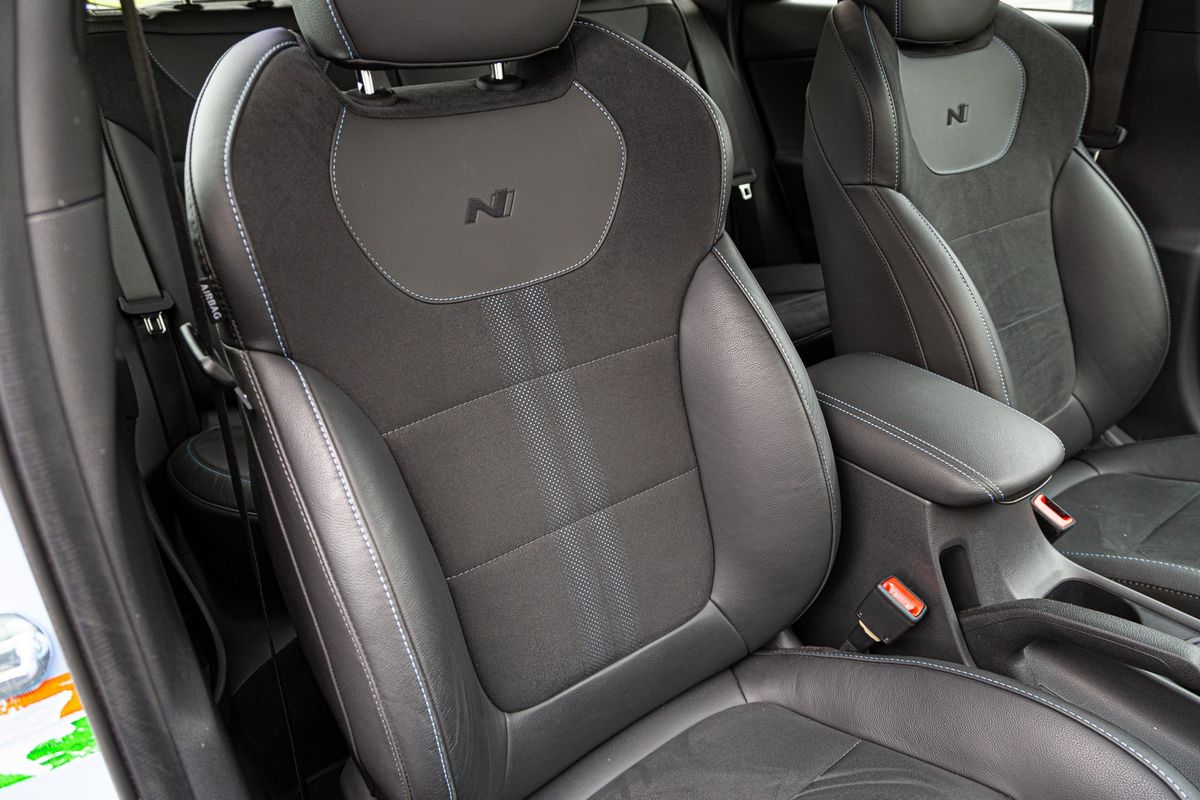
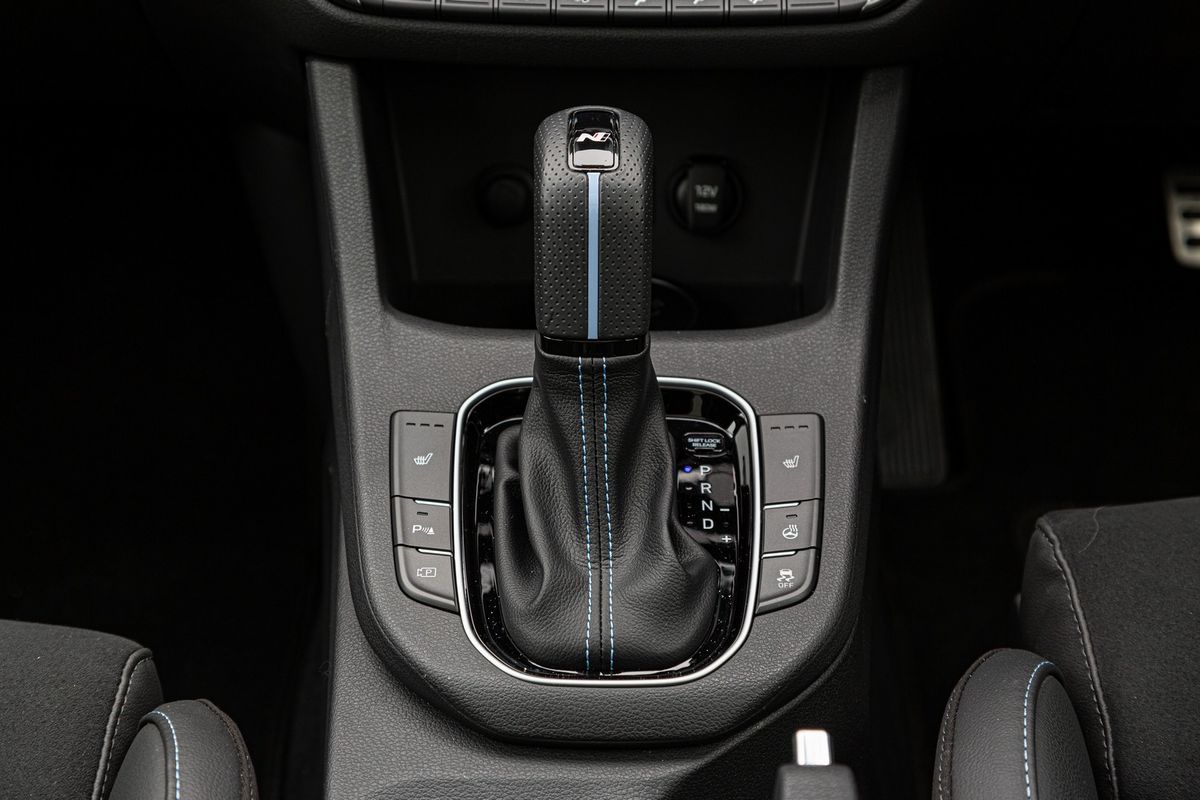
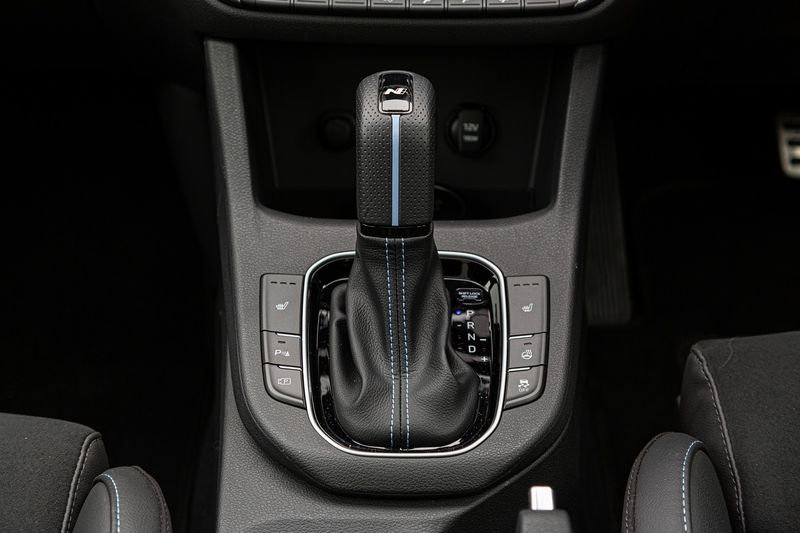
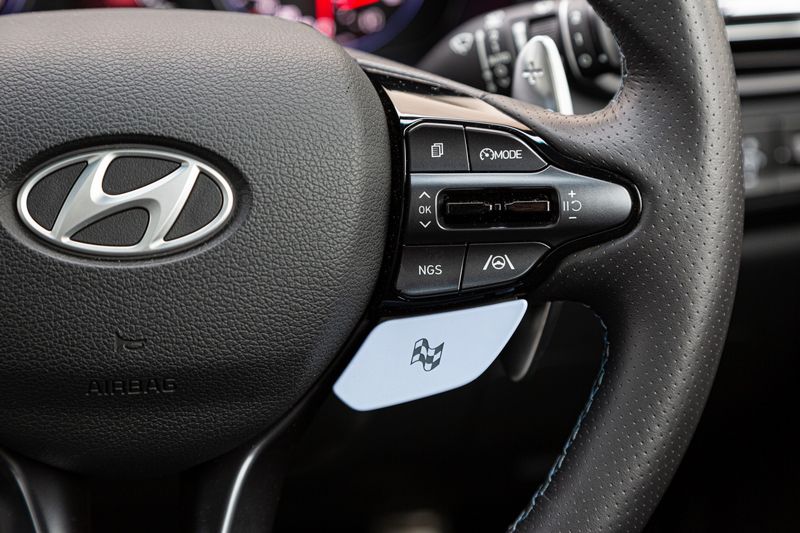
There are some standout touches, however, such as the N mode switch on the steering wheel, which can turn the i30 N into a loud hoonigan, and the subtle N branding on the seats and transmission selector. Impressively, the Korean contender’s cabin imparts a feeling of solidity; if there are “cost-saving” trim bits, they don’t stand out. As opposed to the GTI, the switchgear consists of myriad buttons!
The light blue button that starts the party.
Conclusion: The Golf GTI’s cabin is a conversation starter and represents a big leap forward in terms of visual appeal, but, frustratingly, it comes at the expense of user functionality, plus a few cheap-feeling surfaces are noticeable. The Hyundai i30 N’s cabin is not as striking and more old-school, for sure, but we’d argue that it’s assembled from better materials and feels more solid overall.
6 airbags, ABS with EBD, brake assist, electronic stability control Semi-autonomous safety tech is optional.
7 airbags, ABS with EBD, brake assist, electronic stability control Hyundai SmartSense: Forward Collision-Avoidance Assist with pedestrian detection, Lane Following Assist, Blind-Spot Collision-avoidance Assist, Rear Cross-Traffic Collision-avoidance Assist, Rear Cross-Traffic Collision Warning, Fatigue Detection/Driver Attention Warning (DAW)
One of the biggest advantages that the i30 N holds over the Golf GTI is its superior array of standard features. To bring the latter up to the former’s specification, you’ll need to tick the following options on the GTI’s configurator: panoramic sunroof (R16 000), adaptive chassis control (R15 200), park assist with park distance control (R6 400), reverse-view camera (R4 850), blind-spot monitor with lane keeping and rear traffic alert (R13 300), adaptive cruise control with speed limiter and front assist (R11 700). It’s interesting to note the post-facelift i30 N has front assist, but not adaptive cruise control. Prior to the production of this article, you could additionally specify 19-inch Adelaide wheels on the Golf GTI (using VWSA’s online configurator), but at the time of publication, only the standard 18-inch Richmond rims were listed.
If you tick every option on the Volkswagen Golf GTI (including the uprated Harman Kardon audio system and the upgraded Discover Pro infotainment setup), you’d be looking at a total purchase price of approximately R850 000. Granted, you will have the advantage of a heads-up display, tow bar, and advanced IQ Matrix headlights, which the i30 N (R749 900) doesn’t have.
However, given the shortages of Golf GTI stock, you may have to make some compromises. We have many Golf 8 GTI units listed on our site, see if you can find one that matches your preferred spec.
Conclusion: The Hyundai i30 N’s standard equipment list is superior and the keener price point of a stock Golf 8 GTI is wiped out once you’ve configured the Volkswagen to the level of the Hyundai.
Engine, Transmissions & Performance
Volkswagen Golf GTI
Hyundai I30N DCT
Engine capacity
2.0-litre petrol
2.0-litre petrol
Number of cylinders
Four
Four
Gearbox
7-speed DSG
8-speed DCT
Power
180 kW at 5000-6500 rpm
206 kW at 5500-6000 rpm
Torque
370 Nm at 1600-4300 rpm
392 Nm at 2100-4700 rpm
Weight
1 463 kg
1 455 kg
Claimed 0-100 kph
6.4 seconds
5.4 seconds
Claimed top speed
250 kph
250 kph
Claimed fuel economy and tank capacity
7 L/100 km, 50 litres
8.9 L/100 km, 50 litres
To change things up, let’s start this section with a discussion of the i30 N, because, since the model’s facelift, it sports a revised powertrain in South Africa. Our testers agree that the dual-clutch transmission (DCT) has broadened the Hyundai’s appeal significantly. In everyday driving scenarios, the ‘box engages and shifts smoothly with none of the low-speed jerkiness that can affect DCT-equipped cars. In fact, it has a creep function that facilitates smooth pull-aways.
In the default drive mode, the 206 kW/392 Nm 2.0-litre turbopetrol engine doesn’t feel that eager to get going, but when peak torque arrives at 2 100 rpm, the engine pulls heftily. In Sport mode, things get more frantic and responsive. Take care when accelerating hard from a standstill, because the front wheels’ grip can easily be overwhelmed by all that shove.
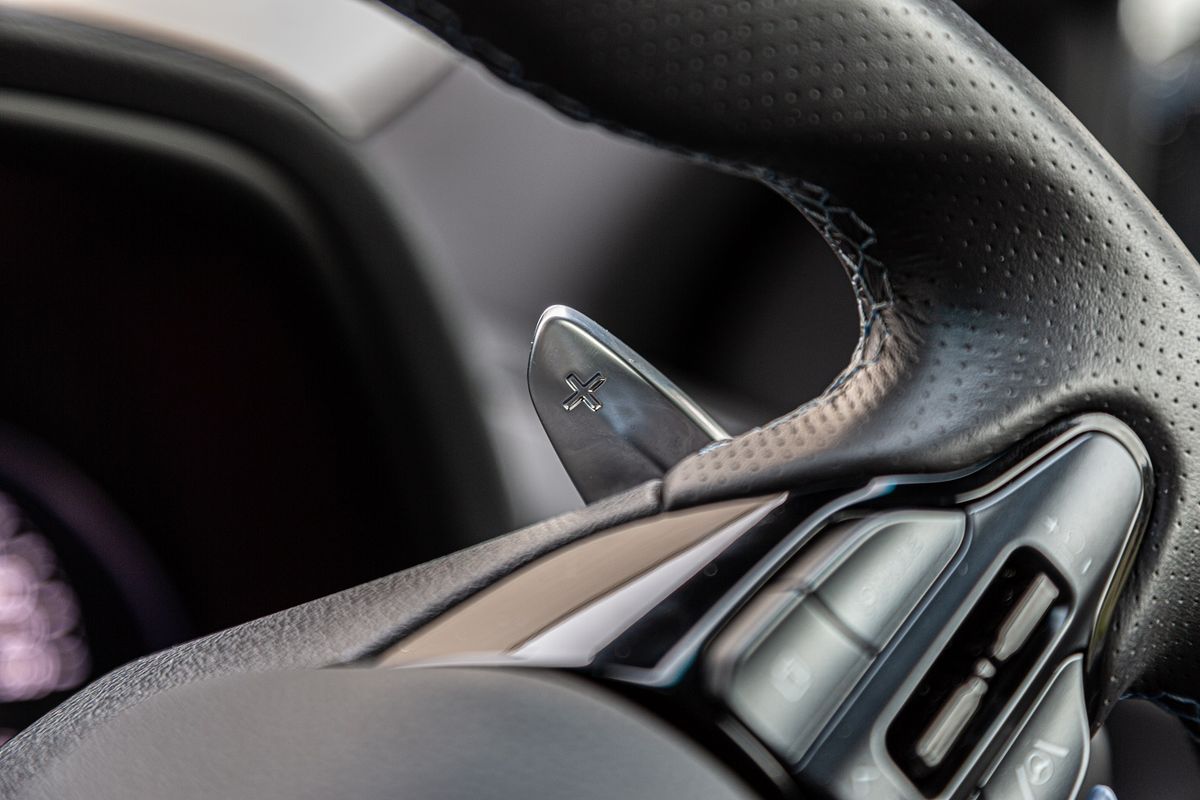
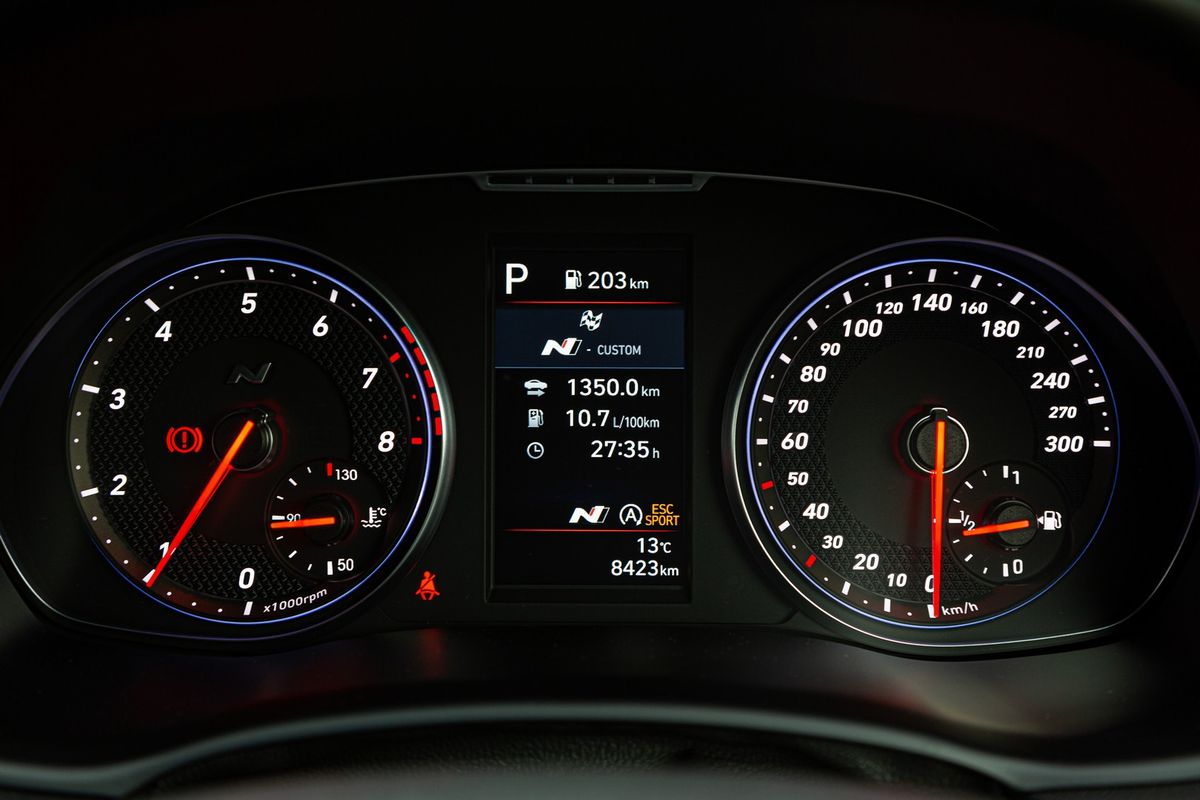
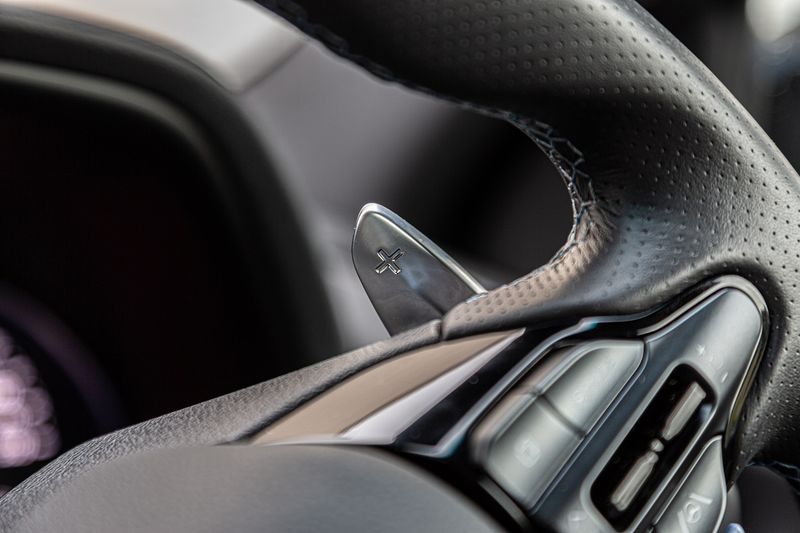
The engine revs with alacrity (always a boon in a turbocharged motor), but as the rev limit draws closer, shift lights illuminate on the instrument cluster to indicate the ideal point at which to change up a gear (by pulling the right shift paddle behind the ‘wheel). The throttle is ever responsive, and the soundtrack emitted by i30 N is likely to put a grin on your face. If you hit the N button, every aspect of the powertrain instantly switches to its hardest, fastest, or loudest setting. Engine and Transmission? Full power and hard, late ‘shifts. Exhaust? Fully open. Adaptive suspension? Stiffest setting. Stability control? Playful. Steering? Sportiest.
The exhausts are not just for show; they’re possibly the loudest we’ve heard this side of supercars.
If you come off the throttle in the sportiest drive modes, those big-bore exhaust ends will produce a barrage of rorty pops and bangs. If you downshift (while in N mode) into high revs, even louder bangs are produced. In an era of muffled car-engine notes, this is a lovely indulgence, but being this loud can be construed as antisocial behaviour – so be mindful of that.
For everyday driving conditions, Normal, Sport and Eco modes are available. Some may regard N mode as too extreme and, to a degree, it is. The last time we experienced such a level of involvement and engagement, we were in a Honda Civic Type R, but the i30 N is a more multi-faceted machine by comparison. It’s fun to drive the i30 N at its most intense settings, but you can’t do it all day, every day, which is why the Hyundai’s adjustability is such an advantage.
The 8-speed DCT is excellent, irrespective of which drive mode you’ve selected.
By default, the Hyundai has a quick steering setup, and when you can make quick, small adjustments with the ‘wheel, the i30 N responds promptly and accurately. It’s an eminently wieldy car that instils confidence even as you pile on the pace; grip levels are high, thanks to the excellent Pirelli rubber and the uprated brakes are potent – yet offer good feedback. There’s an excellent level of focus and poise to the Hyundai i30 N. Yes, the suspension tuning is firm, which facilitates excellent body control, but you can experiment with the adaptive dampers’ settings to find a ride quality that you prefer – or could live with…
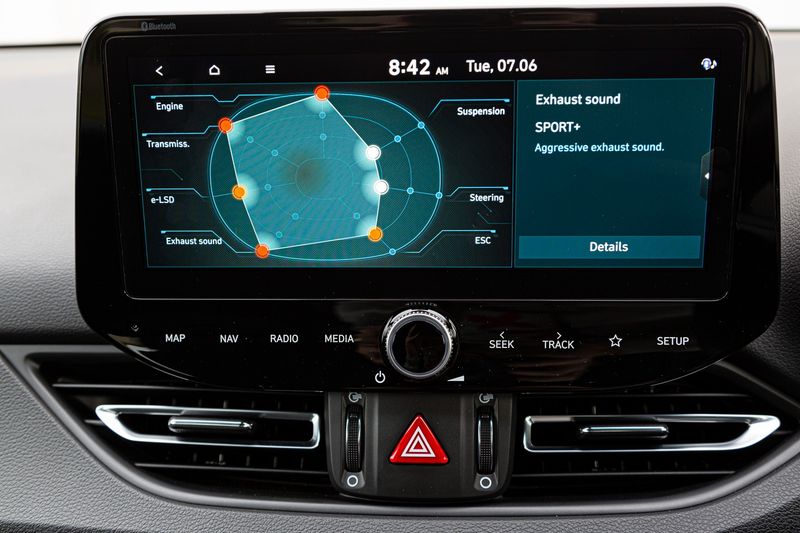
Every facet of the i30 N is configurable. This is the setting that the Cars.co.za test team prefers.
What’s truly impressive about the machine is its sheer adjustability. The transmission, engine, exhaust, suspension, stability control, steering and electronic limited-slip diff… each of them has 3 settings and there are hundreds of possible combinations. So, you could have the suspension setup at its comfiest, with the engine in its normal setting and the exhaust at its loudest. You could also set everything but the exhaust to the maximum, for a quieter blast down the back roads. Plus, you can save your preferred setup and access it with a second press of the N button. Avoid the sportiest suspension setting though, it’s uncomfortably firm.
The i30 N is a tough act to follow, but don’t be deterred by the Golf GTI’s lesser peak outputs – the Volkswagen’s straight-line acceleration feels virtually as potent as the Hyundai’s. The German hatchback’s 2.0-litre turbopetrol engine is fundamentally the same as that of the Golf 7.5 GTI, but it produces a bit more power/torque. The Golf GTI’s performance is surging – and refreshingly linear; small-capacity turbocharged engines tend to serve up a wad of torque at low revs, but the Wolfsburg-based brand’s hot hatch is tuned to be more flexible. The 4-pot motor continues to produce acceleration all the way to its rev limit and then smoothly transitions to the next gear without so much as a hint of hesitation.
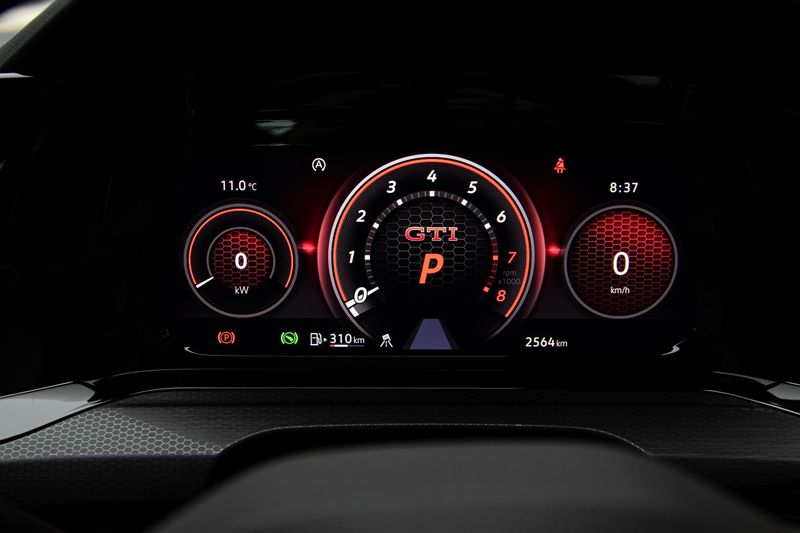
This is what the GTI’s digital instrument cluster looks like when the sportiest drive mode is engaged.
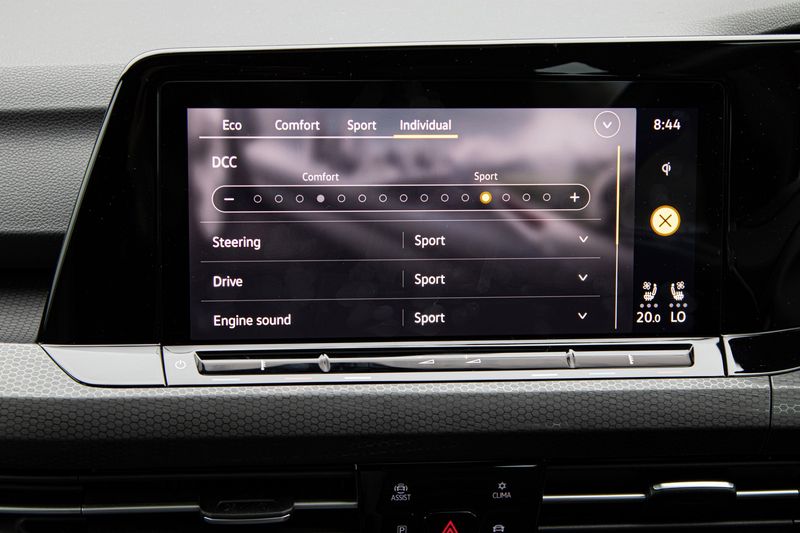
The stars of the show are the 7-speed DSG (direct-shift gearbox), which changes gears in a confident and refined manner, as well as the upgraded MQB platform, which imbues the car with superb balance. The steering too, is reassuringly weighted and quick, making the Golf 8 GTI much more responsive than its predecessors. When specified with adaptive dampers, the car’s suspension is highly customisable – we discovered there are not 2, or 3, but 15 settings to choose from. There are various drive modes too (Eco, Comfort, Sport and Individual) and the latter is a great platform to fine-tune all the available settings. You could, for example, pair the comfortable suspension- with the sportiest engine mode.
The GTI is highly configurable too, just not quite to the same level as the i30 N.
Compared with the outrageously vocal i30 N, the Golf GTI’s exhaust note is remarkably muted. That vrr-pah! that accompanied every gearshift in the Golf 7.5 GTI is not as prominent as it used to be in the new-generation car (perhaps as a result of the well-insulated cabin and a requirement to conform to noise legislation, but we’d totally understand if buyers opted to beef up the exhaust to drum up more aural appeal).
Admittedly, the Golf GTI’s handling is not the last word in fun-to-drive dynamics – but then, Volkswagen’s hot hatch has not set the benchmark in that department for a few generations of the model. Yes, it’s fast, and very stable when changing direction, but it never seems like there’s much more to explore when you’re driving near the limit. In the Hyundai, it is quite the opposite – the i30 N goads you into exploring the edges of its performance envelope.
Despite its sporty pretensions, the Golf 8 GTI’s ride quality is relatively forgiving on gravel roads.
The Volkswagen hits back – and considerably so – in terms of its day-to-day usability. Unlike other players in the segment that are performance-orientated, as a tourer and daily, the Golf GTI is unrivalled. The Hyundai i30 N never really settles down enough to be labelled “relaxing to drive”; the car always feels on edge/ready to pounce. The Volkswagen Golf 8 GTI may not be as playful, but it offers enough performance and agility to entertain the average motorist.
Conclusion: In the dynamic battle between the Volkswagen Golf 8 GTI and Hyundai i30 N, the Korean is the faster of the two and more engaging to drive spiritedly, but this comes at the expense of overall refinement. The Golf GTI shines as a more relaxed, comfortable cruiser.
Practicality
Golf GTI
i30 N
Length
4287 mm
4340 mm
Width
1 789 mm
1 795 mm
Height
1 478 mm
1 455 mm
Wheelbase
2 627 mm
2 650 mm
Turning Circle
10.9 m
11.6 m
Rear Seat Configuration
60:40 split
60:40 split
Load Capacity
374–1 230 L
381–1 287 L
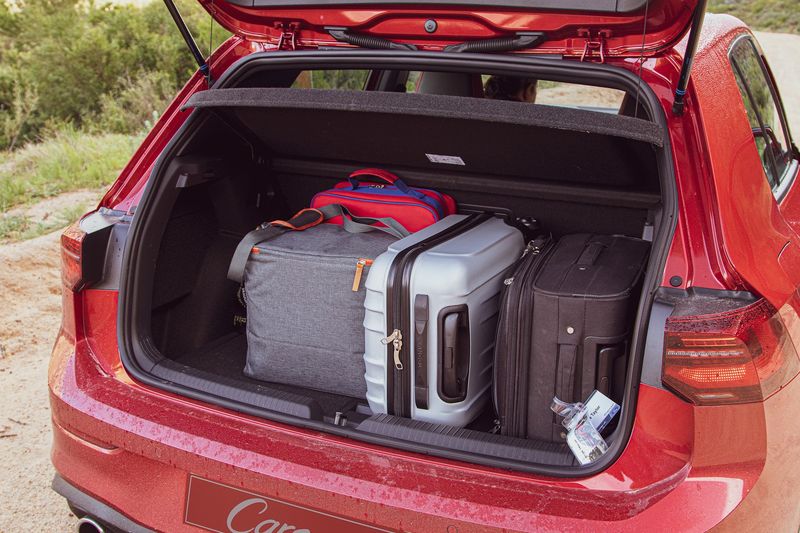
Hot hatchbacks are required to be rapid, entertaining-to-drive machines, but also versatile premium compact cars. In other words, when they’re not being driven spiritedly on twisty ribbons of blacktop, they should be able to fulfil a multitude of roles, such as transporting friends and family members – and offer enough cargo-carrying capacity for a full complement of occupants.
Both cars offer excellent luggage capacity, ready for that long weekend away.
Rear legroom is also pretty even, with both cars offering just about sufficient levels of space for adult occupants at the back. In both cars, taller drivers will be able to sit behind a driver’s seat that was set up for them with an acceptable level of comfort. The Volkswagen, however, avails ventilation outlets and USB ports to the rear passengers, while the Hyundai doesn’t.
Conclusion: In terms of interior dimensions and practicality, it’s honours even but the Volkswagen Golf 8 GTI’s extra comfort features for the rear passengers give it the edge.
Price and Warranty (August 2022)
Golf GTI
i30 N
List Price
R696 700
R749 900
Warranty
3-year/120 000 km warranty
7-year/200 000 km manufacturer warranty
Service Plan
5-year/90 000 km EasyDrive service plan
5-year/75 000 km service plan
Roadside Assistance
Optionally available on EasyDrive Maintenance Plan First 3 years or 120 000km (whichever comes first)
Yes: 7 years or 150 000 km
Verdict: VW Golf 8 GTI vs Hyundai i30 N
It won’t be a surprise that these two great hot hatchbacks are separated by the finest of margins. It’s the consensus of our test team that, in terms of overall ability, the i30 N runs the Volkswagen Golf GTI closer than any of its recent rivals. Recognise just how good the Hyundai i30 N is… it’s a finely tuned, meticulously honed hot hatch derivative of a model (codenamed PD) that was launched as long ago as 2016. The Golf 8 GTI, by contrast, debuted just last year.
However, you could say the two cars have different skill sets. The Hyundai i30 N reminds of a recently retired world track champion that is desperate to fit into a mainstream corporate role, while the Golf GTI is akin to a quiet yet multi-talented nine-to-five executive. You’d know which one to pick to hype up your brand or wow conference-goers… and which one you’d rely on to meet company targets.
The great thing about this comparison is that both the Volkswagen and Hyundai have considerable strengths, but their respective shortcomings are so minor (or mild) that owners could easily learn to forgive/live with them. In the end, it comes down to individual buyers’ wants and needs.
Our team tested the pair extensively on tracks, mountain passes, gravel roads and in traffic on dreary weekday mornings. If you purchase a Volkswagen Golf 8 GTI, you’re likely to remain delighted with your purchase and the same applies to those who buy the Hyundai i30 N. In an era of electrification and SUV hegemony, we should be thankful that both of these great cars are available. Like Ronaldo versus Messi, enjoy the Golf 8 GTI vs i30 N rivalry; it won’t last forever.
How many EVs were sold in SA in the first half of 2022?
Just how many electric vehicles were registered in South Africa in the first half of 2022? Let’s take a closer look at the official figures…
South Africa’s new-car market includes more electric vehicles (EVs) than ever before. So, just how popular are these battery-powered vehicles locally? Well, in its quarterly review of business conditions for the South African automotive industry, Naamsa lists some very interesting figures.
Before we dive in, we should bear in mind there is currently no truly affordable EV on the local market, with the least expensive option being the Mini Cooper SE Hatch 3-door, which kicks off at a lofty R723 000. Every other full-size electric vehicle currently available in SA is priced in seven figures (with the highest base price being that of the R4 134 000 Porsche Taycan Turbo S).
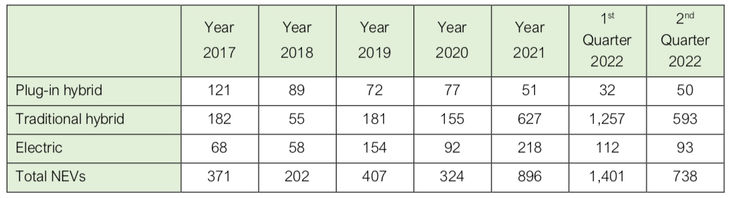
According to Naamsa, 205 electric vehicles were registered in South Africa in the first half of 2022 (that translates to a mere 0.08% of the industry total of 253 442 vehicles). Interestingly, 112 units were sold in the opening quarter, with 93 units registered across April, May and June. For some context, a total of 218 EVs were sold in SA in 2021.
How many hybrids and PHEVs were sold in SA in H1 2022?
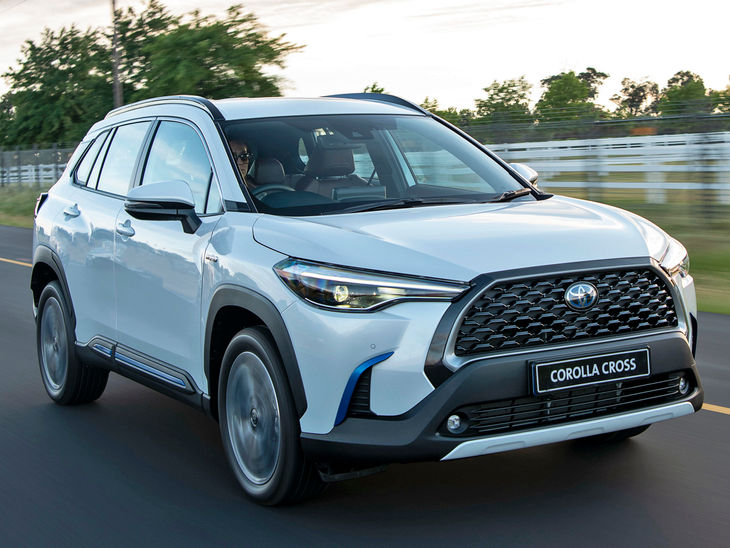
Hybrid sales declined in Q2 largely due to a lack of local production of the Toyota Corolla Cross.
What about other so-called “new-energy vehicles”? Well, traditional hybrids accounted for 1 850 sales in the first half of the year, though slowed from 1 257 units in the first quarter to 593 units in the second quarter. Of course, much (if not all) of this quarter-on-quarter decline is down to the fact Toyota South Africa Motors was forced to halt production at its Prospecton plant – where it builds hybrid versions of its Corolla Cross – in mid-April 2022 owing to severe flood damage.
Just 82 examples of plug-in hybrid electric vehicles (PHEVs) were sold locally from the start of January to the end of June 2022, though this figure is higher than the respective totals achieved in each of the previous three full years. Interestingly, however, as many as 121 PHEVs were sold in South Africa back in 2017 (when BMW offered the likes of the i8, X5 xDrive40e and 740e, while Mercedes-Benz marketed the C350e).
Total new-energy vehicle sales (so, electric plus traditional hybrid and plug-in hybrid) for the first six months of 2022 came to 2 139 units, far ahead of 2021’s tally of 896 units but still just 0.84% of total industry sales.
Electrified vehicle sales in South Africa from 2017 to Q2 of 2022. Figures courtesy of Naamsa.
Following on from our regular review of the 2022 Isuzu D-Max, we decided to review it in a proper 4×4 scenario. Thankfully, we have just the person for the job as Ciro handed over the keys to our in-house off-road enthusiast Dieter.
Dieter Pey is one of our filmmakers here at Cars.co.za and he is a proper offroad enthusiast. And so our usual video journalist, Ciro De Siena, handed over the keys to the new Isuzu and Dieter headed out to the Honingklip 4×4 trails, about an hour and a half from Cape Town, outside Hermanus.
In this video, watch the new Isuzu D-Max tackle a cross-axle obstacle, cruise over some dunes and soft sand, and tackle some steep inclines. Dieter discusses the D-Max’s approach and departure angles, the diff-lock, and tries not to beat up the running boards.
We hope you find this review useful, let us know your thoughts in the comments below.
Haval to Ditch Petrol and Diesel Engines by 2030 – Report
Chinese automotive giant GWM has seemingly given its Haval brand until the end of the decade to completely ditch petrol and diesel power…
Chinese SUV brand Haval will reportedly abandon petrol and diesel engines as early as 2030 under Great Wall Motor’s freshly announced “new energy strategy”.
According to various publications, GWM made the proclamation at a dedicated event in China marking the “start of a comprehensive transition” to a new energy strategy for Haval. A fresh Haval logo was furthermore unveiled at the press conference, along with the latest version of the marque’s popular H6, this time featuring a plug-in hybrid (PHEV) powertrain.
Though the 2030 deadline isn’t mentioned in GWM’s official press material, images showing the target date on a big screen at the Beijing event have been widely published in Chinese media. From what we understand so far, the cut-off is a global one rather than something restricted to the automaker’s domestic market.
The freshly revealed plug-in hybrid version of the H6 (also note the new Haval logo in the background).
“As the largest vehicle segment of Great Wall Motor, Haval has ushered in a comprehensive transformation of new energy. This will be a milestone for Haval, and it is also a milestone for Great Wall Motor on the road of comprehensive transformation to new energy,” said Mu Feng, President of GWM.
In the next few years leading up to the end of the decade, GWM says its powertrain development strategy will include “multiple technical routes”, including hybrid, pure electric and hydrogen energy. In fact, the Haval brand expects that 80% of its global sales will comprise electrified vehicles (including fuel-cell models) by as early as 2025.
What does Haval’s apparent looming shift away from internal combustion engines mean for the South African market? Well, as much as 2030 is just around the corner in automotive lifecycle terms, it’s perhaps a little too early to say. Regardless, it’s worth noting the Chinese brand’s impressive local growth has been built on the sales success of petrol-powered crossovers such as the Jolion and H6 (though a hybrid version of the latter is earmarked to launch locally relatively soon). But we can’t help but point out the South African market is crying out for affordable fully electric vehicles…
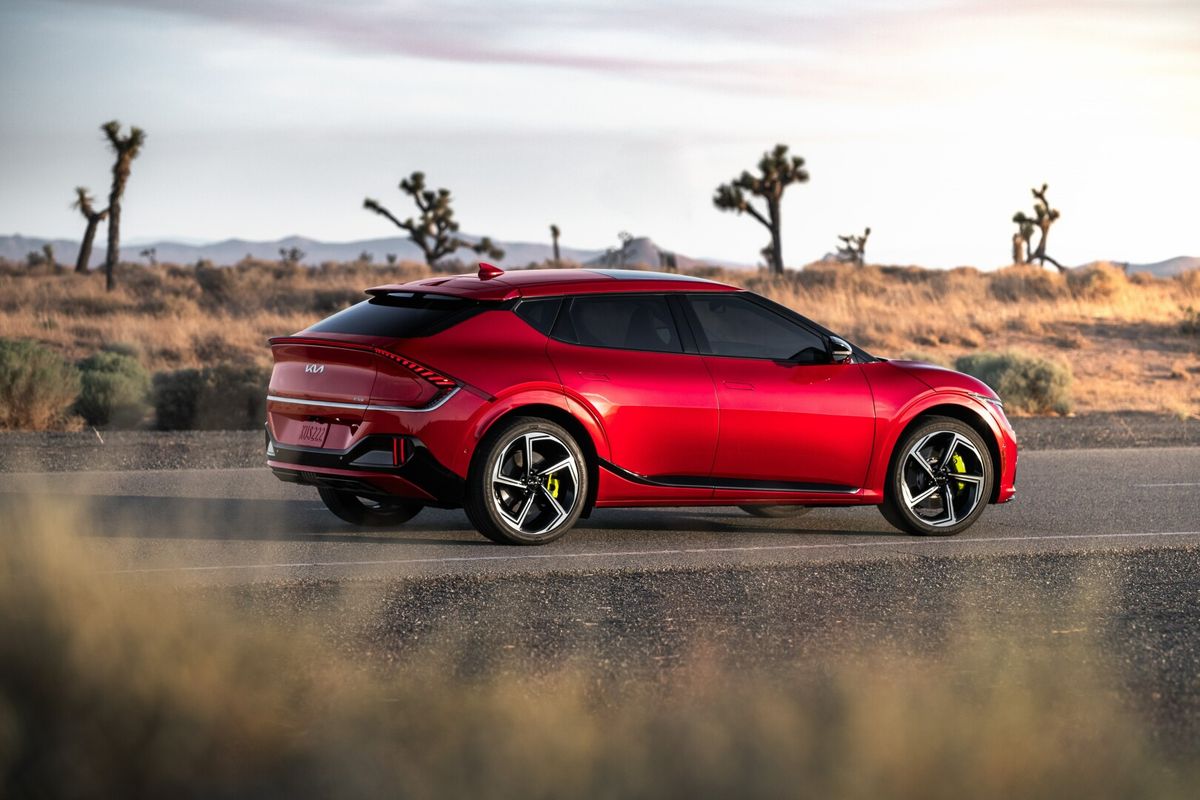
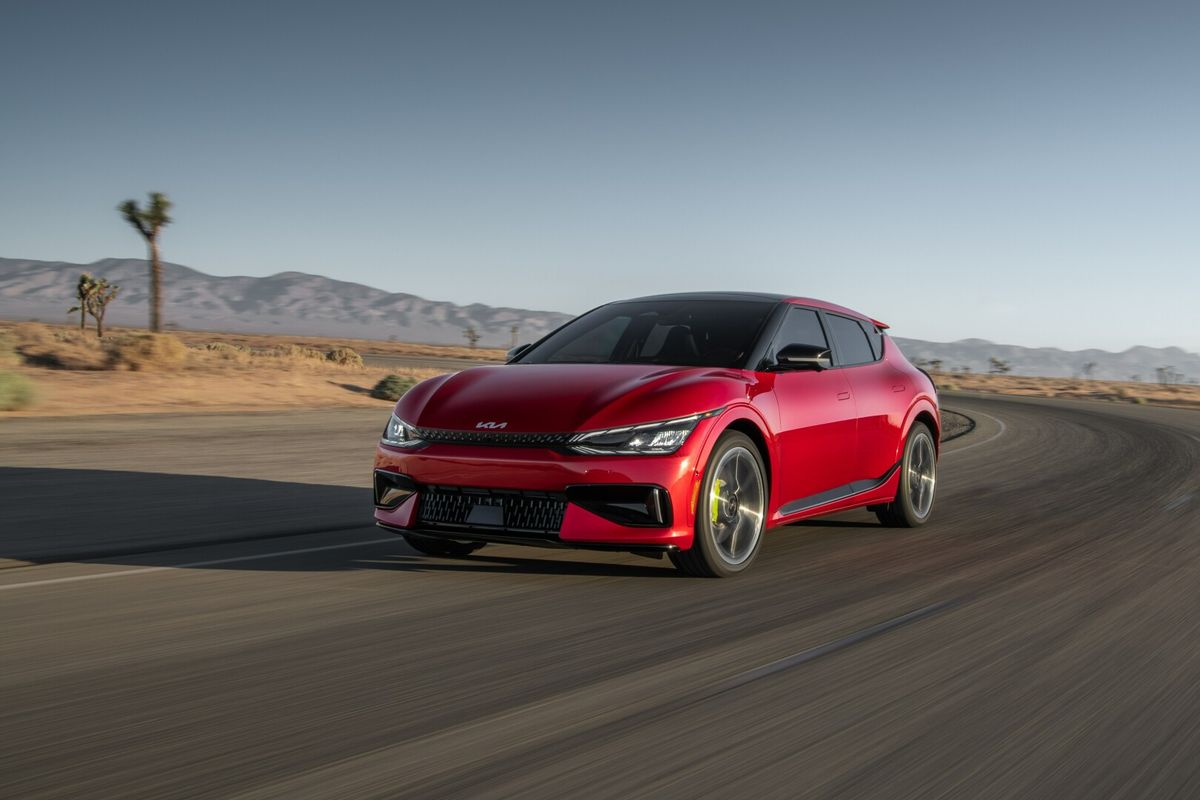
The Kia EV6 GT is the Korean brand’s most powerful production vehicle and the good news is the EV6 family is on its way to SA.
The Kia EV6 GT is a frighteningly fast and advanced vehicle. Packing 430 kW and 740 Nm, this interestingly-styled car can sprint to 100 kph in 3.4 seconds and maxes out at 258 kph.
Under the skin, there’s 800V charging architecture, a 77.4 kWh battery, a front mounted 160 kW motor and a rear mounted 270 kW motor. The handling and stopping list is also impressive, with huge brakes featuring 4-piston callipers, quicker ratio steering, electronically adjustable suspension, stiffened chassis, as well as an electronic limited-slip differential. There’s even a drift mode!
As far as charging is concerned, if you’re plugged into a 350 kW DC charger, you’ll go from 10-80% in under 20 minutes. South Africa doesn’t have chargers that potent yet, so expect slower charging times when the vehicle makes its way here. There are more and more chargers being installed in SA, view them here.
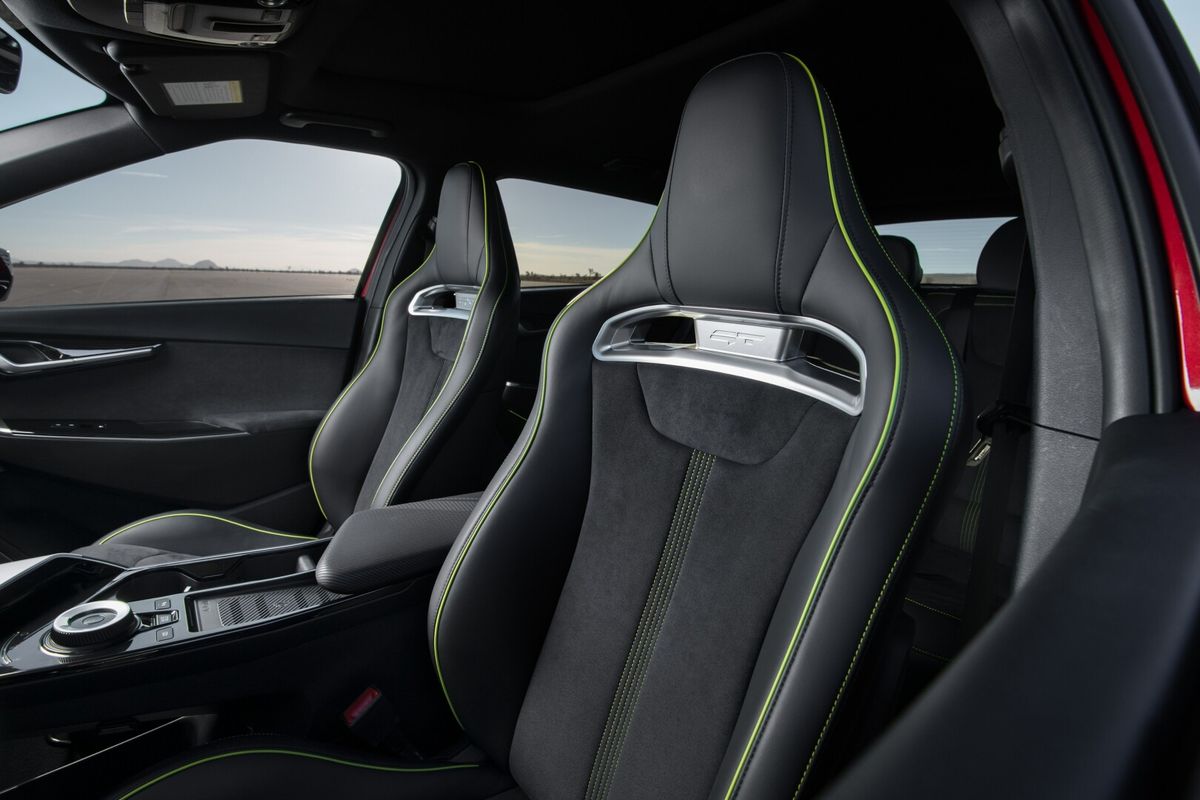
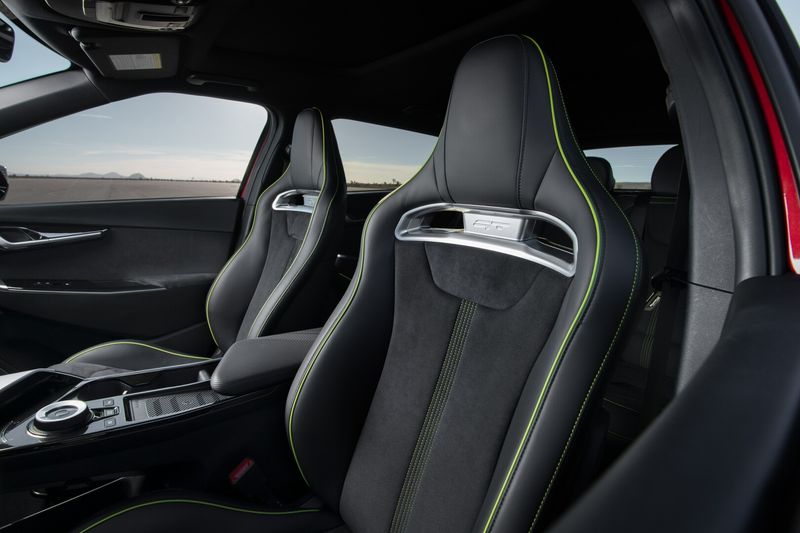
The Kia EV6 GT gets gorgeous sports seats
The Kia EV6 is highly lauded in European car markets, and we’re interested to see how its received and what the take up is locally. Yes, that’s right, it is coming to South Africa.
Don’t expect to see many on the roads as demand globally has been exceptionally high and like most brands, stock shortages are likely to come into play. According to a communication from Kia SA towards the end of August 2022, the brand said “while a local launch date has not been set, the available number of units will be small initially”
“We sense a healthy appetite not only for electric vehicles as a whole in South Africa, but also for the EV6 specifically,” says Gary Scott, CEO, Kia South Africa, highlighting that there are many factors influencing the decision, not least of which a consistent supply. “We are mindful that we must bring in products to cement Kia’s EV leadership position in the local motorist’s mind, but it will not make that impact as a niche passion project. People must not only desire the product, it must also be attainable.”
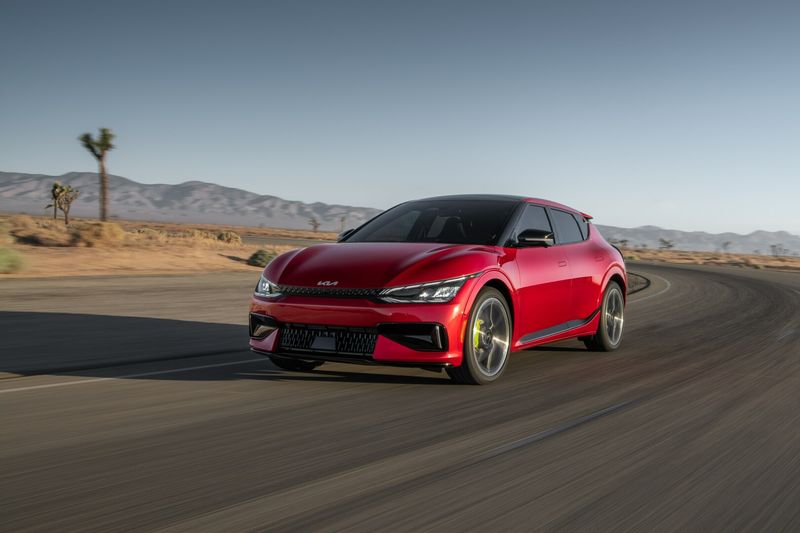
2023 EV6 GT is one very quick performer
Pricing will be critical, of course, but given the current crop of EVs in SA, we reckon something like the EV6 would be priced right amongst things like the BMW iX and Audi e-tron SUV. The EV6 GT is on another level in terms of performance and range, and will be priced accordingly. Consider where the Audi e-tron RS GT is positioned as a guideline.
Some would argue there’s a perception that Kia is a cheap brand, but we reckon the current raft of products buck that notion quite easily. “Kia is not a luxury brand,” he says. “We’re an alternative to luxury, with an undeniable blend of quality, design and technology. We will look to launch EV6 in limited volumes, and to introduce further models that will establish a more diverse powertrain offering across varying segments for private, commercial and fleet use.”
South Africa’s best and worst family cars are 7-seaters… and they are priced across a broad spectrum of the market, from very affordable to rather expensive.
South Africa’s default upper-middle-class family vehicle is the Toyota Fortuner, which is a 7-seater. But how often are the Japanese adventure SUV’s 3rd-row jump seats put to use? Very infrequently. That’s why there are so many of those “extra seats” stacked up against the walls of garages in upper-income security estates…
As a concept, the 7-seater vehicle configuration has merit, but it has drawbacks in terms of engine power (at the more affordable end of the market) and packaging (at the top end of the price range). Third-row seating was never really a thing for family cars until Chrysler launched the original Voyager in the 1980s. Packaged within the cabin architecture of this long-wheelbase MPV, the 3rd row of seats made terrific sense, but it also created a false expectation going forward…
Ladder-frame SUVs don’t play nice with 7 seats
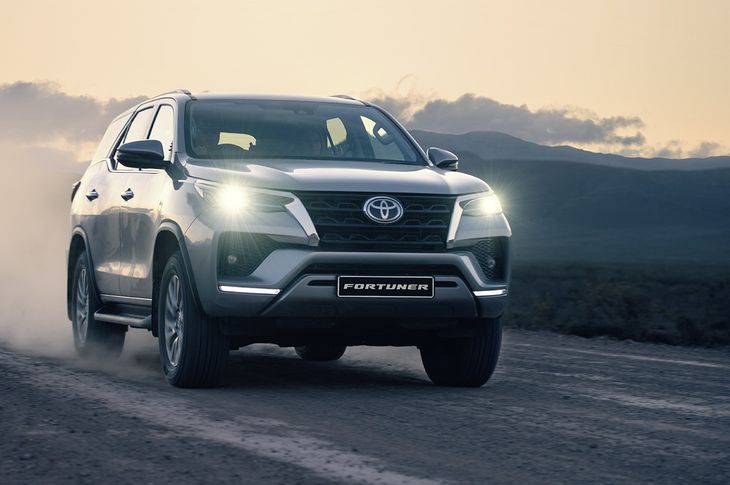
Fortuner is an ideal all-terrain family vehicle, but it rarely serves as a 7-seat people carrier.
When SUVs started displacing large MPVs in the early 2000s, designers were tasked with incorporating people movers’ 3rd-row seating in ladder-frame-based vehicles. It’s an unenviable task, MPVs are designed to have 3 rows of seats, with good legroom and passenger access. SUVs, by contrast, don’t have floorpans and require additional ground clearance with greater suspension travel, creating a greater extent of wheel-well intrusion – it’s one of many packaging issues.
And that’s why contemporary ladder-frame-structure SUVs have horribly compromised 3rd-row seating. When you inspect the 3rd-row seats in a ladder-frame SUV, your first thought is probably: “I’m glad I’m driving and not sitting there.”
Frankly, 3rd-row seating in Toyota’s Fortuner is a world of discomfort compared to that in the marque’s legacy Previa MPV. Or, if you want a more current example, the long-distance travelling comfort in the 3rd row of a Quantum VX.
At the expensive end of the price spectrum, bakkie- or off-roader-based 7-seater SUVs’ compromised 3rd-row accommodation renders the idea of transporting more than a driver and 4 passengers on long trips virtually invalid. But then there’s a potentially worse scenario in South Africa, but at the affordable end of the 7-seater vehicle spectrum.
The issue with small engines and 7 passengers
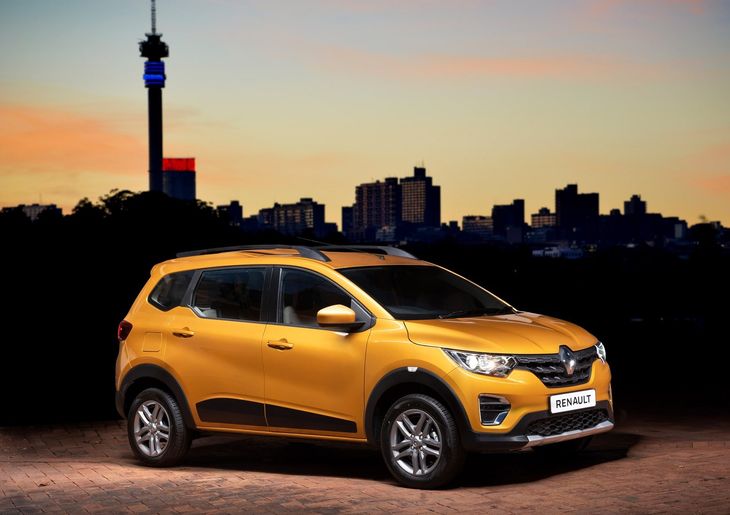
The Triber, with Joburg’s skyline in the background. But when the Renault’s fully loaded, at Joburg altitude, it struggles.
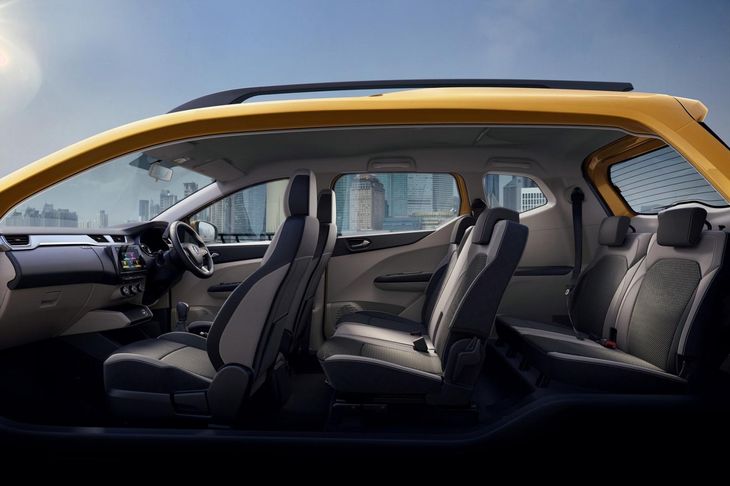
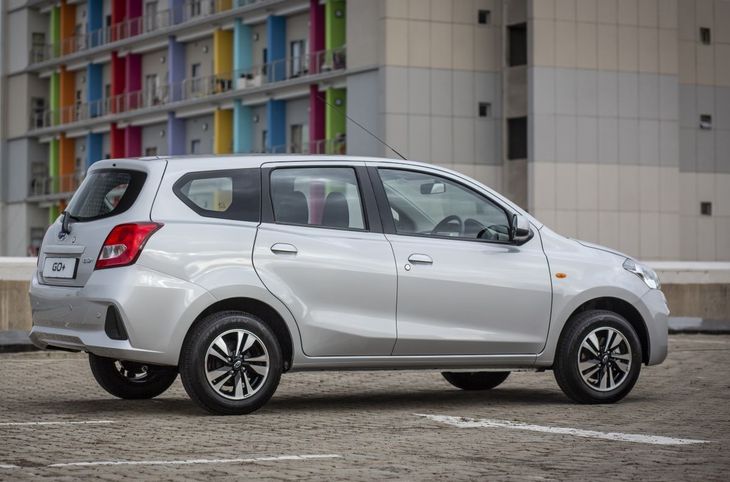
Honda’s Mobilio and Toyota’s Avanza are no longer available locally, but Renault markets a 7-seater Triber and Datsun has the Go+ (while inventory lasts). Both these vehicles are afflicted by the combination of the performance dropoff that their tiny naturally aspirated (non-turbocharged) petrol engines suffer on the Highveld (because the air is less dense upcountry than at sea level) and their ballooned kerb weights when they’re used to their full people-carrying potential.
Budget 7-seater MPVs are much more likely to drive with a full complement of passengers on board than any Fortuner, Ford Everest, Isuzu MU-X or Mitsubishi Pajero Sport. And that means their modest naturally-aspirated petrol engines have to work very hard to keep up with traffic, not to mention consume a lot more fuel than what their manufacturers claim they will. Run the numbers, and the issue becomes evident.
Renault’s Triber is powered by a modest 1.0-litre 3-cylinder petrol engine that produces 52 kW and 96 Nm. Those numbers aren’t awful for a non-turbocharged engine of that capacity and entirely reasonable for a compact hatchback. But the Triber isn’t a compact hatchback… It’s an affordable mini-MPV, with seating for 7; buyers purchase the model with the express intention of using its full seating capacity – and often.
The reality of 7-seater vehicles at altitude
For what you pay, the Tiber seems a great 7-seater. Until you try and drive up an upcountry mountain pass, with 6 passengers in situ.
Renault’s engineering specification for the Triber provides a fully-loaded vehicle mass of 1 522 kg (that’s the prescribed limit with 7 occupants and their luggage on board). The Triber has an impressively trim kerb weight of under 1 000 kg, which gives it a power-to-weight ratio of about 54 kW/tonne. Would you be satisfied with the overtaking ability of a compact hatchback, with similar power-to-weight numbers as the Renault, if it had 7 people on board? No, I didn’t think so.
At its full operating weight, the Triber’s power-to-weight number reduces to 34 kW/tonne. And it potentially gets worse.
Altitude becomes a real issue if you operate a fully loaded Triber on Gauteng, North West or Limpopo road infrastructure. In a naturally-aspirated petrol engine, the reference figure for altitude-adjusted power loss is about 10% per 1 000 m of elevation. In Gauteng, that’s a loss of nearly 16.8%.
In theory, the real-world power resources of a completely loaded Triber, at altitude, could be down to 28.3 kW/tonne. If you were offered a new compact hatchback with those numbers, you’d think twice about venturing near a highway…
The numbers don’t make sense in SA
The Datsun Go+ is well suited to India, where driving conditions limit cruising and commuting speeds.
Tribers sell in relatively healthy numbers – just as the Datsun Go+ once did – and they are used by drivers and owners, who move people about as a matter of routine, out of necessity or for business. And that means those, um, plucky engines, at altitude, facilitate a very compromised driving experience.
The Renault Triber and Datsun Go+, which are related, aren’t the happiest 7-seater motoring outcomes for South African users. Sheer affordability drives Triber and Go+ sales, but at altitude, those vehicles are a challenge to drive when they’re fully loaded, due to their underpowered engines.
Toyota, Suzuki, Honda and Mitsubishi offer markedly better 7-seater options, a segment above the Triber and Go+. With 1.5-litre engines, the Rumion, Ertiga, BR-V and Xpander all cope more confidently with the reality of carrying 7 occupants across the Highveld.
The ‘RAV4 7-seater’ we really need
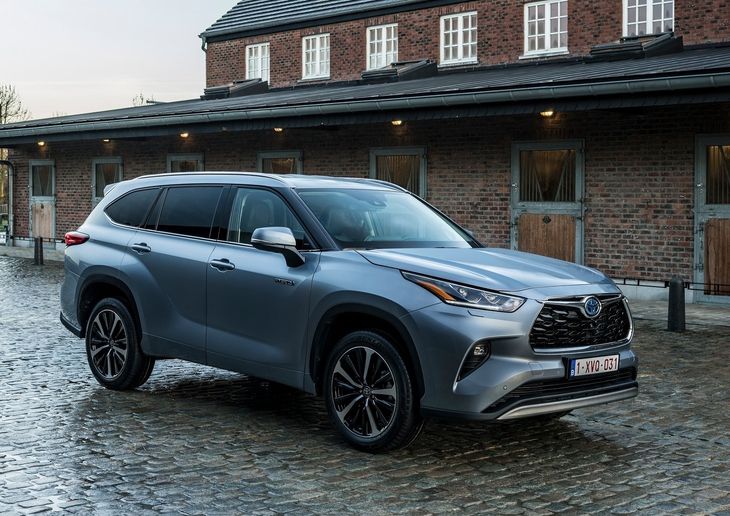
Toyota’s Kluger. It has 7-seats and mild gravel-travel ability. An ideal South African configuration.
Oh, the irony – South Africa’s most popular 7-seater model has sufficient power to transport a full complement of passengers with consummate ease, plus it suffers negligible performance depreciation at altitude because its engine is turbocharged. However, the turbodiesel-engined Fortuner is rarely used in a 7-seater role, because its body-on-frame configuration creates an uncomfortable third-row passenger experience.
And therein lies the great 7-seater passenger vehicle quandary for South African car buyers. The 7-seaters that are powerful enough to transport their full complement of occupants lack proper 3rd-row seating ergonomics, while the affordable ones are woefully underpowered for their purpose. Consider that South Africa’s average highway speeds (at altitude) are much higher than those in India, where the Triber and Go+ are made, that’s why the Renault and Datsun seem gutless.
Honda’s solution to the dearth of compact fit-to-purpose 7-seater MPVs in the local market is the BR-V. It is powered by the most powerful 1.5-litre engine in its class (it produces 88 kW/145 Nm) and its 3rd-row seating is reasonably usable.
It’s such a pity Toyota does not offer the Kluger as part of its local product range. Available in Australia, it is a much better 7-seater family vehicle than the Fortuner and it’s unencumbered by the bulk and “minibus” silhouette of the Quantum.
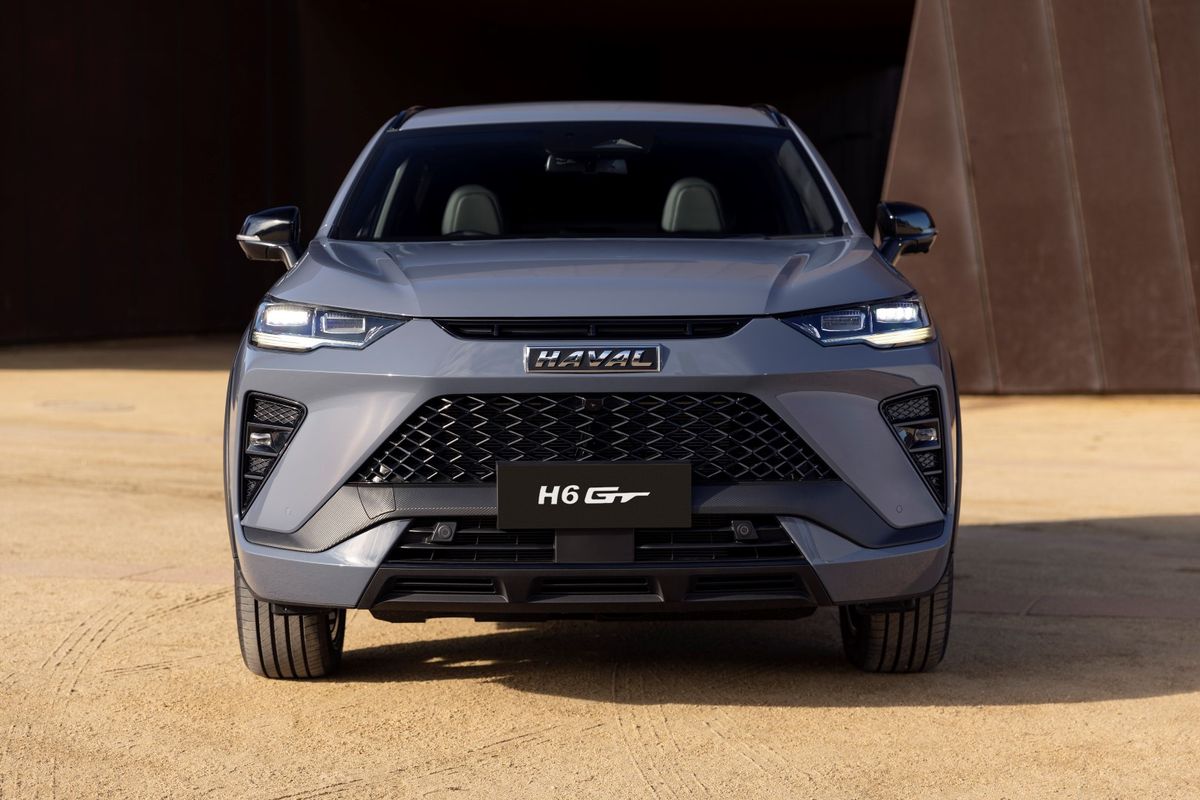
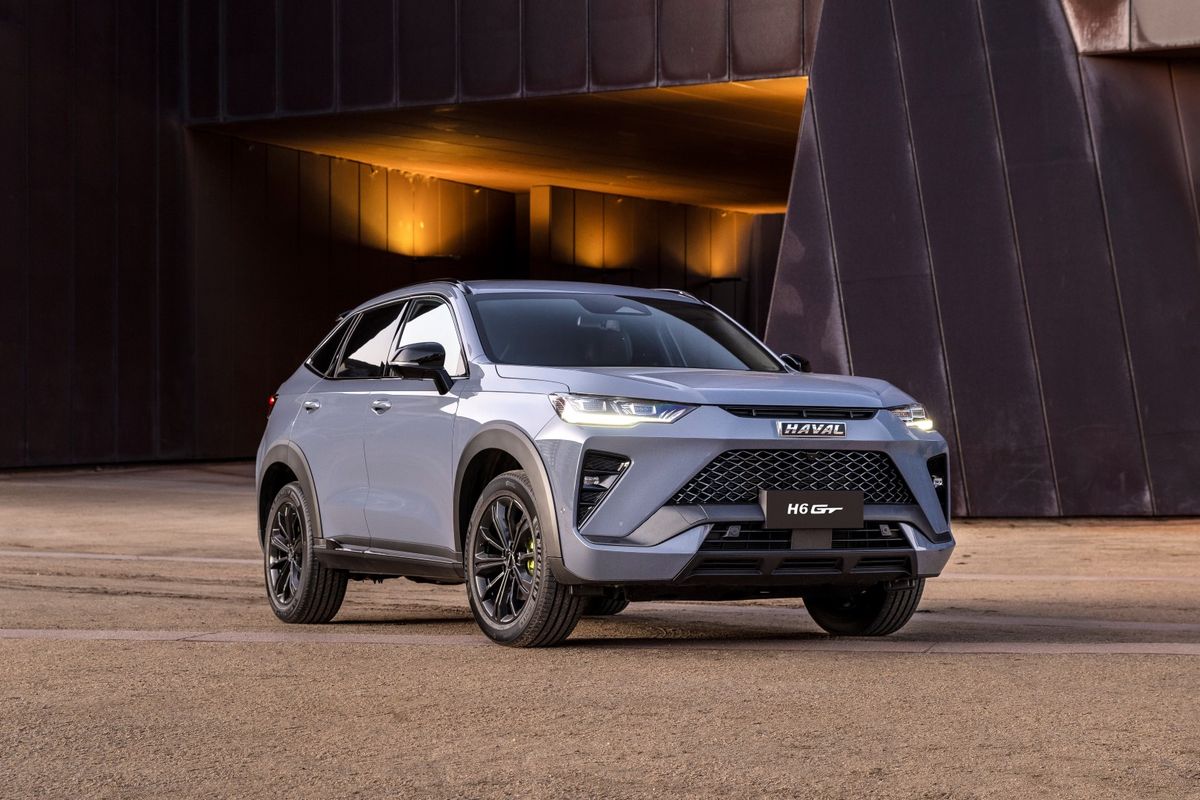
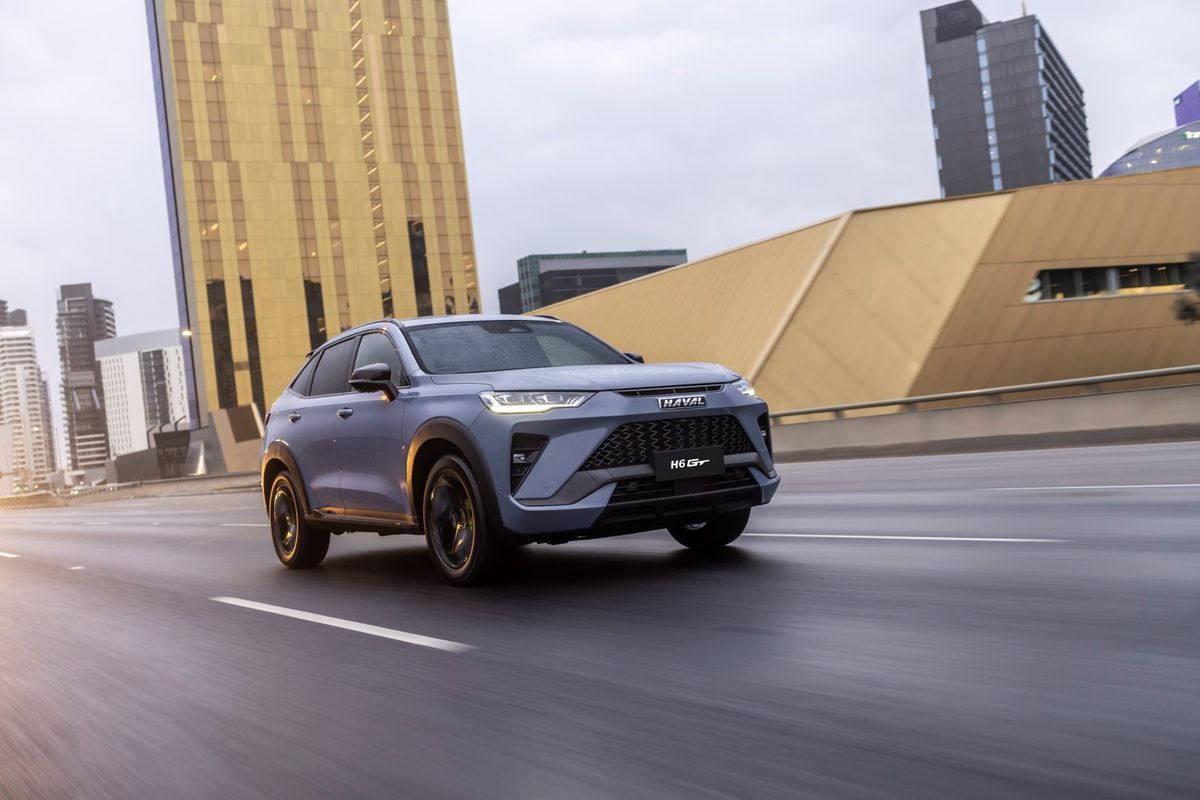
The Haval H6 GT 2022 is expected on local Haval showroom floors in September 2022 and the newcomer will bolster the Chinese firm’s tightening grip on the South African market.
It’s not a question of if but rather when this rather good-looking Haval H6 GT will go on sale in South Africa. Images of the H6 GT on Haval’s stand at 2022 NAMPO in Bothaville, Free State, earlier this year caused a stir on social media platforms, hinting that perhaps its local introduction was much closer than we initially thought and that might very well be the case.
Back in January 2022, a representative from Haval SA had this to say: “I can confirm we will indeed be getting this car, the homologation is occurring at the moment so there’s one in SA already. We will hopefully have our press launch in around mid-2022 dependent on production and shipping which is still to be confirmed. So we hoping to have more fixed timings by mid-February.”
Reports from Australia confirm that supply restrictions have delayed the introduction of the Haval H6 GT Down Under but mass production of the model commenced in May 2022 and it will finally now go on sale in July 2022. This is likely to be the reason why the H6 GT has not yet been launched in South Africa.
The Haval H6 family car (and other models such as the Haval Jolion) are proving to be hugely popular in SA, so much so that supply is outstripping demand and with its sportier disposition, the H6 GT is likely to sell well in Mzansi.
What is the new Haval H6 GT?
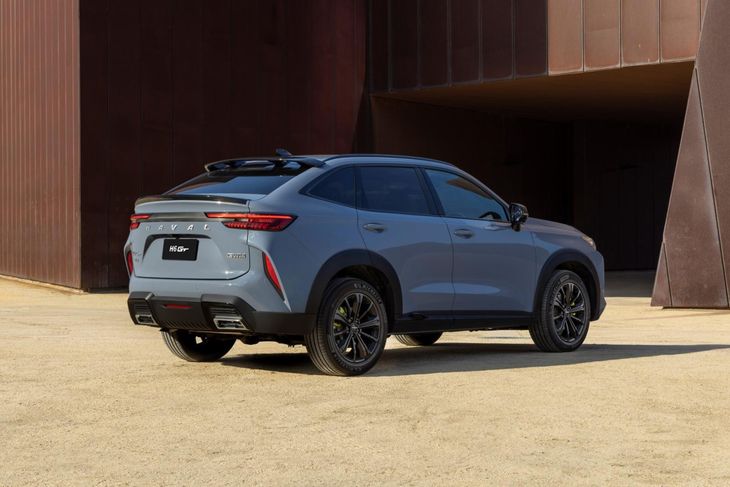
The H6 GT is a sportier version of the popular H6 and is due in SA soon.
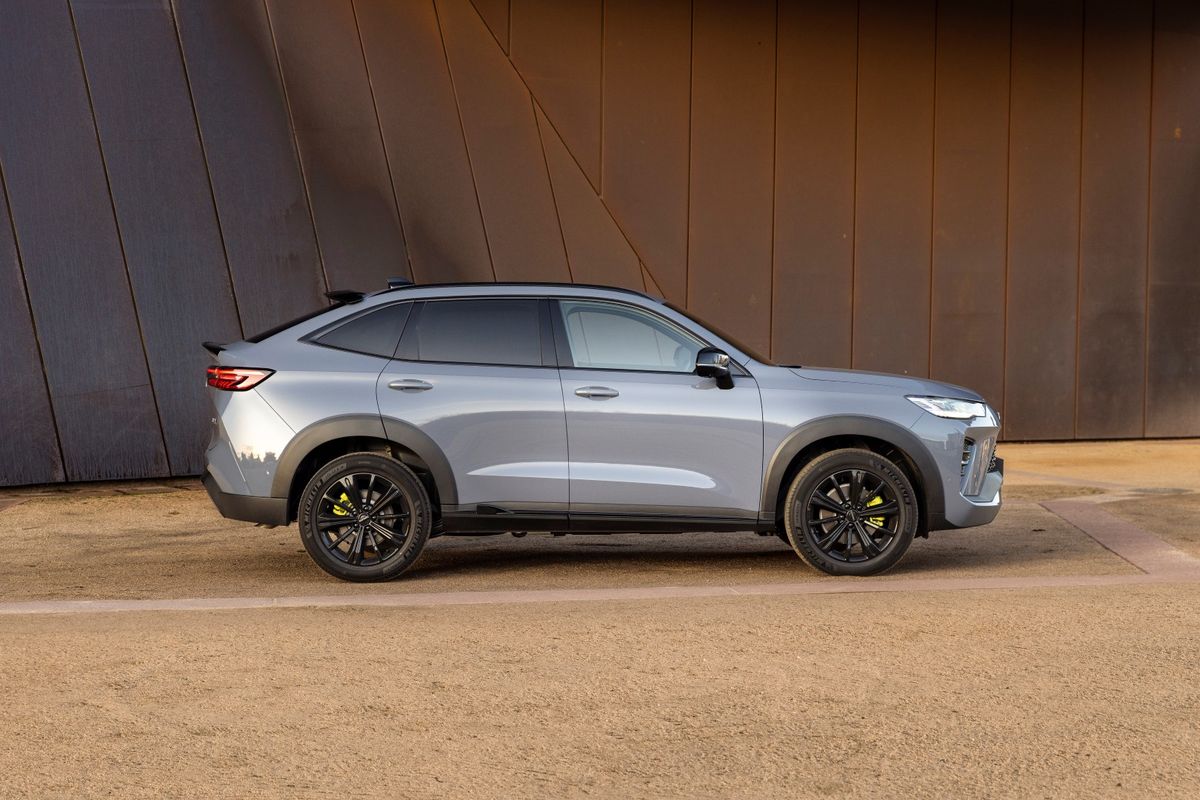
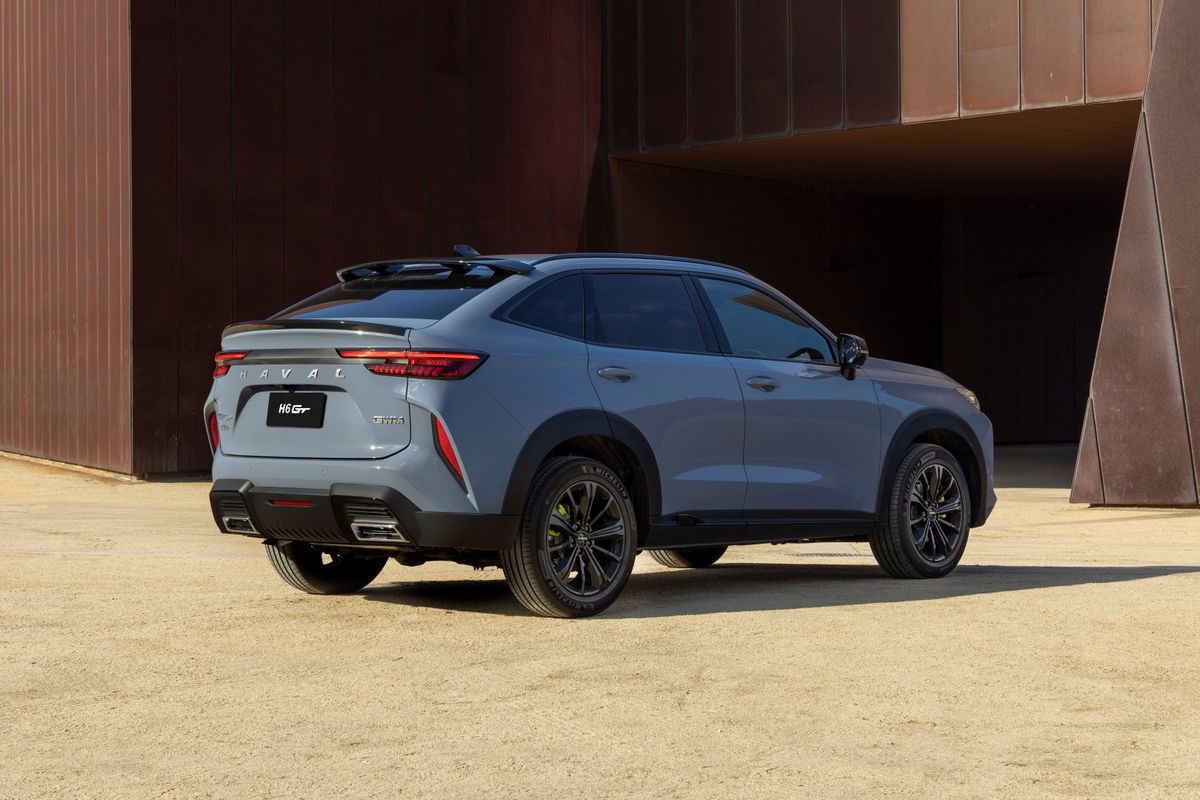
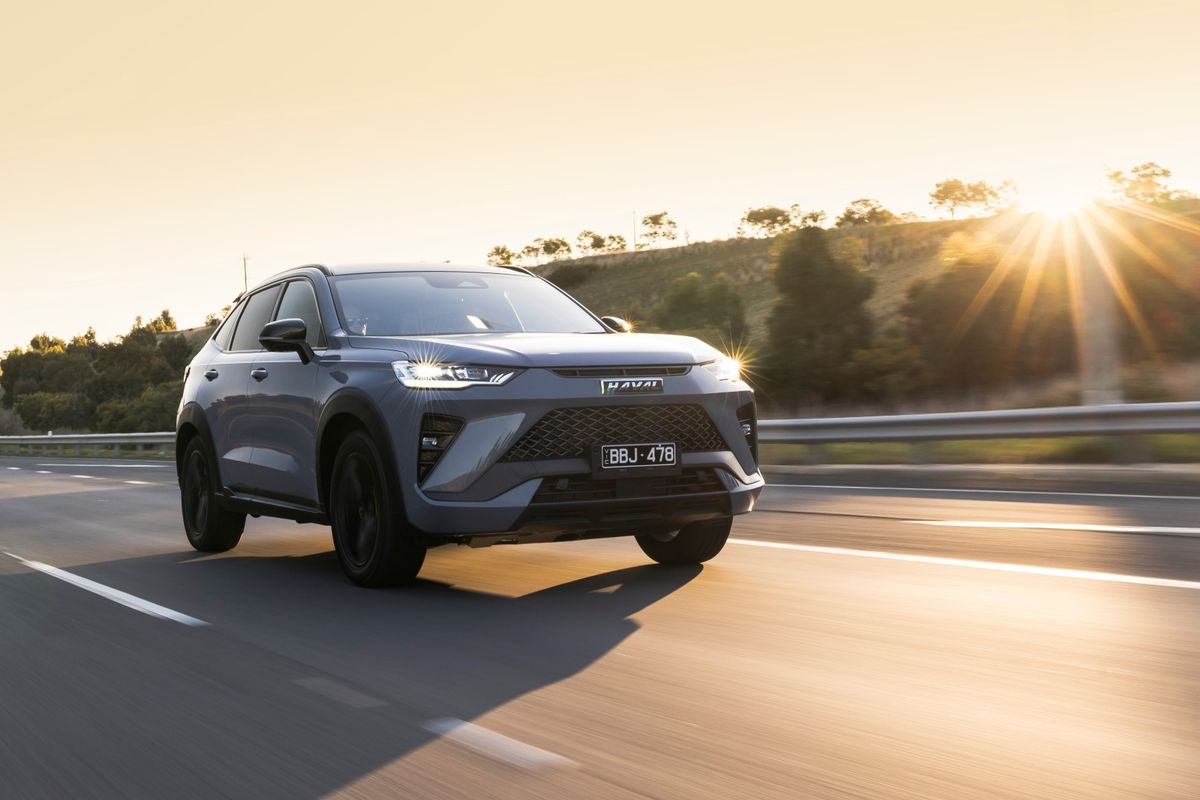
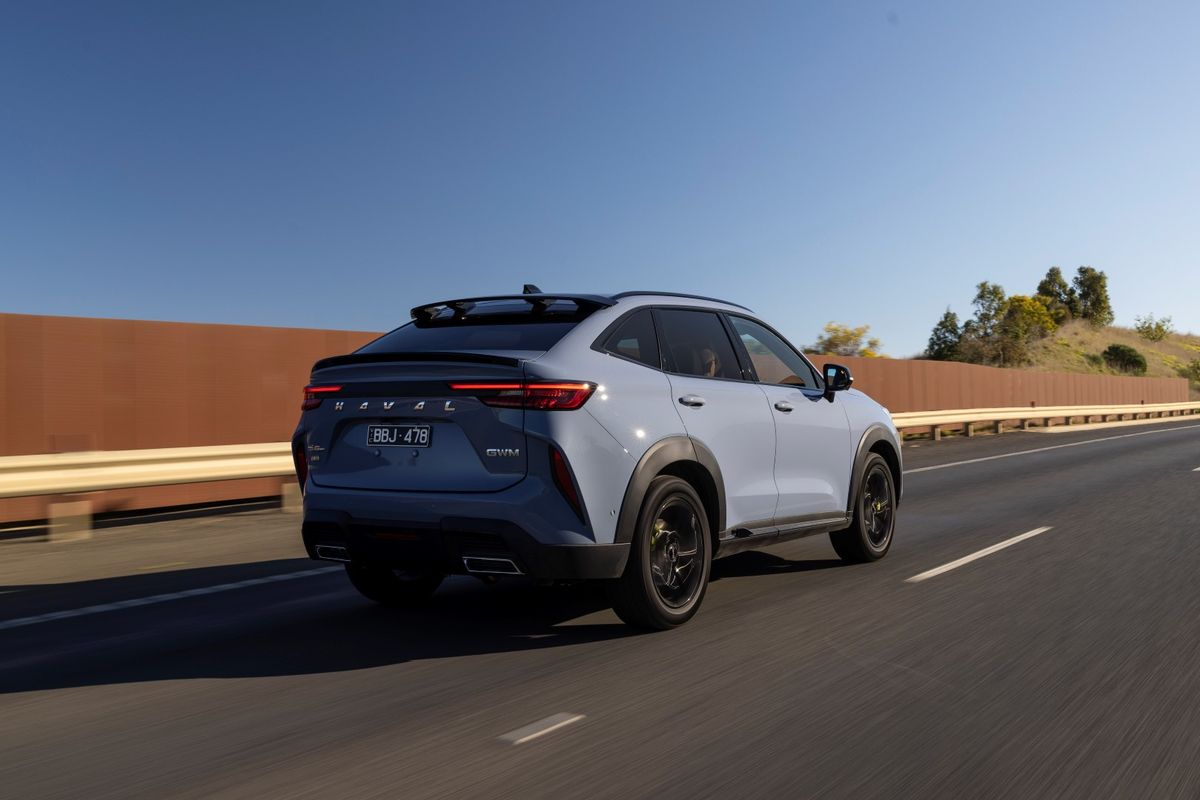
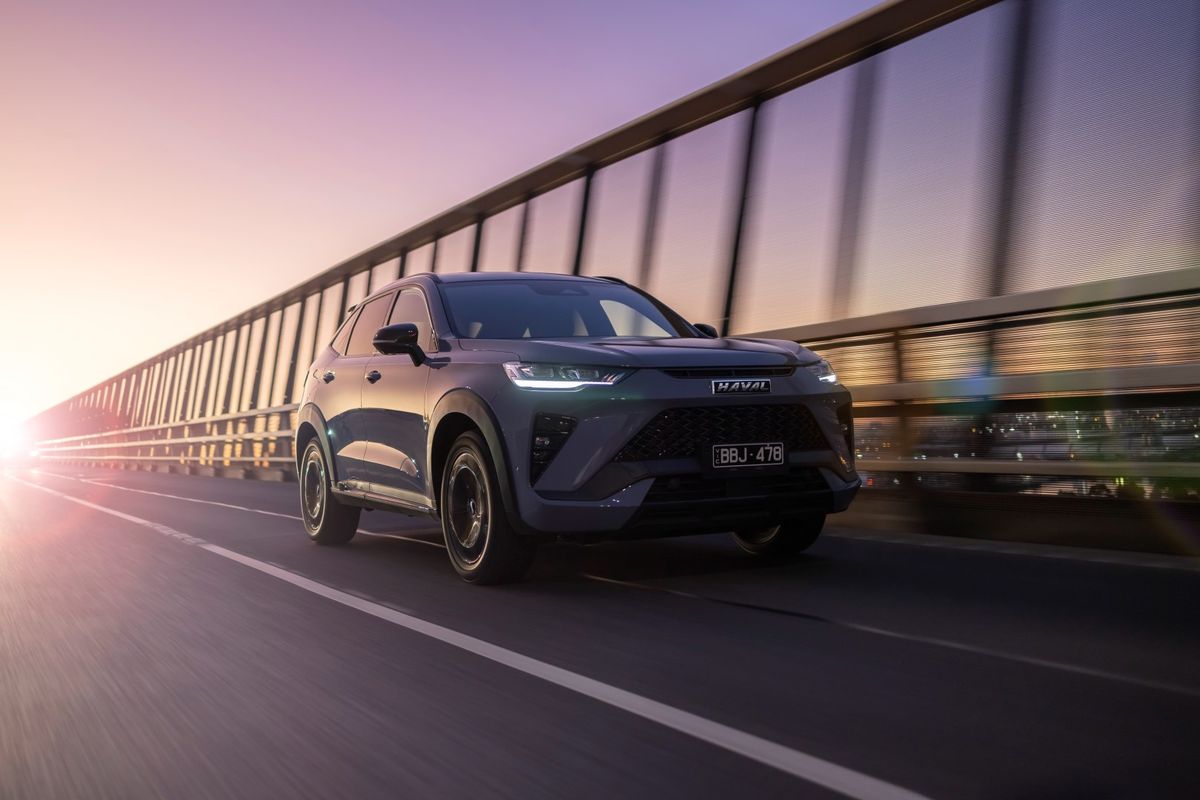
The Haval H6 GT is a sportier derivative of the standard Haval H6, much like the X4 is to the BMW X3, and Q5 Sportback is to the standard Audi Q5.
In the Chinese market, it’s known as the Haval H6S and while the H6 GT shares the same wheelbase (2 738 mm) as the H6, it’s bigger in every other dimension with a length of 4 727 mm (+74 mm), width of 1 940 mm (+54 mm) and height of 1 729 mm (+5mm). The front-end design is more aggressive with a larger grille and the coupe-like silhouette gives the model a sporty look which is complemented with dual spoilers and 2 exhaust tips. The H6 GT also rides on Michelin rubber and Brembo brakes are also fitted.
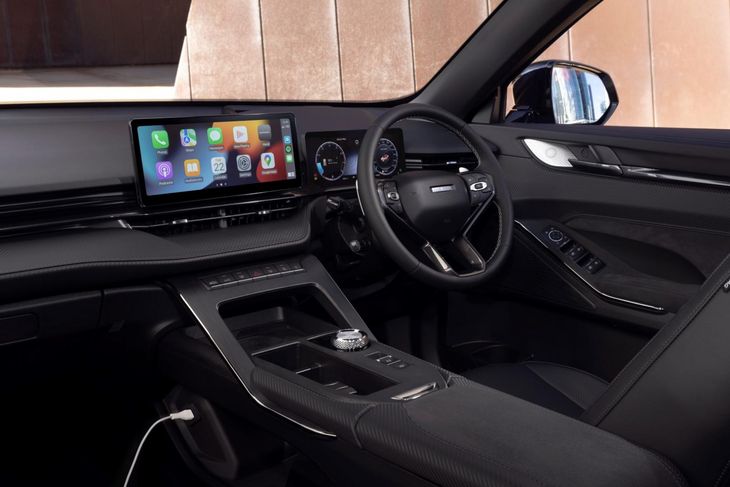
Buyers can expect a tech and feature laded cabin when the H6 GT arrives locally.
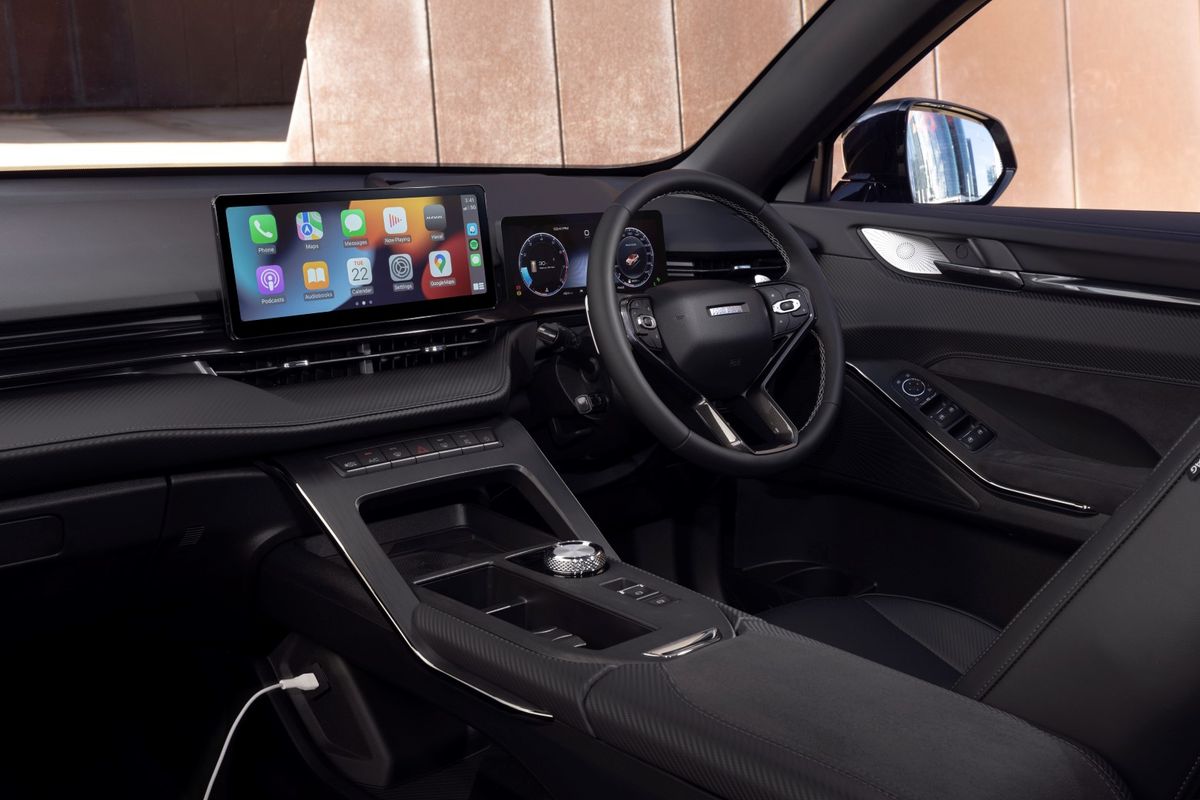
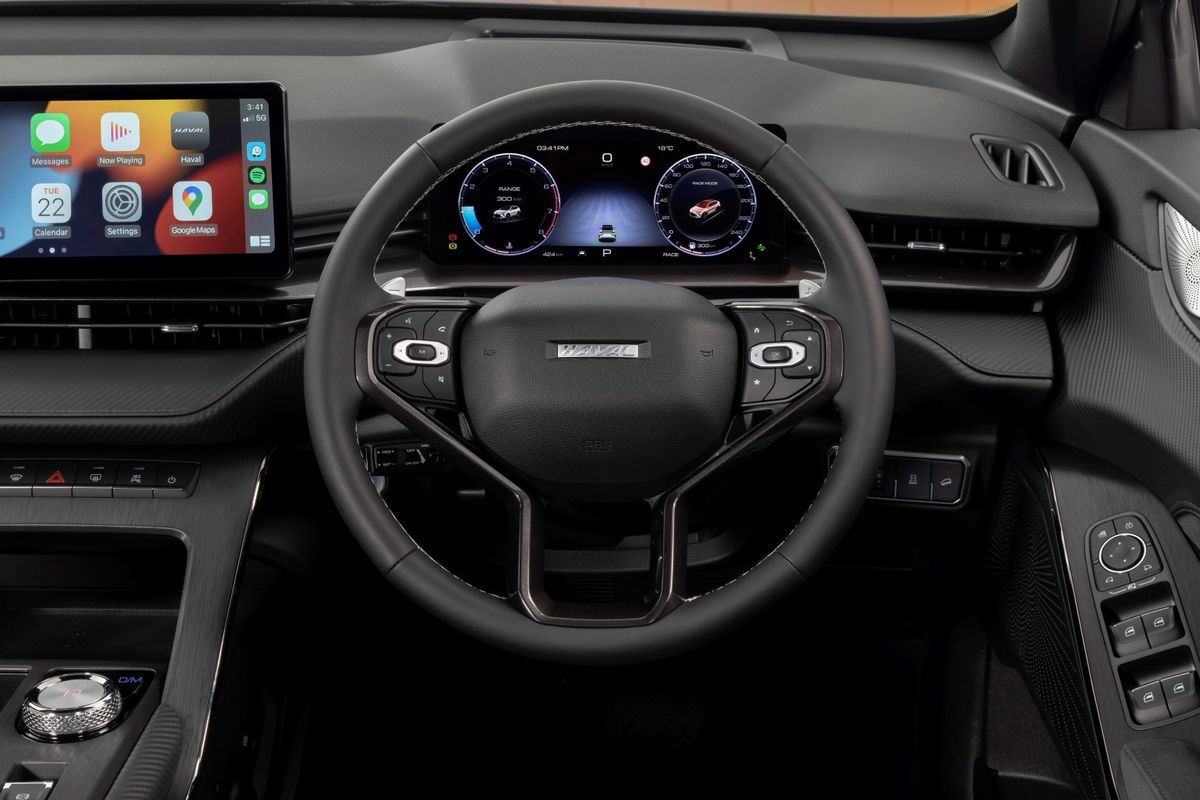
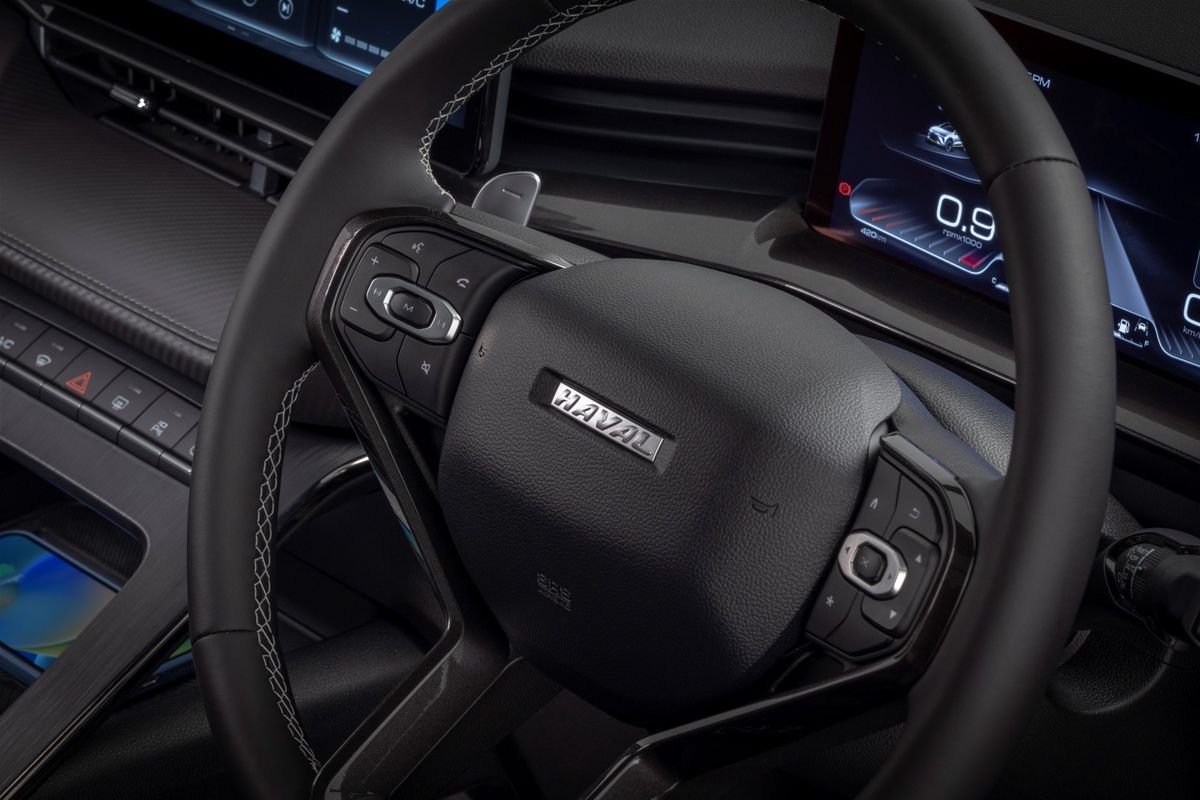
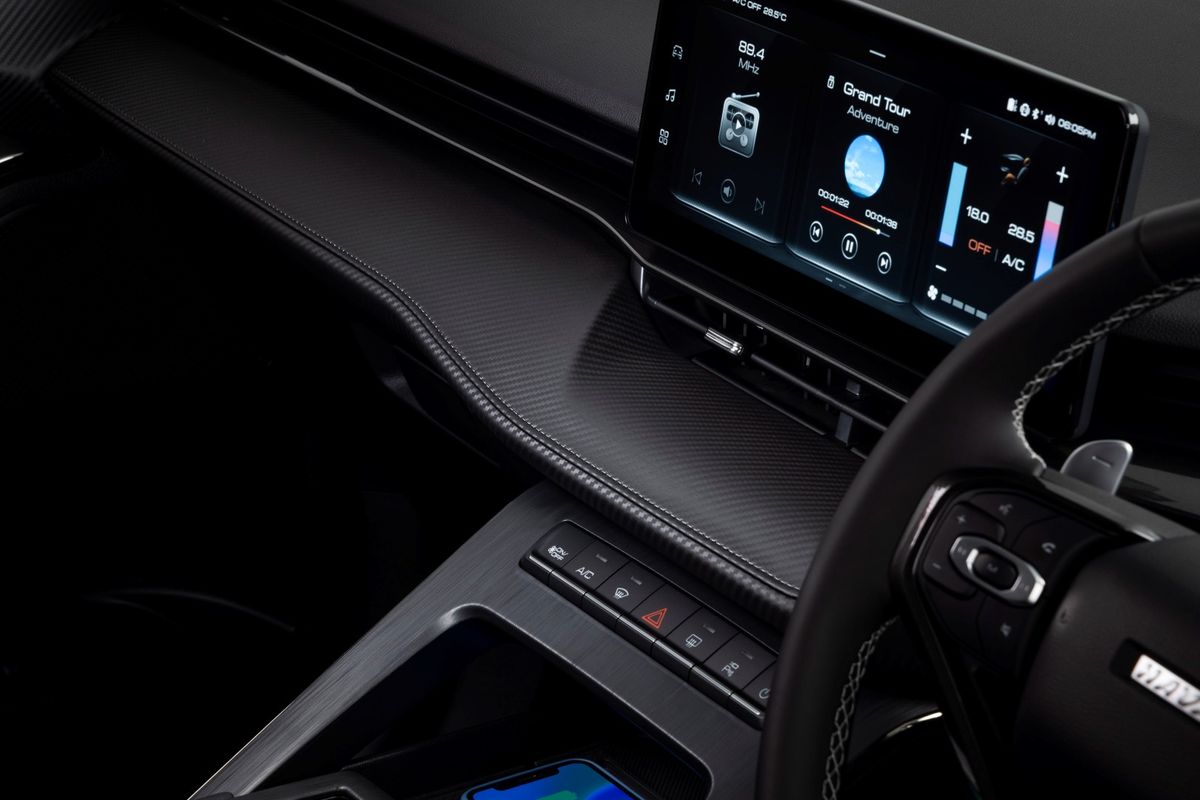
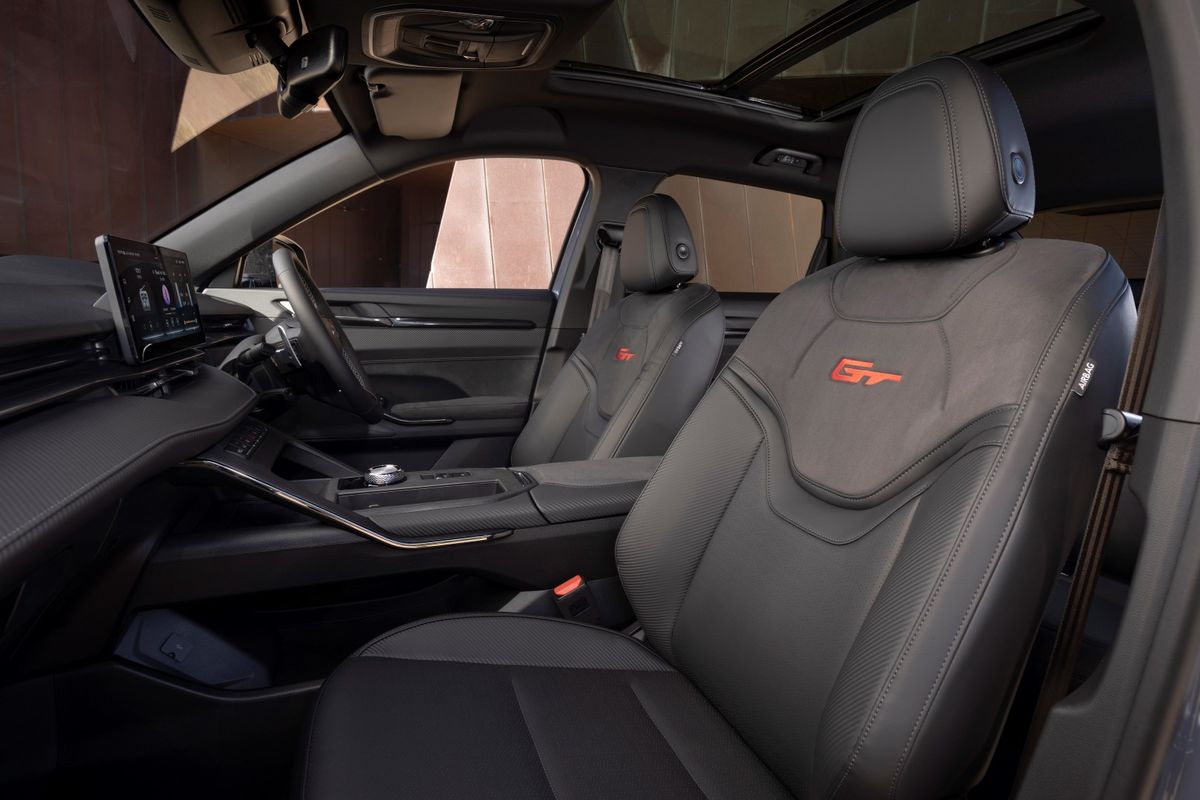
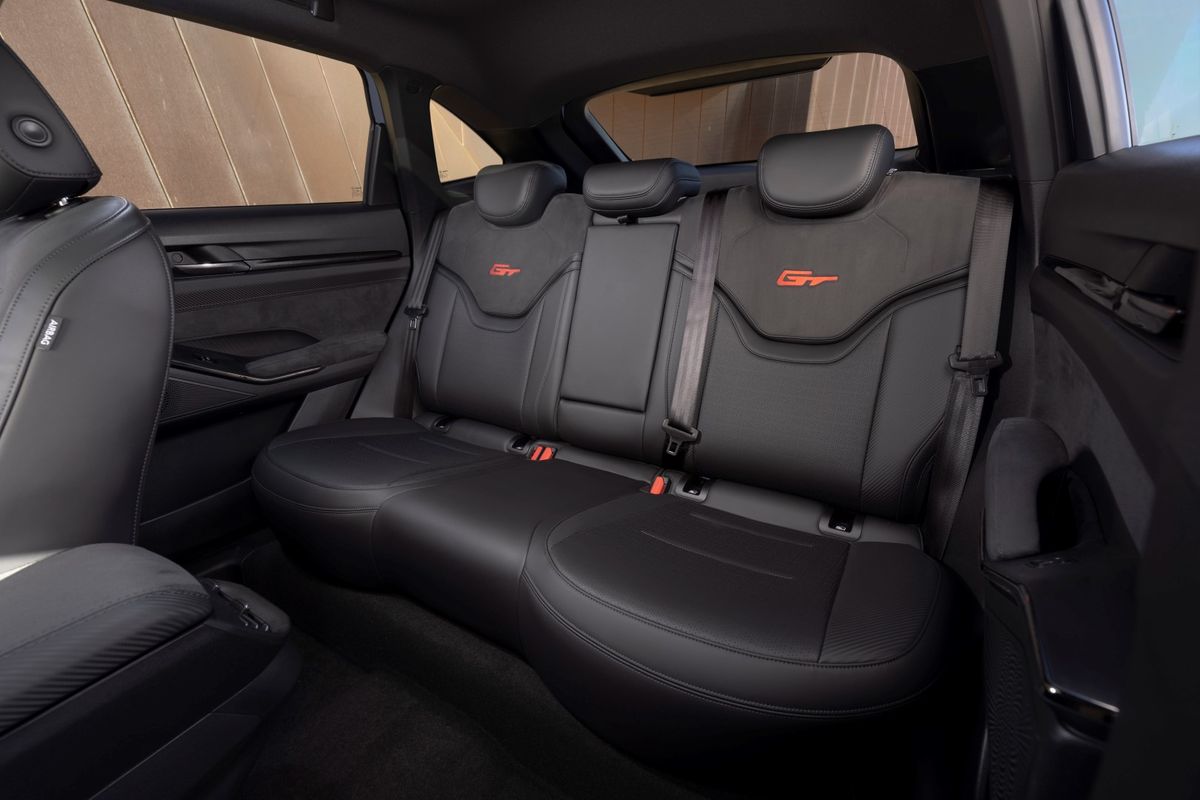
The sportiness continues inside where the latest Haval SUV gains unique cabin trim with Comfort Tek leather sports seats as well as a 10.25-inch instrument cluster and a 12.3-inch touchscreen infotainment system. Driver assistance and safety features are carried over from the H6 and you can expect features such as autonomous emergency braking with pedestrian and cyclist detection, adaptive cruise control with Stop & Go, forward-collision warning, lane-keep assist and lane-departure warning.
Final SA trim levels are yet to be confirmed but we’re certain the model will have most of the following:
19-inch alloy wheels
LED headlamps, tail lamps, DRL and rear fog lamps
10.25-inch colour LED instrument cluster
10.25-inch colour multimedia touchscreen / 12.3 inch colour multimedia touchscreen
Intelligent Cruise Assist with Stop and Go
Autonomous Emergency Braking with pedestrian and bicycle detection
Lane Keep Warning and Assist with Blind Spot Monitoring
360 degree camera
Comfor-Tek Seats
Leather steering wheel
Dual-zone automatic climate control
Electric Tailgate
Panoramic Sunroof
Heated Steering Wheel
Wireless Charging
Front Ventilated/Heated Seats
4-way electrically adjustable passenger’s seat
Heads Up Display
Rear Cross Traffic Alert with brake
What engine is offered with the Haval H6 GT?
Under the bonnet of the Haval H6 GT is a 2.0-litre turbocharged 4-cylinder petrol engine with 150 kW and 320 Nm and is mated to a 7-speed dual-clutch transmission. We understand that the SA-spec models will feature all-wheel drive.
How much does the Haval H6 GT cost in South Africa?
The new H6 GT will be sold with a comprehensive warranty and service plan, with one particular dealer claiming a 7-year / 180 000 km warranty and a 5-year 60 000 km service plan.