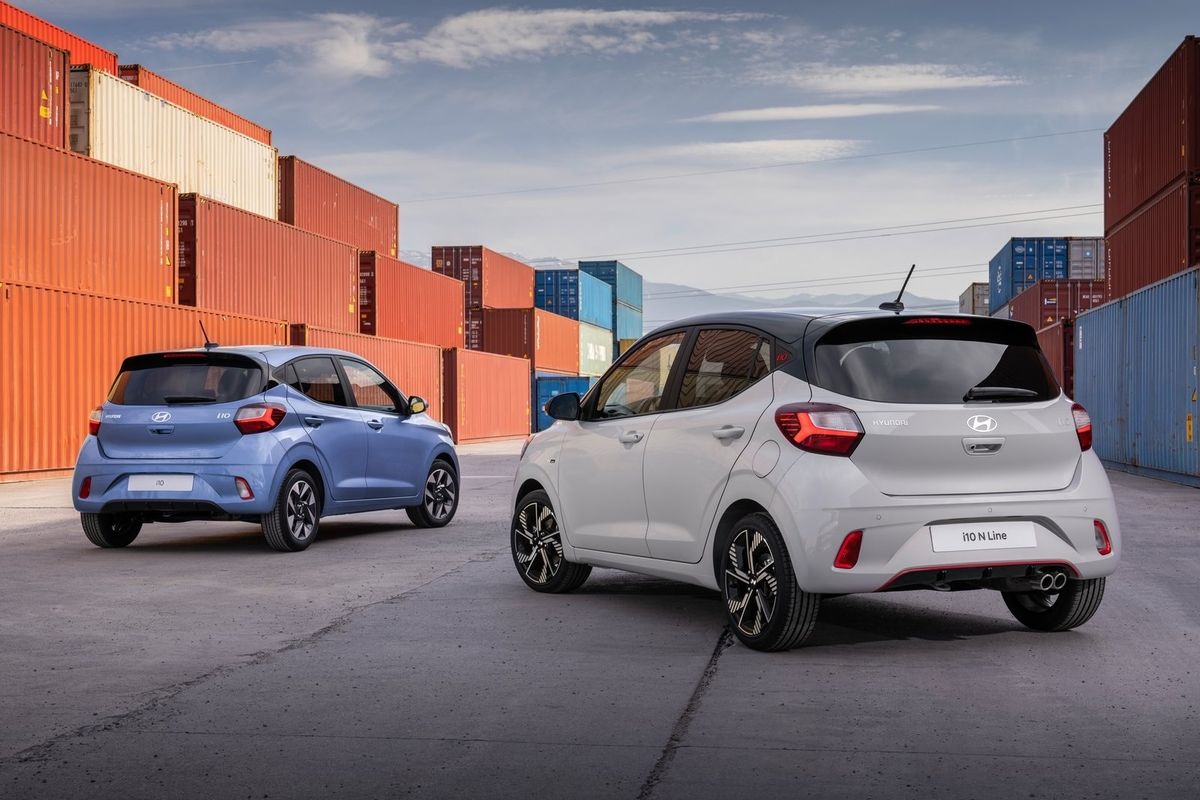
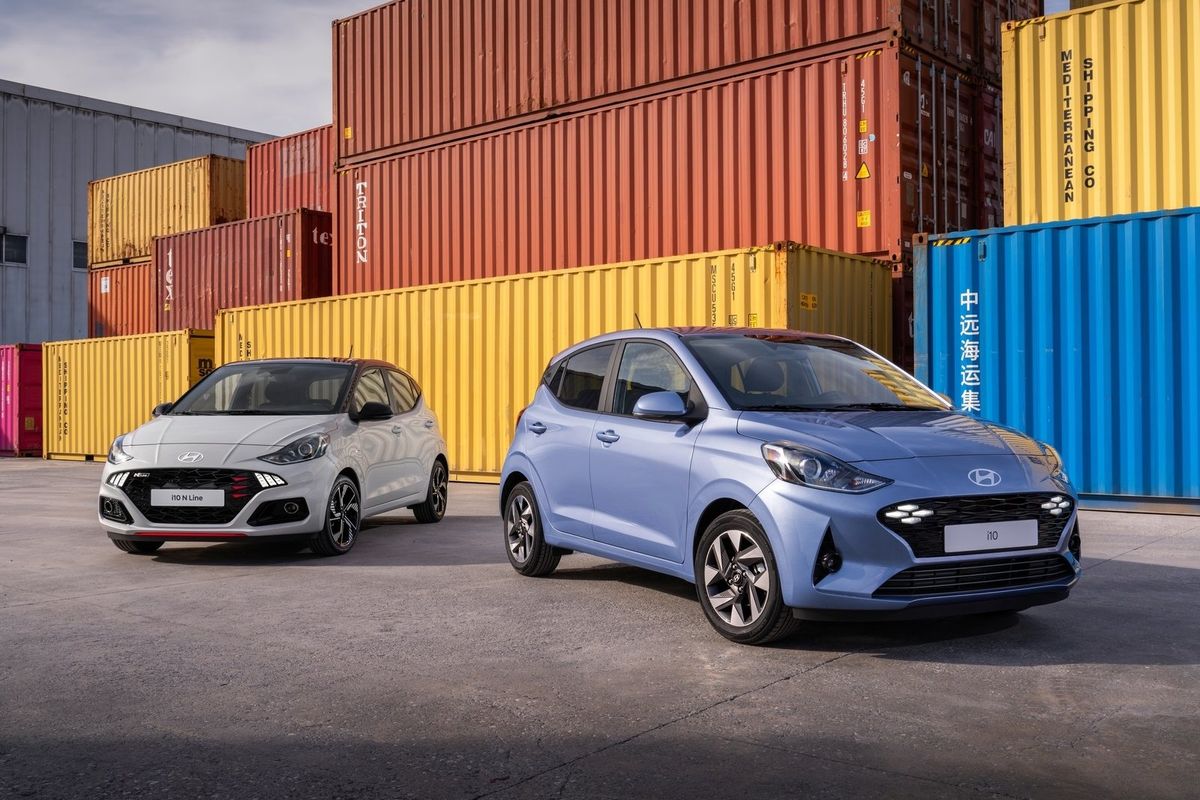
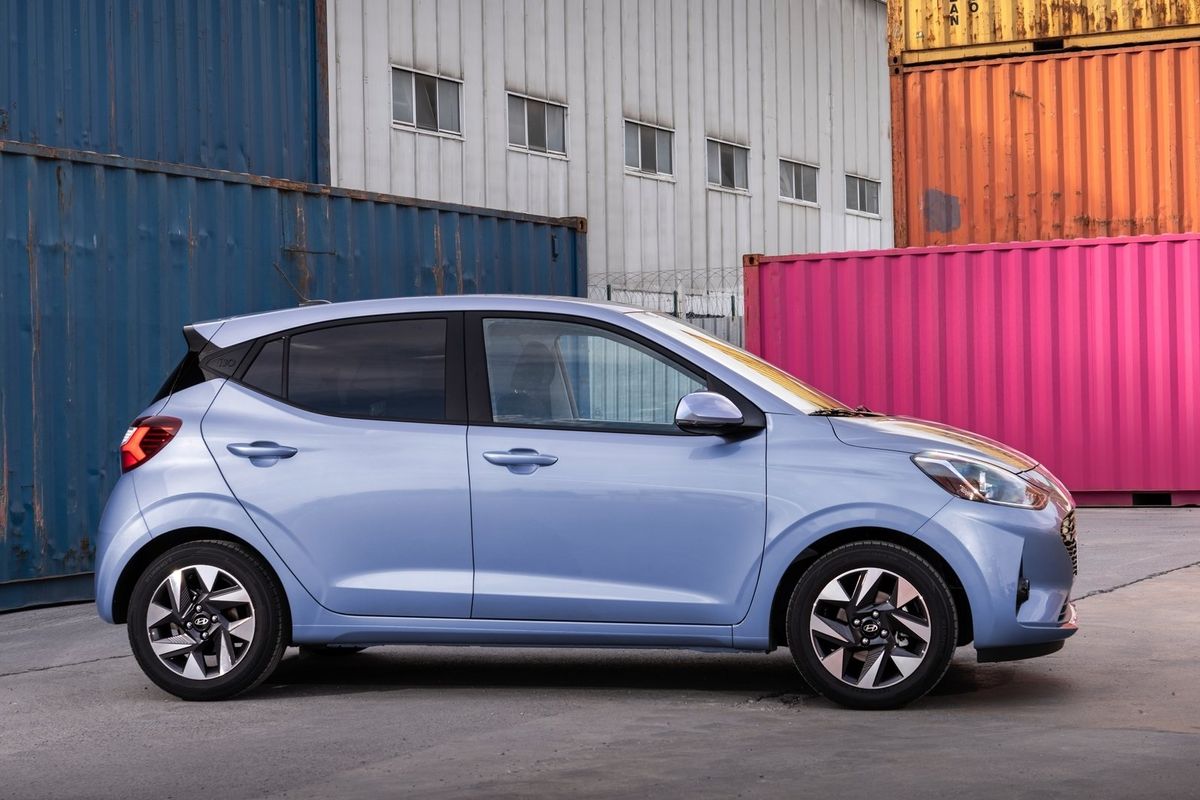
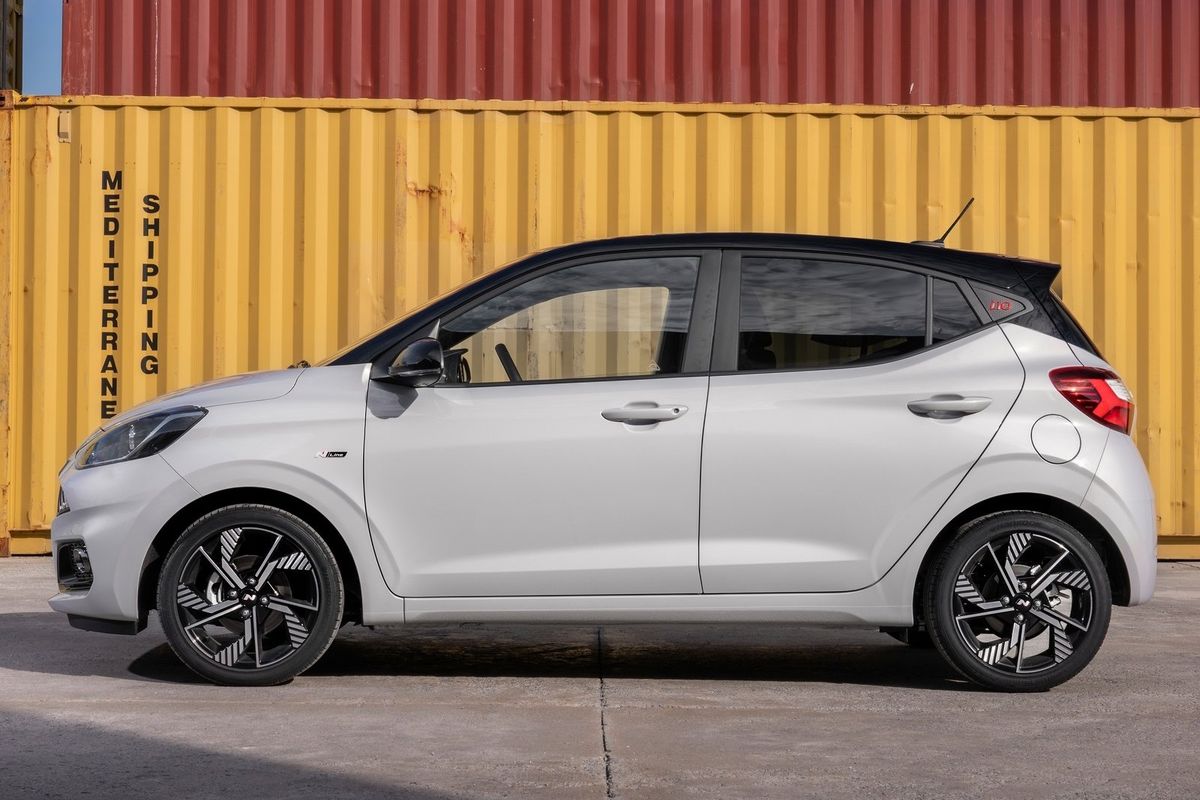
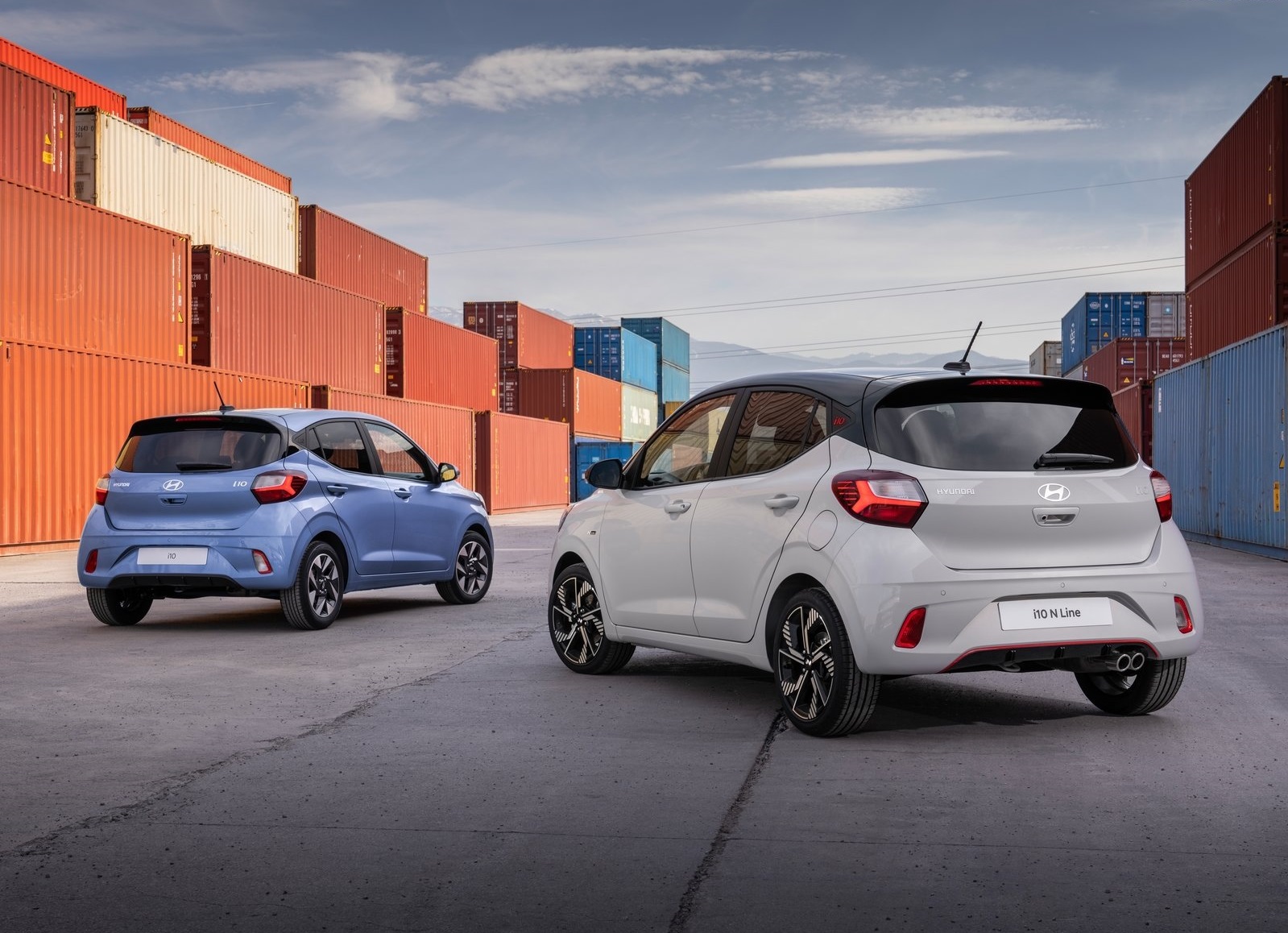
The new 2024 Hyundai i10 has been announced, along with a sporty-looking N Line derivative.
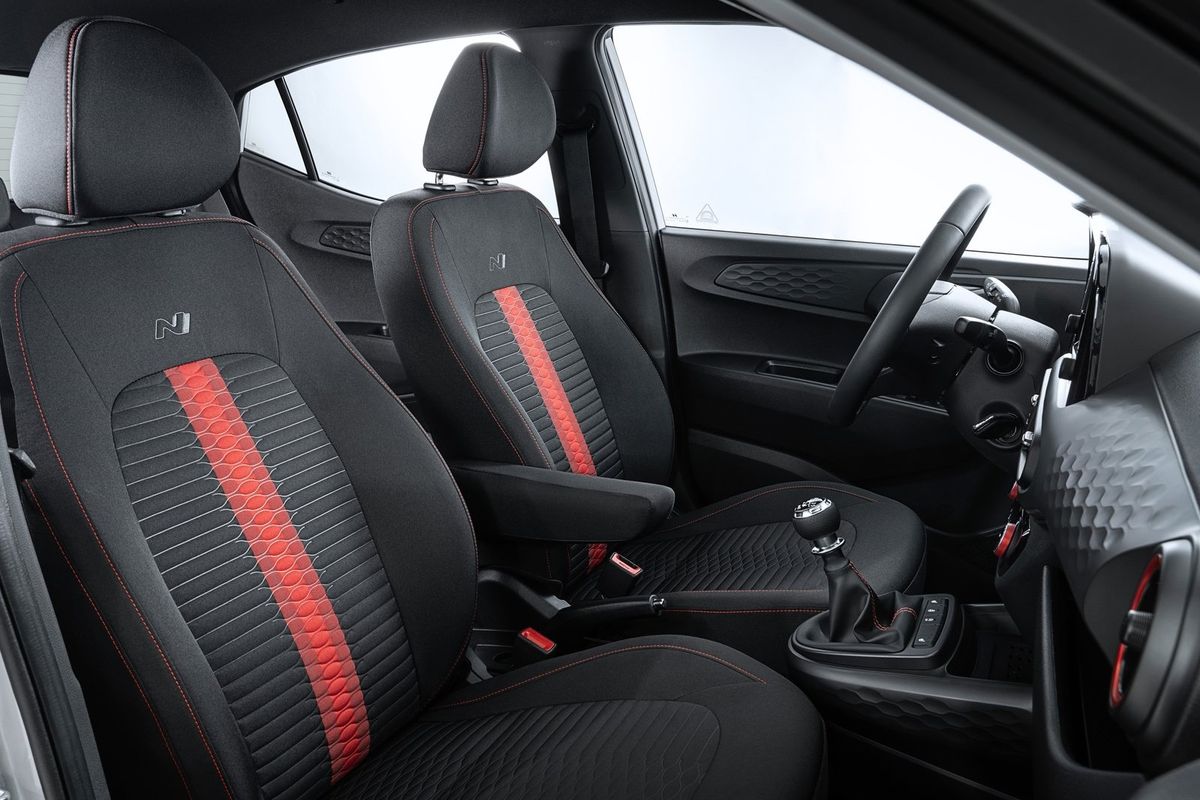
The 2024 Hyundai i10 has been revealed, along with a sporty-looking i10 N Line derivative that brand says is “inspired by the high-performance N models.” Also new for this model are enhanced connectivity and comfort features that are claimed to make the i10 even more competitive.
Hyundai has added more colours to the range, bringing the total to nine. Two-tone roof options are also available. Other noteworthy visual changes included redesigned reflector headlights, new-look front LED daytime running lights and new 15-inch alloy wheels.
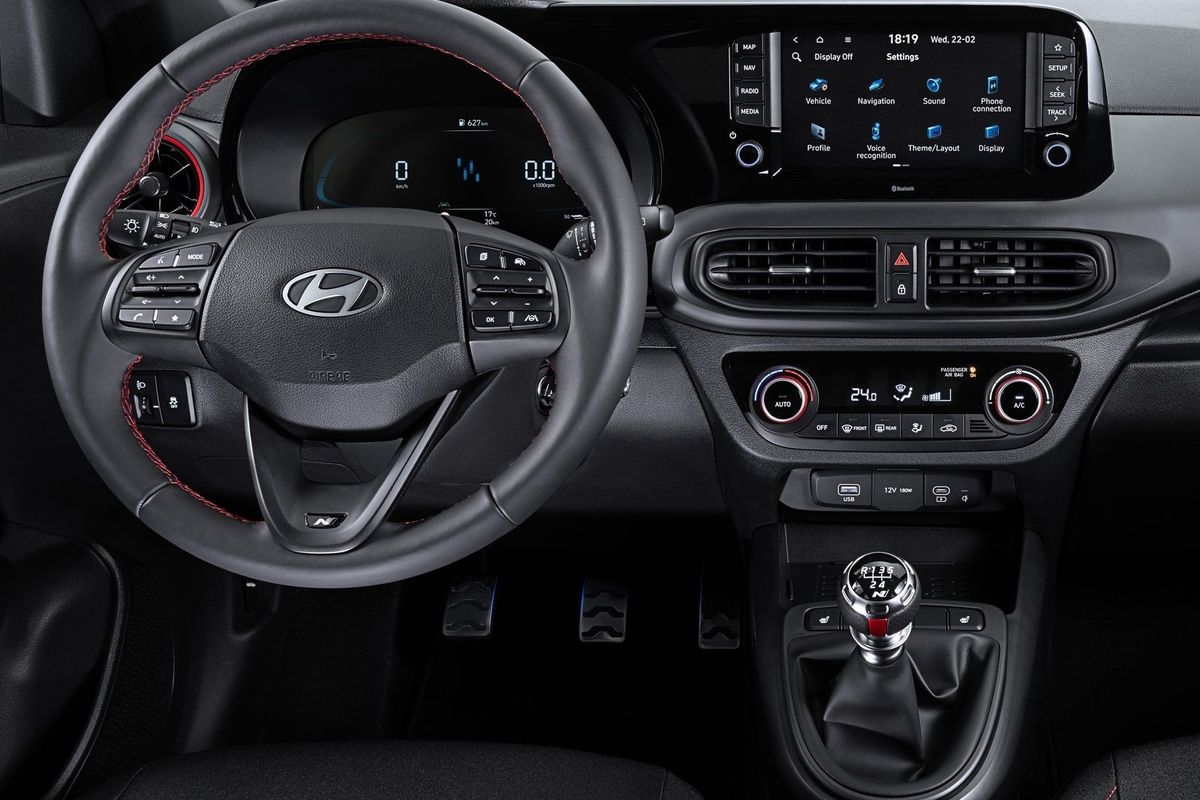
The 2024 Hyundai i10 N Line features model-specific bumpers, sporty exhaust pipes, 16-inch alloy wheels and unique daytime running lights, while the cabin gets red detailing on the seats and controls.
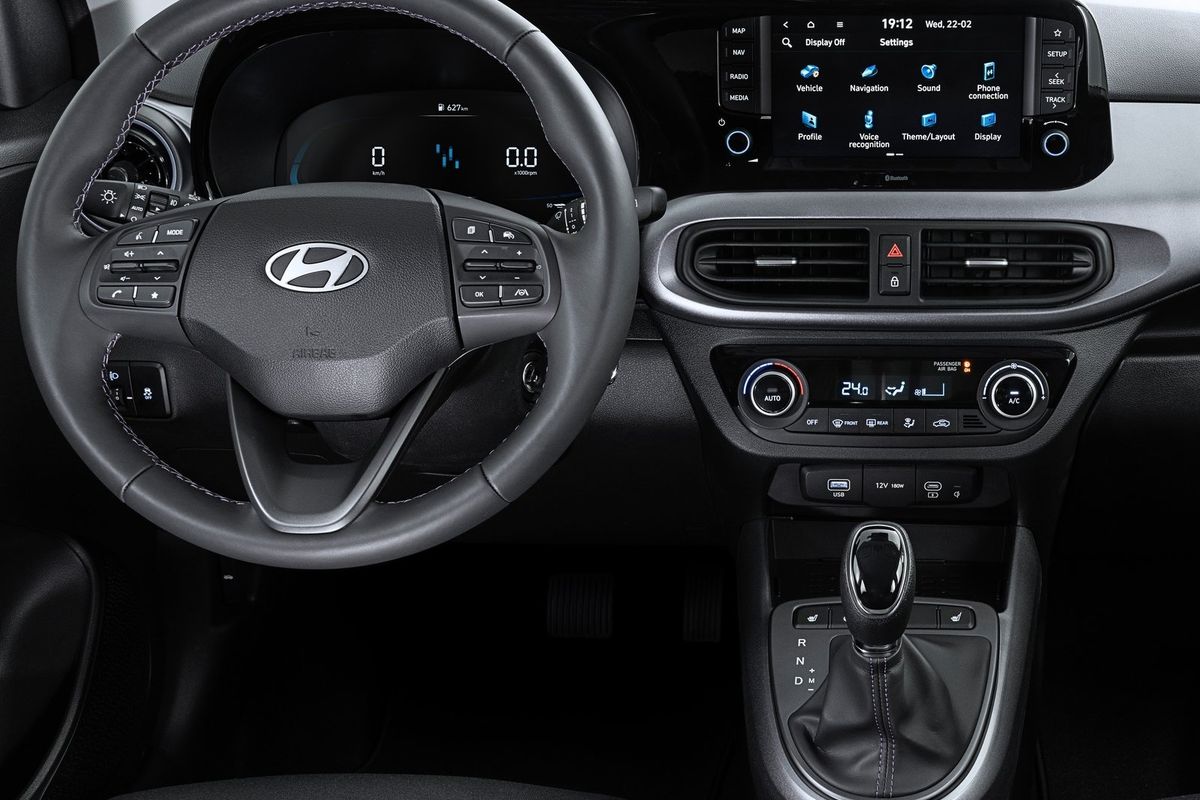
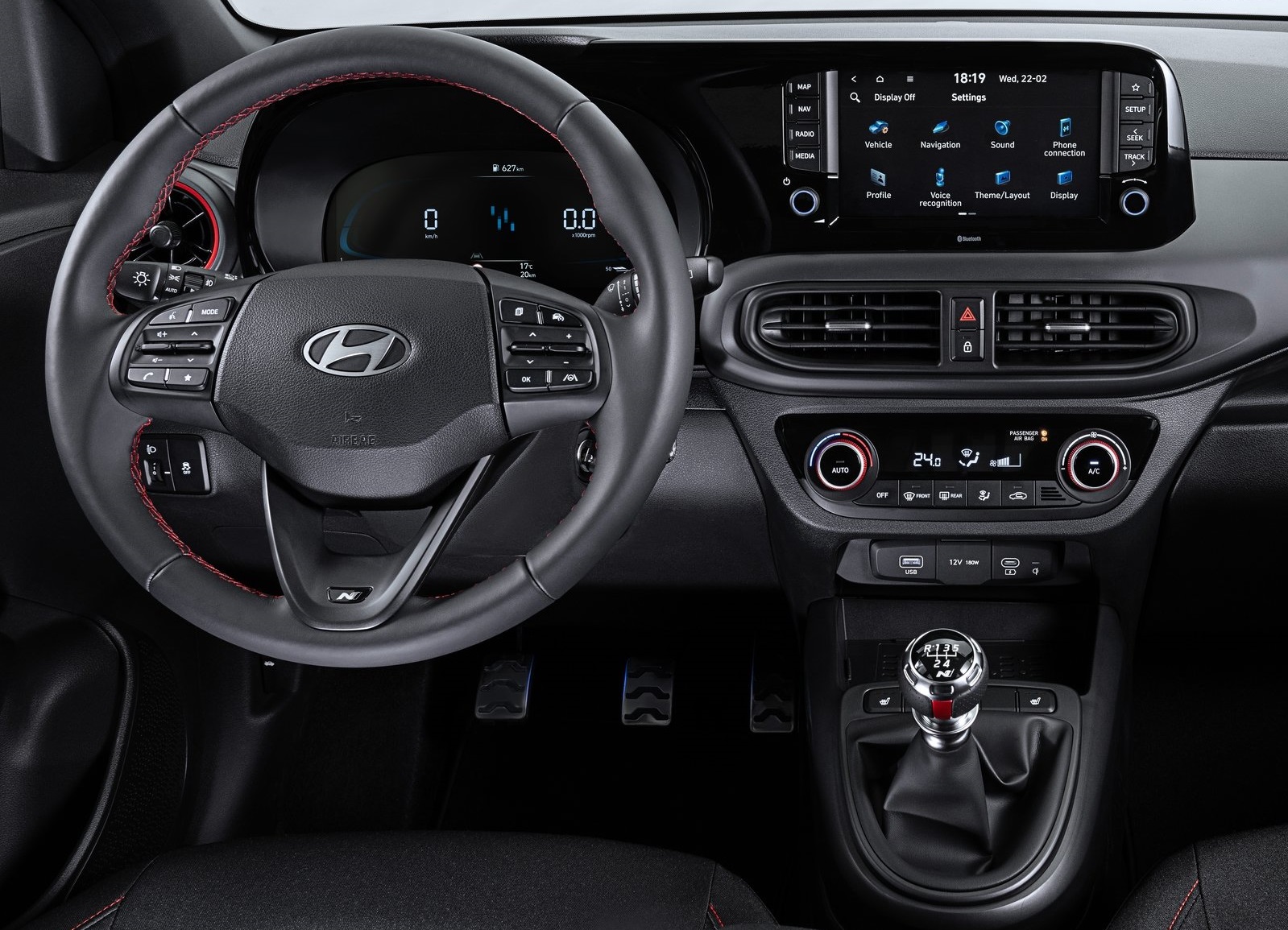
As far as technology is concerned, the new i10 gets a 4.2-inch LCD cluster, USB-C ports in the front and rear, 4G network connectivity and over-the-air updates for the map. There’s also an 8-inch display screen, wireless Apple CarPlay/Android Auto and wireless mobile device charger.
It may be marketed as an entry-level model, but the i10 still retains its semi-autonomous driving assists, however this new models adds on more. The Forward Collision Avoidance Assist is now able to detect cyclists and the car now features Lane Following Assist.
Physically, the i10 features a boot capacity of 252 litres, which can be expanded to 1050 litres with the rear seats folded down. The Hyundai i10 is sourced from the brand’s facility in Turkiye, with European delivers scheduled for the second half of the year.
At this stage there’s no confirmation on the powertrains and it is assumed these are carried over from the previous generation. These included 1.2-litre naturally-aspirated 4-cylinder petrols and 1.0-litre turbocharged 3-cylinder petrols.
Find the type of car insurance that suits you
Comprehensive insurance is the best type of policy that you can take out on your car, but your monthly premium can be quite high. However, there are alternative insurance options that still offer significant coverage, but may suit your car and situation better.
PARTNERED CONTENT
Money-savvy individuals with a stable income consider car insurance a basic part of their financial life. There are several factors that determine how much your car insurance will cost (how much the monthly premium is), including the market or replacement value of the vehicle, the age of the driver/s, where the vehicle is parked overnight, which safety features it has and so forth. However, as the world changes, there are several new realities to consider when identifying the best car insurance plan for your needs.
Explore different types of car insurance
It’s ideal to have a comprehensive insurance policy for your vehicle (provided you can afford to pay the monthly premium associated with it), but what if you fall into hard times financially? It can happen.
Unfortunately, too often motorists facing short-term cash flow challenges opt to cancel their insurance outright without realising that they can downgrade to another product until their finances improve.
Third Party Insurance only
You can opt for 3rd-party insurance… This means that while the vehicle itself is not covered, you are covered in the event that you are liable for damages to another vehicle (as the result of an accident).
Third-party insurance is useful for inexpensive cars. Consider this option if you own a long-serving or second-hand entry-level car that you use as a runabout or your school leaver/student dependents rely on to get around. If you feel the value of the car isn’t worth insuring (“it will cost more to repair than it’s worth”), then just insure yourself against 3rd-party claims so you won’t have to pay those out of pocket.
Fire, Theft and Third Party
You can also opt for a 3rd-party, fire, and theft insurance, which covers only these specific needs. It may prove more cost-effective than comprehensive insurance, while still providing you with vital coverage.
See also: Is your car valued under R250 000? There’s a Budget Lite plan for you!
Fleet Insurance
Many mid-level business owners require more than one vehicle to make deliveries, run errands and even transport staff. If this applies to you, you shouldn’t be looking at having insurance for each separate vehicle (in your business’ fleet), because these costs can add up to quite an expense.
What you need is fleet insurance or business insurance that covers your assets, including your vehicles. Speak to your insurer to see if you qualify and what benefits having fleet insurance may have for you. What you save can be put back into your business, such as marketing and product initiatives.
Gap Cover
For new car owners, gap cover is a necessity for the short period during which the value of your car loan exceeds the market value of the car (as a result of finance costs, including bank interest charged on your loan). This happens when your brand-new car is being driven off the showroom floor. The value of the vehicle declines almost immediately while the loan that financed the vehicle remains the same.
As innovation drives evolution, the insurance industry is keeping pace with technology and using big data to establish new products. For consumers, this means that there are more coverage options available:
Usage-based insurance
While tracking apps have raised concerns about individual privacy, they can play a vital role in car insurance. Usage-based insurance works on the principle of managing and rewarding driver behaviour.
In a nutshell, driving behaviour is monitored, and statistics are gathered by measuring how you brake, accelerate, turn, and use your phone while driving. In other words, the better your driving behaviour, the more your insurer may discount your premium.
It’s a reward-based, incentivised type of insurance that can yield positive returns for your bank balance.
Mileage-based insurance
As organisations embrace a work-from-home culture, office workers are spending less time travelling on public roads. There is no daily commute to the office (except on certain prescribed days), meetings have been replaced by apps like Zoom and Teams, and even their groceries can be delivered to them.
As a result, many are using their vehicles less, which means lower fuel bills and less vehicle maintenance. It also means that their risk of being involved in a vehicular accident decreases. In this case, it may be wise to consider changing your car insurance to one that is based on how much you drive.
Remember, value and premium are linked
As your motor vehicle ages, the value of your asset depreciates. While many insurance companies automatically factor depreciation into your premiums on an annual basis, it is wise to also double-check that this is the case on your policy.
The more accurate the insurer’s valuation of your vehicle, the better. This way you are not paying a high premium based on the original price of the car but a premium that reflects the actual value of the vehicle.
Conclusion
As the world of mobility embraces self-driving cars, electric vehicles, ride-share arrangements and AI, the insurance industry will keep evolving new products and services. For car owners, this means that what you pay for car insurance will change and you must stay informed to benefit.
It’s new school vs old school as two rear-wheel drive, naturally-aspirated sportscars with manual gearboxes go head to head!
With over 20 years separating the new Toyota GR86 and the Honda S2000, we had to ask which one is faster?
It’s an awesome question, and it turns out the answer is just as awesome. Luckily we have an S2000 in the wider Cars.co.za car collection, and when the new Toyota GR86 came along, we thought we just had to pull off this race. And we are delighted to share it with you…here we go!
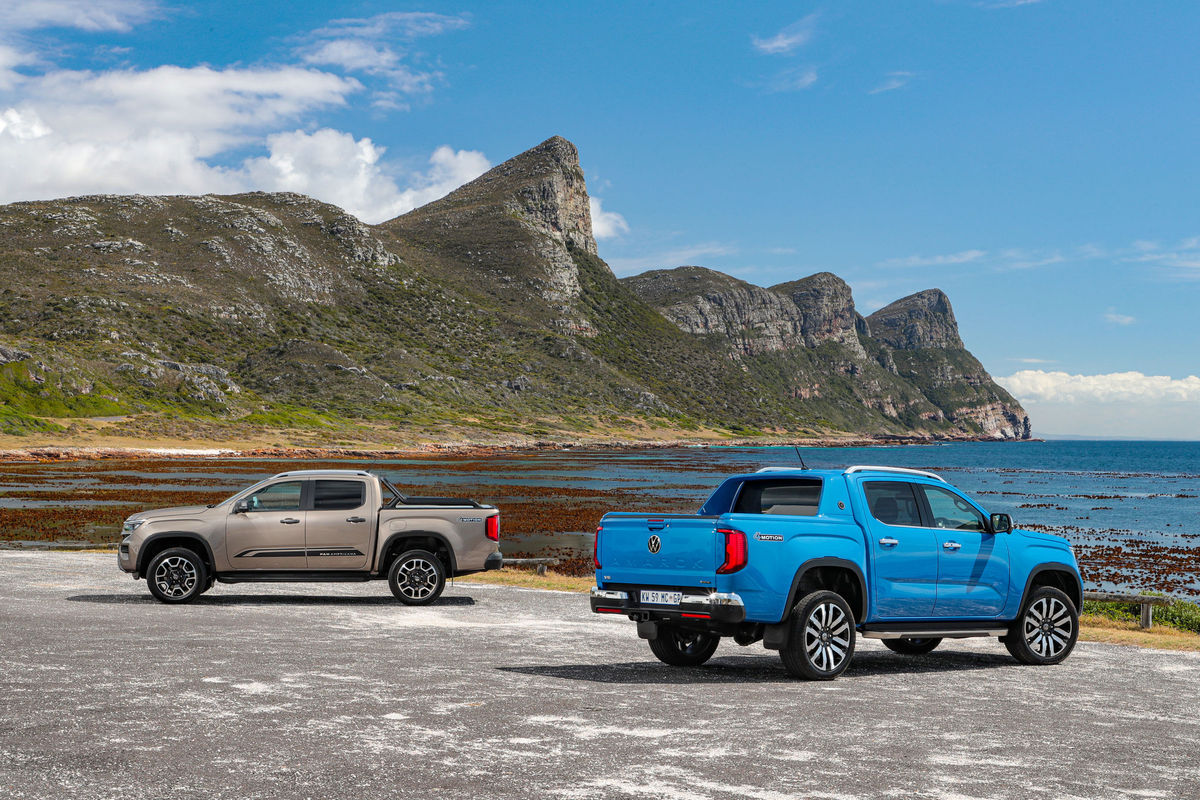
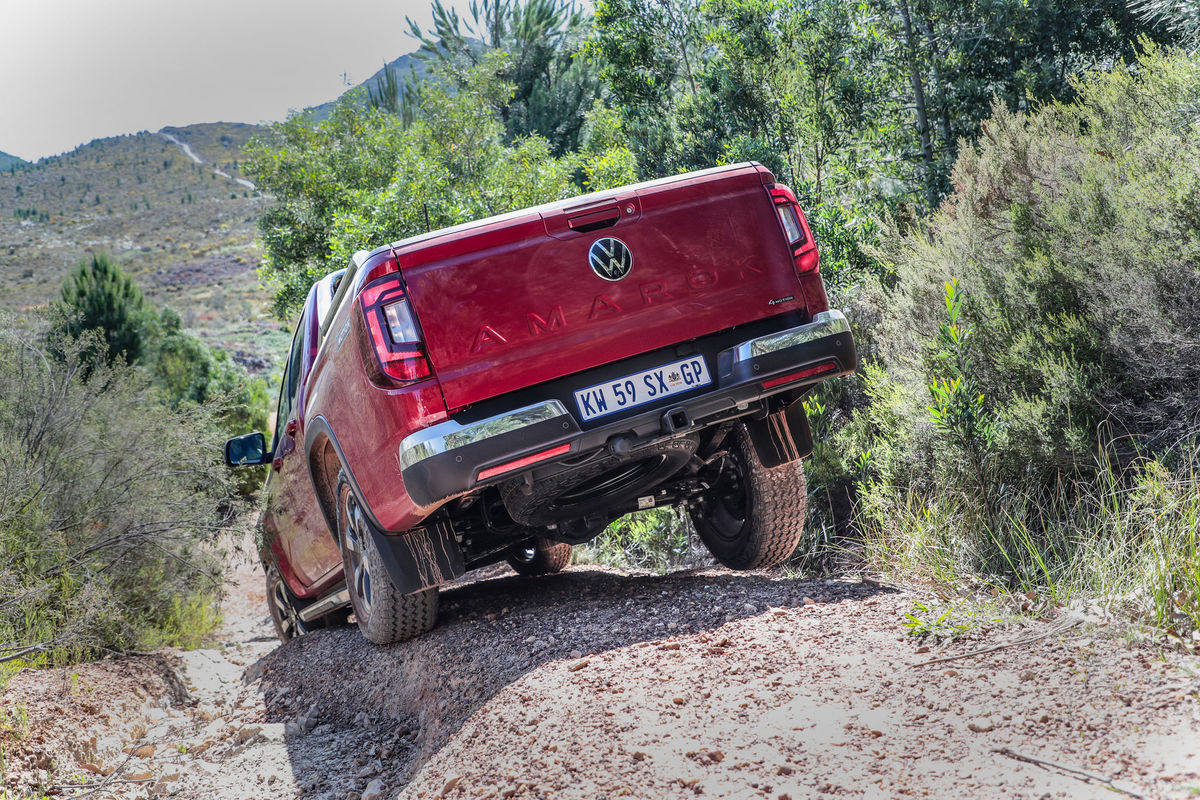
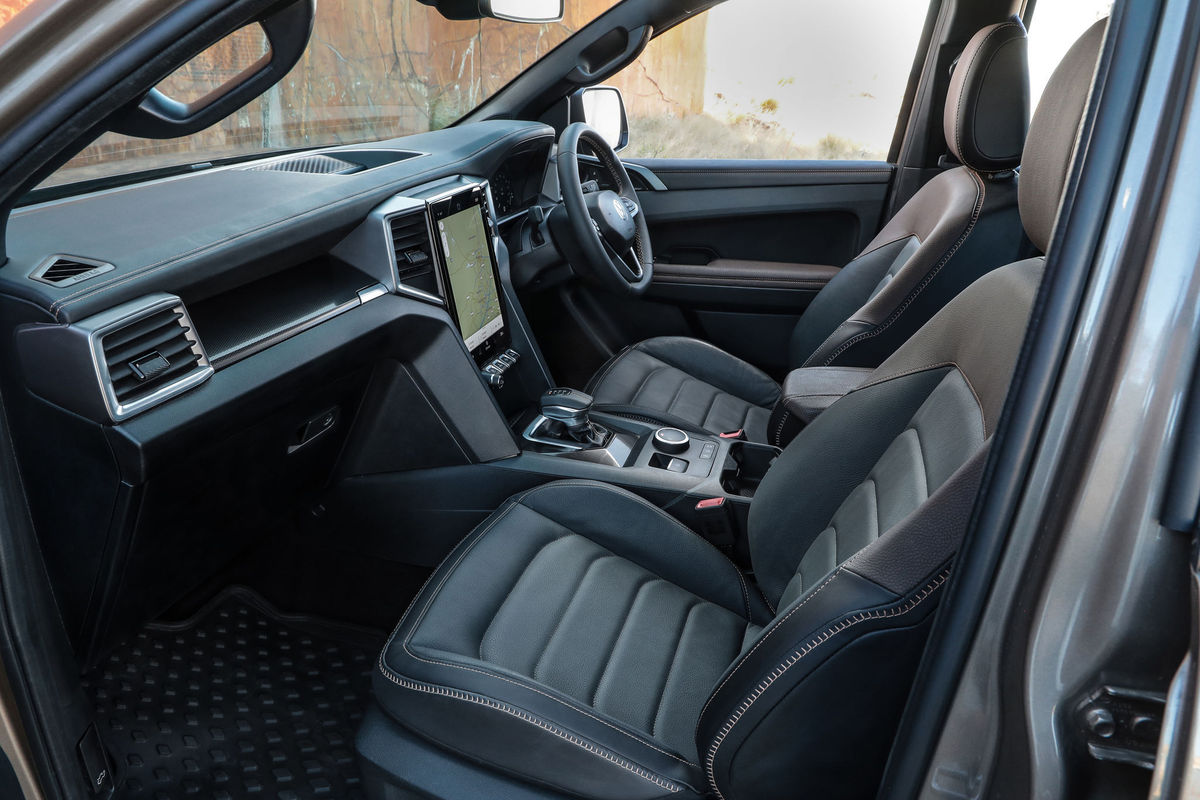
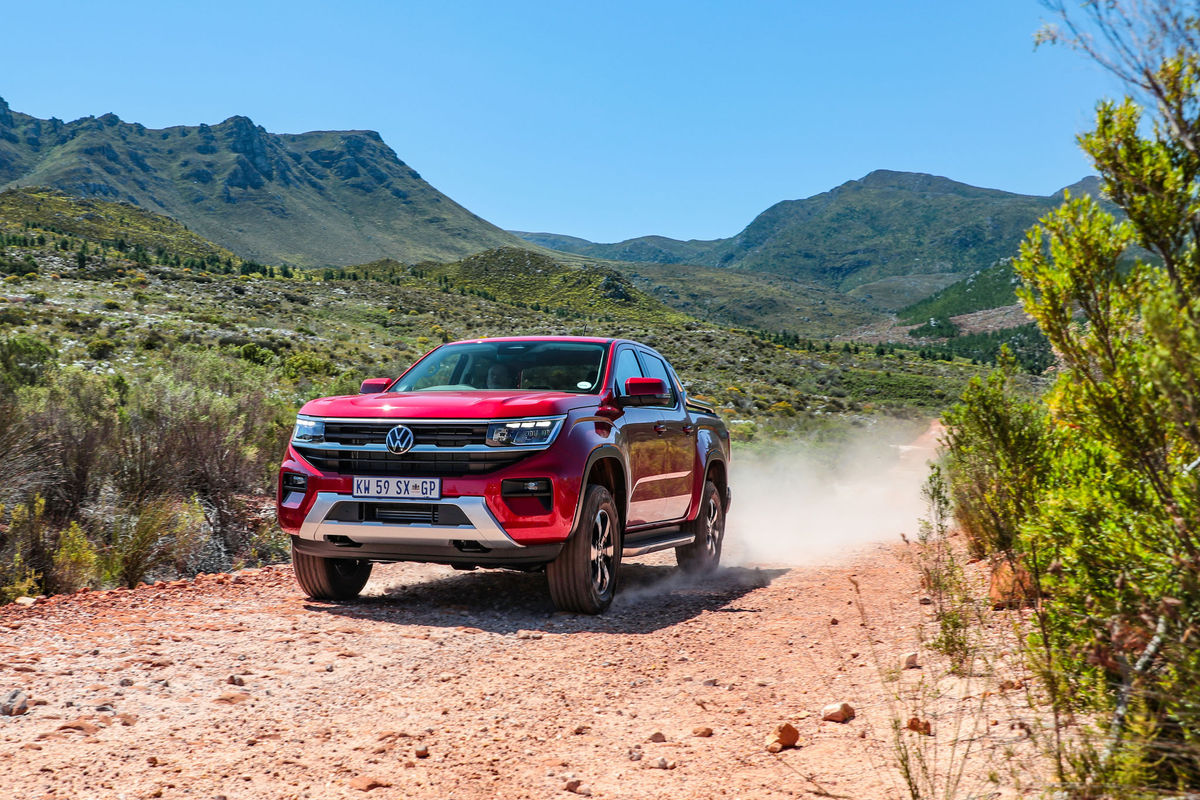
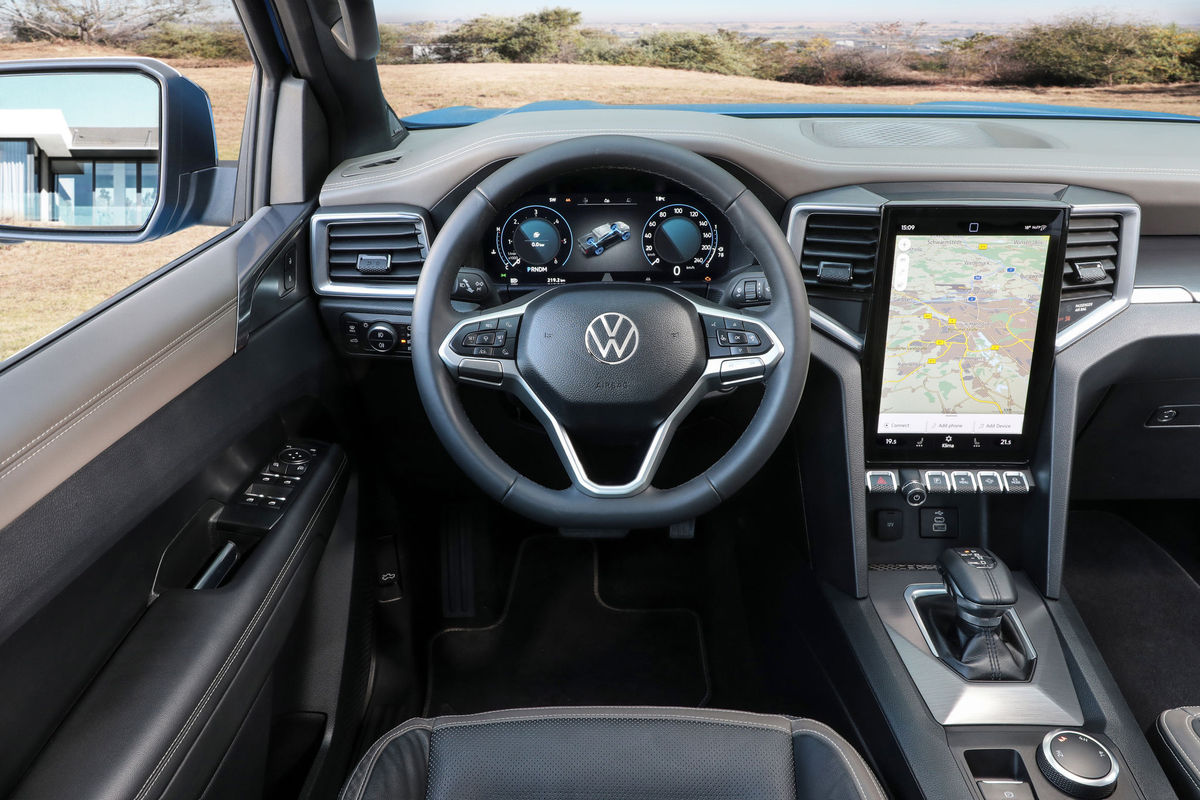
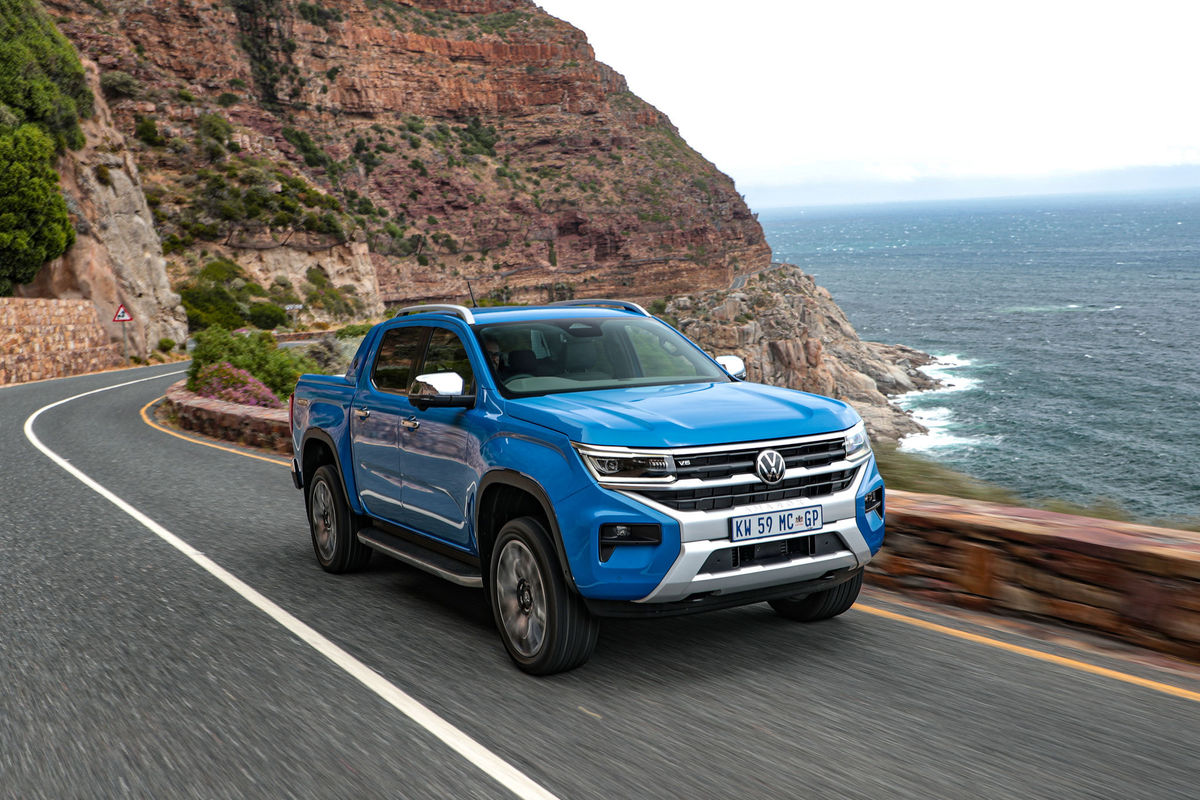
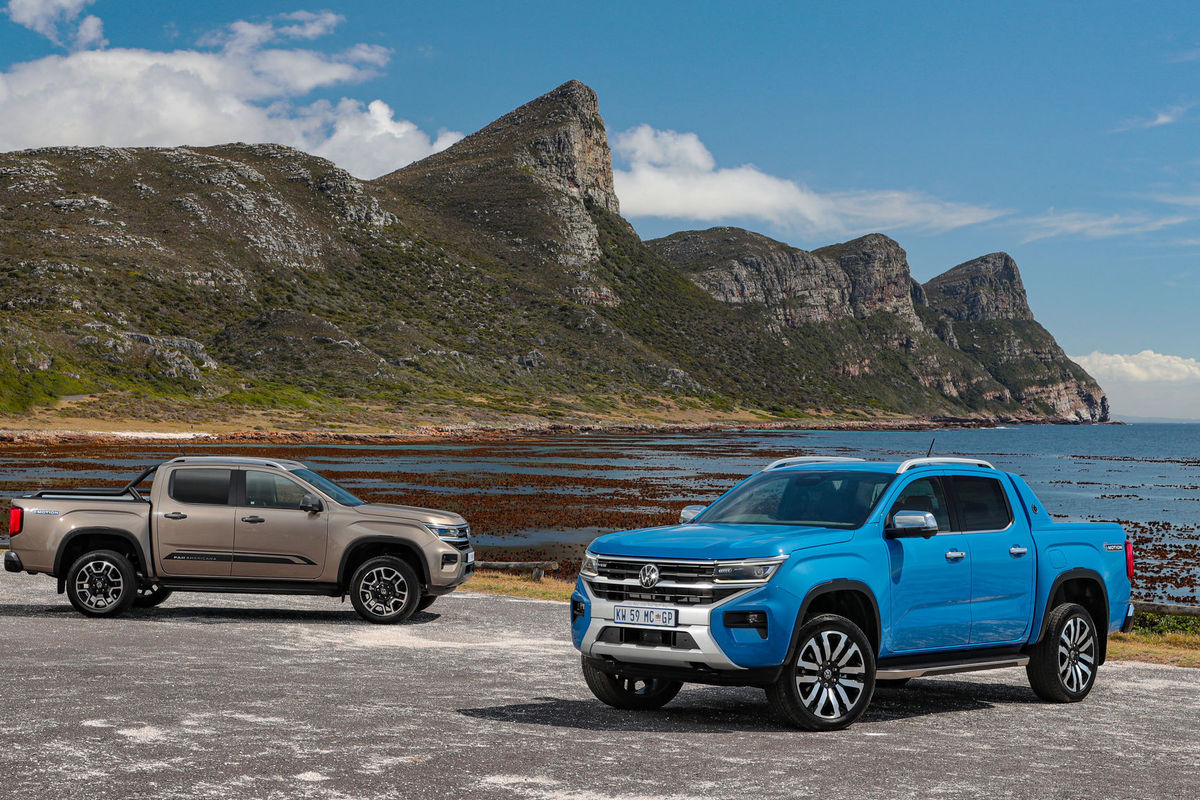
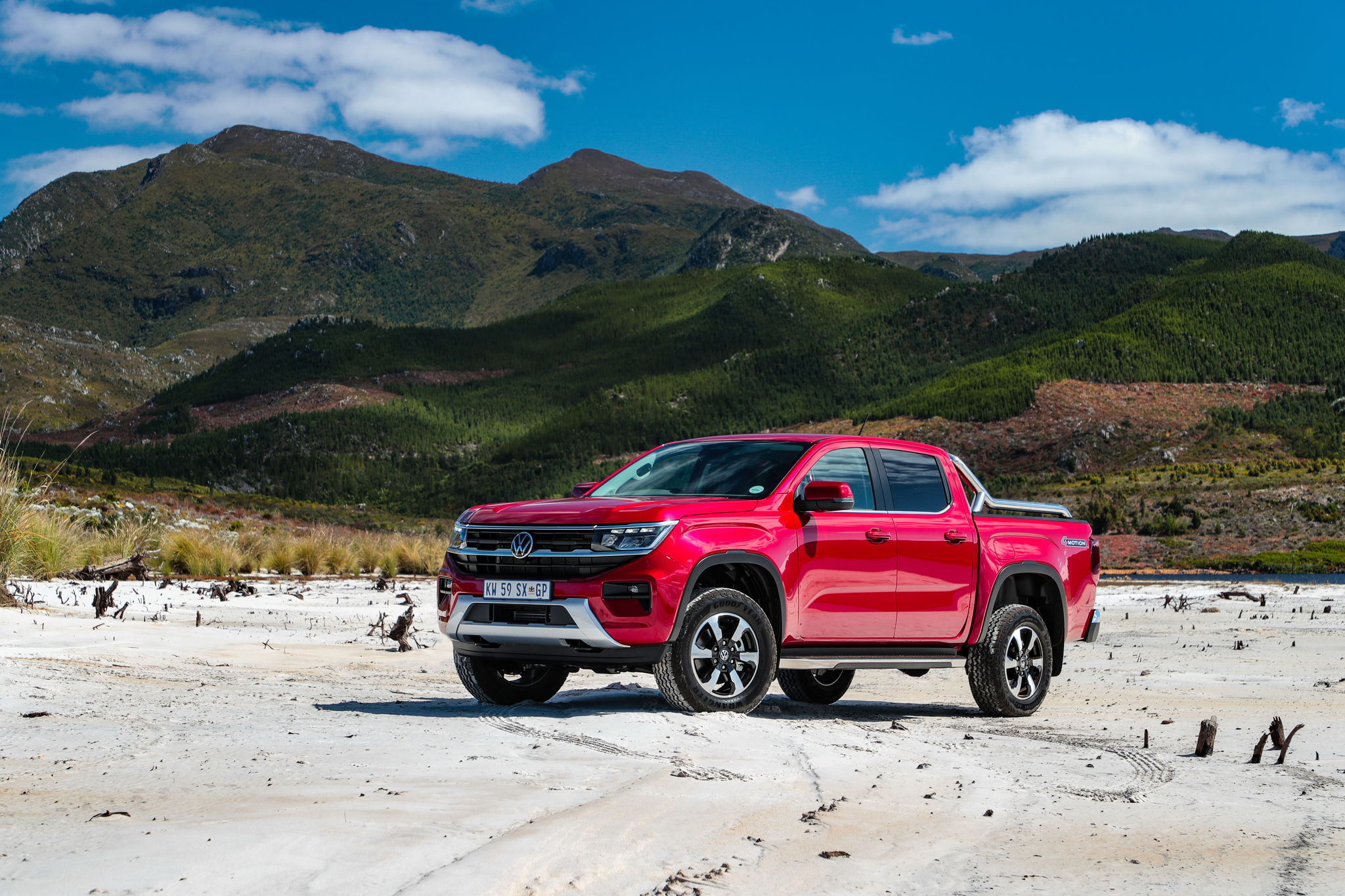
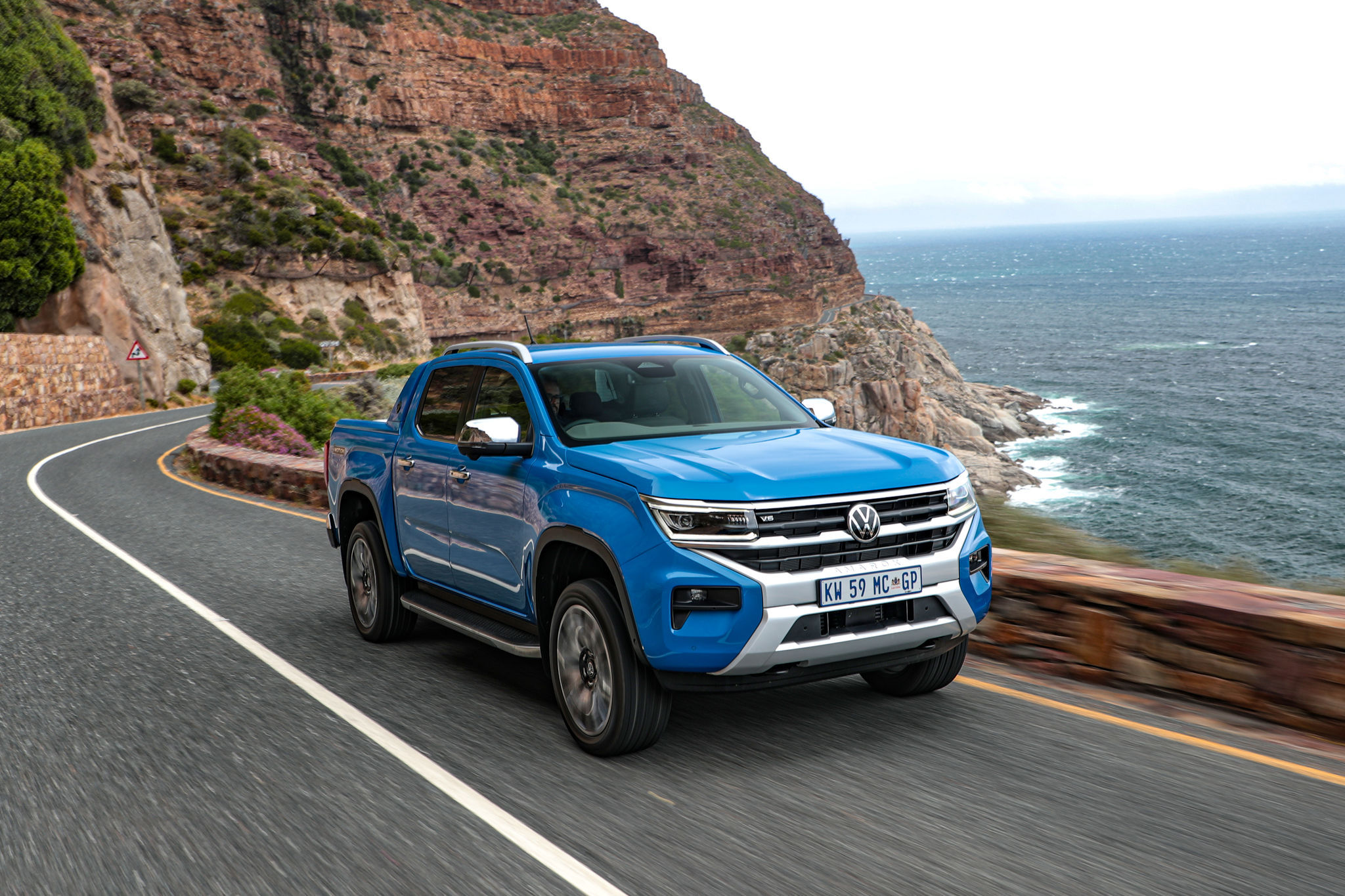
The new Volkswagen Amarok will be launched in South Africa in March 2023. Here’s how much you can expect to pay for the locally built double-cab bakkie.
It’s no secret that this brand-new Volkswagen Amarok is the result of a partnership with Ford. The Ford Motor Company of Southern Africa will be building the new Volkswagen Amarok at its facility in Silverton, Pretoria, where the new-generation German bakkie will share the production line with its Ranger cousin.
We’ve already had a taste of the new Ford Ranger and the potent 3.0-litre twin-turbo V6-powered Raptor, both of which have gone on sale in South Africa. Now it’s time for the Volkswagen Amarok, which will be hitting showrooms in March 2023. The first units will head to local dealerships from Monday 27 February 2023 for inspections/interactions, with sales/deliveries commencing on 18 March 2023.
What’s on offer?
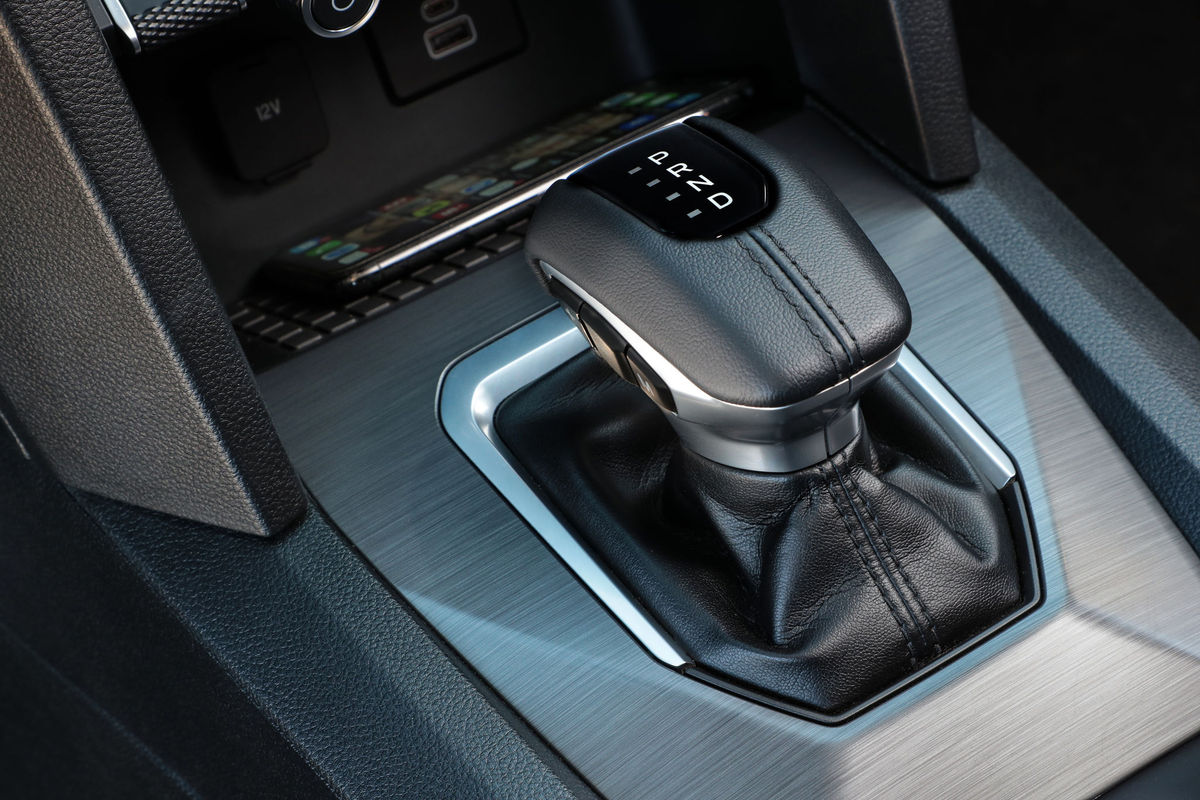
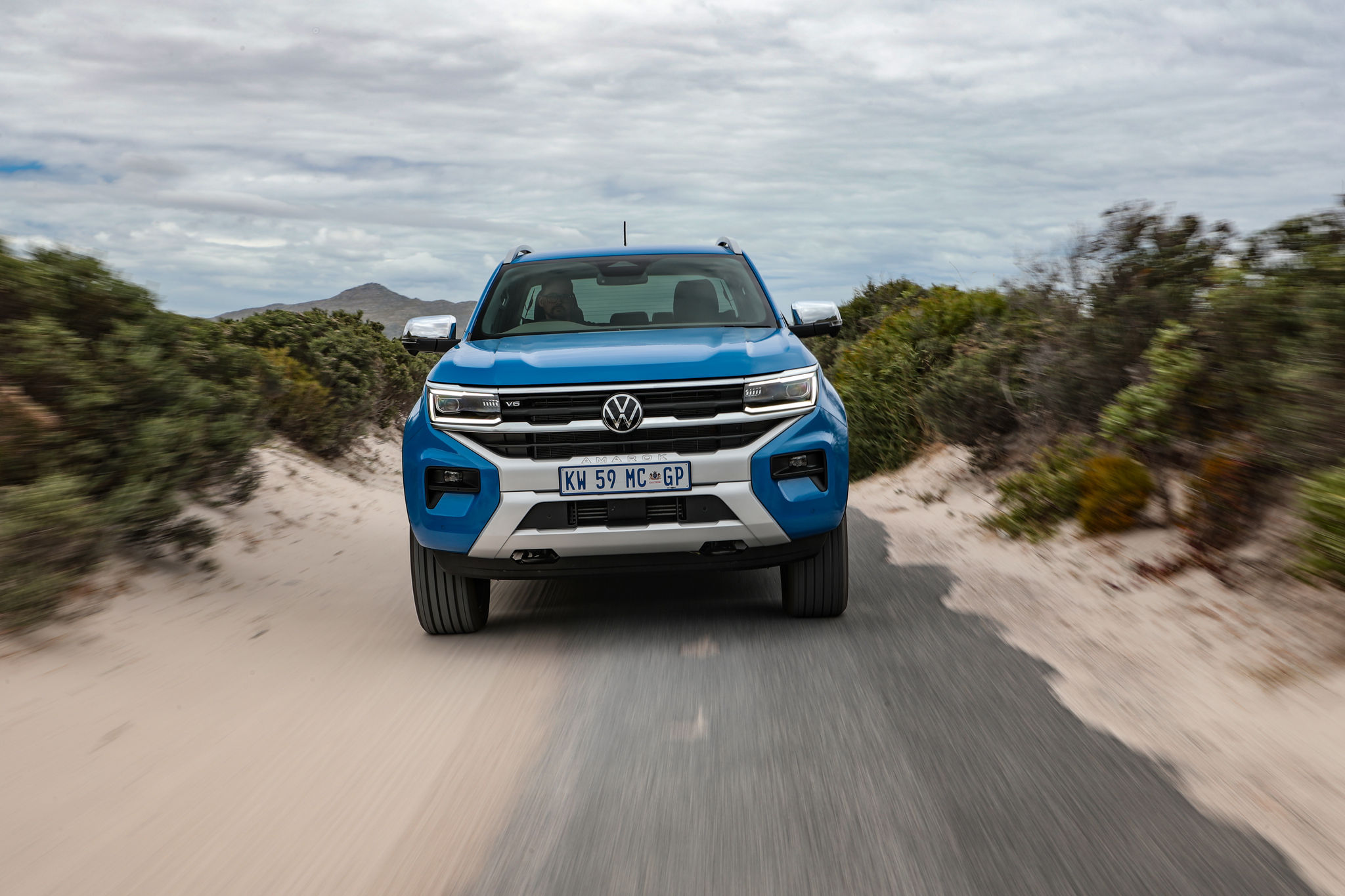
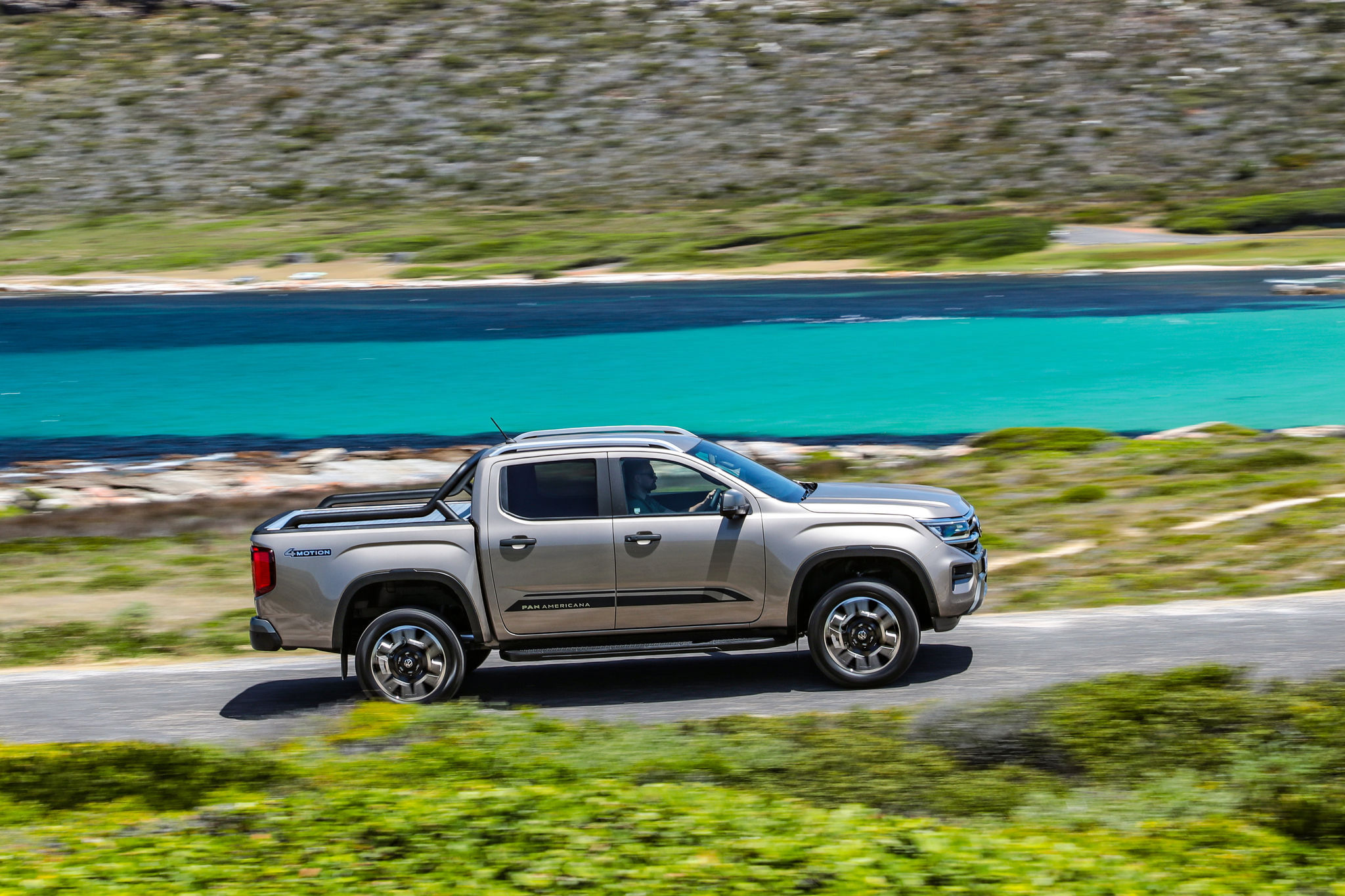
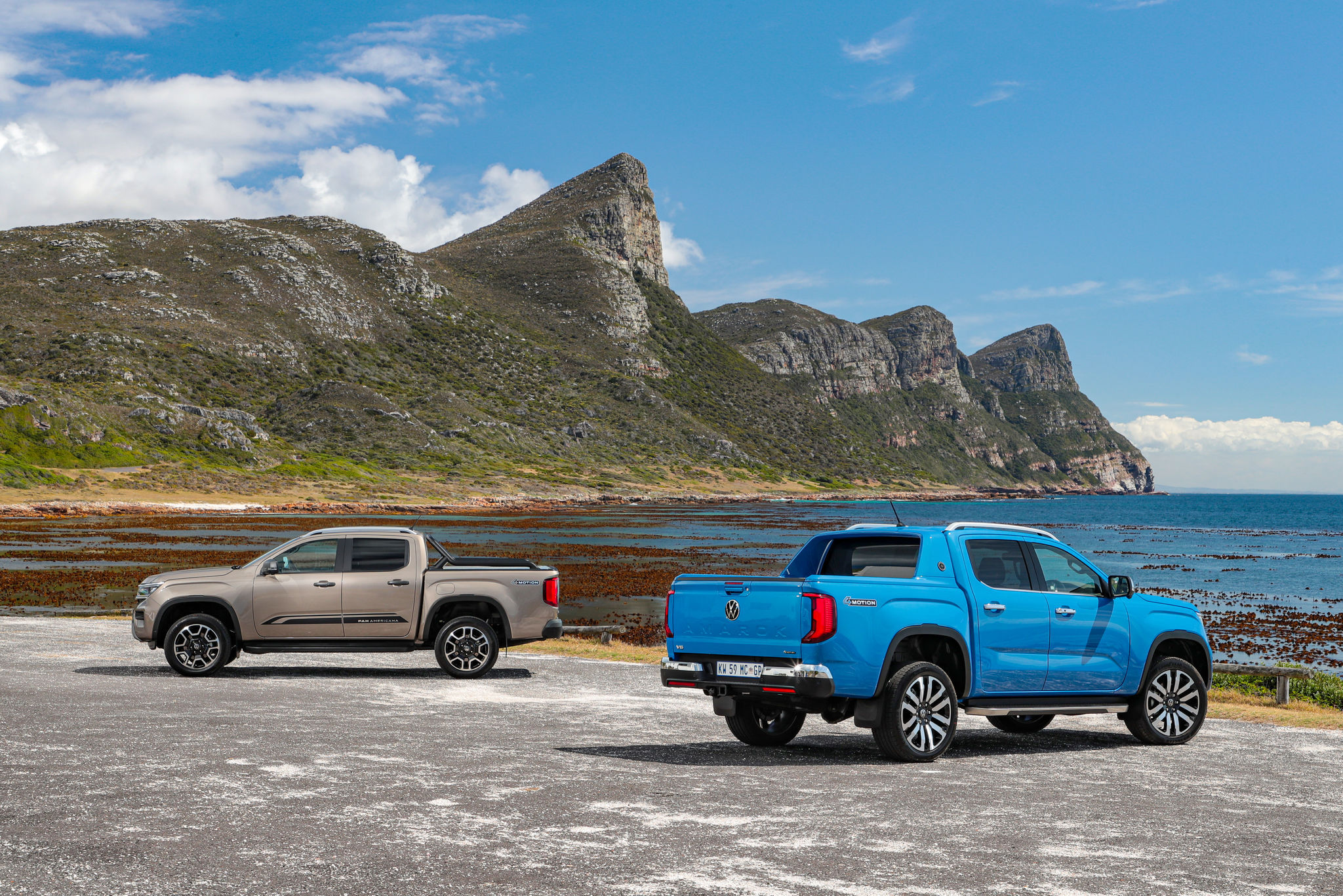
Volkswagen South Afruica (VWSA) will be offering the new Volkswagen Amarok in both single- and double-cab body styles. There will be 6 trim levels: Amarok single cab, Amarok double cab, Life double cab, Style double cab, PanAmericana double cab and Aventura double cab.
As far as dimensions are concerned, the new Volkswagen Amarok double cab is 5.35 metres long, 1.91 metres wide, and features a wheelbase of 3.27 metres. The single cab has the same dimensions, but its load tray is 2.32 meters long, so as to accommodate a full-size Euro pallet.
Customers will be able to choose between wheel sizes ranging from 16-inch to 21-inch, but be mindful that these are derivative dependent.
Black 18-inch Amadora alloy wheels / 20-inch Bendigo alloy wheels
Electric roller cover
IQ Light LED headlights / LED tail lights
Side steps
Improved suspension
Styling bar
Roof rails
Underbody protection
Rear cross-traffic alert
Park Assist
Front Assist (Autonomous emergency braking, adaptive cruise control, 360-degree camera system, evasive steering, blind-spot monitoring)
Harmon Kardon sound system
Discover media
Cricket leather seats
Aventura
PanAmericana spec, plus the following:
Chrome mirrors, door handles and side steps
21-inch Varberg alloy wheels
Body colour sports bar
Electric roller cover
Amarok Trim Levels and Features
Impressively, VWSA won’t offer the derivatives with optional extras, other than the colour choices: Clear White, Midnight Black, Bright, Blue, Light Grey, Dark Grey, Deep Red, Bright Beige and Mid Blue.
There will be a quartet of engines, all of which are turbodiesel. Customers will be able to choose from manual and automatic gearboxes. Higher-powered derivatives get a 10-speed automatic transmission.
2.0 TDI
110 kW
350 Nm
170 kph top speed
6.9 L/100 km
2.0 TDI
125 kW
405 Nm
180 kph top speed
6.9 L/100 km (4Motion 7.1 L/100 km)
2.0 BiTDI
154 kW
500 Nm
180 kph top speed
7.5 L/100 km
3.0 TDI V6
184 kW
600 Nm
180 kph top speed
8.4 L/100 km
How much will the 2023 Volkswagen Amarok cost in South Africa?
The new Volkswagen Amarok will be sold with a 4-year/120 000 km warranty, 5-year/100 000 km maintenance plan with intervals every 15 000 km. Single Cab pricing will be confirmed in March 2023.
Double Cab
Amarok 2.0 TDI 110 kW 5-speed manual
R599 000
Amarok 2.0 TDI 125 kW 6-speed manual
R650 500
Amarok 2.0 TDI 125 kW 4MOTION 6-speed manual
R721 500
Amarok Life 2.0 TDI 125 kW 6-speed manual
R683 500
Amarok Life 2.0 TDI 125 kW 4MOTION 6-speed manual
R738 000
Amarok Life 2.0 TDI 125 kW 4MOTION 6-speed auto
R760 000
Amarok Life 2.0 BiTDI 154 kW 4MOTION 10-speed auto
R825 500
Amarok Style 2.0 BiTDI 154 kW 4MOTION 10-speed auto
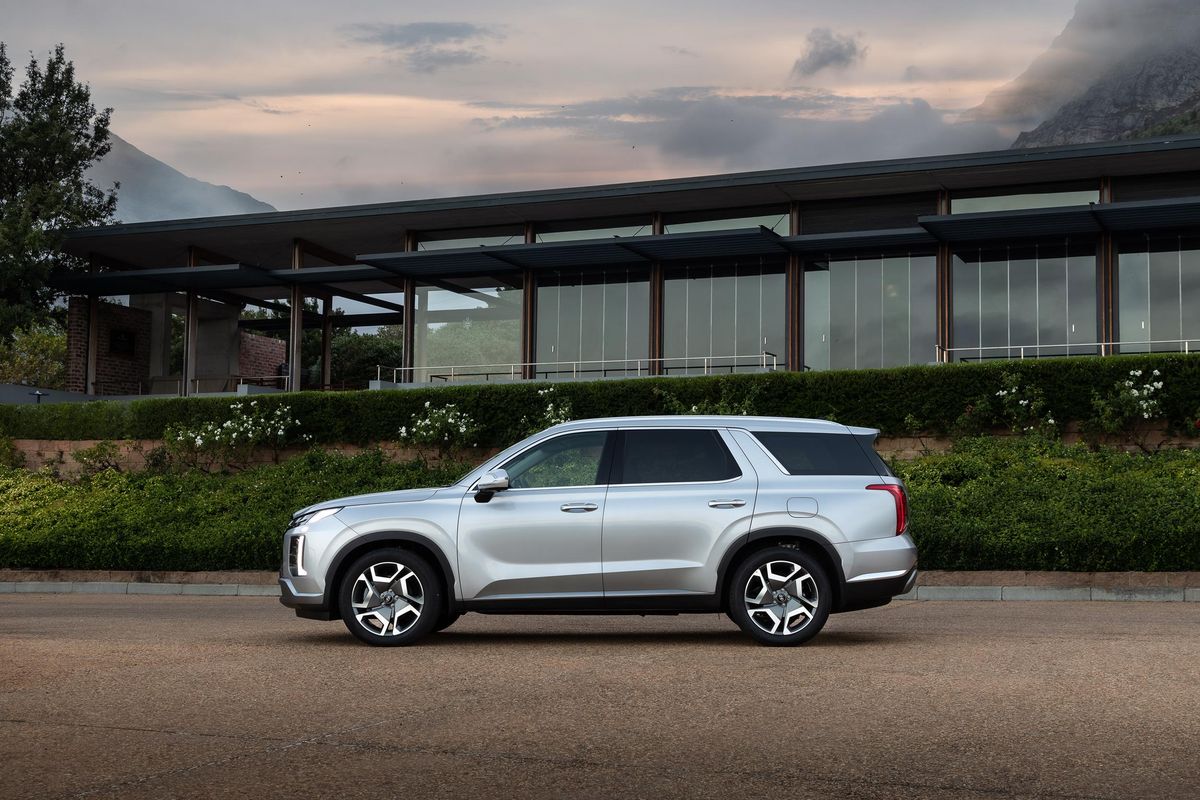
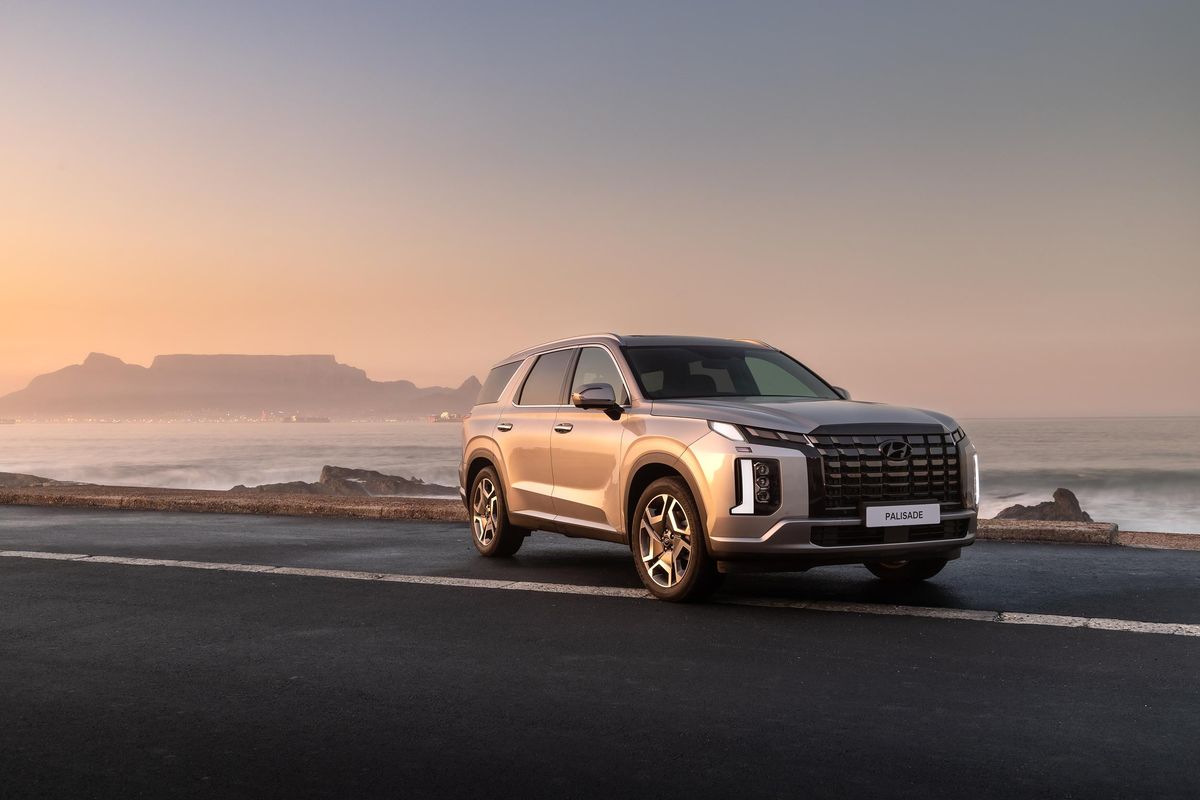
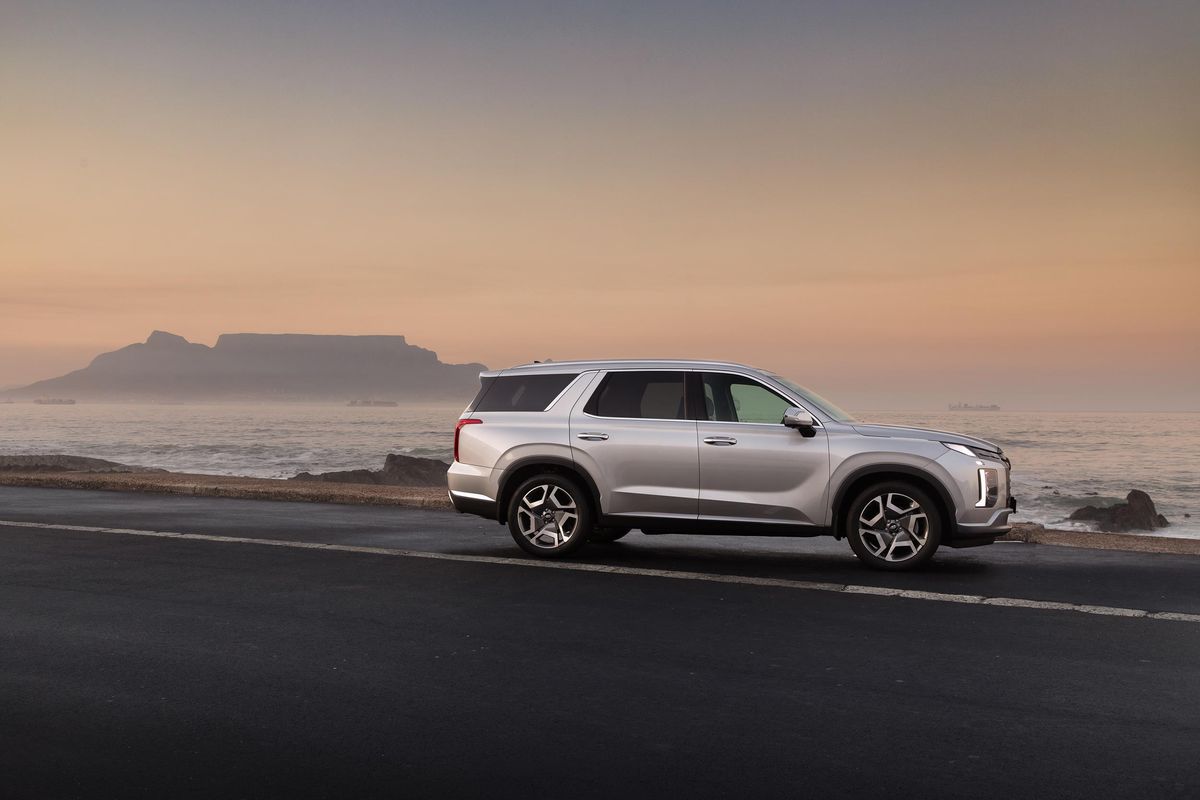
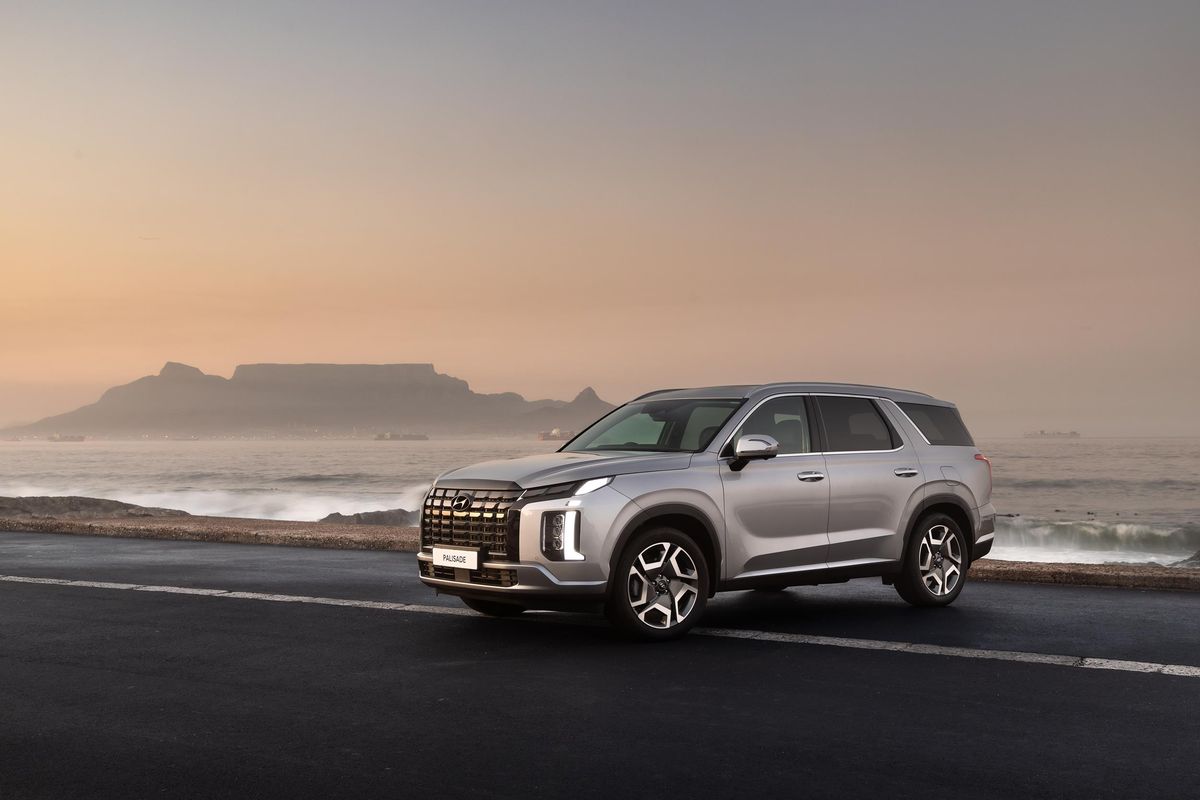
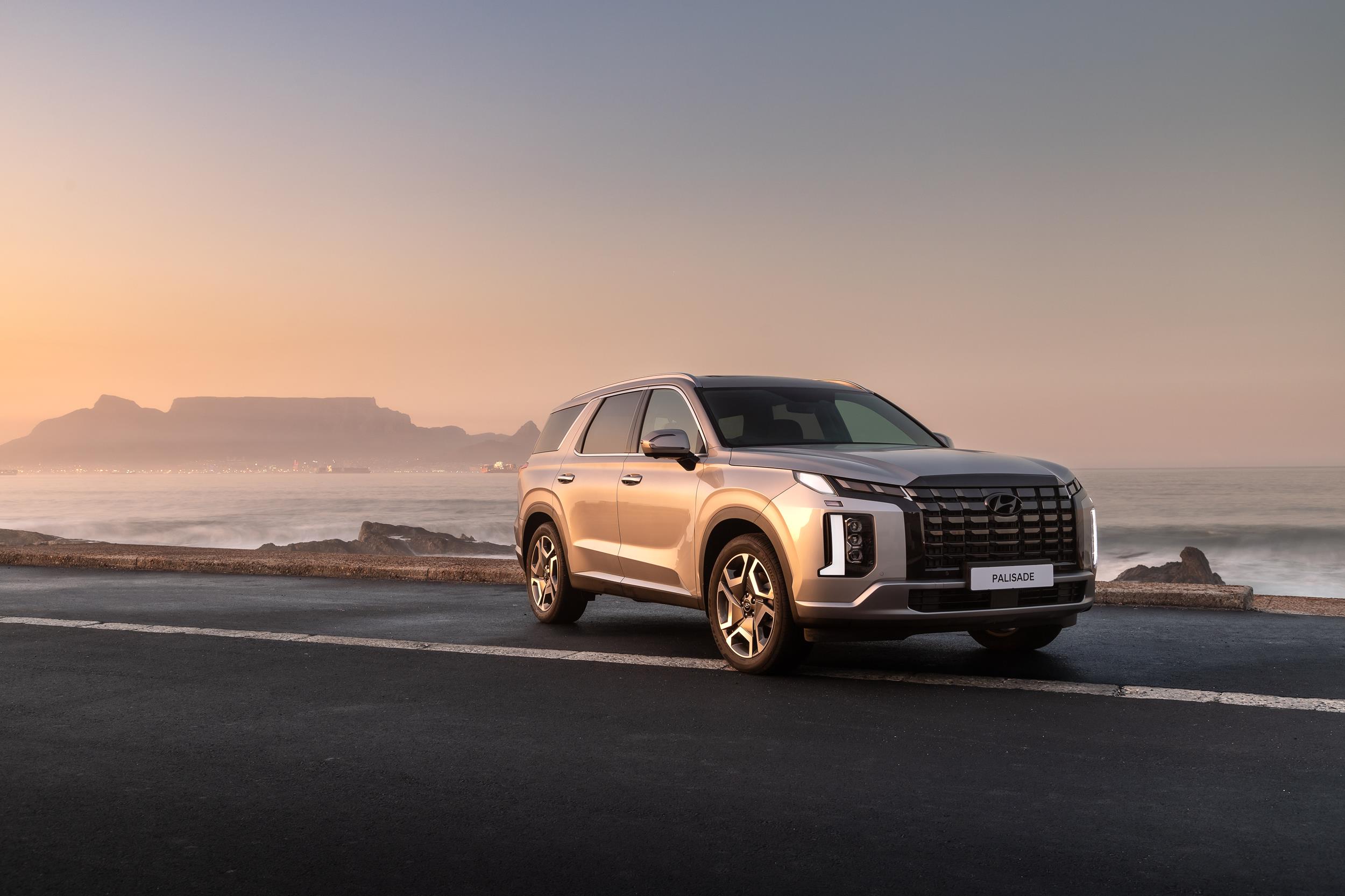
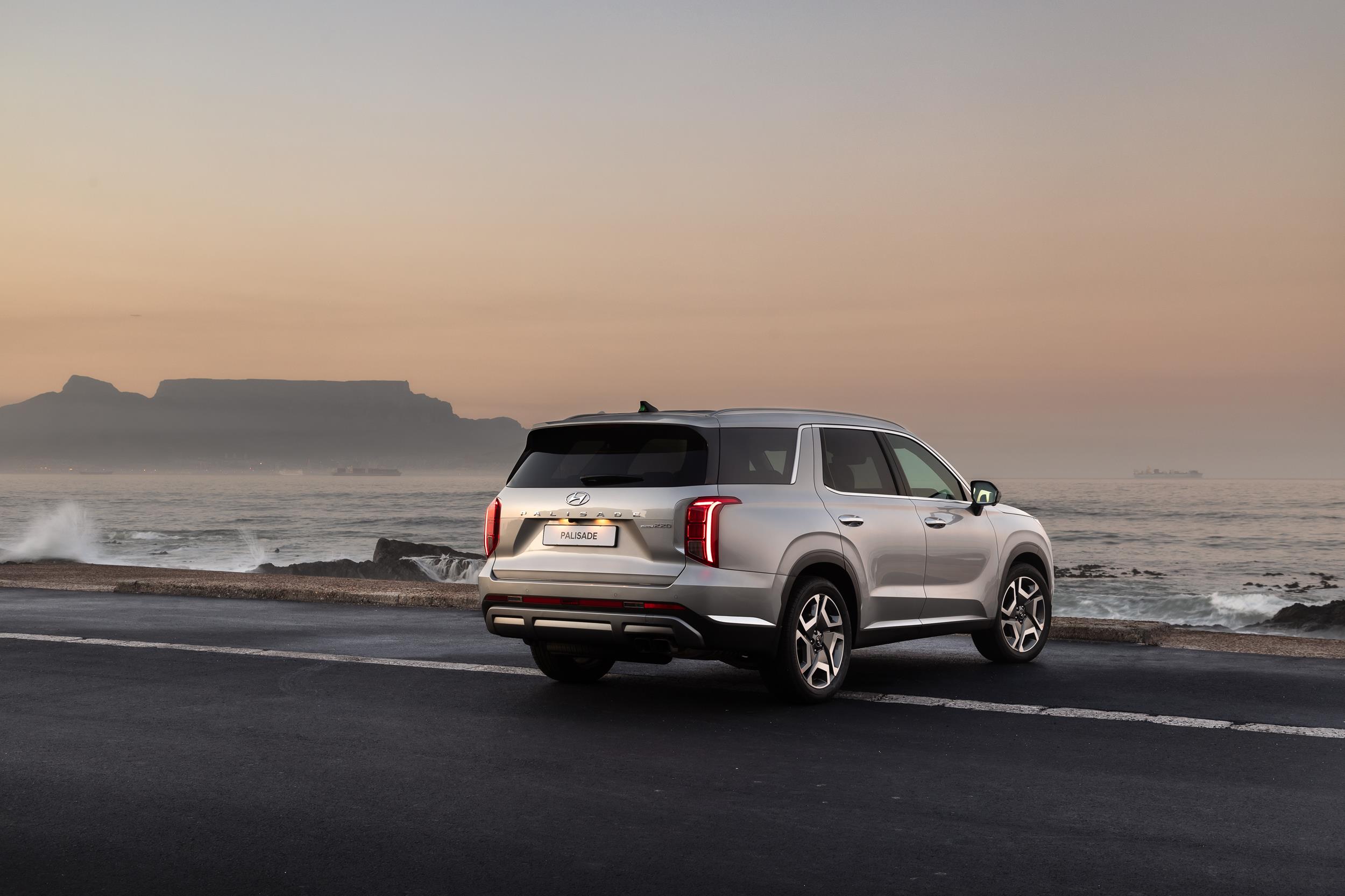
The Hyundai Palisade has received a mild cosmetic update and specification upgrade. The Korean brand’s 7- or 8-seater Premium SUV appears to be keenly priced for its size and specification; we drove the 2023 model in the Western Cape this week.
What’s new on the Hyundai Palisade?
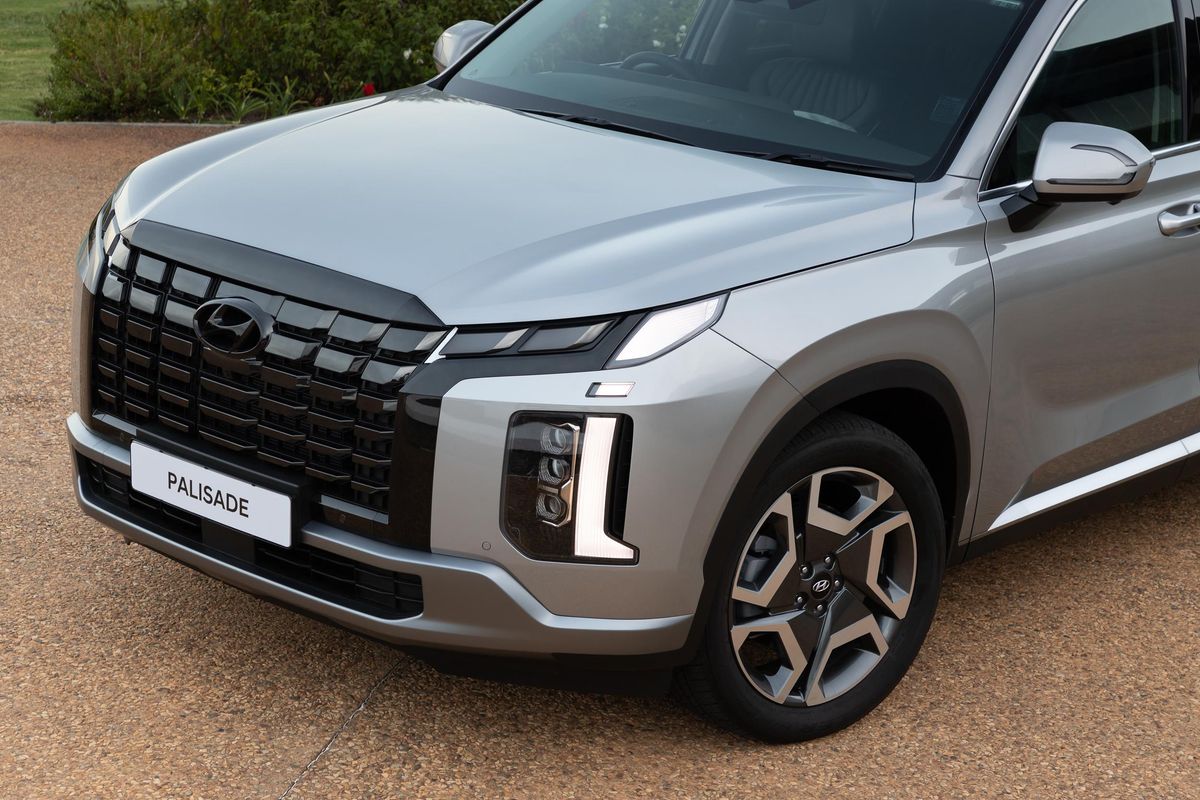
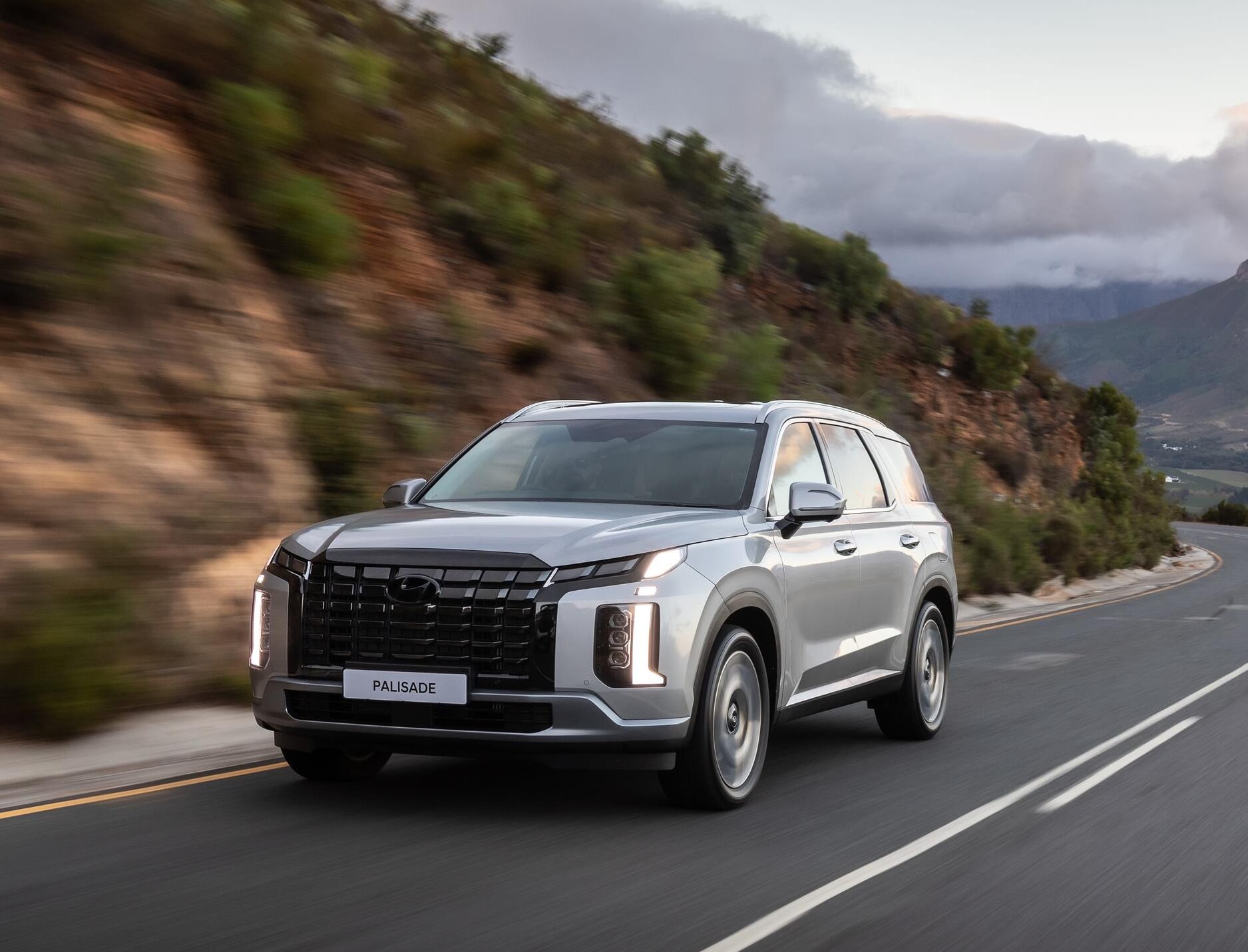
The front grille is now blacked out as opposed to the chrome version pre-facelift.
The Palisade was introduced on the local market in 2021 as a bit of an experiment to see if consumers would be willing to buy a Hyundai priced around the R1-million mark. In 2 years, 256 units of the Palisade have been sold, which appears to have been enough to warrant bringing the facelifted model to market.
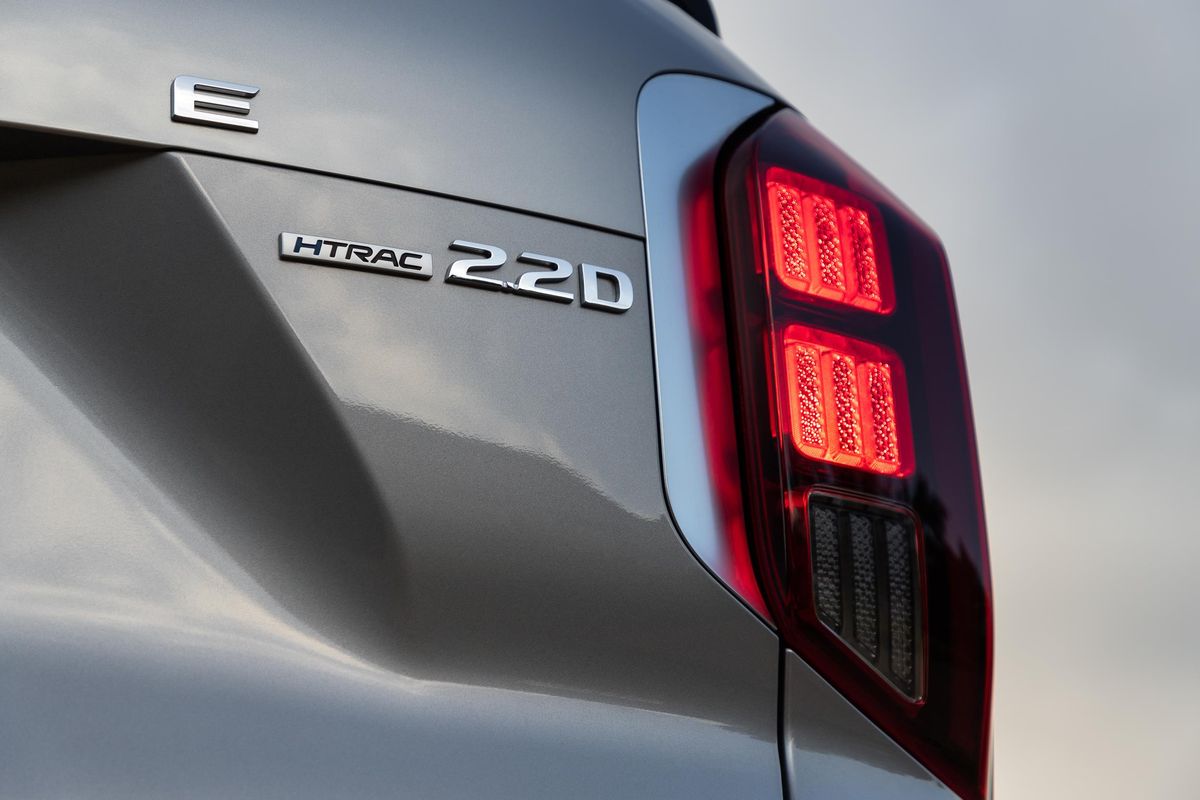
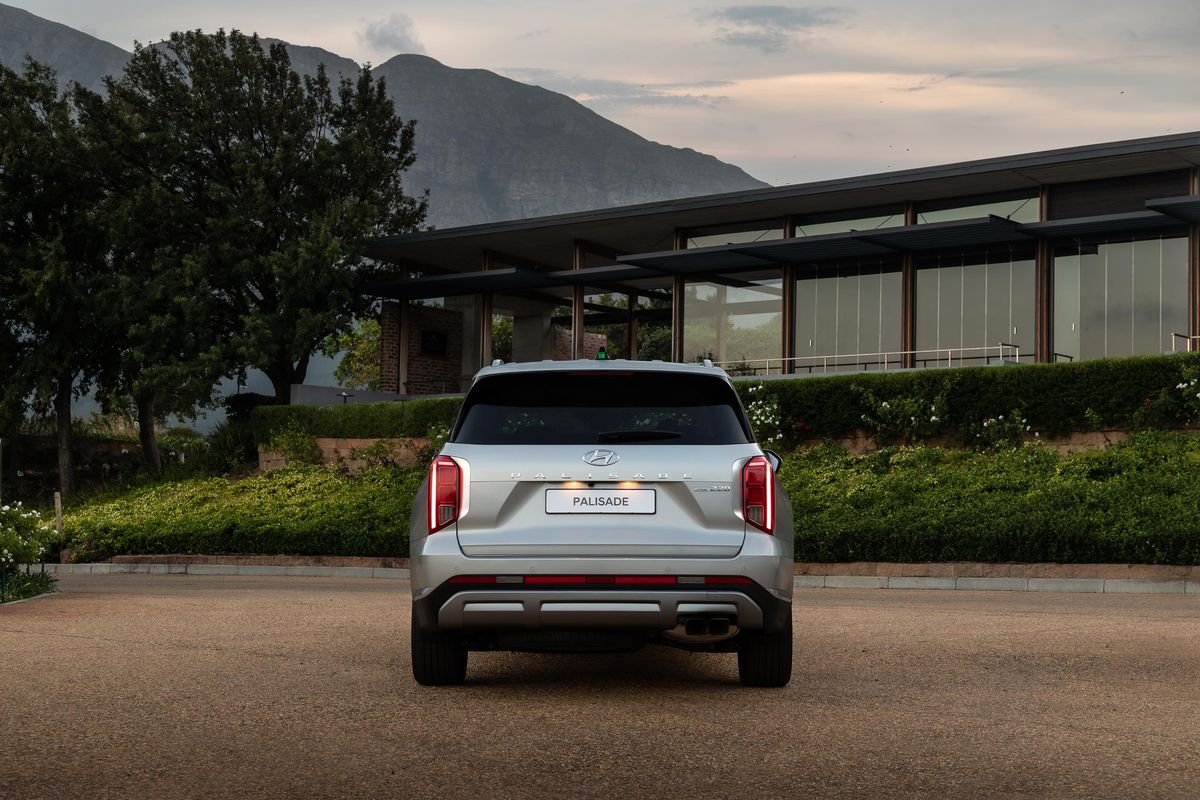
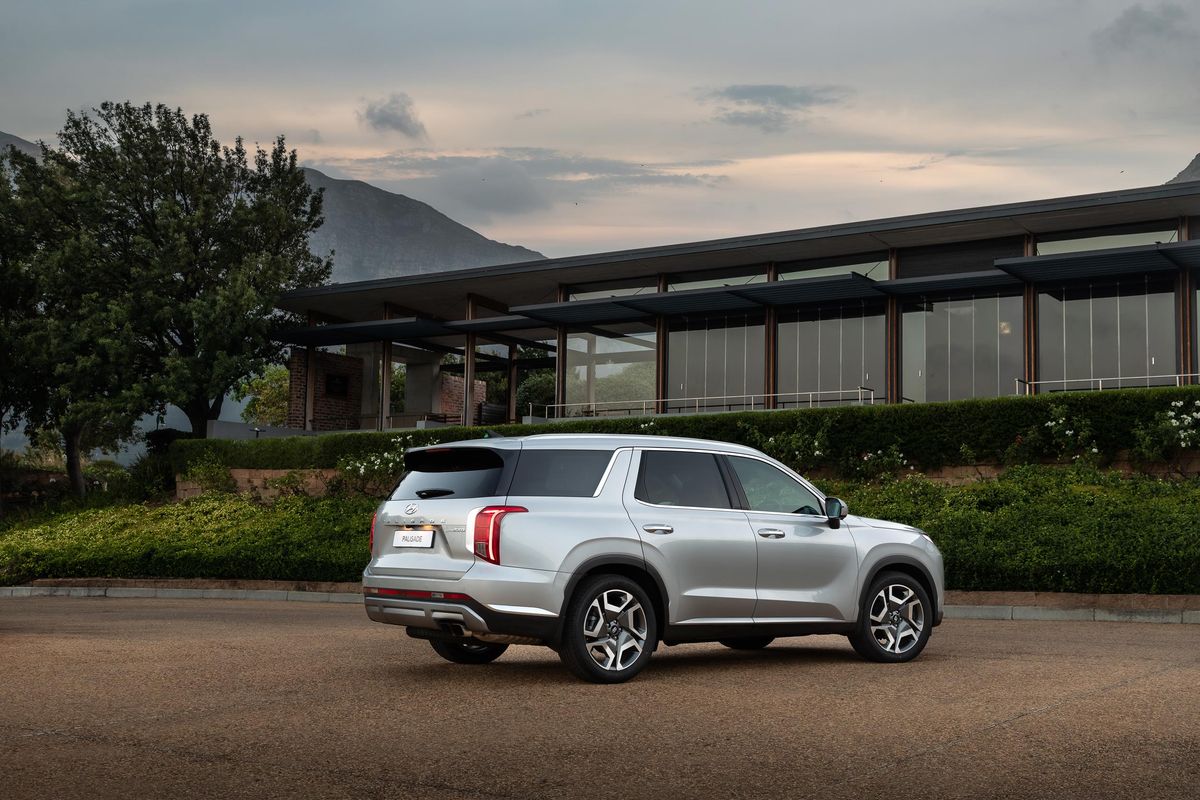
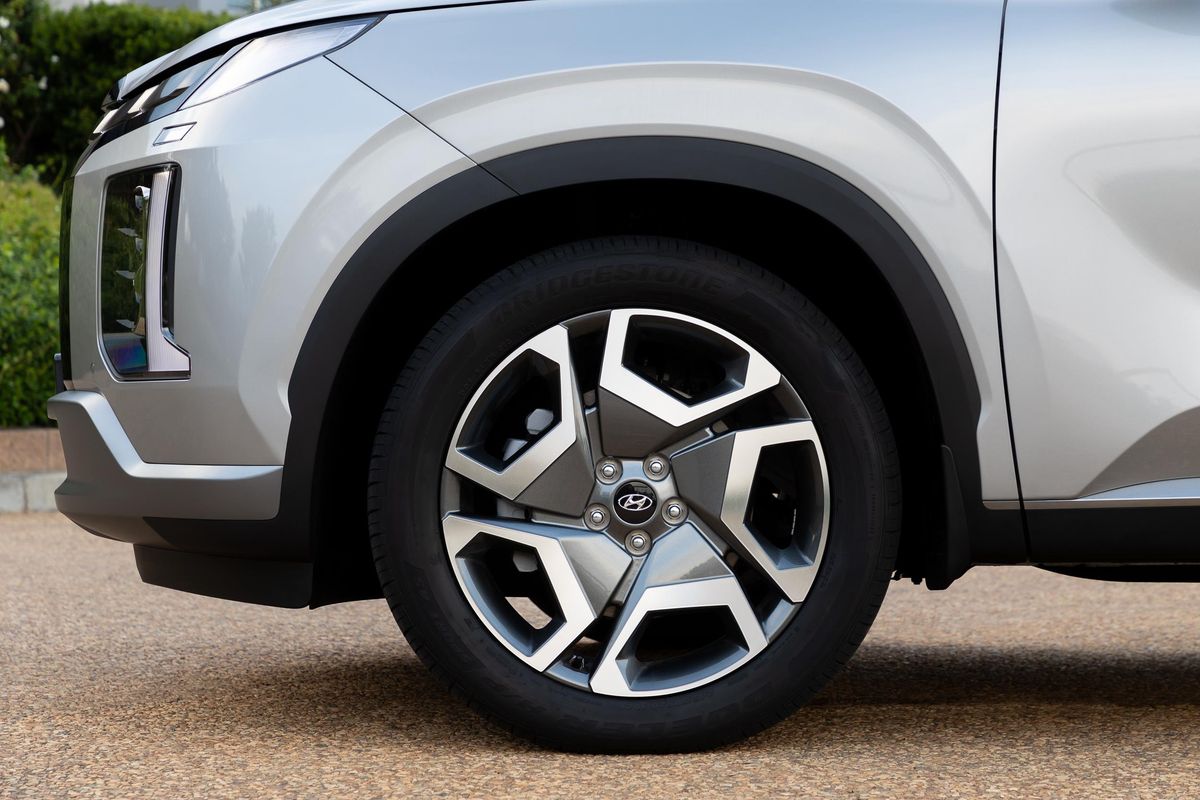
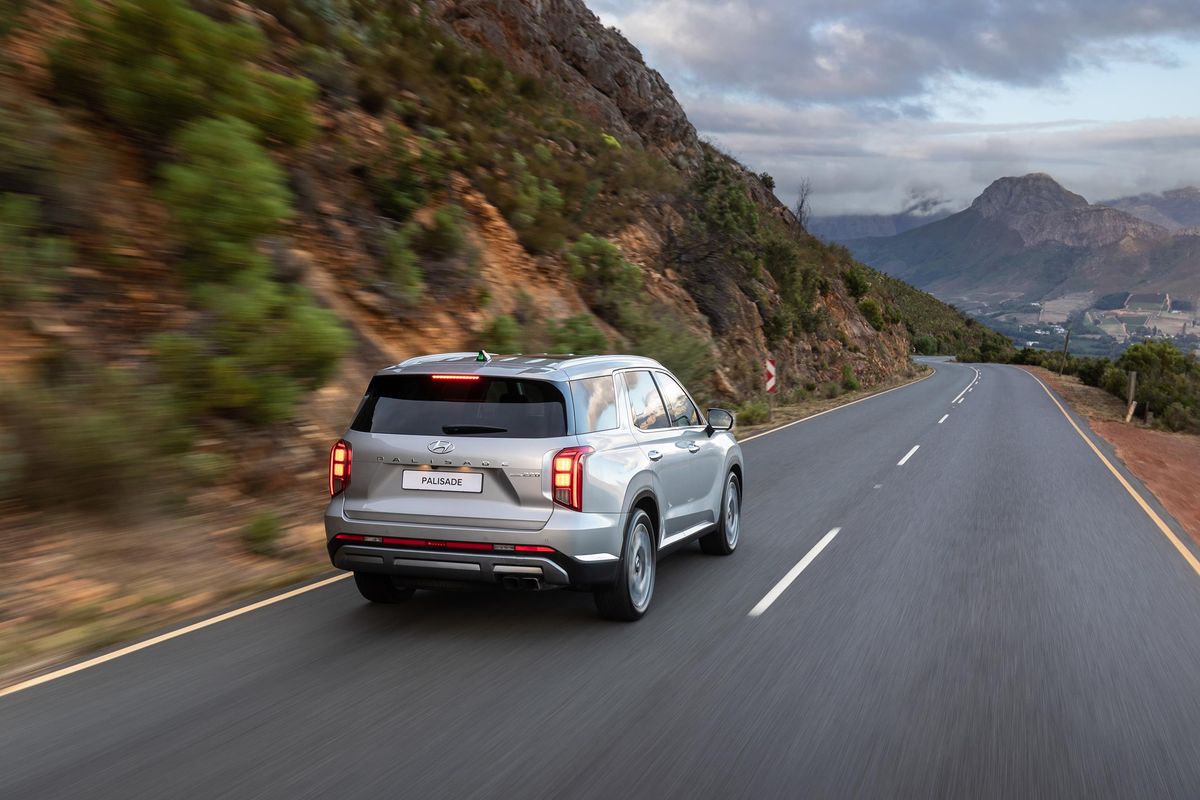
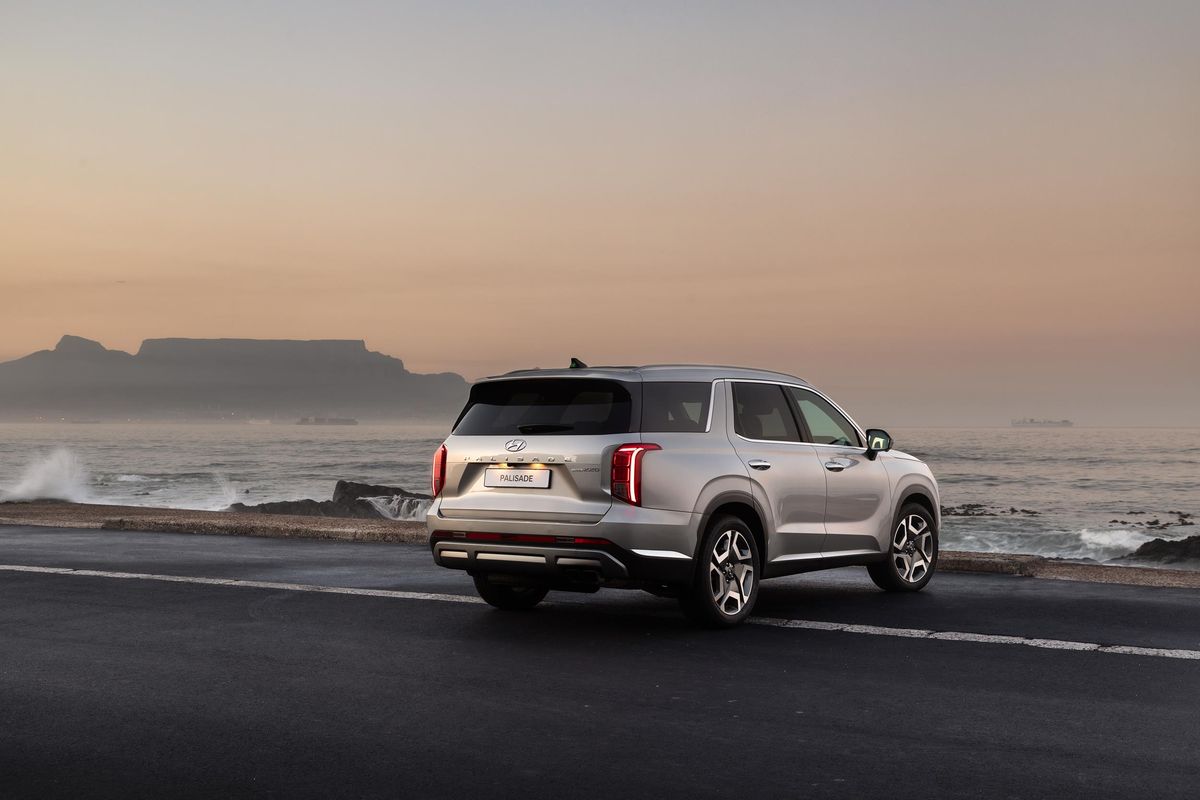
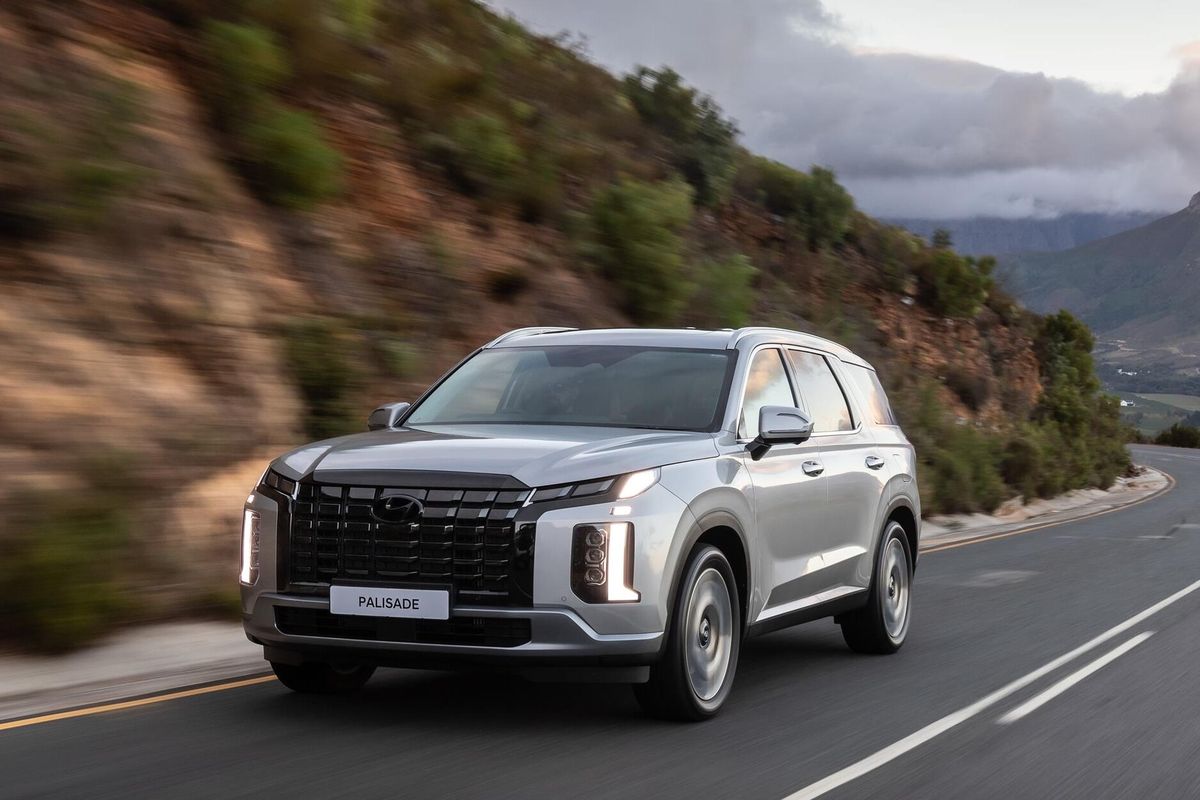
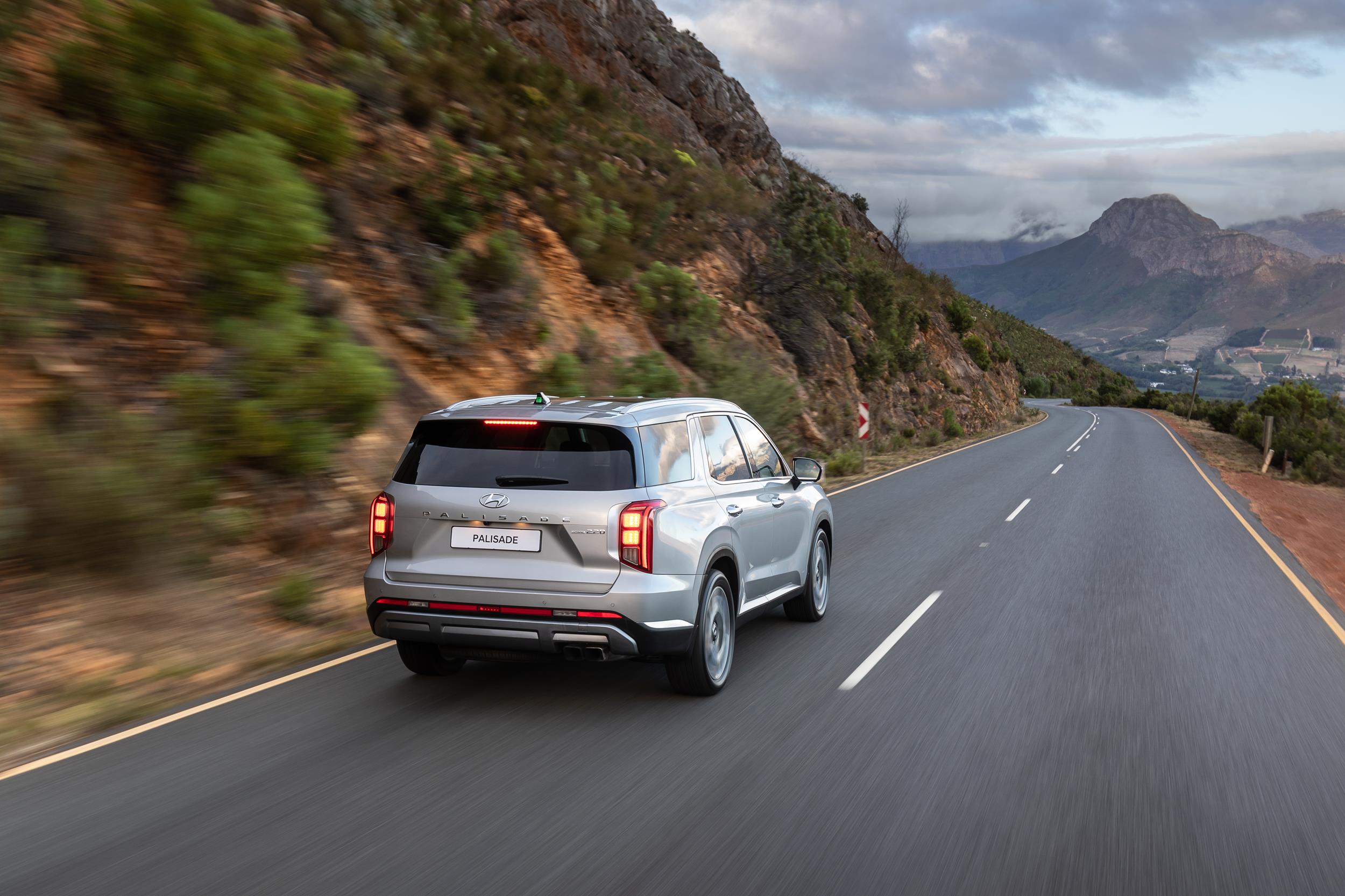
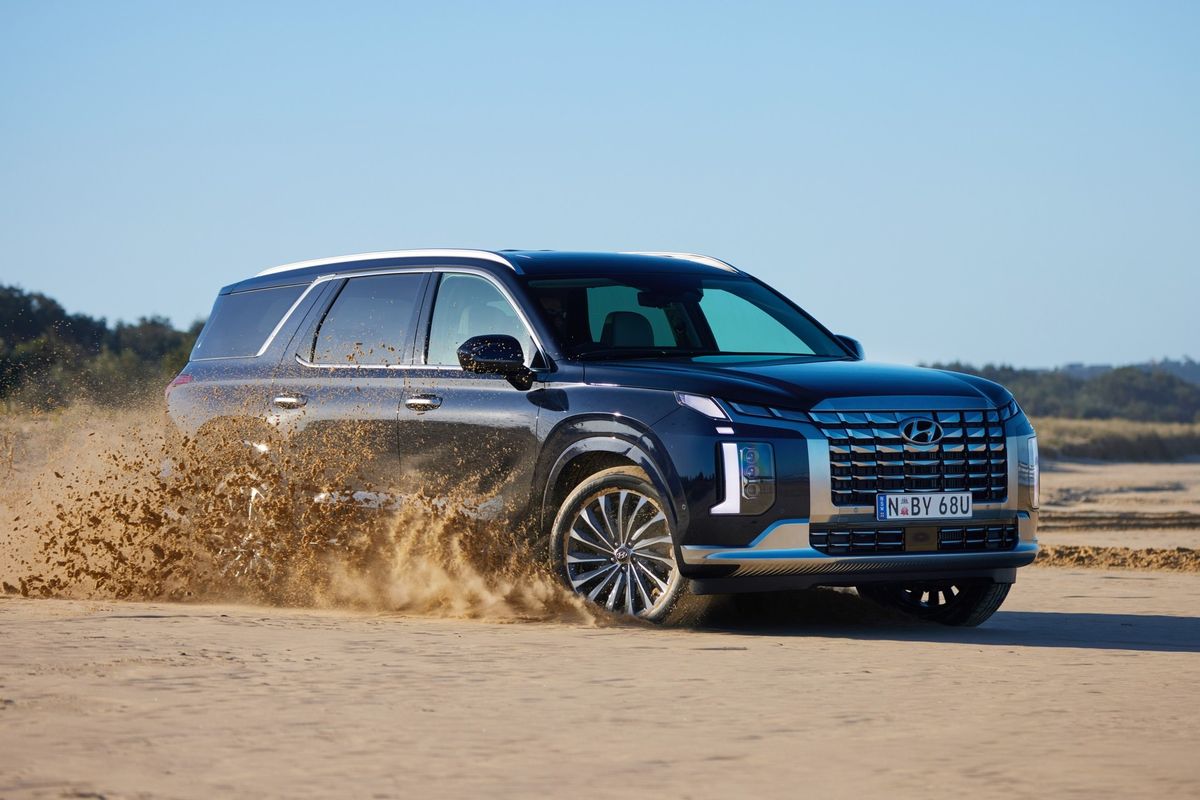
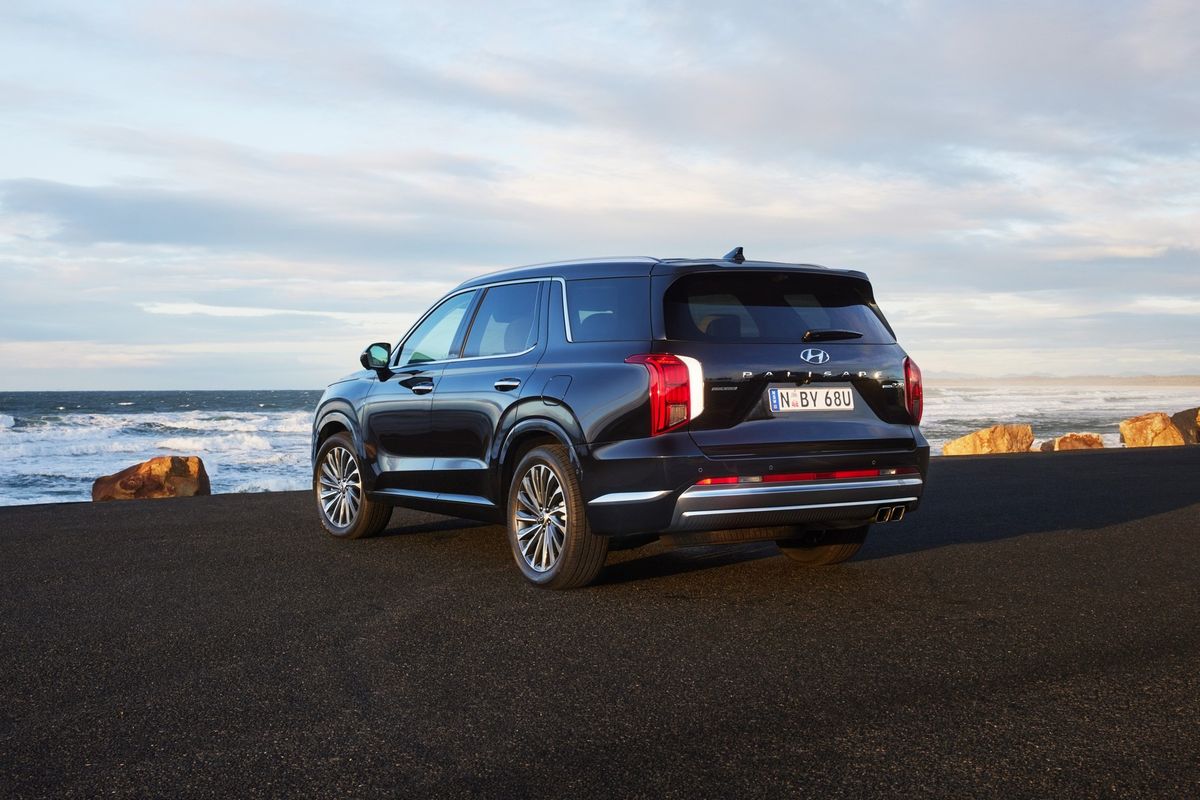
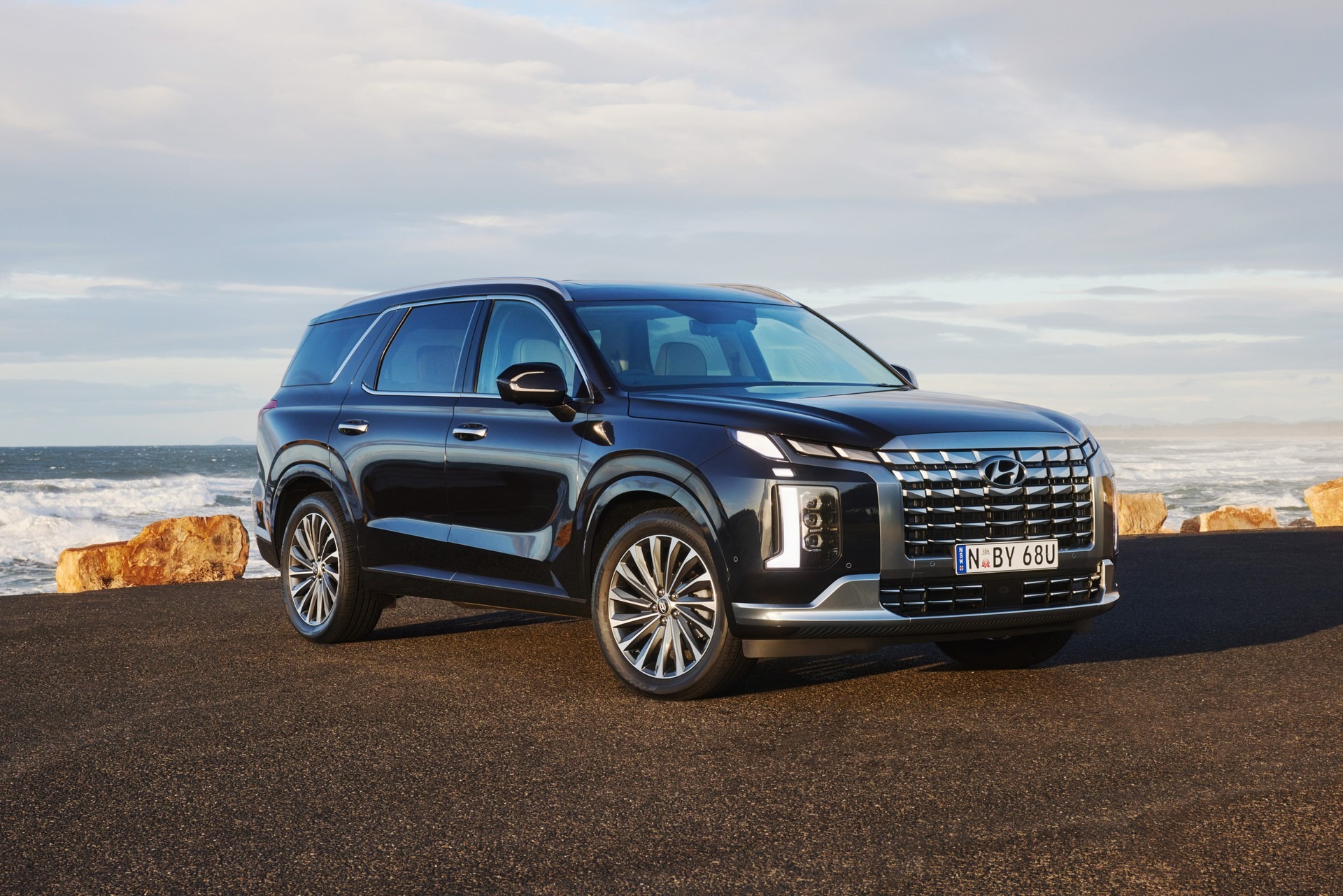
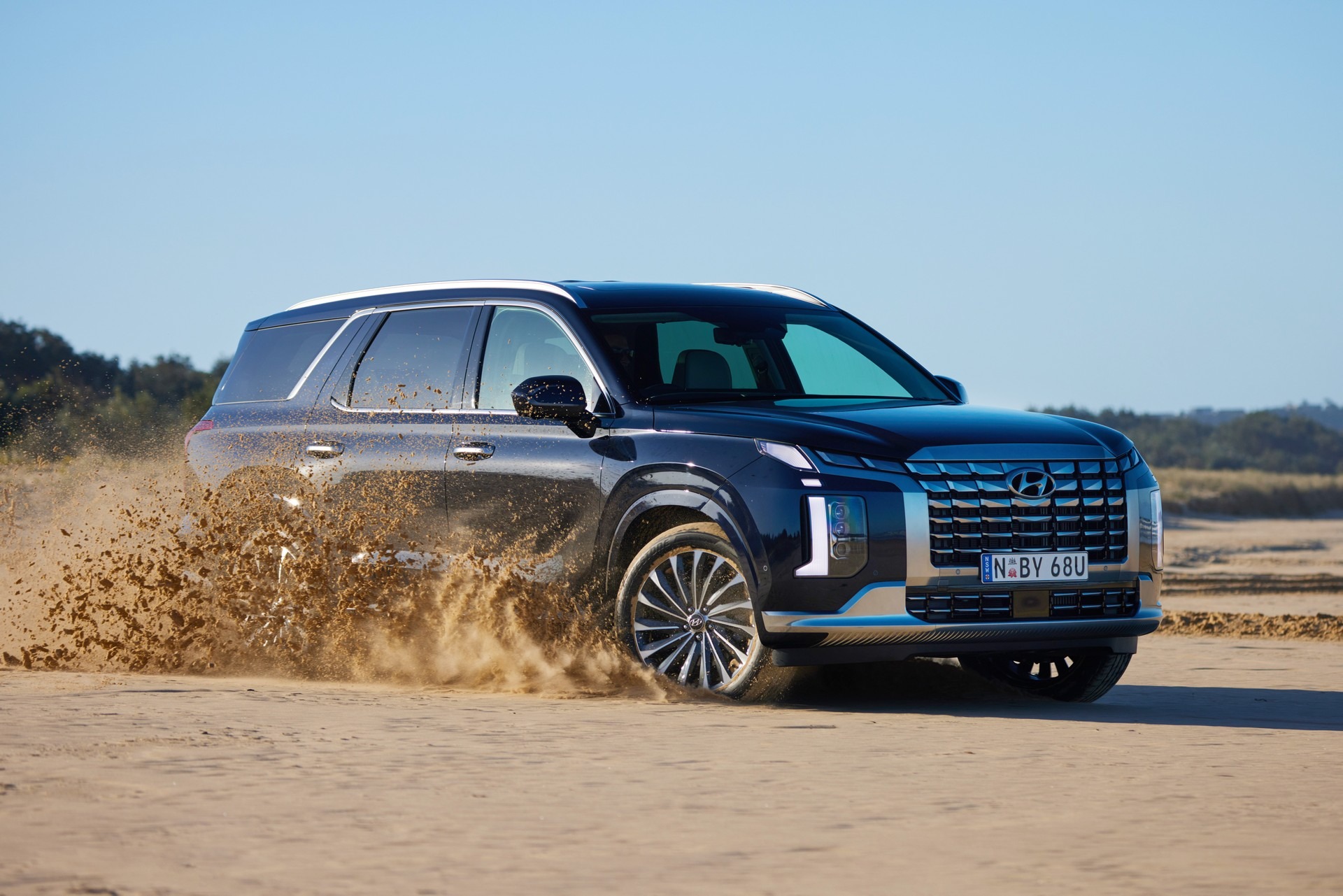
The facelifted Hyundai Palisade incorporates minor cosmetic updates that make the SUV appear more hunkered-down, with a lower stance. The grille finish has changed from chrome, while the teardrop LED running light clusters have moved to the outsides of the bumper (with the “ice block” lamps inside of them). The revised side profile is distinguished by new 20-inch alloy wheels, while the rear remains virtually unchanged, save for the new positioning of the lower taillamps that are now integrated into the width of the rear bumper. Incidentally, the facelifted Palisade is also 15 mm longer than its predecessor.
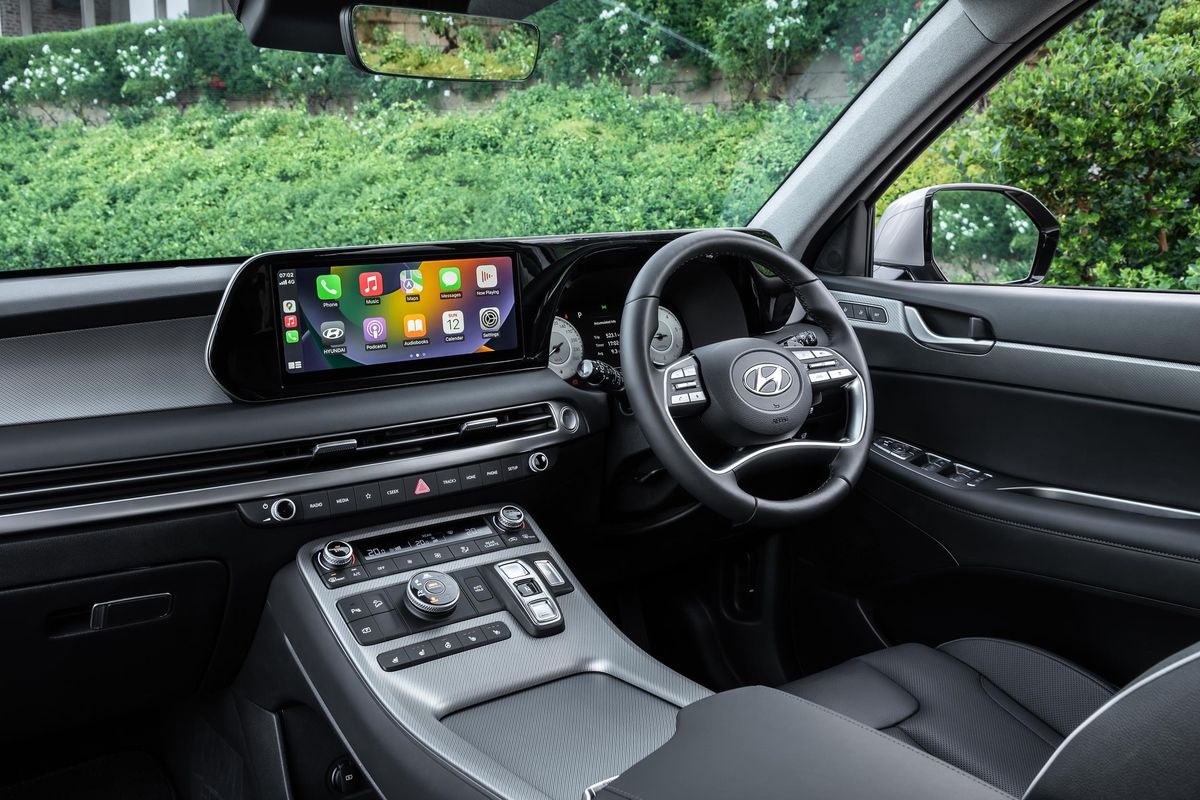
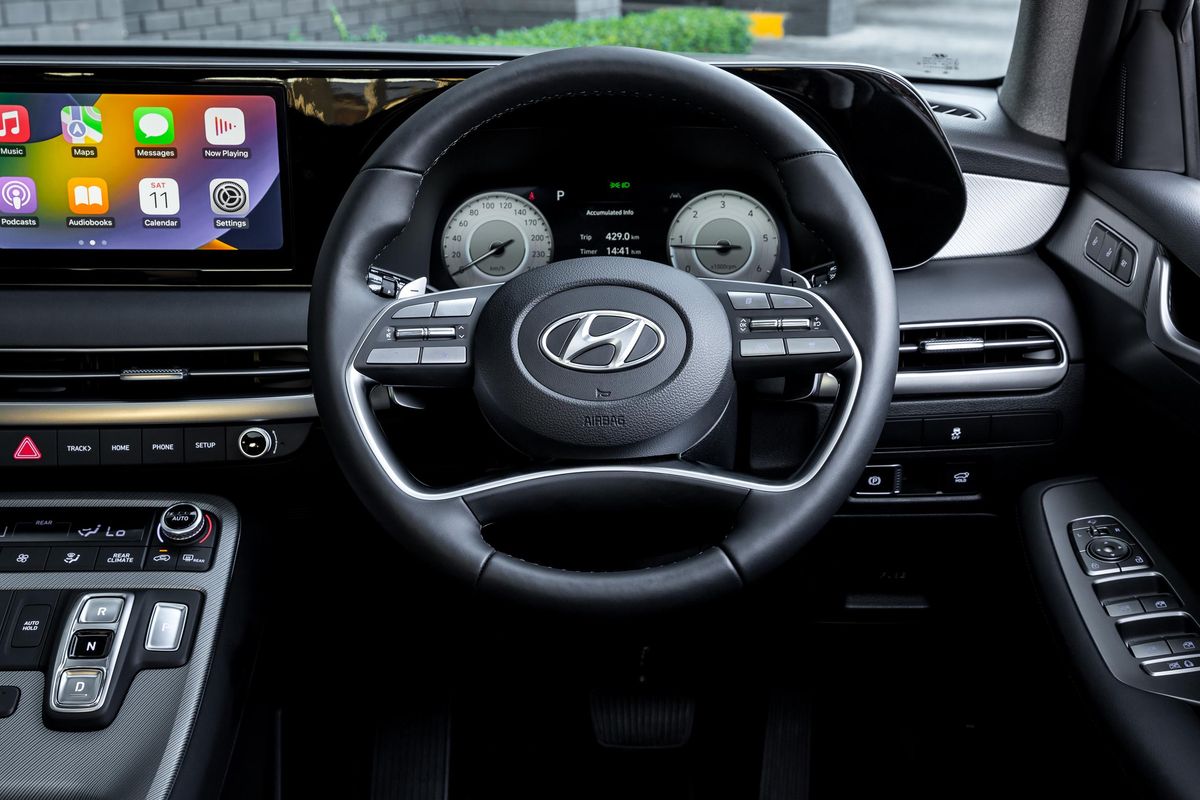
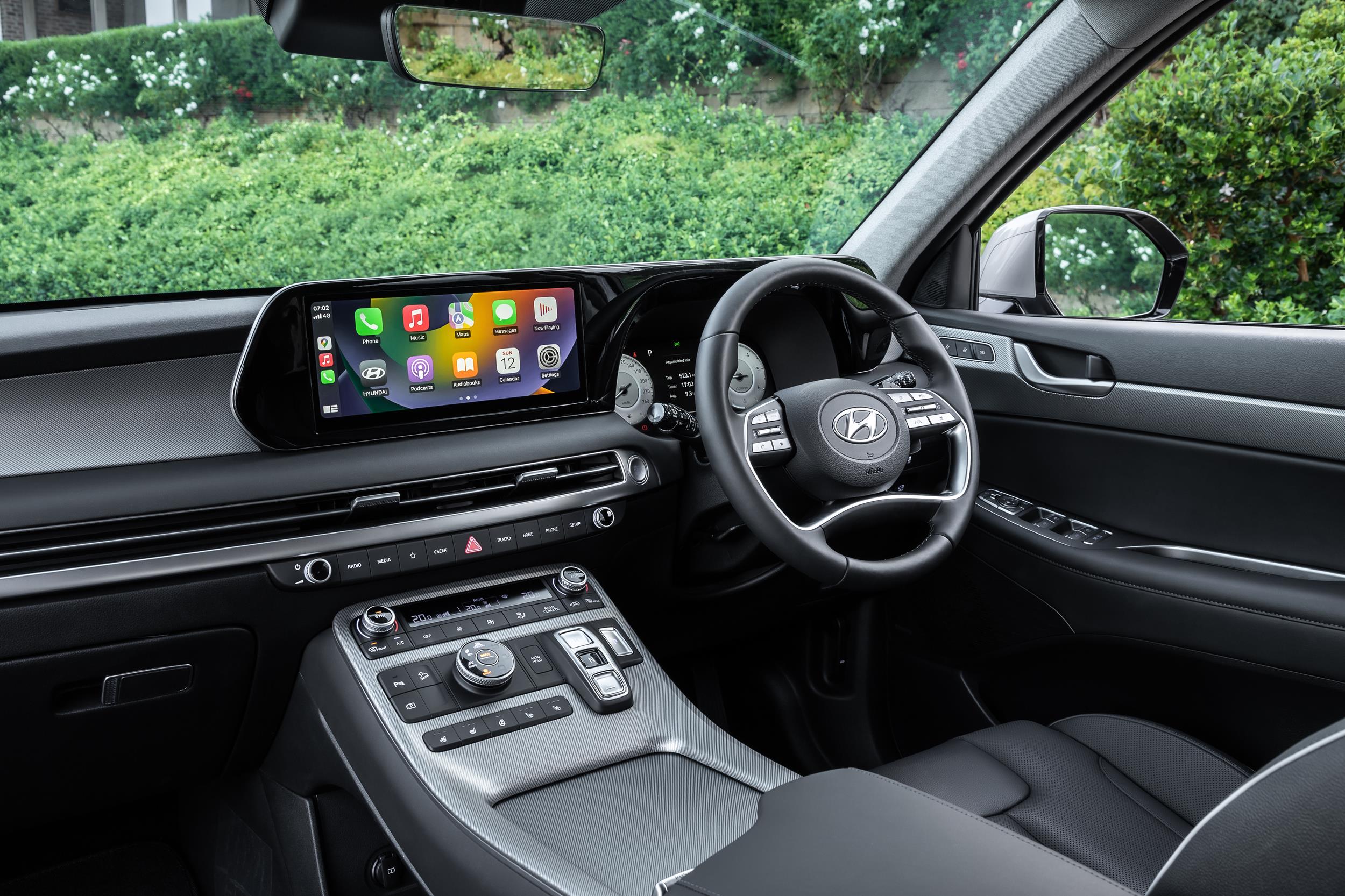
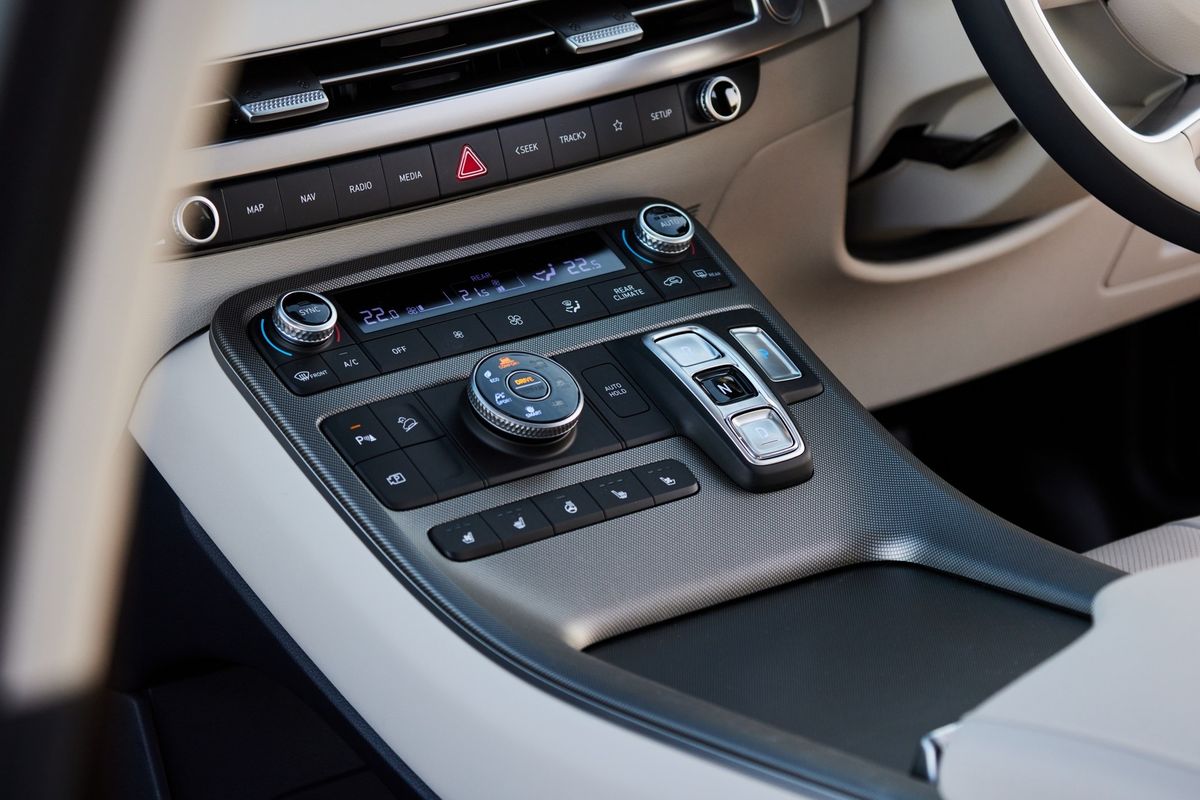
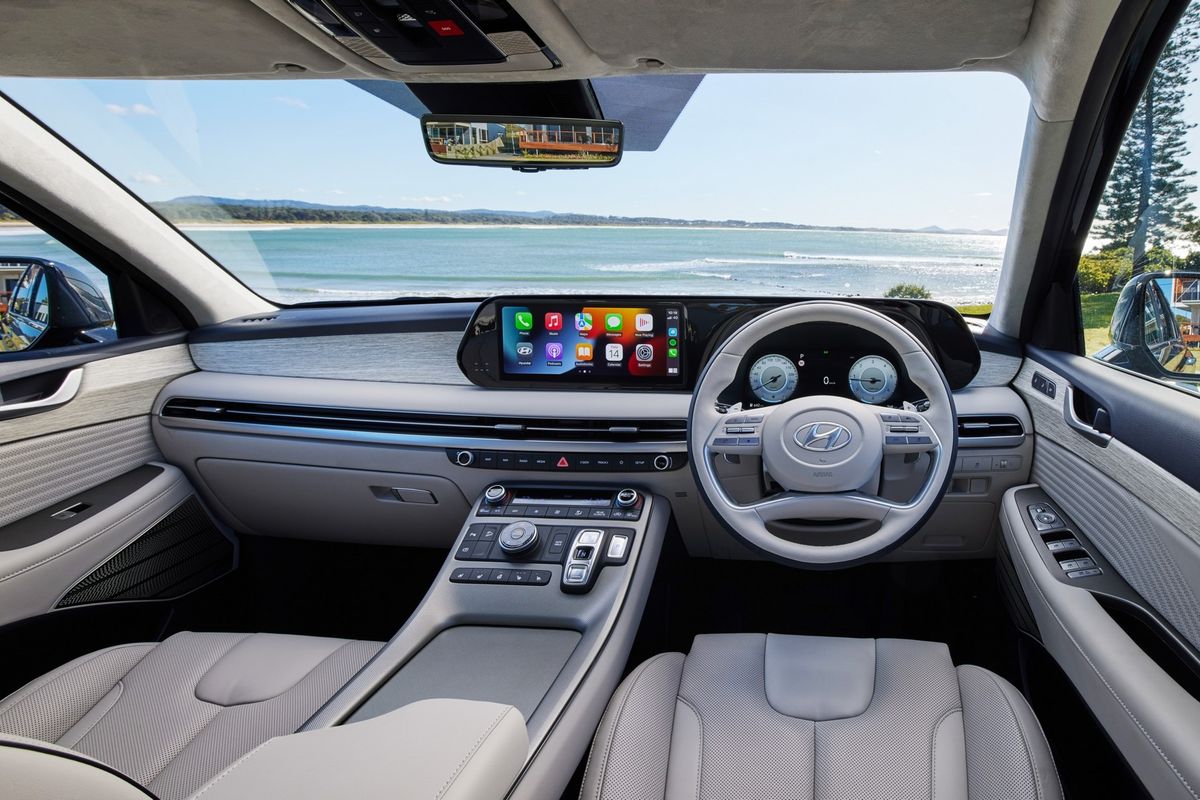
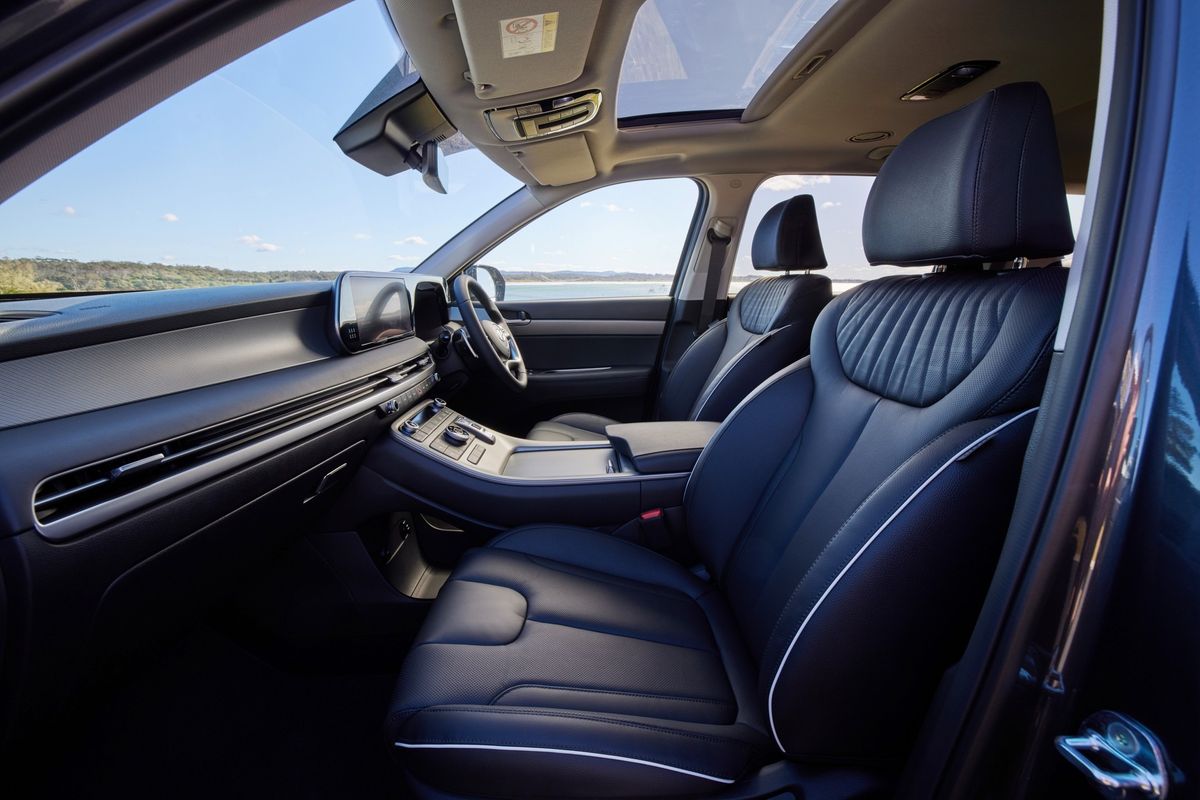
Inside, the interior now features an updated and enlarged touchscreen infotainment system and a host of new safety features that are considered standard fare for a product at this end of the market. Hyundai does not offer any optional extras – the only choice you have is between the 7- or 8-seater version.
Same turbodiesel engine
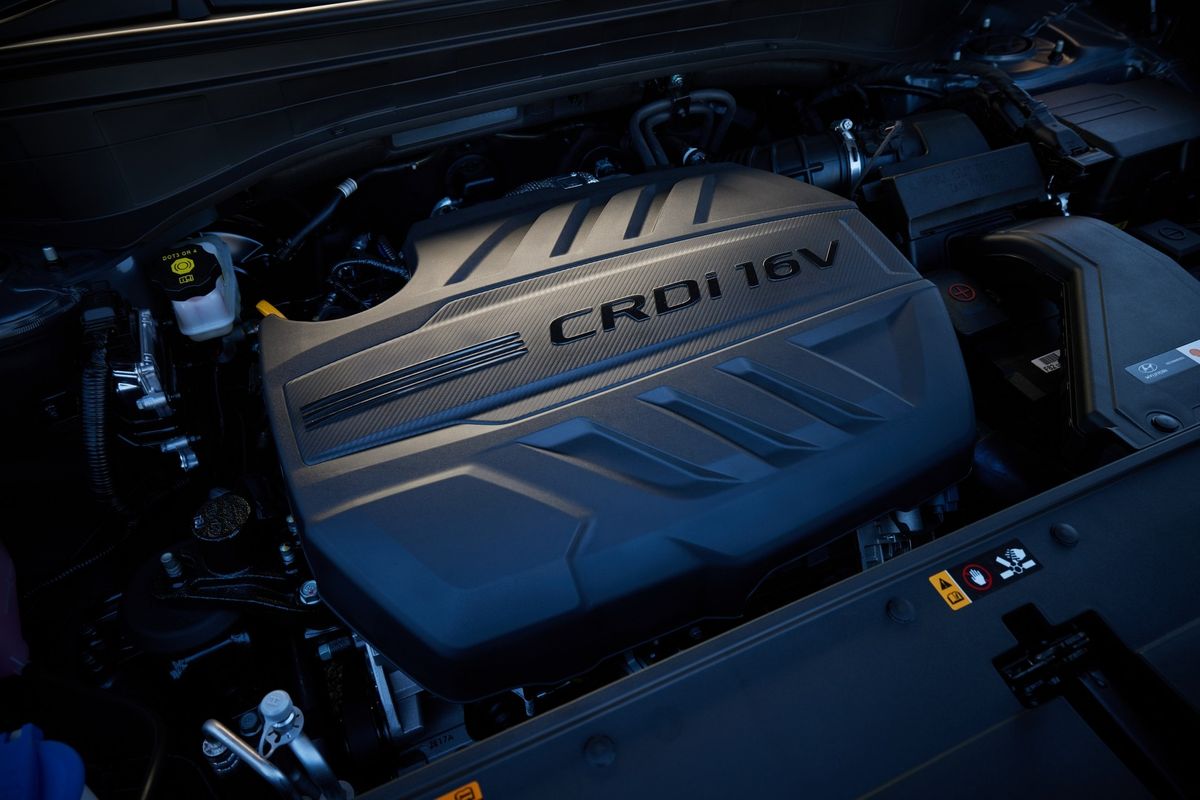
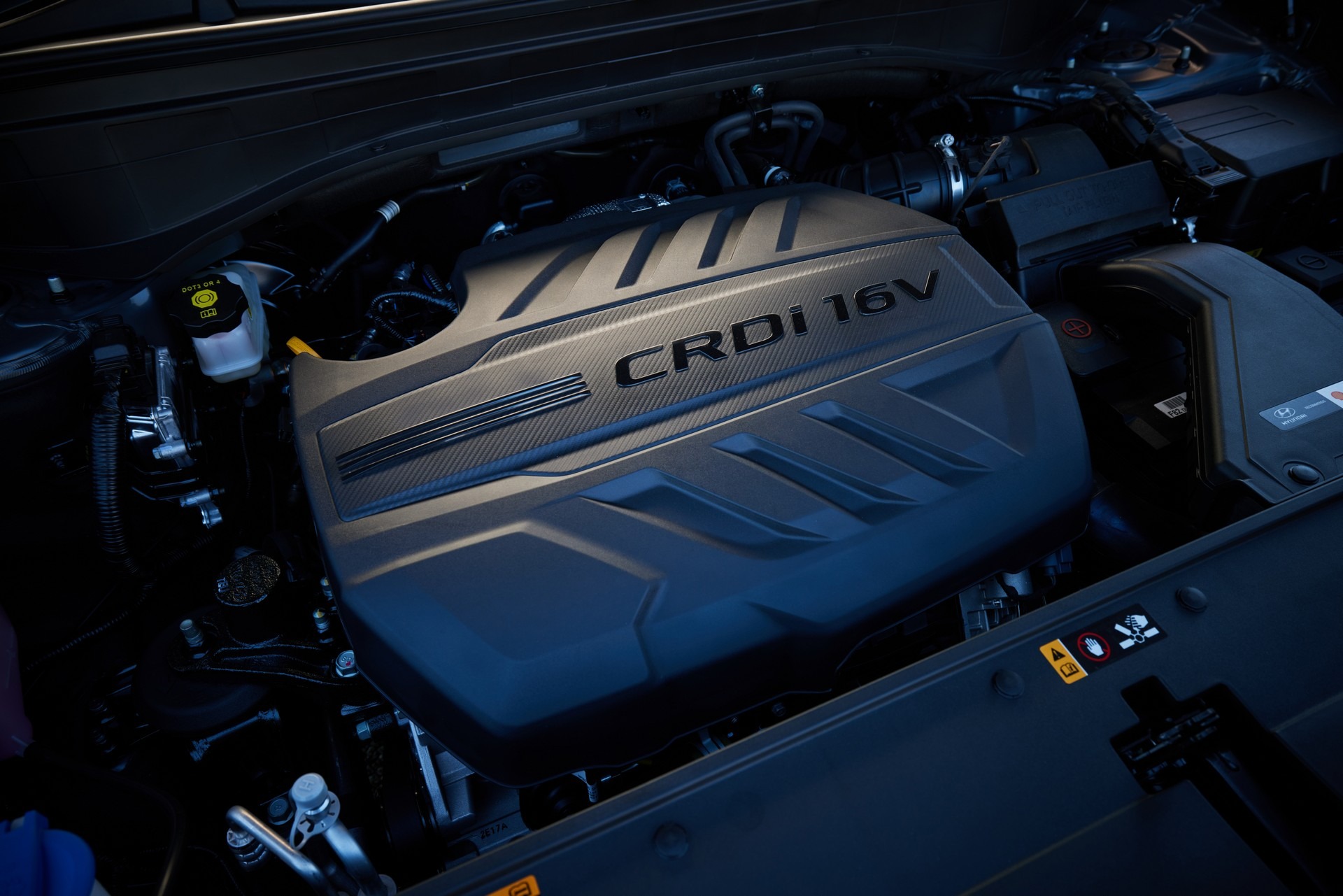
The Palisade utilises the same turbodiesel unit as the pre-facelift model and its peak outputs are unchanged.
Our major complaint about the previous iteration of the Palisade was that for a large premium SUV, it needed a bit more punch, because its peak overtaking acceleration is rather leisurely. Unfortunately, this issue hasn’t been addressed for the facelifted version – the only engine in the line-up is the 142 kW/440 Nm 2.2-litre 4-cylinder turbodiesel and I think that another 60 Nm would have made a big difference. In overseas markets, the Palisade comes with a 3.8-litre petrol V6, which would probably drink you out of house and home, but that motor delivers more of the performance you need to shift an SUV of this size.
The turbodiesel does an okay job of propelling the hefty Palisade and its 8-speed automatic transmission shifts near-seamlessly in the background. To be fair, the Hyundai’s powertrain enables the premium SUV to maintain the national speed limit with ease… it’s just the in-gear acceleration that feels a trifle gutless.
What’s the new Palisade interior like?
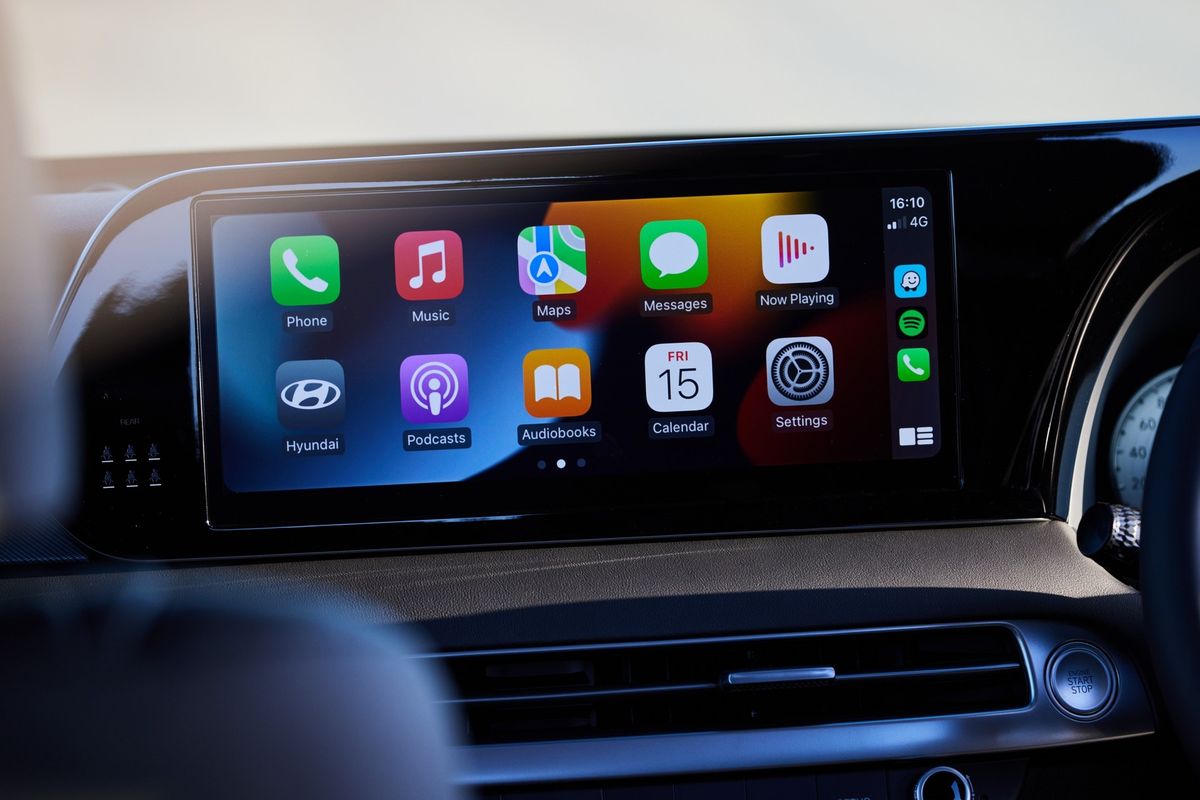
The 12-inch infotainment screen replaces the 8-inch version.
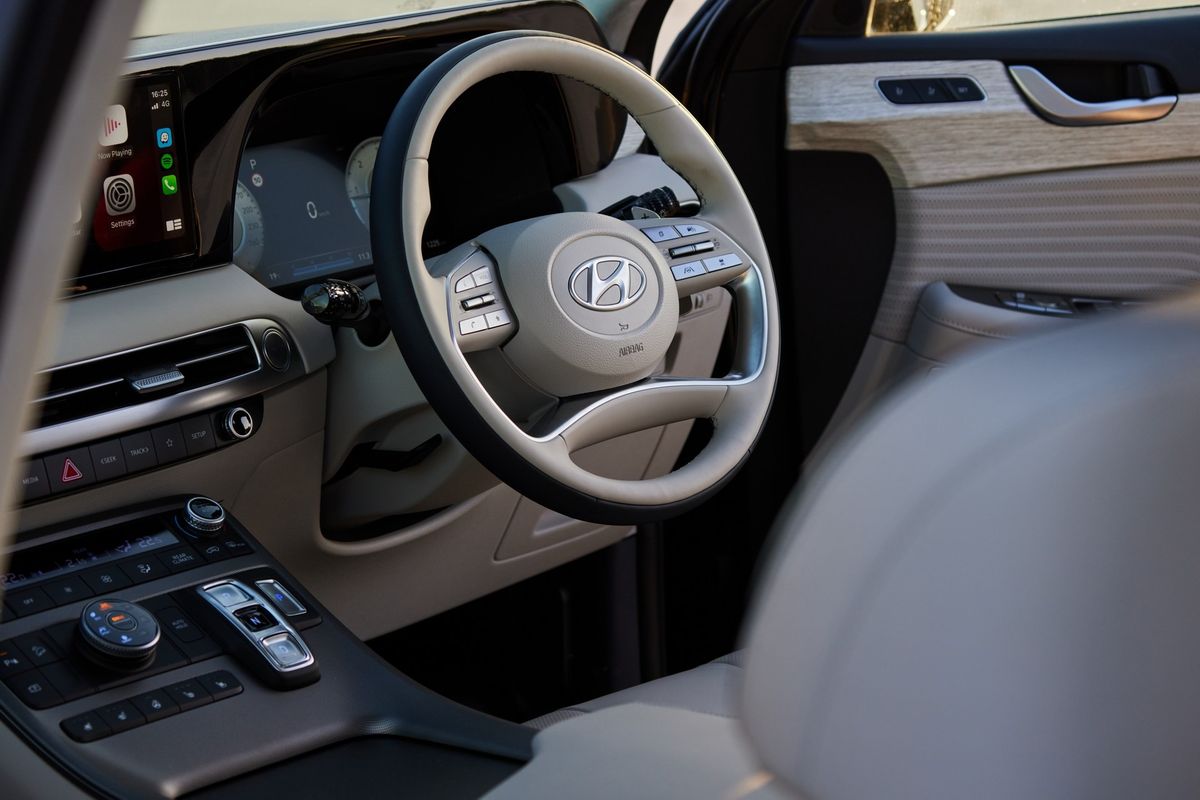
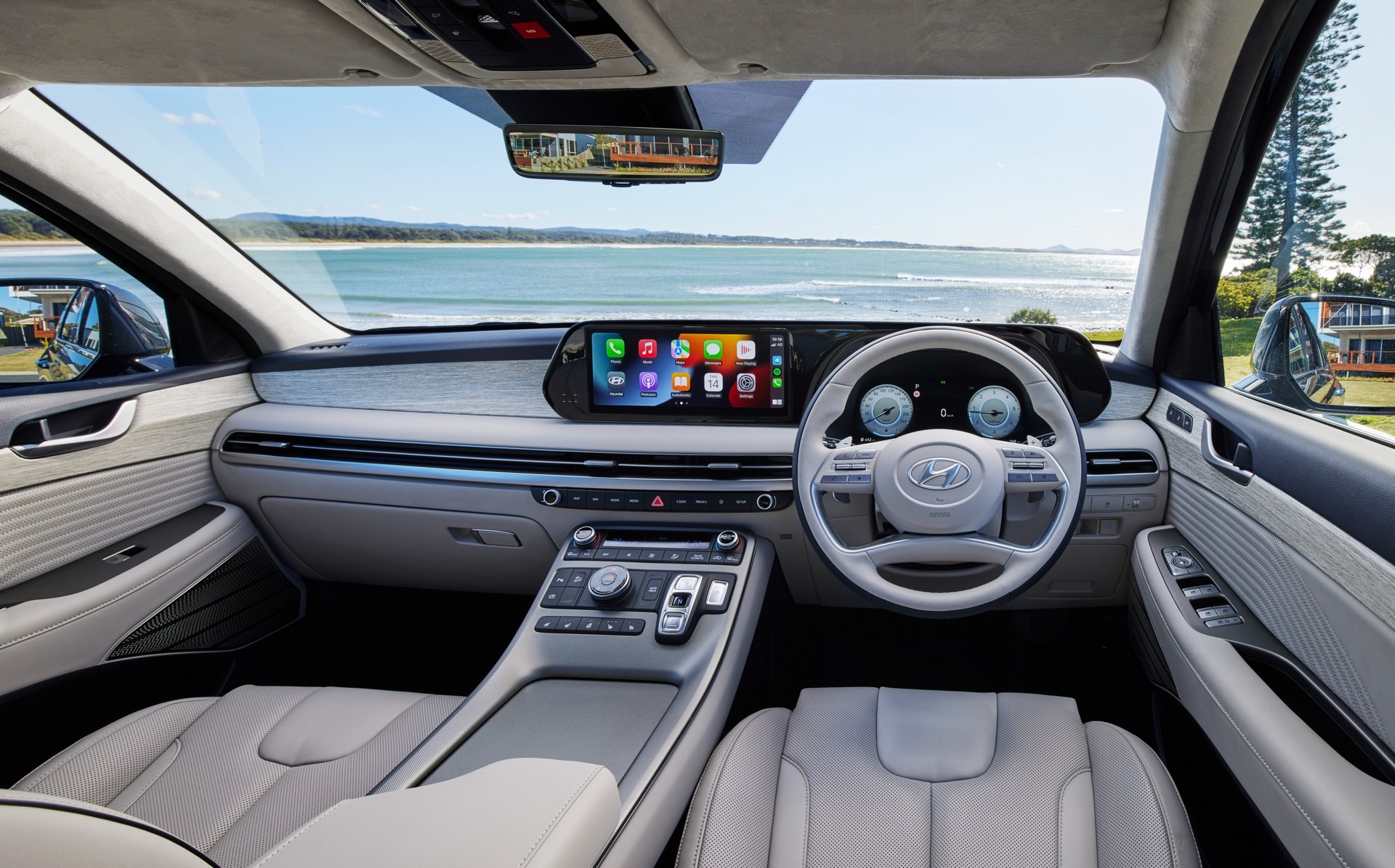
The larger (12-inch) infotainment touchscreen feels much more up-to-date than the pre-facelift model’s 8-inch unit and incorporates a few more modern features that make the Palisade’s user experience feel more upmarket. There’s a speaker feature that enables you to talk to the rear passengers via the audio system’s speakers (rather than shouting from the front). It also has a quiet mode that allows you to turn off the rear speakers (if, for example, the tots are asleep), while keeping the front speakers active.
As for its connectivity, Android Auto/Apple Carplay connectivity is available wirelessly, while the wireless phone charger has been upgraded from a 5W- to a 15W unit.
Thanks to some new safety features, the 2023 Palisade scored 5 stars in the Australian standard crash test programme (ANCAP), which tests right-hand-drive cars. The model is now specced with forward-collision avoidance, lane-keep assist, blind-spot monitoring, adaptive cruise control and safe exiting (an alert goes off if you attempt to open the doors while traffic is closing in on the vehicle).
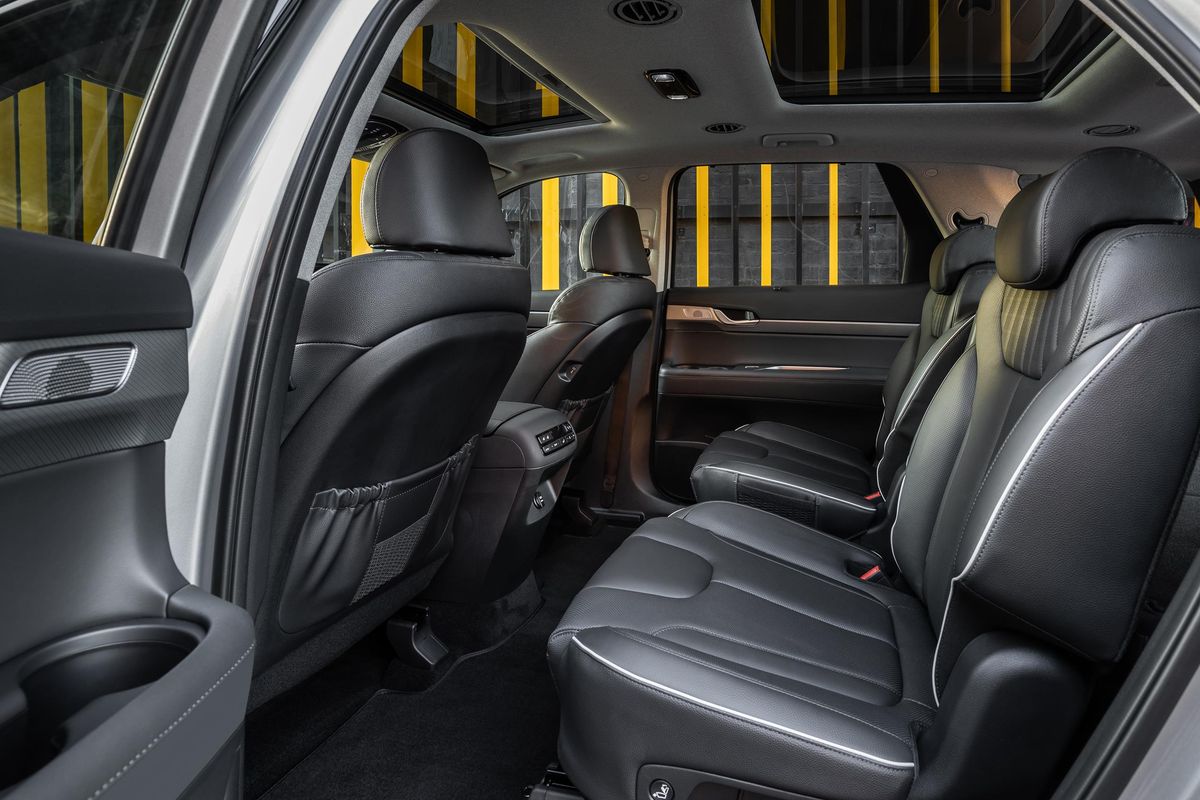
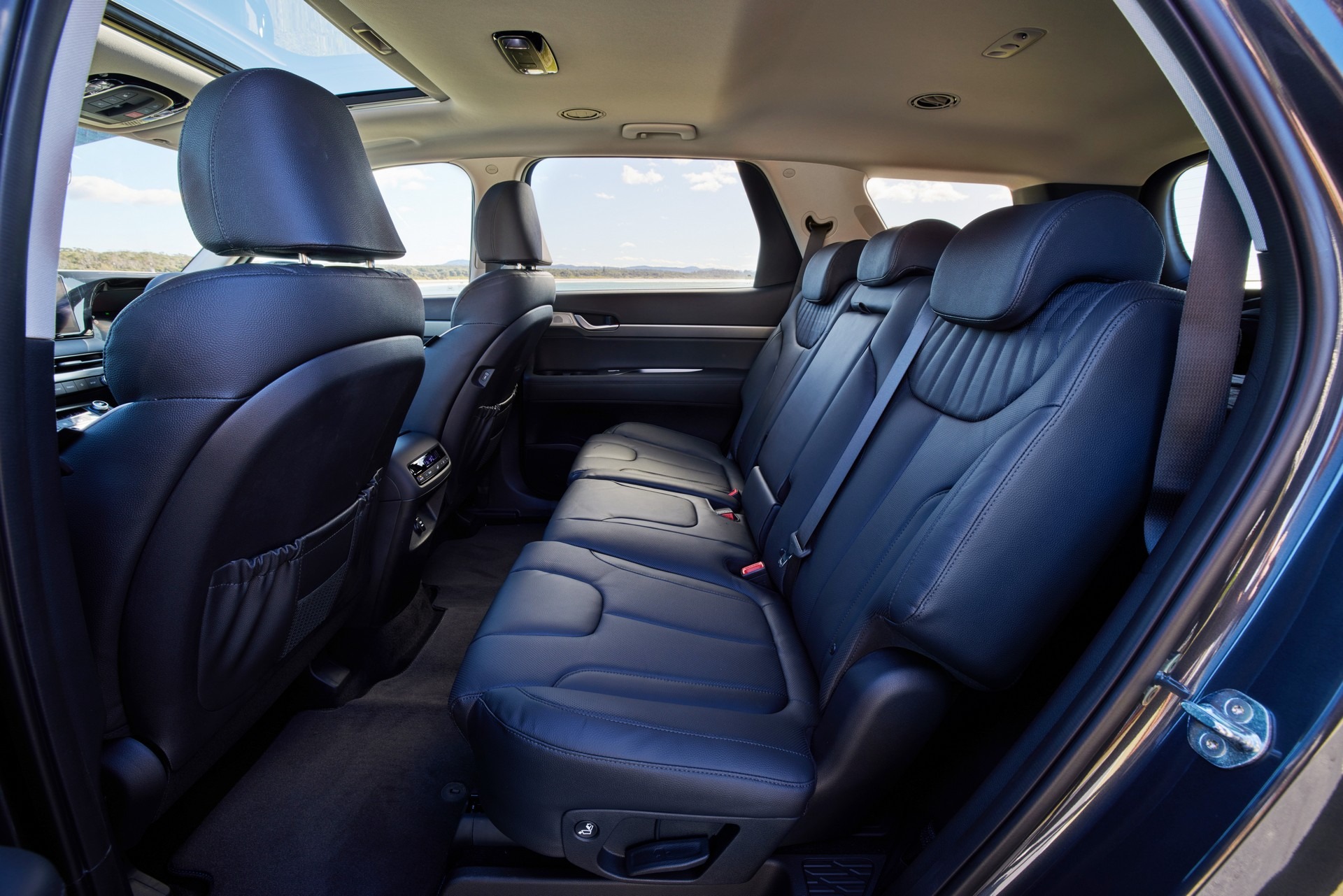
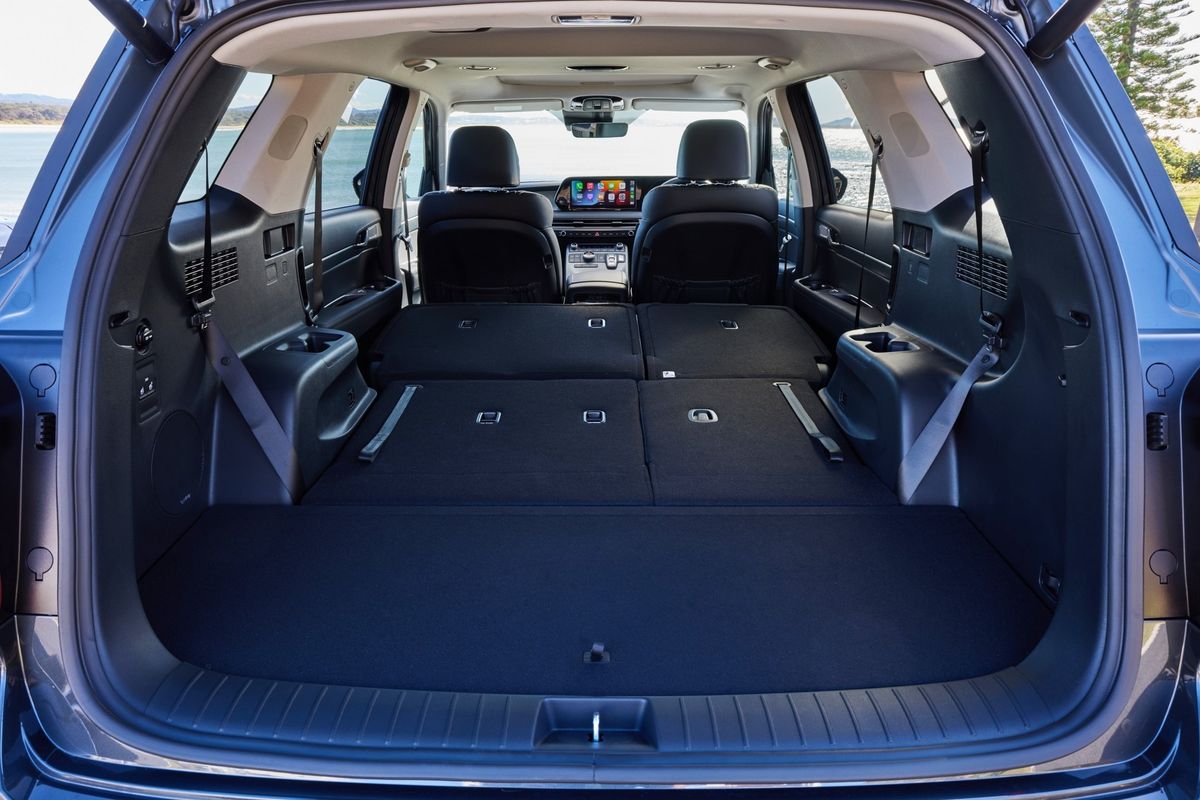
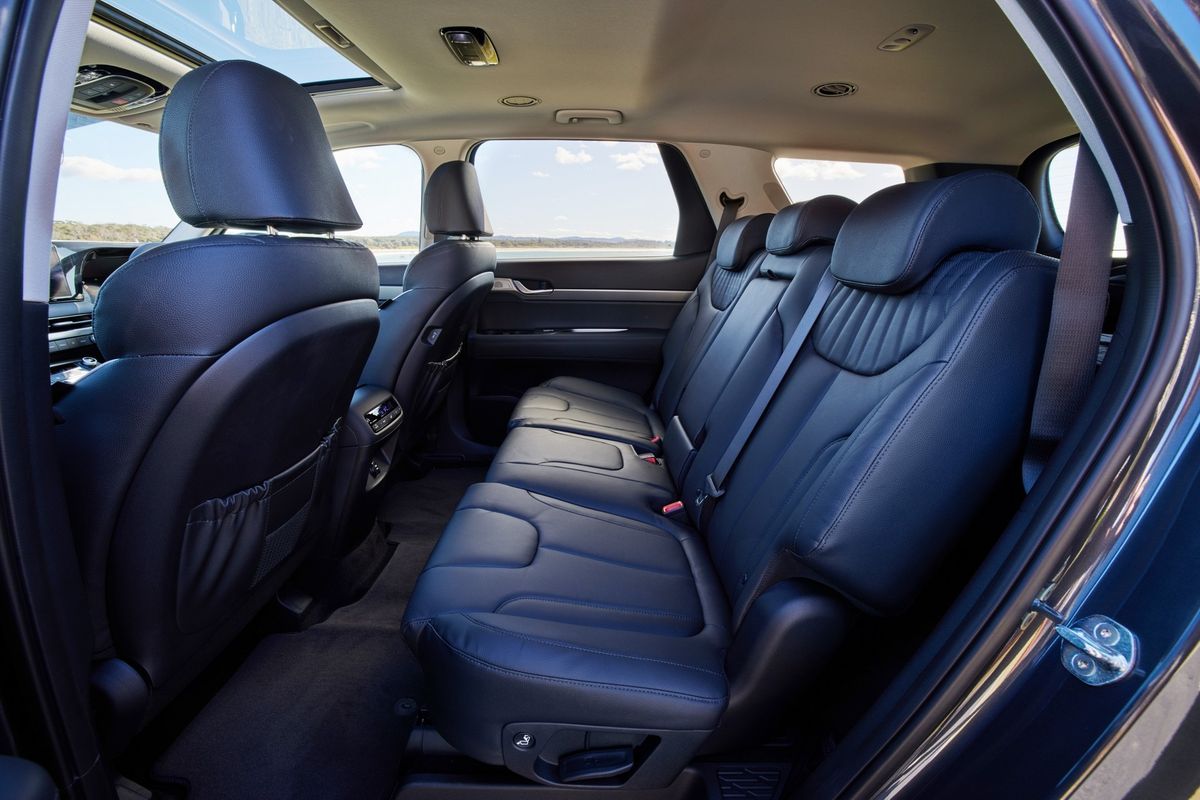
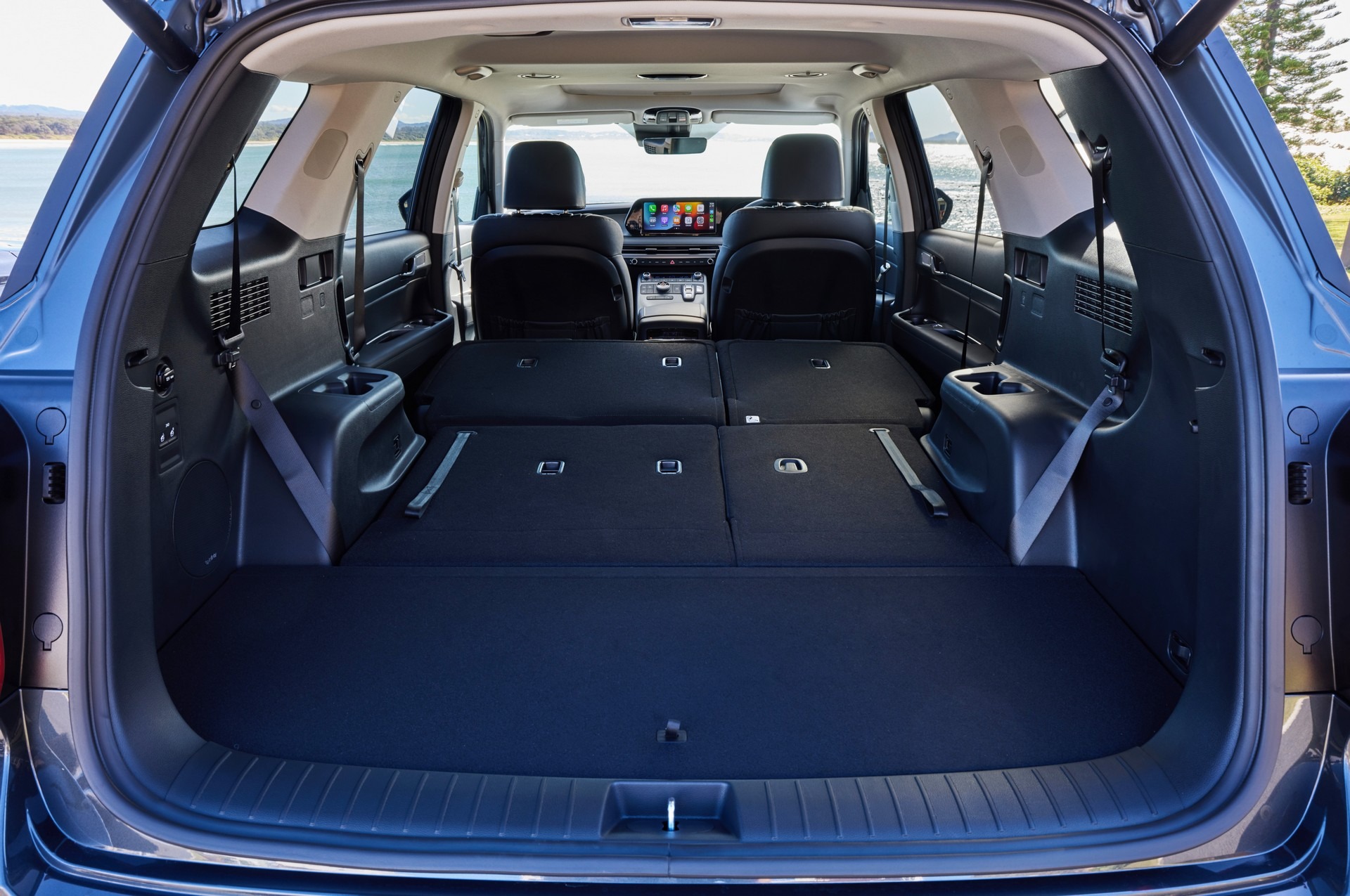
The 8-seater variant uses 2 benches that fold individually.
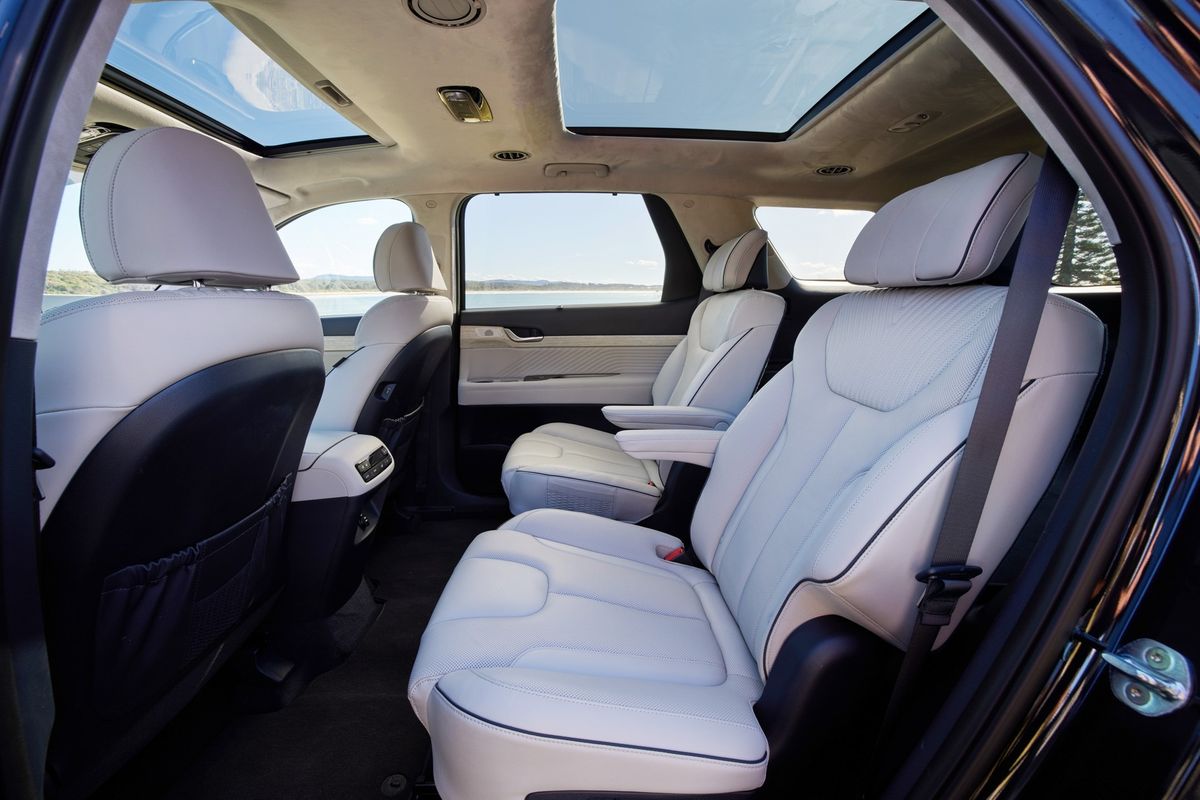
As for the seat layout, the Captain’s seating setup (on the 7-seater version) provides an upmarket feel with 2 individual 2nd-row seats and a runway between them to ease access to the rearmost row. All seats can be folded flat individually, so it offers a highly adaptable and, therefore, practical cabin layout.
Fit-and-finish seems very good (as it has been for several generations of Hyundai models), the cabin ergonomics are great and the sound insulation from outside elements is very good, even on dirt roads.
What’s the Hyundai Palisade like to drive?
Ride quality and NVH levels appear very good on the updated Palisade.
Aside from the slightly underwhelming performance of the 2.2-litre turbodiesel engine, the Palisade’s driving experience is admirable; it rides particularly well for something that sits on 20-inch wheels.
We clocked up a couple of hundred km during the 2023 Palisade’s media launch event, and much of that route comprised driving on dirt roads. The Palisade is notably quiet inside and its suspension feels well-damped over gravel and washboard dirt roads. We took a few bigger knocks here and there, but nothing more than a slight suspension jolt was felt before normal service resumed. I was quite impressed with the Palisade’s “gravel travel” ability, considering that the SUV is more of a soft-roader than a “dirt dancer”.
All-wheel drive is standard, but remember the Palisade’s an SUV-styled people mover, so there’s no low range and the ground clearance is average (203 mm). A typical Palisade buyer is unlikely to venture into the wilderness with their vehicle often, but it will easily handle long stints on gravel roads/backtracks.
Hyundai Palisade price in SA
The updated Hyundai Palisade is sold with a 7-year/200 000 km warranty and a 7-year/105 000 km service plan.
Palisade R2.2 Elite 7-seater 8AT AWD
R1 099 900
Palisade R2.2 Elite 8-seater 8AT AWD
R1 099 900
Summary
The new Palisade appears to be well-priced in its segment.
The facelifted Hyundai Palisade addresses most of the areas in which its pre-facelift predecessor could be improved, but not all of them. The interior upgrade features more tech (such as the new infotainment screen and upgraded phone connectivity options), plus the active safety features have brought it in line with other premium SUVs and they’re all standard. The ride- and build quality appear to be excellent; in fact, the 2.2-litre turbodiesel motor remains the only real weak point in what is a really pleasing offering.
Those looking for an SUV with more off-road ability may view the new Ford Everest as a good alternative, but the Palisade, at its current price, represents a very good value-for-money road-biased option.
As February 2023 draws to a close, unaudited fuel price data is pointing to significant fuel price increases for March 2023.
As if Stage 6 load shedding isn’t enough, South Africans are in for yet another substantial fuel price increase in March 2023.
Unaudited data from the Central Energy Fund (CEF) indicates that the price of 93ULP and 95 ULP petrol is expected to rise by between R1.22/litre and R1.27/l respectively while diesel prices are expected to increase by roughly 28 c/l and the price of illuminating paraffin is expected to increase by 16c/l. .
The AA commented, “In the case of petrol, the movement in international oil prices is contributing between 76 and 82 cents to the increases while the weaker average Rand to US Dollar exchange is adding about 46 cents to expected increases. In terms of the diesel price, the sole contributor to the expected increases is the weaker exchange rate,” notes the AA.
“The increases to the price of petrol are big and will have a negative impact on household budgets. A 50/l tank of fuel, for instance, will now cost R61 more to fill, or R244 if filled four times during the month, which is significant. The cumulative effect on personal finances will be a further reduction of disposable incomes which will be exacerbated by increases to goods and services which must recoup the higher fuel input costs.
“We again urge consumers to monitor their fuel usage carefully, and to budget according to the new fuel prices which come into effect next Wednesday. Ensuring vehicles are well maintained and in good mechanical condition, carefully planning routes, and avoiding heavy traffic, if possible, are some ways in which motorists can ensure better fuel consumption,” the AA concludes.
Fuel Price Forecast for March 2023 in South Africa
Fuel Type
Feb 23 Inland
Feb 23 Coast
March 23 (Projection) Inland
March 23 (Projection) Coast
Petrol Unleaded 93
R21.38
R20.73
R22.60
R21.95
Petrol Unleaded 95
R21.68
R21.03
R22.90
R22.25
Diesel 0.05% (wholesale)
R21.32
R20.67
R21.60
R21.95
Diesel 0.005% (wholesale)
R21.42
R20.78
R21.70
R21.06
Fuel price data courtesy of thedepartment of mineral resources and energy
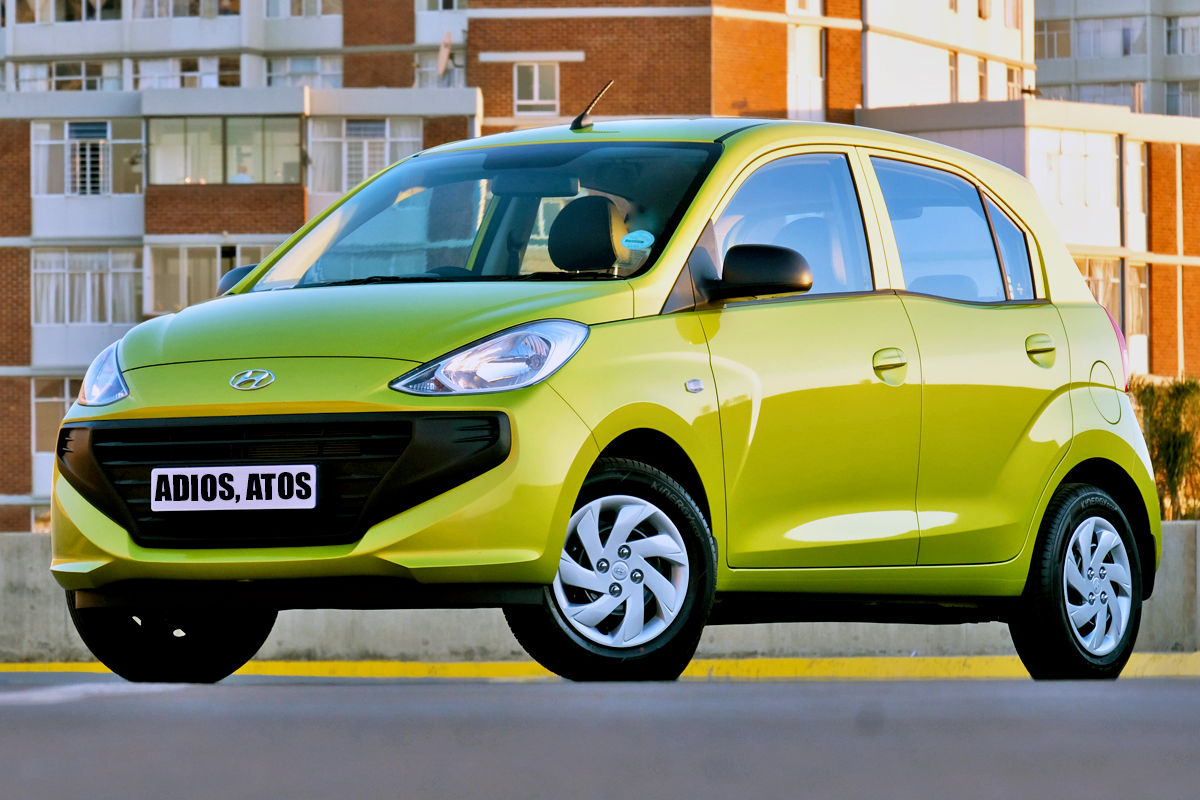
Adios, Atos! Hyundai’s Cheapest New Car is Exiting South Africa
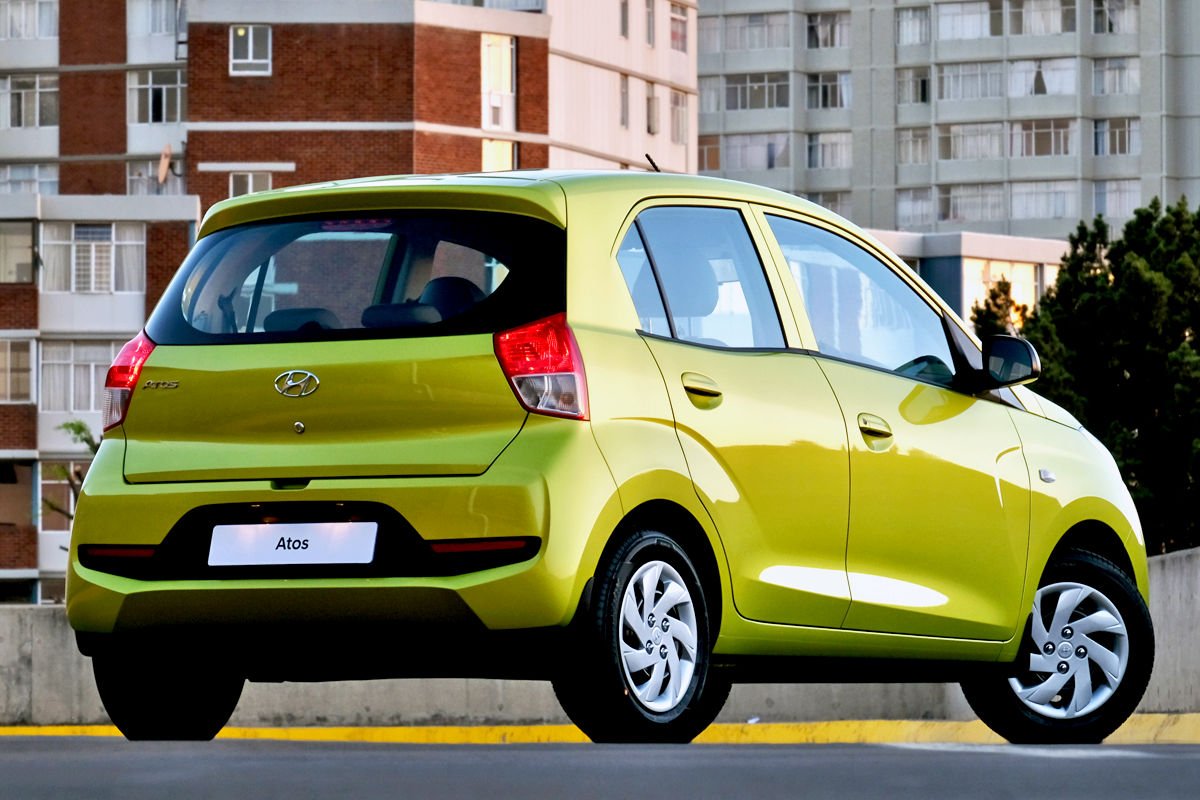
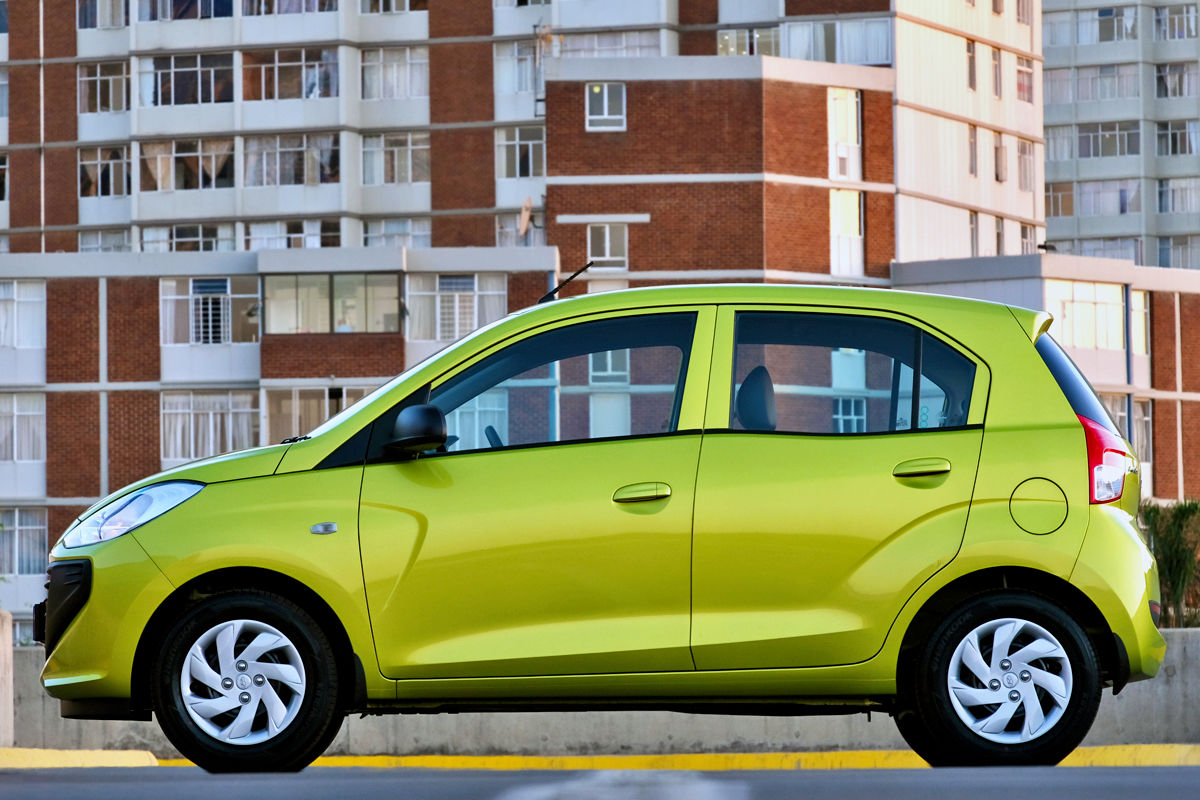
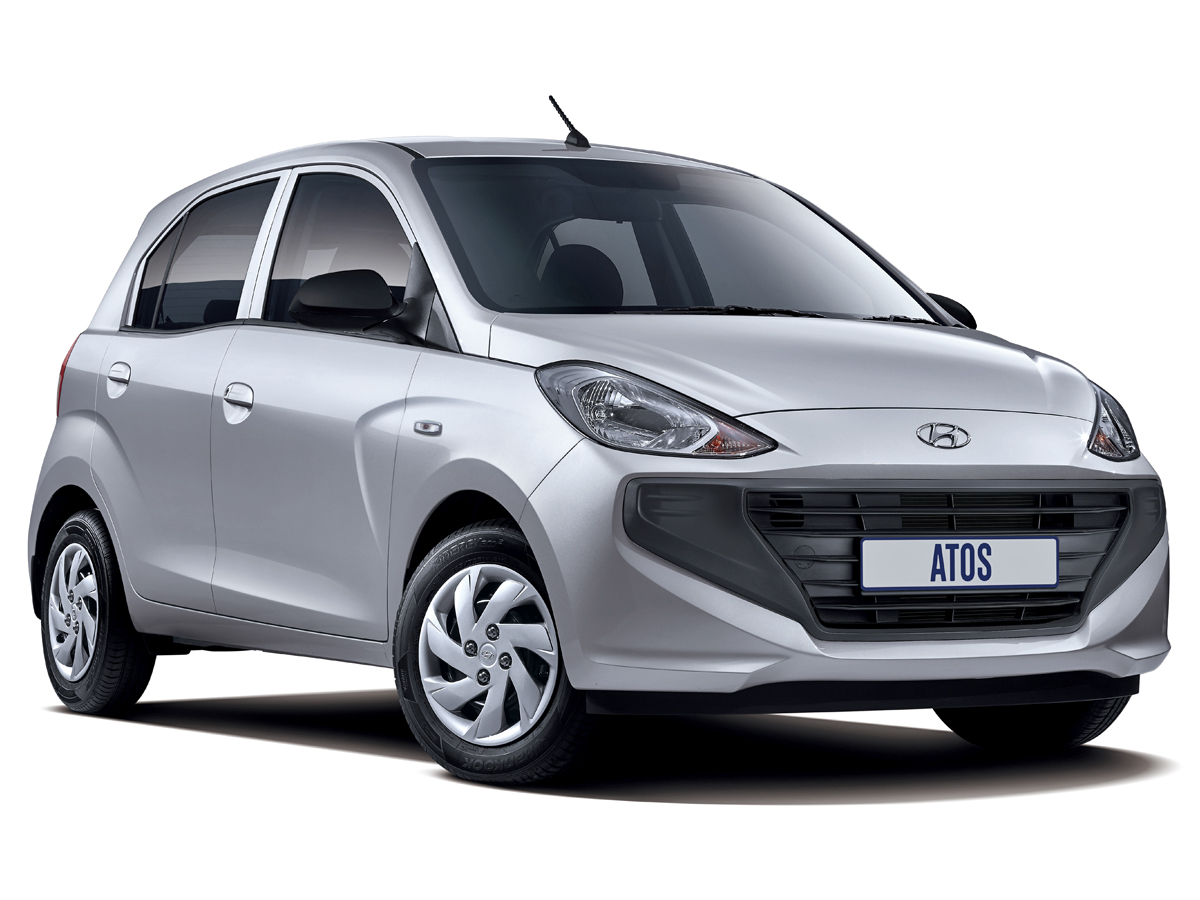
Yes, the Hyundai Atos is being discontinued… again. With production having ceased in India, the entry-level hatch is about to be put out to pasture in South Africa, too.
Hyundai Automotive South Africa has confirmed the Atos entry-level hatchback will soon be pulled from its range as local stock runs dry. The news comes 10 years after the nameplate was last discontinued in SA.
Production of the budget car ceased in India (where it was known as the Santro) in mid-2022, though Hyundai’s local distributor seemingly managed to secure enough stock to cover the 2nd half of last year as well as much of the opening quarter of 2023.
When asked by Cars.co.za about the future of the Atos in South Africa, a Hyundai representative confirmed there were about 400 units left in stock with a few days of February 2023 to go.
The latest version of the Hyundai Atos lasted just over 3 years on the local market.
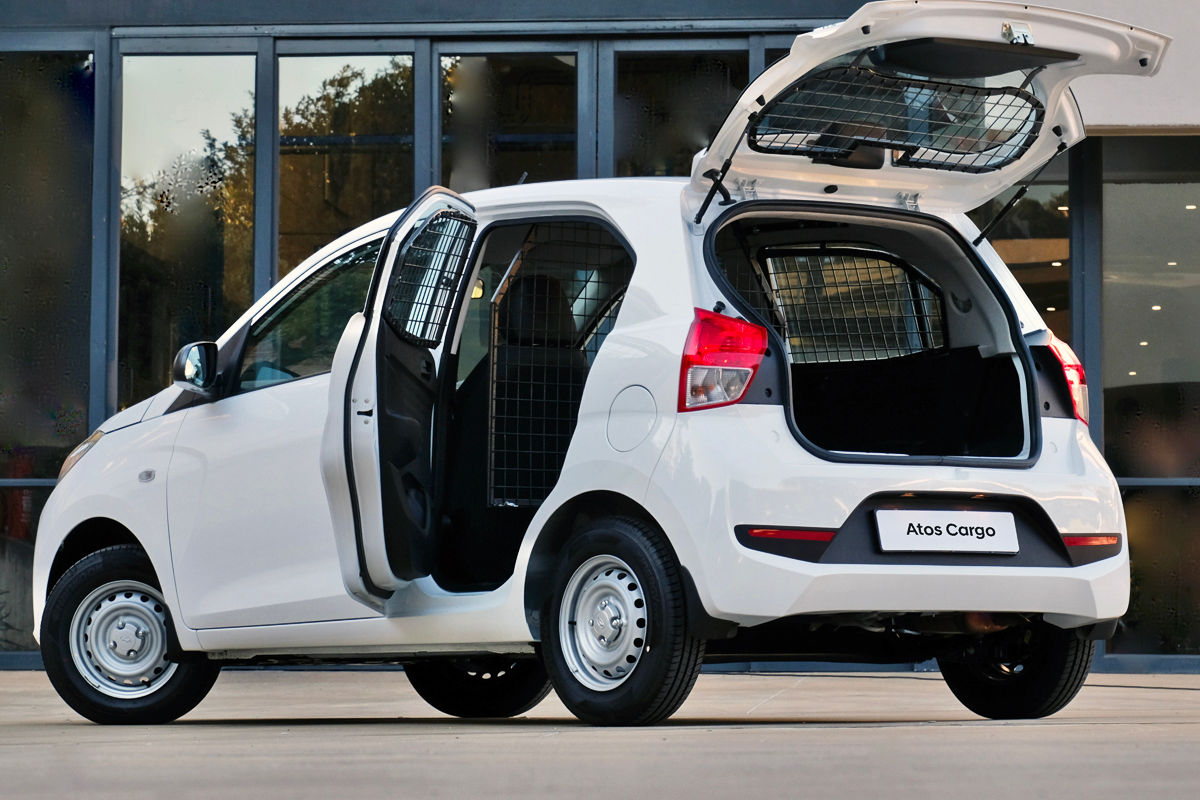
Slotting in below the Grand i10, the Atos is Hyundai’s cheapest new car (while it’s still here), with the 4-strong local line-up (including a pair of Cargo-badged panel-van variants) running from R199 900 to R214 900. All derivatives employ a naturally aspirated 1.1-litre, 4-cylinder petrol engine sending 50 kW and 99 Nm to the front wheels via either a 5-speed manual gearbox or an automated manual with the same number of cogs.
This AH2-generation Atos arrived in South Africa late in 2019 (days after the Indian-spec model scored 2 stars in its Global NCAP crash test, with its body shell rated as “unstable”), priced at R159 900 and backed up by a 7-year/200 000 km warranty and a 1-year service plan. In August 2021, the light-commercial Cargo variants joined the range, before the AMT derivative hit the market the following month.
The original Atoz (yes, with a “Z”, as in “A to Z”) launched locally around the turn of the millennium, before gaining a significant update and switching to the Atos badge in 2005. It was eventually pulled from the local market in 2013, after more than 45 000 units had been registered in South Africa.
How has the 2nd-generation model fared on the sales charts? Well, it’s clear stock is running low; some 220 units were sold locally in January 2023, down from 343 units in December 2022.
According to our calculations (based on official figures reported to Naamsa), as many as 7 419 units were registered in South Africa in 2022, translating to a healthy monthly average of 618 units. Last year, the best single month for the Atos was March, when 822 units were sold.
Once the final few hundred examples of the Atos have found owners, the Grand i10 1.0 Motion (currently priced at R214 900) will step into the role of Hyundai Automotive SA’s cheapest new car.
The flagship Hyundai Palisade SUV has been updated and gone on sale in South Africa. Here are some specifications and pricing for this large SUV.
Since its introduction back in 2021, the Hyundai Palisade has sold just 256 units, something which Hyundai South Africa hopes to change with the MY23 Palisade, which comes to market with fresher looks and even more convenience features.
There are some slight visual updates, with the main one being the bold grille that you’ll find on most modern Hyundai products, like the Venue and Tucson. The rear design has changed slightly, with a new-look twin exhaust and LED tail lamps. The vehicle now rides on 20-inch alloy wheels.
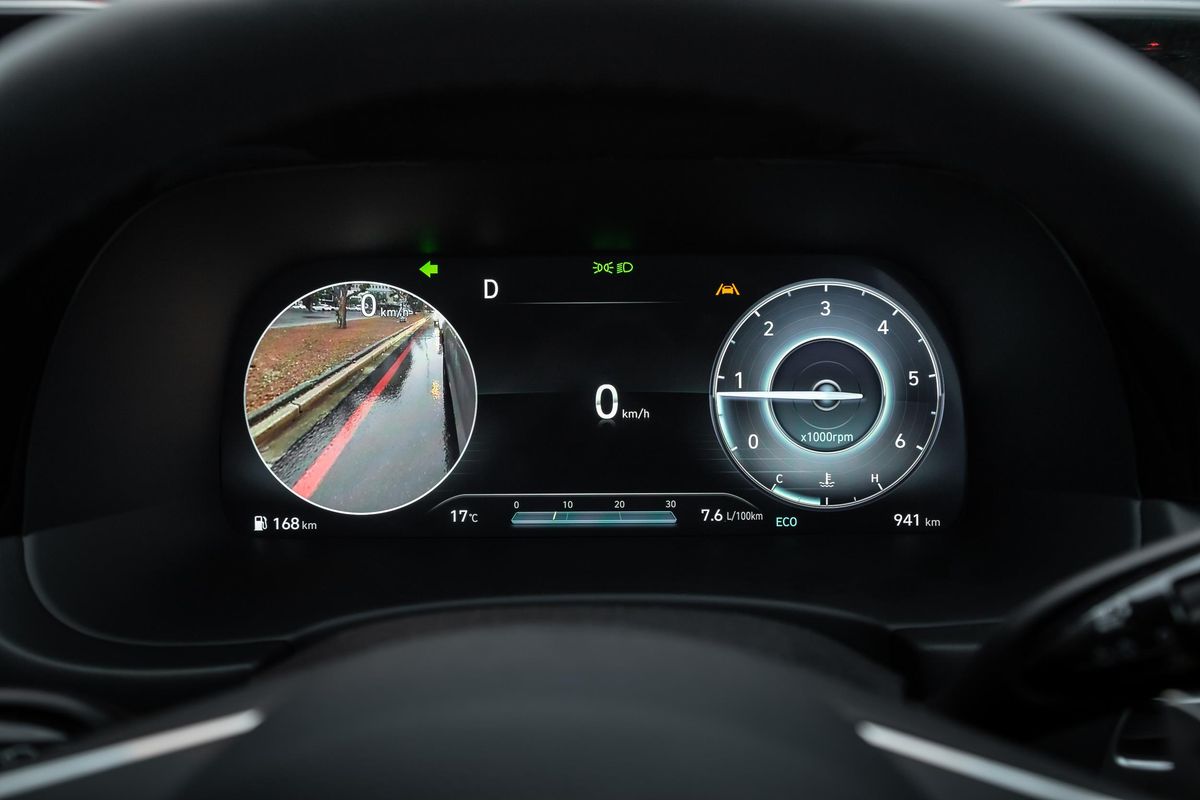
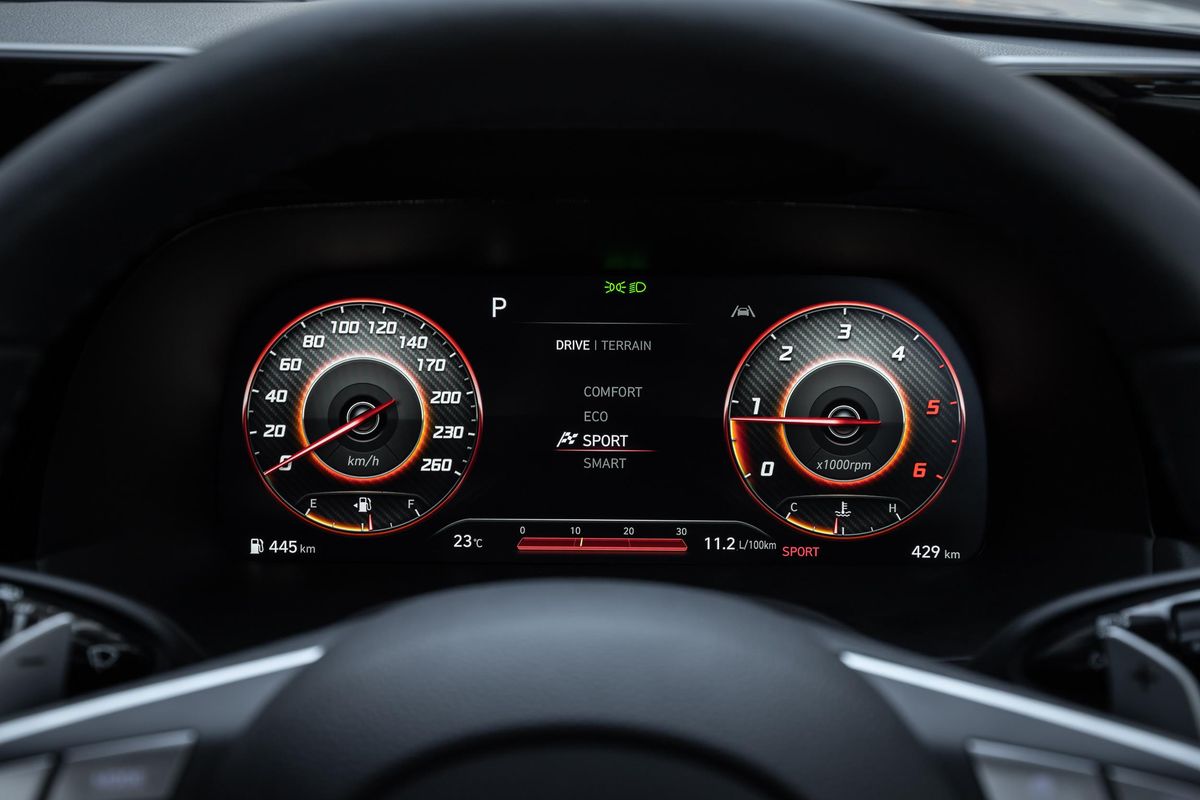
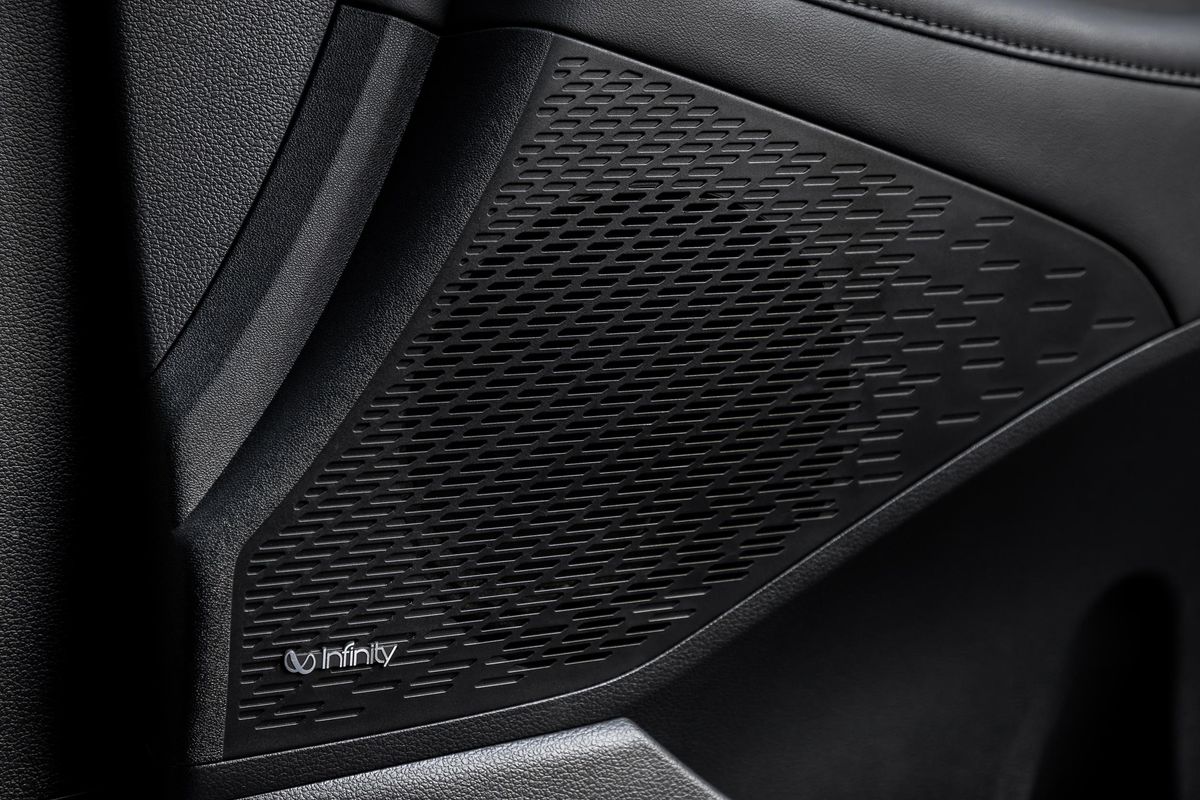
The updated model boasts additional features over the outgoing Palisade. The MY23 now has multi-collision brake, heated steering wheel, ventilated seats for the first and second row, 12.3-inch infotainment system, Infinity 12-speaker sound system, full parking camera + surround view, blind spot view, lane keep and follow assist, forward collision avoidance, a new 12.3-inch digital dashboard, adaptive cruise control and auto up/down window operation for all passengers.
Engine and Powertrain
Under the bonnet of the updated Hyundai Palisade is a 2.2-litre turbocharged diesel 4-cylinder that produces 142 kW and 440 Nm. The gearbox on duty is an 8-speed automatic transmission, and power is sent to all four wheels.
Hyundai Palisade Features
There’s just one trim level for the Palisade MY23, called Elite. Customers can choose from one of five colours.
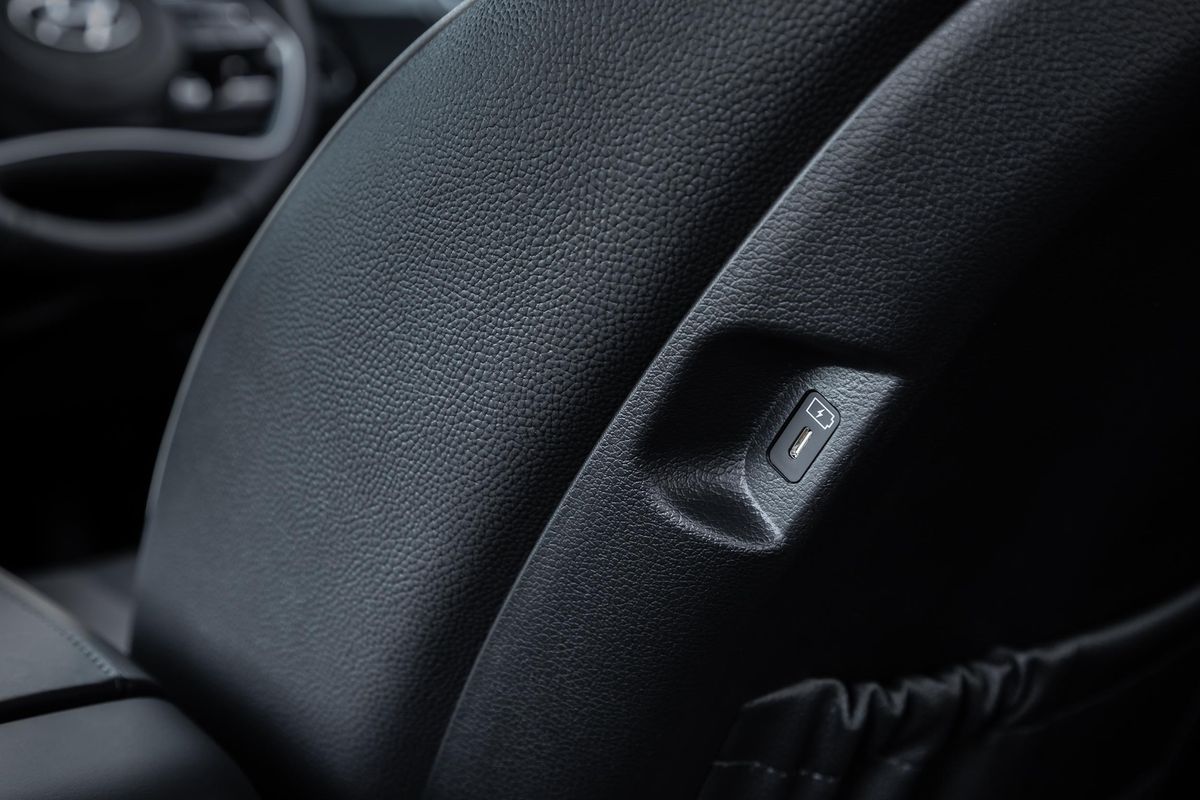
Standard specification was already generous, and as a reminder, it comes with LED headlamps, dual sunroof, fog lights front and rear, multi-function steering wheel that’s now heated, a 12.3-inch digital instrument cluster, 12-speaker audio system from Infinity, Apple CarPlay/Android Auto, tri-zone air conditioning, 2nd row heated and ventilated seats, wireless charging, USB ports for the 1st, 2nd, 3rd row, 10-way driver seat adjustment with memory function, rear window privacy blinds, smart power tailgate, surround view parking camera and the seats can be configured in many ways to accommodate passengers and cargo.
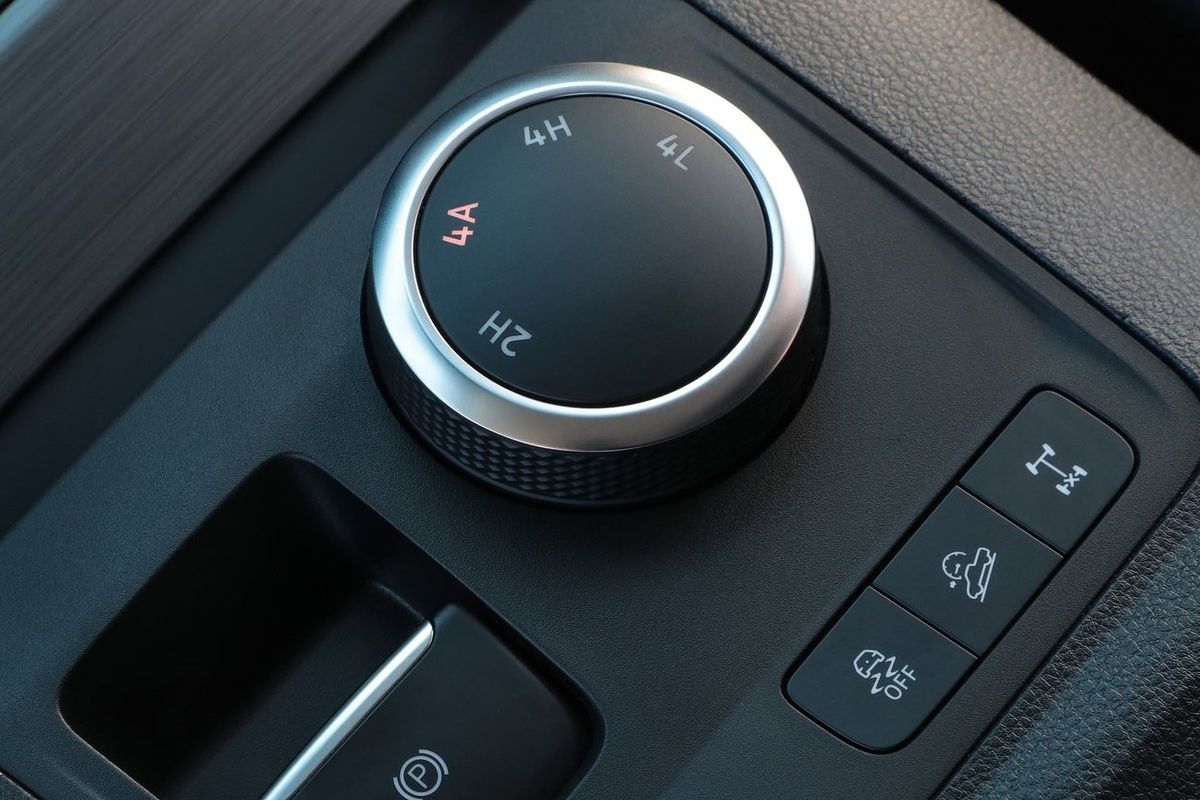
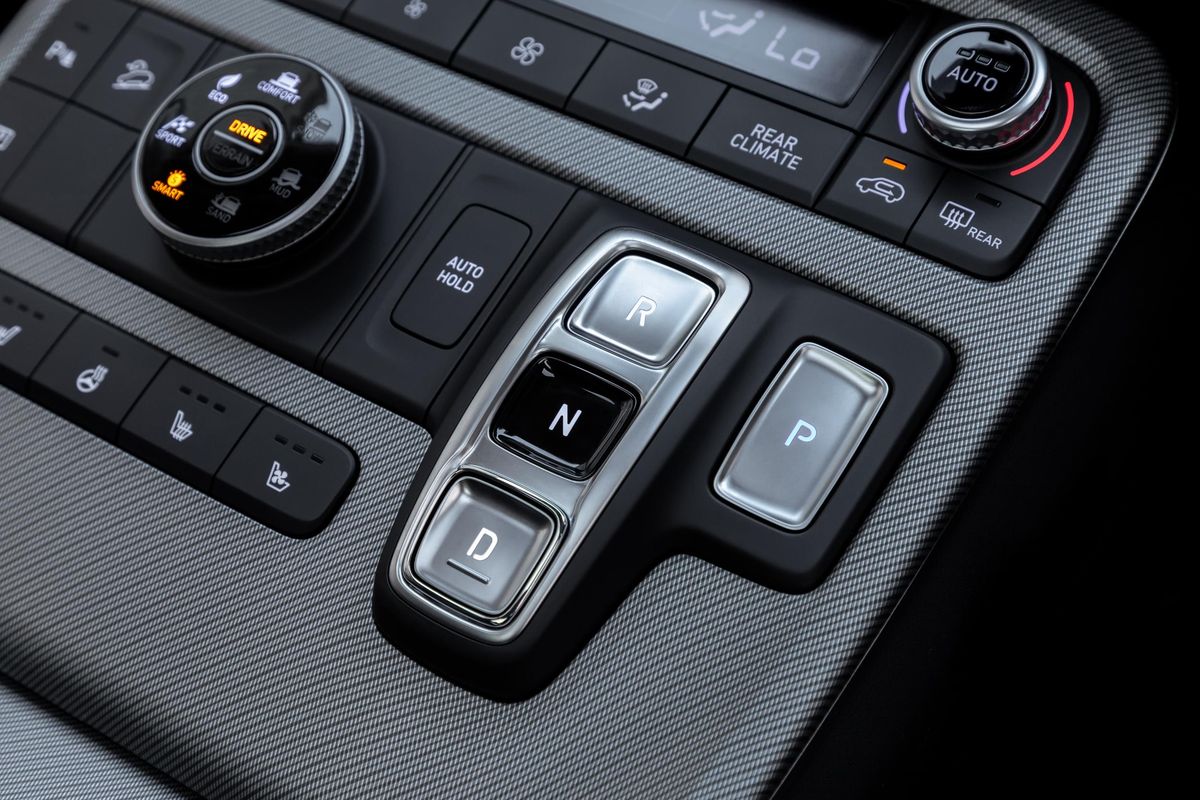
Hyundai has thrown in some offroad driving modes too and while there’s no low range, you can get Mud/Snow/Sand, as well as your usual drivetrain modes like Comfort/Eco/Sport.
As far as safety is concerned, the updated Palisade features things like semi-autnomous forward collision avoidance, blind spot collision avoidance, blind spot viewer on the dashboard, front and rear park distance, and 7 airbags. The vehicle scored a 5-star rating in the Australian ANCAP test.
How much does the Hyundai Palisade facelift cost in South Africa?
The updated Hyundai Palisade is sold with a 7-year / 200 000 km warranty and 7-year / 105 000 service plan.
Palisade R2.2 Elite 7-seater 8AT AWD R1 099 900
Palisade R2.2 Elite 8-seater 8AT AWD R1 099 900
New Mercedes-Benz E-Class ‘Superscreen’ Has Built-In Selfie Camera
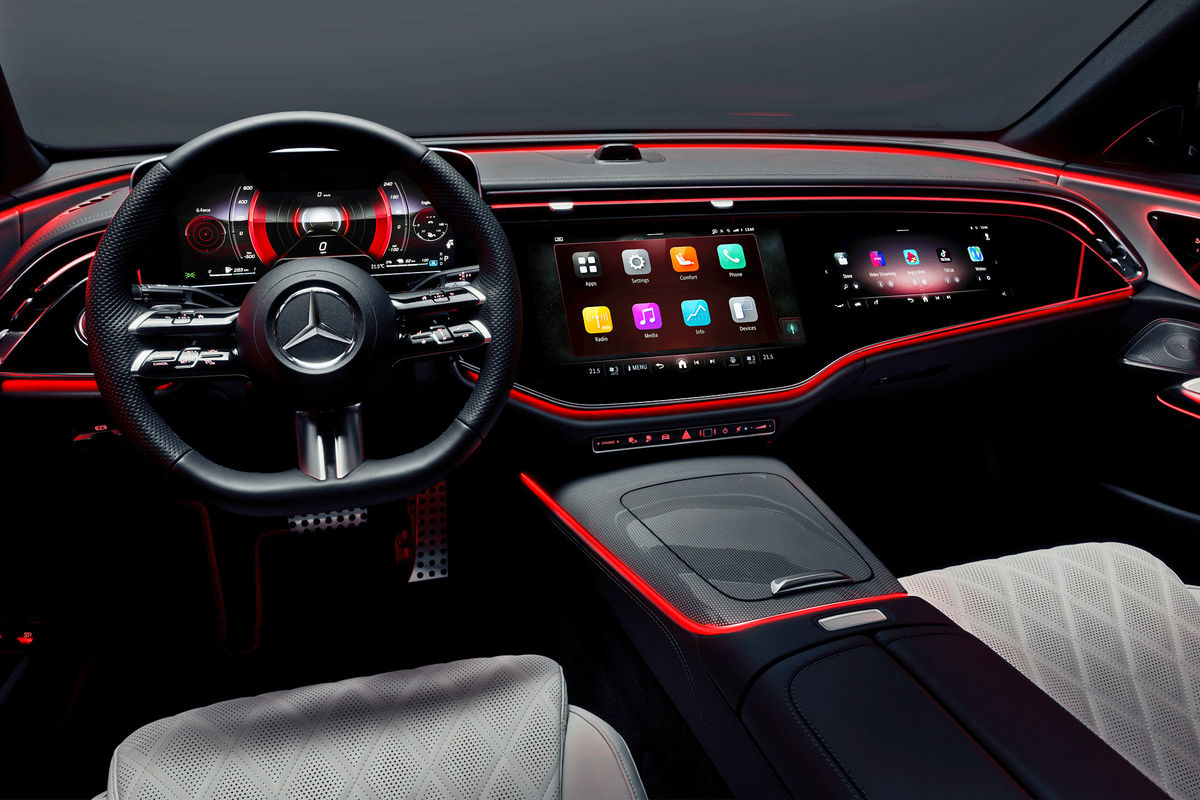
Mercedes-Benz has revealed the interior of its next-gen E-Class, which will be offered with a new MBUX Superscreen complete with a built-in selfie camera and TikTok…
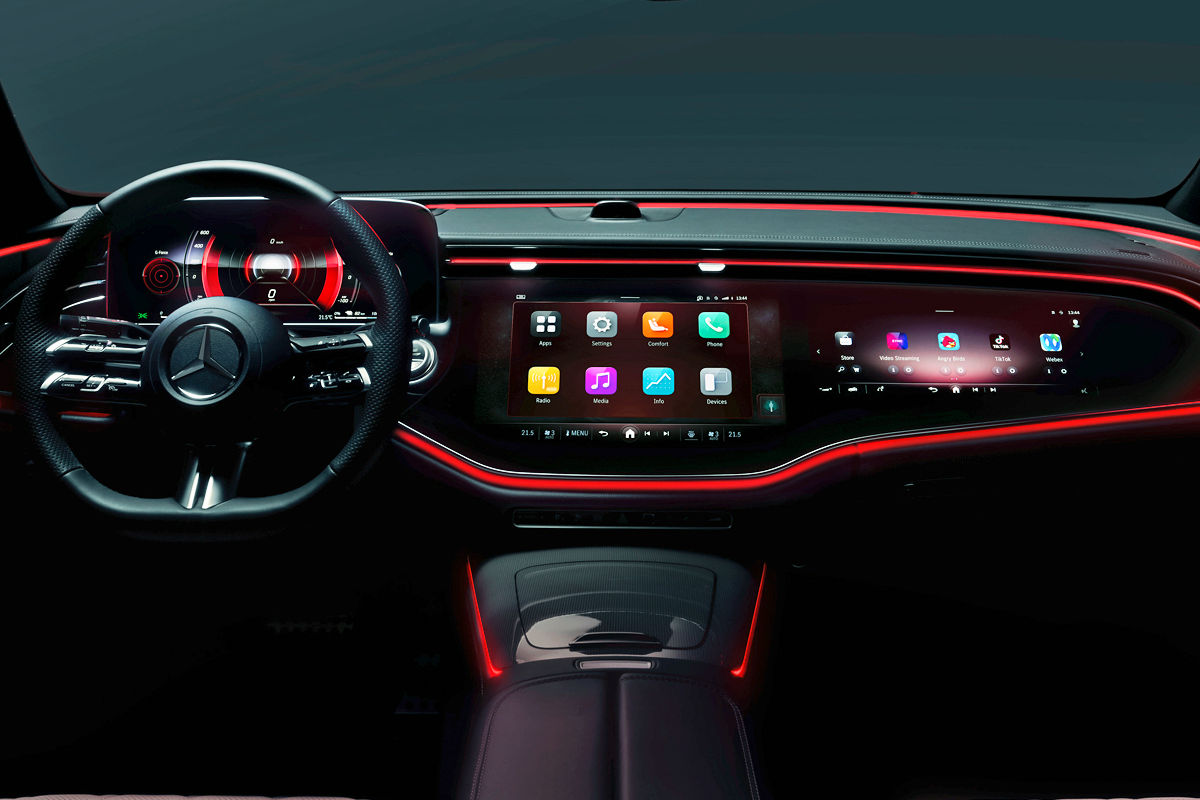
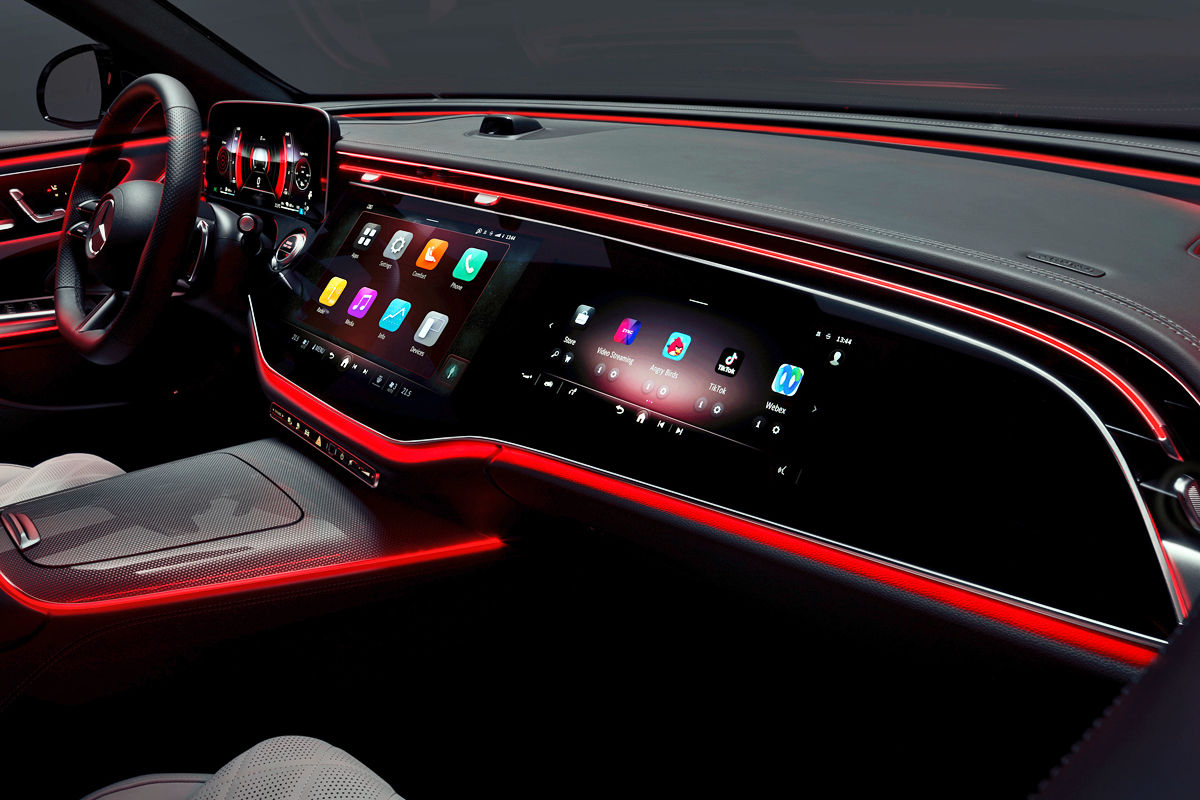
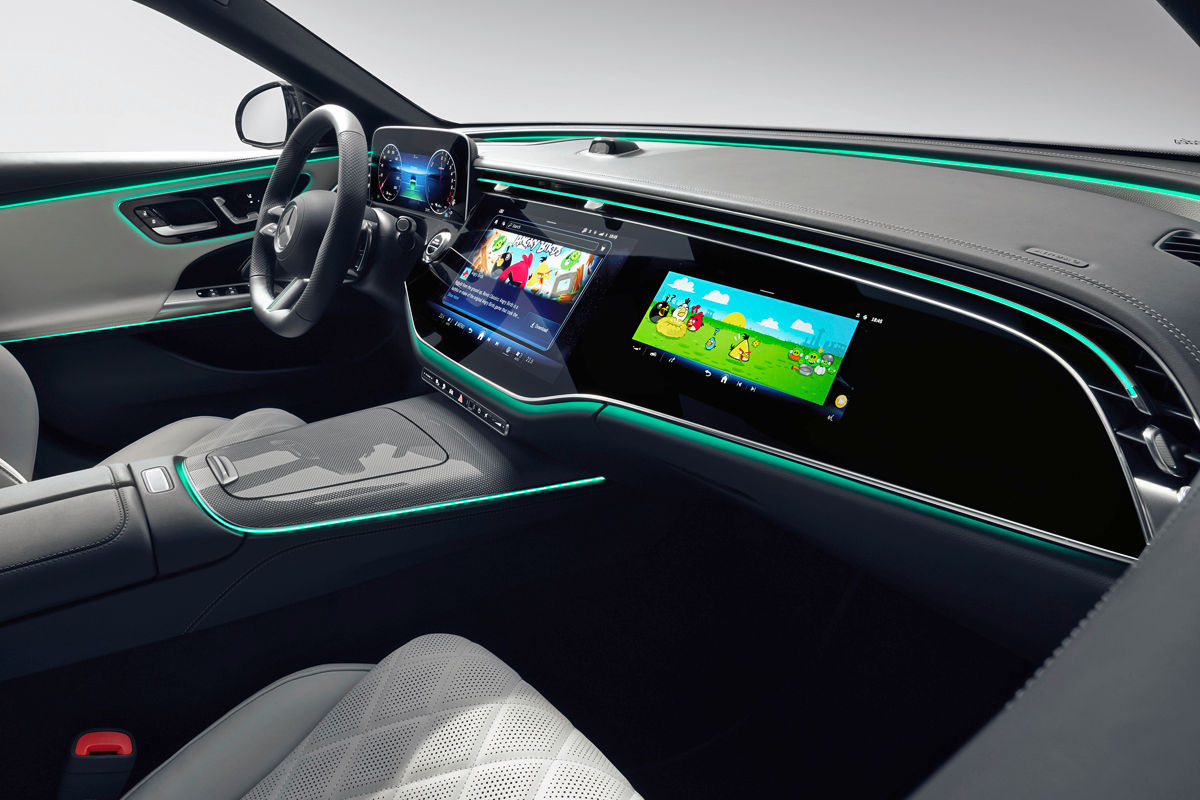
Mercedes-Benz is preparing to whip the wraps off its new W214-generation E-Class. But before we see the outside, the Stuttgart-based firm has given us our first official look at the cabin, which will be available with a new MBUX Superscreen featuring an integrated selfie camera and built-in apps such as TikTok and Angry Birds.
The German automaker promises the next-gen E-Class will provide its occupants with a “particularly immersive entertainment experience”. In addition, the company says the electronic architecture is “more software-driven and less hardware-driven” that previous iterations, which should allow for fuss-free updating of the various interior systems in the future.
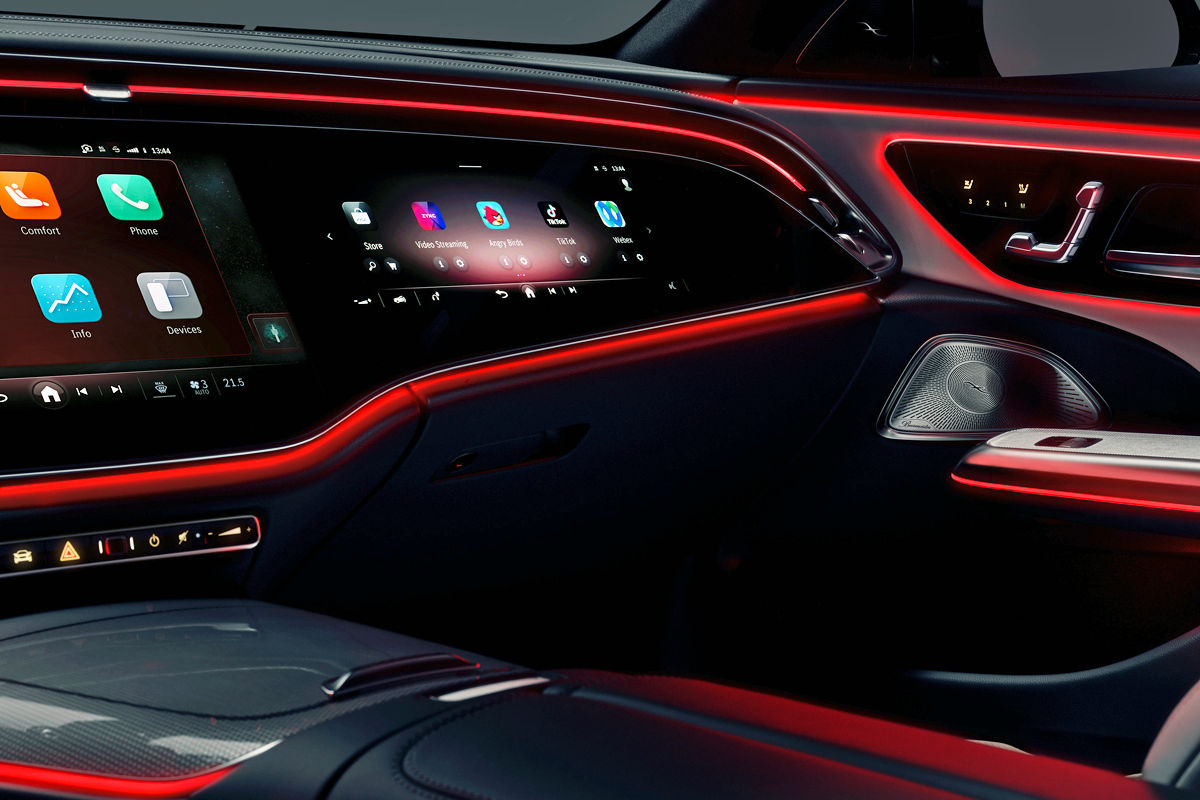
Like the Hyperscreen arrangement in the likes of the S-Class and the EQS, the new E-Class dashboard is dominated by digital displays. If the optional front passenger screen is specified, the large glass surface of the MBUX Superscreen extends to the central display, too.
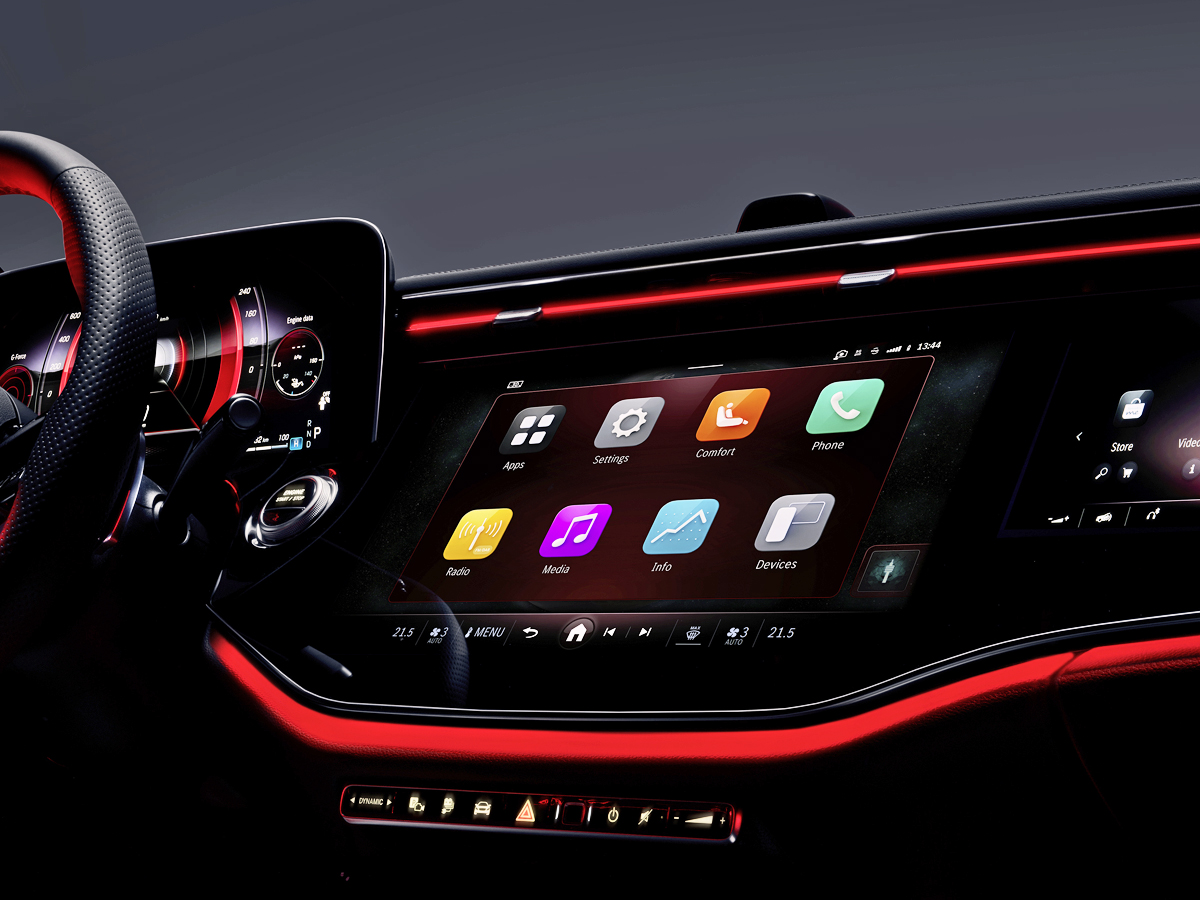
The main icons are now simpler in design and colour-coded to match smartphone tiles.
Mercedes says the front passenger has the option of enjoying video streaming “even when the driver at the wheel is looking over at them”. Won’t that distract the driver? Well, the company claims an “advanced camera-based visual shield function” reduces the display’s brightness and thus “reduces the risk of distraction for the driver”.
Interestingly, the new system will also allow the installation of 3rd-party apps. At launch, Mercedes says TikTok, Angry Birds, Webex, Zoom and Vivaldi will be available on the central display. In addition, the ZYNC entertainment portal will optionally offer video streaming, on-demand content, interactive experiences, local video programmes, sports, news, games and more on the central and passenger displays, via a single user interface.
The optional MBUX Superscreen will furthermore come with a selfie and video camera sited on top of the dashboard. Provided the vehicle is stationary, the driver will be able to participate in online video conferences or take “personal” photos and videos (for the record, Mercedes says it is “currently looking into” getting this technology approved in various markets). What about music? Well, there’s a new (optional) Active Ambient Lighting with Sound Visualisation arrangement, which produces a visual interpretation of any audio content played through the entertainment system.
Though an official reveal date has yet to be confirmed, we do know the new E-Class will hit Europe (in saloon form first) in the 3rd quarter of 2023. As a reminder, the E-Class and its predecessors together form the best-selling model series in the history of Mercedes-Benz.
In the penultimate episode of the Toyota GR Yaris Cup, we head to the iconic East London circuit and make a second visit to Killarney Raceway in Cape Town.
With a definitive lead in the championship, the people in charge make some small tweaks to the performance of the GR Yaris field in order to close the gaps between the drivers. Our racing driver Ash is hit with a power deficit but is he fast enough to make up for the lack of performance?
At his home track in Cape Town, Ash is determined to wrap up the first-ever GR Cup championship but it requires nothing less than a perfect weekend points haul. With the field getting ever closer and drivers looking to get their elbows out, can he get the job done?