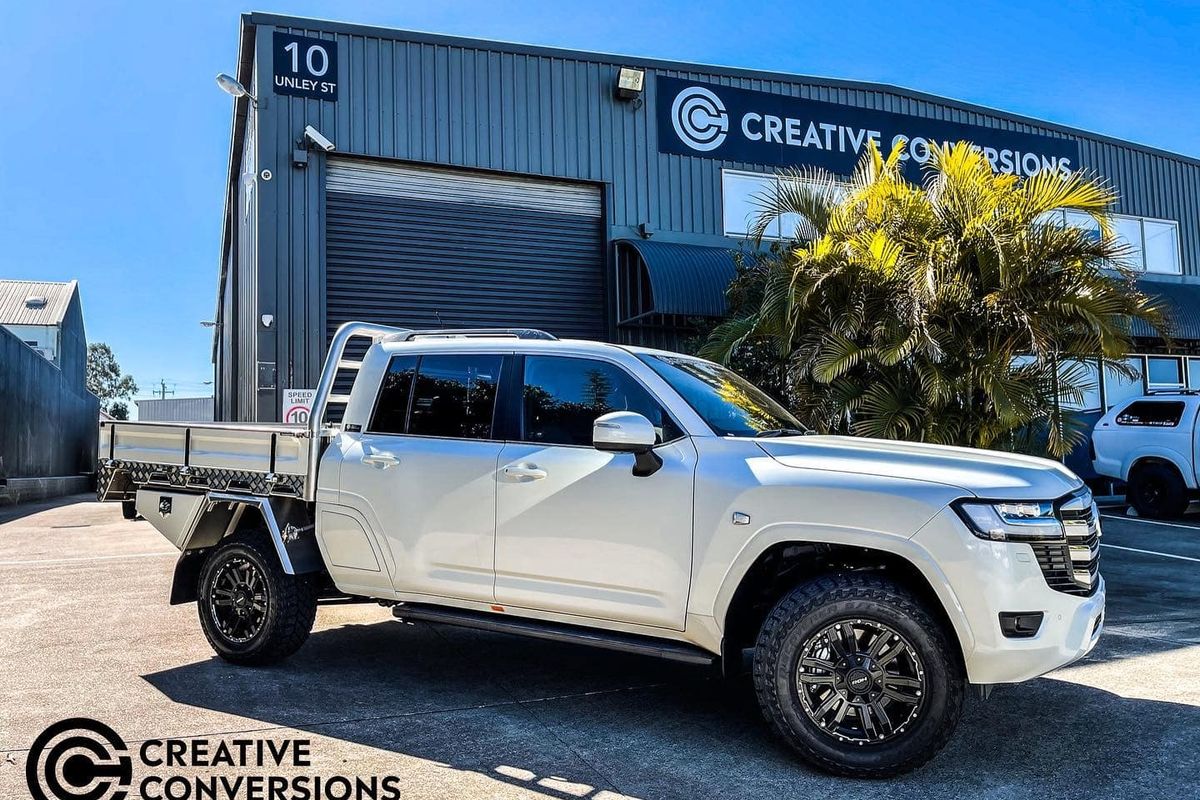
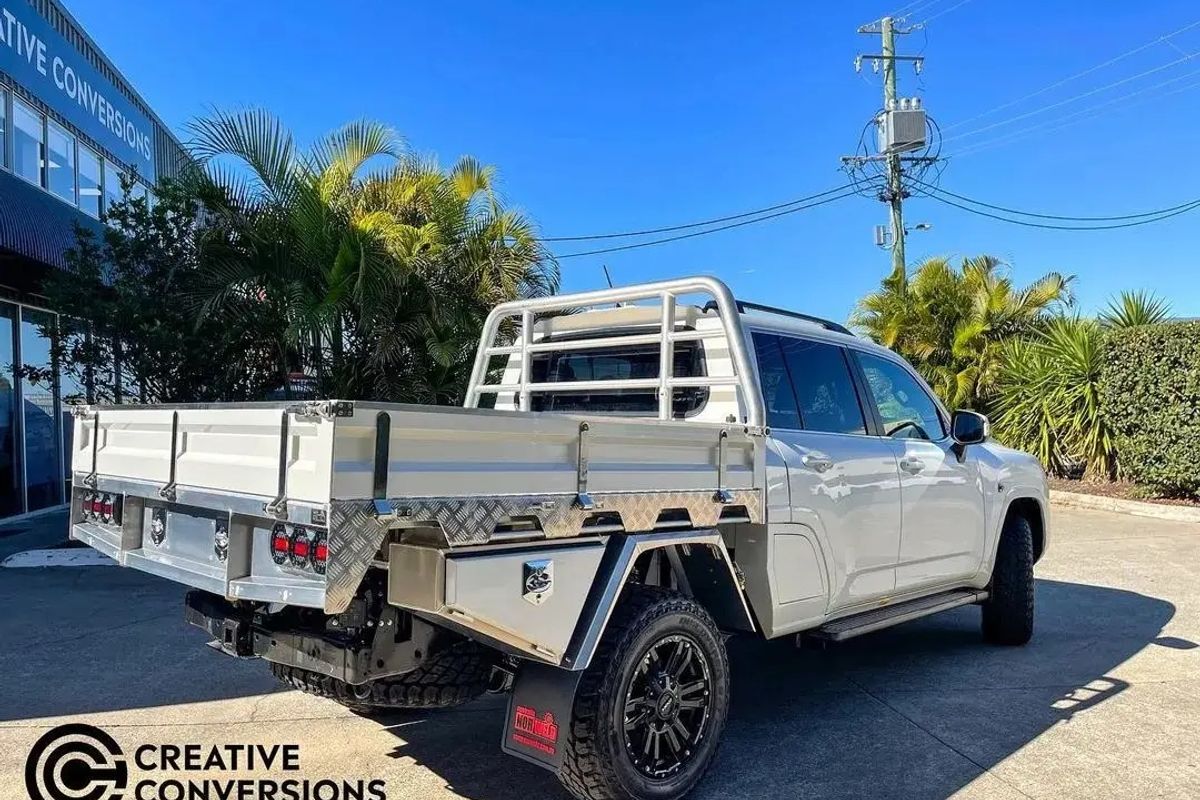
We didn’t think a Toyota Land Cruiser 300 bakkie would be possible, yet an Australian company has managed to build a few. We’re obsessed!
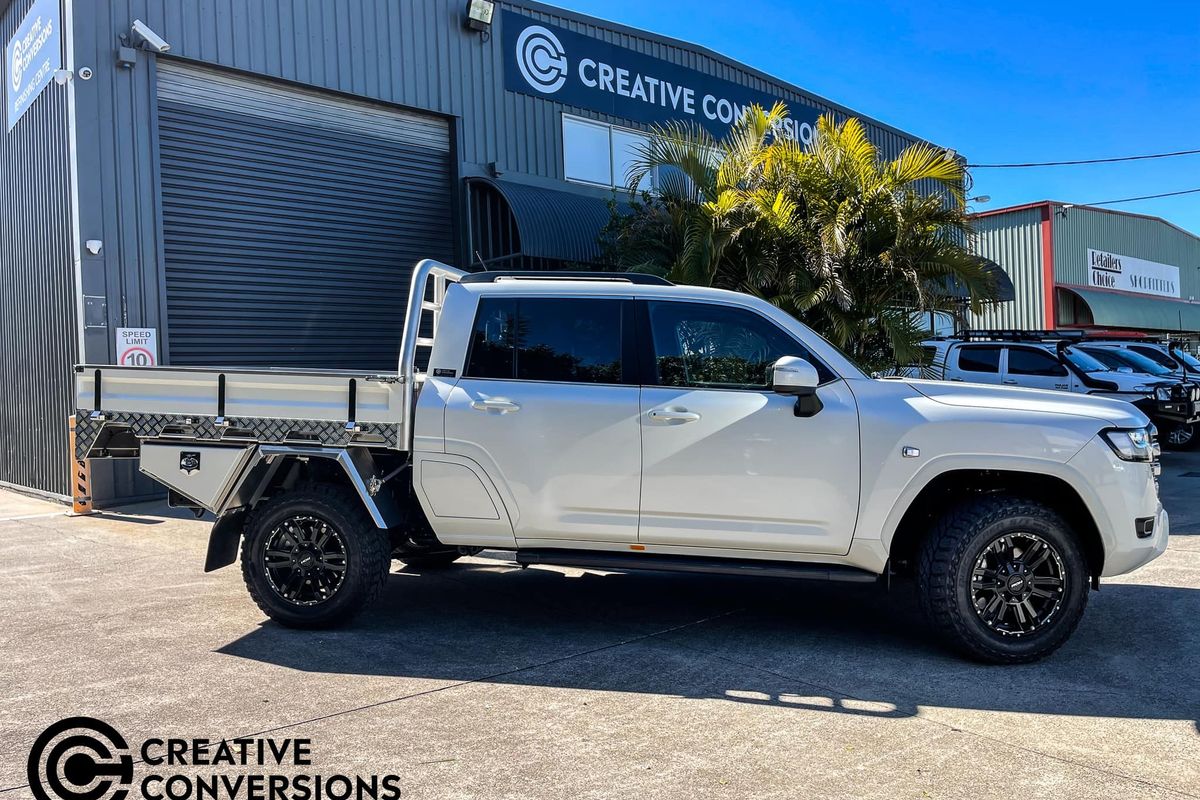
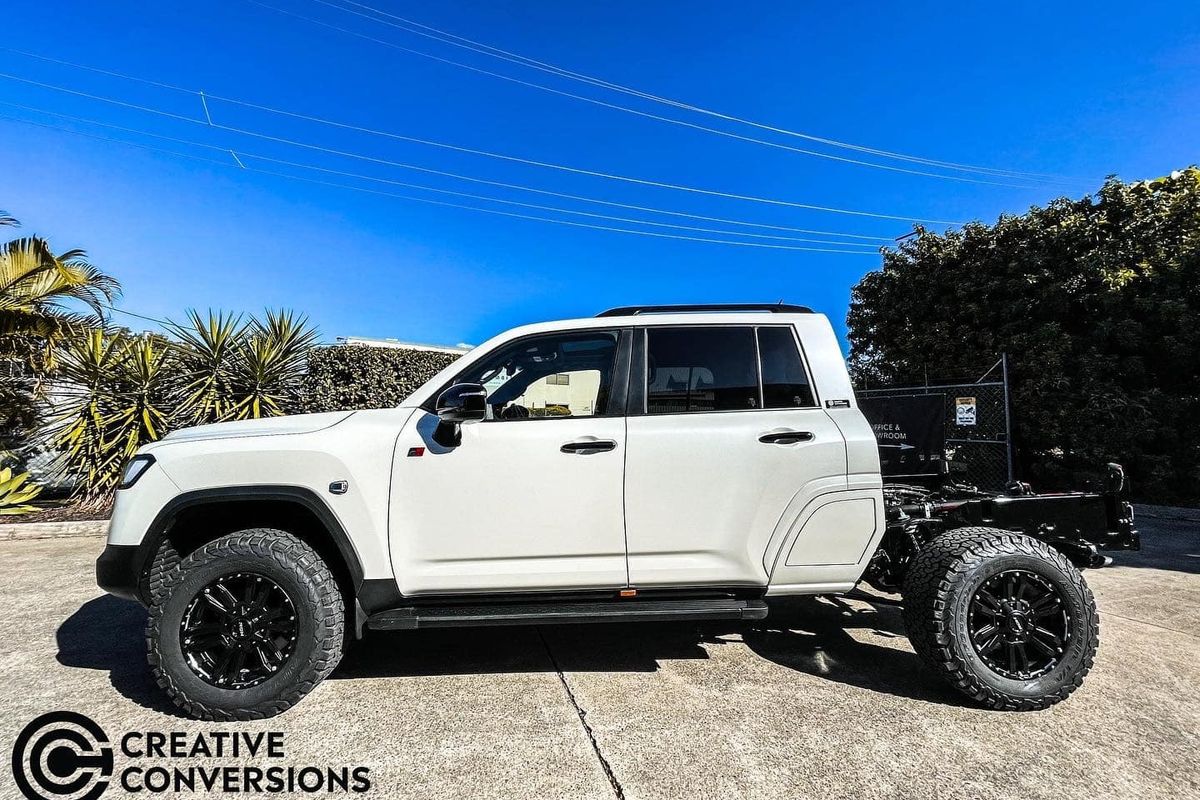
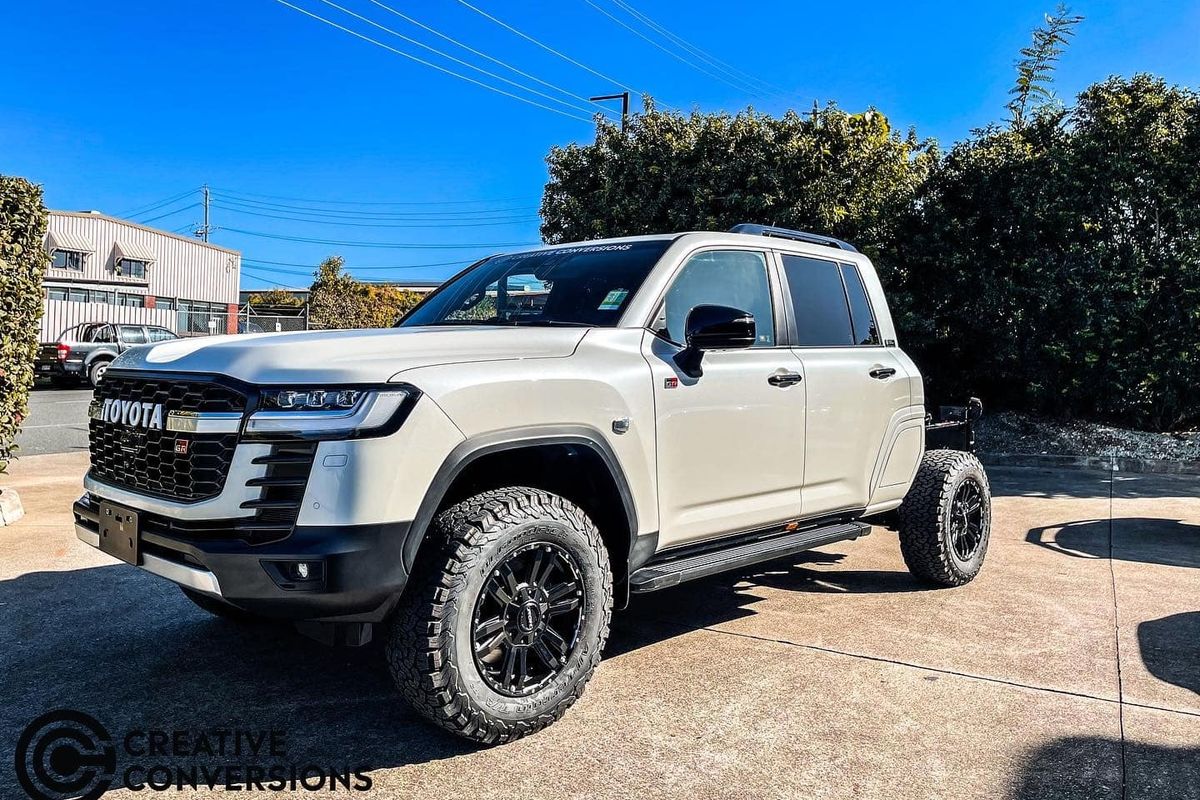
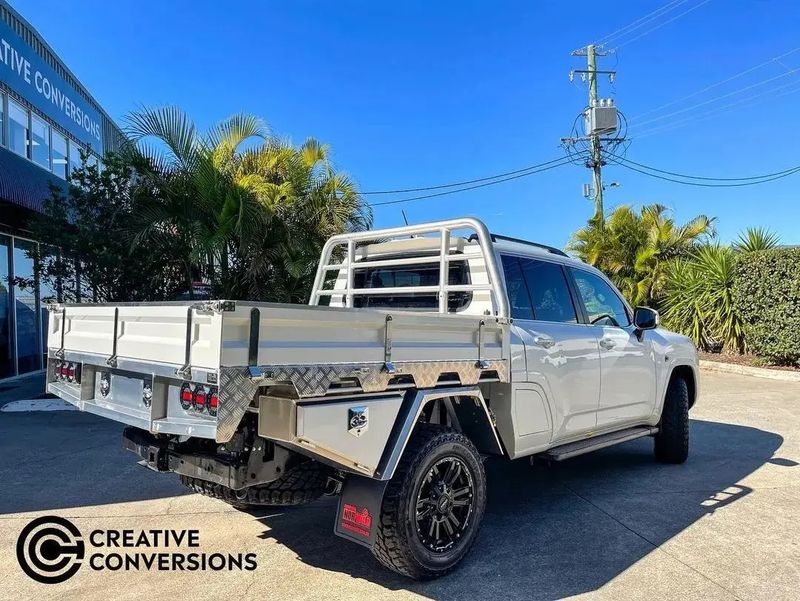
Officially, the Toyota Land Cruiser 300 bakkie doesn’t exist as the Japanese carmaker has not given the green light to build a commercial version of the luxurious SUV. That has not stopped Creative Conversions over in Australia from building a variety of commercially-focused Toyota Land Cruiser 300 bakkie units for sale.
What you see here is not a once-off conversion just for show, but rather the start of a production line. Creative Customs has put in many hours and invested heavily in its research and development, as well as its production facility to satisfy demand.
So, what’s on offer here? The LC 300 bakkie is underpinned by the new TNGA-F platform, and Creative Customs has three options available with two sizes of load bay, two tow ratings and three gross combination mass ratings.
Conversion Option 1: Dual Cab Conversion 700 or 800 mm load-bay extension 3800 GVM- 3500 TOW with combined GCM 7300 kg
Conversion Option 2: Dual Cab Conversion 700 or 800 mm load-bay extension 4495 GVM- 3500 TOW with combined GCM 7995 kg
Conversion Option 3: Dual Cab Conversion 700 or 800 mm load-bay extension 4495 GVM- 4200 TOW with combined GCM 8200 kg
Impressively, Creative Conversions is officially registered as second stage manufacturing, which is recognised by Australian transport law, so the above ratings are approved by government. The above numbers are deeply impressive and the LC 300 bakkie is better at towing than its SUV counterpart.
As a reminder, the Toyota Land Cruiser 300 is available with a choice of either a petrol twin-turbo 3.5-litre unit is employed in tandem with a 10-speed automatic transmission to deliver peak outputs of 305 kW and 650 Nm of torque, or a 3.3-litre V6 diesel with maximum outputs of 225 kW and 700 Nm of torque, also paired to a 10-speed automatic.
Hyundai’s N Division has delivered cars such as the i20 N, i30 N, Veloster N (discontinued), Elantra N and more recently, the Kona N to performance fans but the forthcoming Ioniq 5 N will be the brand’s first proper stab at a high-performance electric car.
“In just seven years, Hyundai N has become the fastest evolving performance brand. N is moving forward to set new standards in sustainable high performance. We enthusiastically start this new chapter of electrified high-performance and will pursue this goal by using our creativity, engineering expertise and competitive spirit”, says Till Wartenberg, Vice President of N Brand Management & Motorsport Sub-Division at Hyundai Motor Company.
These “rolling concepts” exist to verify technology that may be intoridced in future production models.
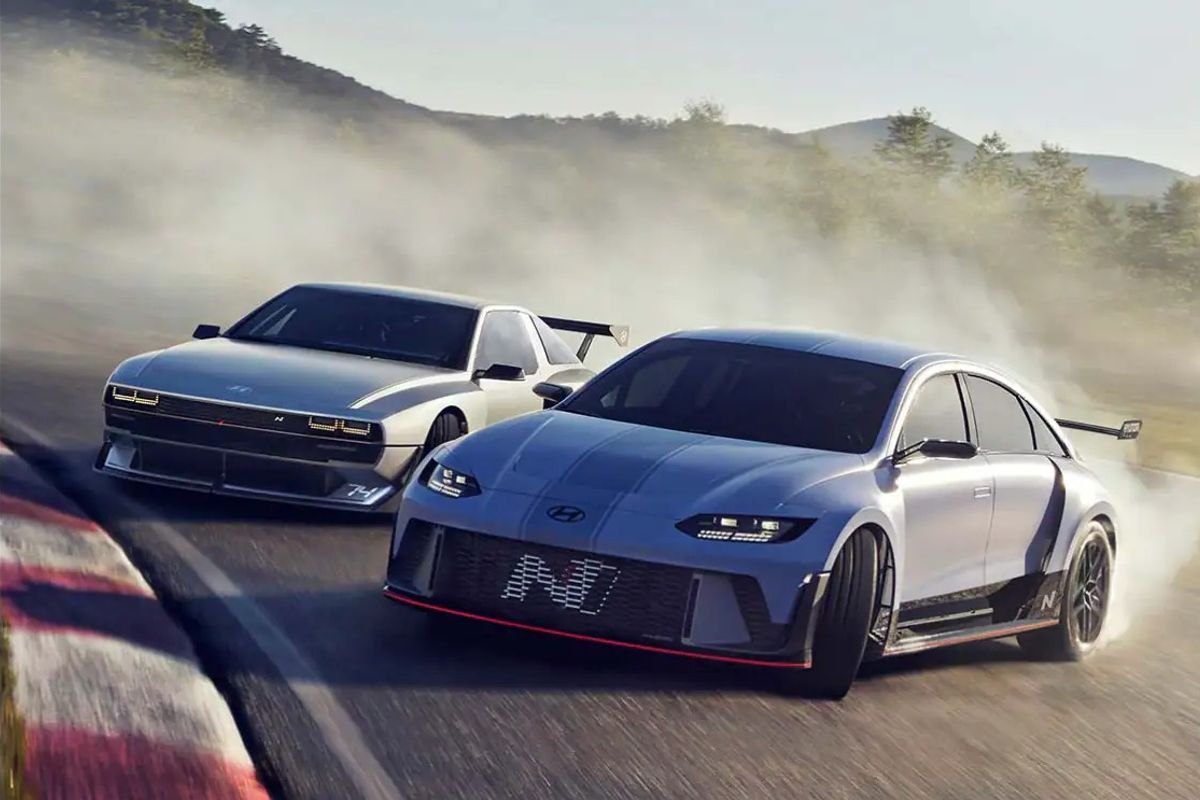
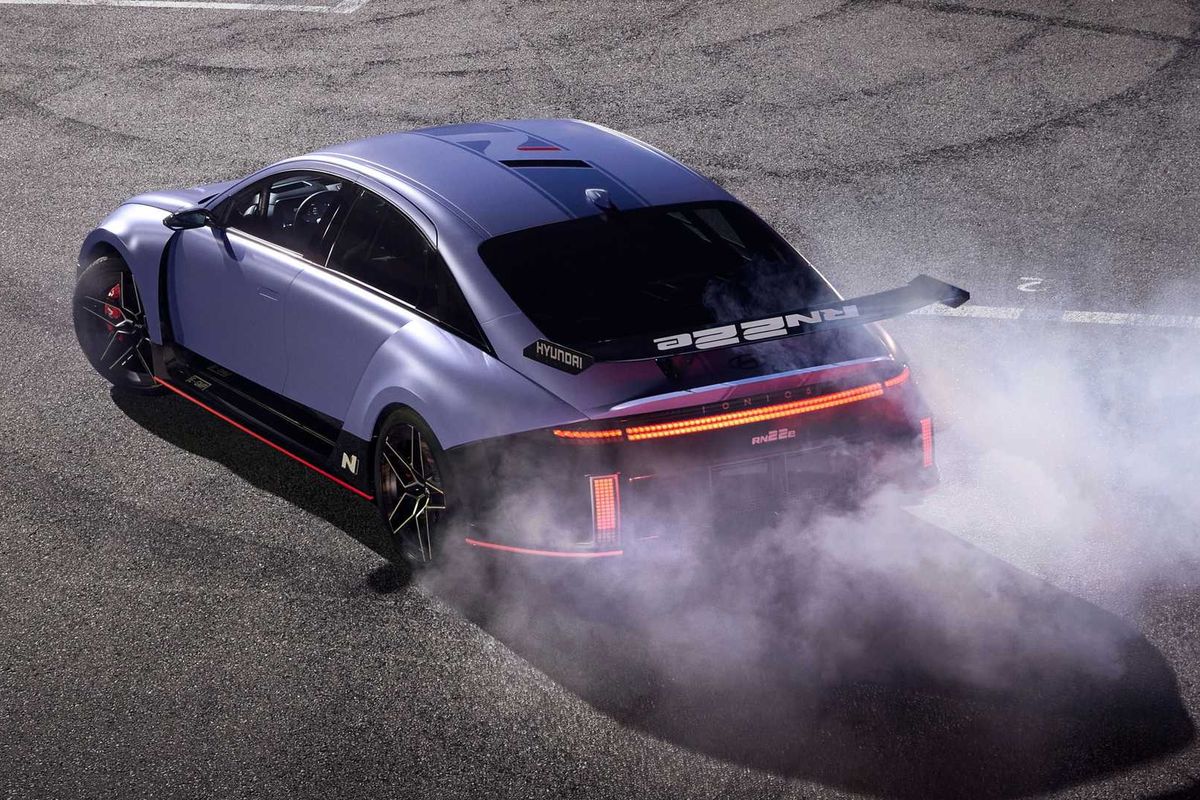
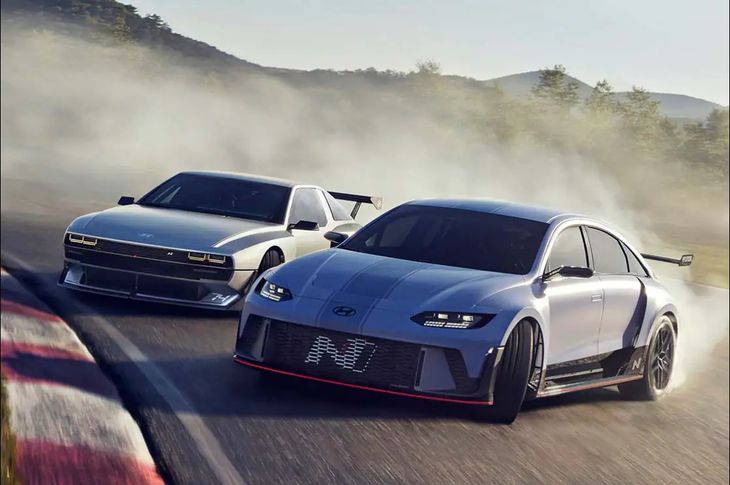
But that’s not all, Hyundai N has now also revealed 2 concepts that provide a glimpse of Hyundai’s electrification vision. These 2 concepts, the RN22e and the N Vision 74, are what Hyundai calls “rolling lab concepts” which both test and verify the technologies which can then be applied in future production models.
“RN22e and N Vision 74 play an important role in the strategic development of our entire product lineup, especially our electrified, high-performance vehicles. Rolling labs represent the continuous development of our most advanced technologies. This unique approach makes us ready for the challenges of the future by empowering us to push ourselves to the limit,” Thomas Schemera, Executive Vice President and Head of Customer Experience Division at Hyundai Motor Company.
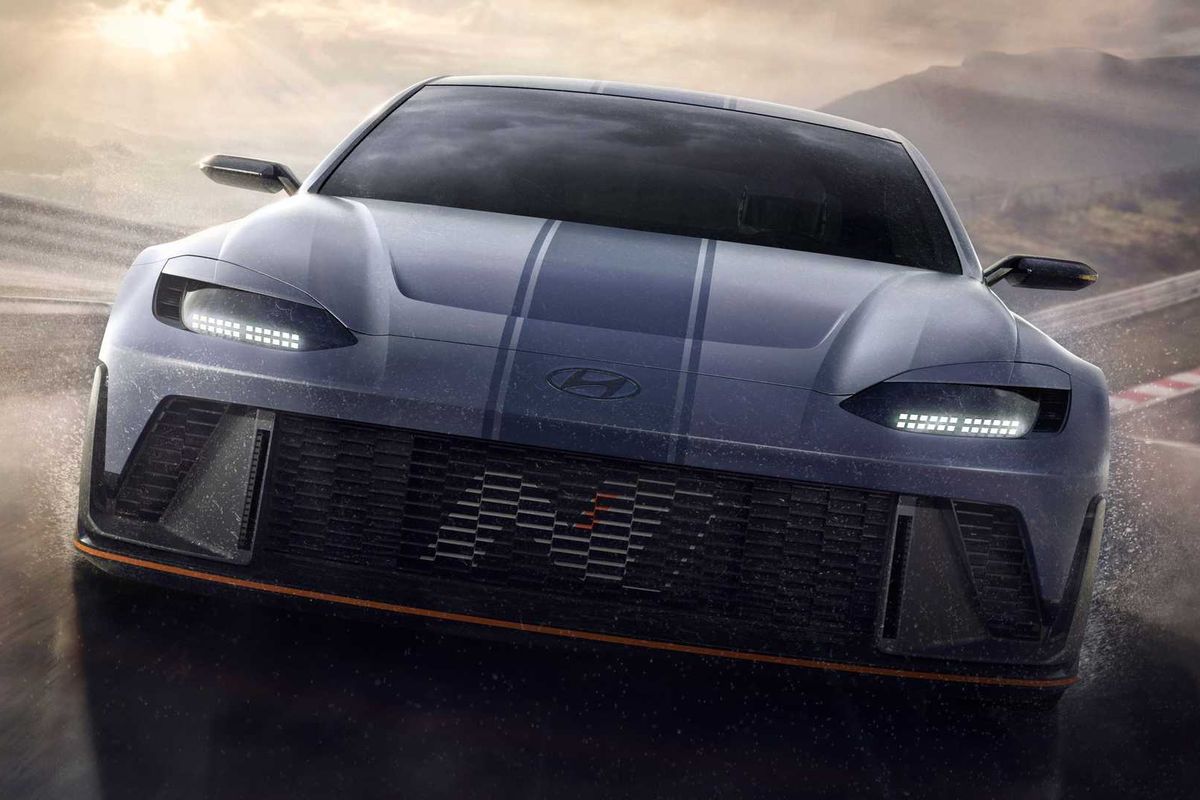
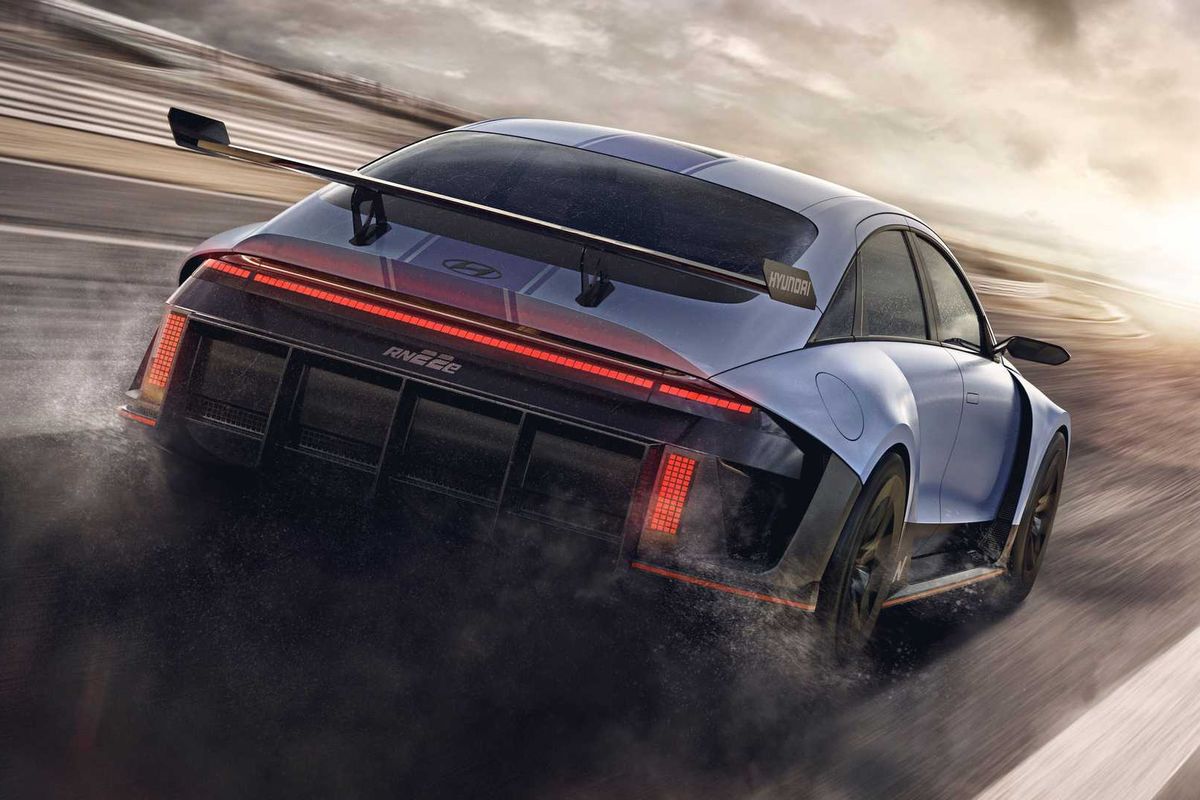
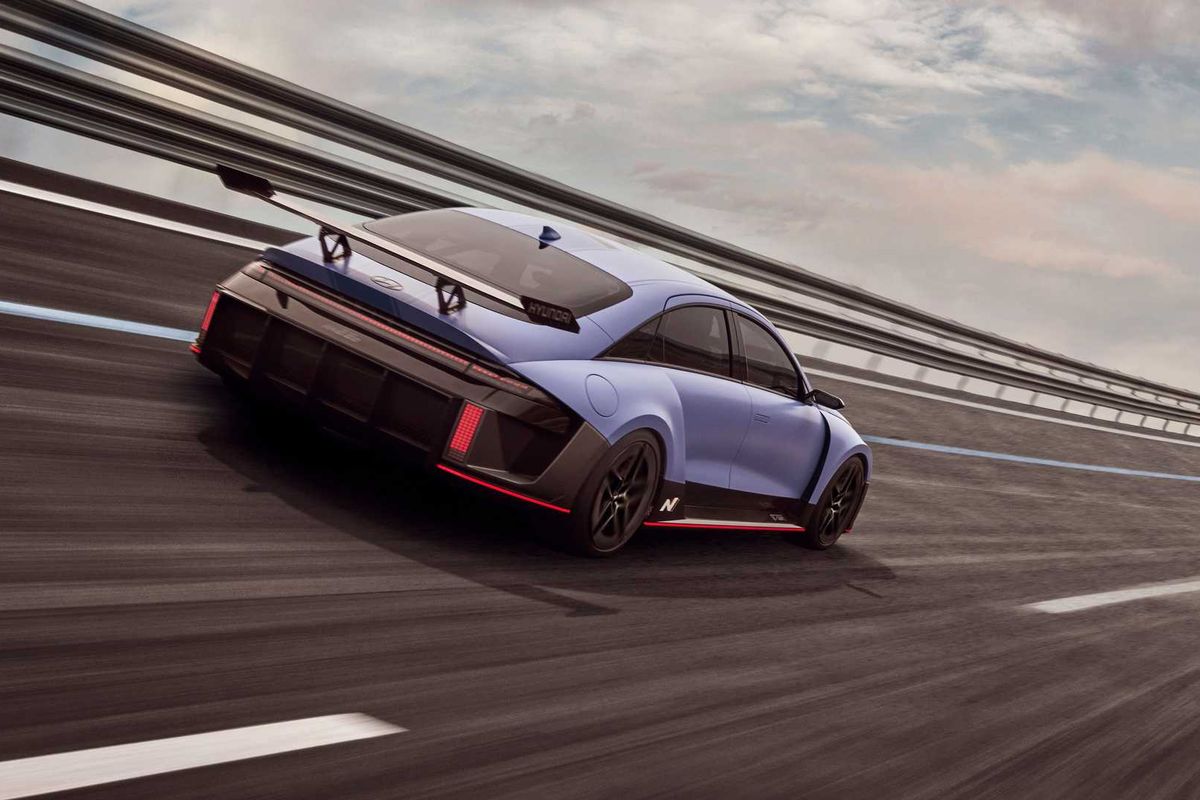
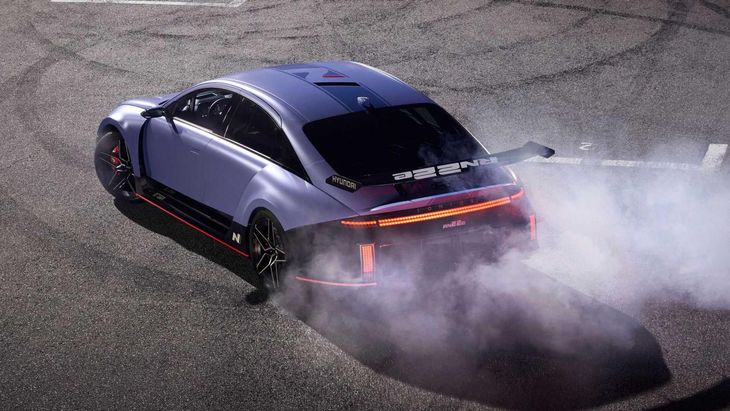
The RN22e is the test bed for high performance electric mobility from Hyundai.
The RN22e combines the body design of Hyundai’s recently-revealed Ioniq 6 while optimising the firm’s E-GMP electric platform and hints at a future high-performance N model. This concept focuses on developing and advancing 3 performance pillars including cornering, racetrack capability and dynamic movement.
The RN22e concept measures 4 915 mm long, 2 023 mm wide and 1 479 mm tall with a 2 950 mm wheelbase. The concept is said to offer a combined power output of 430 kW and 740 Nm with front and rear electric motors. Equipped with a 77.4 kWh battery with 400 V / 800 V fast multi-charging capability, the RN22e can charge from 10% to 80% in just 18 minutes, according to Hyundai.
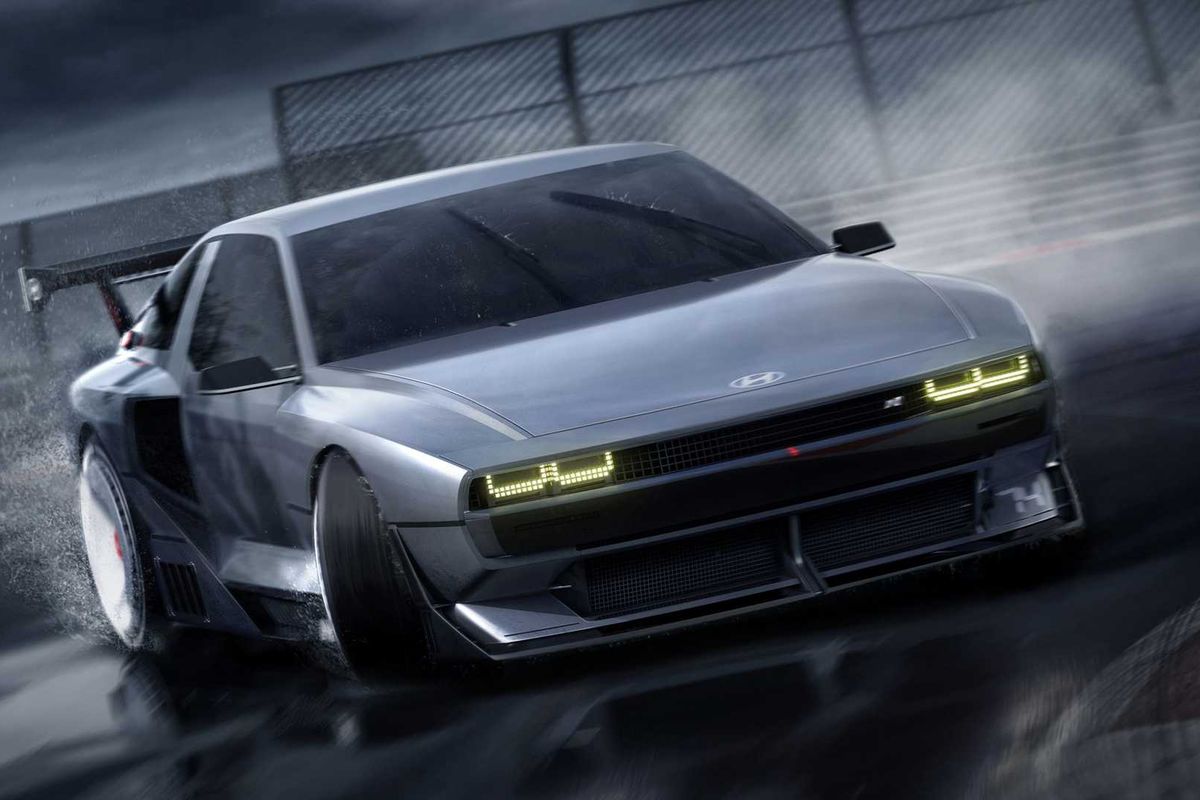
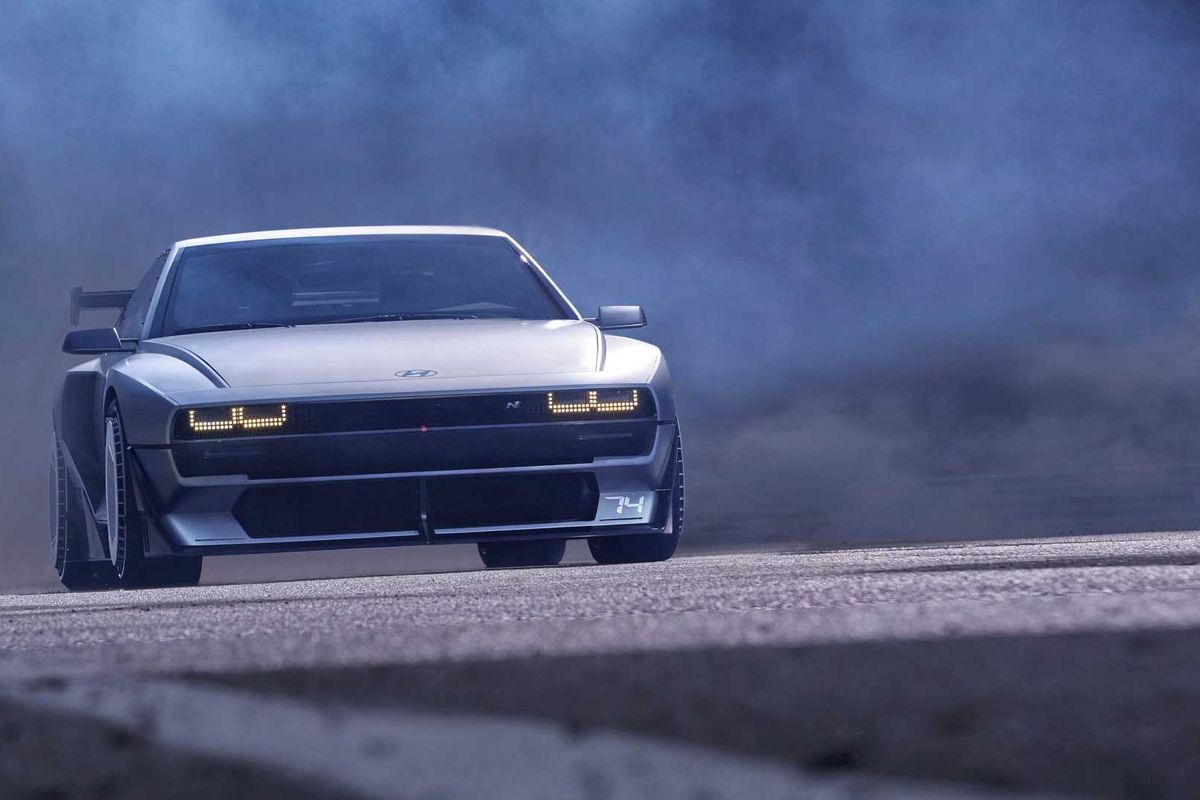
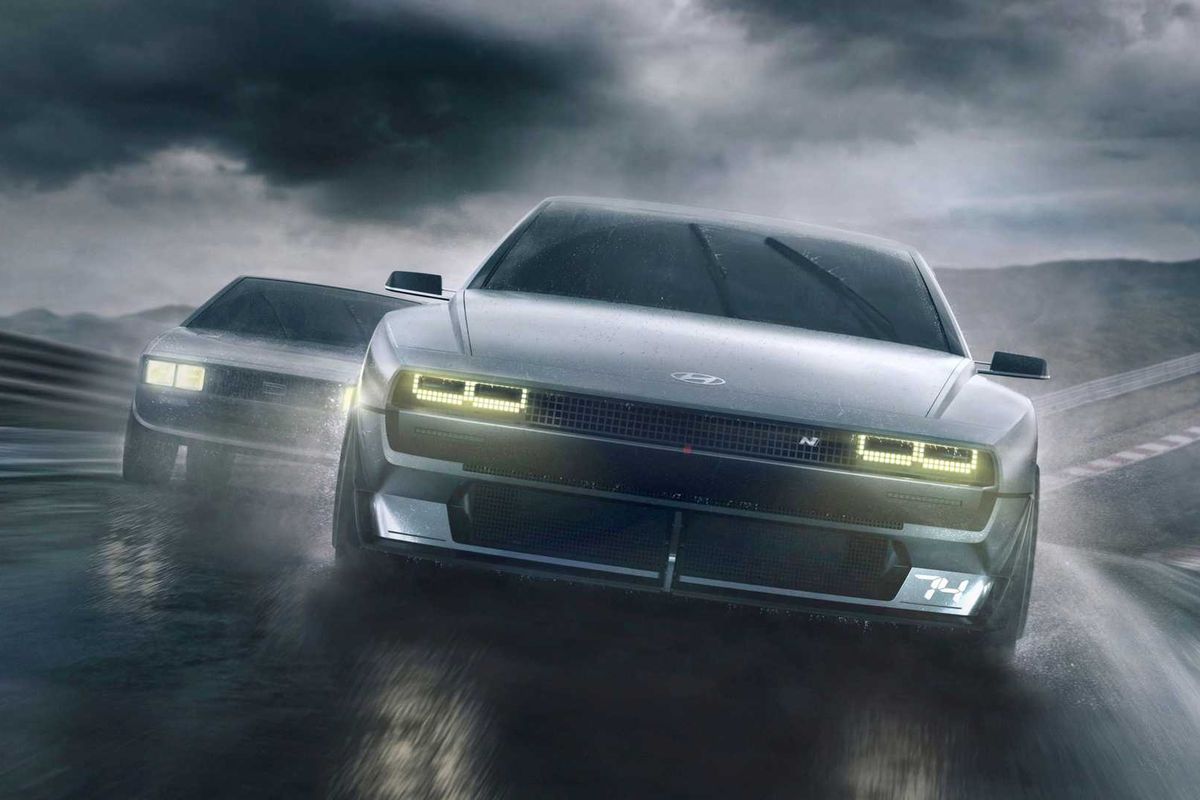
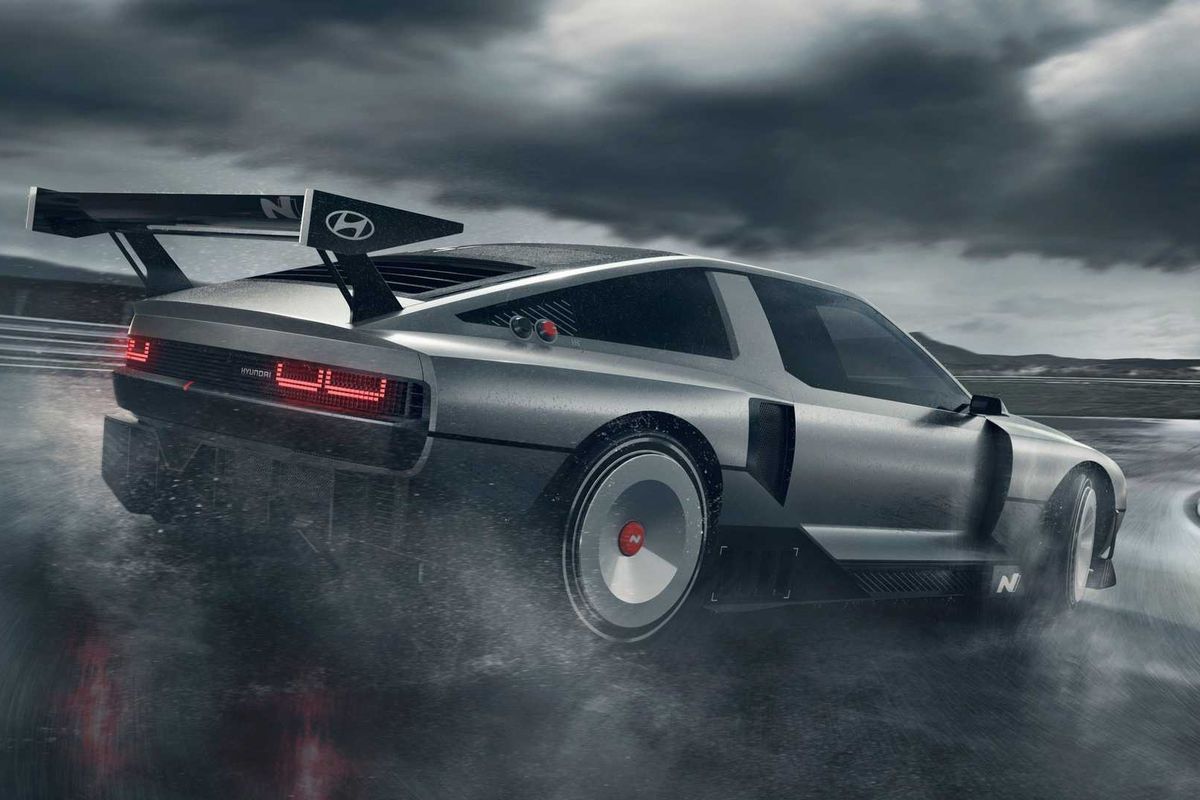
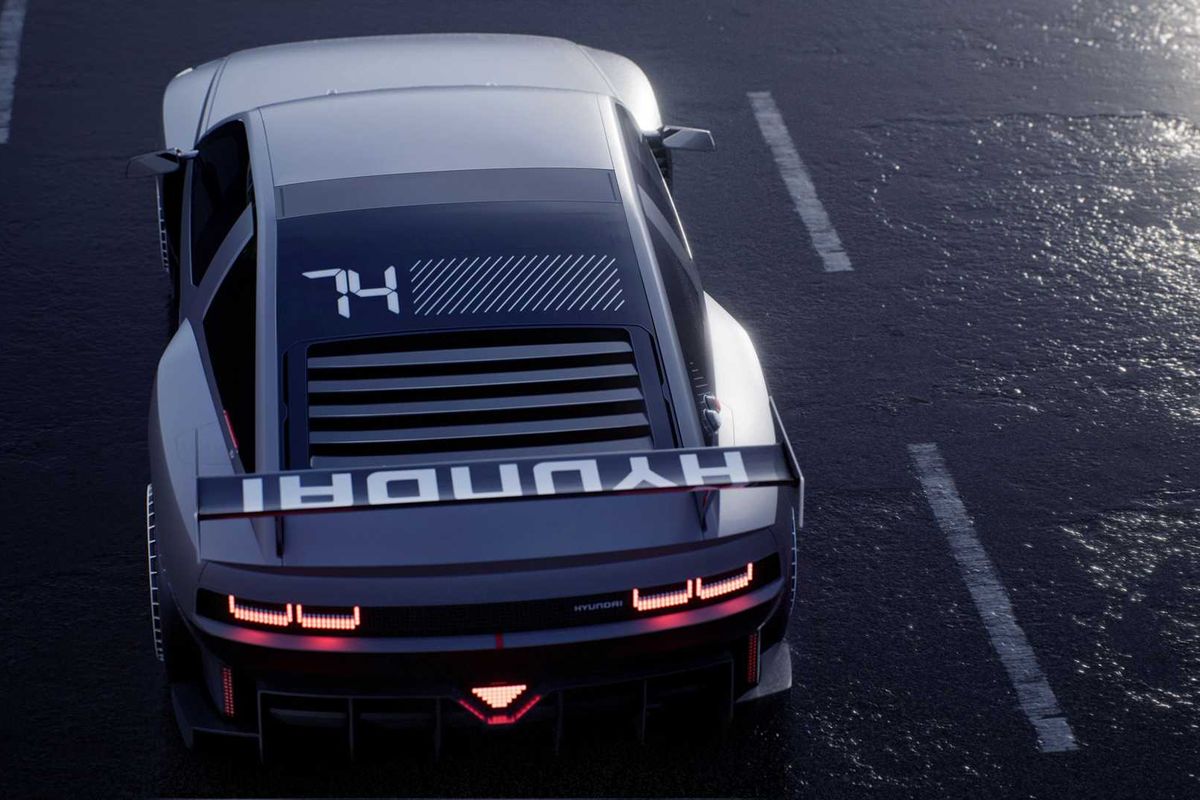
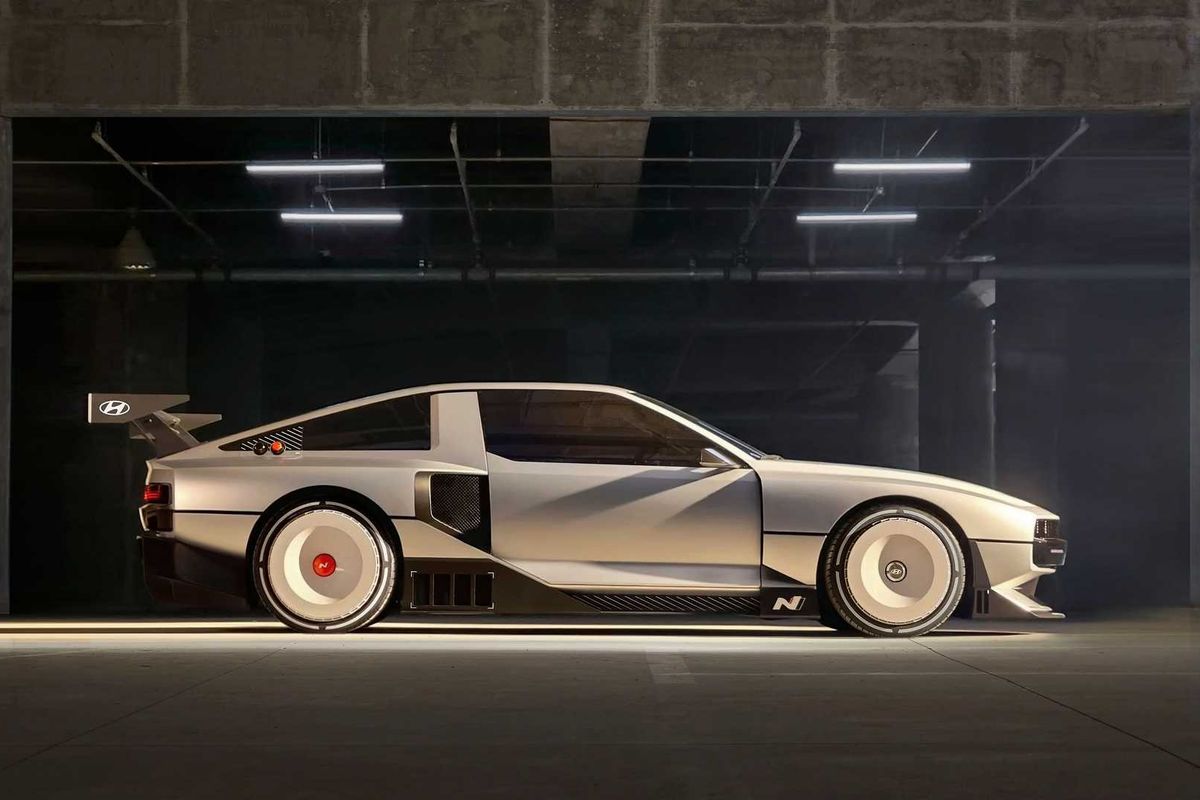
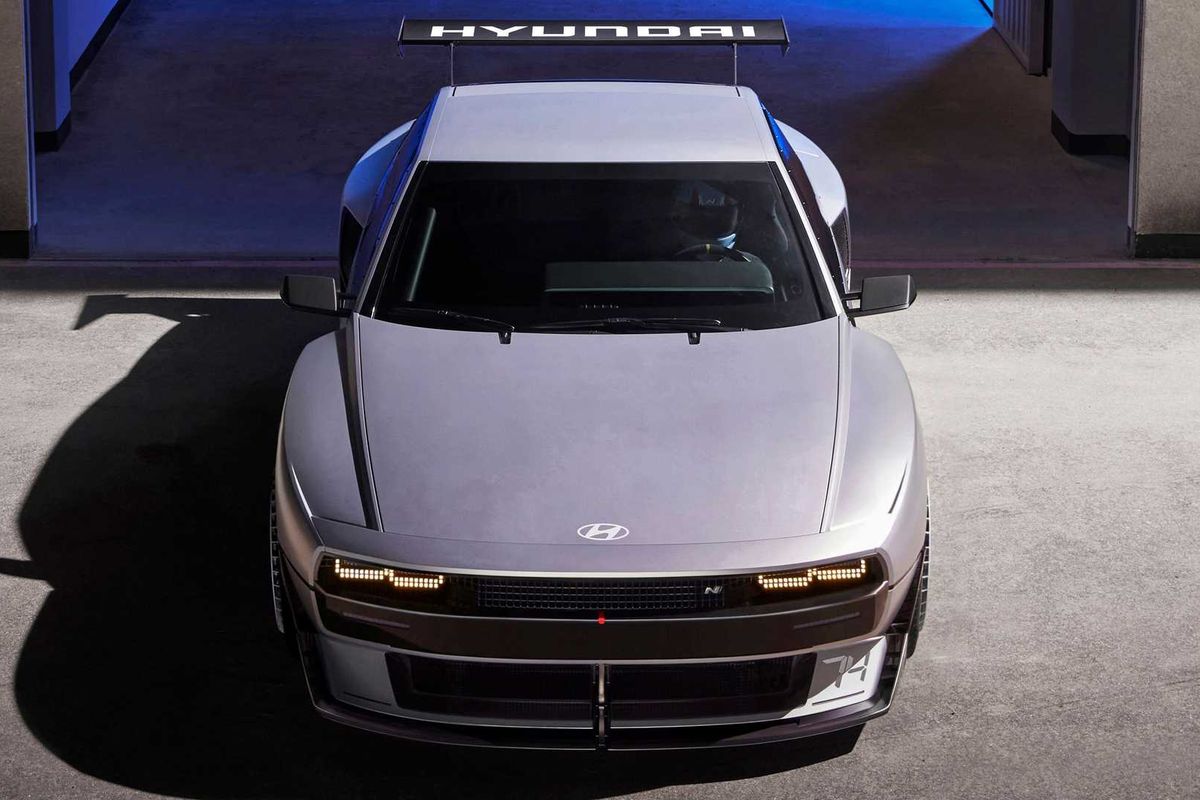
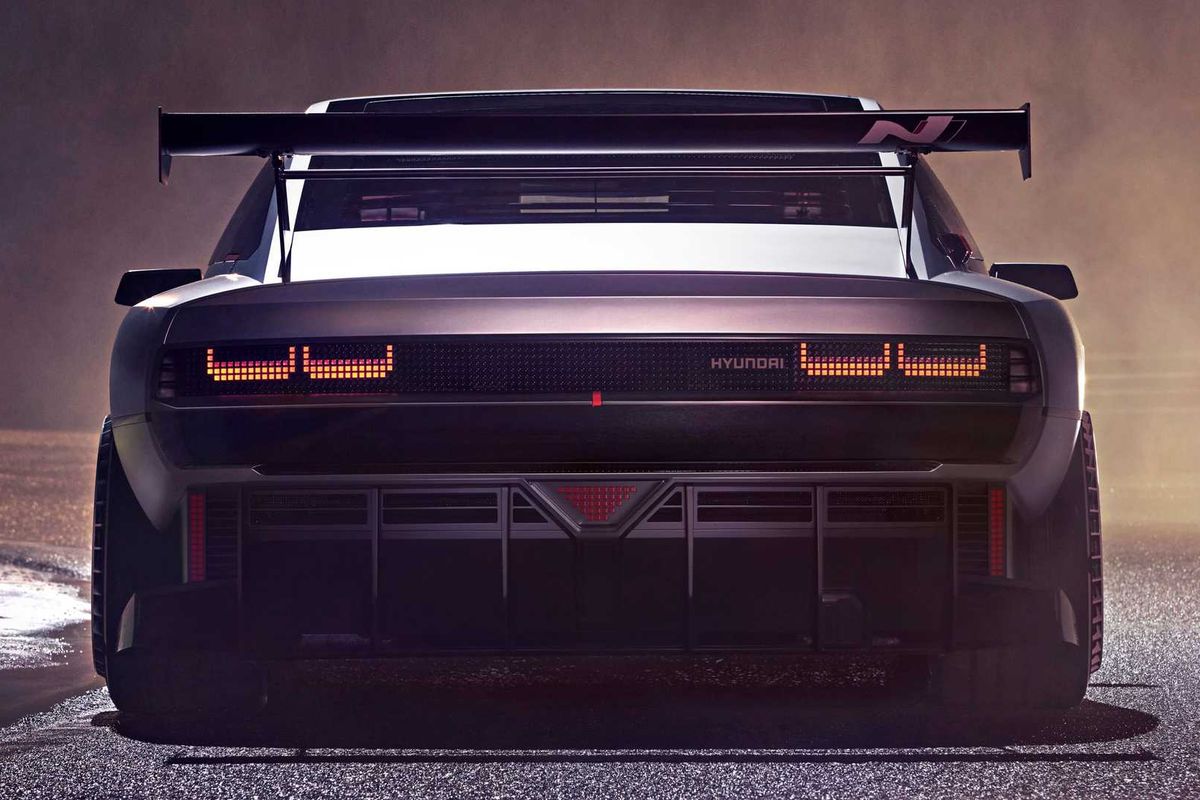
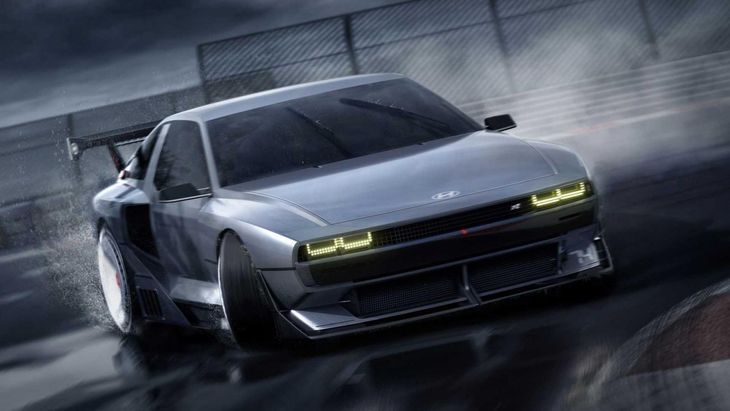
The N Vision 74 boasts retro styling and a hydrogen fuel cell hybrid powertrain with 500 kW and 900 Nm.
As for the N Vision 74 concept, it draws inspiration from the Hyundai N 2025 Gran Turismo and the 1974 Hyundai Pony Coupe, boasting retro styling and a hydrogen fuel cell hybrid powertrain.
The N Vision 74 concept measures 4 952 mm long, 1 995 mm wide and 1 331 mm tall with a 2 905 mm wheelbase. The powertrain combines both battery-electric power with hydrogen fuel cell technology, which improves cooling performance (with a 3-channel cooling system) while drawing on 2 power sources in different driving situations. Hyundai says that the system delivers better torque-vectoring and cornering ability with twin motors over the rear axle.
Total outputs for the N Vision 74 Concept comes in at 500 kW and 900 Nm (rear wheels). A 62.4 kWh battery offers 800V fast charging capability. The hydrogen fuel cell system comprises a 4.2 kg tank capacity with a maximum 95 kW fuel cell stack.
Considering these 2 new concepts as well as the forthcoming Ioniq 5 N, we can certainly expect exciting electric N cars from Hyundai in the future.
Which one of these latest concepts from Hyundai do you like the most?
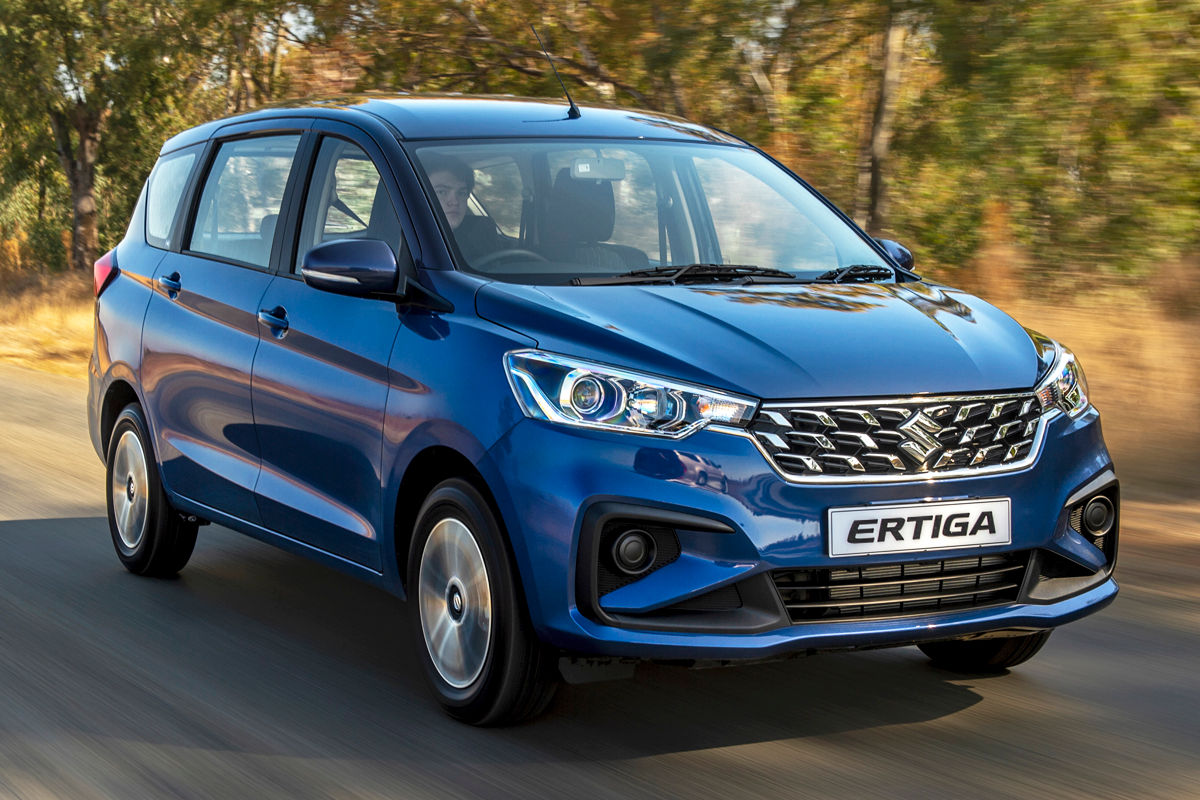
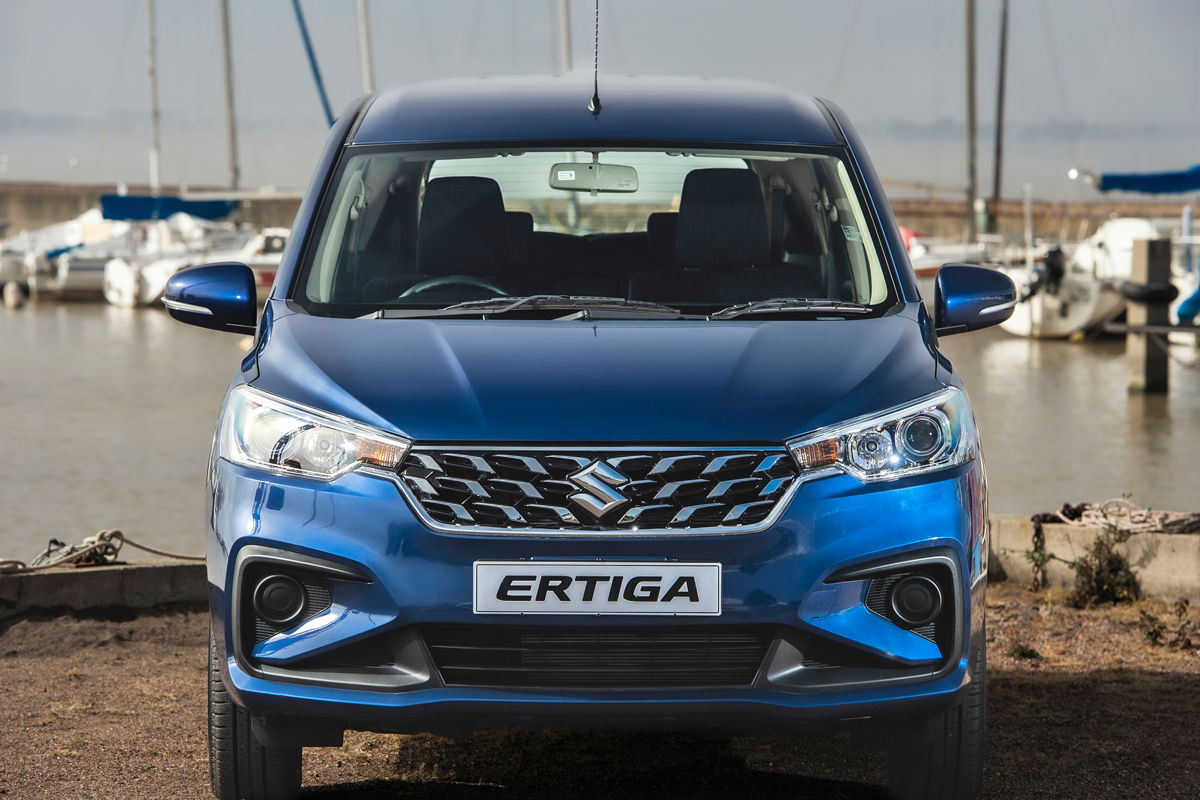
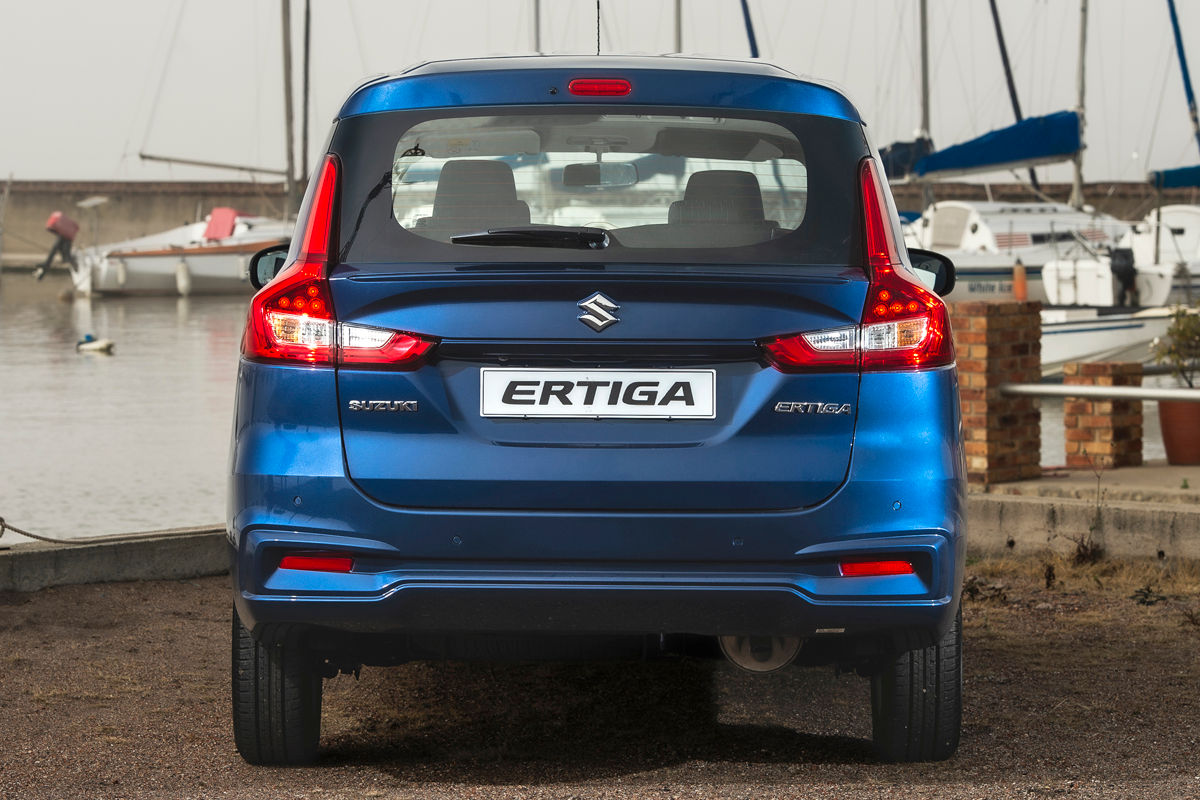
Top-spec GLX versions of Suzuki’s Ertiga are no more, while the base GA and mid-tier GL variants gain some extra standard kit. Here’s a look at pricing…
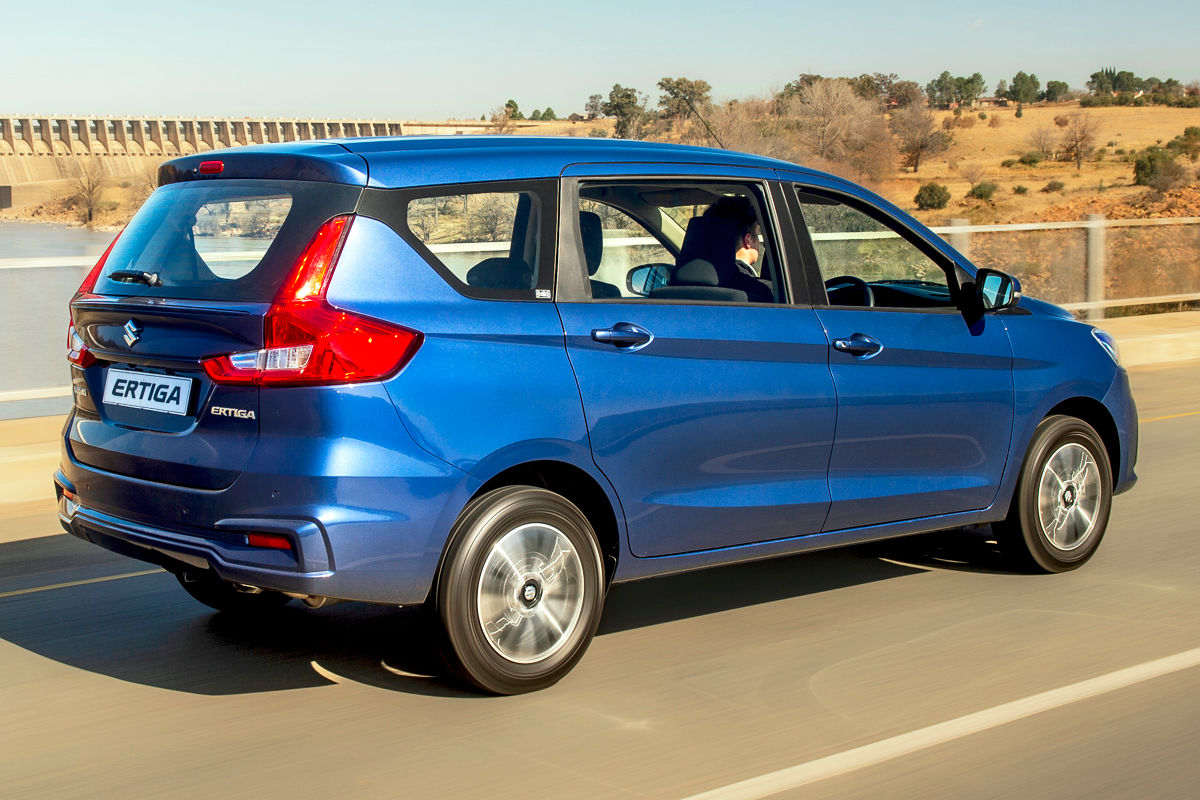
Suzuki Auto South Africa has rejigged its 7-seater Ertiga range, scrapping the flagship GLX trim level but improving the standard specification of the remaining derivatives.
The decision to discontinue the two GLX variants – which arrived in September 2019 – means the local Ertiga range now comprises three derivatives, all still powered by a 77 kW/138 Nm naturally aspirated 1.5 litre, 4-cylinder petrol engine.
Ertiga pricing now runs from R254 900 to R312 900 (see below), up from the wider five-strong range’s bookends of R241 900 and R314 400. For the record, Toyota’s closely related Rumion line-up (which still comprises five variants) is currently priced from R260 600 to R336 500.
So, what about the remaining grades? Well, the entry-level GA is again available exclusively in 5-speed manual guise, but wins an electronic stability programme (ESP) and rear parking sensors.
As before, all models in the Ertiga range furthermore ship with the following safety kit: two airbags, ABS with EBD and IsoFix child-seat anchors. As a reminder, the GA also features electric windows, air conditioning (with ventilated cup holders up front), central locking and LED taillamps.
The GL trim level, meanwhile, is offered in both 5-speed manual and 4-speed automatic form, while gaining “many of the styling features and interior luxuries” of the now-defunct GLX. So, GL models upgrade to 15-inch alloy wheels and chrome detailing on the grille, and retain their body-coloured side-mirror caps and exterior door handles.
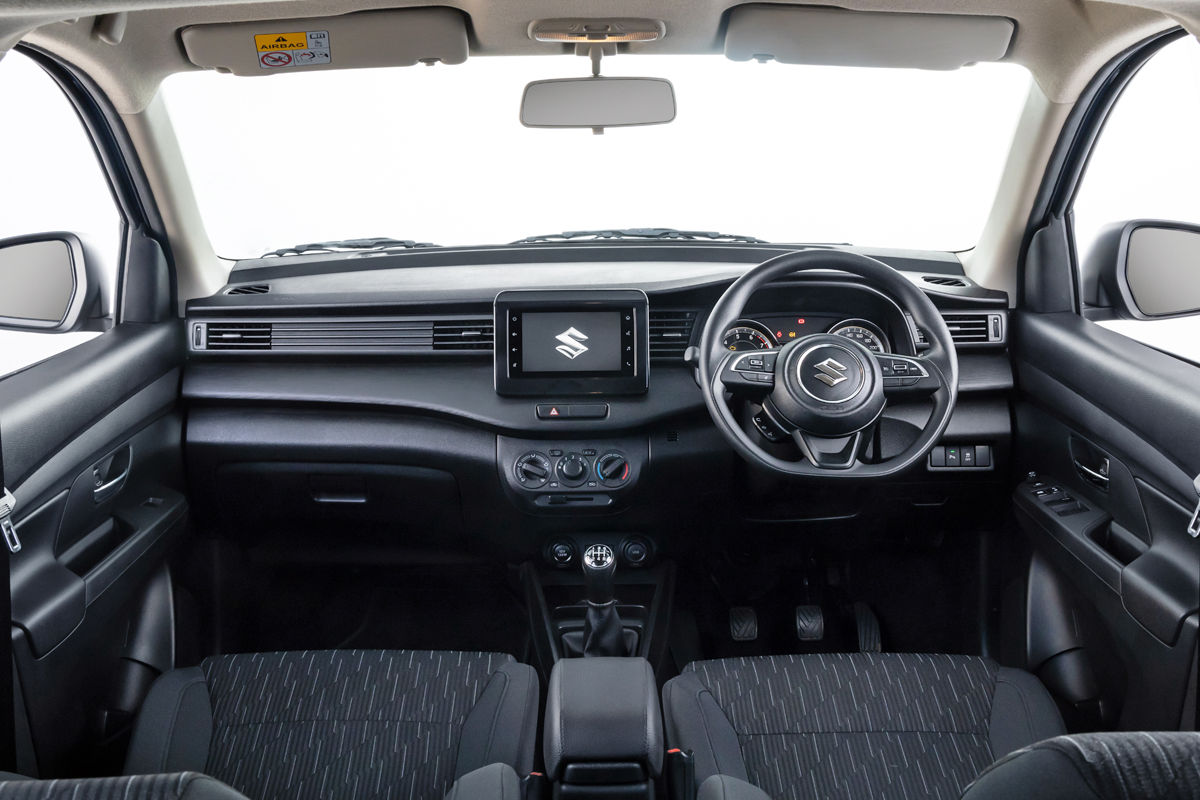
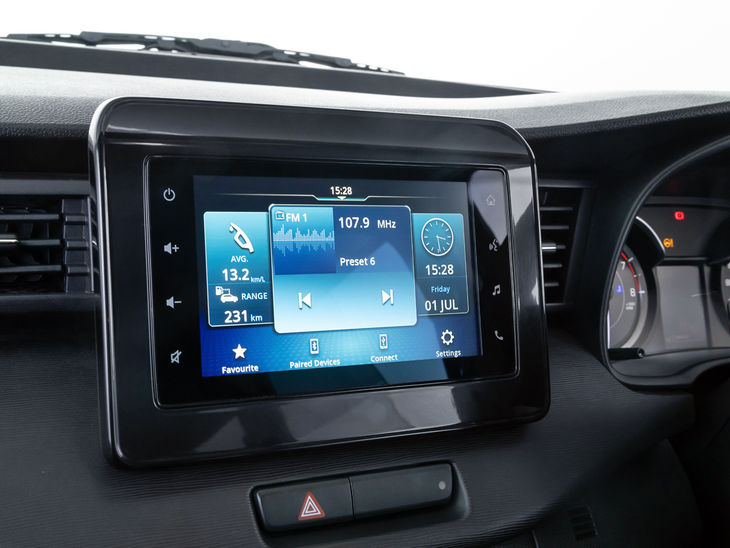
Inside, the GL specification level ditches the standard radio and scores a 7-inch touchscreen infotainment system, along with a reversing camera, a multi-functional steering wheel (with Bluetooth controls) and cruise control. In addition, Suzuki has added hill-hold control for the self-shifting version of the Ertiga GL model.
Ertiga GL derivatives gain the 7-inch touchscreen previously reserved for the GLX variants.
Other standard features on the GL include a centre armrest and storage box between the front seats, additional air-conditioning vents for rear passengers, a 50:50 split rear bench, an auto function for the driver’s window and a second 12V charging socket (in addition to the front-sited one) at the rear.
“Since launching the Ertiga in 2019, we have heard from Suzuki families and fleet customers that they value the same features: safety, comfort and entertainment,” said Brendon Carpenter, brand marketing manager of Suzuki Auto SA.
“We have also realised that the current economic climate places a lot of pressure on the types of families and businesses that would buy an Ertiga. And so, we decided to simplify the range and upgrade the specifications of the remaining models,” he explained.
How much does the Suzuki Ertiga cost in South Africa?
Suzuki Ertiga 1.5 GA – R254 900
Suzuki Ertiga 1.5 GL – R295 900
Suzuki Ertiga 1.5 GL AT – R312 900
The Ertiga ships standard with Suzuki’s promotional 5-year/200 000 km mechanical warranty and a 4-year/60 000 km service plan.
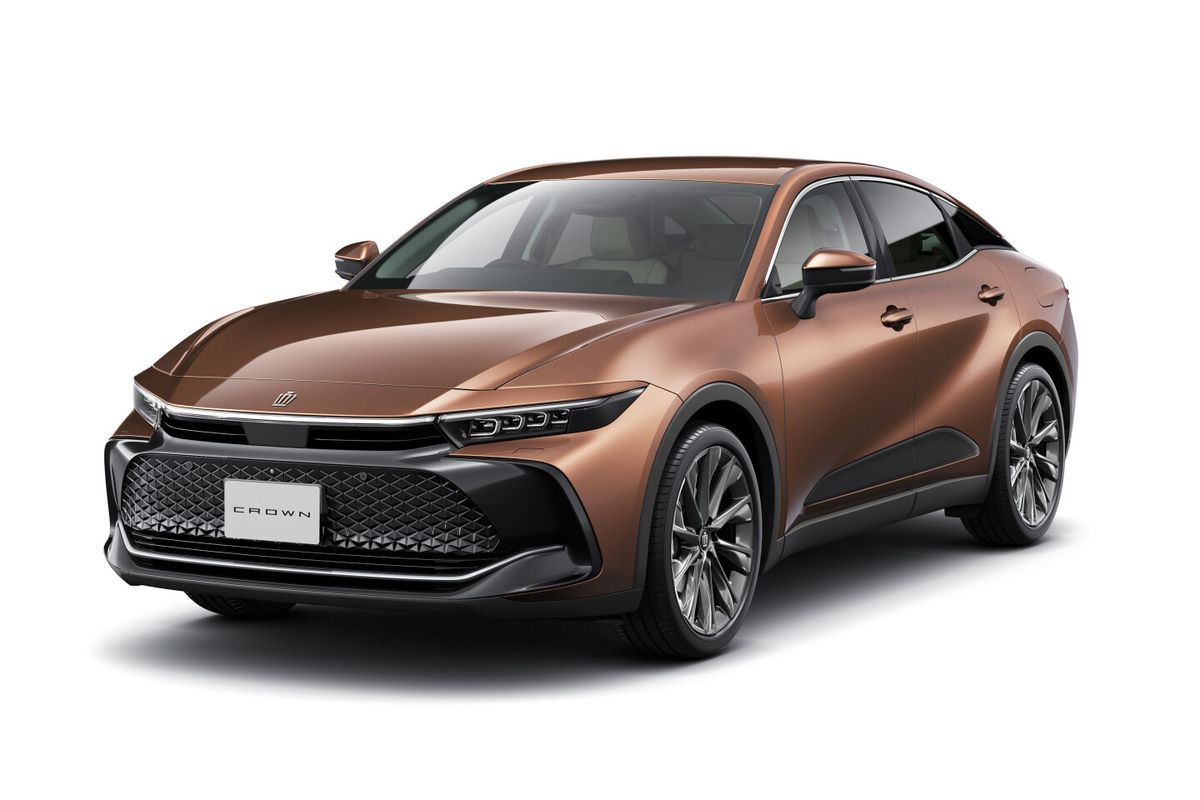
Toyota Crown Crossover for SA in 2023
The long-running Toyota Crown nameplate is going global and the new Crown range has been confirmed for arrival in South Africa in the first quarter of 2023.
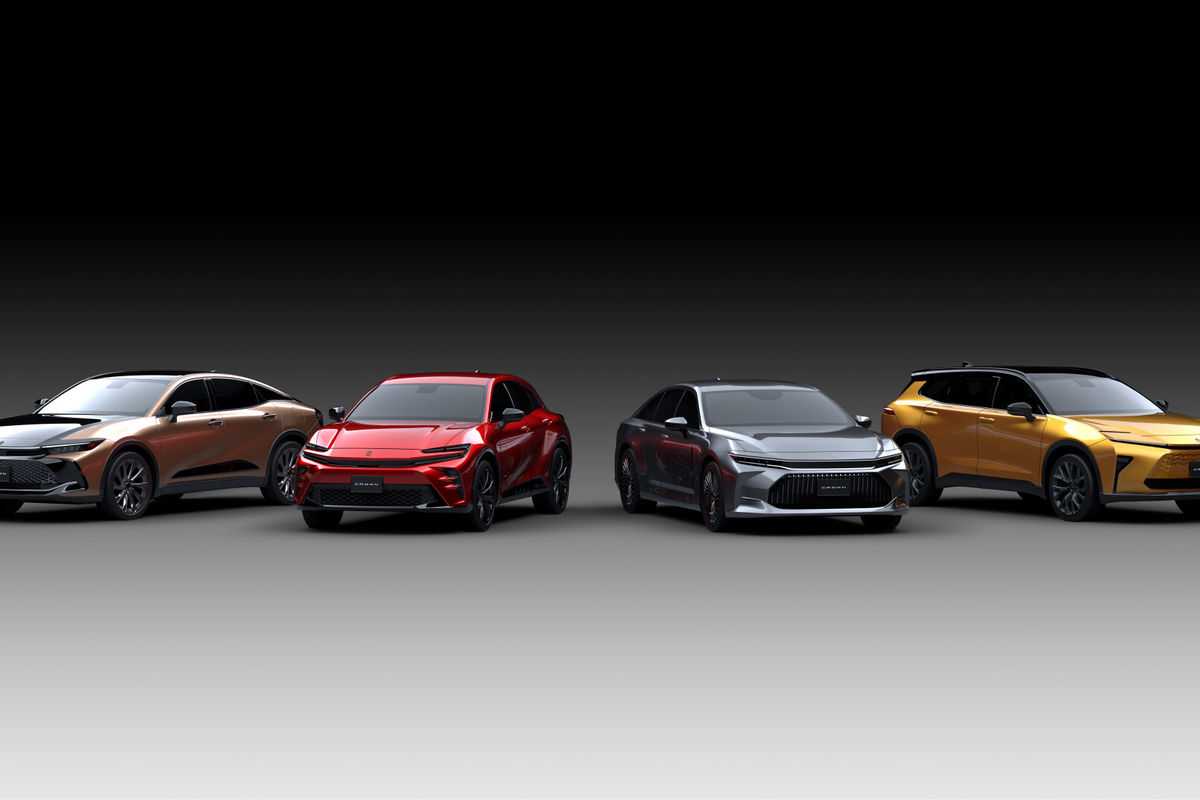
The 67-year-old Crown nameplate is going global with Toyota announcing that the new luxury Crown series, which includes 4 body styles, will be offered in up to 40 countries and regions. Historically, the Toyota Crown has typically only been available in its home market of Japan and some Asian countries.
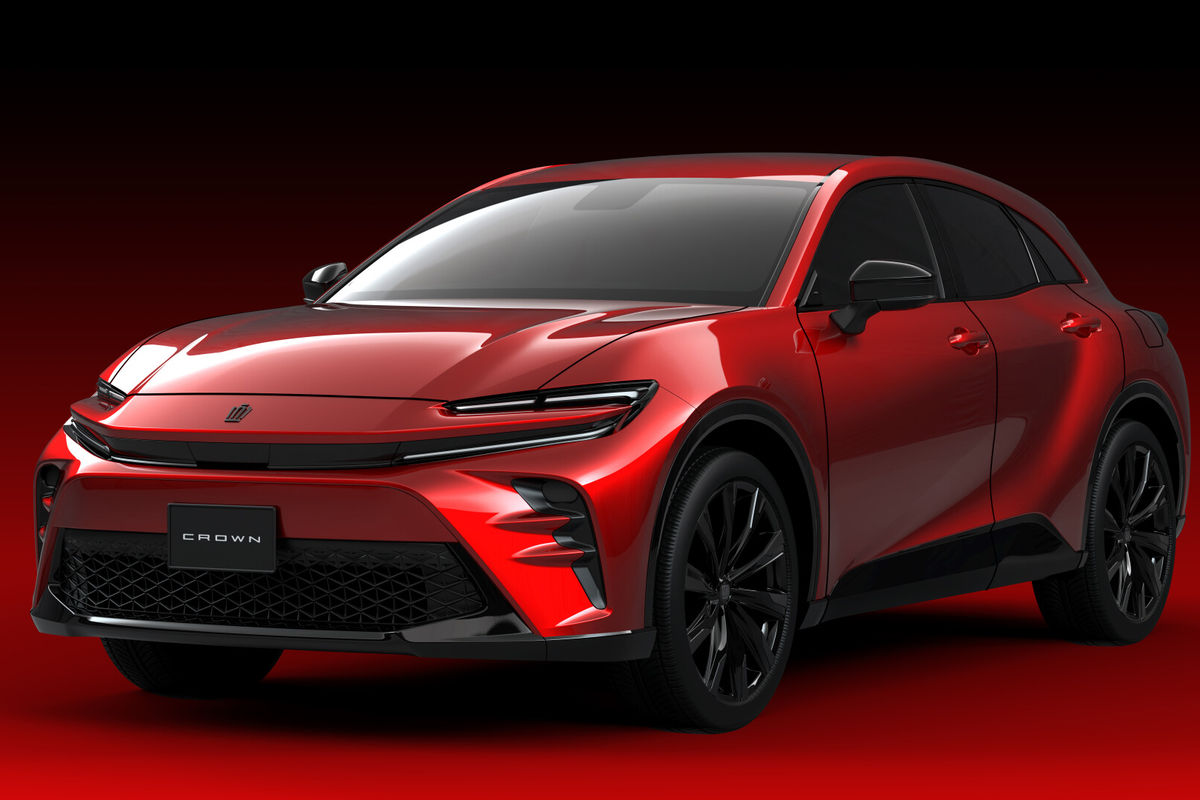
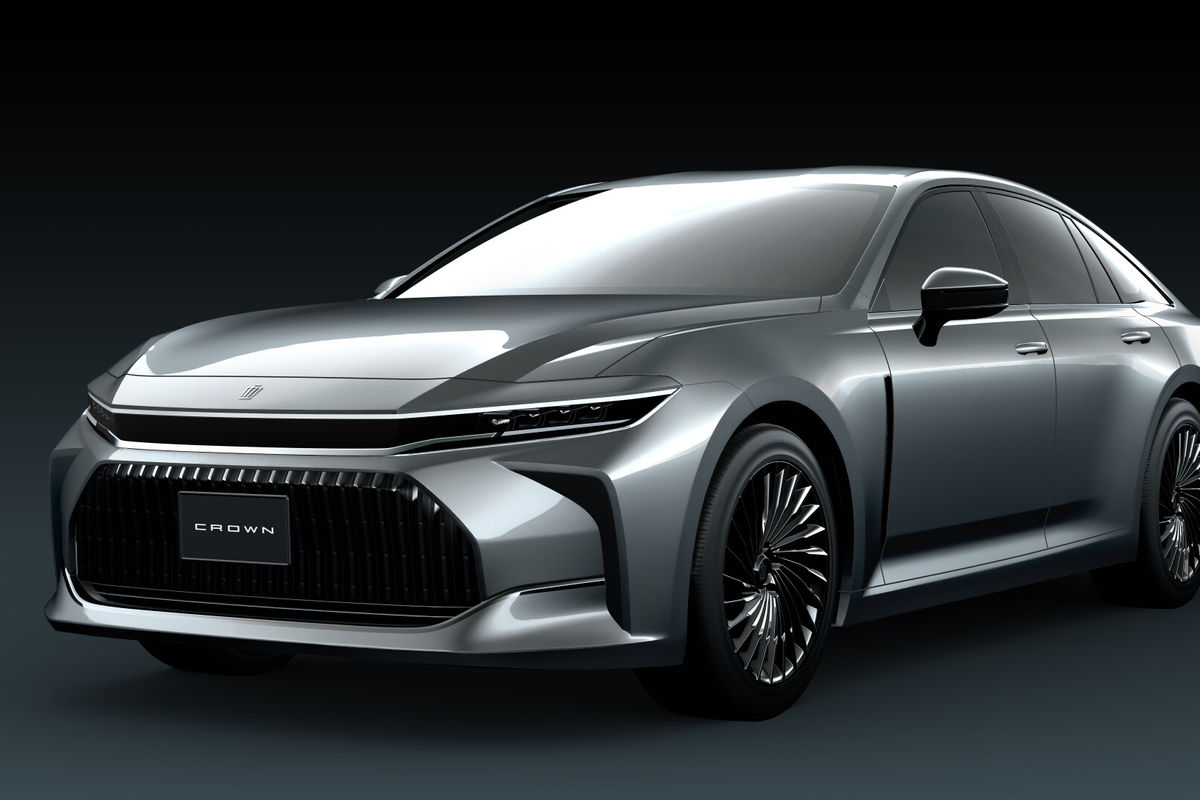
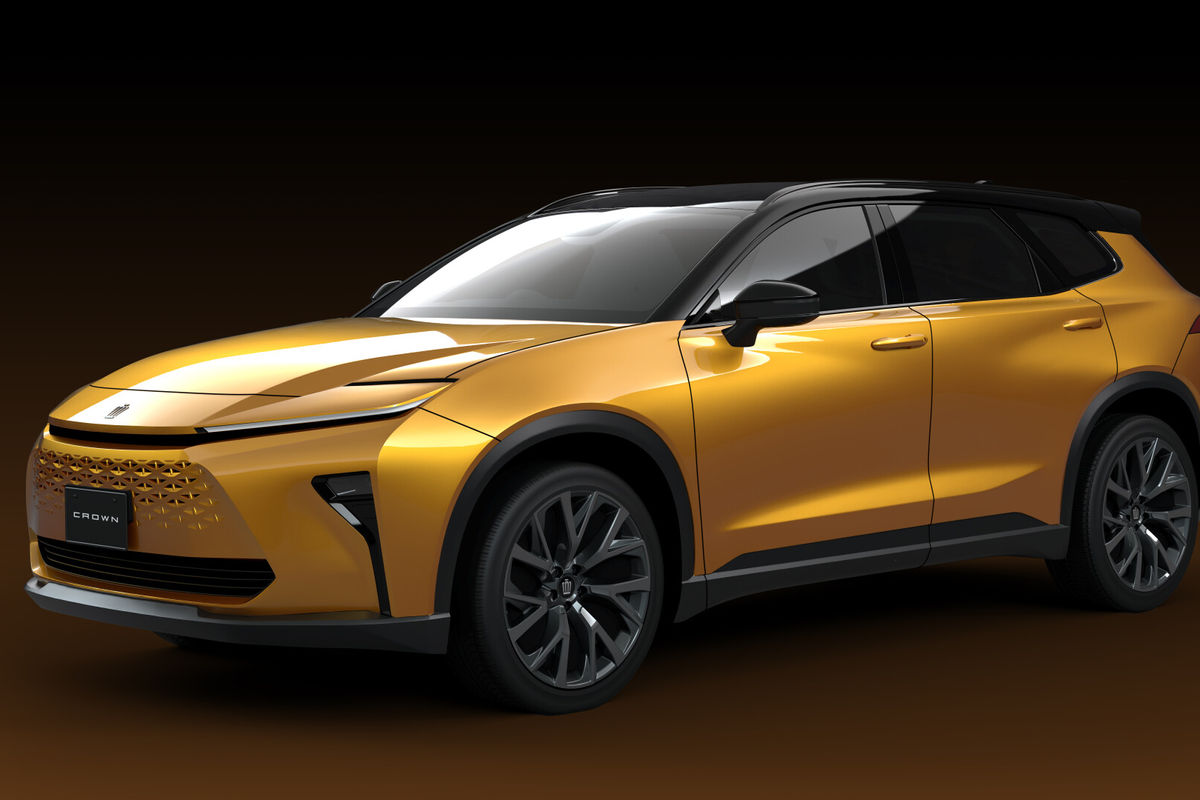
Toyota has developed a “Crown for a new era” and as such buyers will have the choice of a new “Crossover Type” which combines the styling of a sedan and SUV as well as a “Sedan Type” for chauffeuring, “Sports Type” (for sporty performance) and an “Estate Type” (larger SUV).
Luxury and comfort is on the way to South Africa with the new Toyota Crown Crossover confirmed for early in 2023.
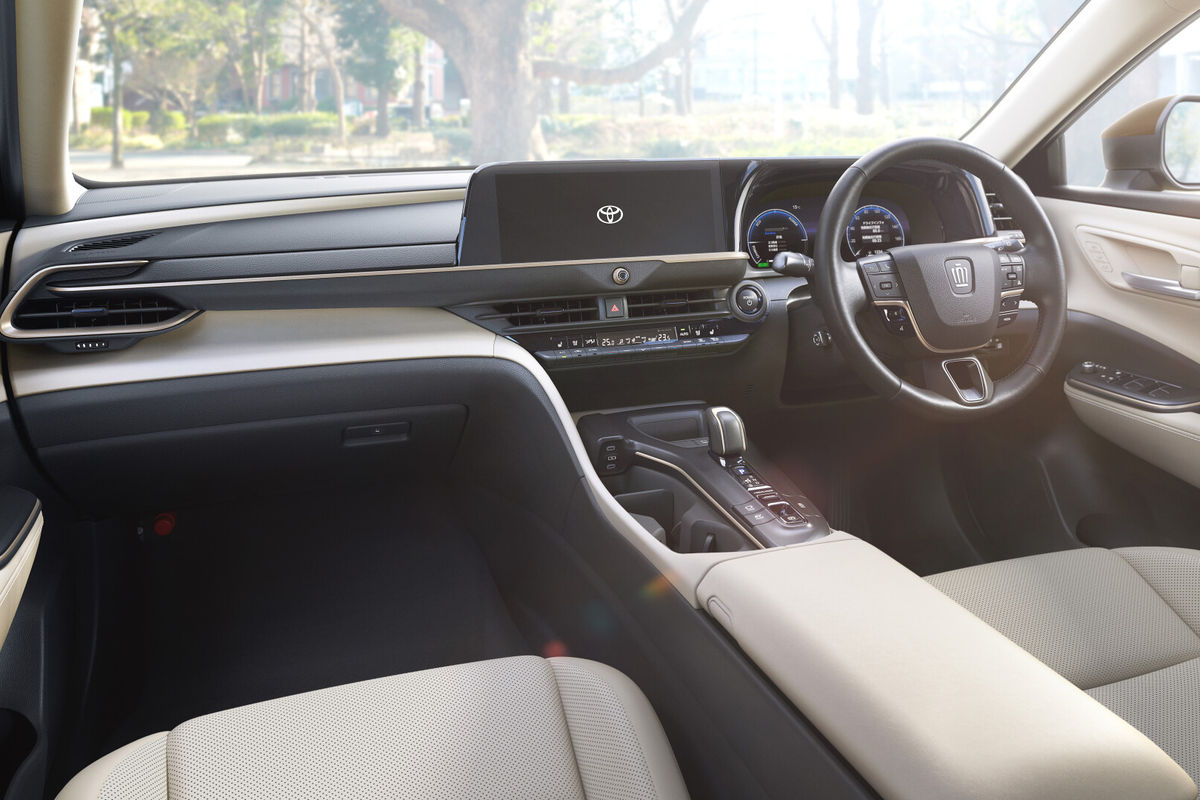
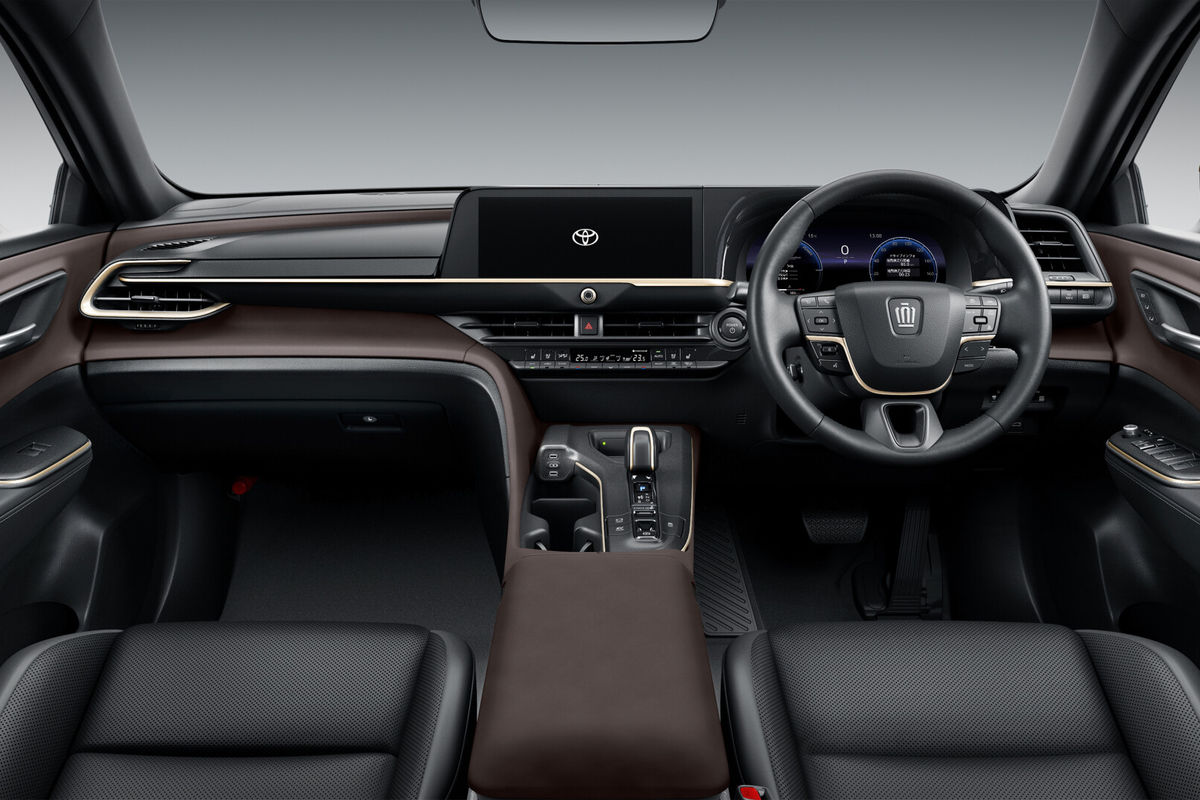
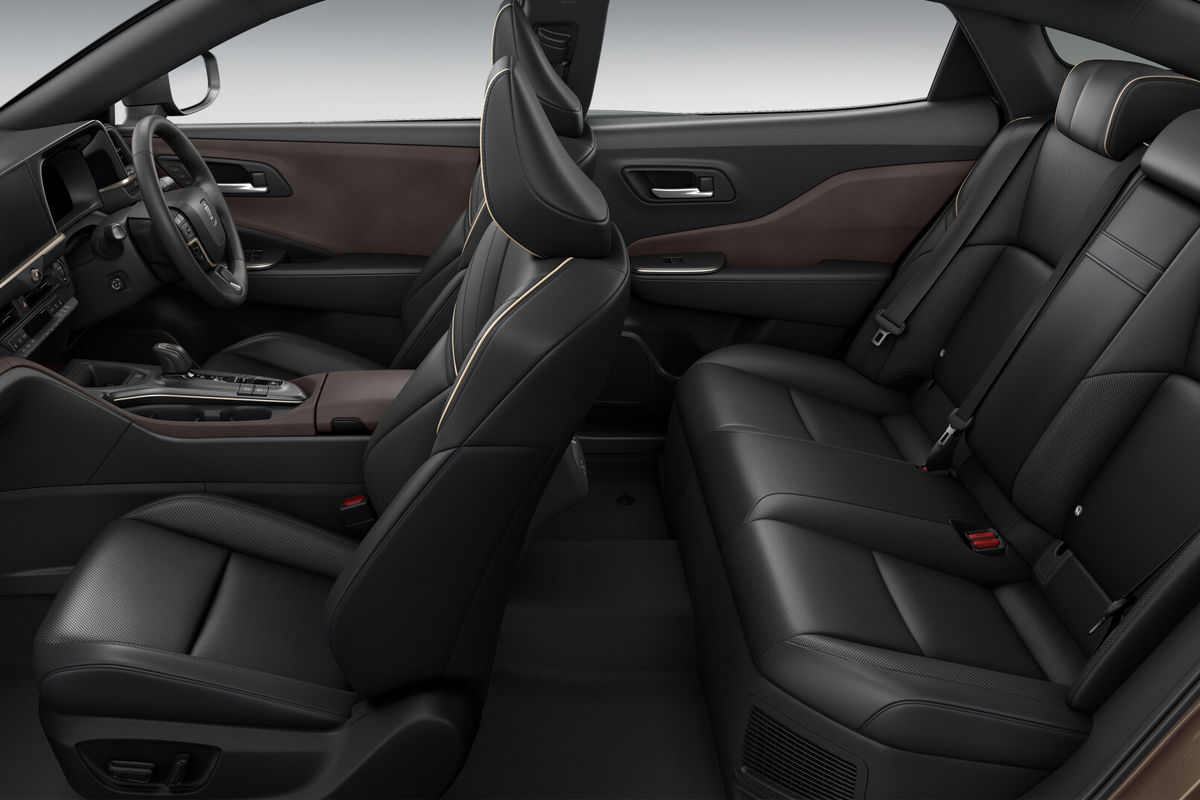
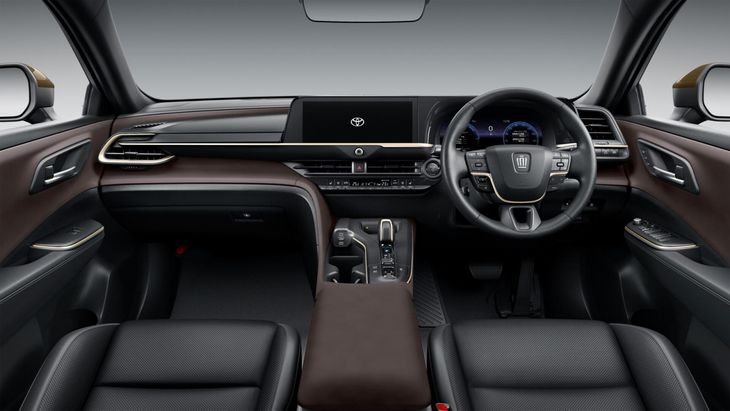
The Crown cabin design incorporates a wrap-around design with modern and luxurious material trim while passengers will be cosseted in comfort.
The new Toyota Crown series, built on Toyota’s TNGA platform, is expected to offer high levels of refinement and notable ride comfort.
The new Crown will be powered by 2 hybrid powertrains.
The first is a turbocharged hybrid system that incorporates a 2.4-litre turbopetrol engine that combines with an e-Axle electric powertrain with a newly-developed bipolar nickel-hydrogen battery.
The second is a 2.5-litre Series Parallel Hybrid System as Toyota calls it and it too will feature a bi-polar nickel hydrogen battery. This powertrain is said to achieve class-leading fuel economy while also offering high levels of refinement. This powertrain will feature in the Crown Crossover, which is earmarked for South Africa.
Toyota has yet to reveal outputs but more details can be expected to be divulged in coming weeks and months.
As you can expect, the new Toyota Crown series will be equipped with the latest Toyota Safety Sense driver assistance systems.
As for availability in South Africa, Toyota South Africa has confirmed that the Crown Crossover will be offered locally as of Q1 2023 as part of Toyota South Africa Motors’ (TSAM) continued New Energy Vehicle (NEV) product rollout. We will keep you updated as soon as more details become available.
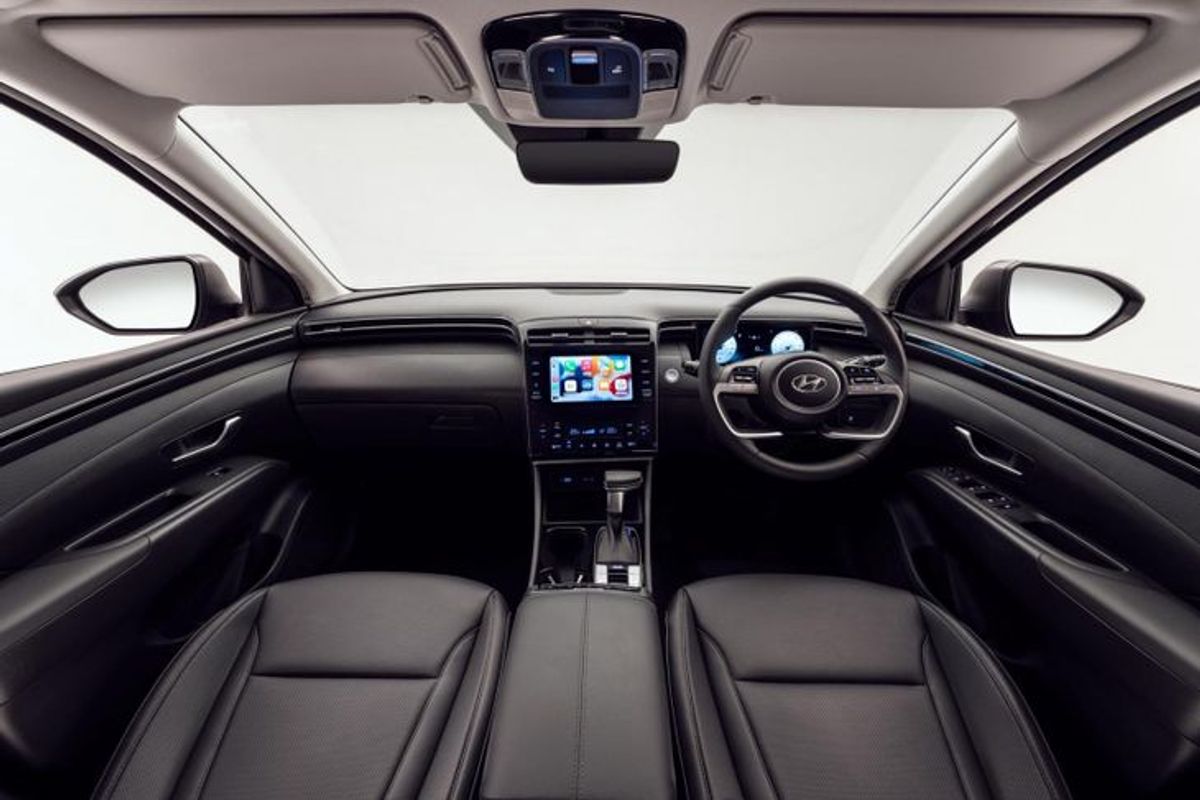
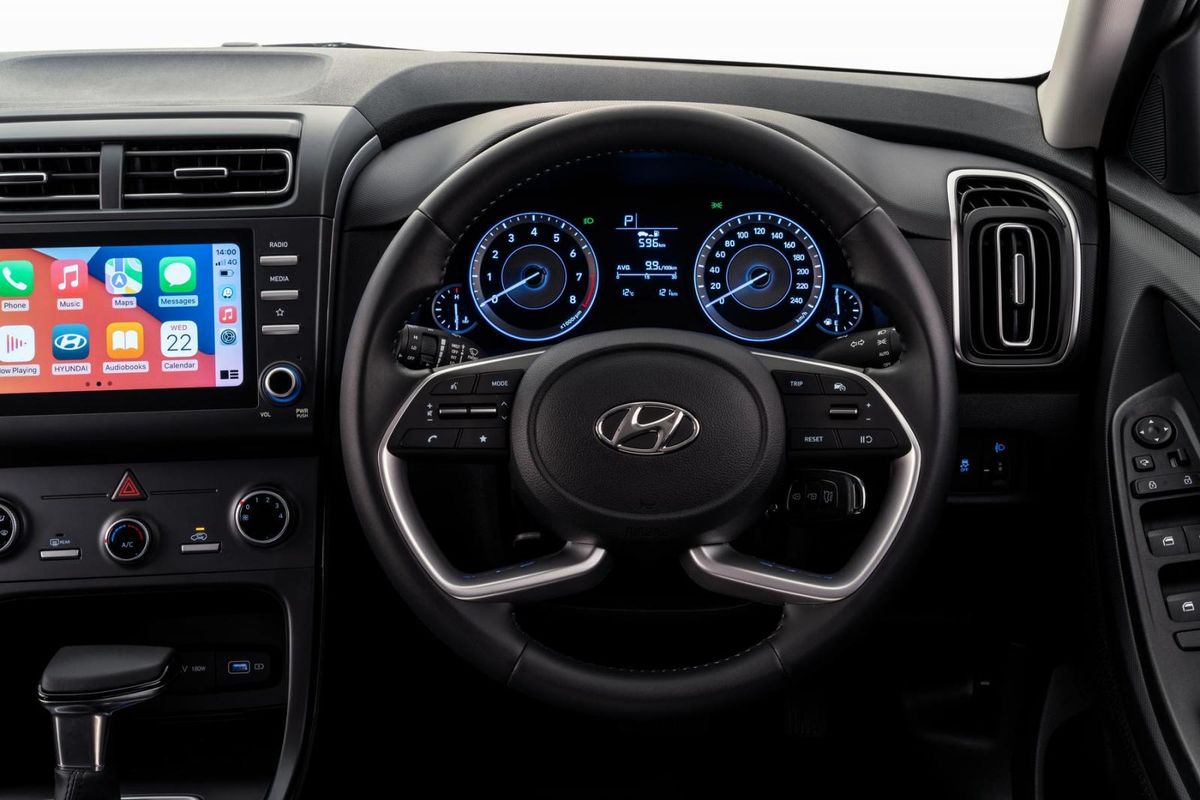
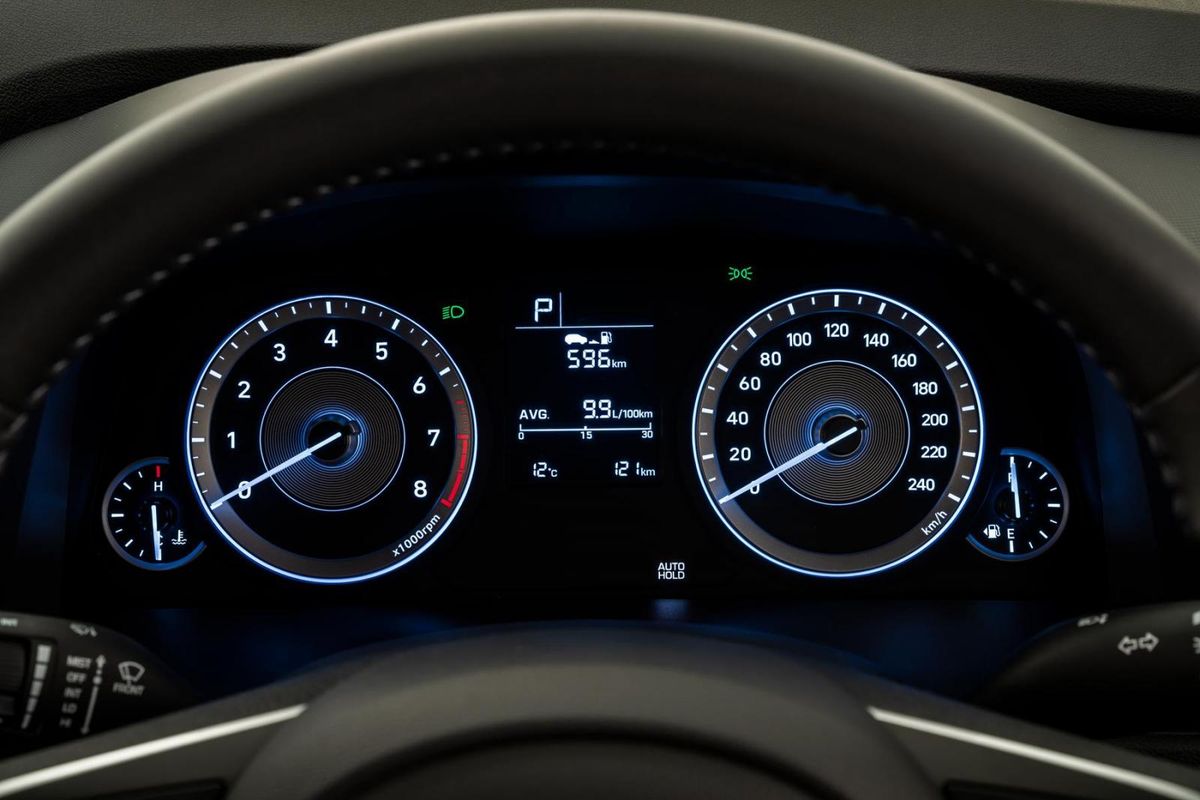
It’s been a little more than 18 months since the latest-generation Hyundai Creta was launched in South Africa, but the model’s already sporting a new look… That’s a particularly short passage of time between a market introduction and a facelift, even by the fast-paced Korean brand’s standards. We attended the local launch event of the facelifted Creta to get some answers.
What’s new with the Creta?
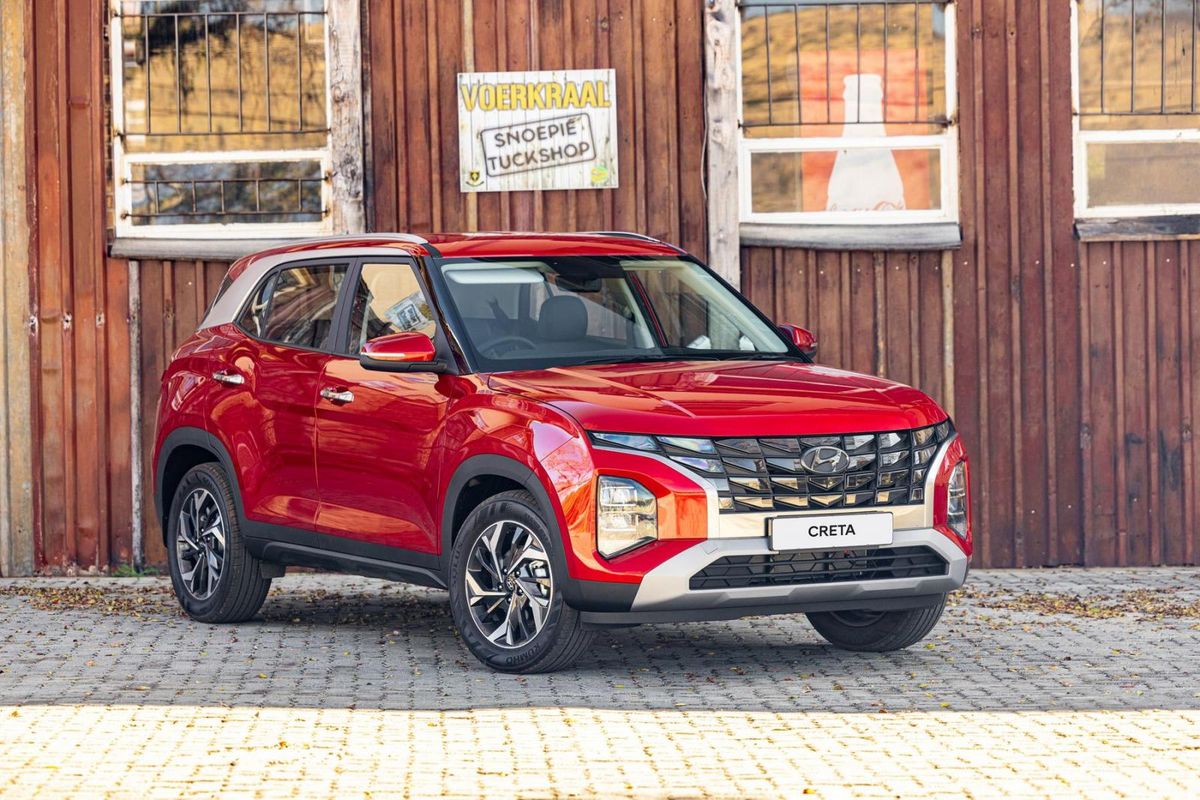
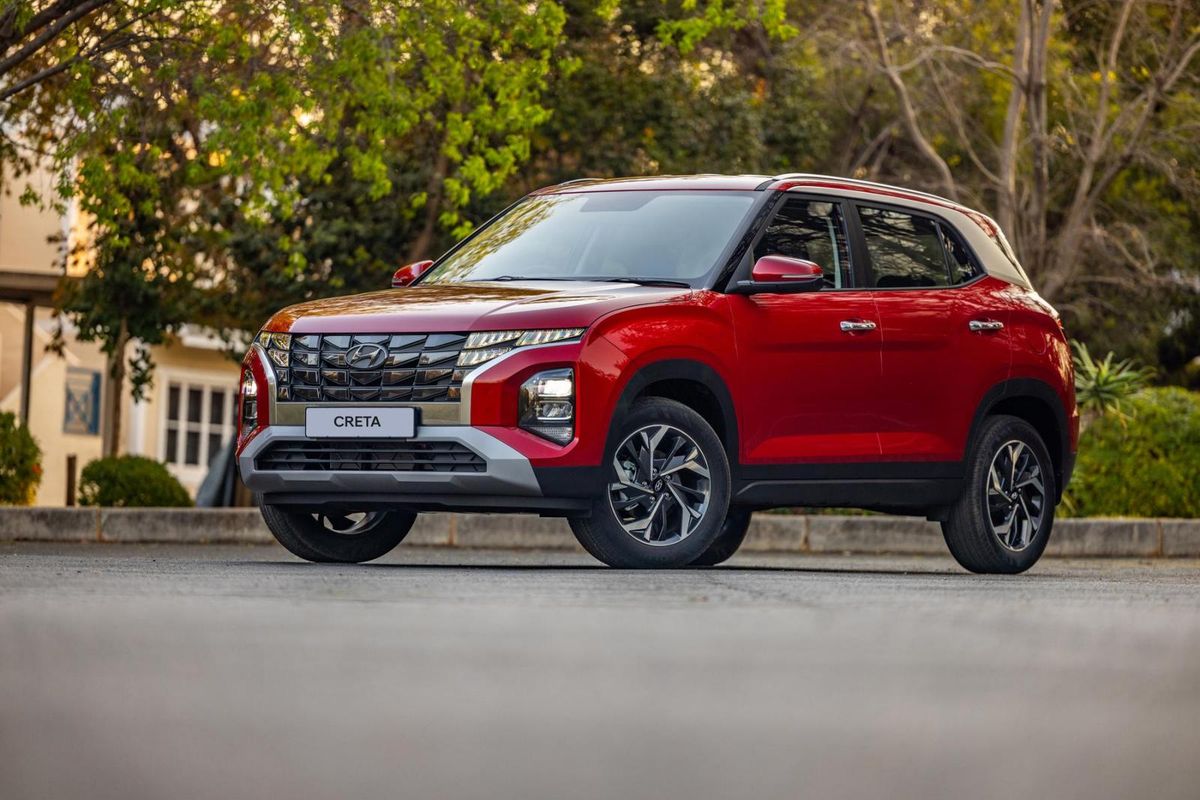
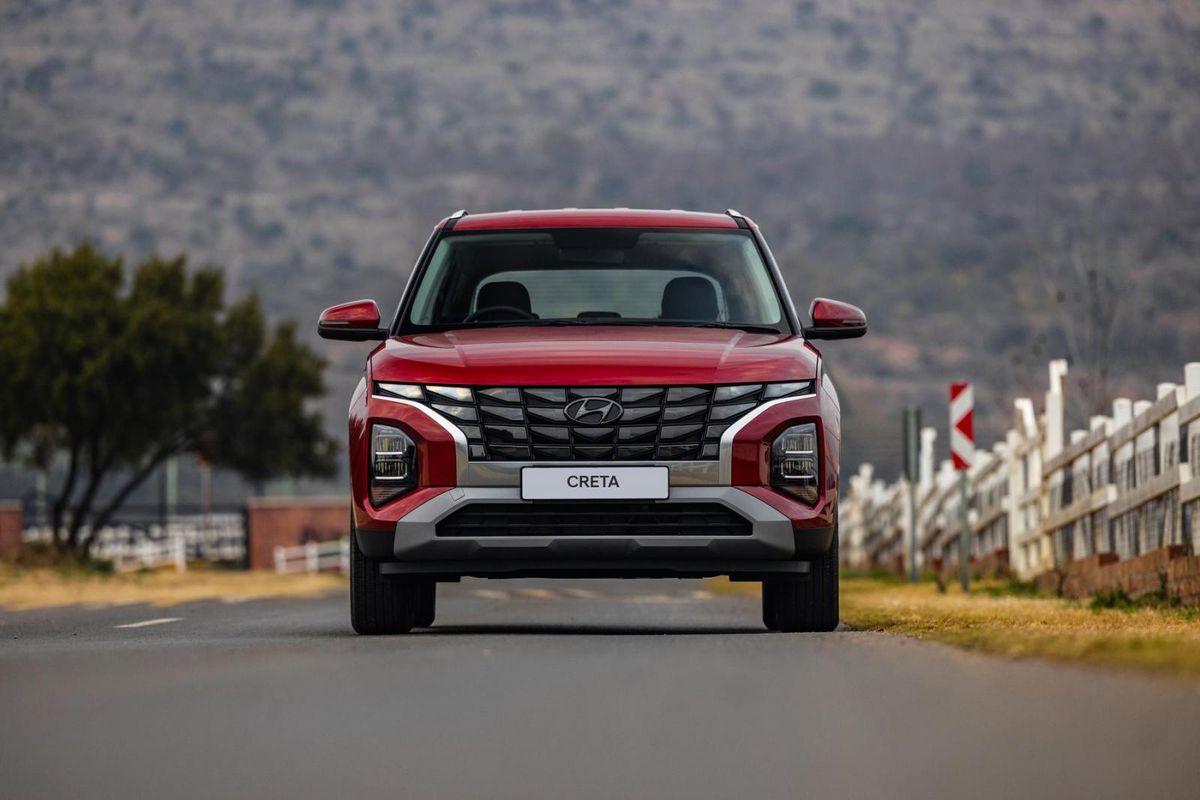
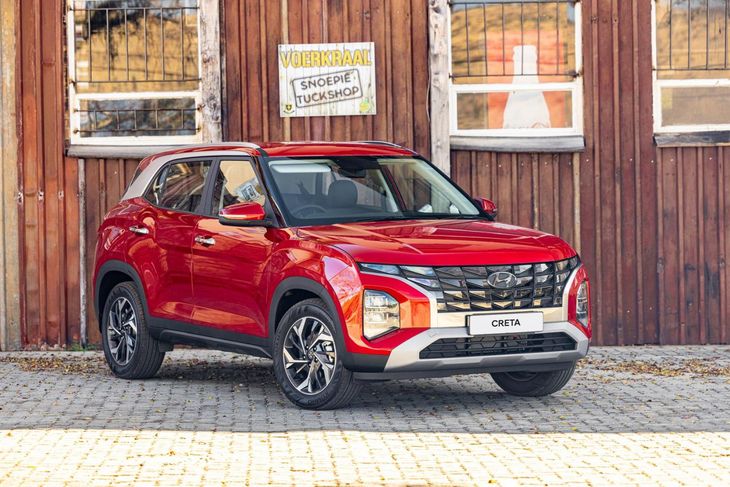
The facelifted Creta sports a new front grille similar to that of the Tucson.
Usually, a model will receive a major update or facelift about 3 or 4 years after its initial market launch. After that, the model will remain on sale for another 2 years before ultimately being replaced by an all-new product. That’s usually how the automotive product lifecycle works around the globe, give or take a year or two.
The Creta’s facelift is peculiar insofar as the model was only launched in August 2020, before landing in the Republic in November 2020. Less than 2 years in and already a facelift? It’s not like there was a major fault with the product and its recent sales figures could be considered quite reasonable… considering the current economic climate and the spectre of stock shortages.
The answer is relatively simple. Hyundai SA has decided to change its supplier of Creta units from the brand’s factory in India to Indonesia, where a massive new plant has just come online. The Indian plant was under pressure to meet export needs and a switch to the Indonesian plant would free up some much-needed stock for Hyundai SA and provide the importer with a Creta that incorporates the brand’s latest design language – at the front, anyway.
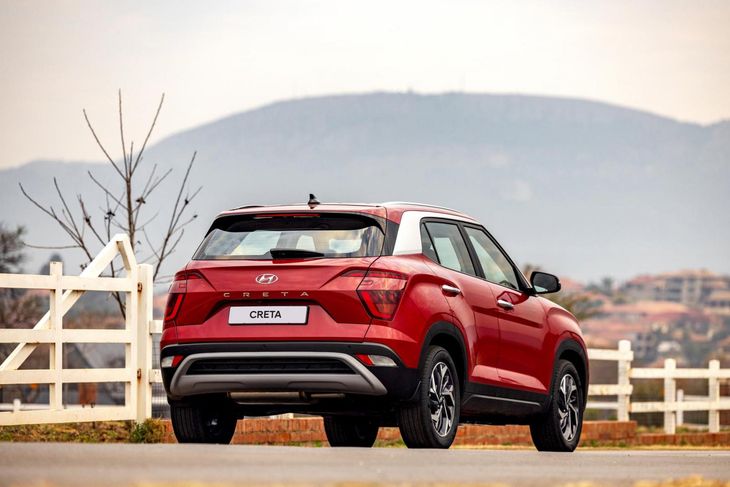
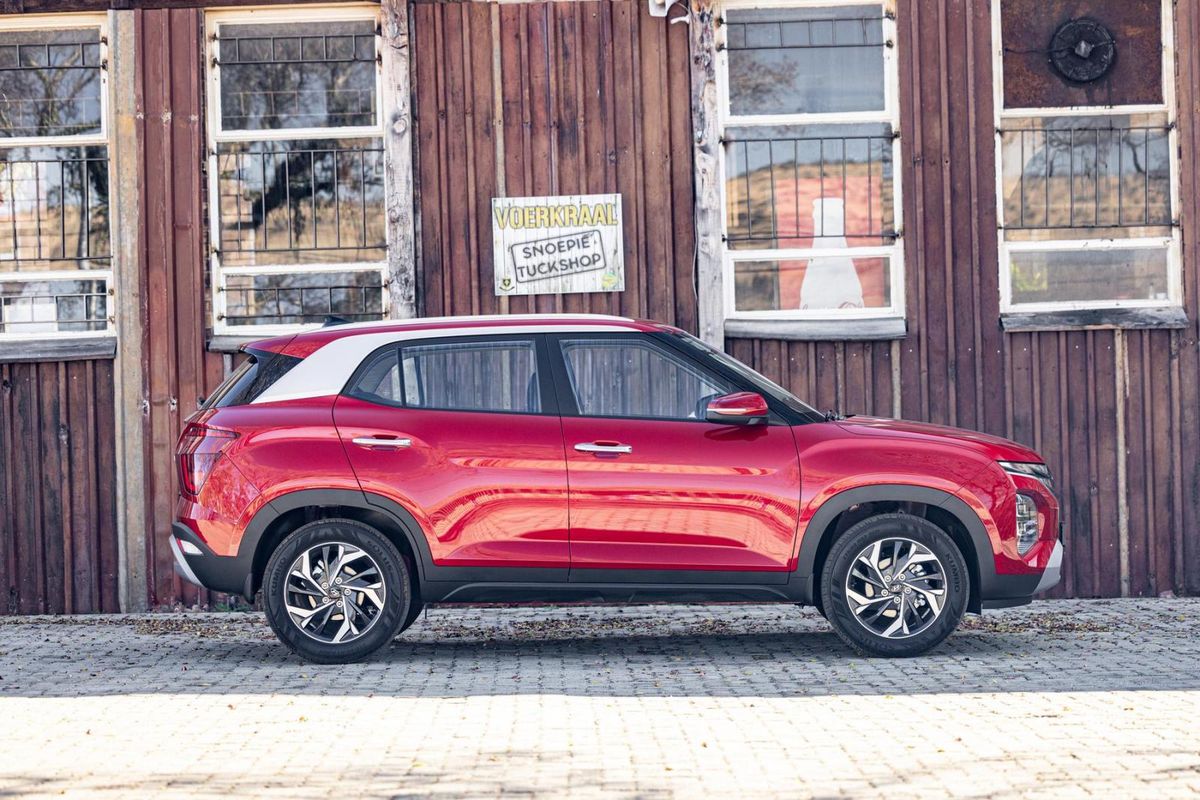
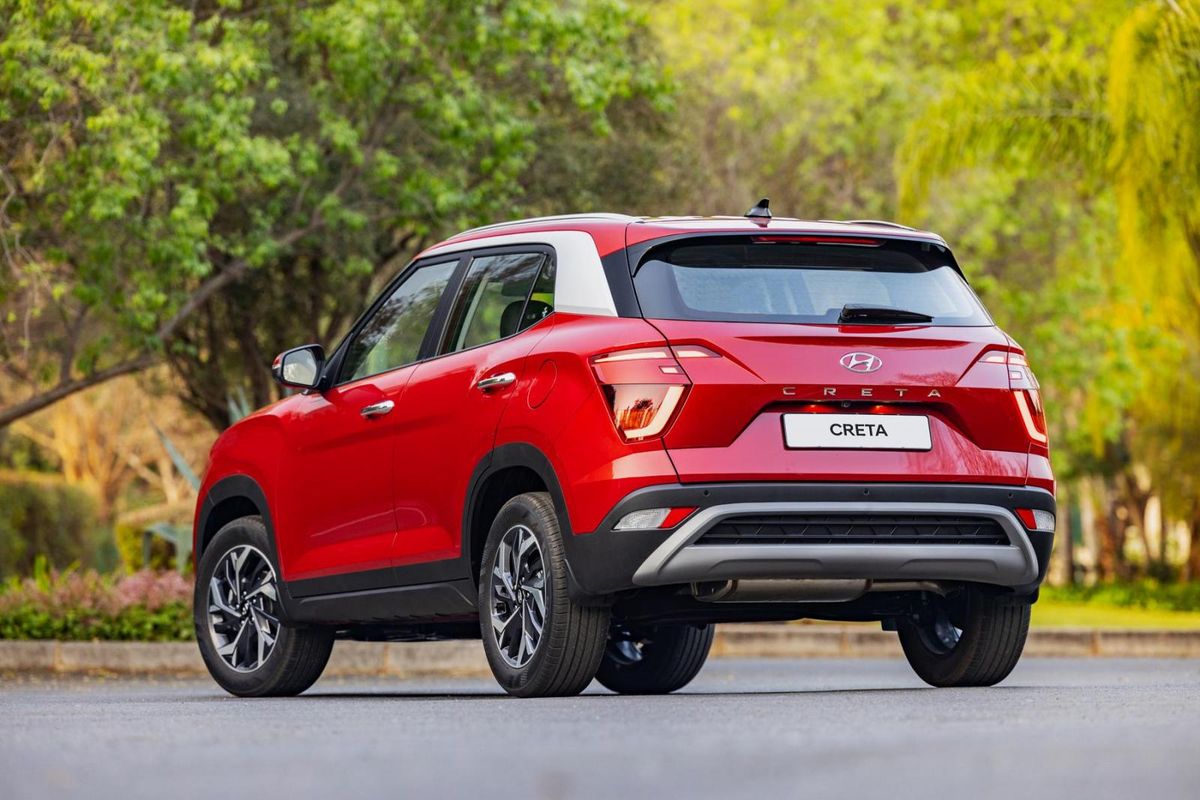
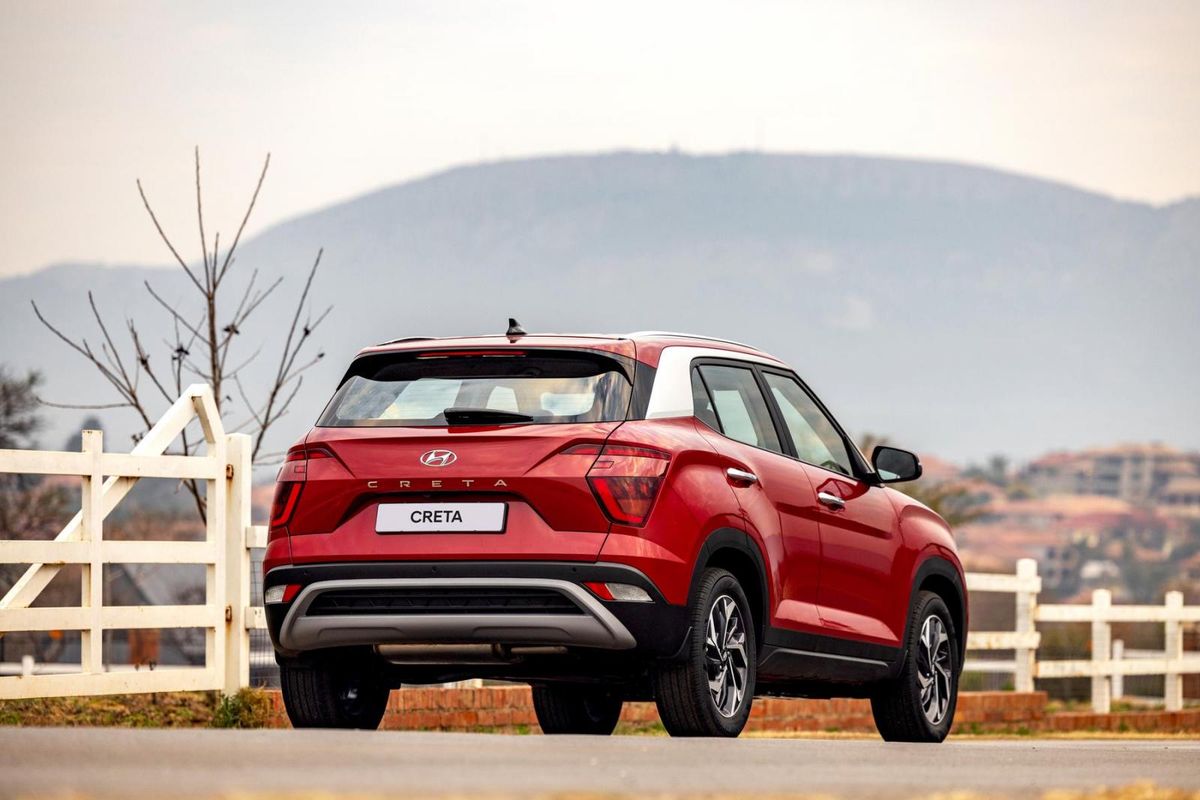
As you can see, the new-look Creta’s cascading grille matches that of the new Tucson and creates a stronger link with other products in the Hyundai family. The rear receives less noticeable treatment, with the Creta badge moving from the side to the middle of the tailgate. The rear high-level light bar that used to be located just above the Hyundai badge is also omitted from the updated model.
The major mechanical change is that the 1.4-litre turbopetrol and 1.5-litre turbodiesel engines are no longer available. That means just the 1.5-litre naturally aspirated petrol engine remains. Hyundai SA has also added a Premium-spec IVT (automatic) model to the range, which was previously only available in Executive trim.
No more two-tone dash colouring options are available.
A few minor changes have occurred due to the change of factory. This happens as different factories may offer different options or certain specifications are just not available at that manufacturing facility.
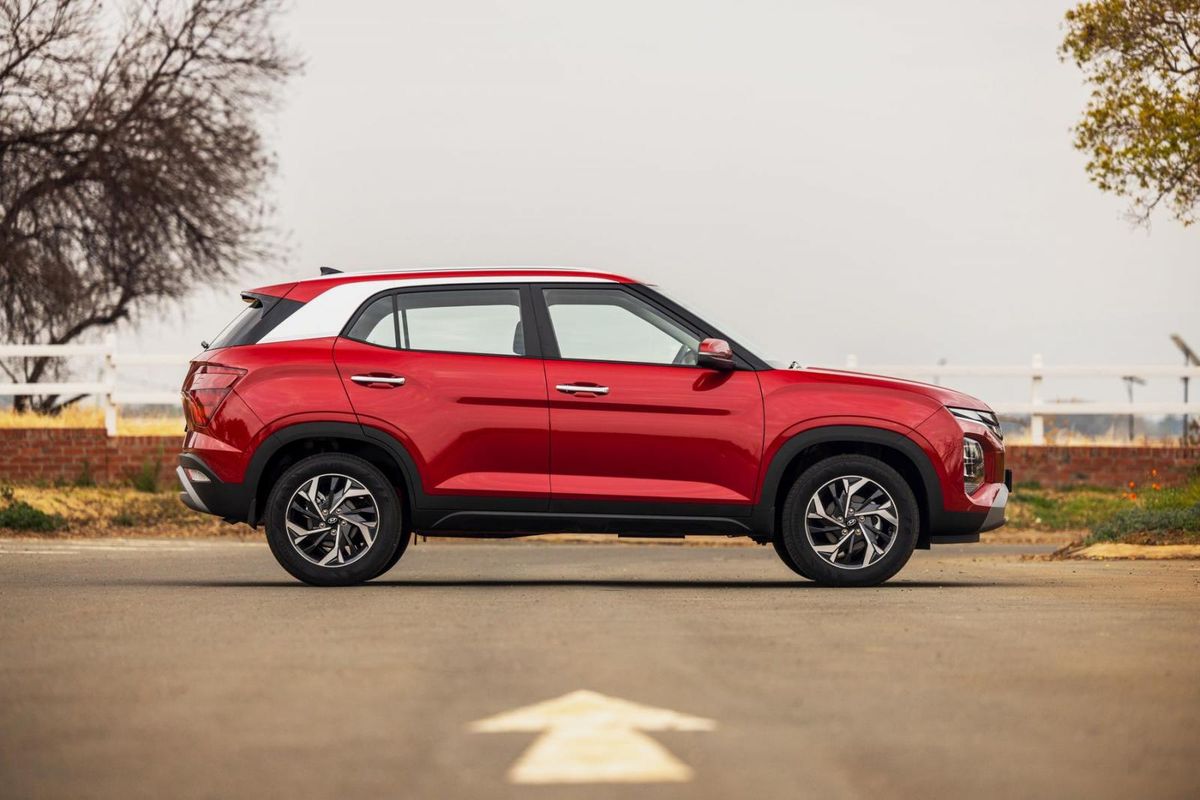
On the Premium trim level, the new Creta does without forward-facing daytime running lights, but has gained LED tail-lights. What’s more, it comes with 17-inch alloy wheels, as opposed to the 16-inch items on the outgoing model. Strangely, the first shipment of Cretas from Indonesia cannot be fitted with a towbar, but Hyundai SA has said that this will be rectified later this year and that the customer take-up of the towbar option on the model has been negligible anyway.
The Executive derivative remains unchanged in terms of spec, except for the interior surfacing, which is now all-black, where it was two-tone (black and white) previously.
By dropping the more expensive derivatives from the lineup (the turbopetrol and -diesel), Hyundai is focusing its efforts on the area of the segment where most of the sales occur. With the explosion of the R250k-R400k small SUV segment in the last 18 months, Hyundai wants to offer buyers as many options as it can below the R500k mark…
Every Creta is sold with a 7-year/200 000 km warranty and a 4-year/60 000 km service plan.
Hyundai Creta 1.5 Premium Manual
R409 900
Hyundai Creta 1.5 Premium IVT
R429 900
Hyundai Creta 1.5 Executive IVT
R469 900
Summary
The Creta still offers decent value at the upper end of the small-SUV segment.
The Indonesia-sourced Creta appears to be of a similar quality (inside and out) to the current Indian-made model. It also allows Hyundai to bring in more stock, which it believes it can sell quite easily, given the pent-up demand for its Creta.
Its price has crept up ever so slightly (and a new rival has arrived in the shape of the Toyota Corolla Cross), but the Creta’s still very competitive in its segment and offers all the features that buyers expect in terms of safety and in-car tech.
Isuzu MU-X Gets Arctic Trucks Treatment
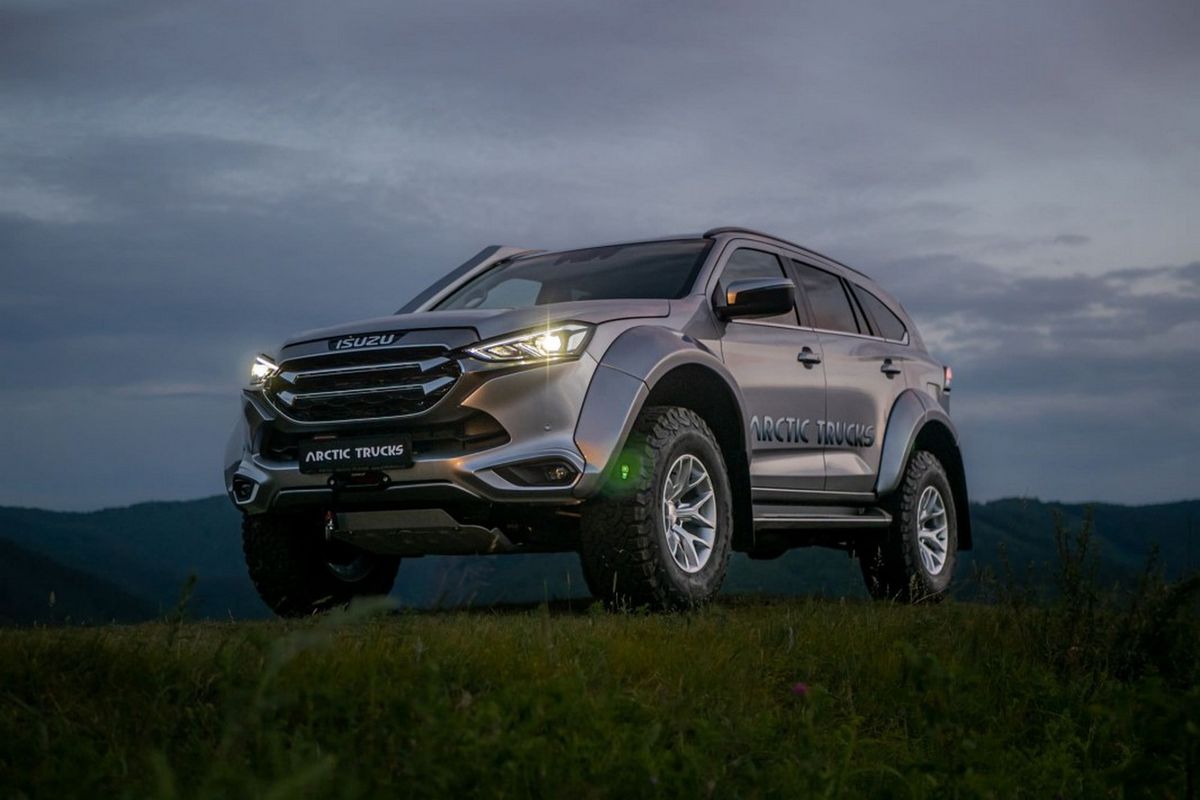
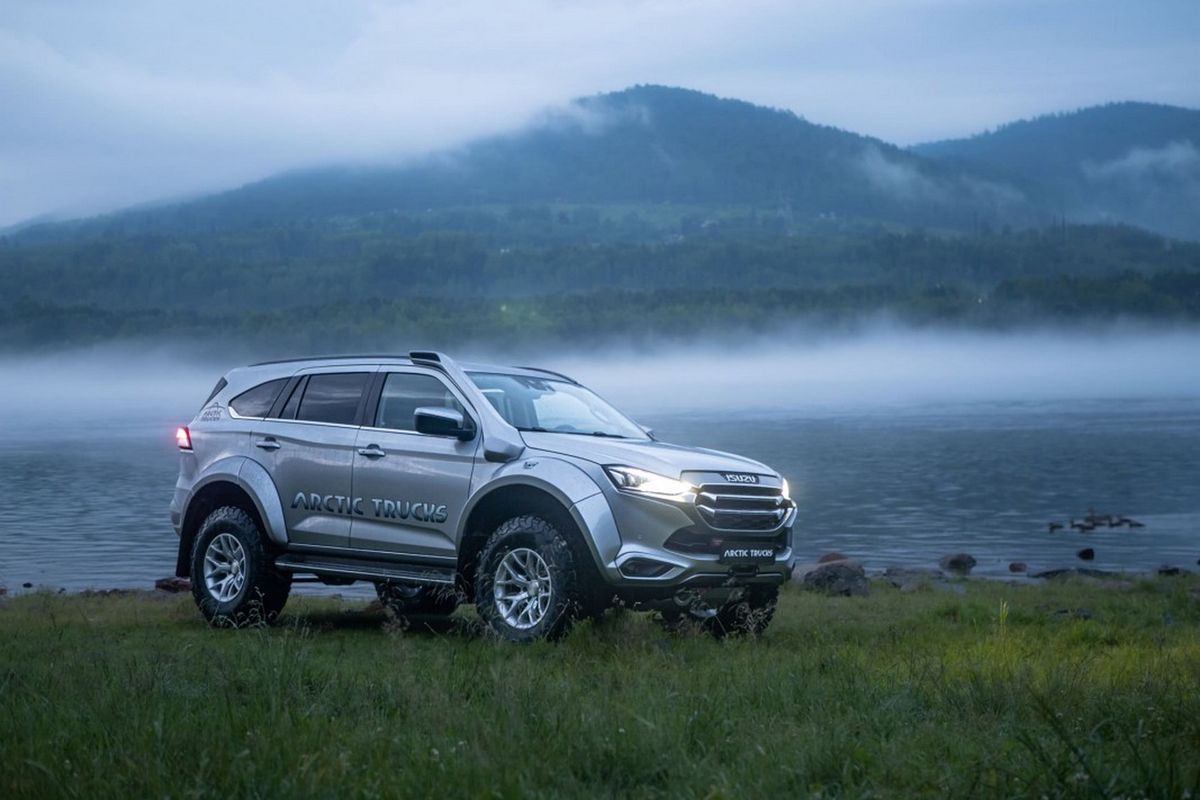
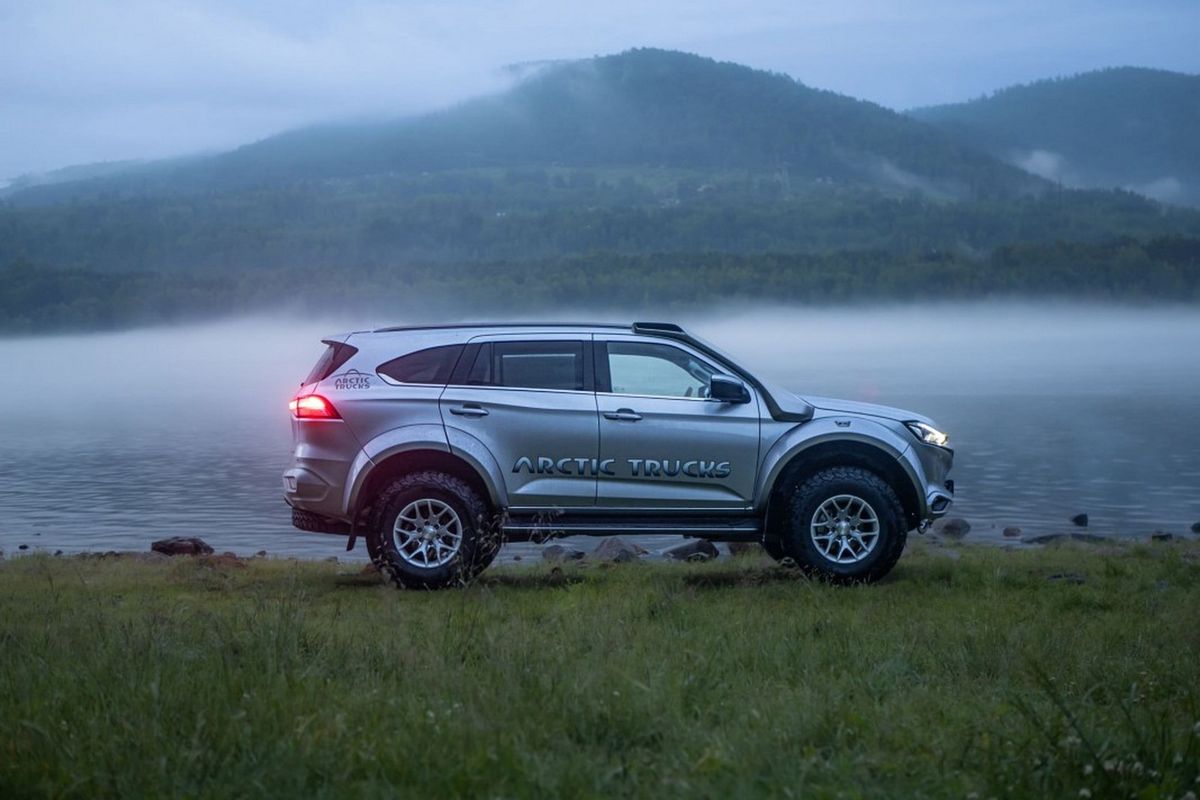
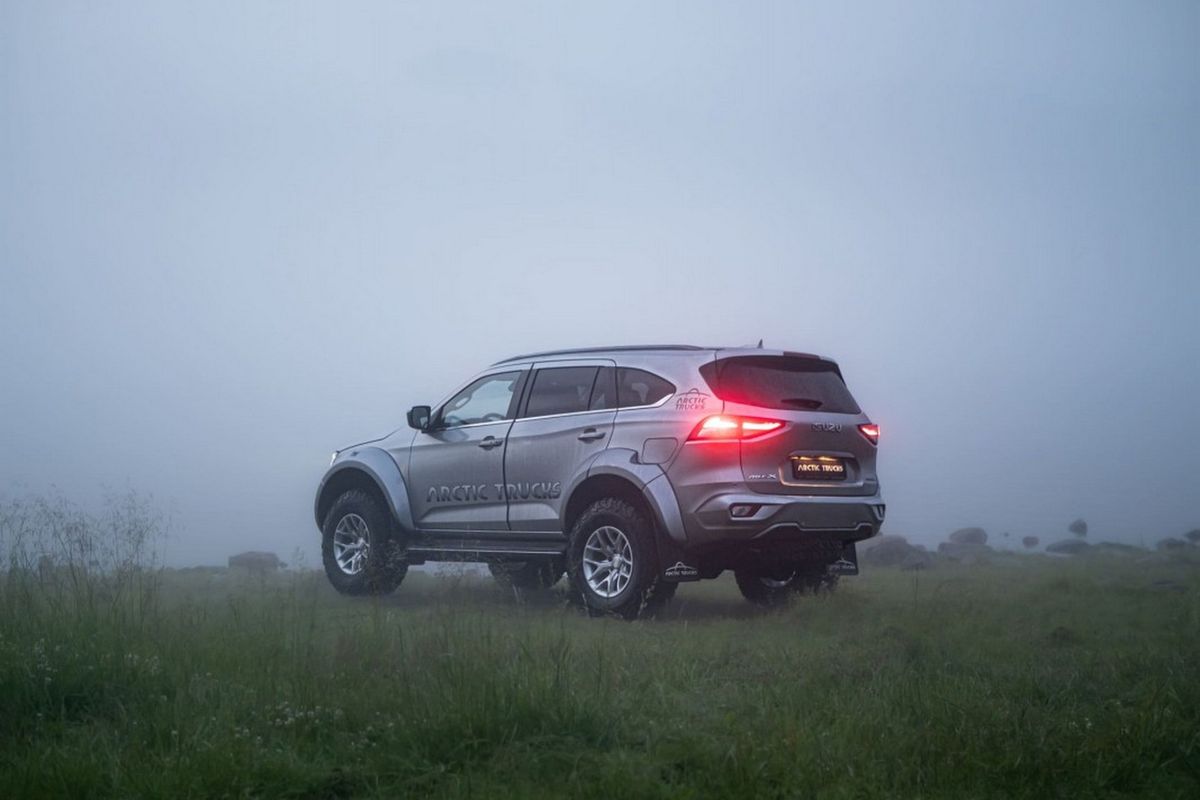
This Isuzu MU-X AT35 by Arctic Trucks is ready to conquer the world with the whole family on-board.
We have seen Arctic Trucks create some mean machines in the past and while we look forward to the the potential introduction of the new Isuzu D-Max AT35 bakkie on local soil at some point in the future, the offroad tuners Russian division has done some work on the Isuzu MU-X 7-seater SUV and it looks promising.
The MU-X AT35 gains chunky 35-inch rubber on 17-inch rims housed in flared front and rear wheel arch extensions as well as skid plates, mud gaurds, a snorkel and a recovery winch! A ground clearance of 278 mm is made possible with a heavy-duty suspension.
There are no upgrades to the powertrain, however, and Isuzu’s familiar 3.0-litre turbodiesel engine does duty under the bonnet with 140 kW and 450 Nm of torque on offer and it comes paired with a 6-speed automatic.
A catalogue of M Performance parts usually follows any important reveal from BMW’s M division. Here’s how you can make your BMW M3 Touring one of a kind!
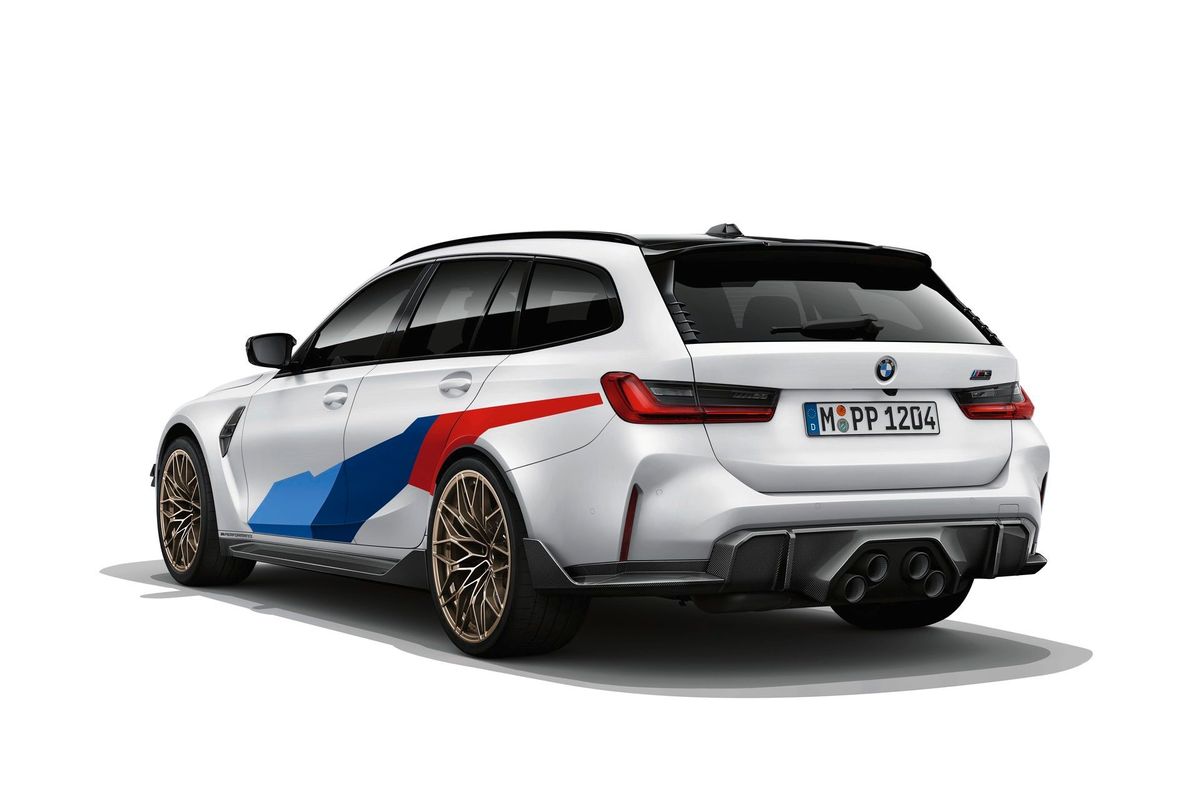
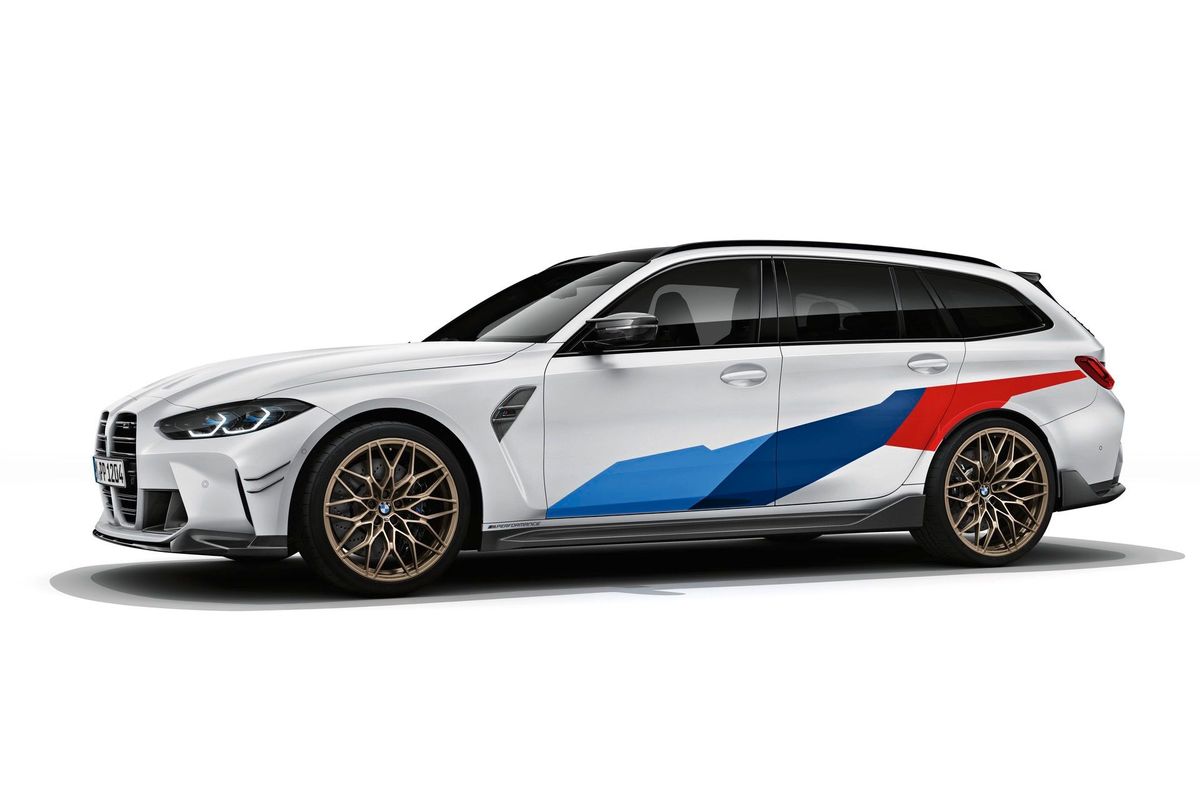
The BMW M3 Touring is a very big deal. It’s the first performance station wagon with an M3 badge and there’ll be no doubt customers will want to make it even more special. Welcome to M Performance parts, which enhances the standard offering rather tastefully.
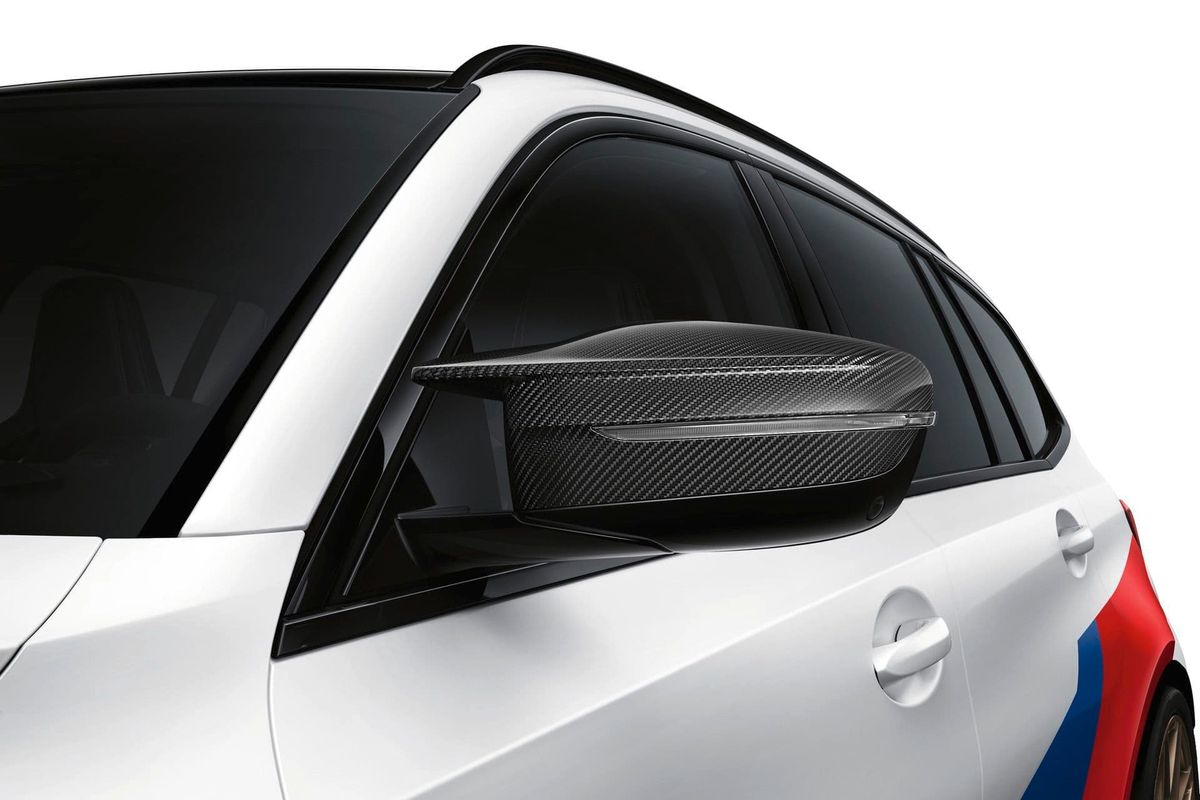
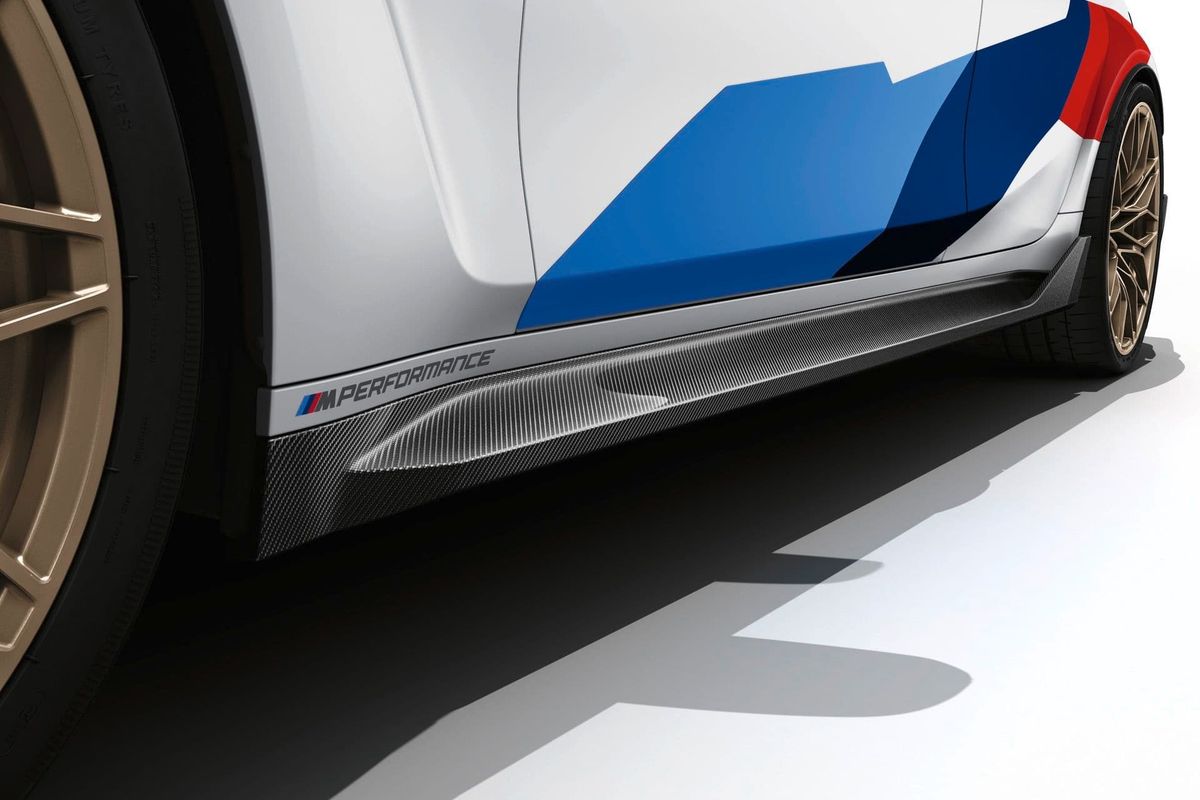
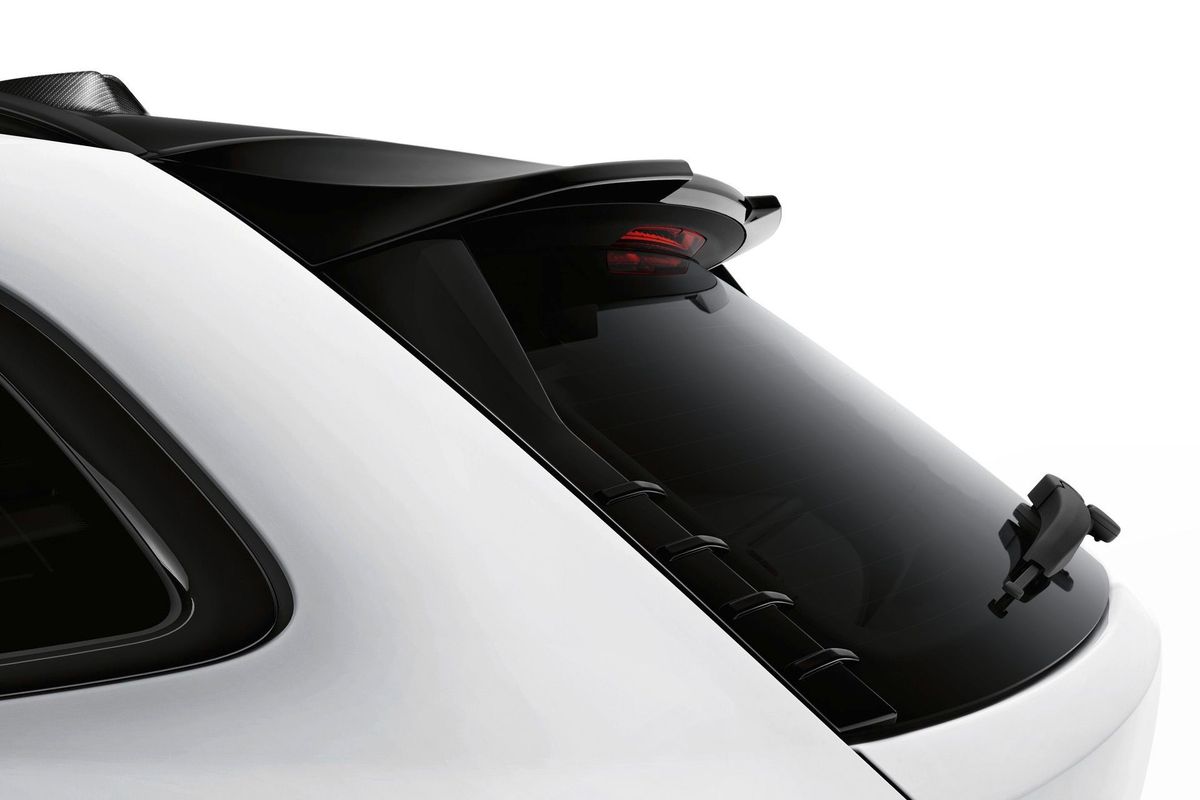
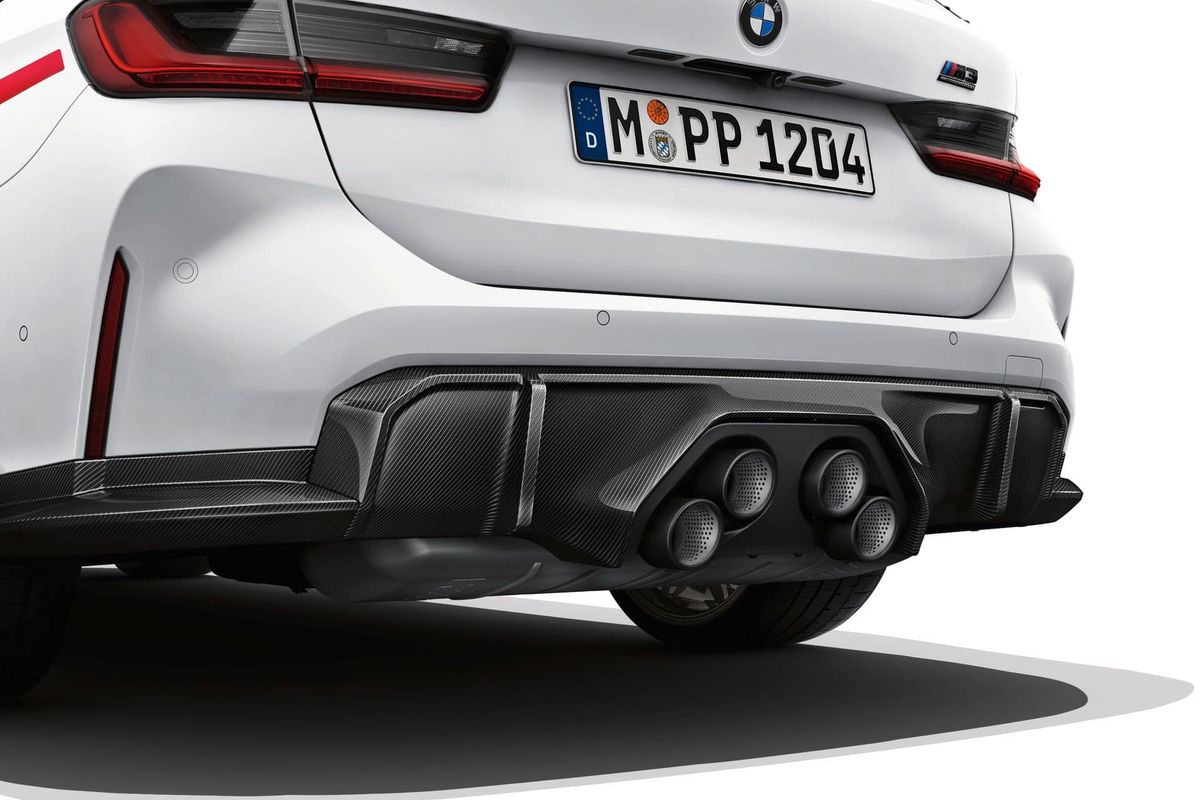
The best part is these goodies are OEM original parts and don’t affect any motorplans. Right, so what’s on offer for the new BMW M3 Touring? Do you like carbon fibre? Good, because you can get generous amounts of the stuff splashed on the front intake, the grille, the mirrors, rear winglet, fuel filler cap and even get small aerodynamic flicks located on the front bumper.
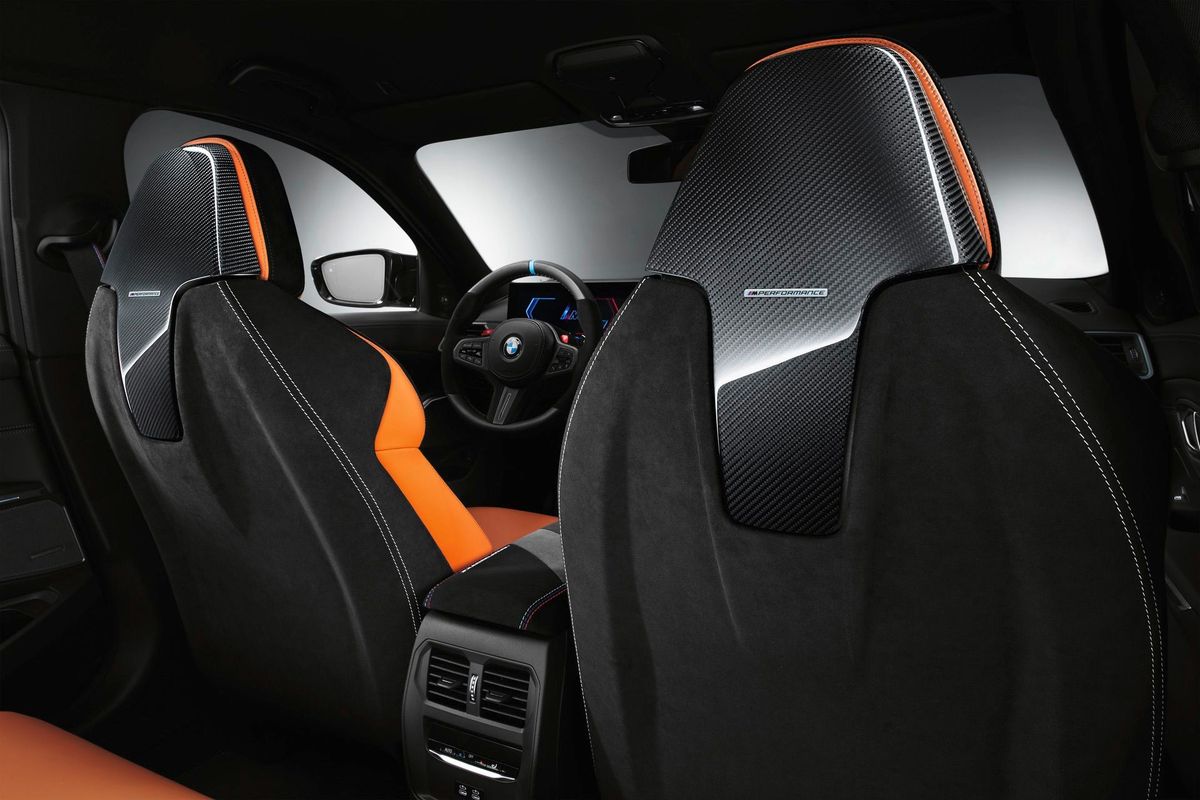
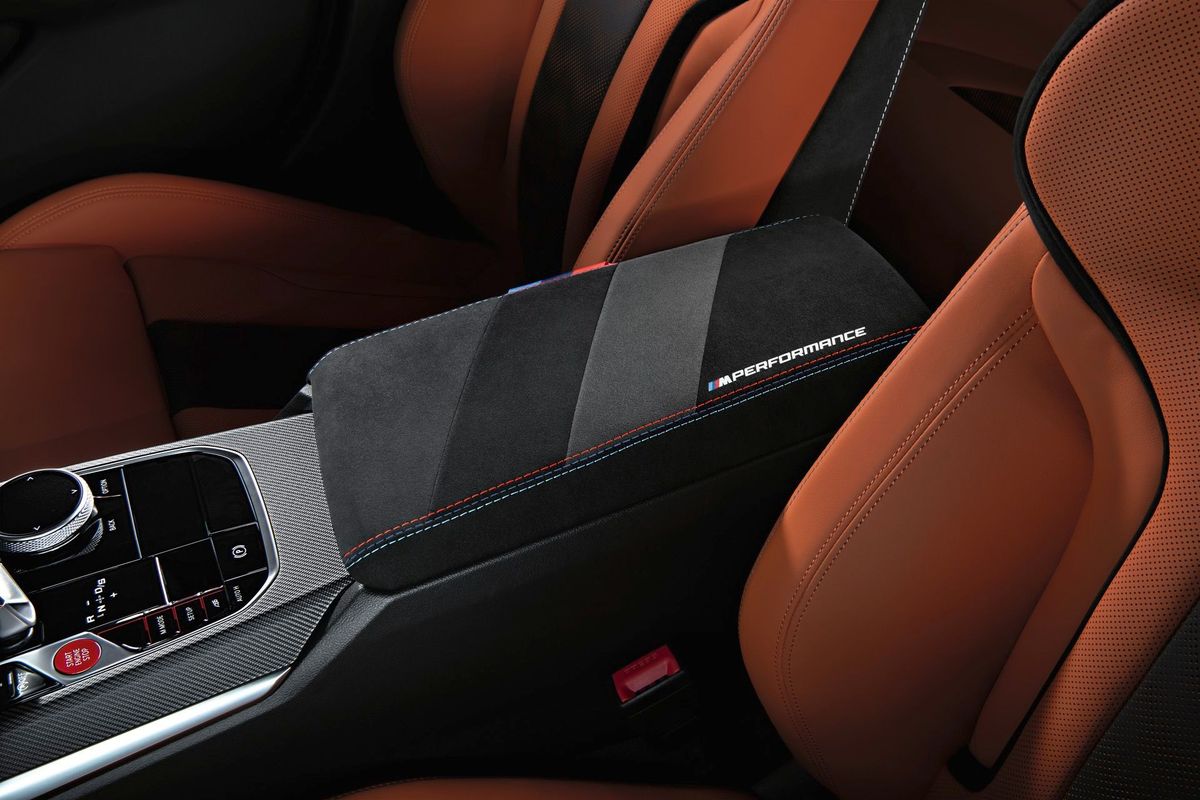
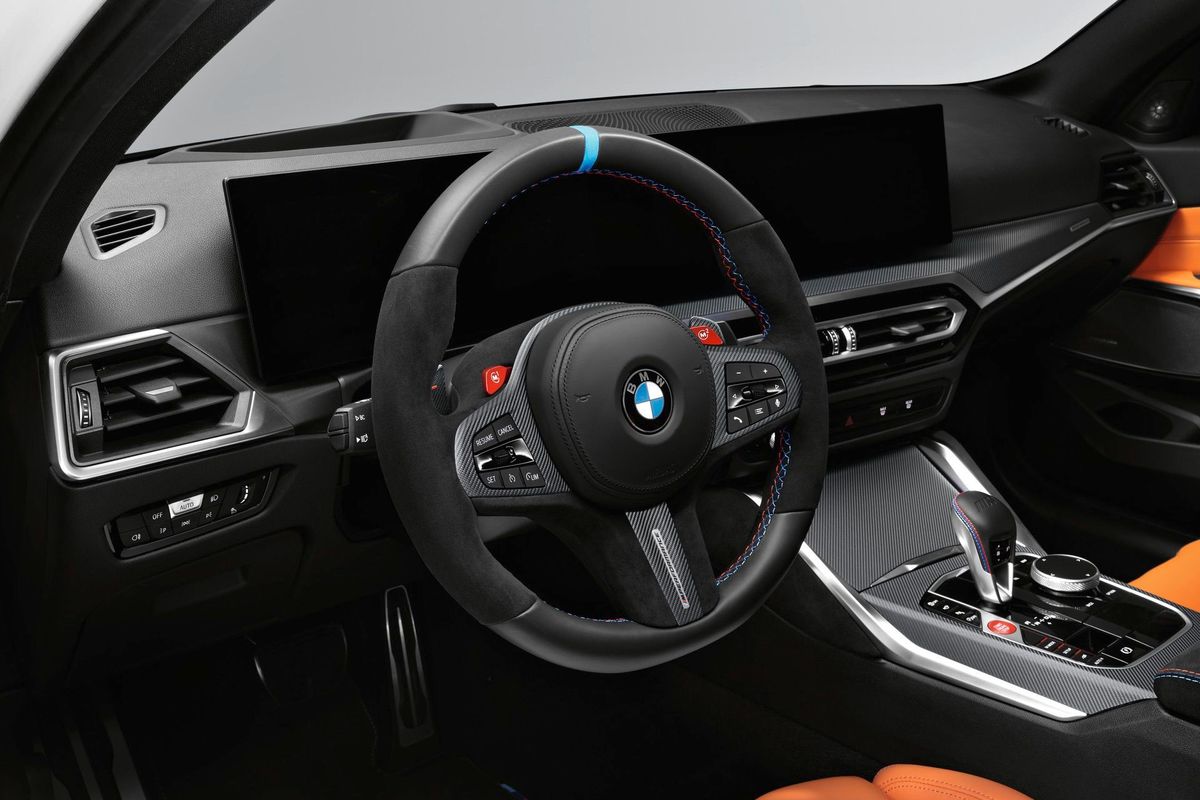
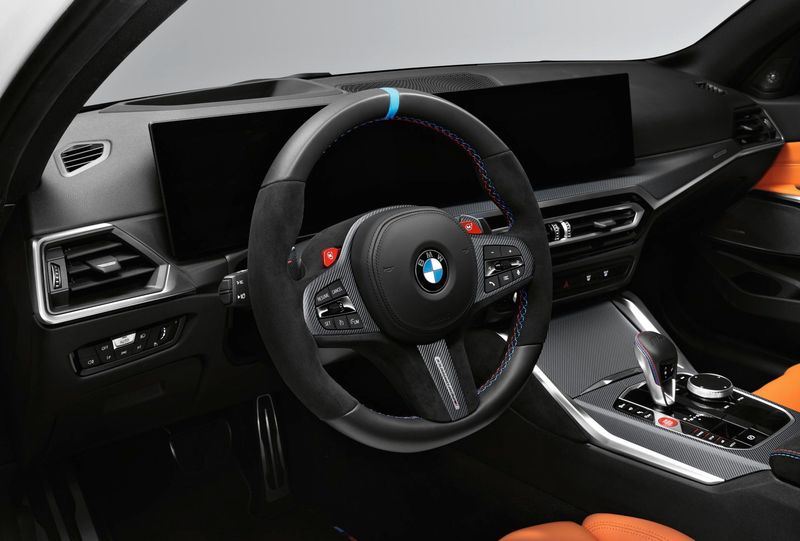
Inside, there’s a lot of potential with carbon fibre door sills, carbon fibre trim, an M Performance Pro steering wheel wrapped in Alcantara and with inserts made from… you guessed it… carbon fibre. There are also M Performance backrest covers for the seats in Alcantara.
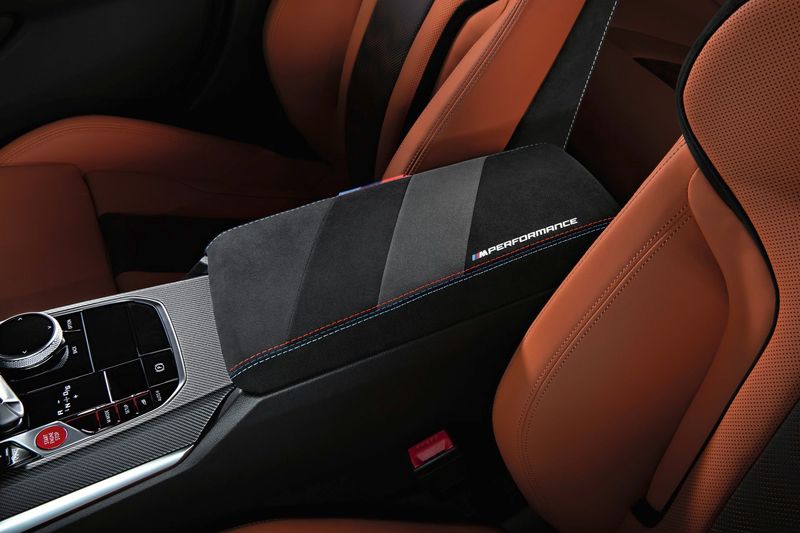
The gearshift paddles can be upgraded to larger carbon fibre units and there’s a tasteful Alcantara armrest and kneepad, along with floor mats and there are even M Performance LED door projector logos.
Just like with the exterior, the interior will have a bunch of upgraded carbon fiber add-ons. For instance, there will be carbon fiber door sills, open-pore carbon fiber trim, an M Performance Pro steering wheel with an Alcantara rim and carbon inserts, and seat backrest covers in Alcantara and carbon fiber.
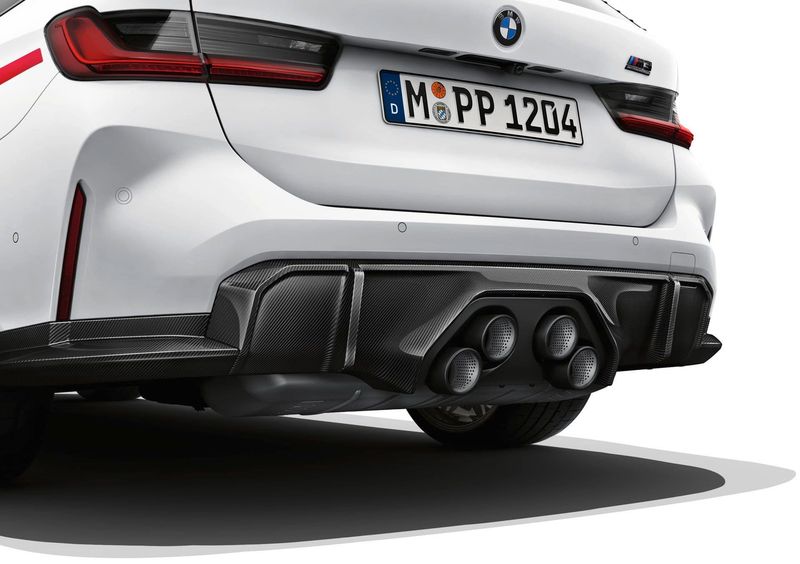
So that’s the visual aspect covered, but M Performance has even more goodness on offer. There’s a louder M Performance exhaust that comes with the semi-stacked centre design as well as a new rear bumper. This new exhaust plumbing is made from titanium and is 7 kg lighter than the standard unit.
There’s no doubting the handling setup of the standard car, but you can enhance its cornering capabilities with an M Performance parts coiler kit, which is mechanically adjustable with height and damper settings being adjustable. There’s a height range of 5-20mm which is said to reduce body roll.
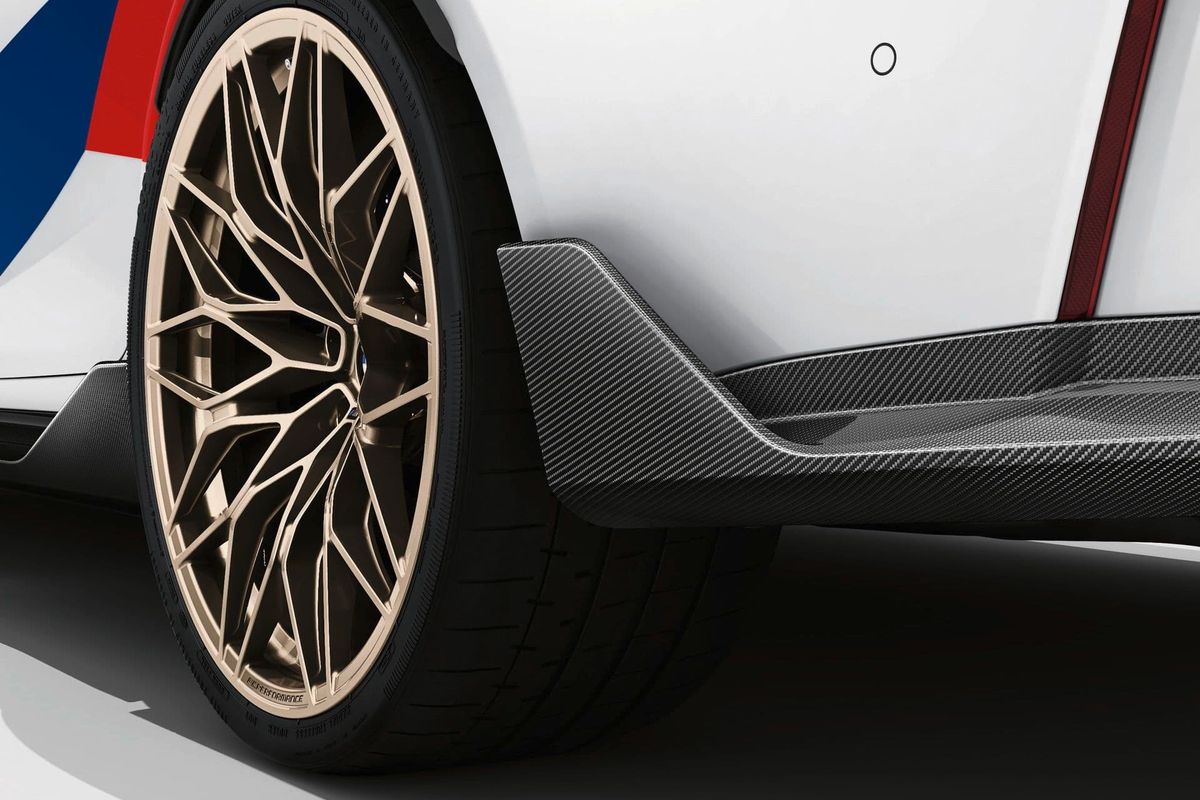
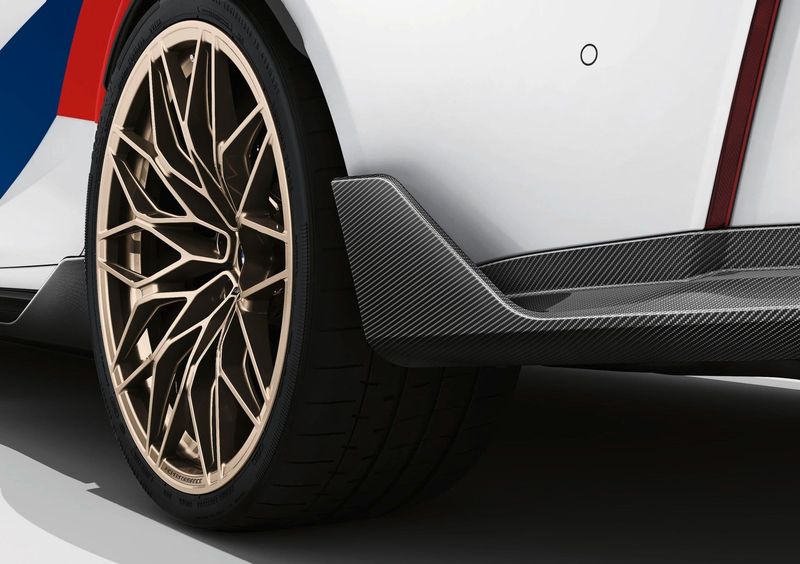
Finally, there are some stylish new alloy wheel designs on offer, and you can get that stanced look with 21-inch units at the rear, and 20-inch units on the front. They’re available in Frozen Gold (pictured here) or Jet Black Matte.
As it stands, the BMW M3 Touring is not confirmed for a South African market introduction, but we have our fingers crossed that a few make their way to SA.
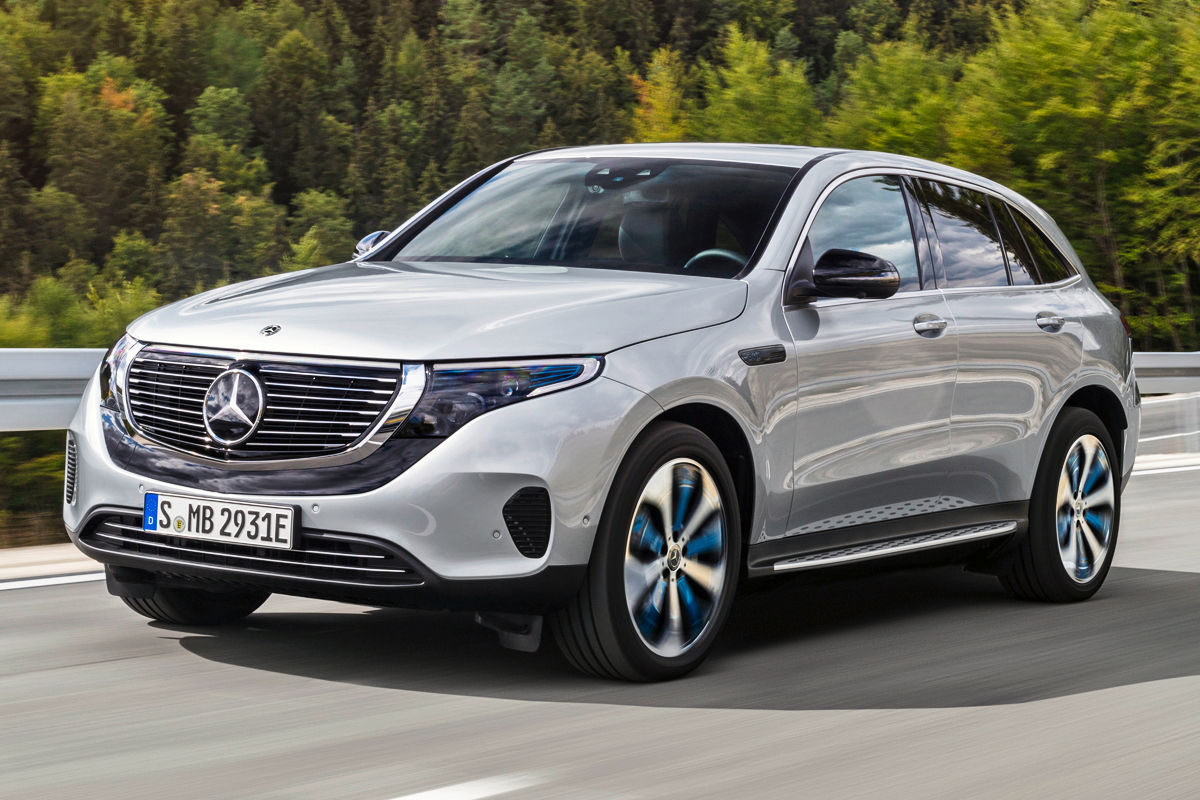
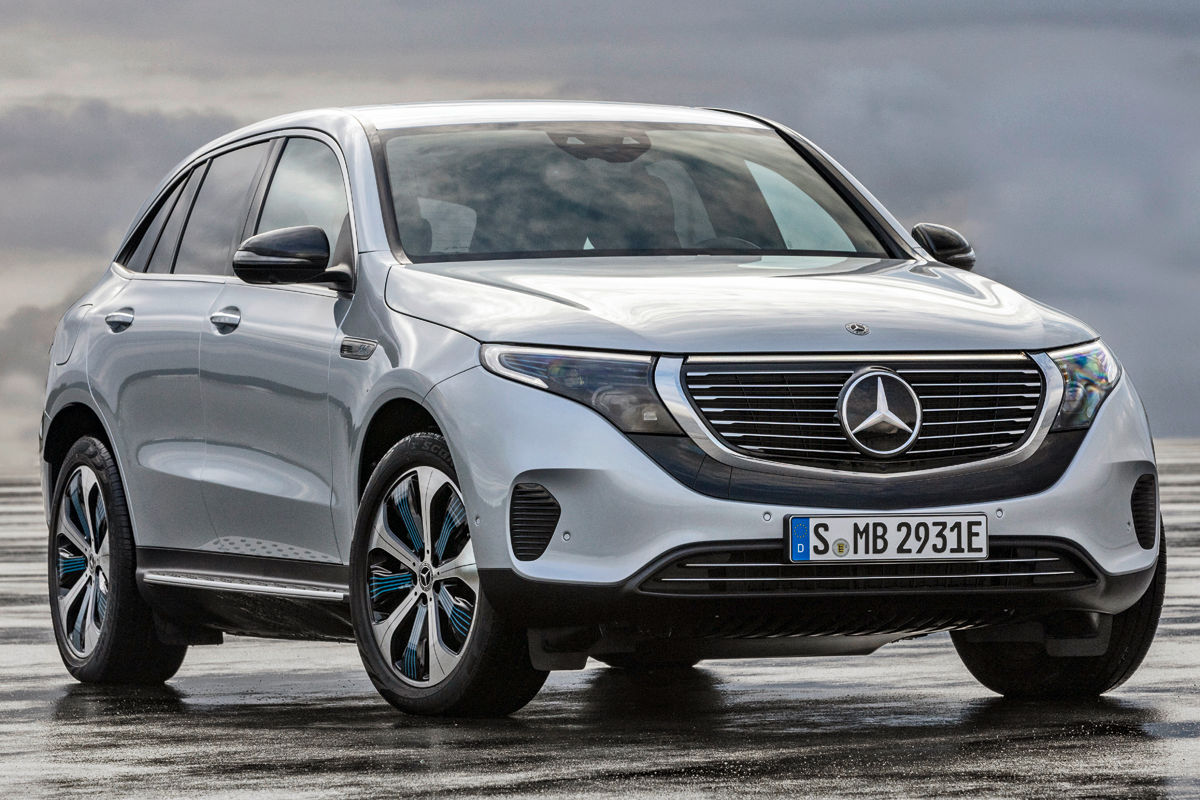
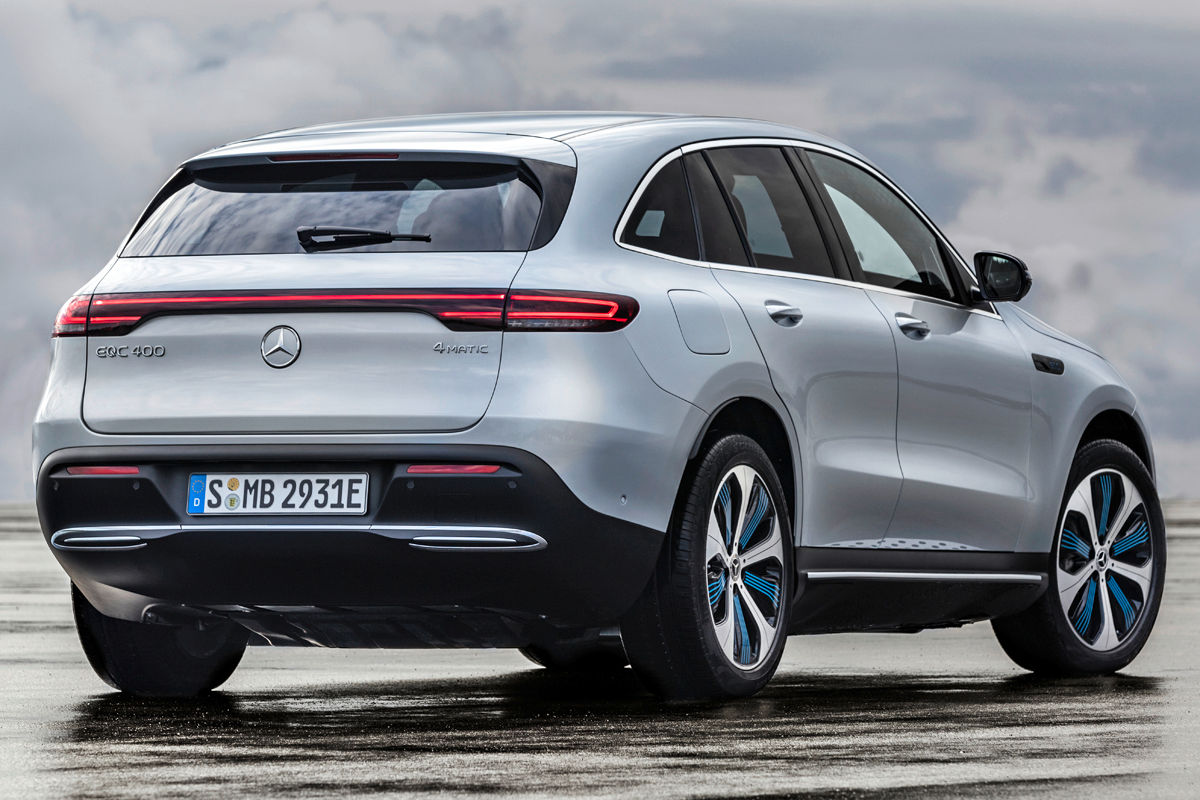
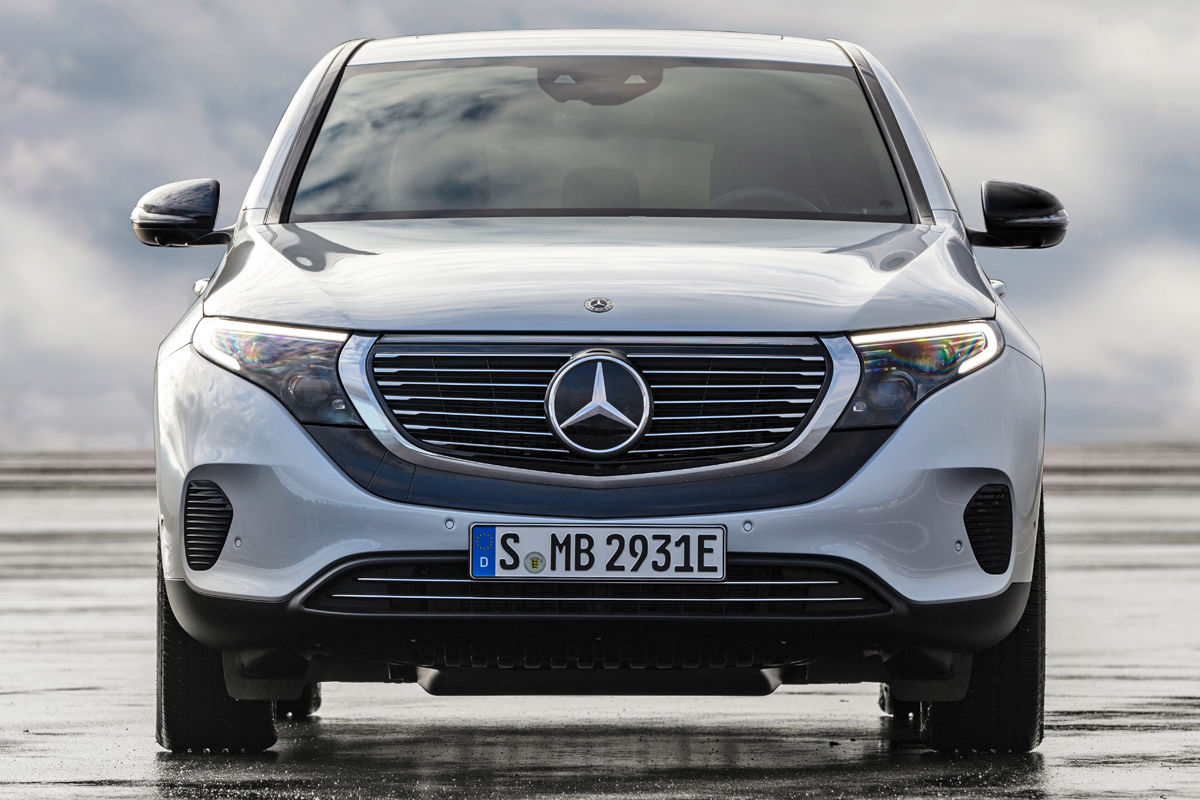
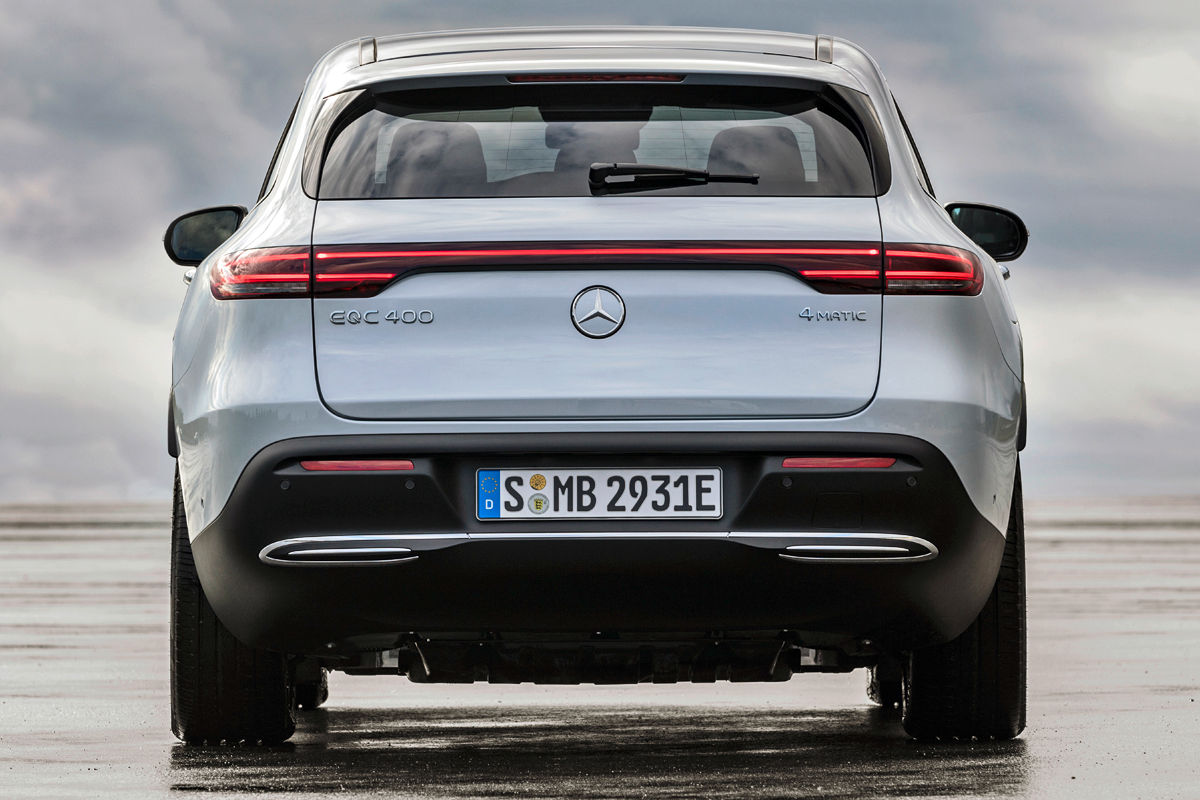
How much would you pay for an all-electric Mercedes-Benz around the size of a GLC? Well, we finally have SA pricing for the long-awaited EQC 400 4Matic…
It’s been a lengthy wait for the Mercedes-Benz EQC, hasn’t it? Revealed as long ago as September 2018 (based on a concept first shown in 2016), the fully electric crossover is finally poised to hit the market in South Africa. Wondering how much it will cost?
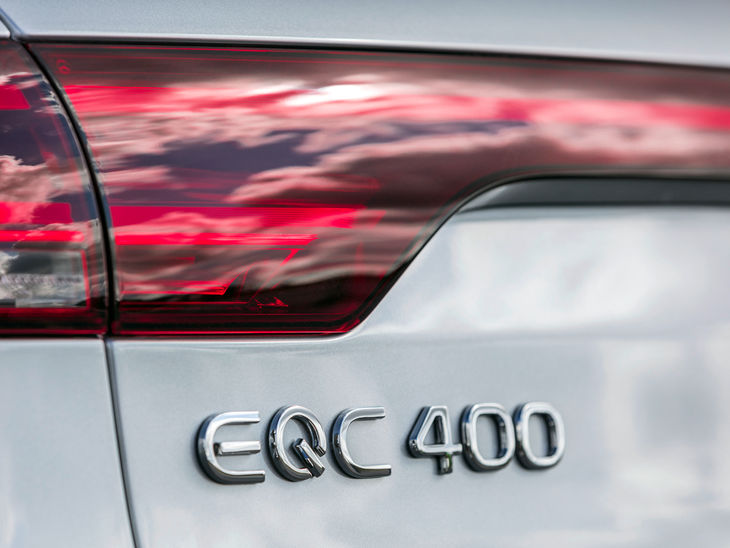
Well, wonder no more. Debuting four years ago as the first fully electric model from the German firm’s since-expanded EQ sub-brand, the EQC 400 4Matic will be priced from R1 575 000 (not including the price of the 5-year/100 000 km maintenance plan) in South Africa. It is set to officially join the Mercedes-Benz SA range – along with the likewise battery-powered EQA, EQB and flagship EQS – in August 2022.
There is currently only one (dual-motor) powertrain option available for the EQC.
Fitted with dual asynchronous electric motors (one on each axle) drawing their urge from an 80 kWh lithium-ion battery pack, the all-wheel-drive EQC 400 offers peak outputs of 300 kW and 760 Nm. As a result, it’s able to sprint from zero to 100 kph in a claimed 5.1 seconds, before topping out at a governed 180 kph.
The Stuttgart-based premium automaker claims the 5-seater EQC 400 4Matic is capable of travelling between 445 km and 471 km (note these figures are based on the NEDC system) on a single charge.
What kit do you get for the price of the EQC 400 4Matic?
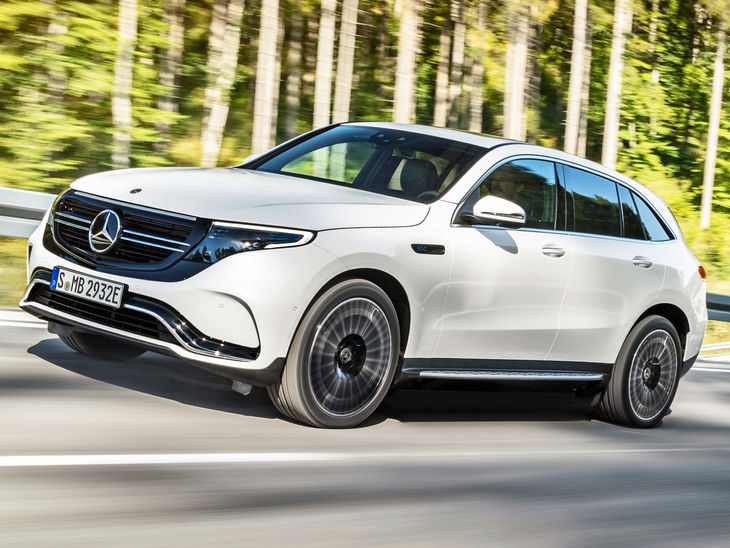
This is what the EQC 400 4Matic looks like with the AMG Line exterior package fitted.
Unlike the EQA and EQB, specifying the AMG Line exterior package (which here adds items such as sportier body styling and 19-inch AMG twin-spoke alloy wheels) for the EQC won’t inflate the base price. So, buyers will have the choice of either the standard look or the AMG-inspired version, with no impact on pricing.
Should those 19-inch wheels seem a little small for your liking, Mercedes-Benz SA will offer a range of optional alloys measuring up to 21 inches in diameter (R35 000 for the most expensive version). Other exterior extras will include a sunroof (R19 000), trailer coupling (R17 000) and aluminium-look running boards (R10 000).
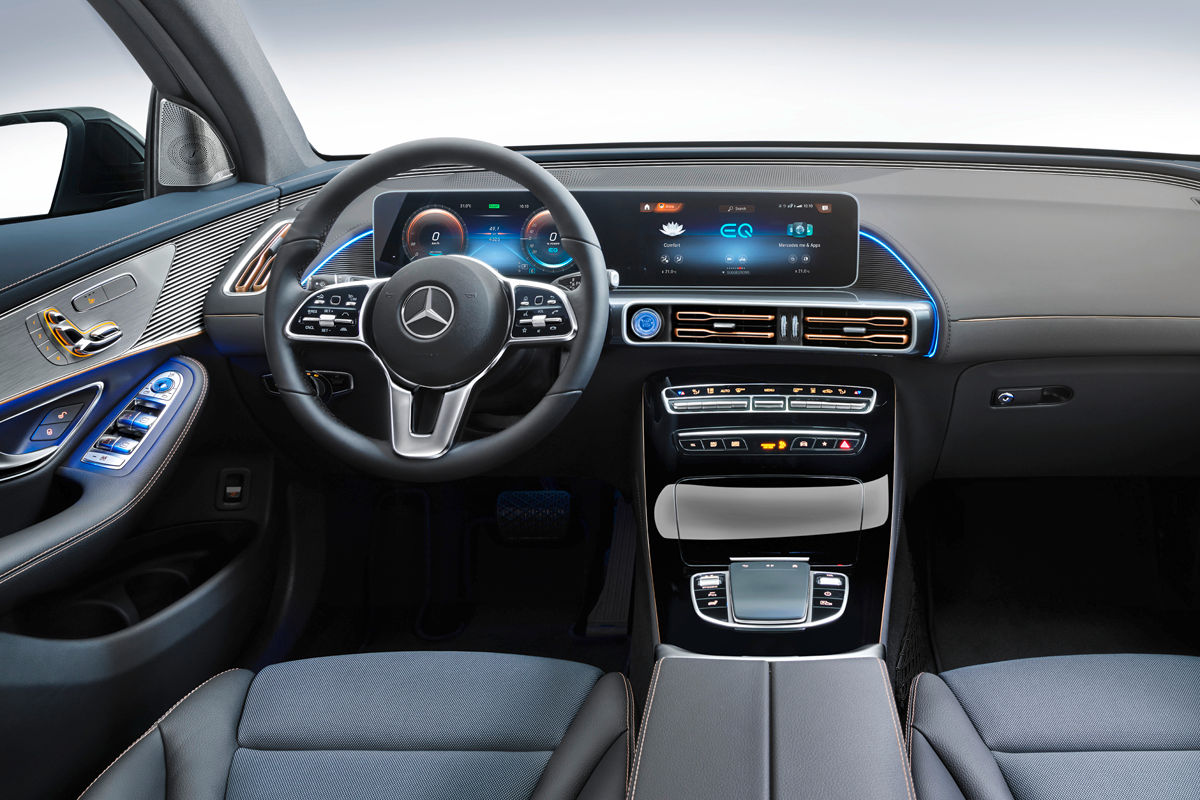
Inside, buyers will again be able to choose between the standard and AMG Line arrangements, while there will also be the likewise no-cost option of the so-called “Electric Art” interior. While the MBUX multimedia system will be included as standard, adding augmented reality for the navigation system will cost you R8 000 and specifying the interior assistant (essentially gesture control) a further R6 200. A head-up display, meanwhile, will be available for R18 200.
How much will the Mercedes-Benz EQC 400 4Matic cost in South Africa?
Mercedes-Benz EQC 400 4Matic – R1 575 000*
*not including the price of the 5-year/100 000 km maintenance plan
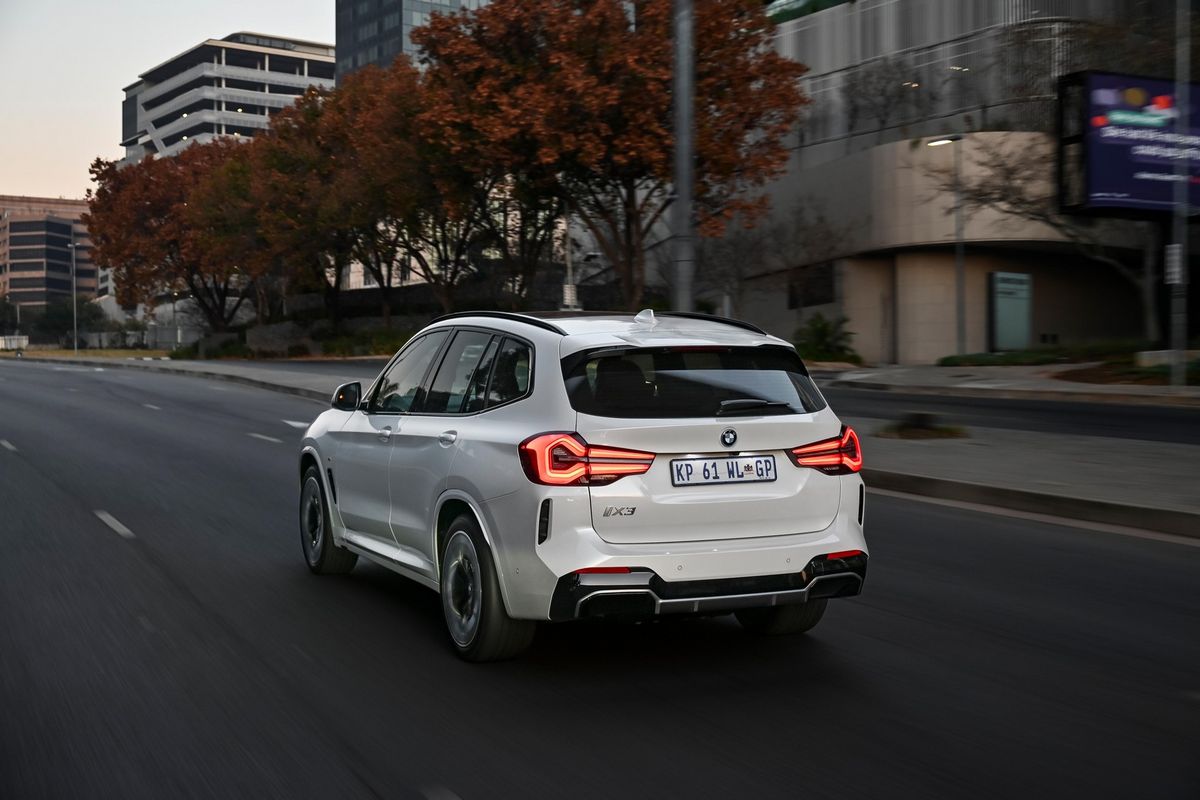
The iX3 is the all-electric version of BMW’s popular executive SUV, the X3. We took it for a quick drive in Gauteng to see if it is as good as the ICE derivatives in the range.
The South African X3 portfolio is one of the most comprehensive executive-SUV line-ups in the country; it seems there is a derivative for everyone! If you want a frugal premium family car, the excellent xDrive20d and xDrive30d fit the bill. If you’re after some performance, there are some great turbopetrol-powered options, such as the M40i and the hardcore M Competition.
Now, the X3 family has been joined by an all-electric derivative that’s claimed to retain the best qualities of the X3 in combination with an advanced battery-electric powertrain.
What is the BMW iX3?
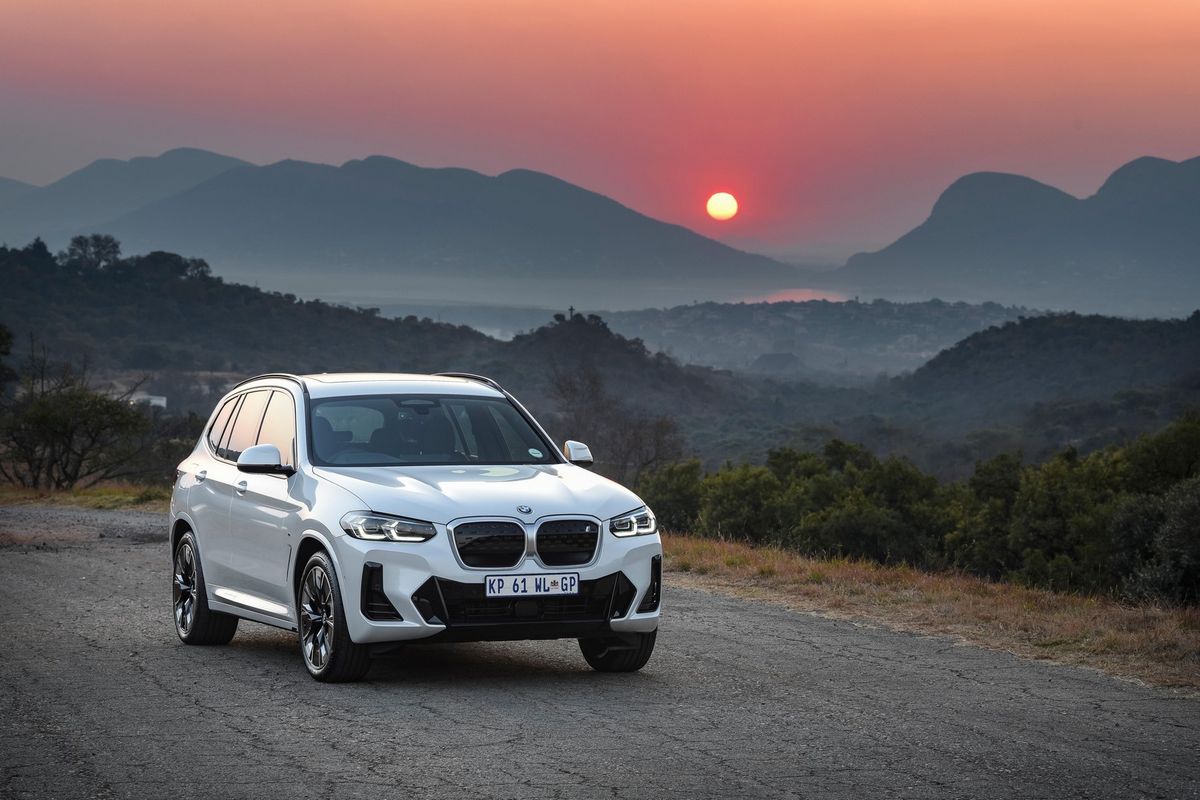
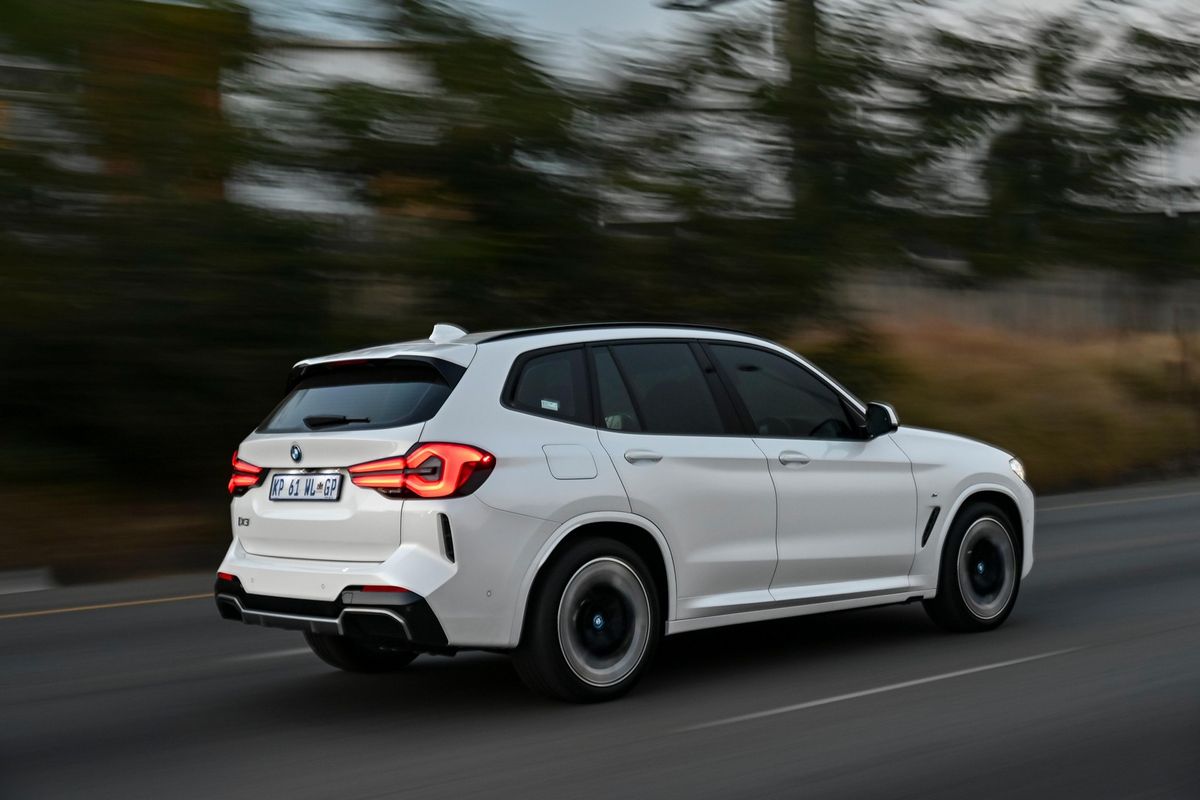
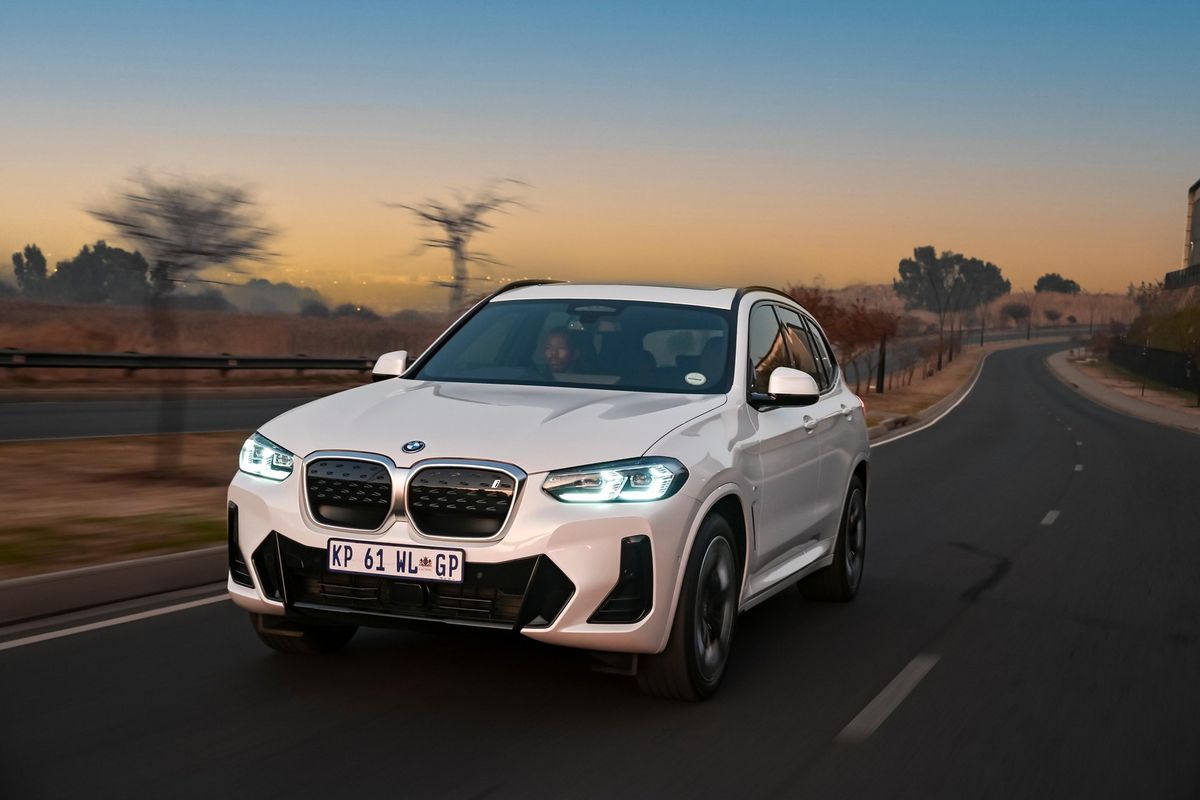
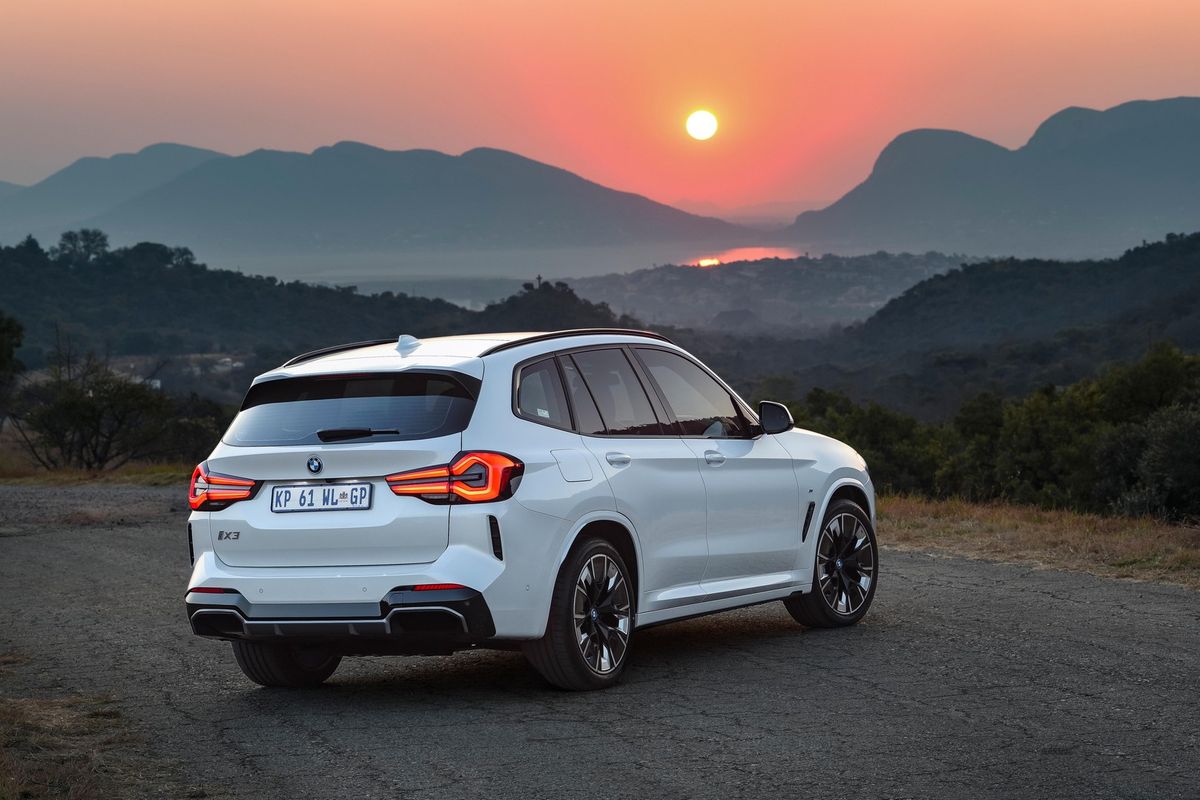
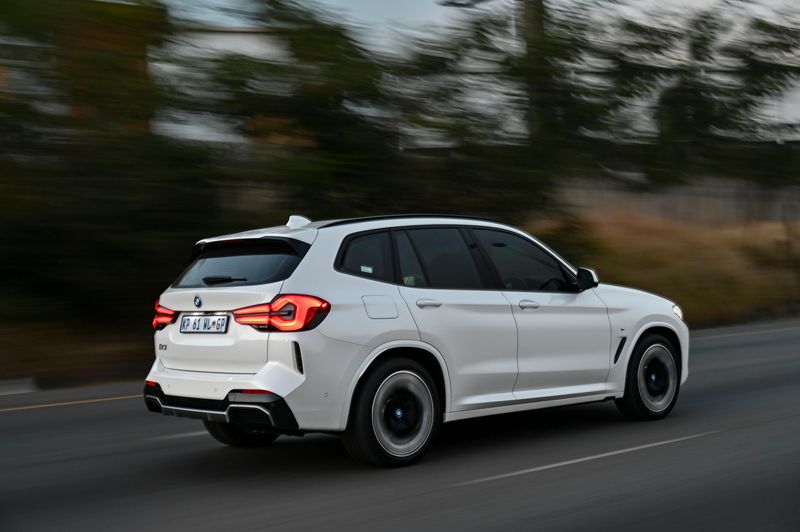
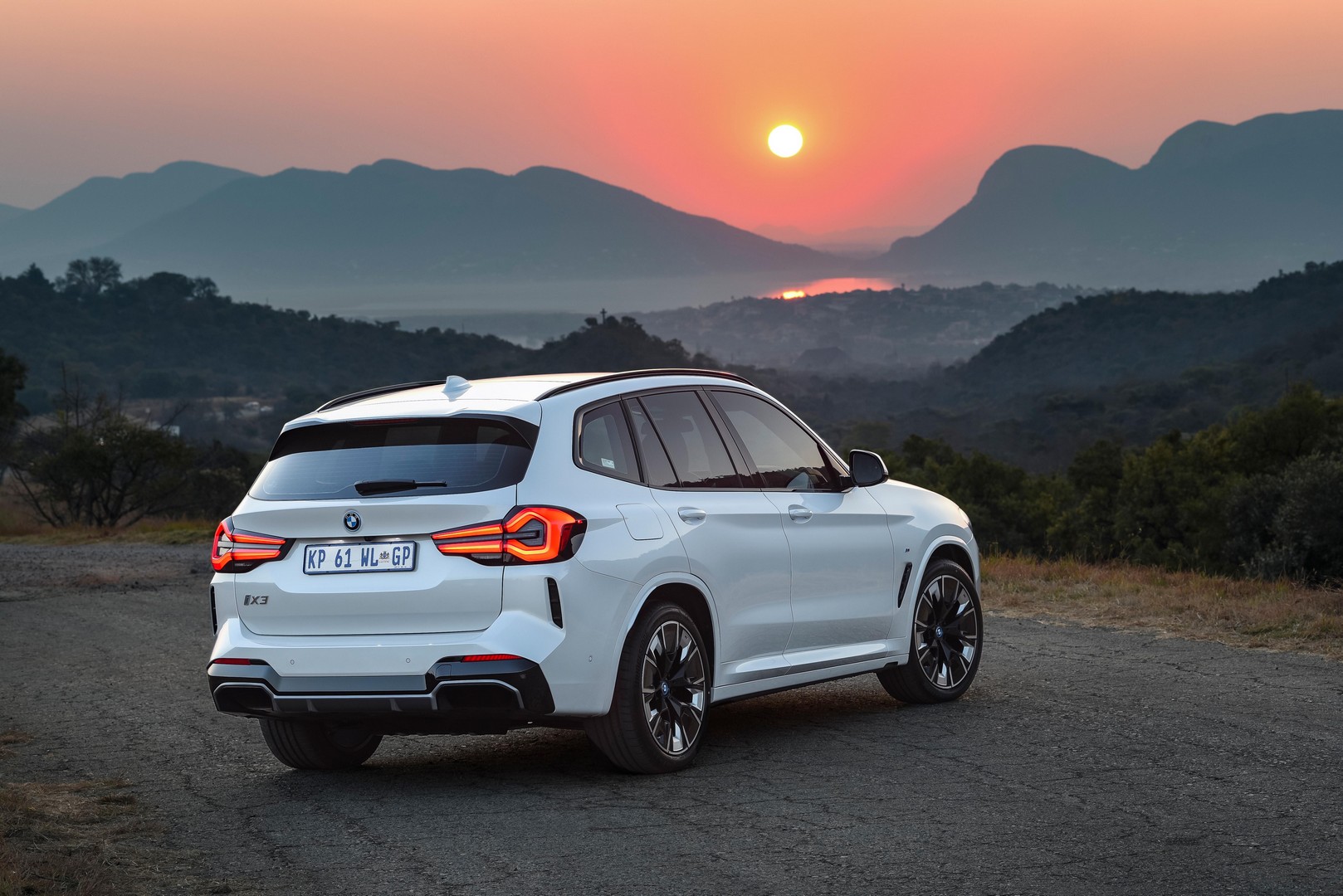
It’s going to take a keen-eyed spotter to tell the iX3 apart from its X3 siblings.
The BMW X3 is one of the more successful models in the Munich-based carmaker’s line-up. Plus, there’s a strong South African connection, because the model is made right here in South Africa – at BMW’s facility in Rosslyn, near Pretoria. The X3 models that are assembled in Mzansi are for the local as well as export markets, but the iX3 is a little different… It’s the first product in BMW SA’s range to be imported from China.
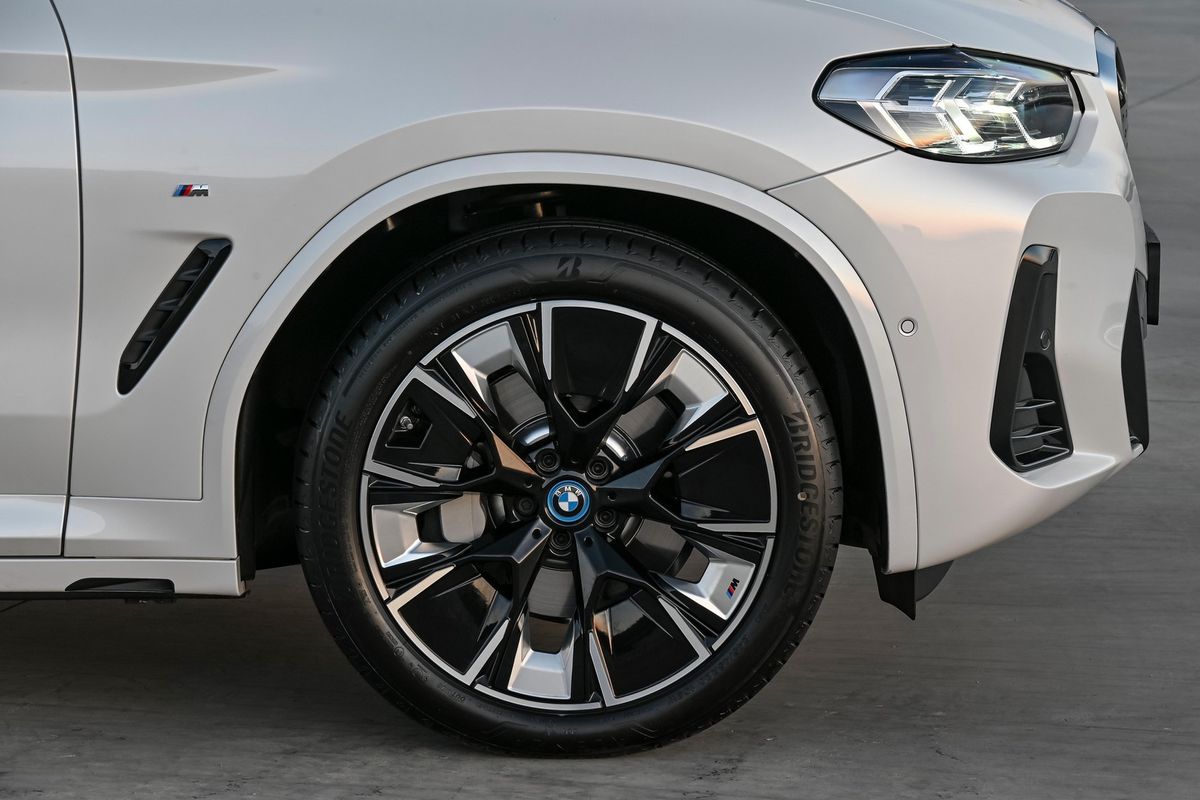
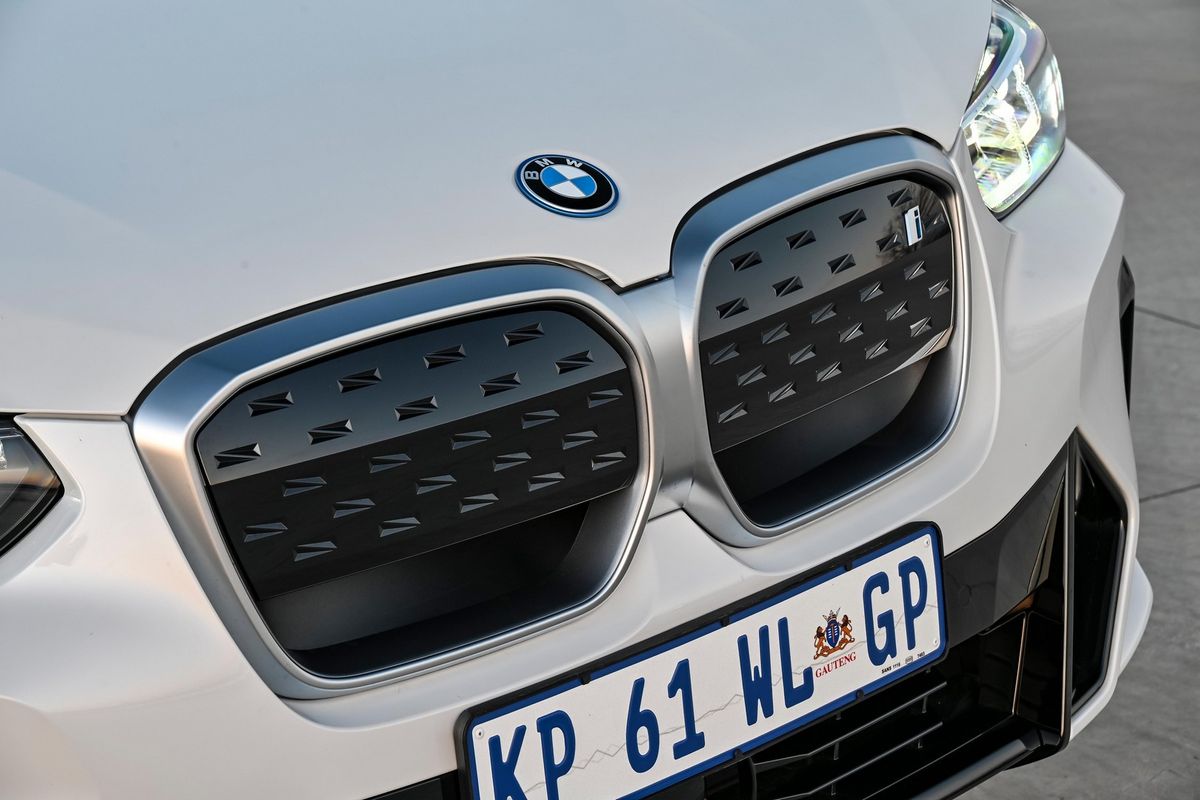
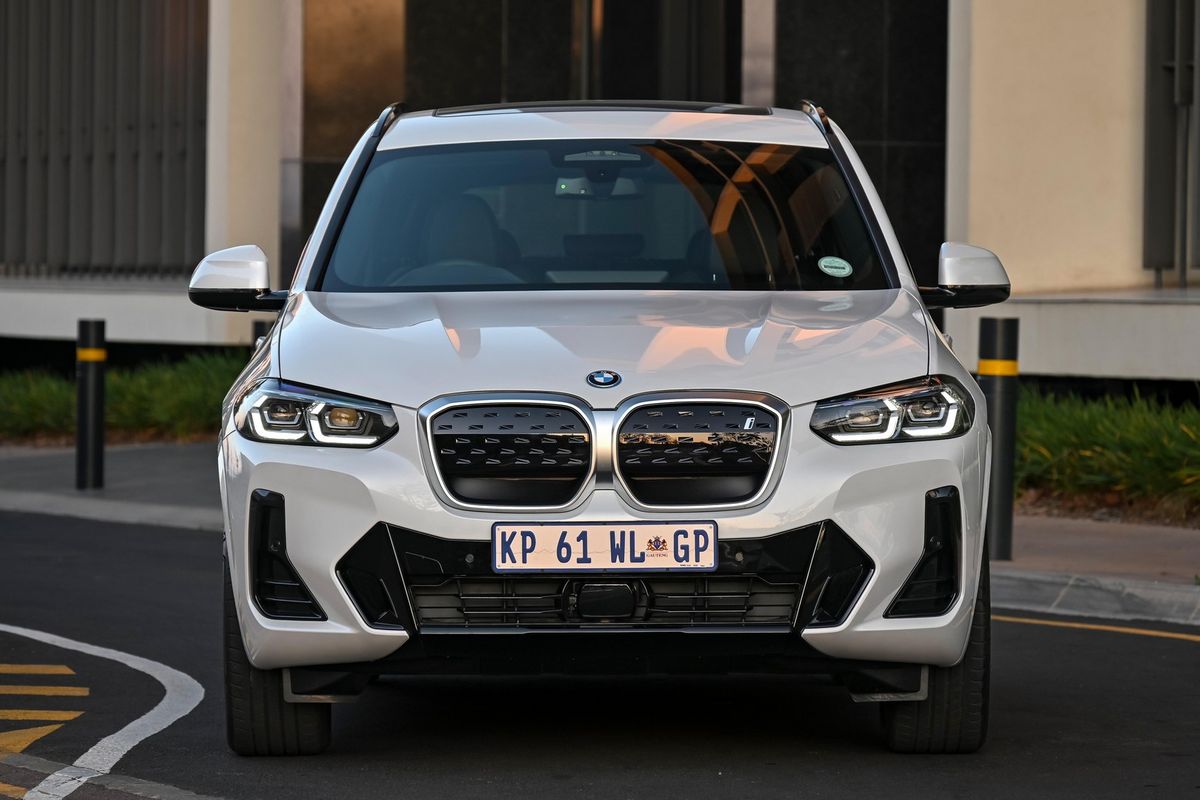
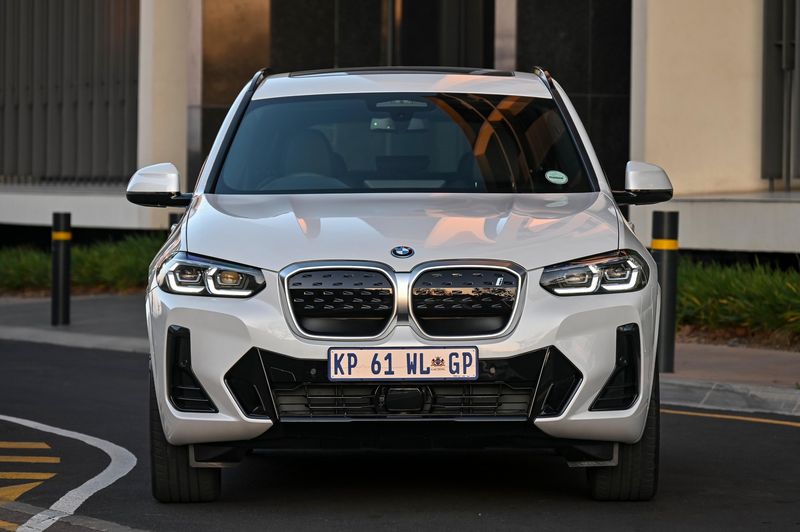
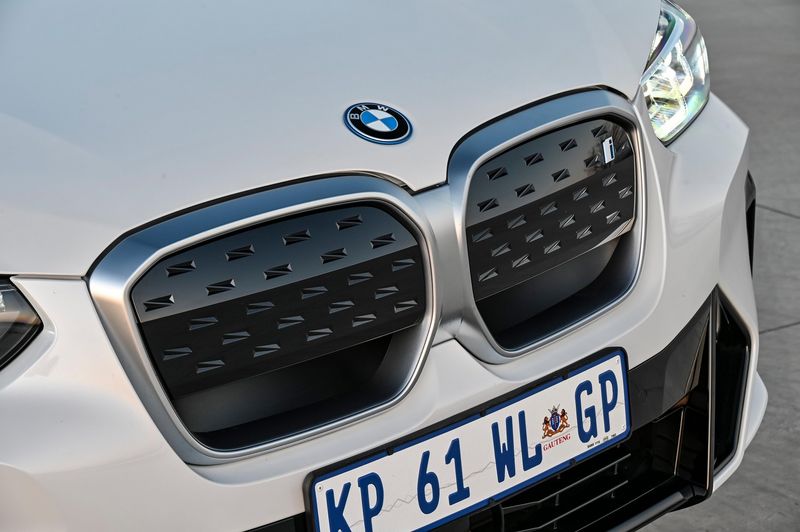
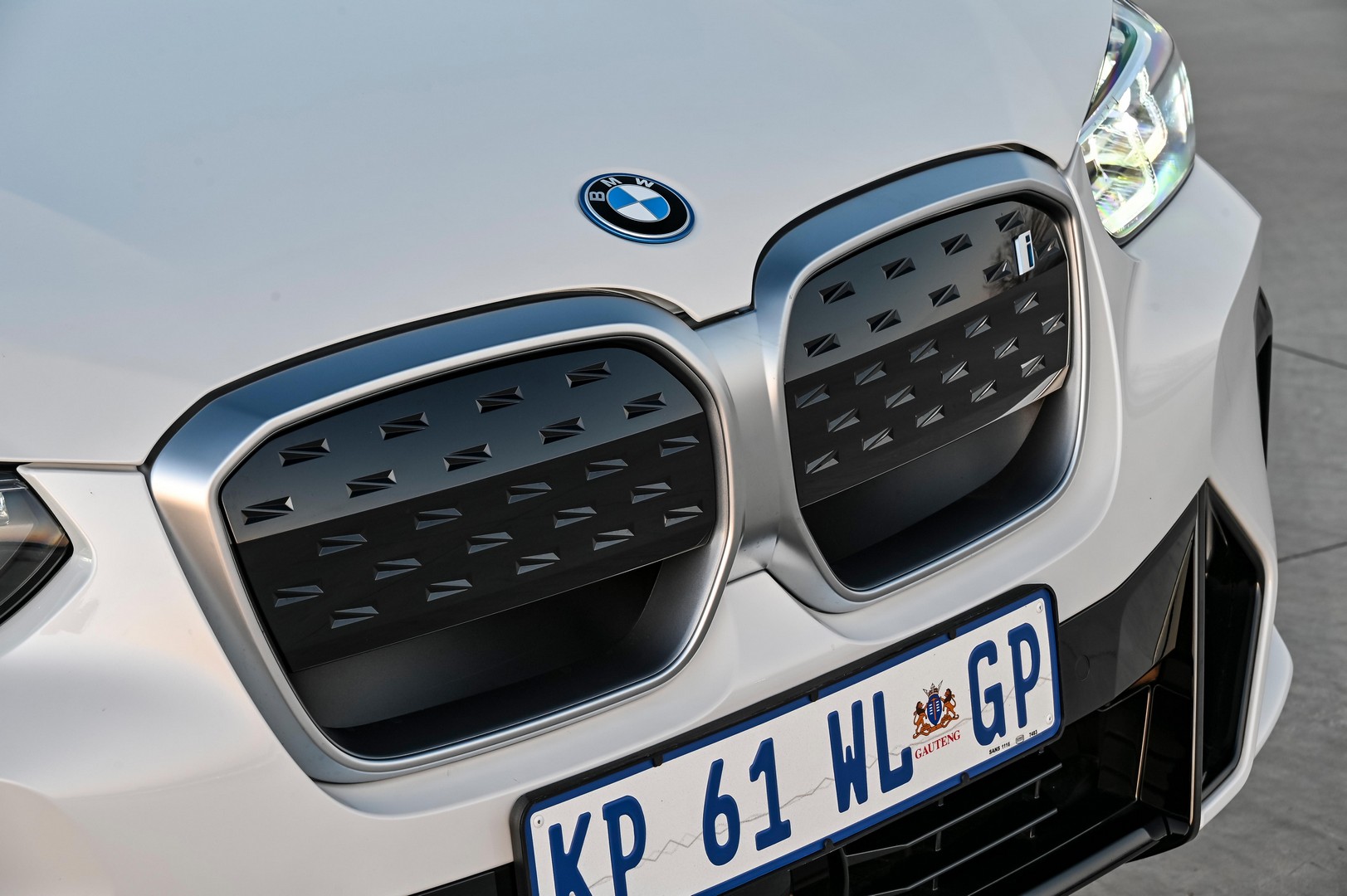
Visually, you can distinguish the iX3 by its closed-off grille, variant-specific wheels, as well as subtle touches such as BMW logos surrounded by blue bezels and small i logos on the nose and rear of the vehicle. Under the bonnet is a 210 kW/400 Nm electric motor that drives the Chinese-made derivative’s rear wheels. The motor is mated with a 74 kWh battery, which gives the iX3 a claimed range (WLTP) of up to 460 km.
The closed grille, blue-rimmed BMW logo and subtle i logo are unique to iX3.
Performance-wise, BMW claims the iX3 can accelerate from zero to 100 kph in 6.8 sec and go on to a top speed of 180 kph. The vehicle supports 150-kW DC fast-charging, which is said to add 100 km of range in about 10 minutes.
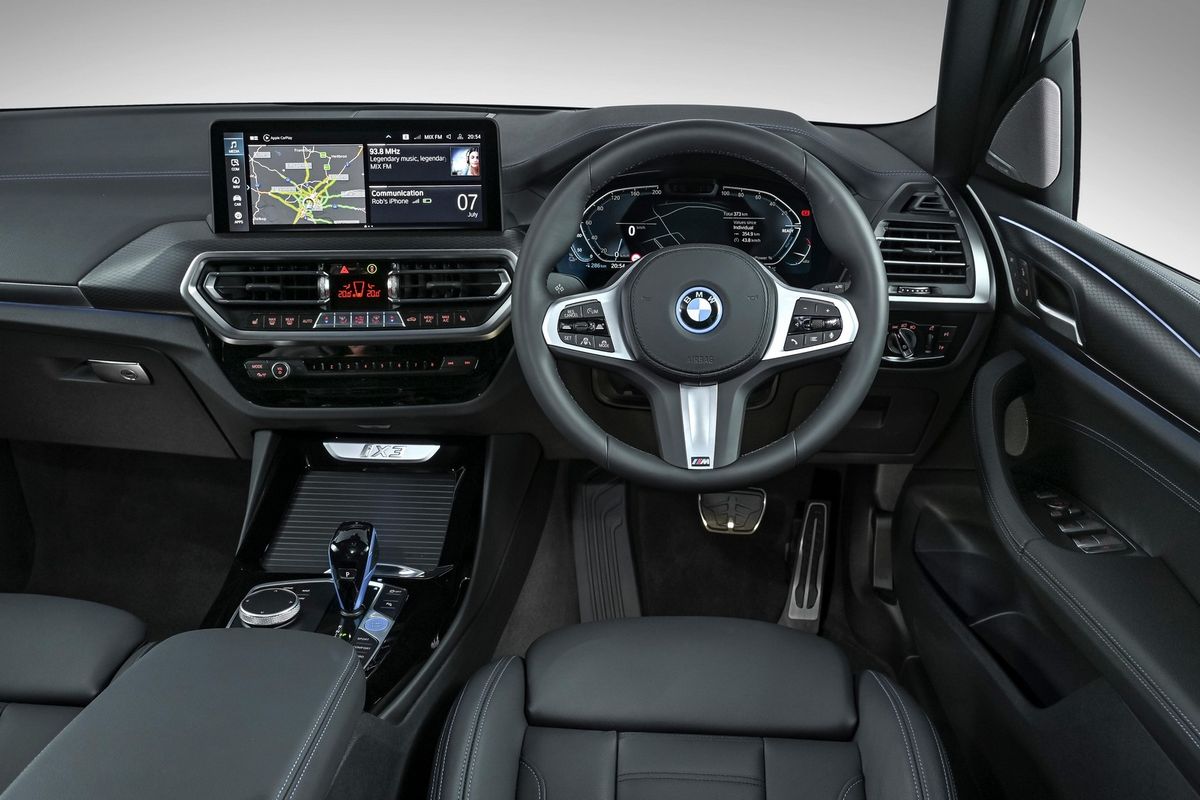
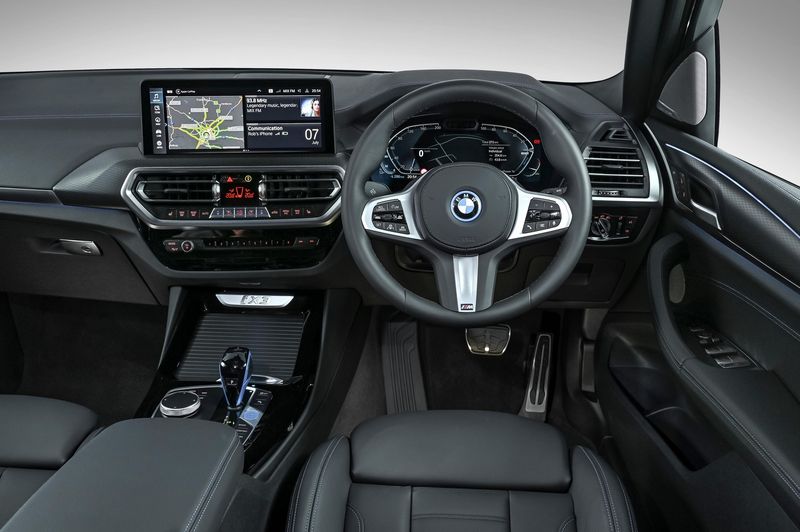
Inside, there are very few details that set the iX3 apart as an all-electric derivative, other than a blue-tinged start button and blue detailing on the transmission lever. Once you’ve switched the vehicle on, specific graphics are displayed to show you the available range (in km) and average energy consumption.
Features of the iX3?
There’s just one derivative on offer – the BMW iX3 M Sport. Given the iX3’s positioning in the upper echelon of the X3 family (at a whisker under R1.3 million), it comes fitted with a comprehensive array of features and on-board technologies.
Subtle touches such as the blue start button and similarly accented transmission lever are the only clues that this is an all-electric X3.
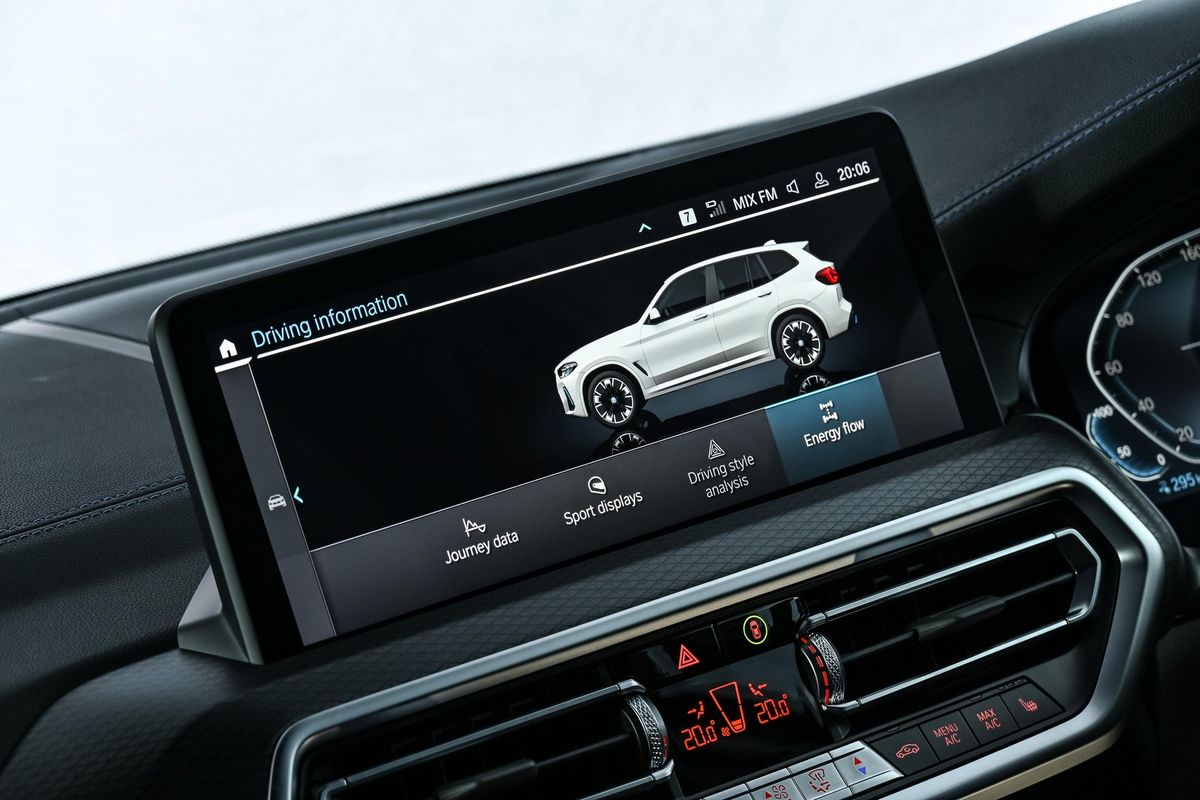
Standard features include adaptive suspension, a panoramic sunroof, 3-zone automatic climate control, Harman Kardon audio system, electrically adjustable seats, sporty leather steering wheel, BMW Live Cockpit Professional (with Apple Carplay and Android Auto connectivity), over-the-air updates, as well as a host of semi-autonomous driving technologies, including active cruise control, steering assist, lane-keeping assist, automatic parking and so forth.
What’s it like to drive?
The iX3 is one of the most refined offerings in the segment.
Our driving route took us through an urban area, which, to be fair, is likely the most common habitat for this electrified X3. Interestingly, this version of the X3 is rear-wheel driven, unlike its siblings, which come with xDrive (all-wheel drive). It is something to keep in mind if you plan to venture off-road now and again (not that you’re likely to).
The behaviour of the BMW’s electric powertrain is quite unlike those of other battery-electric vehicles (BEVs) we’ve piloted recently (the Audi e-tron range comes to mind). Previously, we’ve been entertained (and, sometimes, astounded) by BEVs’ instant on/off power delivery, but in the iX3 it feels more measured/easy to modulate. If you flatten the iX3’s accelerator pedal, the vehicle will speed off hastily, but its general driving experience is more akin to that of an ICE car.
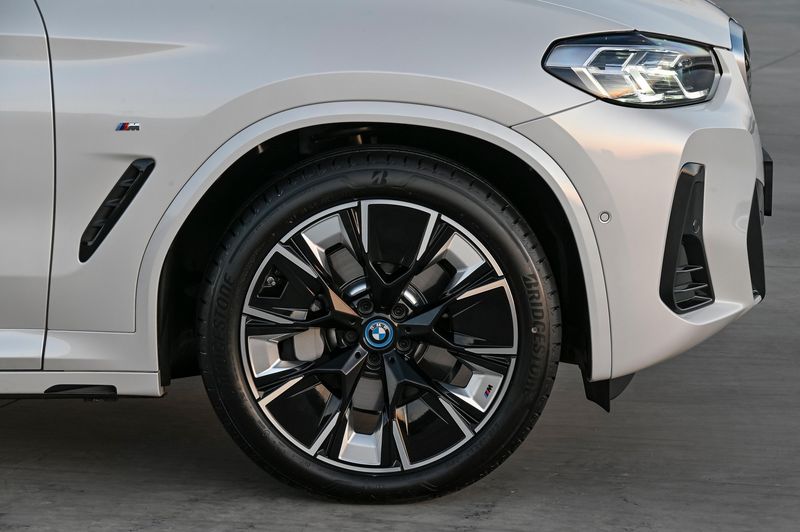
These trick aero wheels look cool!
As for refinement and comfort, the G01-generation X3 belies its age (it was introduced overseas in 2017). The suspension of the G08 (that’s technically the iX3’s designation) ably absorbs ruts and bumps, despite the sizeable (20-inch) alloys.
The car’s happiest when (quietly) cruising along a highway. Like the BMW i4 M50i we also drove on the day, the iX3 comes with synthesised sounds playing through the speakers – it’s a novelty, which you can deactivate if you get tired of it.
Being a BMW, there’s at least a modicum of driving dynamism on offer and, thanks to its low-mounted battery pack and weighty steering setup, the iX3 manages to hide its 2.2-tonne kerb weight and resist body yaw more than most SUVs.
The iX3 is rear-wheel drive only, it does not come with xDrive (all-wheel drive).
Summary
If you’ve been considering “going electric” with your next new-vehicle purchase and by that, we mean “all-electric” (as opposed to hybrid electric), we think the iX3 is well worth a look. For those who find the BMW iX‘s appearance a little too futuristic or flashy, this offering is more conservatively styled (besides, the entry-level iX derivative costs a notable R400k more than the iX3 M Sport).
Although the iX3 offers all the benefits of electric motoring (such as instant full torque delivery), its general driving experience is not too dissimilar to that of petrol- and diesel-powered X3 derivatives. The claimed range of 460 km (from a fully charged battery) is credible and range anxiety should be less of a factor now that there are almost 300 DC chargers in South Africa that are spread throughout nearly all of the country’s main urban areas.
At R1.3 million, the iX3 costs only slightly more than its xDrive30d M Sport sibling and it’s great to see price parity between ICE and electric vehicles in the same class. If you’re not planning to venture on many long trips (at least not ones that have to be planned based on the locations of specific fast-charging points) and want all the features and functionality of an X3, this iX3 may be of interest to you.
We’re keen to spend more time with the all-electric iX3 and we’ll be compiling a comprehensive assessment of the differences in cost of ownership between the newcomer and its ICE siblings
iX3 is a great addition to the X3 range.
How much does the BMW iX3 cost in South Africa?
The BMW iX3 M Sport costs R1 290 000 and it’s sold with a 2-year unlimited kilometre vehicle- and 8-year/100 000 km battery warranty. A 5-year/100 000 km maintenance plan is also standard.
The i4 M50 is heralded as BMW’s first “battery-electric M car”, which makes it a milestone model. We headed to Gauteng to drive the 400-kW newcomer.
This year (2022), BMW’s M division celebrates its 50th anniversary and there are very exciting things happening over in Munich; the Bavarian marque has unveiled the BMW M4 CSL, will soon start producing a station wagon variant of the M3 and a second flagship product, called the XM, is in the works.
What is the BMW i4 M50?
You’re looking at BMW M’s first performance offering that does not employ an internal combustion engine (the iX M60 is the second). It’s all-electric and, given the reputation that BMW M has, it’s critical that the i4 M50 ticks the same boxes that a typical M customer would look for in a conventional M car.
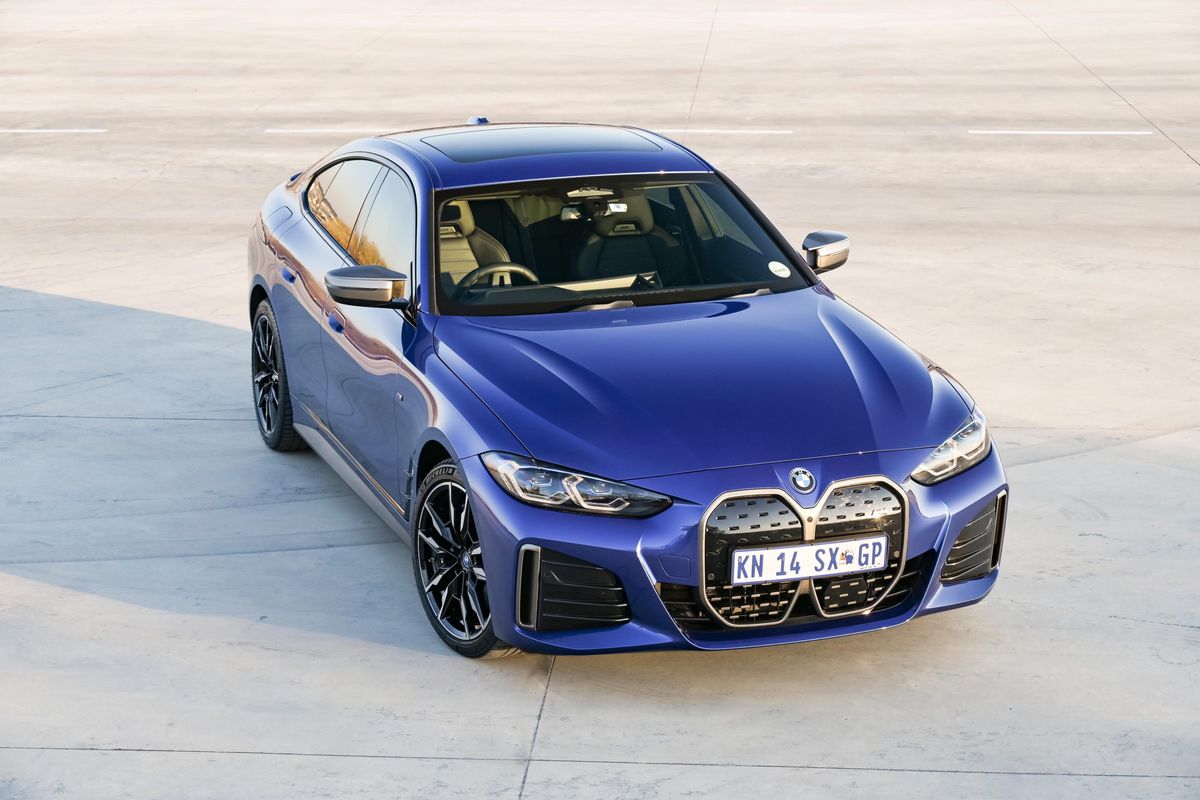
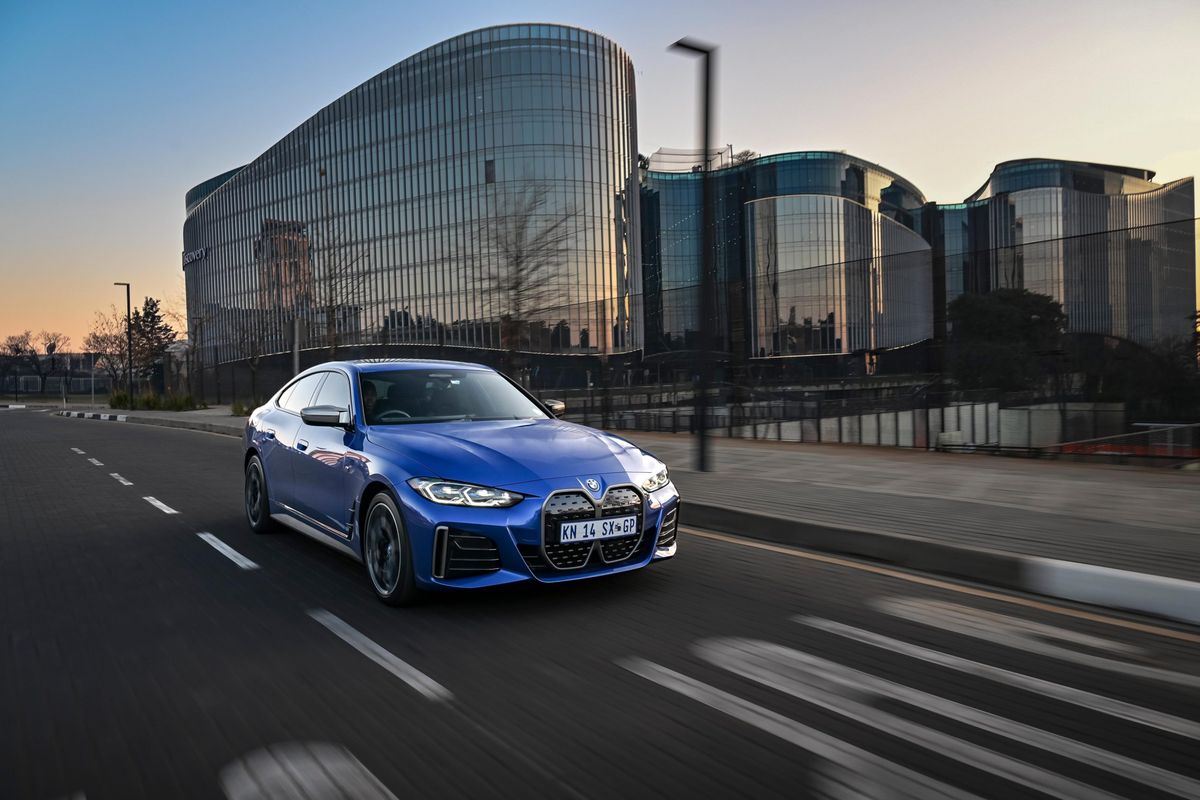
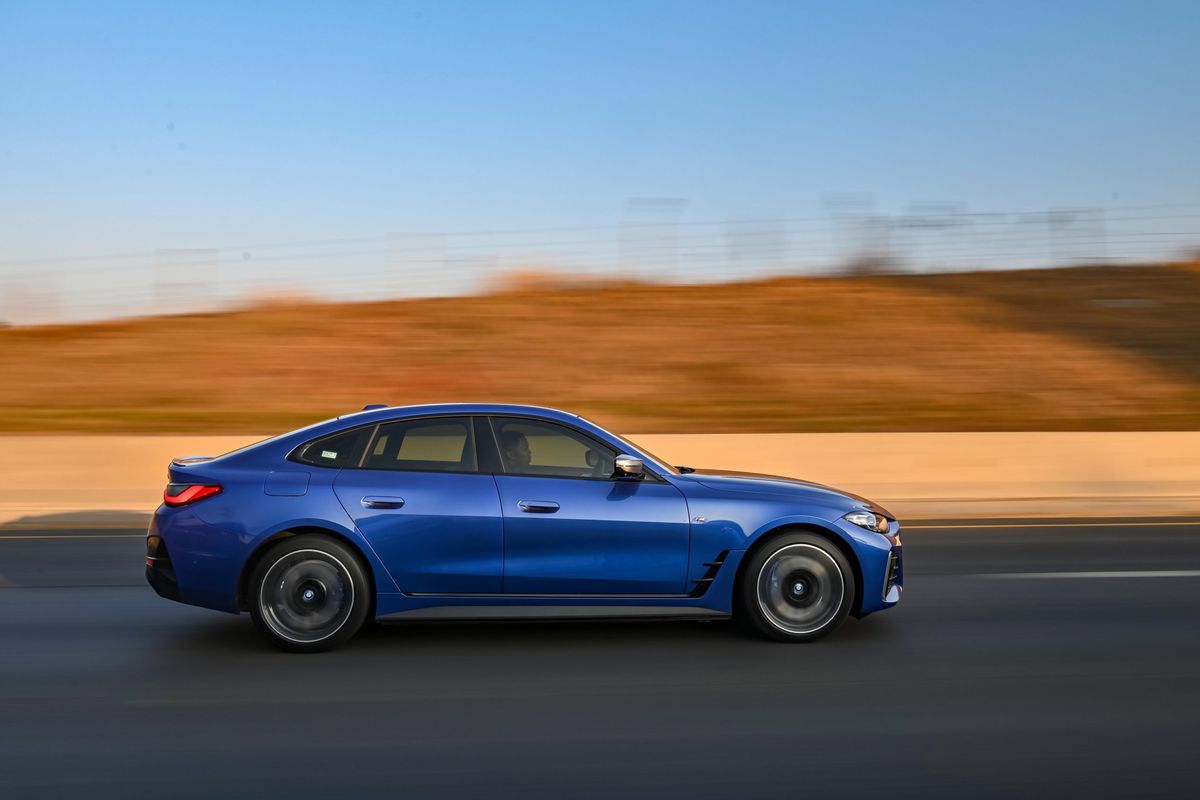
It’s hard to tell that this is an electric car.
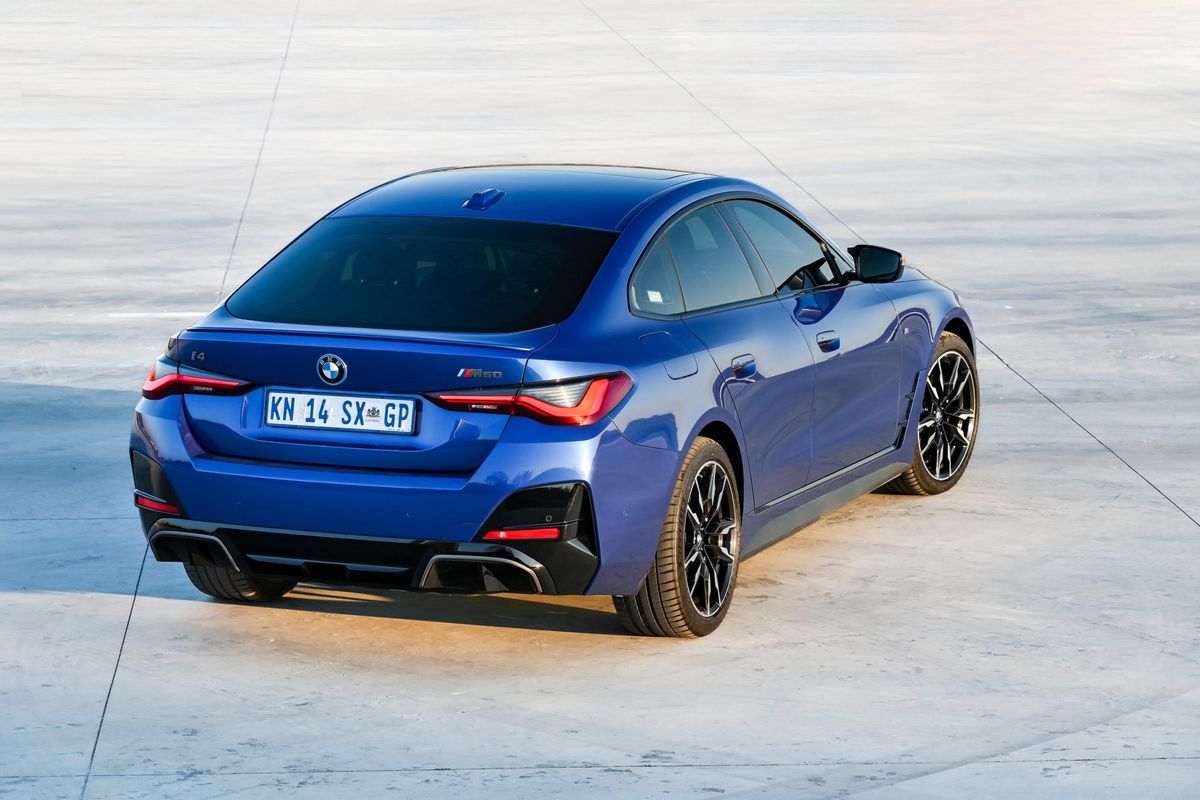
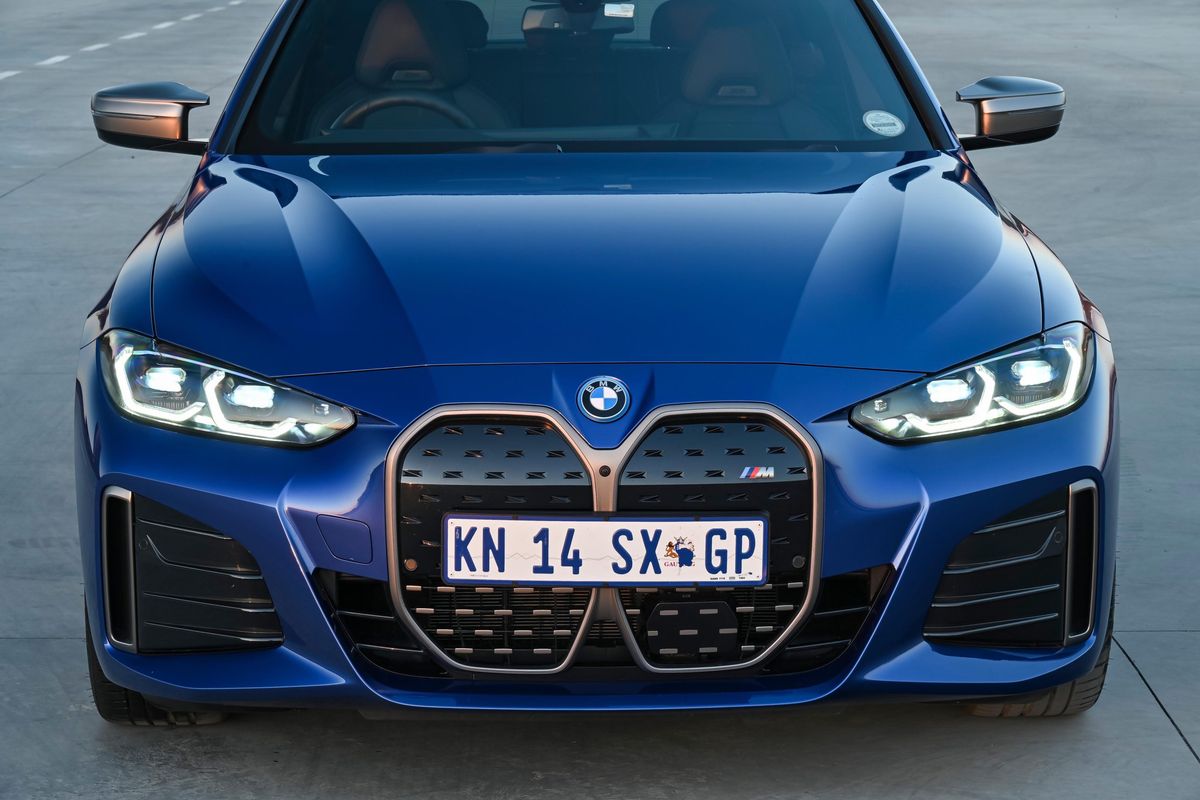
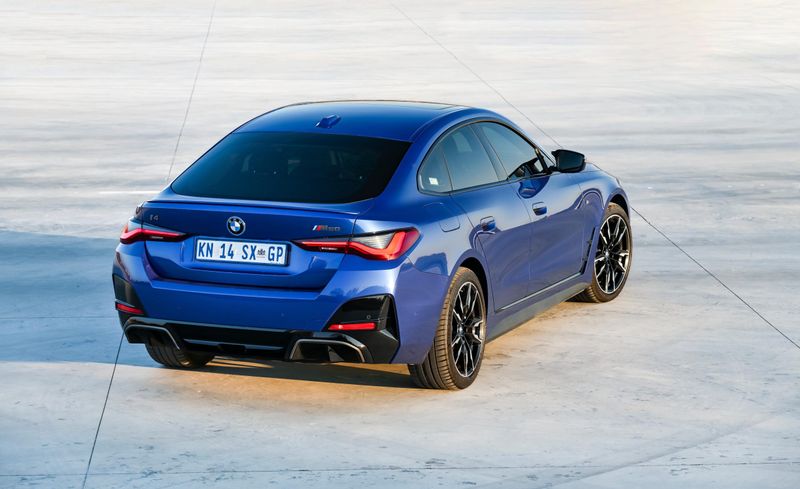
Looks? With its bold grille and black-vaned front bumper, muscular 4 Series Gran Coupe styling, large alloys and M badges fore and aft, the i4 M50 looks purposeful, but not too shouty. The jury’s out on the “exhaust-end cutouts” at the back (because there are no tailpipes on the car), but a bit of artistic licence is okay.
Performance? There’s plenty on offer and the numbers tell a fascinating story.
From a dual electric-motor setup, the i4 M50 produces 400 kW and 795 Nm. BMW’s M division is usually a bit vague with its claims and says it’s good for 0-100 kph in “under 3.9 sec” with a top speed of 225 kph. A range of 510 km (based on the WLTP cycle) is claimed and the vehicle can be charged via AC and DC options. It also supports 200-kW charging, which means, when fast-charging, you can get 140 km of range in 10 minutes.
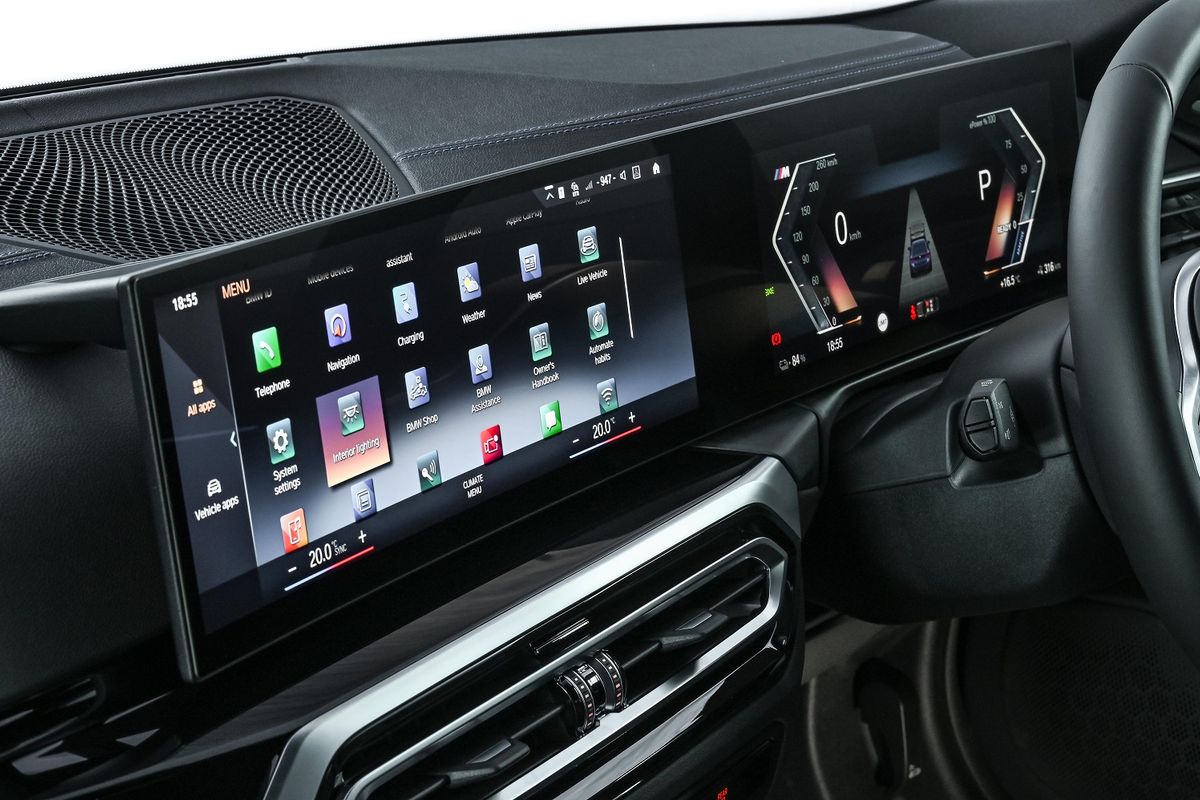
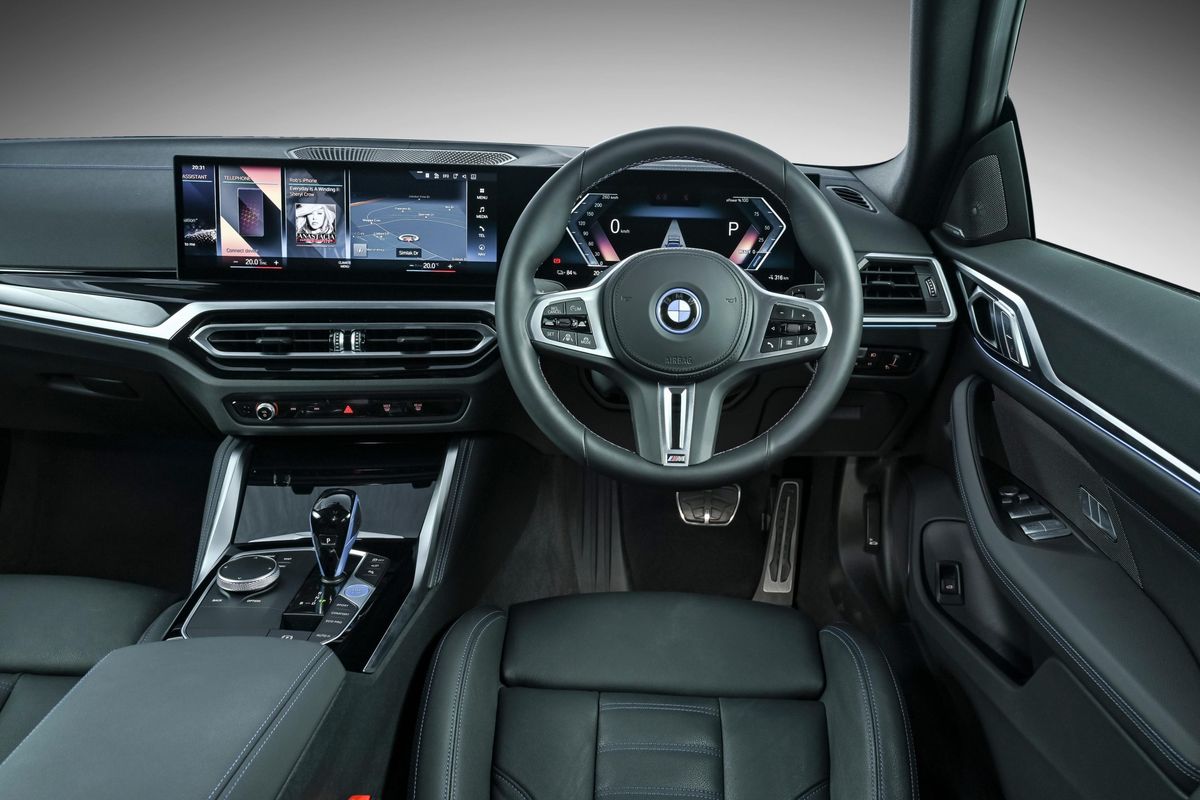
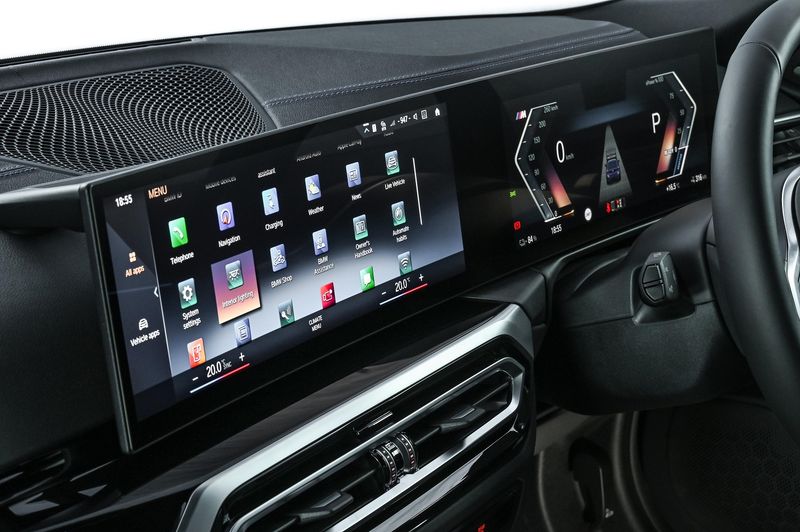
The curved screen is eye-catching.
So it looks the part and has enough pace to justify its “M car” billing, but what about a provocative soundtrack? After all, no ICE means that the i40 M50 emits no inline-6 howl or percussive gearshifts… and petrolheads consider aural stimulation to be a critical part of a performance car’s driving experience.
BMW is well aware of this and enlisted acclaimed film-score composer Hans Zimmer to come up with electronic “soundscapes” to accompany the car’s performance via its speaker system. The various sound effects match the drive modes and change in pitch and tone based on the level of throttle application.
What features does the BMW i4 M50 have?
The i4 sports one of the most advanced cabins on sale right now.
The i4 M50 is a comprehensively equipped vehicle, as it should be at this price point (R1.6 million). The moment you step inside the Bimmer’s cabin, you’ll notice a massive rectangular curved screen stretching across the dashboard (it was also introduced on the recently revealed facelifted 3 Series sedan); not only is it underpinned by the latest BMW OS8 software – its graphics and layout look gorgeous. Impressively, the car supports over-the-air updates so you don’t need to visit the dealership for software upgrades.
It has all the niceties you’d expect, such as adaptive dampers, a panoramic sunroof, a premium audio system from Harman Kardon, heated front sports seats (leather-trimmed, of course), and a raft of semi-autonomous safety features like active steering, lane keeping assist, auto emergency braking and so on.
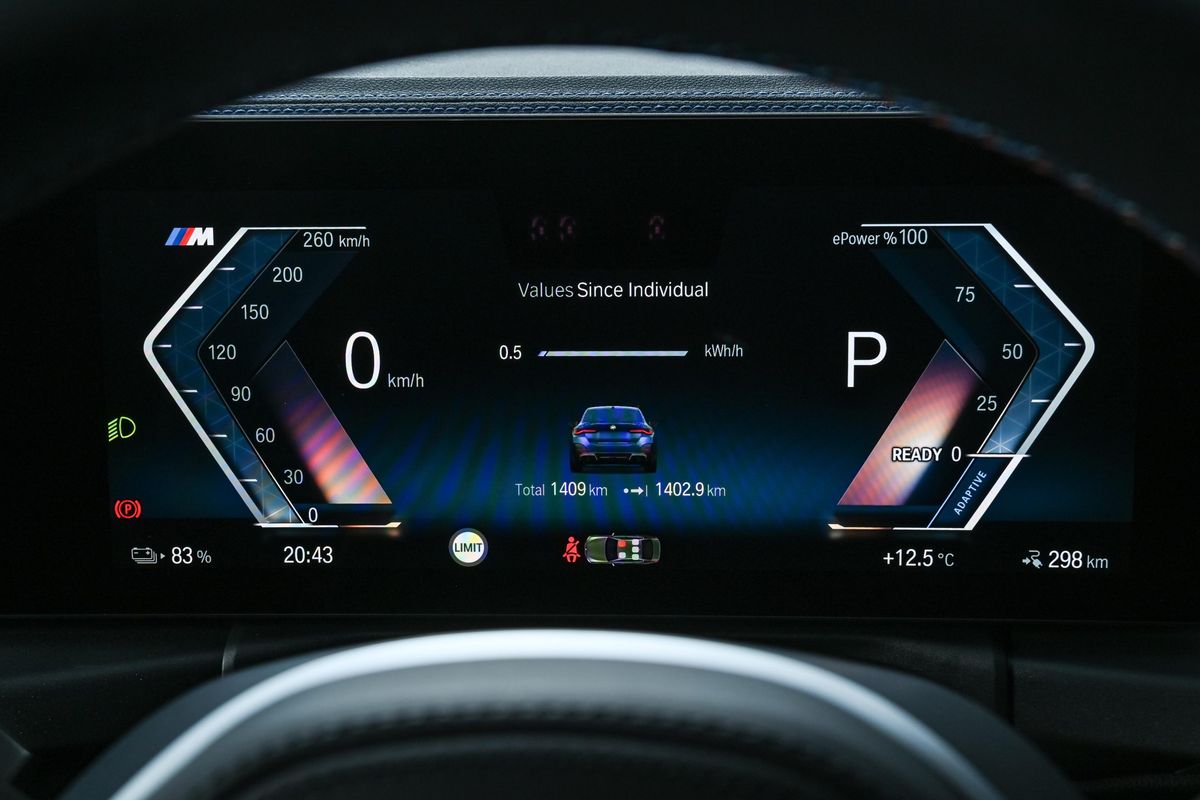
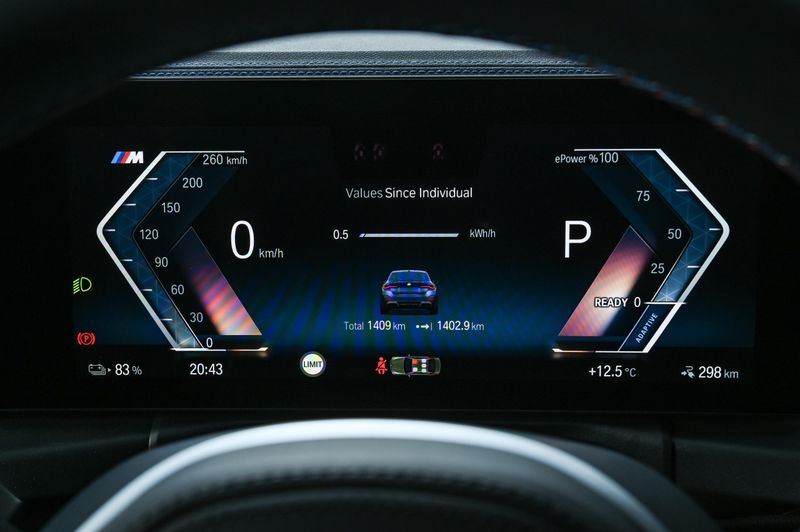
The digital instrument cluster offers various display themes and is customisable.
What’s it like to drive?
Detractors will be quick to point out this is no pureblood BMW M vehicle because it doesn’t have a twin-turbocharged petrol engine, plus there’s never been an M model based on the 4 Series Gran Coupe. We suggest you find out for yourself whether the car deserves M badges: Just get in, select the sportiest drive mode and do a full race start.
In case you didn’t already know, the magic of an electric powertrain is that its full torque complement is available immediately. Unlike a conventional engine, which takes a bit of time to “hit its straps”, a battery electric vehicle offers everything it’s got (performance-wise) promptly on demand. And, in a BEV as potent as the i4 M50, full acceleration from a standstill will push your head back firmly into the driver’s seat headrest!
By M-car standards, the i4 M50 is understated, but it’s a lot faster than it looks.
Combined with the deceleration caused by brake regeneration (it’s at its most intense when you shift the transmission lever to B), you could easily experience whiplash and motion sickness at the same time. Okay, we’re exaggerating (a little), but you DO have to adjust your driving style to take into account the i4 M50’s ability to accelerate – and scrub off speed – dramatically; the accelerator’s like an on-off switch.
We were fascinated by the integration of Zimmer’s audio wizardry. In the i4 M50’s sportiest setting, we swear we could hear a sound that was vaguely reminiscent of an induction bark, while brake regeneration has the faintest hint of a downshift; during a standing start, there’s even a launch-control-like sound. If it all gets a bit tiring, you can switch it off. In comfort mode, the effects are a lot more subdued/tolerable.
The 4 Series Gran Coupe shape gives the i4 a practical angle.
The best part of the package is that even if the i4 M50 does not feel like enough of a fully-fledged M car to please performance-car aficionados, it’s an eminently refined, sophisticated business-class sedan that certainly drives like a BMW M-fettled derivative. Despite the battery pack contributing to the 2.3-tonne kerb weight, the apex i4 still manages to retain some feel-good dynamics and nimbleness.
The steering setup is great, with decent levels of feel and weighting. The driver’s seat position is spot on too – it’s low and engaging, but without compromising the view of the road and surroundings.
Then there’s that – dare we say, supple? – ride quality. We’ve driven some rather hefty electric cars and they have all seemed firmly sprung – almost unapologetically so. The BMW i4, however, rides on the proven CLAR platform, which it shares with the current 3- and 4 Series and other large BMW models.
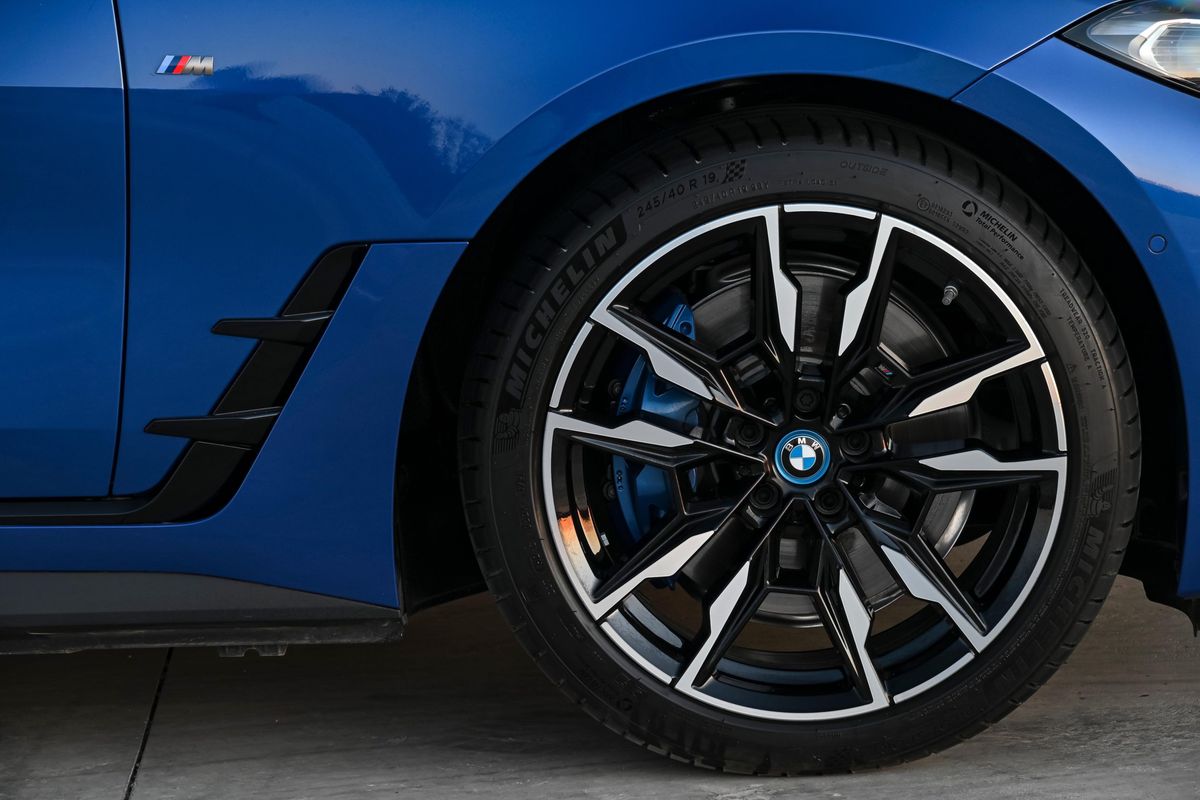
These wheels strike a great blend of performance, grip and a comfortable ride.
This setup is renowned for striking a great balance between sportiness and comfort, and despite the poor state of the roads around Midrand, and rolling on 19-inch rims (on not-too-skinny tyres, thankfully), the i4 M50 rode composedly. You could drive this car on long road trips in its most subdued drive modes and emerge at your destination feeling refreshed; can you say that of its fellow M car – the M3 Competition?
How much does the BMW i4 M50 cost in South Africa?
There’s just one model on offer and it costs R1 600 000. It ships with a 2-year/unlimited km vehicle- and an 8-year/100 000 km battery warranty. A 5-year/100 000 km maintenance plan is also included.
A great alternative to the BMW M3 and it’s 90% as fast as that model…
Summary
Our first taste of BMW M’s foray into electrification was a positive experience. While our test route was short and limited to urban roads (it’s a pity we could not experience the i4 M50 on the open road), we garnered enough experience to tell you that this is a great point-to-point performance model.
A great first attempt at a performance electric vehicle from BMW.
Does it offer the same driving thrills and visceral experiences as the similarly priced BMW M3 Competition? Not quite, no. Rather consider the i4 M50 a great bridge between the competent-but-brisk BMW M340i xDrive and the BMW M3 Competition. It’s fractionally cheaper than the latter and offers 90% of the performance…


.jpg)