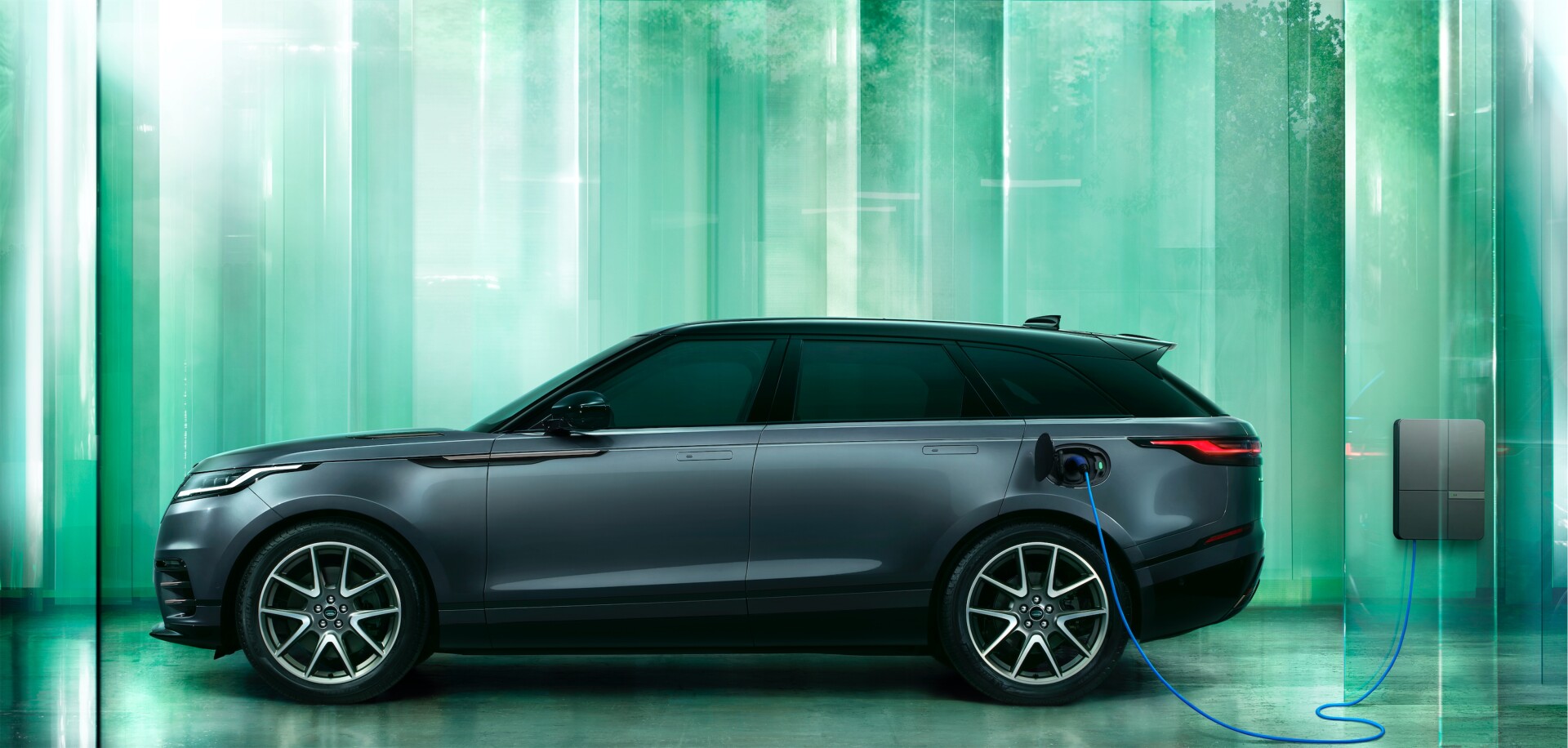
Exterior changes include a new grille design, complemented with ultra-slim Pixel LED headlights with the Daytime Running Lights exuding a jewel-like appearance. At the rear a new lower bumper and new LED taillights with a 3-D design. Two new exterior colours will also be offered including Metallic Varesine Blue and Premium Metallic Zadar Grey.
Moving inside, the Velar gains a new 11.4-inch single floating curved glass touchscreen which is integrated into the centre console. Buyers will be able to choose between 4 new leather colours including Cloud, Caraway, Raven Blue and Deep Garnet. For those who prefer leather-free upholstery, the Velar can also be had with a wool and polyurethane textile combination upholstery from Danish textile experts, Kvadrat.
For music lovers, an optional Meridian 3D Surround Sound System with 17 speakers and 750 W amplifier will be available.
What engines are offered for the Range Rover Velar in South Africa?
The Velar P400e gains a larger battery with 20% improvement in electric driving range.
The Range Rover Velar range is headlined by the P400e plug-in hybrid combining a 105 kW electric motor and a 221 kW 2.0-litre turbopetrol engine with an 8-speed automatic transmission. Total outputs are 297 kW and 640 Nm. The P400e is now fitted with a larger 19.2 kWh battery (previously 17.1 kWh). Electric driving range is 64 km, a 20% increase (previously 53 km) with average fuel consumption claimed at 1.6 L/100km.
Zero to 80% charging in about 30 minutes is possible using a 50 kW charger while a 7 kW charger will do the charge from zero to 100 percent in around 2.5 hours.
The 48V mild hybrid 3.0-litre turbocharged petrol P340 MHEV offers 250 kW and 480 Nm and mated with an 8-speed automatic.
Diesel buyers have the choice of 2 diesel engines in the D200 and D300. The Velar D200 is powered by a 2.0-litre turbodiesel engine with 146 kW and 430 Nm while the D300 employs a 3.0-litre turbodiesel with 221 kW and 650 Nm.
Pricing for the updated Range Rover Velar will be communicated closer to launch in the middle of 2023.
10 best-selling bakkies in South Africa: January 2023
We’ve sorted through January 2023’s sales figures and identified South Africa’s best- and worst-selling bakkies for the opening month of the year…
South Africa’s new-vehicle market posted 4.8% of year-on-year growth in January 2023 to end the month on 43 509 units. The light-commercial vehicle segment, meanwhile, grew 10.4% to 10 622 units, which much of the volume coming courtesy of bakkies.
So, what happened on the list of SA’s best-selling bakkies? Well, there was a little movement. At the summit, however, the Prospecton-built Toyota Hilux picked up right where it left off in 2022, comfortably securing the top spot with 2 769 registrations in the opening month of the new year. As a reminder, the Japanese bakkie was the country’s most popular new vehicle last year, with a whopping 32 203 units sold (despite a 3-month production stoppage in KwaZulu-Natal).
The Struandale-produced Isuzu D-Max (1 273 units) improved its tally month on month to climb a position to 2nd, squeezing past the Ford Ranger (1 269 units), which fell to 3rd. It seems the Blue Oval brand’s gradual switchover to the new-generation Ranger – the single- and extended-cab derivatives will launch locally only in March, for instance – continued to impact its performance.
Nissan’s Rosslyn-manufactured NP200 (886 units) again found itself in 4th position, though the Mahindra Pik Up was a mere 67 units behind on 819 registrations. The evergreen Toyota Land Cruiser 79’s recent sales surge continued in January 2023, with its 468-unit tally enough to secure 6th place, a spot higher than it achieved in December.
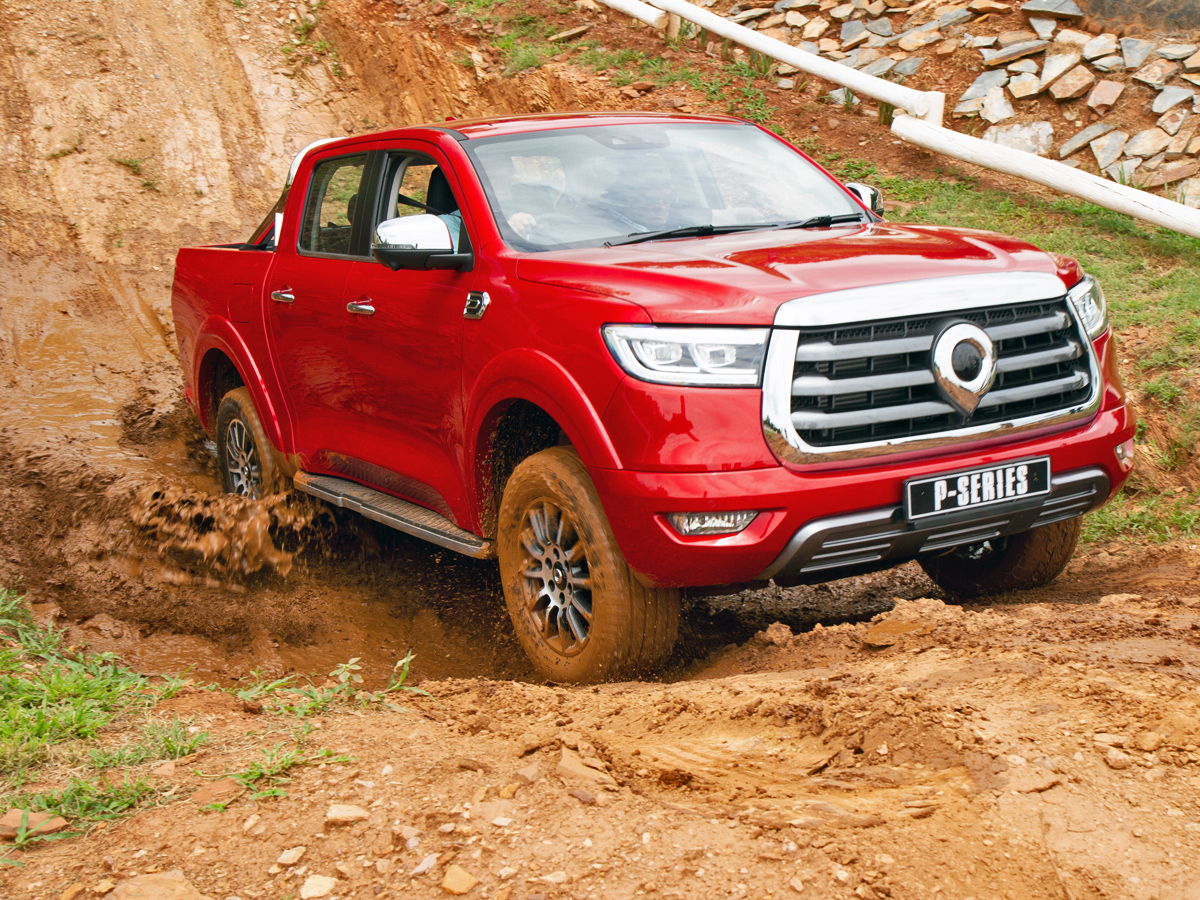
That saw the Rosslyn-built Nissan Navara (351 units) drop a position to 7th, with the GWM P-Series (286 units) and GWM Steed (87 units) holding steady in 8th and 9th, respectively – despite a marked month-on-month fall in registrations for the latter. Finally, the Mitsubishi Triton (65 units) made a return to the top 10, grabbing the last slot on the list.
Best of the rest in January 2023
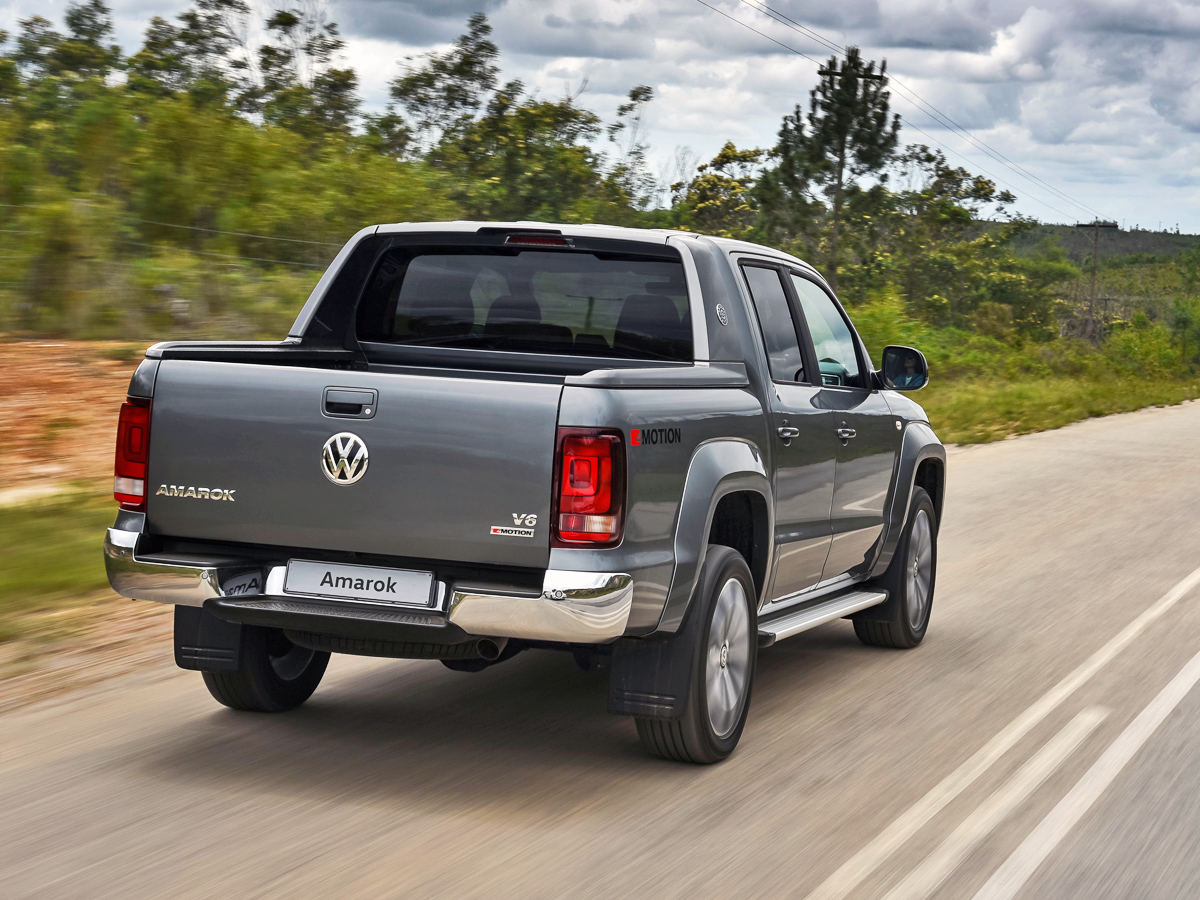
VW’s outgoing Amarok fell from the top 10 in January 2023.
What about the bakkies that failed to make the cut in January 2023? Well, with 51 units registered, the outgoing Volkswagen Amarok – which is due to be replaced by a Ranger-based, 2nd-generation model in the next couple of months – dropped out of the top 10.
The Mahindra Bolero (47 units) was right on the Amarok’s tail, while the Jeep Gladiator improved to 32 units (a figure matched by JAC’s T-badged bakkies, with the Chinese automaker reporting a combined figure for its T6 and T8 line-ups). Next came the Peugeot Landtrek (19 units), with the Mazda BT-50 (7 units) yet again bringing up the rear.
Bakkie export winners in January 2023
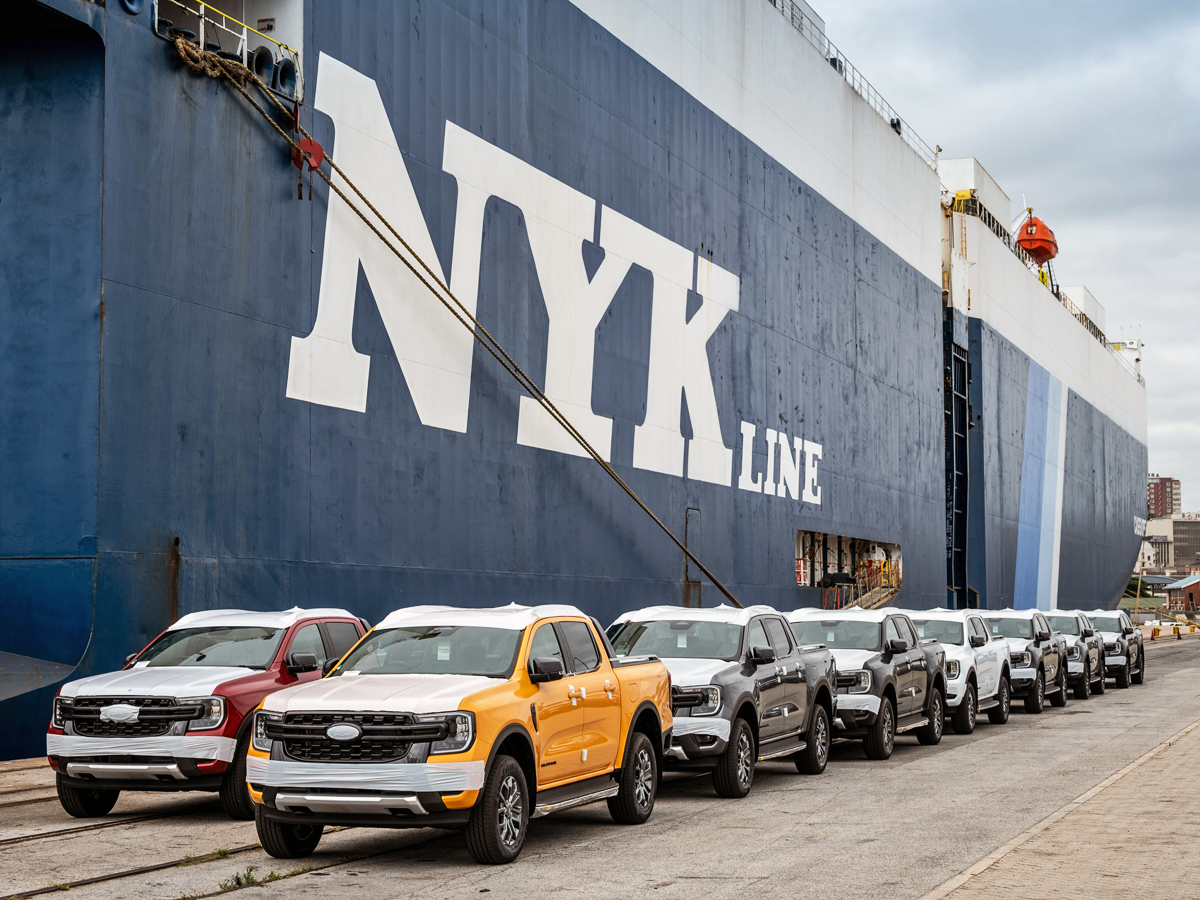
What happened on the bakkie export market? As many as 6 959 examples of the Hilux were shipped overseas in January 2023, pushing the Ranger (1 682 units) into the runner-up position. For the record, Ford says it has just commenced shipments of the new-generation model to international markets.
The D-Max (291 units), Navara (207 units) and NP200 (71 units) again made up the numbers on the export charts. As we’ve seen over the past few months, the official Naamsa report interestingly also showed a handful of imported models being exported in January 2023, in the form of the P-Series (23 units), Triton (8 units) and Steed (2 units).
10 best-selling bakkies in South Africa for January 2023
Jetour, Chery’s sub-brand, is preparing to unleash a new rugged SUV that will face off against the incoming Tank 300 from GWM.
If you’ve never heard of the Jetour brand it’s probably because it’s a relatively new Chery sub-brand established in 2018 with a focus on luxury SUVs and crossovers primarily sold in Asia, the Middle East and South America.
However, the latest news to come from the Chinese firm is that Jetour will soon introduce a rival to the incoming Tank 300, which is due to arrive in South Africa in the middle of 2023.
While there are no plans currently confirmed to introduce the Jetour brand in South Africa, as we’ve seen in the recent past, nothing is impossible!
What is the Jetour T-1?
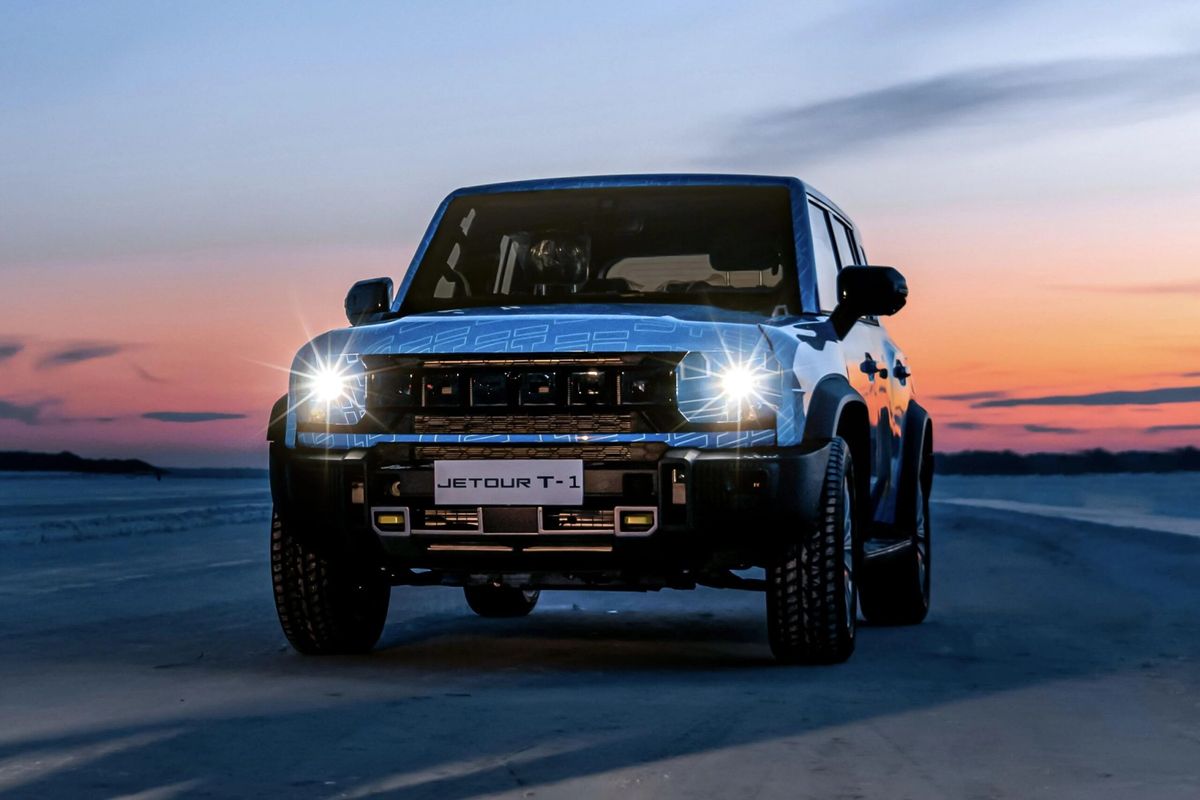
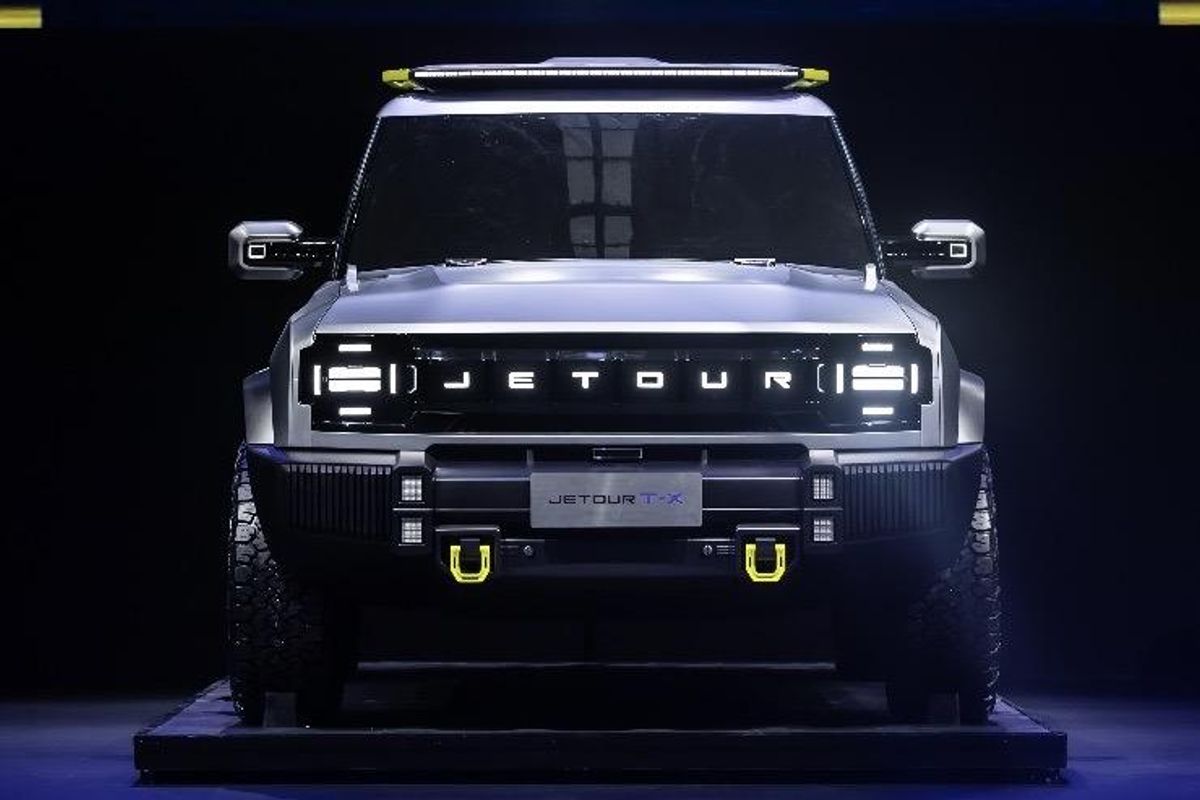
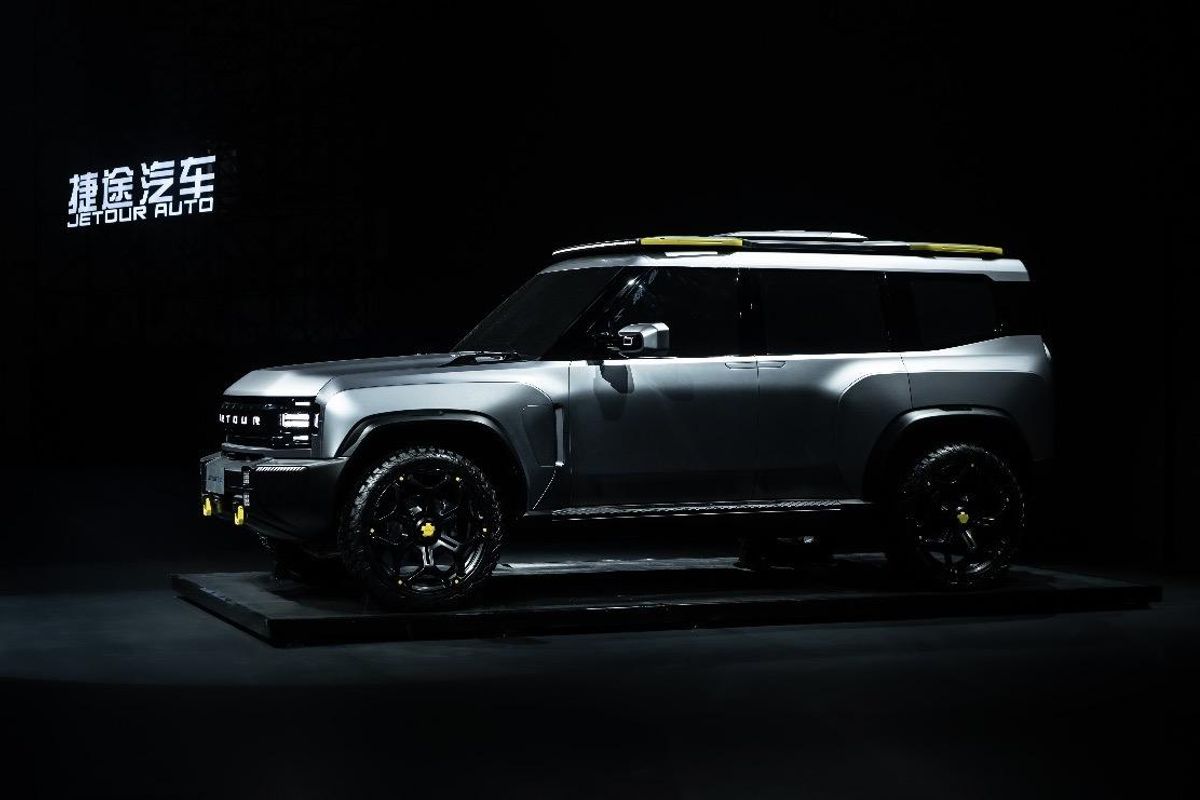
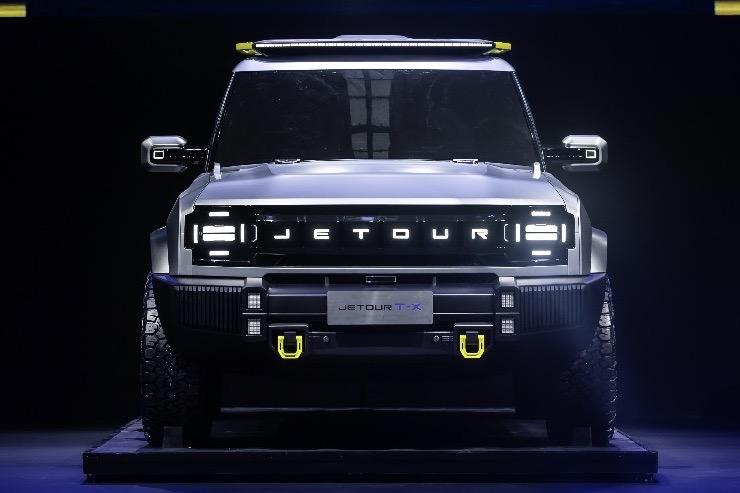
The Jetour T-1 is base don the 2022 T-X Concept.
The Jetour T-1 is based on the T-X Concept shown early in 2022 but Chery’s sub-brand is now preparing to reveal the final production version at the upcoming Shanghai Auto Show according to Chinese media.
The camouflaged images of the Jetour T-1 you see here show a boxy and rugged design in the same vein as the Tank 300, which shares design inspiration from the Ford Bronco (which is not destined for South Africa).
Details are fairly thin at this point but an Australian report suggests that the Jetour T-1 will come to market in both 5- and 7-seater guise with a length of 4.8 and 5 metres respectively.
As for powertrains, buyers will have the choice of turbocharged petrol engines (1.6L, 2.0L and 3.0L) with 4-wheel-drive and a differential lock as well as Plug-In Hybrid (PHEV) and in EV guise (dual motor AWD). Further powertrain details are expected to be revealed at the Shanghai Auto Show.
But that’s not all, Jetour has also hinted that it will bring new bakkie products to market in the future too, presumably built on the same Kunlun architecture that will underpin the T-1. A Jetour bakkie to rival the new Ford Ranger and Toyota Hilux? Is another market upset on the horizon?
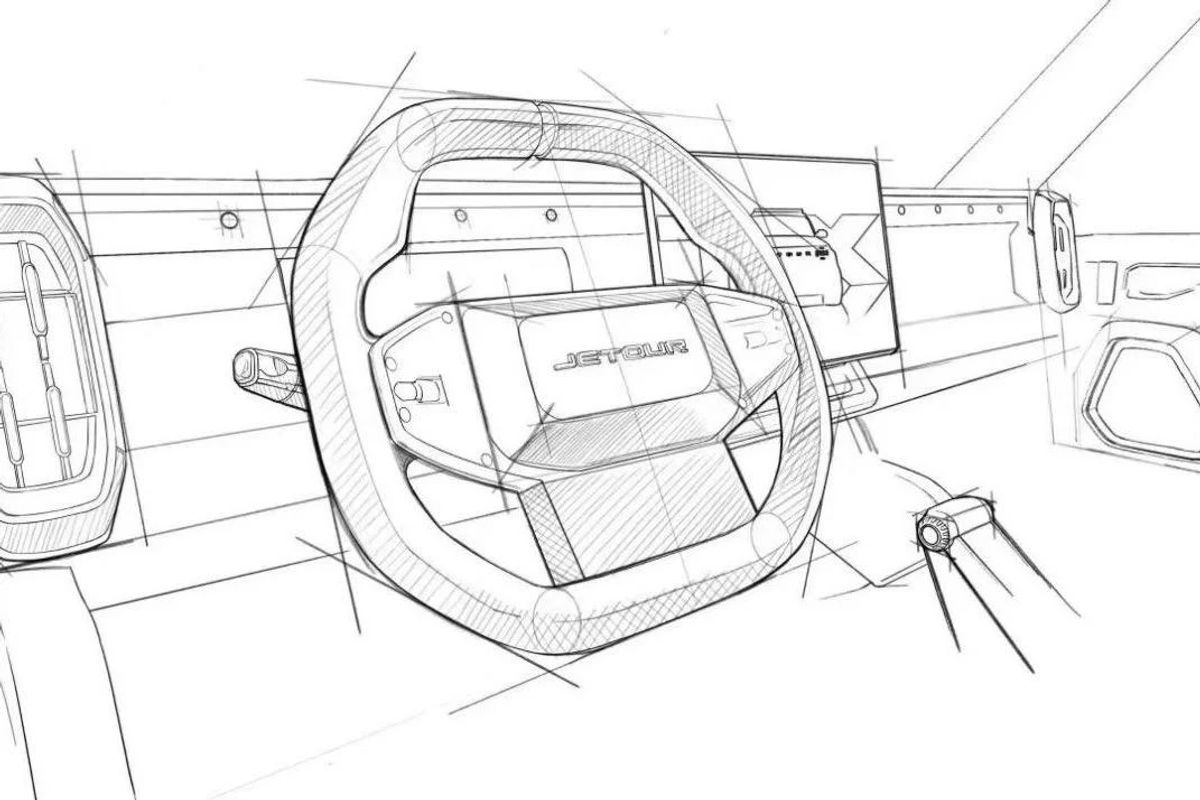
As for the interior of the Jetour T-1, you can expect to see upmarket finishes, luxurious even, with a full smattering of driver assistance features.
We will keep our eye on this developing story as it happens…
SA’s Best-Selling Cars in January 2023: VW Polo Vivo Slips
South Africa’s new-vehicle market kicked off the year on a generally positive note, with sales growing 4.8%in January 2023.Here’s a look at the best-selling vehicles, most popular brands and more…
In January 2023, South Africa’s new-vehicle industry grew 4.8% to 43 509 units, resulting in the 13th consecutive month of year-on-year sales growth. The final figure for the opening month of the year furthermore represented a 4.1% improvement over December 2022’s effort of 41 783 registrations.
Though this constitutes relatively minor growth, it’s nevertheless encouraging considering the multiple headwinds facing the local industry right now. Naamsa, however, described the performance as “weak”, adding it was “in line with expectations of a depressed economy along with ongoing structural problems and cost of living increases”.
So, let’s take a closer look at the figures. Out of the total reported industry sales of 43 509 vehicles, Naamsa says an estimated 36 353 units (or 83.6%) came courtesy of the dealership channel, with 12.1% representing sales to the rental industry, 2.2% to government and 2.1% to industry corporate fleets.
South Africa’s new passenger-vehicle market finished the reporting period on 31 072 units or a marginal year-on-year gain of 2.9%. Yet again, the rental industry ably supported this section of the market, accounting for a healthy 16.2% of sales. The light-commercial vehicle segment enjoyed even stronger growth than its passenger-car counterpart, with 10 622 units (up 10.4%) registered in January 2023.
However, the vehicle-export market recorded a year-on-year decline of 1.8% to 20 536 units. In this regard, Naamsa expressed “serious concern” about the load-shedding crisis, saying the “destructive higher stages of load-shedding have amplified the negative impact on vehicle production and component manufacturing in South Africa”.
Meanwhile, the National Automobile Dealers’ Association (NADA) had a more upbeat take, saying challenges such as “political instability” and rising fuel prices had failed to “put a dampener” on new-vehicle sales in January.
“This market is difficult to read, given all the disruptive external factors now in play. We believe the public is adjusting its spend downwards, but conversely, the upper end of the market is remaining surprisingly strong at the same time,” explained Mark Dommisse, Chairperson of NADA.
That said, Dommisse admitted the ongoing electricity crisis would present “another imposition for South Africa and the automotive industry, as it pushes buyers into taking more conservative approaches in their respective buying cycles”.
Lebogang Gaoaketse, Head of Marketing and Communications at WesBank, said many factors were placing continued pressure on the “economy as a whole” as well as “very practically on the households and livelihoods of consumers”.
Still, although interest rates moved above pre-pandemic levels and inflation remained high, Gaoaketse remained positive about the continued recovery of the market in January 2023.
New vehicle sales summary for January 2023
Aggregate new-vehicle sales of 43 509 units increased by 4.8% (2 006 units) compared to January 2022.
New passenger-vehicle sales of 31 072 units increased by 2.9% (873 units) compared to January 2022.
New light-commercial vehicle sales of 10 622 units increased by 10.4% (998 units) compared to January 2022.
Export sales of 20 536 units decreased by 1.8% (-367 units) compared to January 2022.
10 best-selling automakers in South Africa for January 2023
Toyota, which was South Africa’s best-selling brand last year by quite some margin, started the new year on a similarly strong note, ending January on 12 532 registrations (or 28.8% of the total market) and thus bettering its December 2022 effort by more than 1 200 units. The Volkswagen Group (including Audi) shed a few sales month on month but retained 2nd position with 5 081 registrations, though the 3rd-placed Suzuki Auto SA (4 357 units) wasn’t too far behind.
Meanwhile, Nissan (2 927 units) climbed a spot to 4th, forcing Hyundai (2 525 units) down to 5th in the process. Renault (2 051 units) likewise moved up a position to 6th, while Kia (1 686 units) jumped 2 to snaffle 7th. That saw Ford tumble a couple more down to 8th, with its overall sales tally dropping to 1 661 units.
Haval (1 565 units) found itself a spot lower in 9th, while Isuzu was breathing down the Chinese brand’s neck, closing out the top 10 with 1 527 registrations. Chery finished January 2023 with 1 327 sales, meaning it again fell just short of making the table.
1. Toyota – 12 532 units
2. Volkswagen Group – 5 081 units
3. Suzuki – 4 357 units
4. Nissan – 2 927 units
5. Hyundai – 2 525 units
6. Renault – 2 051 units
7. Kia – 1 686 units
8. Ford – 1 661 units
9. Haval – 1 565 units
10. Isuzu – 1 527 units
10 best-selling vehicles in South Africa for January 2023
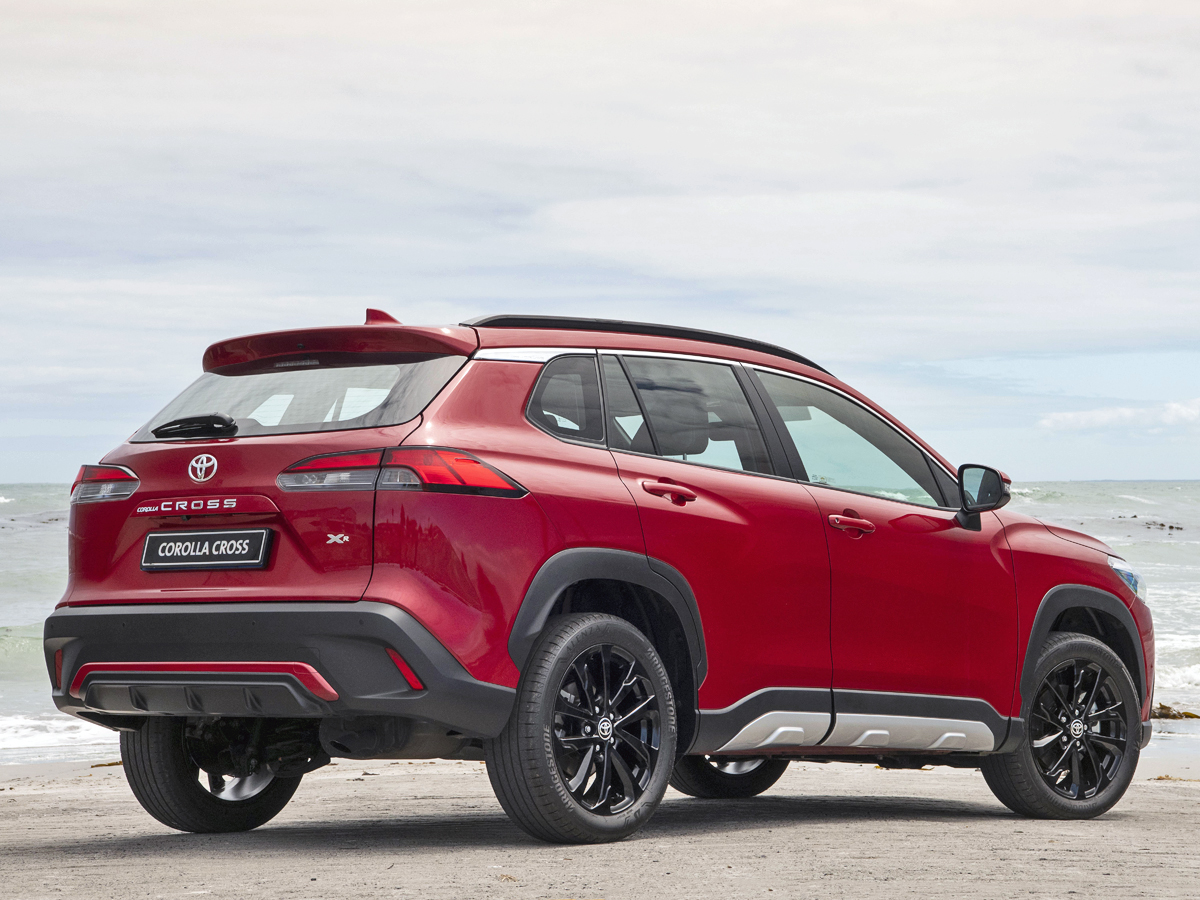
Toyota’s locally built Corolla Cross continues to sell up a storm.
Another month, another sales crown for the Toyota Hilux (which was SA’s best-selling bakkie and top-selling vehicle overall in 2022). Yes, the Prospecton-built stalwart topped the charts yet again, with 2 769 units registered in January 2023. The likewise locally built Corolla Cross (2 042 units) retained 2nd place, while the imported Starlet (2 037 units) rocketed up 5 spots to finish close behind and complete another all-Toyota podium.
Like the Corolla Cross and Starlet above, the Suzuki Swift (1 499 units) enjoyed healthy support from the rental industry in January, returning to the table to grab a solid 4th place. The Toyota Hi-Ace (1 294 units) fell a couple of spots to 5th, while the Isuzu D-Max (1 273 units) gained a position to 6th. Perhaps owing to its gradual changeover to the new-generation model, Ford Ranger sales fell to 1 269 units, seeing the Silverton-built bakkie drop 3 places to 7th.
January 2023 was likewise rather a disappointing month for Volkswagen’s top sellers, with the Polo hatchback (1 144 units) falling 2 to 8th and the Polo Vivo (1 054 units) slipping 4 to 9th. Considering its slide down the list last year, the Polo’s placing in January 2023 is perhaps not unexpected. But we were surprised to see the Polo Vivo tumble as it placed 2nd on the list of SA’s best-selling vehicles in 2022, when it was beaten only by the Hilux. We can only speculate the Kariega factory and its suppliers experienced production interruptions and perhaps opted to prioritise the export market (where the Polo thrived in January).
Meanwhile, the Nissan NP200 returned to the table with 886 registrations. Which models found themselves just outside the top 10? Well, the Volkswagen T-Cross (874 units), Chery Tiggo 4 Pro (850 units), outgoing Toyota Urban Cruiser (839 units), Mahindra Pik Up (819 units) and the long-in-the-tooth Nissan Almera (785 units) were all bubbling under in January 2023.
Top 9 vehicles exported from South Africa in January 2023
Ford has started shipping the new Ranger overseas, though the bakkie fell to 3rd on the export charts.
In January 2023, the Hilux reclaimed the top position on the export charts, with a whopping 6 959 units shipped from Toyota’s facility in KwaZulu-Natal. The Kariega-built Volkswagen Polo hatchback (5 315 units) was again 2nd, while the Silverton-produced Ford Ranger (1 682 units) slipped to 3rd. Incidentally, the Blue Oval brand says it has just commenced export of the new-generation model to international markets.
Other locally produced models in the form of the Isuzu D-Max, Toyota Fortuner, Nissan Navara, Toyota Corolla Cross, Nissan NP200 and Toyota Corolla Quest again made up the numbers. It’s worth noting BMW and Mercedes-Benz did not submit detailed figures, so we don’t know for sure many new X3 and C-Class sedan units were exported from South African shores in the first month of the year. For the record, however, Naamsa’s estimates stand at 4 700 and 773 units, respectively.
1. Toyota Hilux – 6 959 units
2. Volkswagen Polo (hatch) – 5 315 units
3. Ford Ranger – 1 682 units
4. Isuzu D-Max – 291 units
5. Toyota Fortuner – 227 units
6. Nissan Navara – 207 units
7. Toyota Corolla Cross – 153 units
8. Nissan NP200 – 71 units
9. Toyota Corolla Quest – 4 units
Sales outlook
So, what will the rest of the year look like for South Africa’s new-vehicle market? Well, Naamsa points out the “same challenges that confronted the economy and the automotive industry” in 2022 – such as persistent load-shedding, high inflation and interest rates, and currency depreciation – have unfortunately carried over into 2023.
The organisation says it thus expects “unpredictability” in the new-vehicle market to “prevail”, but adds that sales will likely “exceed the pre-COVID-19 level” by the end of 2023. Despite a year-on-year fall in export sales in January, Naamsa sees “upward” momentum in this particular sector, saying “prospects for vehicle export growth remain optimistic”.
NADA’s Dommisse reports local manufacturers and importers are “bullish about sales opportunities in 2023” and are thus “urging dealers to invest”. He furthermore agrees with Naamsa that the export market is looking generally “positive”.
Finally, WesBank’s Gaoaketse believes the pent-up demand of the new-vehicle market during the majority of last year will help sales to continue growing in 2023.
“The market has been stifled by low supply due to various logistical and manufacturing constraints across the globe. Despite this, 2022 sales still grew 13.9% year-on-year to levels experienced before the pandemic, albeit that those were already under economic pressure,” says Gaoaketse.
Still, he cautions that “volatility in so many socio-economic spheres” poses an “ever-present possibility” of disruption to the market, both globally and domestically.
“Exchange rates affect pricing, fuel prices impact mobility budgets, supply could change, and constant economic pressures will continue to influence household budgets and business confidence. Affordability will continue to be a driving factor in the South African new-vehicle landscape.
“While 2023 should experience continued growth for the South African motor industry, it will continue to provide ongoing challenges for industry and consumers to overcome,” concludes Gaoaketse.
Are you looking for a new car with affordable monthly instalments? Here are 4 new cars you can buy right now for under R3 500 per month over 72 months.
If you are looking for a cheap new car priced under R188 900 and can afford to pay up to R3 500 per month over 72 months (6 years) then this list is for you.
As a minimum safety requirement, we have only included new cars that feature a minimum of 2 airbags and ABS as standard.
The monthly repayment of R3 500 is calculated over 72 months with no deposit, no residual and the interest rate set at 10%. Note that monthly payment calculations exclude other related monthly expenses such as insurance, fuel and general maintenance.
The cars on this list are ordered from the cheapest monthly instalment to the most expensive and prices are correct as of February 2023.
New cars for under R3 500 per month
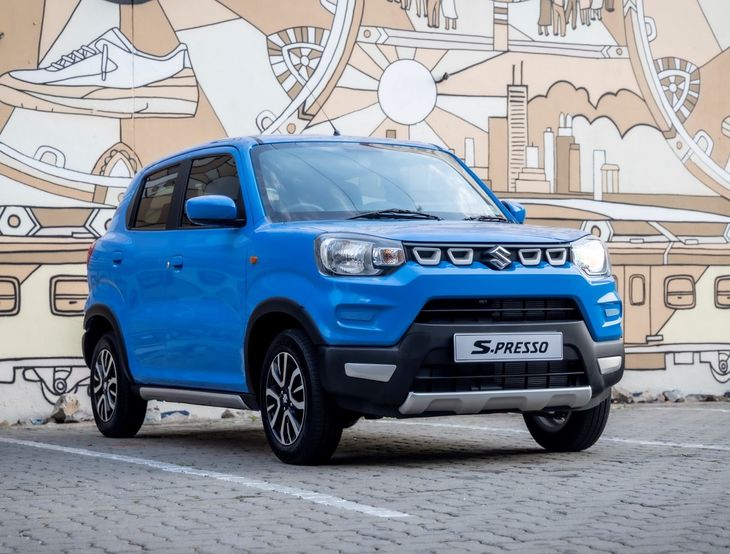
1. Suzuki S-Presso – From R162 900
The Suzuki S-Presso remains a popular choice in the entry-level segment and the Japanese firm recently introduced an updated S-Presso to market boasting better fuel efficiency and safety features. Pricing for the S-Presso starts from R162 900 and goes all the way up to R199 900 for the range-topping S-Spresso 1.0 S-Edition automatic. The S-Presso is powered by an updated 3-cylinder, 1.0-litre petrol engine with 49 kW and 89 Nm of torque and is offered with a 5-speed manual or 5-speed automated manual transmission.
Estimated monthly repayment over a 72-month period starts from R3 018, making it one of the cheapest monthly payments for a new car available in South Africa.
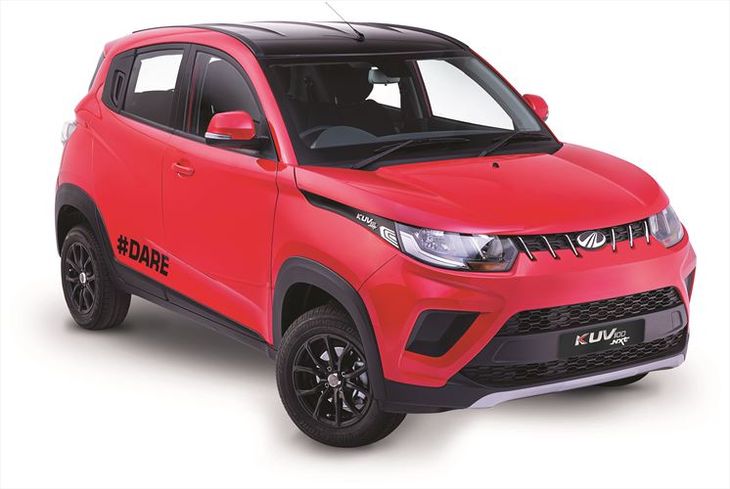
Mahindra’s KUV100 NXT is powered by a naturally aspirated 1.2-litre turbopetrol engine with 61 kW and 115 Nm of torque on offer and is mated with a 5-speed manual transmission.
If you’re looking for a cheap monthly instalment car, Mahindra KUV100 NXT comes in at an estimated monthly payment starting from R3 205 per month over 72 months.
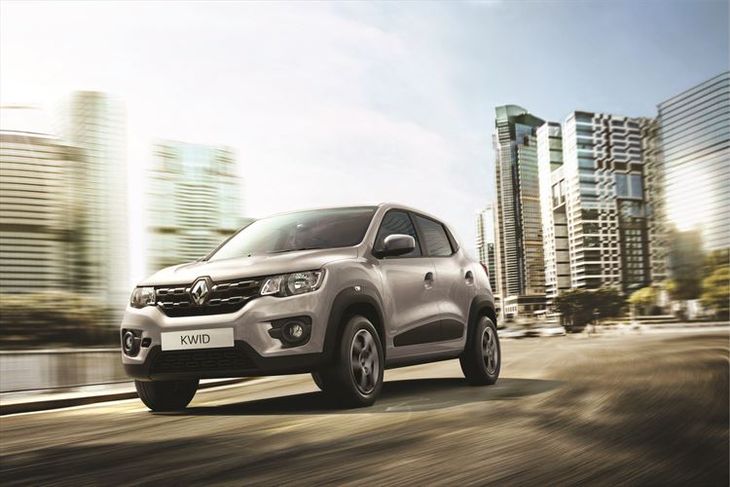
The Kwid is one of the most popular affordable cars in South Africa and the Kwid Life and Kwid Zen are available to buyers for under R3 500 per month. The Kwid is powered by a 3-cylinder, 1.0-litre petrol engine with 50 kW and 91 Nm of torque on offer with a 5 speed manual transmission directing power to the front wheels.
Estimated monthly instalments for a brand new Renault Kwid over 72 months start from R3 353.
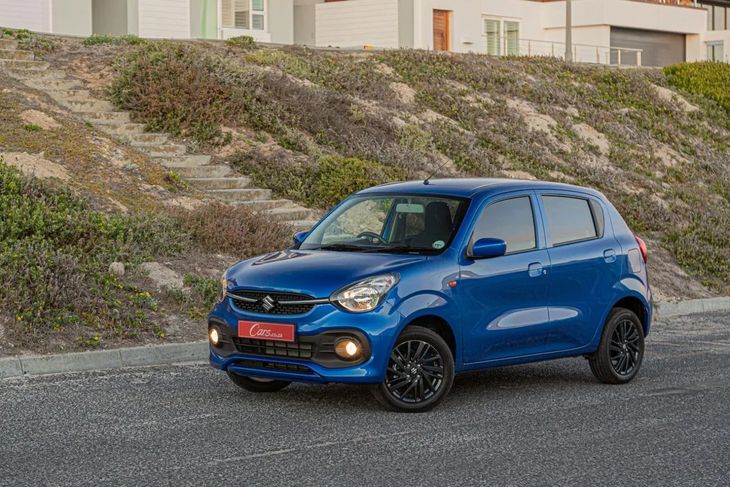
A new Suzuki Celerio came to market this year and it’s powered by a 1.0-litre petrol engine with 49 kW and 89 Nm of torque mated with a 5-speed manual transmission.
If you opt for the base Celerio GA, your affordable monthly repayment over 72 months will be approximately R3 314.
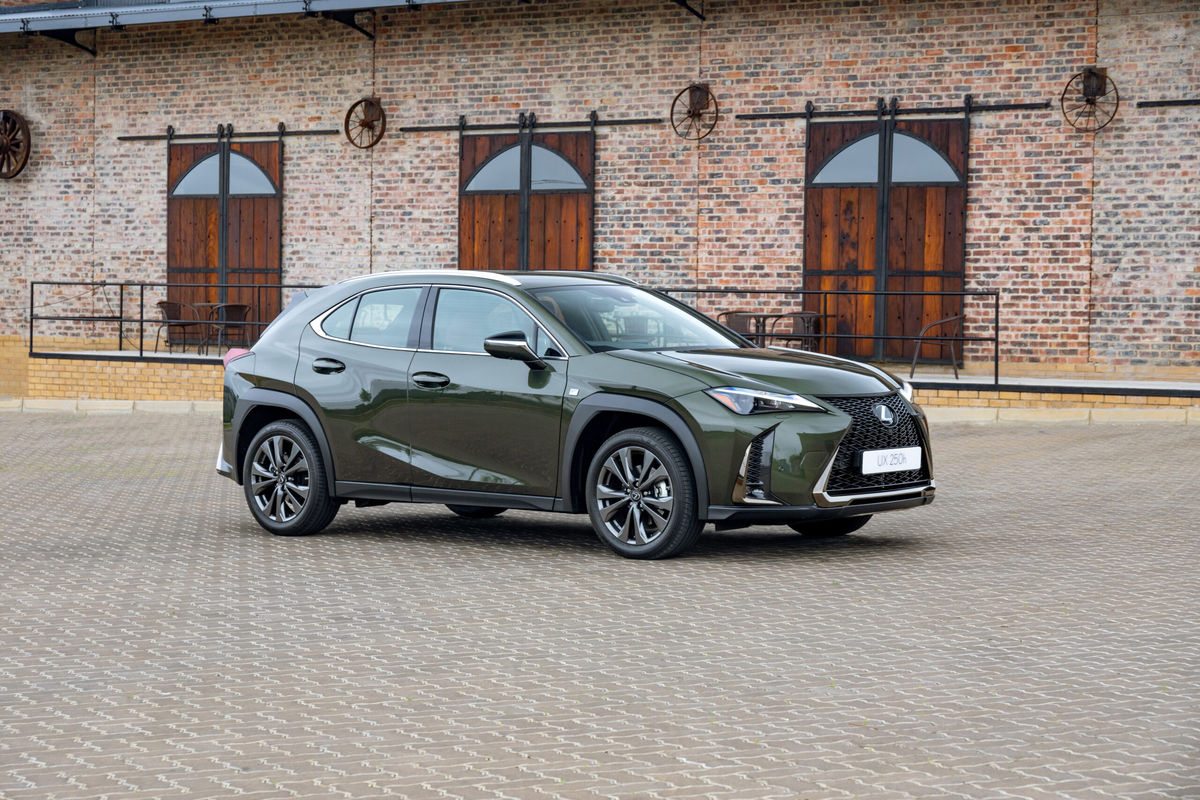
The Lexus UX is one of the Japanese premium brand’s most popular models in South Africa; this 2023 upgrade is aimed at tweaking an already successful recipe.
What’s new with the 2023 Lexus UX?
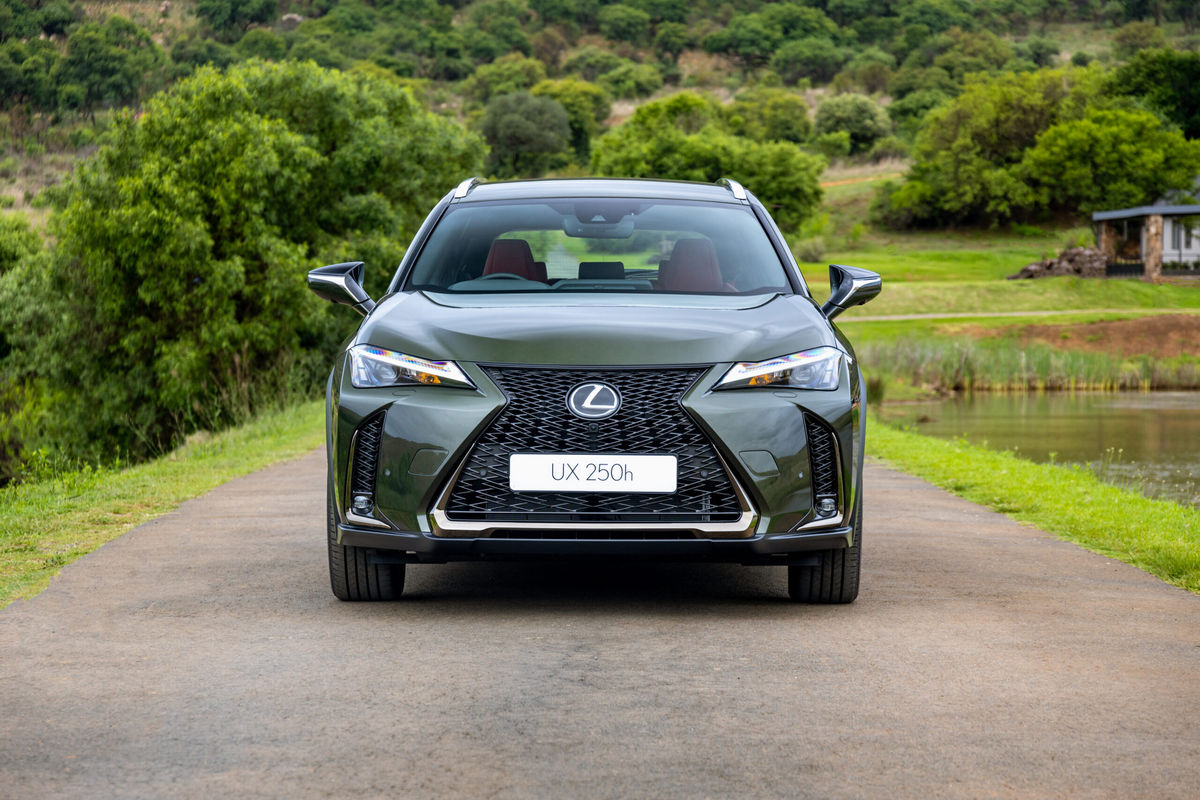
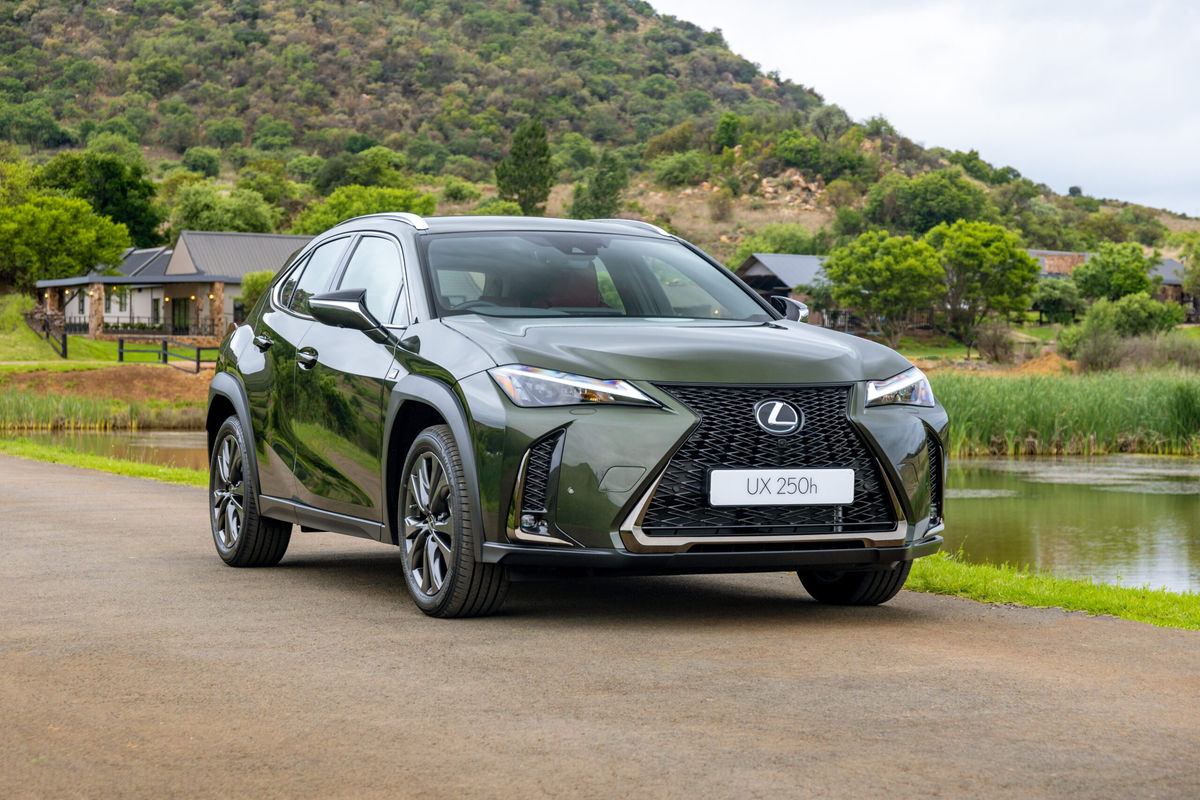
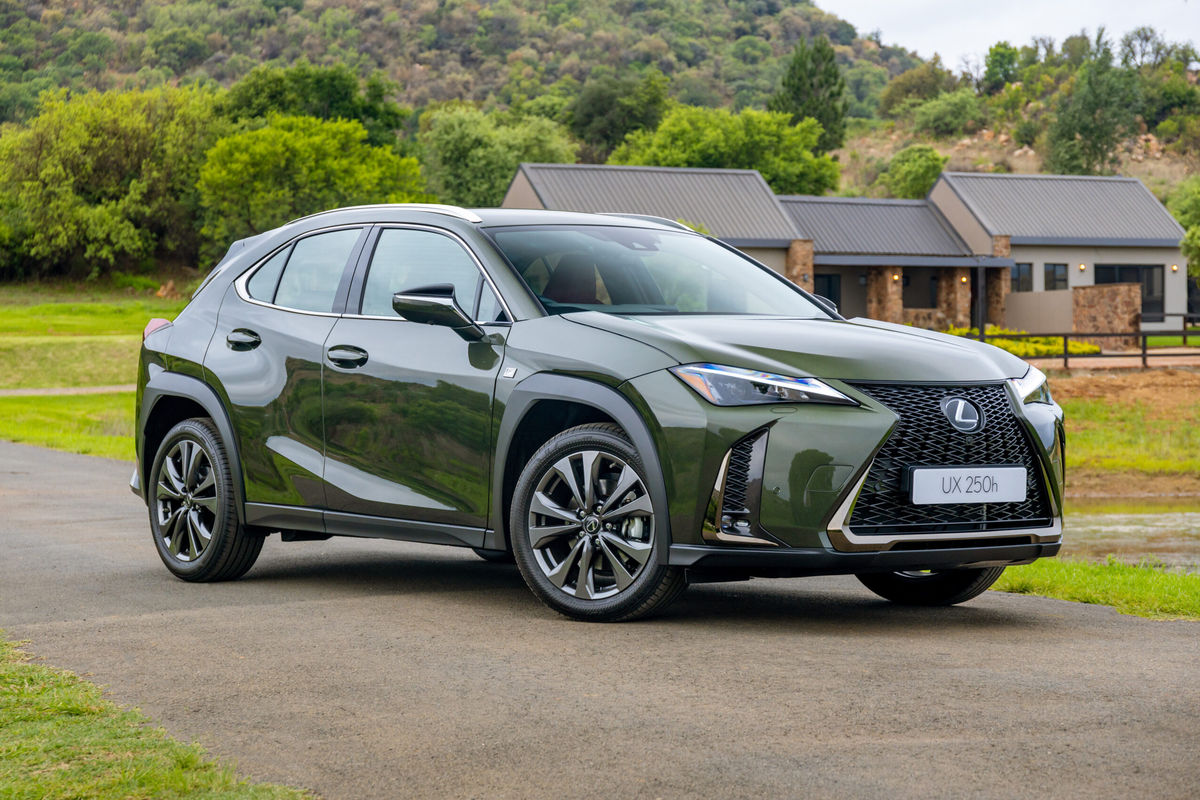
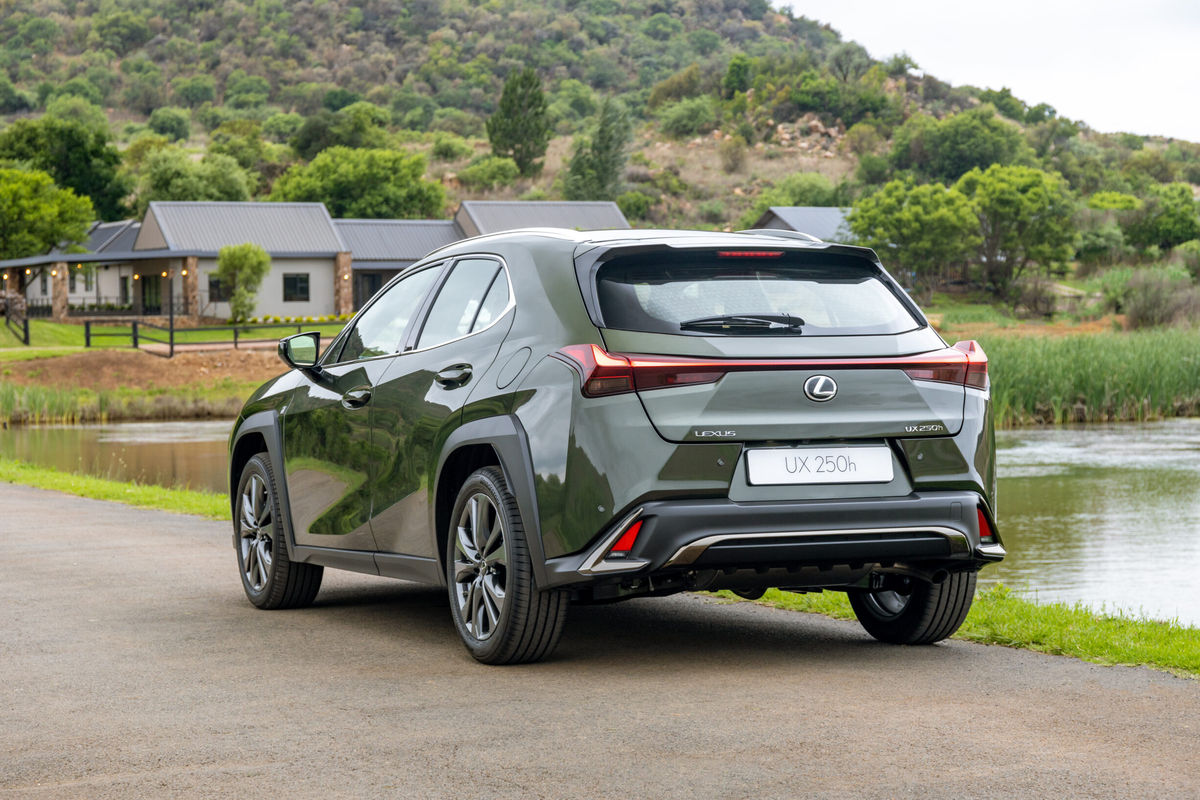
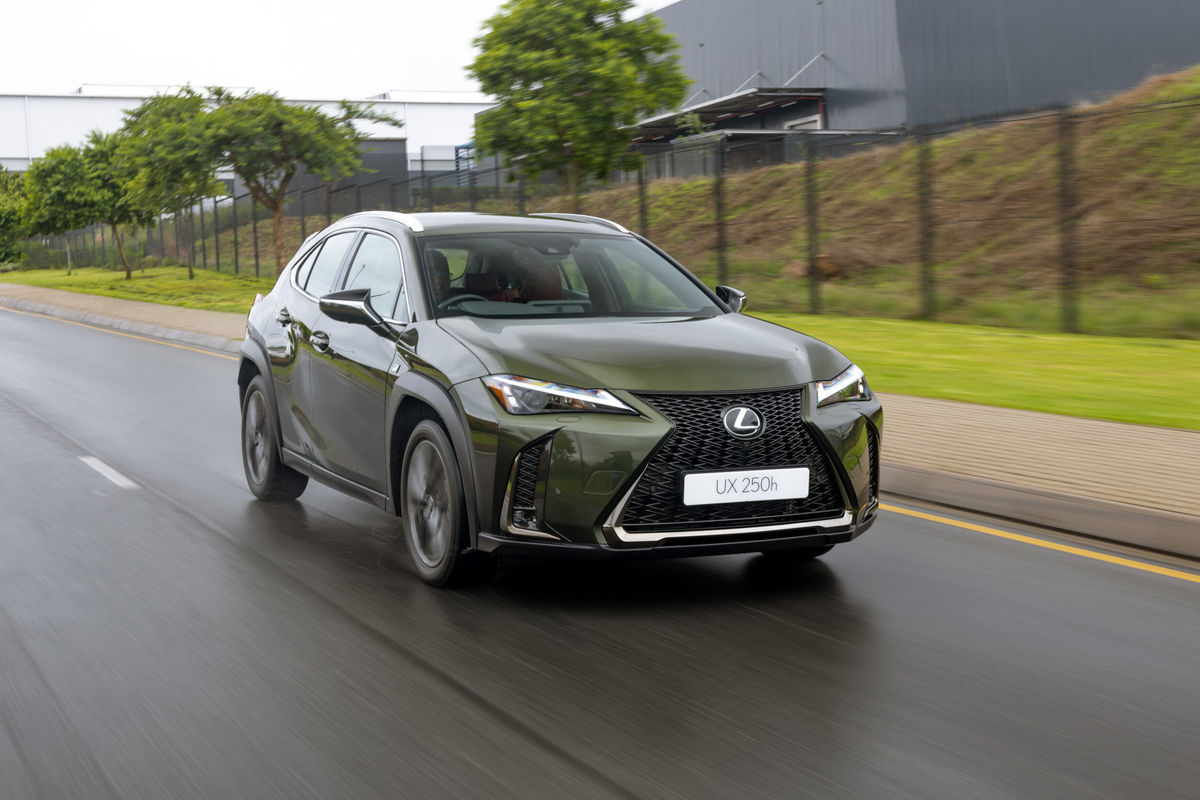
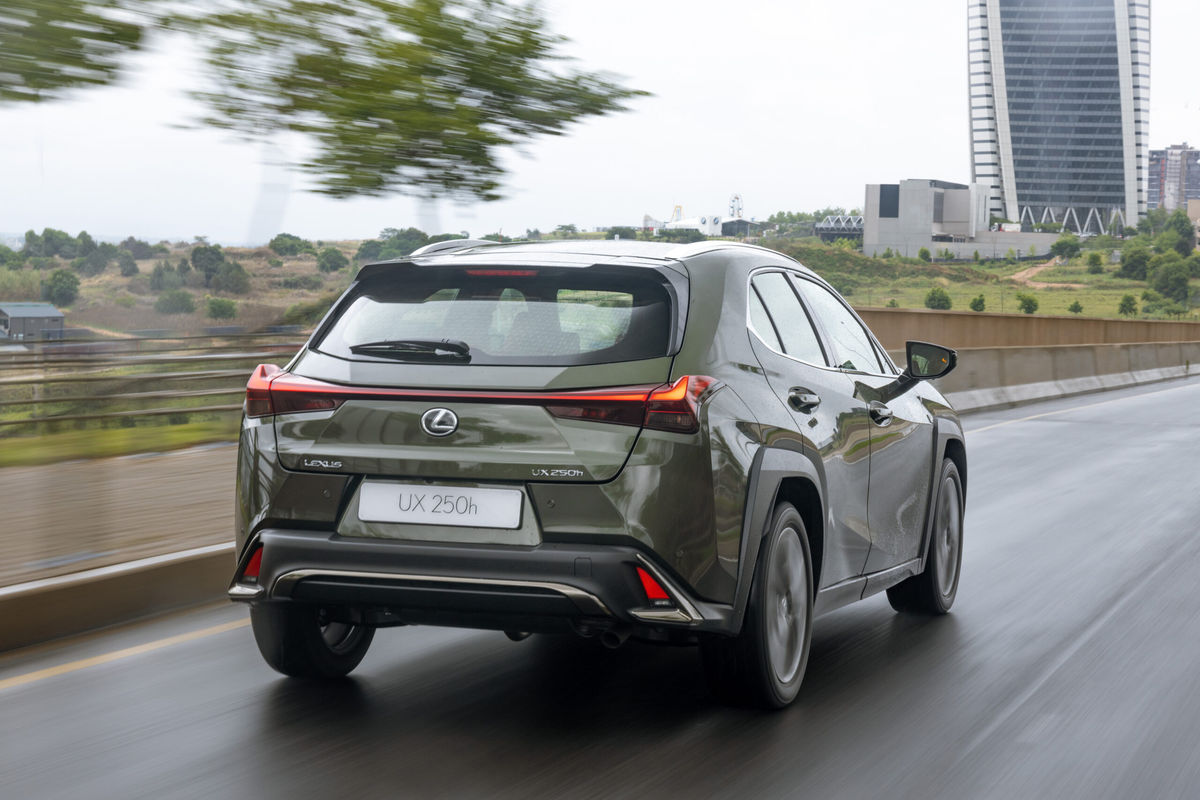
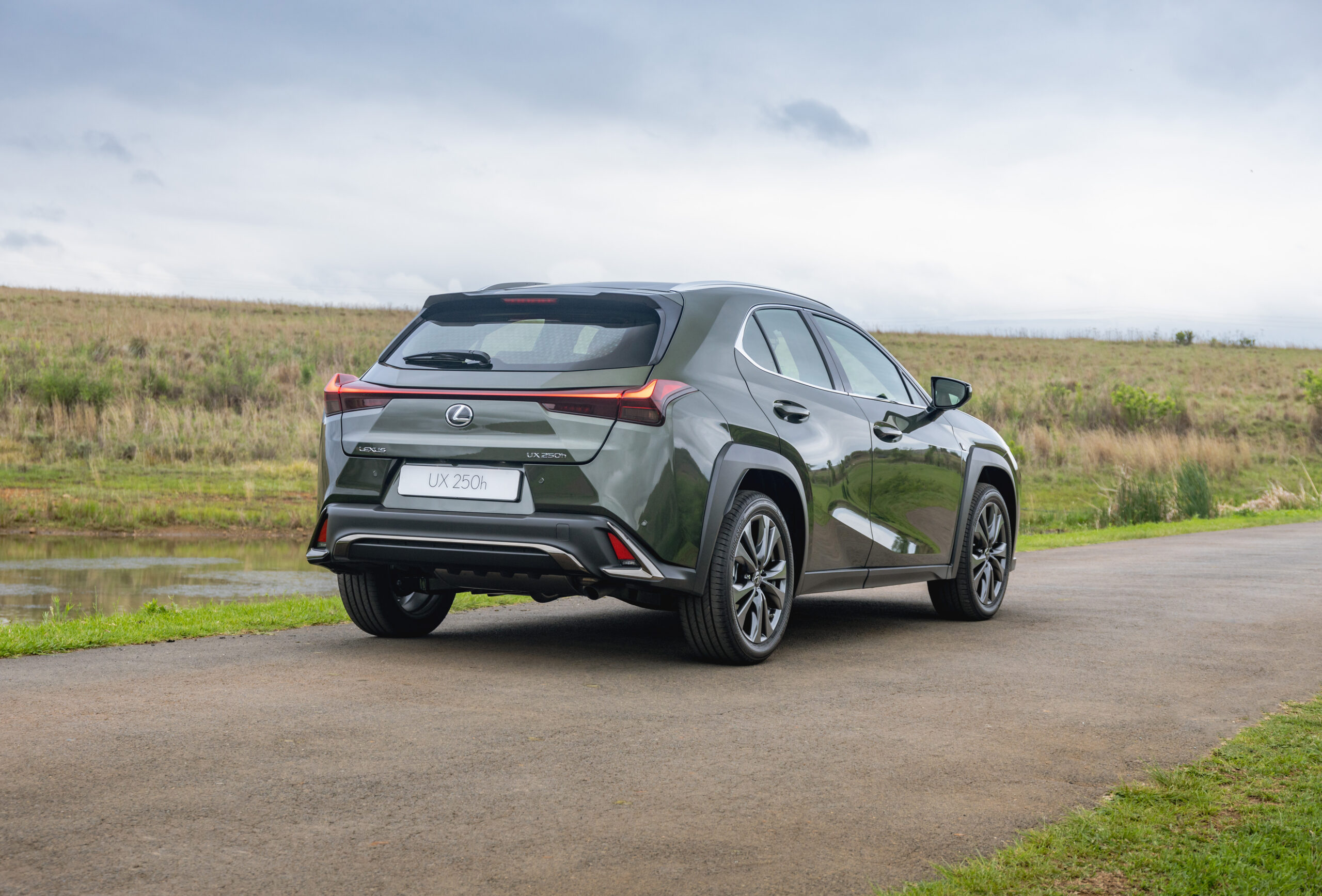
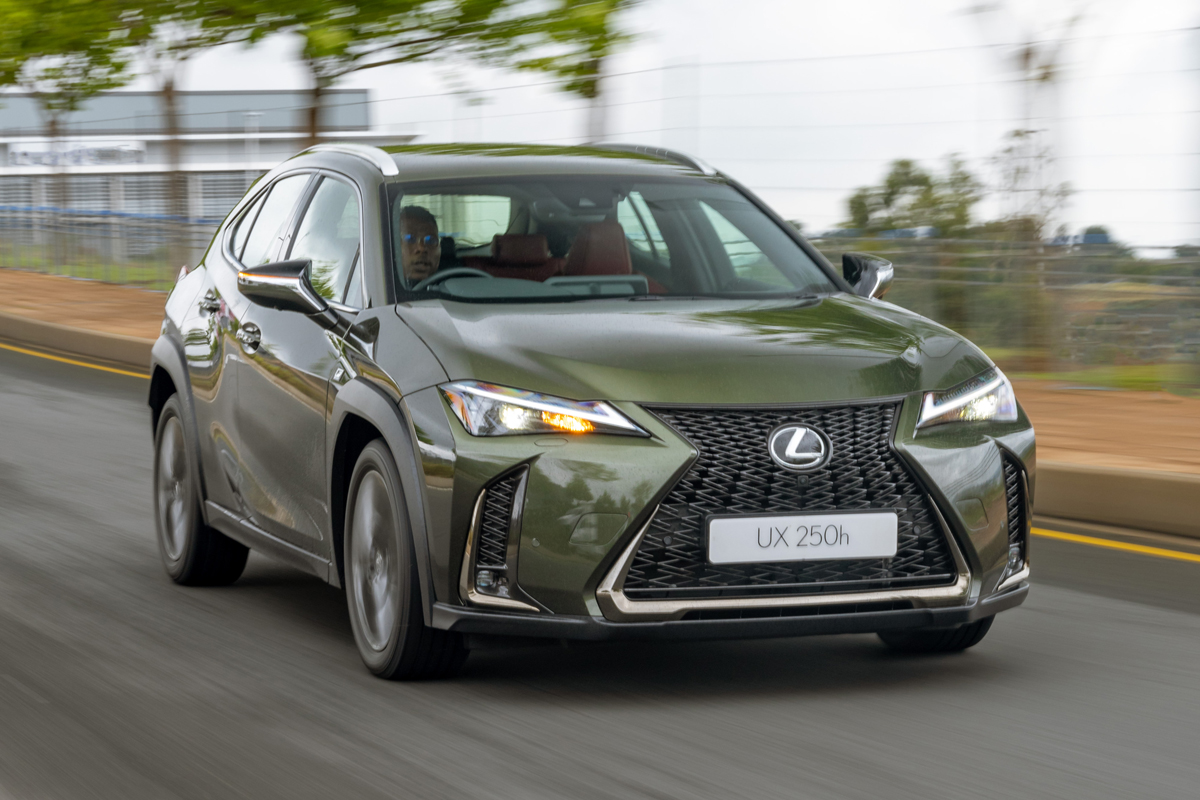
At first glance, you’d be hard-pressed to point out the aesthetic differences between this “new” 2023 Lexus UX and its predecessor; the exterior updates are really rather minor. Having said that, there are a few fresh paint finishes to choose from, as well as striking bi-tone options for the F Sport flagship.
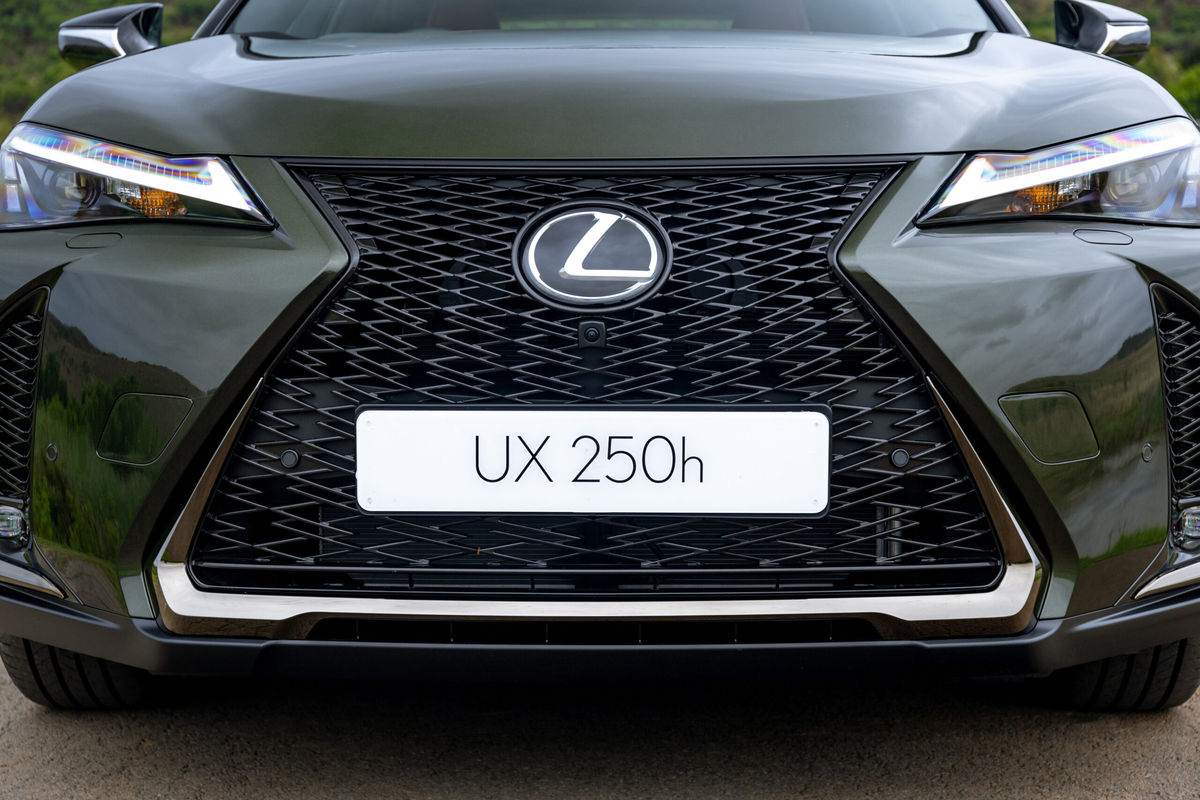
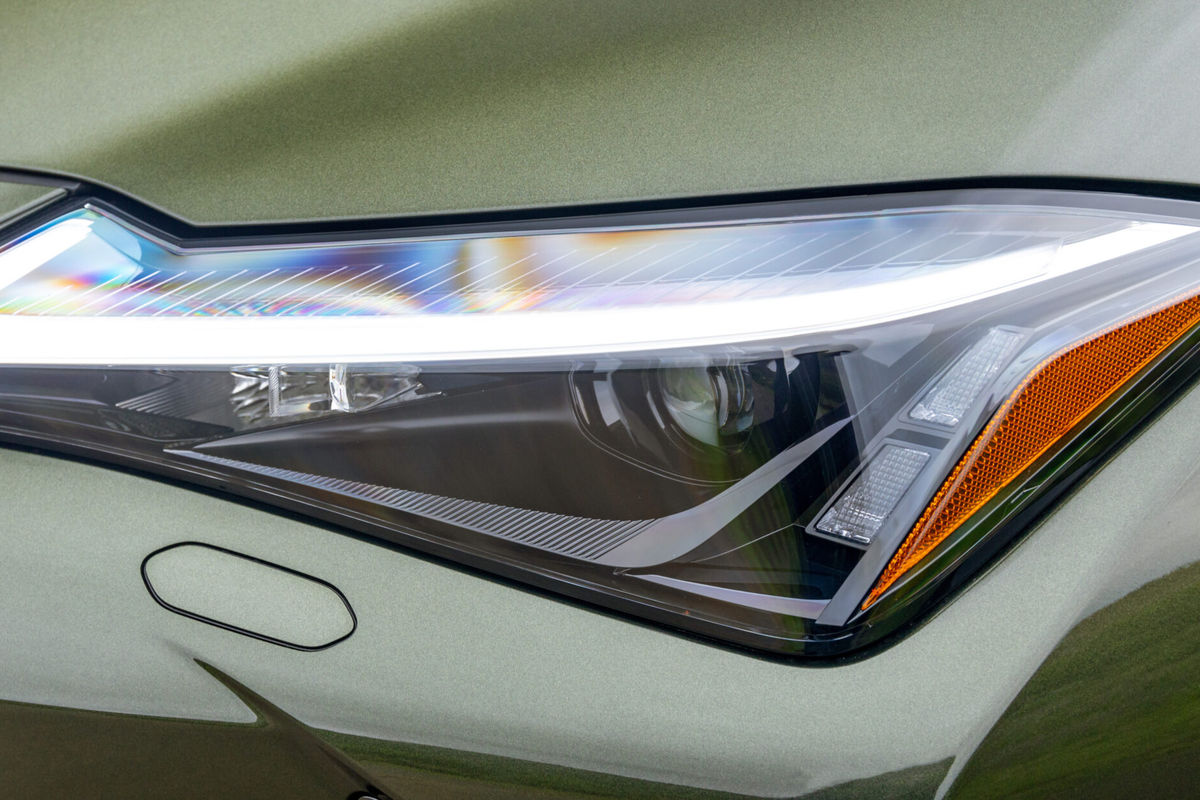
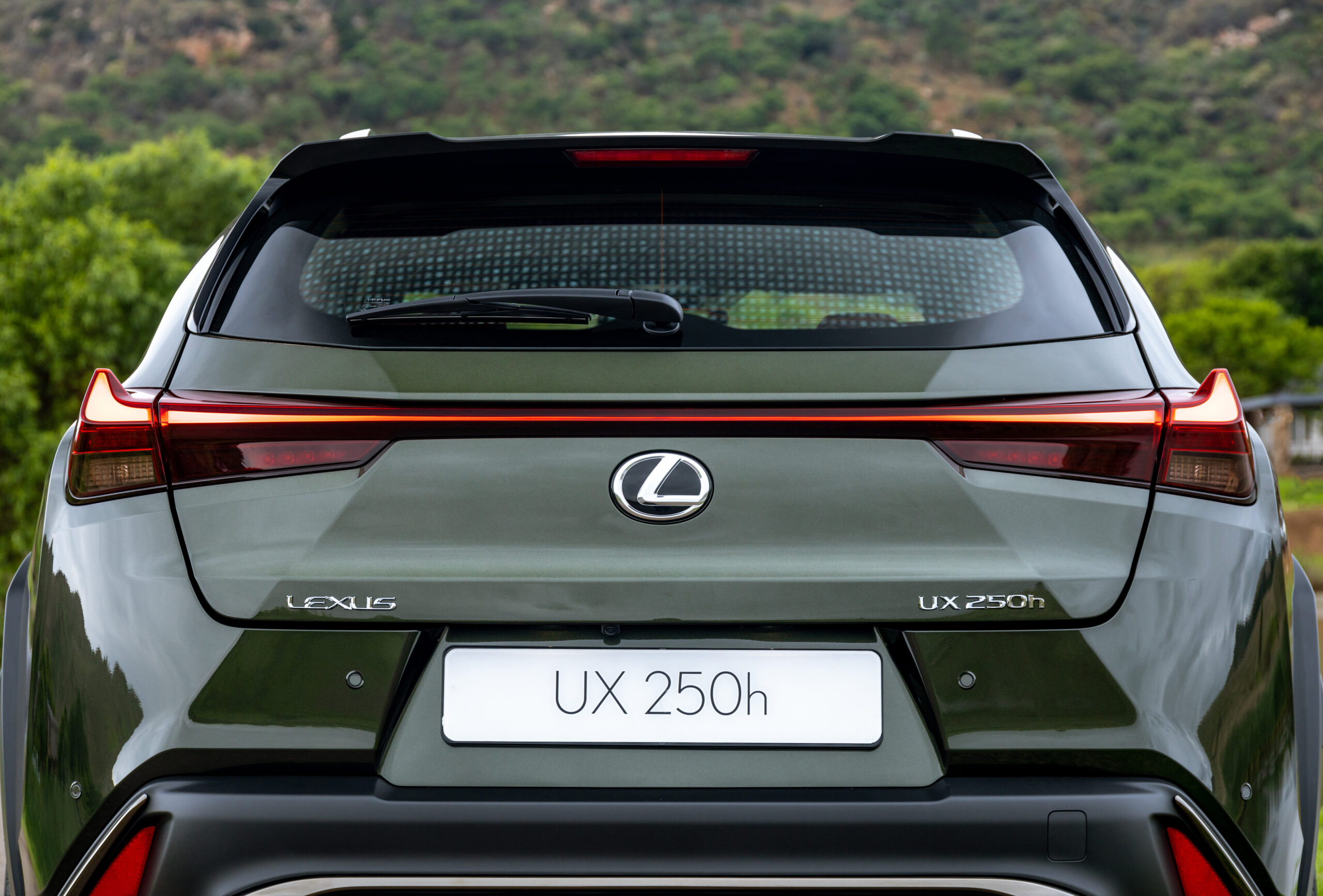
The cosmetic updates to the Lexus UX’s exterior are minor, but include redesigned headlamp clusters.
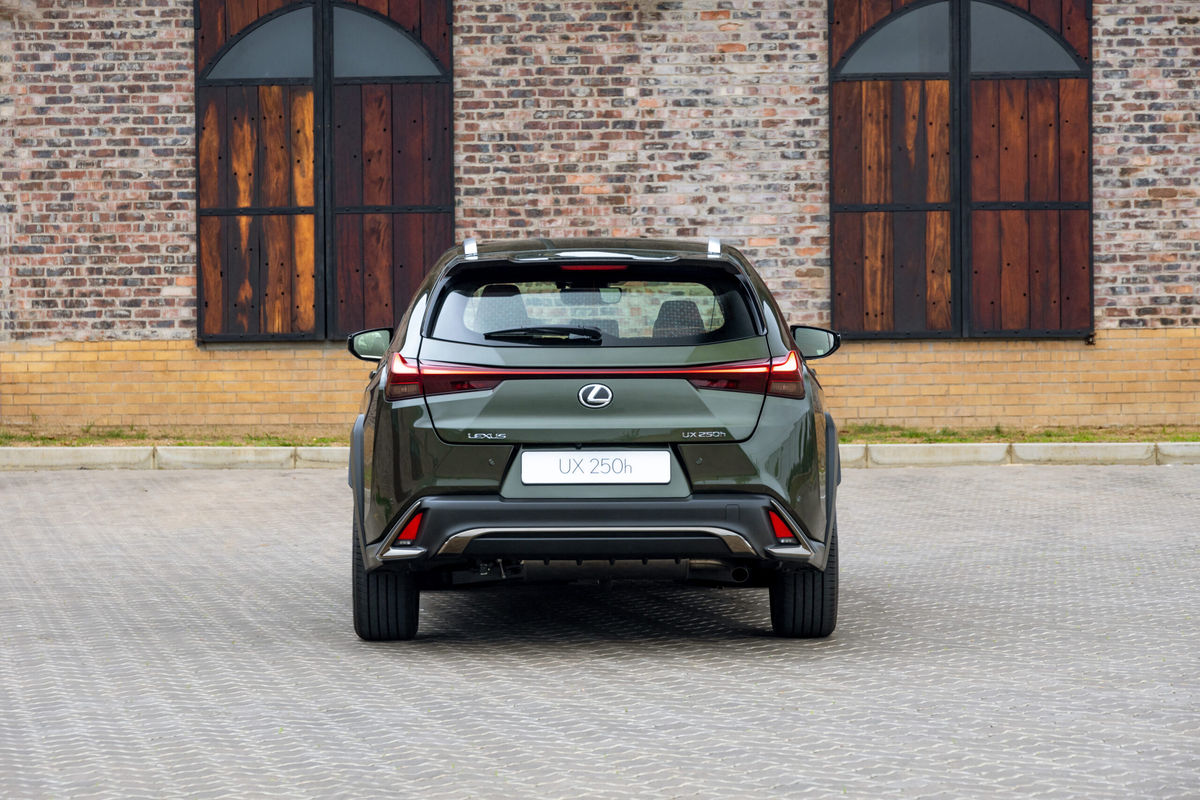
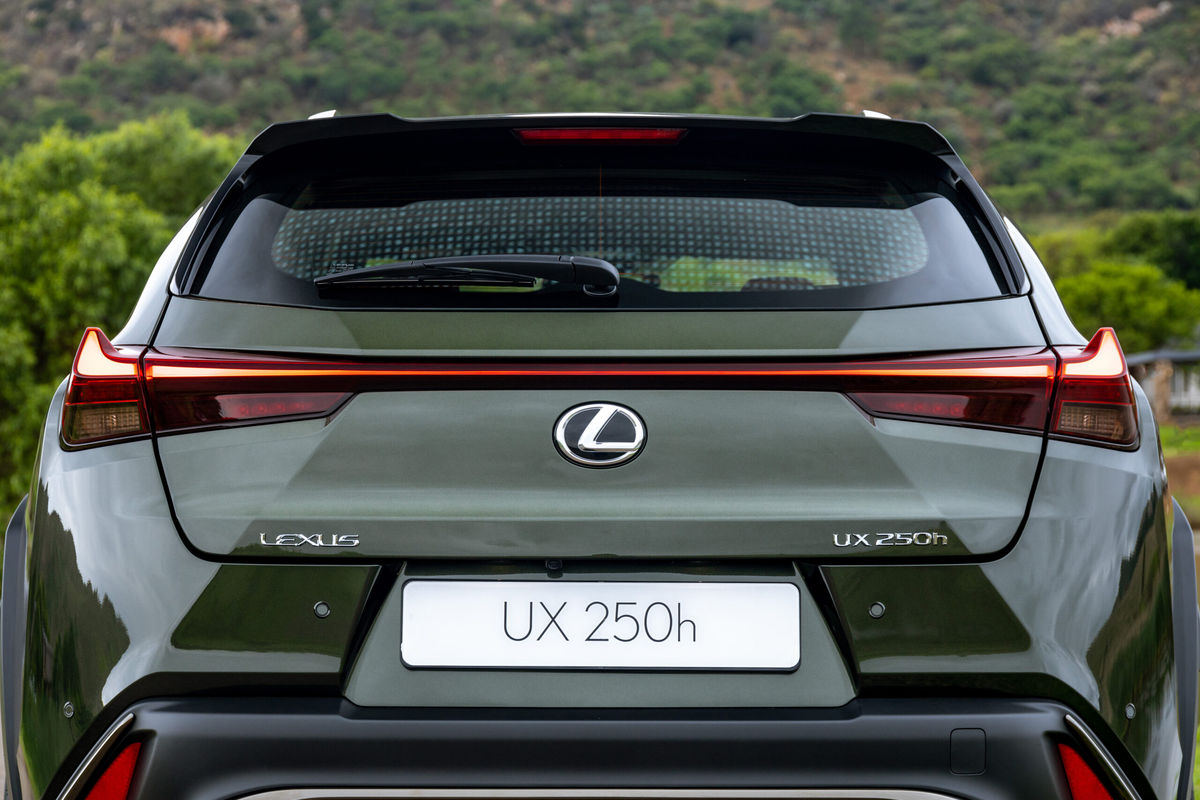
If you look really closely (and have the old car around for reference), you may notice slight revisions to the UX’s head- and tail lamps, plus its exterior mirrors, which are darker. Not that it matters – it remains a handsome little machine. I particularly appreciate the way that the rear clusters are shaped like little fins.
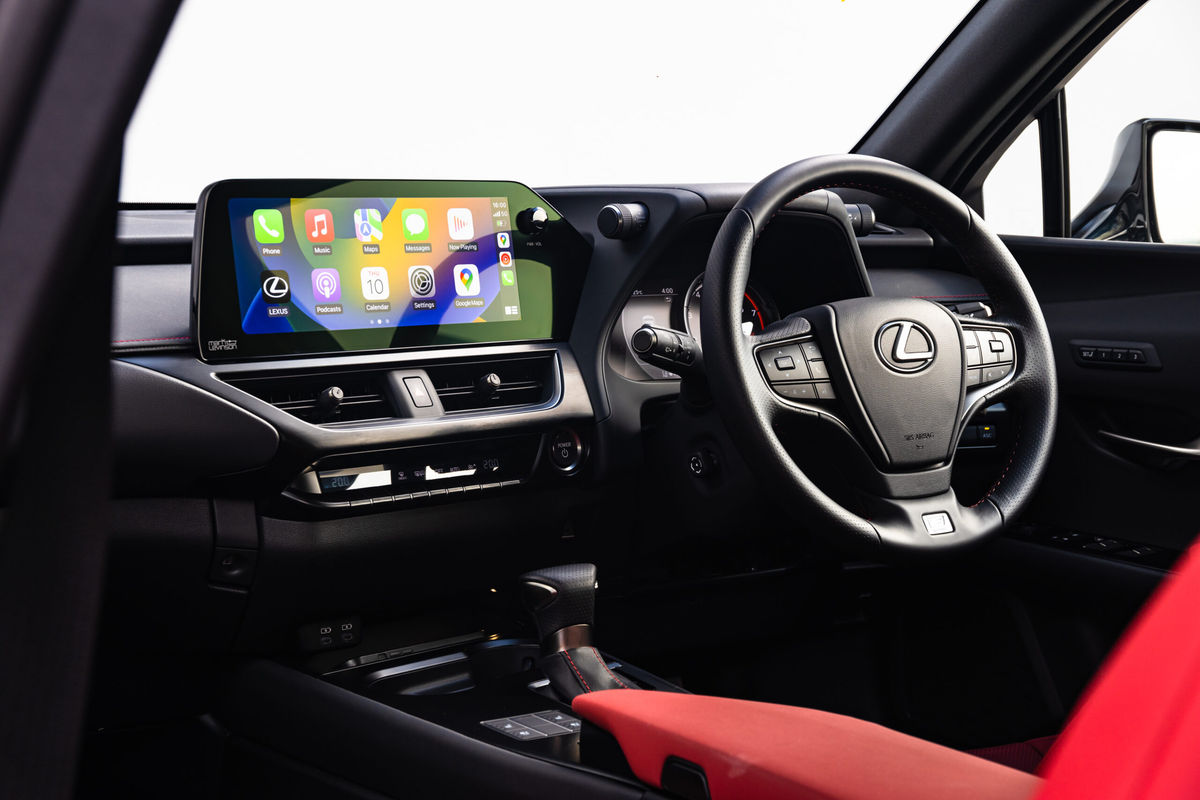
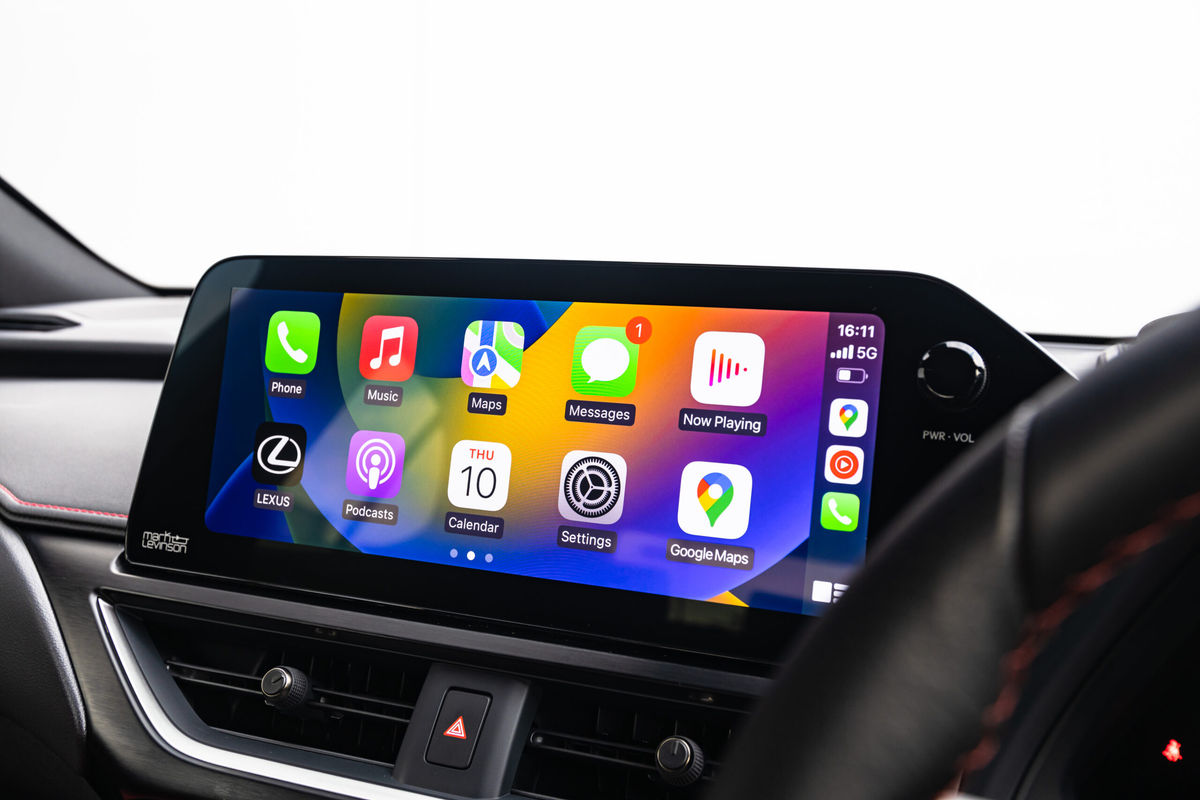
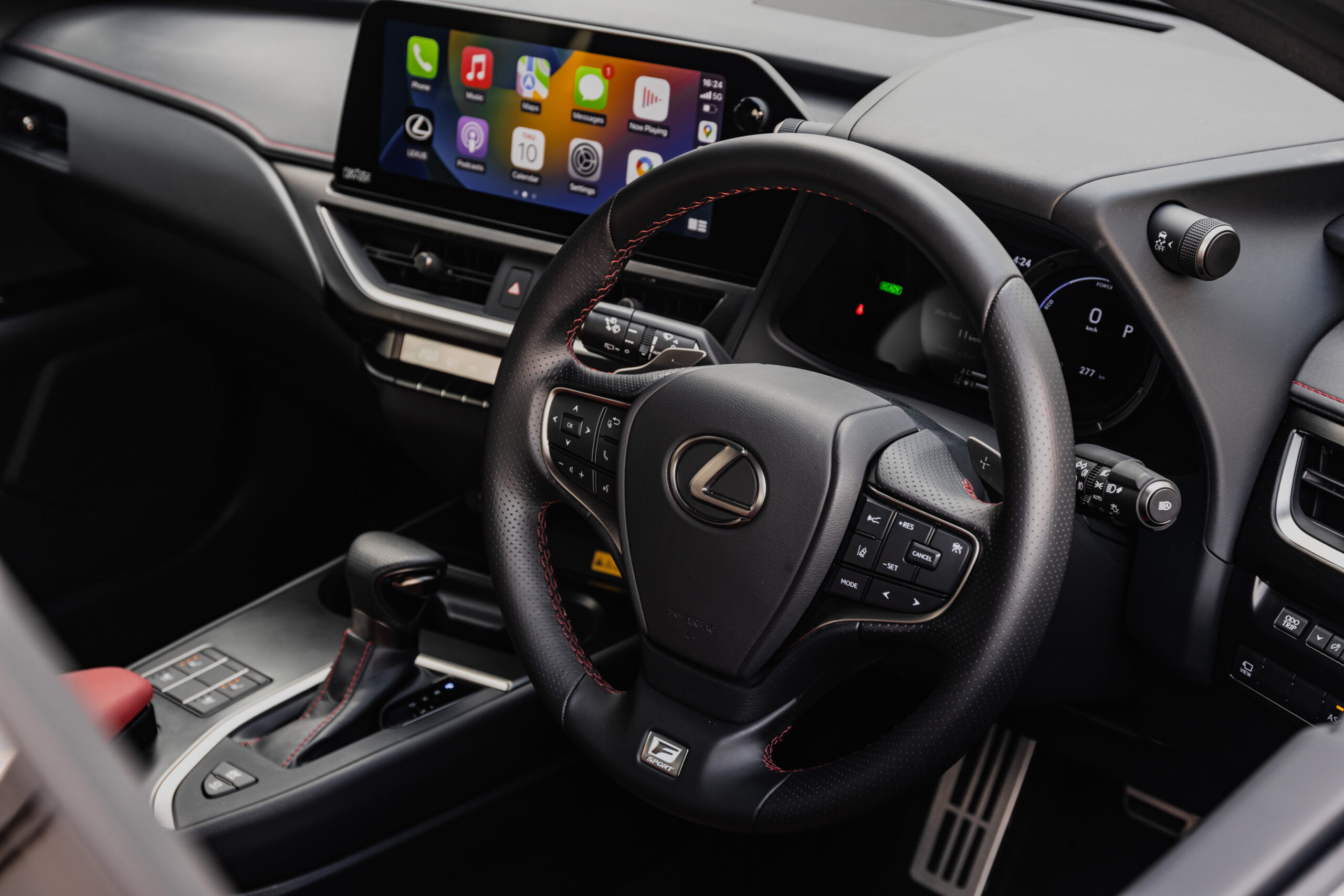
The changes in the cabin are much further-reaching, however. The main attraction is the new 12.3-inch touchscreen, which substitutes the older model’s fiddly trackpad system. The screen has superbly crisp graphics and is mounted 143 mm further forward than before, which makes it much easier to reach.
The interior build quality of the Lexus UX 250h exceeds that of the Alfa Romeo Tonale.
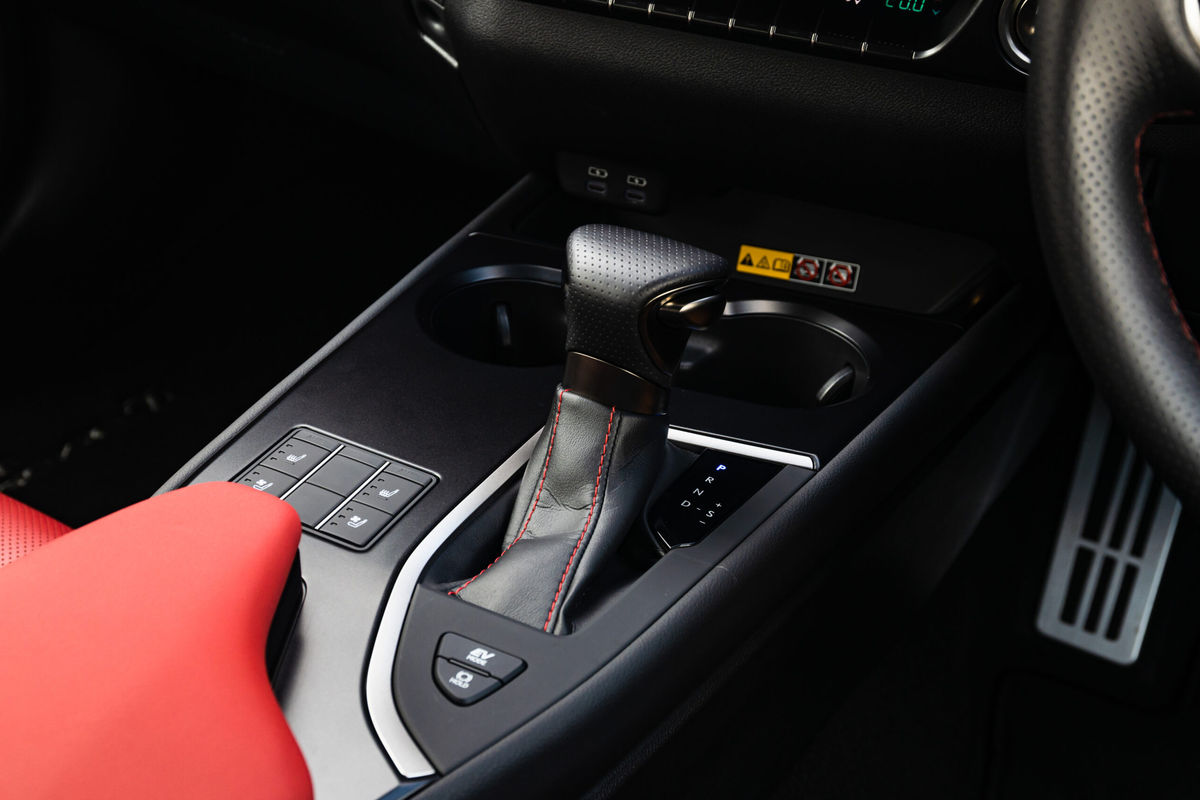
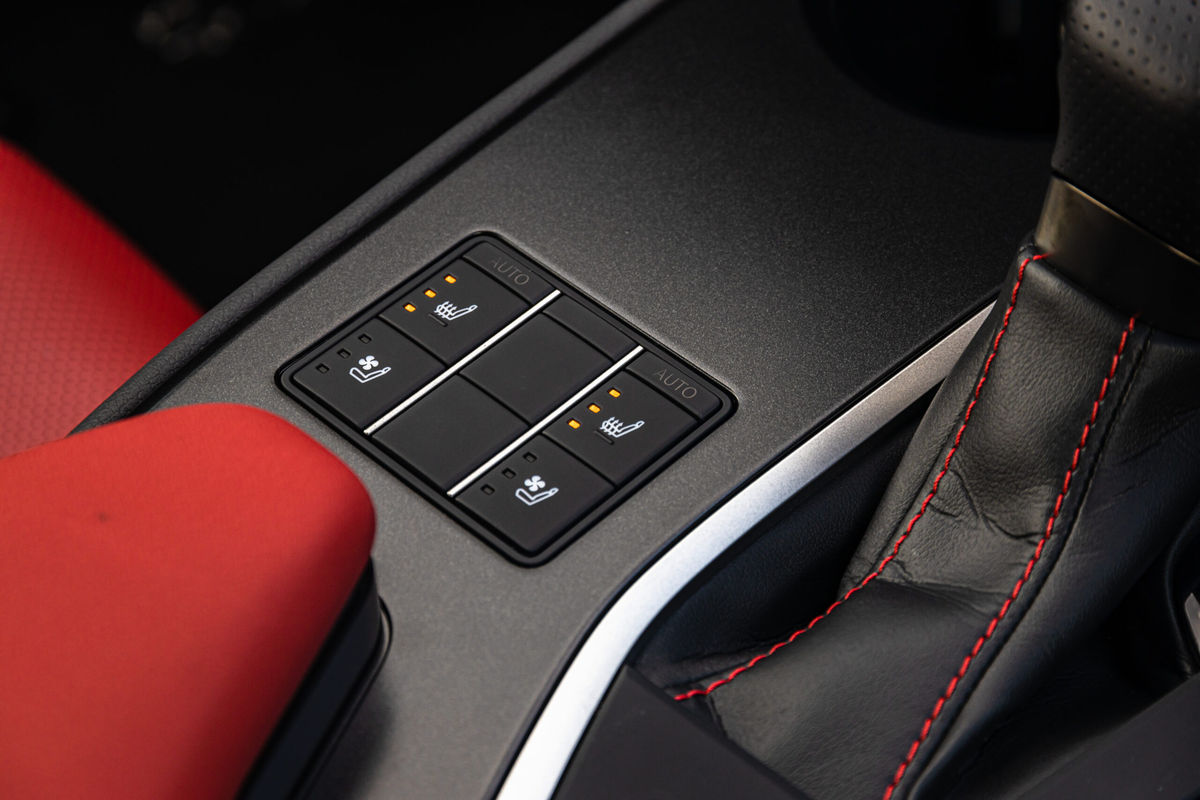
The fitment of the sizeable touchscreen has also freed up space on the transmission tunnel, where Lexus has positioned the seat-heater controls. There is also an illuminated tray in front of the air-conditioning control panel, which is big enough to accommodate a large, modern smartphone.
This neatly brings us to the next major area of improvement – connectivity. The UX comes equipped with “always connected” cloud-based navigation that provides access to real-time road and traffic info. Of course, provision is made for Apple CarPlay (wireless) and Android Auto (wired), plus software updates to the multimedia system can be installed “over the air”. An “old-school” USB-A port is fitted in the centre bin (of which the lid/armrest is cleverly hinged to provide access to the driver and front passenger). A USB-C outlet is also provided at the front, while rear occupants are availed with a pair of USB outlets.
The author appreciates that the Lexus UX’s rear light clusters are shaped like “little (dorsal) fins”.
Rear space, by the way, is reasonable (provided the front occupants are not too tall.) Headroom at the back is good (for my 1.8-metre frame), but the load bay (with a stated capacity of 268 litres) is small…
In terms of the 2023 Lexus UX’s safety features, the firm claims the Pre-Collision system has been optimised and that Intersection Turning Assist, which improves safety when turning across traffic, has been added. Emergency Steering Assist, in turn, helps a driver avoid obstacles without leaving their lane.
A nice touch to the all-speed dynamic cruise control system is the “Curve Speed Reduction” function, which automatically changes the vehicle’s speed to suit the radius of a bend.
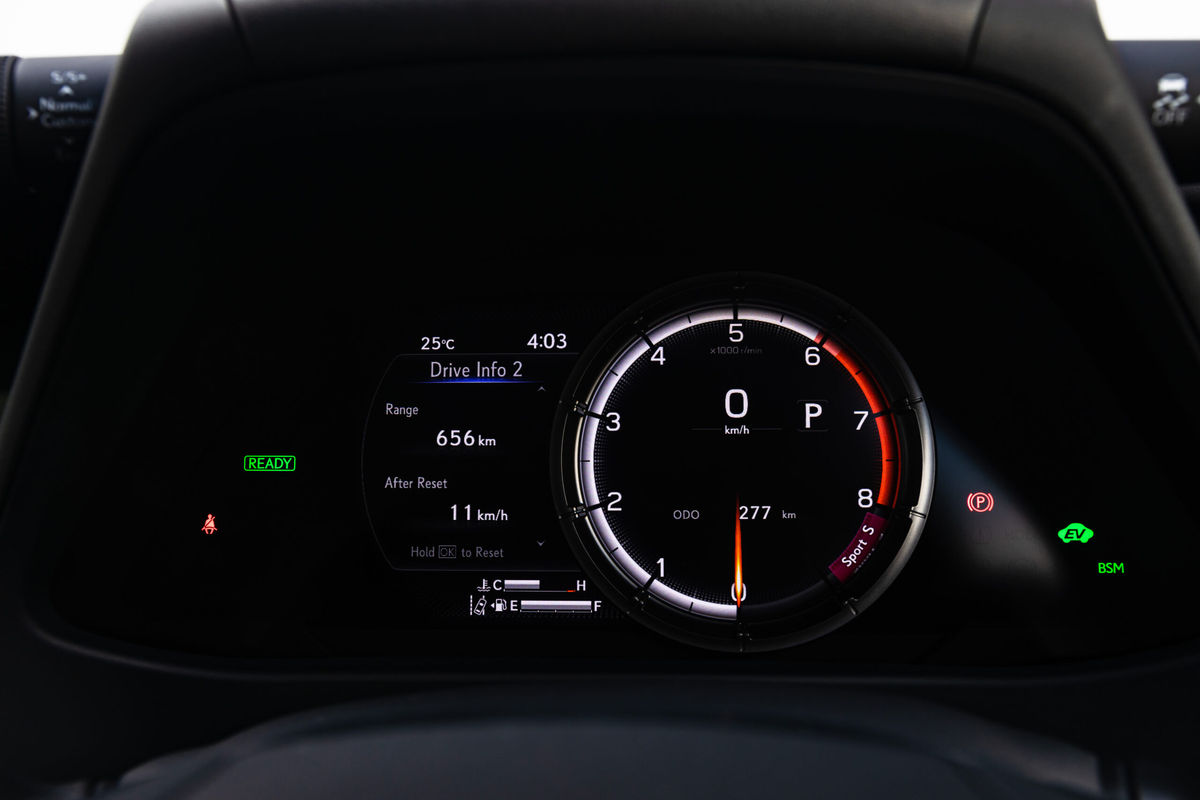
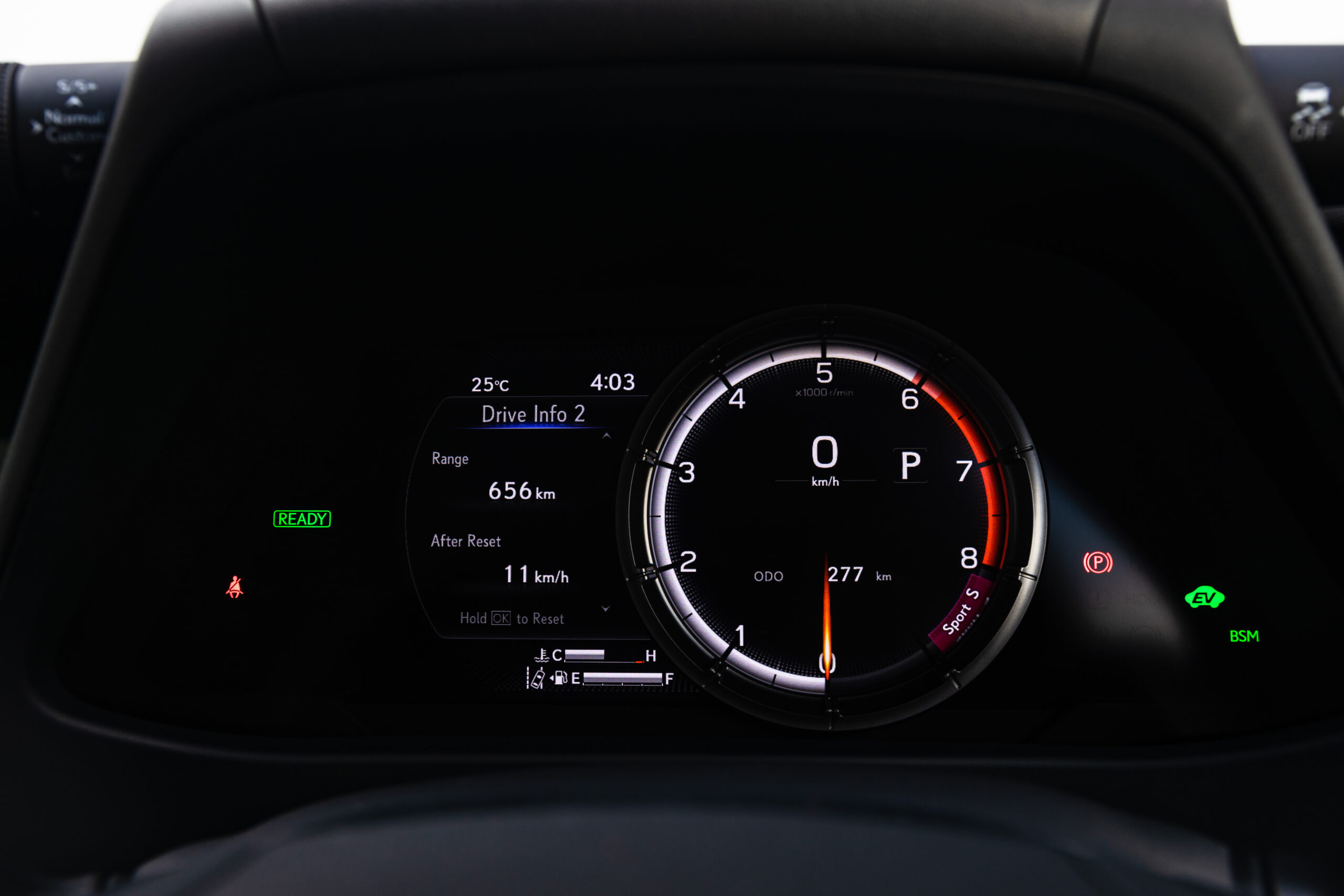
The Lexus UX 250h F Sport’s digital instrument cluster draws inspiration from the unit in the LFA supercar.
Unfortunately, I can’t comment on the effectiveness of these systems, because the EX derivative I drove doesn’t feature them. And that’s really one of my very few major gripes with the UX (besides its puny load bay)… Even an entry-level UX (the 250h EX) costs R808 600 (February 2023) and the offering would be significantly more competitive if it had a more comprehensive list of active safety features.
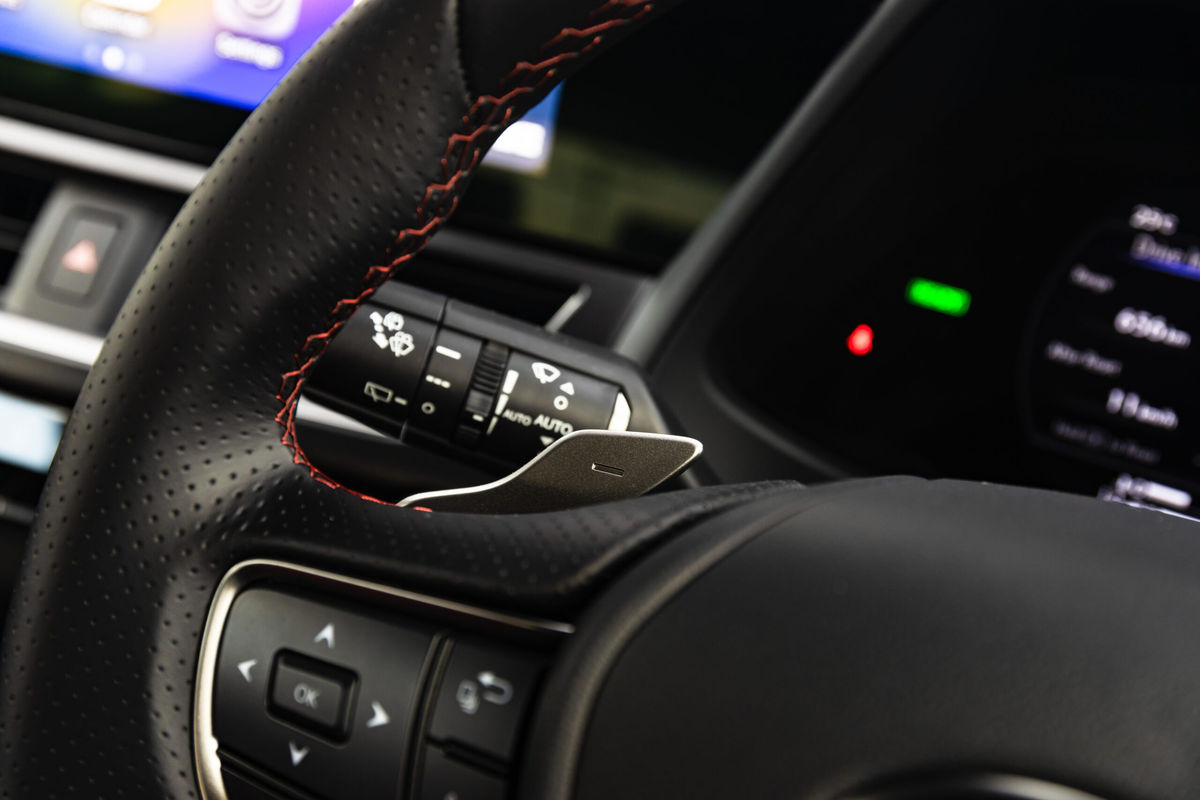
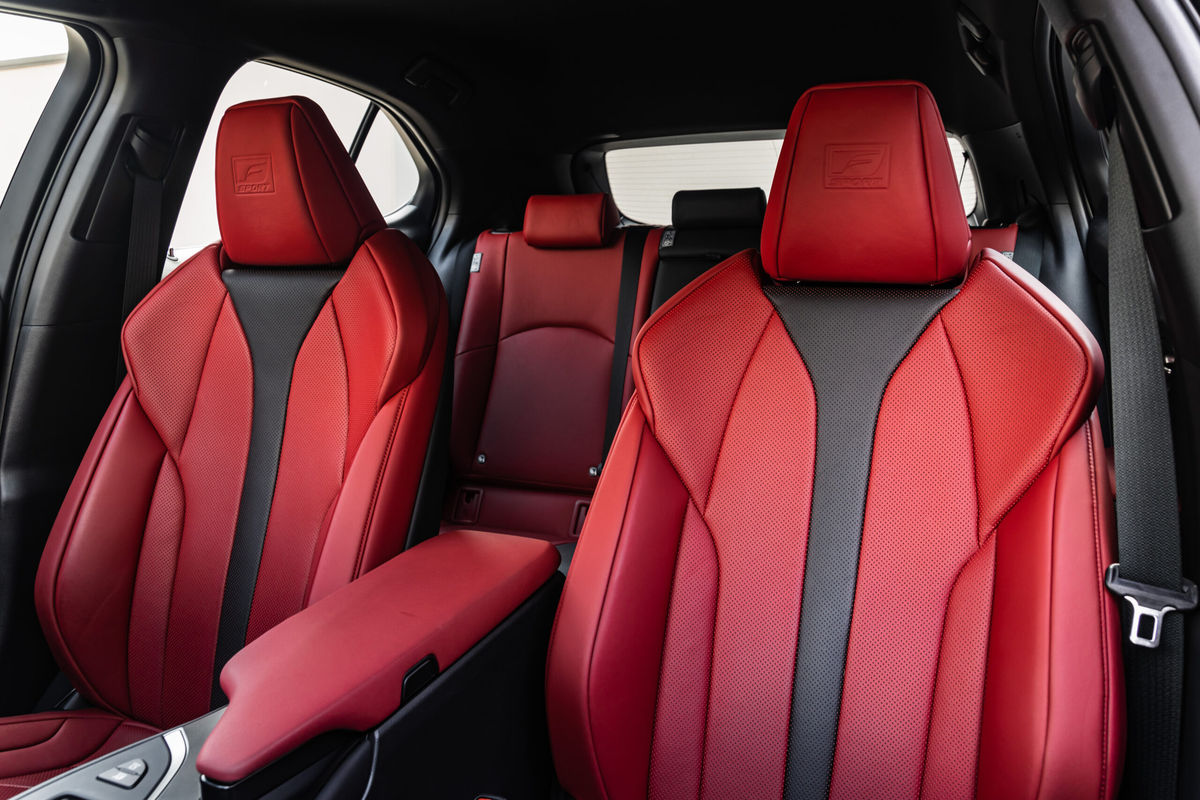
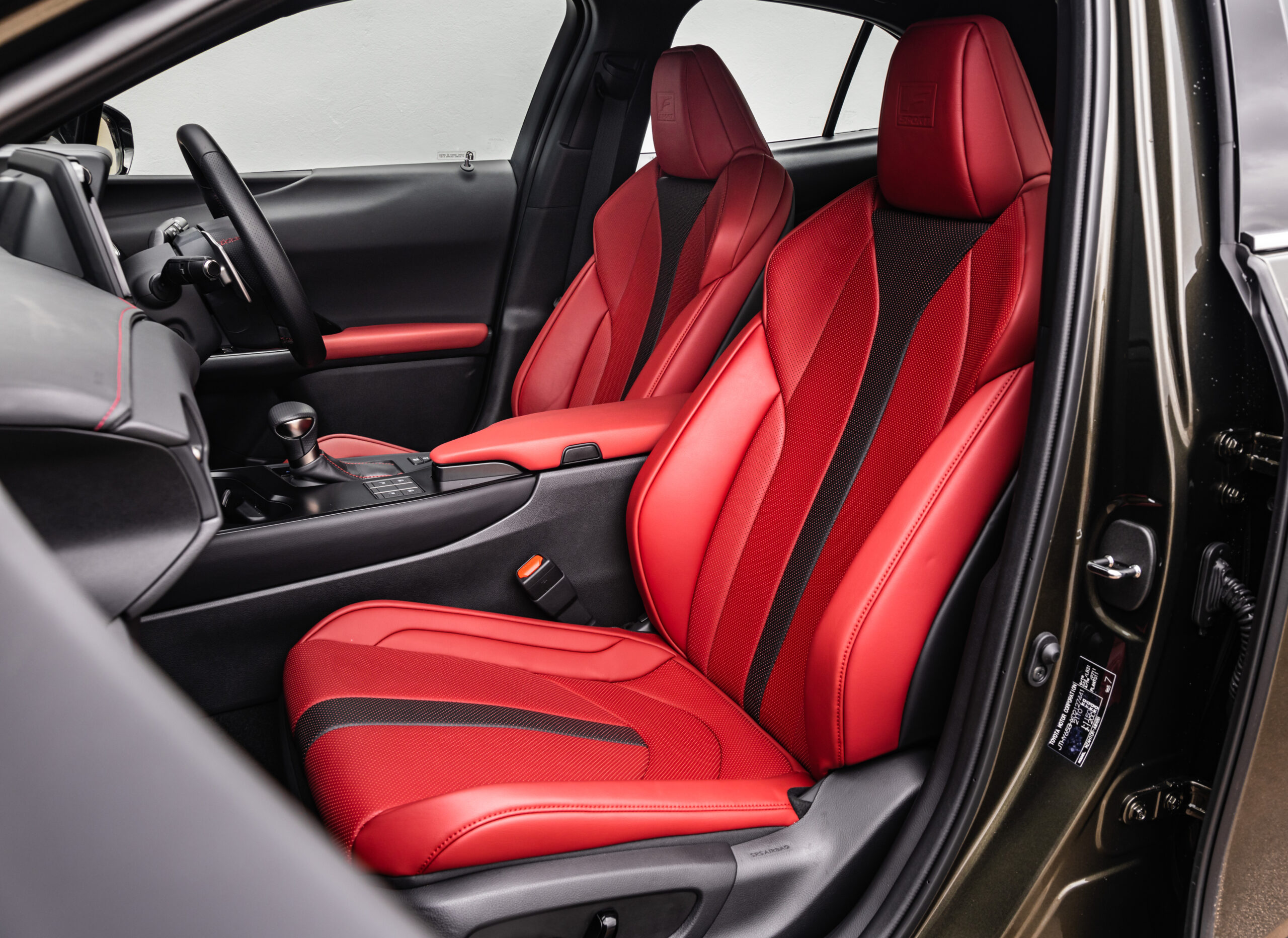
The cabin of the 2023 Lexus UX is superbly crafted (as we’ve come to expect from Lexus), with quality materials and fantastic attention to detail. In this regard, the UX is significantly more impressive than a rival such as the Alfa Romeo Tonale. What’s more, in the more expensive F Sport version, the design and quality impressions are ratcheted up by several more factors. You can choose between White, F Black and Flare Red for your UX 250h F Sport’s cabin, and the perforated leather upholstery has a fresh look too, with a new so-called “kagome” stitchwork pattern inspired by traditional Japanese basket weave.
It’s actually rather racy in the F Sport’s cabin, courtesy of the fitment of sports seats and a fancy digitally rendered instrument cluster that features a movable virtual ring, borrowed from the Lexus LFA supercar.
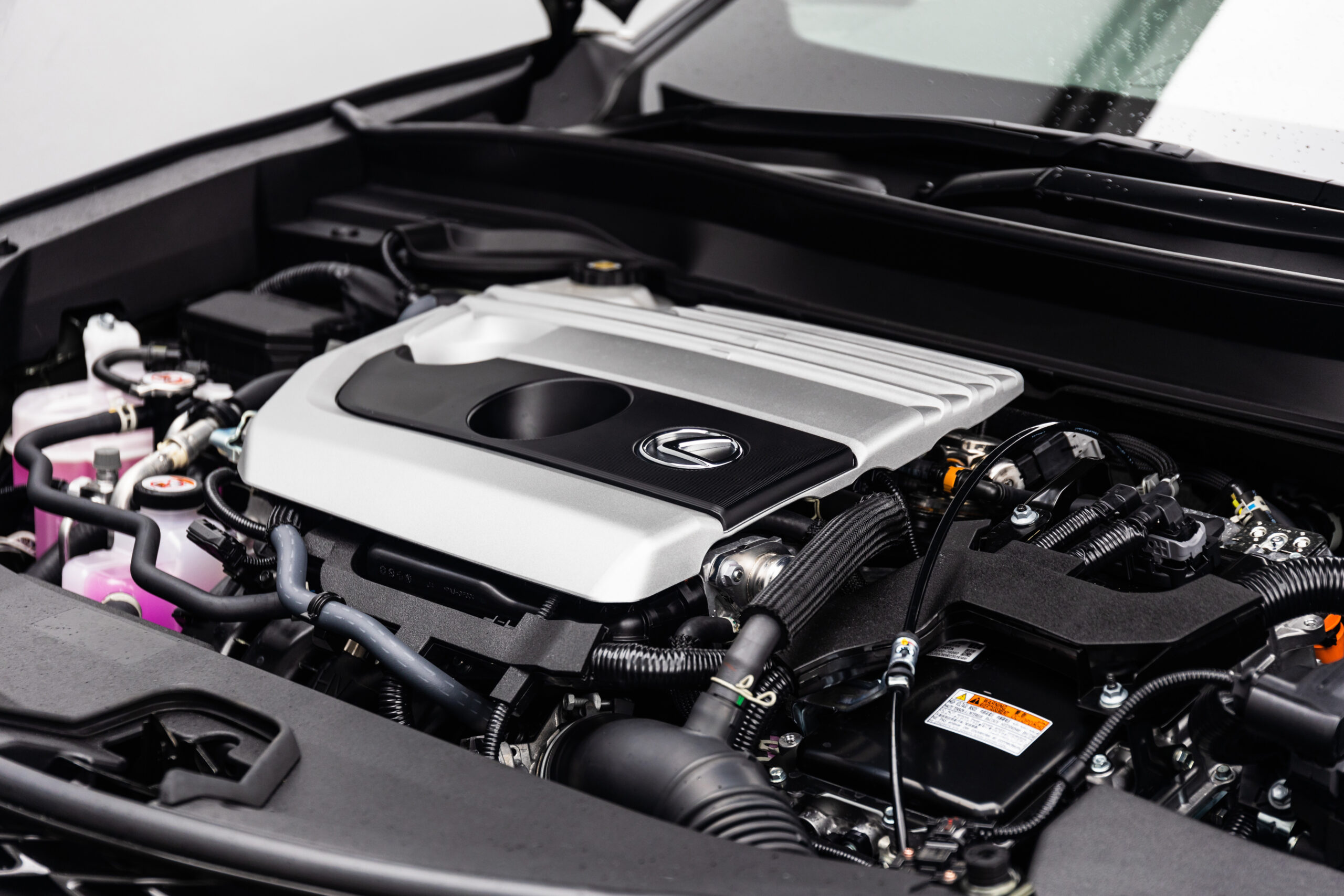
The 2.0-litre 4-cylinder petrol engine and 2 electric motors produce a combined total of 135 kW.
Efficiency and Performance
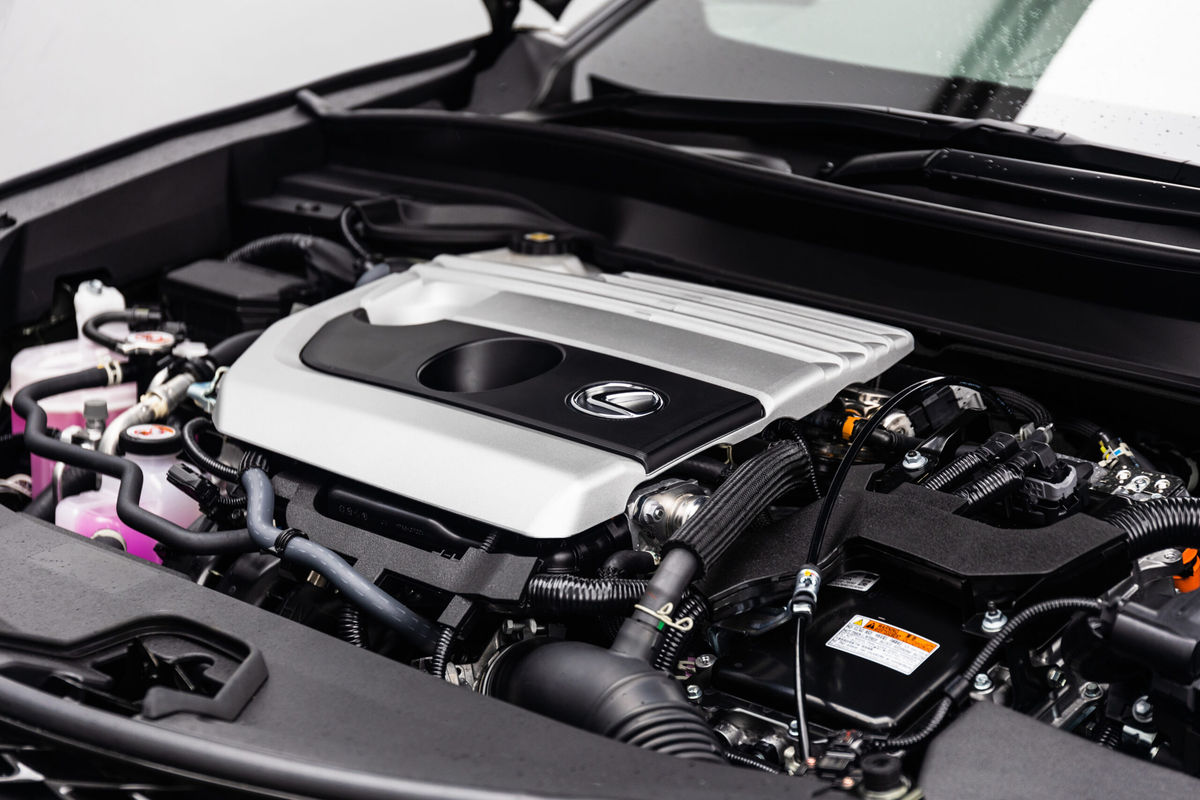
As before, all 2023 Lexus UX derivatives have petrol-electric hybrid powertrains with power coming from a combination of a 107 kW/180 Nm 2.0-litre 4-cylinder petrol engine paired with 2 electric motors. The total system output is a healthy 135 kW, and the UX250h is certainly no slouch. It delivers a wallop of torque when you floor the accelerator pedal (Lexus claims a brisk 0-100 kph time of 8.5 seconds).
The UX’s good performance doesn’t require too much of an efficiency sacrifice. Don’t expect to achieve Lexus’ claim of 4.5 L/100 km consistently; in reality, a return of about 5.8 L/100 km would be satisfactory.
Lexus describes the UX as a “Creative Urban Explorer” and says that the compact crossover’s target market is high-LSM 25- to 35-year-olds. The design brief was to deliver the “secure” feeling of a crossover/SUV with the driving quality of a hatchback. That’s pretty much a spot-on description.
The Lexus UX’s hybrid powertrain delivers a healthy wallop of torque when you flatten its accelerator pedal.
The entry-level 250h EX derivative doesn’t get the F Sport flagship’s new adaptive variable suspension (and Sport+ mode), but even the “baby” UX feels good to drive. Its steering is nicely weighted and the hushed cabin suggests that Lexus achieved excellent NVH (noise, vibration and harshness) control. The UX is quite stiffly sprung and rides on run-flat tyres (so, there’s no spare), but the damping is so well resolved that the ride quality only gets fidgety when the Lexus traverses very sharp bumps in the road.
Otherwise, the Lexus UX’s driving experience can be summed up as “pleasingly wieldy”. The 250h EX does offer Eco and Sport drive modes, however, and the latter does sharpen up responses a little.
The Lexus UX 250h F Sport is available with racy-looking Flame Red leather upholstery.
Rivals to consider
There aren’t too many direct rivals for the all-hybrid Lexus UX line-up, but you could take a look at the sporty new Alfa Romeo Tonale – in our view the Lexus is the more polished offering, however. If you are open to non-hybrid specific alternatives, then vehicles such as the highly-rated Volvo XC40, Mercedes-Benz GLA, Audi Q3/Q3 Sportback and new BMW X1 should factor into your consideration.
Lexus UX pricing and after-sales
UX250h EX
R792 700
UX250h SE
R874 300
UX250h F Sport
R928 900
UX250h F Sport Bi-tone
R939 300
All UX derivatives are sold with a class-leading 7-year/105 000 km warranty and full maintenance plan, as well as an additional 8-year/195 000 km hybrid battery warranty.
The UX (premium) compact crossover is Lexus’ most popular model in South Africa.
Summary
Consider this upgrade not so much a “significant revision” of the Lexus UX, but rather a far-reaching “sharpening up” of the model. There wasn’t much wrong with the UX in the first place, which is why Lexus merely carefully – and effectively – updated this model and added design/trim variety to up the appeal. If you’re looking for a premium, high quality and modern crossover that provides a solid first step into the world of NEVs (new-energy vehicles), the Lexus UX is certainly worthy of being on your shortlist.
All-new VW Polo Sedan Review – Is this the last sedan Volkswagen will ever sell in SA?
In our latest video Ciro De Siena gets behind the wheel of the new Volkswagen Polo sedan. Buying advice, specs and more here.
Why did sedans die? They were always the people’s champion, practical, cost effective, comfortable. But the crossover and SUV have certainly led to the demise of this once widely loved vehicle. Join Ciro De Siena as he reviews what he feels is the swansong of the sedan in SA.
The 2023 Volkswagen Polo Sedan 1.6 Life retails in South Africa for R360 000 for the manual version, but as we discovered, it is quite well specced at that price point. The ride is good too, with solid build quality in the cabin, although we couldn’t quite gel with the sea of beige interior colour.
In this video, we take a detailed look at the newcomer, with an emphasis on that enormous boot space.
The Department of Mineral Resources and Energy has announced official fuel price data for February 2023. All indicators point to a slight increase in fuel costs across the board.
The department of mineral resources and energy’s official statement read: The average Brent Crude oil price increased from 85.08 US Dollars (USD) per barrel to 86.16 USD per barrel during the period under review. The main contributing factor is the re-opening of the Chinese economy. The movement in international refined petroleum product prices, diesel, petrol and illuminating paraffin in particular followed the increasing trend in crude oil prices, while the prices of LPGas decreased due to lower propane and butane prices during the period under review. These factors led to higher contributions to the Basic Fuel Prices of petrol, diesel and illuminating paraffin by 92.74 c/l, 71.40 c/l and 78.21 c/l, respectively. The LPGas prices are decreasing due to the lower prices of Propane and Butane during the period under review.
The stronger Rand led to lower contributions to the Basic Fuel Prices of petrol, diesel and illuminating paraffin by 15.97 c/l, 18.79 c/l and 19.36 c/l respectively.
Fuel price increases for February 2023
As far as increases go, 93 and 95 octane petrol will rise by 28c per litre. 50ppm diesel will increase by 9c per litre and 5ppm diesel is set to increase by 0.84c per litre.
Fuel Prices in South Africa
Fuel Type
Jan 23 Inland
Jan 23 Coast
Feb 23 Inland
Feb 23 Coast
Petrol Unleaded 93
R21.10
R20.45
R21.38
R20.73
Petrol Unleaded 95
R21.40
R20.75
R21.68
R21.03
Diesel 0.05% (wholesale)
R21.23
R20.58
R21.32
R20.67
Diesel 0.005% (wholesale)
R21.41
R20.79
R21.42
R20.78
Fuel price data courtesy of thedepartment of mineral resources and energy
The head of Haval Motors South Africa says the local GWM P-Series bakkie line-up is due to expand in 2023, while also hinting at “something extra” for the segment…
South African bakkie fans can expect the local GWM P-Series range to expand in 2023, according to the head of Haval Motors SA.
Conrad Groenewald, Chief Operations Officer of Haval Motors SA (which also incorporates the GWM brand), made the comments while speaking to Cars.co.za video journalist, Ciro De Siena, during an exclusive interview.
When asked whether the Chinese firm’s local division would offer more variations of the P-Series in 2023, Groenewald said simply: “Yes, we have to”.
“It depends on what OEM [original equipment manufacturer] you ask and how they segment the market, but the majority of the OEMs will agree that your pick-up segment is the largest segment in South Africa. So any given month, there are about 10 000 units worth of sales,” the former Ford executive explained.
Citing supply constraints, Groenewald admitted the brand was “not where we want to be” with P-Series sales, before adding he expected the bakkie’s sales performance to improve as supply issues eased.
Groenewald believes local P-Series sales will grow as supply constraints ease.
For the record, the P-Series managed a 2022 sales tally of 4 183 units, seeing it finish 8th on the list of South Africa’s best-selling bakkies for the year. Interestingly, the GWM Steed ended up just ahead of its sibling, with 4 522 registrations.
“But we do have a strong product strategy for [2023] to expand on the P-Series offering, plus maybe give you something extra in that segment by the end of the year,” Groenewald revealed.
Though we’re speculating here, that last comment may well refer to the new GWM Shanhai Cannon, a bakkie that is slightly larger than the P-Series and available in China with more powerful engines (including a turbocharged 3.0-litre petrol V6 engine worth 260 kW and 500 Nm). We’ll keep our ears open for more news on that front.
And the P-Series itself? Well, though Groenewald didn’t go into any detail, we wouldn’t be surprised to see a new flagship double-cab derivative hit the local market at some point this year. The high-spec Vanta trim level offered in fellow right-hand-drive market Australia might be a good place to start, boasting in-vogue black finishes on components such as the grille, side-mirror caps, exterior door handles, sports bar and alloy wheels.
As a reminder, the P-Series range currently comprises 16 derivatives, 4 of which feature the single-cab body style with the remaining 12 taking the form of double cabs. Pricing starts at R404 950 and runs through to R640 950, with every variant employing a 120 kW/400 Nm 2.0-litre, 4-cylinder turbodiesel mill.
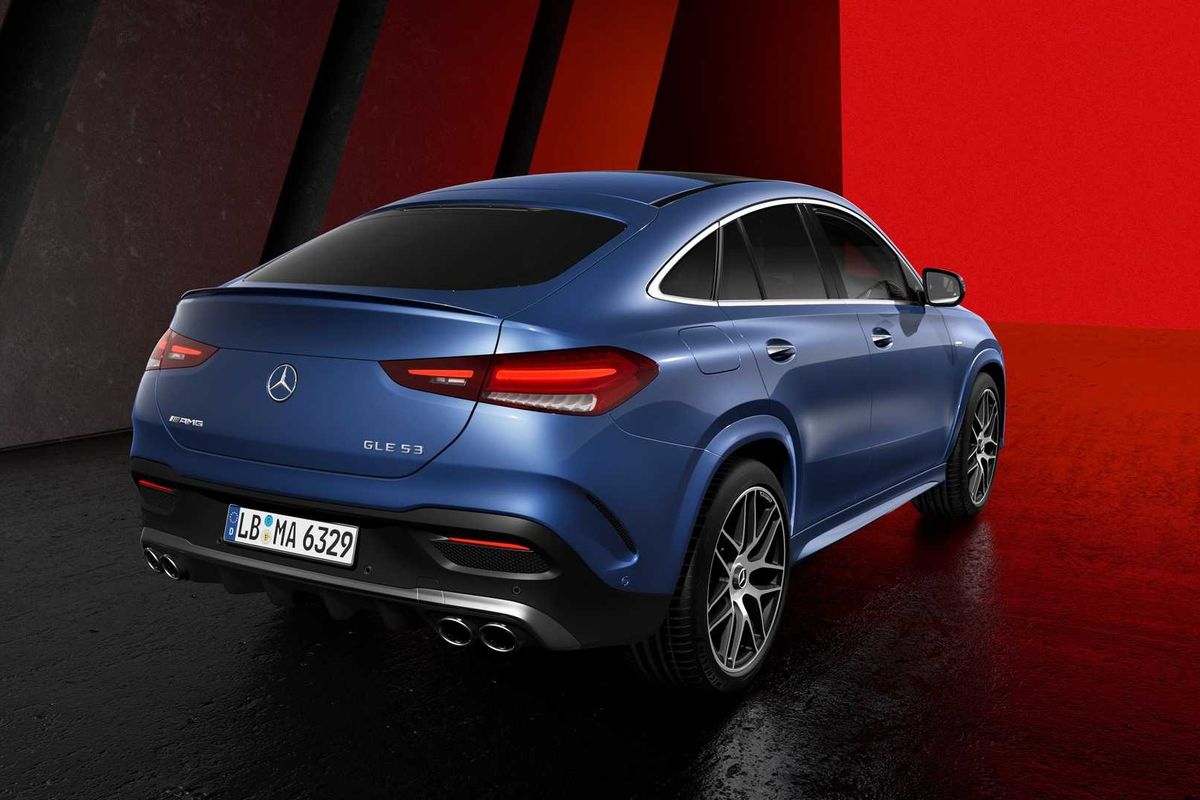
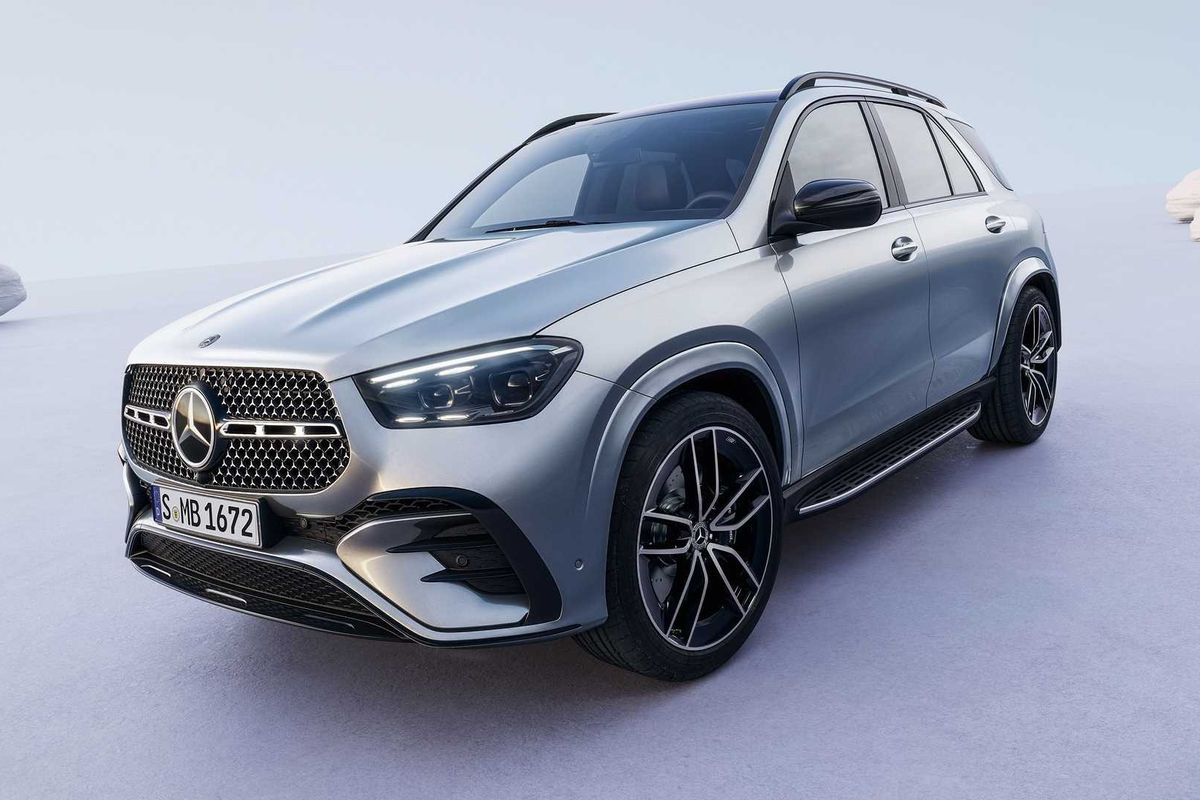
Here’s the 2024 Mercedes-Benz GLE, fresh from the factory. The family SUV from the 3-pointed star has been given an update for 2023. Here’s what’s new.
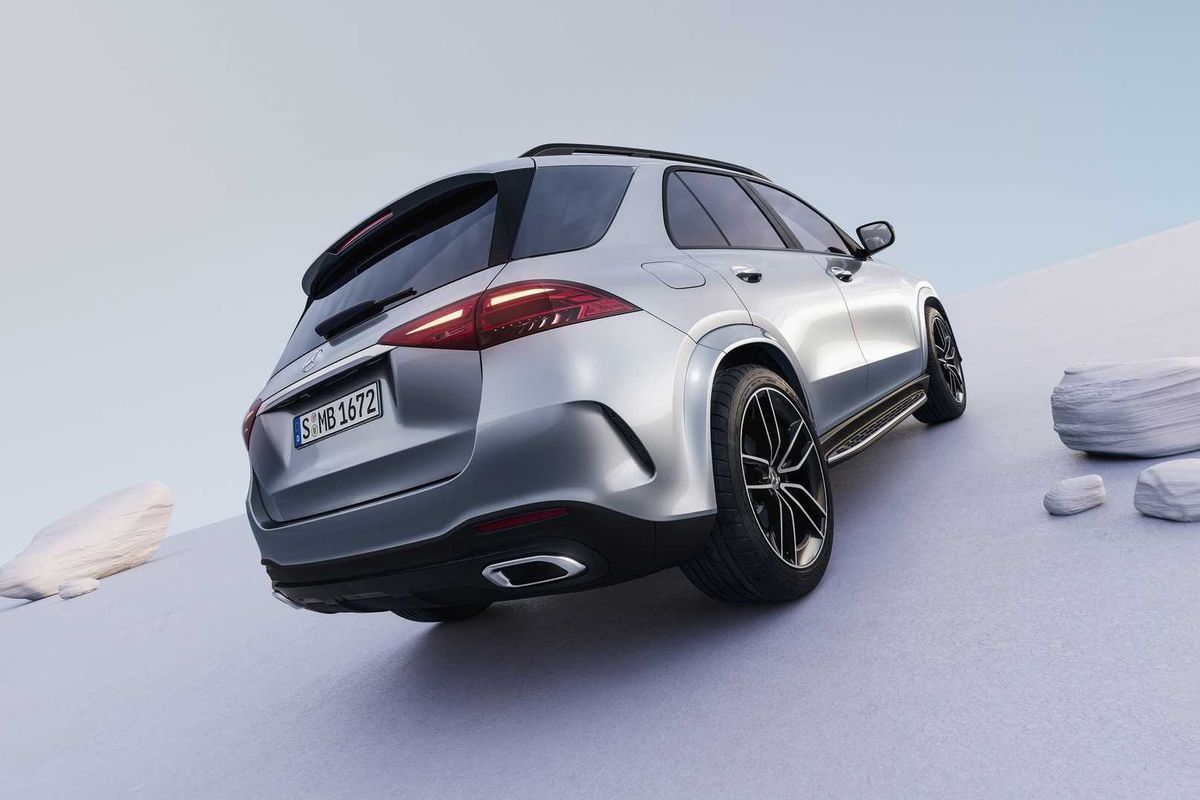
The Mercedes-Benz GLE is Stuttgart’s offering to the luxury SUV segment. High-end customers are spoilt for choice here, with superb offerings like the BMW X5, Audi Q7, Porsche Cayenne, Volkswagen Touareg and so on. Interestingly, most models in this segment are due for a facelift, but its the GLE which sees the light of day first.
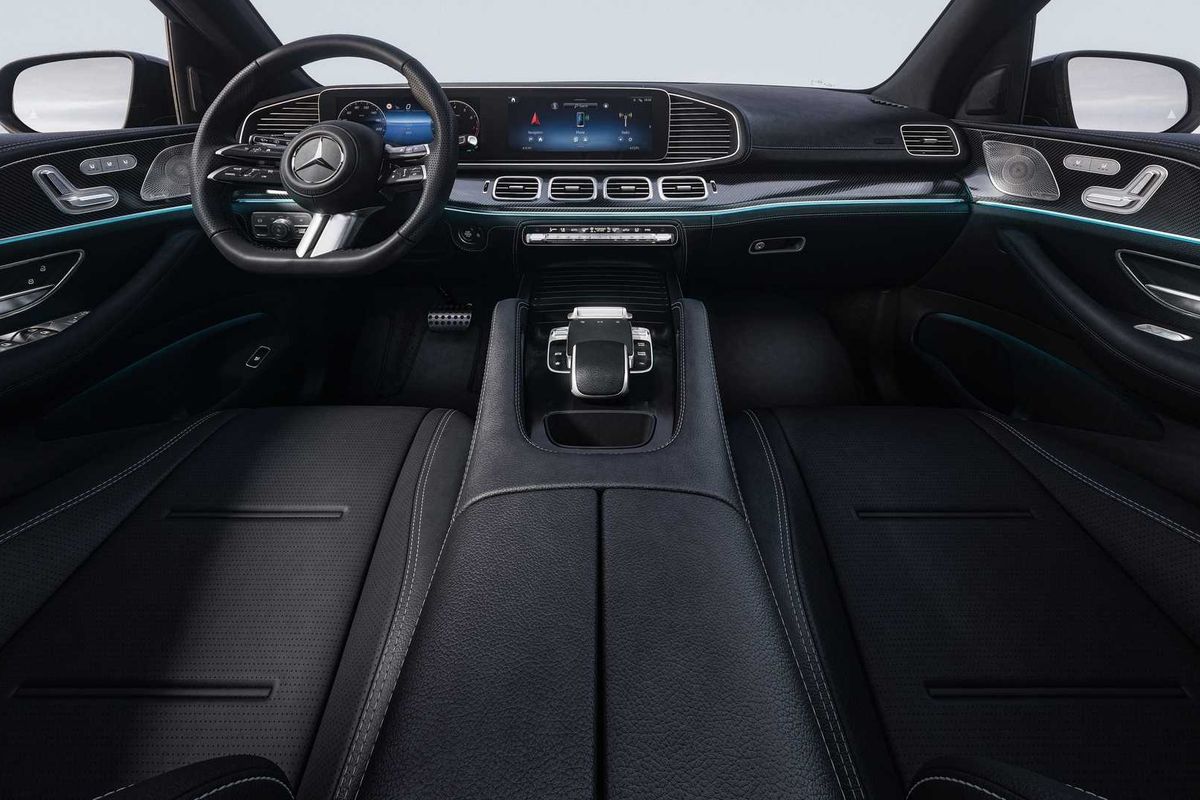
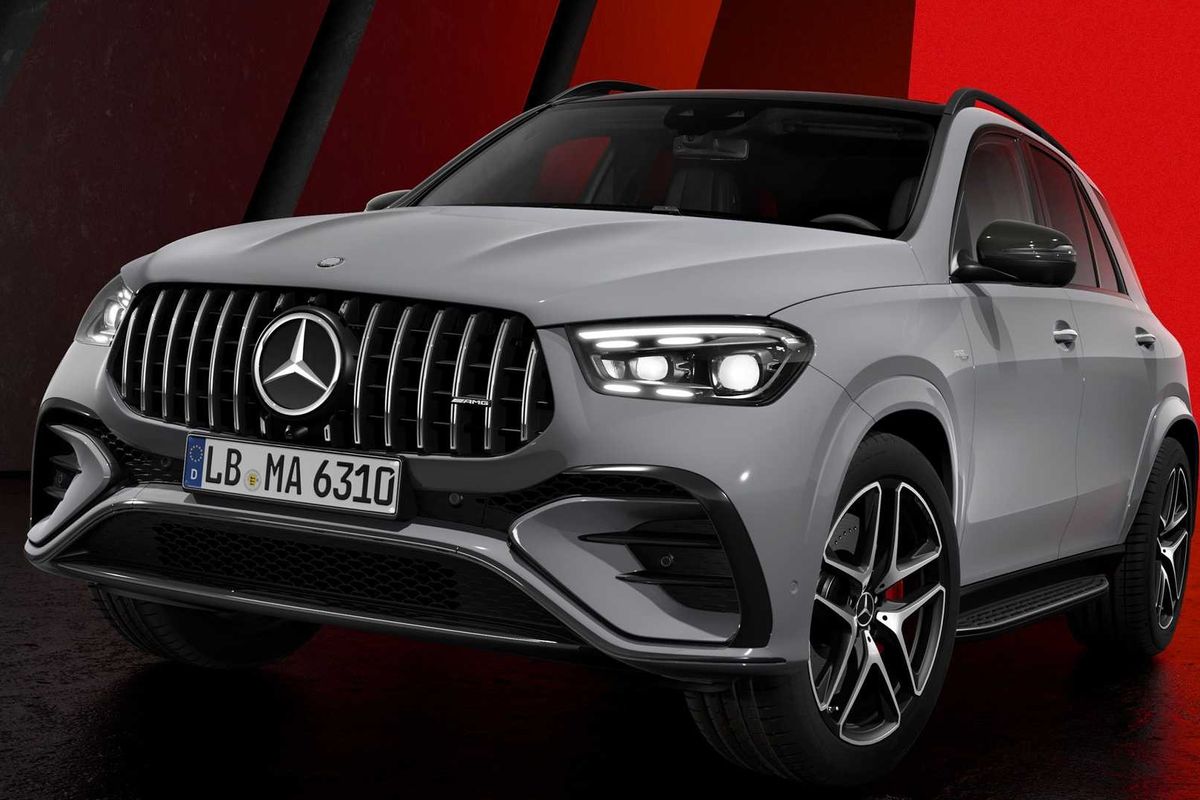
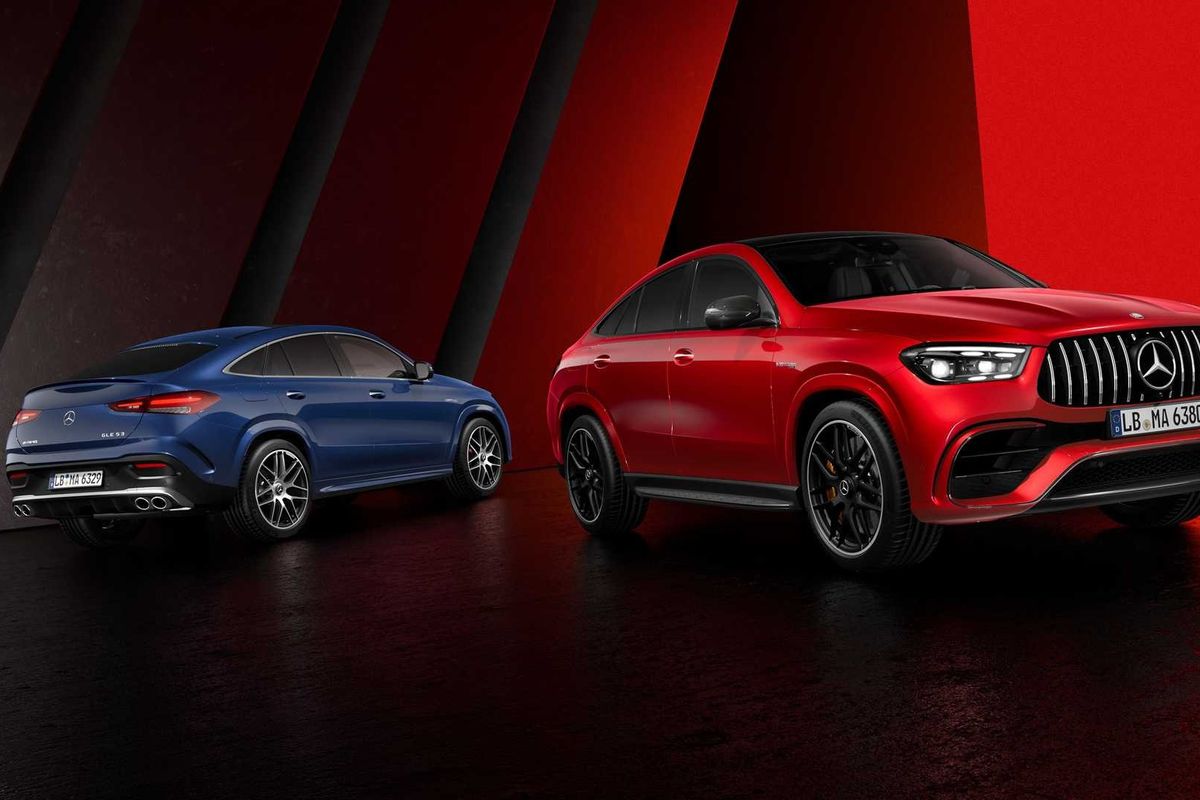
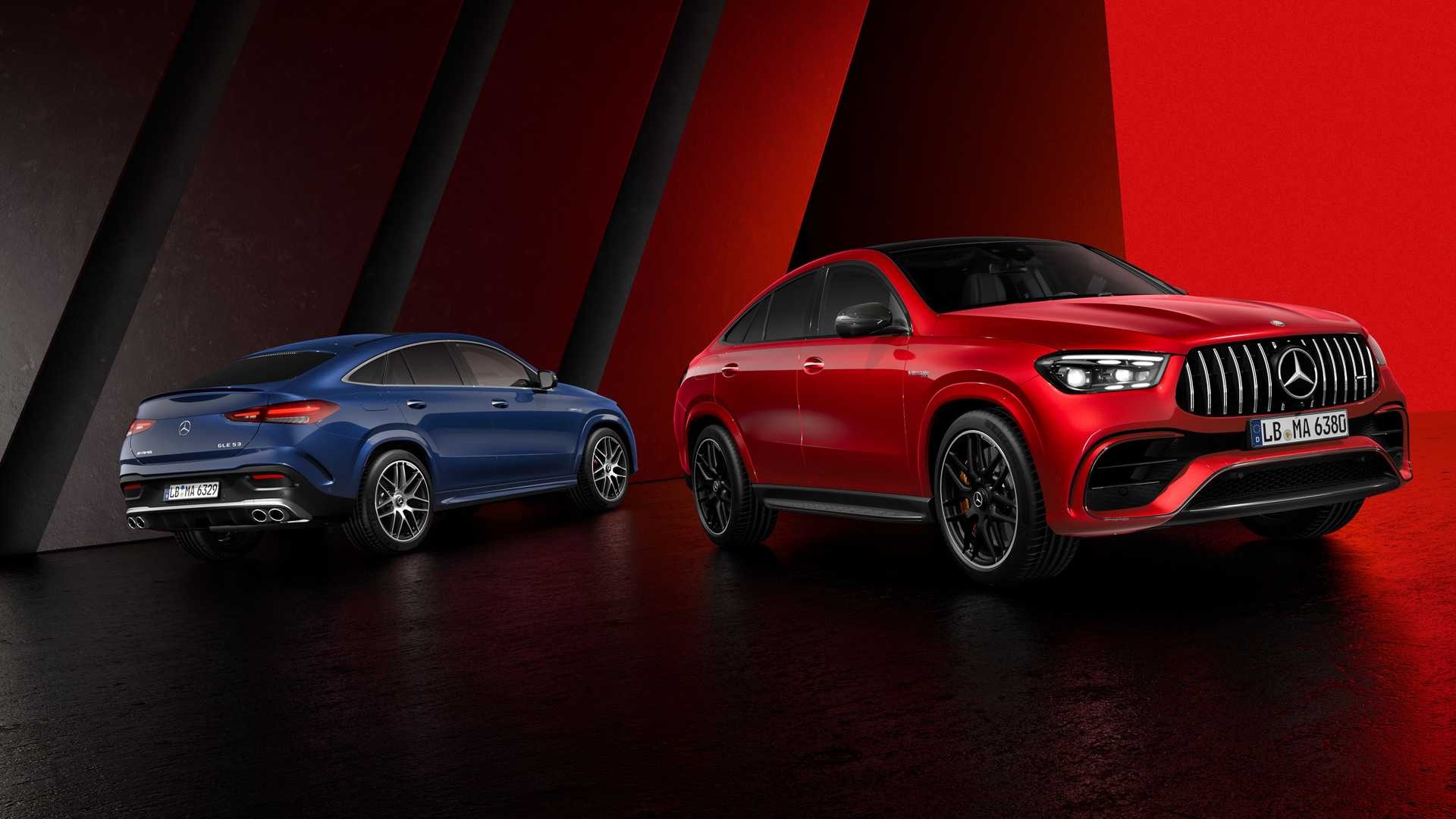
So, what’s new? Well at first glance, it doesn’t look like a radical visual overhaul, but upon closer inspection, you’ll spot the new-look grille that has a segmented look, there are new headlights and daytime running lights and there are revisions to the rear bumper.
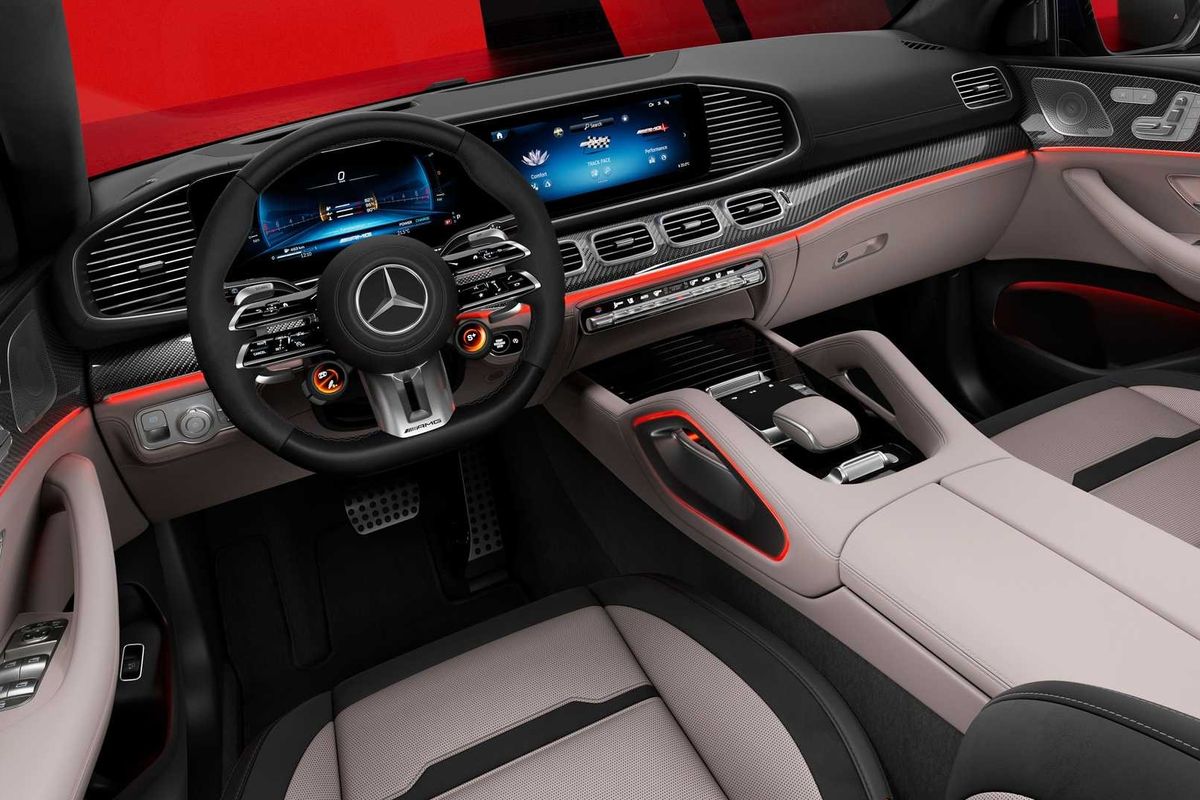
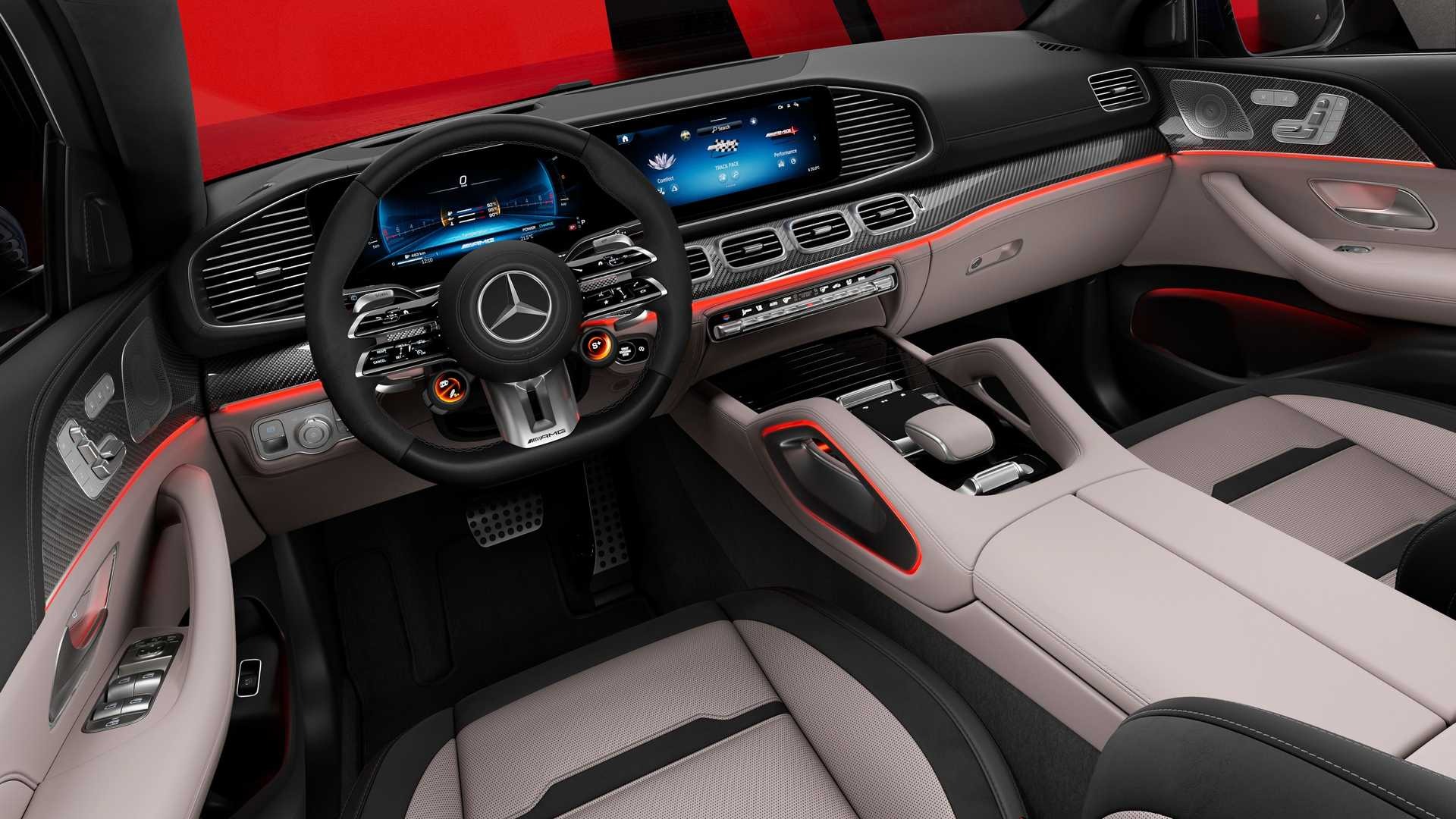
Inside, it is much the same as before, but there is a brand-new steering wheel that has the touch sensors on the spokes, which allow customers to control infotainment and dashboard settings. Mercedes-Benz says customers can add in chrome and piano black trim, which was previously reserved for the Maybach products. The second generation of MBUX makes its debut in the 2024 Mercedes-Benz GLE.
What’s actually changed then? The bigger and more significant changes can be found under the skin, with hybridisation across the range, and the 53 AMG derivatives get a small increase in torque. There’s also a brand-new plug-in hybrid model.
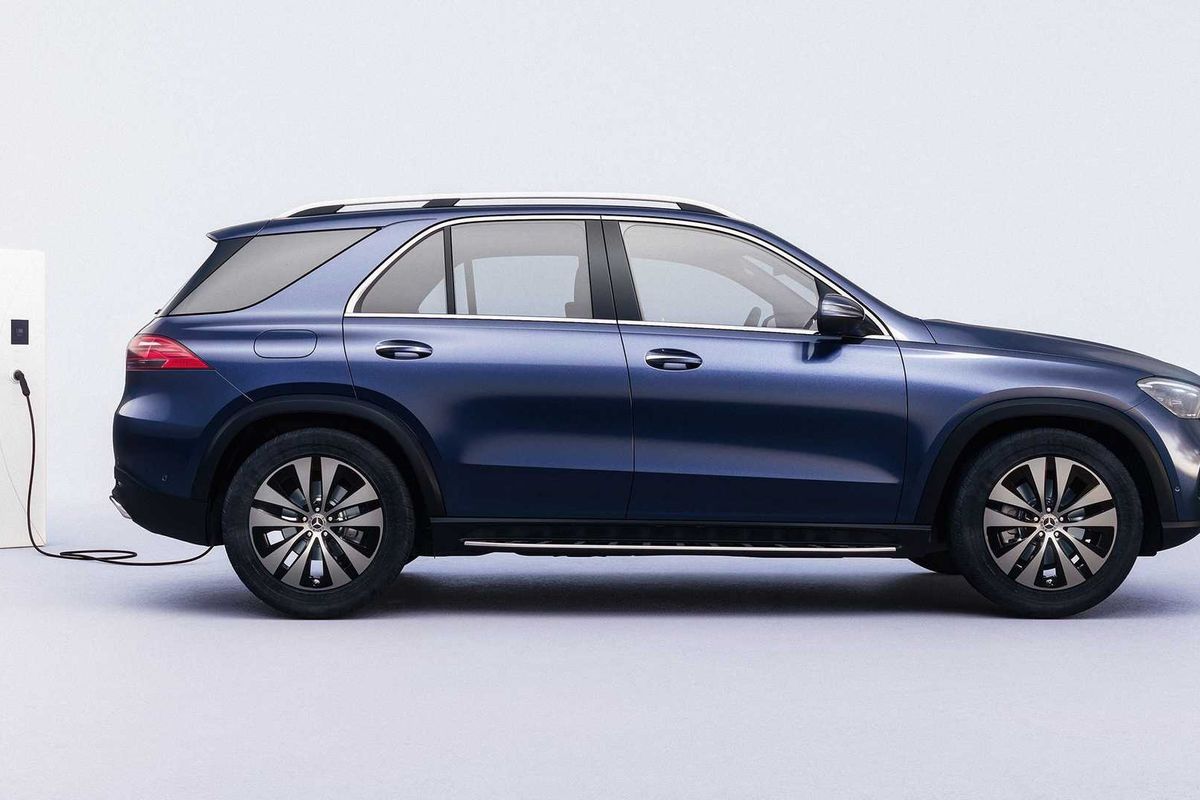
New plug-in hybrid model
The 2024 Mercedes-Benz GLE 400e 4Matic introduces an electric motor to a 2.0-litre turbocharged 4-cylinder petrol engine, and together there’s 284 kW and 650 Nm. A 0-100 sprint time of just 5.8 seconds is claimed, but of far more interest is large battery size of 23.3 kWh. Mercedes-Benz says its new GLE 400e can run on electric power alone, but an official range was not quoted.
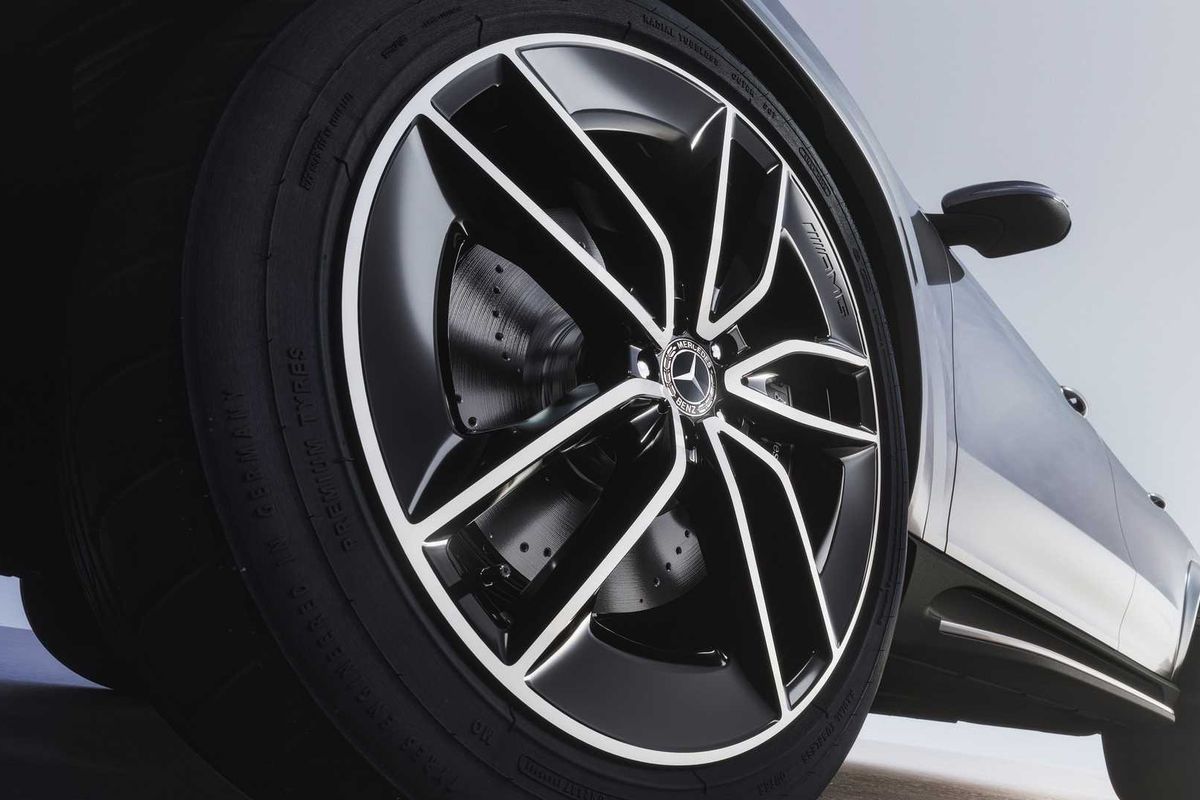
Every model in the 2024 Mercedes-Benz GLE features a 48-volt mild-hybrid system as standard. For the performance fanatics, the GLE 53 and 63 S feature the same subtle visual upgrades, but under the skin there’s a larger turbocharger and revised ECU, which sees a jump in the torque figure.
Outputs of 320 kW and 560 Nm are on tap and the GLE 53 will sprint to 100 kph in a claimed 5 seconds dead, which is 3 tenths quicker than before. The GLE 63 S retains its 4.0litre biturbo V8 with 450 kW and 850 Nm. All AMG derivatives receive more standard equipment and features than before.