The pain and suffering continues for SA motorists as the price of petrol and diesel rises yet again for July 2022.
South African motorists are in for yet another month of fuel price increases in July 2022. The latest increases will see the price of fuel approach R27 a litre.
As it stands, the fuel price increases for July 2022 are as follows: petrol 93 will go up by R2.37, petrol 95 will go up by R2.57 per litre. The price of diesel also rise with 0.05% sulphur going up by R2.31, while 0.005% sulphur will go up by R2.30. Illuminating paraffin (wholesale) up by R1.66.
Back in April 2022, the SA government cut the petrol price levy by R1.50 a litre to try soften the blow, but from this week’s announcement, this cut will be reduced to 75 cents – further adding to the pain.
The price of petrol and diesel in South Africa is subject to the exchange rate (oil is purchased in dollars) as well as the price of the oil itself. The conflict in Ukraine has played a big role as Russia is the world’s 3rd largest oil producer and sanctions have blocked it from selling in Western markets.
At this stage, there seems to be no light at the end of the tunnel (could be loadshedding) and we’re expecting further increases to come.
Updated Volkswagen T-Roc in SA (2022) Specs & Price
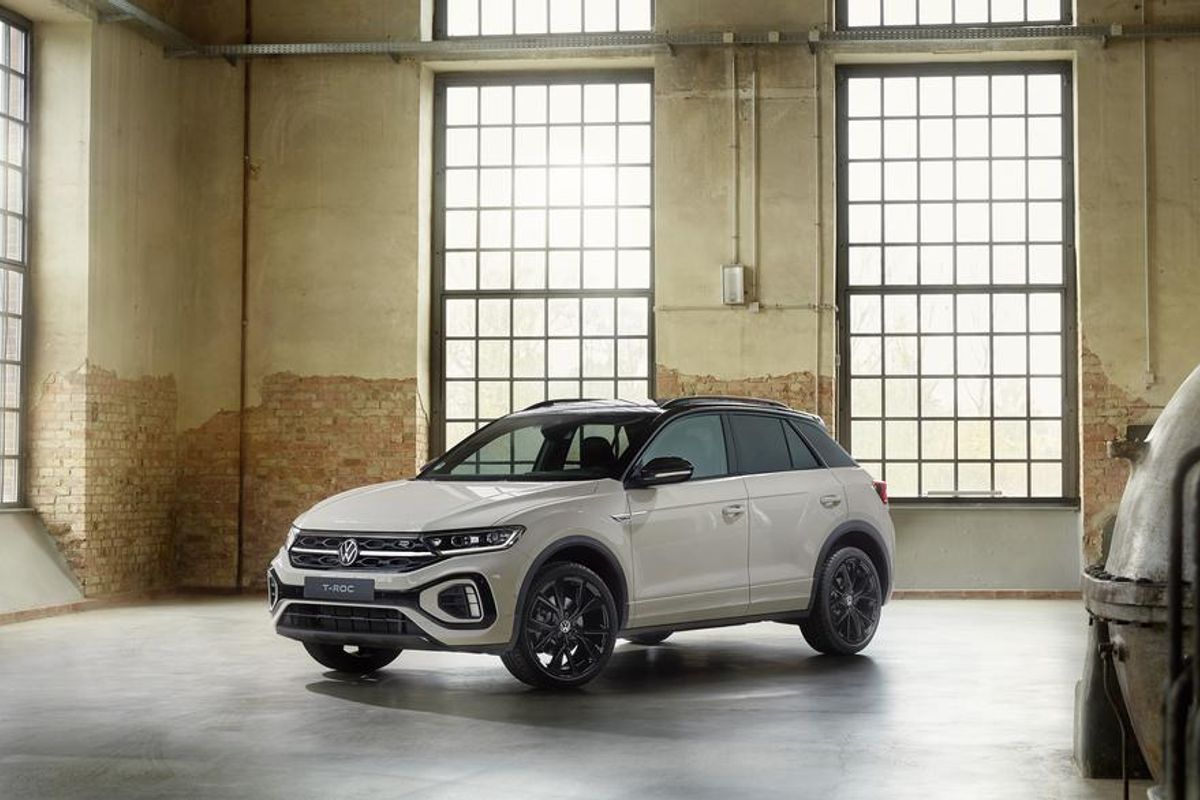
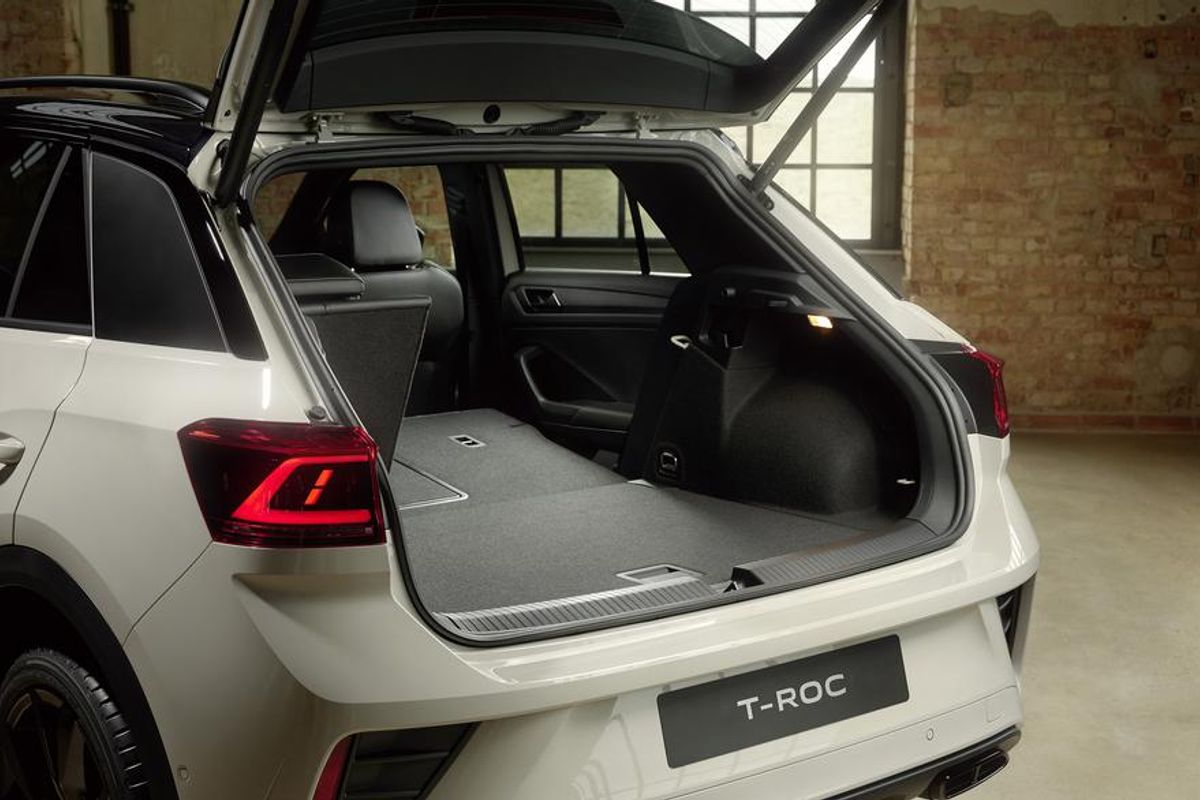
The midsized VW T-Roc SUV has been updated and the refreshed model is now available on local showroom floors!
The current-shape Volkswagen T-Roc touched down in South Africa just before the end of November 2020 and is currently available in two flavours: 1.4 front-wheel drive and 2.0 all-wheel drive. This latest round of updates came quite quickly in the product’s lifecycle, with just 2 years separating its official reveal back at the 2019 Frankfurt Motor Show, but given Volkswagen rationalisation and streamlining of its portfolio, it should not come as much of a surprise.
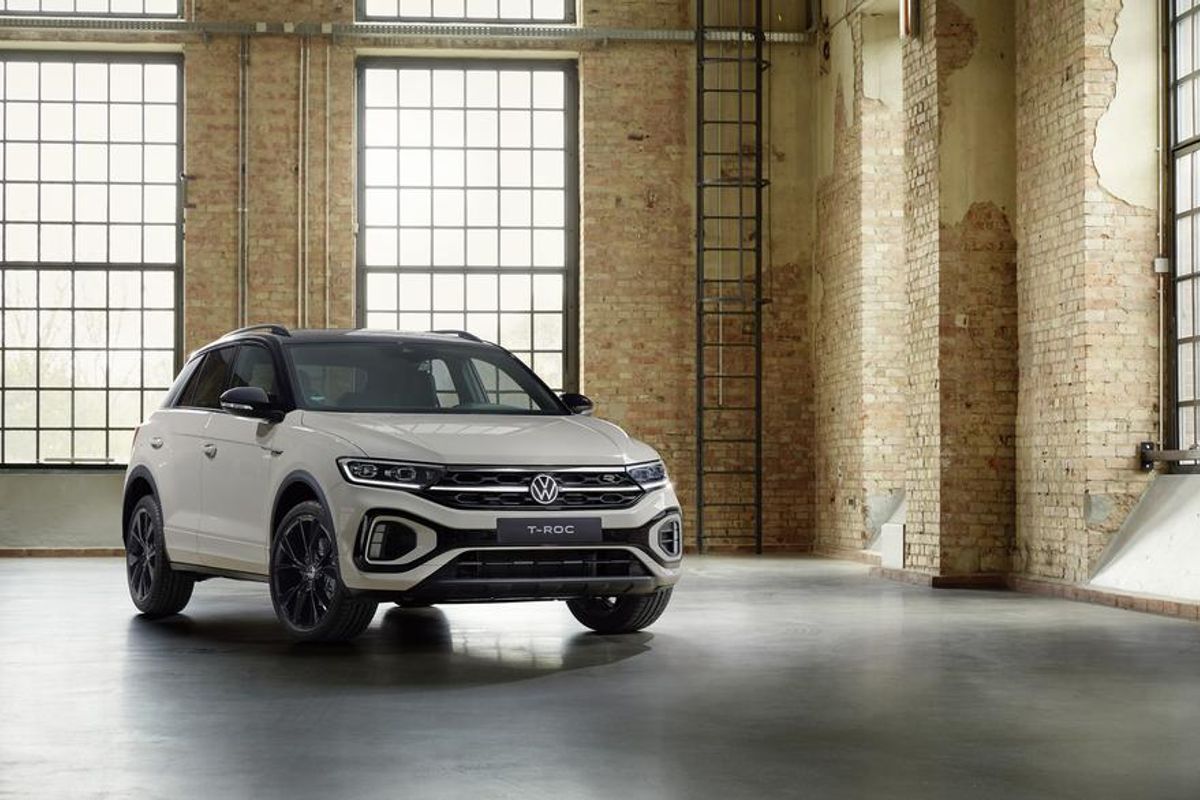
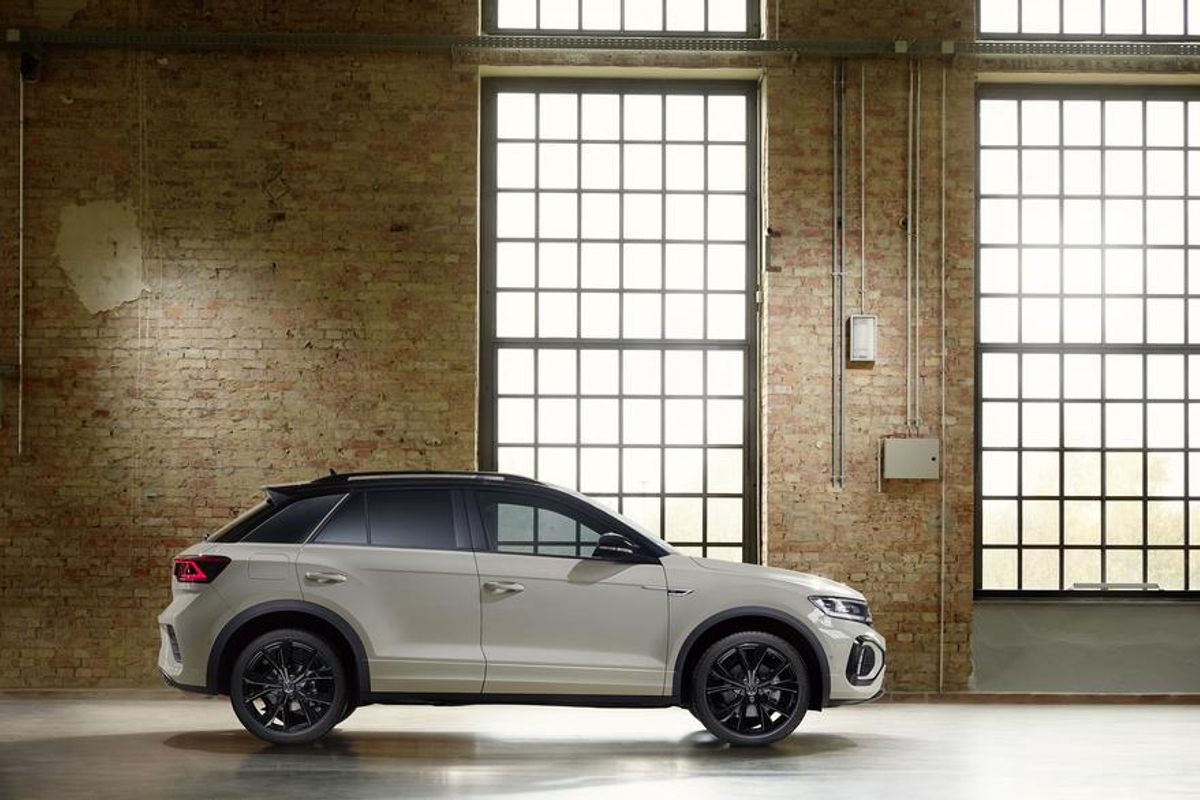
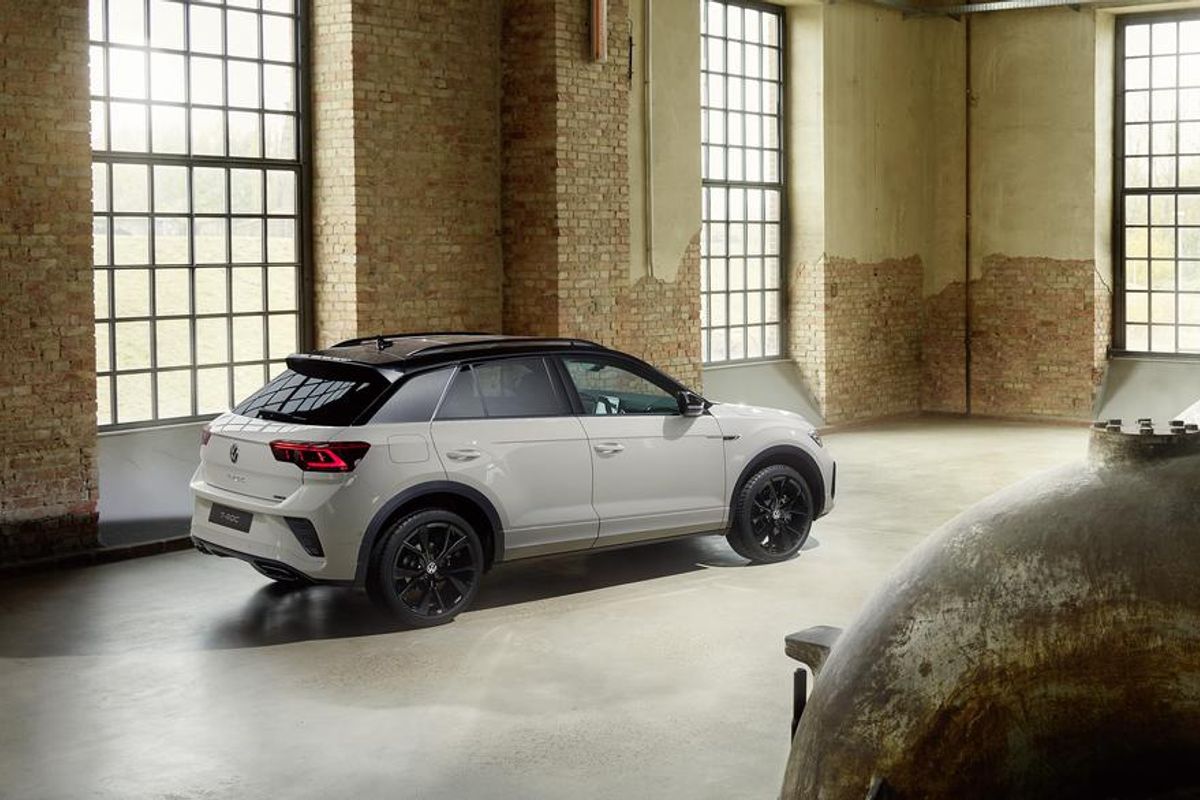
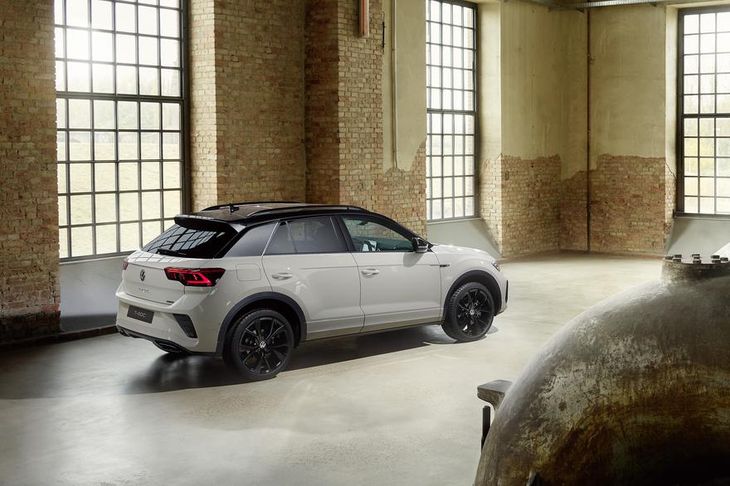
Volkswagen has refined the look of the T-Roc and a dual paint scheme gives the model some more pizazz.
Like most recent Volkswagen product updates, the VW T-Roc gains the LED light bar that’s now common across the Polo/Golf/Tiguan range. LED headlights are standard and a keen eye will notice the new-look fog lights and daytime running lights at the front, while the rear LED light setup gets a revision. Volkswagen’s IQ.Light LED Matrix headlights and IQ.Drive assistance systems are optionally available for the T-Roc.
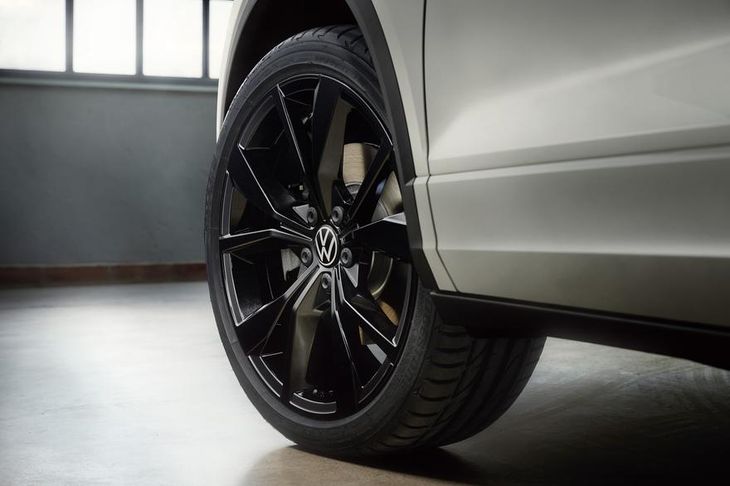
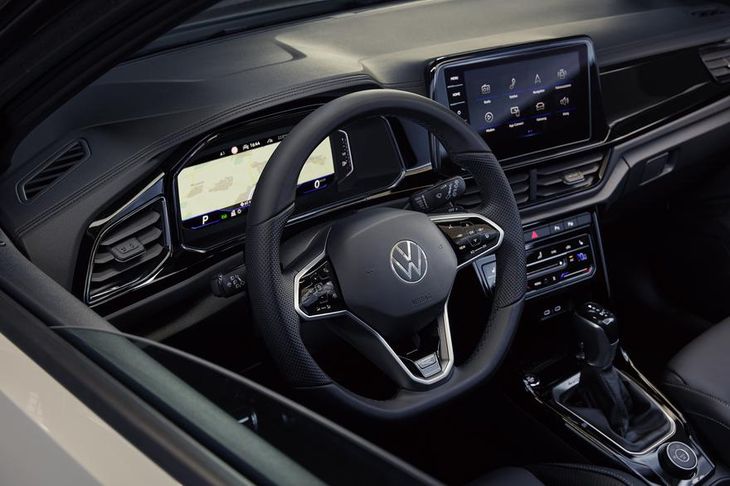
Volkswagen has enhanced the colour choices on offer which can be combined with either a black, white or Idium grey roof. There are also designed alloy wheels ranging from 17-inch to 19-inch in size on offer. Given its popularity and appeal, the R-Line visual upgrade is present, which gives you the looks of the T-Roc R without the price tag. Inside, the cabin has been updated with repositioned air vents to make way for the 8.0-inch infotainment screen.
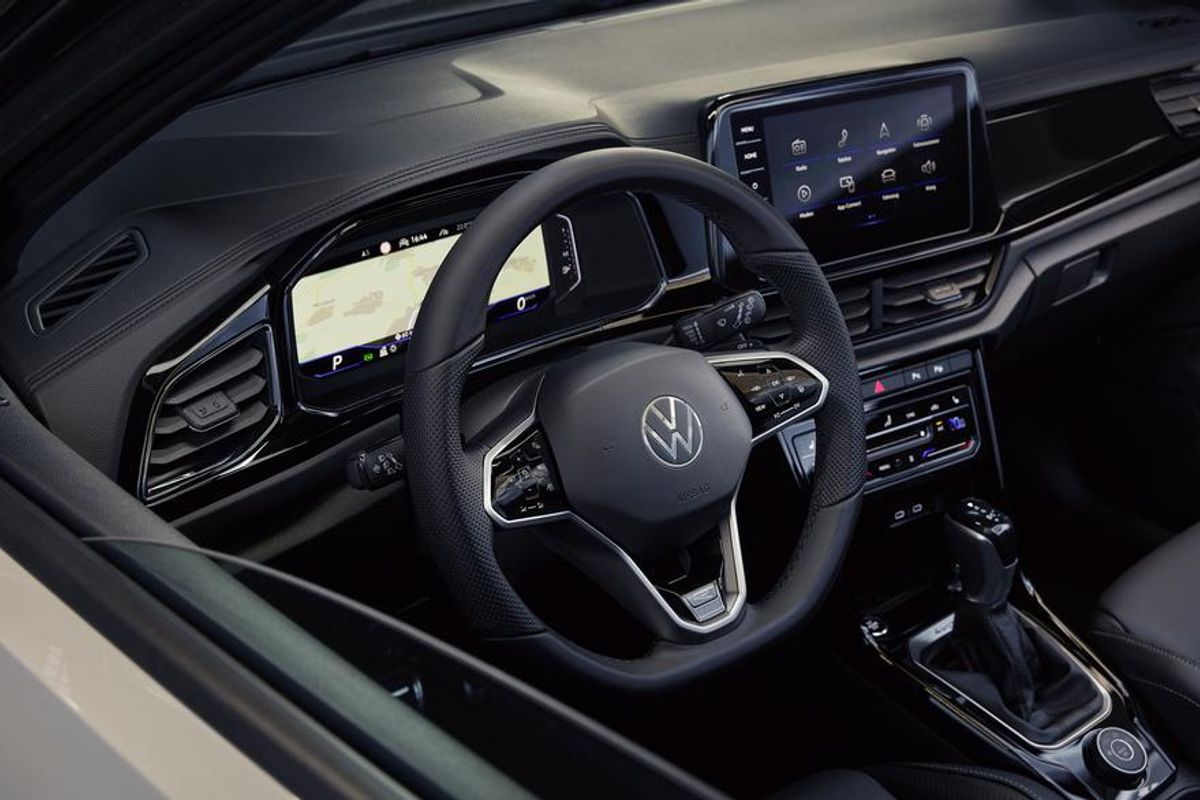
Volkswagen’s Digital Cockpit is standard on the T-Roc Design while the T-Roc R-Line gains the Digital Cockpit Pro. The Volkswagen T-Roc sees the introduction of the latest MIB3 infotainment tech and is optionally available with wireless Android Auto and Apple CarPlay. Touch-sensitive ventilation controls have replaced the physical buttons, a move seen across Polo and Golf. A newly-desgined steering wheel is also fitted.
The T-Roc R-Line is fitted with Nappa leather sports seats as standard while the T-Roc Design comes with ArtVelour seats as standard (Vienna leather seats are optional).
What trim lines are available for the VW T-Roc?
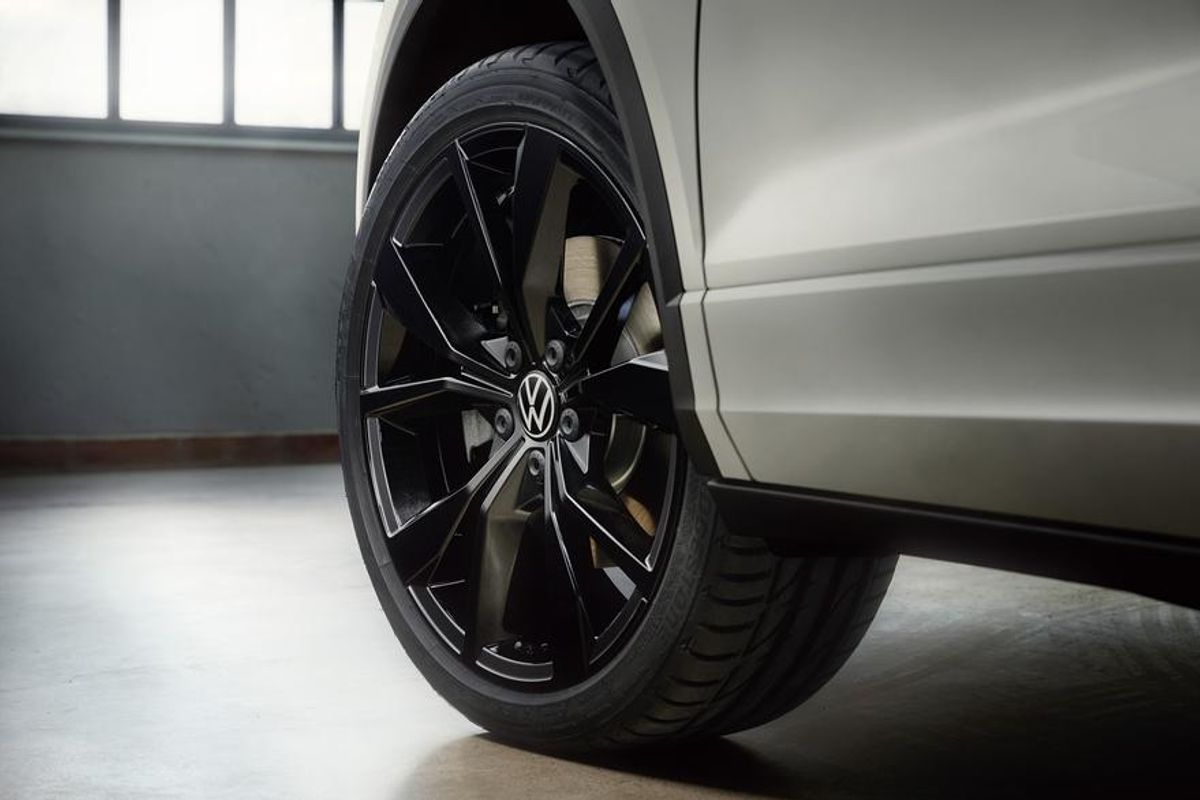
New wheel designs will be offered with the updated T-Roc.
As mentioned, there are 2 trim lines available for the updated T-Roc and they are Design and R-Line.
VW T-Roc Design standard features
The T-Roc Design is offered with two-tone paintwork, chrome elements, interior lighting and conveniance seats. Other standard features include, LED headlights and taillights, a leather- wrapped multi-functional steering wheel (with paddle shift, multi- functional sensor, Adaptive Cruise Control, High-beam control Light Assist and Autonomous Emergency Braking with Front Assist), multi-colour Digital Cockpit, 2-zone climatronic air-conditioning, Comfort Package with keyless entry, Composition Media Radio, 17-inch Johannesburg alloy wheels, Park Assist with Park Distance Control and silver anodised roof rails.
Optional features for the T-Roc Design include a tilting and sliding panoramic sunroof, Black Style Exterior Package with 18-inch Grange Hill black alloy wheels, IQ.Light LED matrix headlights, 18-inch Grange Hill and Portimao alloy wheels, 8.0-inch Discover Media (with navigation system, Wireless App-Connect and mobile smartphone inductive charging), Beats sound system, rear view camera, IQ.Drive Package (Travel Assist, Lane Change Assist, Lane Keeping system, Traffic Jam Assist and Emergency Assist), Vienna leathers seats, removable and lockable trailer hitch, black roof rails and Chrome package (rotary light switch, power mirror switch, window regulator switches, vent with chrome frames and vent with black frames).
VW T-Roc R-Line standard features
The T-Roc R-Line gains a sportier bumper design a multi-function steering wheel with touch control.
In addition to the standard features offered on the T-Roc Design, the T-Roc R-Line adds features such as Sports Comfort Package (Sports suspension, progressive steering, keyless entry, towing protection and high- beam control Light Assist), Nappa leather seats, Driver Assistance System with Lane keeping system and lane change assist, 19-inch Misano alloy wheels, Digital Cockpit Pro, IQ.Drive Package for R-Line (Autonomous Emergency Braking Front Assist, Adaptive Cruise Control with speed limiter and Proactive passenger protection system for Front Assist and side assist) and a Lava Stone dashboard, centre console and front door trim panels inserts.
Optional features include tilting and sliding panoramic sunroof, Black Style Exterior Package with 19-inch Misano black alloy wheels, IQ.Light LED matrix headlights, 8.0-inch Discover Media (with navigation system, Wireless App-Connect and mobile smartphone inductive charging), Beats sound system, Rear view camera and exterior mirror housings painted in contrast colour.
The T-Roc’s interior has been bolstered with a range of new standard equipment.
What engines will be offered with the updated Volkswagen T-Roc?
The engine lineup has been carried over and that means that the updated T-Roc Design will be powered by the familiar 1.4-litre turbocharged petrol engine with 110 kW and 250 Nm of torque and will be paired with an 8-speed automatic transmission. A more powerful 2.0-litre turbopetrol engine in combination with 4Motion all-wheel drive and a 7-speed DSG transmission will also be offered in Design and R-Line guise with outputs of 140 kW and 320 Nm of torque.
How much does the Volkswagen T-Roc cost in South Africa?
Volkswagen T-Roc Design 1.4 TSI 110kW Tiptronic – R563 800
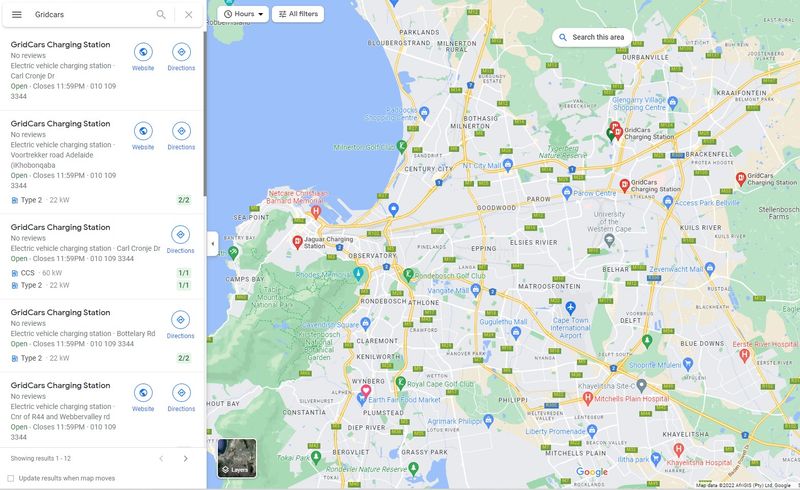
Local provider Gridcars makes finding those charging stations a lot easier thanks to integration into Google Maps.
If you own an electrically-powered vehicle, you probably have your routes and routine planned, so you know where your local charging stations are, if you’re not already charging at home.
For those unscheduled trips and going off plan can induce some range anxiety and frantic searching for a quick top up of electricity. Now, this has been made a lot easier with GridCars being integrated into Google Maps. The SA electric car charger provider has worked extensively with Google Maps to ensure location accuracy, directions and motorists will be able to leave photos and reviews for others.
Google Maps will also provide real time availability of the charging stations as well as additional site information such as the location, connection types and speed.
“We are continually expanding the GridCars national charging network so our integration with Google Maps will really assist EV drivers to make the most of their journeys, as well as help generate awareness amongst the general public of how established the South African EV charging network is – there are far more charging stations that people realise!” says Winstone Jordaan, GridCars MD.
South Africa’s new-vehicle sales grew an encouraging 7.6% year on year in June 2022, while export figures increased as well. Here’s everything you need to know, including the market’s best sellers…
Despite still facing a variety of challenges, the new-vehicle market in South Africa put in an encouraging performance in June 2022, with aggregate domestic sales growing 7.6% year on year to 41 019 units (a month-on-month increase over May 2022 as well). The export market, meanwhile, enjoyed a healthy 18% year-on-year improvement to 33 054 units in June 2022.
Naamsa describes the figures as “inspiring”, considering the “ever-increasing challenging market conditions”. In the end, the new passenger-vehicle market contributed 29 545 units (up 20.6%) to June 2022’s total, with the rental industry accounting for 11.2% of those sales.
However, the light-commercial vehicle (LCV) segment saw a year-on-year drop of 20.8%, finishing the month on 8 877 units. Much of that fall, of course, could be attributed to the fact Toyota was not able to build a single Hilux or Hi-Ace at its Prospecton facility in June, as its extensive mop-up operations continued after April’s floods.
“Passenger car exports performed well during the month, but LCV exports lagged due to the knock-on effects of the KwaZulu-Natal floods as well as the ongoing shortage of semi-conductors impacting on vehicle production,” says Naamsa.
WesBank, meanwhile, points out the figures “will have brought some reassurance to the market after more-depressed April and May sales, providing stronger growth year-on-year”.
“The new vehicle market remains volatile for many reasons, most of these beyond the control of manufacturers,” says Lebogang Gaoaketse, head of marketing and Communications at WesBank.
“There are well-known pandemic-related consequences that continue to impact market performance. Additionally, broader challenges facing the country over the past few months have compounded the recovery of new vehicle sales. The market is unpredictable; suffice to say that it appears demand remains higher than the market is able to deliver,” Gaoaketse adds.
New vehicle sales summary for June 2022
Aggregate new-vehicle sales of 41 019 units increased by 7.6% (2 888 units) compared to June 2021.
New passenger-vehicle sales of 29 545 units increased by 20.6% (5 048 units) compared to June 2021.
New light-commercial vehicle sales of 8 877 units decreased by 20.8% (-2 329 units) compared to June 2021.
Export sales of 33 054 units increased by 18% (5 044 units) compared to June 2021.
10 best-selling car brands in South Africa for June 2022
Despite Toyota’s Prospecton factory again remaining largely shuttered through June thanks to the effects of the aforementioned KZN floods (with only the Hino assembly line returning to production), the Japanese firm managed to keep its nose well ahead of all challengers, with the 7 439 units it registered during the month proving more than enough to keep the Volkswagen Group (5 627 units) in second.
Suzuki, meanwhile, retained third with yet another record sales month, this time registering a new high of 4 622 units. Interestingly, there was only one position change in the top 10 compared with May 2022, with alliance partners Nissan and Renault swapping spots.
1. Toyota – 7 439 units
2. Volkswagen Group – 5 627 units
3. Suzuki – 4 622 units
4. Hyundai – 2 945 units
5. Ford – 2 396 units
6. Nissan – 2 370 units
7. Renault – 2 332 units
8. Kia – 2 091 units
9. Haval – 1 861 units
10. Isuzu – 1 715 units
10 best-selling vehicles in South Africa for June 2022
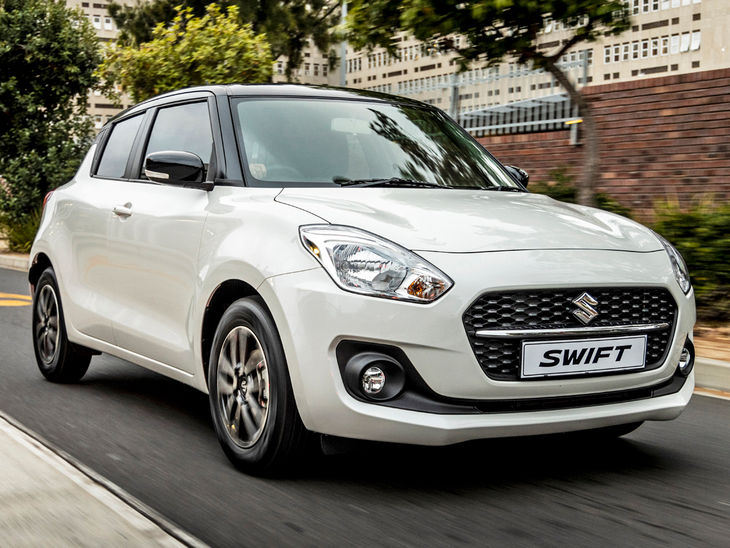
That’s two months on the trot for the Suzuki Swift! Yes, the Indian-built hatchback — which benefited from 675 sales to the rental industry — was again South Africa’s best-selling vehicle overall, with a whopping 1 925 units (up 161 units on its previous best effort achieved in May) registered. Toyota’s Suzuki-built Urban Cruiser climbed six spots to claim a strong second, with the Kariega-built Volkswagen Polo Vivo up one to third and the Silverton-produced Ford Ranger down two to fourth.
The refreshed Toyota Starlet rocketed back up the charts to grab fifth with 1 574 units sold (its Suzuki Baleno twin settled for 340 units, for the record), while the Renault Kiger returned to the table just ahead of the Volkswagen T-Cross (970 units). With no Hilux units produced locally, the Japanese bakkie fell out of the top 10, though still returned a total of 969 units.
Top 5 vehicles exported from South Africa in June 2022
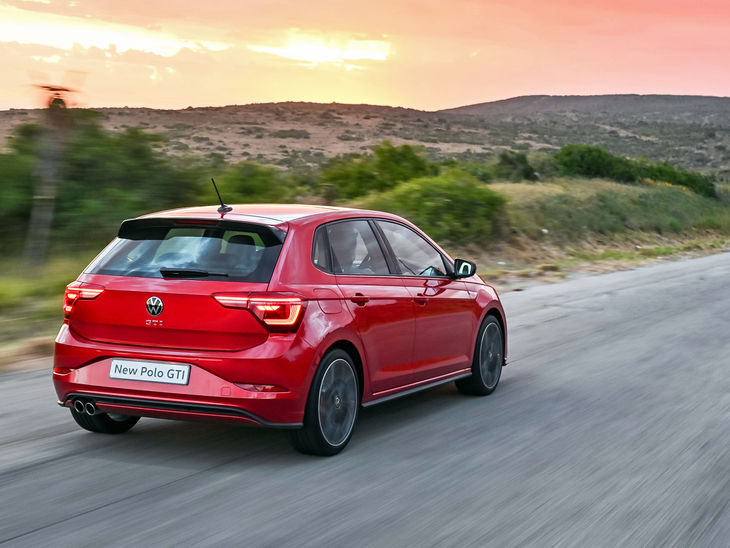
Volkswagen enjoyed a particularly strong month in the export market, with more than 10 000 examples of its Polo hatchback (including the GTI, which is built only in South Africa) leaving our shores during June. The Ford Ranger likewise saw a hefty month-on-month increase, with more than 8 500 units shipped overseas.
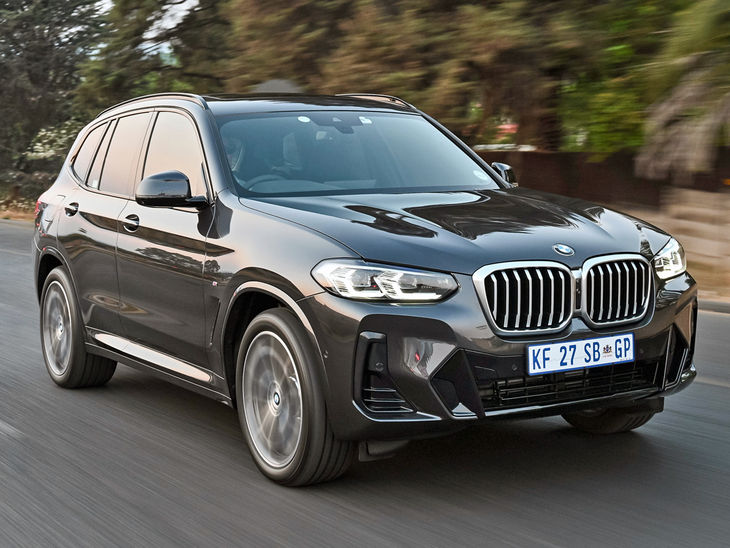
Interestingly, BMW Group South Africa reported individual model figures for the first time in a while, telling Naamsa 5 153 units of its X3 were exported last month. We should point out, of course, Mercedes-Benz did not submit detailed figures, so it’s unclear how many new C-Class sedan units were exported from SA during this latest reporting period.
1. Volkswagen Polo (hatch) – 10 689 units
2. Ford Ranger – 8 563 units
3. BMW X3 – 5 153 units
4. Isuzu D-Max – 480 units
5. Toyota Hilux – 65 units
Sales outlook
So, what does the short-term future look like for South Africa’s new-vehicle market? Well, Naamsa warns that consumers will in the next few months “start to feel the pinch of rising food and fuel prices”. Climbing interest rates and what Naamsa terms the “spillover effect of reduced disposable income” will likely also result in lower demand on the new-vehicle market.
“Just emerging from COVID-19 and the impact of the devastating floods in KZN, Stage 6 load-shedding will cost the South African economy dearly,” adds the organisation, before pointing out the ongoing war in Ukraine, broader supply-chain disruptions and the risk of stagflation will hamper global growth and ultimately “weigh in on the domestic industry’s export potential”.
WesBank’s Gaoaketse, meanwhile, says though there is reason to “celebrate” a recovery of new vehicle sales in the first six months of 2022, this performance “must be considered within the context of more stringent COVID-19 regulations during the first half of last year”.
“Based on a similar performance during the second half of the year, it is possible to see a South African new vehicle market exceed 500 000 units this year,” he concludes.
Poor Crash Safety Results for Suzuki S-Presso
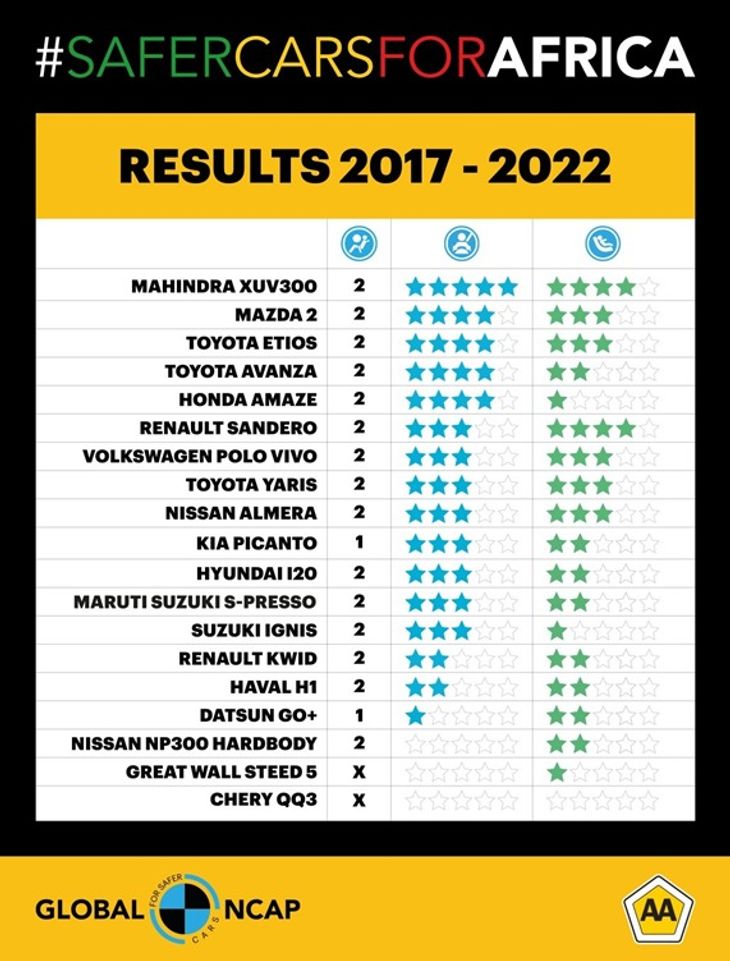
The Indian-built Maruti Suzuki S-Presso has scored poor safety results in the latest crash tests conducted by Global NCAP and the Automobile Association of South Africa (AA) for #SaferCarsForAfrica
The Suzuki S-Presso came to market early in 2020 and is now a common sight on South Africa’s roads, but just how safe is the quirky budget car in the event of a front offset collision at 64 kph? Not very safe at all, especially for children, as revealed by the latest test crash results! If you have a young family and are considering the budget-friendly S-Presso, you might want to look at other options.
For the record, the S-Presso is equipped with 2 airbags and ABS with EBD. Note that electronic stability control is not fitted.
The latest #SaferCarsForAfrica crash test results conducted by Global NCAP and the AA have resulted in a 3 star score for adult occupant protection and a 2 star score child occupant protection.
The tests were conducted under current test protocols as of 30 June 2022 and as of July 2022 new test protocols will include side impact, Electronic Stability Control (ESC) and pedestrian protection requirements.
David Ward, Executive President of the Towards Zero Foundation said, “As our current test protocols come to an end in Africa it is important to see manufacturers continue their commitment to high standards of vehicle safety. Some continue to do well but we remain disappointed with others. Sadly, Maruti Suzuki fall into this later category, where the rhetoric on safety is simply not matched by the reality.”
The crash test results further highlighted the unstable performance of the S-Presso’s structure while driver’s chest weakness and low levels of child occupant protection (same as the Indian model) also came to the fore. The lack of ISOFIX mountings, three-point seatbelts and absence of a recommended Child Restraint System (CRS) contributed towards the poor score.
Alejandro Furas, Secretary General of Global NCAP said, “The safety performance of the S-Presso in South Africa has been far from satisfactory and claims of improvement are not reflected in levels of child occupant protection which remain the same as the Indian version we tested in 2020. There has been significant progress with vehicle safety in the Indian market with a welcome requirement for the fitment of six airbags as standard. We hope that Maruti Suzuki will not apply a double standard for the vehicles they sell in Africa compared to those sold in India.”
Willem Groenewald, CEO of the AASA said, “While the adult occupancy result for the S-Presso is encouraging there is room for improvement, especially in relation to the child protection rating. The safety of motorists in South Africa is critical and we welcome the visible efforts by manufacturers in this regard and urge them to continue investing in this important facet of their production.”
Since publishing this article, Suzuki South Africa has provided the following comment regarding the latest crash test results, “As a brand that provides affordable, reliable and safe vehicles in South Africa, we are encouraged by the 3-star (adult occupant) Crash Test rating of the South African S-Presso. The S-Presso is one of the most affordable vehicles in South Africa and offers better safety, affordability and features compared to its budget-segment competitors. In-line with Suzuki’s commitment of continuous safety enhancement, the S-Presso will join three other Suzuki models (the Celerio, Swift and Dzire) as the only vehicles equipped with ESP and ISOFIX below the R200 000 price point in future model updates.”
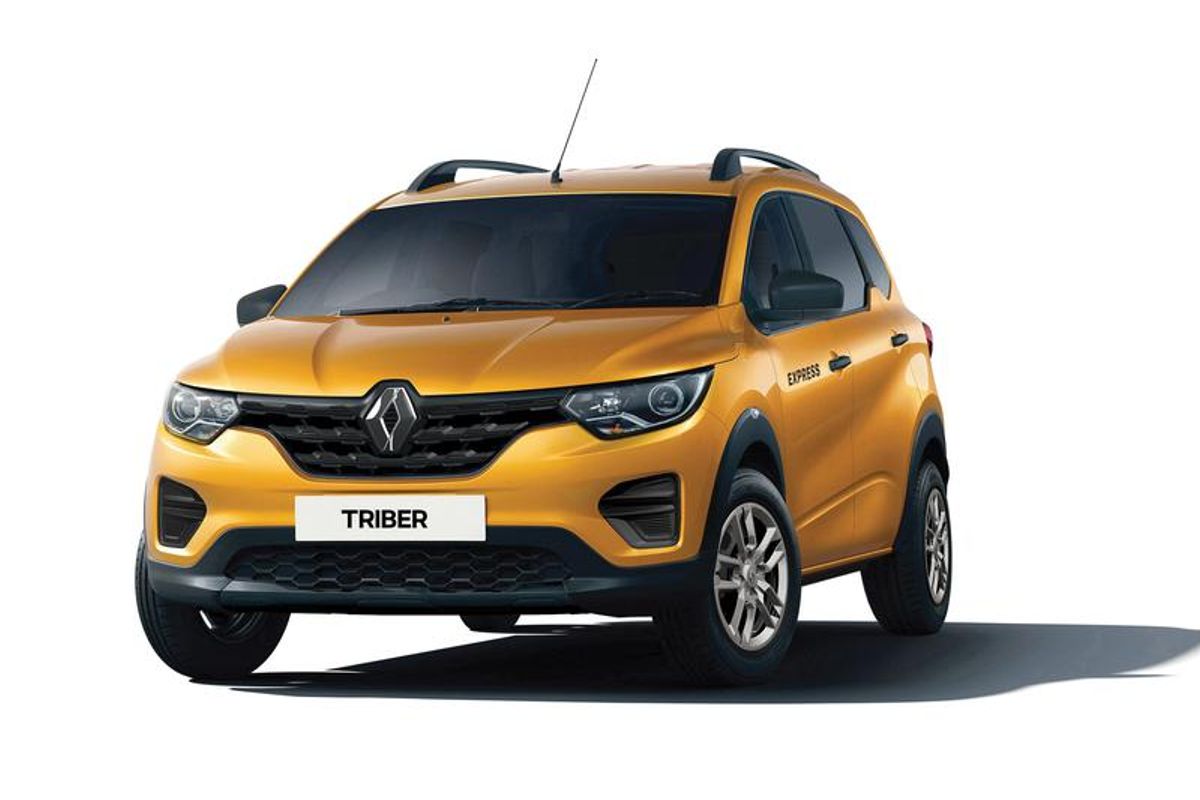
Renault Triber Express At Your Service (2022) Specs & Price
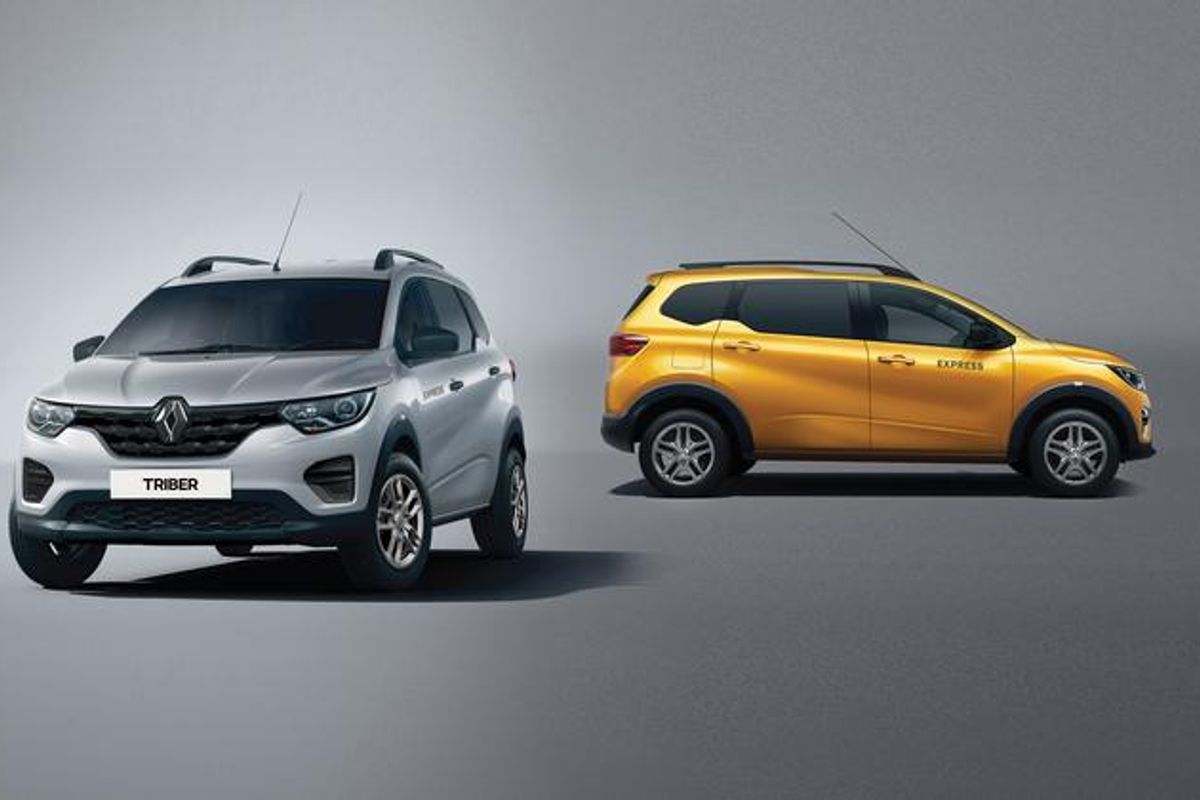
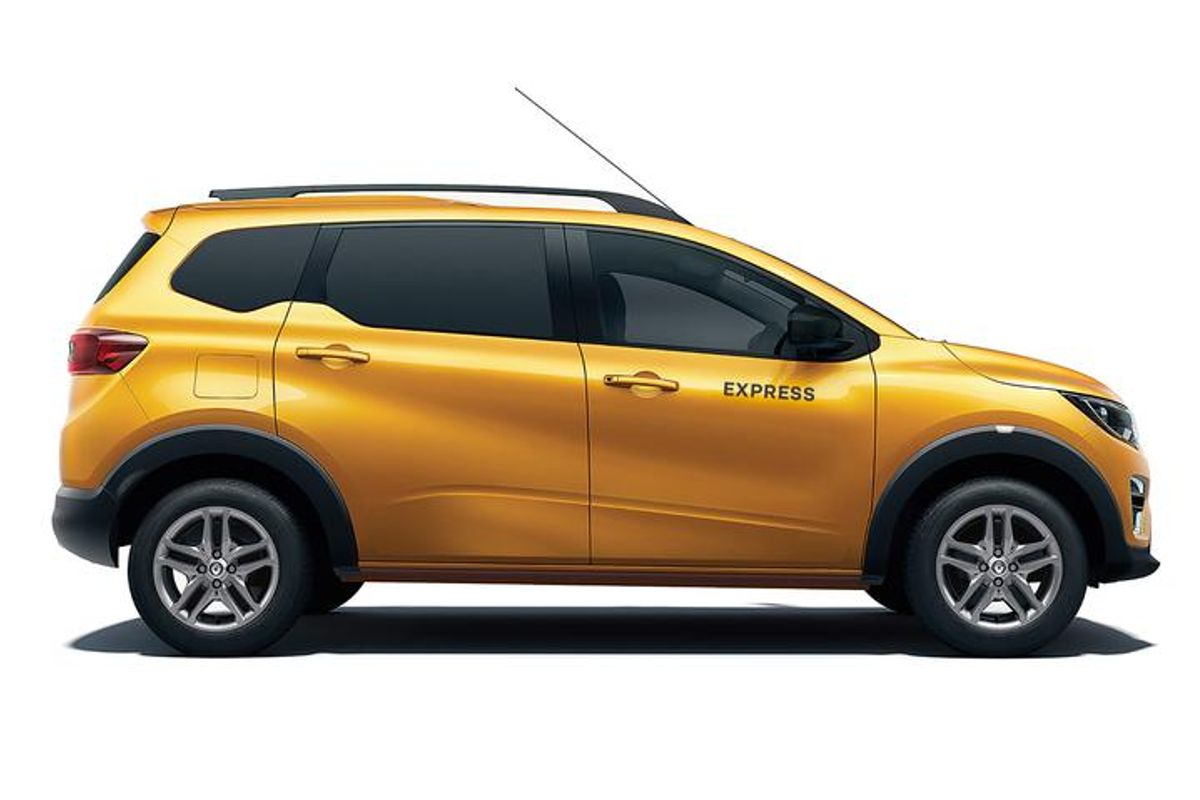
Renault has introduced the Triber Express to the South African market and the newcomer will find favour with small businesses in need of an affordable and practical light commercial vehicle.
The 7-seater Renault Triber has served local buyers well ever since it was introduced locally in 2020. Now, Renault welcomes the Triber Express to its range which is ready to serve commercial enterprises with its loading ability and affordable price.
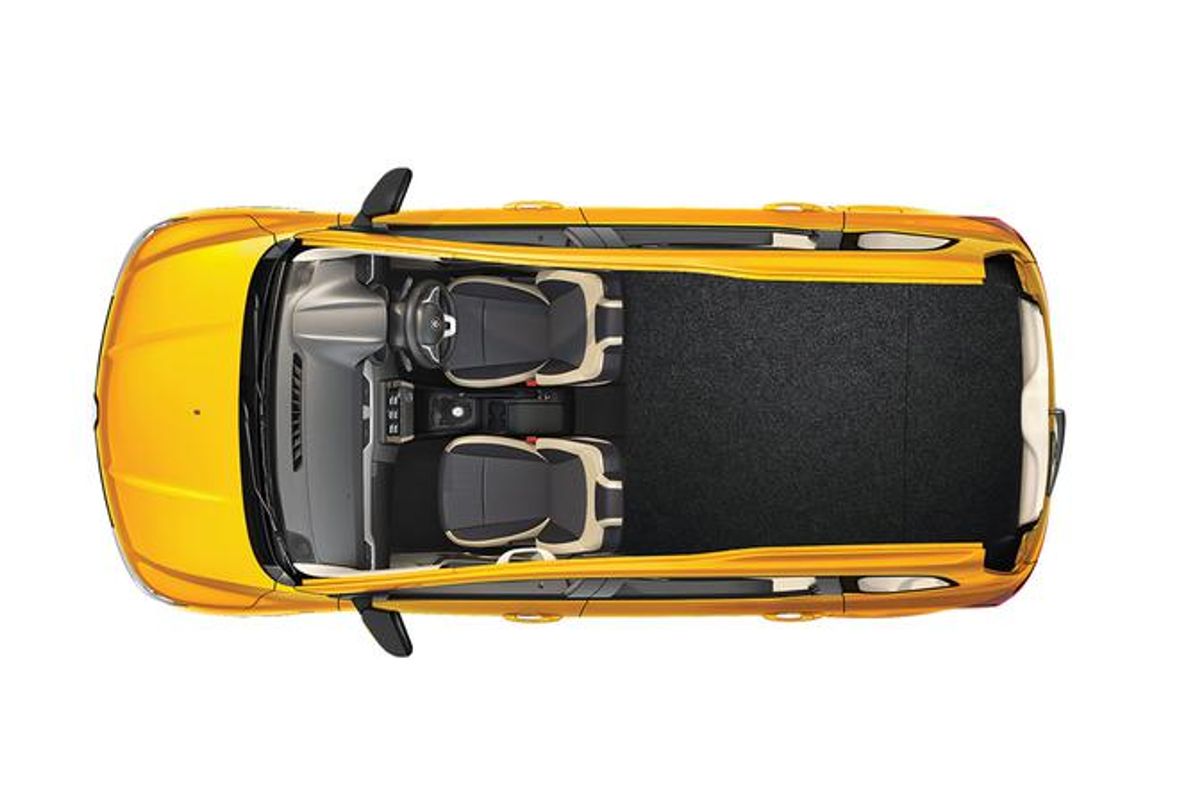
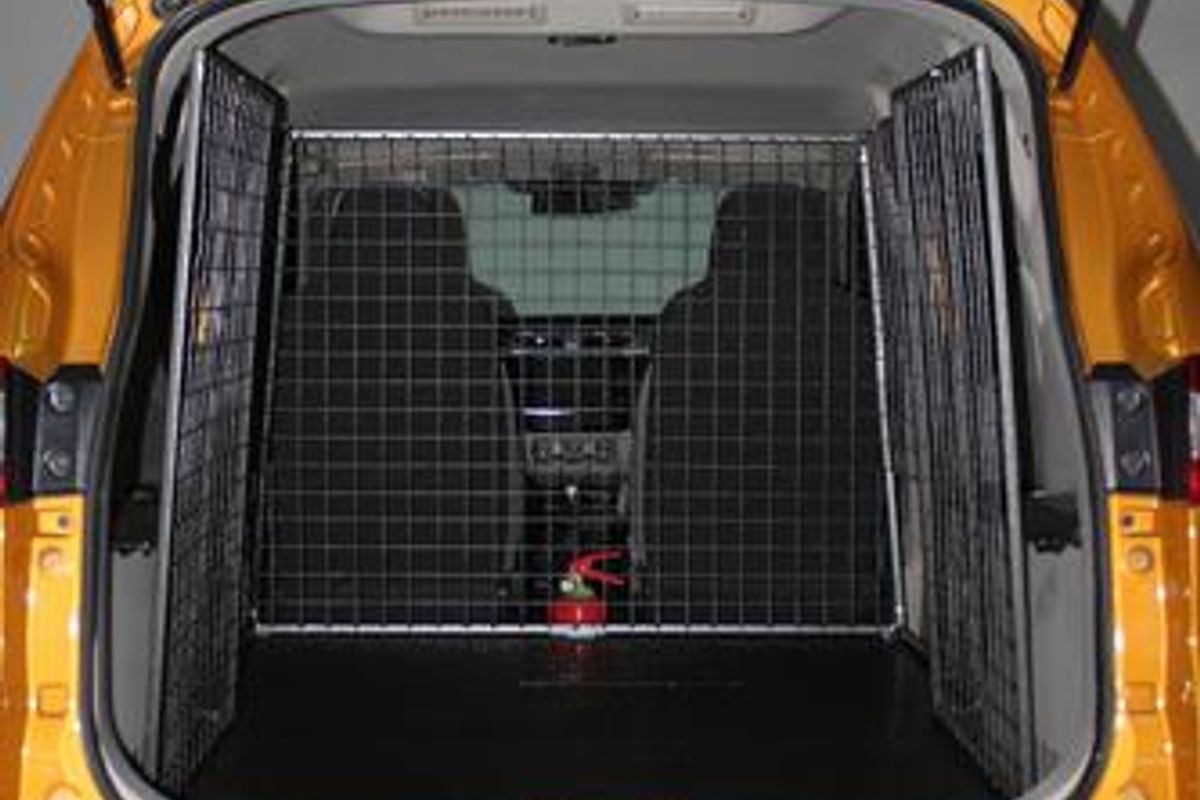
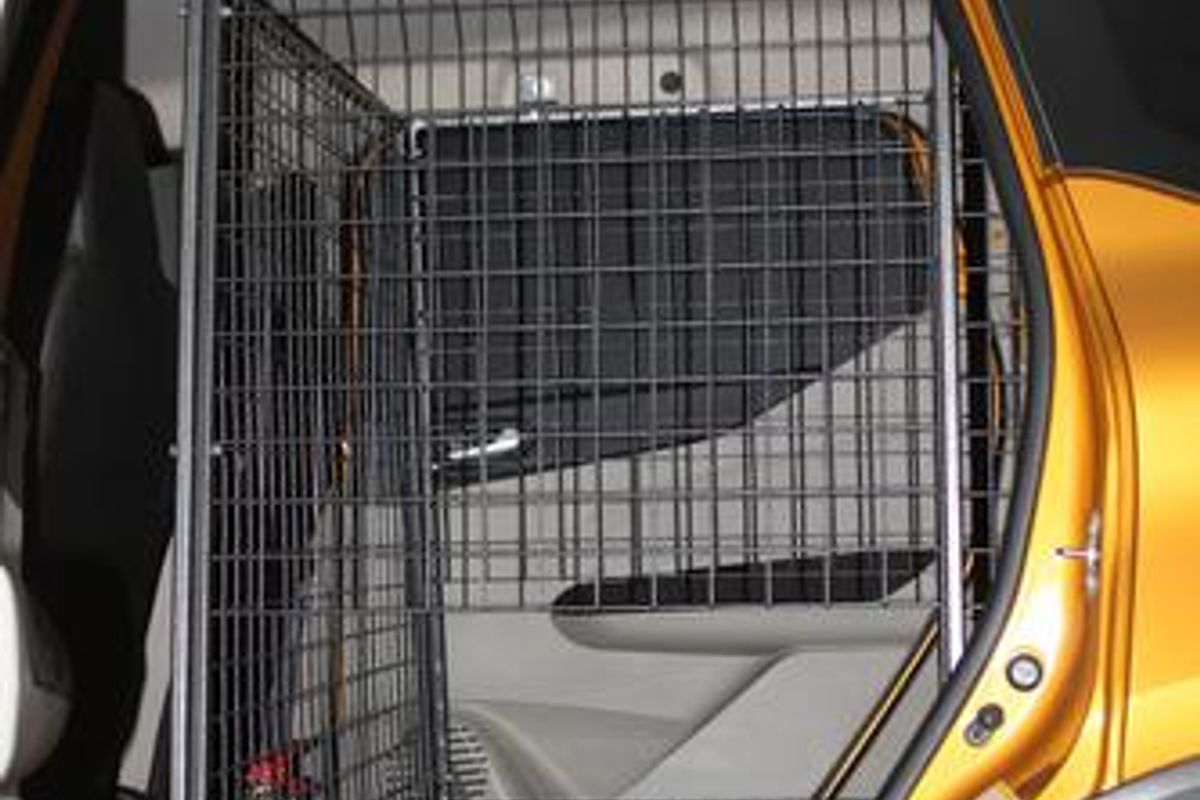
The Triber Express doesn’t have rear seats and Renault has instead installed a steel mesh cargo cage that can be accessed either via the tailgate or rear doors. Renault claims load capacity at 1 500 litres with a payload capacity of 542 kg.
The Triber Express employs the familiar naturally-aspirated 3-cylinder, 1.0-litre petrol engine with 52 kW and 96 Nm of torque and this engine is paired with a 5-speed manual transmission. Fuel consumption is claimed at 5.5 L/100km.
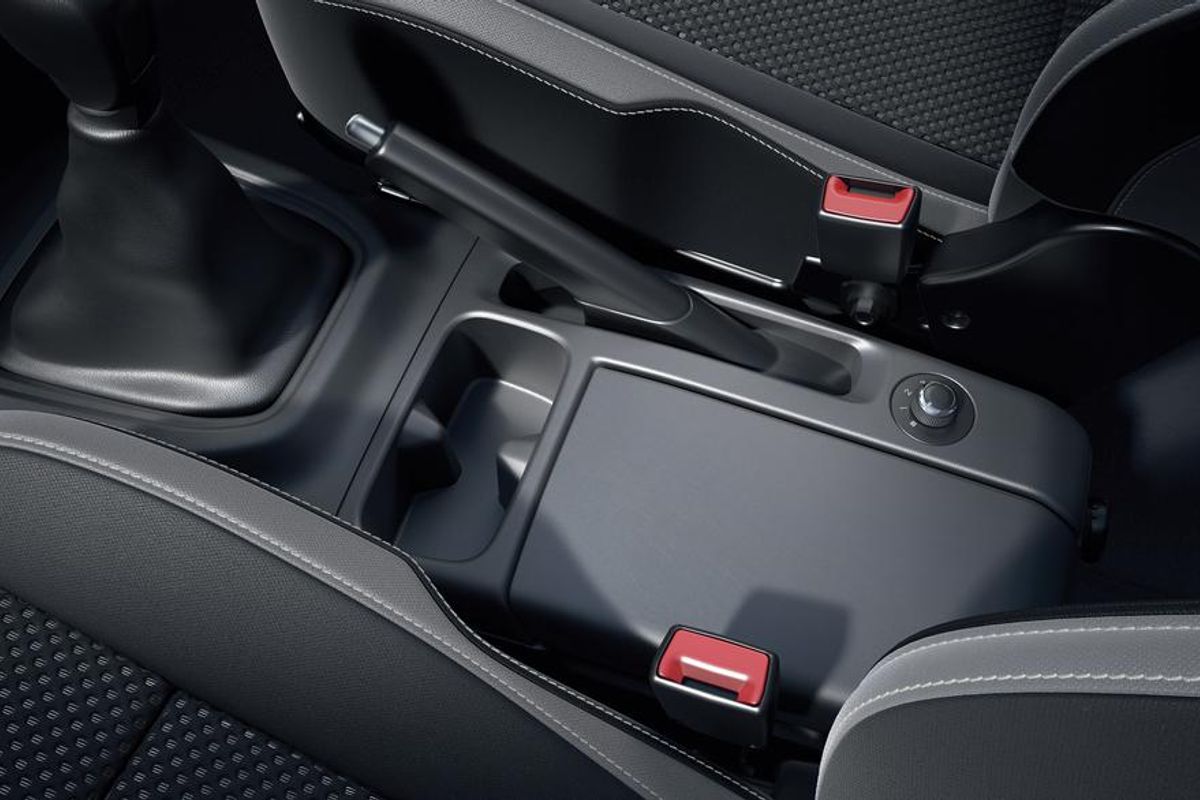
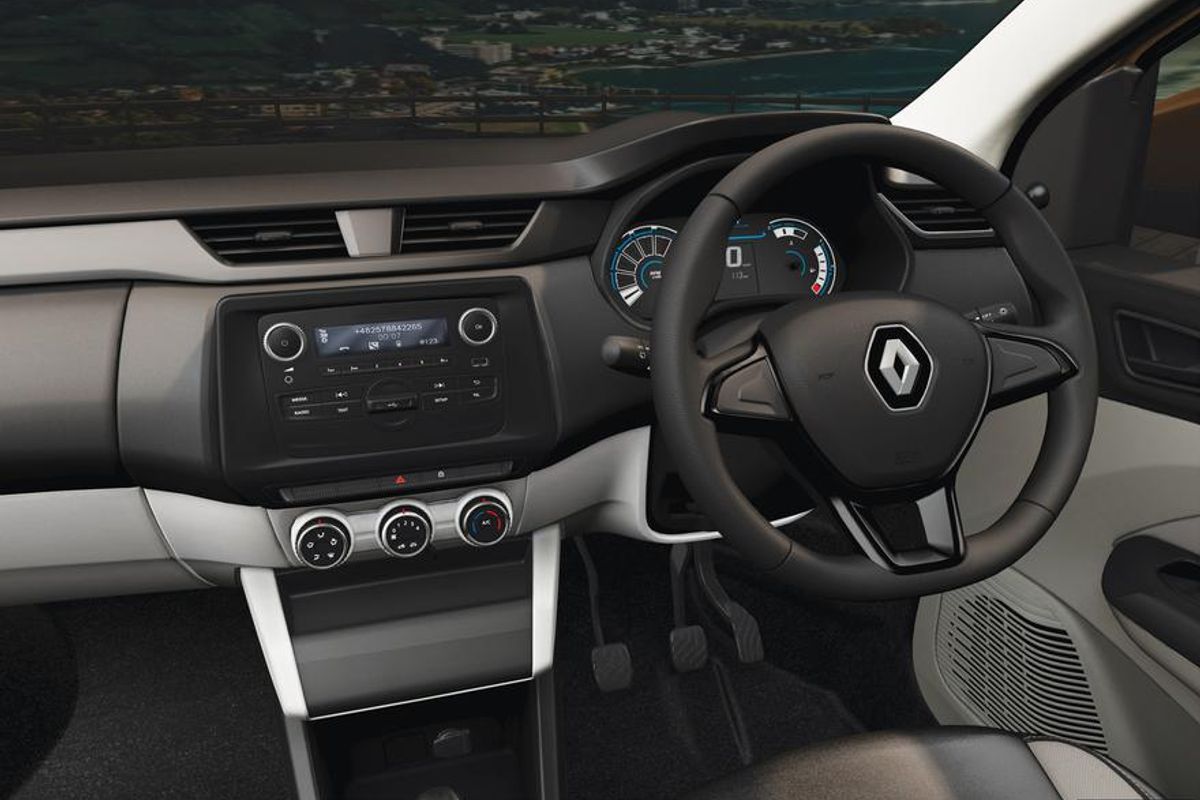
Key features include a ground clearance of 182 mm, 14-inch steel wheels with wheel covers and wheel-arch cladding, digital instrument cluster and infotainment system with radio, Bluetooth and USB / Aux inputs. Rear park distance control and a 6-way adjustable driver’s seat is also standard.
The Triber Express is offered with 5 colours to choose from including, Ice Cool White, Fiery Red, Moonlight Silver, Electric Blue and Honey Yellow.
How much does the Renault Triber Express Cost in South Africa?
Renault Triber Express – R219 900
A 5-year/150 000km warranty and 2-year/30 000km service is standard as well as a 6-year anti-corrosion warranty.
Ford Mustang California Special (2022) Launch Review
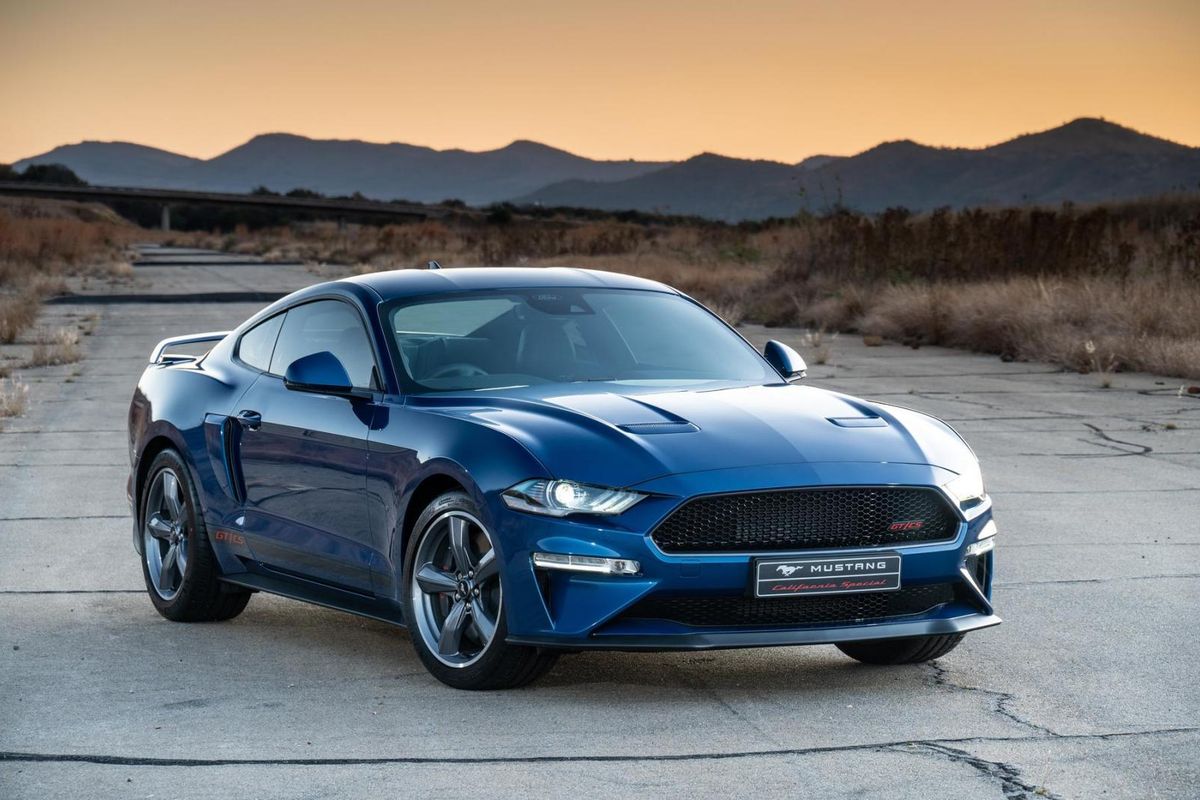
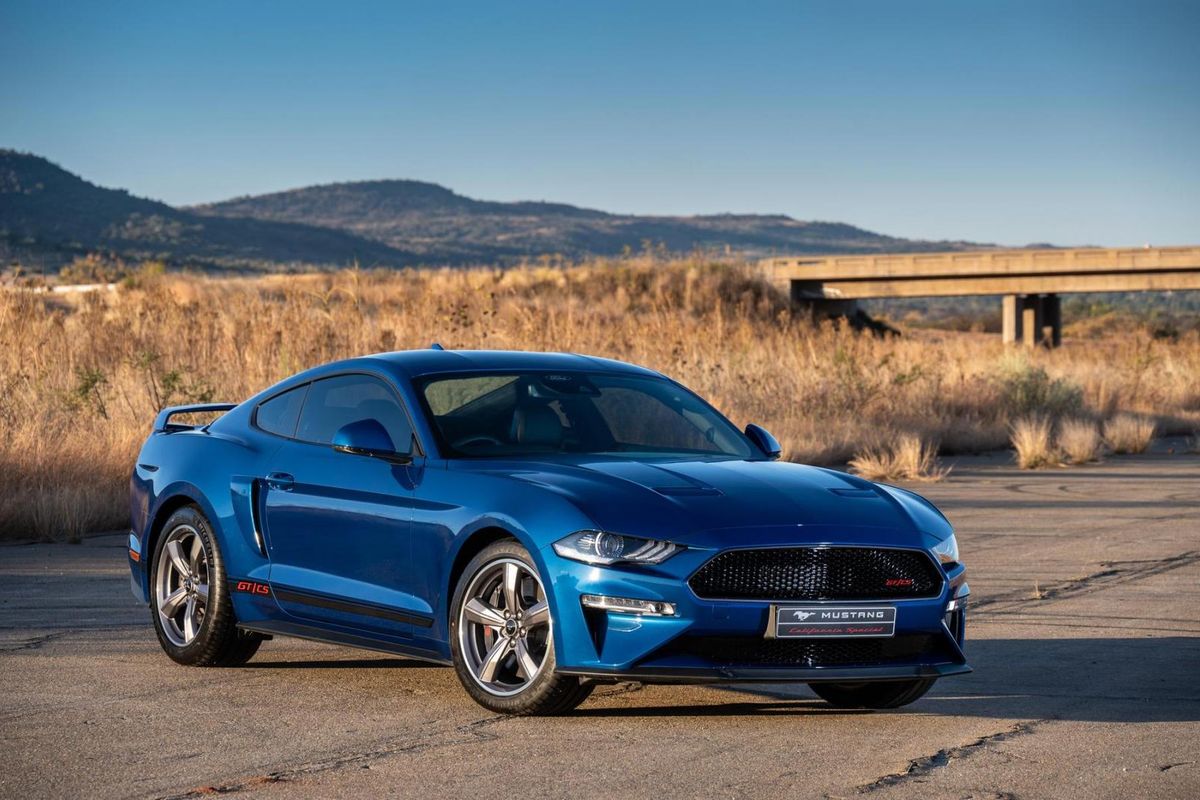
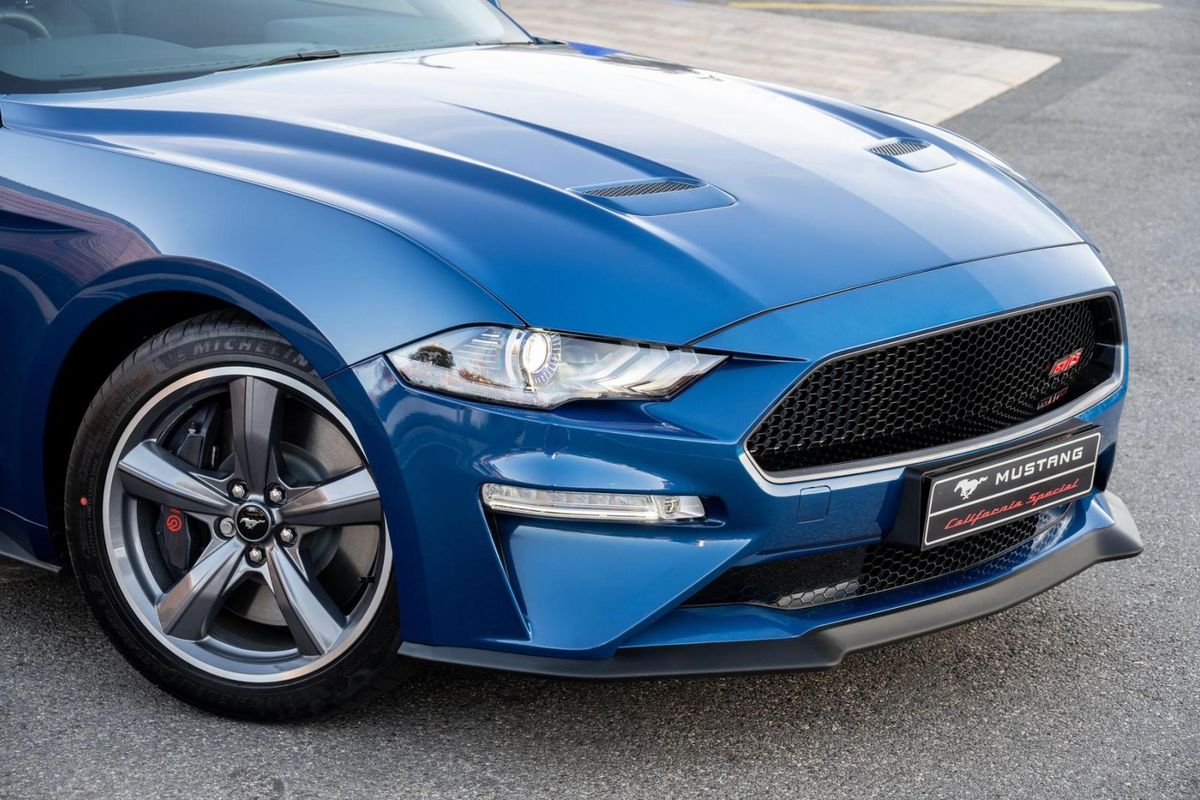
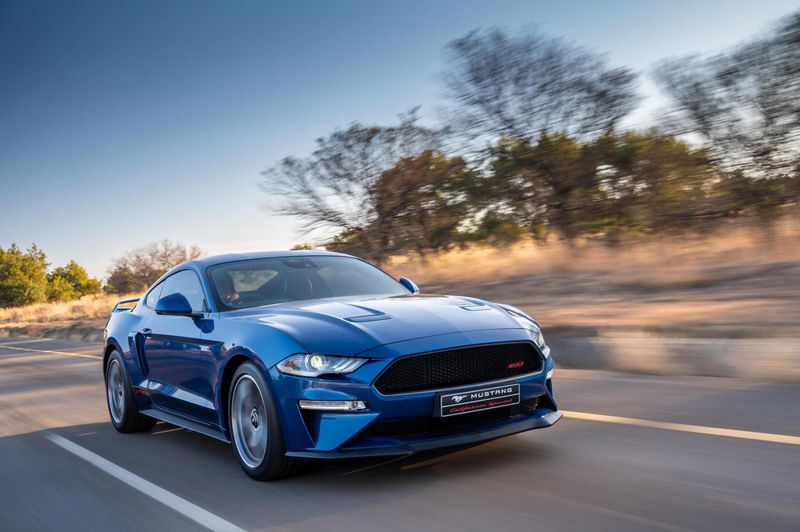
The Ford Mustang has been the best-selling sportscar around the globe for a number of years now, so how does the brand go about making sure it stays relevant? It releases special editions, and that’s just what the California Special is – a limited-run version of the Five Point O V8 ‘Stang.
What’s Special about the Mustang California?
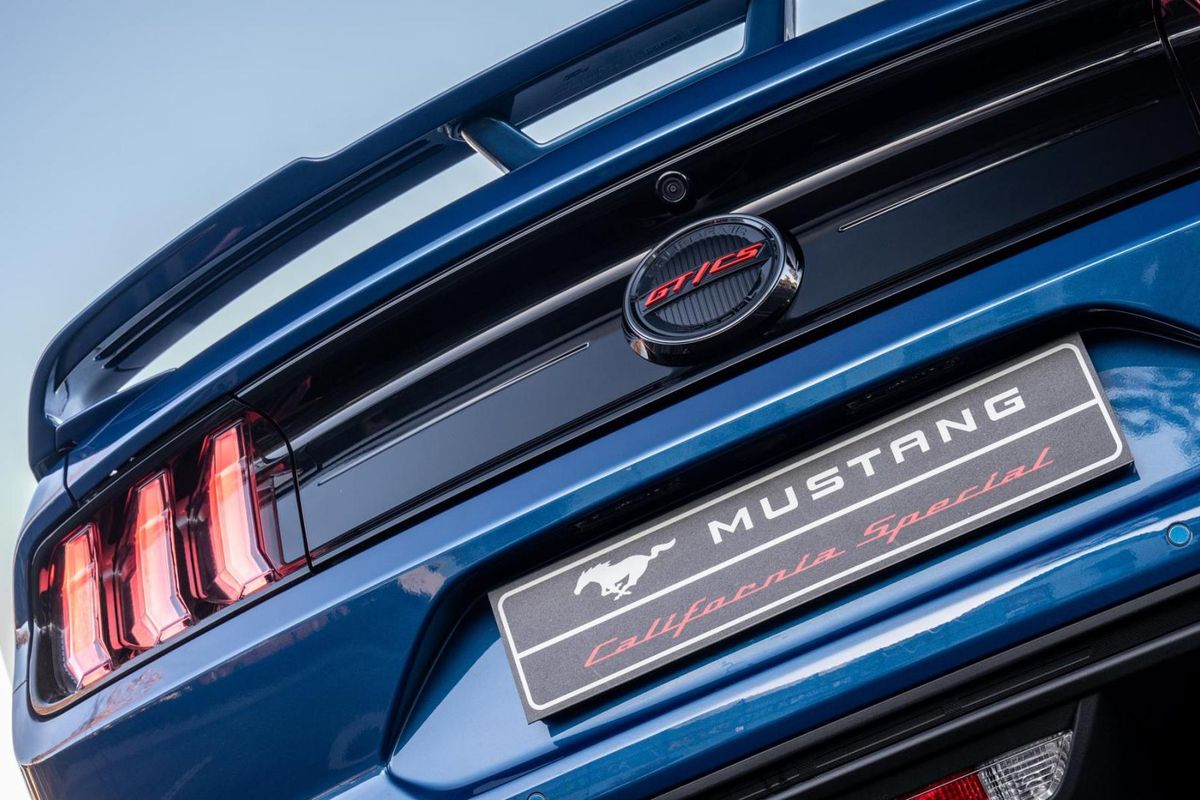
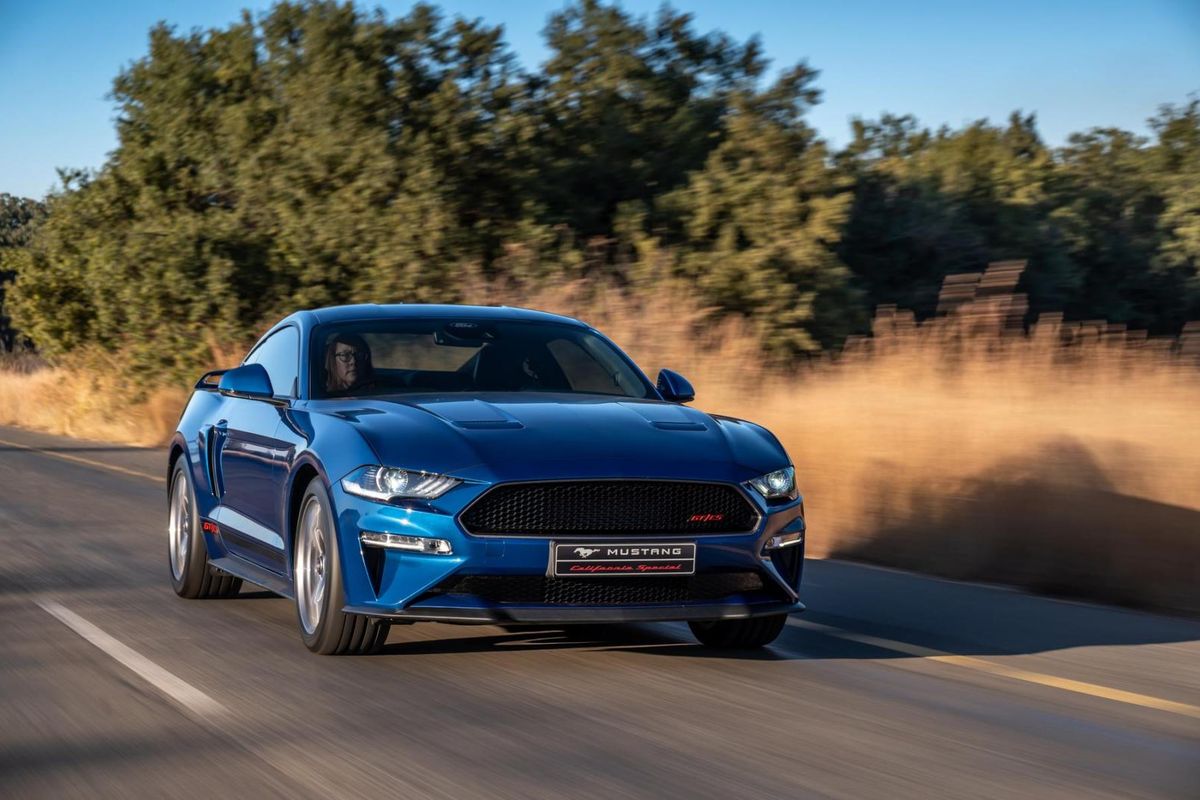
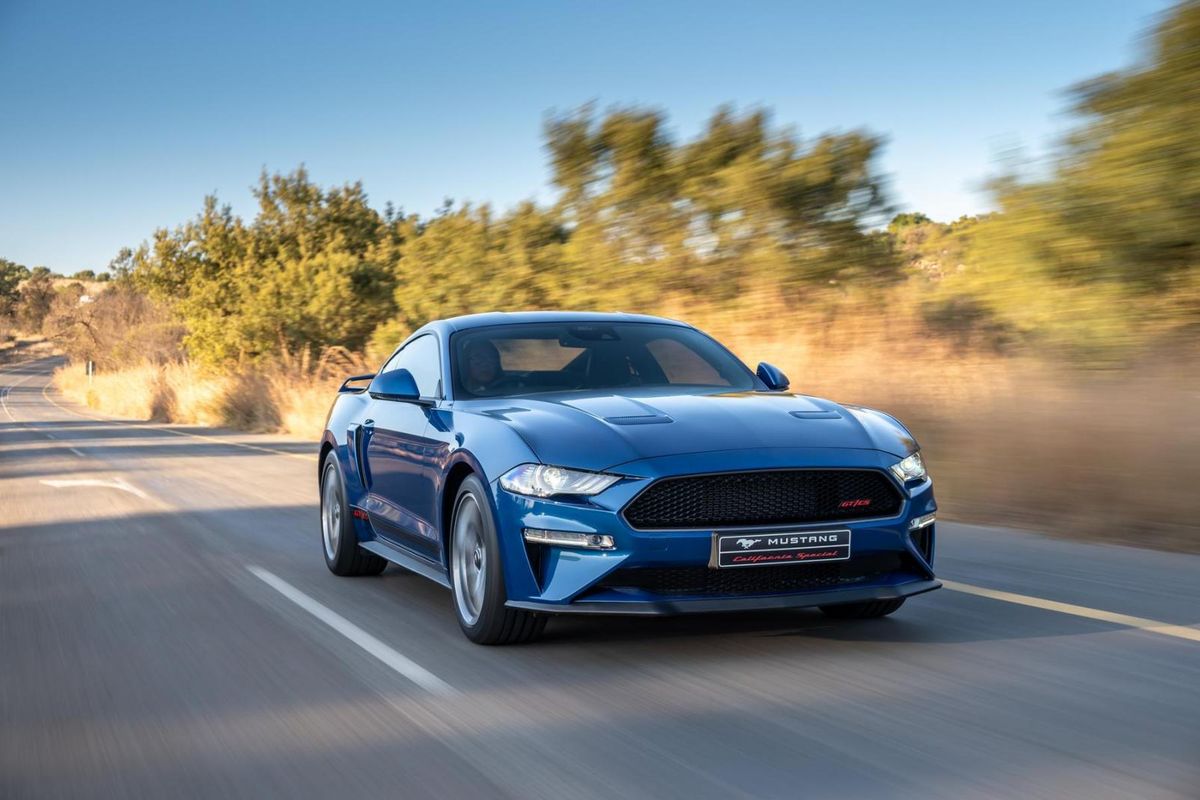
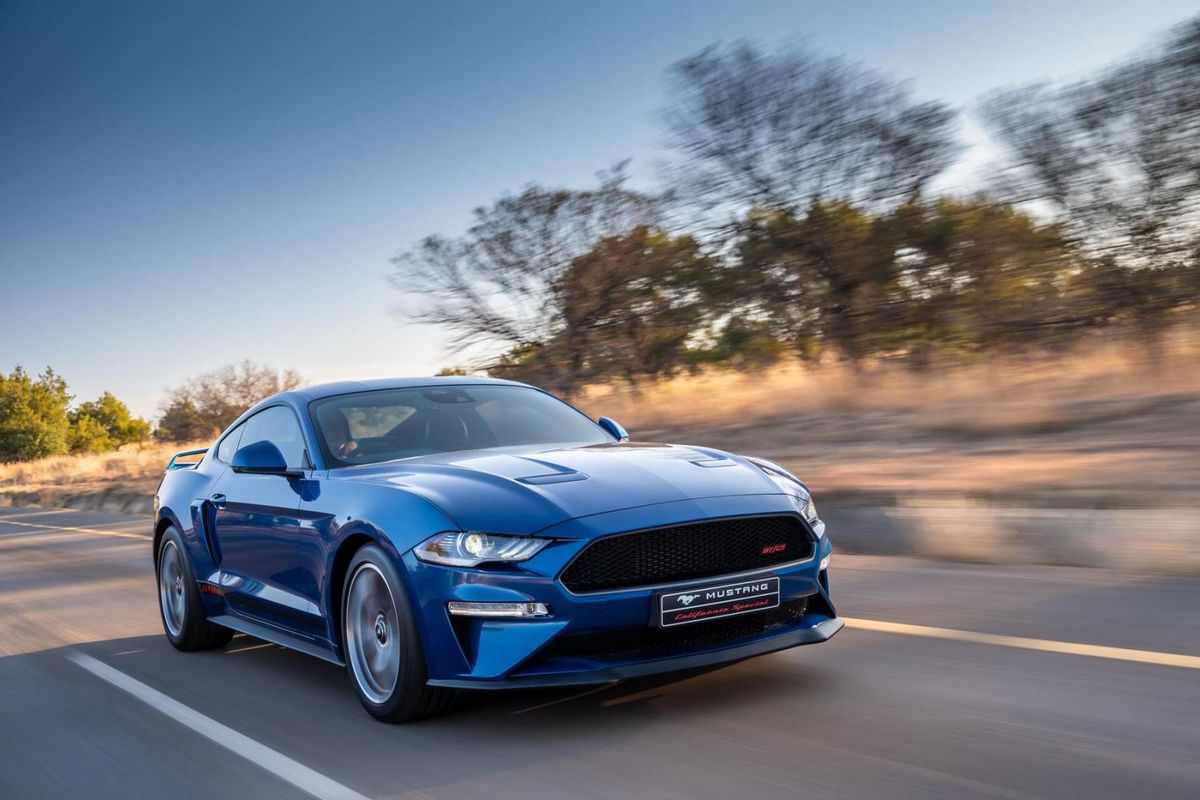
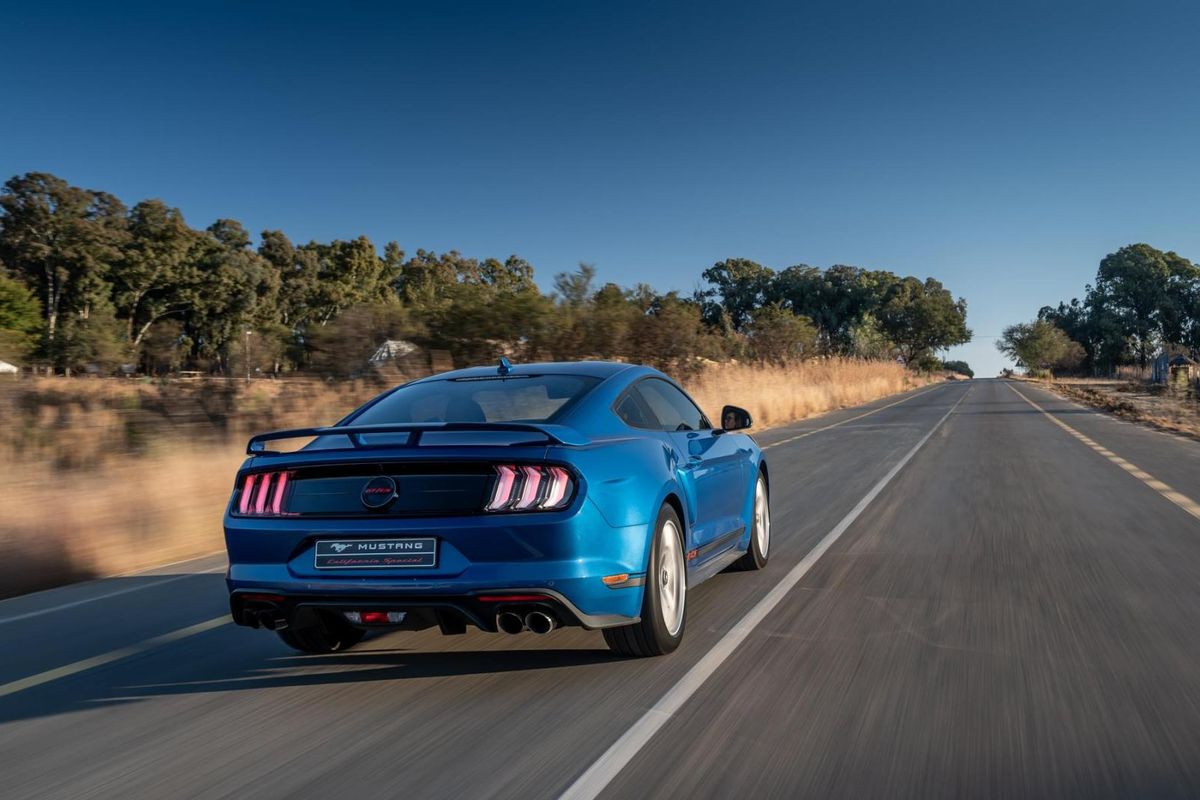
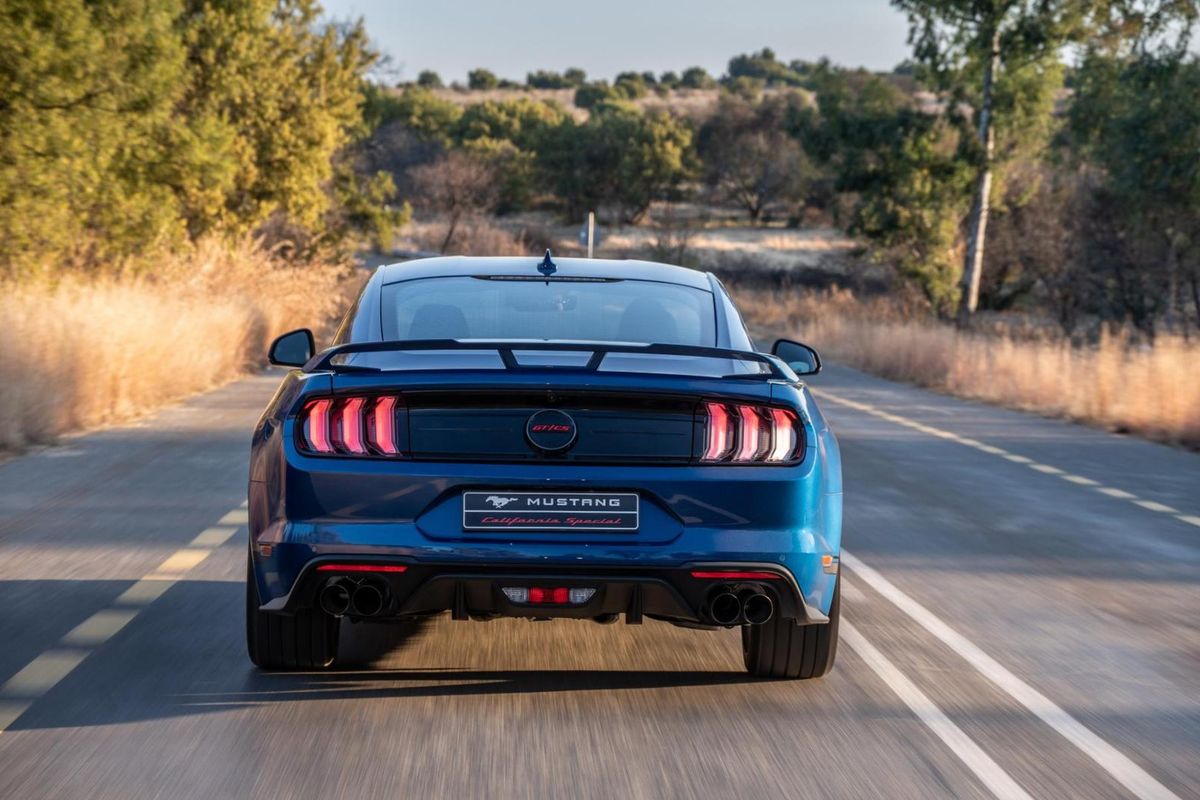
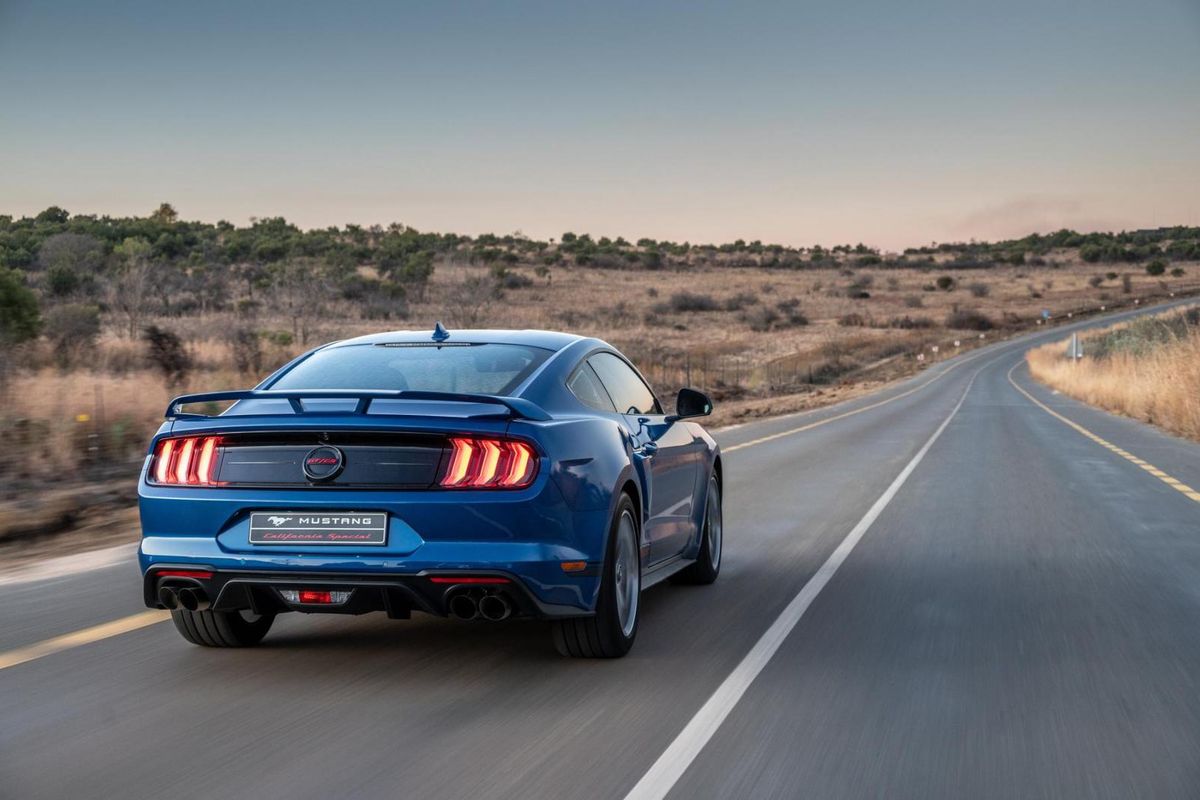
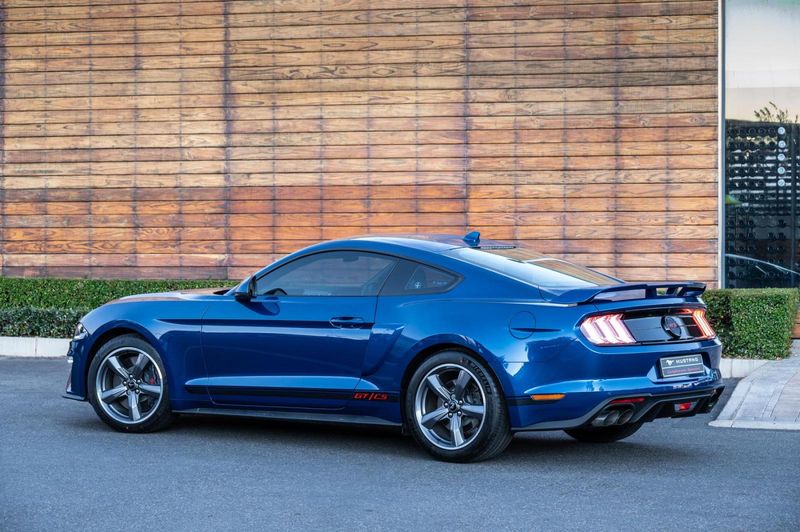
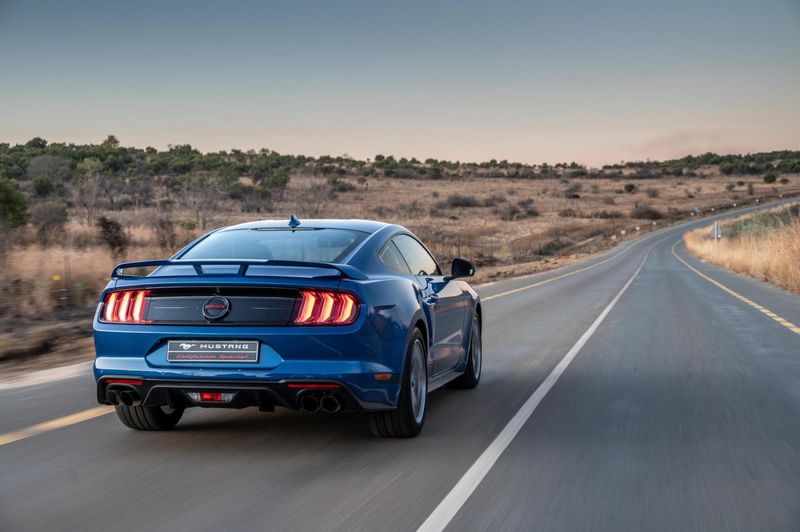
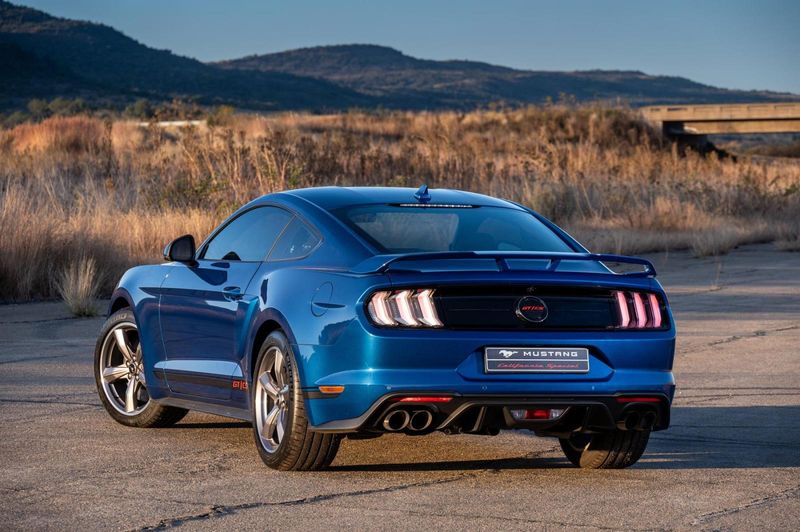
California Special features a rear wing, 19-inch wheels and GT/CS badging.
The Mustang California Special is a throwback to the late ‘Sixties when Ford dealers in the Golden State convinced the Blue Oval to supply them with Mustangs that had a distinctive design and look. The modern California Special follows a similar formula by offering a few unique design touches without altering the mechanics, suspension or performance of the Mustang.
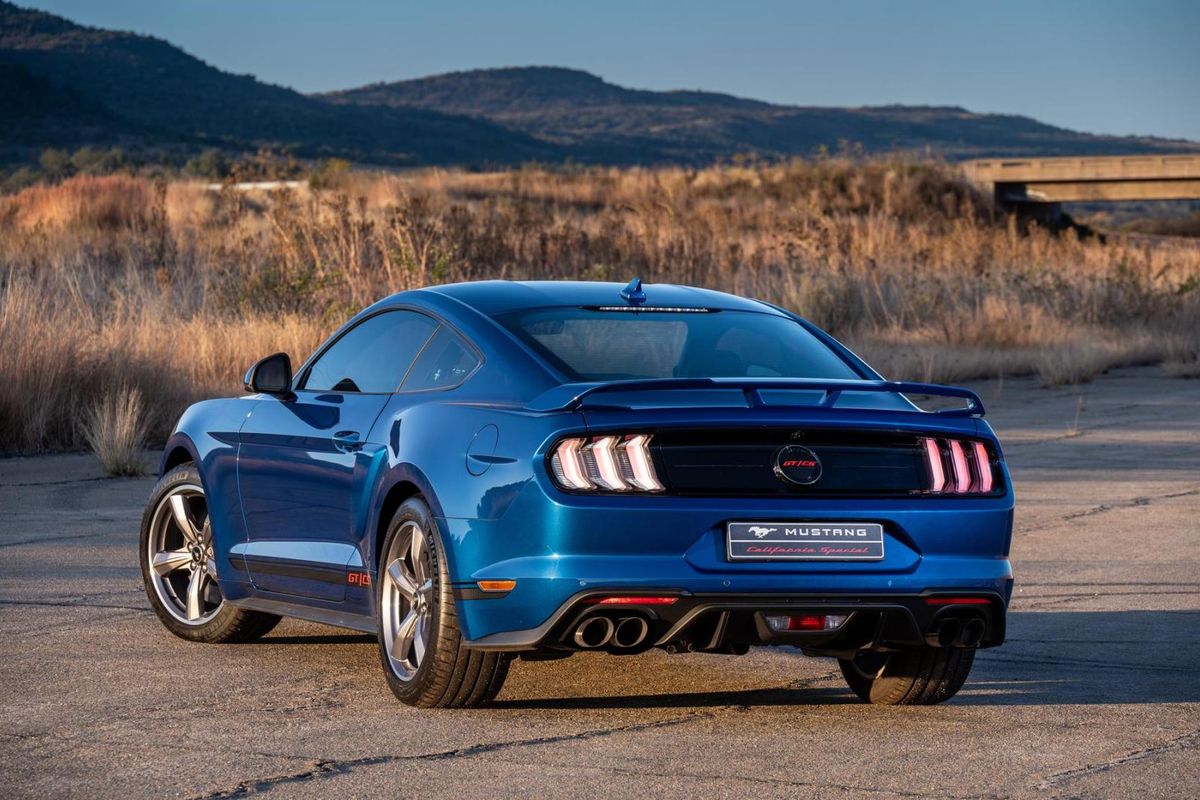
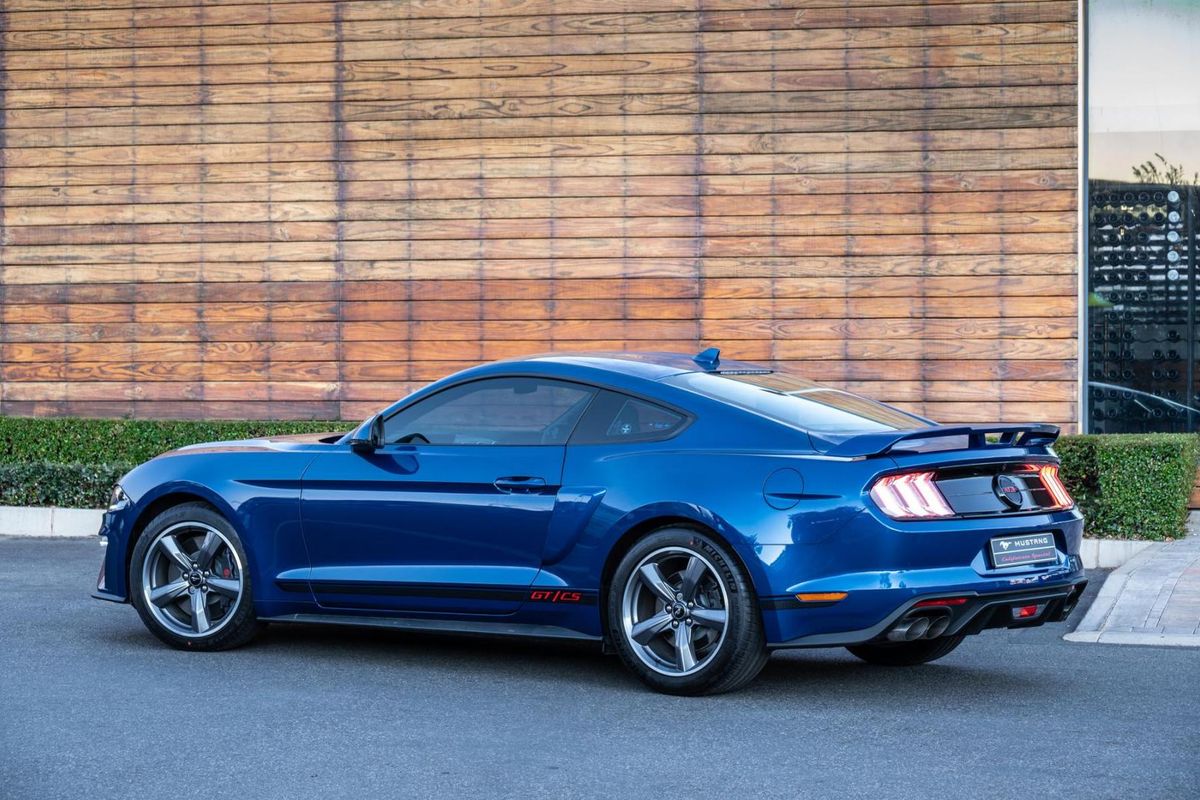
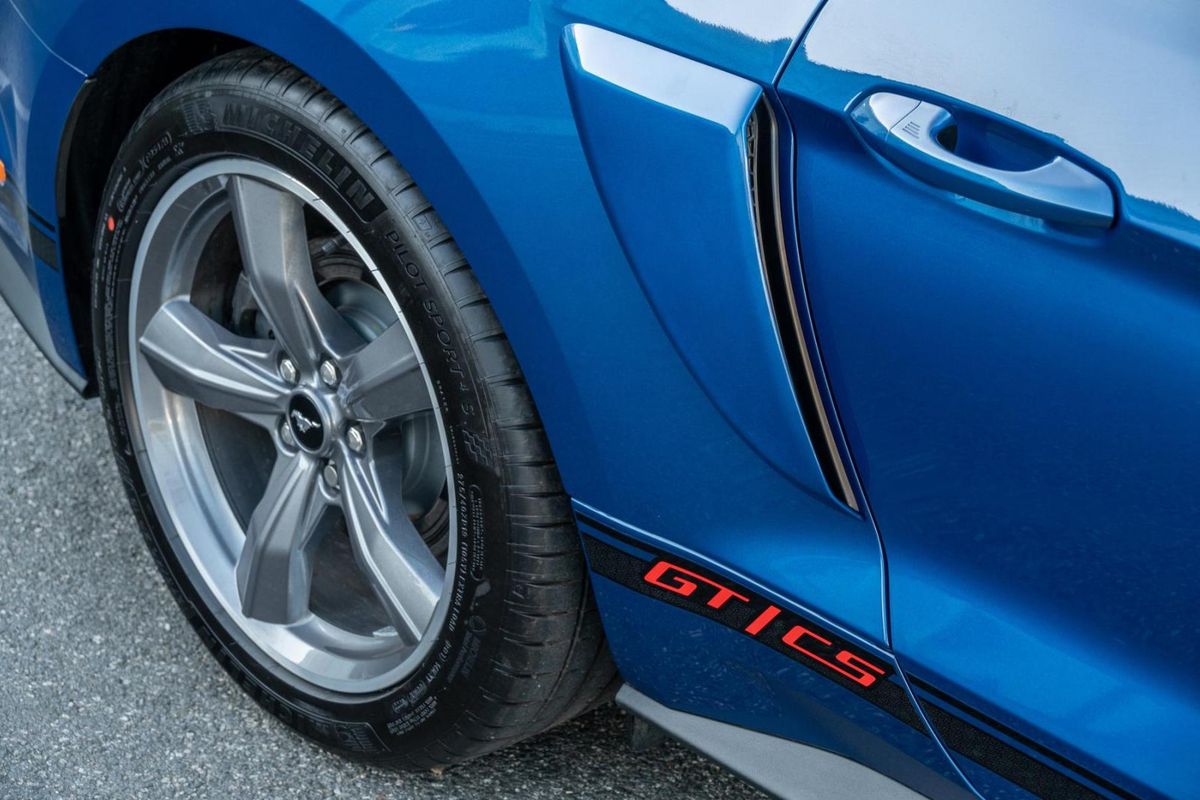
The unique item that is easiest to spot is the newcomer’s rear wing. Ford calls this a performance wing, but there isn’t much evidence that it’s anything more than a cosmetic addendum… perhaps it has some or other aerodynamic effect, who knows? The air-intake slots on the side harp back to those Californian “designer” variants and add a bit of extra “muscle” to the physique of the American muscle car.
Other minor touches include 19-inch (matte) wheels and GT/CS badging dotted around the exterior. The classic Pony badge on the rear is also replaced with a GT/CS badge.
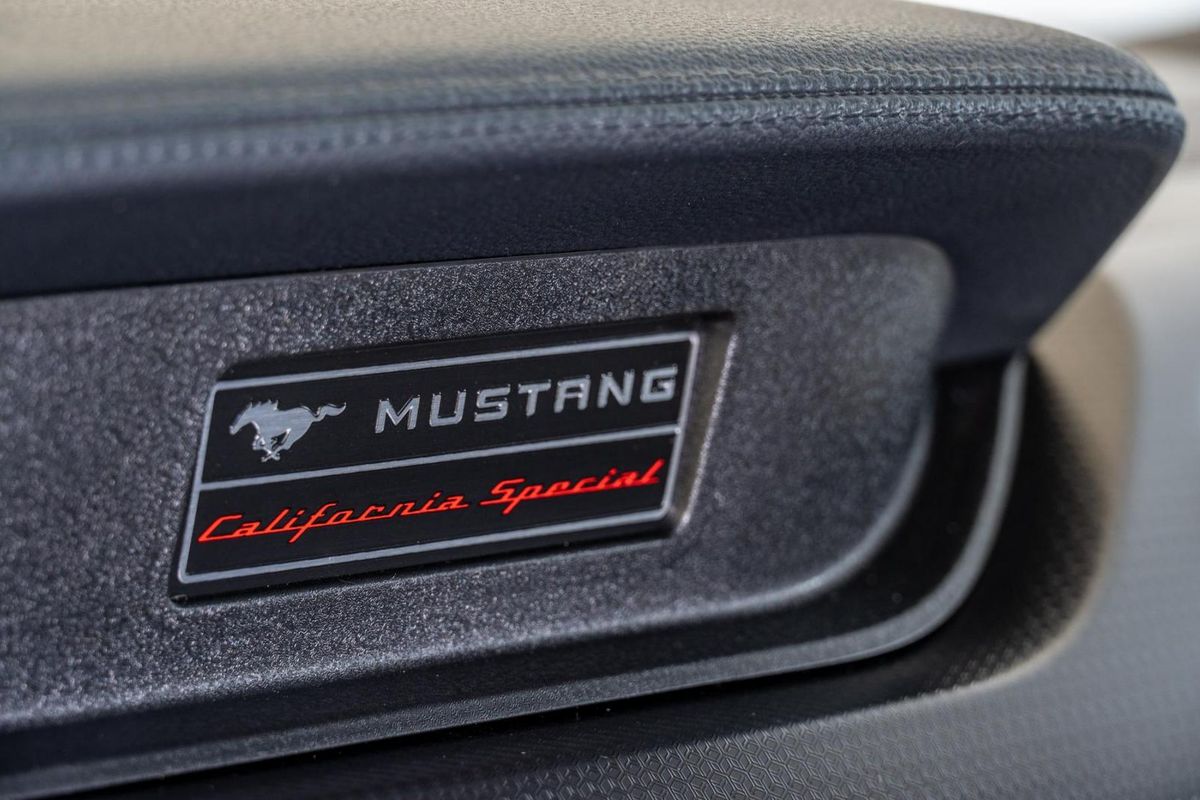
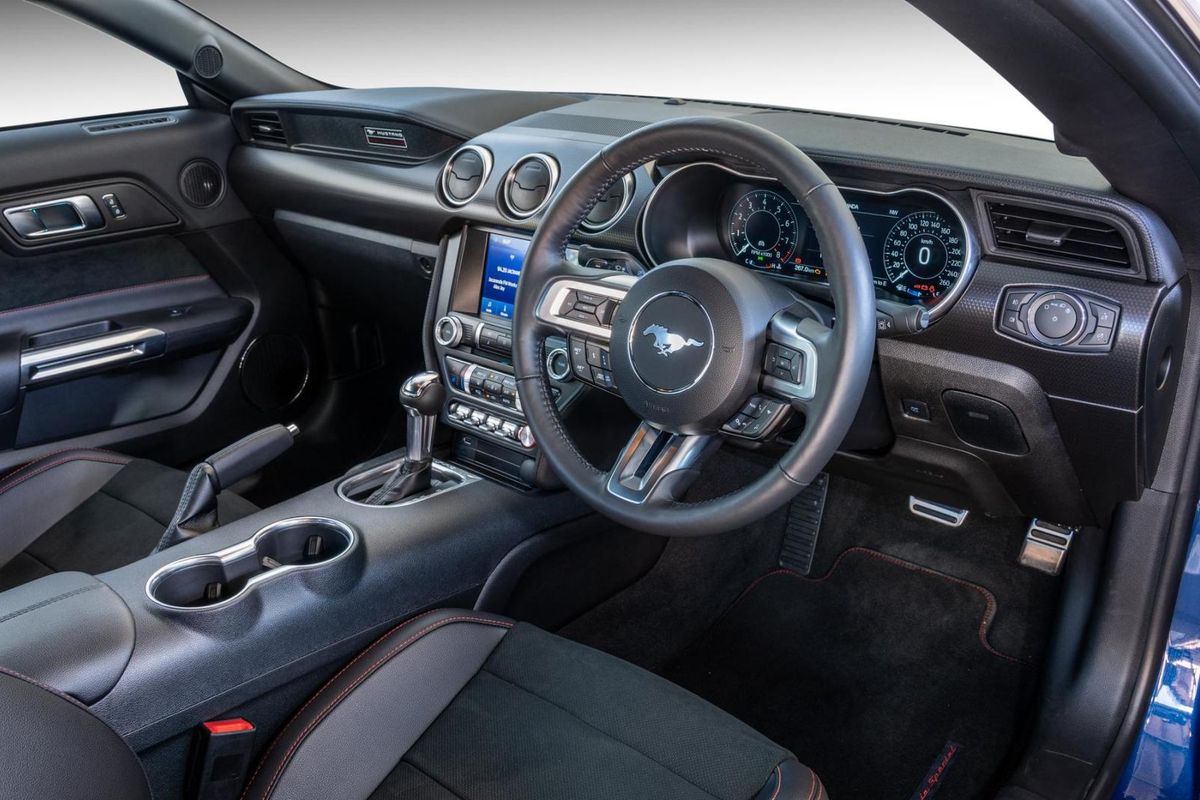
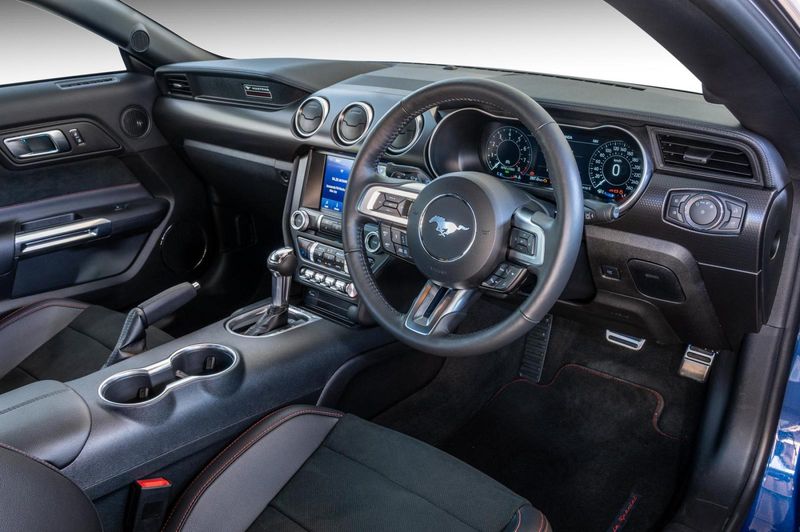
As for the interior, GT/CS badging has been placed on the seats (which also feature recycled polyester on the inserts) and dashboard.
How does the Mustang rank these days?
A GT Cruiser with no aspirations of trying to be a track-day toy.
Let’s be honest, the current-gen Mustang is about 7 years old now, which is a veritable lifetime in the fast-developing automotive world. Throughout those years, the Mustang has proved a best-seller for the brand and, as we now know, if it’s unlikely to make a profit in the Republic, Ford isn’t interested in selling it here (RIP all ST models). The Mustang, then, is obviously popular, but for what reason?
I think it boils down to a combination of a classic emblem etched on the front of a modern design that still exudes vein-popping American muscle. Top that with a burly naturally-aspirated V8 and a price tag that seems a bargain compared to all competitors you can think of and you’re on a winning wicket with Kagiso Rabada steaming in, bowling at 150 kph and swinging the ball like one would a cat (by its tail) in a large room – um, you get the picture, right?
The Mustang makes no bones about what it is. And that is a GT cruiser with a tantalising exhaust note that draws a crowd everywhere it goes. It’s not a sportscar that you dream about lapping a circuit with or whipping through a tight mountain pass. It’s all about enjoying the drive, taking in the scenery and, occasionally, flattening the loud pedal to listen to the deep and bassy V8 echo through the landscape. In other words, sheer road-trip bliss.
Is The Mustang California still modern inside?
The SA -pec California Special only comes as a 10-speed automatic.
The interior of the Mustang has always been a topic of debate, at least among us professional car critics. On the one hand, it feels a bit plasticky in areas and the switchgear doesn’t offer up the kind of premium feel that you might expect to experience in a R1-million car, but its standard equipment list is significantly longer than those of the competition, which you usually need to spec-up before you’ll be completely satisfied.
I also find some of the settings a little frustrating to use, such as scrolling through the multiple drive modes – you can only scroll in one direction. That means flicking the drive-mode toggle multiple times to get to the mode you want, which seems so, well, inelegant. Multiple USB ports are available in the cabin (I counted 3), but there’s no wireless charger, which means that while it has Android Auto and Apple Carplay as standard, there is no wireless option for those apps.
As for passenger comfort and practicality, I was surprised by just how big the boot was in the Mustang; we were able to stack 2 large duffel bags, 2 backpacks and a crash helmet in the boot… and there was room left to spare.
The front seats are acceptably comfortable, although it’s strange that they are electrically adjustable fore and aft, but, if you want to move the seat up or down, you have to use a manual lever. The counterargument for that is that it’s probably easier to fold the seats forward with a manual lever in order to give people access to the rear seats – ah, that’s the classic downside to owning a coupe, right there!
Can I buy a Mustang California Special?
All 100 units have already been snatched up.
Ford South Africa was able to bring 100 units into the country, all of them fitted with the 10-speed automatic transmission (yes, in case you were wondering, it’s the same one the Ranger and Everet use). It’s not a ‘box I’ve ever gelled with, at least in the Mustang (it works perfectly well in Ranger and Everest), because I find it hunts around too much for my liking, even though it’s quite capable of shifting multiple gears at a time – if it sees fit. Even when you engage the paddles to shift manually it becomes a bit of a chore to keep flapping the paddle and you still never really feel like you’re in the right gear. The ‘box seems more suited to cruising rather than being coerced to exact short bursts of acceleration.
Back to buying a California. According to Ford, it could easily have sold more than the 100 allocated units, as it could have done with both the Bullitt and Mach 1, but the brand wanted to keep it exclusive and they are all already accounted for.
Ford Mustang California Special price and after-sales
Ford Mustang California Special – R1 154 900
The Ford Mustang California Special is sold with a 4-year/120 000 km warranty, 4 years’ roadside assistance and a 5-year/unlimited km corrosion warranty.
Summary
A great car for getting the weekend road trip off to an exciting start.
The Mustang California Special is another cool take on the Mustang nameplate and I’m positive that fans will love it. Its unique look is both distinctive and desirable, which is, of course, complemented by a thumping big naturally aspirated 5.0-litre V8 under the bonnet (savour it while it’s still around, folks). It’s the type of car that has to be experienced to understand the attraction. You will find other sportscars that are more engaging to drive, offer more luxury and are, ultimately, faster, but none that draw as much attention or instils such a generously visceral feeling when you thump the loud pedal and hurtle off into the sunset while listening to The Mamas & the Papas’ California Dreamin’.
Toyota Hyryder Revealed
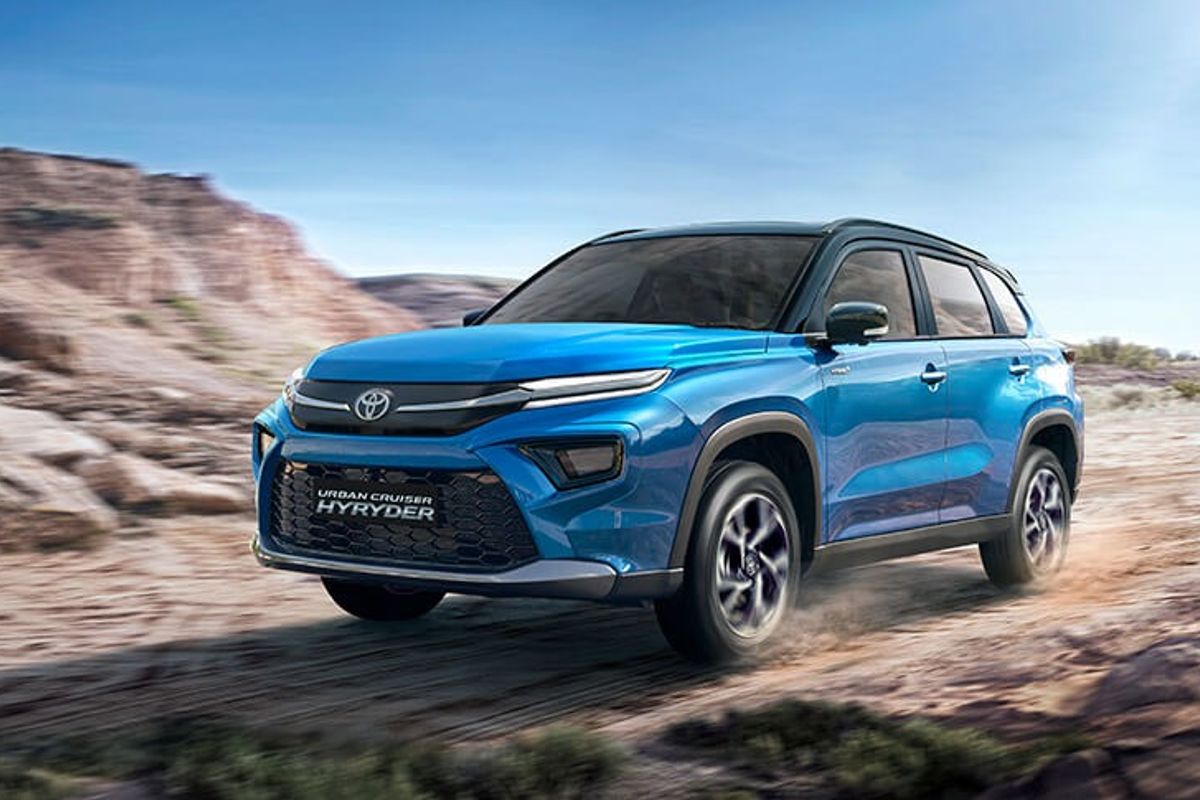
Meet the new Toyota Hyryder, Toyota’s and Suzuki’s answer to the Kia Seltos and Hyundai Creta.
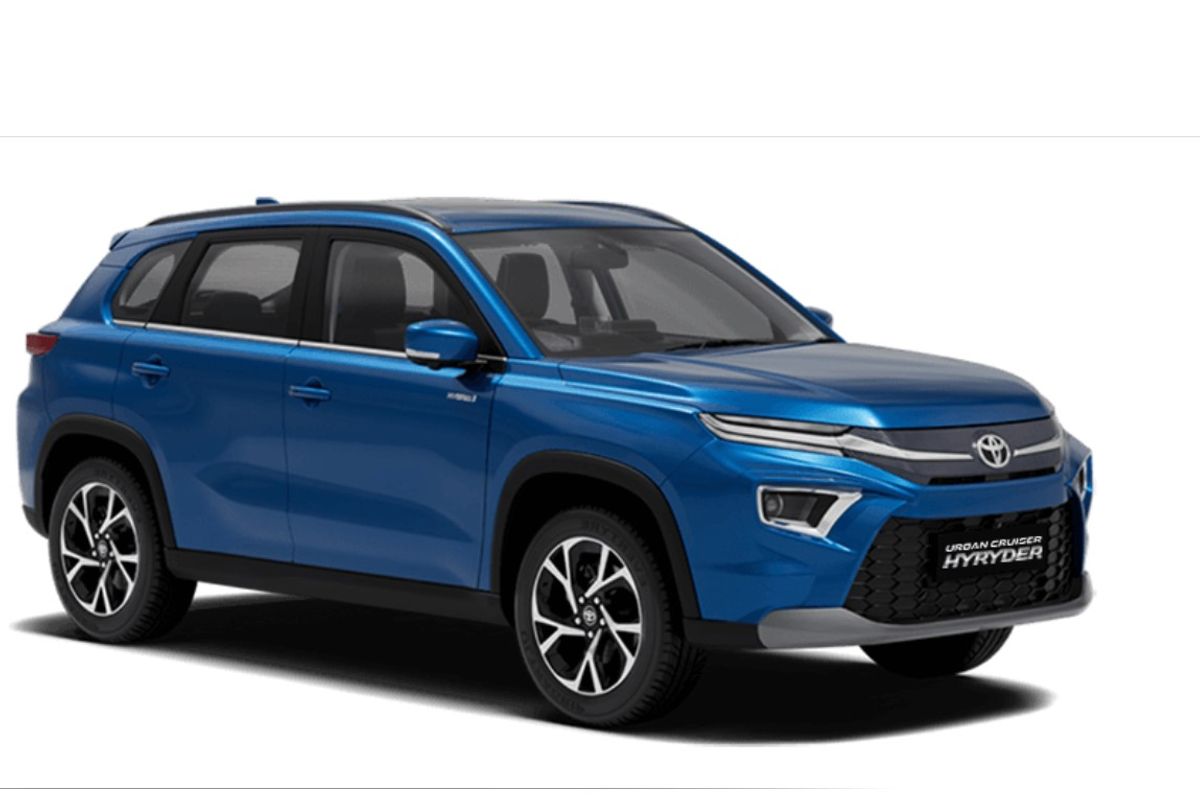
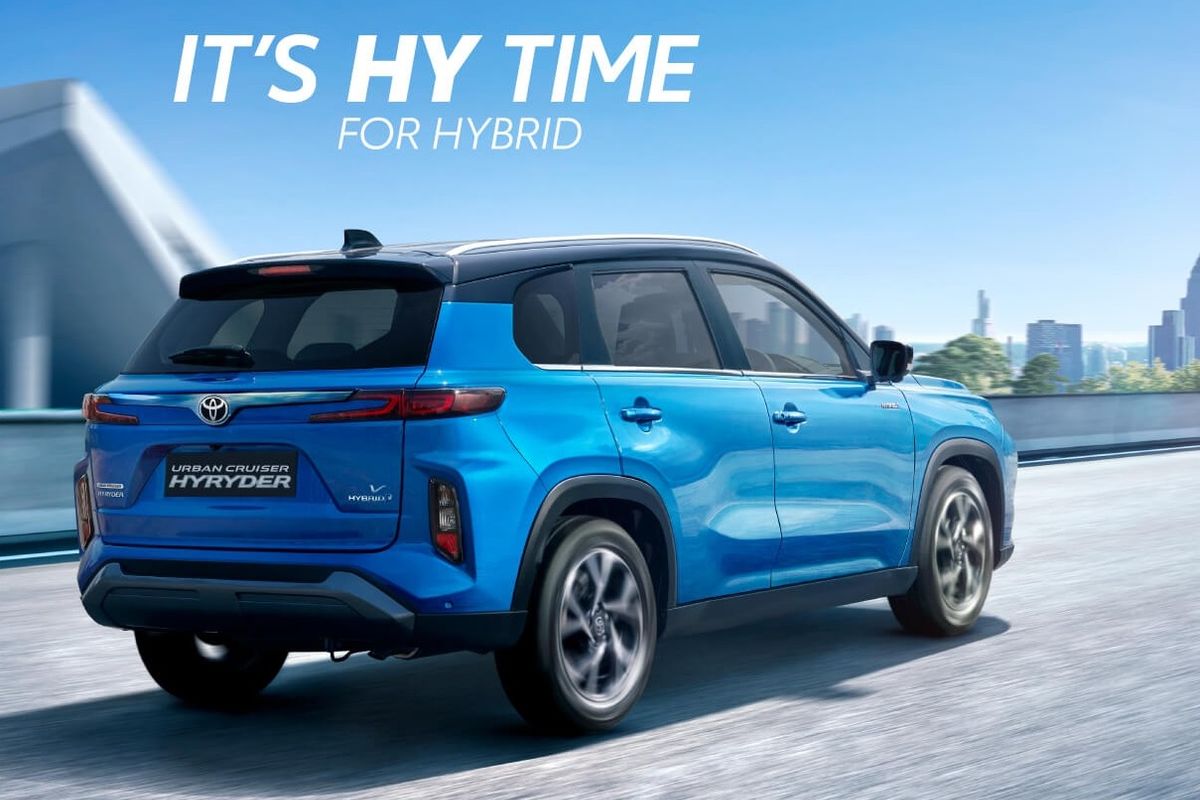
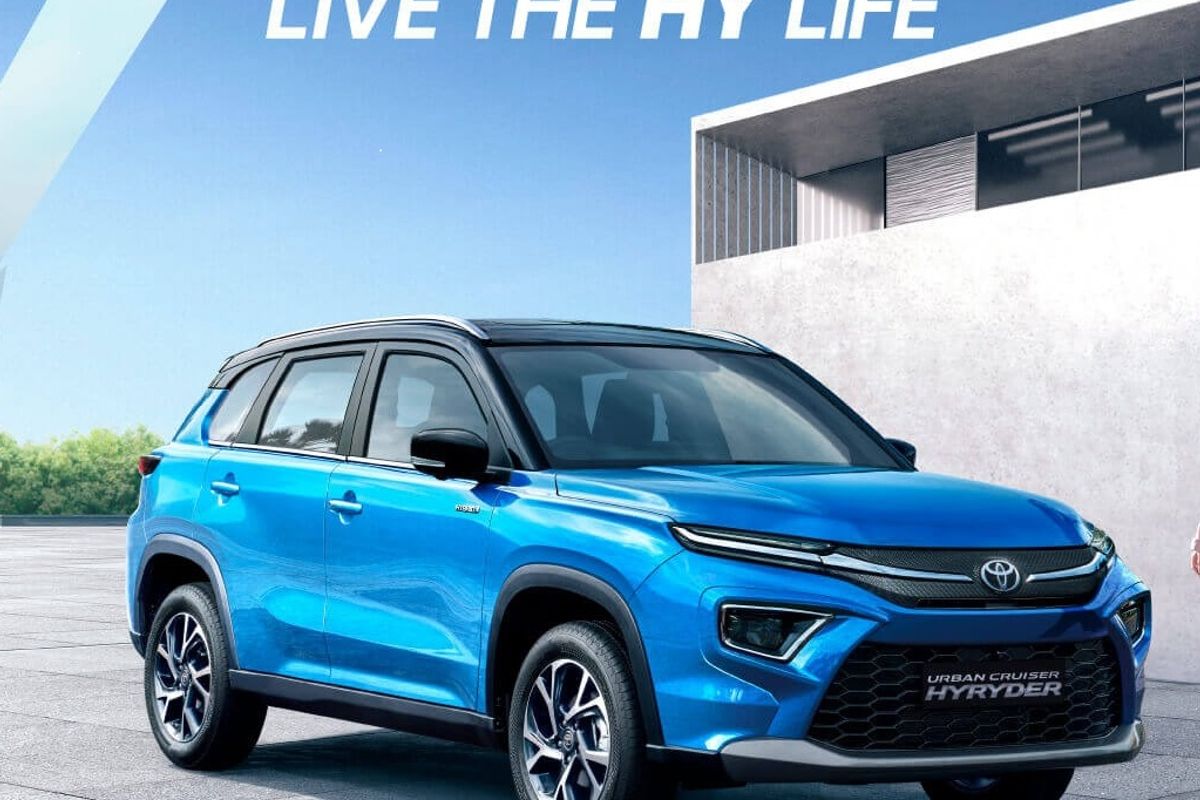
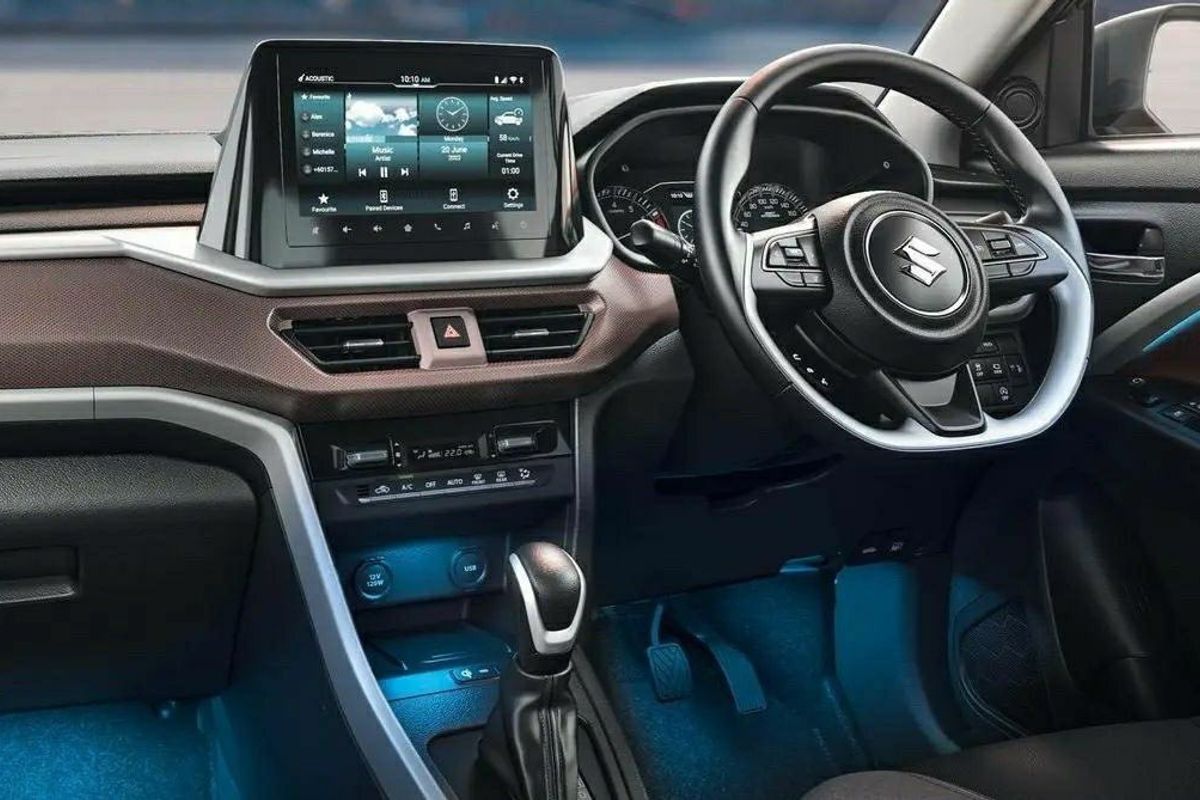
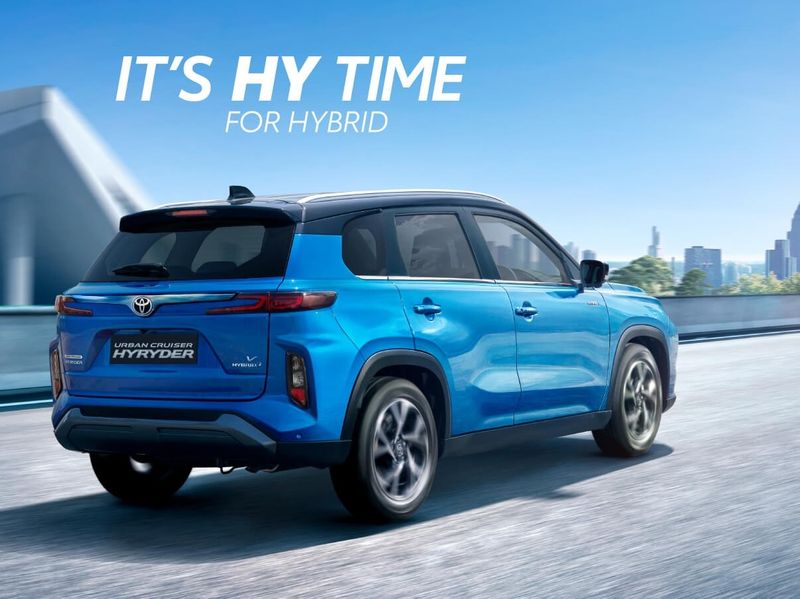
After numerous teaser and nuggets of what’s to come, the Toyota Urban Cruiser Hyryder has been fully revealed. This new vehicle joins the ranks of other Toyota and Suzuki products, like the Vitara Brezza/Urban Cruiser and the Baleno/Starlet. Interestingly, we’re yet to see the Suzuki equivalent and after the recent announcement of the Suzuki Brezza which drops the Vitara prefix, we suspect this name will be issued to the newcomer.
It’s an interesting-looking SUV with fresh styling that adopts elements from other Toyota products. There’s a bold grille with LED daytime running lights and head lamps. At the rear are C-shaped tail lights and there are chrome elements to indicate some level of premium positioning.
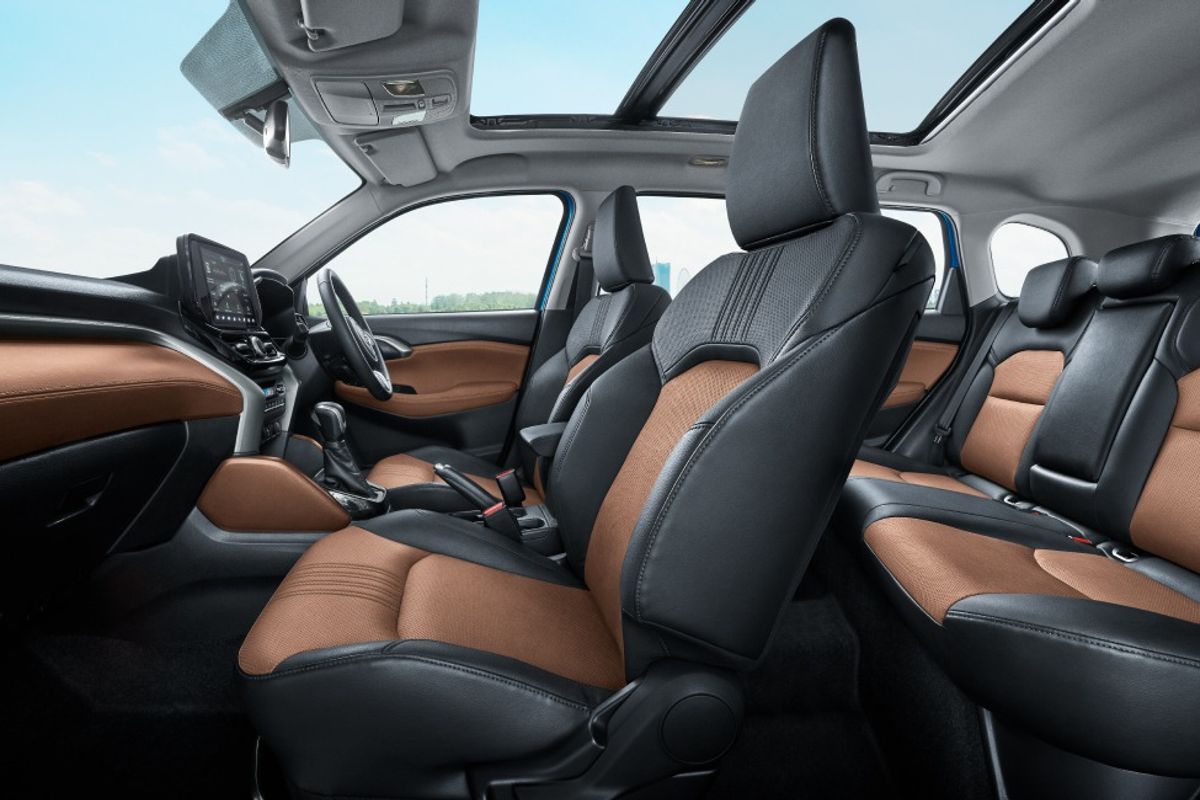
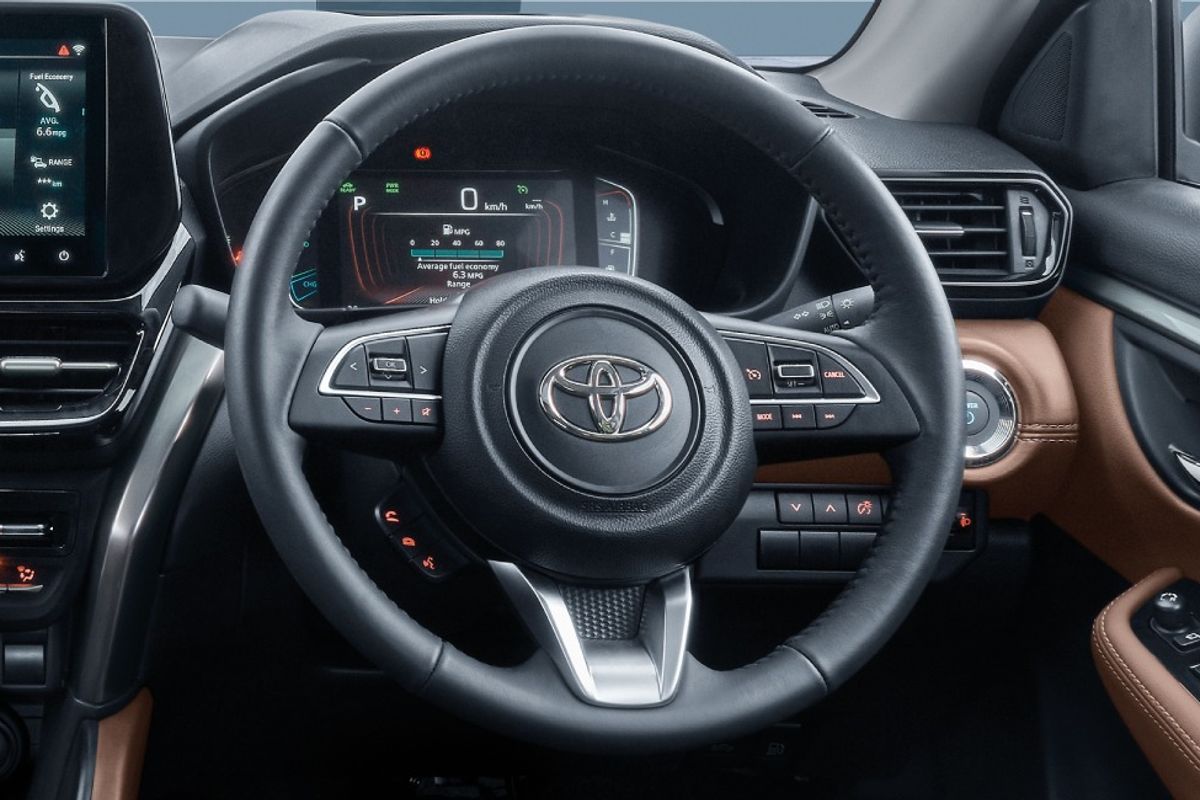
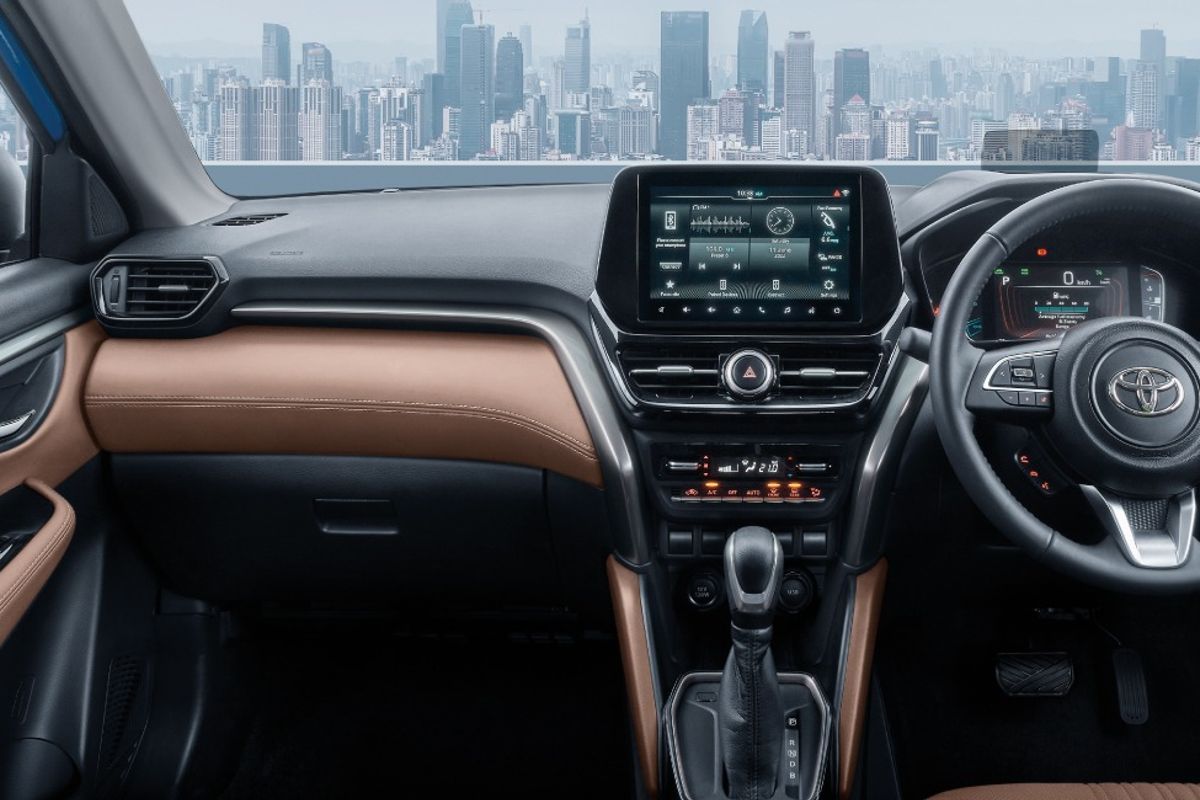
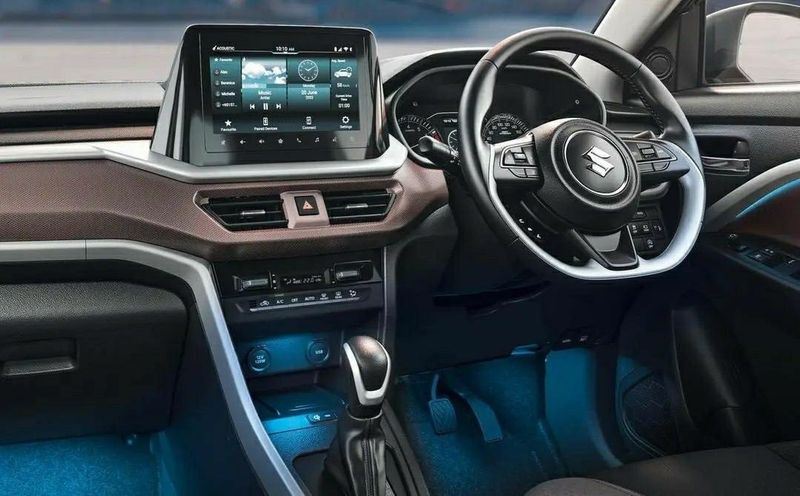
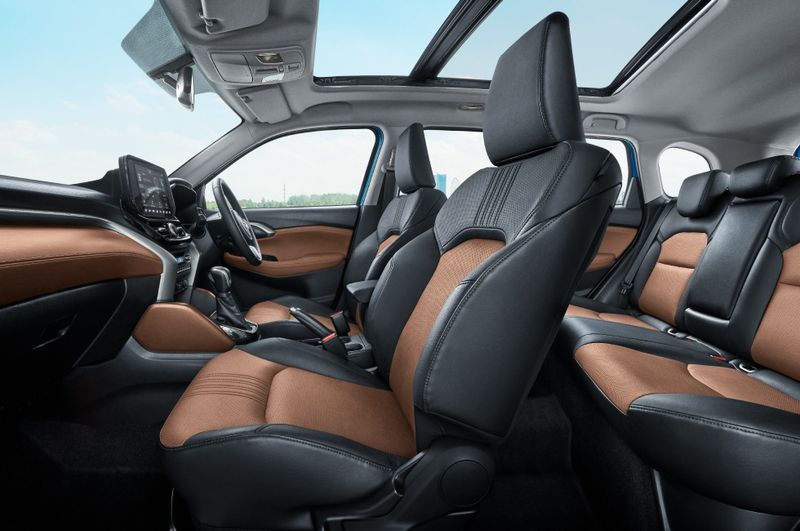
Inside, we can see common elements from products like the Baleno/Starlet, but there are plush touches like padded leather on the dashboard. There’s a brown and black theme, which is a bit more interesting than your generic all-black interiors we often see these days. As always, the features list looks commendable with climate control and a large 9-inch infotainment screen.
High-spec models will get niceties like a panoramic sunroof, 360-degree camera, wireless charger, a full digital instrument cluster, heads-up display, connected car tech and voice assist with Google and Siri compatibility. When it comes to safety, there are six airbags, tyre pressure monitoring system, ESP, hill-hold assist, 3-point seatbelts for all rear passengers, all-wheel disc brakes and hill descent control. The all-wheel drive versions also get drive modes.
The big news is that the Toyota Hyryder will feature hybrid technology and it comes in the form of the 4th-generation hybrid system. Outputs of 68 kW and 122 Nm from the 1.5-litre motor itself combine with an electric motor which produces 58 kW and 141 Nm, giving a total output of 85 kW. Impressively, Toyota India claims it has a pure electric range of up to 25 km.
Another engine offered is the 1.5-litre mild-hybrid petrol which features an integrated starter generator. This produces 75 kW and 137 Nm. As far as transmissions go, the full hybrid gets what Toyota calls its e-drive, which we suspect is the CVT, while the mild-hybrid features either a 5-speed manual or a 6-speed torque converter. All-wheel drive is offered too.
Toyota Hyryder coming to South Africa?
So, will it come to South Africa? Without any hesitation, we’re going to say no as the South African market gets the locally-assembled Toyota Corolla Cross which is a commendable product. The Hyryder and Corolla Cross would surely overlap. We do suspect it will come to South Africa, however it will be wearing a Suzuki badge. While this model is yet to be revealed, timelines suggest our current shape Vitara is approaching the end of its lifecycle. As a reminder, this model was launched locally in the middle of 2019.
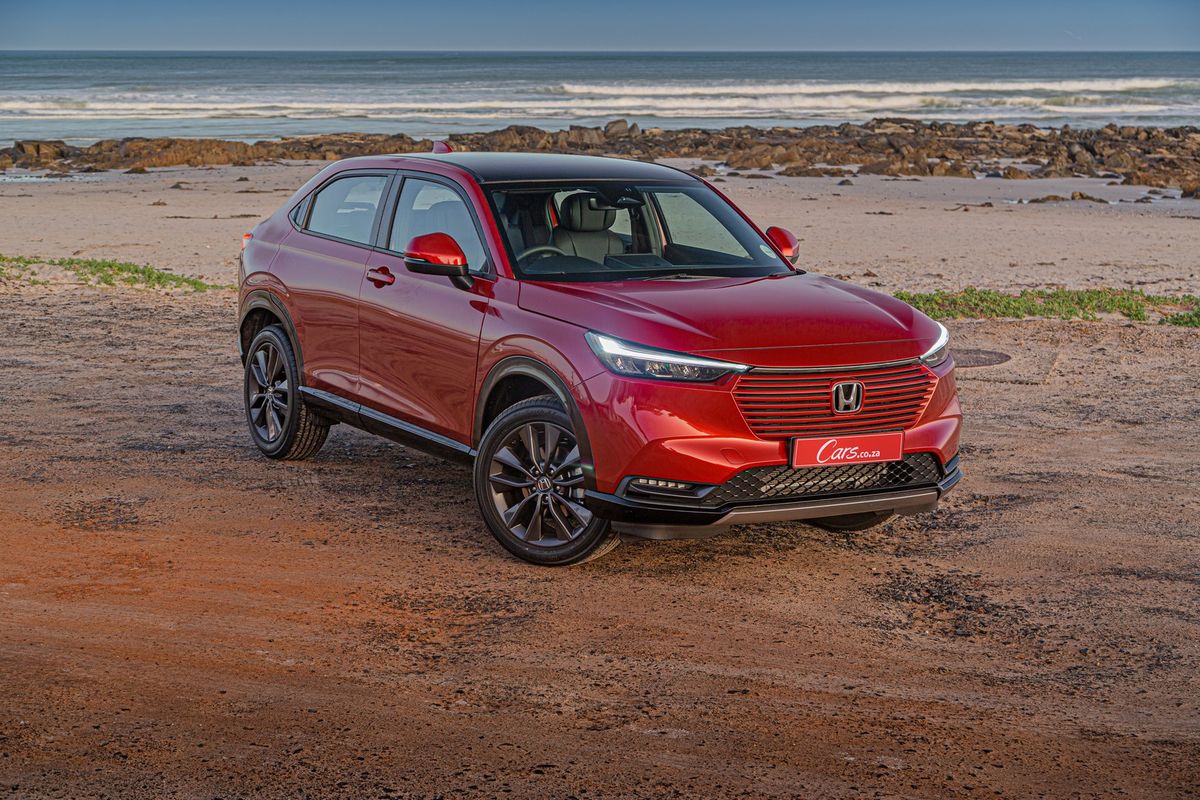
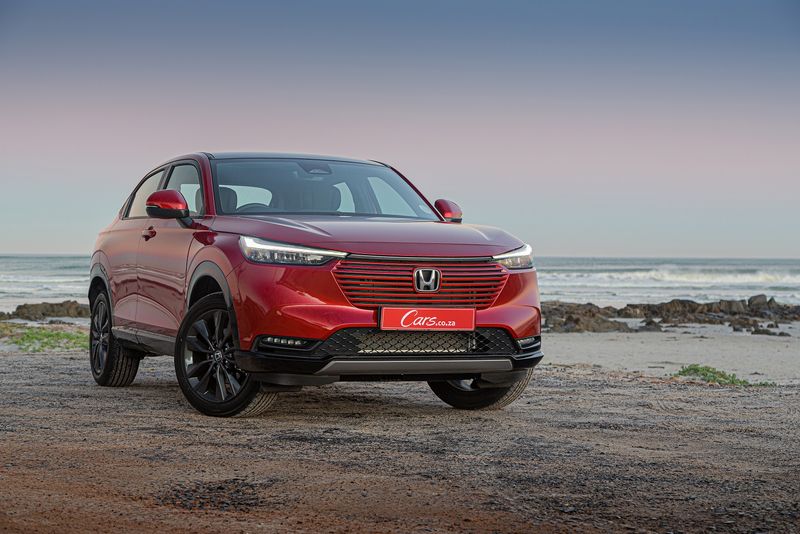
Whereas its predecessor was a conservative compact family car, the new Honda HR-V is more of a stylish small crossover. However, the once-popular Japanese brand is now increasingly viewed as a boutique offering in our market – is the new HR-V impressive enough to stand out in a hotly-contested segment?
We like: Good spec, safety tech and cabin space, relaxed cruiser, Magic Seats
We don’t like: Underpowered engine, variable fit-and-finish quality, expensive
The HR-V is Honda’s compact family car, which slots above the WR-V and BR-V, but below the CR-V. There’s one powertrain in the range and 2 levels of trim: Comfort and Executive. The key difference between the two is that the latter has an advanced safety package fitted.
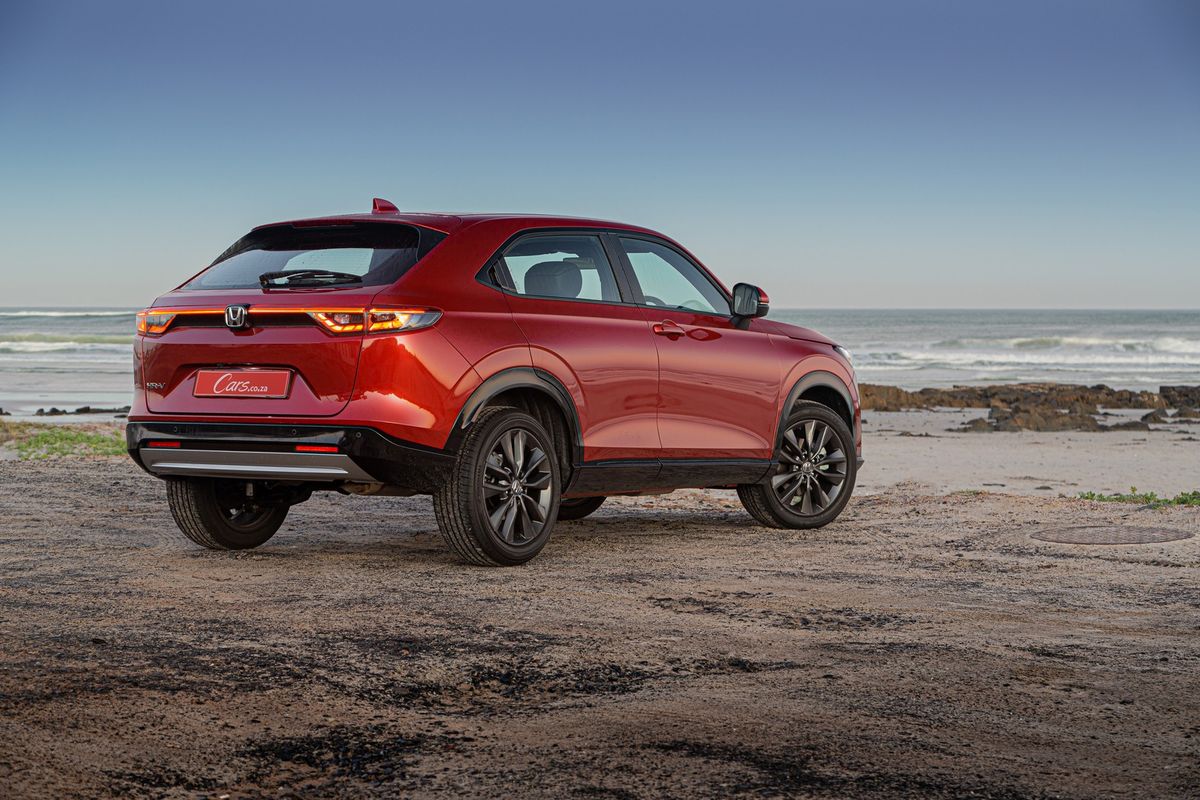
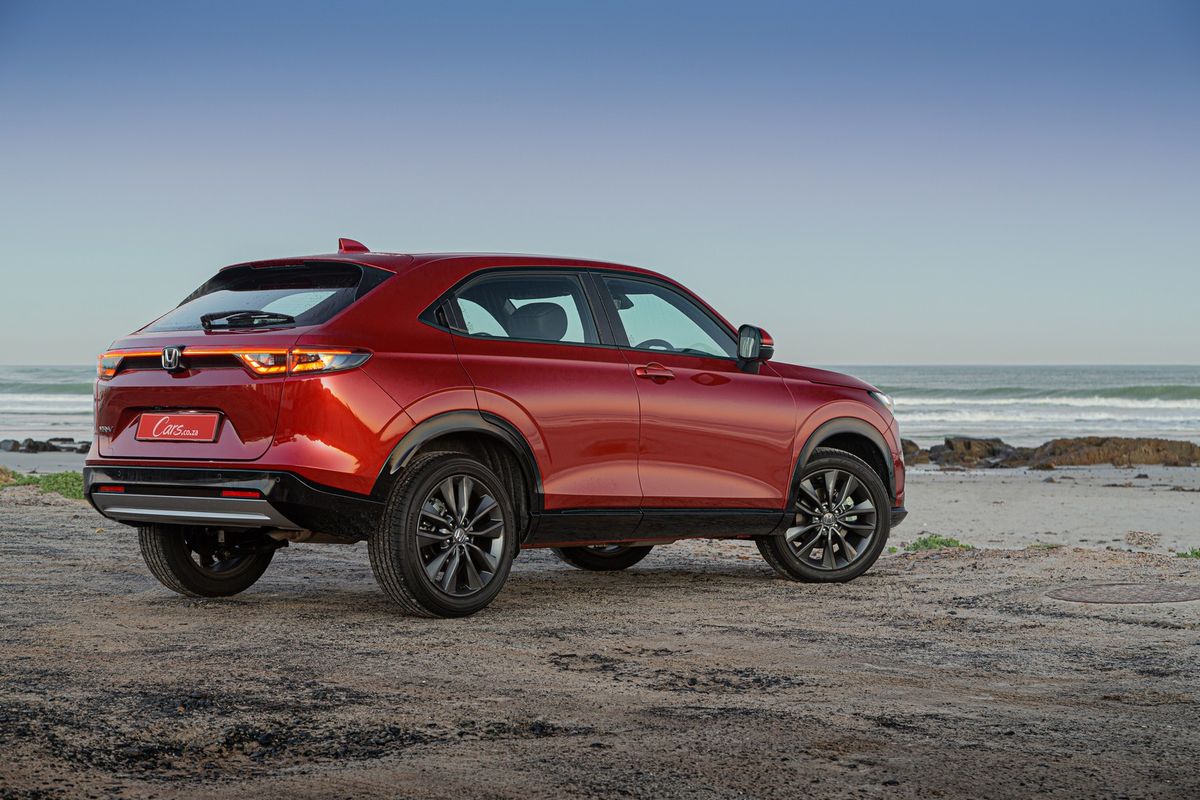
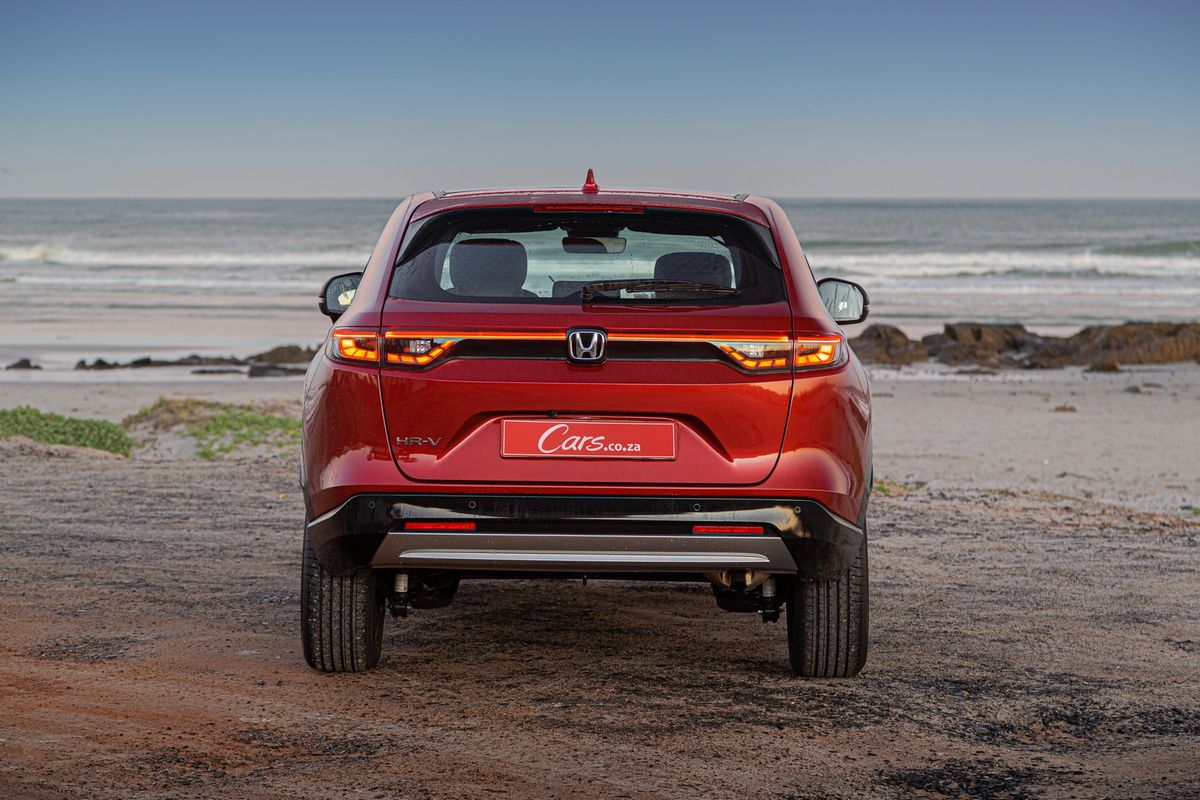
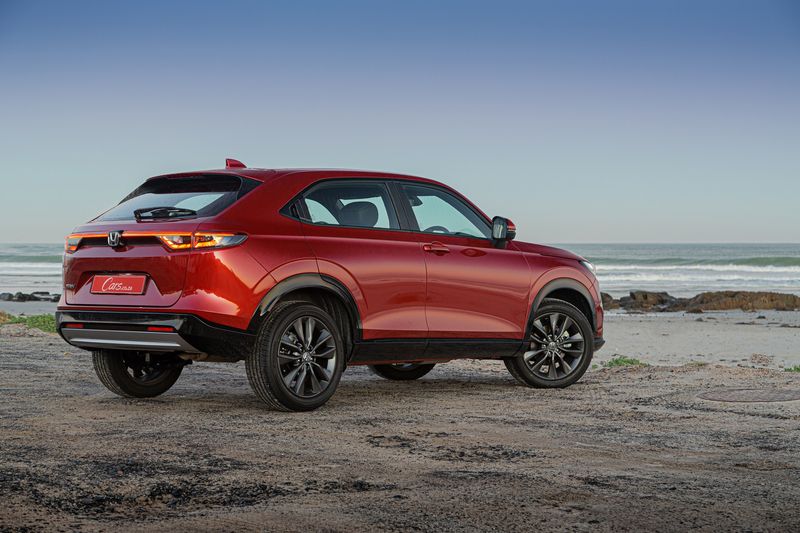
The LED tail-light clusters, connected by a light bar, are very fashionable right now.
This segment of the market is booming, with well-established brands’ models competing against aggressively priced wares from newcomers such as Haval and Chery. By using the Cars.co.za Buyer’s Guide and our Comparison Tool, we’ve narrowed down the rivals to the HR-V based on price and other selling points, such as powertrain, after-sales and features.
You could also look at the Kia Seltos, Volkswagen Taigo, Opel Mokka, Jeep Renegade, Mitsubishi Eclipse Cross, Mazda CX-30, Suzuki Vitara, and Subaru XV to name but a few.
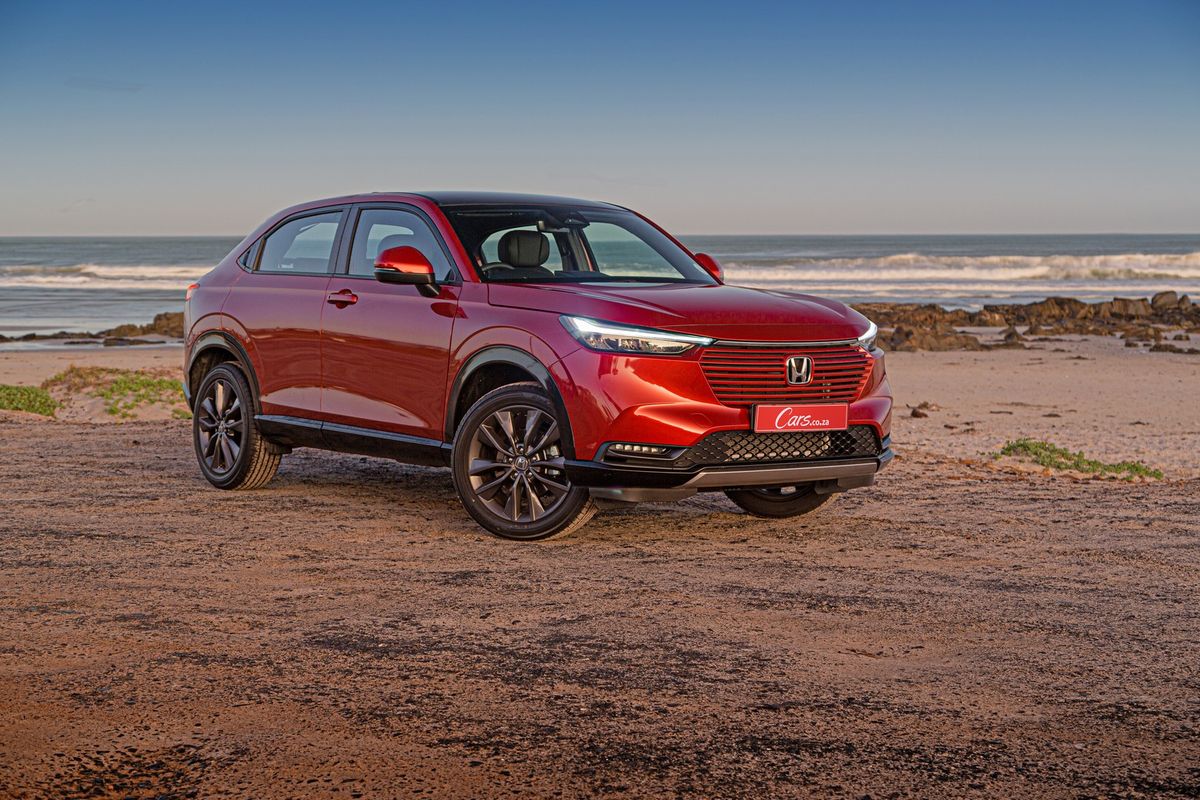
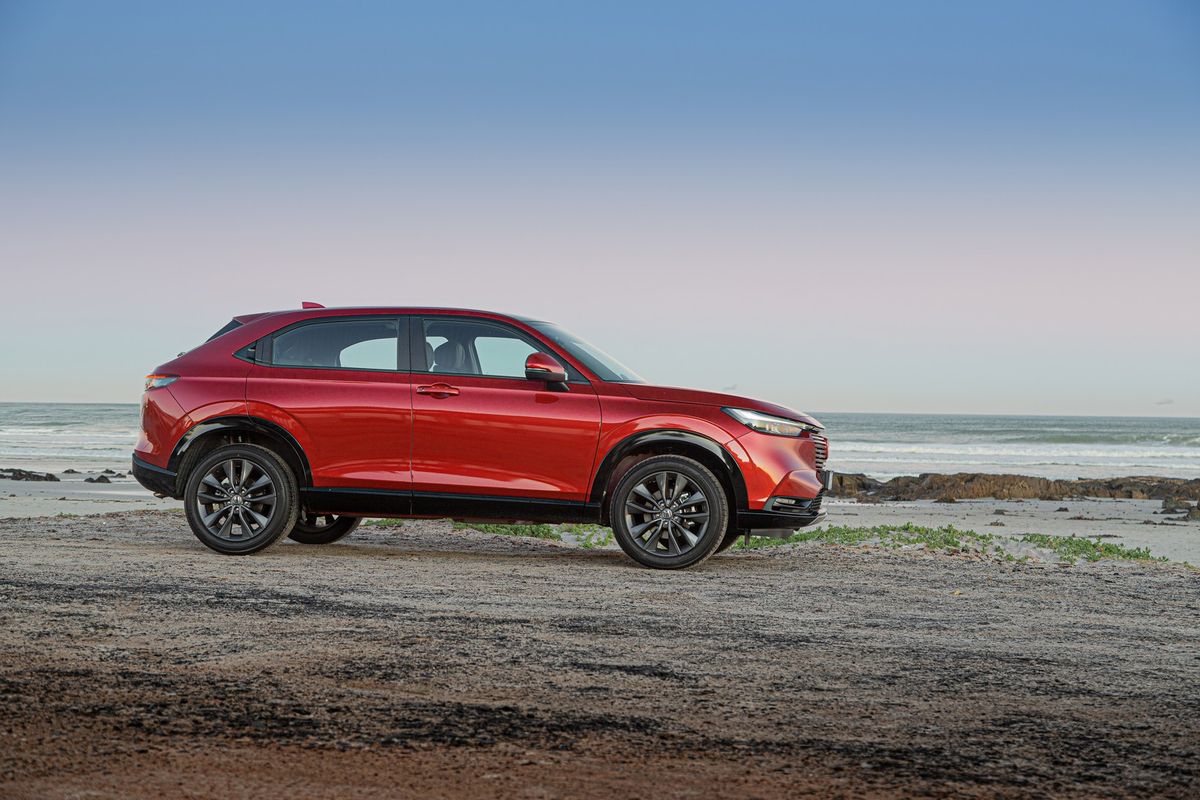
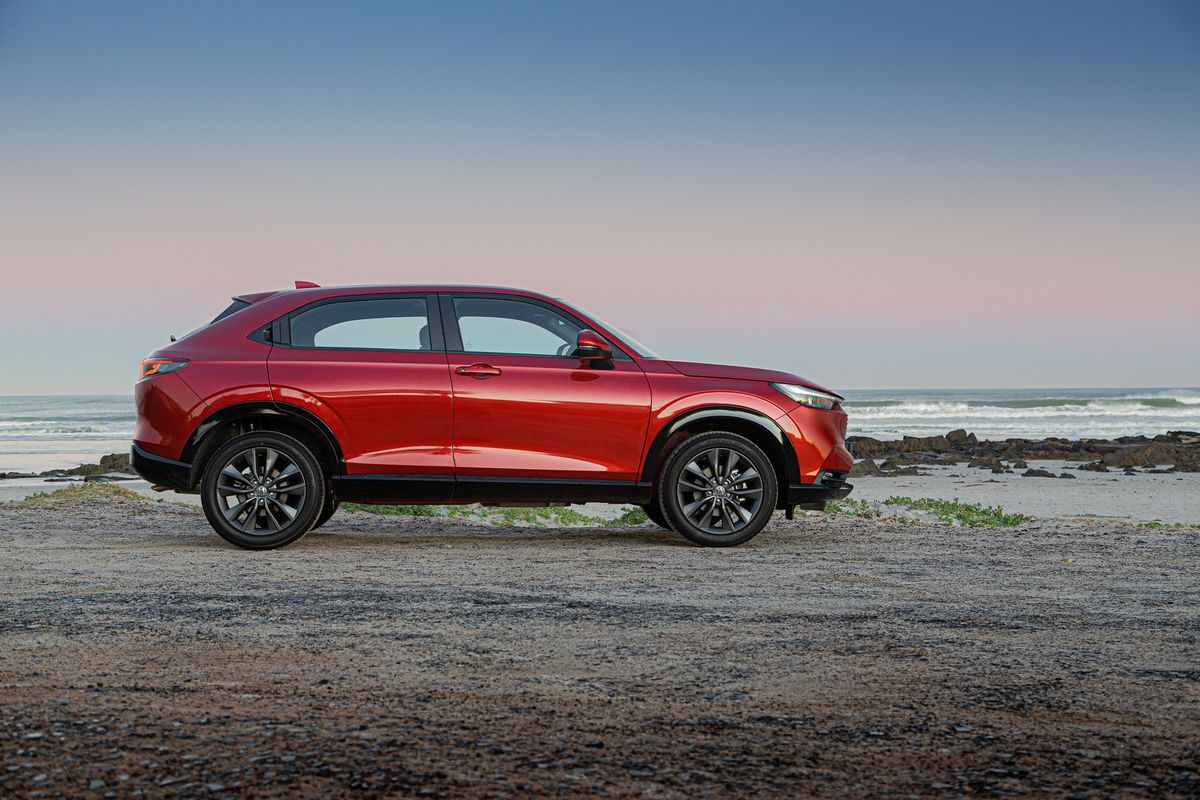
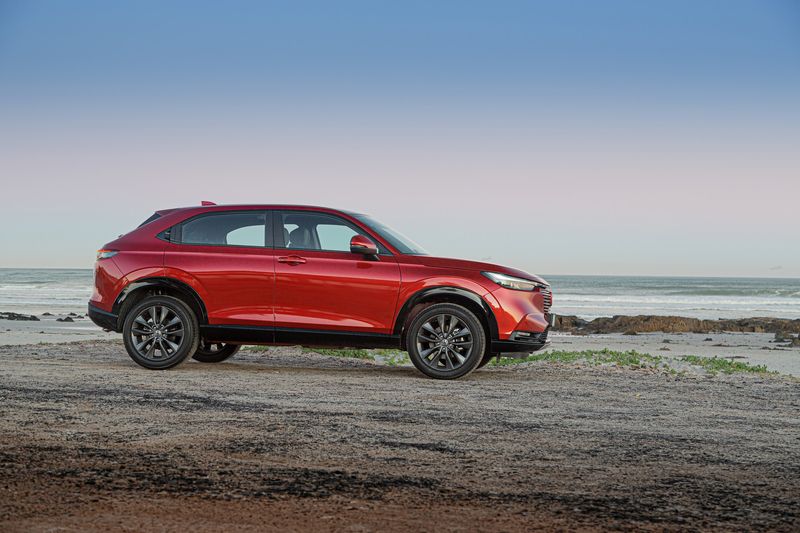
A fresh design has endowed the Honda HR-V with a more distinctive kerb presence.
How the Honda HR-V fares in terms of…
Design and Packaging
It’s certainly quite an interesting vehicle to look at with its colour-matched front grille and the LED light bar that brilliantly spans the tailgate at night – both elements are very trendy.
Size-wise, the new-generation Honda HR-V is much the same as the outgoing model, but clever repackaging has resulted in improved occupant space… Rear legroom is good for tall adults, plus the pair of sunroofs will no doubt add to the feeling of airiness in the cabin.
For the first time, the HR-V features hill descent control.
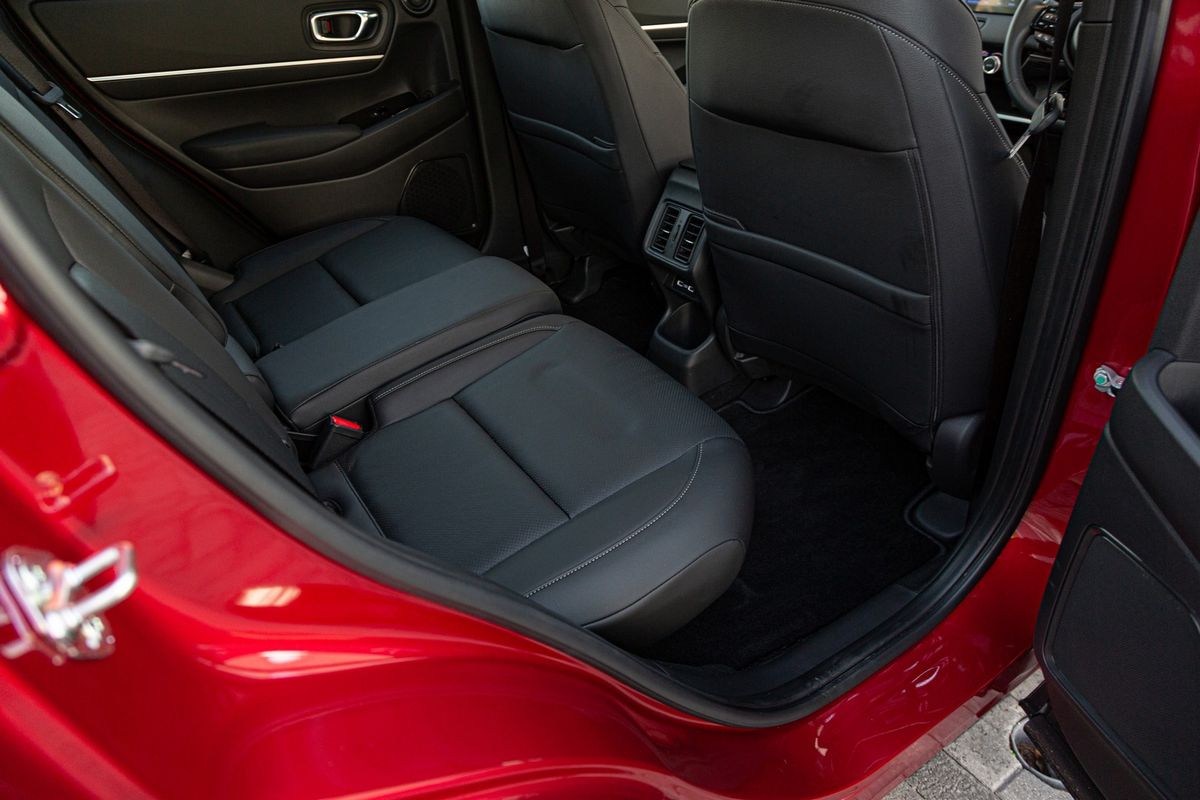
Magic Seats – a seating system that allows the rear bench to fold completely flat (to make it easier to fit bulky or oddly shaped items in the load bay), remains a highlight of the HR-V.
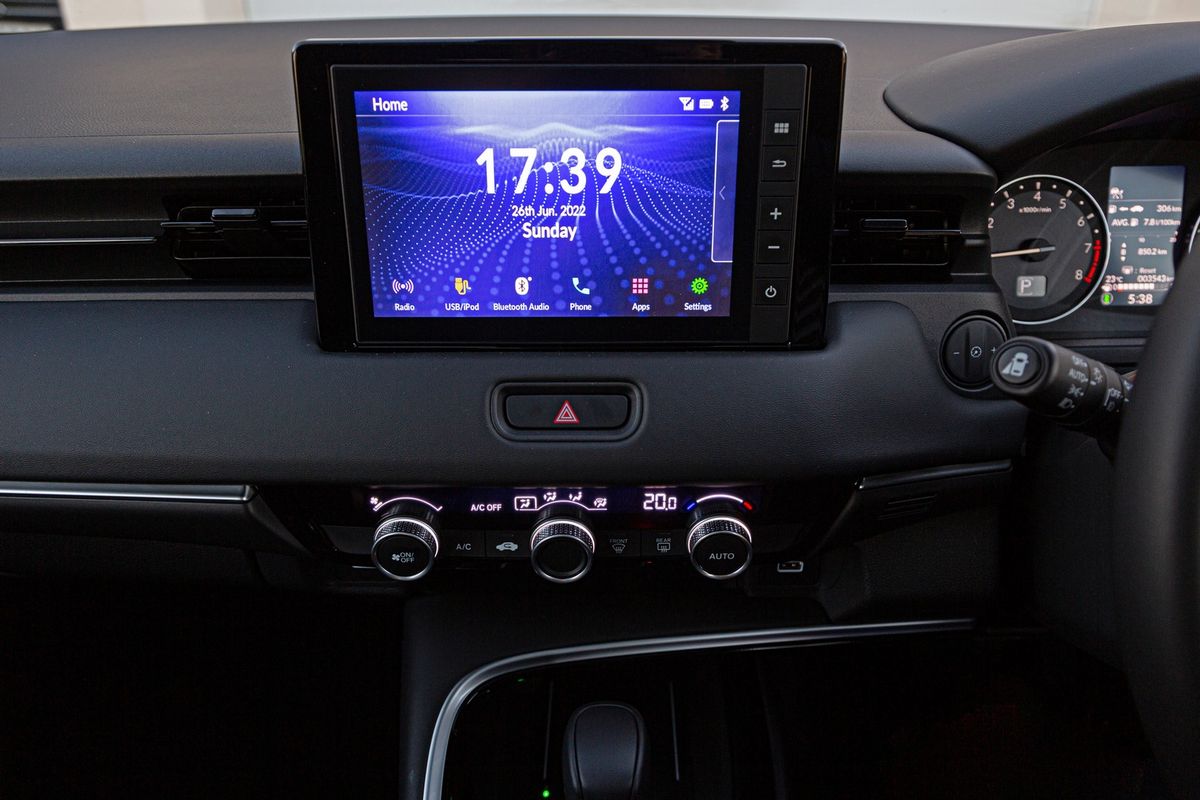
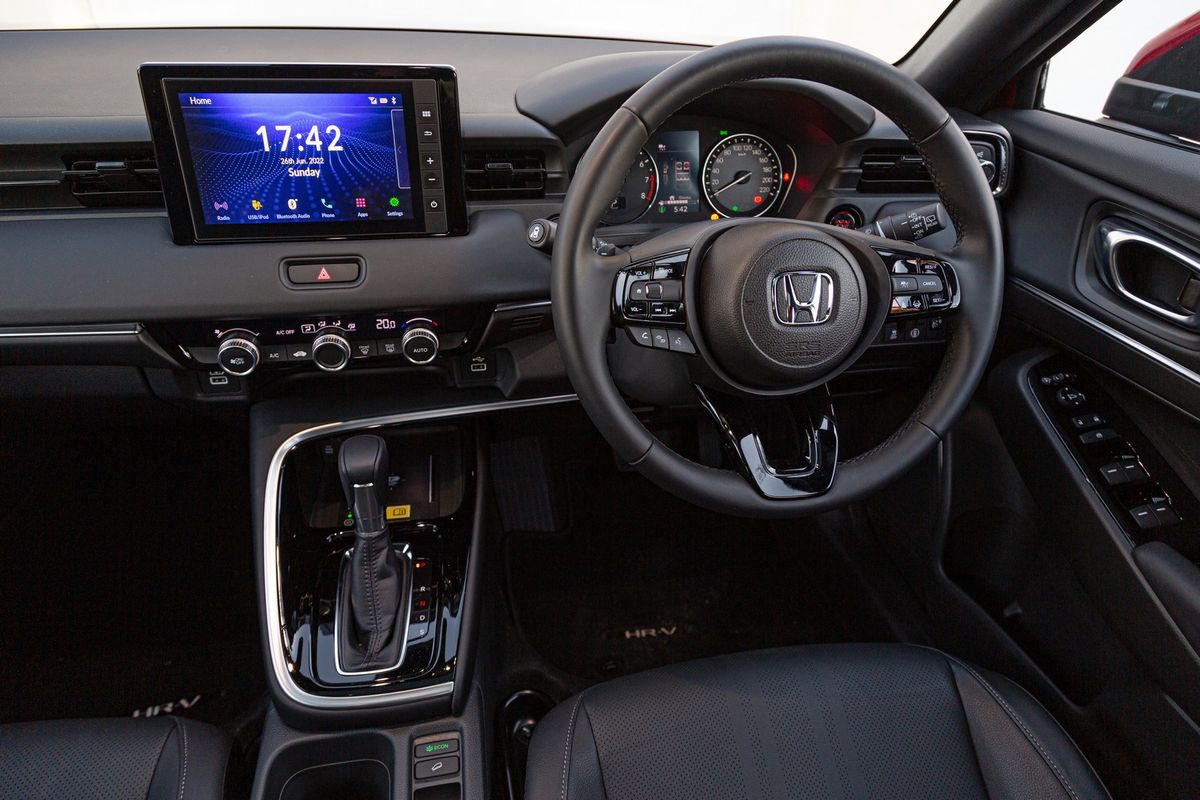
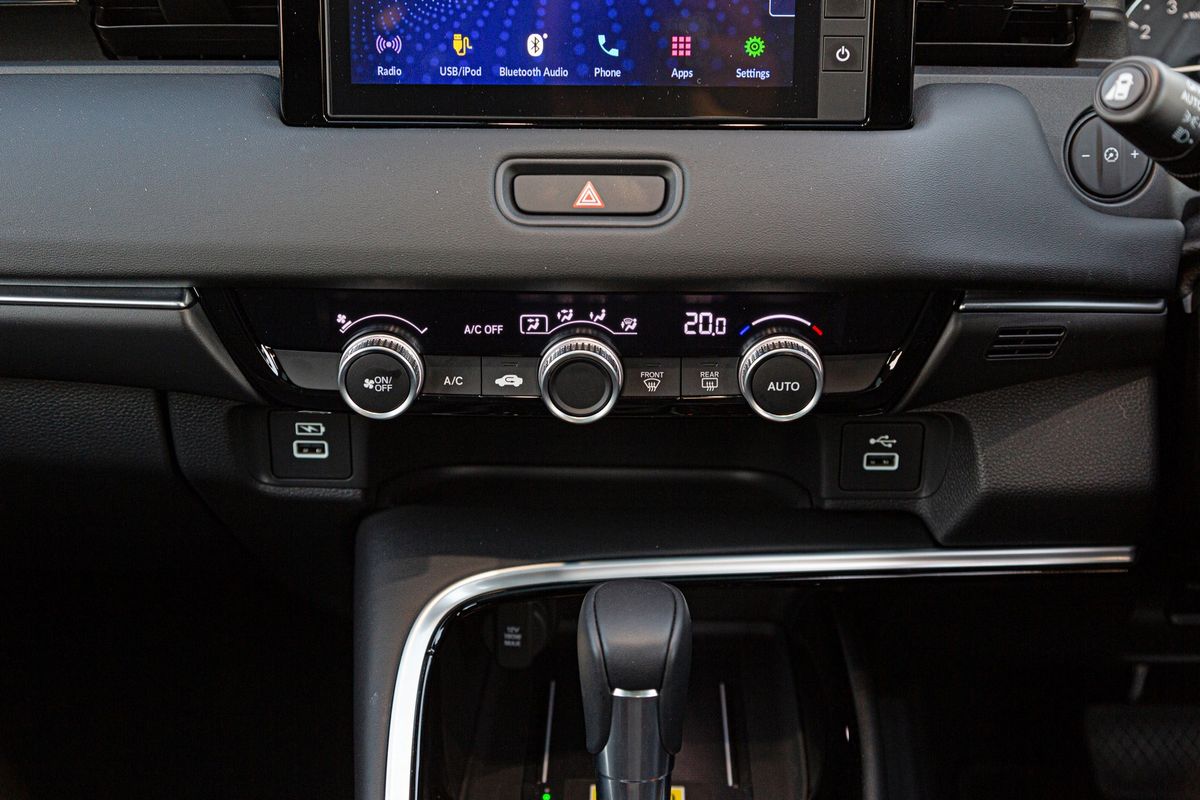
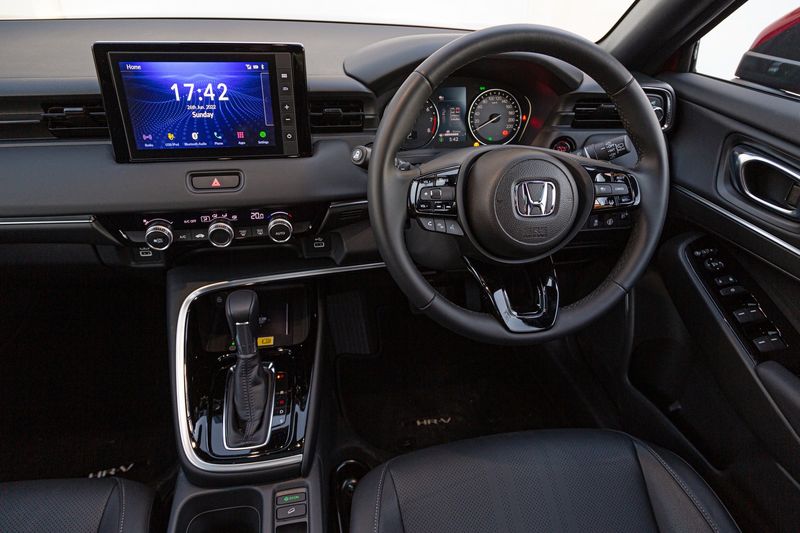
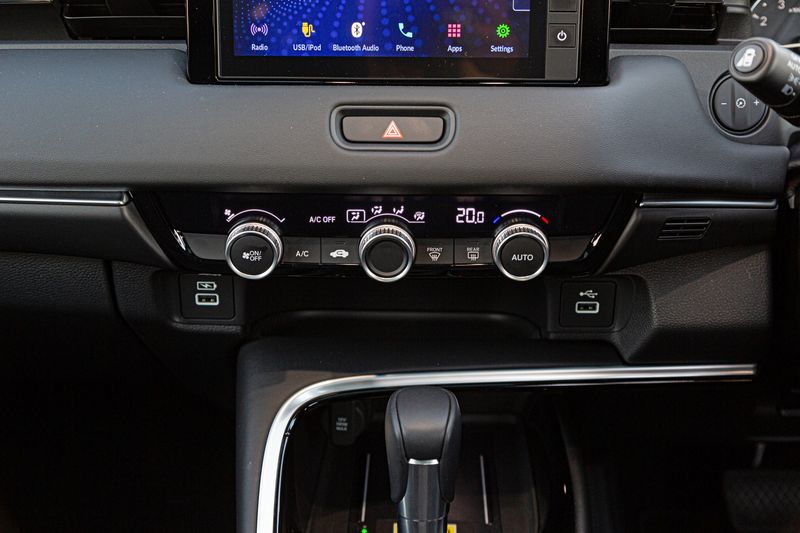
From the driver’s point of view, the cabin ambience is pleasant, and the fascia design ergonomically sound. Some of the cabin materials and fixtures feel high-end (such as the ventilation outlets and climate-control knobs), but some aren’t quite upmarket enough for a vehicle at this price point.
The touchscreen infotainment system incorporates most expected functions, but Android Auto/Apple CarPlay connectivity enhances that appreciably. A wireless charging pad and two USB ports are provided at the front, while the rear features two USBs (to charge devices).
The Honda HR-V cabin architecture is well thought out.
One of the main reasons that this flagship Executive derivative has such a premium asking price is because it comes fitted with additional driver-assistance technology. Grouped under the Honda Sensing suite, the test unit’s active safety features included autonomous collision-mitigation braking, adaptive cruise control, lane-keeping assist and road-departure mitigation.
To put it as simply as possible, these systems will intervene if the vehicle drifts out of its lane or detects that a front collision is imminent (and deems that the driver hasn’t reacted to onboard warnings in time). There are 6 airbags fitted, whereas the Comfort derivative has 4.
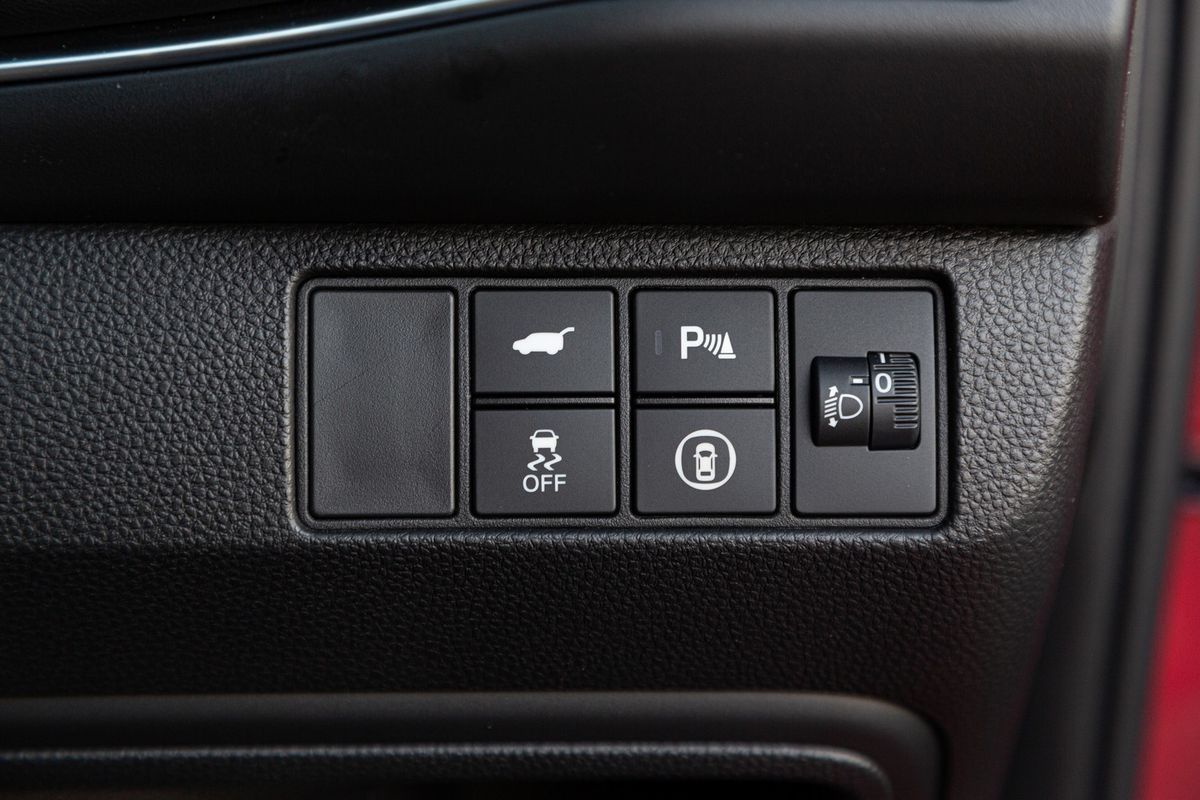
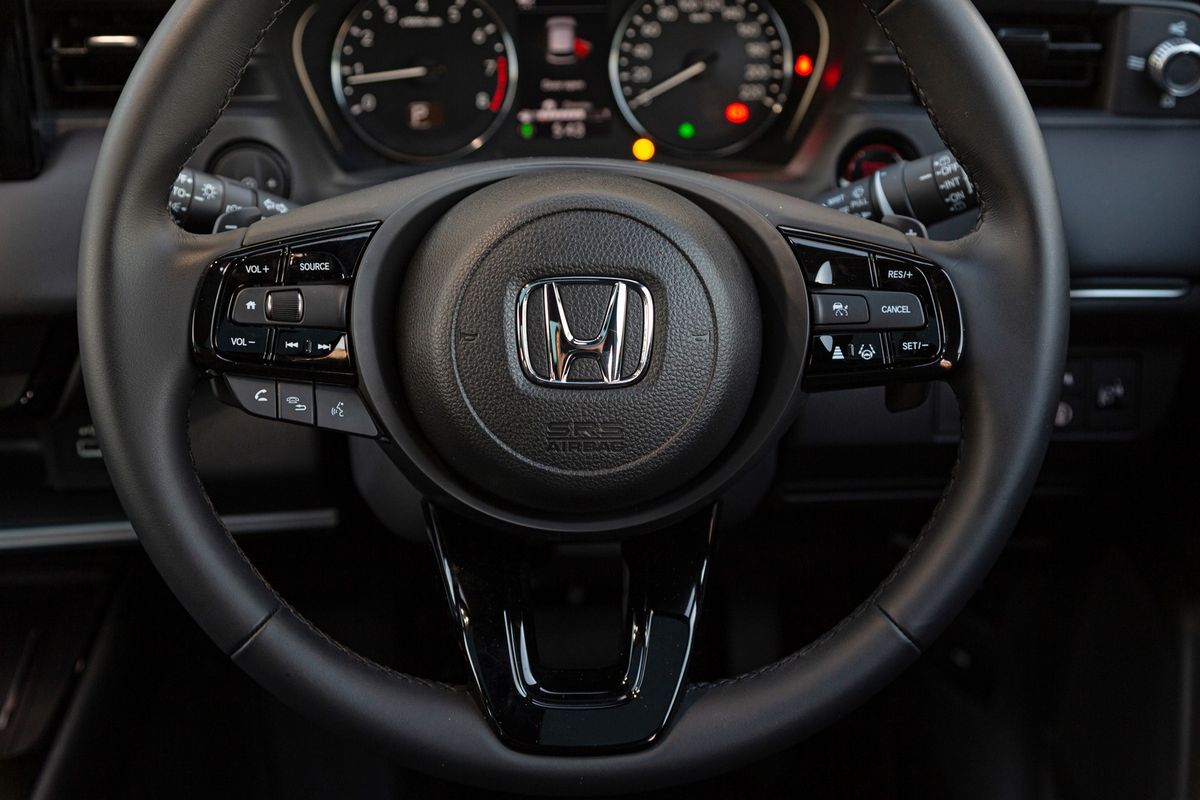
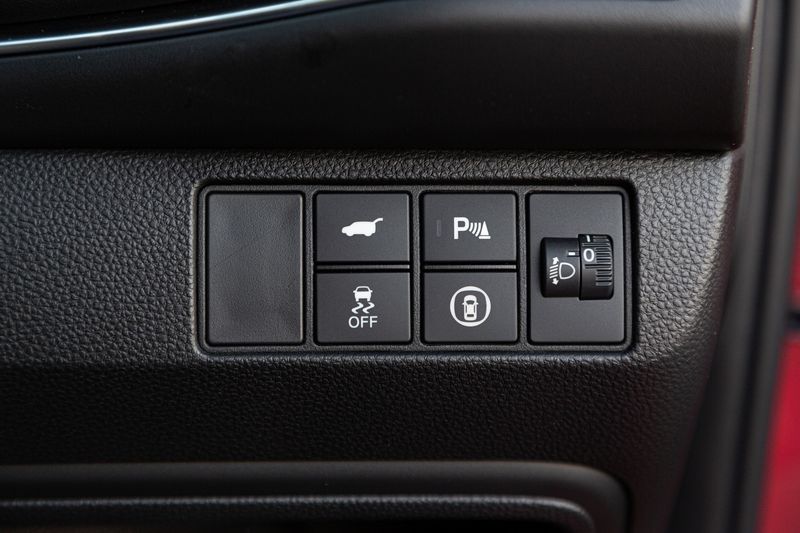
The buttons operated the electric tailgate, stability control, park distance, and driver-assistance controls.
Another interesting safety-focused feature is the LaneWatch camera, which is automatically activated when the vehicle’s indicator is on and provides the driver a view of their blind spot.
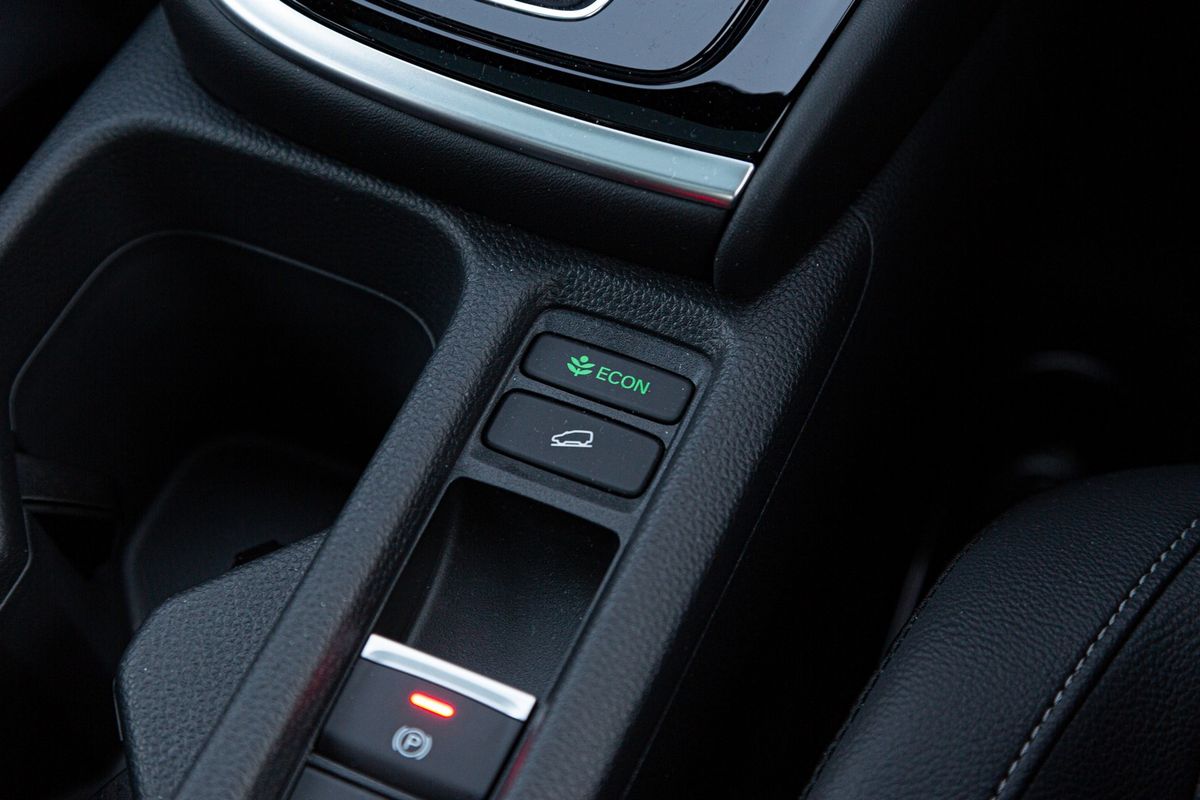
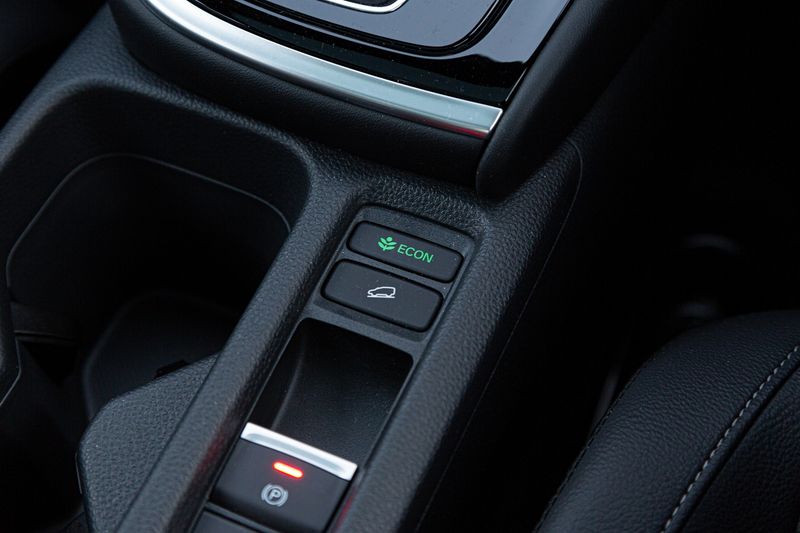
Other noteworthy features are the 8-speaker audio system (there is a 4-speaker setup on the Comfort), automated tailgate, keyless entry, push-button start, hill-descent control, electronic handbrake, steering wheel controls, and auto high-beam headlights (always a plus).
Performance and Efficiency
The outgoing HR-V was available with either a 1.5- or 1.8-litre petrol engine, the latter of which delivered a good blend of performance and fuel economy. In the new HR-V, however, there’s only a 1.5-litre 4-cylinder naturally aspirated petrol motor with 89 kW and 145 Nm; power goes to the front wheels via a continuously variable automatic transmission (CVT).
Cabin quality is a bit inconsistent. Those HVAC controls feel substantial.
Those outputs look mediocre “on paper” and indeed, the HR-V feels gutless compared with its rivals, most of which are turbocharged (in other words, offer their peak torque outputs at low revs). The engine does not propel the 1 300-kg Honda with any meaningful urge and, to make matters worse, the CVT blunts performance further. Executing an overtaking manoeuvre at freeway speeds can be a rather noisy affair – the engine sounds strained beyond 3500 rpm.
The rate at which a car can accelerate from 80- to 120 kph is a good indicator of in-gear performance, but the Honda… ambles. We appreciate that compact family cars are meant to be practical first and fleet-footed last, but we conducted our test at sea level, with a single occupant on board. In Gauteng (where the Honda will lose 17% of its power due to the thinner air), a fully occupied (and loaded) HR-V is likely to be frustratingly slow to pilot.
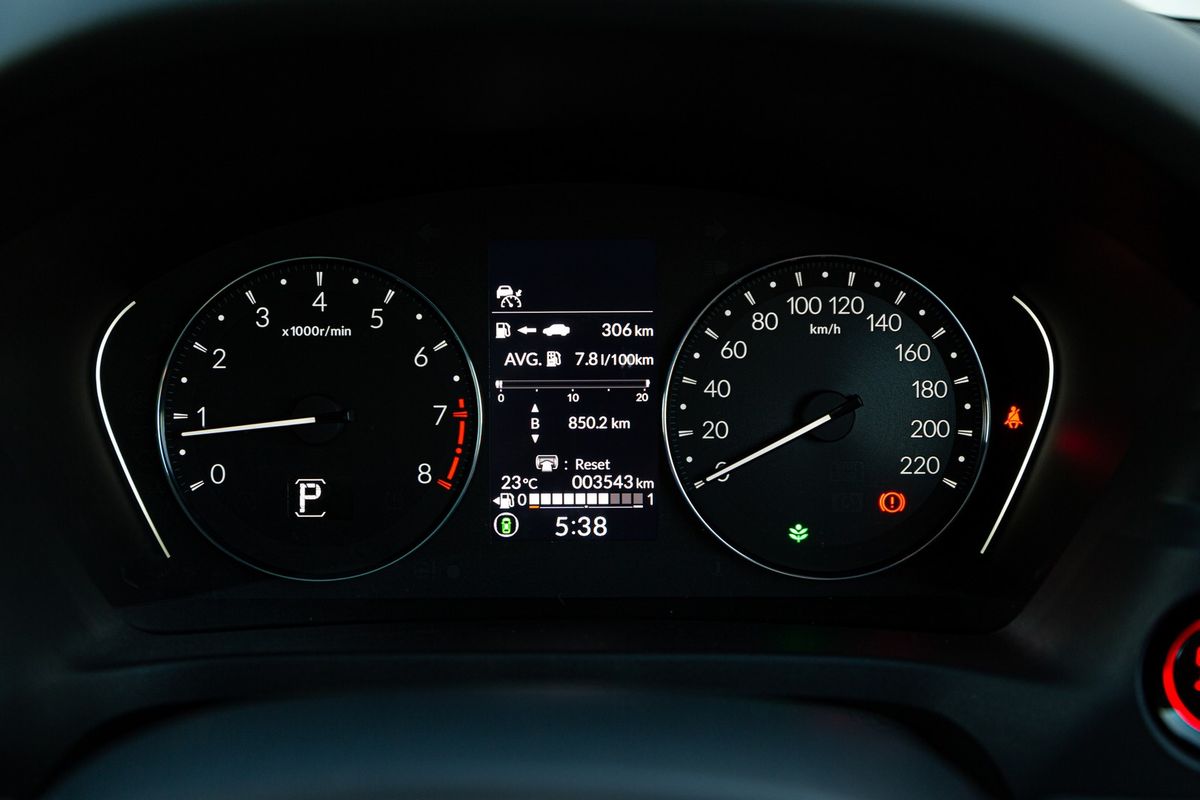
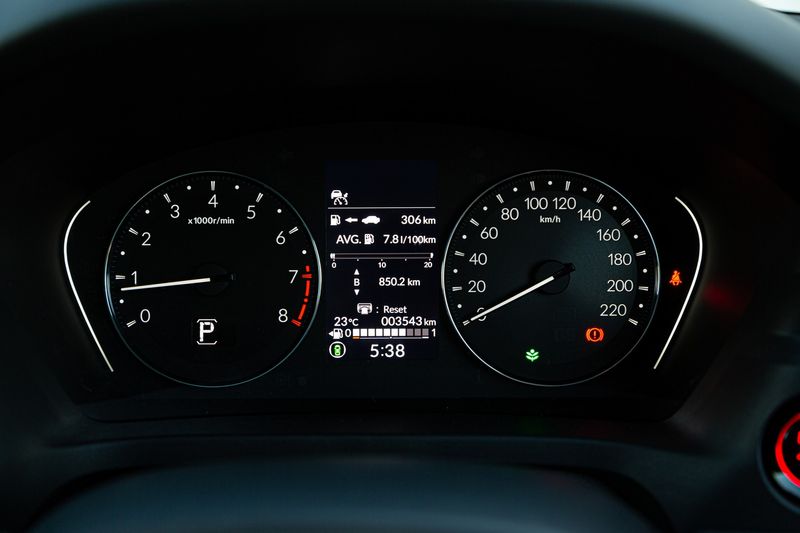
Clear instrumentation along with the test unit’s (good) indicated fuel-economy figure.
Having said that, if you’re in no hurry whatsoever, the CVT will keep the HR-V’s engine revs very low and facilitate relaxed cruising. That, of course, benefits fuel economy. While some way off the claim of 6 L/100 km, we felt that dipping under 8 L/100 km was a fair result.
We assume that Honda SA chose the 1.5-litre non-turbocharged powerplant for the sake of offering the HR-V at a reasonably competitive price, but the Civic’s 127 kW/220 Nm 1.5-litre turbopetrol engine would have been a better fit. We understand that a petrol-electric hybrid version is on the cards for South Africa in the near future, but alas, it will be pricey.
Ride and Handling
Despite its frustrating lack of urge, the HR-V isn’t bad to pilot… once the newcomer is well up to speed. If you adopt a laid-back driving style, it cruises in a quiet and refined manner, which is okay for the daily commute, but unlikely to attract younger buyers to the model.
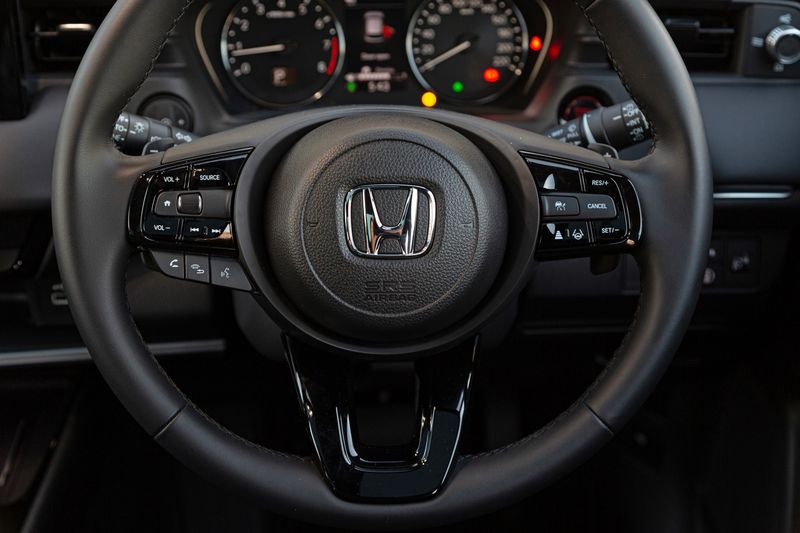
The HR-V’s multifunction steering wheel, replete with assisted-driving tech buttons.
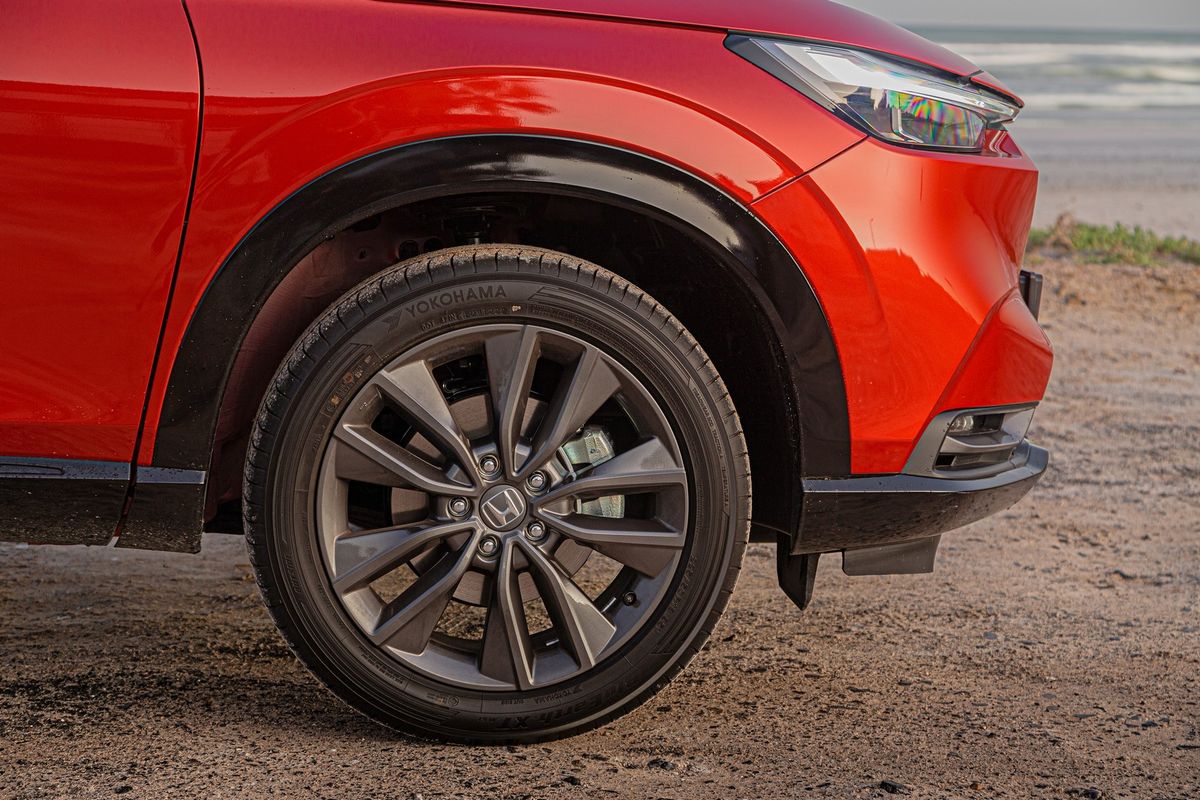
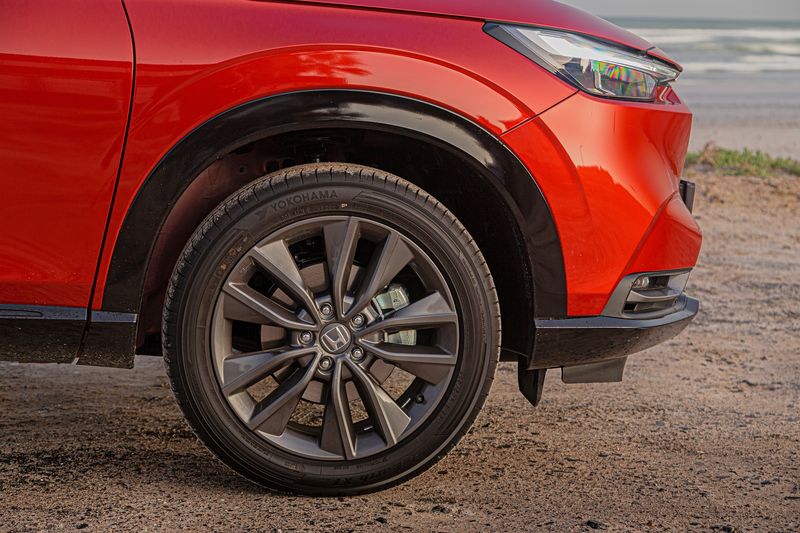
The ride quality is fair, with the 18-inch tyres doing a good job of soaking up most of the road imperfections. On some surfaces, we experienced higher-than-expected road noise, but that can be drowned out by the in-car entertainment system. Mzansi’s roads are generally in a poor state, so we’re happy to report that the HR-V comes fitted with a full-sized spare wheel.
The steering setup is well-weighted; it evokes the feeling of piloting a reassuringly substantial vehicle. An interesting inclusion is Honda’s Agile Handling Assist system, which cleverly brakes the inside wheel when you’re going around corners – it sharpens the handling slightly.
It’s a gimmick in something as leisurely paced as the HR-V, but the tech does work – the car feels a bit more wieldy than a small SUV should. Now if only it had a bit more gusto…
18-inch wheels, shod with reasonably plump tyres, contribute to a fair ride quality.
Price and After-sales support
The Honda HR-V is sold with a 5-year/200 000 km warranty and a 4-year/60 000 km service plan. Service intervals are every 15 000 km.
If the competition wasn’t so stiff and a punchier engine was available, the HR-V would be easier to recommend.
So, should you buy one? The new Honda HR-V is an unremarkable offering. Apart from more adventurous styling and slightly better occupant space – it does not move the game forward in any area, at least not enough to position it near the top of its segment. The Executive derivative’s driver-assistance tech is great and would appeal to buyers who want to “buy down” from medium- and executive SUVs, but at R554k, it’s not a steal.
Given the exceptionally strong rivals the HR-V is up against, we can easily recommend at least 5 other models that are nicer to drive, better finished and offer more value for money.
If you are prepared to accept the newcomer’s pedestrian performance (Honda’s traditional clientele won’t mind) and can negotiate a good deal from a Honda dealer, then perhaps it is worth a closer look, but we think the competition is just too stiff for the HR-V to thrive.
Mercedes-AMG A35 and CLA35 Edition 55 (2022) Specs & Price
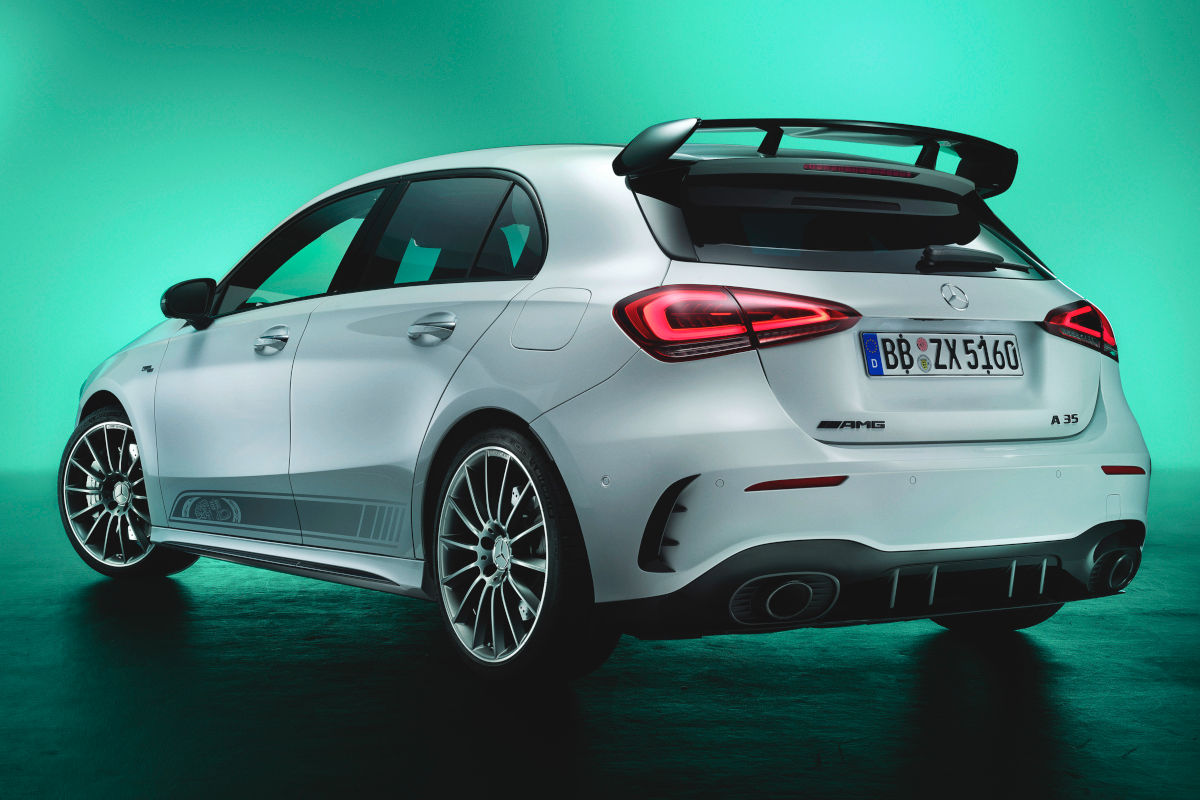
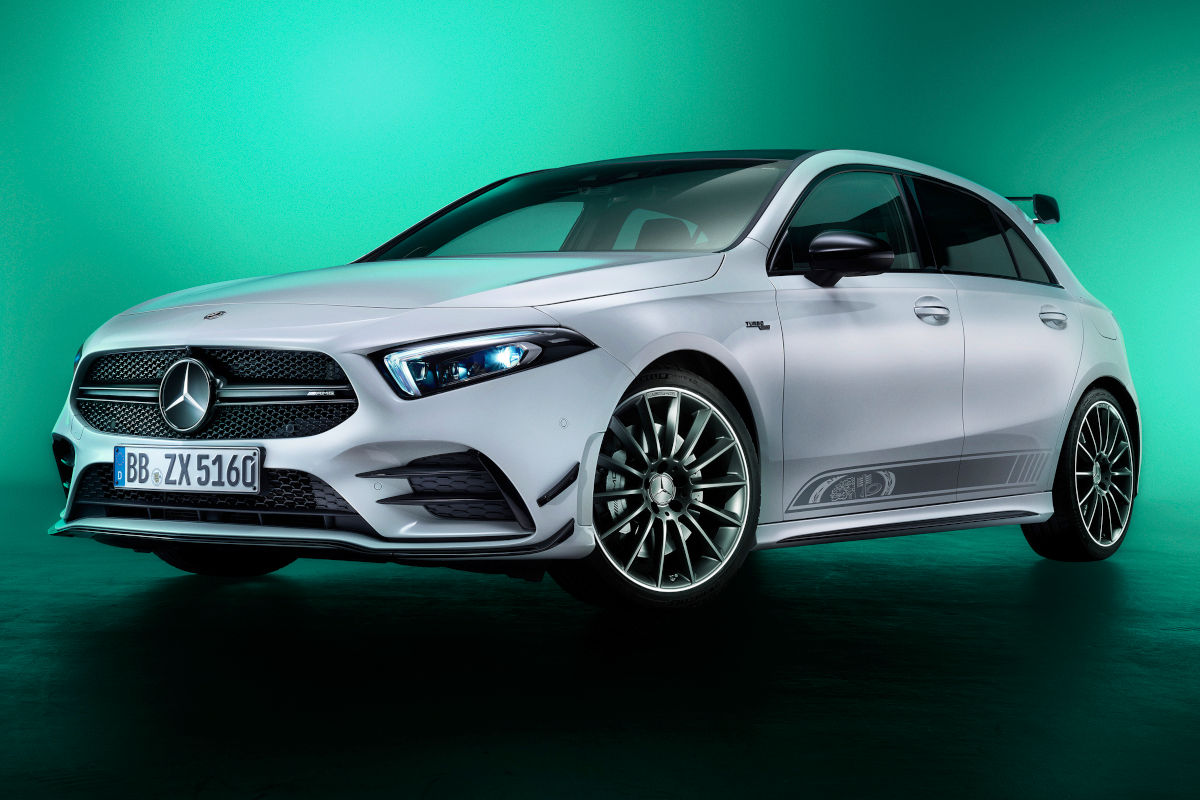
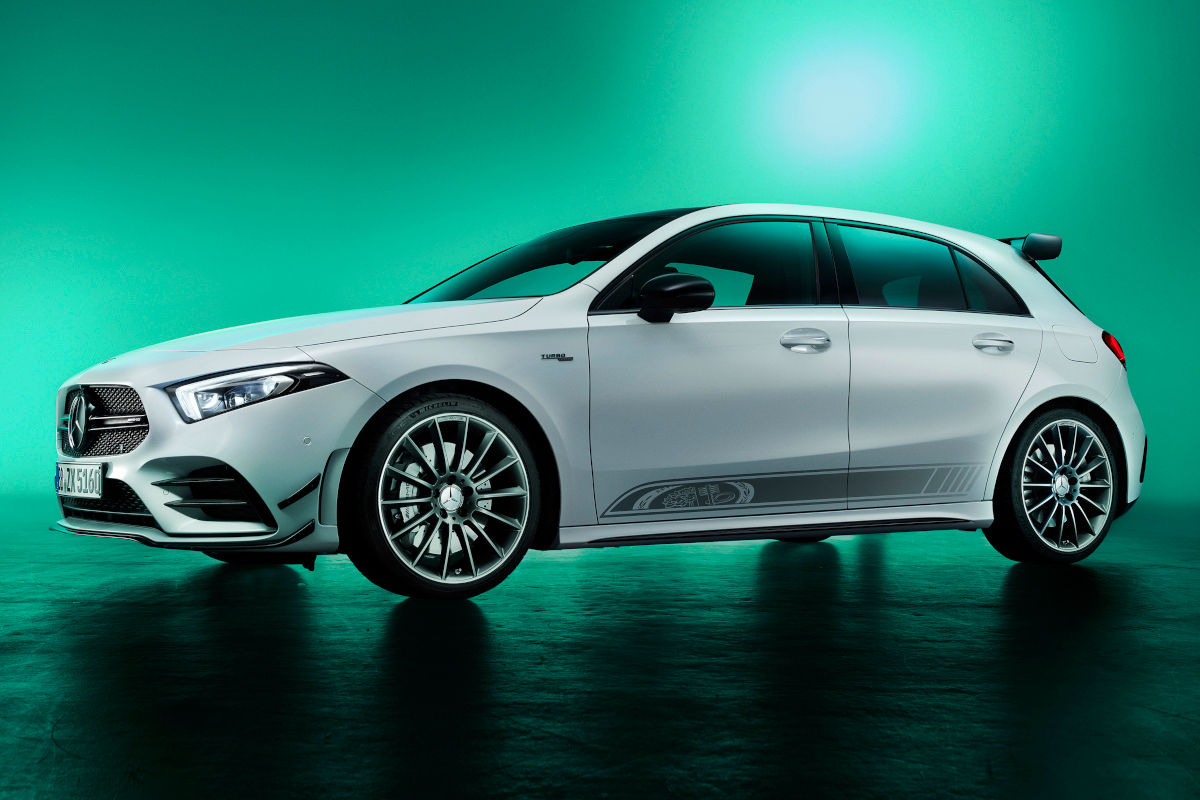
Yes, Mercedes-Benz is launching yet more Edition 55 models in South Africa! Here’s how much you’ll pay for the Mercedes-AMG A35 (hatch and sedan) and CLA35 Edition 55…
Conceived to mark 55 years of the AMG brand, the special models gain all sorts of extra kit. But how much extra do you have to cough up? Well, the Edition 55 package adds R216 200 to the base price of R943 903 in the case of the A35 hatch, though also forces the selection of the R21 000 Premium Package and R2 000 auto front-passenger airbag deactivation system. A spot of arithmetic takes the total to R1 183 103.
It’s a similar story with the saloon version of the A35 (which starts at R977 296), though here specifying the R6 400 keyless-go comfort package is also required. That leaves the A35 Sedan Edition 55 priced from R1 222 896.
The only difference with the CLA35 (which has a base price of R1 067 448), meanwhile, is the auto front-passenger airbag deactivation system forced by the selection of the package costs slightly less at R1 800. As a result, the CLA35 Edition 55 starts at R1 312 848.
Performance, of course, is unchanged from the standard models, with both the A35 and CLA35 employing a turbocharged 2.0-litre, 4-cylinder petrol mill, which delivers its 225 kW and 400 Nm to all four wheels via an 8-speed dual-clutch transmission. The result is a sprint from standstill to 100 kph in a claimed 4.7 seconds in the case of the A35 hatchback, 4.8 seconds for the A35 sedan and 4.9 seconds in the case of the CLA35. All three models are electronically limited to 250 kph.
What do you get for splashing the extra cash?
You’re no doubt wondering what the Edition 55 package includes. Well, as with the A45 and CLA45 versions, the AMG Aerodynamics Package, AMG Night Package and AMG Night Package II are all part of the deal, along with a paint colour choice of Cosmos Black metallic or Digital White metallic, and decals (featuring the traditional AMG emblem) running along the sides of the vehicle.
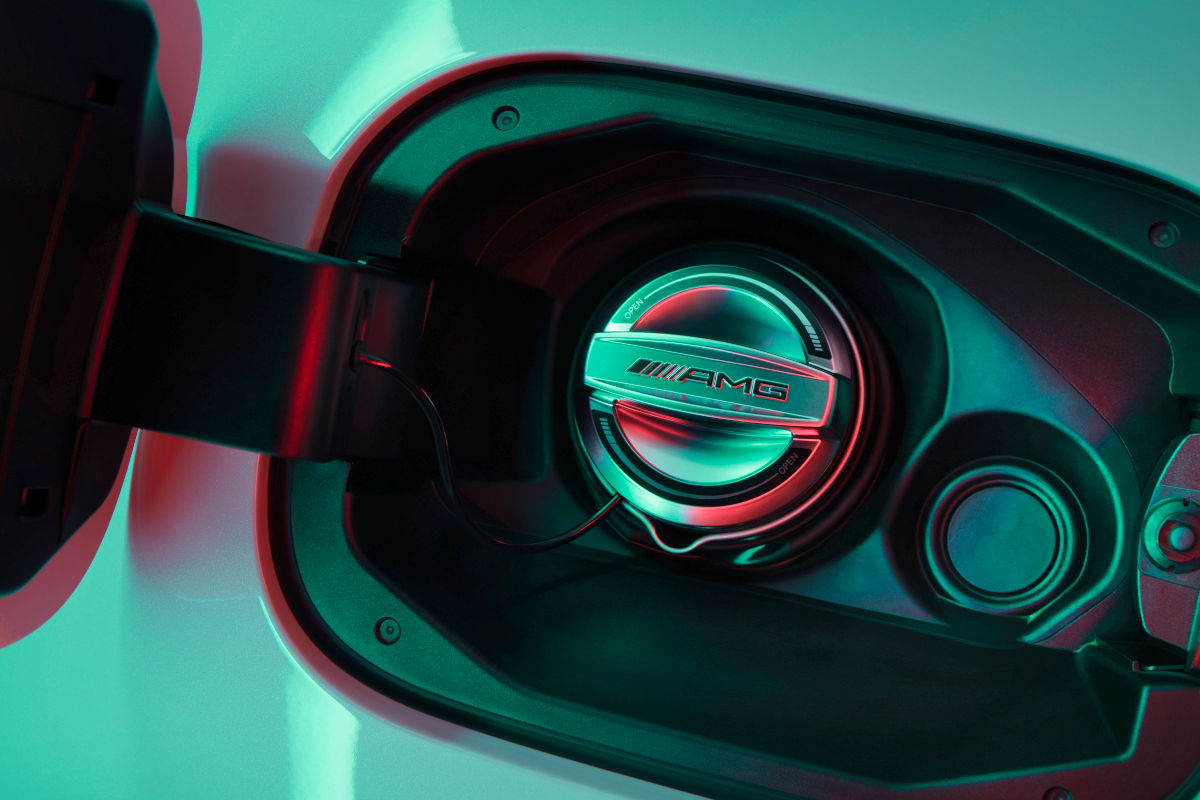
The 19-inch AMG multi-spoke light-alloy wheels feature a matte-titanium grey colour and a high-sheen rim flange, while the AMG fuel-filler cap is finished in silver chrome and branded with the requisite “AMG” lettering.
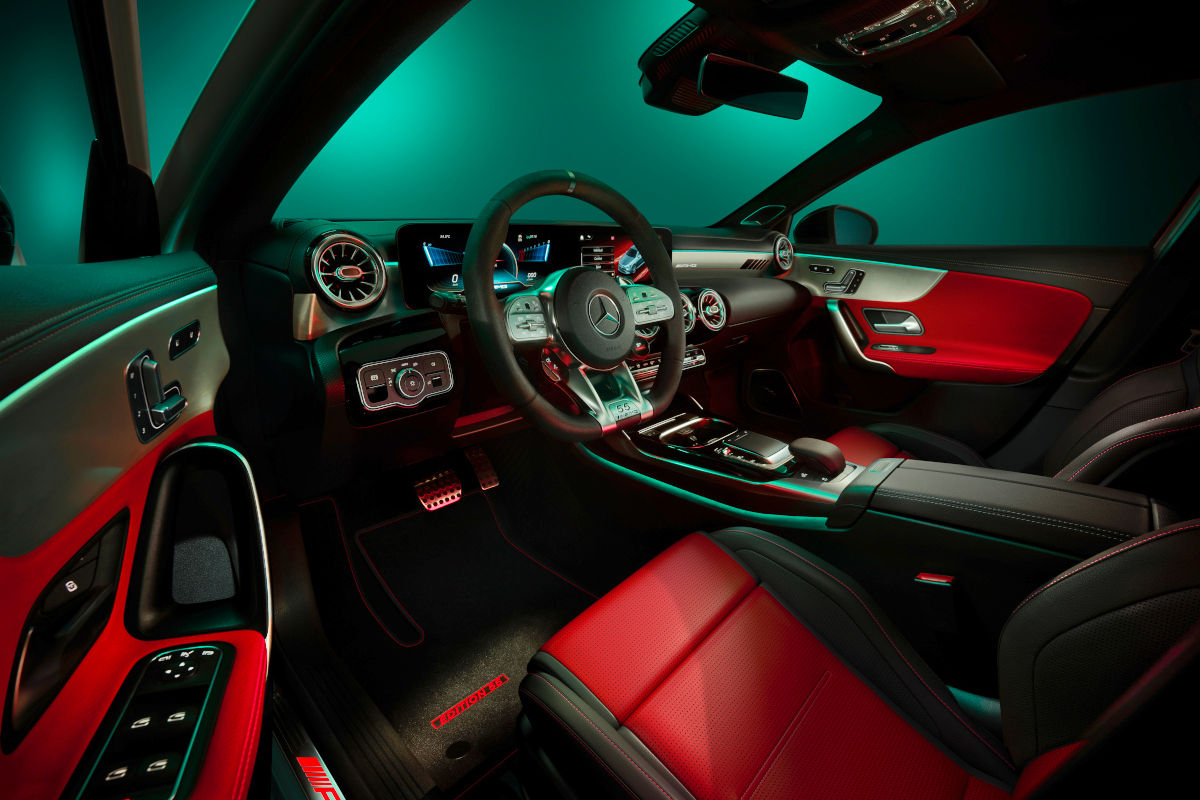
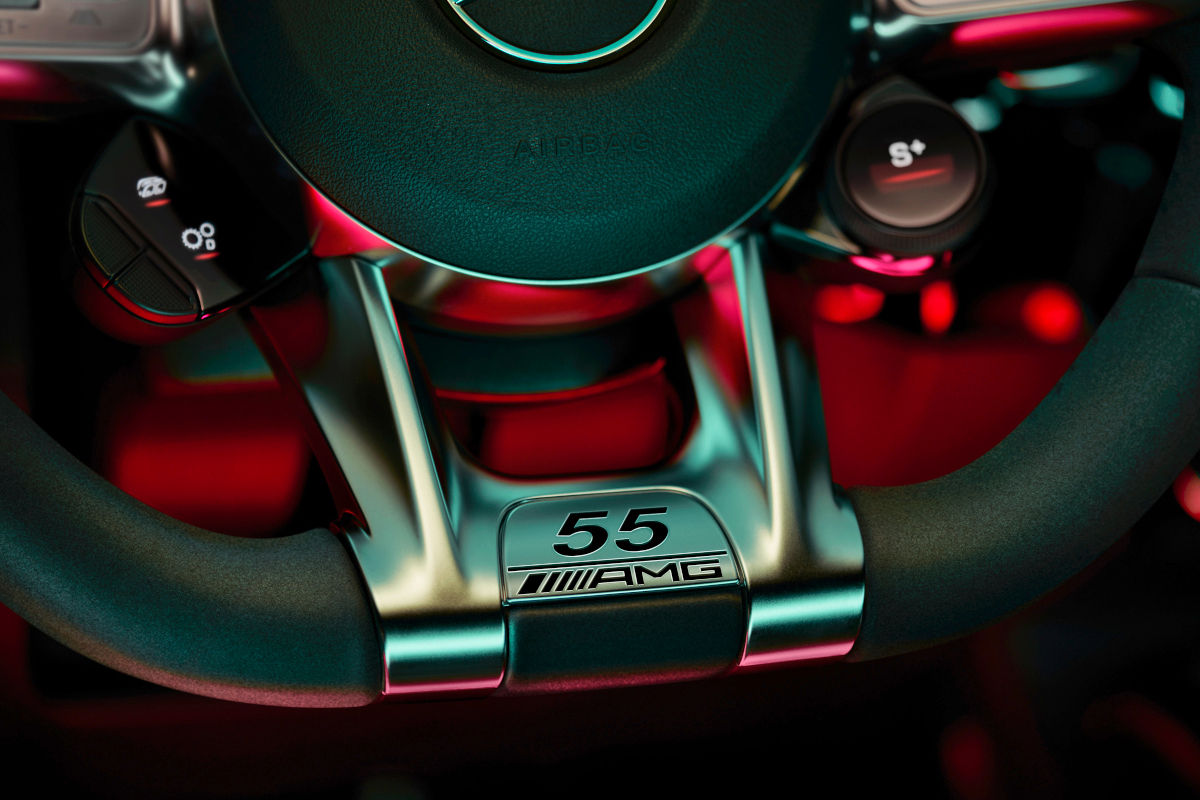
Inside, the AMG Performance seats up front are upholstered in red-and-black leather, while the AMG Performance steering wheel is trimmed in microfibre and gains an “Edition 55” badge. The kit furthermore includes door-sill panels with red illuminated “AMG” lettering and black floor mats made of velour with red contrasting stitching and “Edition 55” lettering.
You’ll also notice plenty of brushed aluminium trim elements in the cabin, with accents in black and red. Finally, the price includes an AMG indoor car cover in black with a silver-coloured AMG logo at the height of the upper edge of the windscreen.
How much do the A35 and CLA35 Edition 55 cost in South Africa?