The Mercedes-Benz A-Class will reportedly be axed by 2025. Yes, Stuttgart’s smallest model has just a few years left, according to German media…
Earlier in 2022, Mercedes-Benz confirmed plans to “reduce the number of model variants” in its next-generation compact range from the current seven to four as part of its bid to reposition the brand for higher profitability and increased electrification. Based on the latest reports out of Germany, the A-Class range will be one of the casualties.
As reported by Autocar, German business newspaper Handelsblatt claims the A-Class badge will be retired at the end of the W177 hatchback and V117 sedan models’ lifecycles in 2025, with no direct successors planned. The A-Class is, of course, due a facelift relatively soon, with the refreshed version likely to be revealed before the end of 2022.
Interestingly, the publication furthermore claims the B-Class will be put out to pasture around the same time, though it suggests the Stuttgart-based automaker will produce successors to the CLA (both in sedan and shooting brake guise), GLA and GLB.
Mercedes-Benz isn’t the only German firm reportedly re-examining its compact-vehicle strategy, with Audi having already confirmed it has no plans to replace the current A1 Sportback and Q2, and BMW apparently reviewing the future of the 1 Series and 2 Series Gran Coupé.
Looking back at the Mercedes-Benz A-Class
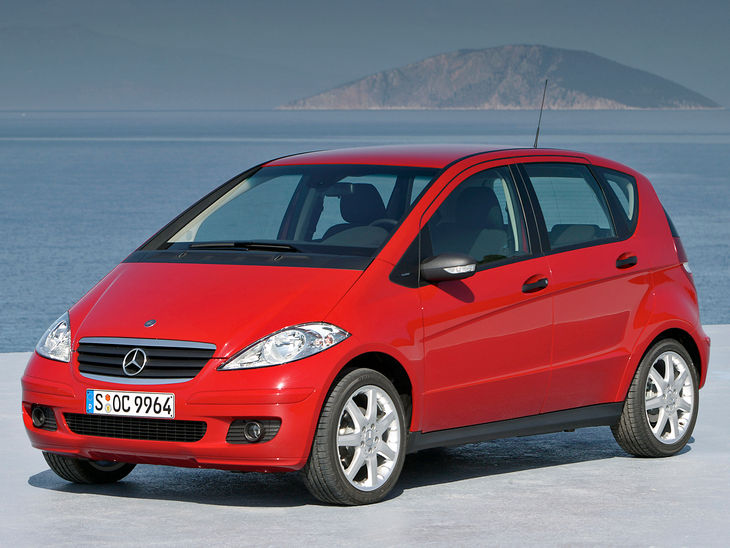
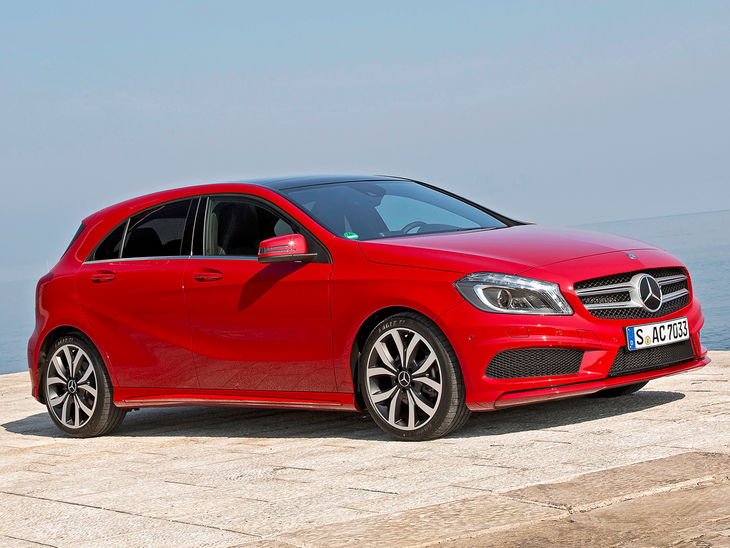
The original A-Class was introduced in 1997 as an MPV-shaped hatchback, before a second-generation (and similarly styled, as pictured above) model hit the market in 2004. The third iteration – which debuted in 2012 and is pictured below – was entirely reinvented as a more dynamically designed hatchback conceived to take on the likes of the BMW 1 Series and Audi A3.
The current fourth take on the A-Class arrived on the global stage in 2018, offered in five-door hatchback and four-door sedan (including a long-wheelbase Z177 version for China) forms.
In South Africa, the A-Class serves as the entry point to the Mercedes-Benz passenger-vehicle range, with prices starting at R661 009 for the hatch and R691 858 for the sedan. There’s also a 225 kW Mercedes-AMG A35 hatch (R943 903) and sedan (R977 296), while the 310 kW A45 S hyper hatch will set you back a cool R1 233 243.
Ford Mustang California Special (2022) Specs & Price
A limited-edition Ford Mustang California Special is launching in South Africa this week. Take a look at key specifications and pricing details below!
The Ford Mustang has been the world’s best-selling sports car for no less than 7 consecutive years!
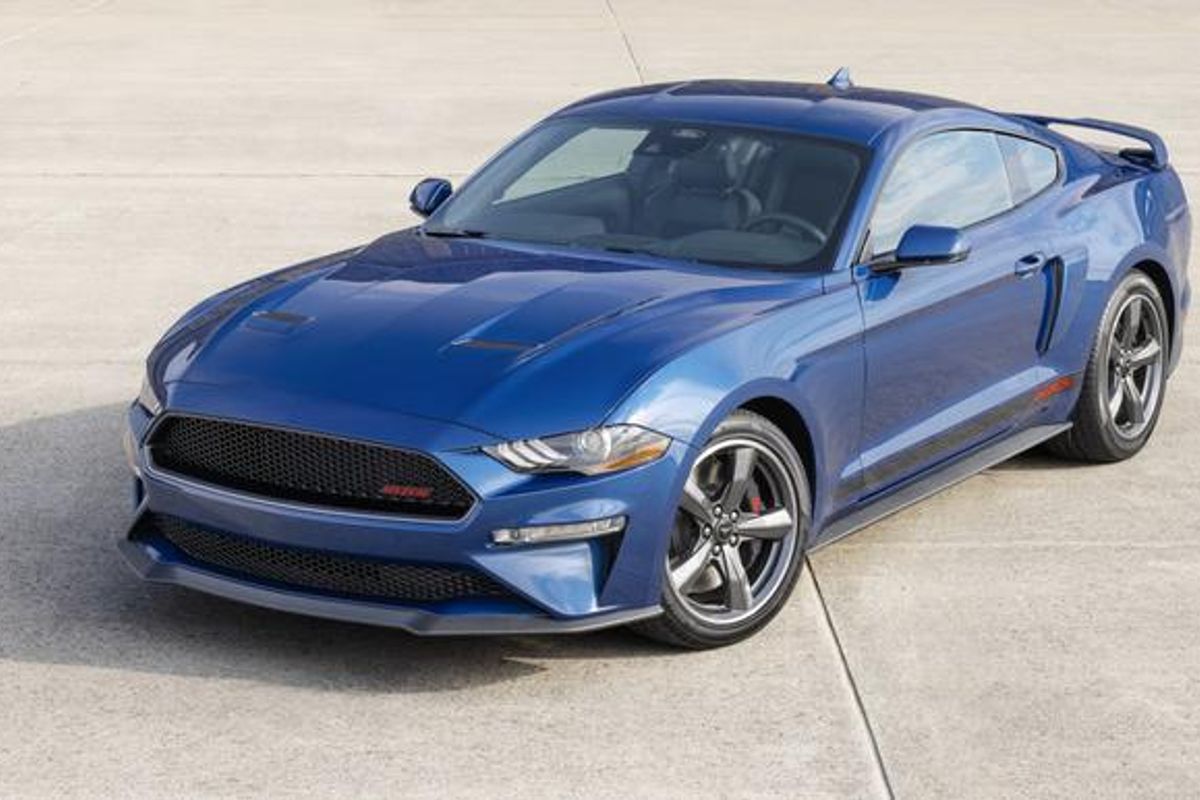
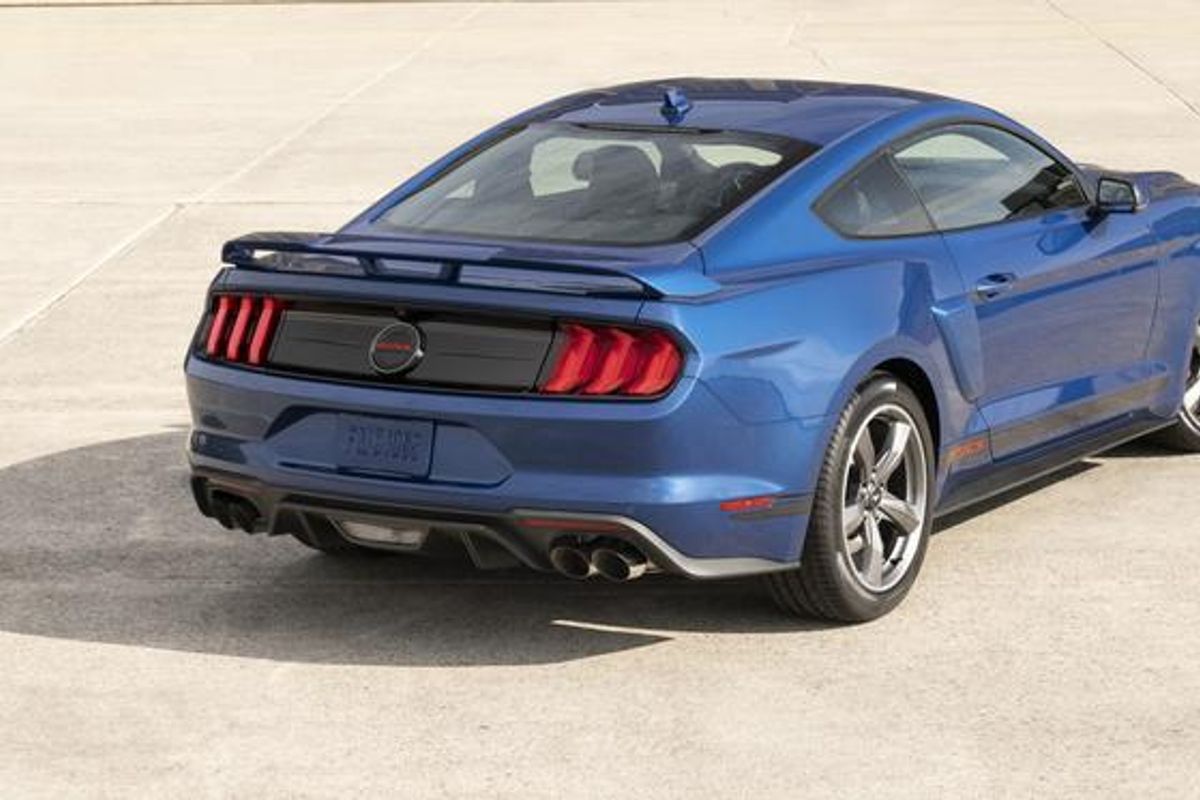
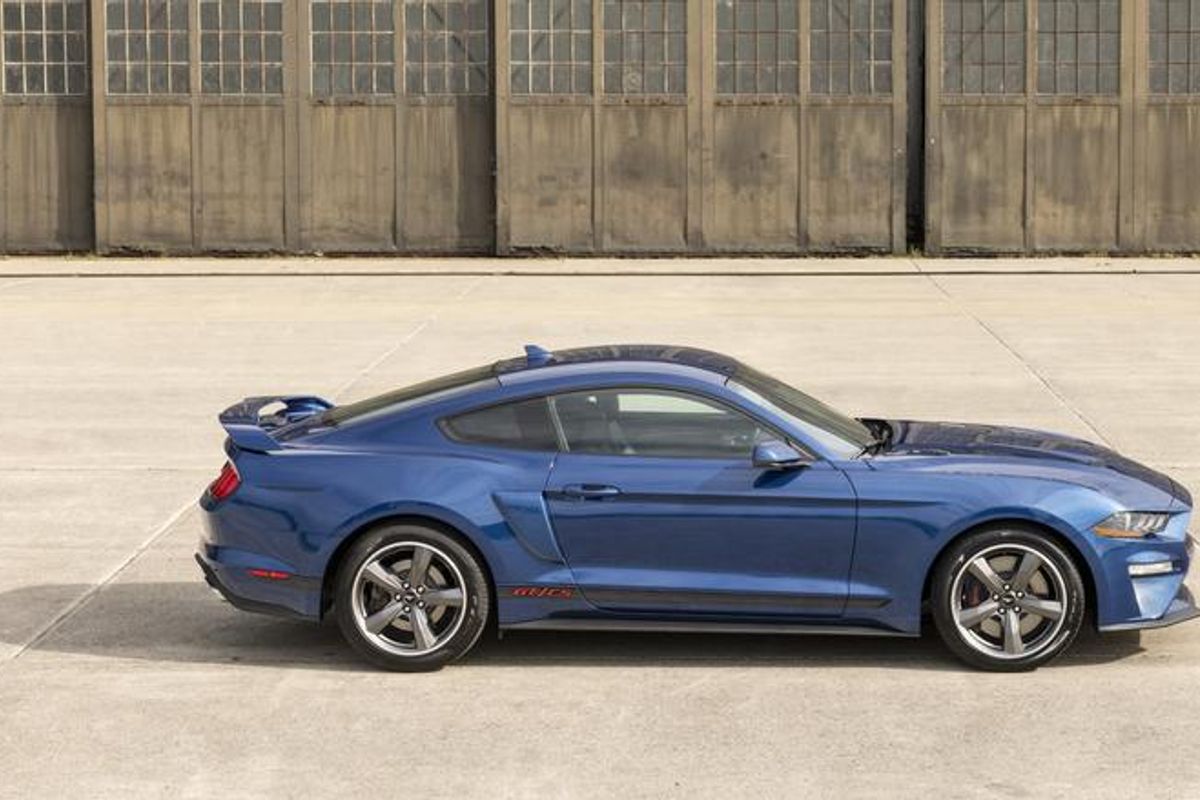
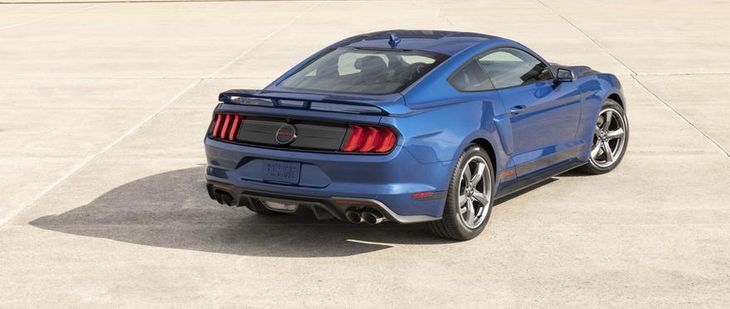
Local Ford Mustang fans will be pleased to know that a Mustang California Special is coming to South Africa which draws inspiration from the 1968 original and it will be offered as a Fastback coupe only with just 100 units available to ensure exclusivity.
The Mustang California Special is powered by Ford’s 5.0-litre V8 engine that produces 331 kW and 529 Nm and comes paired with a 10-speed automatic transmission.
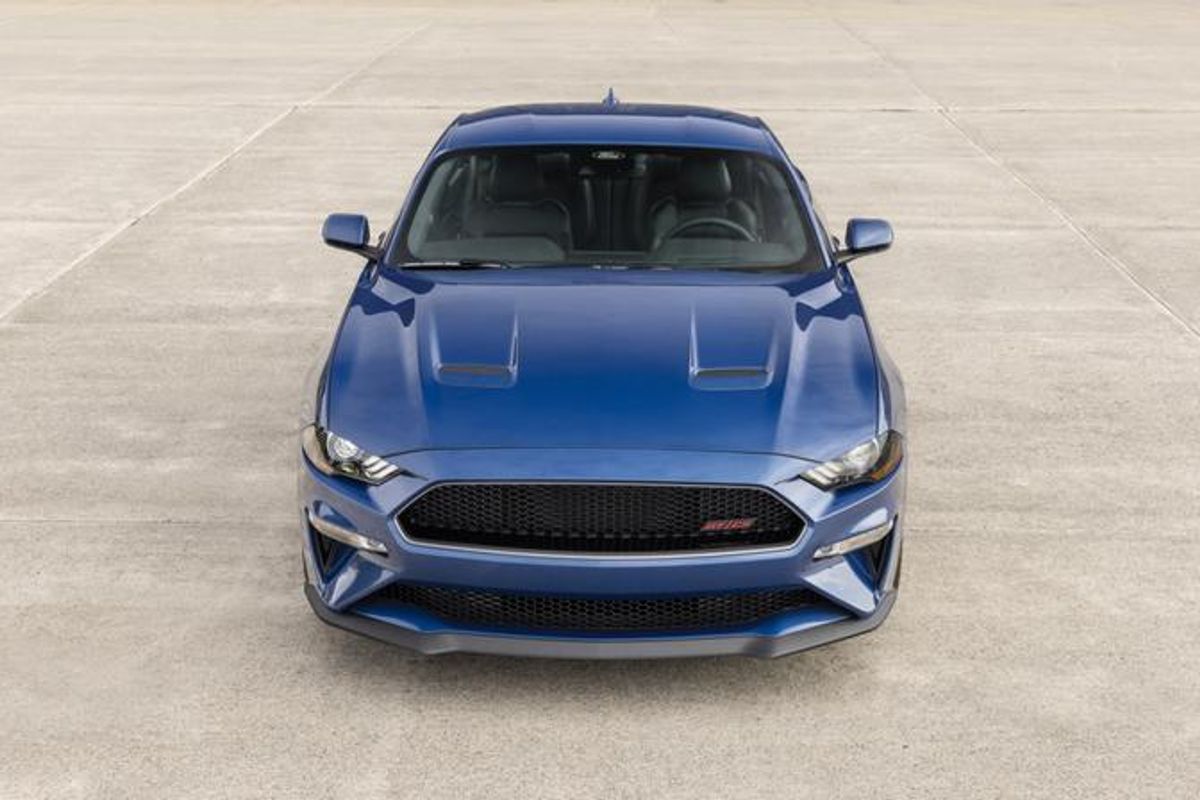
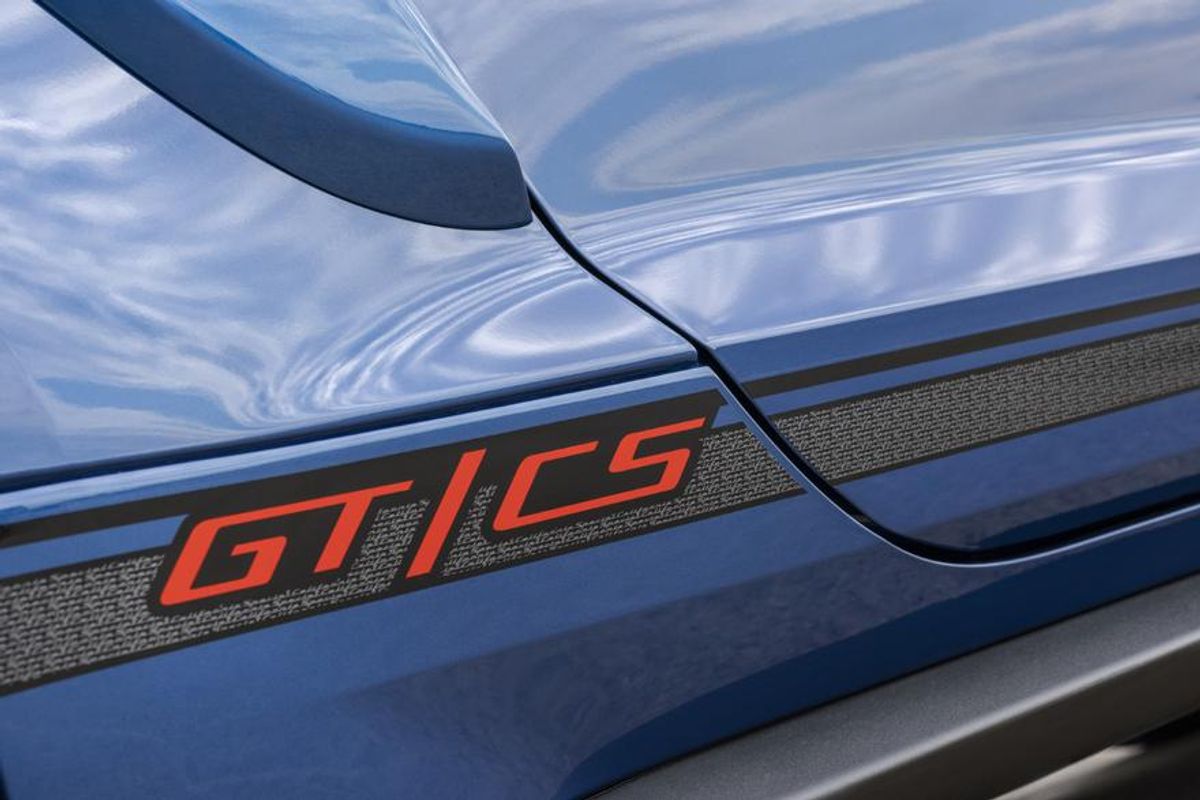
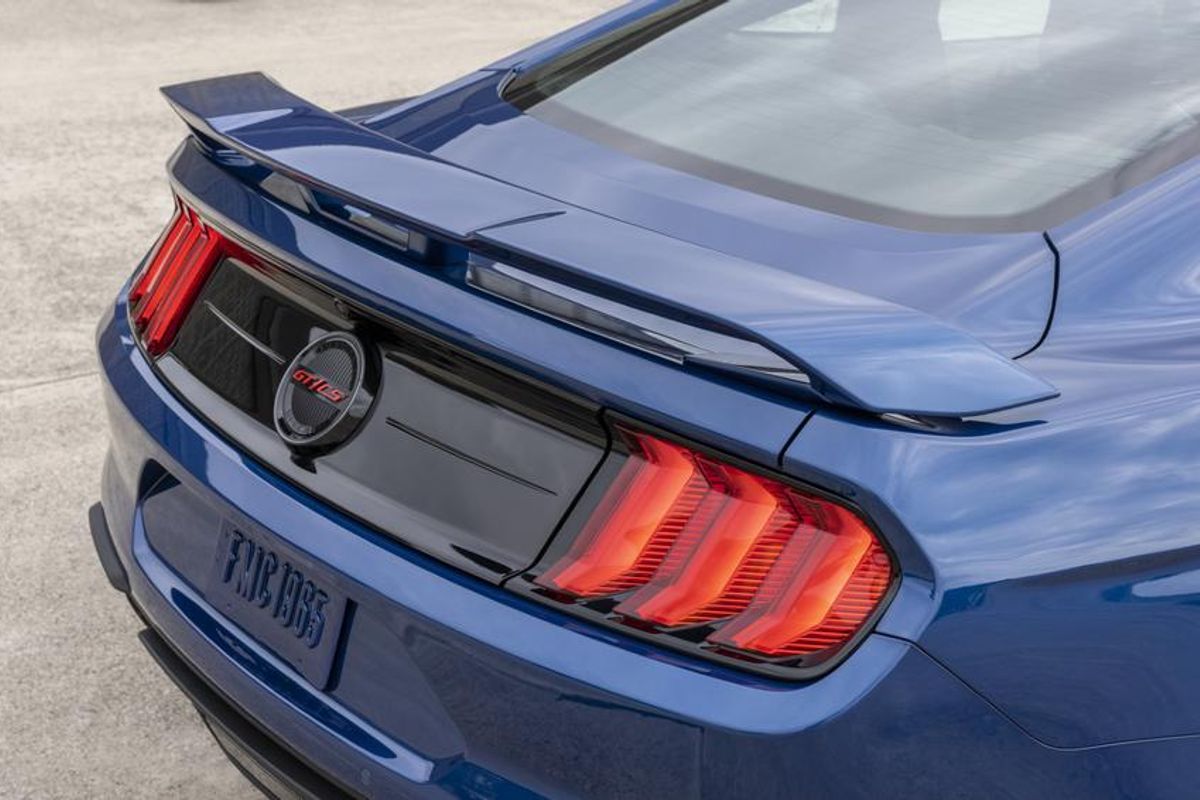
The model gains a unique special-edition look with unique badges and detailing as well as 19-inch carbonised grey-painted aluminium wheels as well as a unique honeycomb grille finished in Ebony Black with a Race Red GT/CS badge making it clear that this is a special Mustang. The look is further emphasised with a rear perfromance wing and front splitter. The side decals are in black, red and grey and they also feature “California Special” script that becomes prominent in sunlight. The Mustang California Special will be offered in 8 colours including Atlas Blue and Cyber Orange.
The Ford Mustang California Special will be offered in limited numbers in South Africa.
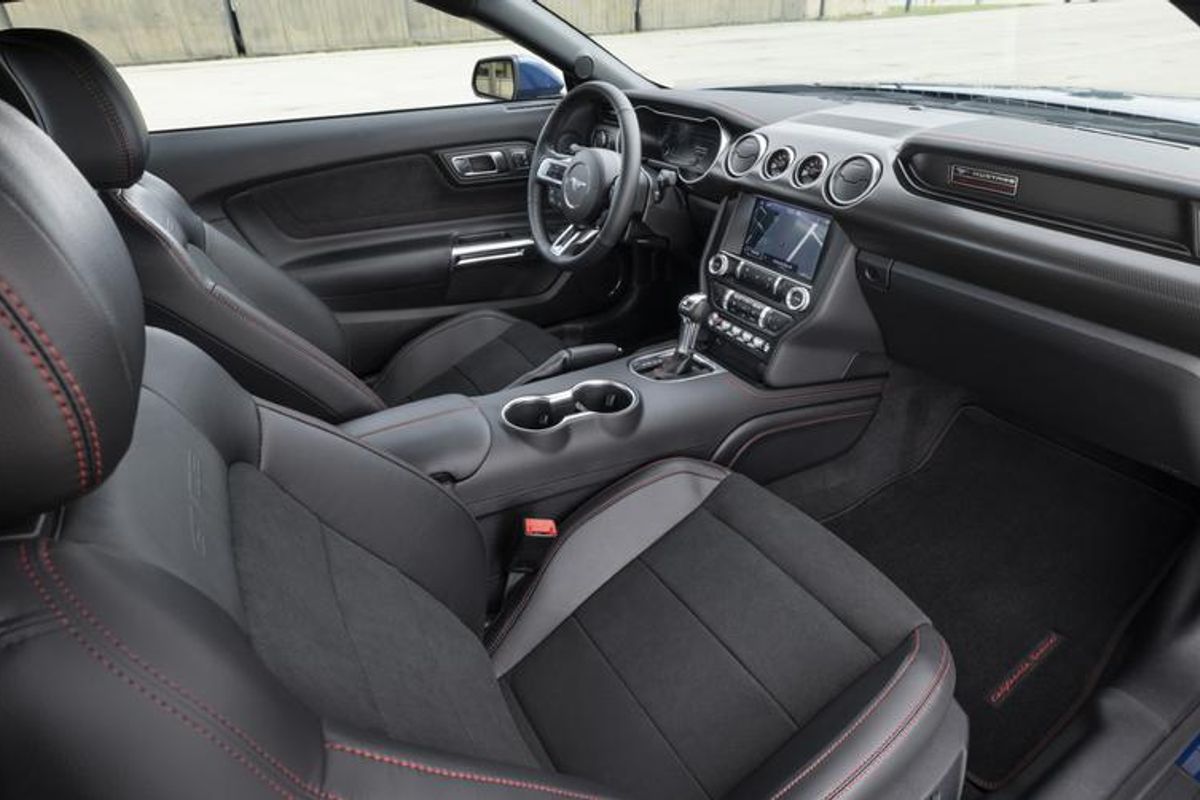
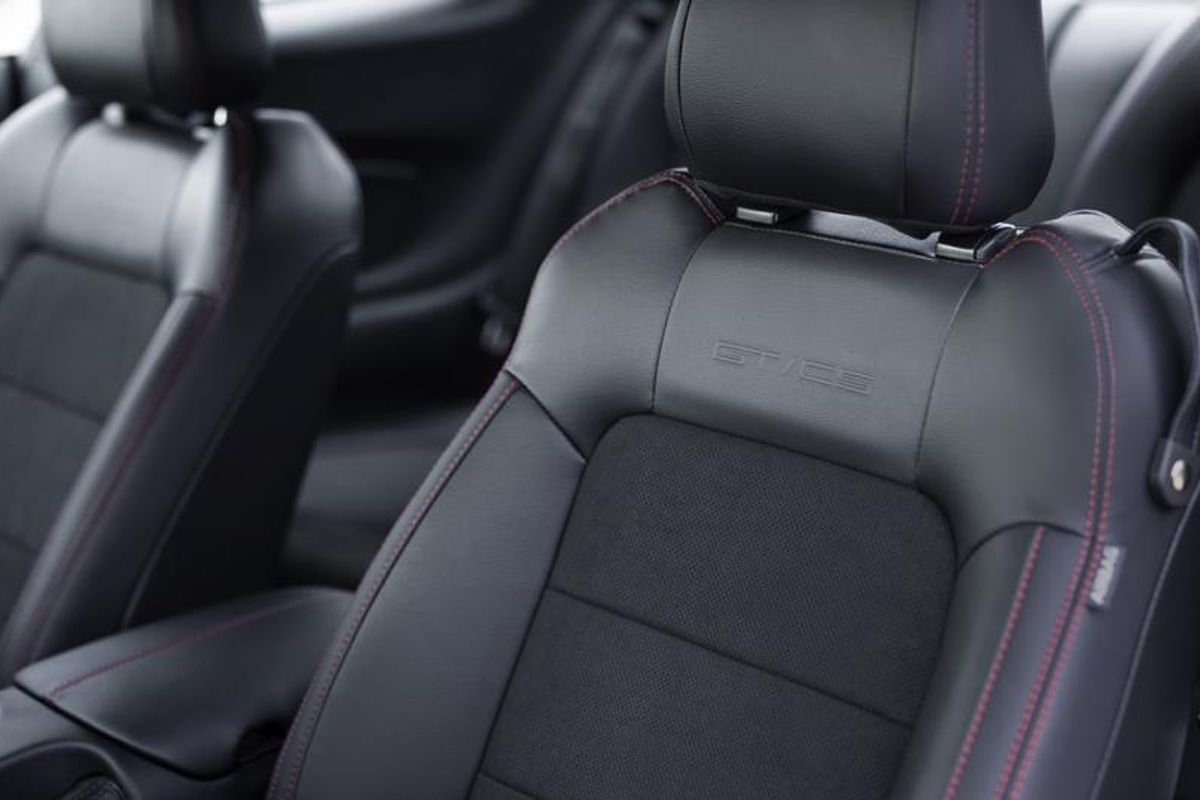
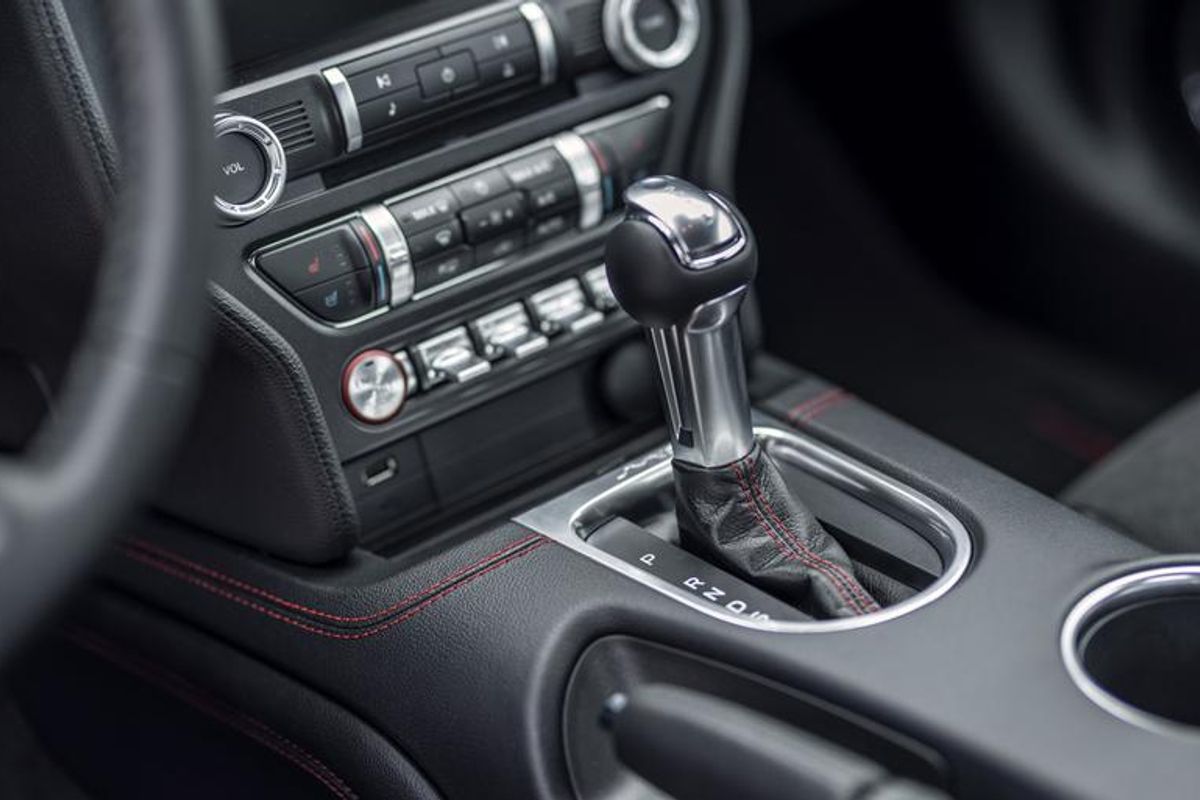
California Special details are carried over to the interior too where you will find California Special embroidered seats with Miko suede inserts and red contrasting stitching as well California Special floor mats. The front seats also feature a heating / cooling function. Infotainment comes courtesy of an 8-inch touchscreen with Ford SYNC 3 including Apple CarPlay, Android Auto and integrated navigation.
In terms of safety features, the Ford Mustang California Special is fitted with no less than 7 airbags, ABS with EBD, electronic stability control with traction control, hill launch assist, lane keeping alert, pre-collision assist with pedestrian detection, forward collision warning as as well as parking sensors and a rear view camera.
“The California Special is a huge part of the Mustang’s legacy in America and it symbolises so much of what Mustang stands for – the joy of driving and the freedom of the open road. Those ideals resonate just as strongly with driving enthusiasts and Mustang fans in South Africa. It’s about time customers got to experience the unique California Special blend of style, performance and driving fun,” says Doreen Mashinini, General Manager for Marketing at Ford South Africa.
We will be driving the newcomer this week, so look out for more information very soon.
How much does the Ford Mustang California Special Cost in South Africa?
Ford Mustang California Special – R1 154 900
The Ford Mustang California Special is sold with a 4-year/120 000 km warranty and 4-year roadside assistance and a 5-year/unlimited km corrosion warranty.
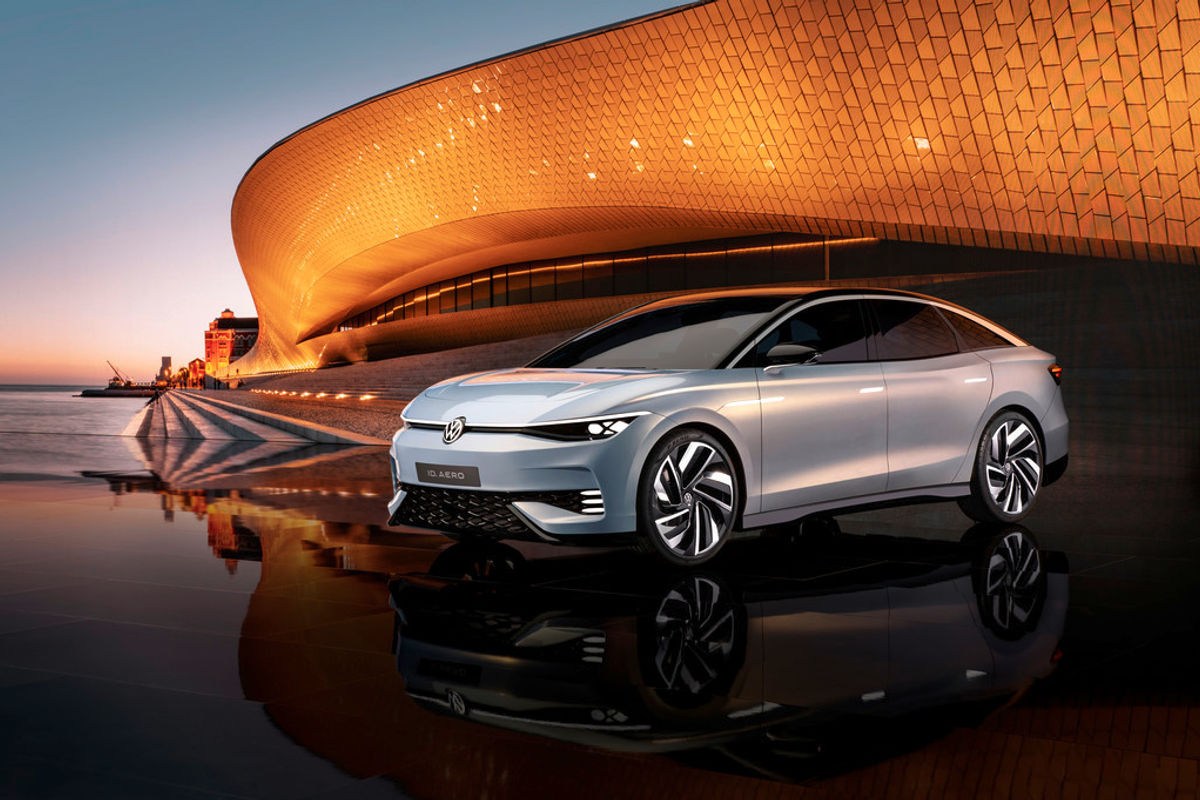
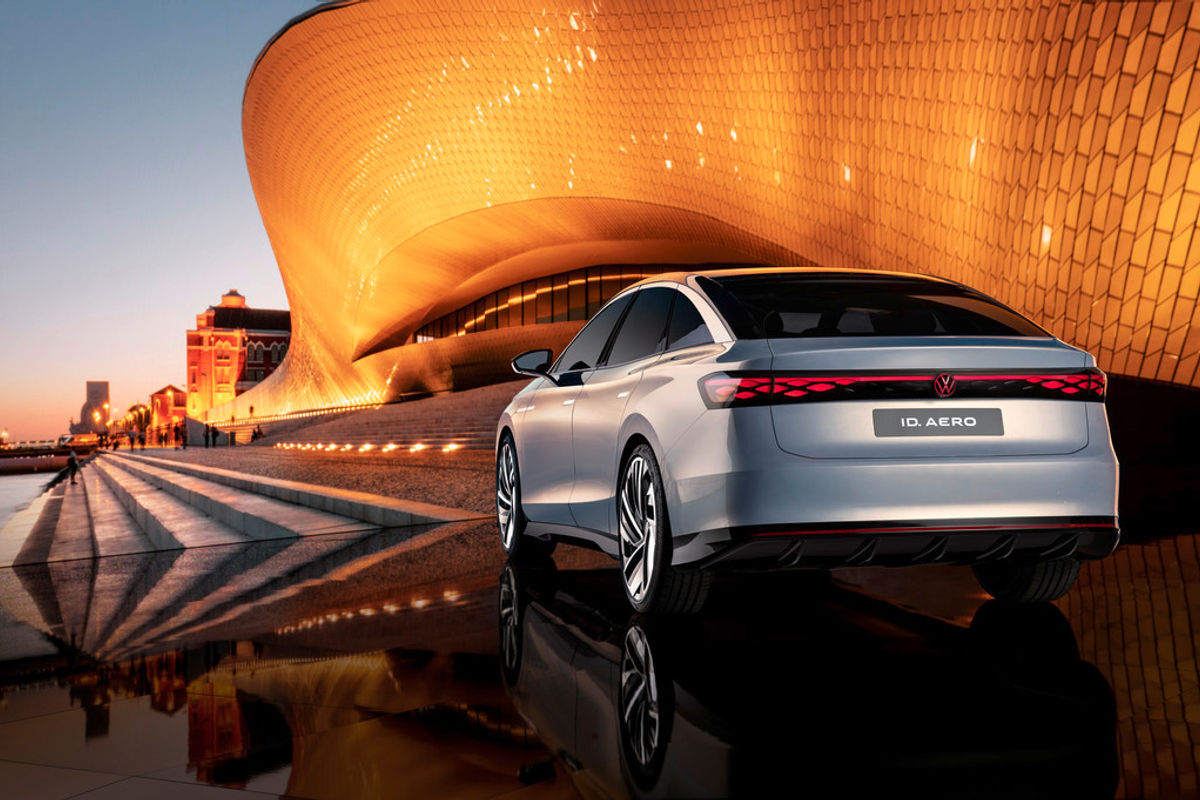
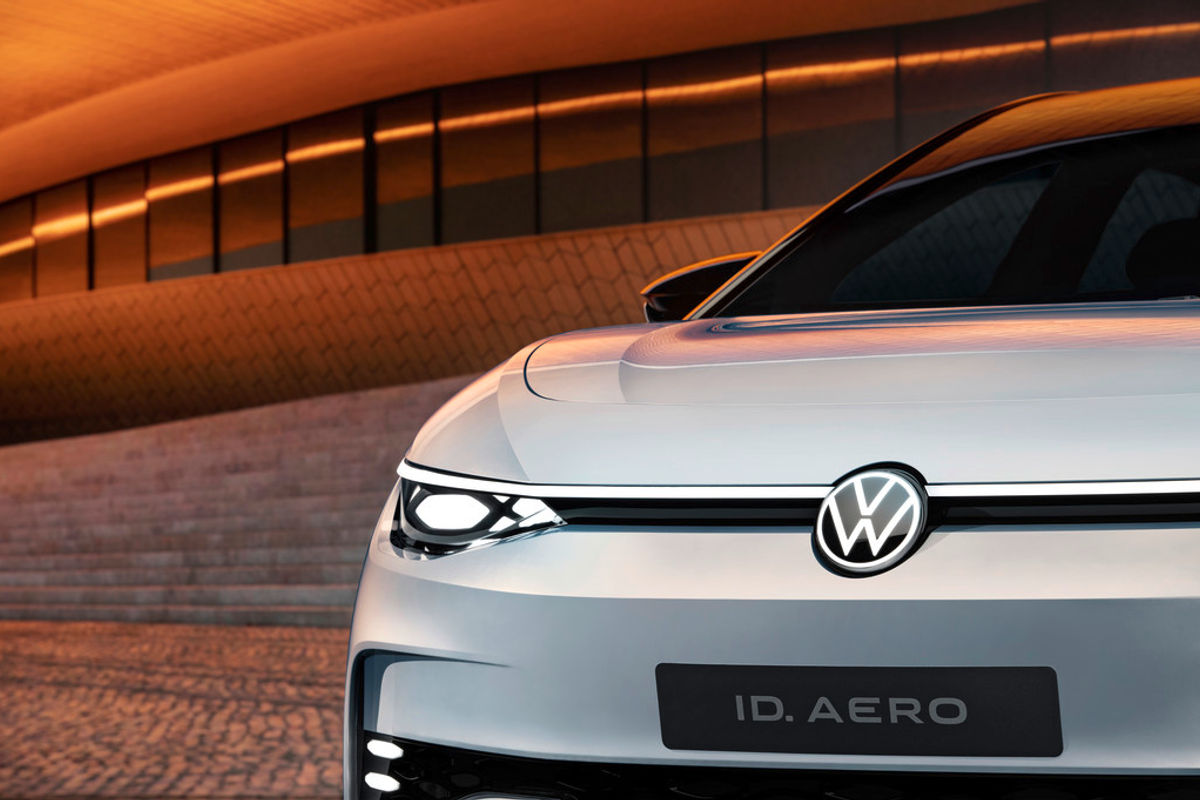
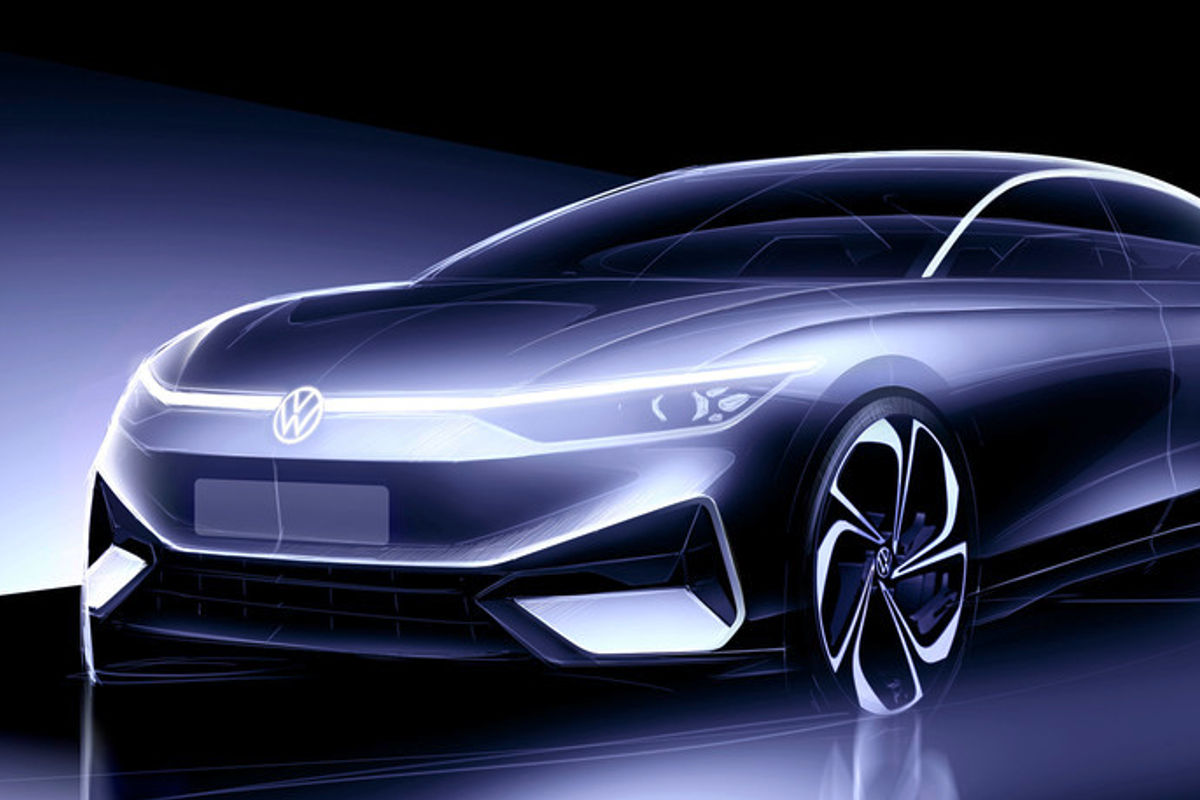
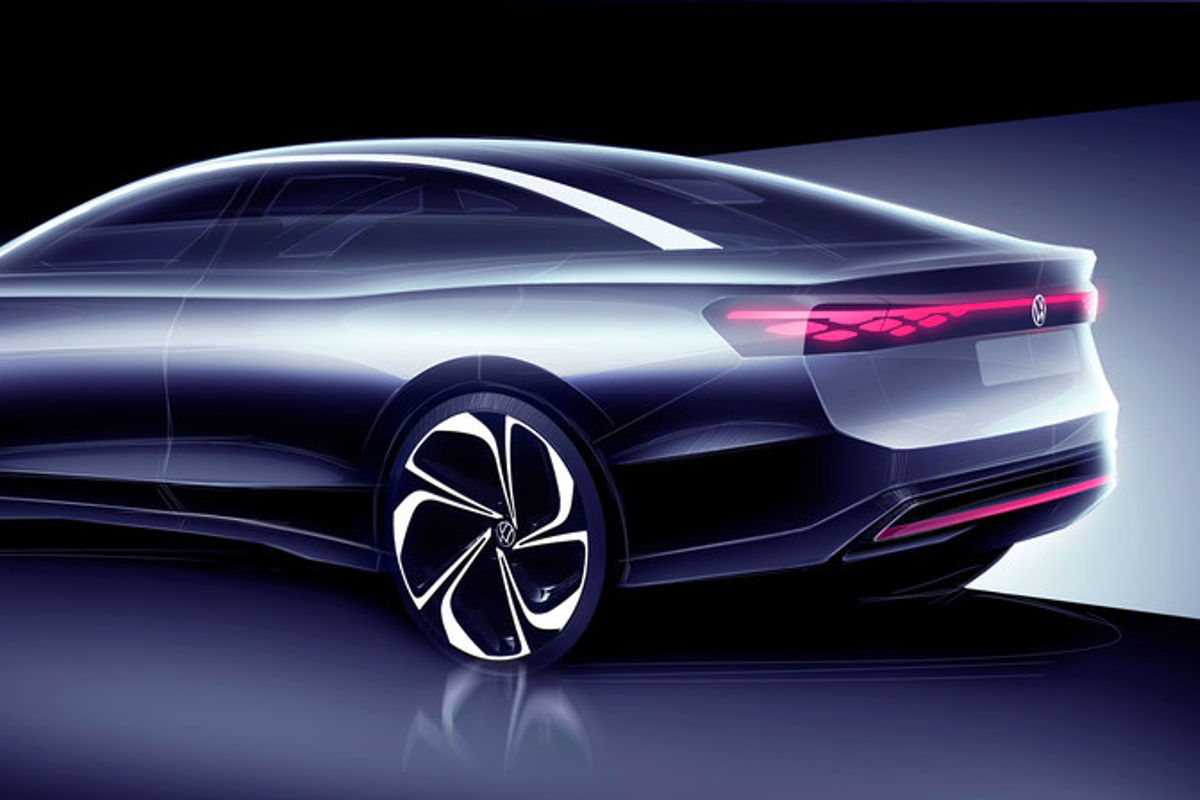
Volkswagen ID. Aero Concept Shows Electric Sedan for 2023
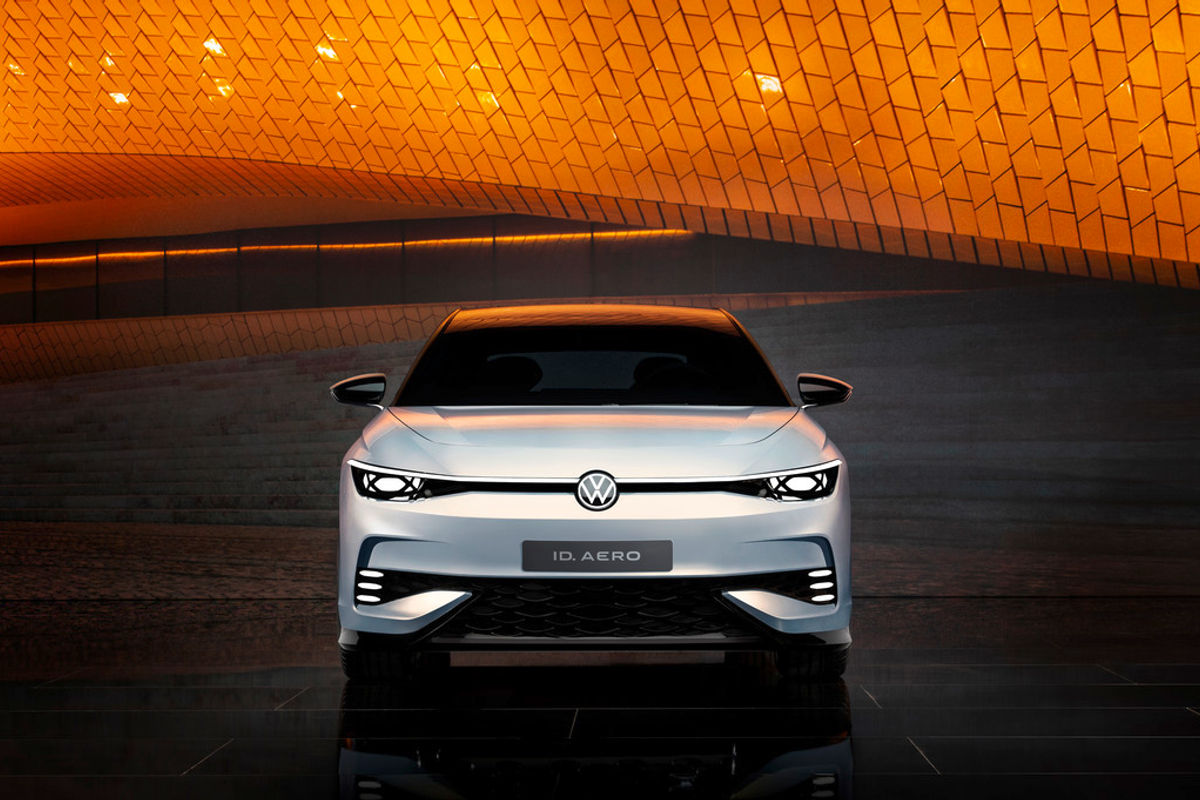
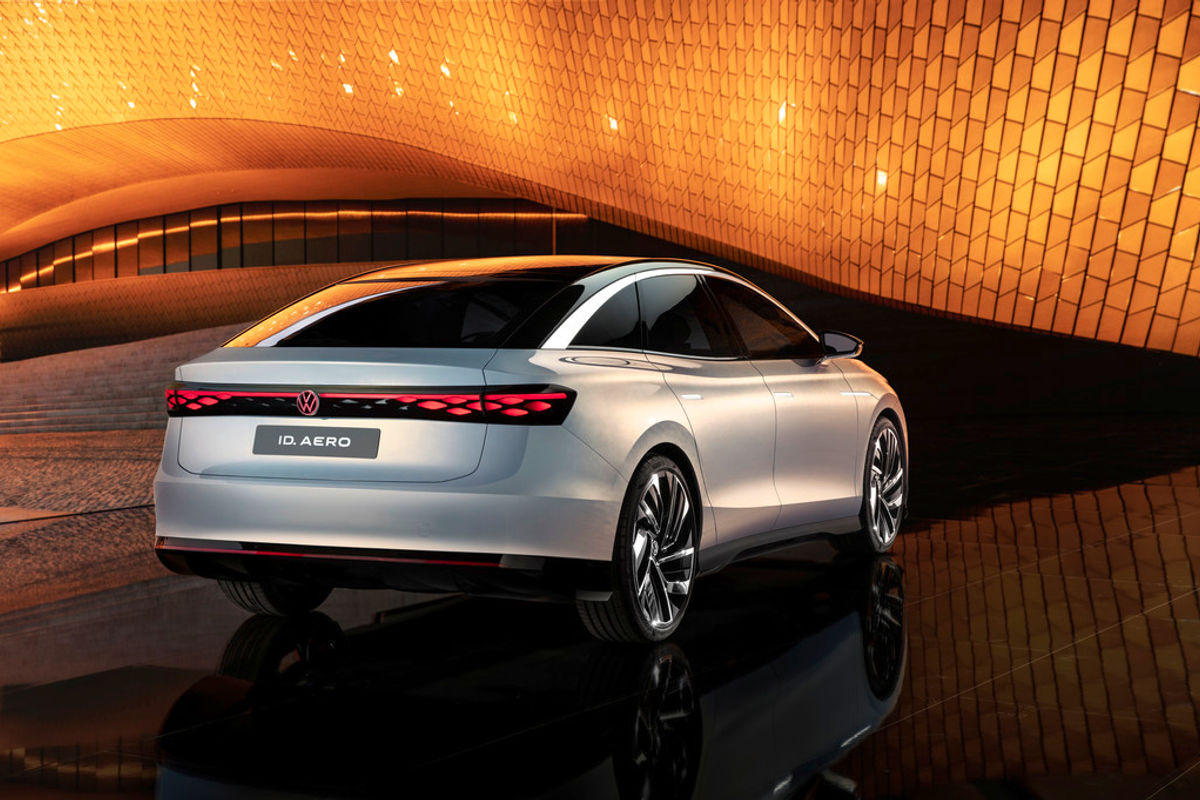
Volkswagen has revealed the latest member of its ID. electric car family, the ID. Aero concept, which is a preview of the German firm’s first forthcoming electric sedan.
The ID. Aero concept serves as a preview for what will soon be Volkswagen’s first all-electric sedan which is expected to go on sale first in China in 2023 and with the European iteration destined to begin production in the same year at Volkswagen’s Emden production facility. The new electric sedan will be the 6th member of the ID. family following on from the ID.3, ID.4, ID.5, ID.6 and the recently-revealed ID. Buzz. More so, Volkswagen says it will be a global model and the ID. Aero is now the new flagship model in the firm’s growing EV portfolio.
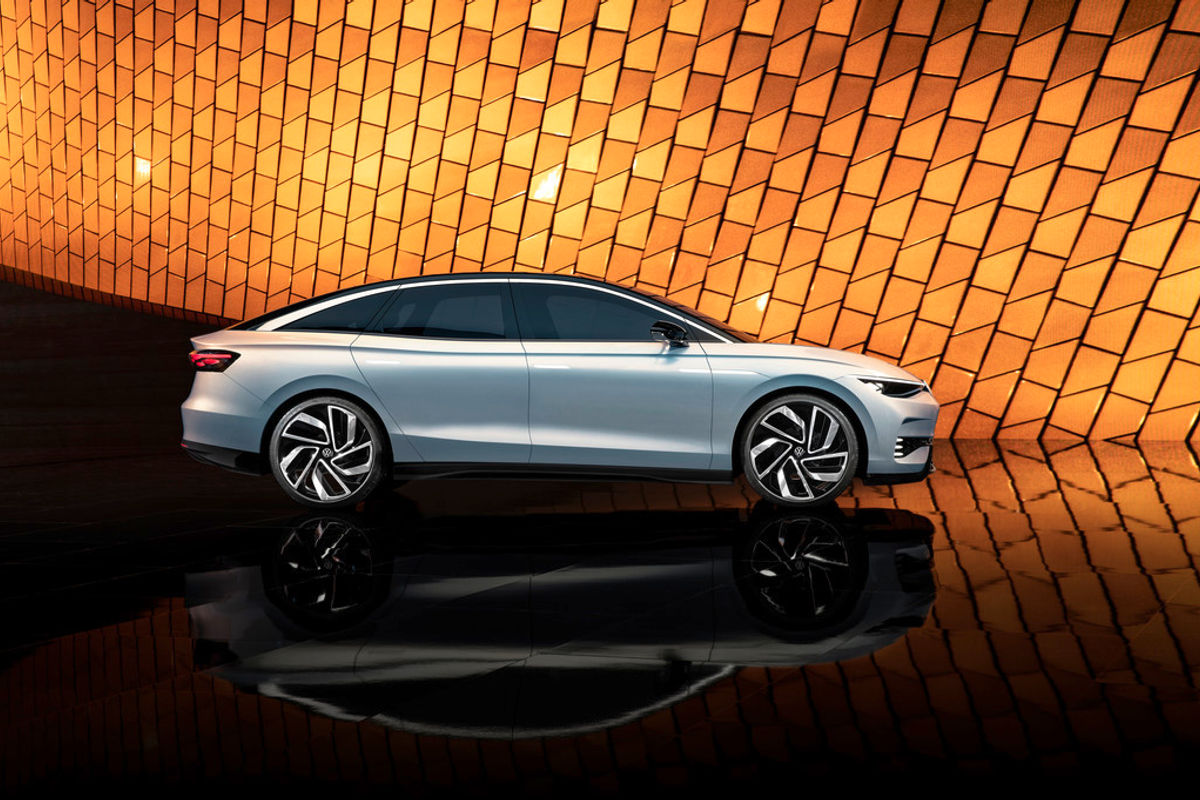
Looking at the images of the ID. Aero, it’s certainly more of a production-ready concept. It stands at almost 5-metres long and features a sloping coupe-like roofline that gives it a particularly aerodynamic look (hence the name). In fact, Volkswagen says that the ID. Aero boasts a drag coefficient of just 0.23, which makes it aerodynamically efficient and the firm says that an electric range of up to 620 km is possible (WLTP). Furthermore, the ID. Aero is equipped with a 77 kWh lithium-ion battery. Volkswagen hasn’t divulged any further powertrain-related details, yet.
Volkswagen says that the new ID. sedan will offer an “exceptionally spacious” interior but sadly images of the interior of the ID. Aero concept are not yet available.
As for the production version of the new electric ID. sedan, we expect more definitive details to emerge towards the end 2022 and when they do, we’ll be sure to keep you updated.
This, however, has not been confirmed by BMW but production information supplied by a user on Bimmerpost who compiles internal BMW product information leaks purports that the next generation G90 M5 sedan (due to go in production in July 2024) will spawn a G99 M5 Touring sibling which will supposedly go into production in November 2024.
Furthermore, it’s claimed that the M5 Touring will employ the same S68 plug-in hybrid V8 powertrain which will power the forthcoming BMW XM SUV. When the Concept XM was revealed back in 2021, it boasted outputs of 550 kW and 1 000 Nm, but the production XM will be slightly tamer with 480 kW and 800 Nm of torque on offer. There’s clearly potential for the M5 and M5 Touring to offer better performance than the current ICE M5 which produces 460 kW and 750 Nm from its twin-turbocharged 4.4-litre V8 engine.
The S68 plug-in hybrid powertrain comprises a “new-generation” twin turbcharged V8 engine in combination with a high-performance electric motor as well as a hybrid-specific M xDrive all-wheel drive system and up to 80 km of electric range. An 8-speed automatic transmission is likely.
Specific technical details of the XM’s powertrain will be revealed in coming months and we will keep you updated as soon as official information for the new M5 and M5 Touring becomes available.
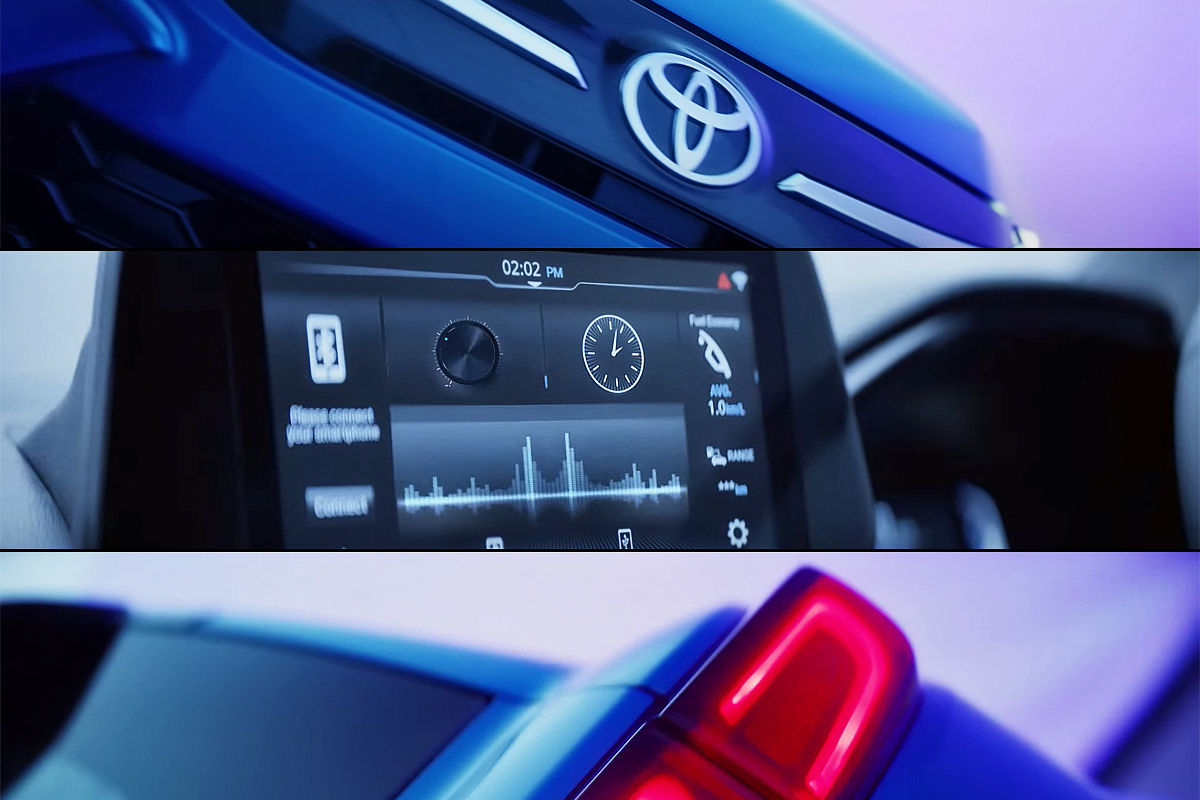
Toyota is preparing to reveal a new SUV that will slot in above the Urban Cruiser and reportedly adopt the Hyryder suffix. Here’s your first official glimpse…
Yes, another product of the Toyota-Suzuki alliance is coming. Toyota has released a pair of teaser videos as well as an image giving us our first official look at a new SUV that is expected to be badged as the Urban Cruiser Hyryder.
The first 15-second video published to Toyota India’s YouTube channel shows a number of external design details of the newcomer, though stops short of confirming its Hyryder nameplate (there is, however, a hybrid badge in the footage). The second clip, meanwhile, gives us a quick look inside the vehicle’s cabin, which features analogue air-conditioning controls, a dual-tone facia and a freestanding touchscreen system. You can watch both videos below.
The Indian arm of the Japanese company furthermore added a few teaser images to its social media pages, including the partial front-end shot (we’ve cropped it tightly in order to give you a closer look) pictured above.
The teasers come shortly after Toyota released a statement confirming it planned to “start production of a new SUV model developed by Suzuki” though built by Toyota from August 2022. The two automakers will market the newcomers in India but are also “planning to export the new model to markets outside India, including Africa”.
Interestingly, the statement added the powertrains “will be equipped with mild hybrid [technology] developed by Suzuki and strong hybrid [technology] developed by Toyota”. Reports suggest the combustion engine in line to gain these hybrid options is the latest evolution of Suzuki’s naturally aspirated 1.5-litre, 4-cylinder petrol unit.
Of course, the alliance already sees Toyota market versions of Suzuki’s Baleno, Vitara Brezza and Ertiga as the Starlet, Urban Cruiser and Rumion, respectively.
According to Autocar India, the Urban Cruiser Hyryder will be fully unveiled in India on 1 July 2022, with the Suzuki version (which may well wear the Vitara badge as the European version’s lifecycle is nearing its end) following at some point thereafter.
The Hyryder (and its Suzuki cousin) will take on the likes of the Hyundai Creta and Kia Seltos, and be positioned above the Suzuki-built Urban Cruiser but below the locally produced Corolla Cross. It remains to be seen whether Toyota South Africa Motors believes there’s enough space between the two to warrant the local introduction of the Hyryder (or what its arrival would mean for the C-HR).
10 Tips to Decrease Insurance Costs
What price can one put on having peace of mind? In this day and age, more so than ever, insurance is non-negotiable – it’s a financial lifeline and a get-back-on-your-feet solution for when things go wrong. With Budget Insurance, peace of mind doesn’t have to cost a fortune and, by following just 10 practical tips, you can reduce your premium appreciably.
PARTNERED CONTENT
Sometimes, things go wrong
This year, from January to March, there were 40 960 home burglaries, hijackings went up by 19.7% and 9 377 cases of car and motorbike theft were reported – that’s according to the SAPS. Then the floods came, which destroyed homes and washed vehicles away. We are not talking about minor bumps or dents here – countless assets were written off; it was a devastating loss in which South Africans lost hundreds of thousands of Rand… and some even more than that.
Needless to say, many individuals and their families were ruined financially because they weren’t insured against damage or loss. Cash-strapped South Africans will point out that the cost of living crisis, including record high fuel prices, makes insurance unaffordable. This incorrect notion is why 70% of (or 2 out of every 3) registered cars on our roads are uninsured and why, when it comes to homes and their contents, some South Africans are underinsured by as much as 60%.
However, the country’s recent spate of misfortune demonstrates that insurance is a must-have and with Budget Insurance, peace of mind doesn’t have to cost a fortune. Here’s how you can reduce your premiums appreciably.
10 premium-busting tips for savvy South Africans
1. Shop around and choose your insurer wisely
Budget Insurance, for one, offers some of South Africa’s lowest home contents insurance quotes and saves their customers up to R420 when they combine their home and car insurance. One can also save 20% when buying car insurance via Budget’s website.
2. Insure your vehicle for the correct value
Drivers of older vehicles must ensure that they are not over-insuring their cars. While Budget Insurance takes into account the vehicles’ depreciated value, not all insurers do, so make sure your vehicle is insured for the correct value.
3. Update your home contents policy
Review your household inventory every 6 months and adjust the total insured sum accordingly. When you calculate the insured amount of your home contents, make sure you are using replacement values and not market values. Remove old and discarded items that no longer need to be insured from your inventory.
4. Don’t duplicate coverage
If your car or home insurance company offers free roadside assistance, you needn’t opt for the same benefit from your medical aid provider.
5. Increase your security
You could reduce your car insurance premium if you’ve fitted your car with additional safety features, or pay less on your home insurance premium if you’ve invested in an alarm system for your home or if you’ve moved to a safer neighbourhood.
6. Don’t claim unnecessarily
Keep your insurance for real catastrophes, which result in unexpected large losses and avoid claiming for small events that you could cover from your own pocket.
7. Increase your excess
You could save some money on your monthly insurance premium by increasing the excess you pay when you claim. It’s best to find a balance where you’re paying a reasonable premium and you can cover your excess in the event of a claim.
8. Combine your policies
By insuring your car and home contents, or your car and buildings insurance with the same insurance provider, you could qualify for a discount.
9. Review your cover on a regular basis
As your individual needs change, so may your insurance needs. For instance, you may no longer need full comprehensive cover on an older or second vehicle and may want to consider insuring it with Budget Lite.
10. Make sure you keep your details updated
Insuring your vehicle for private use if you no longer use it for business, or if your vehicle is now parked in a more secure environment overnight, like inside a locked garage, it will save you money so let your insurer know.
Where to find the best car insurance in South Africa?
The consequences of going without insurance can be catastrophic. With smart planning, insurance can be both comprehensive enough and affordable – placing complete peace of mind within anyone’s reach.
Our friendly consultants are ready to get you set up with Budget Insurance. Give them a call on 0861 00 13 53 or leave your details and they’ll call you back at no expense to you! You can also request an online quote.
If you could wave a wand and bring any 3 new cars to South Africa, what cars would be on your wishlist? Here are 3 new cars we wish would be offered in South Africa right now!
While that might be the case, it doesn’t stop us from dreaming. There are so many cars that aren’t likely to be offered in South Africa but if you could magically make 3 cars appear on South African roads, what would you want to see in Mzansi the most and why?
Take a look at the 3 new cars we want to see in South Africa right now…
3 New Cars We Want In SA Right Now
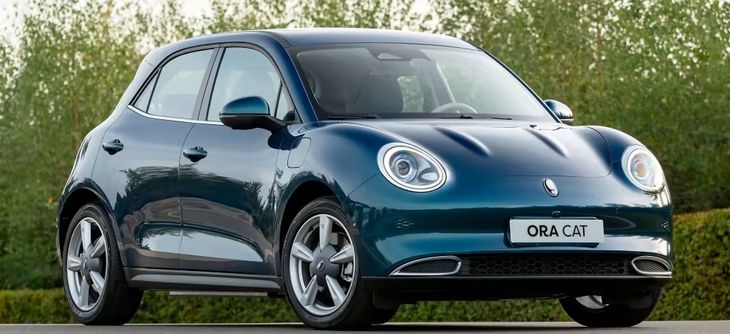
1. GWM Ora Cat
With fuel prices in South Africa rapidly increasing, the need for affordable electric vehicle (EV) alternatives is growing by the day. Current EV products are simply too expensive for widespread adoption and a significant untapped market exists for affordable EVs. The solution, however, is unlikely to come from traditional luxury brands such as BMW, Audi or Mercedes-Benz but rather from Chinese brands such as GWM’s Ora electric car, Haval’s Wey brand and Chery.
The GWM Ora Cat is currently under consideration for introduction in South Africa and if it arrives on local soil, it’s likely to mark the start of an influx of more affordable electric vehicles and brands such as Chery are likely to join the entry-level EV party too. The ORA Cat, depending on the derivative, can deliver up to 126 kW and 250 Nm from a front-drive motor and importantly offer a range of up to 501 km.
Pricing will be critical but if the GWM Ora Cat can come to market at under R500k in South Africa, we suspect that many local buyers will seriously consider switching to electric mobility considering the current fuel price crisis which has no respite in sight.
Would you consider the Ora Cat if it was offered for under R500k?
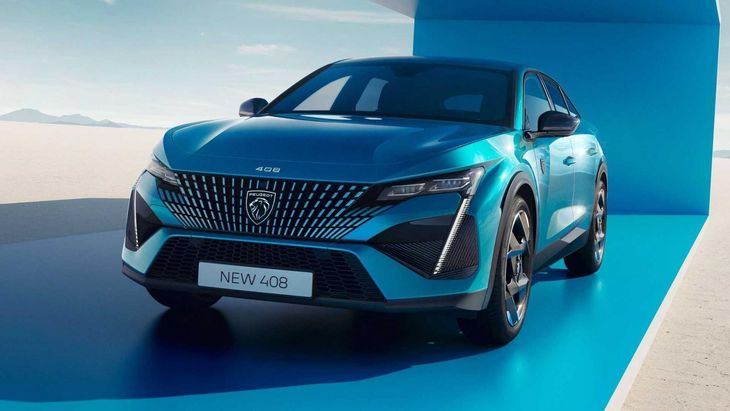
The 408 will go on sale in Europe in 2023 with a turbocharged 1.2-litre petrol engine with 96 kW and 230 Nm, the same that powers the Peugeot 2008 in South Africa. Peugeot will also offer a pair of plug-in hybrid derivatives, combining a 81 kW electric motor and either a 110 kW or 132 kW 1.6-litre turbopetrol engine. Total power outputs for the base 408 comes to 133 kW and 360 Nm while the more powerful 408 offers 165 kW and the same torque figure of 360 Nm. An 8-speed automatic transmission directs power to the front wheels for all 408 derivatives. A battery-electric 408 is also expected.
With the absence of affordable electric cars in South Africa, hybrid cars serve as an excellent alternative for buyers looking to slash fuel costs and take advantage of better efficiency. Hybrid popularity is on the increase worldwide and in South Africa with brands such as Toyota leading the hybrid charge with products such as the RAV4 Hybrid, Corolla Cross Hybrid and Corolla Hybrid. Other brands such as Haval will soon join the hybrid fray with the introduction of the H6 Hybrid.
The 408’s interior has a futuristic and edgy interior design and the firm’s latest i-Cockpit with its small but engaging multifunction steering wheel is also fitted along with two 10-inch screens that make up the instrument cluster and infotainment system.
We are holding thumbs that the new 408, including a the plug-in hybrid 408, will see the light of day in South Africa.
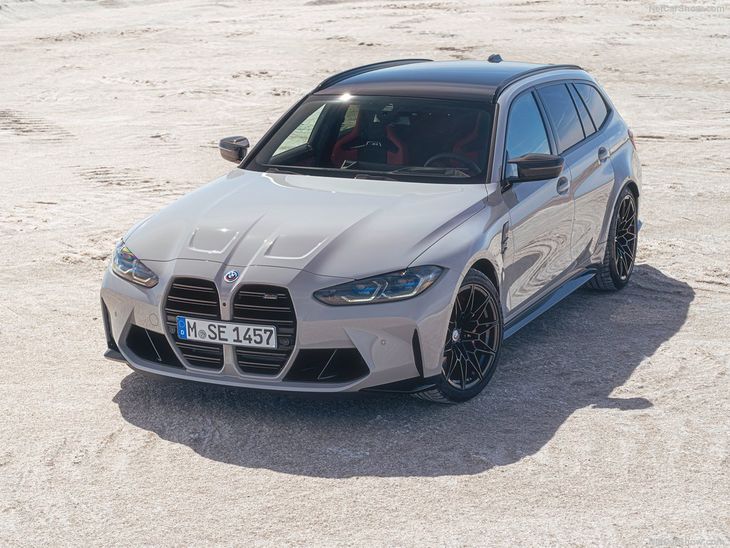
Yes, we love a fast and mean-looking station wagon and the new BMW M3 Touring has us wishing that antistationwagonism in South Africa wasn’t a thing. The BMW M3 Touring has finally broken cover and right now it’s the car we would love to have on sale in South Africa! The Audi RS4 Avant needs some competition, right, BMW?… Sadly, the M3 Touring is currently “not confirmed” for South Africa.
The M3 Touring packs a mega punch with a twin-turbocharged 3.0-litre straight-6 petrol engine generating 375 kW and 650 Nm of torque. An 8-speed automatic transmission directs all that grunt to all-four wheels and the M3 Touring claims the zero to 100 kph dash in just 3.6 seconds and will reach 200 kph from standstill in just 12.9 seconds.
It can also seat 3 people comfortably in the rear and when the seats are folded down you have space for just about anything, including multiple surfboards (because that’s important). BMW claims maximum load space at 1 510-litres. This is all the car you will ever need!
And then there’s the styling! Well, ain’t it just a pretty thing? Bring it, BMW!
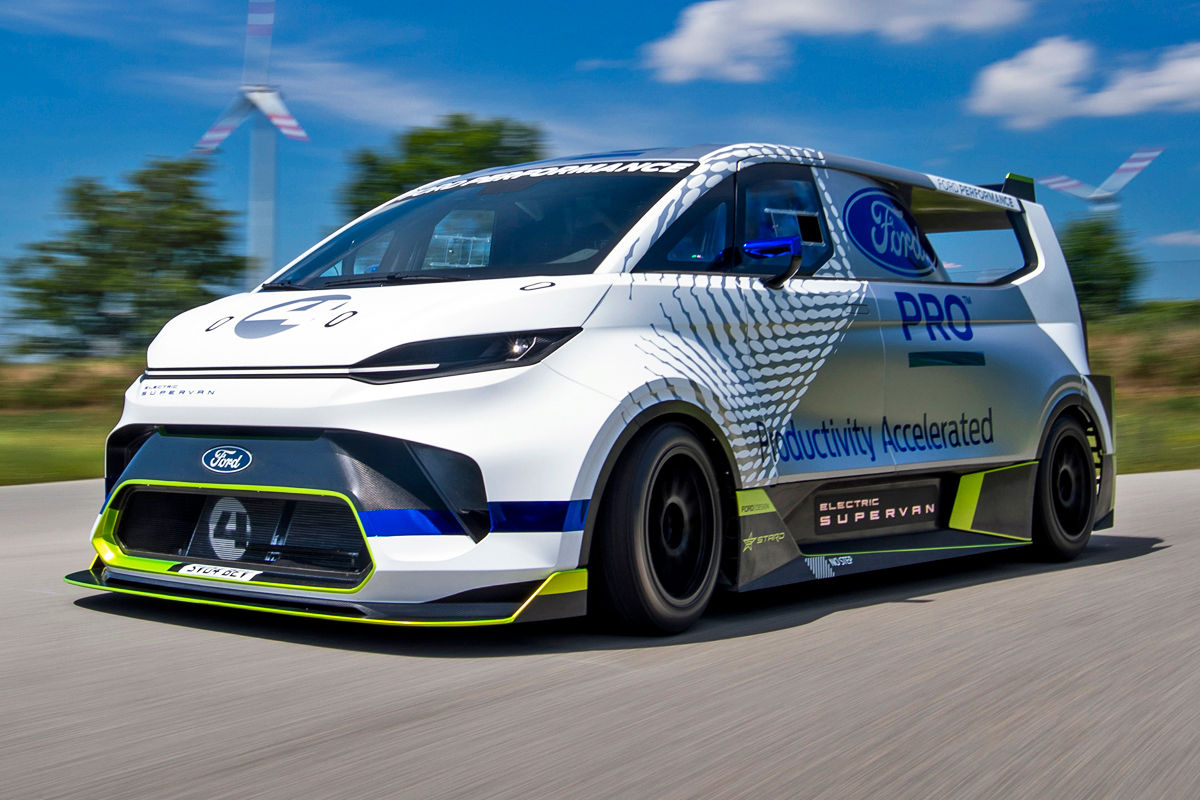
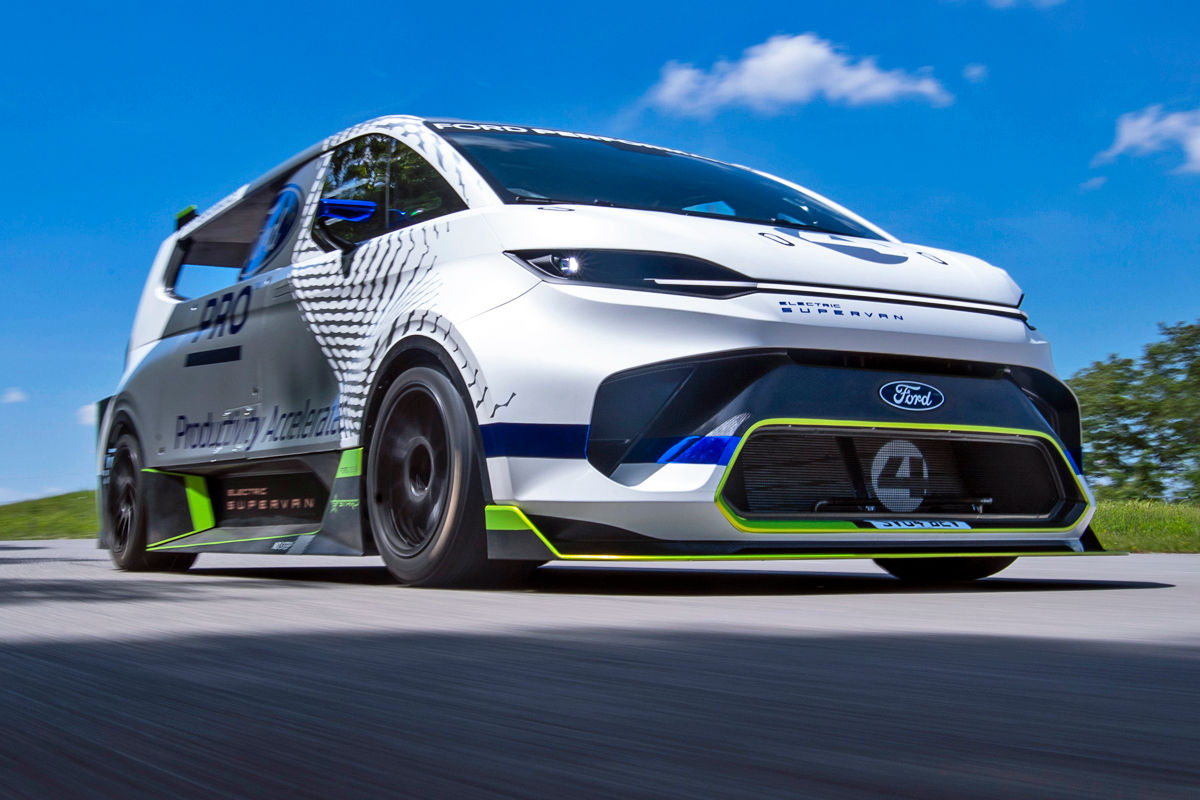
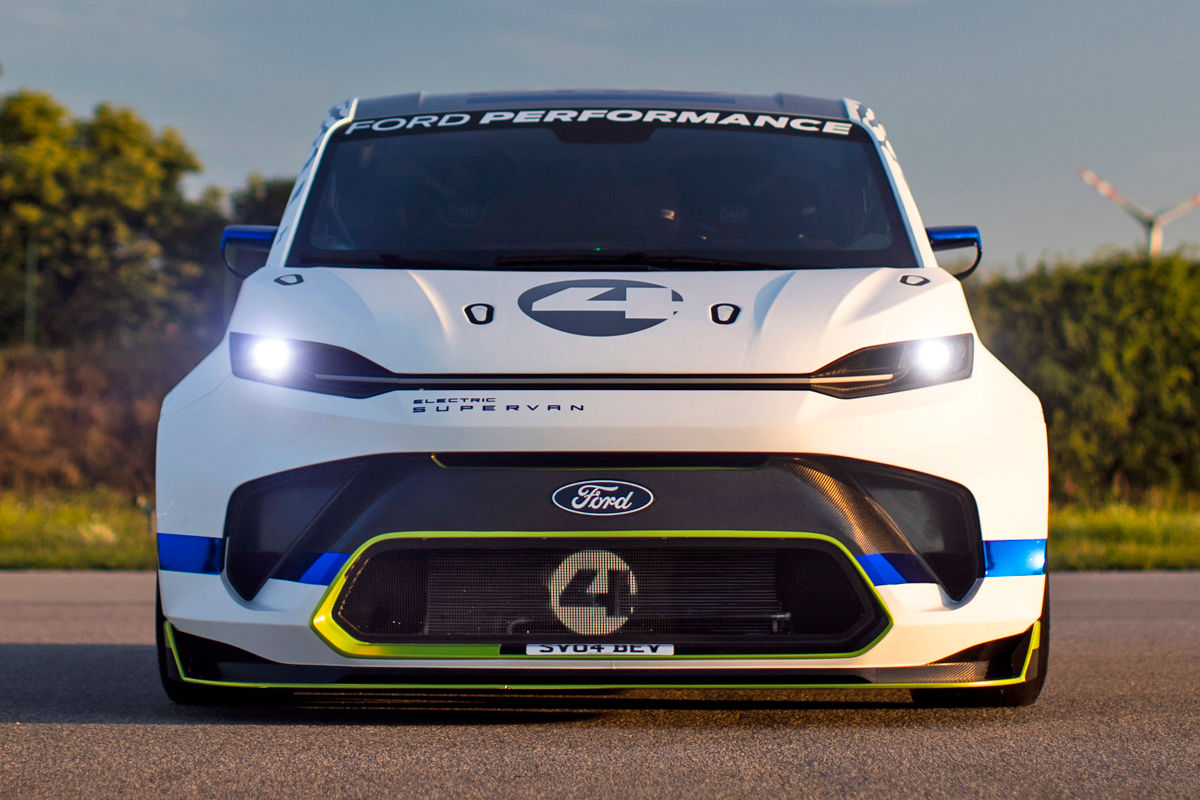
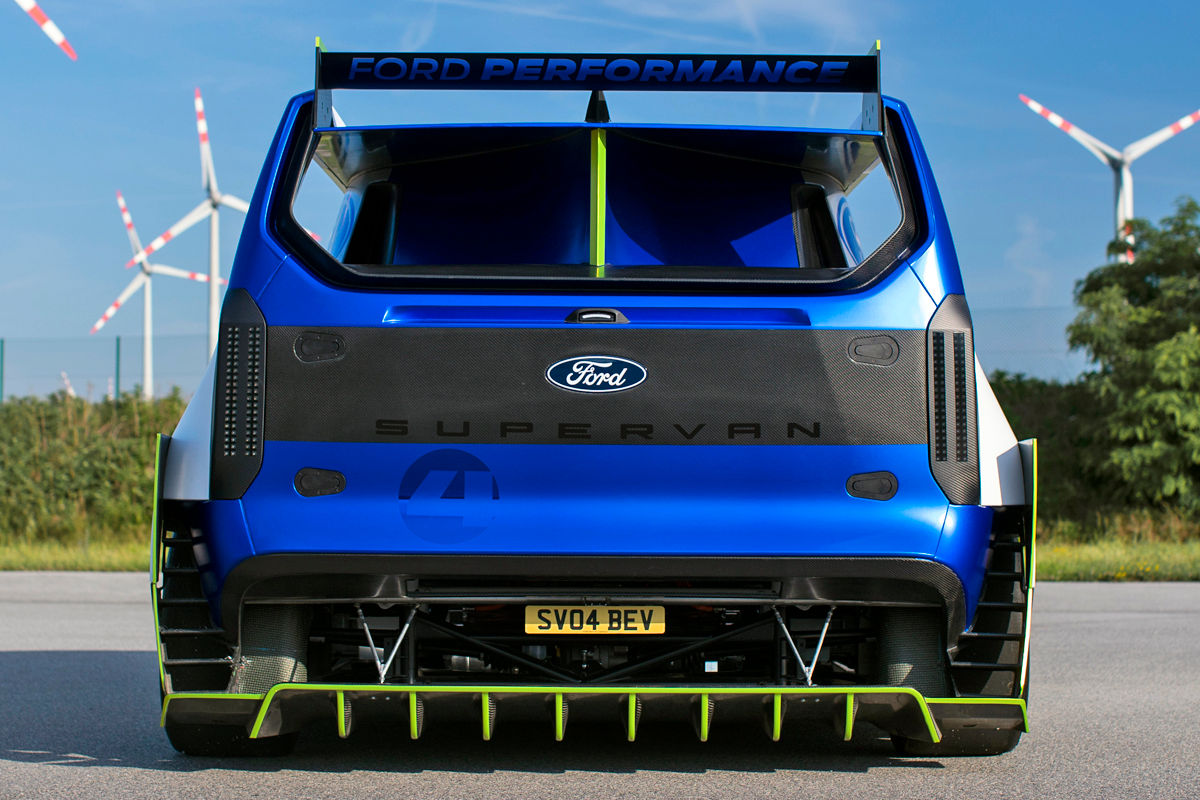
Ford’s New SuperVan is a 1 471 kW Electric Transit
Yes, Ford’s SuperVan is back! This latest (fourth) iteration takes the form of a fully electric Transit with a whopping 1 471 kW and a track-tuned chassis. The fastest delivery van yet?
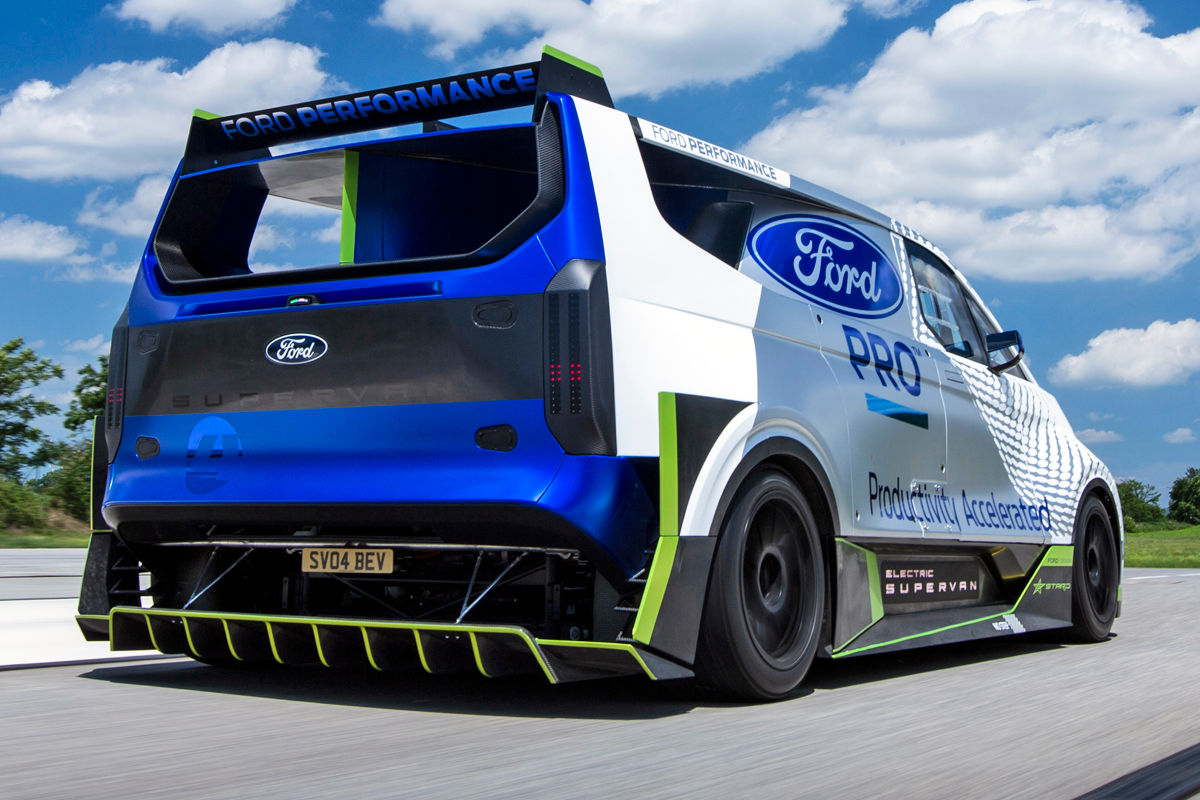
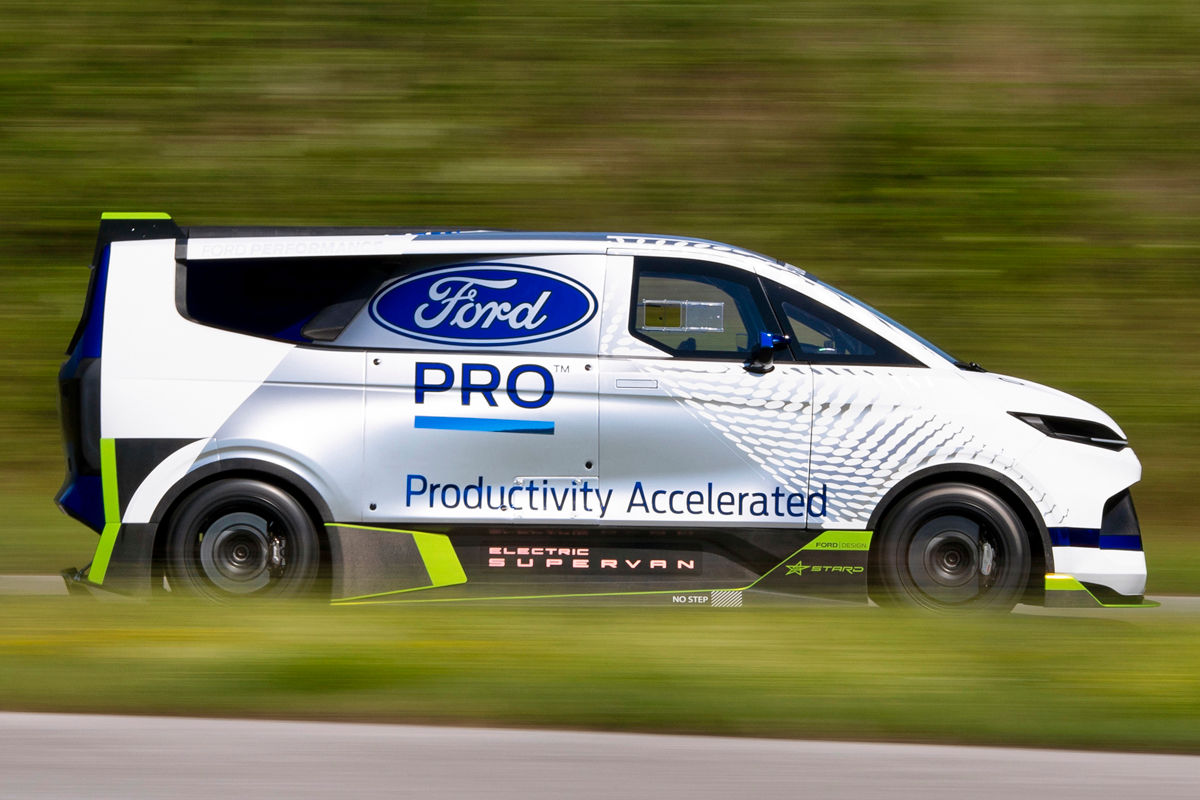
Ford has taken the wraps off what is surely its craziest SuperVan yet. Meet what is officially known as the Ford Pro Electric SuperVan, a battery-powered utility vehicle boasting a heady peak power output of 1 471 kW and a claimed 0-100 kph time of under 2.0 seconds.
Unveiled at the 2022 Goodwood Festival of Speed, the latest one-off performance van is the fourth iteration in the Blue Oval brand’s famous SuperVan series. It features the “highest performance of any Ford van ever” and, according to Ford, underscores the company’s “huge commitment to electrification”.
Drawing inspiration (and some components) from the E-Transit Custom revealed back in May 2022, SuperVan 4 combines 4 electric motors, a 50 kWh liquid-cooled battery and a bespoke control system to generate 1 471 kW. Ford does not list a maximum torque figure.
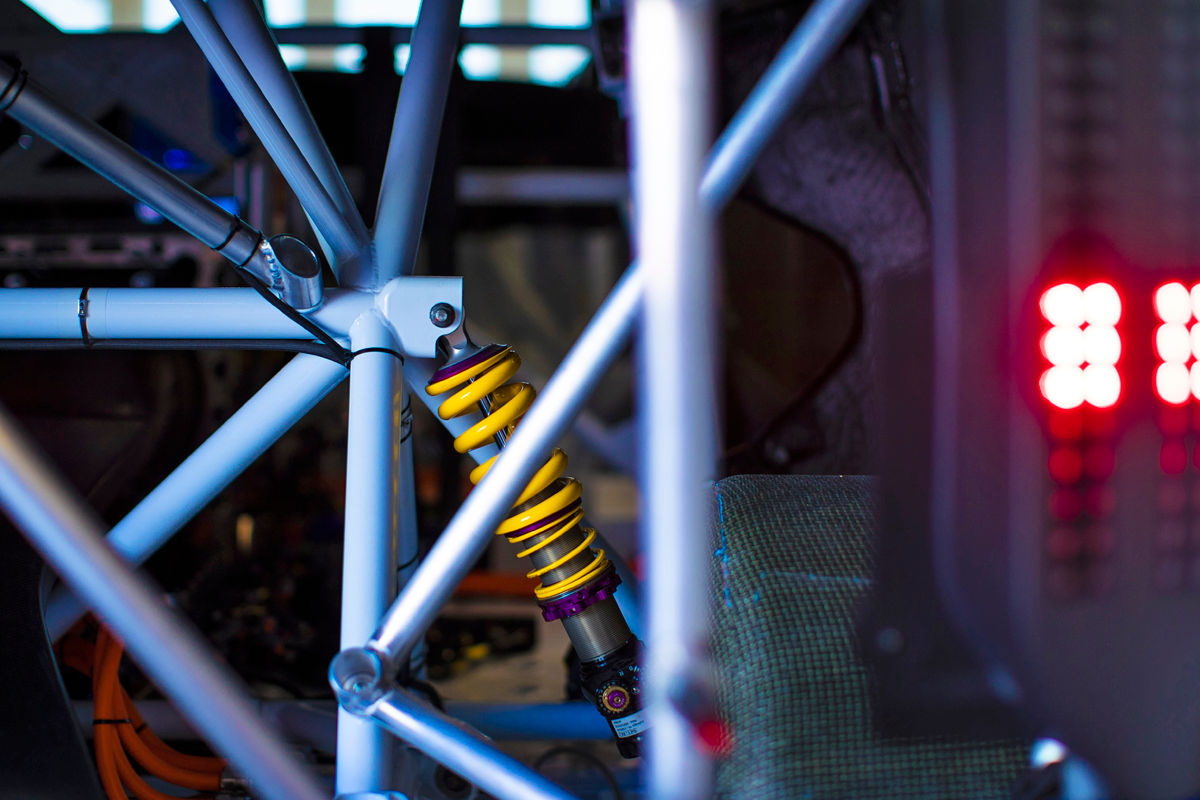
The battery-powered van features a “purpose-built, track-ready” chassis, 5 selectable drive modes (including drag, drift and rally) and regenerative braking technology. Described as a one-off “demonstrator” vehicle, the new SuperVan marries the E-Transit Custom floorpan with a steel spaceframe and lightweight composite body panels.
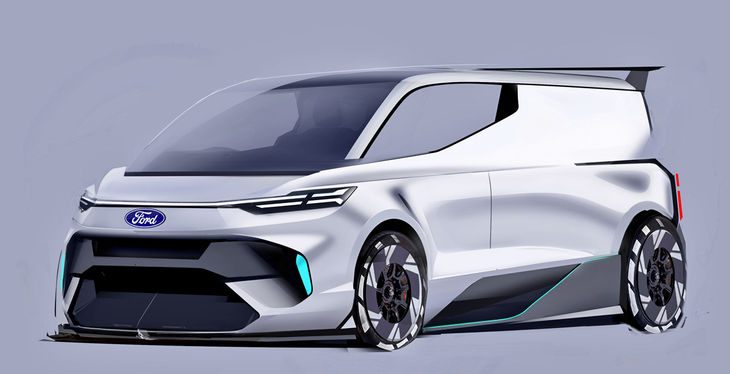
A sketch of Ford’s new SuperVan 4, which was styled by the company’s Cologne design team.
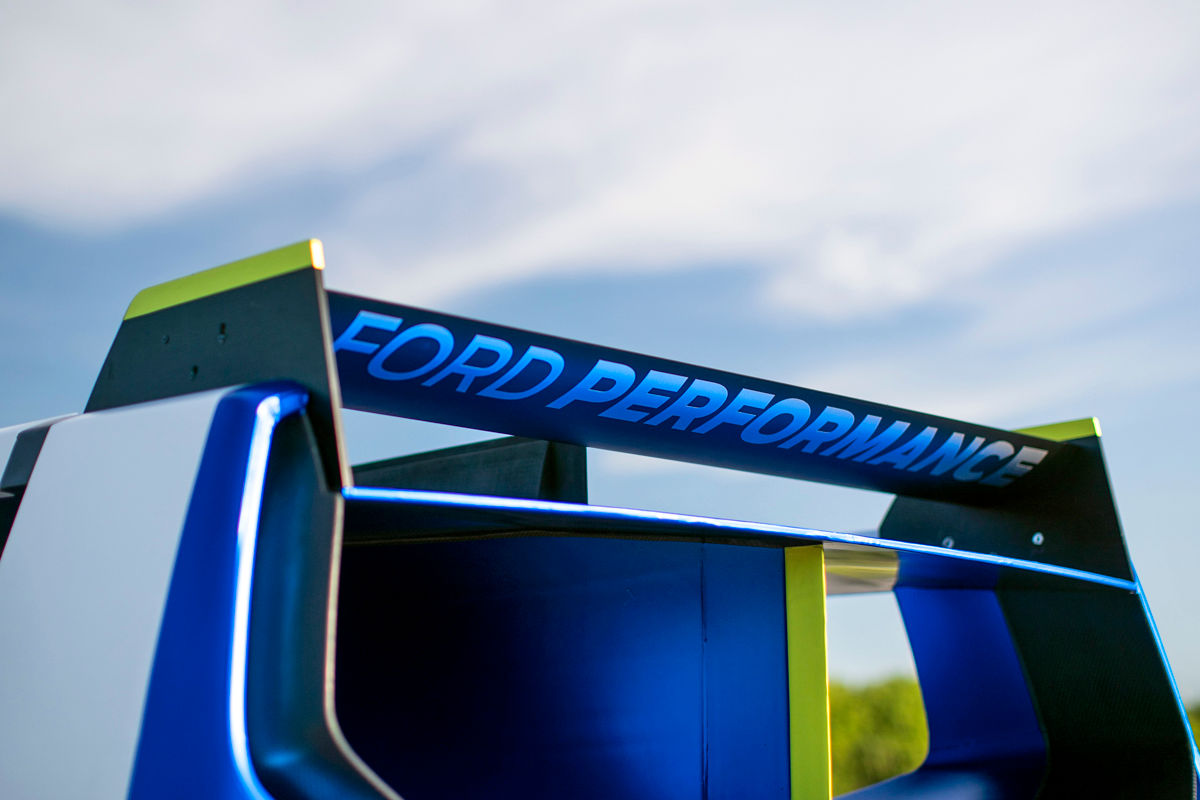
It’s certainly aggressively styled, too, featuring a hefty front splitter, chunky side skirts, a large rear diffuser and a towering rear wing. At each corner, you’ll find unequal-length double wishbone suspension, which combines with motorsport-grade front and rear subframes, and suitably powerful brakes to deliver impressive performance on track.
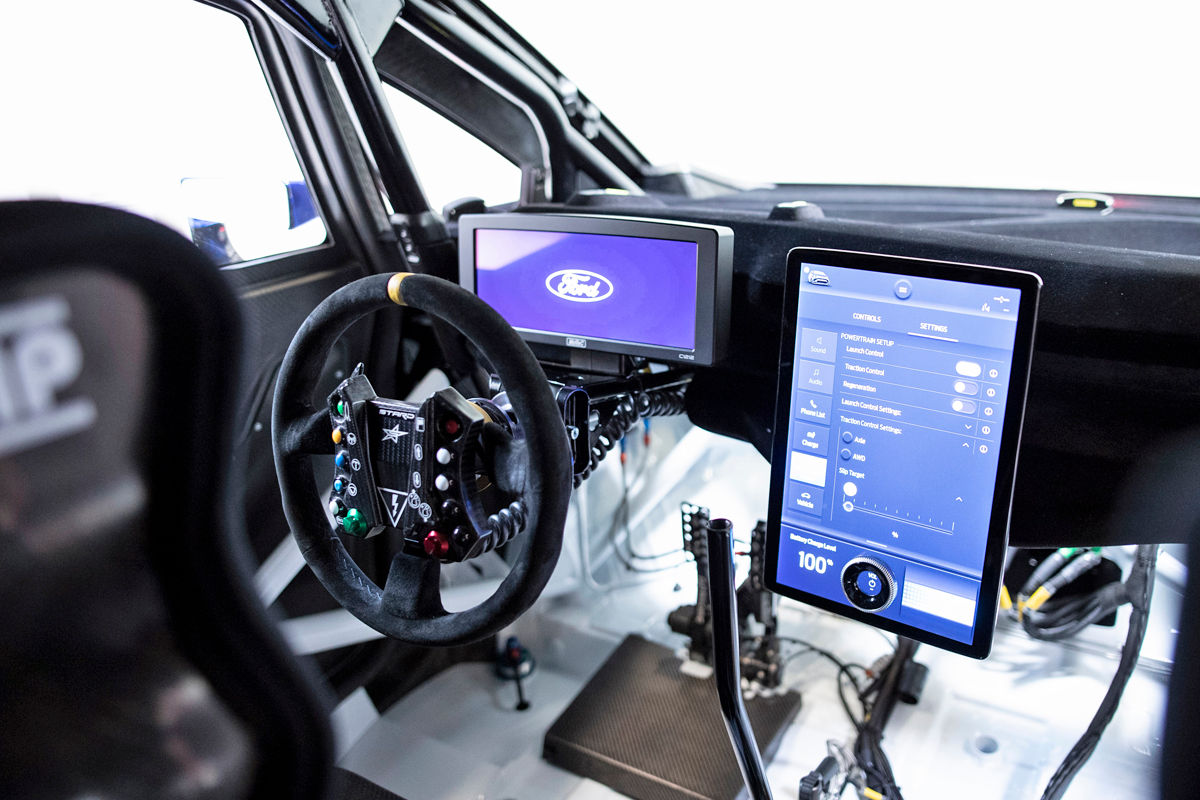
Inside, there’s a full FIA-spec roll cage and racing seats, while a bespoke electronics package allows fine-tuning of the traction control, launch control, pit-lane speed limiter and three-stage regenerative braking systems. There’s even an E‑Boost button that temporarily boosts power and torque. Smokey burnouts are seemingly simple to perform as well thanks to a new system that brakes one axle while spinning the other.
Ford Performance says it developed the latest SuperVan “in secret” with help from electrified rally and racing specialists Stard in Austria, with the exterior styling taken care of by the Ford Design team in Cologne.
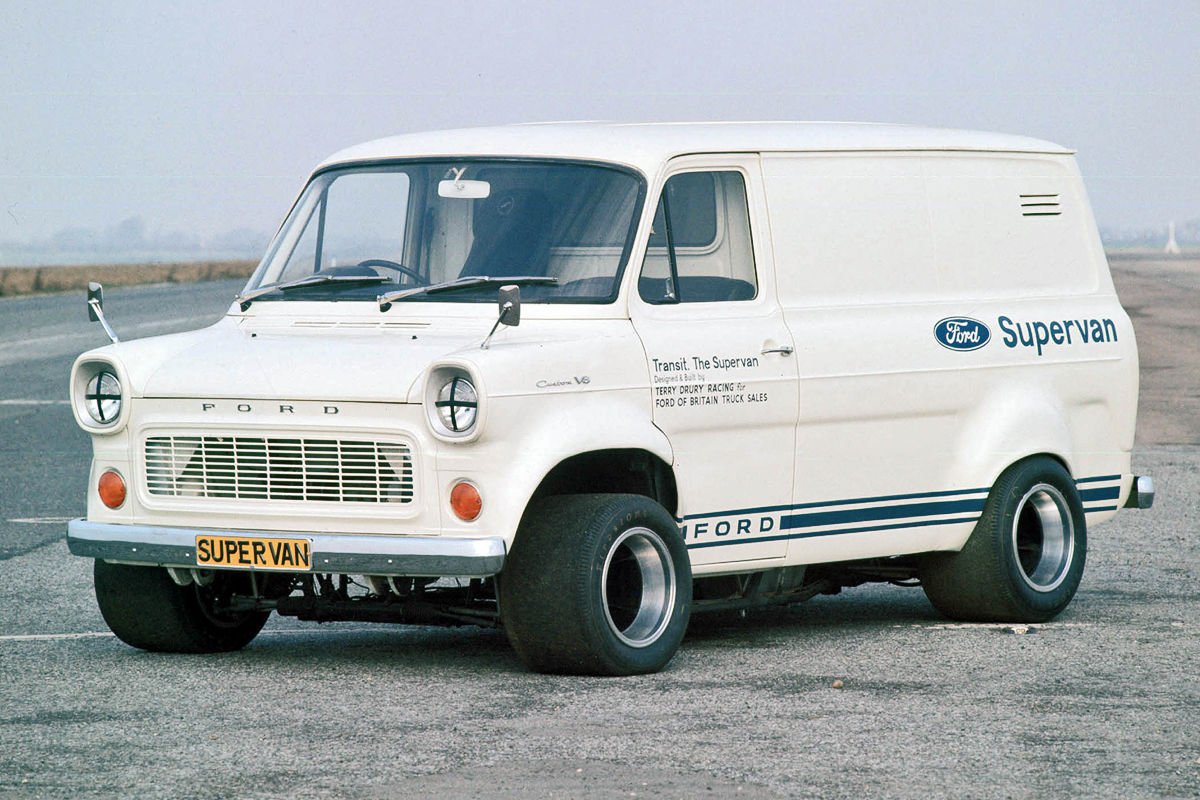
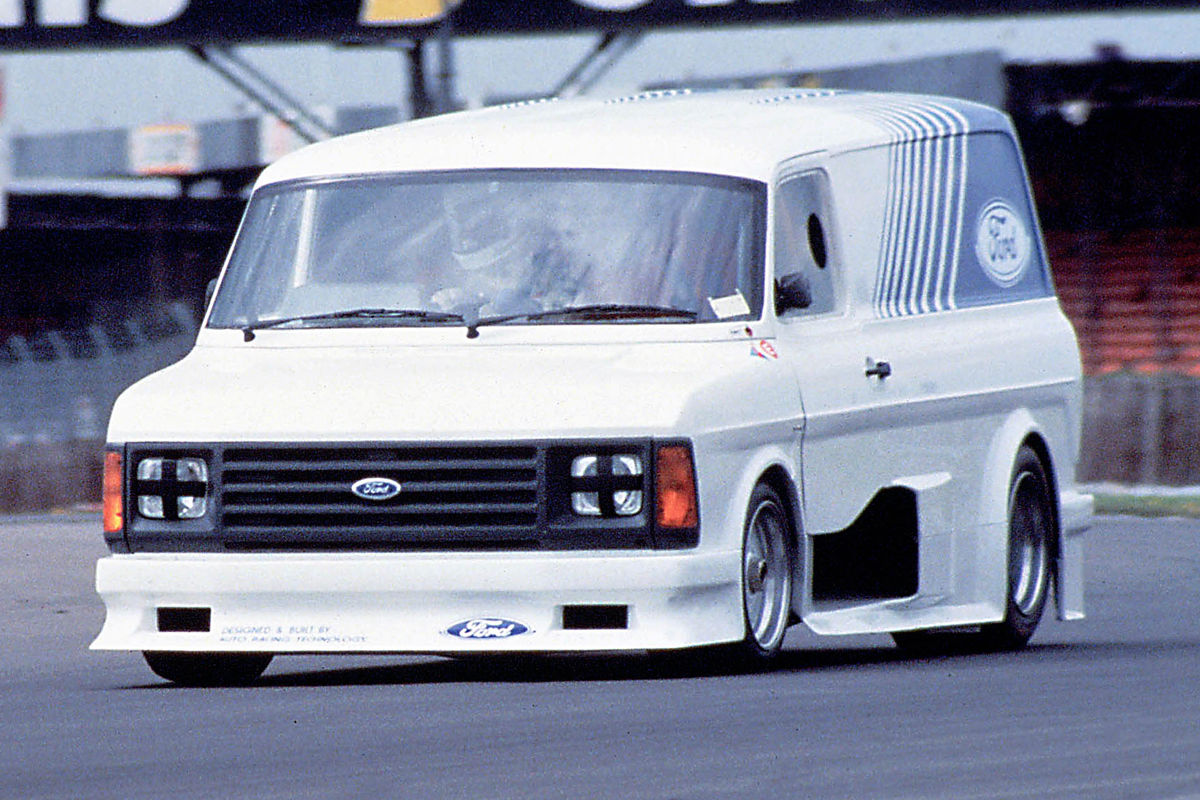
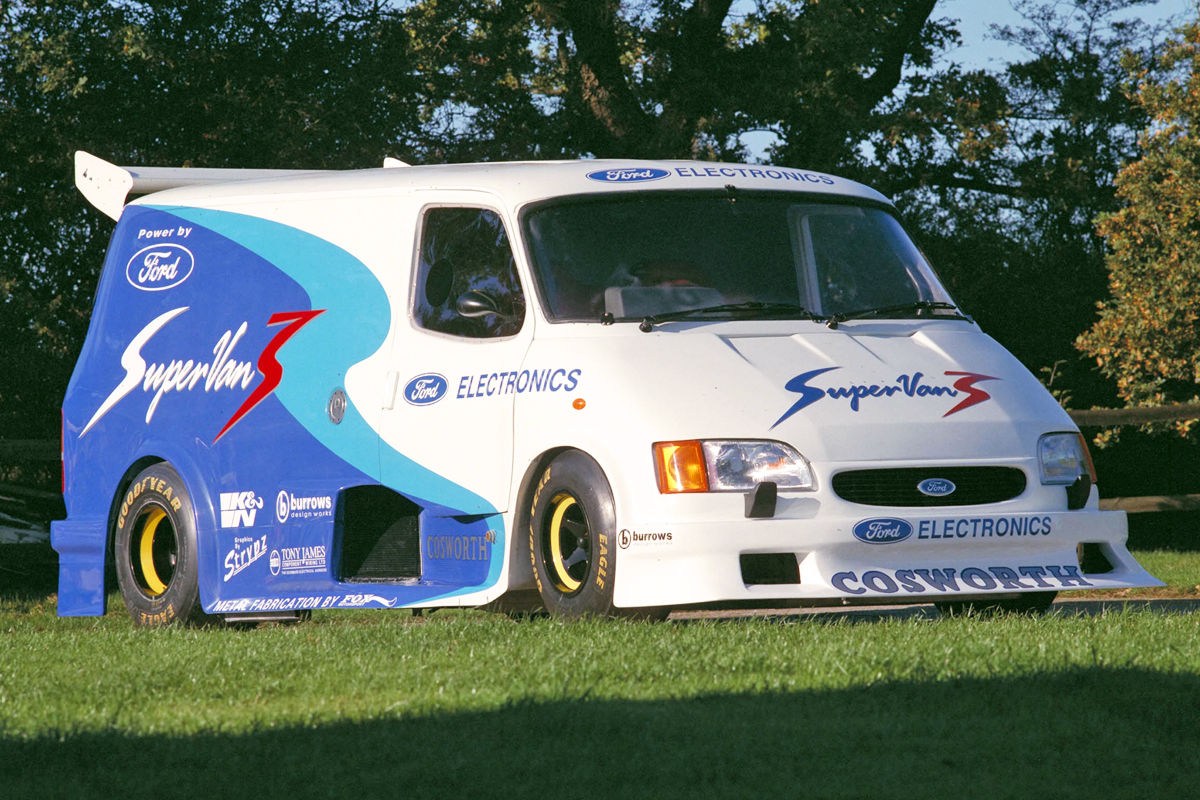
As a reminder, the original SuperVan was revealed back in 1971 featuring a mid-mounted engine pilfered from the Le Mans-winning Ford GT40. Next came 1984’s SuperVan 2, powered by a Cosworth V8 from Ford’s C100 racing car. SuperVan 3, meanwhile, was revealed in 1995 and upgraded to a Cosworth HB engine shared with Formula 1 cars of the era.
“Ford Pro is all about accelerating productivity for our customers – so why not create a new Electric SuperVan that proves the power of electrification and connectivity?” asked Hans Schep, general manager, Ford Pro, Europe. “This incredible demonstrator vehicle takes E-Transit Custom’s advanced engineering and distinctive look to a whole new level, and is high-speed proof of the power of Ford Pro’s connected services ecosystem.”
Watch the Ford Pro Electric SuperVan head up Goodwood’s famous hillclimb, with Romain Dumas at the helm, in the video below (from 03:12)…
Buyer’s Guide – Best Double-Cab Bakkies for Off-road Driving
We examine the best double-cab bakkies for sale in South Africa if you need real 4×4 ability. While nearly every bakkie is capable when the tarmac ends, some models have been purposely engineered for 4×4 driving. Here are our favourites.
While cars are designed to be driven primarily on tar, there’s a segment of the car-buying public who will be looking to purchase a vehicle based on its off-road and 4×4 skillset. And South African buyers have access to some of the world’s best double-cab bakkies for 4×4 adventuring.
These double-cab bakkies are rated by their 4×4 capabilities, with ground clearance, approach/departure angle, low-range gearbox availability as well as off-road driving modes and differentials.
Best Off-road Bakkies
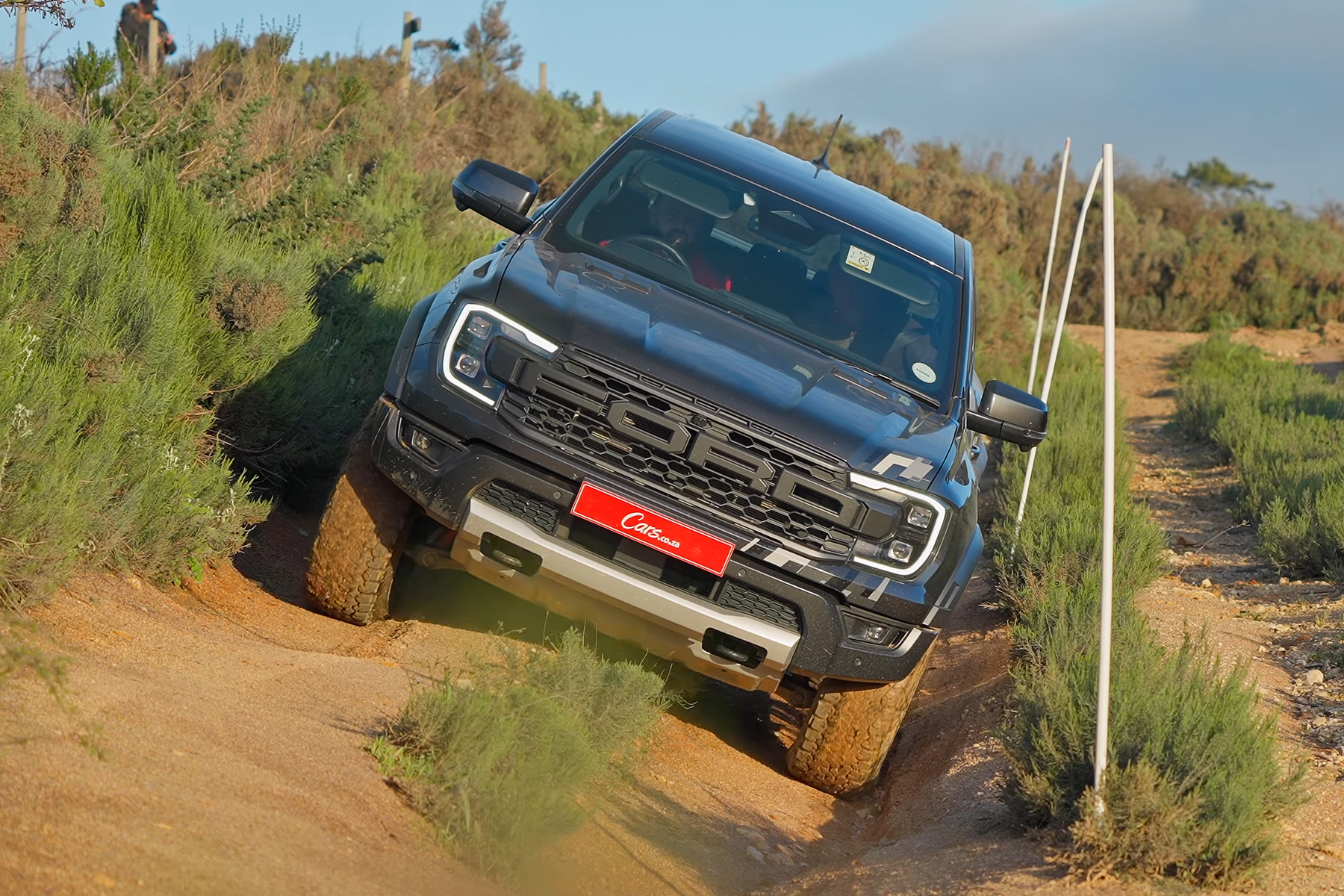
Ford Ranger Raptor
Ground clearance: 272 mm
Approach/Departure angles: 32/24 degrees
Low Range: Yes
Off-road modes: Yes
Differentials: locking front, and rear.
Priced from: R 1 270 000
Wading depth: 850 mm
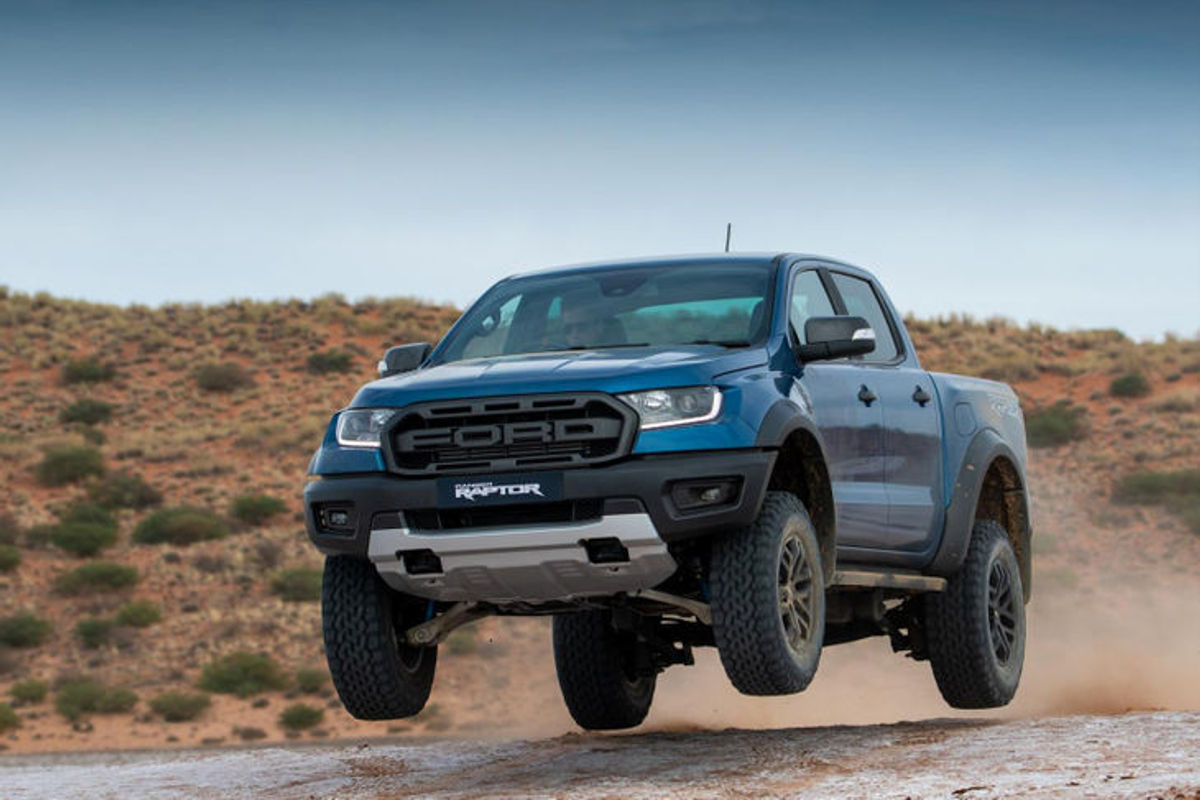
The Ford Ranger Raptor is an absolute off-road weapon, thanks to a combination of trick off-road-biased tyres, Fox Racing suspension, and clever off-road modes including an insane Baja no-holds-barred setup. It has been assembled from the ground up to be a purpose-built off-road specialist.
There is no bakkie with more sophisticated off-road-specific suspension available with a factory warranty than the Ranger Raptor. Its rear suspension is borrowed from the Everest rather than the standard Ranger’s leaf-sprung solid axle.
Ford’s second-gen Ranger Raptor lot more ground clearance than a standard Ranger, at 272 mm, but less than the previous-generation Raptor diesel, which had 283 mm of clearance. Wading depth is 850 mm.
The Raptor’s 3.0-litre turbopetrol V6 engine (with 292 kW and 583 Nm of torque) is mated with a slick 10-speed automatic transmission. This engine is much heavier on fuel than the previous Ranger Raptor’s 2.0 Bi-Turbo diesel. But it does have much more impressive all-round performance. For long-distance highway driving and overtaking acceleration, Ranger Raptor is unrivalled in class.
In sand and dune driving, where power is more important than torque, the Ranger Raptor 3.0 V6 turbopetrol is many times superior to the previous Raptor’s turbodiesel. Be warned, though, that the payload and tow rating are much lower than those of other double-cab Ranger bakkies. The Raptor can only carry 670 kg in its loadbed, and its tow capacity is capped at 2500 kg.
The best part is that you don’t have to drive it like an off-road racer all day, it still boasts all the creature comforts you’d ever need in your family double cab bakkie.
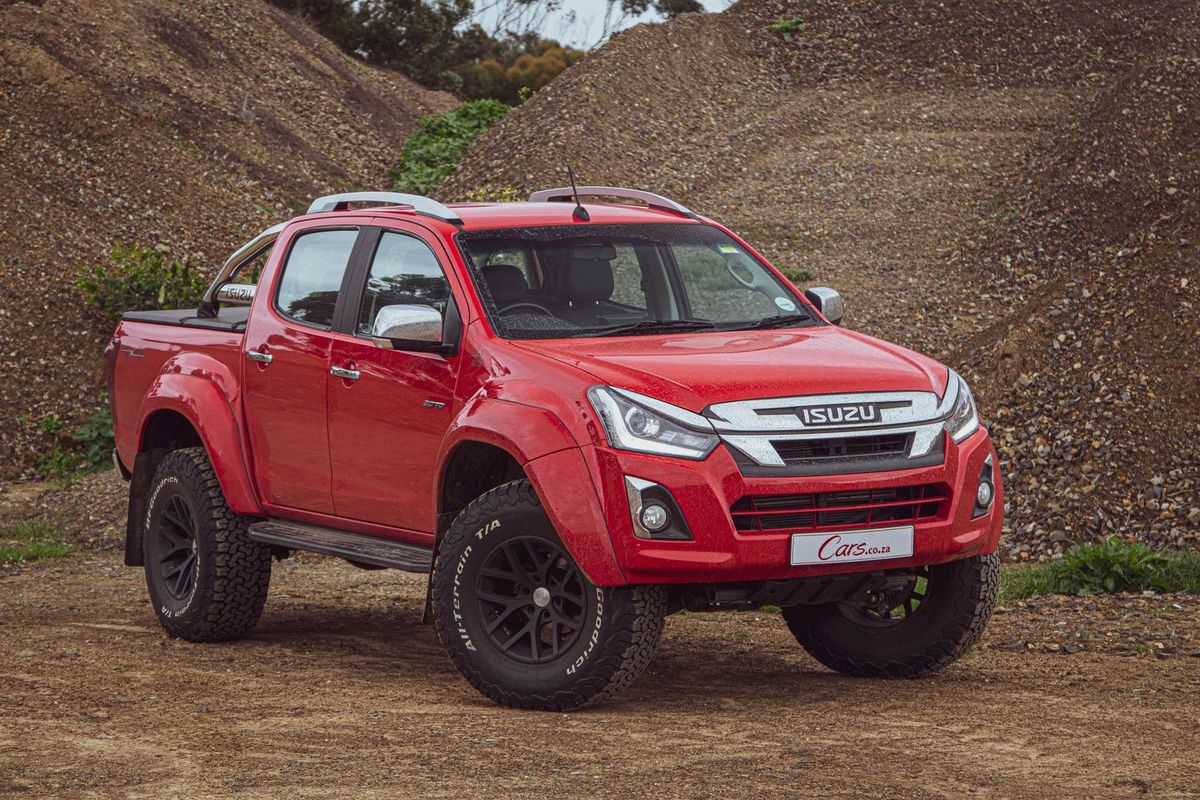
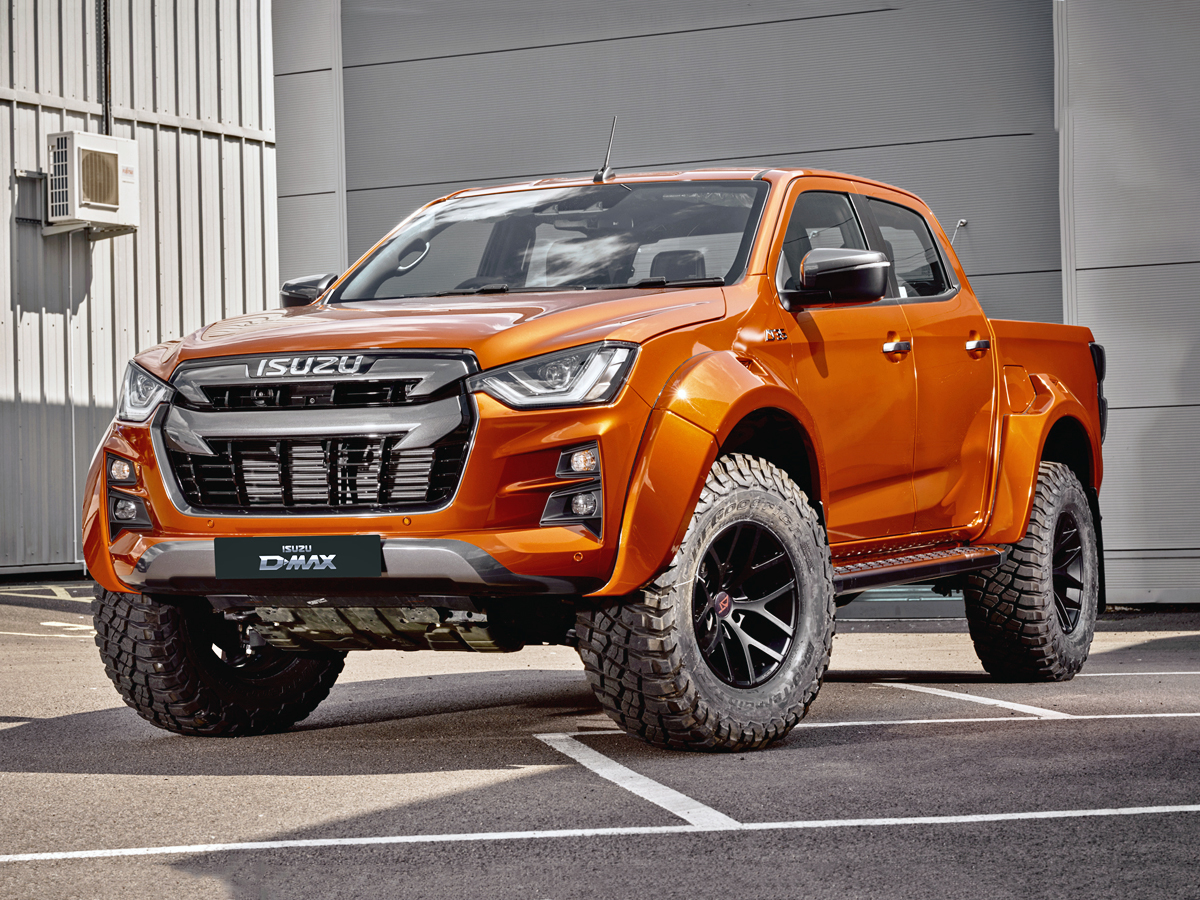
The Ford Ranger Raptor has had the performance section of the double-cab market to itself, but that hasn’t stopped Isuzu from forging ahead with its D-Max Arctic Trucks AT35. Impressively, these monsters are assembled mostly on the same line as the standard D-Max, before being pulled aside at various points in the process for the conversion.
Isuzu’s D-Max AT 35 features flared arches, gargantuan wheels (shod with 35-profile BF Goodrich tyres) and a bespoke Fox Performance suspension.
The AT 35 utilises the same 3.0-litre turbodiesel motor (140 kW/450 Nm) and 6-speed automatic transmission. It’s an older spec engine, so don’t expect performance fireworks, but its more than up to the task of sending the AT 35 up and down sand dunes, or wherever you’d like to go.
These D-Max AT35s are special-order vehicles. The 35-inch tyres offer a lot of traction and flotation, but they also generate a lot of road noise, which can be tiring on a long-distance highway drive. Rotational weight is another issue, and the Isuzu AT35’s huge tyres and high rotational weight result in a significant increase in fuel consumption.
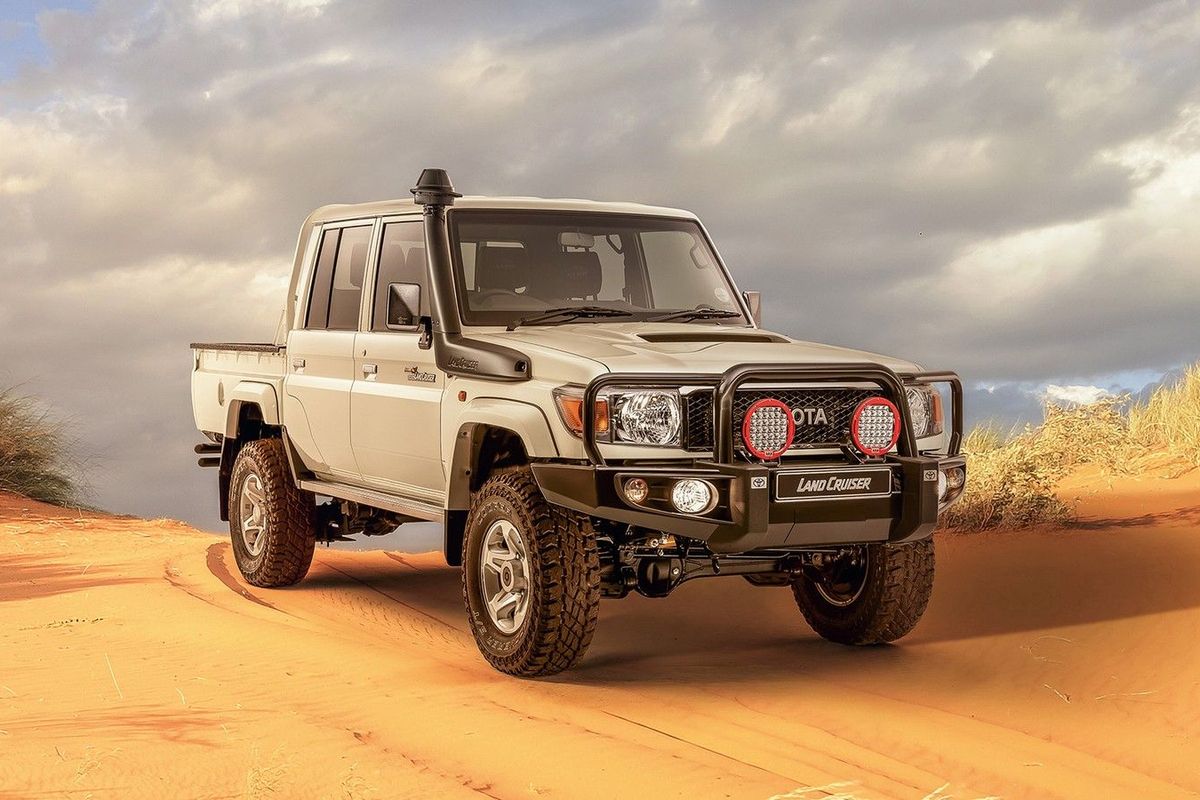
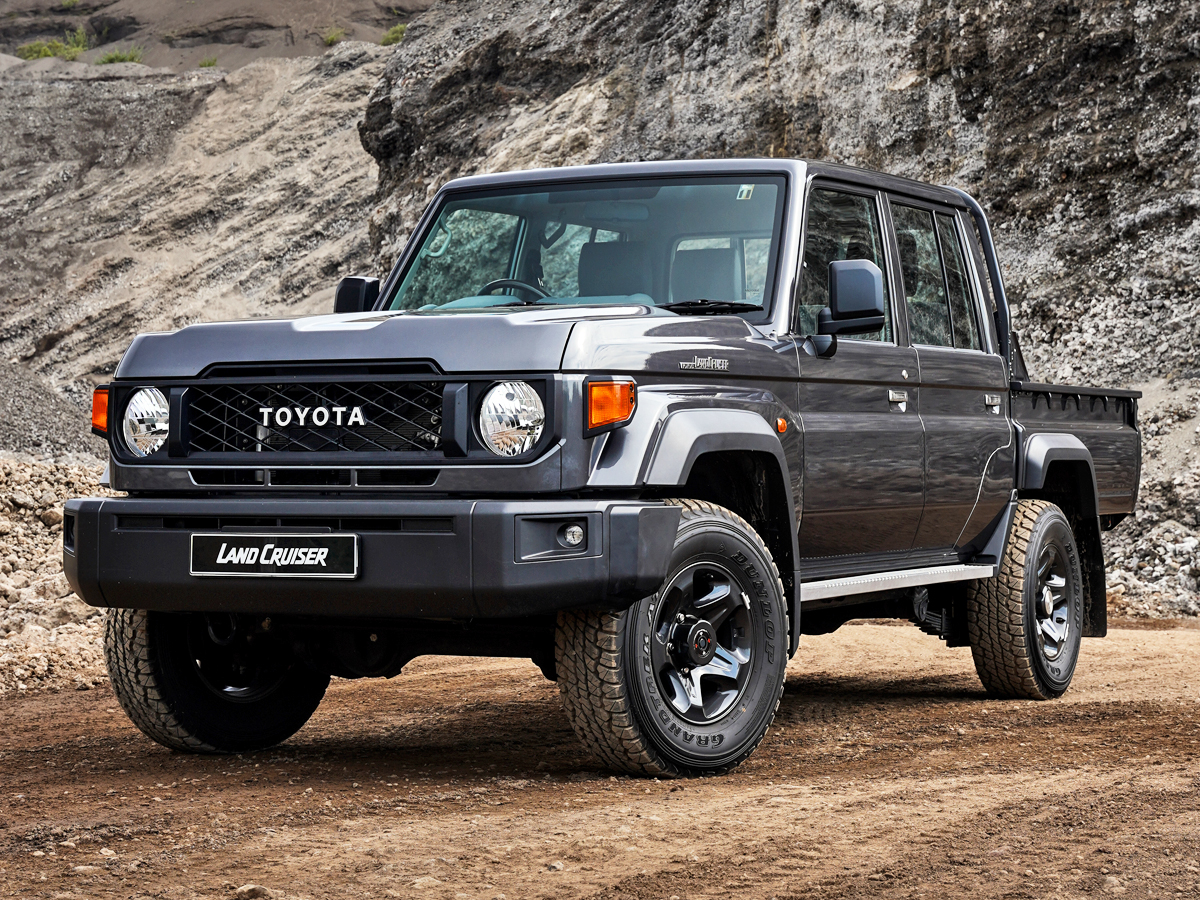
This something incredibly endearing about the decidedly old-school Toyota Land Cruiser. It’s never had gadgets or gizmos, relying on tried-and-trusted mechanicals to do all the work. There’s a reason why Toyota still makes the 70-Series of Land Cruisers, despite the rise of vehicles offering similar levels of capability, with far more comfort and convenience features; reliability.
Toyota sells its Land Cruiser range in 170 different markets and its customers are some of the most demanding owners imaginable: people who use their vehicles to run businesses and emergency services where there are none. For them, vehicle durability is of paramount importance.
The Hilux 2.8 turbodiesel engine has replaced Toyota’s legendary diesel V8 as the primary powertrain for the Land Cruiser 79. It might be a technical upgrade that irks traditional Land Cruiser fans, but the 2.8 turbodiesel has a much better balance of weight, power and economy compared to the 4.5 V8. And it comes with a six-speed automatic transmission, which makes the Land Cruiser 79 much easier to drive in traffic, as opposed to working that commercial-vehicle clutch weight and shifter that the 5-speed manual V8 had.
Land Cruiser 79 has excellent weight-carrying ability and a very rugged chassis. But it’s not perfect. The ground clearance isn’t as good as that of other bakkies on this list. And then there’s the rear axle width issue.
Toyota Land Cruiser 79s run with rear axles that are narrower than the front. It’s a legacy issue that arose when the 4.5 V8 engine was first offered in Land Cruiser 70, back in 2007, and a wider front axle was used to accommodate the larger engine. The 4.5 V8 engine has been phased out, but the mismatched axle issue remains.
The problem is that, with a narrower rear axle, the Land Cruiser suffers much more tyre drag in sand. And it’s not that stable when towing on a corrugated dirt road. Weirdly, Toyota has no plans to fit track-corrected rear axles to the Land Cruiser 79.
There’s a choice of petrol and diesel engines, the latter tuned to run on poor quality fuel that’s found far off the beaten track. Us? We’d lean towards the mighty 4.0-litre V6 petrol. One of our contributors calls this the ultimate bakkie of the decade…
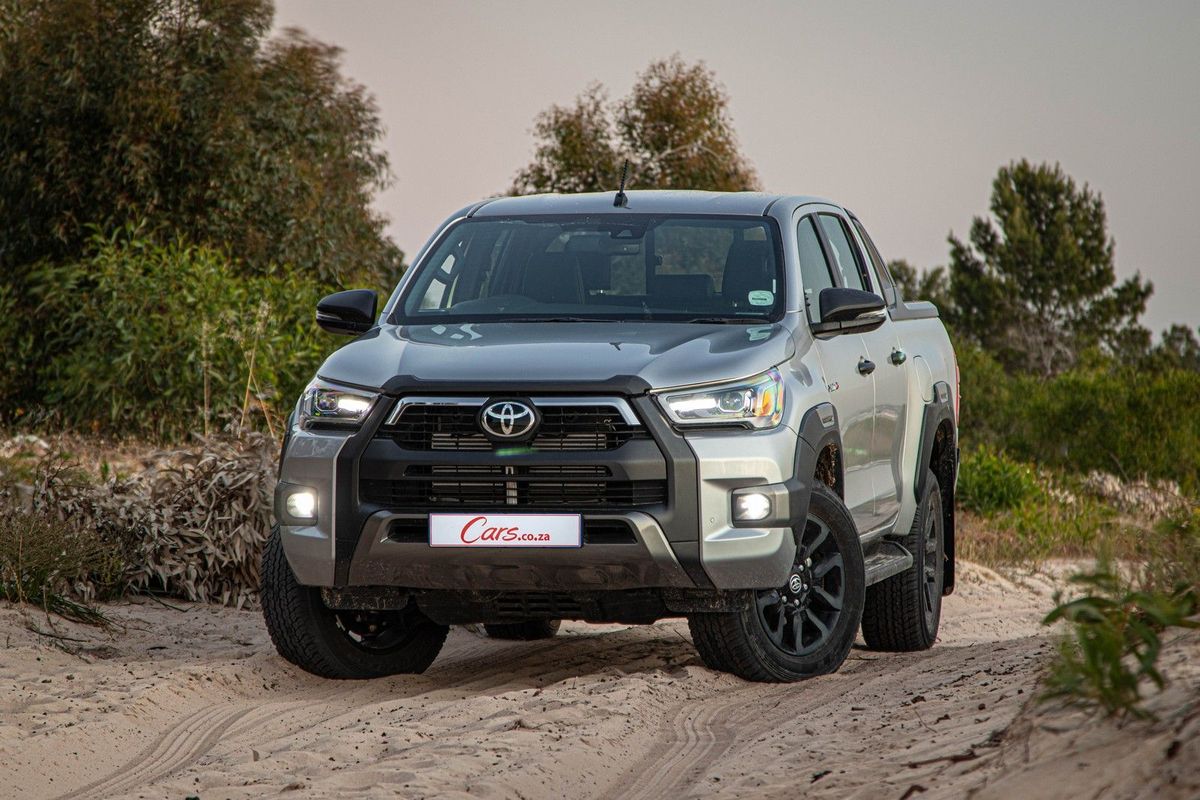
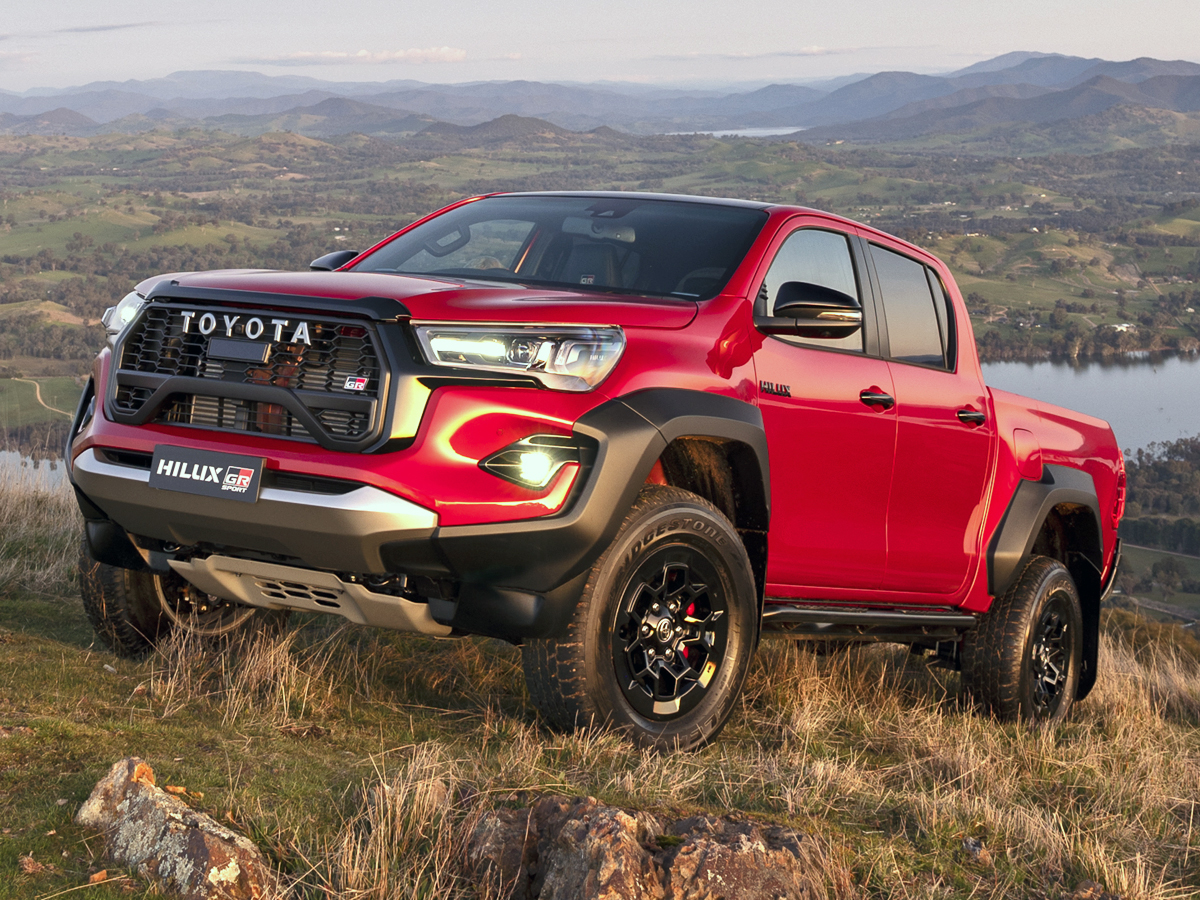
Toyota’s new Hilux has been revealed and will hit the market in 2026. But the GR-S version of the current Hilux is still a great all-terrain bakkie and worthy of consideration.
The GR-S upgrades aren’t just cosmetic. You get all the technical upgrades that matter, making these GR-S versions a bit more capable than a standard Hilux 2.8 4×4.
Toyota added monotube shock absorbers to the GR-S, which help improve ride quality on corrugated dirt roads. It gives you a bit more control and traction in severe off-road conditions. Working with the suspension upgrade are BF Goodrich all-terrain tyres. These tyres have the size and casing toughness to confidently venture onto the most testing off-road trails, without worrying about punctures or traction.
But the GR-S’s most notable upgrade is the engine. It is the most powerful of all turbodiesel Hilux bakkies on sale. Toyota’s technical people worked hard to upgrade the 2.8 turbodiesel’s outputs to 165 kW and 550 Nm. Without sacrificing the legendary durability that Toyota’s Hilux’s engines are renowned for.
The GR-S is slightly trickier to park than a standard Hilux, though, because it has a wider track and broader bodywork. But that’s a small sacrifice, because the wider track does make it more stable at higher speeds, especially on rough gravel roads.
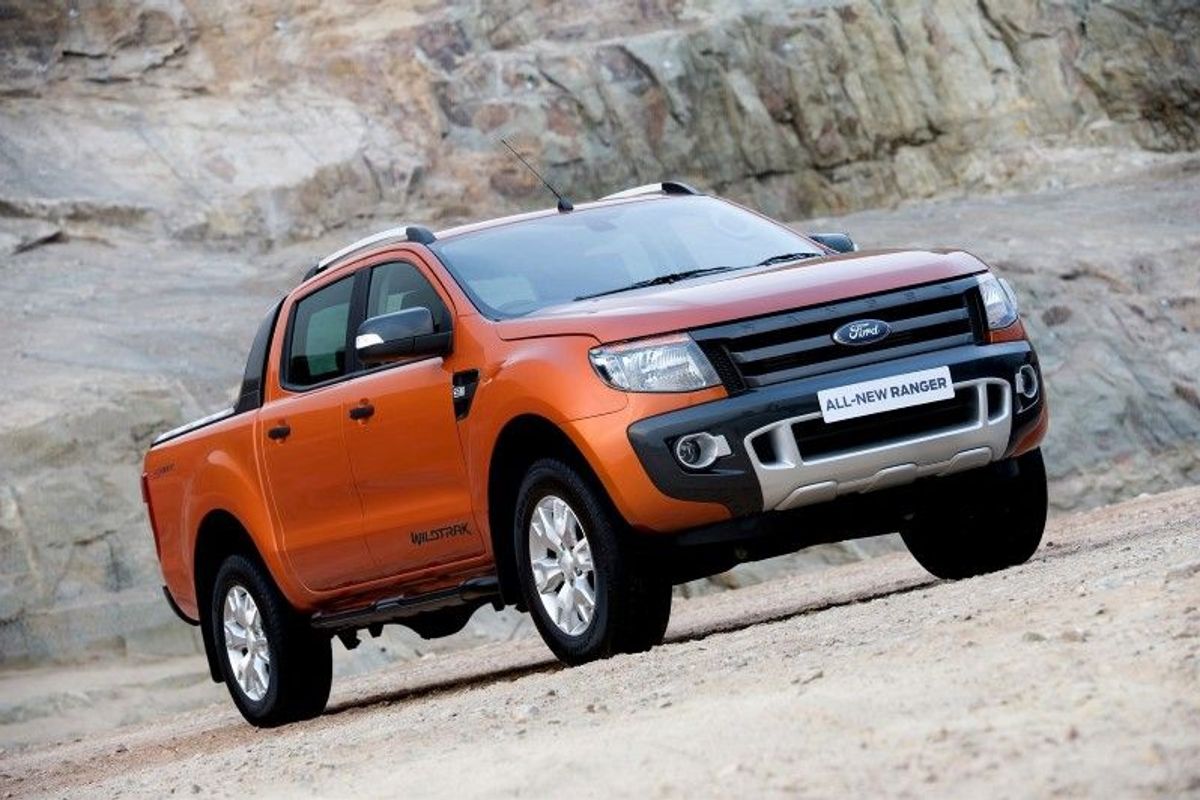
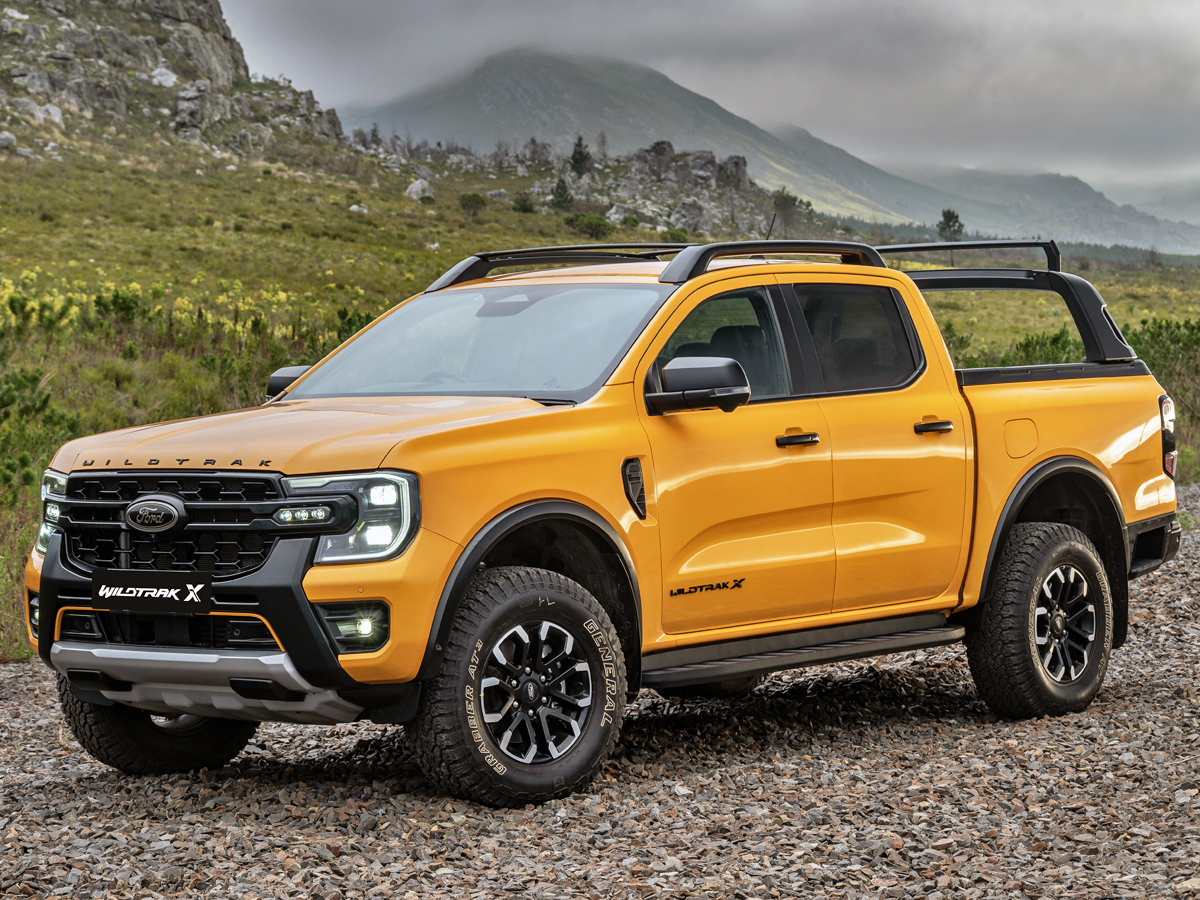
If you want a Ranger Raptor and your budget can’t quite stretch that far, then there’s nothing wrong with the standard Ranger Wildtrak or Wildtrak X. It loses the trick suspension and tyres, but still retains excellent ground clearance and a wading depth of 800 mm.
The engine is the same as the one found in the first-gen Raptor, a 2.0-litre bi-turbocharged diesel with 157 kW and 500 Nm. The updates to the 2.0Bi-T DC 4×4 Wildtrak auto do make it a stronger proposition than ever. This powertrain is impressive, refined and frugal, but if you want more highway speed and towing power, there is the 3.0 V6 turbodiesel option, too.
Ford’s engine spec for Wildtrak is changing in 2026. With the 2.0 Bi-Turbodiesel being retired. That means Wildtrak buyers will only be able to choose the 3.0 V6 turbodiesel in the near future, which delivers plenty of power and reasonable fuel economy.
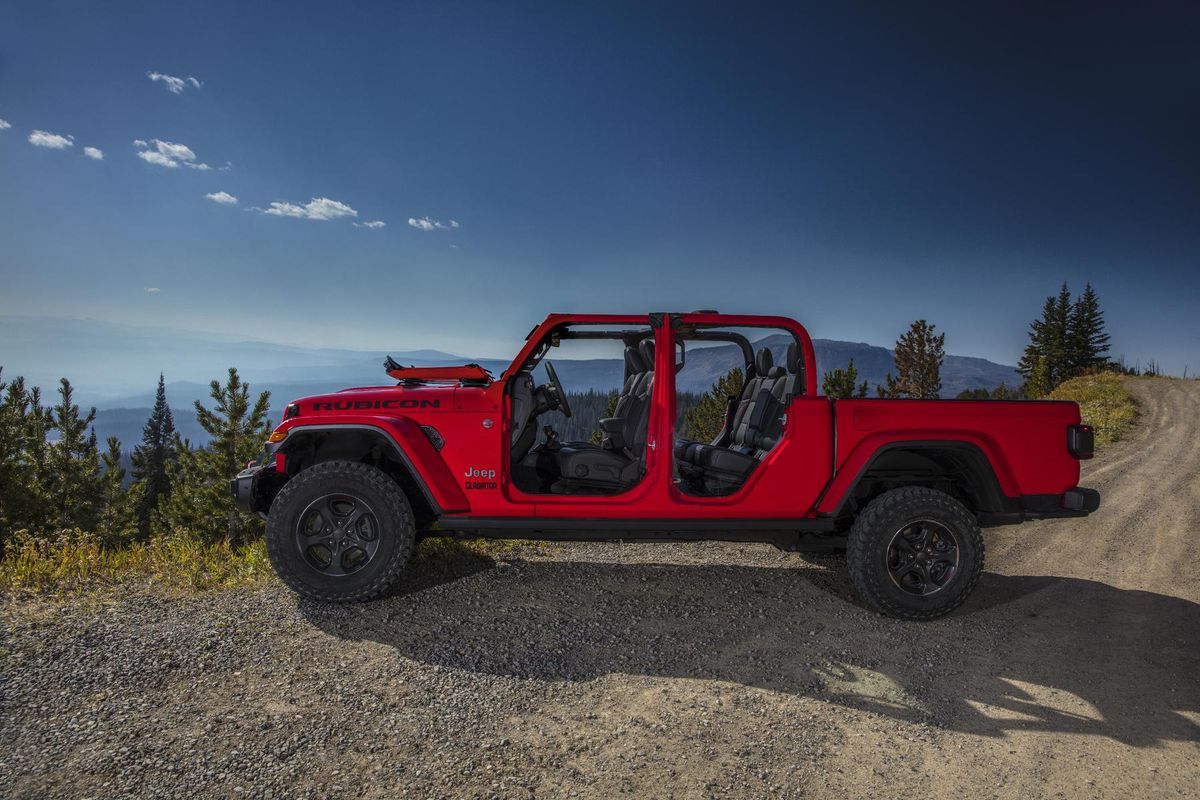
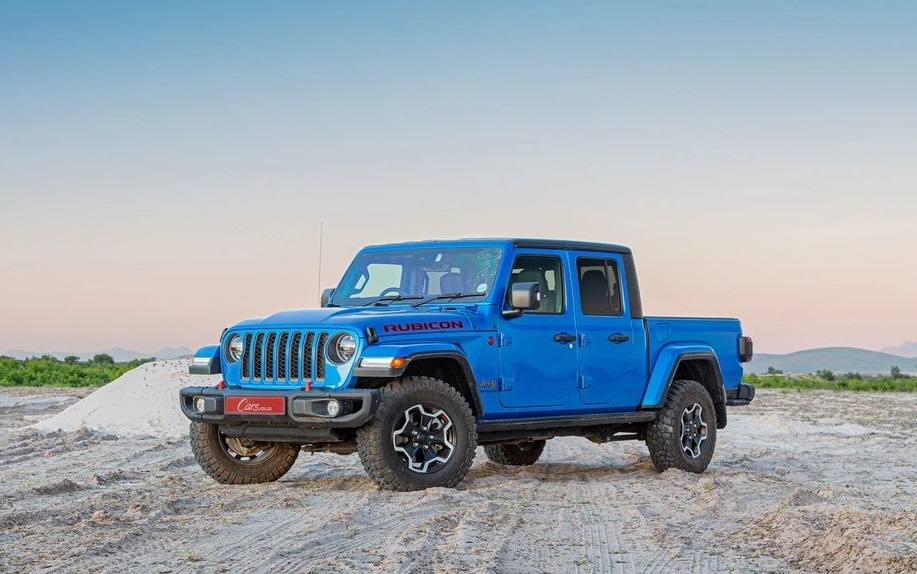
It may have taken some time to land in SA, but the Jeep fanatics will be pleased with the Gladiator’s arrival. While it doesn’t come with a fire-spitting V8 engine, the Pentastar petrol V6 should satisfy most. Also, did we mention its a convertible and you can detach the doors and windscreen?
The Gladiator features chunky 32-inch BF Goodrich rubber (255/75R17) wrapped around 17-inch Granite Crystal alloy wheels a Rock-Trac 4×4 system with 4LO, front- and rear diff-locks, 3rd-generation Dana 44 axles, a limited-slip differential, and you can even disable the front sway bars if the going gets really tough. The usually vulnerable underside of the vehicle is protected by steel rock rails and a quartet of skid plates.
Gladiator’s hardcore undercarriage, axles, suspension components and locking diffs make it wildly capable. The only bakkie that can really rival it is a Ranger Raptor. The Jeep is superior to a Land Cruiser in almost every way on off-road terrain.
But Gladiator’s sheer size is its weakness. This is a huge bakkie, which is longer than any other double-cab on our list. And that means it can be quite demanding to drive in city traffic and park at the mall or school parking area, because of its long rear overhang and bloated turning circle.
It also competes with the Ranger Raptor for the dubious honour of being one of the least fuel-efficient bakkies on sale. Also, like the Raptor, it can’t carry much weight on the back. The Gladiator’s enormous leadbed is rated for only 693 kg of payload.
The UK government has announced a R3.7 million package for skills development in the electric car sector.
In comparison to the rest of the world, South Africa is lagging when it comes to electric vehicles. Right now, the current electric car offerings are all high-end luxury vehicles that the average motorist cannot relate to.
Worst still, the car factories in South Africa are behind when it comes to building the latest generation of electric cars. We’re in a real danger of being left behind and if the SA factories cannot build appropriate vehicles for export, we’ll be in serious trouble.
BusinessTech reports that the UK High Commission has announced a small financial package to the tune of £190 000 (around R3.7 million) to fund new skills development in South Africa for the electric vehicle sector. Vitally, this money will be used to find research to make sure that students in South Africa will learn appropriate and sought-after skills that will be needed when electric vehicles become mainstream.
“This partnership is about supporting South Africa to achieve its own targets for decarbonisation over time, supporting a just transition and unlocking the significant investment opportunities created in a rapidly emerging low carbon global economy,” said British High Commissioner to South Africa Antony Phillipson.
“The UK is a long-standing partner in supporting South Africa’s climate ambitions, having invested over R4.8 billion (£250 million) in International Climate Finance in South Africa between 2011 and 2021. In recent years, UK firms have been responsible for 50% of investment in the fast-growing renewable energy sector. “This week we were delighted to announce even more UK-South Africa partnerships with new support for electric vehicle training, and research into green hydrogen skills – to ensure that South African workers and young people are the major beneficiaries of the country’s transition to a greener future.”
While we don’t think electric vehicles will suddenly replace conventional internal combustion-powered vehicles overnight in South Africa, it is important that international trends and skills are passed to our learners so we keep pace on a global scale.
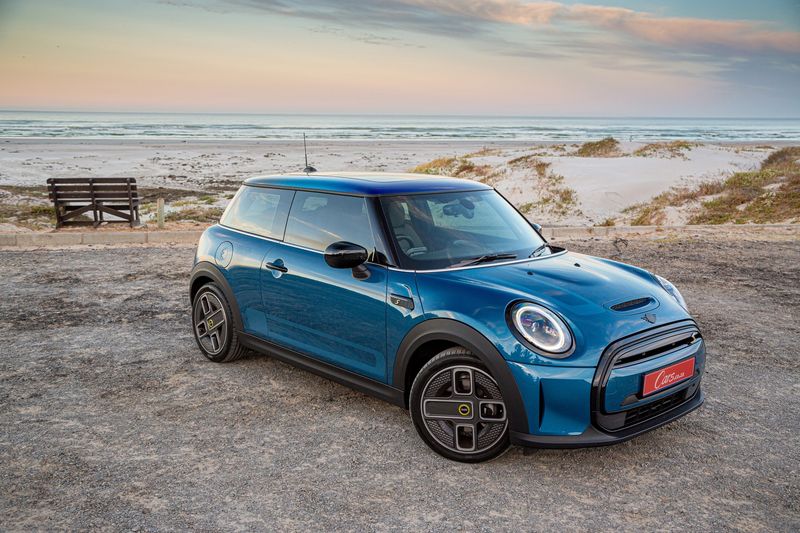
The Mini E, currently SA’s cheapest electric car on sale