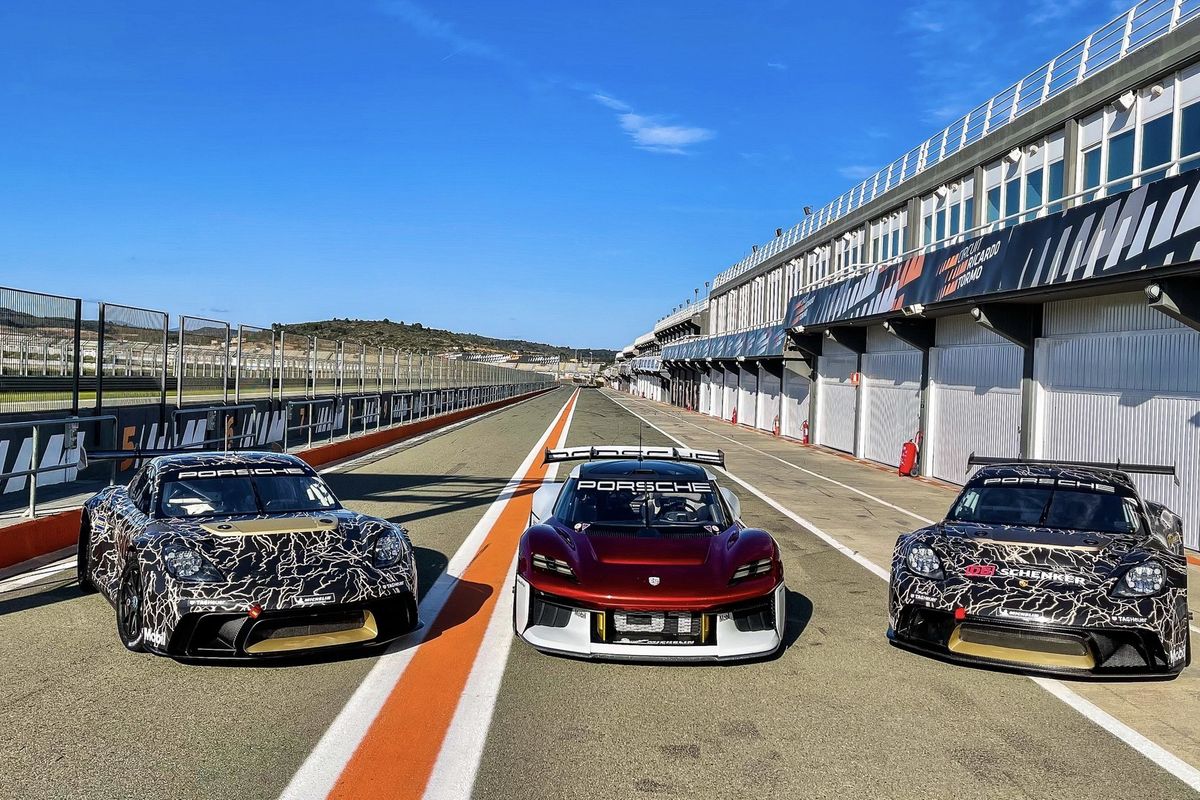
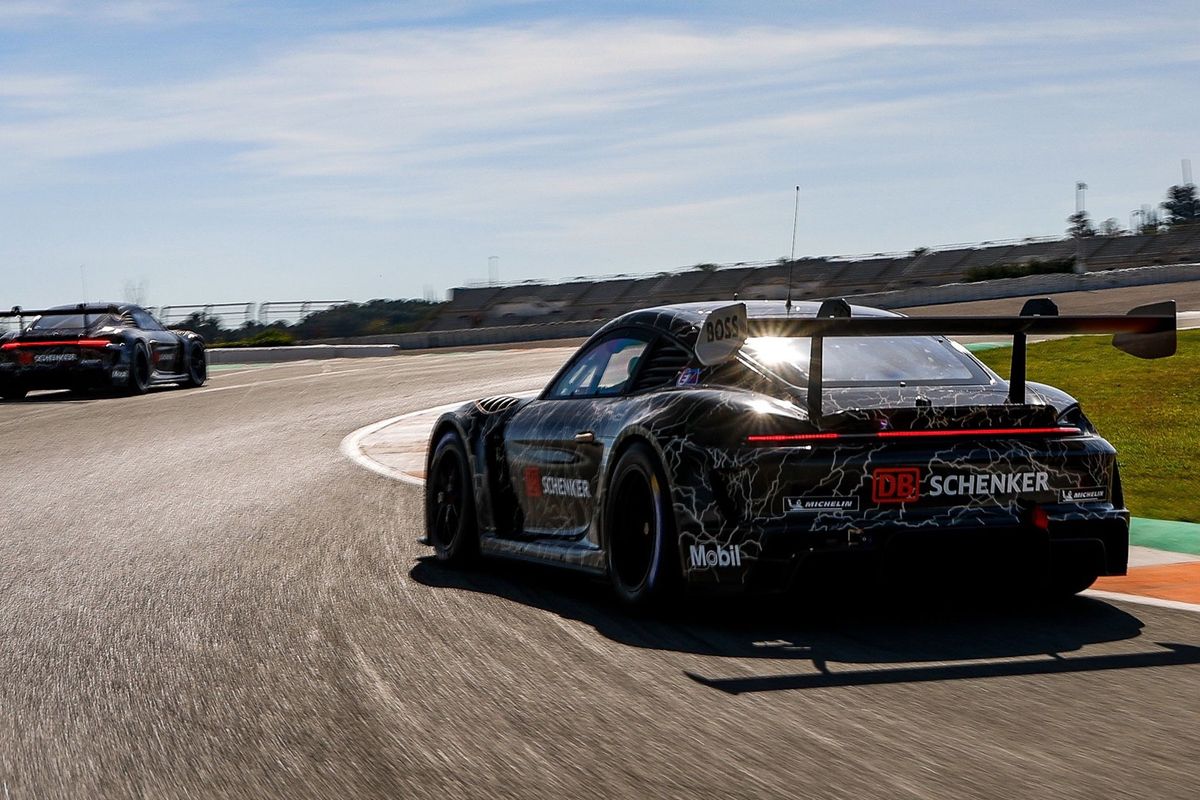
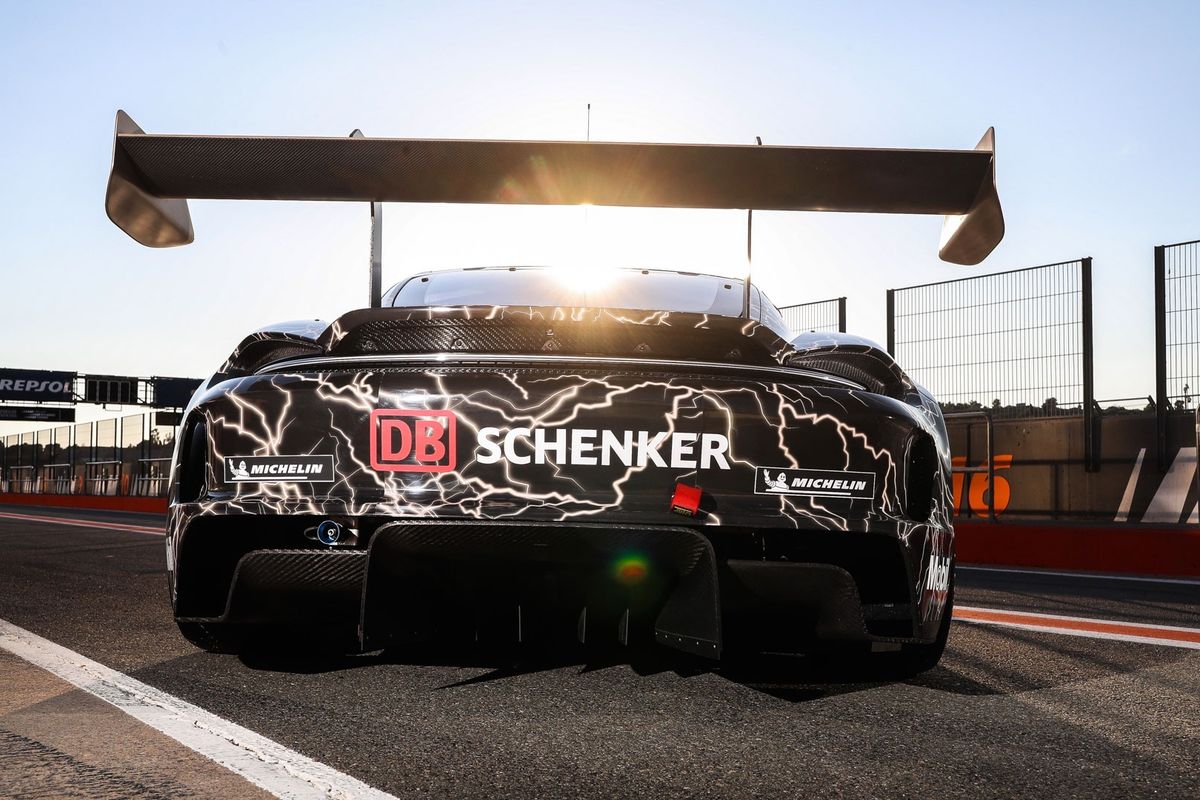
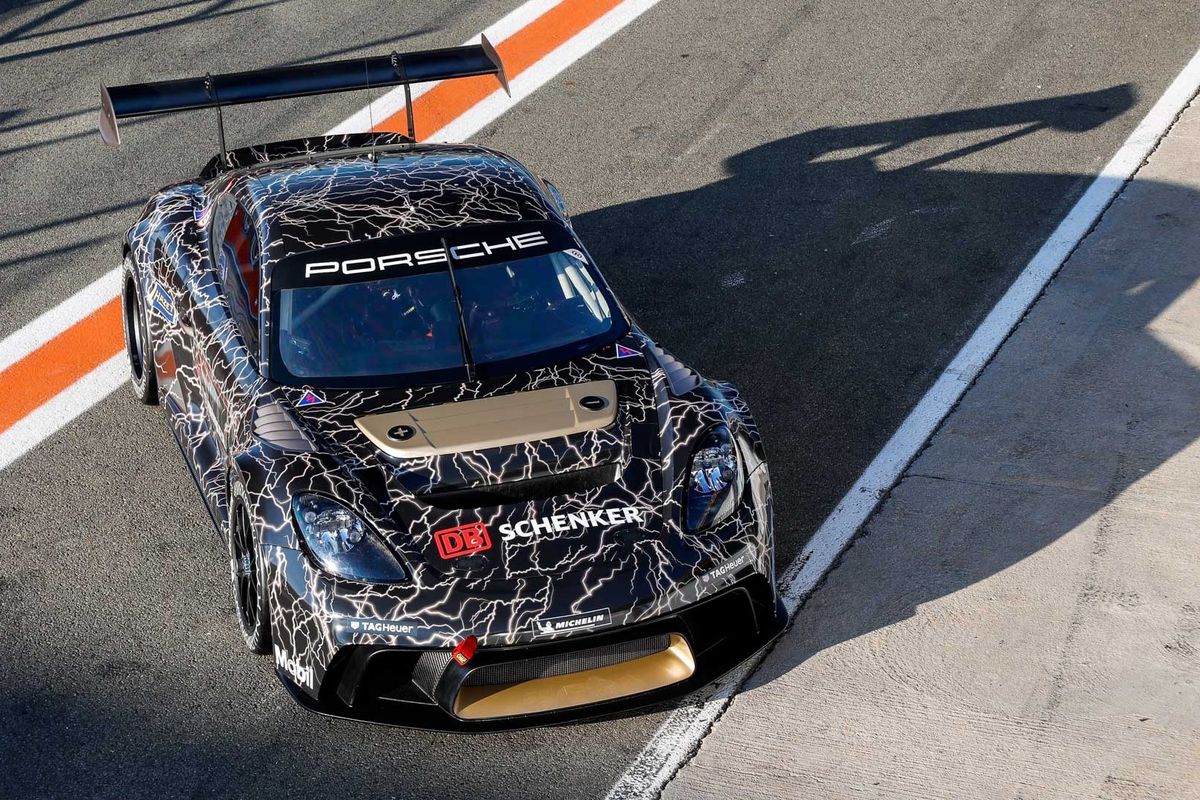
2022 Porsche 718 Cayman GT4 ePerformance Announced
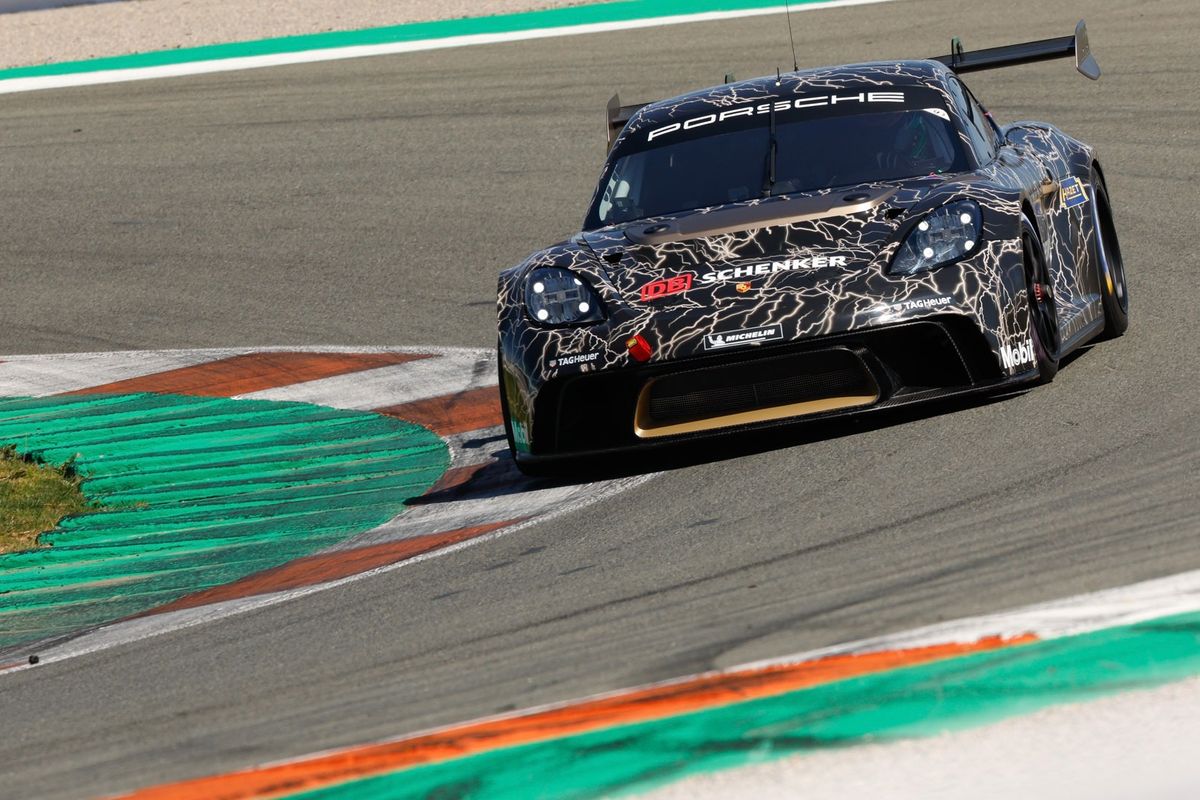
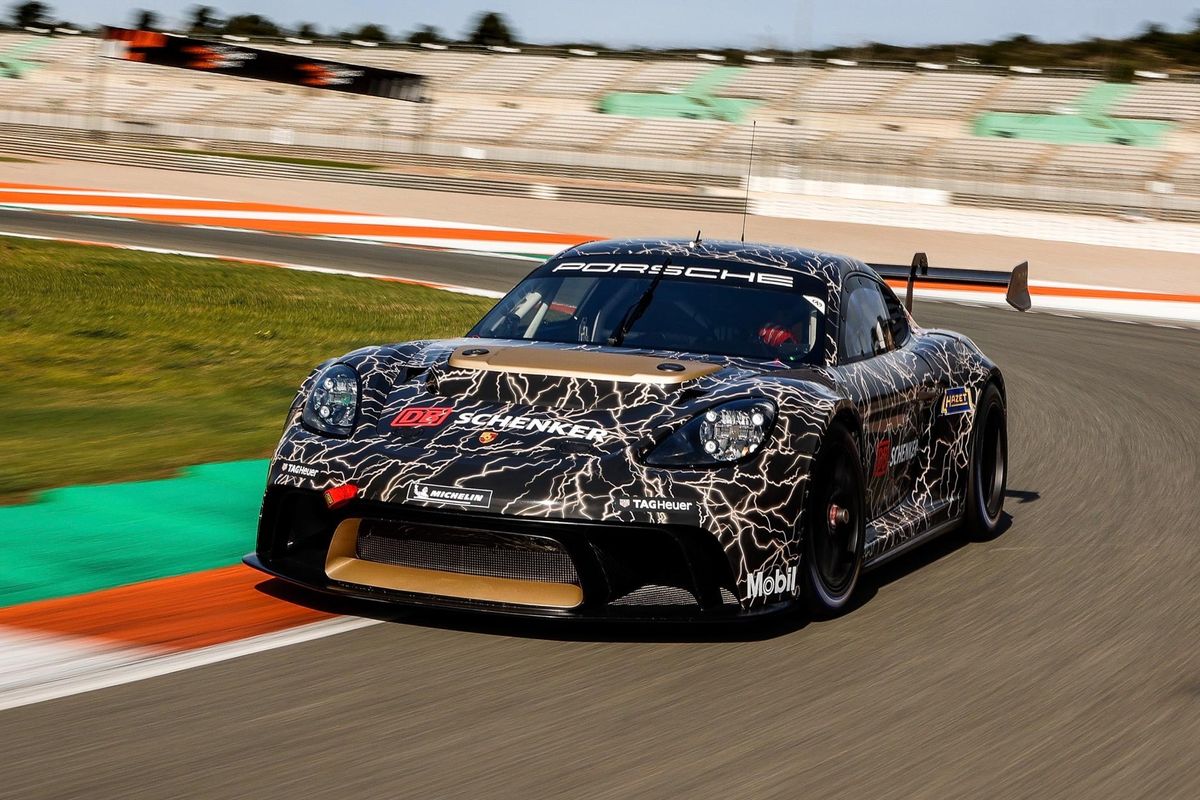
The Porsche 718 GT4 ePerformance gives us a taste of the all-electric Cayman production model which is due in 2025.
What you see here is not one of the many flat-6 petrol-powered Porsche race machines, but rather a dual-motor electric-powered all-wheel drive racing prototype. This vehicle is a testbed for a potential future one-make racing series as well as the eventual all-electric Porsche 718 Boxster and Cayman production road cars that are due in a few years.
Remember the striking Porsche Mission R concept? This builds on that and the performance numbers are staggering. There’s 1073 hp / 800 kW, but power is detuned to 735 kW for qualifying, while actual race pace is rated at 450 kW. Porsche claims its new electrified GT4 offers similar lap times to that of the petrol-powered 911 GT3 Cup car.
Electric performance tends to result in vehicles needing to be charged quickly, but Porsche says its newcomer has 900 volt charging capability, meaning you can get from 5% to 80% in just 15 minutes. There’s no word on how the battery capacity or how long it will last in longevity, but its a fascinating look at the future of performance electric motoring.
Under the skin, its essentially based on the standard GT4 Clubsport, but features plenty of parts which have been designed specifically for this ePerformance version. The bodywork has been made from natural fibre composite materials and the trick Michelin racing tyres are made from recycled rubber.
Porsche is going on a big marketing tour with this vehicle that will go from Europe, US and ends in Asia in 2024. It will also feature in public events like the Good Festival of Speed in June 2022. By the time it is retired, the all-electric Cayman and Boxster should be revealed.
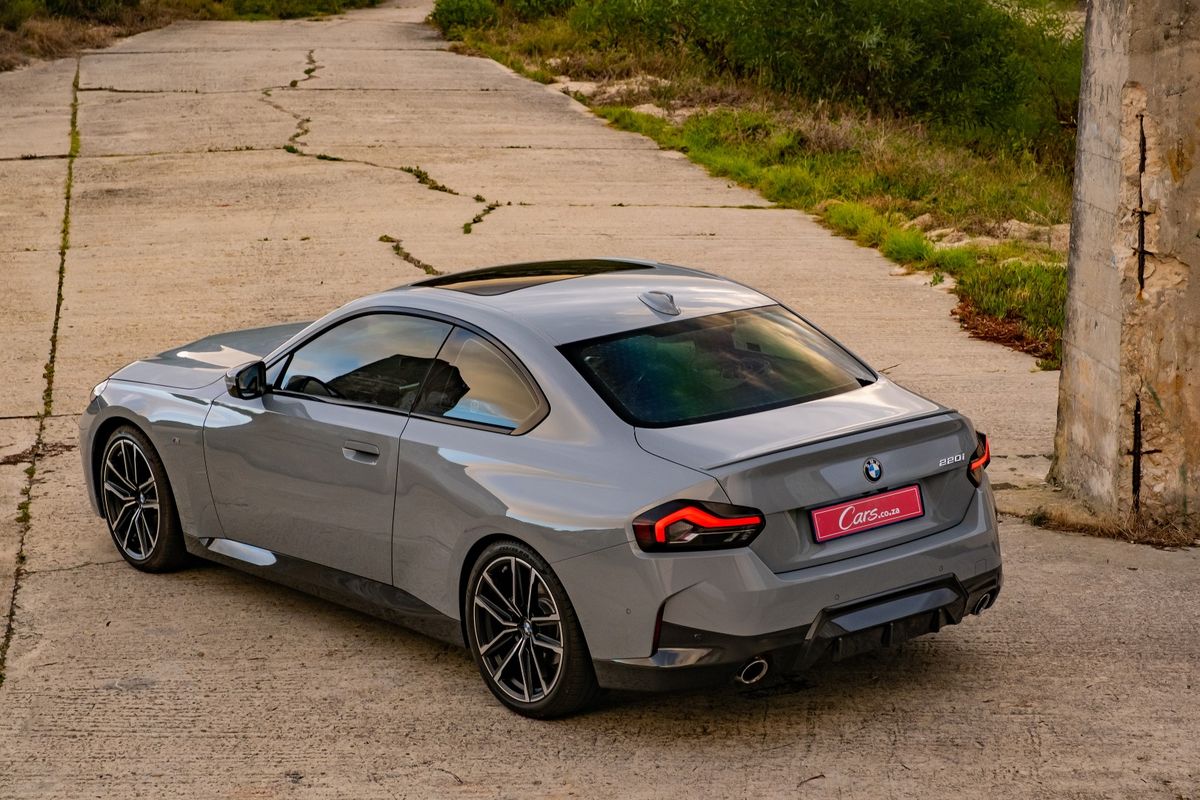
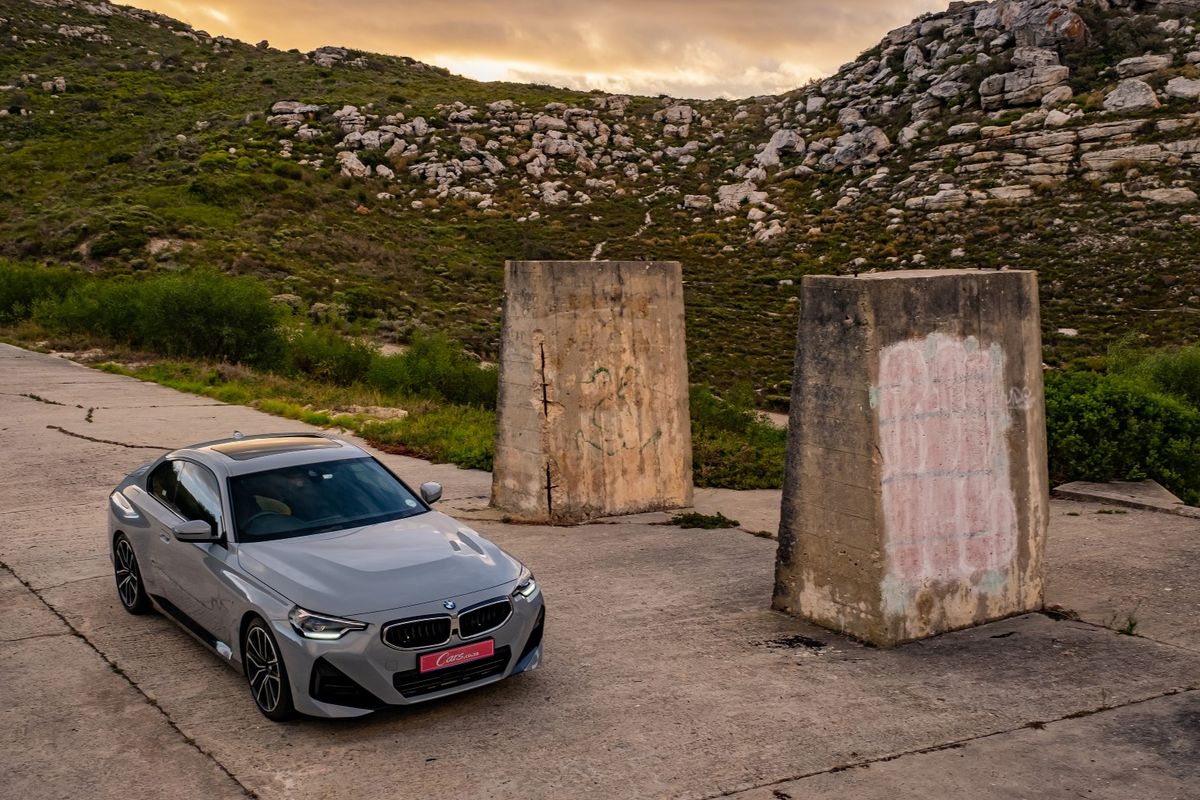
BMW’s all-new 2 Series Coupe recently arrived in South Africa and while much praise has been heaped on the 3.0-litre inline-6-engined M240i xDrive, we tasked Gero Lilleike to weigh up the pros and cons of the range-topper’s more accessible 4-cylinder 220i sibling. Does it offer enough driver engagement – let’s call it “fizz” – to justify its price tag? Let’s take a closer look!
We like: Dynamic handling ability, kerb appeal, robust interior
We don’t like: It would benefit from the 230i’s extra poke, pricey
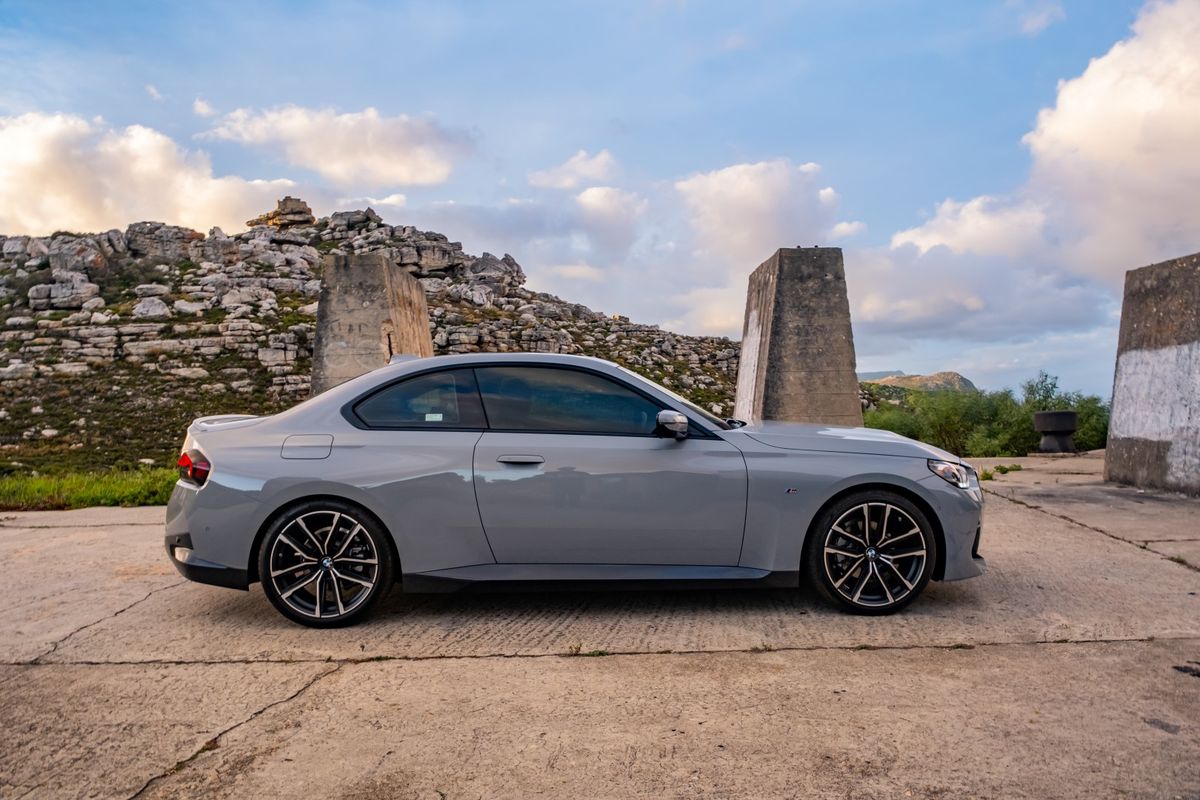
The new 2 Series Coupe retains its rear-wheel-drive layout, but has a larger overall footprint than its predecessor.
Like its predecessor, the 2 Series Coupe appeals greatly to BMW enthusiasts because it incorporates many of the ingredients that made the Bavarian brand’s two-door 3 Series variants from the Eighties and Nineties so popular and revered: stout styling, a road-hugging stance, a rear-wheel-drive configuration and engaging dynamics. As such, the BMW 2 Series has been an attractive package for buyers looking for a capable driver’s car with a whack of style to keep the ol’ ego fluffed. It’s a recipe that worked for the 1 Series Coupe and previous-gen 2 Series and it’s no surprise that the Bavarian brand has followed the recipe for the latest iteration of the 2 Series Coupe, albeit with some notable improvements.
These key attributes of the 2 Series Coupe reach their zenith in the range’s high-performance derivatives, such as the much-lauded M2 Coupe (a new M2 Coupe is in development) and to a lesser degree, the current range-topping M240i xDrive, on which all-wheel drive made its debut in the compact sportscar range.
However, what if your budget can’t stretch beyond R1-million for the M240i xDrive? Is it worth considering the 220i, which comes standard with the M Sport package? Does it offer enough performance to justify its purchase price of R772 590, before options? This review aims to provide some answers to these questions and will, hopefully, help you make an informed buying decision.
How the BMW 2 Series Coupe performs in terms of…
Kerb Appeal
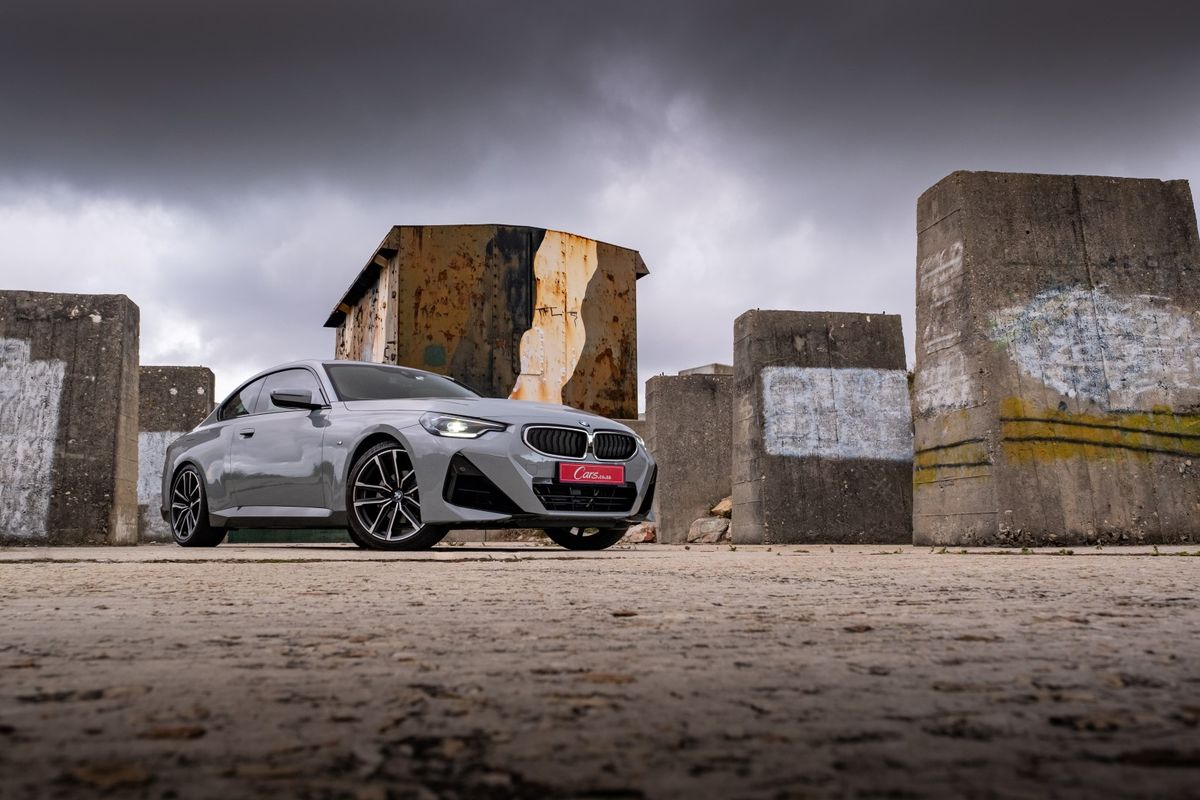
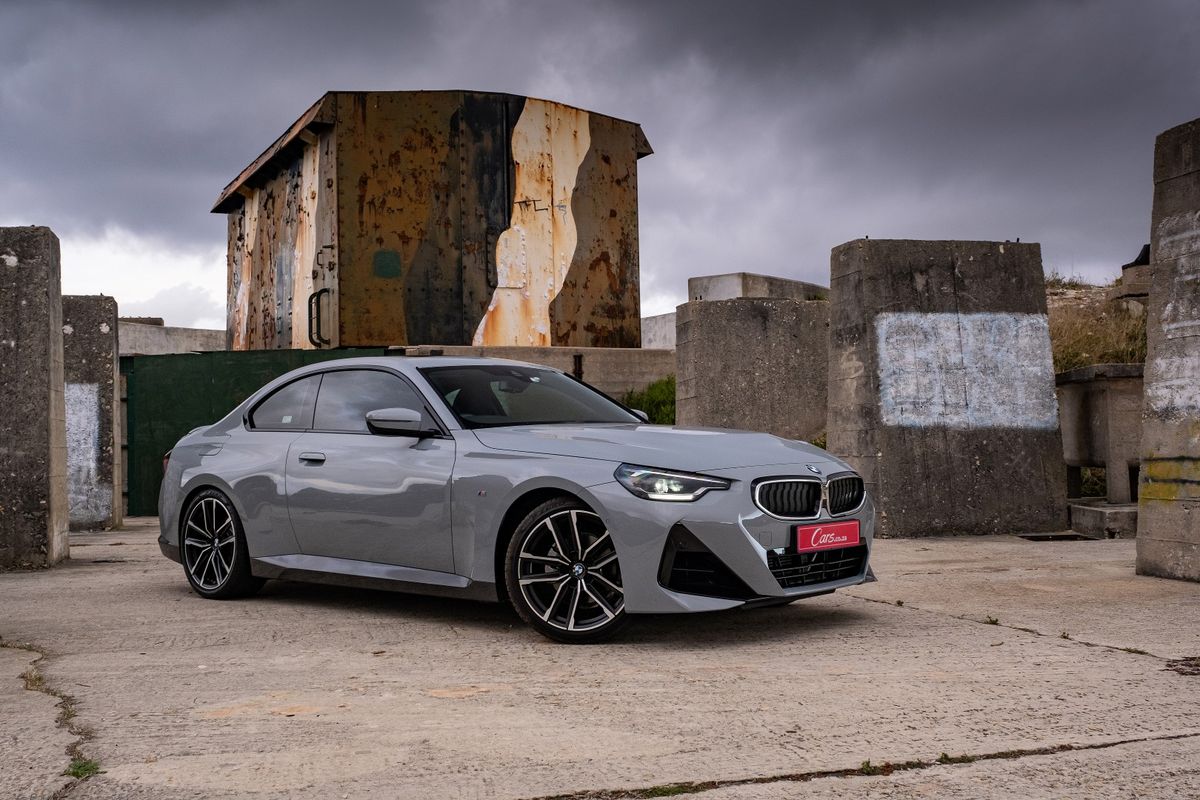
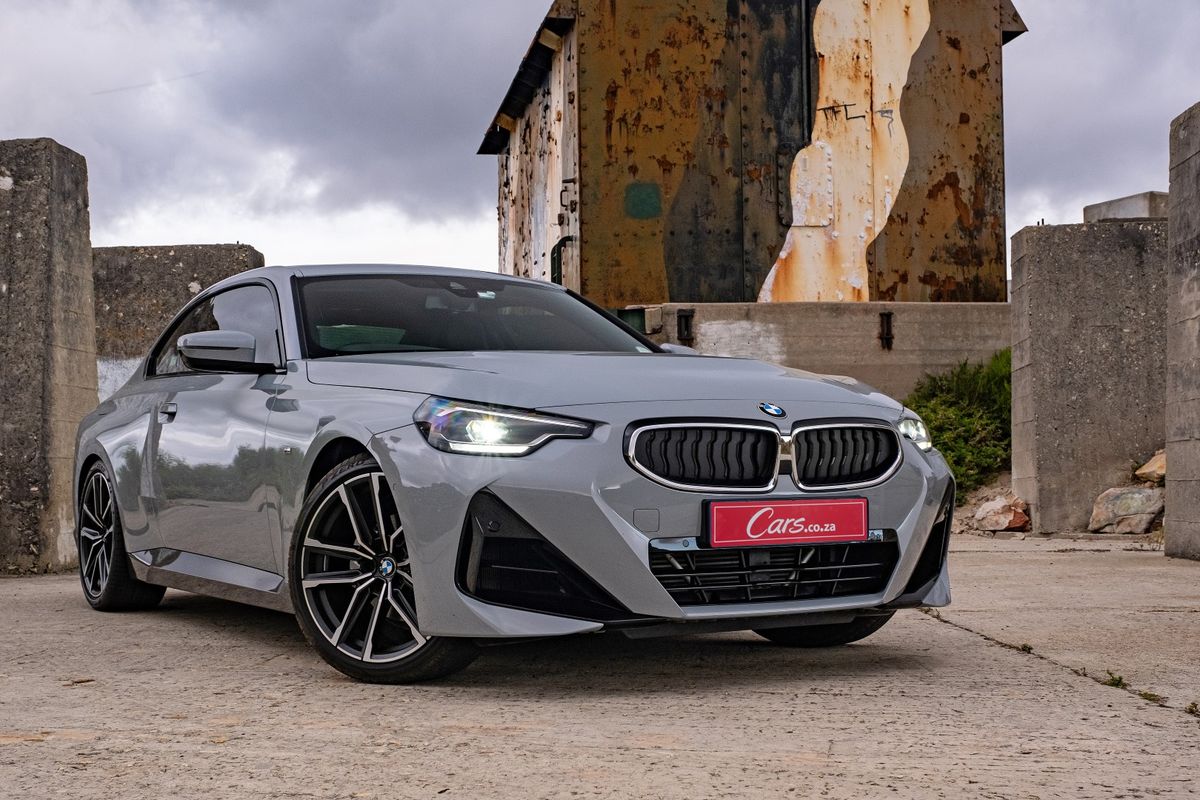
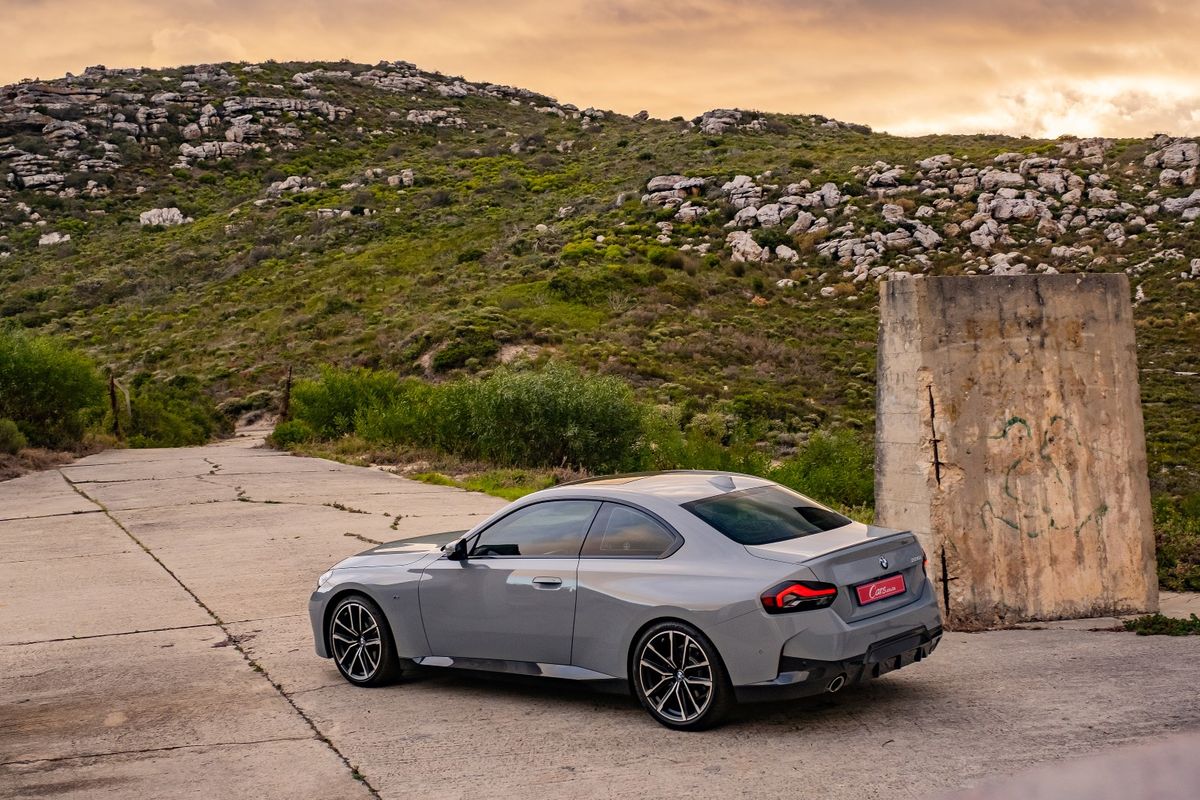
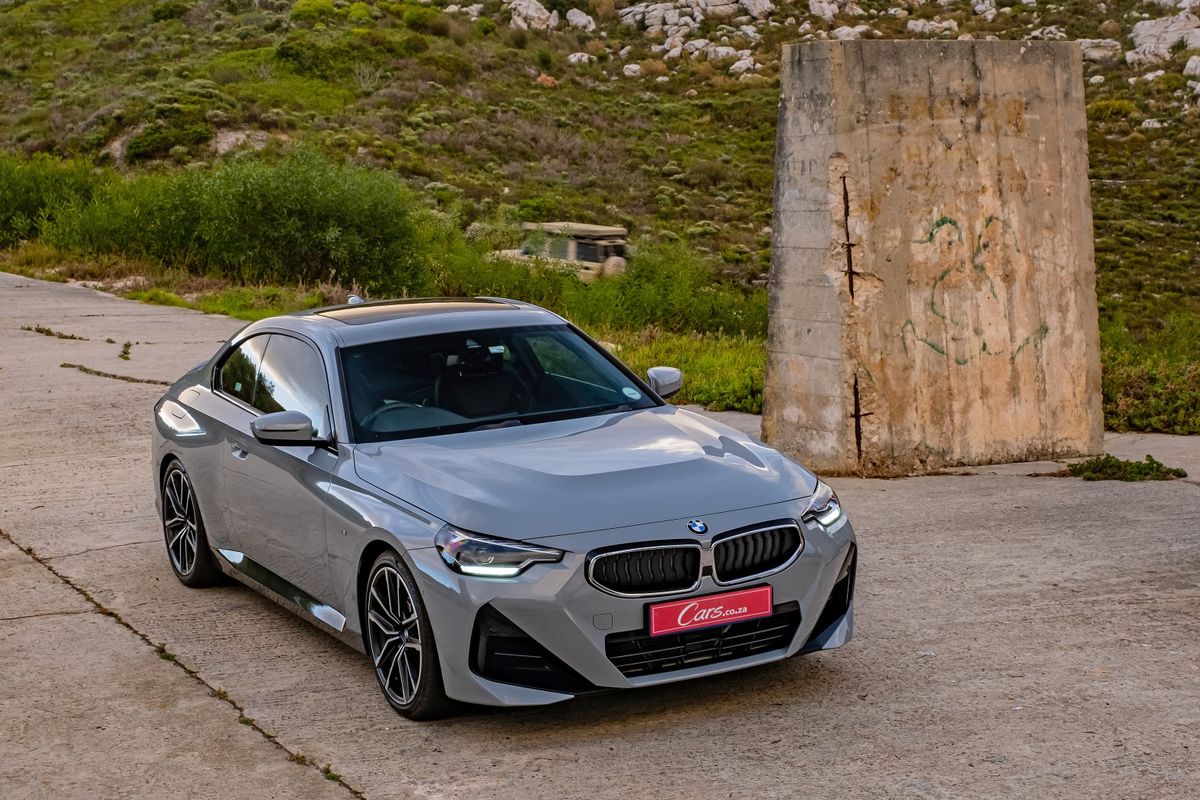
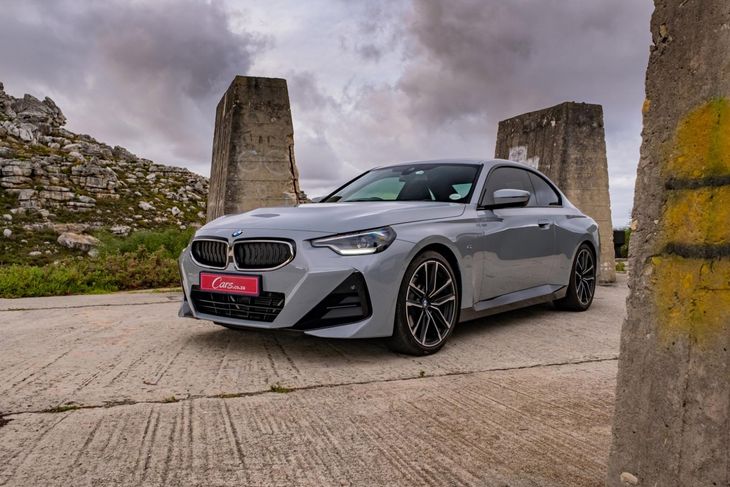
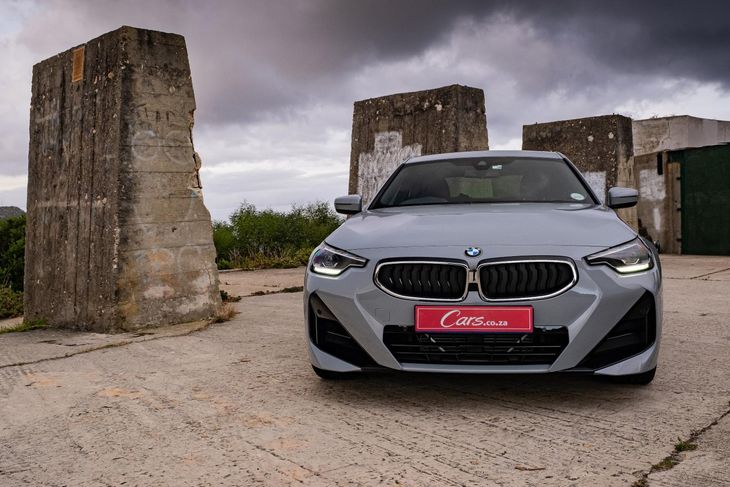
The front 3-quarter view of the G42-generation 2 Series Coupe is its most pleasing aspect, most onlookers say.
Let’s be honest, as a prospective purchase, the 2 Series Coupe is a heart-over-head kind of car… Suffice to say, kerb appeal will play a pivotal role in a potential buyer’s decision, especially if they’re considering a sportscar. Styling is subjective and, considering the recent spate of controversial exterior designs BMW has foisted on us, the 220i drew a mix of positive and negative feedback. However, the test team mostly liked the coupe’s looks; BMW’s design team was perhaps wise to leave the firm’s oversize kidney grille in the pantry for the G42-generation model. Note that the “conventional” kidney grille features active slats that open and close depending on the engine’s cooling requirements.
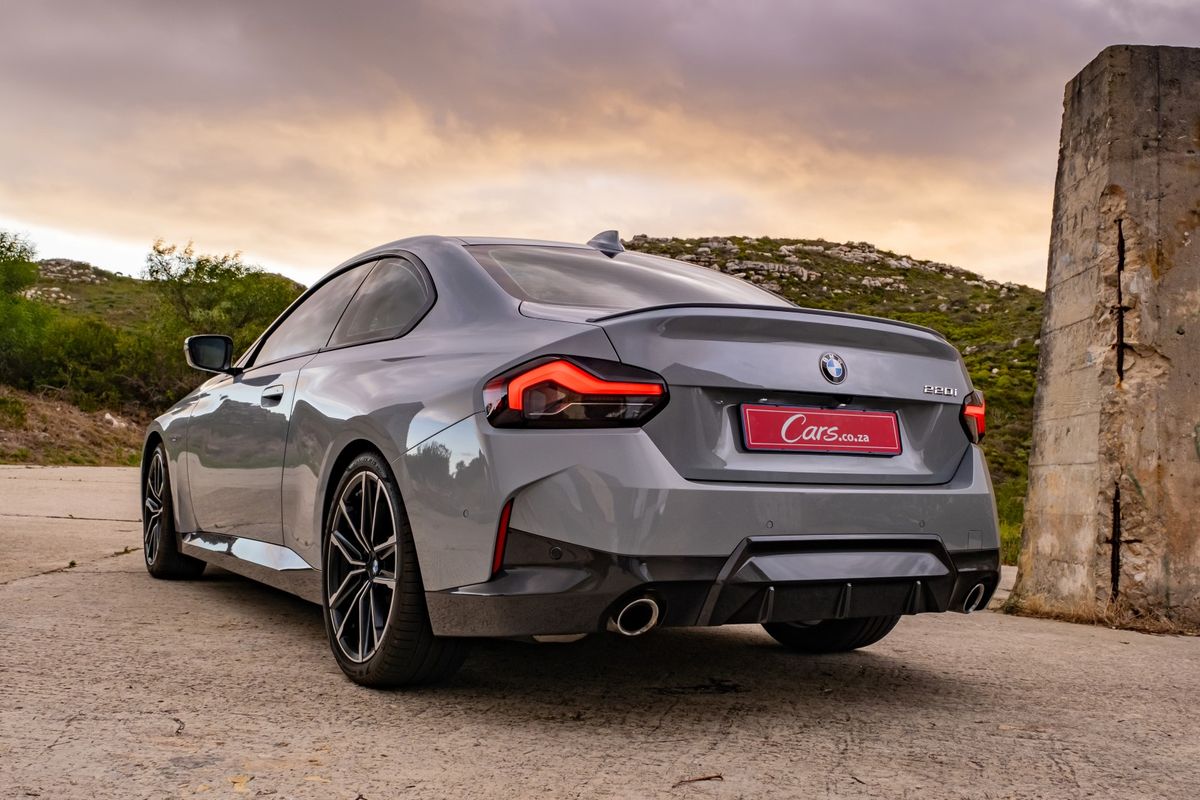
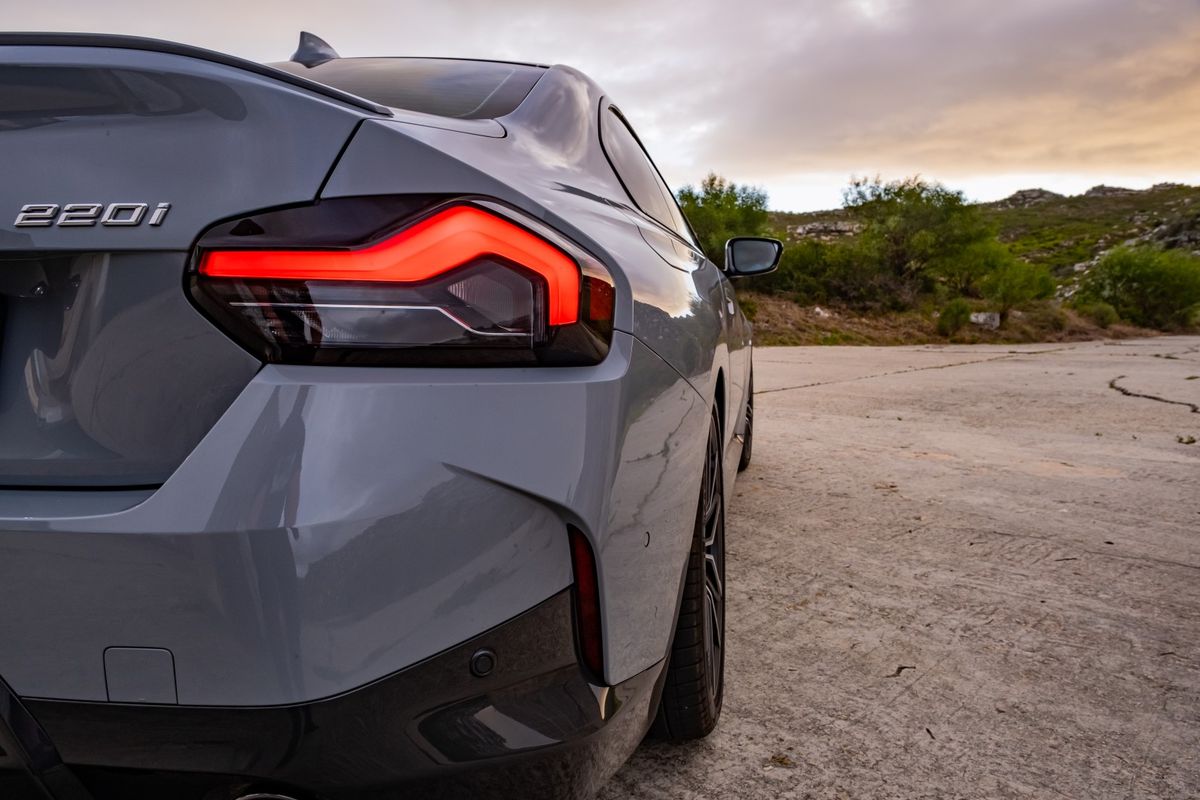
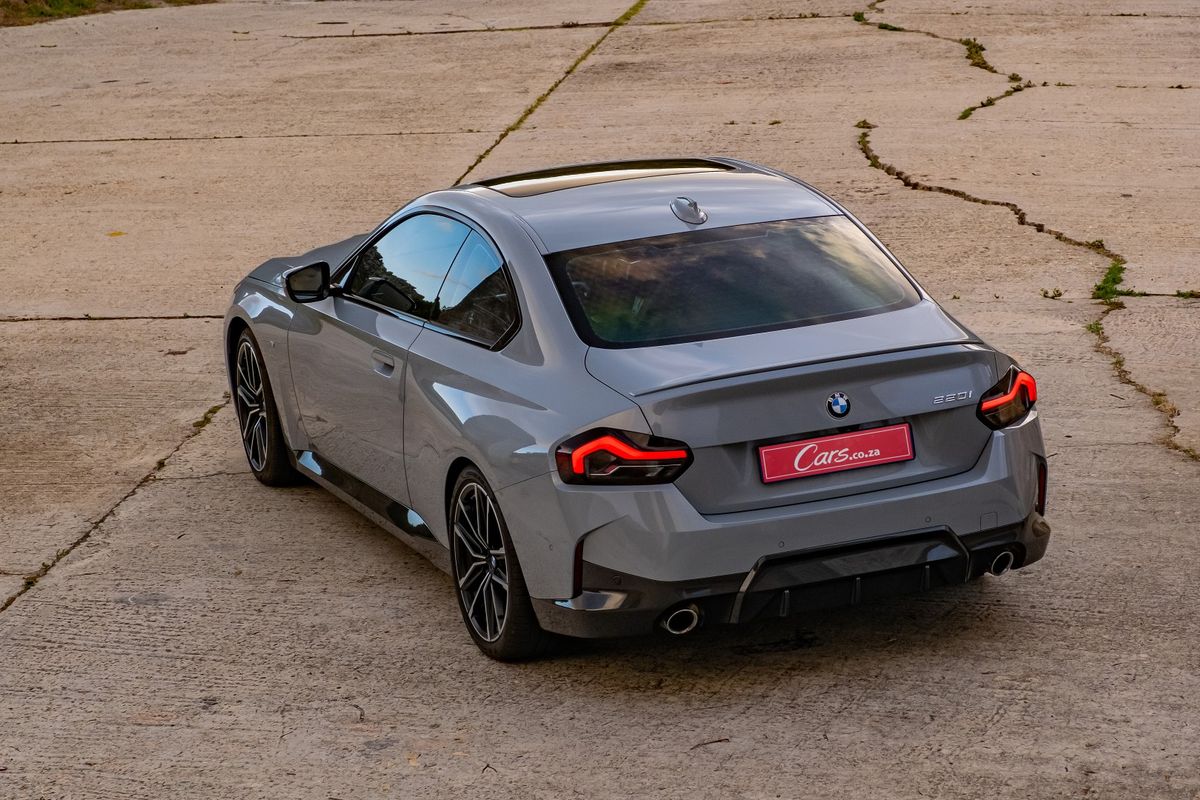
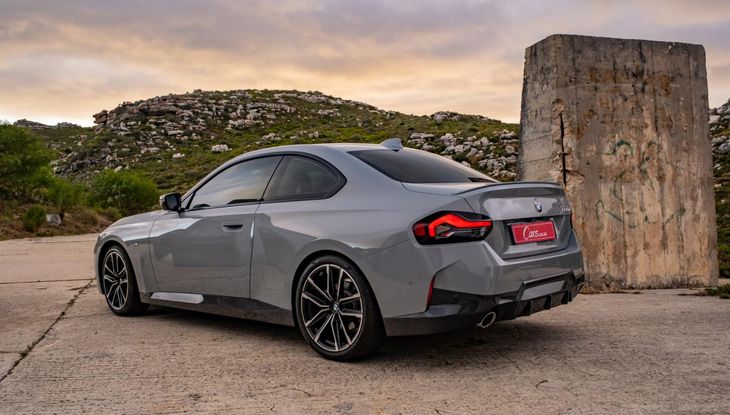
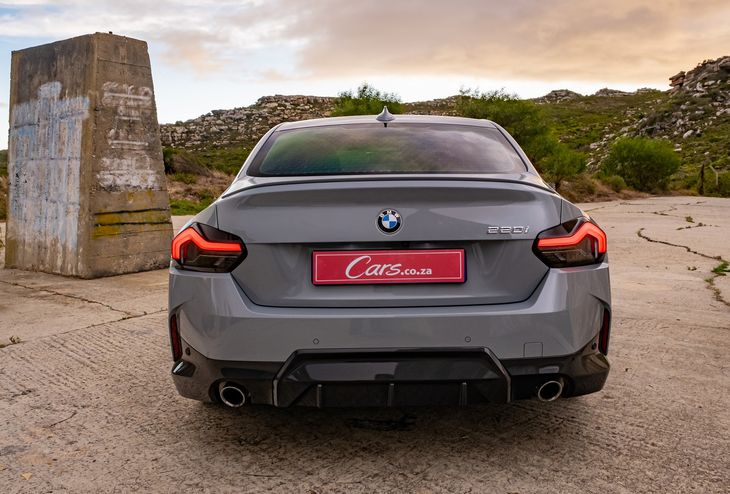
While the front-end certainly looks purposeful (handsome, even), the rear-end styling proves more divisive. The combination of the new taillight design and oddly-angled rear bumper and diffuser may take some time to get used to. We like that the door handles now sit flush with the bodywork – they make the flanks look sleeker. Despite all the criticism lobbed at BMW, we think the German firm has done enough to bring fresh design appeal to the 2 Series Coupe. Do you agree?
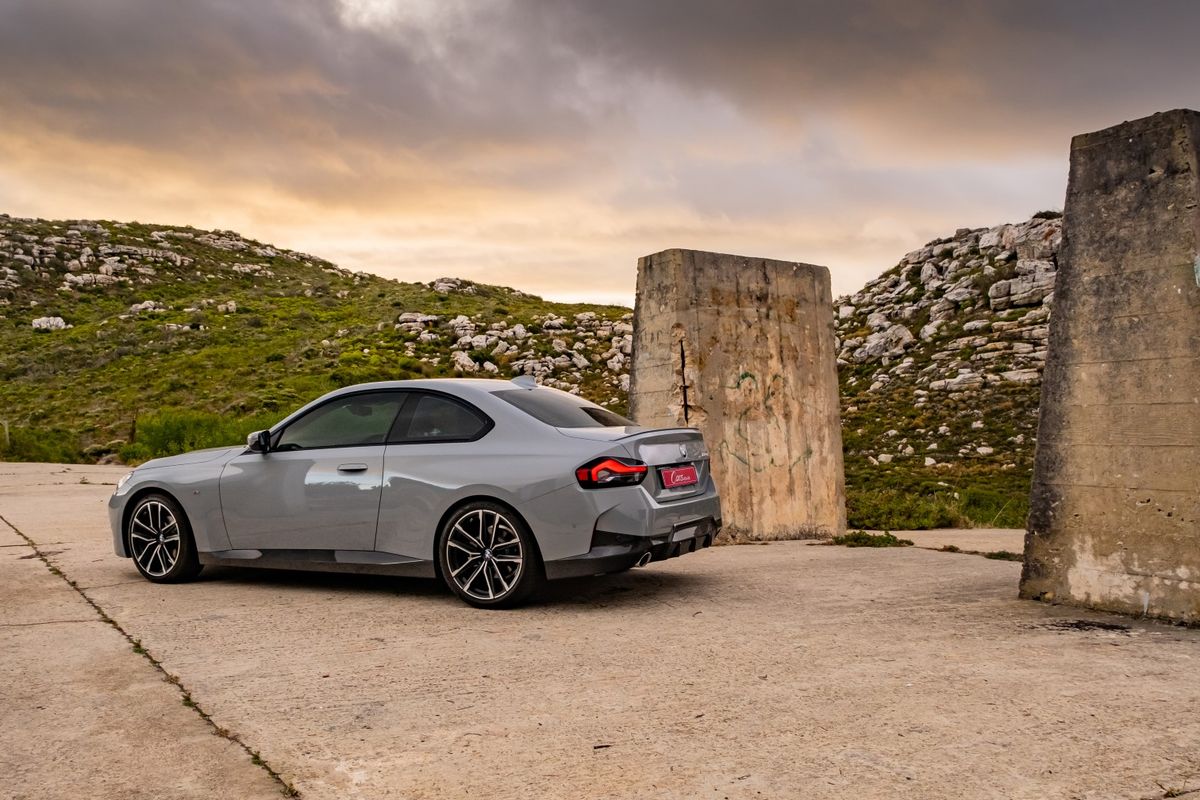
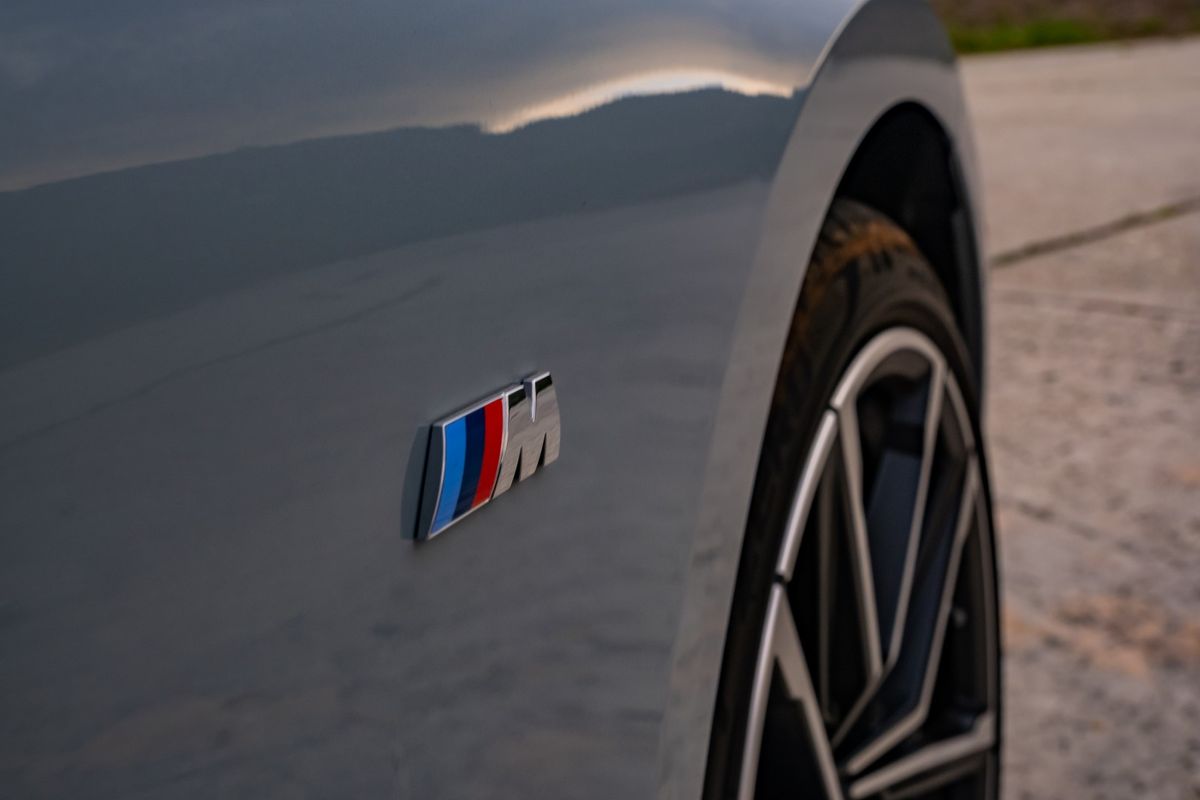
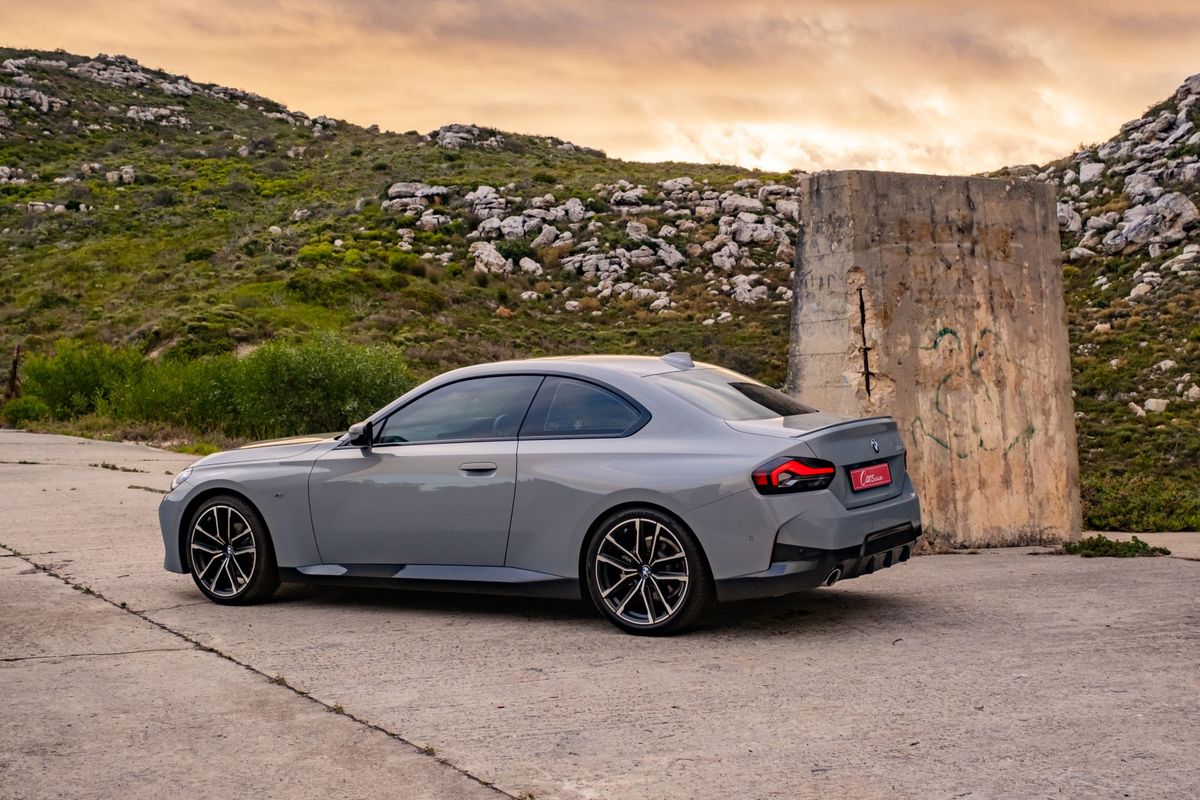
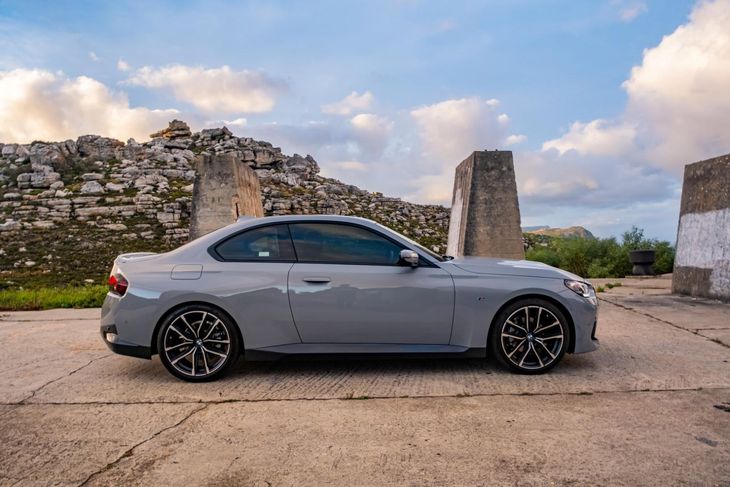
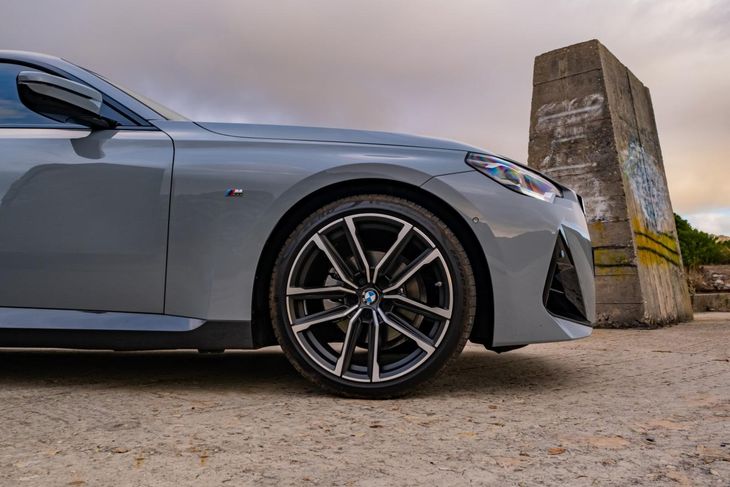
This test unit that was dispatched to our office wore Brooklyn Grey metallic paintwork. Courtesy of its M Sport package, the Bimmer looks decisively purposeful with its 19-inch double-spoke, light-alloy wheels (shod with low profile rubber) that fill the wheel arches nicely, while the subtle M fender badges, M Aerodynamic kit and BMW Individual High-Gloss Shadow Line add further visual appeal to the overall package.
Interior execution and features
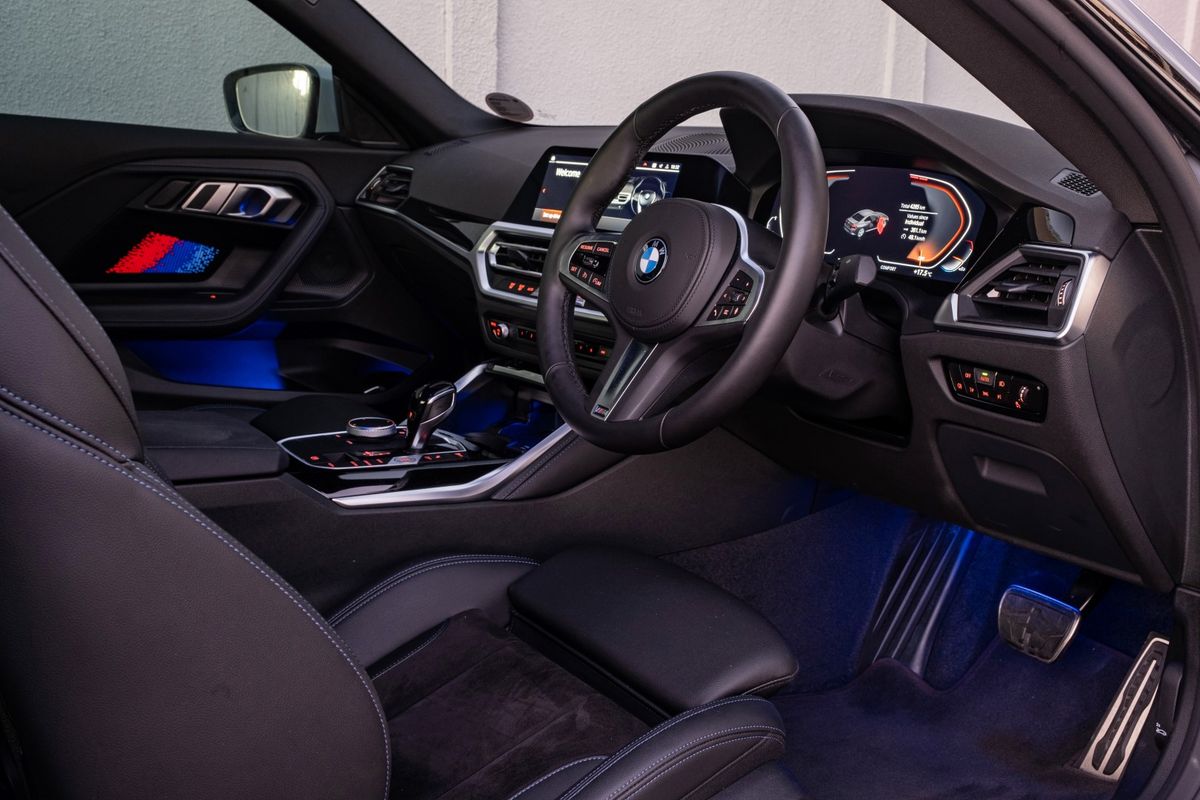
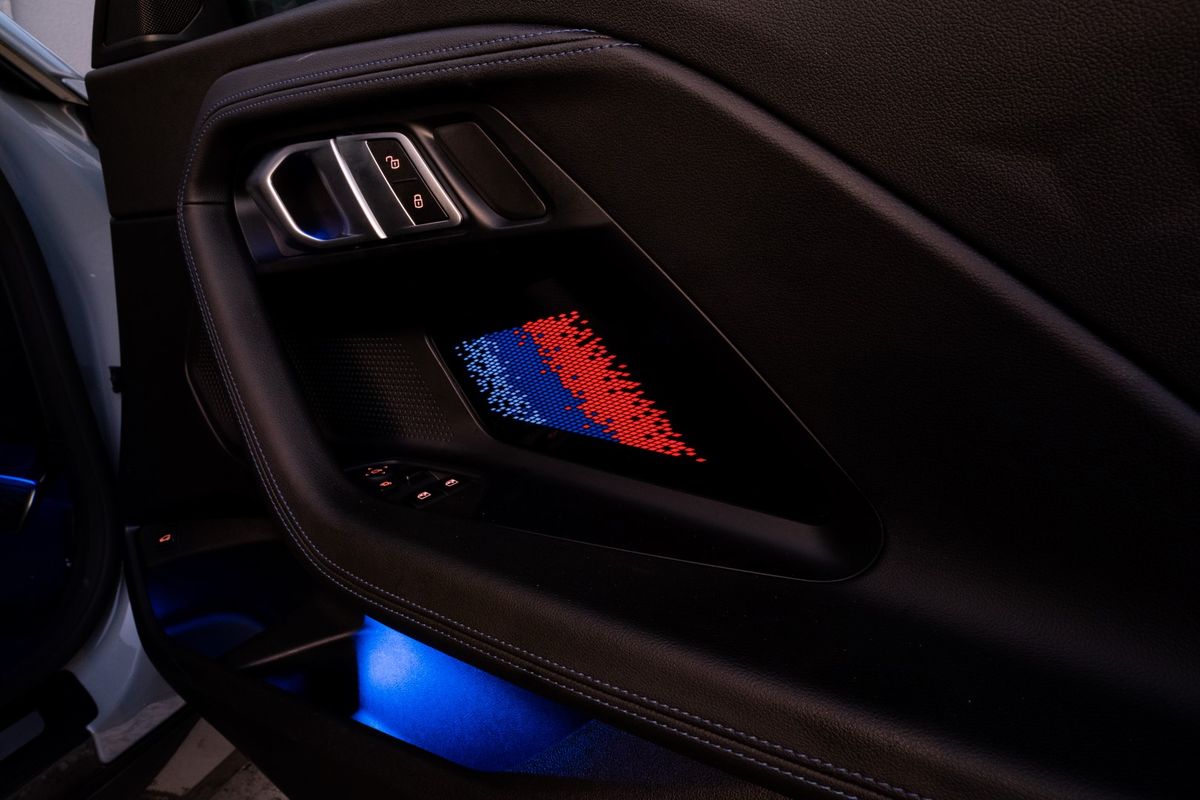
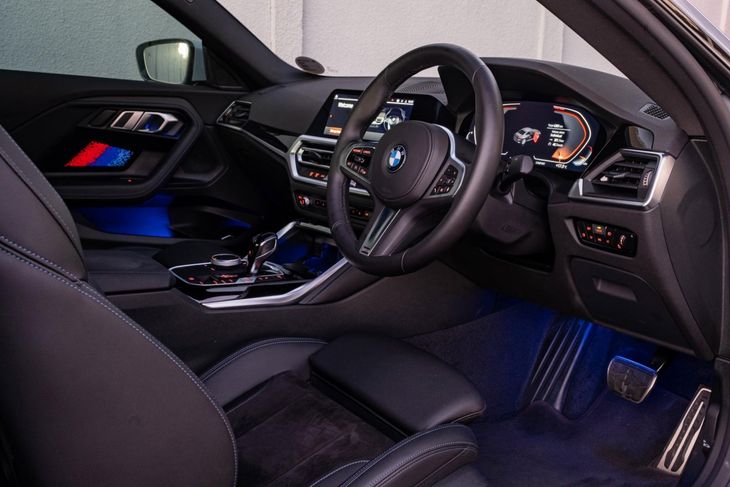
The interior is enhanced with M-themed door cards that add colourful character to the cabin.
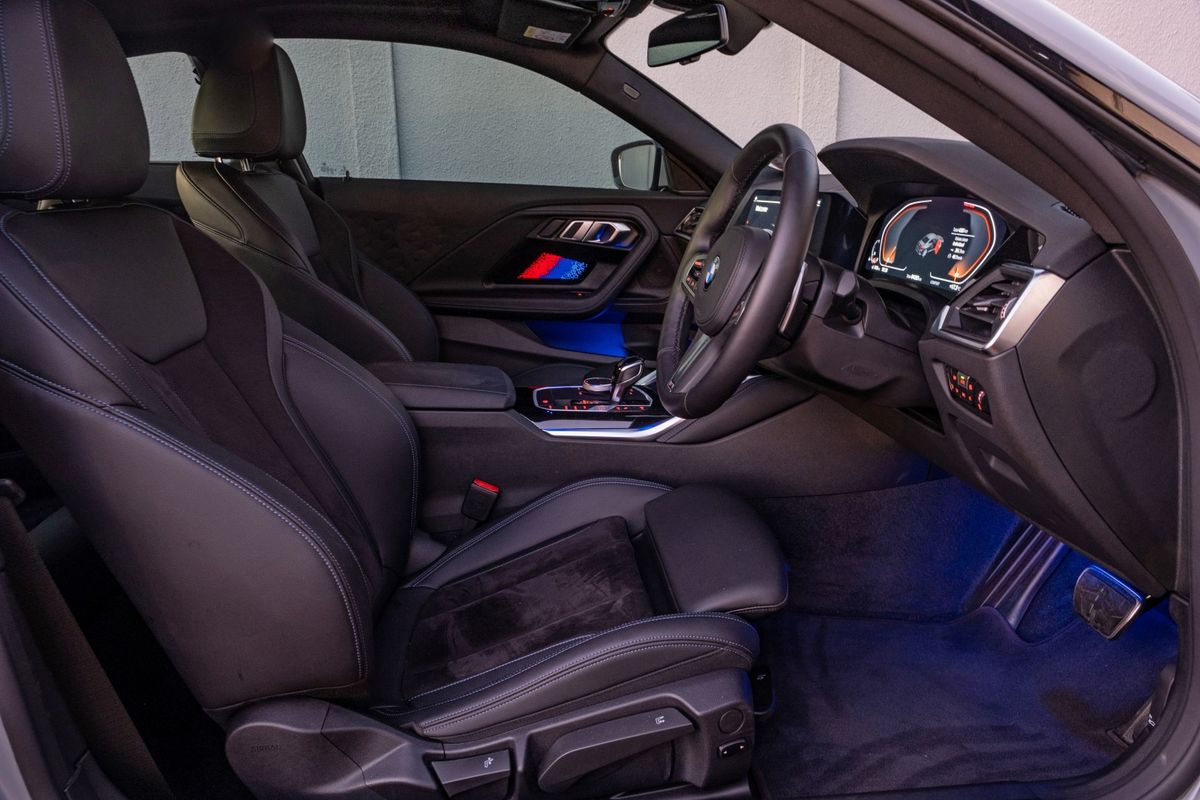
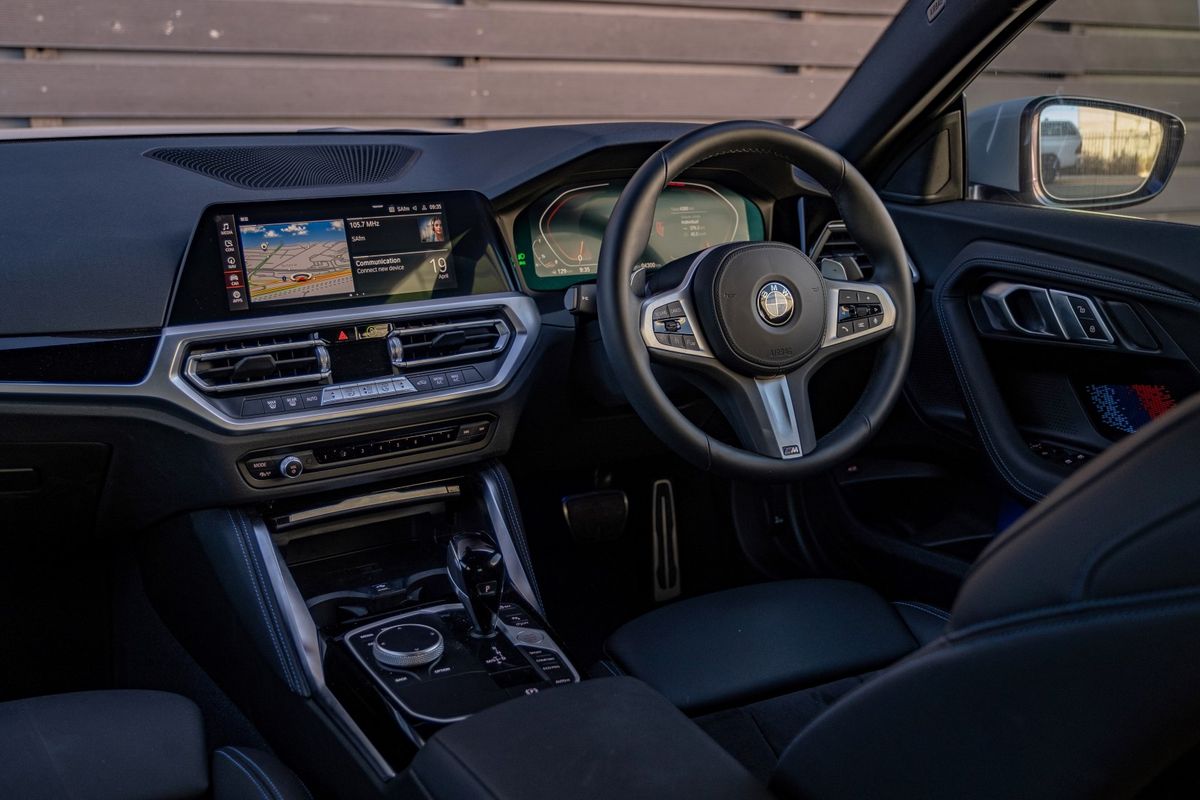
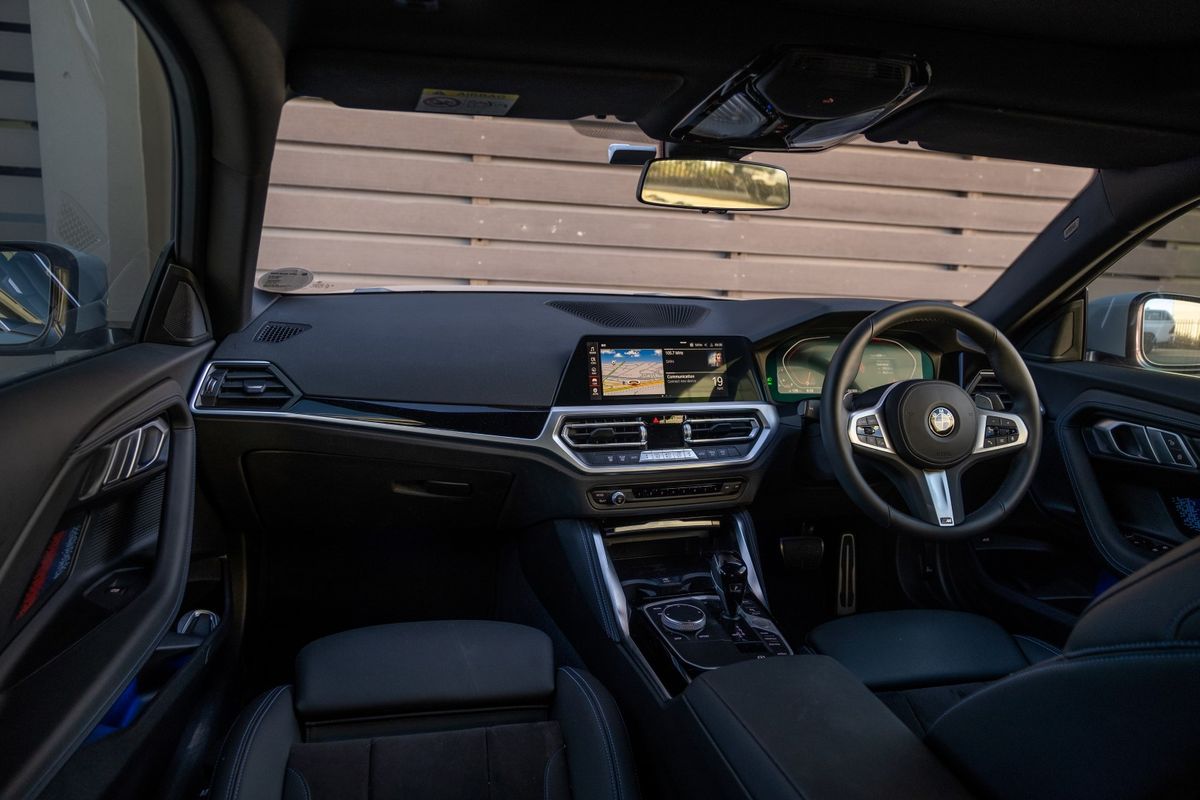
Inside, you are met with a familiar BMW cabin environment that’s enhanced with some M Sport detailing such as a leather-wrapped multifunction steering wheel and Aluminium Tetragon trim finishers, but the major visual interior highlight is the M-coloured door cards that look especially impressive at night. Not only do they lift the cabin ambience appreciably, but they also add an element of razzmatazz to an otherwise dark-themed cabin.
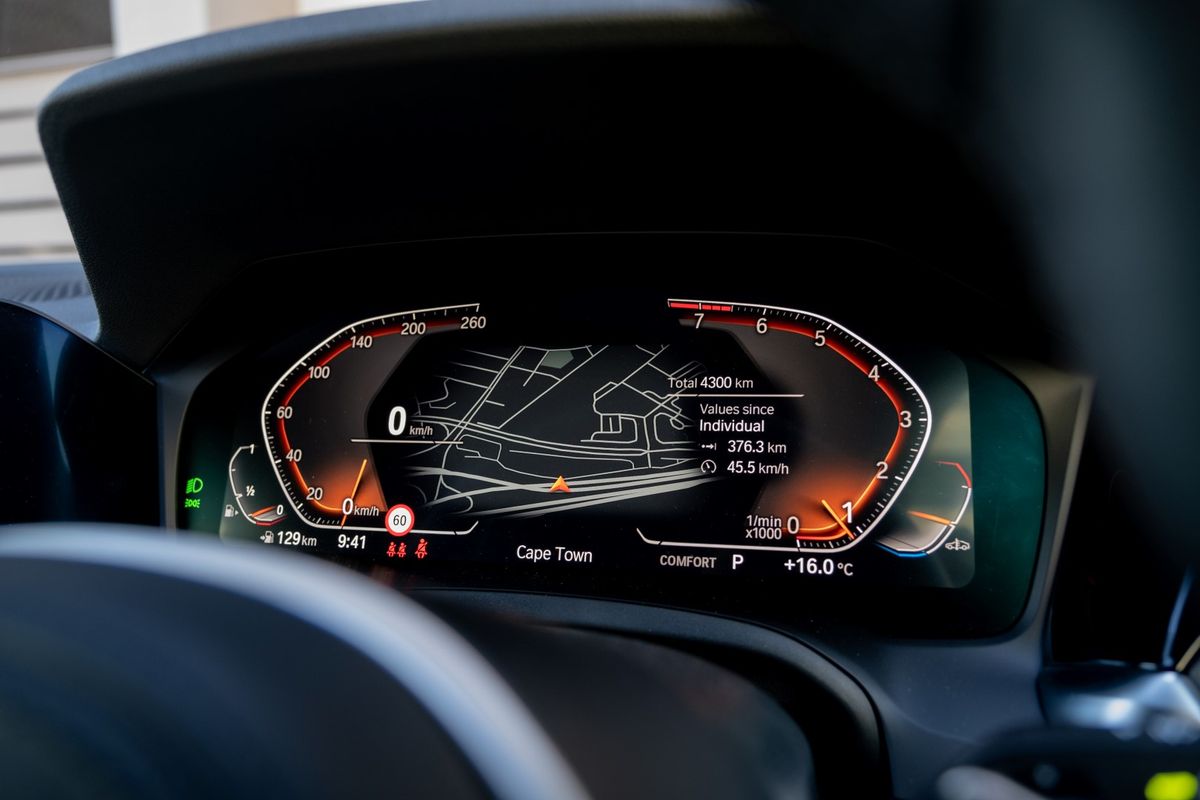
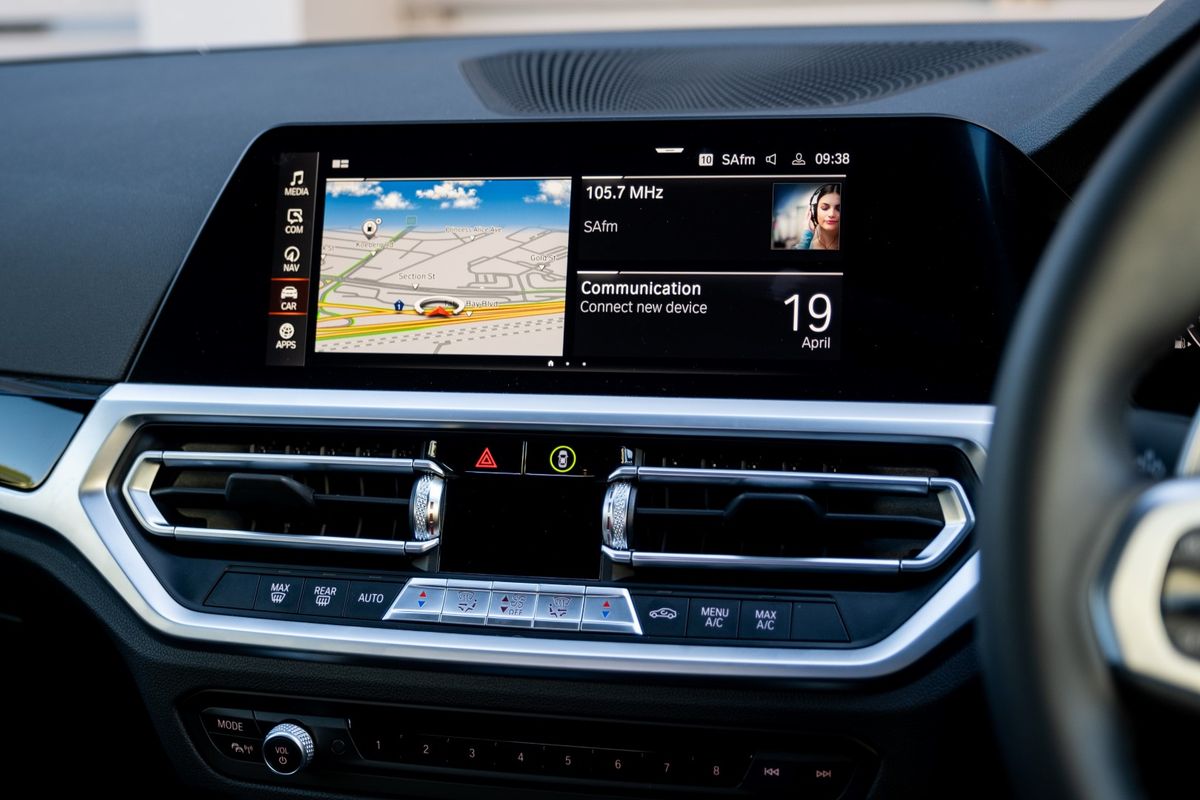
The sports seats are well-bolstered and specced in a combination of Alcantara and black Sensatec (synthetic leather) with blue contrast stitching. As far as onboard tech is concerned, the large digital instrument cluster can be configured using the mounted steering-wheel controls, while the easily-legible infotainment touchscreen offers not only Android Auto and Apple CarPlay capability, but integrated navigation, Bluetooth telephony and access to the vehicle’s system settings.
Apart from the iDrive controller knob, the centre console houses an array of soft-touch buttons (located to the right of the stubby transmission lever) with which to toggle between drive modes; they include Sport (for dynamic driving situations), Comfort (for general driving, it prioritises ride- and steering comfort) and Eco Pro (to maximise efficiency).
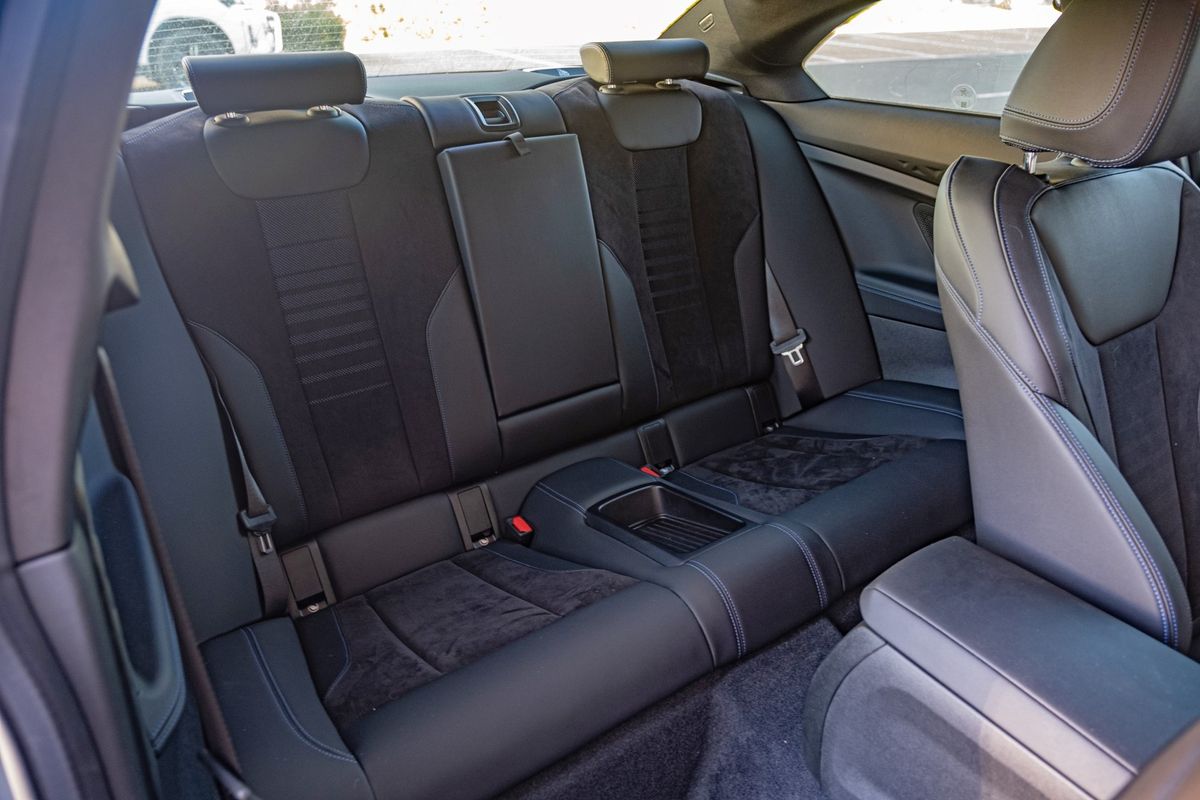
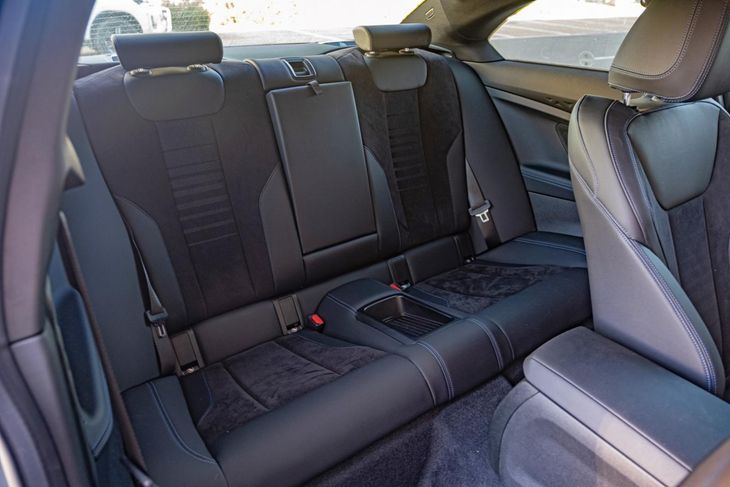
Rear passenger legroom is tight, but the seats can fold down to create extra loading space.
The 2 Series Coupe is a compact 2-door car, so while the front occupants are seated in comfort, rear passengers will find leg- and headroom decidedly tight. To gain access to the rear bench (technically a pair of single seats), you need to pull a lever atop a front seat and slide its backrest forward. BMW claims a boot capacity of 390 litres, which is fairly useable, plus the rear seats can also be folded down (in a 60:40 split configuration) should you need to load longer items.
The 220i’s standard safety specification includes, but is not limited to, 6 airbags, ABS with EBD, brake assist and Electronic Stability Control with traction control.
Overall, the BMW’s interior fit-and-finish is good, with a level of perceived quality that you would expect from a premium product in this price range, but, even so, how does the 220i fare as a driver’s car?
Performance and Efficiency
The 220i’s powerplant will leave enthusiasts wanting more, but it should satisfy most buyers.
Beneath the 220i’s shapely bonnet lies BMW’s 2.0-litre, 4-cylinder turbopetrol engine that produces 135 kW and 300 Nm of torque; the motor drives the rear wheels via an 8-speed automatic transmission.
Look, those headline numbers aren’t going to result in urgent performance (by contemporary standards) – not in a car with a kerb weight of 1.5 tonnes, anyway – but that’s not really what the 220i’s all about. This li’l coupe likes to gather momentum in a smooth, refined manner – the transmission is particularly well-calibrated with the engine’s characteristics. So while the derivative might not offer enough grunt to excite hot- or hyper hatchback enthusiasts, it may suit those who have grown weary of such “hard-edged” machinery. BMW claims a zero-to-100 kph sprint time of 7.5 seconds for the 220i and while there is some discernable turbo lag (as one would expect), it doesn’t ruin the overall driving experience.
With the Sport drive mode engaged, the 220i feels more responsive to throttle inputs and its transmission shifts with greater verve, but even so, it all happens without much drama; the dual exhaust tips’ soundtrack is nothing special either.
The 2 Series Coupe’s rear styling is divisive but its rear-wheel-drive prowess remains.
Still, you can access greater driver engagement by using the BMW’s steering-wheel-mounted shift paddles to actuate manual shifts; the transmission is quite capable of extracting maximum poke from the engine, but the 8-speed ZF ‘box will shift obediently if you need it to. We drove the 220i M Sport on some twisty Cape roads and it served up a fair amount of driving enjoyment thanks to its sorted chassis and sharp steering, but more about the “ride and handling” later…
For those who’ll use the 220i on the daily commute (the majority of buyers), the powertrain delivers relatively strong acceleration from about 70-120kph, which, of course, is useful for executing quick overtaking manoeuvres on the freeway.
As for efficiency, BMW claims an average consumption of 6.3 L/100 km. During our test period, the test unit returned figures of around 7.8 L/100 km, which was not disappointing – considering most of us treated the 220i as a sportscar.
Handling Ability and Ride Quality
The 2 Series Coupe delivers sharp and engaging dynamic handling ability.
Perhaps the most impressive aspect of the new-generation 2 Series Coupe is its dynamic ability; yes, even in base 220i M Sport guise. Unlike the 2 Series Gran Coupe, the newcomer shares its (CLAR) underpinnings with its larger 3 Series sedan sibling – not only is it larger than its predecessor, with wider front (+55mm) and rear (+31 mm) tracks, as well as a longer wheelbase (+51 mm), it also sits some 28 mm lower to the road.
Those seemingly incremental changes have made a considerable difference to the 2 Series Coupe’s dynamism, however. The steering response is prompt and sharp, which means the 220i can be utilised to slice and dice corners with utter confidence. Directional changes are near-effortless with minimal body roll. The “G42” feels taut and composed, yet quite wieldy when required. There is also something to be said for not having to urgently rein in your machine at every turn…
Meanwhile, the new 2 Series Coupe is flattered by its M Sports Suspension, which forms part of the (to reiterate, standard) M Sport package. This non-adaptive suspension setup has a moderately higher spring constant and harder stabilisers, but although the ride quality is on the firm side, it’s not so hard as to compromise everyday driving comfort. In fact, the 220i strikes a near-perfect ride/handling balance by blending heightened handling dynamics and with easy daily usability.
Price and after-sales support
The BMW 220i M Sport is priced from R772 590 and is sold with a 2-year/unlimited km warranty and a 5-year/100 000 km maintenance plan.
The 2 Series chassis delivers fine driving pleasure, but this 220i lacks the engine punch to realise its full potential.
This new 2 Series Coupe is a significantly more resolved product than its predecessor and, as far as driver engagement is concerned, BMW has hit the nail on the head with the model’s pin-sharp steering and dynamic handling ability. With that said, we know the 220i’s chassis can handle a lot more power/torque, which, apart from the lofty price tag, is the biggest drawback of this particular package. If you love the look of the new BMW 2 Series, but can’t afford the M240i xDrive, then the 220i M Sport offers enough kerb appeal and interior comfort to keep you satisfied with your “luxury compact coupe”; you will enjoy how effortlessly agile-yet-planted it feels to drive, even if it’s a fleet-footed, as opposed to quick, car.
It’s unfortunate that BMW doesn’t offer the 230i locally, because the feistier 2.0-litre 4-cylinder turbopetrol engine’s 180 kW or 190 kW (it depends on the market) and 400 Nm will certainly facilitate greater driving thrills. In its absence, buyers have to consider the torquey 220d with its 140 kW/400 Nm 2.0-litre 4-cylinder turbodiesel engine, which will deliver more long-legged performance and (probably) better fuel consumption. The 220d is priced from R819 706, before options.
This 220i M Sport is a pricey proposition considering the relatively workmanlike performance its powertrain offers. Its enviable ride/handling balance largely makes up for it – if you just want an eye-catching small coupe, it’s a solid proposition. However, for R100k more, the 228 kW/380 Nm Audi TT S quattro (R876 500) is also worth a closer look, or even better, if you don’t mind going the second-hand route, you’re likely to find more “bang for your buck” in the used car market.
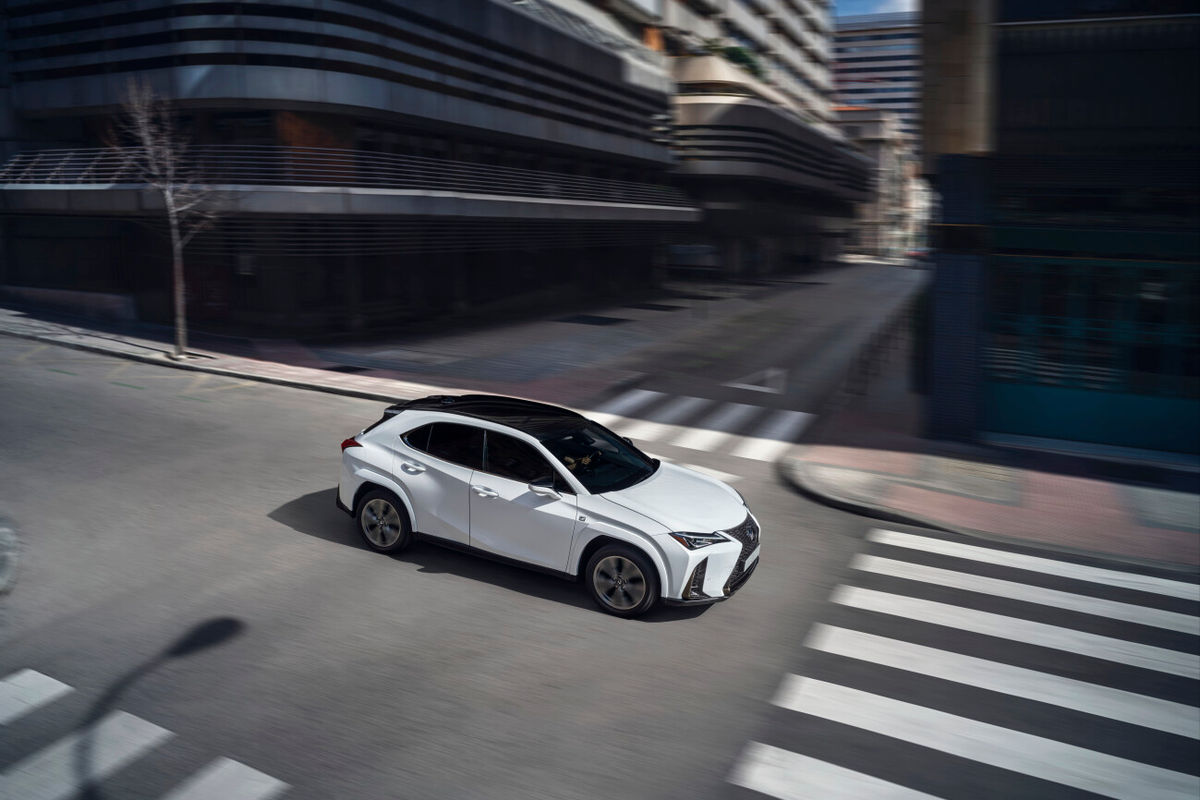
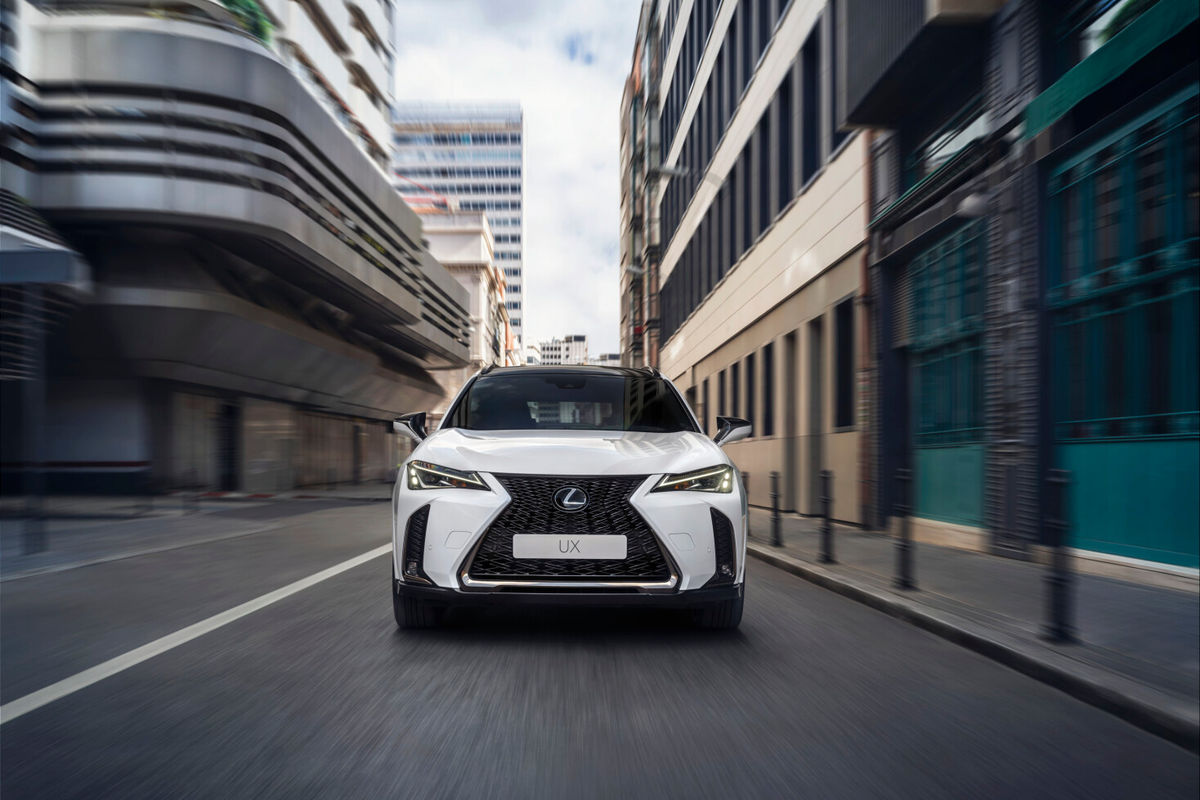
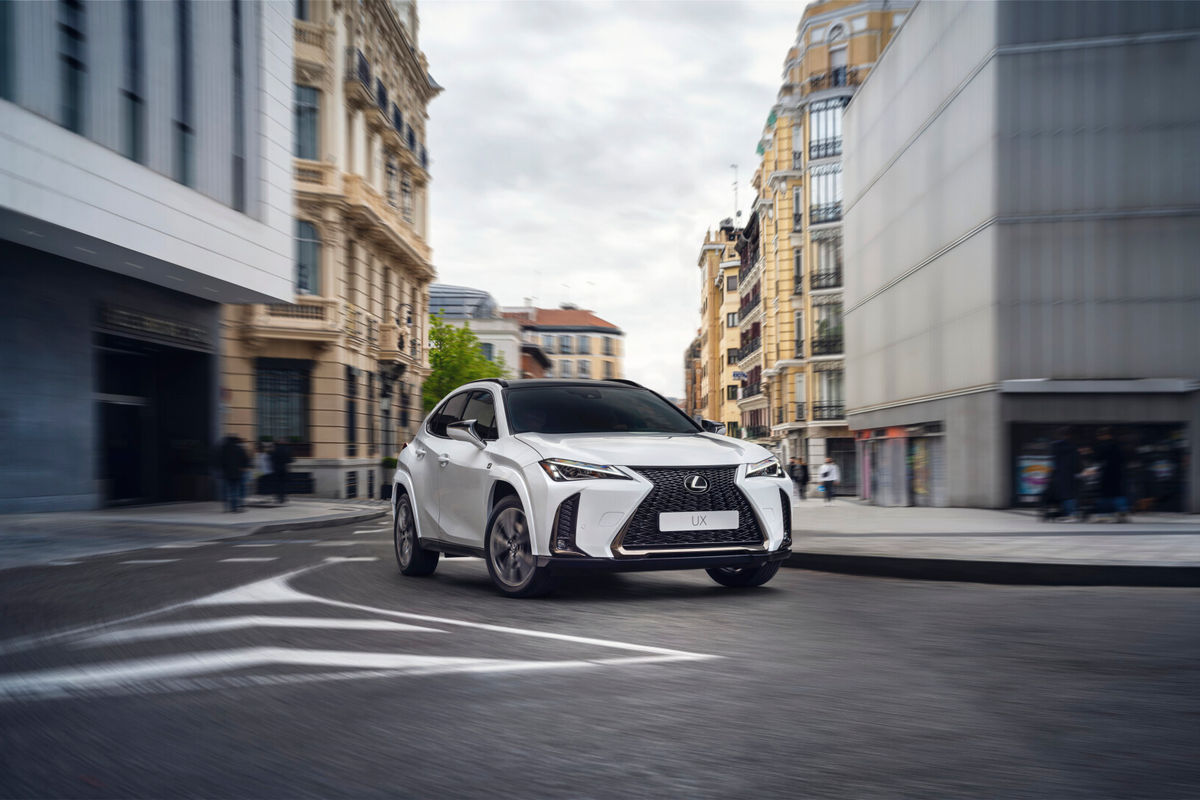
The compact crossover from Lexus has received a mild update for 2022. Here’s what you need to know about the MY23 Lexus UX.
The Lexus UX made its debut back in 2018 and since then, more than 240 000 units have been sold in over 80 markets. In SA, the Lexus UX has been the brand’s best seller.
Now, for 2022, the Lexus UX has been given updates. Under the skin, the the structural rigidity has been improved, with electric power steering and shock absorbers revised. There are new 18-inch run-flat tyres that are said to offer a quieter ride experience. For the F Sport model, performance dampers will be standard.
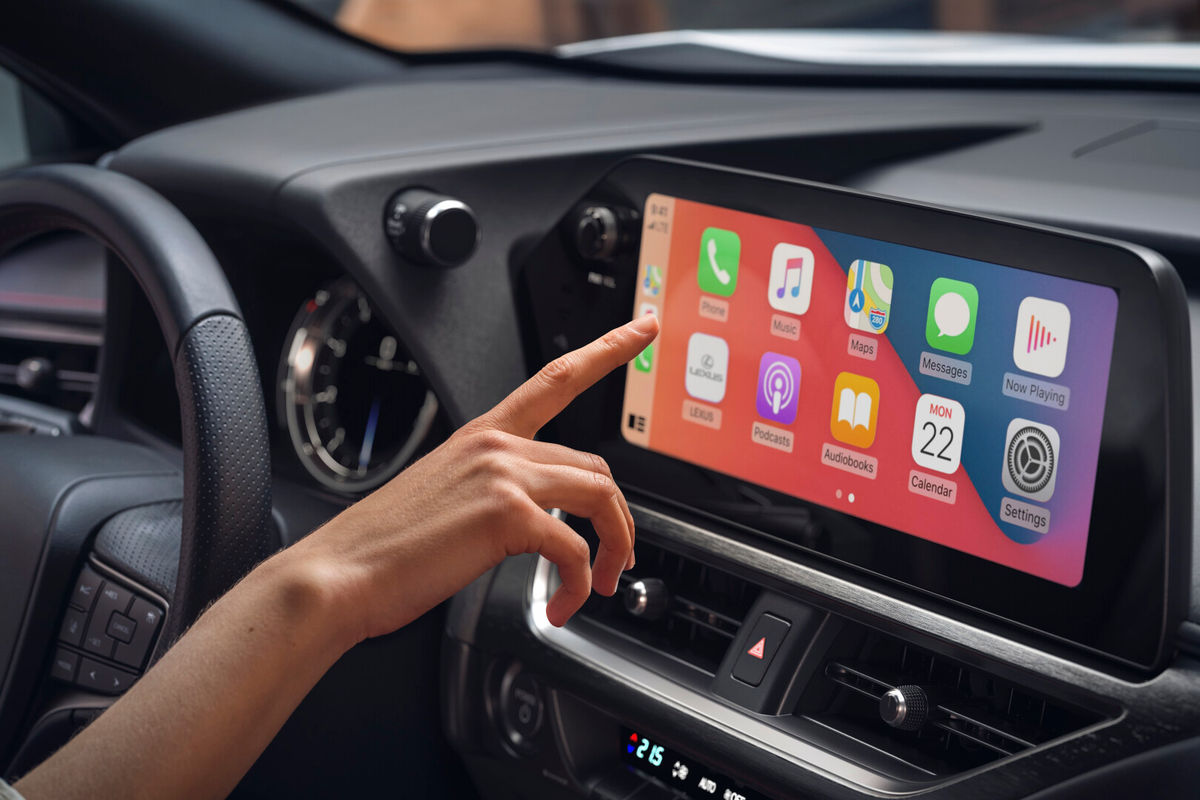
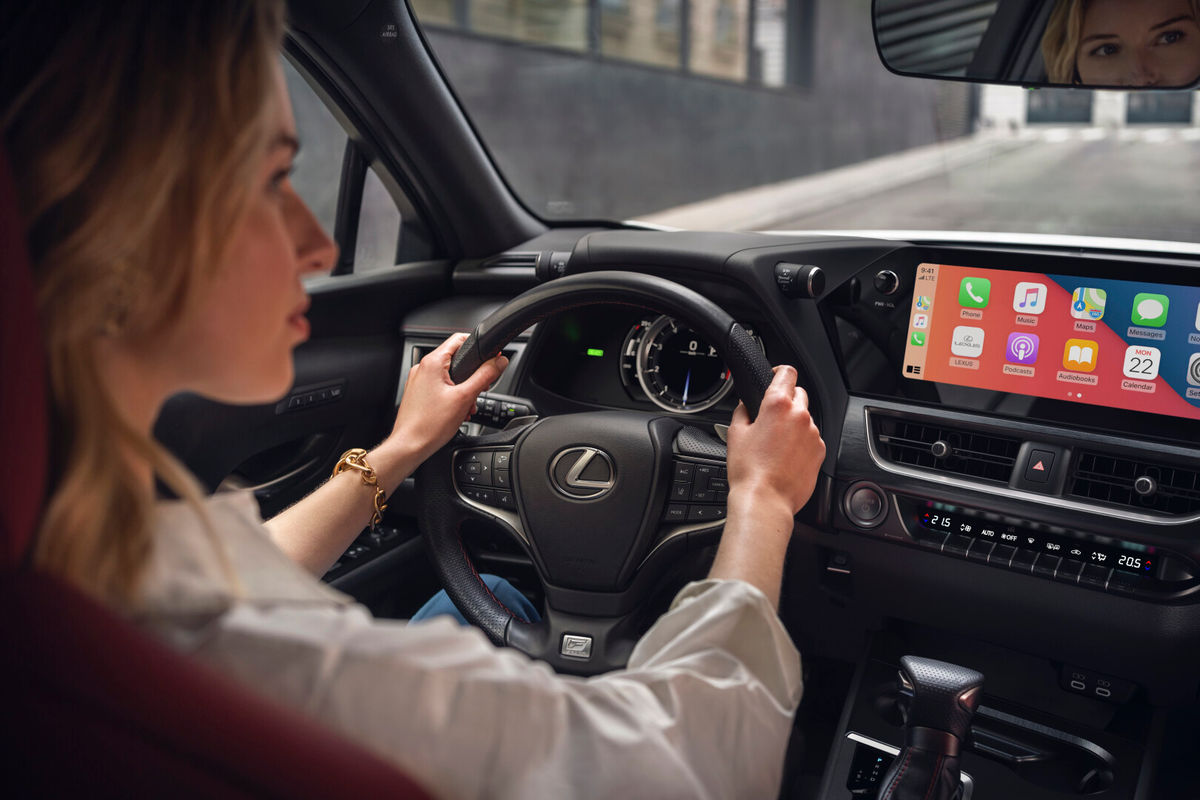
Lexus has also enhanced its advanced safety system offering, with luxuries like pre-collision braking. There’s a new infotainment system with a larger and higher-res touch screen display. USB-C connectivity, Android Auto, Apple Carplay are fitted as standard. There’s also a new digital key functionality, which allows customers to open the vehicle with their smartphone.
As always, the standard features of the Lexus UX are generous and there are no options and Lexus SA has confirmed what the South Africa-spec models will feature. “We will continue to further the personalised customer experience by updating our multimedia systems through OTA (Over the Air) software updates. In addition, the shapes and switch layout of the instrument panel and console area have been optimised in accordance with the use of the touch-screen display, and two new charging USB connectors (Type-C) have been added to the front of the console for improved usability.”
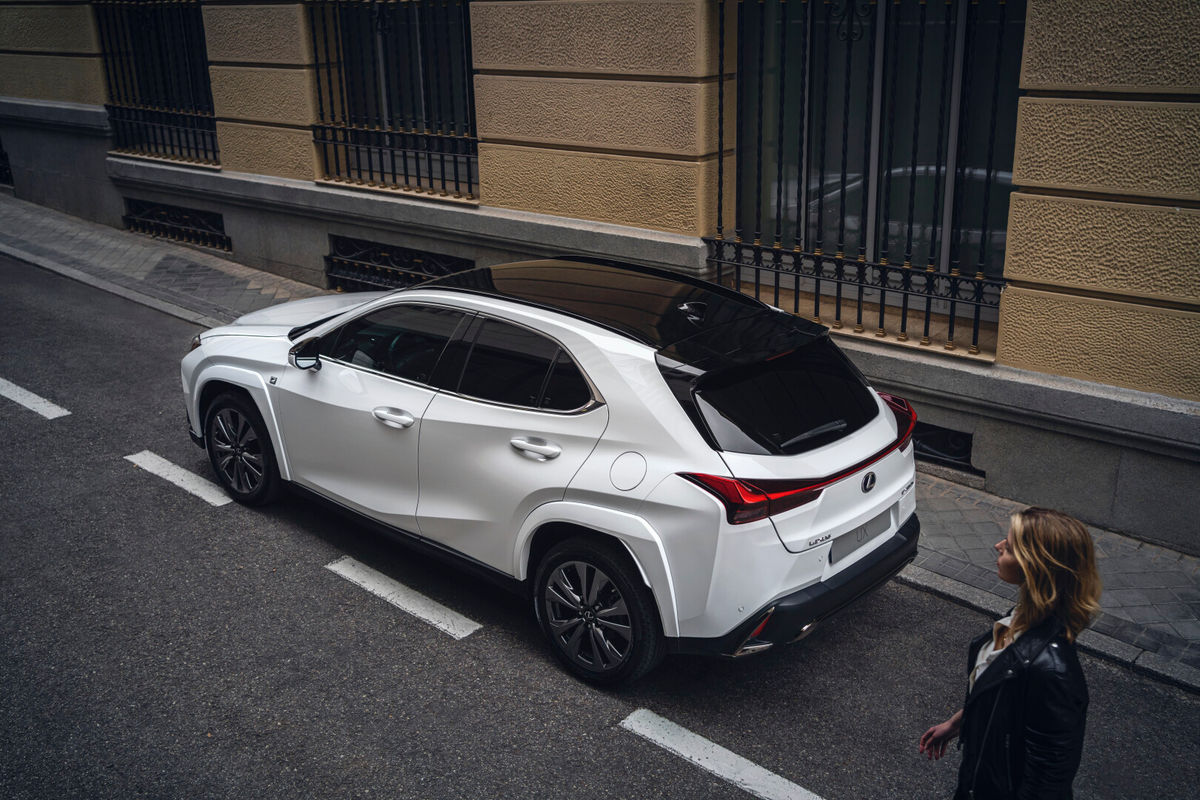
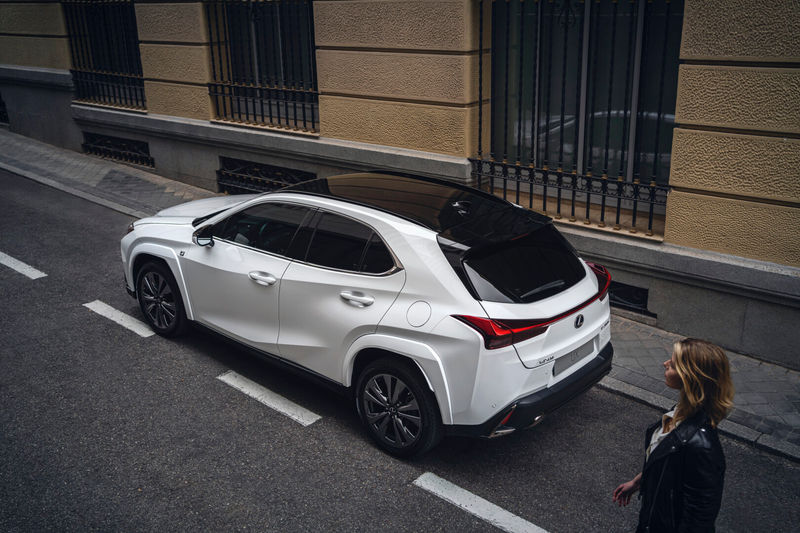
You’ll be able to spot the new Lexus UX model with its revised front end, tweaked headlights and rear combination lamps. There are new exterior and interior colours.
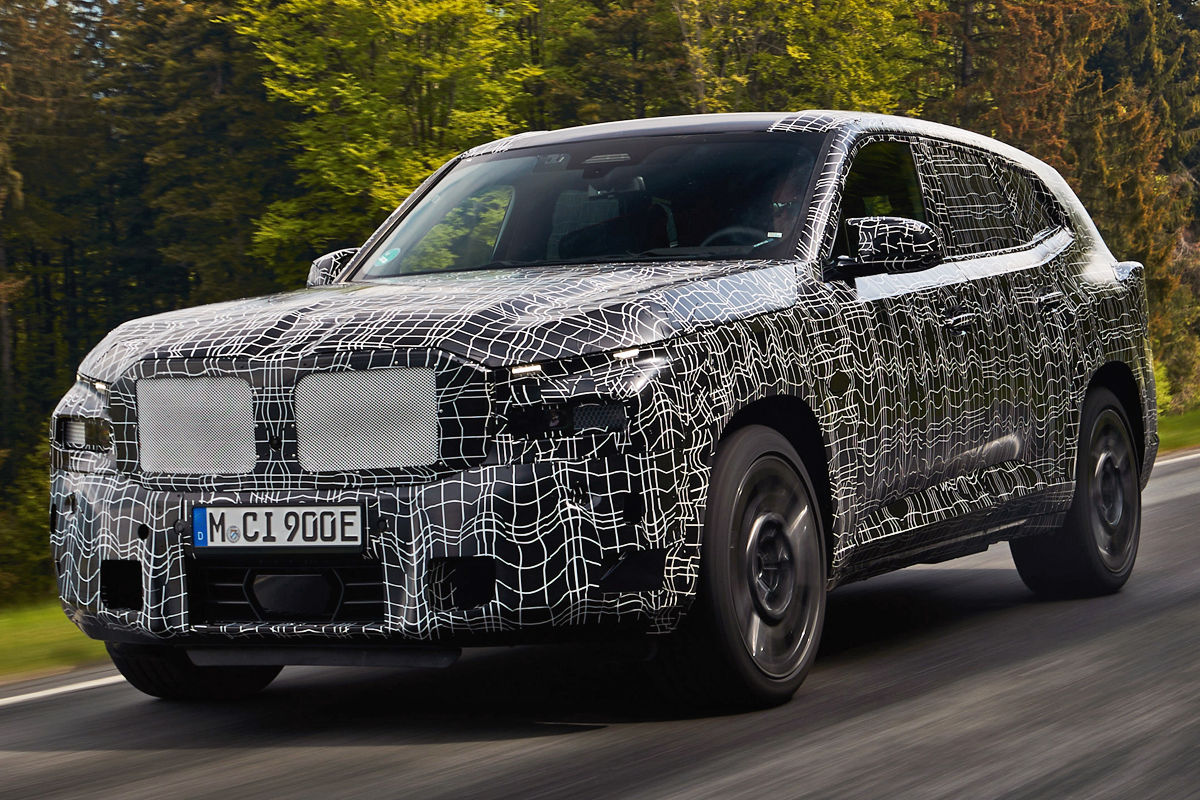
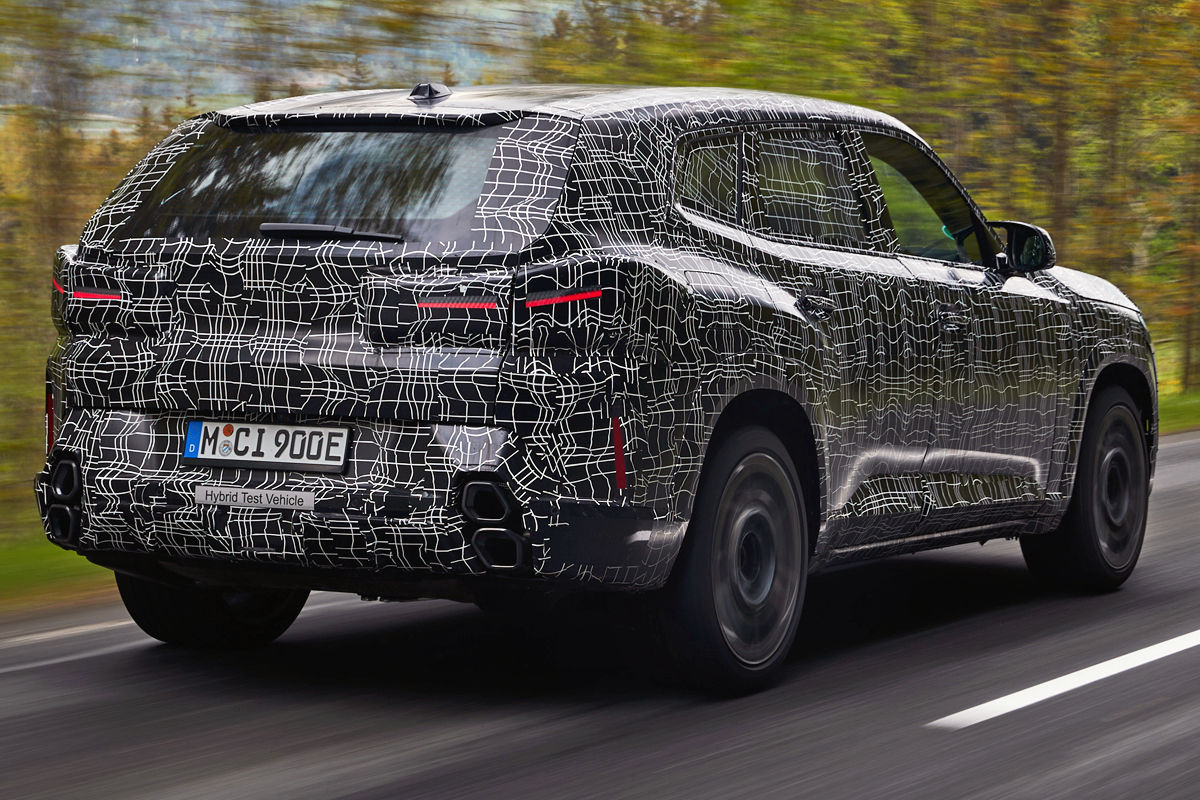
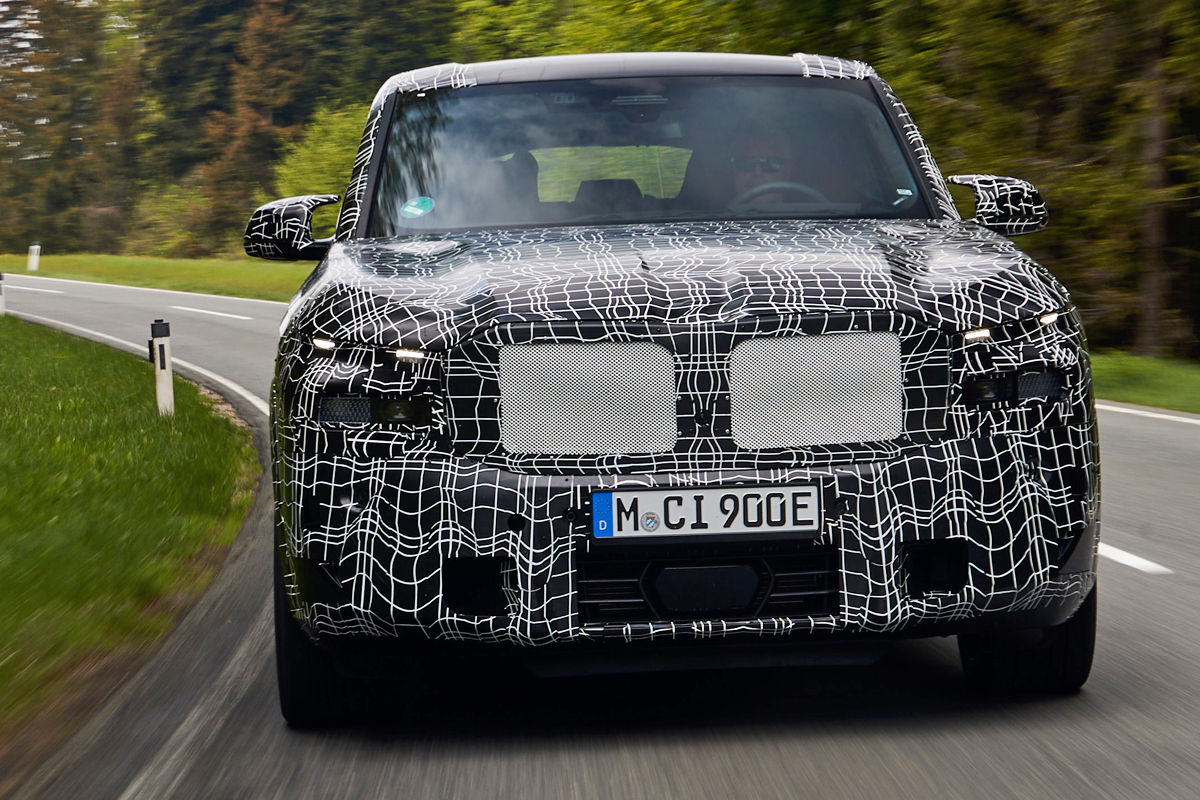
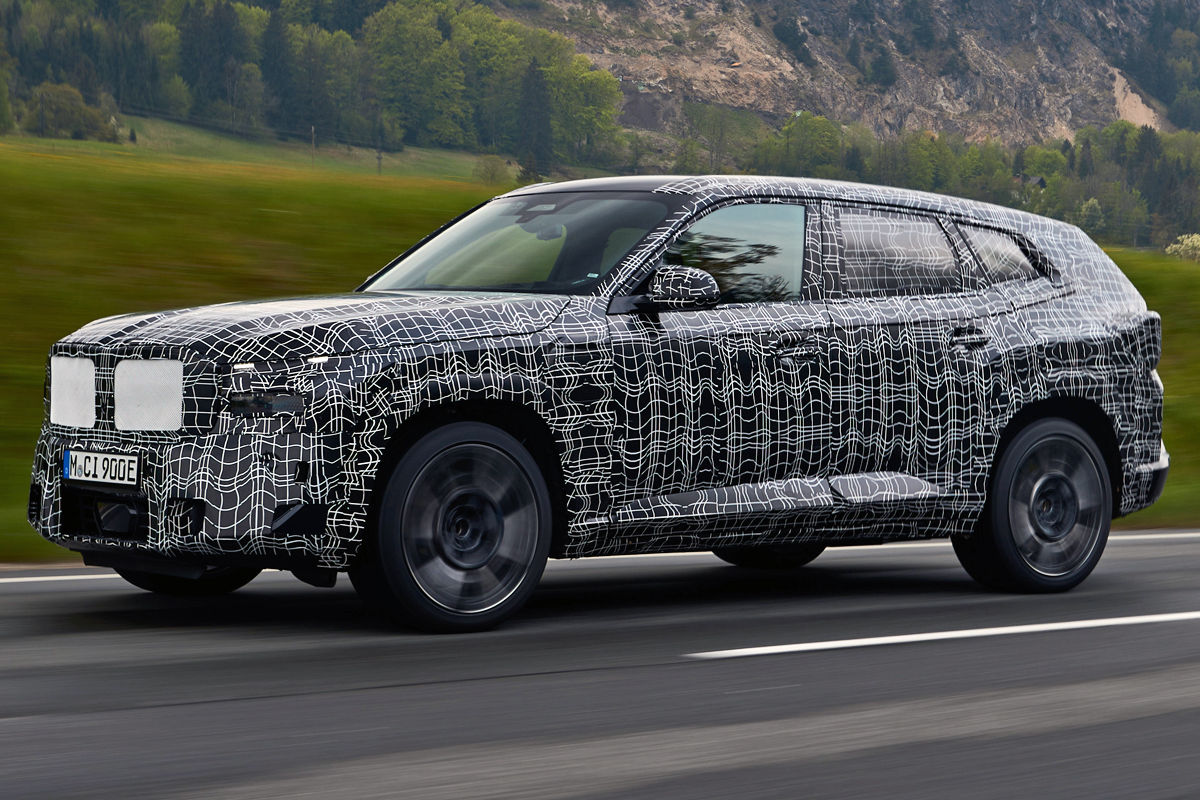
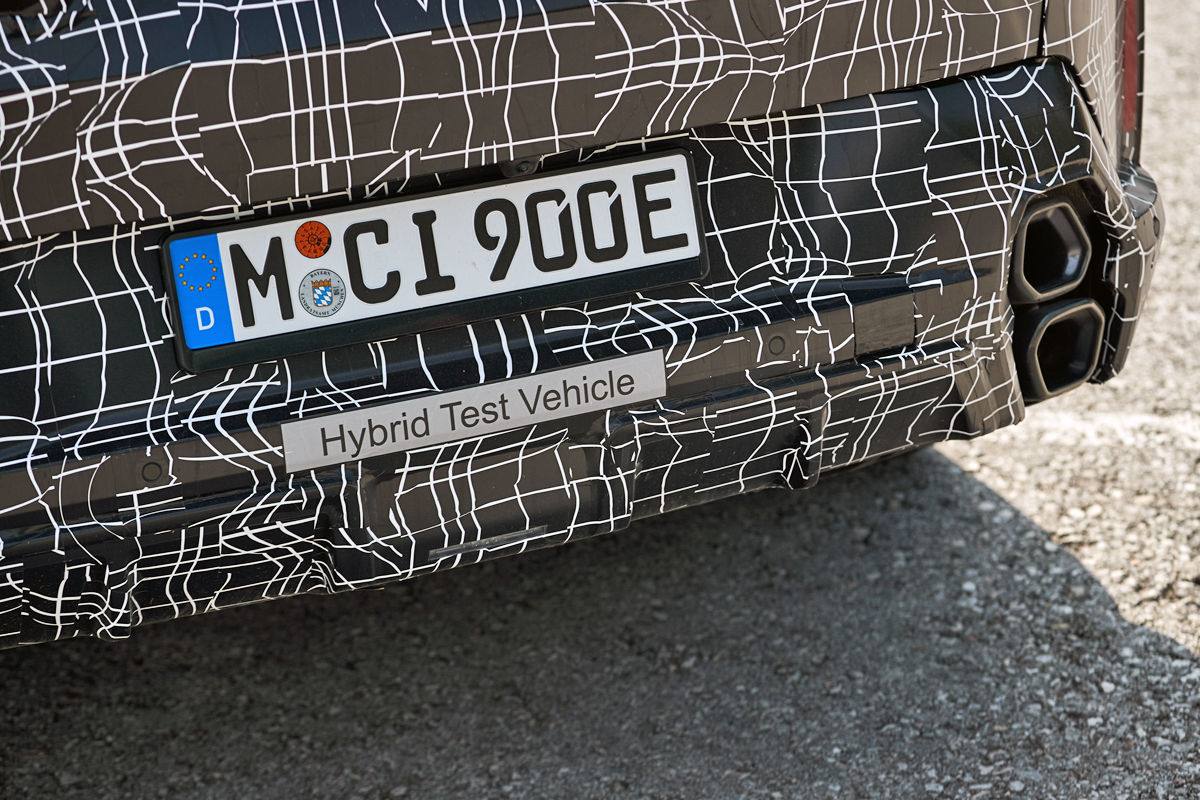
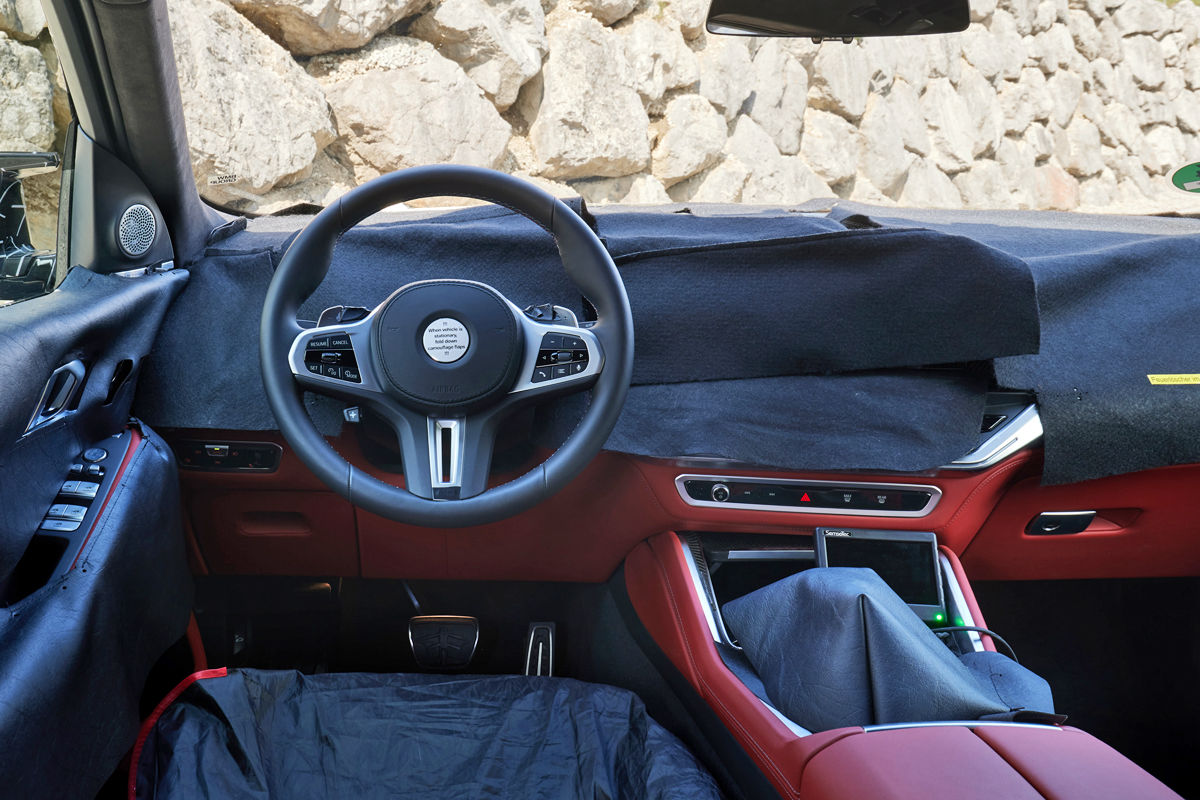
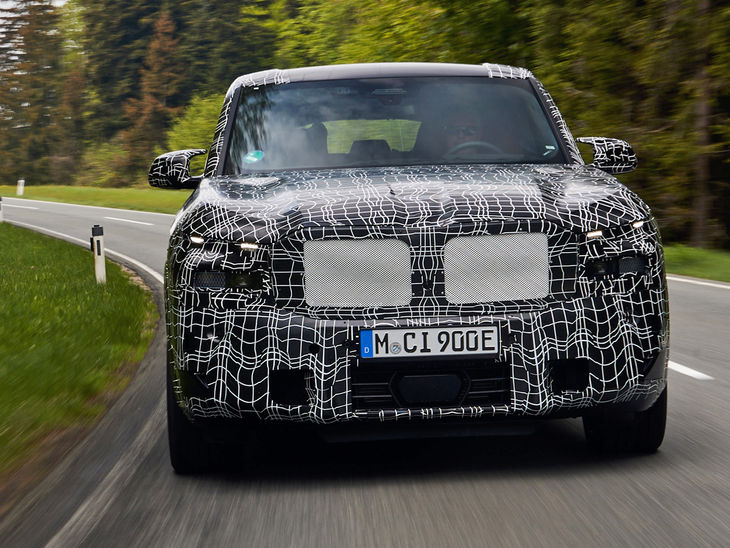
BMW has released images of the camouflaged XM undergoing final testing, while also revealing the production model’s peak outputs. The bad news is it makes less power and torque than the crazy concept that preceded it … for now, anyway.
Remember the BMW Concept XM revealed late in 2021? Well, the Munich-based firm has announced the production version’s peak power and torque figures, which are interestingly 70 kW and 200 Nm lower than those of the concept.
Yes, while the show car’s electrified V8 boasted a whopping 550 kW and 1 000 Nm, the production model – which will be the M division’s second standalone model after the M1 of the late 1970s – will settle for maximum outputs of 480 kW and 800 Nm. However, there’s always the possibility BMW M will unleash a more powerful version down the line.
Regardless, those are heady peaks (outpunching the new M60i version of the related and updated X7, for example) and will no doubt endow the initial version of the hefty SUV with a supercar-rivalling 0-100 kph time.
As a reminder, drive comes from what BMW describes as a “newly developed” V8 petrol engine, which is assisted by an electric motor. The German company claims the XM will benefit from an all-electric range of “around 80 km” on the WLTP cycle. Power is transferred to the road courtesy of BMW’s first hybrid-specific M xDrive four-wheel-drive system (complete with an electronically controlled differential lock in the rear axle transmission), which the automaker bills as “extremely spontaneous”.
BMW says the XM features “almost perfect” 50:50 axle-load distribution, with adaptive M Professional suspension set to ship standard. The latter furthermore includes an electromechanical roll stabilising system with 48-volt technology, a first for an M product. Expect a model-specific M braking system to be part of the package as well, along with lightweight alloy wheels measuring up to 23 inches in diameter.
Of course, BMW is currently celebrating its 50th anniversary, with models such as the M3 Touring and M4 CSL (and possibly even a Hommage version of the latter) also scheduled to be revealed in 2022. Expect to see the production version of the XM towards the end of the year, with the first units set to roll off the assembly line at the firm’s Spartanburg plant in the United States in December.
“With the debut of the BMW XM at the end of our anniversary year, we are looking into the future, where BMW M will continue to break with conventions and push boundaries,” said Franciscus van Meel, Chairman of the Board of Management of BMW M GmbH.
“Electrification gives us new opportunities to demonstrate that unmistakable M feeling in a fascinating way and transfer it to the road. Regardless of their drive technology, our performance and high-performance cars will continue to possess an unmistakable and authentic M character in the future.”
Here’s what it’s like to watch Formula E in Monaco – Pit lane visit + grid walk!
We were invited by Nissan to see what a Formula E race is like. Ciro De Siena packed his bags and reports back.
Monaco. A living, breathing postcard; a tiny kingdom nestled between France and Italy and famous for its relaxed attitude to tax, drawing in the rich and famous from around the world.
But for petrolheads, Monaco is famous for one thing: motorsport. Formula E is now in its 8th year, and working with the Monaco Automobile Association, the FIA negotiated to use exactly the same circuit and setup that is built for Formula 1. The incredible transformation from city to racetrack takes two weeks, and then everything is left in place for a month, first hosting the Formula E and then 4 weeks later, the Formula 1.
We were invited by the Nissan Formula E team to experience Monaco in person, and we sent our video guy Ciro De Siena, who packed his vlogging gear and produced this film for us.
Excitingly, Formula E is about to become very real for South Africans, as a street circuit in Cape Town has been confirmed for early 2023.
While on the trip, the top brass at Nissan let Ciro in on a few secrets with regards to what is coming to the SA market from the brand in the near future. While we are sworn to secrecy for now, keep your eyes on Cars.co.za for more developments in the coming months.
Let us know what you think of Formula E in the comments below.
How Fast Are EV and Hybrid Sales Growing in South Africa?
The number of electrified vehicles on the market in South Africa is slowly increasing. So, what impact has this had on sales volumes? Let’s take a closer look at the figures…
Sales of electrified cars in Europe increased a hefty 66% year on year in 2021, accounting for nearly a fifth of all new vehicles sold on the continent. This increase was, of course, driven by a surge in choice in that market (a phenomenon in turn propelled by tightening emissions regulations).
What about South Africa? Though the number of fully electric vehicles (EVs), plug-in hybrids and full hybrids available locally right now remains a relatively modest one (by international standards, at least), there are certainly a few more options than in years gone by.
So, are South Africans buying these so-called “new energy vehicles”? Well, according to Naamsa, sales of electrified vehicles in SA grew to 896 units in 2021, up from 324 units the year before (equating to a heady increase of 176%, though admittedly off a low base thanks in part to contracted overall sales in 2020). Still, that means electrified vehicles accounted for a mere 0.19% of the total new-vehicle market last year.
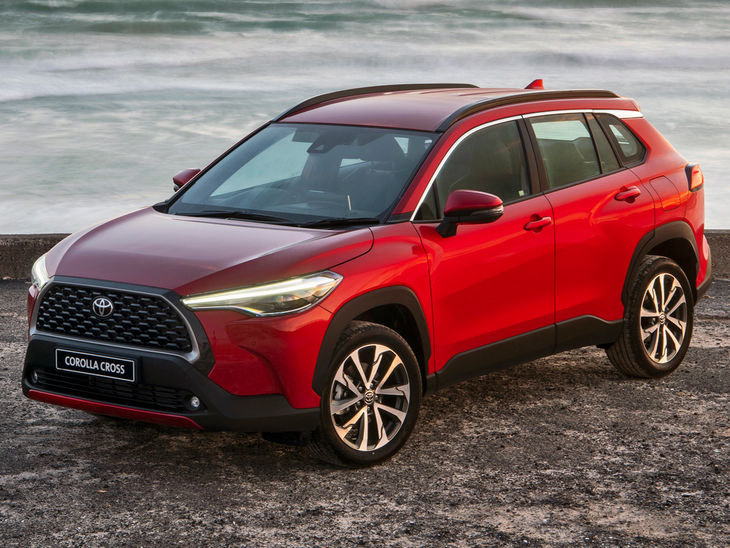
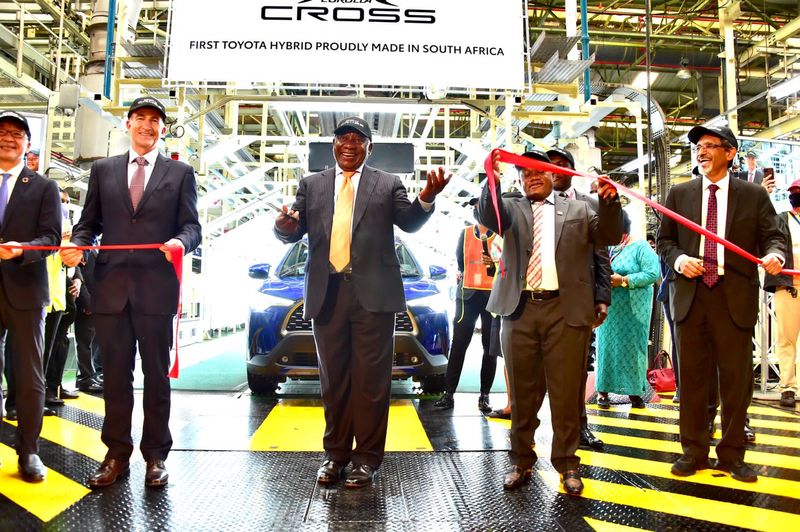
Predictably, full (i.e., those without a plug) hybrids achieved the highest volume of the three forms of electrified vehicles, accounting for 627 of the 896 units registered in 2021. The late-2021 launch of Toyota’s locally built Corolla Cross range – which includes a pair of hybrid derivatives – as well as the rolling out of hybrid versions of the Corolla Sedan and RAV4 earlier last year likely had much to do with that.
Somewhat surprisingly, EVs (218 units) actually outsold plug-in hybrids (51 units) by more than four to one in 2021, with the former figure up from 92 units in 2020 and the latter figure down from 77 units in 2020, according to Naamsa.
What sort of EV and hybrid growth will we see in 2022?
Still, despite this 137% year-on-year sales growth of EVs in South Africa, there are virtually no affordable battery-powered cars on the market at the moment. While volumes are likely to increase somewhat again in 2022 simply thanks to the presence of more EVs on the market, sales have no chance of surging until there are affordable options. Right now, the least expensive EV is the Cooper SE (R709 400), with every other example stretching well into seven figures.
Hybrid sales, however, should continue to climb strongly this year as a few more options hit the local market and sales of dual-powered Corolla Cross, Corolla Sedan and RAV4 models pick up pace. The final annual figure will, however, likely be tempered by the fact Toyota has had to halt production at its Prospecton facility – where the aforementioned Corolla Cross is built – due to severe damage caused by the KwaZulu-Natal floods.
Chery Tiggo 7 Pro (2022) Launch Review
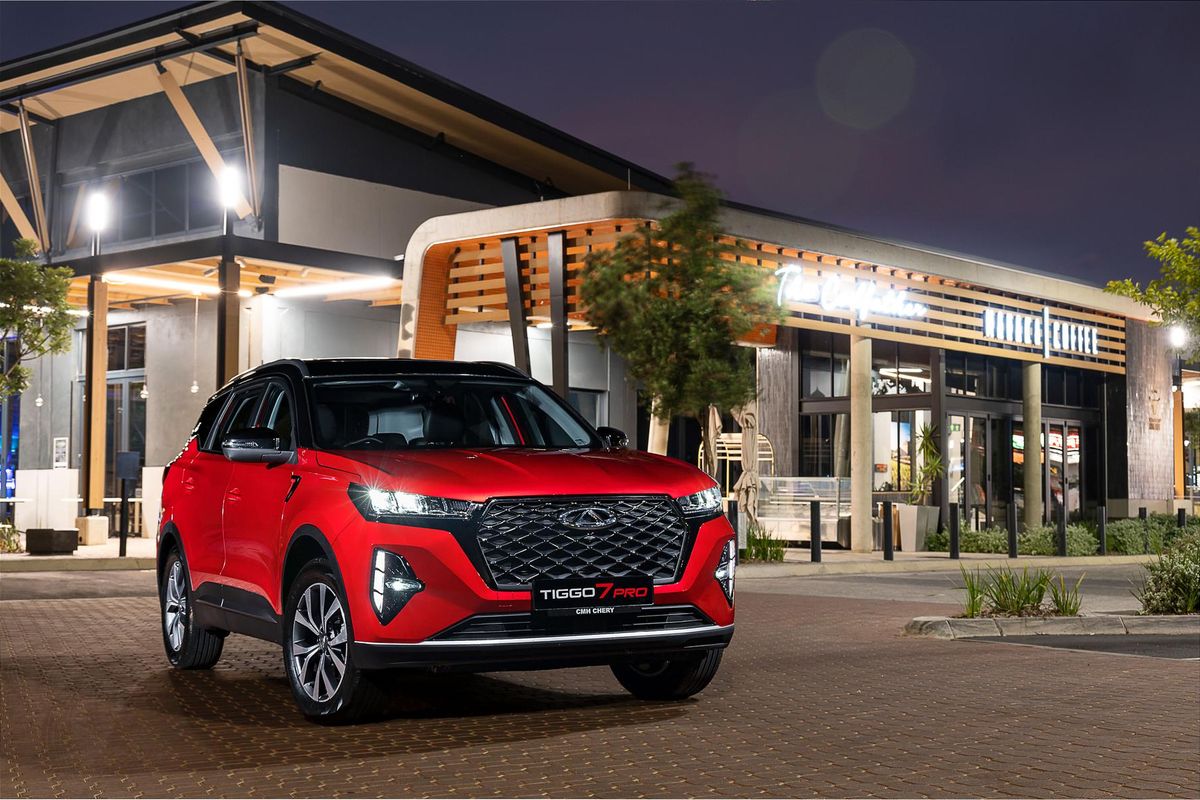
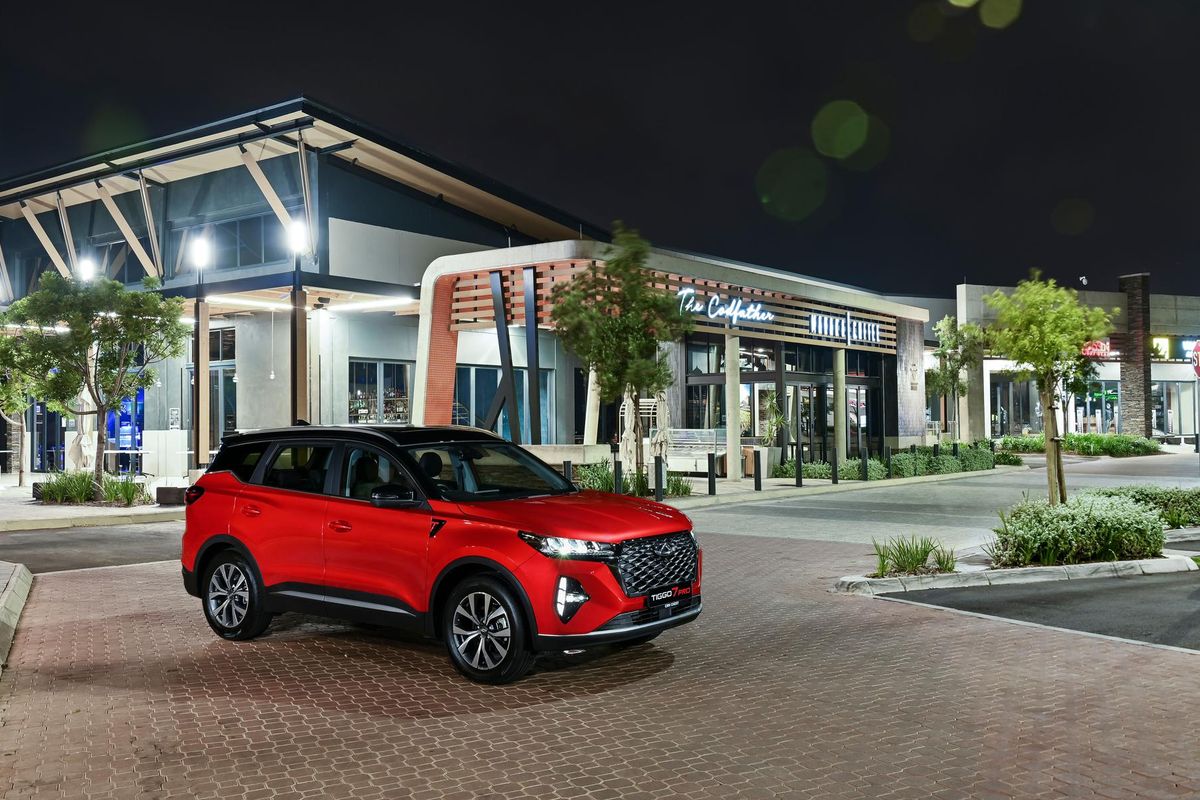
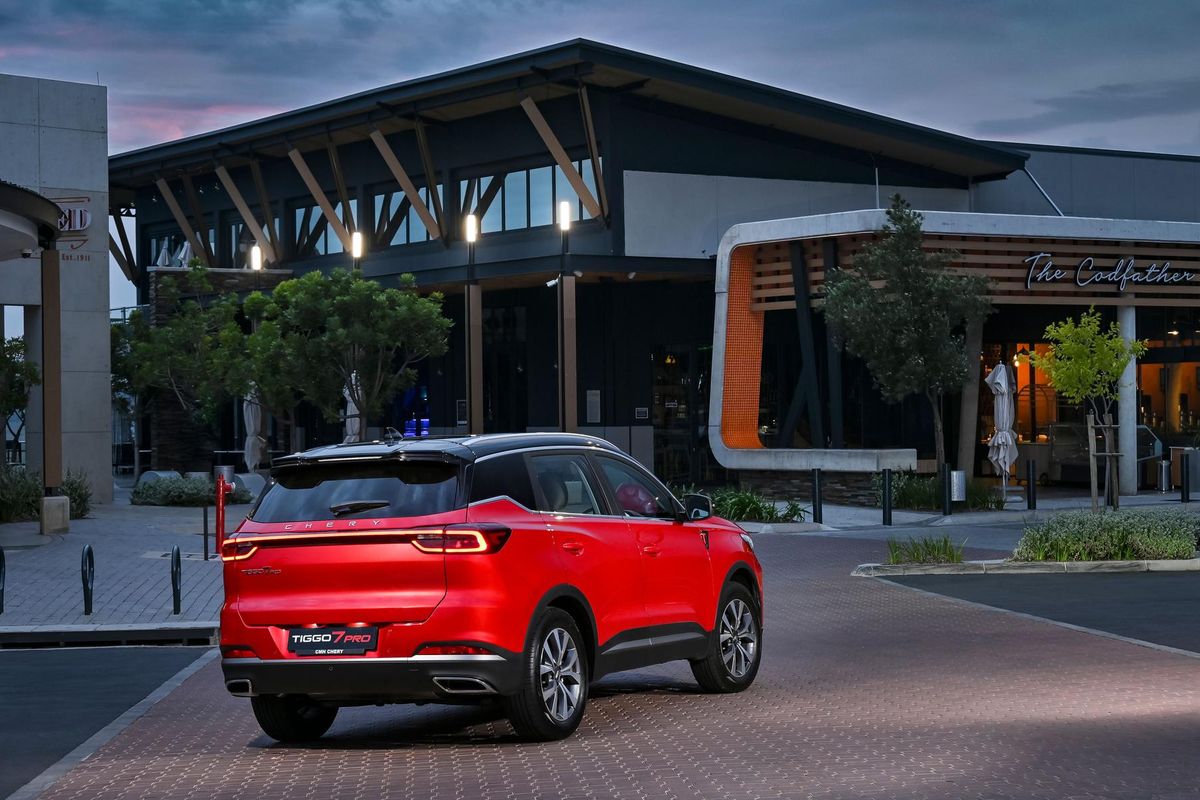
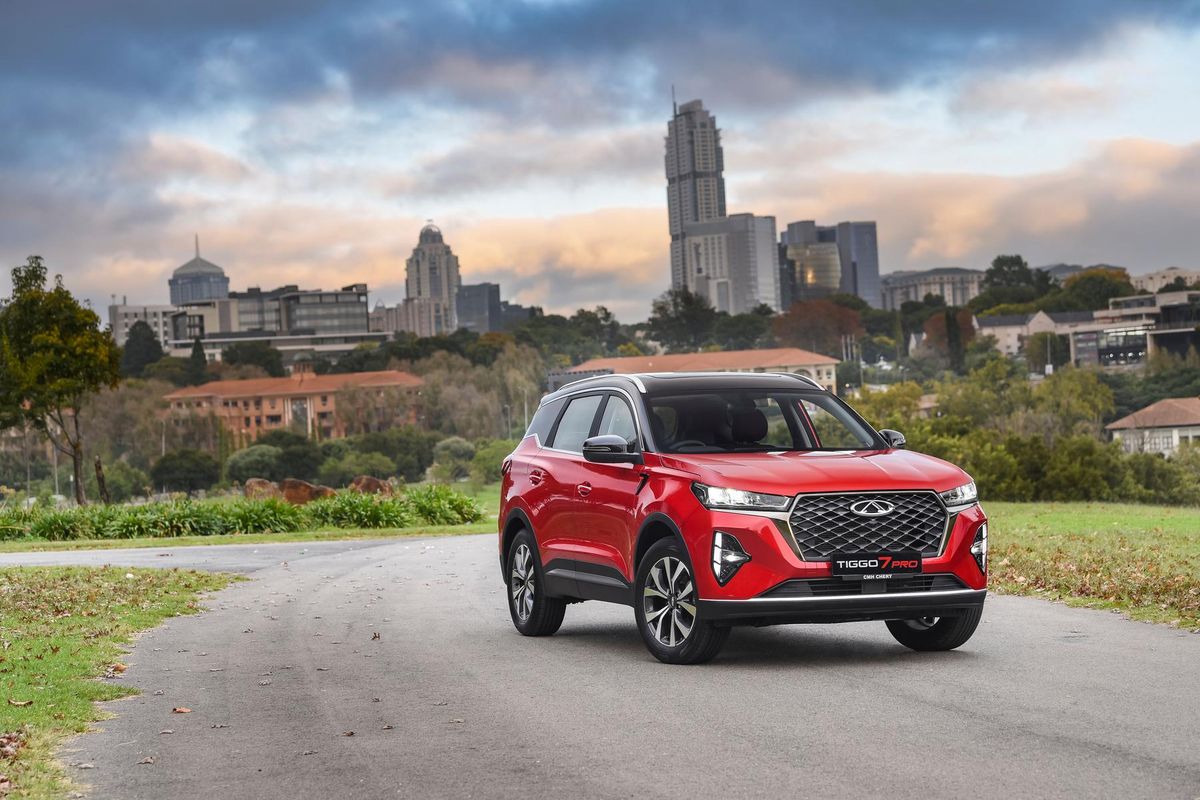
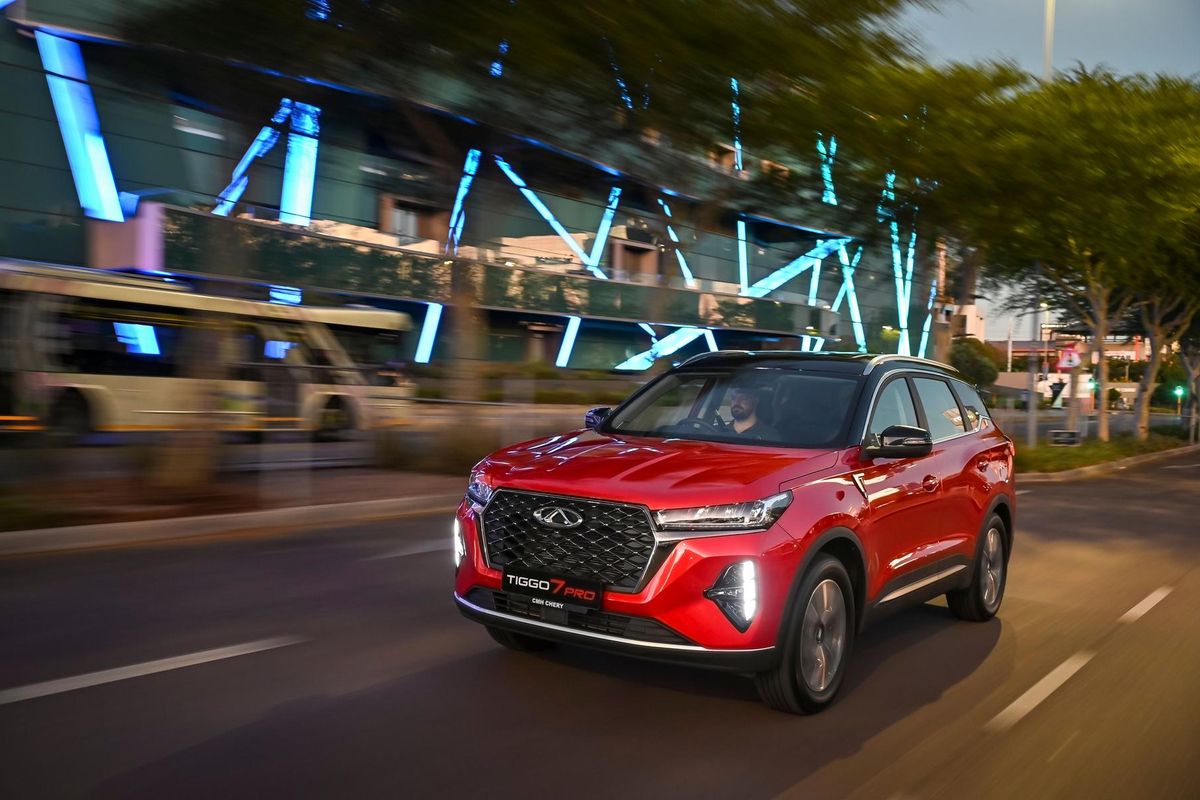
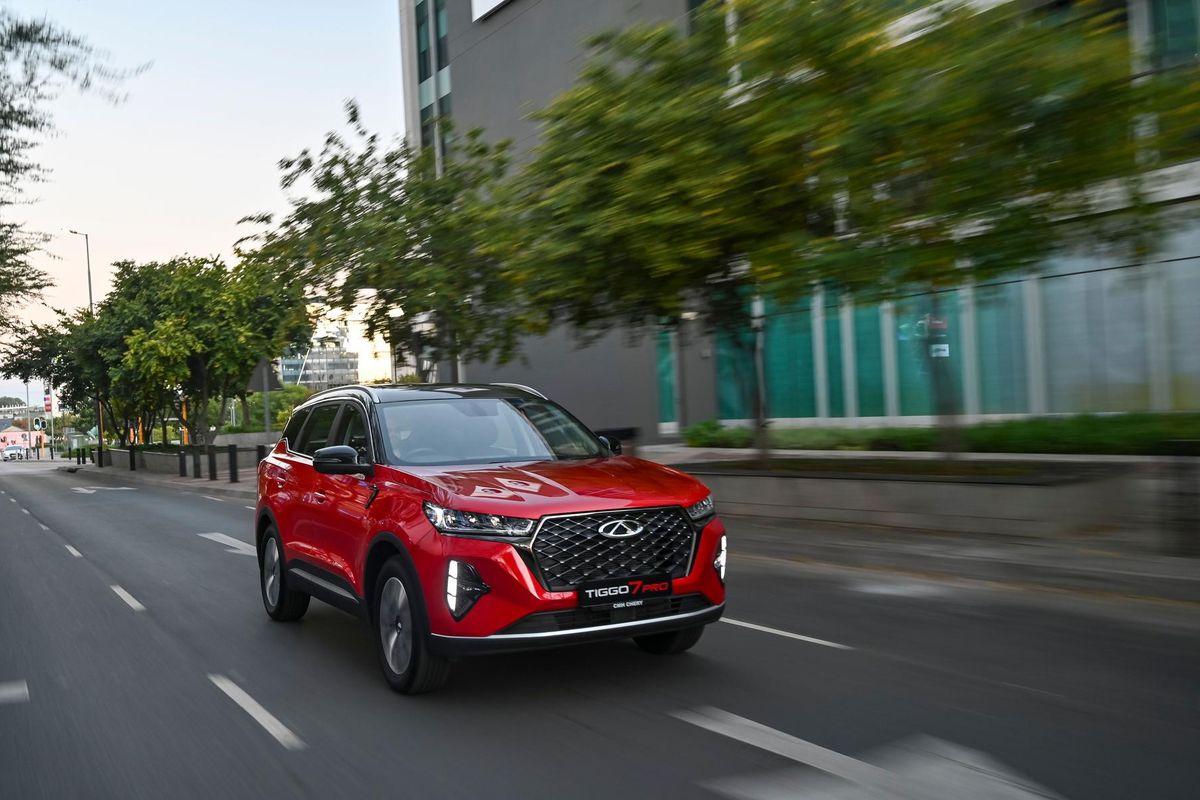
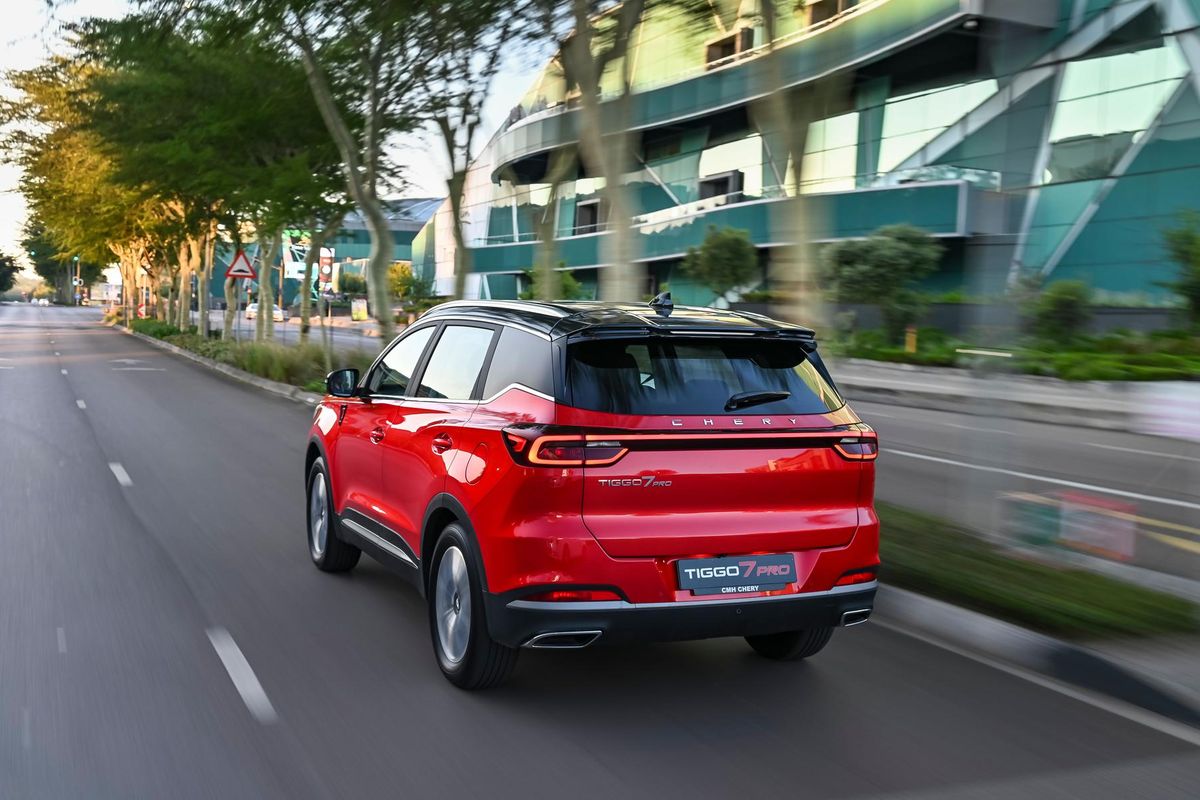
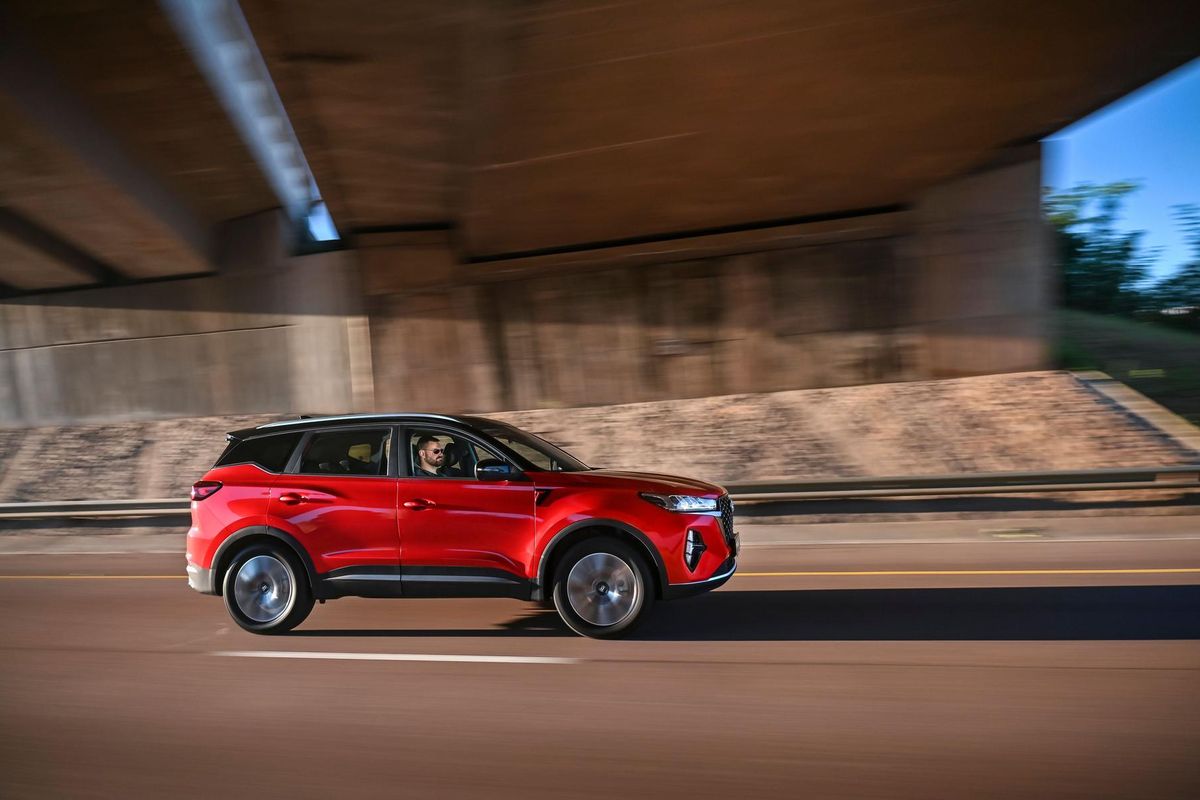
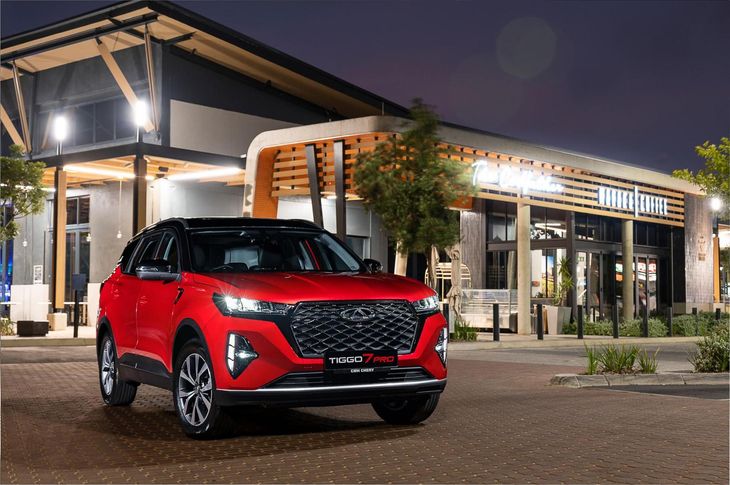
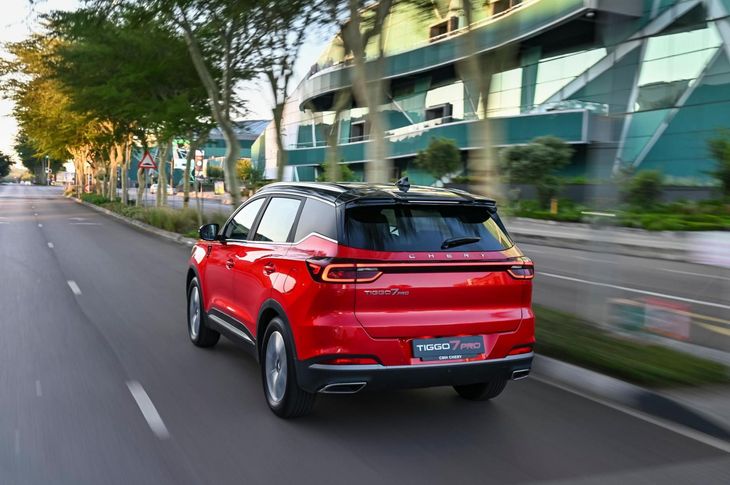
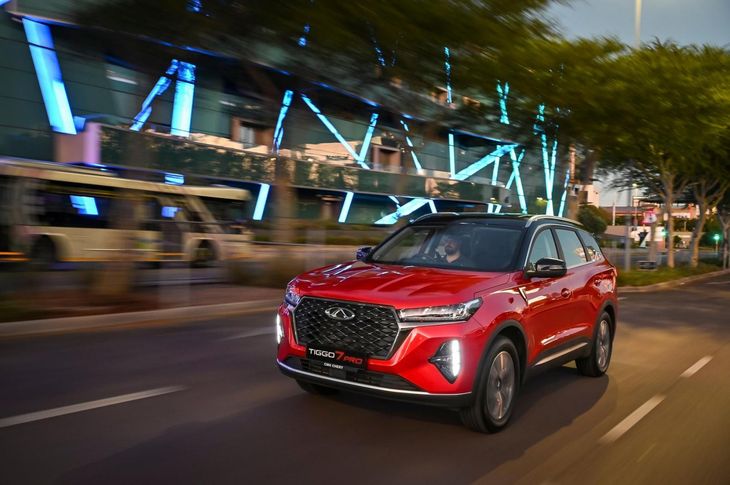
The Tiggo 7 Pro is the 3rd new model from the rejuvenated Chery brand to land on our shores and it slots into the family-car segment just below the Tiggo 8 Pro. We got the chance to drive the new model at its local launch in Gauteng.
What is a Chery Tiggo 7 Pro?
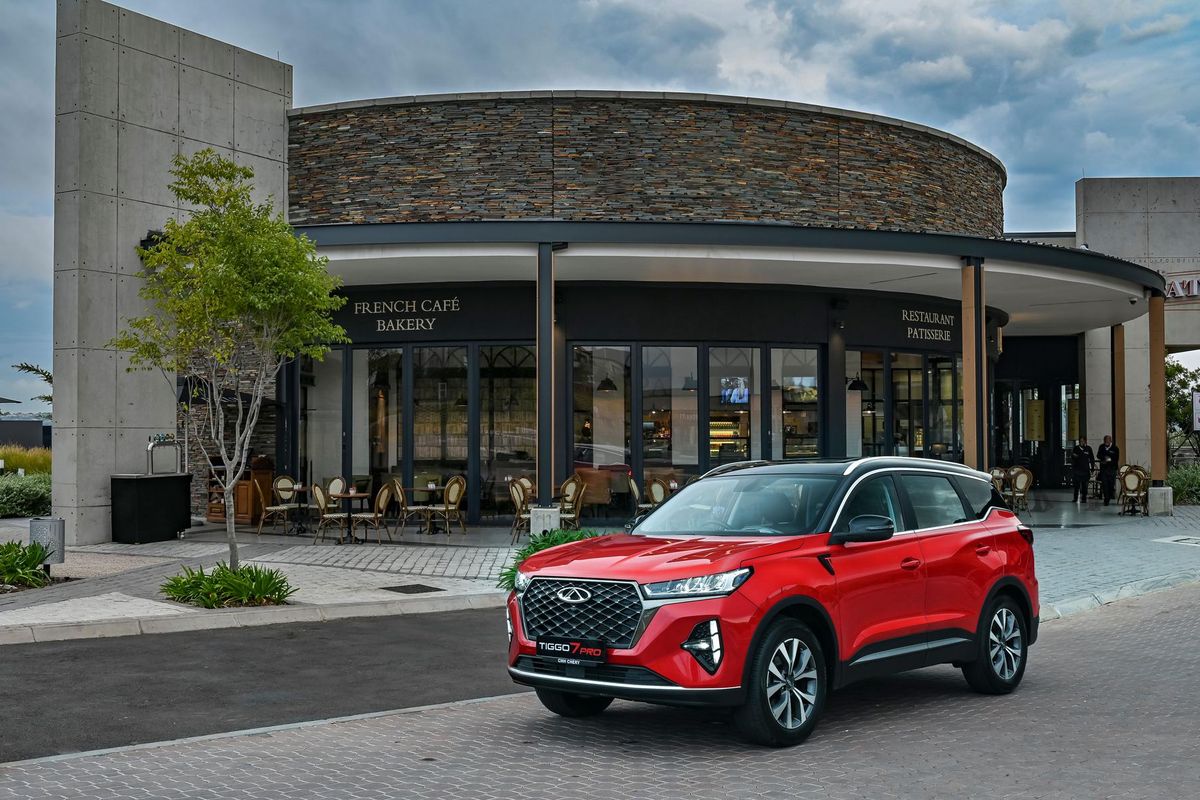
The new model is not quite as long as Volkswagen Tiguan, but it’s larger than a Kia Seltos.
For those following the progress of Chery since its reintroduction in Mzansi at the end of 2022, the Tiggo 7 Pro is the 3rd model that the brand has launched in the local market (following the Tiggo 4 Pro compact family car and the 7-seater Tiggo 8 Pro medium SUV).
Compared with the latter, the Tiggo 7 Pro is more of a traditional family car, which is to say it has a 5-seat layout over and above a raised ride height and a capacious load bay, which are, of course, prerequisites. There’s a turbopetrol engine under the bonnet and, as has become the norm with contemporary Chinese models, it has a comfortable, upmarket cabin and features a host of tech- and safety features as standard.
Natural competitors to the Chery Tiggo 7 Pro are a little hard to pin down, because while it’s a little shorter than traditional family SUVs such as the Hyundai Tucson, Kia Sportage and Volkswagen Tiguan, it’s also a little bigger than the Kia Seltos and Hyundai Creta, which are two of the larger offerings in the compact family-car segment. The newcomer’s exterior dimensions are actually quite similar to those of the Haval Jolion.
Currently, there are 2 derivatives of the Tiggo 7 Pro available – Distinctive and Executive (the only difference between them is the level of spec they offer).
Is the Tiggo 7 Pro a good family car?
The level of spec on the Tiggo 7 Pro is excellent.
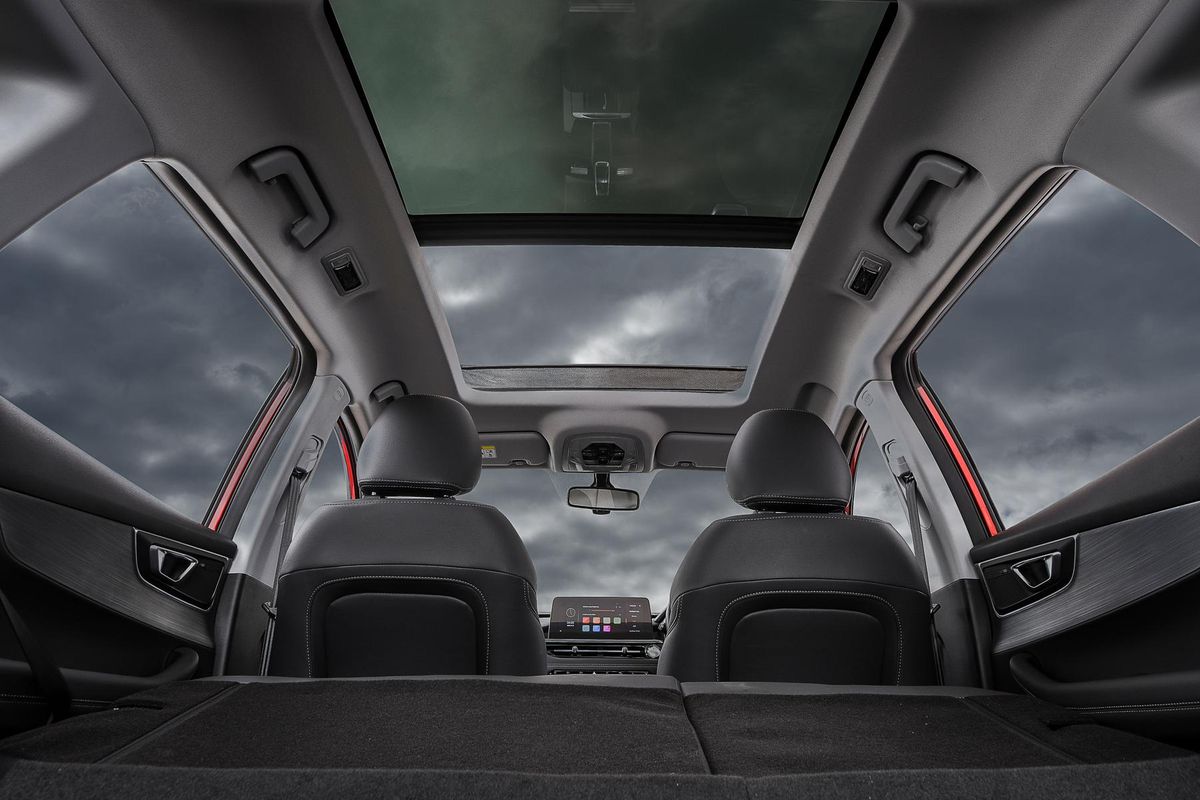
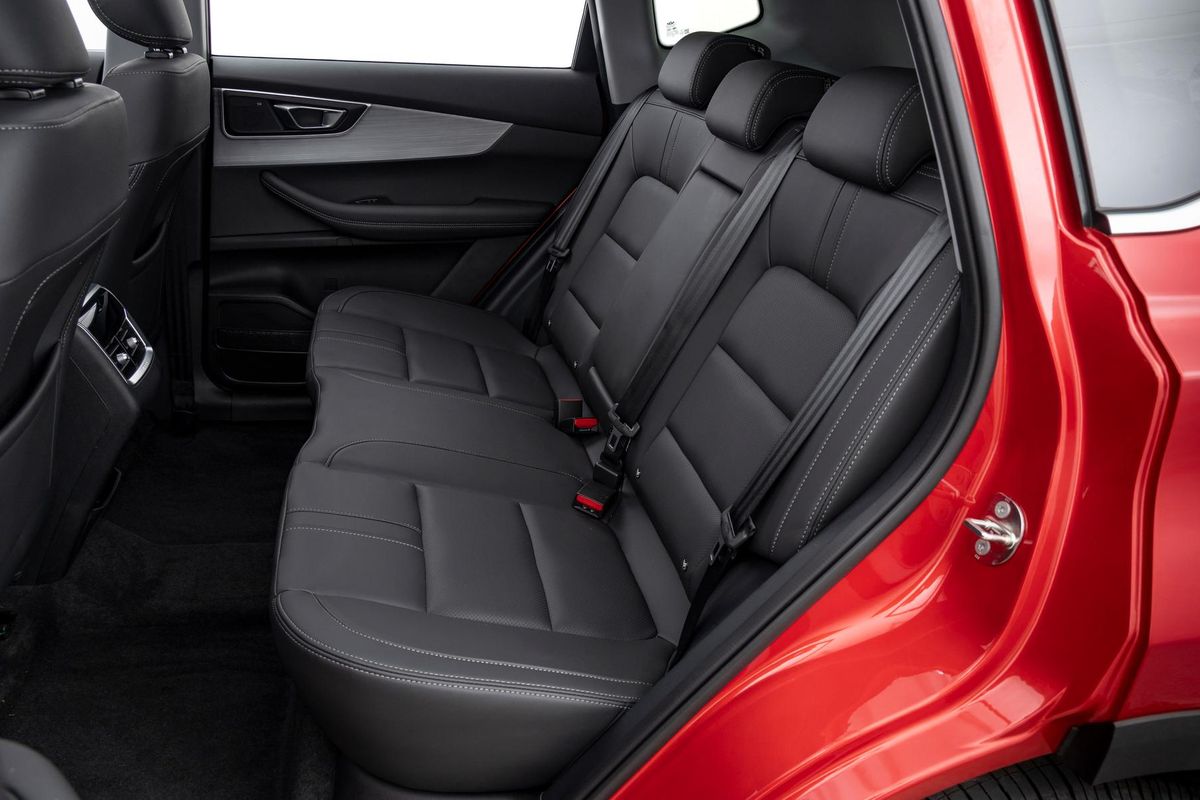
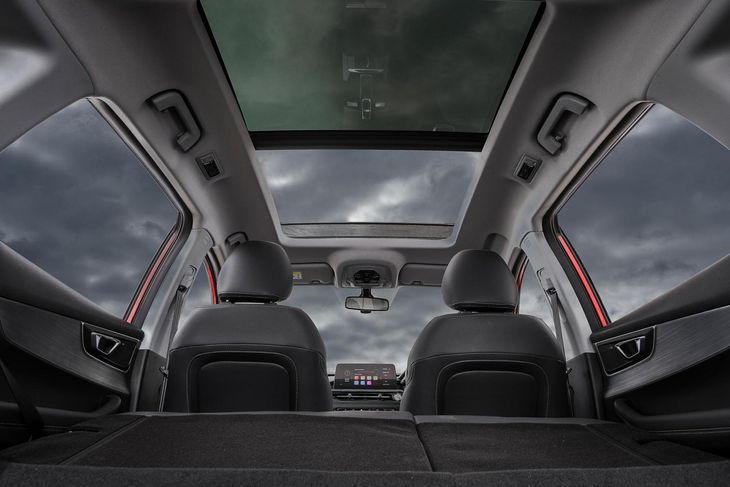
If it’s practicality you’re looking for, the Tiggo 7 Pro seems to cut the mustard. It’s spacious in the front and there’s a good leg- and headroom at the back. The load bay is spacious too – it matches those of its rivals at a claimed 475 litres and 1 500 litres, once you fold the rear seats down.
Claimed luggage capacity doesn’t always tell the true story as there’s no standard for how to measure load-bay size exactly, but using my well-trained eye, I would say Chery’s newcomer has one of the larger loading spaces in the segment. There are even shopping hooks on both sides of the hold… if that gets you excited.
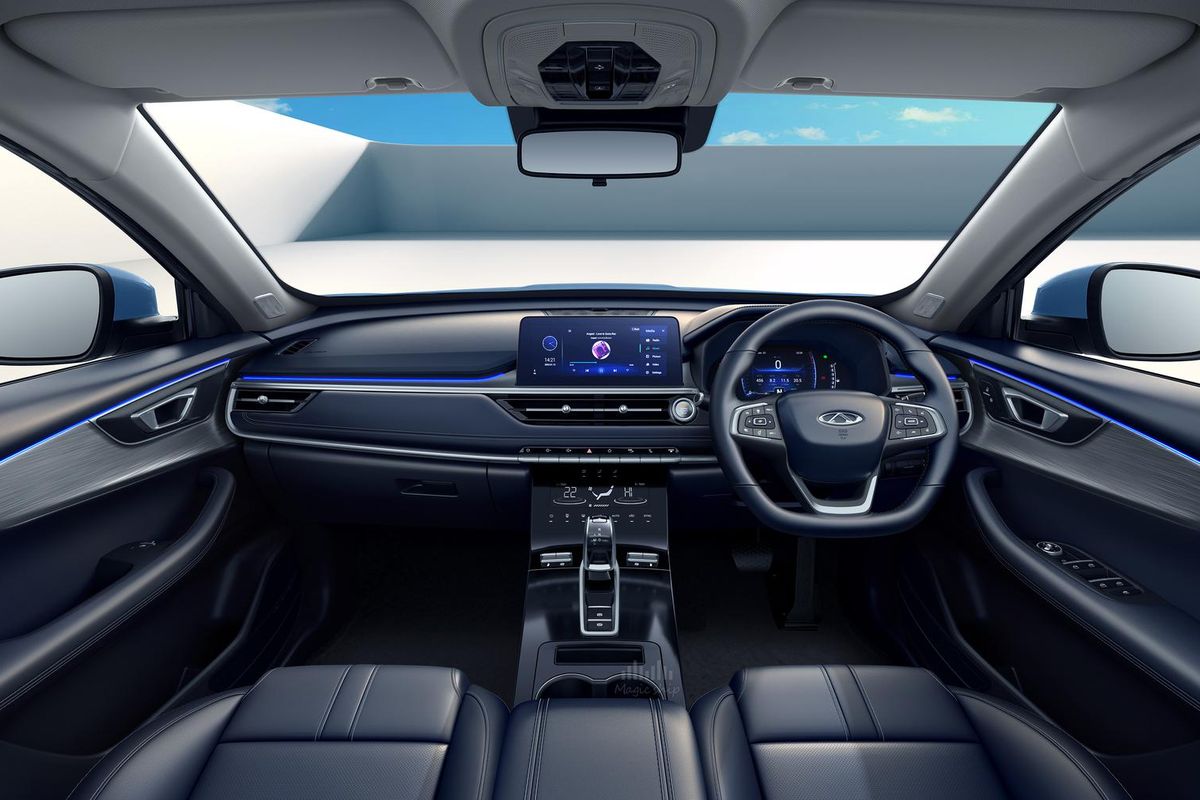
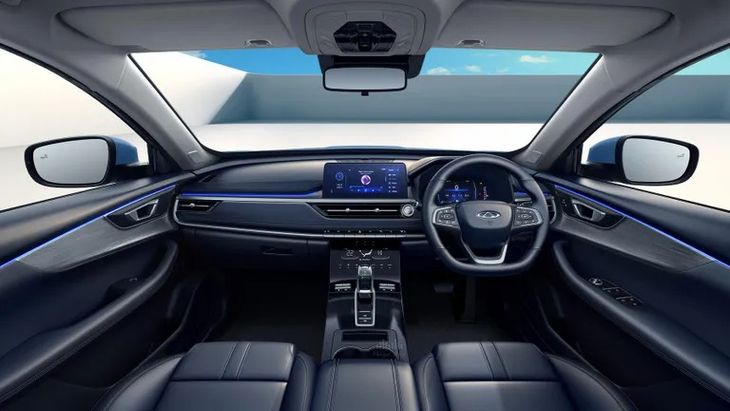
Leather trim is standard on both models and it feels really plush, as do almost all the materials in the Tiggo 7 Pro. You don’t feel like you’re being short-changed with shoddy plastics or subpar materials; it’s certainly full of high-end finishes.
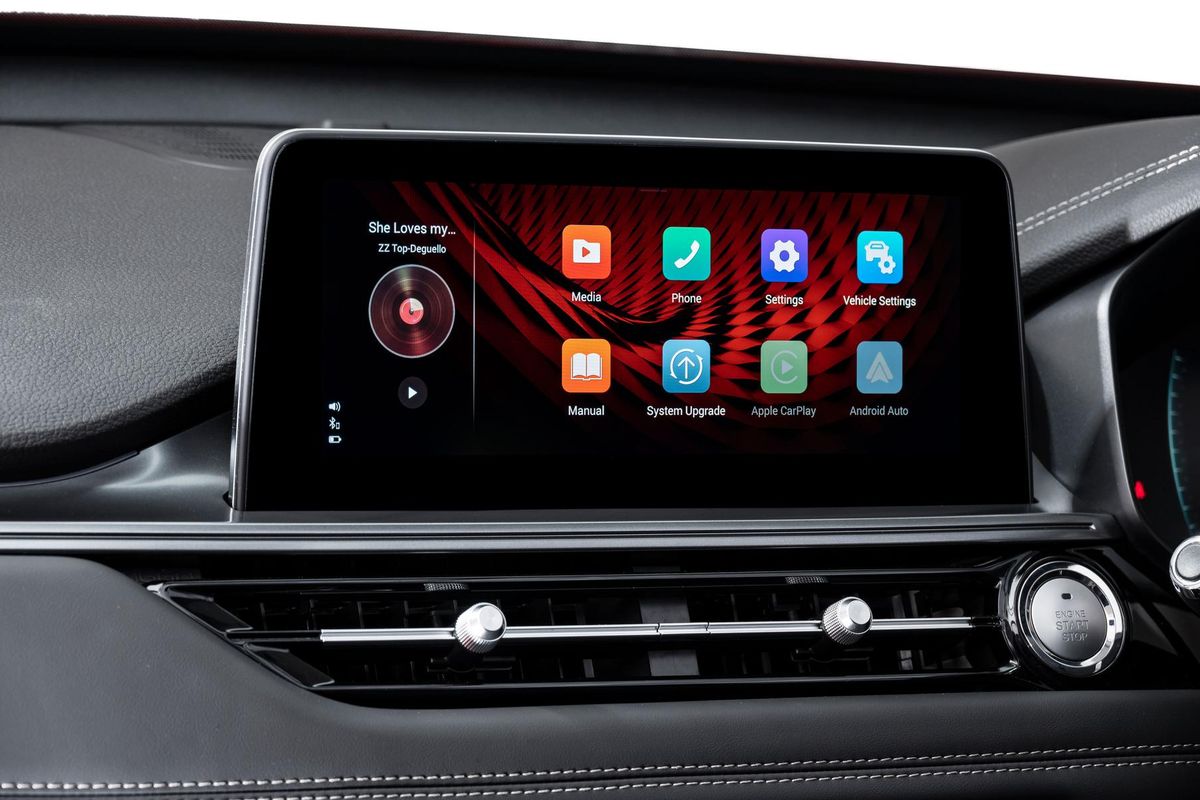
As for other storage areas, there are dual drinks holders up front and a reasonably sized centre console. Much like the Tiggo 8 Pro, the wireless charger is on a shelf underneath the climate control screen, which is good if you want to store your ‘phone out of sight, but not so good if you’re going to use Apple Carplay or Android Auto, because you have to run a cable from the USB port in the centre console. It would have made sense to update the system for wireless access…
What engine does the Tiggo 7 Pro have?
The Tiggo 7 Pro develops decent power, but its torque output is a little on the low side.
The Chery’s 1.5-litre 4-cylinder turbopetrol motor produces 108 kW and 210 Nm. It has reasonable pulling power, but it will be interesting to see how well the powertrain copes once the Tiggo 7 Pro is loaded up with passengers and their detritus, which is something we will only be able to test once we get the model back for a full evaluation.
The continuously variable automatic transmission, with 9 pre-programmed steps, facilities smooth progress. The engine does make a bit of racket when it’s required to accelerate at full throttle, but it performs gamely when called to do so.
The Tiggo 7 Pro holds 120 kph on the highway without any real hassle, but it’s not all that punchy when it needs to perform quick overtaking manoeuvres at that speed. Having said that, compared with the naturally-aspirated rivals in the segment, I’d say the Chery’s better at dispatching slower traffic quickly and efficiently.
Mediocre fuel economy has been one of the drawbacks of the Tiggo 4 Pro and -8 Pro and I found the Tiggo 7 Pro was somewhat thirsty when navigating the city and suburbs, but once you let it run on the freeway it returns decent efficiency. If you’re doing short trips to schools, shops or driving in town (not in thick traffic), you’re likely to see 10L/100 km quite easily. On the freeway (on an 80-km trip to Bakwena Game Reserve), the Tiggo 7 Pro returned an acceptable 7 L/100 km.
The Tiggo Pro 7’s ride/handling balance is impressive too. The suspension can feel a little stiff over harsher bumps, but, for the most part, the newcomer rides comfortably without any cause for concern. The steering is perhaps a little on the slow side, especially around the centre; I found making small corrections with the ‘wheel required a little more steering input than I expected. It’s not a deal-breaker, but may contribute to driver fatigue on long stints on the freeway.
High level of standard spec
A well-appointed interior with soft-touch materials and leather seats.
Throughout the past 2 years, Chinese SUVs have been the talk of the family-car segment, purely because they offer high levels of standard specification at prices the rest of the market can’t match (or maybe doesn’t want to match).
The Tiggo 7 Pro continues that trend with a full suite of safety features that includes stability control, blind-spot detection, rear cross-traffic alert, rear park distance control, hill hold and ABS and EBD. Compared with Distinctive trim, the top-spec Executive version additionally features a 360-degree camera, lane-departure warning, forward-collision warning, as well as auto emergency braking.
Communication tech is covered with Bluetooth telephony and streaming and a cable connection for Apple Carplay and Android Auto smartphone mirroring. The 10.25-inch touchscreen infotainment system covers all of your media needs and its menu system incorporates myriad settings that you can adjust to your preference. There is a lower screen that deals with the climate control settings, but those can also be fine-tuned from the infotainment screen.
The placement of the settings isn’t always intuitive and you’ll have to spend a bit of time working your way through the menus to get to some basic functions (such as resetting the trip computer), but both the centre screen and the digital instrument cluster are high-res and easy to read.
The Chery’s in-car electronic system exhibited a few software glitches (as opposed to faults, to be clear) during our evaluation drive, which could be quite irritating for those who like things to work exactly the way that they are supposed to. For example, every time we drove under a bridge, the shadow pinged the dark-mode sensor (which detects that it is dark outside), which caused the infotainment screen to darken momentarily before returning to light mode shortly thereafter.
The adaptive cruise control could react a little faster too, especially upon resumption – it seems to take an age to get back up to the set speed. There are a few other little gripes, but these are things that Chery should be able to rectify.
Pricing and after-sales service
The new Chery Tiggo 7 Pro comes with a 5-year/150 000 km warranty and a 5-year/60 000 km service plan. There is also a 10-year/1 million km engine warranty for the first owner.
Tiggo 7 Pro Distinctive
R409 900
Tiggo 7 Pro Executive
R444 900
Summary
It will be interesting to see how well the Tiggo 7 Pro fares against its rivals.
The Chery Tiggo 7 Pro looks set to continue the forward momentum the resurgent Chinese brand has created in the local passenger-car market. There’s a lot to like, with the Tiggo 7 Pro offering a high specification level allied with excellent cabin quality. The powertrain feels adequate and the newcomer’s fuel efficiency seems better matched with those of its segment rivals, at least more so than what seems the case with other Tiggo models.
Aside from a few minor software glitches, the Tiggo 7 Pro seems a pretty good buy at its introductory price point. It would appear the market’s legacy brands will face uphill from more than the Haval Jolion in the compact family-car segment.
How badly will KZN damage impact Toyota SA?
Toyota SA’s Prospecton plant was severely impacted by recent flooding in KwaZulu-Natal. Now South Africa’s biggest vehicle brand must begin its recovery… but it won’t be a simple task.
There might be many brands that trade locally, but Toyota is the cornerstone of the South African new-vehicle market. It dominates, with a 30% market share.
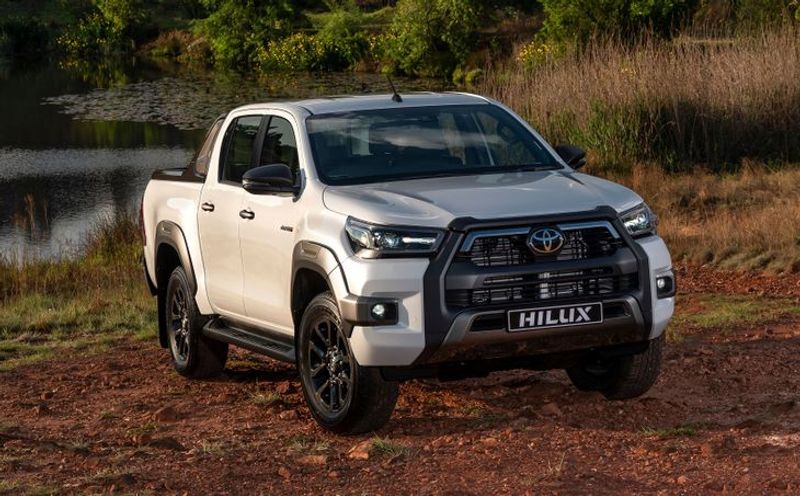
Every day, Quantums mobilise most of the country’s labour force; Hilux bakkies make the mining, engineering and agricultural industries work. And, in a market that has lagged badly in terms of electrification – with few petrol-electric, let alone battery-electric vehicles available to consumers – well, Toyota has set new hybrid sales records with its Corolla Cross.
Toyota South Africa rarely makes mistakes. Okay, the Innova was one, but insofar as product strategy and shaping model ranges to South African customers’ needs are concerned, the Prospecton-based firm schools most of its rivals.
For other product marketeers, Toyota is a nightmare. Toyota’s vehicles aren’t technically superior to those of its rivals, but they are durable, perfectly specced, and distributed through a well-resourced, respected dealer network.
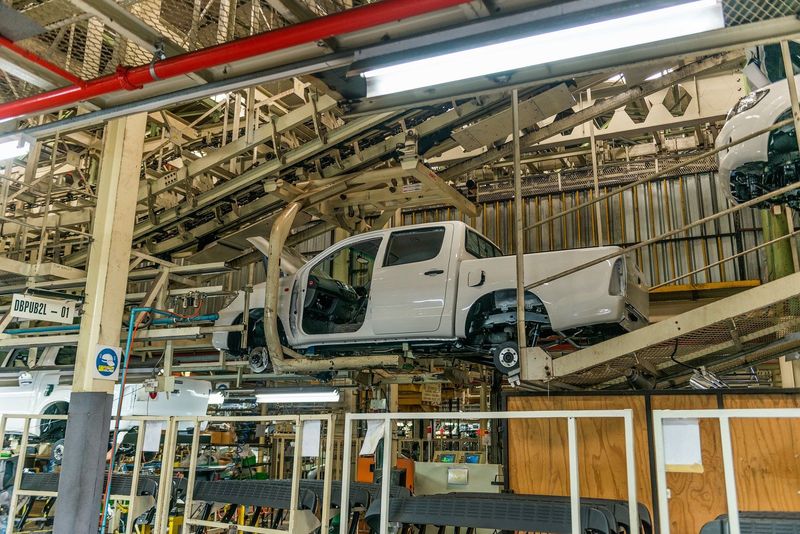
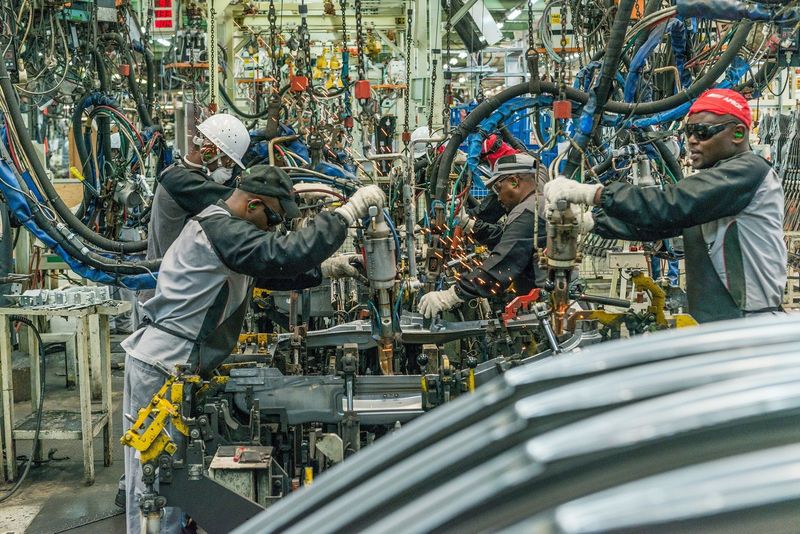
But even Toyota can’t control the weather. The company’s South African production asset is an anchor of KZN industry and employment. And it’s not going to be building any new Hilux, Fortuner, Ses’fikile or Corolla Cross units for a while.
Corolla Cross hybrid production was another benchmark project for Toyota South Africa and its KZN assembly facility.
Record sales – then a big drop
The tragic flooding has impacted all aspects of life in KZN and, for Toyota South Africa Motors (Toyota SA), it represents the company’s most severe production disruption in South Africa.
Toyota SA’s success best illustrates the scale of this issue. For the first three months of this year, the Japanese brand tallied new-vehicle sales of 12 480, 13 458 and 15 008 units. That last number was for March and set a new record – despite a global supply chain issue due to a shortage of microchips. About two-thirds of Toyota SA’s sales volume is also locally built and, if you follow this logic, you start to understand the problem.
How bad is the disruption? Toyota’s sales fell by 40% from March to April. And that’s due purely to supply disruption. In a recent news interview, Toyota CEO Andrew Kirby mentioned a total production disruption of 45 000 units being possible. For context, that’s nearly three times the size of Isuzu’s entire South African new-bakkie business.
Imports will come to the rescue, to an extent. But the Hilux won’t have a record sales year in 2022.
Where else will they get Hilux?
Going from a record sales month to nearly half of that is not something that can be smoothed over. Parts suppliers predict that Toyota’s South African production will be out of commission for three months.
Local executives have admitted that the plant is still being cleared, and a comprehensive damage assessment is yet to be made. A realistic timeline for restarting production is not even on the table, at least not yet. That said, Toyota has experience managing climate and natural disaster emergencies across its global portfolio of production assets.
A total of 57 maintenance engineering experts from Toyota’s global pool of specialists are now on-site in KZN. They understand severe weather-related damage and restarting complex automotive assembly and restoring supply chains… Lessons were learned after the 2011 tsunami disaster in Japan.
Toyota customers are going to experience significant disruptions. The company has a powerful global network of facilities that produce Hilux, but none of them is close to us. Global shipping remains a mess and the port of Durban, not to mention KZN’s road infrastructure, will require a lot of repair work.
Cars don’t have to be parked in containers for shipping. The container shortage afflicting much of global trade is one less thing for Toyota SA to worry about, but the logistics of landing and distributing a vast number of imports, many times more than has been done before, will be challenging.
Toyota had raised and insulated electronic modules after previous floods, but this time, the water level rise was immense.
Is SA-spec a unique challenge?
No, not really. Few companies are quite as skilled at industrial engineering as Toyota and the Japanese company has amazing global integration, with the ability to build what it needs, wherever it wants.
Beyond KZN, Toyota’s global production assets for Hilux are in Thailand, Argentina, Malaysia, Pakistan and India. Since the millennium, Thailand has positioned itself as a global centre of excellence for mid-sized bakkies.
The market most similar to South Africa is Australia. Toyota Down Under’s Hilux bakkies come from Thailand. This could be from where the local Hilux shortfall might be supplemented… Australian Hilux customers are of a similar user profile to South African double-cab owners and enjoy high-level ownership satisfaction with their Thai-built bakkies.
What could be different? Possible limitation on Dakar spec graphic kits? As a purely cosmetic add-on, it should hardly be an issue.
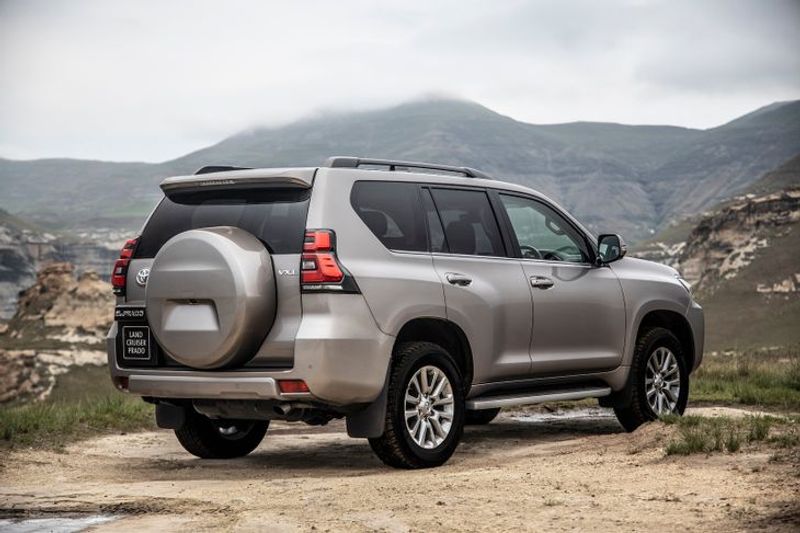
Prado is imported. So is RAV4. But the loss of Fortuner supply will be notable.
Who’ll benefit from Toyota’s misfortune?
Despite the best alternative sourcing, Toyota will have a shortfall of Hilux supply during the next few months. The discrepancy between demand and supply will be available for conquest by rivals, but which brands are likely to swoop in?
Ford is navigating the complexities of preparing to produce the new-generation Ranger at its Silverton facility, which could limit any potential surge in supply. Nissan Navara? Despite the brand’s Rosslyn facility having greater product diversity than before, its sales numbers remain low – the Navara has hardly threatened the Hilux’s dominant position in the market, so why would buyers flock to Nissan dealerships unless they absolutely had to have new bakkies right away?
The big winners could be Isuzu (new D-Max) and GWM (P-Series). After making local bakkie customers wait a ridiculous two years beyond the model’s global launch, the D-Max is finally in stable production locally. And Isuzu possesses the brand legacy and product portfolio to rival Hilux and act as a fair substitute for customers who want a new bakkie – and don’t want to wait.
GWM’s competitive pricing (allied with generous specification) could see those who are desperate for a new Hilux, but can’t get one, pivot to a Chinese brand. Granted, it’s something that a legacy Toyota Hilux customer would not ordinarily consider, even at the lower spec grades. But long waiting lists could tempt some to switch brands – and there’s no arguing with GWM’s value offering.
Toyota should recover some of its 40% Hilux shortfall (from March to April) in the coming months, so don’t expect that 40% discrepancy between demand and supply to continue. However, there might be a few hundred units of Toyota bakkie customer demand up for grabs in the local market for the next quarter.
Loss of export credits could unbalance pricing structures
What might influence Toyota South Africa’s total business quite adversely, however, is a loss of export credits. For all those Hilux units it exports, Toyota South Africa earns export credits on the percentage of localisation. And that localisation has increased a lot, constituting about 30% under the latest government incentives.
What happens with those export credits? They can be used to reduce tariffs on imported vehicles (usually premium models) in the broader Toyota product portfolio. Export credits can also be sold to other brands that wish to reduce the import-tax burden on their vehicles.
Trading at record residuals even before the production disruption. Expect full-spec Hilux values to soar.
Will customers wait? Or move to other models?
For Toyota dealers, who are easily the most profitable in the local industry, the disruption of Hilux, Fortuner and Corolla Cross supply spells disaster. Record demand has enabled Toyota outlets to run an enormously successful business.
The RAV4 is imported and could be an acceptable alternative for some Fortuner customers, but the latter’s volumes are huge. With Hilux, there’s little option but to wait. Few double-cab customers will consider trading up into a Land Cruiser 79.
Stock-issue shortages will be the biggest challenge Toyota’s local operations and dealers have faced in decades. Future planning around better containment of the Umlazi River, when it floods, must be an infrastructure project of the highest priority for Durban authorities.
One thing is for certain. There will be no discounting on any Hilux price negotiations, new or used, for the next few months.
VW Confirms Electric Bakkie and SUV, Revives Scout Badge
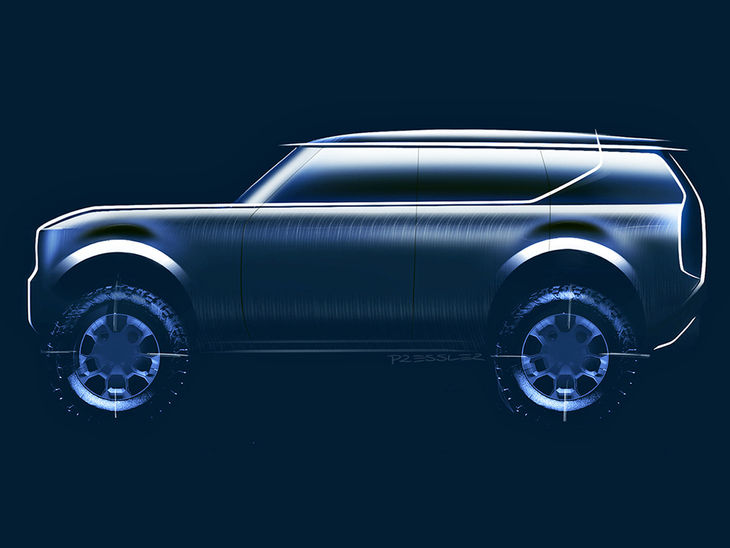
The Volkswagen Group has officially revived the Scout nameplate as a sub-brand, confirming plans to build an electric bakkie and a battery-powered SUV wearing this badge…
Remember recent comments from a Volkswagen executive suggesting the German firm was “actively” looking at building an electric bakkie? Well, turns out that vehicle – along with a battery-powered SUV – will fall under the revived Scout name rather than wear a VW badge.
Yes, the VW Group has announced plans to launch vehicles it describes as an “all-electric pick-up and rugged SUV”. However, the newcomers will be limited to the North American market (at first, at least), with the automaker saying they will be “designed, engineered and manufactured” in the United States for American customers.
Interestingly, a “separate, independent company” will be established in the US, which is where the Scout name comes in. As a reminder, the Scout was a Jeep rival produced in the US by International Harvester from the early 1960s to around 1980. The VW Group acquired the Scout trademark in 2021 and will now use the moniker to enter the electric off-roader scene.
The first Scout prototypes are due to be revealed in 2023, with production scheduled to start in North America by 2026. Fascinatingly, VW says it won’t use existing underpinnings from within the Group (nor Ford’s Ranger platform as part of the Amarok tie-up), revealing instead the electrified Scout brand will be “built upon a new technical platform concept”.
Arno Antlitz, CFO of Volkswagen AG, confirmed the new company would become “a separate unit and brand within the Volkswagen Group to be managed independently”.
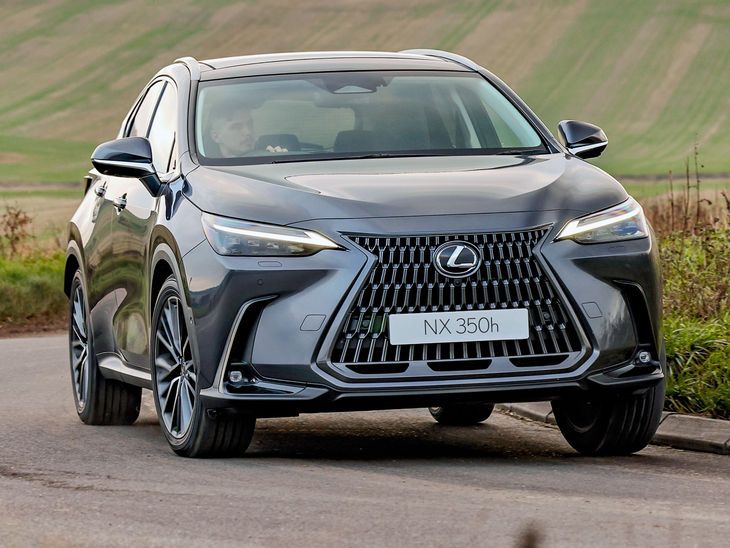
Lexus NX (2022) Specs & Price
The new Lexus NX range has touched down in South Africa and we’ve uncovered local pricing. Here’s what you need to know, including how much this fresh-faced luxury crossover will cost you…
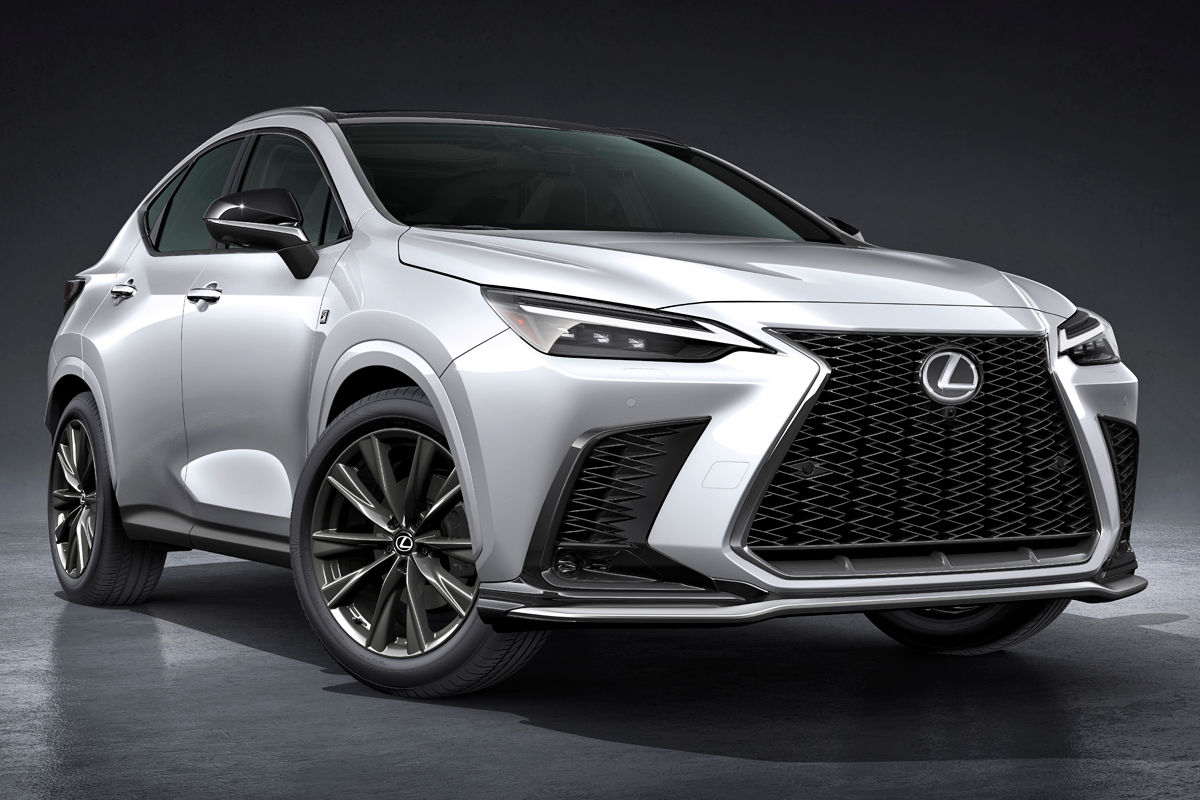
The new Lexus NX has made its way to South Africa, though the line-up interestingly comprises just a pair of purely petrol-powered models at launch in March 2022 [UPDATE: hybrids variants have been added in May 2022; see dedicated section below].
Whereas the outgoing three-strong range was topped by a hybrid derivative, the second-generation line-up features (for now) only the NX 250 EX and NX 350 F Sport, neither of which benefits from any sort of electrification. Considering Toyota South Africa Motors’ recent hybrid offensive, we’re guessing such a powertrain option is on the horizon.
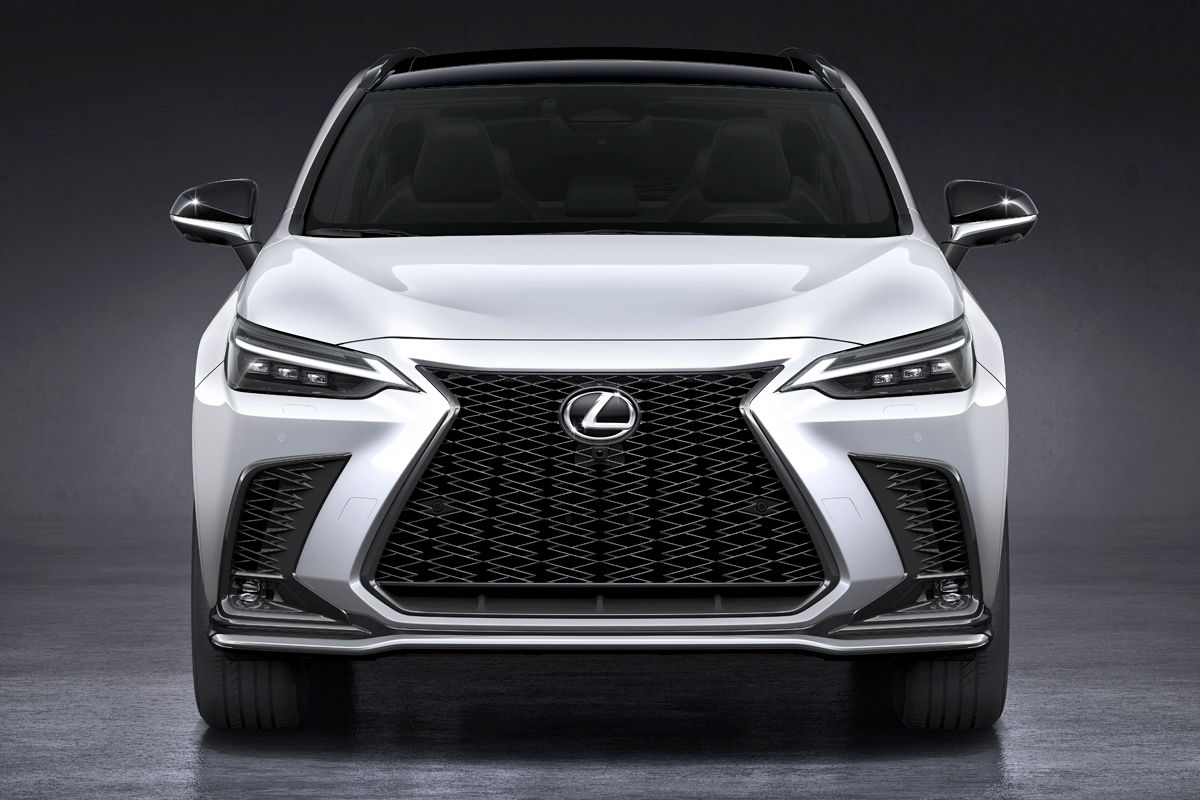
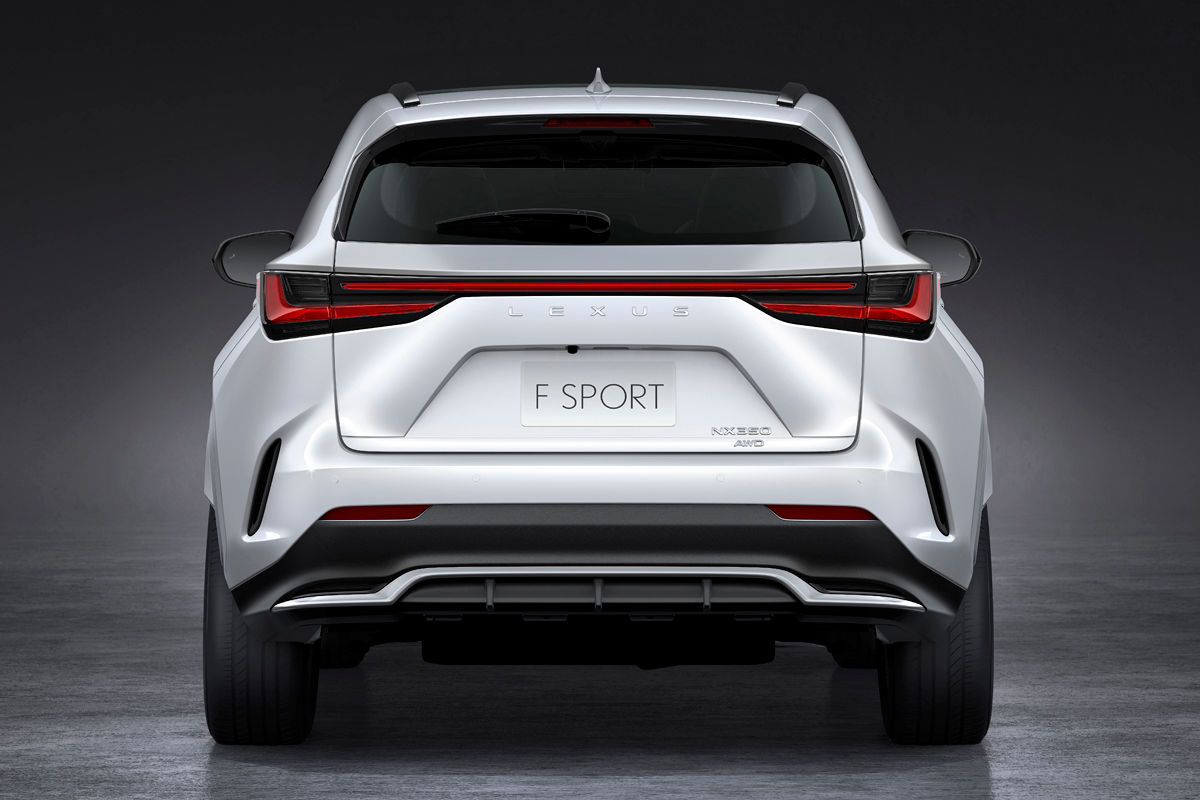
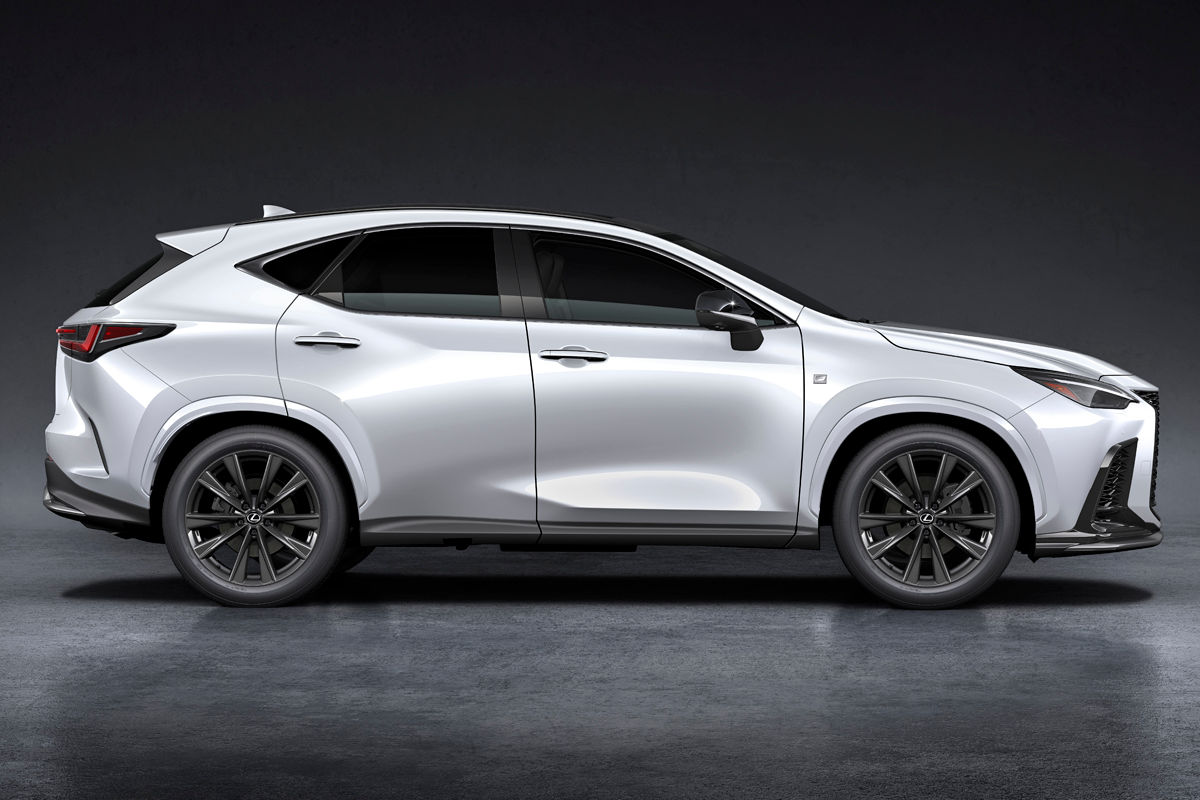
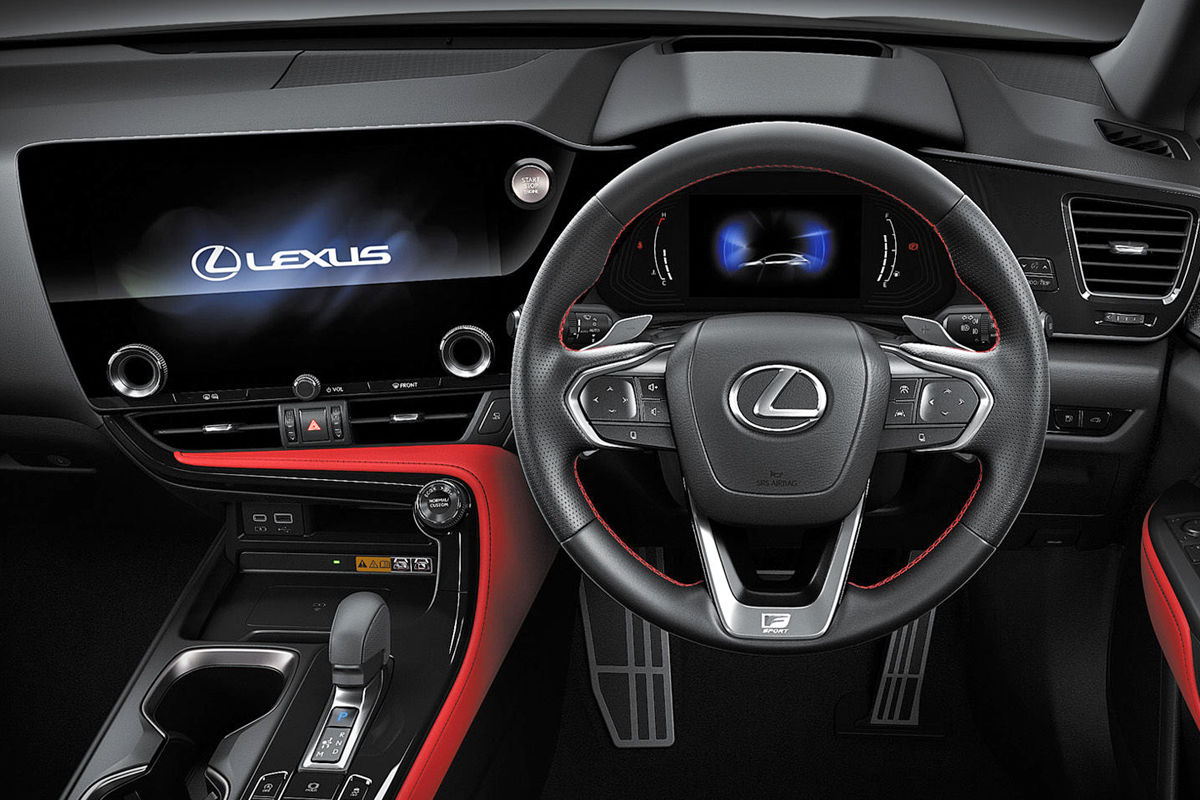
Revealed in mid-2021, the new NX rides on a fresh platform, allowing it to sport a longer wheelbase, wider tracks and a lower centre of gravity. While the exterior design changes are fairly subtle, the cabin has received quite an overhaul.
Priced from R860 000, the NX 250 EX employs a naturally aspirated 2.5-litre, 4-cylinder petrol engine sending 152 kW and 243 Nm to all four wheels courtesy of an 8-speed automatic transmission. This model will reach 100 kph from standstill in a claimed 9.1 seconds, before topping out at 200 kph. Lexus lists a fuel economy figure of 7.1L/100 km.
The NX 350 F Sport, meanwhile, uses a turbocharged 2.4-litre, 4-cylinder petrol unit, which sends its 205 kW and 430 Nm to all four wheels via an 8-speed automatic cog-swapper, too. Although it’s a little thirstier at a claimed 8.1 litres per 100 km, Lexus says it will reach three figures in 7.0 seconds. The NX 350 F Sport kicks off at R1 075 400.
Despite effectively functioning as the base model, the NX 250 EX is generously equipped, shipping standard with items such as a powered tailgate, tyre-pressure monitoring, a lane-keeping system, adaptive cruise control, dual-zone climate control, electrically adjustable (and heated) front seats, synthetic leather upholstery, wireless smartphone charging, a 14-inch touchscreen system, a 10-speaker sound system and 18-inch alloy wheels.
The NX 350 F Sport upgrades to model-specific styling items (such as the F Sport grille and bumpers on the outside and the F Sport steering wheel, alloy pedals and shift lever on the inside), along with 20-inch alloys, adaptive high-beam LED headlamps, blind-spot monitoring, cornering lamps, sequential indicators, a digital rear-view mirror, genuine leather upholstery, an extra (Sport S+) driving mode, a panoramic sunroof, a 17-speaker Mark Levinson sound system and a 360-degree camera system.
Hybrid derivatives added to the range in May 2022
The freshly added hybrid derivatives are the NX 350h EX, NX 350h SE and NX 350h F Sport. The latest hybrid arrangement is build around Toyota’s familiar naturally aspirated 2.5-litre, 4-cylinder petrol engine. With the help of an electric motor, total system power is pegged at 179 kW.
Lexus claims a combined fuel consumption figure of 5.0 L/100 km, along with a 0-100 kph sprint time of 7.7 seconds and a top speed of 200 kph. The company says the hybrid system design has been “improved” thanks to a new front transaxle and a compact lithium-ion battery.
How much does the new Lexus NX cost in South Africa?
Lexus NX 250 EX – R860 000
Lexus NX 350h EX – R888 500
Lexus NX 350h SE – R1 040 700
Lexus NX 350h F Sport – R1 065 500
Lexus NX 350 F Sport – R1 075 400
The new NX range includes a 7-year/105 000 km warranty along with a maintenance plan of the same length.