Electrification ‘Not the Answer’, Says Aston Martin Design Boss
The head of design at Aston Martin says although electrification may well bring about a Golden Age of automotive design, it is quite simply “not the answer”…
Marek Reichman, the chief creative officer at Aston Martin, says electrification is “not the answer” to the industry’s long-term goal of reducing automotive emissions.
“Electrification is not the answer; it is a stage on our journey to zero fuels, but it is not the answer,” he told Drive.
According to the 56-year-old Englishman, there are a number of obstacles standing in the way of the sustained success of electric vehicles (EVs).
“You will never be able to recharge an EV in two minutes like you refuel now. The convenience will never be there. Then there’s the raw materials needed to produce enough batteries for the number of cars we produce today. Right now, many millions of cars are produced every year. Where are the minerals for those batteries going to come from? Every year?
“Then we have to think about national grids; the electrical infrastructure. Charging stations are not the solution; neither is home charging on existing grids,” he said.
So, what is the answer? Well, Reichman suggests the internal combustion engine (ICE) may well survive, pointing towards biofuel as a potential solution. He also believes hydrogen fuel cells have potential.
“The legislation really starts to change in 2027, 2028 through to 2030 in terms of emissions regulations. Is that going to be the last call for internal combustion engines?”
“I see it living as long as it possibly can; as long as the legislation will allow, because there are customers who love and want those types of cars. And once we get deeper into zero fuels then there’s more chance of an ICE unit surviving.”
“At the end of the day, the tailpipe is going to be where companies will be legislated. So biofuel or a hydrogen fuel-cell offer potential solutions here.”
Interestingly, his comments came while he was in Australia to present the new Valhalla to local media. The supercar, of course, combines a twin-turbo V8 petrol engine with a pair of electric motors.
Still, Reichman says the shift towards electric powertrains – and the packaging freedoms that come with this type of propulsion – has at least set up the industry for what he terms a “Golden Age” for design.
“If people are brave enough, you can uncover very, very different solutions to all those questions [of packaging] because now they’re not constrained, particularly in our segment, to housing a V12 or V8 or even a V6. But if you can eliminate those lumps you’ve got more freedom in terms of the language of the car.”
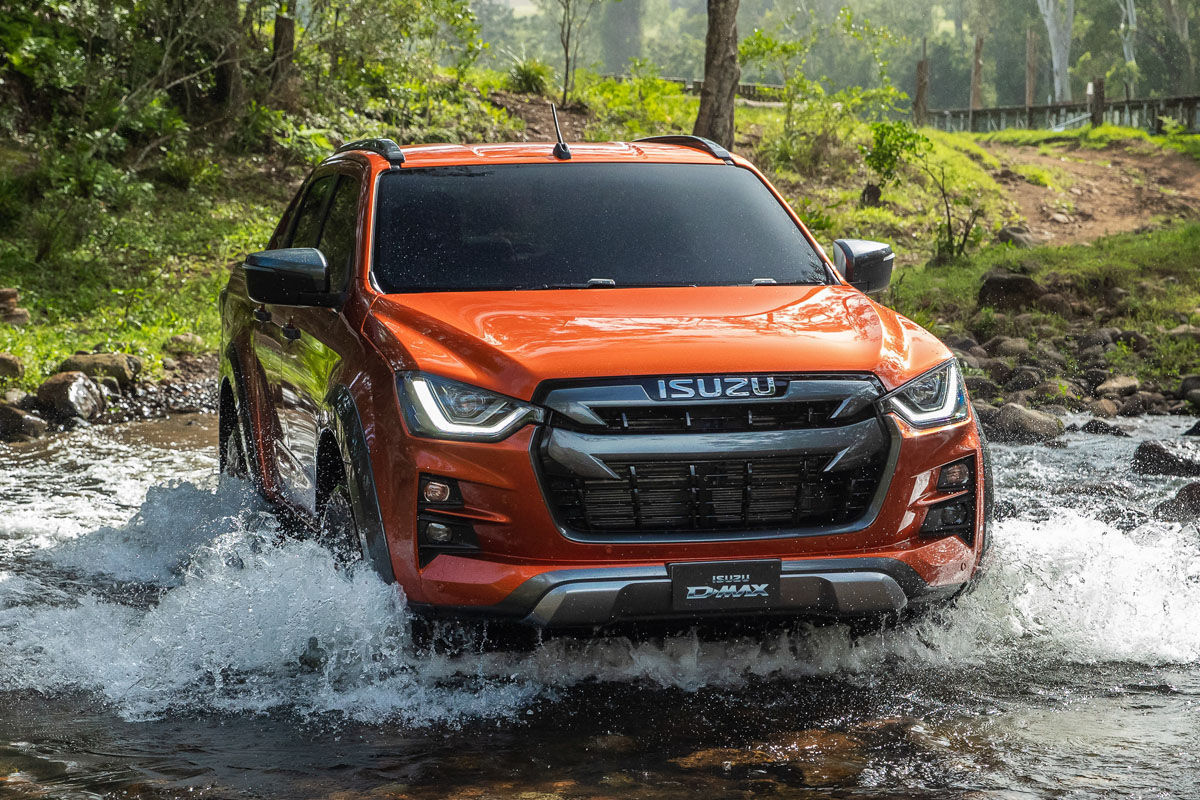
The wait for the all-new, locally built Isuzu D-Max is finally over! Let’s take a look at pricing and specifications for South Africa’s newest bakkie entrant…
Following a significant investment of R1.2-billion in 2019 to upgrade its Struandale production facilities in Gqeberha, Isuzu is finally launching its all-new D-Max bakkie on local soil. The investment has secured at least 1 000 jobs and as many as 25 000 jobs throughout the supply chain in South Africa.
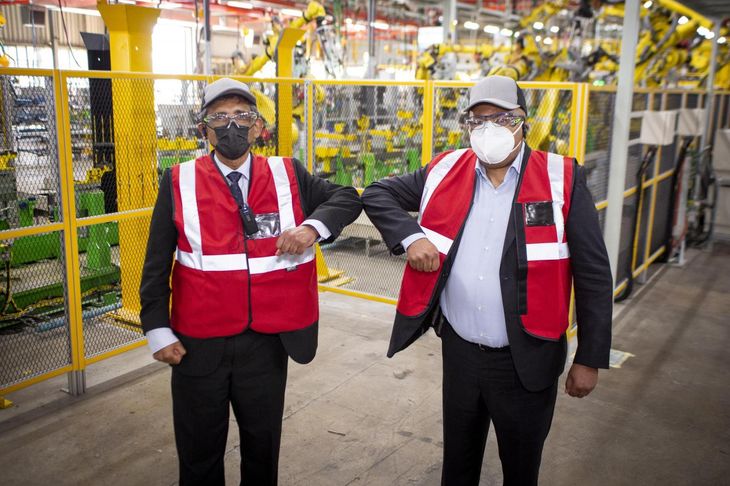
Minister of Trade, Industry and Competition, Ebrahim Patel and Isuzu CEO, Billy Tom, rubbing elbows in Gqeberha.
Last year, a government delegation, including Minister of Trade, Industry and Competition, Ebrahim Patel visited Isuzu’s facilities in Gqeberha and met with Isuzu CEO, Billy Tom.
“Our focus remains on being able to ensure the sustainability of Isuzu’s operations in South Africa. We are committed to transformation and believe that an inclusive economy is the foundation to economic prosperity for all citizens. We ascribe to the 2035 vision of the South Africa Automotive Masterplan to be a globally competitive and transformed industry that actively contributes to the sustainable development of South Africa’s productive economy,” said Tom.
Unpacking the SA line-up for the new Isuzu D-Max
The new Isuzu D-Max has the look and it’s bound to win South African hearts
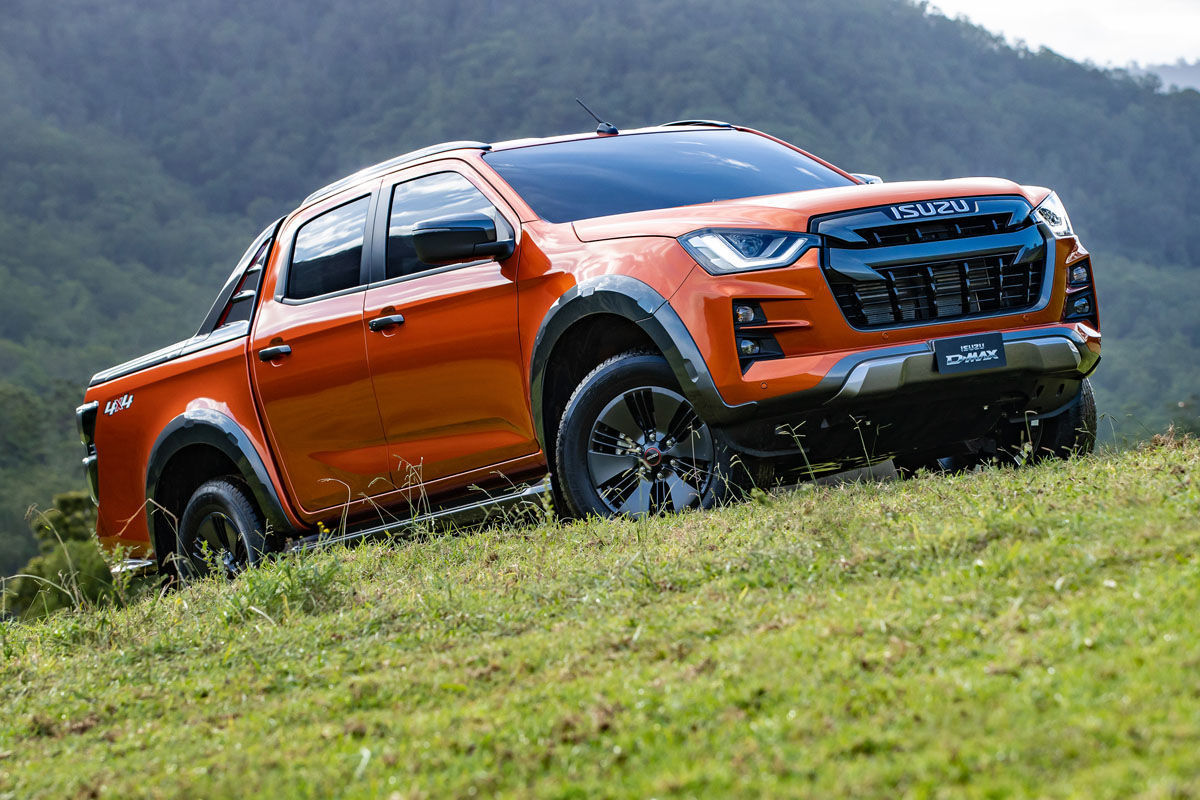
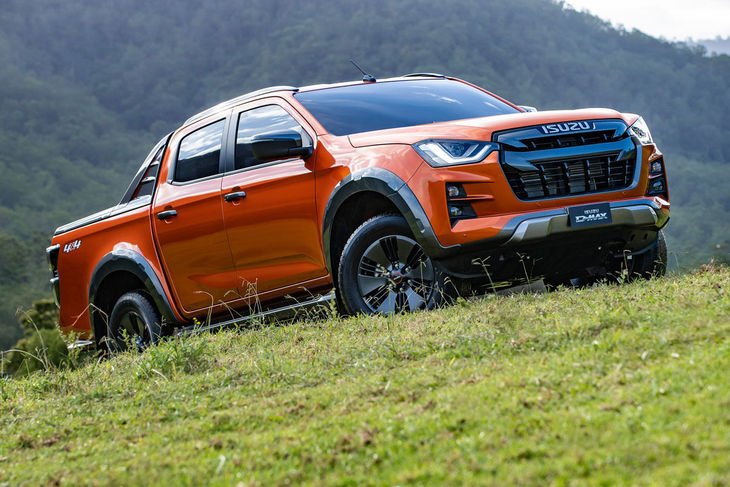
The new D-Max, with its bold and imposing styling, is set to ruffle a few feathers now that it’s finally gone on sale in local showrooms.
The 2022 Isuzu D-Max is built to suit various customer needs and buyers will be able to choose from single-cab, extended-cab and double-cab body styles. Sharing its underpinnings with the new Mazda BT-50, the D-Max is powered by a revised 3.0-litre turbodiesel engine with 140 kW and 450 Nm in conjunction with a 6-speed manual or 6-speed automatic transmission.
But that’s not all, the D-Max will also be offered with a 1.9-litre turbodiesel engine with 110 kW and 350 Nm of torque.
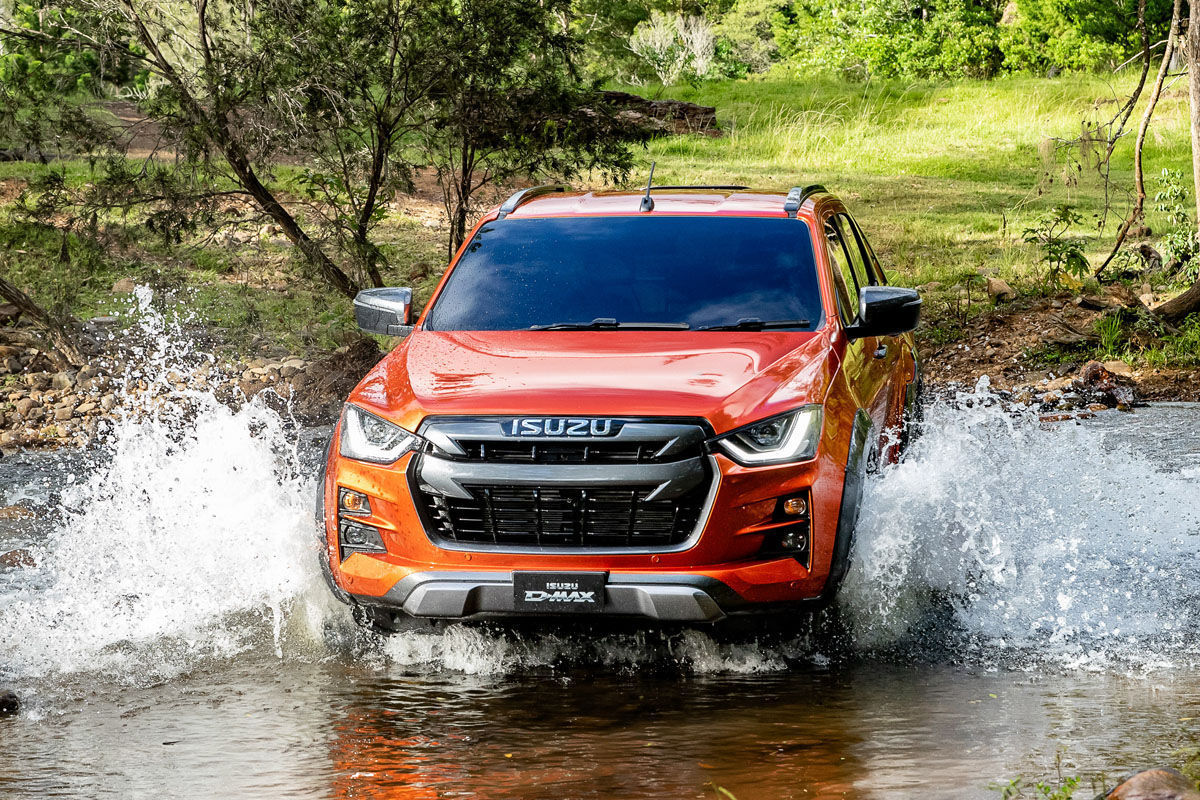
More so, the new D-Max will undoubtedly look to build on its reputation as a formidable off-road vehicle and features 240 mm ground clearance and an 800mm wading depth. Approach, departure and break-over angles are improved too and an electro-magnetic differential lock is fitted to 4×4 derivatives.
The new 23-strong D-Max range starts with the single-cab D-Max which is offered only with the 1.9-litre engine, while the extended-cab and double-cab D-Max models are available will either the 1.9-litre or the 3.0-litre turbodiesel powerplants. Each body style is furthermore offered in either 4×2 or 4×4 guise.
Trim grades include Standard and L for the single-cab variants, while the extended cab derivatives are offered in Standard, L, LS, LSE and LSE trim. As for the double-cab D-Max, trim grades include L, L, LS, LSE and the range-topping V-Cross trim.
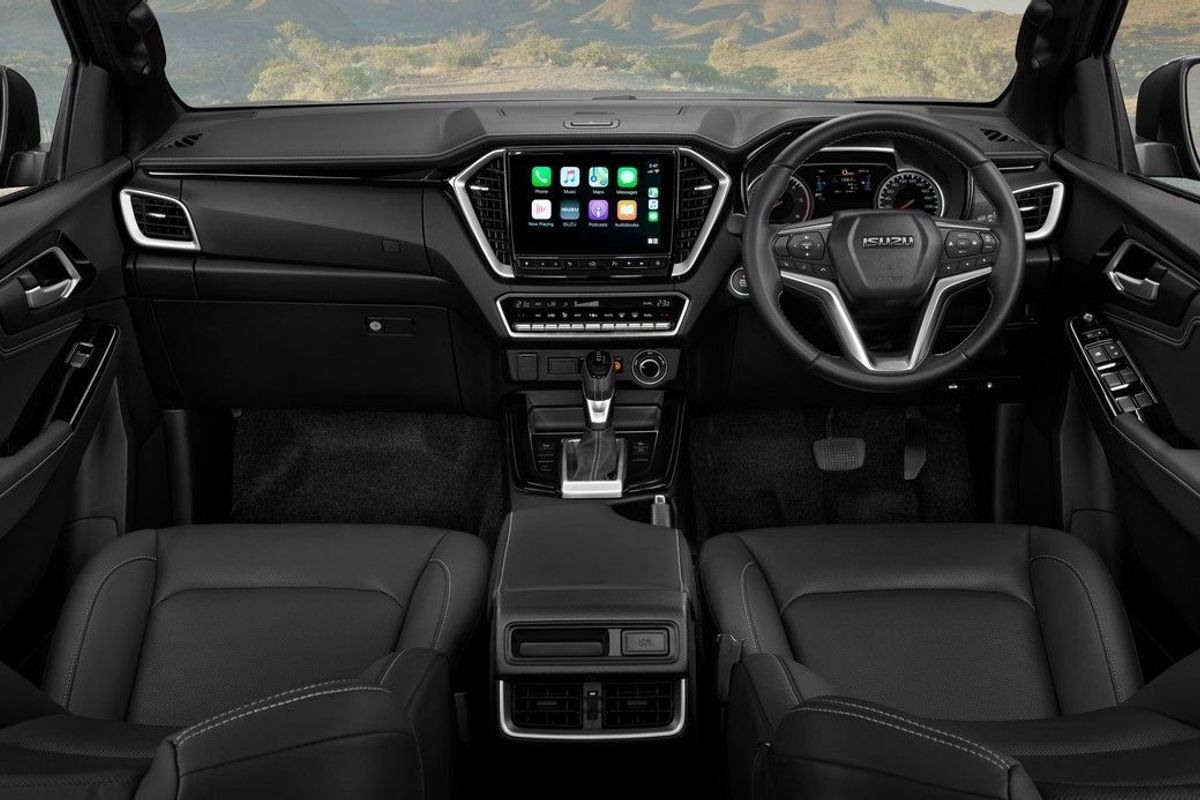
As for the interior, the new D-Max is vastly improved over the outgoing model, with modern infotainment systems and connectivity solutions as well as a range of comfort and convenience features that customers in this segment have come to expect.
A brief look at 2022 Isuzu D-Max specifications
The entry-level Standard trim level ships with items such as a basic audio system (featuring a radio, CD player and Bluetooth), manual air-conditioning, an immobiliser, follow-me-home headlamps and tilt-and-telescopic adjustment for the steering column. Safety features include dual front airbags, ABS with EBD and brake assist.
The L specification level, meanwhile, adds items such as an alarm, electric windows and audio controls on the steering wheel. Safety is further enhanced with the addition of IsoFix child-seat anchors in the double-cab variants. One step up, the LS trim includes 17-inch alloy wheels, a 7-inch infotainment screen, Wi-Fi connectivity, 6 speakers, USB ports (fore and aft), cruise control, 7 airbags, halogen daytime-running lights, a reversing camera and black side steps.
In LSE models, the diameter of the wheels grows to 18 inches, while tyre-pressure monitoring is added. The infotainment system upgrades to a 9-inch screen and two extra speakers are added, while a passive entry start system also features. Additional enhancements include LED head- and taillamps, dual-zone automatic air-conditioning, front and rear park assist, a tow bar, roof rails and a tubular chrome sports bar.
The V-Cross specification level sits at the very summit of the D-Max range, boasting items such as leather seats (with 8-way power adjustment), 8 airbags and automatic high-beam activation for the headlamps. It is further differentiated by gun-metallic finishes for the grille, fender flares, door handles, side-mirror caps, roof rails and the hooped sports bar.
Finally, the V-Cross gains a raft of active driving safety features, including forward collision warning, autonomous emergency braking, adaptive cruise control, lane departure warning, rear cross traffic alert and a multi-collision braking system that automatically applies the stoppers when the airbags are deployed.
The wraps have finally come off the new Smart #1, a 200 kW all-electric crossover that marks the reinvention of the brand. Here’s everything you need to know about the newcomer…
Over the past few years, the Smart brand – known for its diminutive ForTwo and ForFour city cars – has fallen by the wayside. But the city car marque is back, with the reveal of the battery-powered Smart #1 marking its reinvention.
Revived as a joint venture between Mercedes-Benz parent Daimler and Chinese powerhouse Geely, the Smart brand has effectively transformed into a fully electric automaker. And the Smart #1 is the very first example.
So, what can we tell you about the new Smart #1? Well, the 1 820 kg crossover measures 4 270 mm long (making it a touch shorter than, say, a Mazda CX-3) and benefits from a 2 750 mm wheelbase. According to the company, the luggage compartment can swallow up to 411 litres, while an additional compartment up front (frunk, anyone?) adds a handy 15 litres of storage space.
A single electric motor drives the rear axle, delivering peak outputs of 200 kW and 343 Nm. While Smart has yet to confirm a 0-100 km/h time, it does say top speed comes in at 180 km/h. The 66 kWh battery pack offers a claimed range of up to 440 km, while maximum charging capabilities are listed as 22 kW in the case of AC and 150 kW in the case of DC.
Smart says charging the battery from 10 to 80% using the former system will take just under 3 hours, while the time drops to below 30 minutes when plugged into a super-fast DC charging station.
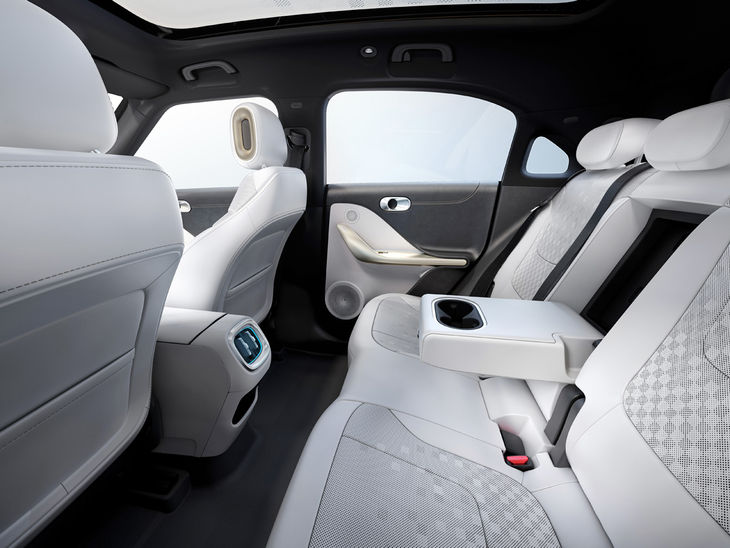
Thanks to a 2 750 mm wheelbase, the Smart #1’s rear passenger space looks reasonable.
In terms of exterior styling, the Smart #1 boasts a handful of interesting design elements, such as frameless doors, concealed door handles and a “floating” roof. Inside, you’ll find a 12.8-inch high-resolution touchscreen along with a 9.2-inch digital instrument cluster and a 10-inch head-up display.
“The world premiere of the Smart #1 in Berlin marks another milestone on the incredible road of development we began with the brand’s renewal. As the first of the new generation all-electric product family, the all-new Smart #1 is the perfect embodiment of this renewal,” said Tong Xiangbei, CEO of Smart.
“Now Smart has entered a new phase of full-speed development, further spurred on by our Europe and China ‘dual-home’ business strategy. Our team, working between Europe and China, are making fantastic progress, and we are extremely confident that the global market will embrace the unique, premium all-electric urban mobility experience offering from smart.”
It’s not yet clear whether there are any plans to relaunch the Smart brand in South Africa, after the previous line-up quietly left local shores back in 2019. Still, we can expect more electric Smart models to be revealed on the global stage in the coming months and years, so keep your eyes peeled. Here’s hoping another roadster is on the cards…
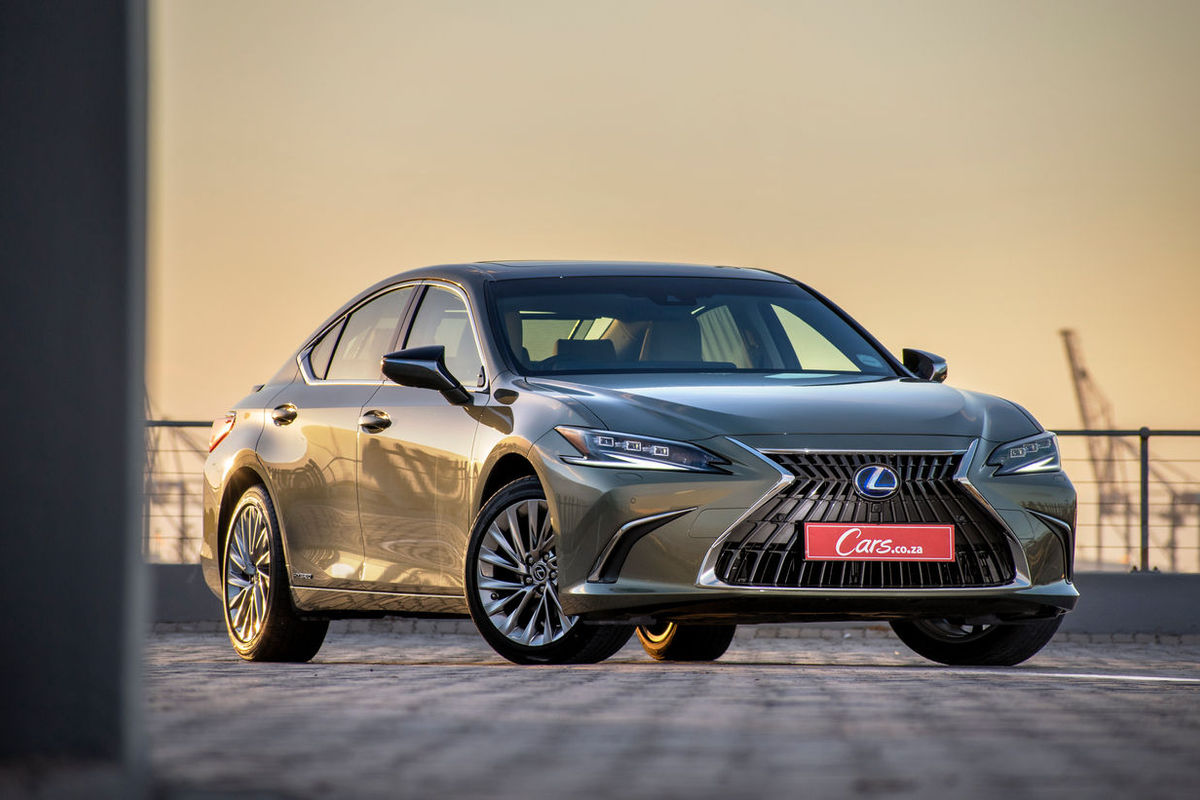
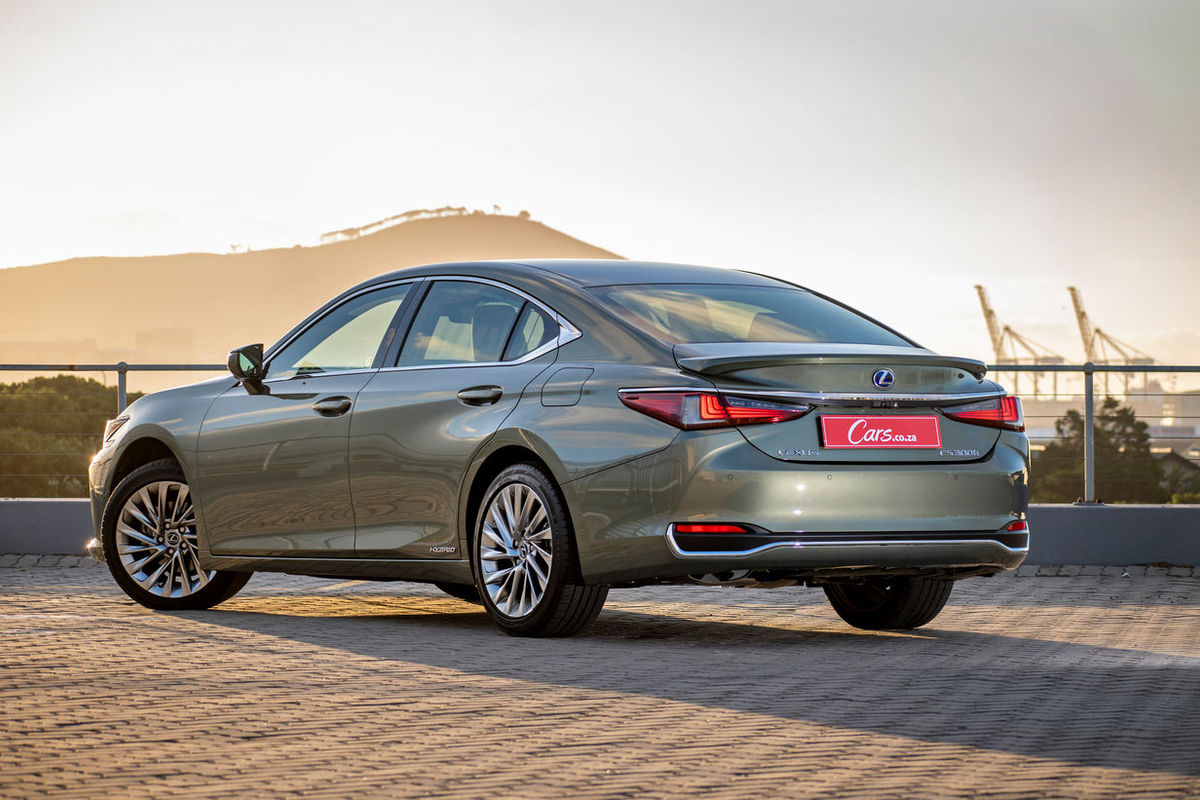
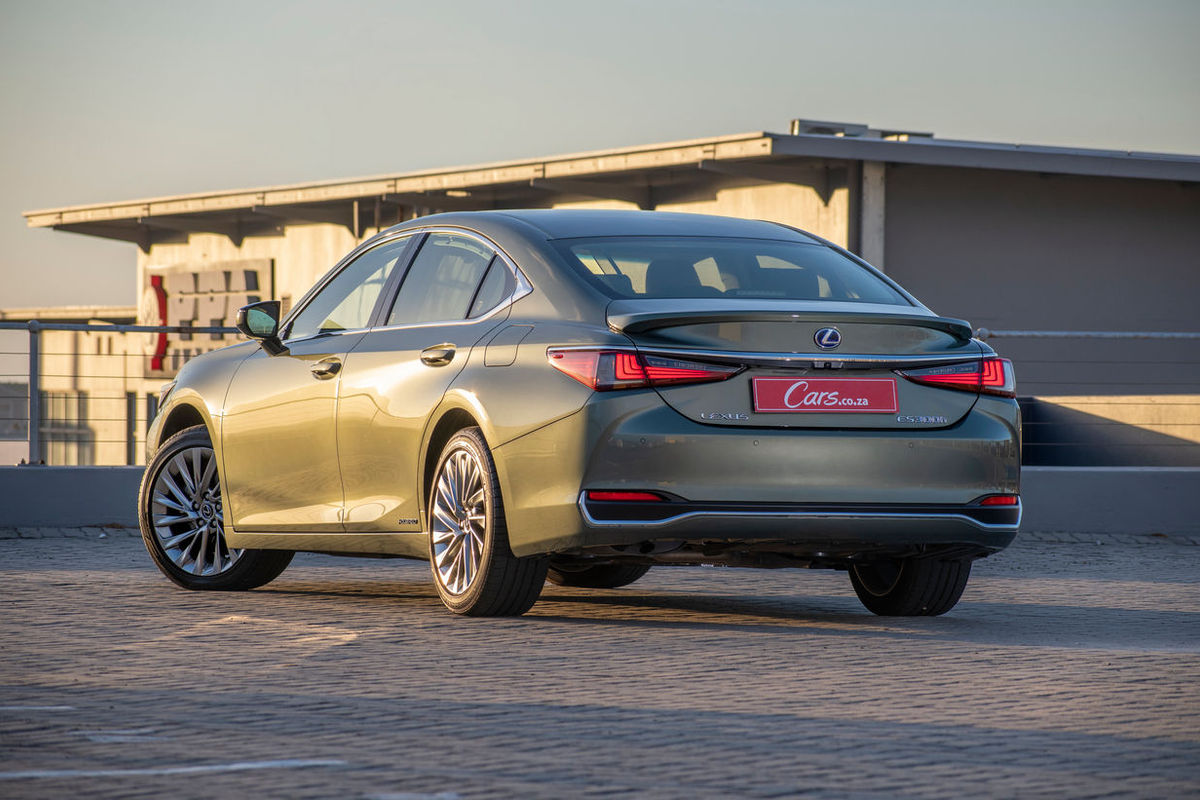
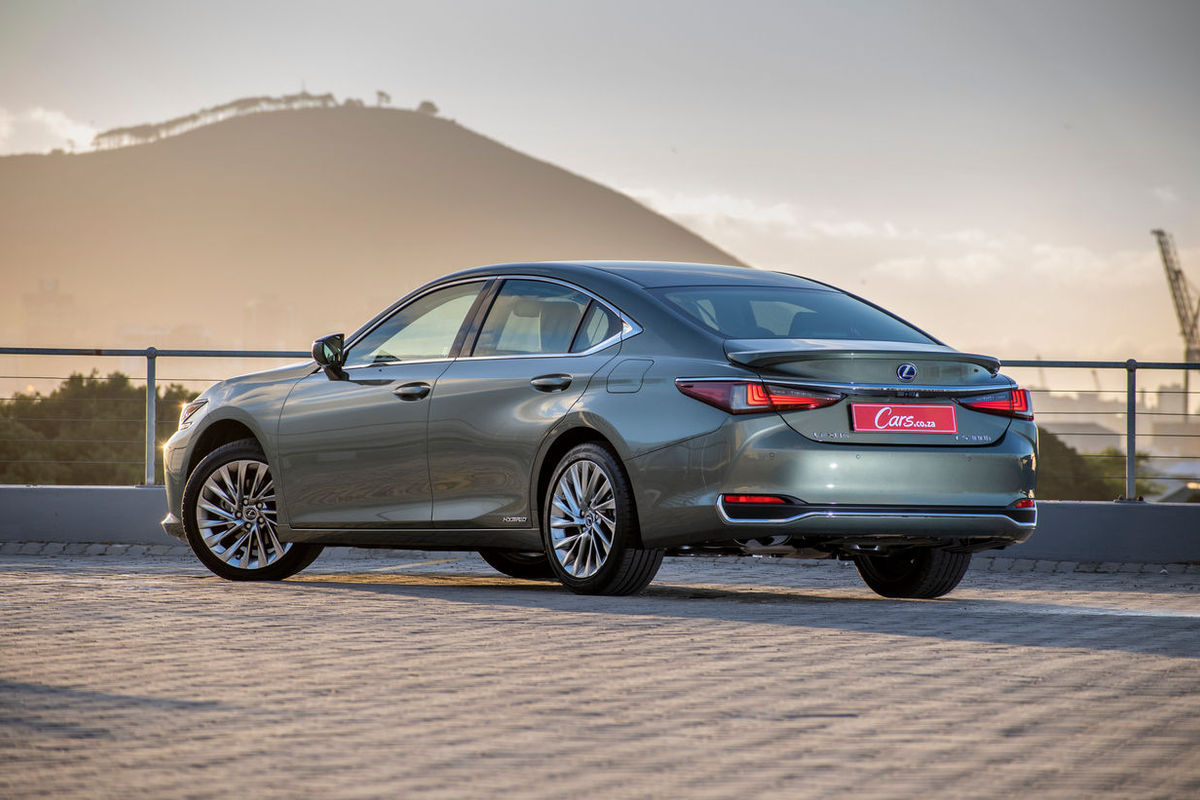
Subtly updated towards the end of last year, the Lexus ES offers old-school luxury sedan motoring, but with all the latest tech. What’s more, the hybrid derivative’s impressively efficient.
We like: Build quality, luxury specification, efficiency, comfort
We don’t like: Smaller boot than rivals and limited utility space. Why not just do away with the annoying tracking pad completely?
FAST FACTS
Model: Lexus ES300h SE
Price: R976 900
Engine: 2.5-litre 4-cylinder petrol + electric motor
The luxury sedan market is very small in South Africa, but offers surprisingly good value for money.
With sedans very much out of market favour for the past few years, models such as the Audi A6, BMW 5 Series, Jaguar XF, Lexus ES and even Mercedes-Benz’s E-Class have become relatively rare sights on our roads. But Lexus isn’t giving up on this segment, and has sharpened up its ES offering to put forward an even more compelling argument in favour of the traditional luxury sedan.
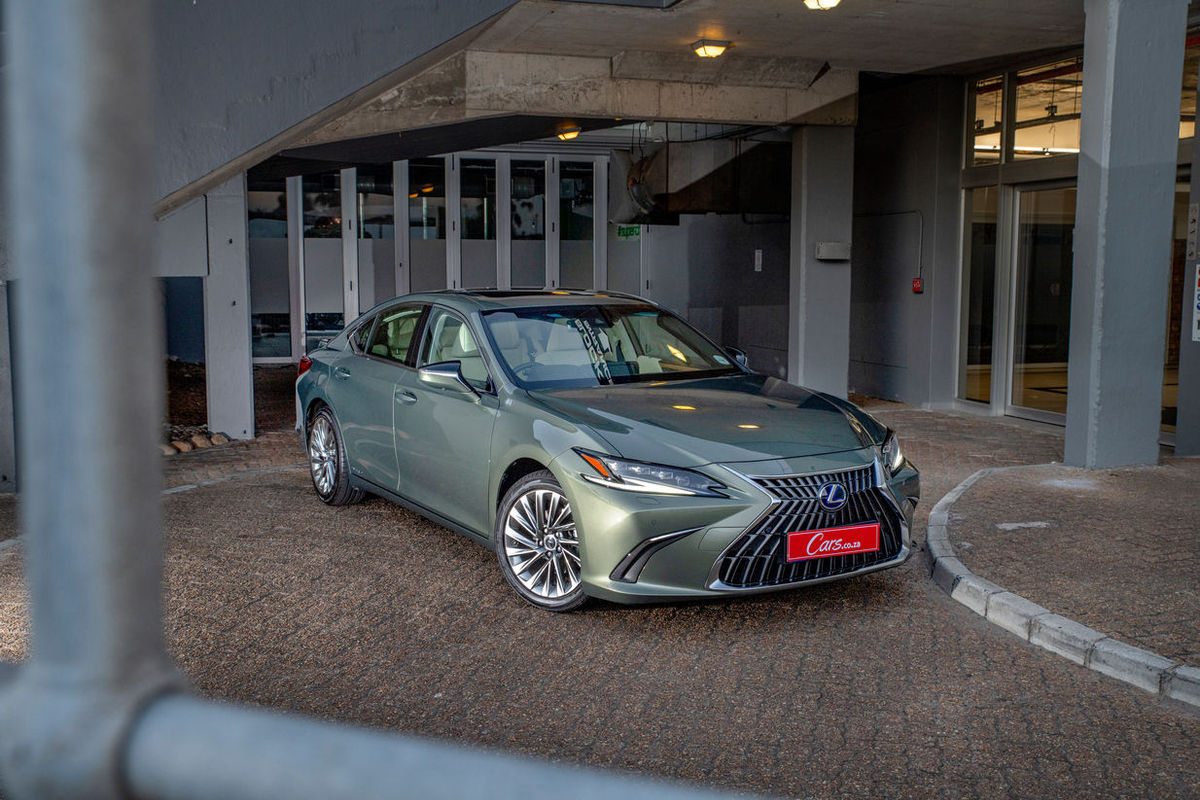
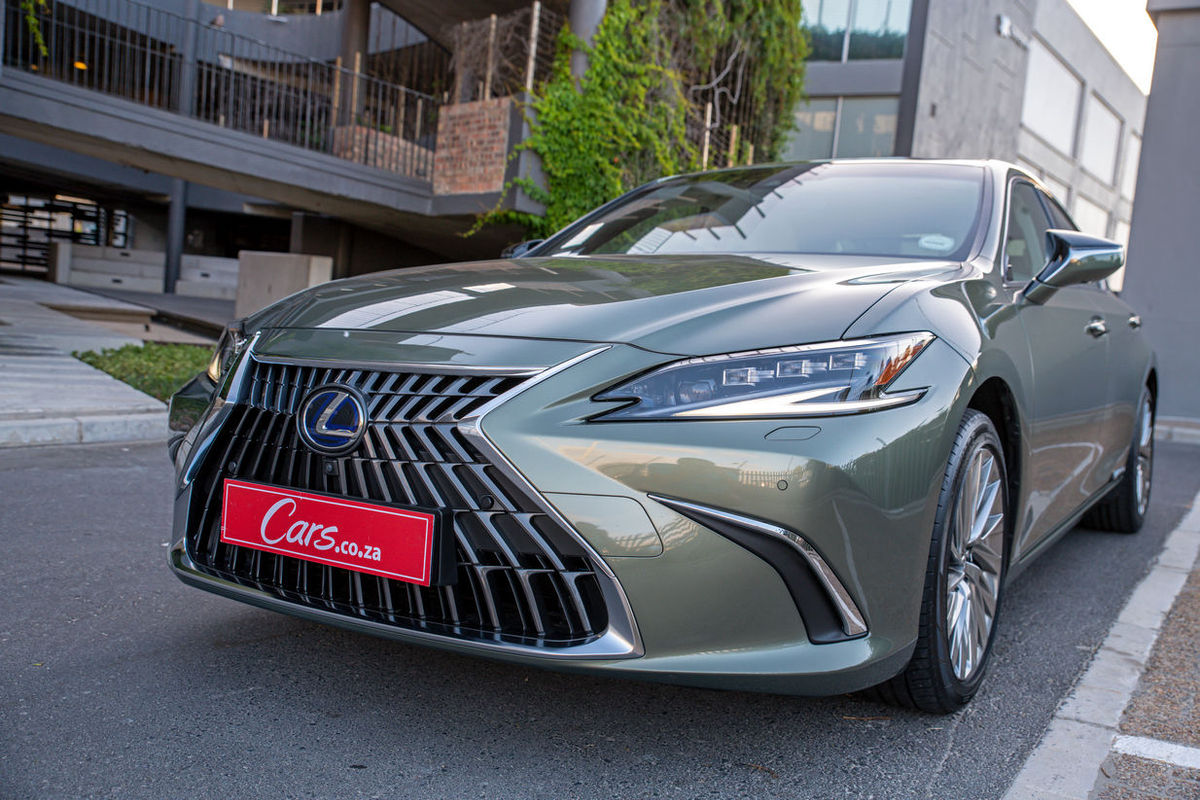
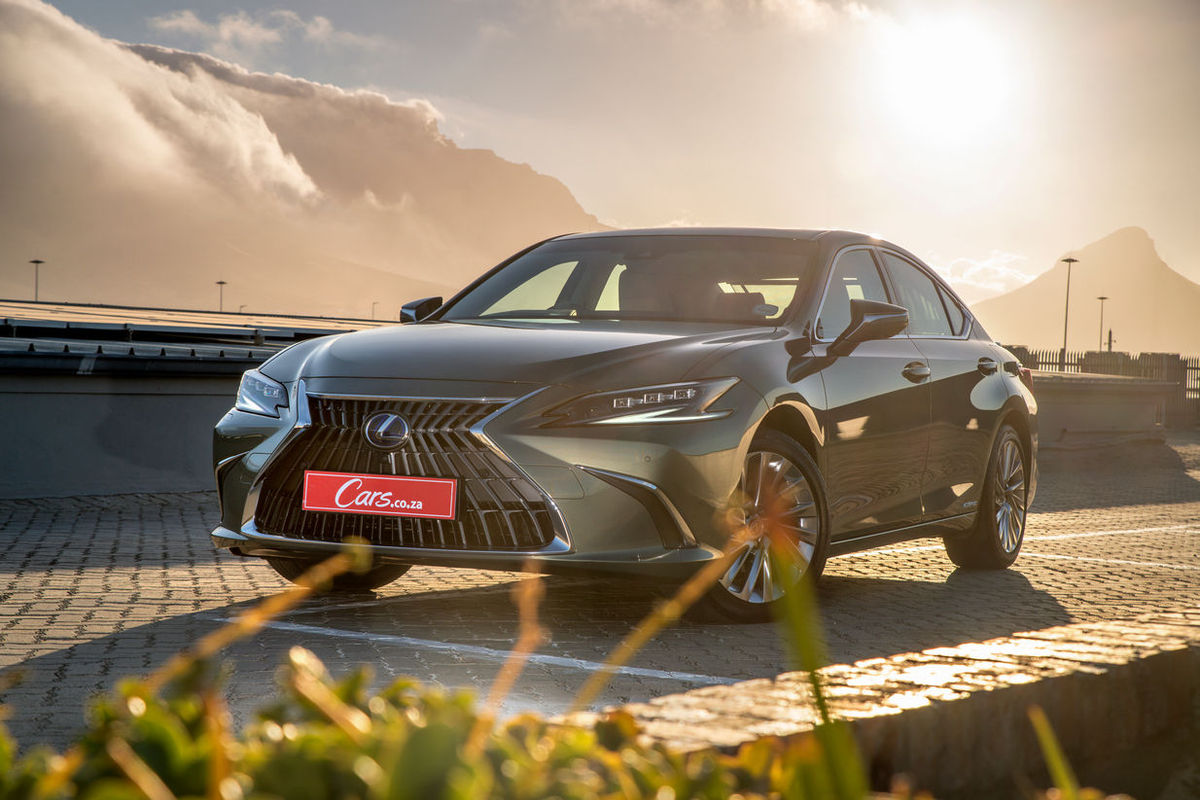
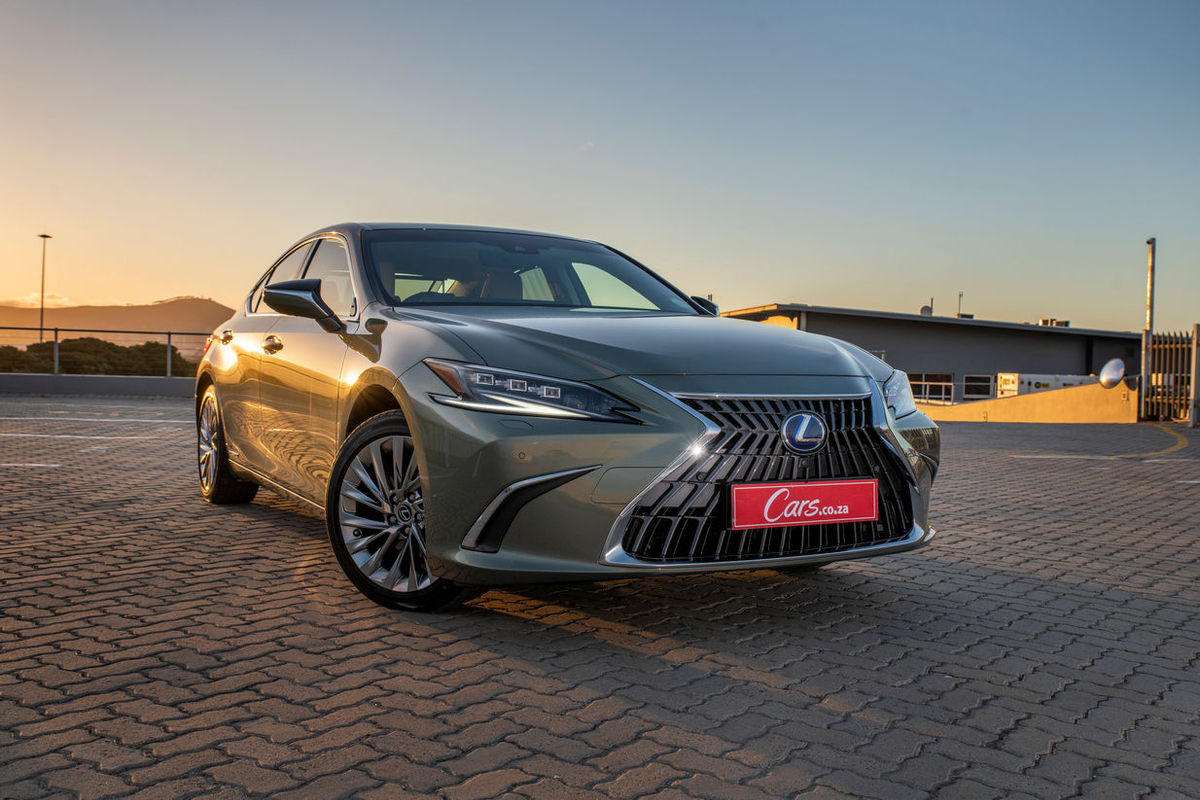
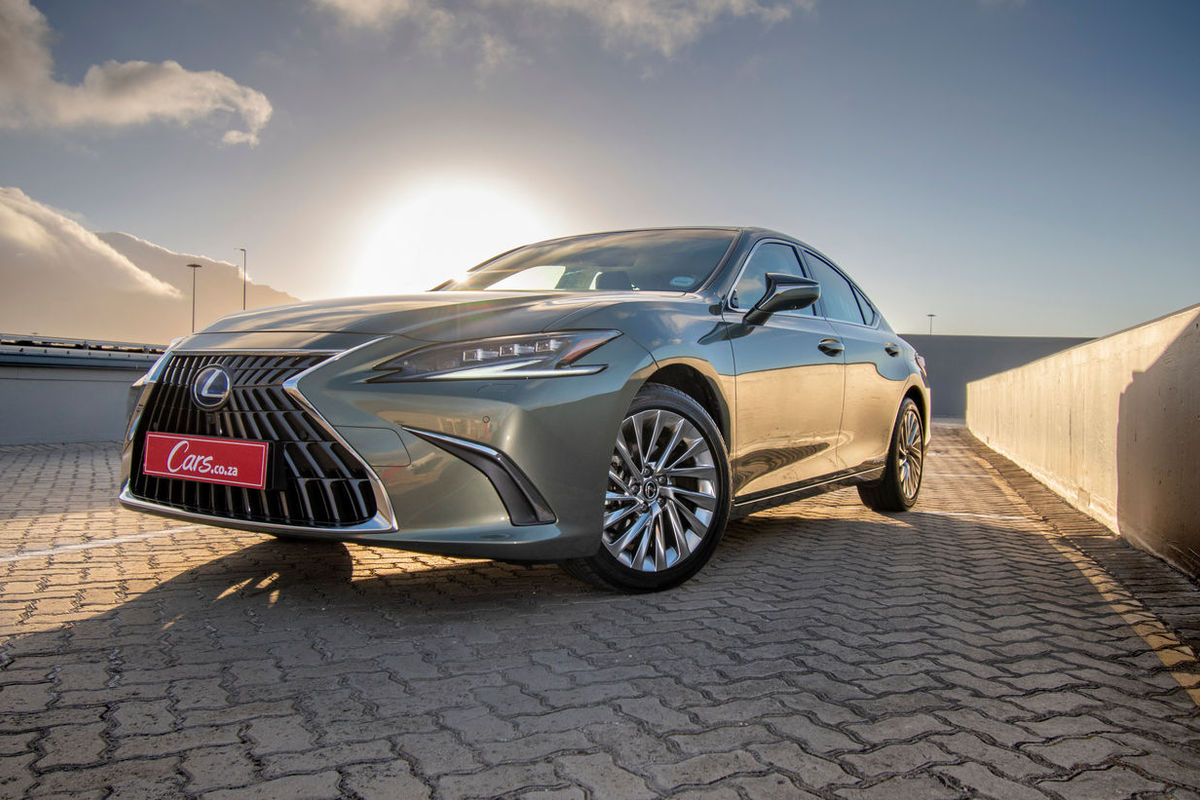
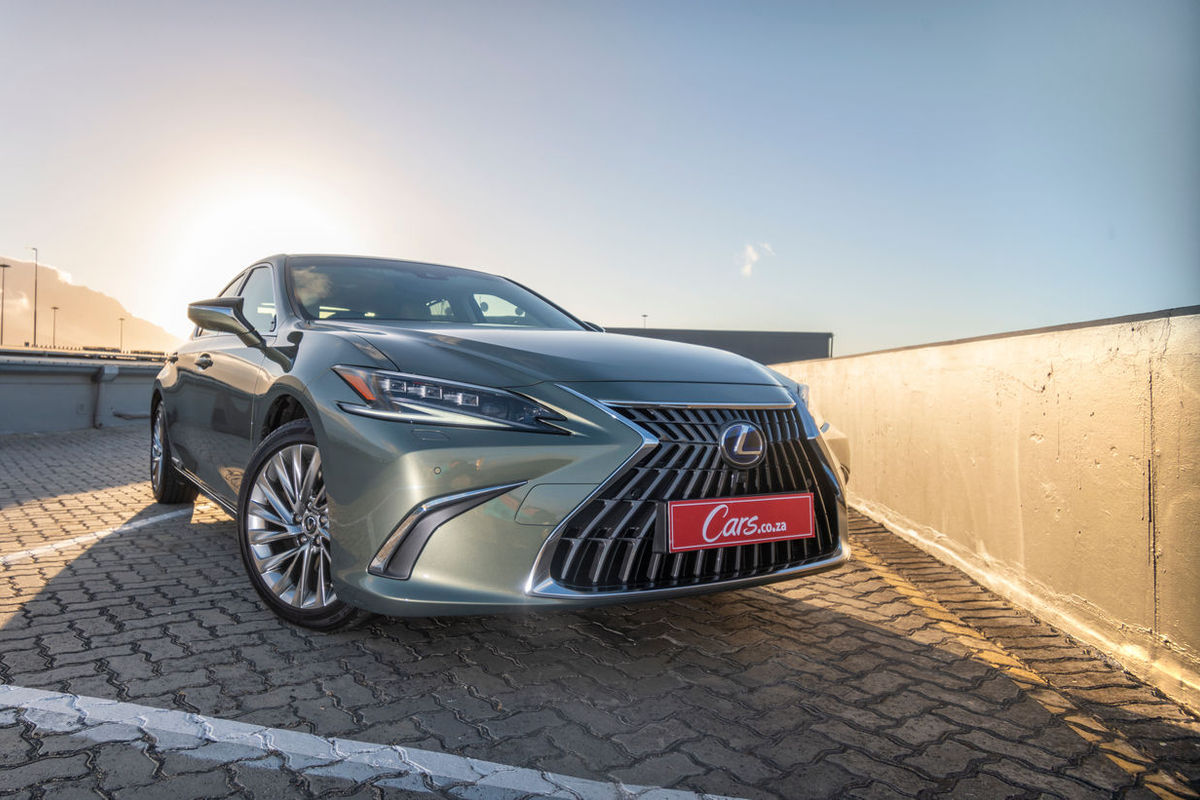
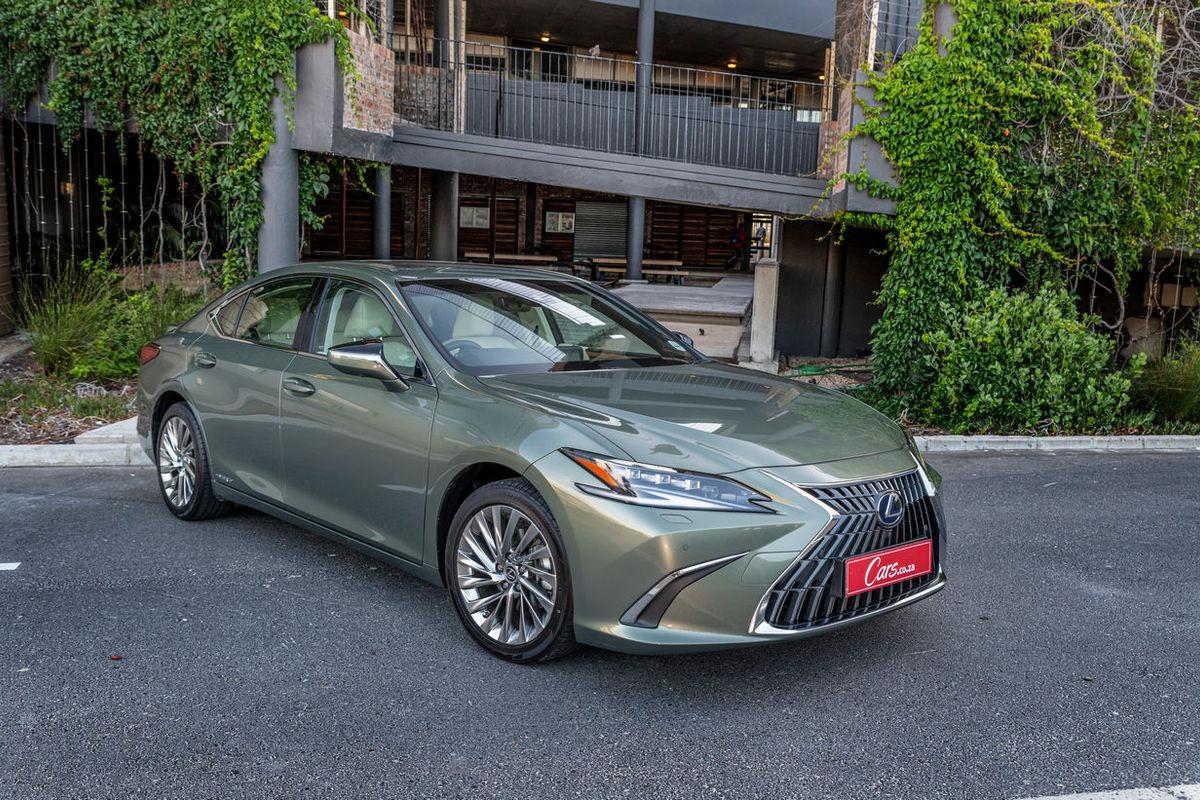
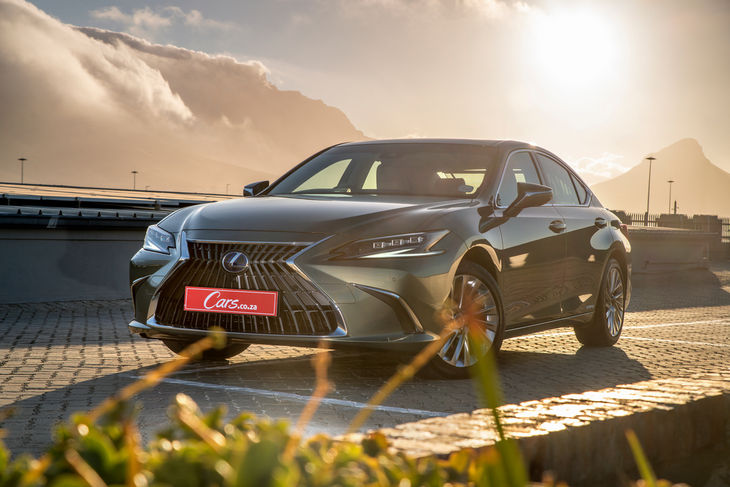
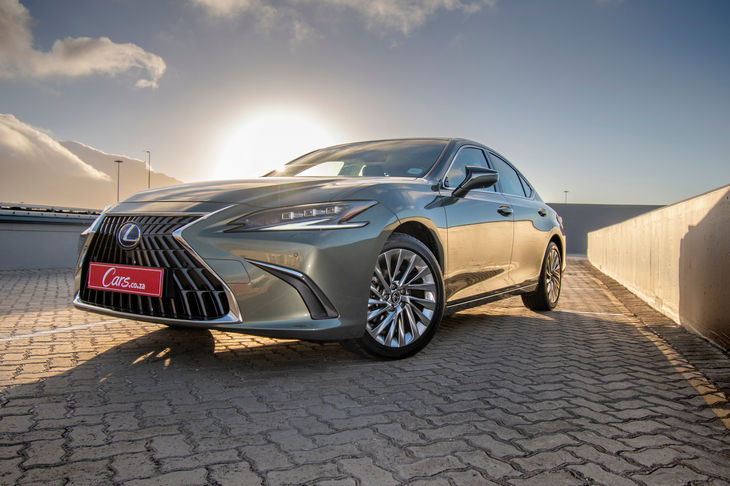
This, the 7th-generation ES received a subtle facelift late last year, but you’ll probably need to have the differences pointed out to you – they’re that minor. The spindle grille has fewer slats, making the front end of the car look less “busy”, and the headlights are narrower, with endows the Japanese executive sedan’s nose with quite a “pointy”, yet also wider, look.
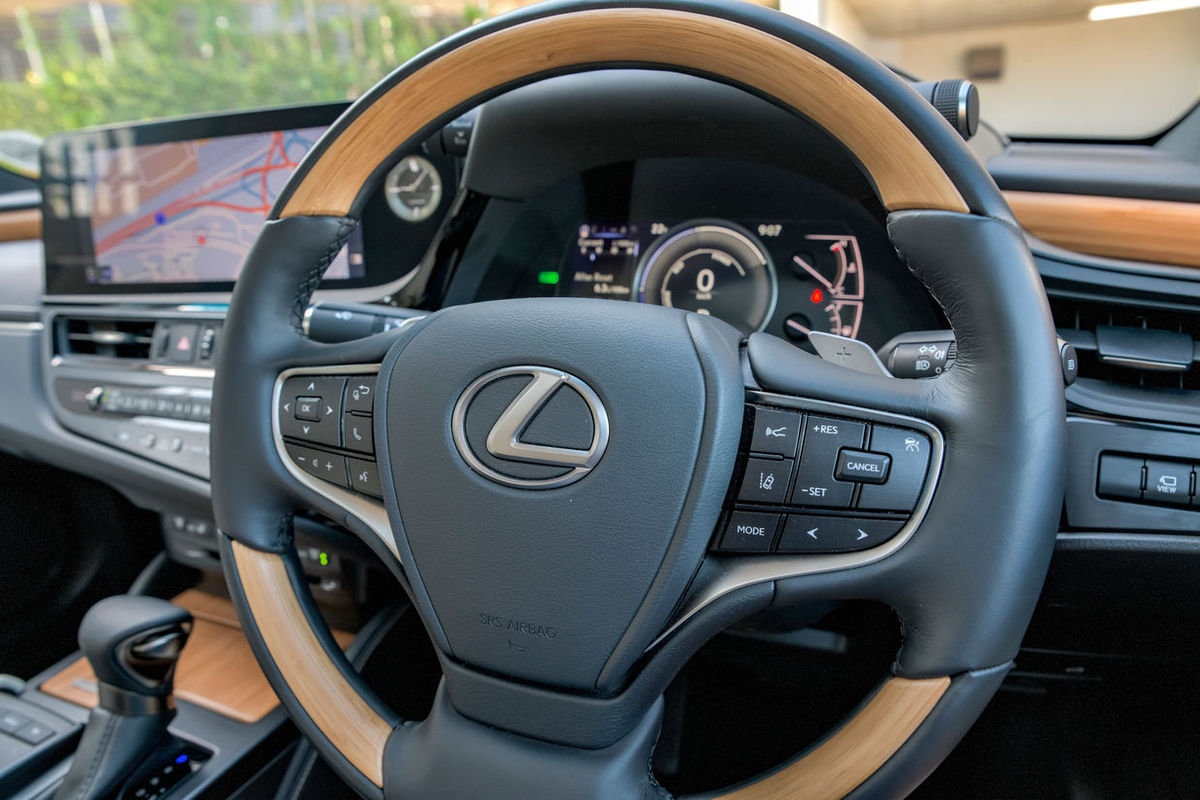
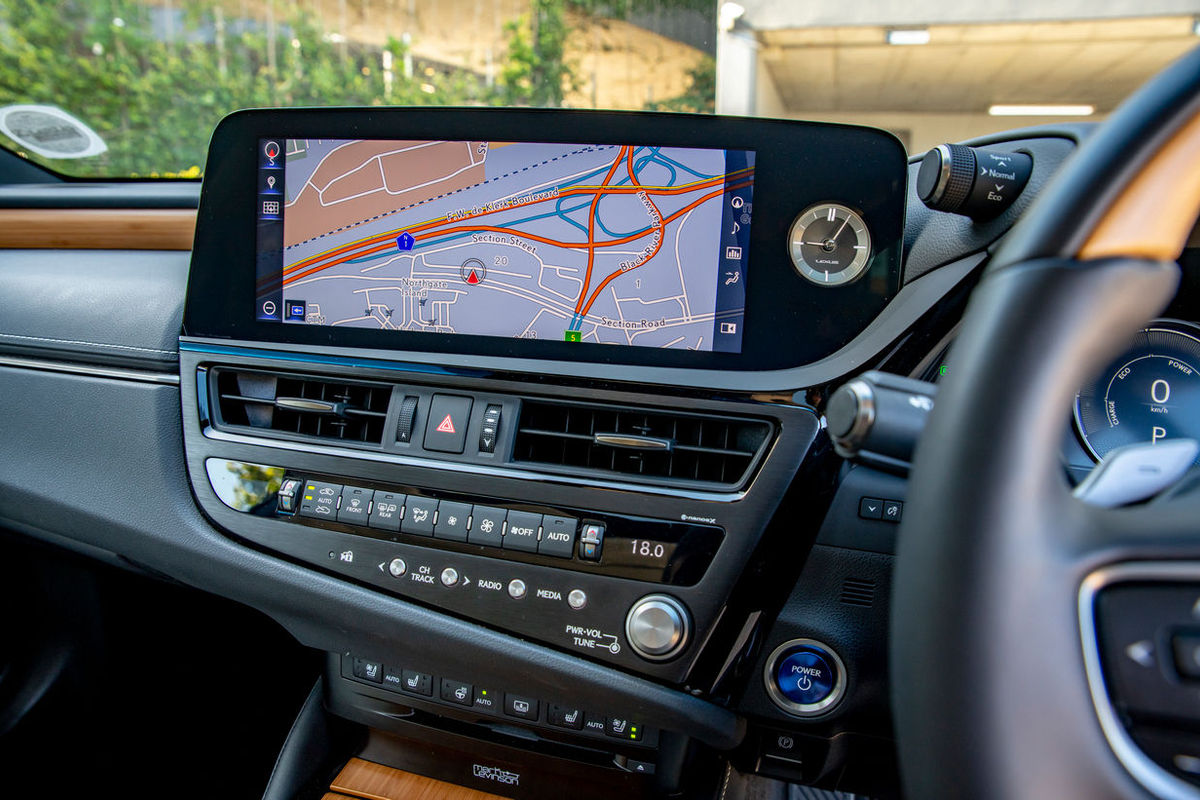
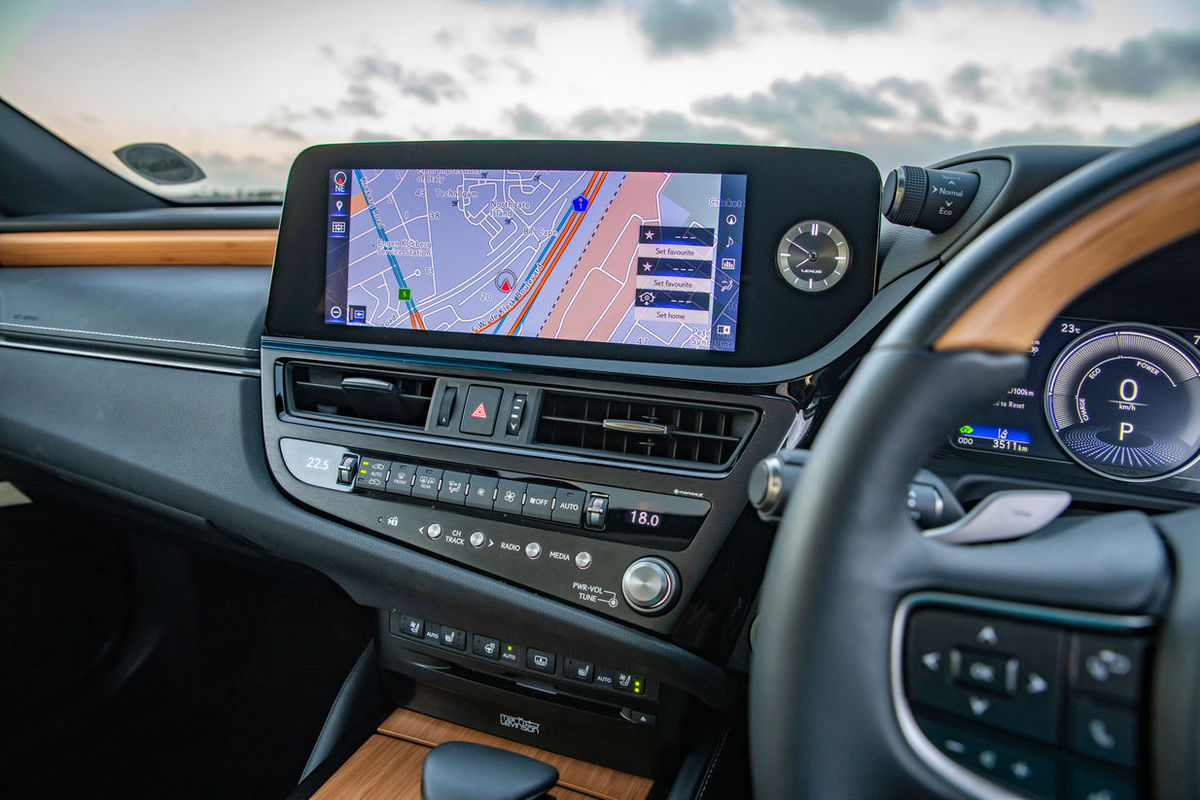
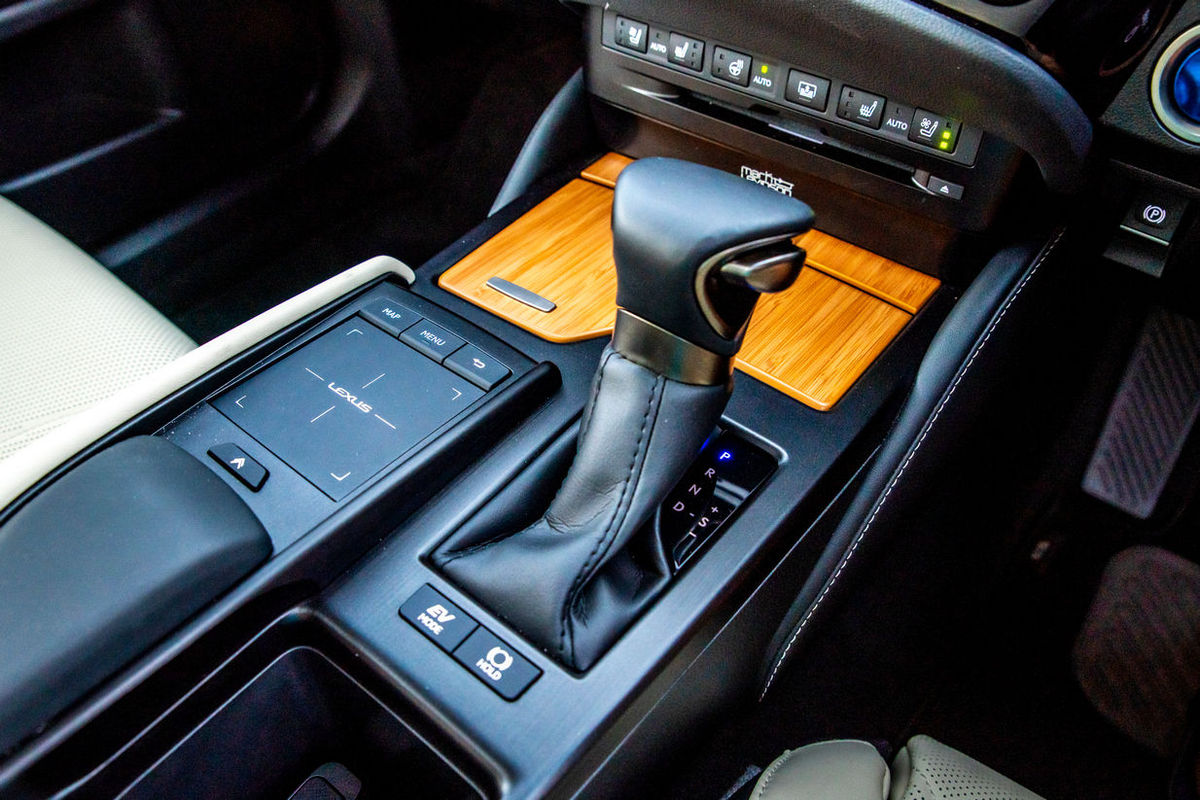
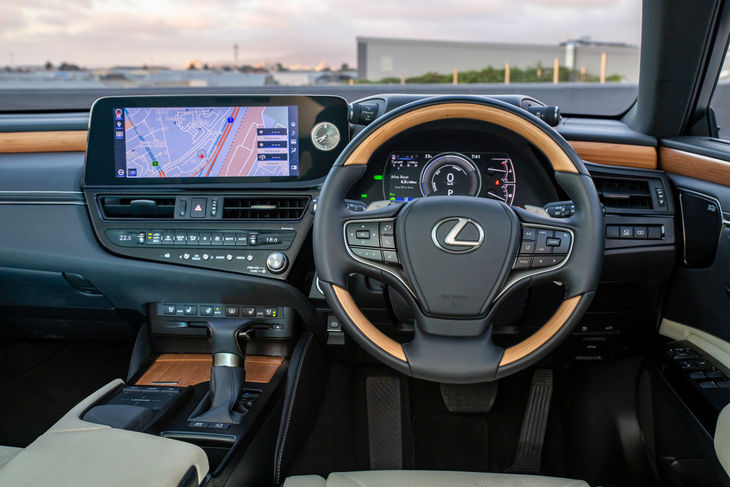
The bigger changes have arguably happened inside, where the ES finally gains a touchscreen infotainment system, which necessitated a slight reshuffle in dashboard architecture (to bring the screen closer to the driver). The fiddly tracking control pad remains on the transmission tunnel, but you can now at least avoid having to use it.
At current fuel prices, a hybrid is the most cost-effective way to cut down on pump prices.
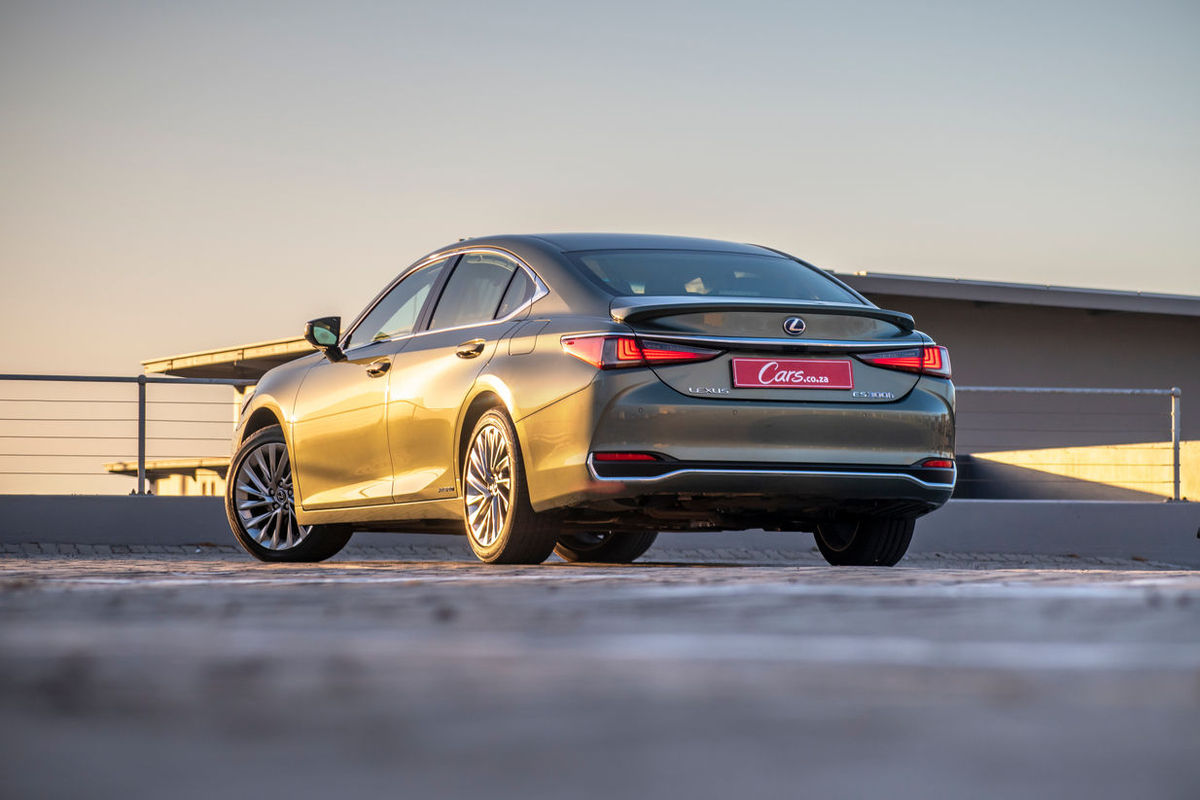
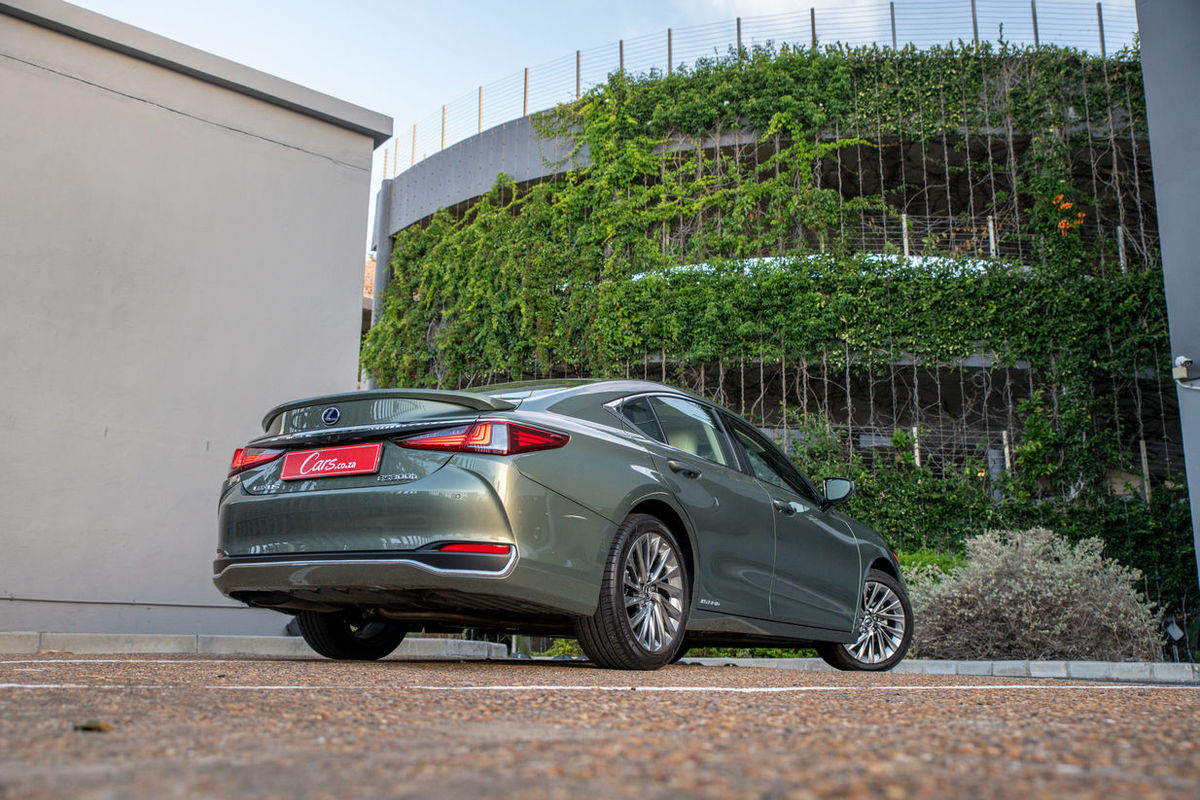
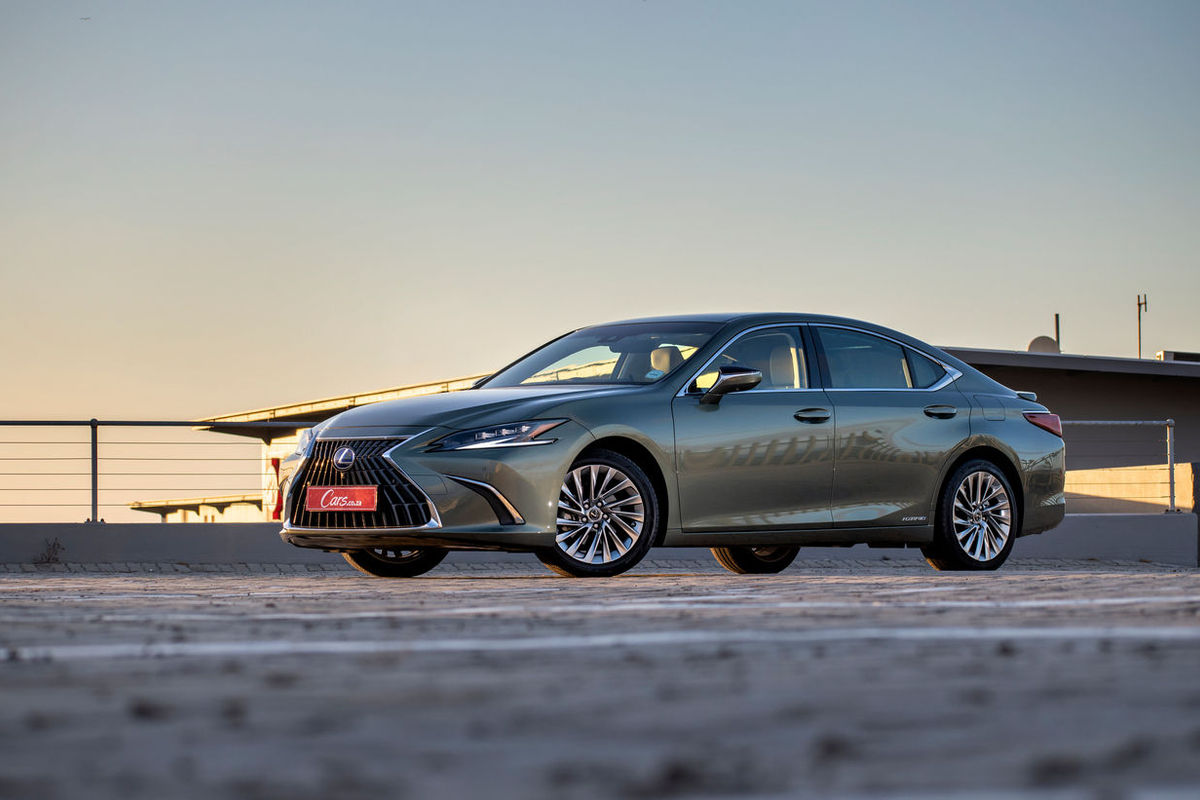
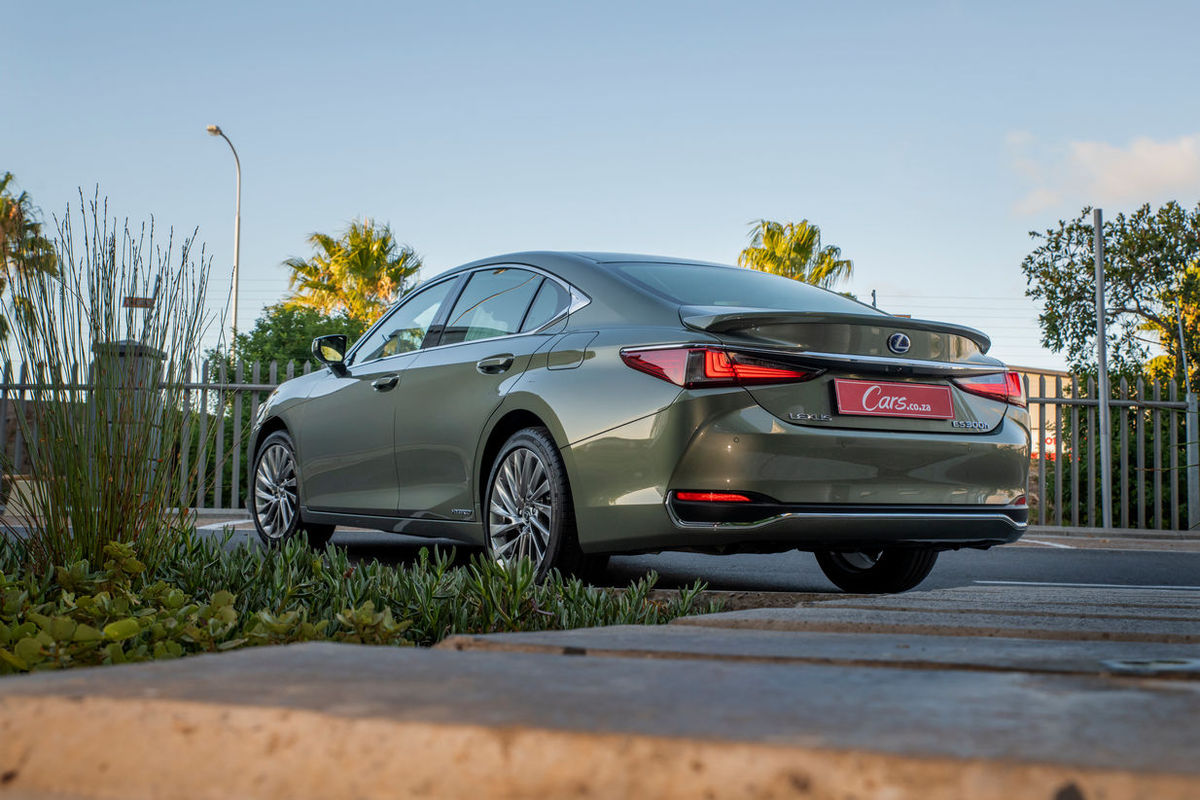
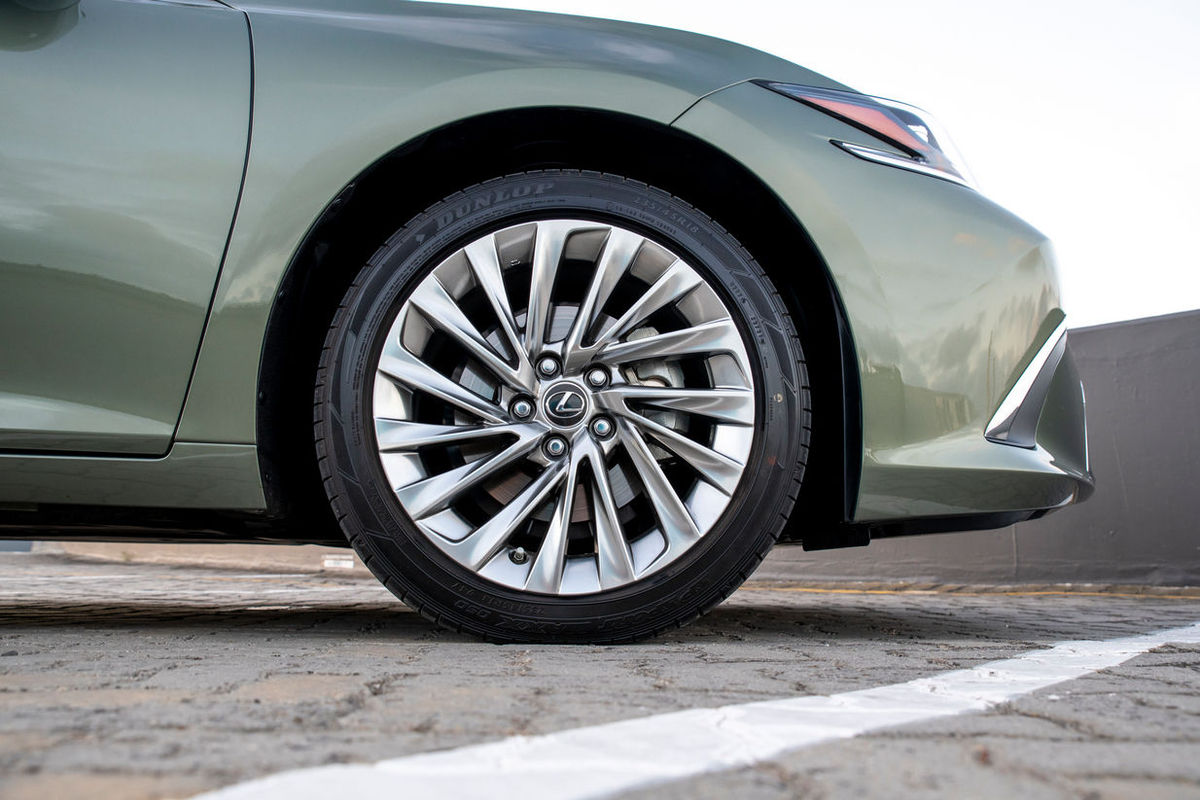
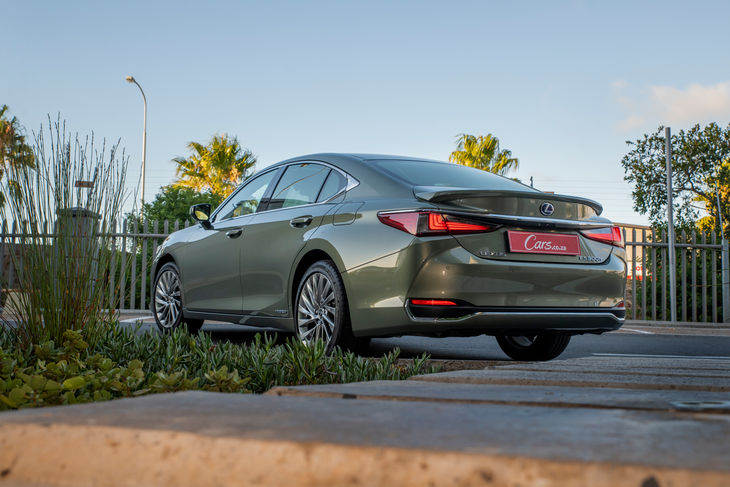
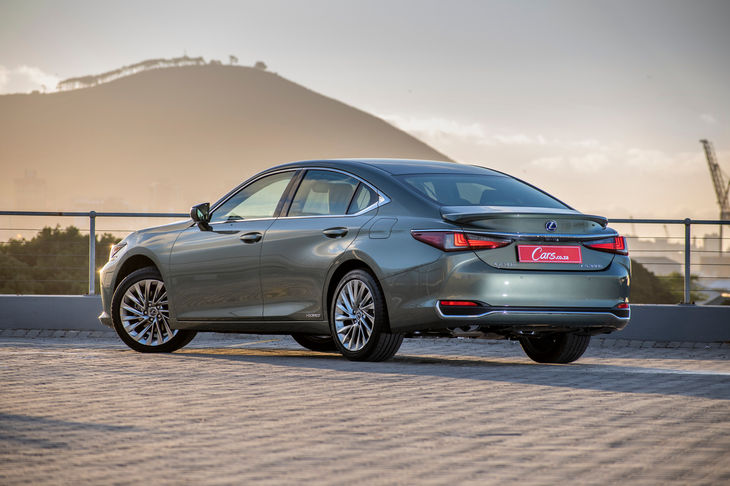
Finished in Olive Green and riding on striking multi-spoke 18-inch wheels, the Lexus ES is a very stylish machine. In fact, its lines are so sweeping and elegant that it almost looks more like a four-door coupe, than a traditional boxy sedan. It was also a notable head-turner during our test tenure, so seems to meet with approval beyond just the members of our test team. It’s longer and lower than its main German rivals, but has a shorter wheelbase, so the front and rear overhangs are noticeably more pronounced.
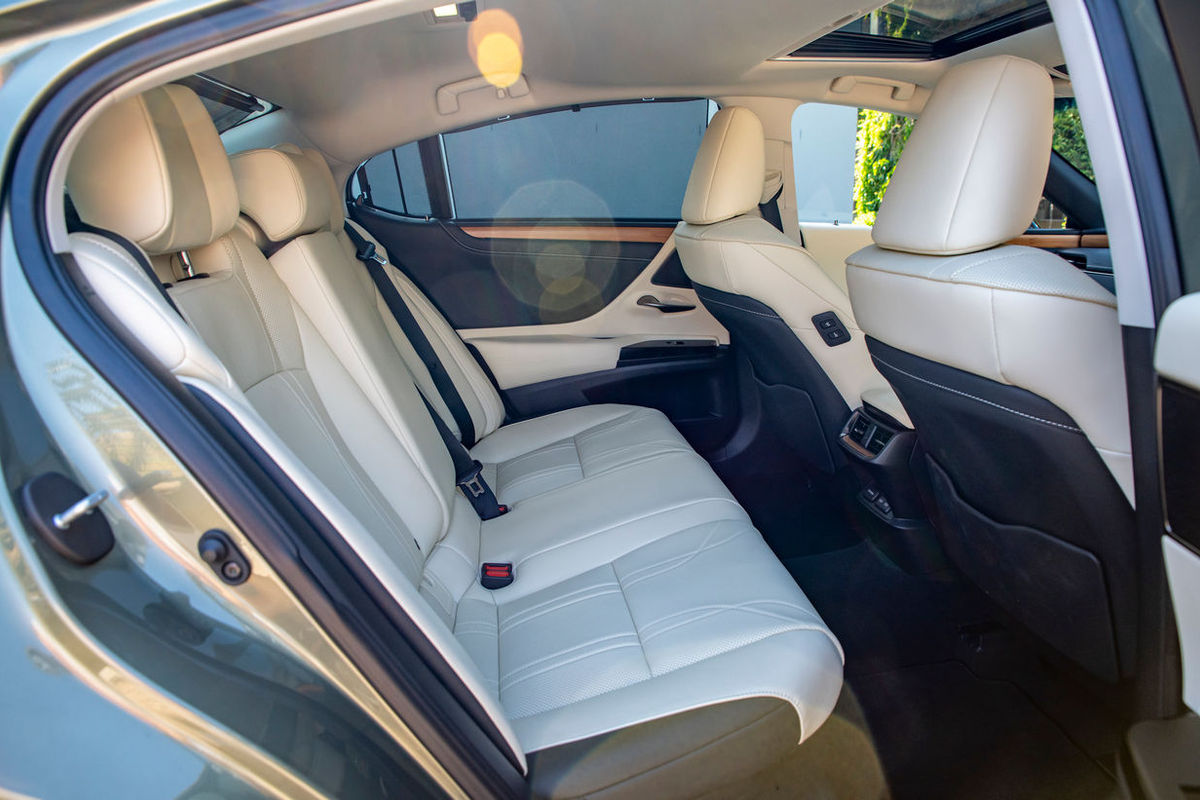
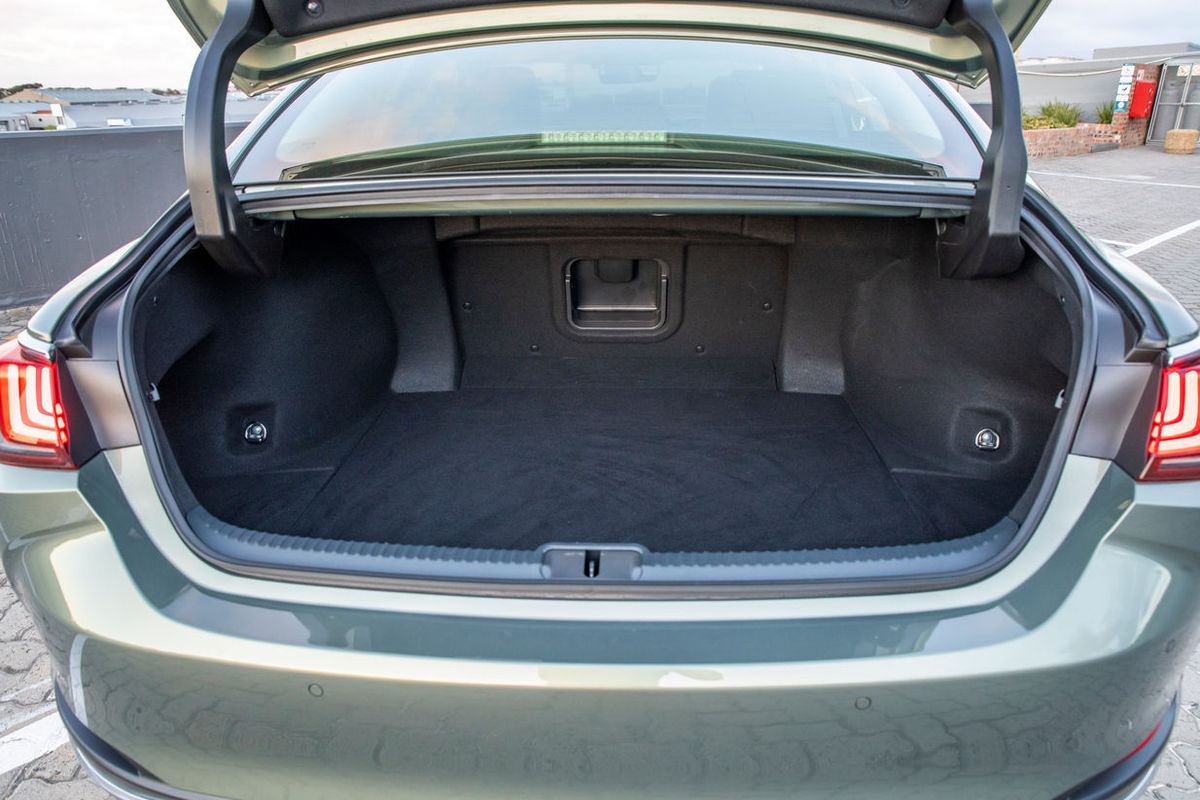
In terms of width, it is about on par with the Germans, but Lexus does seem to have taken a different approach to interior packaging than BMW and Mercedes-Benz. The Lexus’ boot is comparatively small (454L) and though there is a “ski-flap”, you can’t fold the rear seats down. If you move to the rear seats, however, it is clear that Lexus prioritised stretch-out space and comfort for the occupants. The legroom is limo-like, and the backrests can be electrically adjusted (not something you see often in cars costing less than R1m!). Fold down the centre rear armrest and you’ll find controls to activate rear seat heating/ventilation, too.
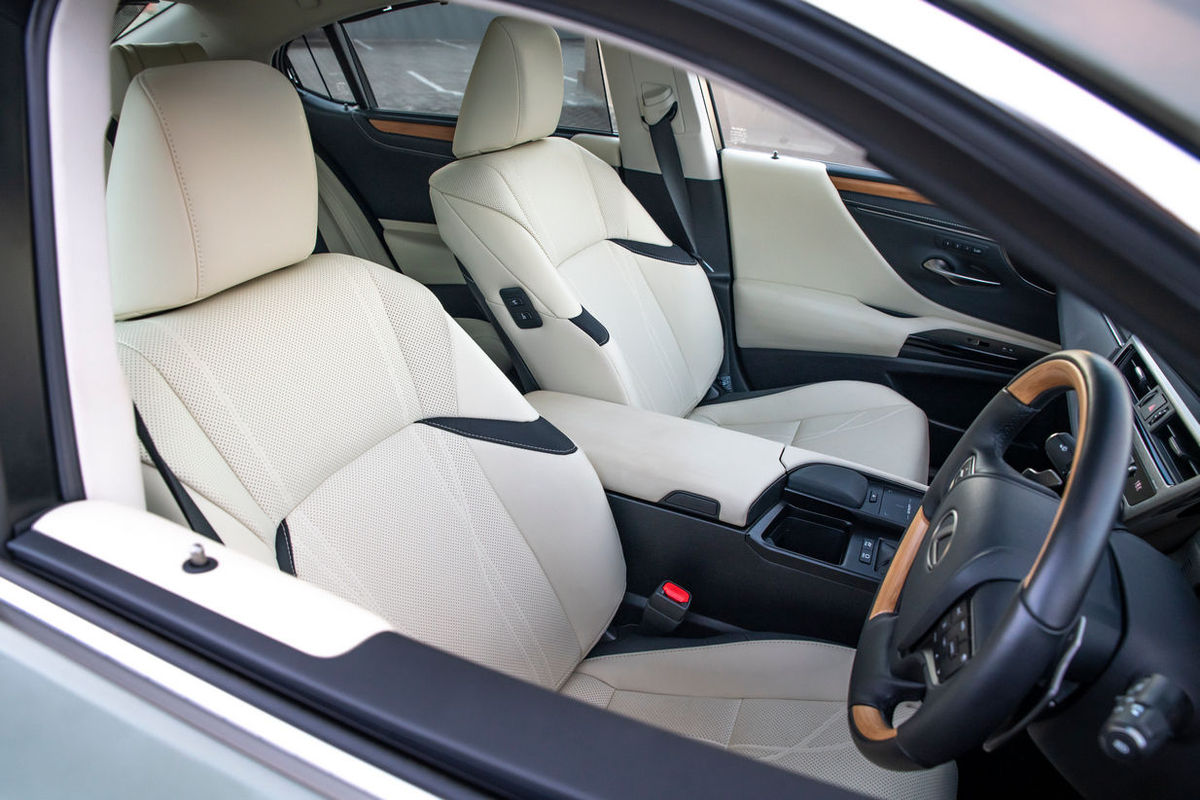
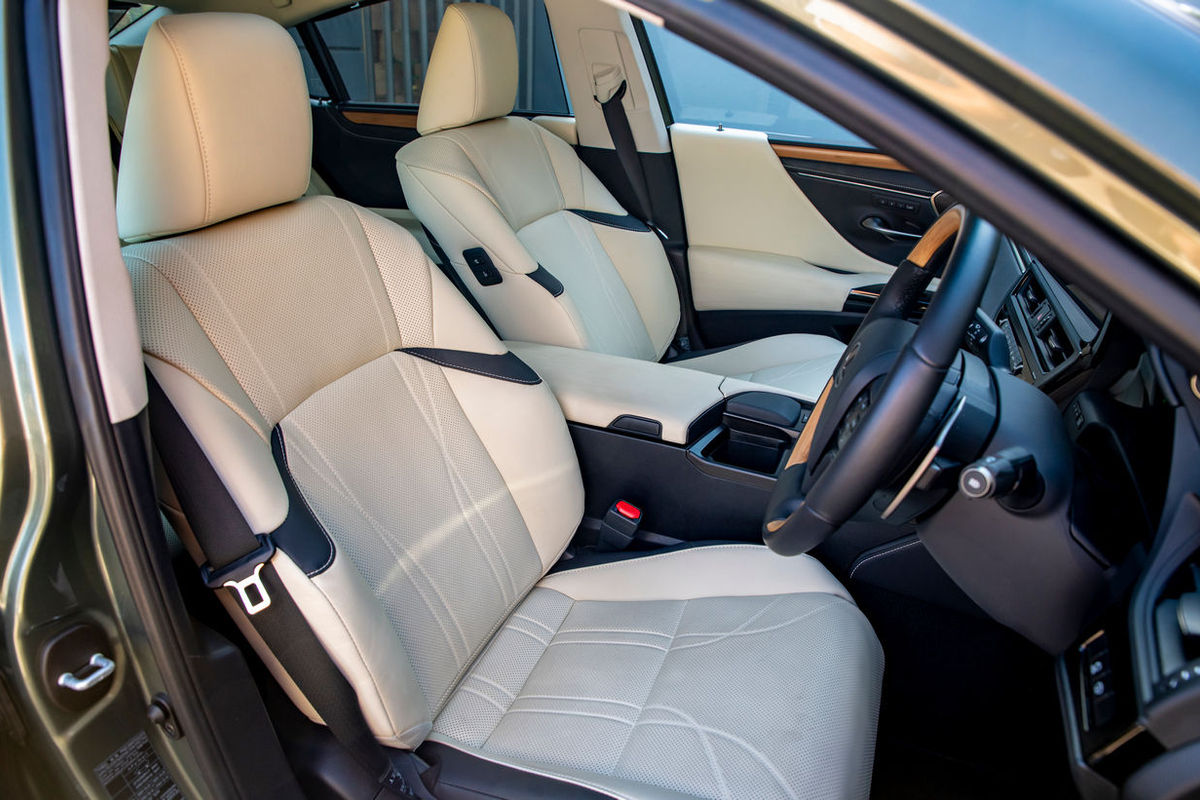
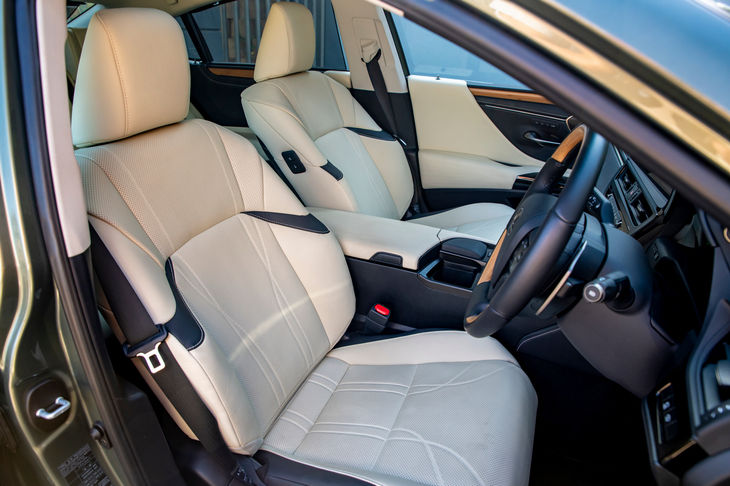
The cabin is far superior to the German offerings in terms of the consistently high quality of materials used, and standard specification. The cream leather and light wood trim combine to give the Lexus an ambience of traditional luxury and craftsmanship that’s rare these days.
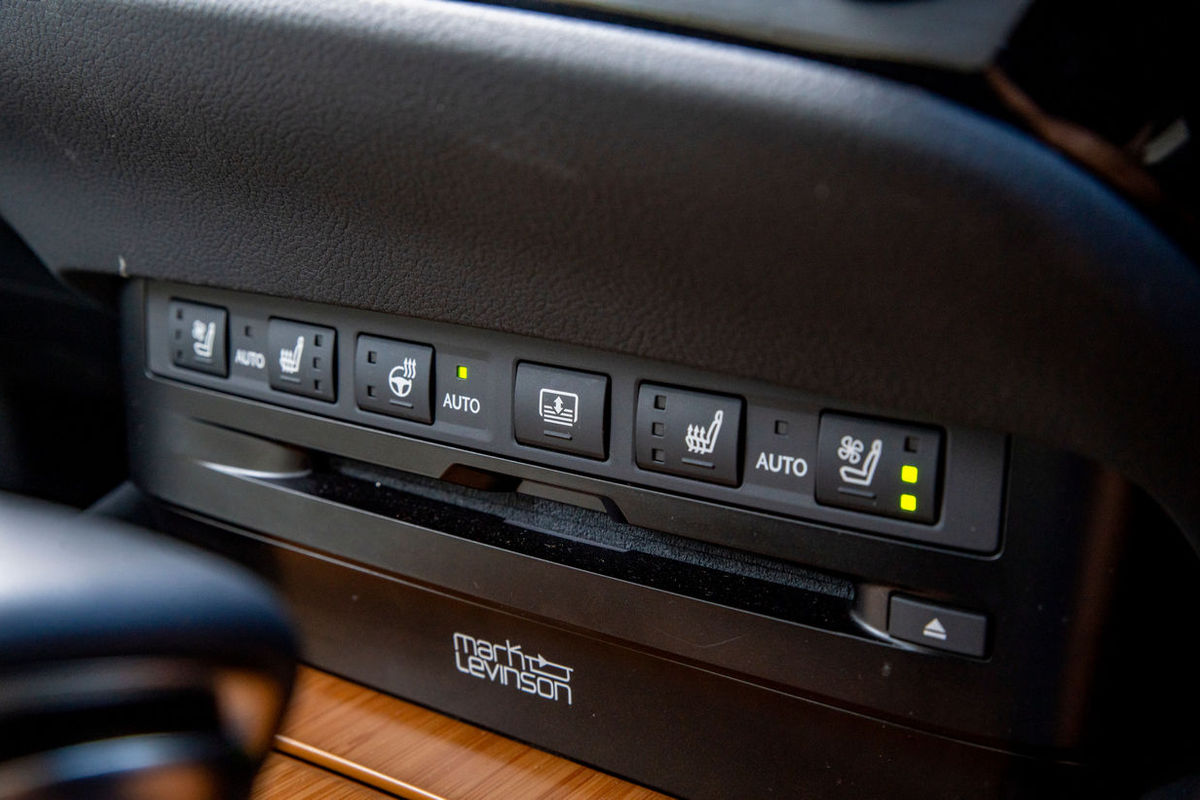
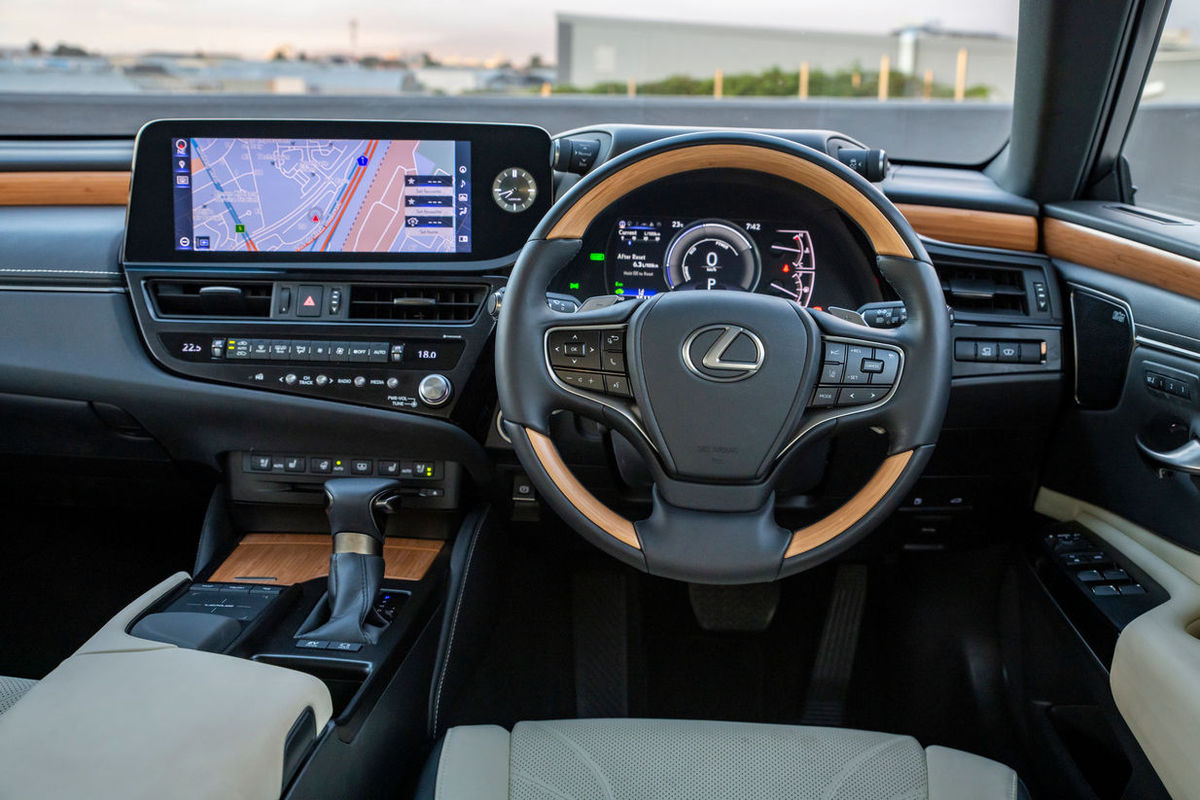
Move to the front and the mixture of traditionalism and modern tech is very appealing. The seats are superb (soft, yet supportive) and the steering wheel (with heating) features wood inserts, too. A quick glance at the dashboard makes it evident that the ES300h offers loads of features, but unlike most modern cars, it still has plenty of physical buttons – not all the controls have been packaged into the new touchscreen system. So, should you prefer, you can still do major ventilation and audio system adjustments using “real” buttons. It even still has a CD player…
The new 12.3-inch touchscreen system is definitely an improvement over the fiddly tracking pad system that Lexus had stubbornly persisted with (until now). Though the latter remains part of the package, it is likely to see little use and will probably not feature on future models. That said, the Lexus menu system is notably different to what we’ve become accustomed to from the German brands, so it does require some familiarity before you can find your way through the various menus and sub-menus at the desired speed.
Performance and Efficiency
The ES300h doesn’t push the boundaries in terms of performance, but it makes up for it in comfort.
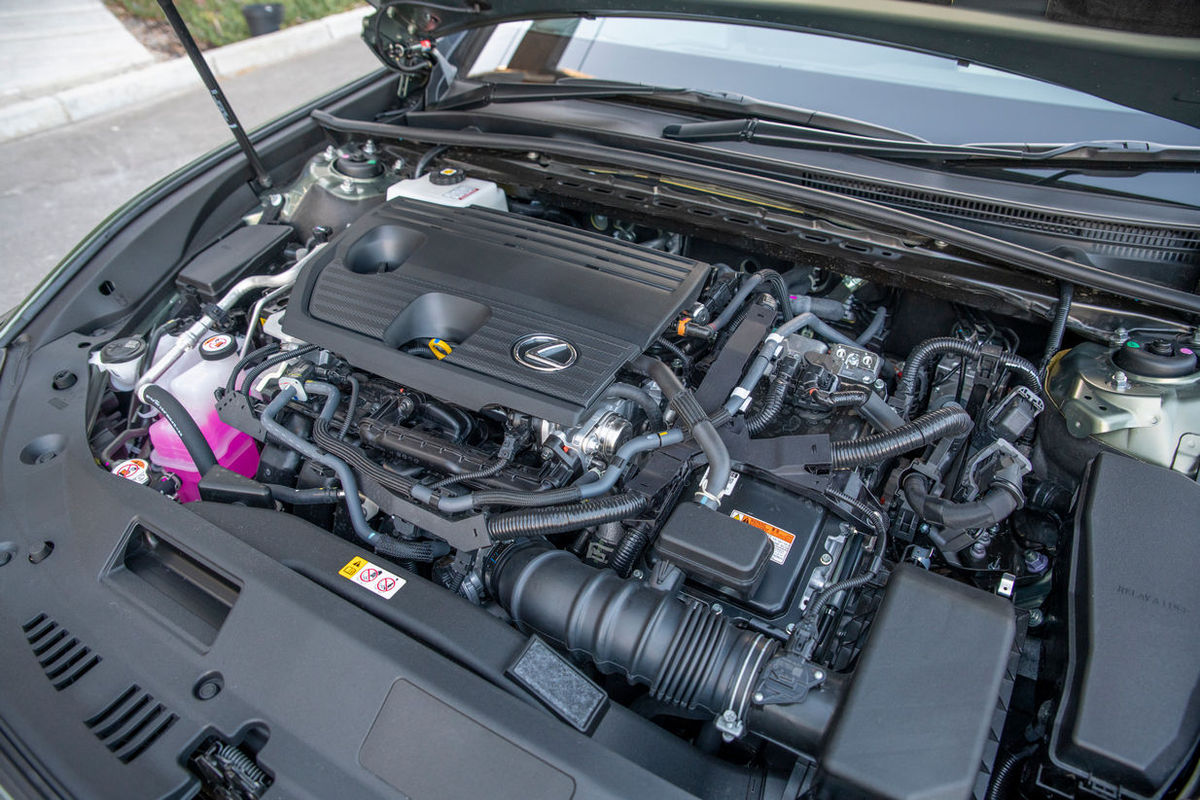
With the petrol price reaching record highs in recent times, even those buying R1-millio cars will want maximum efficiency. In that regard, we have good news. The ES300h is powered by Lexus’ 4th-generation hybrid system, which comprises a creamy smooth 2.5-litre 4-cylinder (naturally aspirated) petrol engine and a more compact and more “power dense” electric motor. Total system output is rated at 160 kW and Lexus claims a 0-100 kph time of 8.9 seconds, which is more than fast enough, but certainly no fireball. Top speed is limited to 180 kph.
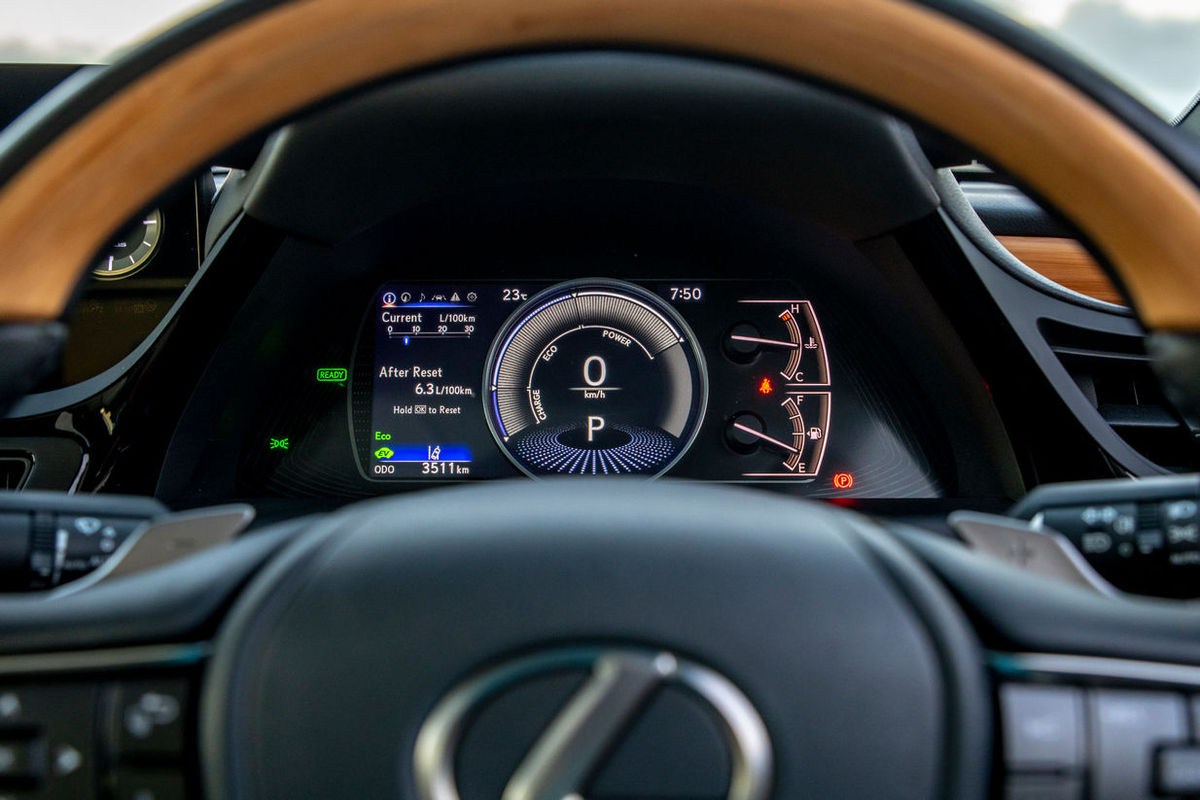
More important, however, is the efficiency of the drivetrain. Lexus claims an average consumption of 4.6L/100 km and we achieved a real-world average of 5.4L/100, without trying to drive particularly“economically”. That is a deeply impressive real-world average and gives the ES300h a tank range of over 900 km. We also noted it seemed possible to coast on electric power alone for longer periods and at higher speeds than before (provided your state of charge allows EV mode).
Ride, Handling and Safety
Shift paddles and drive modes are available but not strictly necessary.
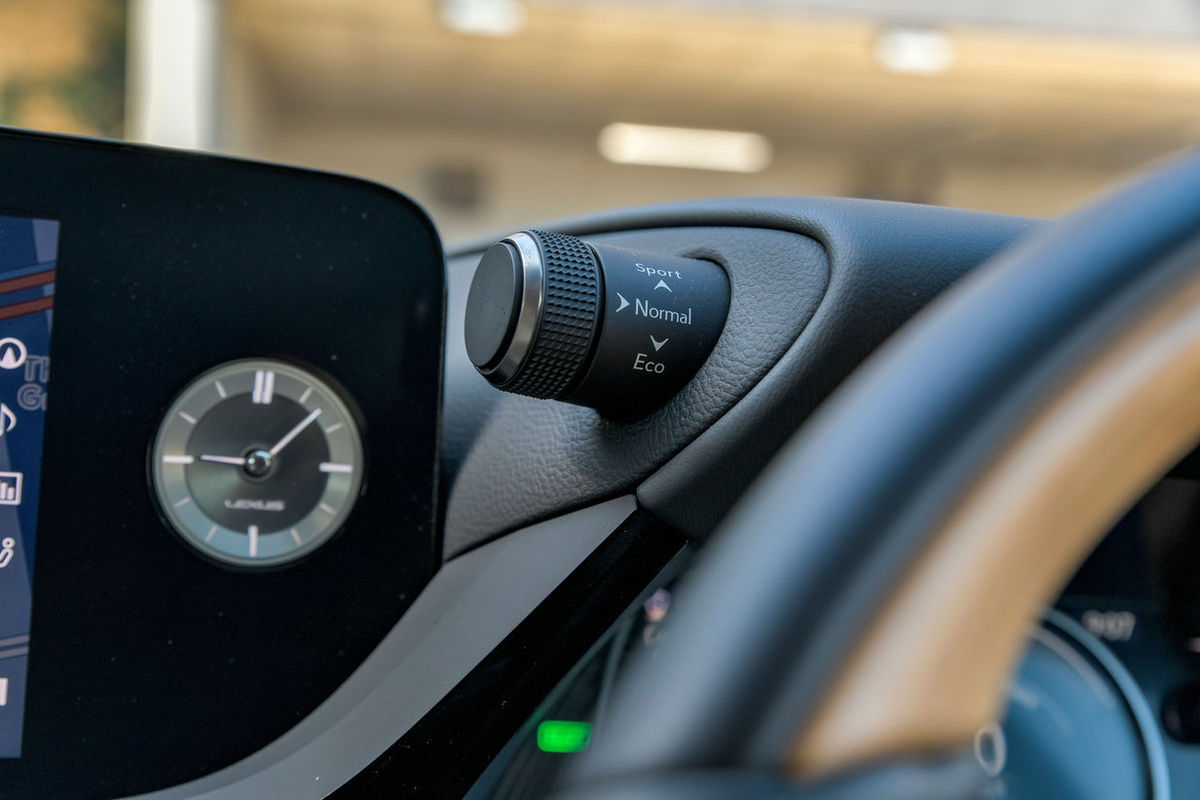
While other premium brands seem to pursue “sportiness” when it comes to their sedan offerings, Lexus’ approach is “comfort, first and foremost”. This is not to say that the ES300h is a sloppy handling car (it definitely isn’t), but that supple ride comfort, cabin insulation and refinement take priority over driver engagement and responsiveness. So, while the ES300h does feature steering-mounted shift paddles and you can select Sport mode by using the “Shrek’s ear” stalk on the instrument binnacle, you’re unlikely to do that very often.
The far more likely scenario is that you’ll activate the adaptive cruise control, play some music through the excellent Mark Levinson sound system, sit back and relax – the ES300h is a great cruiser, whether you are seated at the front… or the rear. It also features all the latest safety systems, including rear cross-traffic alert (with braking), active cornering assist and a full suite of airbags (knee airbags for both front occupants).
Comfort and Features
There are more buttons to push on the Lexus ES than some German brands have across their entire lineup.
If you’ve read this far, then you’ll know that what we have here is a superbly comfortable, quiet luxury sedan. In fact, the ES exhibits the kind of refinement and soothing luxury that you used to expect from something like a Mercedes-Benz S-Class or, indeed, Lexus’ own LS grand saloon.
In flagship SE trim, it features all the bells and whistles as standard and is still priced below the R1 million mark, while its German rivals have crossed that barrier, and would still need many option boxes to be ticked.
In addition to the features we’ve already mentioned, the ES300h SE has an electric tilt/slide sunroof as standard, a retractable rear blind, 3-zone climate control, panoramic view camera system, head-up display, built-in navigation, Apple Carplay/Android Auto, wireless smartphone charge pad and an electrically adjustable steering column.
Price and after-sales support
The Lexus ES300h SE is priced at R976 900 (April 2022). It is a full-house derivative (no options) that is backed with a 7-year/105 000 km warranty. Service intervals are every 15 000 km or 12 months, whichever comes first.
Verdict
The ES knows its target buyer puts comfort and luxury as their top priority.
By delivering an almost old-school type of luxury driving experience, the Lexus ES300h came as a breath of fresh air to our test team (as ironic as that may sound). The team was unanimous in praising the ES’s supple ride comfort, cabin insulation, standard luxury features and efficiency. At the price, we don’t think there is a finer luxury sedan on the market right now, provided you don’t place a high priority on sizzling performance or engaging dynamics.
We rate the ES300h SE as very well-priced – it even represents good value for money, but, given the nature of the market and the resale values of luxury sedans in general, you may want to take a peek at what listings there are for demo or low-mileage used vehicles. These are, after all, quality cars and so a well-cared-for used example can be picked up at a significant saving.
BMW Sales in South Africa: March 2022 Figures Revealed
It’s not often we get a look at BMW Group sales figures in South Africa, but they were included in Naamsa’s report for March 2022. Let’s find out which were the best- and worst-performing models for the German firm…
In line with a global directive from its Munich headquarters, BMW Group South Africa seldom reports detailed sales figures to Naamsa. However, the German automaker interestingly did drill down to individual model sales for March 2022.
So, which were its most popular vehicles for the month? And which ones didn’t make much of an impact? Let’s take a closer look at the Bavarian firm’s numbers.
The BMW Group (which in this case includes the BMW and Mini brands but excludes Rolls-Royce and the Motorrad division) registered 1 225 units in South Africa in March 2022, enough to place it 11th on the list of best-selling automakers. Meanwhile, exports totalled a heady 6 852 units, a figure eclipsed only by the Volkswagen Group (9 236 units) during the reporting period.
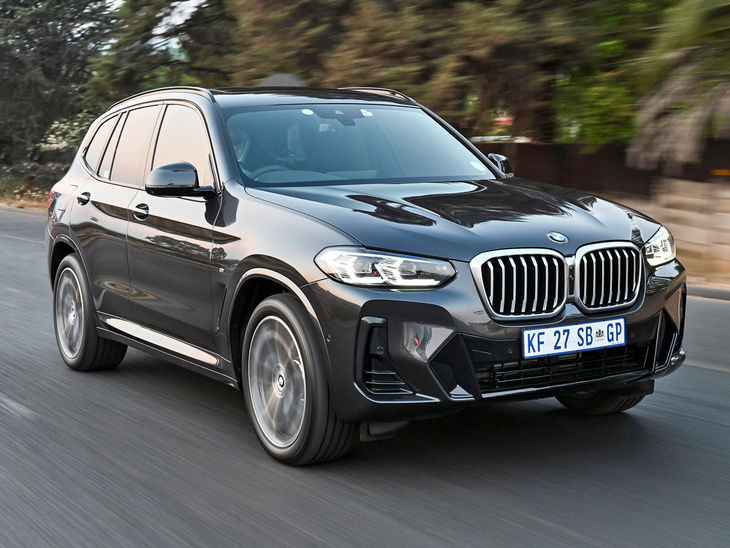
Somewhat predictably, the Rossyln-built X3 was BMW’s top sales performer in March 2022, with 313 units registered. The 3 Series (165 units) was second, ahead of the third-placed 1 Series (125 units).
The locally built X3 was BMW’s top seller for the month.
Next came the X5 with 116 units (16 of which came courtesy of sales to the government, with a further 18 via the rental channel), while the 2 Series range – which includes the gran coupé models and the freshly launched new rear-driven coupé derivatives – ended the month on 107 units.
The remainder of BMW-badged models settled for double or single figures, led by the X1 (93 units), 4 Series (49 units) and X4 (24 units). Fascinatingly, the X7 (23 units) outsold both the X2 (18 units) and the X6 (13 units), while the 5 Series managed 16 registrations. The 8 Series (11 units) and 7 Series (9 units) were next, while the fully electric iX attracted 6 sales, the Z4 roadster one fewer, and the outgoing i3 just a single registration.
Turning to the Mini division, the Countryman interestingly proved the most popular in March 2022 with 42 sales, slightly ahead of the 3-door Hatch (39 units), though it’s not clear how many of those took the form of the battery-powered Cooper SE. The 5-door Hatch added 25 units, while the Convertible brought up the rear with 5 units.
New Polo GTI vs 1992 Opel Superboss Drag Race! New School vs Old School
In this battle of old school vs new school, the brand-new SA-built Volkswagen Polo GTI takes on the legendary SA special Opel Superboss.
When the latest Polo GTI arrived for testing at our offices, where our very own Opel Superboss lives, we did some quick maths and realised that on the quarter mile the cars could be quite evenly matched.
Even though the 30-year old, 2.0-litre Superboss is seriously outgunned here by the turbocharged Polo, the Kadett has a huge power-to-weight ratio advantage, weighing a good 400kg lighter than the Polo. New cars have become very heavy indeed.
And so we hired the Killarney race circuit outside Cape Town and set up a new school vs old school showdown with Ciro de Siena taking on Ashley Oldfield.
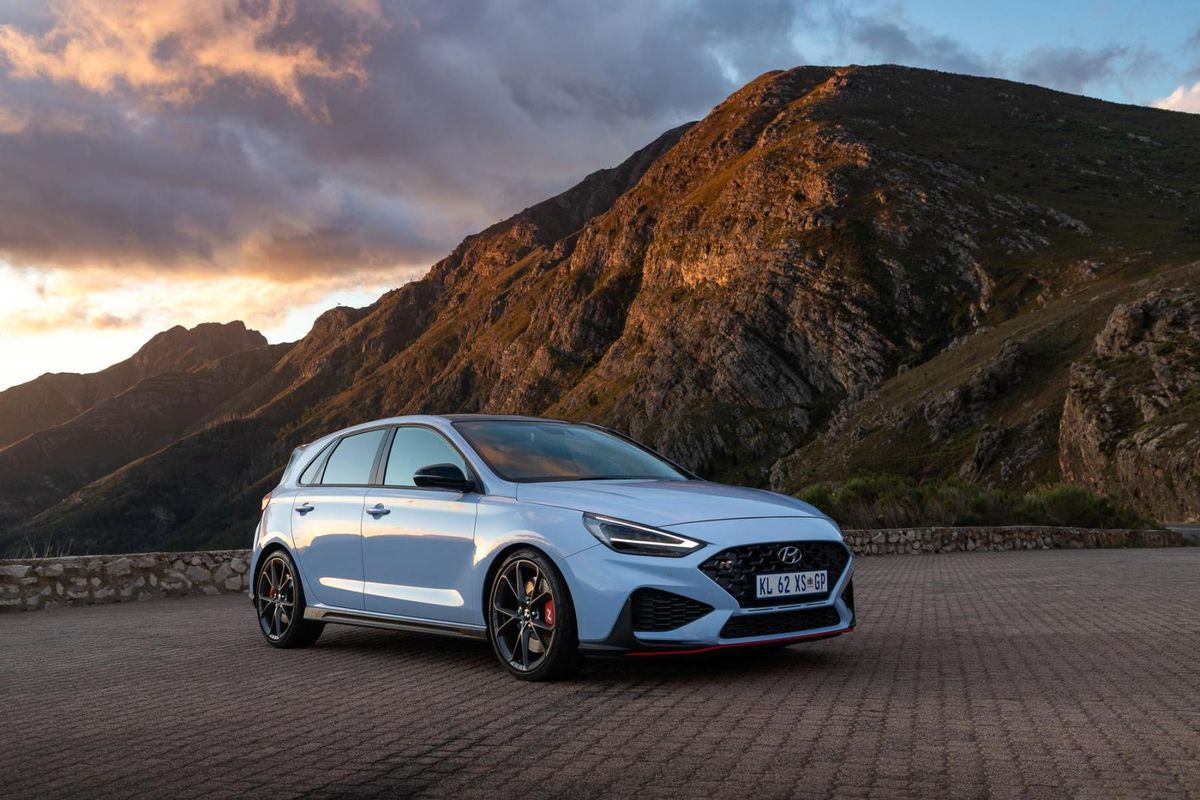
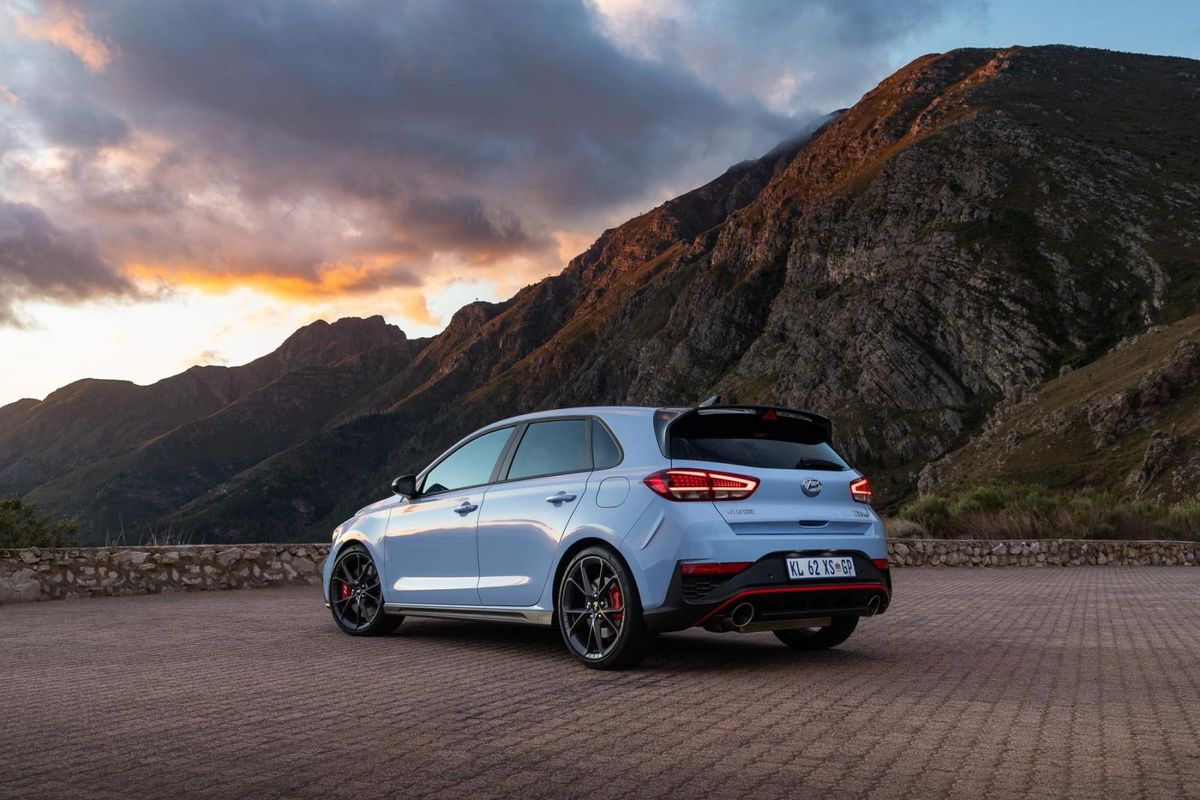
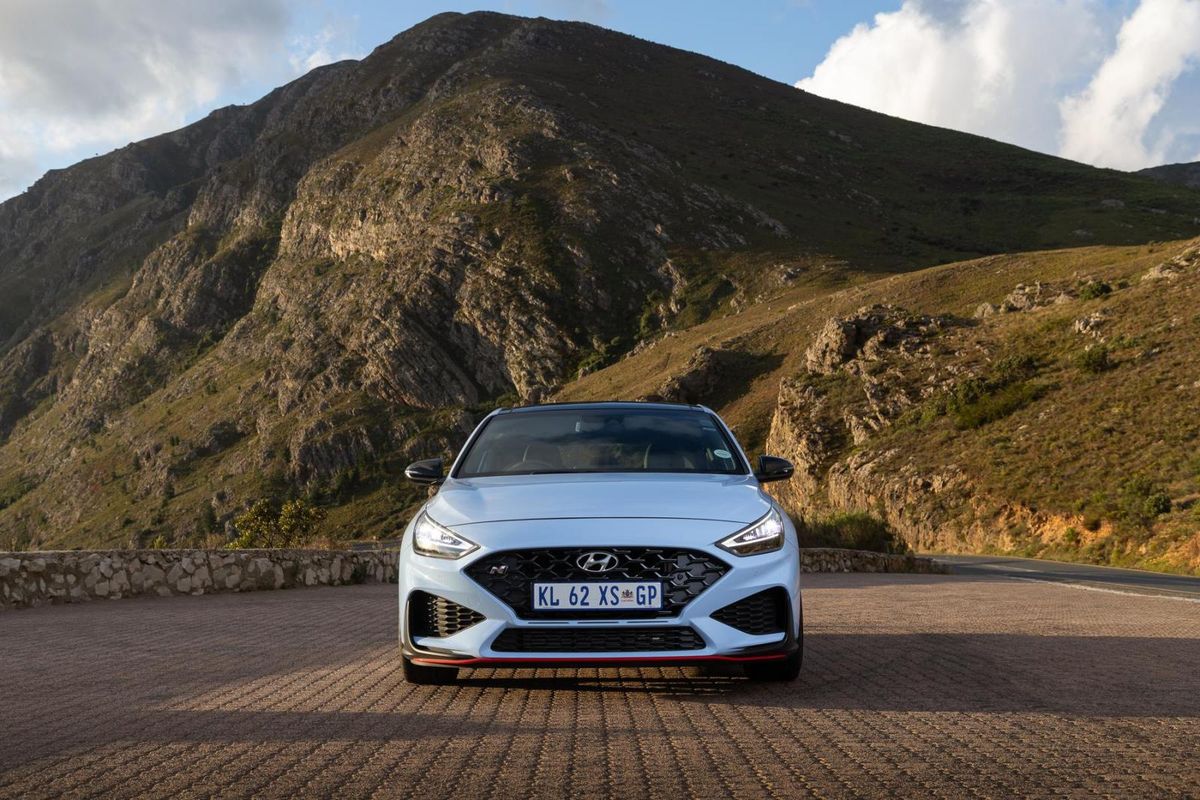
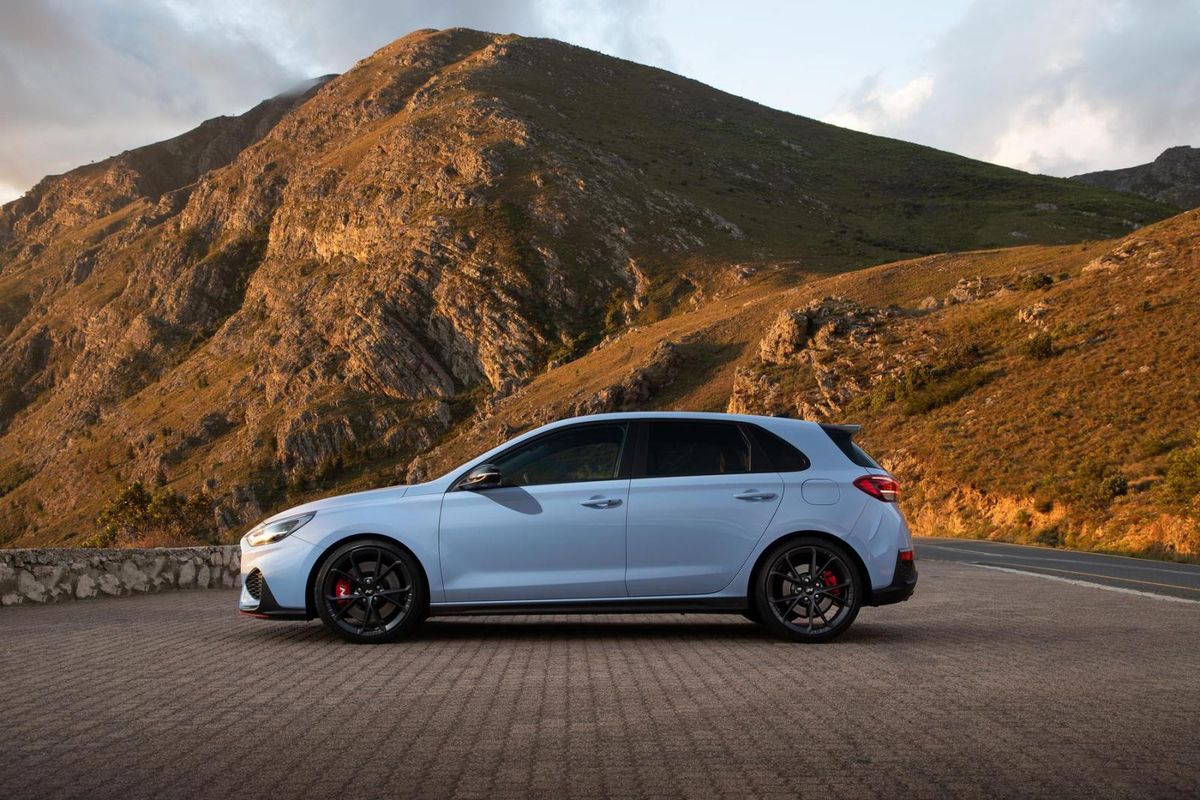
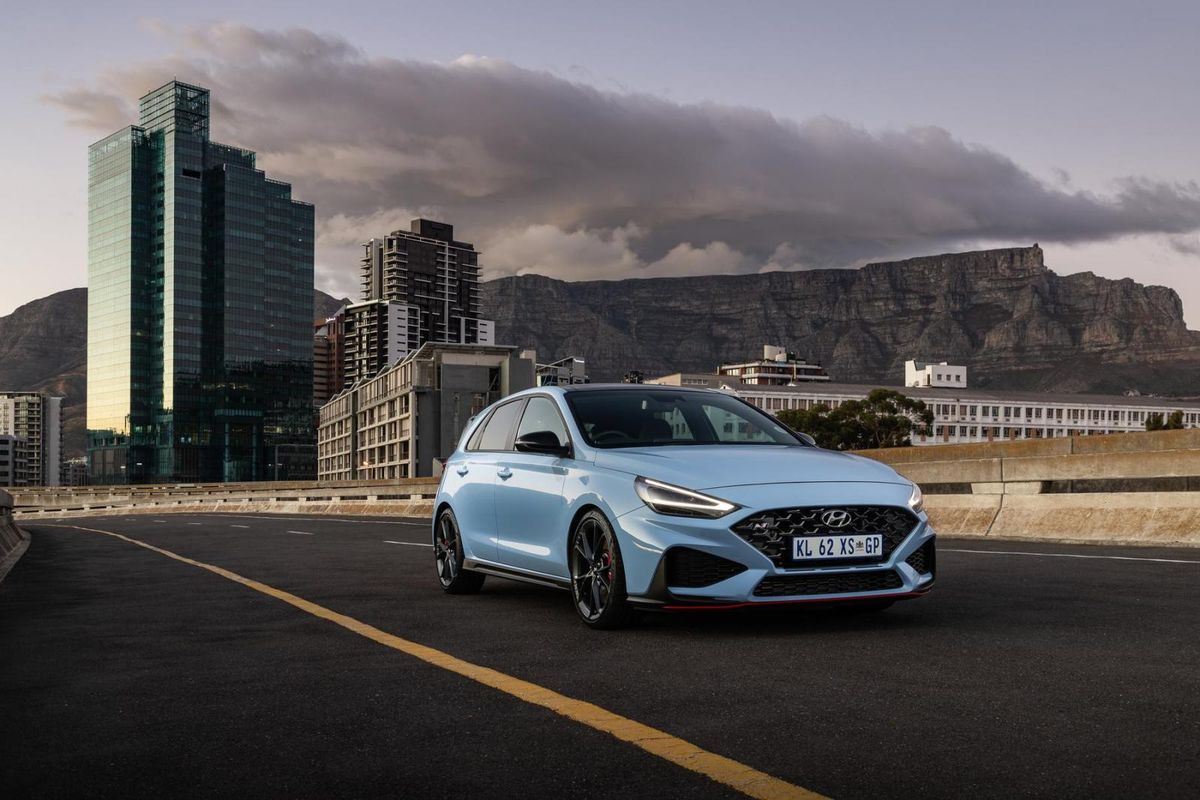
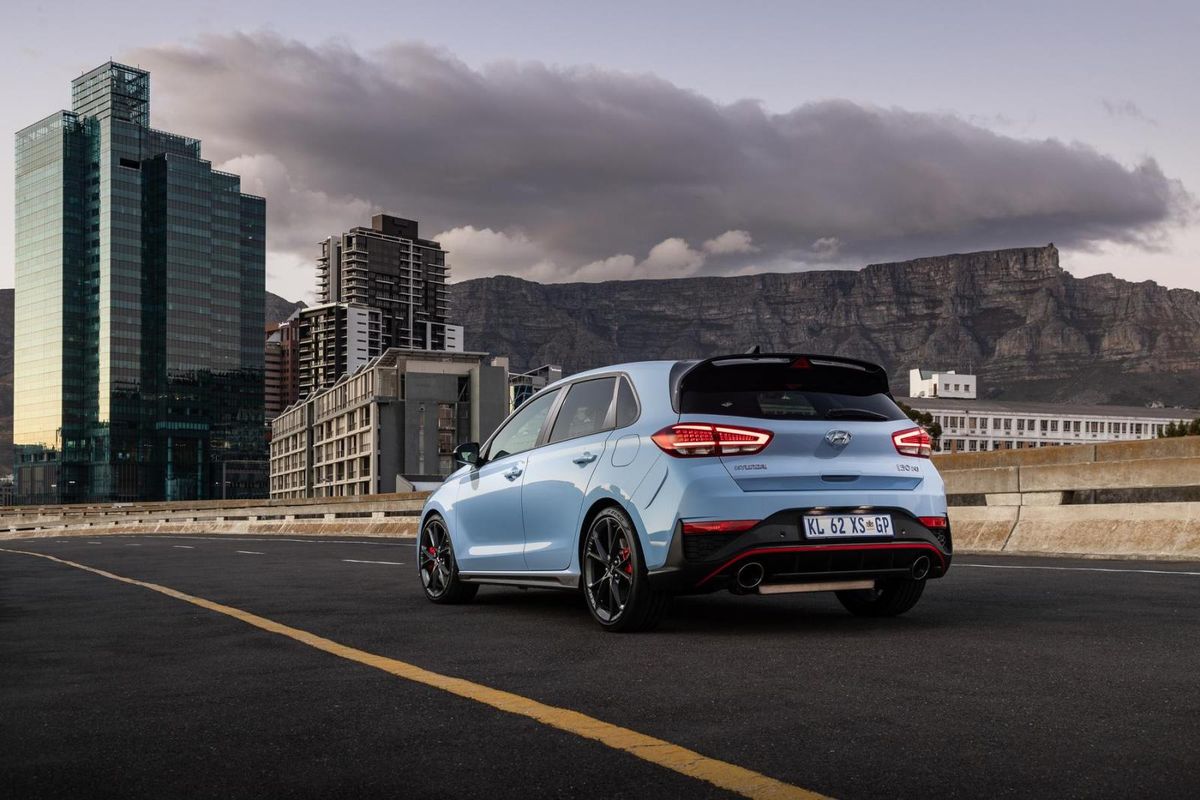
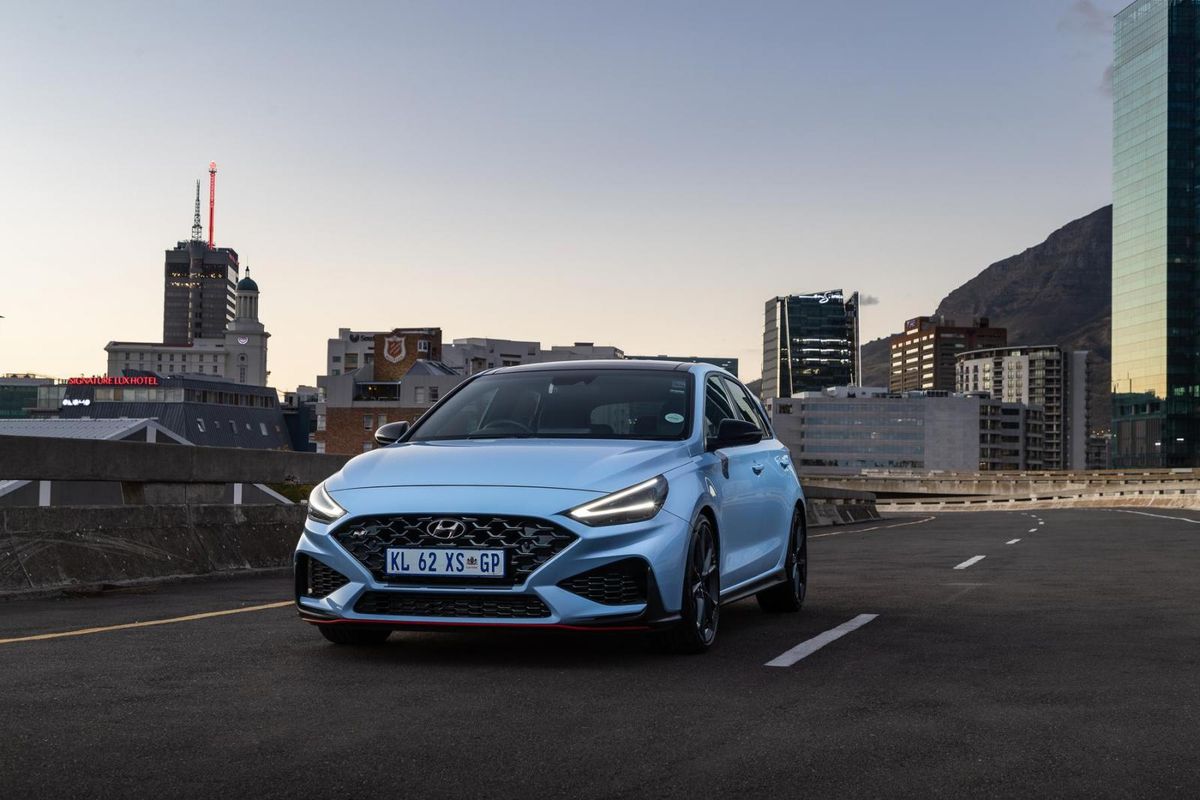
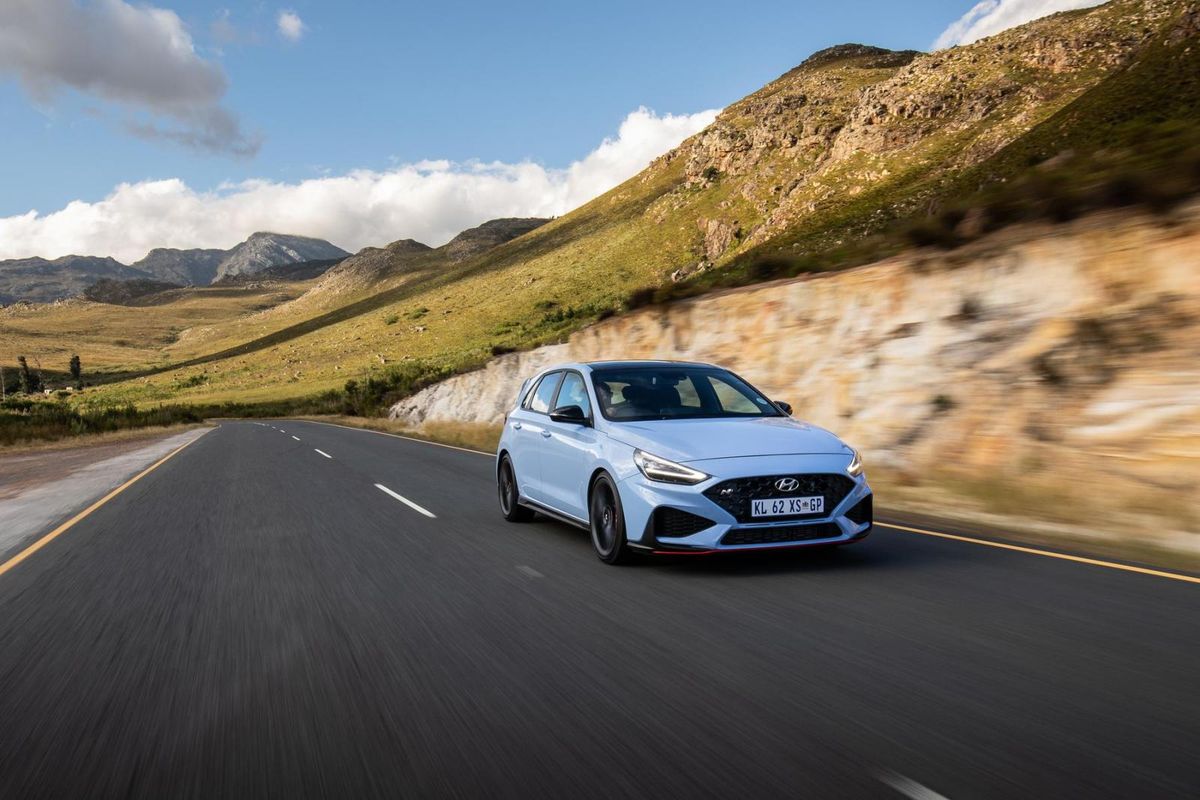
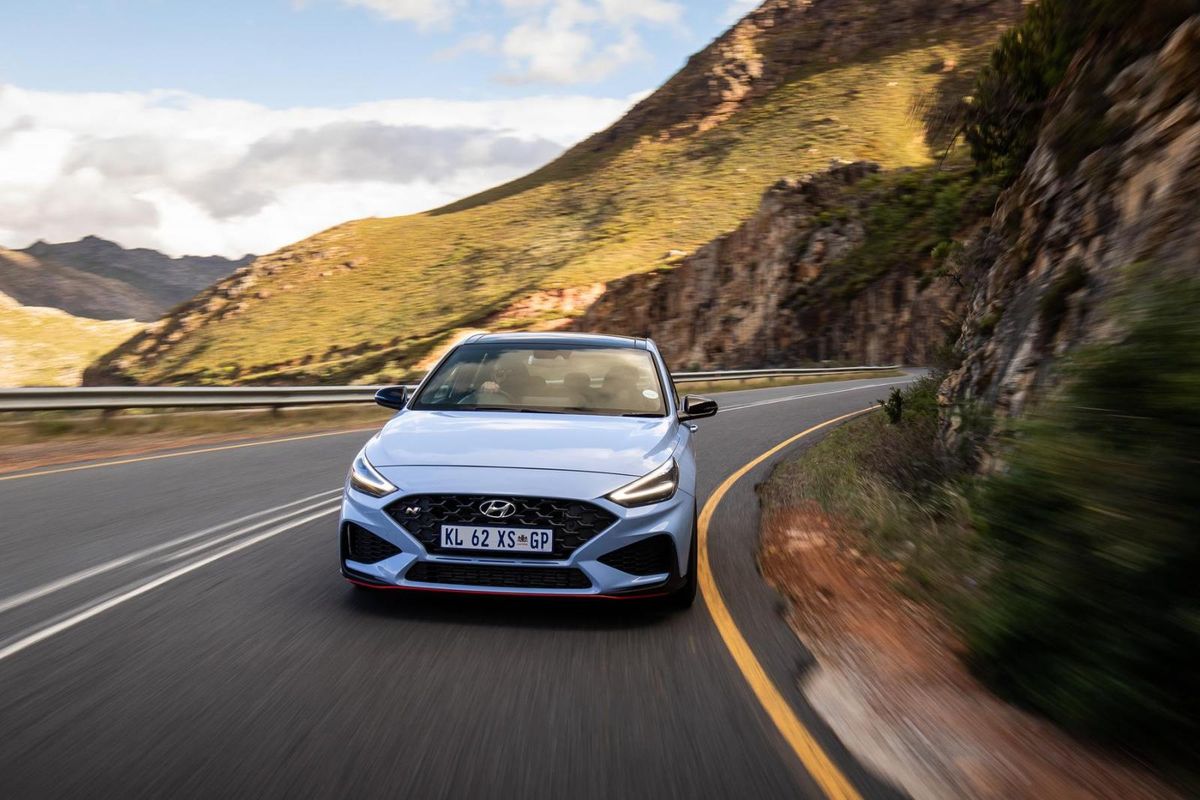
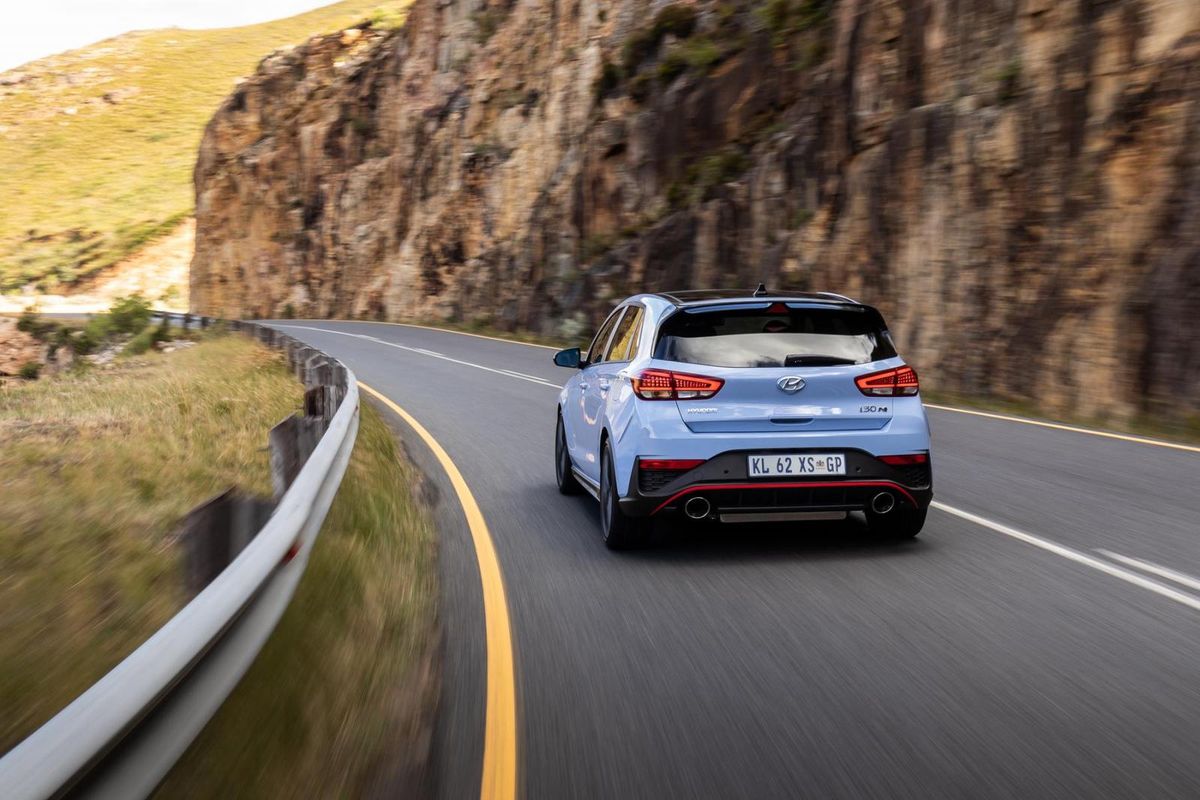
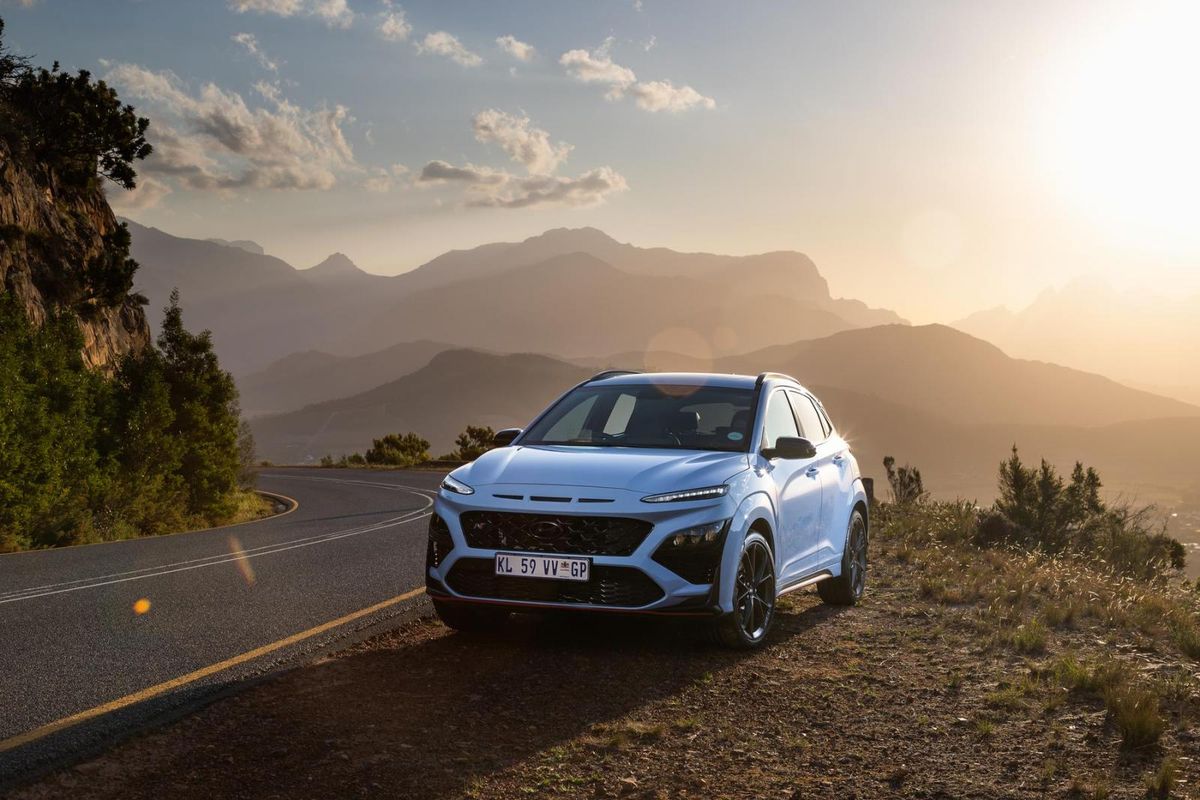
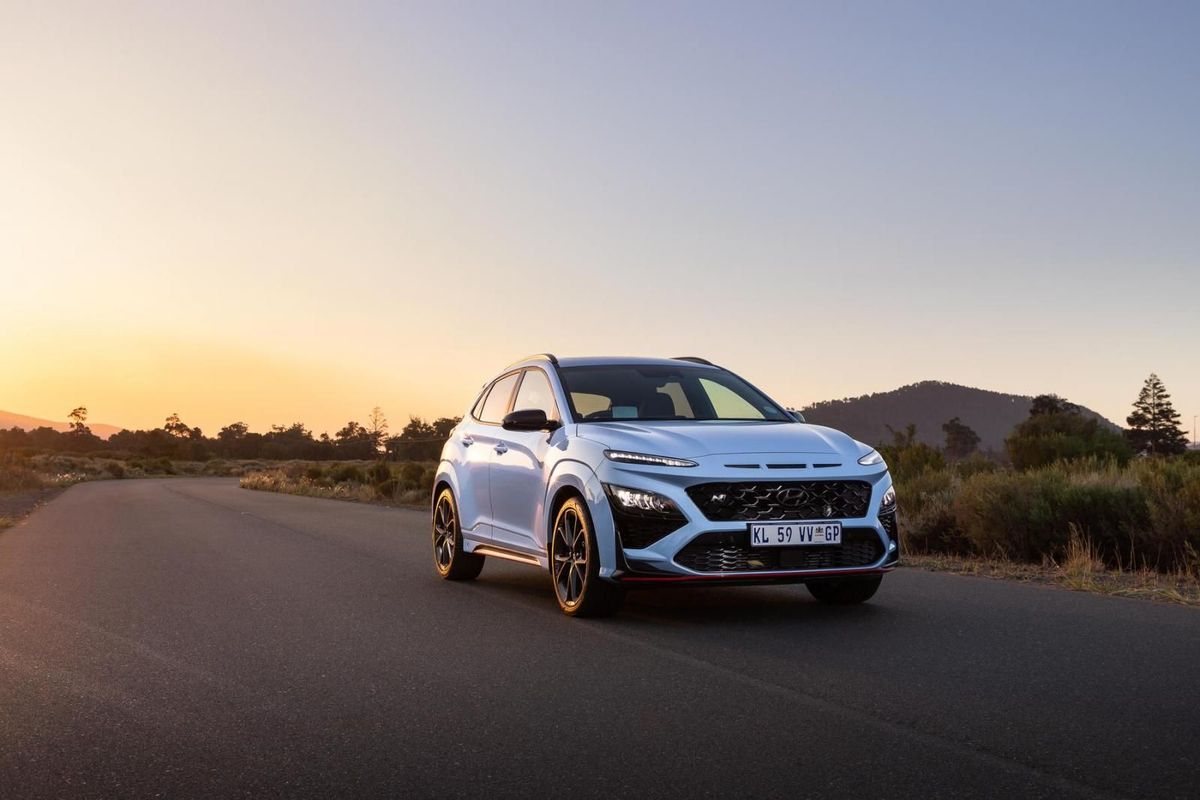
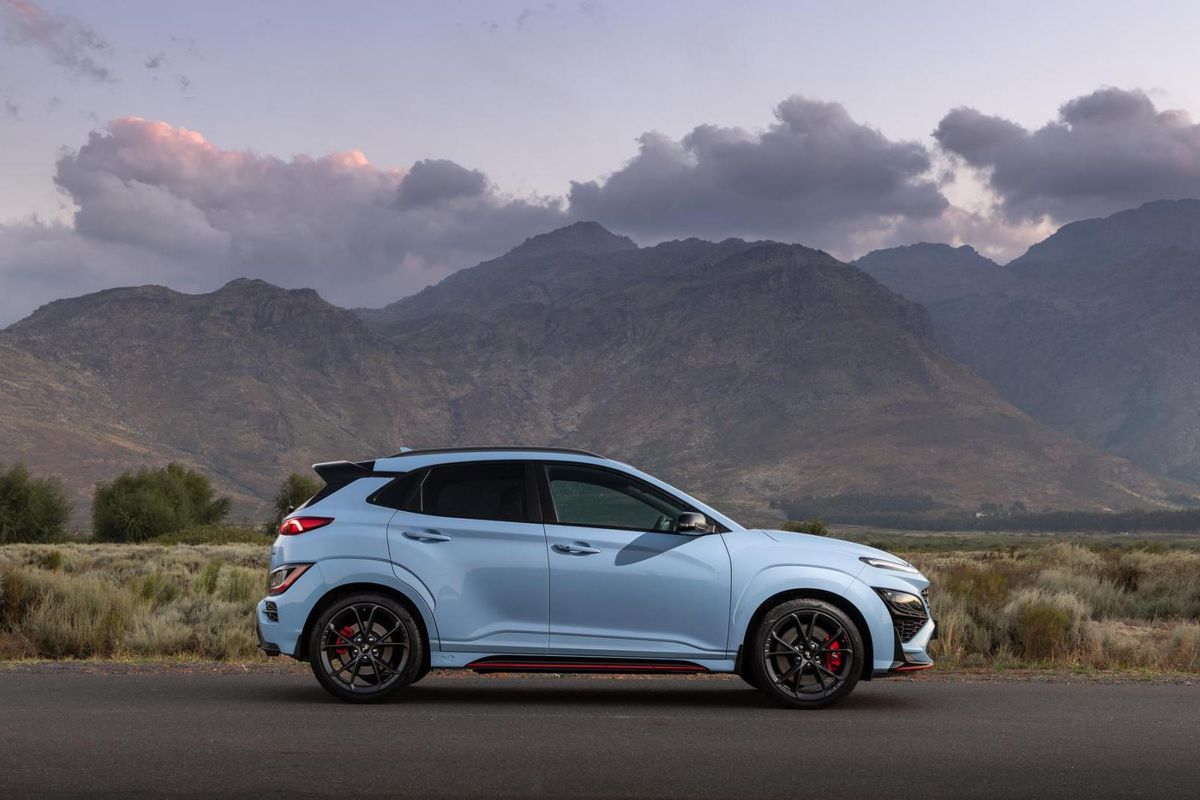
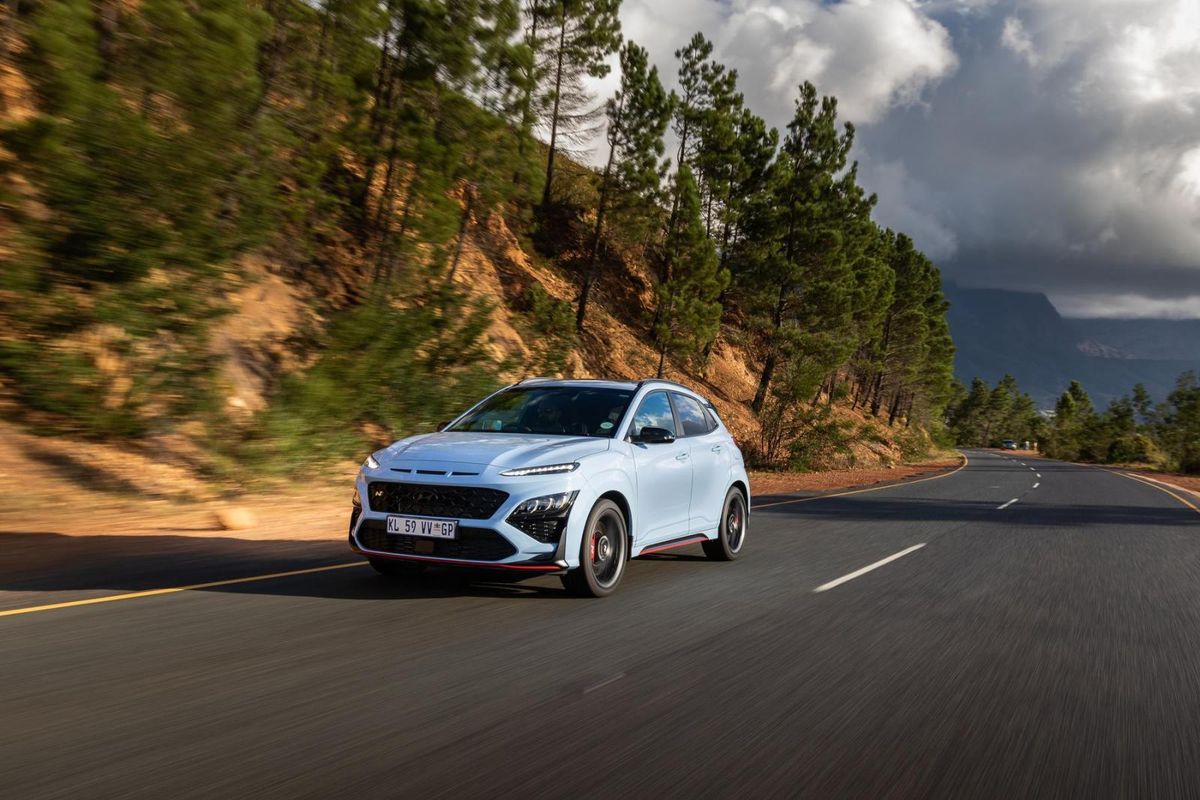
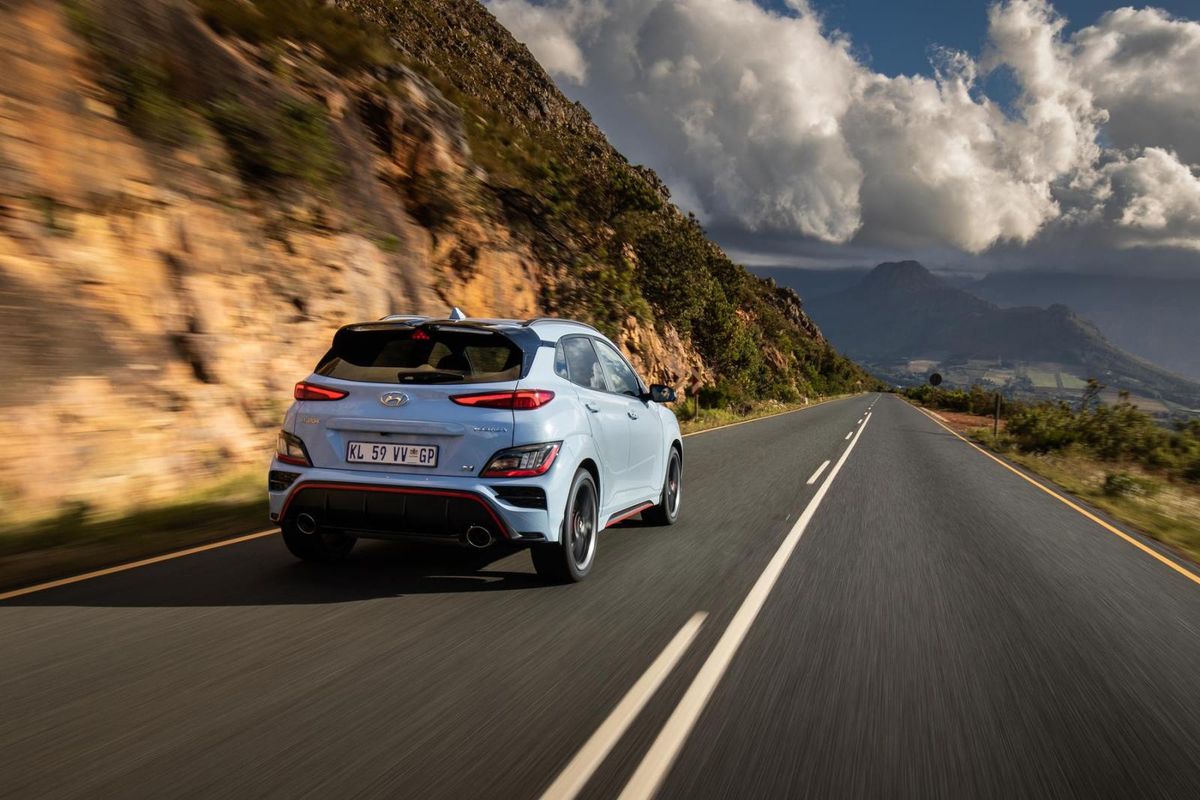
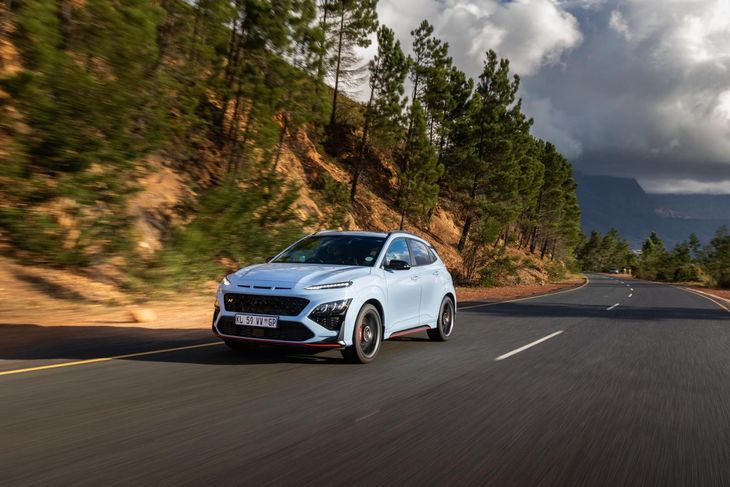
Hyundai Automotive South Africa is looking to assert itself in the hot hatch market with 2 new models – the facelifted i30 N and the Kona N crossover. The newcomers’ performance figures suggest the pair is more than a match for their segment rivals, but how do they fare as all-round packages? We drove both at a local launch event in the Western Cape.
Explaining the N badge
Hyundai N is like the M brand is to BMW or AMG is to Mercedes-Benz.
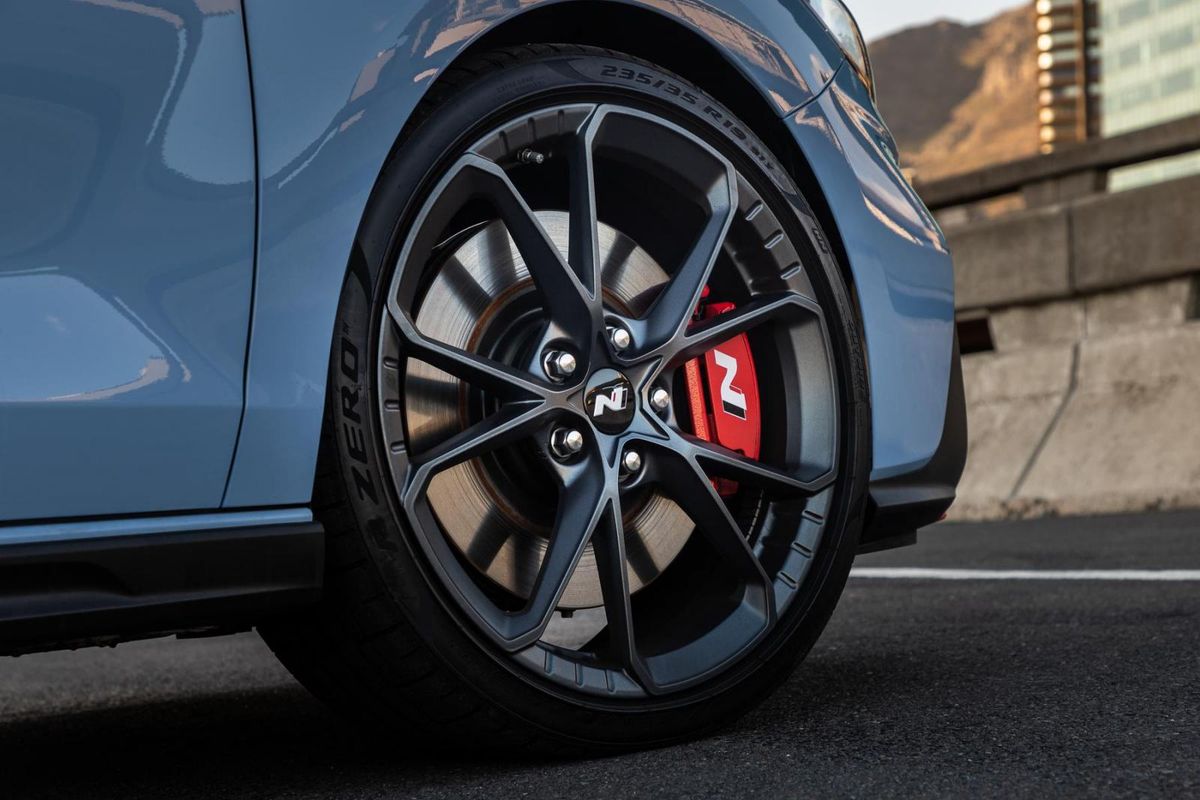
Hyundai is relatively new to the performance sector of the market. The i30 N was its first attempt at a focused performance model; it debuted in 2016 before making its way to Mzansi at the end of 2019. N stands for Namyang and Nurburgring, the former being the R&D head office for the Korean brand and the latter the testbed for its purpose-built N cars. You can think of N as the M- or AMG division of Hyundai, which spearheads the development of performance variants.
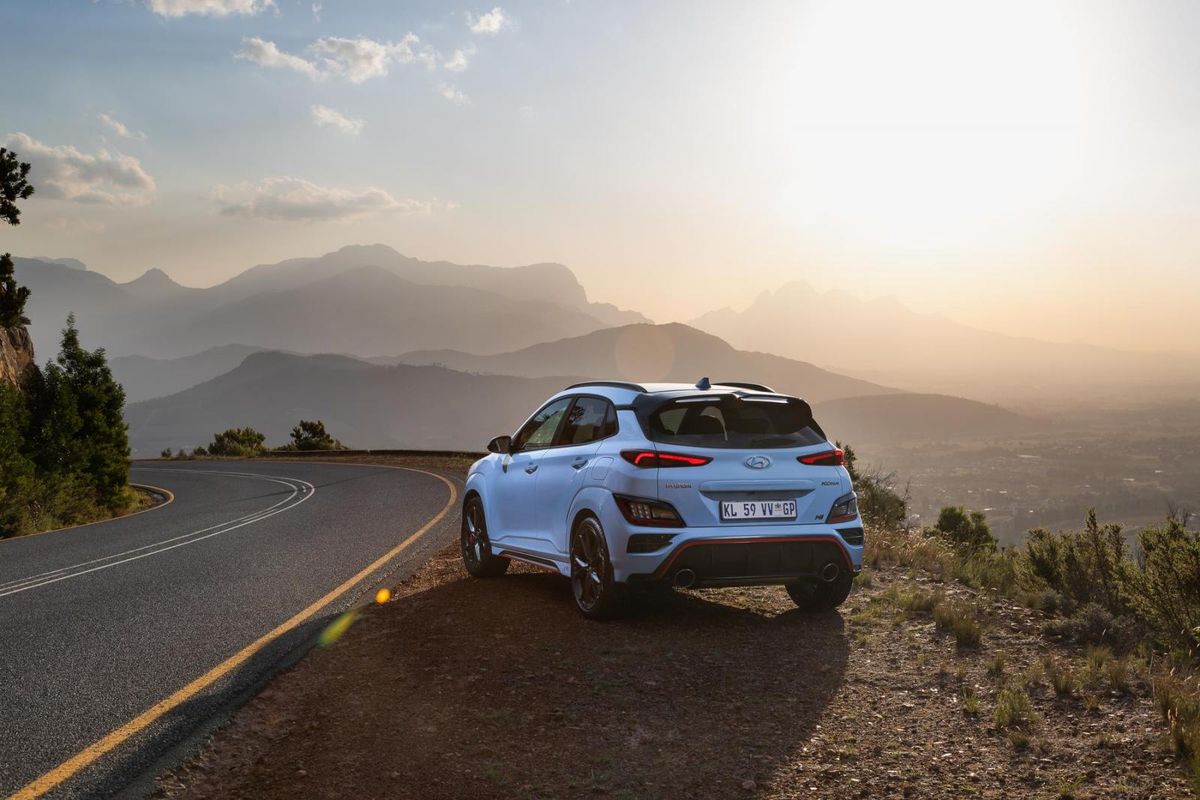
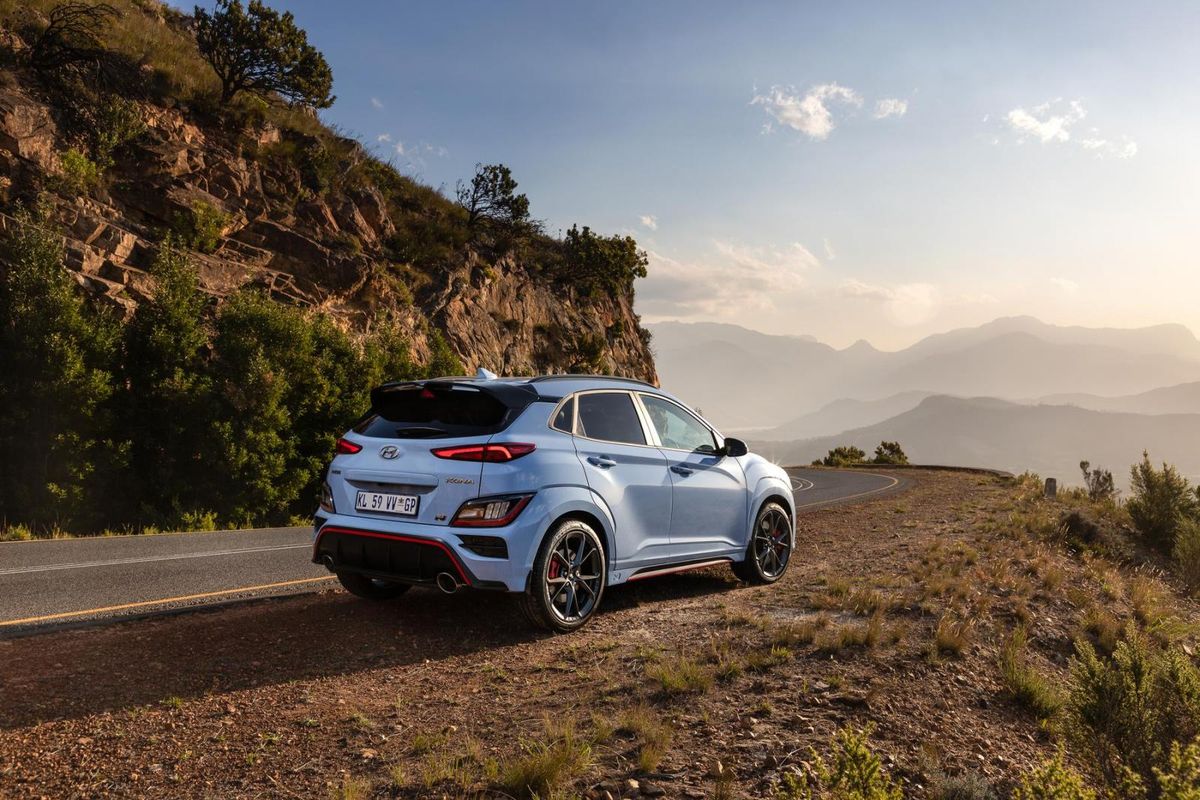
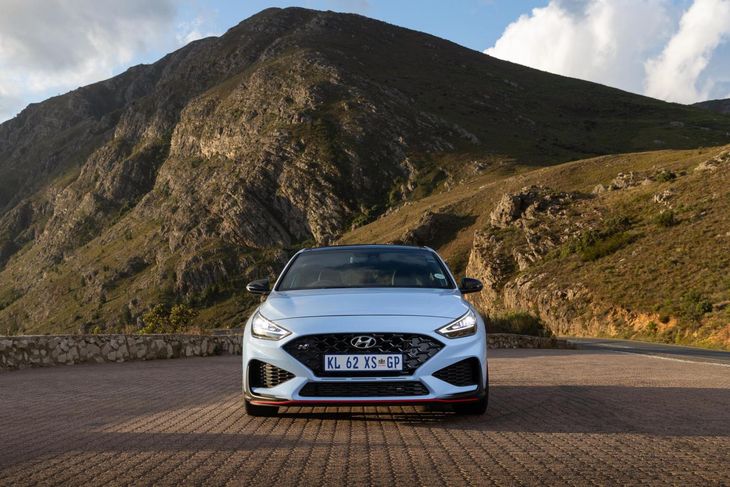
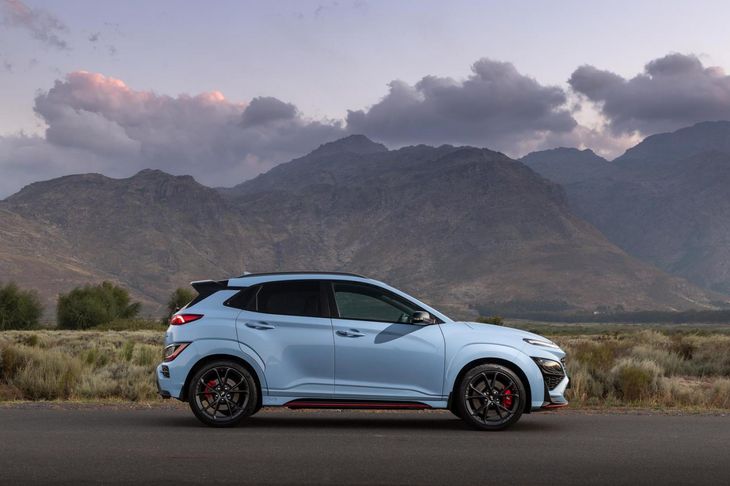
Scoot forward a few years and we have 2 new offerings from the N division: a facelifted i30 N hatchback – now only available with a dual-clutch auto – and an all-new Hyundai Kona N, which combines the popular compact-crossover body shape with stonking performance and defined, muscle-clad exterior addenda.
What’s under the bonnet?
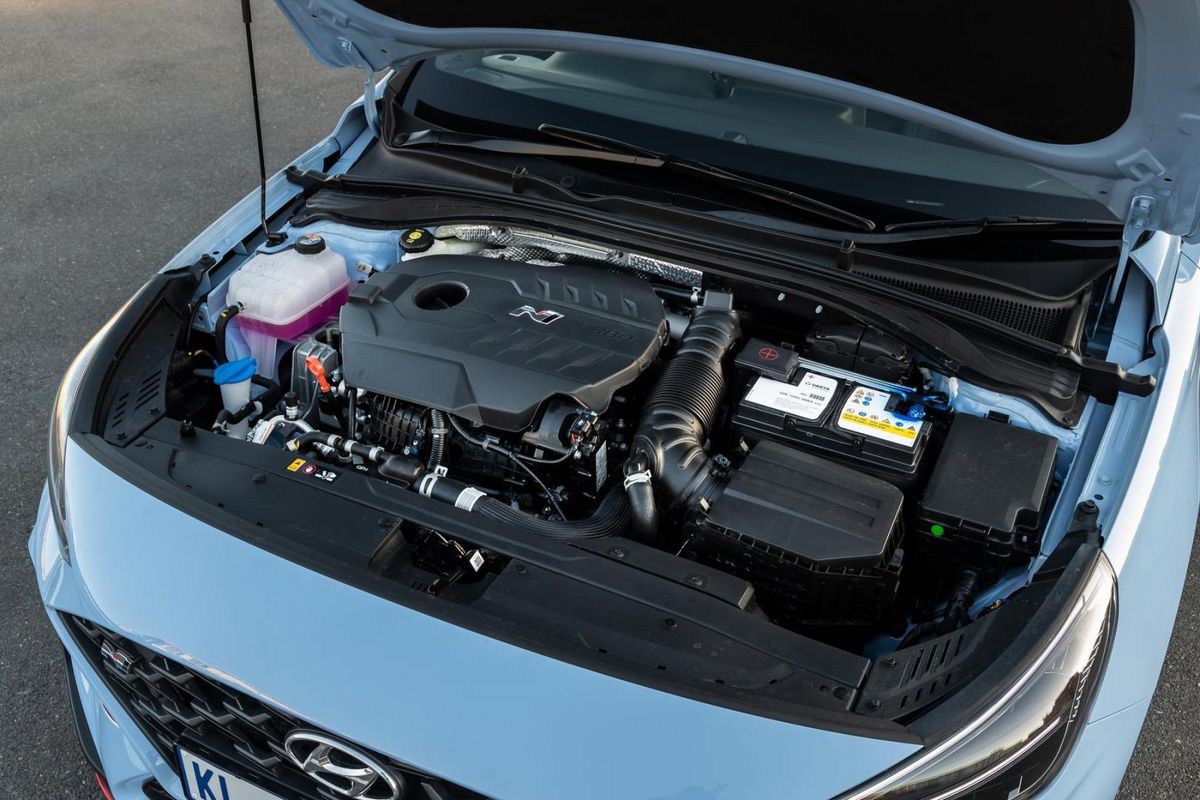
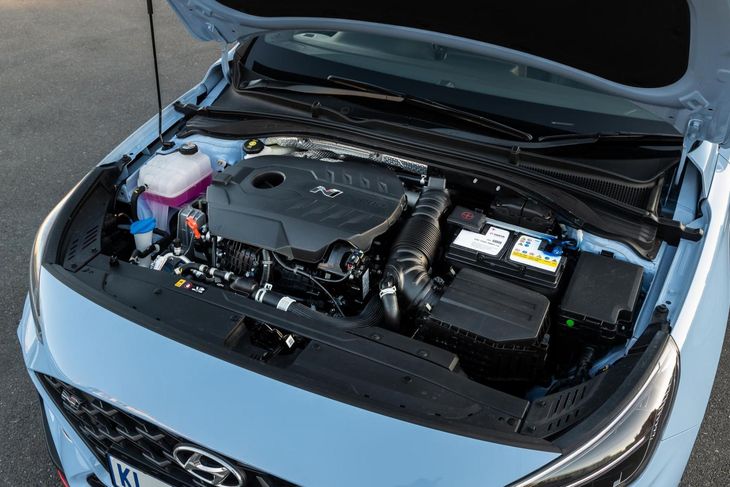
The 2.0-litre turbopetrol produces the same power as before, but at a lower compression ratio.
The 2.0-litre 4-cylinder turbopetrol motor from the original i30 N continues to do duty in both models. It produces peak outputs of 206 kW and 392 Nm of torque and is paired exclusively with an 8-speed dual-clutch automatic transmission. The engine has been slightly tweaked with an increase in turbo boost pressure and a slightly lower compression ratio. This should improve engine reliability in the long run without compromising on performance.
And that performance is rapid – to say the least. Zero to 100 kph is said to be notched up in 5.4 seconds by the i30 N and 5.5 seconds by the Kona N. The engine doesn’t rev particularly highly – with max power delivered at 6 000 rpm and peak torque available at 4 700 rpm, the 2.0-litre turbopetrol has quite a narrow powerband, in which significant shove gets delivered all at once. This means the powertrain has a tendency to spin up the front wheels under hard acceleration.
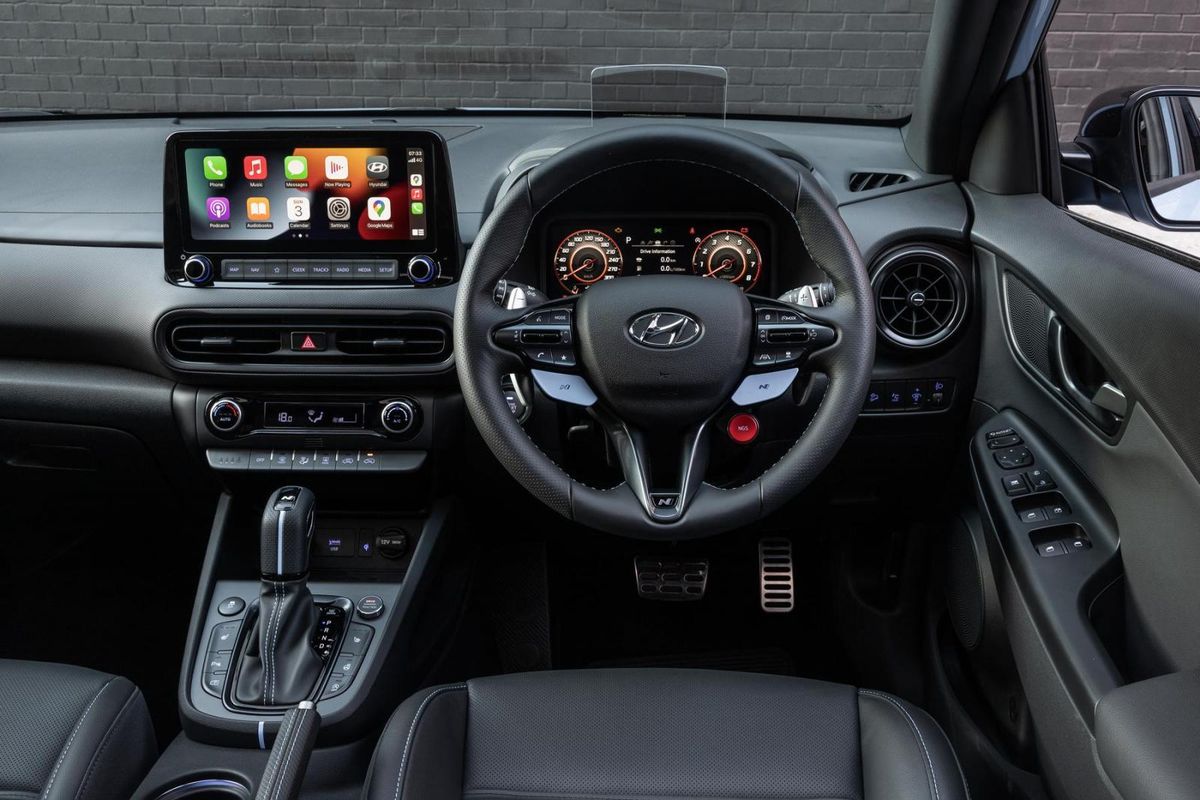
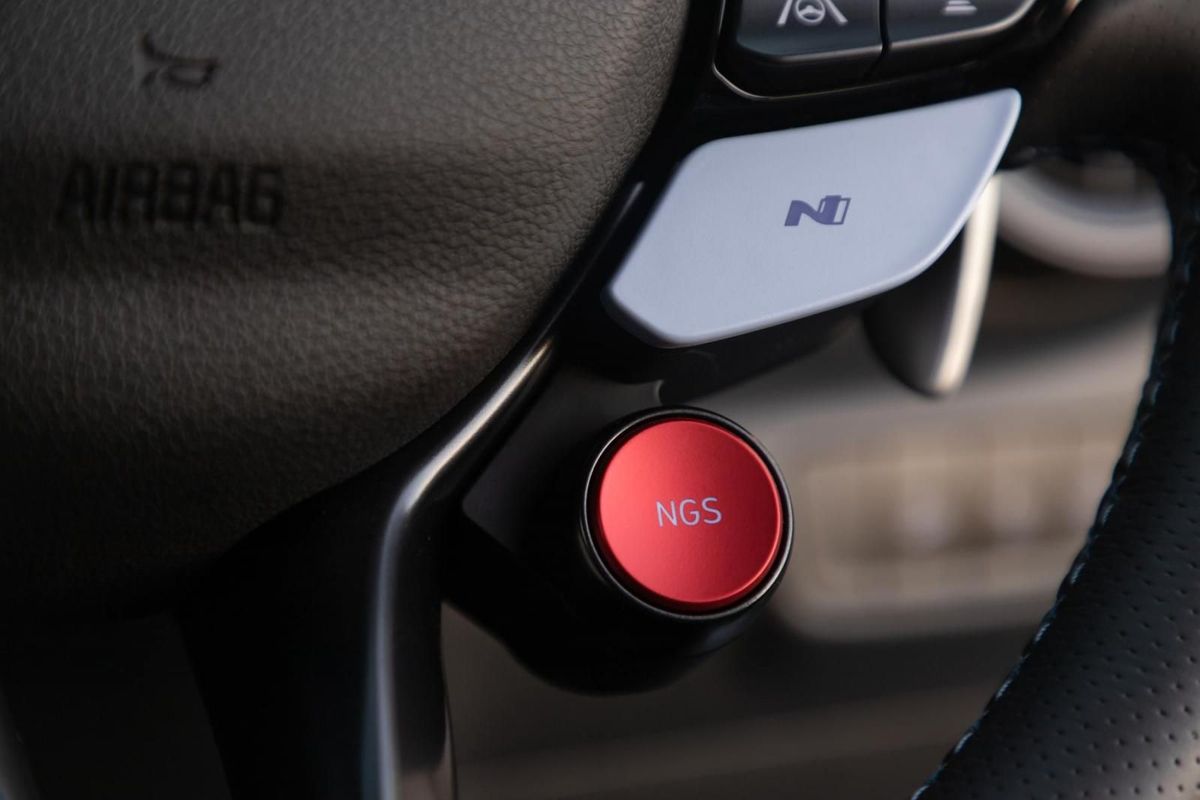
Both cars are also equipped with what Hyundai calls “Grin Shift” (NGS). Aside from the silly name, it gives the driver access to a further 7 kW, brisker shifts and full-on exhaust bangs and pops at the press of a button. It’s a bit of a gimmick, but if Porsche can put a similar type of button in its cars, then I guess it’s good enough for Hyundai.
What are the N cars like to drive?
The Kona N has a higher driving position and higher centre of gravity than the i30 N.
I drove the pre-facelift i30 N back in mid-2020 and I thought it was the closest that any brand had come to replicating the Golf GTI formula. The Korean hot hatchback’s stiff local pricing was a drawback, plus the model was introduced in limited numbers and in 6-speed manual guise only, but it had all the makings of a purebred hot hatch that was equally good at functioning as a “daily driver”. It certainly looked the part too.
For this update, it really seems like the N division has concentrated on giving the i30 N and Kona N sharper handling characteristics, but at the cost of day-to-day ride quality.
I ran multiple laps of the Killarney race circuit in both models and was impressed by how well they turned into apexes and then held their lines as I floored the throttle on the way out of bends. In front-wheel-drive performance cars, such limpet-like adhesion to terra firma and dogged resistance to torque steer – at the very limit, no less – are enviable traits.
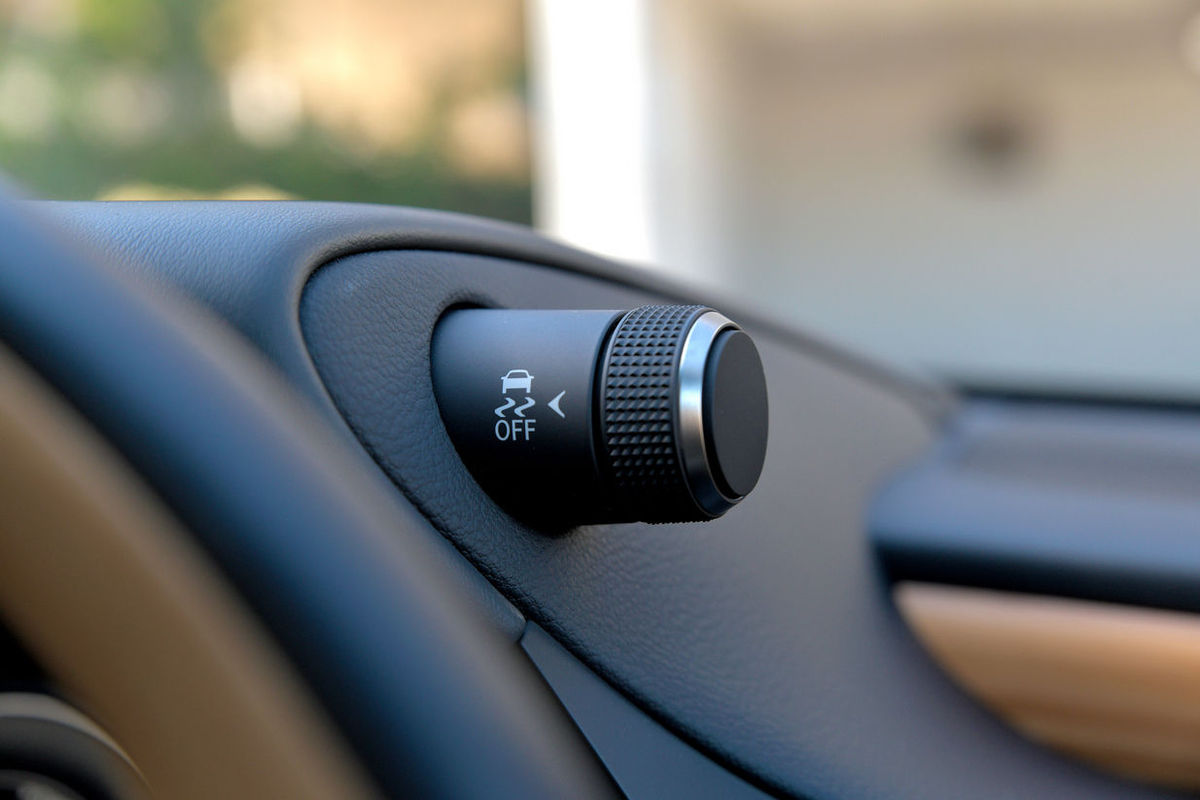
There’s inherent lift-off oversteer when you come off the brakes with a bit of steering lock on, but fear not, the stability control will take care of you if things get too wayward (the system can also be completely switched off… if you want).
The i30 N feels the more potent track weapon of the two, but only by a fine margin and it might be down to the lower seating position, which imparts a racier feel. I did find that the higher centre of gravity in the Kona N meant that it was prone to losing traction a trifle sooner than the i30 N, which makes the steering go a little light as the tyres scrabble for grip.
Our road route encompassed mostly wet roads, but over some of the Cape’s best mountain passes. Both cars are fitted with electronic damping, which allows for an adaptive ride quality (all you need to do is press the drive-mode button and scroll through Eco, Comfort and Sport – each mode has its own predefined suspension, engine and transmission settings. You get a further an N mode, with which you can customise the settings to your preference, but we’ll have to see what else can be changed when we get the cars back for a full evaluation soon.
In Comfort mode, the ride quality is firm – decidedly firm, in fact, and only gets firmer when you select Sport mode (obviously). Even freeways with the smoothest tarmac seem to return harsh feedback to your lower back and coccyx. The suspension tuning has certainly taken a different direction compared with the pre-facelift i30 N; as a result, neither car is as comfortable to run on the daily commute, but should deliver more gains on track or when attacking mountain passes.
Anything else worth noting?
Note the red NGS button on the Kona N that instantly extracts maximum performance for 20 seconds.
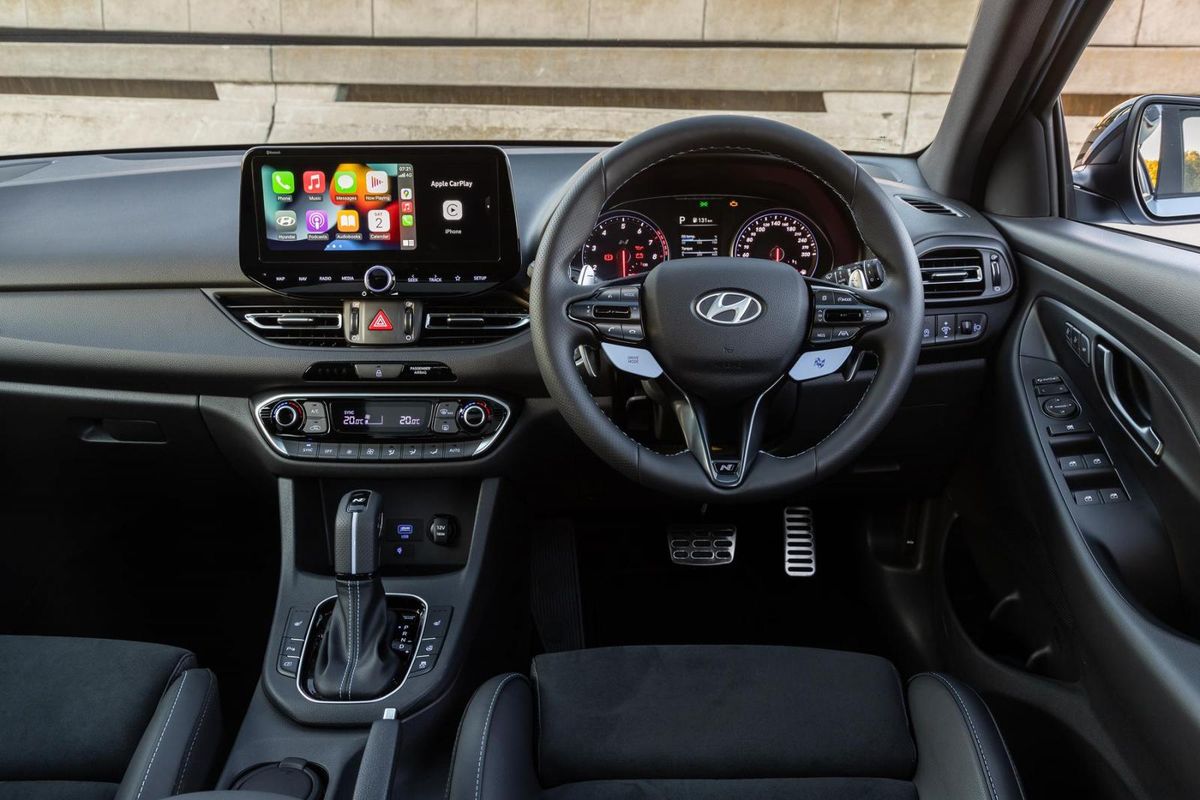
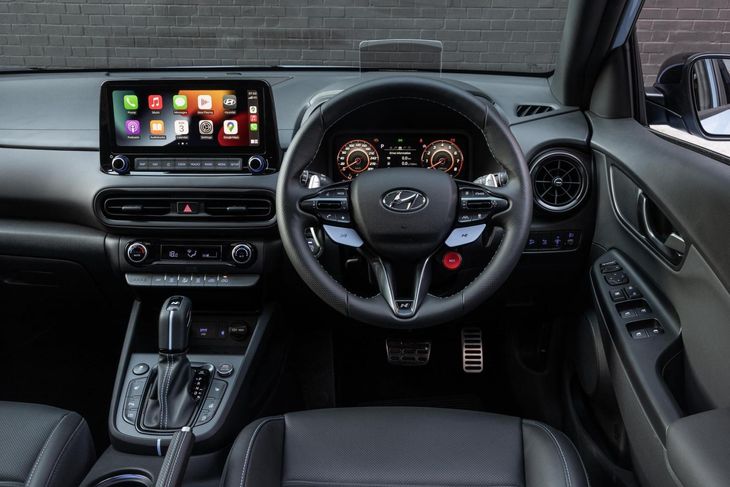
The interiors of the two cars are slightly different, but similarly specified. You can see our specs and pricing article here. No internal navigation is available, but Android Auto and Apple Carplay are available (via cable connection) – they tend to be much better than infotainment systems’ interfaces anyway and you get to choose whichever navigation app you prefer.
Having said that, the newcomers’ infotainment systems do feature a telemetry readout that shows you lap times, acceleration and braking pressure, boost pressure, G-forces and a few other nifty data points for your perusal.
The i30 N and Kona N are sourced from the European market and are, therefore, specced quite generously compared with most Hyundai models that are offered in our market. You get high-end safety systems such as pre-collision avoidance, lane-departure warning and blind-spot detection as standard, as well as comfort features such as leather & suede electric seats that are also heated and a heated steering wheel as part of the list price.
Hyundai i30 N and Kona N pricing and after sales
Hyundai i30 N and Kona N are sold with a 5-year/150 000 km manufacturer’s warranty, an additional 2-year/50 000 km manufacturer’s powertrain warranty, 7 years’ roadside assistance and a 5-year/75 000 km service plan.
N has delivered two cars aimed firmly at the driving enthusiast rather than the daily driver with a performance bent.
The new performance duo from Hyundai demonstrates that the Korean brand’s N division has changed direction. The i30 N doesn’t feel like a natural rival to the Golf GTI (that it once was); it seems more akin to the Renault Megane RS or the Honda Civic Type R. The handling dynamics are impressive for a front-wheel-drive car and it will no doubt impress on the right road and/or track.
As “daily drivers”, the i30 N and Kona N might prove to be rather uncomfortable cars to live with. Their suspension setup is very firm, even in the most comfortable setting, so be prepared to engage your core muscles when you and your driving machine traverse bumps and jolts on the road surface. We’ll deliver a full report on what the cars are like to live with when we get them back for a full review later.
Spec-for-spec, both contenders appear to offer good value compared with the competition, however. You get an array of safety systems and interior features that are only found on the options sheets of the Hyundais’ competitors. Having said that, at the R750k mark, I suspect that buyers in this segment are looking to acquire the ultimate status symbol and that core value for money will be less of a concern.
With that caveat, the new Hyundai N models do offer some of the best front-wheel-drive driving experiences currently available in South Africa (for me, it would be a toss-up between these and the Honda Civic Type R).
Ford SA’s passenger-car exodus: a look at the sales figures
A few short years ago, Ford sales in South Africa were lofty and struck an even balance between passenger cars and light commercial vehicles. But with the Blue Oval brand axing hatchbacks left, right and centre, it will soon be almost entirely reliant on the Ranger. Here’s a look at the figures…
Head over to Ford South Africa’s website and click on the “cars” tab. Right now, there are just two vehicles listed in this near-barren corner of the site: the Figo and the Mustang. With production of the former having already ceased in India and stock in South Africa fast running dry, the famed Pony car will soon be all by its lonesome.
To a large degree, the Dearborn-based automaker’s jarring exodus from South Africa’s passenger-car market was by design. In 2018, the bigwigs at Ford’s North American headquarters announced global plans to shift the company’s focus firmly to SUVs and bakkies, effectively reallocating $7 billion in spend from traditional cars. It was a decision driven by profitability, with the company choosing to focus on the types of vehicles that make it money.
Citing dwindling demand for hatchbacks and sedans – and plunging profits in these segments – Ford has in the subsequent years broadly abandoned such body styles, instead betting big on the aforementioned growing sectors of the market (as well as, more recently, electrified vehicles). But while new products have slotted neatly into the resulting gaps in countries such as the United States, that’s simply not been the case here in South Africa.
Gone too soon? Big-name badges abandoned
Once the staple that tightly held together Ford Motor Company of Southern Africa’s passenger-car line-up, the Fiesta is officially no longer available locally. The Cologne-built supermini’s quiet exit from the range is at odds with the significant role it played for the Michigan firm’s local operations, considering the sixth-generation model routinely cracked 1 000 sales a month and established itself as the closest rival to the popular Volkswagen Polo (in pure volume terms, at the very least).
For various reasons, the seventh-gen Fiesta wasn’t quite as well-received as its predecessor and Ford ultimately opted not to bring in the facelifted model, effectively spelling the end of the road for one of its best-known nameplates. The ST-badged hot hatch, meanwhile, departed the local stage once all 160 examples of the cracking special-edition ST200 had found homes back in 2017.
What about the Focus? Well, the 18-strong line-up – comprising both hatch (including the Focus ST and RS performance models) and sedan derivatives – was axed in 2019, with the fourth-generation model failing to make it to local shores. Around two years prior, the Fusion was likewise killed off, joining a multitude of ill-fated D-segment sedans on the list of non-German saloons given the boot from our market.
A look at Ford’s passenger-vehicle sales just five years ago
Let’s rewind to 2017, shortly before Ford began its shift away from traditionally shaped cars. In March of that year, the Blue Oval brand’s passenger-vehicle stable in South Africa comprised as many as 10 model ranges and accounted for a significant 3 080 units (almost matching the 3 350 units Ford registered in the light-commercial space that month and resulting in a total impressive enough to place it third overall behind Toyota and the Volkswagen Group).
The Fiesta led the charge with 1 041 units and was ably supported by the EcoSport (759 units). Interestingly, the Everest (577 units) was next, ahead of the Focus (329 units) and Figo (250 units). The Mustang managed 77 registrations, finishing in front of the Kuga (36 units), Tourneo Connect (6 units), Fusion (4 units) and B-Max (with a single sale). It’s blatantly clear from the figures which nameplates were bringing in the sales and which weren’t.
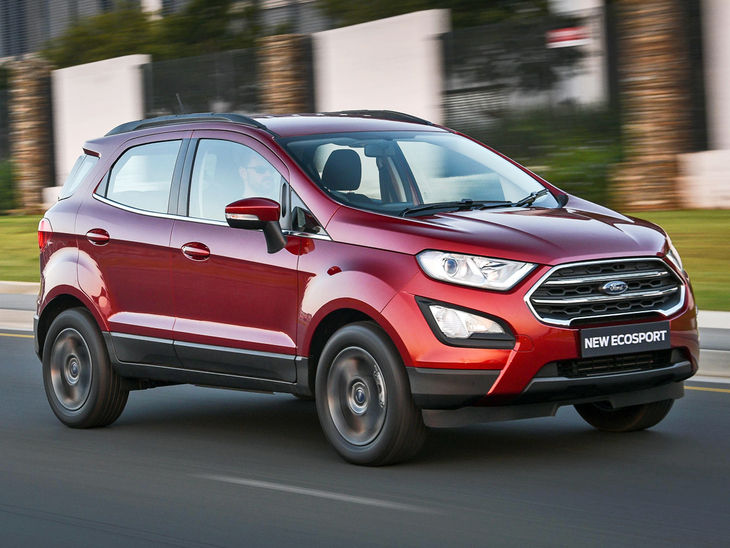
By March 2022, meanwhile, the Michigan-based company’s local passenger-vehicle roster has halved to five model ranges, two of which (the Fiesta and Figo) Ford has already stopped importing. As has been the case for a number of months, the automaker’s performance in the passenger space was propped up by the ageing EcoSport, which contributed 866 units of the automaker’s total of 1 166 units in this sector – or just shy of 75%. Thing is, the EcoSport is fast approaching the end of its life (something we’ll touch on later).
The Everest (256) was Ford’s second best-selling model in the passenger-vehicle segment in March 2022, with the Mustang (24), discontinued Figo (18) and scrapped Fiesta (2) making up the numbers. Plenty has changed in five years, then…
Where to from here for Ford Motor Company of Southern Africa?
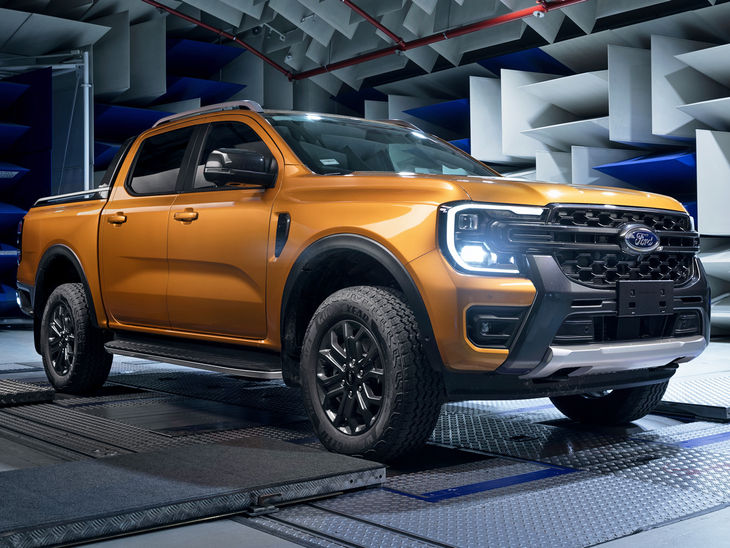
So, what’s next for Ford in South Africa? Well, if you were in any doubt about the automaker’s planned direction, the significant investments in the Silverton assembly plant and Struandale engine factory drive home the point that the future is very much all about the new Ranger.
We should also make clear that exports form a substantial part of Ford’s local business (the aforementioned investments are export driven, after all), with the Silverton plant positioned as a crucial cog in the company’s global production network, shipping Rangers to more than 100 other markets. The upcoming second-generation Volkswagen Amarok will likewise be exported from this factory, though surely in far smaller numbers.
With hatchbacks and sedans seemingly a thing of the past for Ford and the bakkie space covered by the Ranger, where is the firm’s local division in terms of SUVs and crossovers? Well, the range currently comprises only the Everest and the EcoSport. However, Ford’s Indian subsidiary has already stopped building entry-level versions of the latter, while production of the higher-spec EcoSport derivatives in Romania is slated to end some time this year, with local stock likely to be depleted at some point in 2023.
Remove the EcoSport from the picture and things look rather dire for Ford’s passenger-vehicle volumes. The automaker’s planned joint venture with Mahindra was conceived to bring about new vehicles – including an EcoSport replacement – for emerging markets, but that deal ultimately fell through.
The discontinued Kuga, meanwhile, likewise left a gaping hole in the line-up, meaning Ford still has no rival for the likes of the Toyota RAV4, Hyundai Tucson and Volkswagen Tiguan (though considering what happened there, it’s surprising the automaker persisted with the nameplate as long as it did).
Are there any other options for Ford in South Africa?
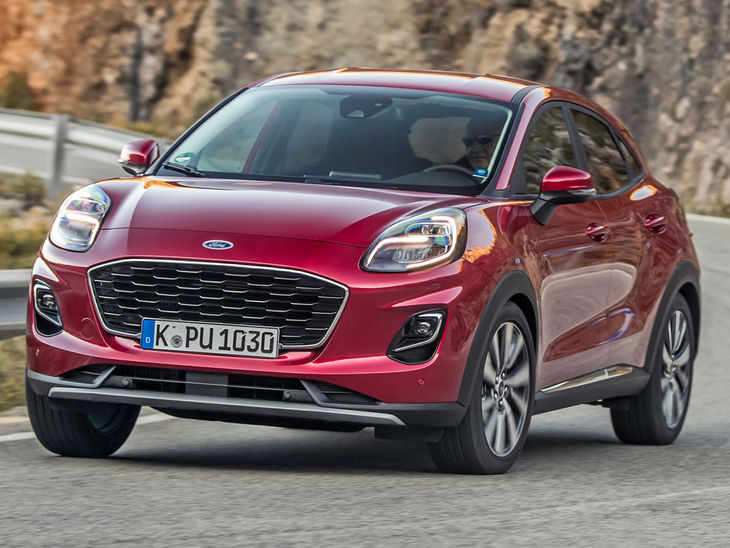
In North America, there are a number of interesting SUVs on the table, in addition to the immensely popular F-150 pick-up range. Indeed, Ford is struggling to keep up with demand for its new Bronco and Bronco Sport (and continues selling the Explorer, Edge and Expedition), but none of these is currently built in right-hand drive. Unfortunately, neither is the sub-Ranger Maverick bakkie (the things Ford would do for a Bantam replacement!). Then there’s the fully electric Mustang Mach-E, though that would be eyewateringly expensive here in SA. Europe, meanwhile, has the Puma, which is at least available with the steering wheel on the correct side.
So, other than perhaps the Puma, there simply aren’t any viable options for Ford in terms of local range expansion and certainly nothing that could serve the needs of South Africa’s budget-conscious buyers. Does that mean Ford Motor Company of Southern Africa’s line-up will soon be pruned back to just the Mustang, Everest and Ranger, with the Tourneo Custom and Transit ranges playing back-up in the commercial space?
For now, that certainly seems likely. But, again, it’s important to keep in mind Ranger production and export are likely Ford SA’s main priorities, since that’s where there’s money to be made. After all, bakkies and SUVs are generally profitable body styles for the company, while hatchbacks and sedans are not. From this standpoint, the company’s decision to axe established (loved, even) badges – as ruthless as it may seem to fans of the Blue Oval – makes complete and utter business sense.
And long-term? Looking further down the line
Still, a mite more variety in Ford’s local range would go a long way and we certainly feel there’s still a market for a shrewdly specified Fiesta. But a distinct lack of specifically budget-friendly options (thanks to the unceremonious shuttering of its factories in India) and right-hand-drive vehicles in general means there’s frankly little the Blue Oval brand’s local division can do in the short term.
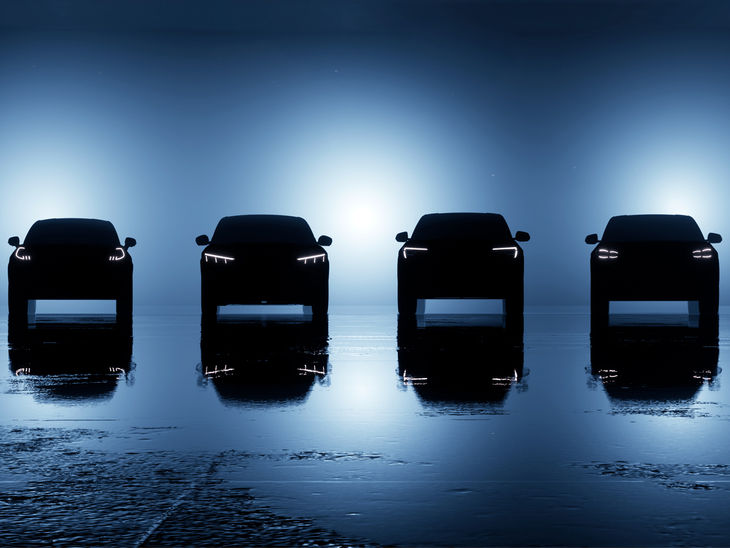
The global market’s shift towards electrification, however, is something that could change this picture further down the line, particularly once electric vehicles start to approach price parity with conventionally engined cars in South Africa and more budget-friendly battery-powered models come online. You see, under Ford’s strategic alliance with VW, the American firm looks poised to roll out a series of new electric passenger cars (mostly crossovers), each based on its German partner’s MEB platform.
Though such a future in South Africa seems a relatively long way off, from where we’re standing, it’s the only way Ford is going to get back into the passenger-vehicle game here in South Africa in any meaningful way. Until then, it’s all about the Ranger.
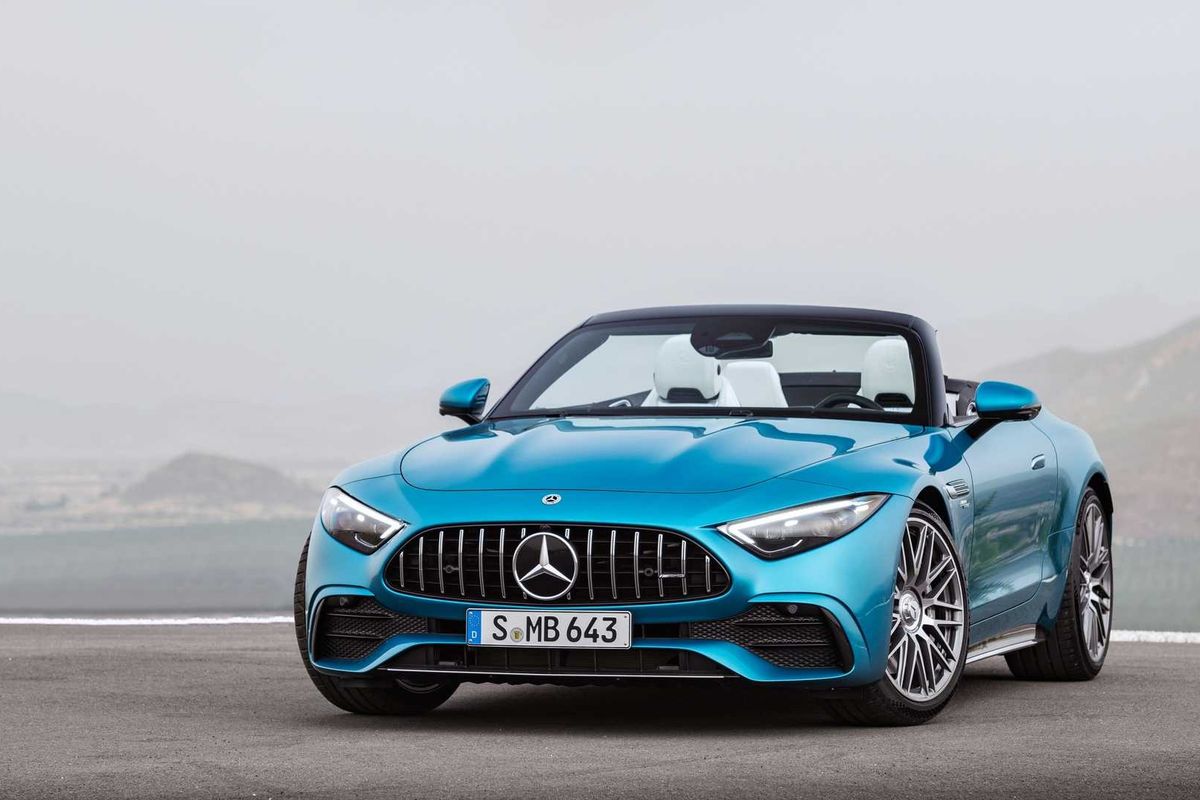
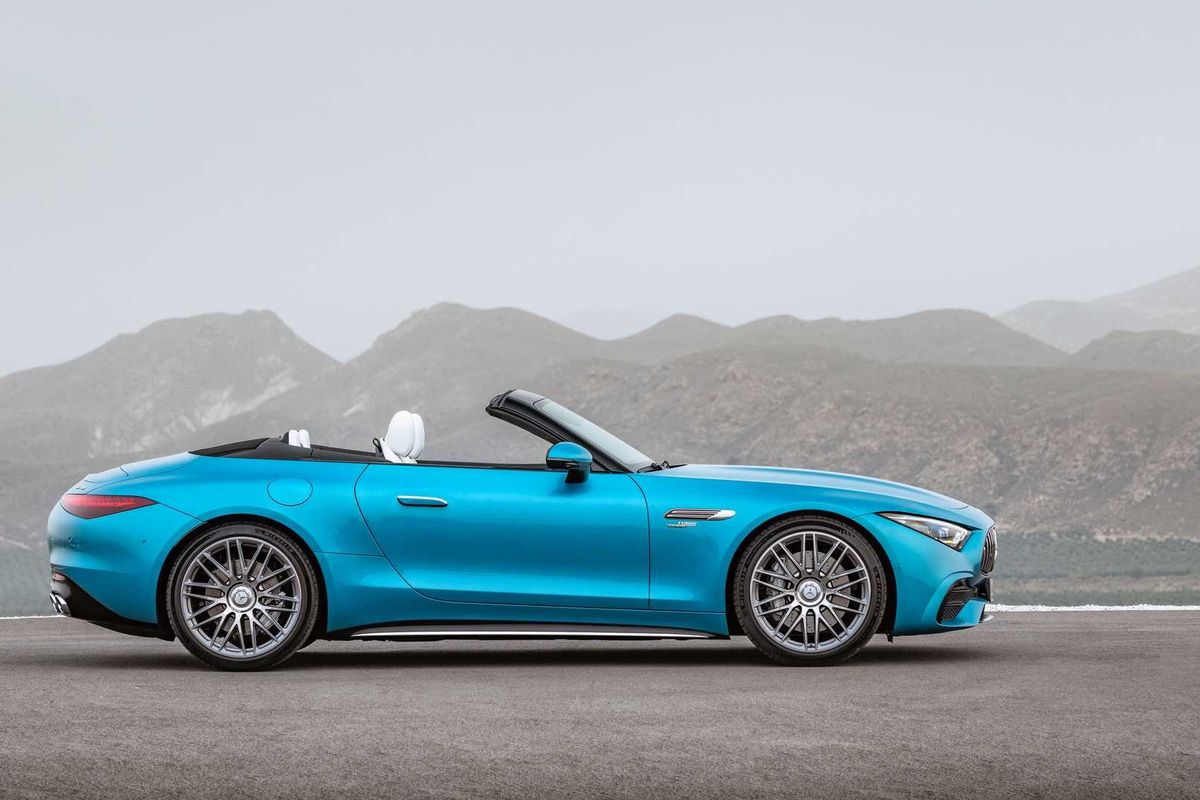
Mercedes-AMG SL 43 with F1 Turbo Tech Revealed
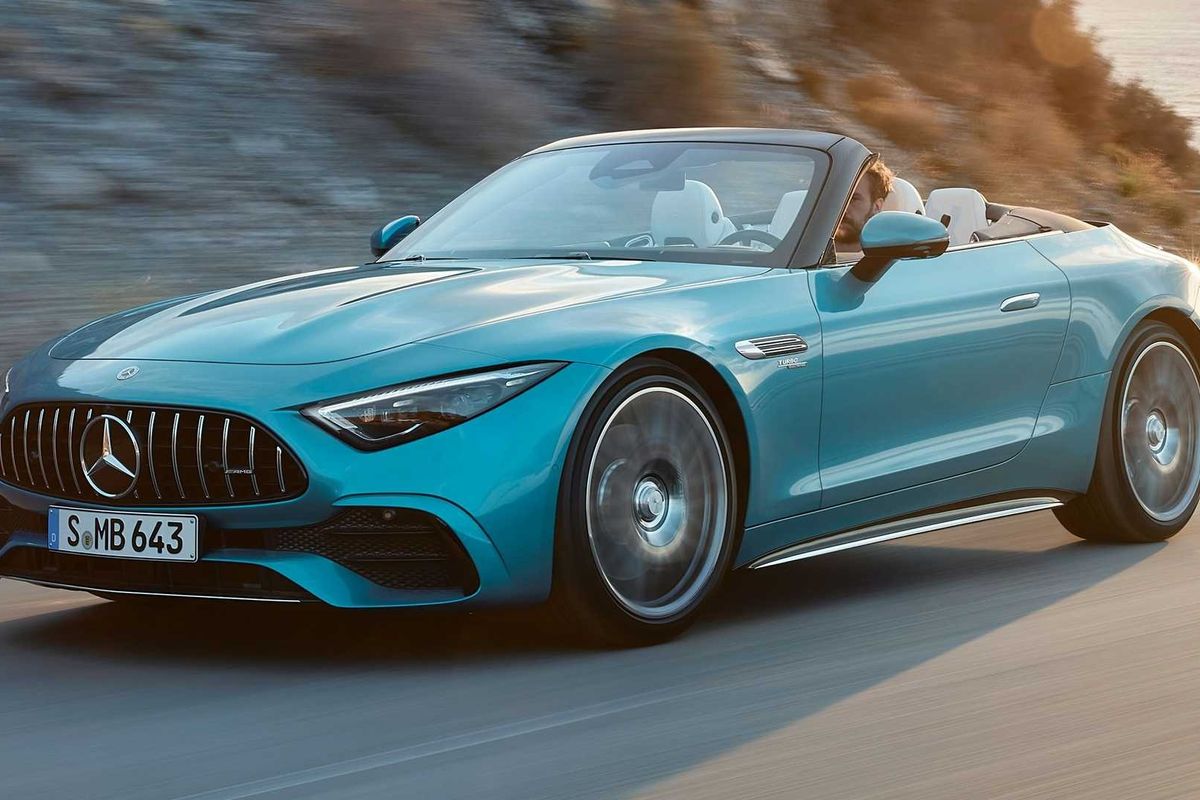
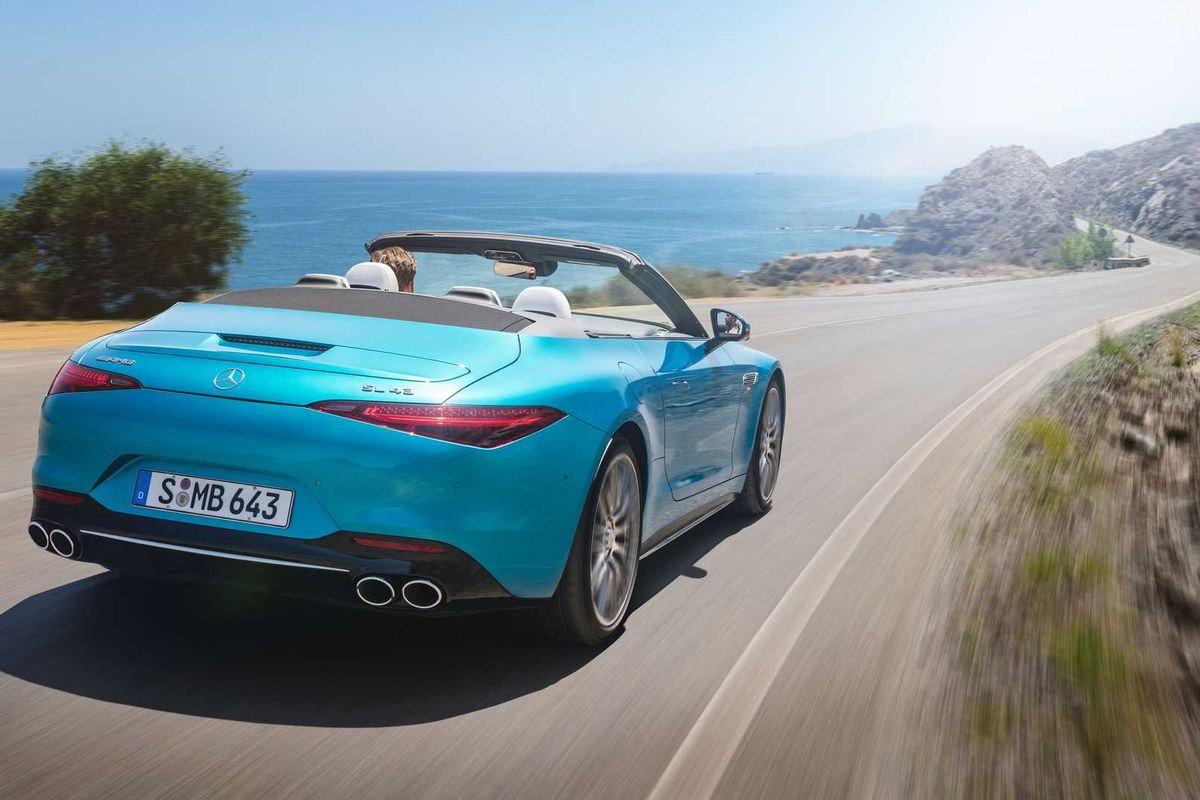
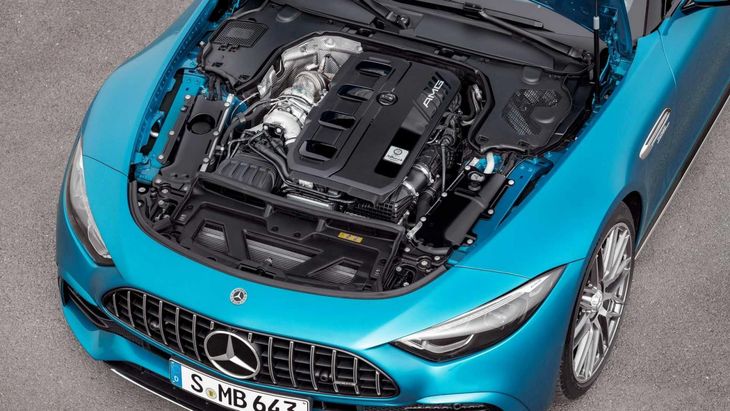
Mercedes-Benz welcomes a new entry-level AMG SL 43 to its V8-powered SL range, but there is plenty of performance on offer thanks to some clever turbo technology derived from the firm’s F1 efforts.
The new Mercedes-AMG SL was revealed back in 2021 and by all accounts, it’s a mightily impressive product to come from Affalterbach. Not only does the new R232-generation SL offer an exquisite digital experience, but both the SL 55 and SL 63 also offer noteworthy performance thanks to the fitment of a twin-turbocharged 4.0-litre V8 that offers either 350 kW / 700 Nm in the SL 55 or 430 kW / 800 Nm in the SL 63. The sprint from zero to 100 kph takes just 3.9 and 3.6 seconds respectively. However, if the V8 SL is a push too far, there’s a new baby SL 43 to consider…
F1 Tech for Mercedes-AMG SL 43
The SL 43 is the first production car to feature electric gas turbocharging derived from F1.
Mercedes-AMG has introduced an ‘entry-level’ SL 43 fitted with a turbocharged 2.0-litre, 4-cylinder engine, but don’t write this baby SL off just yet…
The Mercedes-AMG SL 43 features an F1-derived electric gas turbocharger and it’s the first time ever that this technology has been implemented in a production car. Outputs are pegged at 280 kW and 480 Nm and the SL 43 makes use of a 9-speed Multi-Clutch Transmission (MCT).
The turbocharger operates via a 48V electrical system which also feeds the belt-driven starter-generator (RSG) which adds 10 kW boost in certain situations. A small 4cm thin electric motor is integrated directly on the turbocharger shaft and therefore drives the turbocharger directly, accelerating the compressor wheel before the exhaust gas drives the turbo conventionally. The turbocharger can operate at speeds of up to 170 000 rpm.
This means that the turbo spools up faster resulting in an immediate response from idle speed and across the entire engine speed range, according to Merc. With spontaneous throttle response, the AMG SL 43 delivers a more dynamic driving experience. The electrification of the turbocharger also allows for more torque at lower revs which enhances agility and acceleration from a standstill. More so, boost pressure is maintained, even when the driver is no longer on the accelerator pedal.
In terms of performance, the Mercedes-AMG SL 43 is claimed to accelerate from zero to 100 kph in 4.9 seconds with a top speed of 275 kph.
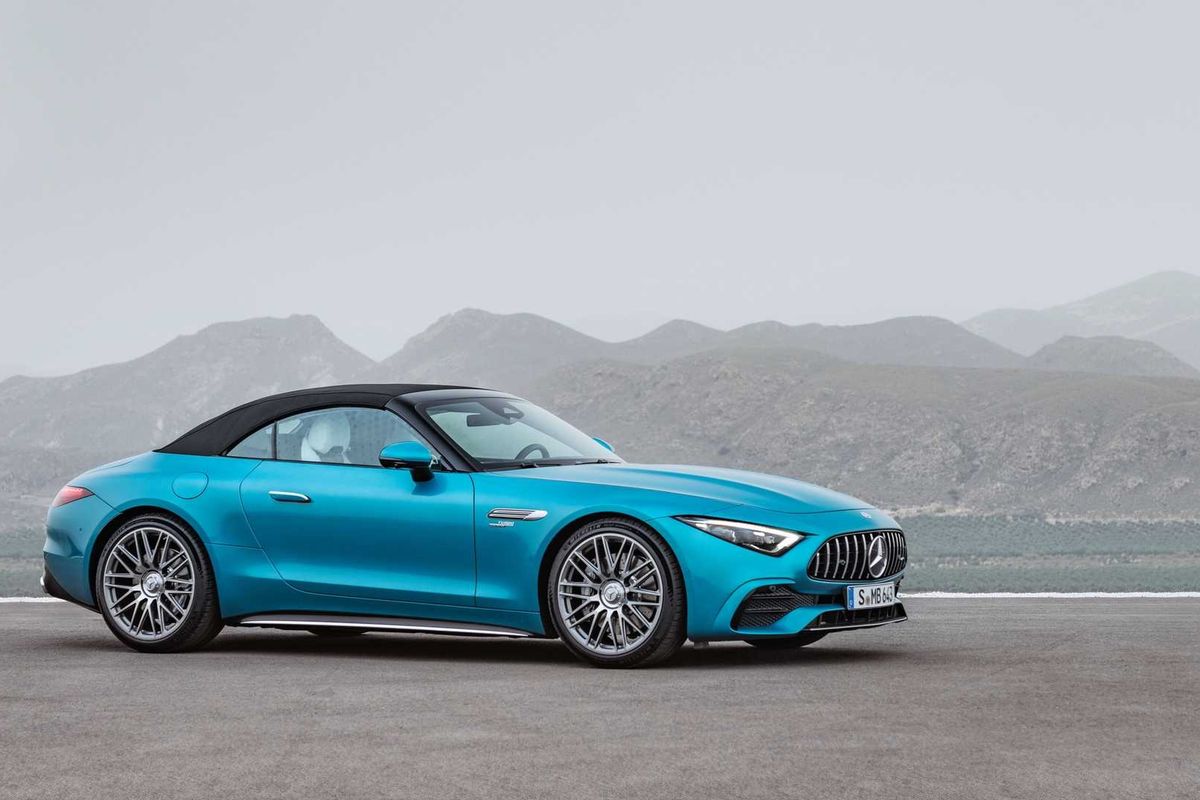
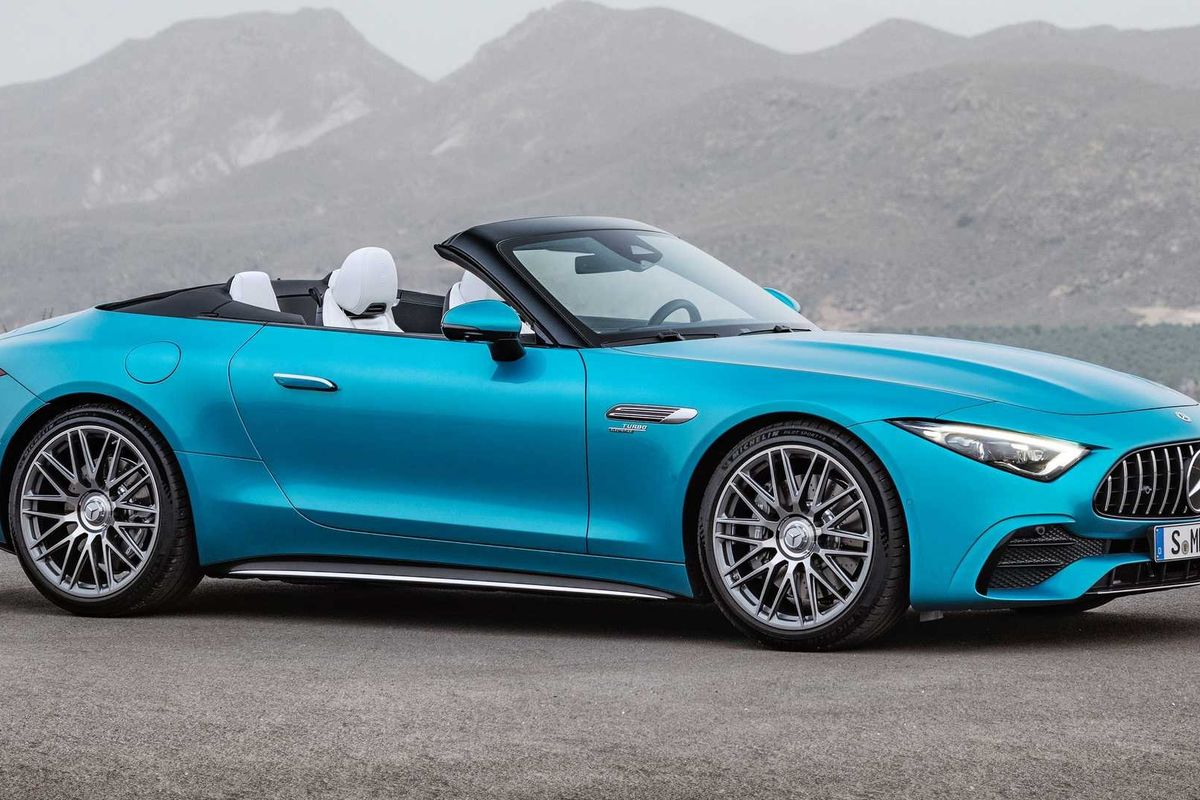
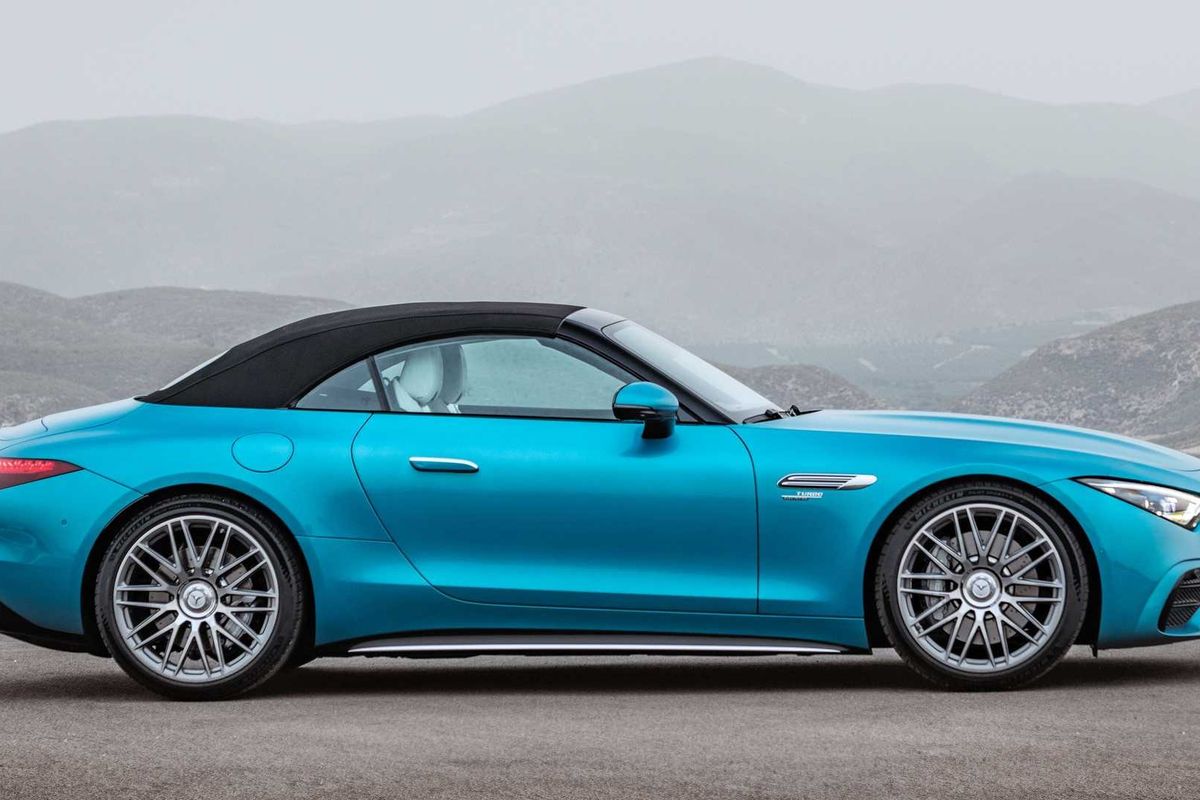
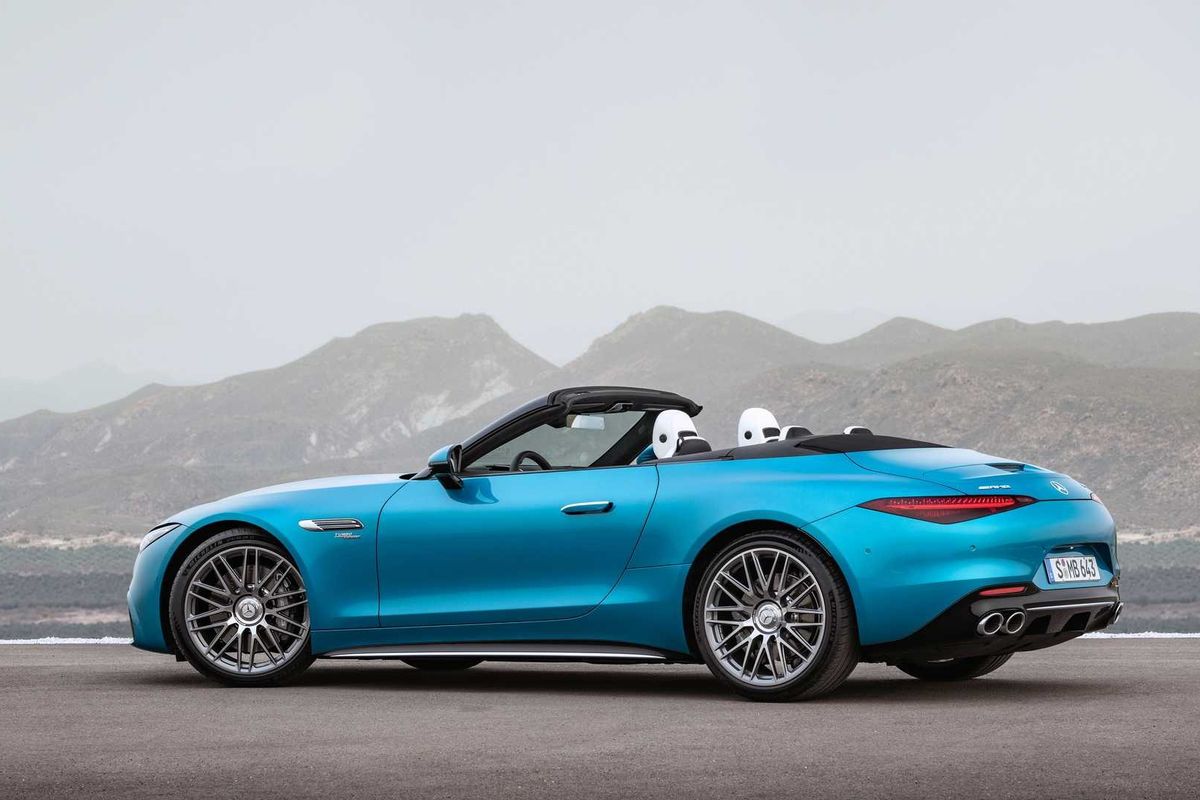
As far as styling is concerned, the SL 43 is differentiated with its own set of front and rear aprons and is easily recognised by its round tailpipes (angular tailpipes are seen on the V8 derivatives). 19-inch alloy wheels are also standard but larger 20- and 21-inch wheels can be fitted as an option.
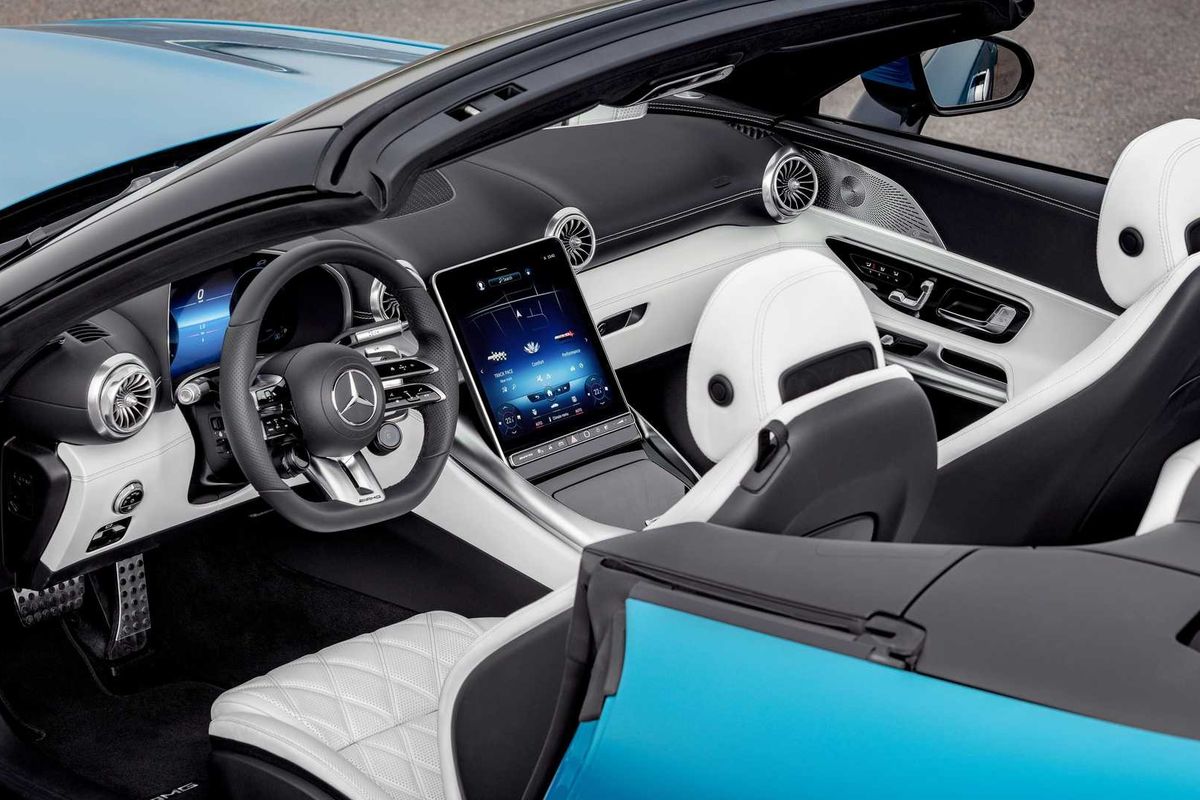
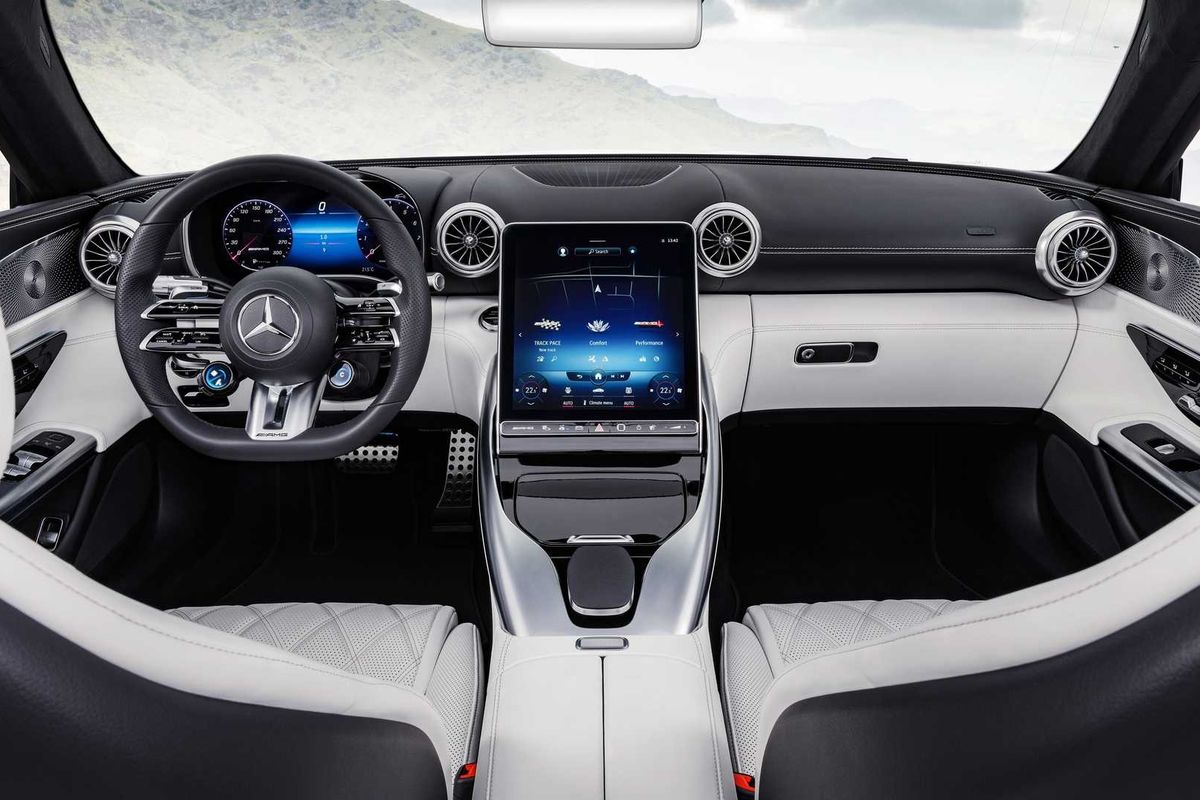
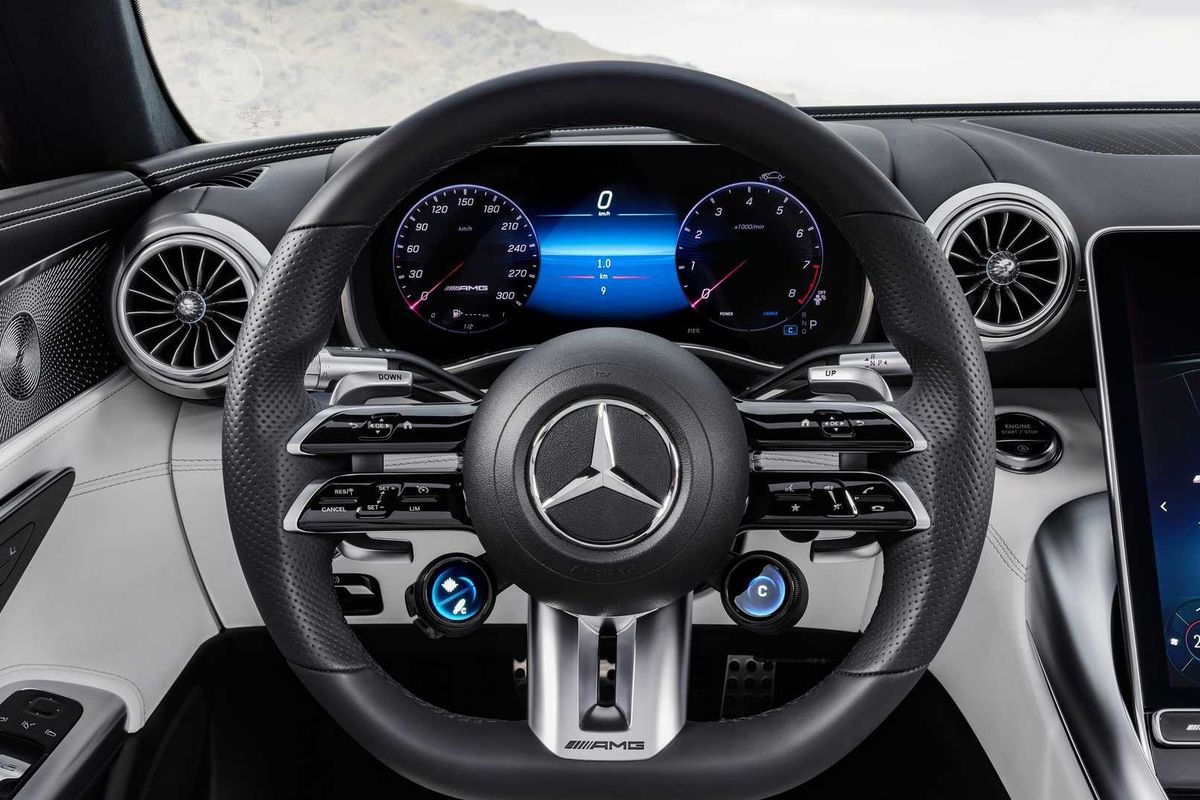
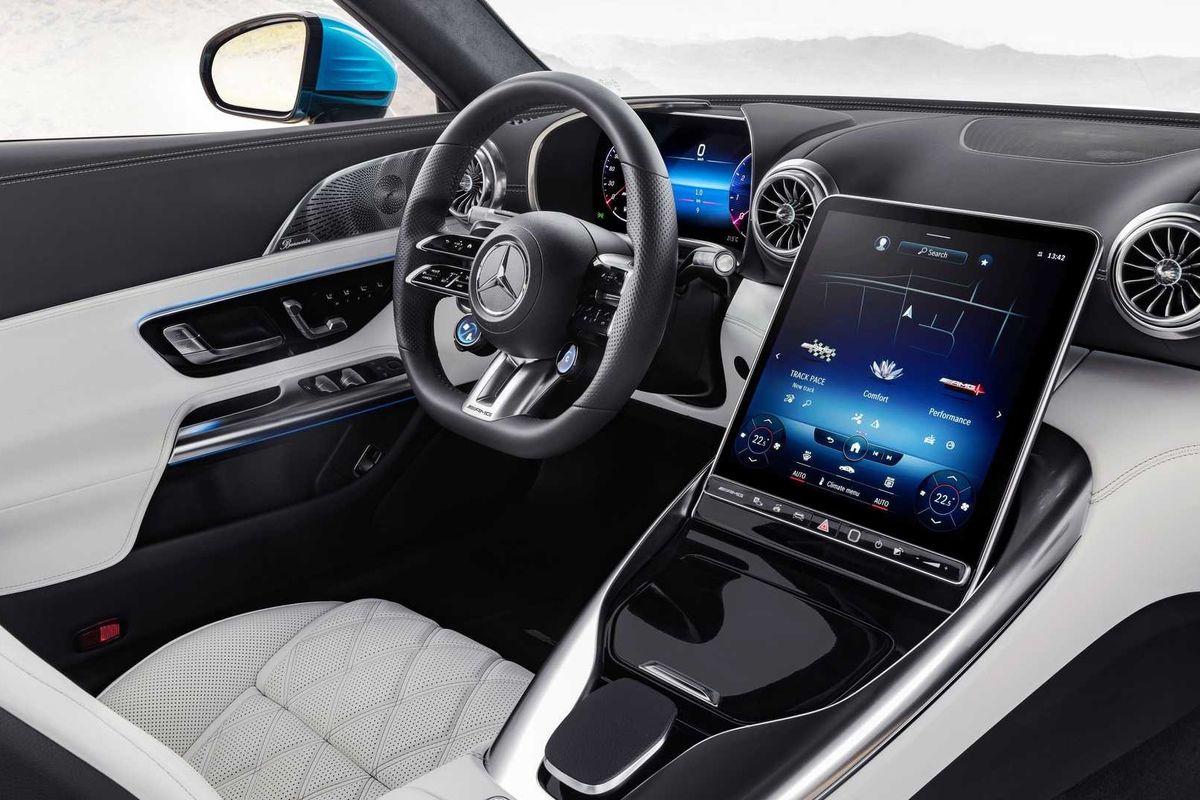
Inside, the AMG SL 43 adopts the same layout as its V8 siblings with a new 12.8-inch digital instrument cluster and a 2-tier dashboard that houses the impressive 11.9-inch multimedia touchscreen with Merc’s second-generation MBUX operating system.
Mercedes-Benz SA has not yet confirmed when the new SL will arrive locally but we will keep you informed as soon as official timings are communicated.
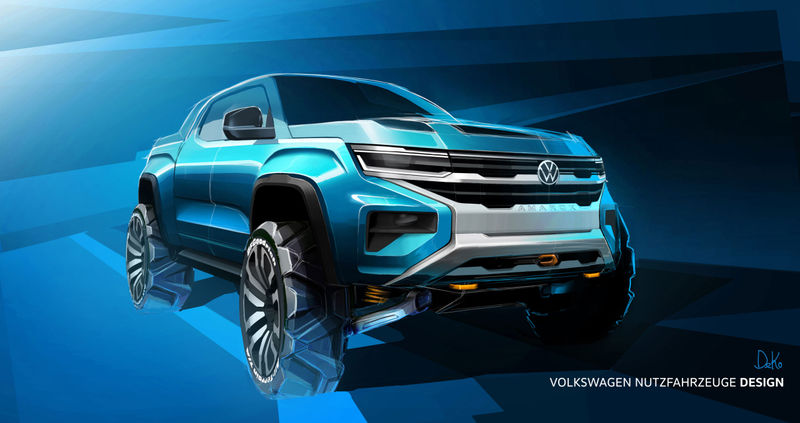
Wondering whether the upcoming new Volkswagen Amarok range will be topped by a Ranger Raptor-based flagship? Well, a Ford engineer says it’s not part of the deal…
Unless you’ve been living under a rather sizeable rock for some time, you’ll know the second-generation Volkswagen Amarok will be based on the new Ford Ranger and likewise built here in South Africa. But will the German firm’s new bakkie range include a Raptor-based performance model?
Ian Foston, T6 chief platform engineer, suggested to Drivethe Raptor is entirely off the table.
“The deal was for a mid-size pick-up programme. The new Amarok is a fully differentiated sibling vehicle, however the arrangement is for the core models. Raptor for us is considered a separate sub-segment, and it’s not included in the sharing deal,” Foston told the Australian publication.
That would suggest the Blue Oval brand’s twin-turbocharged 3.0-litre V6 EcoBoost petrol engine, which makes a whopping 292 kW and 583 Nm in the new Ranger Raptor, won’t find its way into the upcoming Amarok.
So, if VW has any intention of creating a high-performance version of its new Ranger-based bakkie (Amarok R, anyone?), it’ll seemingly have to develop such a machine without relying on the American automaker’s assortment of bespoke Raptor parts.
However, we do expect the latest version of Ford’s 3.0-litre V6 turbodiesel – which makes 184 kW and 600 Nm in certain derivatives of the new Ranger and likewise box-fresh Everest (which seemingly also won’t receive the Raptor treatment) – to be offered in the as-yet-unrevealed Amarok. This six-cylinder oil-burner would form a useful base for the Wolfsburg-based automaker to exploit should it wish to differentiate a high-performance Amarok from the petrol-powered Raptor.
The outgoing Amarok, of course, is available with the VW Group’s burly V6 turbodiesel unit, which generates a heady 190 kW and 580 Nm (with 200 kW on overboost). The new model will be revealed later in 2022 before production kicks off at Ford’s assembly plant in Silverton.