All-new Volkswagen Taigo Review – Should you buy this, a Polo or a T-Cross?
Volkswagen is really squeezing all the juice out of its Polo platform; it already underpins the popular Polo and the T-Cross. Now the German brand has just launched this, the Taigo, onto South African showroom floors. Should you consider it?
So what’s this new Volkswagen Taigo all about? Is it just a fat Polo for more money? We sent our video journalist Ciro De Siena to find out.
In this video we take a detailed look at the various Taigo trim levels, engine and gearbox options, the boot space of the Taigo vs the T-Cross, the interior and the extensive list of optional extras.
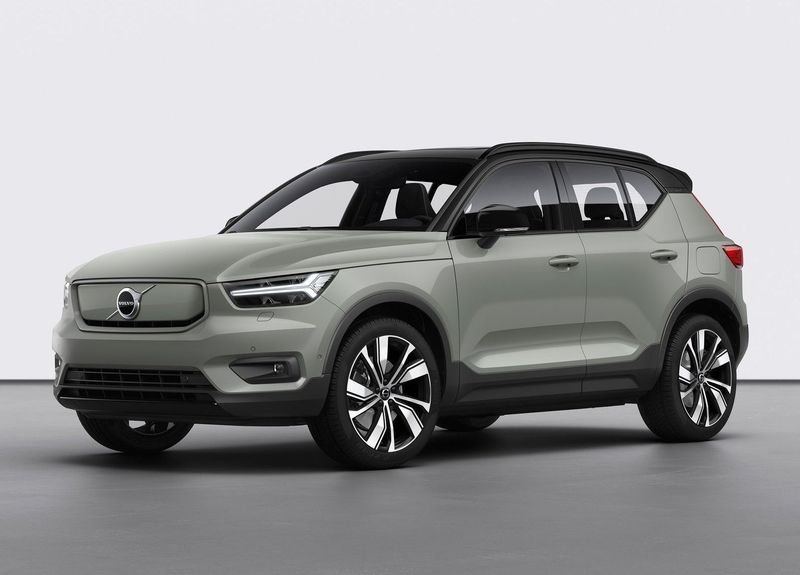
The Swedish carmaker has confirmed a more affordable electric version of its XC40 will be coming to SA soon. Here’s pricing and spec info.
Volvo SA is expanding on its electrified vehicle portfolio. The product line-up will now included the Volvo XC40 P6 recharge, which is positioned under the P8 Recharge.
The difference is the P8 offers a twin-electric motor setup, with one on each axle, whereas the Volvo XC40 P6 features just the single electric motor driving the front wheels. The P6 has power outputs of 170 kW and 330 Nm, giving it a claimed sprint of 7.4 seconds. The bigger Volvo XC40 P8 Recharge starts from R1 260 000, with this single motor XC40 has a starting price of R1 075 000.
Of more importance is the battery capacity and range, and Volvo says its 69 kWh lithium-ion battery gives the P6 Recharge a range of 423 km on a single charge. An 11 kW onboard charger ensures the vehicle recharges quickly, and customers can choose from either charging at home or at the ever-increasing number of public chargers.
As far as standard spec goes, the only options are 20-inch alloy wheels, panoramic sunroof and heated seats / steering wheel. Everything else is standard, and you get goodies like wireless smartphone charging, front/rear parking sensors, reverse camera and the new Google Android-based operating system that features Google Maps and other services.
As is always the case with Volvo, the newcomer is generously specified, with only a panoramic sunroof and heated seats/steering wheel as optional as everything else is standard. The list of standard features includes items such as wireless smartphone charging, parking sensors (front and rear), a reversing camera and the company’s latest Android-powered touchscreen infotainment system, complete with built-in Google apps and services. Customers may also choose to upgrade to 20-inch wheels, from the original 19-inch wheels.
How much does the XC40 P6 Recharge cost in South Africa?
P6 Recharge R1 075 000
The price includes a five-year maintenance plan and warranty, three years of comprehensive insurance, use of a petrol car for two weeks per year for three years, a public charge cable and a wallbox home charger.
Volvo SA is also offering plug-in hybrid versions of its products and recently launched the XC60 T8 Recharge range. For those of you who love the XC60, but don’t want to dip your toe into electrification, there’s also the pocket-friendly front-wheel-drive XC60 B5.
Mahindra SA Launches Trio of Pik Up Special Editions
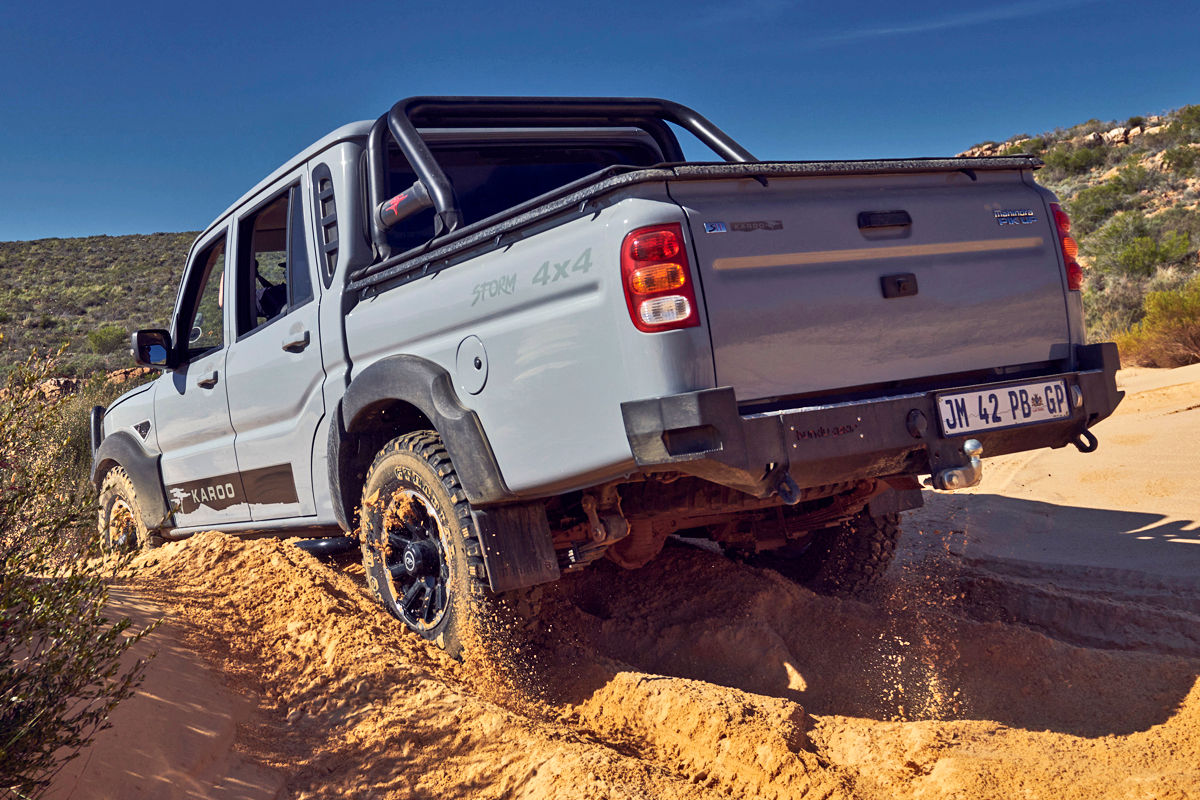
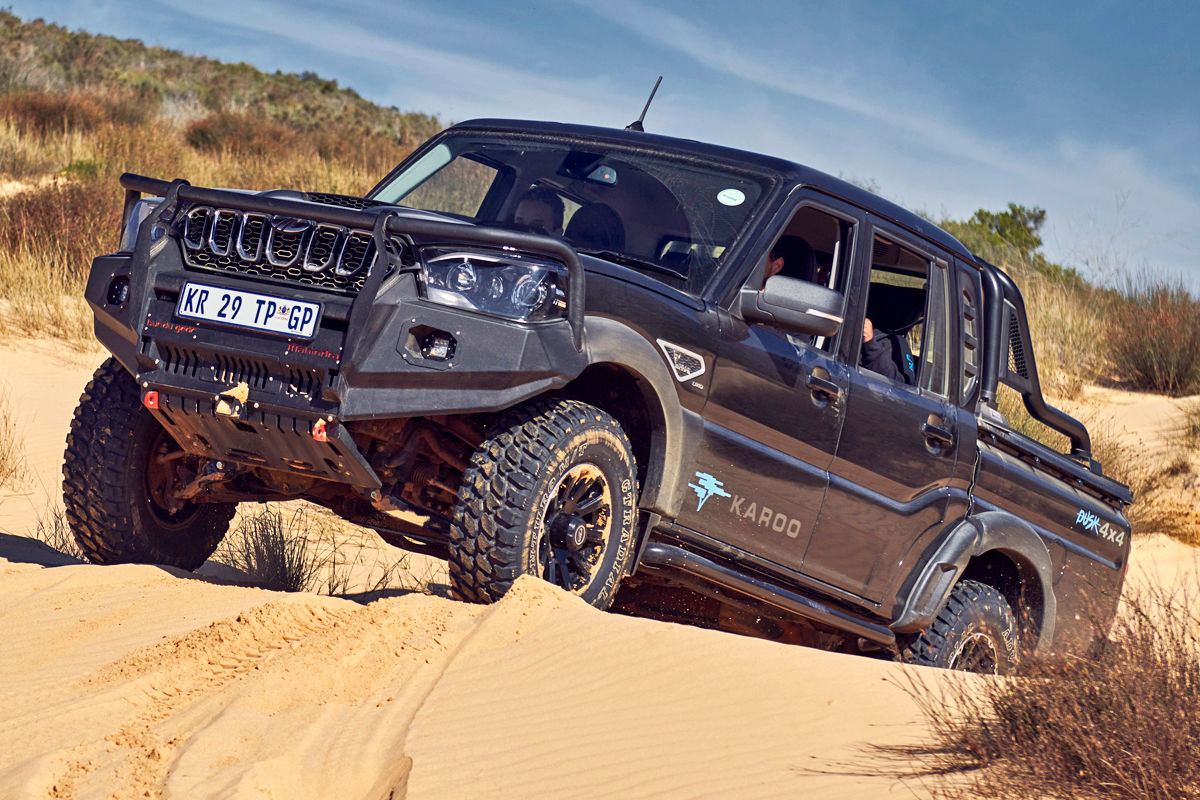
Keen to head off the beaten path? Well, Mahindra says its freshly launched trio of special-edition Pik Up models are perfect for off-road use. Here’s how much they cost…
Mahindra South Africa has expanded its increasingly popular Pik Up range with the addition of a trio of special-edition models.
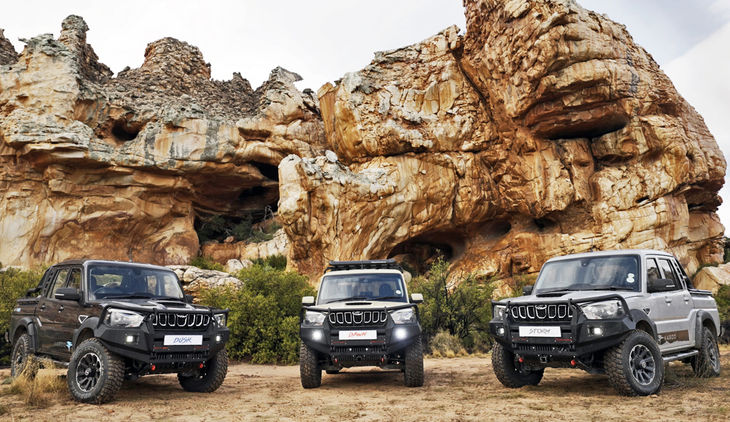
Positioned right at the summit of the locally assembled Pik Up line-up, the Karoo Dusk, Karoo Dawn and Karoo Storm double cabs are each priced at R614 999. The maths addicts among you would likely have already worked out that’s R130 000 more than the price of what would otherwise be the range-topper, the Pik Up 2.2 CRDe double cab 4×4 S11 Karoo.
Like that model, the special editions are each fitted with the Indian brand’s mHawk 2.2-litre turbodiesel engine, which delivers 103 kW and 320 Nm to all four wheels via an Aisin-sourced 6-speed automatic transmission.
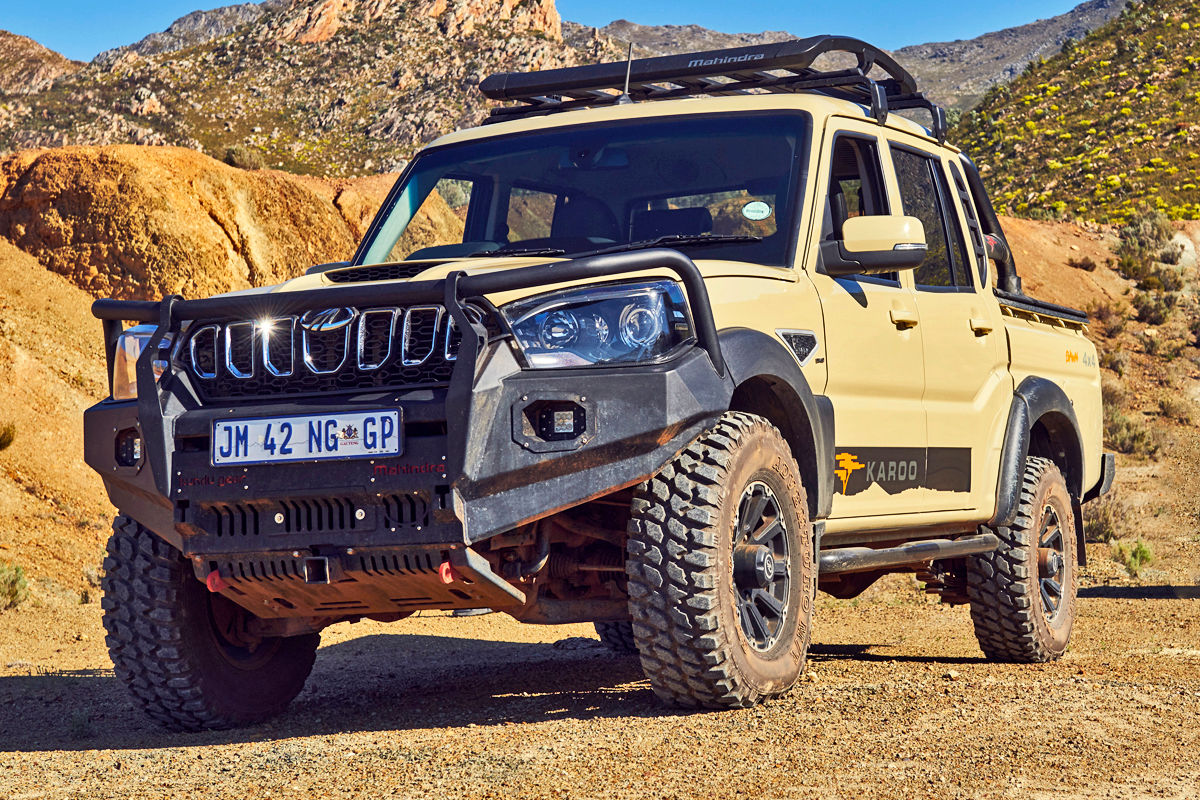
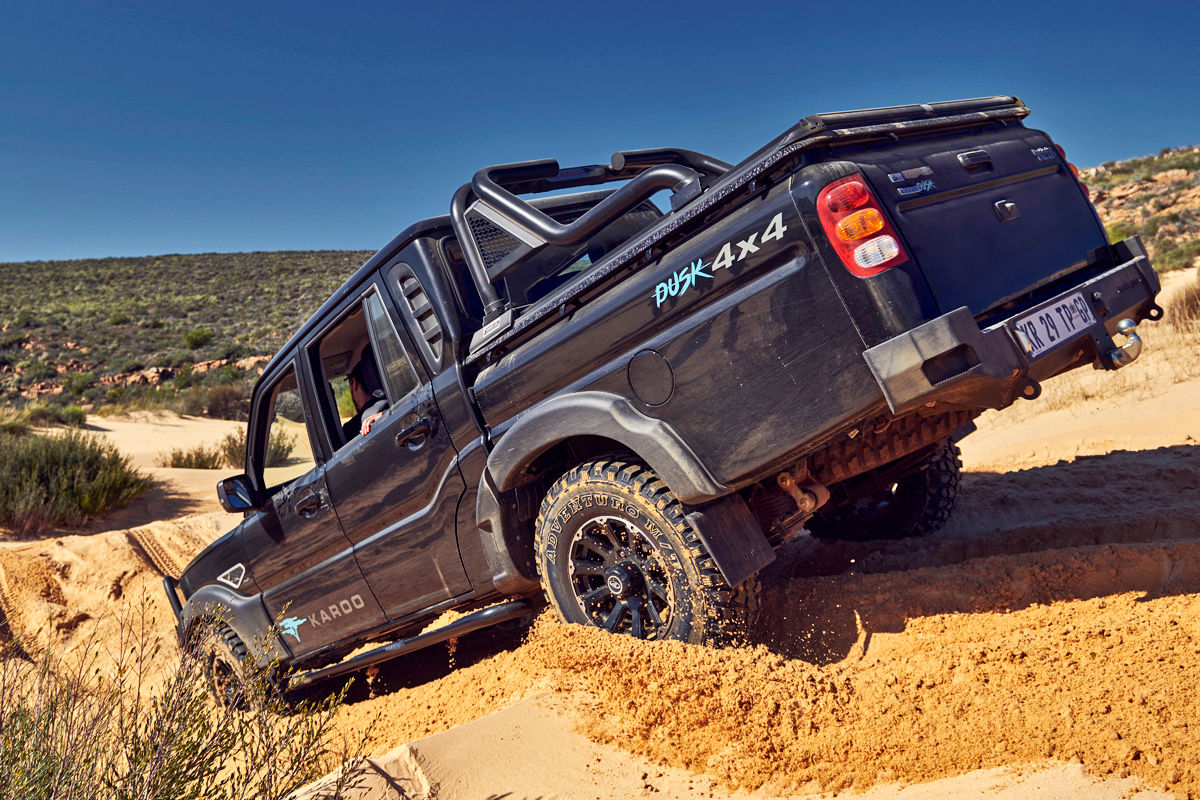
So, what do you score for the extra outlay? Well, just like the previous Karoo Dusk, each of the three models is fitted with what Mahindra describes as a “heavy-duty off-road suspension”, along with off-road tyres. Front and rear steel bumpers are likewise standard, anchored to the chassis and offering recovery and hitching points.
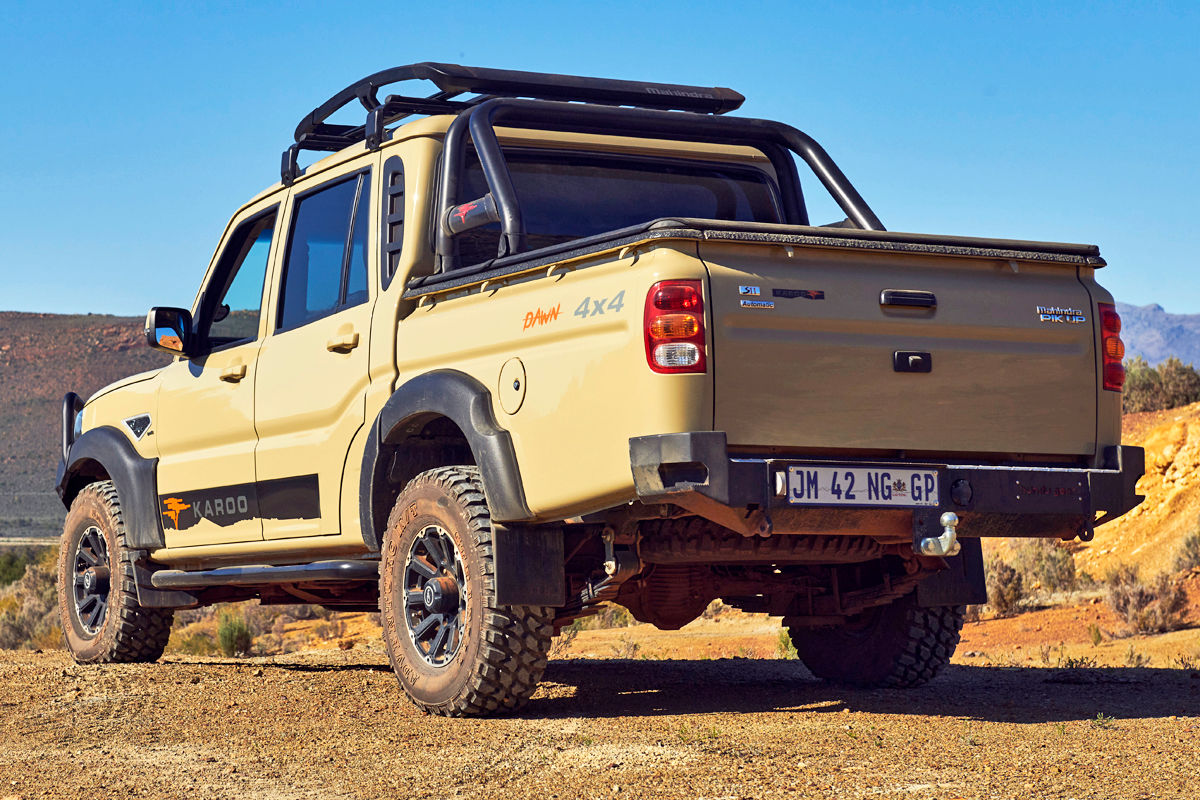
In addition, the rear step gains a non-slip finish, while the front bumper is fitted with LED driving lights. All special-edition models furthermore boast rear overfenders and rubberised load bins, along with model-specific exterior decals, Karoo-branded carpets, a nudge bar and a load bin-mounted sports bar (complete with Karoo detailing).
Mahindra has also seen fit to upgrade the cloth seats to leather upholstery and ditch the 7-inch touchscreen infotainment system in favour of a 9-inch version featuring Apple CarPlay, Android Auto and built-in maps (though the company has yet to release press images of the cabin).
The Pik Up Karoo Dusk comes with black exterior paint, along with black-and-blue Karoo decals. A dark finish has also been applied to items such as the sports bar and roller-shutter door.
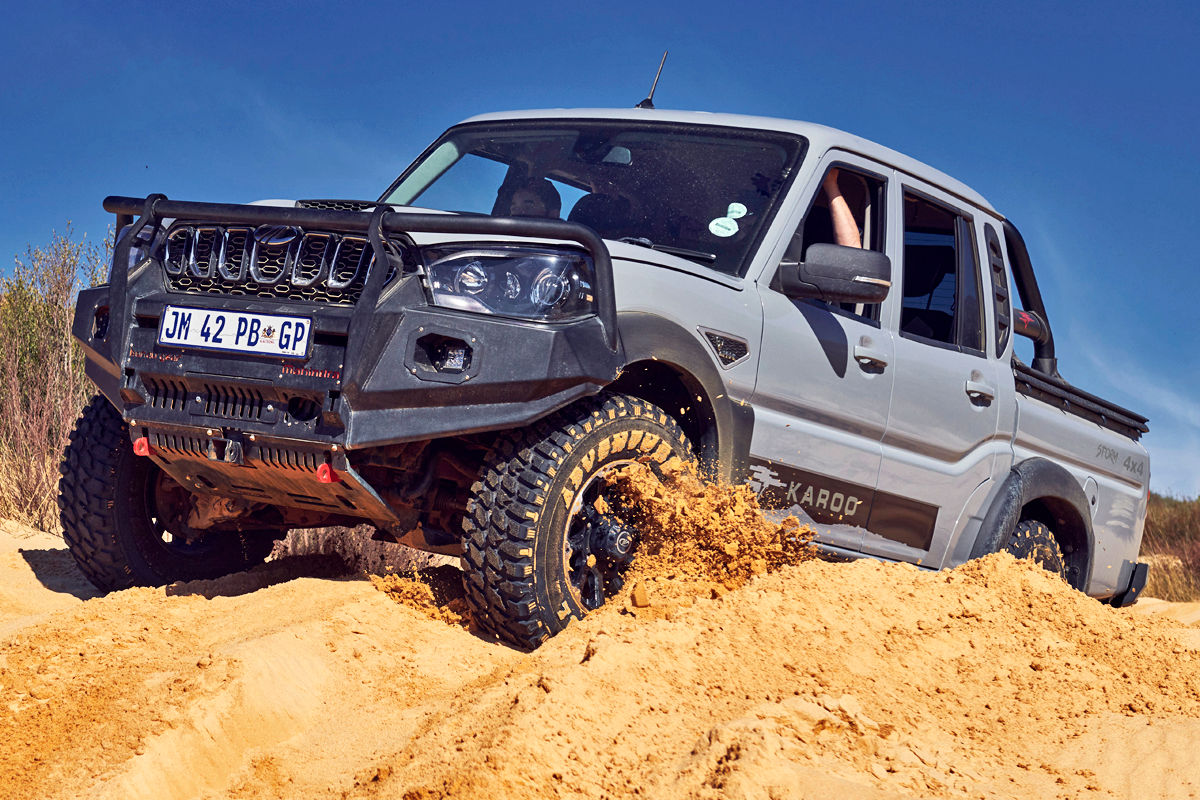
Meanwhile, the Pik Up Karoo Dawn is finished in a sandy beige hue (perhaps inspired by a colour offered on the Toyota Land Cruiser 79?), with the decals featuring orange highlights. It shares many features with the Karoo Dusk (with the exception of items such as the roller-shutter door), but also gains a heavy-duty roof rack and flush-mounted tonneau cover. Finally, the Pik Up Karoo Storm is finished in a light-blue/grey colour which is accentuated by the black-and-grey Karoo decal set.
Mahindra’s locally assembled Pik Up placed a commendable fifth on the list of South Africa’s best-selling bakkies in the first half of 2022, beating the likes of the Nissan Navara, GWM P-Series and outgoing Volkswagen Amarok.
How much do the Mahindra Pik Up special editions cost in SA?
Pik Up 2.2 CRDe double cab 4×4 S11 Karoo Dusk – R614 999 Pik Up 2.2 CRDe double cab 4×4 S11 Karoo Storm – R614 999 Pik Up 2.2 CRDe double cab 4×4 S11 Karoo Dawn – R614 999
The purchase price includes a 4-year/120 000 km mechanical warranty and a 5-year/90 000 km service plan.
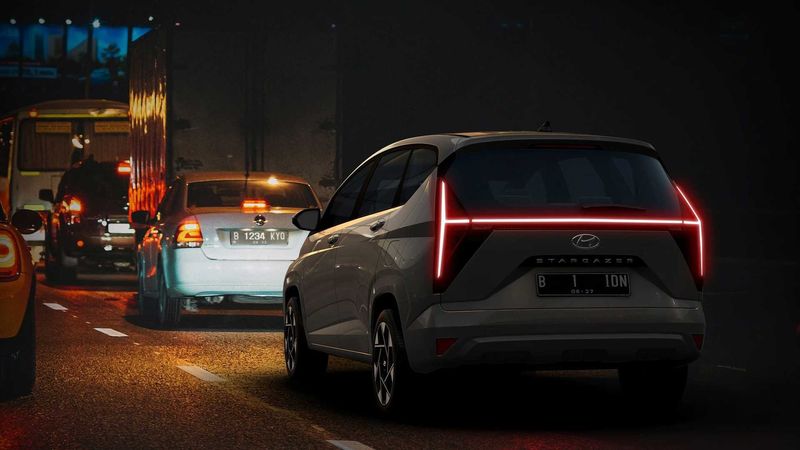
Hyundai Stargazer is a Shrunken Staria
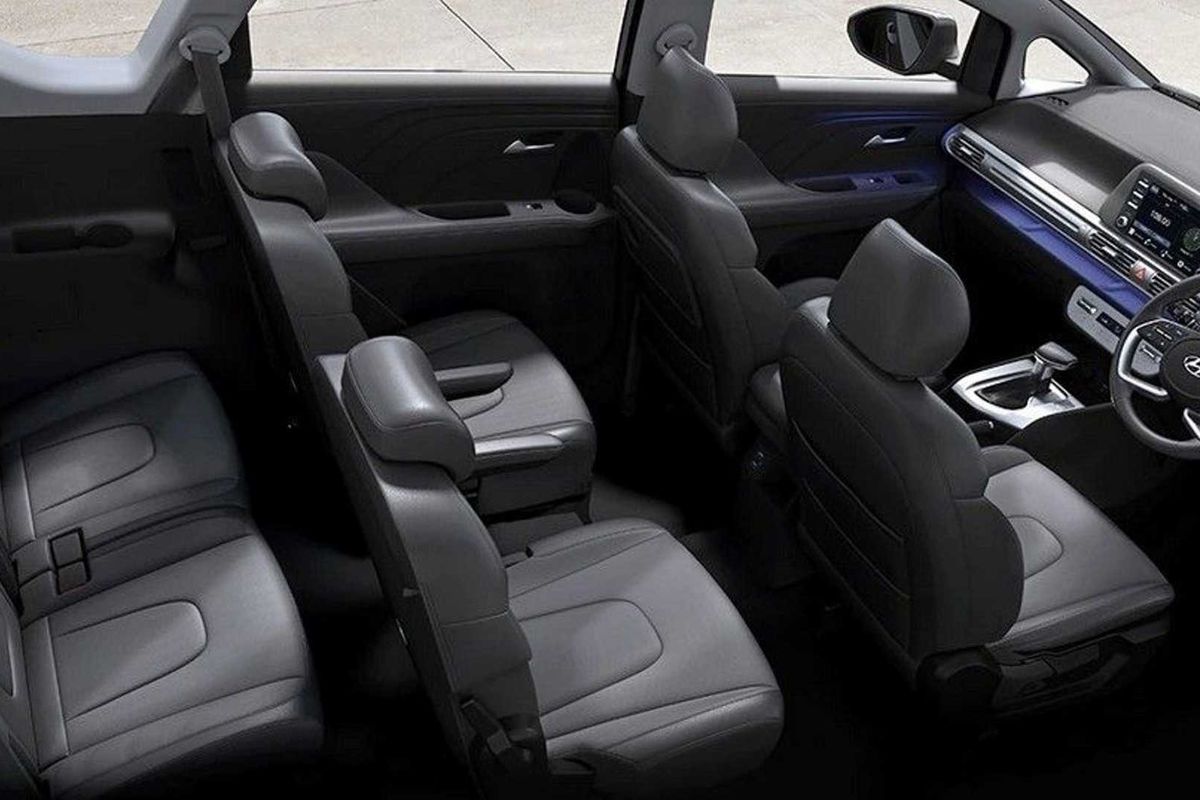
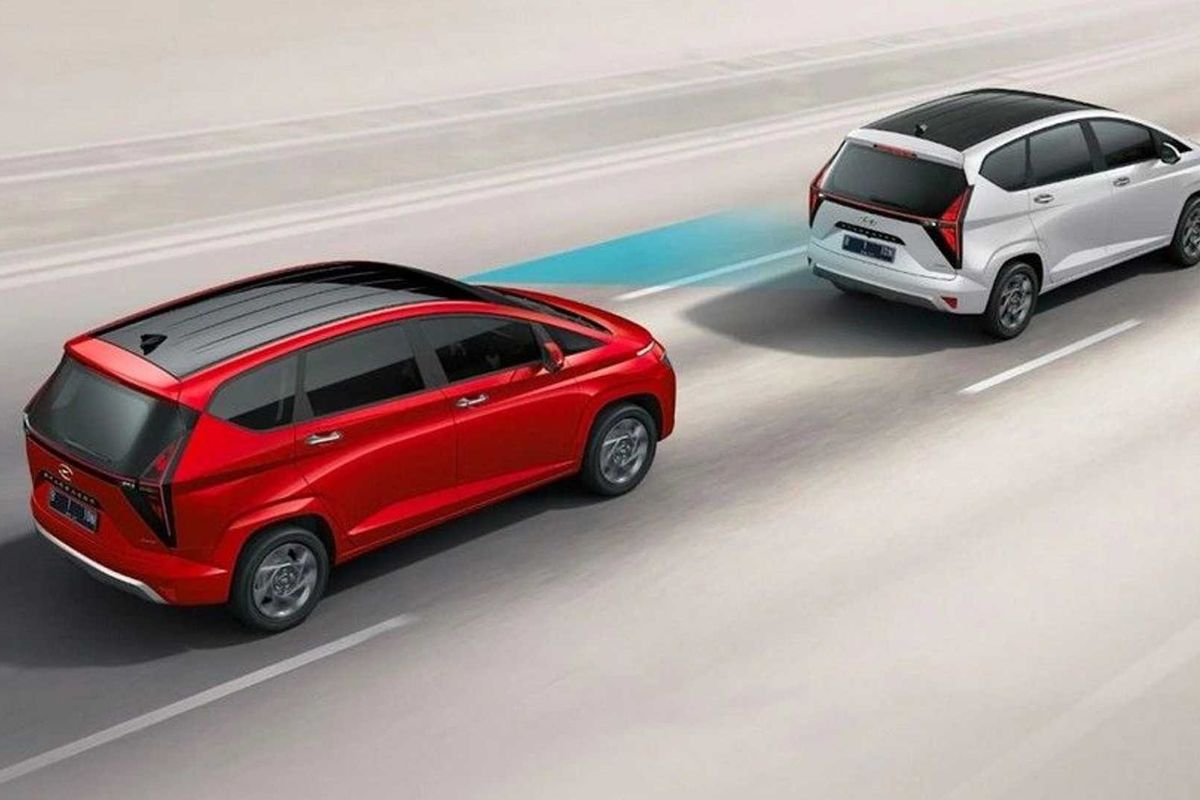
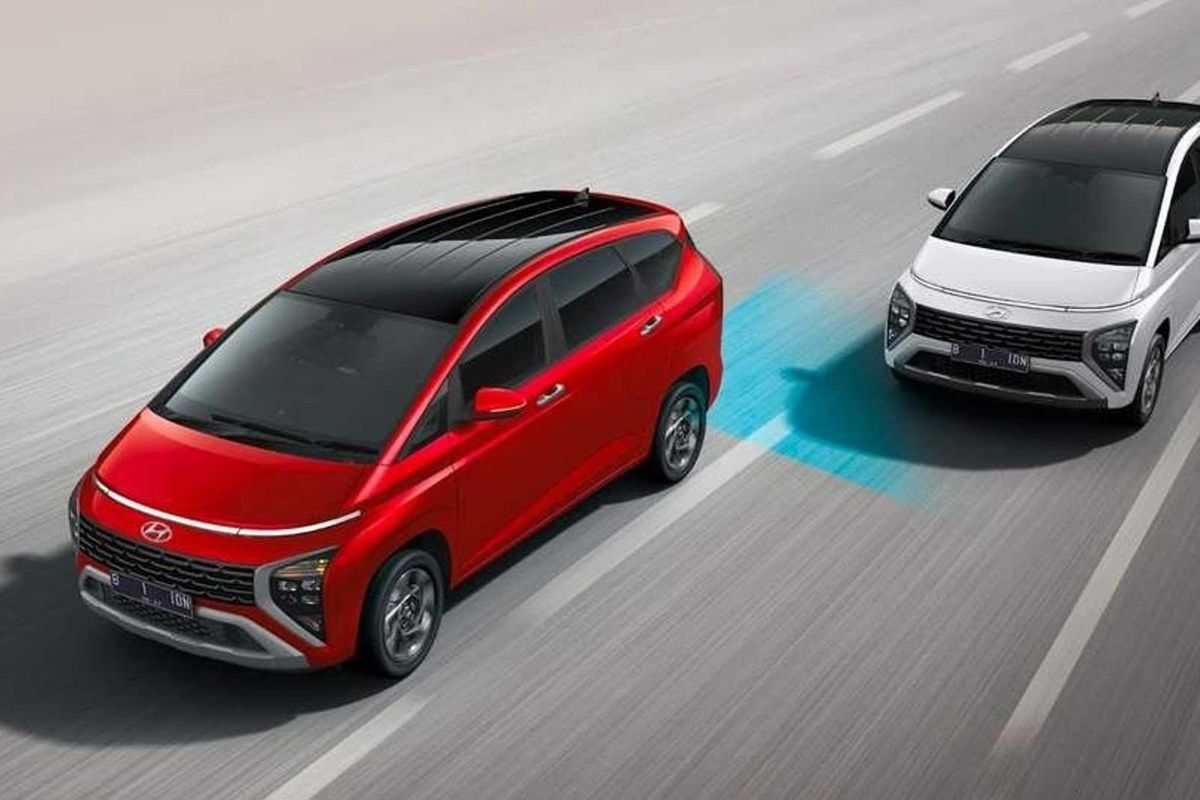
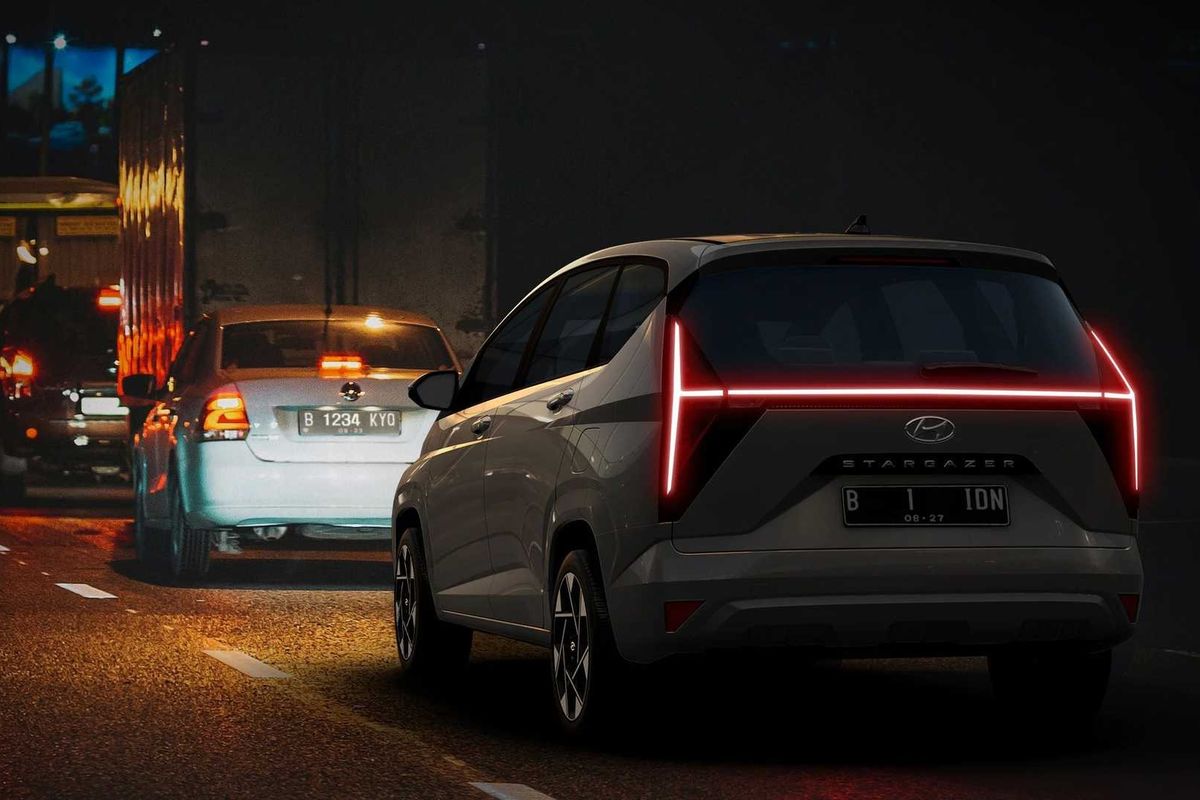
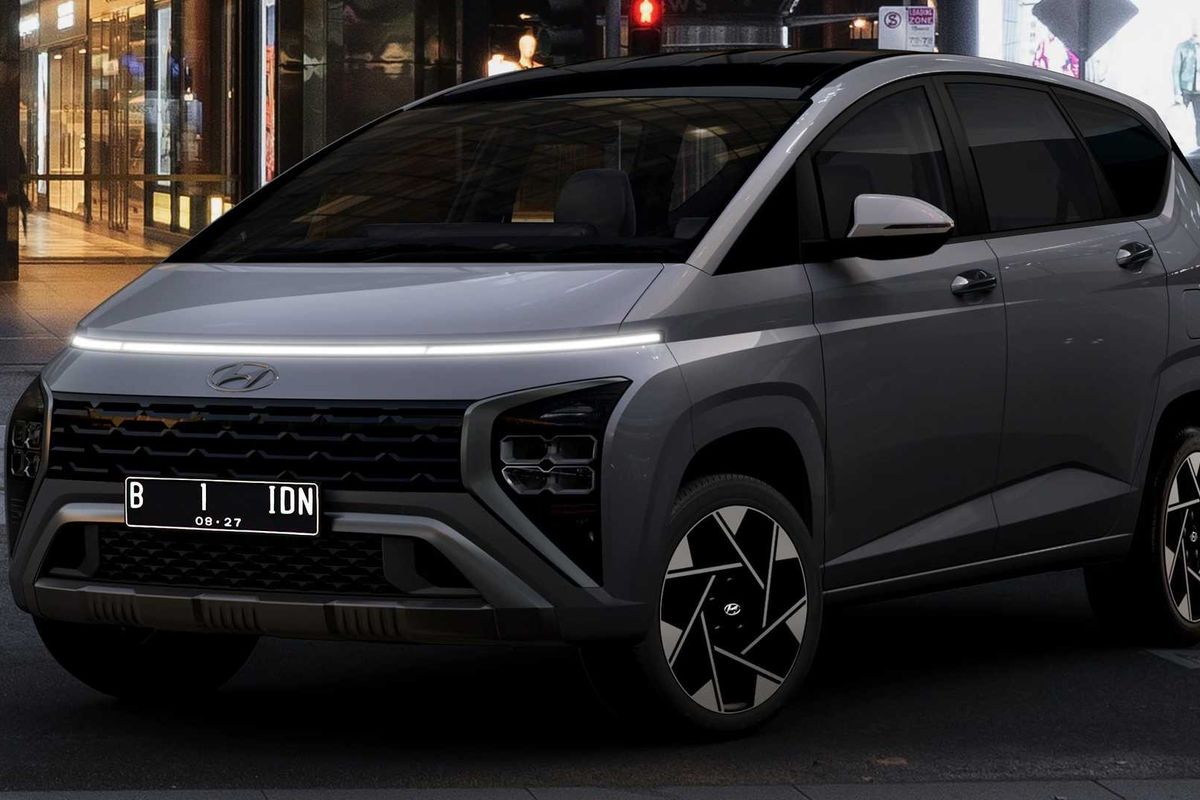
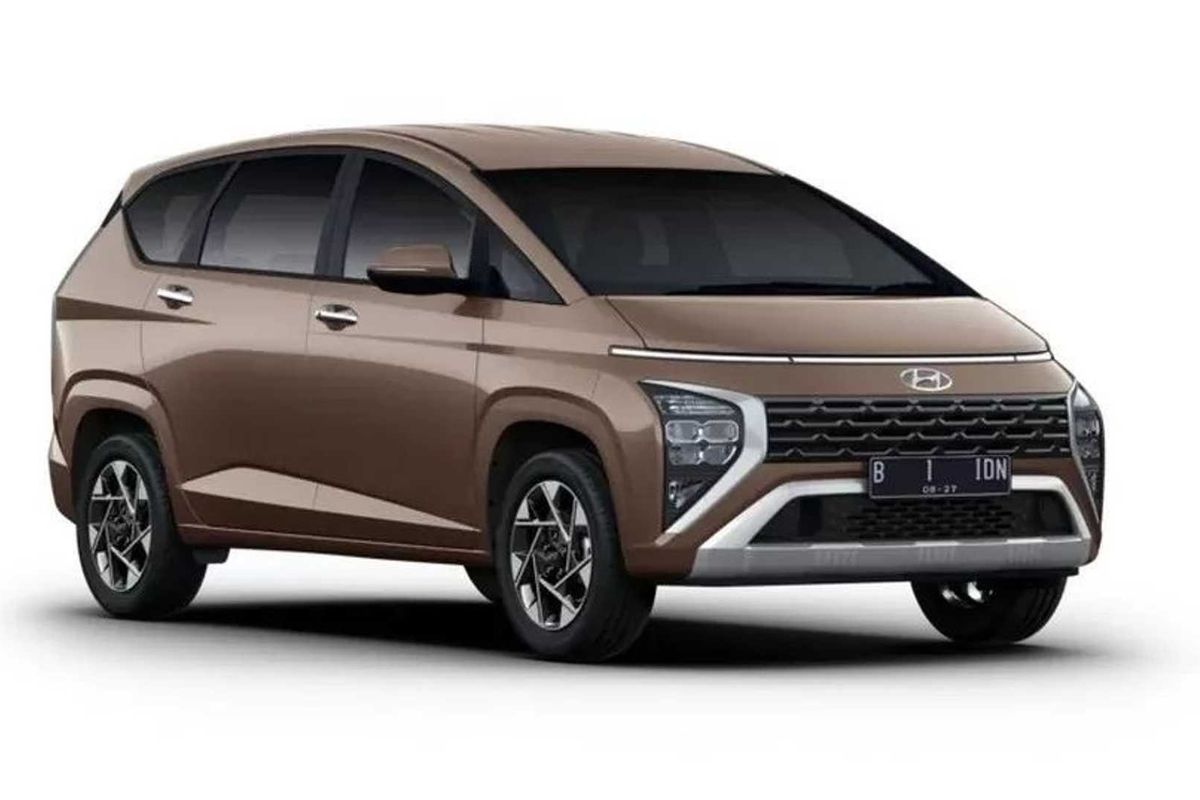
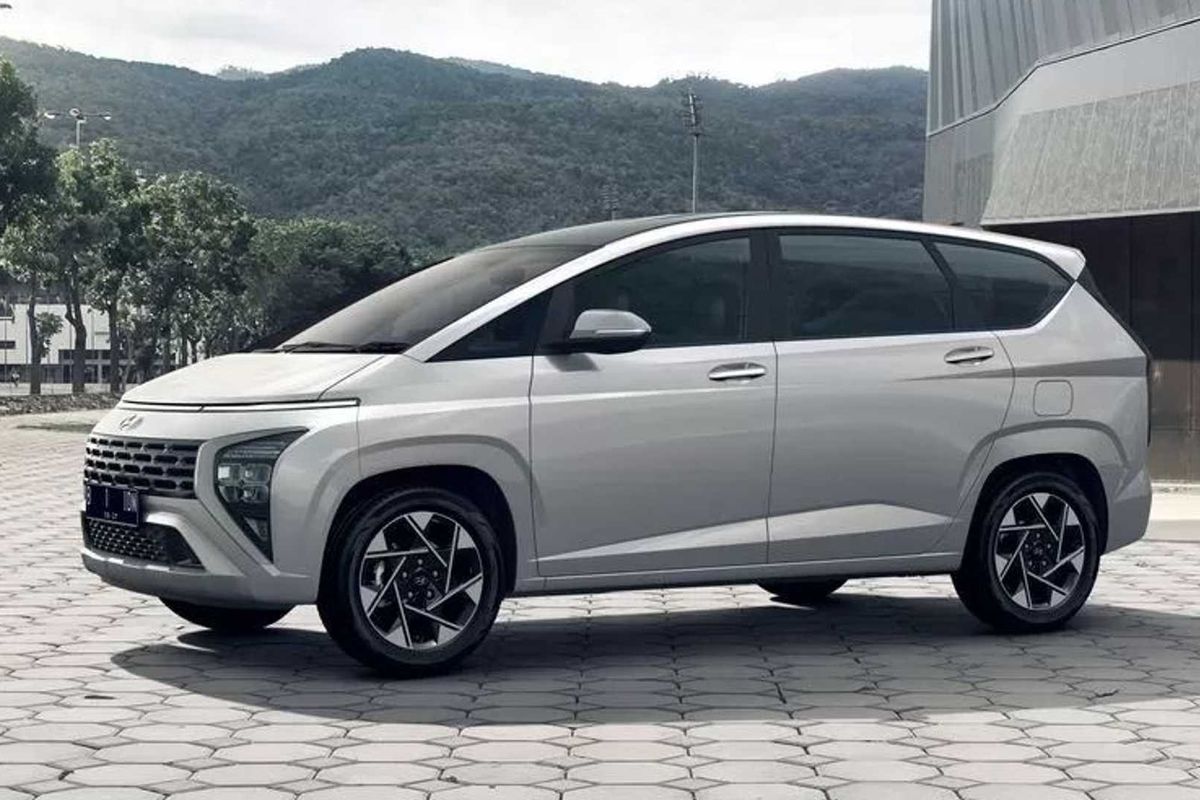
This is the new Hyundai Stargazer, a smaller but just as practical family MPV.
Some motor industry professionals would suggest that the MPV segment has declined over the past few years, but a raft of new arrivals has renewed interest. There’s a new Volkswagen Caddy out and the Hyundai Staria has made waves since its launch. Just recently, the Staria did 145 and 79 units in May and June 2022 respectively.
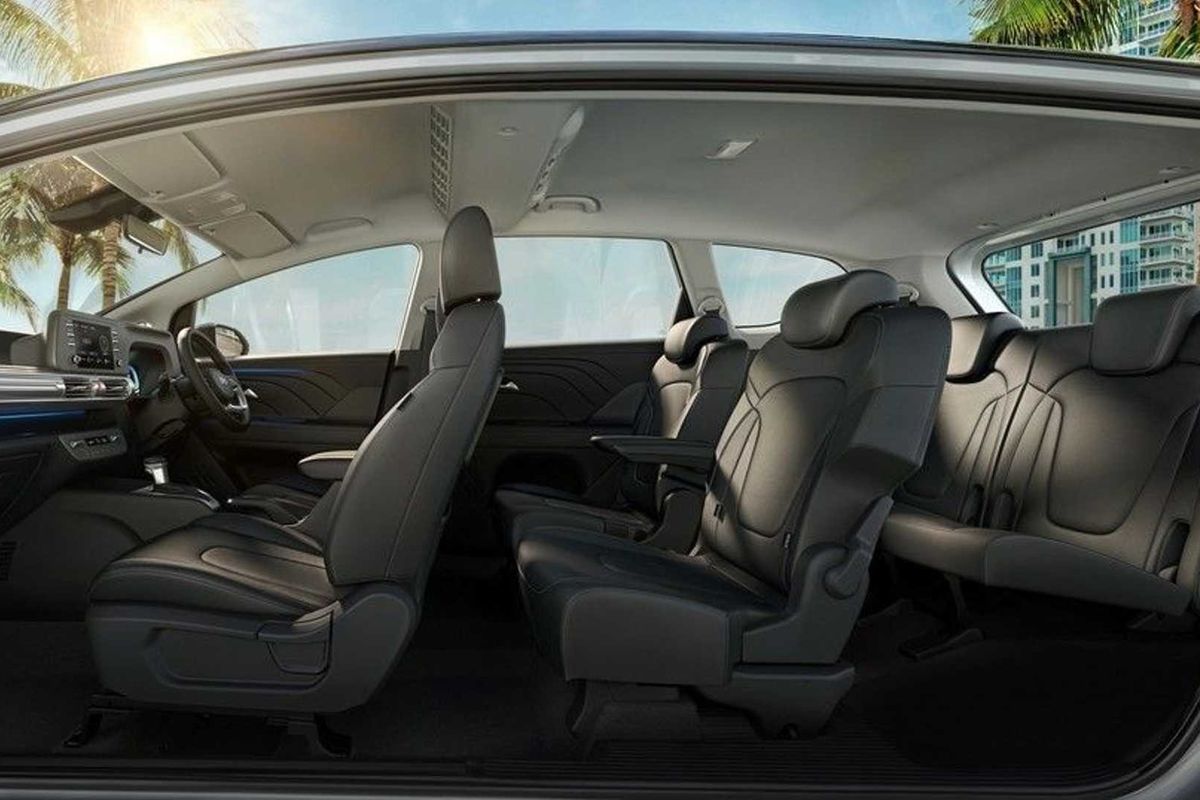
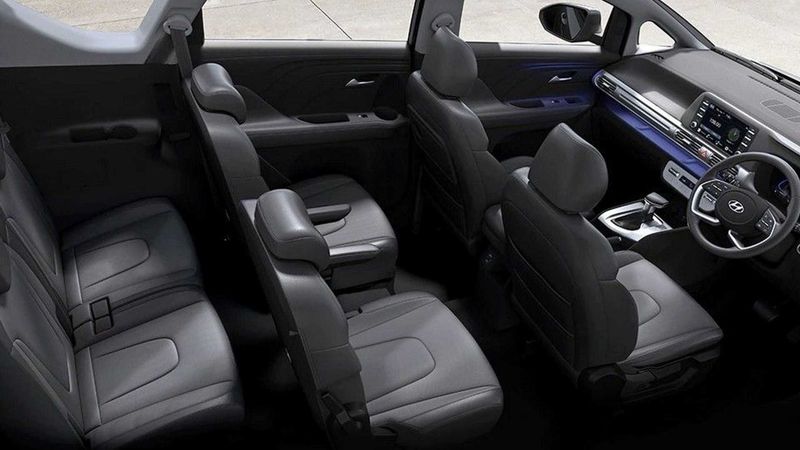
Now, what you see here is the Hyundai Stargazer, essentially a shrunken Staria. Six or seven seater options are available and the best part is it retains those fantastic futuristic looks. Who said MPVs had to be boring appliances?
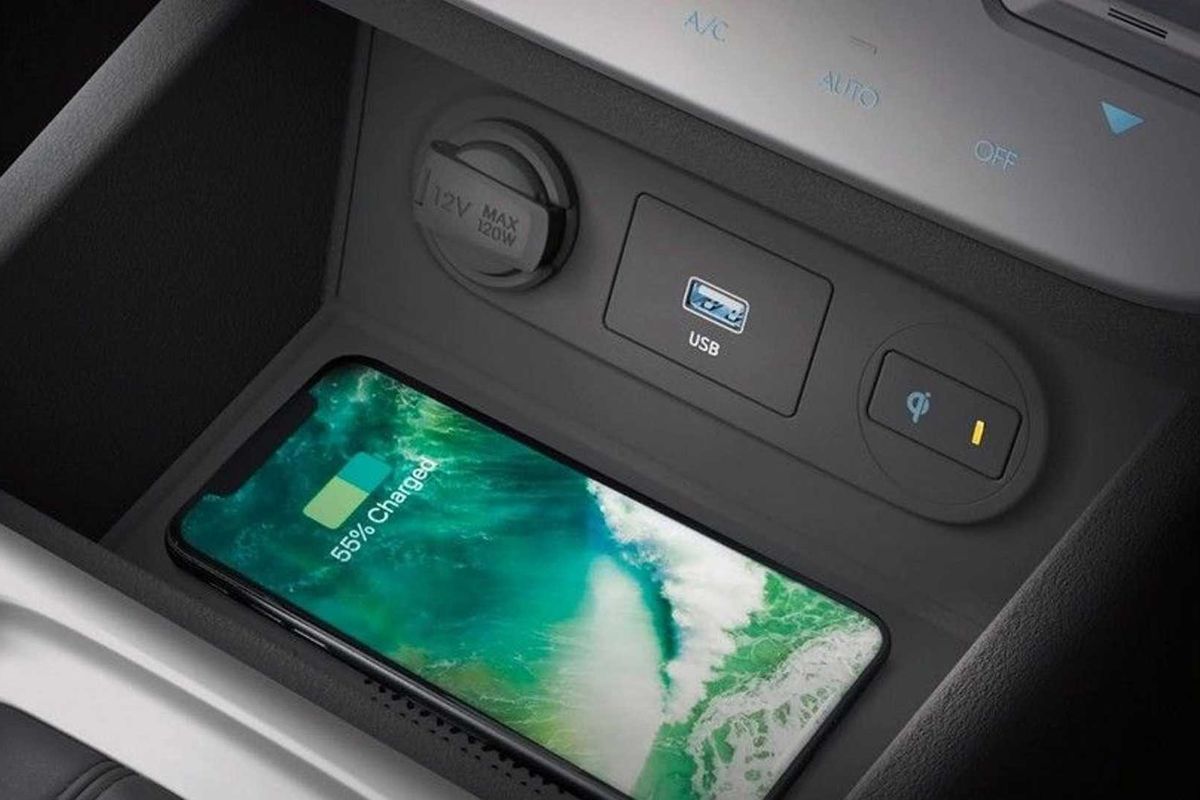
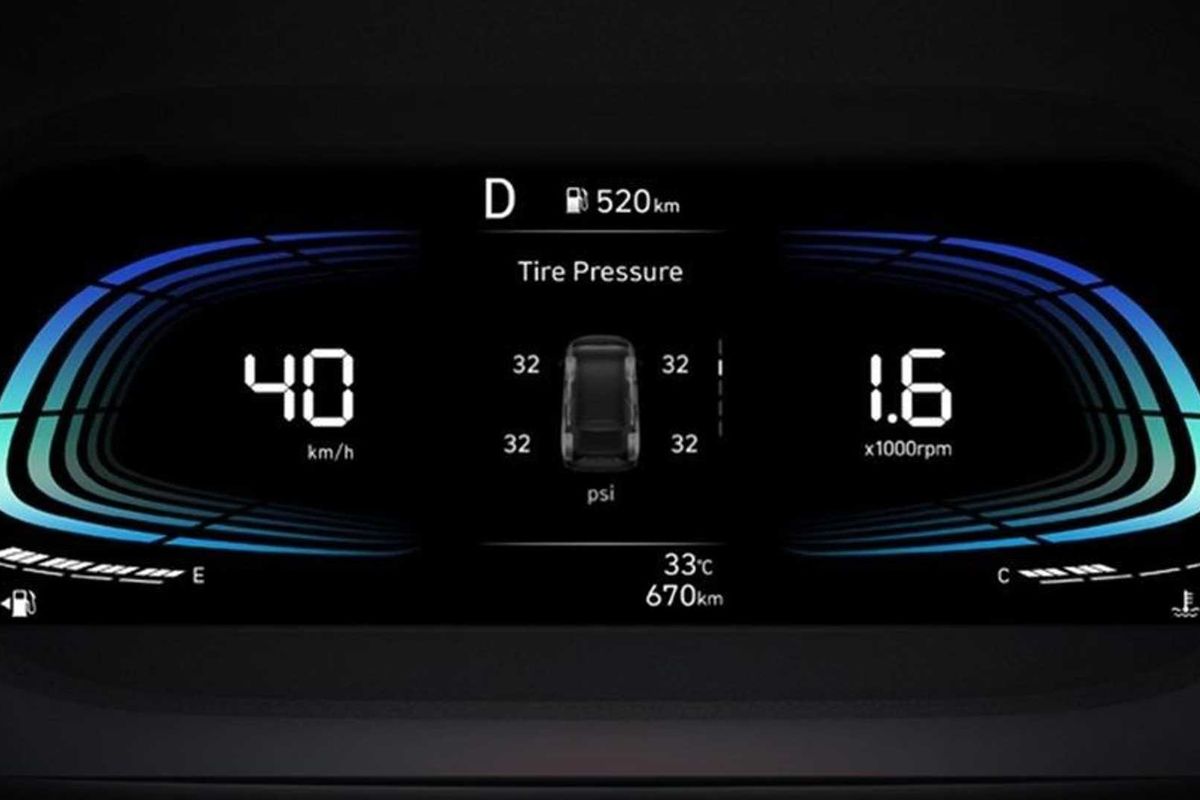
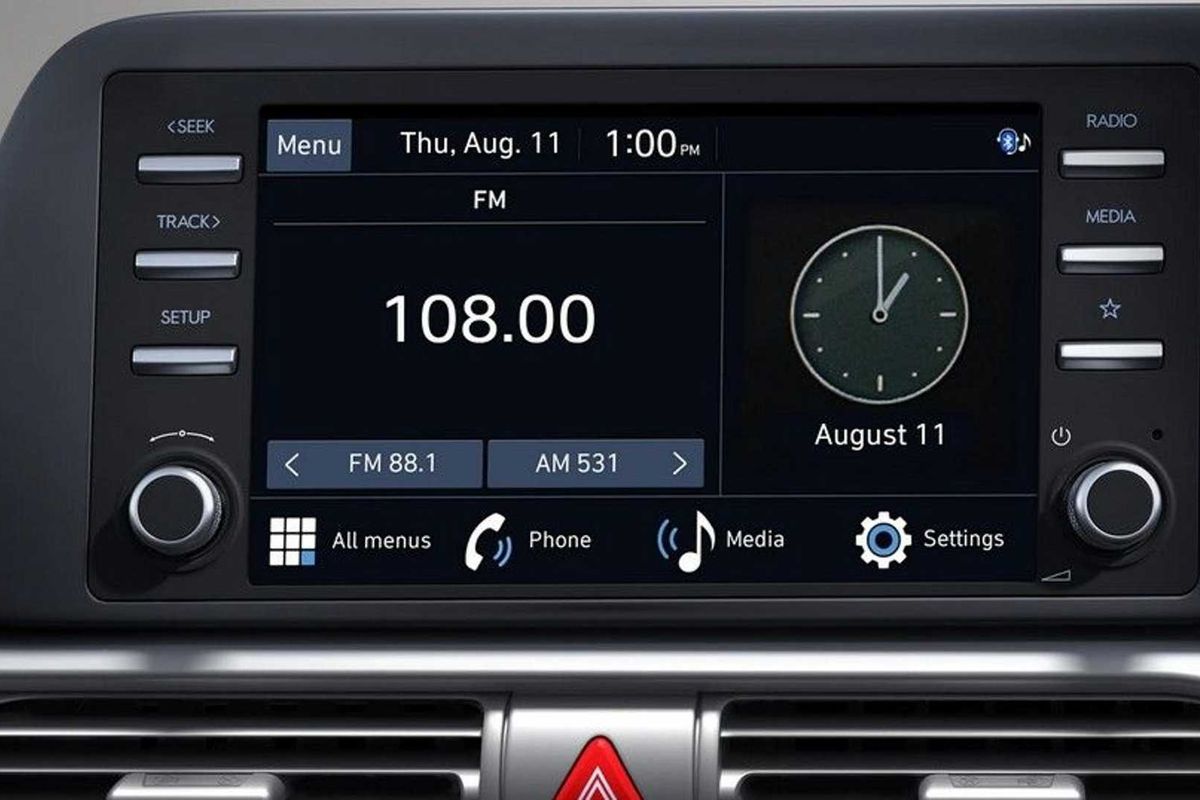
At 4 460 metres long, its in the same ballpark as the Suzuki Ertiga and Mitsubishi Xpander. Inside, it loses the cool sliding doors for more traditional units, but there’s still commendable features like a table with a built-in cup holder for the 2nd row of passengers, plus plenty of USB charging ports. The driver gets a digital instrument cluster as well as an 8-inch infotainment screen. A wireless phone charger is thrown into the mix too.
As far as engines go, there’s a 1.5-litre naturally-aspirated petrol engine with 85 kW and 145 Nm. A 6-speed manual gearbox or CVT is on offer. Depending on trim level, the Stargazer comes with 15- or 16-inch wheels.
The Stargazer is being built at Hyundai’s new Indonesian facility and will be hitting that market in Active, Trend, Style, and Prime trim levels. This factory supplies the facelifted Hyundai Creta which we recently drove at its local launch.
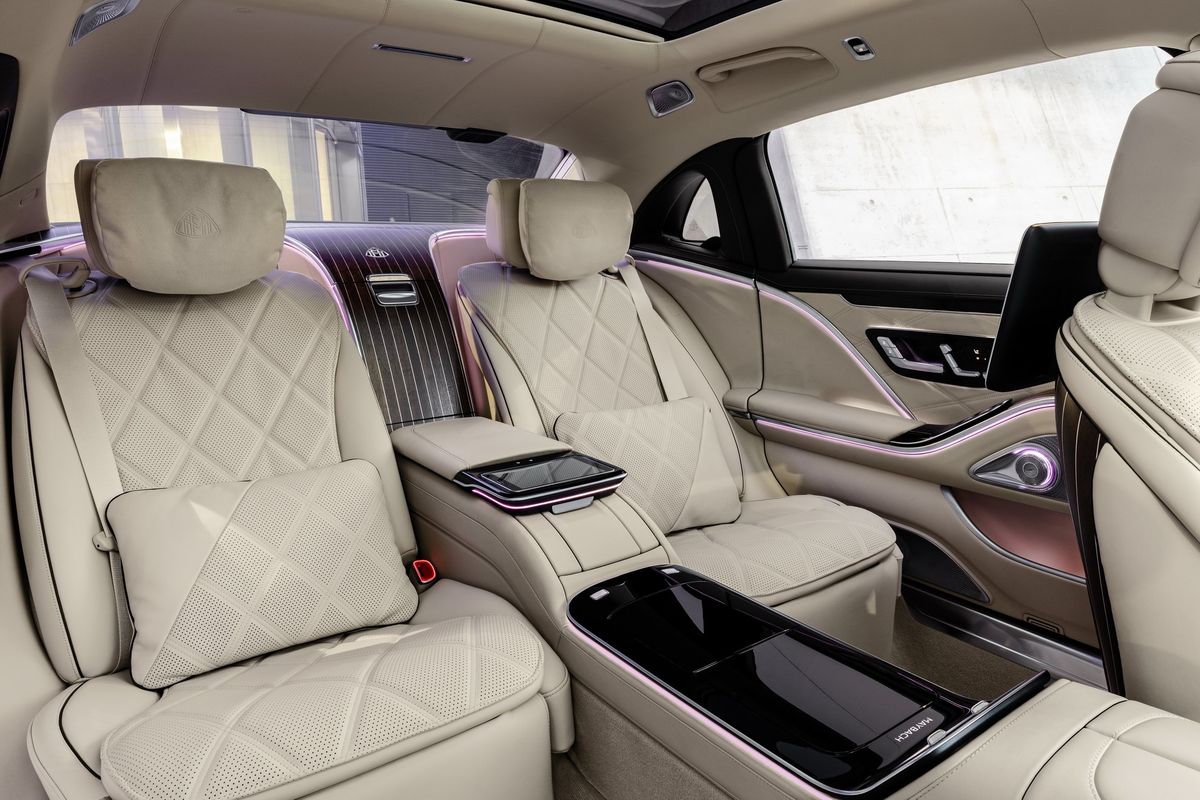
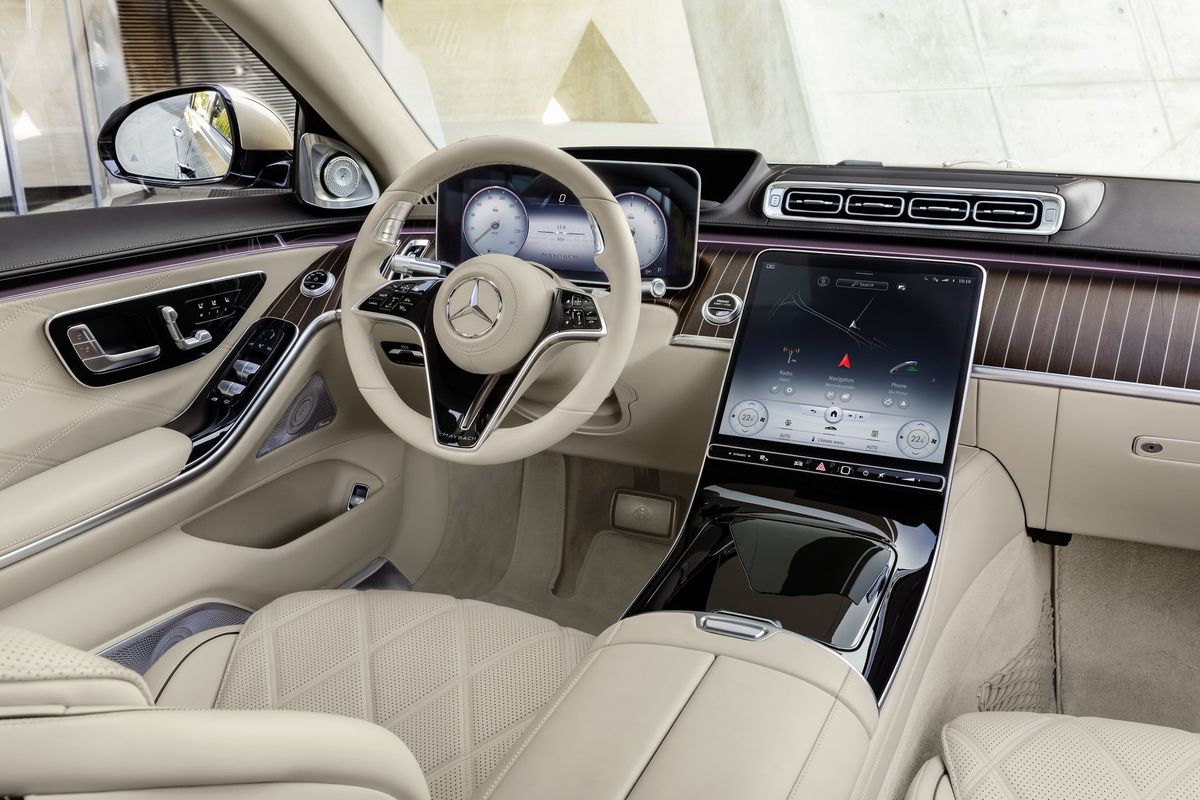
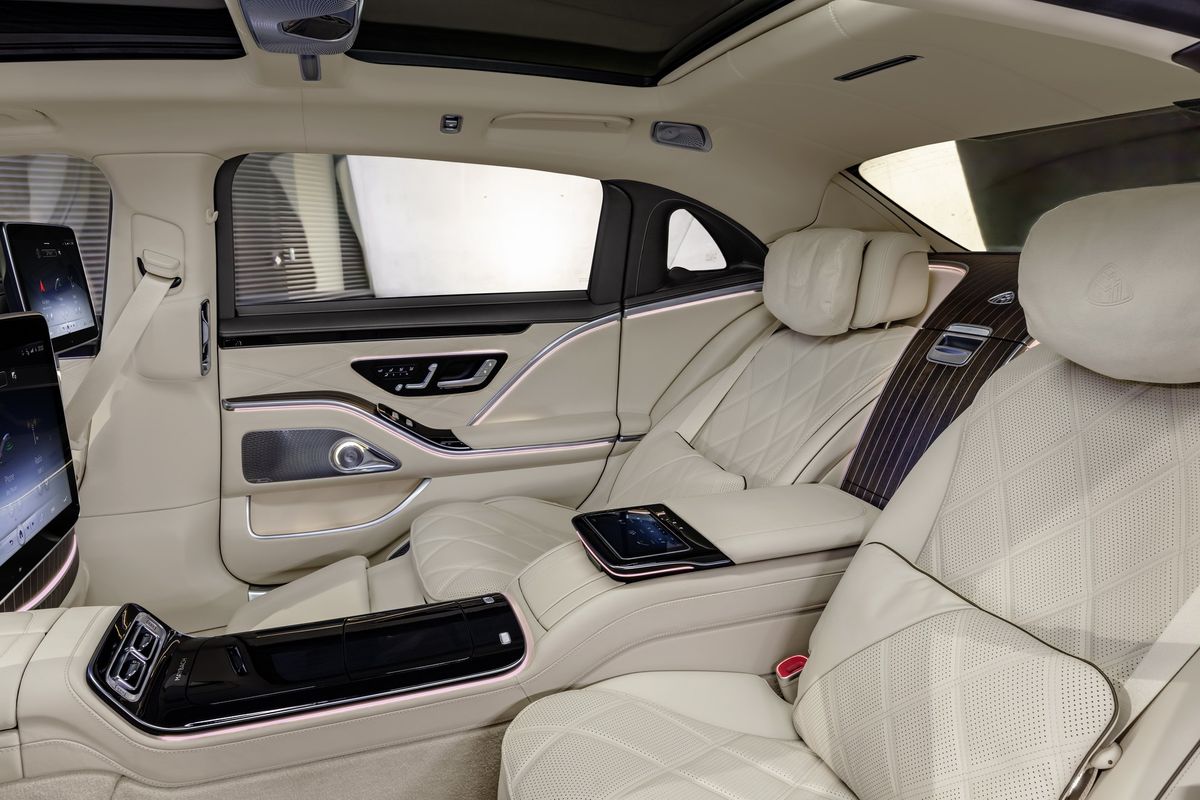
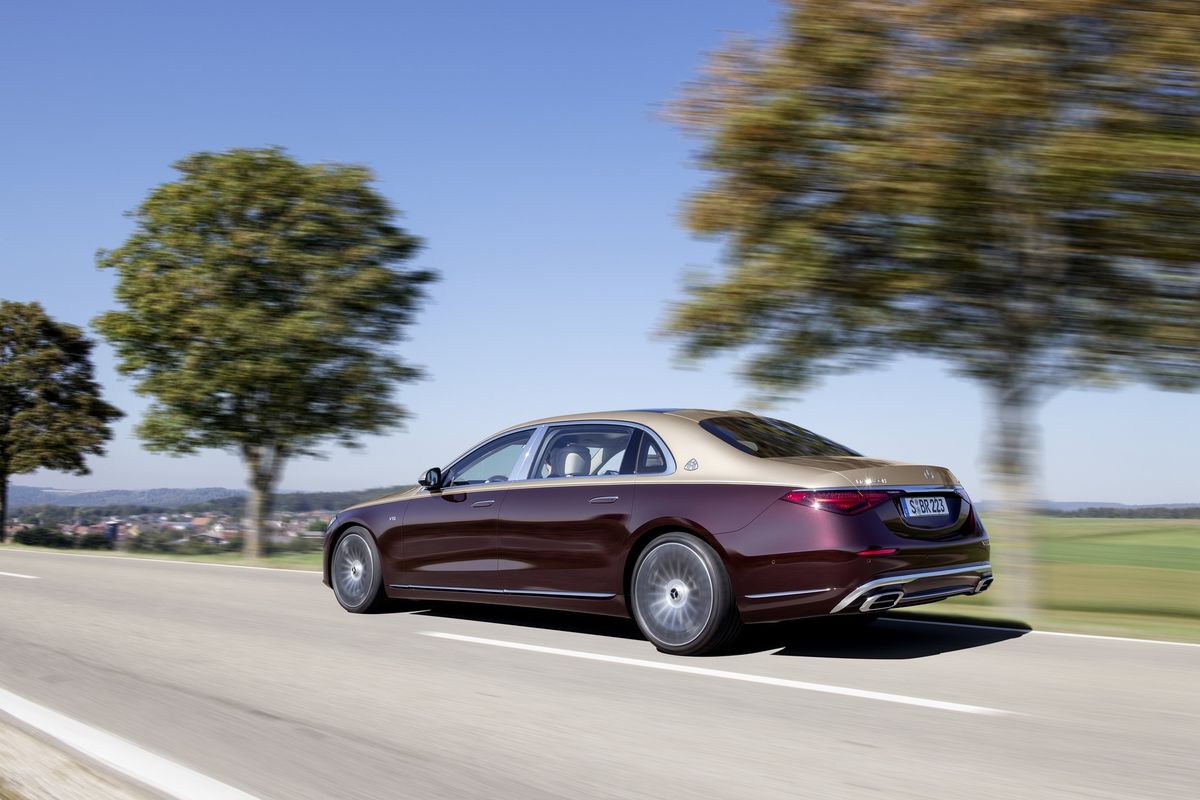
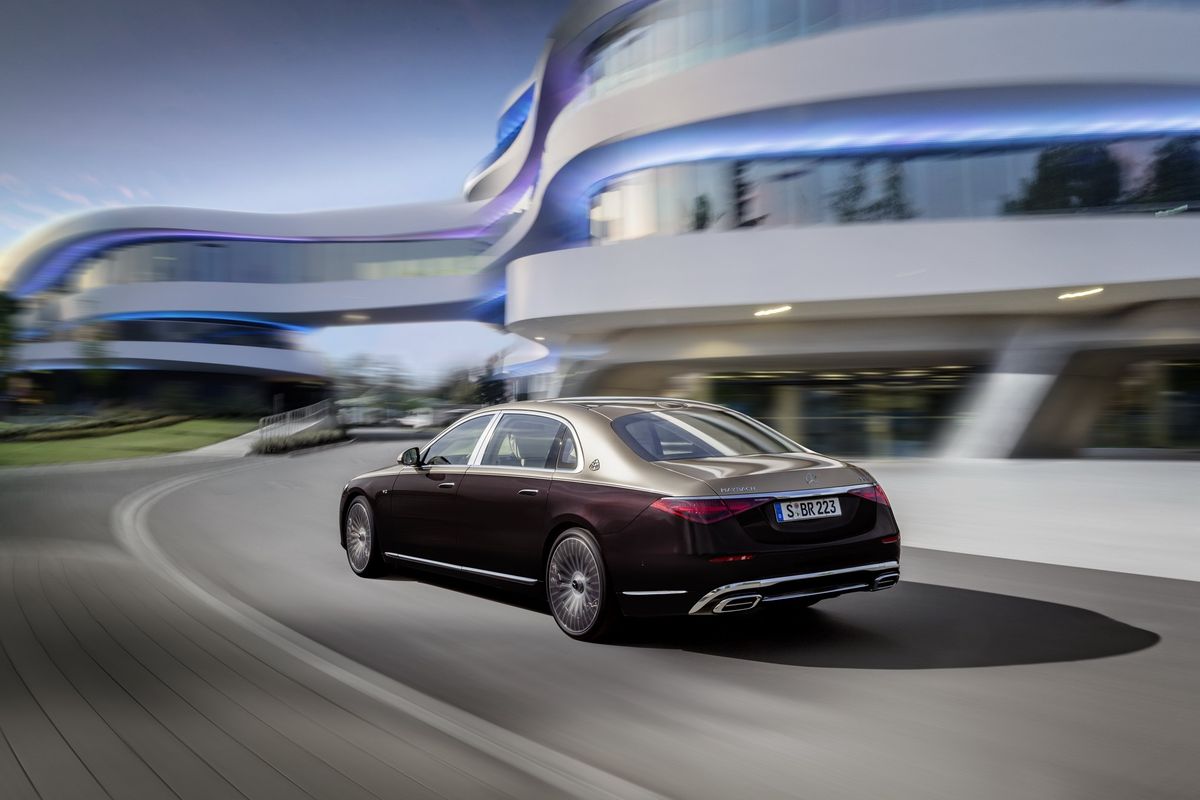
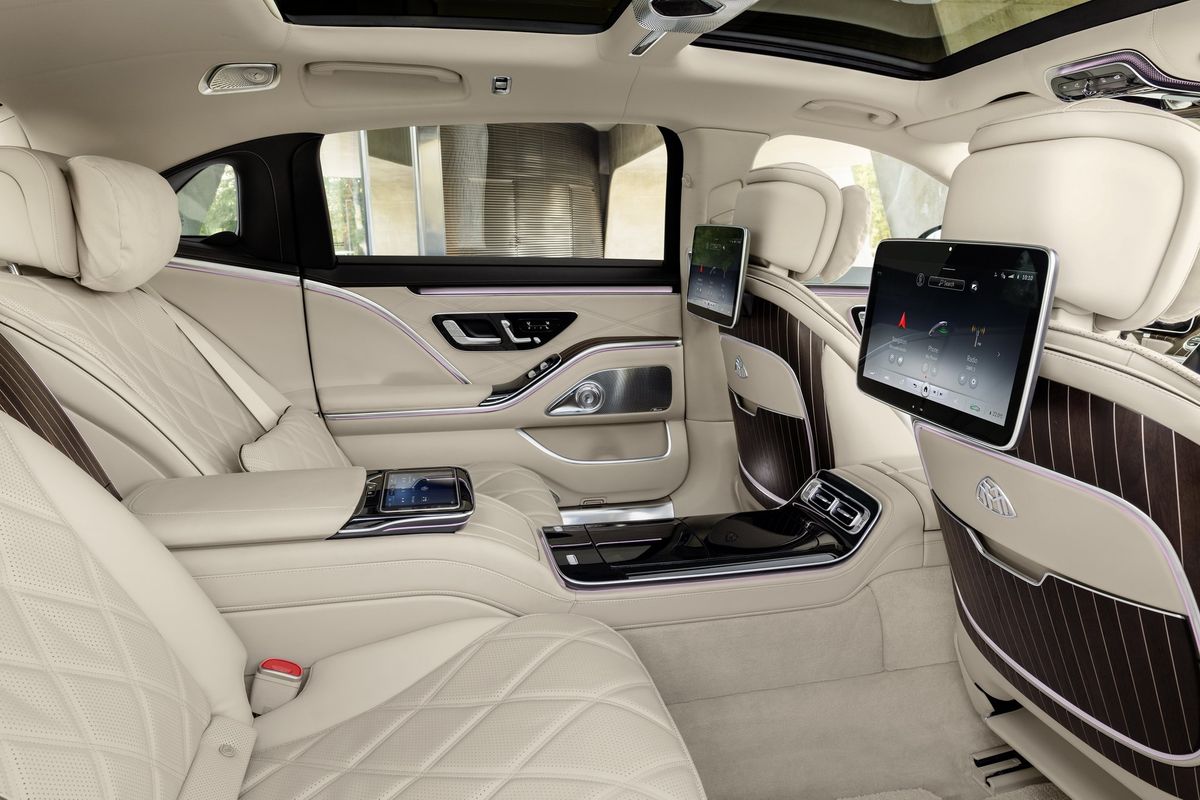
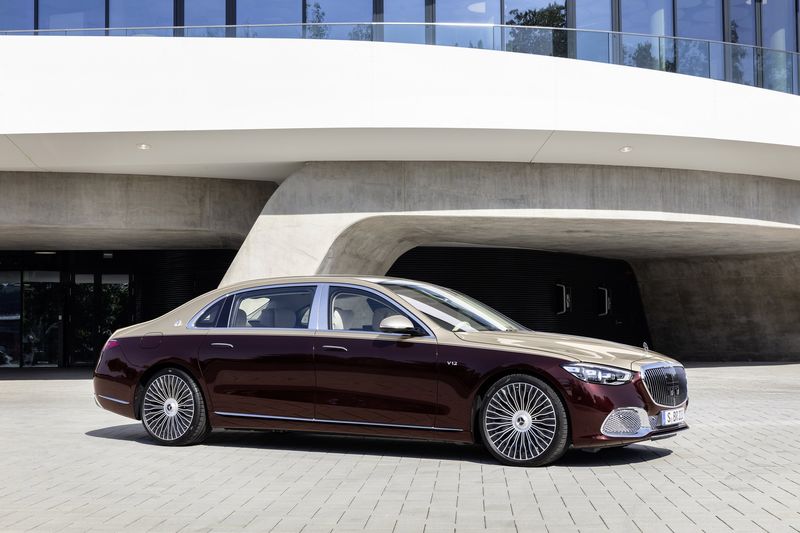
The Mercedes-Maybach S-Class has touched down in SA and we can confirm pricing and some specification details. Here’s how much you can expect to pay for the ultimate luxury limousine.
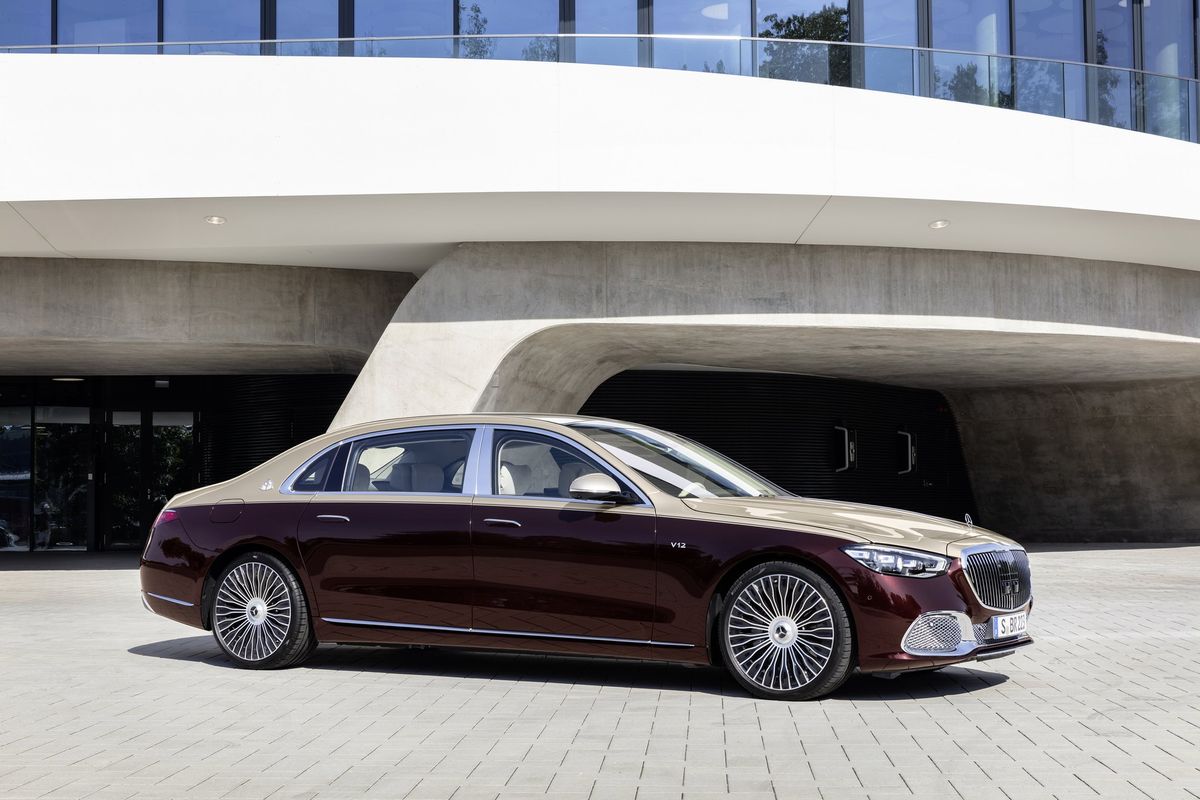
The Mercedes-Benz S-Class is one deeply impressive luxurious offering, but when you’re playing in the ultra high net worth individual space, you’re going to need something that offers the ultimate in every department. Meet the Mercedes-Maybach S-Class and it’s confirmed for SA.
From the Mercedes-Benz SA configurator, we can see there’s just one model available, with a comprehensive list of options and customisation opportunities.
Engine and Performance
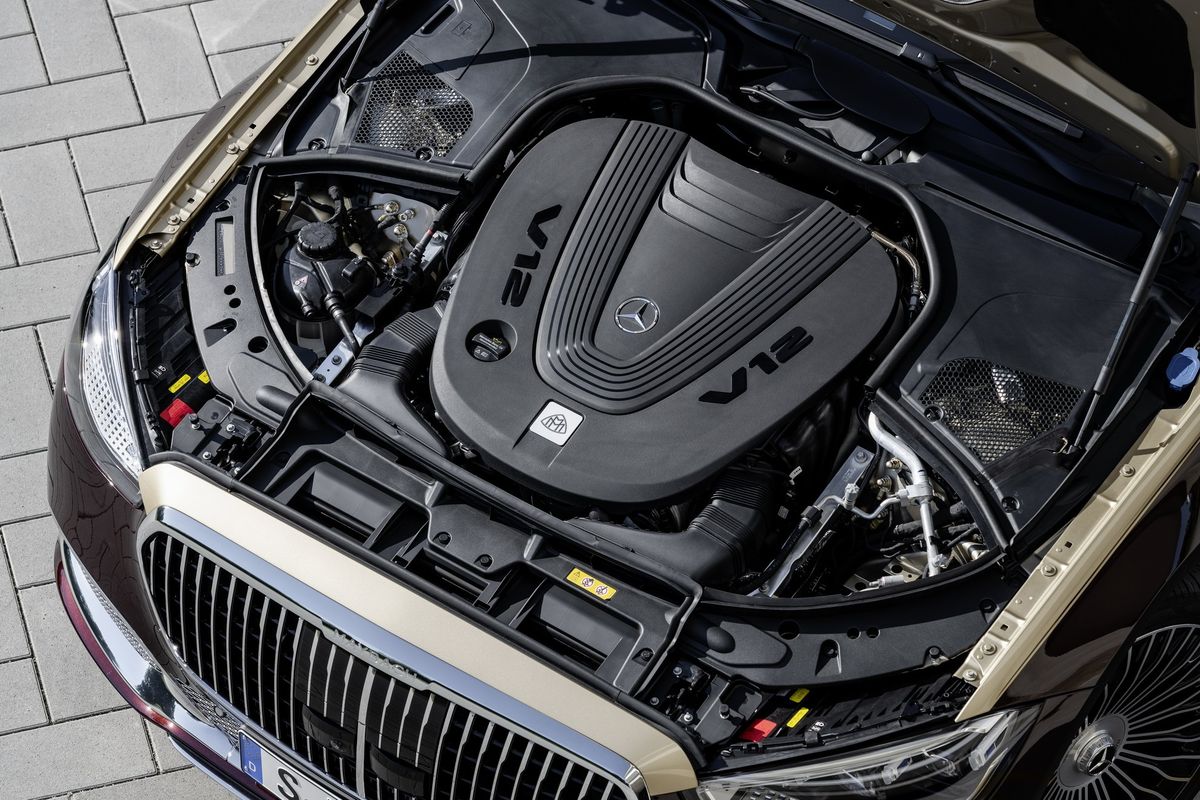
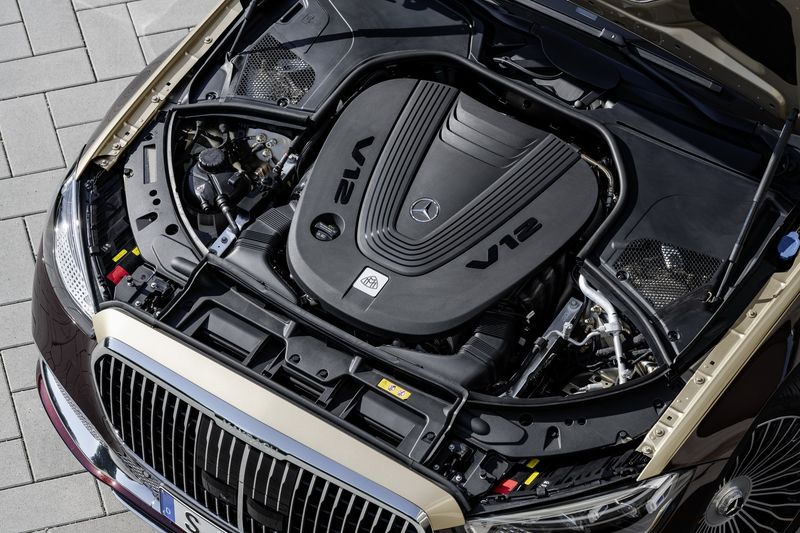
The flagship Mercedes-Maybach S680 comes to market armed with a 6.0-litre twin-turbocharged V12 petrol engine, which develops a staggering 463 kW and 1000 Nm. Power reaches all four wheels via a 9-speed automatic.
The company claims a 0-100 kph of 4.5 seconds, which isn’t the most brisk, but you have to remember the size and weight of the S680. As far as efficiency goes, around 14 L/100 km has been claimed.
Options?
Yes, and plenty of them! There are four wheel designs to choose from, going up to 21-inch in size and costing R115 000.
Interestingly, the two-tone paint you see here is available in a number of combinations. The standard base coat can go up to R121 000, with the combination adding a further R270 000 to the price list.
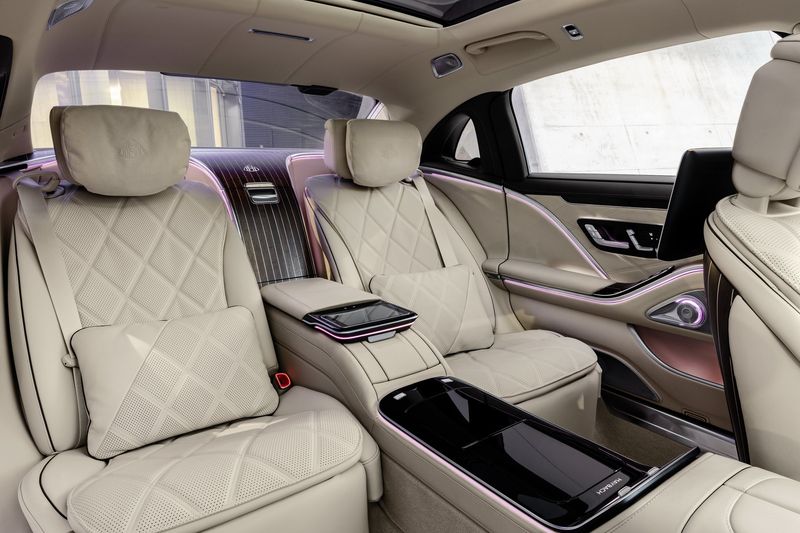
Inside, you can tick the box for the MANUFAKTUR Leather Package (R320 000), Rear seat comfort package for neck/shoulder heating, climatised and contoured rear seats (R35 000), first-class rear compartment (R90 000), rear fridge (R26 200), rear folding tables (R38 100), and rear axle steering for R30 000.
How much does the Mercedes-Maybach S-Class cost in South Africa?
BMW vs Mercedes-Benz: premium sales race after first half of 2022
BMW and Mercedes-Benz traditionally battle it out for sales supremacy at the summit of the premium market. But which of these German brands is winning the race after the first half of 2022?
The first half of 2022 has come and gone. So, which automaker is ahead in the premium sales race? Well, let’s take a look at BMW and Mercedes-Benz’s global sales figures to find out.
The BMW Group (which comprises the BMW, Mini, Rolls-Royce and BMW Motorrad brands) reported a first-half sales figure of 1 160 443 units, representing a 13.3% year-on-year decline. Meanwhile, sales of Mercedes-Benz Cars (including Smart as well as the T-Class, V-Class and EQV) fell 16% to 998 000 units in the opening half of 2022, more than 162 000 units behind the Bavarian brand.
For the record, Mini accounted for 140 711 units of the BMW Group’s total, while 3 191 units came from Rolls-Royce and a further 107 555 from the Motorrad motorcycle division.
So, what’s the outcome if we compare the BMW and Mercedes-Benz brands, as opposed to groups? Well, the Munich-based automaker managed 1 016 541 registrations worldwide from the start of January to the end of June 2022, while its Stuttgart-based rival had to settle for 985 200 units, around 31 000 units behind.
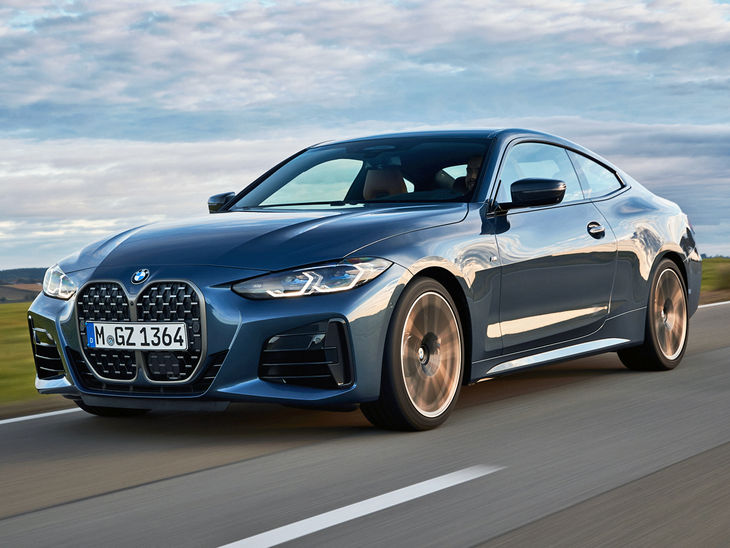
As many as 58 805 units of the 4 Series range were sold worldwide in the first half of 2022.
It’s just as fascinating to examine the battle in the all-electric field. The BMW Group sold 75 891 fully electric Mini and BMW models, representing a 110.3% year-on-year improvement. Mercedes-Benz’s growth in this part of the market was even higher at 134% (compared with the same period in 2021), though the total of all-electric EQ-badged vehicles sold was lower at 45 400 units.
While we’d love to compare sales from the two manufacturers’ high-performance divisions, Mercedes-Benz unfortunately opted not to release a Mercedes-AMG figure for the first half of 2022, saying Affalterbach production was “impacted by chip-supply constraints”. For the record, the BMW M division sold 81 198 units up to the end of June, though it’s worth noting this figure includes not only full-fat M products but also M Performance models.
Audi, meanwhile, has yet to release its first-half sales figures, though we do know the Ingolstadt-based firm sold around 50 000 fully electric vehicles (up 52.7%, year on year), with the e-tron (including the Sportback) proving the most popular model range with 24 700 units.
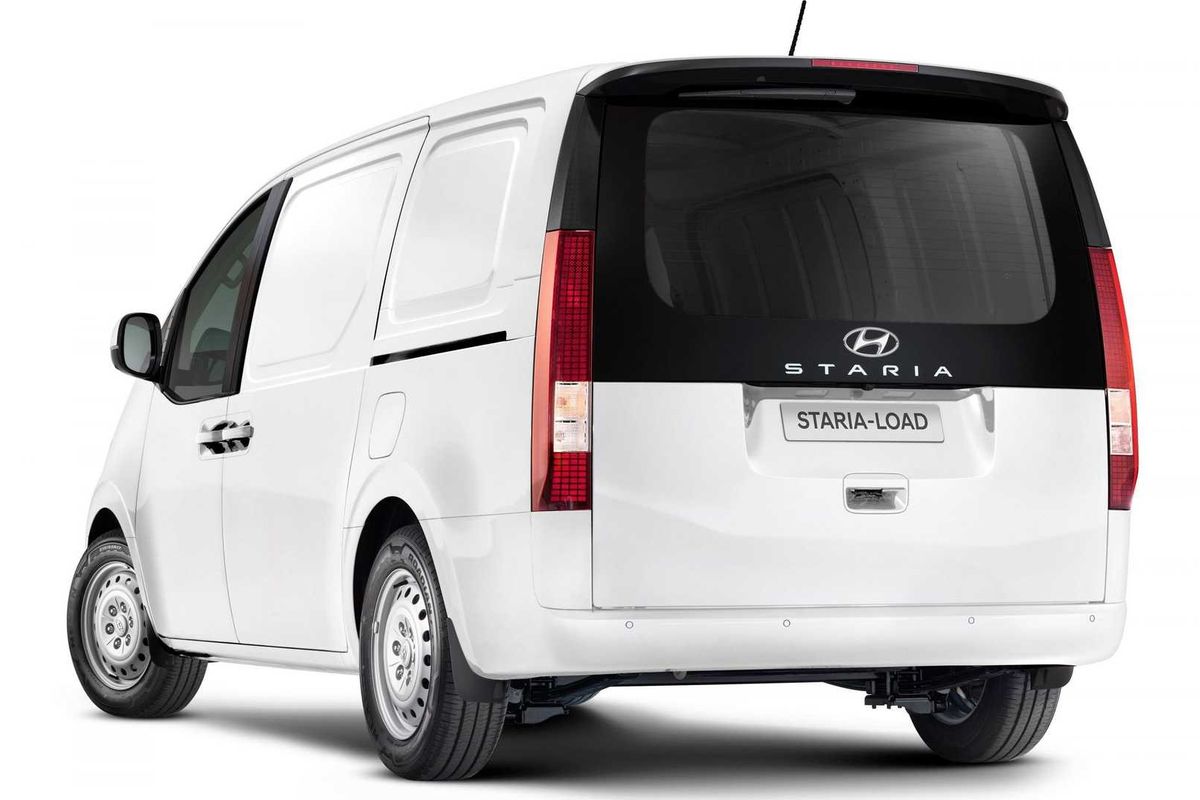
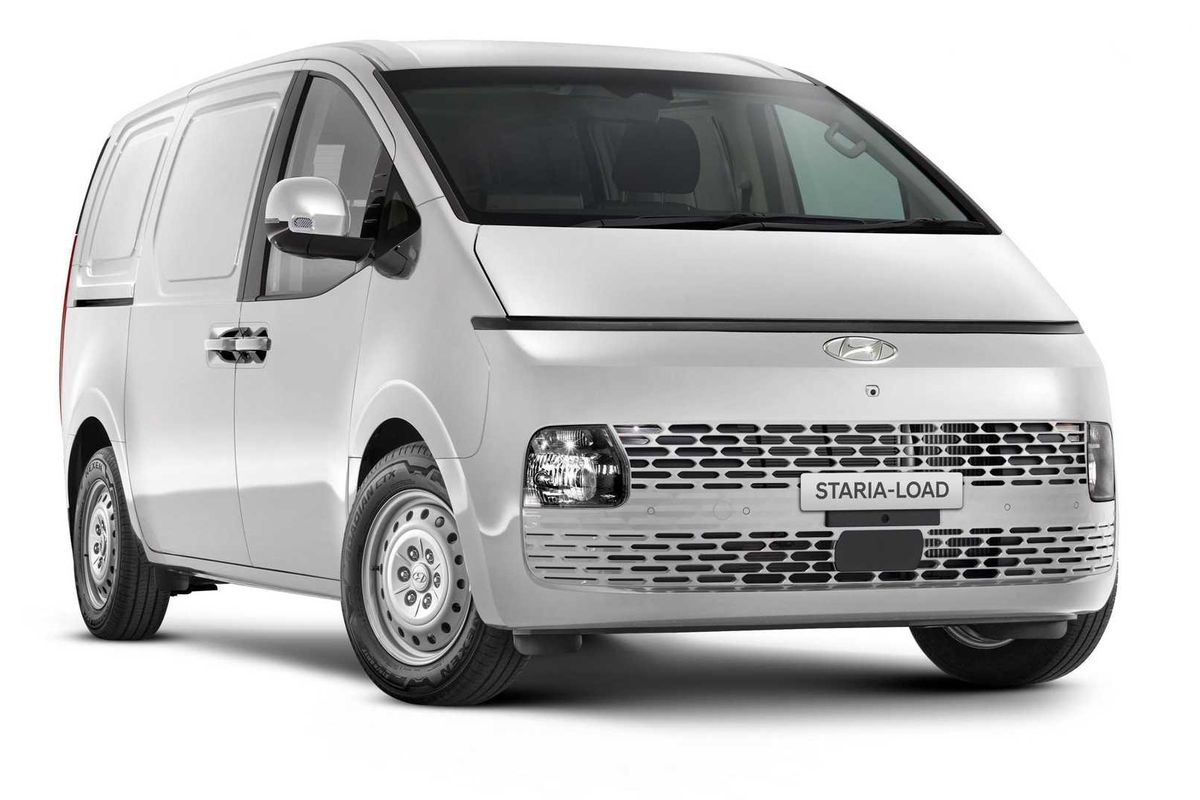
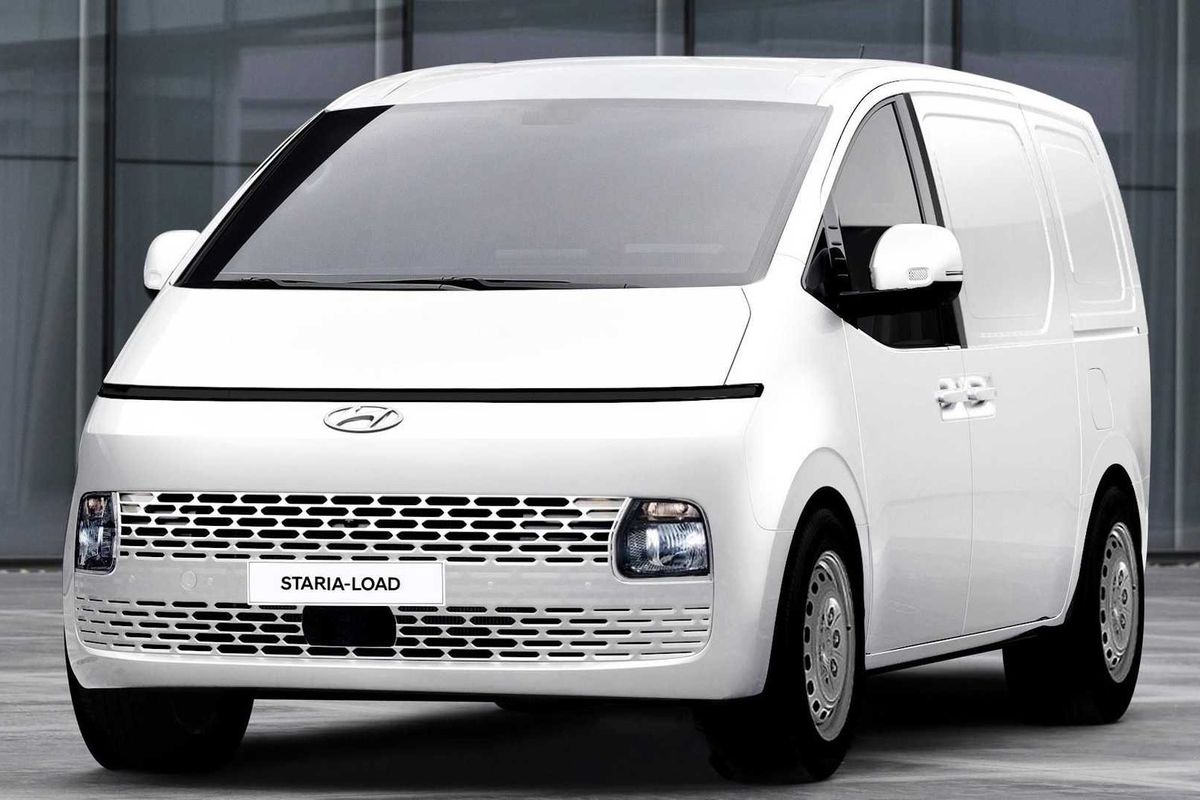
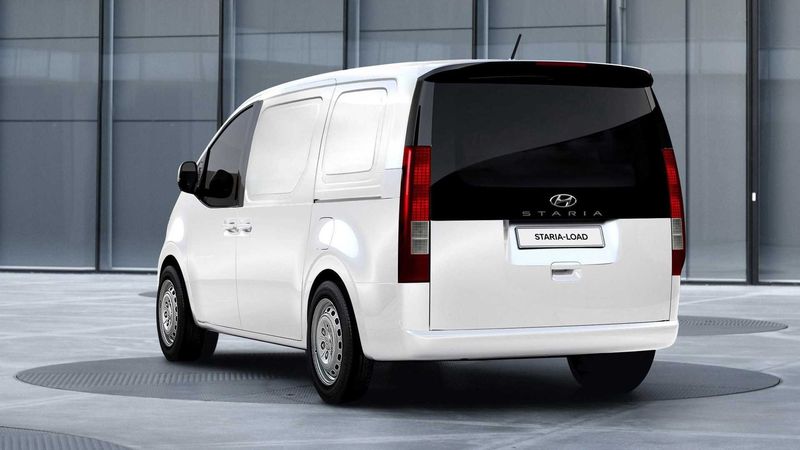
Hyundai Staria Panel Van (2022) Specs & Pricing
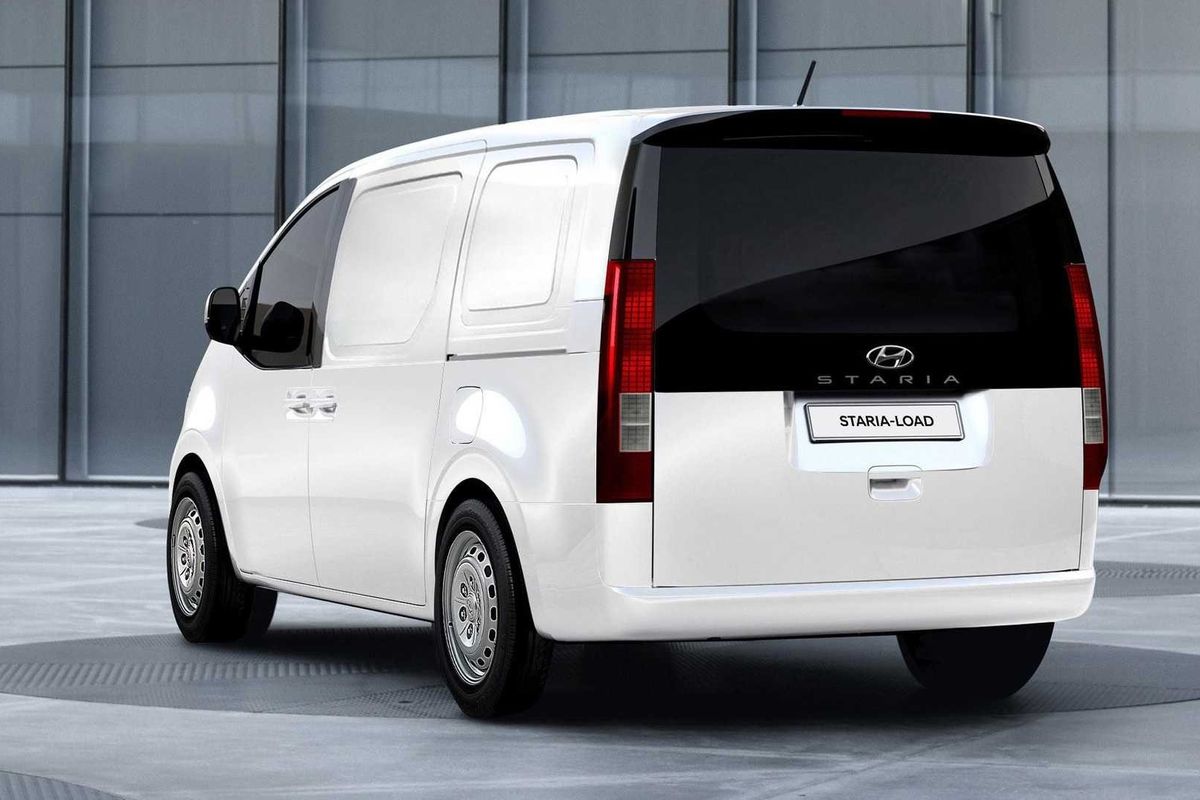
The replacement for the Hyundai H1 van has been announced and it looks futuristic and unusual. Meet the Hyundai Staria panel van!
The Hyundai Staria was unveiled in early 2021 and everyone was stunned by its futuristic looks. The best part is that the Staria is just as good to drive and boasts commendable practicality. Check out the review here.
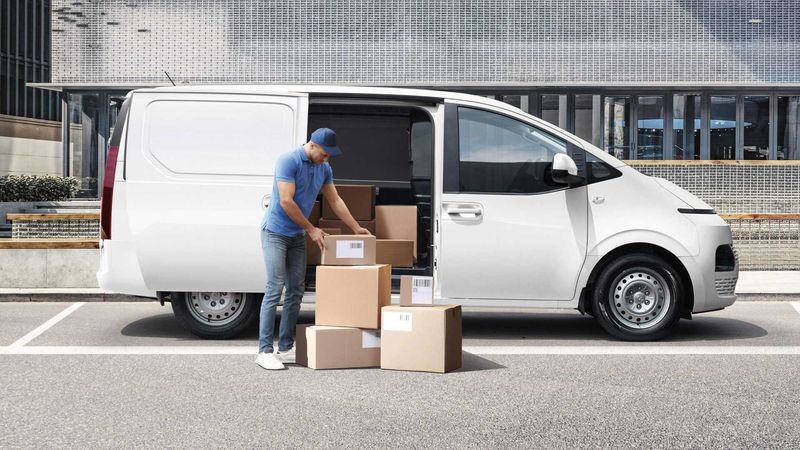
Now on the commercial side of things, the Staria panel van has been revealed, switching from its people-carrying role to cargo. Despite its futuristic looks, this is the production vehicle and Hyundai South Africa confirmed it will be be joining the Staria range in July 2022.
As far as engines go, the Hyundai Staria Load is available with the tried-and-tested 2.2-litre 4-cylinder turbocharged diesel engine with 130 kW and 430 Nm on tap. This shove goes to the front wheels via an 8-speed automatic gearbox.
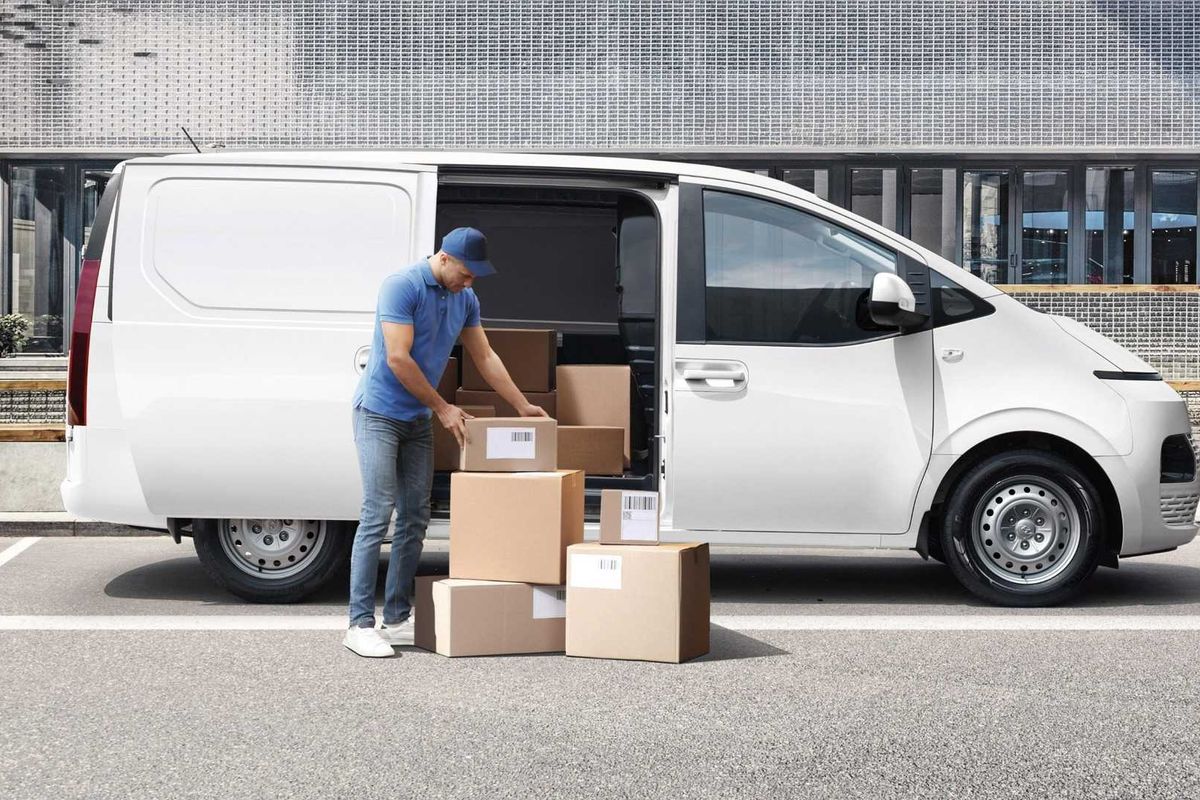
The main selling point of this vehicle will be the cargo space. The Hyundai Staria Load is claimed to take 3 Euro-spec palettes, which in comparison to the outgoing H1 is an improvement as it could only muster 2 Euro-spec palettes. If you base your cargo-measuring capacity in litres, the Hyundai Staria Load offers 4 935 litres in comparison to the H1’s 4 426 litres.
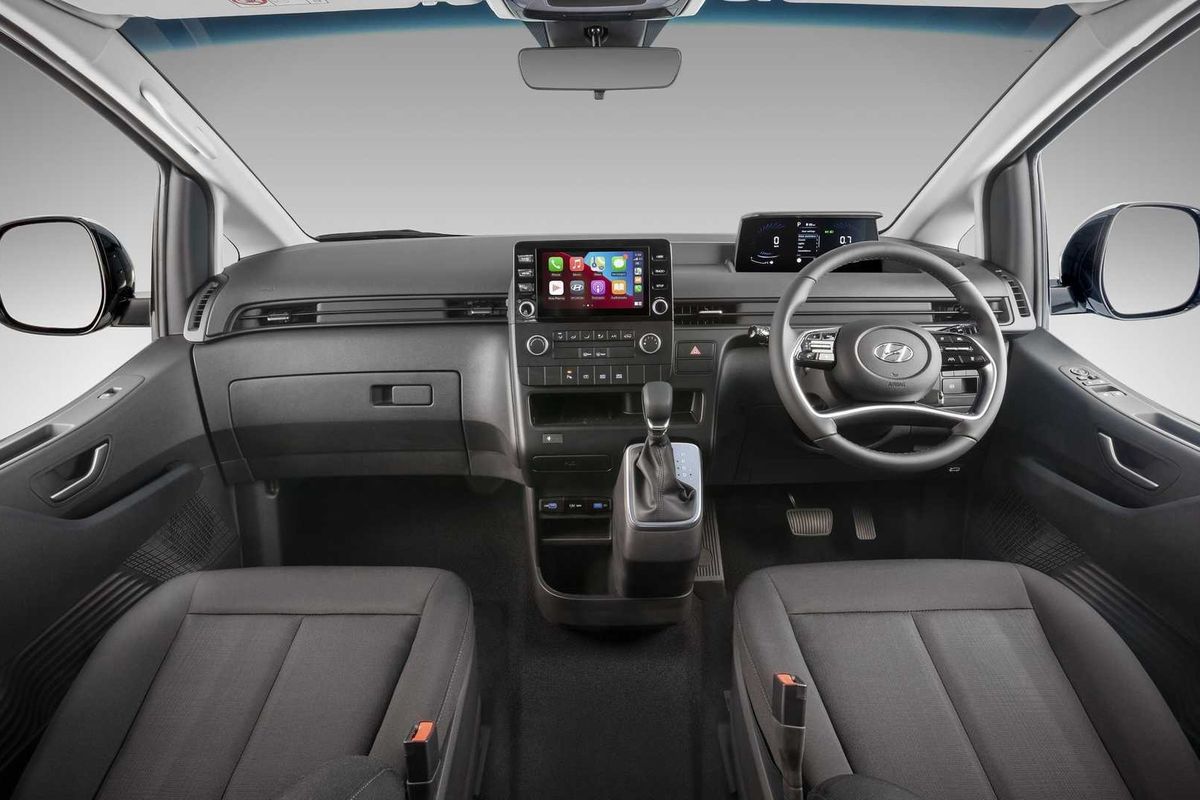
Despite it being a commercial vehicle, the Staria Load still comes with a considerable amount of standard features and safety equipment. There are 17-inch wheels, a steering wheel that’s tilt & telescopic adjustable and has controls, park distance control front and rear, auto lights, electronic parking brake and twin swing rear tailgate.
How much does the Hyundai Staria Panel Van cost?
Hyundai Staria R2.2 3-seater panel van 8AT R599 900
The above price includes a 7-year/200 000 km manufacturer warranty, a 6-year/90 000 km service plan a 7-year/150 000 km roadside-assistance plan.
Volkswagen’s collaboration with Ford on the more off-road capable and tech-laden new-gen Amarok will suit VWSA, which has an extensive dealer footprint in South Africa.
Very few car companies spend as much money on platforms as Volkswagen. The German automotive conglomerate’s MQB platform, which now underpins virtually every VW, Audi, Skoda, Seat and Cupra with a transverse powerplant, set a standard for pure internal combustion vehicles that might never be equalled, costing R135bn by its completion in 2012. The same is expected from MEB, VW’s hugely expensive and adaptive electric vehicle specification architecture.
And then there’s Amarok – the VW model that defied odds and defined the concept of a lifestyle double-cab bakkie. And a hugely important product for South Africans, despite being completely unrelated to either MQB or MEB, two of VW’s core platform architectures.
When VW became embroiled in the diesel-emissions testing scandal in 2015 (aka Dieselgate), the Amarok’s future became problematic. Despite its product excellence, VW could not justify extended funding to create a successor to the bakkie, given the drain of legal compliance costs and all the resources it needed to devote to the development of MEB.
The answer was a joint venture with Ford. And with the 2nd-generation Amarok revealed, the question arises: what’s the point of the collaboration? And which of the two products makes most sense.
Bakkie owners will have strong opinions on the Ranger T6.1 platform Amarok. Some might dismiss it as being badge-engineered and pointless. But if you layer the analysis a bit deeper, it appears that VW might have delivered a very clever product solution to its South African division.
What does VWSA want to do with the new Amarok?
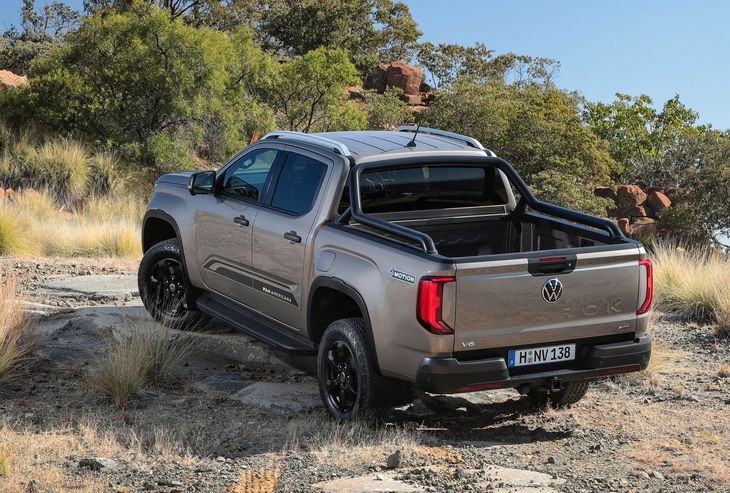
VW has gone for oversized wheelarches on the Amarok, which could enable off-road enthusiasts to run larger tyres.
There’s no question that Ford’s T6.1 Ranger will be enormously influential within the South African vehicle market. And not only for Ford.
VW has never been interested in challenging Hilux volumes, as Ford is, with an extended range of bakkies. The expectations within VW’s South African bakkie business are modest compared to Ford, where Ranger is nearly its entire business. VW does not require Ranger’s huge volumes or derivative complexity, with configurations from entry-level single-cabs on steel wheels to extreme off-road-capable Raptors.
The VW bakkie product strategy is narrow. And simple. It wants to sell Ranger-platform Amaroks to wealthy customers in the lifestyle market. That makes it possible for the VW South African product marketing team to be more targeted in its approach. Trying to do less, with a lot more.
Fewer bakkies to sell, but more dealers to support them
VW has a greater number of dealers than Ford in South Africa, giving it potentially better geographic reach. And if you sell lifestyle bakkies, that’s important.
Anyone who has suffered the frustration of trying to order a specialist mechatronic component for a modern vehicle in a rural area, will know the value of superior network and distribution.
This is especially true when journeying on vacation, in your ‘lifestyle’ double-cab. Parts can become a nightmare if you have an unfortunate wildlife or farm animal incident on an isolated rural dirt road.
Unlike Mitsibushi, which also only markets lifestyle double-cab bakkie derivatives at low volumes, VW has significant dealership networking across South Africa. If your new Amarok does require some assistance in the middle of nowhere, VW is resourced to assist.
The one feature Ford did not want to share
It appears that VW was not given an option, on Ranger’s brilliant box step.
Second-generation Amarok has gained a great deal from its joint venture with Ford. But what has not been shared? Despite all the corporate posturing about cooperation, it was always clear that Ford would not share all the best features of its Ranger development with VW.
One of the cleverest Ranger features is its box step. The risk of clambering onto a load box is fraught. And if you own a double-cab bakkie, the load box is a highly functional aspect of its appeal.
With the box step, Ford provides a secure foot placement to reduce the risk of lower limb or back injuries when accessing the load box… or loading and retrieving things you have placed in it. It is one of those unique selling points for the new Ranger. And Ford is not keen to share it.
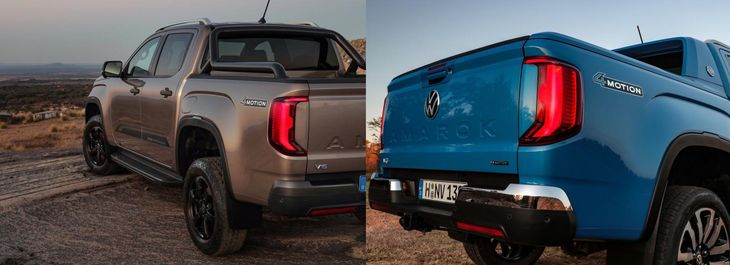
Scrutinise the Amarok launch images, and you’ll notice it has a wraparound bumper at the rear, without any box step indents. It’s a pity for VW, which will be marketing Amarok as a pure lifestyle double-cab play in the local market.
The box step is an excellent safety and convenience feature for any double-cab owner using their bakkie in the lifestyle role.
A better VW infotainment option?
Will VW’s infotainment Sync or not?
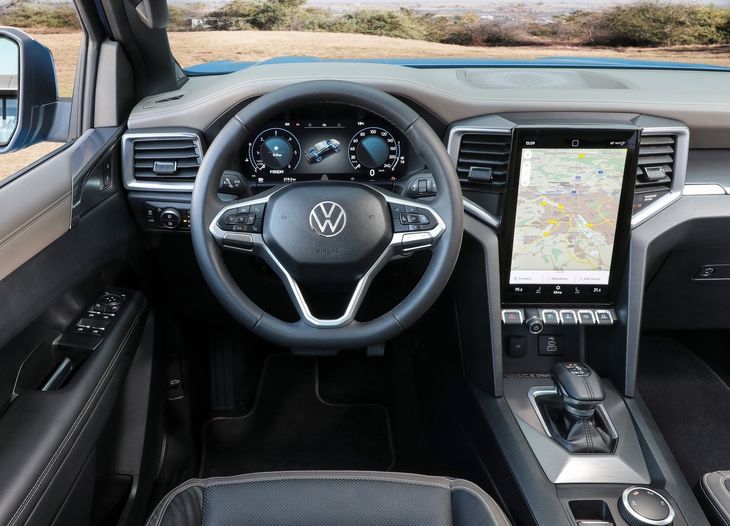
An aspect where Ranger and Amarok are likely to share feature richness is infotainment. VW has struggled with infotainment and UX design. The termination of more than one chief software engineer has illustrated the risk of complex coding and UX at VW.
Ford’s Sync has set the standard for bakkie infotainment. And there’s a reason it is so good. The CEO credited for reviving Ford as a company, Alan Mullaly, recognised the value of proper UX. He worked on the design of Boeing’s 757/767 cockpits and deeply appreciated the value of intuitive user interfacing.
Mullaly’s greatest legacy at Ford is the Blue Oval’s respect for device software and UX design specialists. It’s something that has helped to create and sustain an automotive infotainment system that has proved industry-leading in the bakkie market.
Smartphone and device synchronicity has become a defining customer decision point with all vehicles – even bakkies. And for some buyers, there could be a legacy preference for Ford’s Sync, placing VW in a great position, as the new Amarok is inheriting the proven Ford double-cab infotainment system.
Crawl gearing for Amarok V6 in SA – finally
With V6 power and low-range gearing, Amarok will have much stronger off-road ability.
Load box access and infotainment systems aside, Amarok benefits greatly from Ford’s huge bakkie R&D budget for engines and drivetrains. VW never offered the V6 Amarok with a manual ‘box in South Africa and that meant no low range (in fact, none of the outgoing Amaroks had low range – just short first gears). This changes with the new Amarok V6; it will be equipped with a comprehensive Ranger drivetrain and, therefore, be available with a low-range transfer case.
For those new Amarok customers keen on using their vehicles for off-road exploration, the presence of low range will be a significant capability enhancer. Especially in crawl-speed technical terrain, where double-cabs risk the most damage.
The issue of a ‘rugged’ V6
Amarok’s Ford-sourced V6 diesel, is a proven bakkie and SUV engine. Not a luxury car one.
Beyond the presence of low range in the Amarok V6 configuration, the change from VW Group to Ford engines is another win for VW. Ironically, VW proved the concept of a 2.0-litre turbodiesel engine being ideal for most double-cab users many years before Ford introduced its 2.0-litre Ranger single- and biturbo engines.
VW can benefit from the positive association of a powertrain range that could be considered more “rugged”. The first-generation Amarok V6 used a rerolled Audi 3.0-litre turbodiesel engine, which was a brilliant example of German luxury vehicle engineering, but one that originally came from a passenger-car application – not a bakkie.
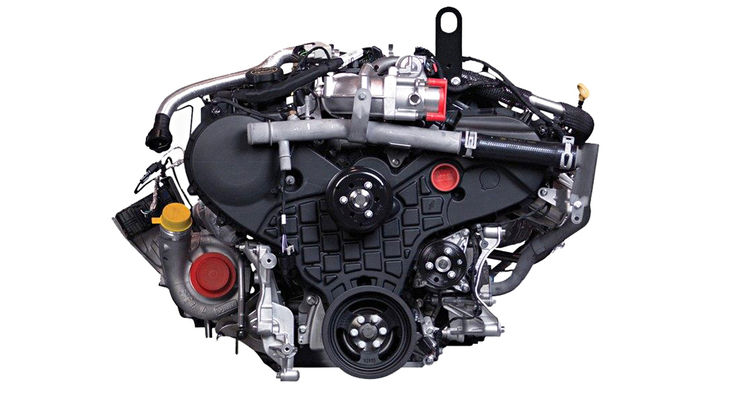
With the 2nd-generation Amarok, the 3.0-litre V6 turbodiesel is a pure bakkie engine. It is from the Ford F-Series range and was designed specifically for pick-ups. And that implies all the additional robustness and redundancy features regarding heat and dust. That’s everything one would expect from a diesel engine where the brief was for high-demand work at low speeds, instead of cruising in ideal conditions on the autobahn.
VW’s huge dealer footprint is a plus
VW South Africa will achieve only a fraction of Ford’s monthly Ranger volumes with the new-gen Amarok, but it has more dealers to support that effort. And for customers, that could mean a very targeted and value-enhanced experience.
If you are in the market for a leisure double-cab bakkie, the Ford-powered and designed Amarok could be a great stealth deal – and ownership prospect.
Toyota Land Cruiser 300 Bakkie Custom Announced
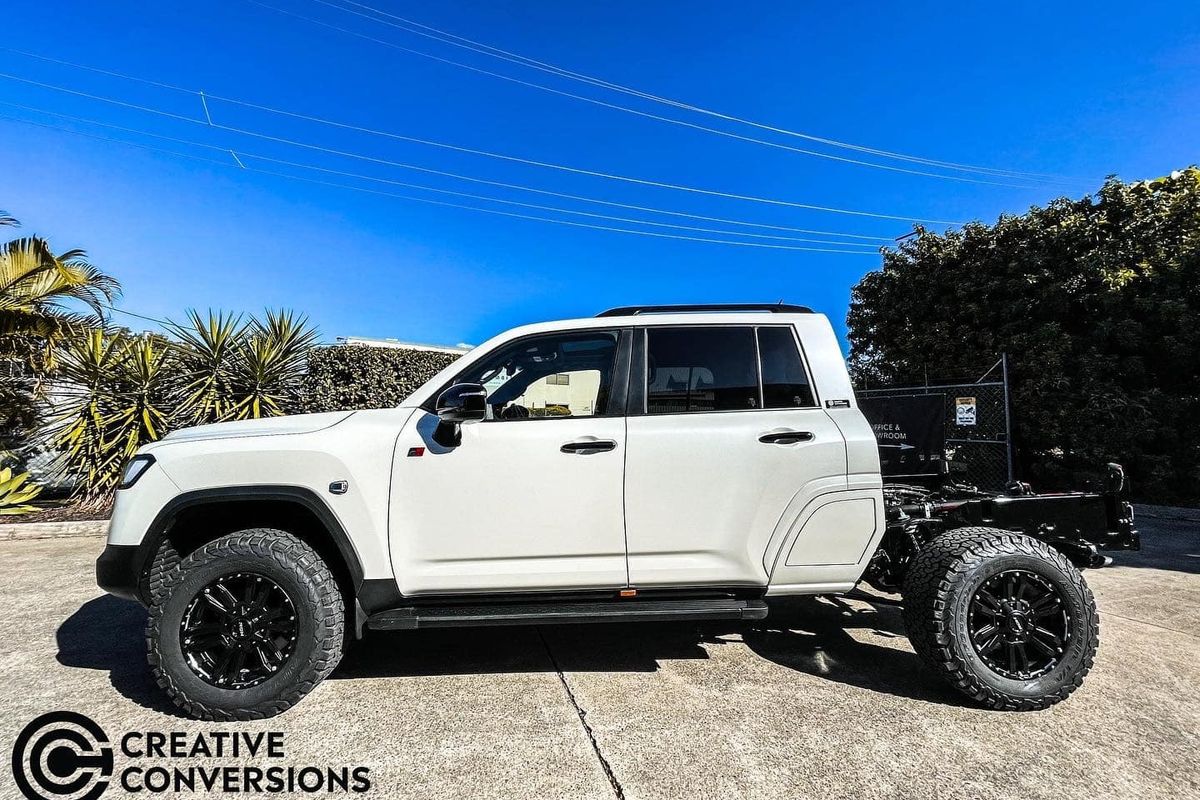
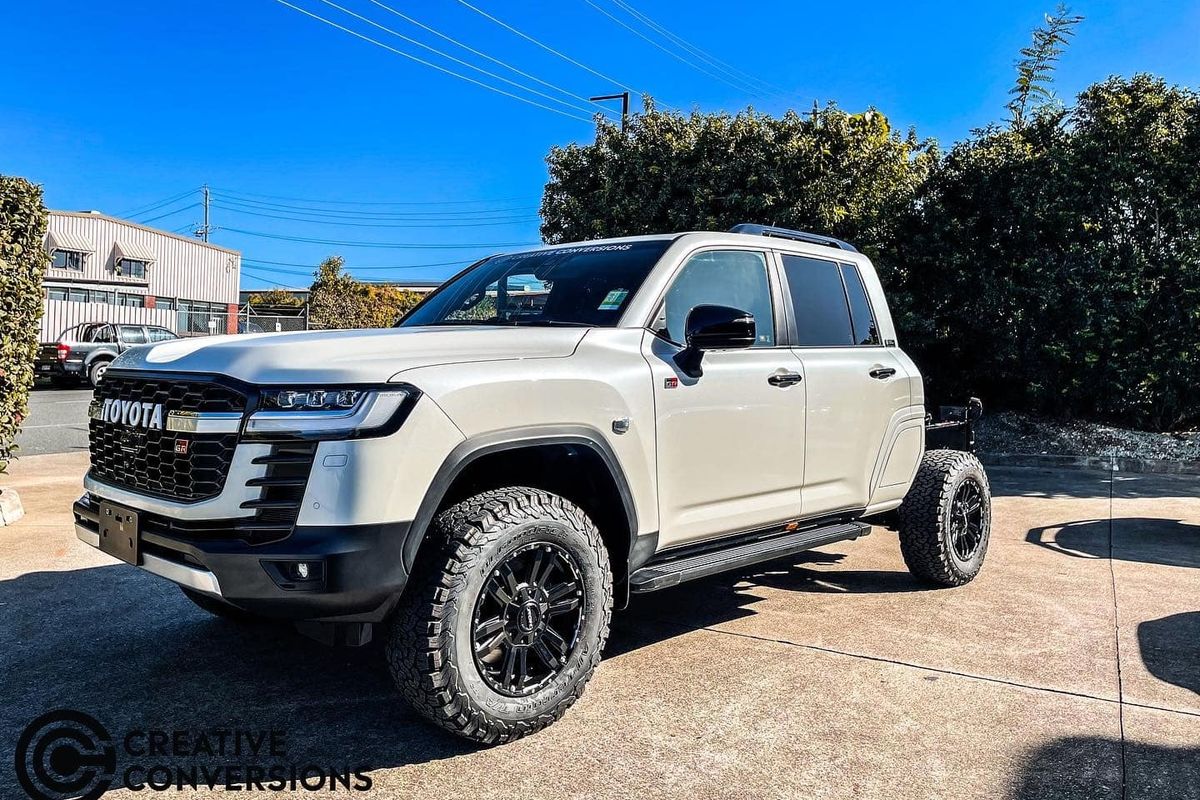
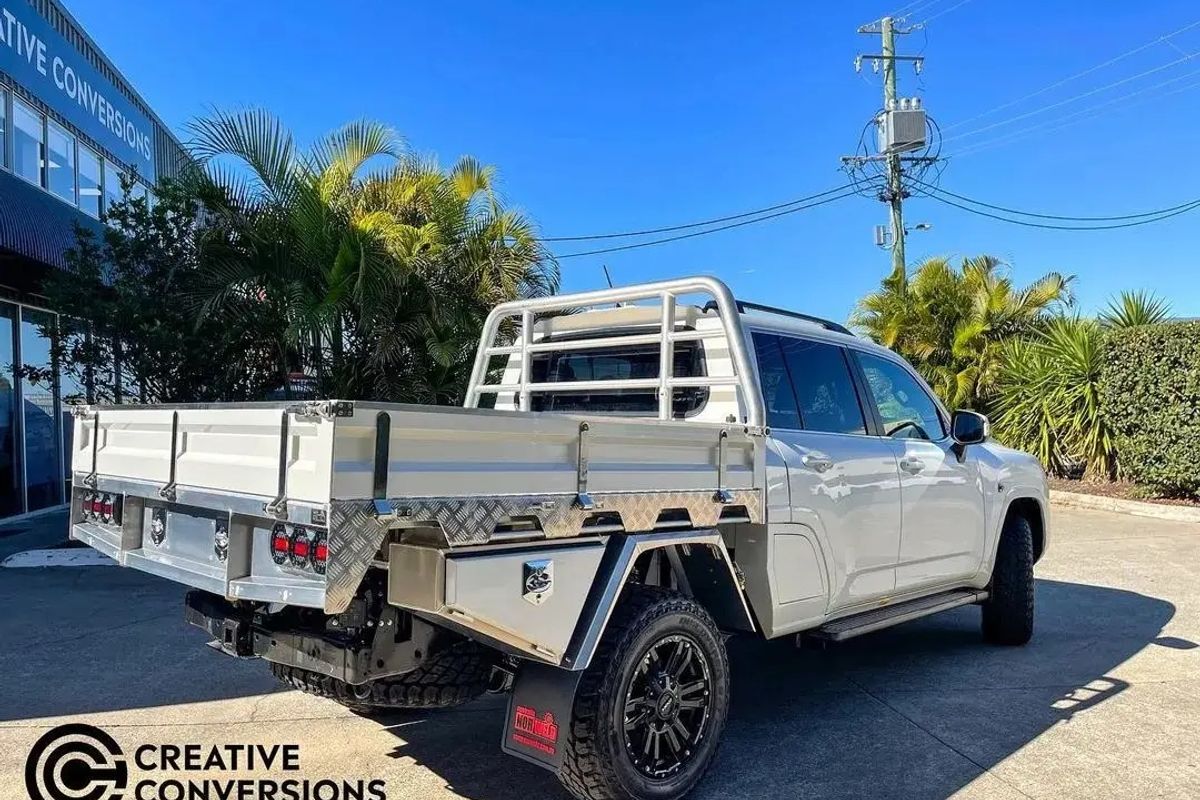
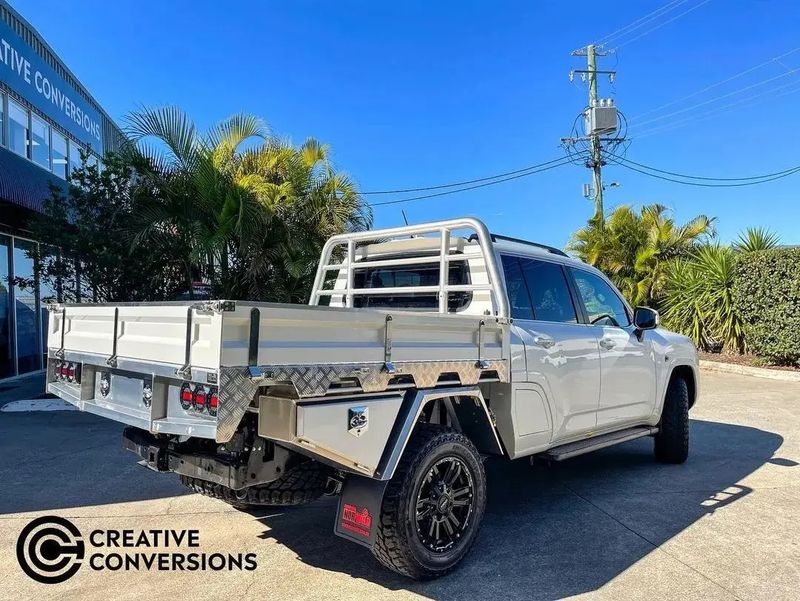
We didn’t think a Toyota Land Cruiser 300 bakkie would be possible, yet an Australian company has managed to build a few. We’re obsessed!
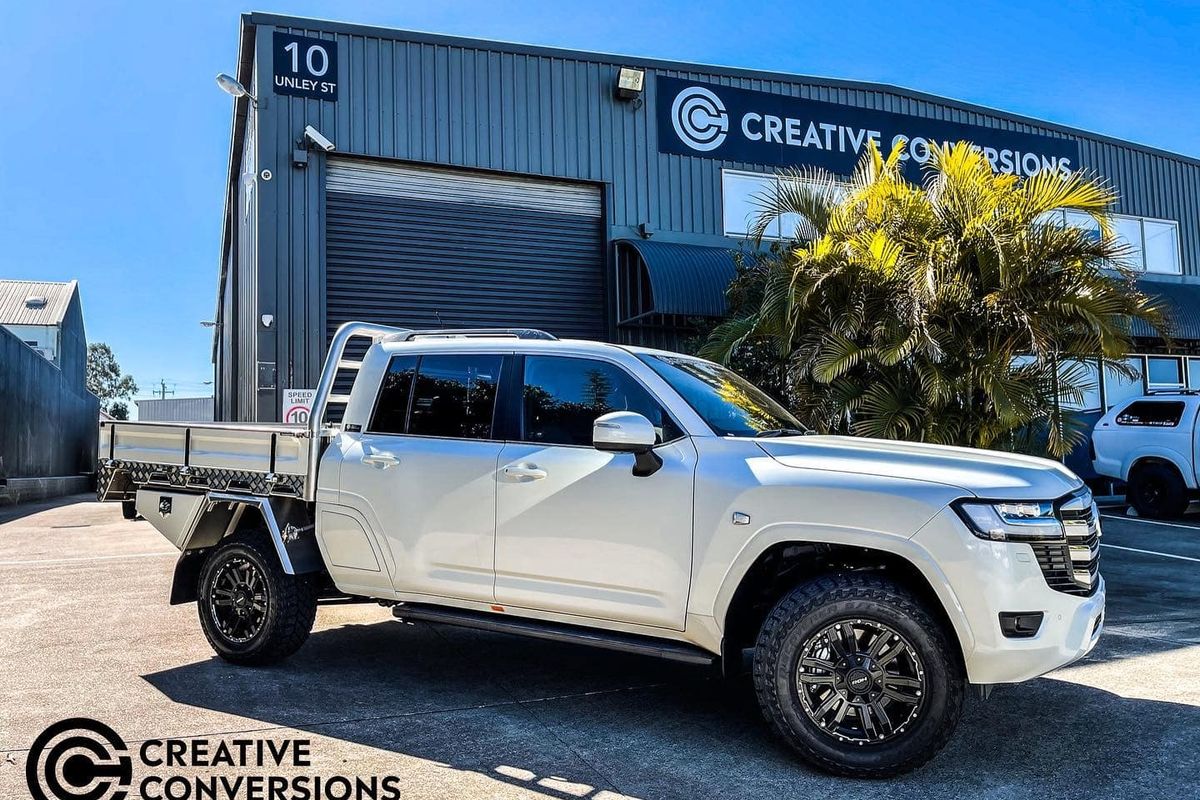
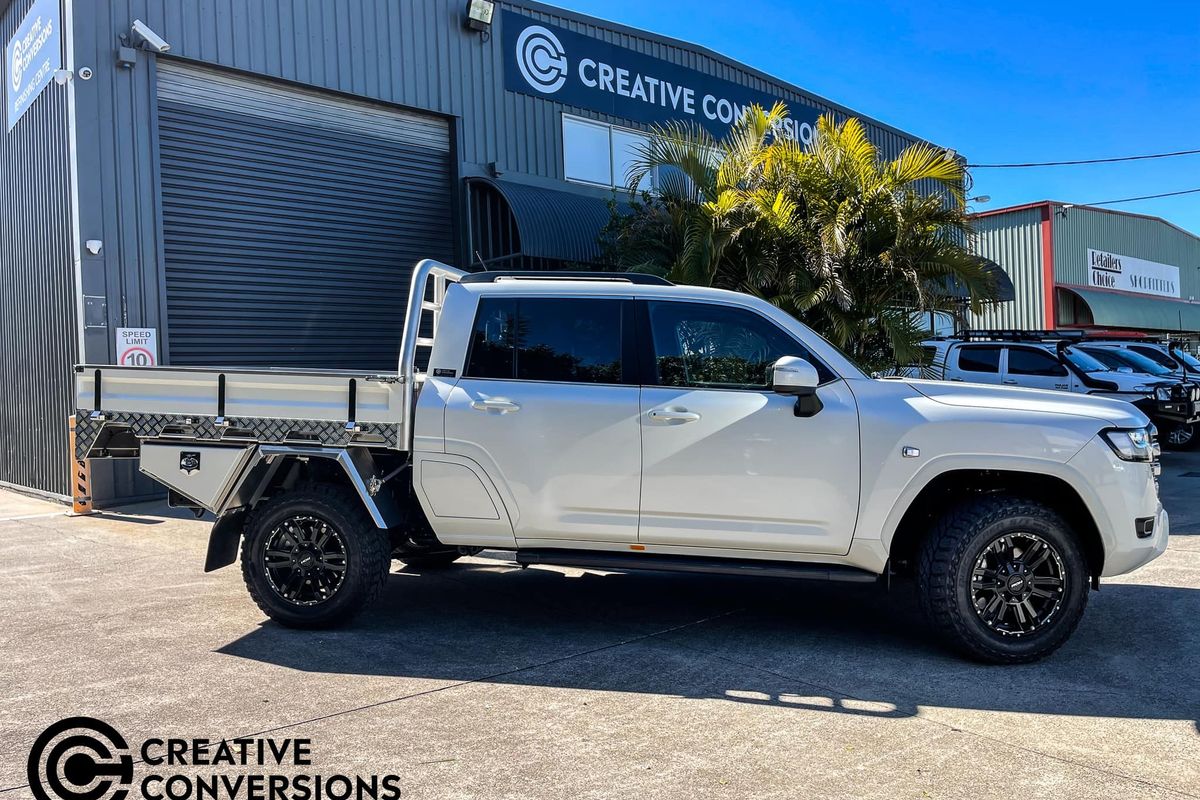
Officially, the Toyota Land Cruiser 300 bakkie doesn’t exist as the Japanese carmaker has not given the green light to build a commercial version of the luxurious SUV. That has not stopped Creative Conversions over in Australia from building a variety of commercially-focused Toyota Land Cruiser 300 bakkie units for sale.
What you see here is not a once-off conversion just for show, but rather the start of a production line. Creative Customs has put in many hours and invested heavily in its research and development, as well as its production facility to satisfy demand.
So, what’s on offer here? The LC 300 bakkie is underpinned by the new TNGA-F platform, and Creative Customs has three options available with two sizes of load bay, two tow ratings and three gross combination mass ratings.
Conversion Option 1: Dual Cab Conversion 700 or 800 mm load-bay extension 3800 GVM- 3500 TOW with combined GCM 7300 kg
Conversion Option 2: Dual Cab Conversion 700 or 800 mm load-bay extension 4495 GVM- 3500 TOW with combined GCM 7995 kg
Conversion Option 3: Dual Cab Conversion 700 or 800 mm load-bay extension 4495 GVM- 4200 TOW with combined GCM 8200 kg
Impressively, Creative Conversions is officially registered as second stage manufacturing, which is recognised by Australian transport law, so the above ratings are approved by government. The above numbers are deeply impressive and the LC 300 bakkie is better at towing than its SUV counterpart.
As a reminder, the Toyota Land Cruiser 300 is available with a choice of either a petrol twin-turbo 3.5-litre unit is employed in tandem with a 10-speed automatic transmission to deliver peak outputs of 305 kW and 650 Nm of torque, or a 3.3-litre V6 diesel with maximum outputs of 225 kW and 700 Nm of torque, also paired to a 10-speed automatic.
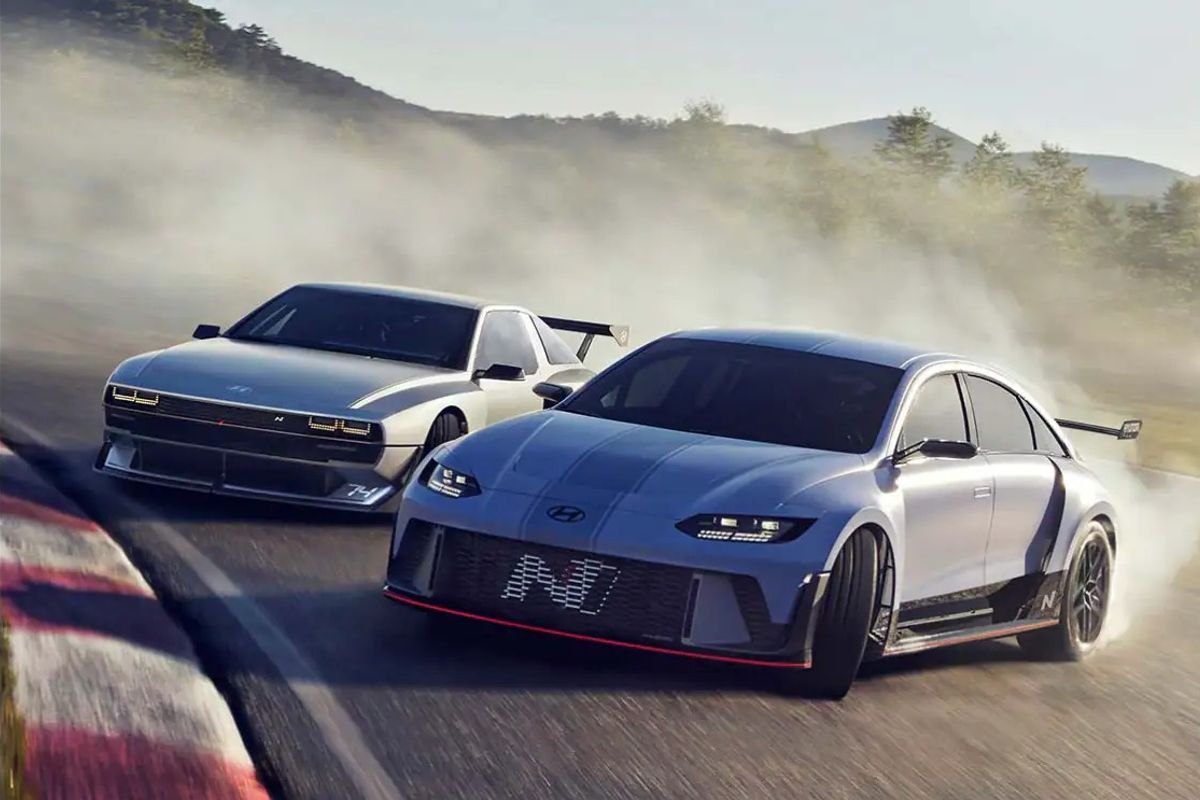
Hyundai’s N Division has delivered cars such as the i20 N, i30 N, Veloster N (discontinued), Elantra N and more recently, the Kona N to performance fans but the forthcoming Ioniq 5 N will be the brand’s first proper stab at a high-performance electric car.
“In just seven years, Hyundai N has become the fastest evolving performance brand. N is moving forward to set new standards in sustainable high performance. We enthusiastically start this new chapter of electrified high-performance and will pursue this goal by using our creativity, engineering expertise and competitive spirit”, says Till Wartenberg, Vice President of N Brand Management & Motorsport Sub-Division at Hyundai Motor Company.
These “rolling concepts” exist to verify technology that may be intoridced in future production models.
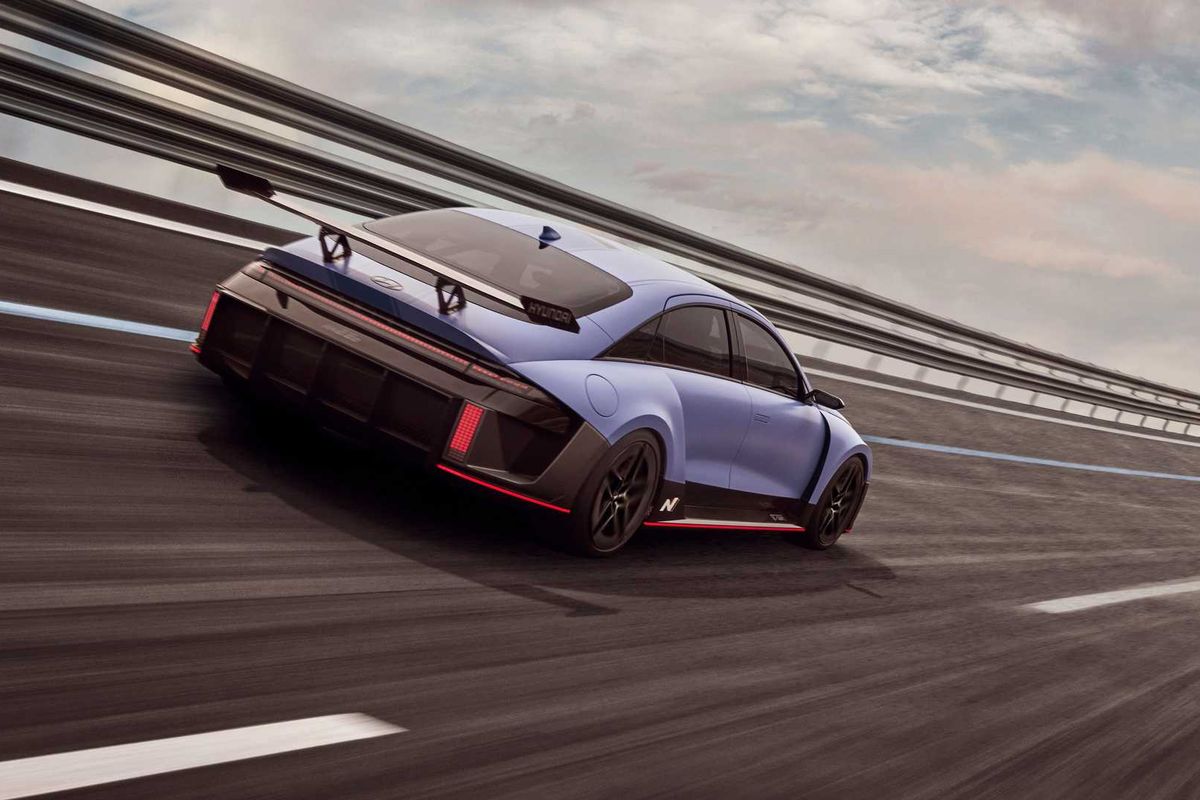
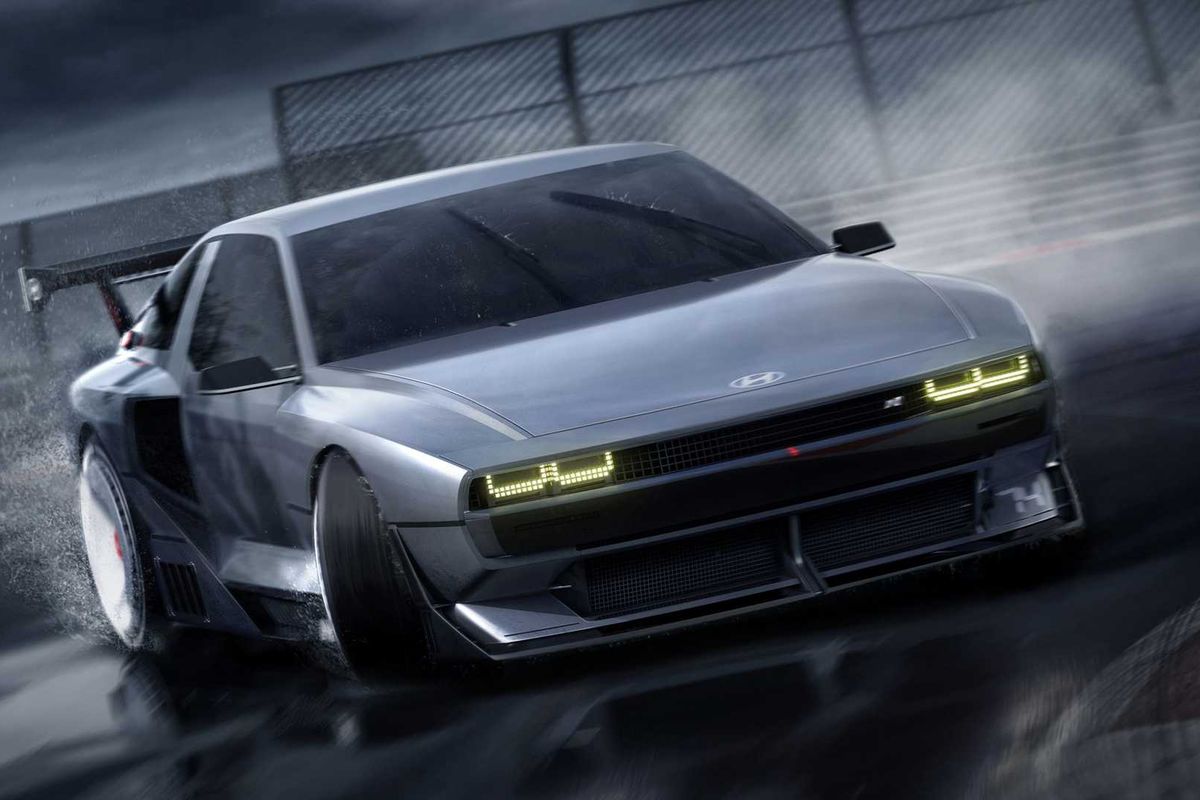
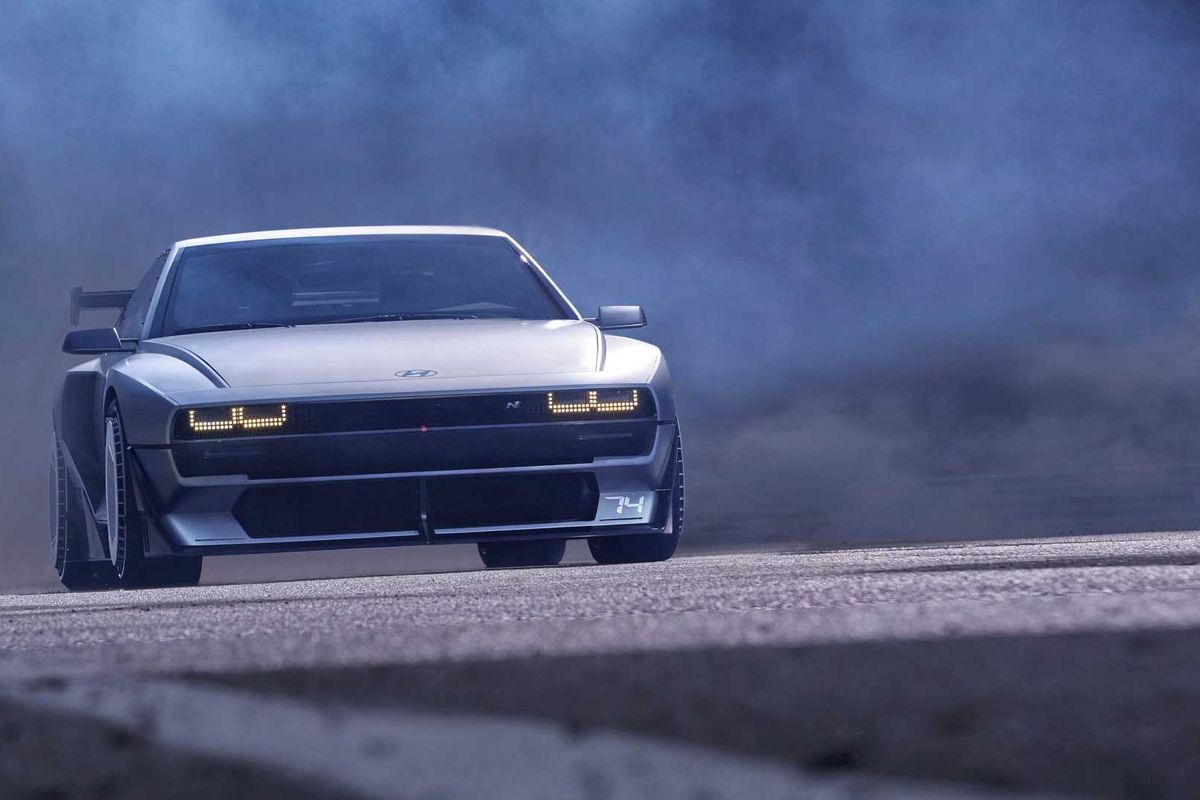
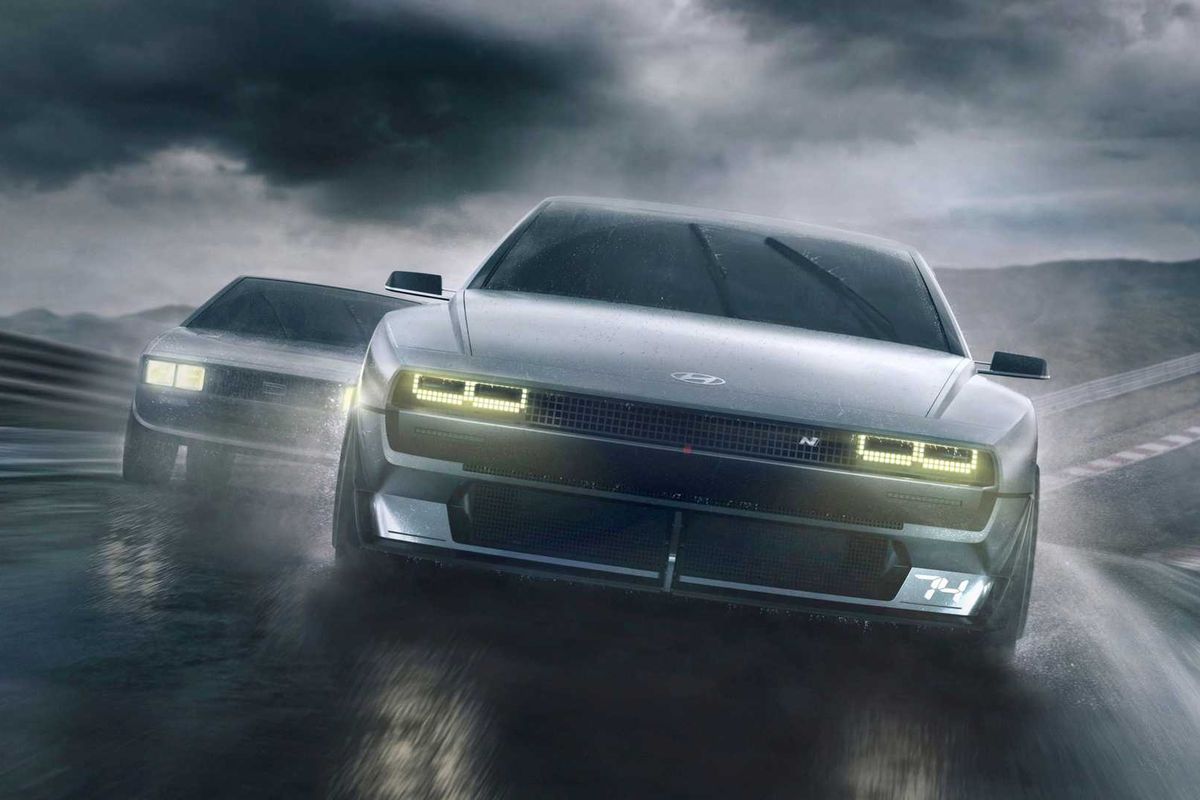
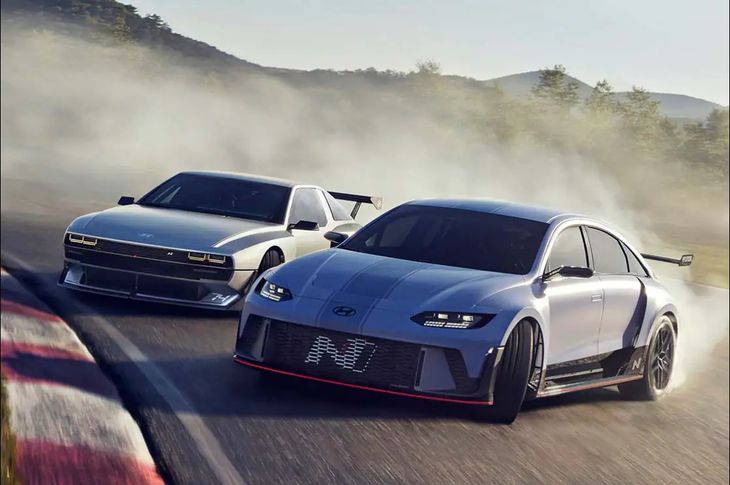
But that’s not all, Hyundai N has now also revealed 2 concepts that provide a glimpse of Hyundai’s electrification vision. These 2 concepts, the RN22e and the N Vision 74, are what Hyundai calls “rolling lab concepts” which both test and verify the technologies which can then be applied in future production models.
“RN22e and N Vision 74 play an important role in the strategic development of our entire product lineup, especially our electrified, high-performance vehicles. Rolling labs represent the continuous development of our most advanced technologies. This unique approach makes us ready for the challenges of the future by empowering us to push ourselves to the limit,” Thomas Schemera, Executive Vice President and Head of Customer Experience Division at Hyundai Motor Company.
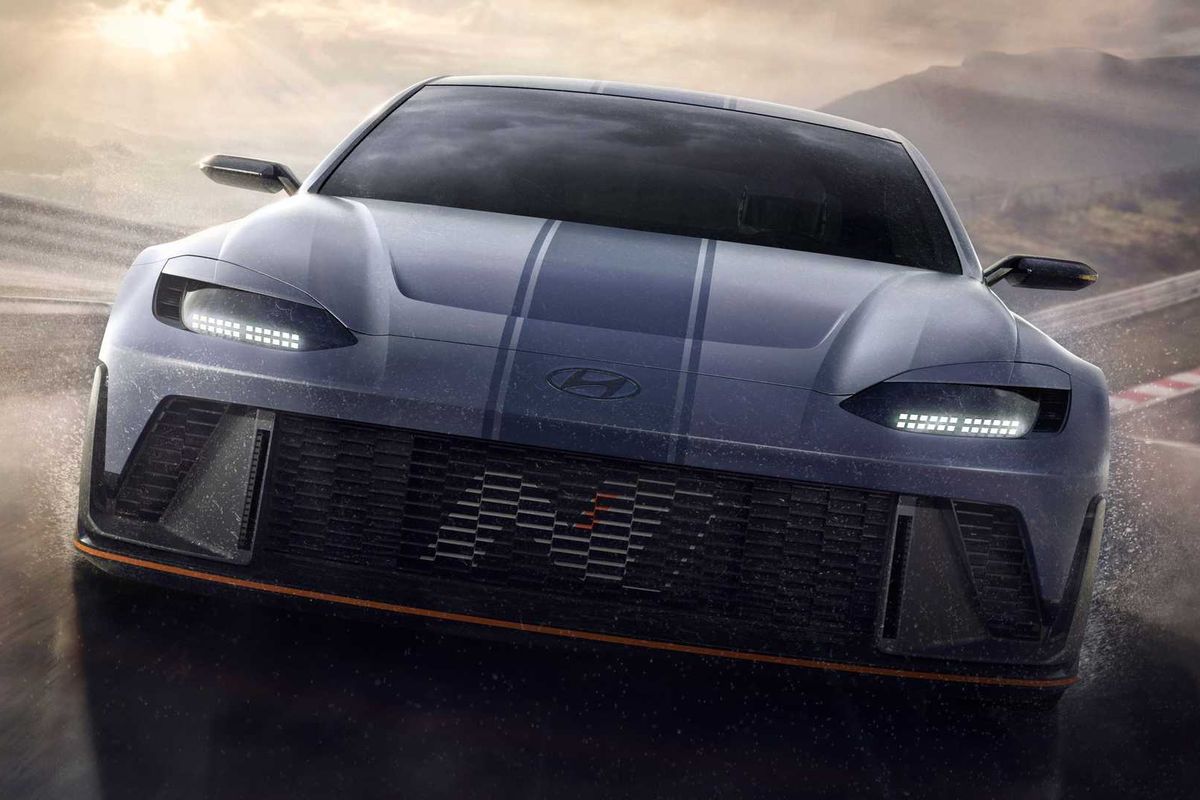
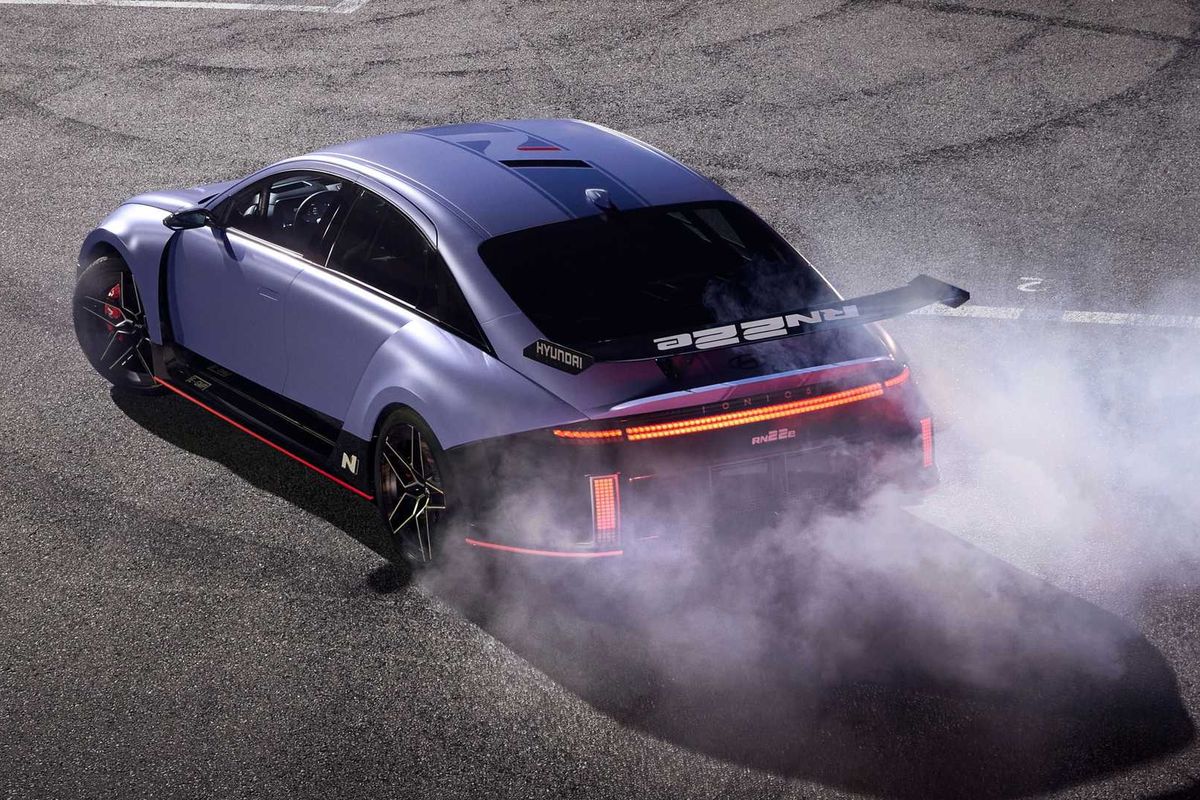
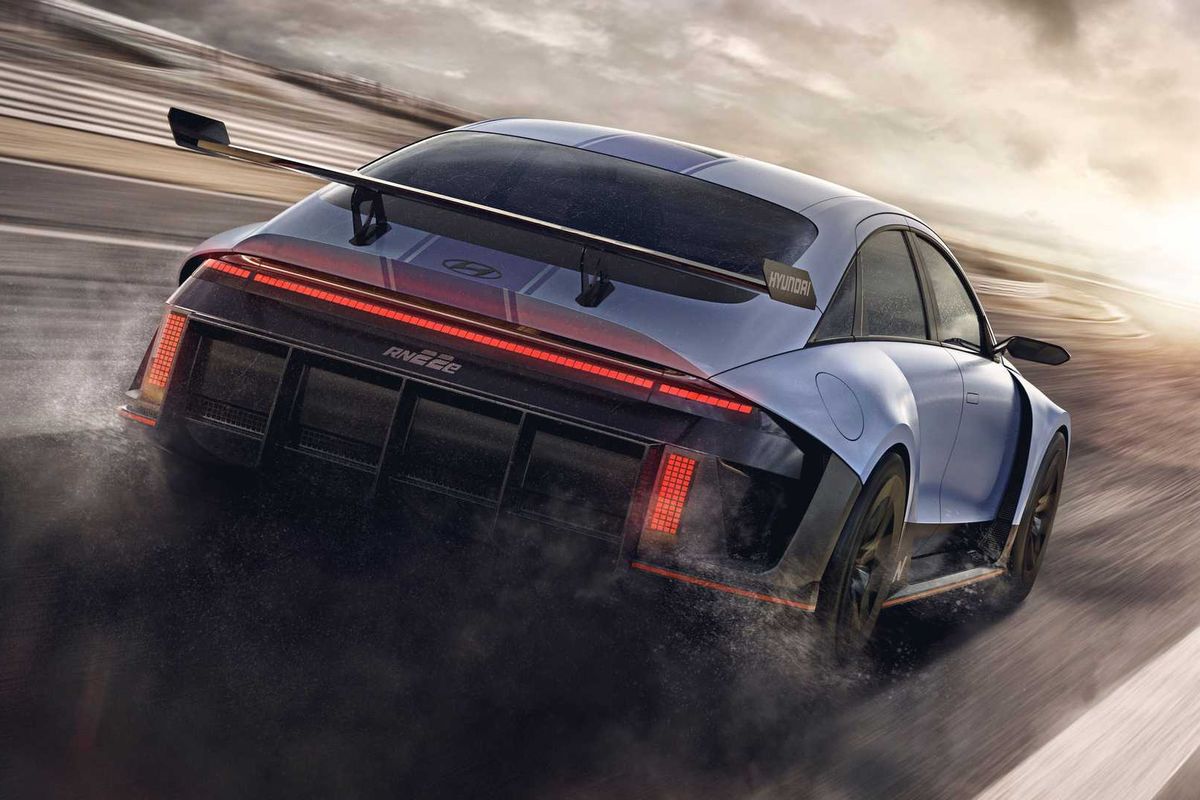
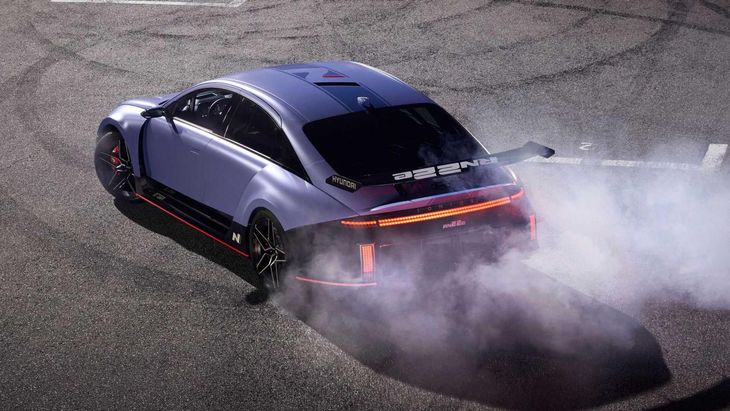
The RN22e is the test bed for high performance electric mobility from Hyundai.
The RN22e combines the body design of Hyundai’s recently-revealed Ioniq 6 while optimising the firm’s E-GMP electric platform and hints at a future high-performance N model. This concept focuses on developing and advancing 3 performance pillars including cornering, racetrack capability and dynamic movement.
The RN22e concept measures 4 915 mm long, 2 023 mm wide and 1 479 mm tall with a 2 950 mm wheelbase. The concept is said to offer a combined power output of 430 kW and 740 Nm with front and rear electric motors. Equipped with a 77.4 kWh battery with 400 V / 800 V fast multi-charging capability, the RN22e can charge from 10% to 80% in just 18 minutes, according to Hyundai.
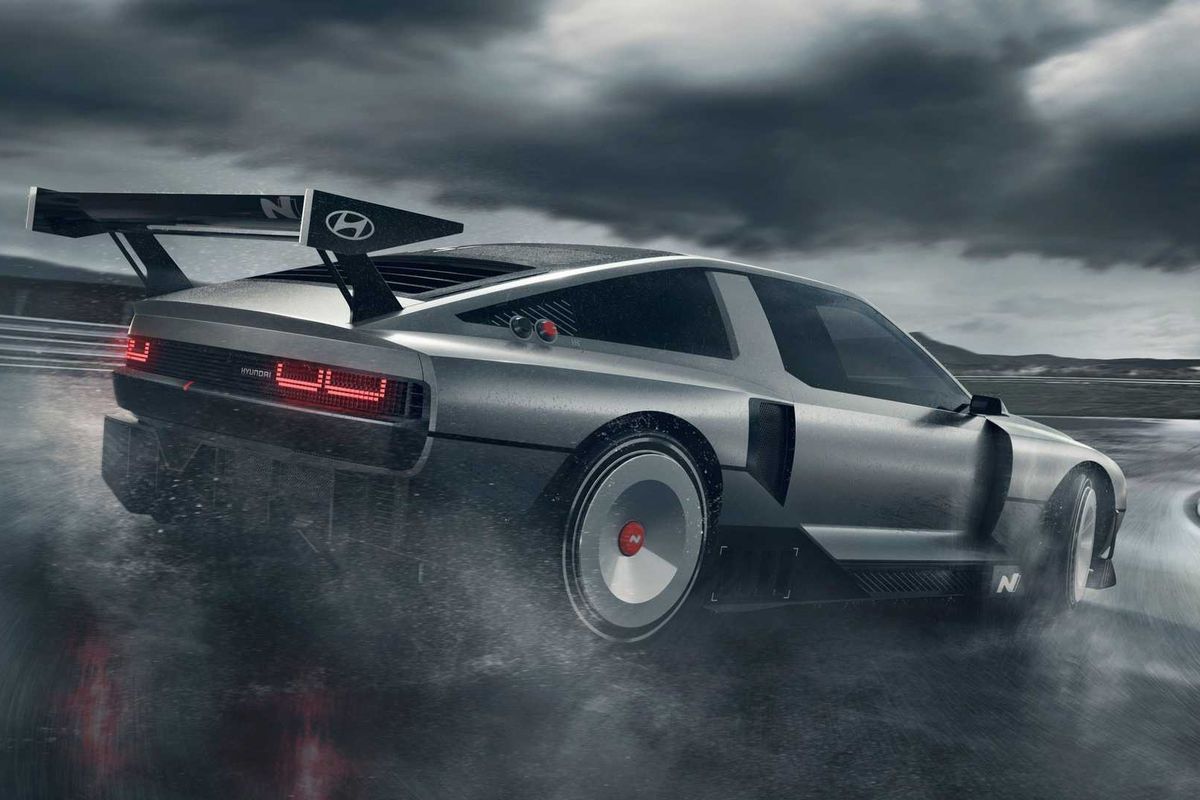
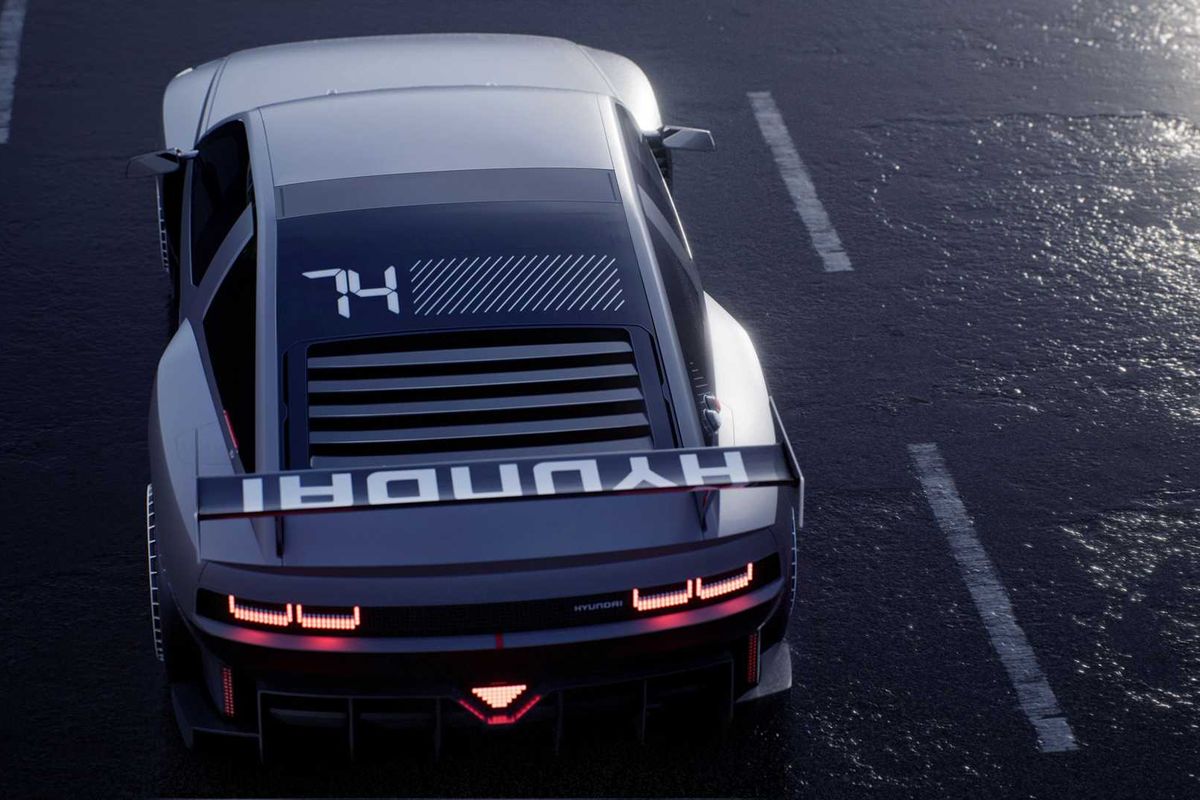
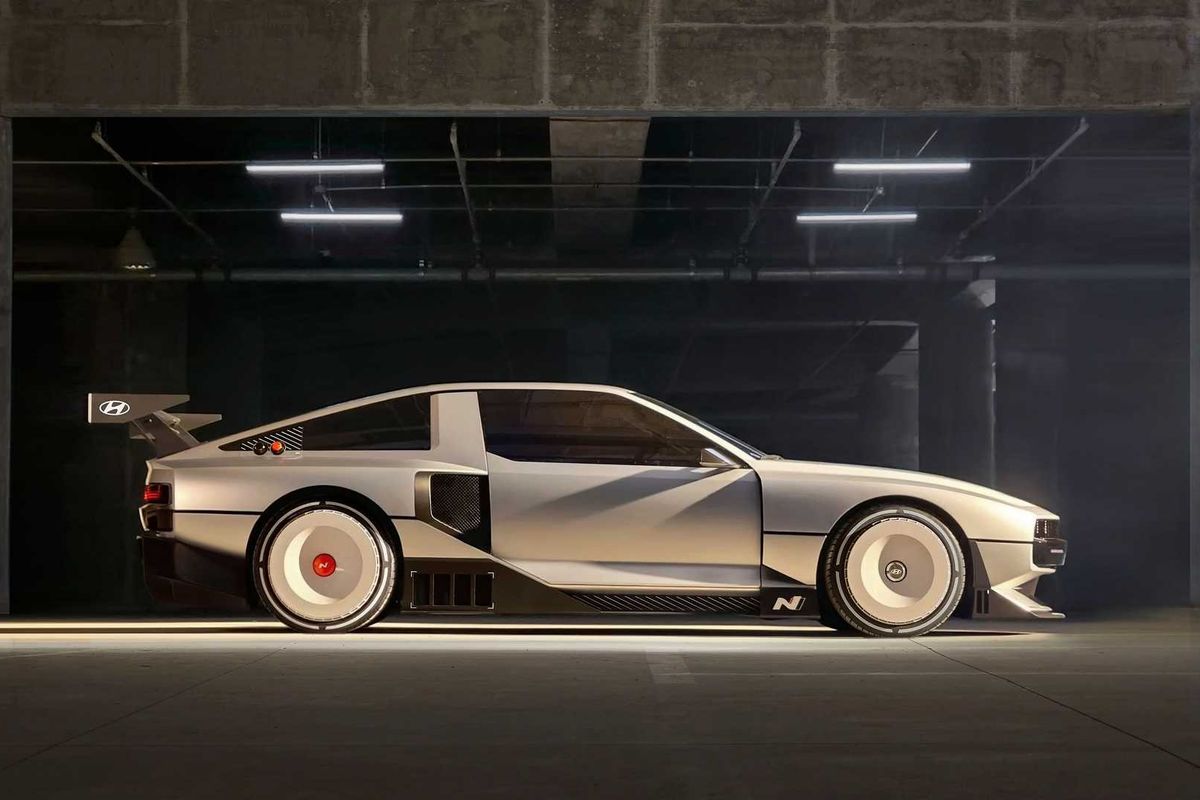
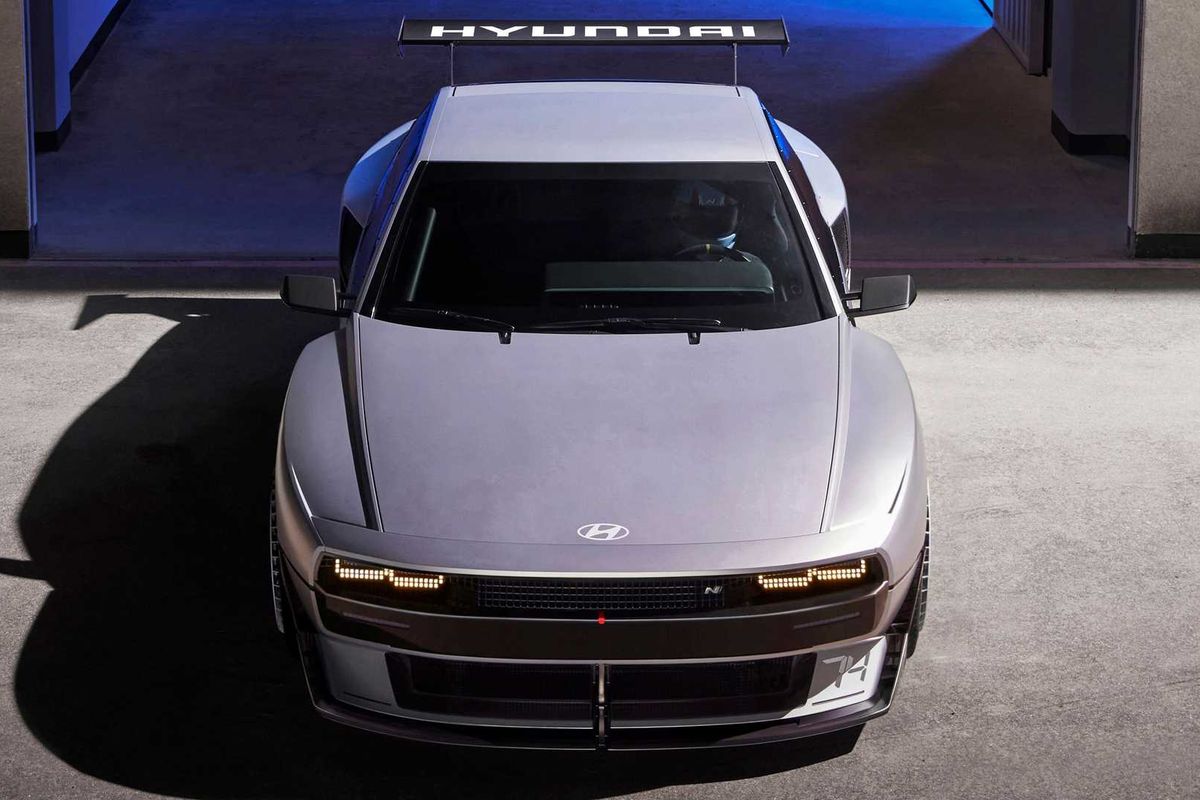
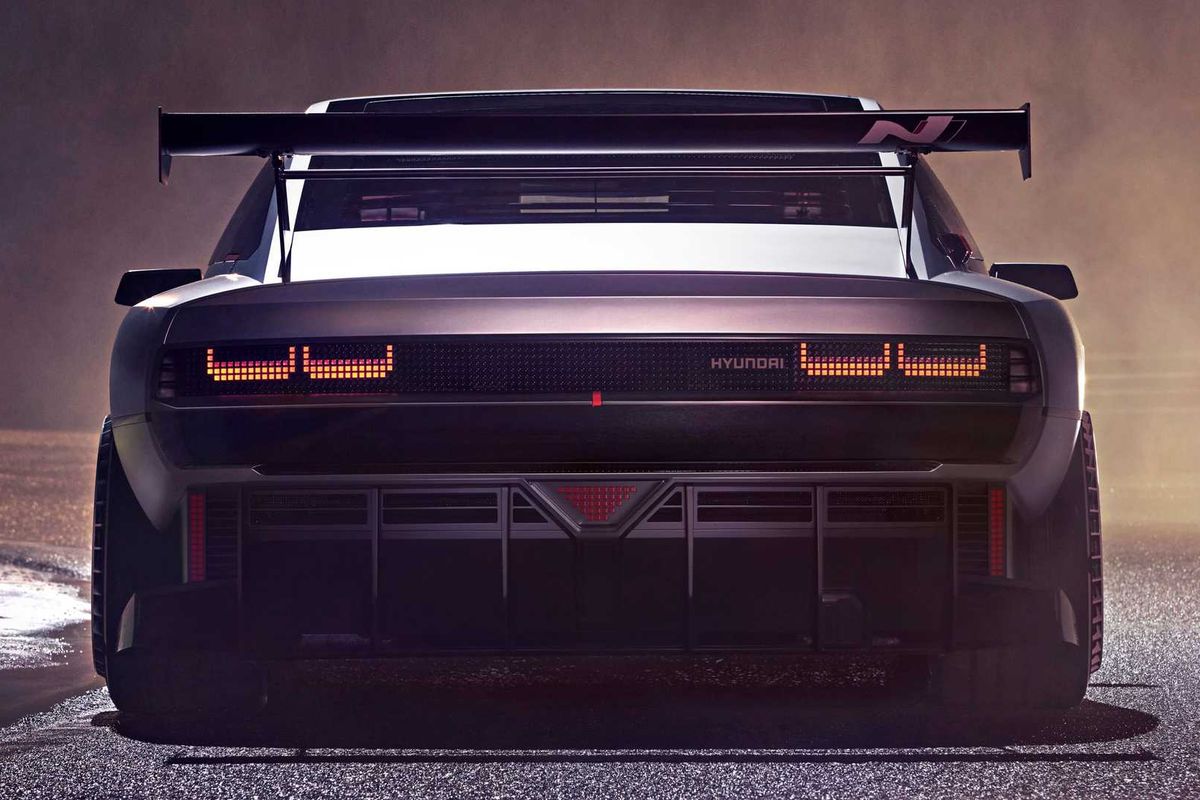
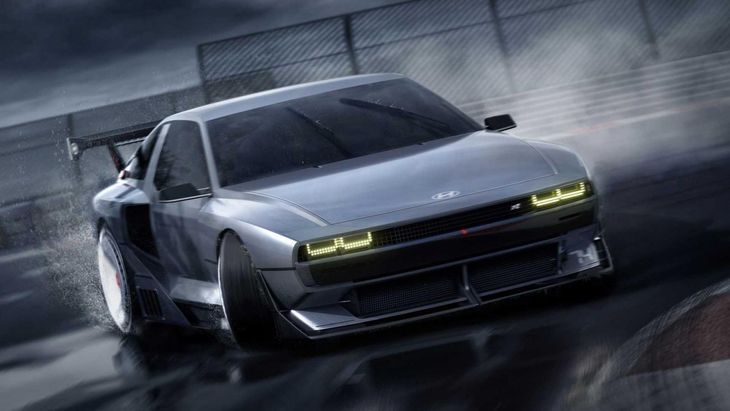
The N Vision 74 boasts retro styling and a hydrogen fuel cell hybrid powertrain with 500 kW and 900 Nm.
As for the N Vision 74 concept, it draws inspiration from the Hyundai N 2025 Gran Turismo and the 1974 Hyundai Pony Coupe, boasting retro styling and a hydrogen fuel cell hybrid powertrain.
The N Vision 74 concept measures 4 952 mm long, 1 995 mm wide and 1 331 mm tall with a 2 905 mm wheelbase. The powertrain combines both battery-electric power with hydrogen fuel cell technology, which improves cooling performance (with a 3-channel cooling system) while drawing on 2 power sources in different driving situations. Hyundai says that the system delivers better torque-vectoring and cornering ability with twin motors over the rear axle.
Total outputs for the N Vision 74 Concept comes in at 500 kW and 900 Nm (rear wheels). A 62.4 kWh battery offers 800V fast charging capability. The hydrogen fuel cell system comprises a 4.2 kg tank capacity with a maximum 95 kW fuel cell stack.
Considering these 2 new concepts as well as the forthcoming Ioniq 5 N, we can certainly expect exciting electric N cars from Hyundai in the future.
Which one of these latest concepts from Hyundai do you like the most?