2023 Mercedes-Benz Sprinter is the most capable yet
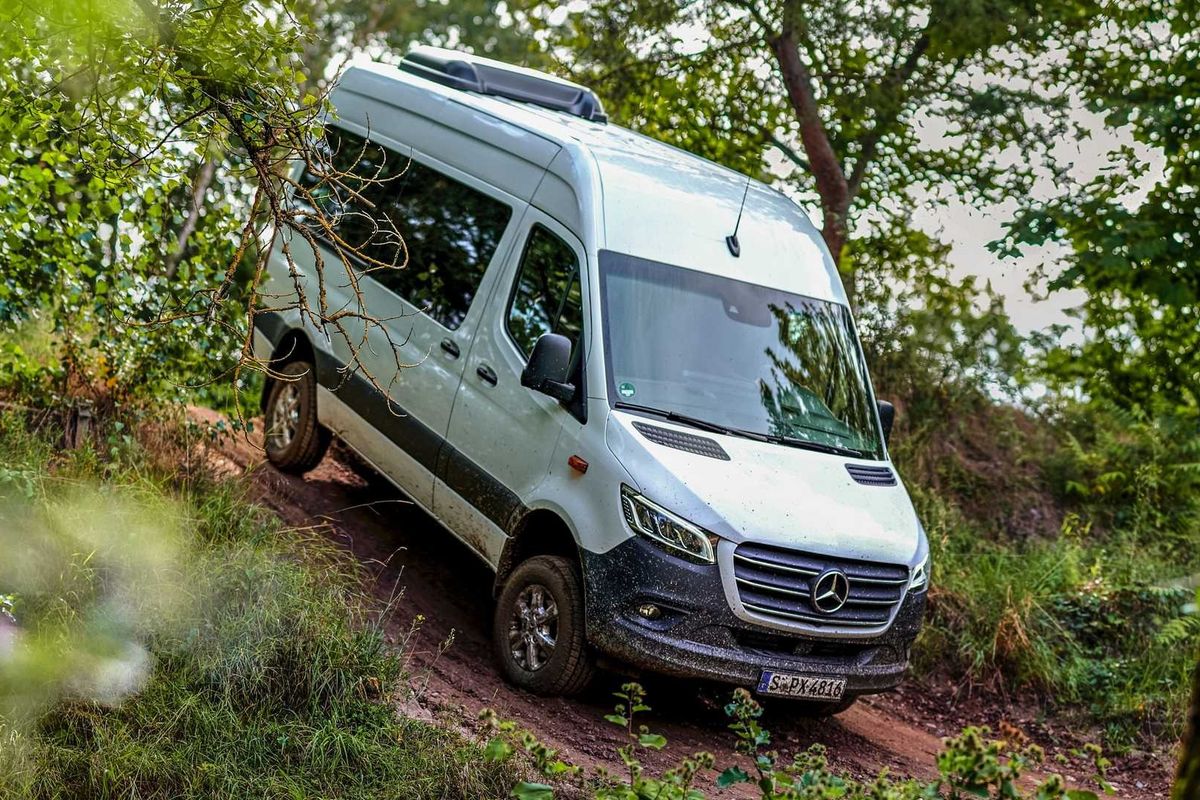
The 2023 Mercedes-Benz Sprinter has been given a raft of updates, including the ability to drive on some awful roads.
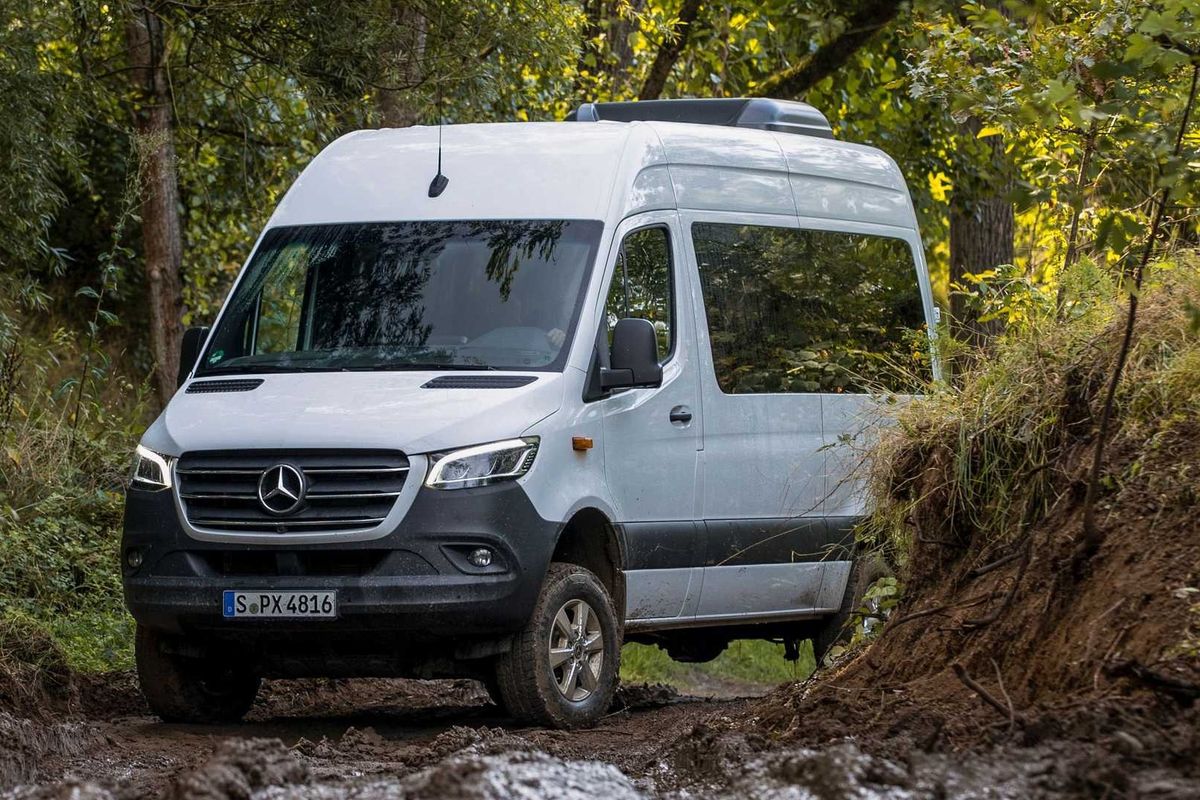
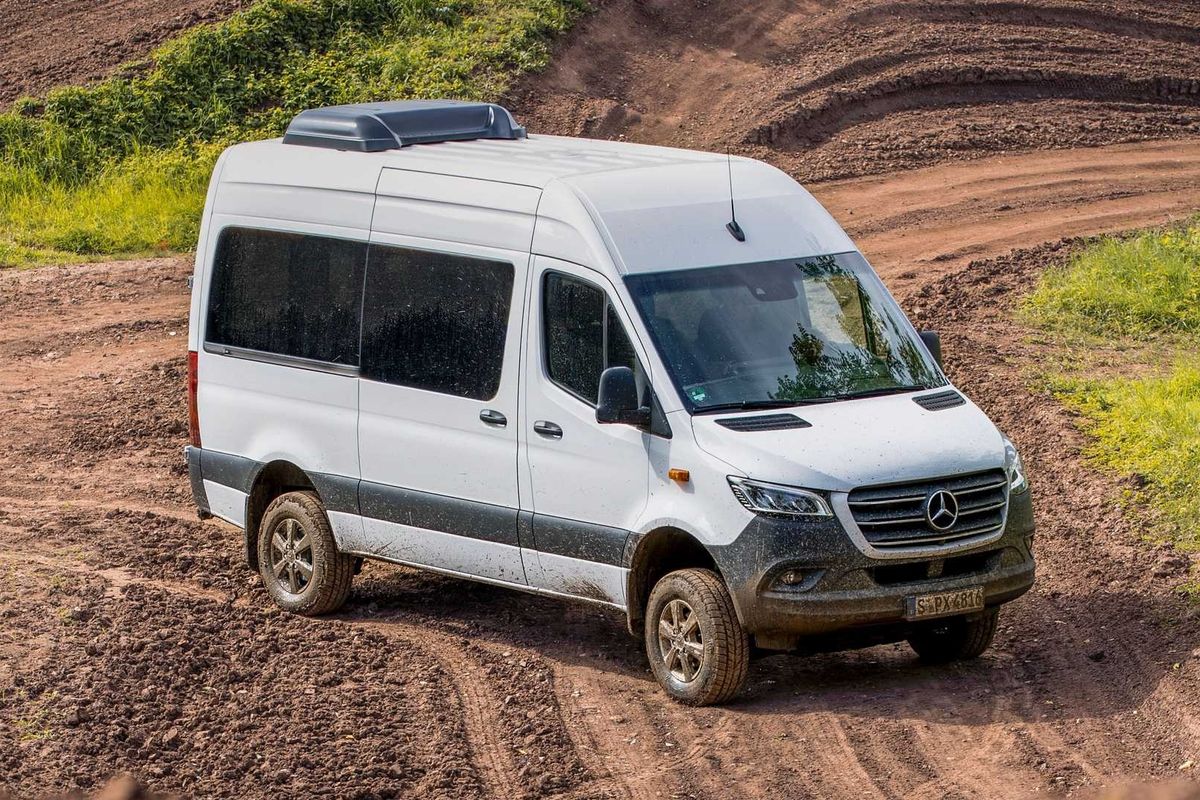
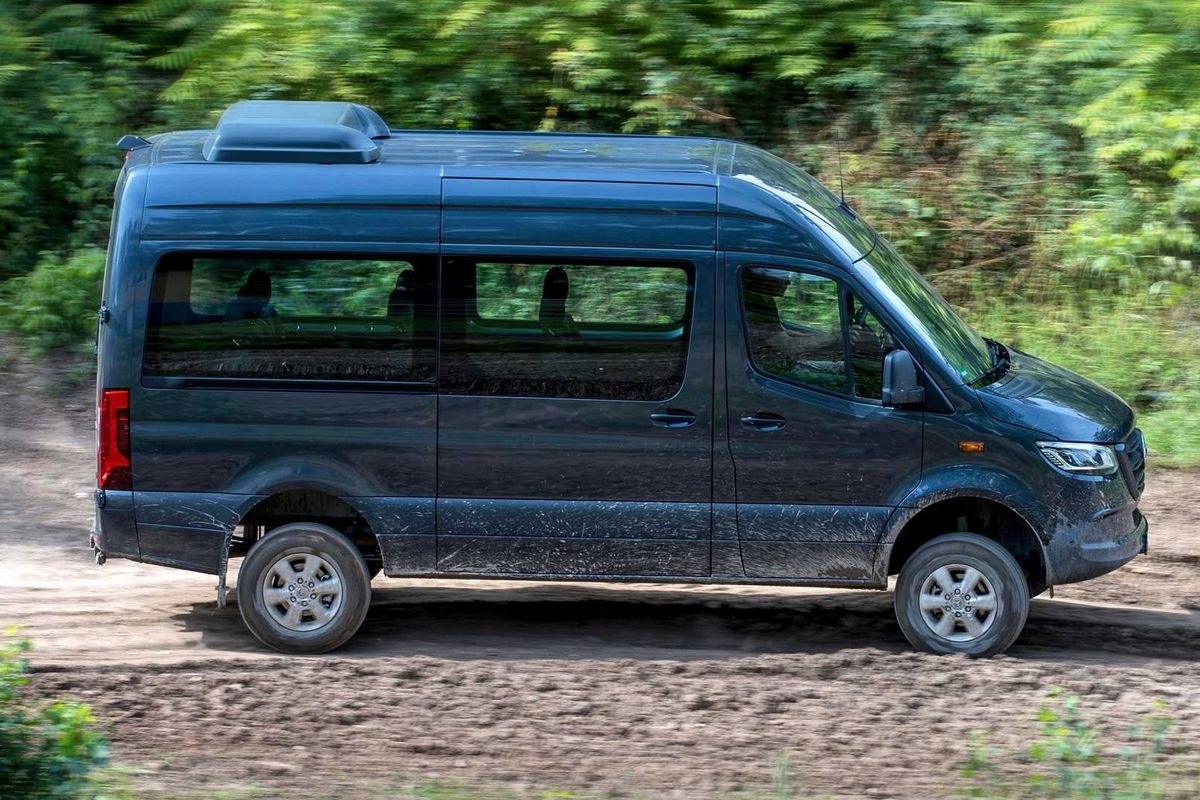
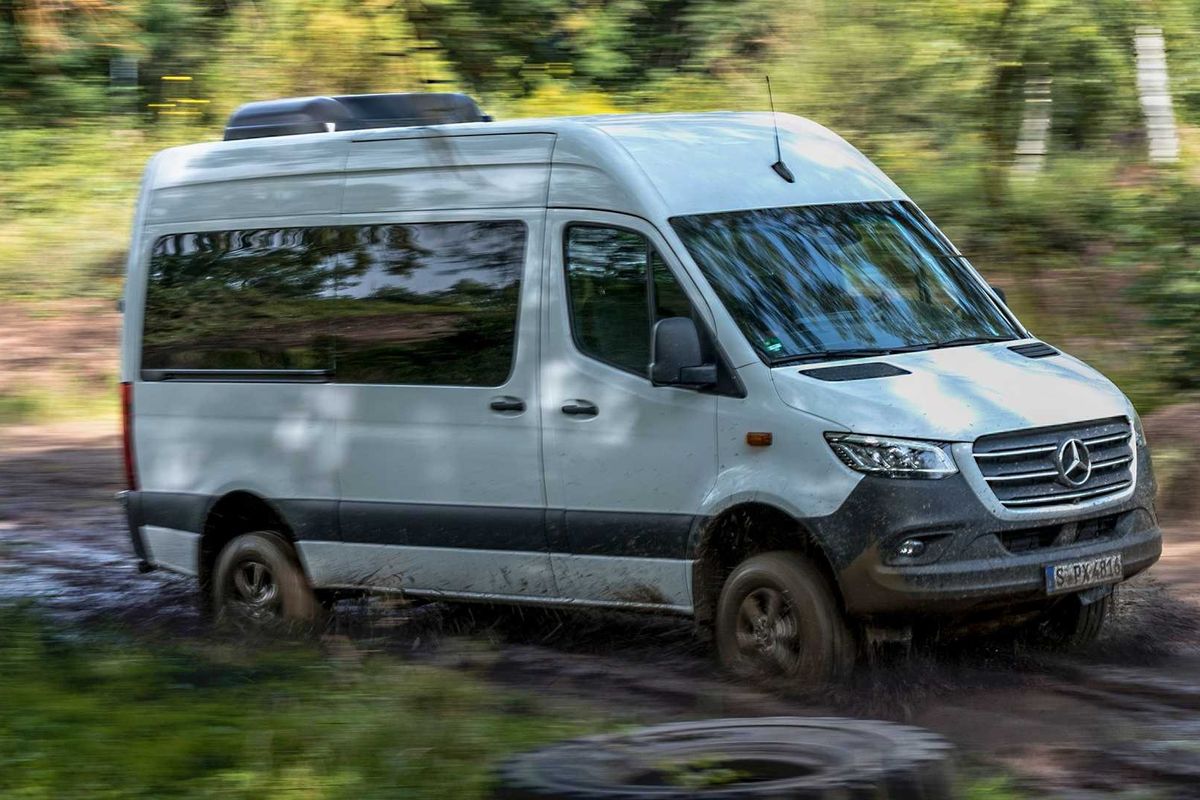
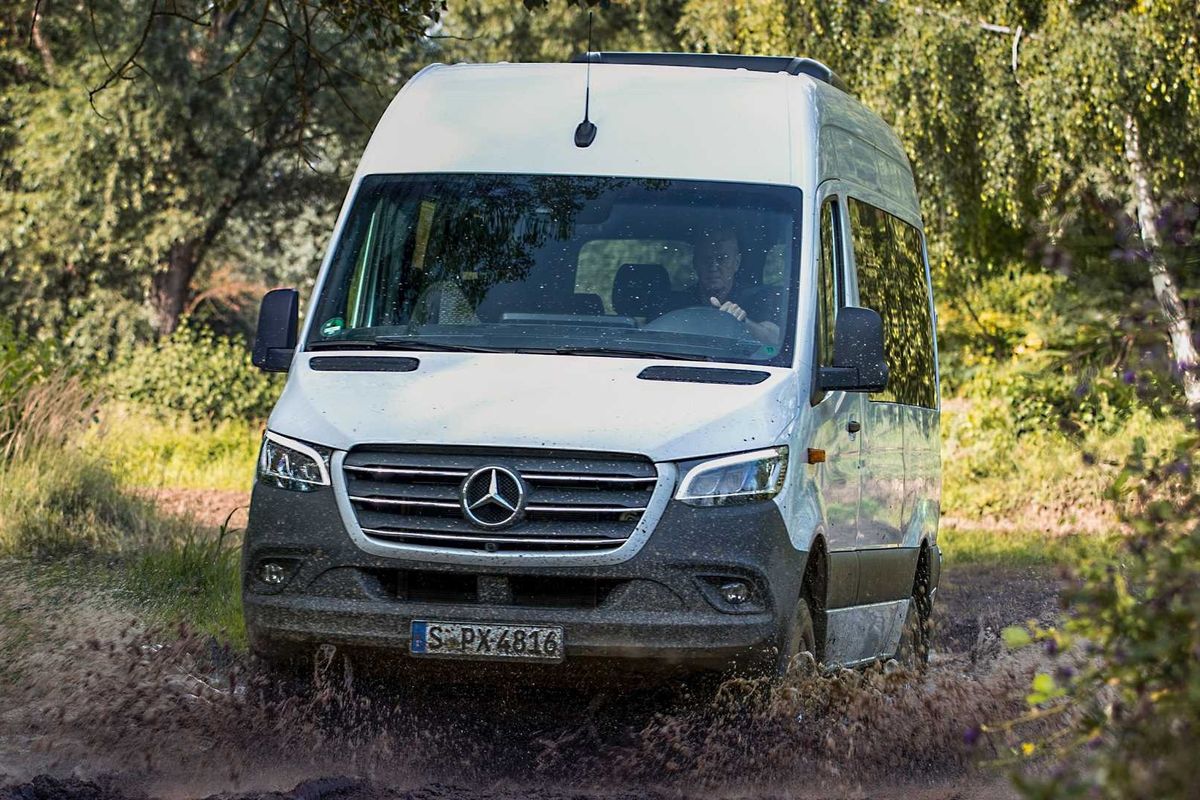
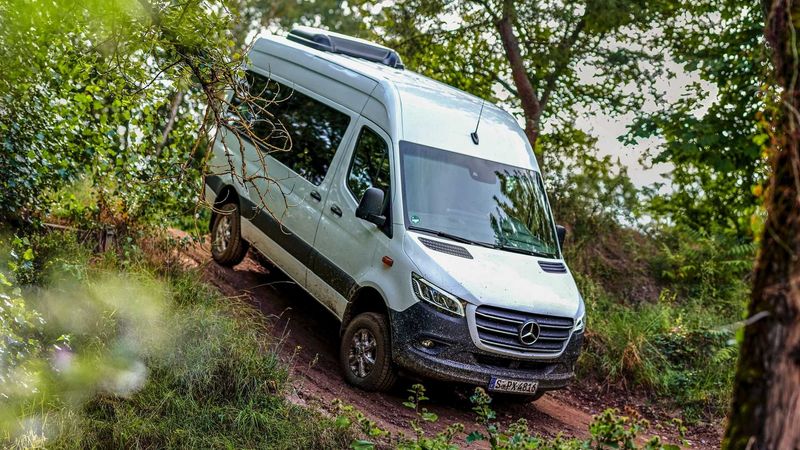
What you see here is the 2023 Mercedes-Benz Sprinter in an unusual environment. You’d expect to see the multi-seat big bus from Mercedes-Benz in a city, providing transport for many people and yet, these pictures tell a different story.
Under the skin is a new all-wheel-drive setup that allows a torque split of up to 50% for each axle. Mercedes-Benz claims this new model has favourable ground clearance as well as good approach and departure angles.
Given South Africa’s deteriorating roads and the inclement weather we’ve had over the past few months, we could see the Mercedes-Benz Sprinter making a case for itself as a go-everywhere people mover.
As far as engines are concerned, the new 2023 Mercedes-Benz Sprinter gains a new 2.0-litre 4-cylinder motor that replaces the 3.0-litre turbodiesel V6. There are two states of tune, with 125 kW and 400 Nm, and 155 kW and 450 Nm. These outputs compare favourably to the outgoing engine which could only muster 140 kW and 441 Nm. A petrol 2.0 engine is also available with 140 kW and 350 Nm.
All Sprinter models feature the Mercedes-Benz 9-speed automatic gearbox with the claim the new transmission offers improved fuel economy. A shorter 1st gear means faster acceleration off the line.
An electric 2023 eSprinter model will be following soon, with Mercedes-Benz upgrading its South Carolina plant to build the new model.
This upgraded 2023 Mercedes-Benz Sprinter hits the United States market in early 2023 and we’re expecting an update from Merc SA soon. Currently, Mercedes-Benz SA offers its Sprinter Inkanyezi 516CDI, which is a fantastic story for the local economy. These Sprinters arrive in SA and are locally converted to suit our market, and Mercedes-Benz SA has structured a pocket-friendly pricing package for commercial operators.
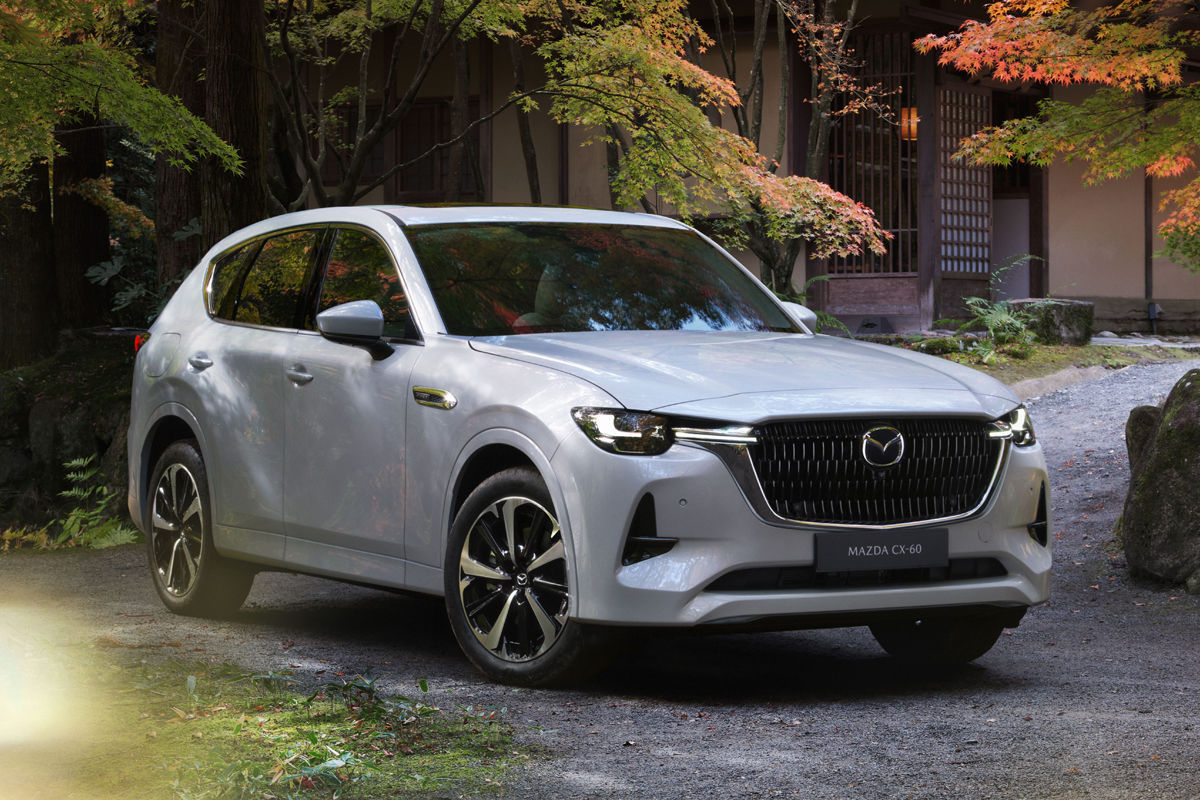
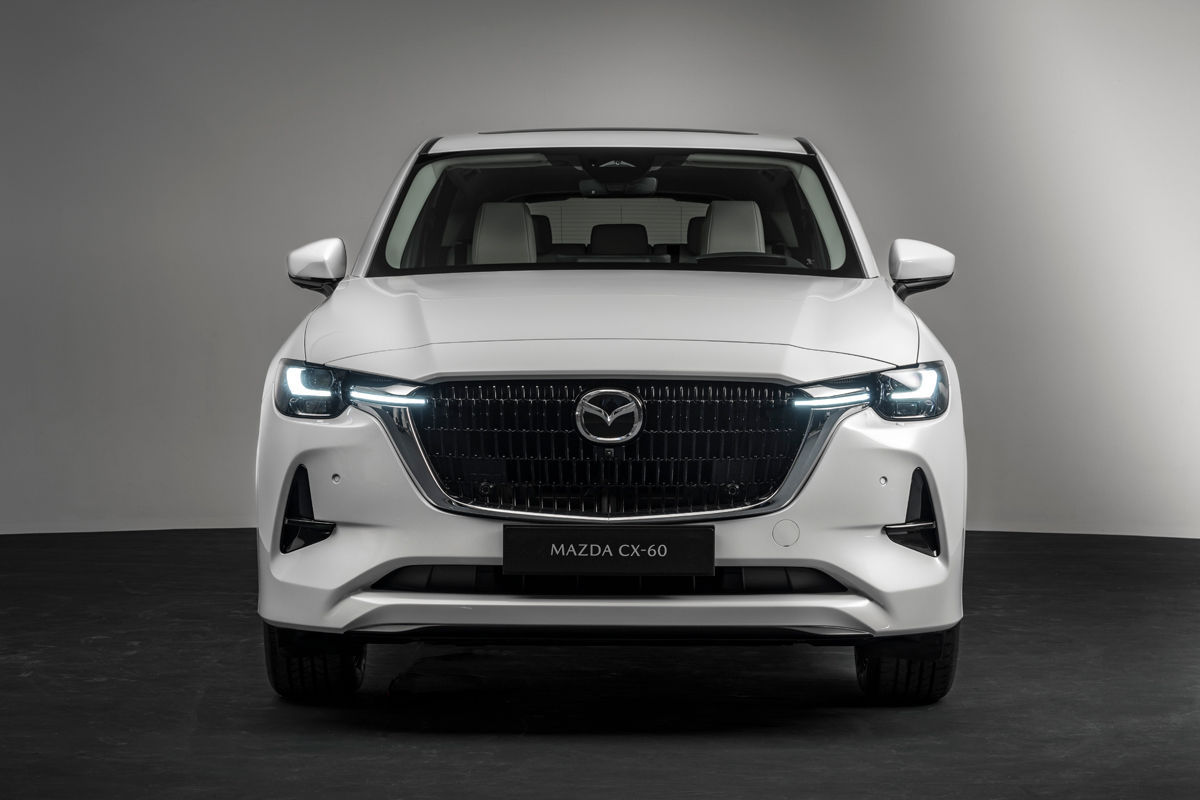
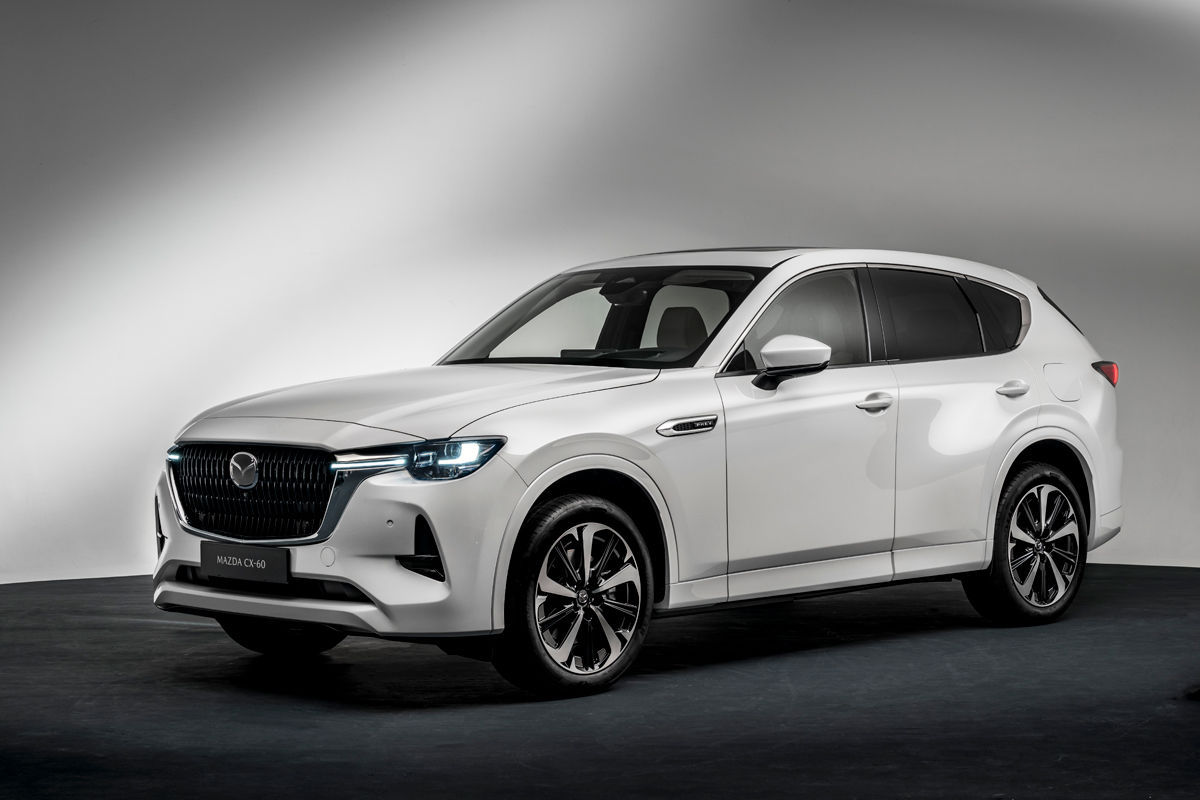
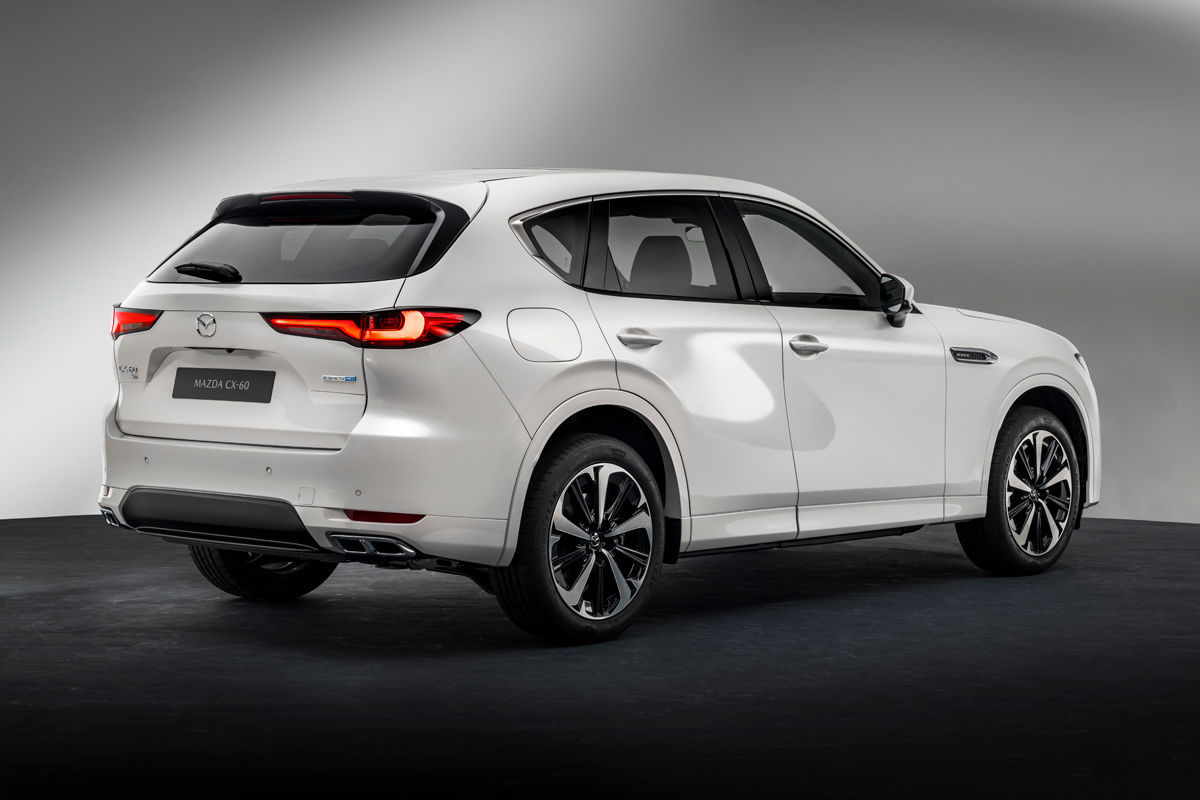
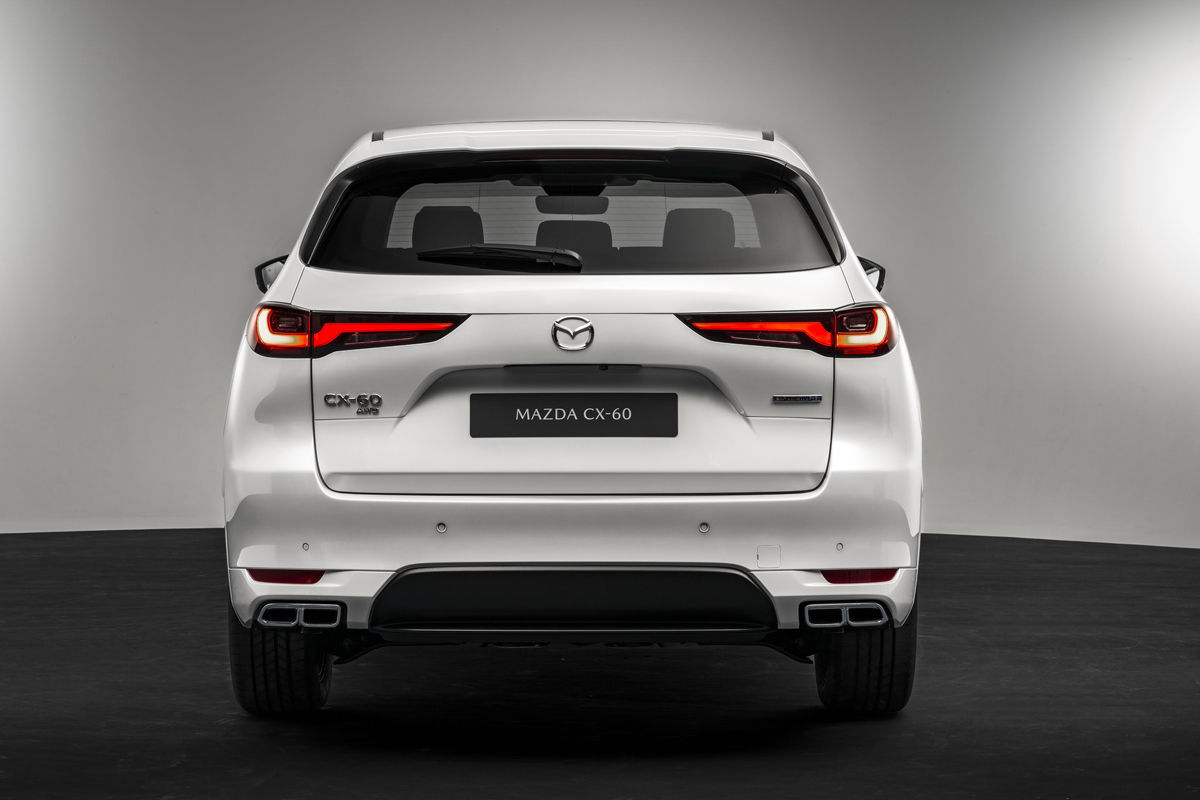
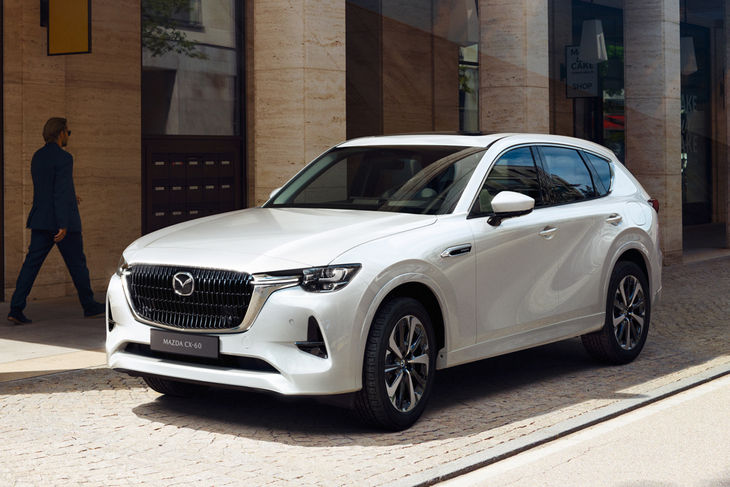
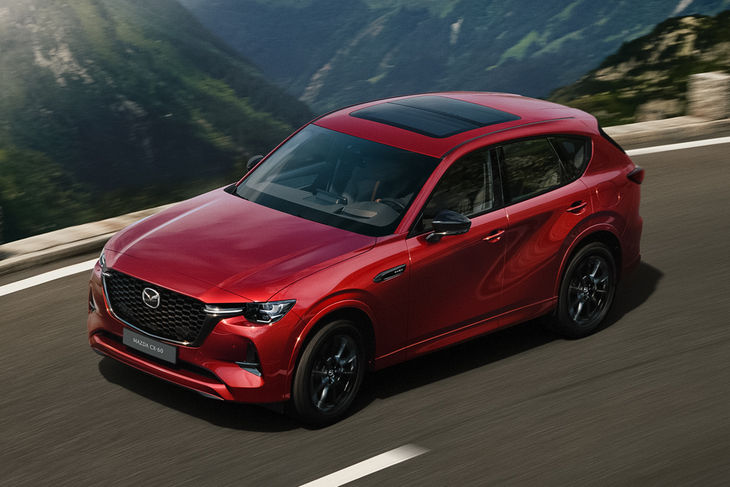
Mazda has unveiled its CX-60, which is based on an all-new rear- and all-wheel-drive platform and features plug-in hybrid and inline 6-cylinder petrol and diesel powertrains. Furthermore, it has been confirmed that the spacious five-seater will be offered in South Africa, where it will slot in above the CX-5 as a rival to lower-end Hyundai Santa Fe and Kia Sportage derivatives.
Since the introduction of the CX-30 – Mazda’s boutique crossover offering that sits above the CX-3 compact family car, the market has anticipated a barrage of new CX-prefixed crossover and SUV models from the Hiroshima-based car company. Although the recently unveiled CX-50 is unfortunately reserved for North America, the CX-60, which is based on Mazda’s Skyactiv Multi-Solution Scalable (Large Vehicle) Architecture, is a different story – it could well be offered in South Africa in the near future, where it might sit above the long-serving CX-5 medium SUV, well, at least initially the latter is replaced.
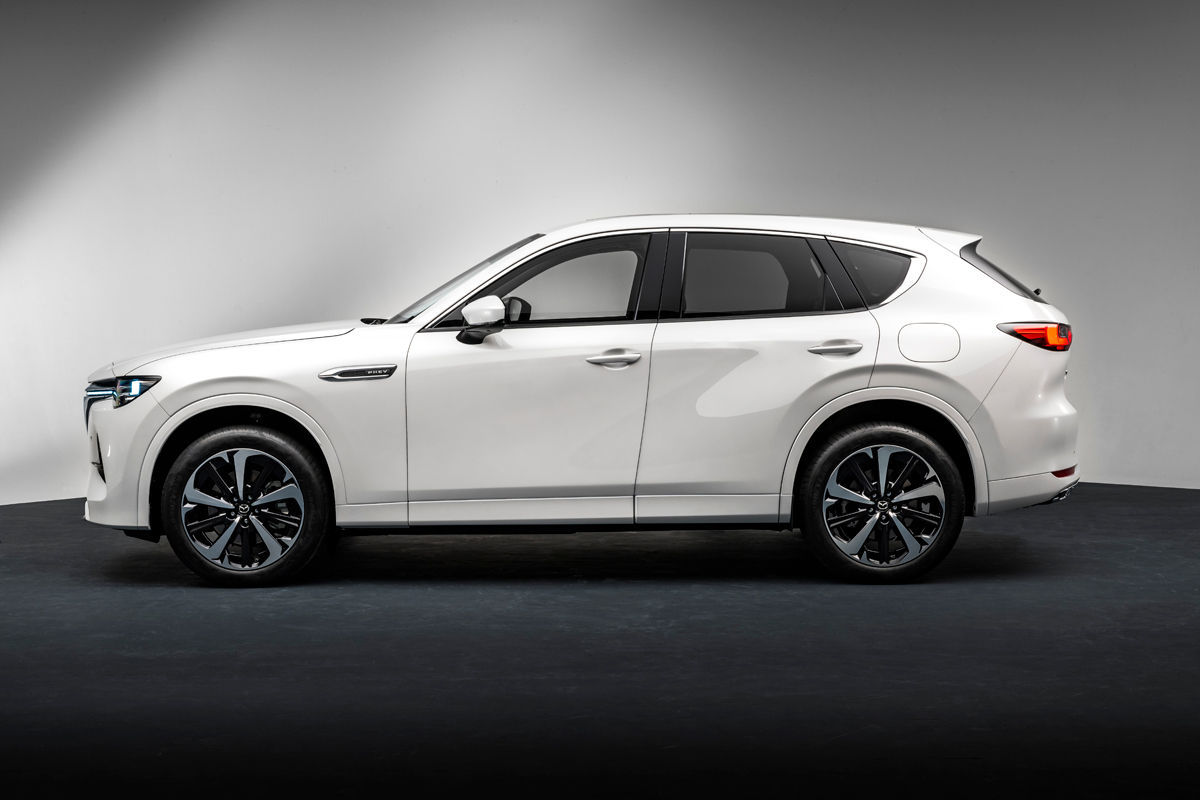
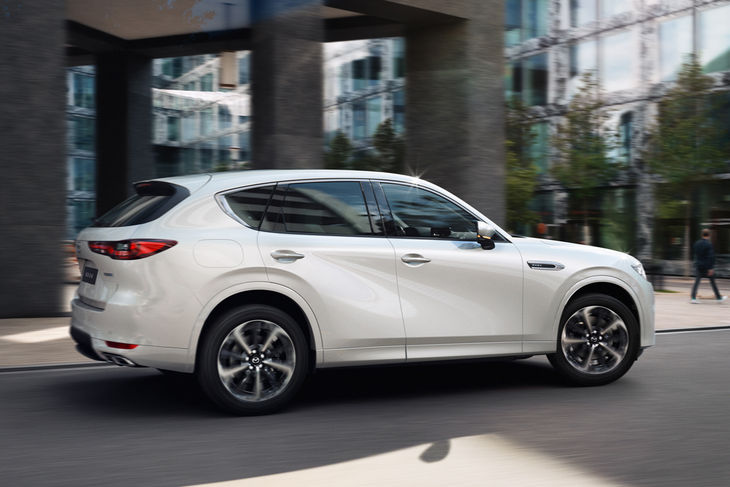
The 5-seater, upper mid-sized CX-60 is slightly larger than the CX-50 and notably longer and wider than the current CX-5. It utilises Mazda’s new rear- and all-wheel drive Skyactiv Multi-Solution Scalable Architecture and rides on a 2 870 mm wheelbase. The model is 4 745 mm long, 1890 mm wide, and stands 1 680 mm tall, which leads us to believe it may be classed as an… executive SUV, maybe?
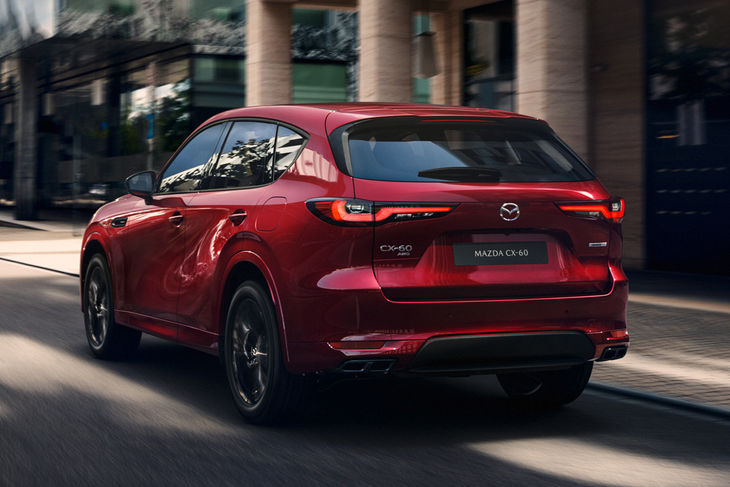
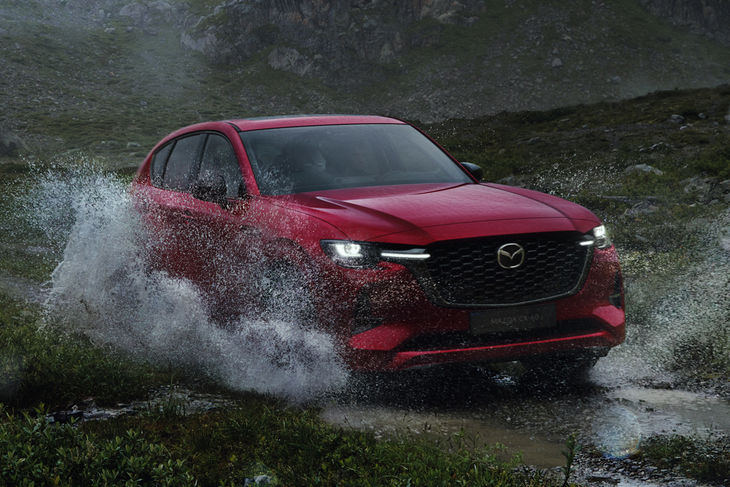
The CX-60’s eye-catching exterior appearance is characterised by several cues from Mazda’s Kodo design language, such as a bold grille with chrome wings that flare out to meet almost nugget-like LED headlamps (with L-shaped daytime running lights). Apart from sporting chunkier, more masculine detailing than most of its contemporary stablemates, the model’s extended dimensions make it look more slab-sided and upright in stance than the Mazda family cars we’ve become accustomed to.
Its expansive dimensions (compared with the CX-5 family car) facilitate a rather roomy interior, of course. Mazda claims the CX-60 offers 1504 mm shoulder room for front occupants (44 mm more than in the CX-5), with 1441 mm afforded to those in the back (which is 50 mm more than in the brand’s medium SUV). The rear seats are said to offer “enough legroom for passengers to sit with their legs straight – even those with a large physique can maintain a comfortable and stable posture whilst seated”.
Including under-floor storage, the CX-60 is claimed to have 570 litres of load capacity, which can increase up to 1148 litres with the rear seats folded flat. Compared with the CX-5, the width of the load bay aperture has increased to 1082 mm (it is 35 mm wider), while the height of the opening is 758 mm.
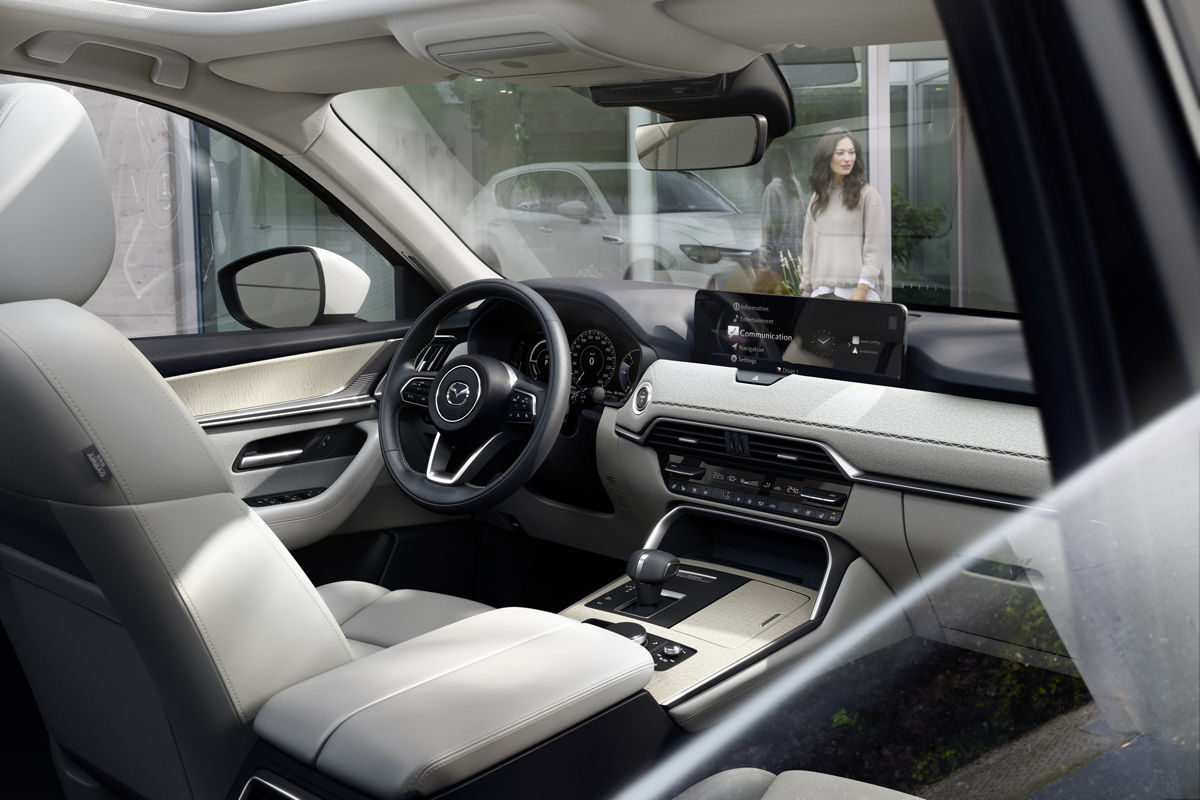
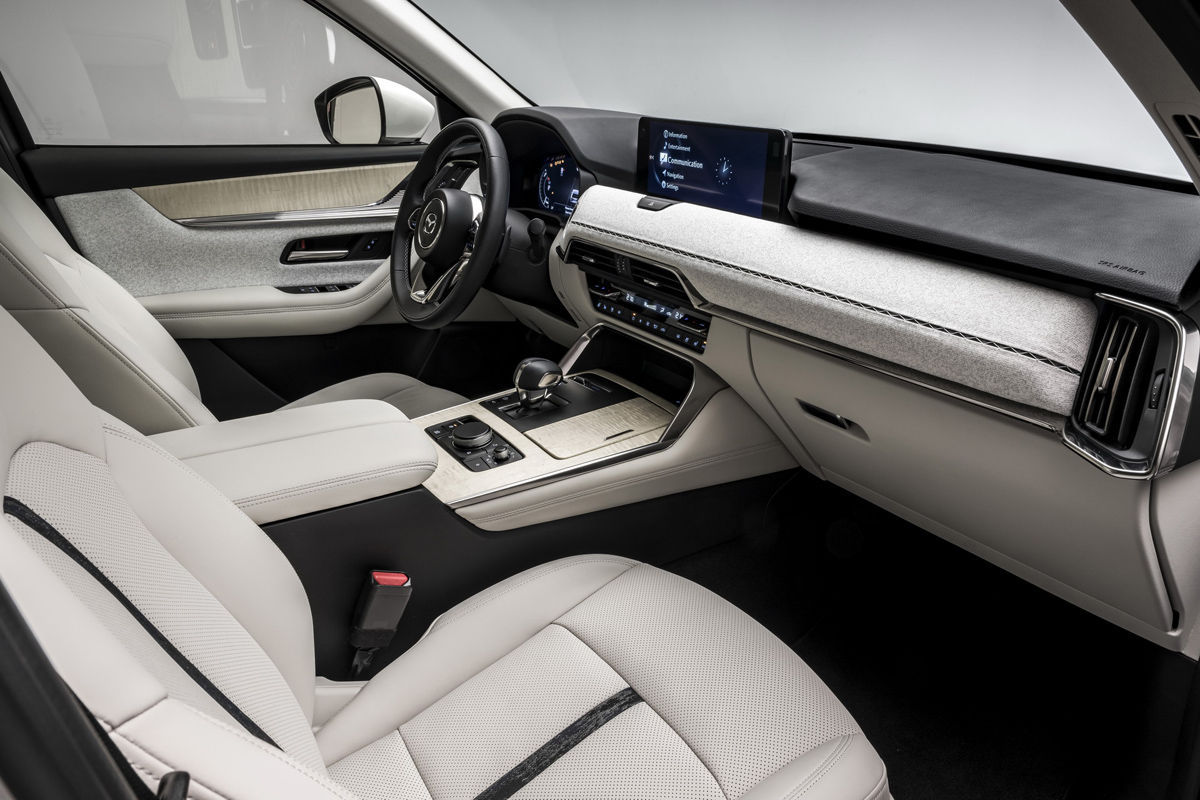
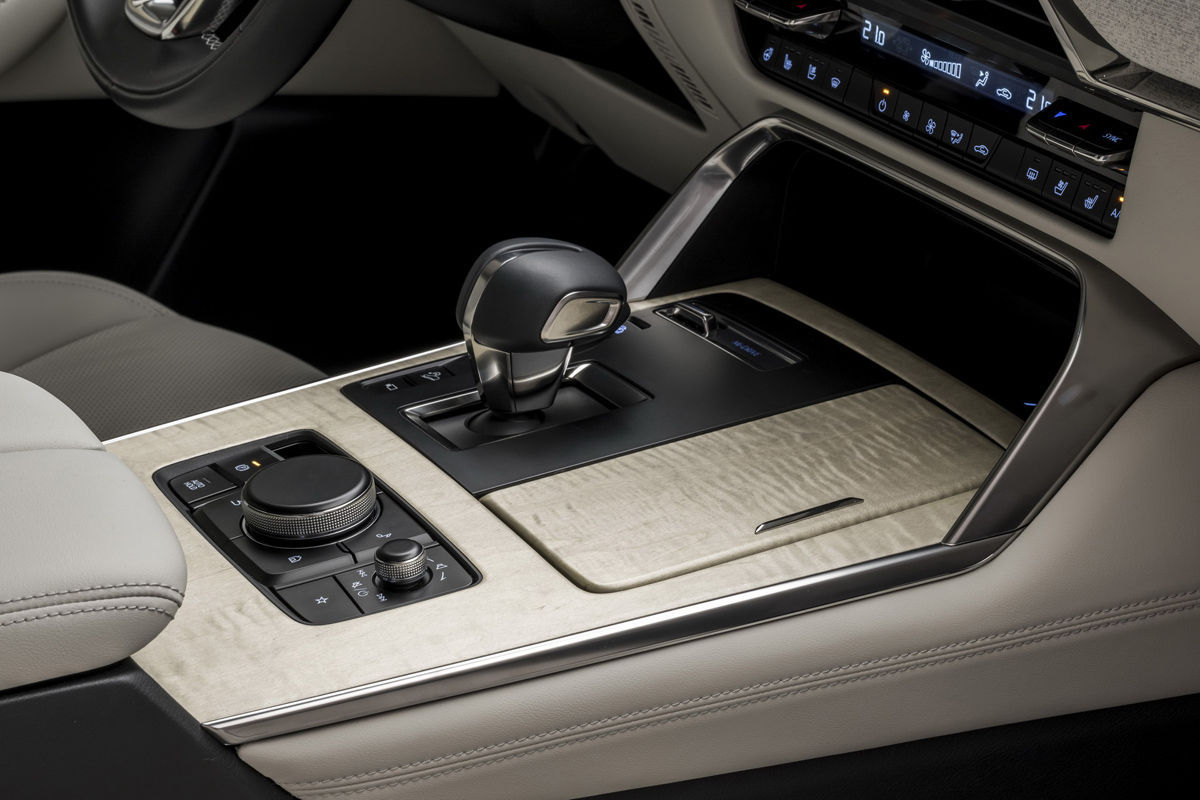
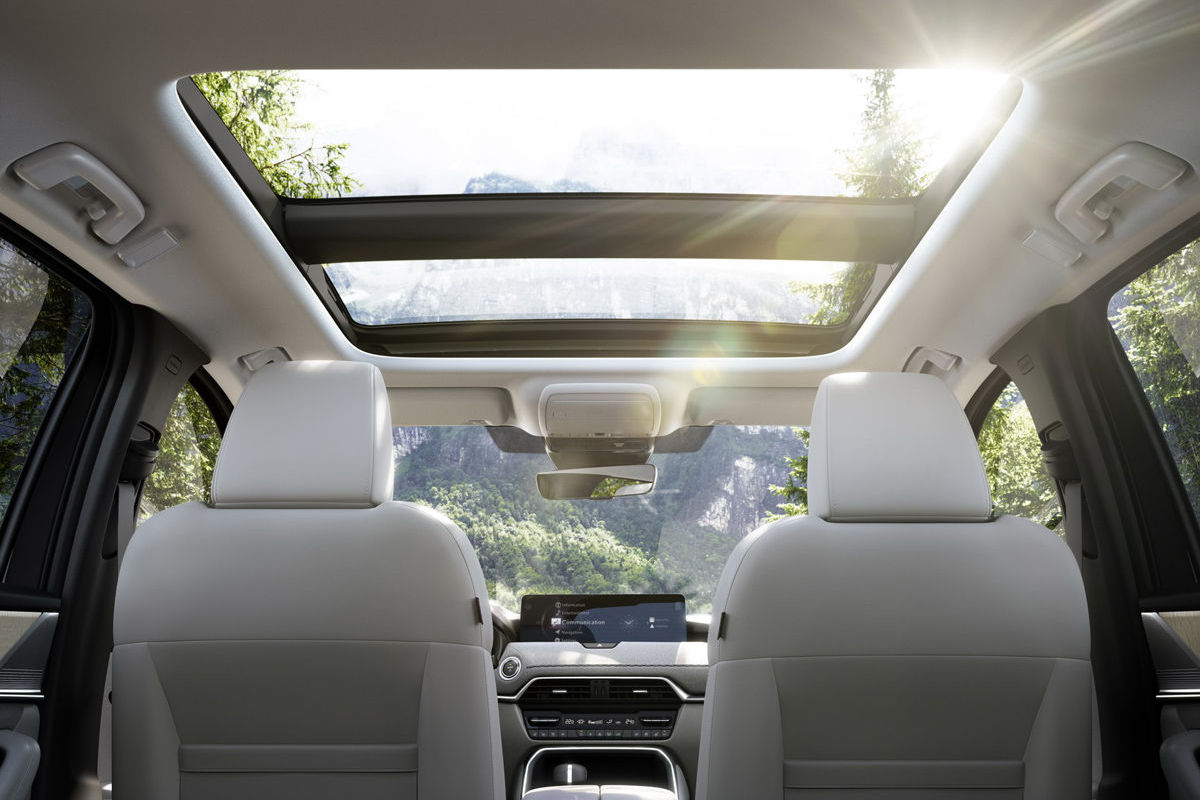
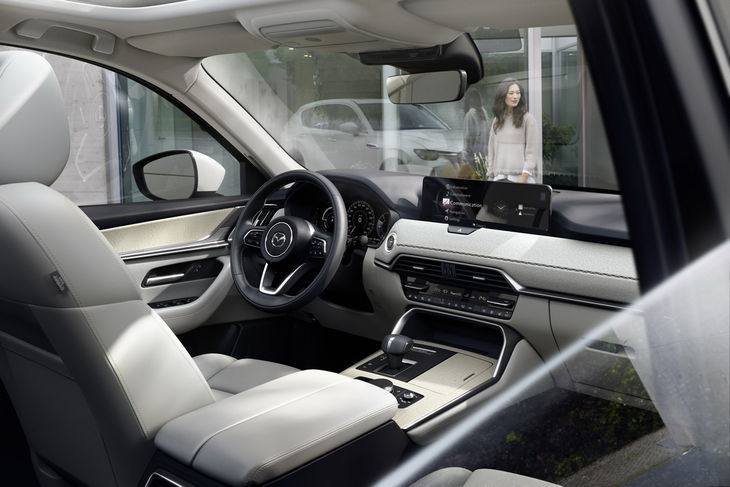
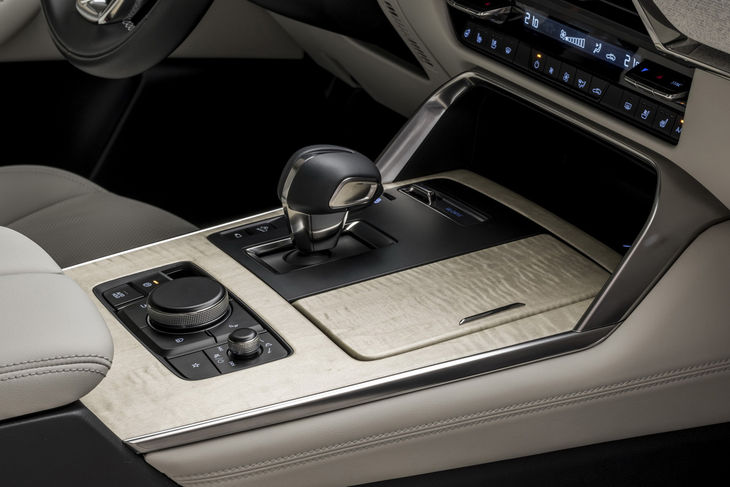
The new model’s cabin has an eminently upmarket execution, replete with an elegant, minimalist fascia and dashboard, a raised centre console and top-grade versions feature Nappa leather trim, maple wood inlays and woven textiles with decorative Kakenui stitching. The instrument cluster is a full TFT-LCD digital display, which is complemented with a 12.3-inch infotainment screen (with wireless Apple CarPlay and Android Auto, digital radio and integral satellite navigation), as well as an upsized head-up display that is claimed to be three times larger than that of the CX-30!
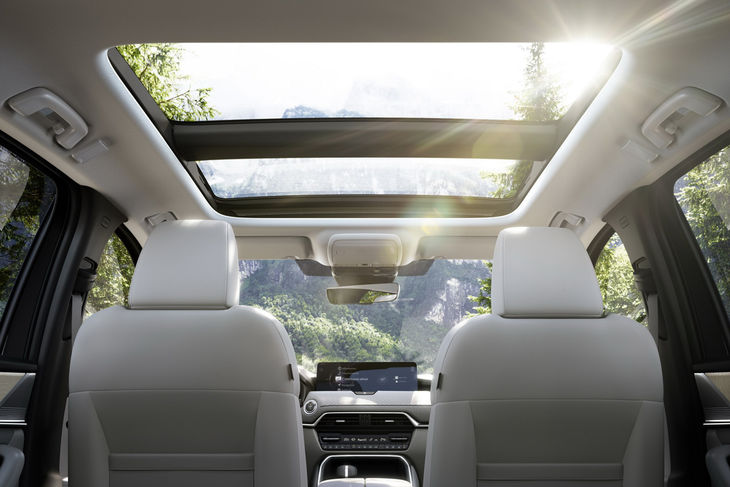
Other notable features (grade- or variant-dependent, of course) include an electrically adjustable steering column and front seats (the latter 10-way with heating and ventilation), heated steering wheel, a panoramic sunroof, an 8-speaker audio- or 12-speaker Bose surround sound system, a 1500W charging point (in plug-in hybrid versions), as well as a remote opening power tailgate.
An interesting new addition is the Driver Personalisation System, which uses facial recognition technology to adjust the Mazda’s driver’s seat-, steering column-, HUD- and side mirrors to memorised positions – we assume the function makes traditional memory buttons redundant.
The CX-60, which is the first Mazda with a rear-wheel-drive configuration for a while (apart from the MX-5 roadster and, of course, the BT-50 ute) rides on a double-wishbone front and a multi-link rear suspension setup, which is enhanced with Mazda’s Kinematic Posture Control system.
Although the CX-60 powertrain line-up in markets outside of Europe has yet to be confirmed, the introduction of a 241 kW/500 Nm plug-in hybrid power unit is notable, given the recent introduction of a petrol-electric Toyota RAV4 in Mzansi. It combines a 141 kW/261 Nm 2.5-litre SkyActiv-G four-cylinder petrol engine with a 100 kW/250 Nm electric motor paired to a 17.8-kWh lithium-ion battery.
Mazda says the PHEV version can accelerate from zero to 100 km/h in 5.8 seconds and achieve a top speed of 200 kph, but more impressively, travel up to 60 km on battery power alone. The WLTP combined fuel consumption is 1.5- or 1.6 litres/100 km (WLTP), depending on which size alloys are fitted, and the battery can be fully charged (from depleted) in four hours from an AC outlet.
The Hiroshima-based brand has yet to release peak output figures for its inline six-cylinder engines – a 3.0-litre e-SkyActive X naturally aspirated petrol and a 3.3-litre e-Skyactive turbodiesel – but both motors will be offered in conjunction with 48V mild-hybrid systems in the CX-60 range.
A new eight-speed automatic transmission with a multi-plate clutch makes its debut on the CX-60, which will be available in rear- and i-Activ all-wheel-drive guises. Drive modes will include Normal, Sport, Off-Road, Towing (and EV), while the newcomer’s braked towing capacity is said to be 2 500 kg.
Numerous safety features are slated for the European-market model, including (updated) adaptive cruise control, driver-drowsiness detection, traffic-sign recognition, advanced smart city brake assist with pedestrian and cyclist detection and intersection function, rear emergency-brake assist (with pedestrian detection) and -cross-traffic alert, lane-keep and -steering assist, blind-spot monitoring, hill launch assist and -descent control, as well as vehicle exit warning.
Notably, the PHEV version features additional protection for its high-voltage battery. The 360-degree camera system (if specified) now incorporates “See-Through View” technology, while additional front centre and rear side airbags (that augment the curtain units) are also fitted.
Production of the CX-60 will commence at the Hofu Plant No 2 in the Yamaguchi prefecture this week and the Japanese-spec model will be introduced early next month. As for exactly when will the new model will arrive in South Africa, Mazda Southern Africa has not provided an official date (yet), but did have the following to say:
“(The CX-60) is the first of Mazda’s Large Product group models, offering significantly enhanced driving pleasure and environmental and safety performance. We will position the CX-60 above the CX-5, both in terms of size as well as value. As far as local specifications and introduction is concerned, we will confirm this later in the year.”
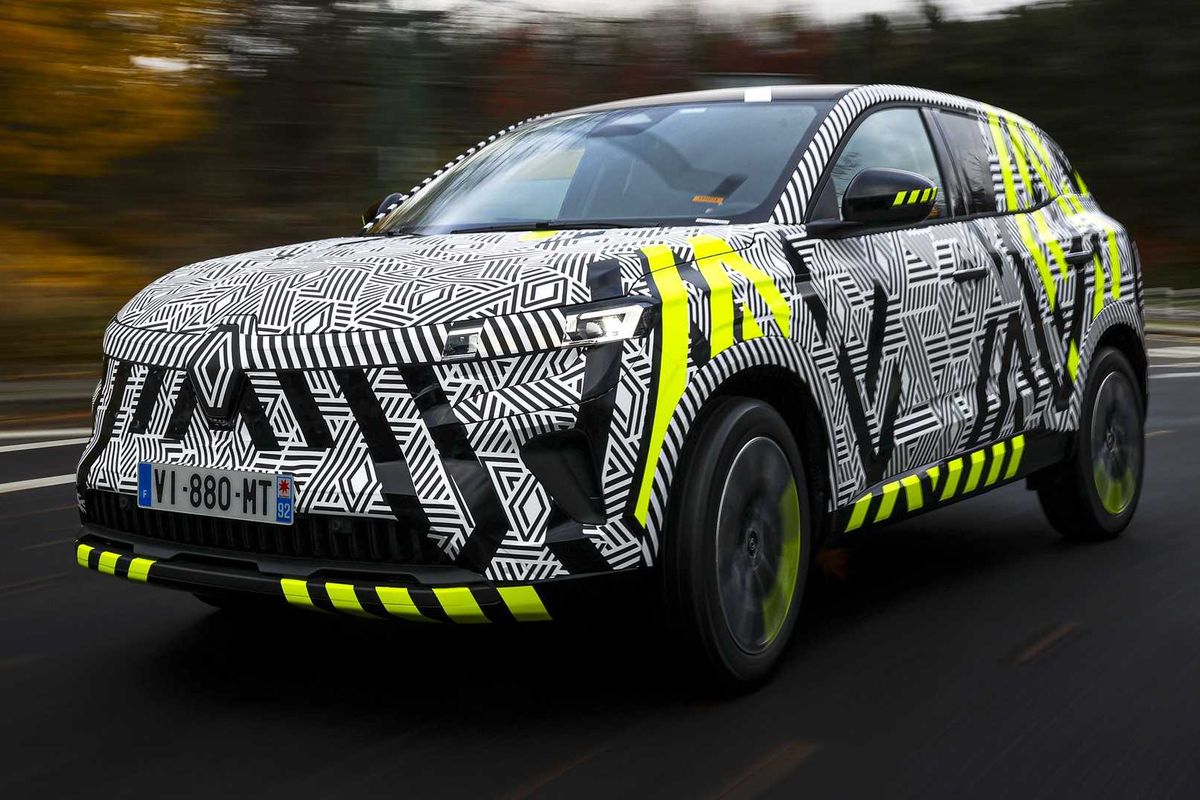
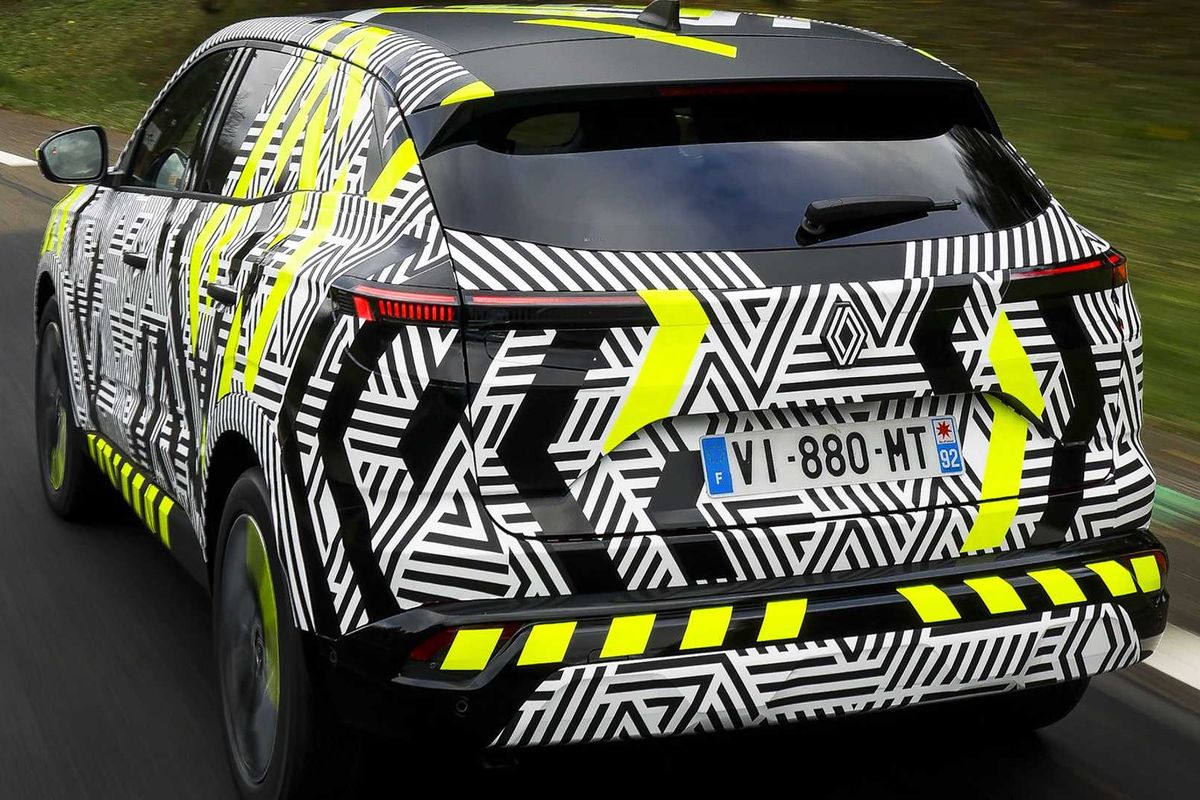
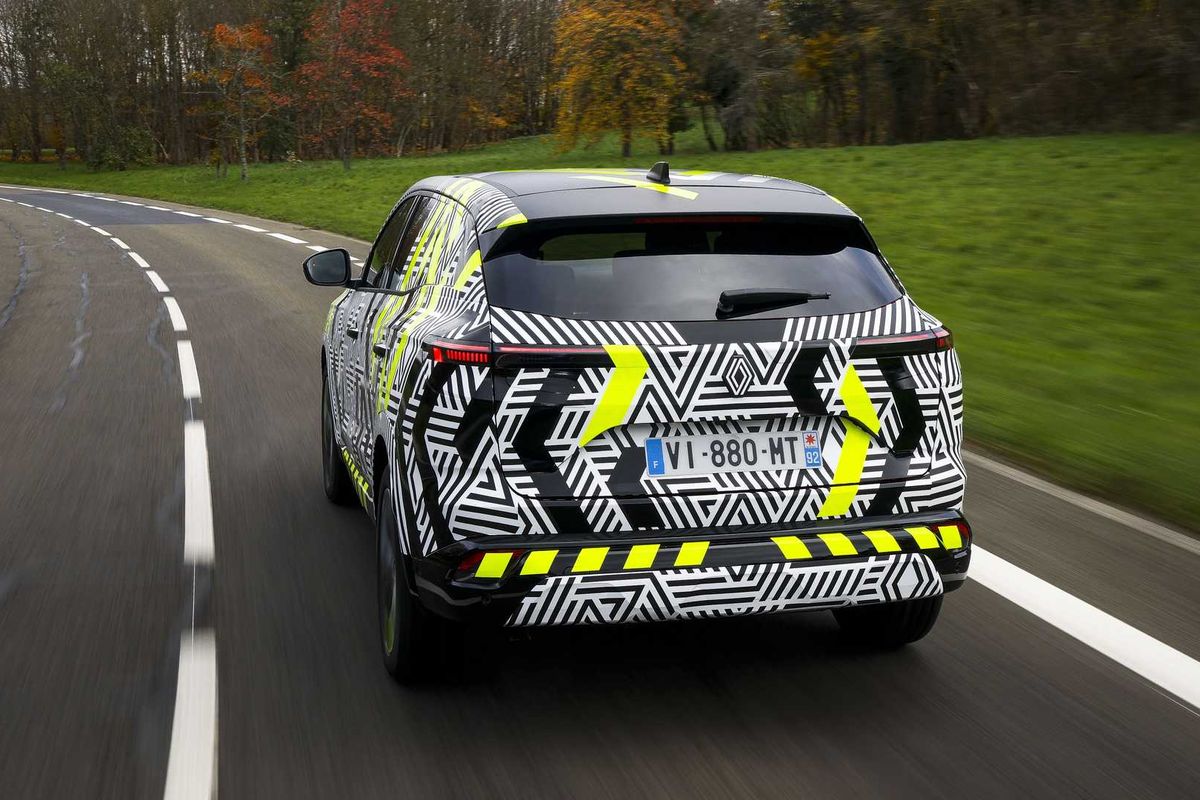
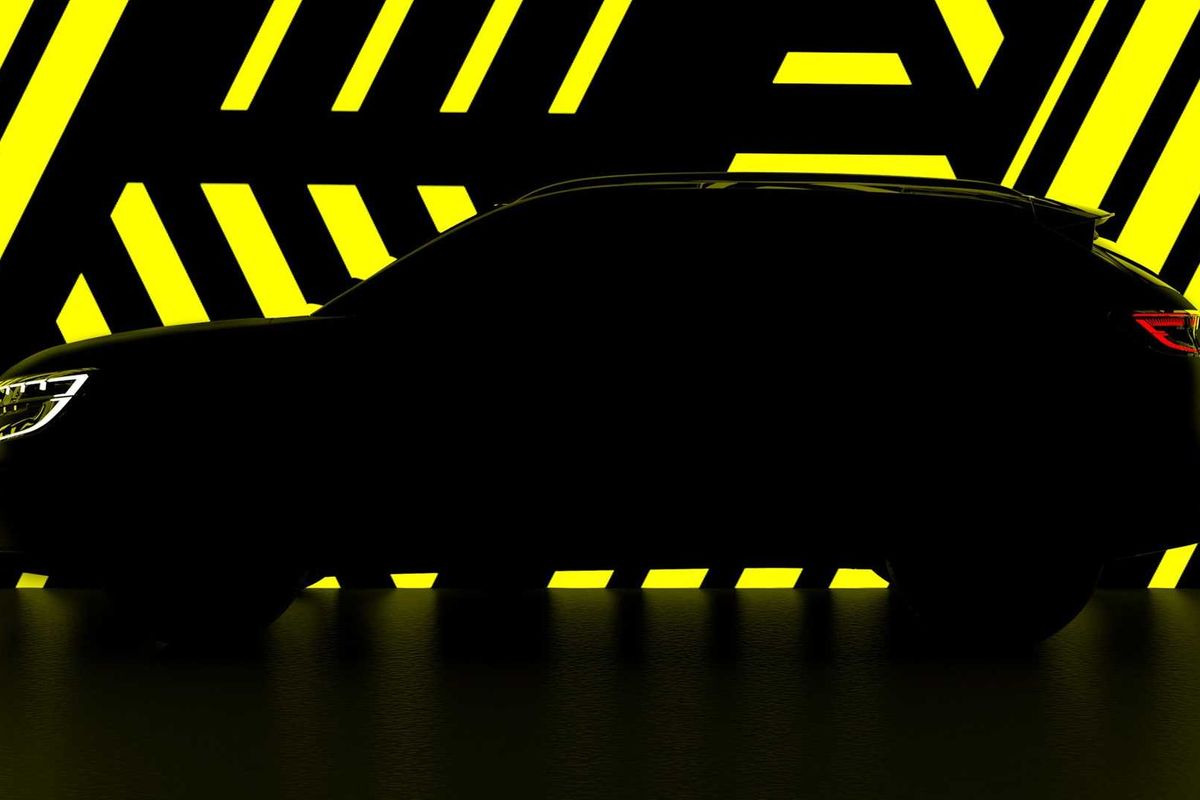
Following many teasers, Renault’s Kadjar replacement, the Austral, has now been revealed. See details below!
The new Renault Austral is built on the Renault-Nissan-Mitsubishi Alliance’s third-generation CMF-CD platform.
The name comes from the Latin word ‘australis’ and Renault claims this word resonates in many European languages. Austral conjures up the vibrancy and heat of the southern hemisphere. It’s a name that invites travel and is perfect for an SUV. Its harmonious balance of sounds that are easy to pronounce and international” said Sylvia Dos Santos from Renault’s marketing.
Renault Austral: Styling and Interior Features
The Austral features a strong, muscular design that Renault calls ‘Sensual Tech’.
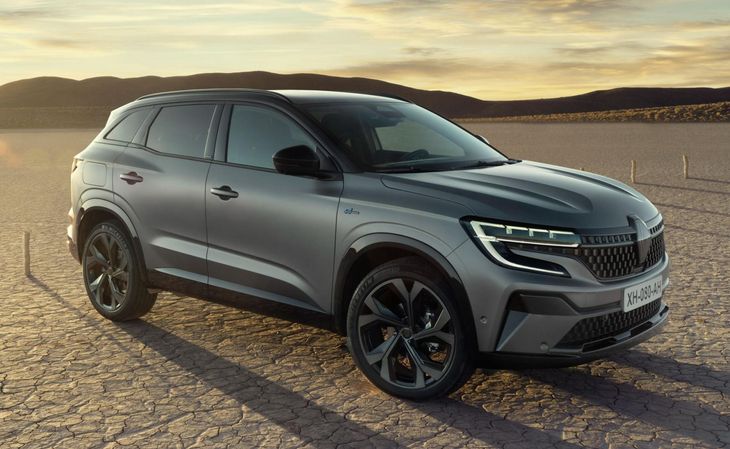
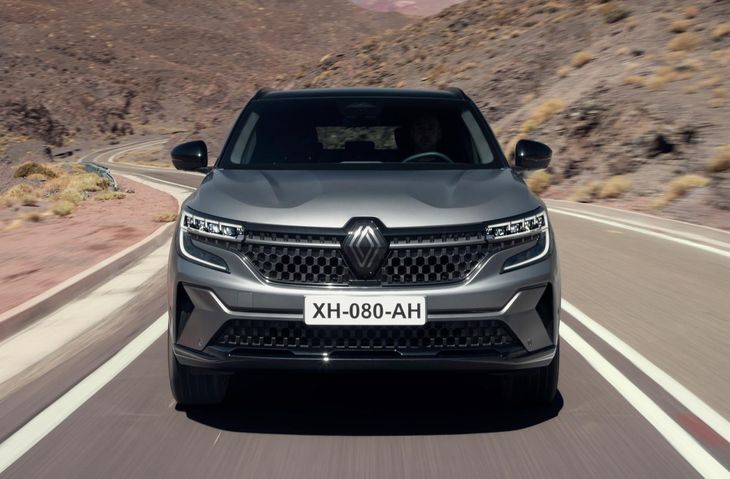
The Renault Austral shares the same mechanics as its sister car, the Nissan Qashqai but adopts a ‘Sensual Tech’ design language that combines curvy body lines with strong geometric lines. The heavily sculpted bonnet adds to the Austral’s strong presence as does the LED headlights with diamond patterning and the bold front grille and lower bumper section. The Austral is a good-looking SUV…
More so, the Austral Esprit Alpine derivative features a distinctive sporty execution with a Satin Shale Gray body colour, grille bar with Satin Gray sport blade, 20-inch diamond-cut black Daytona aluminium wheels with ‘Alpine’ branding, Satin Black roof rails and decor details finished in Diamond Black, Extra Glossy Black and Ice Black. Esprit Alpine badges are seen on the side of the Austral. This derivative gains interior features such as Alcantara upholstery with carbon-fibre twill fabric, blue stitching and piping, a Nappa leather-wrapped steering wheel with Alcantara inserts and blue, white and red stitching, aluminium pedals and door sills bearing the ‘Alpine’ logo.
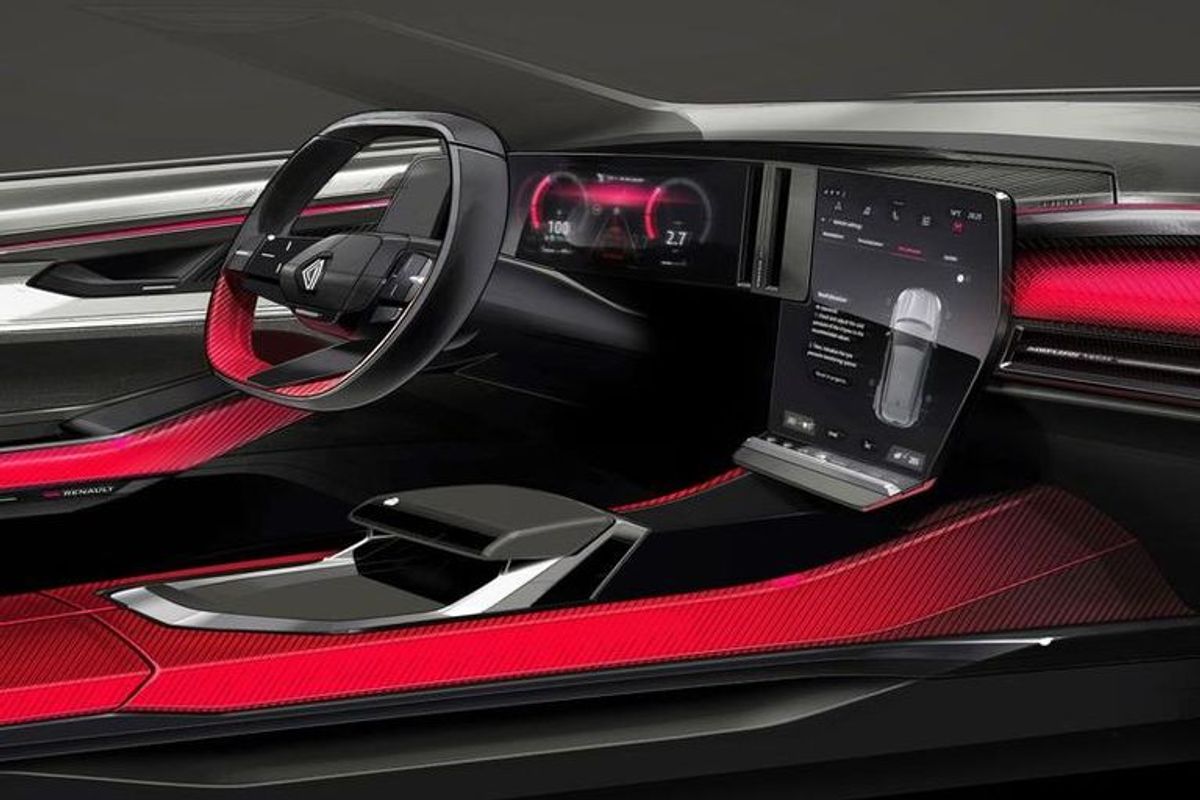
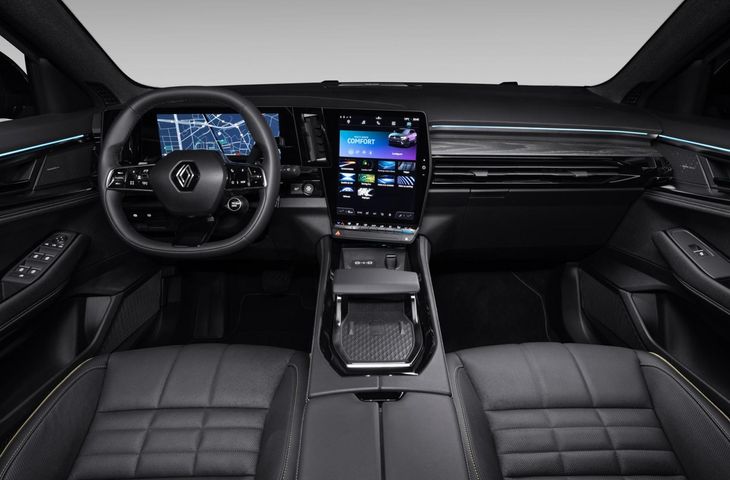
The Austral features a tech-forward cabin with 2 large screens making up the OpenR screen.
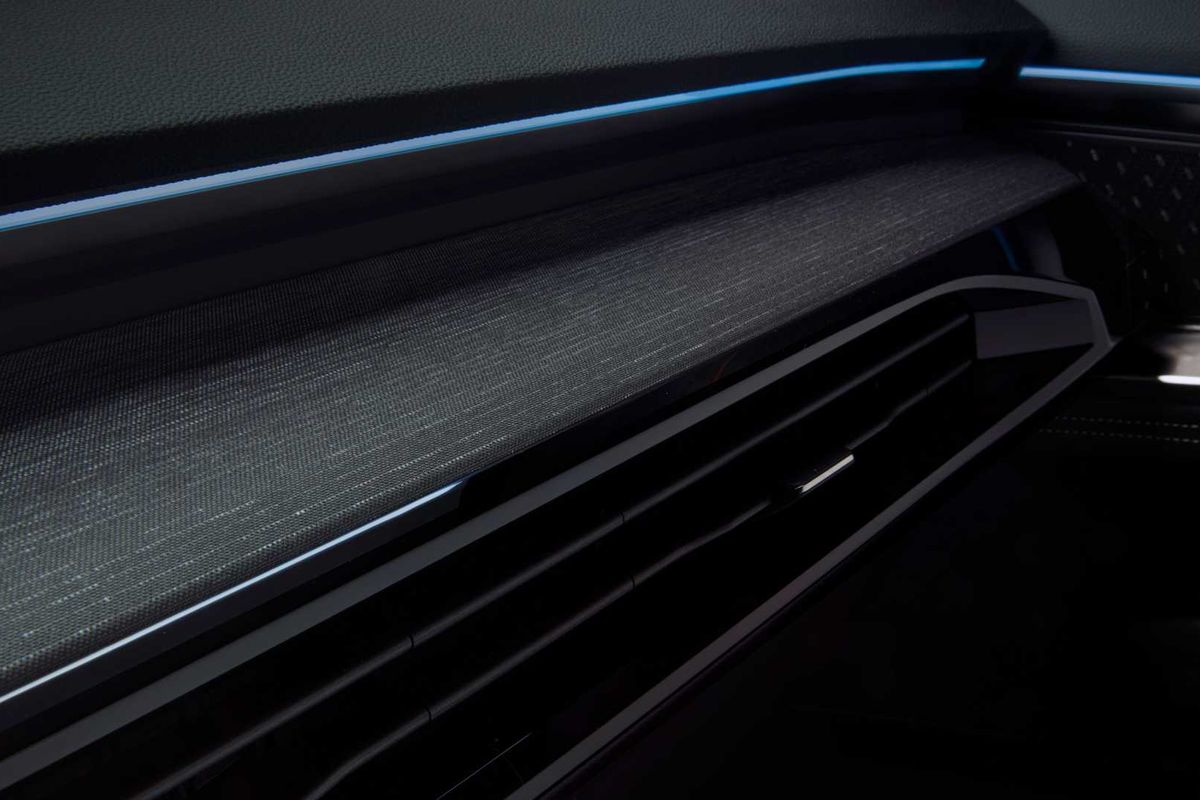
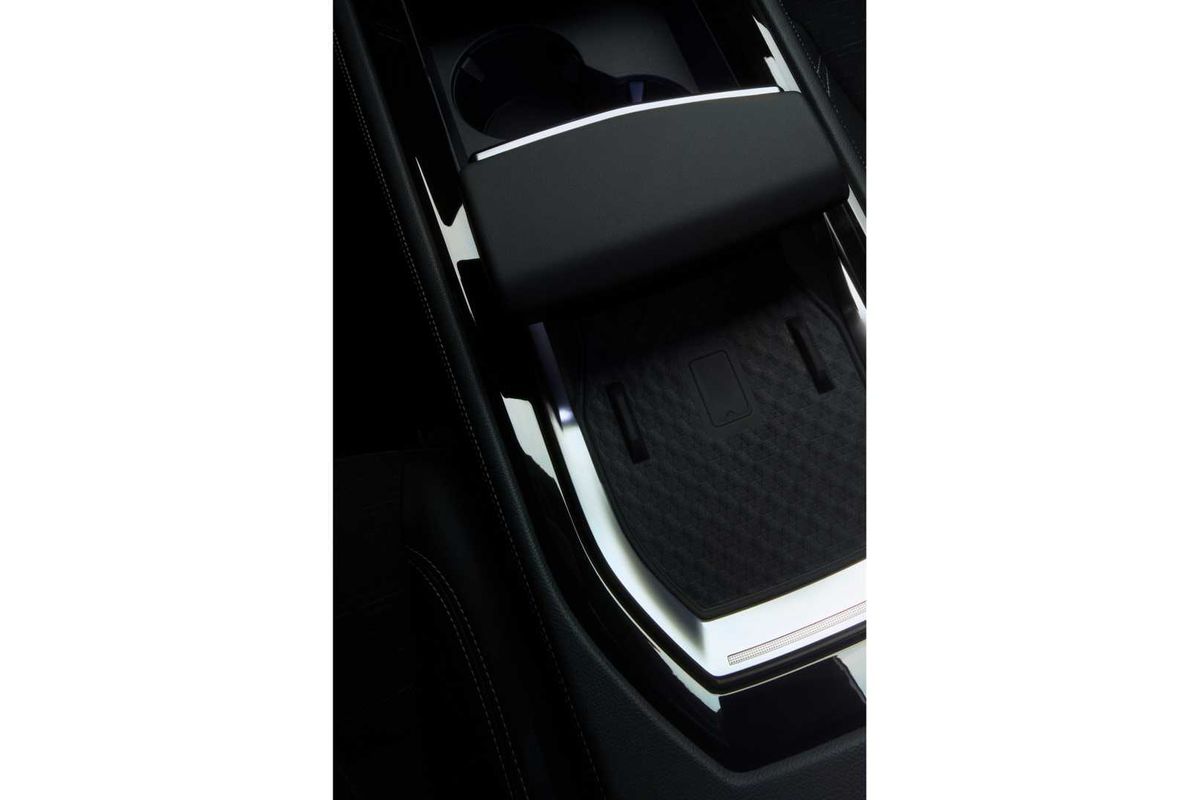
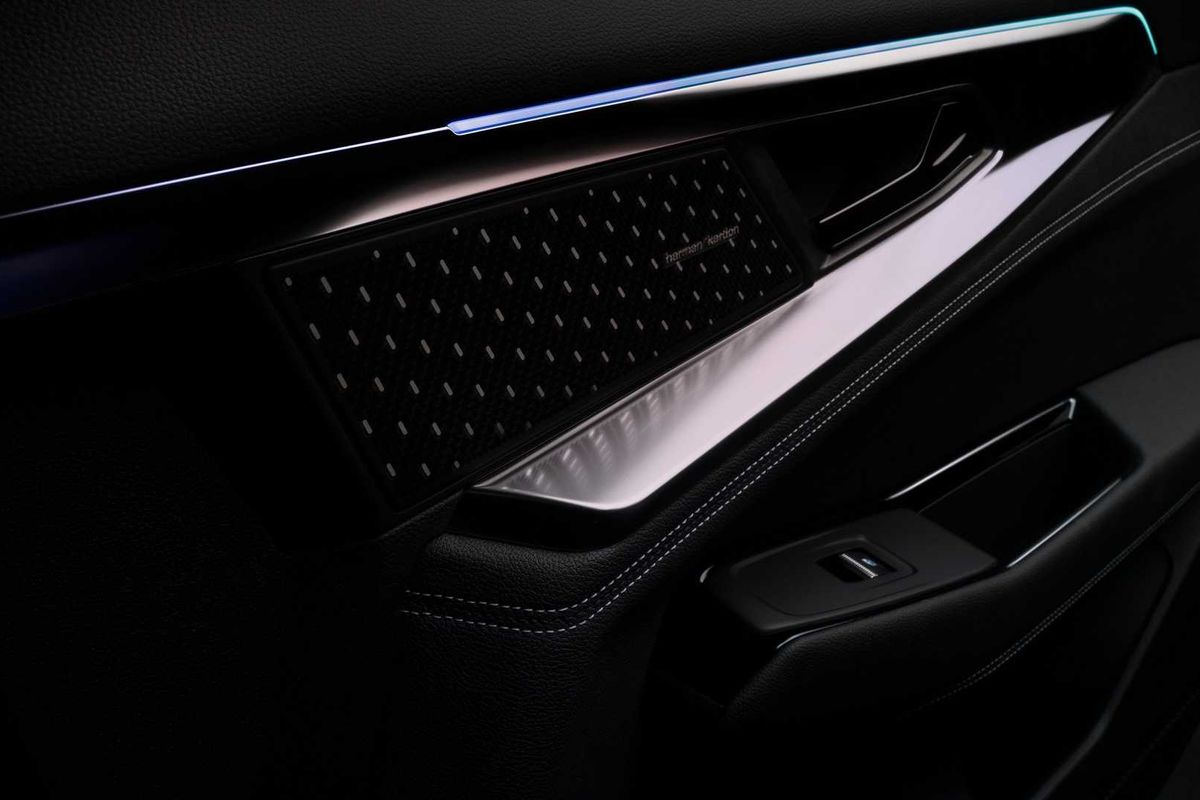
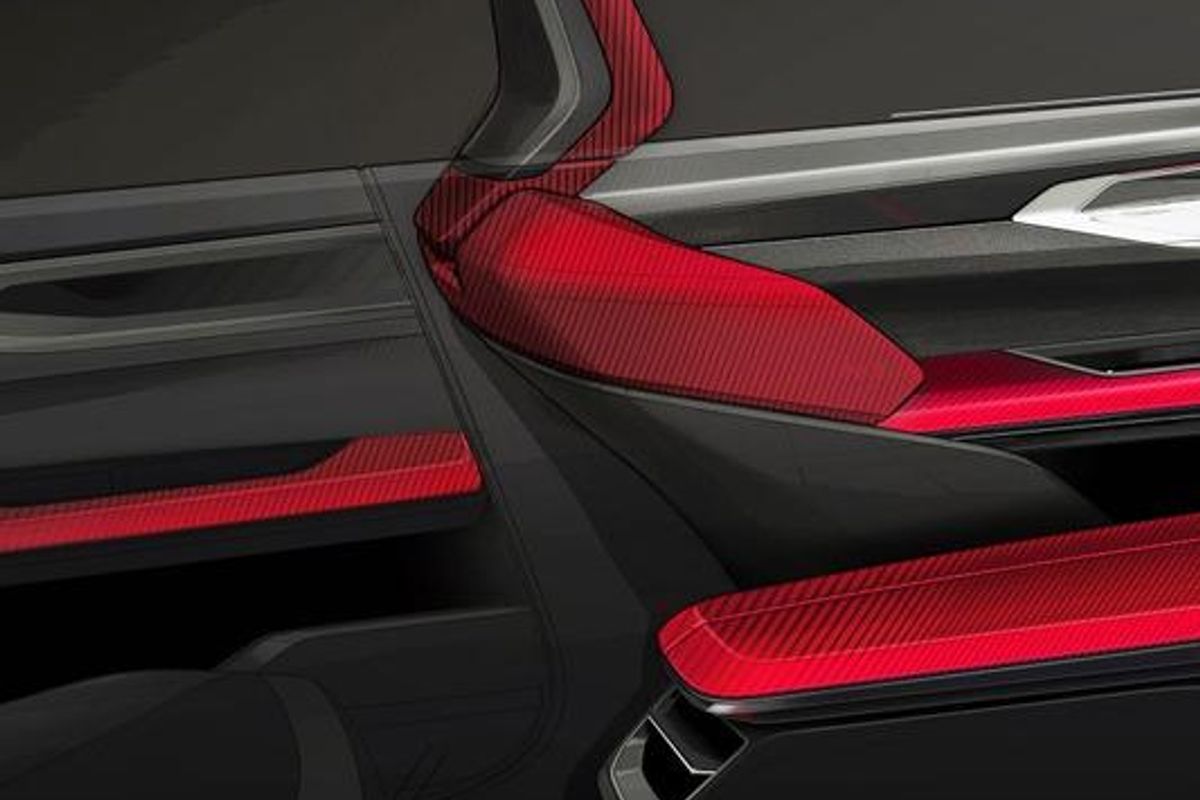
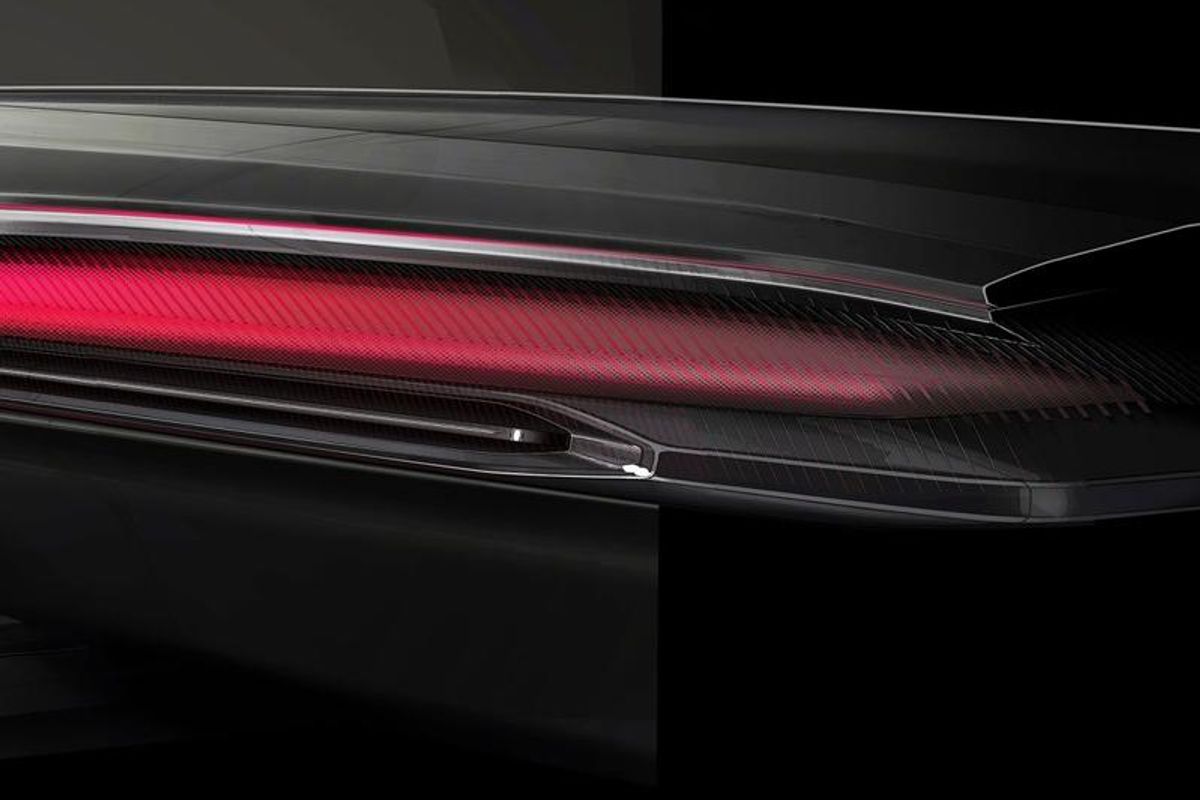
The Austral features a technologically advanced cabin with a large anti-glare OpenR screen that combines a 12.3-inch digital instrument cluster and a 12-inch vertically orientated infotainment touchscreen system. A new 9.3-inch Head-Up Display is projected through the windscreen and puts vital information in the driver’s line of sight. The centre console, or as Renault calls it, the ‘cruising console’, features a comfortable hand rest as well as an inductive charging slot for a smartphone as well as storage space. Various trim finishes are used depending on the specification chosen including real wood, leather, Alcantara, padded textiles and gloss black and satin chrome elements. Interior lighting or ‘Living Lights’ is also part of the package.
What powers the new Renault Austral?
The Austral welcomes a range of full-hybrid and mild-hybrid powertrains to market.
The Renault Austral features a range of electrified powertrains. The headline powertrain is a new full hybrid, self-charging E-TECH powertrain with a 1.2-litre, 3-cylinder turbopetrol engine paired with an electric motor and a 400V, 1.7 kWh lithium-ion battery. Combined power is rated at 146 kW and Renault claims a fuel consumption figure of 4.6 L/100km.
Renault will also offer 2 additional mild-hybrid powertrains including an entry-level 1.3-litre, 4-cylinder petrol engine combined with a starter motor and 12V-lithium-ion battery that offers 103 kW with a manual transmission or 120 kW with an automatic transmission. Lastly, the mid-range powertrain option is a Mild Hybrid Advanced engine that makes its debut in the Austral and according to Renault, serves as a “genuine alternative to diesel”. It combines a 1.2-litre, 3-cylinder turbocharged petrol engine (manual transmission) with a 48V lithium-ion battery and starter motor that generates 97 kW and Renault claims a fuel consumption figure of 5.3 L/100km. All 3 powertrains feature regenerative braking.
The Austral is front-wheel drive but higher grade derivatives feature Renault’s third-generation 4-wheel steering system which enhances comfort, agility and manoeuvrability.
In terms of driver assistance features, the Austral is well equipped with features such as Active Driver Assist, Adaptive Cruise Control with ‘Stop & Go’, Lane Centering, GPS data and mapping, 360° around view 3D camera; Automated Park Assist; Blind Spot Warning and Lane Departure Prevention, Rear Automatic Emergency Braking; Rear Cross Traffic Alert; Matrix LED Vision smart lighting and Occupant Safe Exit.
The new Renault Austral is due to go on sale in the last quarter of 2022. Renault South Africa has stated that the Austral is under consideration for South Africa but has not been confirmed for introduction locally. We will keep you updated if anything changes.
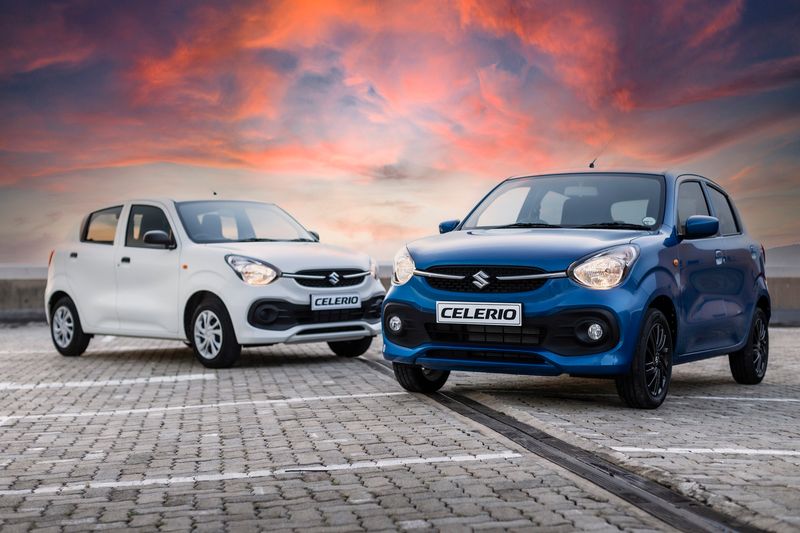
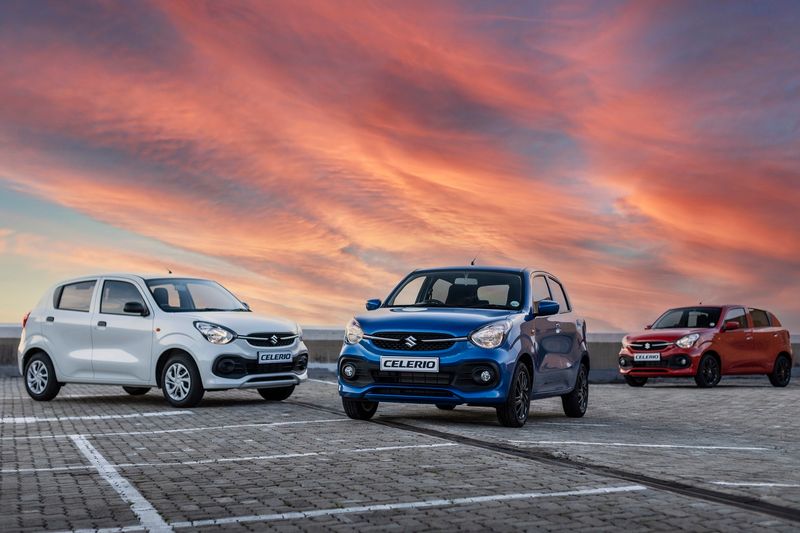
The 2nd-generation Suzuki Celerio entry-level car has touched down in South Africa and we headed to Gauteng to drive the newcomer.
Suzuki Auto SA is in an enviable position right now. With a range of value-focused offerings, the Hamamatsu-based manufacturer has tallied up a commendable number of sales over the past two years. In fact, Suzuki has fought its way up the national new-vehicle sales charts to rank as the 3rd best-selling brand in South Africa last month (February 2022).
With the evergreen Swift and well-thought-out Vitara Brezza commanding most of the sales, attention turns to the entry-level segment of the market. Enter the Celerio, now in its second generation.
What’s changed?
A lot actually. The new Celerio adopts the same HEARTECT platform as the one that underpins the Swift compact hatchback. The outgoing model was truly a diminutive car, but this new model is longer, wider, and features a larger load bay, with a claimed capacity of 295 litres.
There are two trim levels, both of which is powered by a 49 kW/89 Nm 1.0-litre naturally-aspirated 3-cylinder petrol engine paired with either a 5-speed manual gearbox or an automated manual transmission (AMT). In terms of expected fuel efficiency, Suzuki claims its new Celerio’s average consumption is 4.2 L/100 km (for the AMT derivative), with the manual version being a touch thirstier at 4.4 L/100 km.
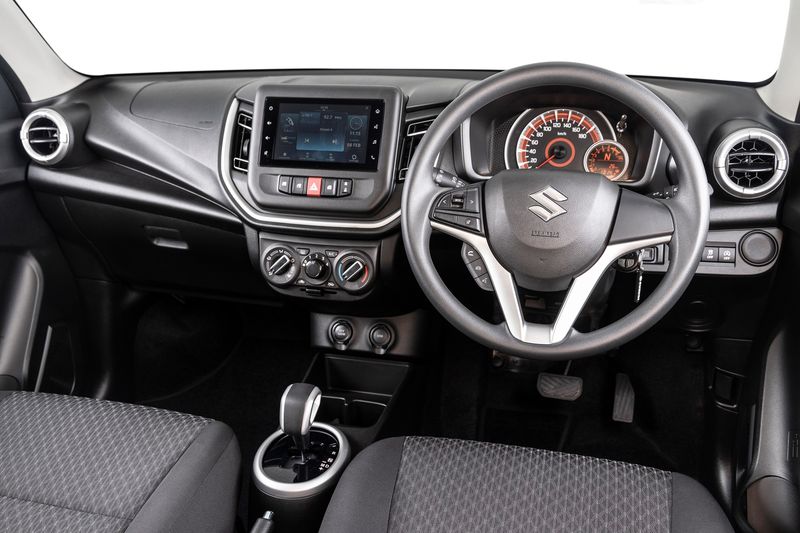
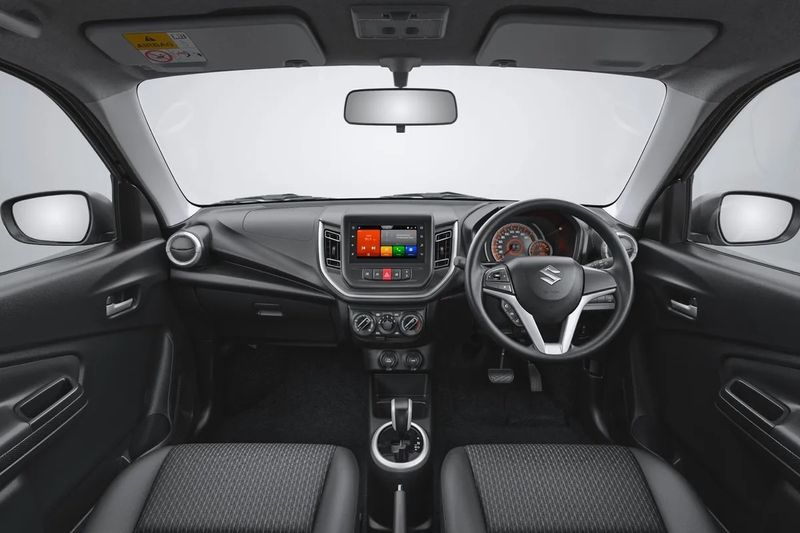
Inside, the cabin looks reasonably fresh and the trim materials appear substantial and hard-wearing. There’s a nice reassuring feel about the interior – at first glance, nothing looks cheap, nasty or flimsy.
Standard equipment?
The new Suzuki Celerio is available in two grades: GA and GL
Celerio GA
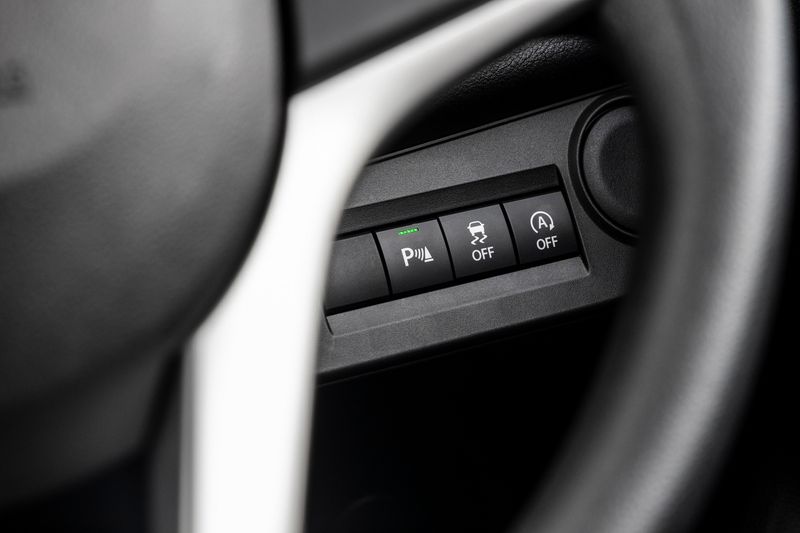
14-inch steel wheels Audio controls on the steering wheel Info display with fuel consumption Air conditioner Rear parking sensors Engine start stop ISOfix child-seat anchor points Immobiliser
Celerio GL
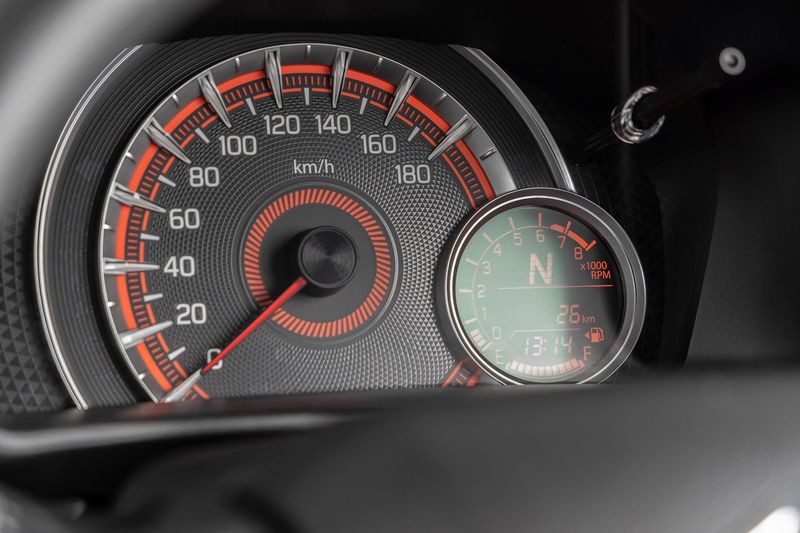
15-inch alloy wheels Body-coloured door handles and mirrors Front fog lamps Electric mirrors front + rear Multifunction steering wheel Rev counter Remote central locking 7-inch touchscreen infotainment system Apple CarPlay/Android Auto connectivity USB port
The Suzuki Celerio has the basics covered as far as safety is concerned, with 2 airbags, anti-lock brakes (ABS) and an electronic stability programme, the latter being a welcome addition to the segment.
What is it like to drive?
You’d think that a peak output of 49 kW would be woefully inadequate in the cut and thrust of Gauteng traffic… Don’t forget, the thinner air on the Highveld causes a 17% power reduction in naturally-aspirated engines. Yes, we drove a car that had effectively had around 41 kW on tap – surely that’s a record for the lowest power output in cars that are currently on sale in the new-vehicle market?
And yet, thanks to clever packaging that limits the 2nd-gen Celerio’s kerb weight to just 805 kg, Suzuki’s entry-level hatchback can, in actual fact, keep up with traffic. The newcomer’s power-to-weight ratio is commendable, with Suzuki claiming segment honours here.
Suffice to say, the Celerio feels a lot more sprightly than you may expect. While it does run out of grunt once you’re travelling at triple-digit speeds, which, to be fair, is to be expected given the 1.0-litre’s modest outputs, the Suzuki never feels like it’s struggling. You will be working that gearbox hard to get the most out of the powertrain at highway speeds, but thankfully, the shifter has a light, easy action.
Manufacturers’ fuel economy claims for their models are often very optimistic; as a consequence, most of their stated figures are near-impossible to match in real-world driving conditions. However, in our experience, Suzuki models can be nearly as light on gas as their maker claims. This newcomer is no different… Despite some frenetic driving in urban areas, the Celerio 1.0 GL manual we drove indicated a figure of 5.2 L/100 km! This figure should drop into the 4s without too much effort. In a time when the petrol price is rocketing upwards, the arrival of a truly cheap-to-run city car is certainly welcome.
We came away impressed with the newcomer’s on-road refinement too. The 3-cylinder engine admittedly makes itself heard when you rev it hard, but, for the most part, the cabin is sufficiently quiet and reasonably well insulated from road- and wind noise. On our launch route, the plump 15-inch tyres fitted to our test unit’s alloys worked hard to absorb the undulations of some awful stretches of tarmac.
As for the ride and handling balance, we’d like to point out that Suzuki has given its Celerio 170 mm of ground clearance, which makes the Japanese hatchback quite adept at clambering onto pavements and dealing with those types of potholes that bear a closer resemblance to pits than cavities. What this generous ride height doesn’t do, however, is facilitate sharp and direct handling… The Celerio’s body rolls more than necessary due to the higher centre of gravity. It’s not a deal-breaker, but be prepared should you need to execute a swerve. There’s a solid and reassuring feel to the steering setup, though.
But what we appreciated most about the Celerio was that it didn’t feel like a cheap car to drive. The lower end of the passenger-vehicle market is littered with vehicles that look cheap, feel cheap and have poorly composed road manners and very vague handling. Most budget-oriented cars also offer very little refinement; most car companies would rather fit a fancy touchscreen than sound-deadening material!
How much does the new Suzuki Celerio cost in South Africa?
Celerio 1.0 GA MT
R174 900
Celerio 1.0 GL MT
R194 900
Celerio 1.0 GL AMT
R209 900
All prices include VAT. Every derivative comes with Suzuki’s 5-year/200 000 km mechanical warranty, 5 years’ roadside assistance, as well as a 6-year/unlimited km anti-corrosion warranty. GL versions also come with a 2-year/30 000 km service plan.
Summary
Has Suzuki Auto SA launched another winner… or has its compact car line-up become too convoluted? We’d answer yes on both counts. There’s no doubt that the new Celerio brings some upmarket feel to a segment that’s awash with mediocre models, but its pricing positions it too close to an already accomplished offering from Suzuki: the Swift. Even Suzuki SA’s staff will tell you, the answer is always Swift!
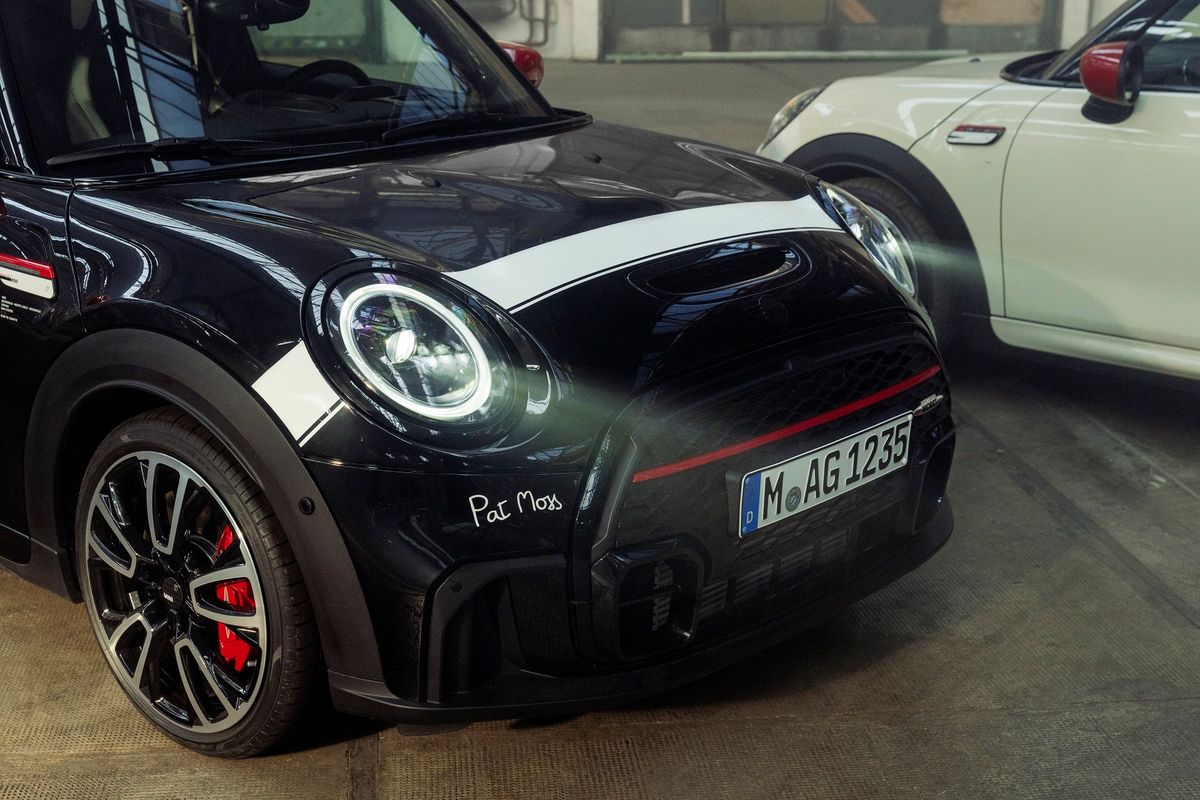
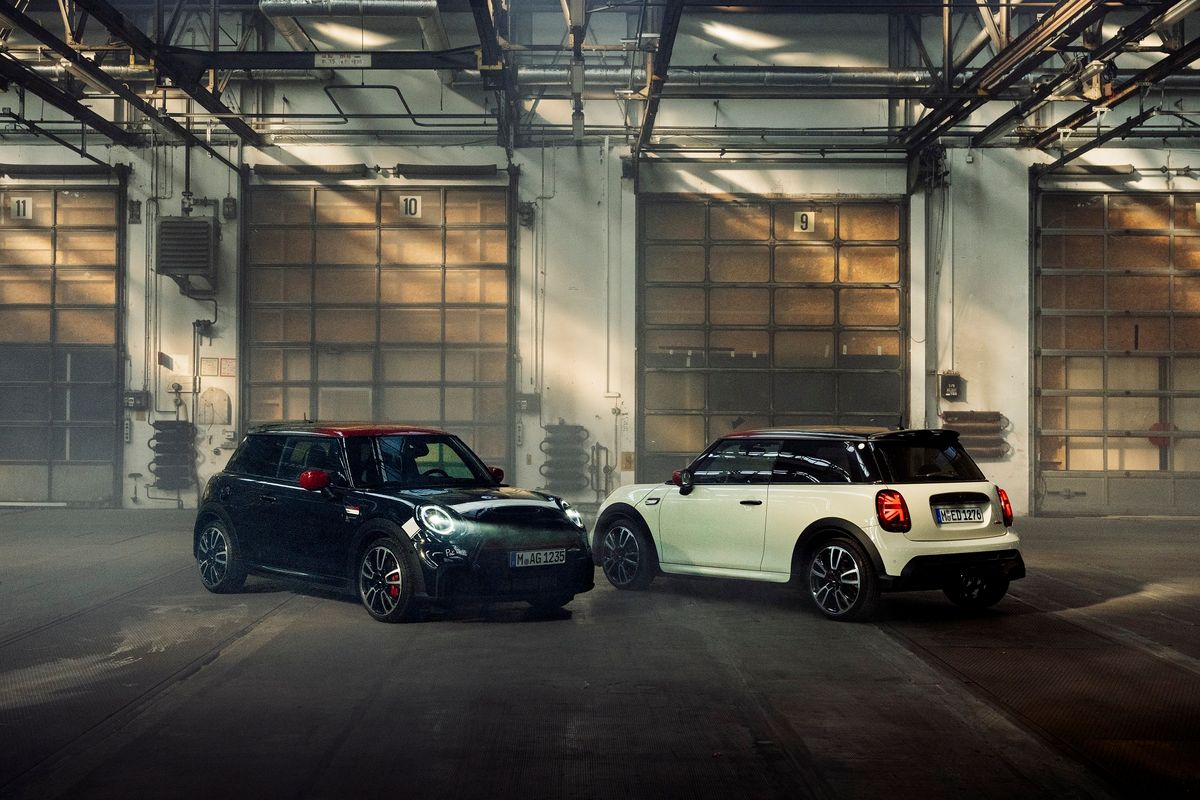
To celebrate an exceptional female driver’s talents, the British brand has announced a tribute model. This is the Pat Moss Edition!
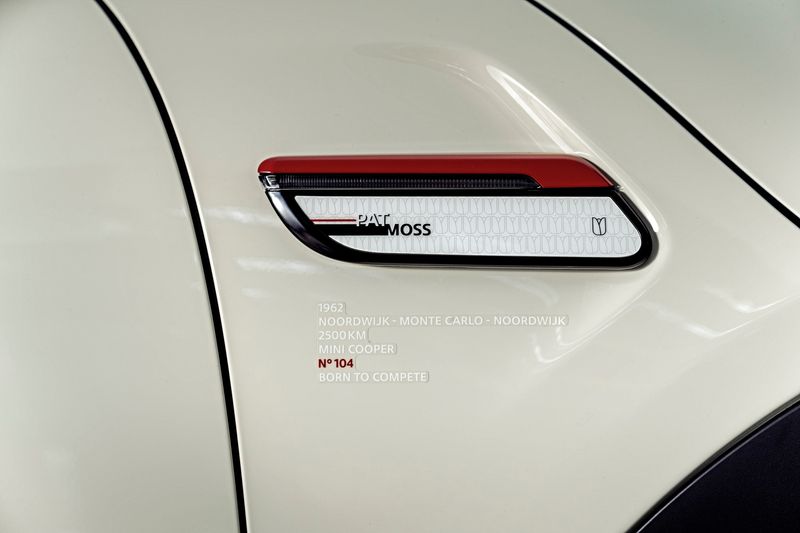
Pat Moss took a classic Mini to victory in the Tulip Rally in May 1962. This race took place from the Dutch municipality of Noordwijk to the French Riviera and back, quite the feat! Pat Moss and co-driver Ann Wisdom paved the way for an extraordinary career for the classic Mini. In 1964, 1965 and 1967, the British small car secured outright victory in the Monte Carlo Rally.
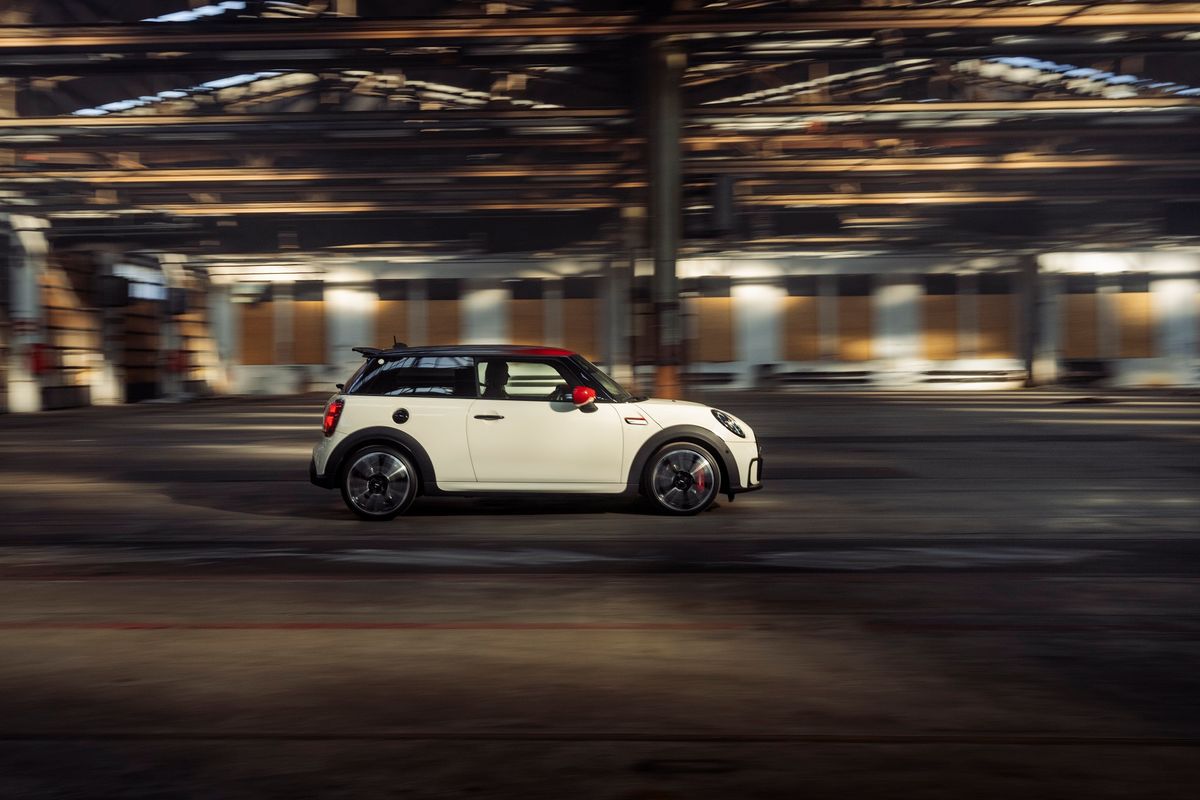
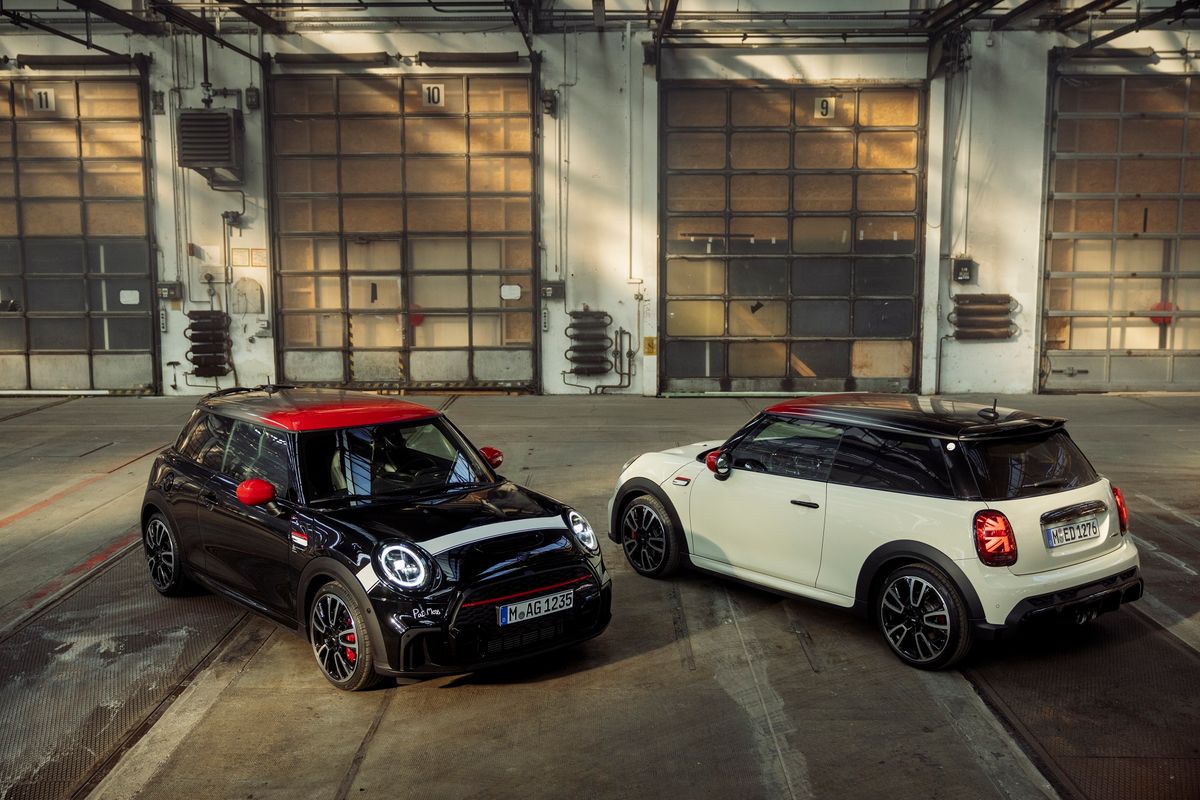
To celebrate this victory, the Mini Pat Moss has been built. Limited to just 800 units and available across the 3-door and 5-door range, this special edition feature a number of unique design elements. The Mini Pat Moss Edition is available in Cooper S flavour with 141 kW and John Cooper Works with 170 kW.
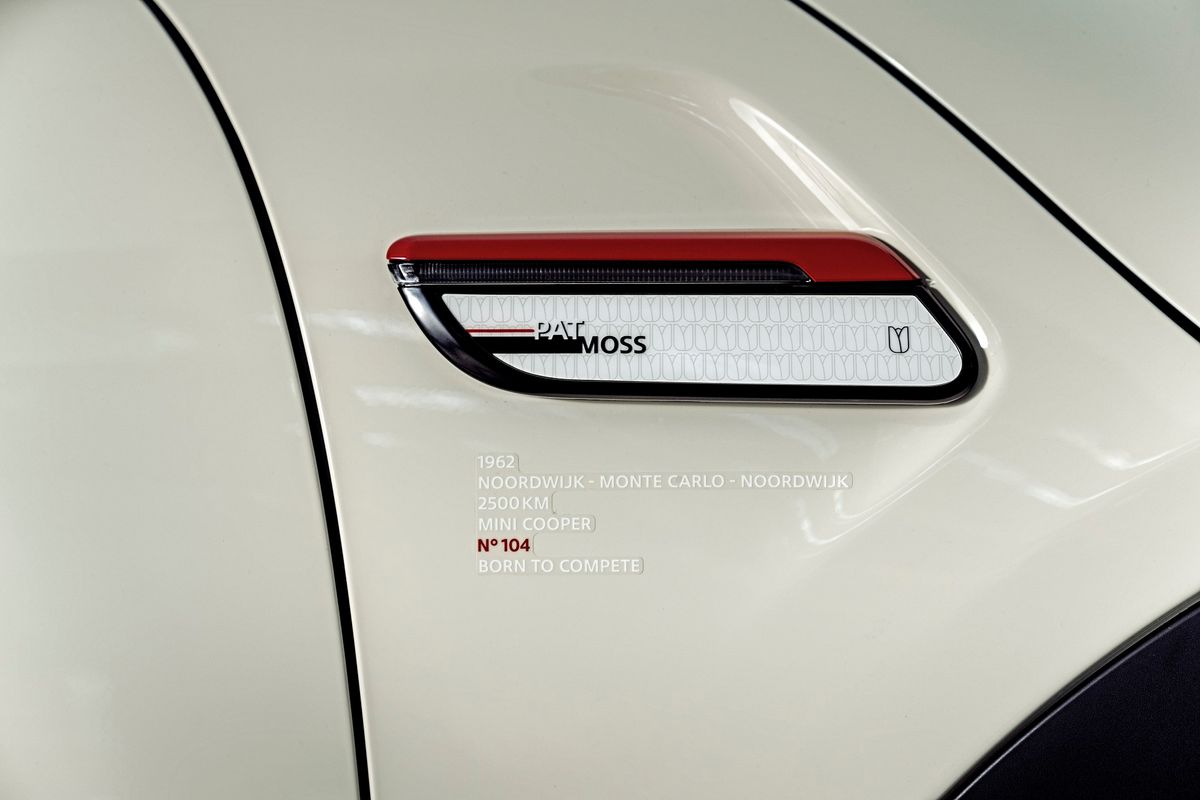
One of the coolest visual elements is the ombre-style roof. Mini calls it the Multitone roof and we just love the colour gradient effect. Other noteworthy design elements is the tulip logo on the C-pillars and side scuttles, as well as the Pat Moss name on the nose. The wheel hub covers feature an exclusive design with a graphic based on the tulip.
On the sides, the route of the 1962 race is detailed, while a horizontal white bonnet stripe is quite radical in comparison to the typical bonnet stripe layout.
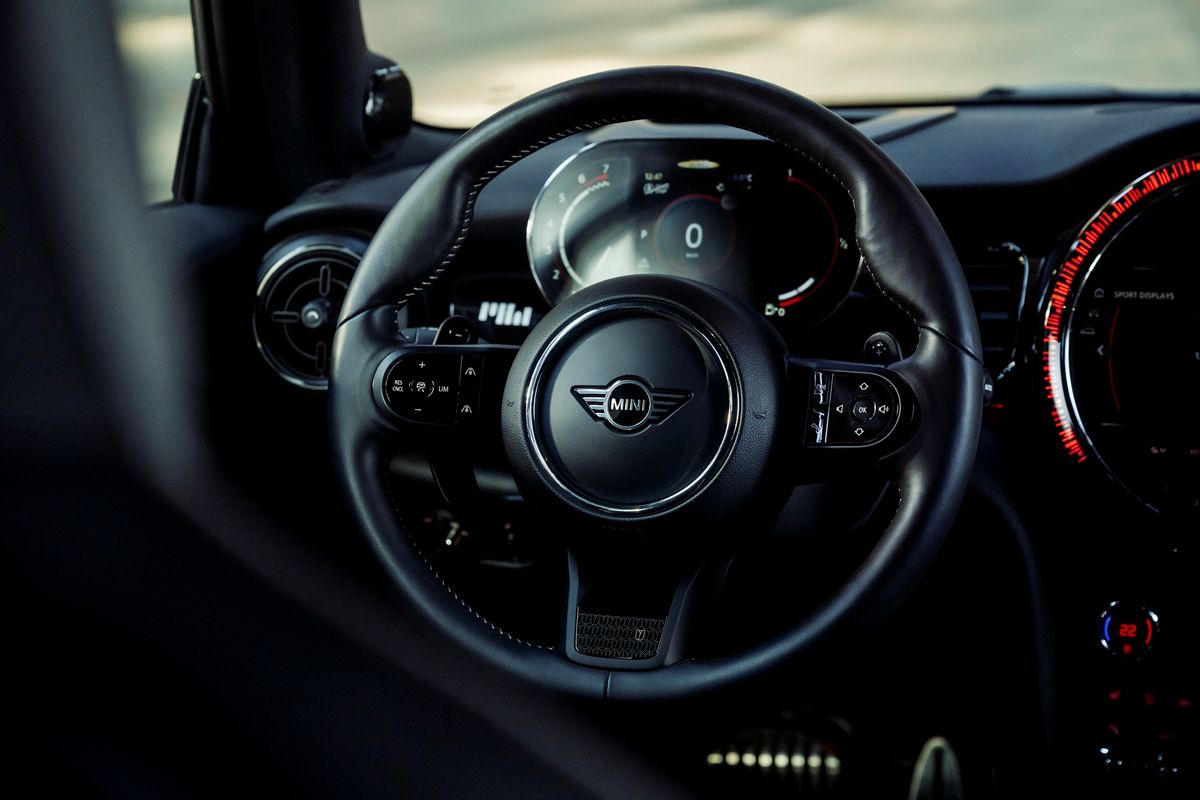
Inside, there’s a signature on the piano black surface of the passenger area, the sports leather steering wheel features a tulip graphic on the lower spoke and there’s a cool abstract graphic of engine pistons.
Mini South Africa confirmed that this model will be hitting our shores in limited quantities from the 3rd quarter of 2022. We’ll have pricing closer to the launch.
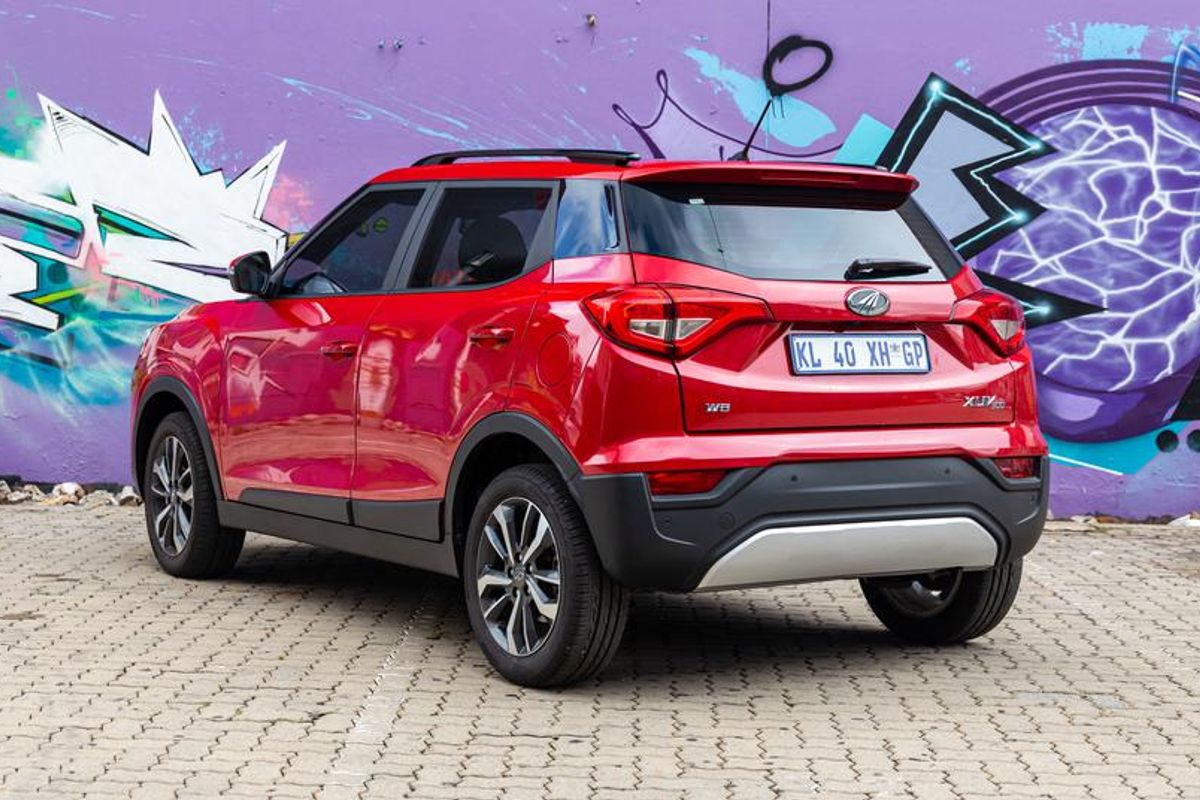
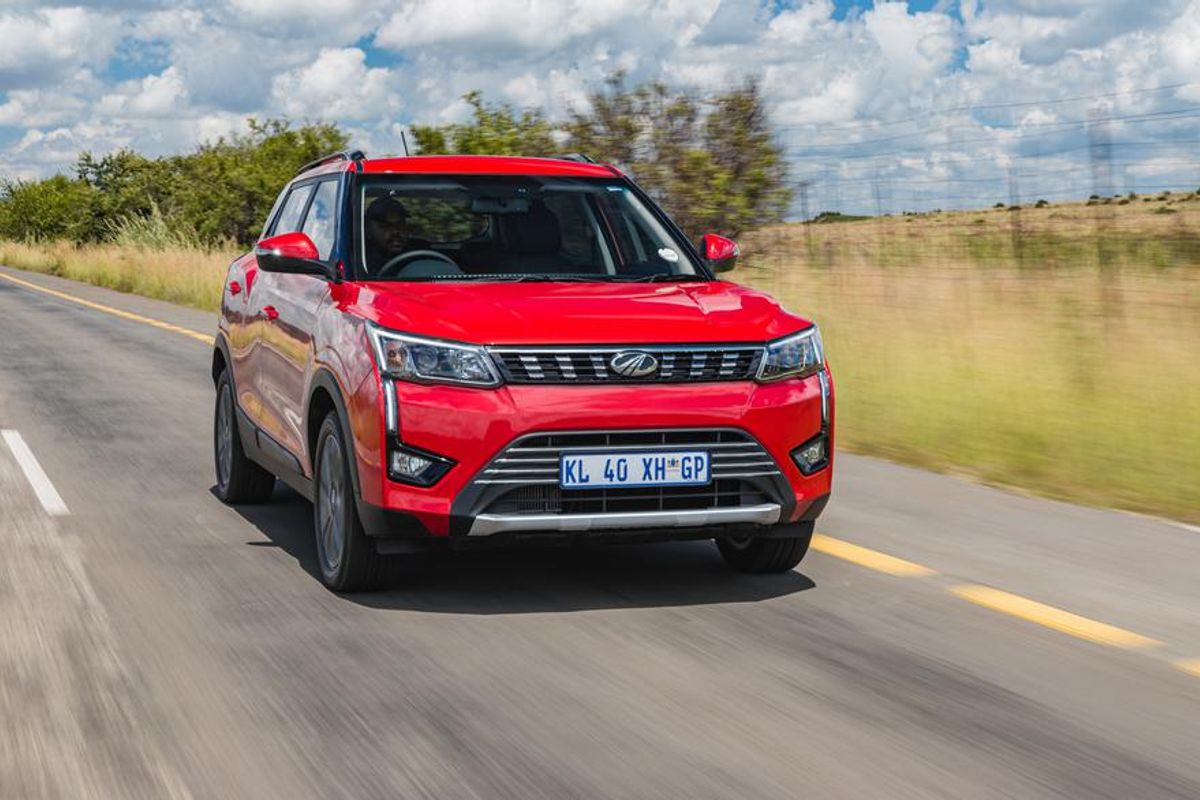
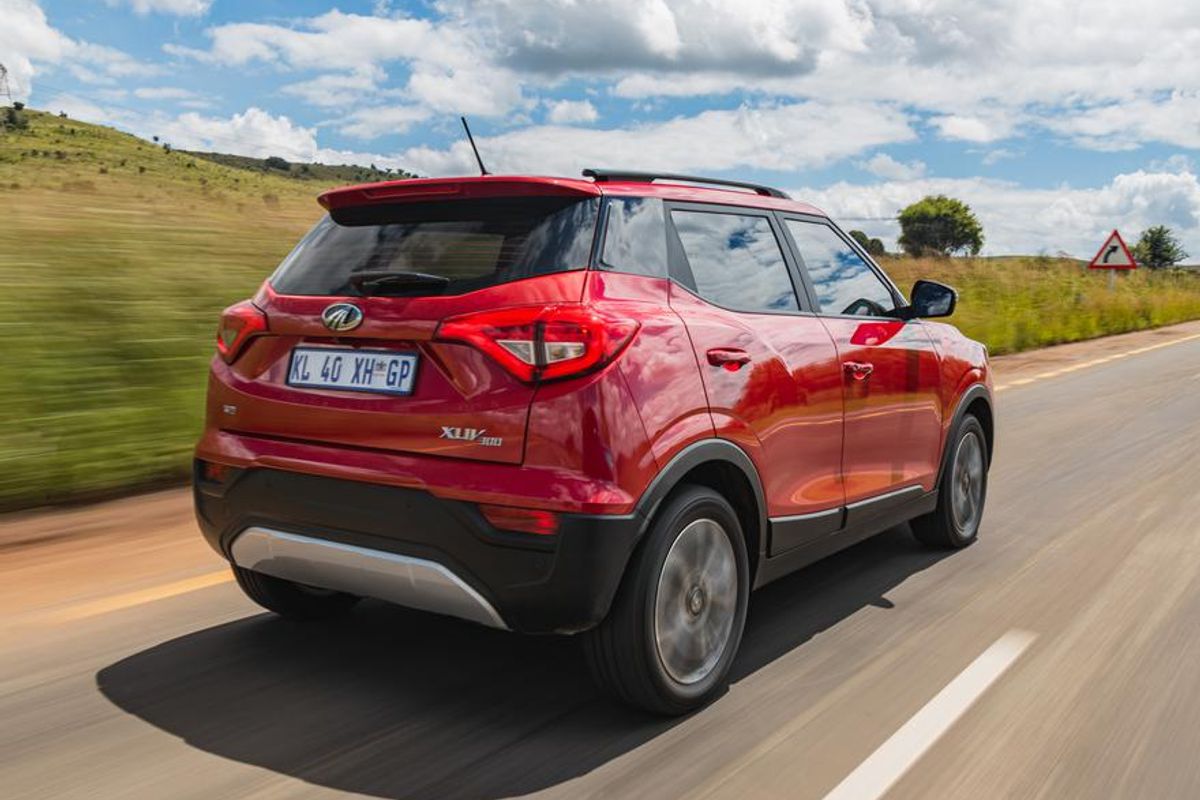
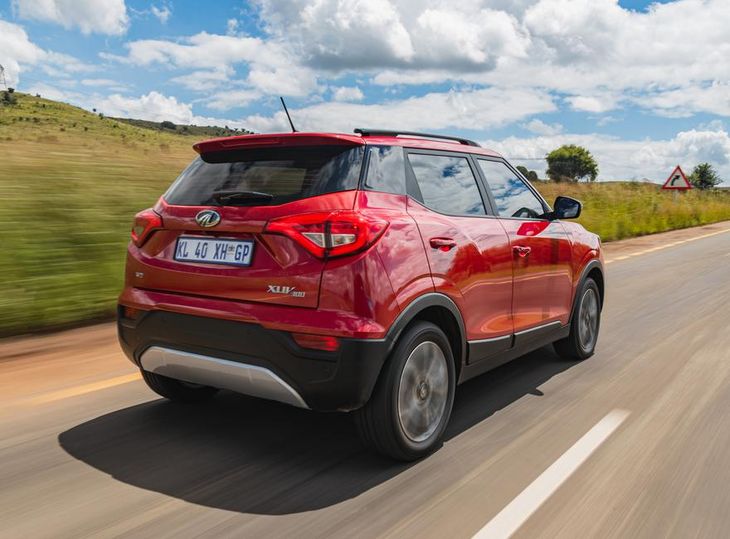
Updated Mahindra XUV300 (2022) Specs & Price
Mahindra has updated its XUV300 compact SUV which now offers higher levels of standard specification as well as the introduction of an XUV300 Special Edition (SE). See details below…
Mahindra’s XUV300 compact SUV has received a specification update across all trim levels (W4, W6 and W8) while XUV300 W4 Special Edition (SE) has also been added to Mahindra’s local lineup.
The XUV300 competes in a burgeoning segment where rivals such as the Toyota Urban Cruiser, Suzuki Vitara Brezza, Hyundai Venue, Nissan Magnite, Renault Kiger and Chery Tiggo Pro 4, to name just a few…
What’s changed?
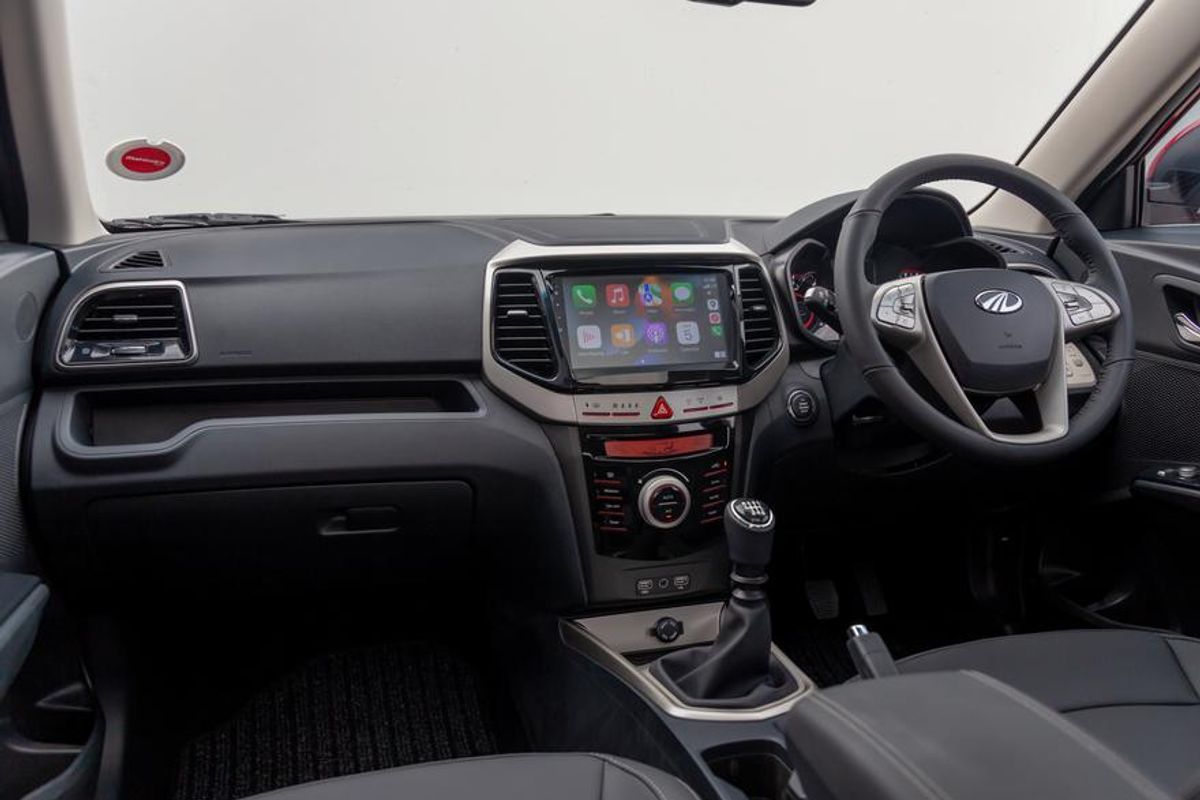
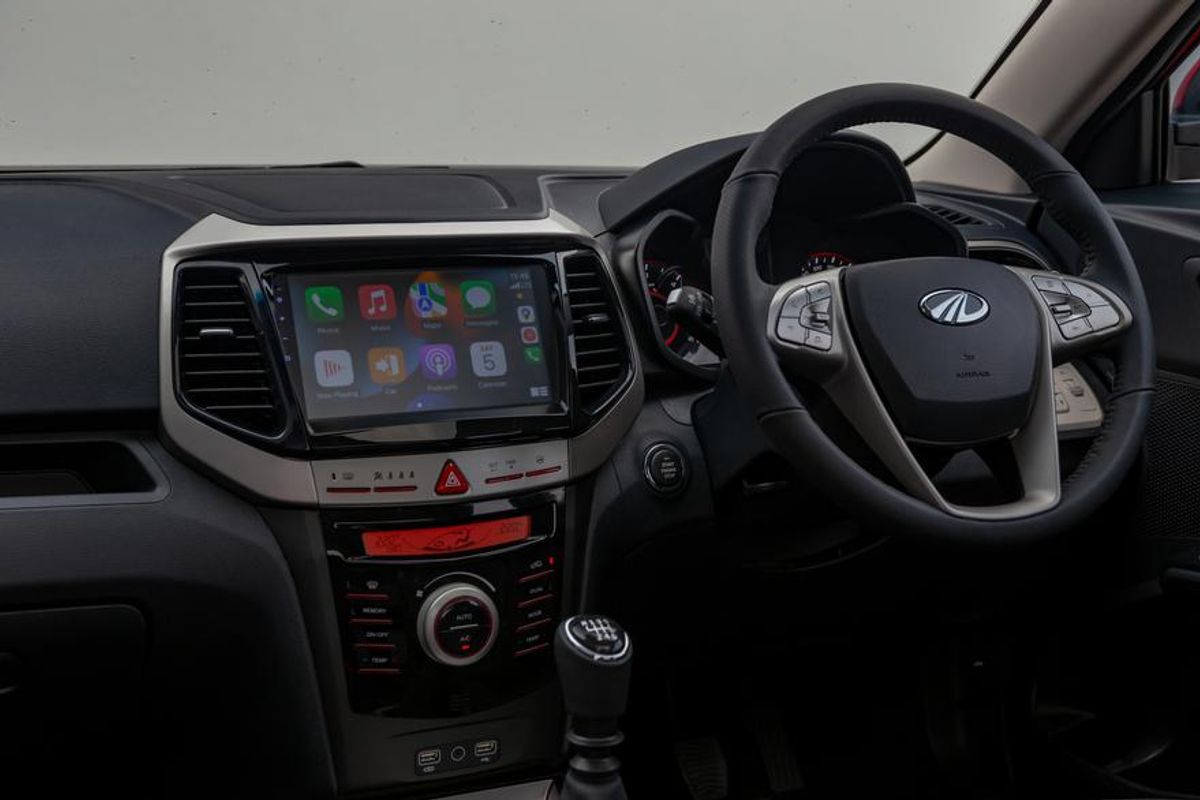
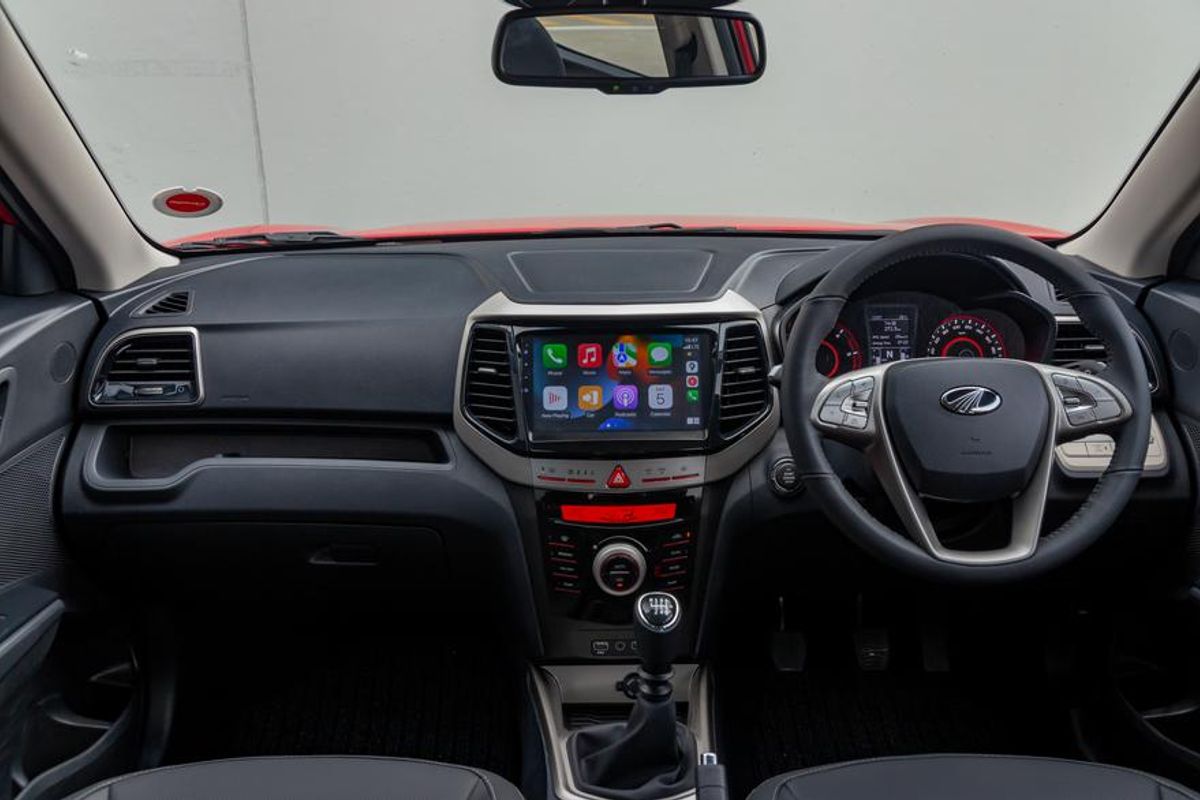
The XUV300 now features a black-themed interior replacing the previous ivory and beige colour scheme.
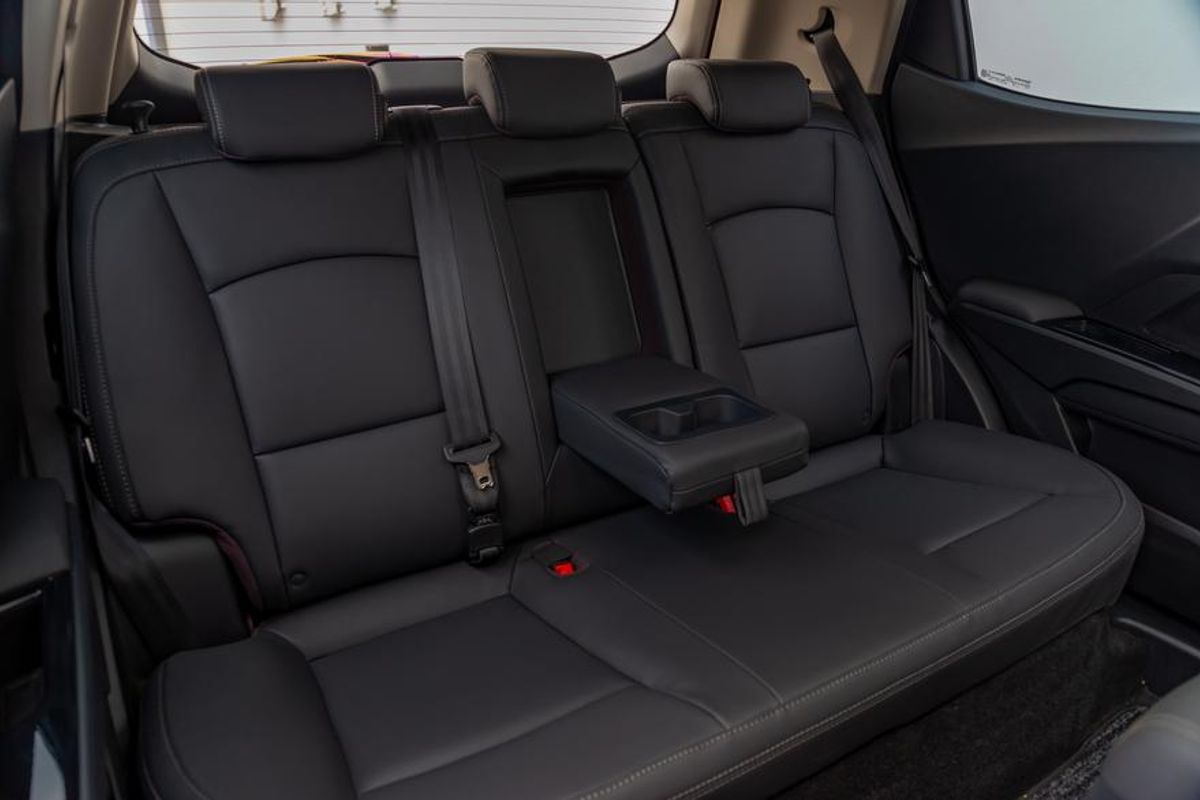
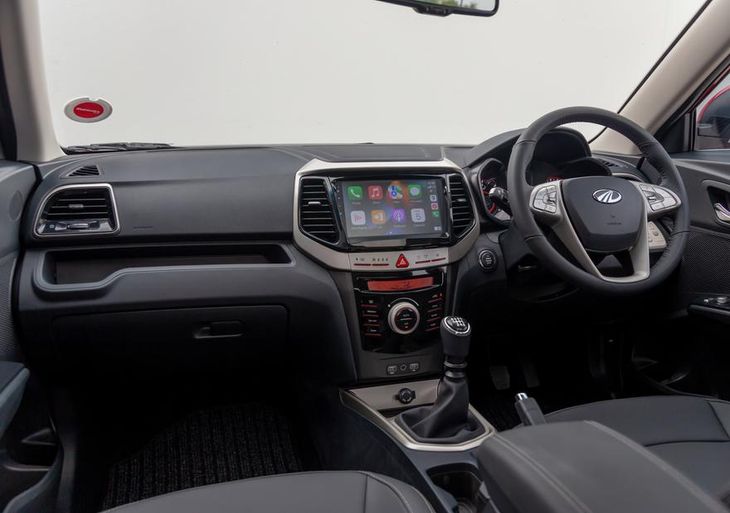
The most notable change to the XUV300 can be seen inside where all derivatives now gain a dark interior with a black dashboard and black cloth or leather upholstery. The XUV300 W8 derivatives gain black leatherette upholstery. Previously, the XUV300 was offered with an ivory and beige interior but listening to customer feedback, Mahindra has now opted for black.
Another major change is the fitment of an updated 9-inch touchscreen infotainment system which replaces the outgoing 7-inch system. The new system is Android Auto and Apple CarPlay compatible in the W4 SE, W6 and W8 derivatives.
The W6 trim level now adds a rear window wiper, demister and integrated navigation and cruise control. As for the XUV300 W8 includes features a sunroof, dual-zone climate control air conditioning, a leather steering wheel and a tyre pressure monitoring system. The W8 trim level also includes a height-adjustable driver’s seat, self-dimming rear-view mirror and automatic headlights.
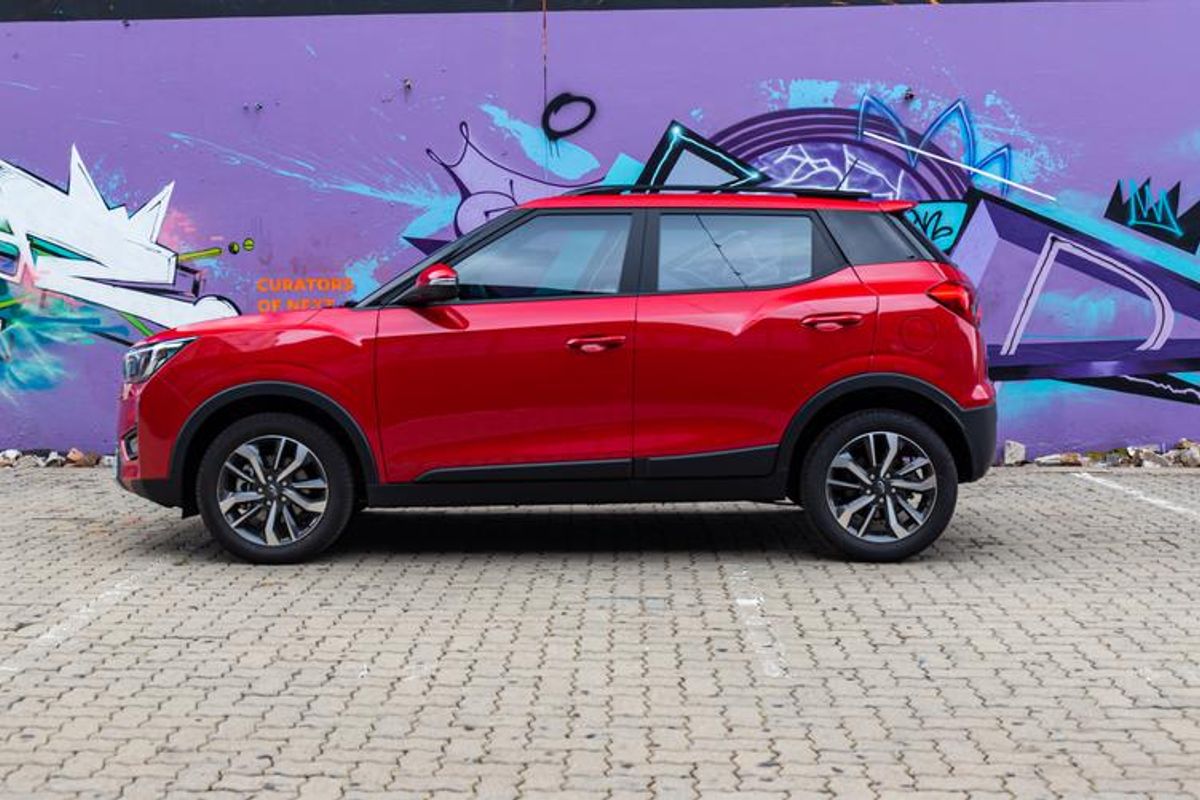
Mahindra has mostly left the exterior design unchanged but the Indian firm has taken the opportunity to introduce newly-designed 16-inch diamond-cut alloy wheels fitted to W6 and W8 derivatives. The XUV300 W4 derivatives are fitted with steel wheels with wheel covers while the new W4 SE gains its own unique 16-inch alloy wheels with black and silver detailing. More so, all derivatives are now equipped with a full-size spare wheel.
What engines are offered for the Mahindra XUV300?
The XUV300 offers both petrol and diesel engine choices, but only a manual transmission is available.
Buyers have the choice between a petrol and diesel engine.
The range starts with a 3-cylinder 1.2-litre turbopetrol engine offering 81 kW and 200 Nm while the 1.5-litre turbodiesel engine provides 86 kW and 300 Nm of torque. All derivatives are mated with a 6-speed manual transmission. No automatic transmission is available for the XUV300.
In terms of safety, the XUV300 carries a 5-star Global New Car Assessment Programme (GNCAP) safety rating and is equipped with at least 2 airbags (up to 7 airbags in W8 trim), ABS with EBD, brake assist, electronic stability control and hill hold assist (W8).
How much does the Mahindra XUV300 cost in South Africa?
XUV300 W4 1.2 Petrol – R234 999
XUV400 W4 1.2 SE Petrol – R244 999
XUV300 W6 1.2 Petrol – R261 999
XUV300 W6 1.5 Diesel – R281 999
XUV300 W8 1.2 Petrol – R316 999
XUV300 W8 1.5 Diesel – R336 999
The XUV300 is sold with a 5-year/150 000km warranty. The XUV300 W4 derivatives include a 3-year/50 000km service plan while the W6 and W8 derivatives are covered by a 5-year/90 000km service plan.
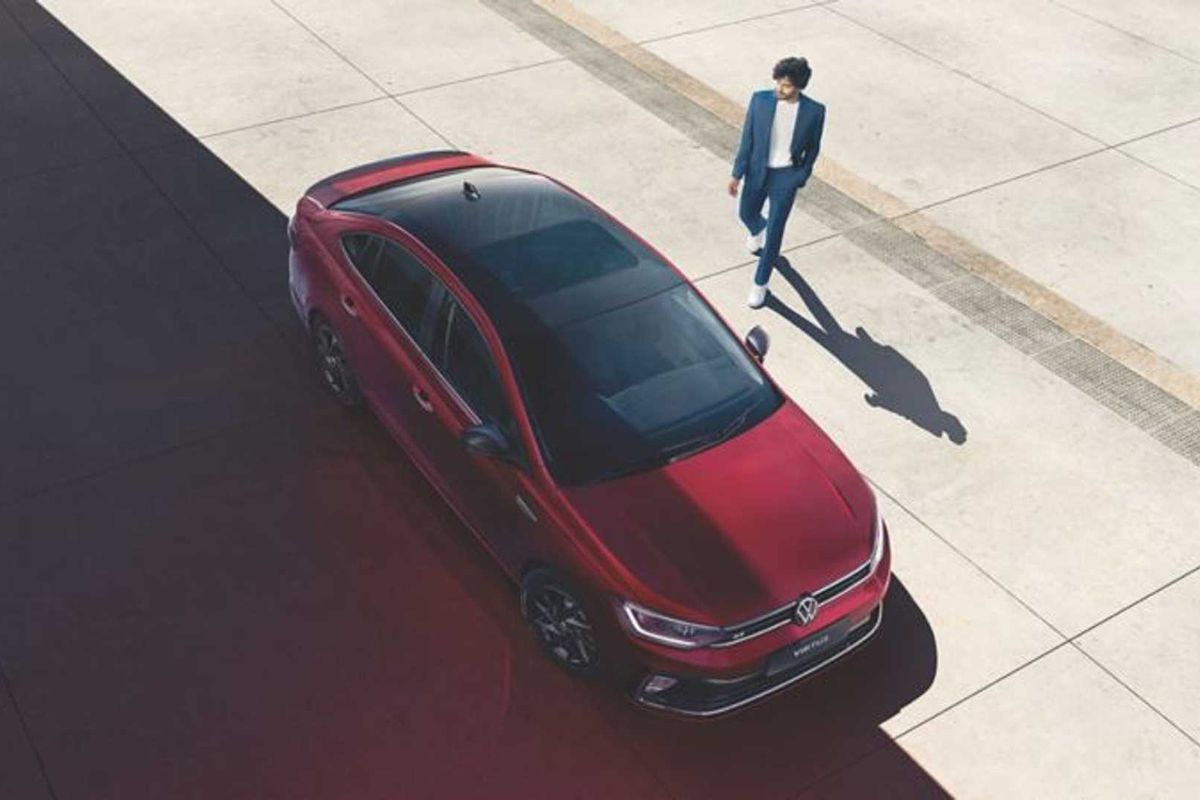
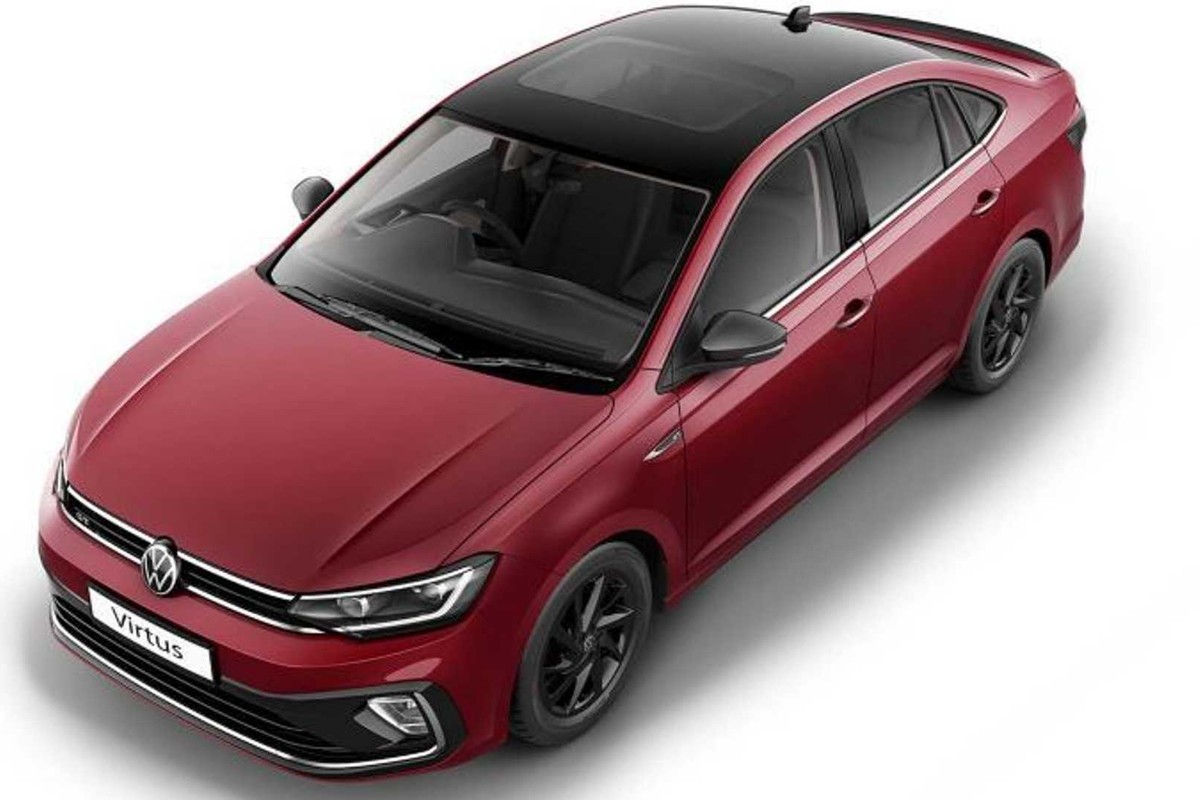
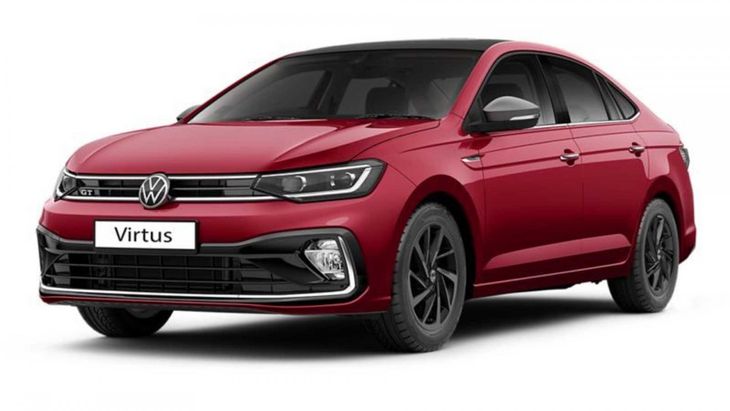
The world premiere of the Volkswagen Virtus took place in India today and the model will arrive in South Africa later in 2022 as the Polo sedan. See details below…
Volkswagen has revealed its updated Polo-based Virtus sedan in India. The Virtus made its first debut in Brazil in 2017 and was initially produced for South American markets. Now, the Indian-built Virtus is due to go on sale in India, effectively replacing the ageing Vento, and will be exported to no less than 25 countries. The Virtus is underpinned by the firm’s MQB A0 platform, the same that underpins the Polo, and it will be built at Volkswagen’s Chakan production facility in Pune, India.
Volkswagen Virtus is Polo Sedan for South Africa
The Virtus will go on sale in India before reaching other global markets, including South Africa.
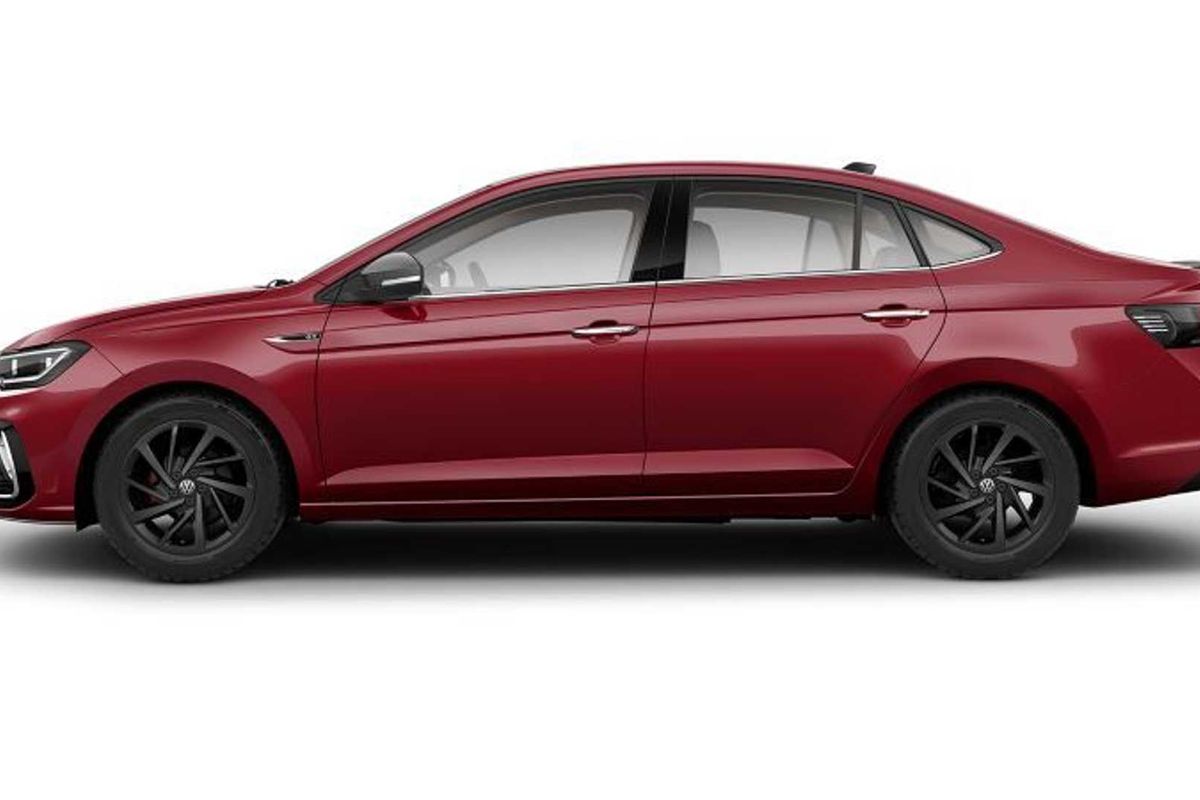
As far as design is concerned, the Virtus features familiar Volkswagen design cues with modern-looking LED headlight units with LED daytime running lights and 2 chrome accent strips that run across the width of the bonnet. The large lower bumper section is also neatly framed in chrome and also houses the fog lig units. The rear-end also features a stylised lower bumper and large light housings that give add to the perceived width of the car. With GT trim elements, the Virtus adopts a slightly more sporty approach.
The Virtus will feature Volkswagen’s latest digital technology.
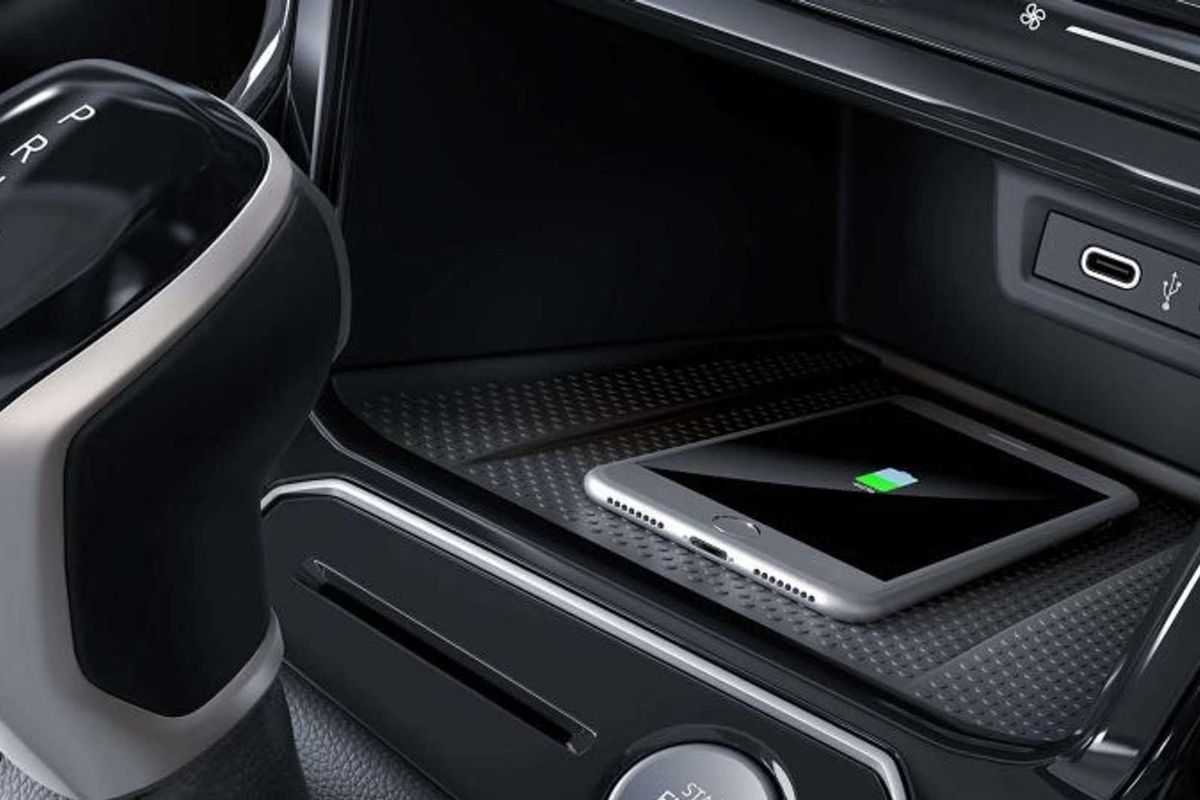
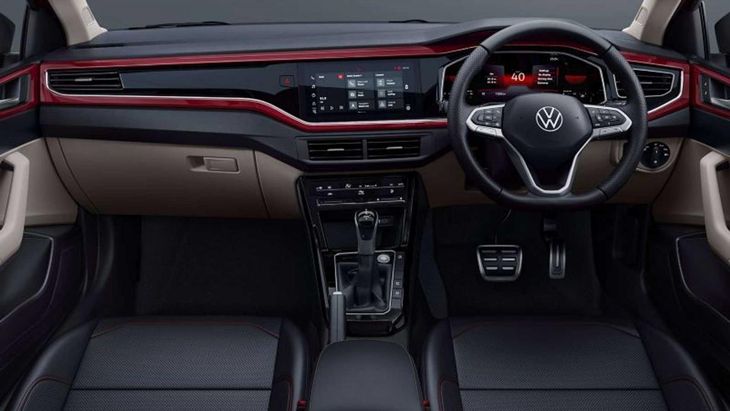
As for the interior, the Virtus’ interior features a dominant horizontal design with a wrap-around effect. In addition to ventilated leather seats and electronic sunroof, the model gains Volkswagen’s 8.0-inch Digital Cockpit as well as a large 10-inch touchscreen infotainment system with wireless Apple CarPlay and Android Auto connectivity. A wireless smartphone charger will also be offered as well as 4 USB ports for front and rear passengers. An 8-speaker sound system is standard across the range.
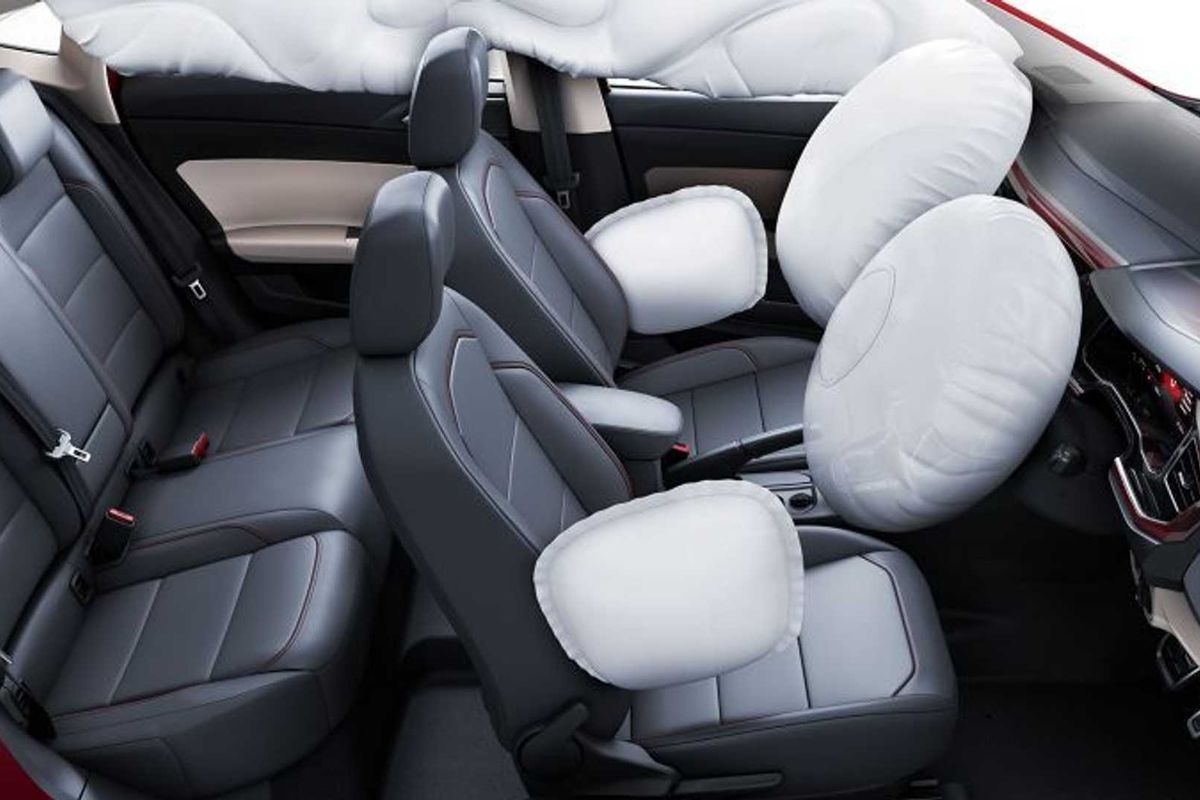
Safety features include up to 6 airbags, ABS with EBD, electronic stability control with traction control, brake assist, hill hold control, electronic differential lock and a tyre pressure monitoring system.
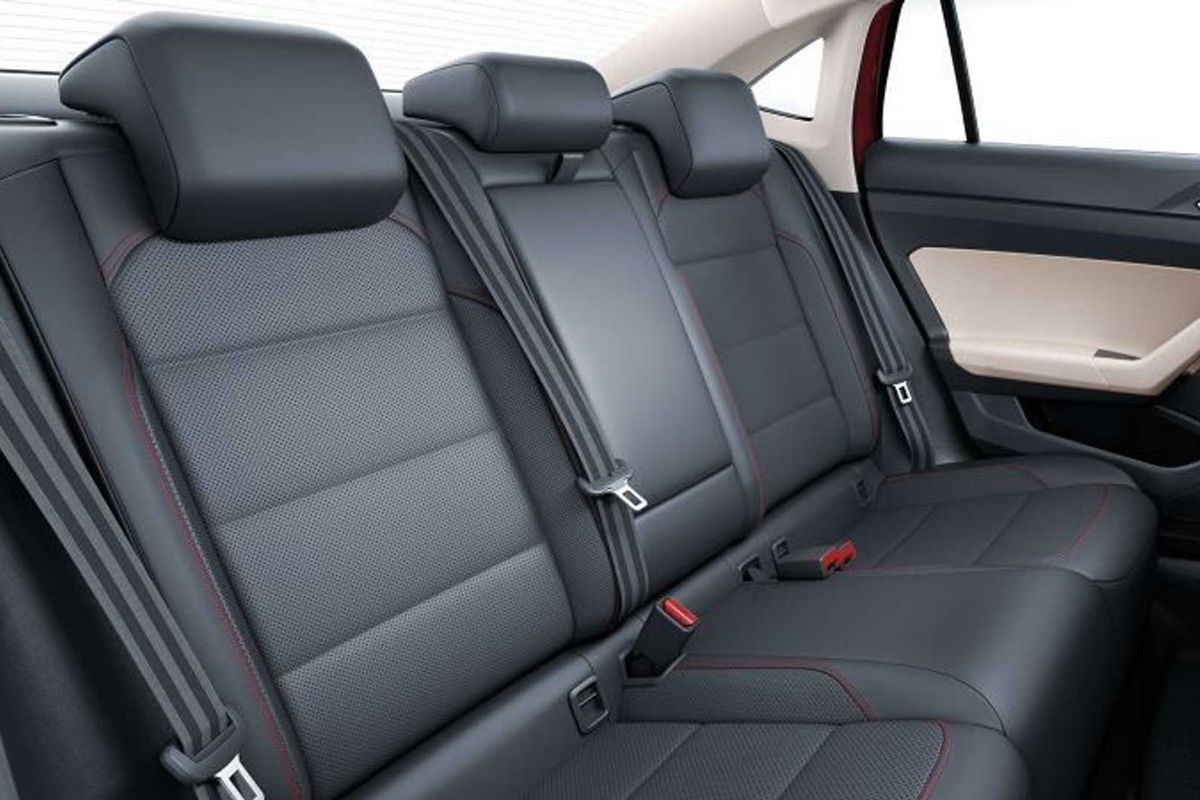
As for practicality, the Virtus is said to be the biggest car in its segment standing 4 561 mm long, 1 752 mm wide, 1 507 mm tall and with a generous wheelbase of 2 651 mm. Boot space is claimed at 521 litres and the rear seats are split in a 60:40 configuration for added flexibility.
What engines power the Volkswagen Virtus?
The Virtus will be offered with 2 engine choices including Volkswagen’s 1.0-litre turbopetrol engine with 85 kW and 178 Nm of torque (Dynamic Line) mated with either a 6-speed manual or 6-speed automatic transmission as well as the range-topping 1.5-litre turbopetrol engine (Performance Line) with 110 kW and 250 Nm which will be mated with a 7-speed dual-clutch transmission.
A spokesperson for Volkswagen South Africa has confirmed that the Virtus will come to South Africa in 2022 and will be badged as the Volkswagen Polo sedan. The exact specifications for South Africa will be confirmed closer to launch. Stay tuned!
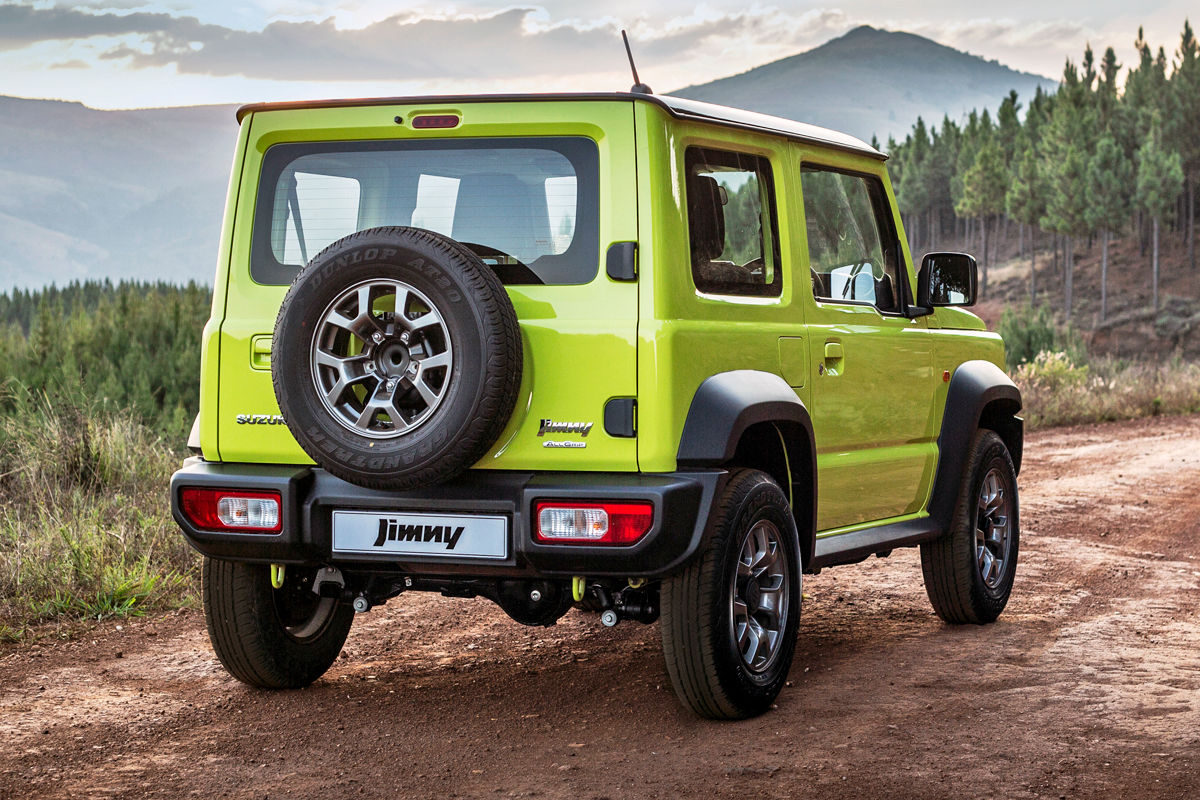
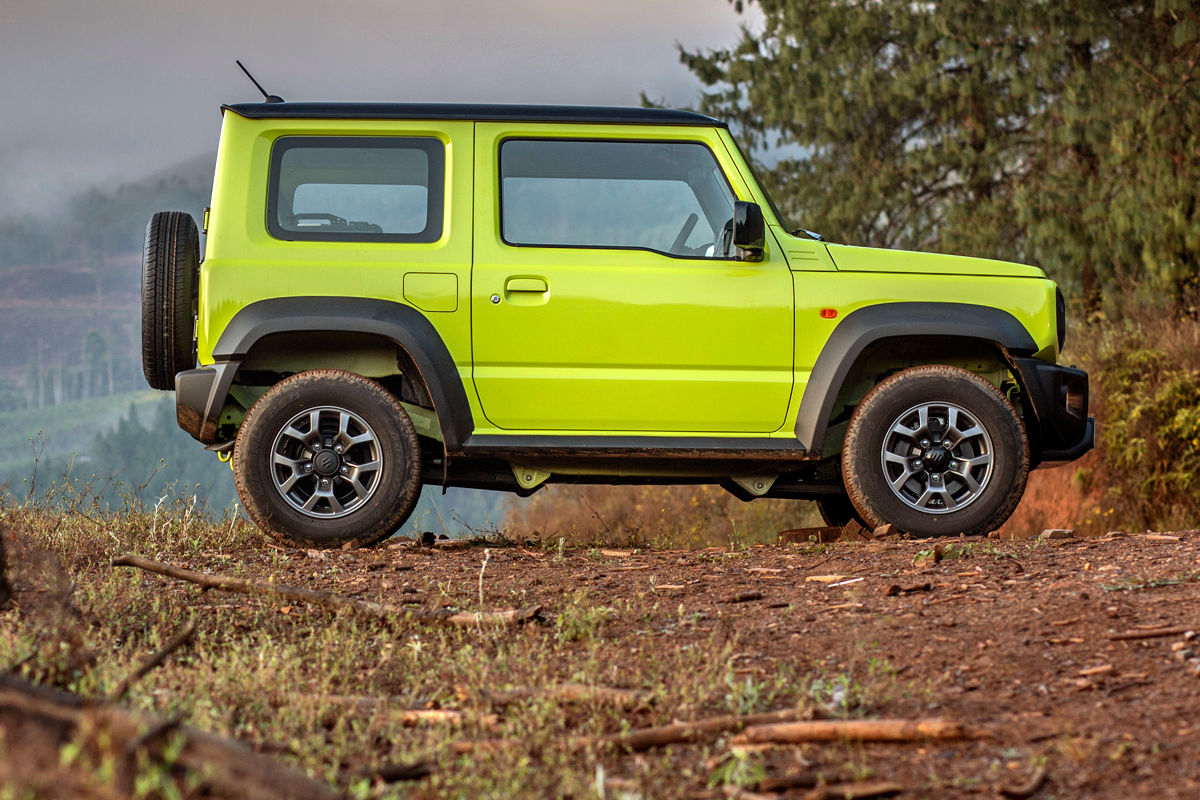
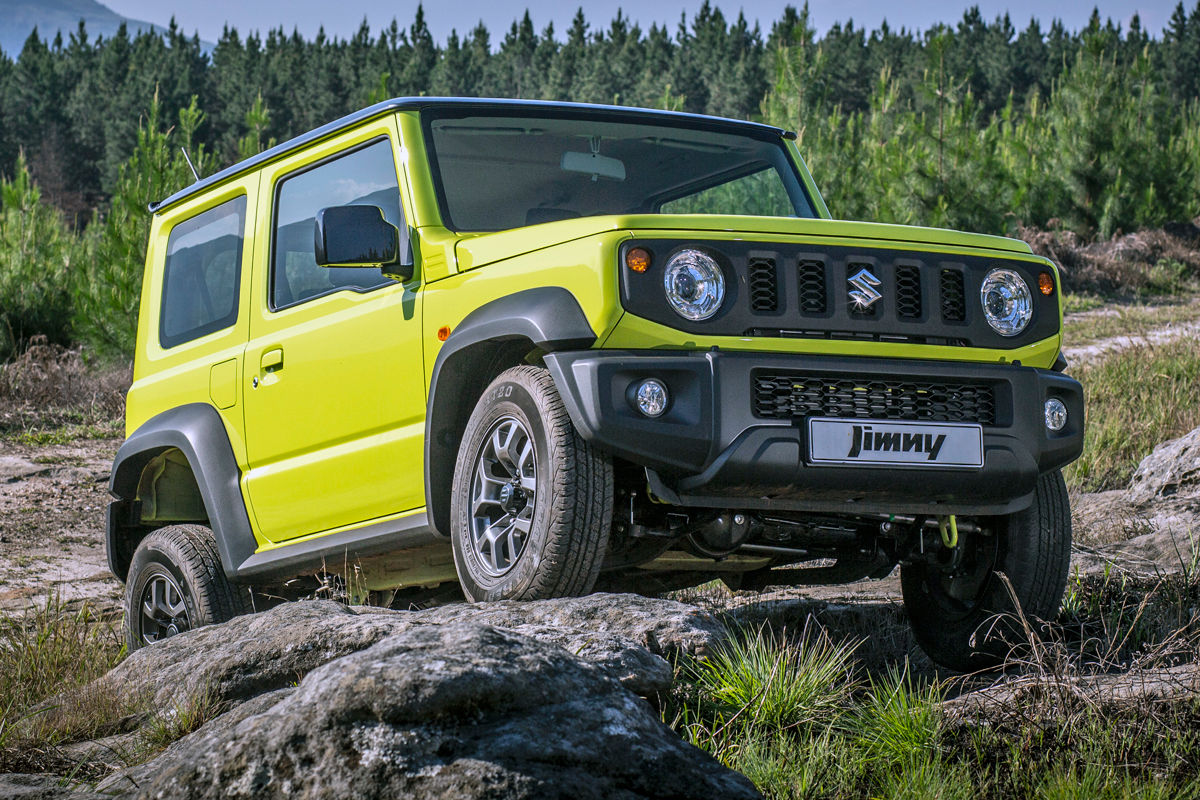
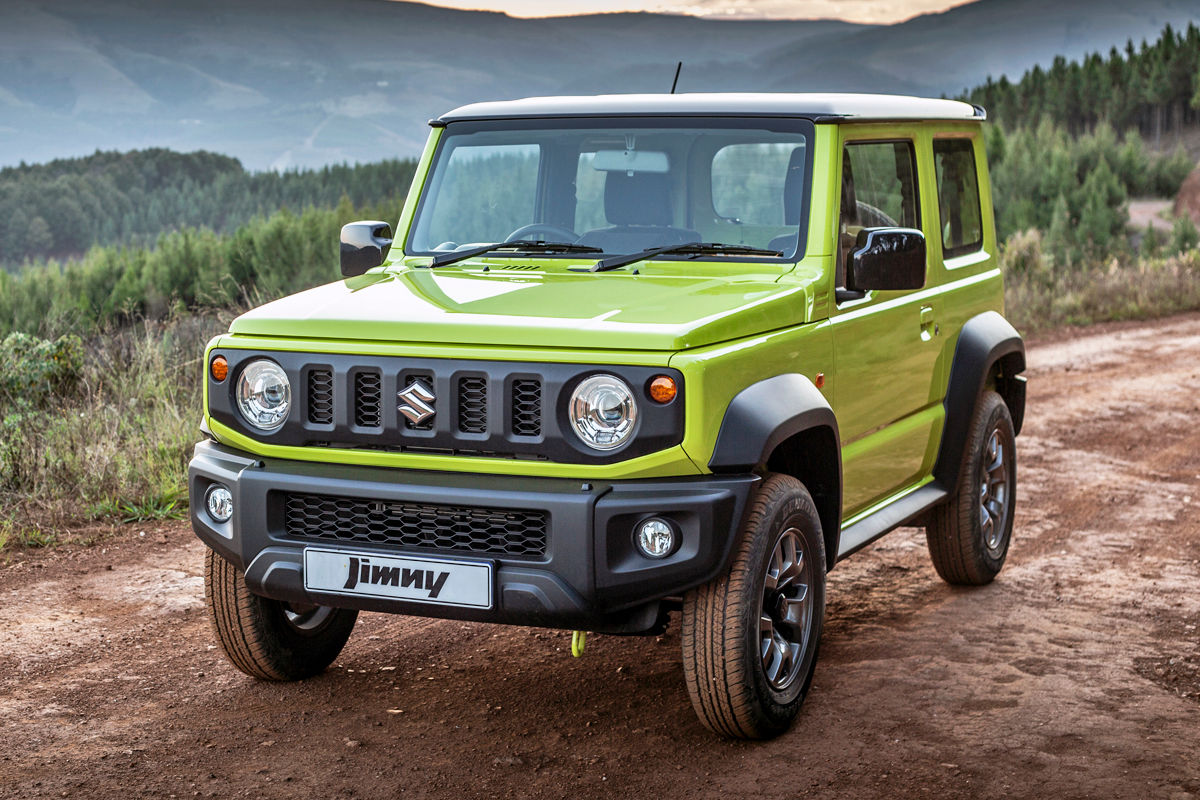
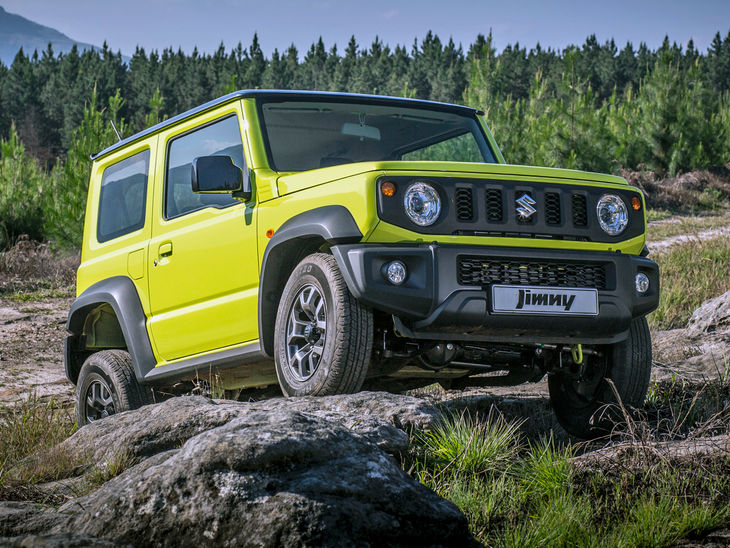
The Suzuki Jimny line-up has grown to five derivatives, with two fresh GL variants having quietly joined the range in South Africa. Here’s how much the newcomers cost…
Suzuki Auto South Africa, which posted yet another record sales month in February 2022, has expanded its Jimny range with the addition of a pair of mid-spec GL models.
When the fourth-generation version of the plucky little off-roader arrived in South Africa in 2018, the line-up comprised three derivatives: the base GA in five-speed manual form and the flagship GLX in both manual and four-speed automatic guise.
Back then, the Jimny was built exclusively in Japan, though with the Kosai facility struggling to keep up with surging global demand, waiting lists here in South Africa soon exceeded a year. However, Suzuki Auto SA recently started sourcing its Jimny stock from Maruti’s Gurgaon production line in India, which assembles the vehicle from what the company describes as “100% Japanese-sourced parts and components”.
With a larger, more reliable stream of vehicles now coming in from the subcontinent, local sales of the Jimny have picked up nicely, with the 394 units registered in February helping Suzuki Auto SA hit a new monthly sales record of 3 240 units. In fact, the Jimny was the third most popular Suzuki in February, behind the likewise Indian-built Swift (1 313 units) and Vitara Brezza (664 units).
So, what about the new GL derivatives? Well, they’re mechanically identical to their siblings – so, the naturally aspirated 1.5-litre four-cylinder K15B engine still delivers 75 kW and 130 Nm to all four corners, with a choice of manual (R336 900) and automatic (R357 900) cog-swappers – but they gain some extra kit over the admittedly basic GA model.
These upgrades include electric windows, electrically adjustable side mirrors, alloy wheels, audio controls on the steering wheel, Bluetooth functionality and remote central locking. While the single GA variant makes do with a 2-year/30 000 km service plan, the GL features the higher-spec GLX’s more generous 4-year/60 000 km version. A 5-year/200 000 km promotional warranty applies to all models.
As a reminder, the range-topping GLX trim level is distinguished by automatic LED headlamps, automatic climate control, cruise control, touchscreen system (with Apple CarPlay and Android Auto functionality), a leather-trimmed steering wheel and a rear cargo “convenience package”, which includes an additional 12-volt socket, rear interior light and flat-floor luggage box.
How much does the Suzuki Jimny cost in South Africa?
Suzuki Jimny 1.5 GA – R318 900
Suzuki Jimny 1.5 GL – R336 900
Suzuki Jimny 1.5 GL AT – R357 900
Suzuki Jimny 1.5 GLX – R356 900
Suzuki Jimny 1.5 GLX AT – R377 900
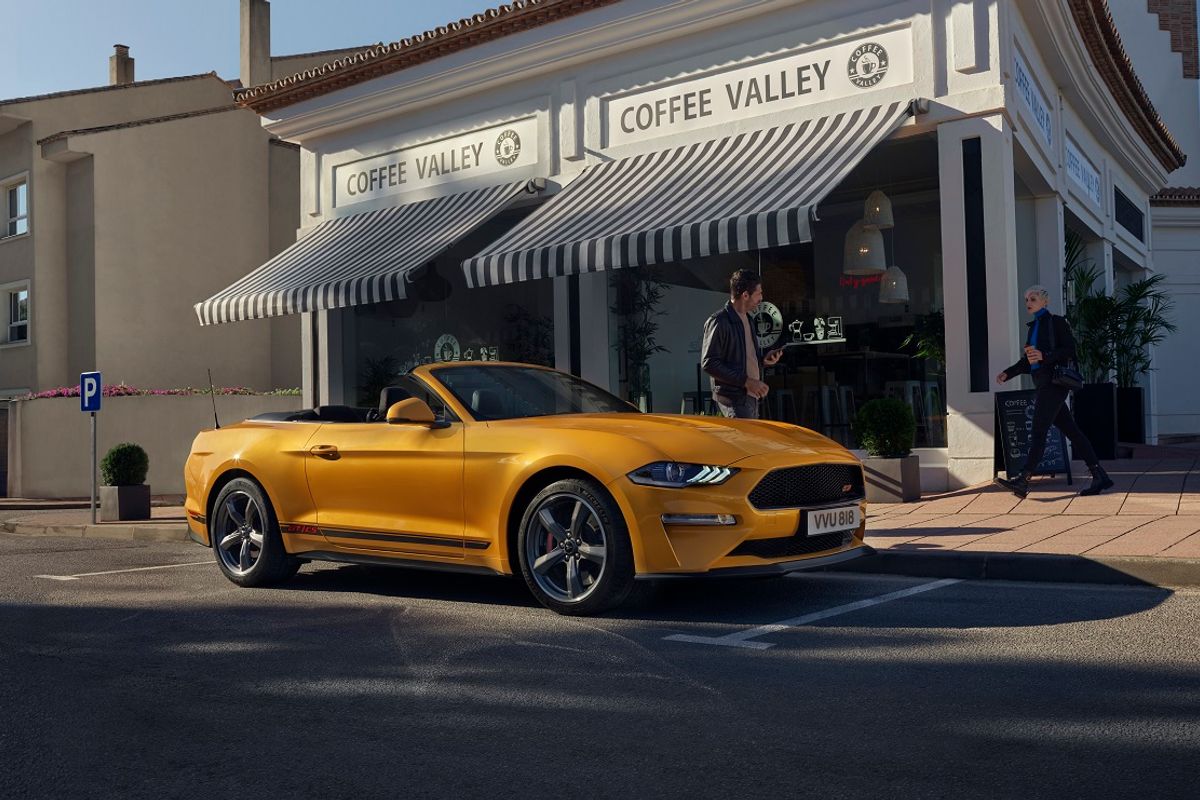
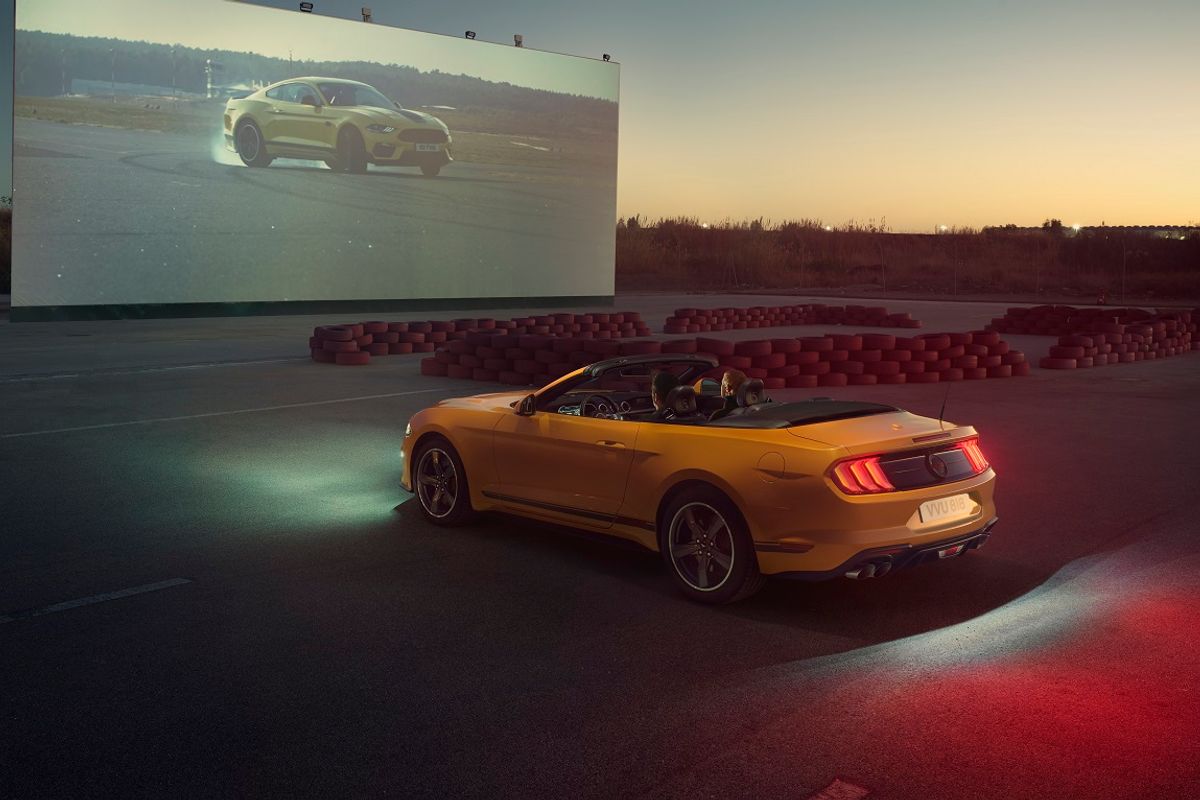
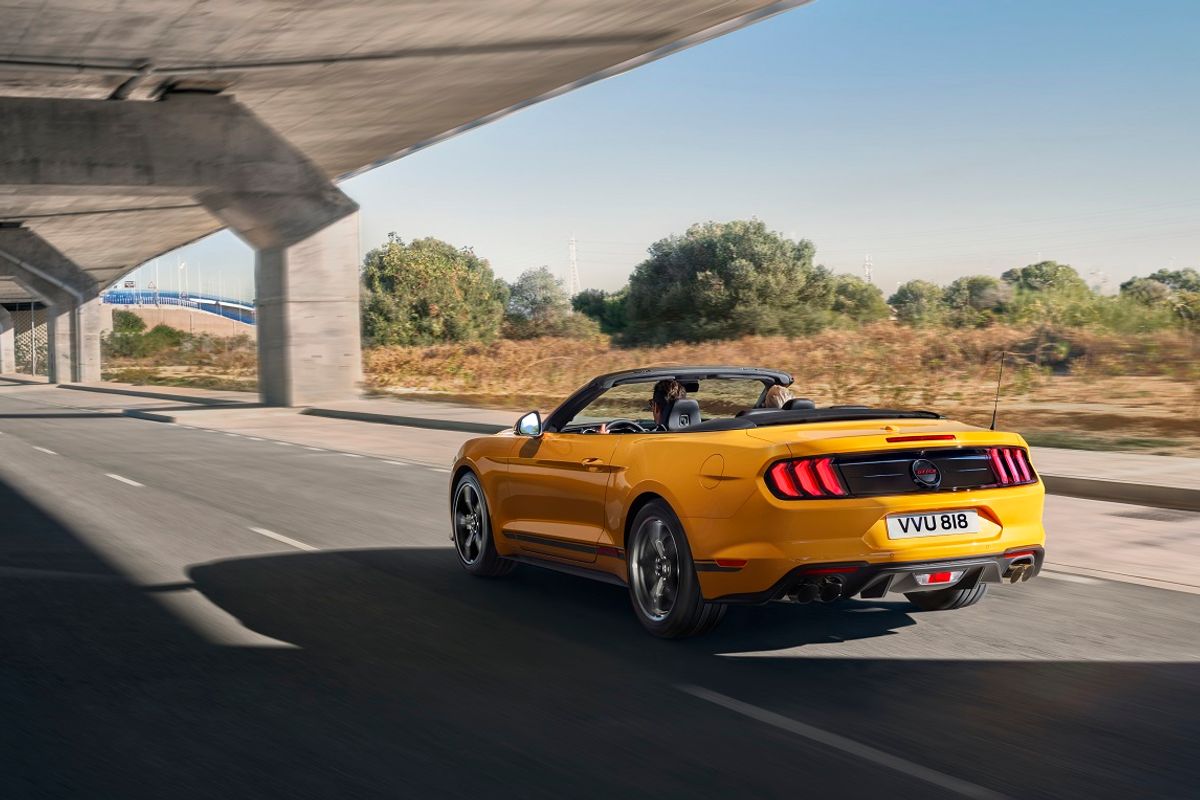
Ford Mustang California Special Revealed
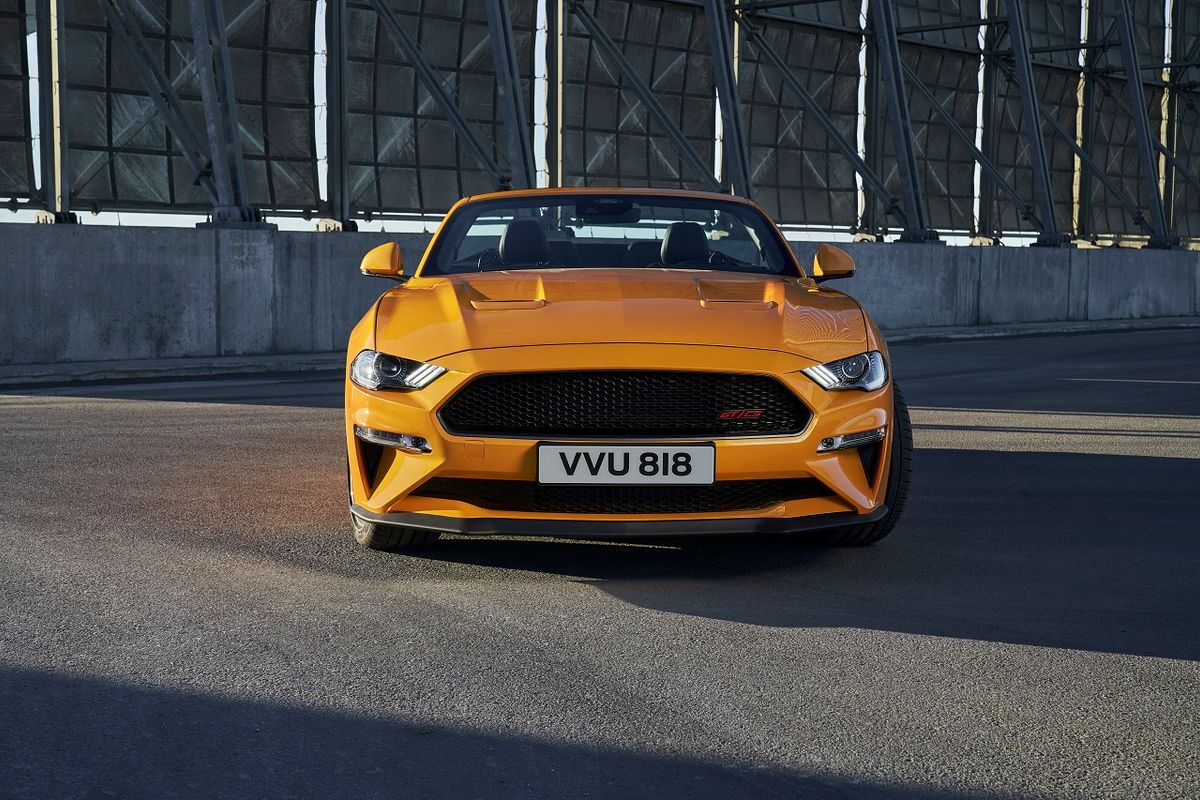
Ford has announced a special edition of its iconic muscle car. Meet the Ford Mustang California Special.
The dream of cruising the open road in a Ford Mustang is a common one and now the American carmaker wants to make those dreams a reality.
When the first Mustang hit the roads back in 1964, many regional dealers came up with their own personalised designs. Inspired by the 1967 Shelby GT notchback coupe was the California Special, which came with a blacked-out grille, fog lights and race stripes as well as a Shelby-inspired spoiler. Ford was so impressed, it commissioned a production run.
“The California Special is a huge part of the Mustang’s legacy in America and it symbolises so much of what Mustang stands for: The joy of driving and the freedom of the open road. Those ideals resonate just as strongly with driving enthusiasts in Europe, so it’s about time customers here got to experience the unique California Special blend of style, performance and driving fun,” said Matthias Tonn, Mustang chief programme engineer, Ford of Europe.
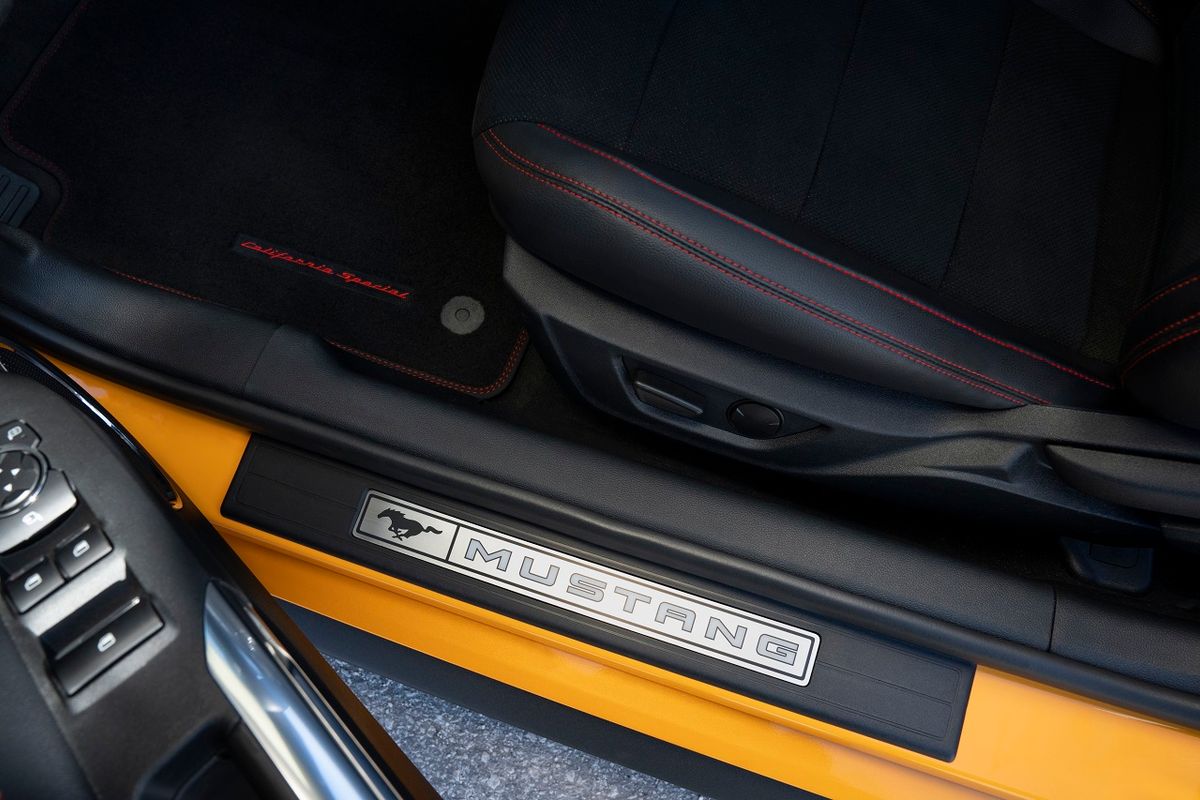
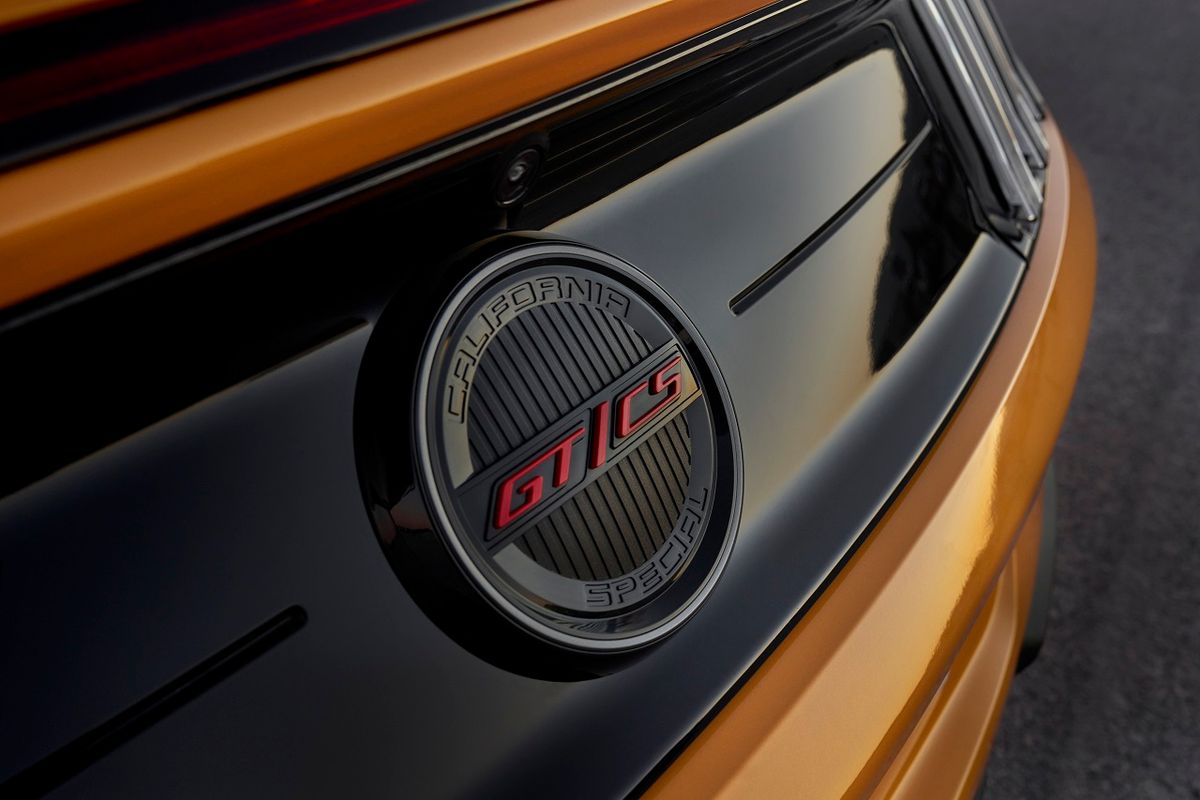
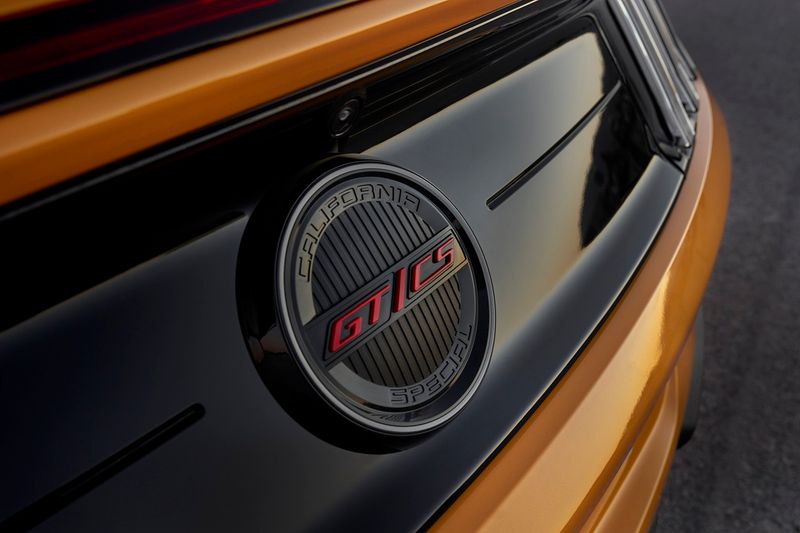
The all-new Ford Mustang California Special is available with unique badges, 19-inch alloy wheels and funky decals. Incorporating GT/CS logos, the stripes run from the front to rear wings and feature a hidden “California Special” script that is almost invisible in low light conditions but becomes much more prominent in stronger sunlight.
Of course, a Mustang has to have proper power and there’s no replacement for displacement as the Coyote 5.0-litre V8 is offered. This engine packs 330 kW and 529 Nm. Visually, there are some big tyres with 19 x 9-inch and 19 x 9.5-inch rear wheels are finished in Carbonised Grey to complement the front splitter, side skirts, and rear diffuser. Under the bonnet, a strut tower brace features a California Special badge.
Customers can opt for either a 6-speed manual transmission or a 10-speed automatic gearbox. For the manual model, Ford claims 0-100 kph in 4.8 seconds, with the auto a touch quicker at 4.5 seconds.
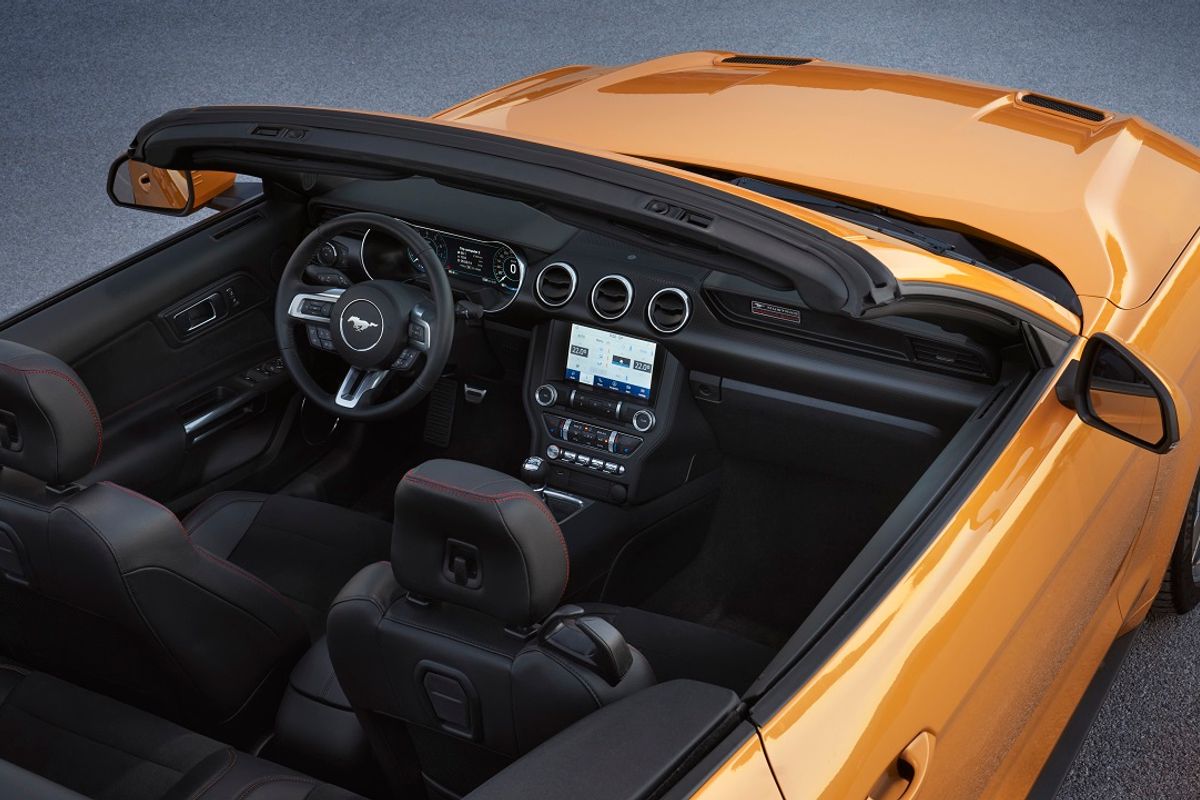
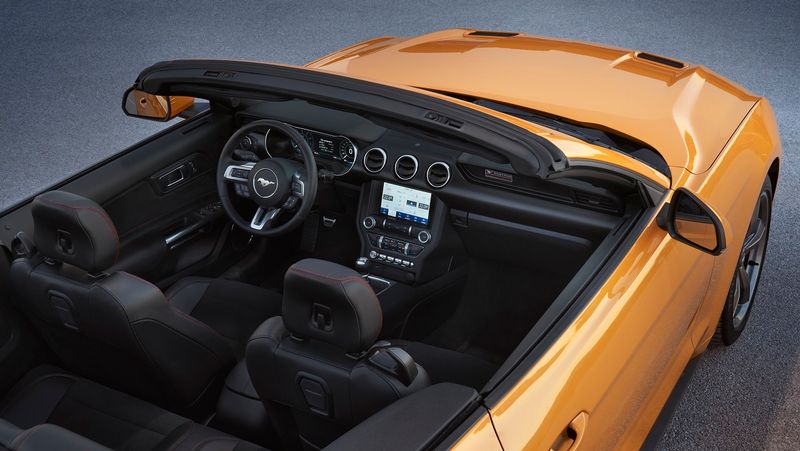
Inside, the Mustang California Special is designed to help liberate all the fun of the open road whatever the weather, with bespoke California Special detailing adding exclusive appeal. Standard comfort technologies include heated and cooled front seats, a 12-inch customisable instrument cluster, and advanced SYNC 3 connectivity.
The Ford Mustang California Special has been confirmed for both the US and European markets. We’re hoping to hear confirmation from Ford SA soon.
The new-generation Suzuki Celerio has touched down in South Africa. Here’s what you can expect to pay for the compact city hatchback.
The new Celerio is built on Suzuki’s HEARTECT platform, the same which underpins the Swift and S-Presso and features a rounder, more bulbous design than the outgoing Celerio.
With a length of 3 695mm and width of 1 655mm, the Celerio is both longer (+95mm) and wider (+55mm) than the current Celerio.
From what we can see, there two levels of trim: GA and GL. The Suzuki Celerio is offered with a choice of either a 5-speed manual gearbox or an automated manual transmission (AMT).
The engine of choice is a 1.0-litre 3-cylinder naturally-aspirated petrol motor which delivers 49 kW and 89 Nm.
Initial details suggest the GL model comes with a number of convenience options such as 15-inch alloy wheels, body-coloured door handles and mirrors, front fog lights, electric mirrors, electric windows all-round, Bluetooth connectivity with steering wheel controls, remote central locking, 7-inch infotainment screen with Apple CarPlay and Android Auto connectivity, USB port.
We’ll be driving the all-new Suzuki Celerio in Gauteng this week, look out for more info and our impressions soon.
How much does the new Suzuki Celerio cost in South Africa?
2 year / 30 000 km service plan 5 year / 200 000 km promotional warranty
Celerio 1.0 GA MT R174 900 Celerio 1.0 GL MT R194 900 Celerio 1.0 GL AMT R209 900