A fresh report out of the UK suggests Jaguar will come out swinging in 2025 with three electric sports crossovers. Here’s what we know so far.
The report from UK publication Autocar says the British brand Jaguar will be planning three brand-new electric sport crossovers from 2025. Interestingly, Jaguar will also be positioning itself into the ultra-luxury segment and targeting the high net worth individuals who’d typically fall into Bentley clientele.
The report suggested the three new offerings would punch through the £100 000 (R2 million) ceiling, comfortably higher than anything currently offered by Jaguar in SA. Currently, it’s the flagship Jaguar F-Pace SVR that is priced around that mark.
Along with the new 3-vehicle line-up will come a new strategy for Jaguar to go from a mainstream British alternative to BMW, Audi, Mercedes-Benz to an exclusive, premium, limited-run manufacturer. Underpinning the new models will be a new single platform called Panthera. This will feature state-of-the-art electric motors, 800v charging, and a comprehensive connectivity suite.
The news should please Jaguar fans as the brand has been awfully quiet over the past few years, with minimal new product and/or updates. Autocar says this is down to its management team being “acutely aware of the risks associated with completely overhauling a company with such strong traditions as Jaguar; and are determined to “have something great to show” before they take the wraps off their new models.”
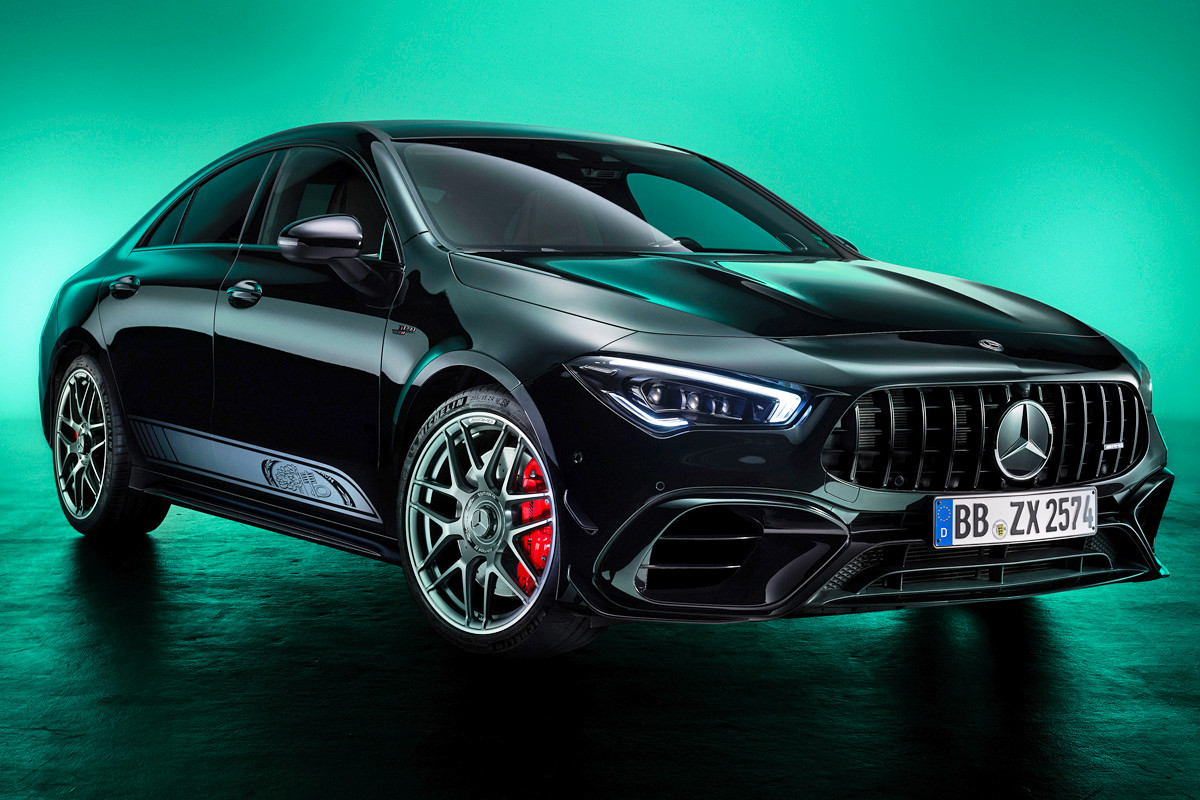
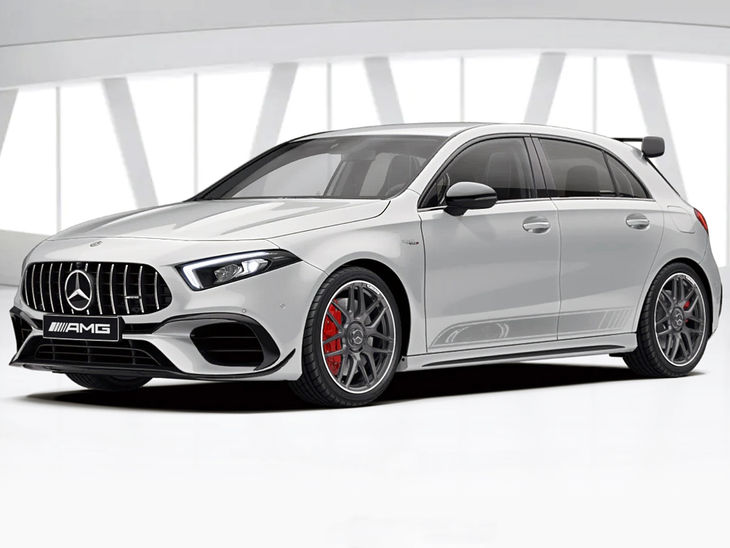
Mercedes-AMG A45 S and CLA45 S Edition 55 (2022) Specs & Price
Edition 55 versions of the Mercedes-AMG A45 S and CLA45 S have appeared on Mercedes-Benz South Africa’s configurator. So, let’s take a look at the price and what you get for the extra money…
Mercedes-AMG marks its 55th year of existence in 2022 and has given a handful of its performance models the aptly named “Edition 55” treatment to celebrate. And it seems the special-edition versions of the A45 S and CLA45 S are coming to South Africa.
Yes, we spotted these two fresh models on Mercedes-Benz SA’s configurator, suggesting order books have opened (we understand orders will be taken until the end of the year). So, how much extra will you pay? Well, the A45 S starts at a heady R1 233 243, while the Edition 55 package adds a further R216 200 (and also seemingly forces the selection of the R21 000 Premium Package and R2 000 auto front passenger airbag deactivation system) to the price. By our maths, the total thus comes to R1 472 443.
What about the CLA45 S version? Well, the “standard” (for want of a better term) model starts at R1 347 787, while the Edition 55 kit again adds R216 200 and furthermore requires the selection of the R21 000 Premium Package, the R6 400 keyless-go comfort package and the R1 800 auto front-passenger airbag deactivation system. The grand total? A whopping R1 593 187.
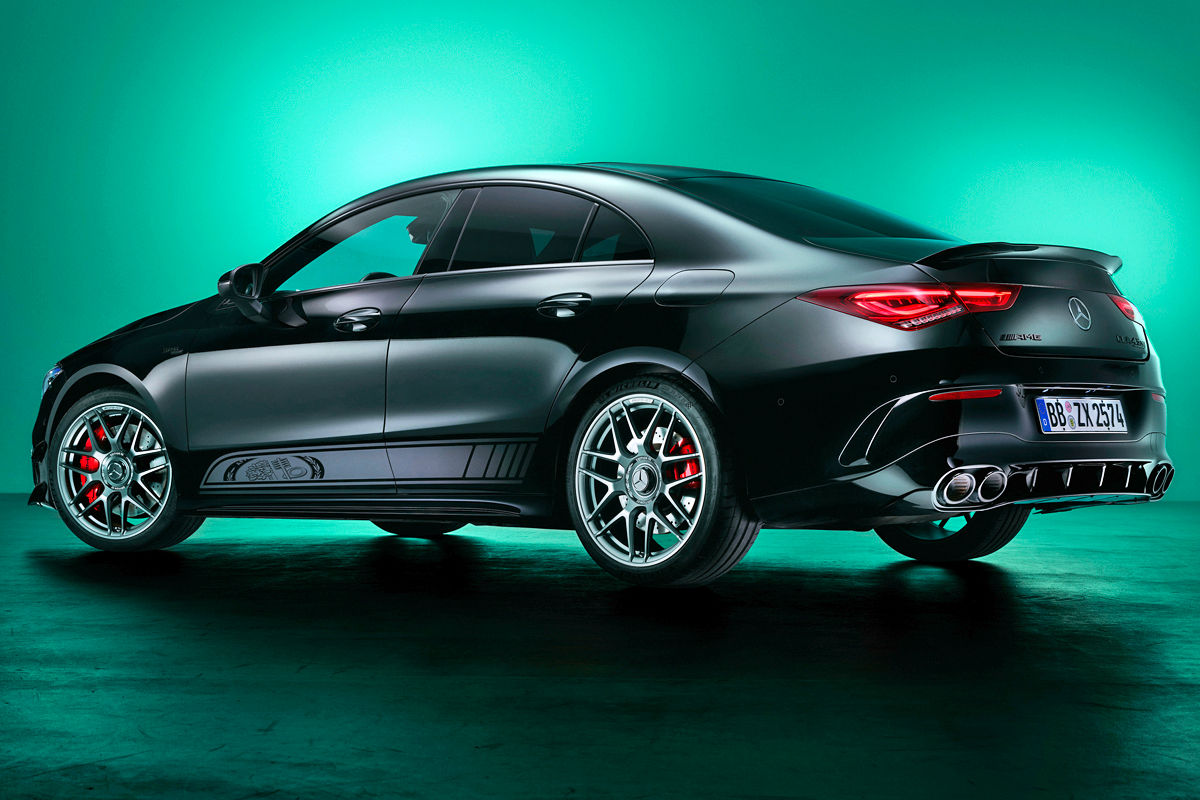
Let’s take a look at what you get for the extra outlay. In both cases, exterior paint colour choices are limited to Cosmos Black metallic and Digital White metallic. There are also decals running down the flanks of the vehicle (featuring the traditional AMG emblem), along with 19-inch AMG cross-spoke forged wheels in a matte-titanium grey hue.
The AMG Night Package, AMG Night Package II and AMG Aerodynamics Package are all also included, along with a centre cap (branded with “Edition 55”) for the each of the wheels, an Edition 55 fuel-filler cap (finished in a silver-chrome colour) and a special AMG indoor car cover.
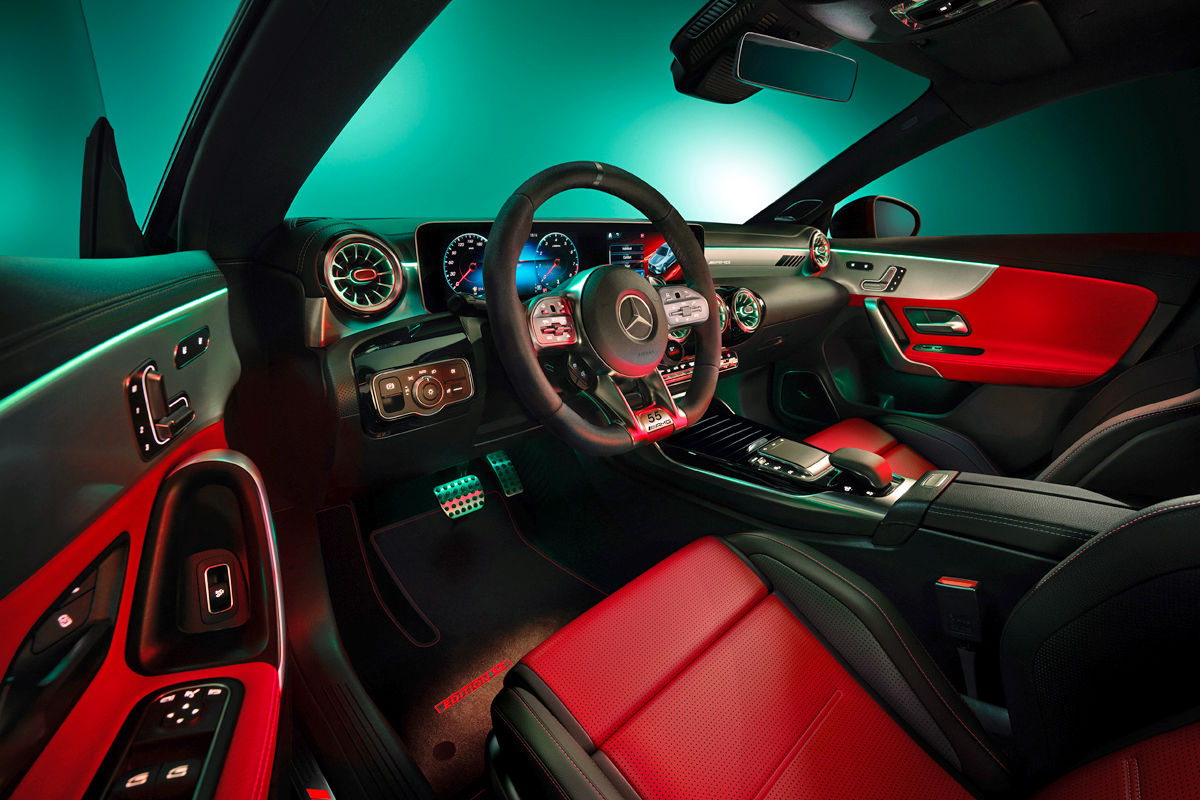
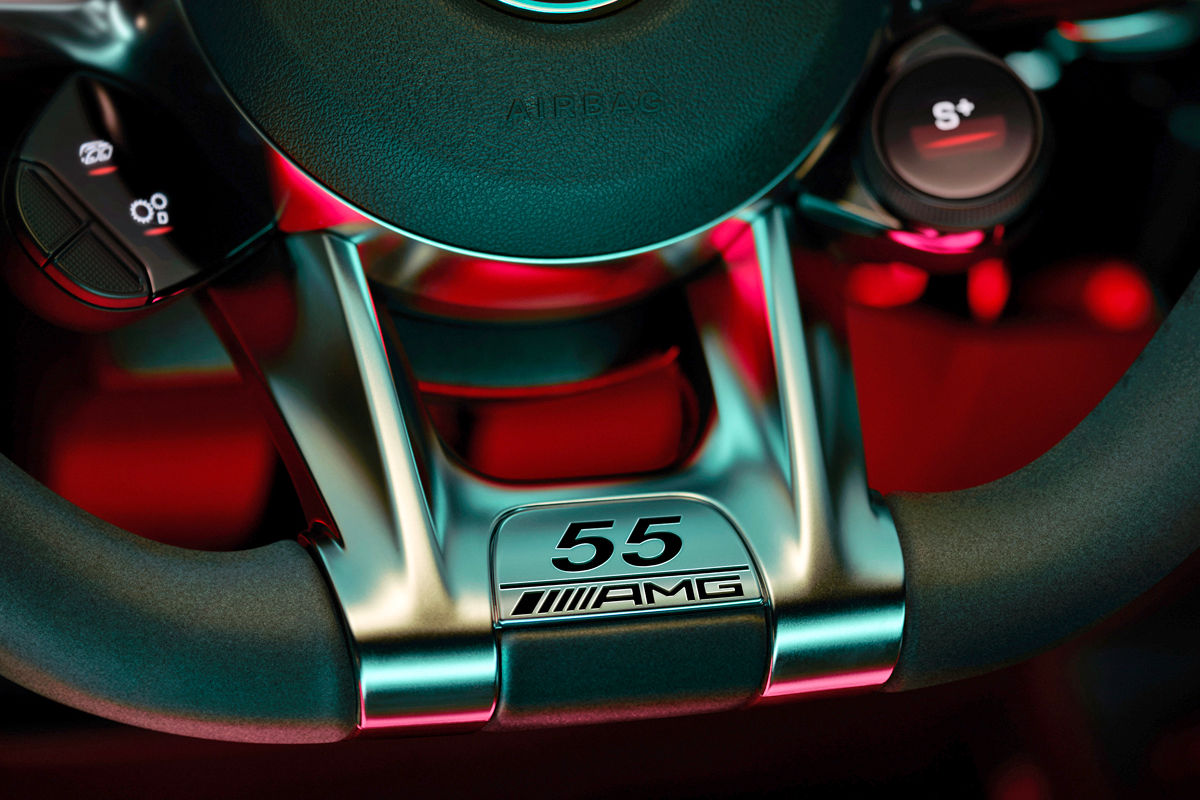
Inside, you’ll find AMG Performance seats upholstered in 2-tone (red and black) leather. The AMG Performance steering wheel, meanwhile, gains an “Edition 55” badge, as do the black floor mats fashioned from velour with red contrasting stitching. The cabin upgrade is rounded off by door-sill panels with red illuminated “AMG” lettering and various trim elements finished in dark brushed aluminium, with accents in black and red.
The Edition 55 package incorporates no performance upgrades, though we doubt many buyers would require more power than already offered by these two high-performance compact cars. As a reminder, each employs Affalterbach’s turbocharged 2.0-litre, 4-cylinder petrol engine, which generates lofty peak outputs of 310 kW and 500 Nm. Delivered to all four wheels through an 8-speed dual-clutch transmission, that’s enough for a sprint from 0-100 kph in a claimed 3.9 seconds in the case of the A45 S and one-tenth tardier for the CLA45 S.
How much do the A45 S and CLA45 S Edition 55 cost in SA?
Mercedes-AMG A45 S 4Matic+ Edition 55: R1 472 443 Mercedes-AMG CLA45 S 4Matic+ Edition 55: R1 593 187
Sell your car fast, easily and safely on Cars.co.za
Do you want to sell your vehicle? Cars.co.za’s new Sell Car service makes it easy for you to offer your vehicle to more than 1 500 pre-qualified dealers nationwide… and it’s completely free.
When you want to dispose of – or replace – your vehicle, you’re probably looking to sell it on or trade it in. Selling your vehicle privately may enable you to attain a better price than what you’d get on trade-in, but it is a laborious process that is not without costs.
Selling a vehicle privately may not be suitable or convenient for you, but what if you could sell your vehicle easily and safely, so that you can be free to shop around without worrying about how much the dealer that stocks the car you want will offer for your vehicle?
Indeed, you don’t have to travel from dealer to dealer to hunt for the best price for your current vehicle… A new service by Cars.co.za makes it easy (and free) to offer your vehicle to a growing list of more than 1 500 pre-qualified dealerships countrywide, each of which seeks quality used vehicles.
Advantages of Cars.co.za’s new car-selling platform
It’s free!
Uploading your vehicle is simple and quick – you can even do it on WhatsApp!
No spam, only serious dealer offers
Accepting or declining offers remains your choice
Cars.co.za’s Sell Car service is simply the easiest, fastest and most effective way to market your vehicle to more than 1 500 pre-qualified dealers nationwide.
“The service represents a quick, simple and safe way to offer a vehicle to hundreds of dealers (who are looking to increase their inventory) and, best of all, it costs the seller absolutely nothing,” says Anthony Kouderis, the project leader of Cars.co.za’s Sell Car service. “Plus, dealers contact owners directly, which saves time and effort.”
Consumers can upload their vehicle details here using any platform – desktop, mobile or app. If you can’t upload the details yourself, you can connect with us on WhatsApp and we’ll do the heavy lifting for you. The number to use for Whatsapp is 064 709 3190.
Since the Cars.co.za Sell Car service went live, more than 1 500 dealers nationwide have activated it. A seller may receive multiple offers on their car from Cars.co.za’s network of trusted dealer partners within 48 hours of uploading their vehicle’s details. A seller can then decide which offers (and dealers) they’d wish to connect with.
Importantly, direct contact with the dealer is only established at the seller’s discretion, thereby protecting them from any spam-related communications.
How it works
Once a seller has successfully uploaded their vehicle on the platform it will appear on participating dealers’ systems for a period of 48 hours, during which dealers can make offers on the vehicle. Those dealers will receive stock alerts that notify them when a prospective model that meets their stock requirements has been loaded on the system.
Should the seller receive one or more offer(s), an email and SMS will be sent to them, which will include a link to a dashboard that contains a list of offers. To reiterate, the seller’s listing will be live for 48 hours, during which they may receive offers for their vehicle. Upon connection, the seller’s details are shared with the dealer and vice versa.
Sellers can contact dealers directly via the dashboard once a connection is established. However, offers are subject to a vehicle inspection and sellers are under no obligation to sell their vehicles to the connected dealers. They can reject offers and provide feedback as to why they rejected them, which provides dealers with feedback on their offers.
A seller will also have an opportunity to re-activate their vehicle listing if they have not received any offers or did not like the offers they received (which would have expired).
“When every Rand counts, and dealers are so fiercely trying to source good stock, this service is ideally suited to satisfy both sellers and dealers,” Kouderis concludes.
Big Power Supra Street and Strip build – Is this the fastest road-legal Supra in SA?
The Toyota Supra is an icon in the motoring world, but one South African has taken his to another level.
This red monster is named El Jefe, or The Boss. Featuring extensive mechanical work under the hood, this Supra is capable of over 800 kW on the wheels. Impressively, it’s completely road-legal and is often driven to events, participates and then is driven home.
The Western Cape provincial government has put forward a proposal to change some of the driving laws in SA. Here’s what they entail.
The report from BusinessTech says the provincial government of the Western Cape has put forward potential road safety laws in order to protect labourers who go to and from work on the back of bakkies.
Accidents involving workers on the back of bakkies are too common and there’s no safety systems designed to protect them. A recent incident in the Western Cape saw 35 farm workers badly injured. The proposed changes revolve around the strengthening of road traffic regulations, focusing on labourer transport.
Other suggestions include the introduction of a speed limit of 80 kph for vehicles carrying passengers in the open load bay as well as investigating the possibility of a national government subsidy for rural public transport like busses for workers.
The DA’s Western Cape spokesperson on Agriculture, Andricus van der Westhuizen said, “Whilst the Western Cape Provincial Government has sought to strengthen rural transport in the province, the responsibility for traffic regulations is a national competency under the National Department of Transport,” van der Westhuizen said. “The ANC National Government must, therefore, seriously consider the abovementioned proposals in an effort to improve safety protocols for farmworkers.”
There are other changes afoot, with the Road Traffic Management Corporation (RTMC) investigating the possibility of speed reduction in urban areas, with a focus of the roads near schools and popular cycling routes. If all goes according to plan and it is approved, motorists will face a 20 kph reduction on all roads. So a current 60 kph road in a residential area would then drop to 40 kph, while a national highway will drop from 120 kph to 100 kph.
If there are updates to this story, or if the legislation goes through, we’ll keep you posted. Do you think the proposed changes will help improve road safety?
BMW Announces switch to Android Automotive OS in 2023
BMW looks set to switch to a new operating system for its infotainment setups, with rollout tipped for 2023.
Android Automotive Operating System (OS) is not to be confused with Android Auto – an in-car mirror of your phone’s functionality. We’re talking about a full Google-powered car infotainment system integrated into a vehicle.
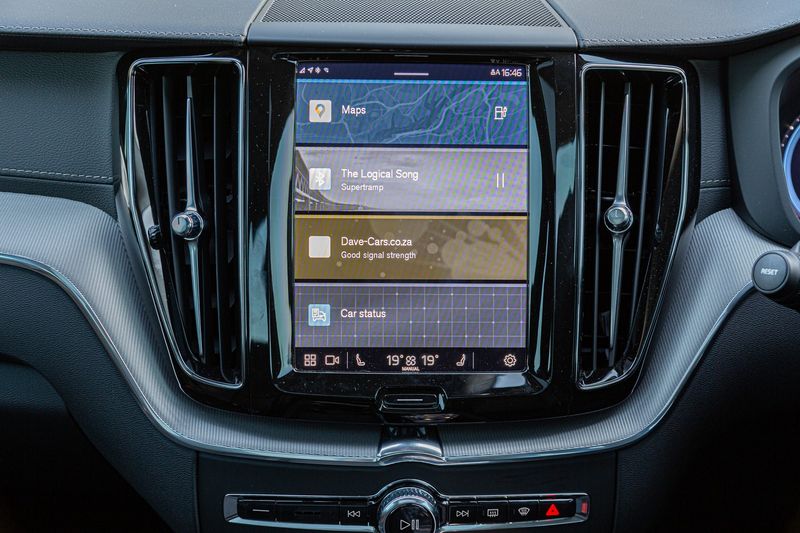
We’ve already had a first taste of the system when we drove both the Volvo XC60 T8 Recharge plug-in hybrid and the XC40 P8 Recharge electric vehicle. Our first impressions were not overwhelming, but to be fair, the previous Volvo Sensus system set the bar rather high.
Google in the Volvo XC60
Now, BMW has joined Volvo, Polestar and other brands as they’ve ditched their native OS for a Google-powered system. The news comes directly from BMW, who used the Automobil-Elektronik Kongress to announce its new plan. Not much detail was shared, but it will be interesting to see how its rolled out as not every model in BMW’s portfolio has received the brand-new Operating System 8, which we’ve sampled in the BMW iX and BMW i4 M50.
BMW’s Senior Vice President of Connected Company and Development Technical Operations, Stephan Durach, added “We are integrating the best aspects of all worlds – that could be our own in-house developments, Open Source or commercial software products, depending on what the specific solution looks like.” He went on to say the company wants to make sure “our customers always enjoy a unique, customized digital experience in their vehicle.”
The great thing about Android Automotive OS is its open and customisable, and therefore BMW can create something that incorporates the best of Google (likes Maps) but still retains a BMW-like user experience.
You’d think a brand-new infotainment system would take some time to roll out, but BMW says the first cars equipped with Android Automotive OS will be revealed in March 2023. Watch this space!
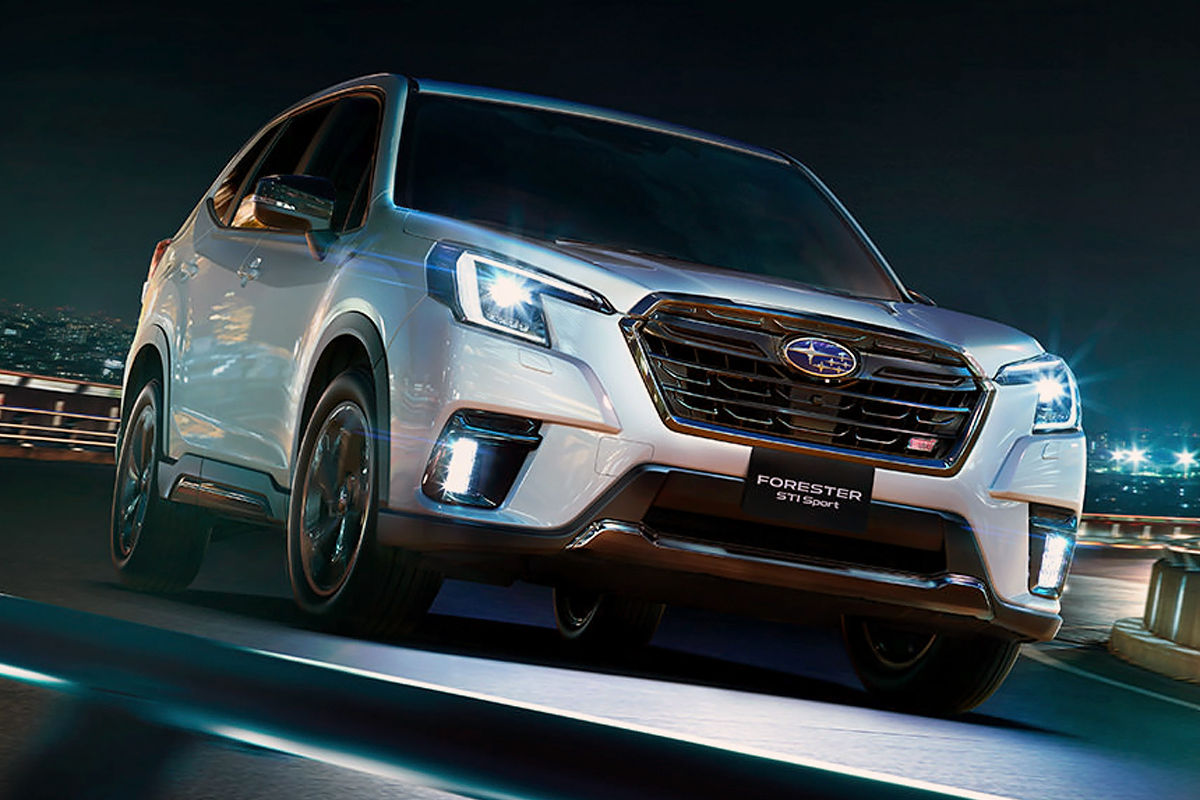
All Bark, No Bite? New Subaru Forester STI Sport Revealed
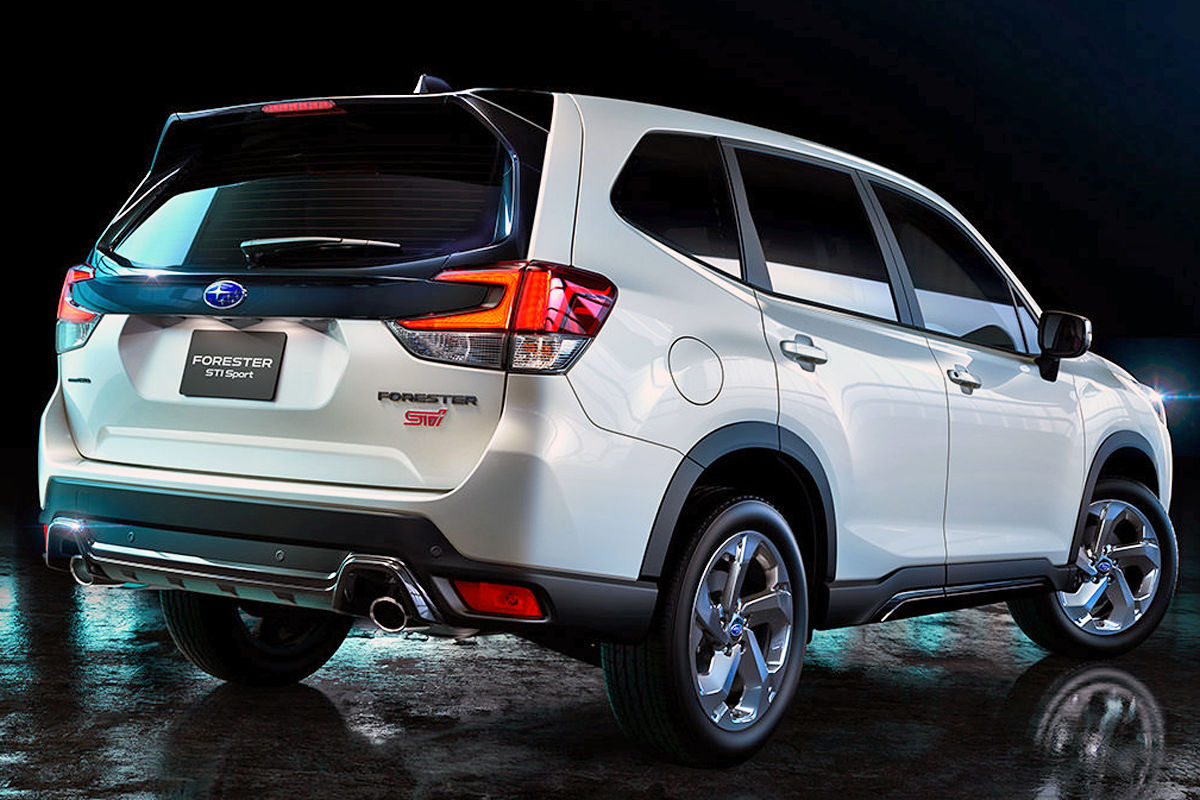
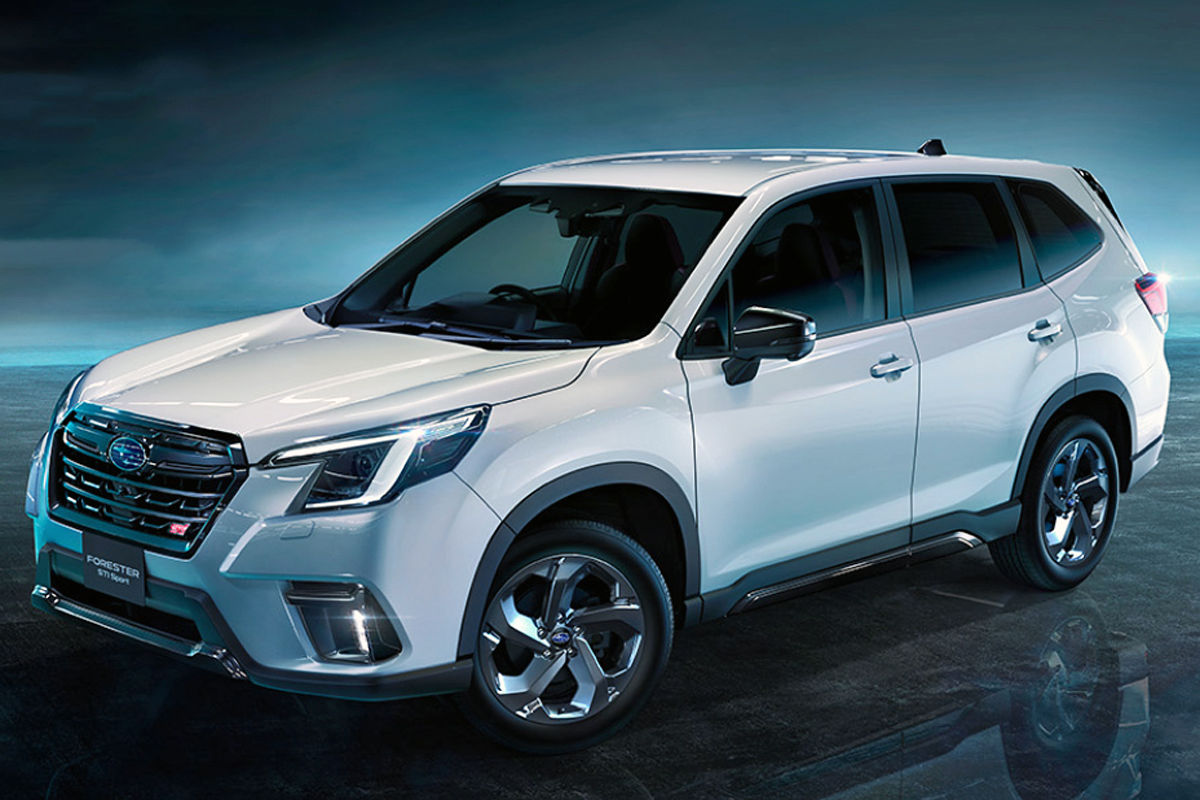
Subaru has whipped the wraps off its new Forester STI Sport over in Japan, but unfortunately the upgrades don’t extend to the powertrain…
Though Subaru has confirmed there will be no STI version of the new WRX, the Japanese company’s performance division is keeping itself busy. Its latest creation? The new Forester STI Sport.
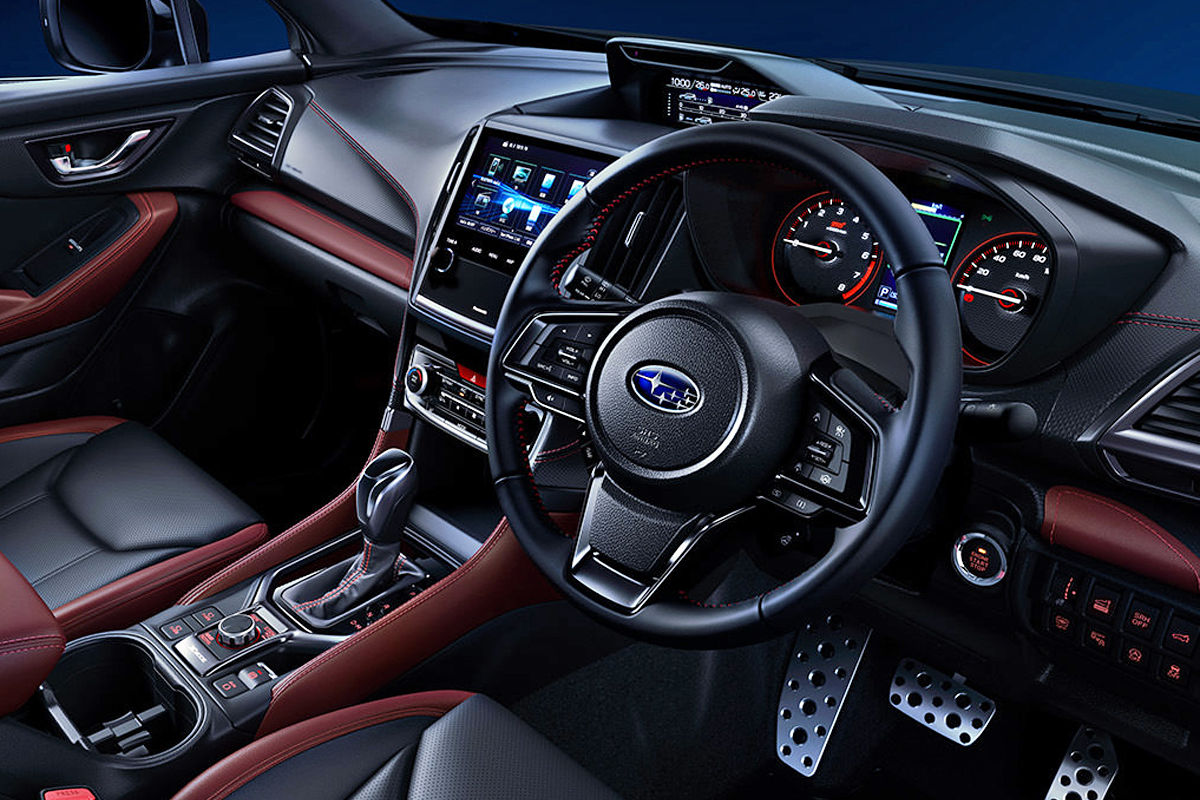
Launched in the automaker’s domestic market, the box-fresh Forester STI Sport gains sportier exterior styling, a handful of interior upgrades and model-specific damper tuning that Subaru promises will result in “handling like [that of] a sports sedan” as well as a “high-quality ride”.
What it sadly doesn’t win, however, are any under-bonnet tweaks. Since the fifth-generation Forester in Japan is equipped as standard with Subaru’s turbocharged 1.8-litre, 4-cylinder petrol unit (as opposed to the naturally aspirated 2.0- and 2.5-litre units offered in South Africa), the all-wheel-drive STI Sport’s peak outputs are unchanged at a fairly pedestrian – considering the badge it wears, that is – 130 kW and 300 Nm. It’s also saddled with a continuously variable transmission.
Still, at least it looks quick. Key upgrades to the styling include a raft of new gloss-black components, such as a rear spoiler, rear diffuser, side skirts, front skid-plate and foglamp bezels. The 18-inch alloy wheels, meanwhile, likewise boast a black finish, as do the side-mirror caps.
Subaru has also seen fit to add STI badges fore and aft, each finished in its signature bright hue. Four body paint colour options are available in Japan: white, grey, dark silver and black. Inside, you’ll find 2-tone Nappa leather upholstery (black and red) for the figure-hugging front seats, a colour combination that extends to the centre console. There’s also a special driver display in the instrument cluster, replete with unique STI Sport information.
What might have been? A look back at the 2004 Forester STI
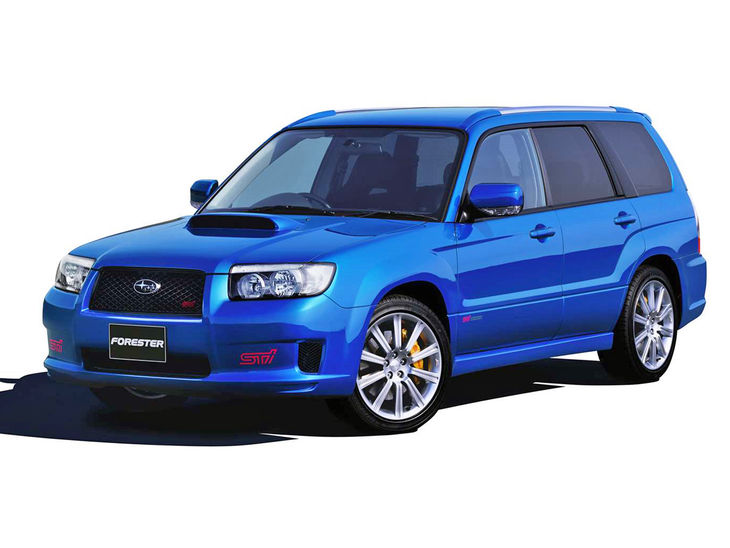
Of course, Subaru has made a full-fat STI version of the Forester before. Back in 2004, it launched the Forester STI as a Japan-only model, handing it the Impreza WRX STI’s turbocharged 2.5-litre boxer 4-cylinder tuned to deliver 195 kW and 378 Nm to all four wheels via a 6-speed manual gearbox.
The high-performance wagon also gained items such as a bigger intercooler, larger-bore exhaust system, uprated (Brembo) brakes, tuned suspension, tweaked steering, model-specific exterior styling (including the obligatory bonnet scoop) and all sorts of sporty upgrades to the cabin.
As a reminder, the Subaru Tecnica International (STI) division was established in 1988 as part of the firm’s involvement in rally racing. By 1992, the STI badge had made its way onto a production vehicle (a limited-production Legacy STI also offered only in Japan) for the first time, with the original WRX STI following in 1994.
BMW M4 CSL to spawn limited-edition Hommage model
The BMW M4 CSL was revealed recently, but there are rumours of a special limited-edition Hommage model to follow shortly after. Here’s what we know, plus some teaser images.
The recent reveal of the BMW M4 CSL shows the German brand is serious about performance motoring and exclusivity. With a 405 kW engine and some trick weight-saving and just a handful of units confirmed for South Africa, this is going to be one very special collector’s piece.
But, there’s something else coming. As a reminder, 2022 is an important year for BMW’s M division as it marks 50 years. Is the creation of the BMW M4 CSL enough to mark this milestone? According to WhichCar Australia, no and something very special is afoot.
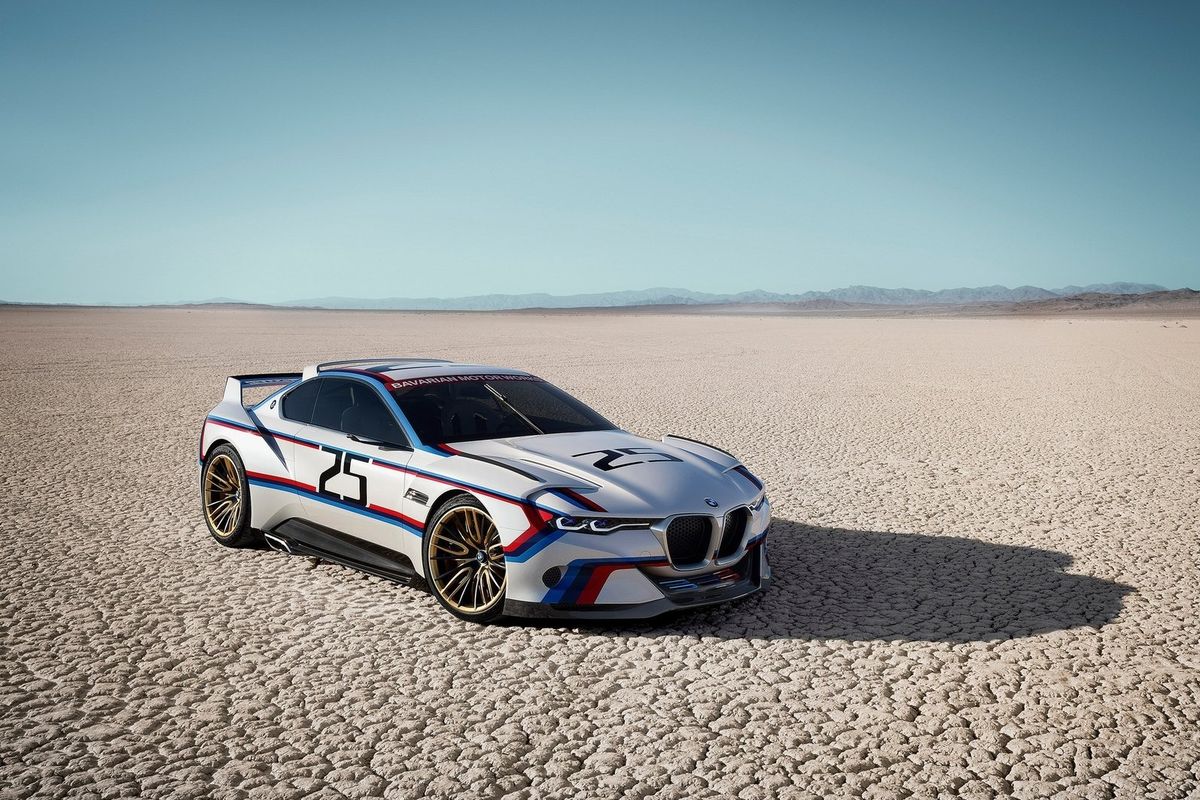
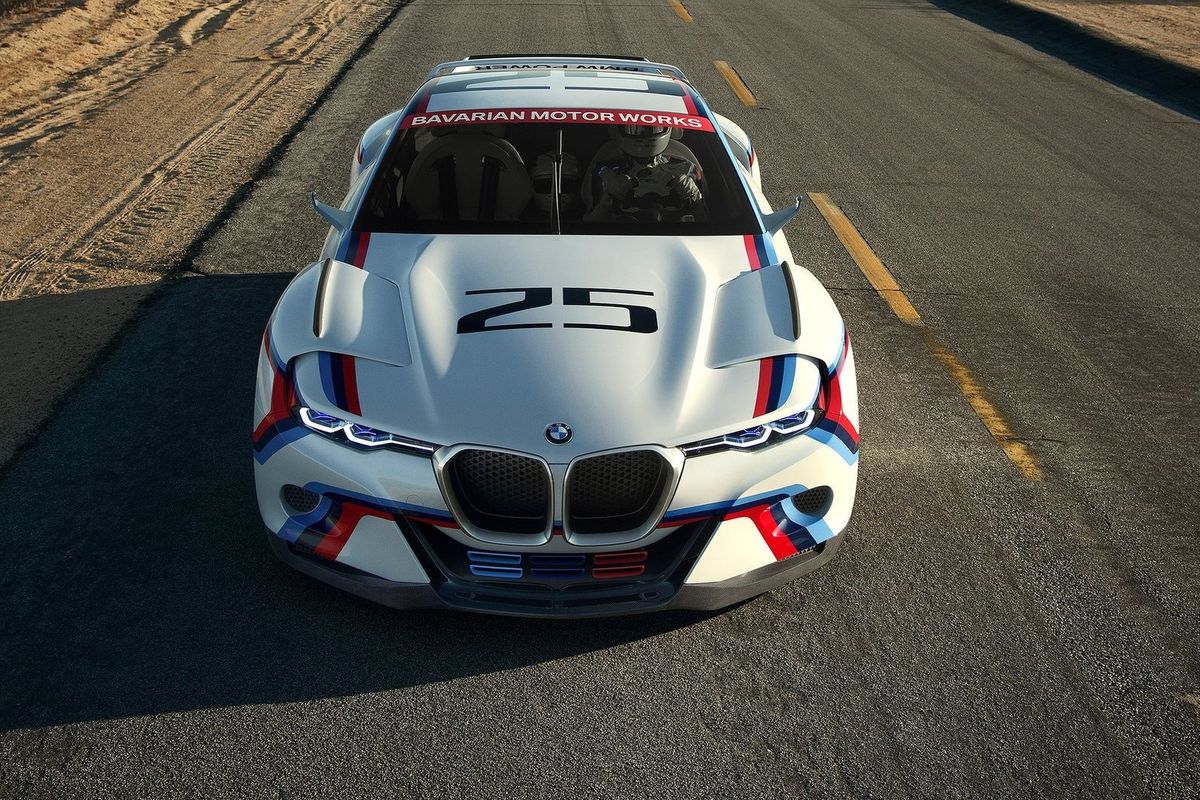
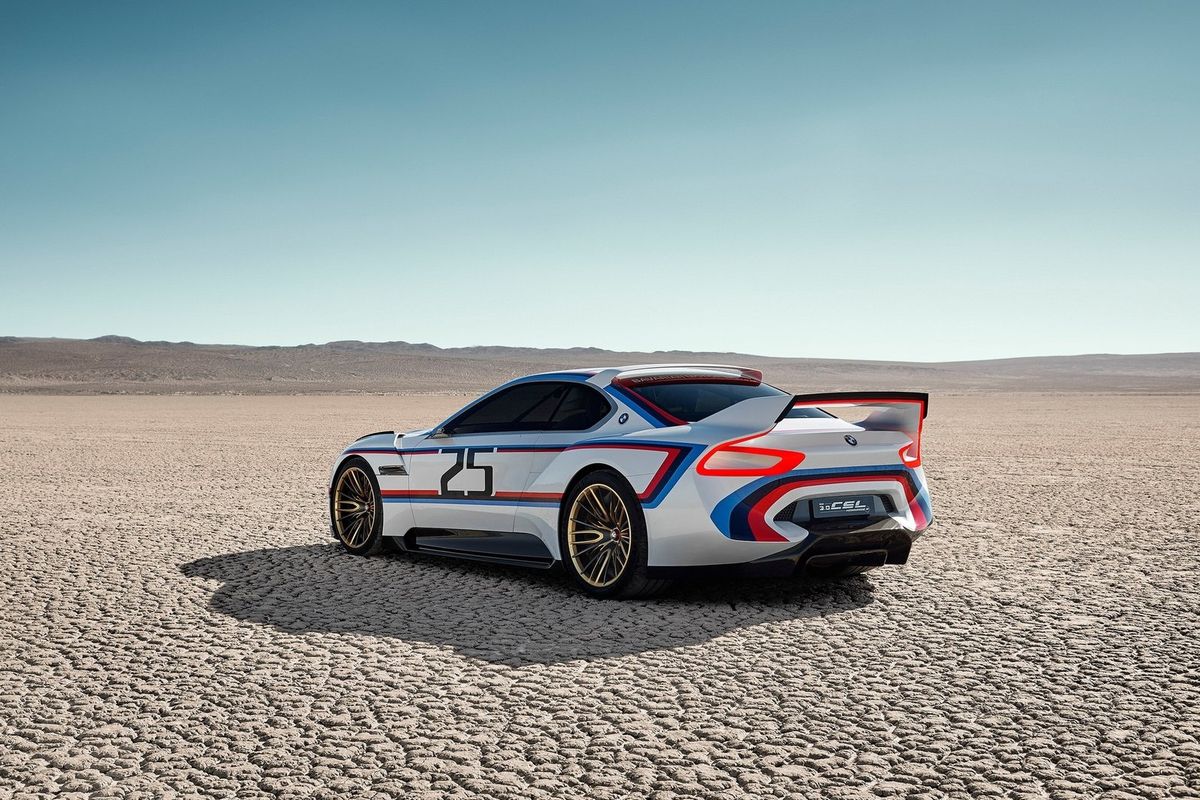
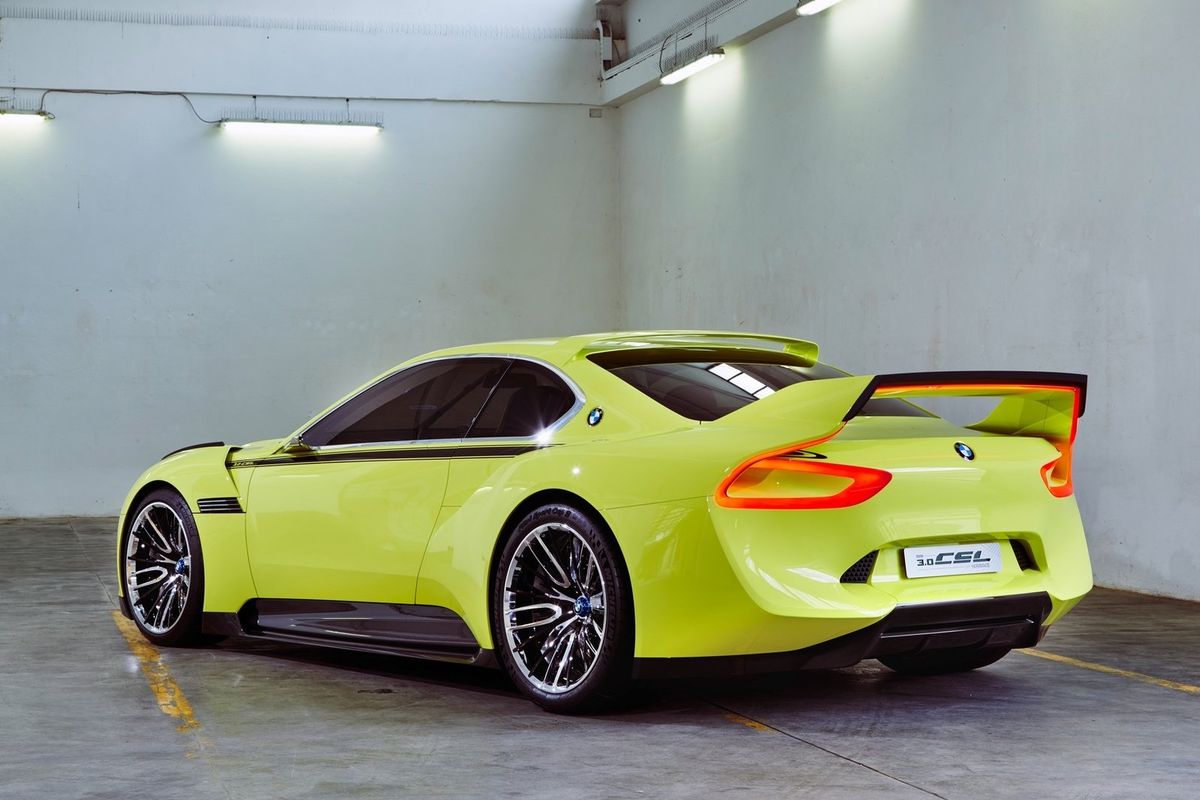
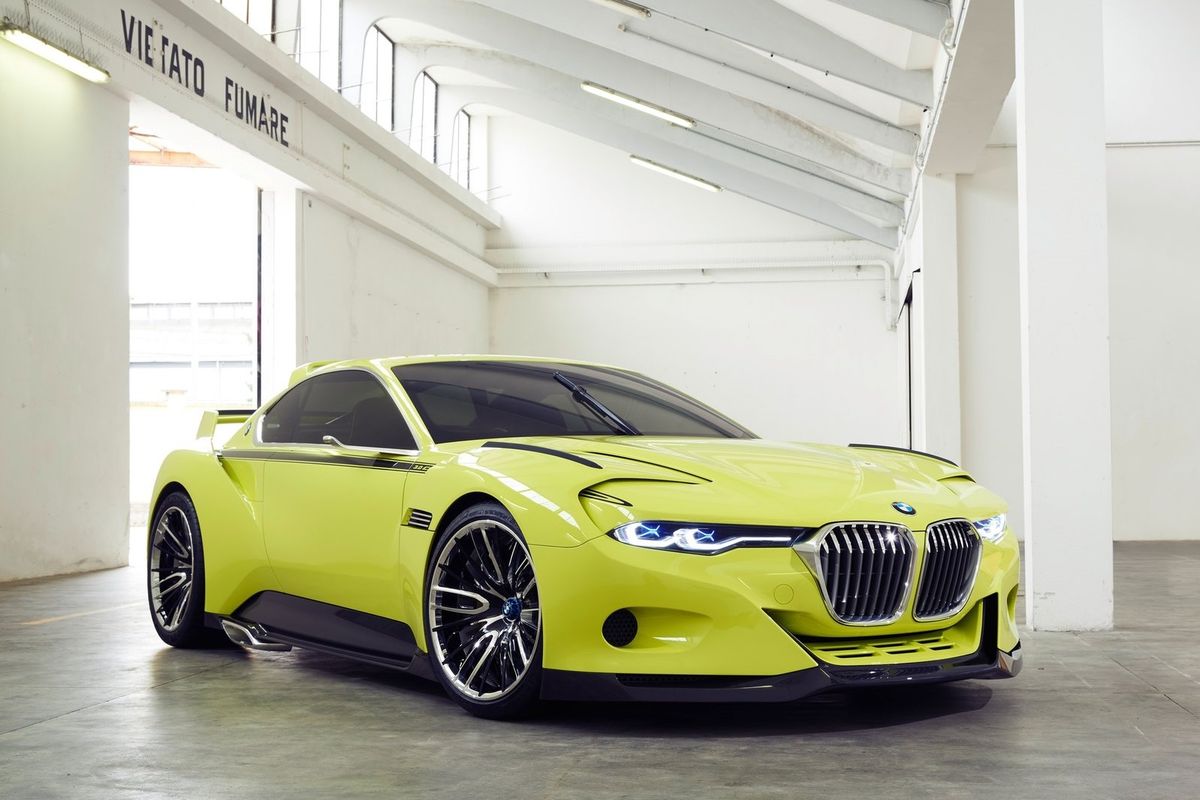
Remember those striking BMW Hommage concepts that graced the Concorso d’Eleganza Villa d’Este in Italy? There are rumours one will be put into production, but this will be a very limited model.
As far as power goes, 447 kW and 0-100 kph in just 3.5 seconds are being claimed. According to WhichCar, the gearbox torque limit is 750 Nm, so don’t expect more than that. Being a proper M car, power will go to the rear wheels. A price of €600 000 (just over R10 million) is being rumoured and just 50 units will be built. Fingers crossed it looks as daring and extreme as the two CSL Hommage concepts from a few years back.
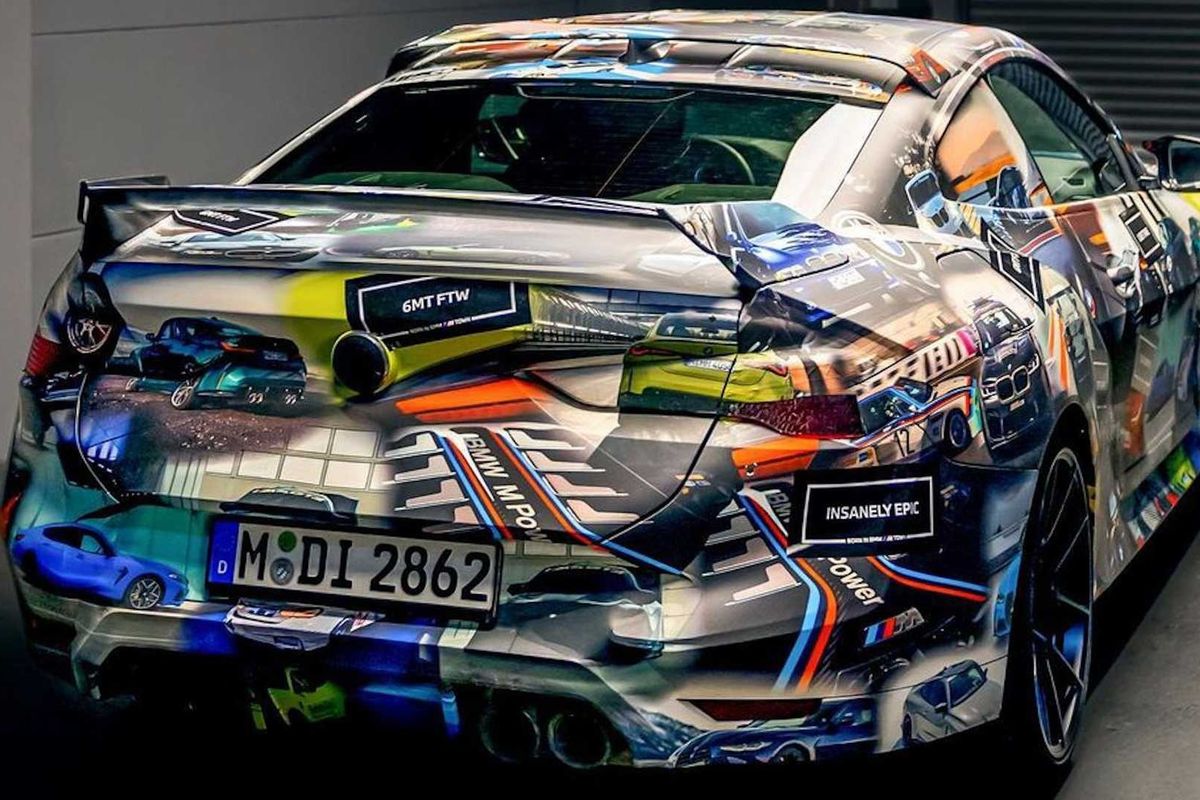
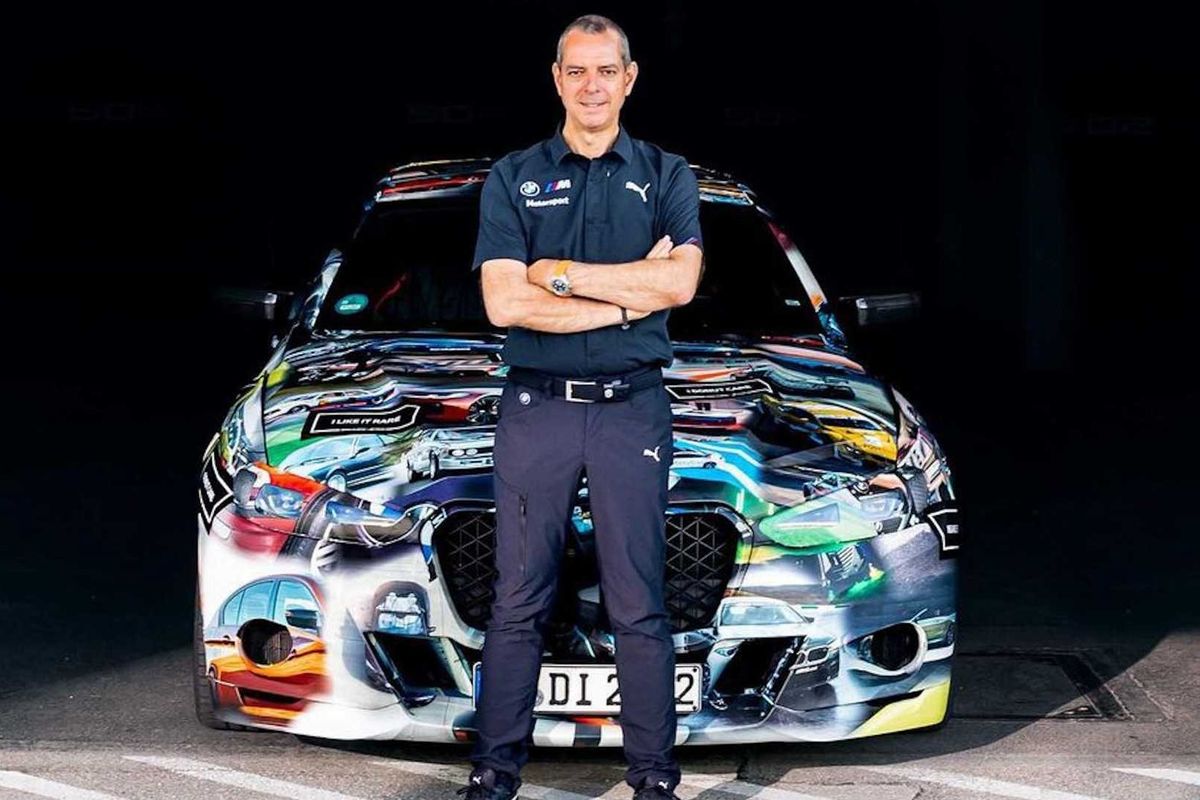
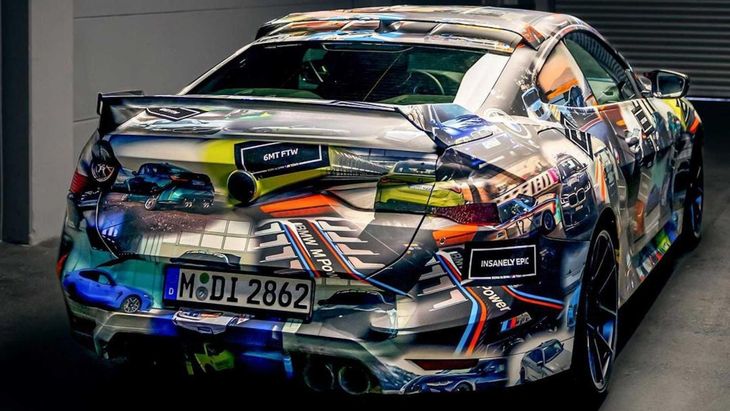
Update: The boss of BMW M has teased the new model on his Instagram page, giving us a good look of what’s to come. The interesting wrap gives us some clues of what the new CSL will offer, with nuggets like “6MT FTW” which suggests this will be a 6-speed manual gearbox vehicle. You can’t miss the special grille or the big wing at the rear.
The Mercedes-Benz A-Class will reportedly be axed by 2025. Yes, Stuttgart’s smallest model has just a few years left, according to German media…
Earlier in 2022, Mercedes-Benz confirmed plans to “reduce the number of model variants” in its next-generation compact range from the current seven to four as part of its bid to reposition the brand for higher profitability and increased electrification. Based on the latest reports out of Germany, the A-Class range will be one of the casualties.
As reported by Autocar, German business newspaper Handelsblatt claims the A-Class badge will be retired at the end of the W177 hatchback and V117 sedan models’ lifecycles in 2025, with no direct successors planned. The A-Class is, of course, due a facelift relatively soon, with the refreshed version likely to be revealed before the end of 2022.
Interestingly, the publication furthermore claims the B-Class will be put out to pasture around the same time, though it suggests the Stuttgart-based automaker will produce successors to the CLA (both in sedan and shooting brake guise), GLA and GLB.
Mercedes-Benz isn’t the only German firm reportedly re-examining its compact-vehicle strategy, with Audi having already confirmed it has no plans to replace the current A1 Sportback and Q2, and BMW apparently reviewing the future of the 1 Series and 2 Series Gran Coupé.
Looking back at the Mercedes-Benz A-Class
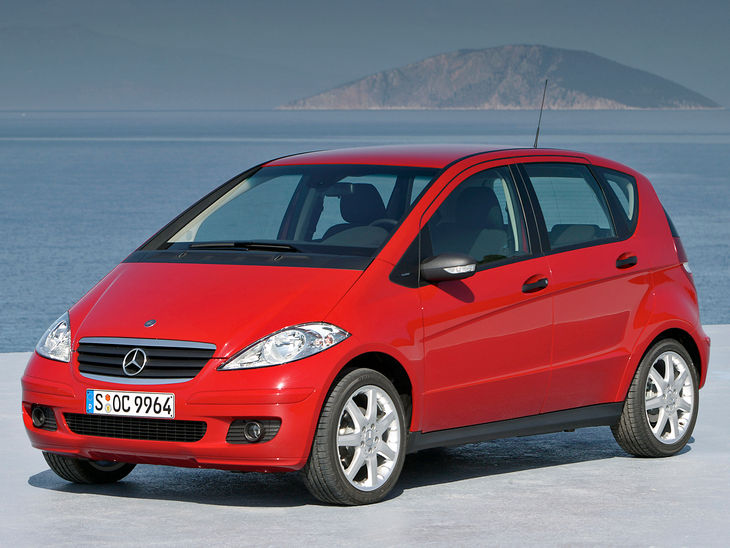
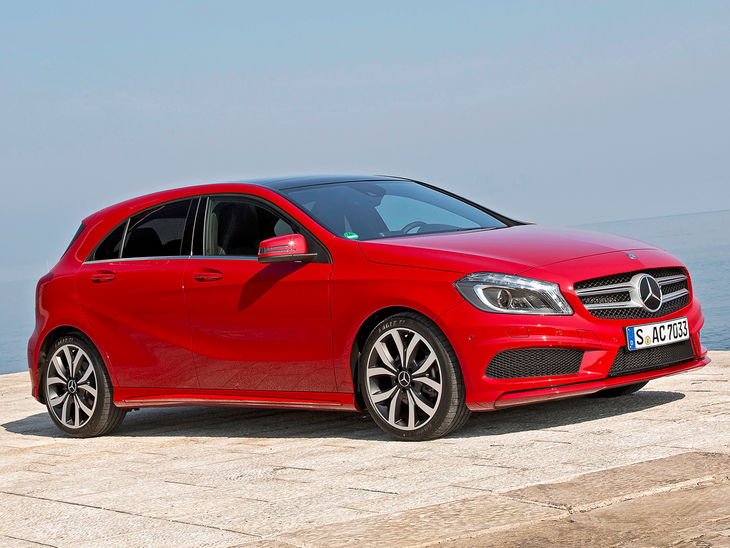
The original A-Class was introduced in 1997 as an MPV-shaped hatchback, before a second-generation (and similarly styled, as pictured above) model hit the market in 2004. The third iteration – which debuted in 2012 and is pictured below – was entirely reinvented as a more dynamically designed hatchback conceived to take on the likes of the BMW 1 Series and Audi A3.
The current fourth take on the A-Class arrived on the global stage in 2018, offered in five-door hatchback and four-door sedan (including a long-wheelbase Z177 version for China) forms.
In South Africa, the A-Class serves as the entry point to the Mercedes-Benz passenger-vehicle range, with prices starting at R661 009 for the hatch and R691 858 for the sedan. There’s also a 225 kW Mercedes-AMG A35 hatch (R943 903) and sedan (R977 296), while the 310 kW A45 S hyper hatch will set you back a cool R1 233 243.
Ford Mustang California Special (2022) Specs & Price
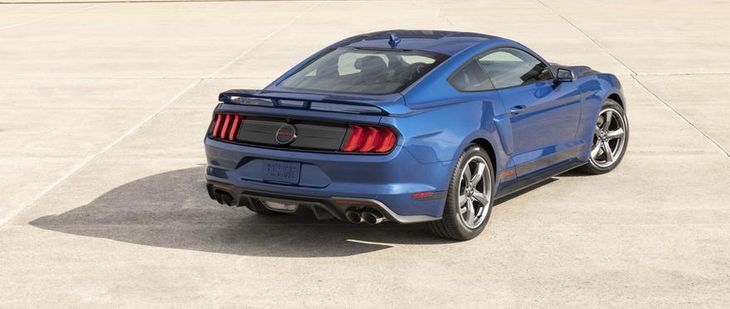
A limited-edition Ford Mustang California Special is launching in South Africa this week. Take a look at key specifications and pricing details below!
The Ford Mustang has been the world’s best-selling sports car for no less than 7 consecutive years!
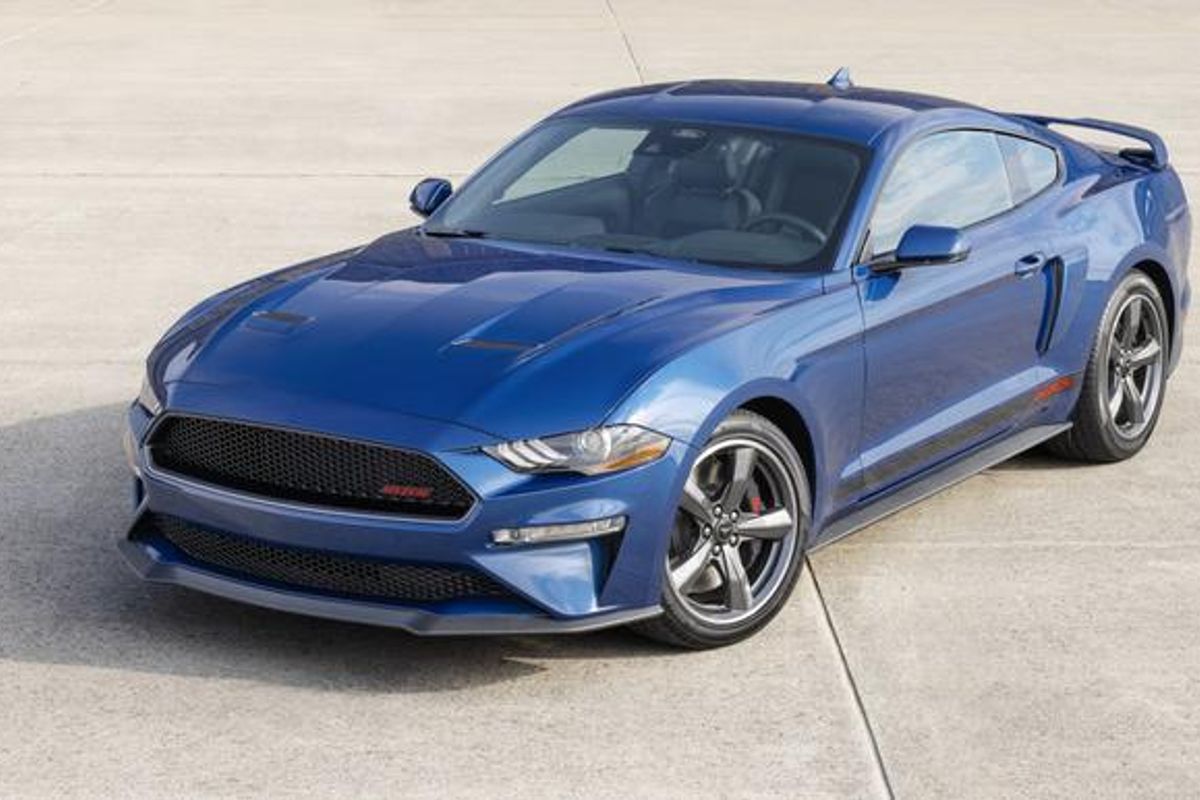
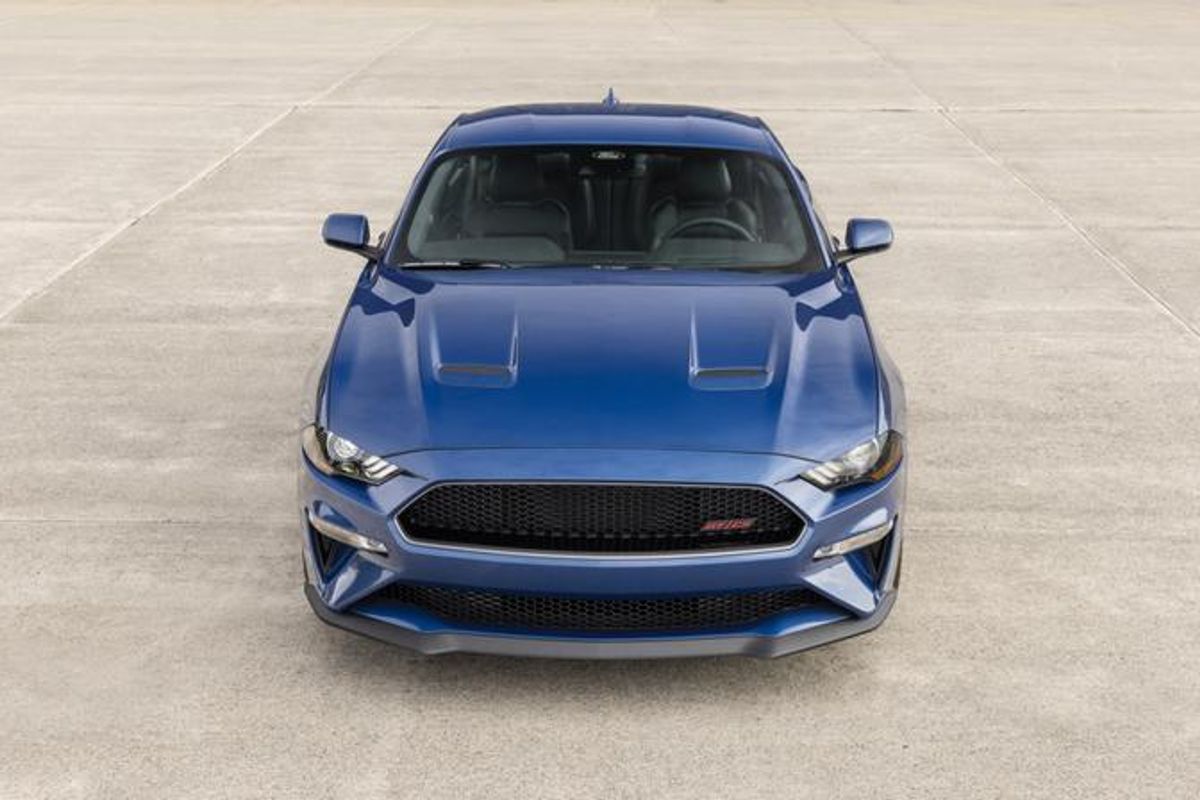
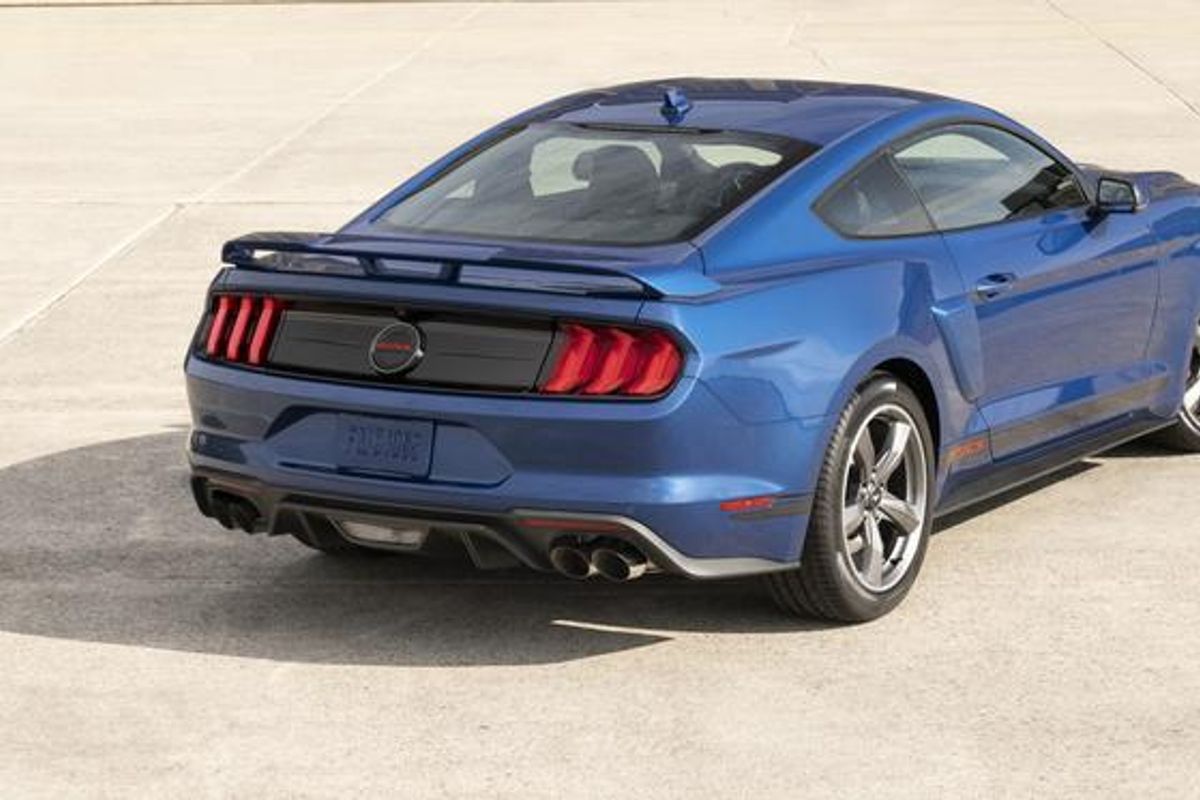
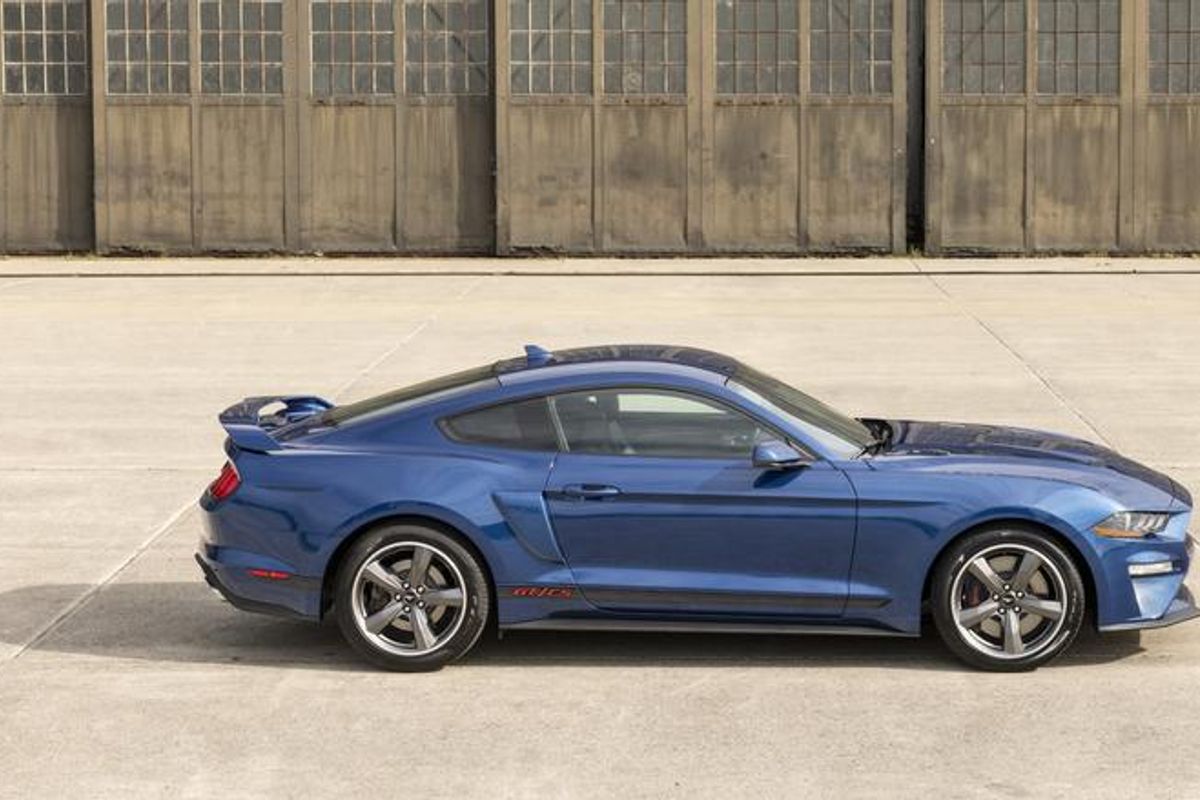
Local Ford Mustang fans will be pleased to know that a Mustang California Special is coming to South Africa which draws inspiration from the 1968 original and it will be offered as a Fastback coupe only with just 100 units available to ensure exclusivity.
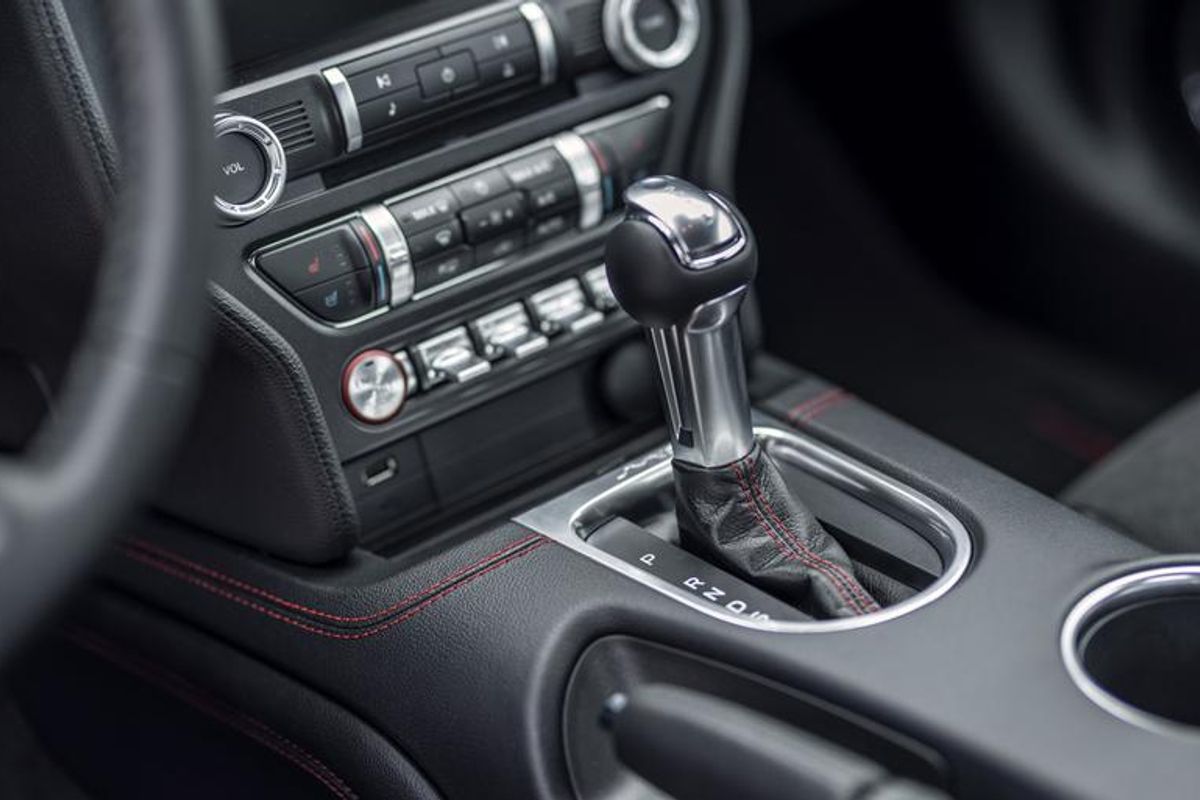
The Mustang California Special is powered by Ford’s 5.0-litre V8 engine that produces 331 kW and 529 Nm and comes paired with a 10-speed automatic transmission.
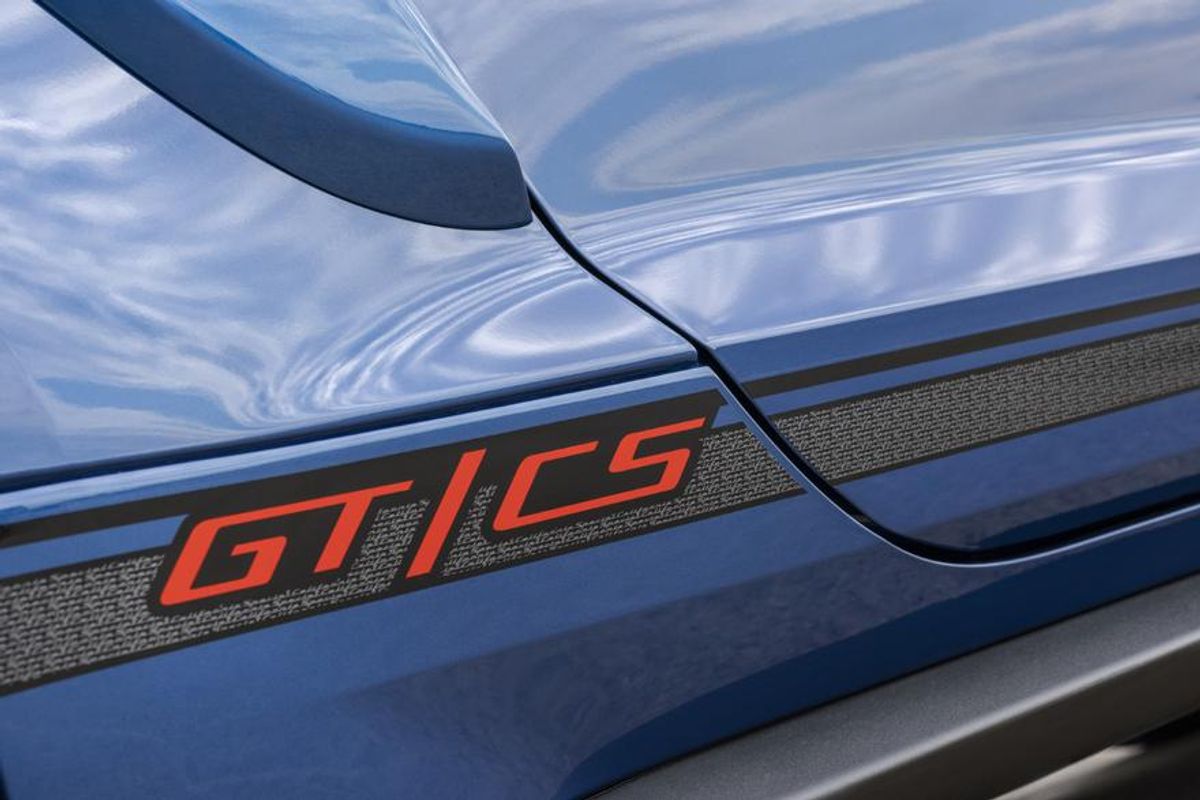
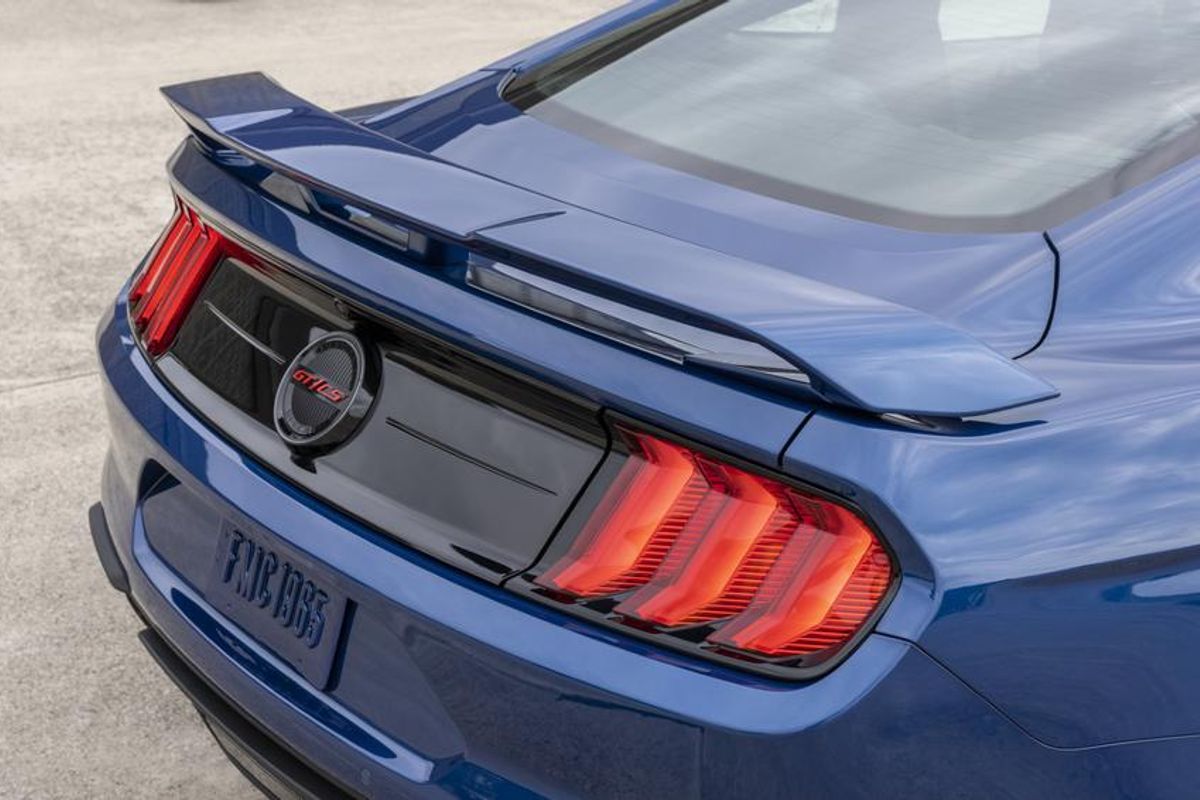
The model gains a unique special-edition look with unique badges and detailing as well as 19-inch carbonised grey-painted aluminium wheels as well as a unique honeycomb grille finished in Ebony Black with a Race Red GT/CS badge making it clear that this is a special Mustang. The look is further emphasised with a rear perfromance wing and front splitter. The side decals are in black, red and grey and they also feature “California Special” script that becomes prominent in sunlight. The Mustang California Special will be offered in 8 colours including Atlas Blue and Cyber Orange.
The Ford Mustang California Special will be offered in limited numbers in South Africa.
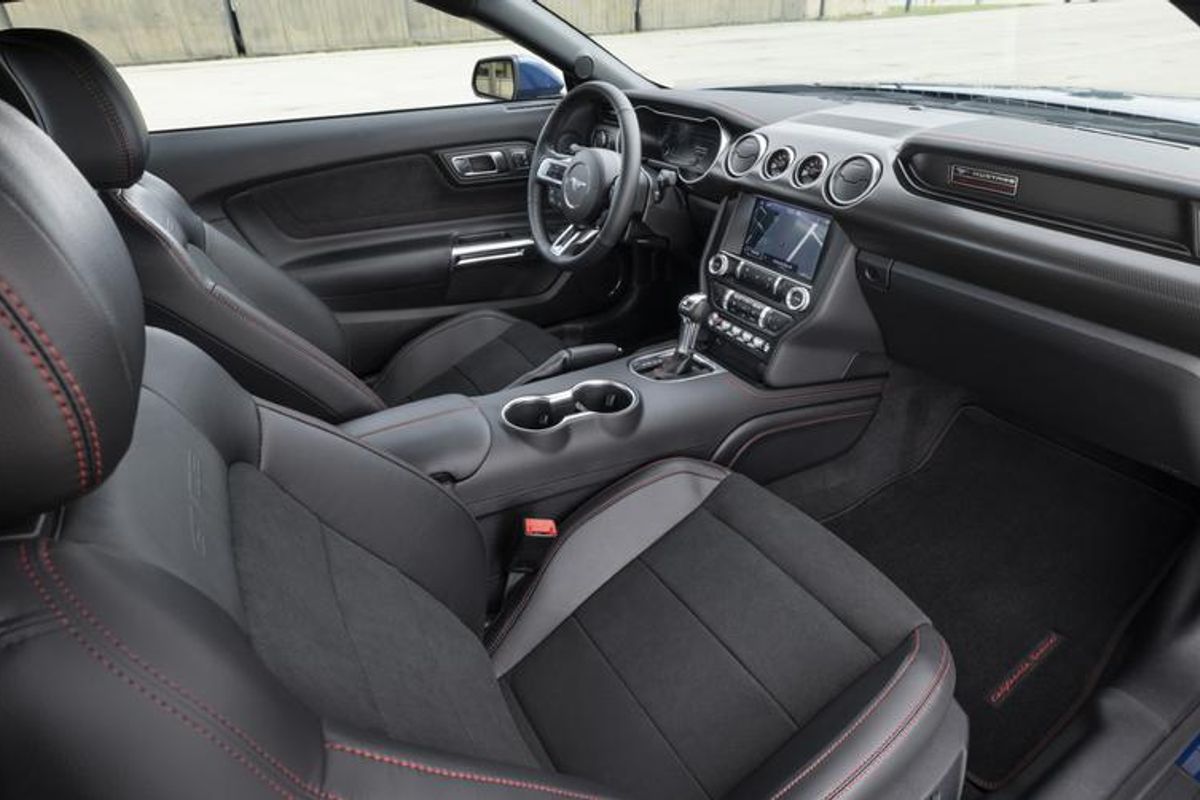
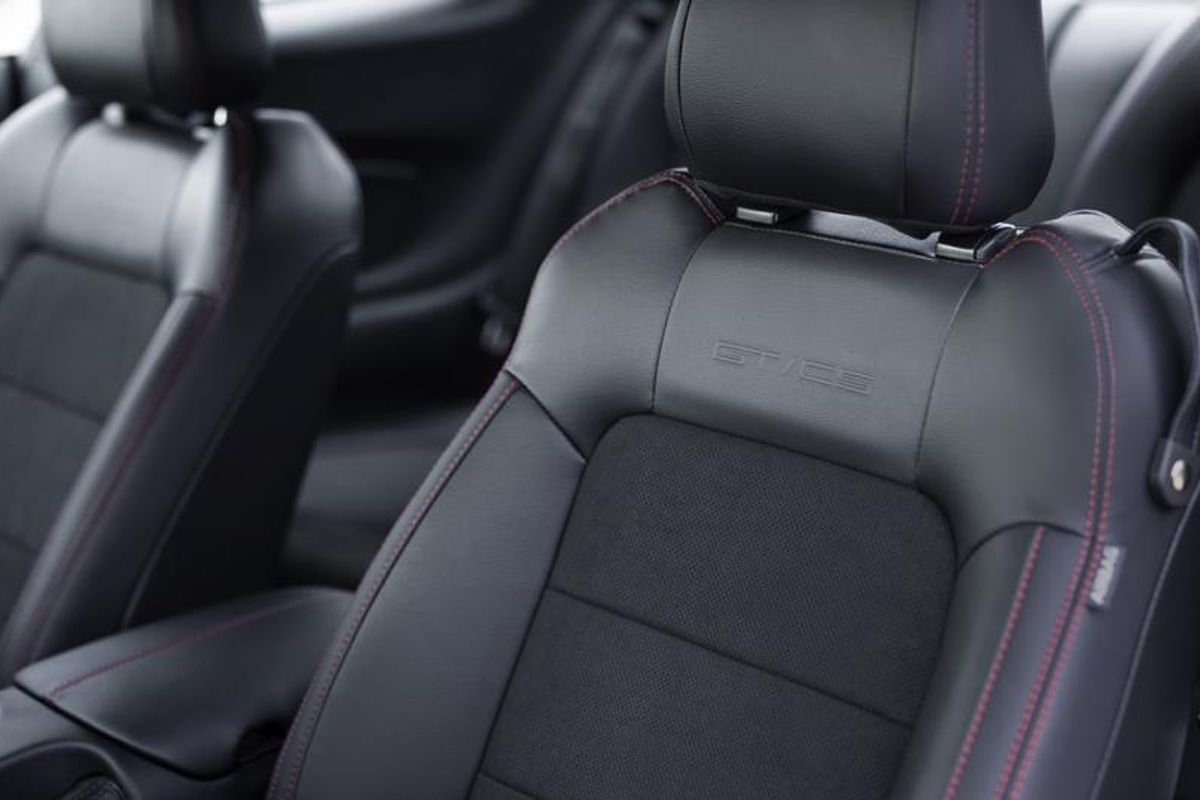
California Special details are carried over to the interior too where you will find California Special embroidered seats with Miko suede inserts and red contrasting stitching as well California Special floor mats. The front seats also feature a heating / cooling function. Infotainment comes courtesy of an 8-inch touchscreen with Ford SYNC 3 including Apple CarPlay, Android Auto and integrated navigation.
In terms of safety features, the Ford Mustang California Special is fitted with no less than 7 airbags, ABS with EBD, electronic stability control with traction control, hill launch assist, lane keeping alert, pre-collision assist with pedestrian detection, forward collision warning as as well as parking sensors and a rear view camera.
“The California Special is a huge part of the Mustang’s legacy in America and it symbolises so much of what Mustang stands for – the joy of driving and the freedom of the open road. Those ideals resonate just as strongly with driving enthusiasts and Mustang fans in South Africa. It’s about time customers got to experience the unique California Special blend of style, performance and driving fun,” says Doreen Mashinini, General Manager for Marketing at Ford South Africa.
We will be driving the newcomer this week, so look out for more information very soon.
How much does the Ford Mustang California Special Cost in South Africa?
Ford Mustang California Special – R1 154 900
The Ford Mustang California Special is sold with a 4-year/120 000 km warranty and 4-year roadside assistance and a 5-year/unlimited km corrosion warranty.