Screan checks out cars on your behalf

Need help to find the right car for you? Screan is an innovative new digital platform that lists a countrywide network of fully independent experts who can help you scope new wheels.

PARTNERED CONTENT

Although the internet has made it possible to use sites such as Cars.co.za to research and look for used cars that suit your needs and budget with a few clicks of a mouse/trackpad (or taps on a smartphone screen), buying a vehicle online still comes with an element of risk.

Take much of the risk out of it

Fortunately, you can manage and reduce that risk by doing your homework and, importantly, relying on the expertise of a professional vehicle inspector. They facilitate better transparency for you (the buyer) and the seller (whether you’re buying privately or from a dealership).
Let’s face it – sometimes you just don’t have time to inspect a vehicle yourself or don’t feel safe or confident enough to do it. What’s more, it can be a hassle to find someone trustworthy who has the necessary experience/expertise to inspect a car (or cars) on your behalf – let alone has the time and opportunity to do it. Think about it this way: if you’re willing to rely on professionals to perform important functions in your life, why would your approach to buying a car – the second most expensive asset you’re likely to purchase – be any different?

Rely on a professional

You can call on a professional – a vehicle inspector is likely to have more knowledge of, and familiarity with, vehicles than most motorists and motoring enthusiasts. They could help you make well-informed decisions, which could save a considerable amount of money.

Even though you may do exhaustive online trawl about your prospective purchase and draw up lists of things to check about the car, it’s nigh impossible to notice everything during an inspection, especially if you become besotted with the vehicle the moment you see it! That, however, is exactly what a professional vehicle inspector does – they can confirm whether a vehicle is in the condition as advertised and potentially identify easy-to-miss issues.

Shop for cars anywhere in SA

Perhaps you’re interested in buying a used vehicle that is located far from where you live? Some regions of South Africa simply offer a greater variety of vehicle stock than others and, sometimes the cars you really want are located elsewhere in Mzansi anyway… Even if you are located in a so-called “used-car mecca”, the vehicle/s might be located at a dealership or at an address in an area that you don’t know well or don’t feel secure travelling to.

For those reasons, many prospective car buyers have shelved the idea of buying a car from “out of town”, but thanks to the introduction of Screan, that no longer needs to be the case…

What is Screan?

Screan is a fast, secure and easy-to-use digital platform that connects people who are looking to buy cars with experts that can vet and check those cars for them for an affordable fee.

Screan is crime-safe – buyers do not need to have an in-person meeting with a seller they have never met at a location they’ve never been to – Screaners do that for them; it’s Covid-19 friendly, because users can make bookings and receive their reports in the comfort of their homes; the platform utilises Payfast – an established, legitimate payment gateway and, lastly, users will be kept updated by Screan during every step of the process via email or Whatsapp.

Armed with a 60-point checklist (a summary of which is available here) and a camera, the approved Screaners know how to inspect a used car thoroughly (read about their credentials).

By using the Screan platform, buyers can make informed decisions based on the assigned Screaner’s detailed feedback. Simply book your Screaner and receive their report – it’s easy.

How Screan’s simple 4-step process works

SELECT the area in which the car you’re interested in is offered for sale. You must provide Screan with the location of the vehicle that you require to be inspected and book a Screaning on the platform by entering the vehicle address, advert link and seller contact details.

PAY safely online. The transaction will be processed through Payfast payment gateway on the Screan platform. Once the payment is made, the Screan booking will be confirmed.

SCREANING. The Screaner will make an appointment with the seller and view the used car (depending on Screaner availability at the vehicle’s location, a same-day service is available). They will examine the car according to the checklist, scrutinise its service history and perform a detailed assessment of the vehicle’s exterior-, interior- and mechanical condition.

BUY SMART. The Screaner will then submit their report to you. The final report includes the completed 60-point checklist and a series of 360-degree walk around high-res images. Remember that the Screaner will not make any recommendations, but simply present the state of the vehicle as they have assessed it according to Screan‘s exhaustive checklist.

Based on this information, you alone decide whether you would like to make an offer to buy the vehicle – it’s not the trusted Screaner’s role to convince/deter you. However, you can also ask the Screaner to negotiate with the seller on your behalf – for a small additional fee.

If you want to book your Screaner to negotiate a better price on your behalf, you will have to return to the payment gateway to make a separate booking and payment (for that service). Once the Screaner has done all the checking and you decide to buy the car, you will be sent a “negotiate for me” notification, after which you will be able to order this additional service.

Screaners are dedicated to delivering good customer service; it helps them to get more work. Users are encouraged to leave a positive review if they’re happy with the Screan experience.

Why dealers should welcome Screan

One may imagine that dealers would not be thrilled by the prospect of someone other than a prospective buyer going over their vehicle/s with the proverbial fine-toothed comb; such a person wouldn’t only see the positive traits, but be very wary of any possible shortcomings.

However, Screan does not stand to befit from the sale – or non-sale – of any used vehicle; it exists only to help customers who may buy a vehicle from a dealership. Approved Screaners are usually mechanics, used-car salespeople or seasoned used-car experts, who professionally inspect cars and provide reports that will empower users to make informed decisions.

Bear in mind that by vetting vehicles on dealerships’ lots or showroom floors on behalf of potential customers, Screan facilitates potential business from serious customers (who’ve paid a fee for the inspection of the car/s they’re interested in) from all over the country.

What’s more, dealers can also use Screan – to vet cars all over the country, such as vehicles that they may consider buying to sell on their lots. As is the case for users, Screan‘s report to dealers includes a 60-point checklist and 360-degree walkaround high-res images by Spincar.

Why Screan does what it does

“I started Screan because it solves a problem I have always had when trying to buy a pre-owned car and I loved the idea of being able to shop for a second-hand vehicle nationwide from anywhere,” says Screan founder Mike Schlebach.

“Buying a pre-owned car can be frustrating, time-consuming and costly, so the idea of developing a platform and a service that helps every second-hand car purchaser to alleviate or eliminate those pains, gives me great comfort.

“As we will also soon expand our service to offer more value, it is rewarding to know that many hundreds and eventually thousands of people, our Screaners, will be able to earn an income by offering a much-needed service on products they know a great deal about.

“The Screaners and I look forward to being of service to you,” he concludes.

Visit Screan’s website for more info and to book a Screaner

Hyundai Grand Creta (2022) Specs & Price

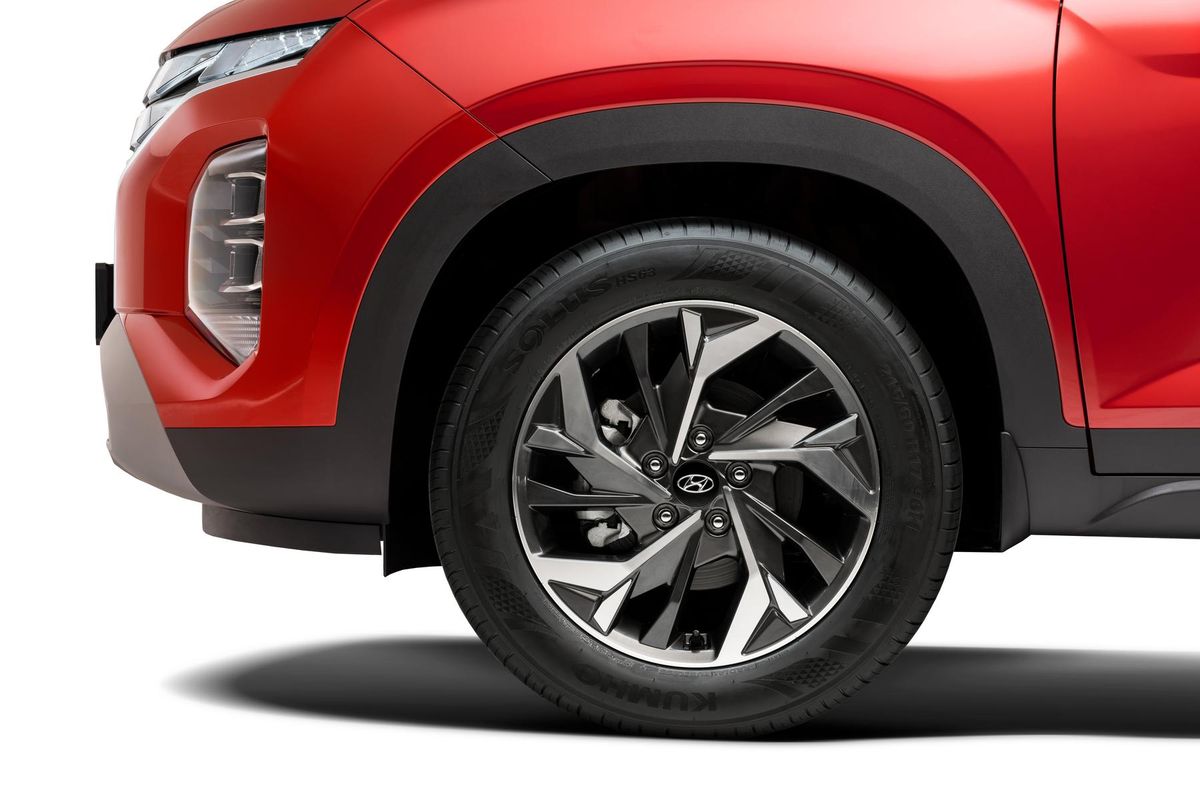
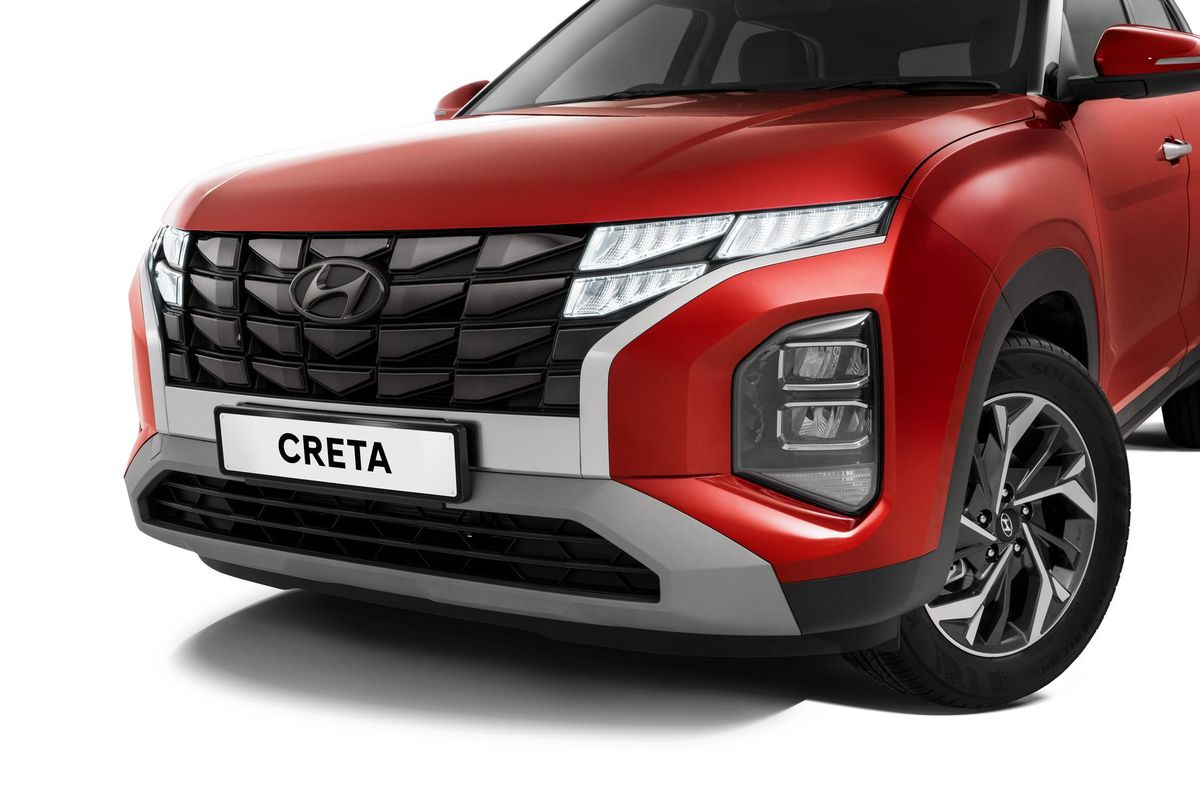
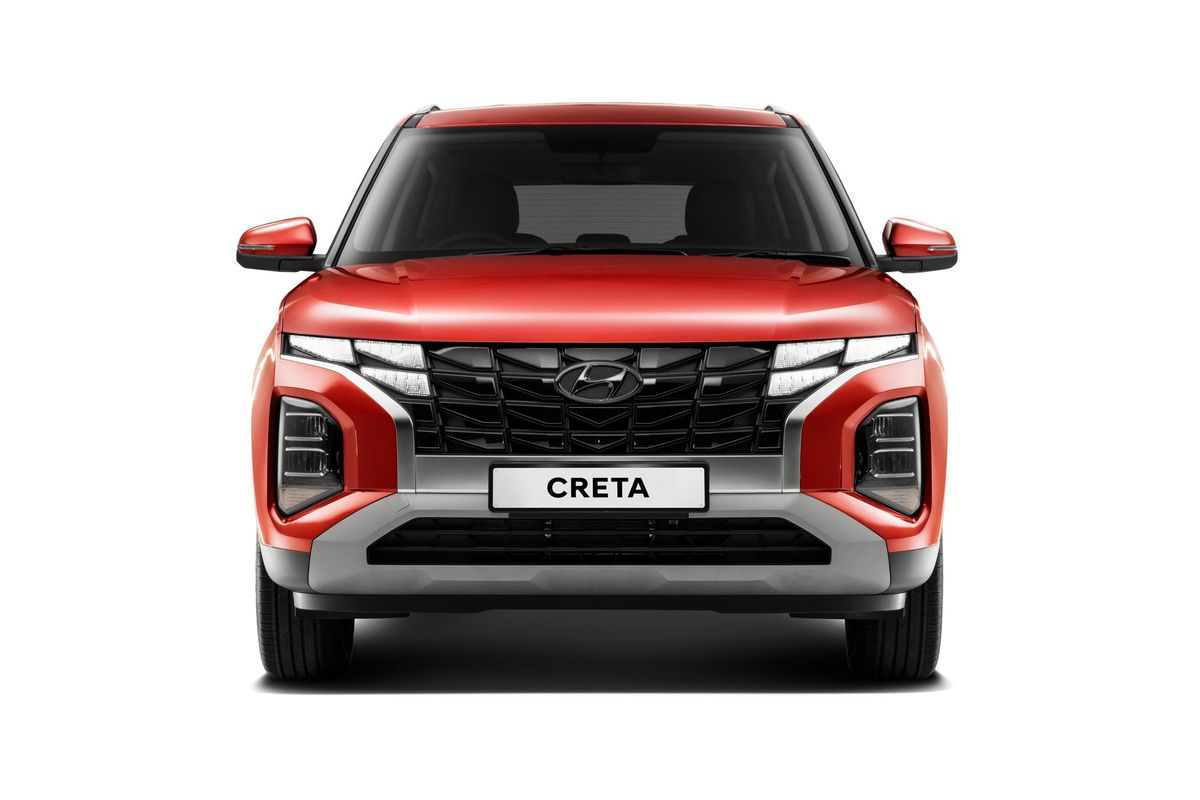
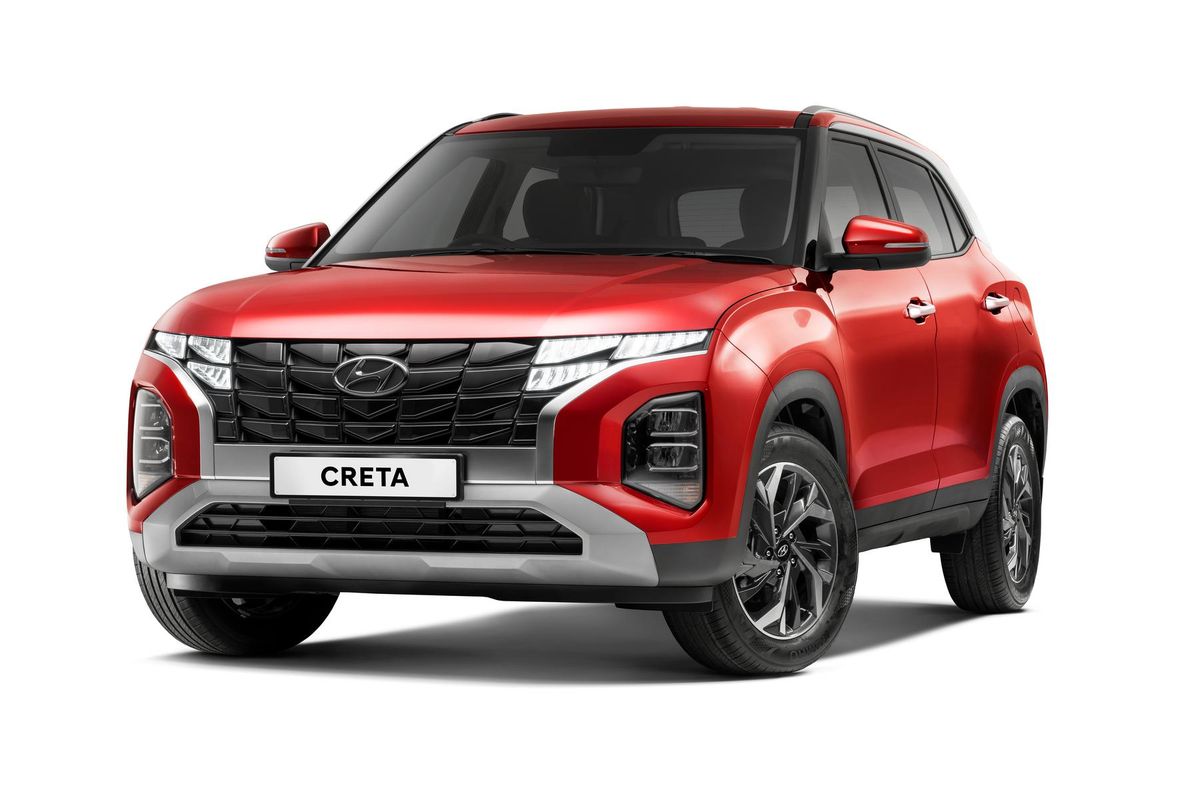
Hyundai has launched a 7-seater Grand Creta in South Africa! See the specification and pricing details for the newcomer below!

Following the launch of the all-new Hyundai Tucson on local soil, the Korean automotive giant is keeping the product offensive rolling with the introduction of the Grand Creta, a 7-seater compact SUV.

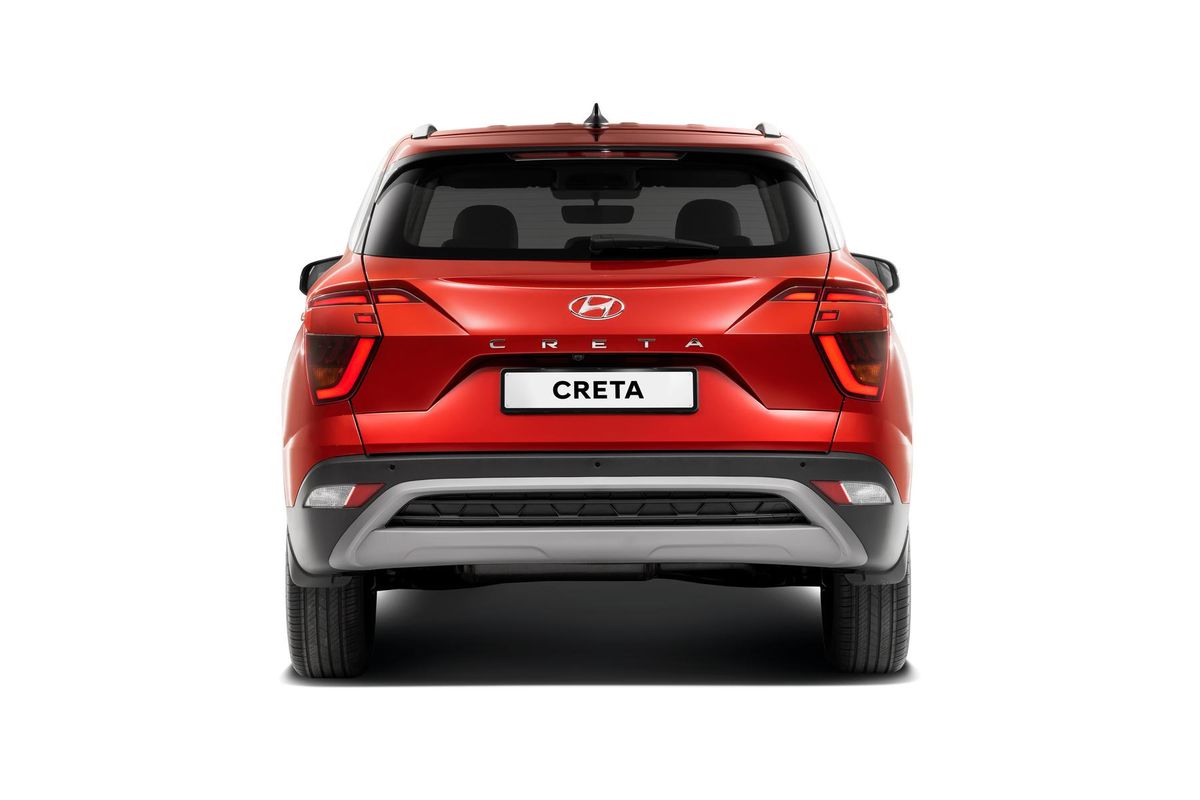
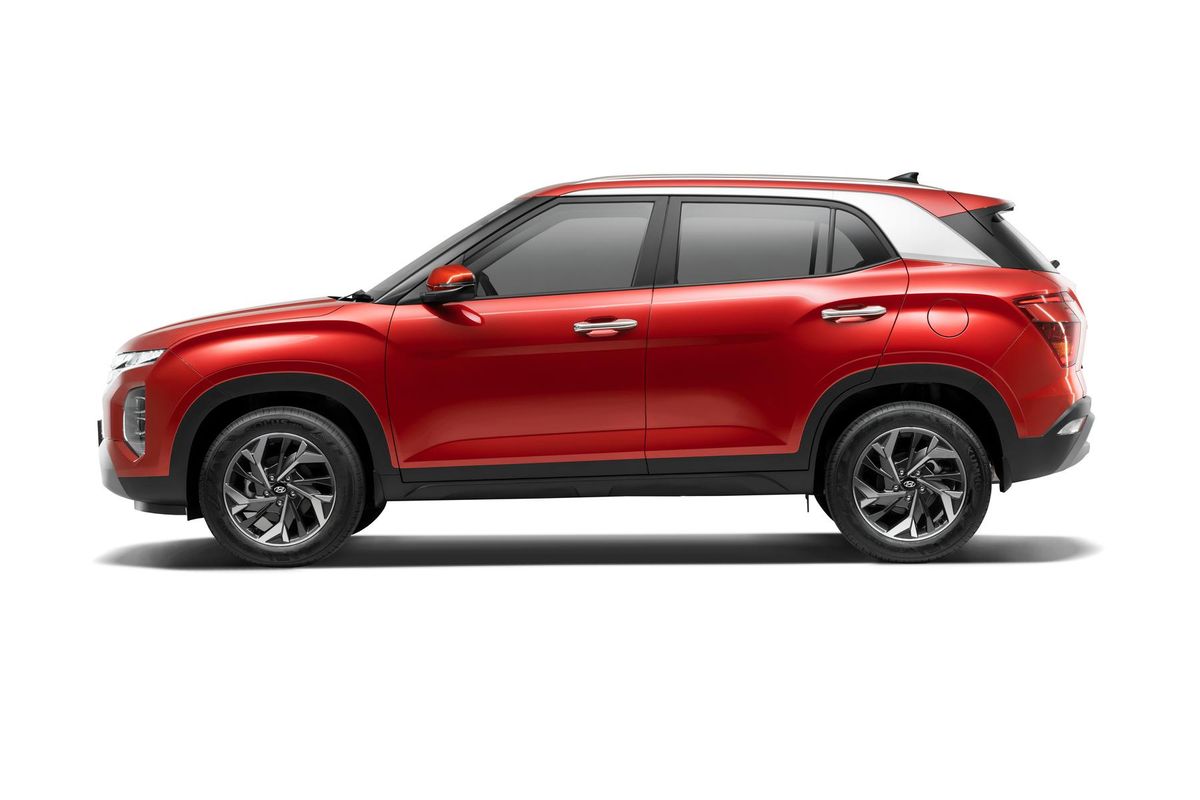
The Hyundai Grand Creta, or Alcazar as it’s known in India, shares the same platform as its Creta sibling, but physically it’s fractionally longer by 30 mm. It also boasts a slightly longer wheelbase to accommodate the third row of seats.

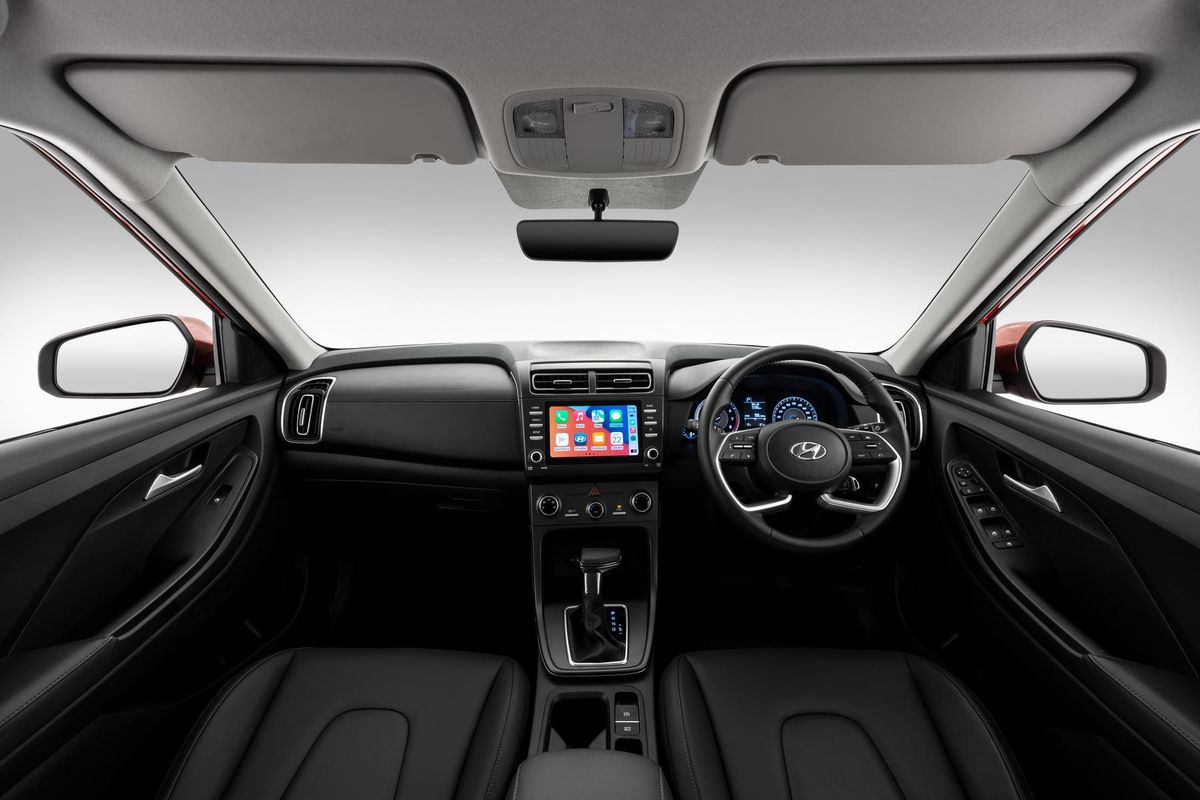
Hyundai says it has enhanced the Creta platform and focused on ride comfort with a reworked suspension setup. Inside, there are sliding seats, armrests and Hyundai is claiming best-in-segment cabin space. The seats can be folded down to increase carrying capacity.

Hyundai is offering the Grand Creta in 2 trim levels namely the Executive and range-topping Elite.

The Grand Creta Executive is equipped with features such as automatic LED headlights with daytime running lights, 17-inch alloy wheels, leather upholstery, 10.25-inch touchscreen infotainment with Android Auto and Apple CarPlay, 7-inch TFT instrument cluster, rear camera, wireless smartphone charger, cruise control and a multifunction leather steering wheel.

the range-topping Grand Creta Elite adds features such as 18-inch alloy wheels, LED fog lights, a panoramic sunroof, larger 10.25-inch TFT instrument cluster, keyless entry and keyless start, electronic parking brake, drive mode select, front and rear parking sensors, rear seat back tables and electronic and ventilated front seats.

What engines power the Hyundai Grand Creta?

Hyundai Grand Creta
Two engine and gearbox combinations are offered for the Grand Creta in South Africa.

When it comes to engine options, Hyundai is offering both petrol and diesel engines, with a choice of 6-speed manual and 6-speed automatic gearboxes. The 2.0-litre, naturally-aspirated petrol engine develops 117 kW and 191 Nm, while the 1.5-litre turbodiesel has 85 kW and 250 Nm.

Look out for our launch report for the Hyundai Grand Creta coming soon!

How much does the Hyundai Grand Creta Cost in South Africa?

Grand Creta 2.0 Executive MT – R449 900

Grand Creta 2.0 Executive AT – R489 900

Grand Creta 2.0 Elite AT – R509 900

Grand Creta 1.5 Executive Diesel AT – R539 900

Grand Creta 1.5 Elite Diesel AT – R559 900

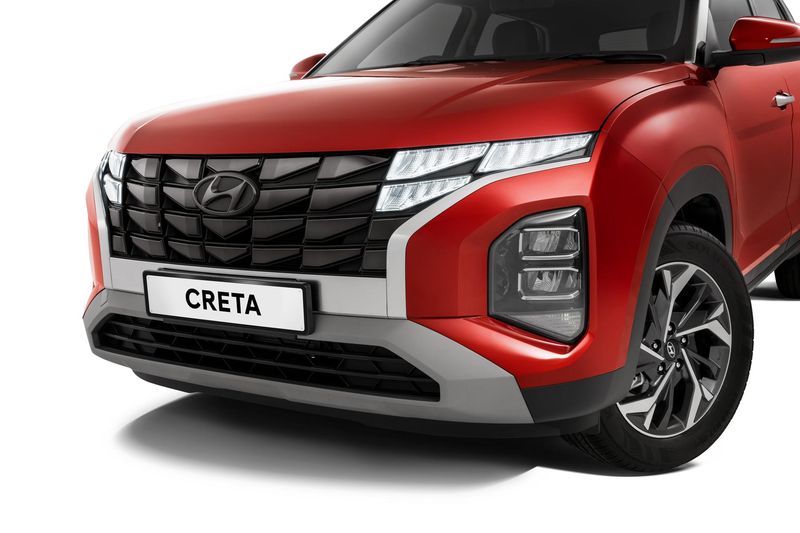
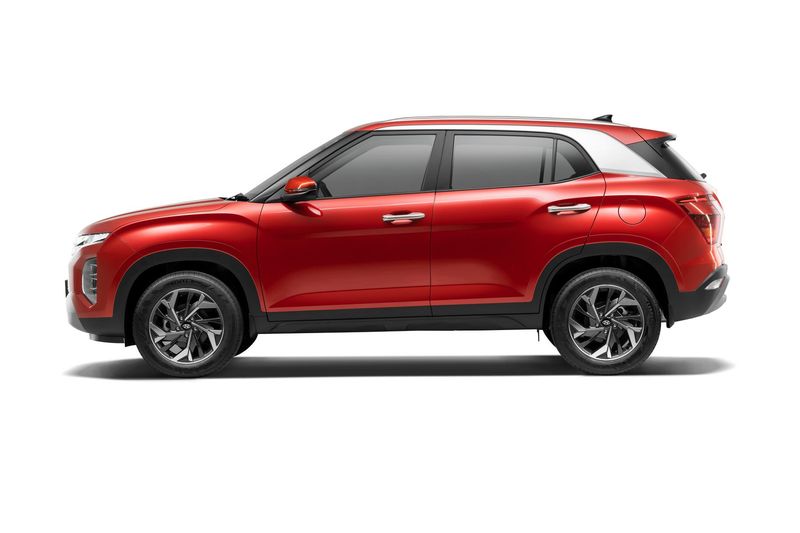
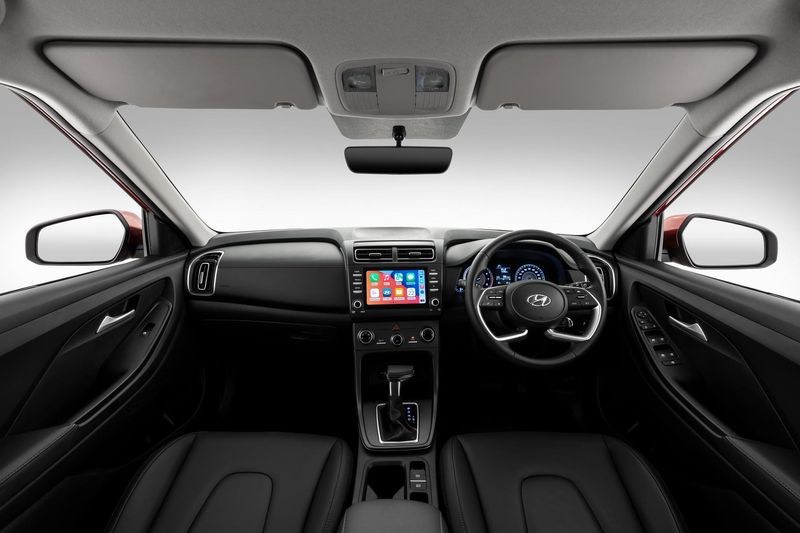
Want to buy a Hyundai Creta? Browse new and used stock here.

Further Reading

Hyundai Creta (2021) Review

Kia Seltos (2020) Review

Volkswagen Tiguan vs Hyundai Tucson: Which should you buy?

New Cars For South Africa in 2022

Which Bakkie is SA’s Best-Selling Double Cab?

What was the best-selling double-cab bakkie in South Africa in 2021? The Naamsa figures we lay our paws on each month don’t provide this level of detail, but we’ve finally managed to uncover the answer…

Every month, we endeavour to bring you a list of South Africa’s top-selling bakkies. But there’s a question that’s often left unanswered: which is the most popular double-cab bakkie?

Well, since Naamsa’s detailed sales figures – as difficult as they are to obtain – don’t include a breakdown of the various bakkie body styles, we’ve had to find another way to bring you this intriguing information. So, thanks to our learned friends over at Lightstone Auto, we’re now able to shed a little light on the matter.

According to Lightstone Auto, out of the 100 039 bakkies sold in South Africa in 2021, more than half (54 977 units, to be precise) took the form of double-cab models. And it was the Toyota Hilux – once again SA’s best-selling vehicle range overall – that won the double-cab sales race, with 17 171 registrations during the year, representing a hefty 31.2% of the dual-cab market.

Toyota Hilux Raider Double Cab

The double-cab version of the Ford Ranger, however, was just 1 843 units off the pace, finishing the year on 15 328 units (an admirable market share of 27.9%). Third place went to the outgoing Isuzu D-Max – which has subsequently rebranded as the Gen 6 and will live on alongside the new model – which saw 8 144 double-cab registrations (14.8% of the market).

What about the single- and extended-cab bakkie markets?

Turning our attention to the single-cab (one-tonne) bakkie segment, we see that the Hilux again dominated, accounting for 12 748 (or a very healthy 35.3%) of the total 36 091 registrations. In this category, the D-Max placed second with 7 235 units, ahead of the Mahindra Pik Up (3 000 units). Interestingly, just 1 976 examples of Ford’s single-cab Ranger were registered locally during the year.

Toyota led the charge in the extended-cab race as well, selling 6 151 units of its Hilux Xtra Cab in a market that totalled 8 971 units (that’s a whopping share of 68.6% for the math fundis in attendance). The Ranger SuperCab (1 773 units) placed second, with the D-Max Extended Cab (1 045 units) completing the podium.

Best-selling double-cab bakkies in South Africa in 2021

Ford Ranger Raptor Double Cab

1. Toyota Hilux – 17 171 units

2. Ford Ranger – 15 328 units

3. Isuzu D-Max – 8 144 units

Best-selling single-cab (one-tonne) bakkies in South Africa in 2021

Toyota Hilux Single Cab

1. Toyota Hilux – 12 748 units

2. Isuzu D-Max – 7 235 units

3. Mahindra Pik Up – 3 000 units

Best-selling extended-cab bakkies in South Africa in 2021

Isuzu D-Max Extended Cab

1. Toyota Hilux – 6 151 units

2. Ford Ranger – 1 773 units

3. Isuzu D-Max – 1 045 units

Related content:

Who’s winning the small crossover sales race in SA?

7 best-selling budget sedans in South Africa: February 2022

What has happened to Honda SA? A look at sales figures

Nissan Terra Sold Out in SA

The Nissan Terra arrived quietly in South Africa but the 7-seater Fortuner rival has already sold out and it appears that Nissan won’t be replenishing its local Terra stock. 

Update: Despite what appears to be surging demand for Nissan’s 7-seater Terra SUV, the model has already sold out and Nissan is unlikely to keep the model on the market. The official update from Nissan South Africa reads as follows: “As an organisation, Nissan is continuously evaluating its product range to ensure we are meeting the needs of the markets and customers we serve. As part of this ongoing process, Terra availability was limited in South Africa and we can now confirm all remaining vehicles have since been allocated to customers. Nissan will continue bringing its best products and technologies to South Africa including the locally produced NP200 and Navara pickups, which represent six decades of our light commercial vehicle heritage.”

Previously…

The Nissan Pathfinder is sadly no more, and in its place comes the Nissan Terra. While this vehicle has not yet been formally launched, units are slowly making their way onto Nissan dealership floors across South Africa.

From what we’ve been able to ascertain from a source, there’s just one engine across the range. Power comes from the 2.5-litre 4-cylinder turbocharged diesel engine and it produces 140 kW and 450 Nm.

The new Terra features a 78-litre fuel tank, with consumption ranging from 8.3 L/100 km for the entry-level derivative with a manual gearbox to 8.2 L/100 km for the 4×4 automatic.

Customers will be able to choose from either a 6-speed manual gearbox or a 7-speed automatic transmission.

For the offroad-focused, the following stats will be of interest. There’s a ground clearance of 243 mm, an approach angle of 32.3 degrees and a departure angle of 26.6 degrees.

There will be three grades offered: XE, SE and LE.

The addition of the Terra to the market makes the 7-seater bakkie-based SUV segment ever more interesting. We all know the Toyota Fortuner dominates the sales charts, but the all-new Isuzu MU-X is a fairly recent arrival. The Ford Everest will be replaced by an all-new model and if you’re after something different, but still capable, the Haval H9 makes a case for itself.

Are you interested in purchasing a rugged 7-seat offroader? Consult our Buyer’s Guide

How much does the Nissan Terra cost in South Africa?

The new Nissan Terra is sold with a 6-year / 150 000 km warranty and a 6-year / 90 000 km service plan.

Terra 2.5 DDTi XE Manual R596 900

Terra 2.5 DDTi XE Auto R606 900

Terra 2.5 DDTi XE 4×4 R629 900

Terra 2.5 DDTi SE R732 900

Terra 2.5 DDTi SE 4×4 R834 900

Terra 2.5 DDTi LE 4×4 R853 900

Drive to Revive Ep1: The start of the Toyota GR Yaris Cup

How to turn a very fast Toyota GR Yaris into a race-winning machine. Our in-house racer takes to the track in the pocket rocket to see if he can still cut it as a racing driver.

Drive to Revive a racing career is a series about our in-house wannabee racer Ashley Oldfield and his attempt to revive his racing career.

Watch as he takes part in the newly formed Toyota GR Yaris Cup series where the cars are mechanically stock standard and everything is identical down to the tyre pressures.

Episode 1 is all about ‘the shakedown’ and building the GR Yaris race cars. Ash gets to turn his first few laps in the car and goes on the hunt for faster lap times.

Has Ash still got any speed left in him or will he be left to fight it out at the back of this newly-formed brat pack?

Search for a used Yaris here

Audi Bakkie On The Way? 

If recent comments by Audi CEO, Markus Duesmann, are to be taken with more than a pinch of salt, an Audi bakkie might very well be on the horizon…

Bakkies are big business, especially in markets such as South Africa and Australia, and you just need to look to the success of the Toyota Hilux and Ford Ranger for evidence. But that doesn’t mean that success is guaranteed. In fact, most often, the opposite is true, especially when a luxury brand with no proven bakkie track record tries to enter the market. 

Remember the spectacular failure that was the Mercedes-Benz X-Class? Who can forget? 

In an interesting development, it has emerged that Audi might be eyeing out the mid-size bakkie segment to potentially introduce a luxury rival to the range-topping versions of the Toyota Hilux and Ford Ranger. 

Responding to questions from journalists ahead of the Volkswagen Group’s Annual Media Conference 2022, Audi CEO, Markus Duesmann, was asked if an Audi pick-up was a possibility and his response didn’t deny that the Ingolstadt-based firm was considering the prospect. 

He responded, “I can’t promise that we will do one, but we are looking into it.” He then added, “Actually, we will present – not too far from now – maybe something”. This implies that something, perhaps a concept bakkie, may very well be revealed at some point in the near future. 

In light of the Volkswagen-Ford agreement that will see the next-generation Amarok being underpinned by the new Ford Ranger, it’s conceivable that Audi could leverage this development to form the basis for a bakkie wearing Audi’s four-rings. When it comes to powertrains, Audi may very well share the new Amarok’s next-generation 3.0-litre V6 powertrain but considering that Audi will be an all-electric brand in coming years, an electric Audi bakkie is, therefore, plausible too. 

As for the interior, expect a luxurious cabin equipped with Audi’s latest digital and driver assistant technology. 

We will keep you updated as soon more details come to light…

Buy an Audi On Cars.co.za 

How Safe is the Haval H6? Crash-Test Results Revealed

The latest Haval H6 has been very well received by the South African buying public. But just how safe is this Chinese crossover? Well, the results of a fresh crash test conducted in Australia give us a strong indication…

The Australasian New Car Assessment Program (ANCAP) has announced the results of its latest round of crash testing, with the Haval H6 scoring a full 5-star safety rating.

The independent vehicle-safety body said the Chinese crossover “performed well across all areas of assessment”, achieving solid scores for its protection of adult occupants (90%), children (88%) and vulnerable road users (73%), such as pedestrians and cyclists. In addition, the H6 scored 81% in the safety assistance category, with ANCAP lauding the vehicle for its ability to “actively avoid or reduce the effects” of a range of potential crashes.

We should point out that while a suite of autonomous emergency braking functions (AEB covering city, interurban, vulnerable road users, junction assist and backover) and an active lane support system are included as standard across the range in Australia and New Zealand, here in South Africa the presence of these safety assistance features are dependent on trim level, with the base model missing out on certain items. In addition, all models offered Down Under ship standard with seven airbags, which is one more than the number included as standard in the SA-spec H6 range.

Watch the Haval H6 crash test below…

Still, the H6’s performance in both the side-impact and oblique-pole tests was admirable, with full points scored in terms of protection for the driver in both cases. Full points were likewise awarded by ANCAP for front- and rear-seat occupants in relation to whiplash protection.

While the front-seat passenger received strong protection in the frontal offset test, protection to the driver’s chest was rated as “marginal”, which ANCAP says indicates “some risk of chest injury based on dummy measurements”. A penalty was furthermore handed to the H6 for the performance of the driver’s footwell, which “showed some signs of loss of integrity in the frontal offset test”.

“There has been a lot of interest in a safety rating for the H6, and this now provides consumers with an independent assessment of its safety performance,” said Carla Hoorweg, ANCAP chief executive officer.

“This is an impressive achievement by Haval. Delivering a 5-star vehicle to the market, against ANCAP’s latest 2022 protocols, demonstrates the brand has kept pace with the latest ANCAP safety standards and consumer safety expectations,” Hoorweg added.

The H6 has proven quite popular here in South Africa, with 394 units registered locally in January 2022 and a further 329 units finding homes the following month. The current local H6 range comprises four derivatives, with pricing bookends of R431 900 and R529 900, while a hybrid version of the H6 is scheduled to arrive on local shores later in 2022.

See specification and pricing for the Haval H6 range 

Buy a used Haval H6 on Cars.co.za

Watch our Haval H6 video review below…

Related Content 

Volkswagen Tiguan vs Hyundai Tucson: Which should you buy?

Chery Tiggo 8 Pro (2022) Launch Review

Volkswagen Tiguan: What it’s like to live with

Renault Clio (2022) Review


After a long delay, the all-new Renault Clio has arrived in Mzansi. With a keen price tag and an upmarket cabin, it has aspirations of stealing sales from the revised Volkswagen Polo. In a segment that still commands good sales volumes, expectations are high. Does the Clio 5 deliver?

We like: Interior fit and finish, spacious load bay, high-quality infotainment system, frugal engine

We don’t like: Firm ride, not the most engaging to drive, no automatic option (yet)

FAST FACTS

  • Model: Renault Clio 1.0 Turbo Intens (with option pack)
  • Price: R349 000 (R15 000 for the option pack)
  • Engine: 1.0-litre 3-cylinder turbo petrol
  • Power/Torque: 74 kW/160 Nm
  • Transmission: 5-speed manual
  • Fuel consumption: 5.7 L/100 km (claimed)
  • Load capacity: 391–1 069 litres

Serious about buying?

Some Renault dealerships regularly offer great deals. See our New Car Specials here!


The top-of-the-range 1.0 Turbo Intens can be distinguished by its LED headlamps and DRLs, chrome exterior trim.

Since its local introduction in 1999, the Renault Clio has become integral to the South African motoring landscape. It’s never been as popular as its Volkswagen Polo rival, but it’s certainly gained quite a following. Our market never got the 1st-gen model, but almost 77 000 units of the Clio 2, -3 and -4 have been sold in the Republic. Impressively, the outgoing model garnered 34 800 of those sales.

Despite the compact crossover/small SUV market exploding over the past few years, there’s still considerable interest in compact hatchbacks, even though traditional contenders such as the Polo, Ford Fiesta, Hyundai i20 and the Clio have become rather pricey. If you don’t want to plump for a high-riding baby SUV, a traditional hatchback still delivers space, driving dynamics and comfort in abundance.


The Clio 5 does not look dramatically different to its predecessor, but it’s still one of the best looking models in its segment.

The Clio 5 took a while to get here, because of Covid-19-related delays and pricing issues, and it’s up against a battery of vaunted rivals. The segment leader is the Polo, which recently received a facelift. More advanced and refined than ever, the Polo dominates the sales charts, but, as good as it is, it’s become quite a pricey proposition. The Korean duo of the Hyundai i20 and Kia Rio are commendable options, with the latter offering a punchy turbo engine and eye-catching styling. The Rio soldiers on and is one of the few models in this segment that still makes do with a naturally-aspirated motor.

The other is the Mazda2, which has been subjected to minor design and trim updates throughout the years and is still a solid offering, despite its advanced age. Also hailing from France is the Peugeot 208 and Citroen C3. The 208 looks fantastic and comes well-appointed, and the same could be said of its C3 cousin. There’s a new Opel Corsa too, which shares its mechanicals with the French pair.

The Ford Fiesta has been overshadowed by the rest of the Blue Oval’s commercial offerings, but is one of the more engaging products and is offered in both petrol and diesel guises. Finally, there’s the Nissan Micra, which also shares some parts with the previous-generation Renault Clio.

Compare the Renault Clio with the Volkswagen Polo and Hyundai i20 here

Compare the Renault Clio with the Peugeot 208 and Ford Fiesta here

What’s different about the 2022 Renault Clio?


Whereas the previous-gen model had a plasticky, rudimentary fascia, the Clio 5 goes high tech with a 9.3-inch touchscreen (when the option pack is specified).

A lot has changed about the all-new 2022 Renault Clio 5. While the revised exterior design suggests this is a mere facelift of the Clio 4, there’s no denying the under-the-skin changes. In 1.0 Turbo Intens guise, the French hatchback’s front end features LED headlamps and snazzy-looking C-shaped LED daytime running lights (DRLs), while the rear makes do with neater tail lamps.

There’s a new engine too. Remember Renault’s marketing spin from back in the day? “66 kW of F1-derived technology”. LOL. The new model’s engine is also a 1.0-litre 3-cylinder turbopetrol motor, but its outputs are far more credible than those of the previous unit; 74 kW and 160 Nm place the French motor’s peak outputs about mid-pack, with the i20 and Fiesta producing around 90 kW.

Inside, there’s been a big focus on improving fit and finish; a brand-new touchscreen infotainment system dominates the fascia and better interior packaging has freed up, inter alia, more luggage capacity.

How the 2022 Renault Clio fares in terms of…

Design and Packaging


The flagship 1.0 Turbo Intens model does not overdo the brightwork. The option pack bumps up the alloy size from 16- to 17 inches.

If you’ve seen one compact hatchback, you’ve seen them all, right? Well, no, there are now some striking designs in this segment of the market and the Clio 5 is (still) arguably the most eye-catching of the lot. Perhaps it’s the vivid red metallic paint finish and intricate front-end with bold daytime running lights, but there’s no mistaking a Clio for anything else. The option pack adds pretty 17-inch alloy wheels.

The Renault’s cabin has received the most attention and it’s just as well – the previous model’s interior was less than class-leading. It’s hard to imagine that this upmarket tech fest adorns a humble Clio! There’s extensive use of good quality materials, which adds to the ambience. Simple things, such as the additional lining in the doors and soft-touch plastics on the dashboard make all the difference.


Renault has successfully turned one of the weaknesses of the Clio 4 into a strength of the Clio 5. Soft-touch materials, smart-looking metallic finishes and a tech-rich layout are impressive.

A large, portrait-orientated infotainment system is the first thing to catch your eye. If you take the option pack, the screen will be a touch larger than the standard item. The graphics and colours are crisp and vibrant, and the user experience is simple and intuitive. Apple CarPlay and Android Auto connectivity work without a glitch and the portrait orientation makes it easier to view Google Maps or the Waze app.
If you use our Compare New Cars tool to pitch the Clio 5 against its rivals, its heightened practicality stands out. Courtesy of having the longest wheelbase in its class, Renault’s compact hatchback offers adequate space for rear passengers (even adults won’t feel too cramped), plus the load-bay capacity (391 litres) is larger than those of its rivals. The rear seatback splits and folds in a 60:40 configuration.


For many buyers, a compact hatchback’s load-bay capacity is not extremely important, but for the record, the Clio’s is the most capacious in the segment.

Performance and Efficiency

Whereas its predecessor sounded delightfully thrummy, it was outgunned by its rivals. The new 74 kW/160 Nm 1.0-litre 3-cylinder turbopetrol TCe engine, however, delivers more satisfactory performance.

Power goes to the front wheels via a 5-speed manual gearbox. Right now, Renault SA does not have an automatic derivative in its Clio 5 range, but plans to expand the lineup later this year. Still, as far as manual gearboxes go, it’s a nice one with a solid and direct shift action, combined with a lightly tensioned clutch pedal. It’s not quite as light in operation as a Volkswagen Polo’s, but it’s a bit better than the notchy Peugeot 208, which has a frustratingly “long clutch” setup.


The Clio 5’s gearbox has a positive action and shifts can be executed slickly. The range would benefit greatly from having an auto derivative, however.

The Clio 5’s powertrain is perky and responsive, thanks to its effective drive modes. By pushing a piano button on the fascia, you can choose between Normal, Sport or Eco (all pretty self-explanatory). What’s impressive is how different they are in terms of driving responsiveness and cabin ambience. If you engage Sport, the cabin lighting changes to red and the instrument panel adopts a sportier display.

It’s also the first time you’ll see a rev counter! Before that, we were changing gears based on the “shift-up” icon that encourages a thrifty driving style. Sport mode enhances the engine’s power delivery and responsiveness, plus it firms up the steering setup. Does it work? Definitely – this generation of Clio feels decidedly “hands-on”. The debate on 5 versus 6 forward ratios continues, and while we feel a 6th ratio would benefit economy, we appreciated how responsive the car felt at the national speed limit in 5th. Some overtaking manoeuvres didn’t require a downshift because the 1.0 litre’s deceptively flexible.


There’s a saying that the more affordable a car is to buy, the less of an impact its “drive modes” will have. Not so in the Clio 5.

As far as efficiency is concerned, Renault claims an average fuel consumption figure of 5.7 L/100 km and, after completing a long trip (mostly on the open road, plus a fair bit of urban driving), the test unit’s trip computer indicated 6.3 L/100 km, which we thought was rather impressive. The key here is to use the model’s drive modes; we spent most of our time behind the ‘wheel while the Clio was in Eco mode.

Comfort and Features

The 2022 Renault Clio is offered in 3 levels of trim, with the top-spec Intens being evaluated here. Over and above features such as cruise control/speed limiter, a height-adjustable driver’s seat, an Apple CarPlay and Android Auto-compatible touchscreen infotainment system (with a 6-speaker audio system) and rear parking sensors, the Intens derivative comes equipped with LED headlights (with high-beam assist), those C-LED shaped DRLs, an exterior chrome pack, 16-inch alloys, rear brake discs (rather than drums on the Life and Zen), keyless entry and start, smarter interior materials (soft-touch), auto aircon (single-zone), 7-inch digital instrument cluster, rain-sensing wipers, electric handbrake with auto-hold function, ambient lighting, wireless charging pad, as well as a centre console with armrest.


The HVAC control knobs have knurled metallic finishes and integral digital displays. What an improvement!

While the Intens does evidently not skimp on features – at all – the option pack is the cherry on top for us. Ticking this box (the pack costs an additional R15 000 and is available on the top-of-the-range derivative only) adds front parking sensors, a reverse-view camera, a slightly bigger (9.3- instead of 9.0-inch) touchscreen and 17-inch diamond-cut alloys.

The car is loaded with features (including ABS with EBD and brake assist, electronic stability control, front- side- and curtain airbags, lane-change warning and three ISOfix child-seat mounting points), so it’s easier to say what’s missing than list everything that’s standard! Things we’d like to see, but we’re probably being greedy here, include a 360-degree parking camera and perhaps front-collision alert.

Ride and Handling


Given the generous dimensions of the fascia’s infotainment touchscreen, it’s only fitting that the 1.0 Turbo Intes comes equipped with a 7-inch digital instrument display with high-range TFT colour. 

There is no doubt that the 1.0 Turbo Intens’ 17-inch wheels (shod with low profile rubber) and stiffer suspension setup contribute to a rather firm ride quality; it can iron out some of the road’s imperfections, but it never seems to settle and tends to fidget on rutted roads. It’s happiest on smooth tarmac, but the test team’s consensus is that the inherent crashiness of the Clio 4’s suspension has been dialled out

After one particularly shaky drive on a poorly maintained road, we suspected the Clio 5 was a bit thin/lacked solidity, but a repeat test on the same road in a new Volkswagen Polo and Peugeot 208 yielded similar results. Sadly, we are unable to bring you a compact hatchback comparative review just yet, but we’re working towards getting all the players together for an almighty showdown later this year.


Shod with its sportiest (17-inch) alloys, the 1.0 Turbo Insens has a firm ride quality, but the older car’s skittishness is gone.

The newcomer’s handling balance is fair; the diminutive French hatchback exudes just a hint of sportiness if you make it scamper around bends. If you want some more driver engagement, consider the Ford Fiesta. At this stage, a RenaultSport version of this generation of Clio has yet to be confirmed. The steering is reasonably direct, but do engage Sport mode if you’re looking to extract the most fun.

Typically, 3-cylinder motors can produce a bit of vibration, but in the case of the new Clio, the motor’s roughness is only apparent at idle and low down in the rev range. The car feels well assembled, and wind noise has almost completely dialled by the time you achieve three-digit speeds.


The Clio 5 may lack a little in terms of driving excitement, but that’s arguably a fair trade-off for its improved refinement.

Price and after-sales support

The Renault Clio 1.0 Turbo Intens retails for R349 900 and the option pack (as fitted to the test unit) costs an extra R15 000. All derivatives come with a 5-year/150 000 km mechanical warranty and a 6-year anti-corrosion warranty. The newcomer’s 2-year/30 000 km service plan is a little shorter than those of most of its competitors, however. A service is required once a year/every 15 000 km.

Verdict

As a former owner of a Renault Clio 2, I’ve watched the French hatchback evolve from a humble runabout to an upmarket hatchback with great interest. Typical Renault Clio quirks, such as the audio controls that are located behind the steering wheel, have been retained on the 5th-generation model, but it’s the rest of the package – and especially the value offering – that impresses most.

The arrival of the Clio 5 is timely. The lack of a new Clio in this evolving segment was glaring and, besides that, Renault could do with an image enhancement. The popularity of the Kwid, Triber and Kiger has typecast Renault as an entry-level car brand, arguably to the detriment of legacy products like the Clio, Captur and Megane. Megane sadly is done, but there’s an all-new Captur due in SA later this year.

2022 Renault Clio
Compact hatchbacks seem to be endangered these days, owing to steepling prices and the rising popularity of crossovers, but the Clio 5 still makes a strong case for itself.

While the revised Polo is still the most accomplished compact hatchback, it’s less-than-liberally specced (as standard) and pricey on top of that. It would be foolish to suggest that Volkswagen’s perennial segment leader is in danger of being dethroned, but in tough economic times, car buyers will want more, for less, and this is where products such as the Renault Clio and Hyundai i20 come into play.

Should you buy a Clio 5? Renault SA has admitted that it has a shortage of stock (an industry-wide problem, to be fair), but the issue is likely to be resolved around mid-year, when the brand will bolster the Clio range with a more powerful engine as well as an automatic. Whether the latter will have a torque-converter, continuously variable- or dual-clutch transmission remains to be seen, however.

If you’re happy to accept this powertrain combination, then the 2022 Renault Clio should be on your shortlist.

Further Reading

2022 Buyers Guide: Compact Hatchbacks

Renault Clio Launch Review

Volkswagen Tiguan vs Hyundai Tucson: Which should you buy?

The Volkswagen Tiguan is one of the most popular family cars on sale in South Africa but with the arrival of the new Hyundai Tucson, buyers will have some thinking to do… 

Family cars are versatile vehicles that are typically required to be competent in a number of areas including performance, practicality, in-car technology and value. 

The Volkswagen Tiguan is arguably the benchmark product in this segment and the popular model received an update in 2021 which introduced some styling tweaks, interior enhancements and equipment upgrades, all of which intend to boost the Tiguan’s share in this segment. 
Hyundai, however, has the same intentions for its all-new fourth-generation Tucson which arrived locally in March 2022 to take the fight to its German rival. The new Tucson is larger than its predecessor which bodes well for its practicality as a family vehicle but which one of these family SUVs is best suited to your needs and budget?   

The main aim of this article is to help you, the consumer, make an informed buying decision. To help you do this, we will provide you with the need-to-know information and insight based on available vehicle information and our experience with the cars in question.

This article will cover key aspects including Engine Performance, Efficiency & Handling, Interior Features & Safety, Dimensions & Practicality and Pricing and Warranty details. 

Please note that because design and styling are subjective, we will not pass judgment and you can decide for yourself what car you think looks better.
If at the end of this article you are still undecided as to ‘What To Buy’, you are more than welcome to reach out to us for additional information or advice via Twitter, Facebook or Instagram and our experienced test team will gladly assist you.

What To Buy – Volkswagen Tiguan or Hyundai Tucson? 

Engine Performace, Efficiency and Ride Quality 

VW Tiguan 1.4TSIVW Tiguan 2.0TSI Hyundai Tucson 2.0 Hyundai Tucson 2.0D
Engine1.4-litre turbopetrol 
2.0-litre turbopetrol2.0-litre petrol (NA) 
2.0-litre turbodiesel
Power Output110 kW 
162 kW115 kW 137 kW 
Torque Output250 Nm350 Nm192 Nm416 Nm
Transmission 6-speed DSG7-speed DSG6-speed automatic 8-speed automatic
Fuel Consumption (claimed)7.7 L/100km 8.3 L/100km 8.9 L/100km7.4 L/100km

Volkswagen Tiguan 

Tiguan vs Tucson - Volkswagen Tiguan

With 2 turbopetrol engines currently available for the Tiguan and a turbodiesel engine expected to join the range this year, buyers are spoilt for choice. The 1.4-litre turbopetrol engine will suit the needs of most family car buyers by offering an attractive combination of performance and efficiency. However, for buyers seeking more punch, the range-topping 2.0-litre turbopetrol engine with 4Motion all-wheel-drive delivers livelier performance but buyers will have to accept that the fuel efficiency is not as good as the smaller-engined Tiguan.  

As far as ride quality is concerned, the Tiguan excels, particularly when fitted with 17- or 18-inch wheels which results in a comfortable and refined ride on various surfaces. Ride quality on the larger 19-inch rims as fitted as standard on the Tiguan 1.4 R-Line and Tiguan 2.0 R-Line display a firmer disposition at the expense of a degree of overall ride comfort. The Tiguan, however, exhibits excellent road manners and delivers responsive, surefooted handling that contributes positively to the Tiguan’s overall driving experience.  

Also see: Volkswagen Tiguan: What it’s like to live with 

Hyundai Tucson 

Tiguan vs Tucson - Hyundai Tucson

The new Hyundai Tucson has come to market with the choice of either a petrol or diesel engine. The naturally-aspirated 2.0-litre petrol engine offers average performance with middling outputs and ultimately lacks the punch offered by its turbocharged rivals, including the Tiguan. It is, however, still adequately capable to fulfill its daily duties as a family car. Fuel consumption for this engine is fairly high too with Hyundai claiming 8.9 L/100km. 

For better performance and efficiency, buyers will have to opt for the range-topping diesel-powered Tucson 2.0D Elite derivative which carries a claimed fuel consumption figure of 7.4 L/100km.  

The Tucson’s ride quality is now more refined than before and while its suspension is firmer than its predecessor, it copes well on various surfaces, including gravel. More so, the Tucson’s steering feel is also more direct and responsive which has enhanced the driving experience. 

It’s worth noting that the Tucson range doesn’t have an all-wheel-drive option yet, which the Tiguan does. If you intend on venturing off-road further than a gravel road, that’s something you might want to take into account.

Read our Hyundai Tucson (2022) Launch Review

Interior Features and Safety 

For this section, we will compare key specifications of the equivalent top-spec derivatives from each model range. 

You can, however, use our handy Cars.co.za Compare Tool to compare any vehicle derivative you like. 

Volkswagen Tiguan 2.0TSI R-Line Hyundai Tucson 2.0D Elite 
Infotainment system 8.0-inch MIB3 Composition Media Radio with app connect8.0-inch AudioVisual Navigation (AVN) touchscreen with app connect 
Digital Instrument cluster12.3-inch Active Info Display 10.25-inch digital display
Android Auto and Apple CarPlay, Bluetooth, voice control, USB, wireless chargingYes, wireless app connect is optional. Front and rear USB ports, Bluetooth, voice control. Wireless charging is optional.  Yes, wireless app connect is standard. Front and rear USB ports. Wireless charging is standard. 
Rear View Camera No, optionalYes, standard 
Cruise Control Yes Yes, Adaptive 
Air ConditioningClimate Control Climate Control 
Panoramic sunroofNo, optionalYes, standard
Front and rear park distance controlYes, front and rearYes, front and rear 
Upholstery / electric seats Leather, electronic driver seat adjustment, heated seats, front lumbar supportArtificial leather, manual adjustment, heated seats, driver lumbar support
Safety features6 airbags, ABS with EBD, electronic stability control, traction control, brake assist, hill descent control, tyre pressure monitoring. IQ Drive safety features are optional. 6 airbags, ABS with EBD, electronic stability control, hill descent control, tyre pressure monitoring, blind spot assist, lane-keeping assist, lane follow assist, forward collision-avoidance assist, rear cross-traffic alert, fatigue detection 

Feature Summary

The above table clearly illustrates that the range-topping Hyundai Tucson pips the equivalent Volkswagen Tiguan in terms of standard feature value. The Tucson is also equipped with useful driver assistance systems as standard while these features are optionally offered for the Tiguan

With the latest update for the Tiguan, Volkswagen has infused more technology into the interior with the addition of a new steering wheel with touch controls and digitised air conditioning controls. The Tiguan retains its clean, modern and tech-forward interior design approach and the cabin now features fewer physical buttons as most functions operate via touch control. It’s worth noting that some of the touch controls are finicky to operate.   

The new Tucson boasts excellent perceived interior build quality with quality soft-touch surfaces dominating the cabin. As indicated in the table above, standard feature specification is generous. Buttons inside the new Tucson have also been reduced thanks to the new infotainment system which houses all the key functions including ventilation and air conditioning. The digital instrument cluster further elevates the ‘tech-feel’ inside the cabin.

Dimensions and Practicality 

Volkswagen Tiguan 2.0TSI R-Line Hyundai Tucson 2.0D Elite 
Length 4 509 mm 4 630 mm
Width 1 839 mm 1 865 mm 
Height 1 635 mm 1 665 mm 
Wheelbase2 678 mm 2 755 mm 
Ground Clearance191 mm 181 mm 
Rear Seating Configuration 60:40 split60:40 split
Load Capacity 520 – 1 655 L539 – 1 860 L

Practicality Summary

In terms of practicality, the Volkswagen Tiguan excels with one of the largest load bays in the segment at 520-litres and with the 60:40 seats folded down you have access to 1 655 litres. More so, rear passengers are also well catered for with ample leg-, head- and shoulder room.  

However, the new Hyundai Tucson trumps its German rival in the practicality stakes. With a larger footprint, the new Tucson’s practicality credentials have improved significantly with a load bay capacity now claimed at 539 litres, some 51 litres more than its predecessor and with its 60:40 split seats folded down, space increases to a useful 1 860 litres. Its wheelbase has also increased by 85 mm which has resulted in more space for rear passengers, particularly in terms of legroom. 

Pricing and Warranty 

*Pricing is accurate as of March 2022 

Volkswagen TiguanPriceHyundai Tucson Price
Base Tiguan 1.4TSI 110 kWR541 800 Tucson 2.0 Premium R519 900 
MidTiguan 1.4TSI 110 kW Life R610 600 Tucson 2.0 Executive R569 900 
Top Tiguan 1.4TSI 110 kW R-Line R670 200 Tucson 2.0 Elite R634 900 
Tiguan 2.0TSI 162 kW 4Motion R-LineR738 400 Tucson 2.0D Elite R699 900 
Warranty 3-year / 120 000 km 5-year / 150 000 km 7-year / 200 000 km Drivetrain 
Service Plan 5-year / 90 000 km 6-year/90 000 km

As shown above, the Hyundai Tucson is aggressively priced against the Volkswagen Tiguan and the Korean family car does offer a hard-to-ignore warranty and service plan when compared against the Tiguan. 

It’s also worthwhile stating that Volkswagen offers a range of optional features (which will ultimately increase the overall cost) while Hyundai adopts more of an all-in approach when it comes to standard specification. Hyundai does, however, offer a selection of practical and styling accessories for the Tucson should you want to beef up the look.     

What to Buy? 

Family cars are required to wear many hats (and wear them all well) and both the Tiguan and the Tucson are excellent product offerings in their own right. 

The Tiguan, in our opinion, does offer better performance (both engines) and overall it’s a great all-rounder when it comes to technology and practicality. However, it’s impossible to ignore the Tiguan’s steep pricing structure which is exacerbated when you start ticking off those optional extras. With that said, a fully-loaded, range-topping Tiguan will easily cost over R800k! The Tiguan is a pricey proposition and unless you can afford it, you will have to look elsewhere… 

And that’s where Hyundai comes in. Yes, the naturally-aspirated Tucson might lack some punch but it makes up for it by offering good standard specification and a palatable pricing structure as well as offering significant peace of mind with a comprehensive warranty and service plan. If you have your heart set on the Tucson, we suggest that you consider the range-topping diesel-powered Elite derivative. 

Your buying decision will ultimately depend on what’s more important to you. If you value performance above all else, then go for the Tiguan. If outright practicality and value-for-money are of greater importance to you, then we think the Tucson is a winner.

If buying a new car is out of your financial reach then it’s definitely worthwhile shopping for a used Volkswagen Tiguan or a used Hyundai Tucson

Related Content 

Toyota Urban Cruiser vs Chery Tiggo 4 Pro – Which should you buy? 

Toyota Corolla Cross vs Haval Jolion – Which should you buy? 

Volkswagen Polo vs Renault Clio: Which should you buy? 

Suzuki Vitara Brezza GL S-Edition (2022) Specs & Price

Suzuki Auto South Africa has quietly added a pair of S-Edition derivatives to its Vitara Brezza range. Here’s what we know about these GL-based newcomers so far, including pricing…

A little over a year after the arrival of the Suzuki Vitara Brezza in South Africa, the Japanese firm’s local division has quietly expanded the range by adding two S-Edition derivatives.

When the Indian-sourced small crossover launched in South Africa in February 2021, the line-up comprised four variants. That number, however, has now grown to six, with the arrival of the S-Edition models confirmed by Suzuki’s latest price bulletin.

From what we can glean from the specification sheet uploaded to Suzuki Auto SA’s website (as well the couple of images we’ve managed to dig up), the S-Edition models are based on the entry-level GL trim level but gain 16-inch alloy wheels (borrowed from the range-topping GLX) and a few choice exterior styling features pulled from the official list of accessories.

These include silver-painted bumper garnish fore and aft, faux side skid plates and subtle door visors. Furthermore, stainless-steel door sill guards are included, along with carbon-fibre-effect inserts for the grille. Finally, the spec sheet suggests S-Edition models gain an interior styling kit in “Uber Life Silver”. Whip out the calculator and you’ll find the S-Edition variants effectively command an R18 000 premium over the GL derivatives on which they are based.

The GL S-Edition is available in 5-speed manual or 4-speed automatic guise. As with the rest of the Vitara Brezza range, power comes from Suzuki’s naturally aspirated 1.5-litre, four-cylinder petrol engine, which offers the front axle 77 kW and 138 Nm.

Suzuki Vitara Brezza S-Edition

Suzuki’s Vitara Brezza has proved rather popular with South Africans, ranking as the fifth best-selling small crossover over the first two months of 2022 with a total of 1 222 units registered (around half of the number achieved by the Toyota Urban Cruiser built in the same factory). Interestingly, reports out of India suggest a new-generation Vitara Brezza will be revealed later in 2022, before hitting the market on the subcontinent by the third quarter. If that indeed turns out to be the case, expect a launch to take place in South Africa in the months that follow.

How much does the Suzuki Vitara Brezza 1.5 GL S-Edition cost in SA?

As with other models in the Vitara Brezza range, the new 1.5 GL S-Edition derivatives ship standard with a 5-year/200 000 km promotional warranty and a 4-year/60 000 km service plan.

Suzuki Vitara Brezza 1.5 GL: R248 900

Suzuki Vitara Brezza 1.5 GL S-Edition: R266 900

Suzuki Vitara Brezza 1.5 GL 4AT: R268 900

Suzuki Vitara Brezza 1.5 GL S-Edition 4AT: R286 900

Suzuki Vitara Brezza 1.5 GLX: R293 900

Suzuki Vitara Brezza 1.5 GLX 4AT: R313 900

Buy a used Suzuki Vitara Brezza on Cars.co.za https://www.youtube.com/embed/rpY3WEPkt-Y?rel=0

Related Content

8 Cheapest Automatic Compact SUVs in SA

10 Cheapest Compact SUVs Under R300k

New Cars For South Africa in 2022