South African buyers can now reserve an Audi e-tron model of their choice as the German firm introduces its new Electric Vehicle (EV) products on local soil.
Audi recently confirmed that it will launch no less than 6 e-tron derivatives locally early in Q1 2022 and interested buyers can now reserve their preferred e-tron model at one of Audi’s e-tron dealers across the country.
A total of 10 Audi e-tron dealerships are available to customers including 3 in Johannesburg, 3 in Pretoria, 2 in Durban and 2 in Cape Town. All these dealerships will offer public fast-charging facilities with a DC output between 50 and 75 kW.
In terms of additional support, customers will also receive a complimentary home check by an approved service provider to assess the home charging requirements. As a starting point, Audi will contribute up to R5 000 towards a 32Amps industrial socket which together with an Audi e-tron charger will deliver about 7.2 kW, translating into a 100% charge time of 13 hours. Of course, additional power upgrades can also be installed at the customer’s request.
As for public charging, Audi has partnered with GridCars and e-tron owners will have access to the growing network of public charging facilities around the country which currently stands at 280 charging points. Audi e-tron owners will receive an RFID charge card, complimentary 1-year membership to GridCars charging network and charging portal as well as a once-off charging voucher to get you started on your first charge at a public chagrin point.
If you have not yet done so, listen to our latest podcast with Audi MD, Sascha Sauer, which details Audi’s electric car plans in South Africa.
What Audi e-tron models will be offered in South Africa?
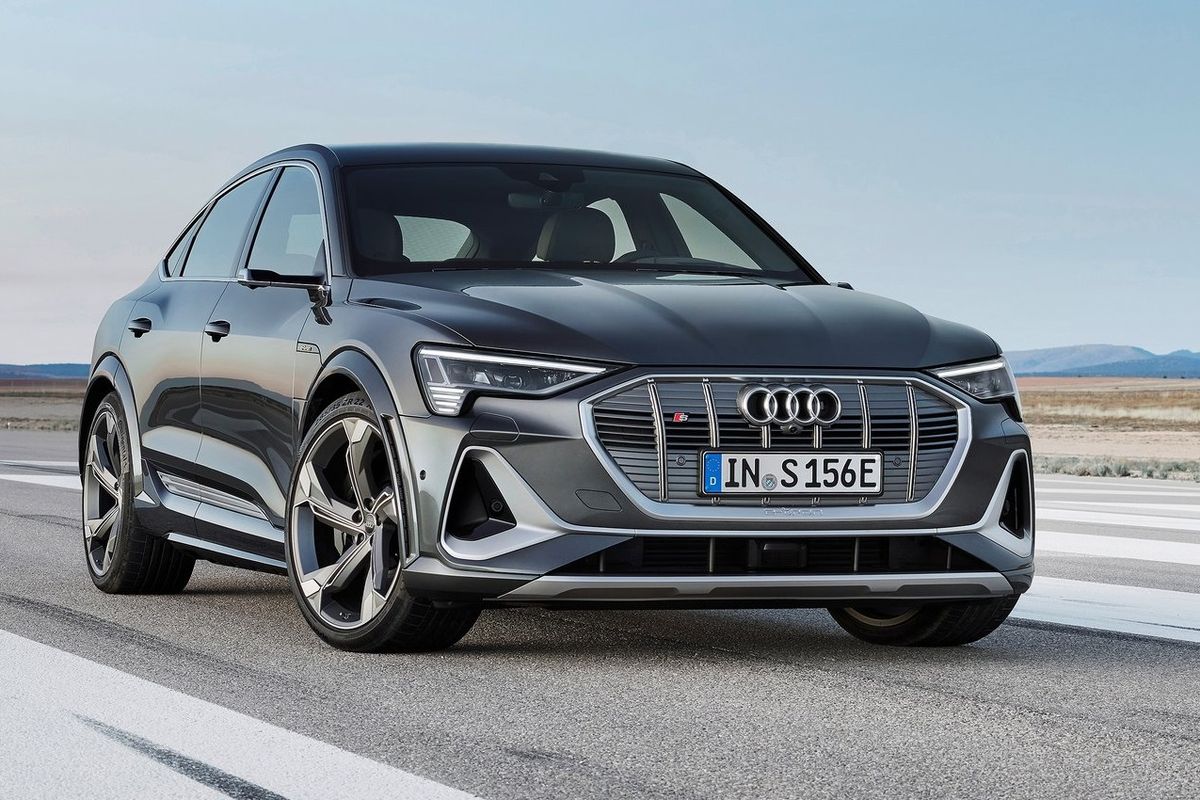
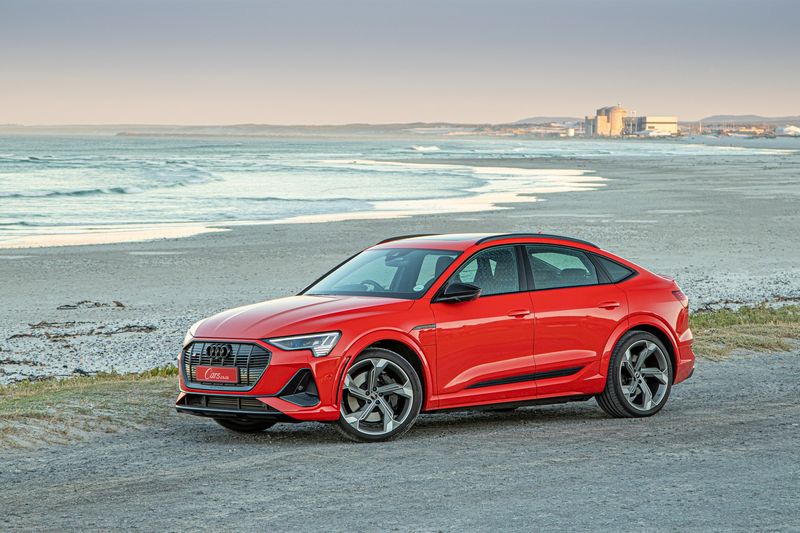
The Audi e-tron Sportback S offer more style and performance over the standard e-tron SUV.
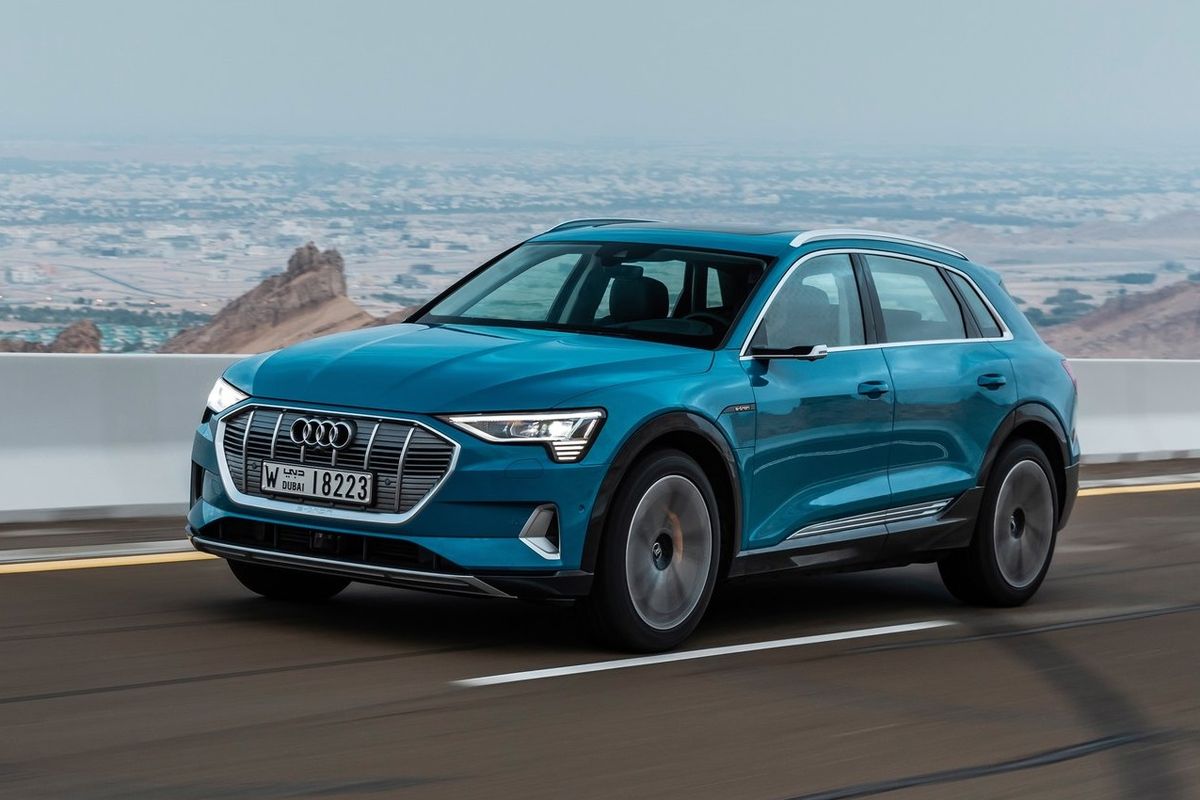
As of early 2022, buyers will be able to choose between 3 core e-tron models including the e-tron SUV, e-tron Sportback and e-tron GT.
The e-tron 55 SUV (advanced and s line) offers a total output of 300 kW and 664 Nm and uses a 95 kWh battery system to deliver a range between 369 and 440 km according to WLTP. Zero to 100 kph is claimed in 5.7 seconds.
The e-tron 55 Sportback packs the same battery and output as the above e-tron 55 SUV but features a slightly better range of between 372 and 453 km.
If you want more oomph, you might want to consider the e-tron S Sportback with 370 kW and 973 Nm. I twill dash from zero to 100 kph in just 4.5 seconds and offer a range of between 347 and 378 km.
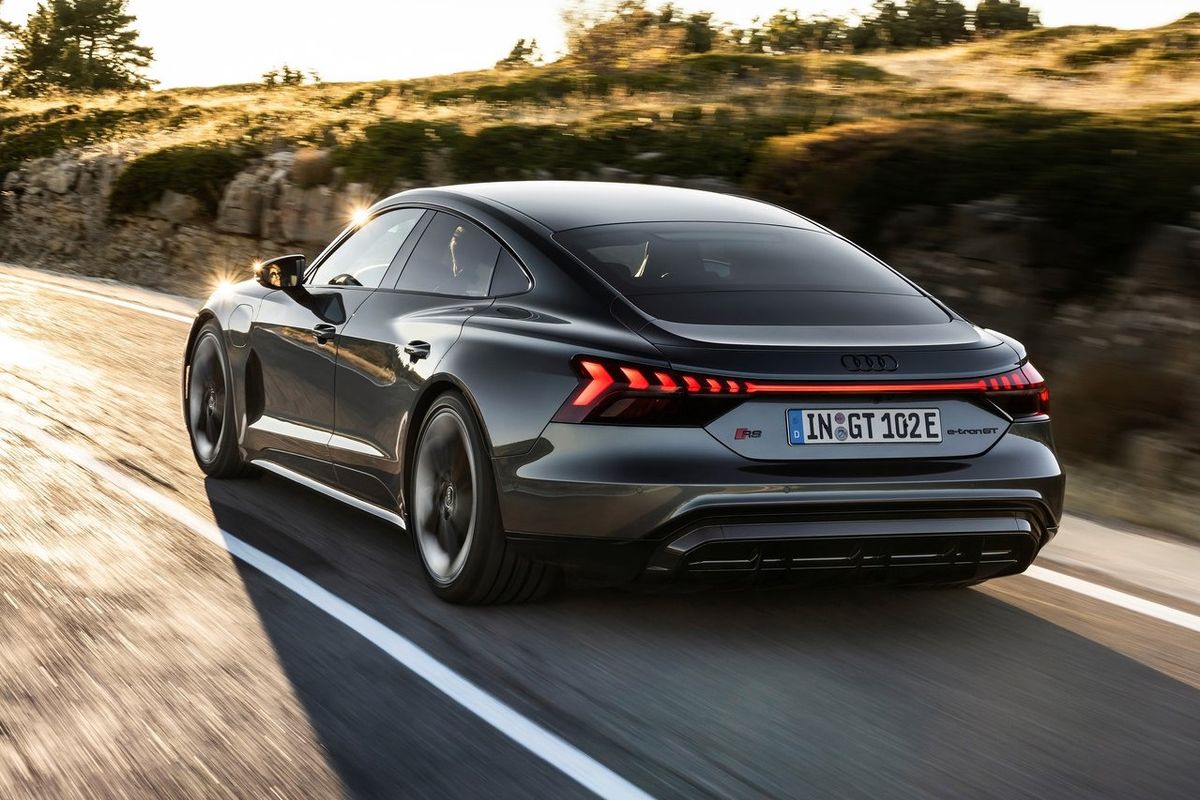
As for the stylish e-tron GT, it delivers 350 kW and 630 Nm and makes use of a 93.4 kWh battery to deliver a range of between 433 to 472 km. the e-tron GT will sprint from zero to 100 kph in 4.5 seconds.
But that’s not all because there will be a more potent RS e-tron GT on offer too with no less than 440 kW and 830 Nm which will provide rapid acceleration from zero to 100 kph in only 3.6 seconds. Range is claimed at between 433 and 472 km for this derivative.
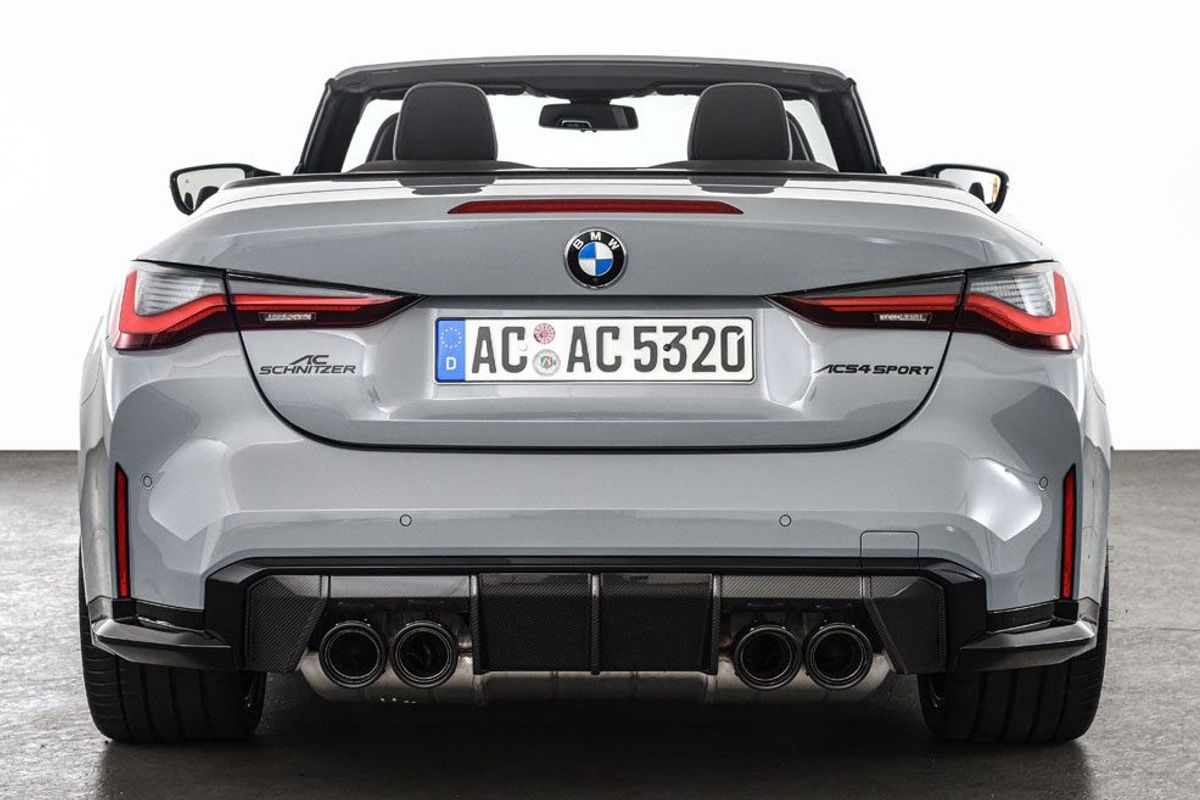
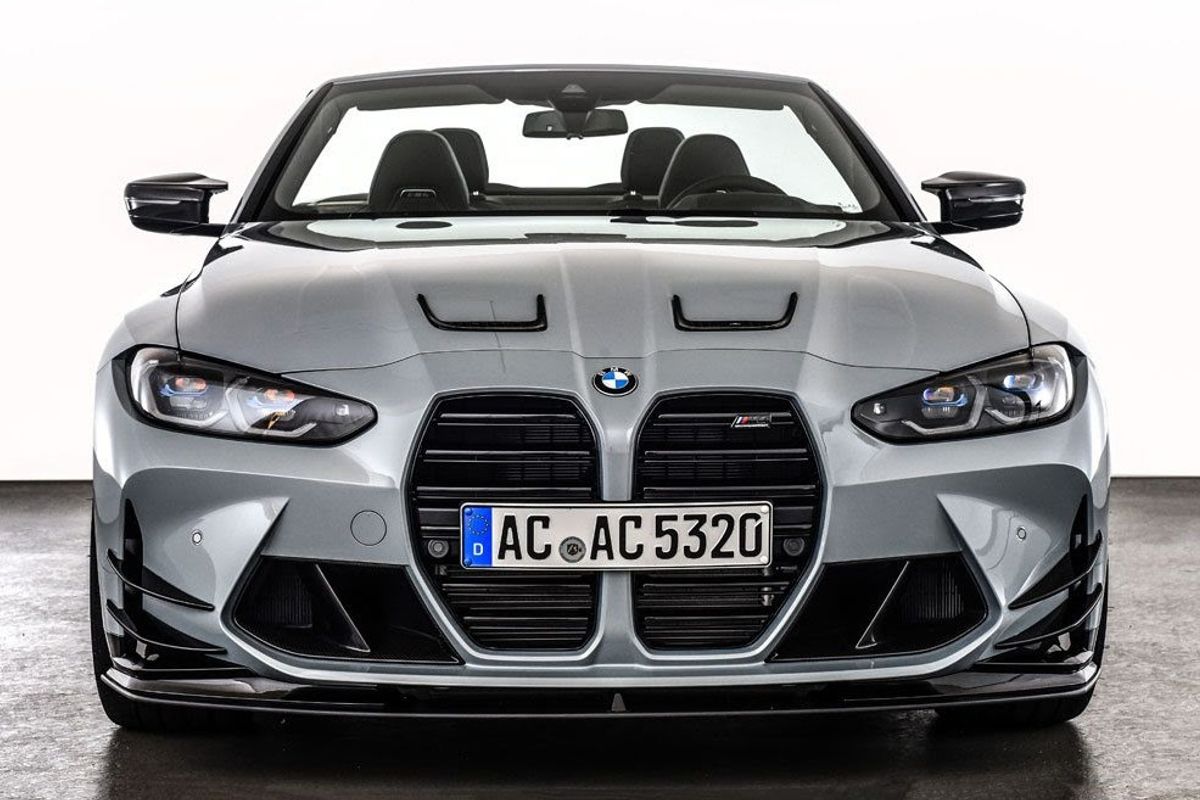
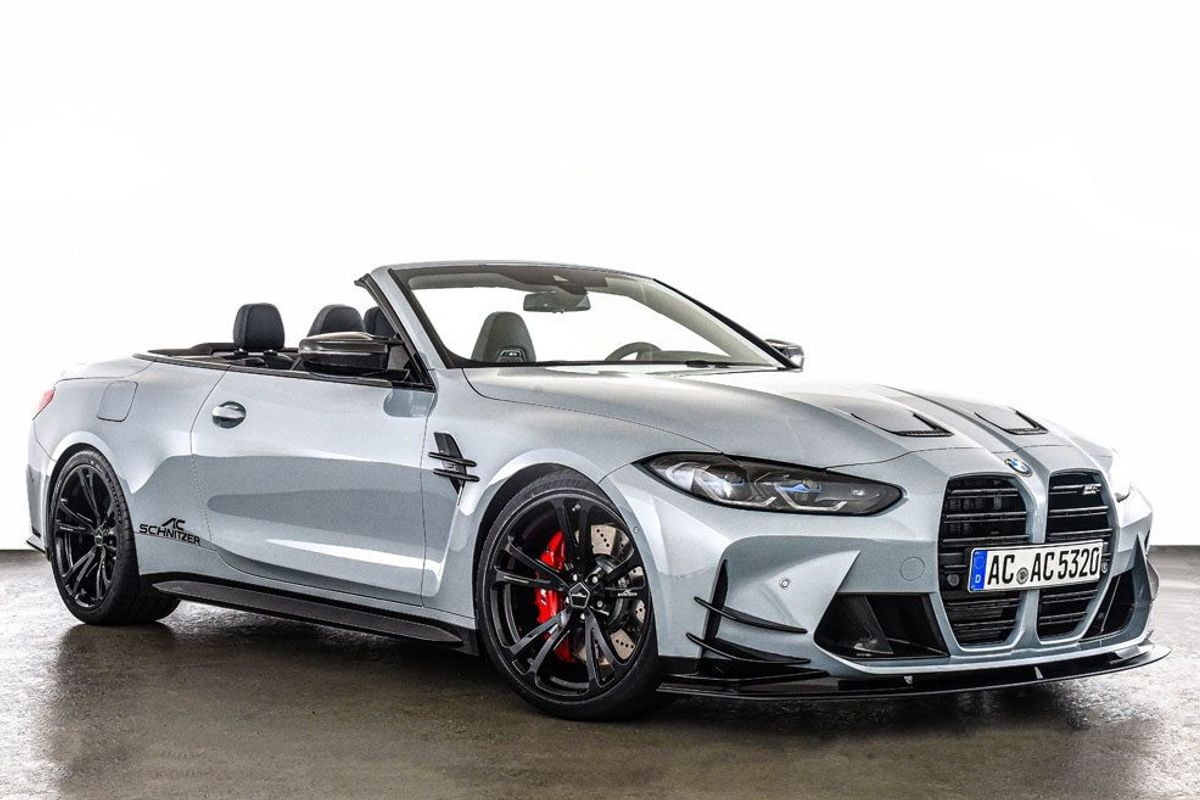
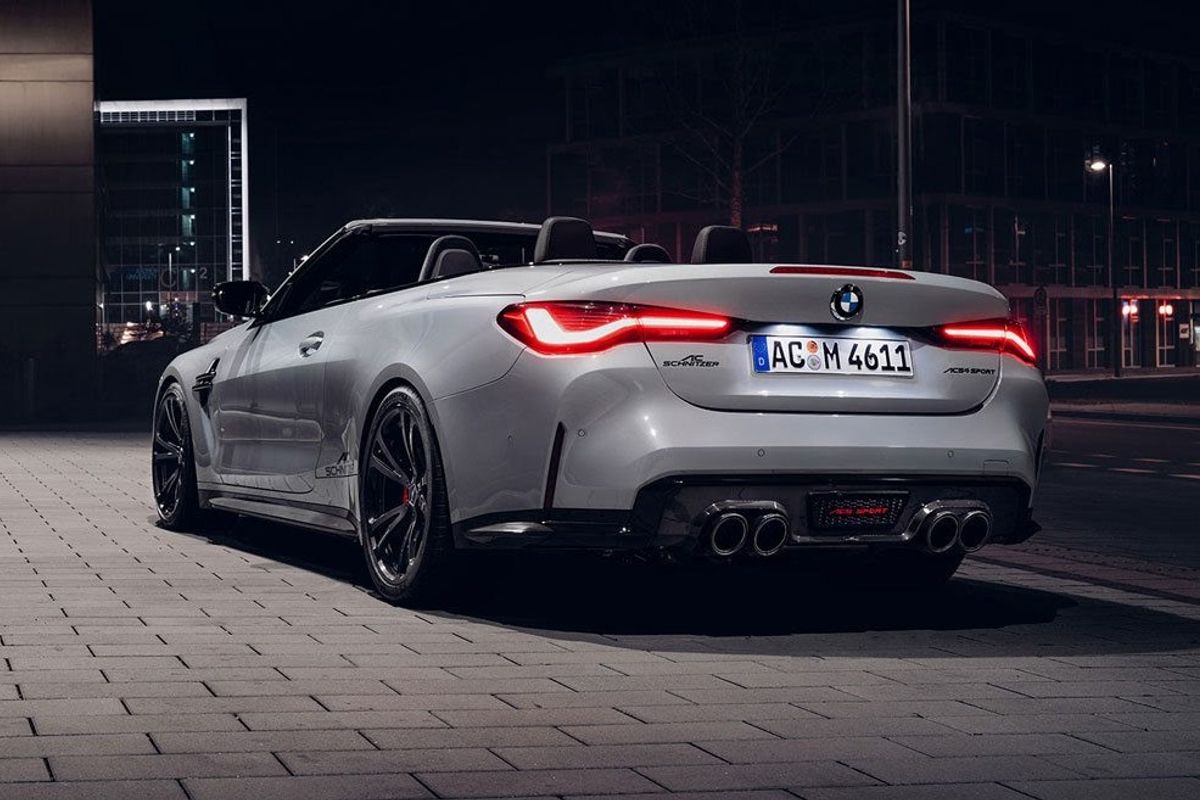
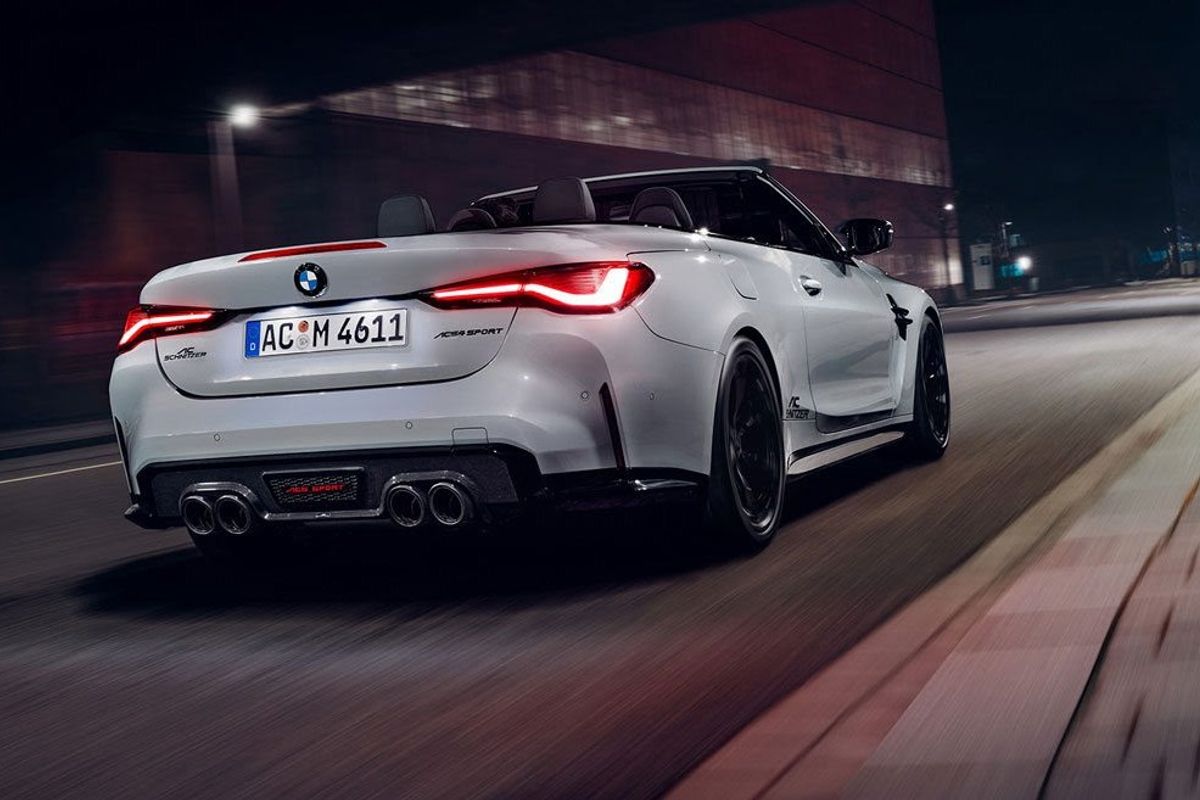
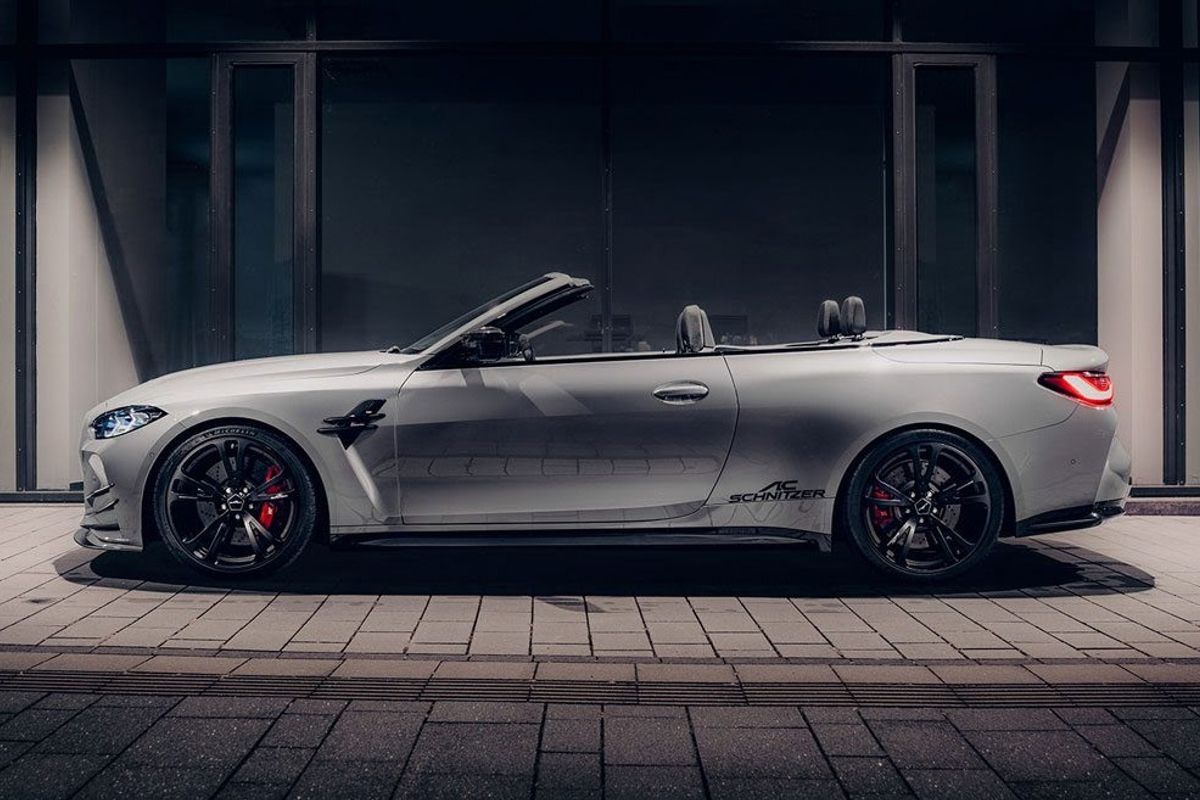
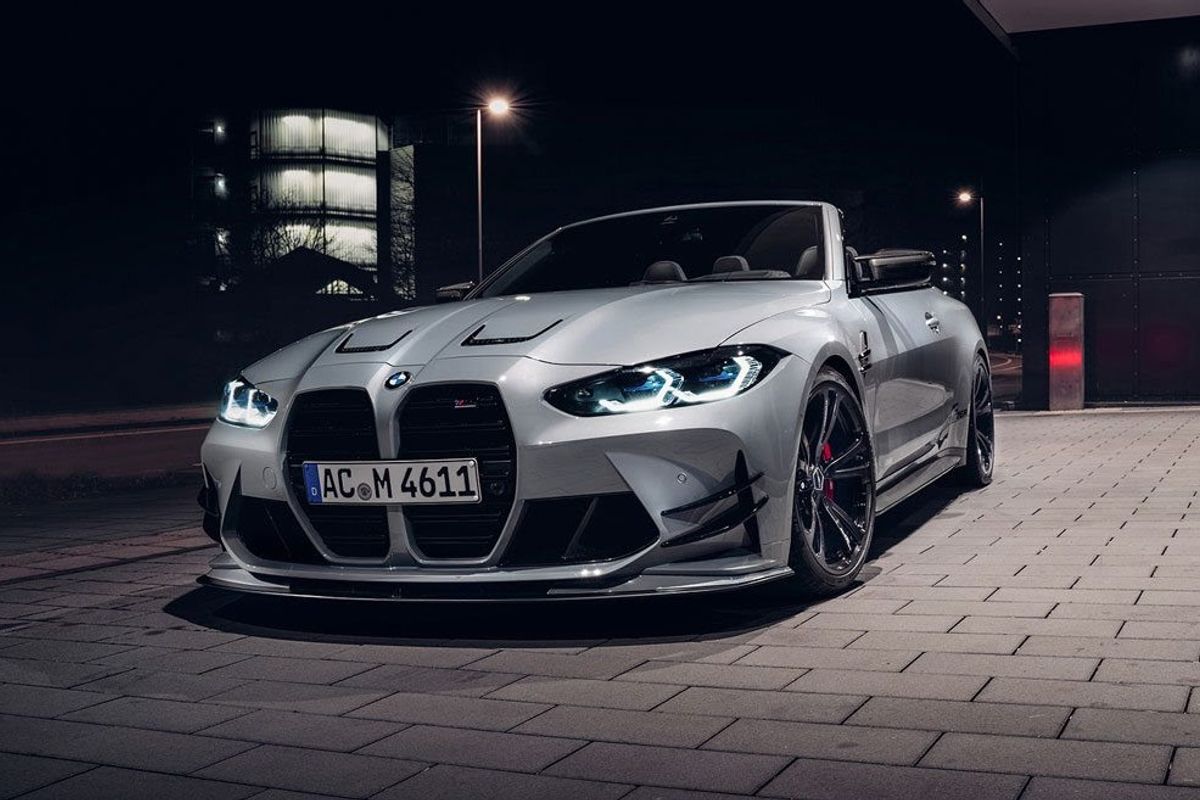
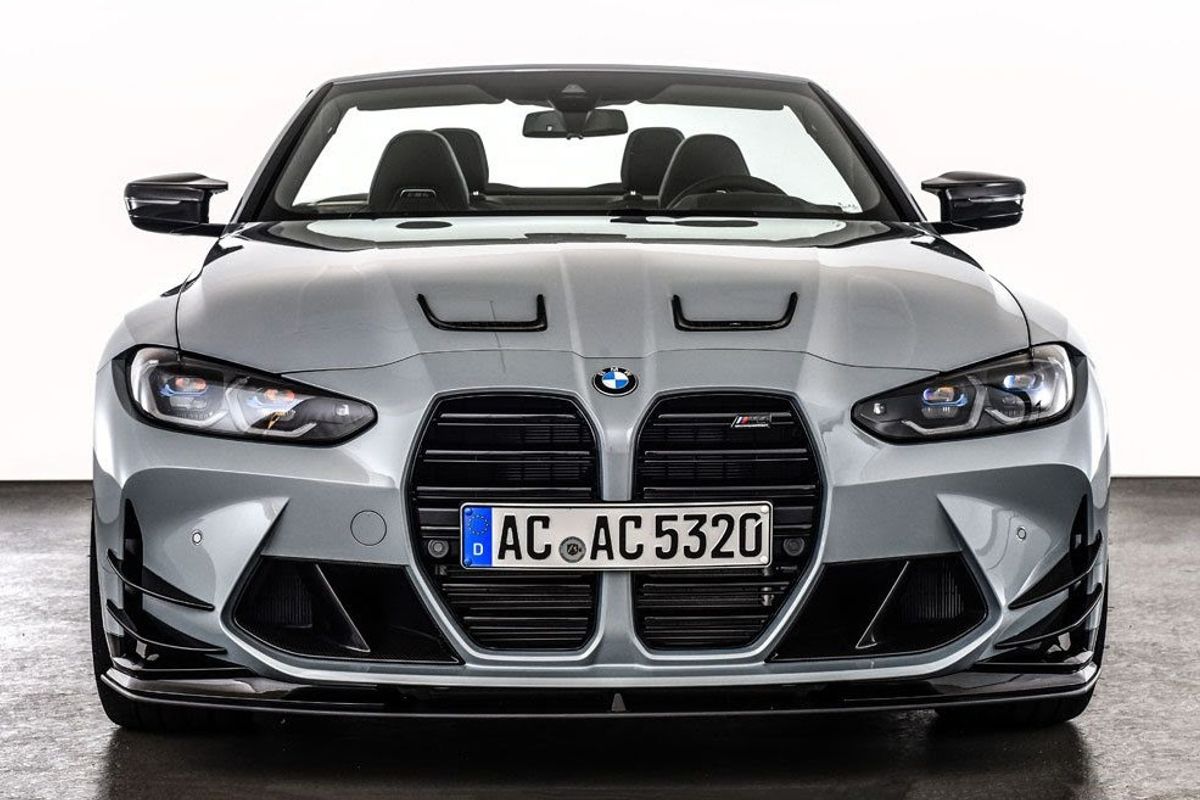
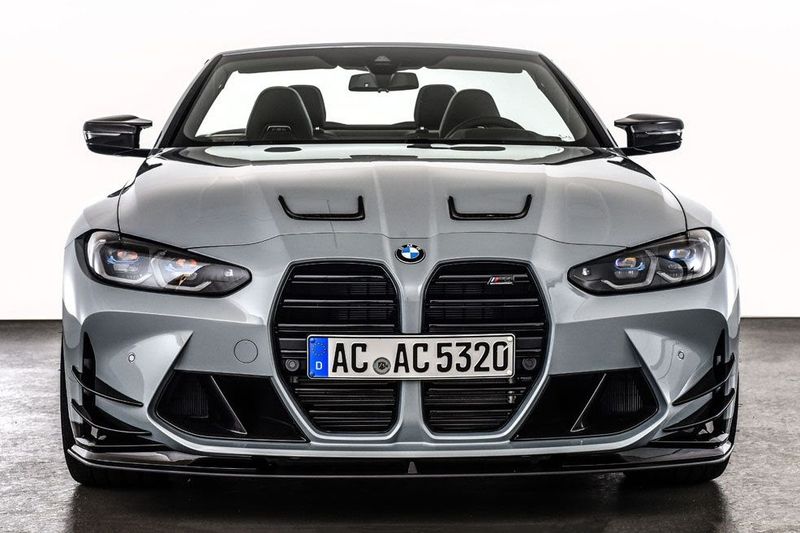
The BMW specialists have released a kit for the M4 Convertible. Meet the BMW M4 Convertible AC Schnitzer here.
The topless version of the G83 BMW M4 has received some substantial goodies, both visually and mechanically. Yes, there’s a performance boost!
The 3.0-litre turbocharged 6-cylinder petrol engine could hardly be deemed slow with its 375 kW and 650 Nm, but thanks to AC Schnitzer’s stage one kit, power climbs to 439 kW and 750 Nm. Stage two takes it up to 454 kW! There’s also a stainless steel exhaust with quad tips.
The AC Schnitzer kit really looks the part but it is also functional. The aerodynamic kit increases downforce by 40 kg, while the rear wing adds up to 70 kg.
There are also aero flicks on the nose as well as bonnet vents to add to the appeal. Naturally, there are some tasty wheel options too, and the BMW M4 Convertible AC Schnitzer has 20-inch lightweight forged wheels in glossy black, wrapped in 285/30 and 295/30 rubber at the front and rear respectively.
As far as suspension is concerned, AC Schnitzer has done some work in this department. A stiffer setup is offered, thanks to the AC Schnitzer spring kit. This lowers the car’s nose by 15-20 mm, giving it one very aggressive stance. A fully adjustable setup is also on offer that can lower the car by 30-40 mm at the front and rear.
In the cabin, customers can spec a modified engine cover, a leather/Alcantara steering wheel, aluminium shift paddles, pedals, and footrest.
AC Schnitzer goodies are available at selected BMW dealerships in SA. Find a new or used BMW M product for sale here.
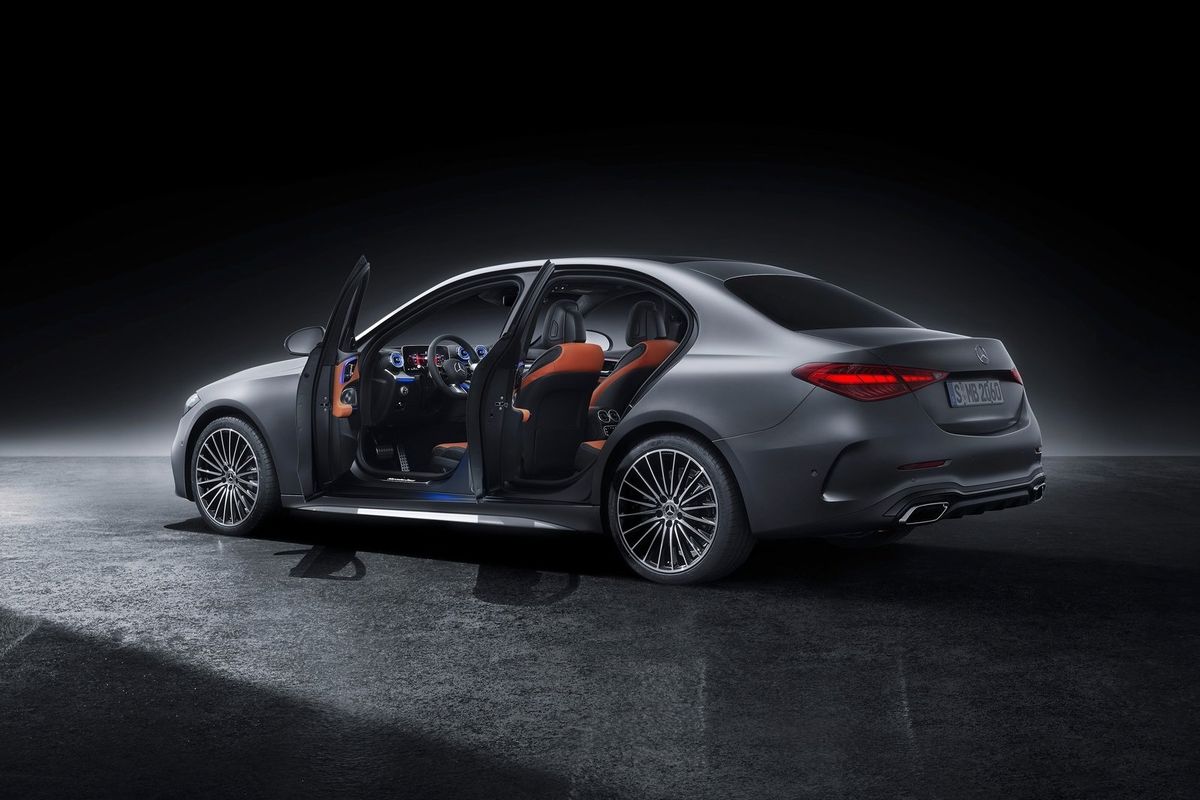
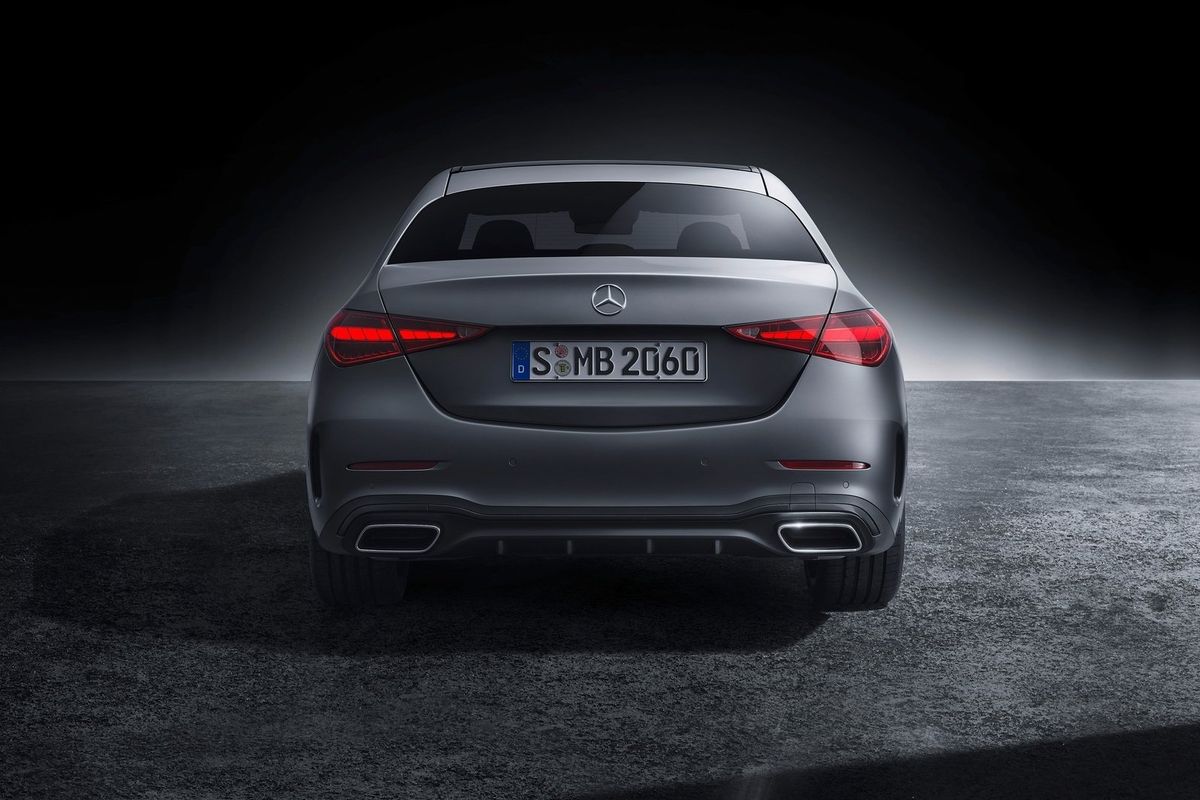
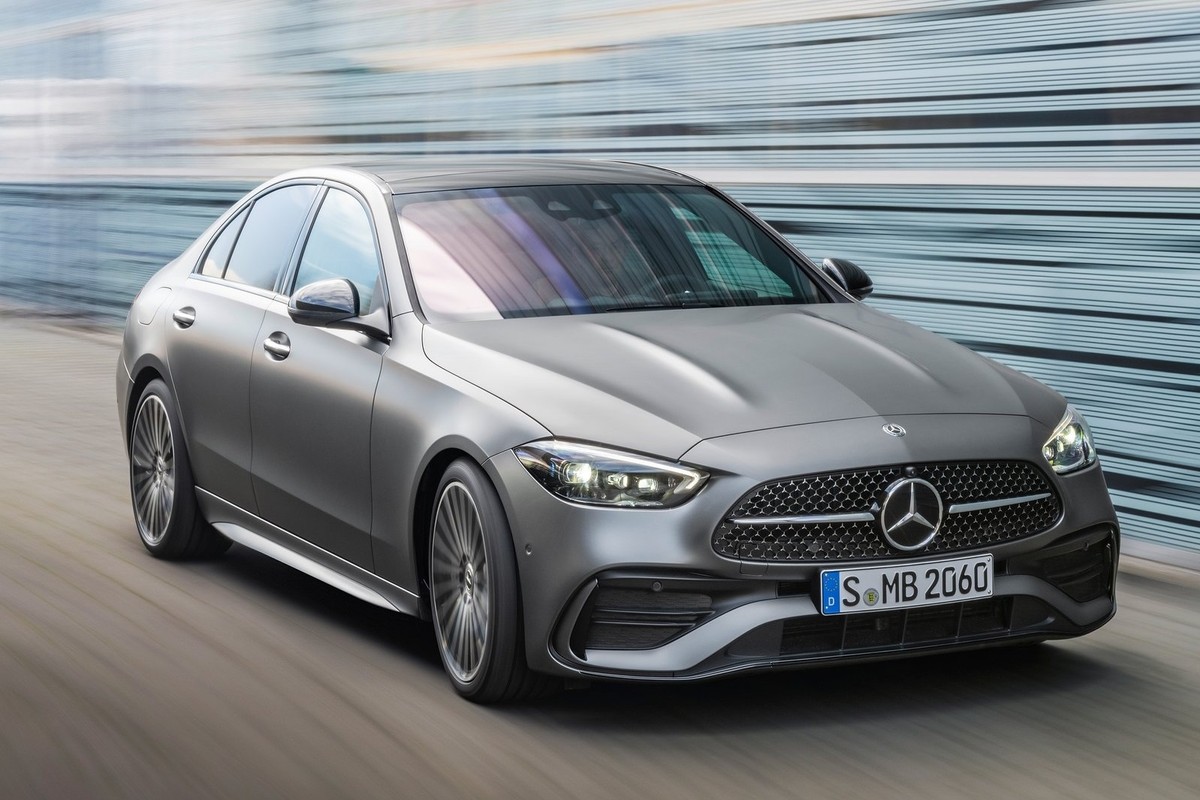
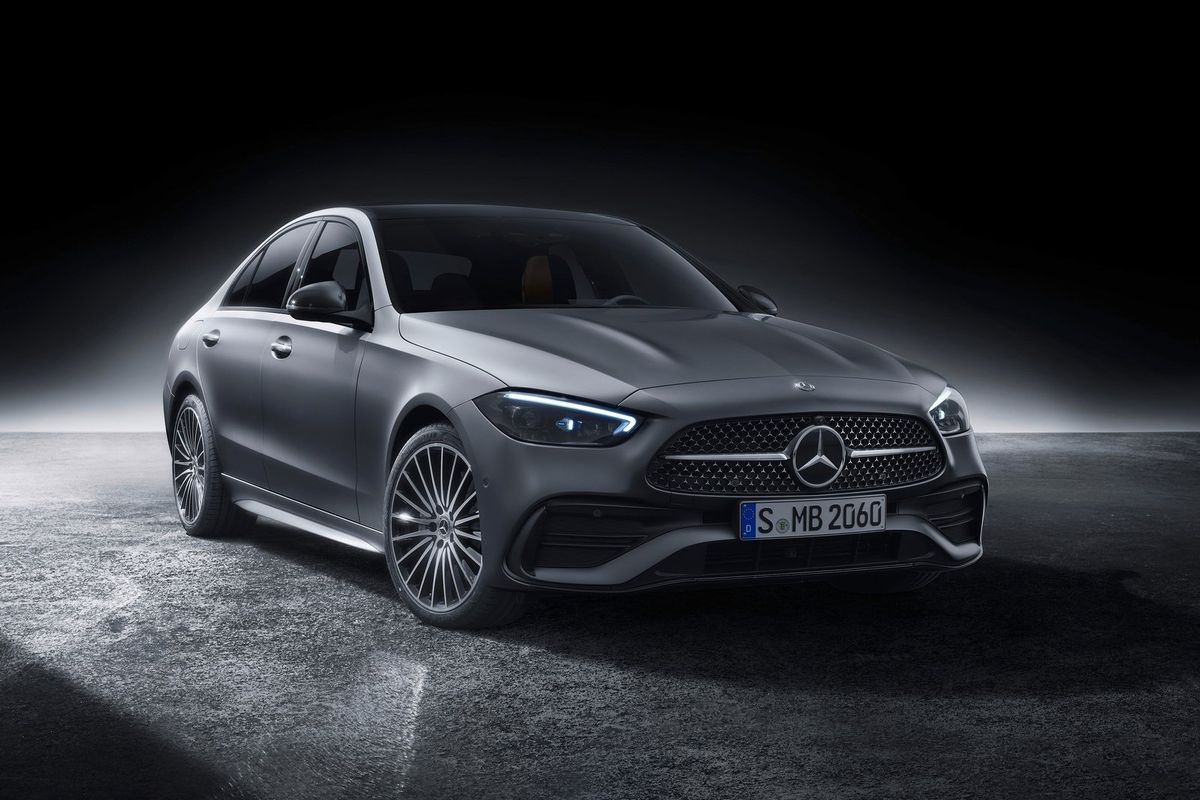
The W206 Mercedes-Benz C-Class is now available in South Africa! See what’s on offer below!
The new Mercedes-Benz C-Class is a rival to the BMW 3 Series, Audi A4 and Lexus IS. With its rivals all being replaced by either all-new versions or updated models, the new C-Class will have its work cut out for it.
The new C-Class is built locally and Merc’s production facility in East London following an investment of R13-billion which has inadvertently boosted the local economy. It’s one of 3 production sites for the C-Class (others include Bremen, Germany and Beijing, China) and the site has not only expanded by 100 000 square metres but over 500 high-tech robots have been installed and the facility is also more environmentally friendly than before.
“The new C-Class is a sportive incarnation of luxury. It combines dynamic proportions with reduced design lines and sculptural surfaces. I have no doubt that the new C-Class will excite current and future customers with its wide range of high-tech features derived from the flagship S-Class. With this latest edition, we are taking the next logical step on our road to the digital and sustainable future with a host of innovations and cutting-edge digital elements. I’m certain that our most successful model range will once again raise the bar as the most sophisticated offering in its segment,” said Mark Raine, Co- CEO for Mercedes Benz South Africa and Executive Director for Mercedes-Benz Cars South Africa.
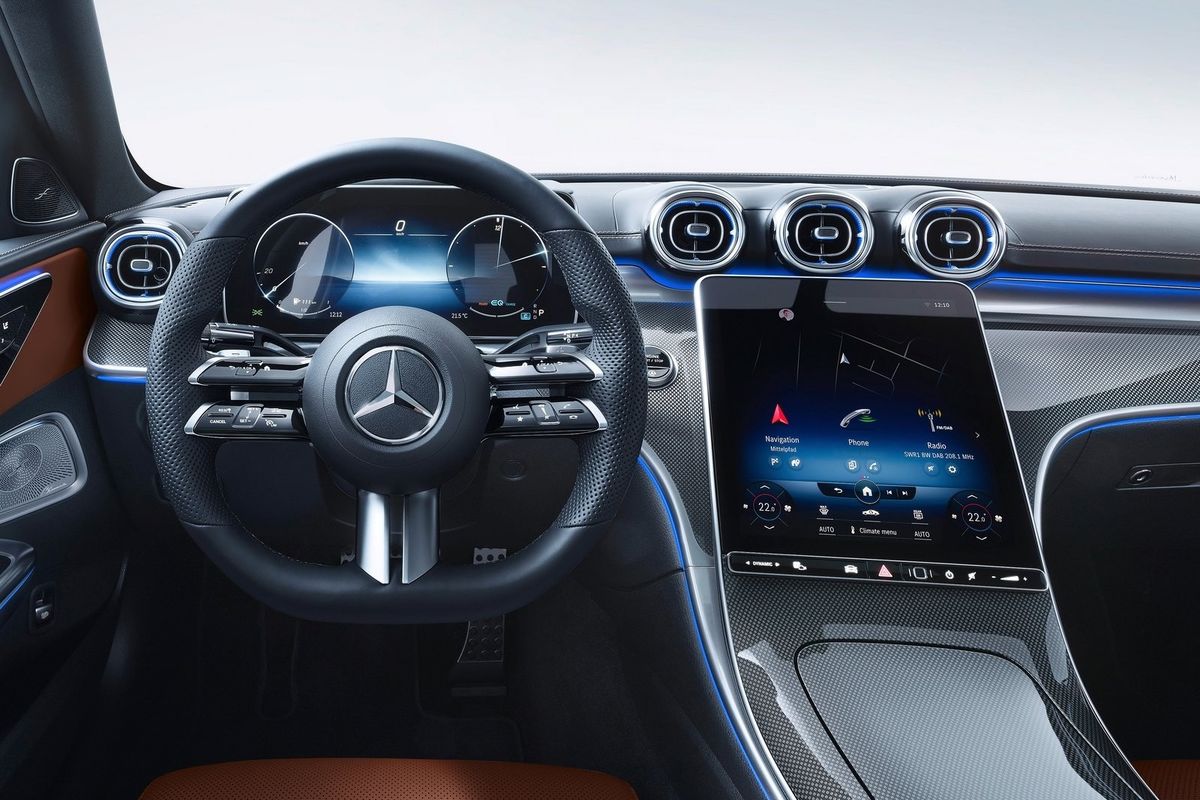
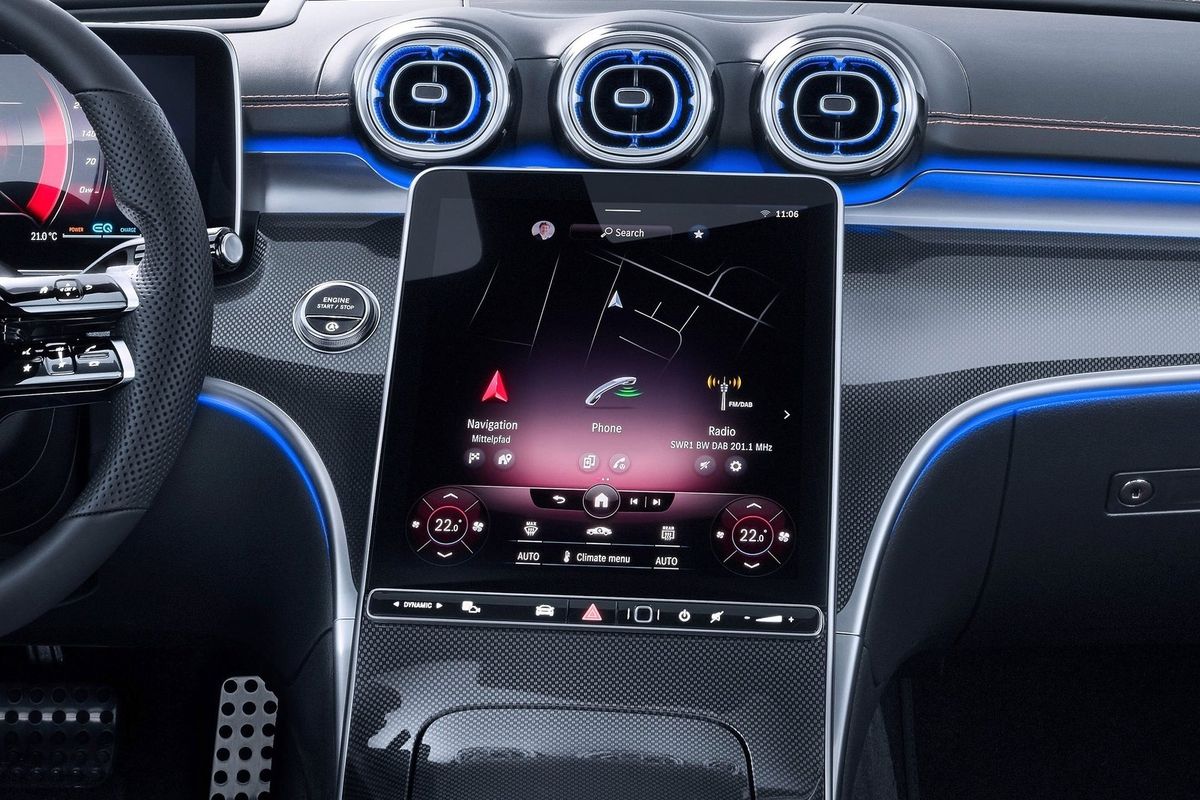
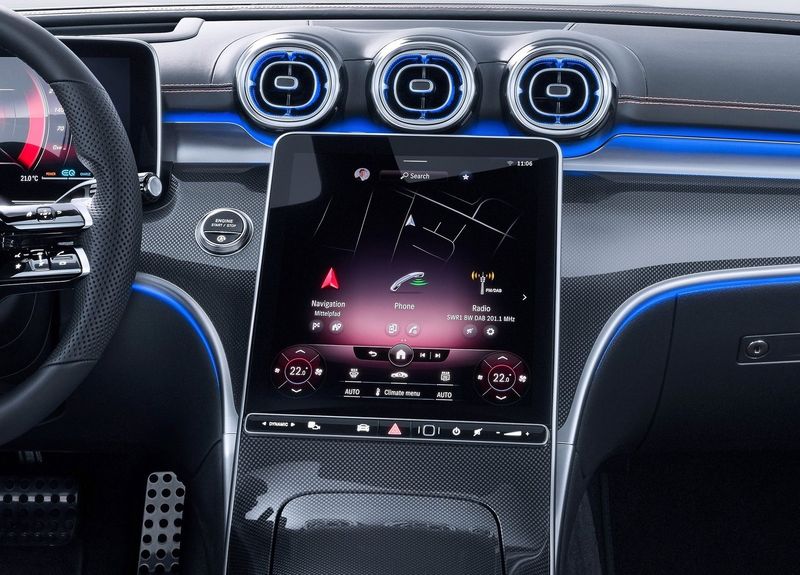
The new C-Class comes to market with a new look, but the real change will be found in the cabin, which is dominated by a large infotainment screen featuring the latest second-generation MBUX operating system.
Physically, the new Mercedes-Benz C-Class has grown. In comparison to the old model, it’s 6.35cm longer, 1cm wider, but its roofline sits 1cm lower. In terms of luggage capacity, the new C-Class has the same capacity as the old version. Inside, the cabin dimensions have improved, with the wheelbase now 2.5cm longer, headroom 1.5cm higher while the front seat passenger gets a bit more shoulder room.
Engines on offer
Kicking off the range is the petrol-powered C200. It features a 1.5-litre turbocharged engine with EQ electric boost. Power outputs are pegged at 150 kW and 300 Nm. It’s said to consume between 6.6 – 6.8 L/100km.
For the diesel fans, the C220d features a turbocharged 2.0-litre 4-cylinder with 147 kW and 550 Nm. It’ll be the more frugal of the two models offered, with a claimed consumption figure of 4.4 – 4.7 L/100km.
Both vehicles are rear-wheel-driven and feature a 9-speed automatic transmission.
Mercedes-Benz will also be offering a limited-edition C200 Edition 6 and only 400 units will be available to buyers. The Edition 6 can be had in either Spectral Blue and Selenite Grey and additional features such as AMG Line trim, 19-inch AMG alloy wheels, panoramic sliding sunroof and Agility Control are standard.
You can get a taste of what to expect with our Mercedes-Benz C-Class international launch review here, but we will soon be testing the new Mercedes-Benz C-Class on local soil, so look out for a thorough review very soon!
The Options
Mercedes-Benz SA has tried to simplify its intensive options list by creating packages that incorporate the most popular add-ons.
Advanced Package (No cost option)
Folding rear seat backrests
THERMATIC Individual climate comfort
USB package
Central display
AVANTGARDE interior
AVANTGARDE exterior
Advanced-Plus Package R21 000
Advanced package plus the following:
Driver display
Wireless charging
Ambient lighting
Illuminated door sill panels
Premium Package R62 000
Advanced Package + Advanced-Plus Package plus:
Memory package
MBUX Navigation Premium
Parking Package with 360-degree camera
Premium-Plus Package R118 000
Digital headlight
Head-up Display
THERMOTRONIC automatic climate control
USB package Plus (6 USB-C ports, 2x 12V sockets)
MBUX augmented reality
Other noteworthy options include MBUX Navigation Premium R13 900, Rear-axle steering R22 400, Head-up Display R22 000, and the AMG Line exterior for R54 000.
How much does the new Mercedes-Benz C-Class cost in South Africa?
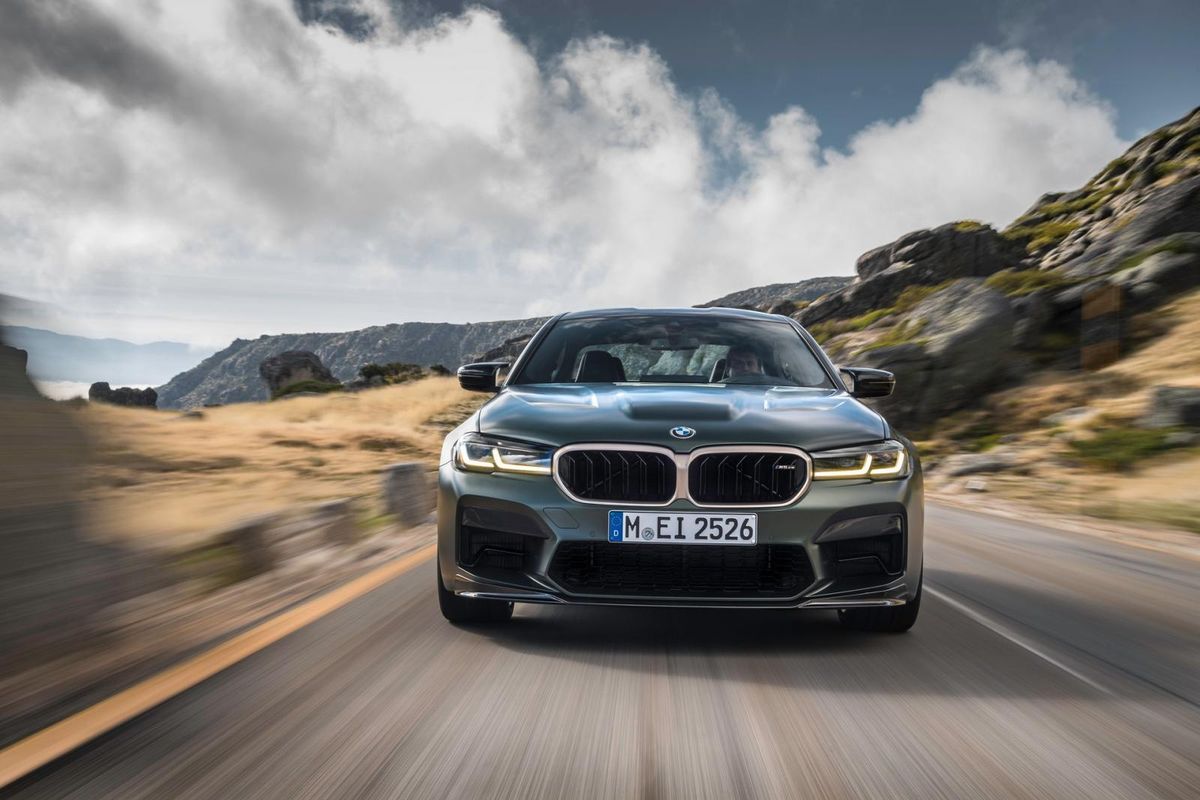
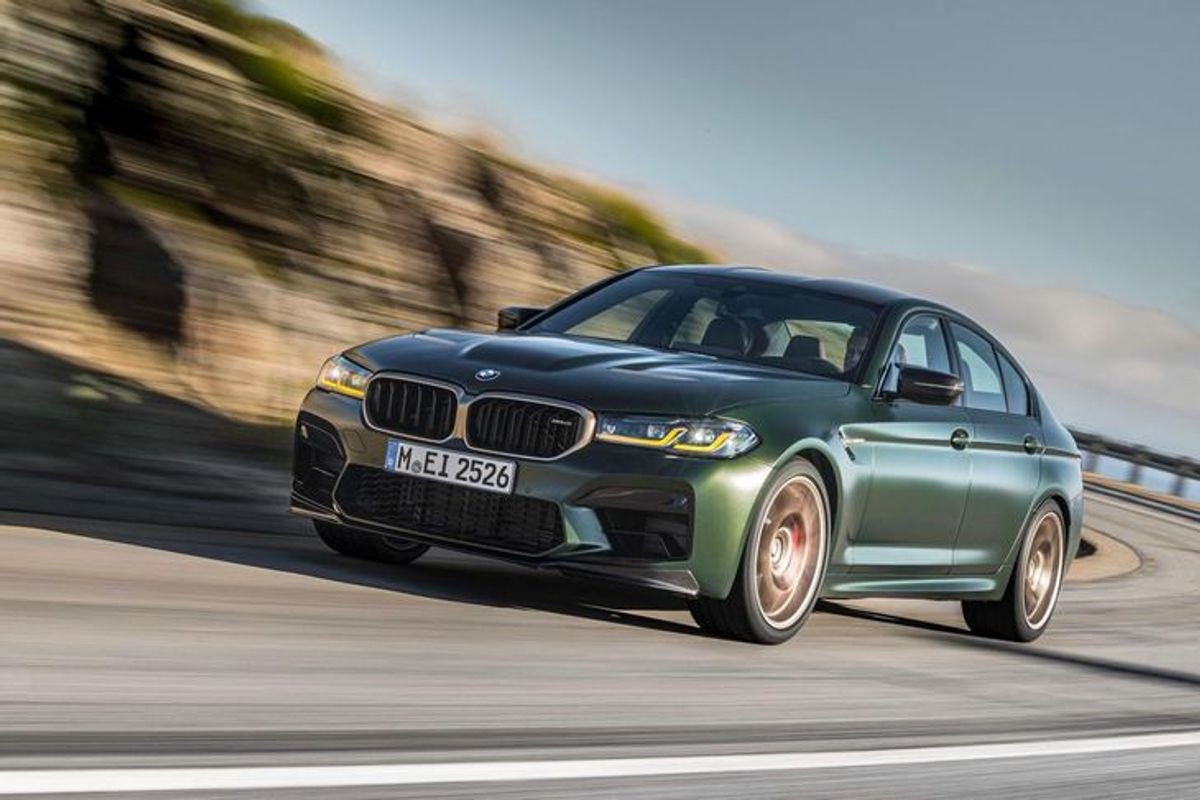
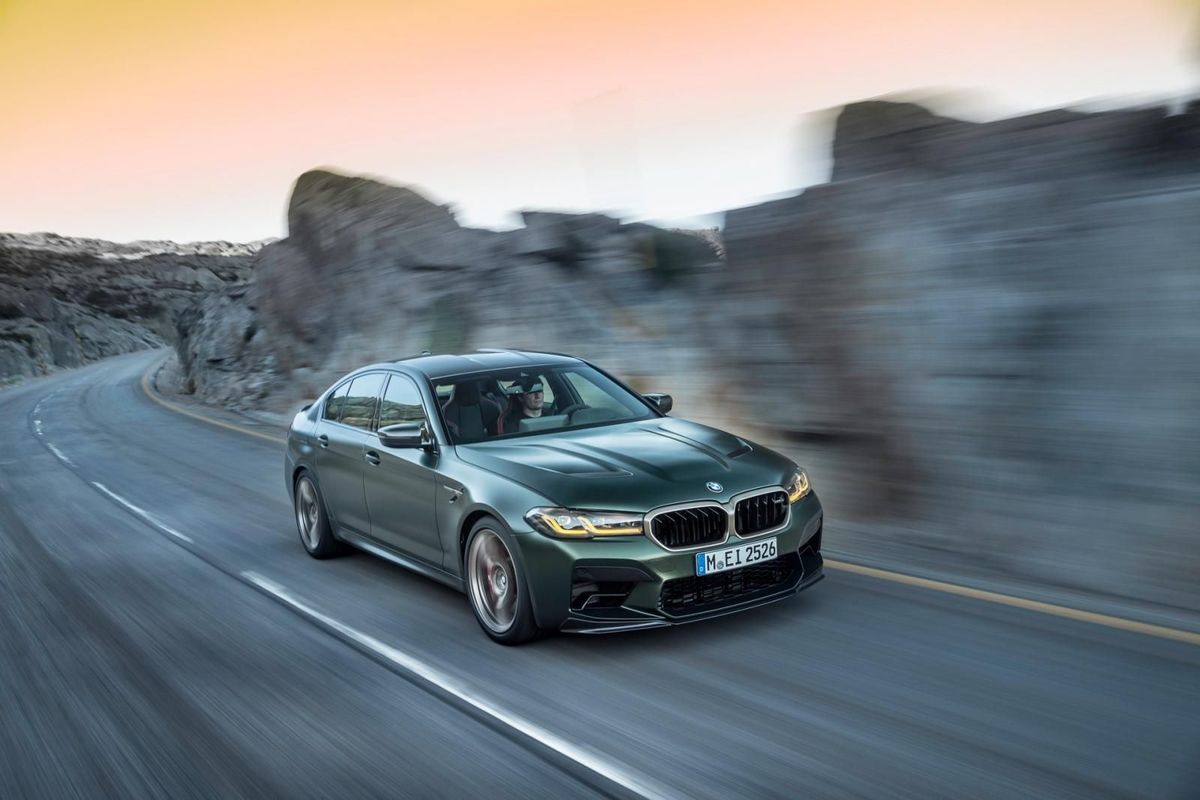
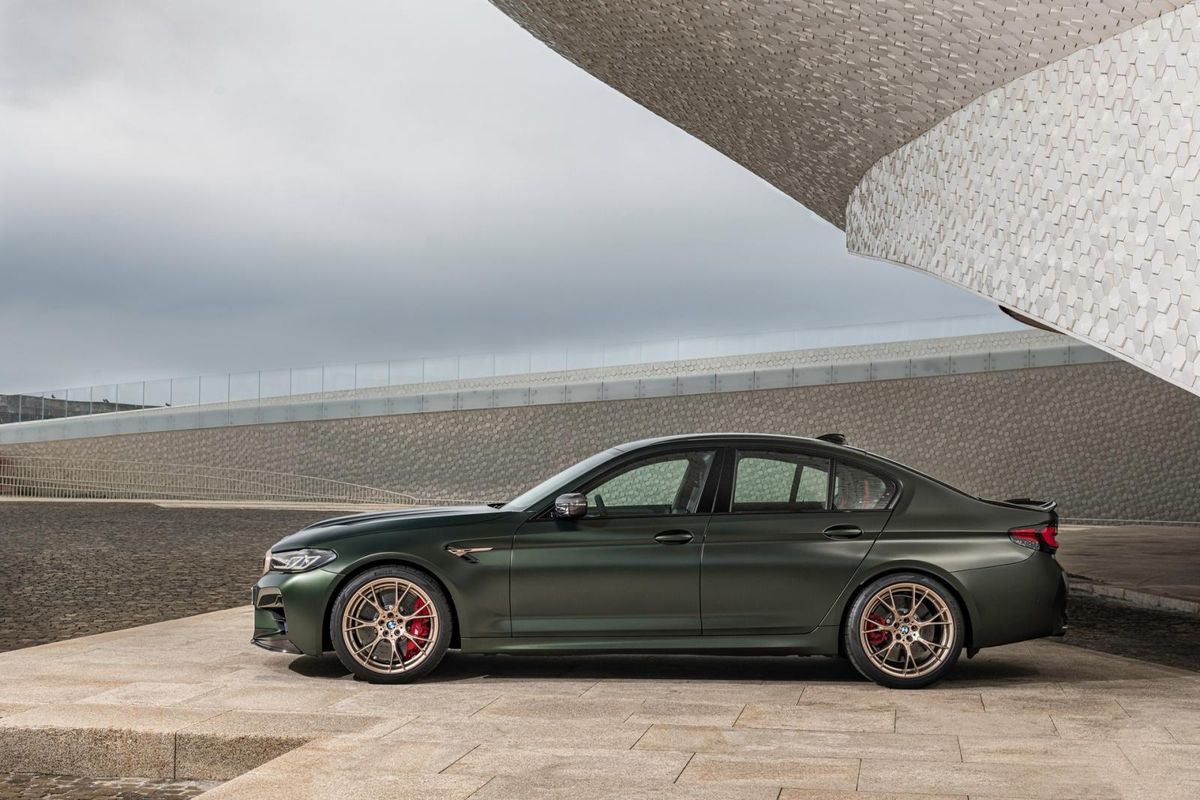
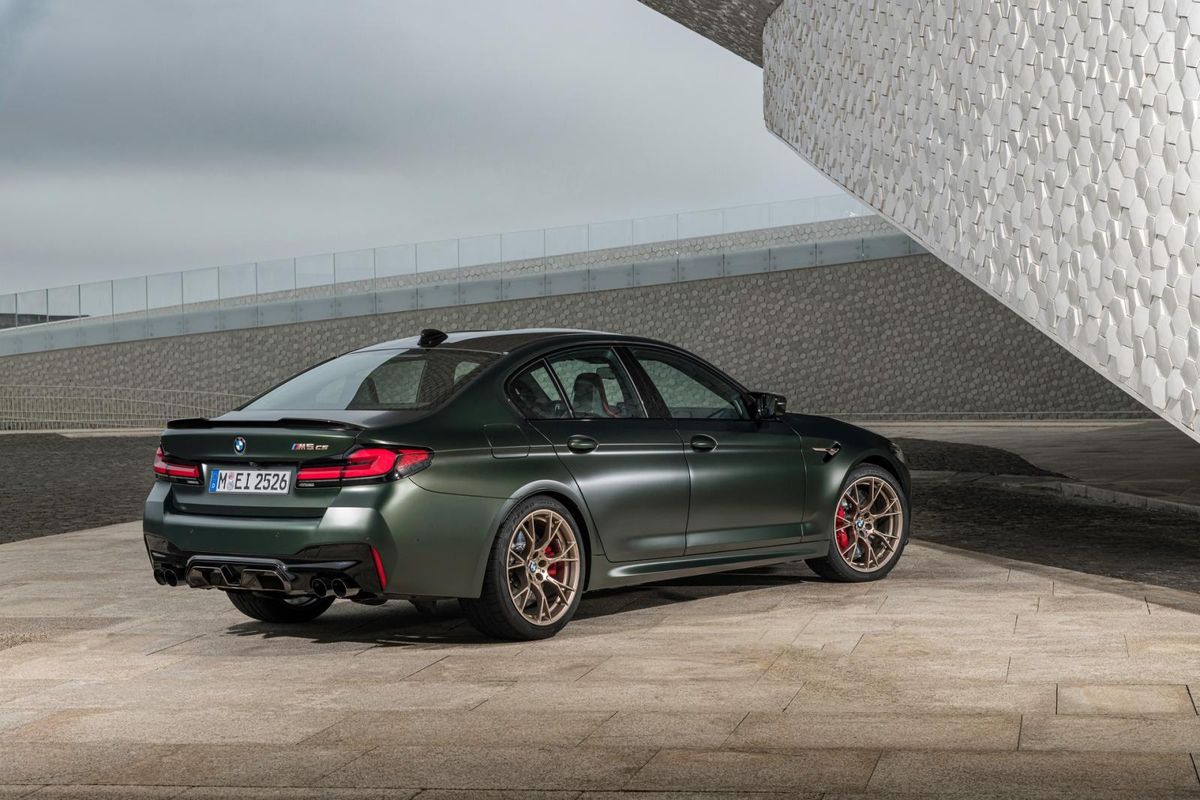
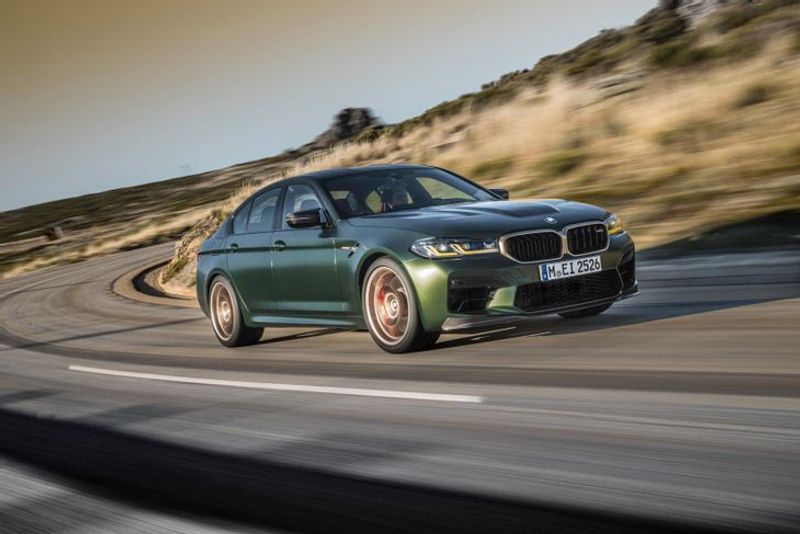
BMW M5 CS: Bavaria’s fastest-ever production car (price update)
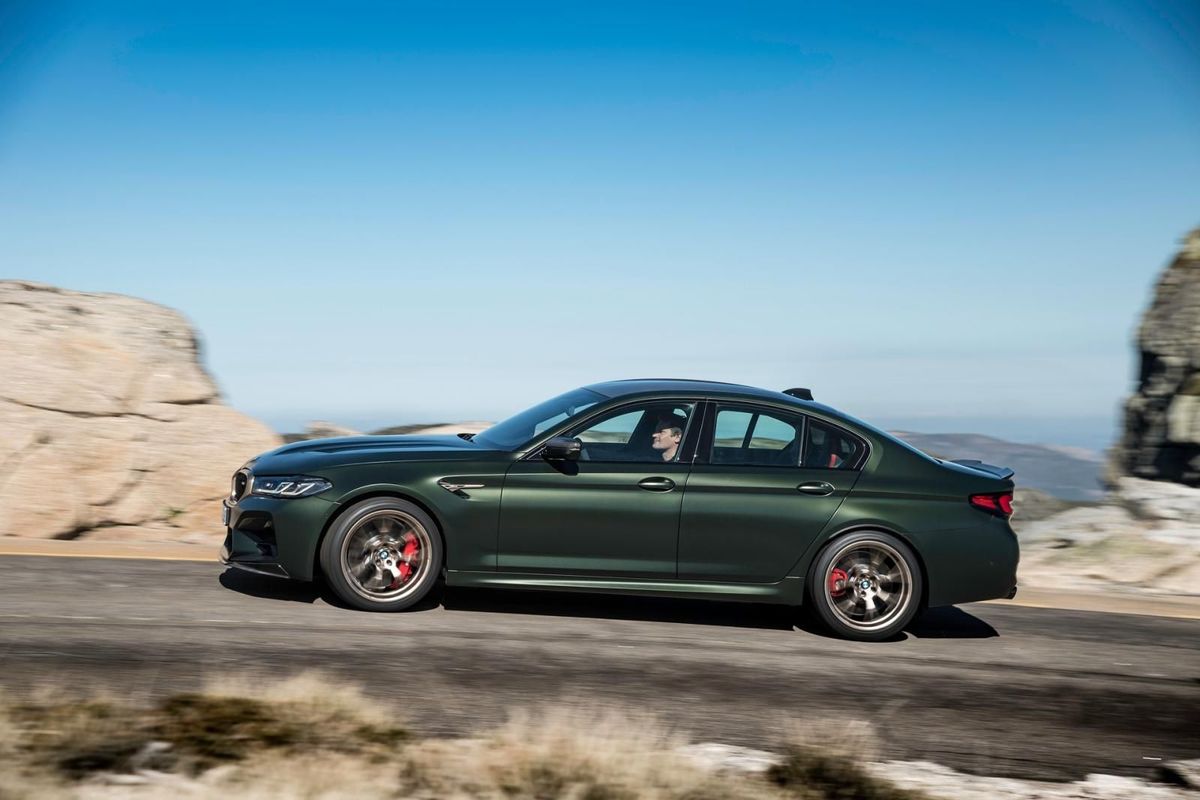
BMW M has officially revealed the M5 CS, which not only represents the pinnacle of its iconic super sedan, but is the most powerful and fastest-accelerating car the brand has ever produced… Update: One of the first units has touched down in SA and we have pricing.
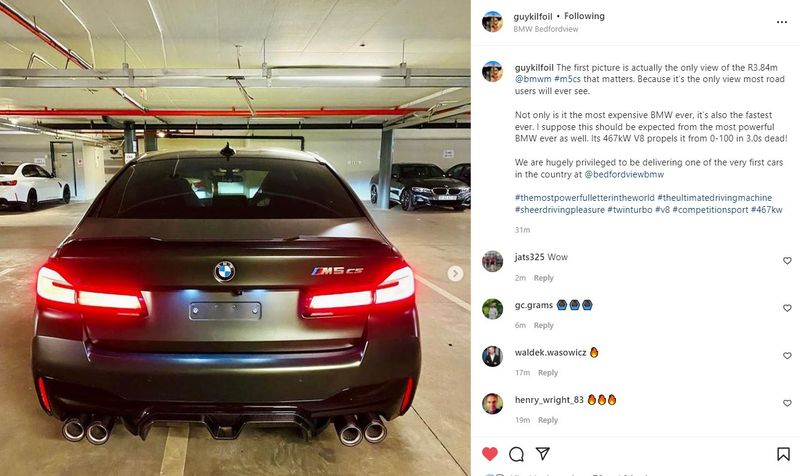
Update: Towards the end of February 2022, one of the first BMW M5 CS units landed on SA shores, with BMW Bedfordview’s dealer principal showcasing the newcomer on his Instagram page. The price? A cool R3.84 million.
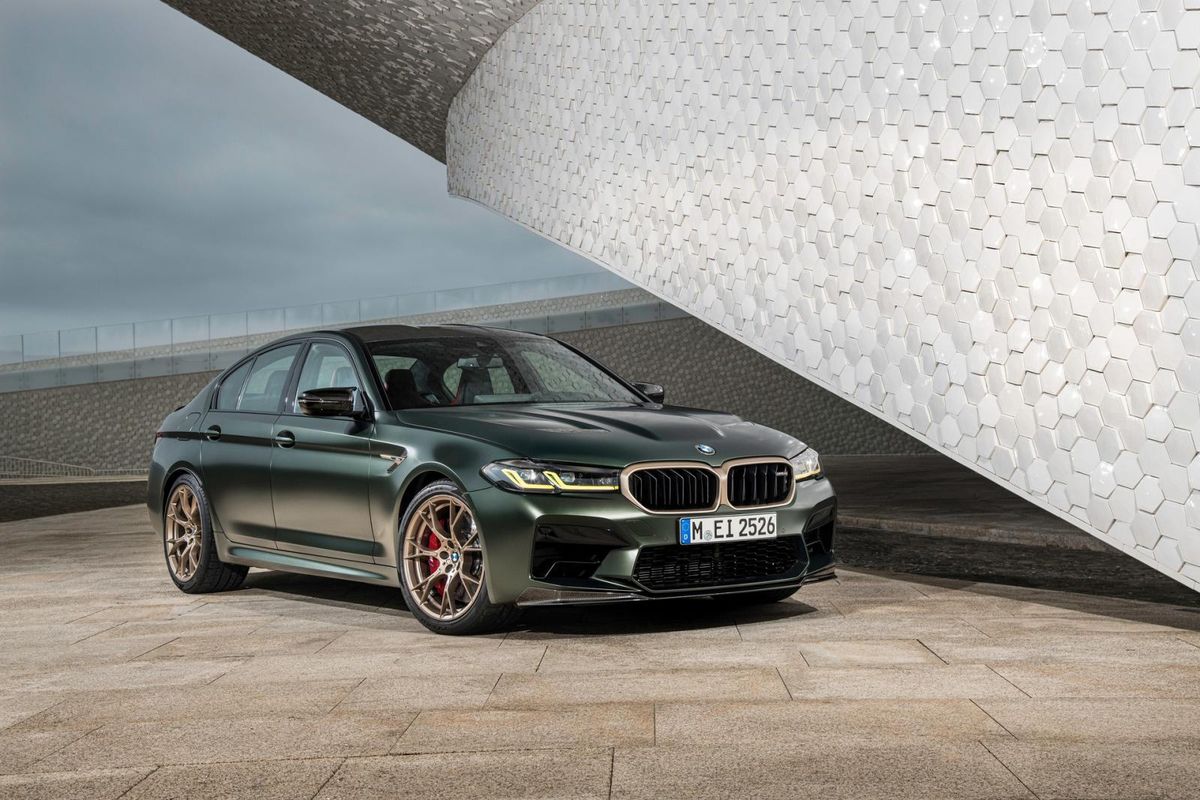
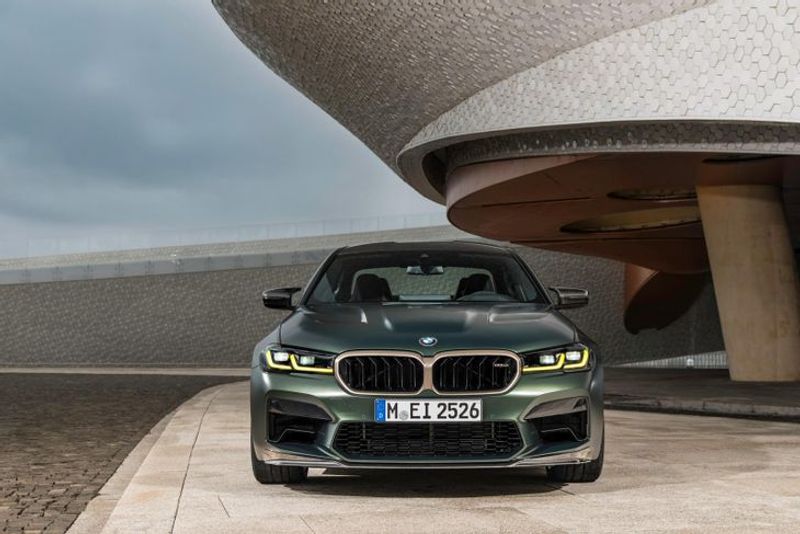
As Cars.co.za reported recently, the boss of the Bavarian marque’s performance division, Markus Flasch, partially revealed the M5 CS on Instagram late last year, when he highlighted the sedan’s characteristic brushed gold-bronze grille surround, side strakes and forged alloy wheels, plus he divulged a few tantalising details about the (then upcoming) super sedan.
The M5 CS has been fitted with the upgraded suspension from the M8 Gran Coupe Competition.
So, we had a good idea of what the newcomer would look like, knew that its engine would produce 467 kW, which is marginally higher than the M5 Competition’s 460 kW, as well as the fact the Clubsport would be 70 kg lighter than its sibling by virtue of incorporating numerous lightweight parts.
Those details have now all been confirmed, but the claimed performance figures of the super sedan, which is powered by a 750-Nm 4.4-litre twin-turbo V8 mated with an 8-speed automatic transmission, is nonetheless stupefying. BMW claims the M5 CS can bolt from standstill to 100 kph in 3 sec dead, from 0 to 200 kph in 10.4 sec and go on to an (electronically-limited!) top speed of 305 kph.
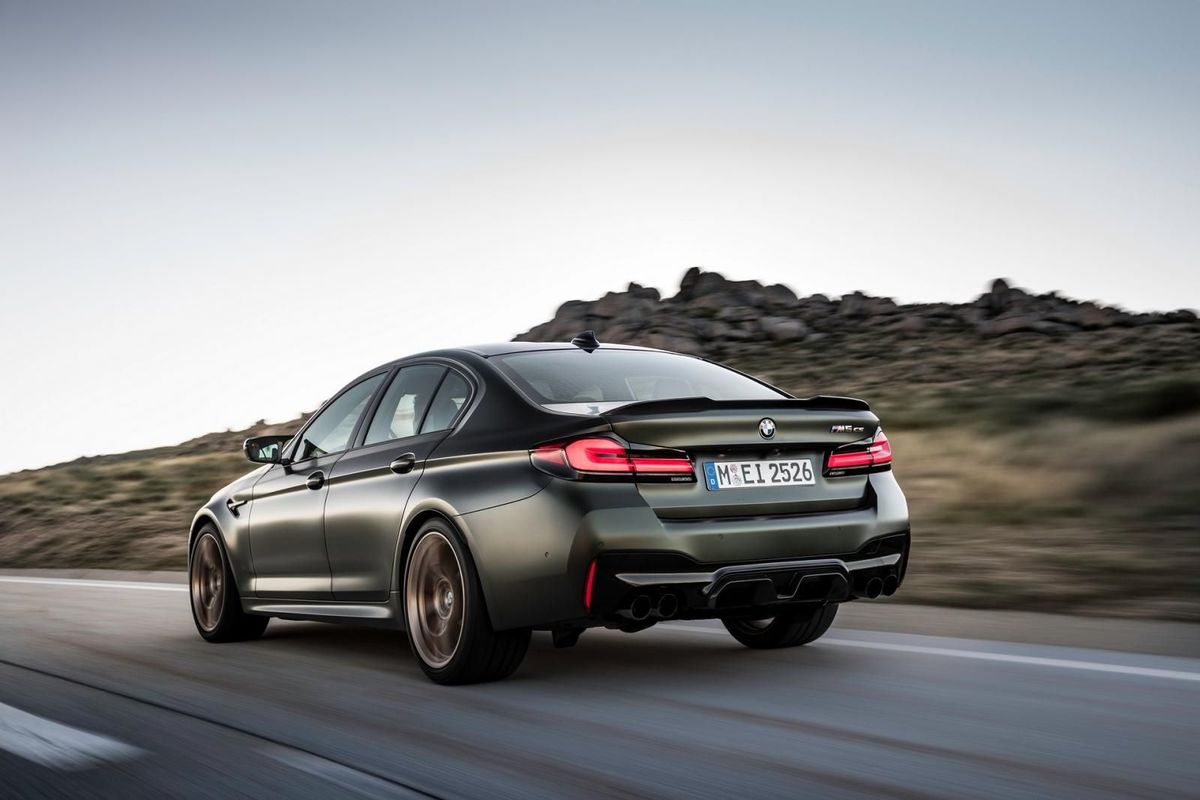
BMW has applied a number of carbon-fibre-reinforced plastic panels to its ultimate super sedan.
The attention to detail in the newcomer is also pretty astonishing. Yes, the engine produces only 17 kW more than the M5 Competition (467 kW at 6 000 rpm and 750 Nm of torque from 1 800 to 5 950 rpm), but BMW has fitted the motor with a redesigned oil pan with an additional sump and indirect charge-air cooling, plus stiffer engine mountings (with spring ratings of 900N per mm, Autocar reports).
Over and above a recalibration of the M xDrive all-wheel-drive system, the M5 CS’ suspension tuning is more focused than that of its M5 Competition sibling. For one, the newcomer’s shock absorbers, which were developed for the M8 Gran Coupe Competition, trim the super sedan’s ride height by 7 mm and are said to reduce fluctuations in wheel loads. In combination with new spring bearings for the damper control measures, the M5 CS is evidently optimised for sharper on-the-limit handling (no wonder it has Nurburgring silhouettes in its front-seat headrests, but more about later…).
BMW’s reworked the M5 CS’ front and rear suspension geometry, while 20-inch P Zero rubber help it to hug the road.
The gold-bronze-finished 20-inch alloys are shod with 275/35 front and 285/35 rear Pirelli P Zero Corsa tyres and, if you look through their spokes, you’ll notice the standard M carbon-ceramic braking system. It comprises 6-piston fixed red calipers (fore) and single-piston floating calipers (aft), plus BMW claims it weighs 23 kg less than the steel-disc setup that features on the M5 Competition.
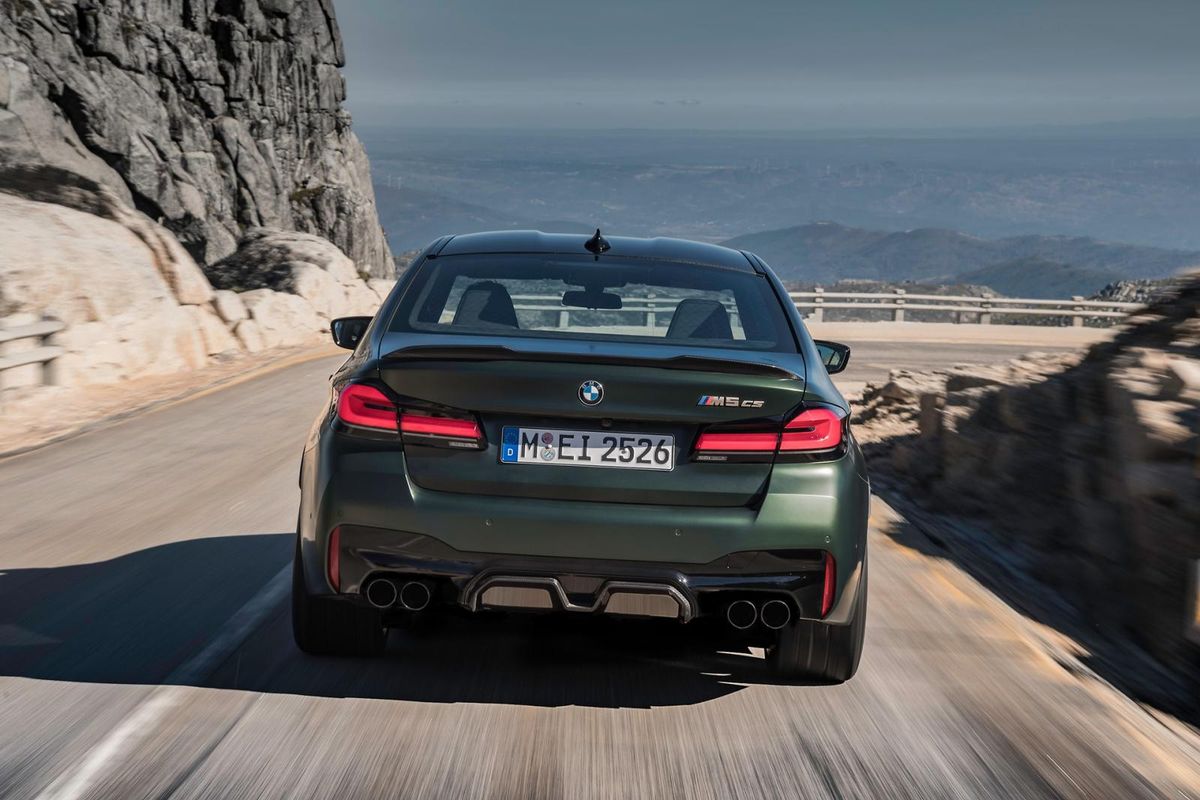
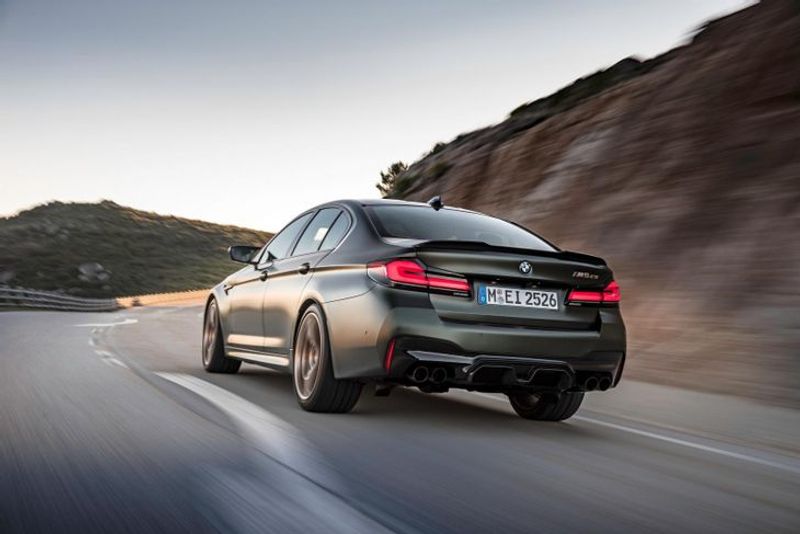
To reduce the sedan’s kerb weight to just over 1 800 kg (1 825-kg DIN), the M5 CS’ bonnet, front splitter, side-mirror caps, rear spoiler, rear diffuser, M Power engine cover and intake silencer are all made from carbon-fibre-reinforced plastic (CFRP). In fact, some elements feature exposed carbon fibre, the manufacturer says.
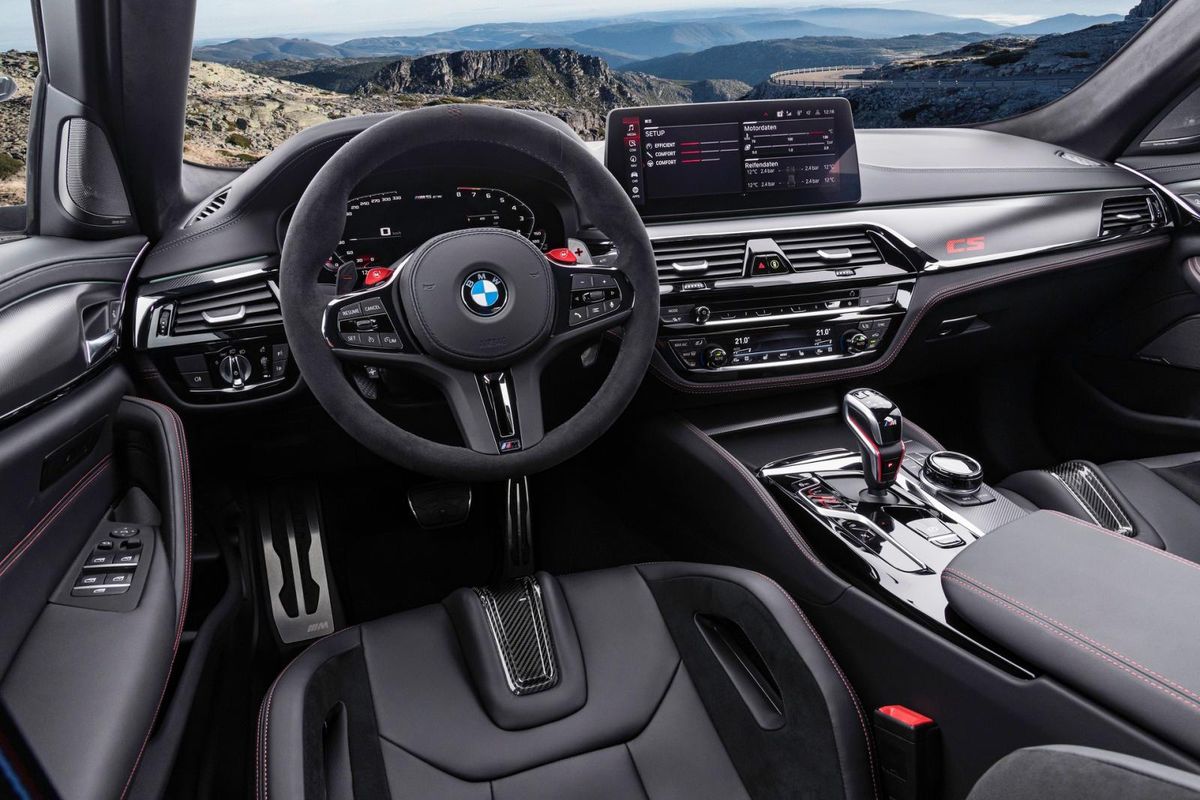
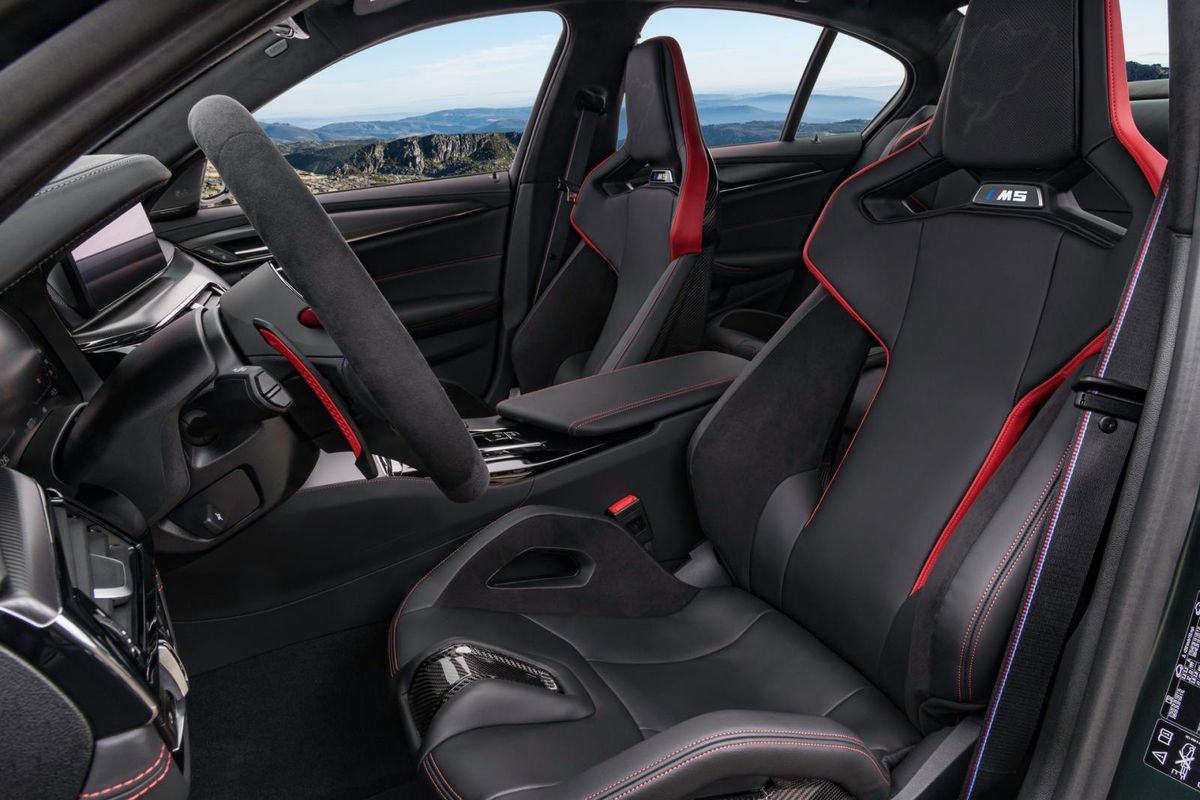
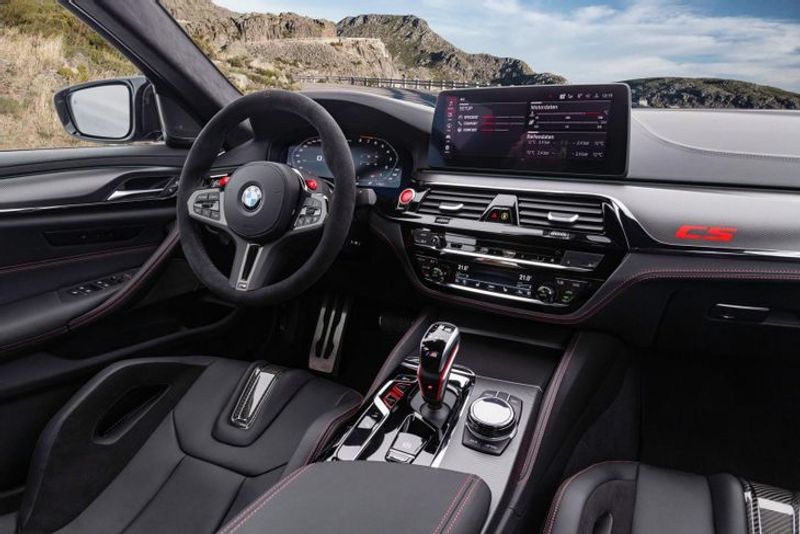
The M5 CS’ interior is awash with racy red detailing, leather trim, carbon-fibre inlays and Alcantara.
Meanwhile, the L-shaped lighting elements of the standard BMW Laser headlamps shine yellow when on low- or high beam (or when the welcome light comes on). Apart from M5 CS badging, the door sills are illuminated with M5 CS badges and various trim elements have a Shadowline finish.
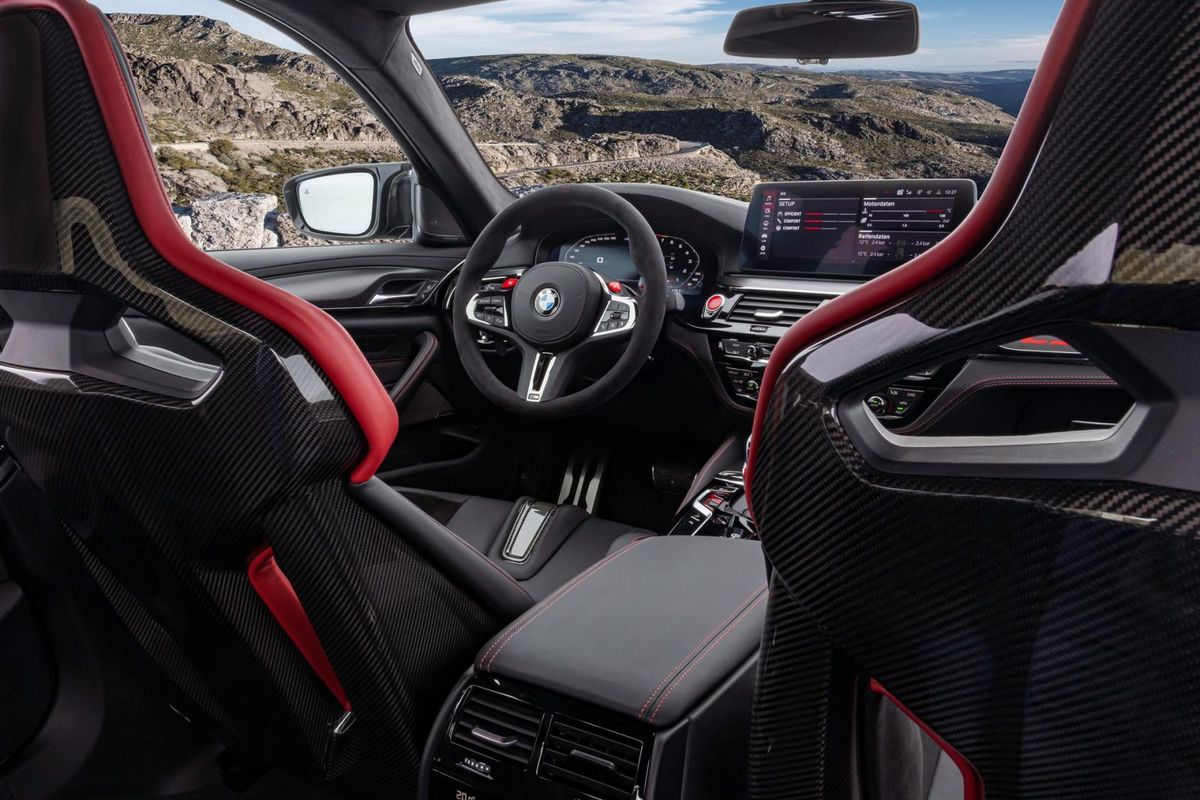
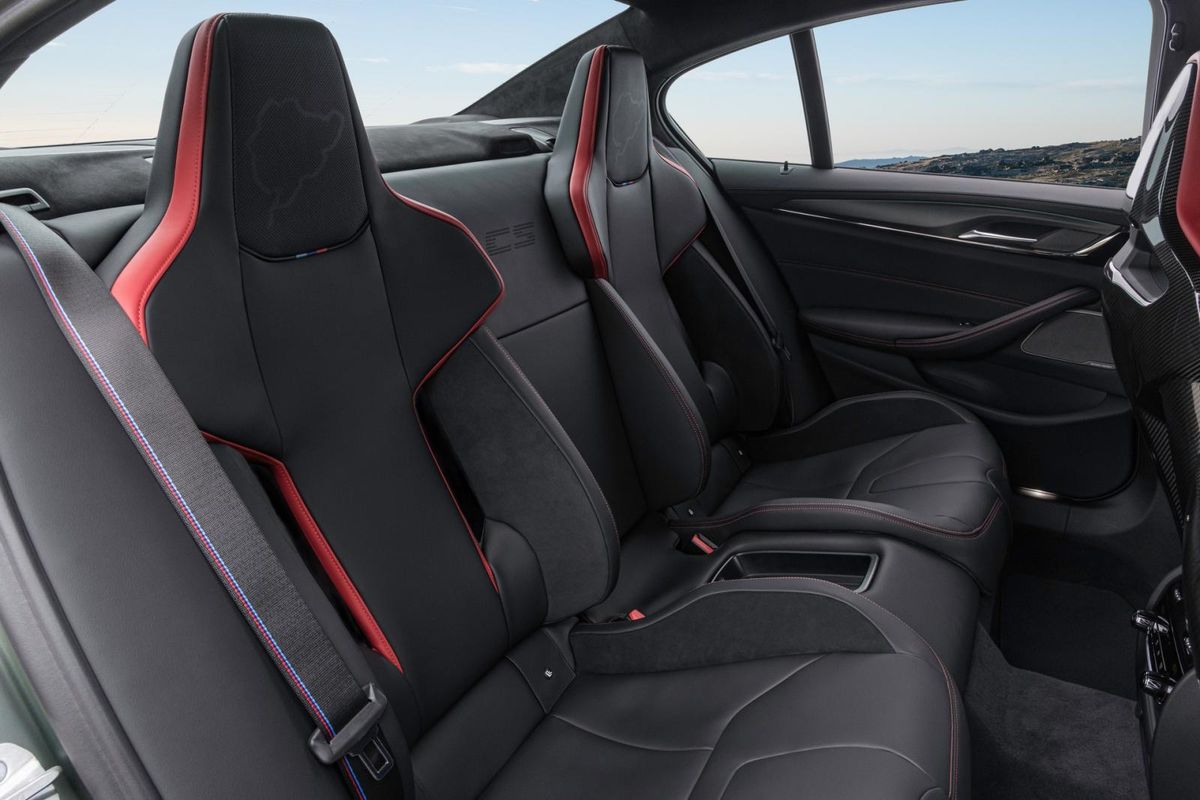
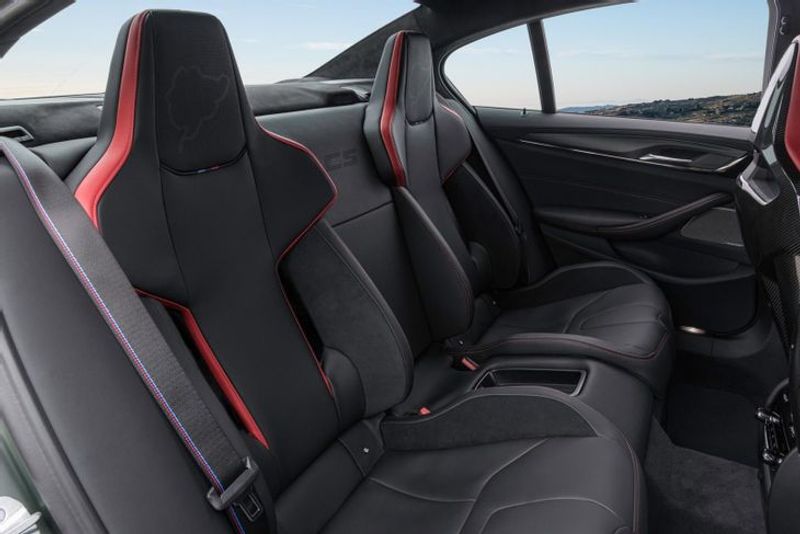
Flasch had hinted that the M5 CS would have a bespoke treatment at the back of the cabin and sure enough, the newcomer features 4 individual M carbon-fibre bucket seats as opposed to a pair for sports seats and a bench. Those in the front have integrated headrests embossed with an outline the Nürburgring Nordschleife, while electric adjustment and heating are standard.
The M5 CS is BMW’s first super sedan since the E34-gen M5 to be offered with a 2+2 seating arrangement.
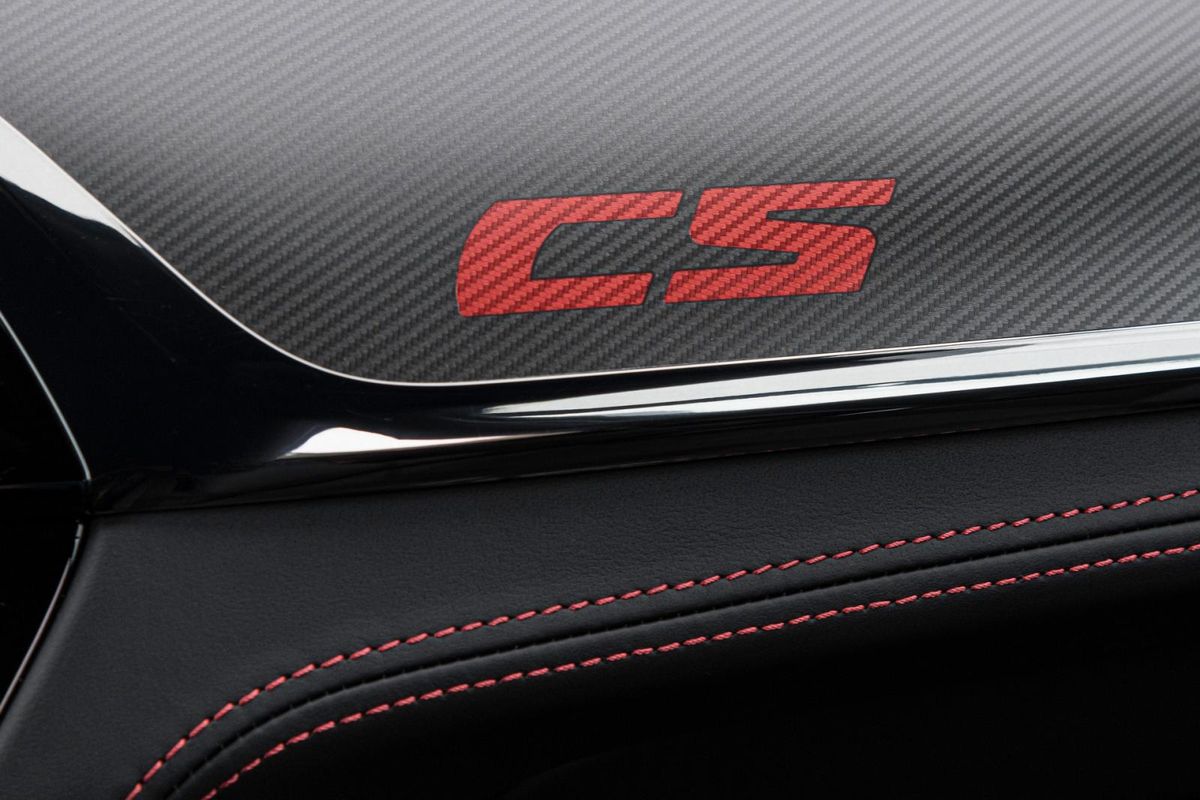
BMW has also fitted an Alcantara-trimmed steering wheel. The red-accented shift paddles and M buttons tie in with the seats’ side inserts, the contrast stitching, centre console highlights and CS logo on the carbon-fibre-pattern fascia trim. Alcantara headlining complete the package.
Suffice to say the M5 CS will be produced in very limited numbers; only 5 units have been earmarked for the South African market and deliveries will begin in the 3rd quarter of 2021.
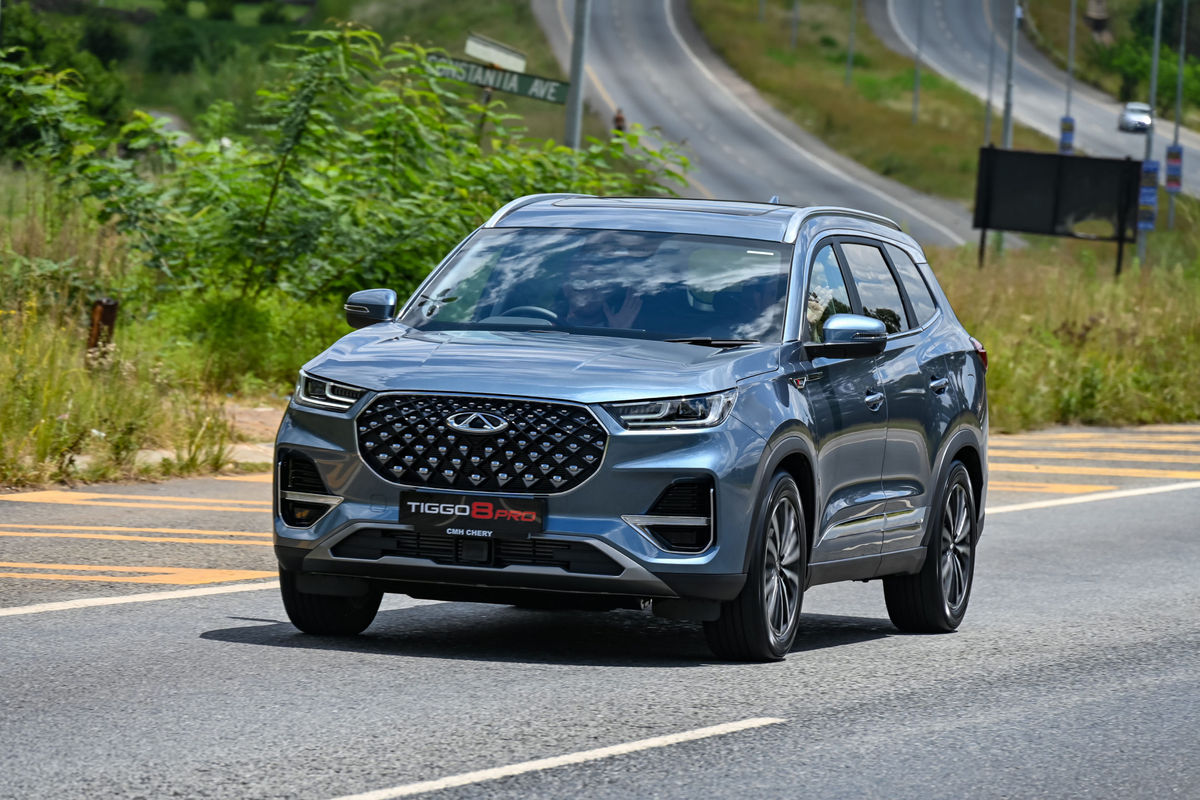
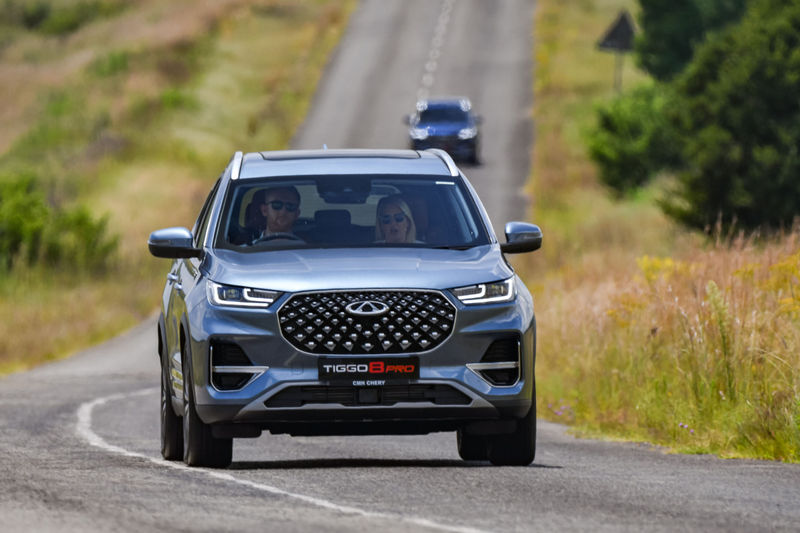
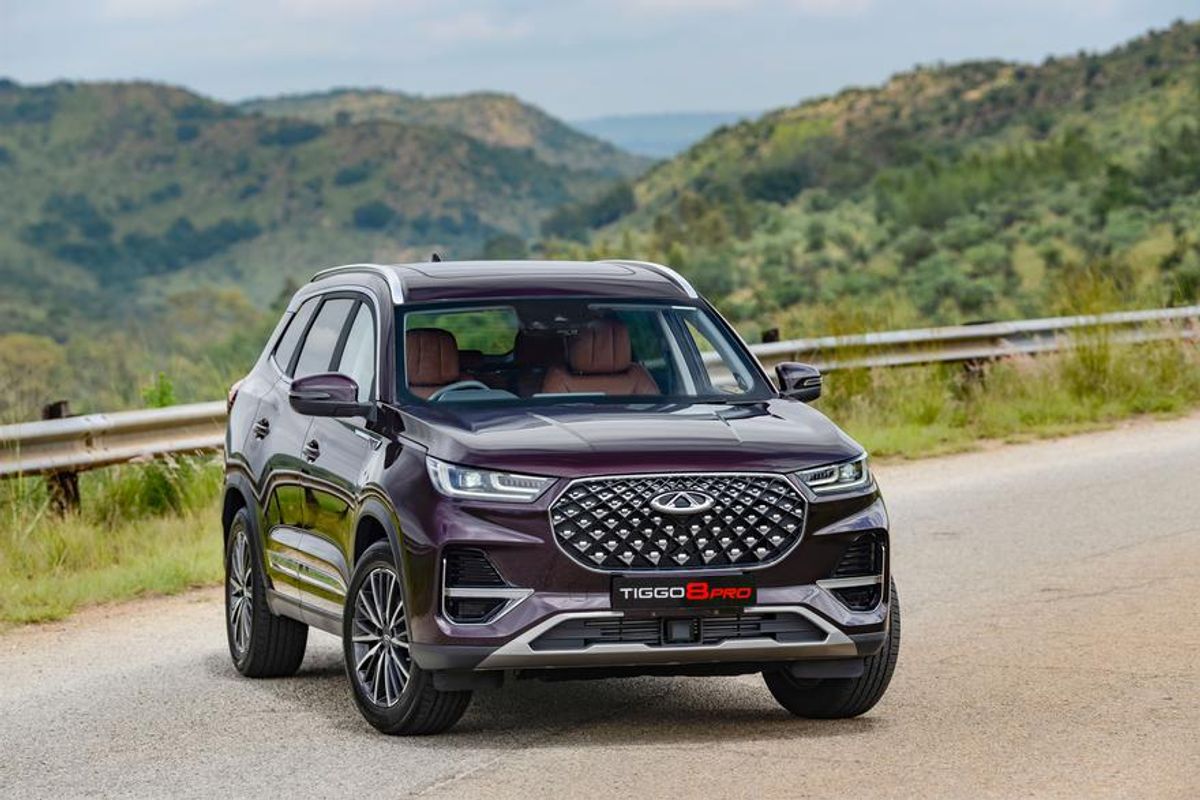
The Tiggo 8 Pro is the new flagship in Chery South Africa’s line-up and we travelled to Gauteng to get behind the newcomer’s wheel. The Chinese marque’s new family car is very keenly priced AND is laced with standard luxury features. It made such a good first impression that we have to wonder: “Where’s the catch?”
Fledgling Chery SA is on an upward trajectory and, on the back of the successful market introduction of the Tiggo 4 Pro small crossover last year and an ever-increasing dealership footprint (the network now includes 50 outlets countrywide), the Chinese brand has introduced its second model in Mzansi. It’s quite a leap forward – and a big step up – for the brand to venture into the medium-SUV space.
This popular segment of the new-vehicle market is inhabited by well-established models such as the Kia Sportage, Haval H6, Hyundai Tucson,Mazda CX-5, Nissan X-Trail, Toyota RAV4 and Volkswagen Tiguan (to name just a few offerings). Competition is tough, but if Chery can steal more than a few sales from the established players in the entry-SUV segment, then why can’t it replicate its success in the medium-SUV market? While official sales stats are yet to be verified, about 500 units of the Tiggo 4 Pro found new homes in Mzansi in January 2022 and the sales outlook for February looks promising.
What’s on offer?
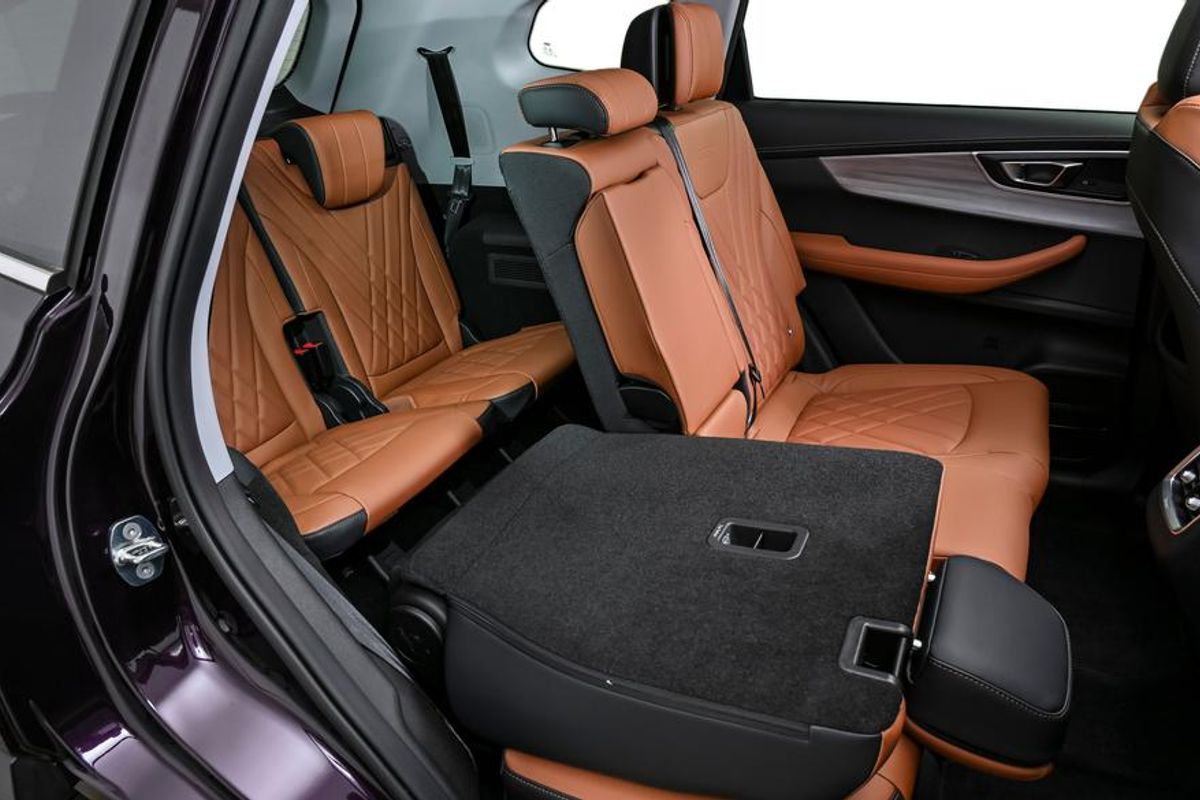
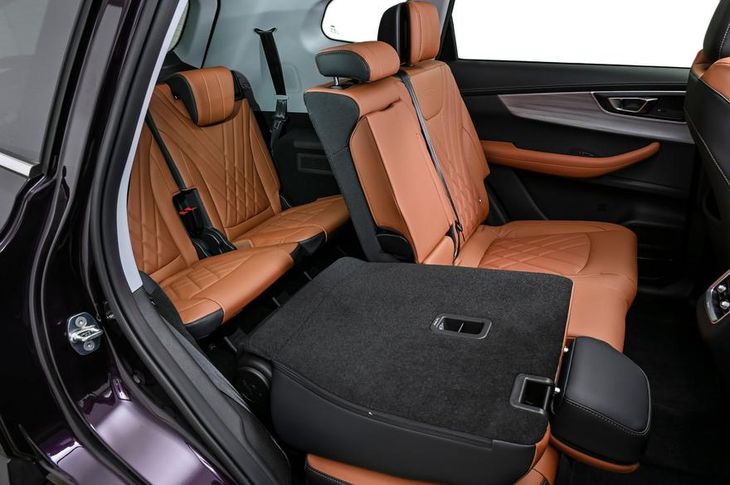
The Chery Tiggo 8 Pro is a 7-seater and only the Tiguan Allspace offers a similar cabin configuration in this segment. There are two grades (Distinctive and Executive), both of which are powered by a 1.6-litre 4-cylinder turbopetrol engine paired with a 7-speed dual-clutch automatic transmission (sourced from German firm Getrag). On-paper outputs are credible – 145 kW and 290 Nm drive the front wheels.
The key differences between the derivatives lie in their specification lists. The top-end Executive commands a R50 000 premium over its Distinctive sibling by virtue of the additional goodies it offers, such as specific colour trim, rear privacy glass, 4-way electric adjustment for the front passenger seat, a panoramic sunroof and 3rd-row ventilation controls, but not least a host of semi-autonomous safety features.
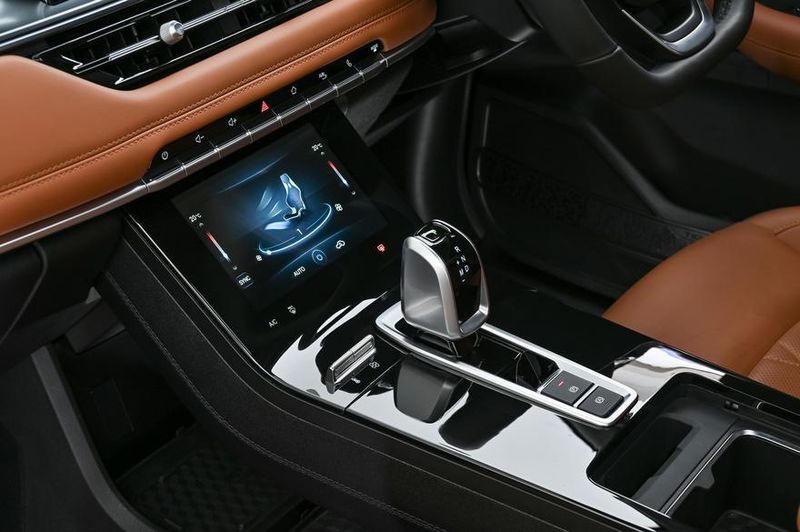
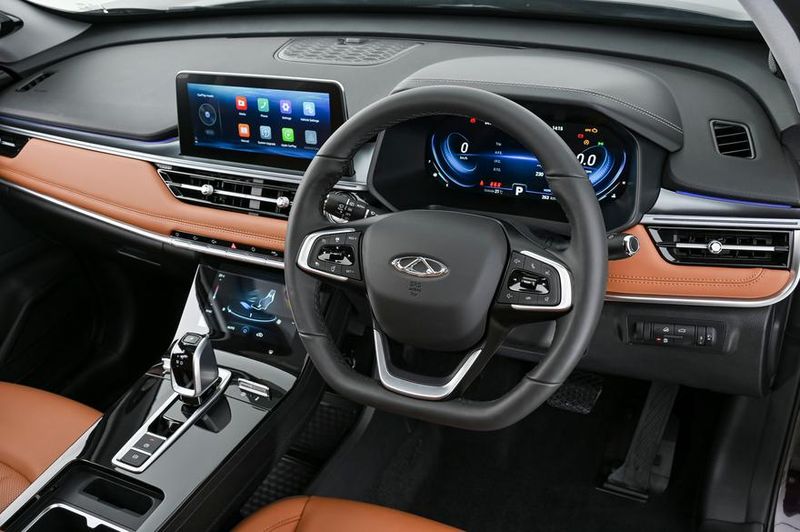
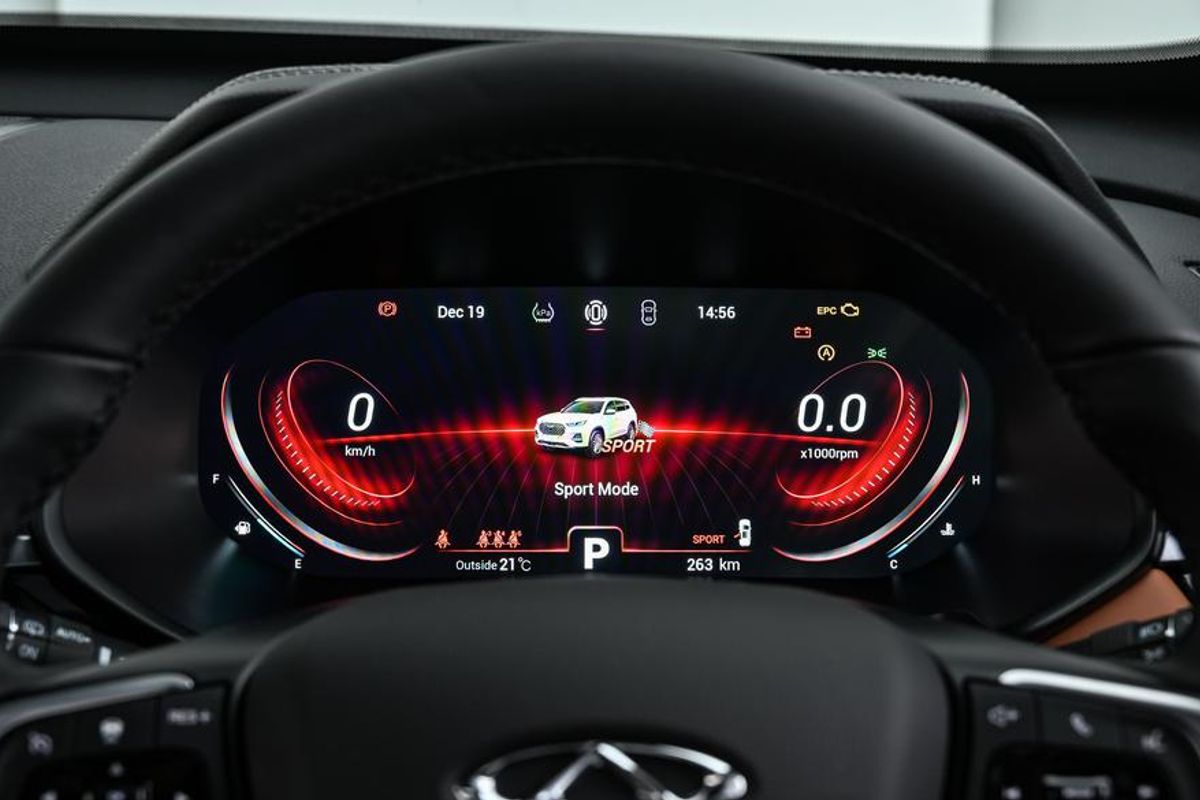
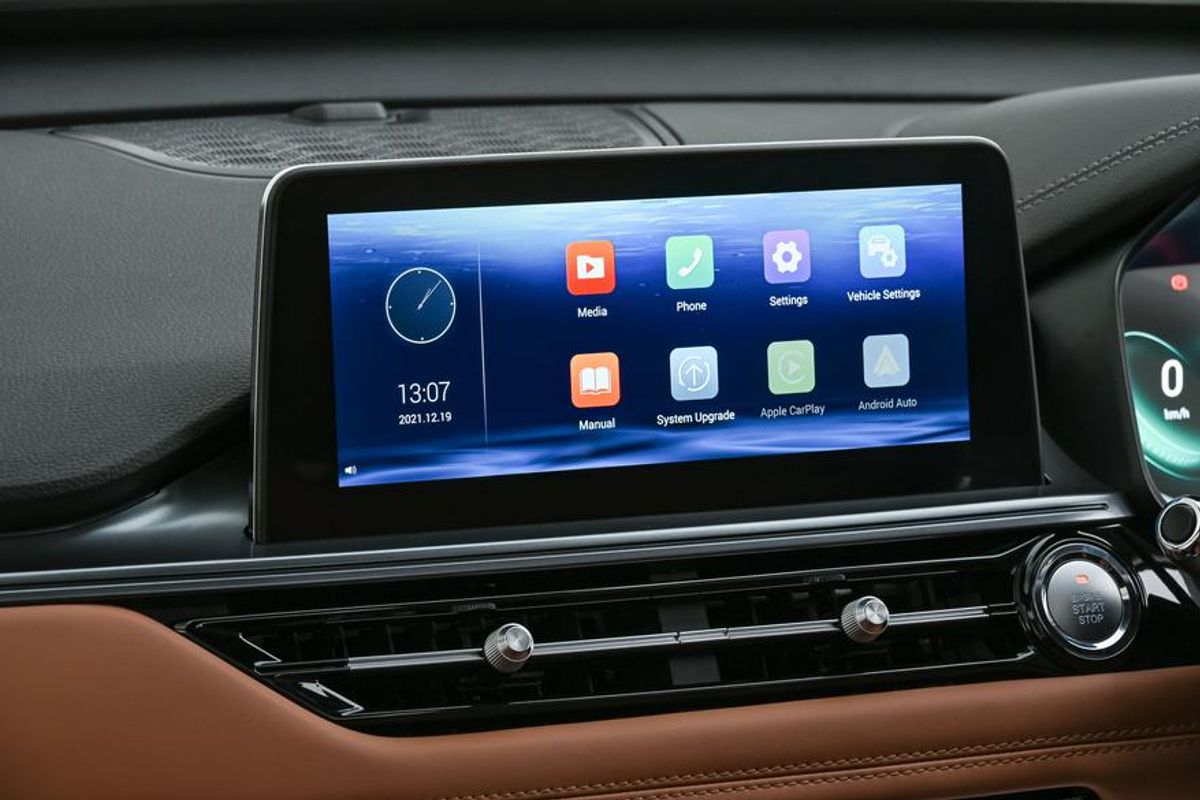
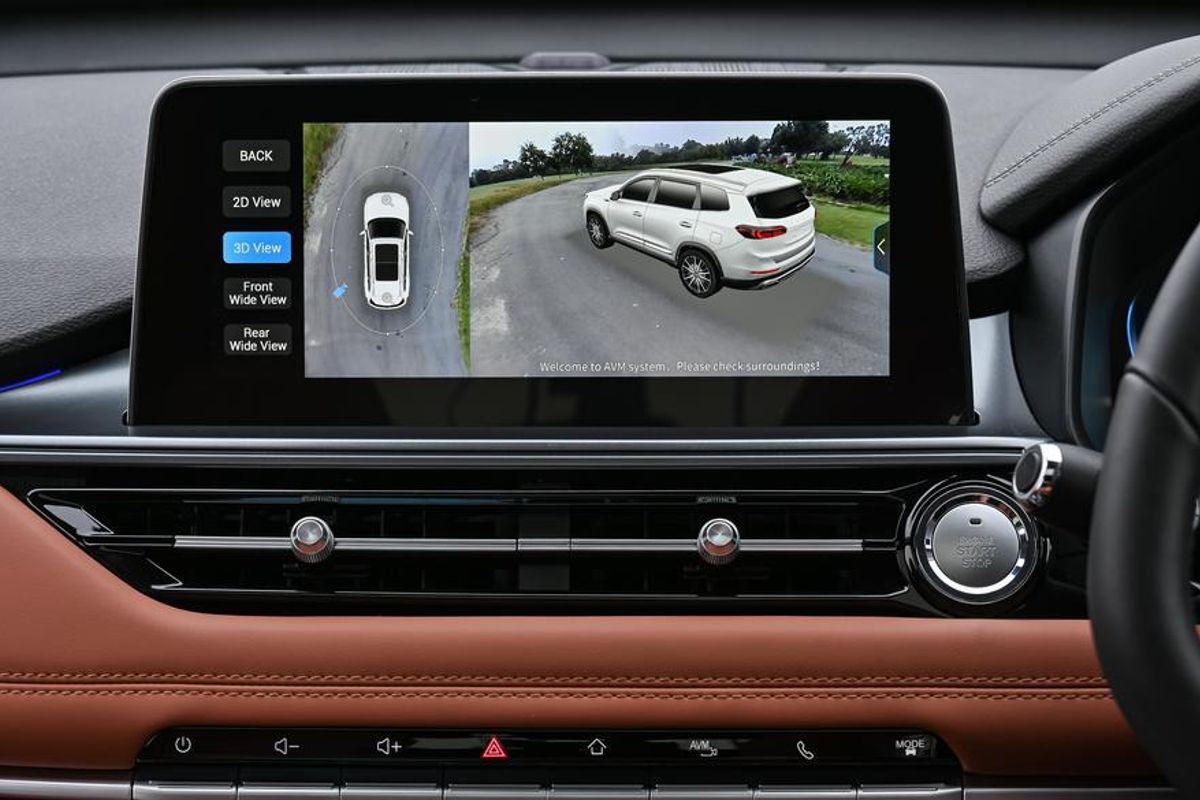
Speaking of spec, the Tiggo 8 Pro comes packed with every conceivable convenience feature that one could reasonably expect to find in a medium SUV. Even in the more affordable Distinctive derivative, the standard kit is all-encompassing. You get nice-to-haves such as a wireless charging pad, a digital instrument cluster, a crisp touchscreen infotainment array with Android Auto/Apple CarPlay compatibility, a digital climate control panel, voice control, an 8-speaker Sony audio system, 360-degree camera system, front/rear parking sensors, plus auto wipers and -LED headlamps with daytime running lights.
Chery’s newcomer rides on 18-inch alloy wheels and comes standard with an array of safety features, including (but not limited to) half a dozen airbags, traction control, roll stability control, anti-lock brakes (ABS) with brake-force distribution, emergency brake assist, ISOfix child seat mounts, tyre-pressure monitoring, hill-start assist and downhill-descent control.
The Executive derivative, in turn, additionally features Lane Departure Warning (LDW), Automatic Cruise Control, Automatic Emergency Braking (AEB), Traffic Sign Recognition (TSC), Intelligent High-beam Control (IHC), Blind Spot Monitoring (BSD), Front Collision Warning (FCW), emergency Brake Override System (BOS), as well as a Door-Open Warning and Prevention (DOW) system.
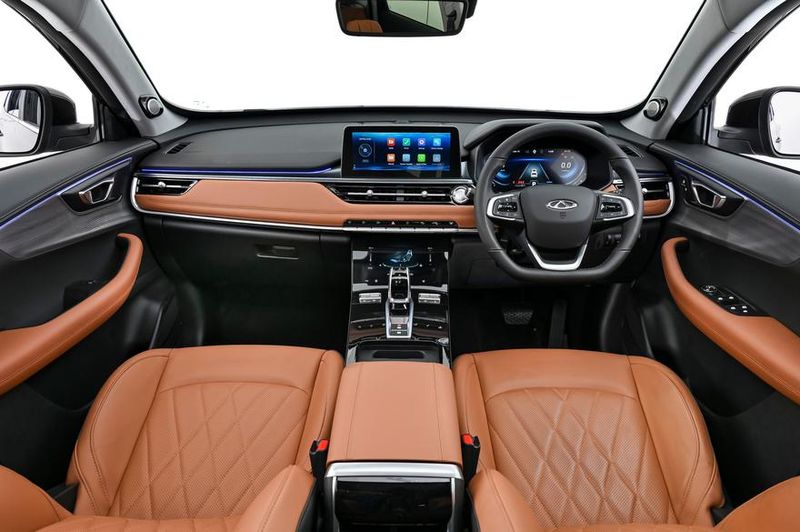
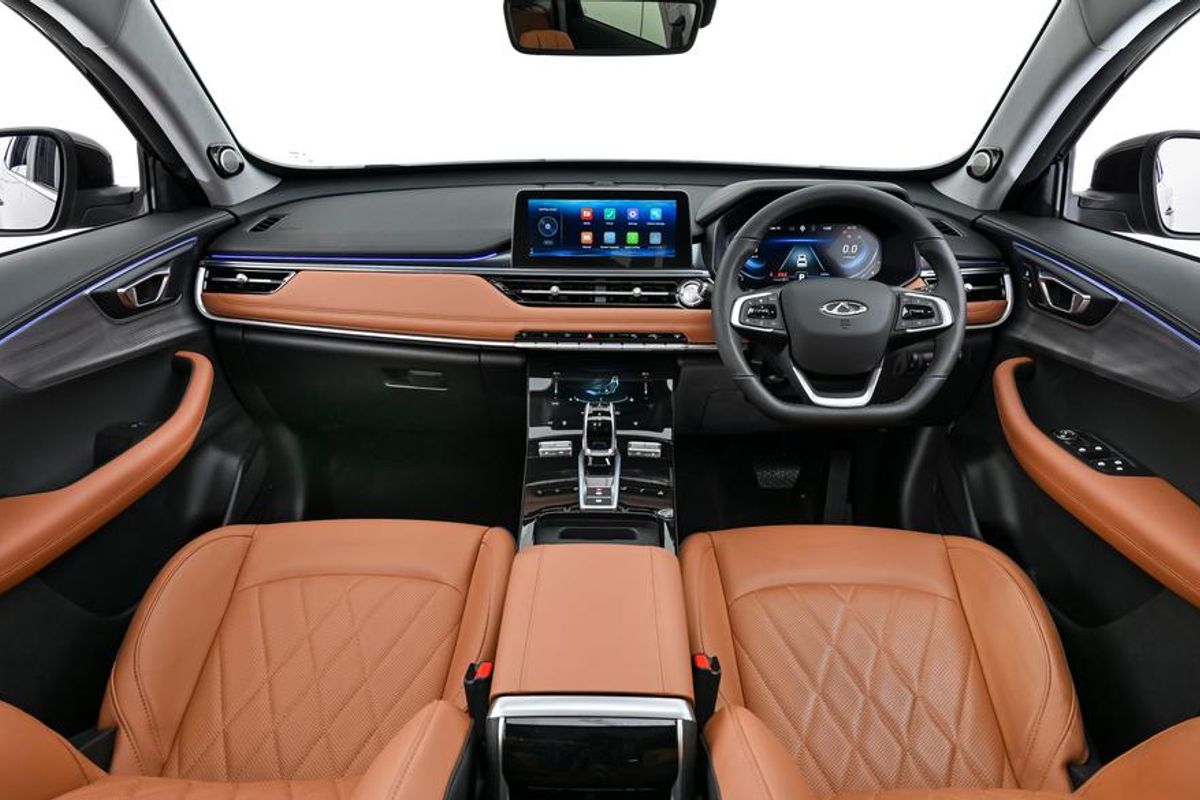
First impressions count for a lot and, to the Tiggo 8 Pro’s credit, the luxurious Chinese medium SUV looks – and feels – expensive. Unlike its Tiggo 4 Pro sibling, this is no compact-sized offering, but rather a fully-fledged family-ready 7-seater SUV. Inside, you’re greeted by a plush cabin that’s positively bathed in upmarket trims and finishes. The perceived build quality and finer detailing are excellent too. From our perspective, it’s clear that Chery is hellbent on taking on the established players with a product that effortlessly outguns them in terms of interior fit-and-finish, as well as value for money.
What is it like to drive?
Our launch route took us from Melrose Arch to the Vaal River and back, and included a variety of road surfaces – from awful pothole-infested back roads to national highways – and everything in between. The suspension setup’s firm enough to relay most small imperfections, but offers sufficient damping to cope with bigger bumps. The interior is well insulated – little outside noise makes its way into the cabin.
There are various drive modes, which adjust, inter alia, the Tiggo 8 Pro’s steering feel, transmission shift pattern and throttle response. The Chery’s steering setup is not the sharpest or the most involving (which is par for the course for vehicles in this segment), but there’s a reassuring heft to remind you that you’re driving a large SUV. With Sport mode engaged, the ‘wheel’s action firms up nicely, however.
The powertrain’s performance is reasonably good; the Chery’s forced-induction engine serves up its grunt willingly (without too much exertion), but it sounds a bit strained towards the top of the rev range (under full acceleration). Our test unit was brand new, with less than 1 000 km on the odo’, so we’re prepared to cut it a bit of slack in terms of refinement. The 7-speed DCT, meanwhile, shifts effortlessly.
We’re in two minds about the engine. We’re impressed that a 1.6 litre has enough shove (based on its outputs) to propel something as substantial as a 7-seater family vehicle with little fuss, but, on the other hand, there’s likely to be a fuel consumption penalty for all that “get-up-and-go”. Car companies are usually overly optimistic with their stated efficiency figures – Chery claims 10 L/100 km for its model.
We saw an indicated average consumption figure of around 11 L/100 km on the test unit’s trip computer after a stint of driving in mixed conditions (on urban and regional roads) and, with the fuel price about to increase yet again, efficiency is more important than ever. Unfortunately, the Tiggo 8 Pro is not a fuel-sipper. A tank capacity was not stated, but based on overseas markets, it holds either 51- or 57 litres.
Another issue we encountered was uneven throttle mapping in the Sport and Eco drive modes. When you’re leaving an intersection, the powertrain is inclined to baulk briefly, which will entice you to step on the accelerator pedal harder. That will prompt the engine to suddenly deliver a wad of torque, which will cause the front tyres to chirp as they struggle for grip. It’s a minor thing, but perhaps worth noting.
The new 7-seater medium SUV from Chery comes with a 10-year/1-million-kilometre engine warranty (valid only for the original owner if they service their vehicles at Chery dealers’ workshops) and a 5-year/150 000 km general warranty, 5-year comprehensive roadside assistance plan, as well as a 5-year/60 000 km service plan.
Chery Tiggo 8 Pro Distinctive
R496 900
Chery Tiggo 8 Pro Executive
R546 900
Summary
Despite its less-than-thrifty fuel consumption and eccentric throttle mapping, the Tiggo 8 Pro is a compelling value-for-money package. To undercut the competition by approximately R100k (in a particularly price-sensitive segment of the market) is no mean feat. Suffice to say, the generous spec and build quality presented by Chery’s newcomer between about R500k and R550k almost defies belief.
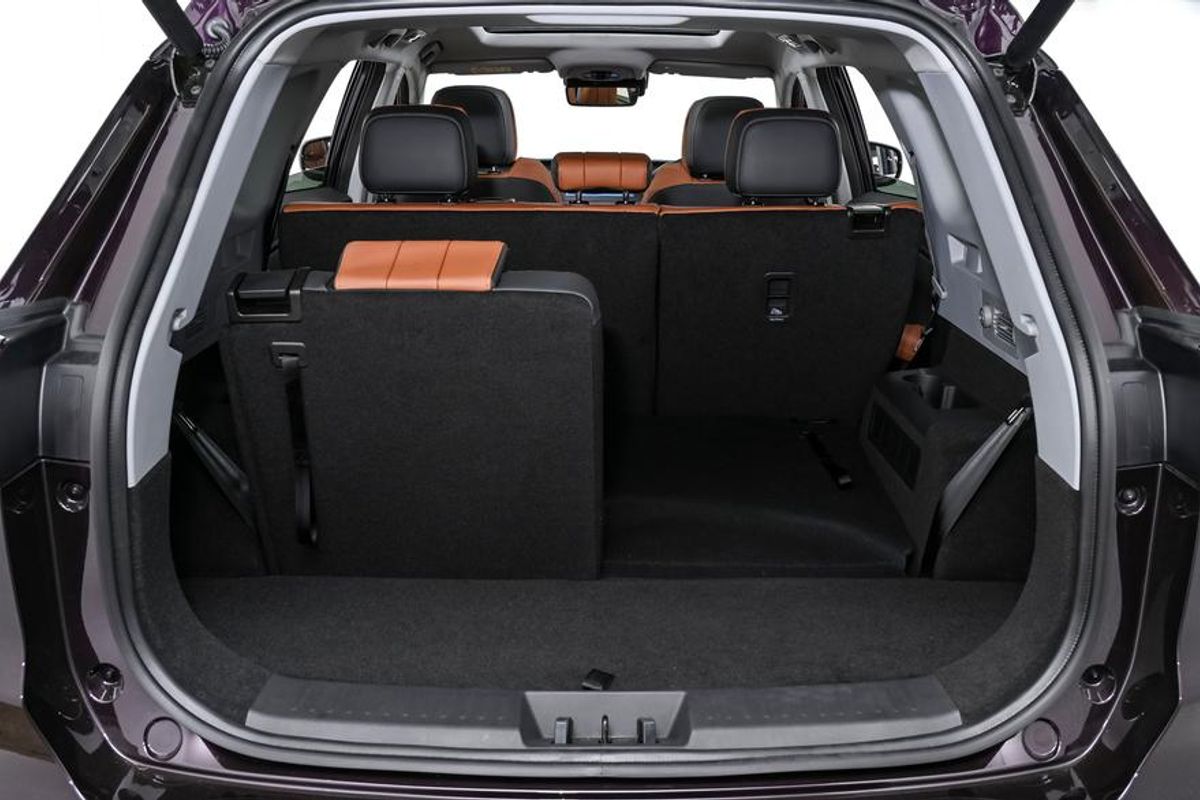
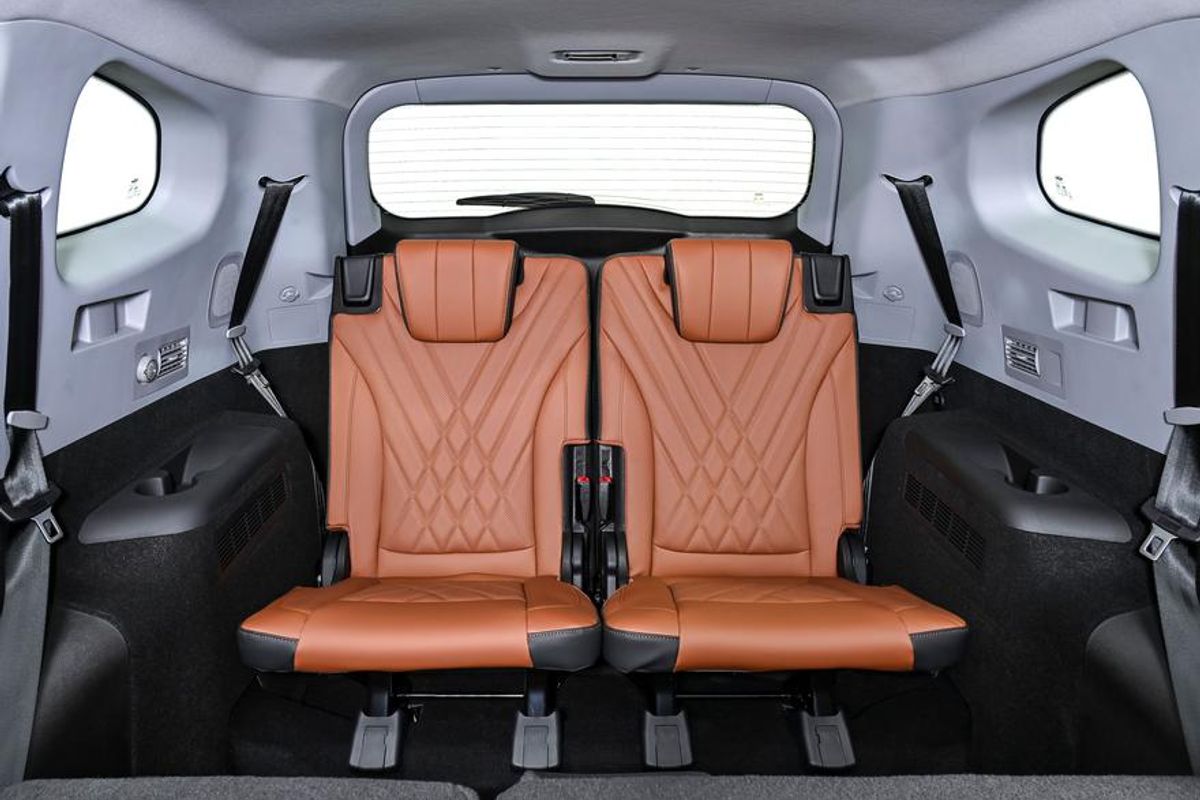
Oh, and before we forget to mention it, unlike some 7-seaters, the Tiggo 8 Pro offers a genuinely useable 3rd row of (2) seats – one of our colleagues easily sat in the rear-most row on the way to the airport.
So, in a way, the Chinese brand’s latest addition has higher aspirations than the Medium SUV segment… A Hyundai Santa Fe 7-seater is priced from R792k and a Toyota Fortuner 4×2 comes in at R605k – and the latter feels ancient and unrefined by comparison. Chery’s ascent in the marketplace is remarkable (especially given the brand’s checkered past in SA)… Both its models are modern, extremely well priced and come loaded with almost all features you’d ever need. Then there’s that substantial warranty. If we worked for a legacy brand, we’d be concerned about the rising popularity of Haval and Chery!
Hot on the heels of the local introduction of the Chery Tiggo 4 Pro, the Chinese automaker now welcomes the larger Tiggo 8 Pro to South Africa. See specification and pricing details for the newcomer below!
“Luxury is standard” is the mantra for the Tiggo 8 Pro
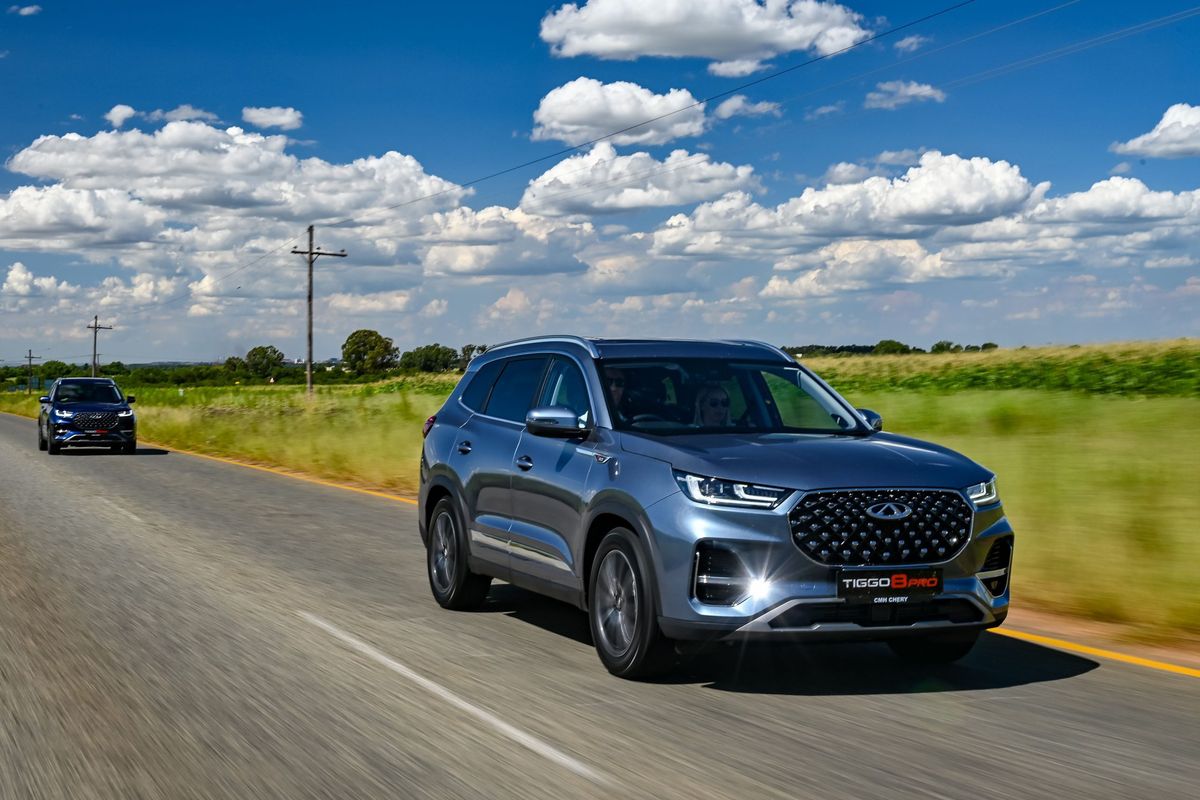
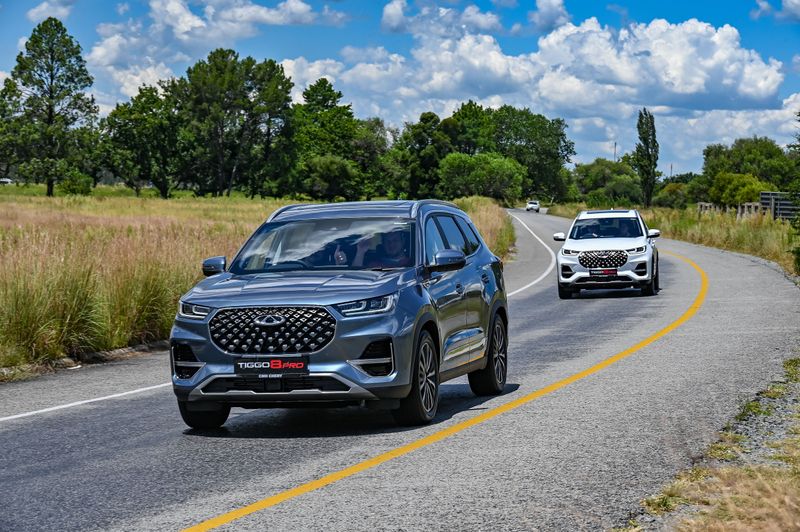
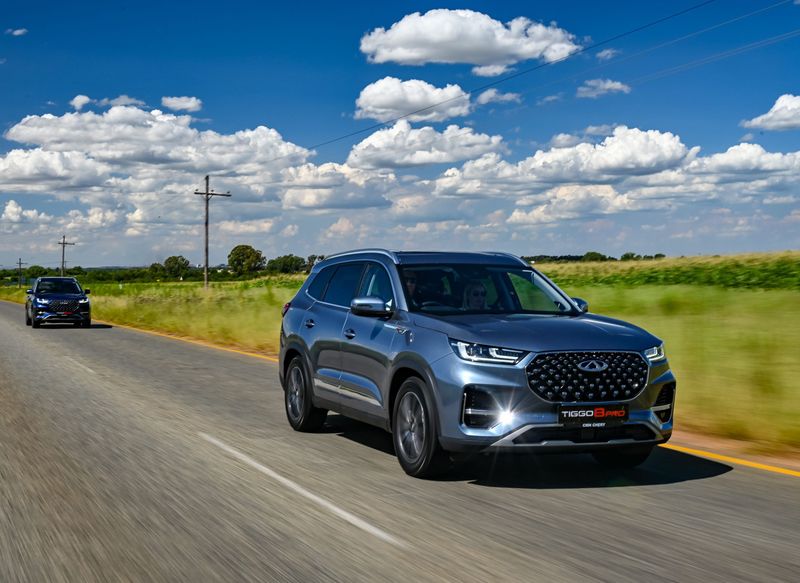
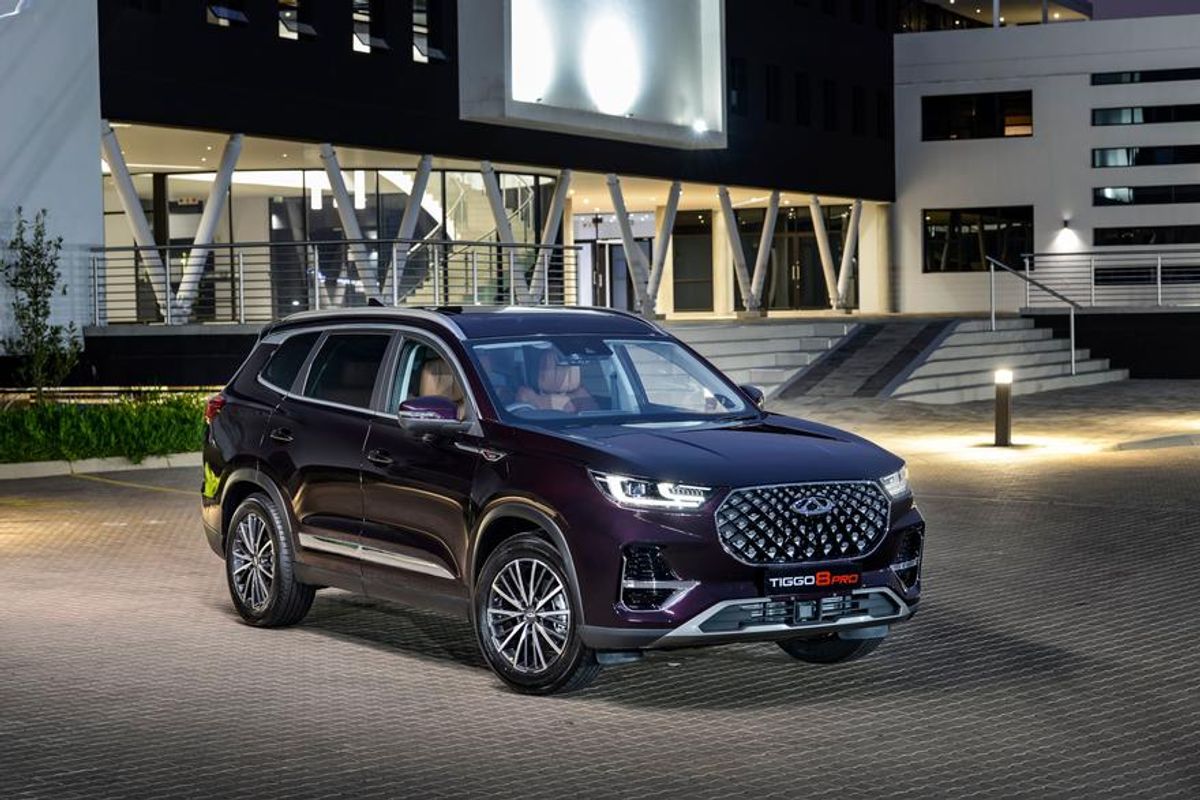
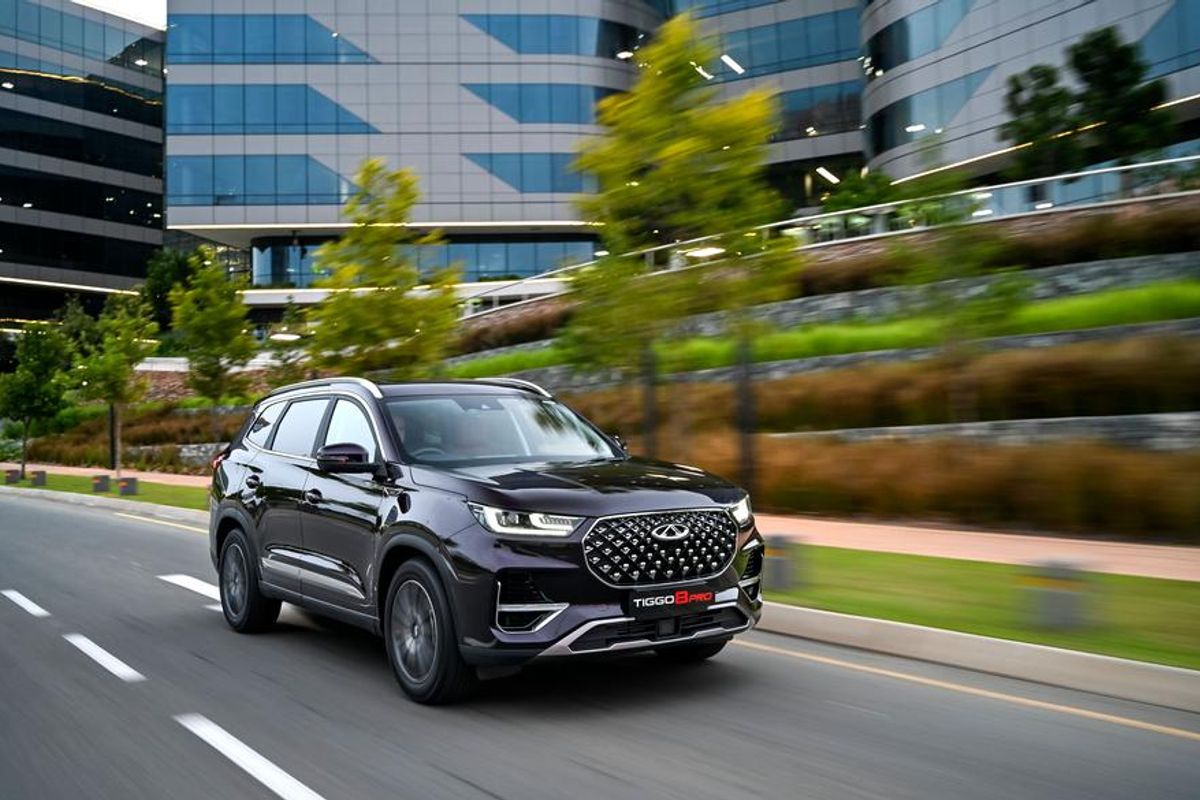
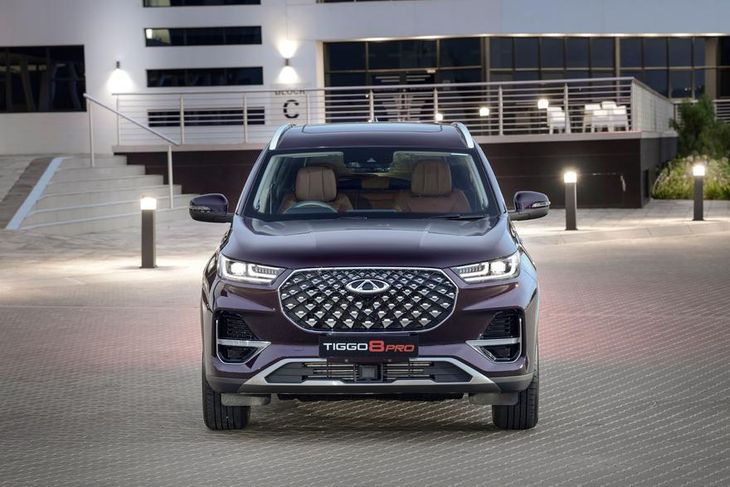
The Tiggo 8 Pro boasts attractive styling that sets it apart from other offerings in the market.
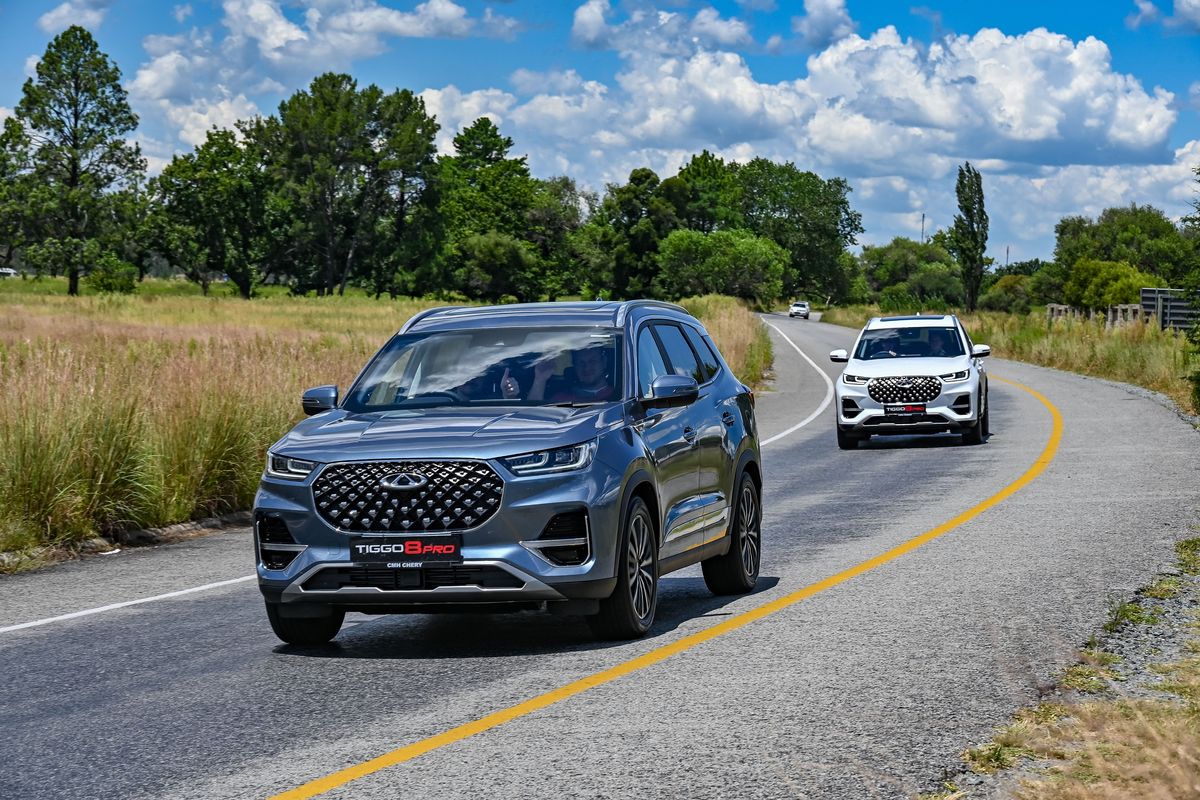
There are 2 Tiggo 8 Pro derivatives on offer including Distinctive and Executive trim lines.
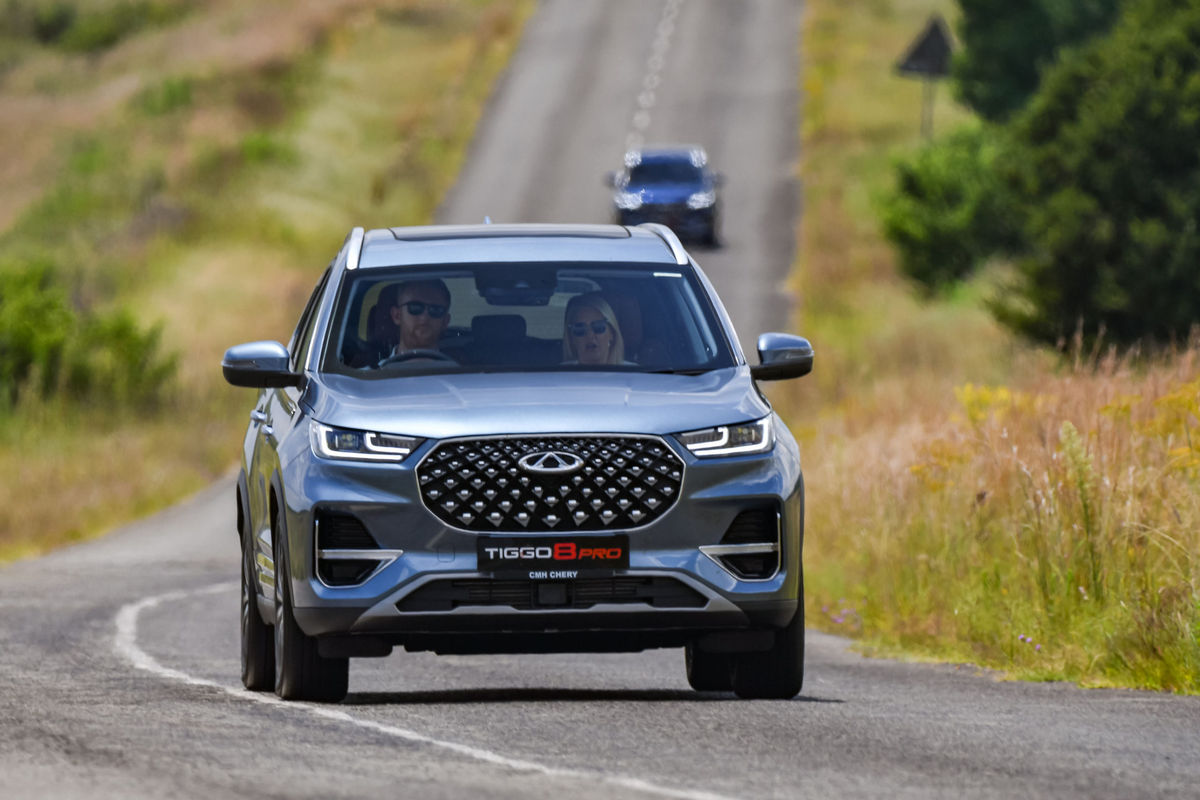
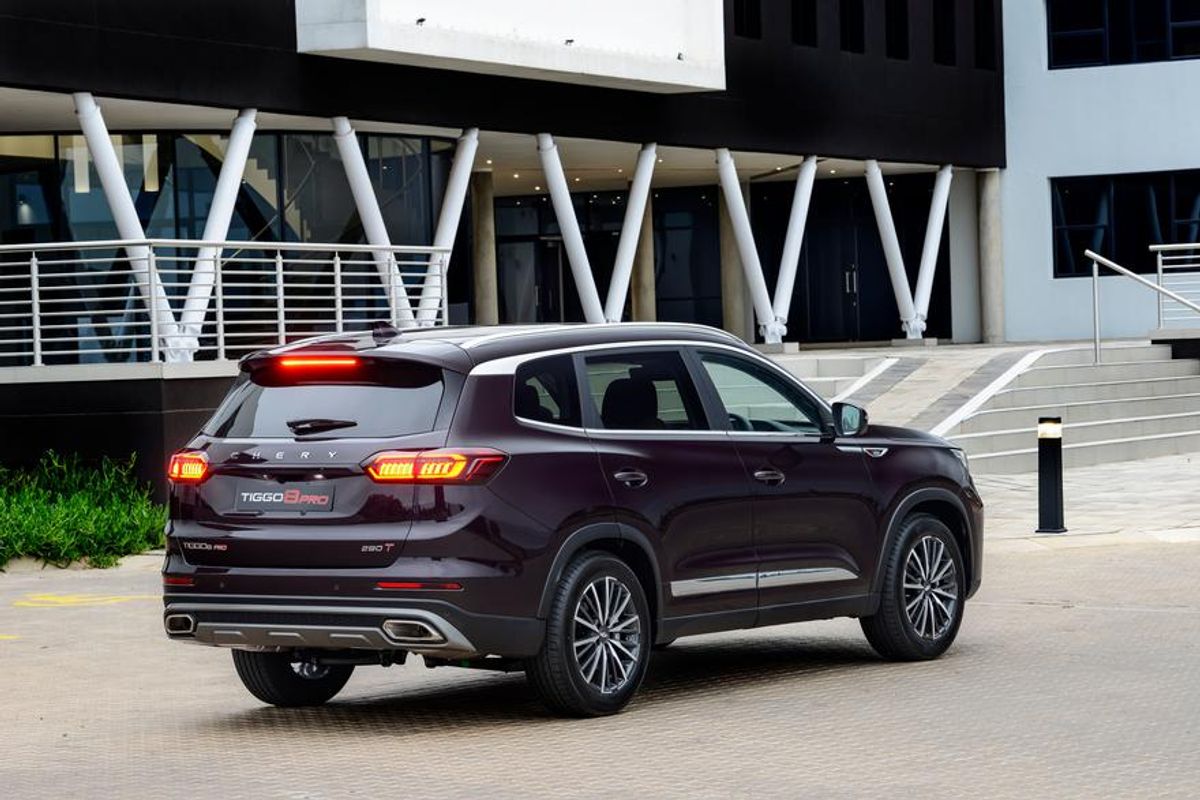
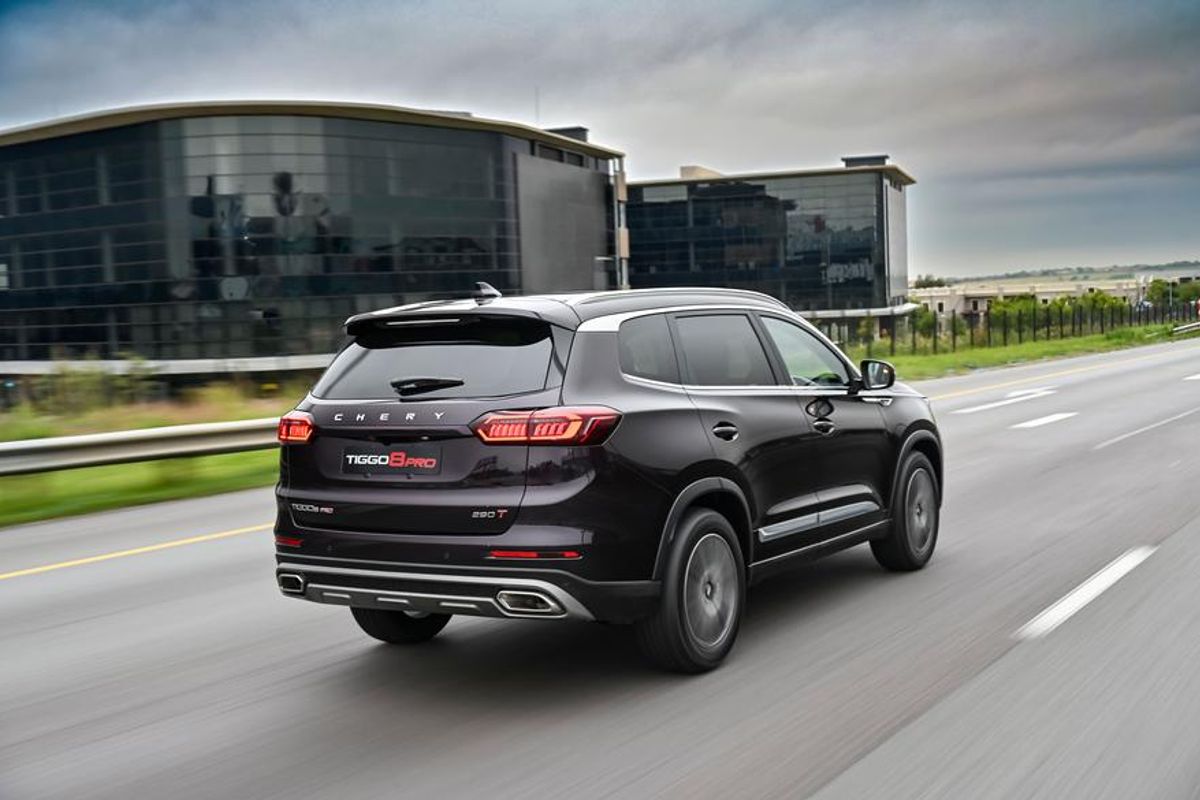
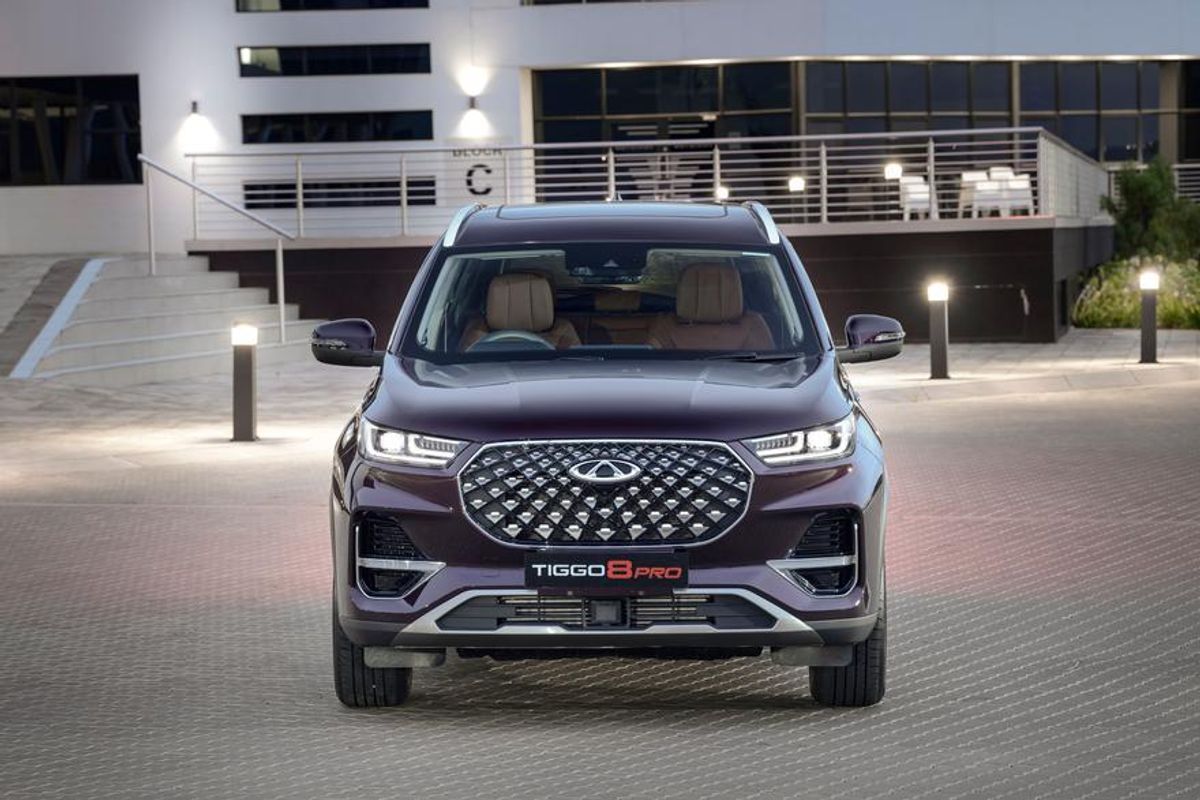
From a styling perspective, the Tiggo 8 Pro shares design cues from the Tiggo 4 Pro with its 3D star-studded grille giving the car a bold and modern look. Matrix LED headlights or ‘Tiger Eyes’ with dual daytime running lights further accentuate the look from the front. Other details include chromed roof rails, panoramic sunroof, rear LED lights and 18-inch alloy wheels in black and chrome.
The Tiggo 8 Pro is generously-equipped with standard features.
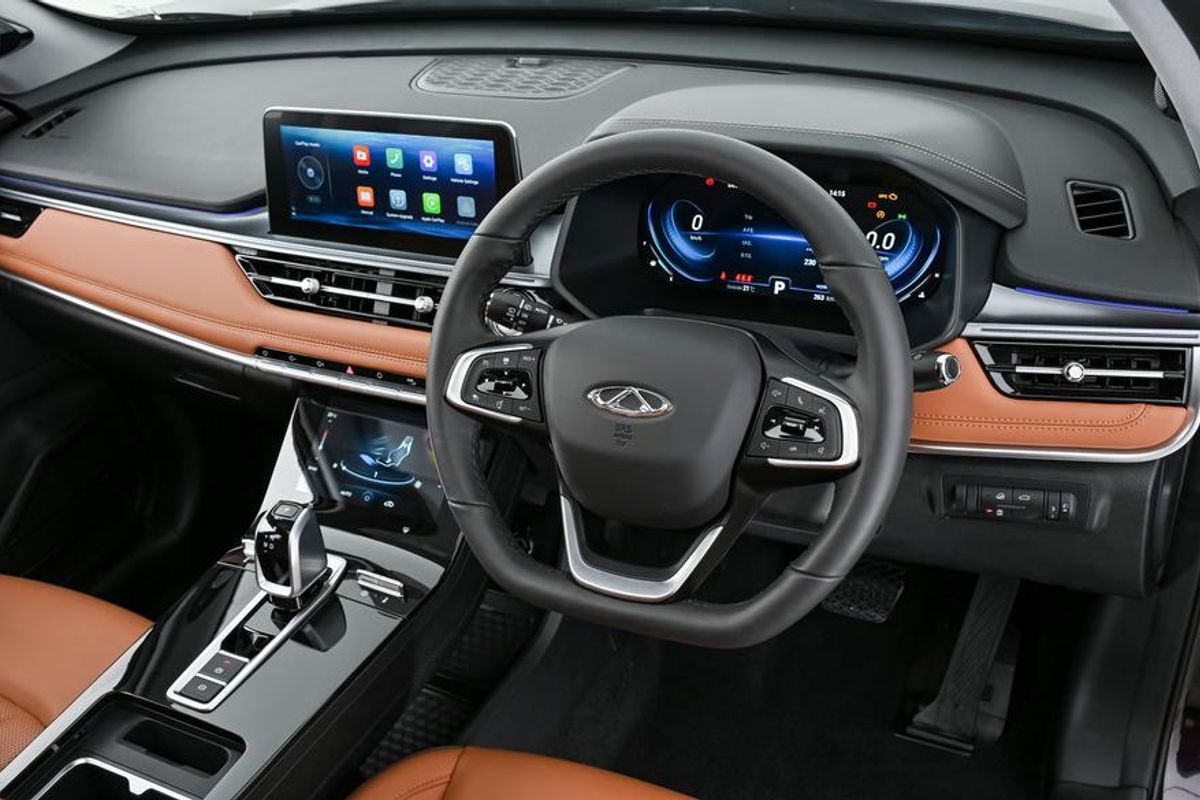
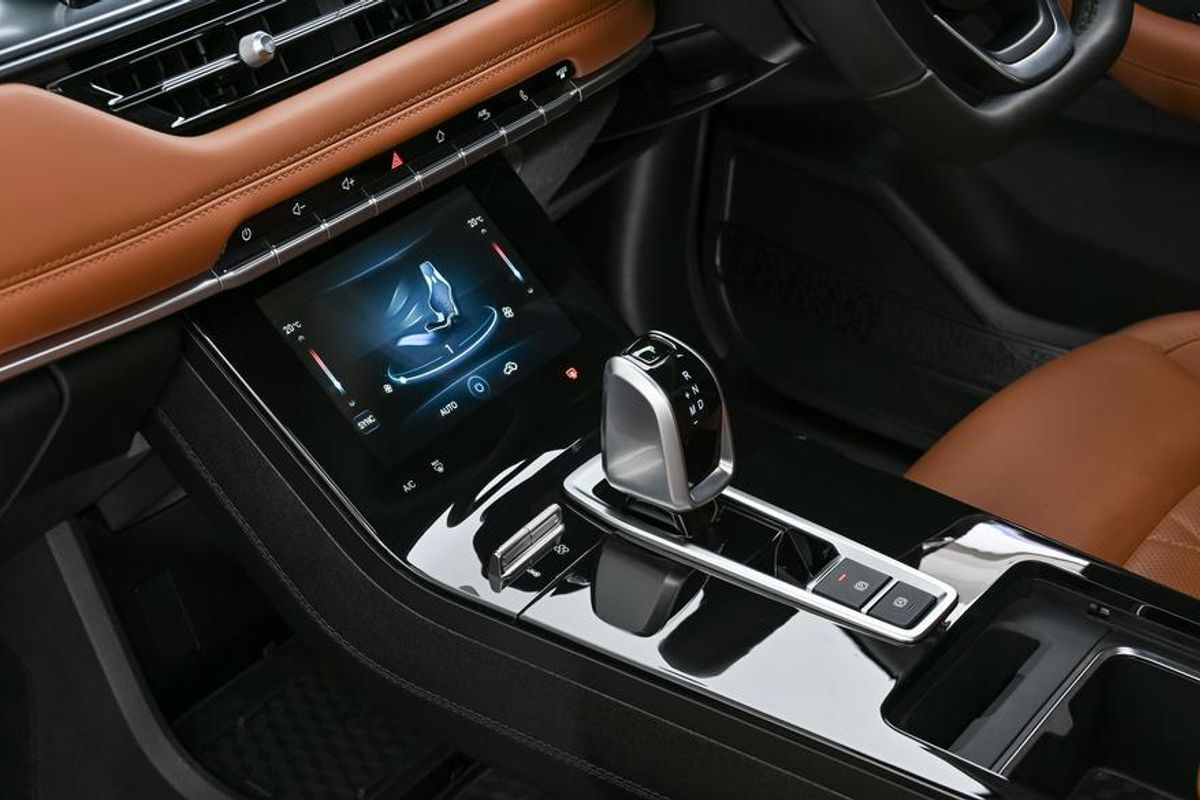
Moving inside, the Tiggo 8 Pro is an all-digital affair with no less than 3 screens at your service including a 12.3-inch digital instrument cluster, 10.25-inch infotainment touchscreen with Apple CarPlay and Android Auto and an 8.0-inch screen that takes care of the vehicles climate control.
Other nice-to-haves include wireless charging, voice control and a Sony sound system with 8 speakers.
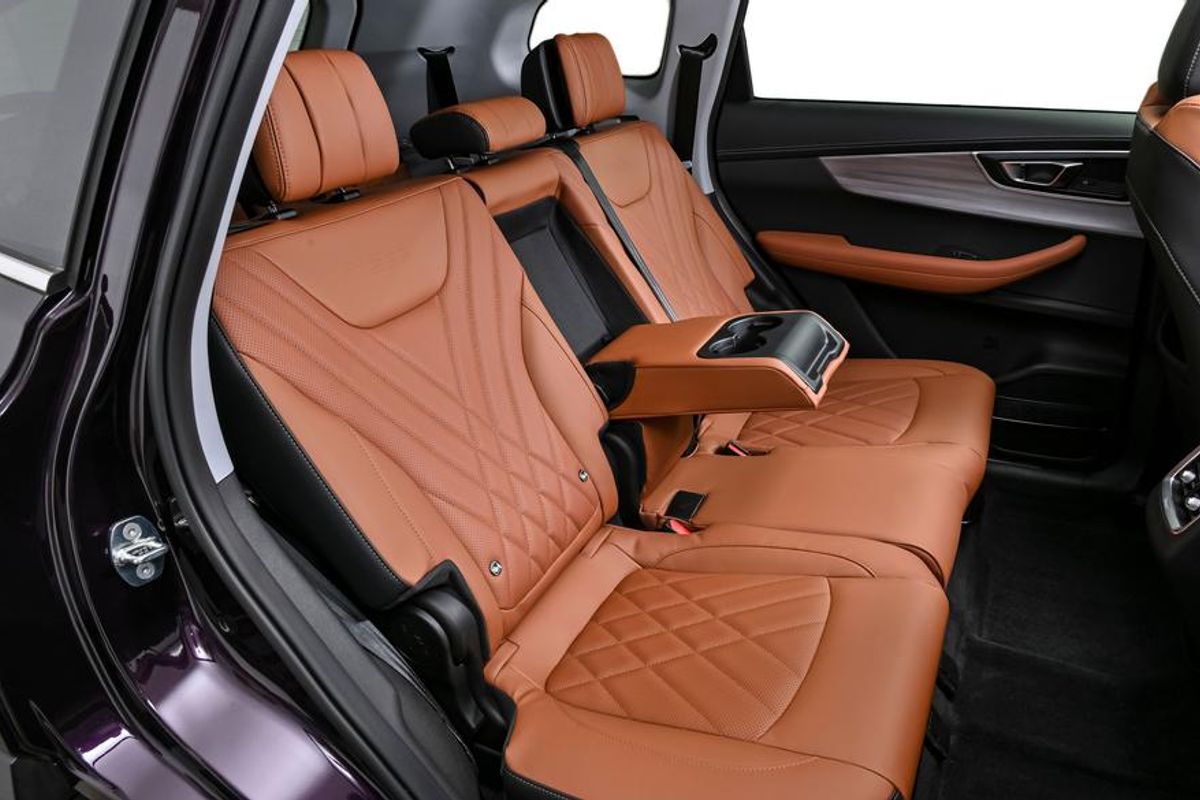
Leather seats are standard on the Distinctive derivative while the Executive derivative gains black and brown leather with a diamond stitched pattern. The driver’s seat is 6-way electrically adjustable with memory function while the front passenger seat is 4-way electrically adjustable with lumbar support.
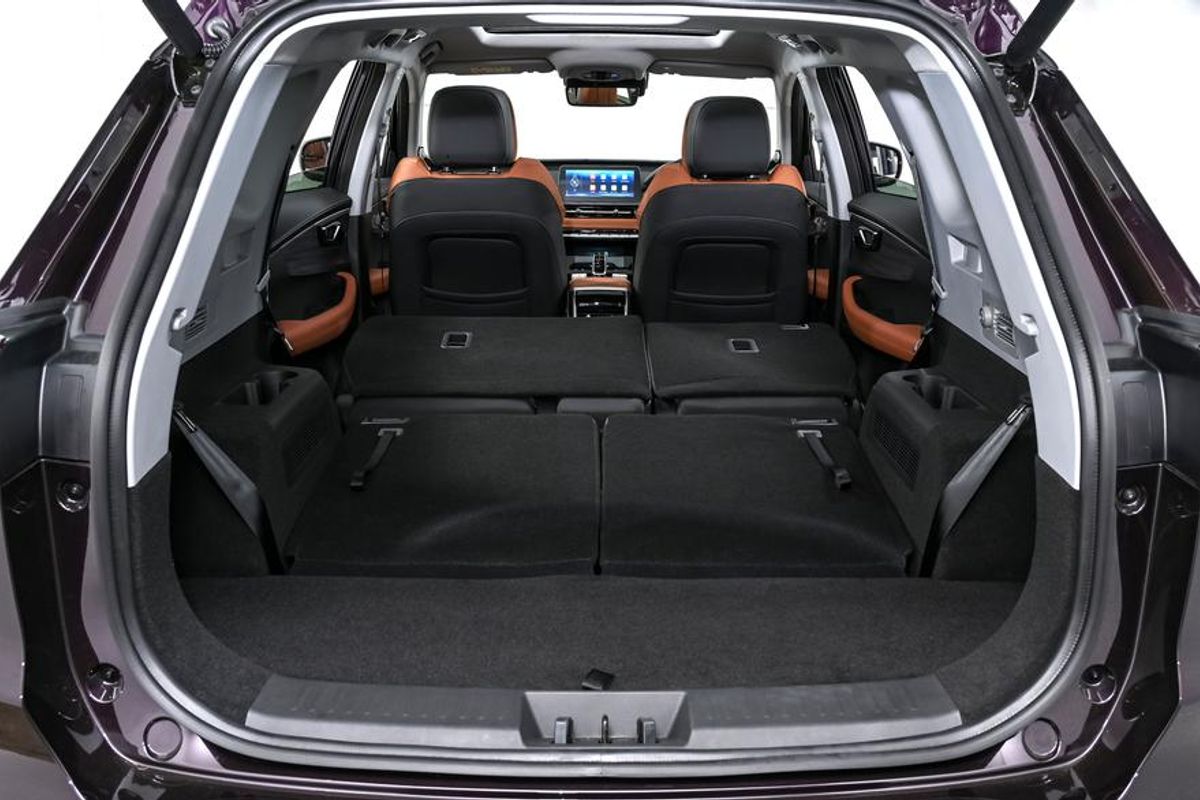
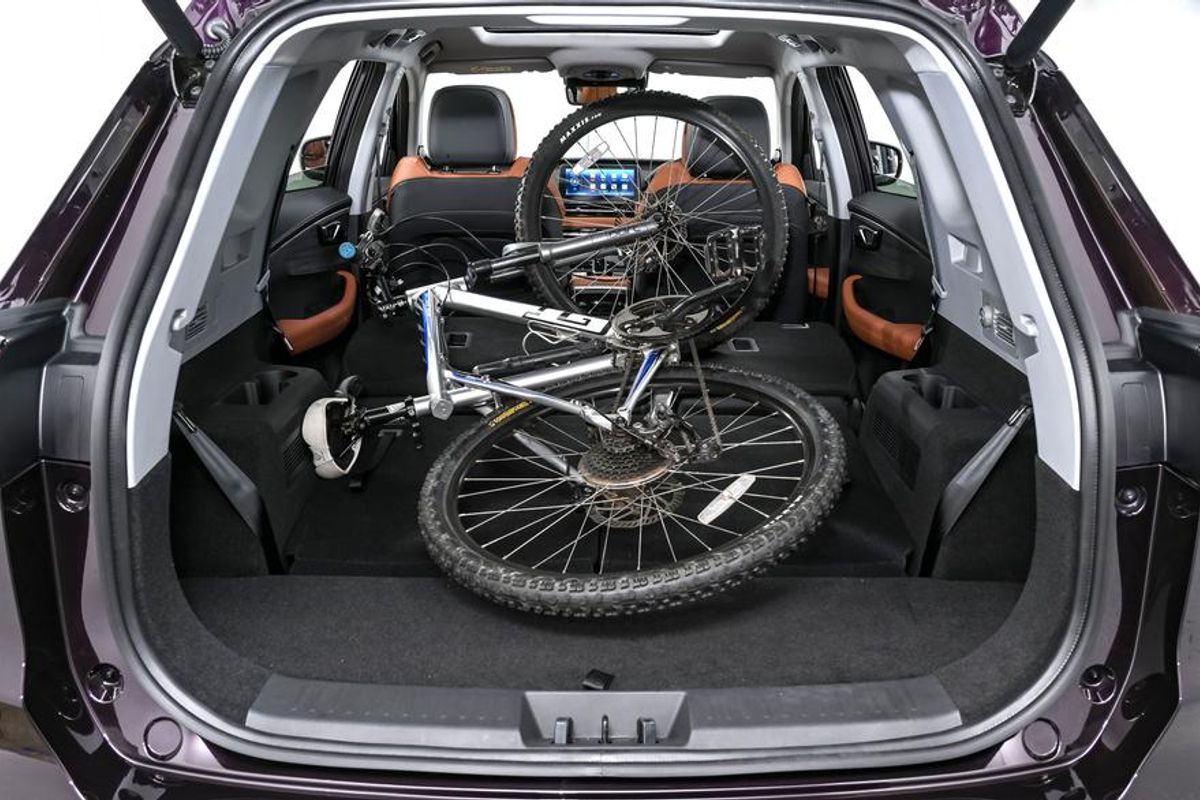
In terms of practicality, the second-row seats fold down in a 60:40 split and the seats are adjustable and rear passengers are afforded 3 USB ports and a 12V charging port is also fitted. The Executive derivative gains privacy glass and ambient lighting.
There’s seating for 7 in the Tiggo 8 Pro!
As far as safety is concerned, the Tiggo 8 Pro is equipped with 6 airbags as well as ABS with EBD, brake assist and electronic stability control with traction control. ISOFIX child seat mounts are also standard. Parking is made easier with rear park distance control and a 360-degree rear-view camera with dynamic guidelines. Other features include tyre pressure monitoring, hill assist, downhill descent control, keyless entry and push-button start as standard.
On the range-topping Tiggo 8 Pro Executive derivative additional driver assistance features are offered including Lane Departure Warning (LDW), Automatic Cruise Control, Automatic Emergency Braking (AEB), Traffic Sign Recognition (TSC), Intelligent High-beam Control (IHC), Blind Spot Monitoring (BSD), Front Collision Warning (FCW), an emergency Brake Override System (BOS) and a Door Open Warning and Prevention (DOW) system as standard.
What engine powers the Tiggo 8 Pro?
The Tiggo 8 Pro makes use of a turbocharged 1.6-litre petrol engine that offers 145 kW and 290 Nm of torque and it’s mated with a 7-speed dual-clutch transmission.
Look out for our launch review of the Chery Tiggo 8 Pro very soon!
How much does the Chery Tiggo 8 Pro Cost in South Africa?
Chery Tiggo 8 Pro Distinctive – R496 900
Chery Tiggo 8 Pro Executive – R546 900
The Chery Tiggo 8 Pro is sold with a 5-year /150 000km warranty and a 5-year/60 000 km service plan, 5-year roadside assistance and Chery’s 10-year/1-million km engine warranty (Only the original owner is afforded this warranty and it is not transferrable).
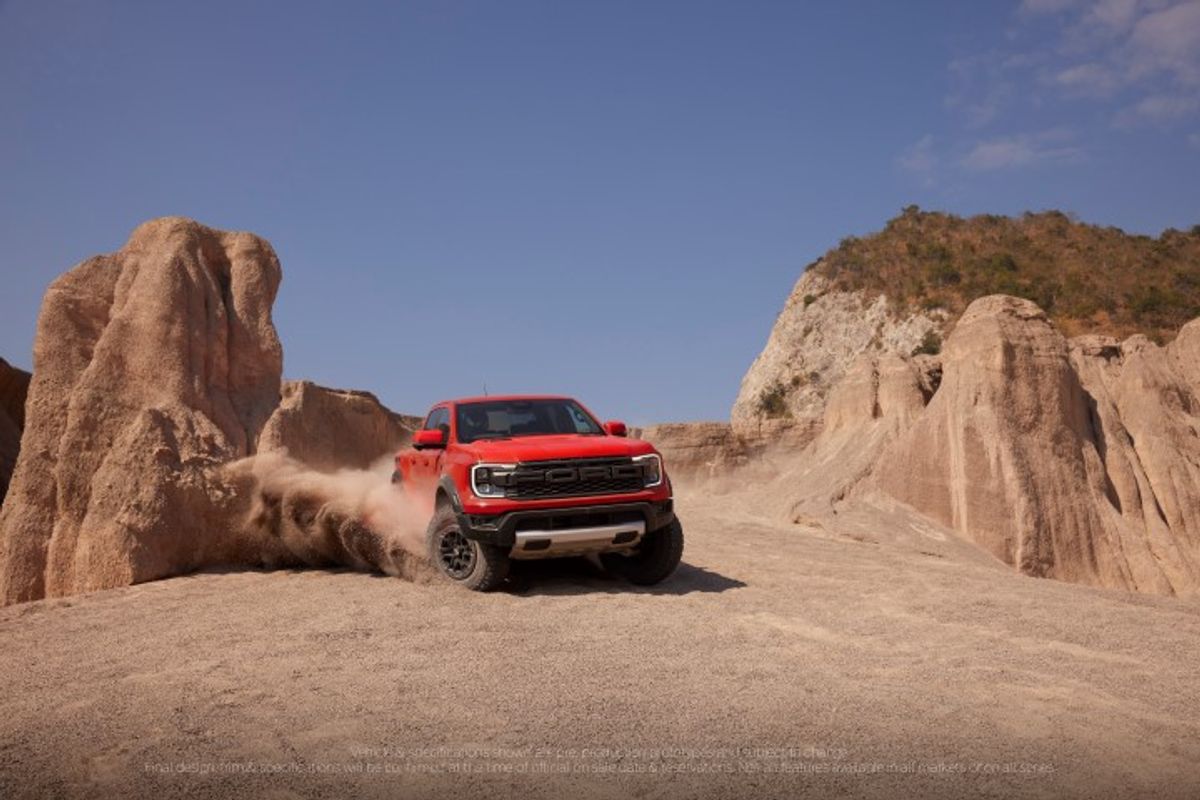
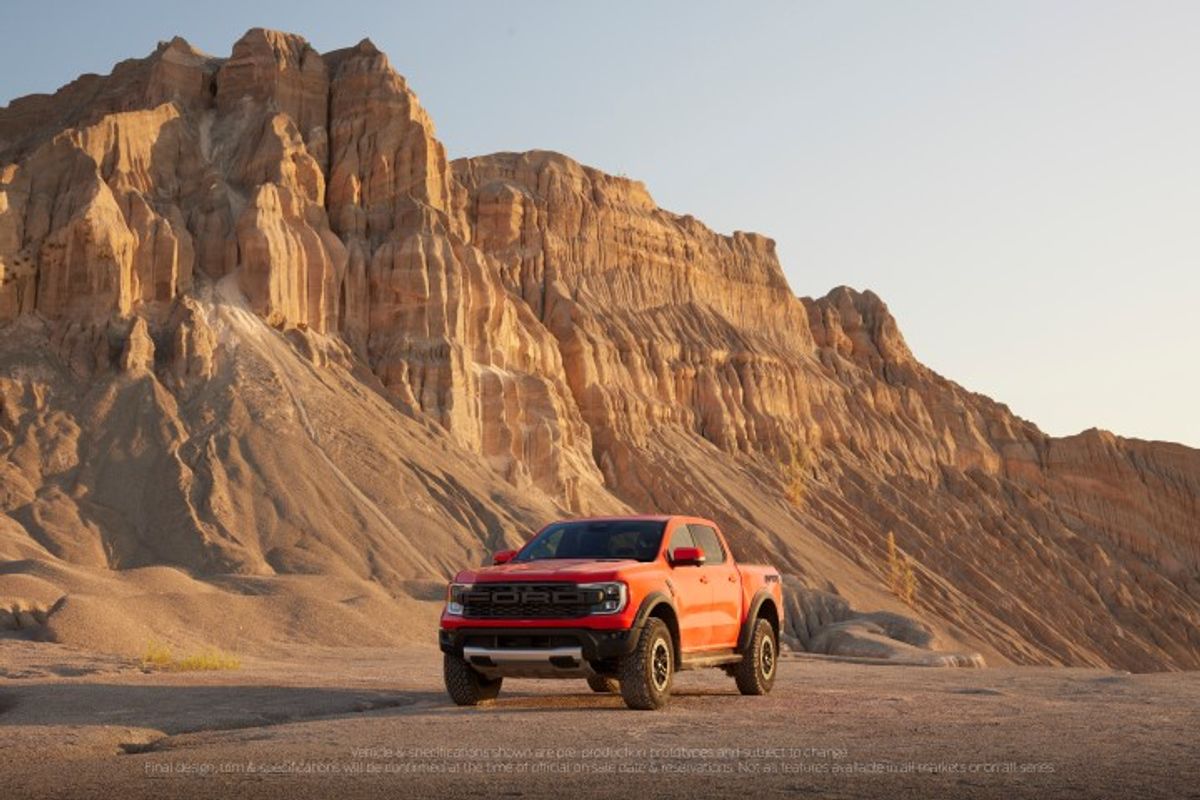
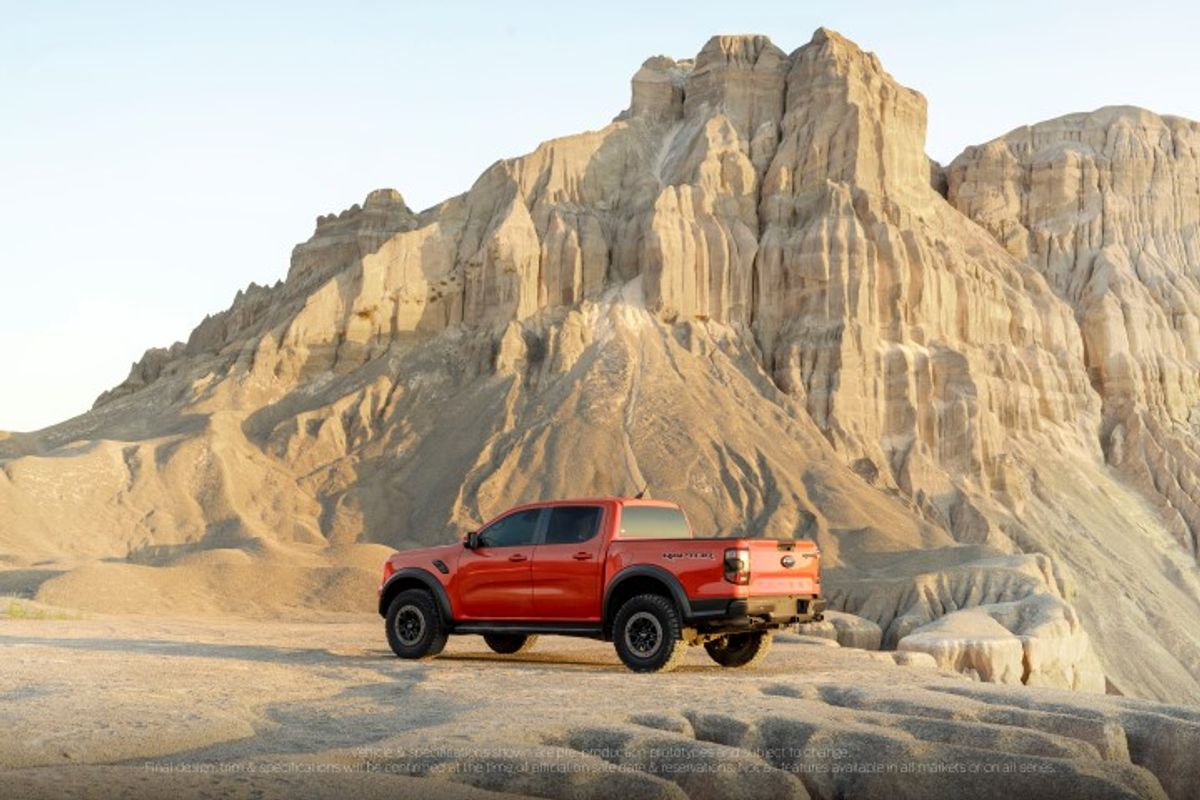
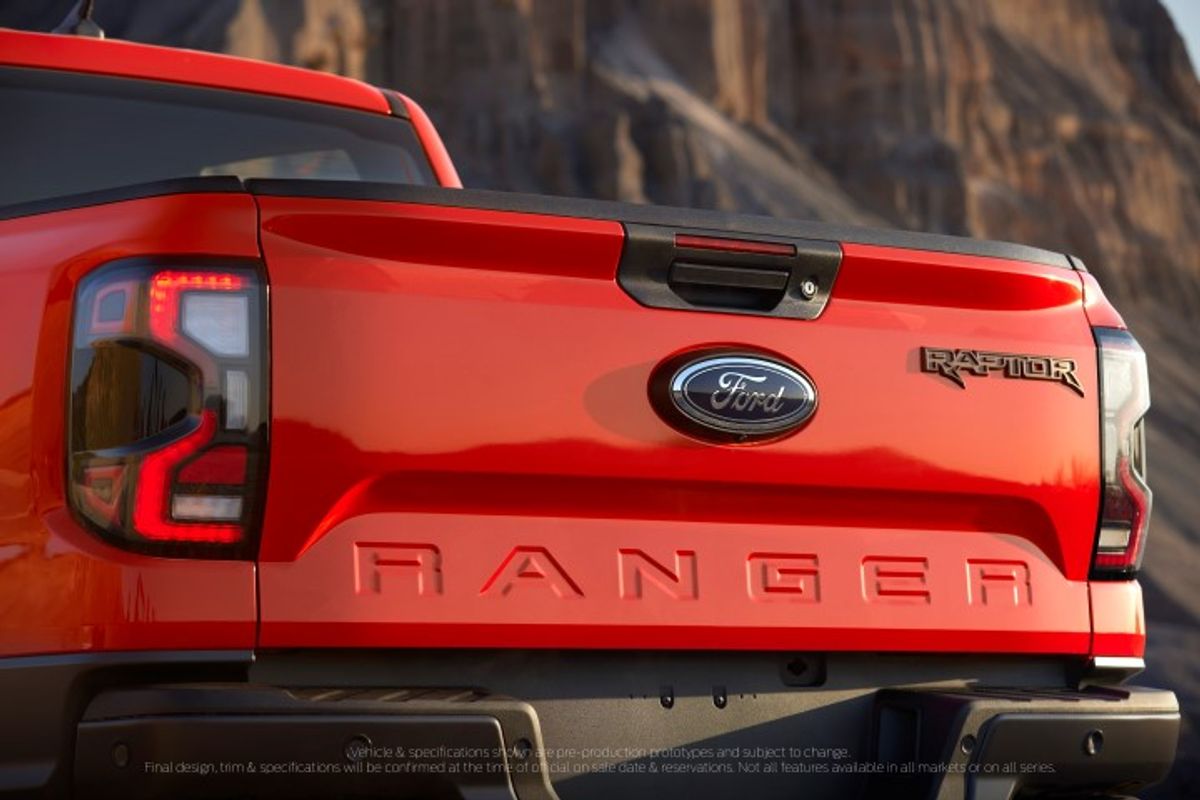
New Ford Ranger Raptor 2022 Revealed with 292kW V6 Power
As Ford South Africa gears up for local production of the all-new Ford Ranger in 2022, the Blue Oval has revealed the next-generation Ranger Raptor boasting no less than 292kW! Is this the most capable high-performance bakkie on the planet? See details below!
We’ve seen all the teasers but the time has finally arrived for the new-generation Ford Ranger Raptor to be unleashed!
From the outset, Ford’s aim was to create the most capable, high-performance mid-size bakkie on the market and with the expertise of Ford Performance, that goal has now come to fruition.
“We’ve really focused on delivering a genuine performance truck with the next-gen Ranger Raptor,” said Dave Burn, Ford Performance Chief Program Engineer for Ranger Raptor. “It’s significantly faster, looks incredible, is packed with new features and is the strongest Built Ford Tough Ranger we’ve ever made.”
New 2022 Ford Ranger Raptor Gets Mega V6 Power
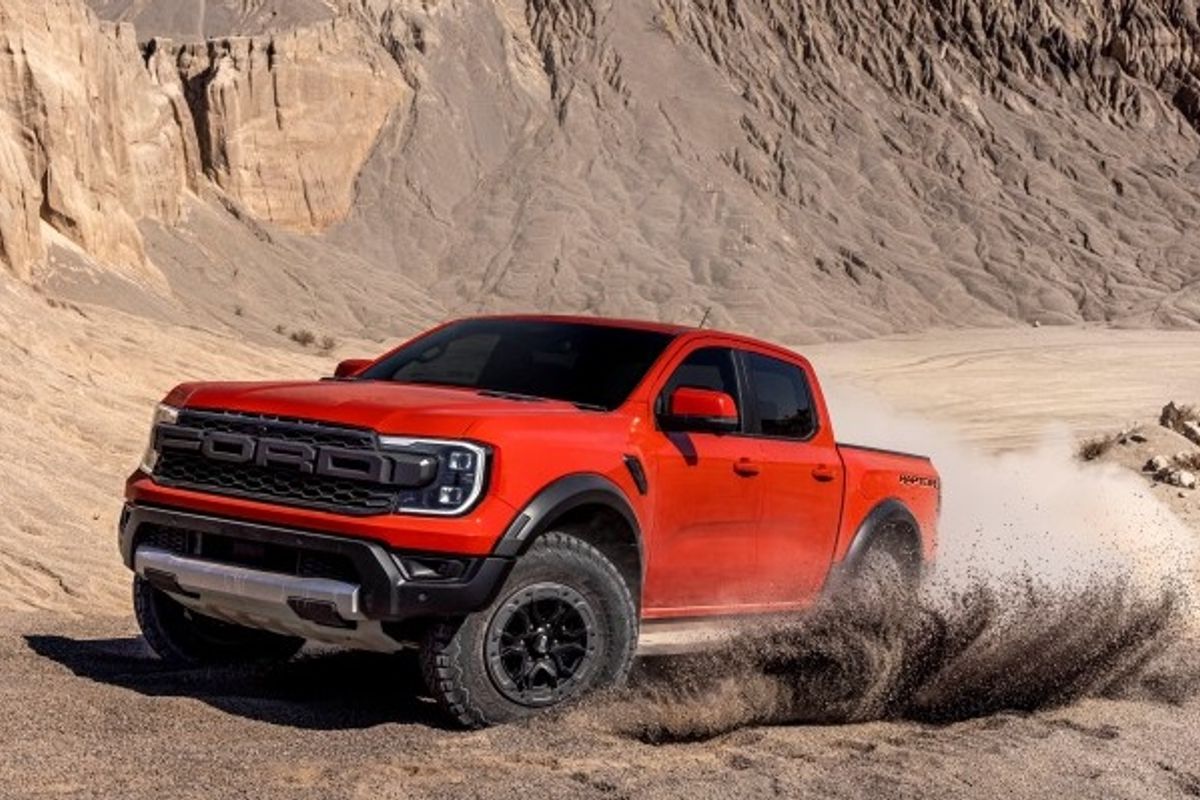
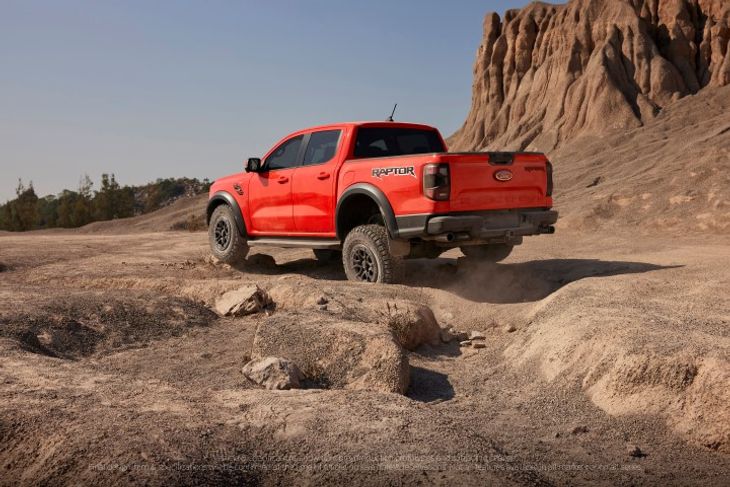
The new Ranger Raptor brings more power and capability to the dirt.
The big news for the new Ranger Raptor is that it will offer significantly more power and torque than its predecessor. How does 292 kW and 583 Nm grab you? Yes, that’s 135 kW and 83 Nm more than the first-generation Ranger Raptor!
This grunt comes courtesy of Ford’s twin-turbocharged 3.0-litre V6 EcoBoost petrol engine, the same engine found under the bonnet of the Bronco Raptor and it’s been specifically tuned by Ford Performance. This powerplant is said to deliver an immediate response to throttle inputs and with a race-bred anti-lag system it provides “rapid delivery of boost on demand”.
This powerful V6 engine is paired with a specifically-calibrated 10-speed automatic transmission and the Ranger Raptor will also feature an electronically-controlled active exhaust system that can be adjusted at the press of a button or activated when selecting a particular drive mode.
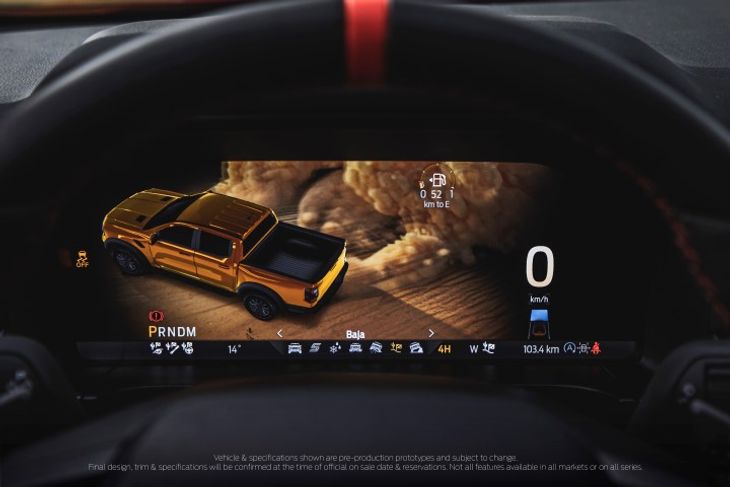
The exhaust note can be set to quiet (to keep the neighbours happy), Normal, Sport or Baja, the latter of which will produce the most potent exhaust note.
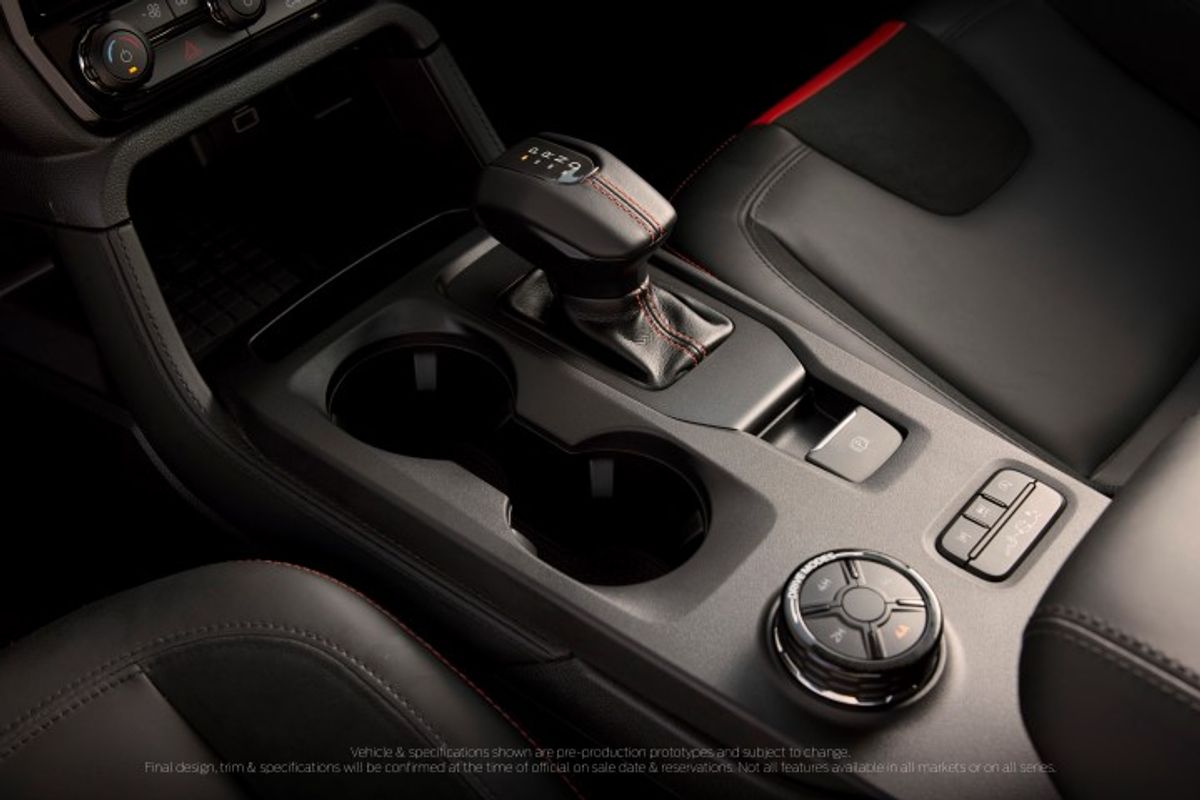
A total of 7 driving modes will also be offered on the new Ford Ranger Raptor including Normal, Rock, Slippery, Mud&Ruts, Sand, Sport and Baja.
Off-roading in the new Ranger Raptor is made easy with 7 drive modes.
While the V6-powered Ranger Raptor will top the range, a ‘baby Raptor’ will be offered in certain markets too and it will be powered by the familiar 2.0-litre biturbodiesel engine that currently offers 157 kW and 500 Nm. It’s not yet clear if this engine will be uprated to deliver more power and torque when it comes to market.
“We knew that customers would expect improved performance with the next-gen Ranger Raptor, but I’m not sure they’re really expecting the enormous leap we’ve made. It’s a seriously fun car to drive and I think the raw performance is going to blow them away,” said Burn.
Ford Ranger Raptor was developed to go anywhere
An all-new suspension with next-generation FOX shocks and adaptive damping has taken the Ranger Raptor to a new level of capability.
The 2022 Ford Ranger Raptor is designed for high-performance offroad driving and as such, it features a modified chassis that’s been reinforced to withstand gruelling offroad terrain.
The Ranger Raptor’s suspension has been redesigned and now features an all-new, lightweight aluminium upper and lower control arms as well as long-travel front and rear suspension as well as a refined rear Watt’s link for improved control during high-speed offroad driving.
Importantly, the new Raptor is fitted with next-generation FOX 2.5-inch Live Valve Internal Bypass shock absorbers with position-sensitive damping capability. These FOX shocks are the most sophisticated yet to appear on a Ranger Raptor and they are filled with Teflon-infused oil that reduces friction by as much as 50% compared to the current Ranger Raptor.
In the event of a severe bottom out, Fox’s race-proven Bottom-Out Control will provide maximum damping force in the last 25% of shock travel or alternatively, the rear dampers can be stiffened to enhance stability under acceleration.
The new suspension system, with active damping that adjusts automatically according to the terrain, has not only enhanced the Raptor’s offroad ability but Ford claims that on-road ride comfort has improved too.
Underbody protection includes a large bash plate made from 2.3mm thick high-strength steel as well as an engine under shield and a transfer case shield that ensures that all the import bits are protected.
Importantly, the Ranger Raptor now features a permanent four-wheel-drive for the first time as well as an all-new electronically controlled on-demand 2-speed transfer case in combination with the front and rear locking differentials, making the new Ranger Raptor a formidable offroad weapon!
“While Ranger Raptor was inspired by desert racers, it’s also a supremely capable overlanding vehicle. Out of the box we’ve created an off-road vehicle that you don’t need to modify to get you where you need to go and back again safely,” said Burn.
Powerful design inside and out
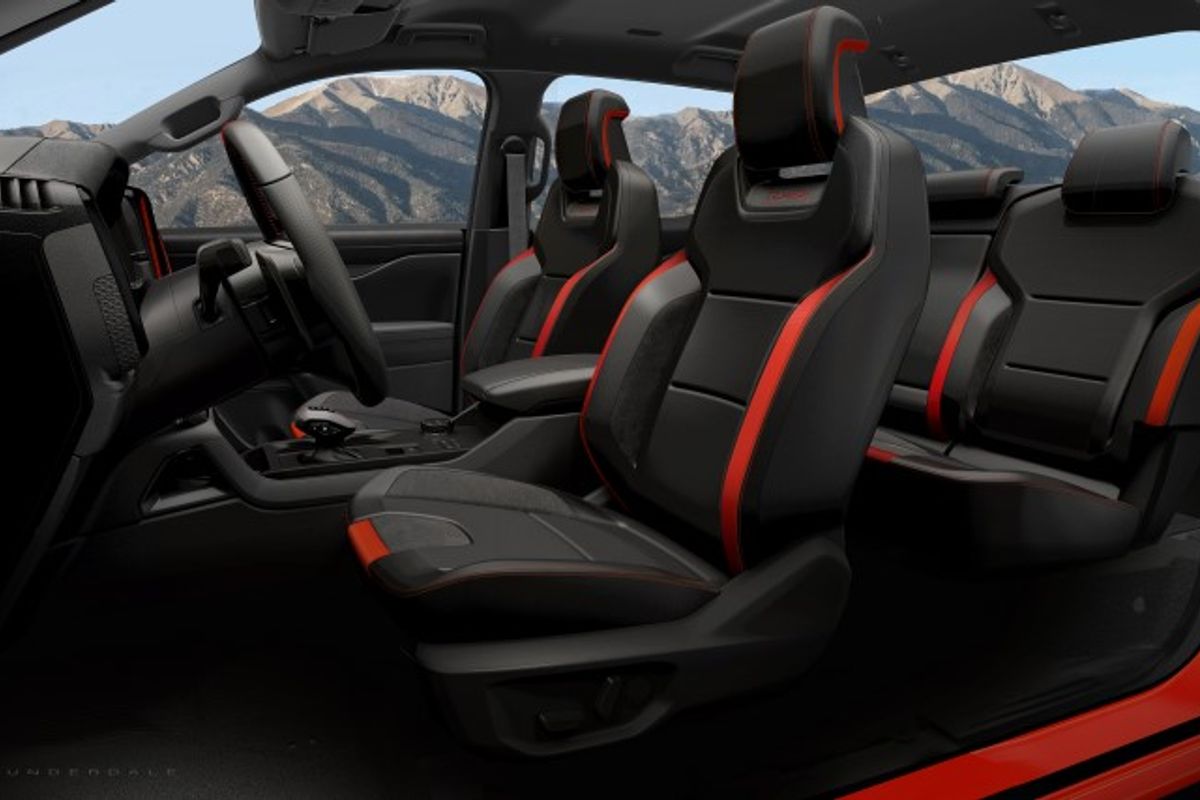
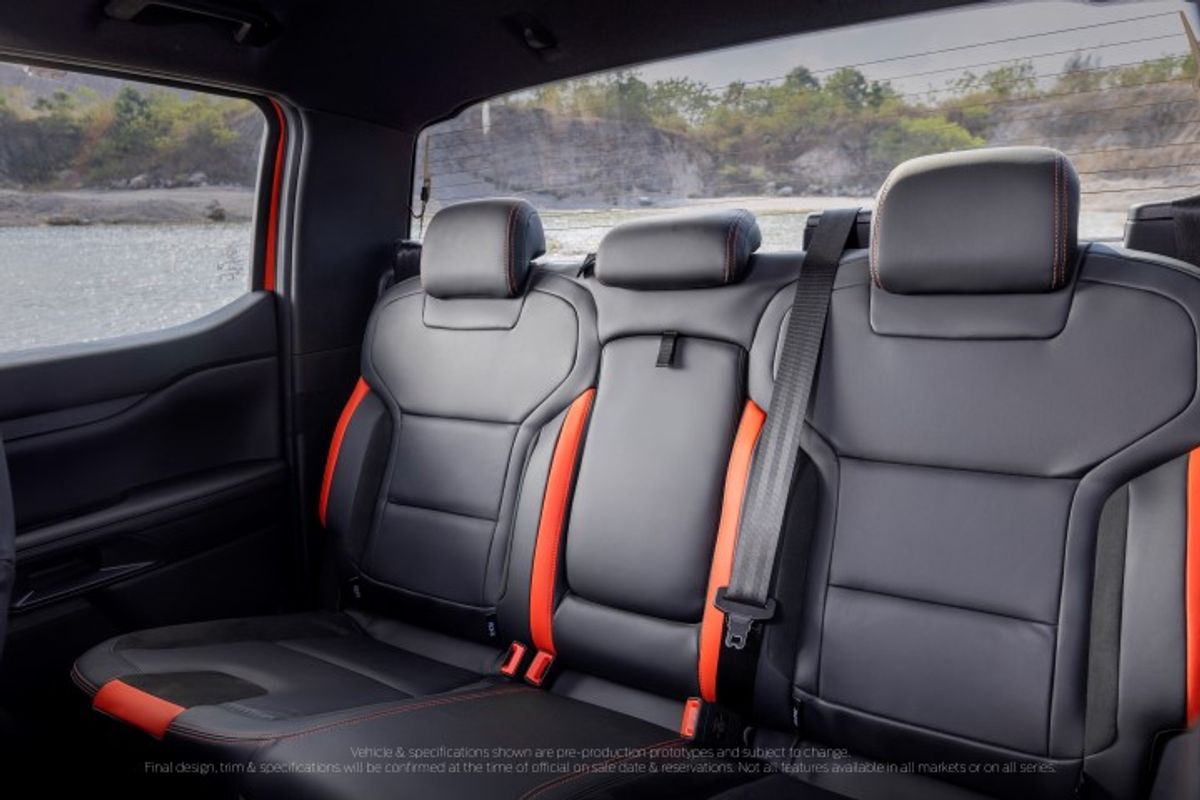
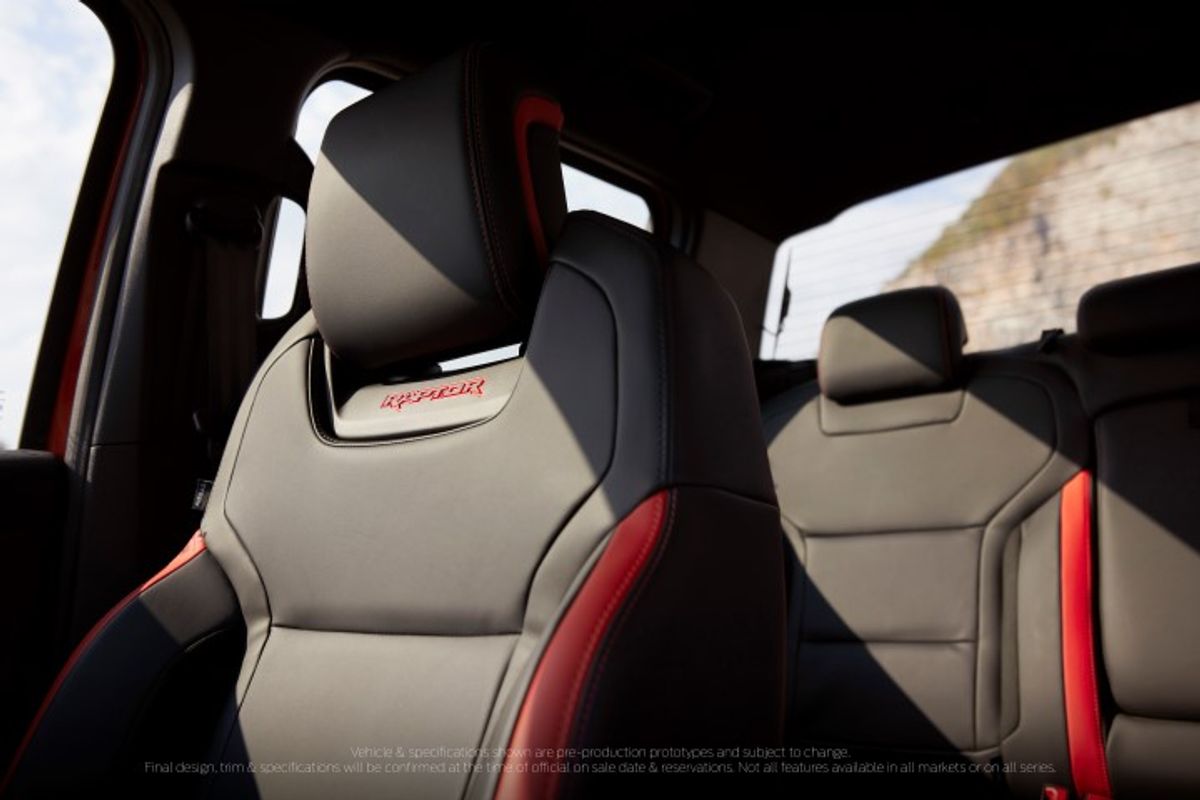
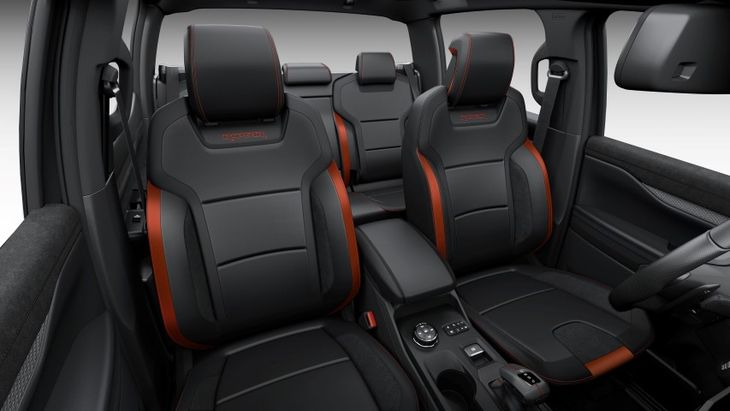
Fighter jet sports seats are fitted inside the Ranger Raptor.
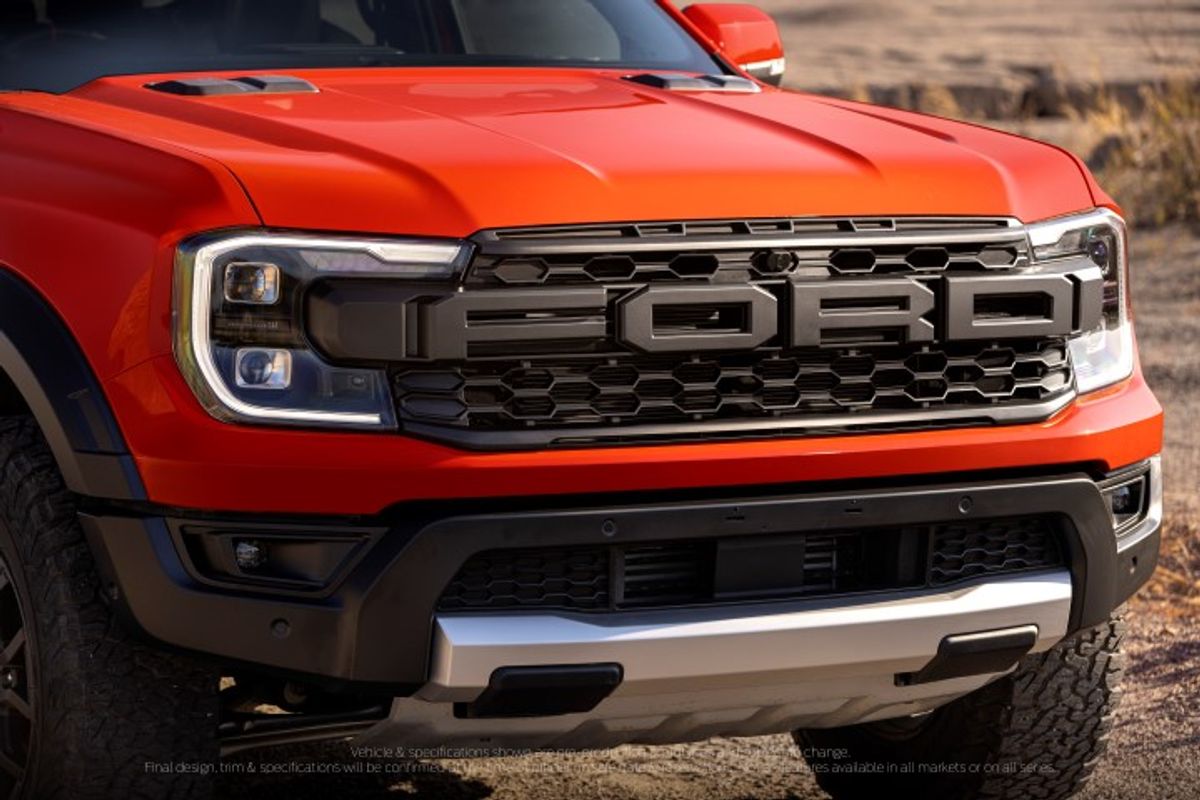
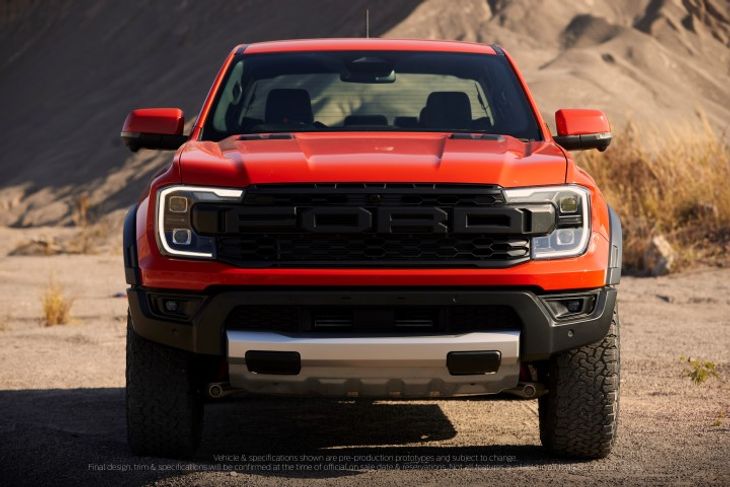
Everything about the new Ranger Raptor is imposing as it gains a large, blocky grille with the FORD lettering emphasising its size along with a separate bumper section. The grille is nicely-framed with Matrix LED headlights with LED daytime running lights while the flared wheel arches give the Ranger Raptor some added width. The Ranger Raptor is equipped with BFGoodrich all-terrain KO2 tyres on 17-inch rims and the cast-aluminium sidesteps further add to the beefy appeal.
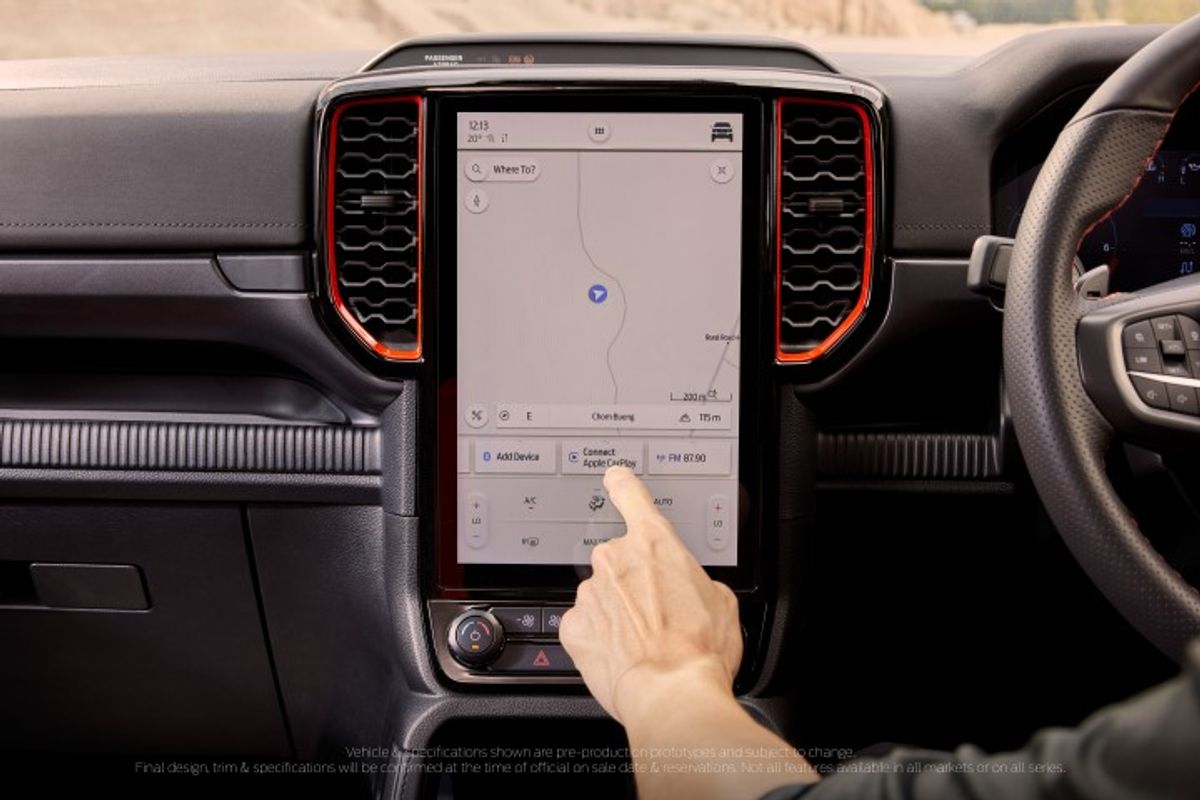
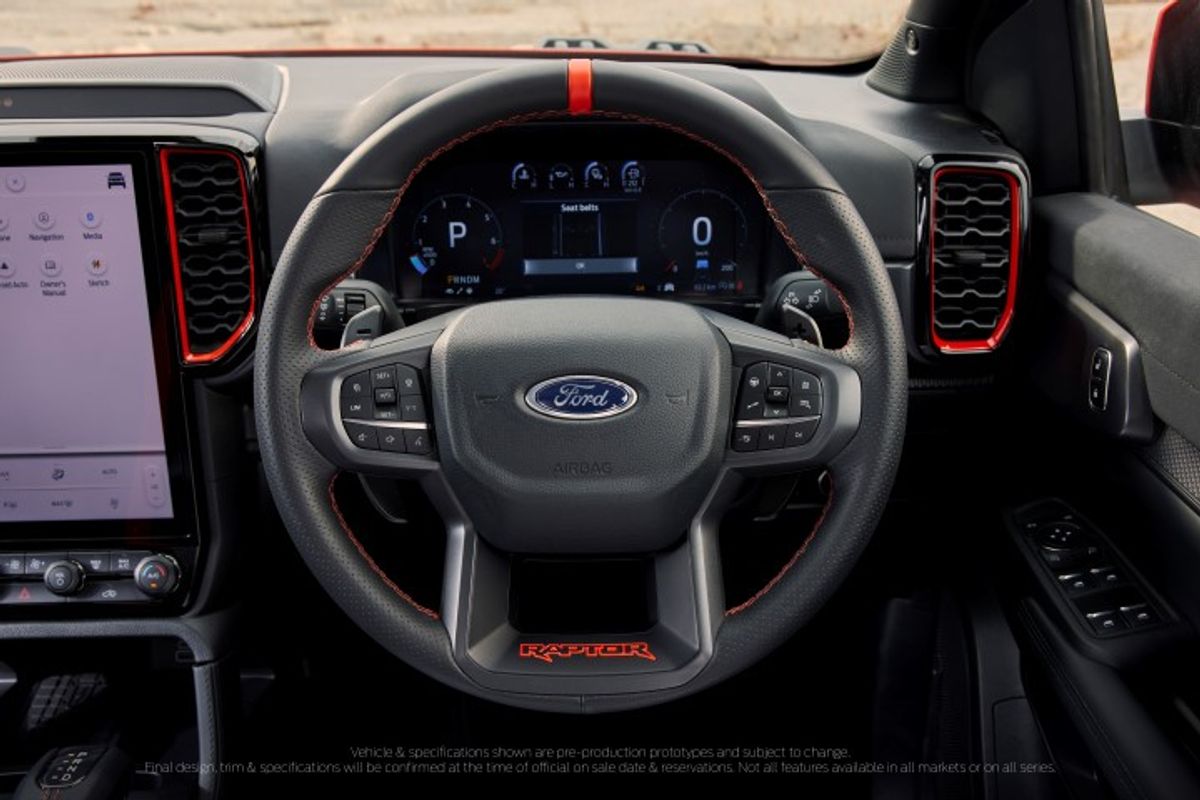
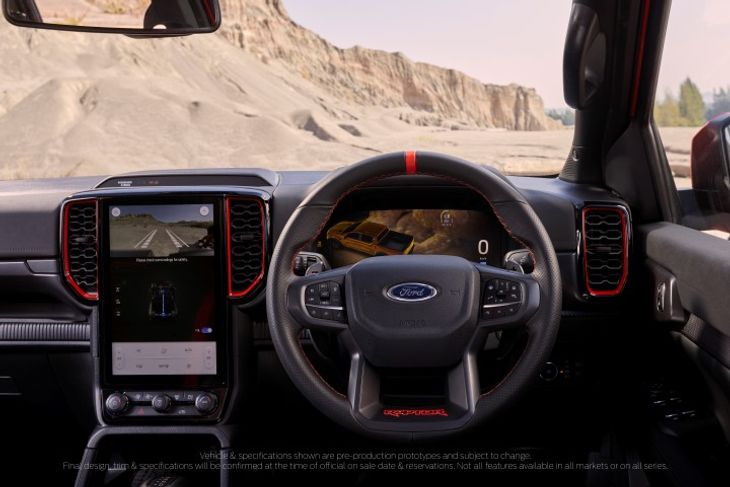
The interior look is complemented with F22 fighter jet-style sports seats, vertical air vents and a leather-wrapped multi-function steering wheel with cast magnesium paddle shifters. A 12.4-inch digital instrument cluster as well as a vertically-orientated 12-inch infotainment system supported by SYNC4 A infotainment system is also fitted inside the new Raptor as well as a Bang & Olufsen sound system.
Two large digital screens are fitted and Ford’s latest SYNC4 A takes care of infotainment.
When will the new Ford Ranger Raptor be available in South Africa?
Production of the all-new Ford Ranger is due to start in South Africa towards the end of 2022 and logic dictates that the new Ranger Raptor will be introduced locally thereafter which means that a first-quarter 2023 introduction in South Africa is more likely.
Ford South Africa, however, has not been able to confirm exact timings at this stage and we will keep you updated as soon official timings are communicated with us. Stay tuned!
Subaru has given its current (5th-generation) Forester a mild mid-life update. Does the revision keep the brand’s top-selling model relevant in a fiercely competitive segment? How well does this flagship derivative compare with other petrol-powered all-wheel-drive competitors in the Family Car market? Read on to find out…
We like: Build quality, gravel/off-road ability, practical interior, safety
We don’t like: Average performance/fuel efficiency balance, lack of some mod-cons – including a wireless charging pad
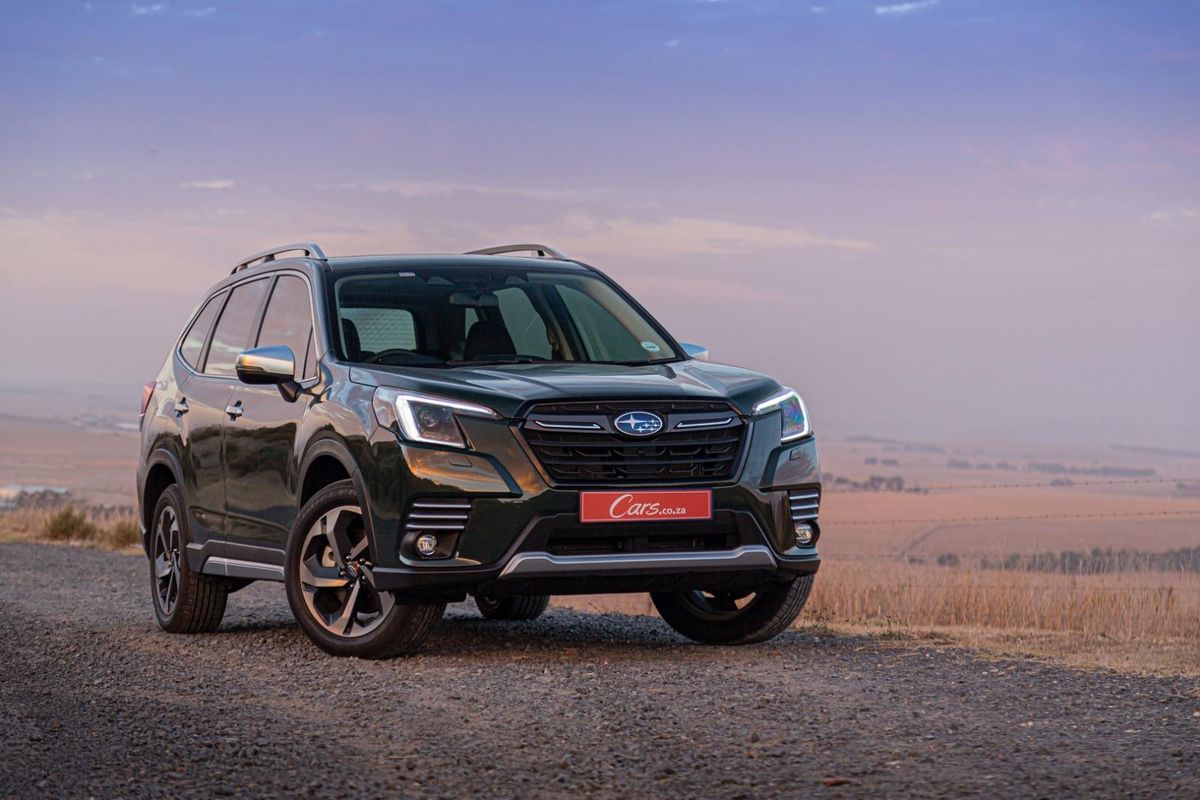
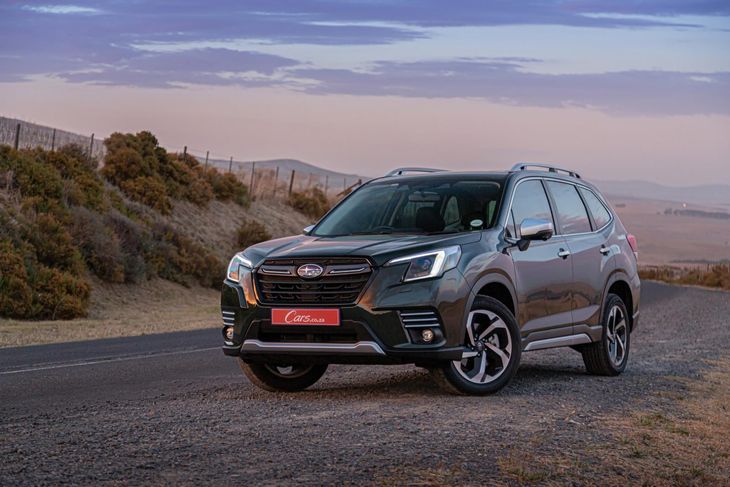
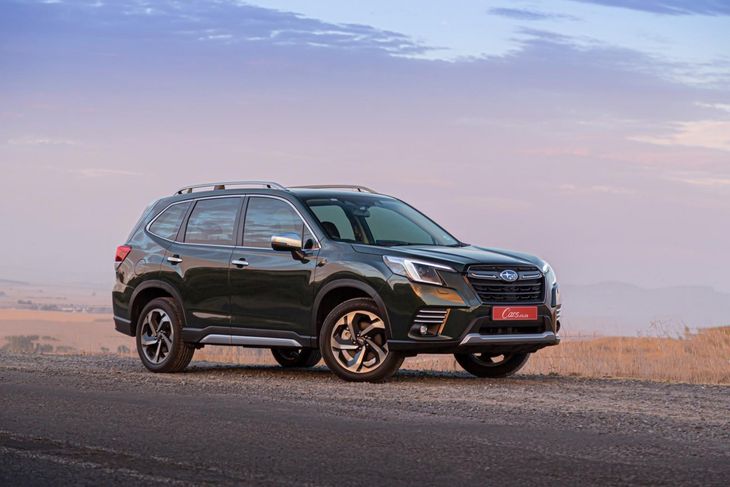
From the front, the facelifted Forester can be distinguished by new-look LED headlamps and a bigger grille with piano black detailing.
What’s different about the 2022 Subaru Forester?
The Forester is Subaru South Africa’s best-selling product, but it needs to be at the top of its game if it wants to compete in a cut-throat segment that includes such heavyweights as the Toyota RAV4, Volkswagen Tiguan, Mazda CX-5, Kia Sportage and Hyundai Tucson, the latter two of which are about to be replaced by all-new models in the near future. This is also a segment of the market in which the goalposts move shifted quite quickly; Haval now offers the H6 – a tempting all-wheel-drive alternative to those mainstream models that is priced almost unbelievably keenly, while Volkswagen’s offering has moved further upmarket following its recent facelift. The Forester competes in the “middle ground” against the likes of the Mazda CX-5 2.5 AWD Individual and Toyota RAV4 2.5 VX AWD.
Subaru’s Forester is a relatively old-school offering insofar as it retains a degree of off-road ability (an increasingly unique trait in this segment) and has a naturally-aspirated, large-capacity petrol engine. Nonetheless, the Shibuya-based manufacturer will be acutely aware of the fact that “ruggedness” is a nice-to-have characteristic in this segment, particularly for buyers with active lifestyles, but the reality is that design and modern features are potential deal-clinchers. Consequently, it is in the areas of design and standard specification (particularly active safety features) that Subaru has upped its game.
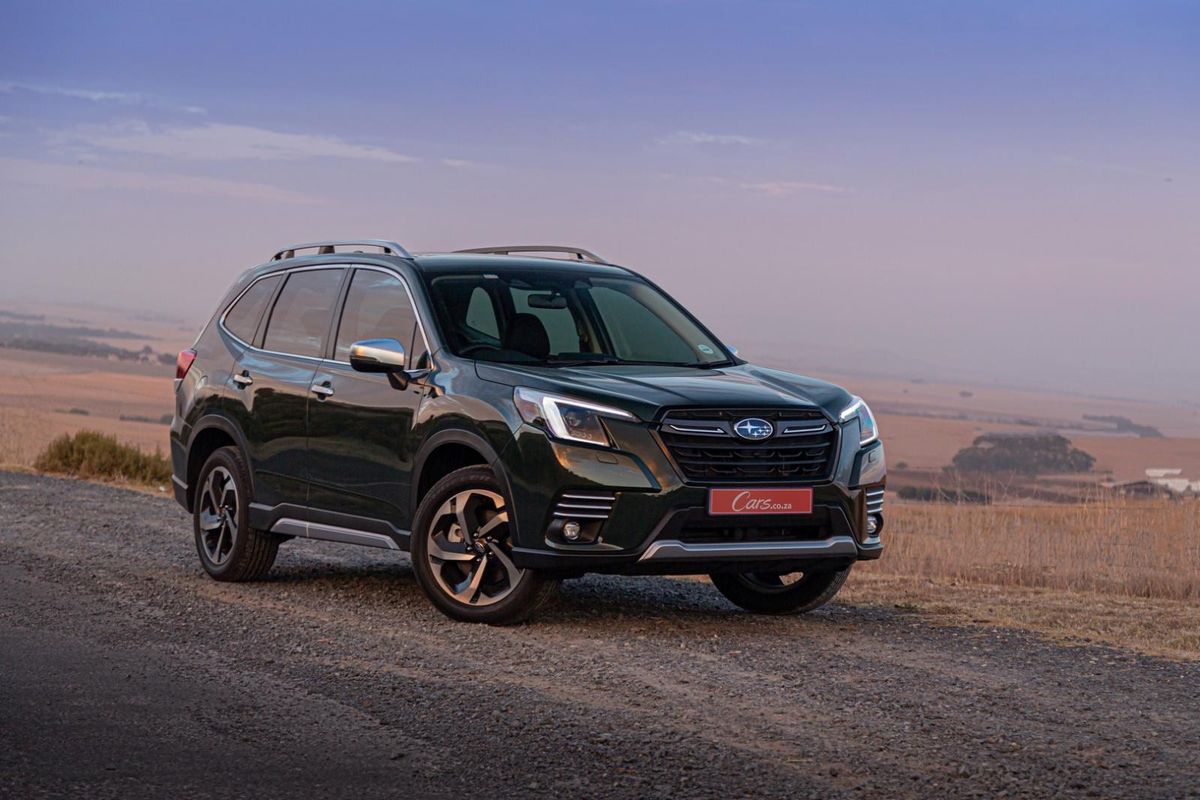
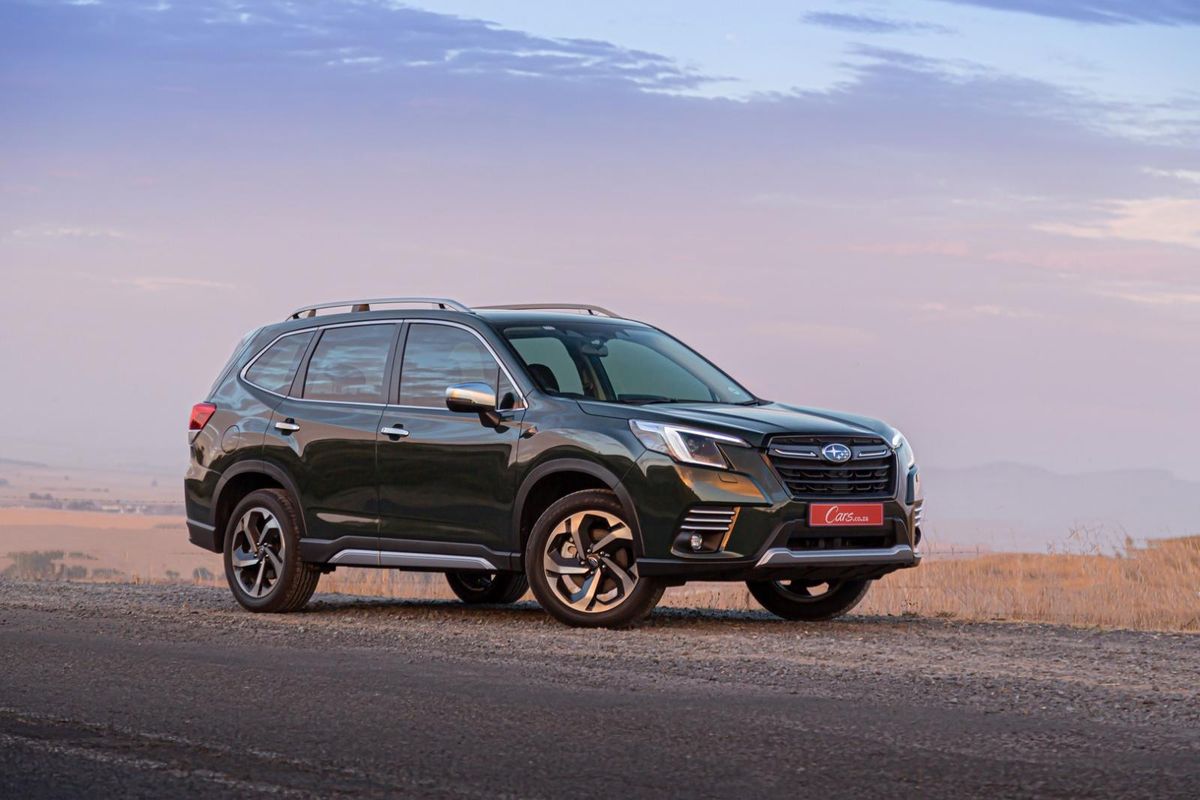
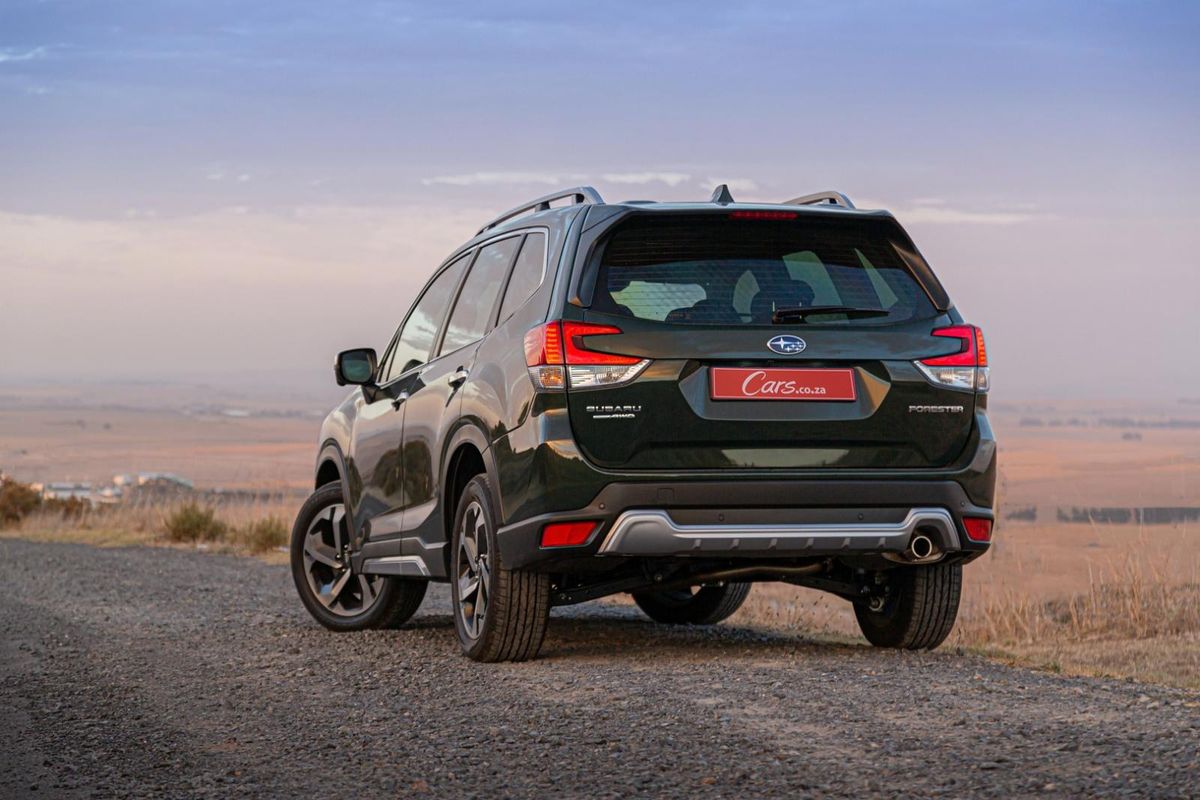
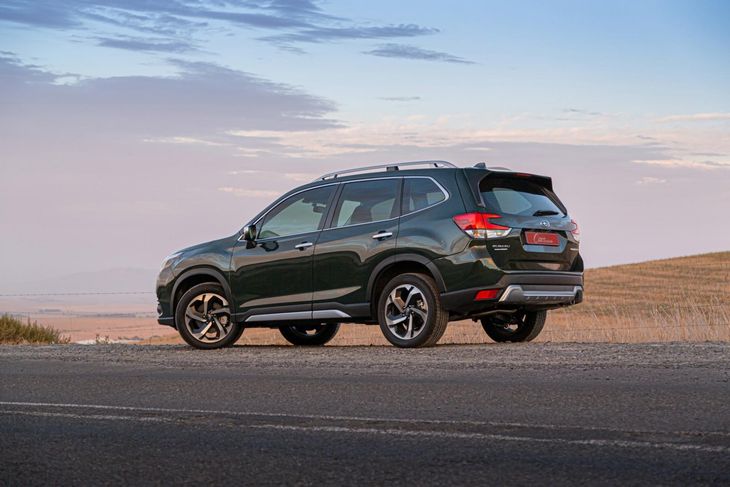
The Forester 2.5iS-ES rides on fetching two-tone 18-inch alloy wheels and debuts a new colour – Cascade Green Silica.
How the 2022 Subaru Forester fares in terms of…
Design and Packaging
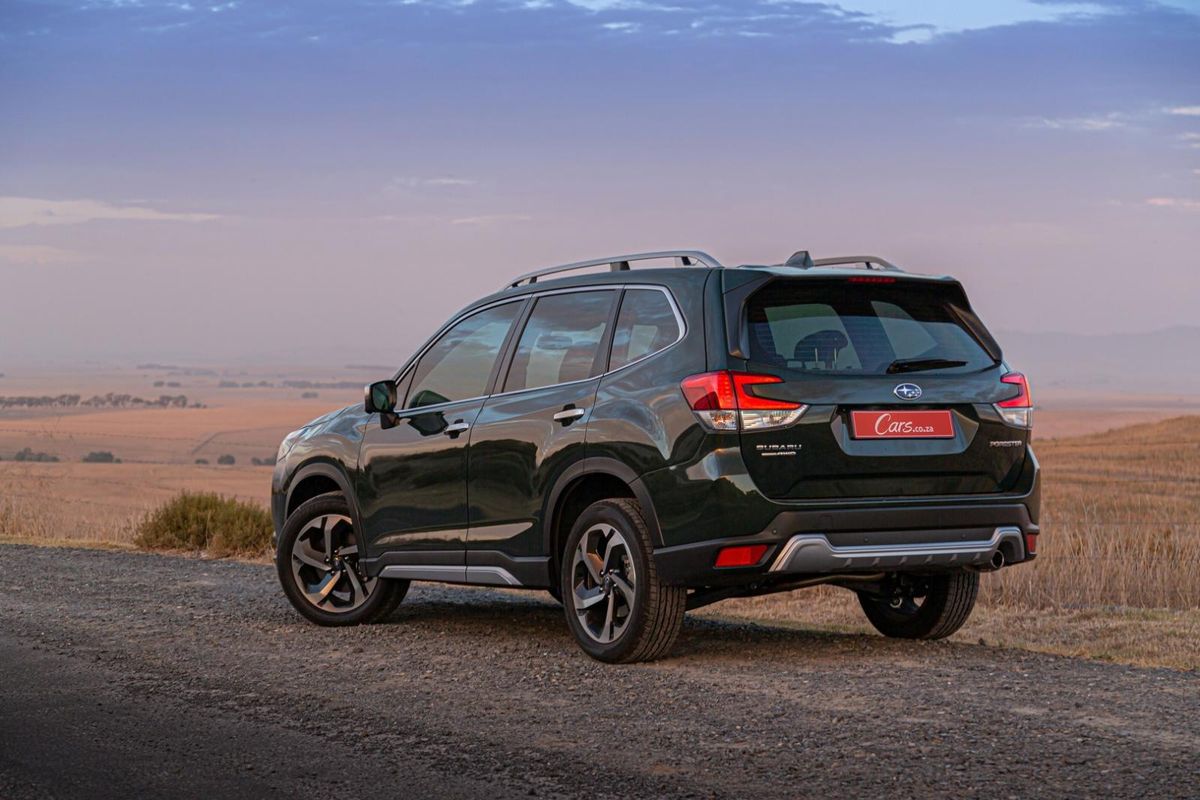
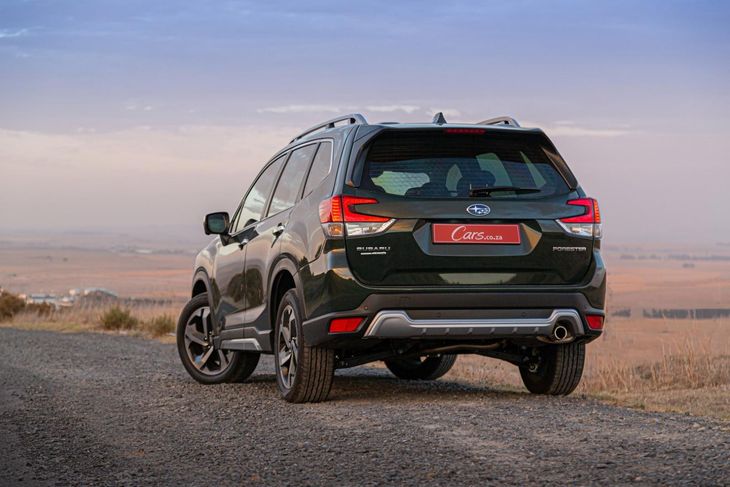
As mid-product-cycle updates go, the changes to the Forester’s exterior are relatively minor, although noticeable, particularly at the front where there are more aggressively “cut” LED headlamps and a bigger grille with piano black detailing. Apart from that, besides little bits of chrome or piano black here and there, the Forester’s retains a handsome, but certainly not “flashy” appearance. This flagship 2.5i-S ES derivative rides on fetching two-tone 18-inch wheels and also debuts a new colour – Cascade Green Silica – which was not universally liked by our test team members (or casual commentators).
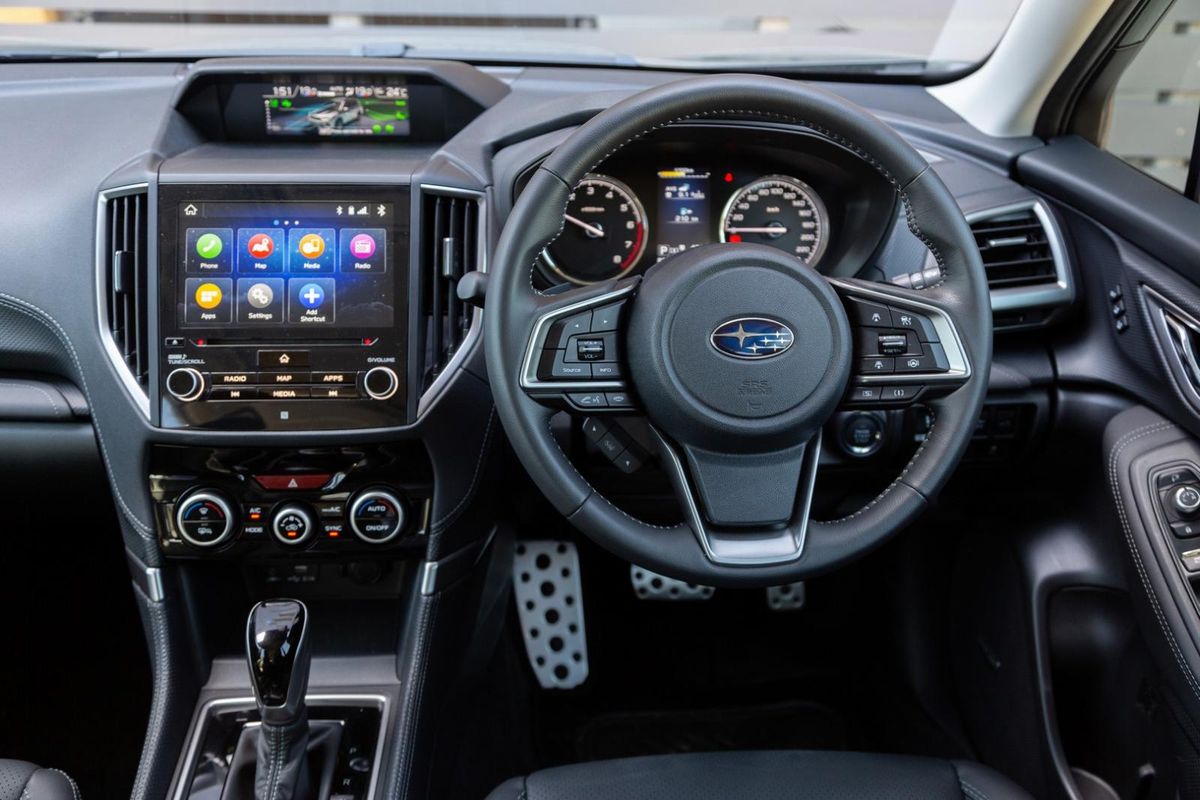
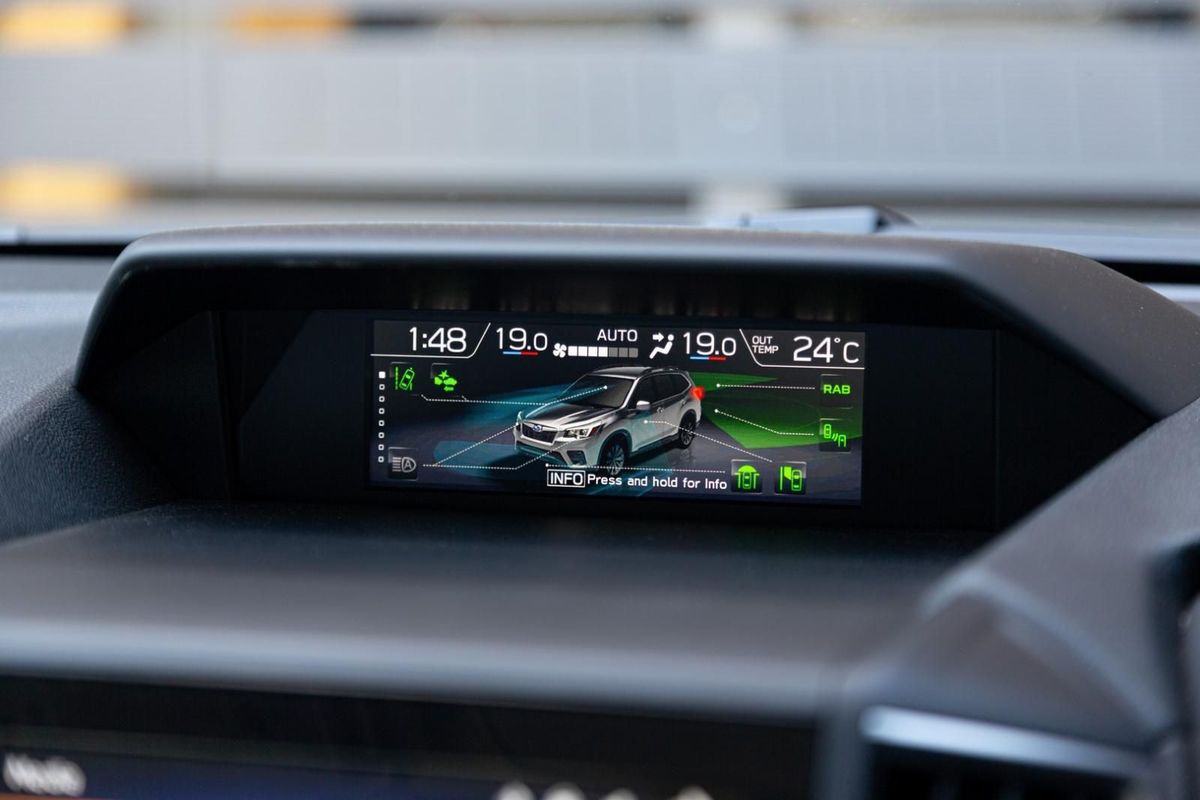
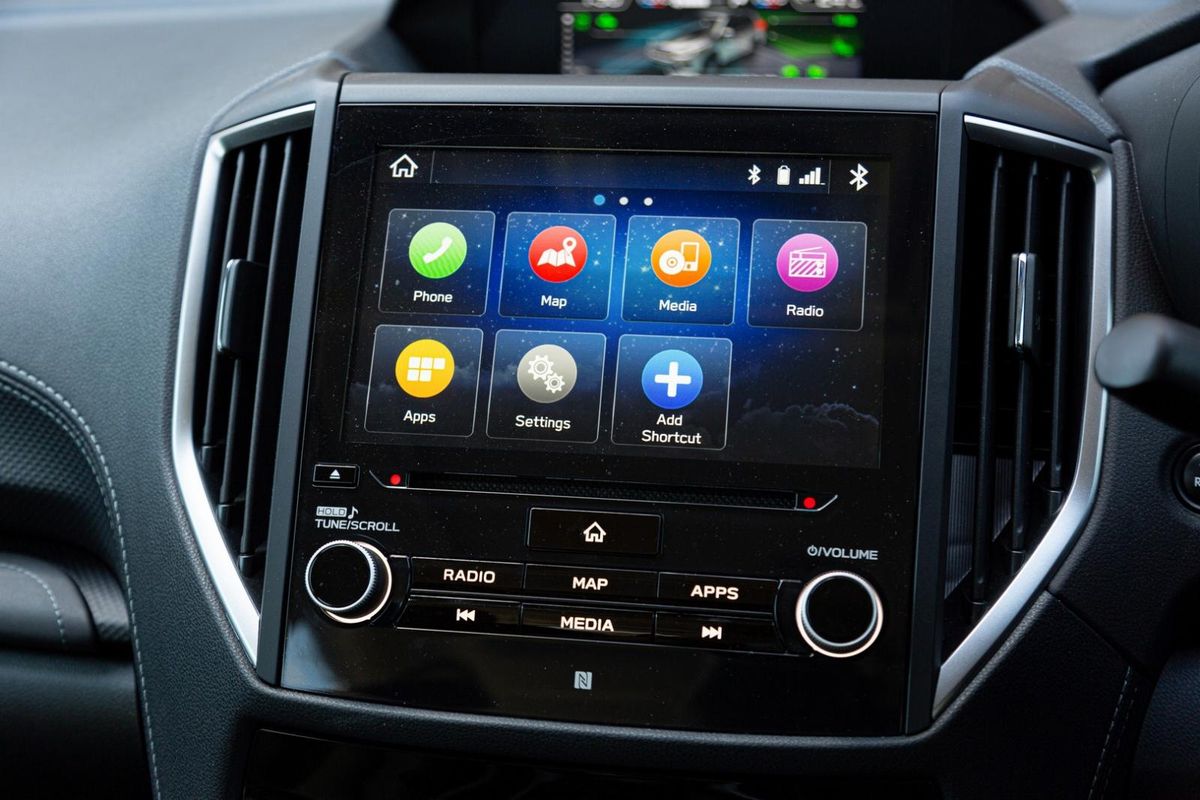
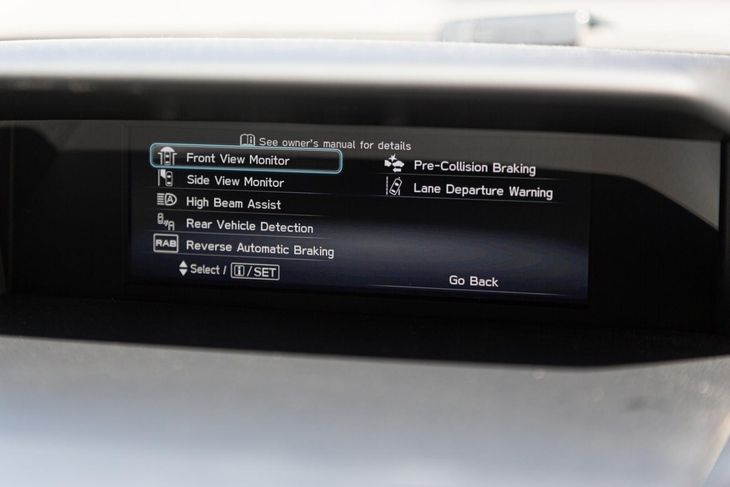
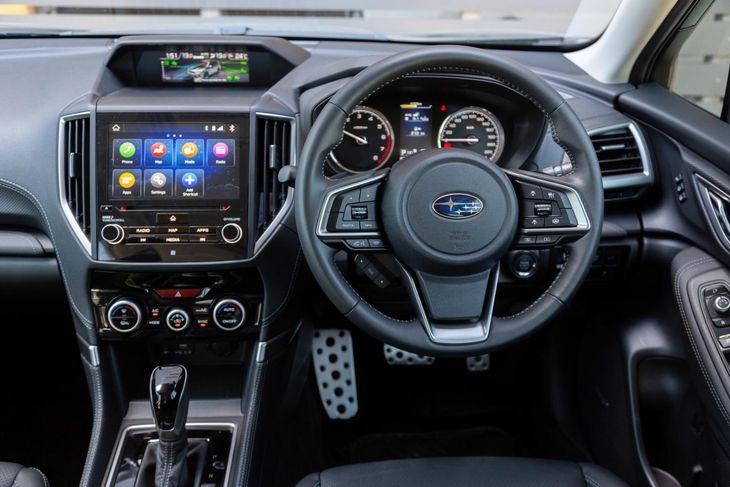
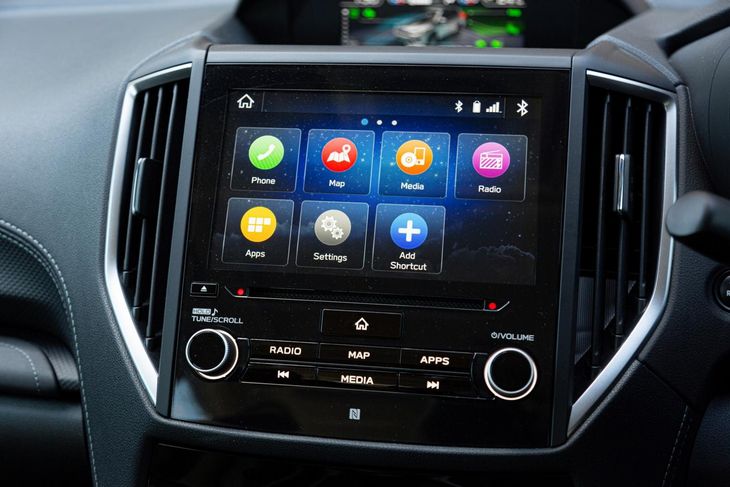
The Forester’s cabin has an upmarket ambience, courtesy of suitably premium materials and solid build quality. In some ways, the cabin is bang-up-to-date, with a crisp, high-resolution touchscreen with Apple CarPlay/Android Auto compatibility, plus another smaller screen mounted atop the fascia that can display pertinent information (such as off-road settings, range etc) or kerb-side camera views.
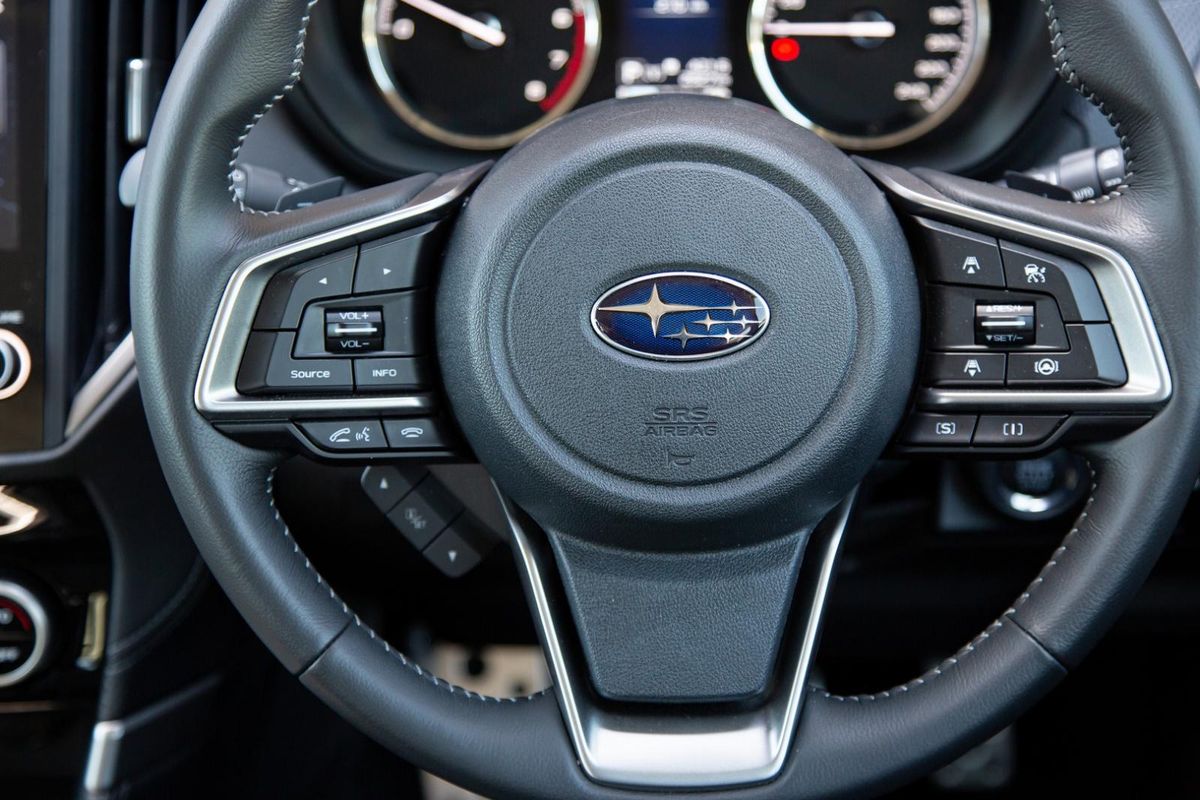
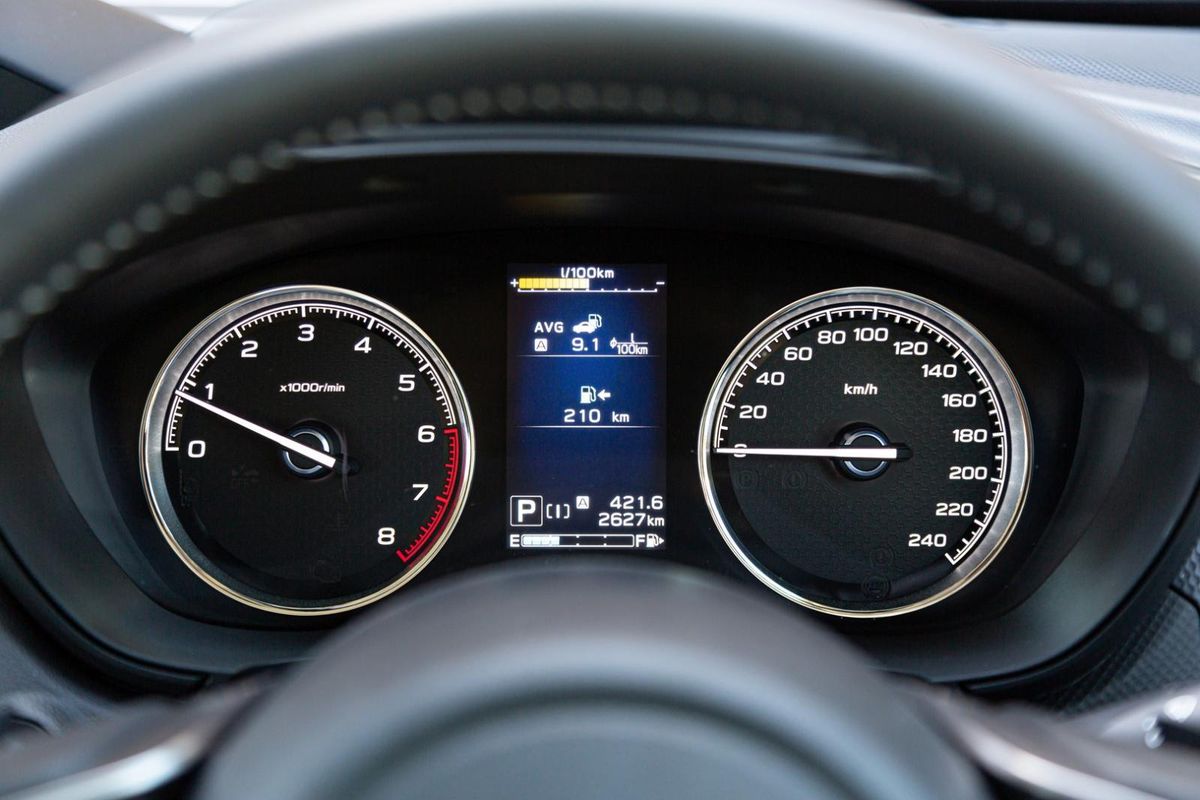
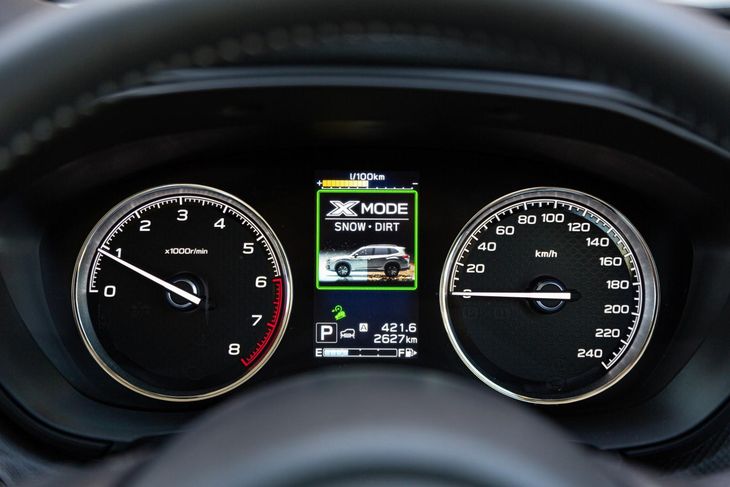
The specification isn’t fully comprehensive, however. The 2.5i-S ES does have a reverse-view camera, but full 360-degree HD systems are becoming increasingly common in this segment. The instrument cluster is not all-digital, it features 2 analogue dials on either side of a small digital screen that displays trip information. Another feature that is missing (considering what some of the Subaru’s newer rivals offer) is a wireless charging pad. Besides, the storage space provided in front of the transmission lever is a bit too narrow to fit most modern ‘phones. The extending sun visors are a nice touch, though.
The secondary screen in the 2.5i-S ES (located above the infotainment array) displays the derivative’s standout safety features.
It’s certainly a practical vehicle in general, though. The (electrically operated) tailgate raises to reveal a spacious load bay with a flat floor (with a rugged rubber mat – as fitted in our test vehicle). Subaru claims a luggage capacity of 520 litres and, if you fold the rear seats down (as easy as pulling levers mounted on the sides of the load bay) the total stated utility space is 1 060 litres. Somewhat disappointingly, the spare wheel (located underneath the floor) is a space-saver. Subaru also points out that the roof rails are sturdier than before and can carry heavier objects (such as rooftop tents).
Performance and Efficiency
The drivetrain of the 2022 model-year Subaru Forester remains unchanged. Power comes from a 2.5-litre flat-four petrol engine that delivers 136 kW at 5 800 rpm and 239 Nm of torque at a fairly high 4 400 rpm. Note that the boxer motor’s peak power and torque figures are slightly down on what the Forester’s aforementioned 2.5-litre 4-cylinder petrol-engined AWD rivals deliver.
Although it utilises the larger-capacity engine in the range, the 2.5i-S ES is not a sporty or performance-oriented derivative.
Subaru claims a 0-100-kph time of 9.5 seconds, which is quite leisurely compared with those of its rivals, but in keeping with the overall character of the Forester. This is not a “sporty” SUV, but rather a refined, relaxed family vehicle. The laid-back demeanour of the Forester’s continuously variable transmission certainly plays a role too. This automatic does offer the option of manual shifting (via steering-wheel-mounted paddles), but we doubt many drivers will use them. The transmission is in “I” mode, which prioritises efficiency, by default, but a driver can select “S” to elicit a little more responsiveness.
In terms of fuel consumption, Subaru claims a relatively high (but arguably more realistic) average figure of 8.3 L/100 km, but during the 2.5i-S ES’ tenure in our test fleet, we recorded an indicated average of 9.5 L/100 km. While this appears to be on the high side (and it is), we suspect those similarly-engined rivals will achieve about the same returns in real-world conditions.
For what it may lack in terms of design flair, the Forester’s helm exudes solidity and feels more than reasonably equipped.
Overall, then, the Forester 2.5i-S ES’ drivetrain doesn’t set new benchmarks, either in terms of its performance – or fuel economy, but the engine and transmission are well-calibrated, sufficiently refined and eminently smooth in operation. For the record, Subaru has fitted new aluminium engine-mount brackets to improve the model’s NVH (noise, vibration, harshness) levels.
Ride and Handling
The Forester has traditionally been one of the better-riding vehicles in its segment, and the 2022 model-year iteration continues in the same vein. Subaru has made further refinements to its family car’s suspension – tweaks at the front are claimed to improve steering responsiveness, while reworked coil springs and dampers are said to further boost the ride quality and overall handling characteristics.
The Forester is indeed a supple-riding machine on a variety of road surfaces (from poorly maintained to billiard-table-smooth roads), but when the Japanese offering traverses stretches of coarser asphalt, slightly more road noise enters the cabin than one would expect. In this case, we suspect that the large panoramic sunroof might be an exacerbating factor.
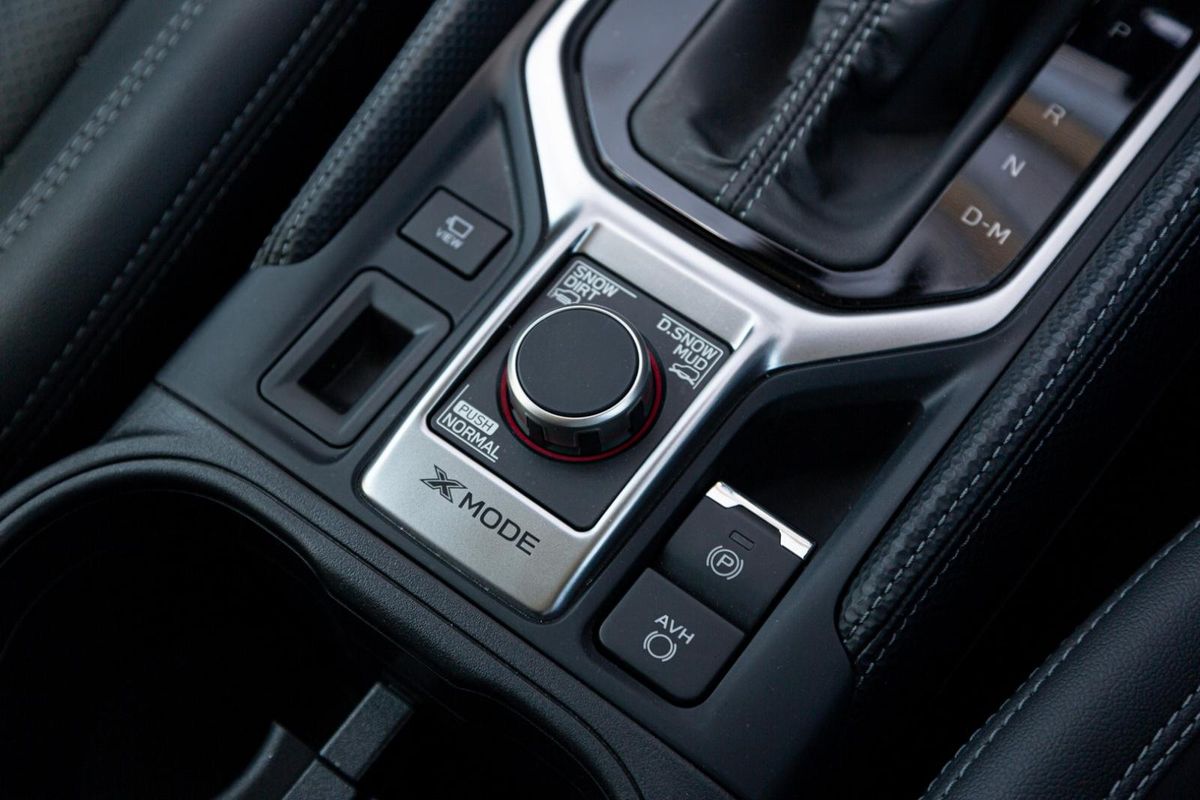
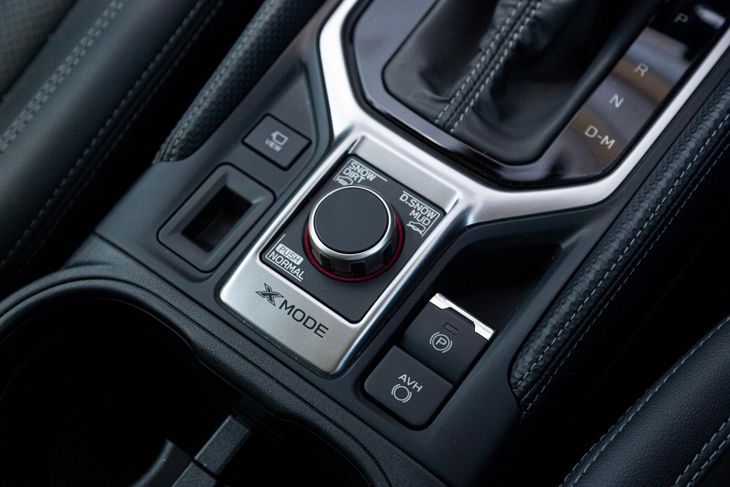
The X-Mode system allows drivers to select the appropriate off-road setting to suit the routes that the Forester’s undertakes.
Head onto gravel, however, and the Forester feels right at home. It has class-leading ride height (220 mm) and, of course, Subaru’s trademark symmetrical all-wheel drive. It feels very secure on loose surfaces – the brand’s rally genes still shine through!
The Forester also features X-Mode, Subaru’s all-terrain programme, which has been further updated with claimed improved speed management for the hill-descent control system. Essentially, X-Mode optimises the all-wheel-drive system for better traction in slippery conditions. The driver can toggle between pre-programmed settings (for snow, mud and loose dirt) via a knob on the transmission tunnel.
For what it’s worth, the Subaru Forester remains the most off-road capable offering in the Family Car segment.
Overall, we’d say that there is no vehicle in this segment that can match the Forester’s combination of on-road comfort, allied with notable off-road ability (within reason, of course). For most buyers, the latter would be a bonus, not a must-have, but then again, if you know you are going to tackle some rougher roads during your ownership period, then the Forester should certainly be high on the test-drive list.
Comfort and Features
As befitting the 2.5i-S ES’s flagship status, this Forester is generously equipped with luxury, infotainment – and especially safety – features. The front seats are electrically adjustable (driver side with memory) and there’s a big panoramic sunroof! Seating comfort is excellent, with more than enough leg- and headroom fore and aft. Dual-zone climate control is also fitted as standard.
The Forester’s infotainment system still incorporates a CD player, which is quaint, but it’s well up-to-date otherwise.
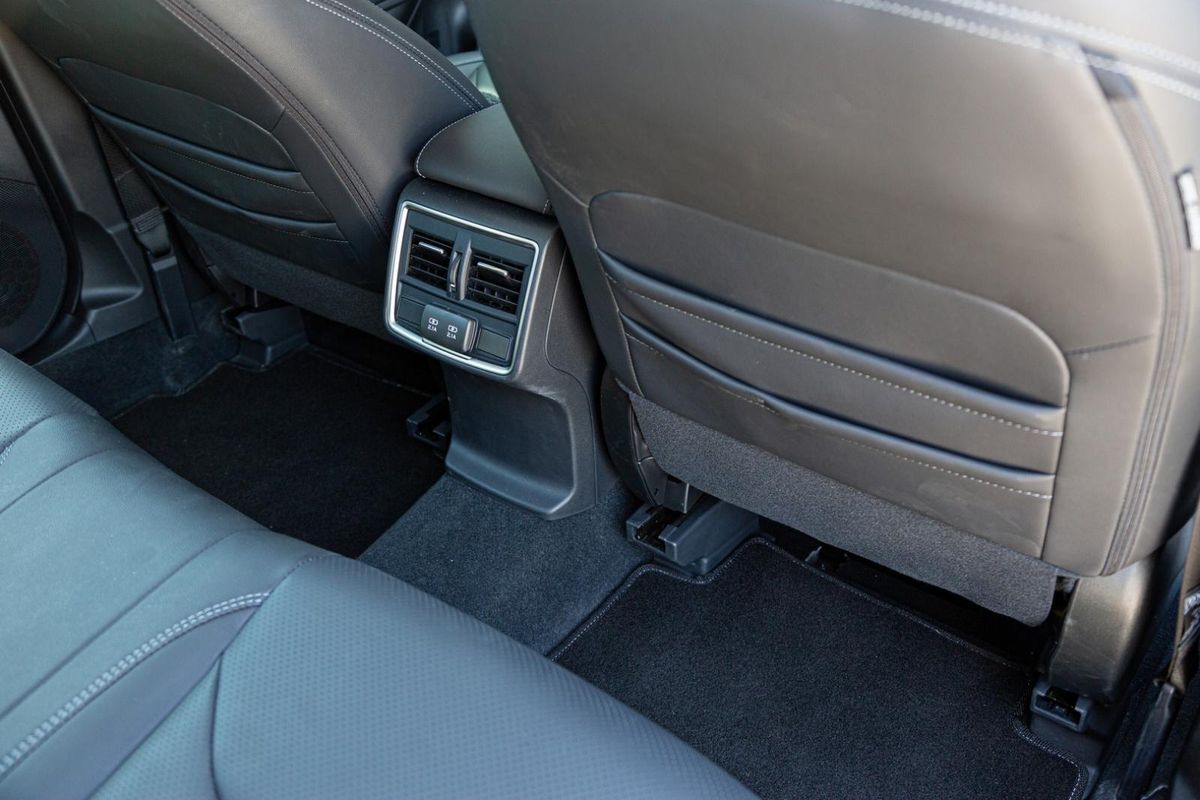
We’ve already described the infotainment system higher up in this article, but it’s worth adding that it also features Voice Control, and that there are 4 USB ports (2 each, front and rear). A throwback to a previous time (and perhaps reflective of Subaru’s more mature target audience) is the inclusion of a CD player in the infotainment package. Rear occupants also get their own ventilation outlets.
Where the updated Forester is really at the cutting edge, however, is in terms of safety features. In addition to 7 airbags, ABS with EBD and child-seat anchors, the 2.5i-S ES features Subaru’s updated EyeSight 4 suite of safety systems. Incorporating a new dual-camera system with a wider field of view (almost double compared with the previous model) and improved software, EyeSight is now able to respond faster and more “intuitively”, claims the Shibuya-based brand. Some of the (refined) functions include adaptive cruise control, automatic pre-collision braking, lane departure and sway warning.
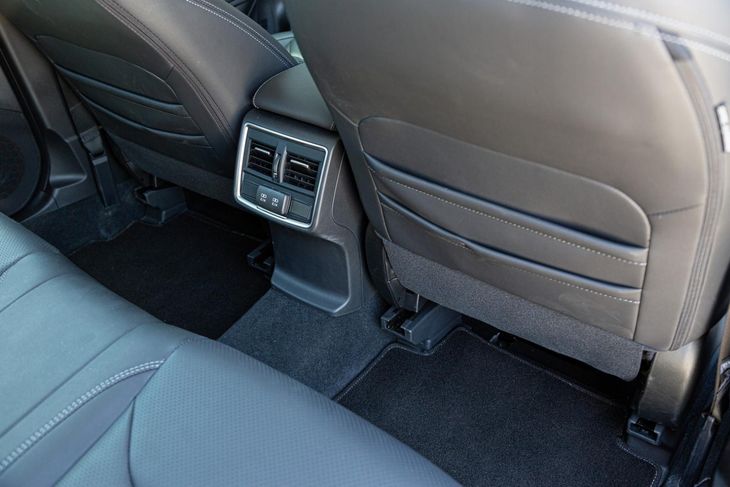
The Subaru Forester has been on the market for 4 years, but its rear legroom is still competitive.
EyeSight 4 also features no fewer than 3 new technologies that use active steering inputs. The Active Lane Centering function works with the adaptive cruise control to ensure that the vehicle stays in the centre of its lane. Lane Departure Prevention actively steers the vehicle back to within the correct lane if it detects that you are “straying” off course, and then there is Autonomous Emergency Steering, which will attempt to prevent an accident by steering the vehicle in such a way to avoid a collision (with a pedestrian, car or cyclist).
But that’s not all. Rear Cross-Traffic Alert is an often-underrated safety feature – it works very well in this Forester, as does the Reverse Automatic Braking function. As ever, it takes a while to get used to all the systems and, at least initially, some of the features (particularly the lane-departure prevention) can come across as a little too over-eager to make their presence felt.
Price and After-Sales Support
The Subaru Forester 2.5i-S ES is priced at R649 000 (February 2022) and comes backed with a 5-year/150 000 km warranty and 3-year/75 000 km maintenance plan. Service intervals are scheduled for every 12 months/15 000 km.
The updated Forester offers a blend of talents that may be surplus to some buyers’ needs, but its target audience will love it.
Verdict
Priced at R649 000, the flagship Subaru Forester offers a comparable standard specification to the 2.5-litre 4-cylinder petrol-powered AWD offerings from Mazda and Toyota, but undercuts them on price… and not only by a few thousand Rand. That fact, allied with the Forester’s all-round ability, should see the 2.5i-S ES feature on more buyers’ shortlists. Simply put, this is a quality product that deserves to sell in bigger numbers than it has. And, if your lifestyle includes regular adventures off the beaten track, it jumps to the front of the queue. In summary, then, the updated Forester still won’t win you over with a flashy appearance and the drivetrain may be a little a ho-hum, but if genuine all-road usability, ruggedness, practicality and quality are non-negotiables, then you simply have to consider it strongly.
2023 Volkswagen Amarok: More Details
Some more teasers and details of the new Volkswagen Amarok have been announced. Here’s what you can expect from the new bakkie.
The 2023 Volkswagen Amarok will be revealed in 2022 and the best news is it will be built right here in South Africa as well as Argentina. Previously, it was also assembled in Hanover, Germany.
If you were not aware, the all-new Volkswagen Amarok will be sharing a platform with the brand-new Ford Ranger that has just been revealed. We’re impressed by what the new Ranger offers based on what we’ve seen so far, so expectations are quite high for the Volkswagen version.
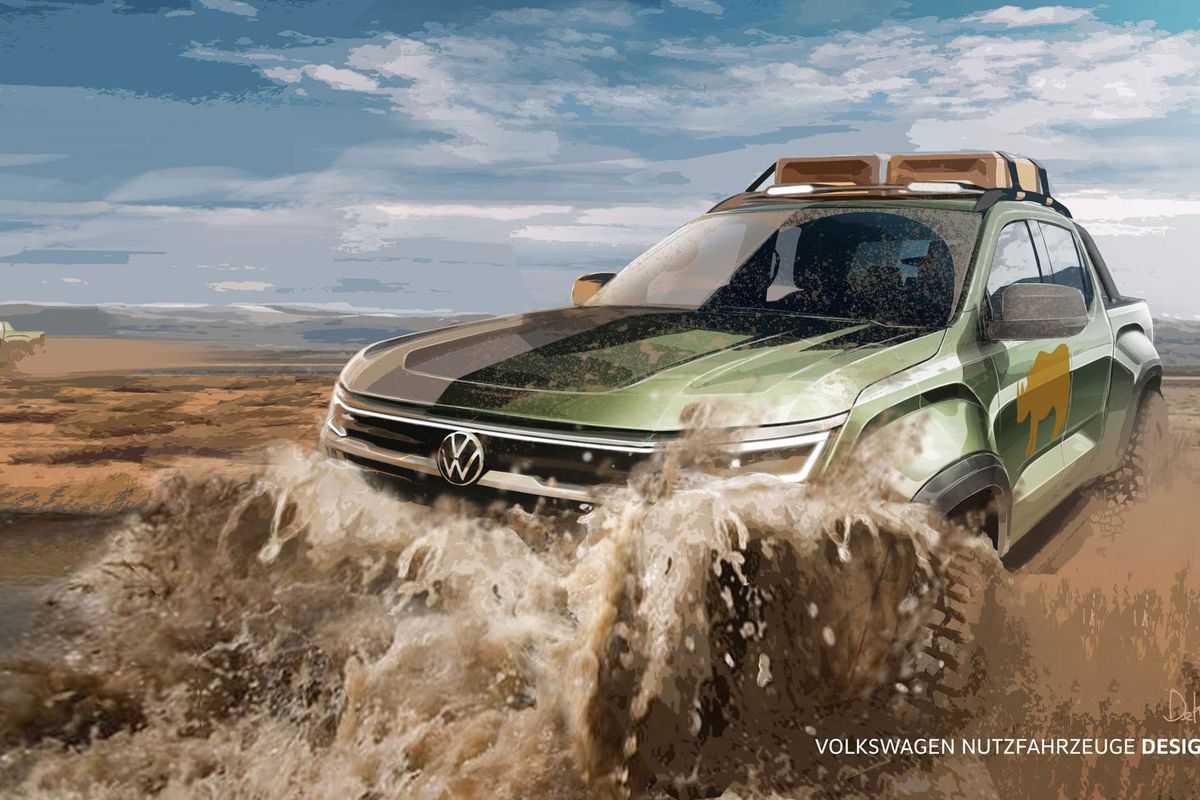
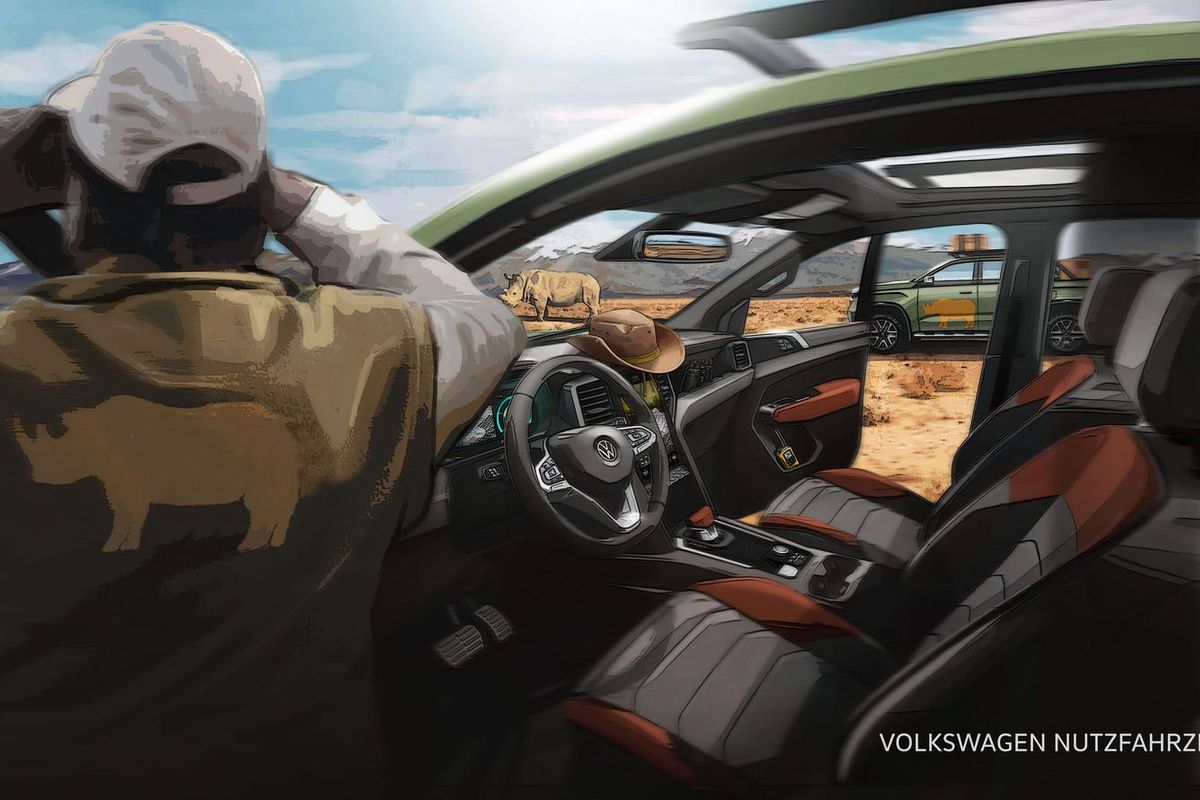
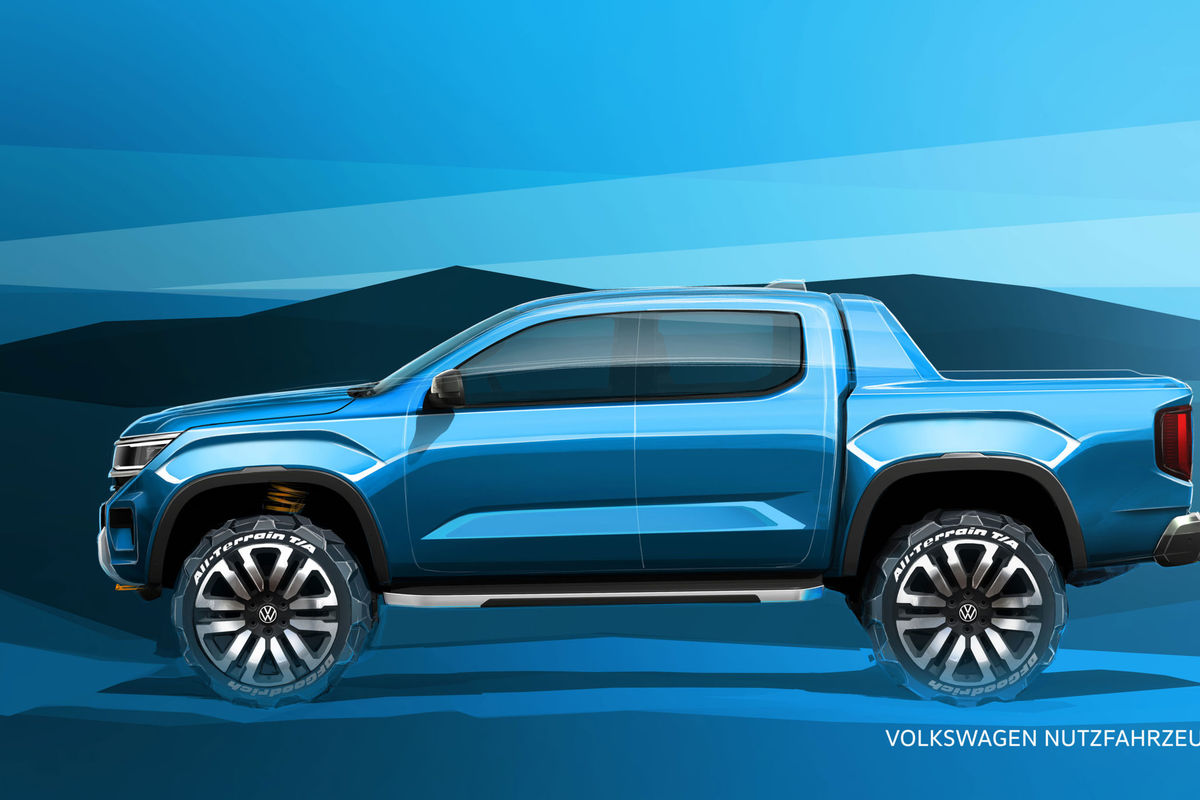
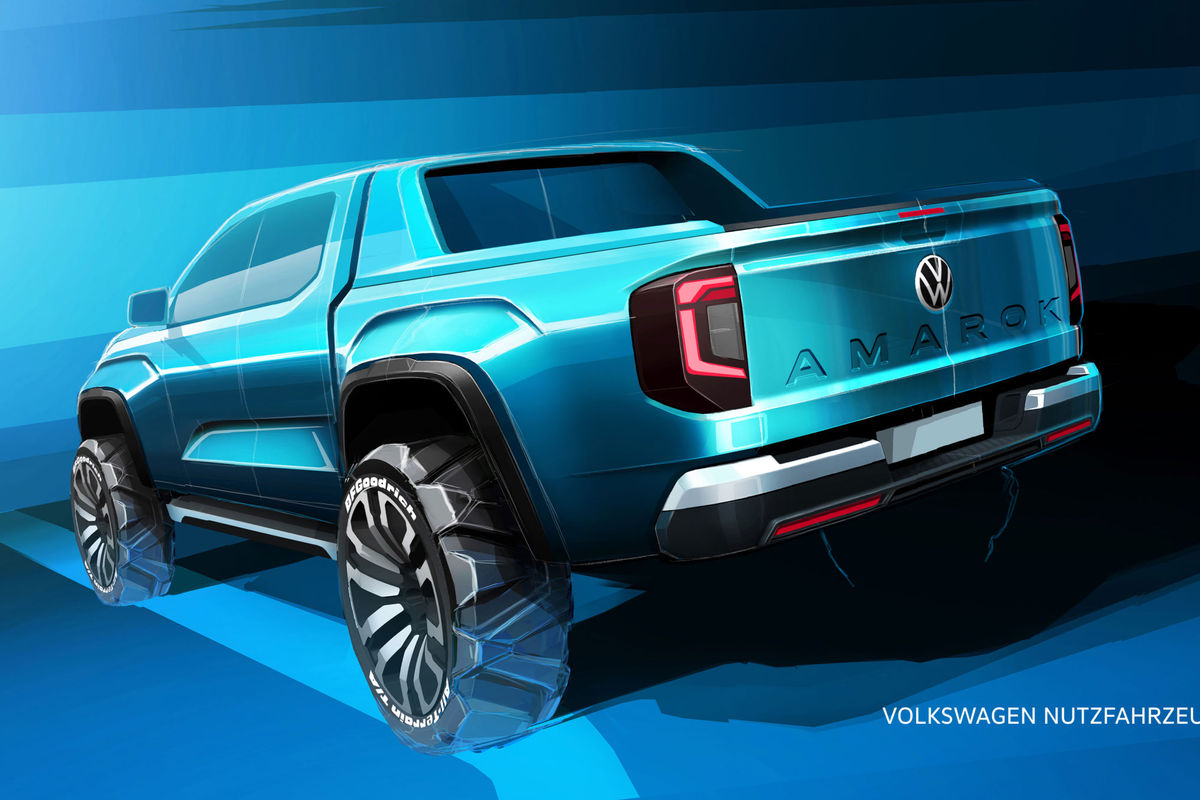
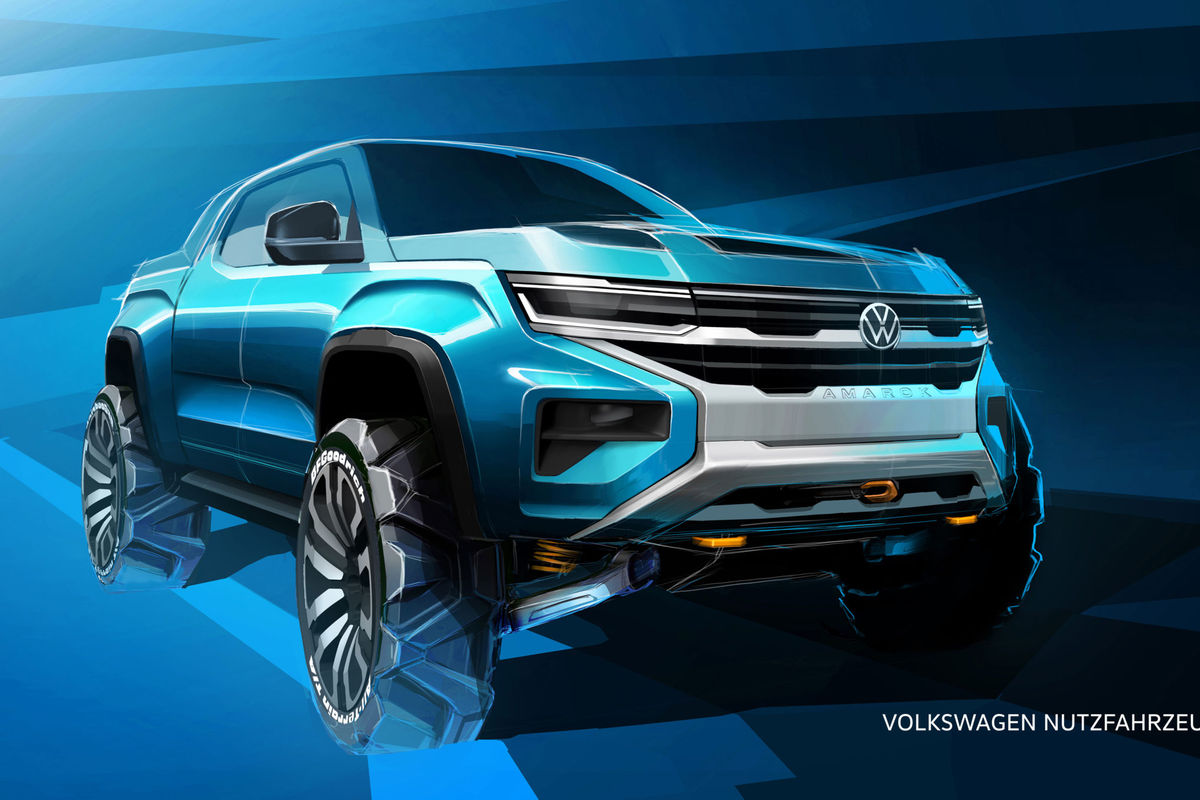
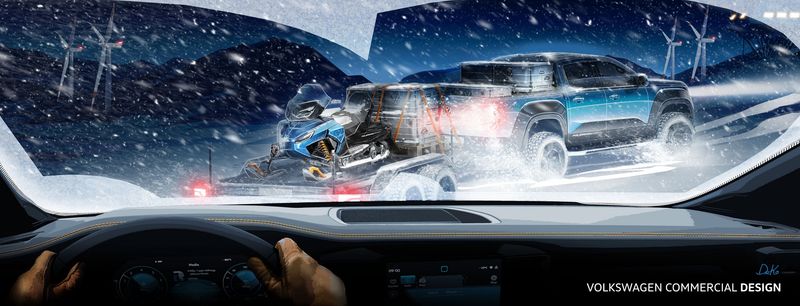
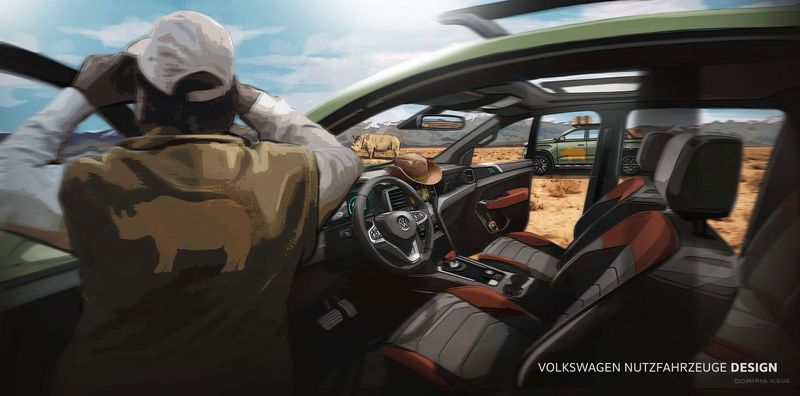
In January 2022, Volkswagen released this cool-looking teaser sketch. While there’s not much to go on, closer inspection gives us some clues of what to expect. Look at those flared arches, for example. The cabin shows its digital dashboard as well as a new-look infotainment screen.
Accompanying this image came confirmation that a V6 engine will be available, as well as the claim that the new Amarok will be 10 cm longer (now 5.35 metres long) and 4 cm wider than the current outgoing model.
Volkswagen says its new Amarok will feature a completely new look, both inside and out as well as offer a wider range of standard equipment. The 3rd generation Volkswagen Amarok will also feature more advanced driver assistance systems and boast more connectivity. Volkswagen claims it will feature “innovations that have not been seen before in this segment.”
“The Amarok makes possible what in many places appears impossible at first sight: it makes things easier for its users by assisting them in their work and everyday lives”, says Dr. Lars Krause, Brand Board of Management Member for Sales and Marketing at Volkswagen Commercial Vehicles. “That’s because the Amarok provides solutions that enable our customers to achieve their goals –especially when things get difficult.”
These teaser images give off a good first impression and we’re eager to see the final product. We’re hoping the 2023 Volkswagen Amarok looks different to the Ford Ranger, but we’re confident this will be the case if you look at the brand-new Volkswagen Caddy and Ford Tourneo Connect – which are also twins.
The Volkswagen Amarok has had quite a sales success since its debut back in 2010. Over 800 000 units have been sold around the world and has found favour in our market, thanks to its mighty 3.0-litre turbocharged V6 diesel engine.
Update: As of February 2022, Volkswagen SA has announced further teaser images and confirmed that the new model will come in at 5.35 metres, longer than the outgoing model.
When will the 2023 Volkswagen Amarok be revealed?
The brand-new Volkswagen Amarok will be revealed in 2022, with an exact date not yet announced. Volkswagen has confirmed that the newcomer will be available to order in Europe from late 2022.
Yamaha is best known for its motorcycle and marine engines, but it also has a sterling record of cooperation with Toyota.
Arguably the most significant V10 road-car engine of all time was the Lexus LFA’s 4.8-litre version. And enabling that engine’s performance and crankspeed, was a lot of Yamaha technology.
Toyota values Yamaha’s contribution and skill relating to intake systems and valve-gear, crucial components on high-revving motorcycle engines.
Toyota’s latest Yamaha-aided engineering project is a hydrogen version of the Lexus 5-litre V8 engine. Since the 1990s, several automotive companies have experimented with the potential of hydrogen, which offers much greater energy than petrol or diesel.
For Toyota, hydrogen is one of its pillars for a greener vehicle fleet in future.
To prove how some of Toyota’s current powertrain architectures could evolve into hydrogen engines, the Lexus 5-litre V8 has been converted to run on hydrogen.
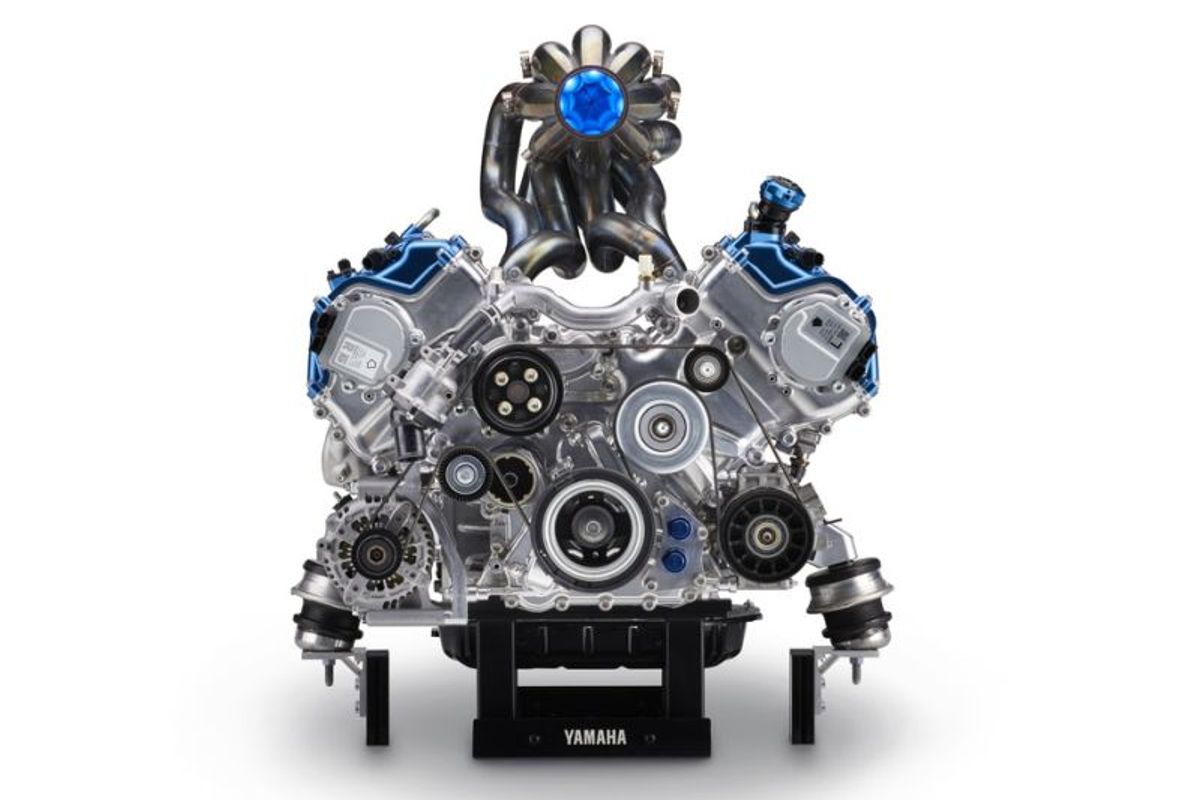
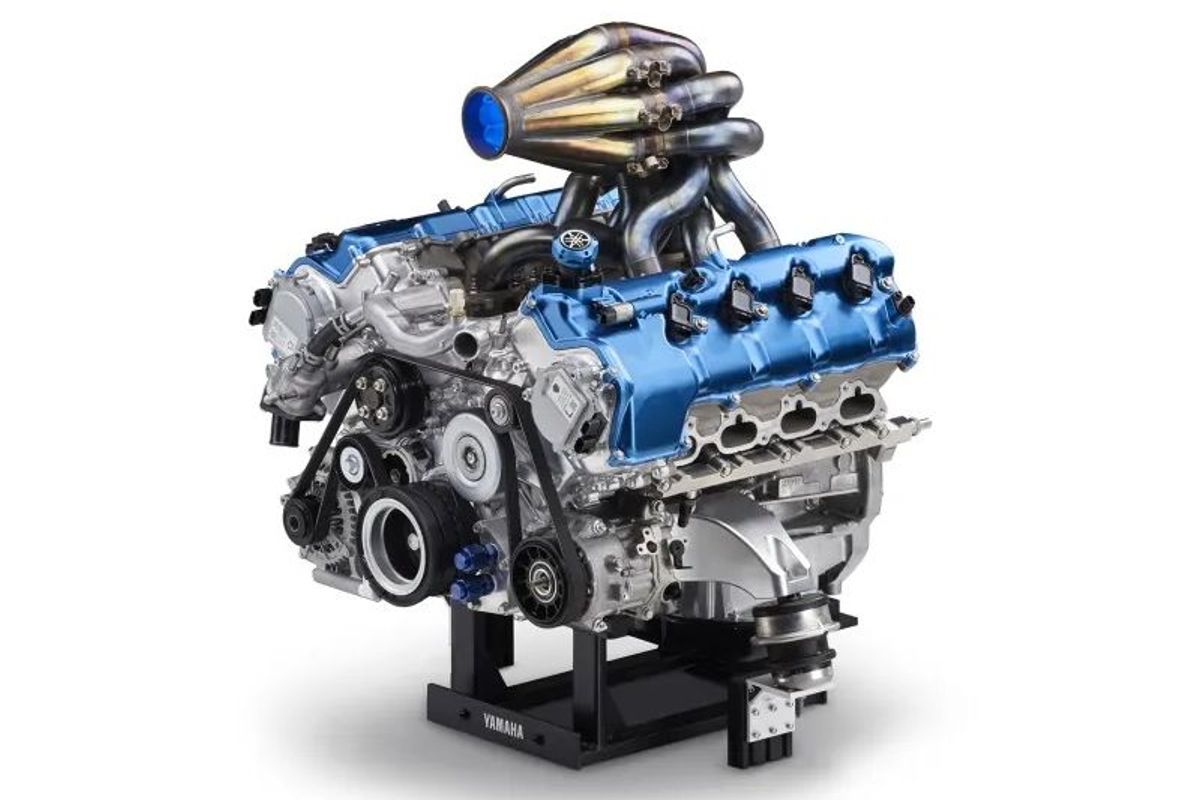
Yamaha’s engineering team worked extensively on the injectors, cylinder heads, and intake manifold to accommodate the liquid fuel type change. No changes were made to the engine block.
And the results? Strikingly similar to running your Lexus 5-litre V8 vehicle on petrol.
The hydrogen engine delivers 335 kW at 6 800 rpm, supported by 540 Nm of torque. Those numbers are essentially what you’d have behind the wheel of a 2022 model year Lexus RC F Track Edition.
But what does it sound like? There is no exhaust note sample available – yet. But with a top-mounted 8-into-1 exhaust manifold, there is every probability of this hydrogen-fuelled V8 bellowing a very distinctive beat.